La Sylphide (The Australian Ballet)

lasylphideVenue: Sydney Opera House (Sydney NSW), Nov 7 – 25, 2013
Choreographers: Marius Petipa (Paquita), Erik Bruhn after August Bournonville (La Sylphide)
Image by Jeff Busby

Theatre review
The Australian Ballet’s latest classical offering is a double bill with works from the Romantic era, La Sylphide from 1836 and Paquita,1847. The “grand pas de deux” from Paquita opens the program with electric vibrancy. It is an exciting extract from the original full length work, with principal dancers Lana Jones and Kevin Jackson showcasing their extraordinary technical abilities. Jackson has a dynamic hold of the stage, with magnetic presence and a strapping physique that is undeniably exquisite. Jones’ confidence is spellbinding, and puts on a riveting performance that thrills with its sheer beauty.

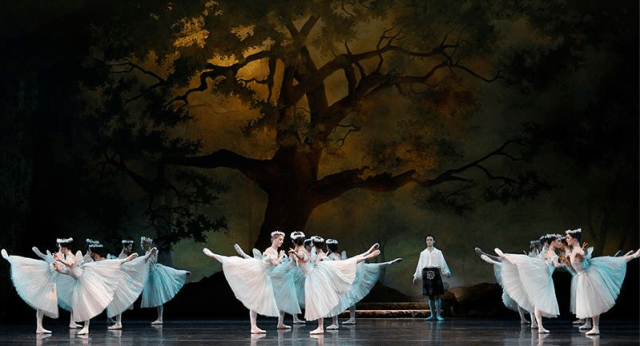
In La Sylphide, the story of a Scottish farmer who falls in love with a forest spirit is brought to life with some of the most stunning set and lighting design on the Australian stage. The sense of ethereality they produce is seductive, and the fantasy the audience craves is magically rendered so that we are transported through time and space. Vivienne Wong is memorable as the farmer’s fiancee, impressing with her dancing as well as acting abilities. Madeleine Eastoe is the Sylph, creating lines and movement that are delightful and almost supernatural in their delicacy and lightness, but the slightness of her frame does mean that she can at times, be obscured by the vastness of the production. Daniel Gaudiello as the farmer James is handsome and strong (physically and technically), and every bit the leading man of fairy tales but requires a small dose of artistic hubris to be even more compelling.

Modern lives are increasingly mundane. Technology encourages us to retreat and evolve into beings more and more insular and impassive. Witnessing the dancers of our national ballet company is a reminder of the human capacities at achieving unfathomable heights of beauty and athleticism. Like all great artists, they bring to us the great gift of inspiration that uplifts us from our daily lives; as we stop to smell the roses at the theatre, and realise the potential each ordinary day may hold.

www.australianballet.com.au

5 Questions with Tade` Adepoyibi

tadeWhat is your favourite swear word?
The ‘f’ word. It just works every time.

What are you wearing?
Dark blue denim skinny jeans (bespoke as my legs don’t fit into normal sized ones), a long blue singlet, a blue top over that, and a light pink scarf. And blue earrings (from the kids section) and black ankle boots. Feeling blue, but not in a bad way.

What is love?
Beats me…..Kidding. As a standalone concept I think it is caring about another human being, genuinely caring for that person’s physical, psychosocial and emotional welfare. Between two people I think it’s when you would do anything for a person, feelings that are unconditional and another person’s so called flaws do not change your feelings for them in any way. Oh and it has to reciprocated. And then there is loving yourself which is very important, accepting and celebrating yourself including your flaws, so others can do the same. Love those deep questions!

What was the last show you saw, and how many stars do you give it?
I saw Angels in America Part 1 and 2 at the Theatre Royal. Gave it a 10 out of 5. A brilliant piece.

Is your new show going to be any good?
I think it’s going to be great. There is such a diverse cast and we are all committed to putting on a good show and telling the story of this incredible man Swami Vivekananda – someone with a legacy so potent we are celebrating his life and all he has done 150 years later. I think its the first show of its kind ever to be put on in Sydney. Its not to be missed that’s for sure! Can’t wait!

Tade` Adepoyibi is featured in Oneness – Voice Without Form.
Show dates: 17 – 18 Sep, 2013
Show venue: Sydney Opera House

Les Illuminations (Sydney Dance Company)

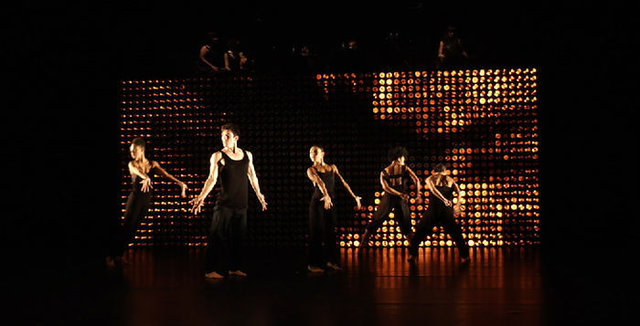
816436-les-illuminations[1]Venue: Sydney Opera House (Sydney NSW), Aug 28 – 31, 2013
Choreographer: Rafael Bonachela
Music: Benjamin Britten
Musicians: Sydney Symphony Orchestra
Vocalist: Katie Noonan
Dancers: Sydney Dance Company

Theatre review
Rafael Bonachela’s latest work with the Sydney Dance Company is set to the music of Benjamin Britten from the 1930s. Bonachela’s immense respect for the music has produced a work that is sensitive to the audience’s aural experience, where the dancers are never allowed to overwhelm or contradict Britten’s essence. It is a successful meeting of creative art forms, but the music is kept paramount.

If beauty is ever a theme in theatre, Les Illuminations embraces it wholeheartedly. Eight dancers perform with a variety of moods and energies, but ultimately all the nuances they bring to the stage dissolve into fleeting moments, for what remains in the aftermath is a sense of sublime beauty. In part 1, Bernhard Knauer embodies a certain lightness and delivers a dream-like quality to the dance. The effortlessness he displays is delightful, and representative of Bonachela’s style, which is chiefly of a sensual nature, rather than giving prominence to technical athleticism. Janessa Dufty impresses as always with her magnetic presence and supreme confidence. Her performance style is characterised by strength and freedom, with a quality that is exceptionally alluring. In part 2, Thomas Bradley’s androgyny is important to the reading of Bonachela’s work, which in this instance, will be remembered for featuring multiple pas de deux sequences. A queer influence gives “partner work” texture, elevating gender dynamics from mere romance to more interesting ideas, and more complex notions of relationships and love.

Katie Noonan’s voice in the classical space is a marvellous revelation. Her singing comes to us with a transportative other-worldliness. It is perfect. Memorable segments of the show involve the dancers engaging us and each other, but with minimal movement. Our eyes and ears are seduced into a state of rapture, with Noonan’s timber ringing as though in dreams of purity and beauty, as though suspended in time.

www.sydneydancecompany.com

Phèdre (Bell Shakespeare)

phaedreVenue: Sydney Opera House (Sydney NSW), Jun 6 – 29, 2013
Playwright: Jean Racine (translated by Ted Hughes)
Director: Peter Evans
Actors: Catherine McClements, Julie Forsyth, Marco Chiappi, Edmund Lembke-Hogan

Theatre review
Not very much happens in this story, but the enjoyment of Greek tragedies like Phèdre is in their heightened sense of drama, and the creative choices made by contemporary theatre practitioners in their interpretation of texts centuries old.

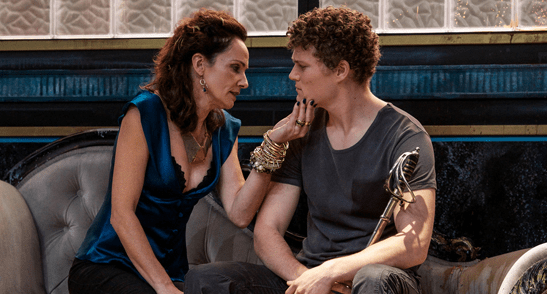
Lead actor Catherine McClements is best in sections where her character’s emotions are overflowing. She portrays pain and guilt with a delicious darkness, and her strength in guiding her audience through the plot with very clear story-telling in terms of her intentions and transitions are remarkable. Even though she lacks a sense of majesty and physical agility that this level of drama seems to require, McClements compensates with her impressive charisma and presence.

Also remarkable is Julie Forsyth who plays Phèdre’s nurse. Even though the role is comparatively small, her grasp of the genre is completely arresting.  The other actors are less appealing, especially Lembke-Hogan who seems to have walked right off a budget soap set, completely out of his depth. One leaves the theatre wondering if actor training caters now only to television work, with emphasis on voice and face, but everything from the neck down is neglected.

Set, lighting and sound design are subtle and sophisticated, with a murky sexiness permeating the theatre even before the play commences. This serves the themes of illicit desire and spousal betrayal well, but comes in conflict with small sections of the play where the mood is lighter and both audience and players obviously need a dose of comedy and quick reprieve from the intensity of the story. Costume design is overly minimal, detracting from the depiction of a “royal story”, although keeping in line with the overall visual style of the production.

For those of us who love dramatic tragedies, it is always about going on that emotional journey which appeals the most. When this is achieved with a classic play that has stood the test of time and does not rely on fads and gimmicks, the experience is particularly satisfying.

www.bellshakespeare.com.au