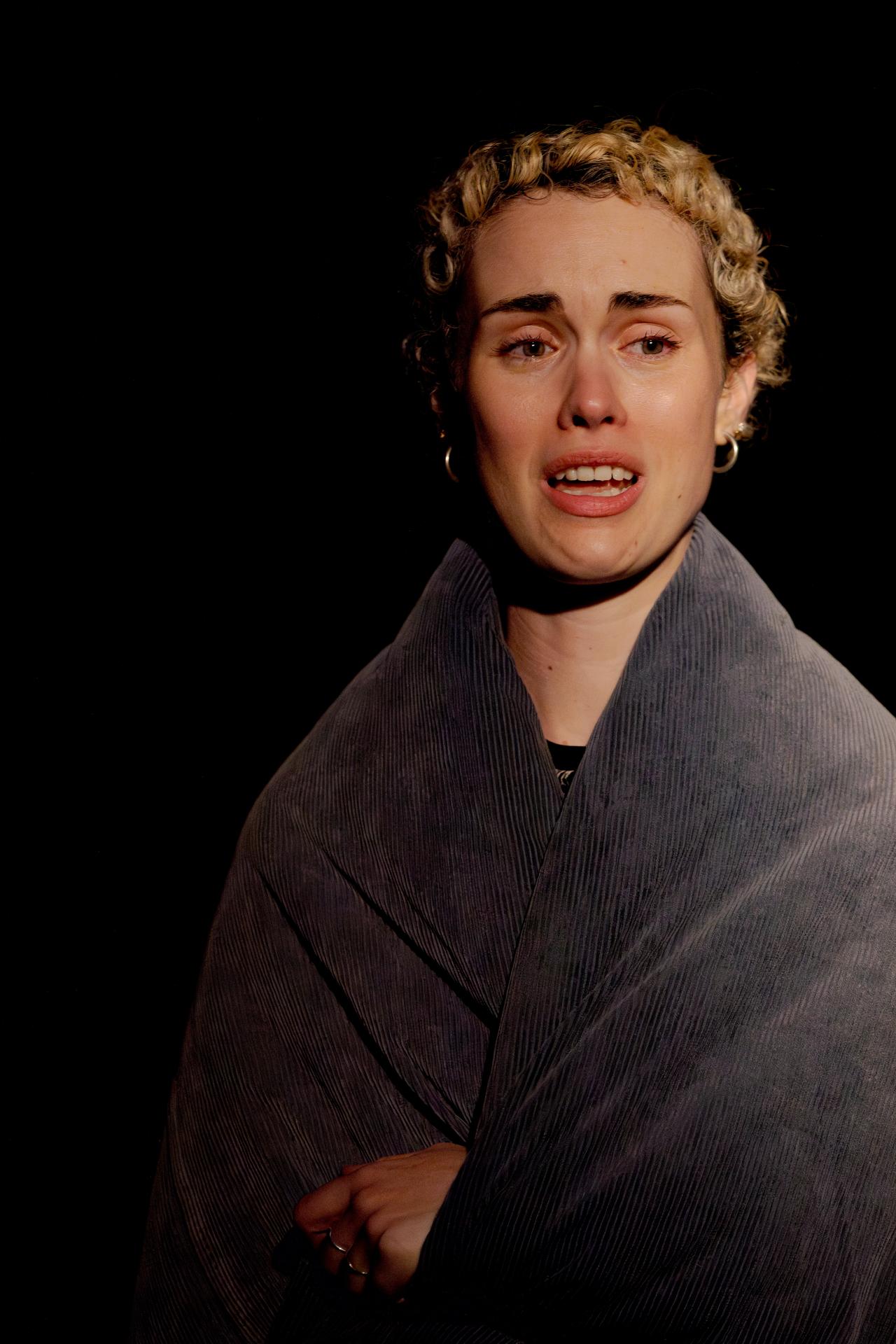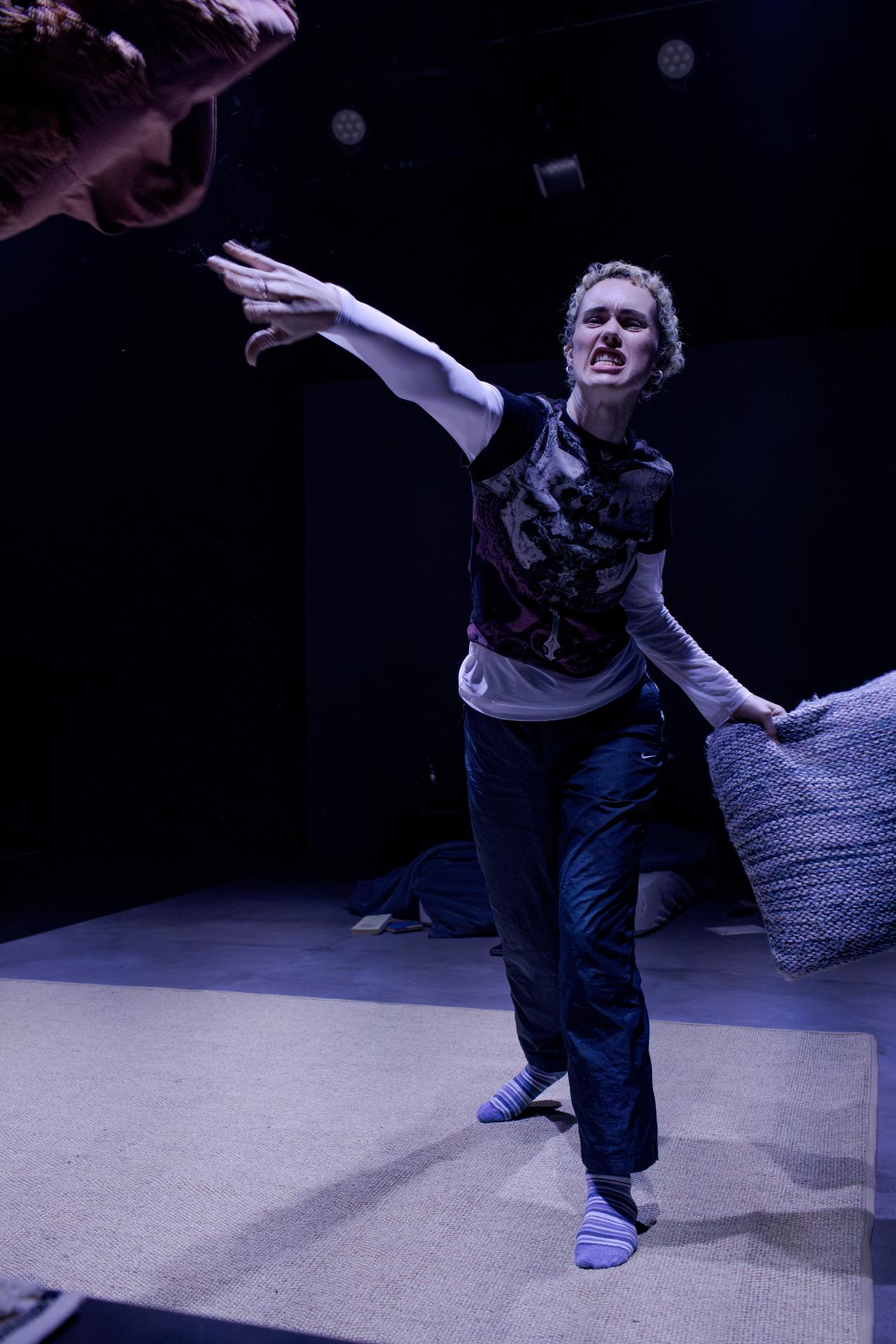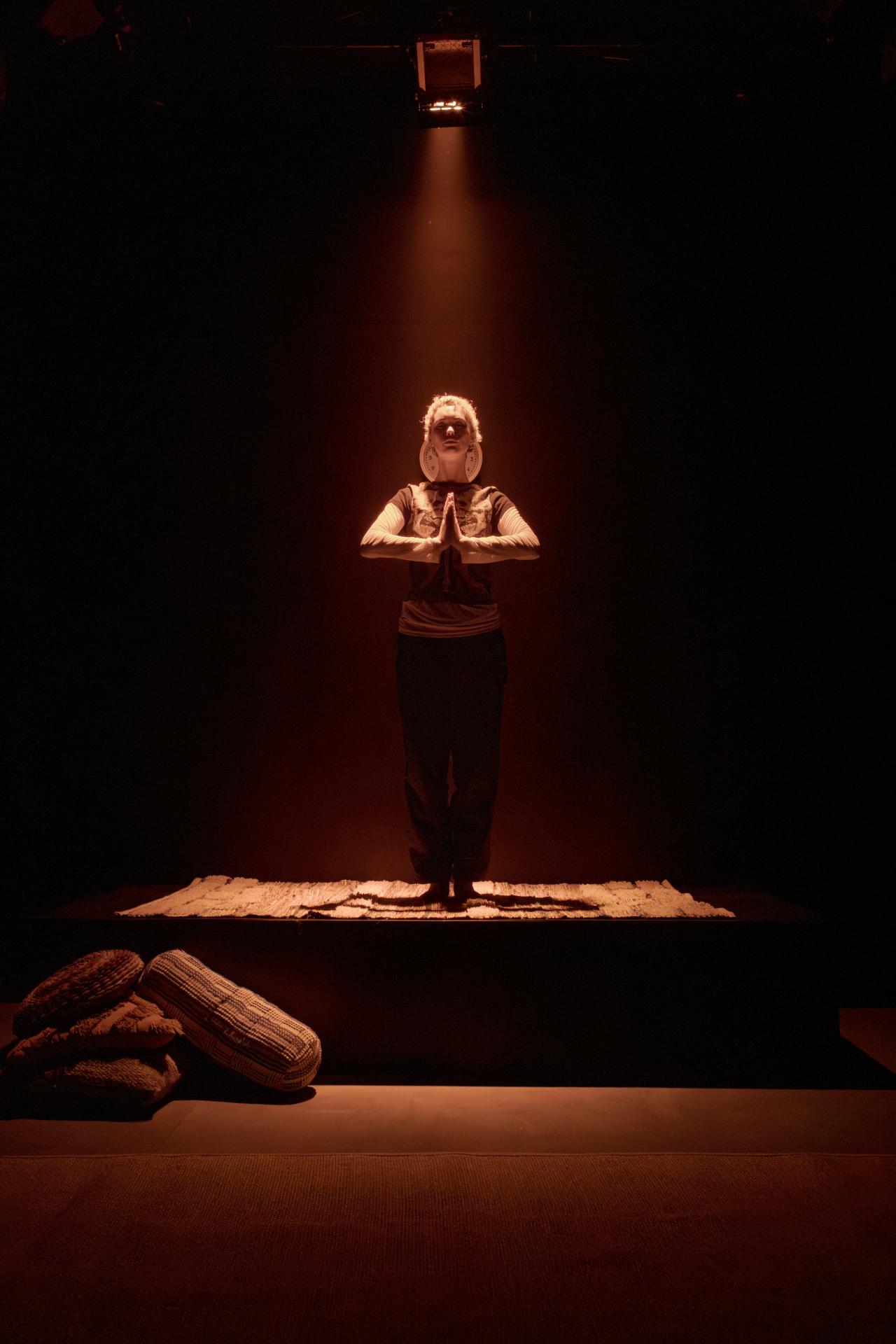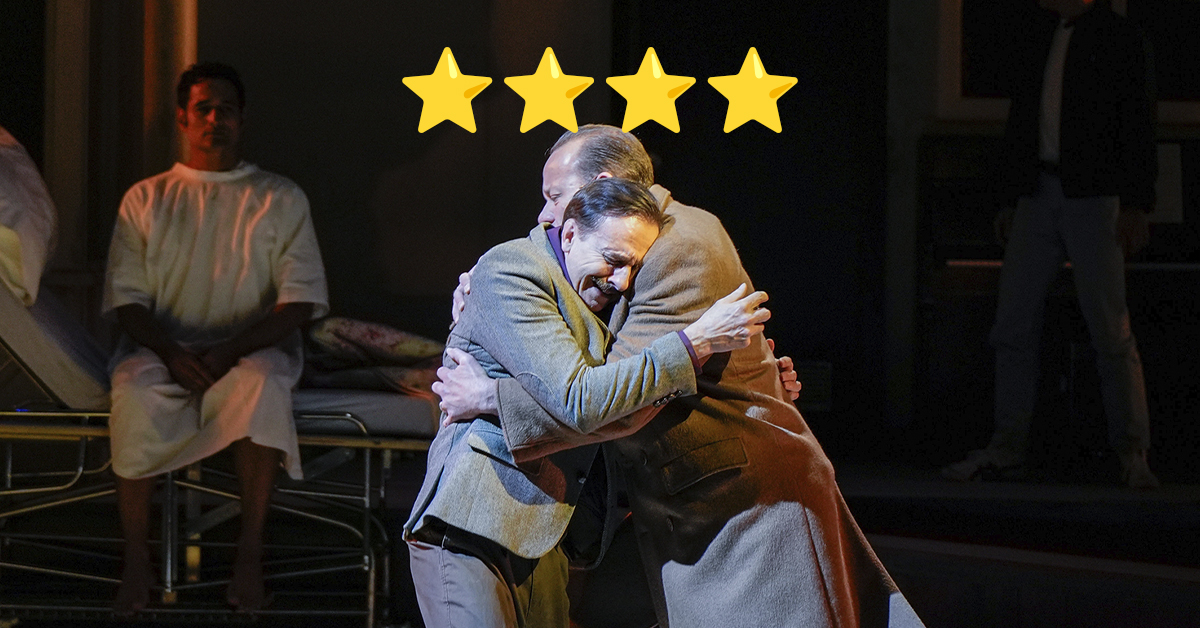
Review: Bonny & Read (Qtopia)

Venue: Qtopia (Darlinghurst NSW), Oct 29 – Nov 8, 2025
Music and Lyrics: Ben James, Aiden Smith, Emily Whiting
Book: Aiden Smith, Emily Whiting
Director: Holly Mazzola
Cast: Elliot Aitken, Tori Bullard, Percy Chiu, Max Fernandez, Ben James, Helen Jordan-Lane, Gabi Lanham, Jack Mitsch, Alex Travers
Images by Patrick Phillips

Theatre review
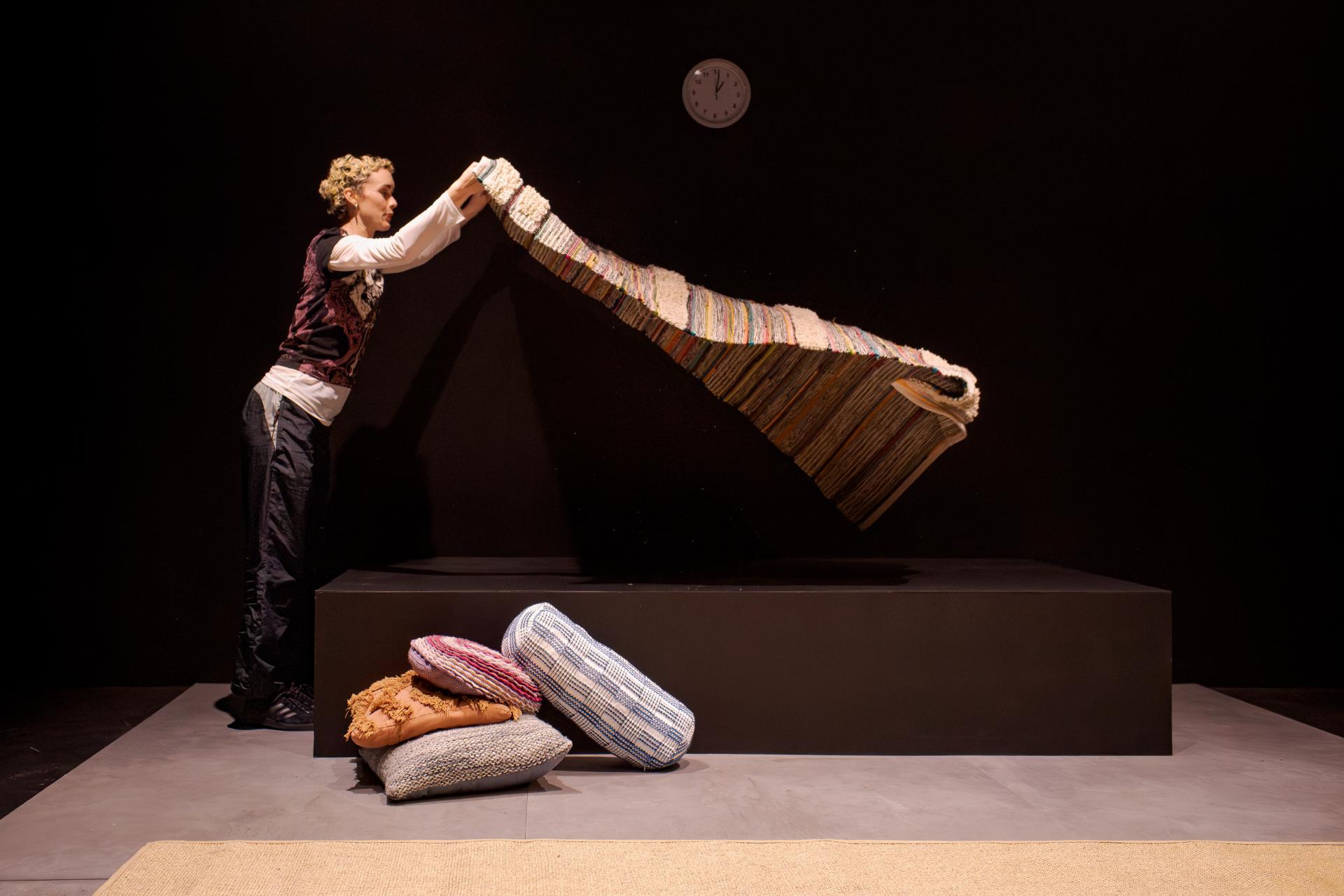
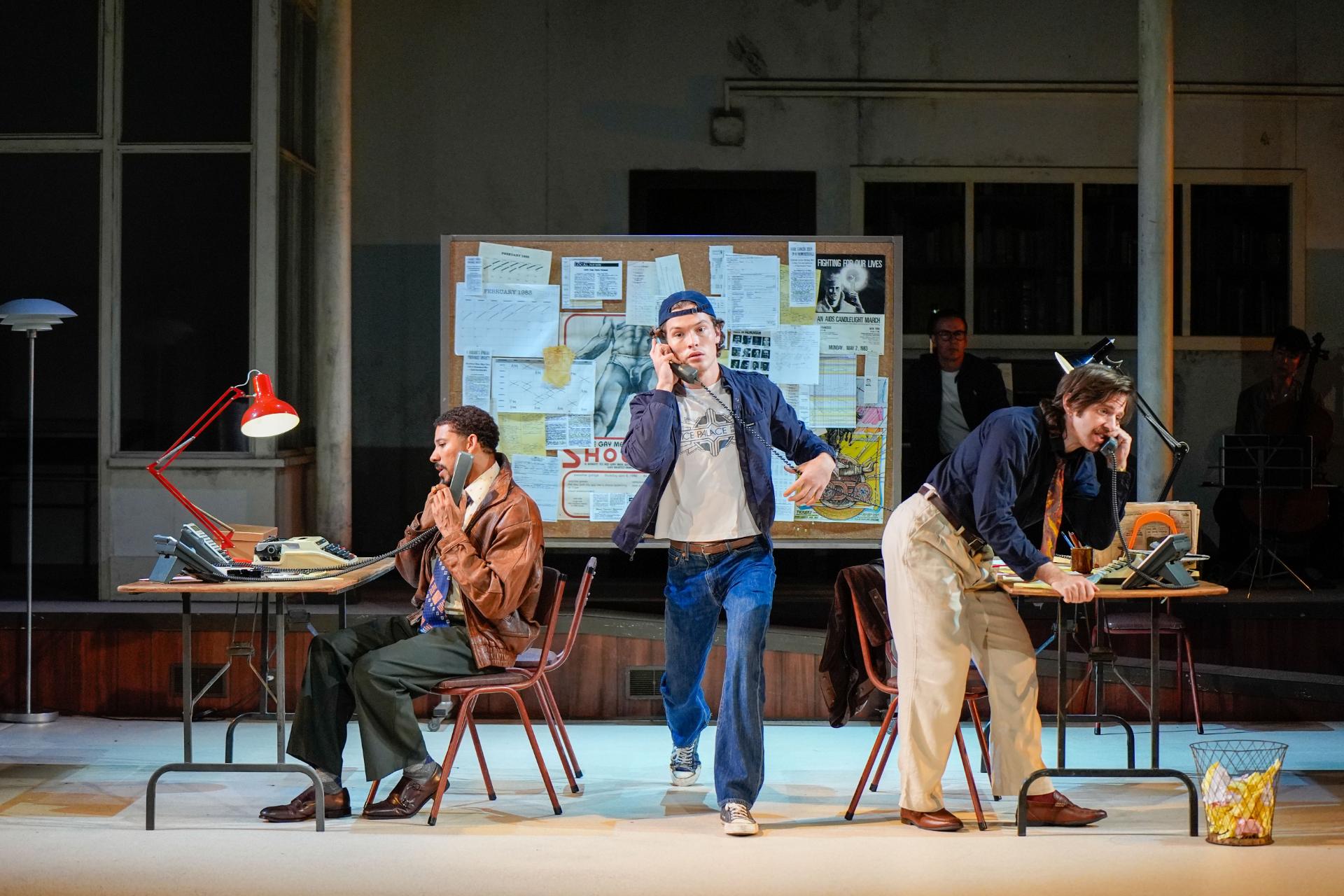
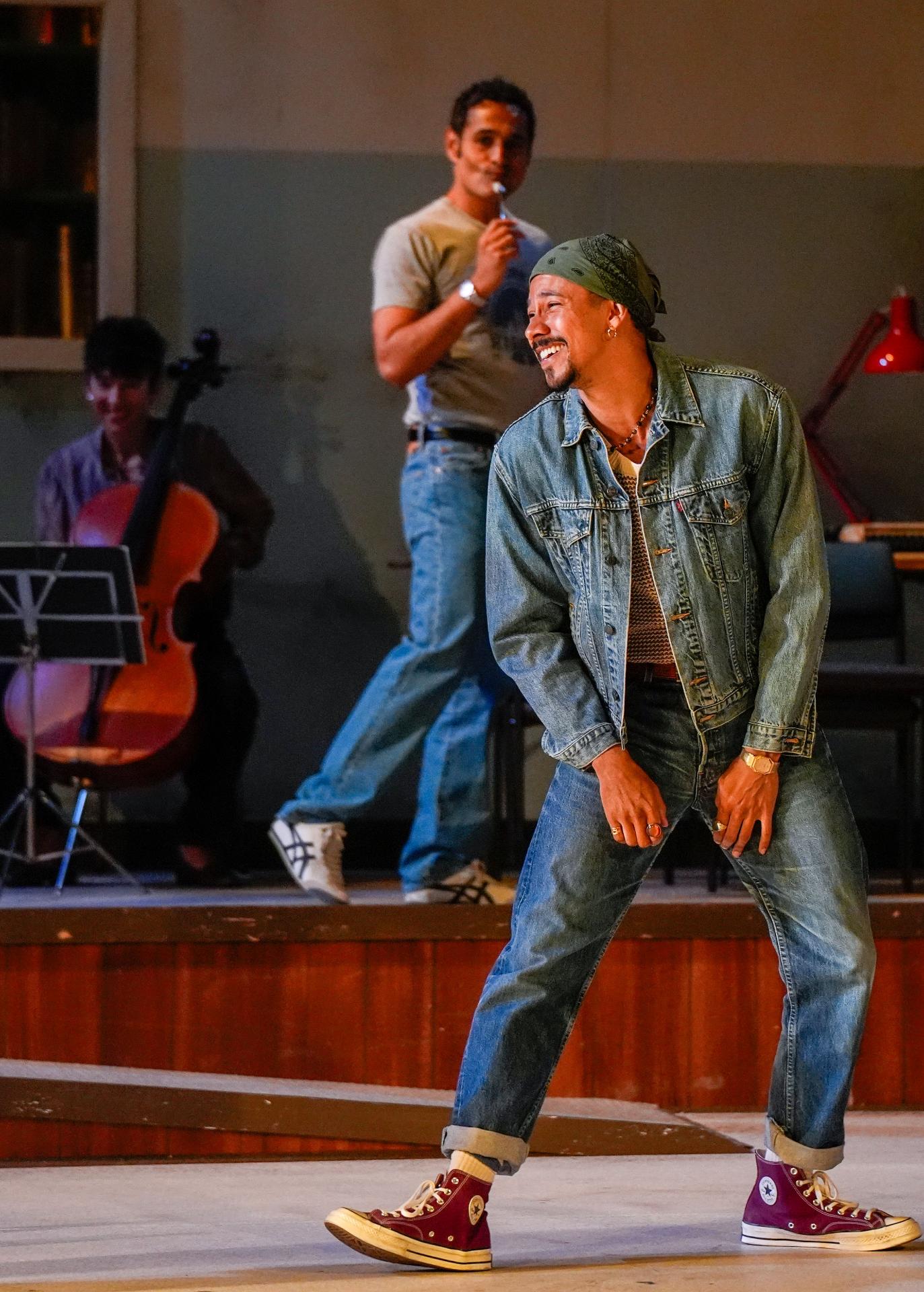
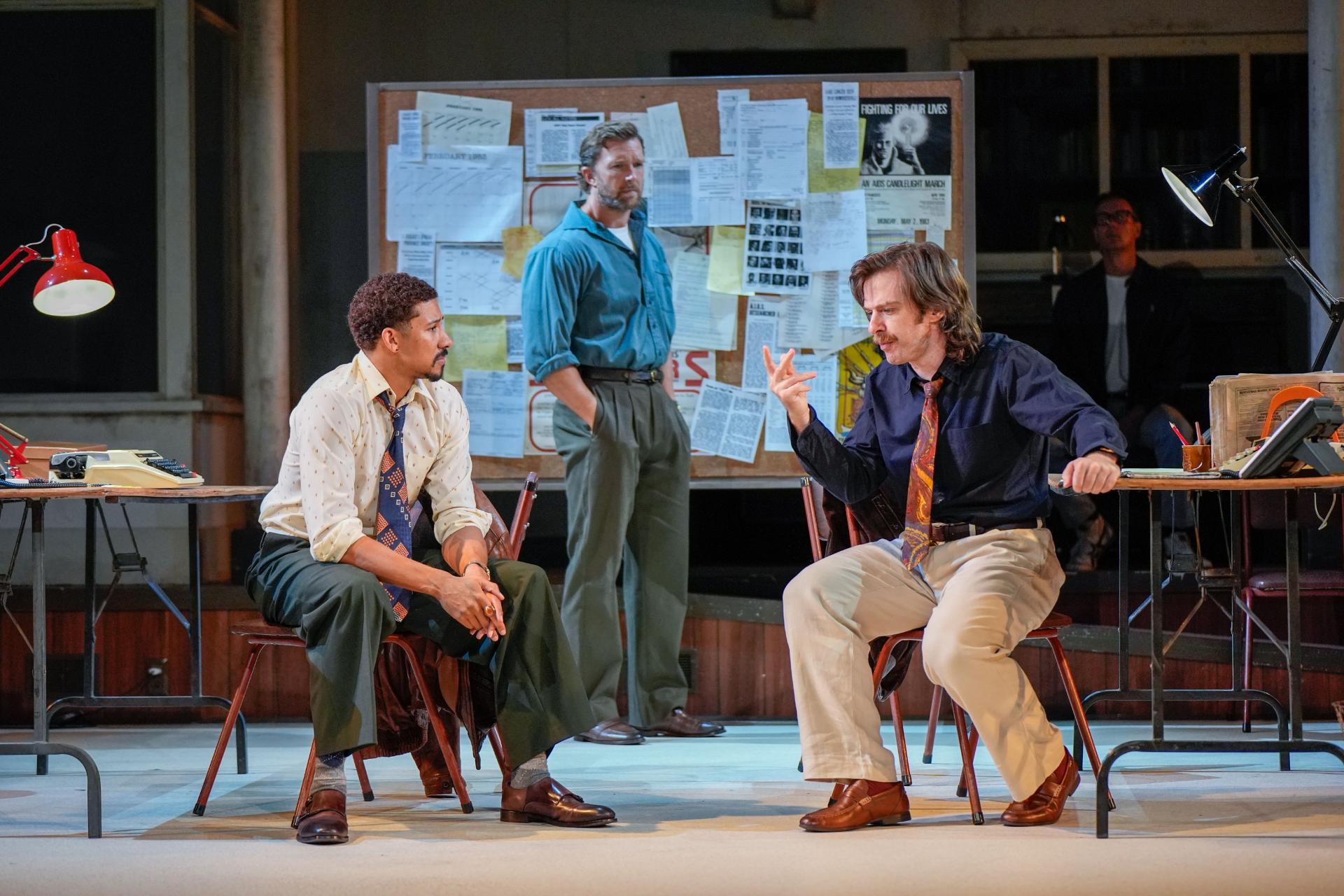
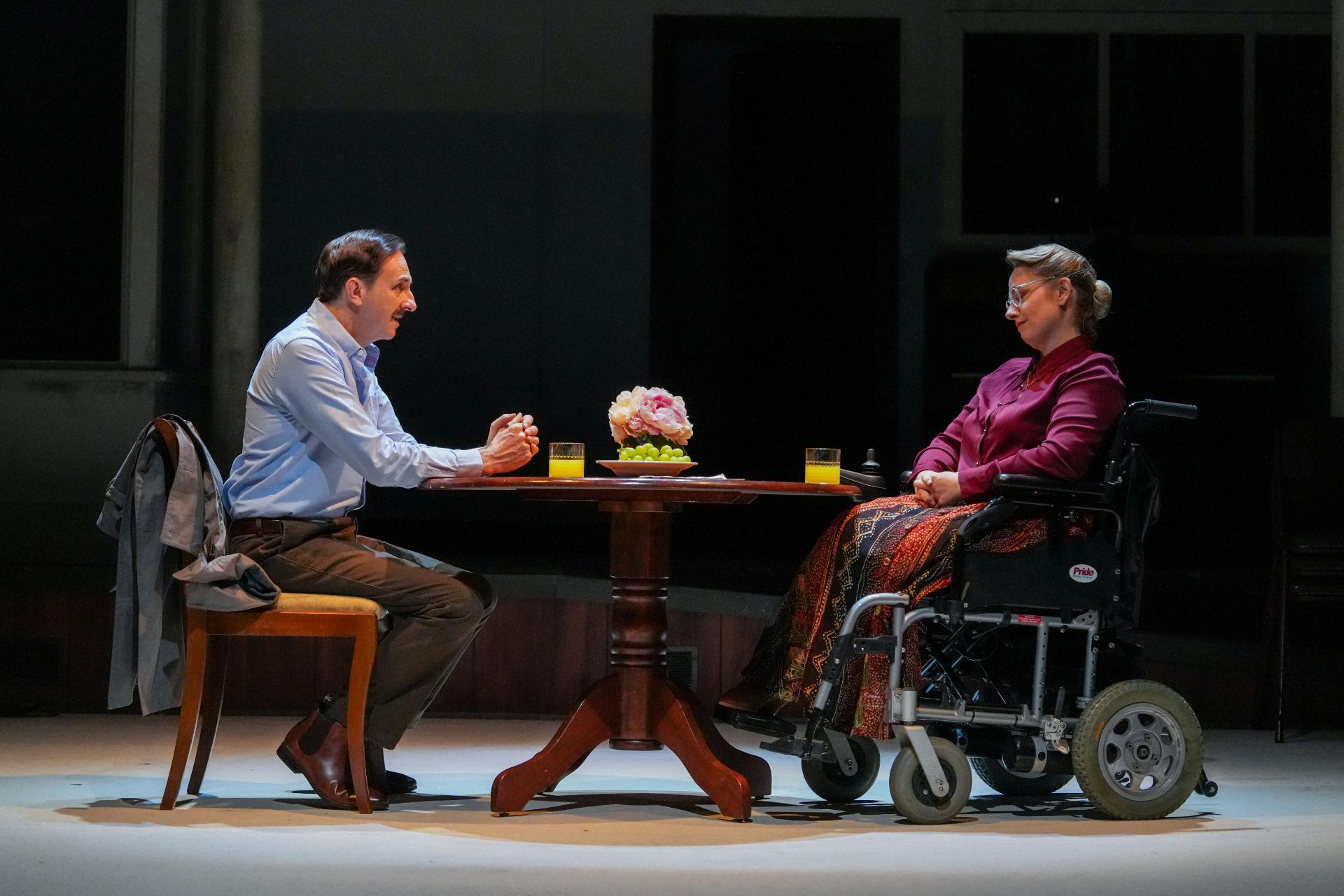
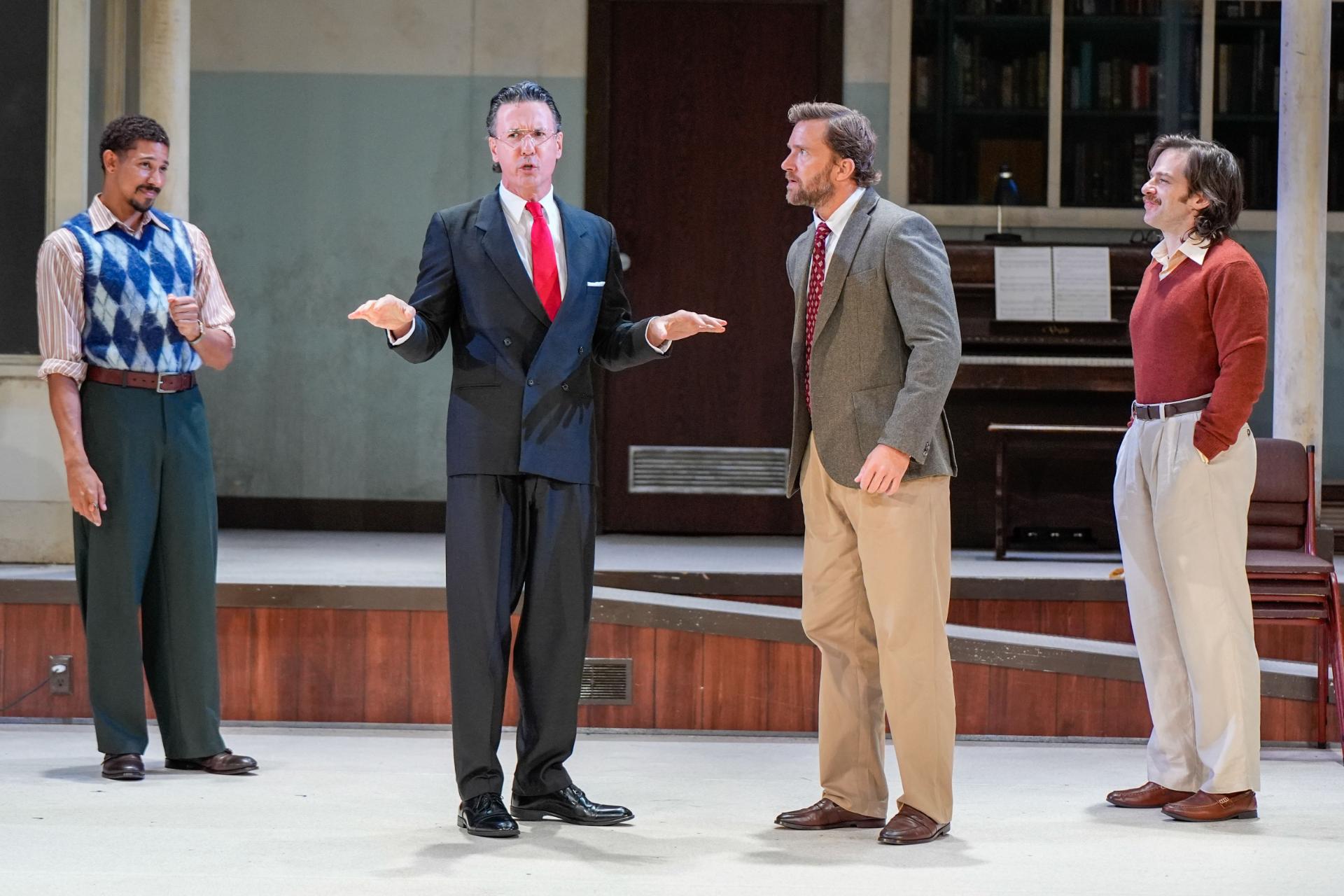
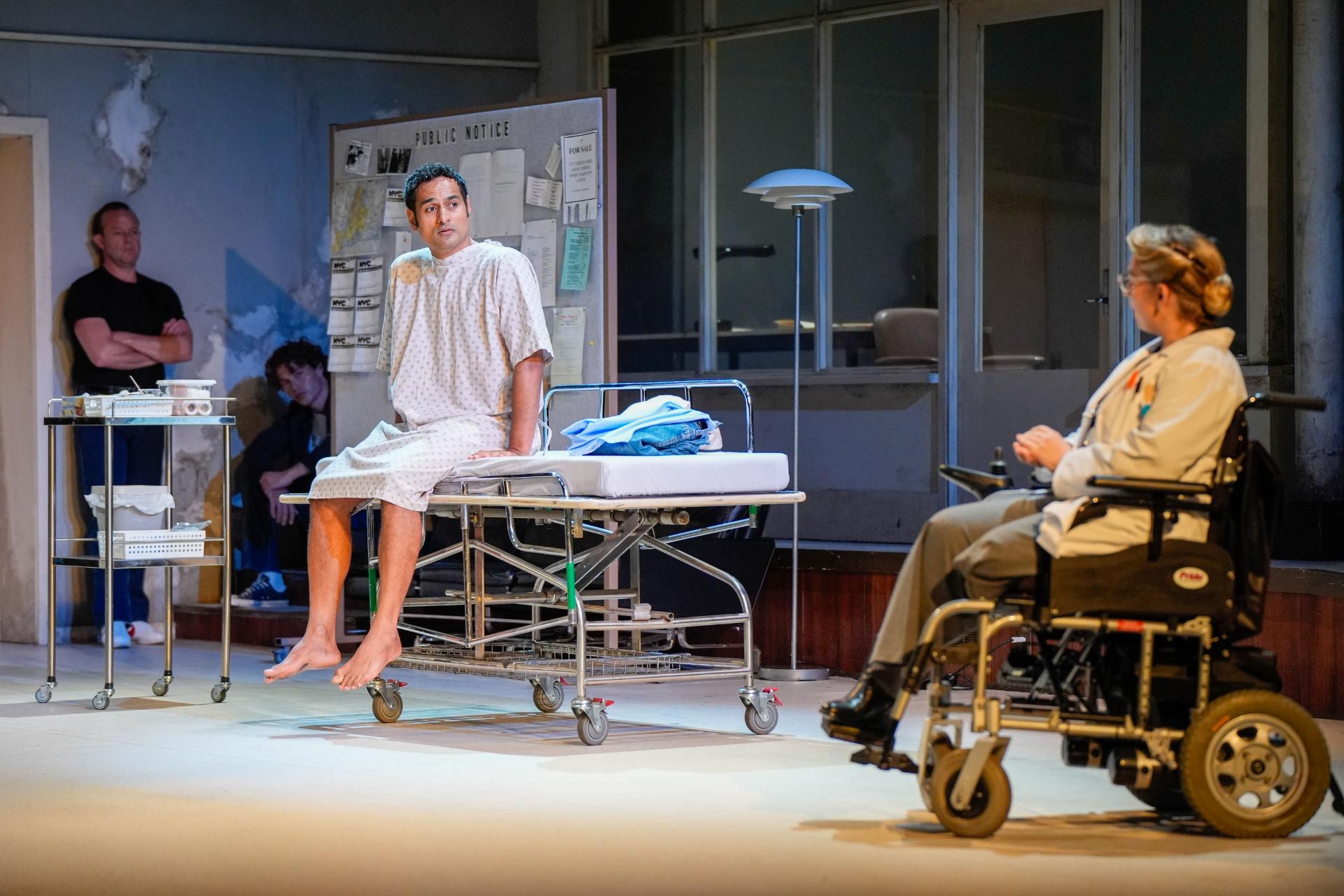
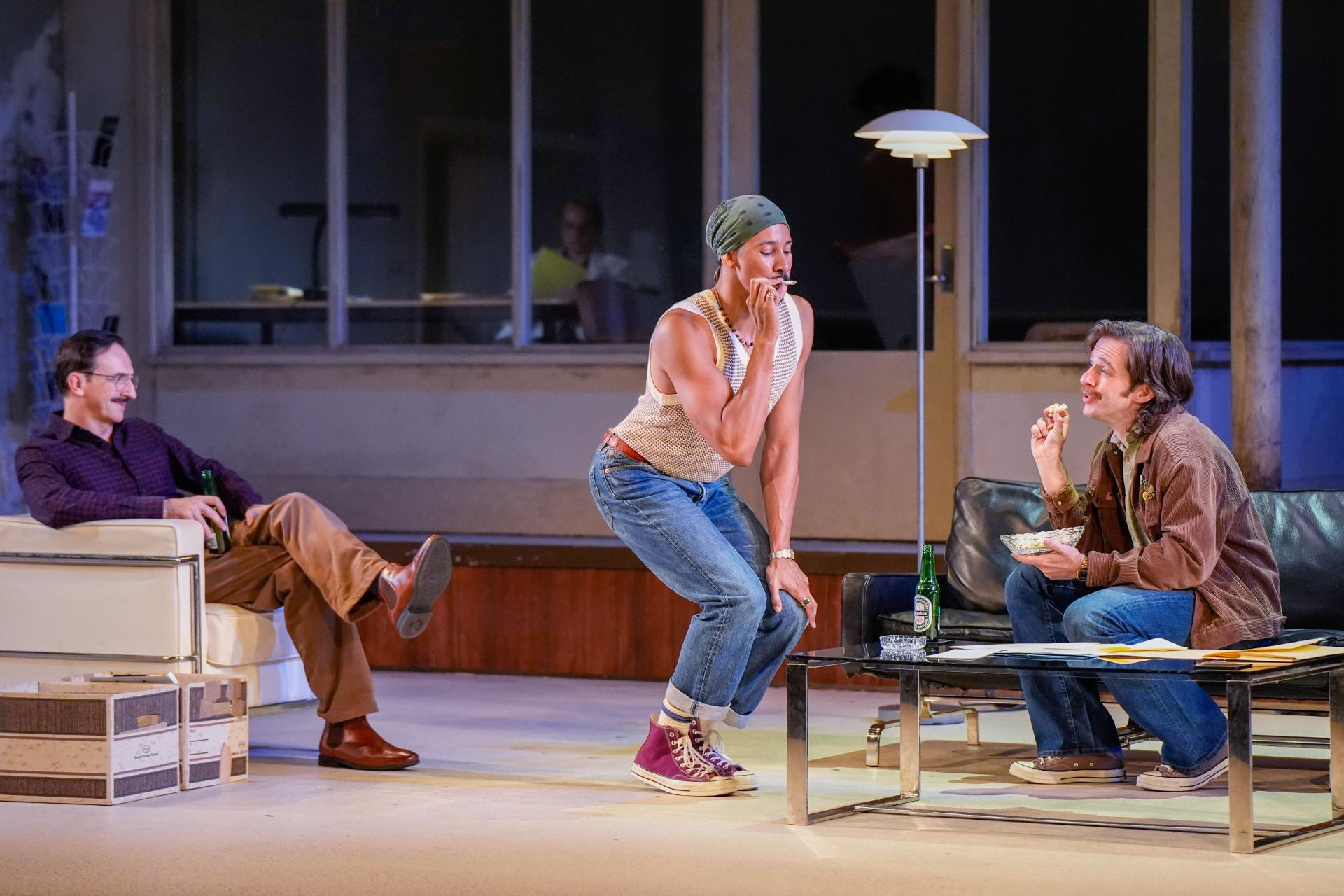
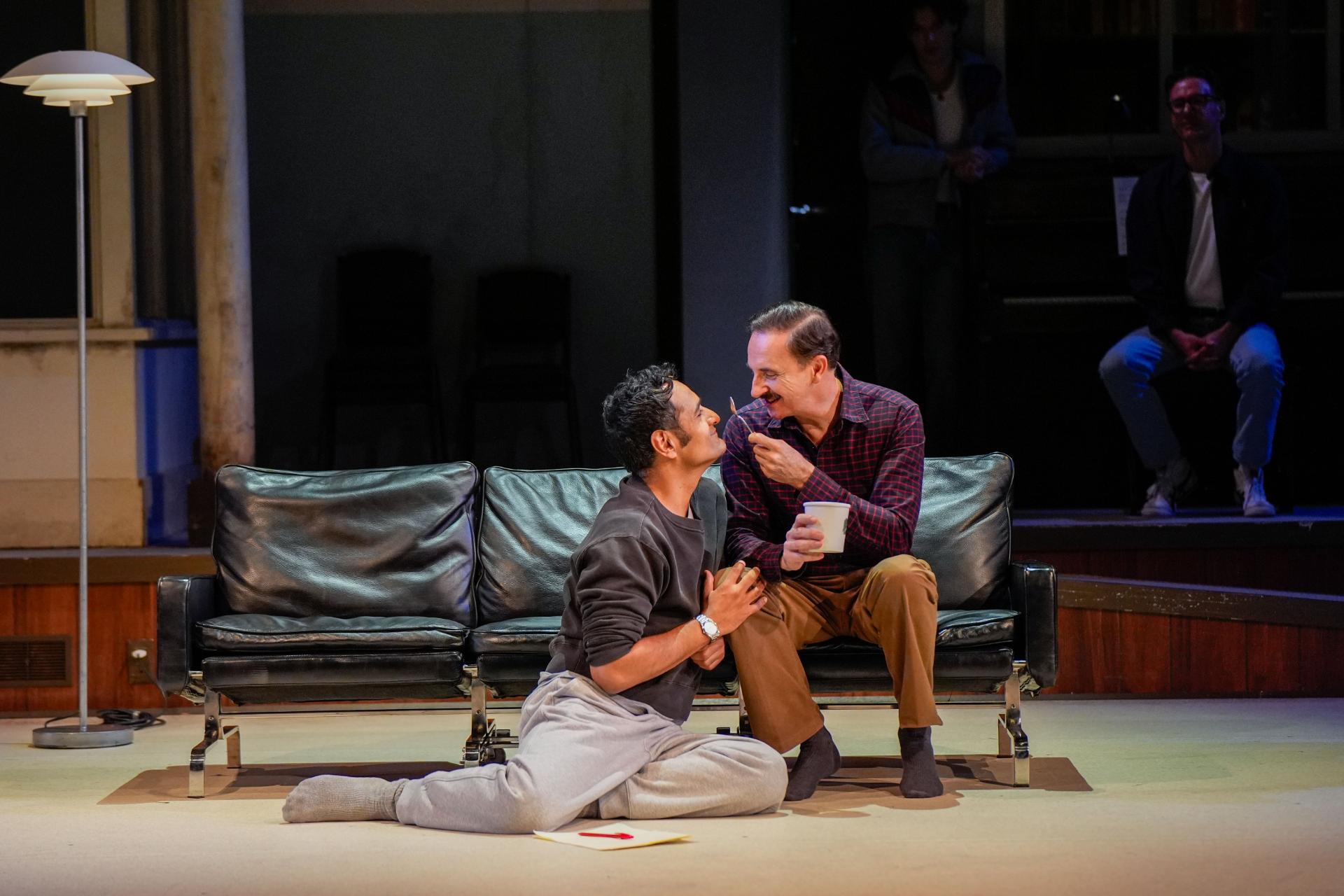
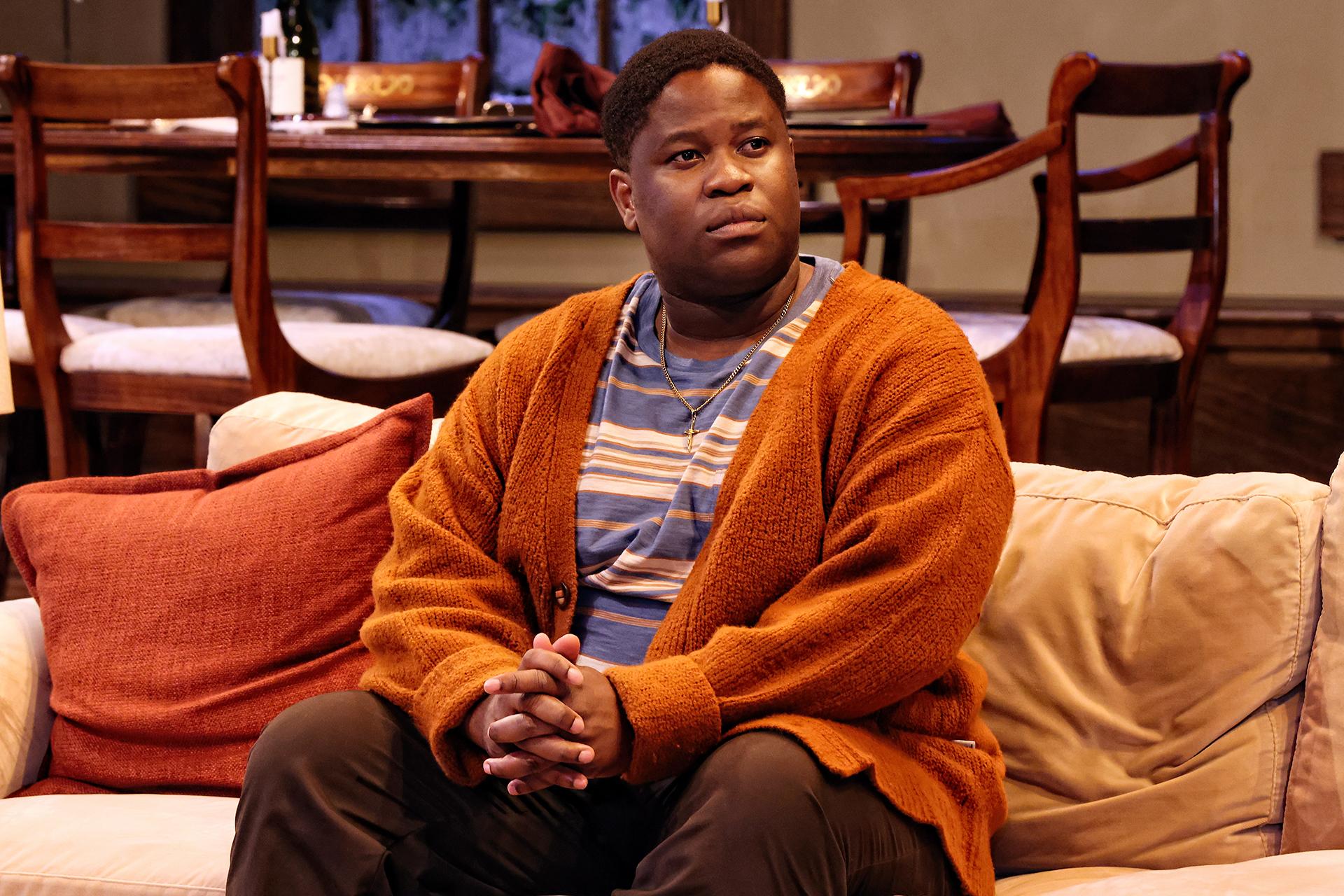
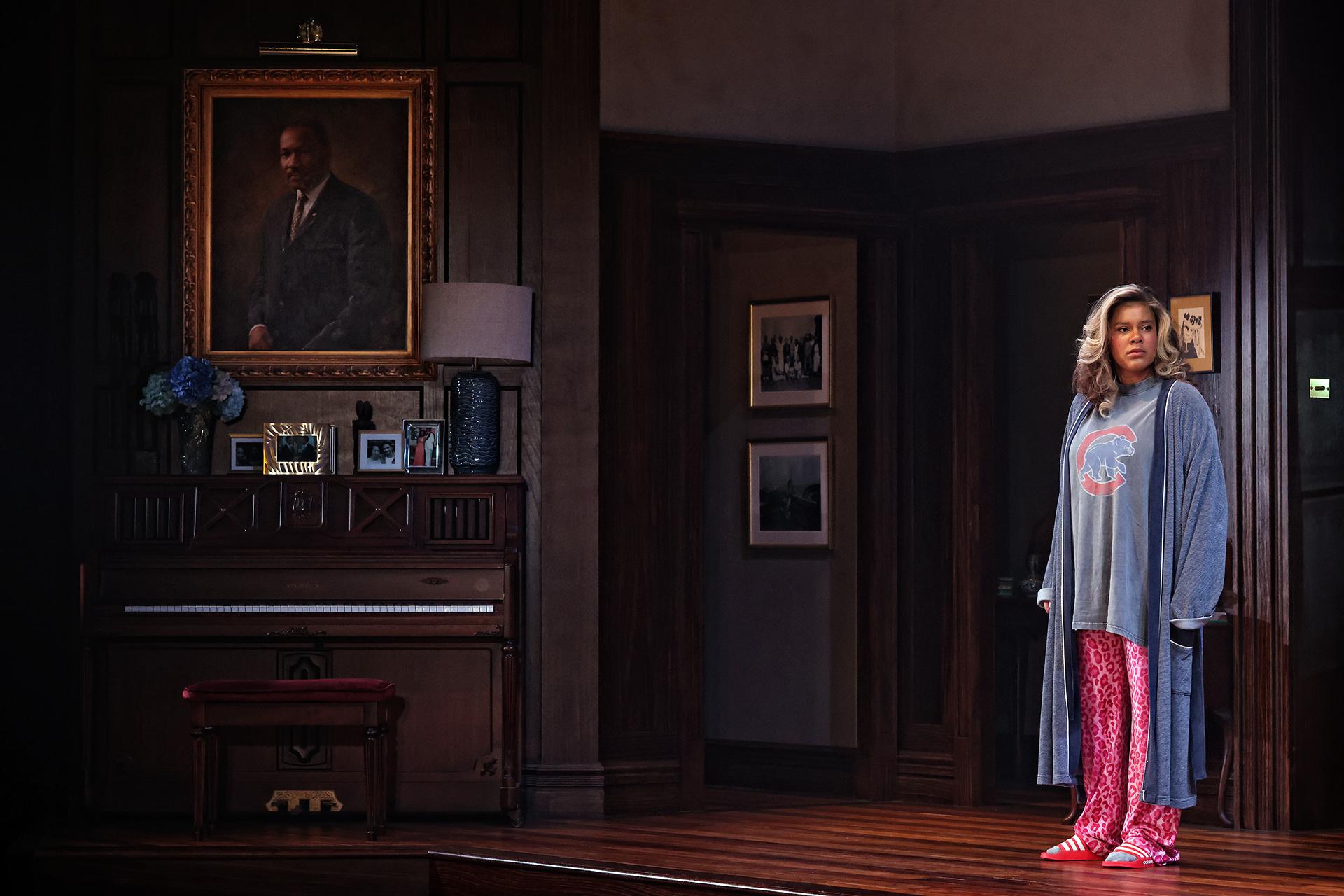
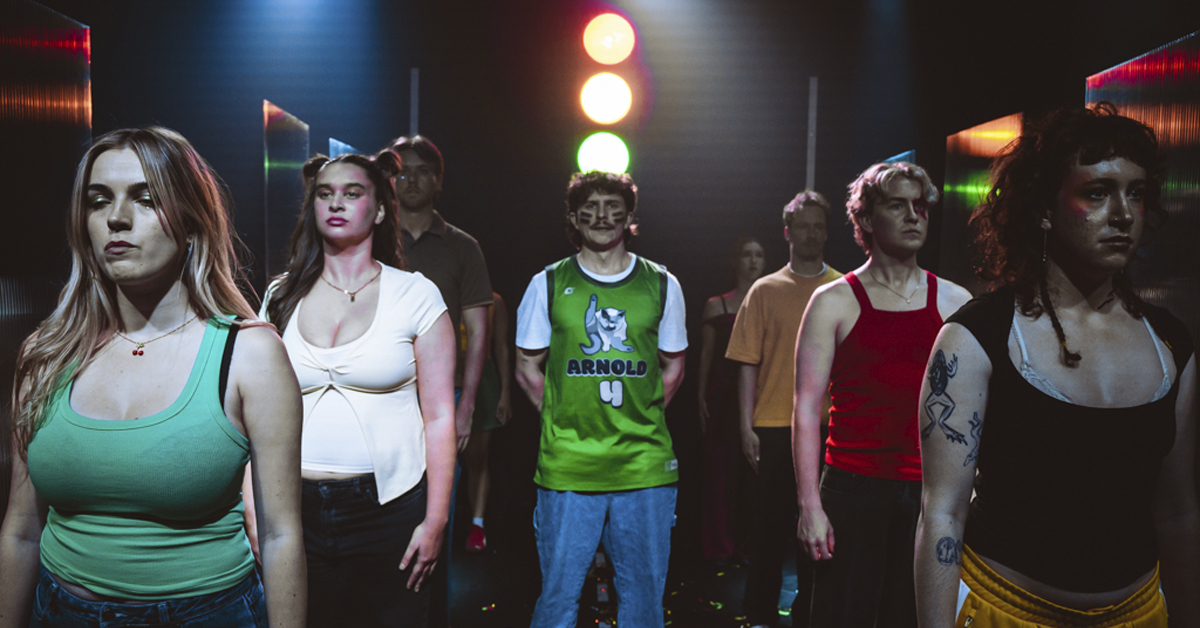
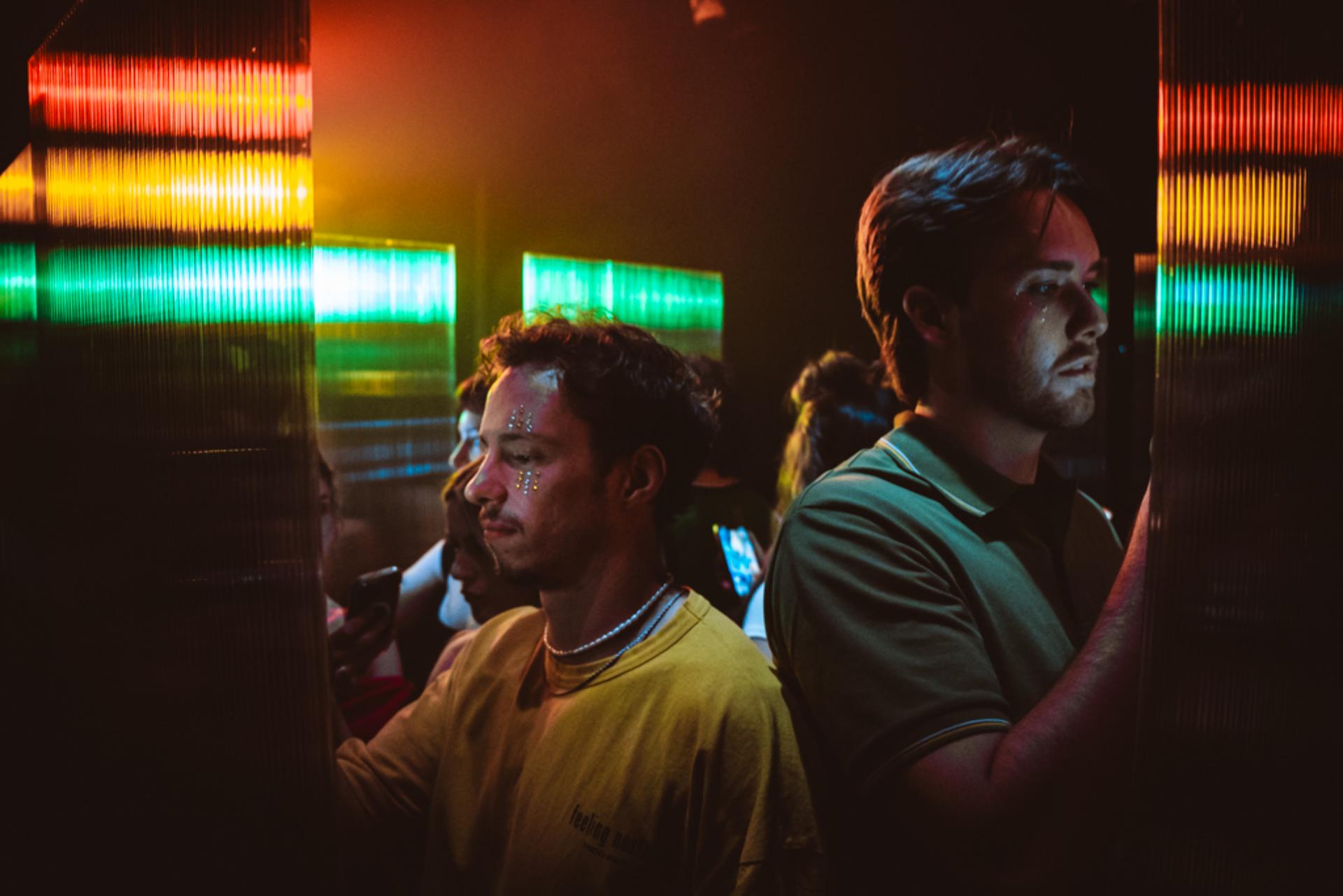
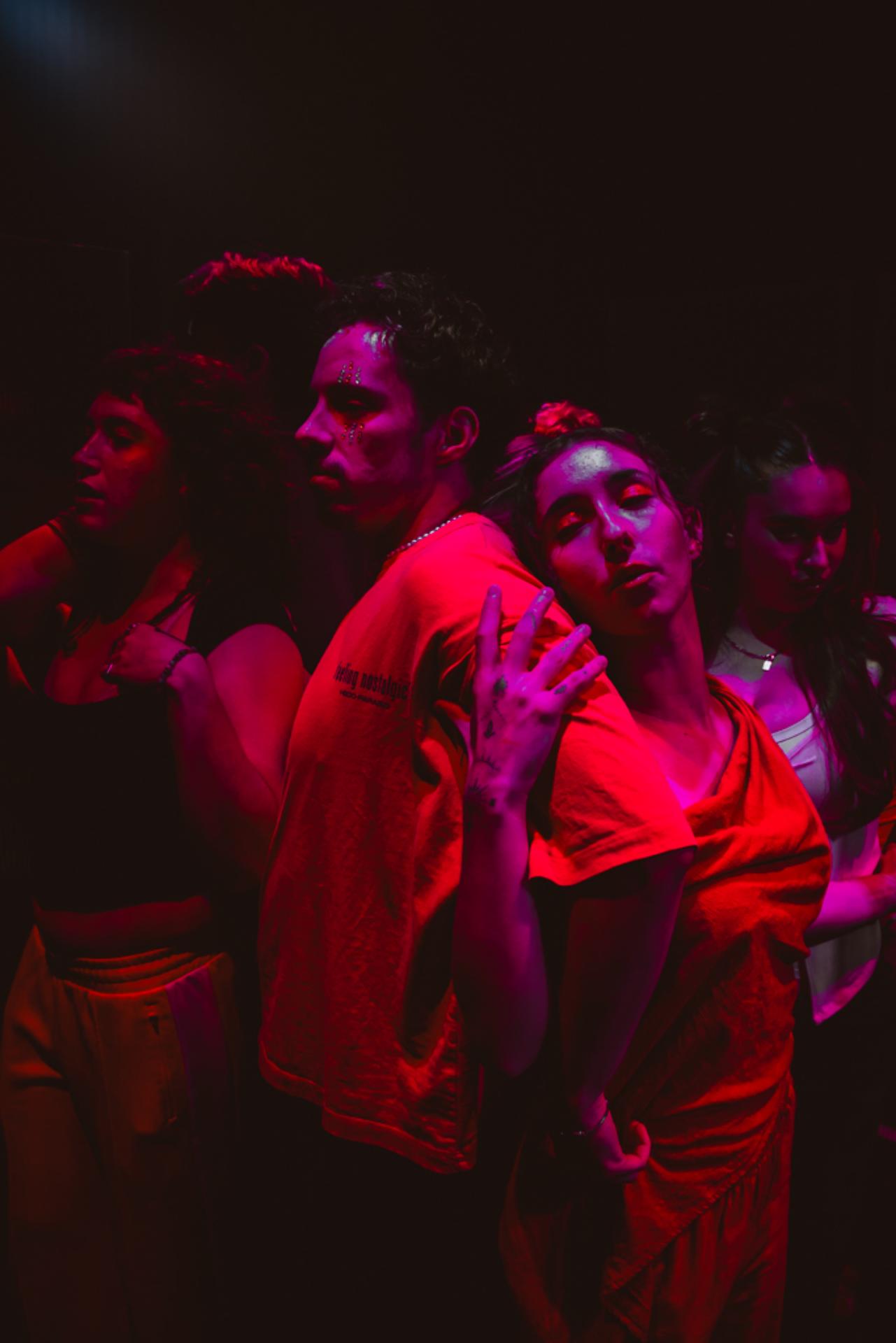
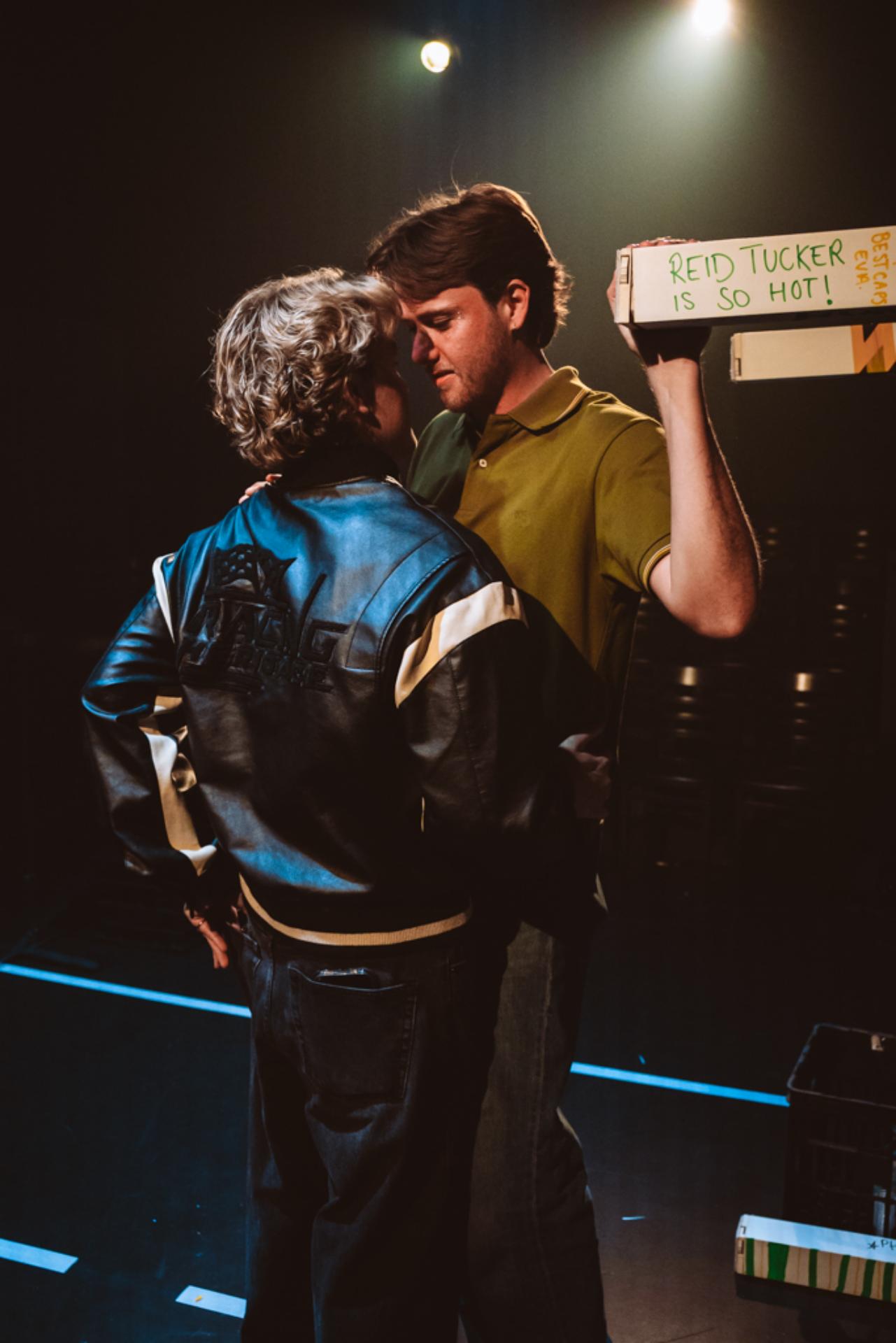
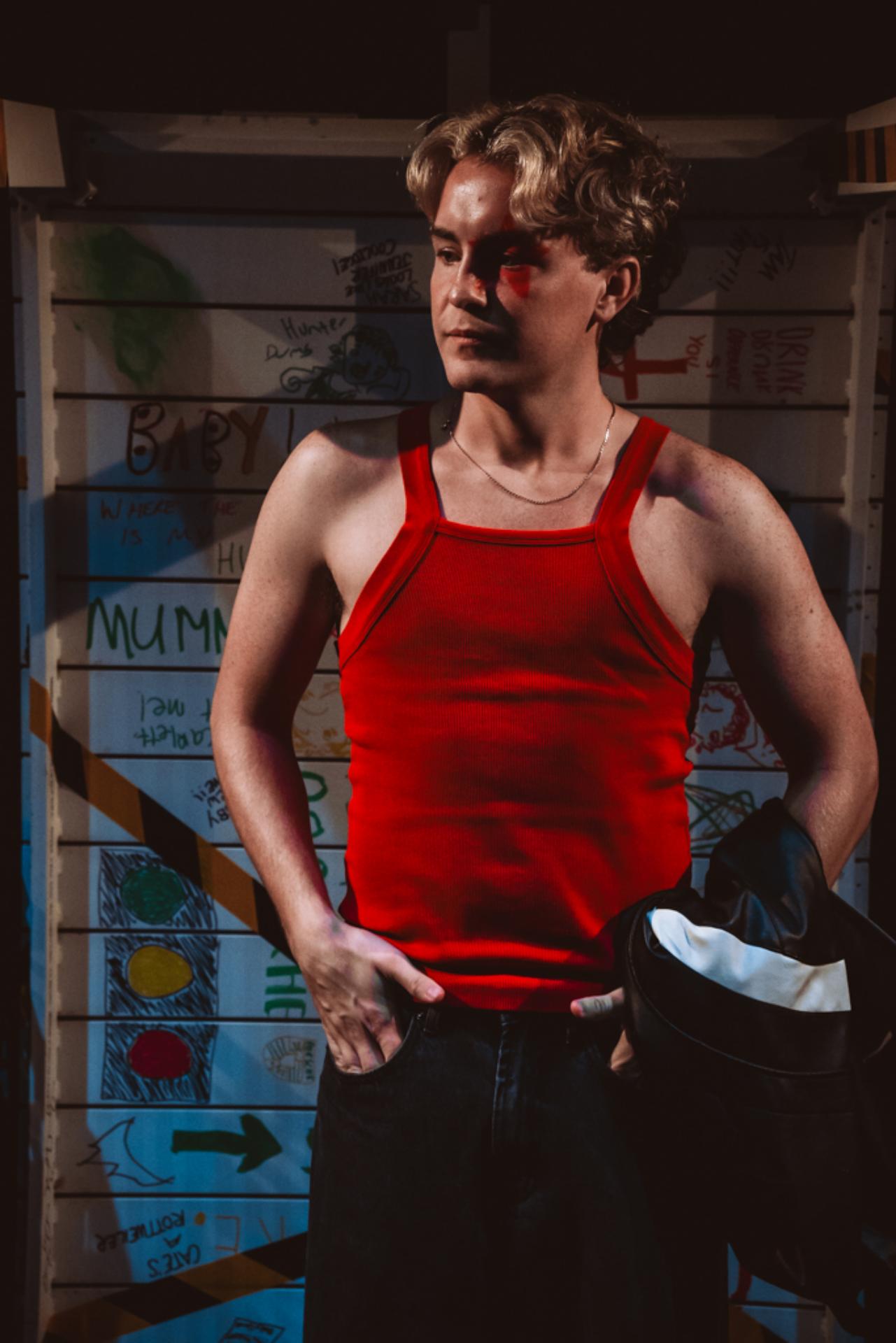
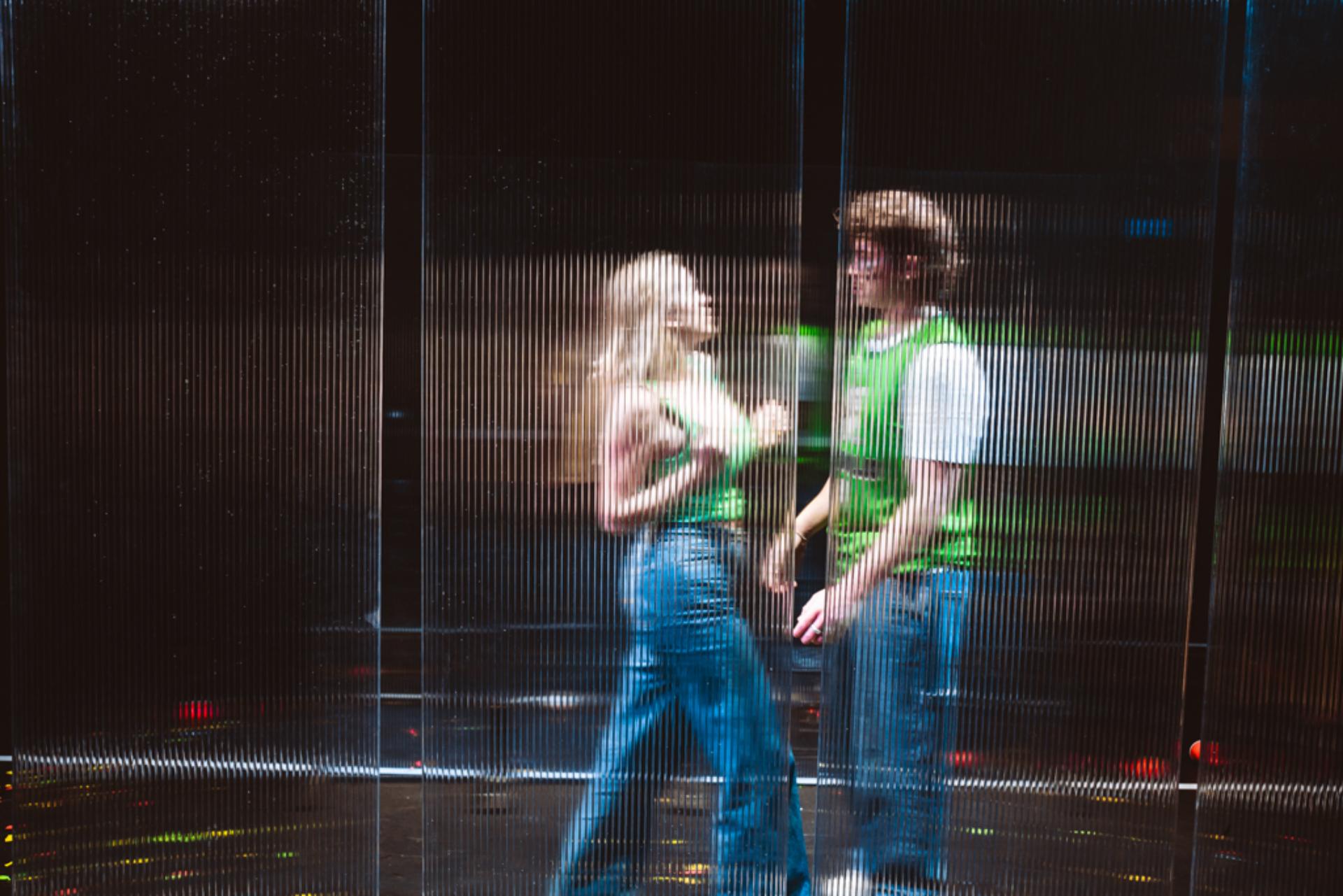
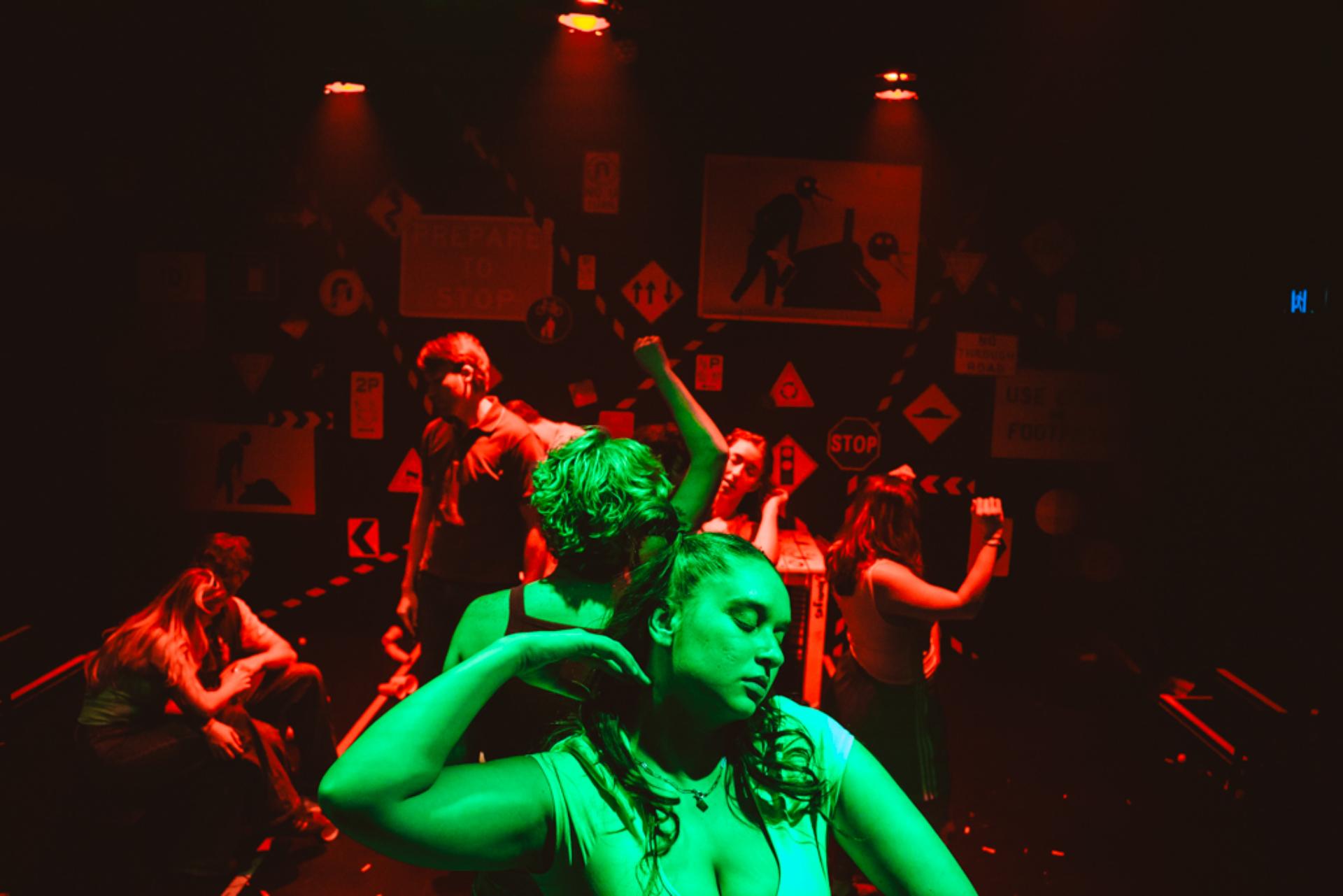
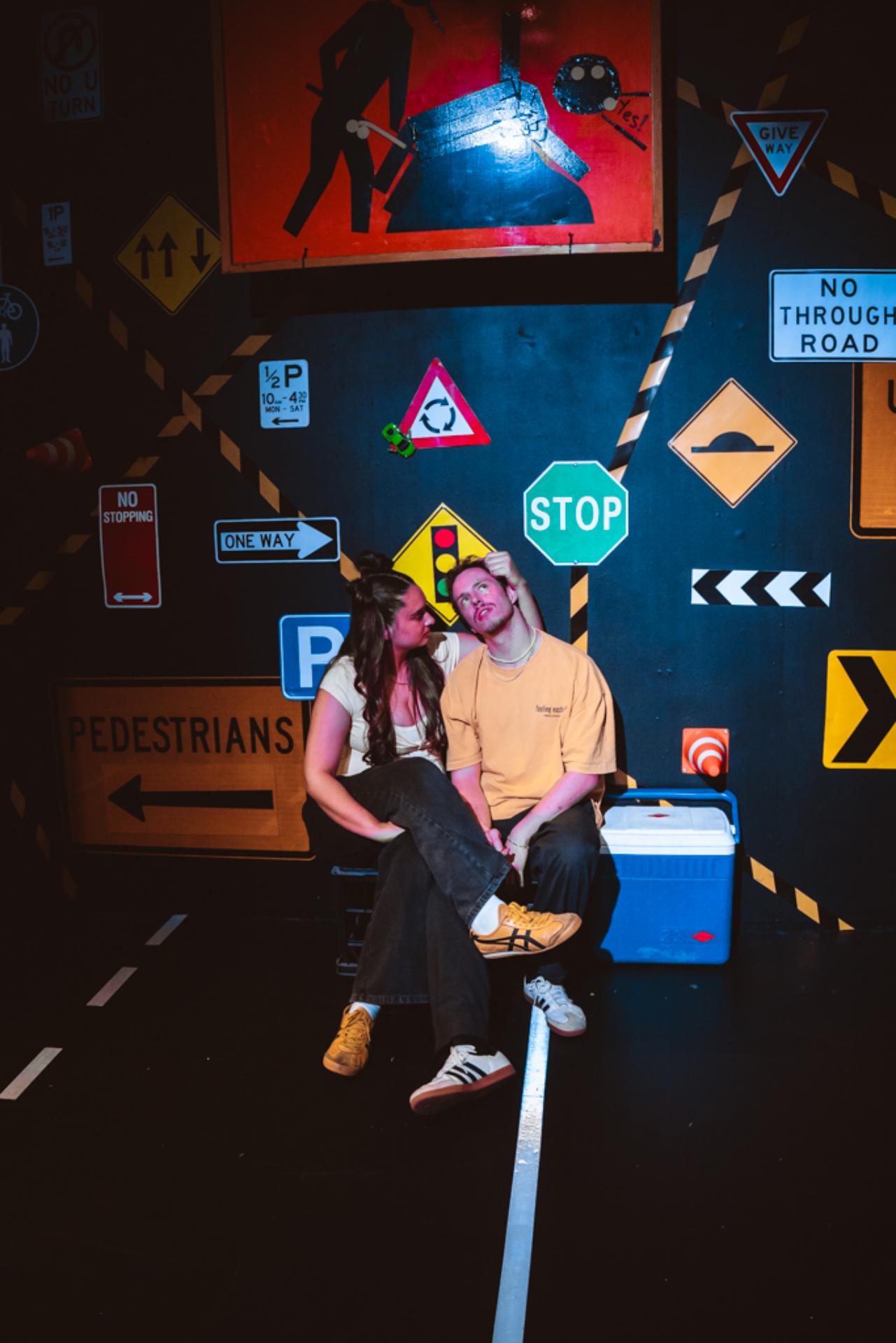
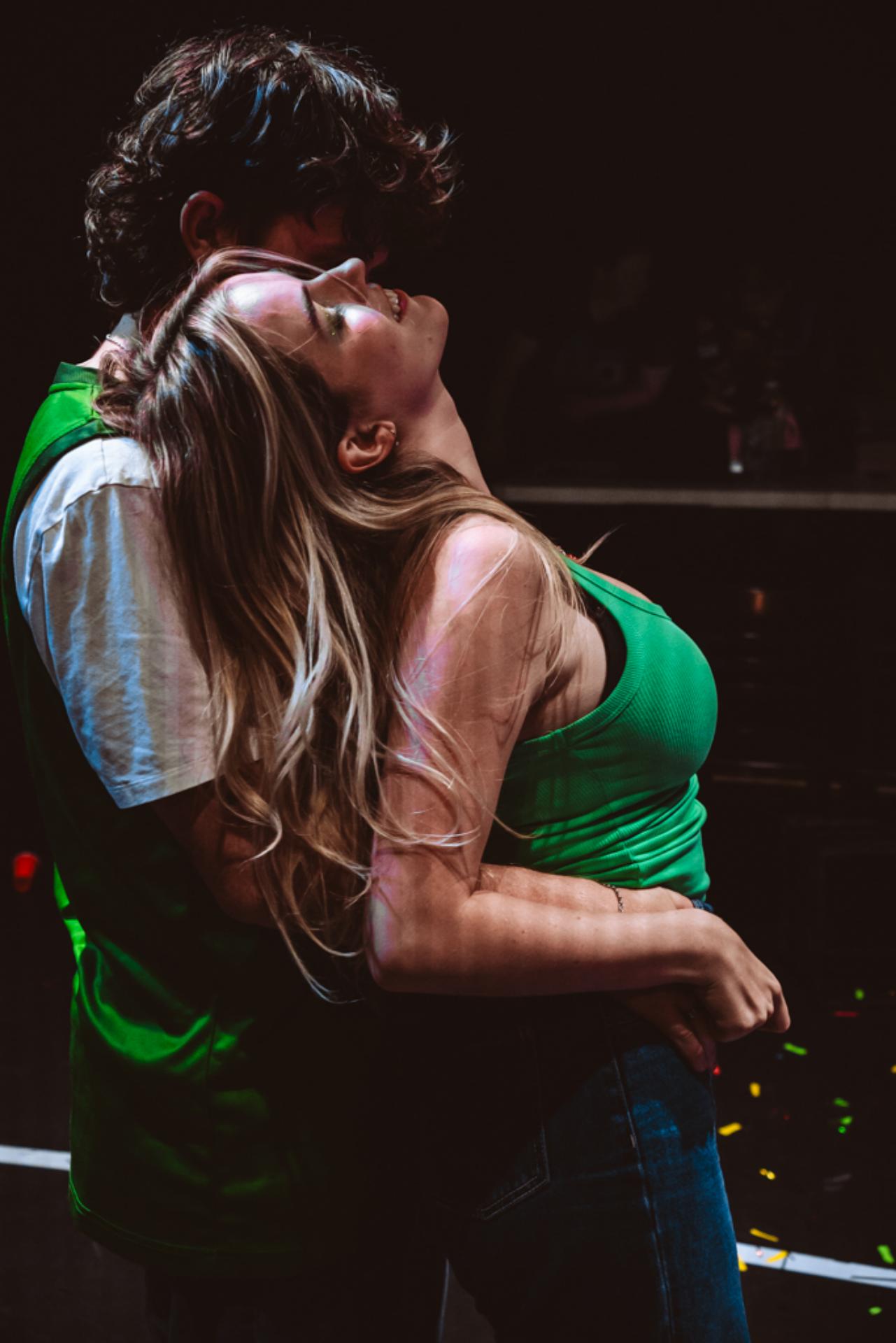
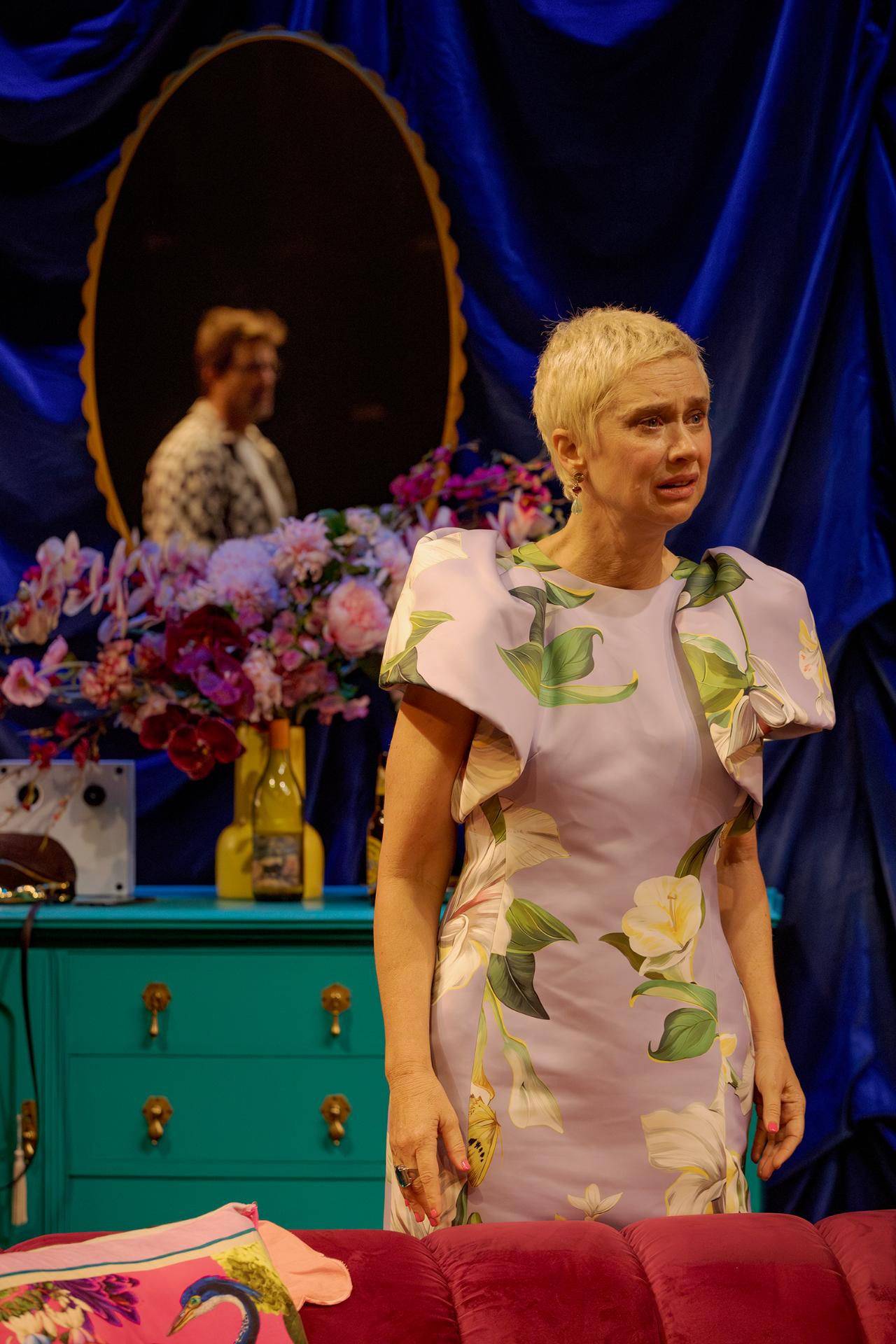
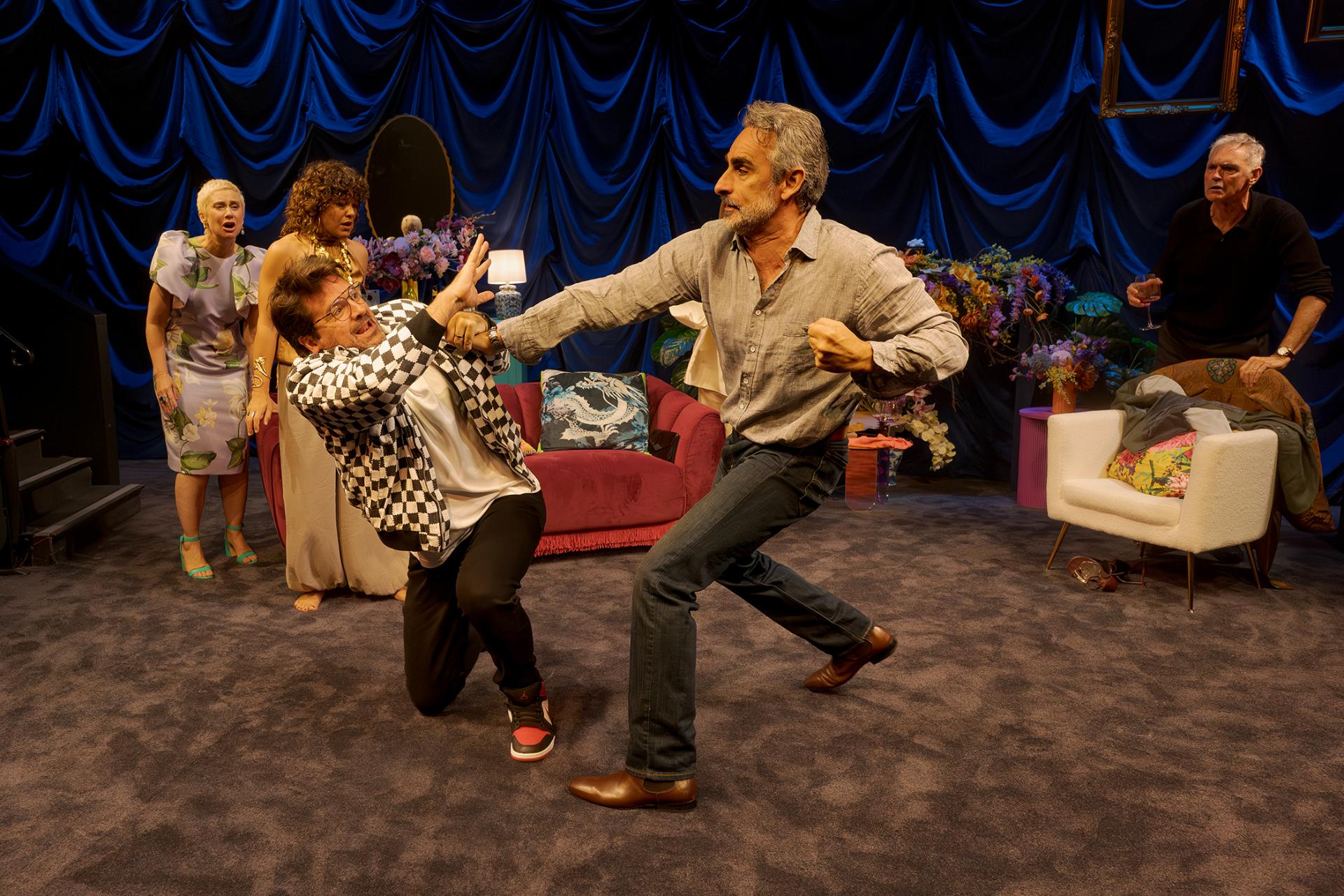
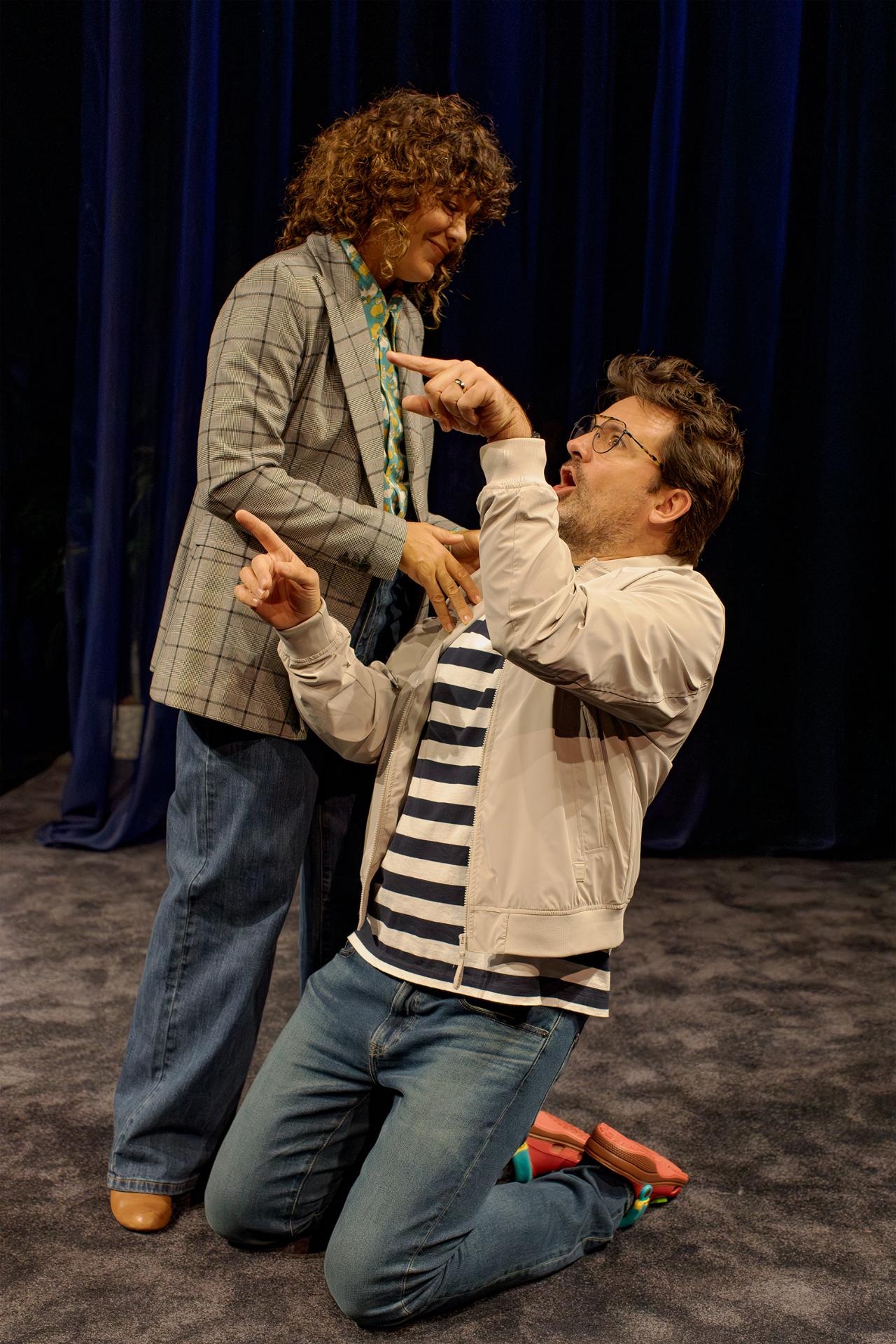
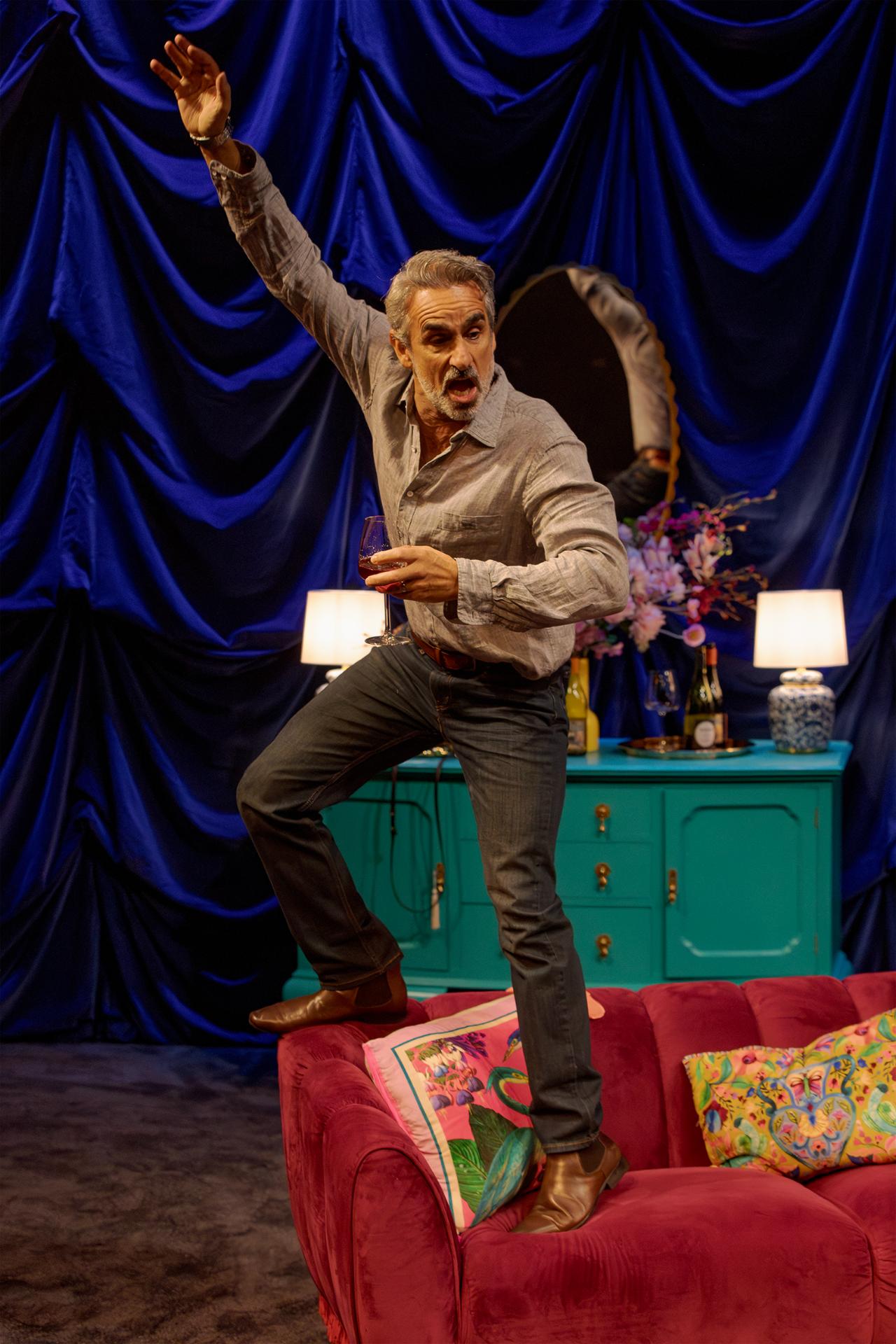
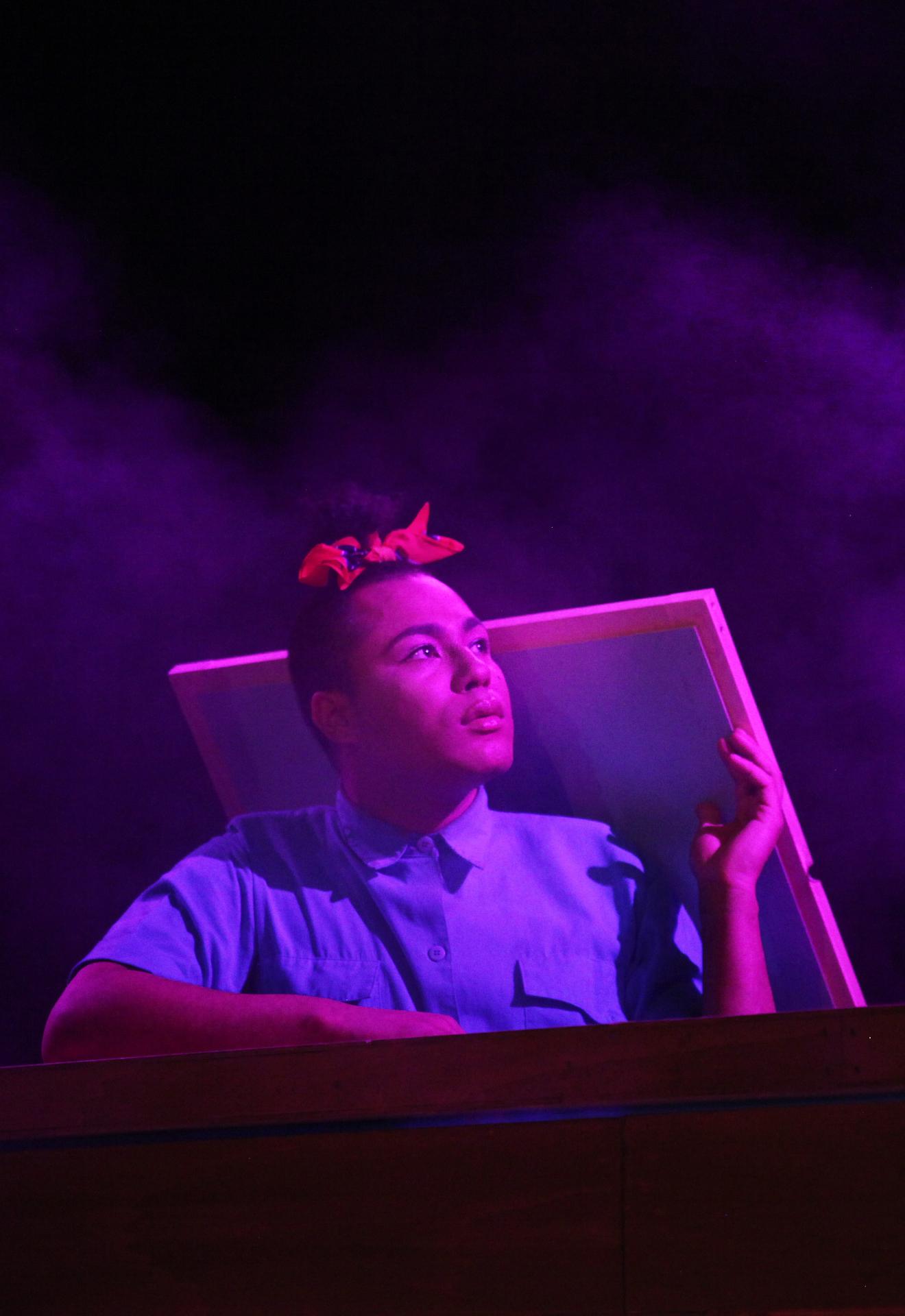
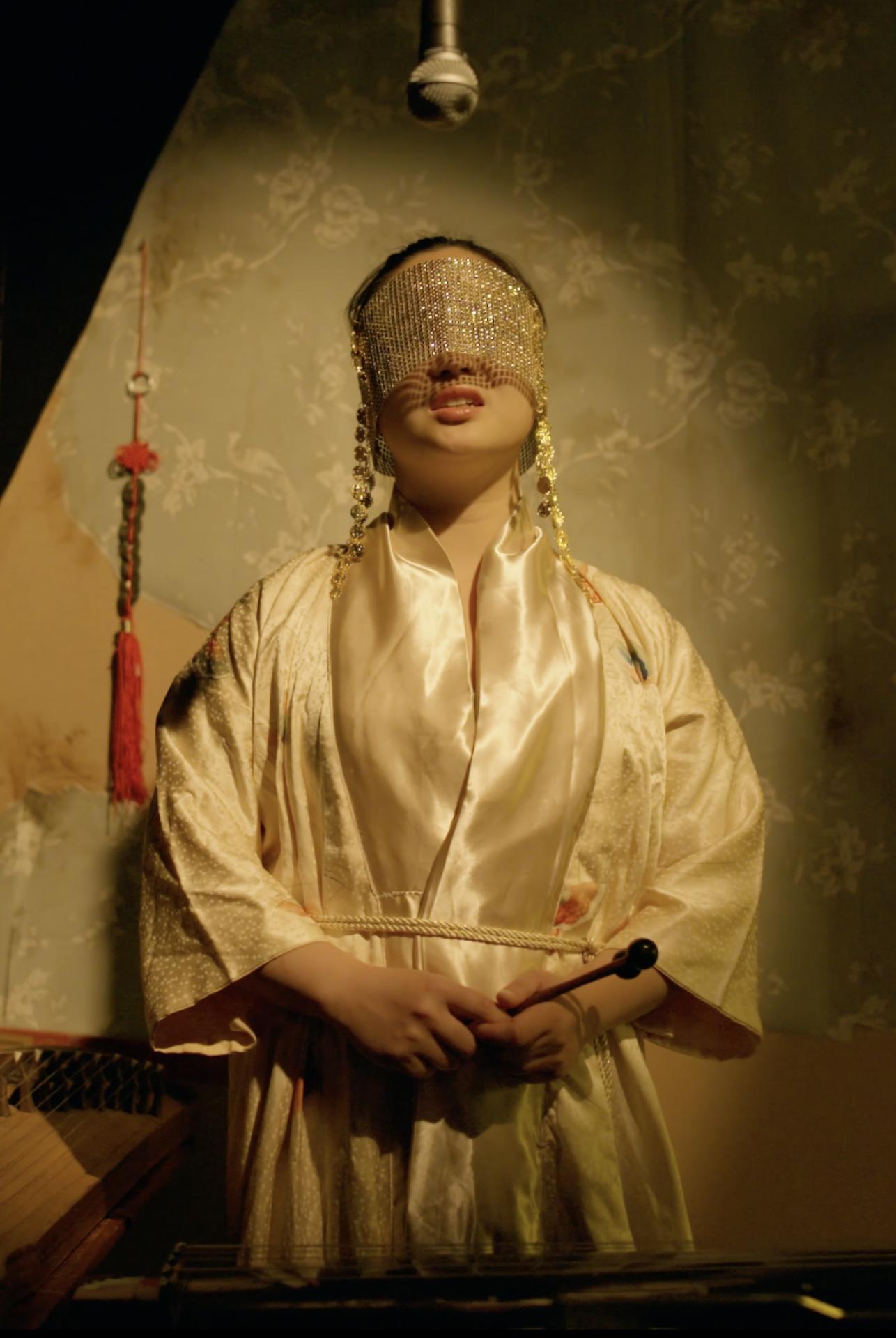
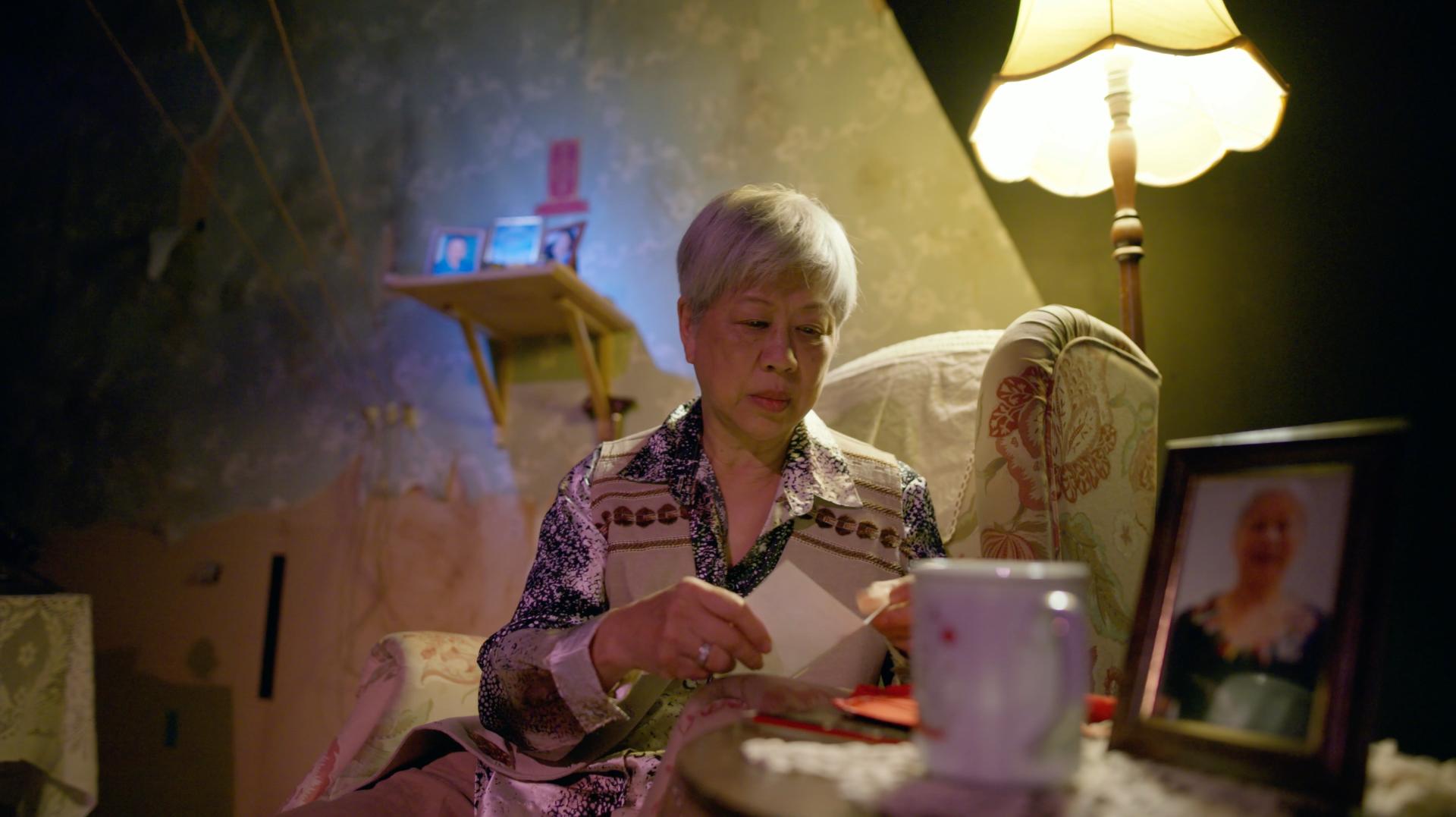
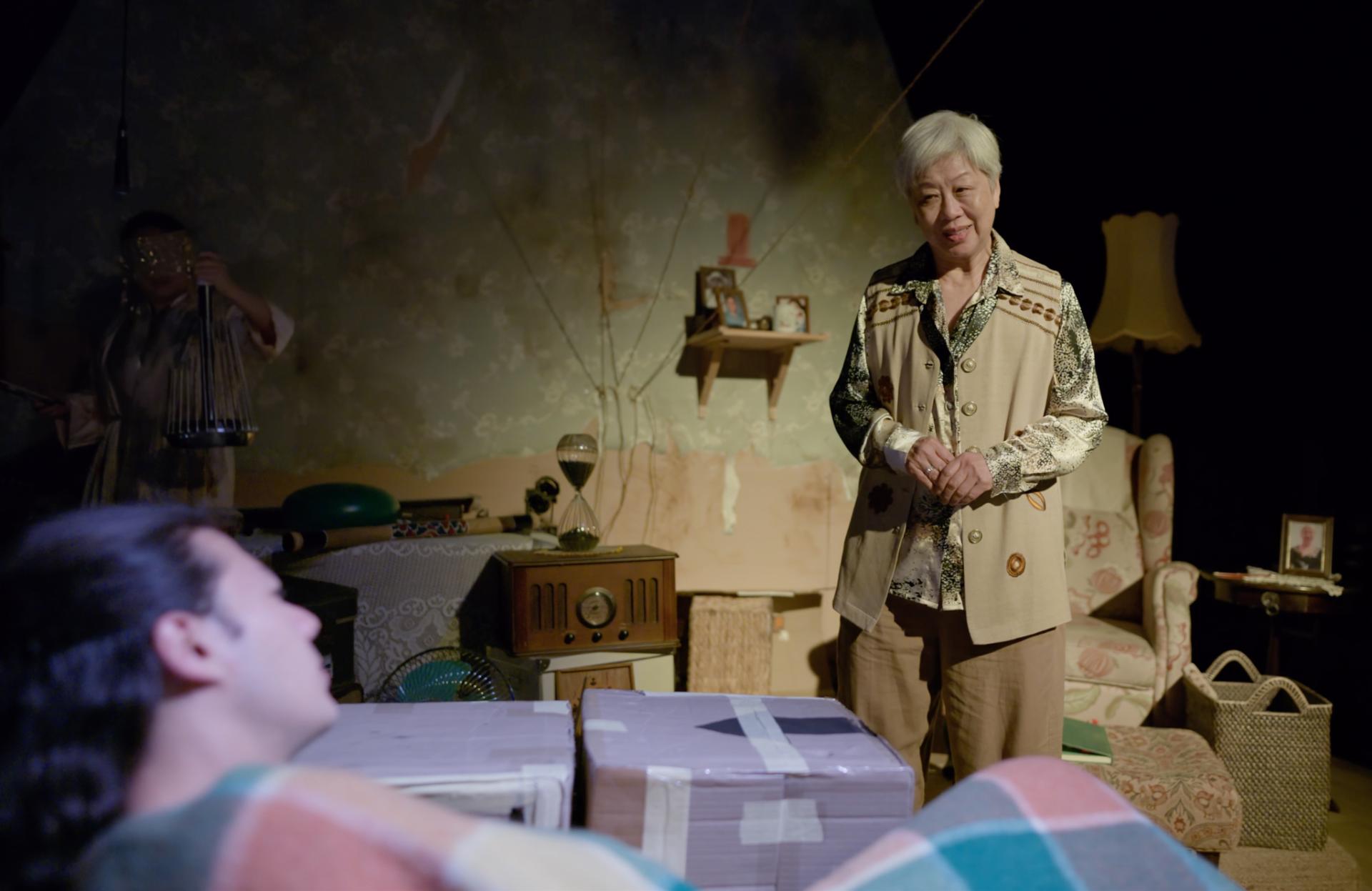
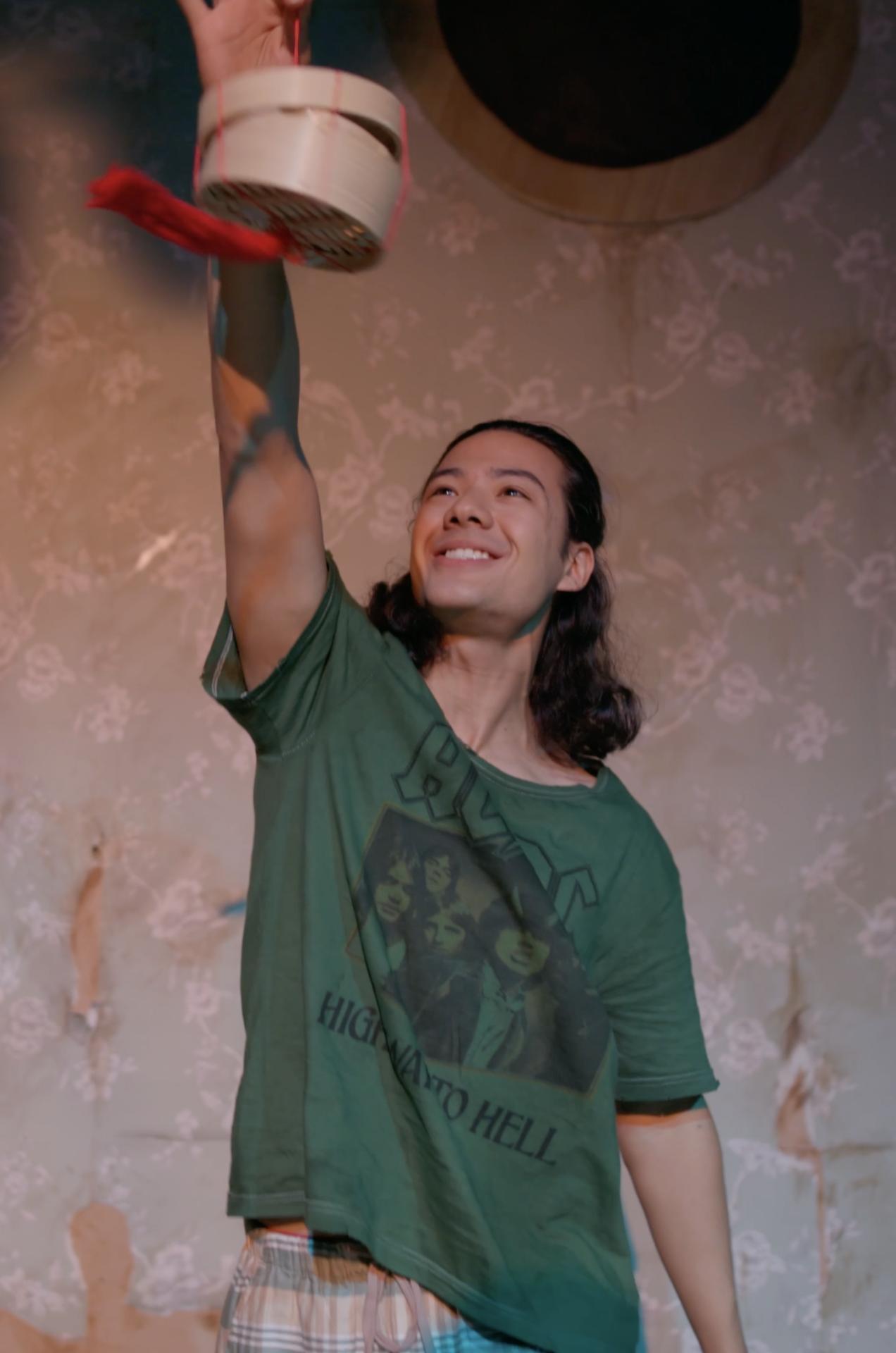
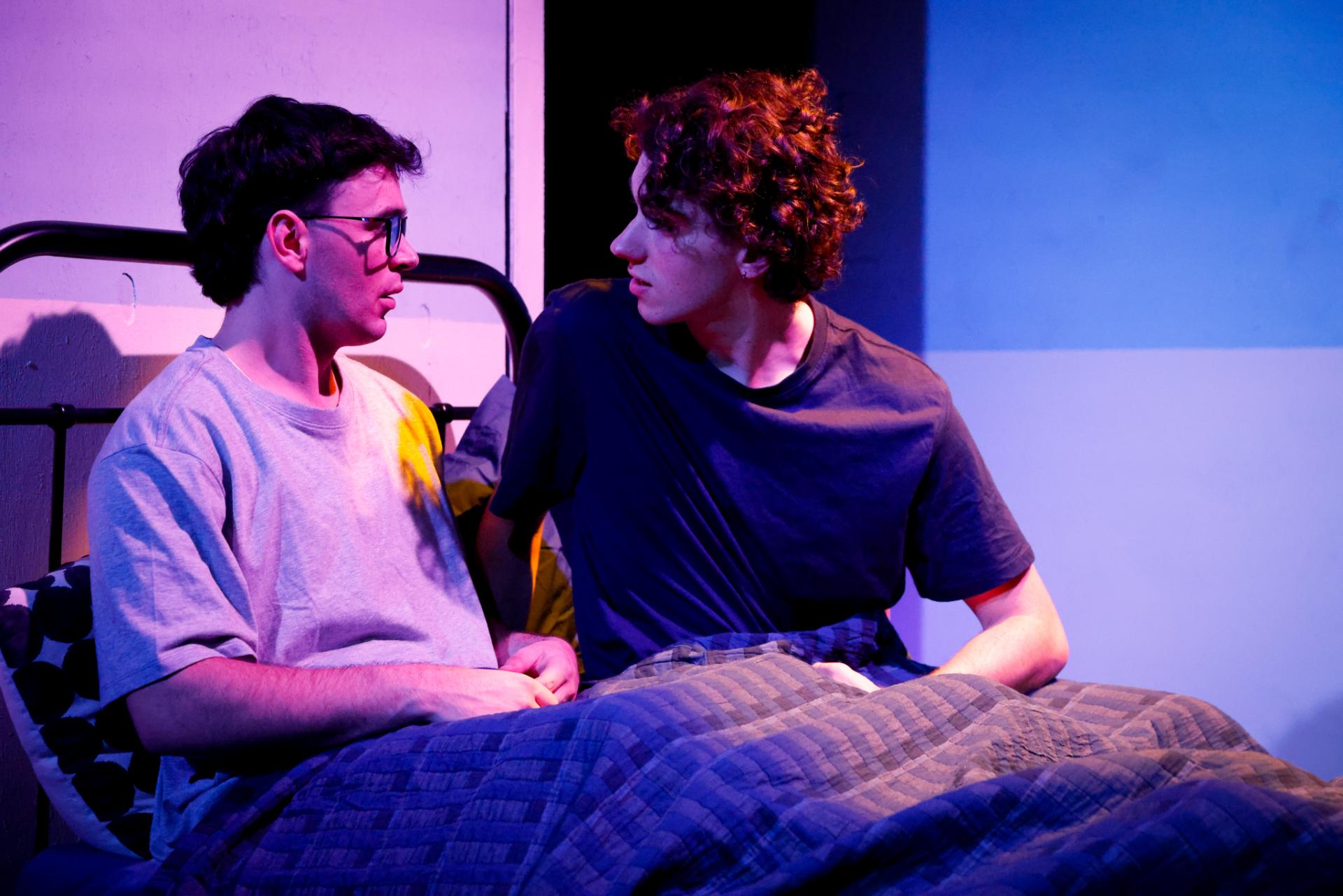
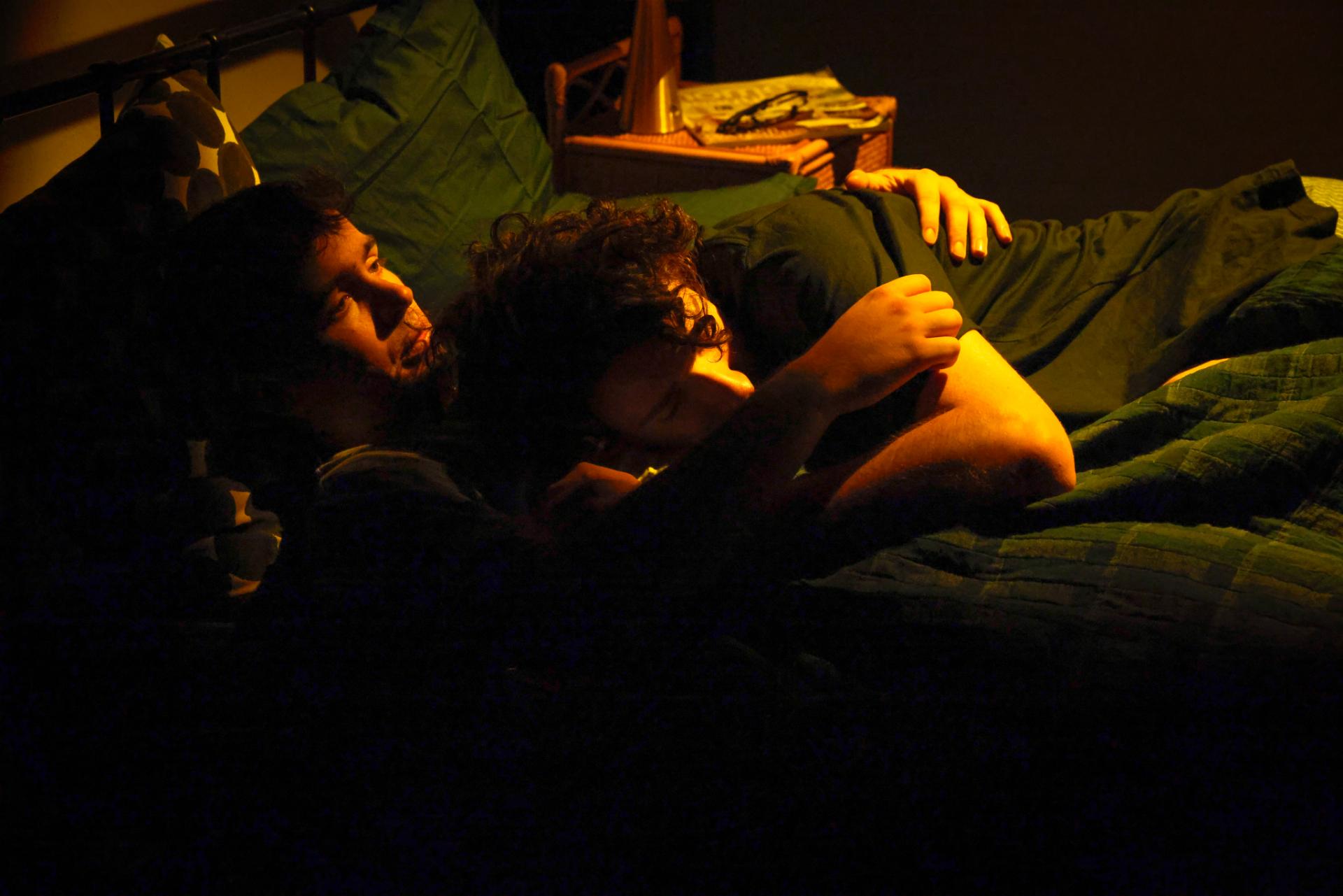
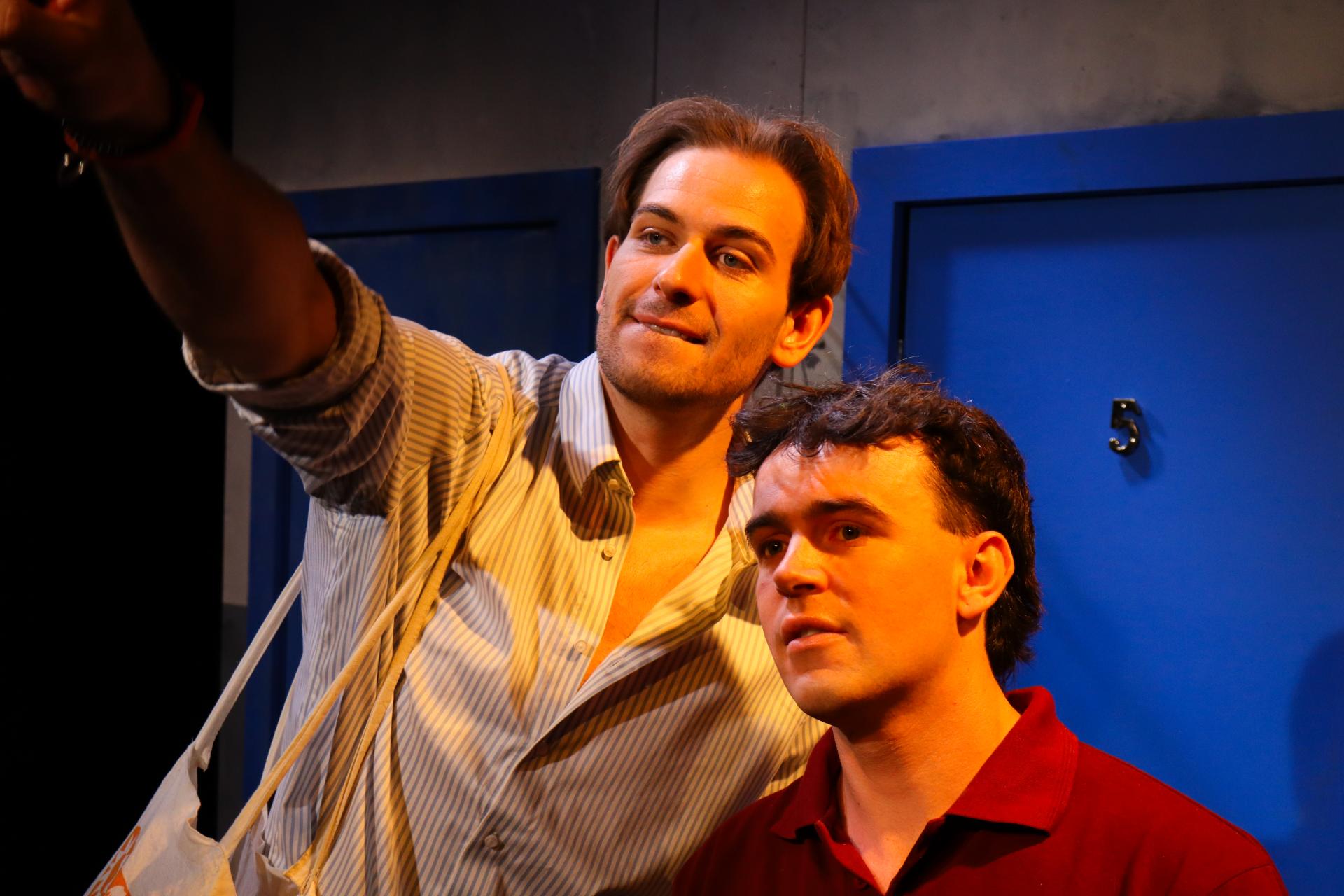
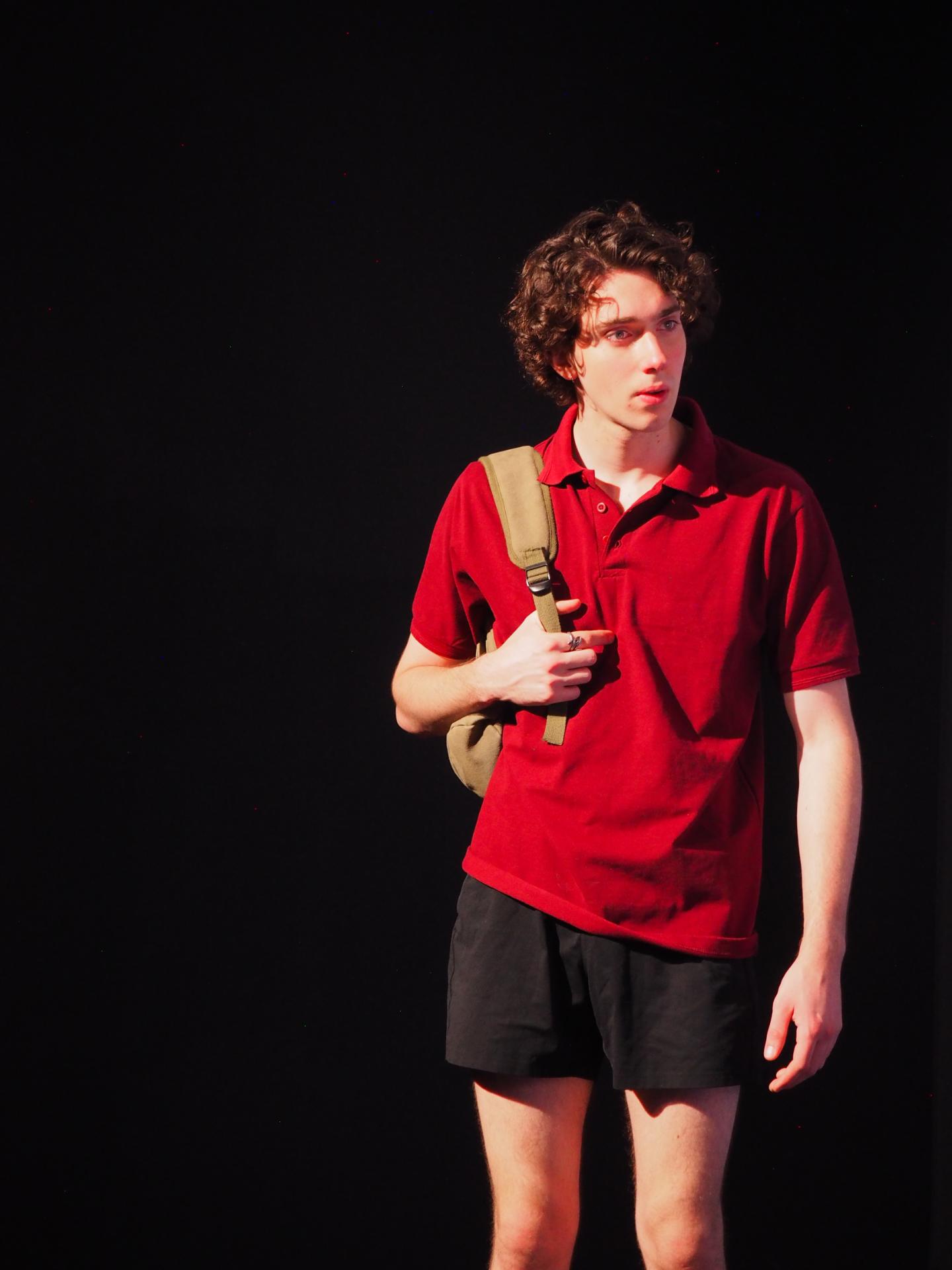
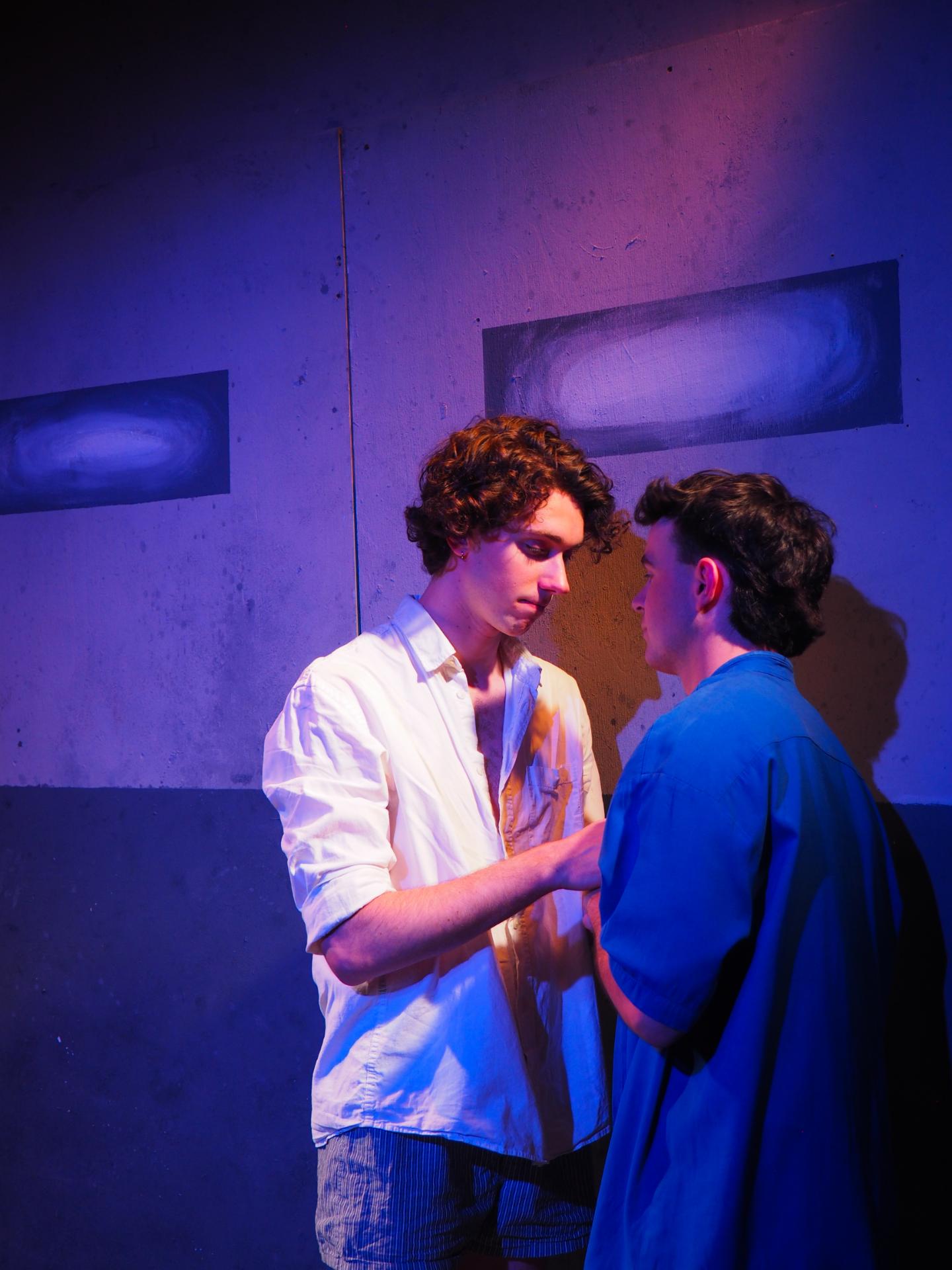
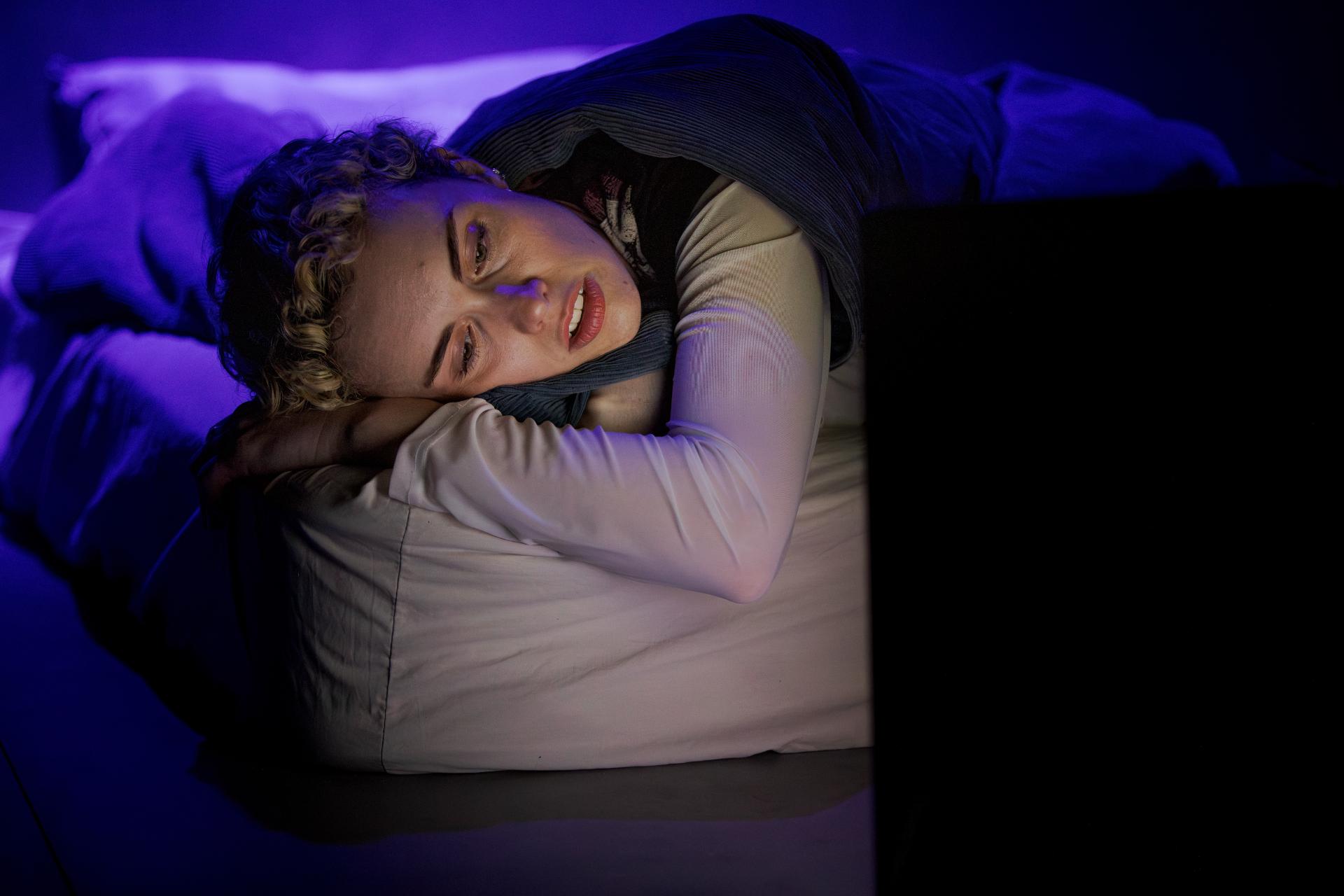
Mary Read’s longing for the sea compels her to disguise herself as a man and sign aboard a merchant vessel. Fate brings her face to face with the infamous pirate Anne Bonny, and what begins as captivity soon evolves into love. In Bonny & Read, writers Ben James, Aiden Smith, and Emily Whiting revisit this 18th-century romance through a distinctly contemporary lens, crafting a musical that reclaims two legendary women from history’s margins and lets their passion sail freely at last.

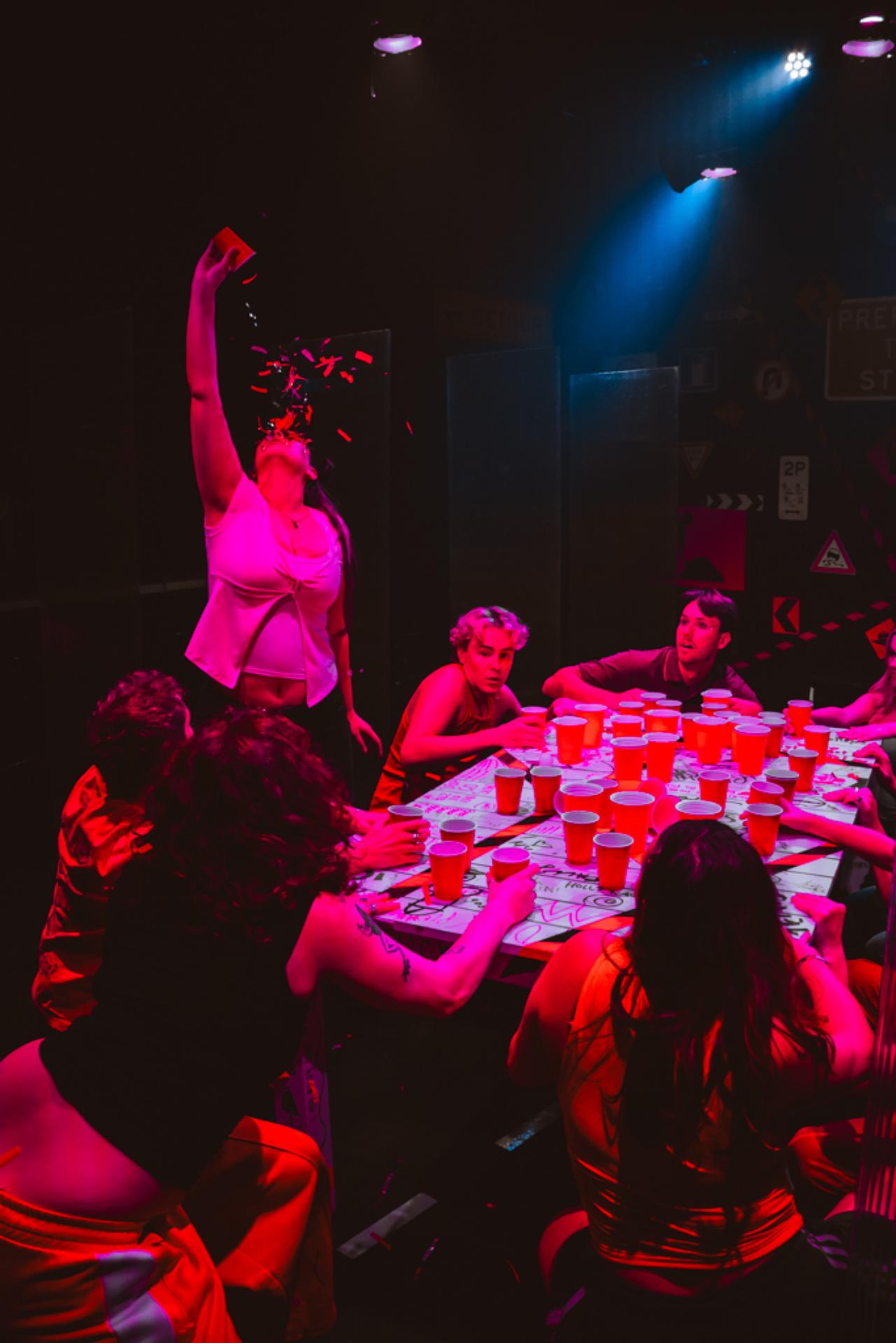
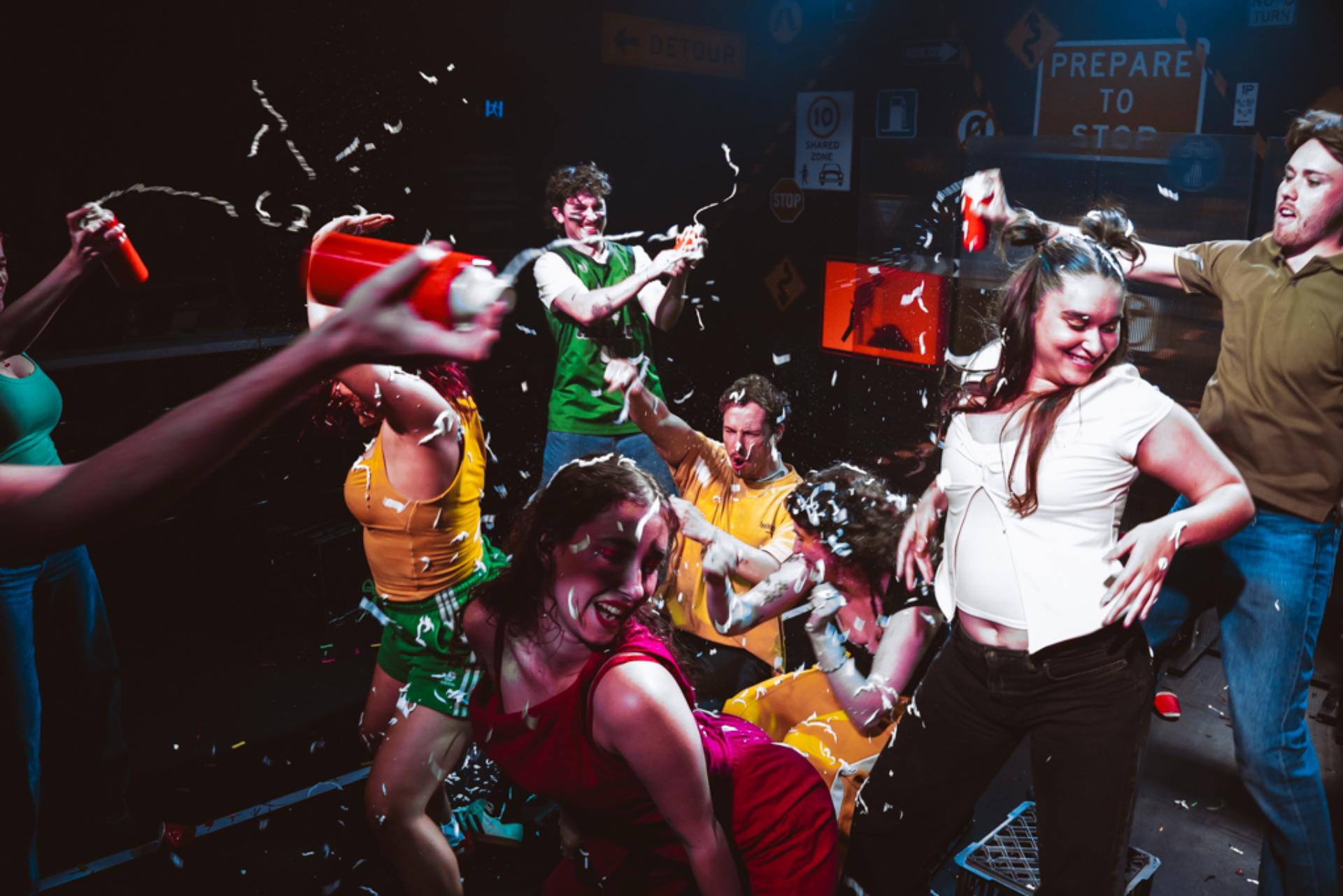
The songs are engaging, if somewhat conventional, elevated by Iris Wu’s sumptuous musical direction and the cohesive aural textures shaped by sound designer Sam Cheng. While the story itself is compelling, the book of Bonny & Read can feel unnecessarily convoluted, and Holly Mazzola’s direction does little to untangle its narrative knots. Still, her instinct for spectacle is undeniable, and with Lauren Mitchell’s energetic choreography, the production maintains a lively momentum even when its storytelling falters.

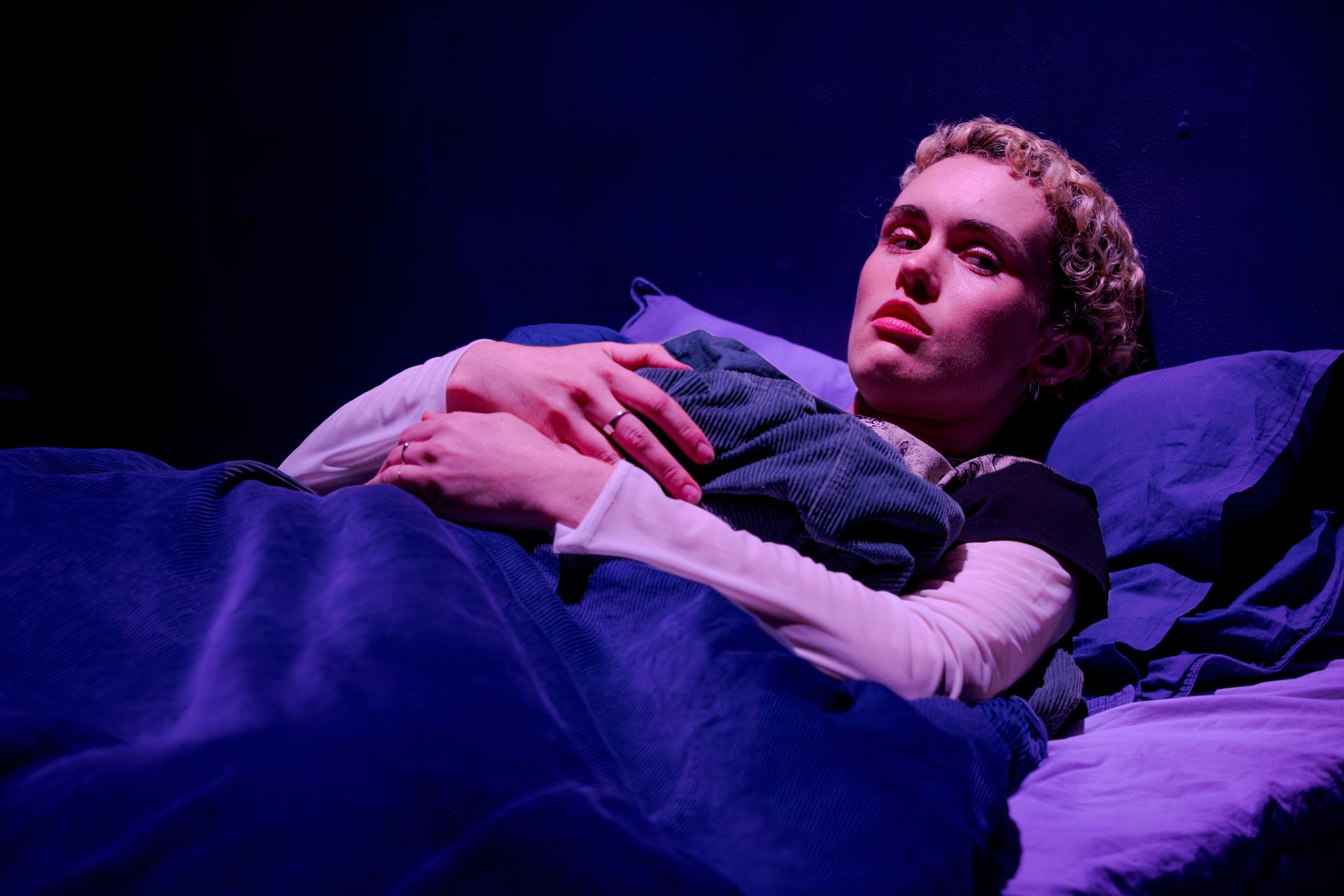
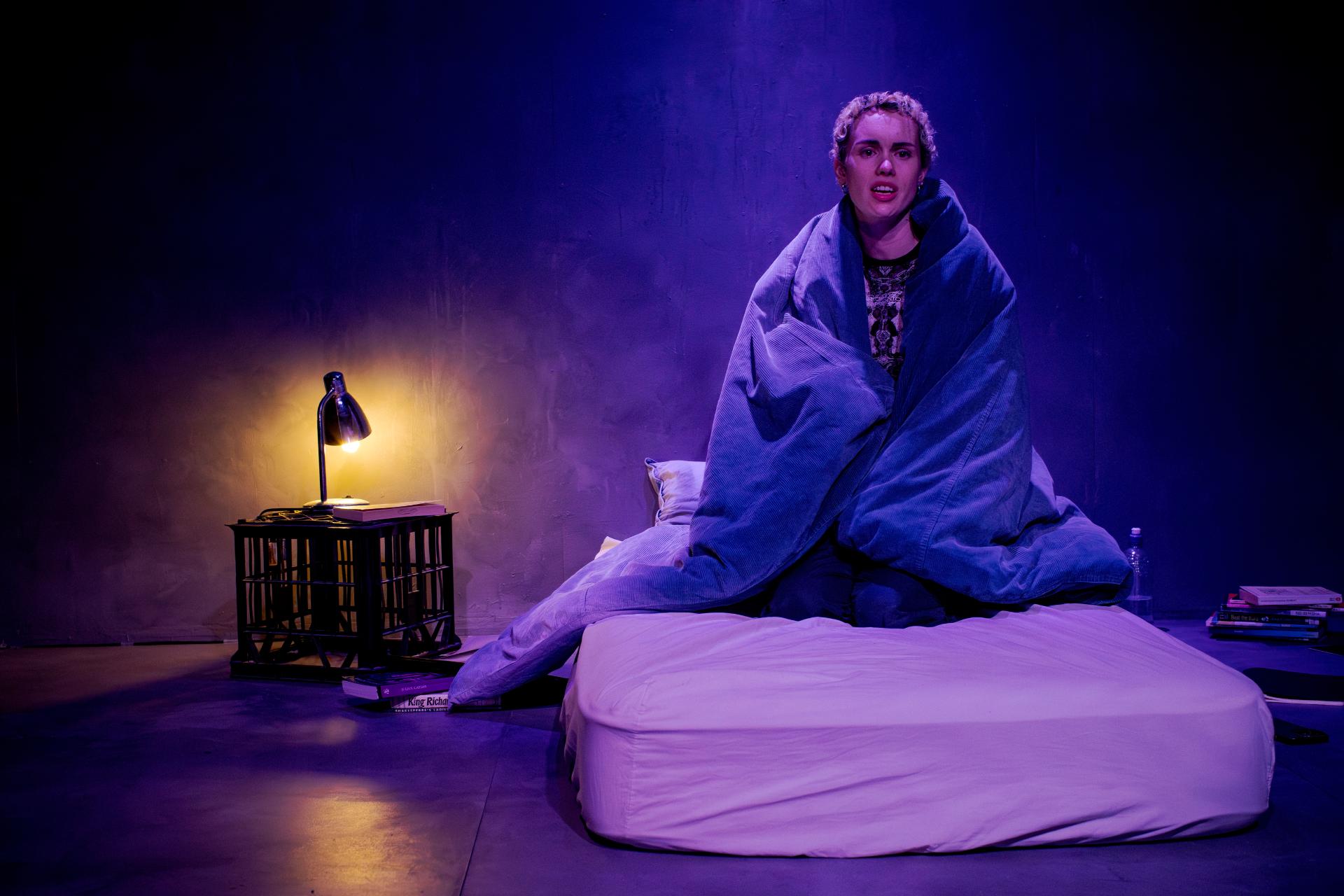
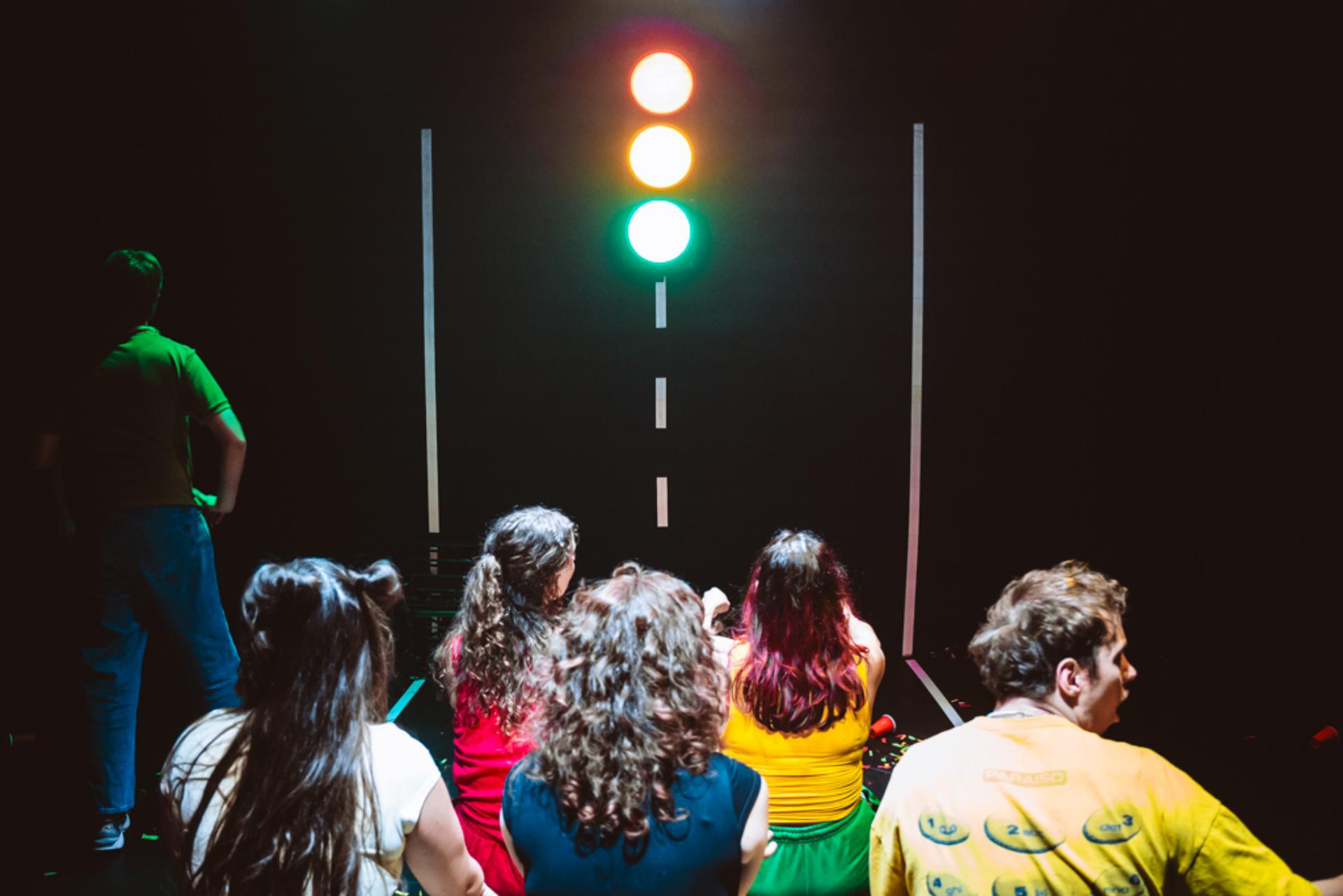
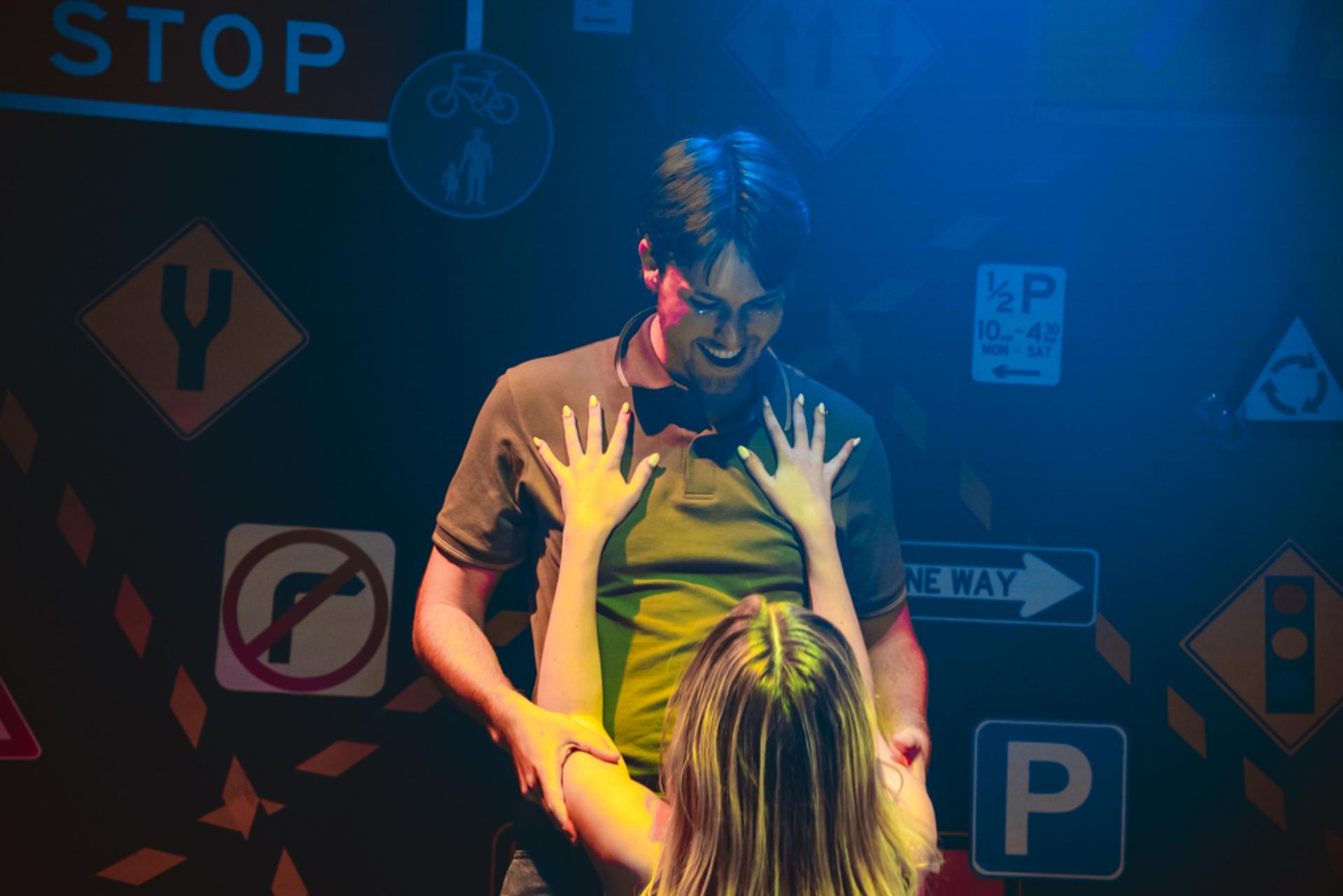
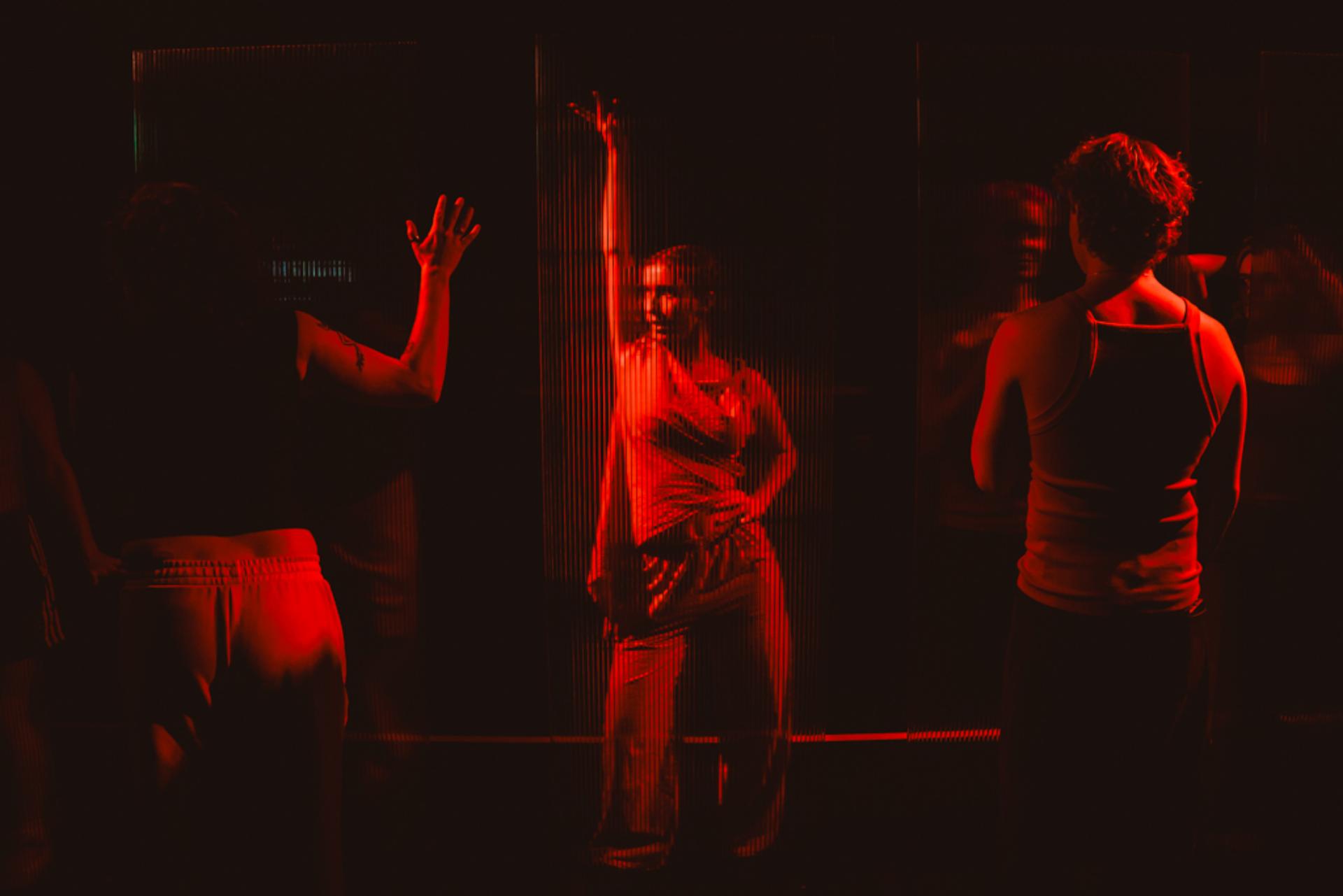
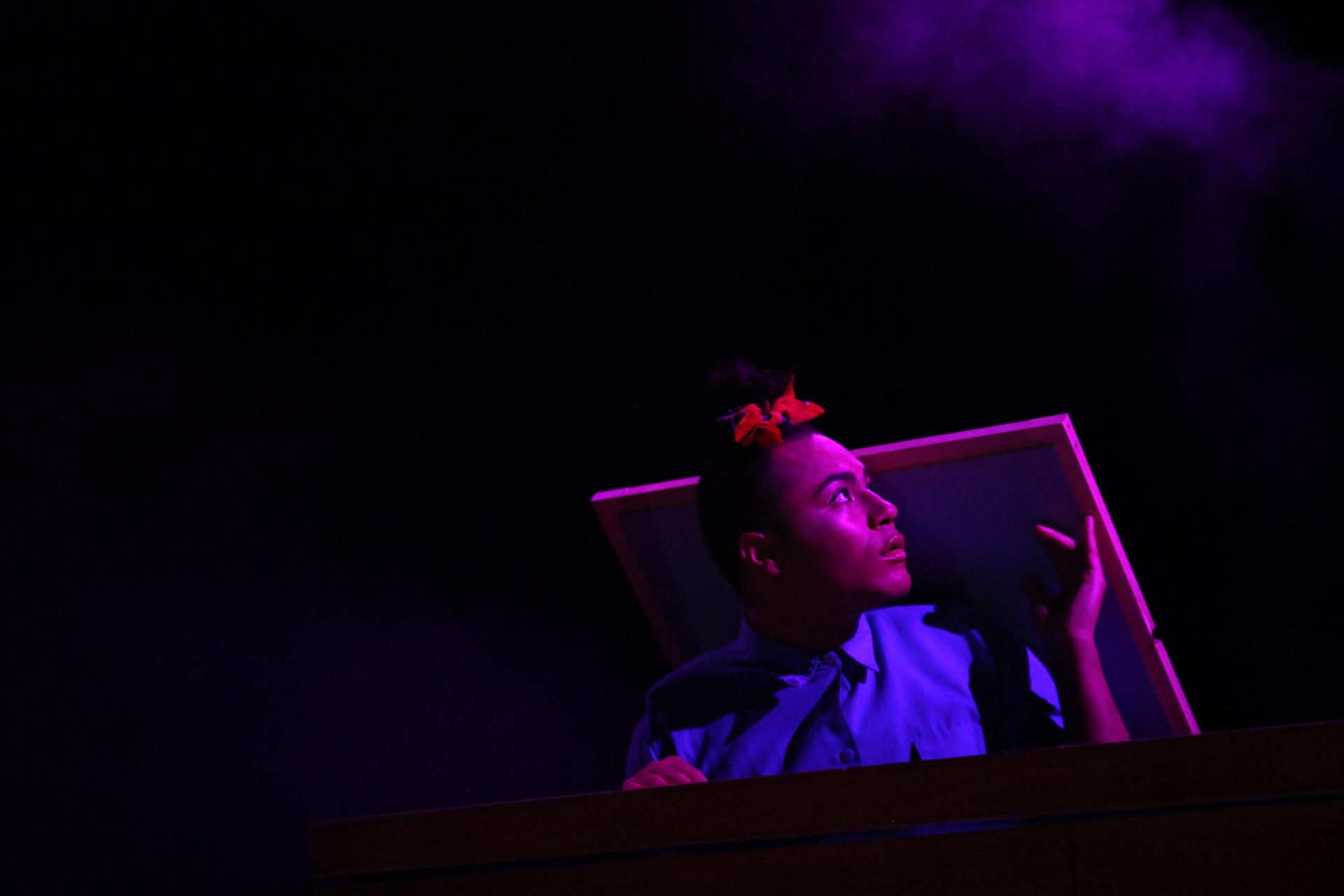
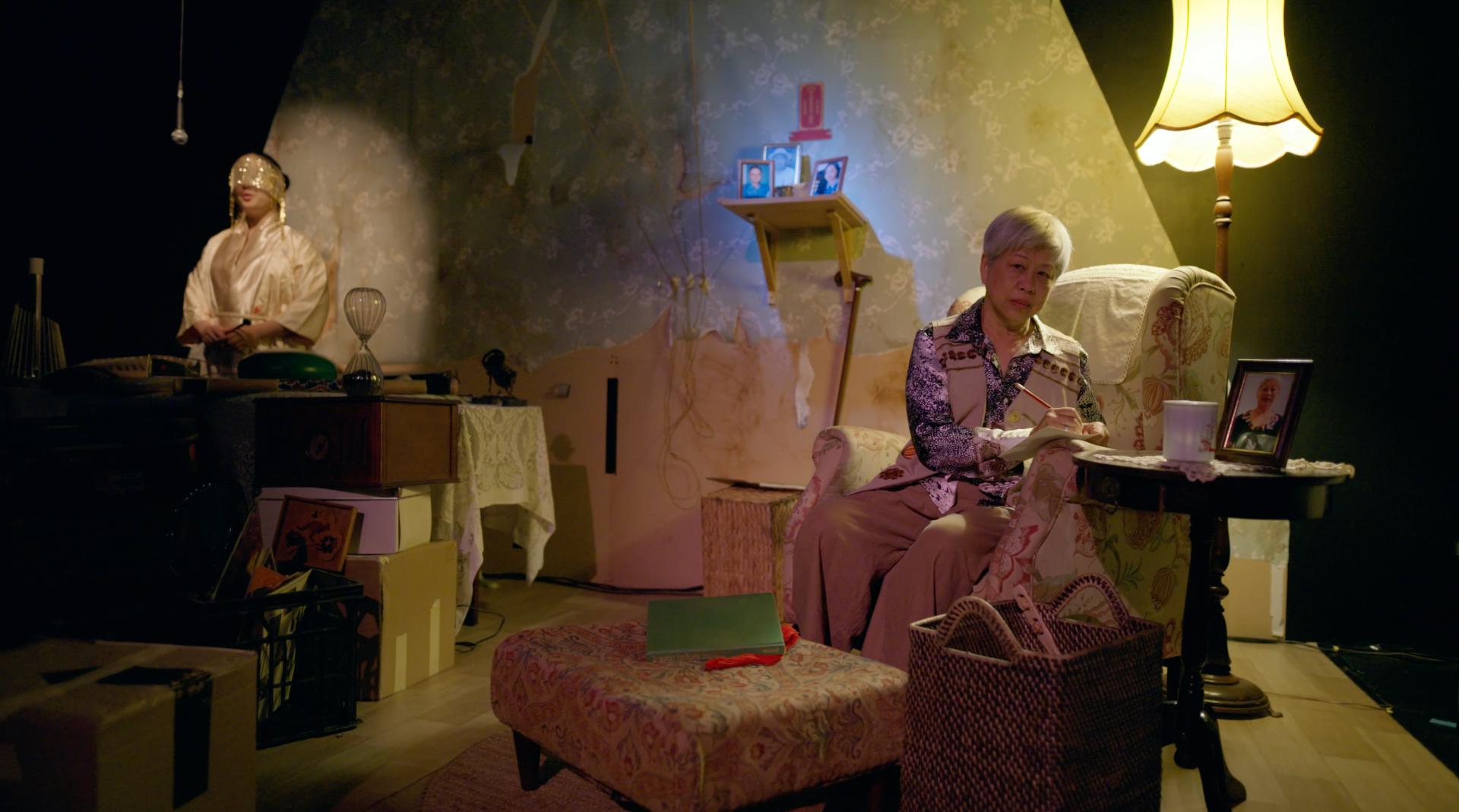
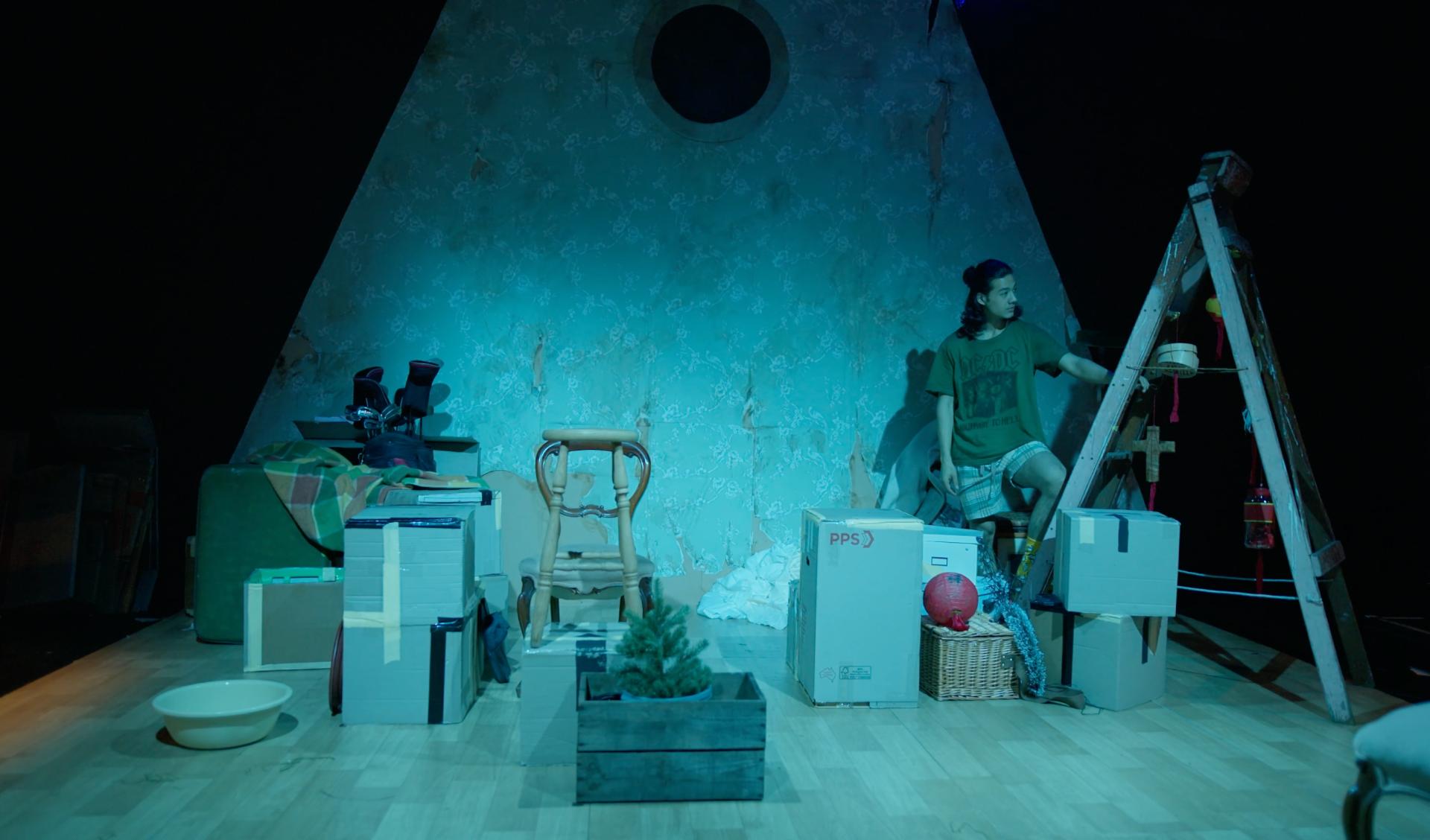
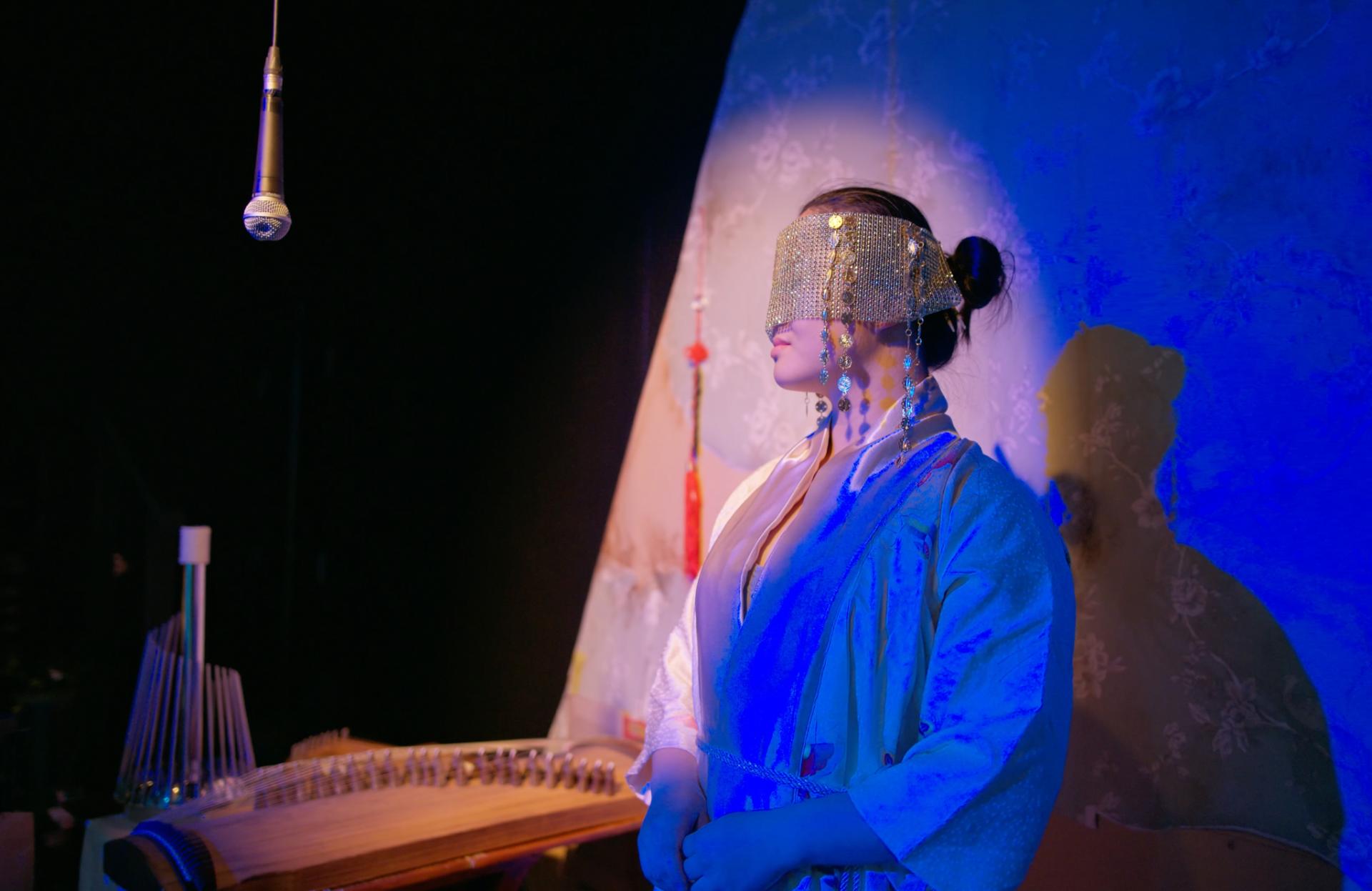
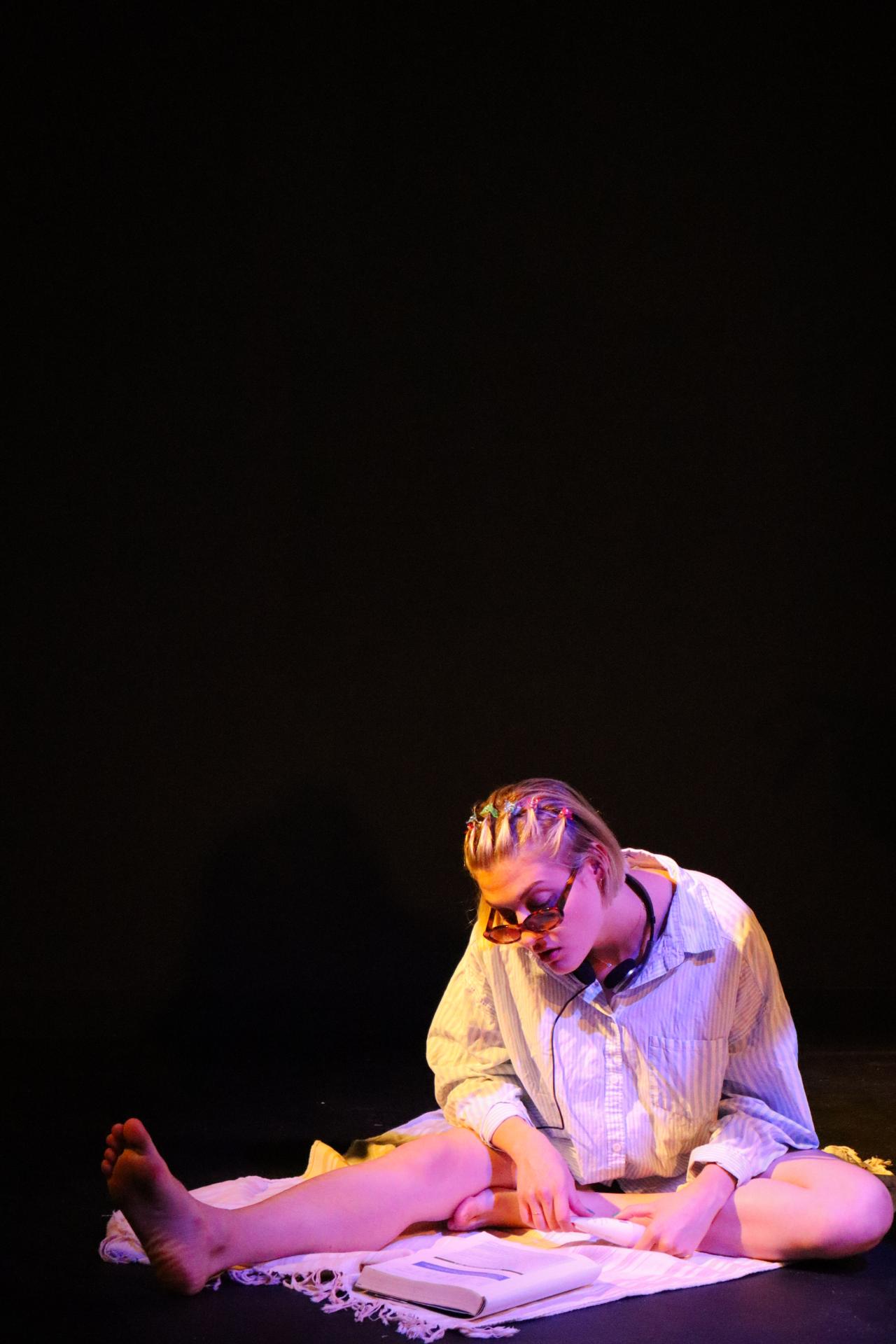
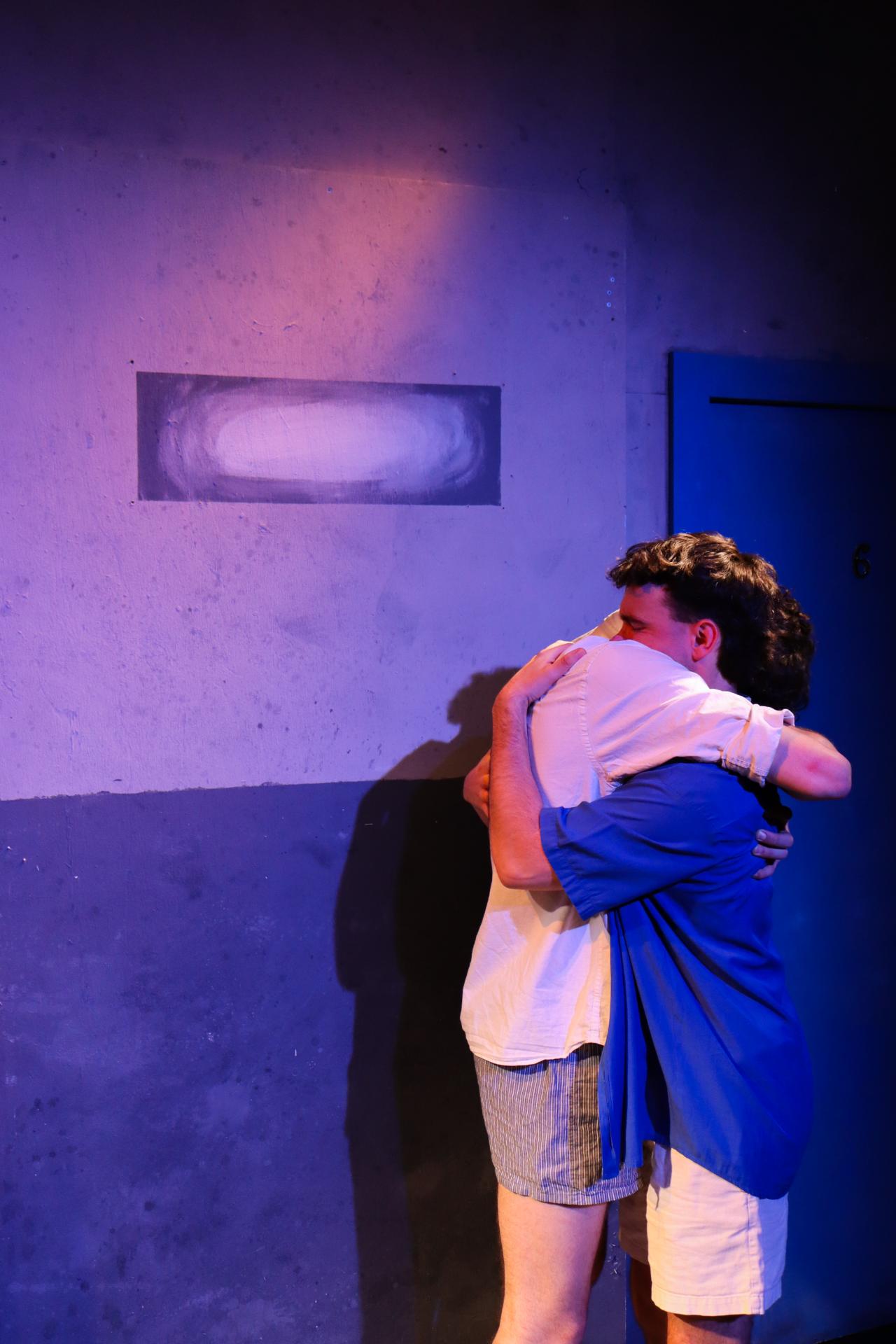
Geita Goarin’s production design is modest but evocative, sketching the period with just enough texture to spark the imagination. It is, however, Luna Ng’s lighting that truly captivates — rich in drama and ambition, it shapes the emotional contours of the piece with clarity and grace, revealing the story’s subtler undercurrents and giving its sentiment a luminous depth.

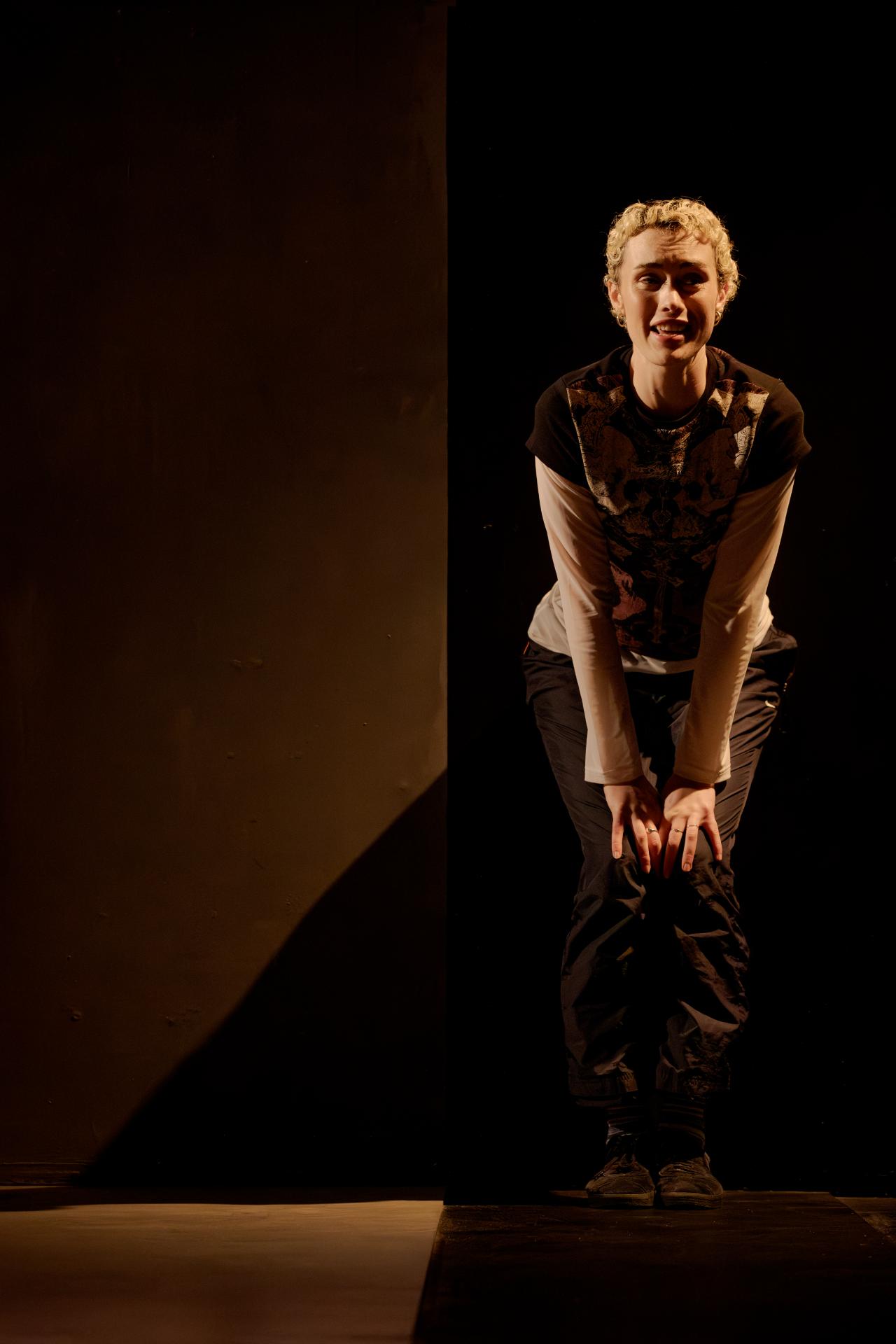
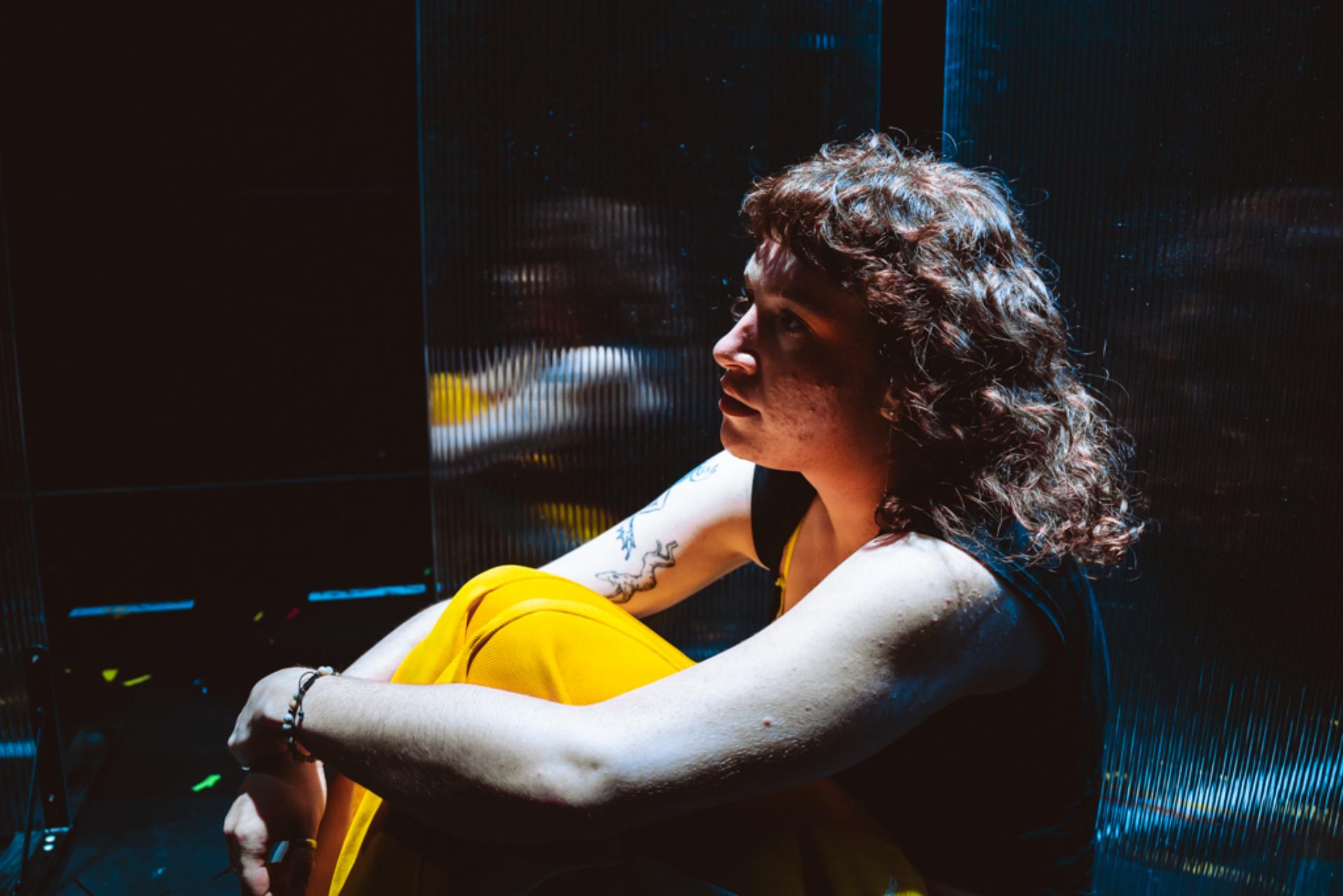
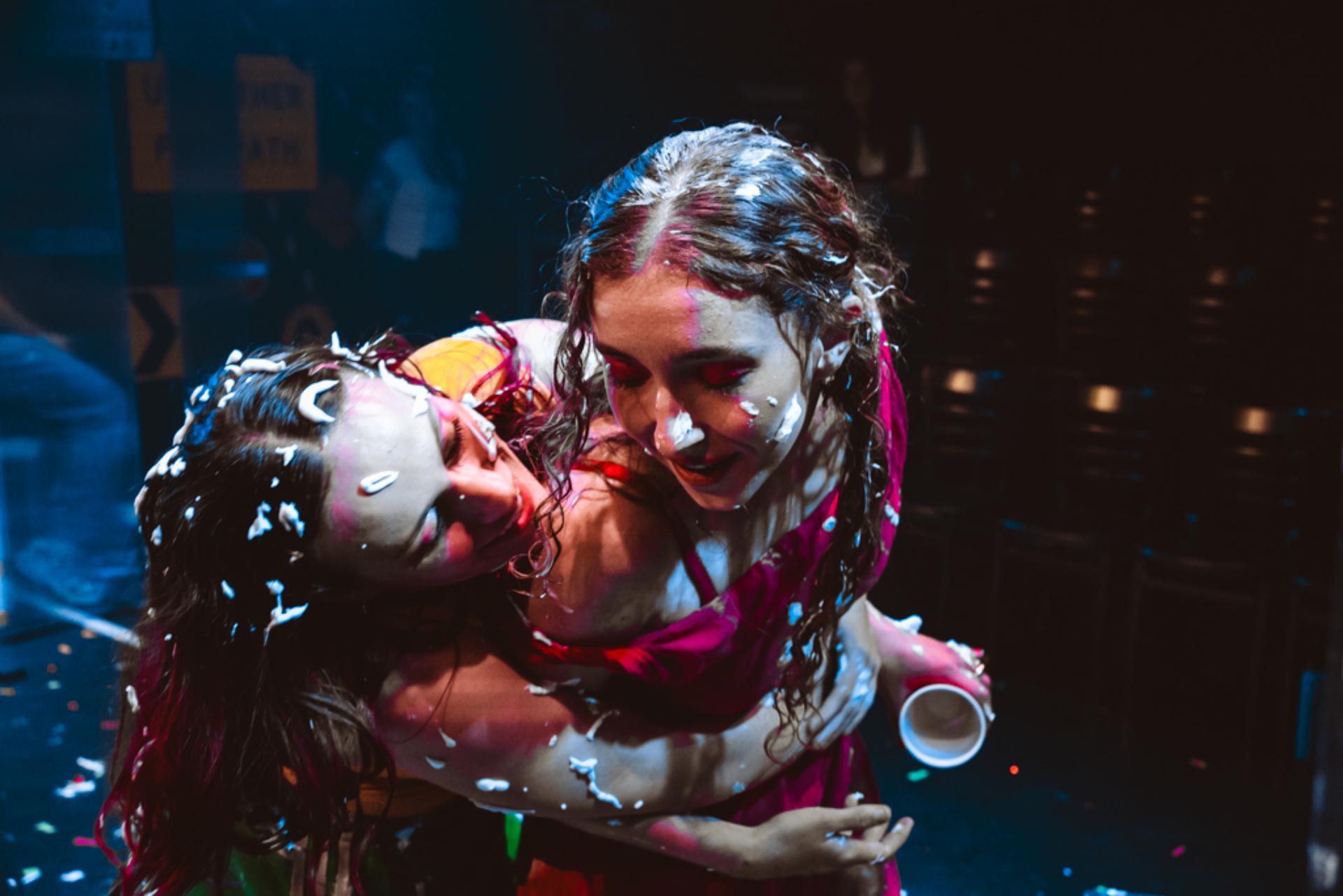
Vocally, the cast ranges from competent to exceptional, with Gabi Lanham delivering a standout performance as Mary Read, her voice both rich and assured. The acting, however, is uneven across the ensemble. Tori Bullard brings sincerity and emotional intensity to Anne Bonny, offering a grounded presence amid the production’s more variable performances.

The story of Mary Read and Anne Bonny is a vivid reminder of queer forebears whose lives were too often erased or silenced by history. Their courage — at sea, in love, and in defiance of rigid conventions — still echoes across the centuries. Bonny & Read illuminates this hidden legacy, celebrating two women who claimed their freedom on their own terms, and suggesting that queer communities might take a page from the pirate’s book: to chart daring courses, embrace audacity, and live boldly, even when the world seeks to bury them.

www.qtopiasydney.com.au

Review: Naturism (Griffin Theatre Company)

Venue: Wharf 2 Sydney Theatre Company (Walsh Bay NSW), Oct 25 – Nov 15, 2025
Playwright: Ang Collins
Director: Declan Greene
Cast: Nicholas Brown, Glenn Hazeldine, Fraser Morrison, Camila Ponte Alvarez, Hannah Waterman
Images by Brett Boardman

Theatre review
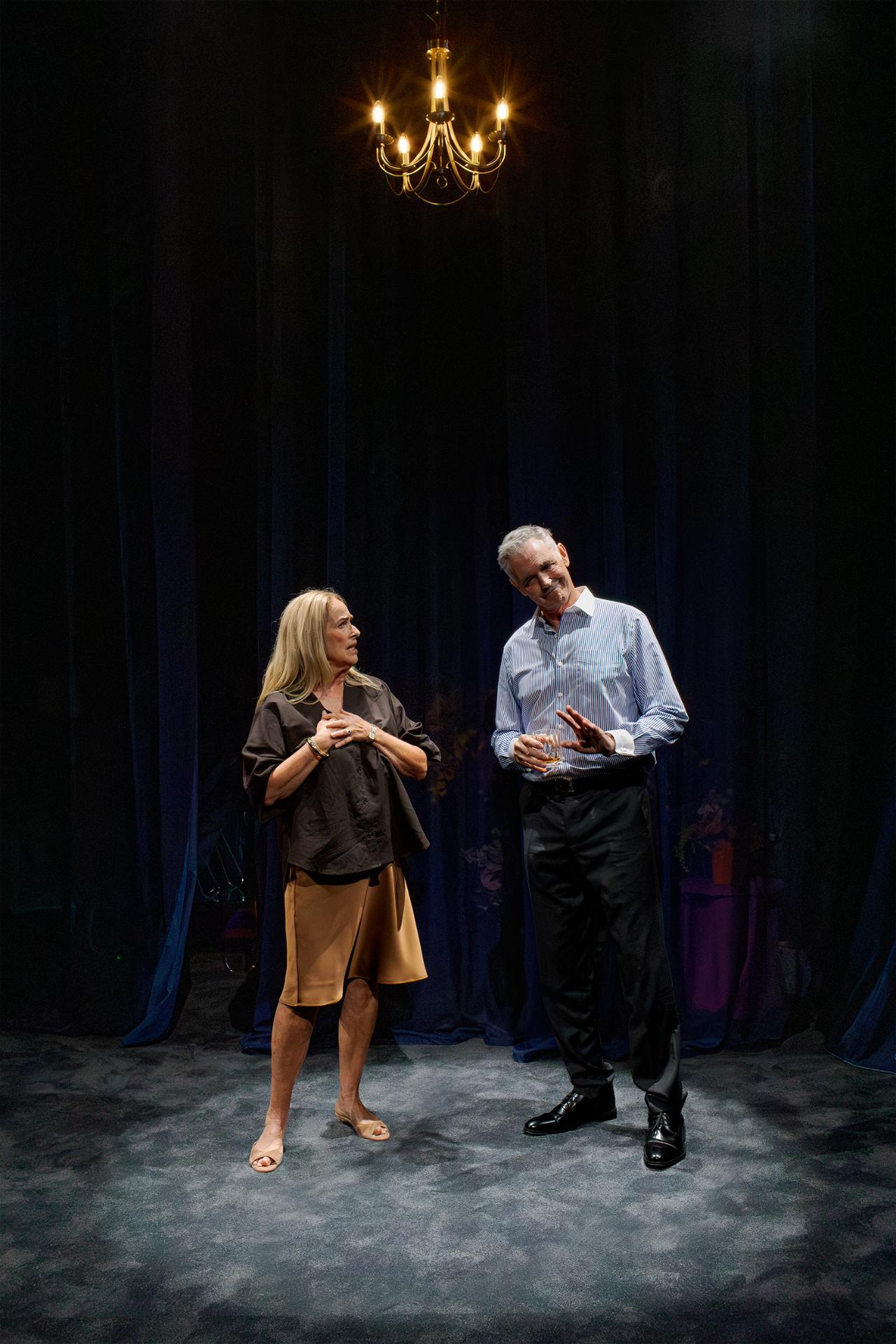
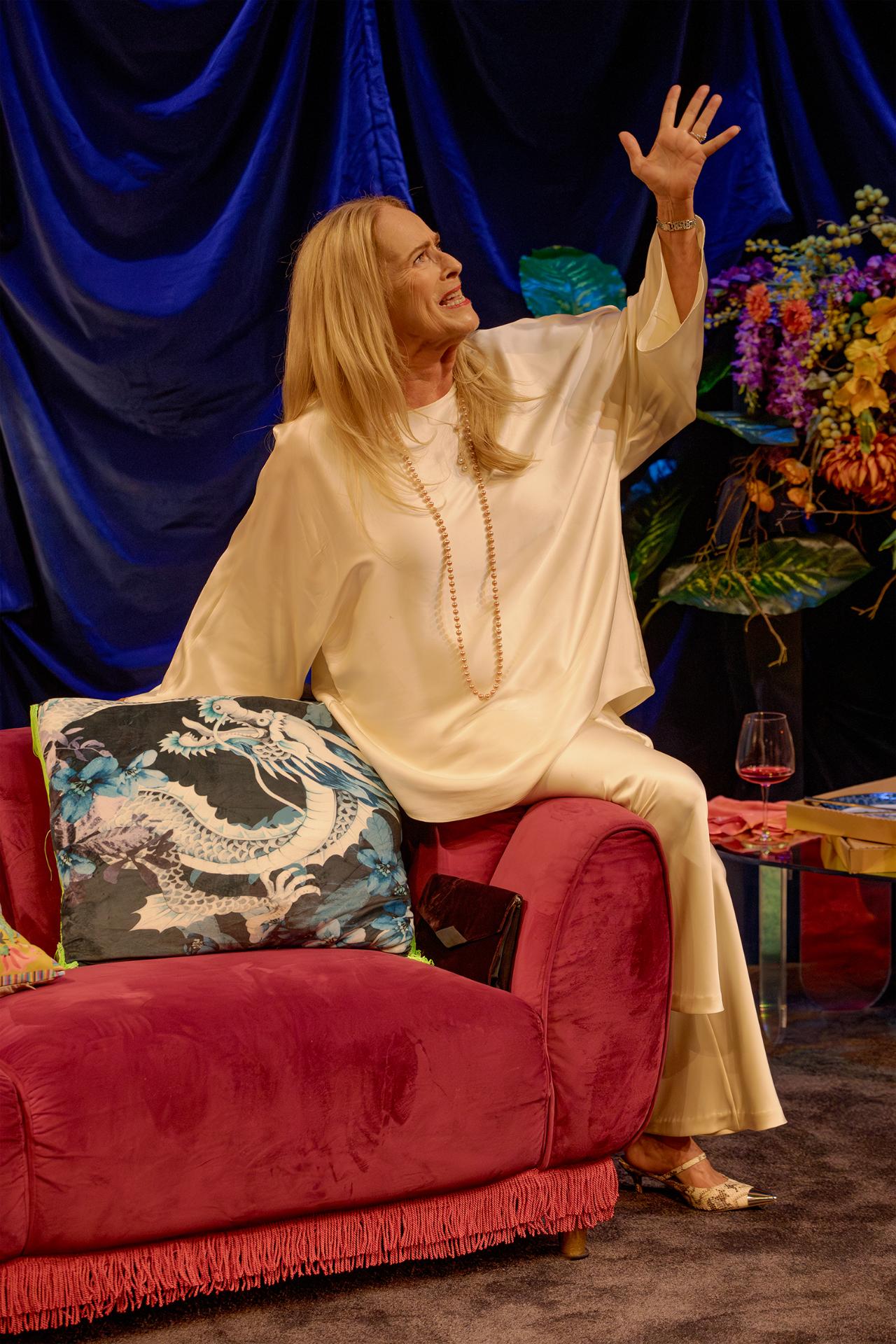
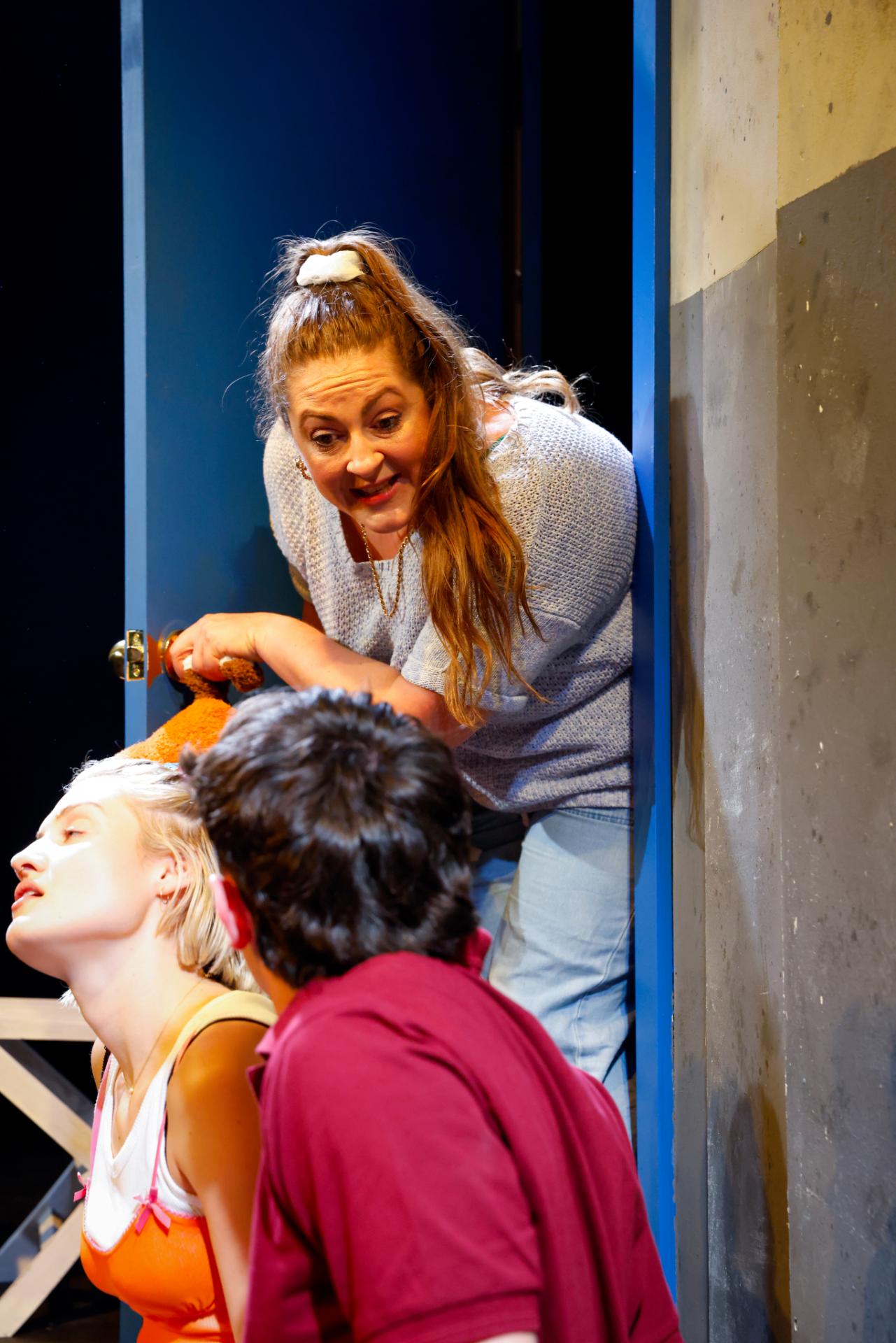
Ray presides over a small naturist commune on the outskirts of Melbourne, where its residents have lived off-grid for two decades. When Evangeline arrives unannounced, eager to join their secluded world, her intrusion sets off a quiet chain reaction that exposes the fault lines beneath the community’s calm surface. Ang Collins’ Naturism proves shrewdly more comic than polemic, even as an unmistakable ecological consciousness anchors the work. At a time when conversations about the environment often feel exhausting, Collins reminds us that laughter, too, can be an act of engagement.

Director Declan Greene wisely leans into the comedy, shaping a production that never hesitates to seize any opportunity for laughter. The exuberance he brings to the staging is infectious, even if the material itself often feels slight. Naturism may not offer much in the way of emotional or thematic depth, and our investment in its characters remains limited, yet the show’s buoyant energy and brisk 85-minute runtime ensure that our attention rarely drifts.

James Browne’s set design employs simple means to evocatively suggest the wilderness that frames the story. His costumes are a particular delight, especially in the hallucinatory sequences where the characters venture into the fantastical. Verity Hampson’s lighting is gloriously extravagant, embracing theatricality as the narrative heightens and the stakes rise. David Bergman’s sound and music design match that intensity, growing ever more vivid as the production slides into the deliciously bizarre.

The cast deserves admiration for their wholehearted commitment to what at times appears an unabashedly absurd enterprise. All five performers throw themselves into the work, mining every moment for humour and vitality. Their choices may verge on the outrageous, yet they sustain a surprising authenticity that prevents the piece from slipping into pure frivolity. It’s also worth noting that the ensemble spends much of the performance entirely nude — a fact that only deepens respect for their courage and conviction.

The characters in Naturism throw themselves wholeheartedly into doing right by the planet, yet their misadventures expose how fraught it can be to live by uncompromising ideals. We’re beginning to see that an “all or nothing” approach—whether ecological or political—often proves unsustainable, alienating those who might otherwise engage. The culture of guilt and moral absolutism around environmental action can drive people to withdraw entirely, when what the planet needs most are imperfect participants, not perfect abstainers.

www.griffintheatre.com.au

Review: Fly Girl (Ensemble Theatre)

Venue: Ensemble Theatre (Kirribilli NSW), Oct 17 – Nov 22, 2025
Playwrights: Genevieve Hegney, Catherine Moore
Director: Janine Watson
Cast: Genevieve Hegney, Alex Kirwan, Cleo Meinck, Catherine Moore, Emma Palmer
Images by Prudence Upton

Theatre review
Deborah Lawrie’s ascent as Australia’s first woman commercial pilot came only after a gruelling battle through the courts and the Equal Opportunity Board, where she forced corporations to confront their own sexism. Fly Girl, the new play by Genevieve Hegney and Catherine Moore, revisits that hard-won triumph with warmth, wit, and reverence — though its faithful retelling can at times feel a touch too tidy for the turbulence it portrays.

Janine Watson’s direction sprinkles in flashes of theatrical flair, amid a production grounded in earnest discussion of gender disparity. Its sincerity may overwhelm at times, yet it leaves a valuable impression — a reminder of how stubbornly patriarchal thinking continues to hold its grip.

Lead actor Cleo Meinck approaches the role with diligence and poise, though her portrayal can feel restrained in tone. She balances feminine grace with quiet strength, but the performance would soar higher with more charm and humour. Around her, a nimble ensemble juggles countless supporting parts, their spirited playfulness ensuring the production never loses its buoyancy.

Grace Deacon’s set and costumes evoke the era with authenticity and colour, their vibrancy lending the stage a visual spark. Morgan Moroney’s lighting delicately sculpts tone and texture, its nuanced changes revealing the work’s shifting moods. Daniel Herten’s sound design completes the world, its careful intricacy transporting us through the play’s varied spaces and temperaments.

It has been nearly half a century since Lawrie shattered the glass ceiling and transformed the landscape for women pilots in Australia. It is tempting to believe that progress moves in a straight line — that equity, once achieved, simply builds upon itself. The reality, however, is far less stable. Every gain invites resistance, and even today, debates in the United States around diversity, equity and inclusion echo with old anxieties. Accusations that women and people of colour are being hired in aviation “without merit” reveal how tenacious patriarchal values remain. Lawrie’s legacy, then, is not a closed chapter but an ongoing call to vigilance.

www.ensemble.com.au

Review: Work, But This Time Like You Mean It (The Rebel Theatre)

Venue: The Rebel Theatre (Sydney NSW), Oct 15 – 18 , 2025
Playwright: Honor Webster-Mannison
Director: Luke Rogers
Cast: Georgie Bianchini, Hannah Cornelia, Kathleen Dunkerley, Quinn Goodwin, Matthew Hogan, Blue Hyslop, Sterling Notley, Emma Piva
Images by

Theatre review
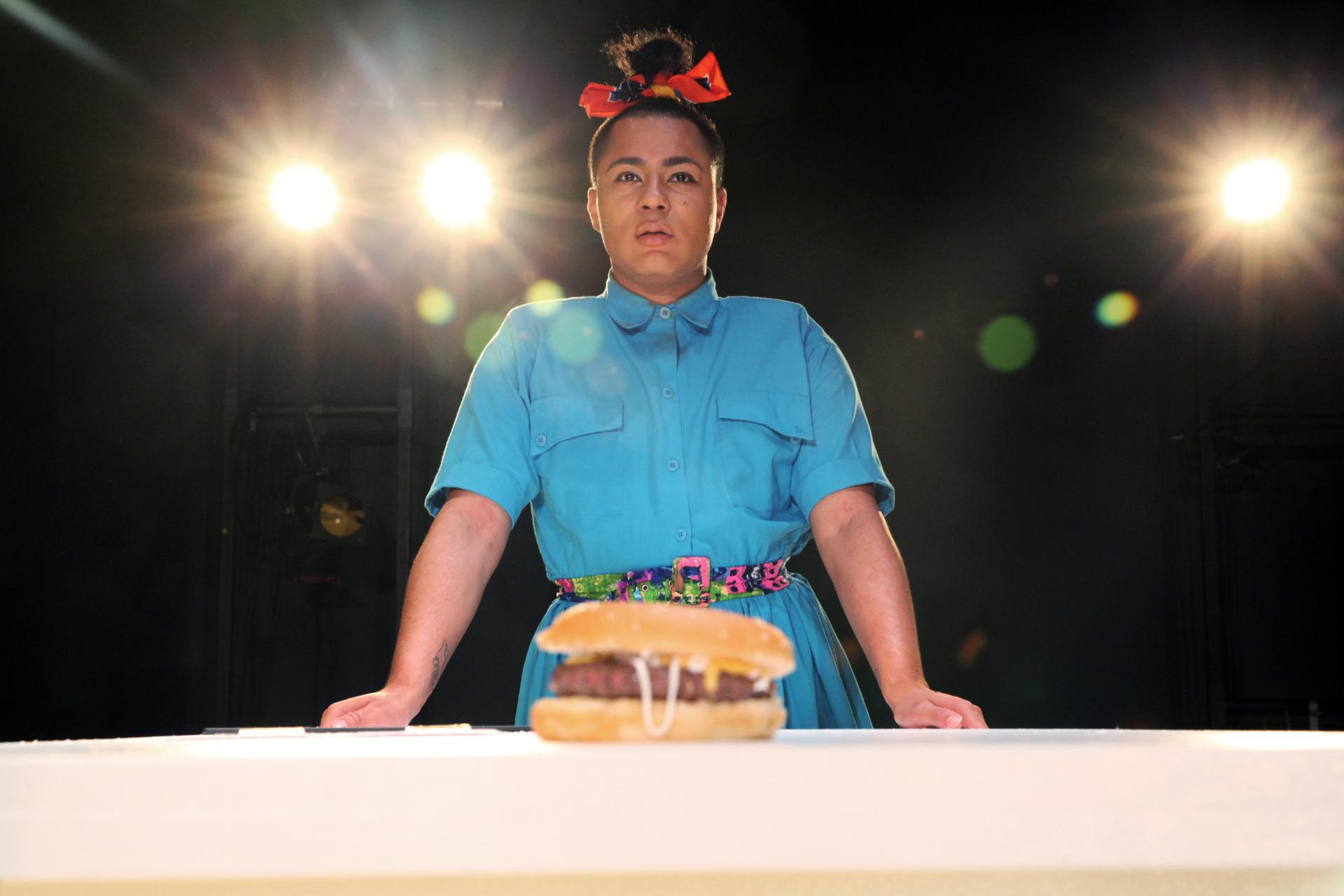
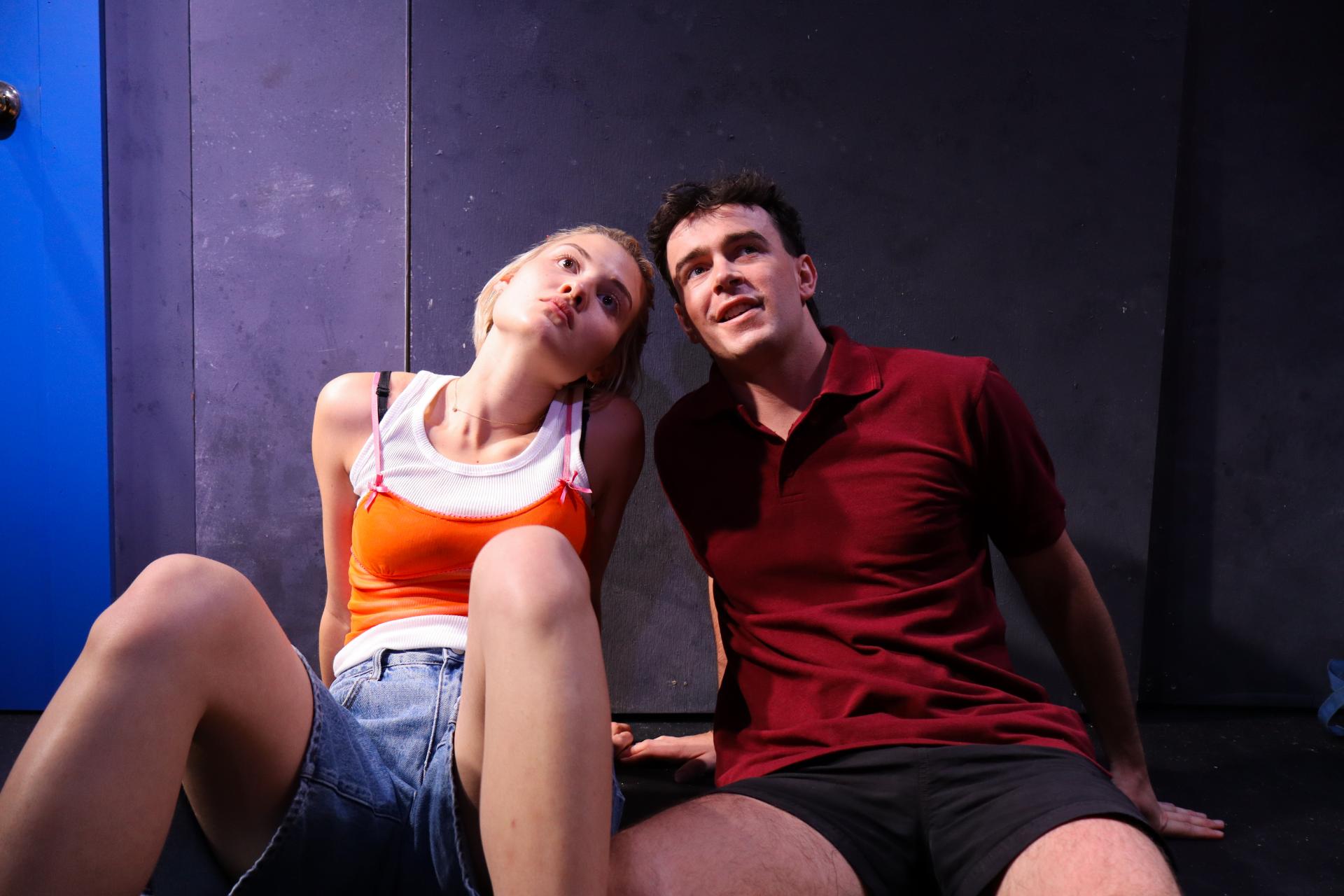
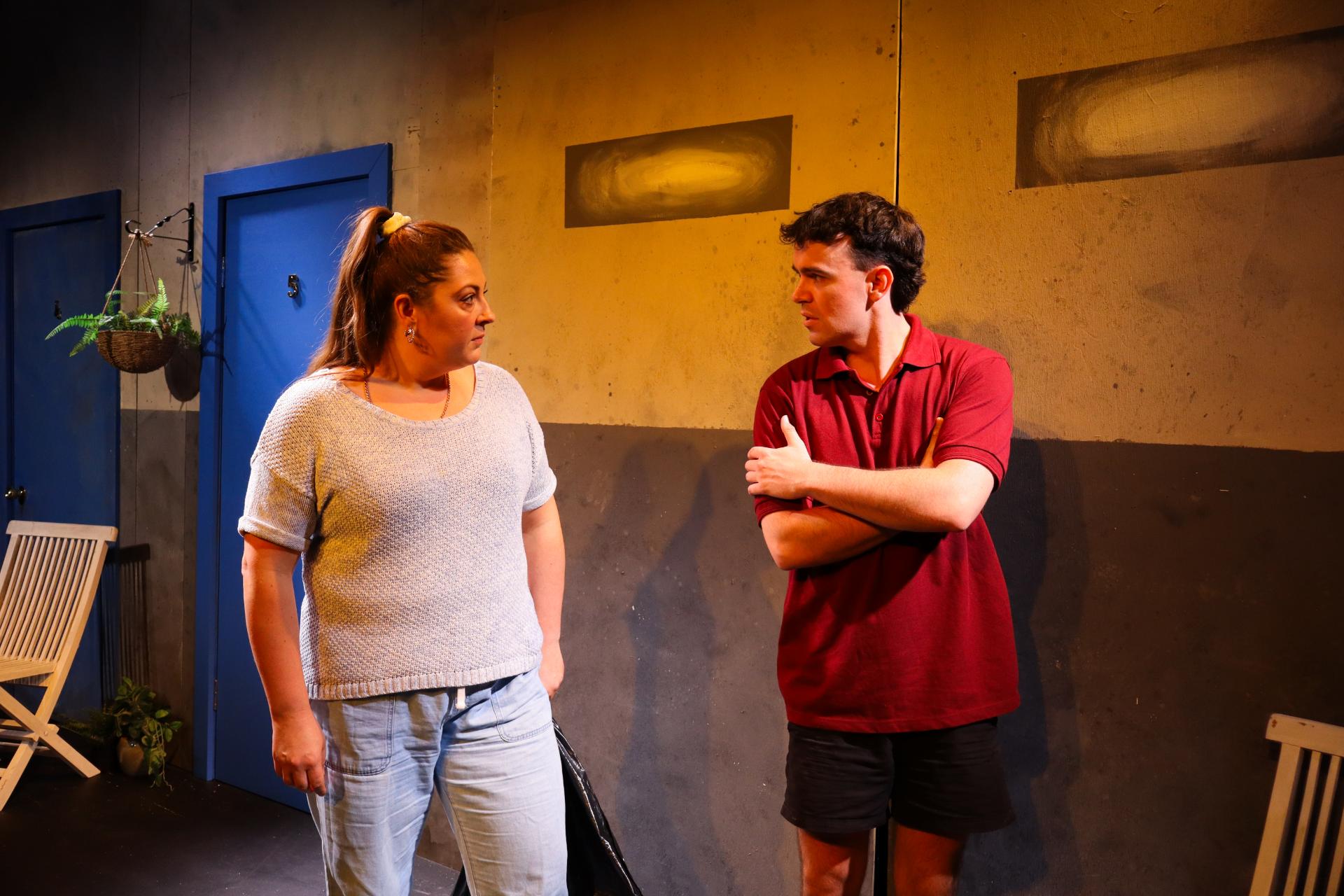
Chaos is the natural order in a fast-food restaurant, where young workers hold down the counters and, by extension, the bottom tiers of vast corporate empires. Honor Webster-Mannison’s Work, But This Time Like You Mean It announces its irony from the title, a wry invitation to reflect on labour, performance, and disillusionment. The play mines humour from the everyday grind, though its observations rarely move beyond the familiar. Still, the writing’s energy and authenticity make it a fertile ground for theatrical invention.

Directed by Luke Rogers, the production delivers amusement in spades, impressing with its relentless energy and visual exuberance. Set within the bleak confines of a takeout joint, Rogers’ staging transforms the banal into the spectacular, revealing the latent drama of labour and exhaustion.

Kathleen Kershaw’s set is both playground and pressure cooker, facilitating agile movement while immersing us in vivid, layered visuals. Ethan Hamill’s lighting gives the work structure and momentum, while Patrick Haesler’s sound design further heightens atmosphere and tension, ensuring the production maintains a constant sense of urgency and rhythm. Together, these elements generate a rhythm that feels breathless yet purposeful, a choreography of survival rendered with theatrical bravado.

A cast of eight delivers the show’s discombobulating heart with infectious precision and energy. Their performances are tightly honed, radiating a cohesion and verve that keep the audience engaged from start to finish. As the beleaguered branch manager, Blue Hyslop stands out for both charm and nuance, balancing comic timing with moments of surprising emotional depth amid the surrounding mayhem.

Work, But This Time Like You Mean It presents entry-level work as both crucible and classroom, a space where identities are forged under pressure, and where the absurd machinery of labour dispenses its quiet lessons in endurance. It exposes the inevitability of our initiation into capitalism, especially at an age too young to grasp its traps, when the thrill of a first job disguises the real lesson: that the system always starts by teaching us how to stay in line.

www.canberrayouththeatre.com.au

Review: The Edit (25A Belvoir)

Venue: Belvoir St Theatre (Surry Hills NSW), Oct 7 – 26, 2025
Playwright: Gabrielle Scawthorn
Director: Gabrielle Scawthorn
Cast: Iolanthe, Matilda Ridgway
Images by Robert Catto

Theatre review
Nia signs up for a reality dating show, while producer Jess hovers nearby to ensure the illusion of love unfolds without a hitch. But when the pair are caught up in a devastating incident, what surfaces isn’t the expected solidarity between women, but a betrayal so stark it throws everything into question. Gabrielle Scawthorn’s The Edit is a piercing look at the stranglehold of late capitalism on contemporary womanhood — and how easily we can slip into exploiting one another in pursuit of success. Rather than rallying against the forces that divide and commodify, we too often become willing participants in our own undoing.

Scawthorn’s writing is incisive and richly layered, full of surprising twists and morally complex characters that keep us alert and uneasy. As director, she delivers the work with unrelenting intensity and passion, sustaining a charged atmosphere from start to finish. The Edit is intellectually rigorous and emotionally fraught, most rewarding when it allows us fleeting glimpses into who these women truly are beneath the spectacle.

As Nia, Iolanthe offers an intriguing study of ambition under late capitalism, portraying with disarming authenticity the moral dissonance required for success. Her performance captures a young woman’s conviction that intelligence and charm can transcend systemic exploitation, a belief that we observe to be both seductive and self-defeating. Matilda Ridgway’s interpretation of Jess is marked by remarkable psychological acuity; her disingenuousness feels neither exaggerated nor opaque, but grounded in a credible logic of survival. As the play unfolds, Jess becomes increasingly reprehensible, yet Ridgway’s depictions remain resolutely authentic, allowing us to perceive the structural and emotional pressures that shape such behaviour.

Set design by Ruby Jenkins cleverly frames the action with visual cues that expose the hidden machinery of television production, and the layers of deceit that sustain its manufactured fantasies. The stage becomes both a workplace and a trap — a reminder that behind every glossy image lies manipulation at work. Phoebe Pilcher’s lighting design is striking in its chill and precision, evoking the emotional coldness that governs human behaviour in a system built on economic cannibalism. Music and sound by Alyx Dennison heighten the drama with an organic subtlety; their contributions are seamlessly integrated yet undeniably potent in shaping the production’s tension and mood.

The pursuit of success feels almost instinctive, a shared ambition ingrained from an early age, yet its meaning remains troublingly mutable. What we come to define as “success” is so often shaped by external forces, by market logics and cultural expectations that reward ambition only when it conforms to the existing order. For the young, particularly those taking their first tentative steps into professional life, this pursuit can be both intoxicating and perilous. The world teaches its lessons harshly, and every triumph seems to come at the expense of something quietly vital.

We are endlessly seduced by the shimmer of promise, by images of prosperity, relevance, and acclaim, and in our hunger, we mistake the surface for substance. The capitalist dream markets itself as empowerment, yet its currency is exploitation. Still, we continue to invest in the system, not solely out of necessity but from an almost devotional belief that perseverance will one day grant transcendence. The tragedy, of course, is that such faith is misplaced. The machine does not elevate; it consumes. It extracts our labour, our time, our spirit, and gives back only a fleeting sense of validation before demanding more. In the end, the system does not nurture our aspirations; it feeds on them, leaving us diminished, yet still reaching, still convinced that the next victory will finally make us whole.

www.belvoir.com.au | www.legittheatreco.com | www.unlikelyproductions.co.uk

Review: The Shiralee (Sydney Theatre Company)

Venue: Sydney Opera House (Sydney NSW), Oct 6 – Nov 29, 2025
Playwright: Kate Mulvany (from the novel by D’Arcy Niland)
Director: Jessica Arthur
Cast: Stephen Anderson, Paul Capsis, Lucia Mastrantone, Josh McConville,  Kate Mulvany, Aaron Pedersen, Ziggy Resnick, Catherine Văn-Davies
Images by Prudence Upton

Theatre review
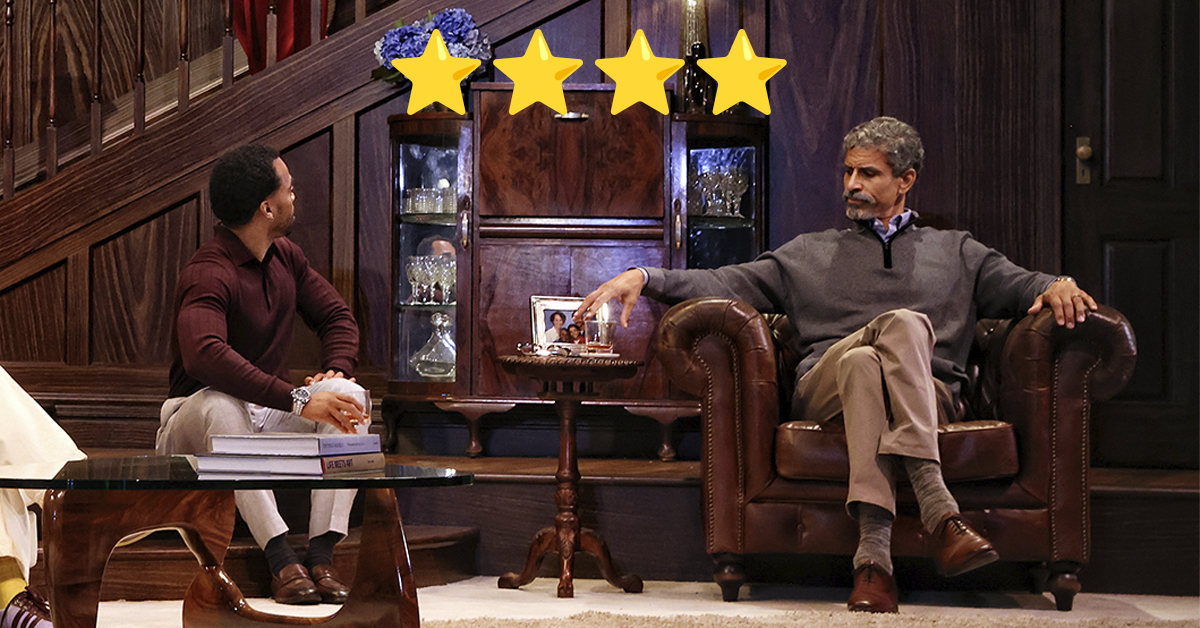
In Kate Mulvany’s retelling of The Shiralee, D’Arcy Niland’s 1955 novel, the swagman Macauley finds purpose only when he chooses to embrace his parental responsibilities as his daughter Buster approaches her tenth birthday. Together they walk through the shadow of the Great Depression, where dust and hunger become the measure of endurance. The hardships they face quickly draw them close, allowing both to flourish in unexpected ways.

What was once a folksy tale of toil and redemption is transformed by Mulvany’s deft writing into something vibrantly humorous and sharply contemporary. Her play is delightful, charming, and consistently hilarious — a thoroughly entertaining reimagining that recontextualises a classic story for modern sensibilities.

Directed by Jessica Arthur, the production leans wholeheartedly into its comedic potential, unearthing every possible moment of laughter to create a show brimming with joy and playfulness. Driven by an expansive imagination and free-spirited inventiveness, Arthur’s work is a profound uplift, offering sincere explorations of love, belonging, and the meaning of home.

The cast glows with an irresistible warmth — each performer uncovering fresh, idiosyncratic ways to awaken an old tale for our restless, modern hearts. They play to our weariness with laughter, coaxing joy from every line, finding light in even the smallest turns of phrase.

As Macauley, the magnetic Josh McConville strikes a perfect balance between gruff masculinity and raw vulnerability, allowing us to see both the archetypal Aussie bloke and the tender humanity that quietly resides beneath the façade. The endlessly endearing Ziggy Resnick radiates pure exuberance as Buster, delivering a performance that is both impeccably timed and deeply sensitive — a portrait of a child wise beyond her years.

Jeremy Allen’s production design is elegantly spare, mirroring the harshness and austerity of the Australian outback. His use of gumtrees, at once iconic and nostalgic, evokes a landscape that feels both mythic and deeply personal. Trent Suidgeest’s lighting design is remarkable, seamlessly transforming the stage into a multitude of imagined places while crafting moments of sheer visual poetry that satisfy our longing for beauty. Equally striking is Jessica Dunn’s sound and composition, which capture both the vast, unforgiving sweep of the land and the tender intimacy of this unlikely father and daughter bond. Dunn’s work brims with feeling, but her sentimentality is never cloying; it moves us because it is always saying something true.

In this 2025 reiteration of The Shiralee, are unforgettable encounters with Indigenous and other people of colour, alongside multiple queer identities and unapologetic women of substance. Beneath the lively retelling of a story about familial bonds and traditional maleness lie subtle but profound redefinitions of the marginalised, insisting that we see ourselves not as outsiders but as integral threads woven into the tapestry of the Australian myth, forever reshaping it with our resolute presence and undaunted voices.

www.sydneytheatre.com.au

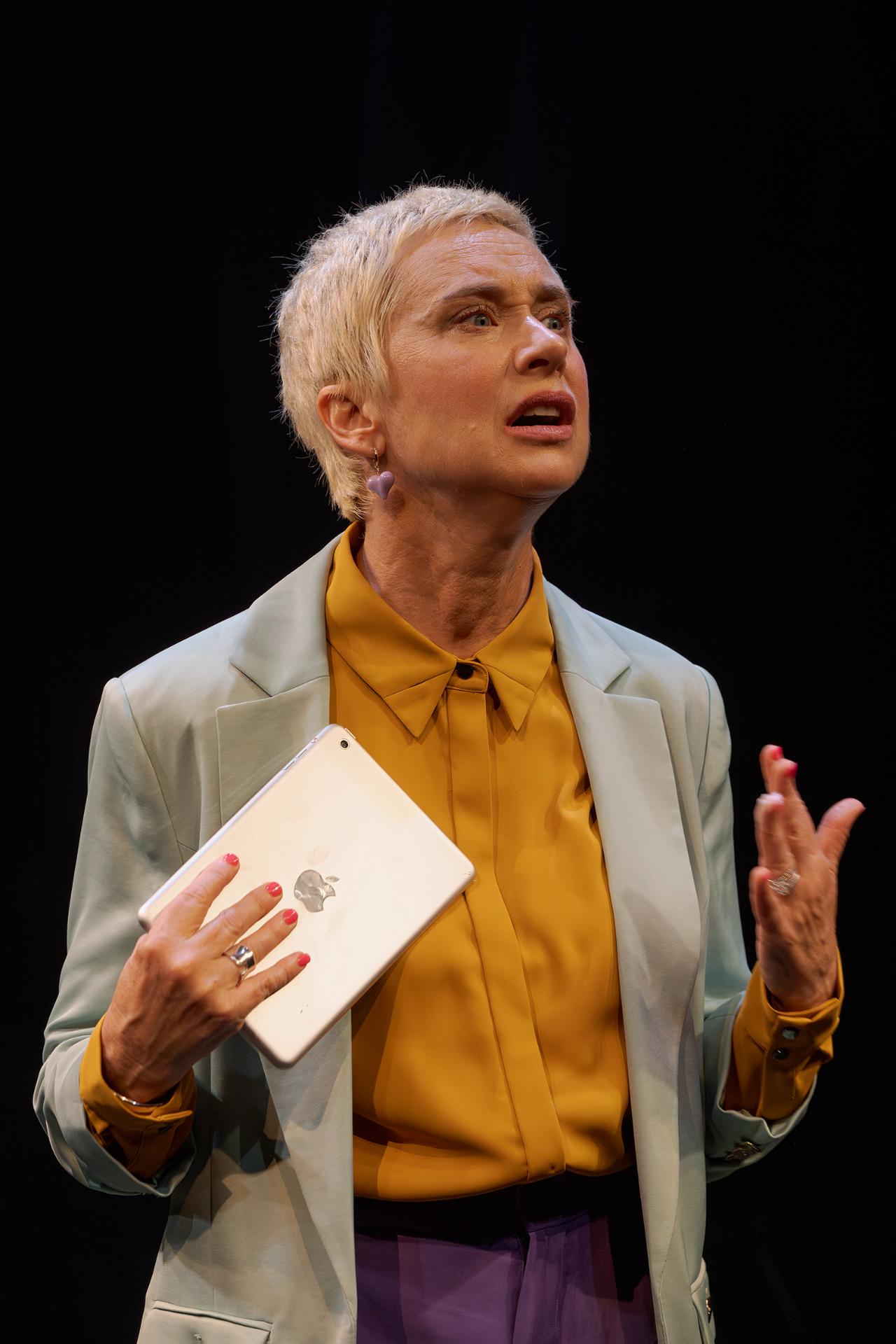
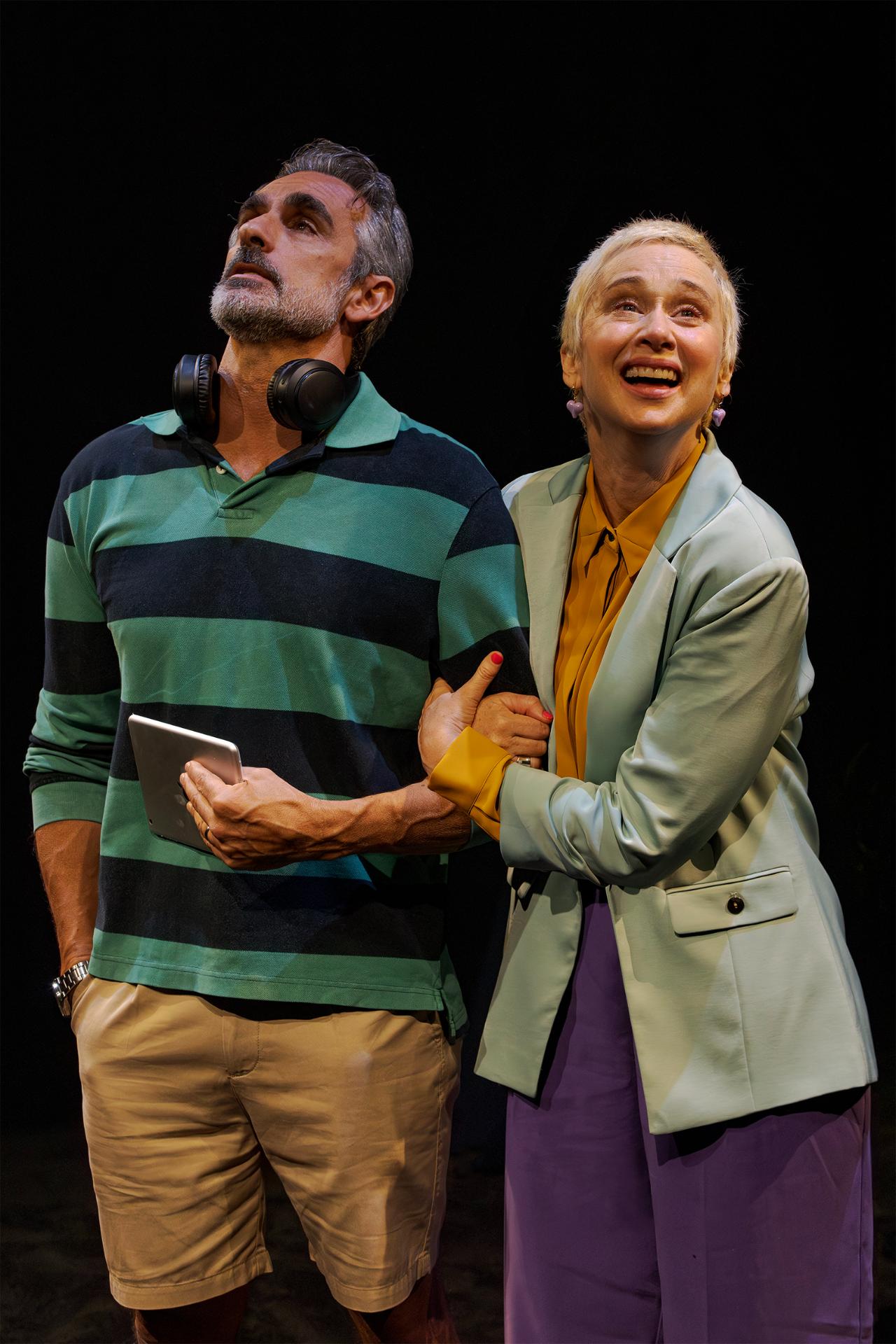
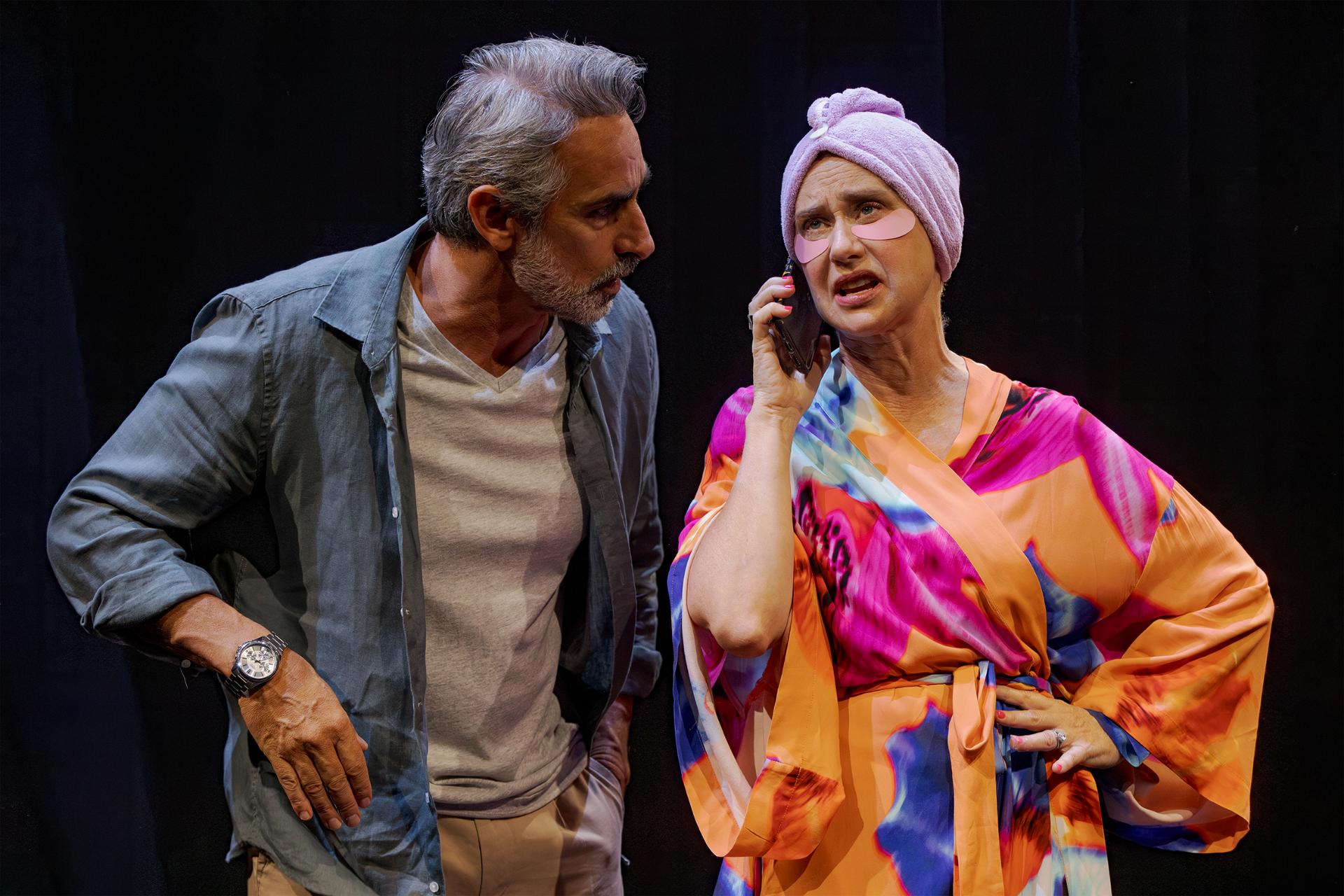
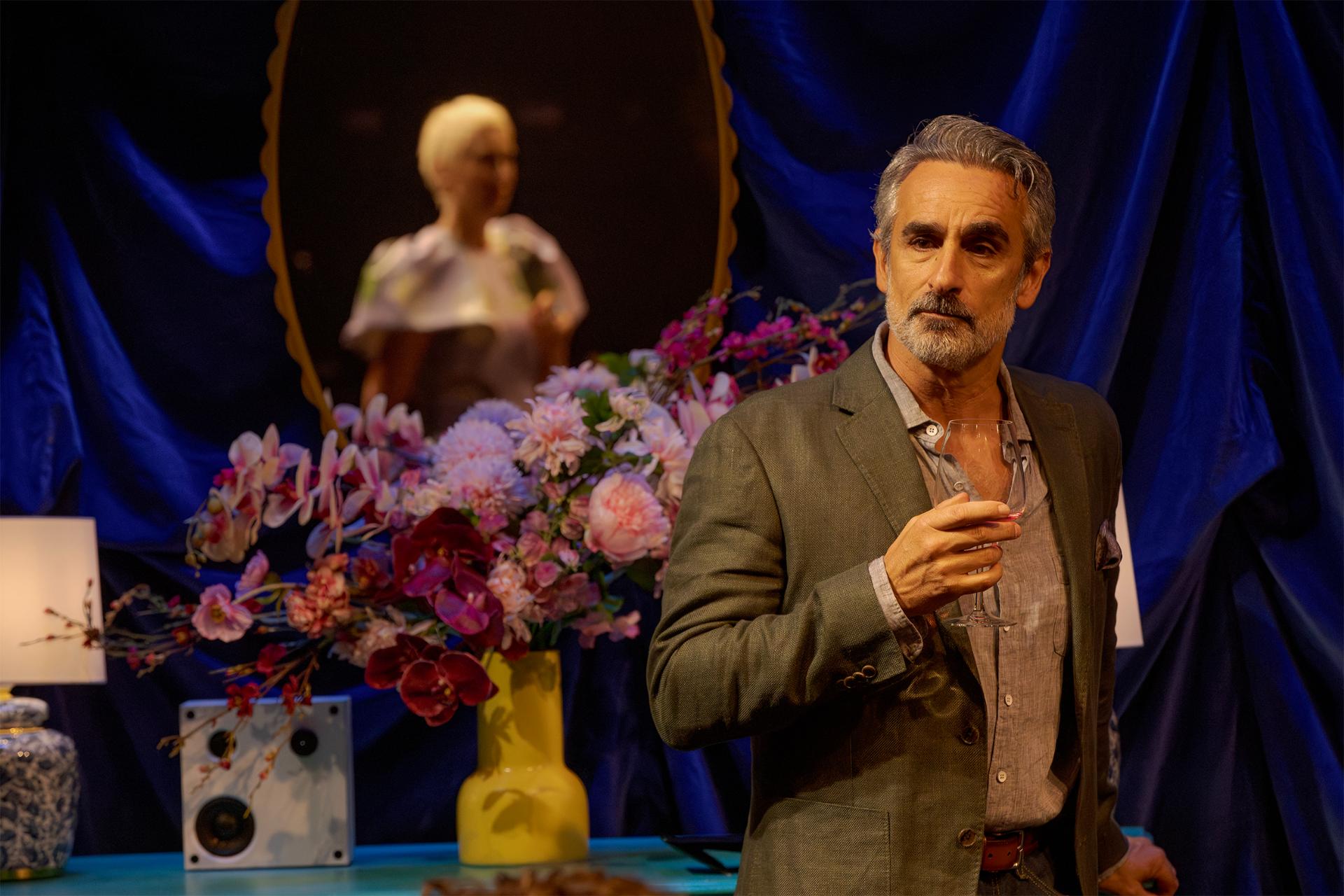
Review: Fekei (Qtopia)

Venue: Qtopia (Darlinghurst NSW), Oct 8 – 18, 2025
Playwright: Sarah Carroll
Director: Sarah Carroll
Cast: Melissa Applin, Natalie Patterson, Kikki Temple, Lawrence Ola, Naisa Lasalosi, Mele Telefon
Images by DefinitelyDefne Photography

Theatre review
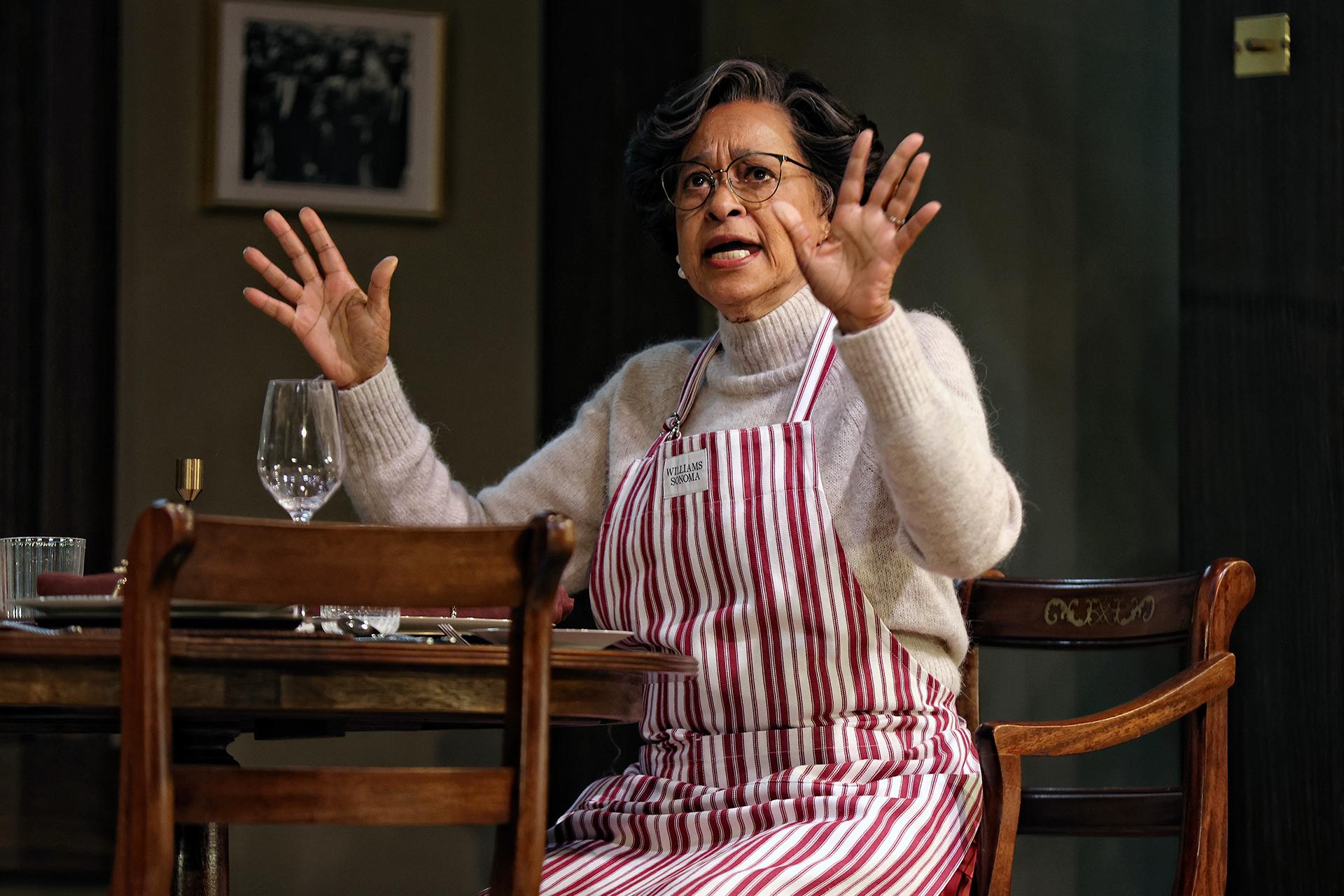
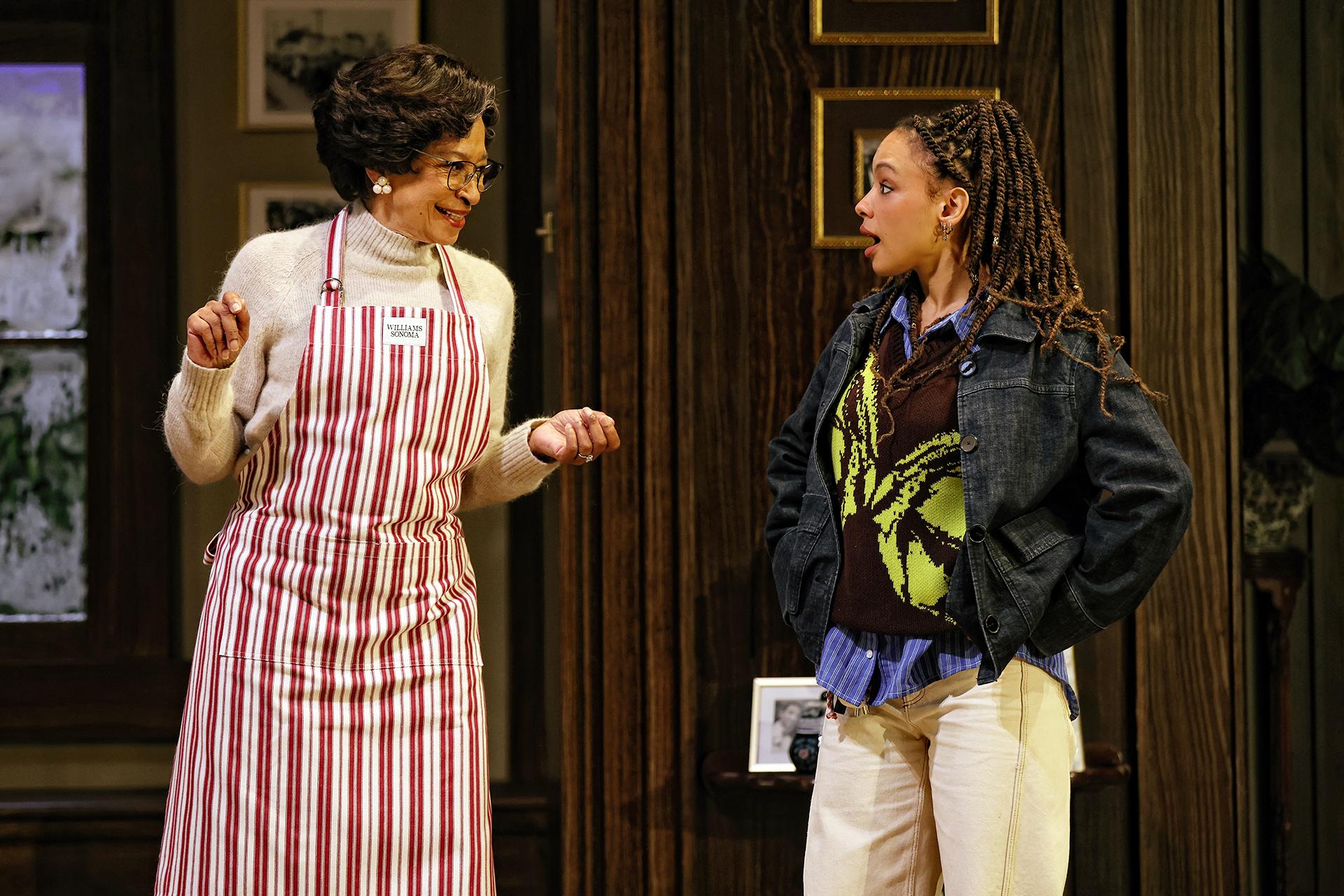
Akanisi returns to her hometown in Fiji for what was meant to be a relaxing visit, but the trip quickly becomes fraught with tension when her girlfriend Sam joins her, with her family remaining unaware about Akanisi’s queerness. Fekei by Sarah Carroll explores how postcolonial societies grapple with the lingering influence of Christian doctrines that have bred prejudice and shame. Yet, it also reveals how deeply rooted cultural traditions can offer resilience and acceptance, standing firm against the harmful legacies of biblical indoctrination.

It is a sincere work by Carroll — tenderly written and often humorous in its portrayal of cultural idiosyncrasies. Their direction, however, lacks refinement; the rawness of approach occasionally renders scenes forced or unconvincing. Yet, Luna Ng’s commendable lighting design provides a counterbalance, its sensitive evocation of atmosphere helping to guide the audience through the production’s emotional shifts.

Melissa Applin brings a quiet sincerity to Akanisi, while Natalie Patterson infuses Sam with a buoyant, infectious energy. Yet the emotional core of their relationship never quite lands, and a stronger chemistry between the two would give the story greater pull. As Akanisi’s family, Kikki Temple and Naisa Lasalosi are a delight — playful, camp, and full of heart — offering both comic relief and genuine tenderness. In supporting turns, Lawrence Ola and Melehola Telefoni add texture and vibrancy, enriching the play’s portrait of everyday life in Fiji.

Queer people have every right to want acceptance, a pursuit that is both natural and deserved, though sometimes harmony is the closest we can come. The influence of religion in the Pacific runs deep; after more than two centuries of Christian indoctrination, its unravelling will take generations. During her fleeting return home, Akanisi cannot hope to rewrite her grandmother’s faith, but within their shared customs lies an older wisdom: one that values peace, patience, and the quiet endurance of love.

www.qtopiasydney.com.au

Review: King (Sydney Fringe)

Venue: New Theatre (Newtown NSW), Sep 24 – 27, 2025
Playwright: Jo Tan
Director: Tan Shou Chen
Cast: Jo Tan
Images by Elissa Webb

Theatre review
Geok Yen is a marketing executive by day and Matt’s dutiful girlfriend by night, roles she shoulders with care but never with equal reward. She is forced to shrink, to contort, her true voice muffled. Then, in a moment of accidental inspiration, she steps into the skin of a man named Sterling—and the ground shifts beneath her.

Jo Tan’s one-woman play King initially situates itself within familiar binaries, only to destabilize them as the narrative progresses. Its insights into sexism accrue gradually, building towards a textured critique that resists simplistic dichotomies. By layering complexity onto what appears at first conventional, Tan invites her audience to reconsider the very categories through which gender is perceived and enacted.

Directed with flair by Tan Shou Chen, King shifts seamlessly between comedy and drama in charting Geok Yen’s journey. Each comic twist carries within it a shadow, each burst of humour a reminder of the weight pressing beneath. Though rooted in Singapore, the play’s reflections on societal roles and gender imbalance transcend geography. The details may vary across cultures, but the paradigm it reveals is both universal and pertinent.

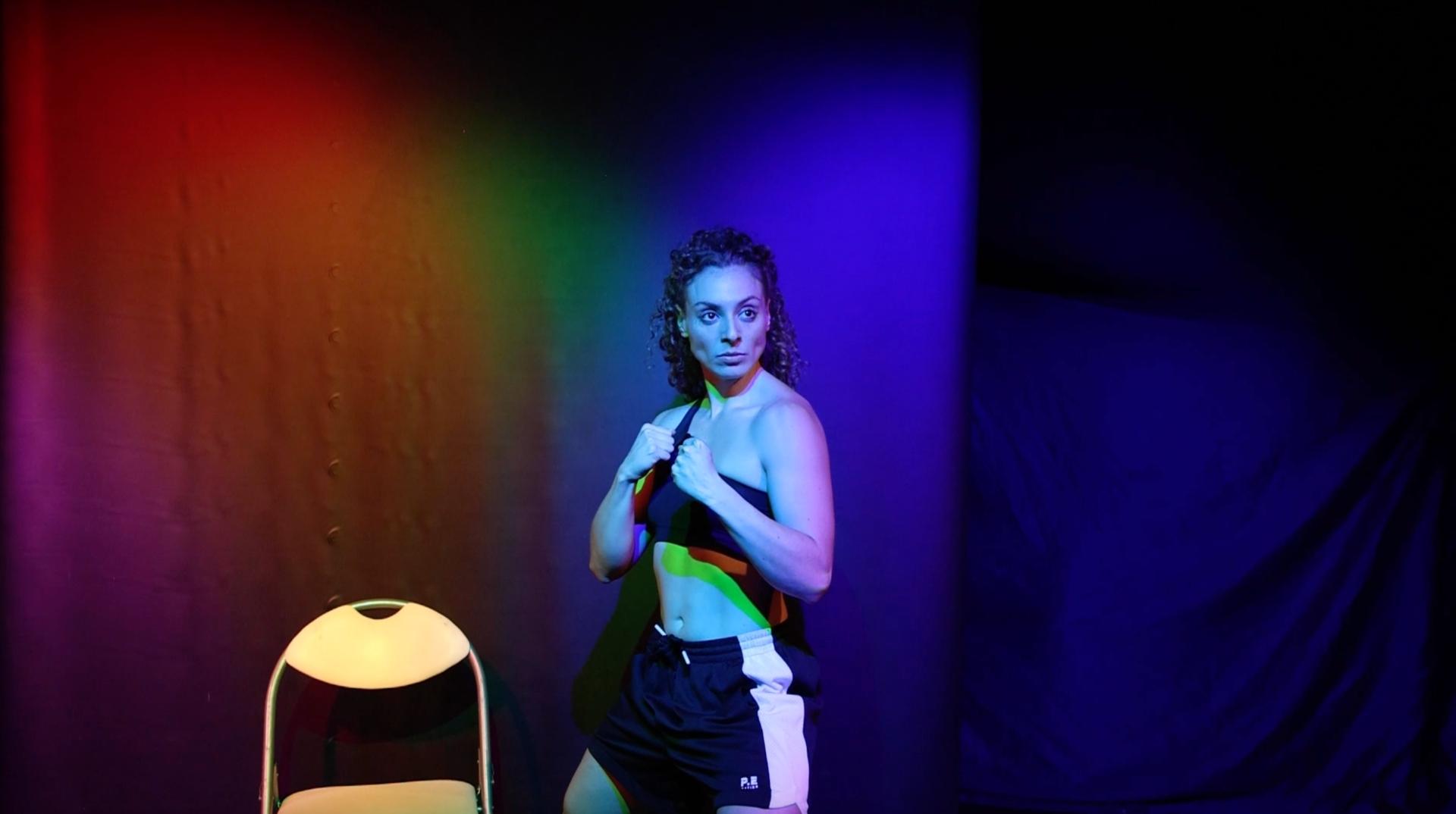
Jo Tan delivers a tour de force, slipping effortlessly between Geok Yen, Sterling, and a gallery of side characters, all conjured with wit, imagination, and playful precision. The craftsmanship of her performance is impeccable, but it is her irresistible charisma and the clarity with which she unfolds both story and moral, that captivates, delights, and provokes in equal measure. Also noteworthy are video projections by designer Brian Gothong Tan, which heighten the theatricality of the production and accentuate the fantastical dimensions of Geok Yen’s narrative, all while dazzling with their sheer visual spectacle.

King begins with a starkly binary view of life, but by inhabiting both extremes, Geok Yen moves toward a more nuanced understanding of her place in the world. From black and white emerges a spectrum of grey, within which she discovers the courage to begin embracing her authenticity. The terrors that once haunted her prove to be illusions, and the forces that seemed all-powerful are revealed as far less formidable than they first appeared.

www.sydneyfringe.com

Review: Port (KXT on Broadway)

Venue: KXT on Broadway (Ultimo NSW), Sep 24 – Oct 4, 2025
Playwright: Simon Stephens
Director:
Nigel Turner-Carroll
Cast: Kyle Barrett, James Collins, Rachel Crossan, Owen Hasluck, Benjamin Louttit, Finn Middleton, Megan O’Connell, Grace Stamnas
Images by Phil Erbacher

Theatre review
Racheal has spent much of her life in Stockport, a largely working-class town in the north-west of England. The hardships she endures are considerable, yet we perceive them as ordinary, knowing that life is never a bed of roses, especially for those on society’s lower rungs. In his 2002 play Port, Simon Stephens shows a keen ear for the rhythms of everyday conversation, but the tale he tells is ultimately one of mediocrity, a portrait of existence so ordinary that it struggles to sustain our deeper interest.

Fortunately, director Nigel Turner-Carroll brings considerable intensity to the drama, encouraging us to invest in the possibility of uncovering greater depths within the narrative. That hope, however, proves unfounded, as we gradually realise there is little of real substance in Racheal’s story.

The production at least looks assured: Soham Apte’s simple set and Benedict Janeczko-Taylor’s plain costumes provide clear visual cues to anchor us in time and place, while Travis Kecek’s lighting is finely judged, calibrating shades of sentimentality to reflect shifting emotional states. Cameron Smith’s sound design, too, deserves praise for its thorough evocation of the environments through which Racheal moves across the years.

Grace Stamnas takes on the role of Racheal with striking focus and confidence, lending the production a self-assurance that propels its brisk momentum. The ensemble is uniformly strong, each character rendered with a distinct and convincing presence. Together, the cast infuse the stage with colour and vitality, ensuring that the performance feels both engaging and worthwhile.
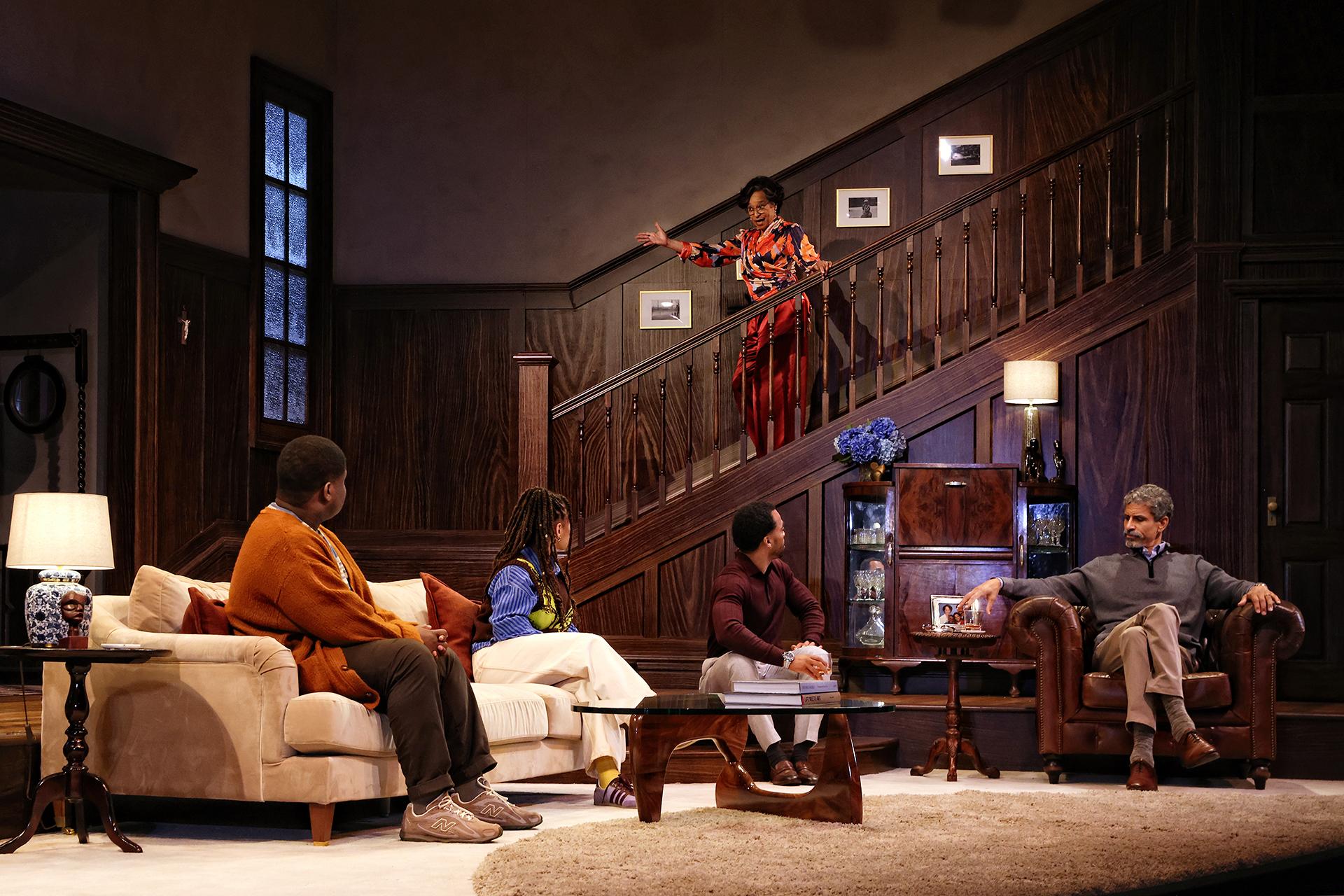
Like many of us, Rachael likely believes her hardships to be uniquely cruel, when in truth they are symptoms of broader social design. We imagine our fates as personal, yet so much of what we endure stems from the structures that govern collective life. The play never makes explicit the injustices Rachael faces as a working-class woman, nor how the wealthy preserve their dominance by hoarding resources. Their prosperity endures across generations—while the rest are kept busy mistaking survival for a life.

www.kingsxtheatre.com | www.instagram.com/decembertheatreco

Review: True West (Ensemble Theatre)

Venue: Ensemble Theatre (Kirribilli NSW), Sep 8 – Oct 11, 2025
Playwright: Sam Shepard
Director: Ian Sinclair
Cast: Vanessa Downing, Darcy Kent, James Lugton, Simon Maiden
Images by Prudence Upton

Theatre review
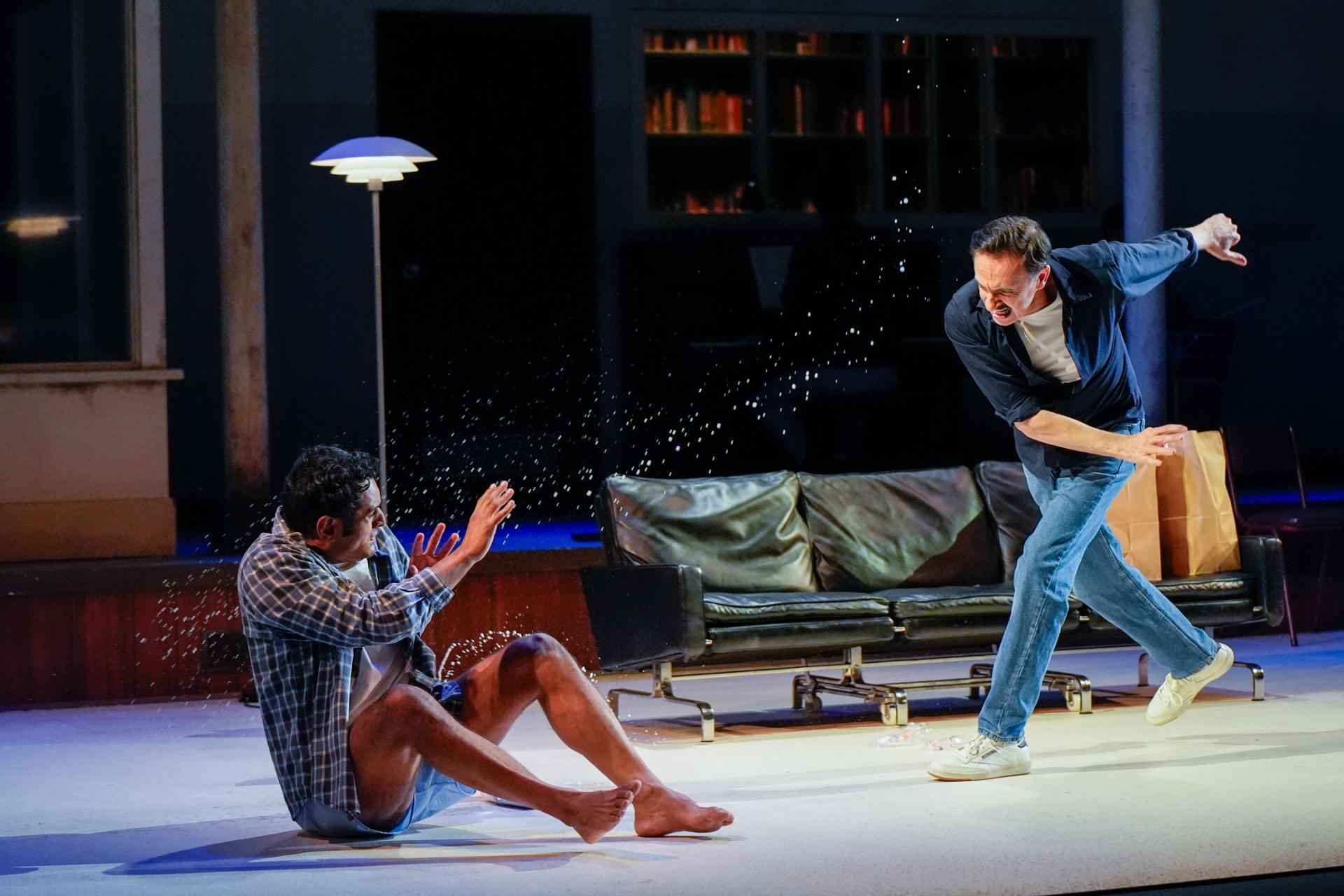
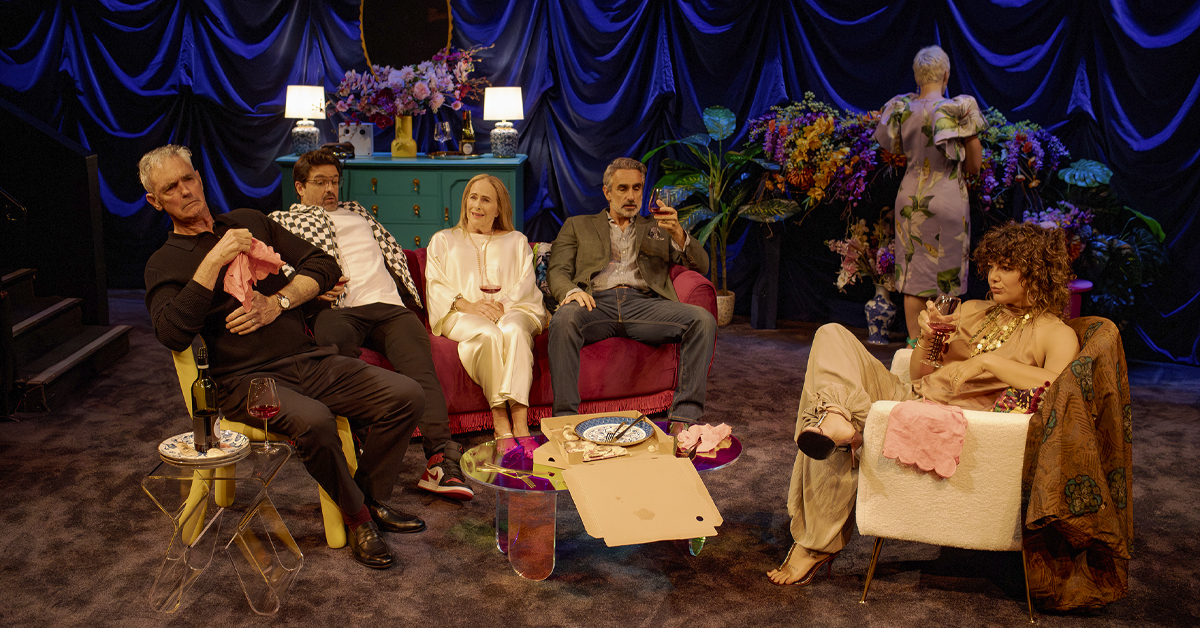
Austin is holed up in his mother’s California home, polishing his screenplay, when his brother Lee bursts in and blows everything apart. Austin is neat, proper, civilized; Lee is chaos incarnate. In True West, Sam Shepard turns their clash into a battle of identities, a showdown between two Americas under one roof. Many pre-Reagan plays have lost their bite, but this one hits harder than ever—its vision of fractured cultures feels ripped straight from today’s headlines.

Simone Romaniuk’s production design sharpens the play’s intensity: the set feels close and feverish, and the costumes declare conflict from the outset. Brockman’s lighting washes the story with unexpected flamboyance, sculpting emotion into lyrical images of sheer visual poetry. By contrast, Daryl Wallis’ sound design is more restrained, yet its sparseness proves effective in aligning with the play’s measured textual rhythm.
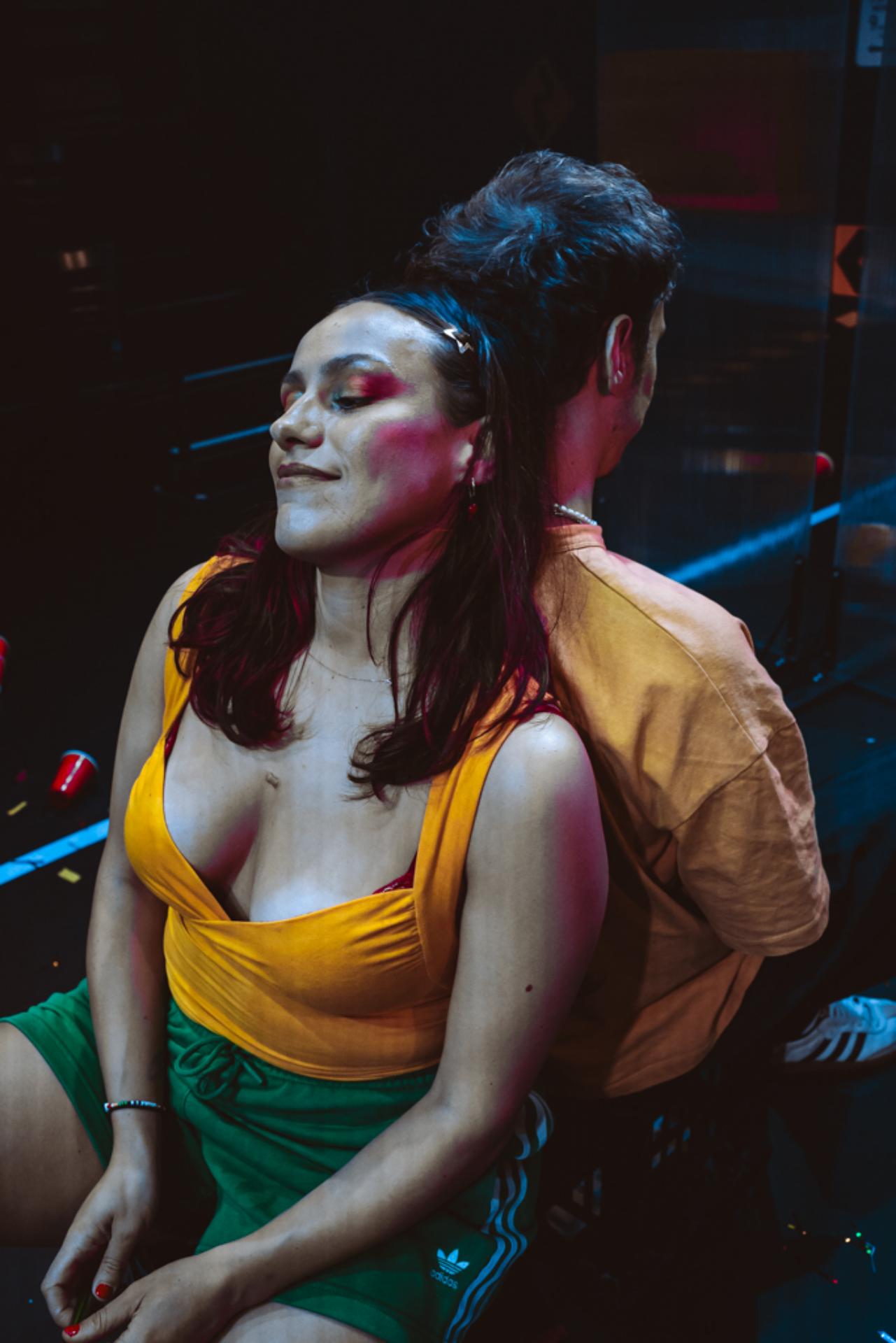
Expertly directed by Ian Sinclair, the staging pursues every dramatic and revelatory possibility in Shepard’s text. What emerges is provocative and cerebral, yet at the same time raw and palpable—an utterly absorbing experience achieved without reliance on superfluous bells and whistles. The play holds us fast with a tale that is at once grounded in reality and tinged with the extraordinary, keeping our fascination with its central relationship alive, while persistently stirring uneasy thoughts about the world we now inhabit.
As Lee, Simon Maiden is a study in intricacy and truth, his every gesture alive with resonant authenticity. Opposite him, Darcy Kent drives Austin into surprising surges of theatricality, pushing the drama to exhilarating heights. Each is formidable in his own right, yet it is their electrifying chemistry together that anchors the production’s success. Around them, James Lugton and Vanessa Downing embrace their smaller roles with admirable flair, their comic touches both outlandish and irresistible, adding yet another layer of delight.

Beneath the polished surface of Western progress and civility lies a startling fragility. In True West, the brothers slip effortlessly into barbarity, exposing the raw, untamed instincts lurking beneath social masks. Both cling to a mythic past, yearning to make America great again, as if modernity has failed them, even though much of contemporary advancement has unequivocally strengthened democracy and improved life collectively. True West reminds us that, no matter how far society reaches toward progress, those who wield the greatest power—and shape the course of our evolution—often remain savages at heart.

(Note: due to a medical emergency on opening night, the part of Lee was played by director Ian Sinclair for the final scene.)

www.ensemble.com.au