Review: Sunday (Sydney Theatre Company/Melbourne Theatre Company)

Venue: Sydney Opera House (Sydney NSW), Nov 28 – Dec 7, 2024
Playwright: Anthony Weigh
Director: Sarah Goodes
Cast: Matt Day, Jude Hyland, Ratidzo Mambo, James O’Connell, Nikki Shiels
Images by Prudence Upton

Theatre review
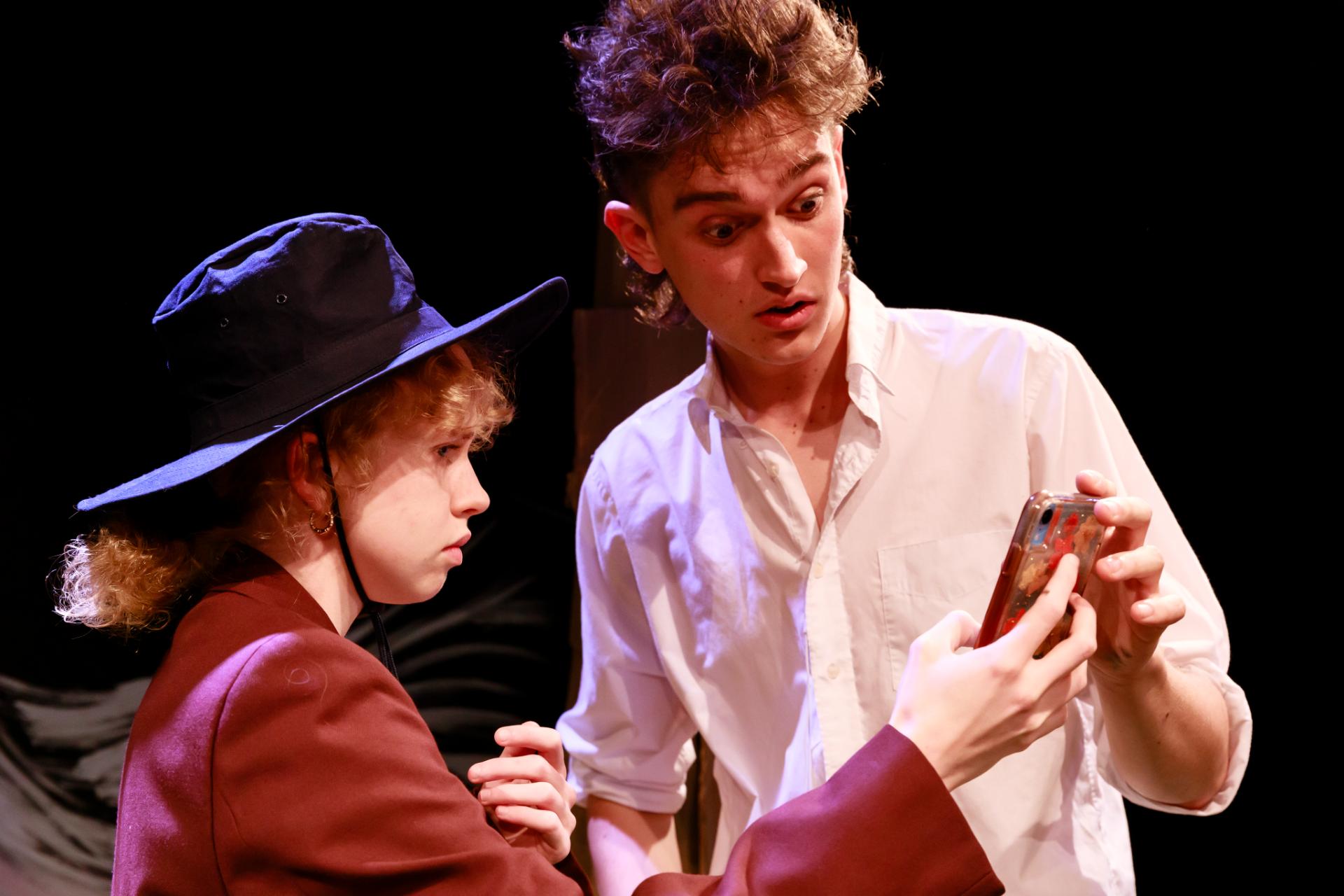
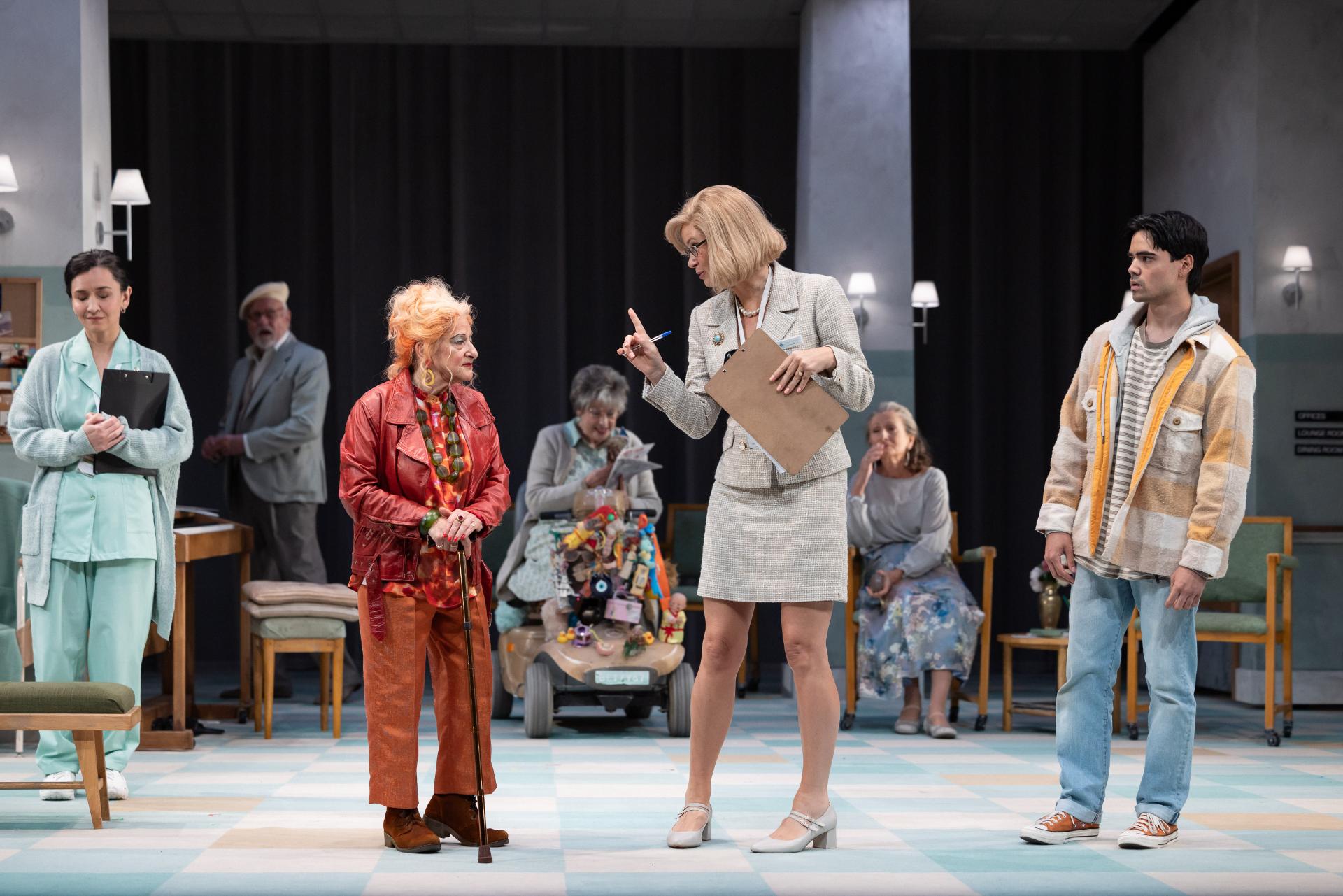
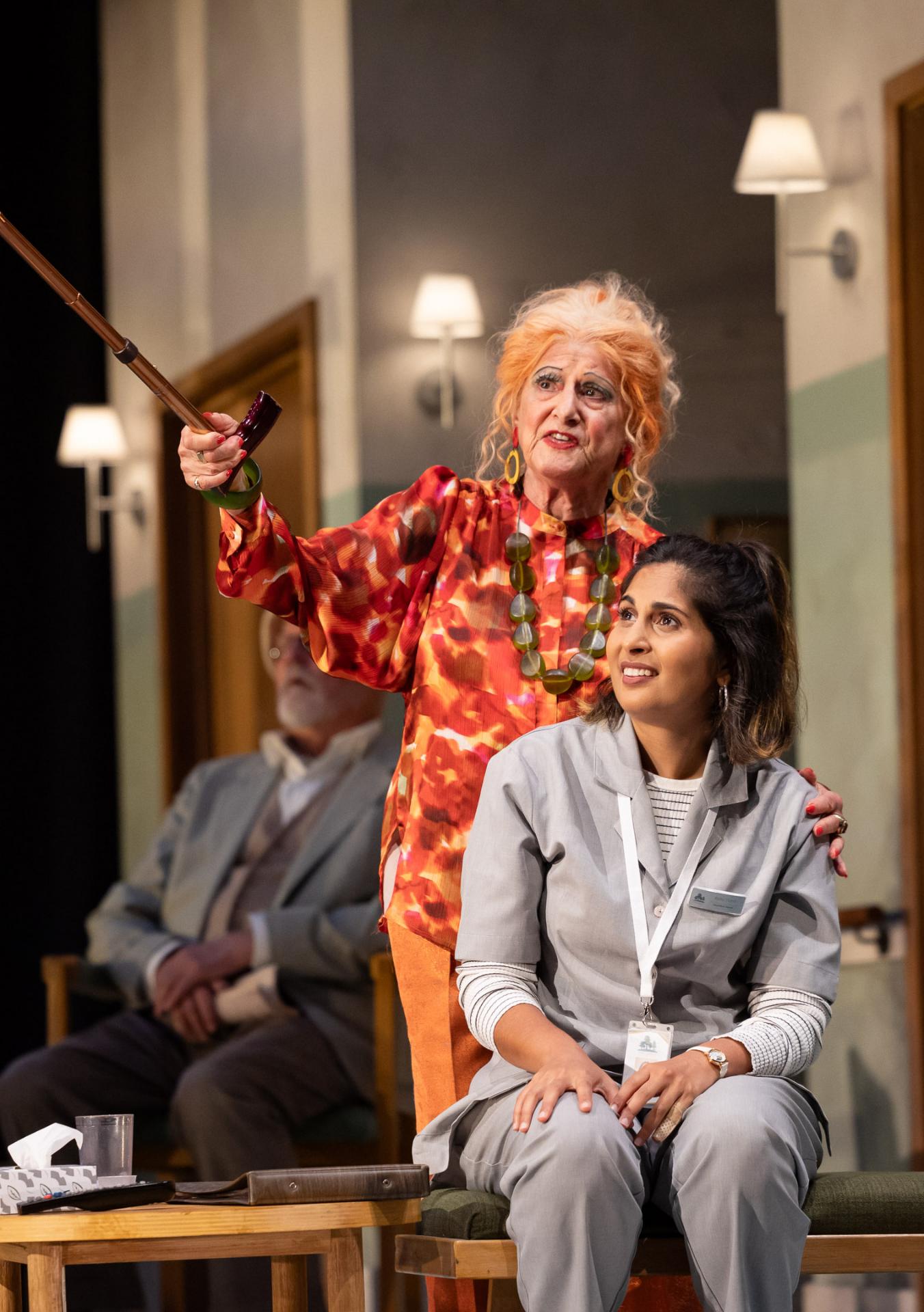
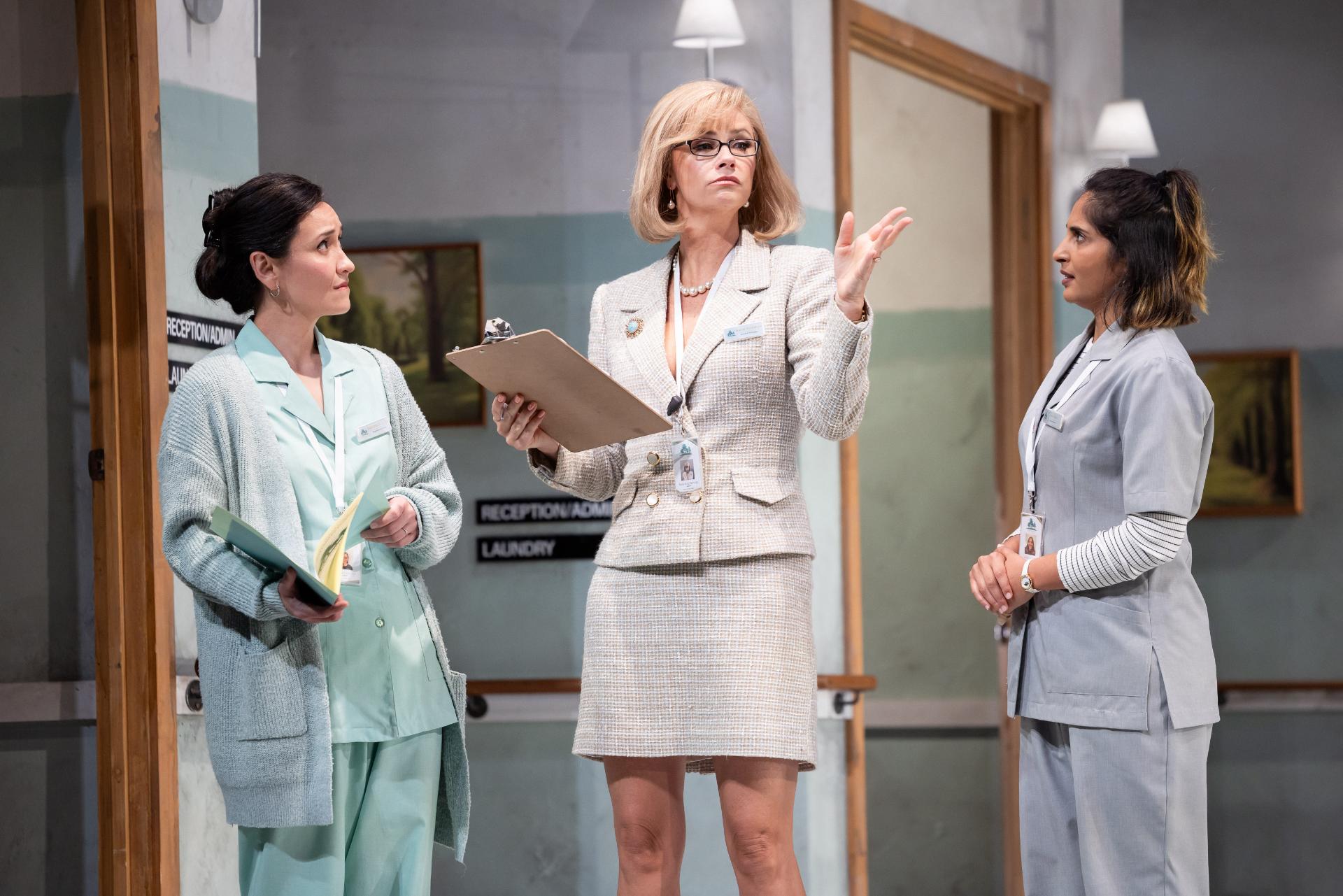
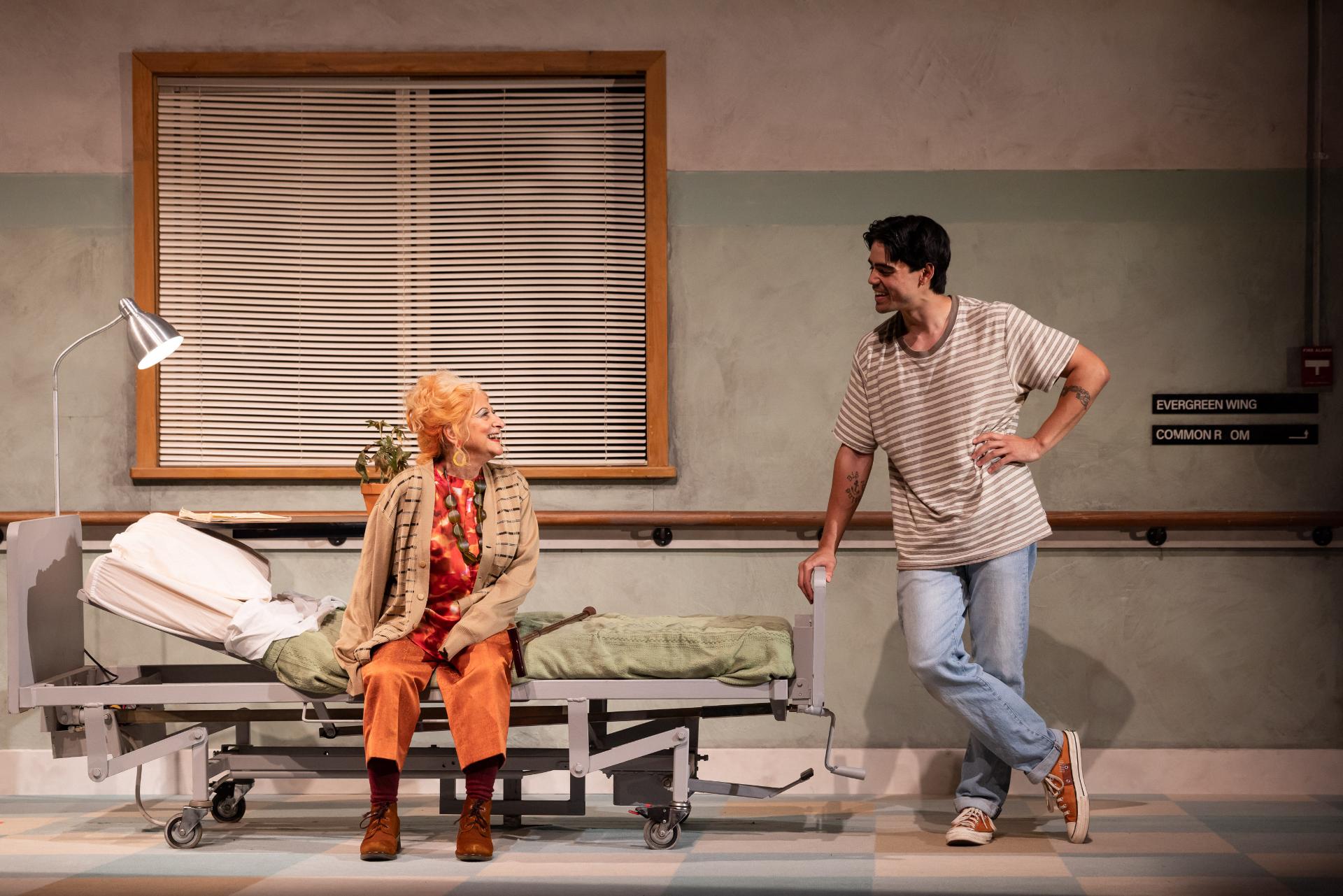
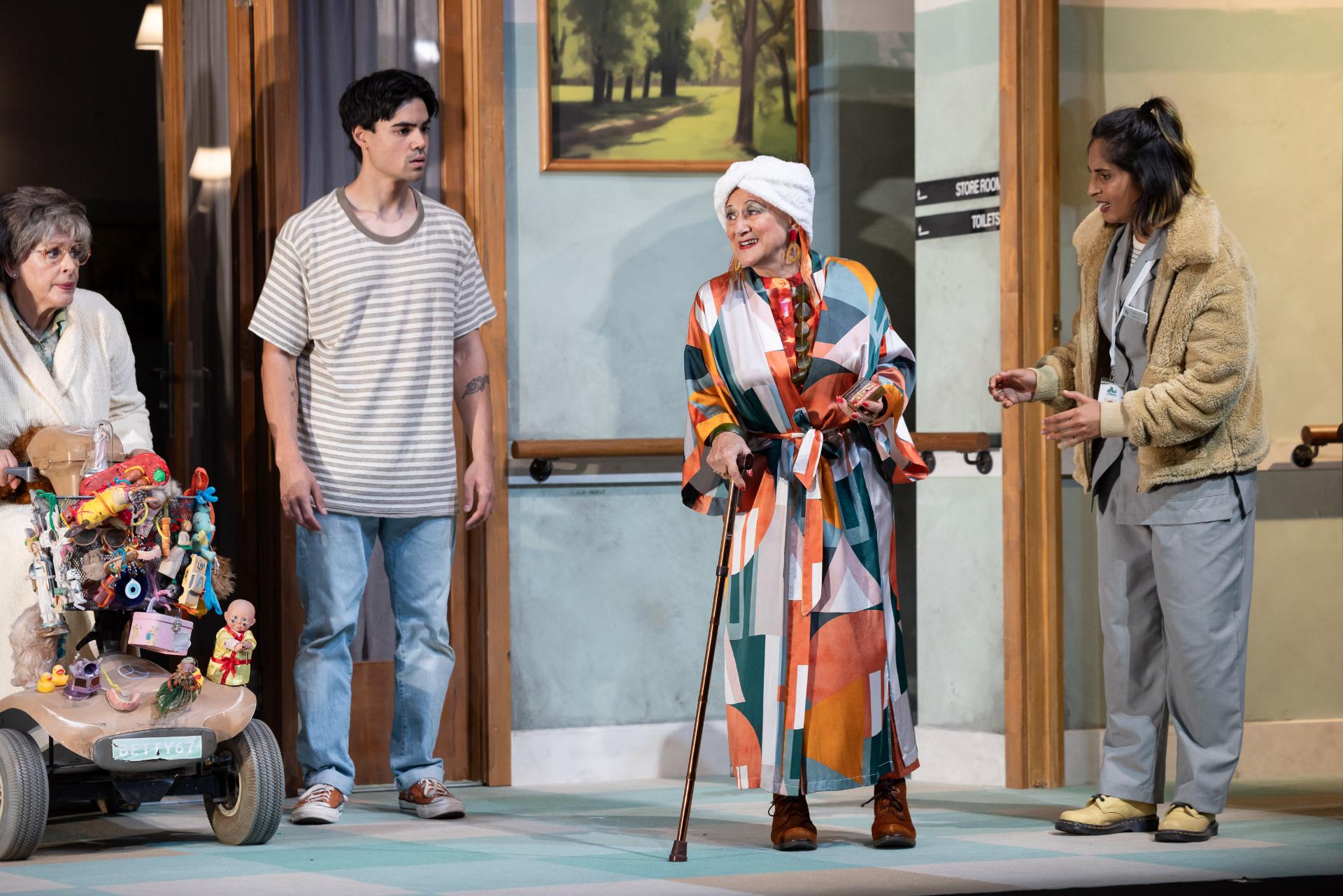
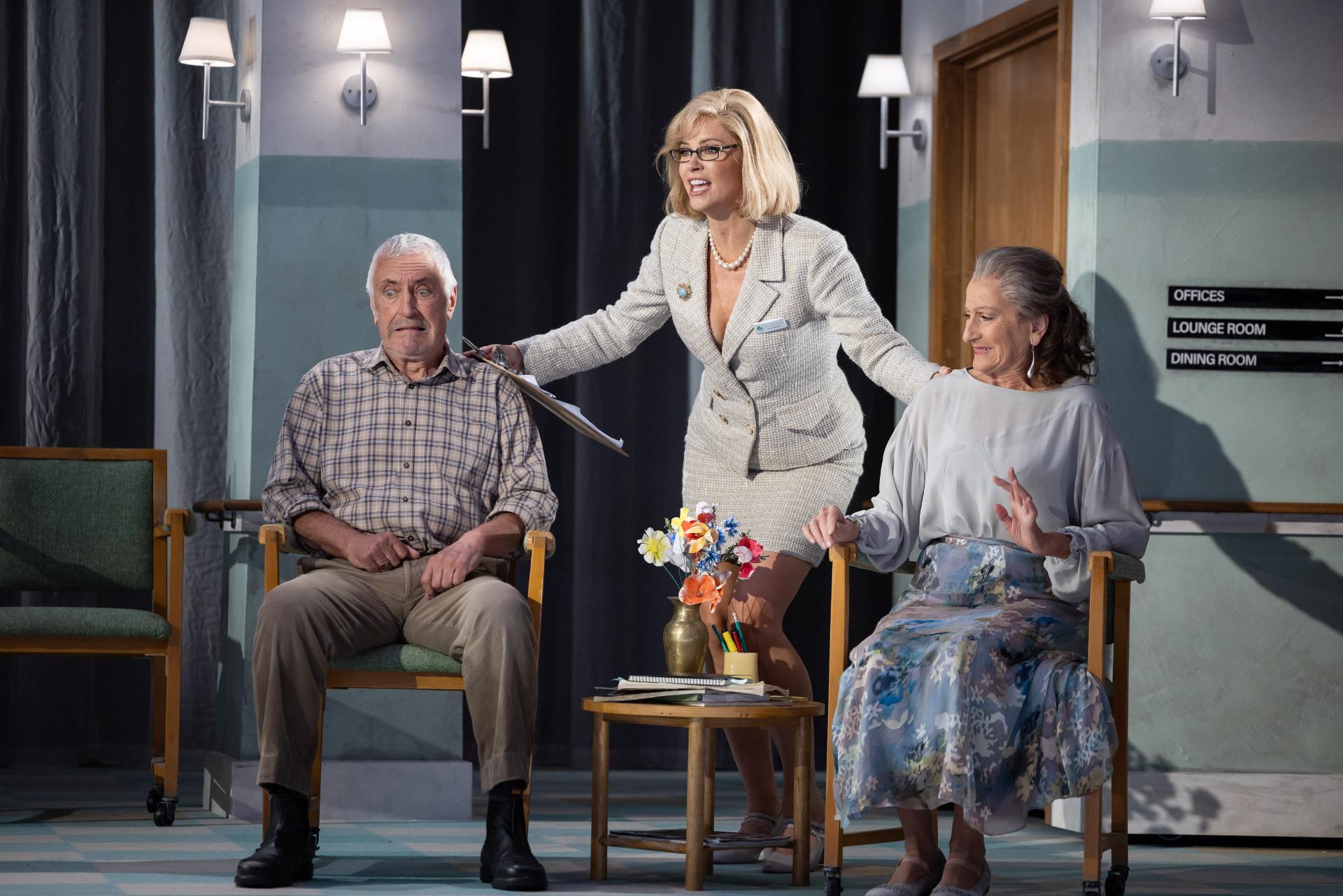
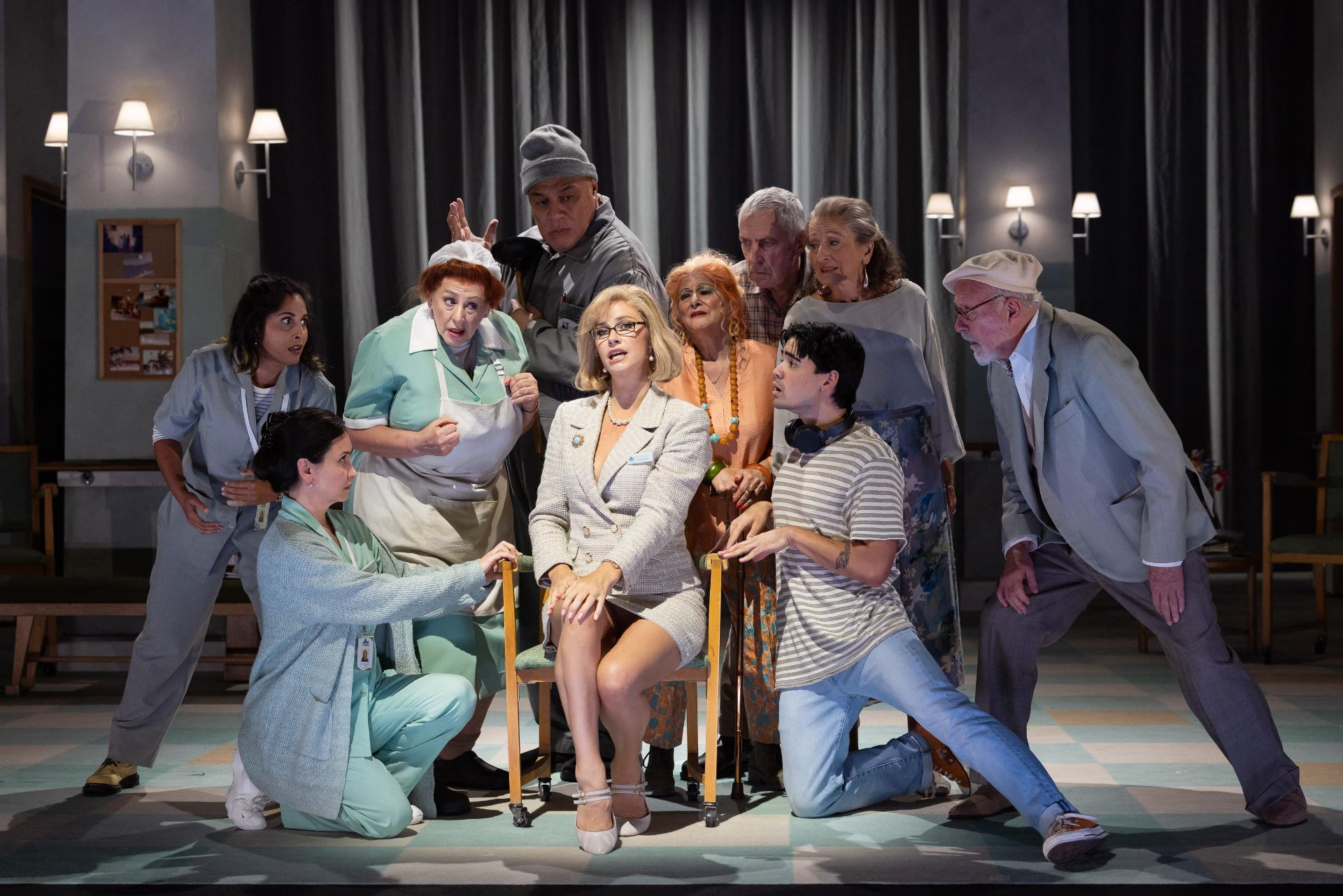
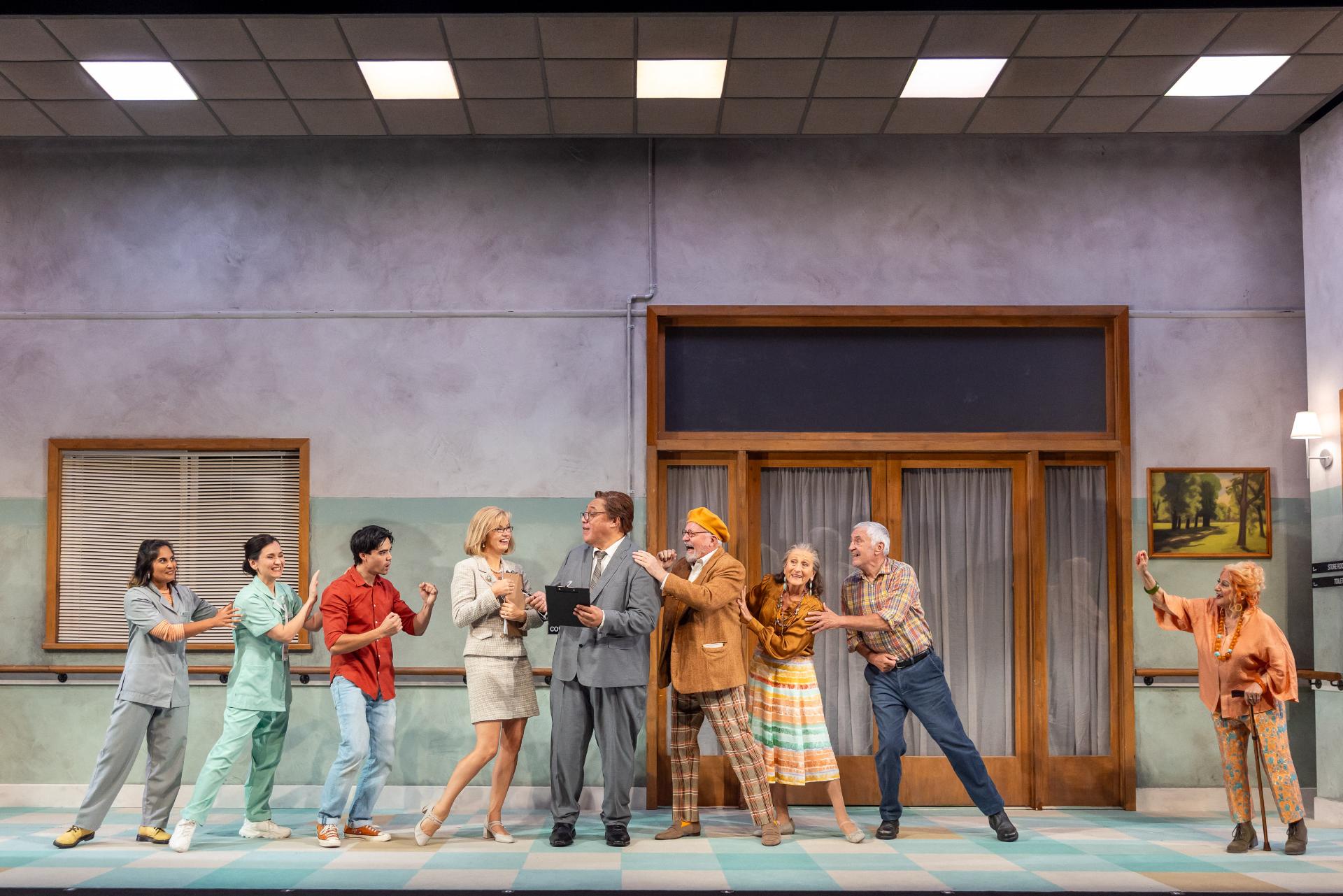
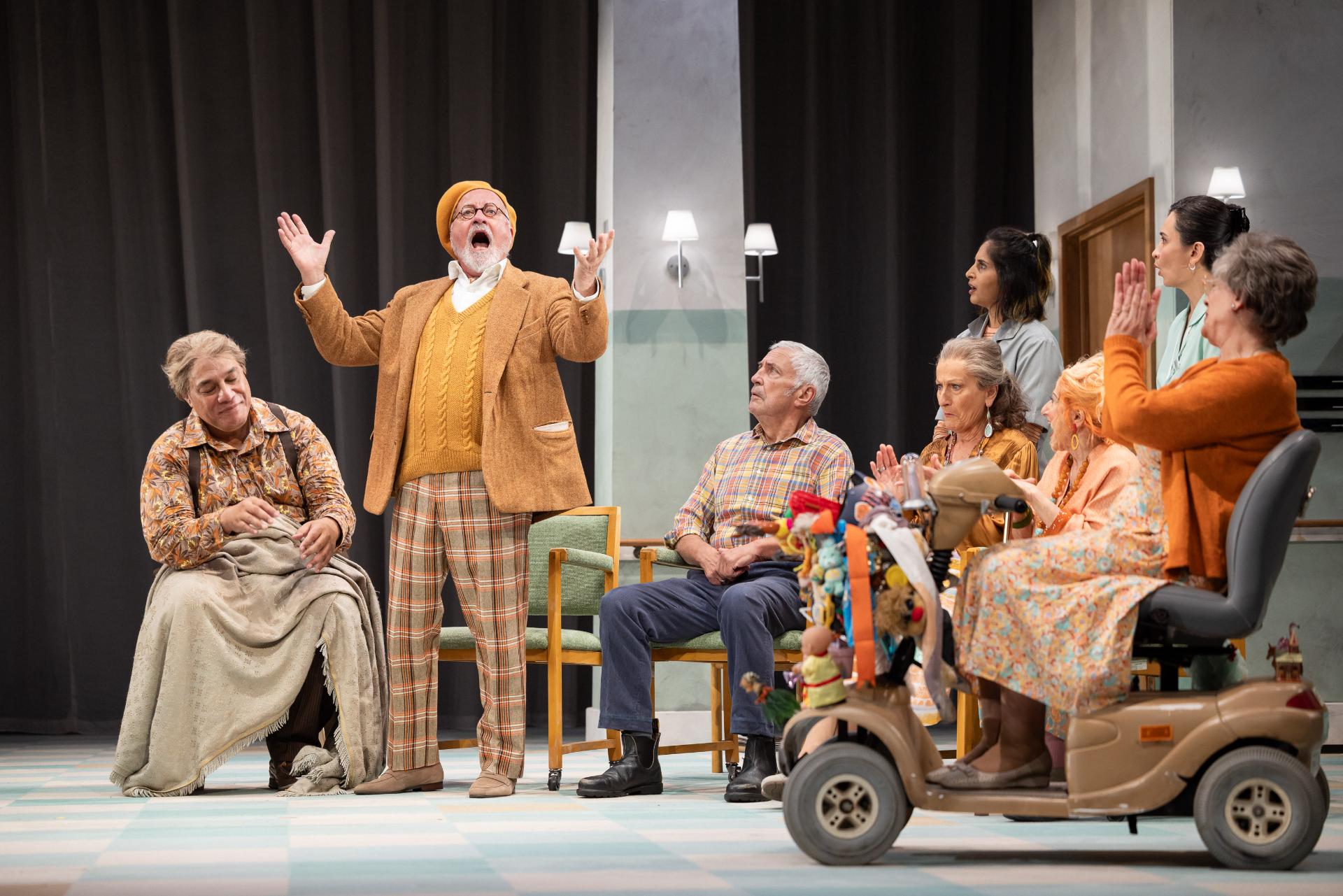
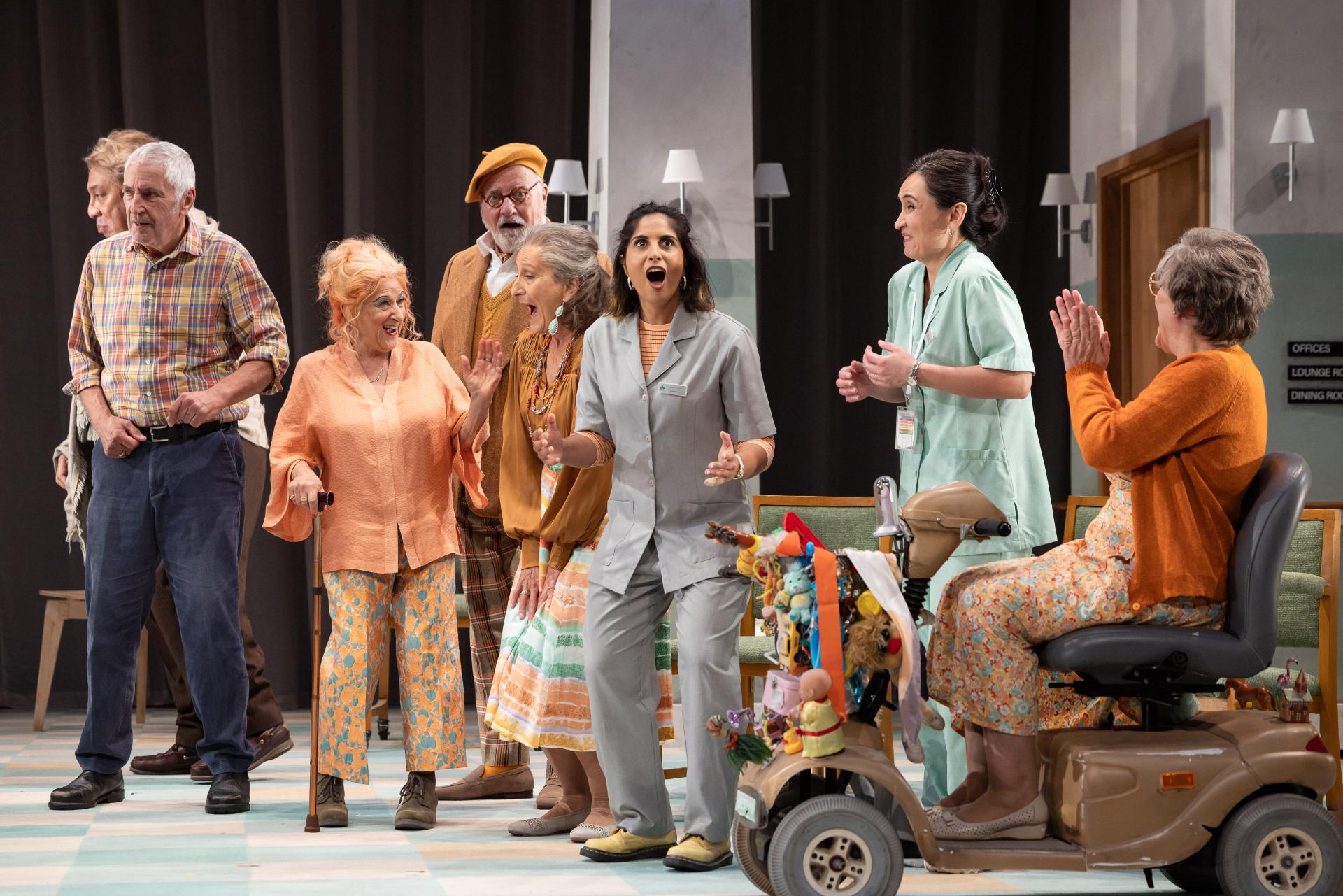
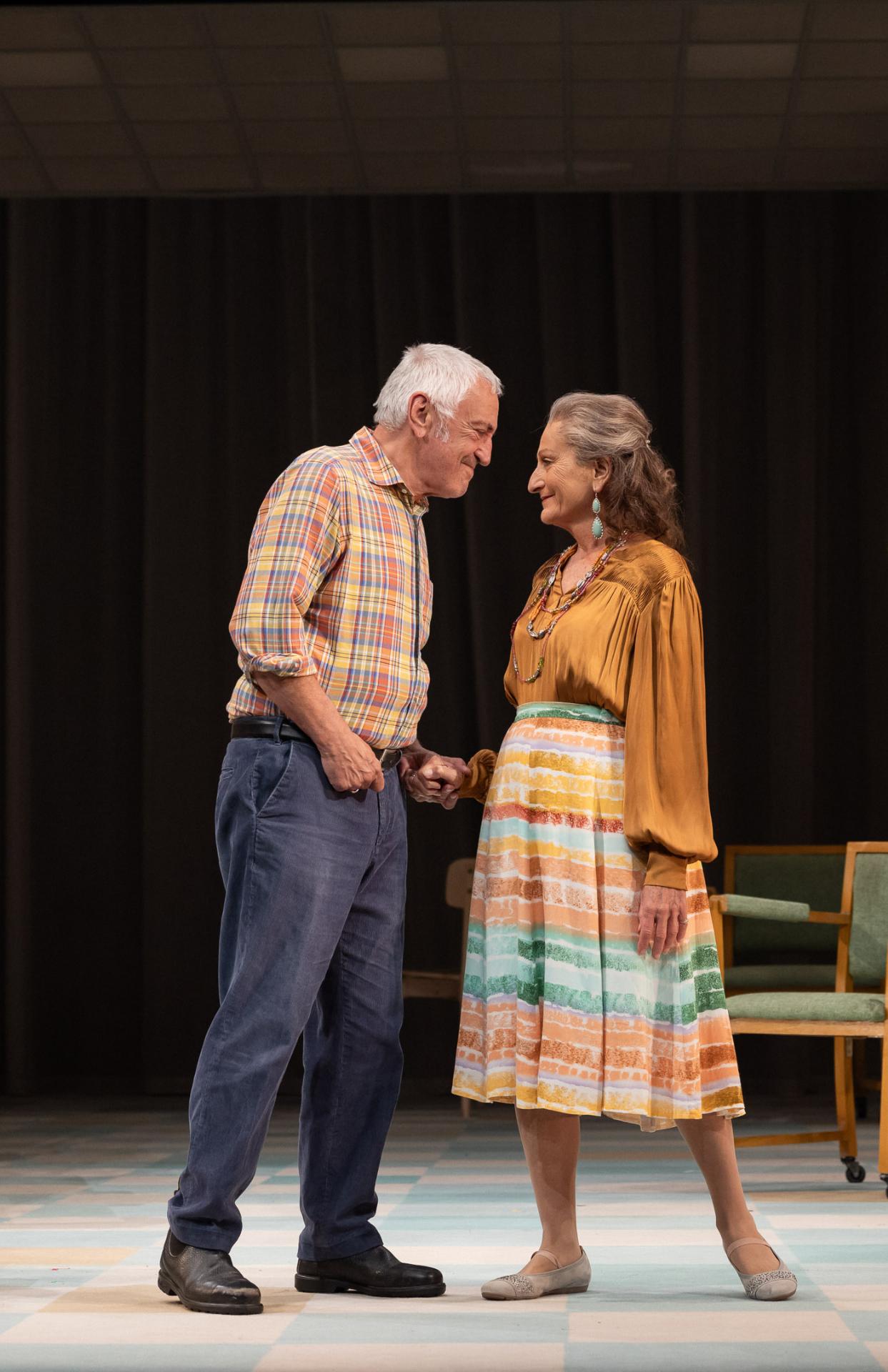
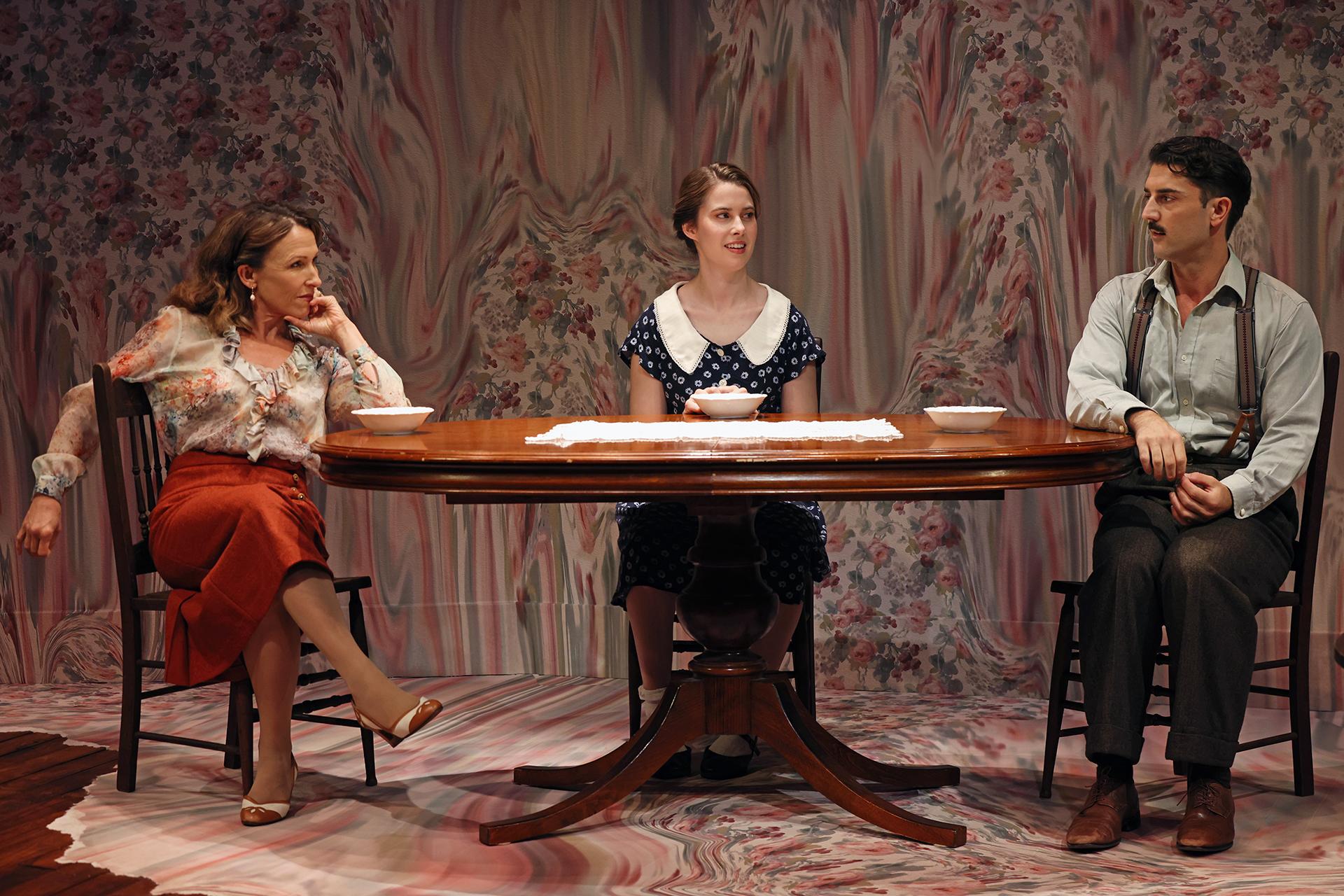
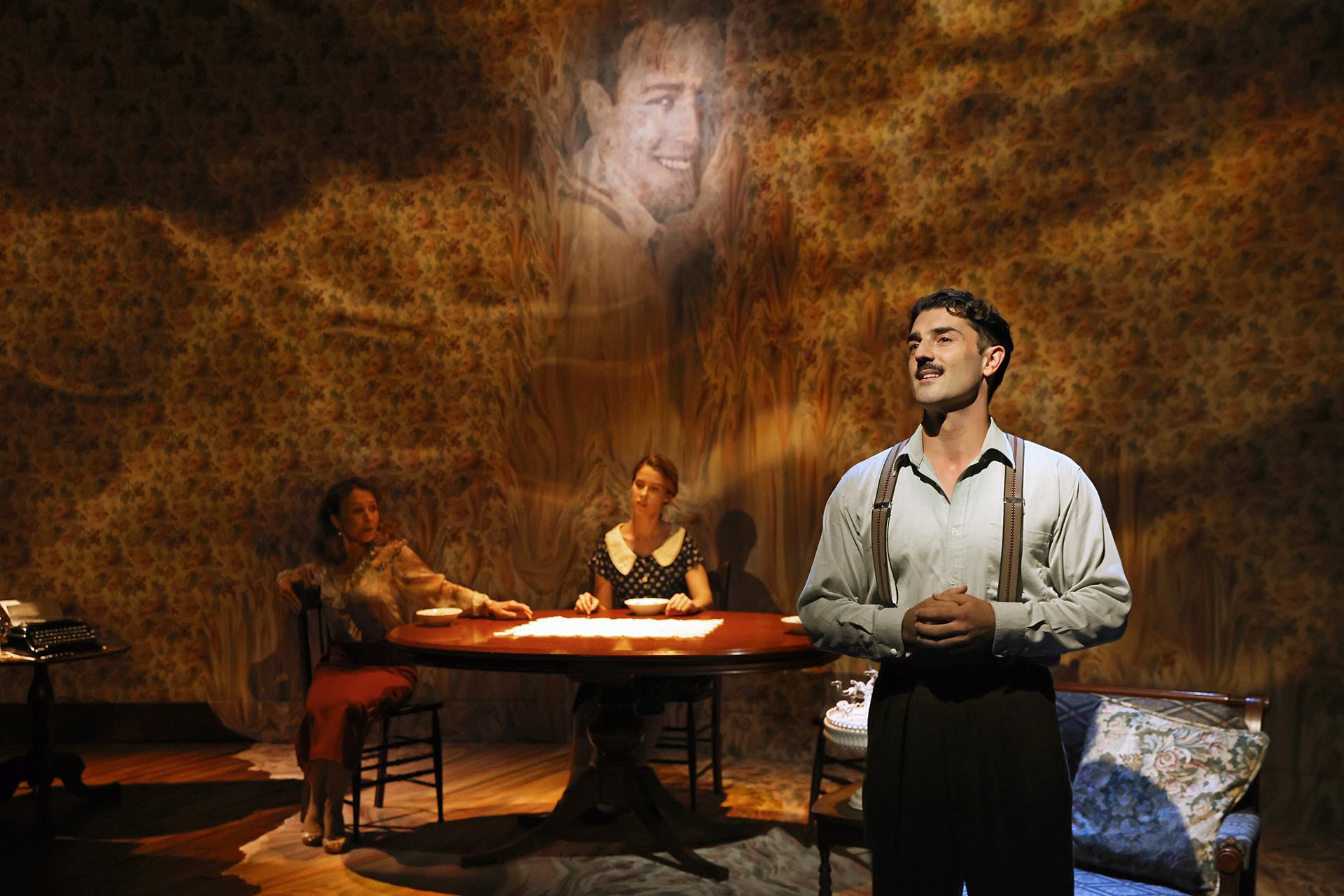
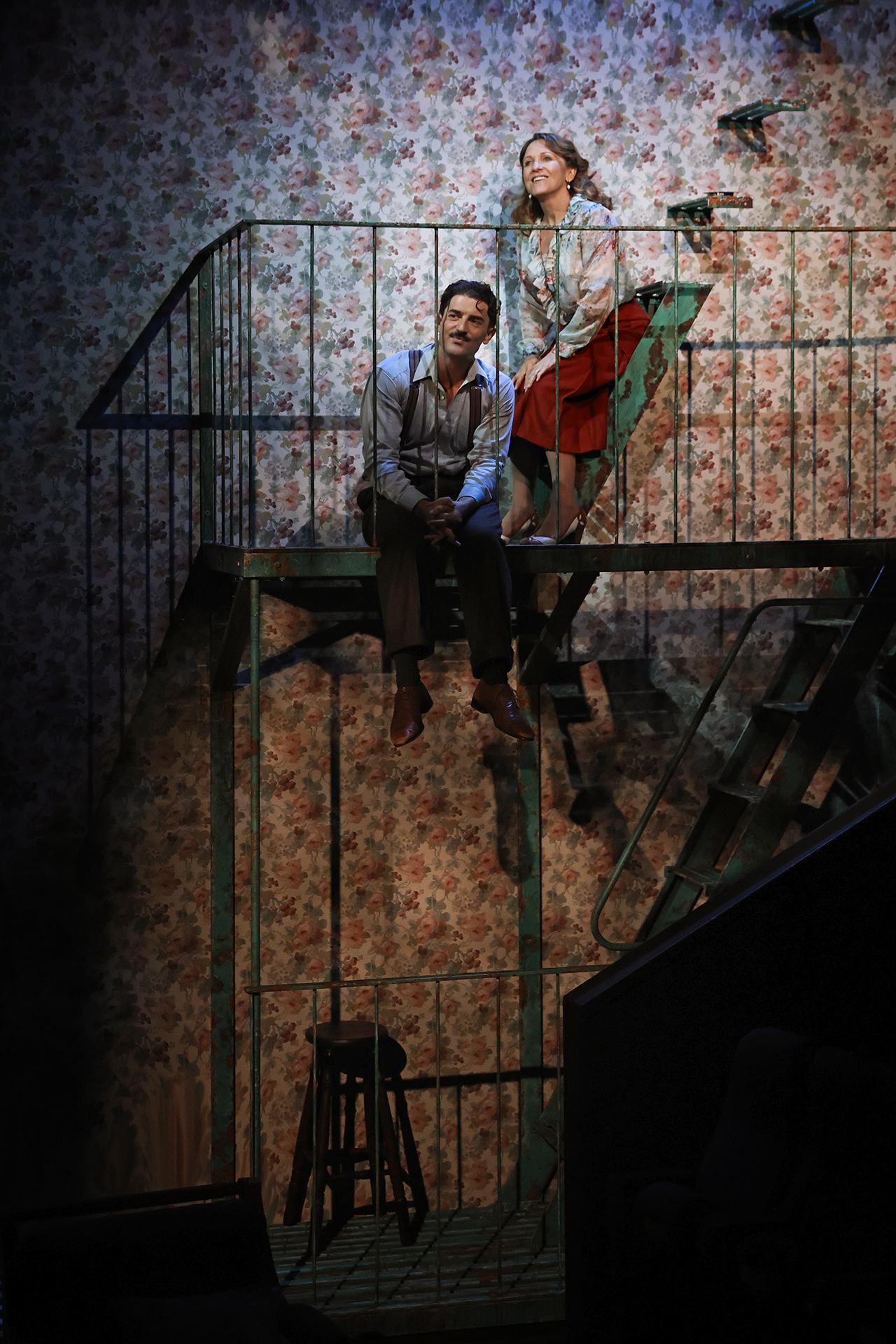
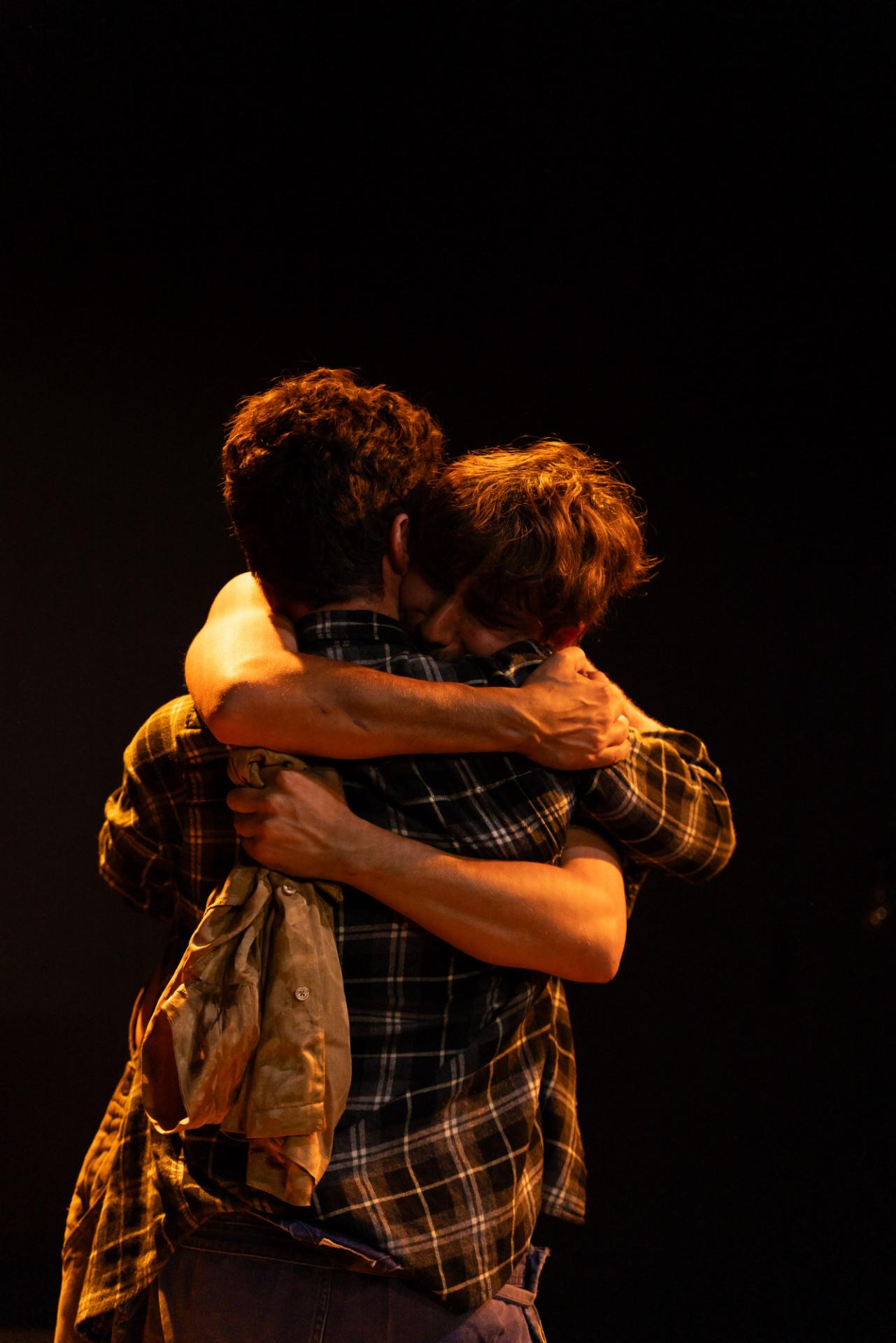
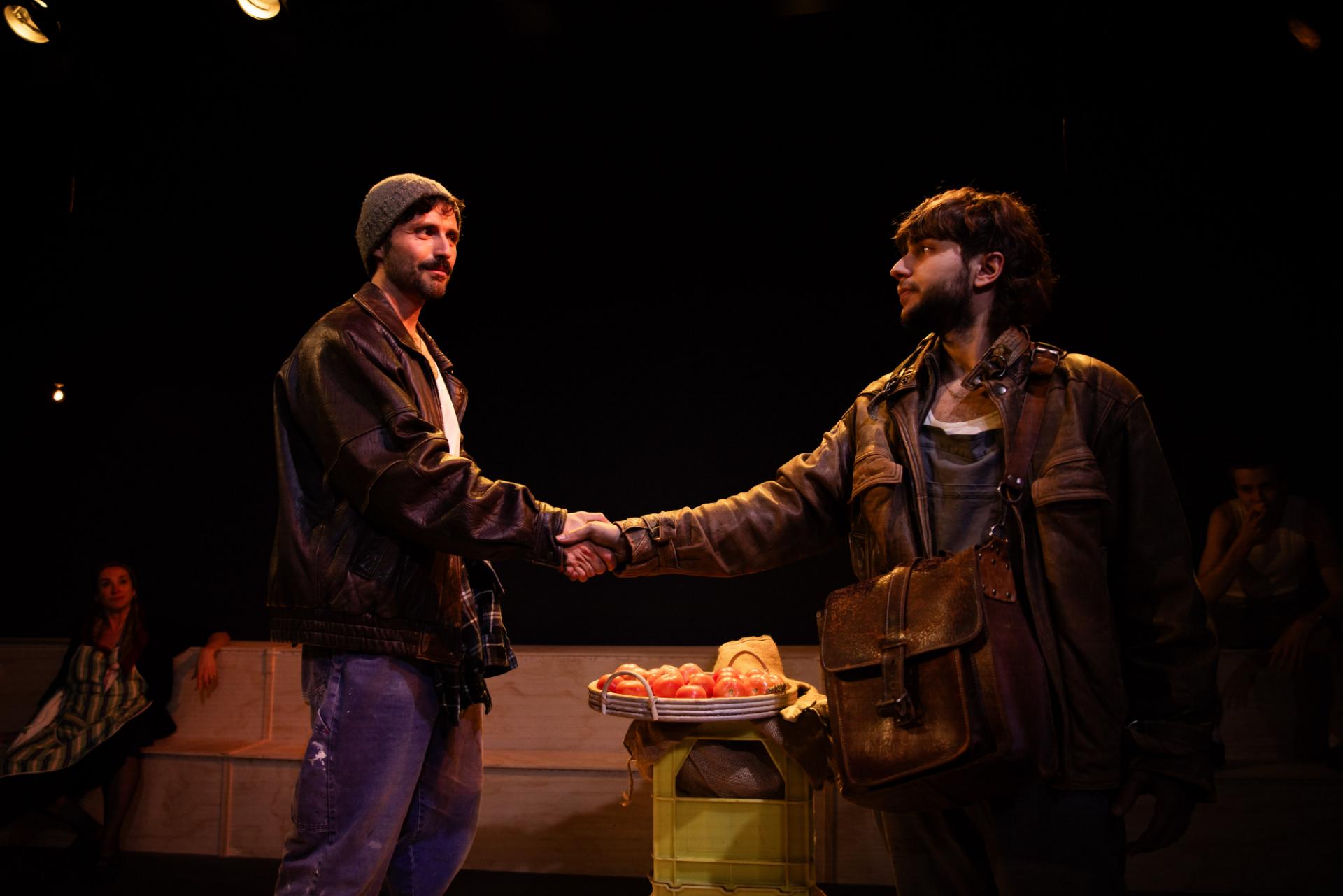
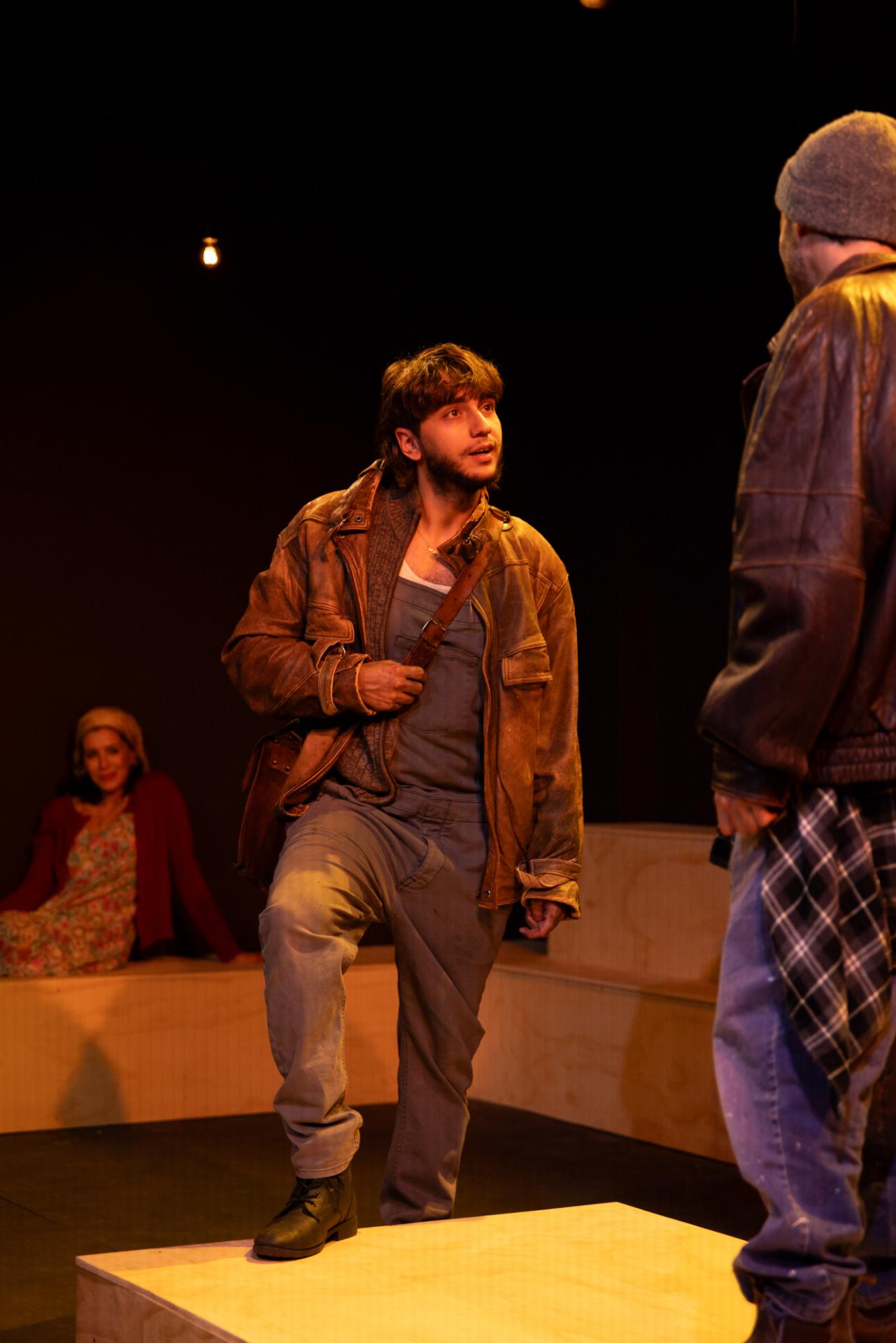
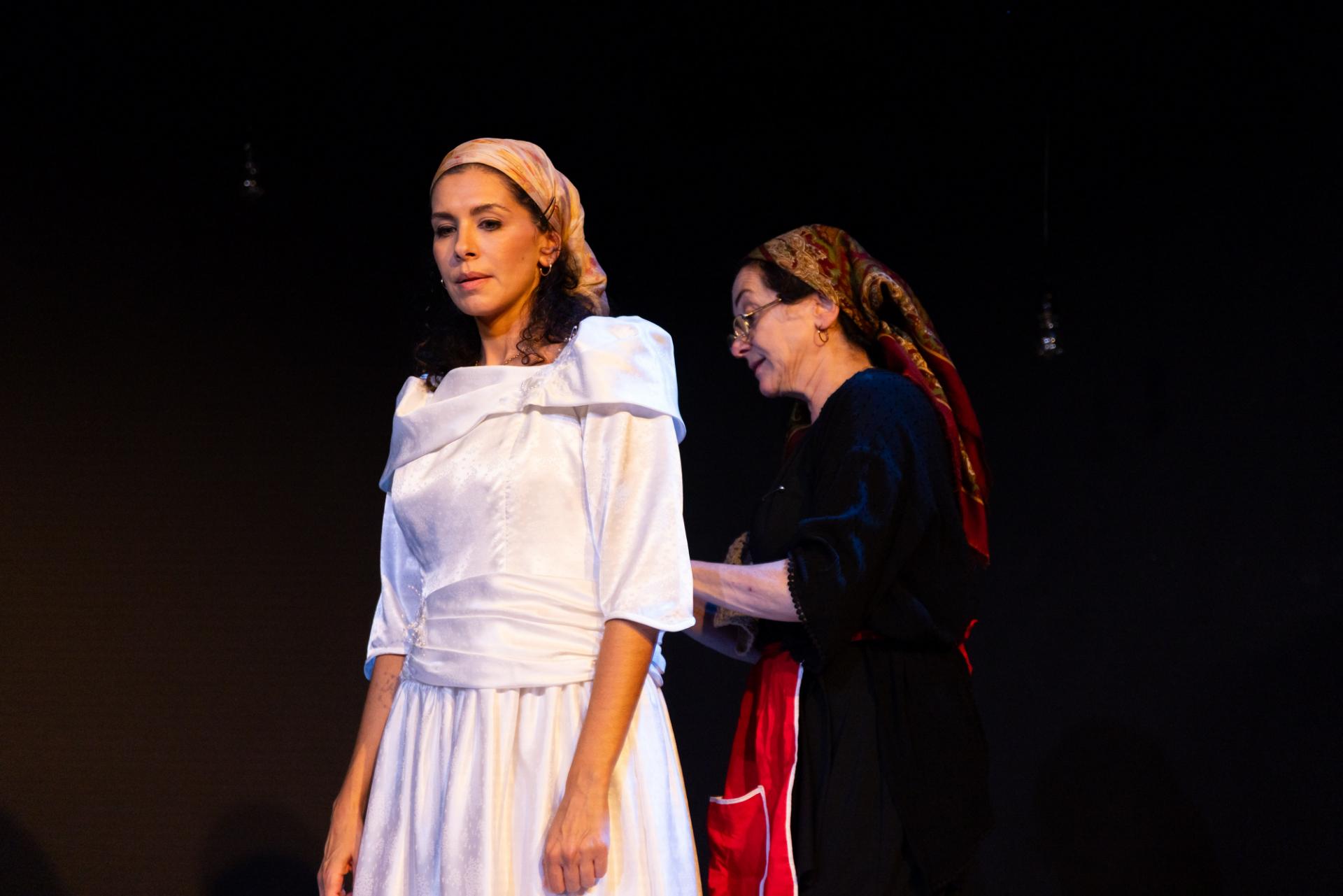
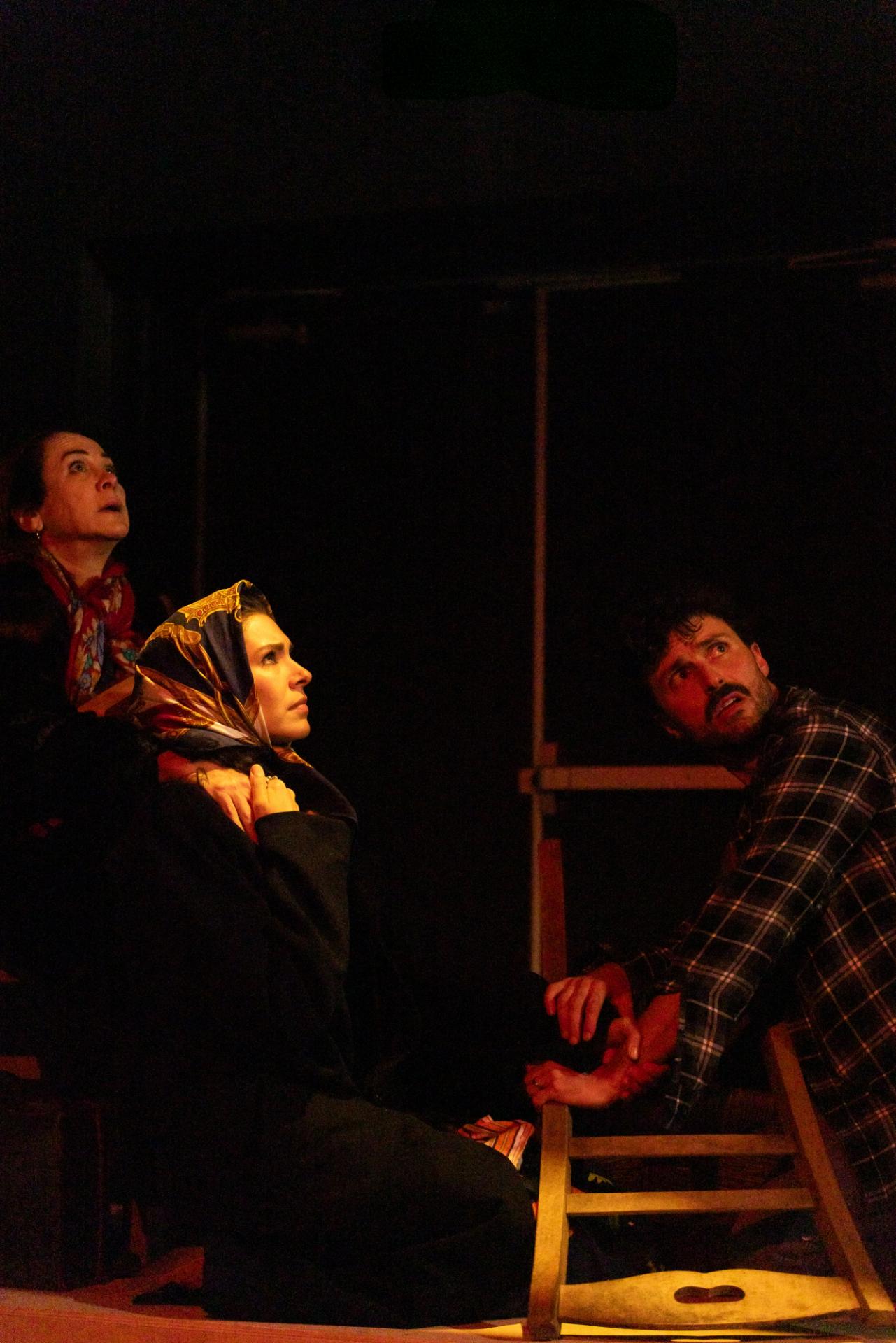
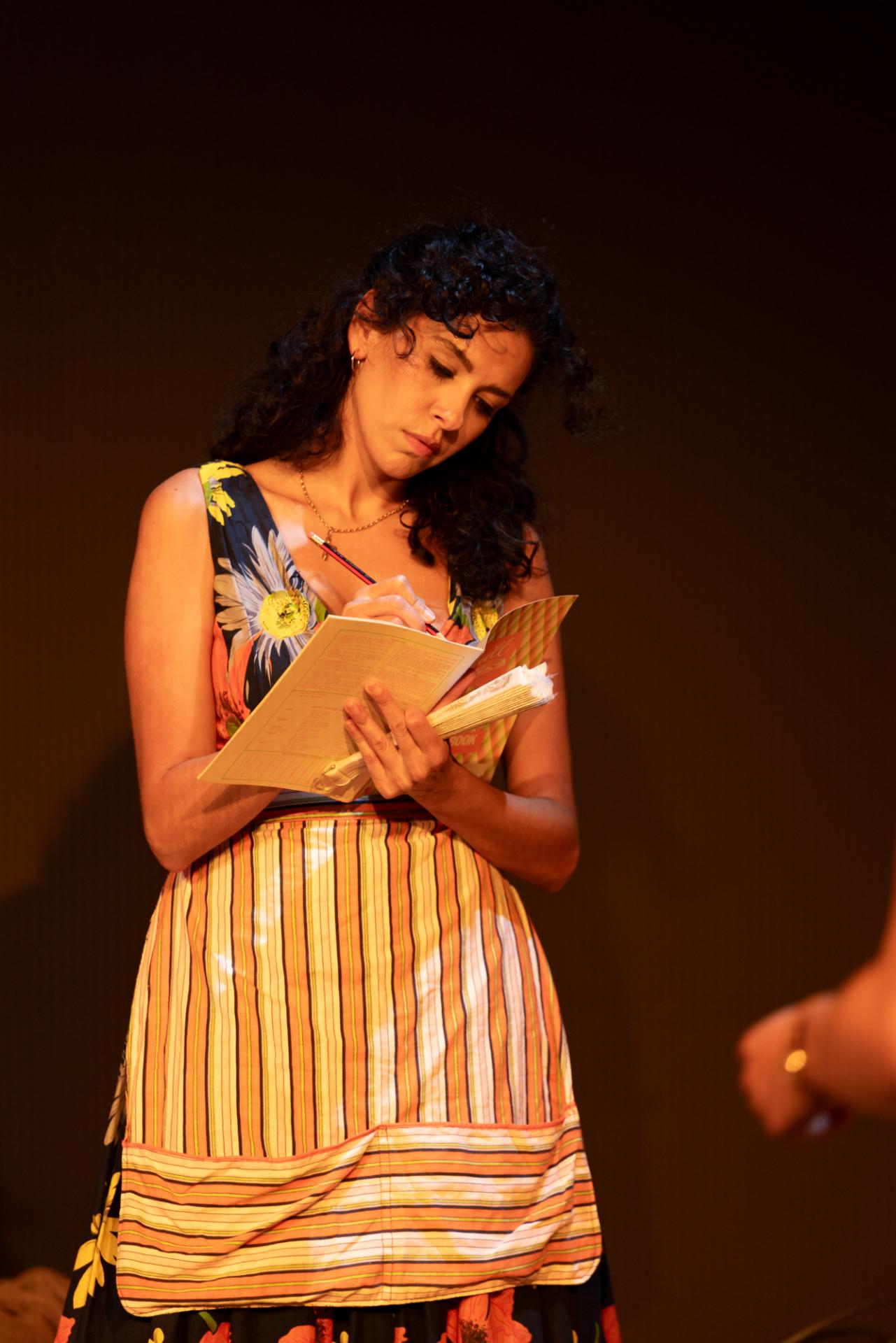
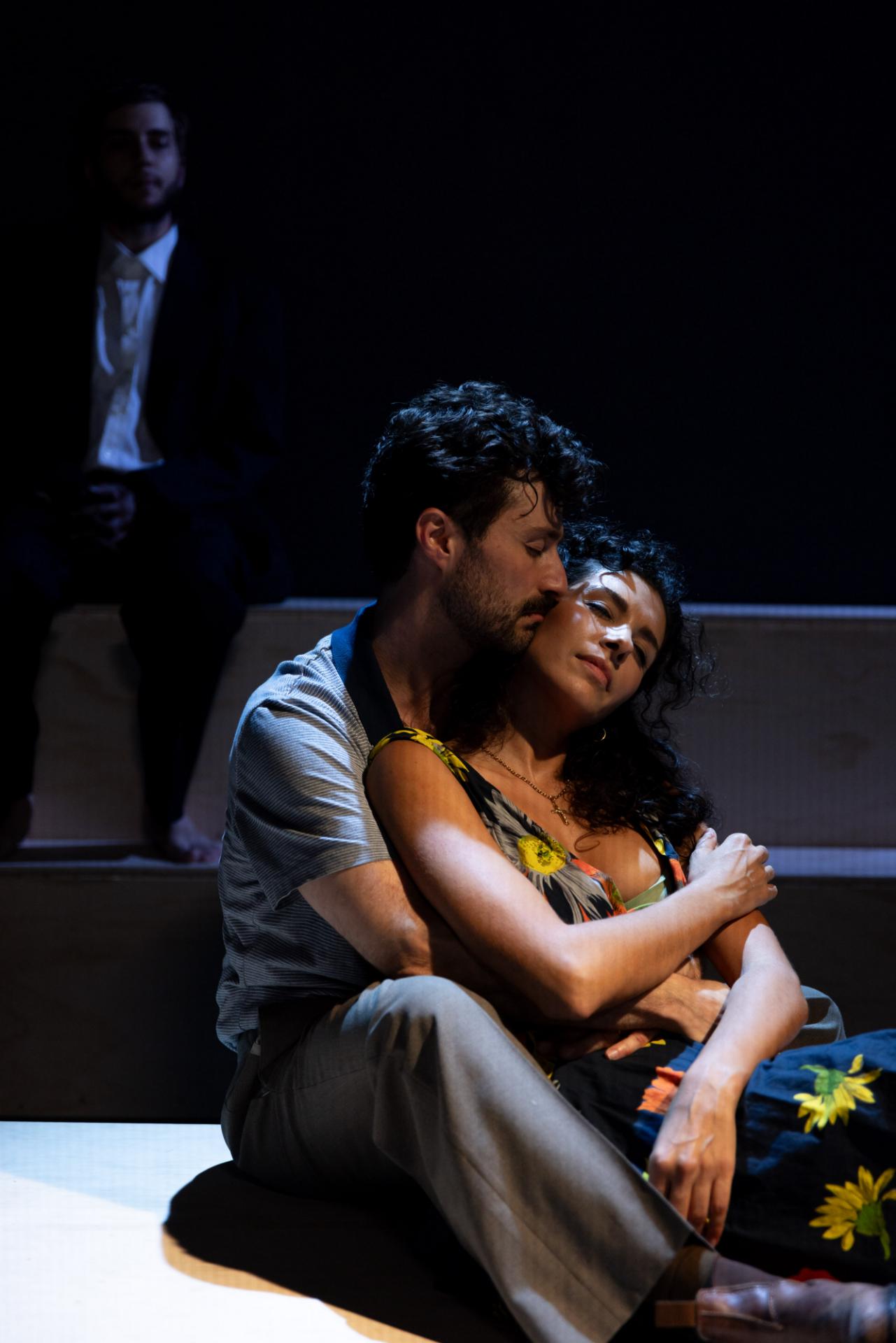
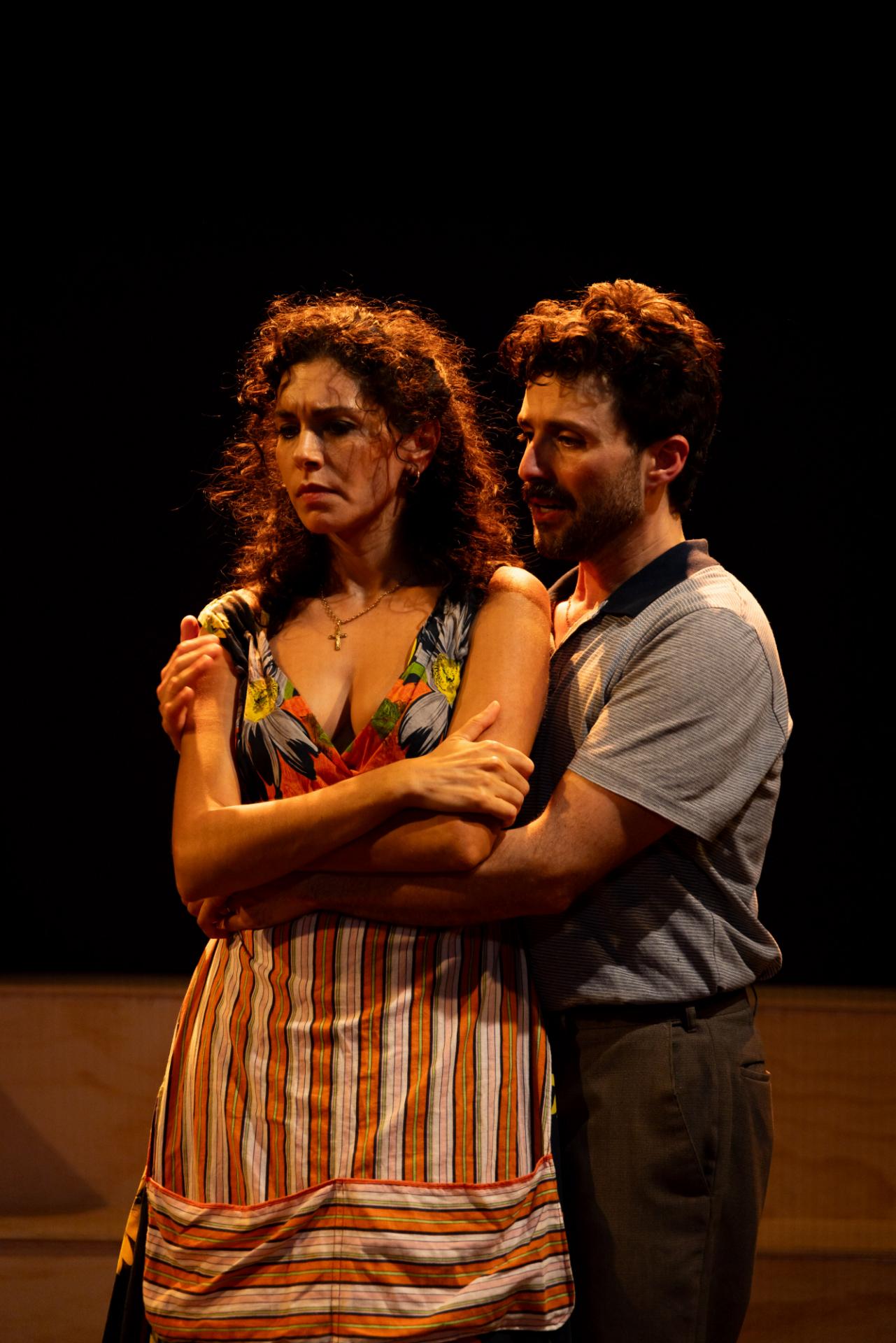
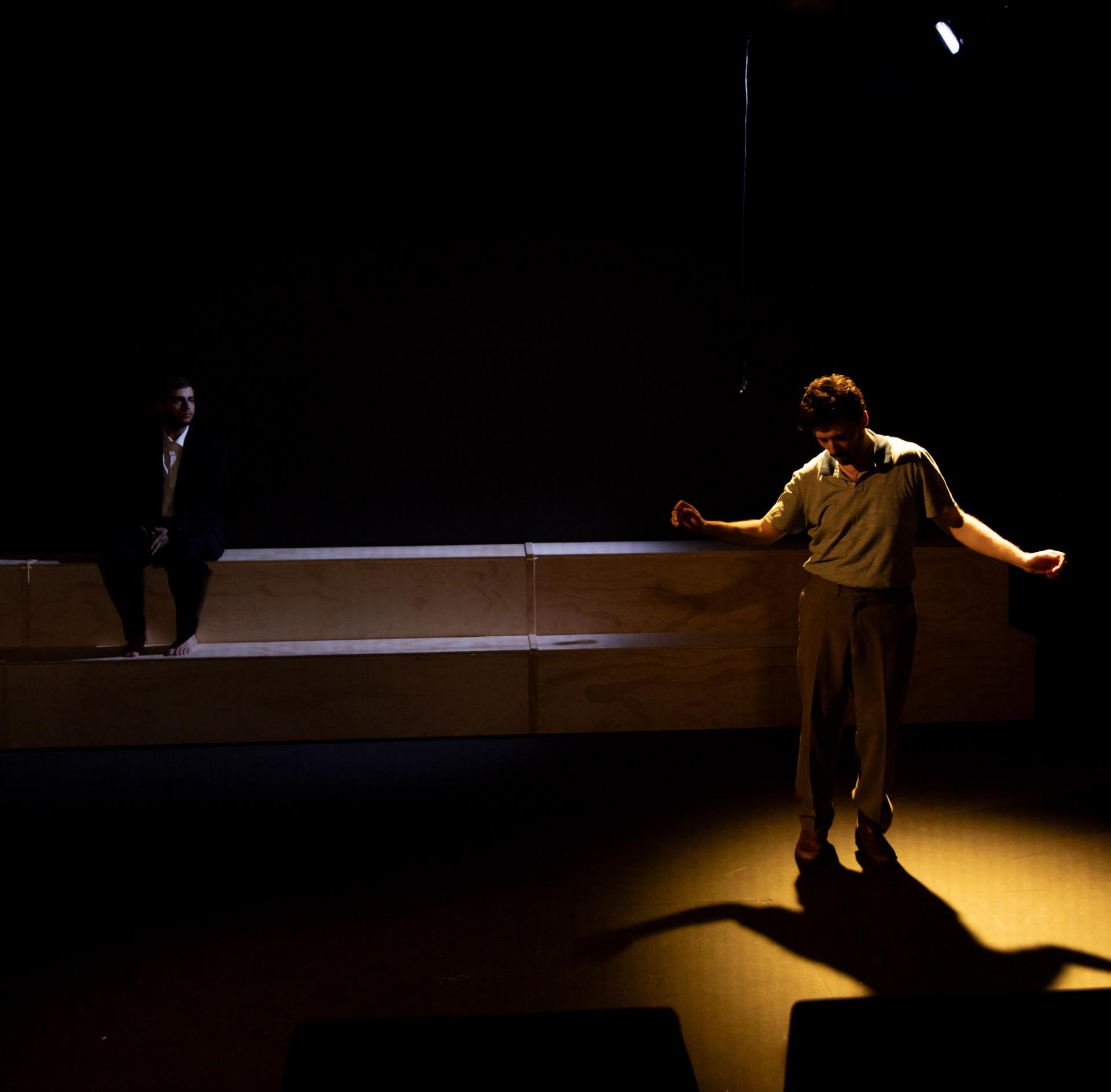
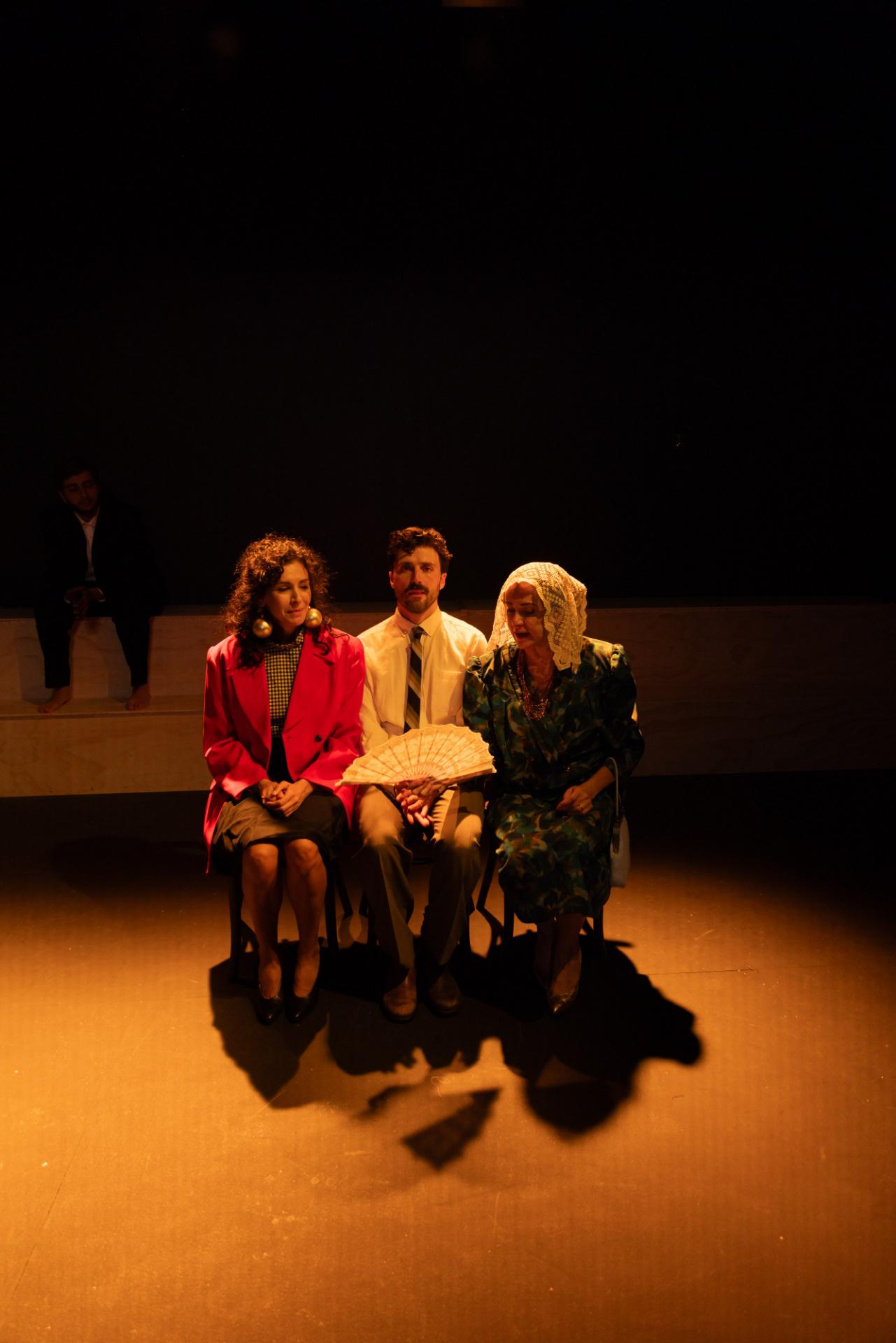
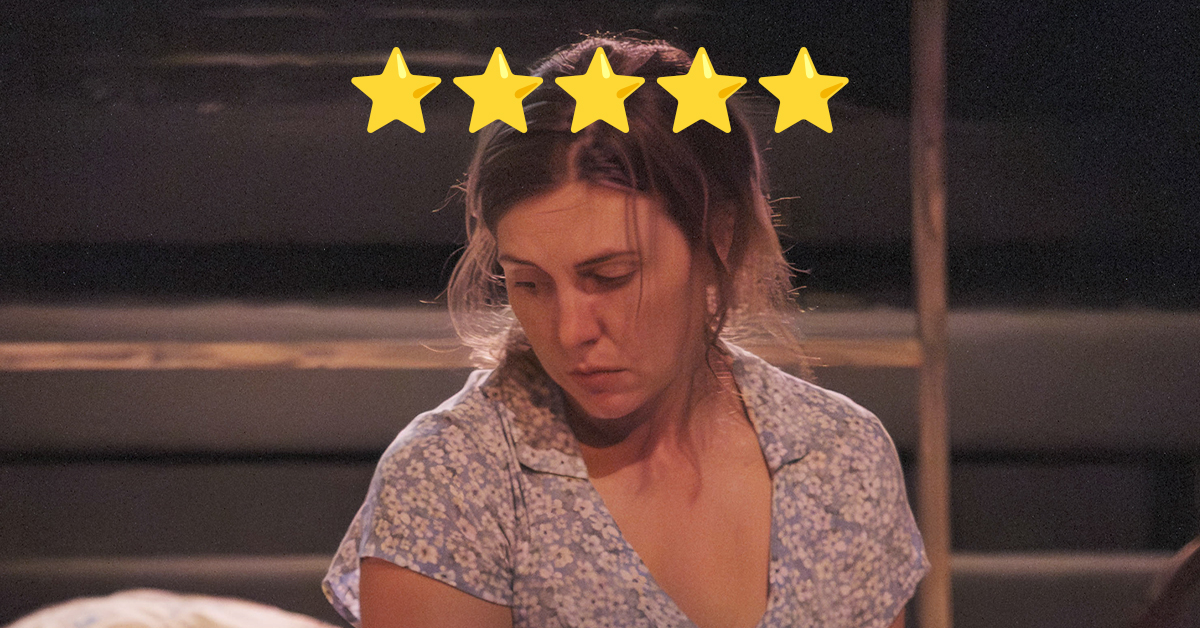
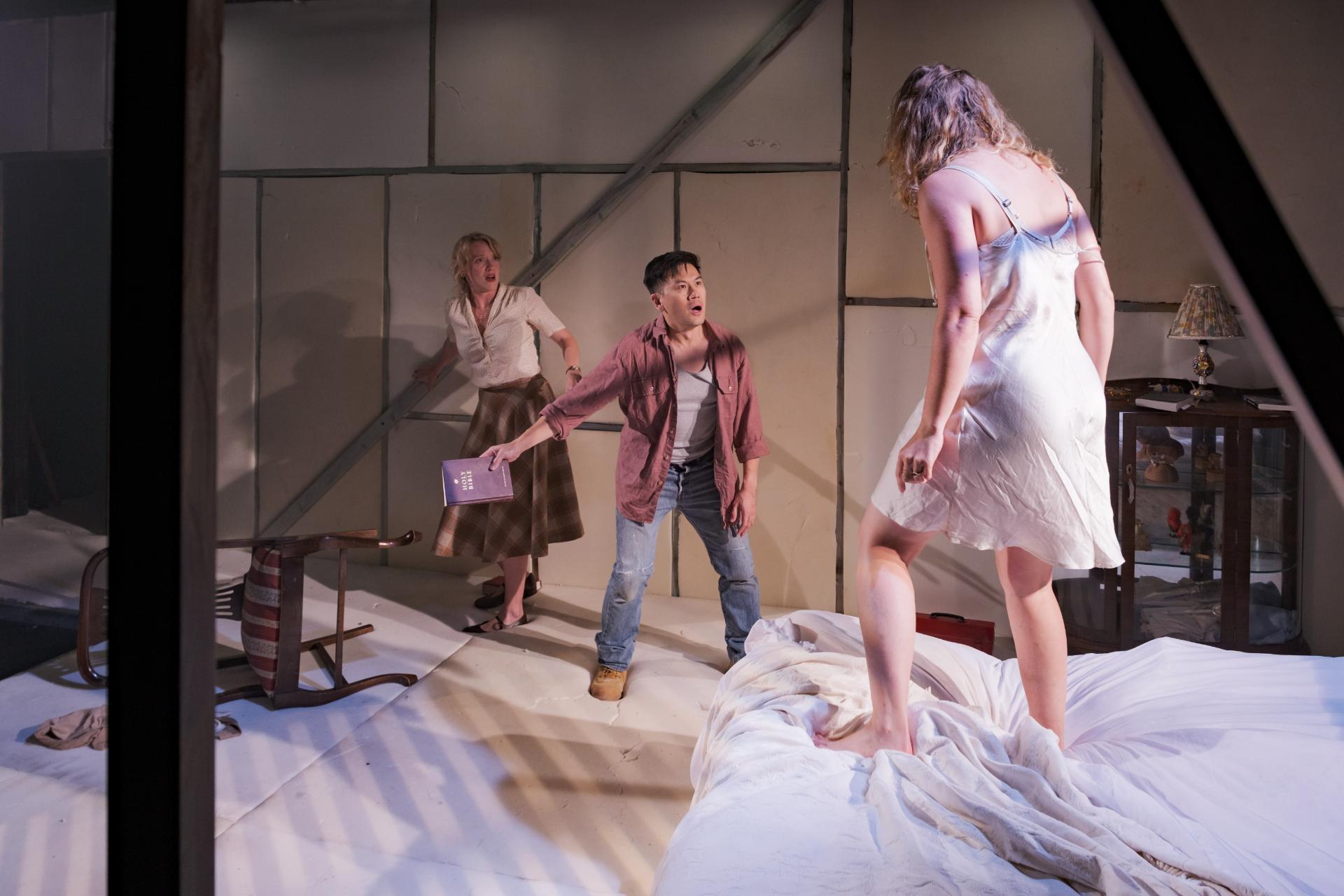
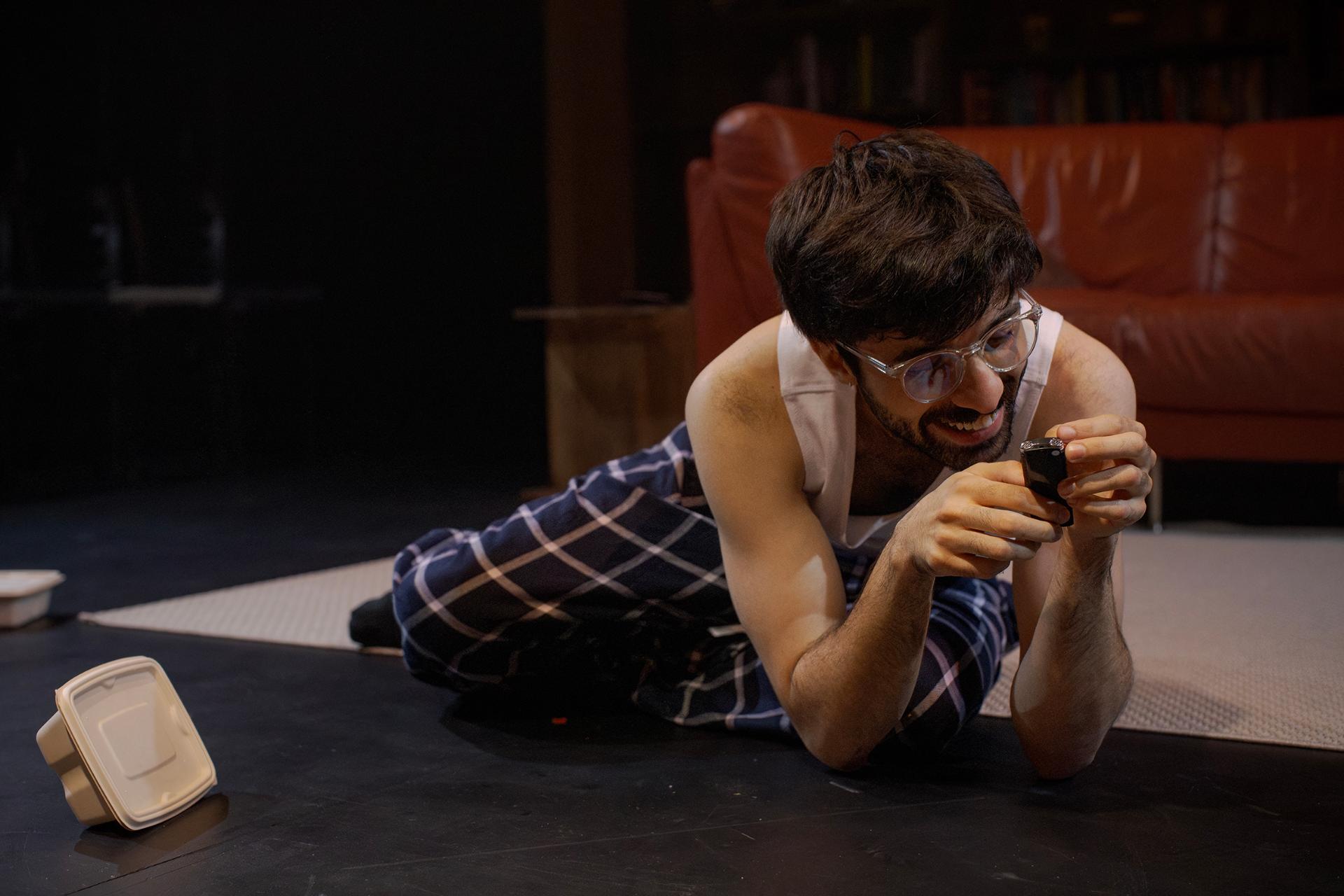
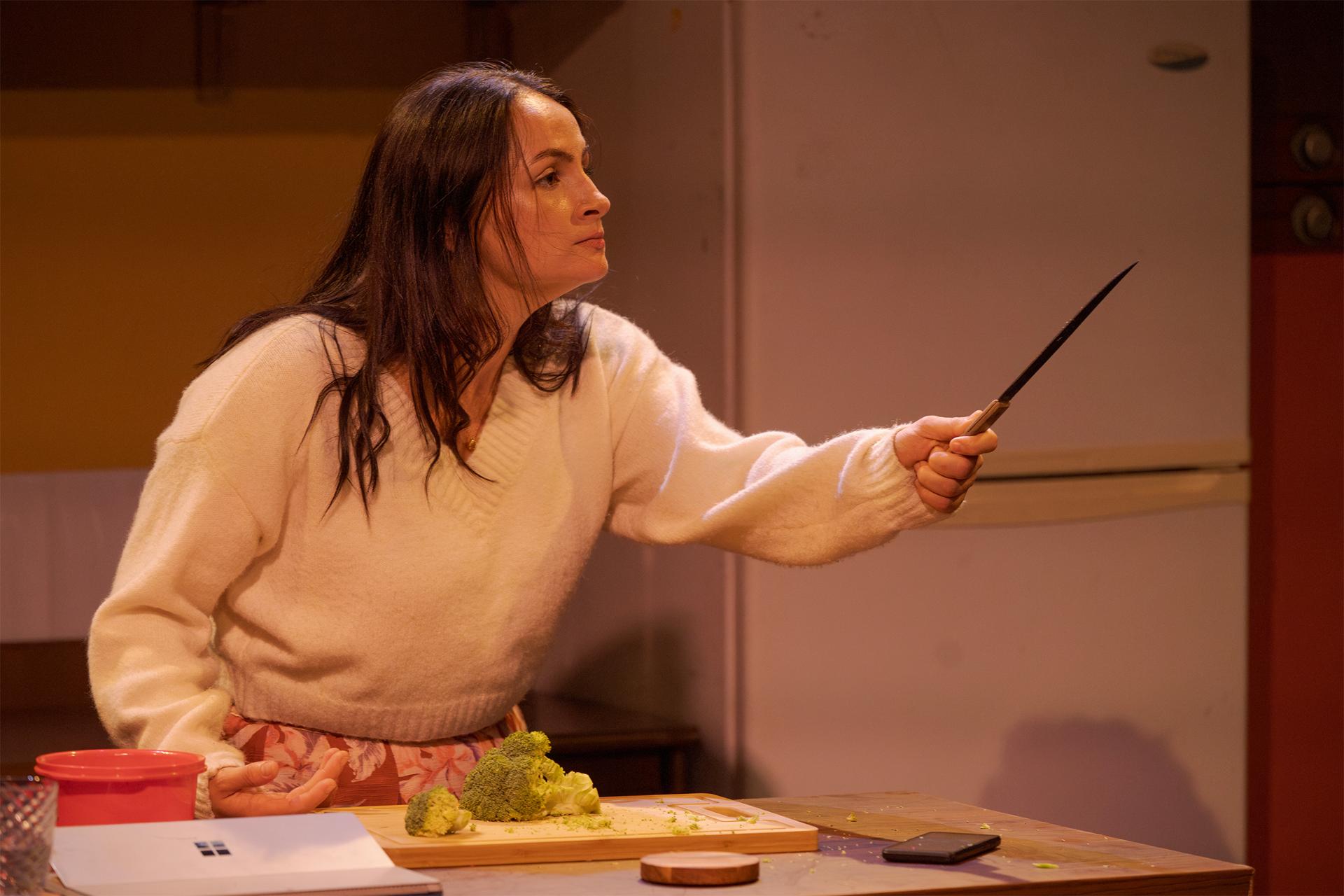
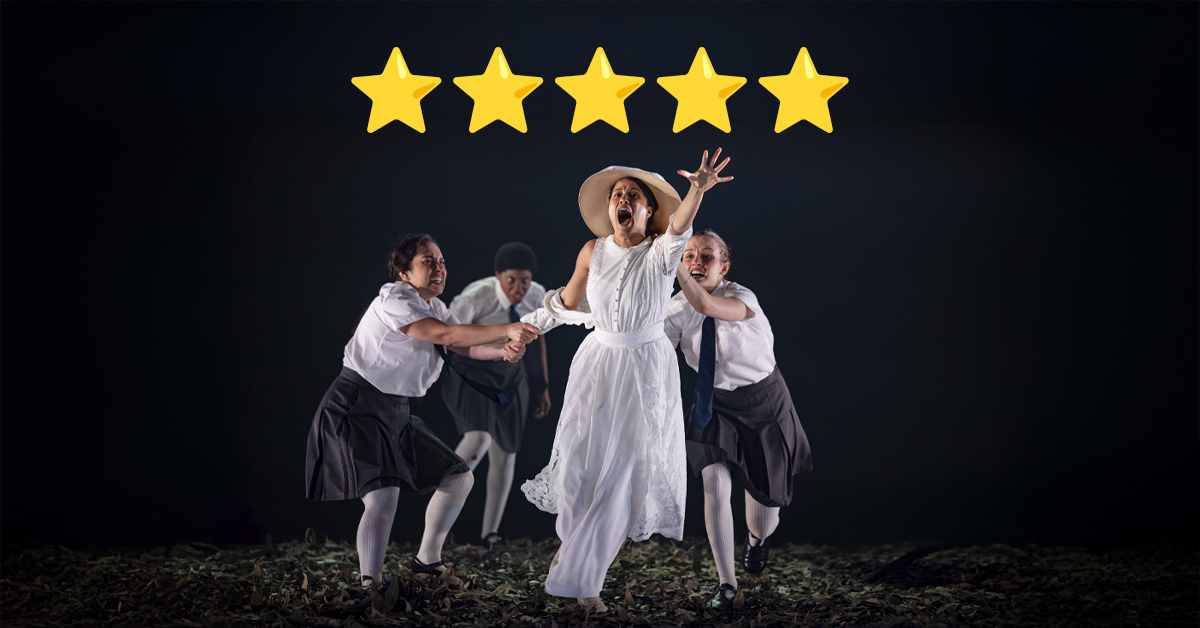
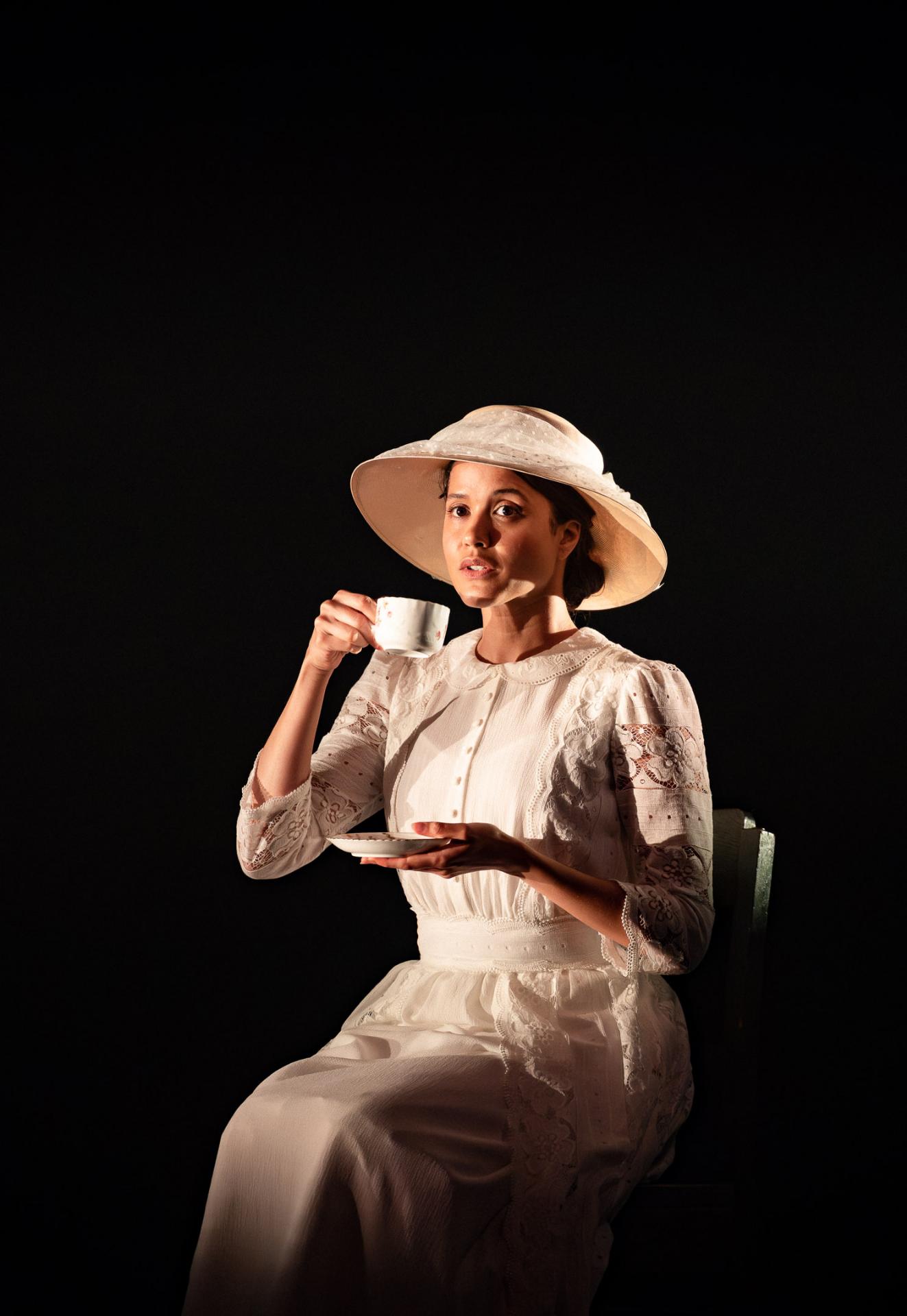
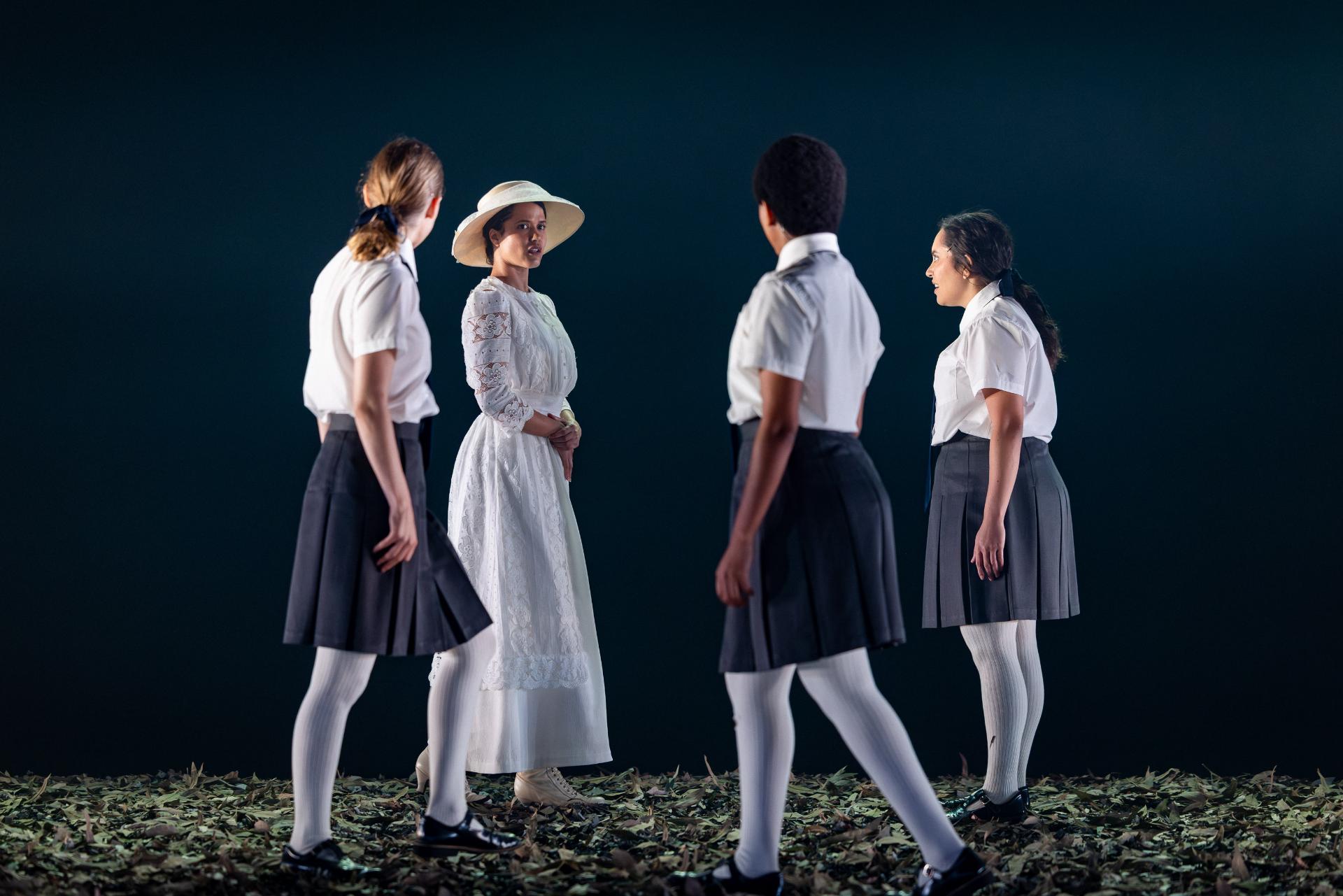
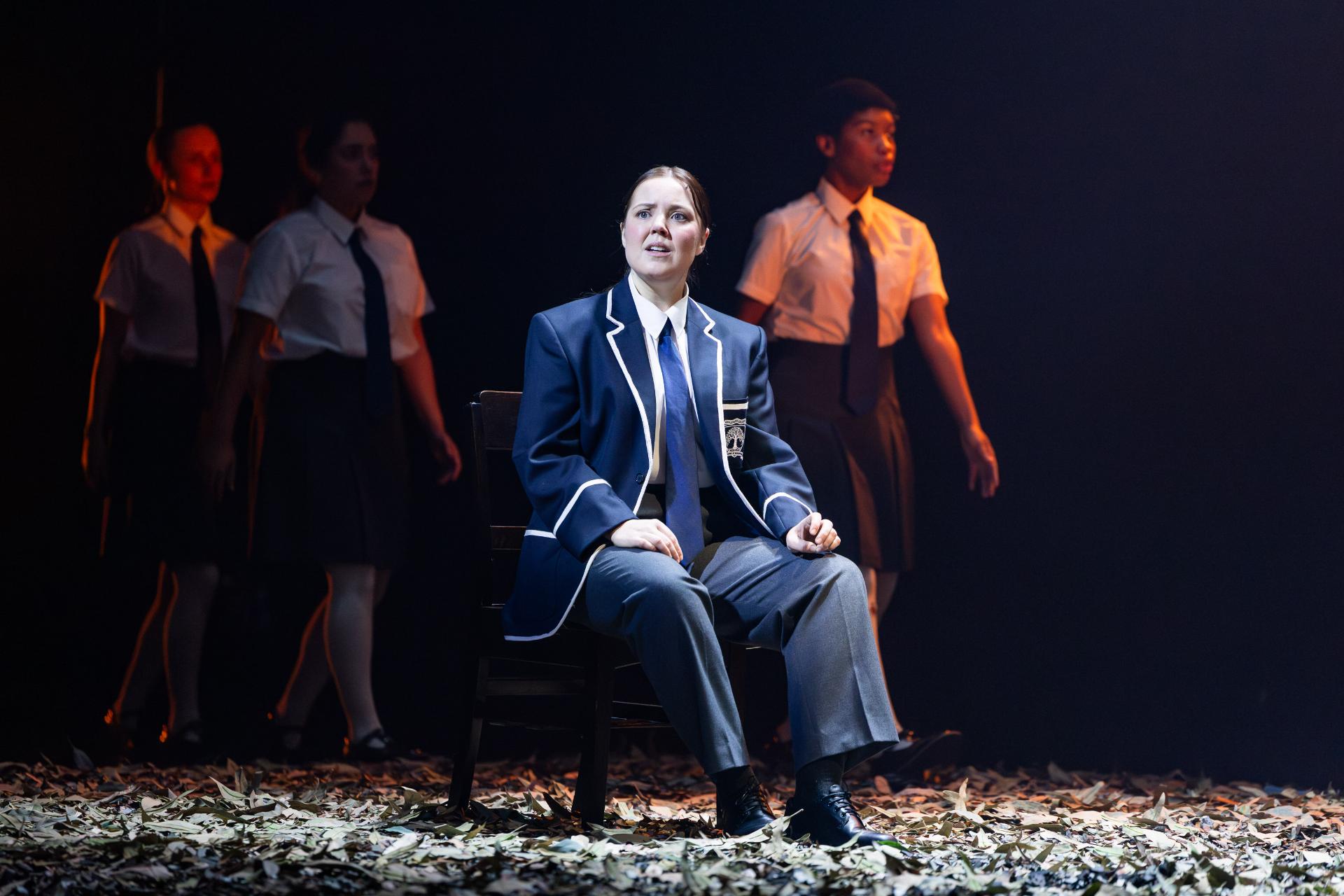
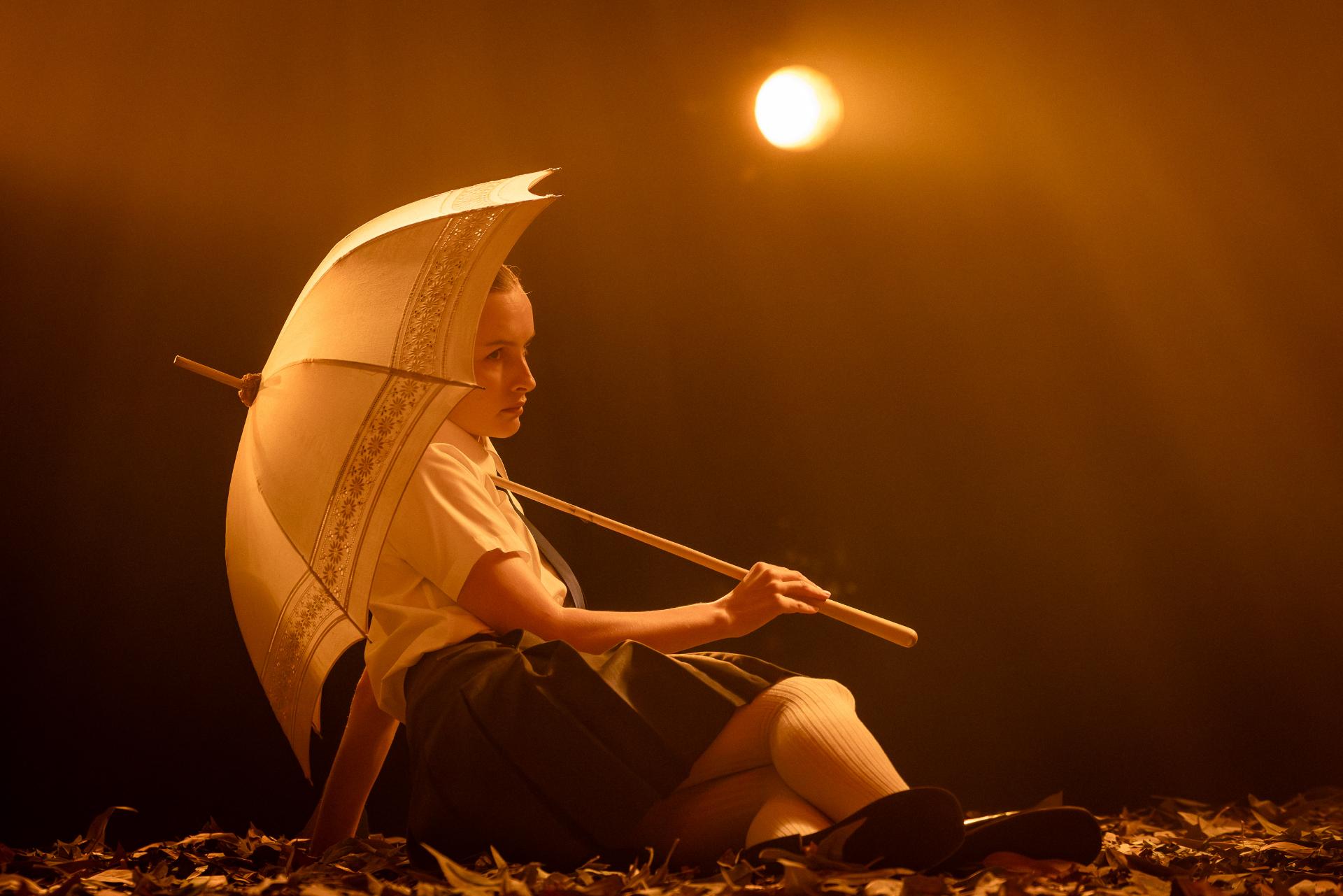
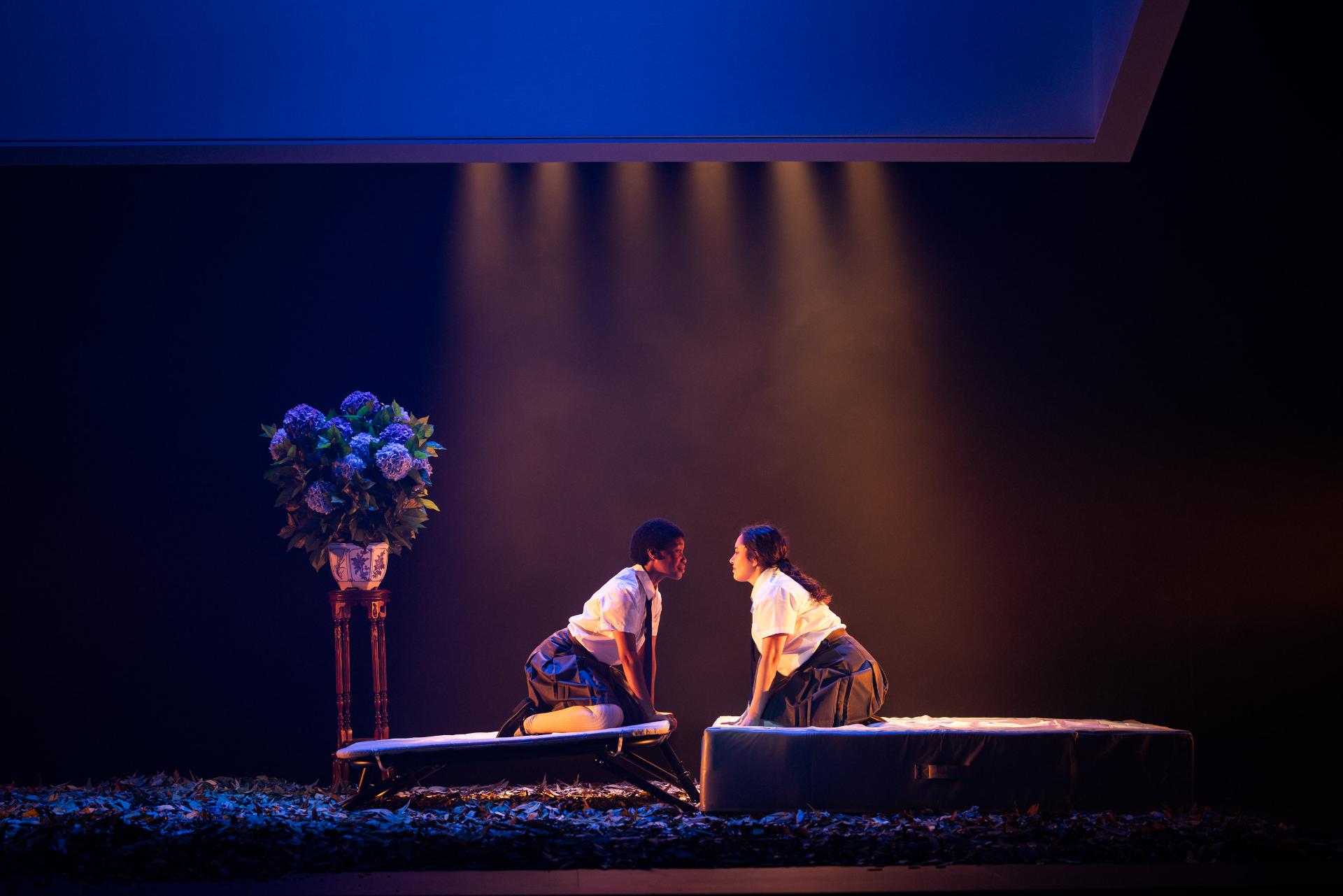
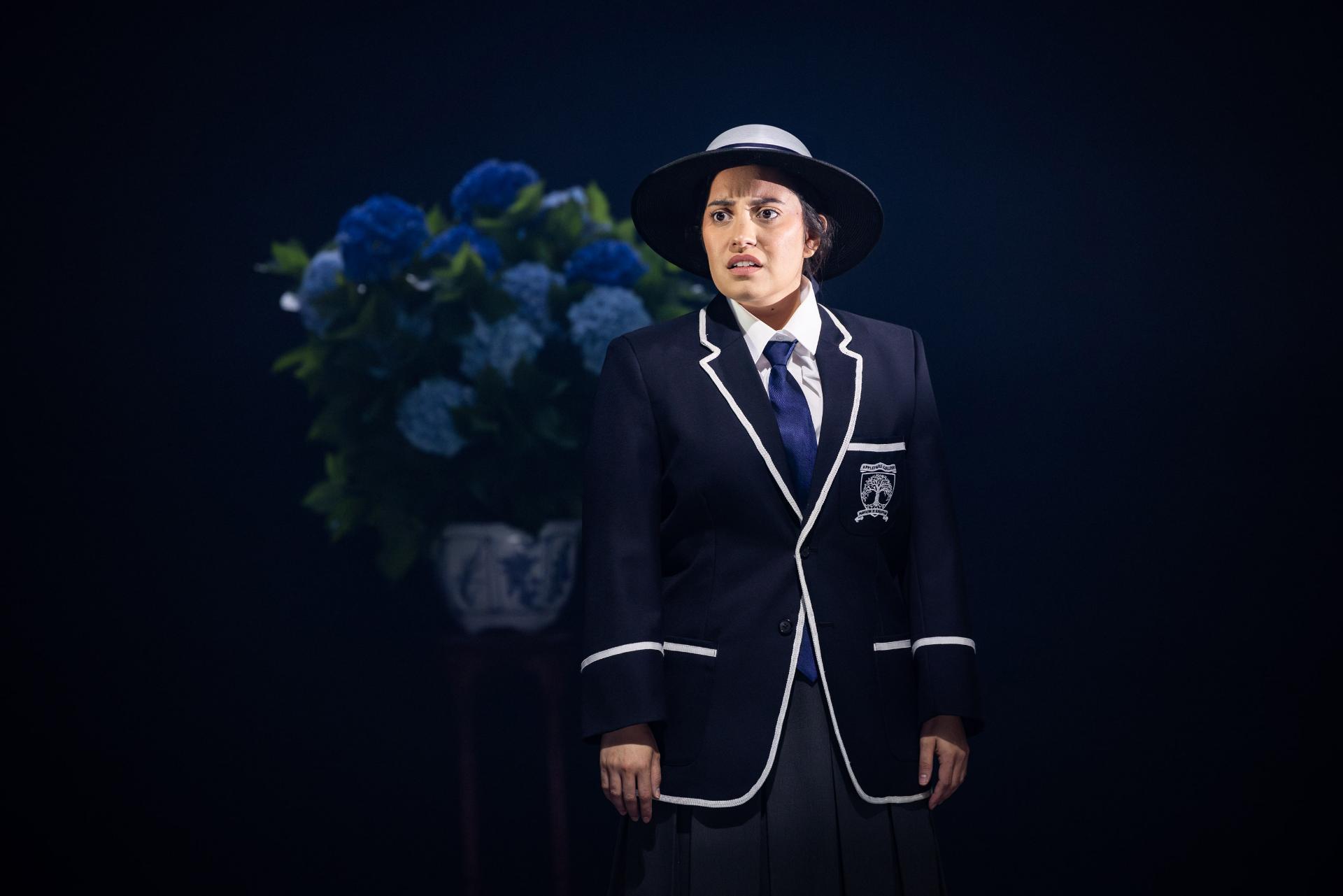
It was the 1930s and Sunday Reed wore trousers. Obviously unafraid of controversy, she had courted a life of affluent bohemia, at a time when being a patron of the arts did not preclude one from more unconventional or perhaps, scandalous pursuits. No doubt her ménage à trois with husband John Reed and now legendary painter Sidney Nolan would have raised more than a few eyebrows, the Reeds were nonetheless celebrated for supporting the careers of prominent artists through their establishment of the Heide Circle.

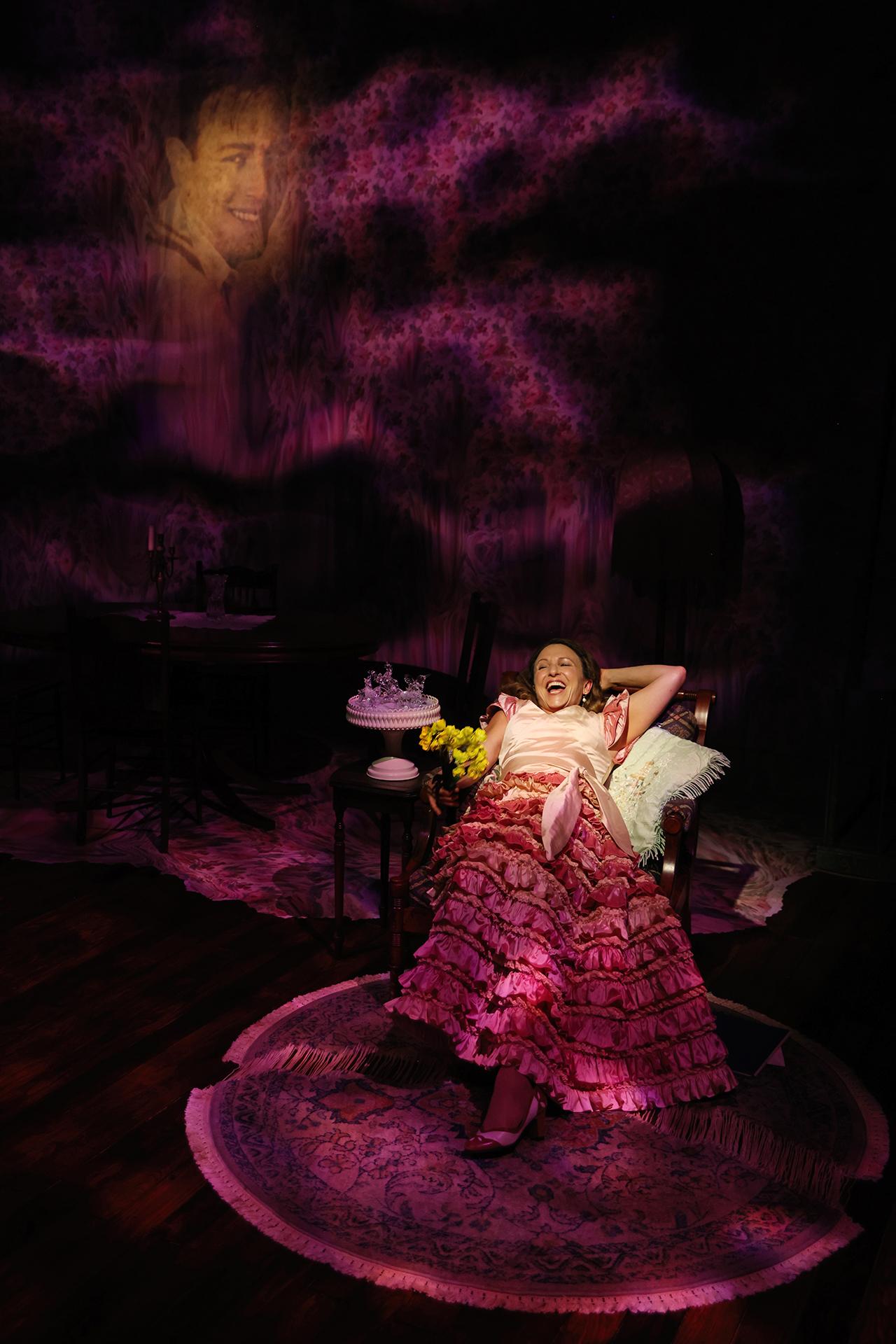
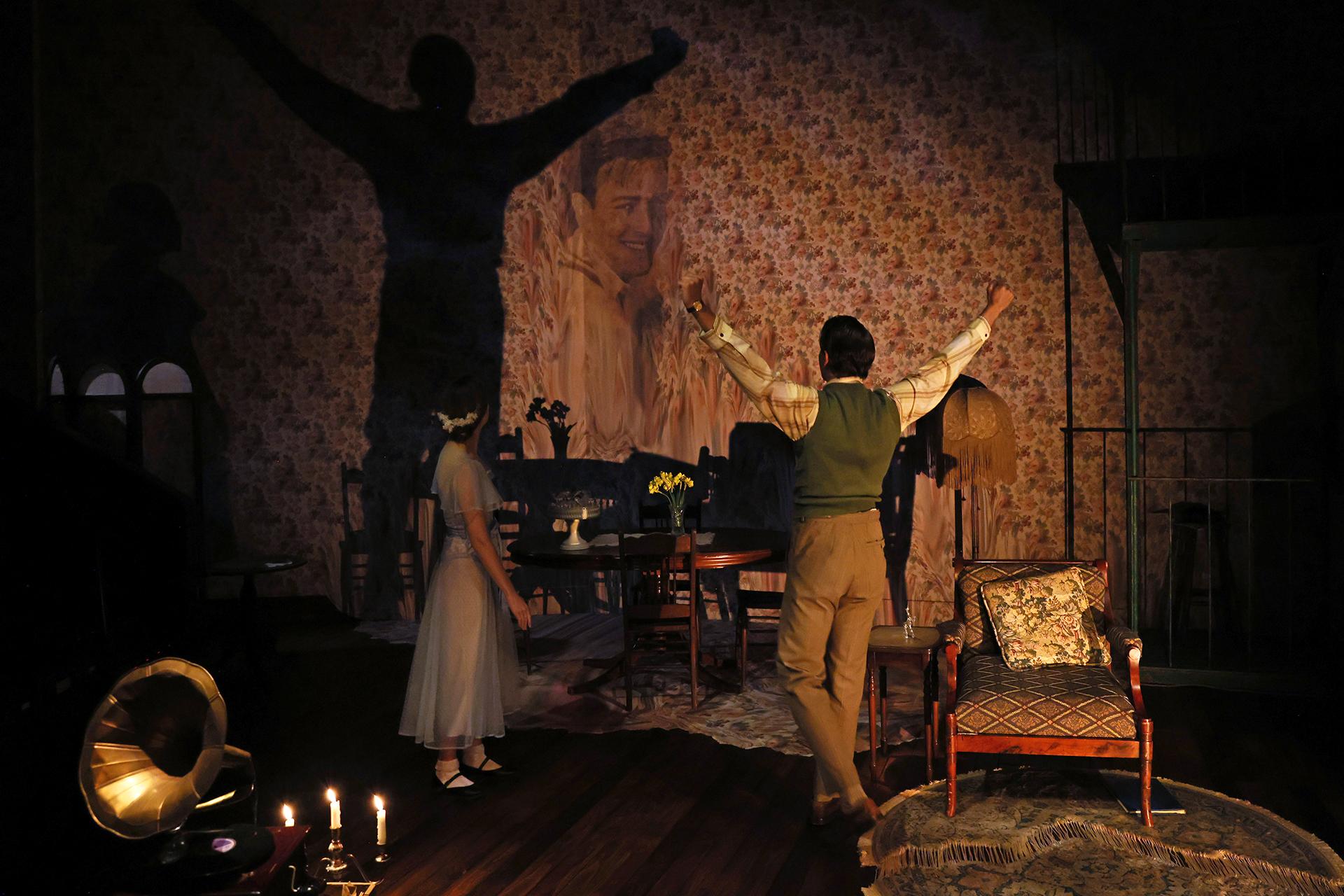
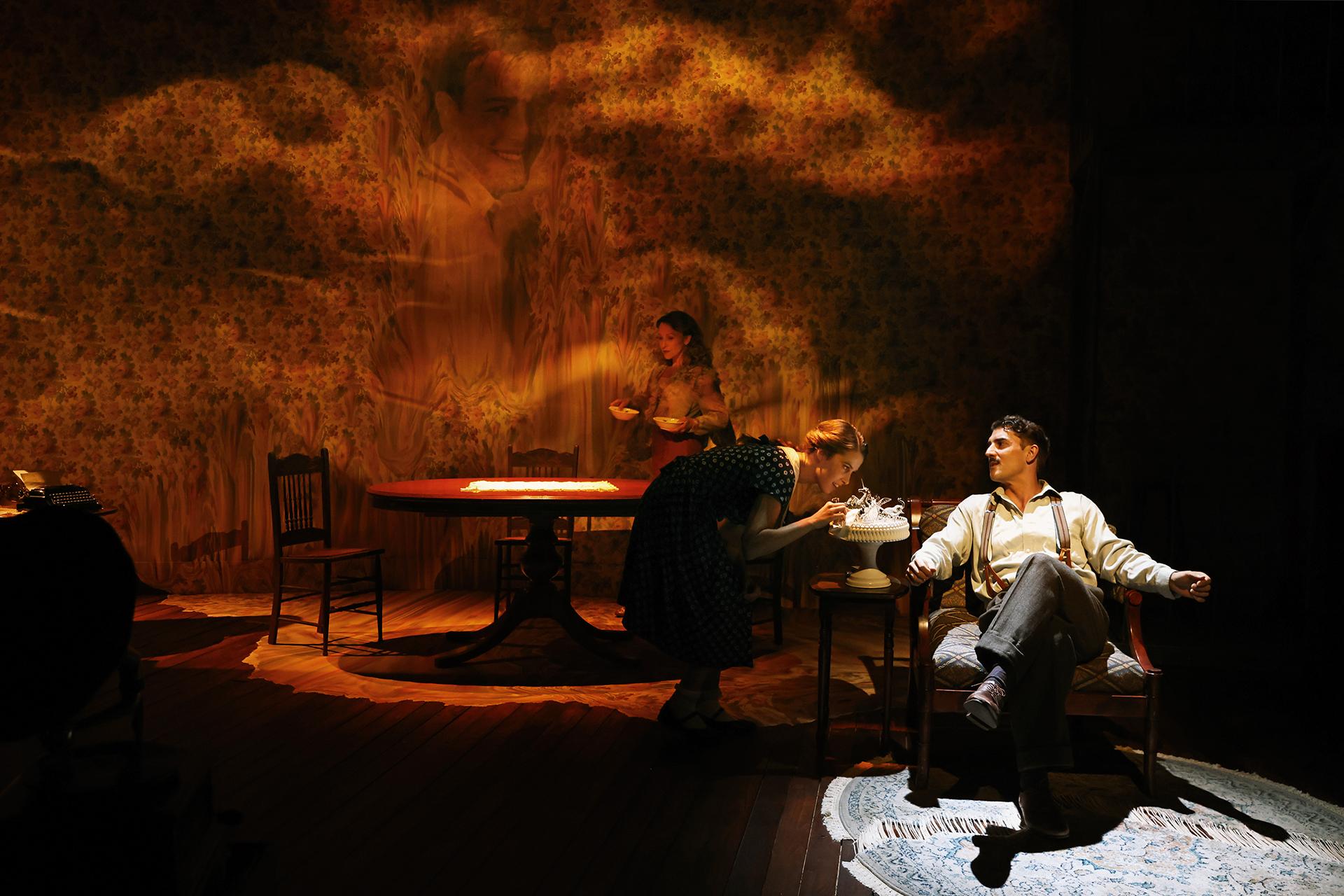
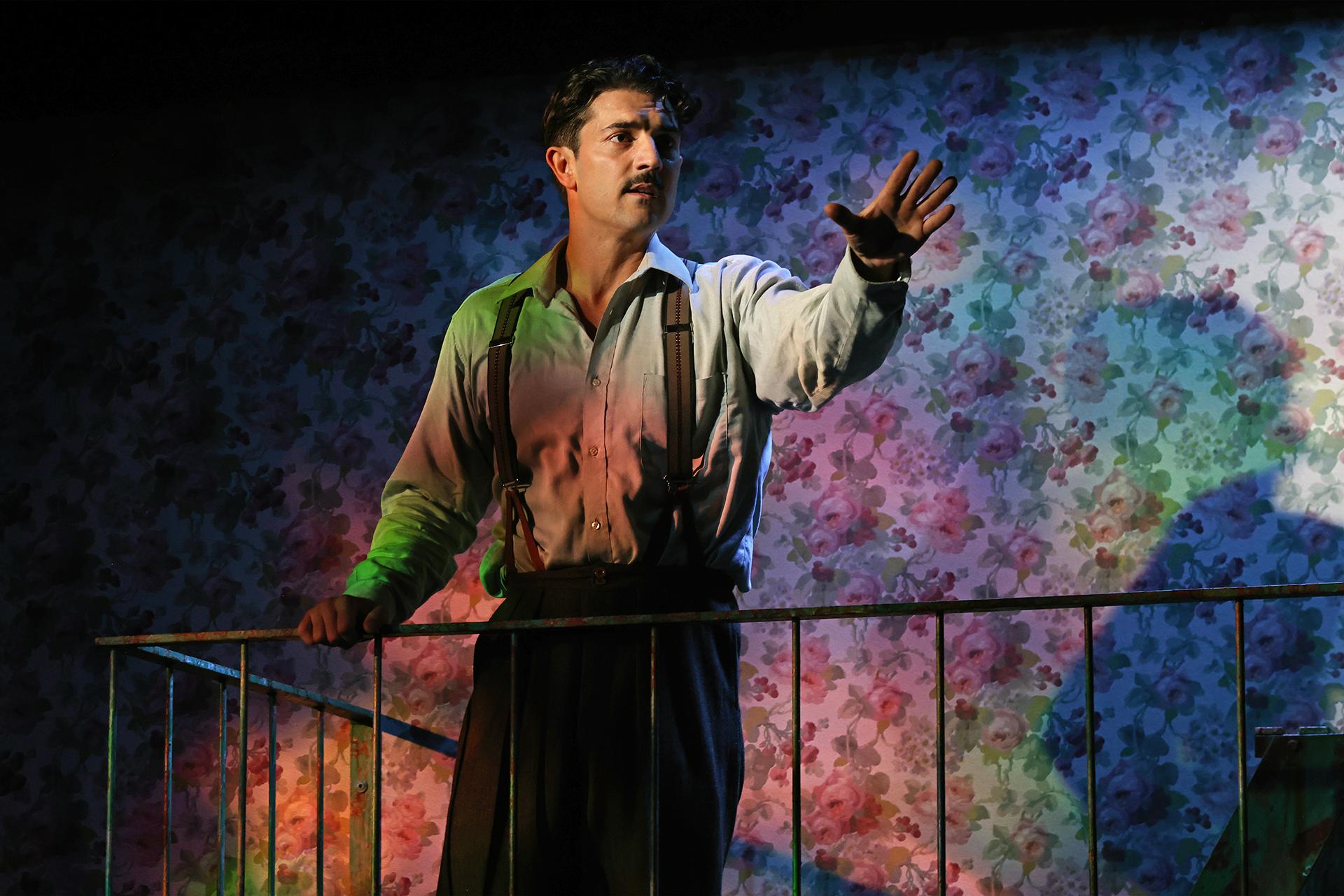
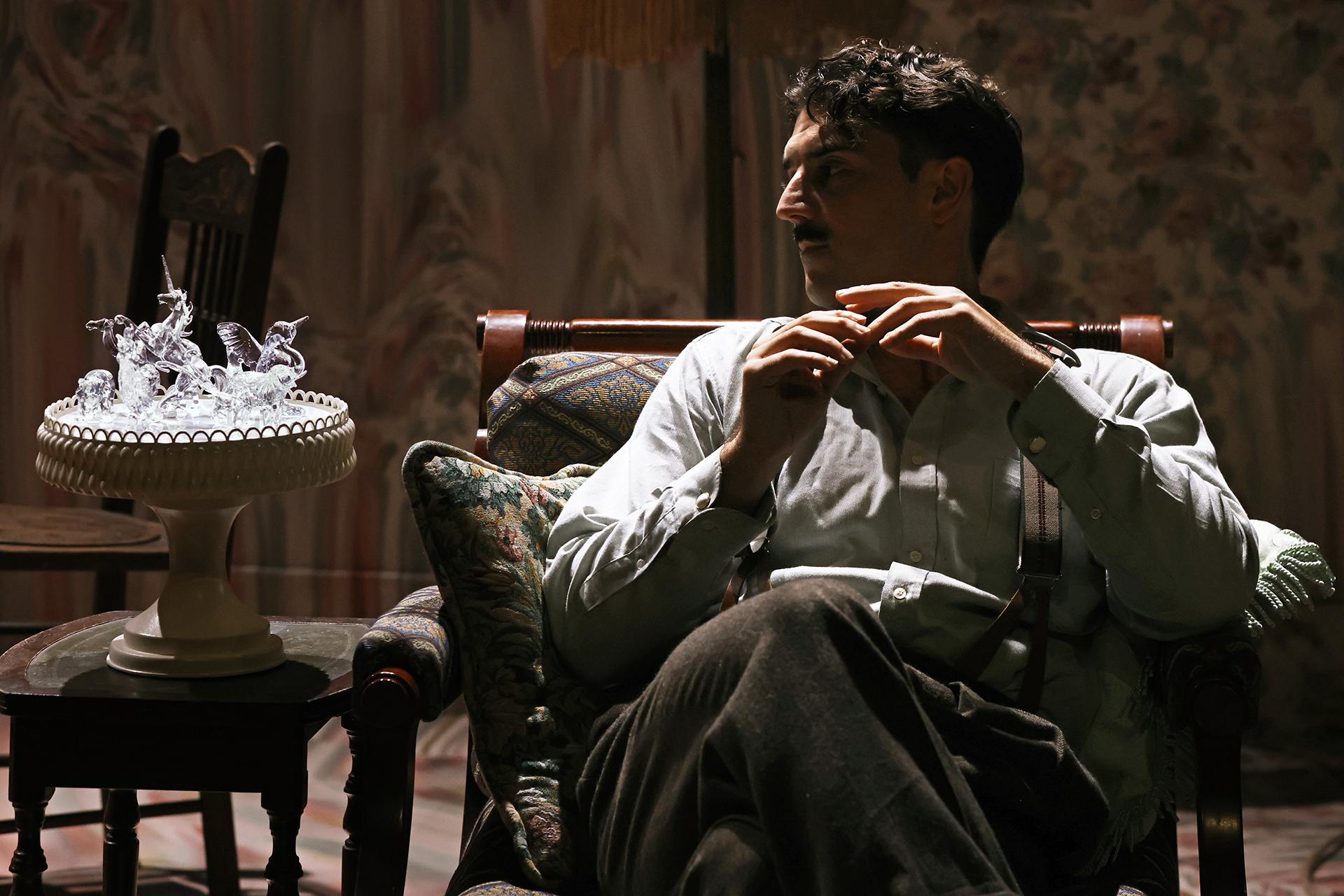
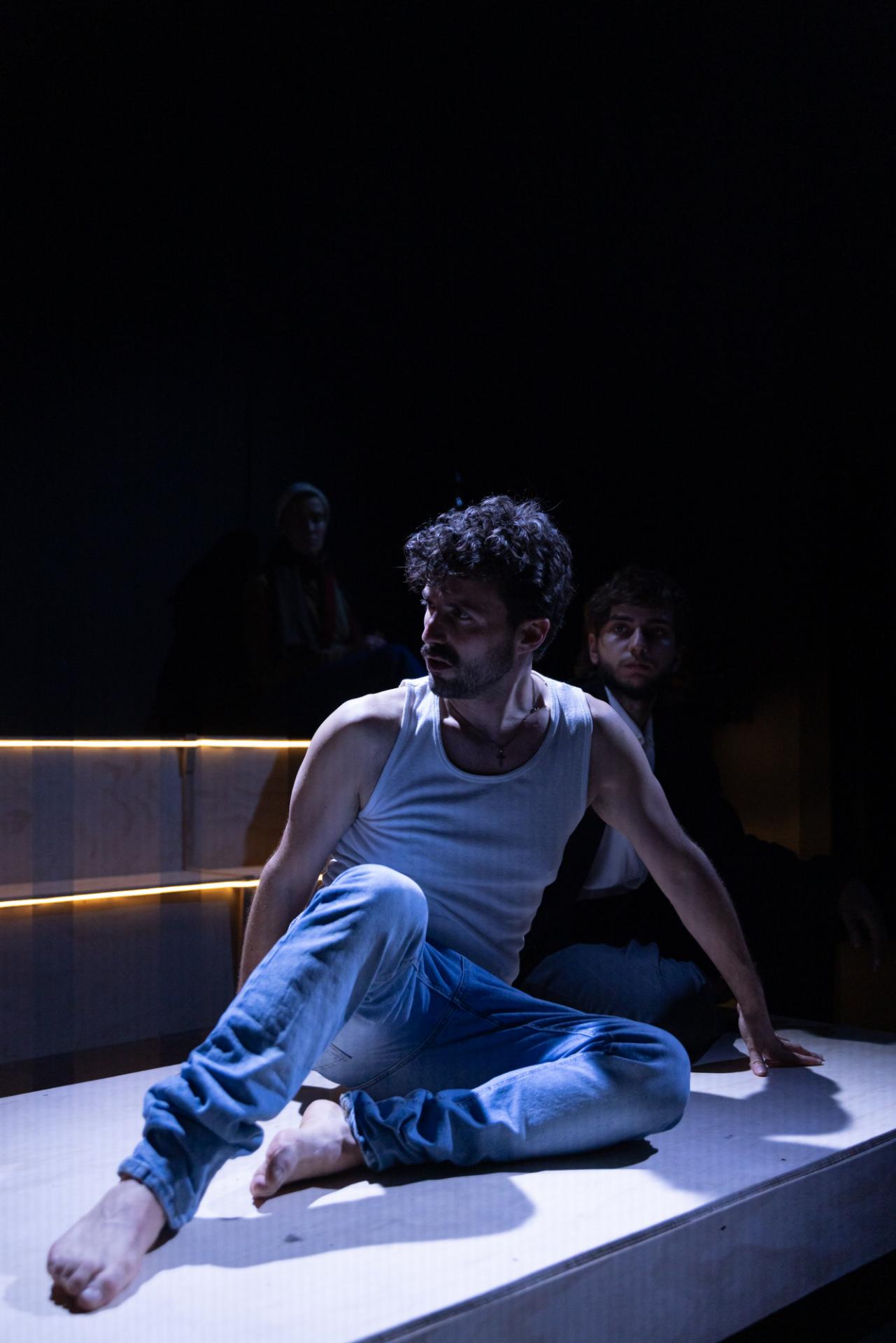
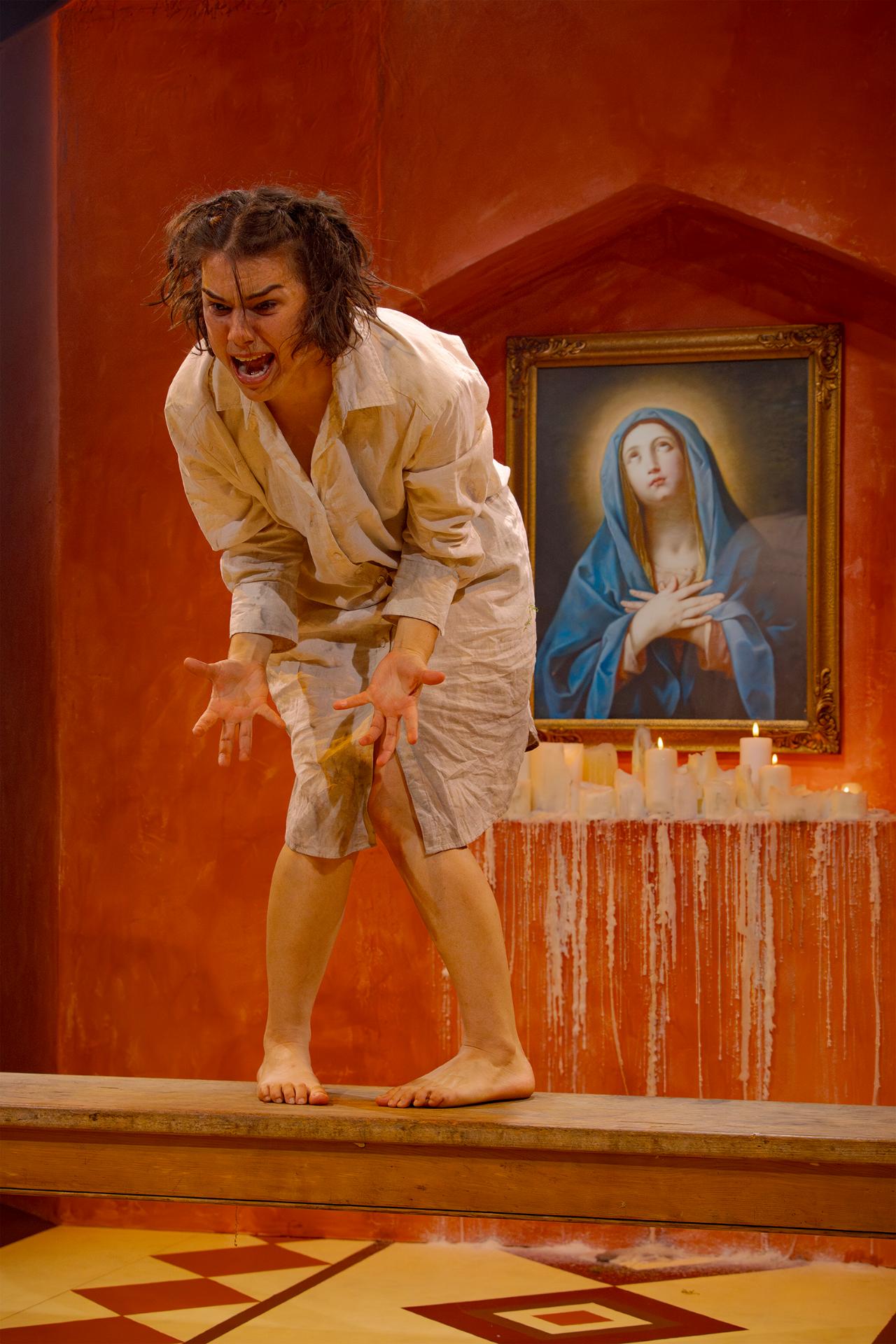
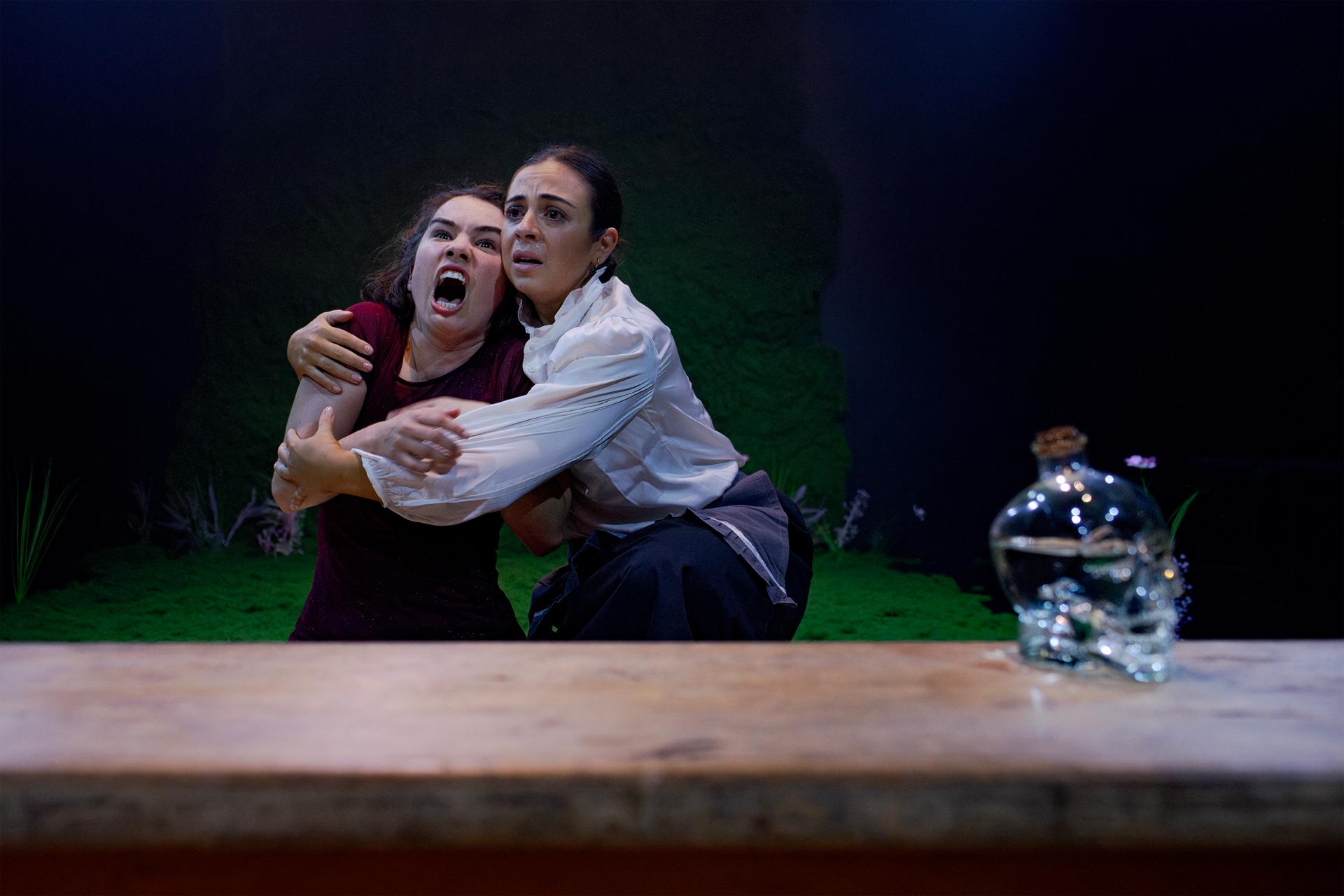
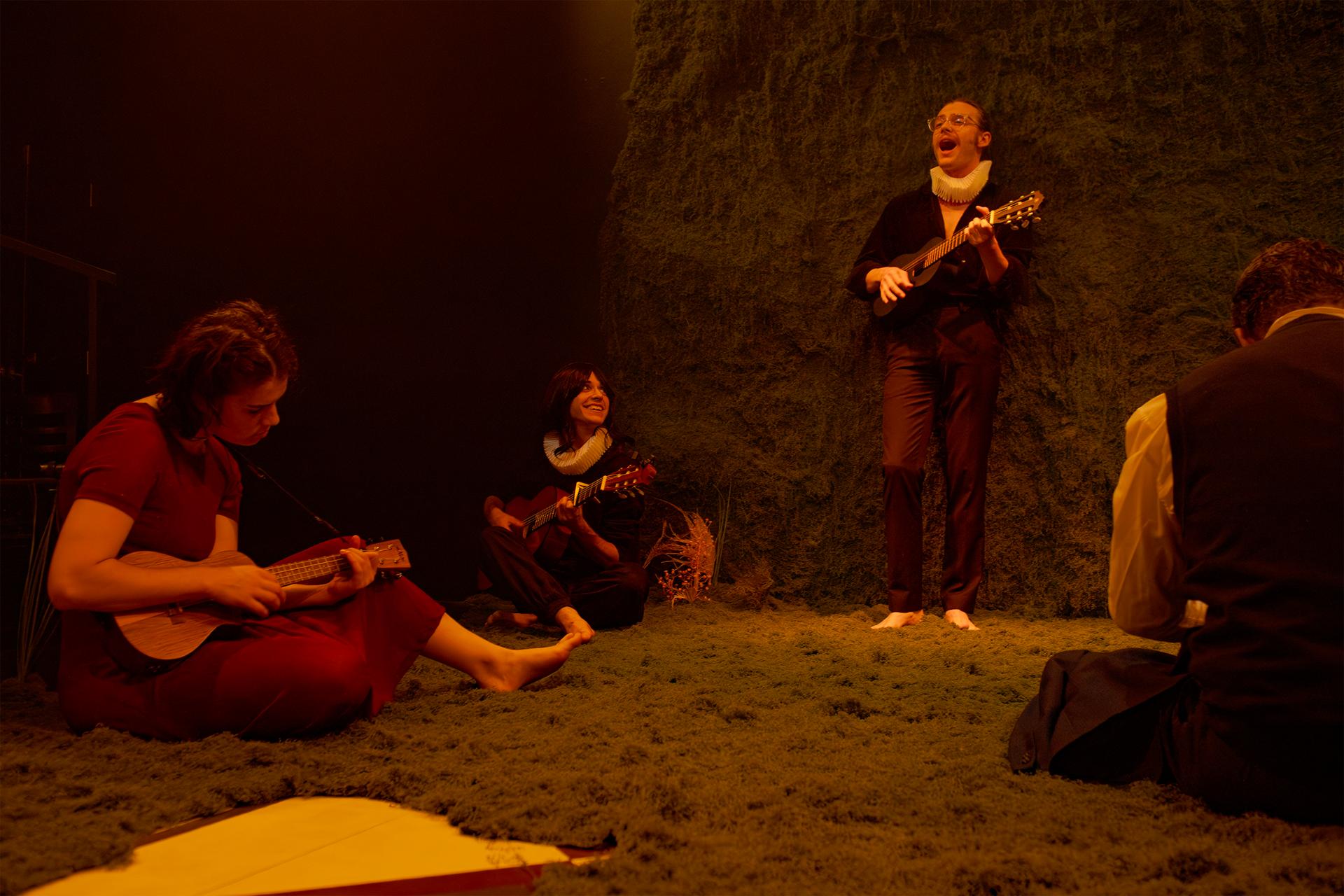
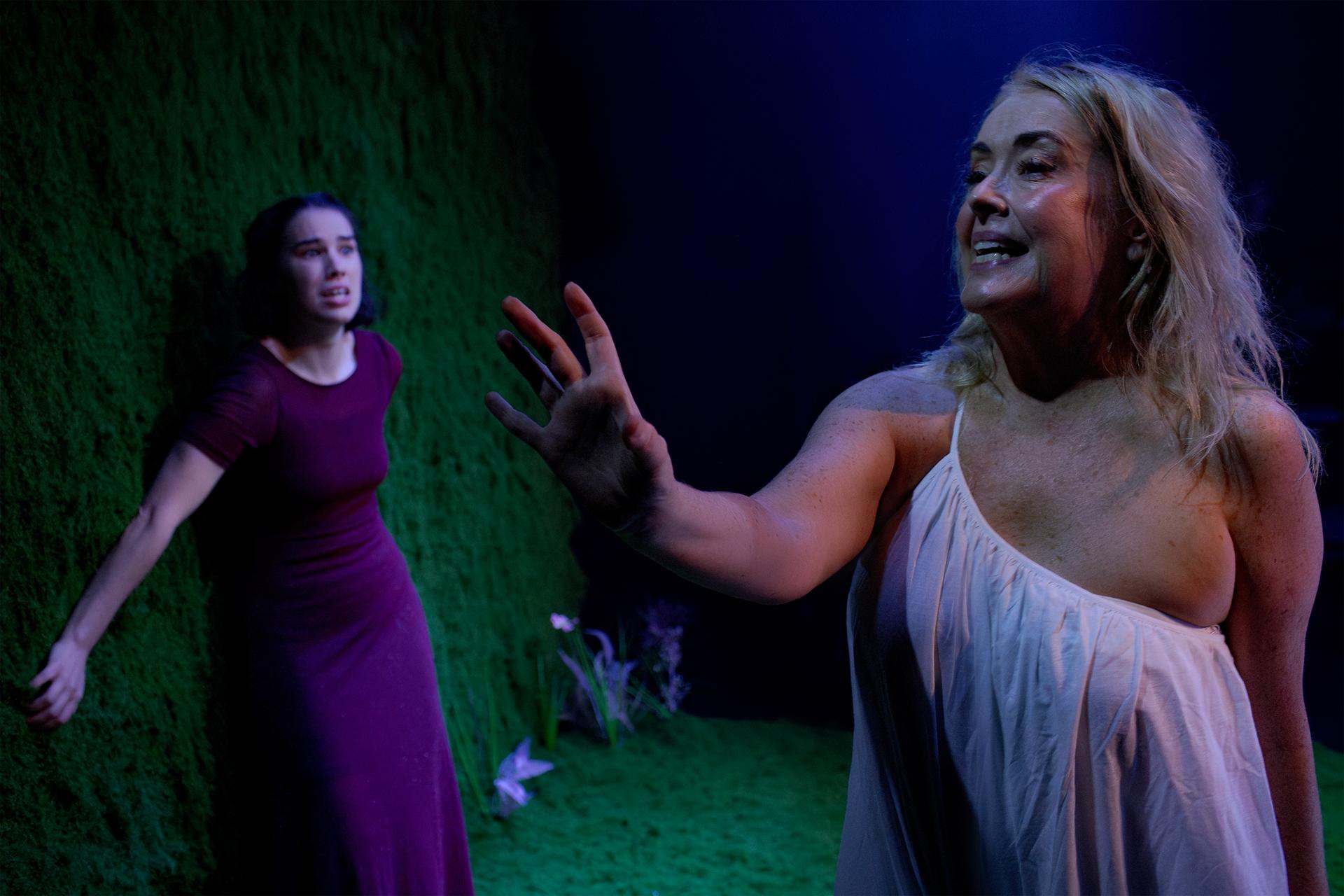
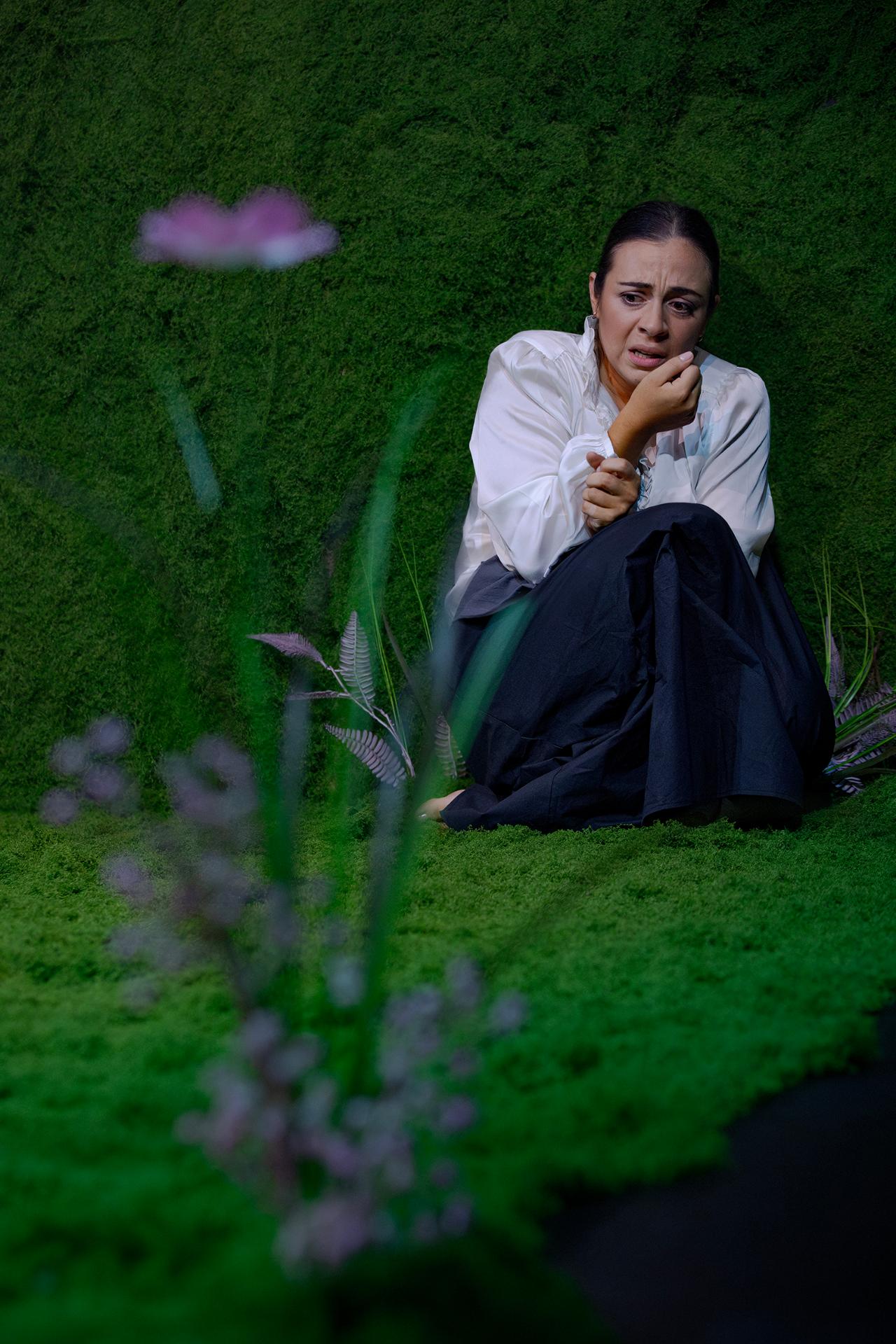
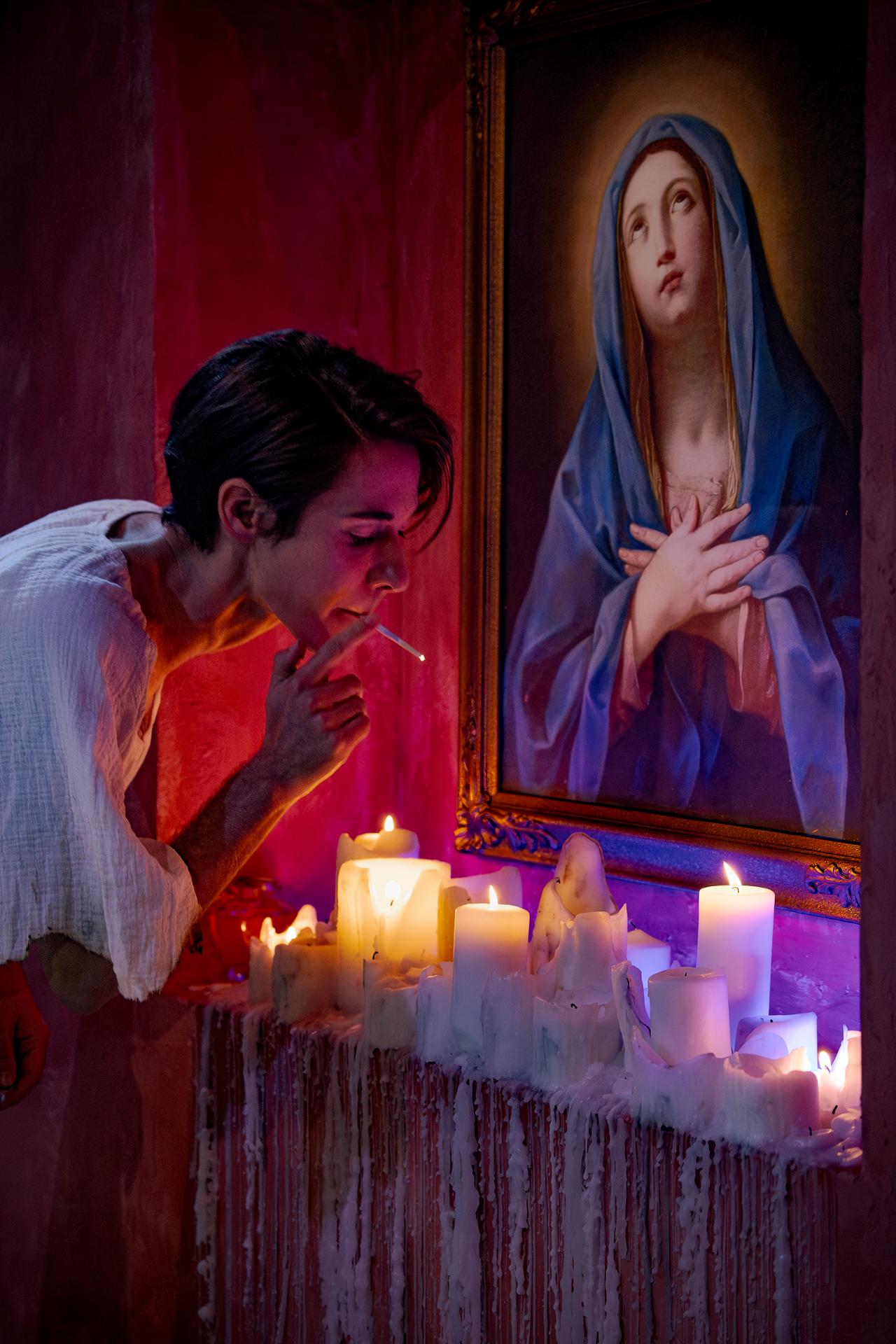
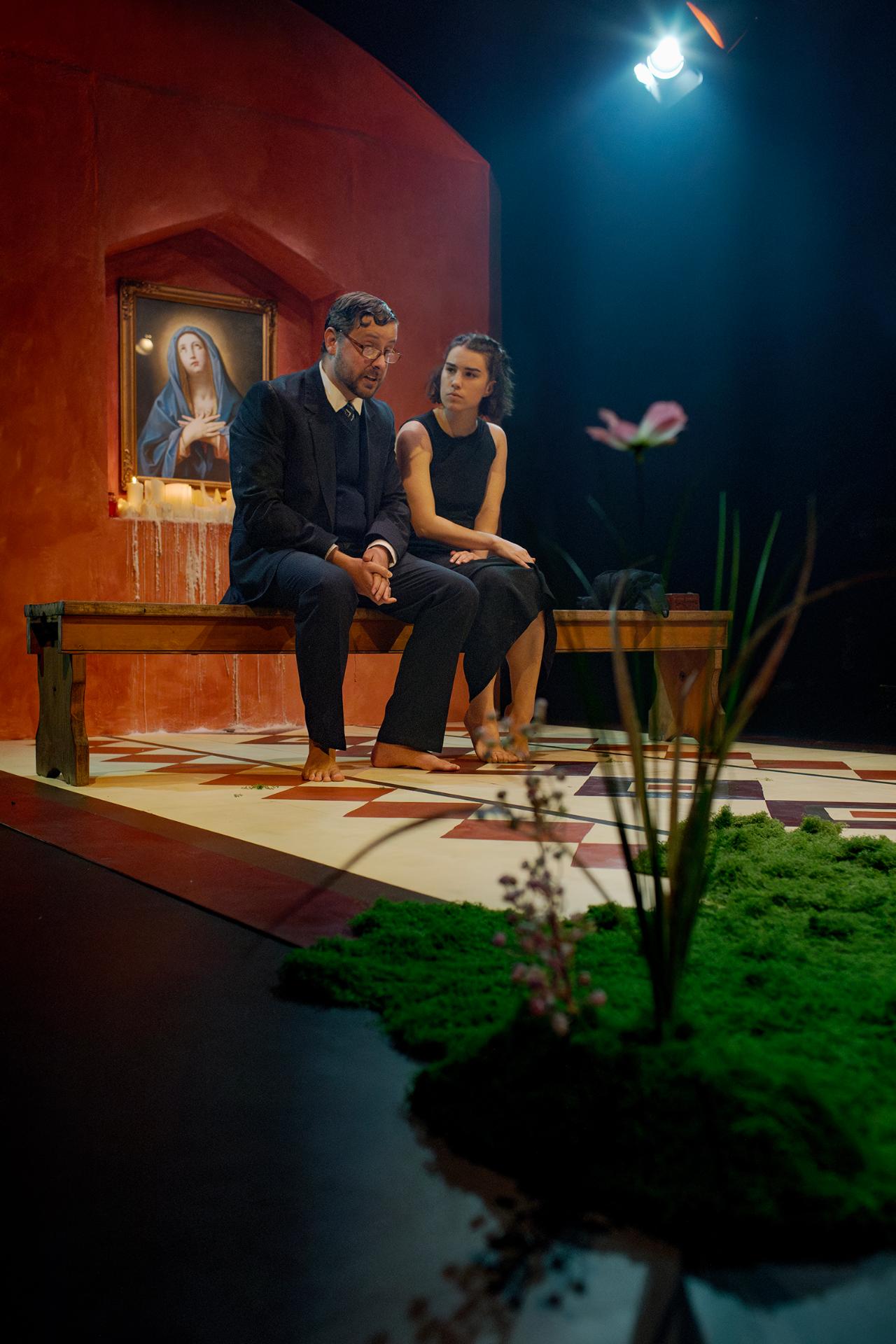
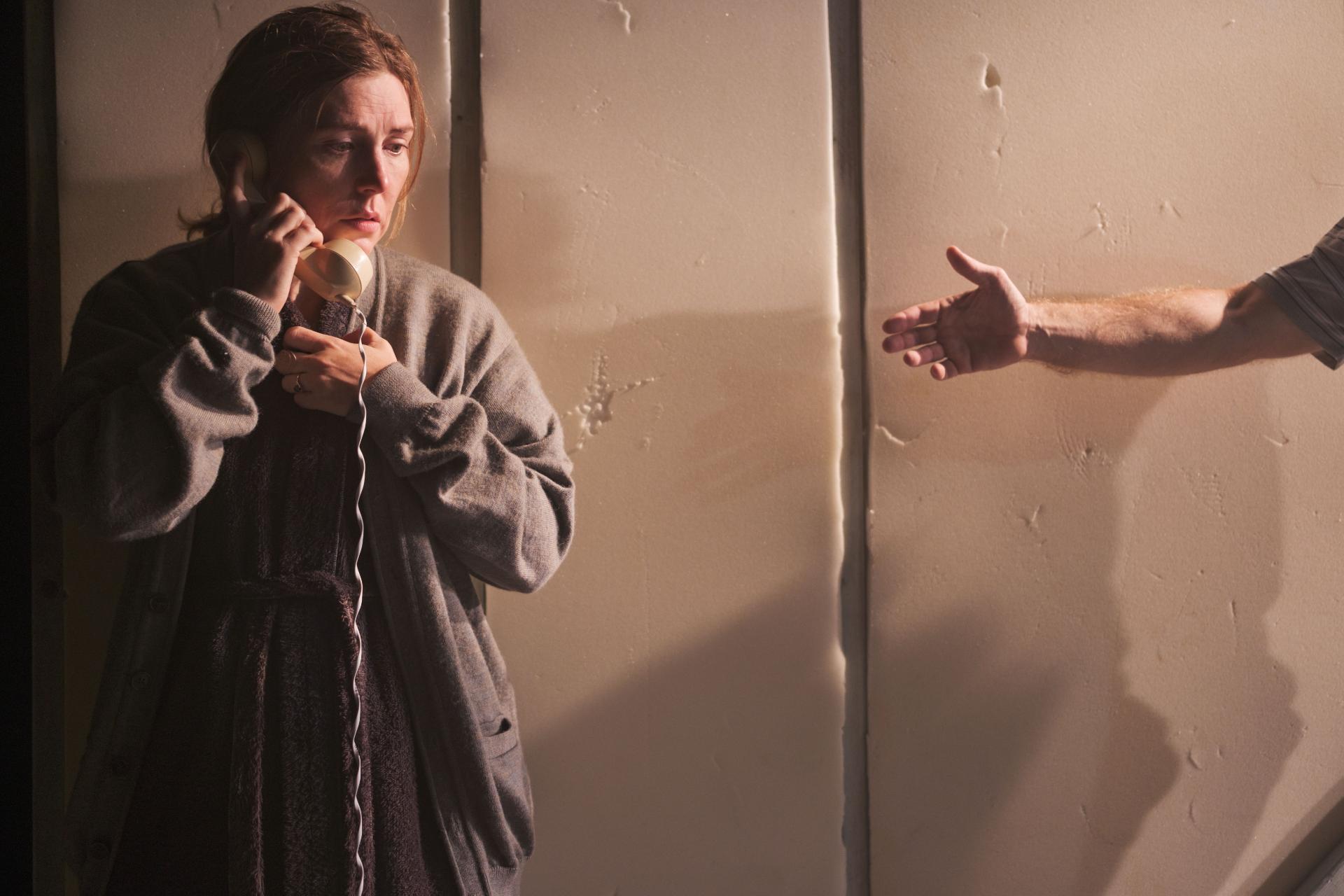
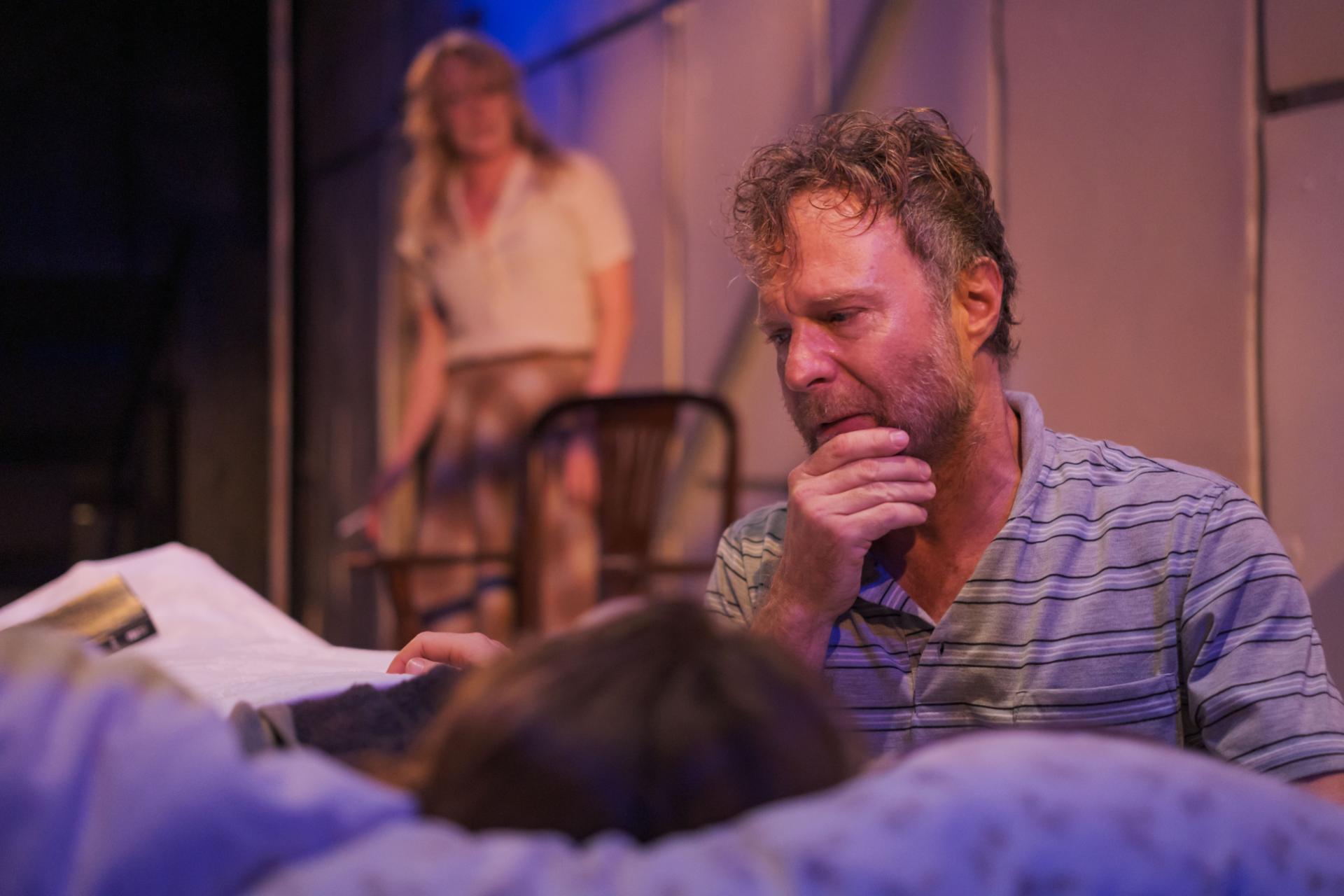
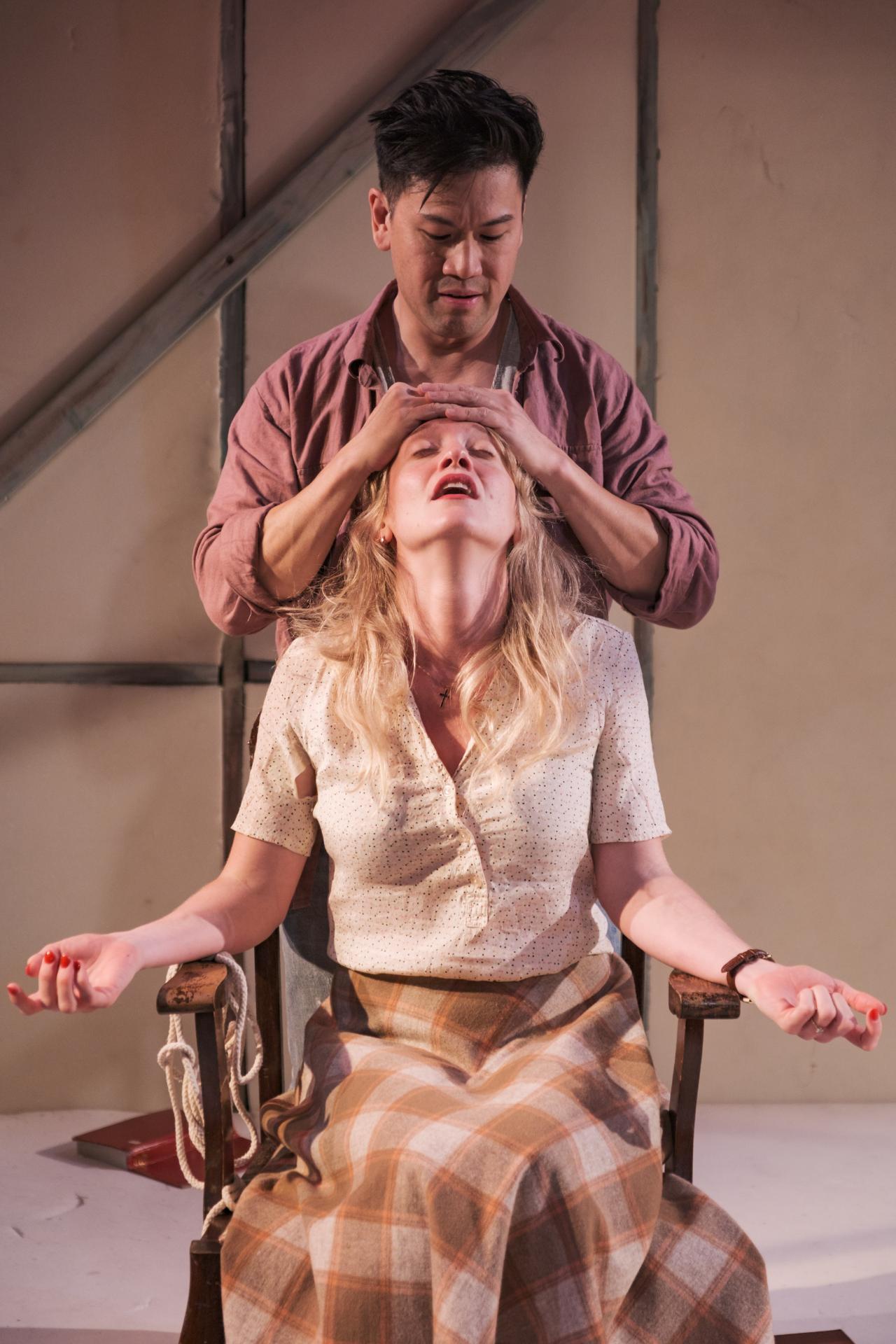
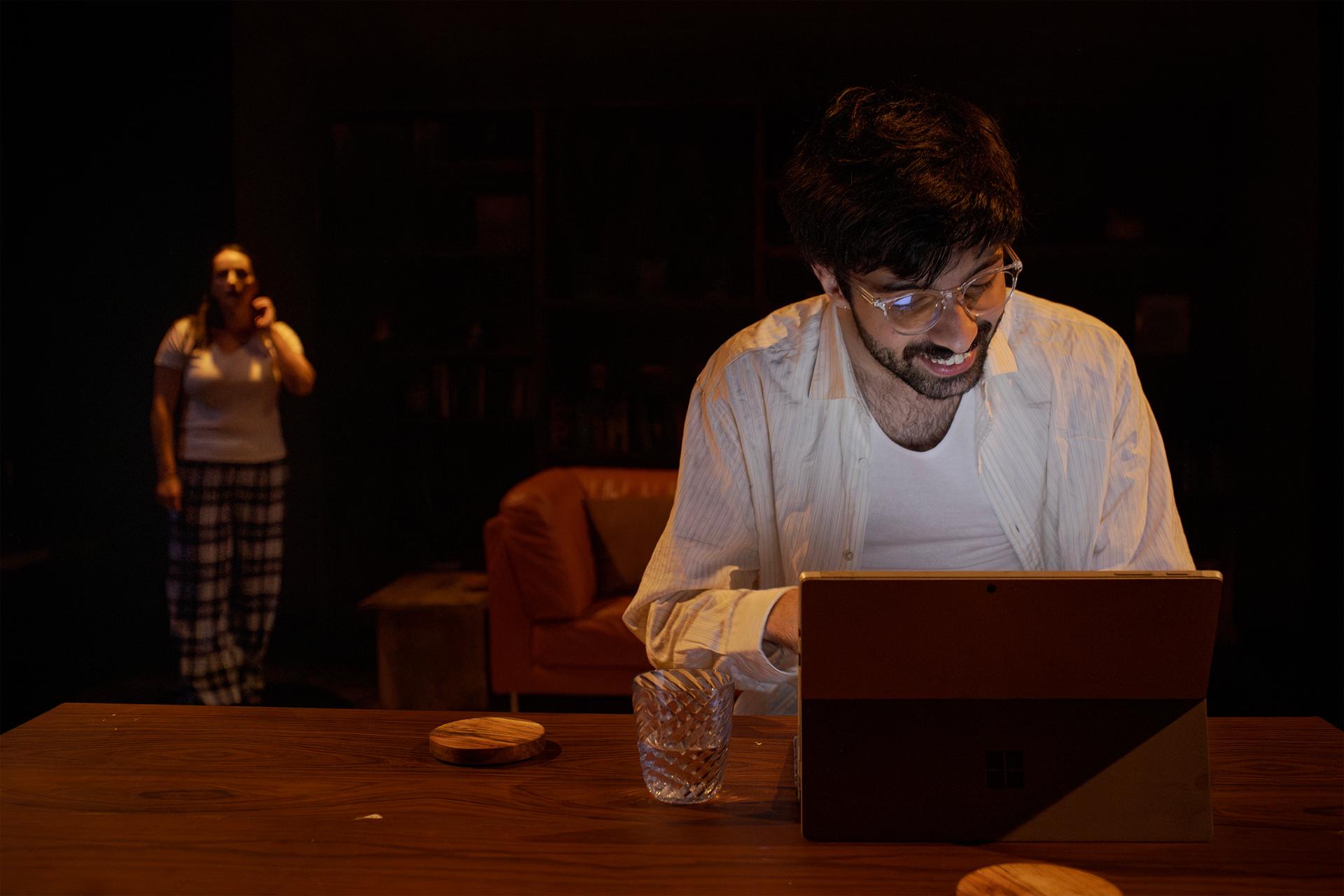
Anthony Weigh’s Sunday offers a glimpse into the heady days of our heroine’s life as philanthropist and muse, paying particular attention to the years during which Nolan had played a significant part. Weigh’s writing is passionate and incisive, for a sprawling tale spanning more than two decades. Sections venture into the granularity of art philosophy that may not appeal to wider audiences, but Sunday‘s explorations of an unorthodox romance is certainly fascinating.

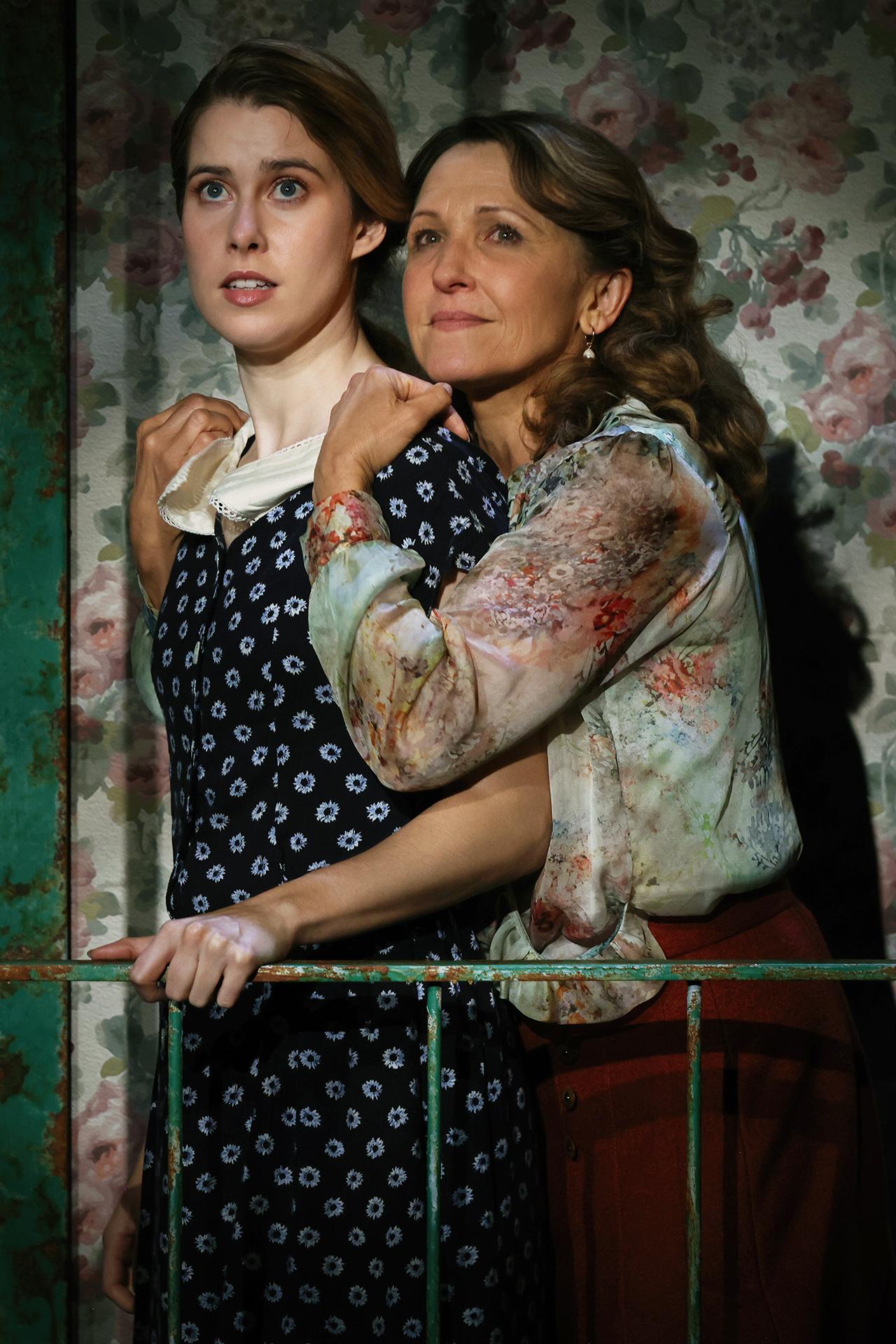
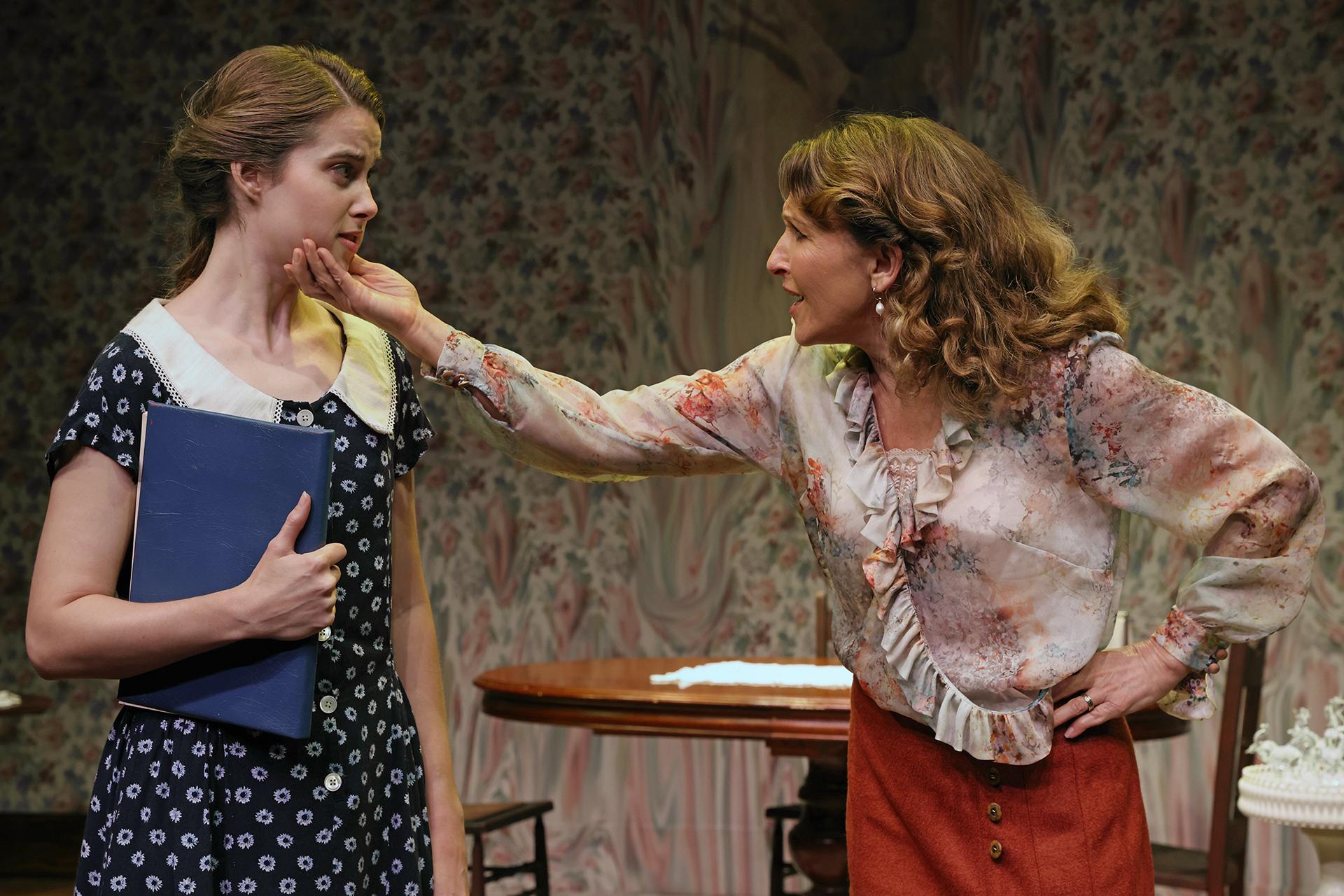
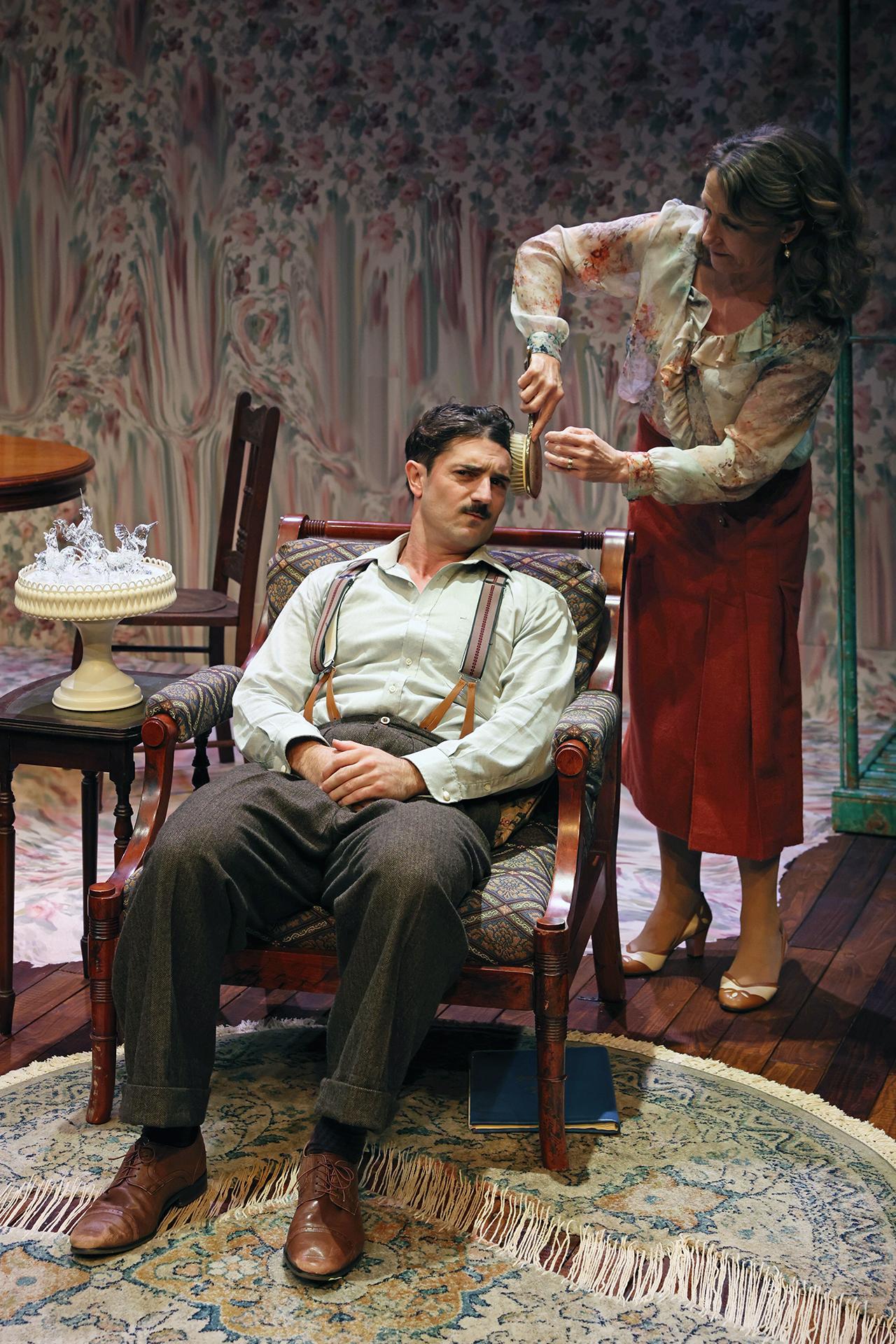
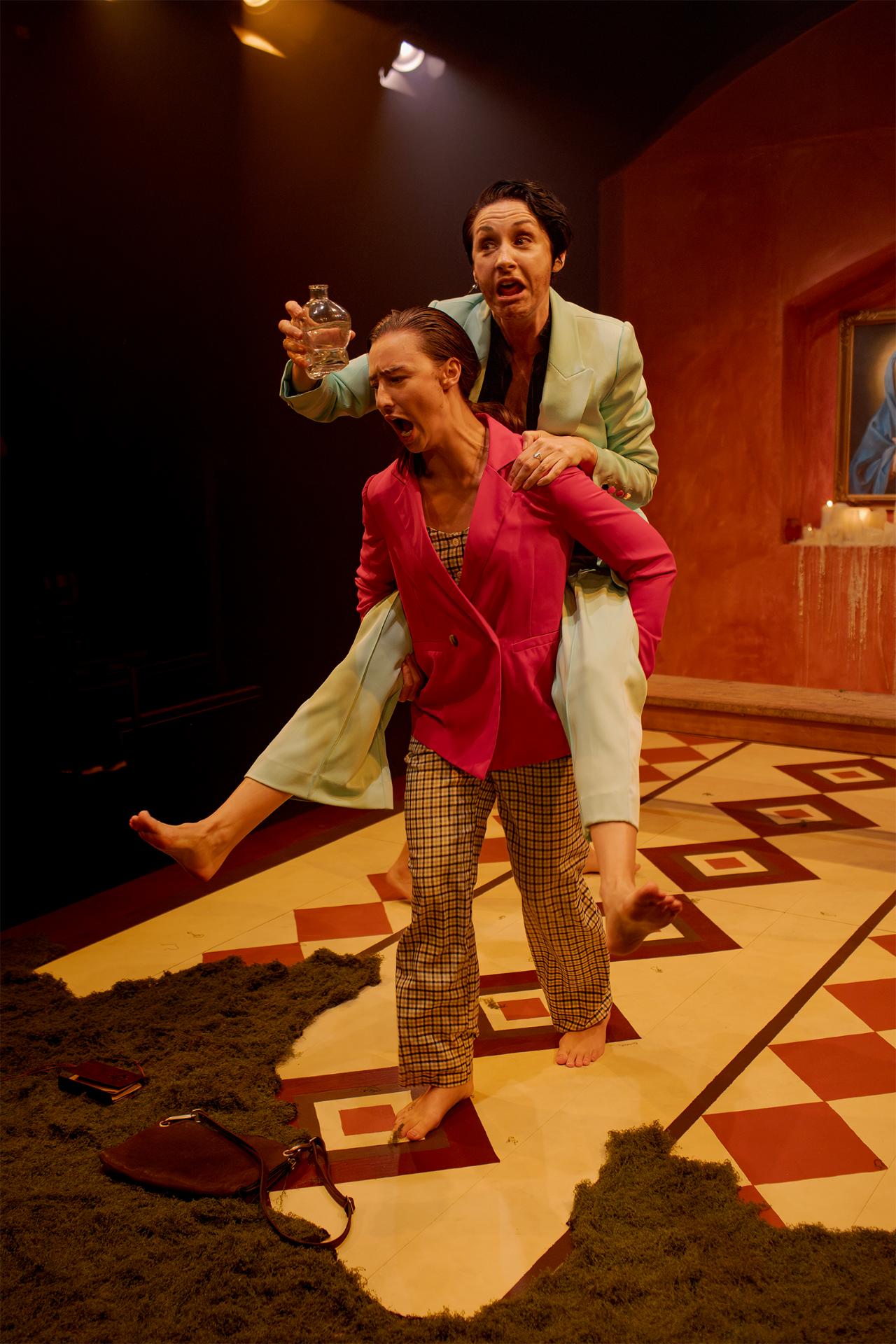
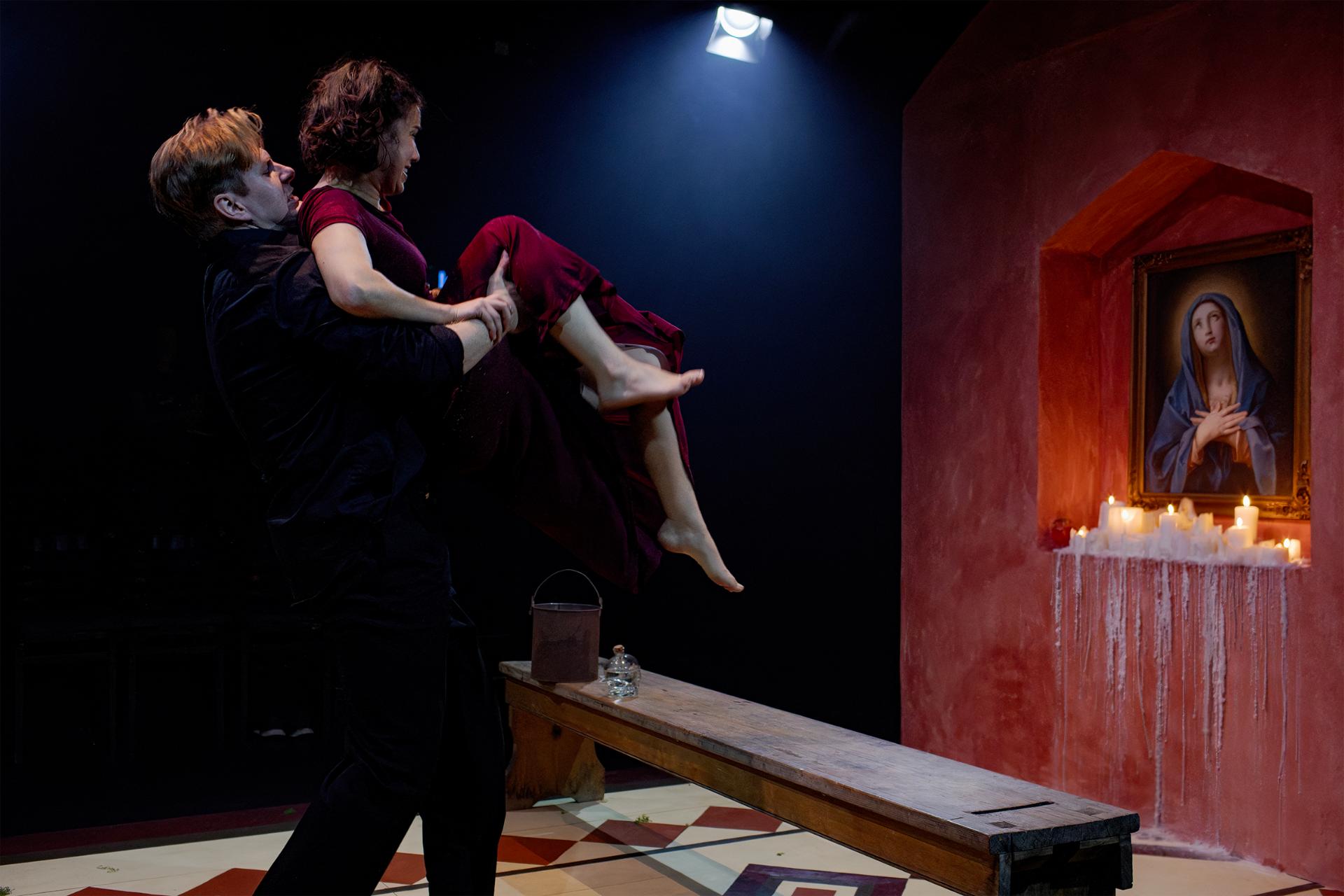
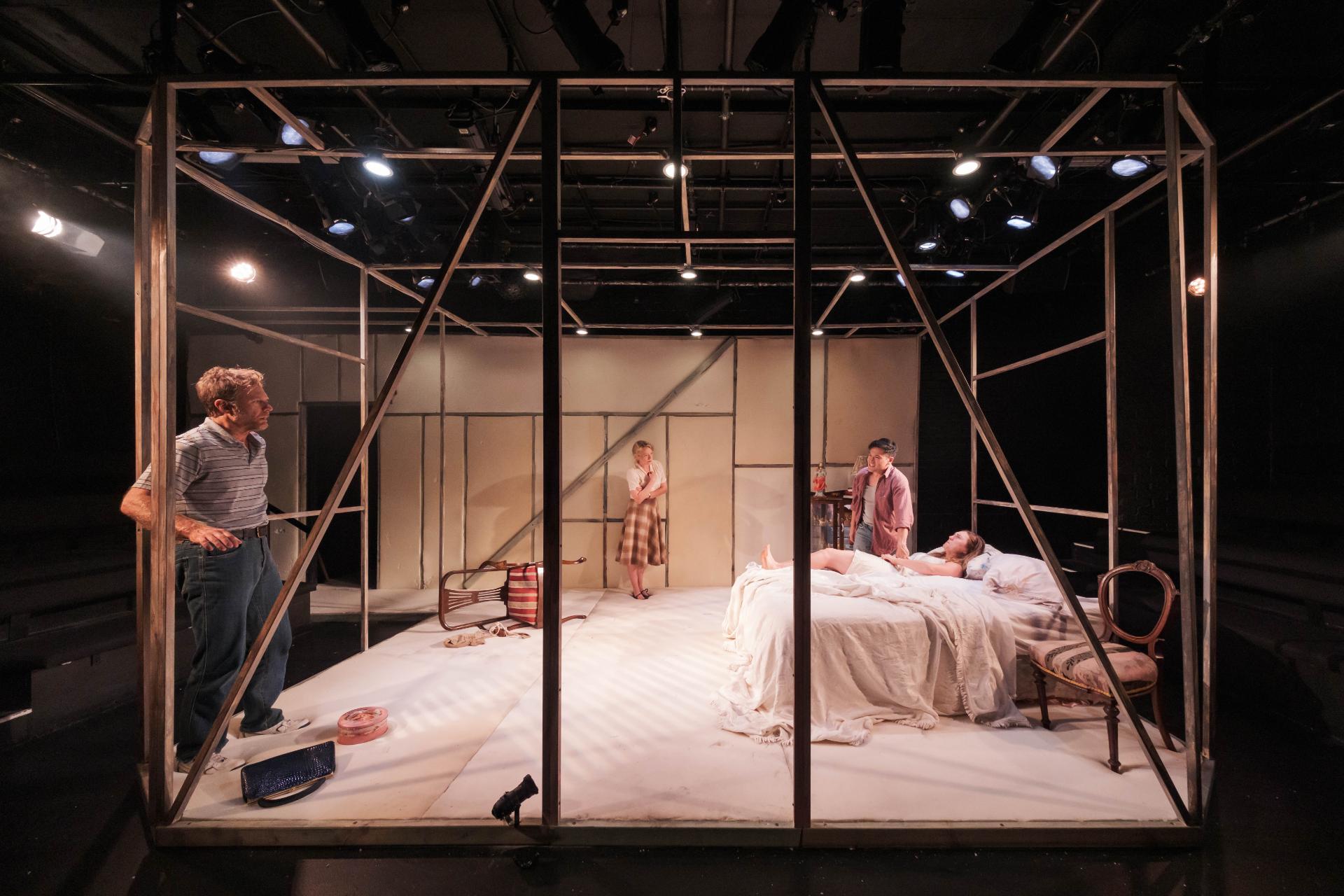
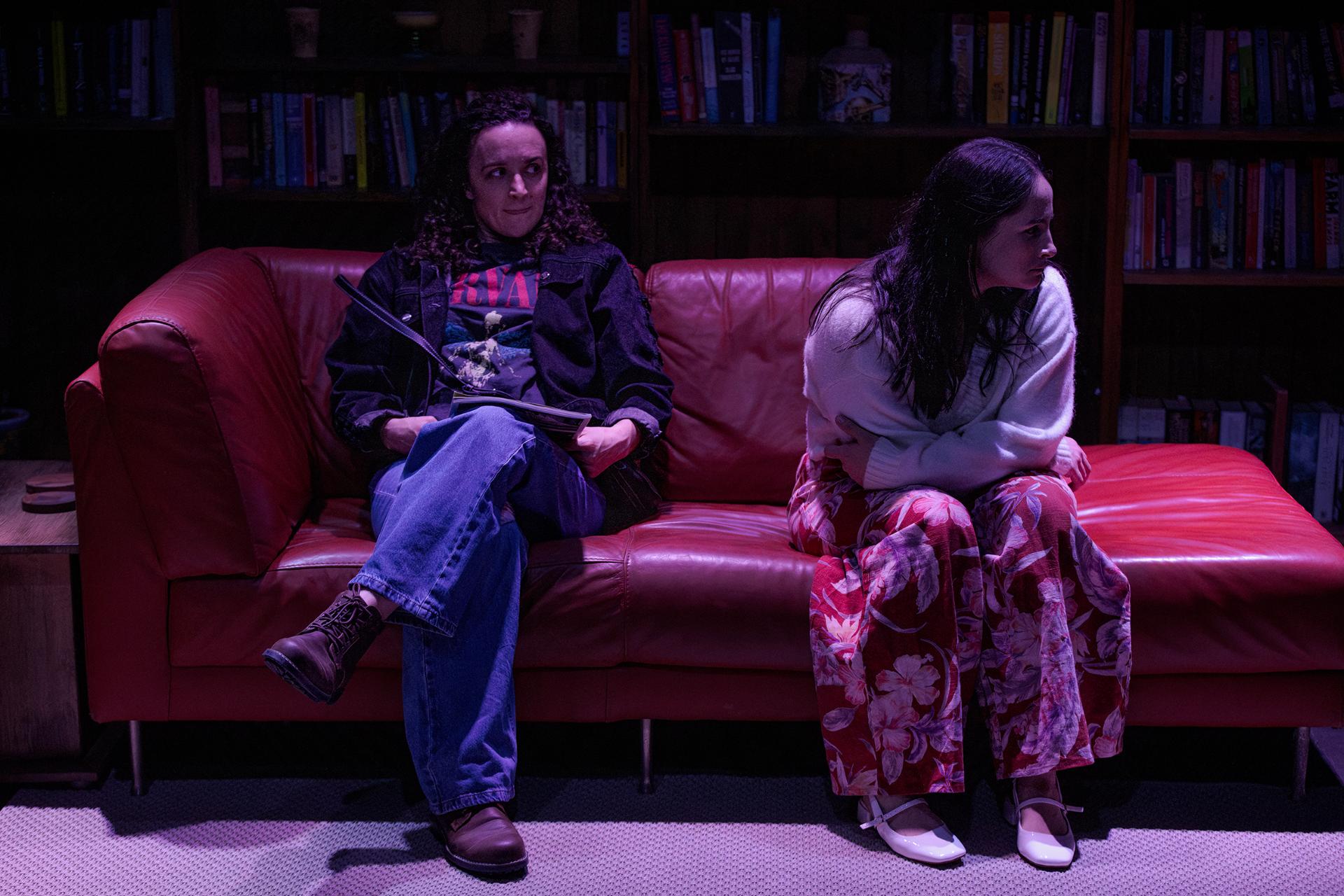
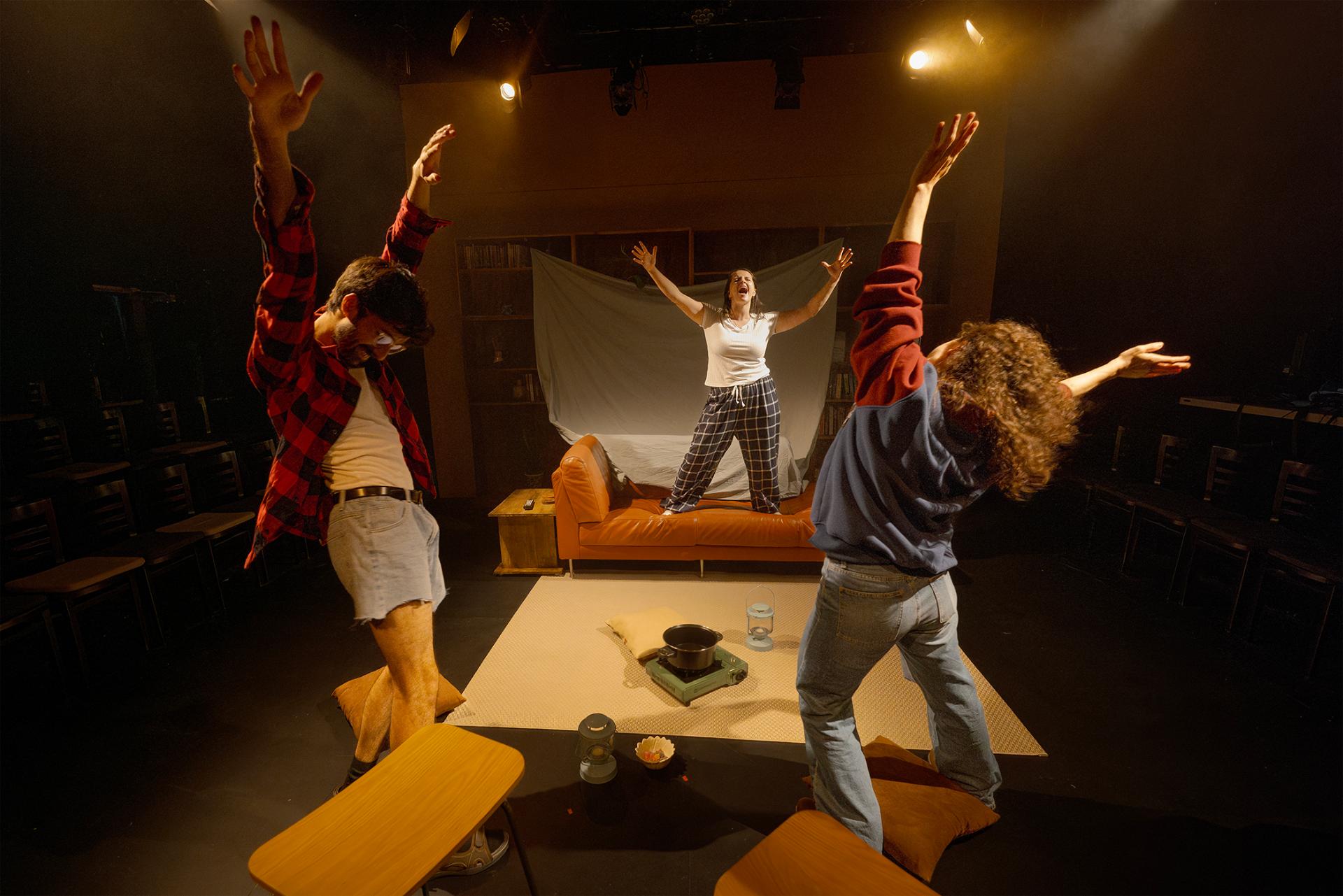
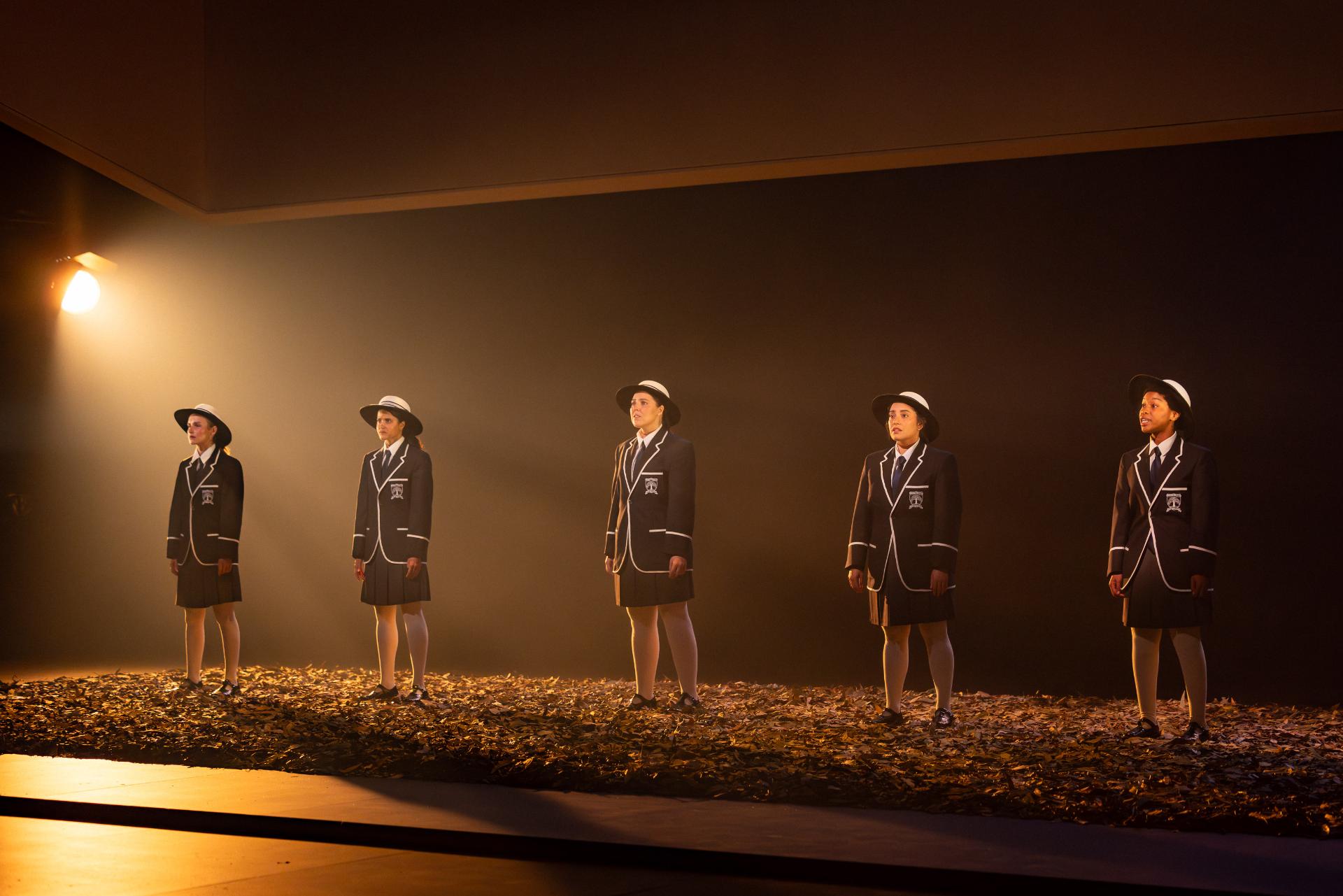
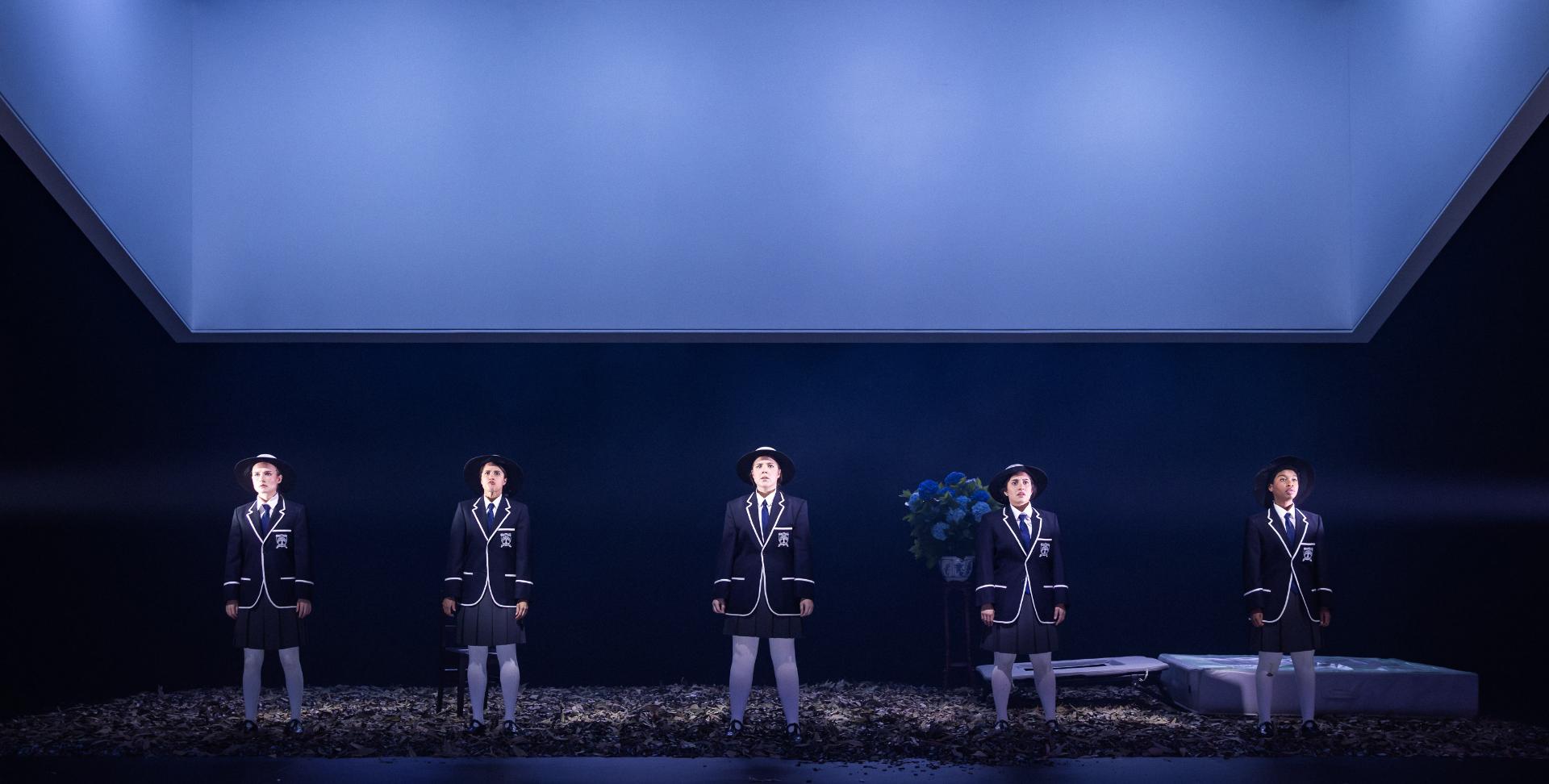
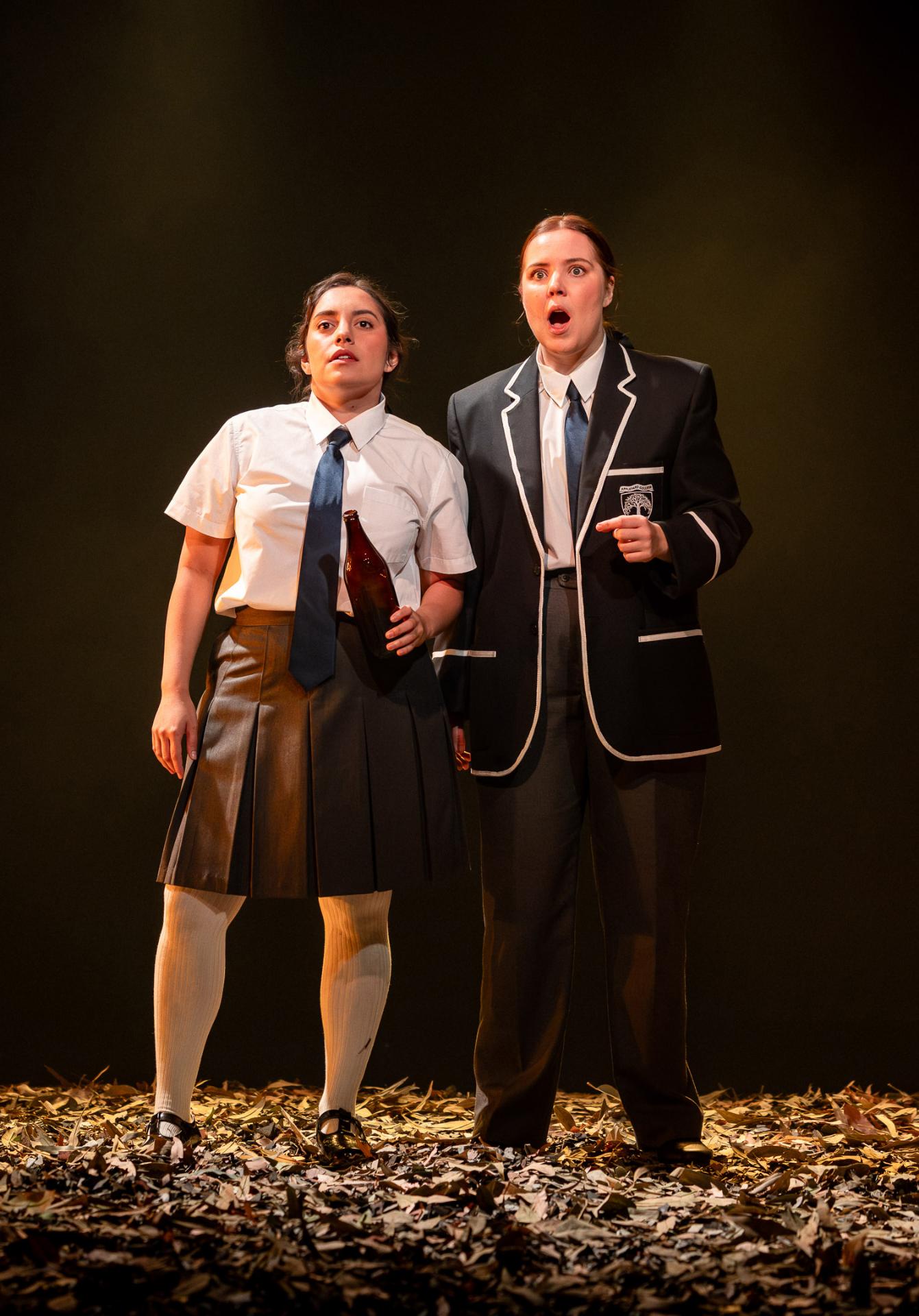
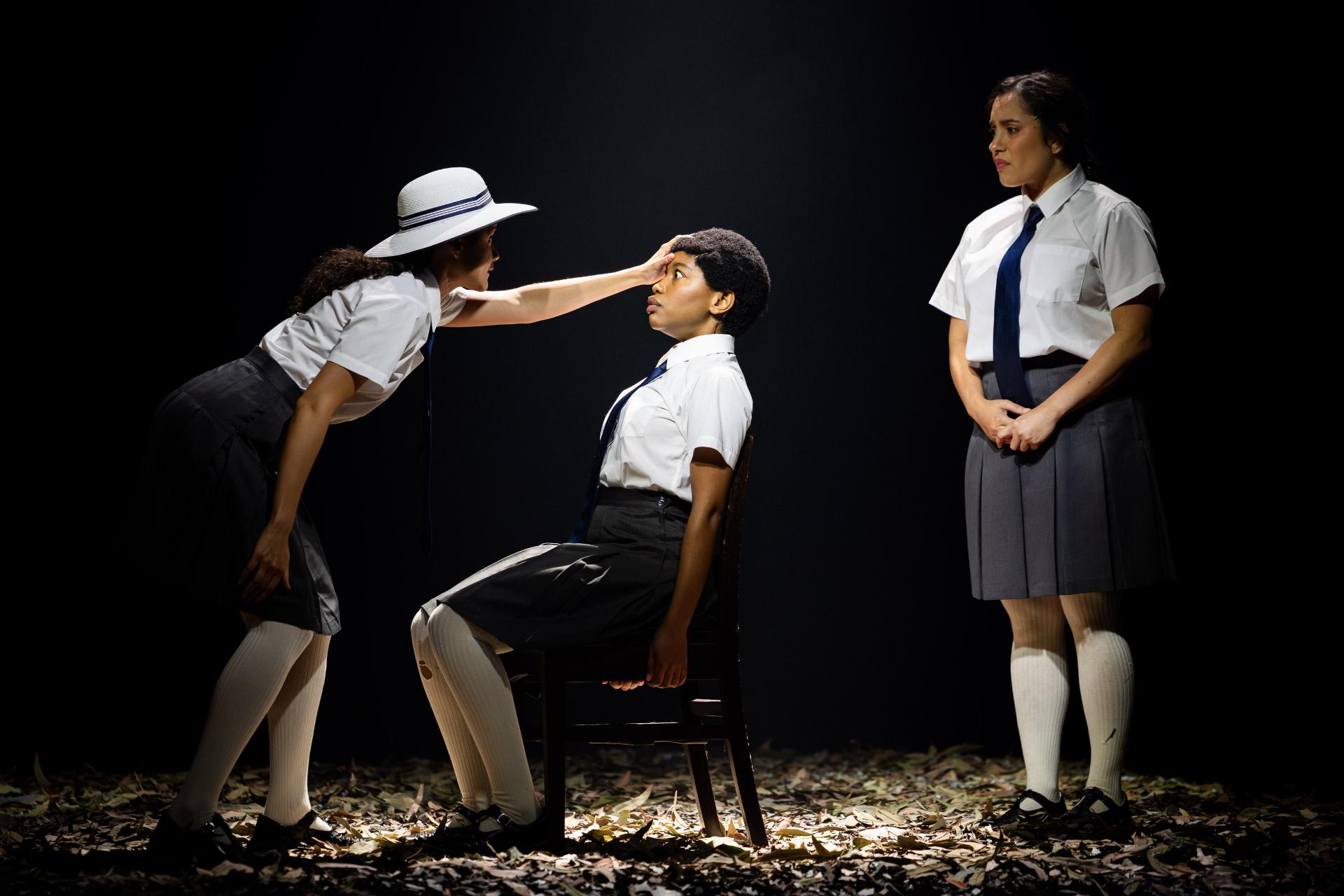
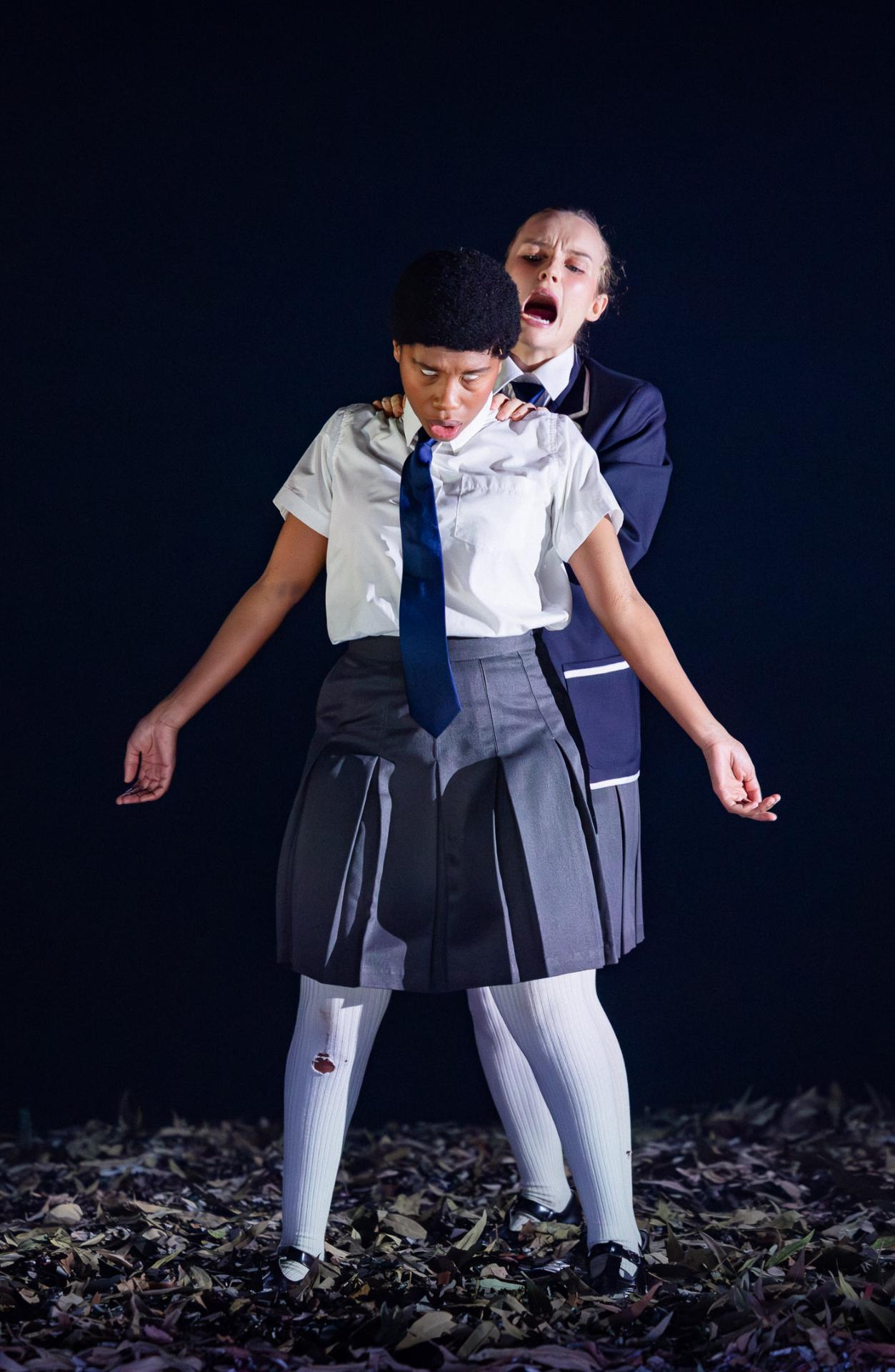
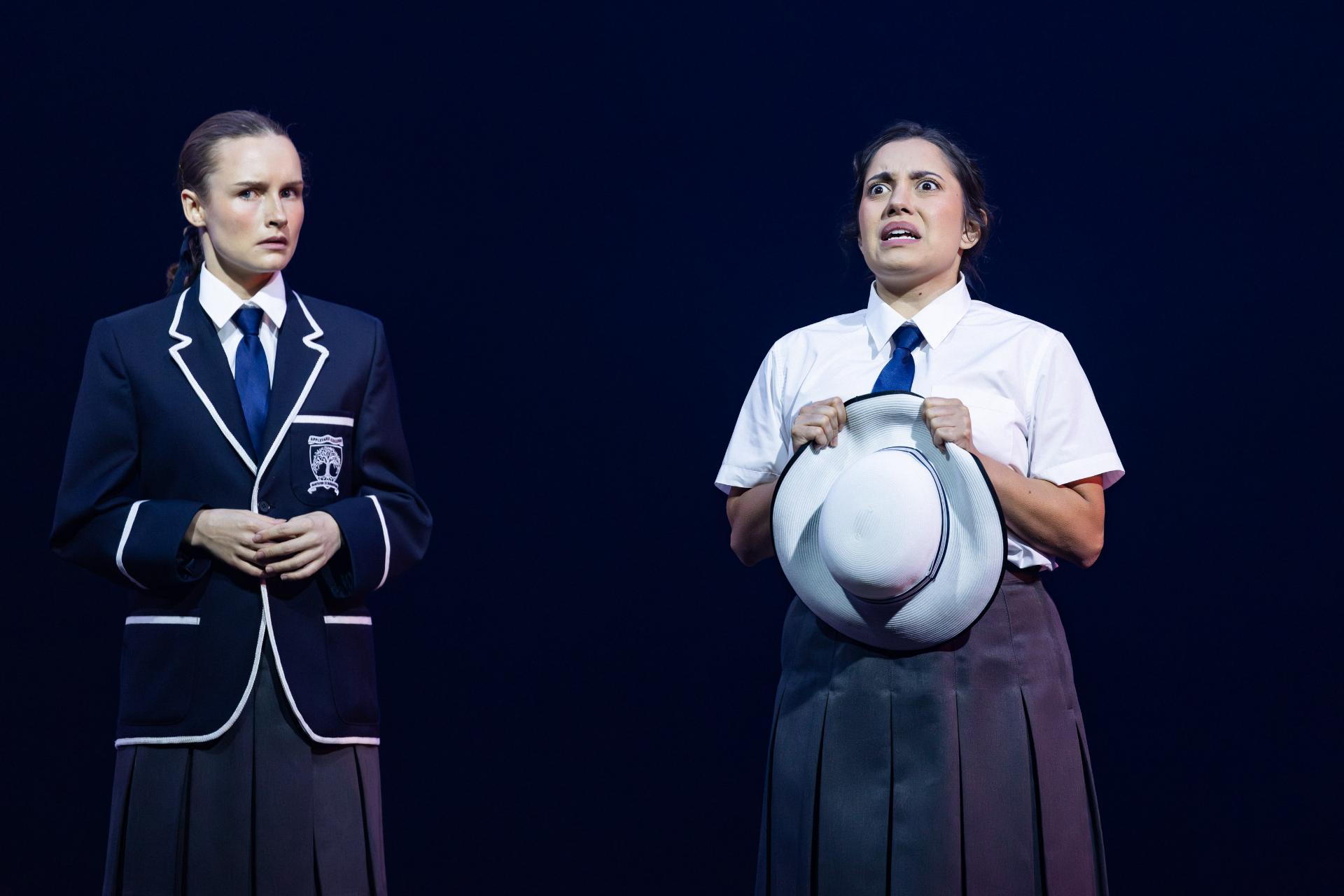
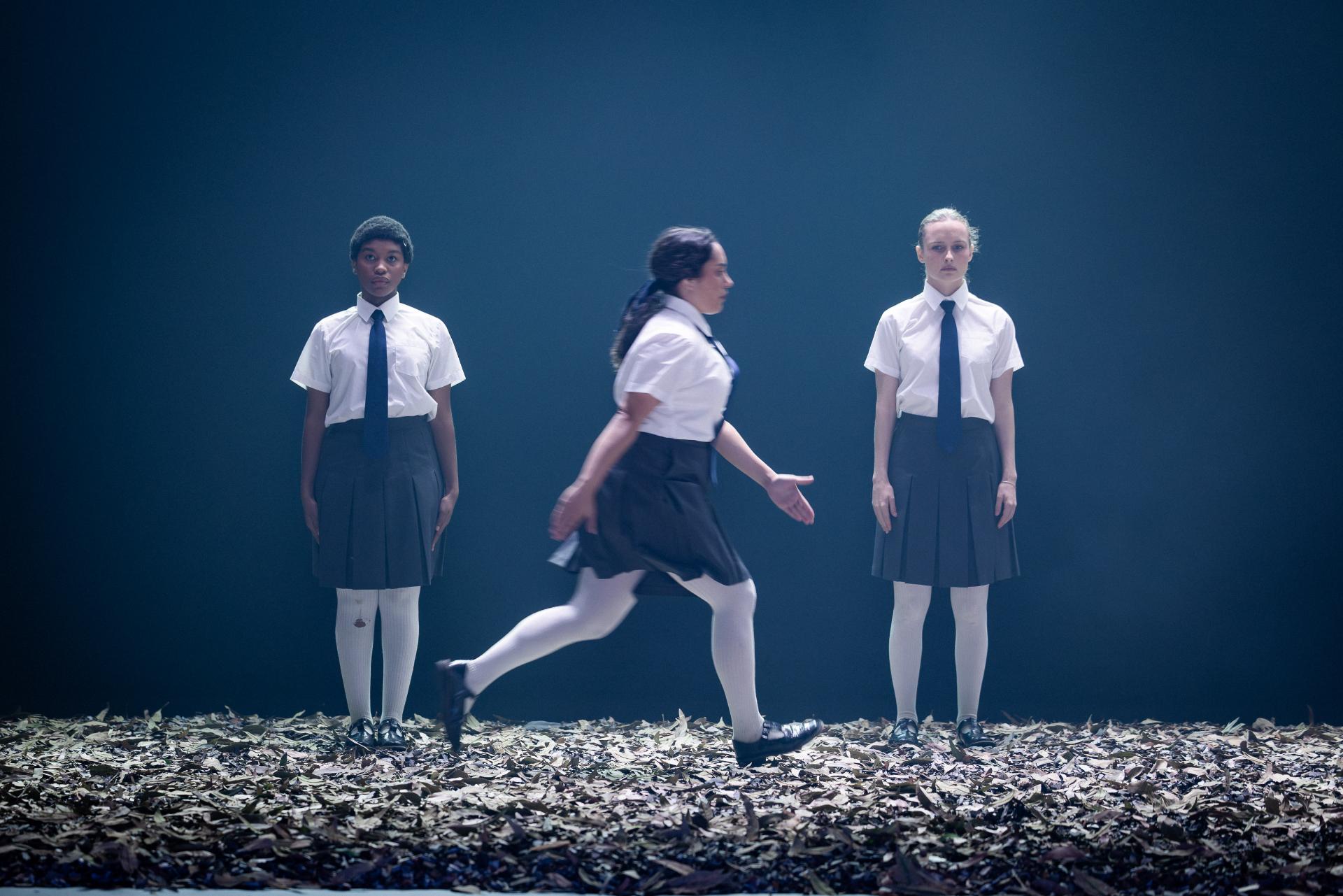
Directed by Sarah Goodes, the staging is a spirited showcase of a woman’s experience of privilege and autonomy, at a time when gender roles remained strictly prescribed. It is in many ways an inspiring portrait, not only of the daring choices made by a woman, but also of the tacit acceptance of her radical approach to life, by the men around her. Sunday Reed is presented as brilliant, but also flawed, which somewhat perversely makes her story all the more intriguing.

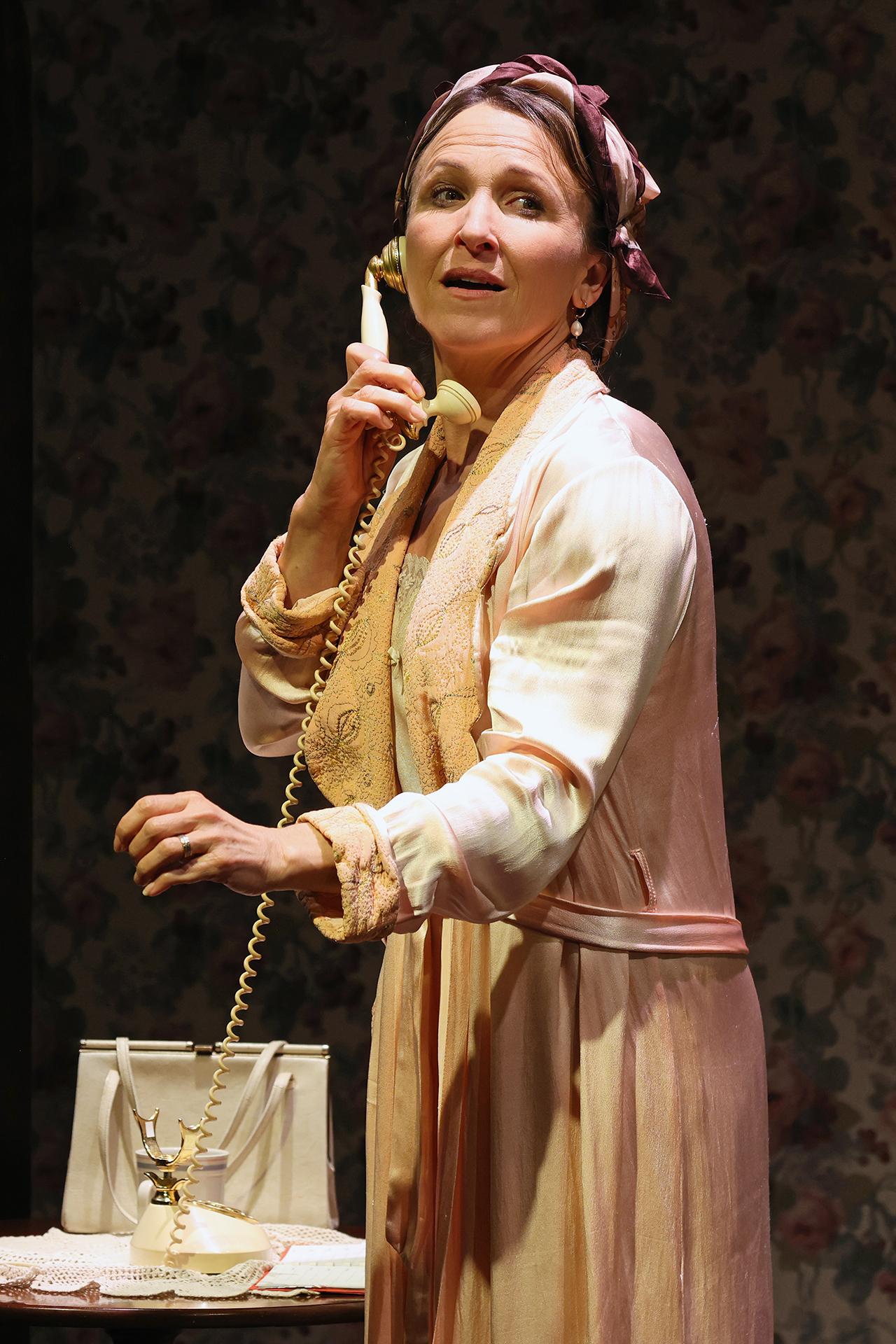
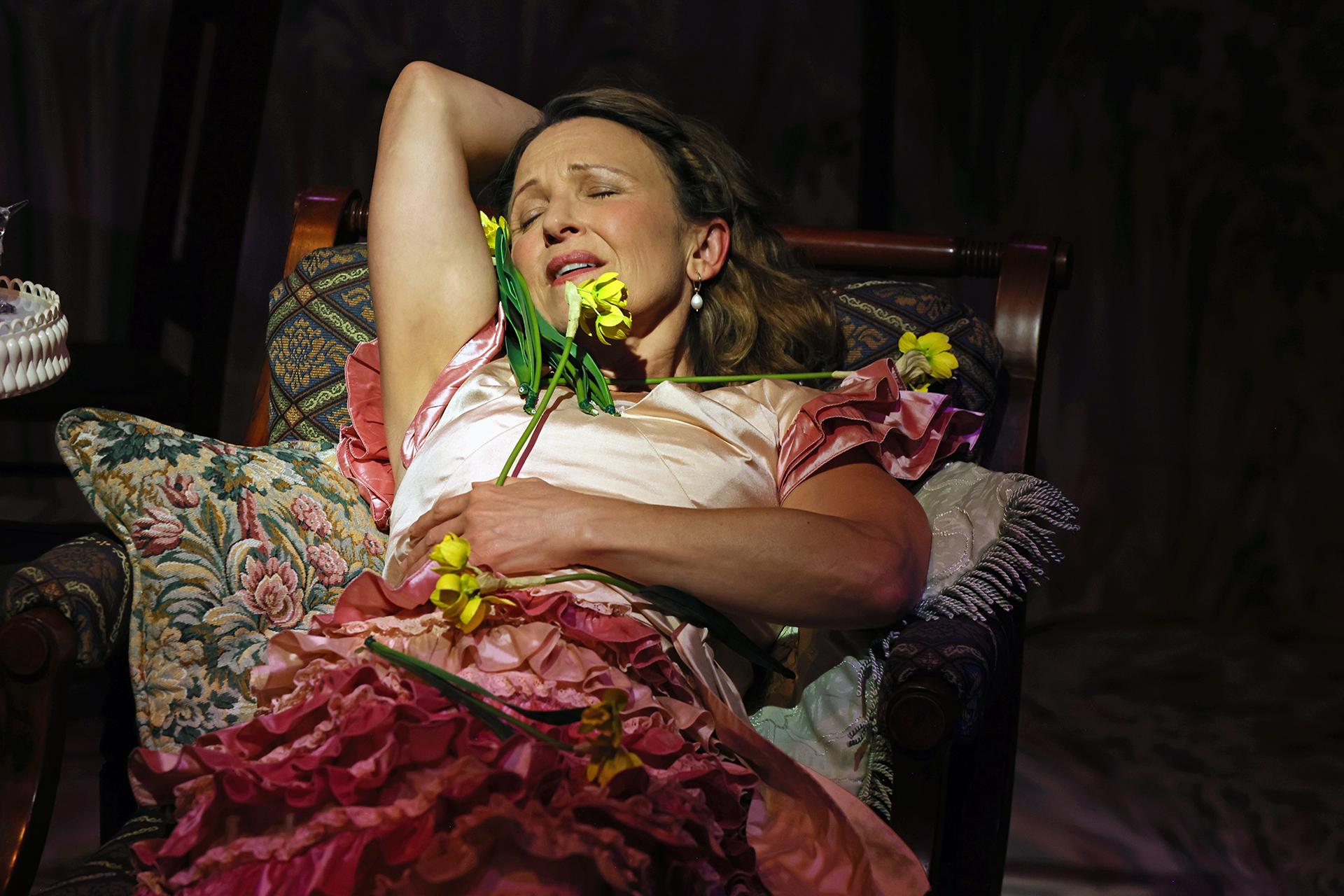
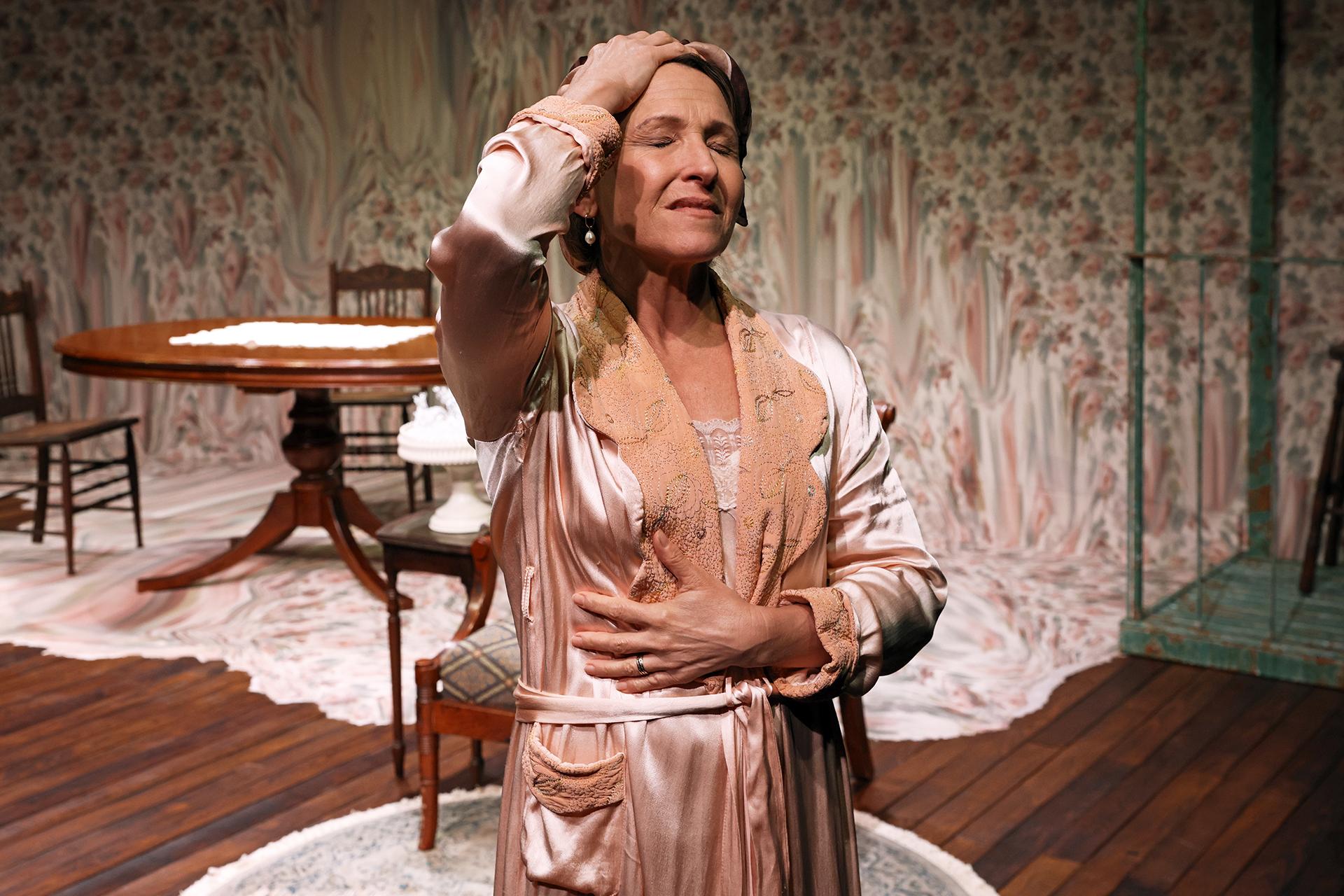
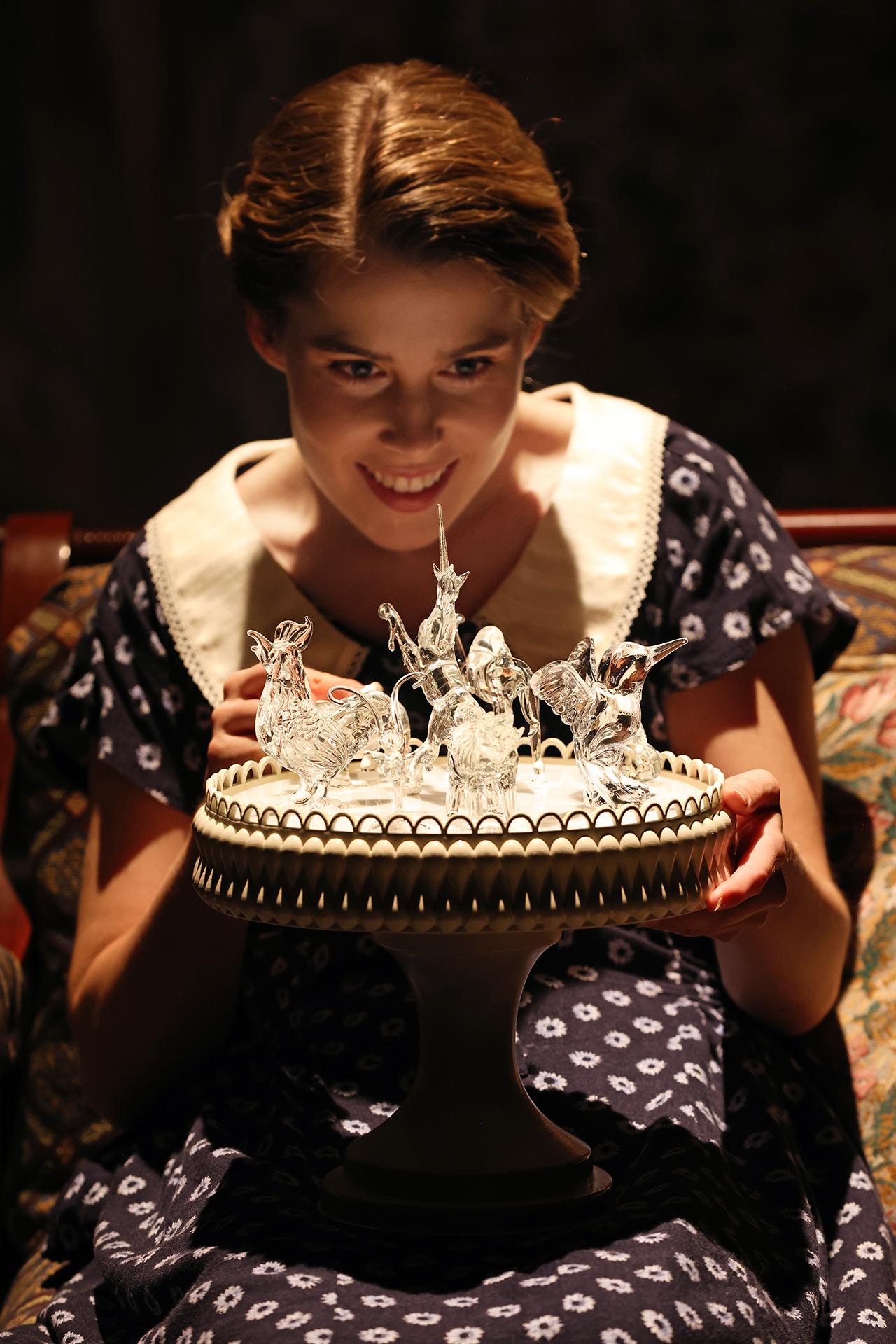
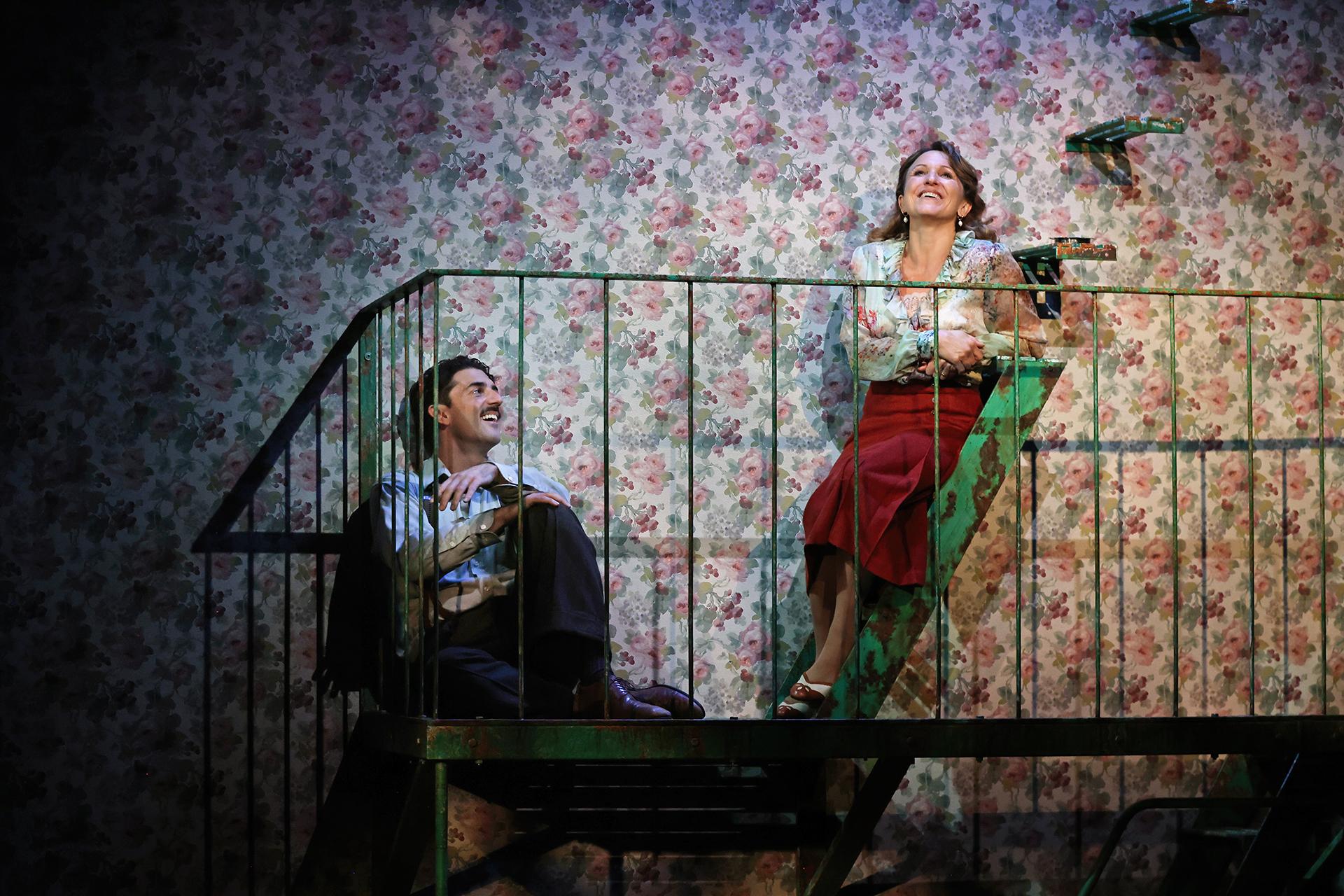
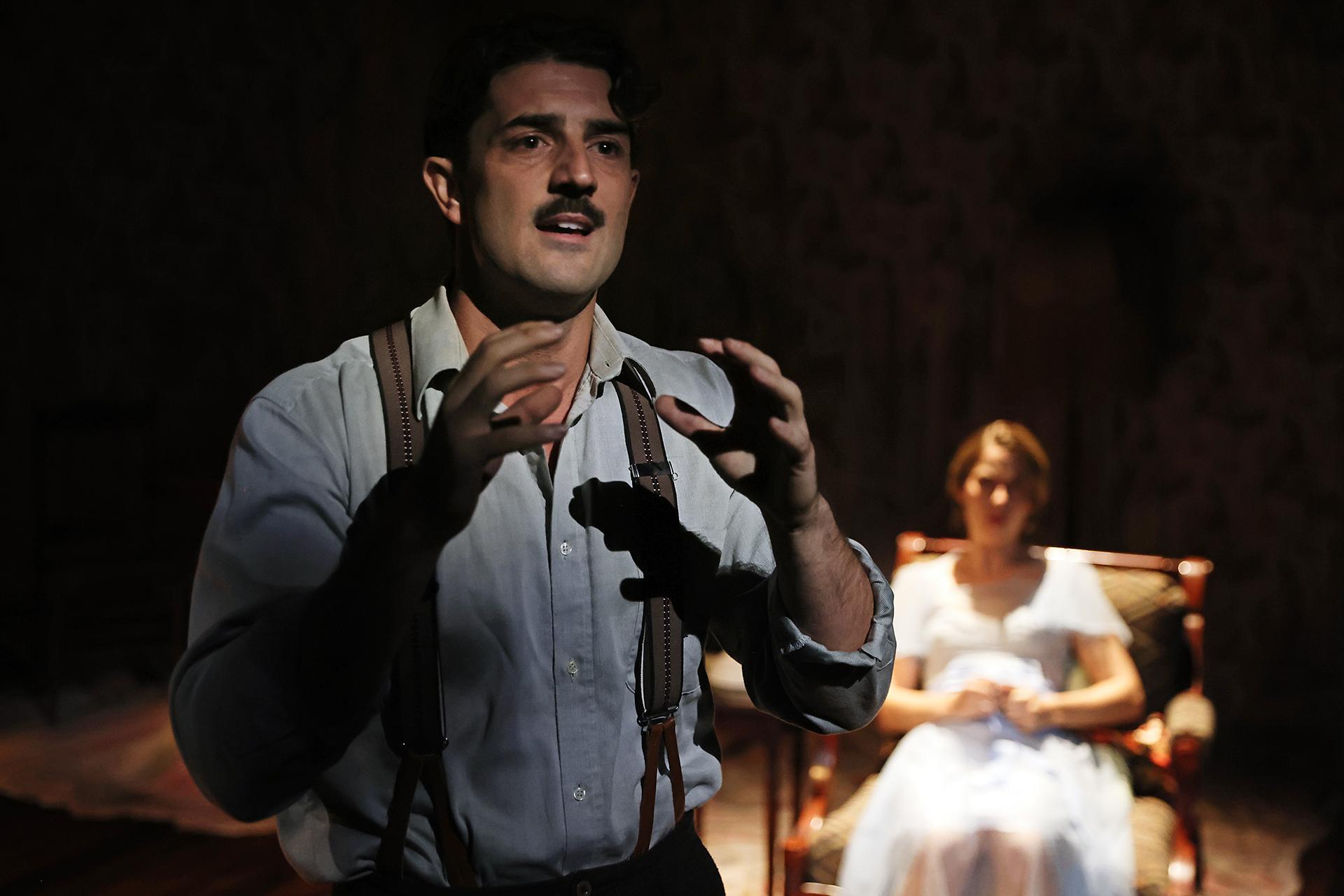
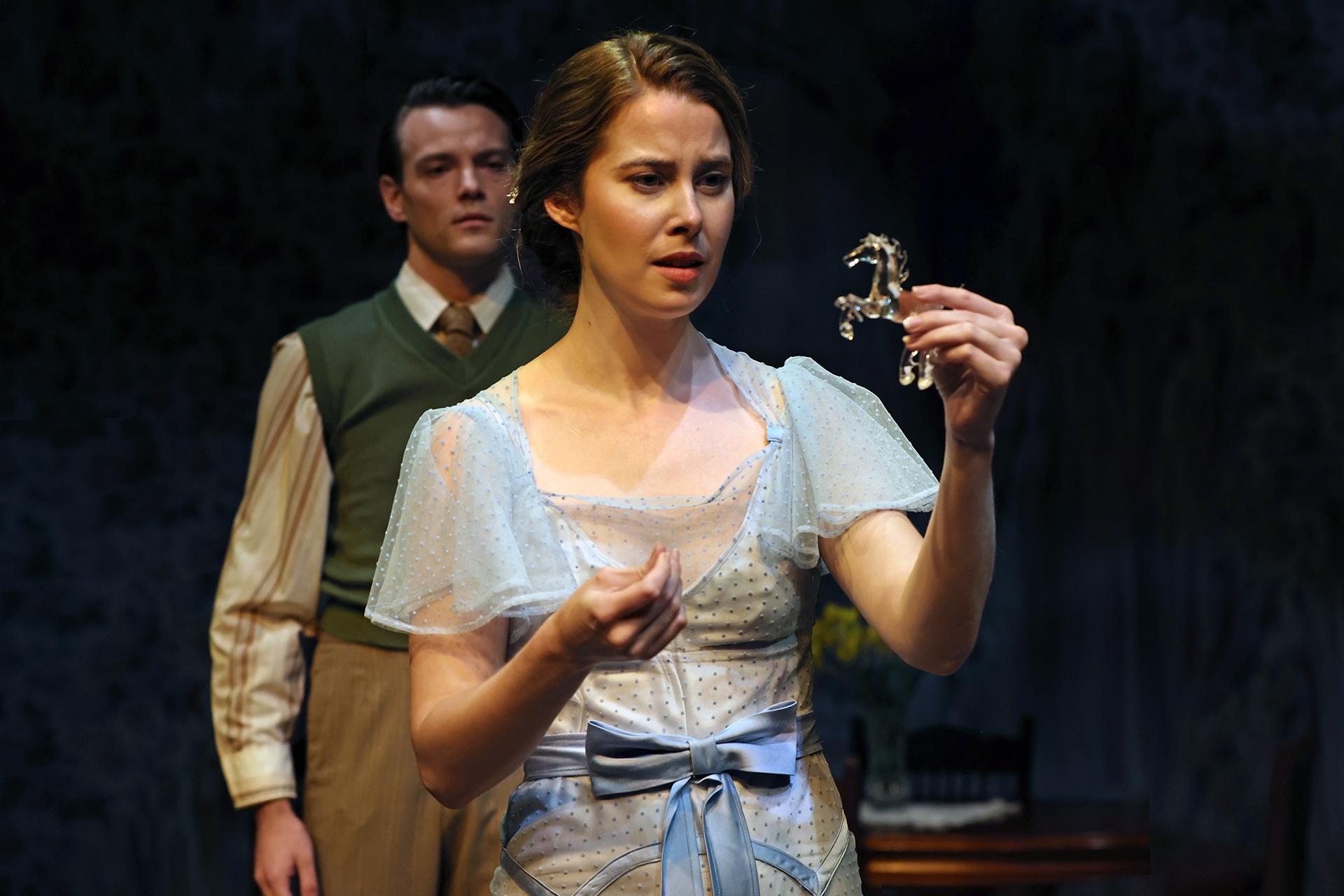
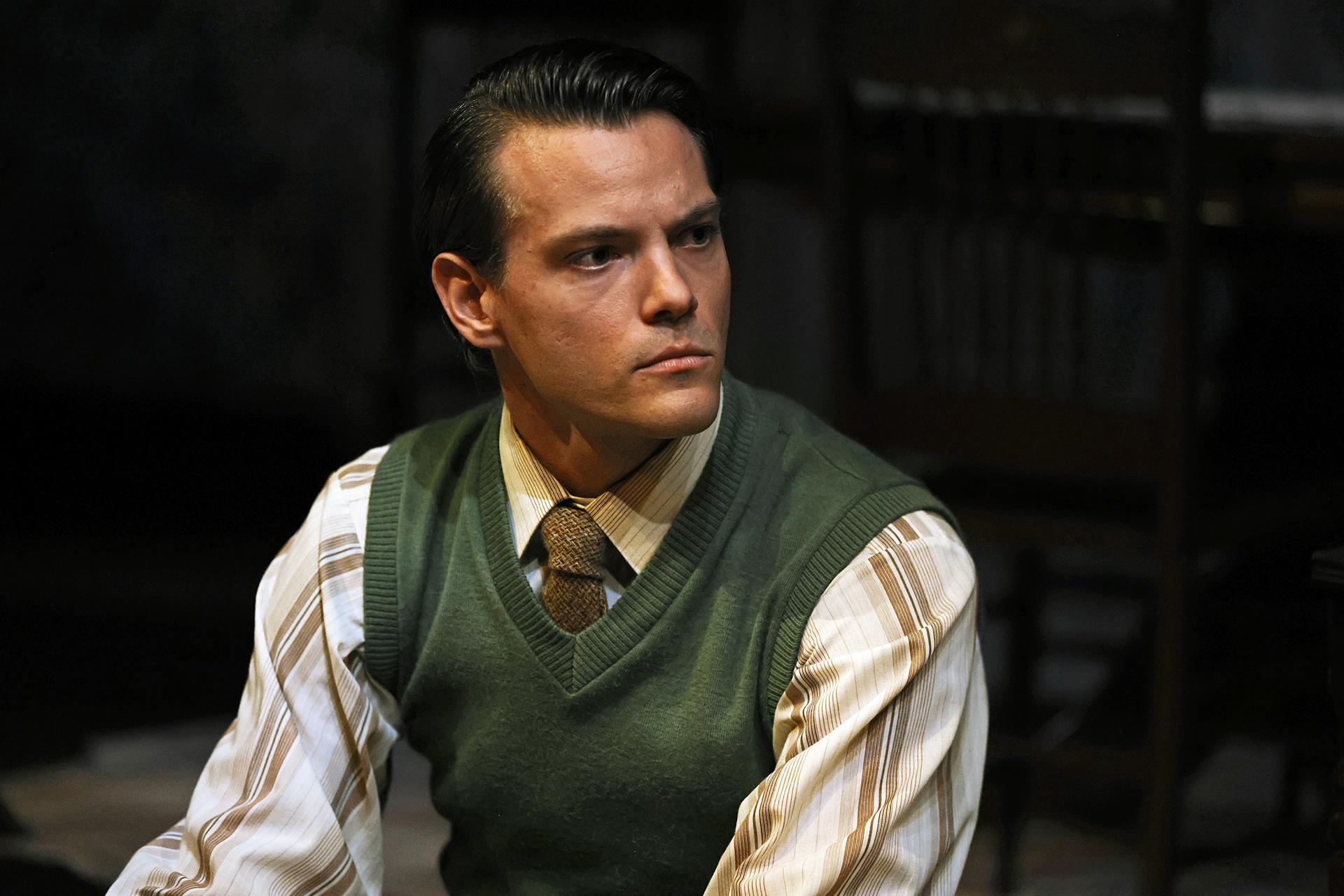
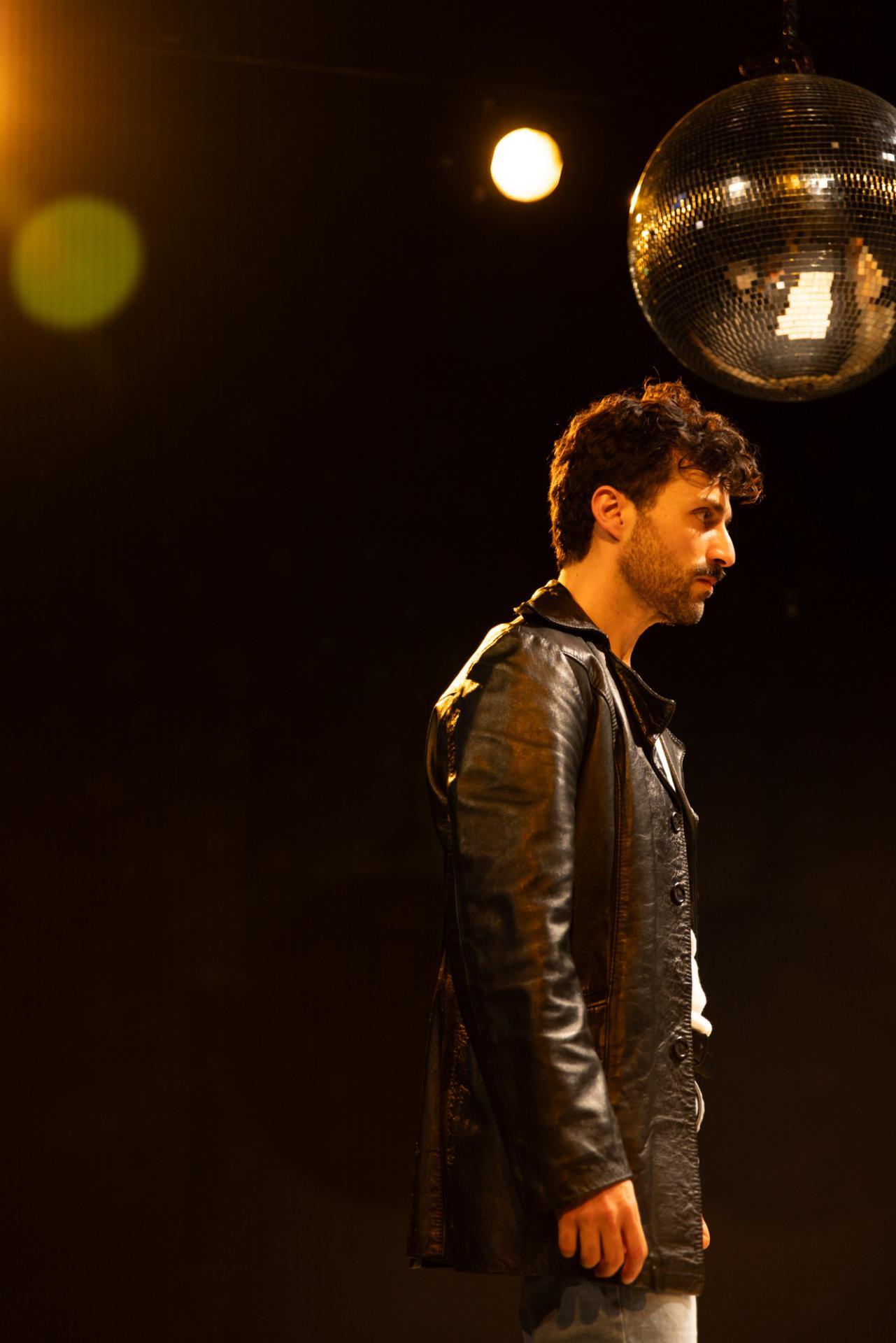
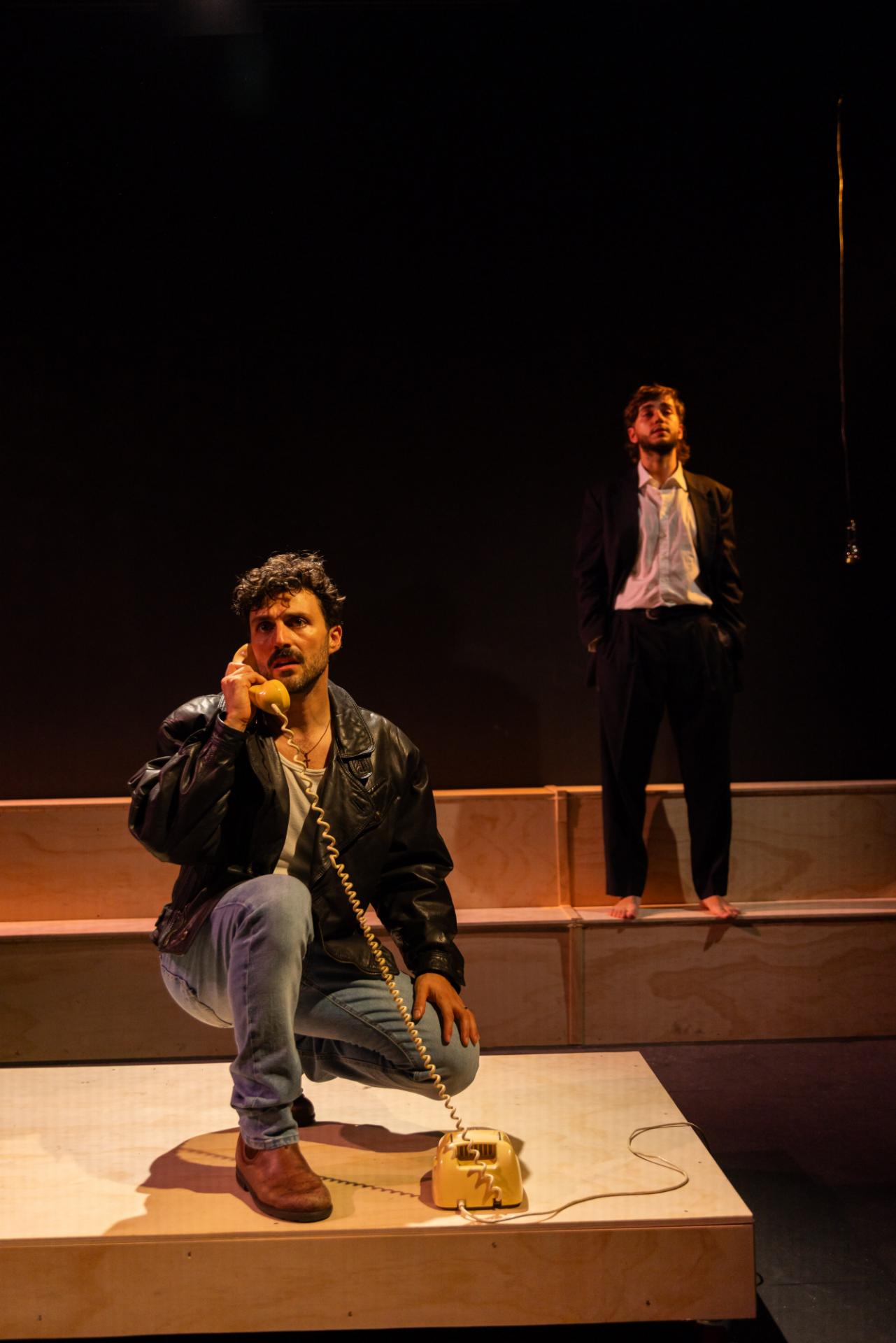
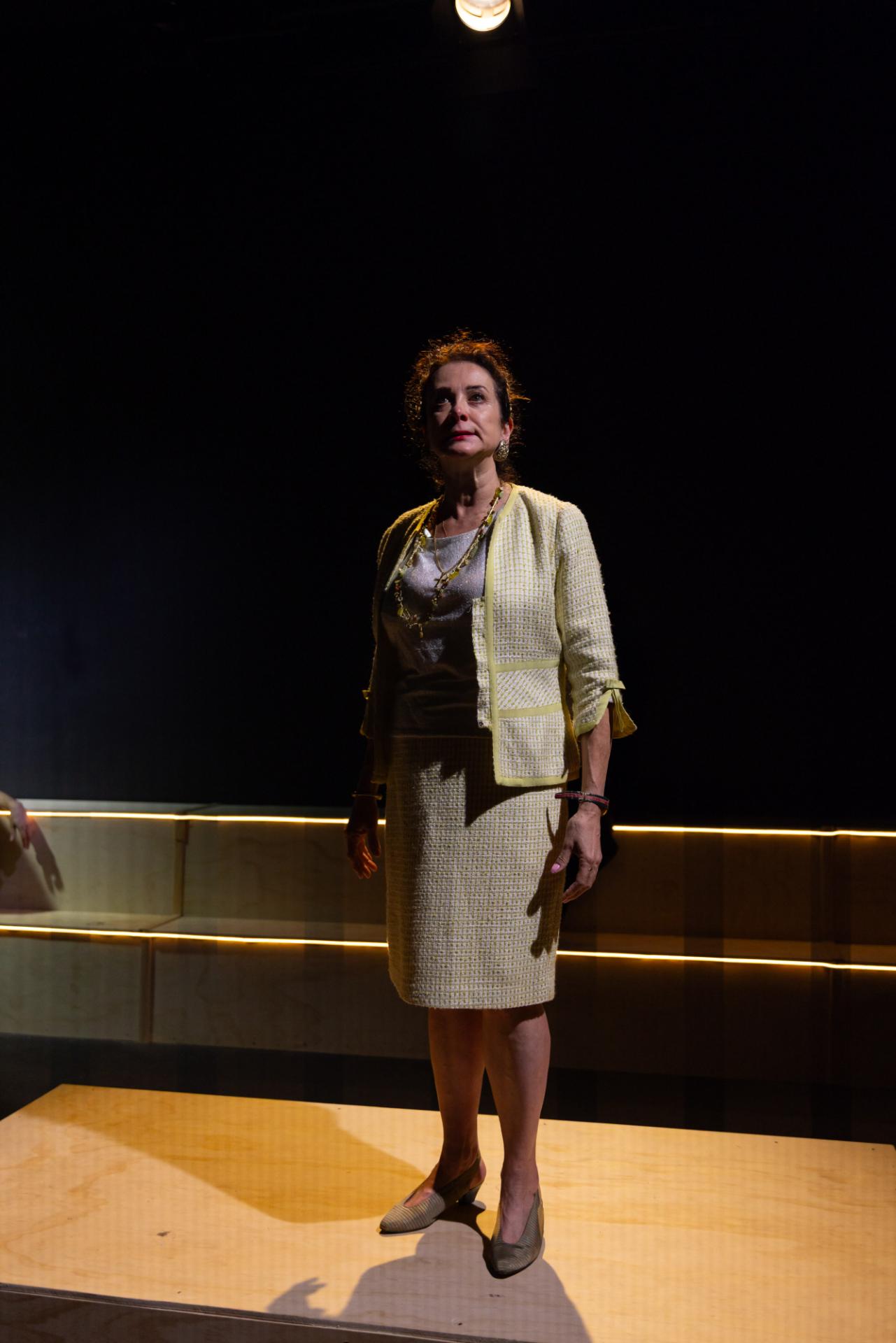
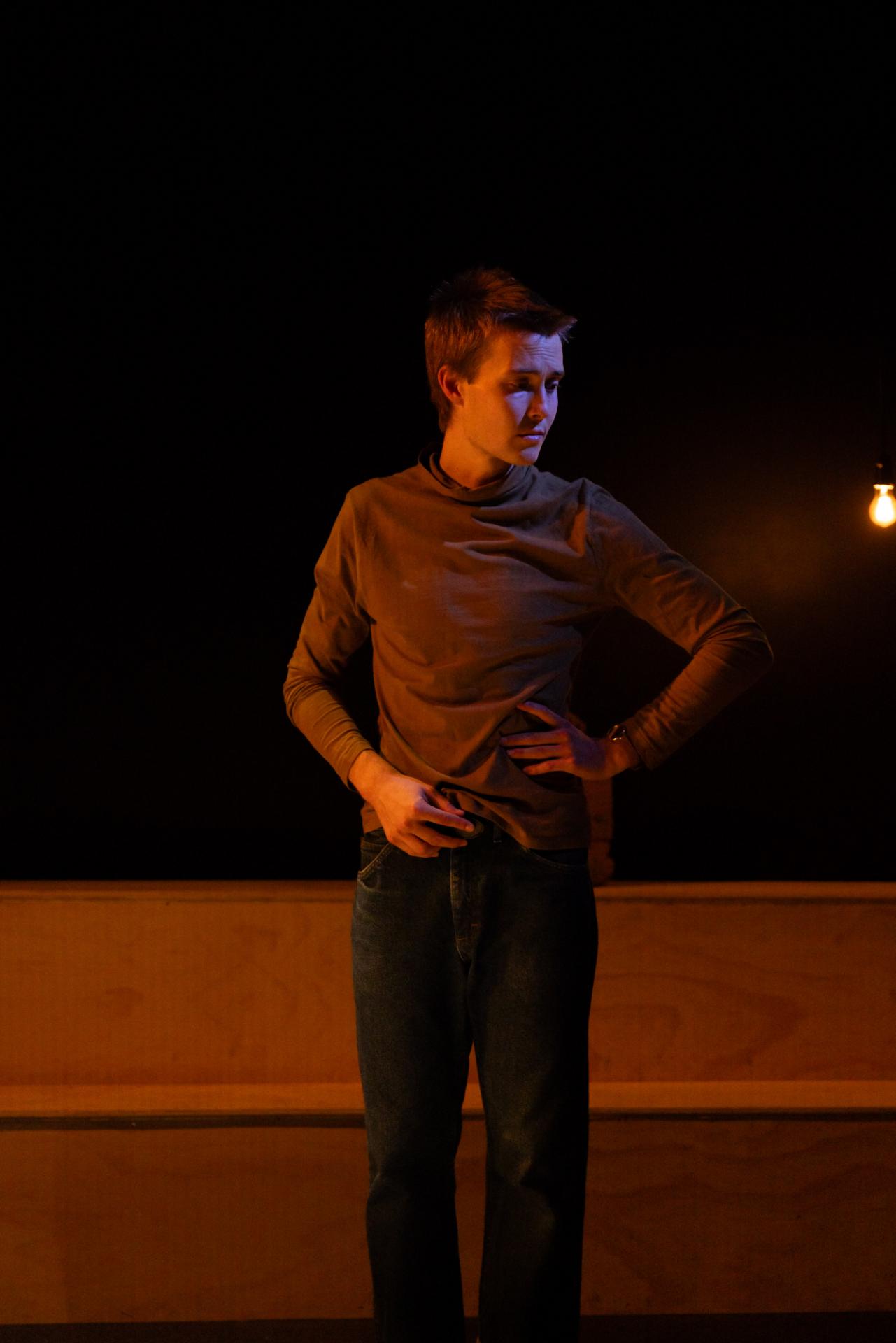
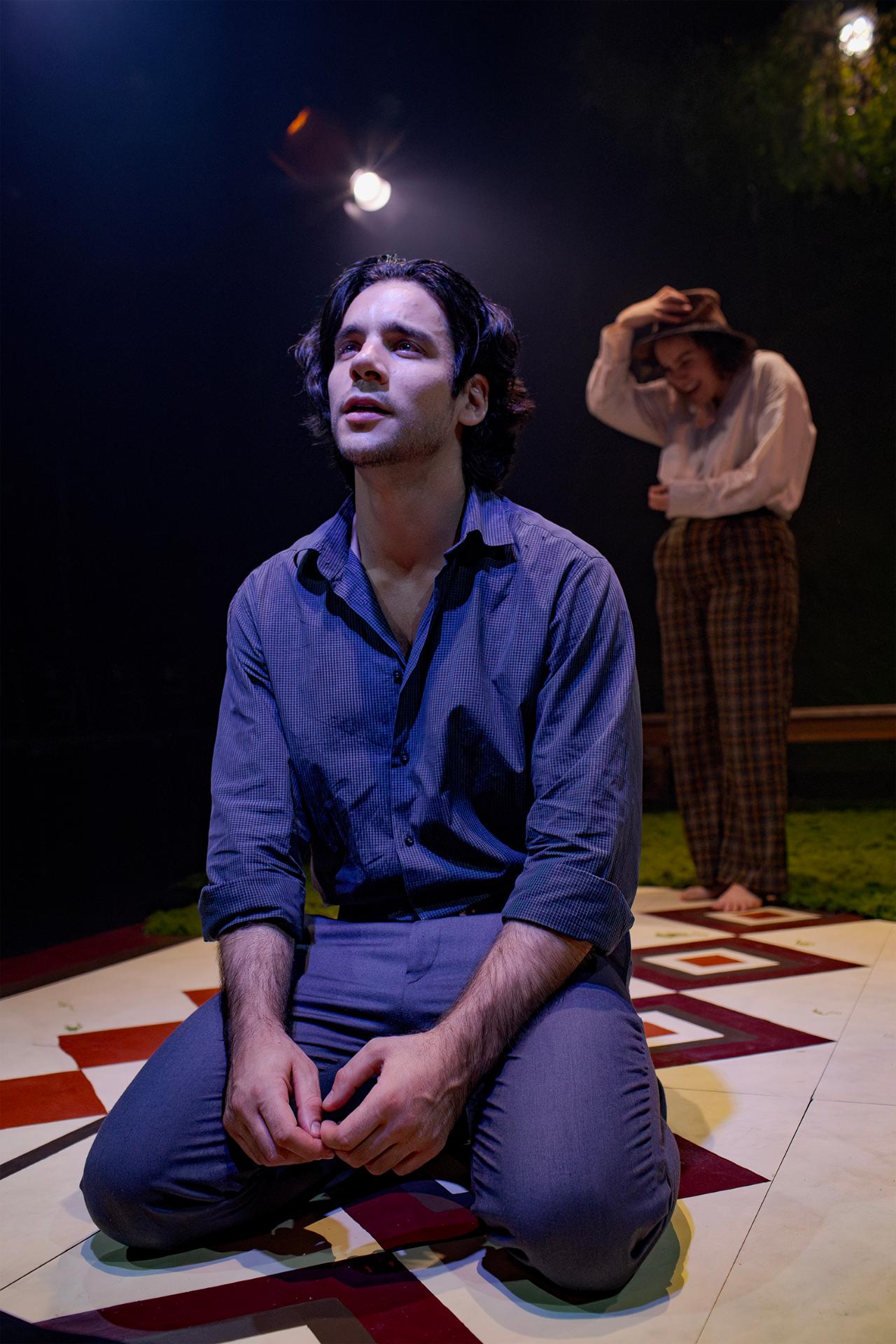
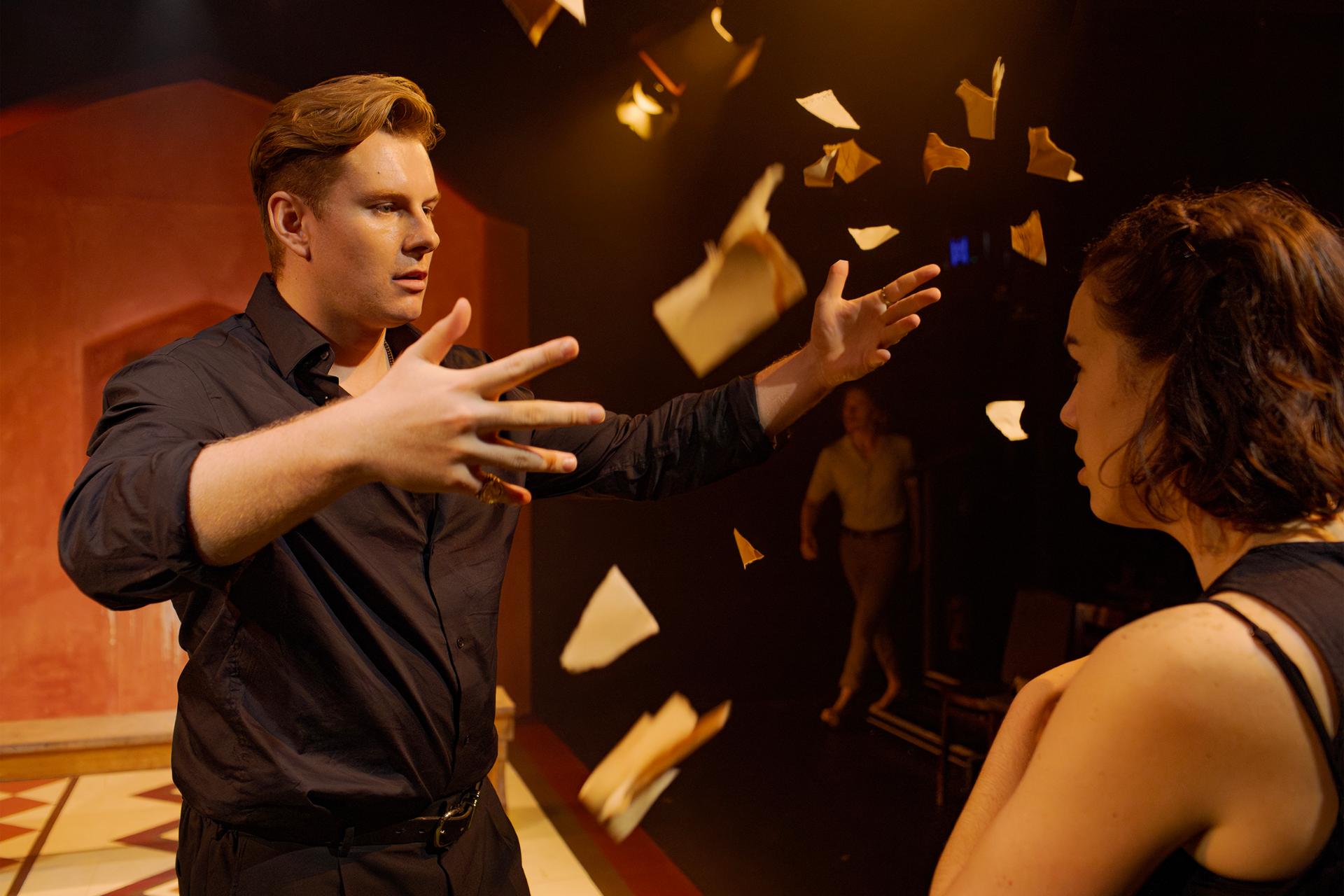
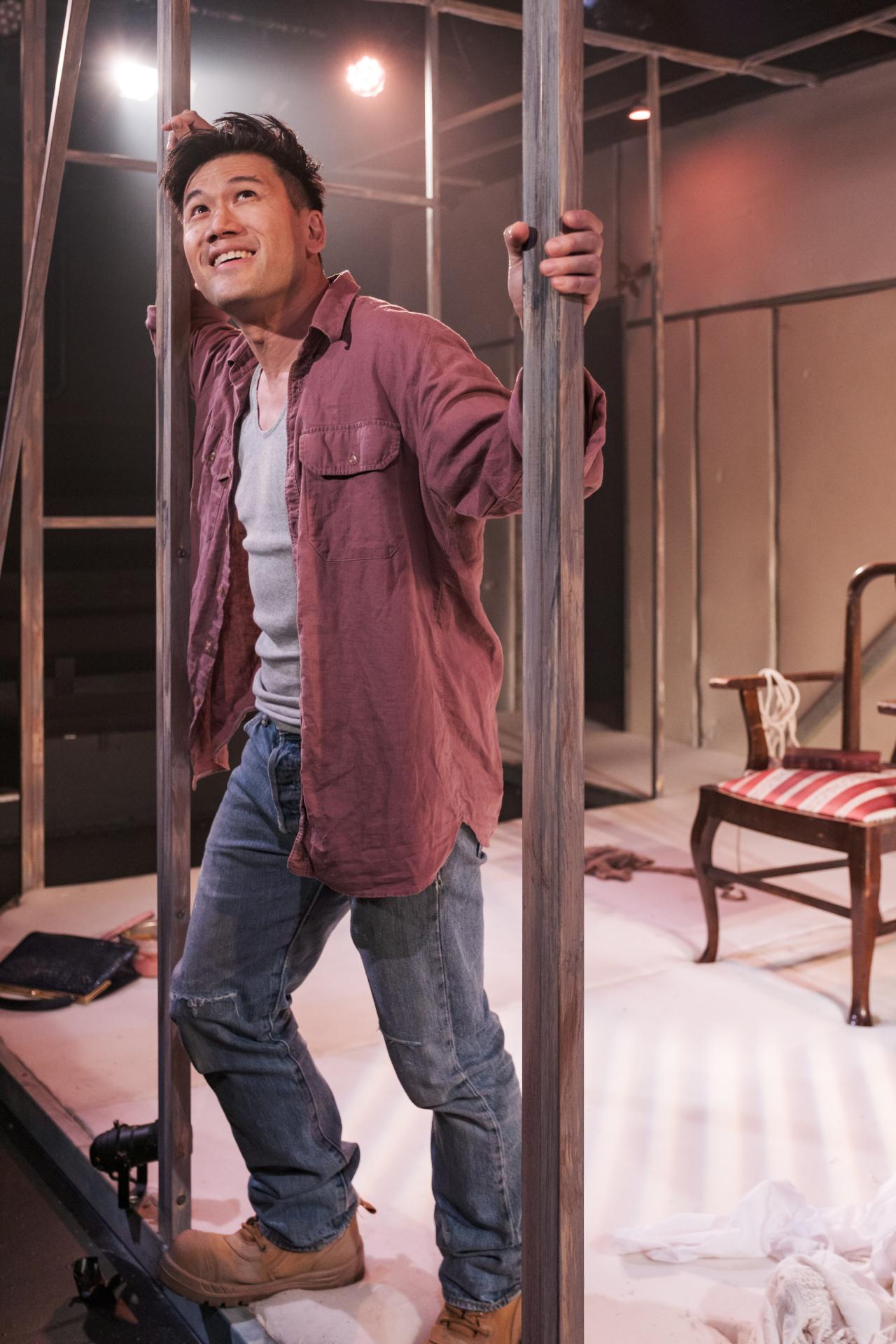
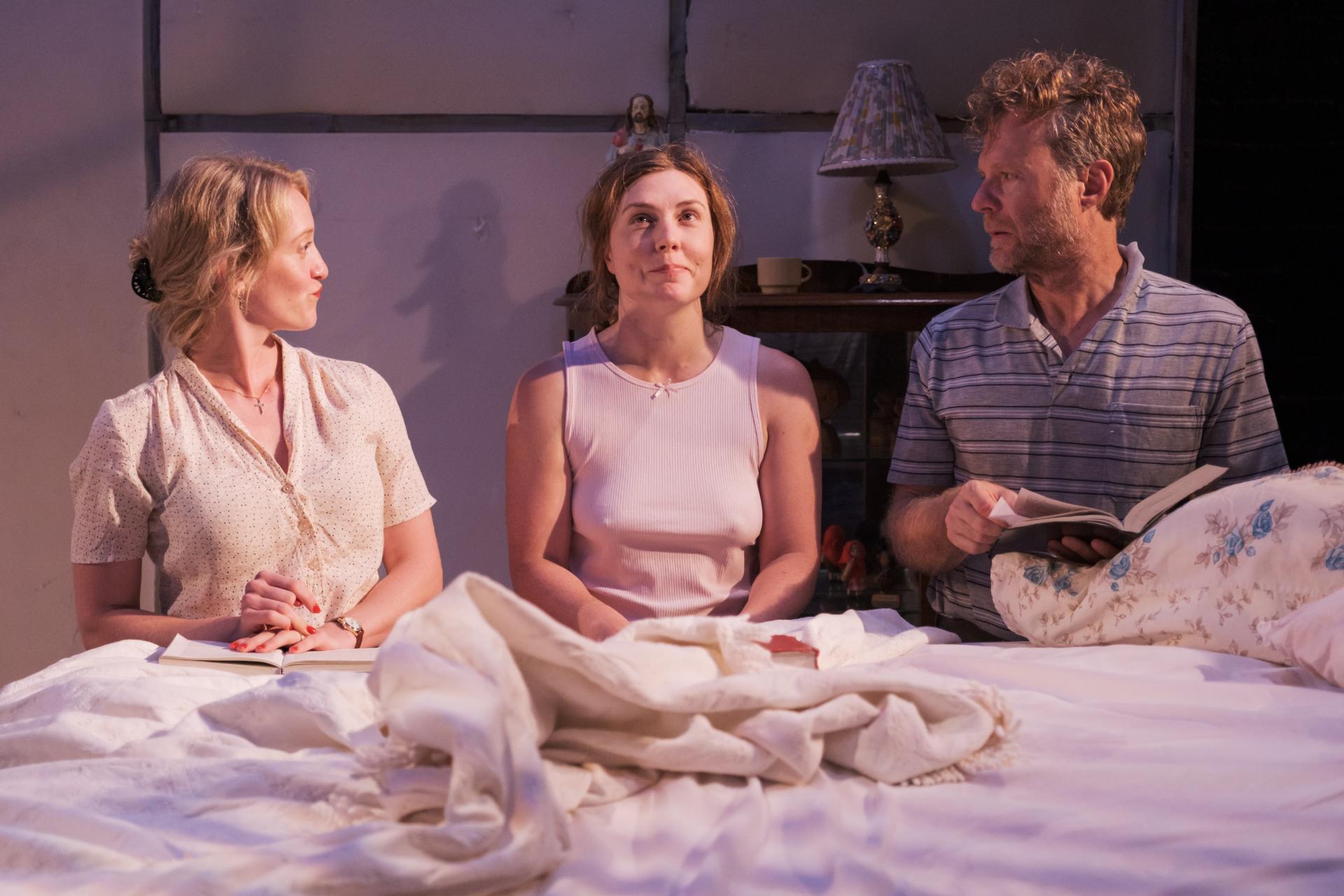
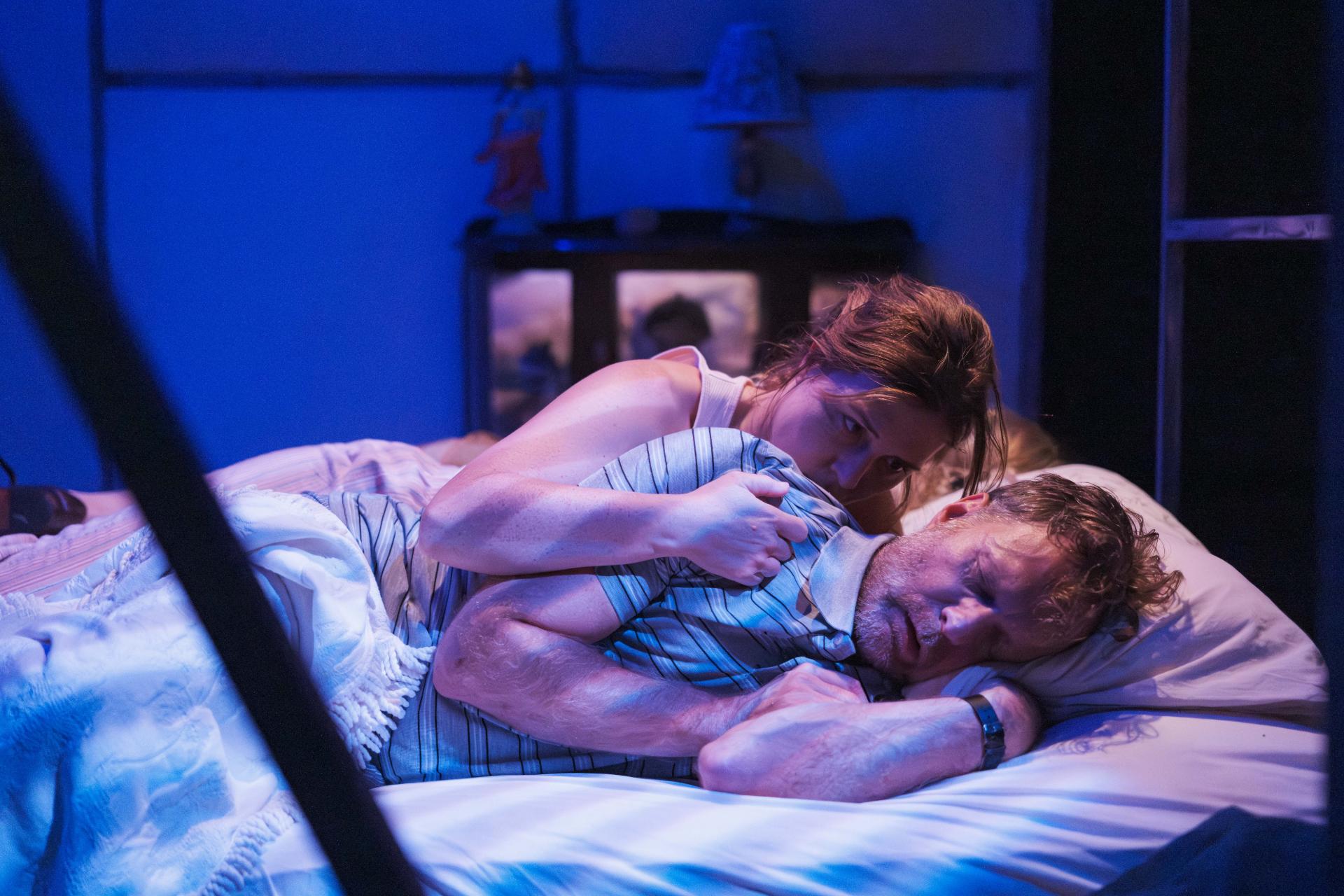
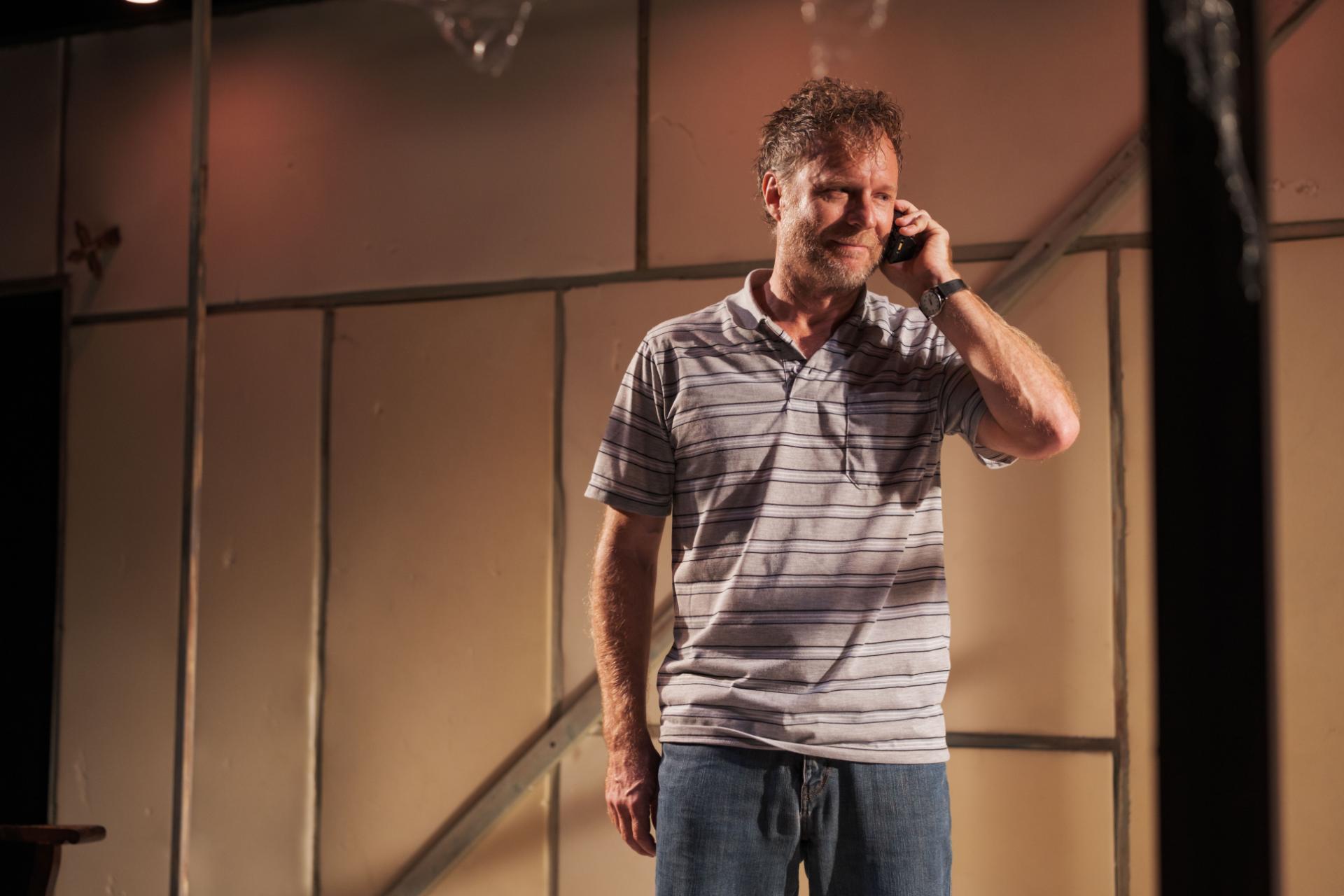
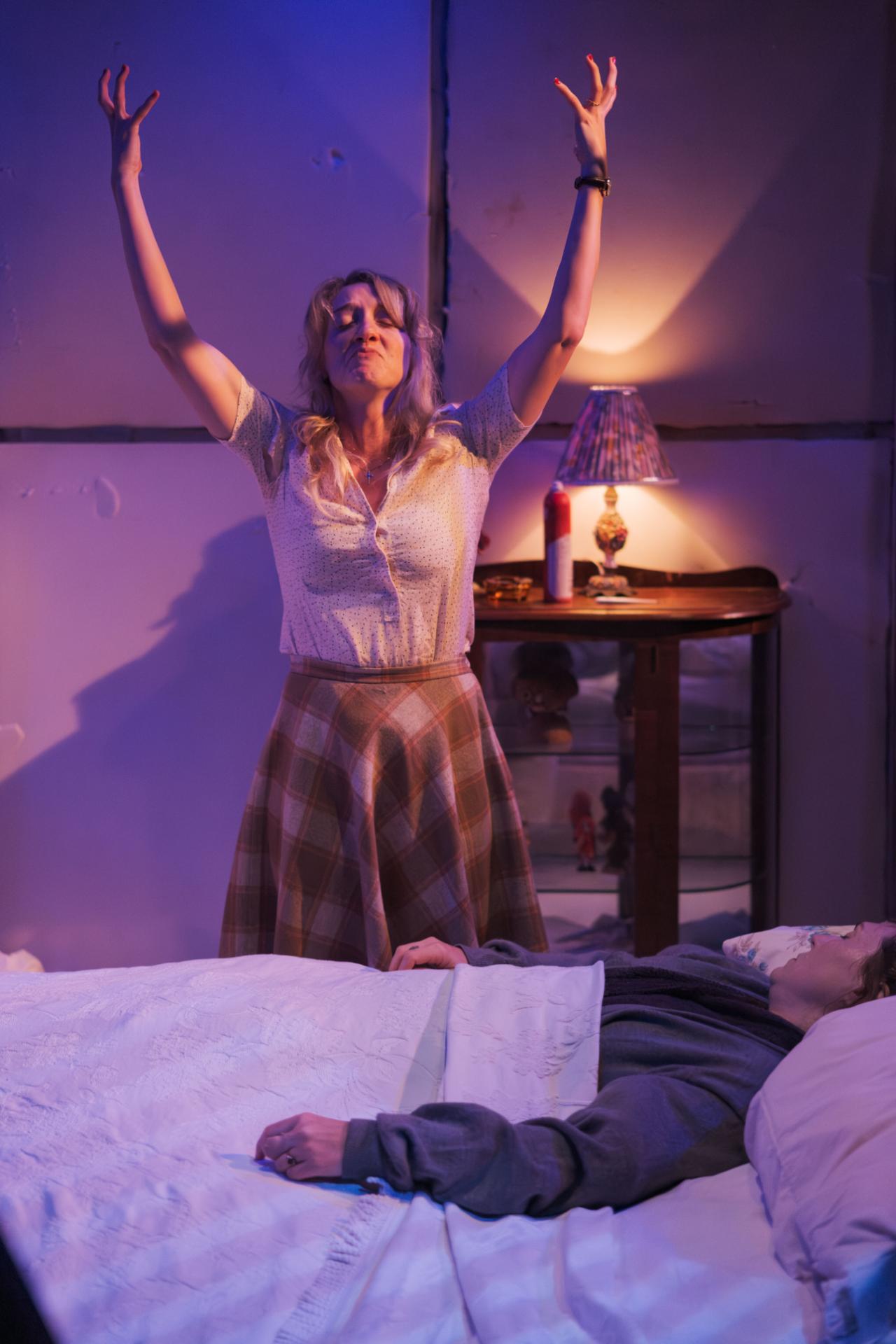
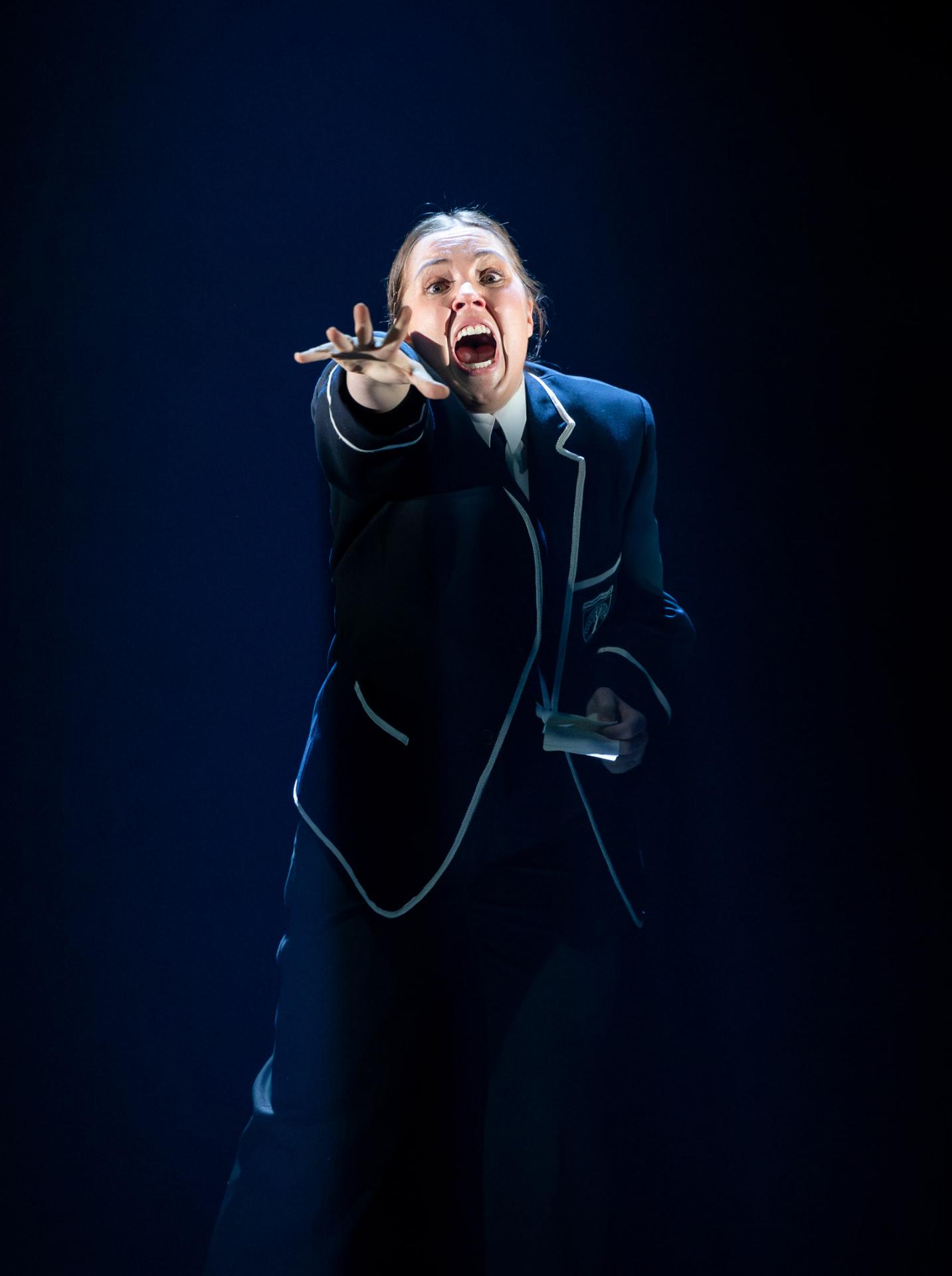
Nikki Shiels is our marvellous leading lady, authoritative and robust in her depictions of a complex personality, rigorously persuasive with all that she manifests. Highly dramatic but also irreproachably detailed, it is a performance that is as provocative as it is captivating, demanding both our focus and intellect. Matt Day brings relentless charm to the part of John Reed, memorable for a lightness of touch that conveys a great deal of sophistication, in a play that communicates with gratifying maturity. In the role of Sidney Nolan is James O’Connell, whose journey from naivety to self-assuredness is charted with evident diligence alongside an admirable grace. Jude Hyland and Ratidzo Mambo as Sweeney Reed and Joy Hester respectively, surprise with the gravity they introduce, notwithstanding the brevity of their appearances.

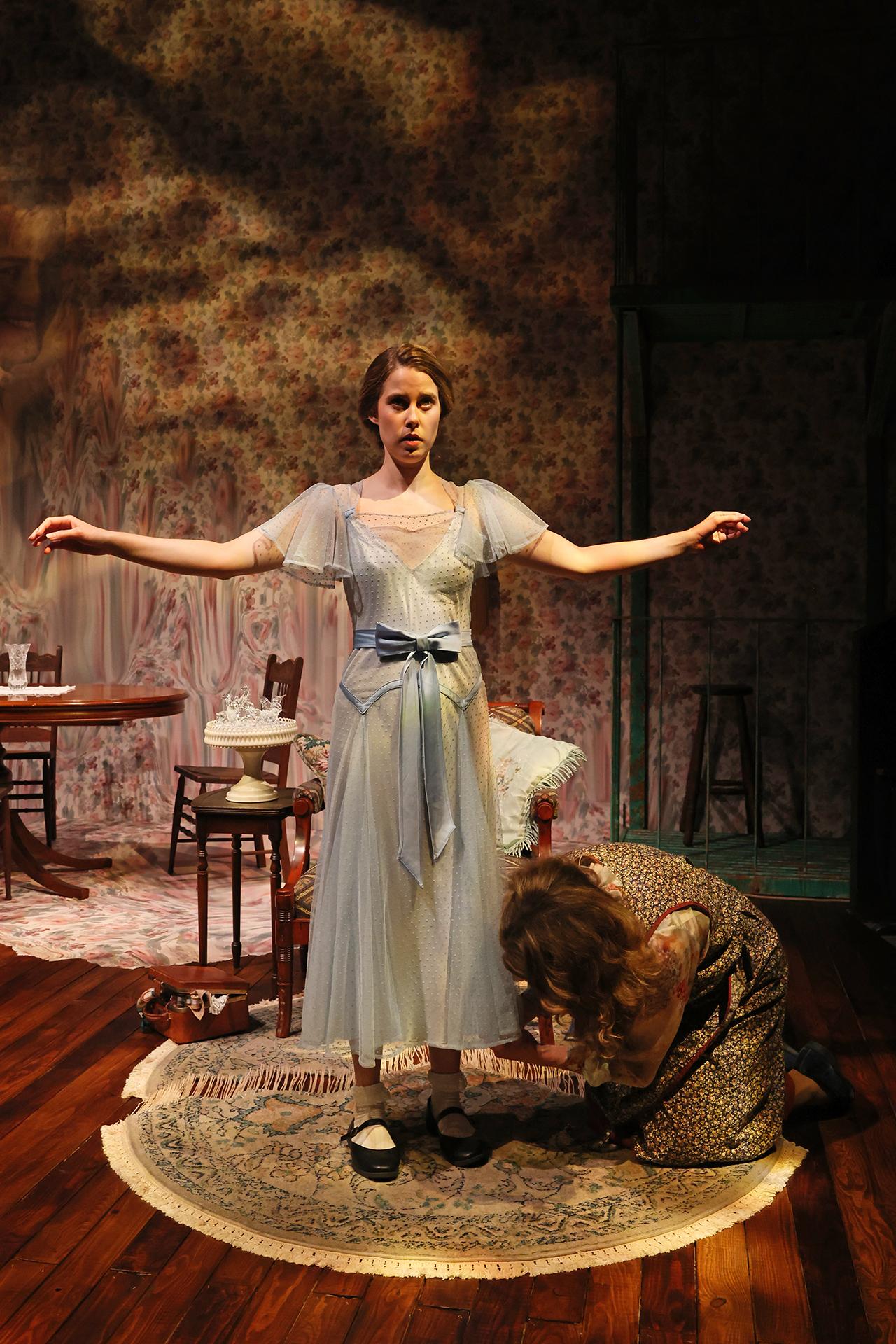
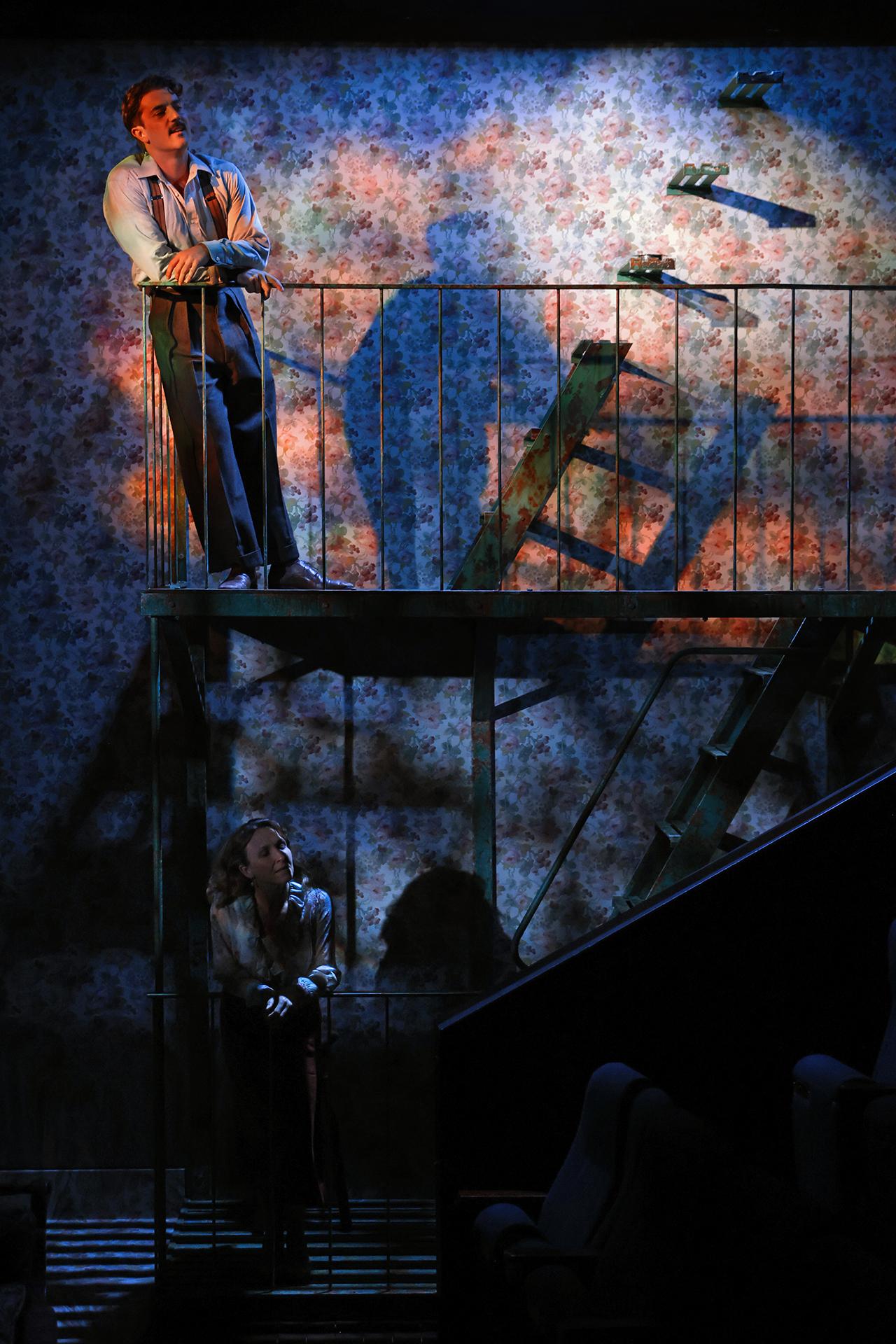
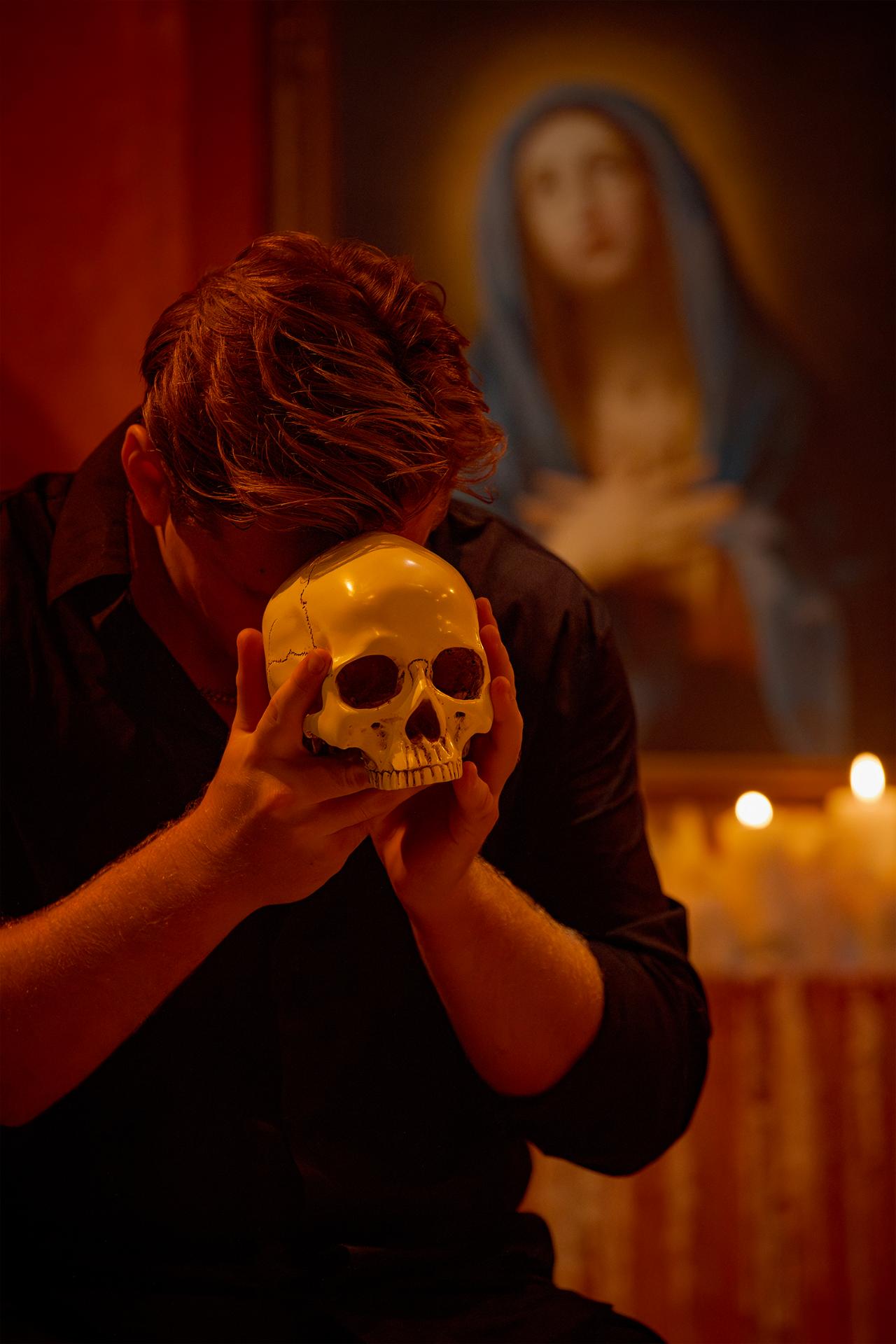
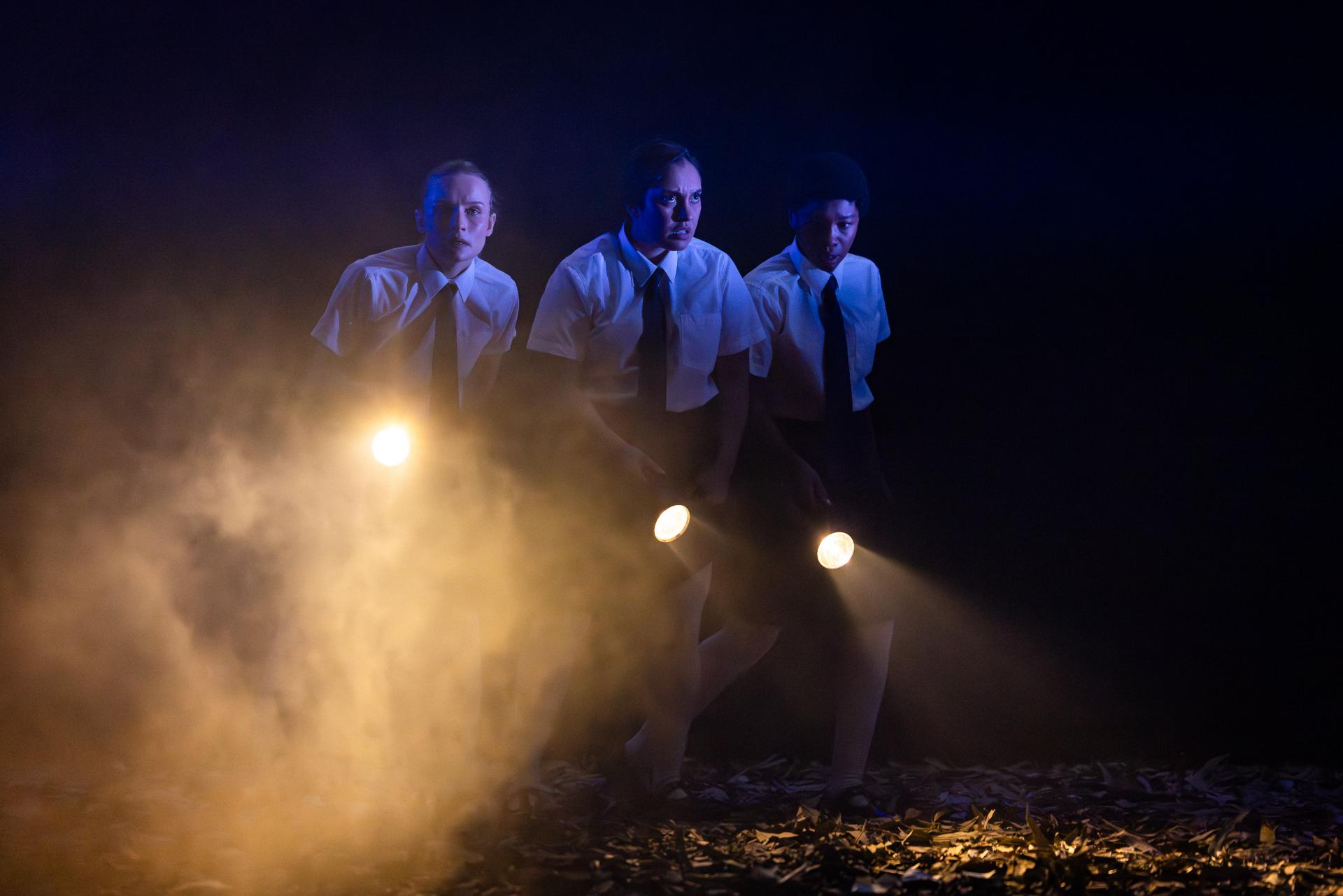
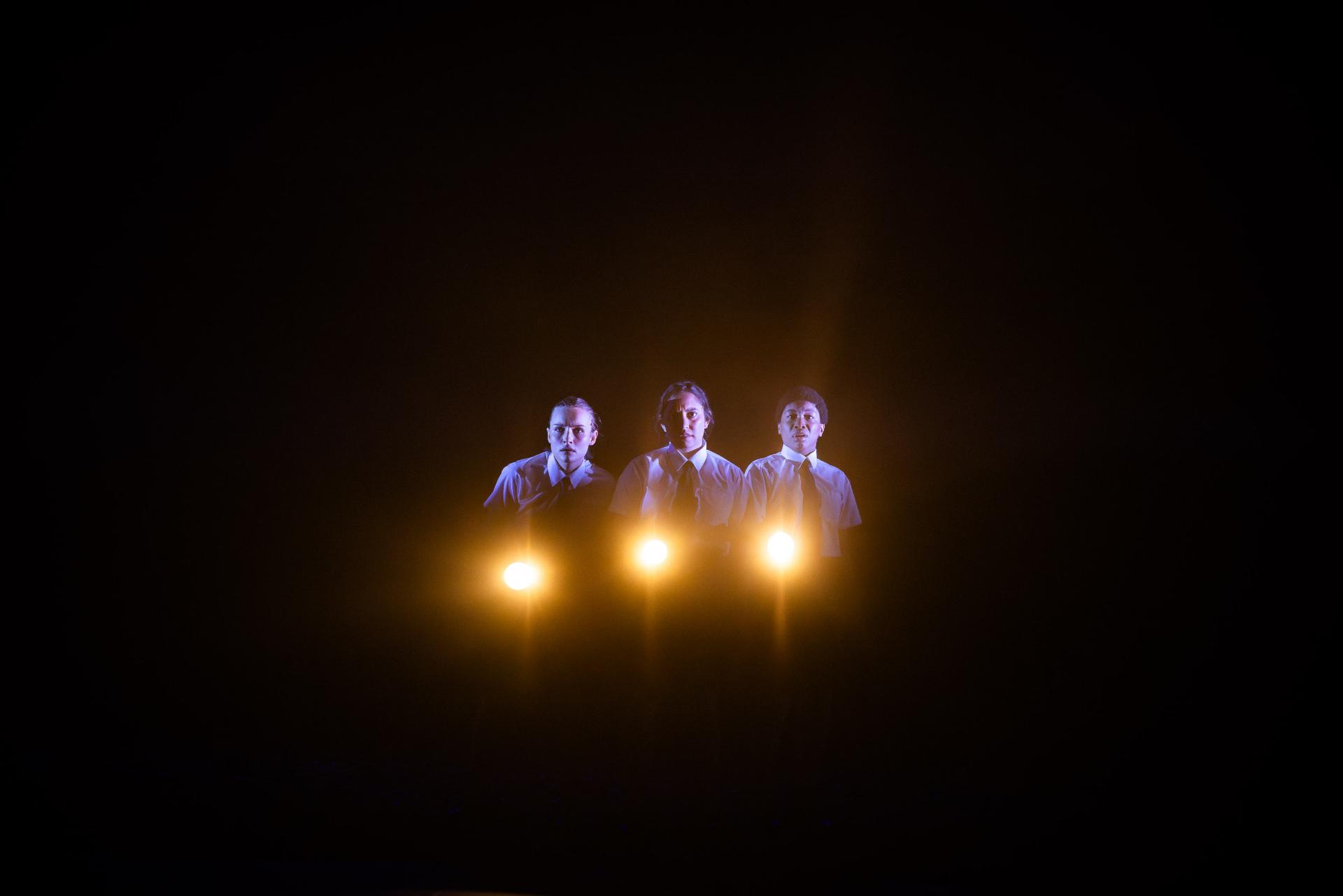
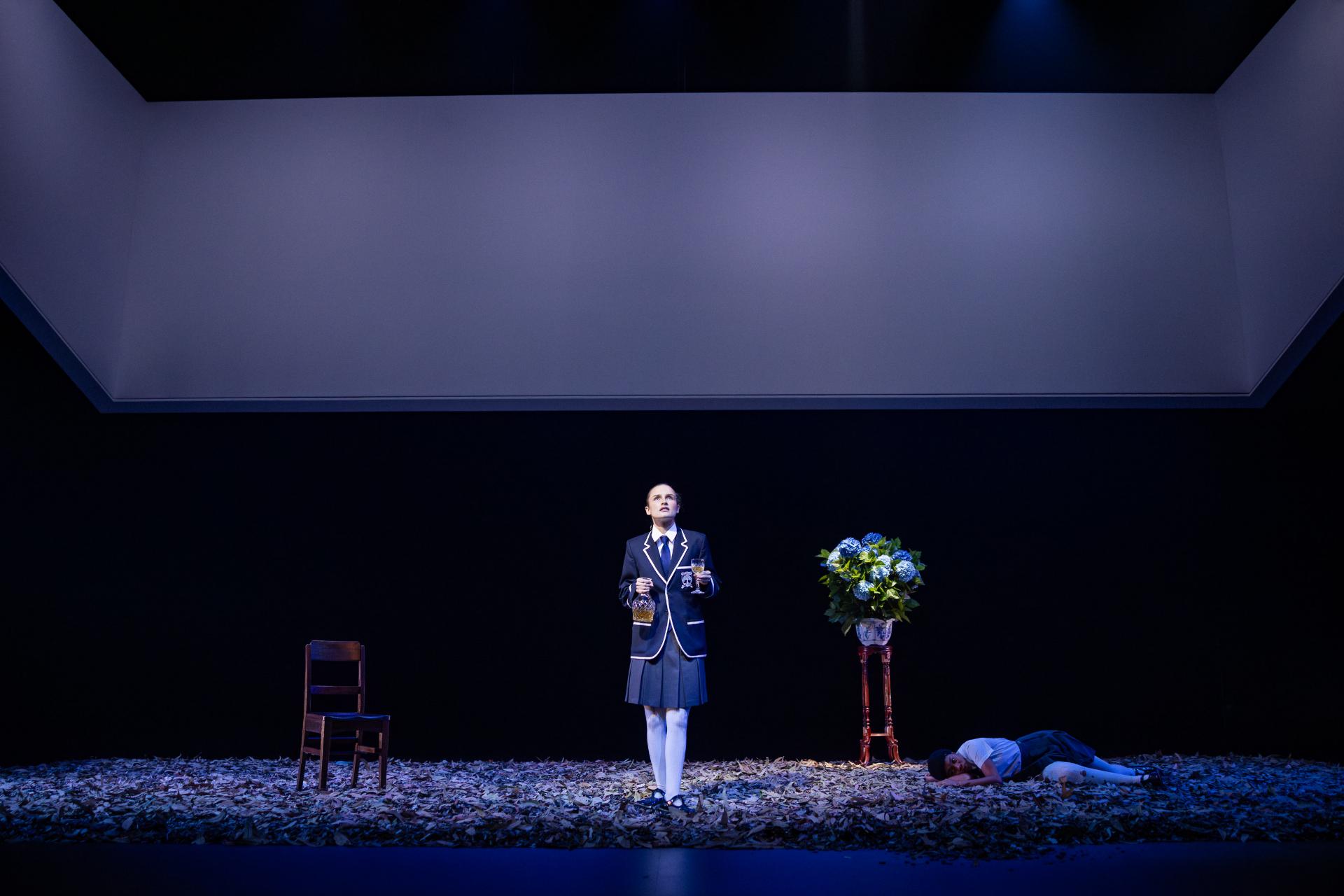
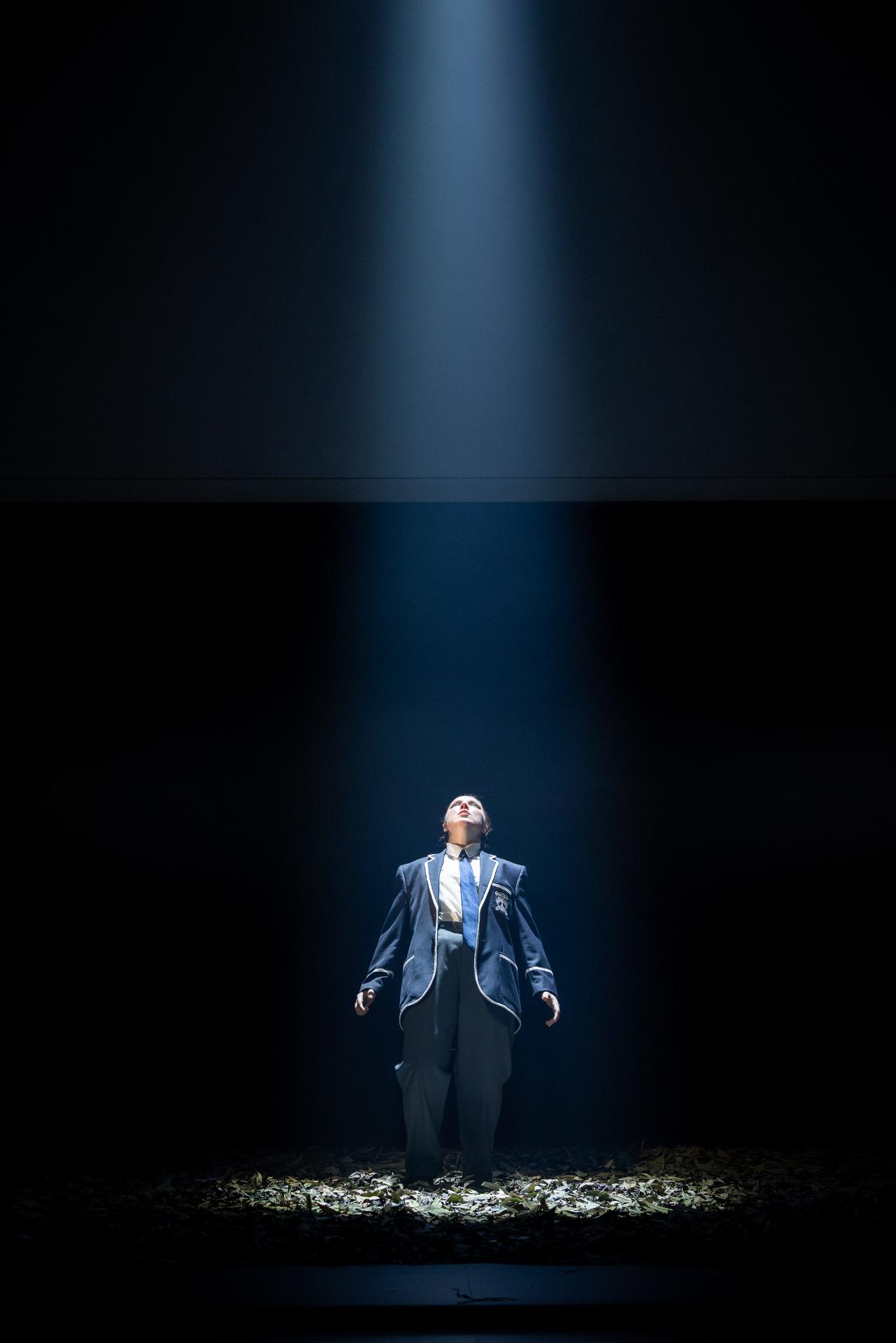
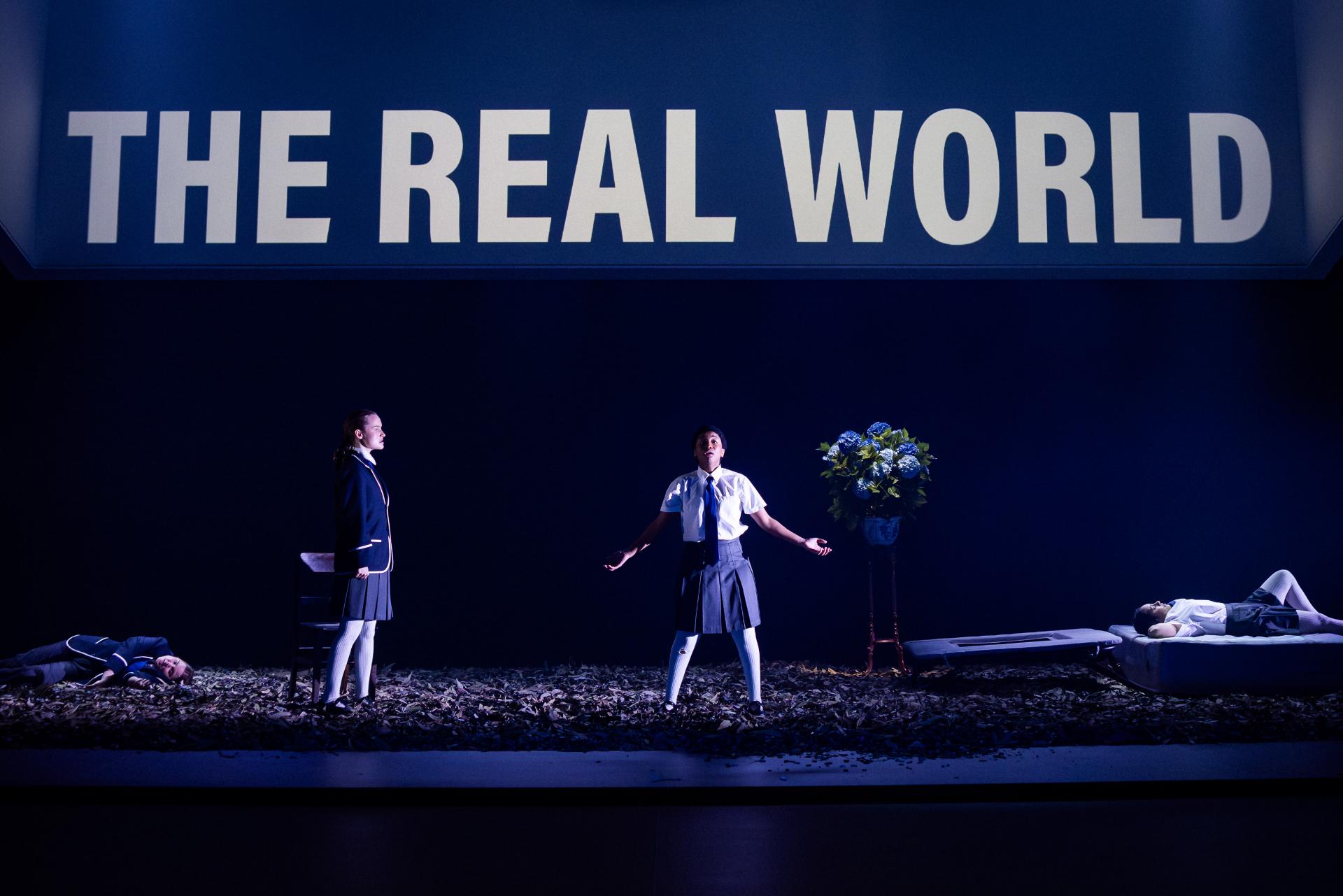
Set design by Anna Cordingley is appropriately painterly with the textures it incorporates, and paired with lights by Paul Jackson, there is an unmistakeable delicacy to the beauty being harnessed, for a tale that often talks about aesthetics as a central value defining our ways of being. Impressively detailed costumes by Harriet Oxley transports us in time and in sensibility, to invite contemplation on our recent history, especially in terms of class and gender. Sublime work by composer Jethro Woodward includes unforgettable moments in the most exquisite of jazz forms, as well as some truly entrancing sound effects that get us completely invested in all the delicious tumult of Sunday.

The wealthy will always have inordinate influence on the architecture of our collective lives. The Reeds were a dominant force in our artistic landscape in a modern and colonised Australia, not only making decisions about who to foreground, but also on what the agenda looks like. Along with the ability to circumvent societal norms, it is that insidious impact on others, that defines power. One imagines that rich white women can do anything, and Sunday Reed certainly dared to reach for the stars.

www.sydneytheatre.com.au
Review: Penpals (Qtopia)

Venue: Qtopia (Darlinghurst NSW), Oct 23 – Nov 9, 2024
Book, Music & Lyrics: Megan Robinson
Director: Sarah Campbell
Cast: Danielle Lorzano, Rhiannon Lidbury, Damien Noyce, Megan Robinson, Danika Rojas, Toby Rowe, Nikolas Zielinski 
Images by Jessie Jay

Theatre review
The story involves 2 high school girls falling in love, after writing to each other between Perth and Sydney. It was 1997, and letters were on their last legs. In the musical Penpals by Megan Robinson, we can clearly see that those were more romantic times, although certainly undeniable is that homophobia was significantly harsher. Robinson’s songs are excellent, but the many scenes in between musical numbers are written with less flair. The plot is thoughtfully assembled, even if it can often feel excessively detailed.

Robinson’s vocals are very strong, in the role of Callie. Singing by Danika Rojas for Pearce too, is beautiful. Acting however, is very intemperate across the board, by all members of the seven-person cast. Direction by Sarah Campbell requires a more subtle approach, in order that the audience may invest more authentically and tenderly into the love story. Musical direction by Hazel Alexander does well to convey the emotional qualities of Penpals, and with greater access to resources, there is no doubt that the songs can be presented in a much more affecting manner.

It is wonderful to see young artists paying tribute to a previous generation of queer people. There is a danger in former struggles becoming forgotten, not only because the young need a way to value their freedoms today, but also because nefarious forces are always poised to attack, when given the opportunity. We cannot let our guards down, when we know that the conservatives are constantly looking for new scapegoats to serve their agenda. Queer people remain an easy target, and our vigilance is imperative, to keep them fearful of our might.

www.qtopiasydney.com.au | www.instagram.com/penpalsmusical

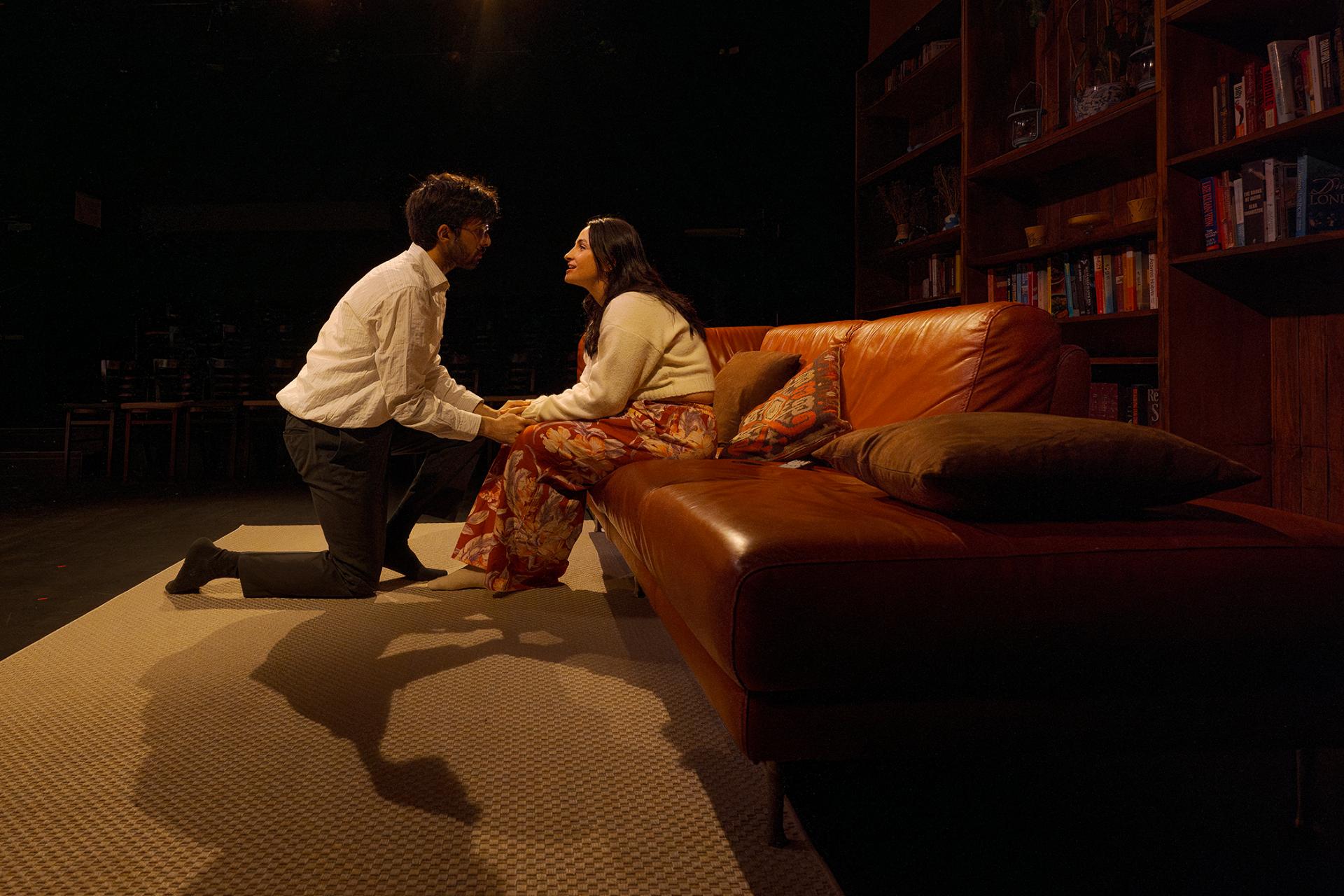
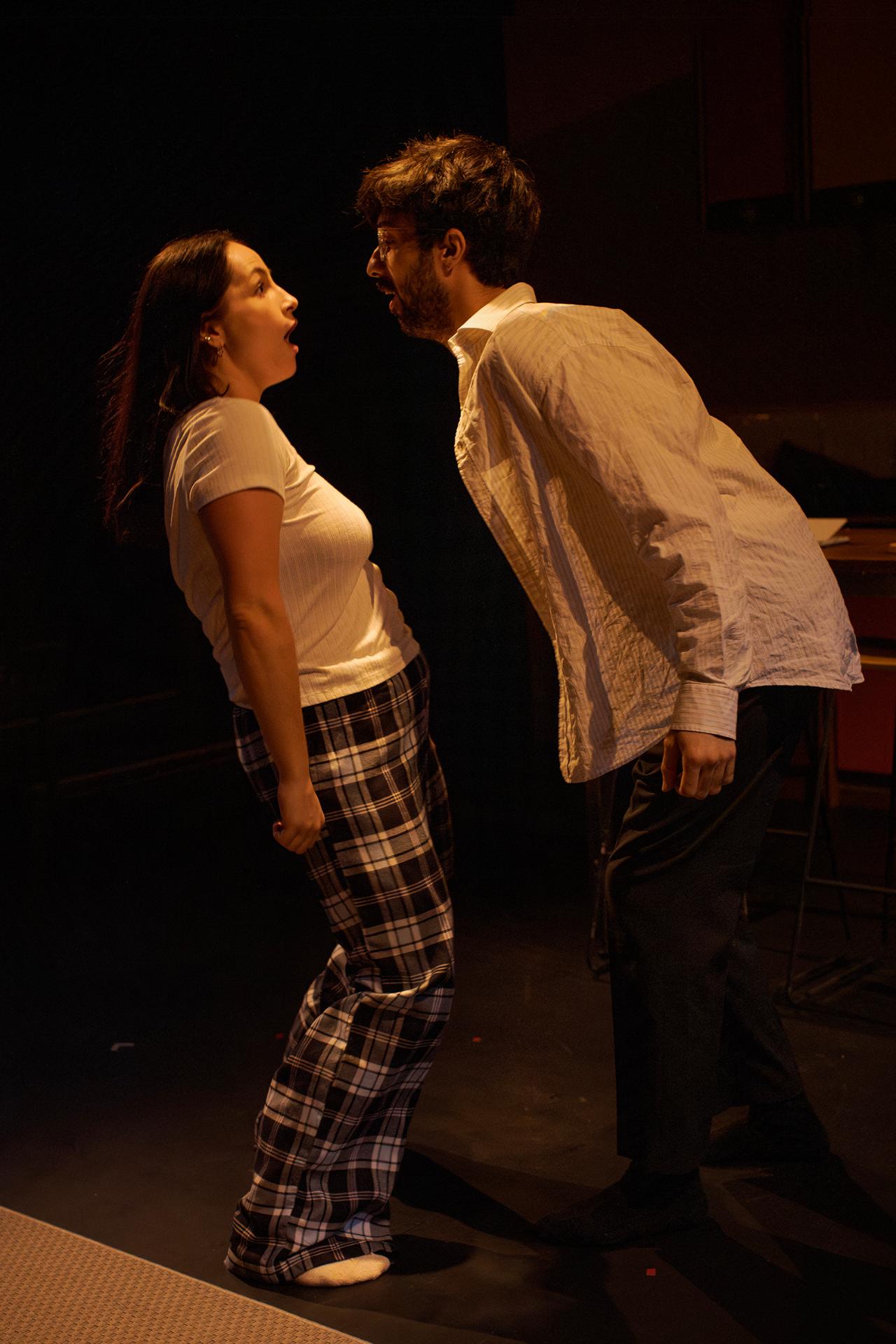
Review: McGuffin Park (Ensemble Theatre)

Venue: Ensemble Theatre (Kirribilli NSW), 18 Oct – 23 Nov, 2024
Playwright: Sam O’Sullivan
Director: Mark Kilmurry
Cast: Thomas Campbell, Jamie Oxenbould, Lizzie Schebesta, Eloise Snape, Shan-Ree Tan
Images by Prudence Upton

Theatre review
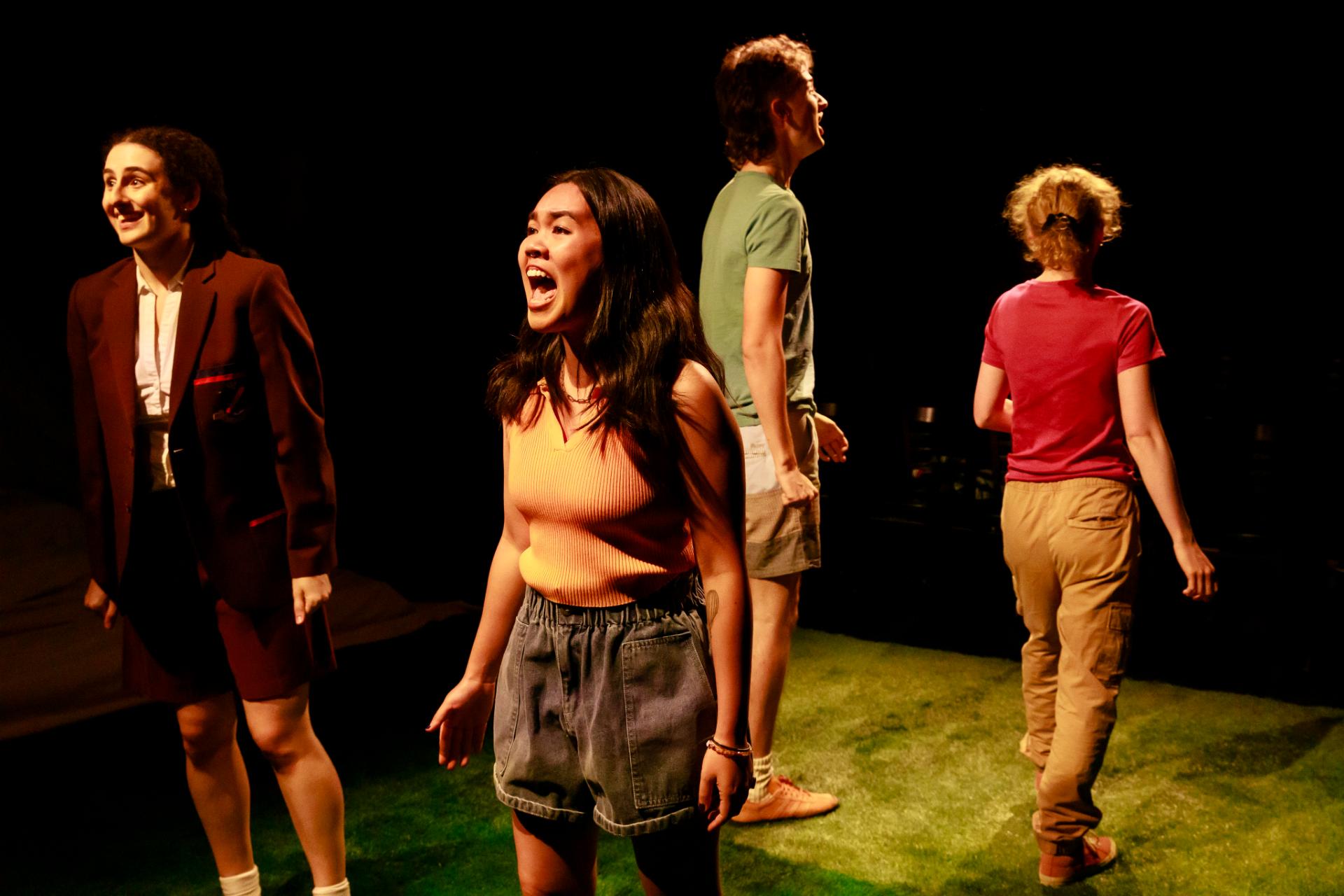
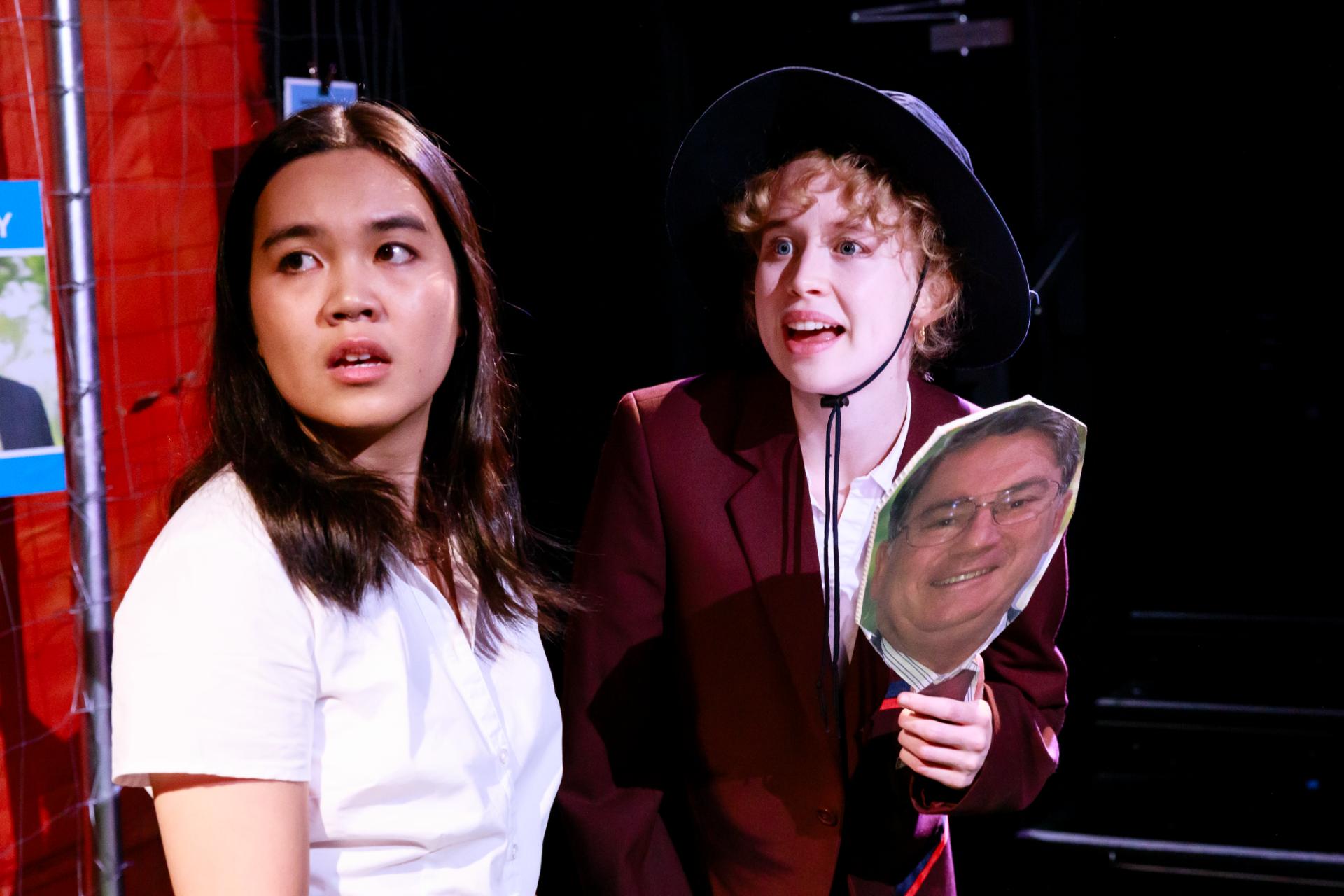
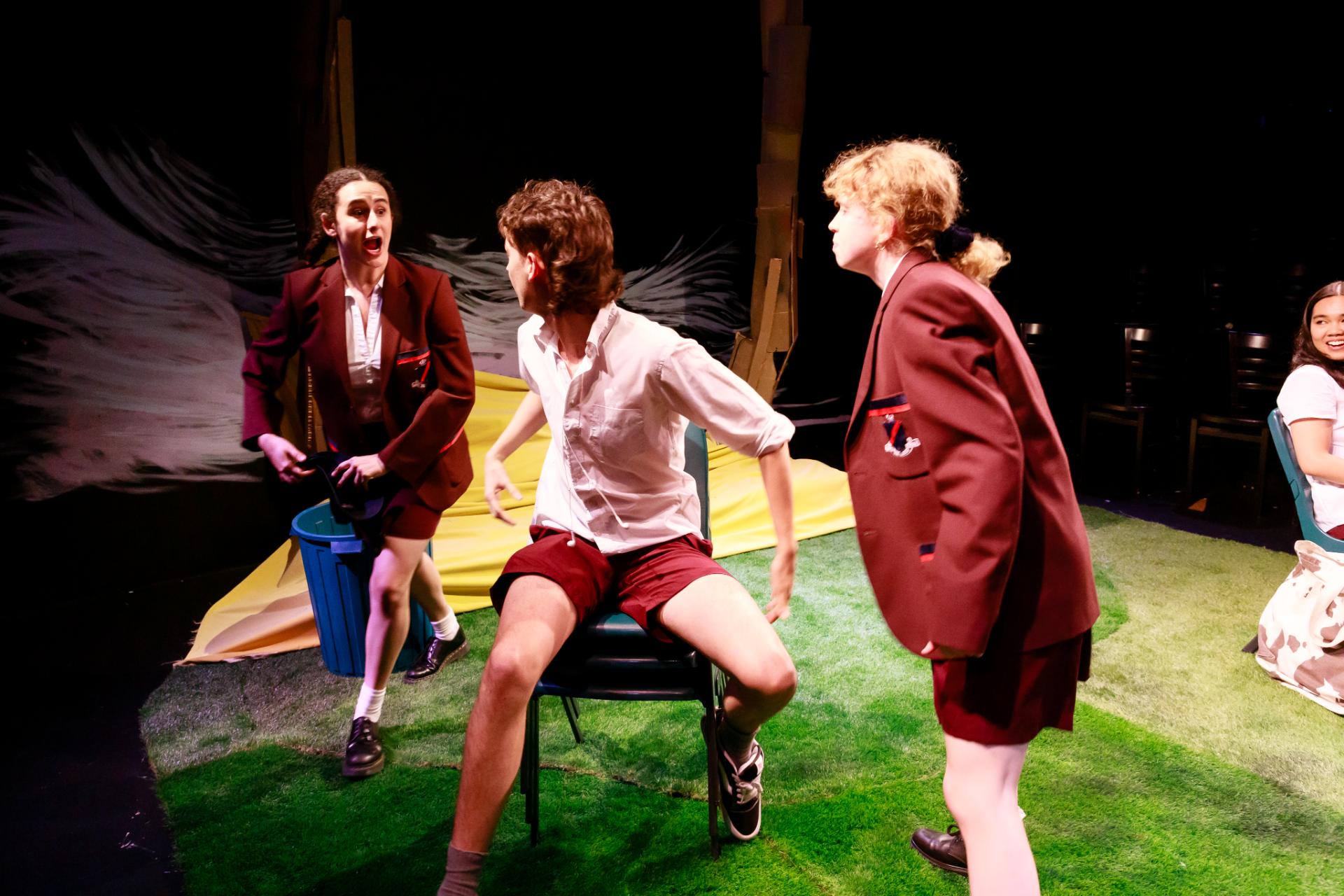
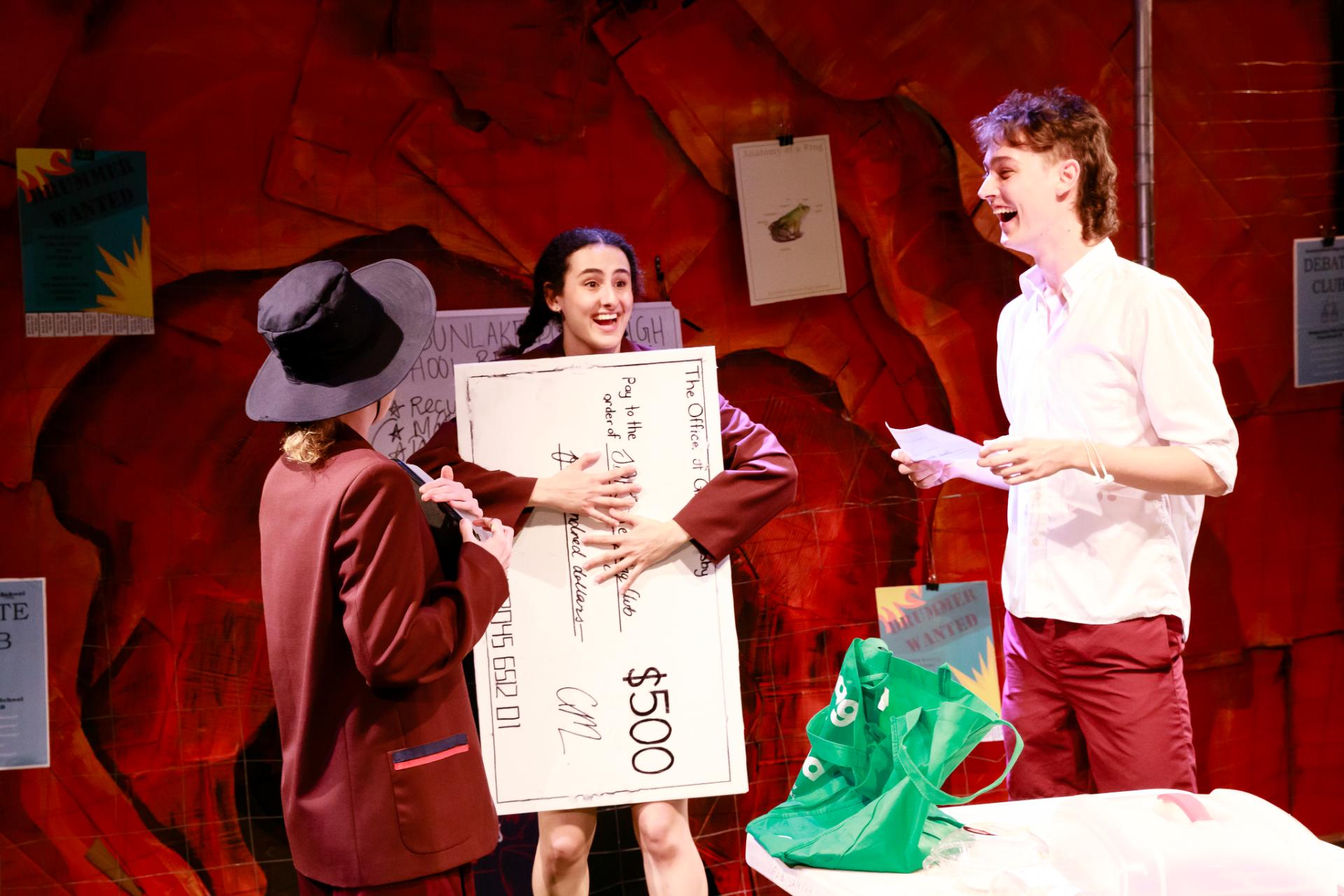
Best friends since childhood, Fiona and Jack have been close all of their lives. Things begin to change however, when they both decide to run for mayor of their small Australian town. The comedy of Sam O’Sullivan’s McGuffin Park revolves around the pettiness of people in local governments, while offering a reminder on the fragility of our democracy. The writing is consistently amusing, but even though structured with considerable sophistication, its stakes are never really high enough to have us invest more meaningfully than with bursts of laughter, persistent as those may be.   

Director Mark Kilmurry activates all the kooky personalities and comical situations, to create a show full of entertainment value, determined to engage from start to finish. Impeccable timing from the cast sustains our attention effortlessly. Eloise Snape and Shan-Ree Tan bring integrity to their portrayals of Fiona and Jack, both actors telling the story with crispness and with humour. Thomas Campbell, Jamie Oxenbould and Lizzie Schebesta play a gamut of zany archetypes, some charming and others terrifying, but all thoroughly hilarious.

Production design by Simon Greer is intentionally unpalatable, but clearly accurate in its depictions of aesthetically deficient spaces that all are familiar with. Trudy Dalgleish’s lights establish variations in tone and texture for the narrative’s every gentle shift in attitude. Sounds by Jessica Dunn too provide effective but subtle enhancements, for a production that connects securely with our senses, to help explore the inner workings of our town councils.

There is an optimism in McGuffin Park that reveals the power of the collective, or how it is in the collaborative efforts of those who choose to participate, that something greater can result. There are no geniuses in the play, only regular individuals who understand that democracy is no accident. Humans are capable of both good and bad, but it is when we come together, that we stand a chance of bringing out the better parts of our erratic nature.

www.ensemble.com.au

Review: Hedda Gabler (KXT on Broadway)

Venue: KXT on Broadway (Ultimo NSW), Oct 18 – Nov 2, 2024
Playwright: Anthony Skuse (after Henrik Ibsen)
Director:
Anthony Skuse
Cast: Jane Angharad, Jack Angwin, Suzann James, Christie Mae, Ella Prince, James Smithers, Christopher Tomkinson
Images by Braiden Toko

Theatre review
Hedda did not have many options in life, being a woman in the 19th century. She went with the most sensible route and chose the best candidate for a successful married life, but found only bitter resentment. Henrik Ibsen’s Hedda Gabler exposes what it is often like, for women who obey the rules in patriarchal systems that offer little more than illusory promises.

This short and sharp adaptation by Anthony Skuse goes straight to the point of Hedda’s discontent. Indeed, there is no real need to explain her exasperation, in a world we know that is determined to prevent women from attaining true fulfilment. Skuse’s succinct dialogue delivers a condensed experience of Hedda Gabler, one that retains entirely the moral of the story. There is an inevitable reduction in tension leading up to the dramatic climax, but there is a newfound velocity to this iteration of the 1891 story that proves invigorating.

Set design by James Smithers delivers clean lines for a simplified representation of Hedda’s home. Max Shaw’s costumes help depict with accuracy, the social status and relevant epoch being explored. Travis Kecek’s lights are uncomplicated, but effective in guiding us through shifts in temperament. Live music by Christie Mae on the piano, render scene transitions with fluidity and reflectiveness.

Actor Ella Prince takes on the lead role with blistering intensity if slightly lacking in subtlety, for moments when allusions are more than sufficient in drawing us into Hedda’s troubled mind. Jack Angwin and Christopher Tomkinson bring wonderful richness to their portrayals of auxiliary men in Hedda’s life, both performers offering marvellous intrigue and a palpable sense of danger to the narrative.

No single person in Hedda’s orbit can be held liable for her demise. We understand that it is the grander scheme of things, that drives her to destruction. No one is individually responsible, yet we are all culpable, in upholding systems that fail the majority. Hedda’s material withdrawal from adversity can be considered futile, especially in karmic terms; a person’s body may leave this realm, but their presence is never really dissolved. Whether we believe that one returns in cycles, or we simply look at prevailing structures that are relentless in regulating lives over generations, it is clear that retreating from the struggle is ineffectual. It is in the commitment to finding solutions, that we can hope to approach something like exaltation.

www.kingsxtheatre.com | www.secrethouse.com.au

Review: Dear Evan Hansen (Roslyn Packer Theatre)

Venue: Roslyn Packer Theatre (Sydney NSW), Oct 12 – Dec 1, 2024
Book: Steven Levenson
Music and Lyrics: Benj Pasek & Justin Paul
Director: Dean Bryant
Cast: Martin Crewes, Verity Hunt-Ballard, Georgia Laga’aia, Natalie O’Donnell, Carmel Rodrigues, Jacob Rozario, Harry Targett, Beau Woodbridge 
Images by Daniel Boud

Theatre review
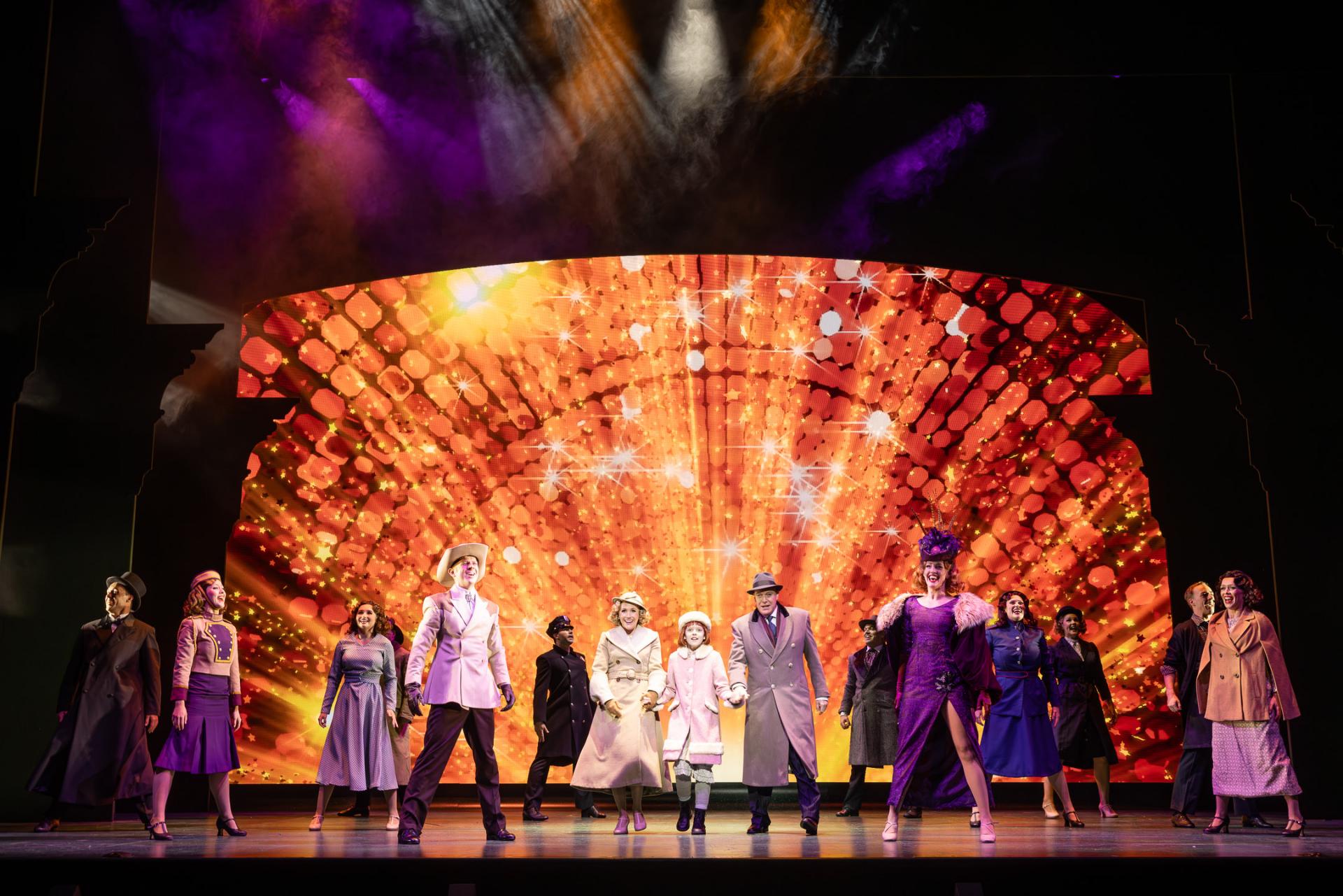
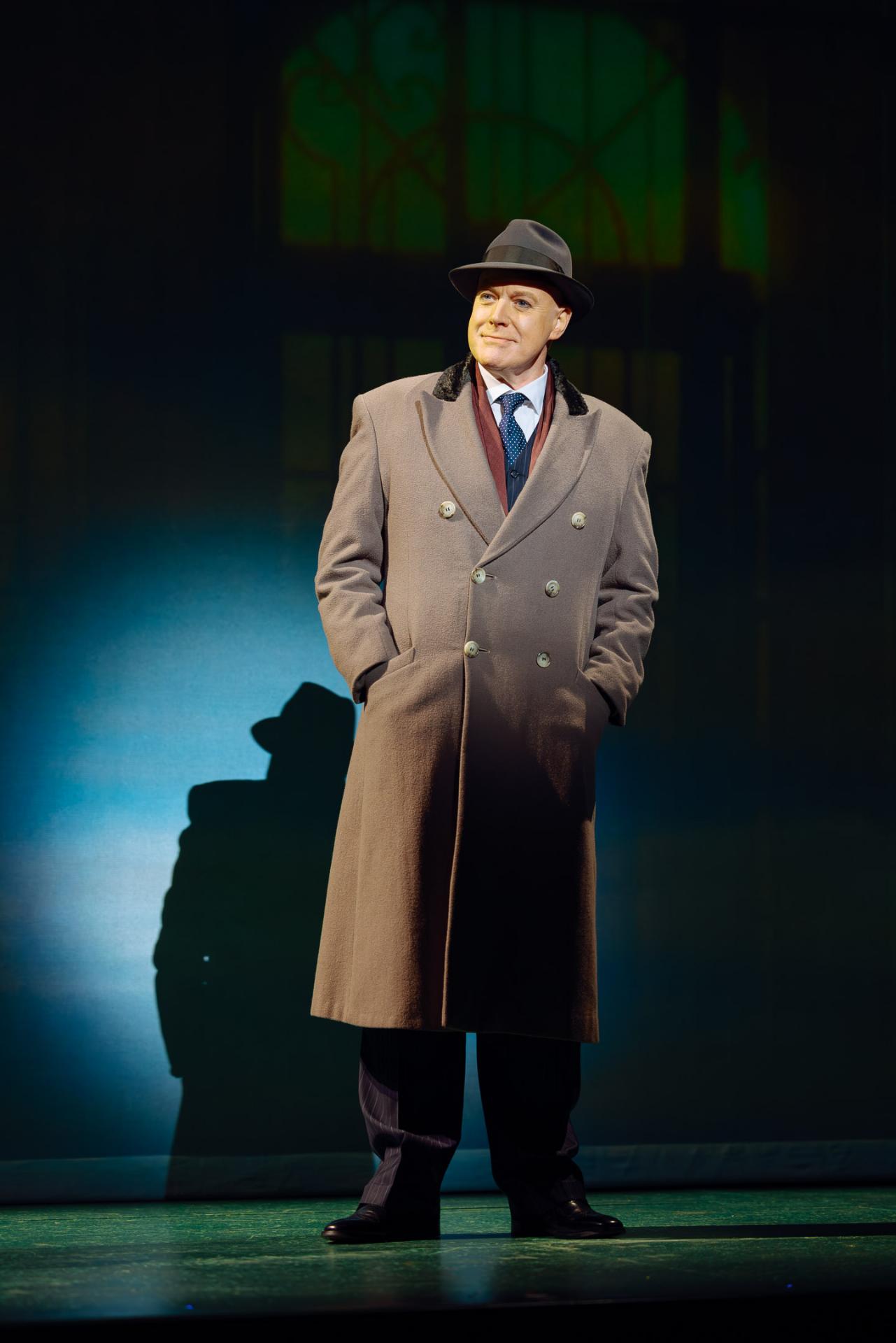
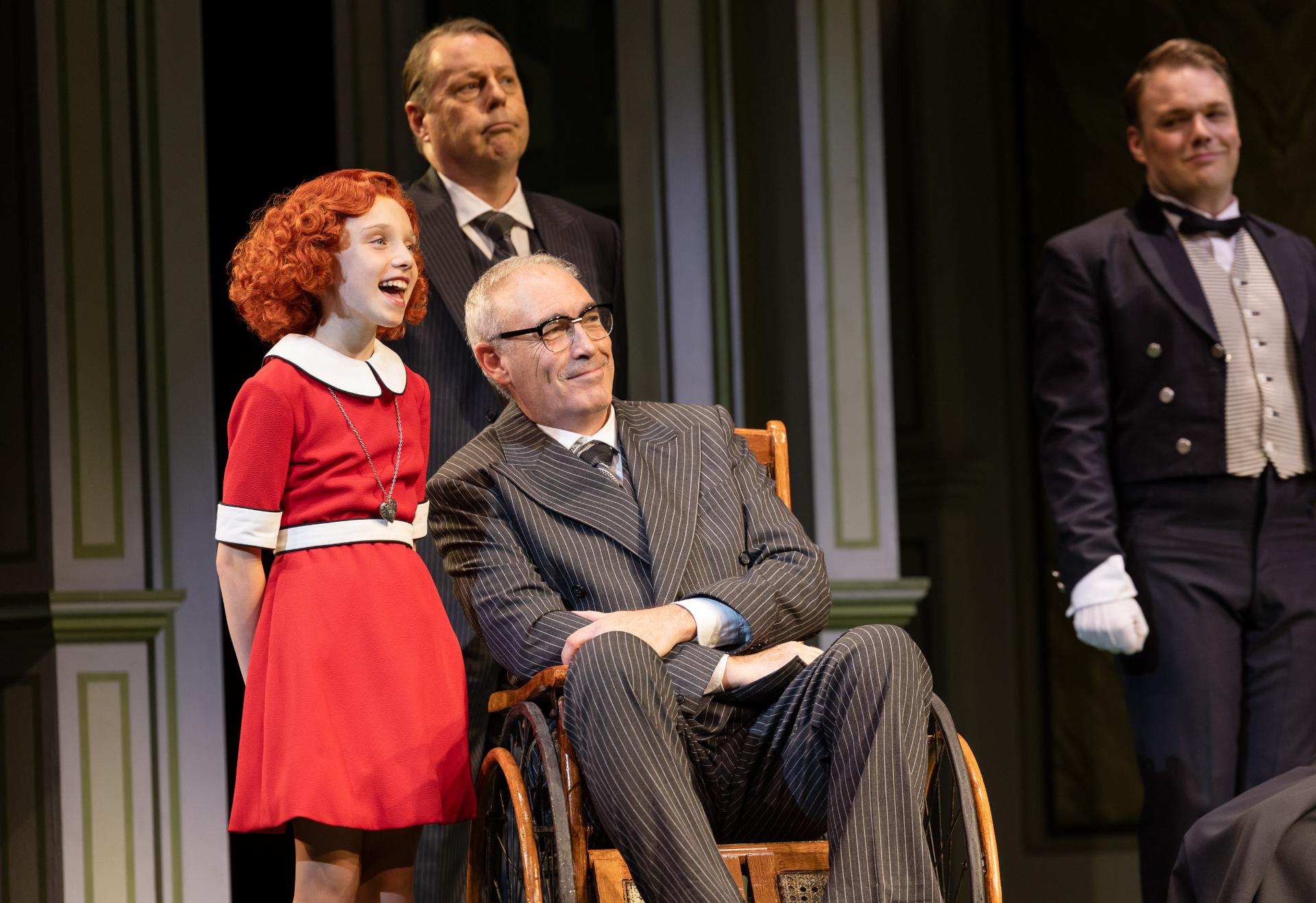
Evan finally becomes popular, after fabricating a close relationship with Connor, after Connor’s suicide. In the teen drama of Dear Evan Hansen, we watch a protagonist suffer from loneliness and anxiety, but gradually grow in maturity and self-awareness, after learning from his mistakes. The narrative, like the songs of this 2016 musical, is earnestly sentimental to a fault. The book by Steven Levenson, with songs by Benj Pasek and Justin Paul, depict the substantive effects of a snowballing lie, but everything works too hard to keep Evan likeable throughout the piece.

What may be saccharine for some, is also the ticket to commercial viability, in this business of the musical theatre. Productions like Dear Evan Hansen often prove successful even when deficient in literary complexity, or indeed any simple sense of irony. The show’s stakes too are never really high enough, but it does seem that formulaic song writing is more than adequate to have audiences invest, both in terms of emotions and money.

The staging is however, very slick and frequently spectacular, as directed by Dean Bryant, with enveloping video projections by David Bergman leaving a particular strong impression, and musical direction by Zara Stanton never failing to have the audience roused and beguiled. Sound engineering by Ghiovanna De Oliveira is highly effective in achieving extraordinary clarity and balance, and can be credited for enriching the quality of singing by its passionate cast.

Beau Woodbridge plays Evan, with immense sincerity and an admirable precision, in a presentation memorable for its technical excellence. Jacob Rozario is a godsend as classmate Jared, able to introduce some uplifting playfulness, to an excessively solemn experience. Maternal characters are played powerfully by Verity Hunt-Ballard and Natalie O’Donnell, both bringing an air of substance, to roles that are mediocrely written.

It should be no surprise that entertainment can be packaged in something bland and inoffensive, in its commercial aspirations to have the widest reach. When art bears those same qualities however, we have to be suspicious of what it says, in the possible absence of integrity and truth. The message of Dear Evan Hansen can feel dubious on reflection, and we begin to understand that a momentary sensation of heightened dramatics, can prove subsequently to be empty and cheap.

www.dearevanhansenmusical.com.au

Review: The Queen’s City Of The South (Qtopia)

Venue: Qtopia (Darlinghurst NSW), Oct 8 – 19, 2024
Playwright: Mark Salvestro
Director: Ryan Whitworth-Jones
Cast: Jack Calver, Kath Gordon, Mark Salvestro
Images by Bojan Bozic

Theatre review
Set in Cooma, a town fondly known as the capital of the Snowy Mountains, The Queen’s City of the South by Mark Salvestro involves an unearthing of a dark chapter in that locale’s history. A homosexual prison had operated there in the 1950s, not only for the purposes of incarcerating and humiliating queer people, but also to attempt to “rehabilitate” them with cruel experiments. Community radio presented Ryan stumbles upon this hidden information, and is intent on learning everything about those persecutions, but finds himself obstructed by a culture of denial and ignorance.

Salvestro’s intriguing play is grounded in powerful ideas, and even though slightly too conventionally structured, what it does convey is resonant and meaningful. Presented in the form of a conventional comedy, its political explorations are softened for easier consumption, with witty repartee between characters keeping proceedings light and amusing.

As performer, Salvestro plays the leading part with excellent timing and admirable acuity. There is a valuable dynamism and passion that Salvestro brings to the stage, that keeps us invested in Ryan’s endeavour to reveal the truth. His ability to foster authentic chemistry with the supporting cast, namely Jack Calver and Kath Gordon, makes the plot and its characters feel effortlessly compelling.

Directed by Ryan Whitworth-Jones, the show is fast-paced, and with an earnestness that proves persuasive. Set design by Elle Fitzgerald addresses the need for multiple settings succinctly, along with costumes that deliver a sense of accuracy for the personality types being depicted. Lights by Luna Ng are sensitive to the shifts in dramatic tone throughout the 2-hour journey, and sounds by Madeleine Picard are rigorous in enriching atmosphere, for an otherwise raw visual presentation.

Australia has a shameful past that some of us regard as necessary, in order that we may attain all that we have today. Others would consider that ugliness to be characteristic of an ongoing deplorable project of colonialisation. In any case, knowing the past is fundamental not only to how we can better move forward, but additionally for some of us, it serves as a poignant reminder that hate and oppression are always just a fragile membrane away, poised and ready to rear their ugly head when we lose our vigilance.

www.qtopiasydney.com.au | www.canberratheatrecentre.com.au
Review: Wife (New Theatre)

Venue: New Theatre (Newtown NSW), Oct 8 – Nov 2, 2024
Playwright: Samuel Adamson
Director: Darrin Redgate
Cast: Alison Brooker, Henry Lopez Lopez, Will Manton, Imogen Trevillion, Julia Vosnakis, Pete Walters
Images by Bob Seary

Theatre review
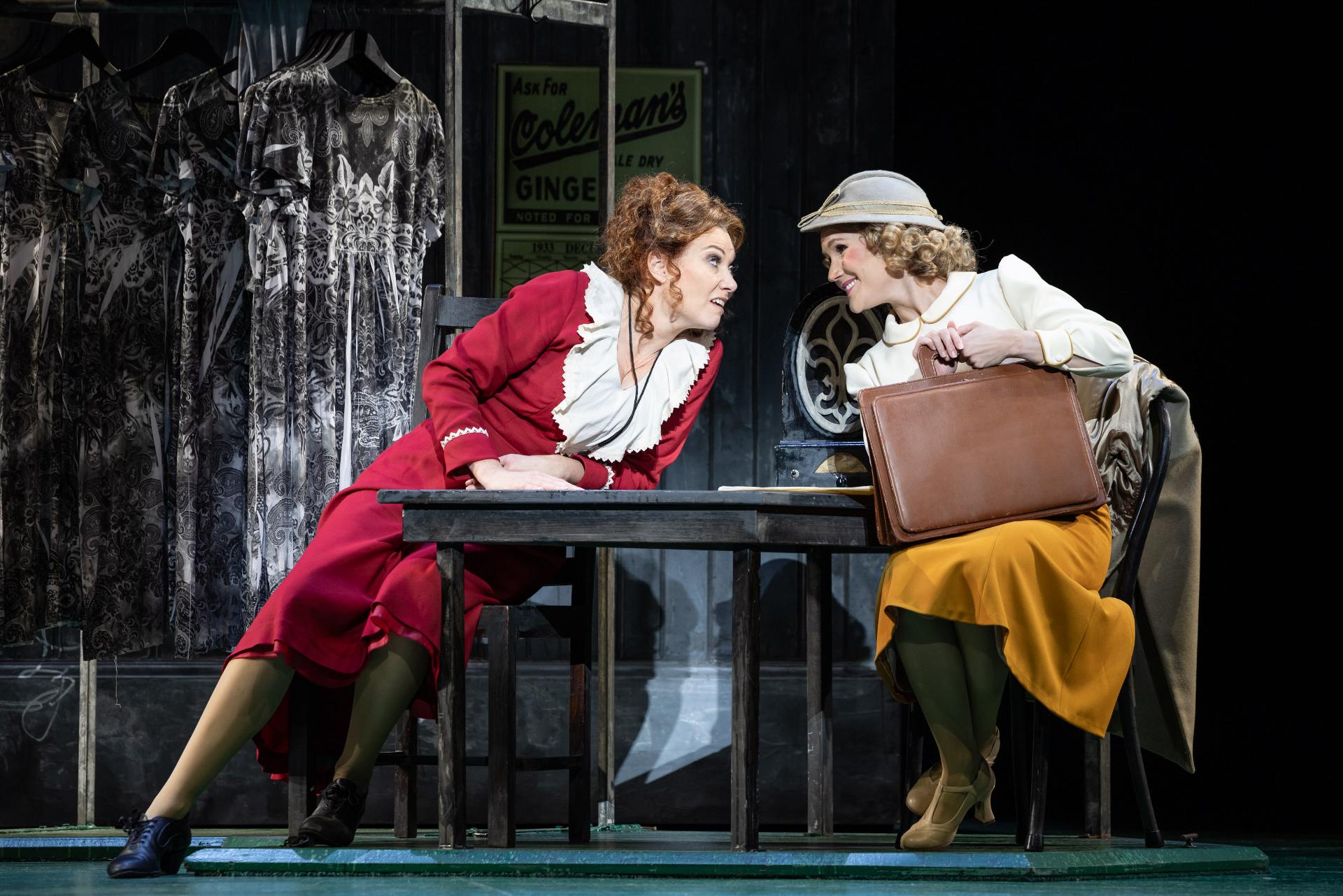
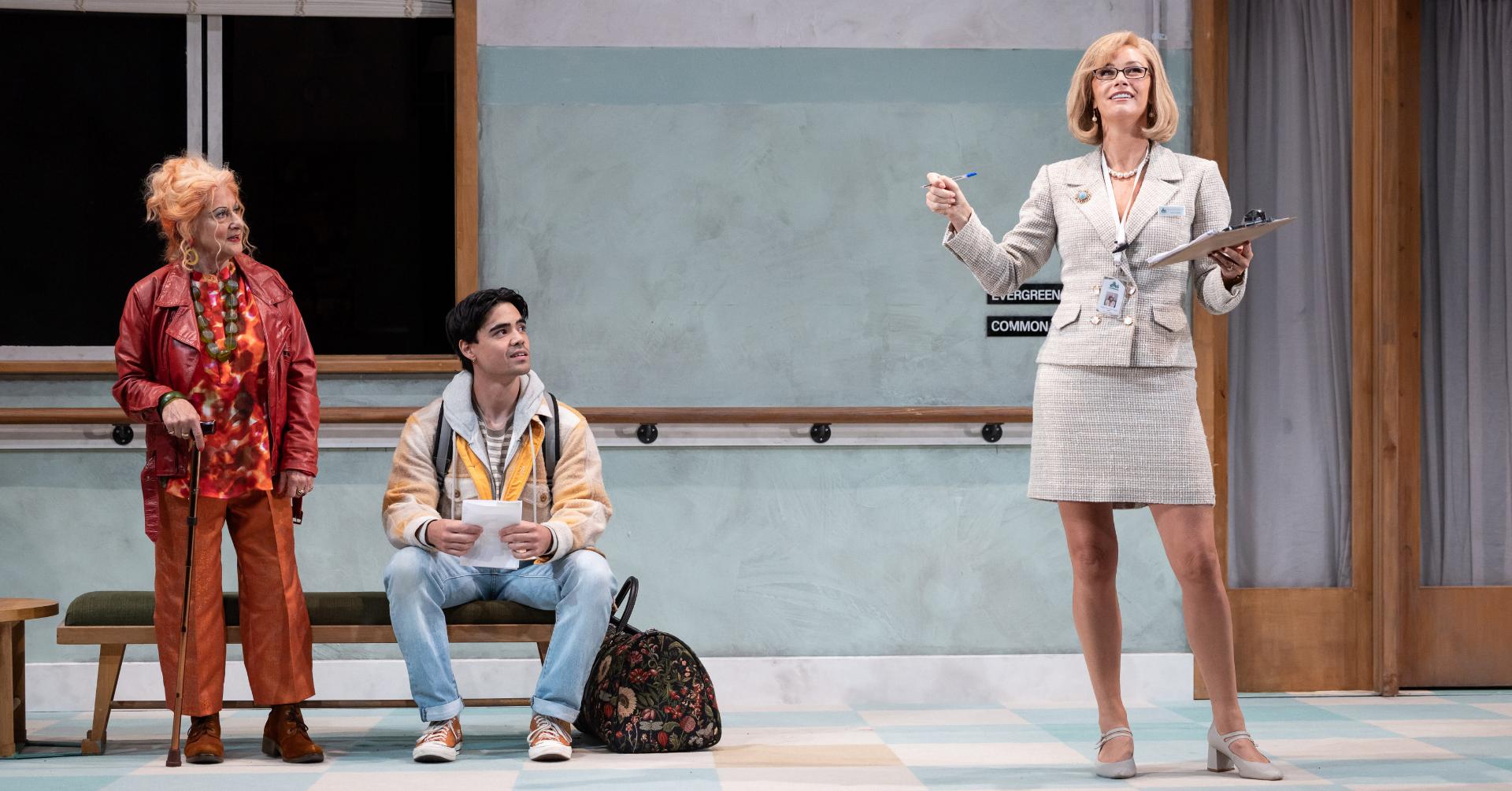
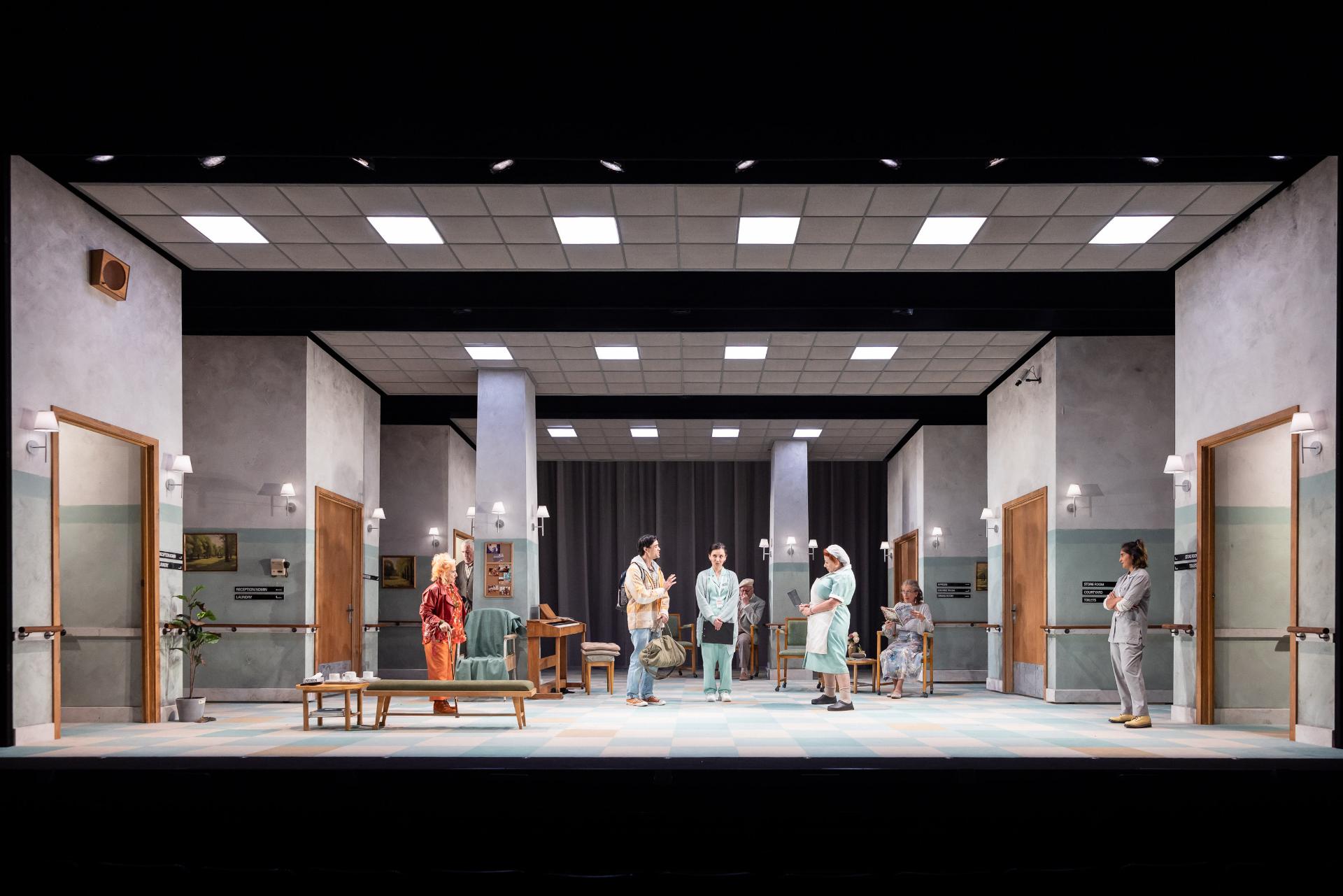
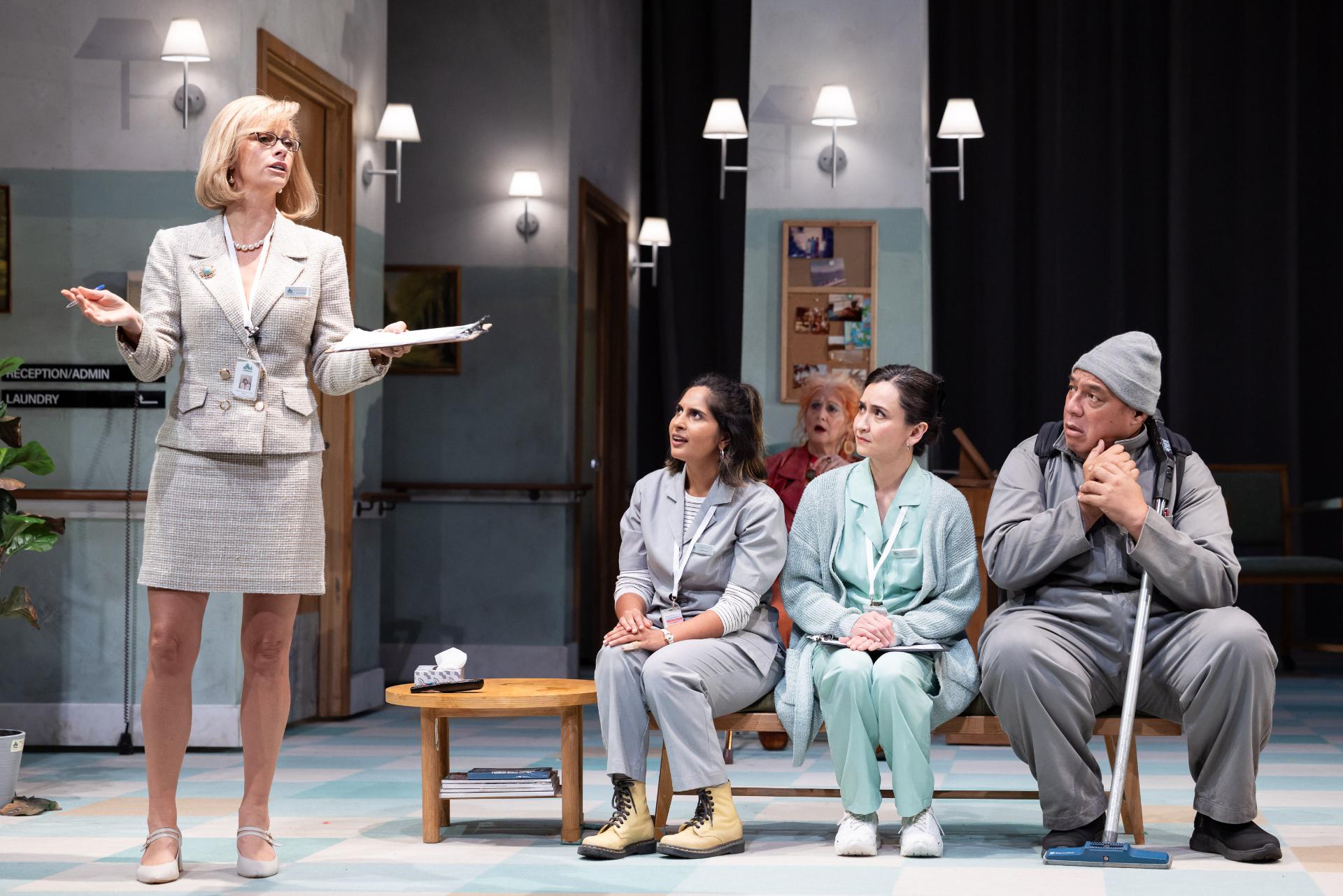
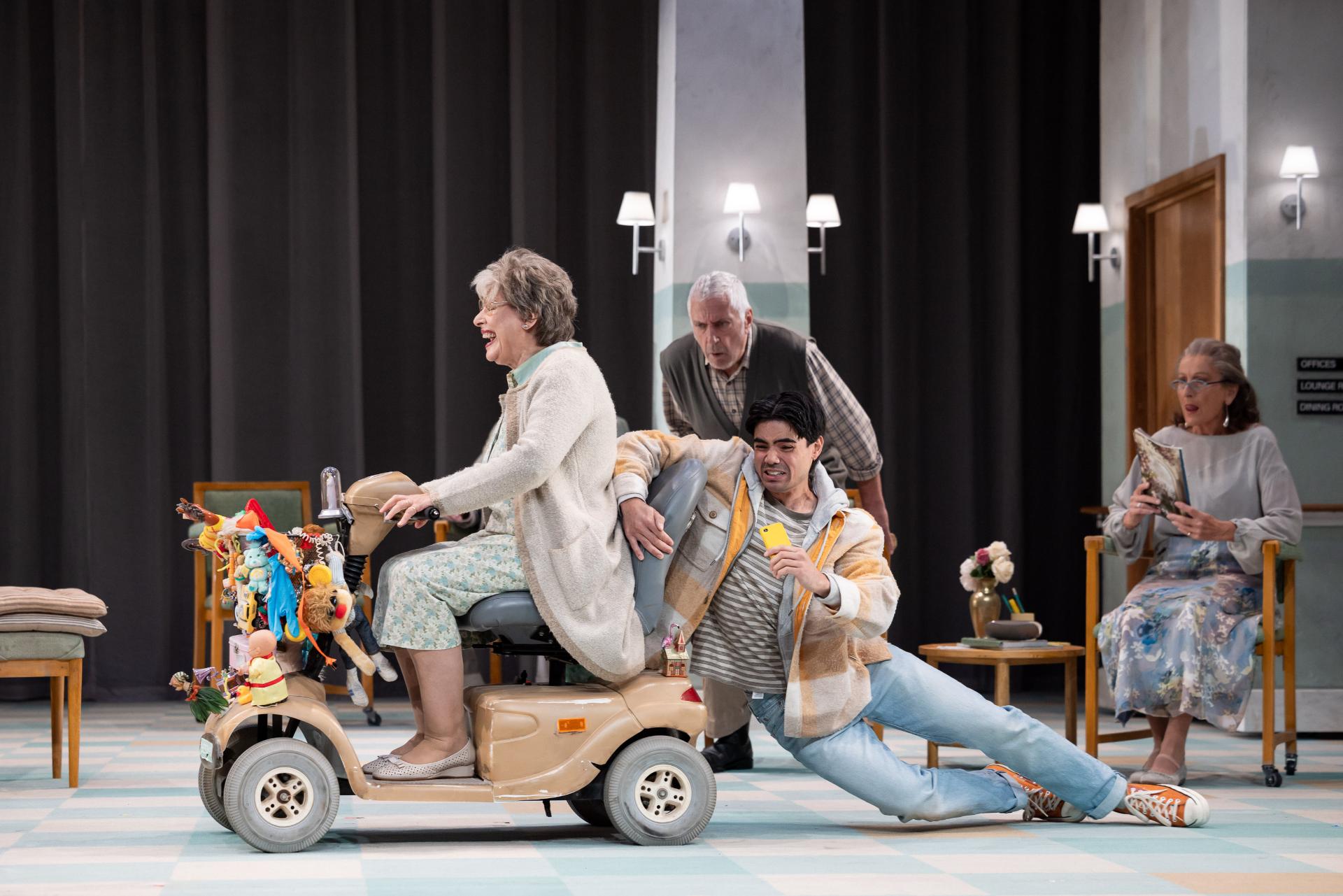
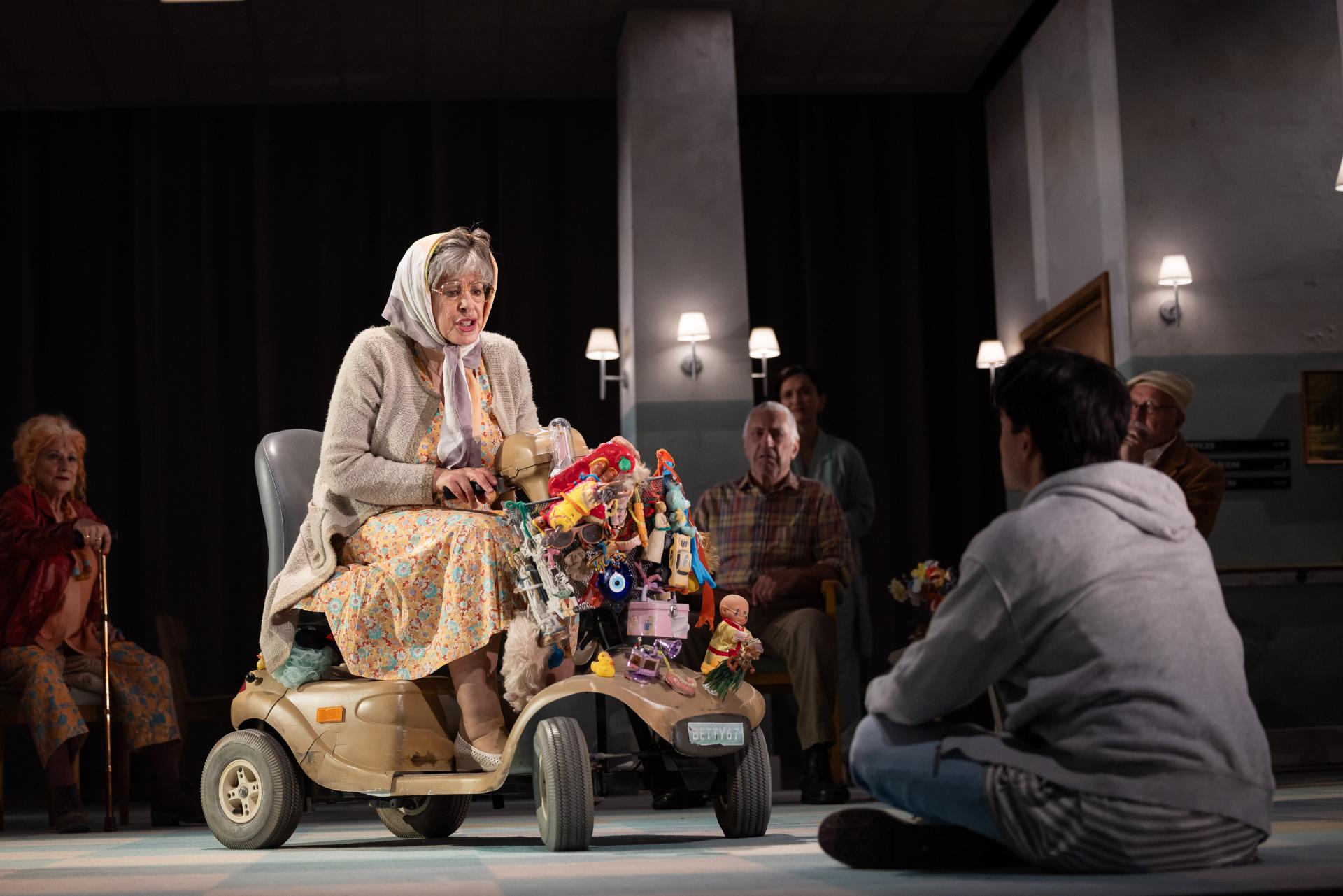
In Samuel Adamson’s Wife, we see the classic play A Doll’s House by Henrik Ibsen being staged repeatedly in England over decades, as several generations wrestle with the concept of emancipation in their own lives. Not only do women continue to grapple with their liberation in Adamson’s musings on Ibsen’s influence, it is queer people’s more recent advancements that are central to its concerns.

The writing is imaginative and pointedly witty, often thought-provoking in meaningful ways. Insufficient rigour in the production means that much of the nuance can be missed, but direction by Darrin Redgate does ensure dramatic escalation, and crucial moments prove gripping, in this two-and-a-half hour presentation.

Set design by David Marshall-Martin conveys whimsy for a comedy that is often quirky in tone. Costumes by Aibhlinn and Burley Stokes are effective at delivering colour, while Jay Murrin’s lights provide some polish, for a story that spans 83 years. Matthew Forbes’ sounds are appropriately minimal in approach, satisfactory in particular during scene transitions.

Each member of cast plays multiple roles, to mixed results. Alison Brooker, Henry Lopez Lopez and Julia Vosnakis bring conviction and energy. Will Manton and Pete Walters have strong moments as Ivar, one of the key characters, to help Wife feel relevant for a contemporary Australian audience. Imogen Trevillion is believable as Clare, pivotal at tying up all the loose ends, so that the sprawling tale may resonate with some poignancy when it really matters.

When Nora leaves her family at the conclusion of A Doll’s House, it is uncertain if she goes in search of equality, or of something else entirely different. Marginalised people know that much of life requires a system of hierarchy and therefore subjugation, yet we are rarely able to formulate new ways that allow for all to be free, choosing instead to take the place of former oppressors, and make other people bear the brunt.

www.newtheatre.org.au

Review: Ruins أطلال (25A Belvoir)

Venue: Belvoir St Theatre (Surry Hills NSW), Oct 1 – 20, 2024
Playwrights: Emily Ayoub, Madeline Baghurst, Mine Cerci
Directors: Emily Ayoub, Madeline Baghurst
Cast: Emily Ayoub, Adam Al Kuheli, Madeline Baghurst, Tony Poli, Piumi Wijesundara
Images by Geoff Magee

Theatre review
It is a pilgrimage of sorts that we see in Ruins أطلال . An Australian travels to the Bekaa Valley in Lebanon, guided by memories of her recently departed father, in search of something that feels like belonging. Stories of diaspora seem to be having their moment. It is the element of time that makes all the difference. We have always known the wealth of possibilities in working through our tales of origin, but assimilation for survival has meant that we have, for a long time, neglected parts of ourselves that are considered inconvenient and unsavoury.

Conceptualised and directed by the formidable duo of Emily Ayoub and Madeline Baghurst, Ruins أطلال  initiates an exploration into that duality of being both and in-between, of containing contradictions and finding harmony whilst acknowledging, all the troublesome incoherence resulting from inhabiting an identity that is not just one thing. The show is beautiful at every juncture, with incredible configurations of bodies in space, illuminated exquisitely by Frankie Clarke, and with Johnny Yang’s music gently stirring in the background.

Jessica Scott is the flautist on the periphery, adding to the dynamism of the piece, whilst the spiritually fortified Ayoub leads the cast at bringing to life, this meditation on how a person cannot escape excavating the past, if they wish to become truly whole. Tony Poli embodies the paternal figure, with generous warmth and an understated strength. Baghurst, along with Adam Al Kuneli and Piumi Wijesundara play a range of secondary characters with magical effect, always imbuing a sense of wonder to the experience.

There is perhaps some deficiency in the level of intellectual engagement that the piece inspires, but Ruins أطلال is a work that makes an unequivocal statement about the importance of knowing one’s roots and of embracing one’s entirety. It is about the rejection of shame as prescribed by colonialist projects, and about finding the confidence to stand for the validity of cultural specificities that are excluded from hegemonic paradigms. We may have to regularly acquiesce to whiteness on these lands, but spaces are opening up, rapidly and pervasively, in which we can become truer and better selves.

www.belvoir.com.au | www.clockfiretheatre.com
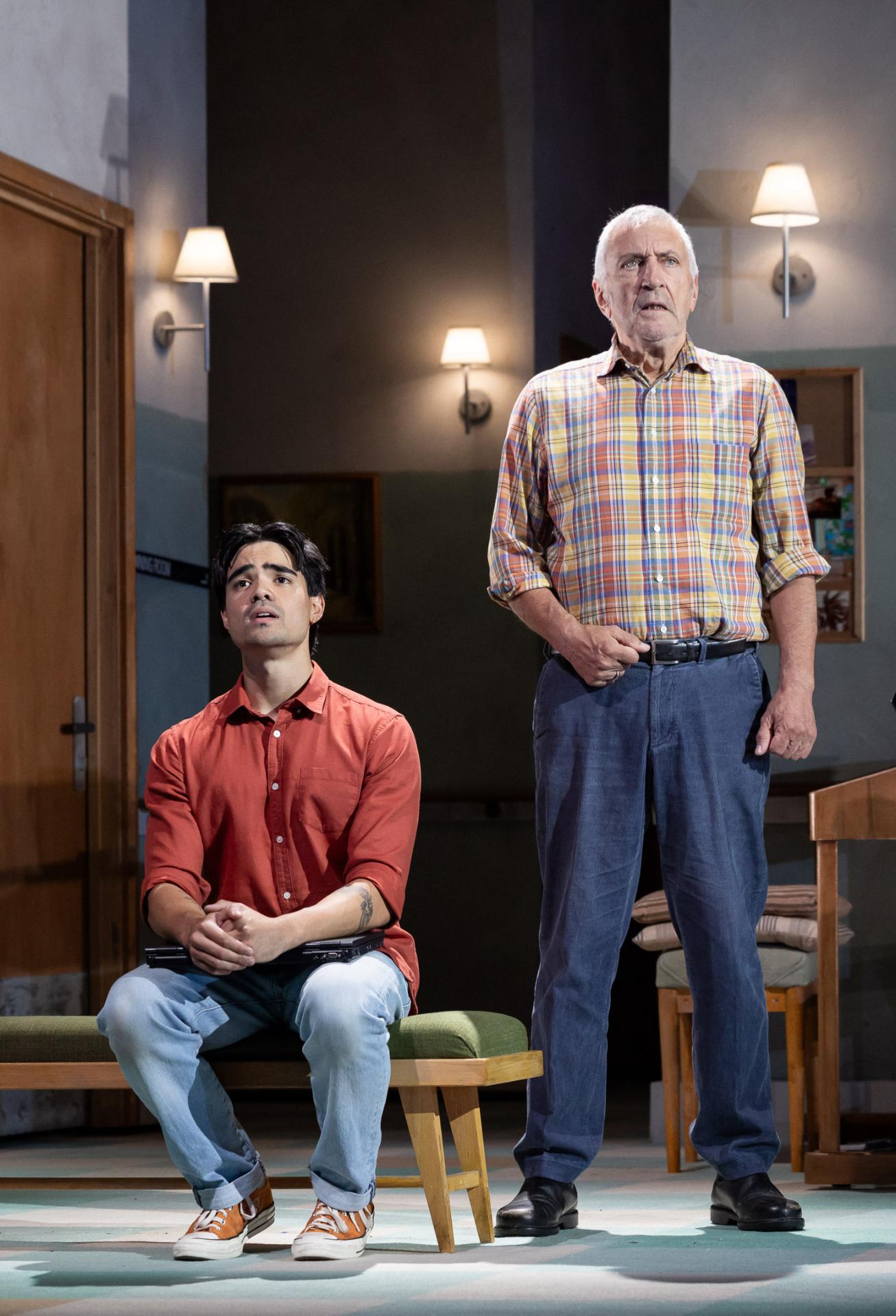
Review: Seventeen (Seymour Centre)

Venue: Seymour Centre, Reginald Theatre (Chippendale NSW), Sep 27 – Oct 19, 2024
Playwright: Matthew Whittet
Director: Mary-Anne Gifford
Cast: Di Adams, Katrina Foster, Noel Hodda, Peter Kowitz, Colin Moody, Di Smith
Images by Carlita Sari

Theatre review
A group of teenagers has completed their final day in high school, and is now poised for the rest of their lives. It is all very daunting for characters in Matthew Whittet’s Seventeen, at a moment where big changes are afoot, and with new identities being formed, but for those of us who have been through that rite of passage,  it can all seem a little trite and pedestrian.

Once again the play is performed by older actors, presumably in their sixties, in order that the text may communicate with greater poignancy. Indeed it is the notion of transience that becomes a prominent dimension of the storytelling, juxtaposing against the naivety of young people in the throes of something that feels defined by finality.

Actors Noel Hodda and Di Smith are particularly captivating, both bringing a savvy to their performative representations, of personalities decades their junior. Others in the cast tend to be overly earnest, which only draws greater attention to the mundane qualities of Seventeen. Direction by Mary-Anne Gifford could benefit from a more flamboyant approach, but there is certainly an integrity to her realism that cannot be denied.

Set design by Paris Burrowes introduces visual familiarity to the experience, although it is doubtful if her costumes convey that same accuracy. Lights by Grant Fraser and sounds by Michael Huxley are implemented with simplicity, in a production that errs on the side of reticence. 

Watching the seniors play juvenile roles, it is the nature of time that comes to the fore. The impermanence of human experience should tell us that it can all be taken with a pinch of salt, but life has a knack for having us completely invested in all of its ups and downs. We should know to be unperturbed, but the truth is that we are embroiled, hopelessly engaging in every emotion, even as we understand more clearly their ironic futility.

www.seymourcentre.com | www.wildthingproduction.com

Review: Colder Than Here (Ensemble Theatre)

Venue: Ensemble Theatre (Kirribilli NSW), 16 Sep – 12 Oct, 2024
Playwright: Laura Wade
Director: Janine Watson
Cast: Airlie Dodds, Charlotte Friels, Huw Higginson, Hannah Waterman
Images by Phil Erbacher

Theatre review
Myra only has months to live. There are only so many practical affairs to attend to, before she has to deal with the real business of saying goodbye to her loved ones. A meditation on death, Laura Wade’s Colder Than Here is an excellent opportunity for audiences to contemplate the inevitable. In paradigms such as ours, that vehemently avoid any discussion on the subject, the play is an unusual attempt to offer a sincere look at something that is certain for all.

Although irrefutably deliberative in nature, Colder Than Here is memorable for its humour, surprising perhaps for the lightness of its tone. Direction by Janine Watson makes sure that those comedic qualities sing prominently throughout the piece, along with all the sensitive renderings of conversations being depicted between family members.

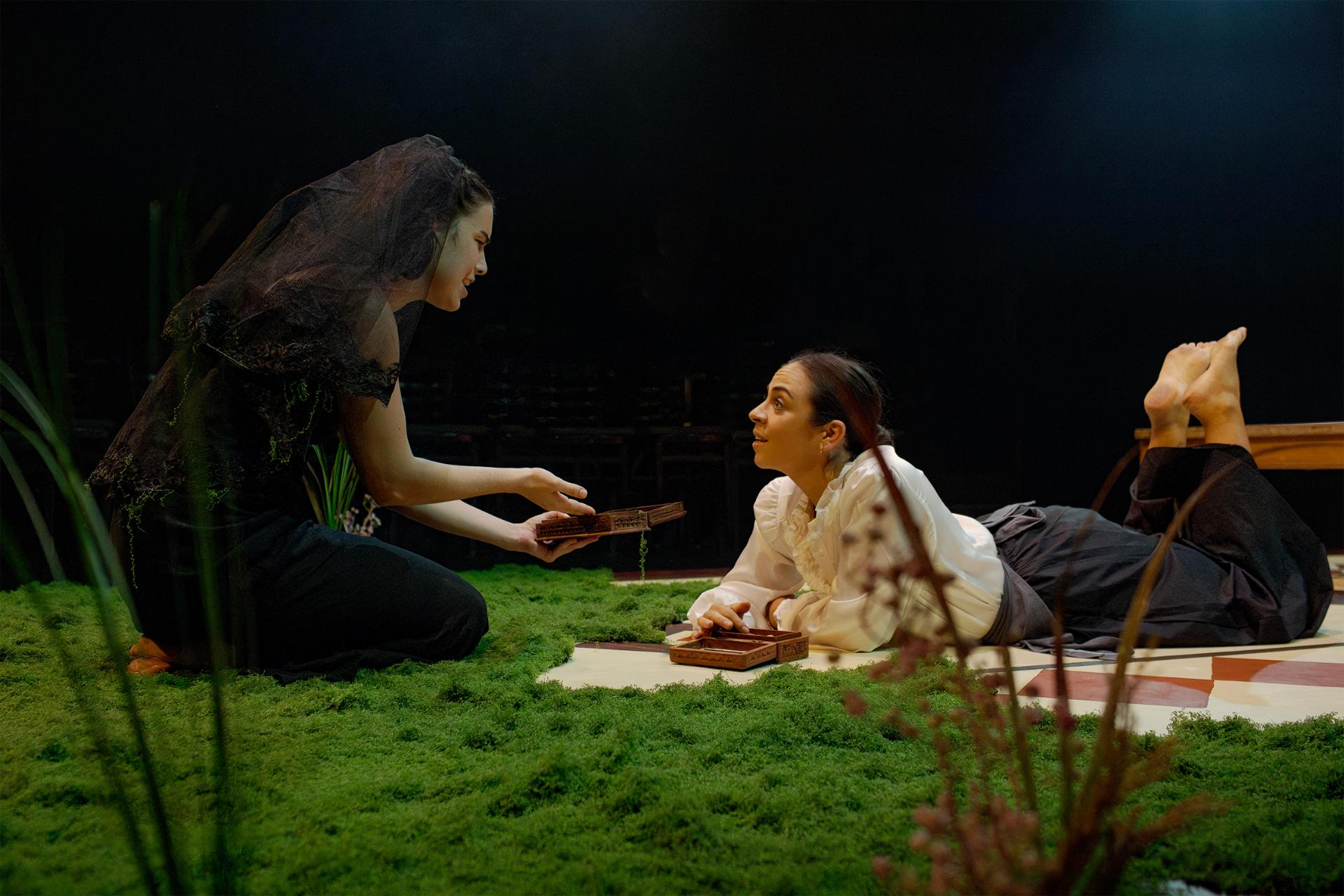
Set design by Michael Hankin takes clear inspiration from Wade’s text, to introduce a carpet of green moss, that dominates the staging, to mixed results. Video projections by Mark Bolotin form beautiful backdrops for scenes of the English landscape, gently animated to evoke the life that continues be, in a story about the renewal of human corporeality. Lights by Morgan Moroney and sounds by Jessica Dunn are sparse and subtle, for a show that always chooses the understated option.

Actor Hannah Waterman brings great believability to Myra, portraying strength and vulnerability in equal measure, along with a charming wit that proves captivating. Husband Alec is also a funny character, as performed by Huw Higginson, who absolutely convinces as a man trying to avoid painful emotions. Airlie Dodds and Charlotte Friels play Myra’s daughters, both demonstrating commitment and focus, in a work that steers clear of cheap sentimentality.

The human mind seems always to be searching for that which is definite; we want to understand things in black and white, yet death being one of the very few that is beyond question, constantly escapes our attention. “The irony of man’s condition is that the deepest need is to be free of the anxiety of death and annihilation; but it is life itself which awakens it, and so we must shrink from being fully alive.” (Ernest Becker, 1973).

www.ensemble.com.au