
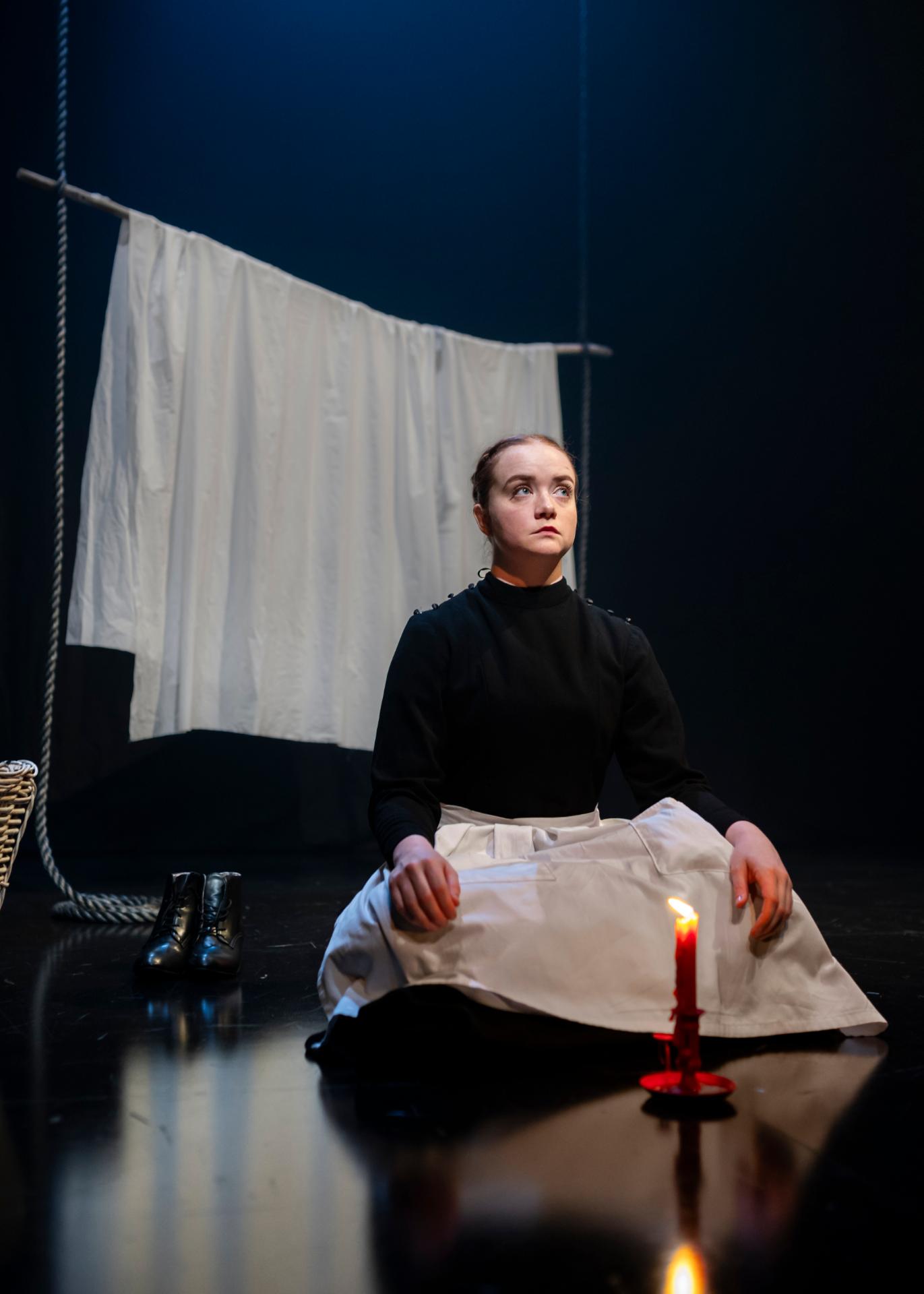
Review: Aria (Ensemble Theatre)

Venue: Ensemble Theatre (Kirribilli NSW), 24 Jan – 15 Mar, 2025
Playwright: David Williamson
Director: Janine Watson
Cast: Tamara Lee Bailey, Rowan Davie, Danielle King, Tracy Mann, Suzannah McDonald, Sam O’Sullivan, Jack Starkey-Gill
Images by Prudence Upton

Theatre review
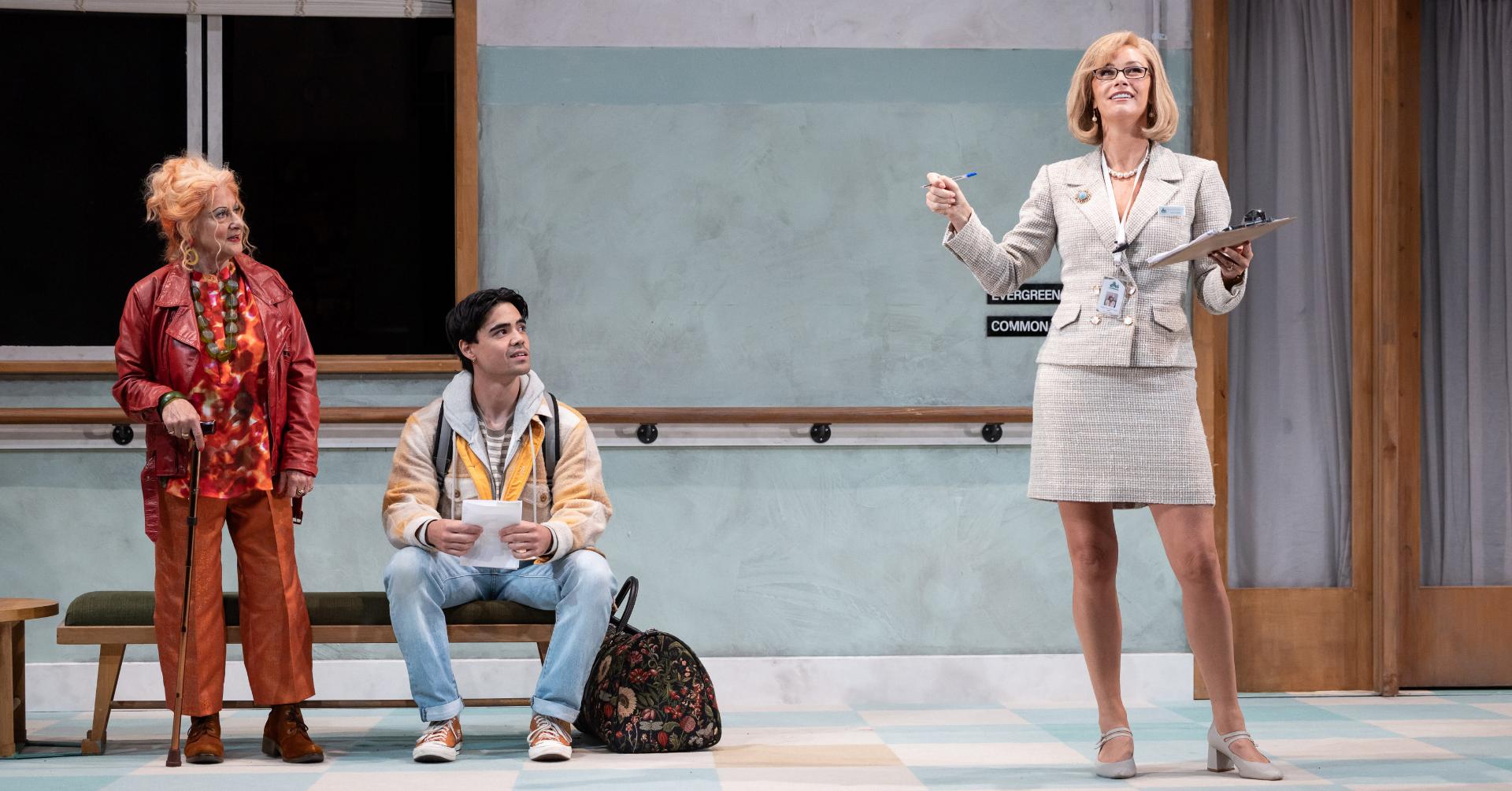
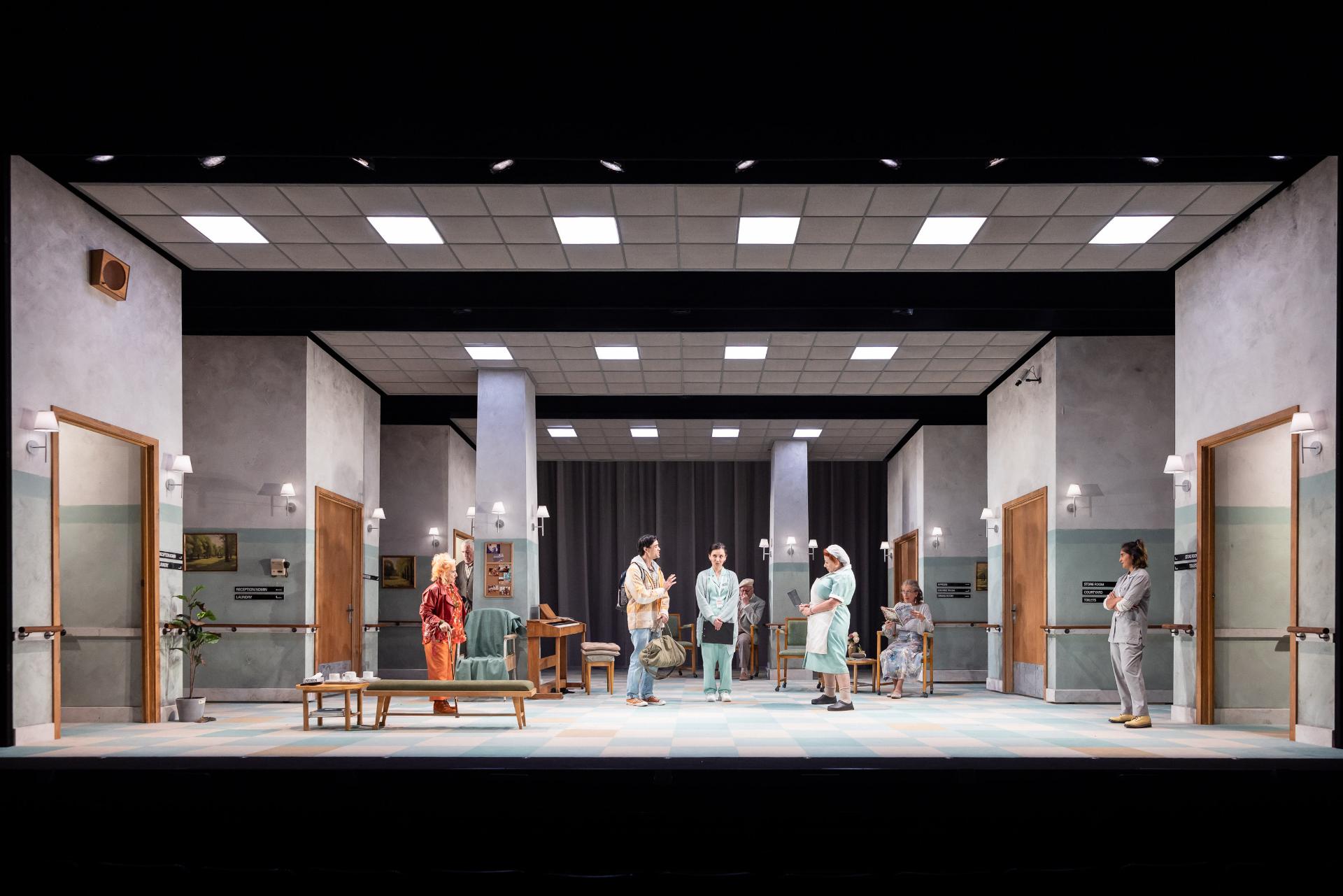
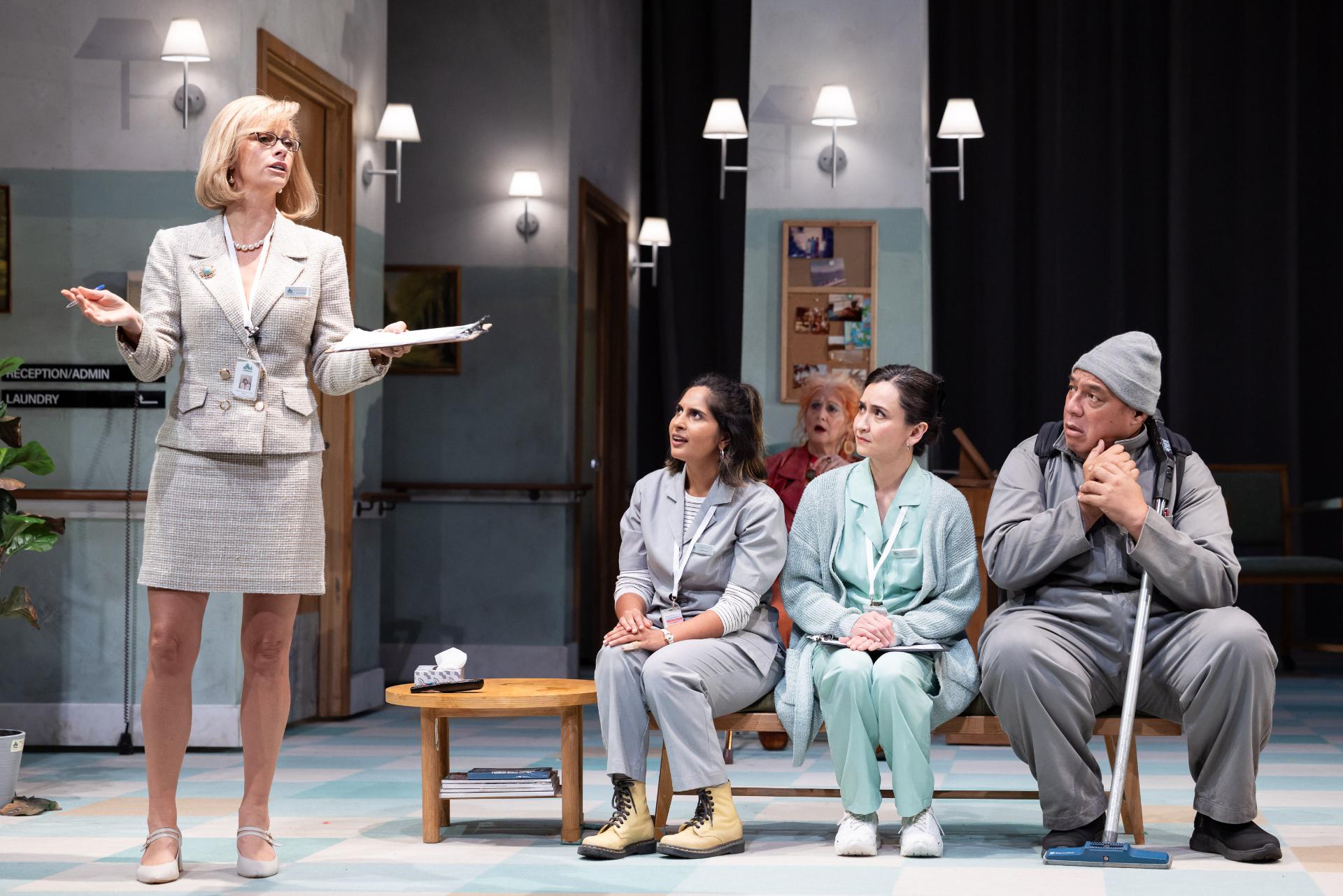
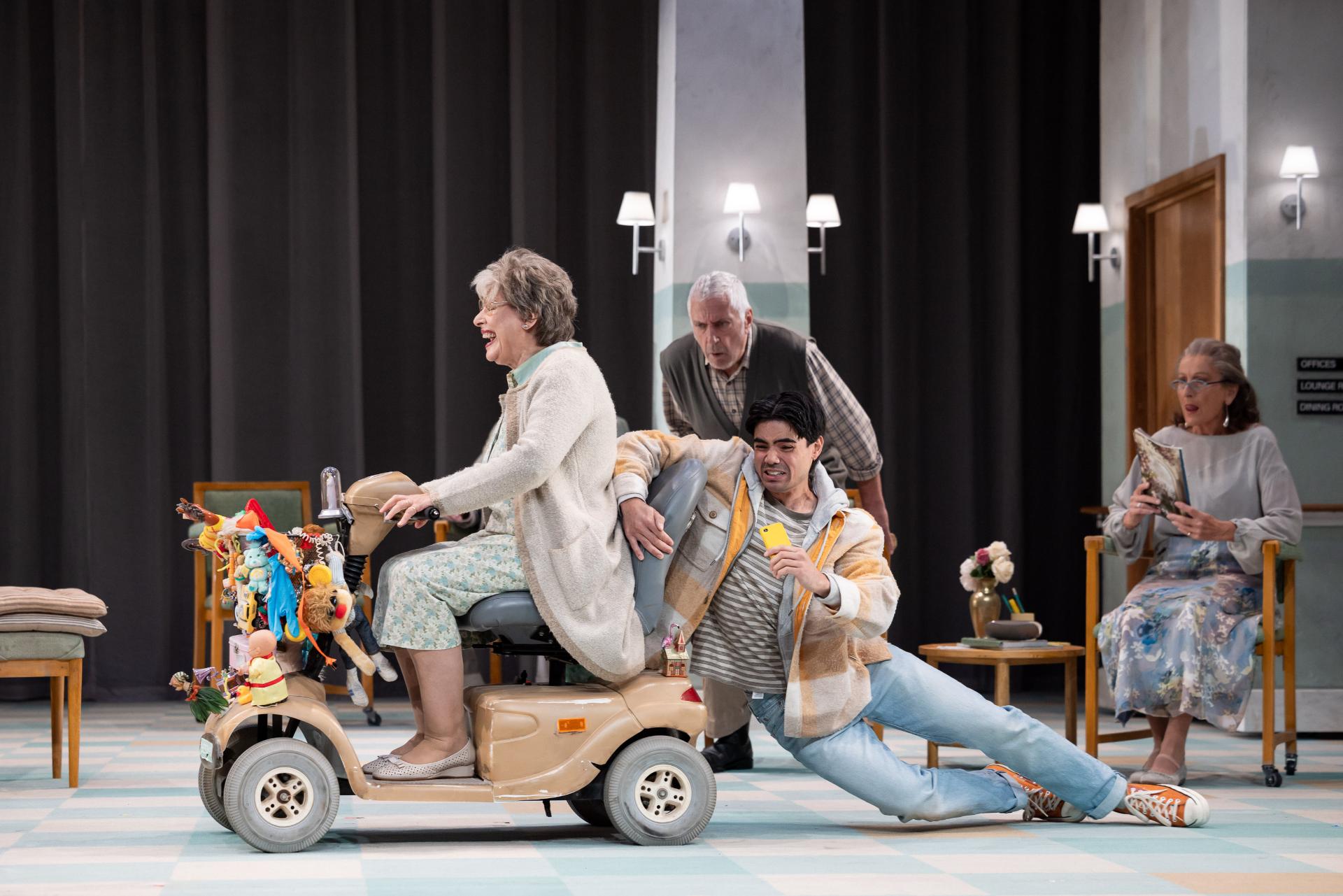
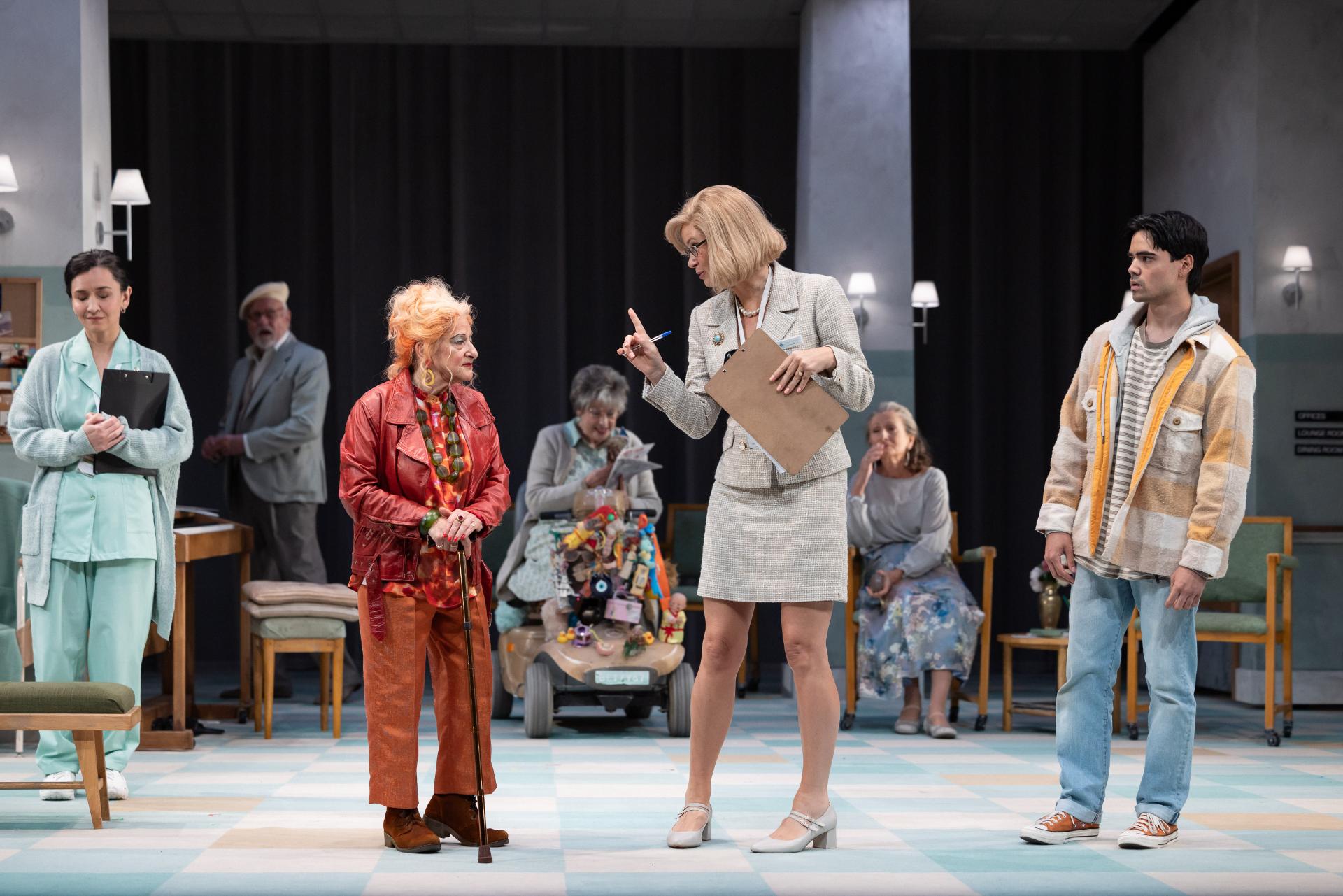
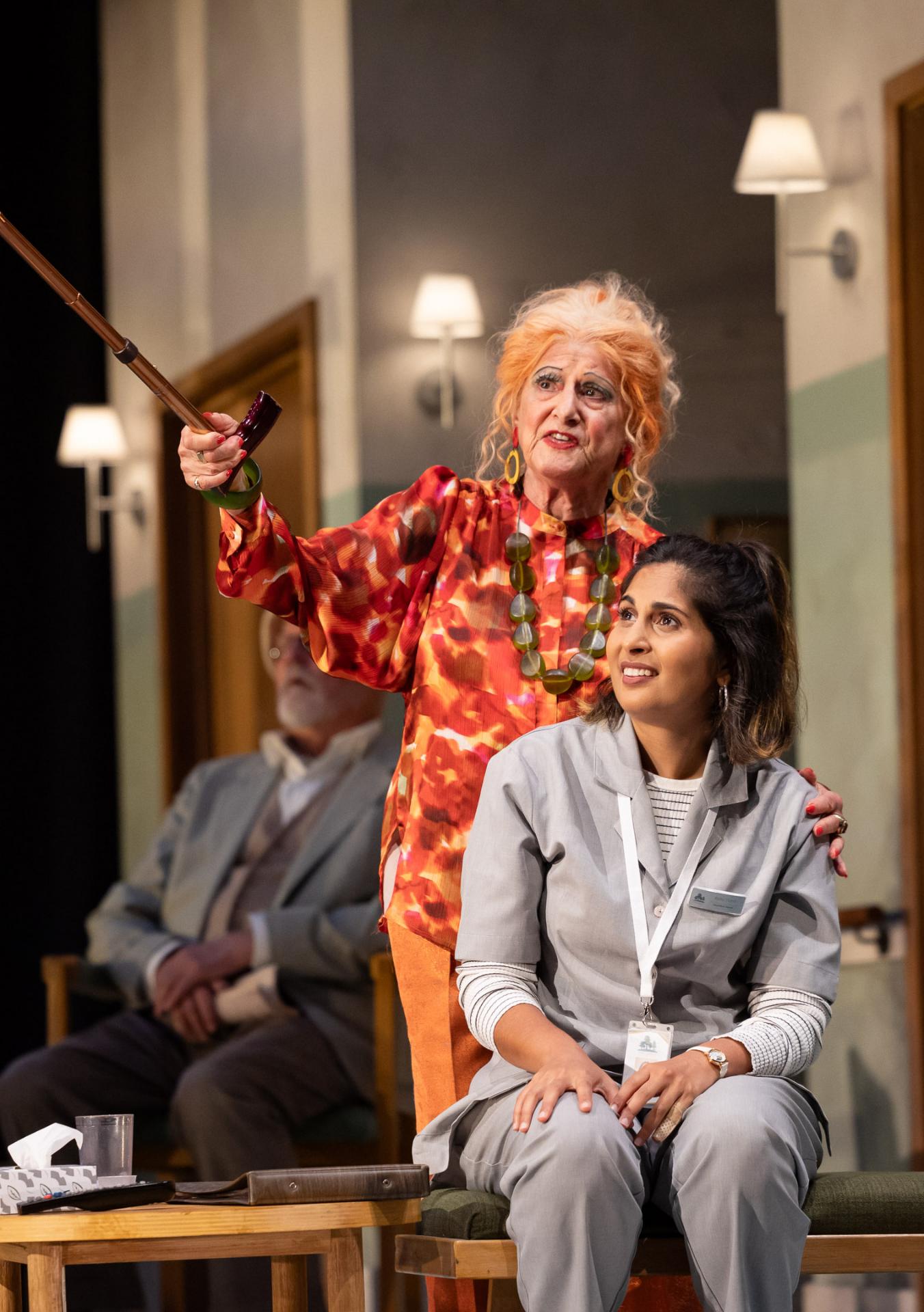
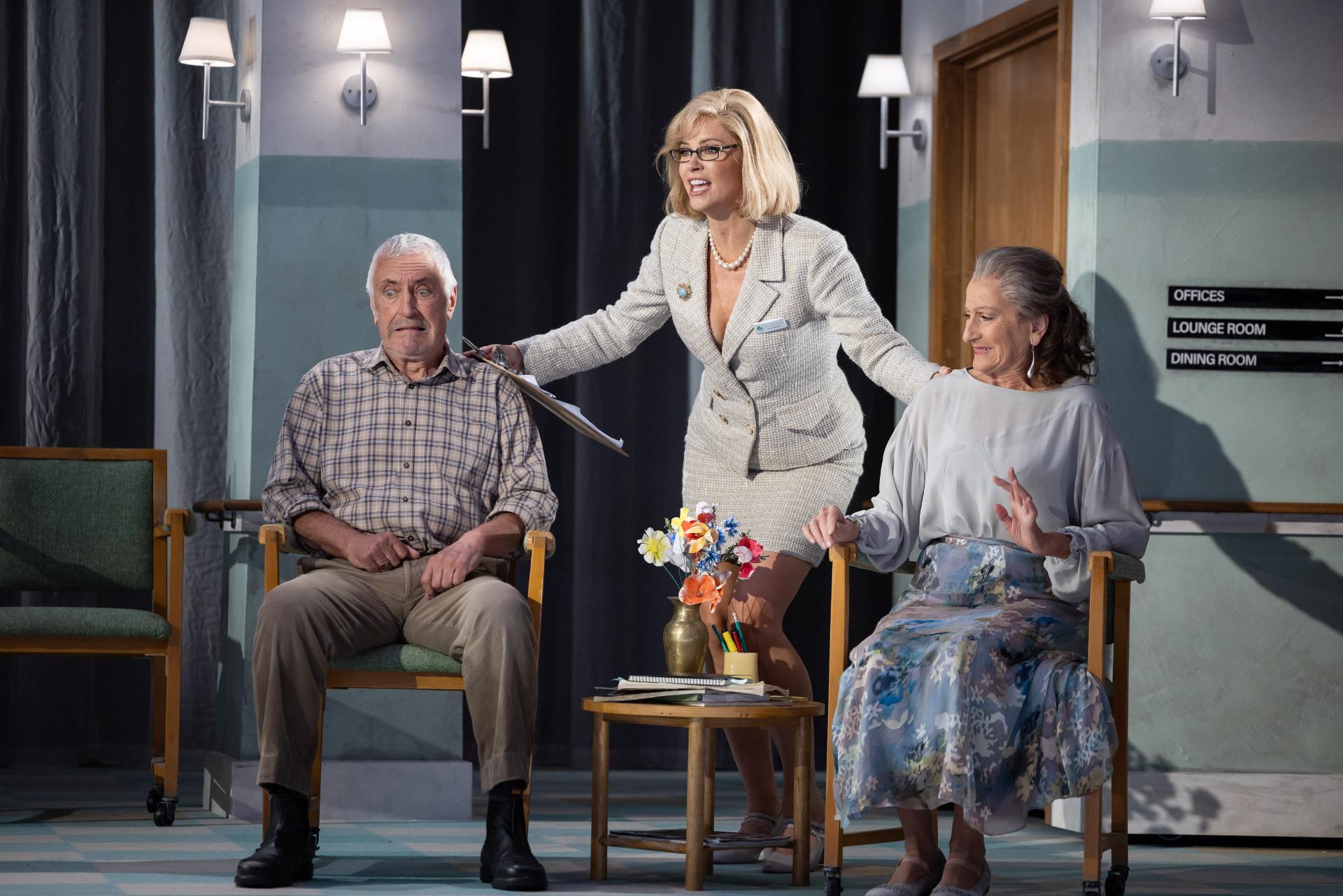
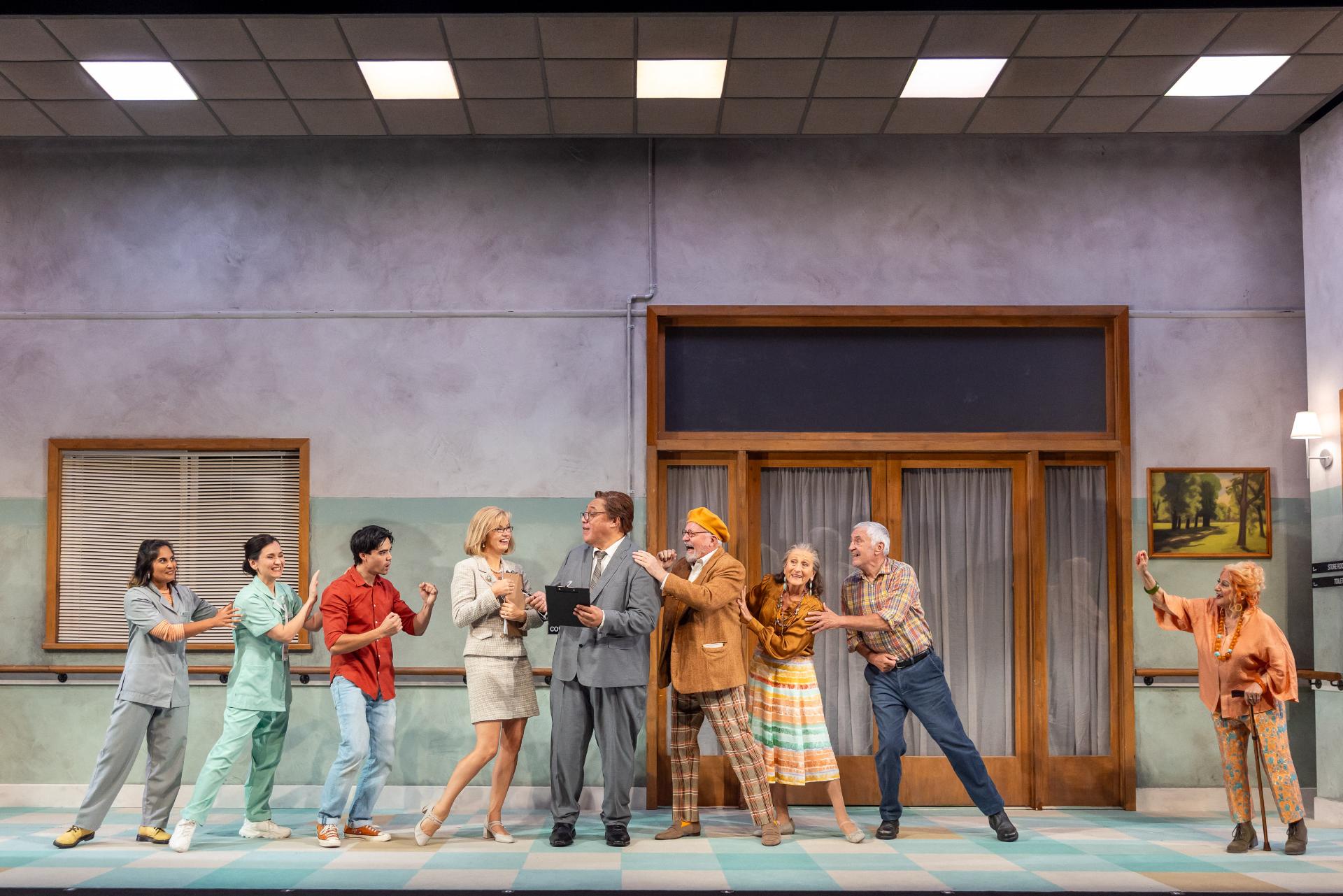
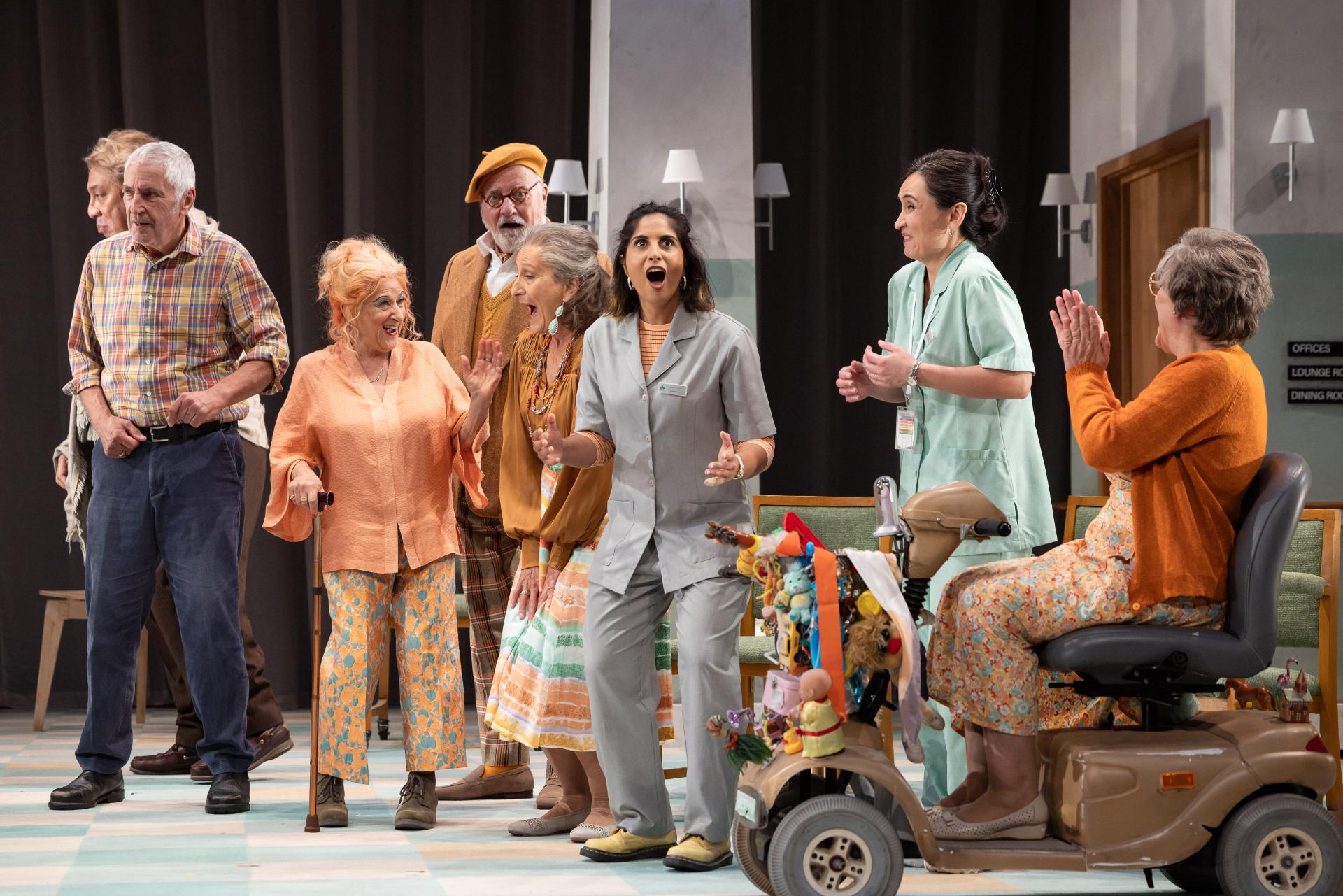
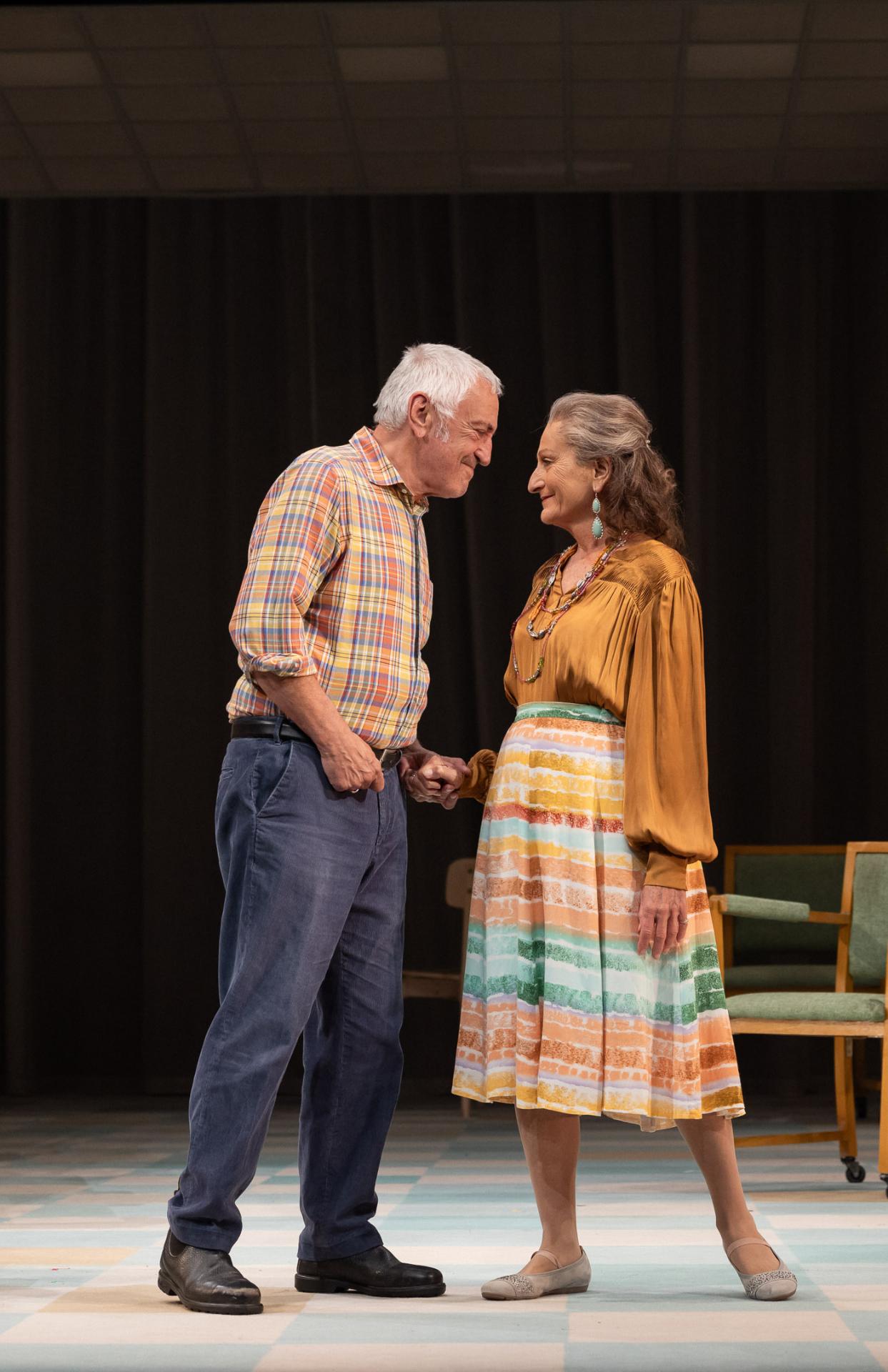
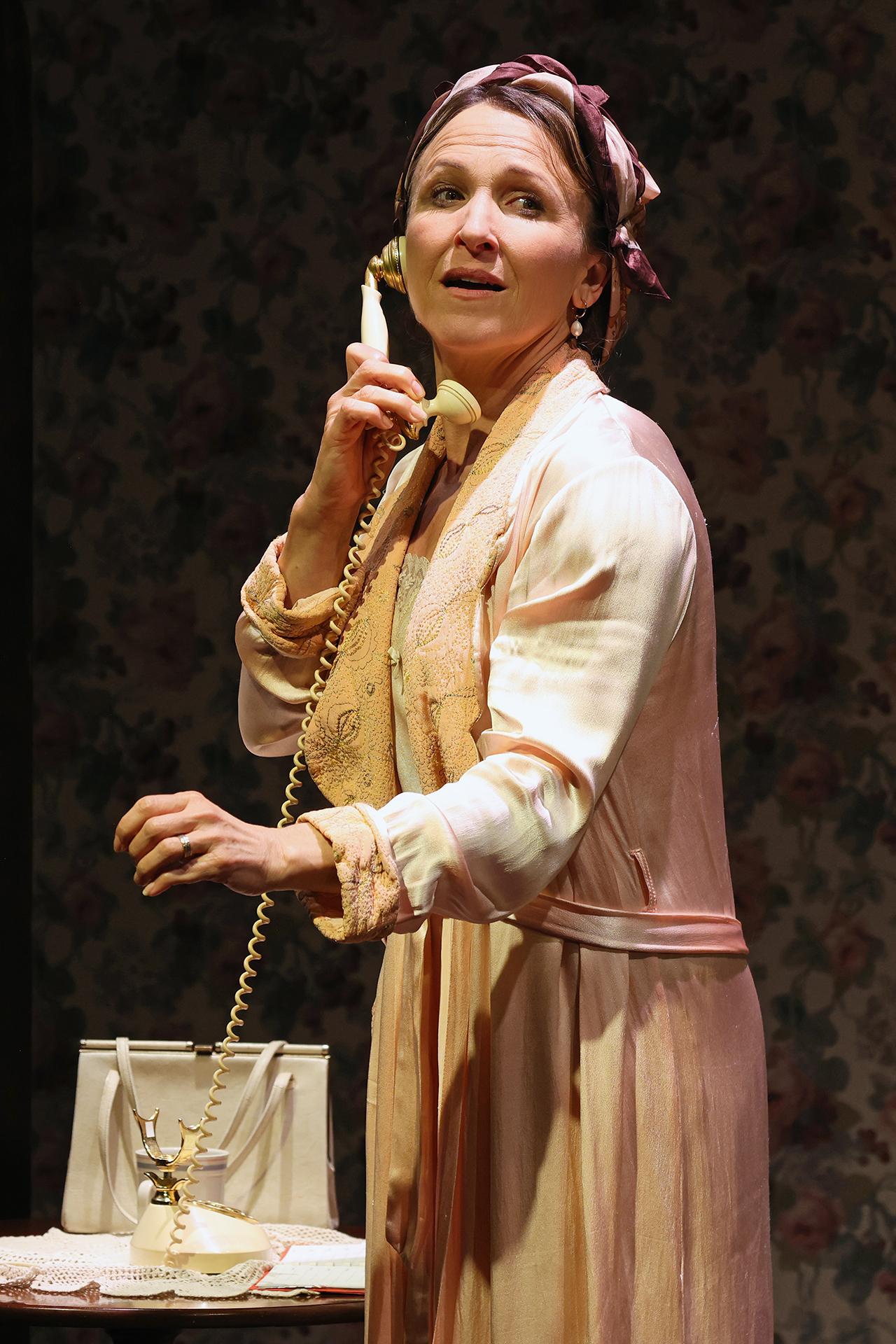
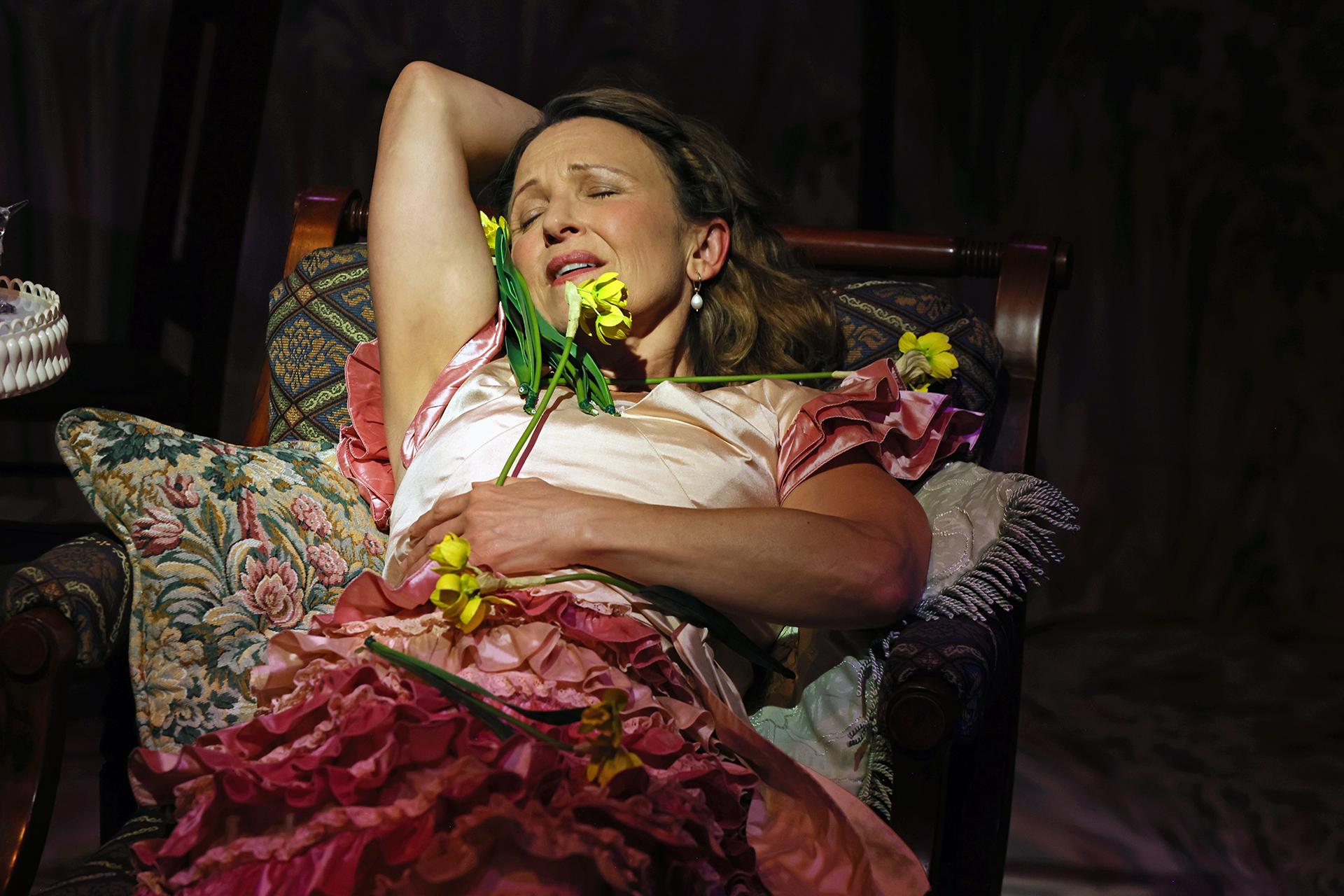
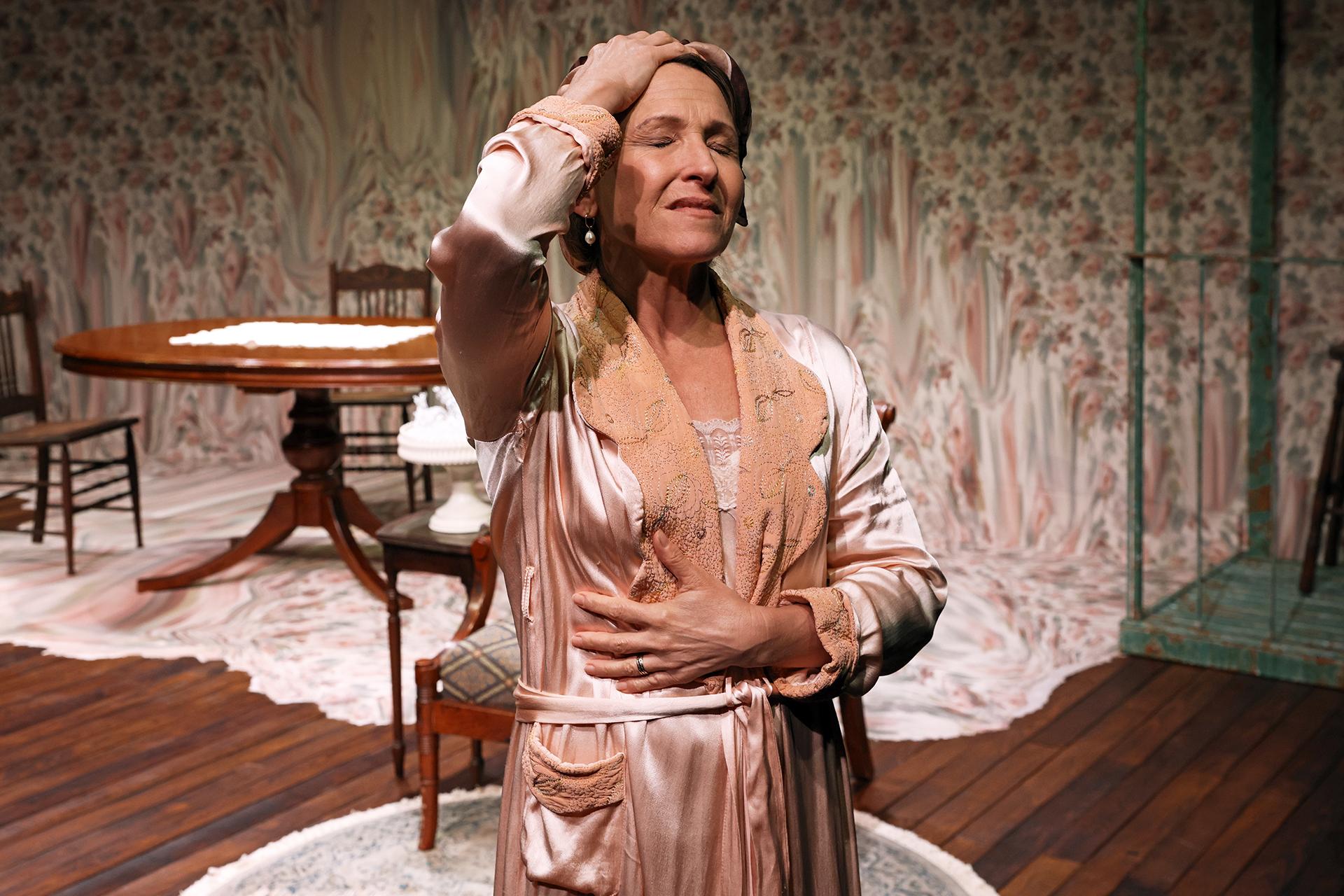
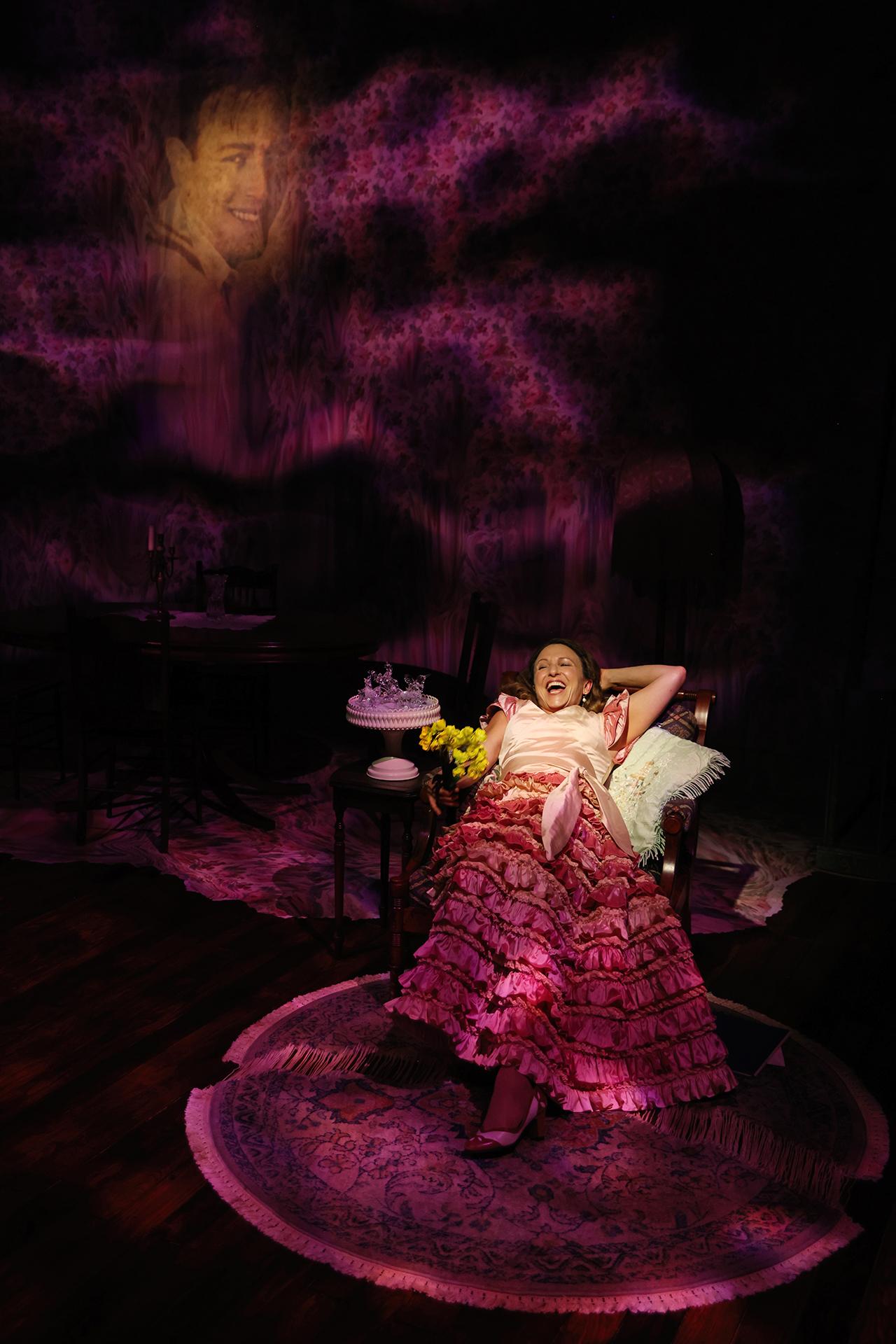
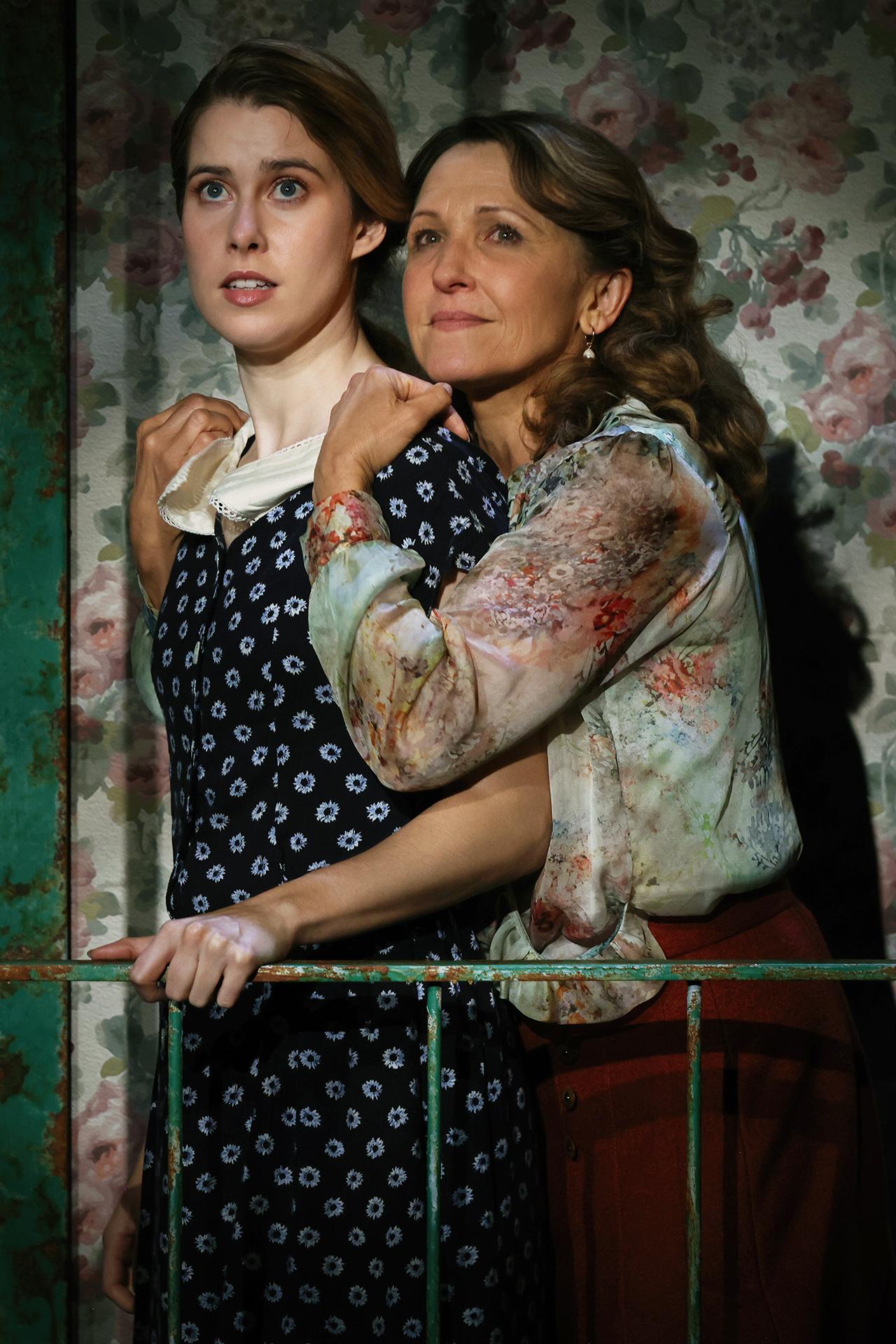
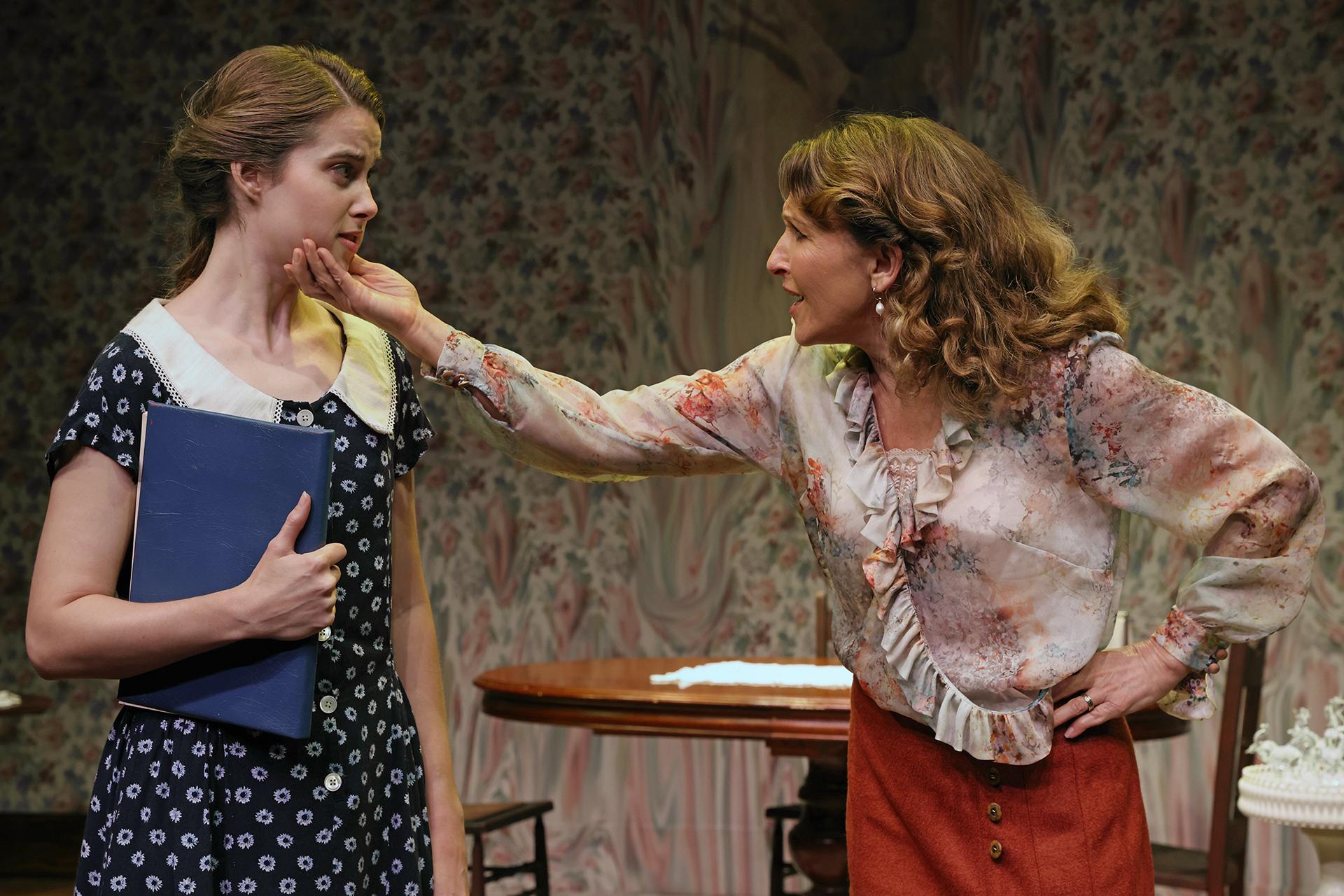
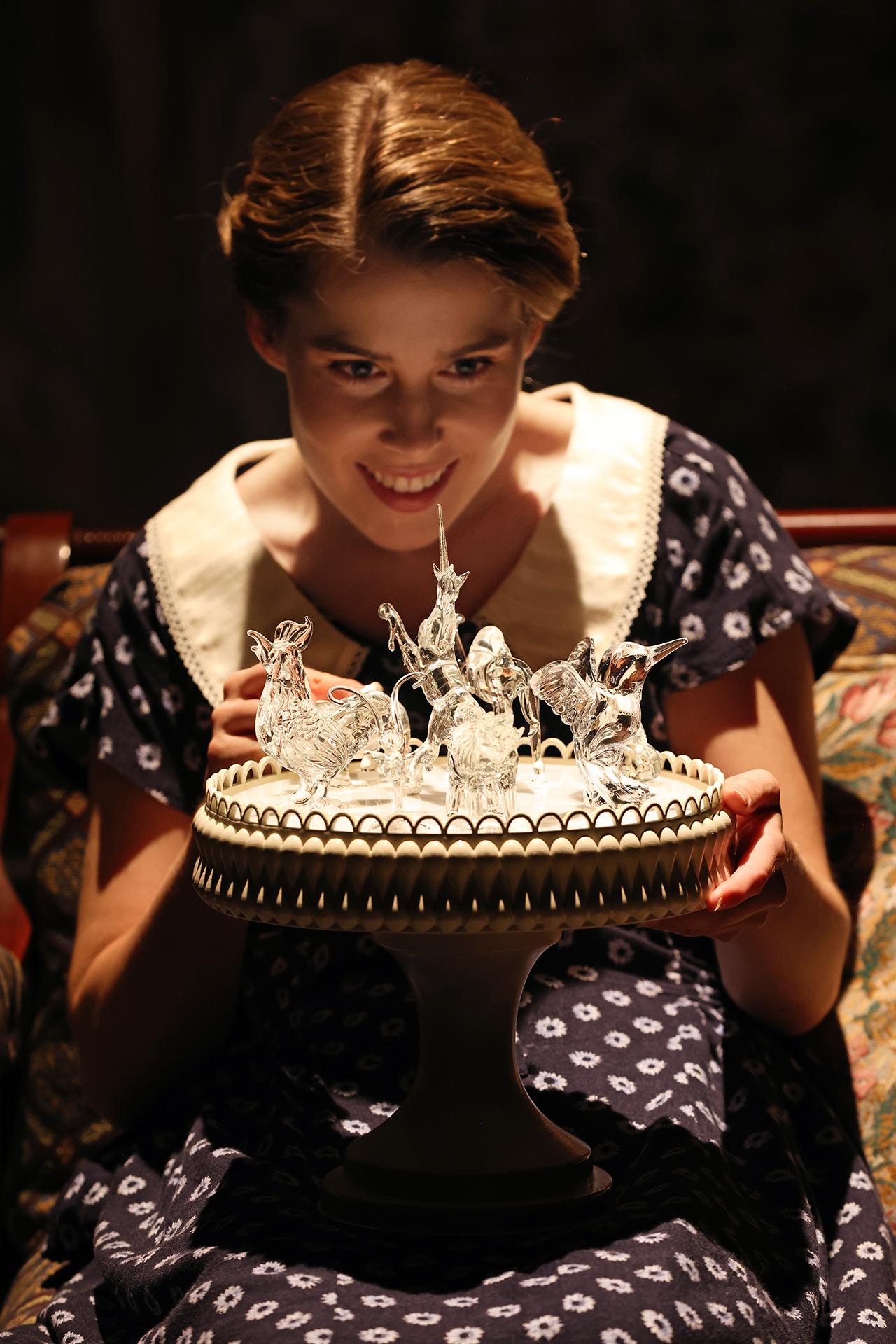
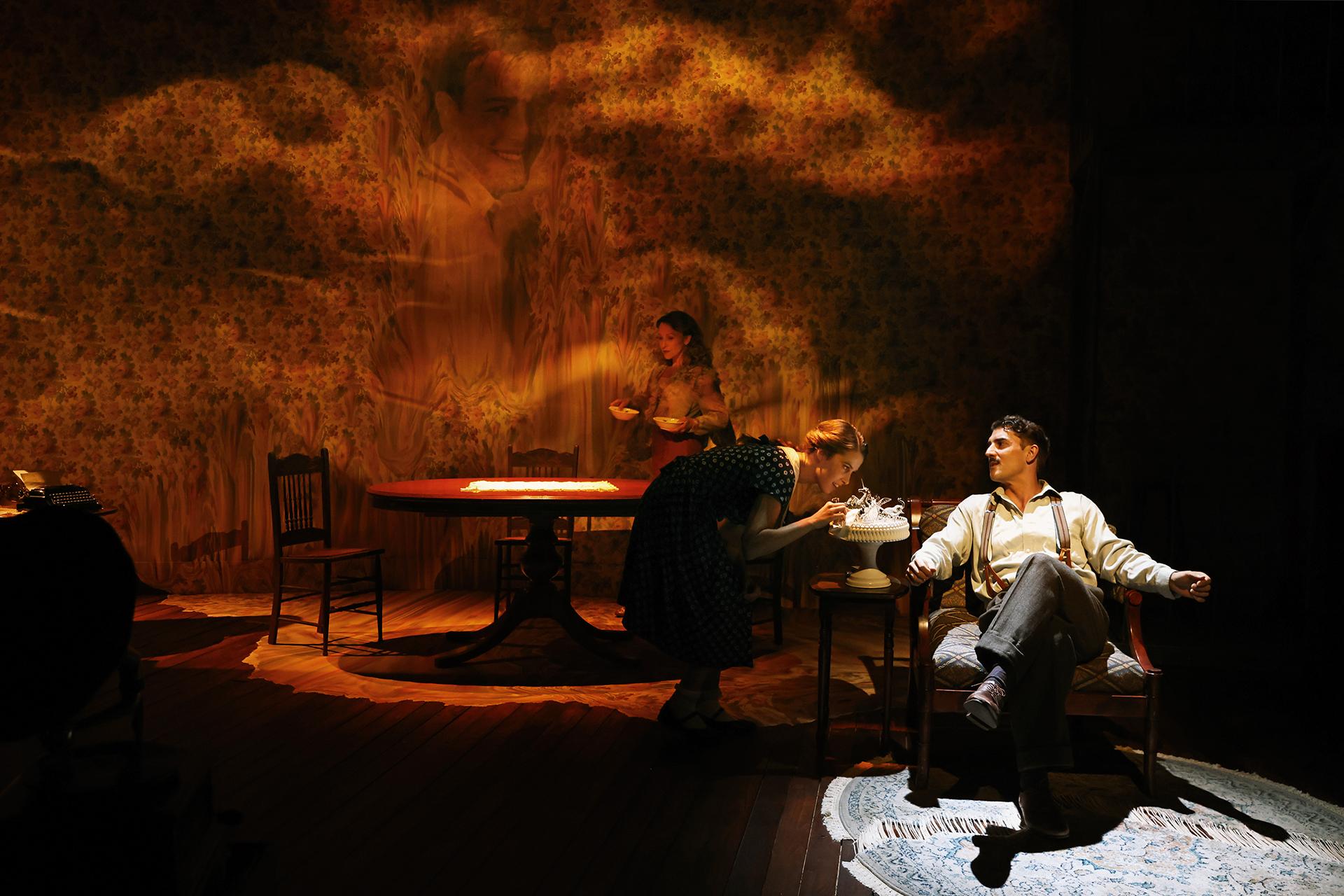
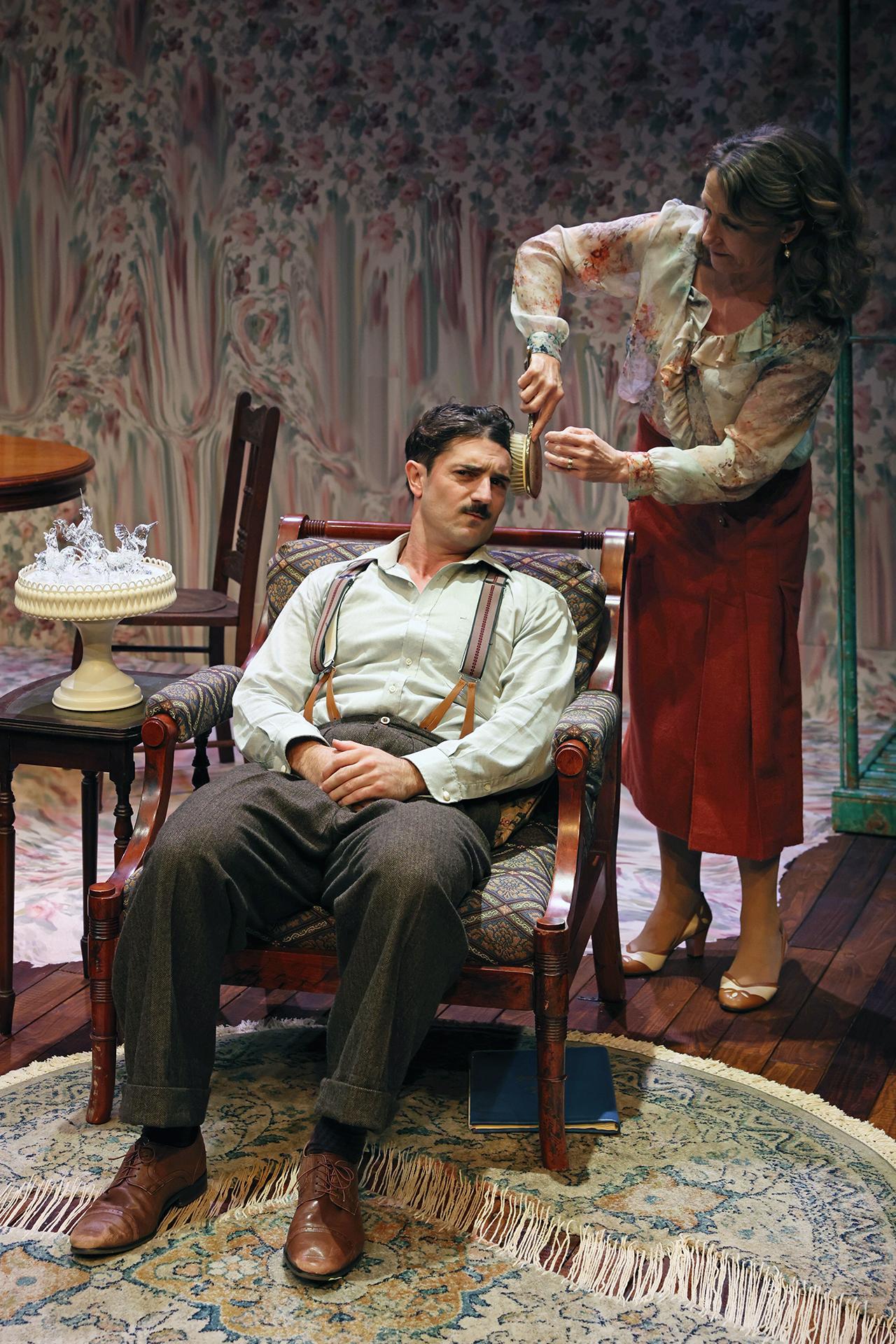
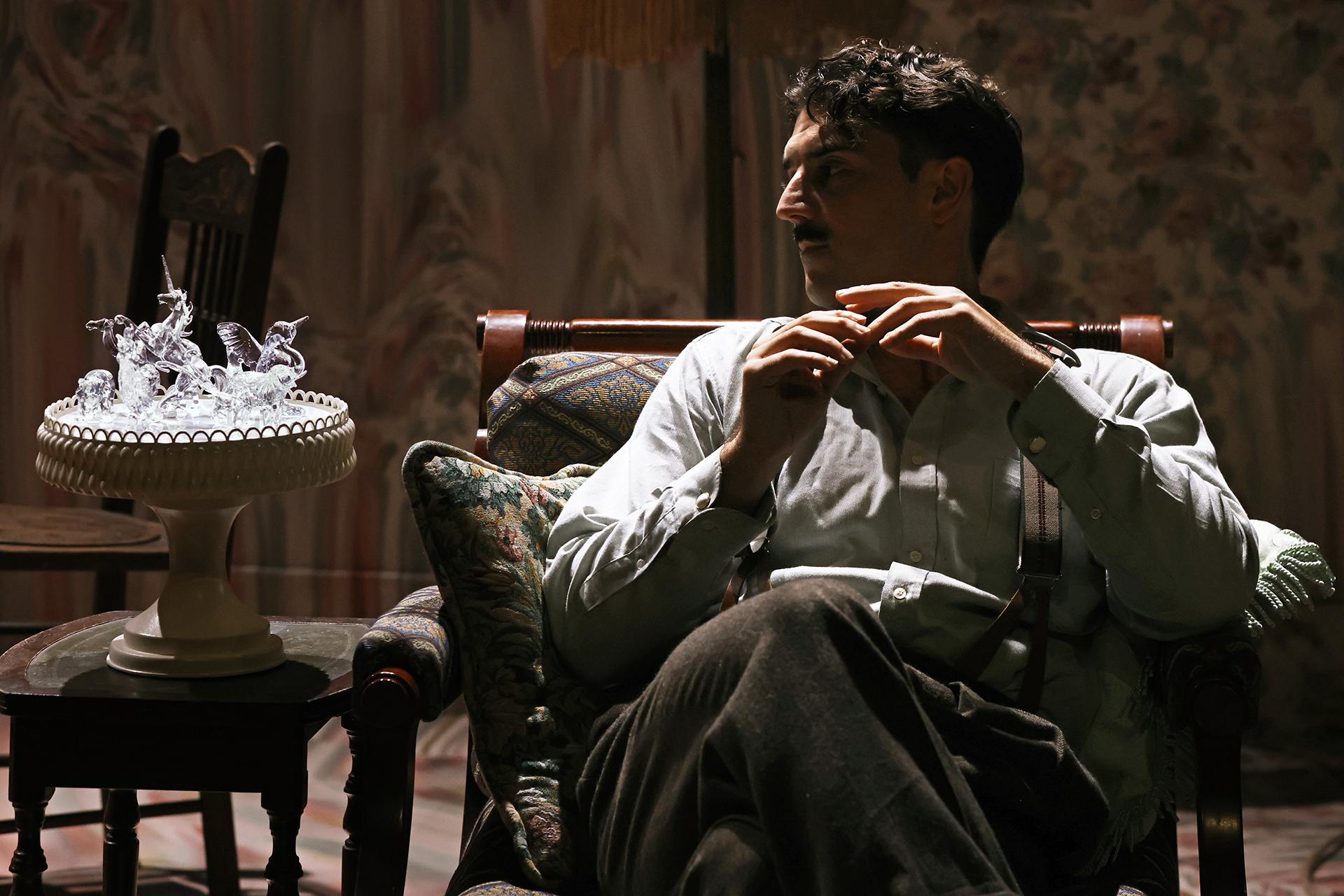
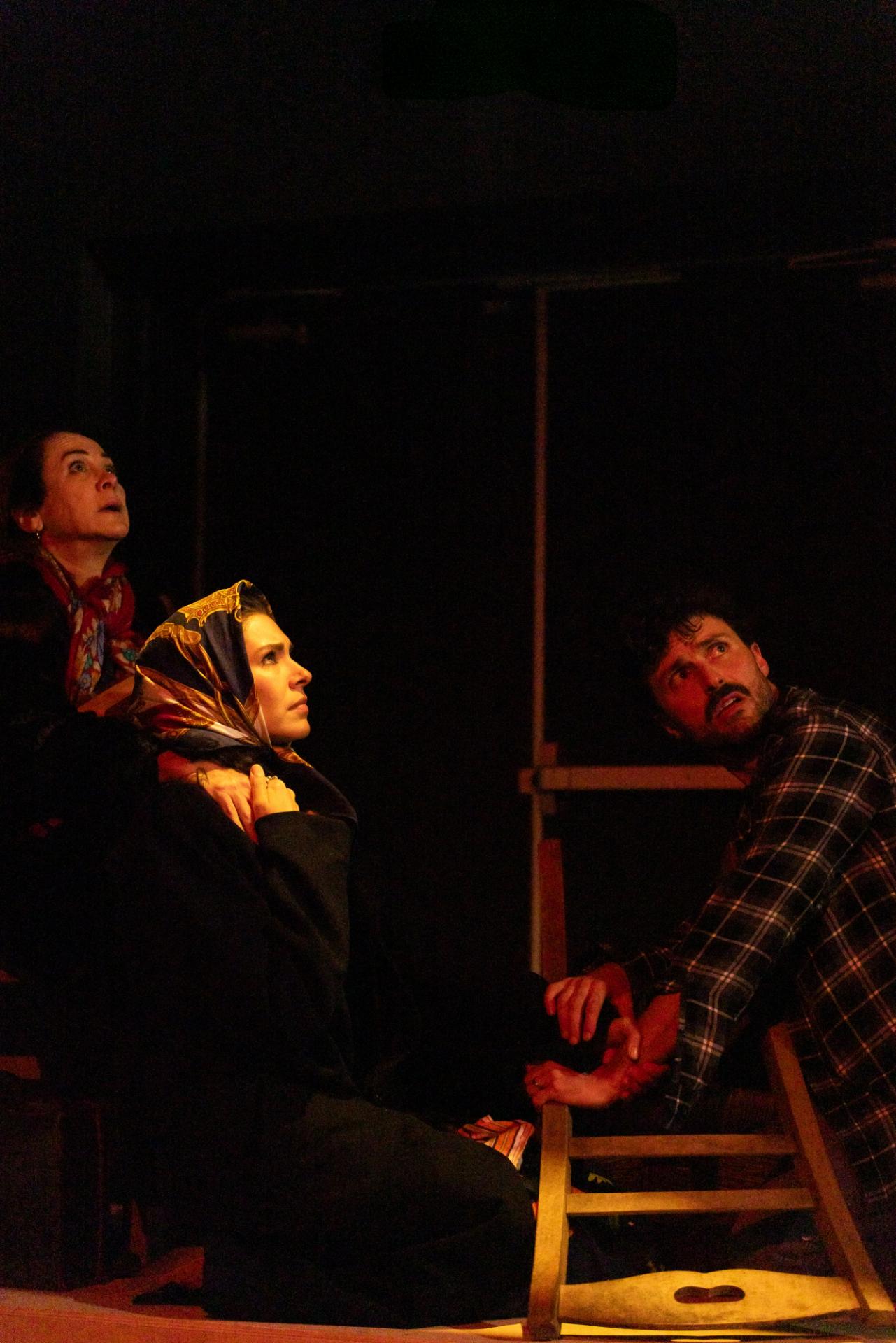
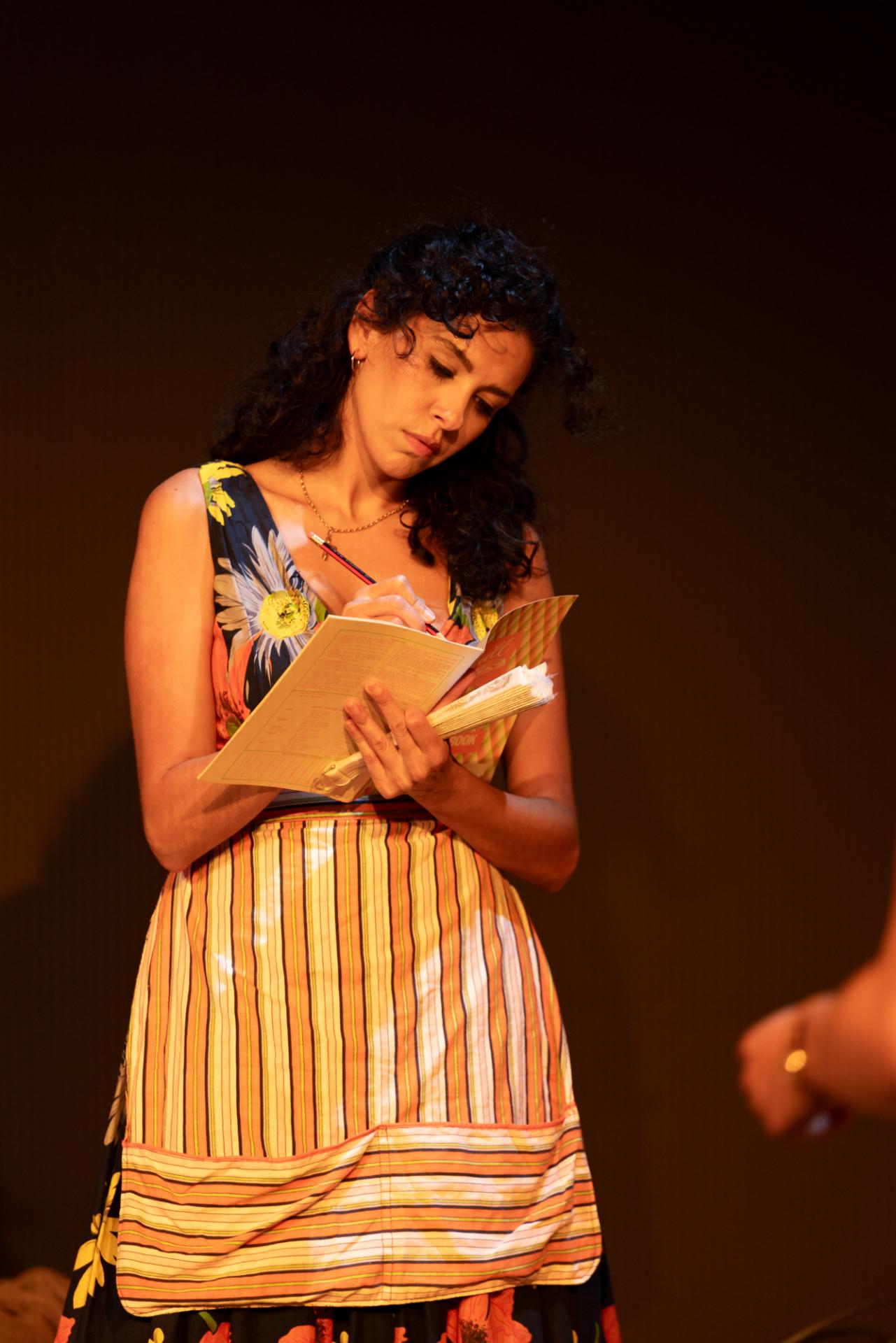
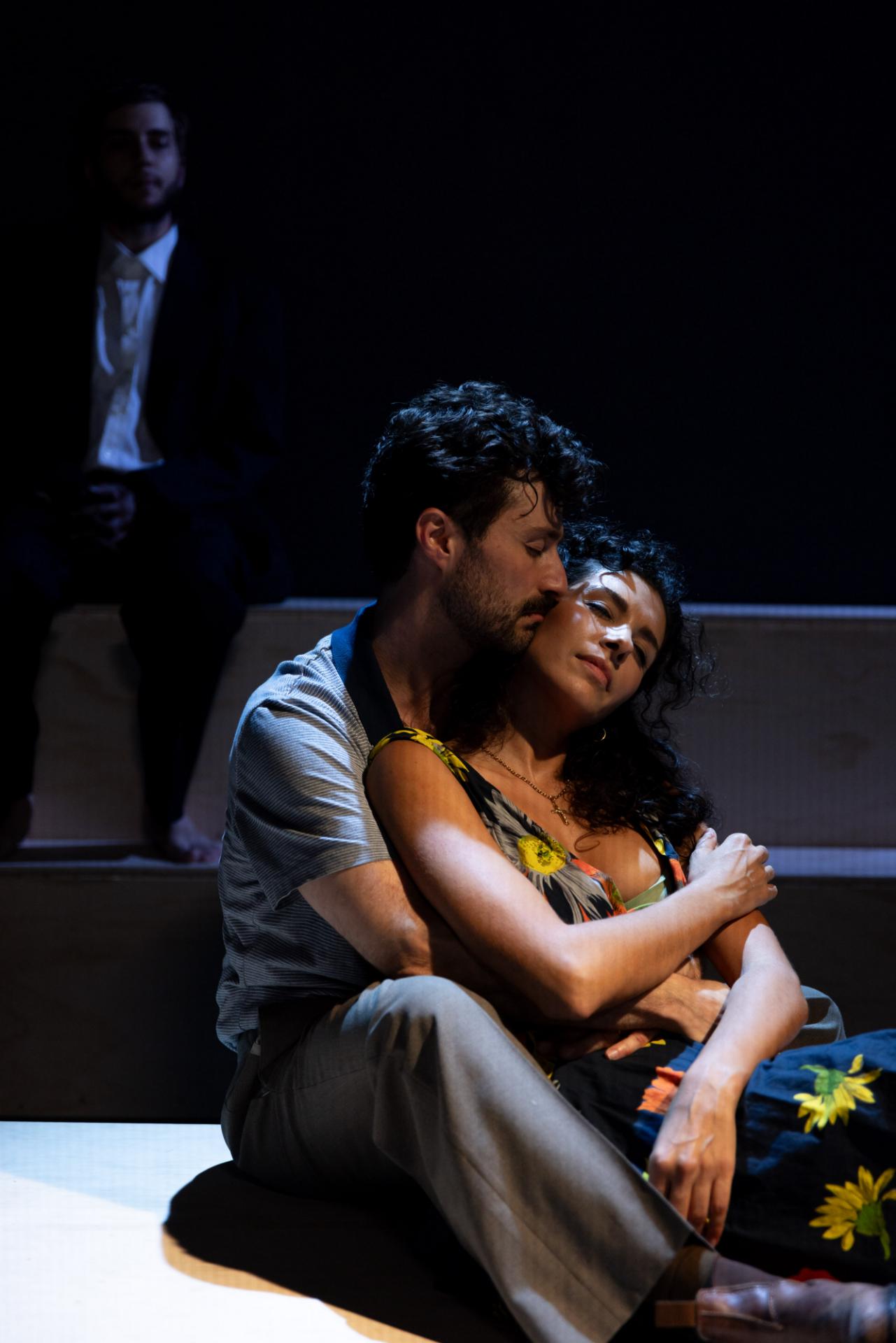
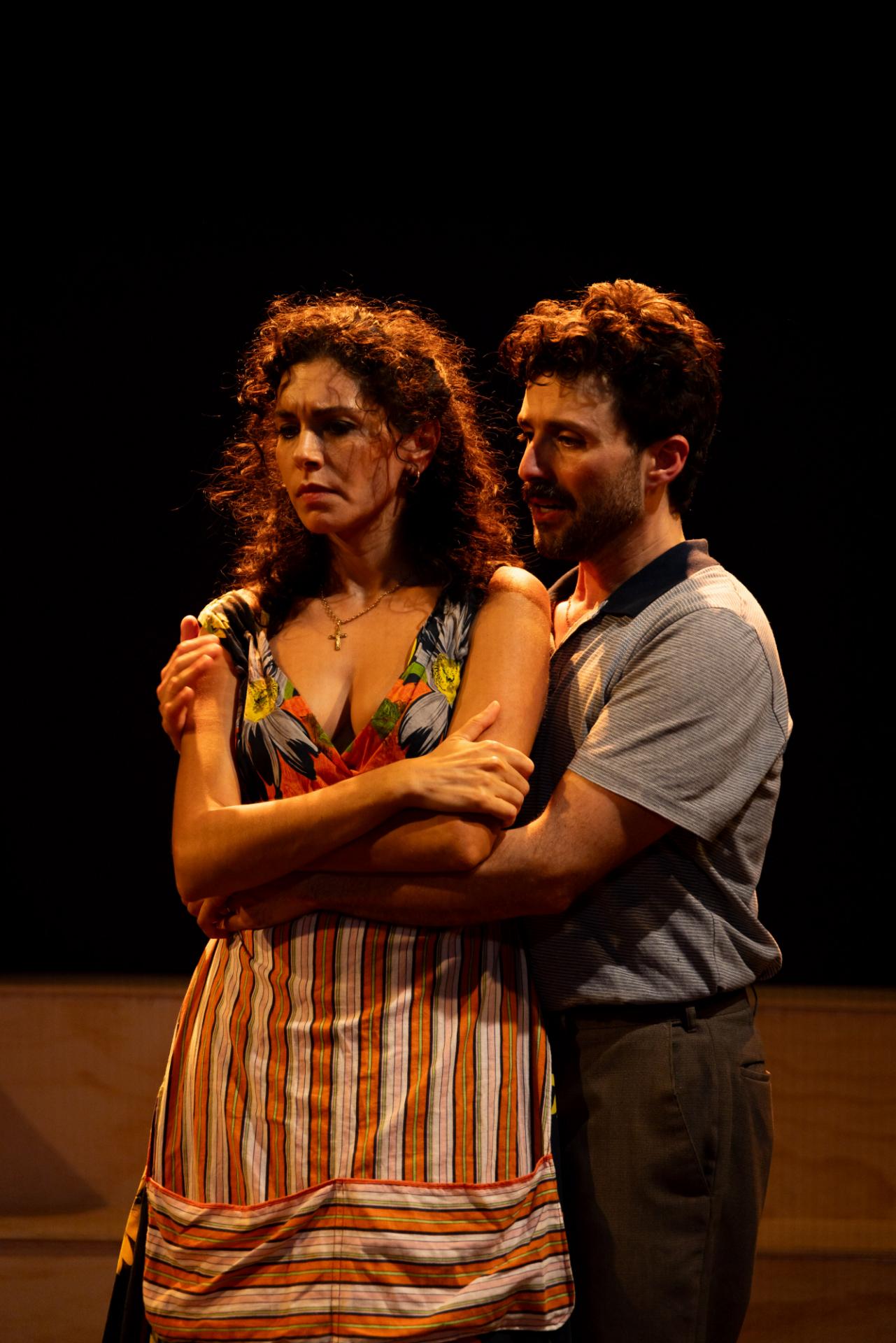
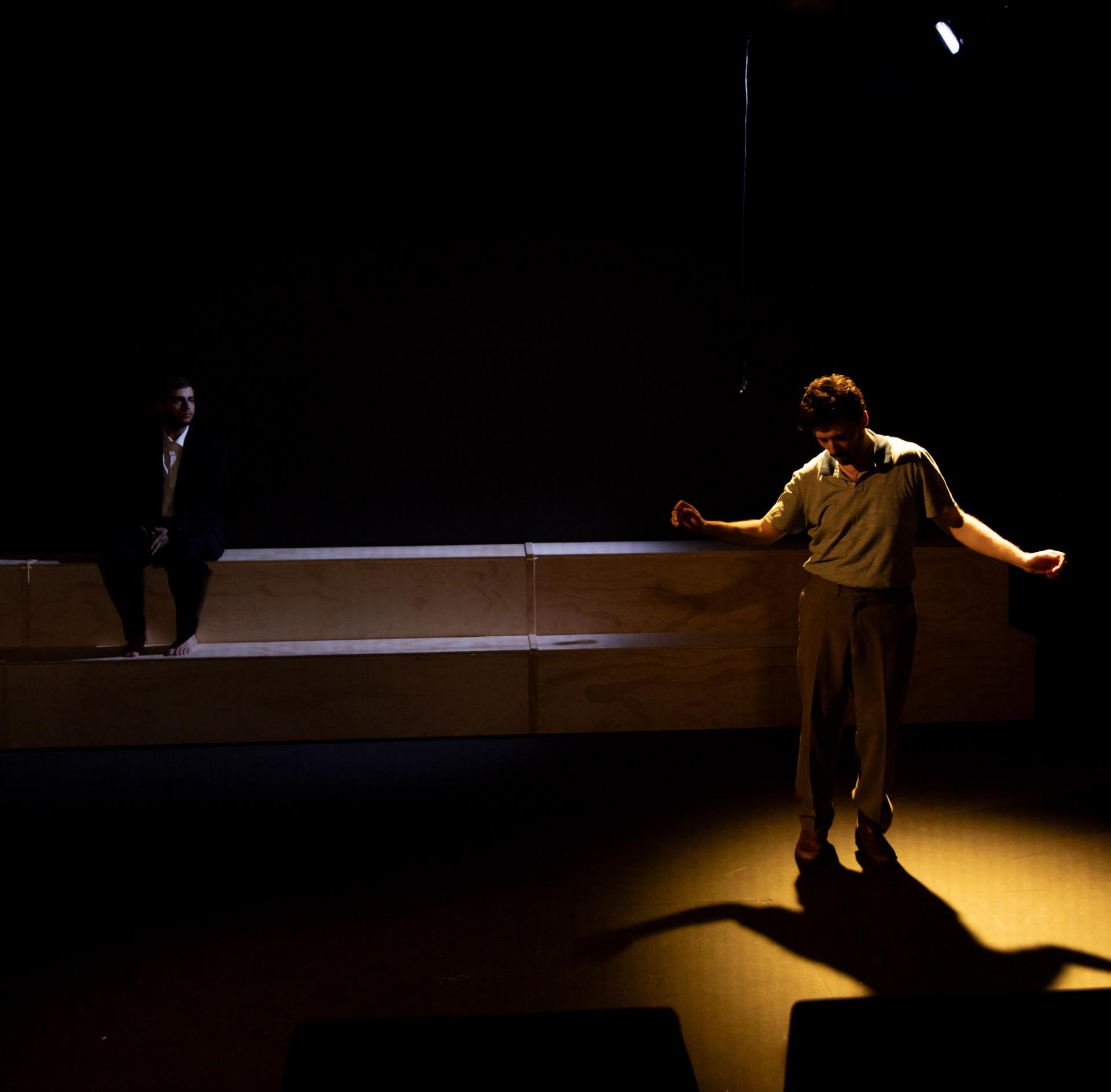
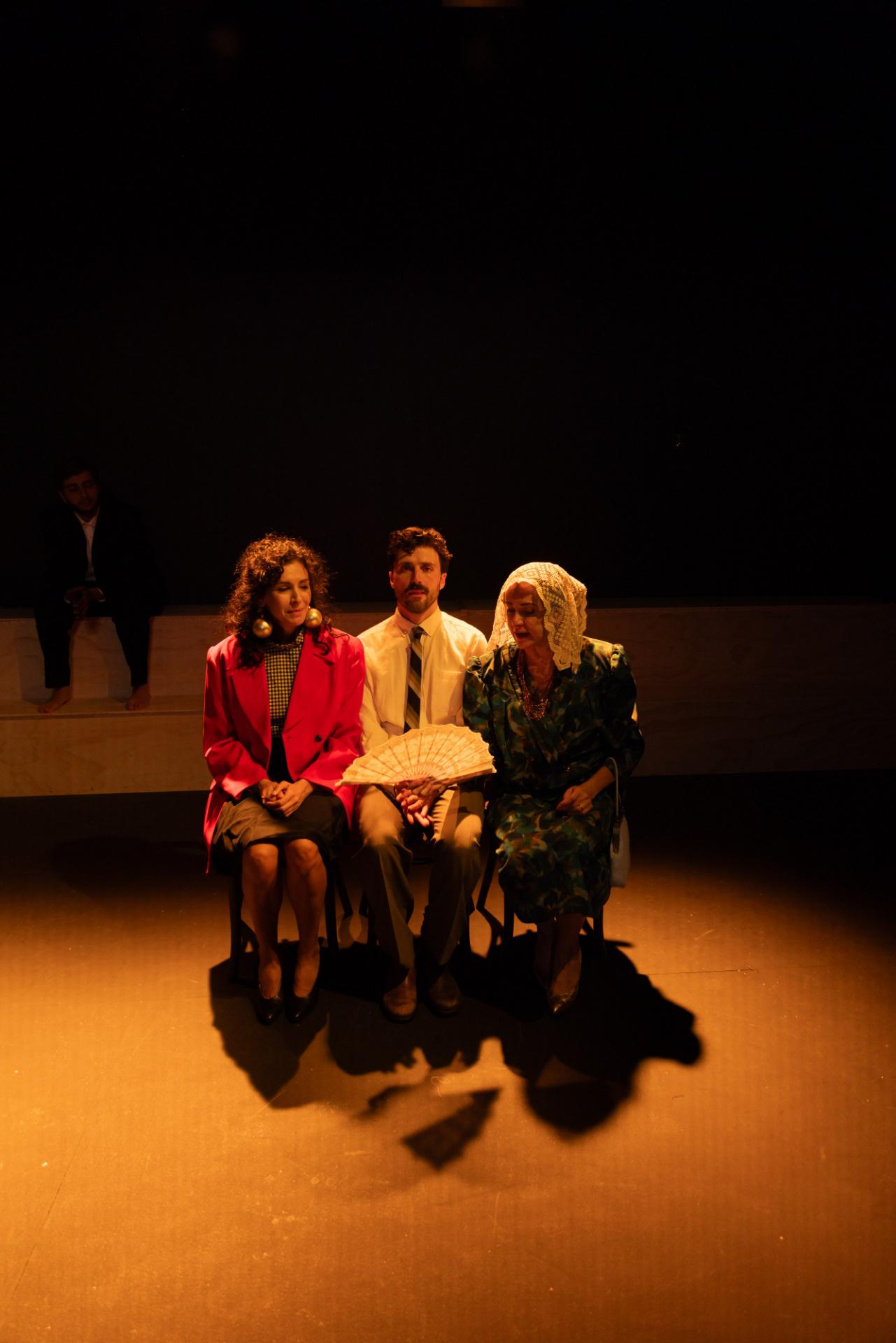
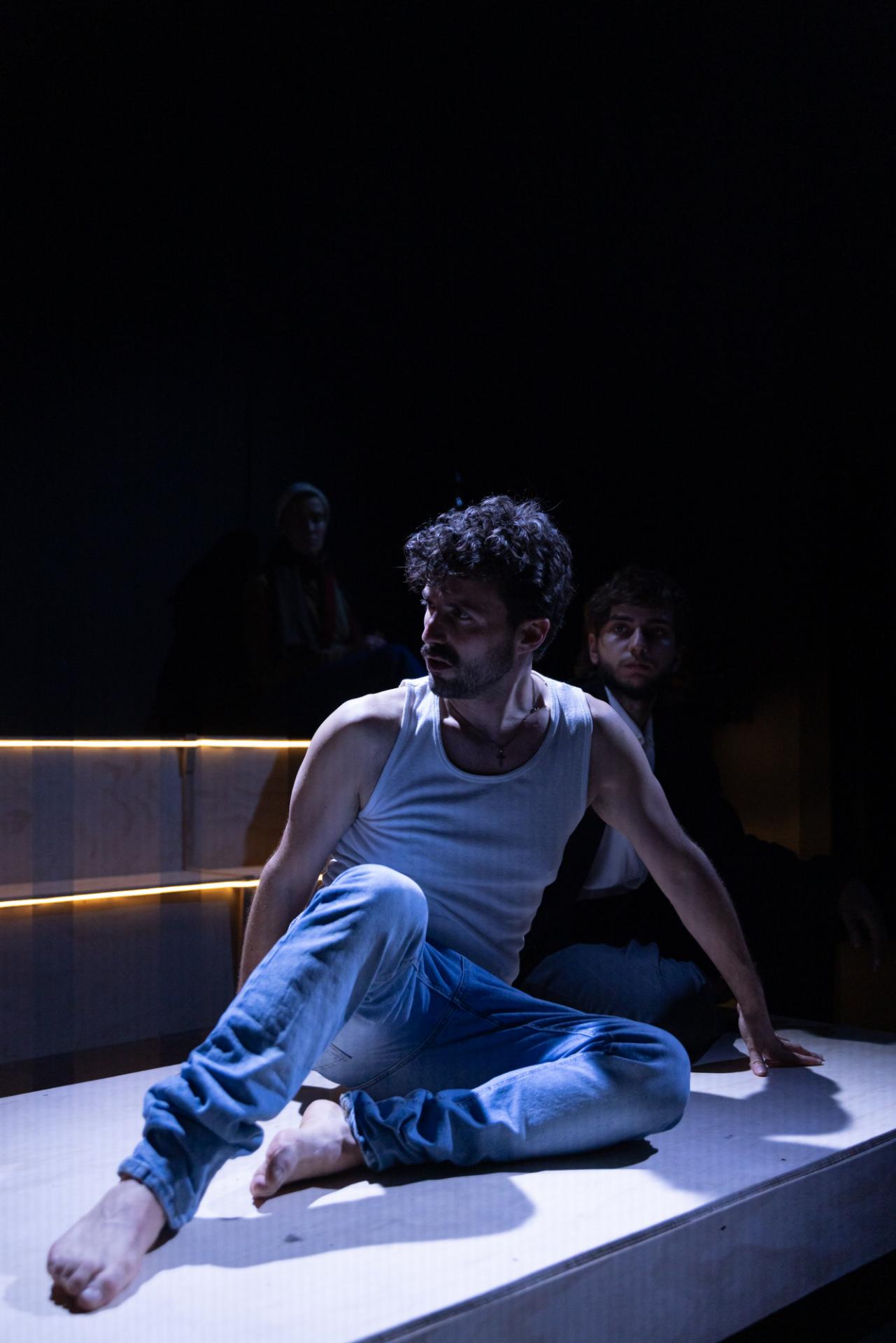
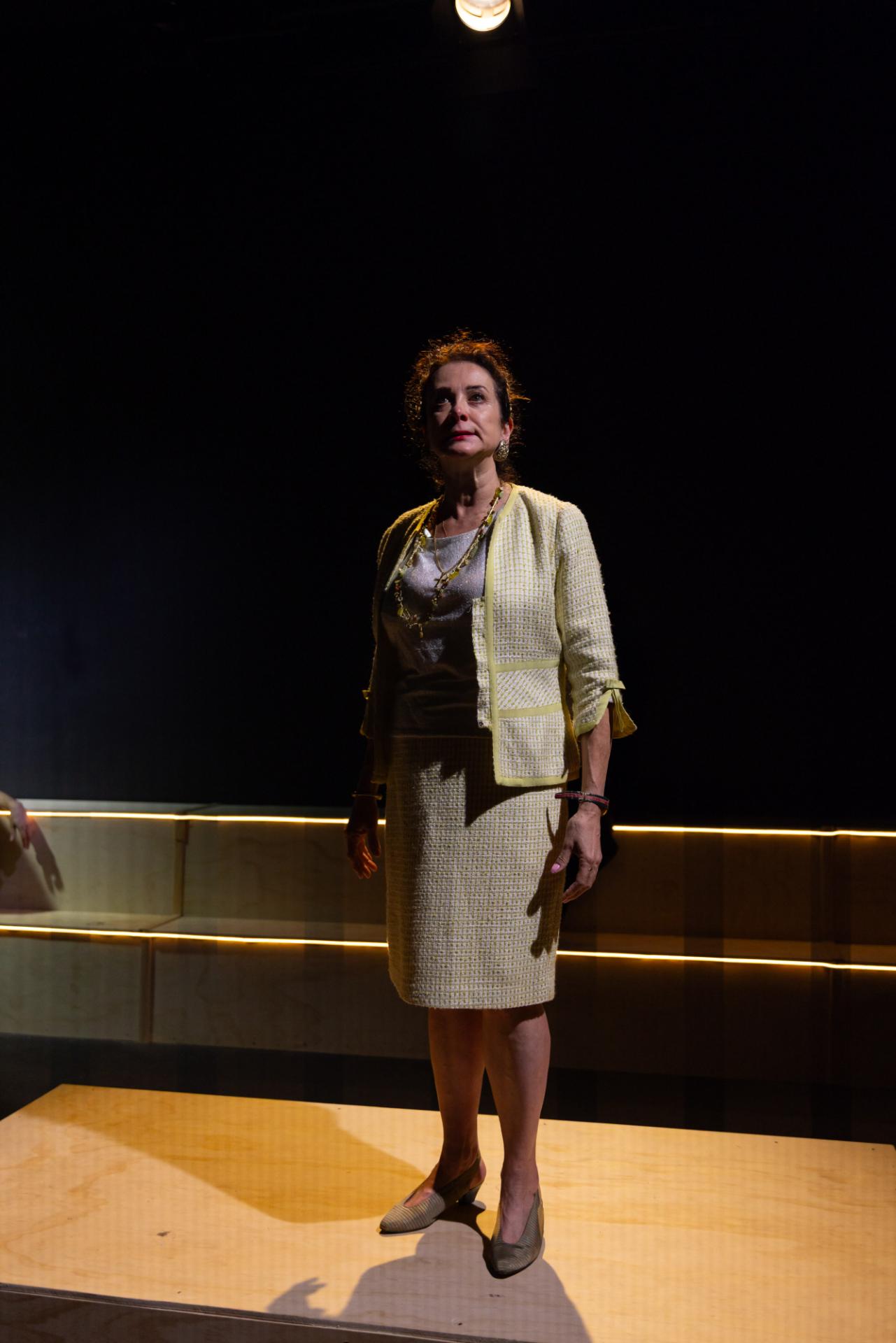
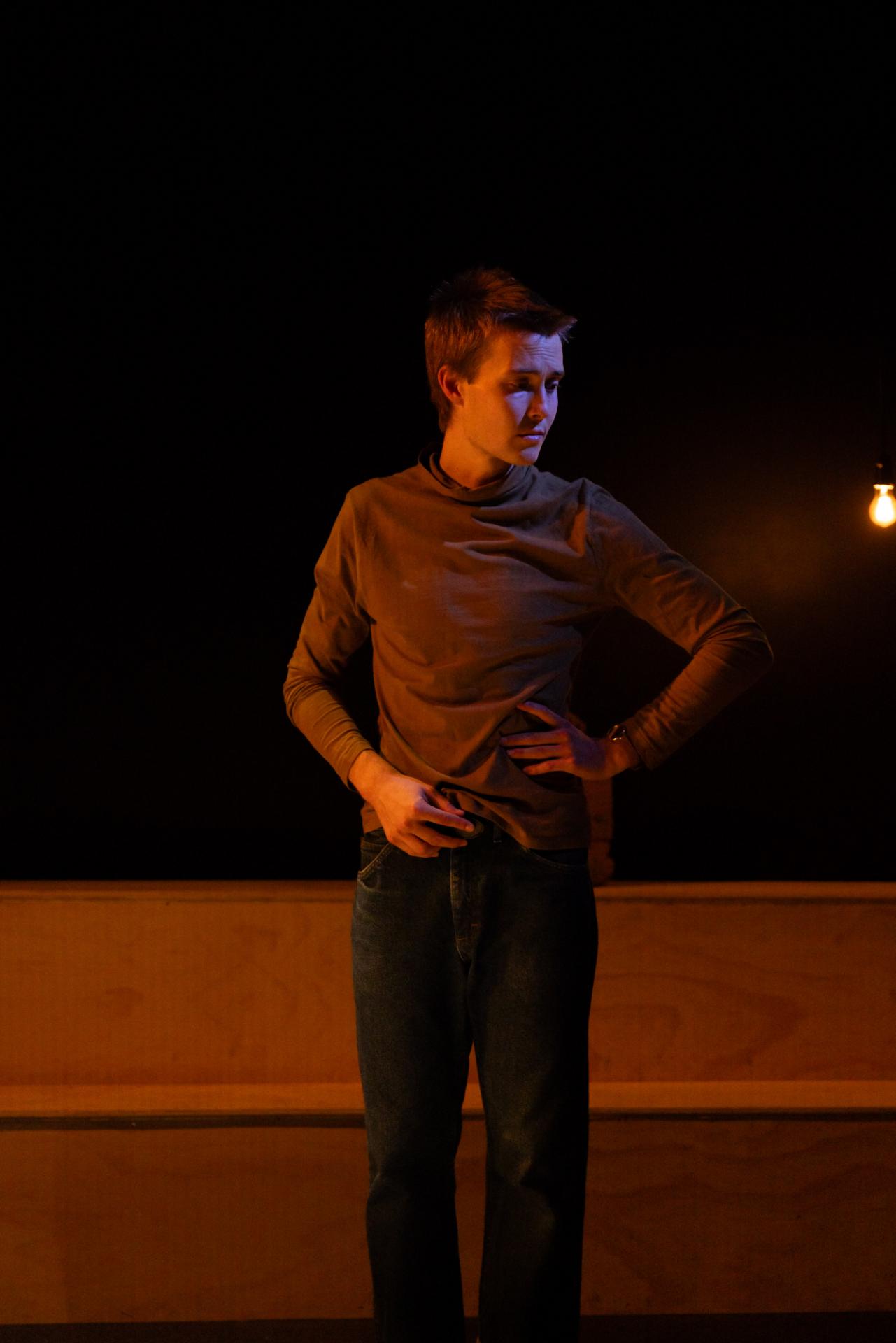
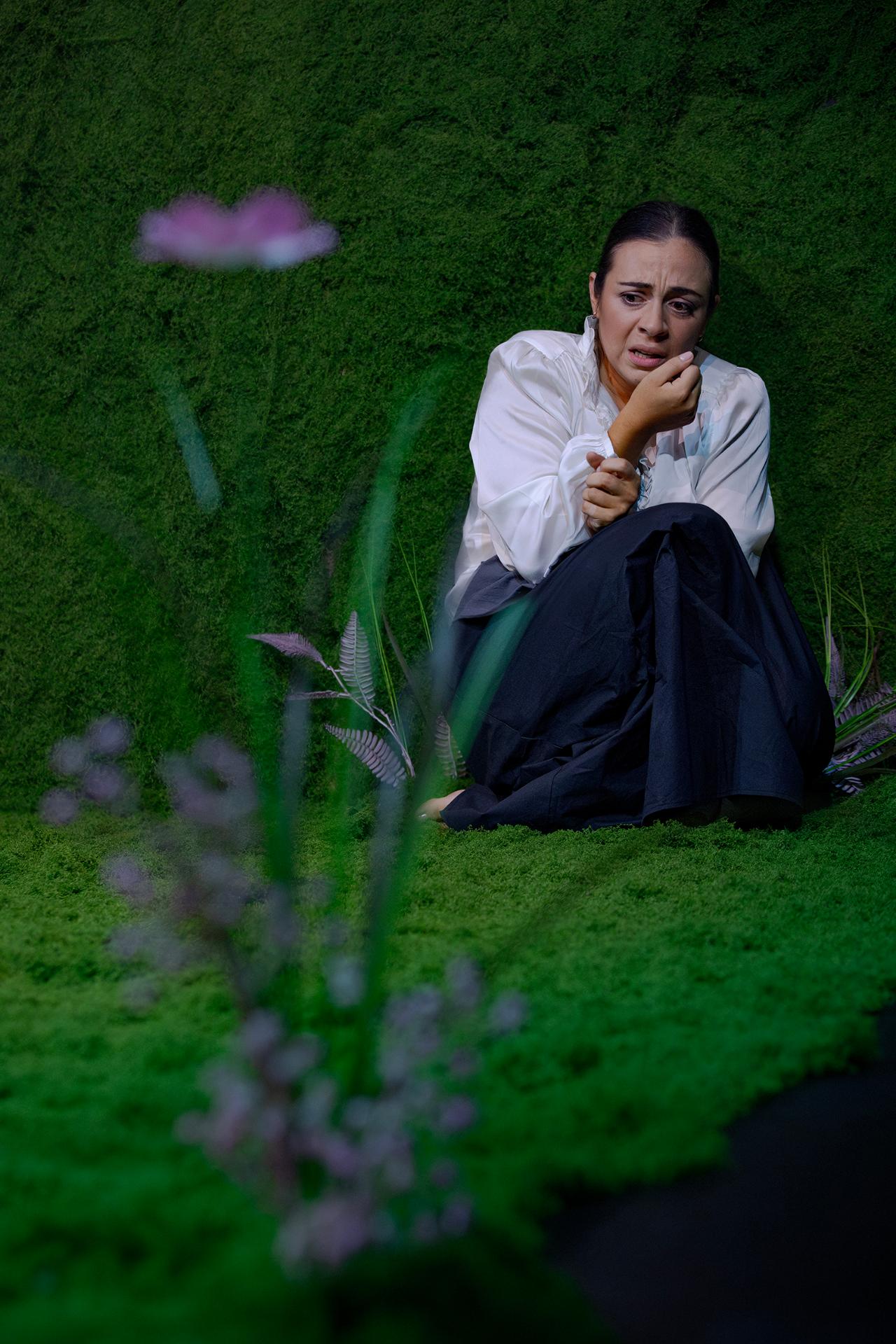
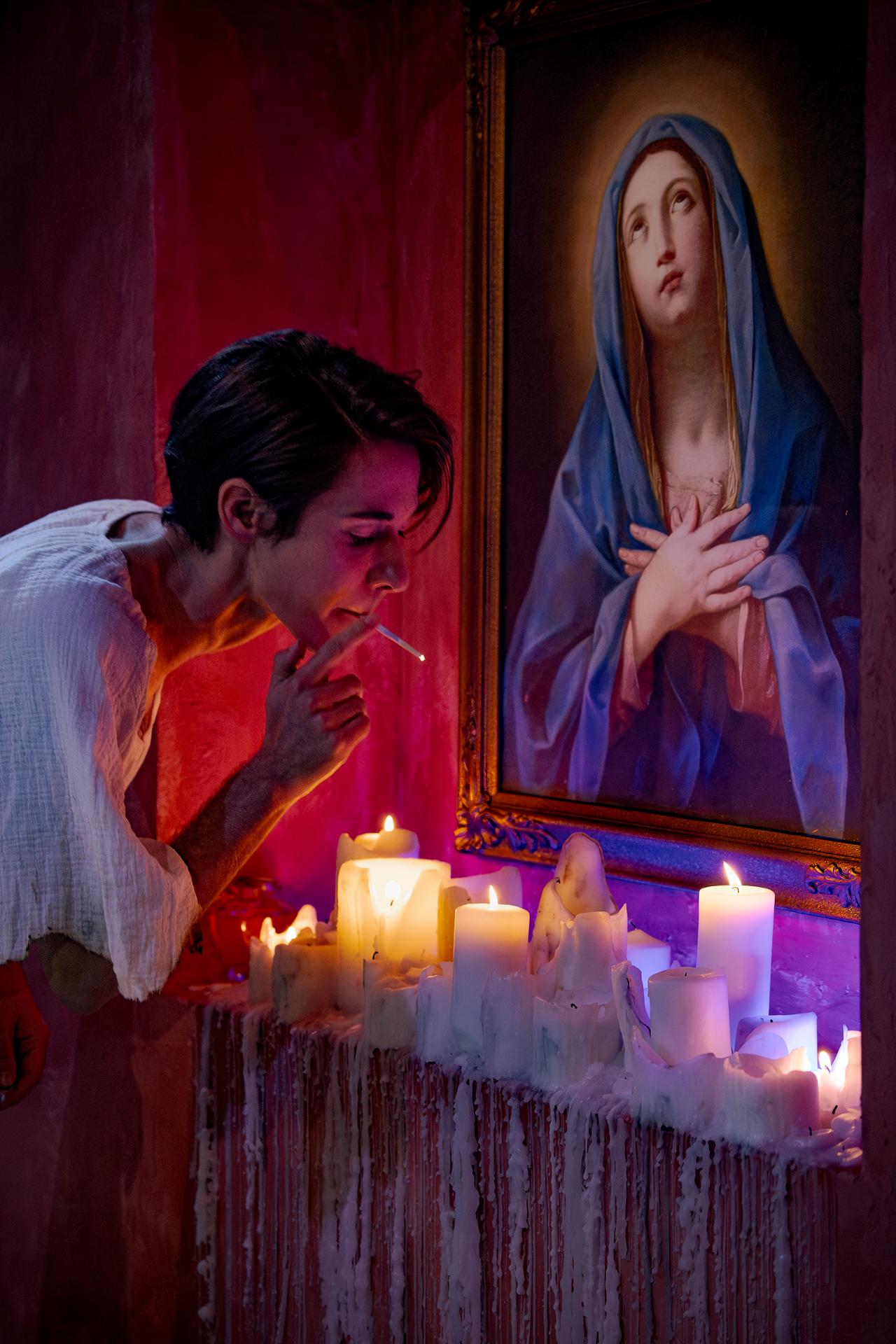
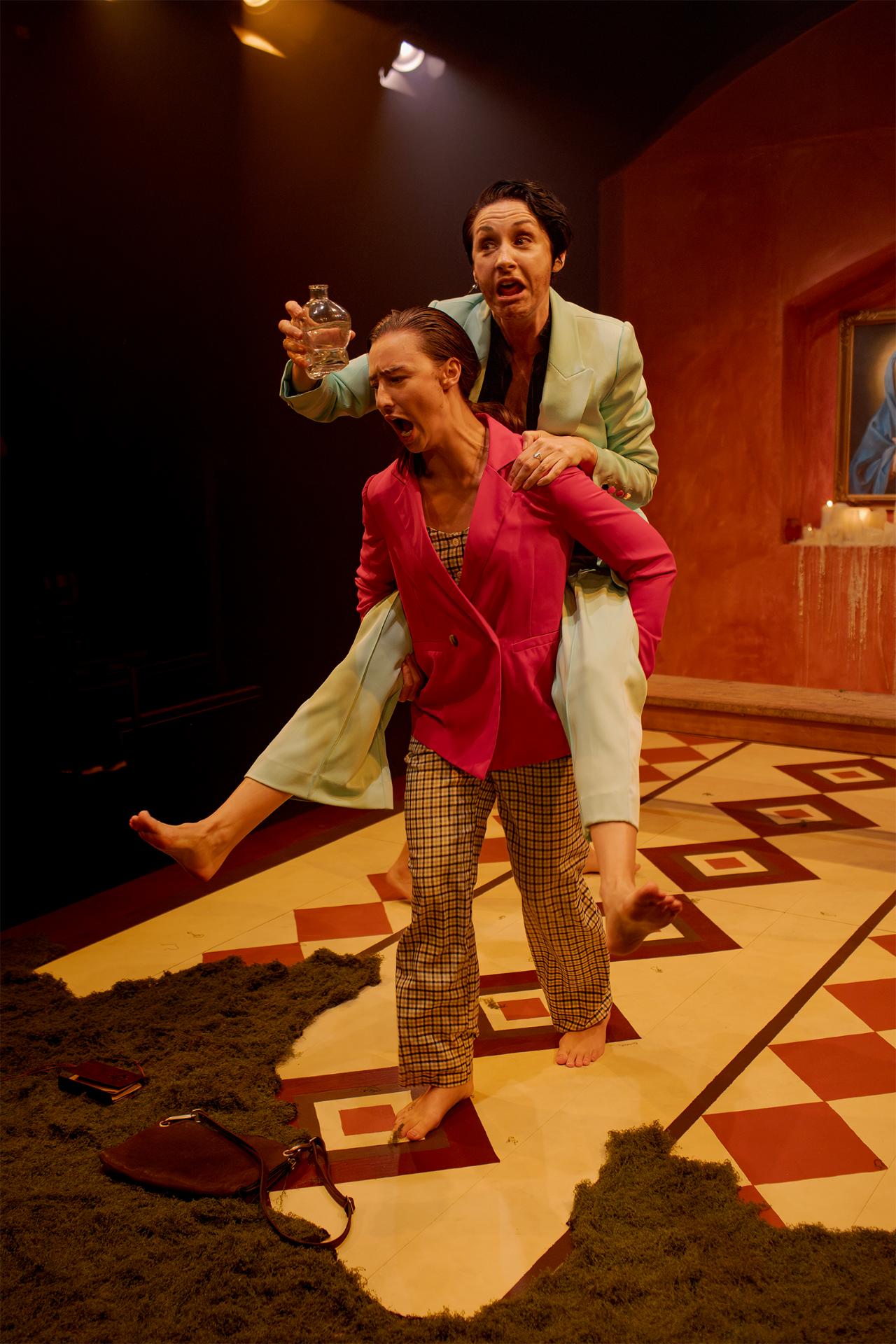
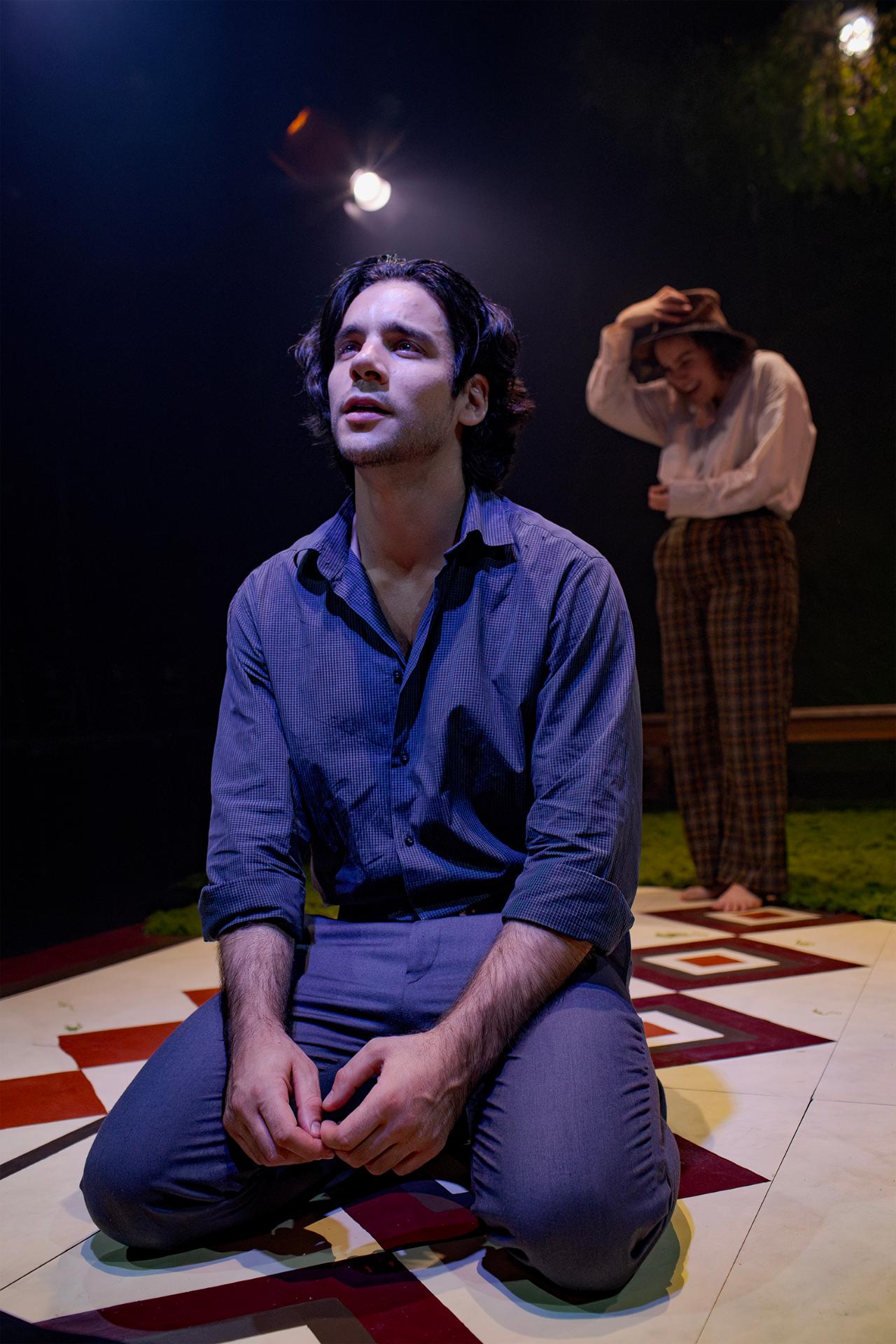
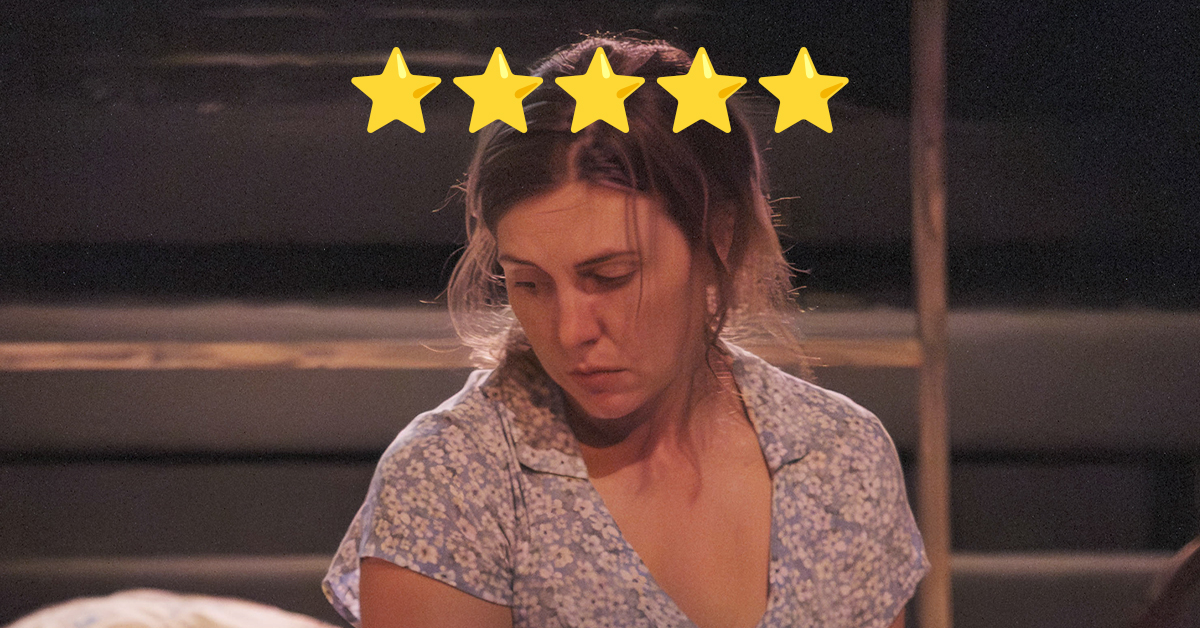
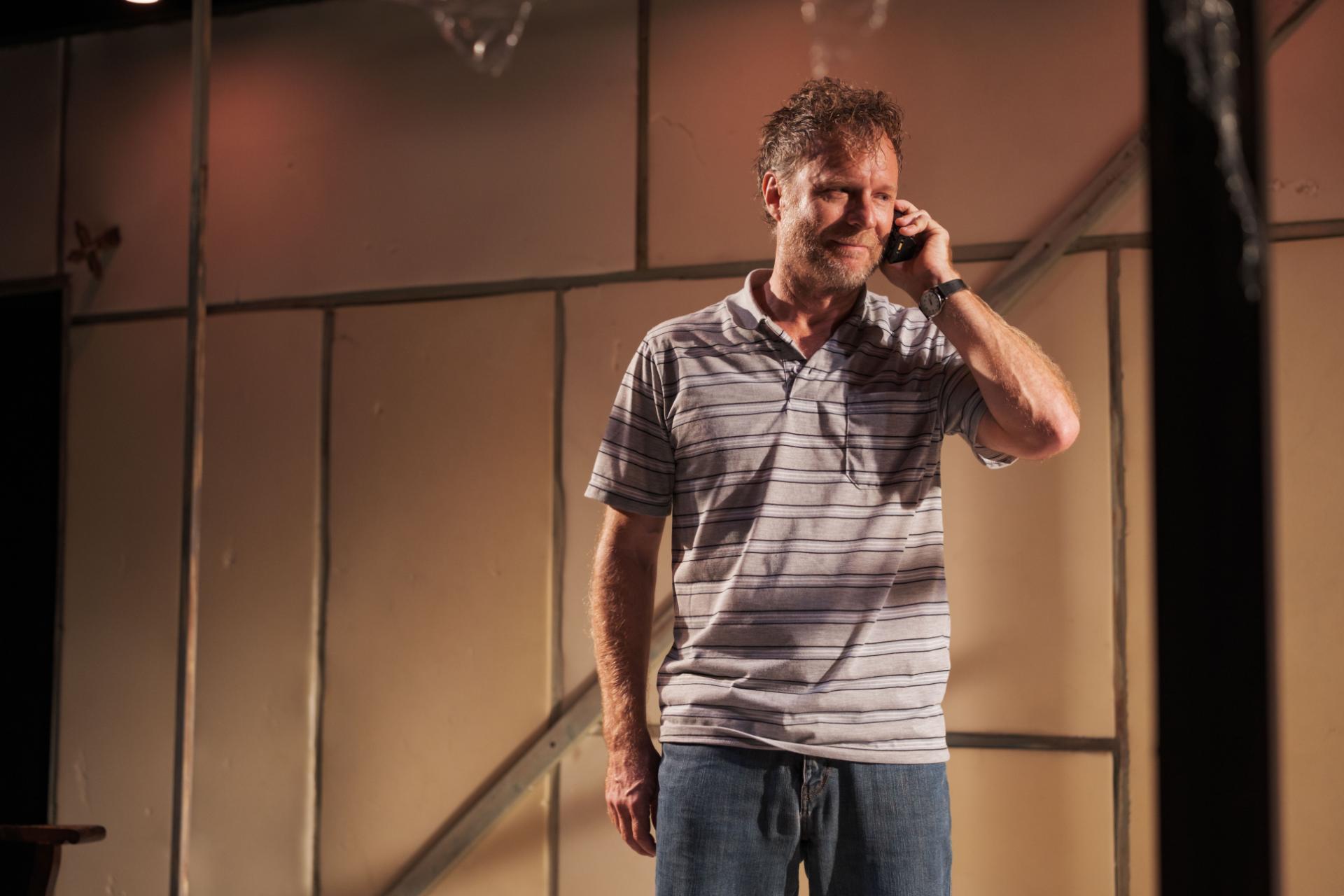
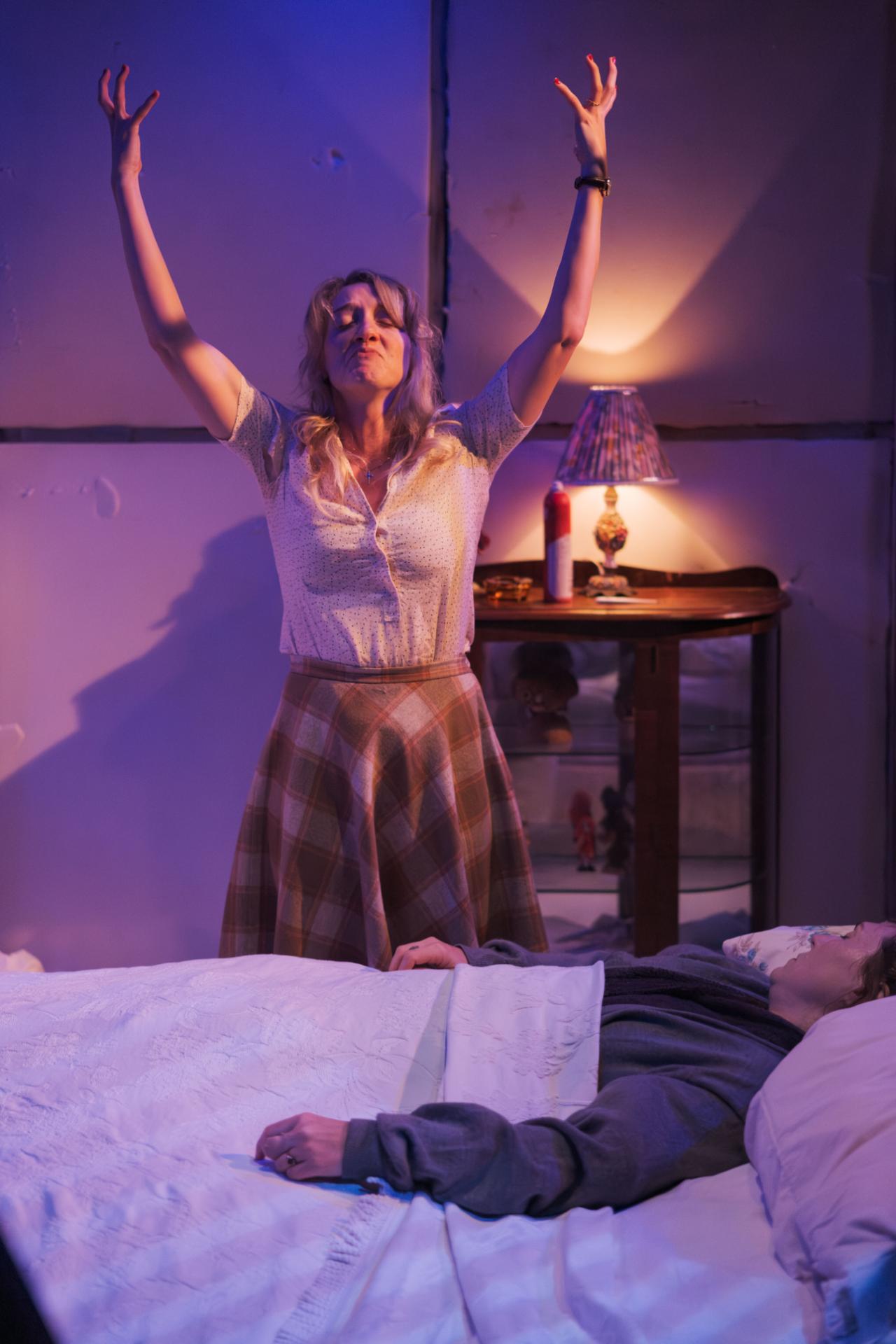
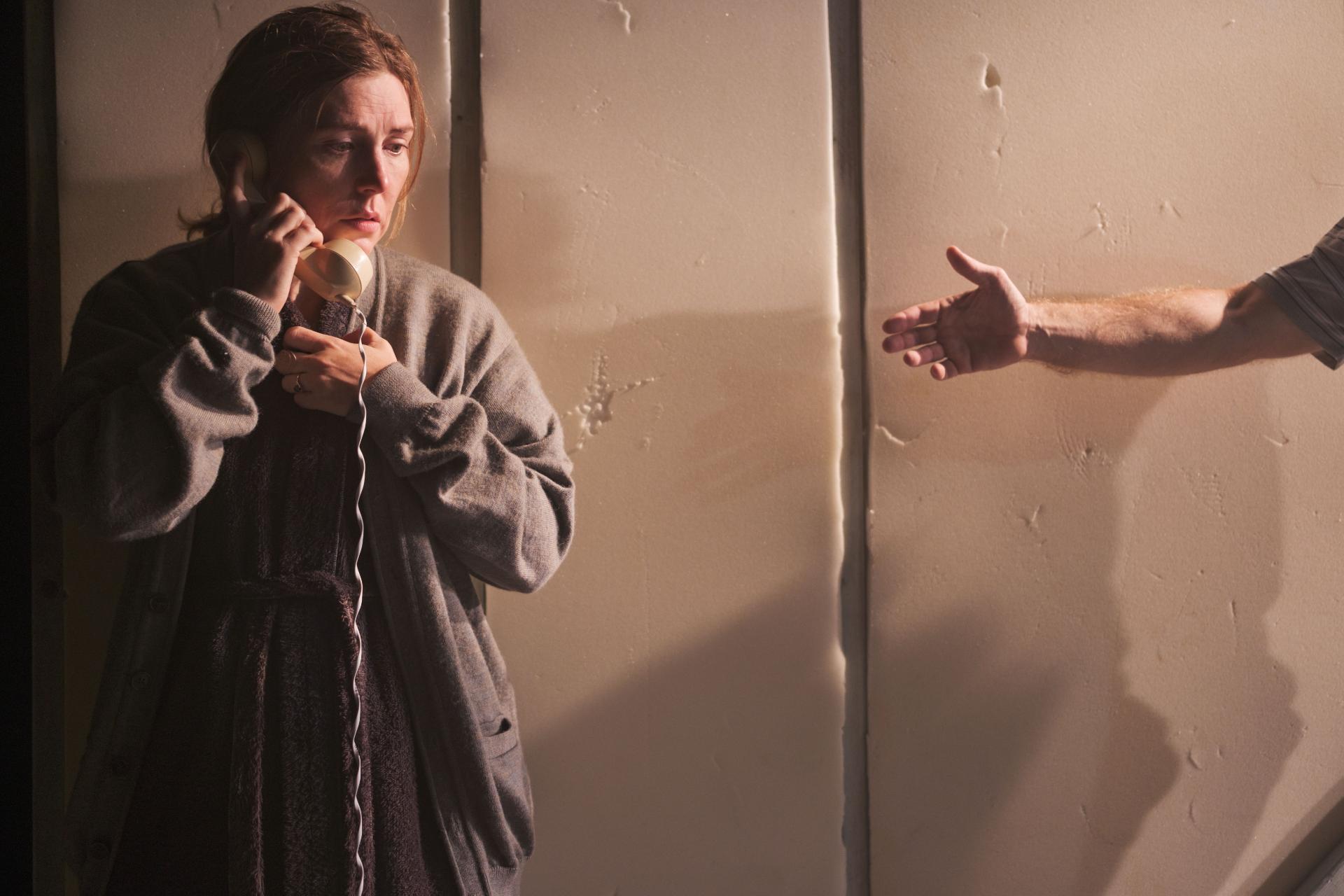
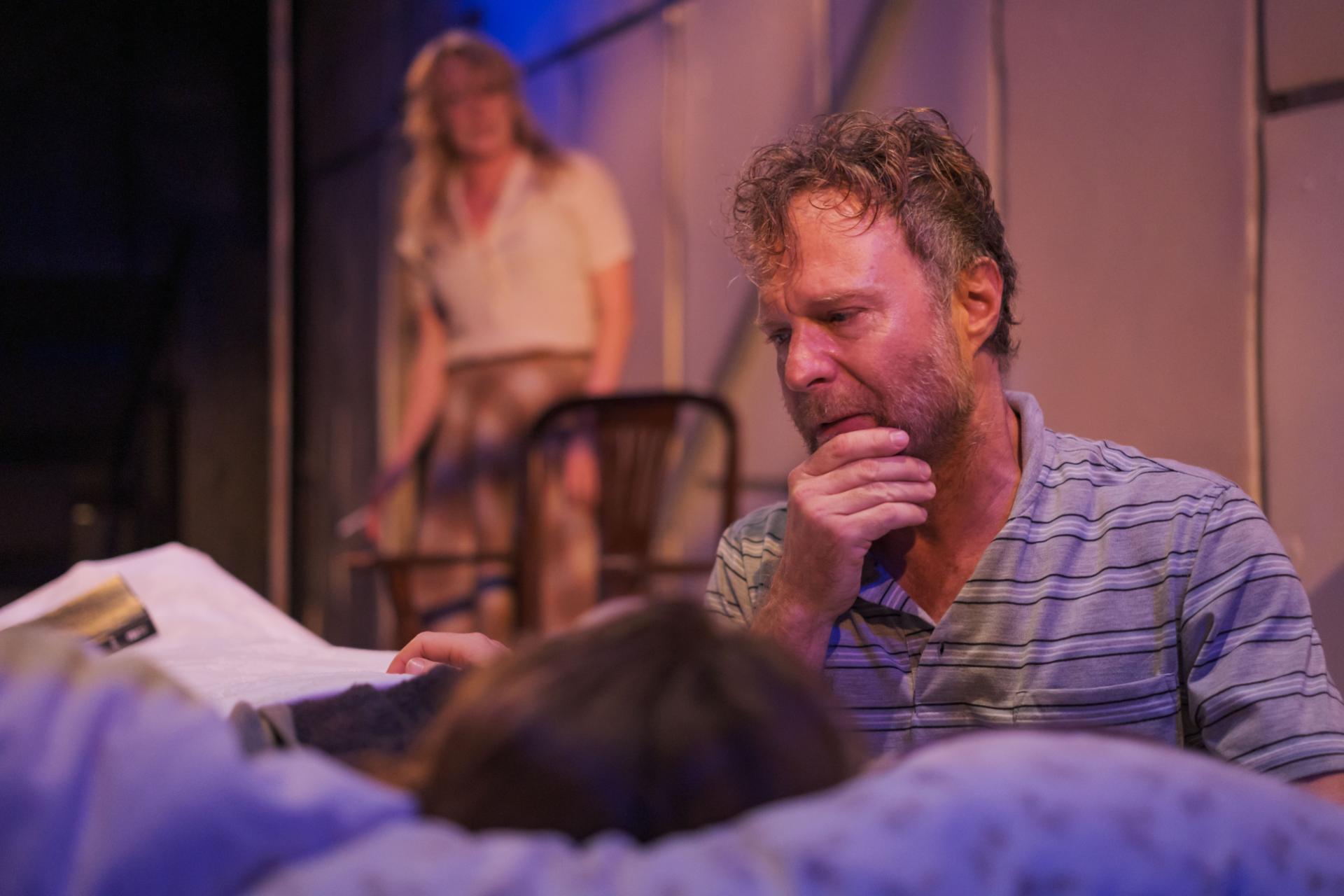
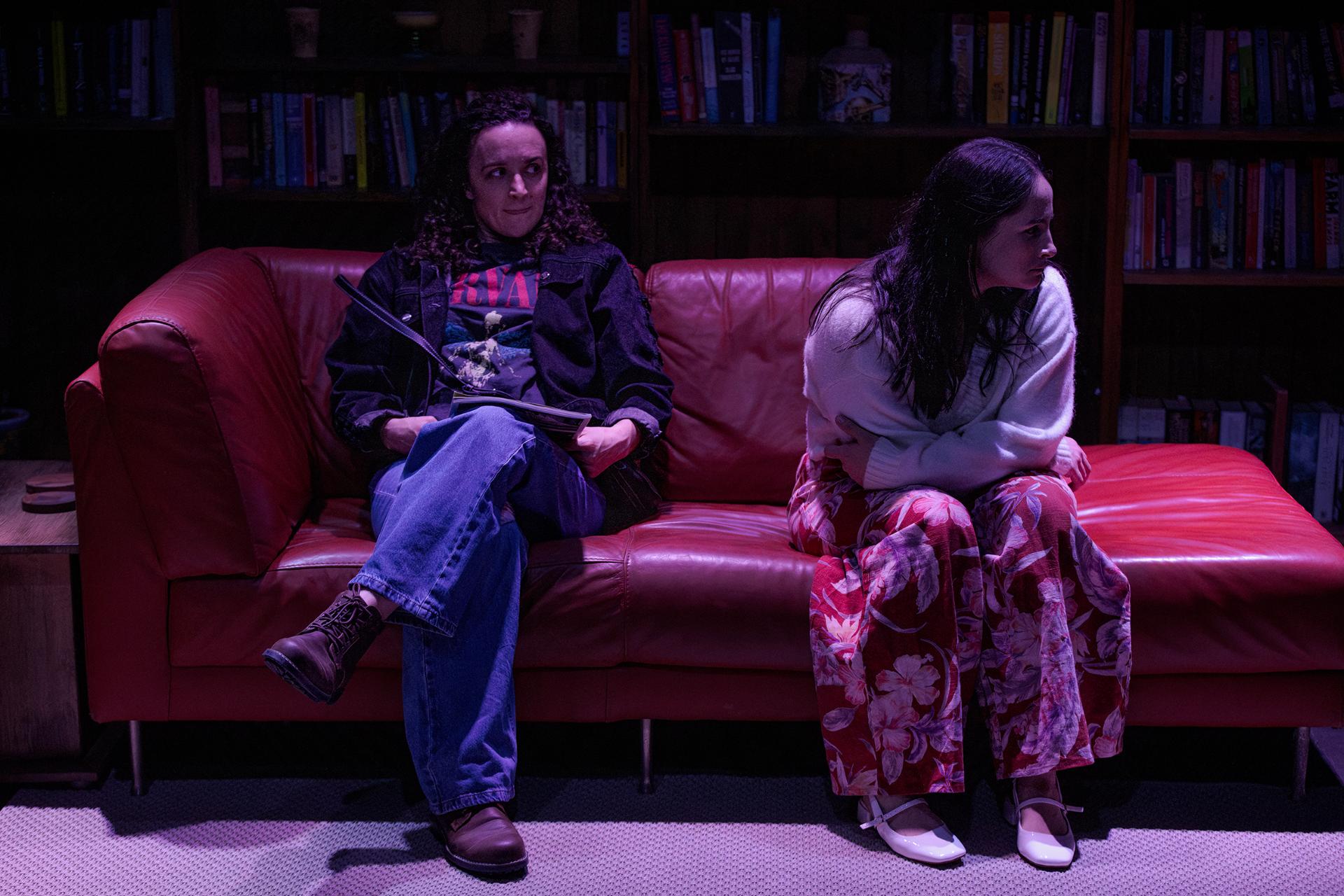
Monique thinks she is a better mother than she actually is, the same way she overestimates her talents as a singer. That delusory characteristic seems to be transmissible between generations, with Monique’s three sons demonstrating a similar lack of awareness about their own shortcomings. It is a wealthy family that we find in David Williamson’s Aria, a farcical take on aspirational whiteness in modern Australia.

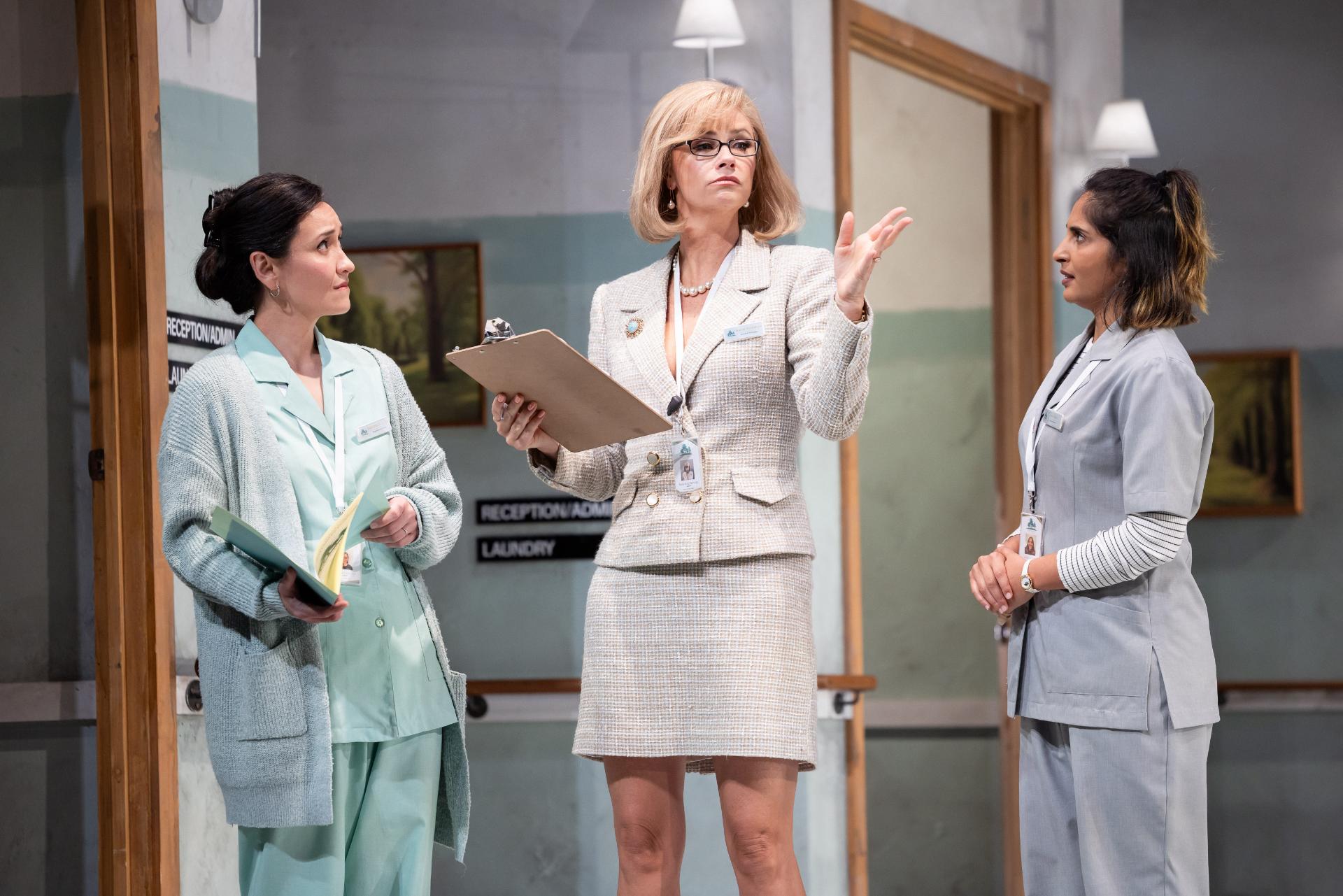
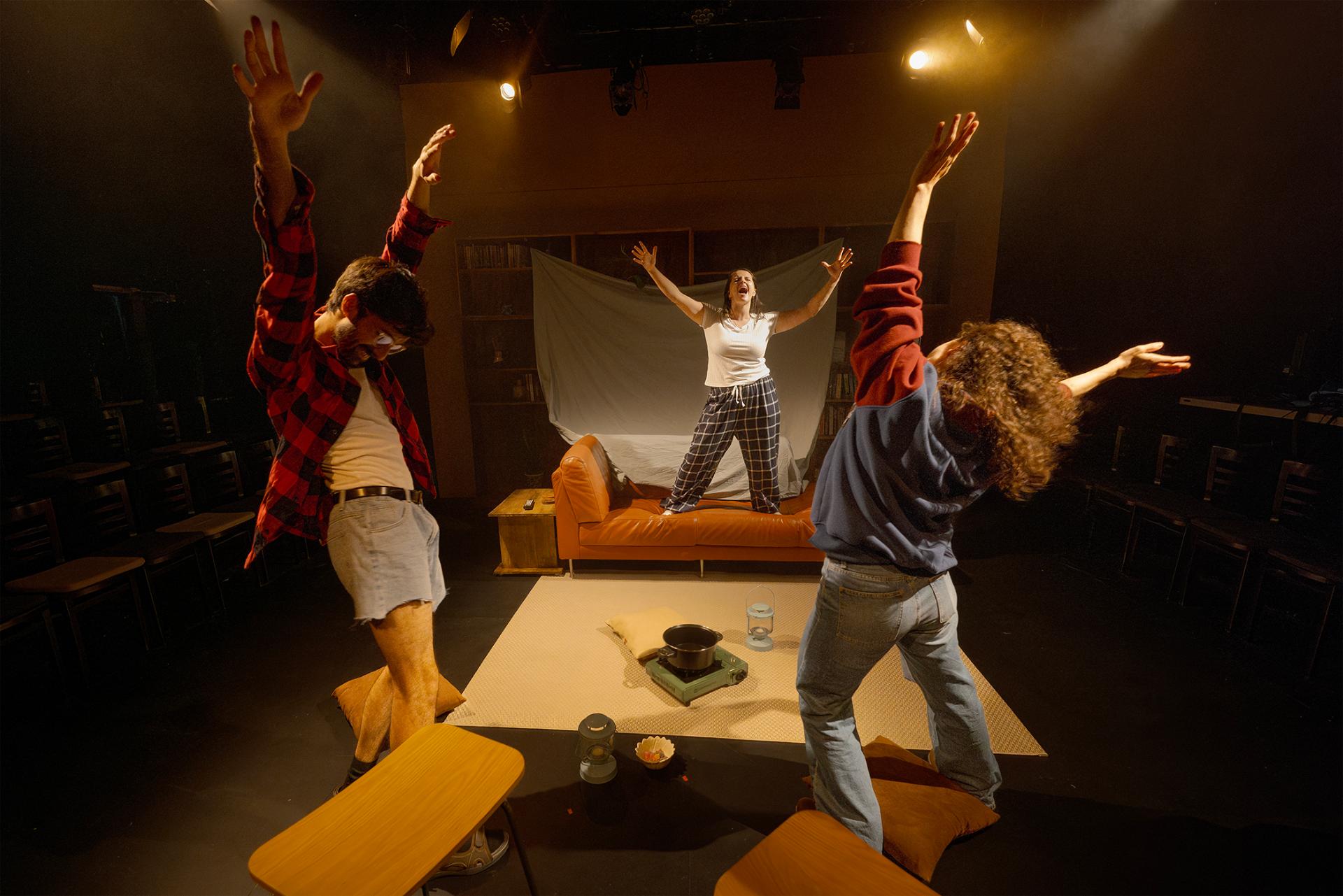
Personalities in the play, including Monique’s daughters-in-law, may not be entirely irredeemable, but this family is certainly hard to like. Their flaws provide the basis for the comedy, and even though direction by Janine Watson tends to be overly considerate and forgiving of these objectionable figures, Aria is effortlessly digestible, as it delivers a steady stream of laughter throughout. Watson can also be credited for her judicious portrayals of womanhood, in something that can easily veer into misogyny.

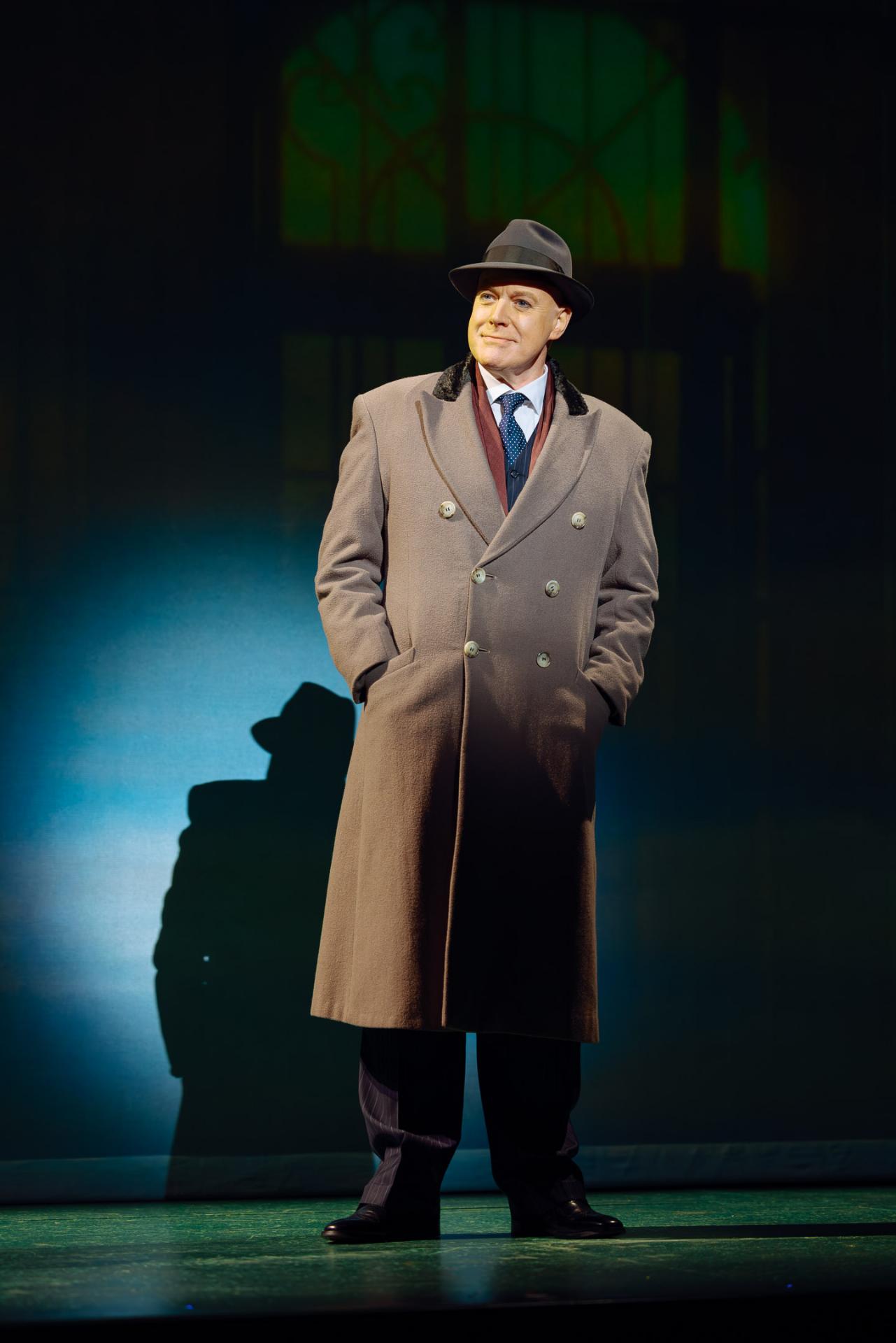
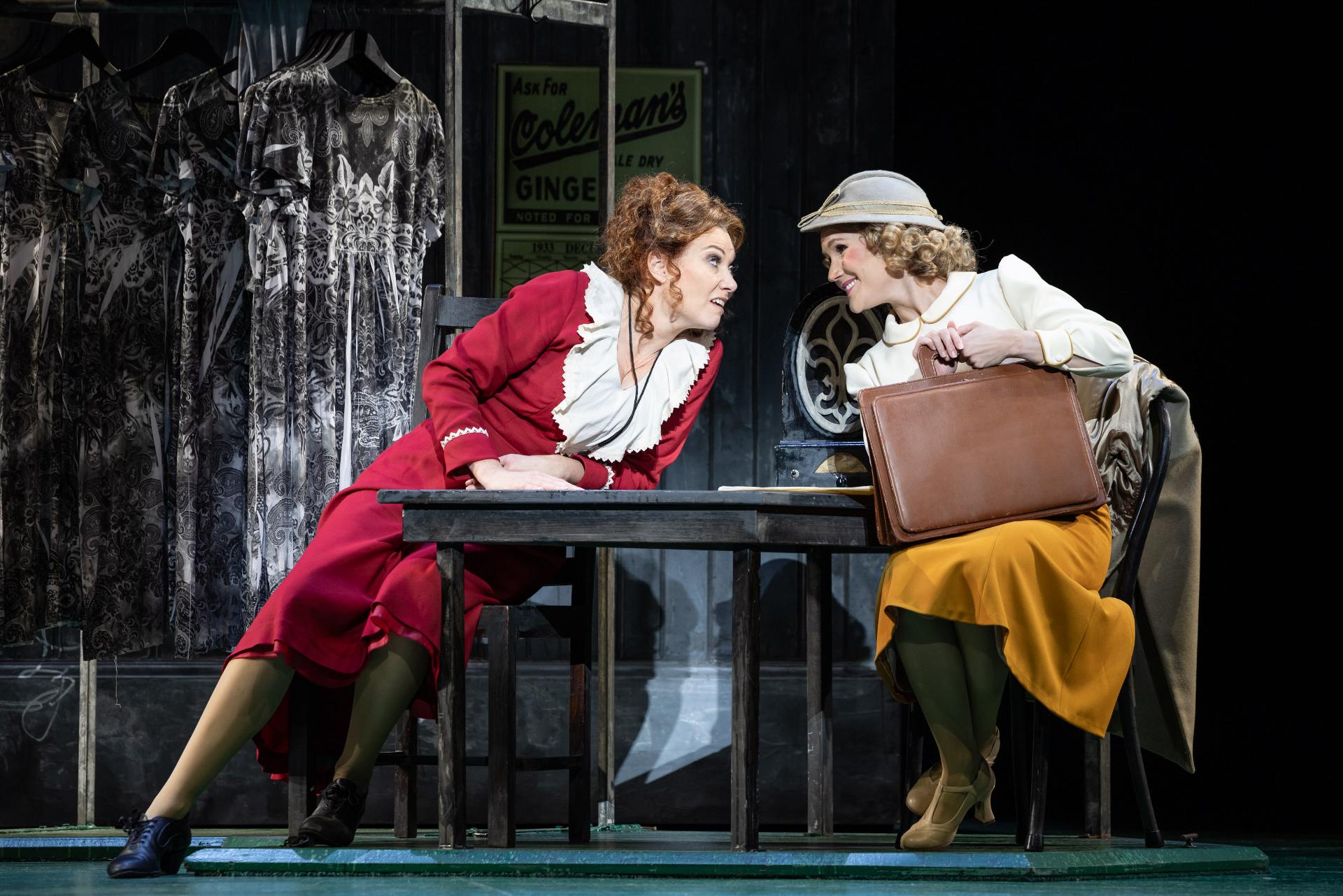
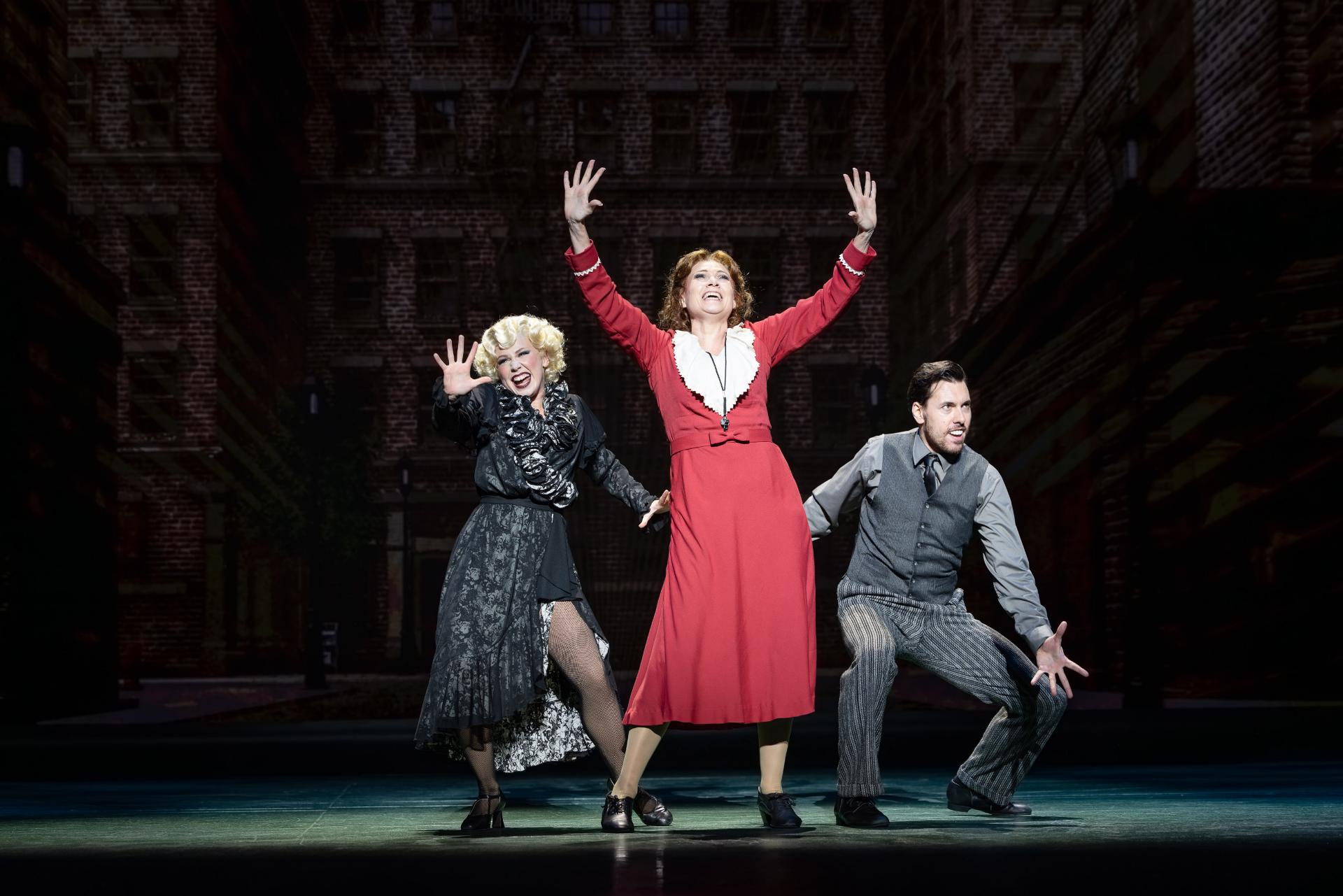
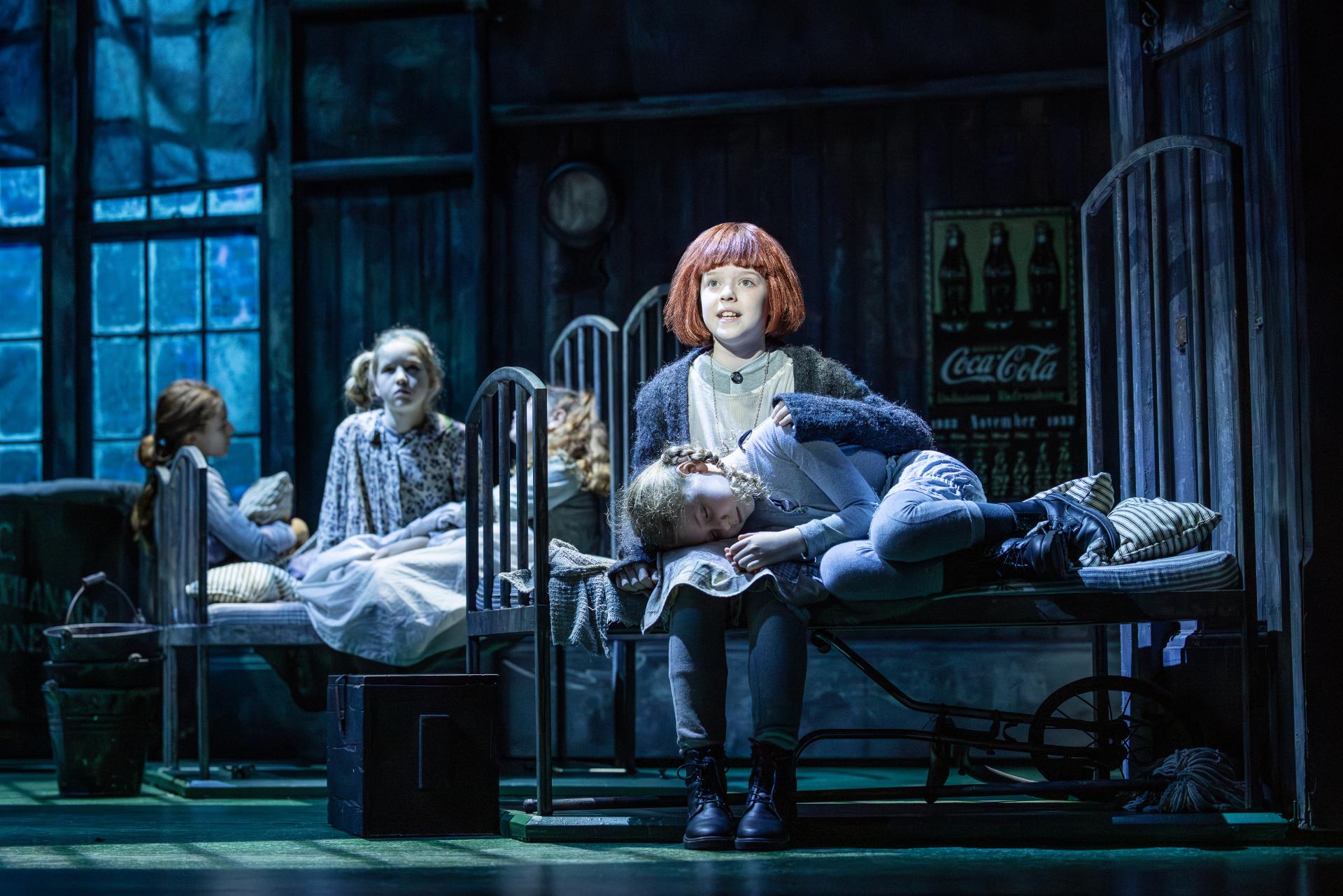
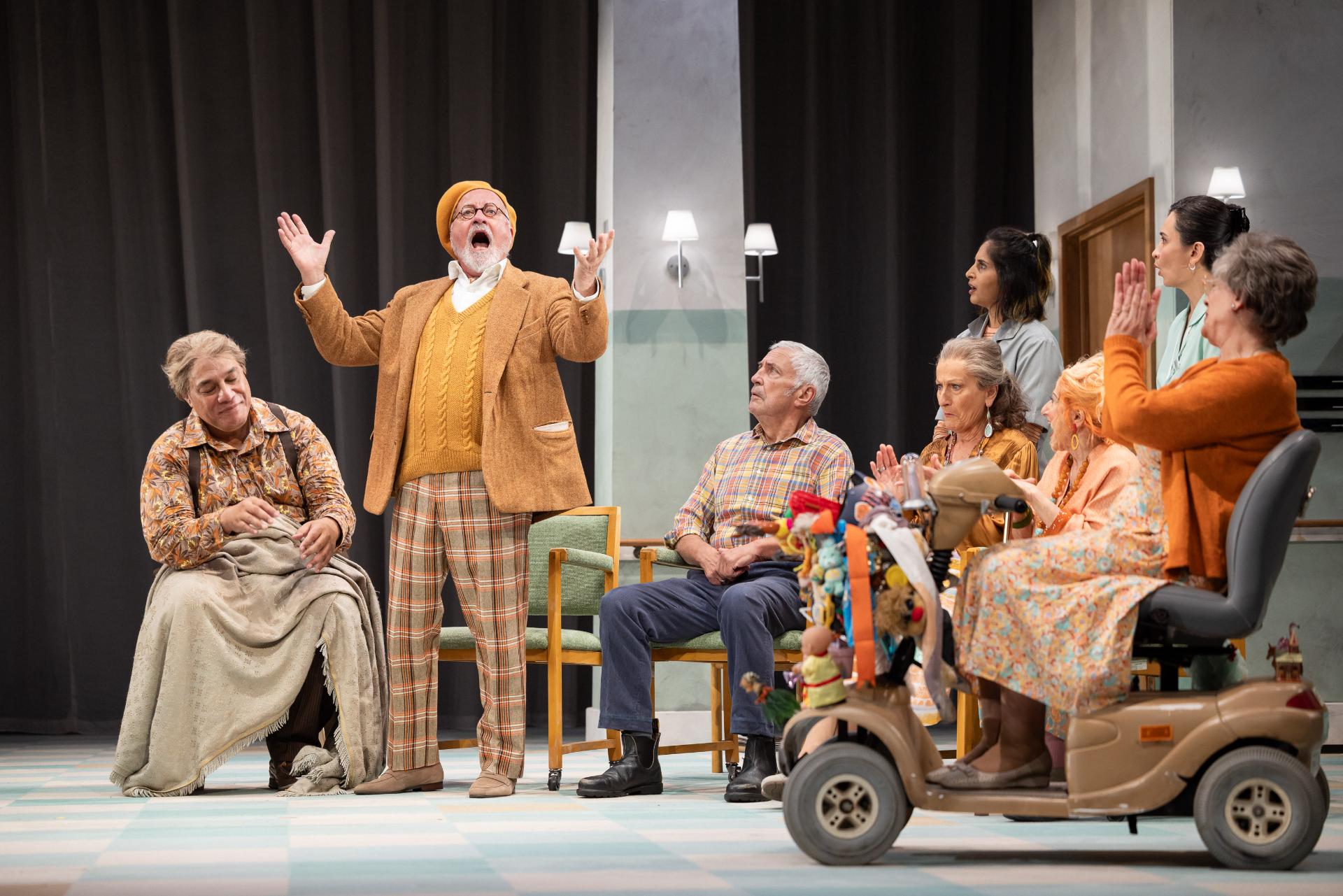
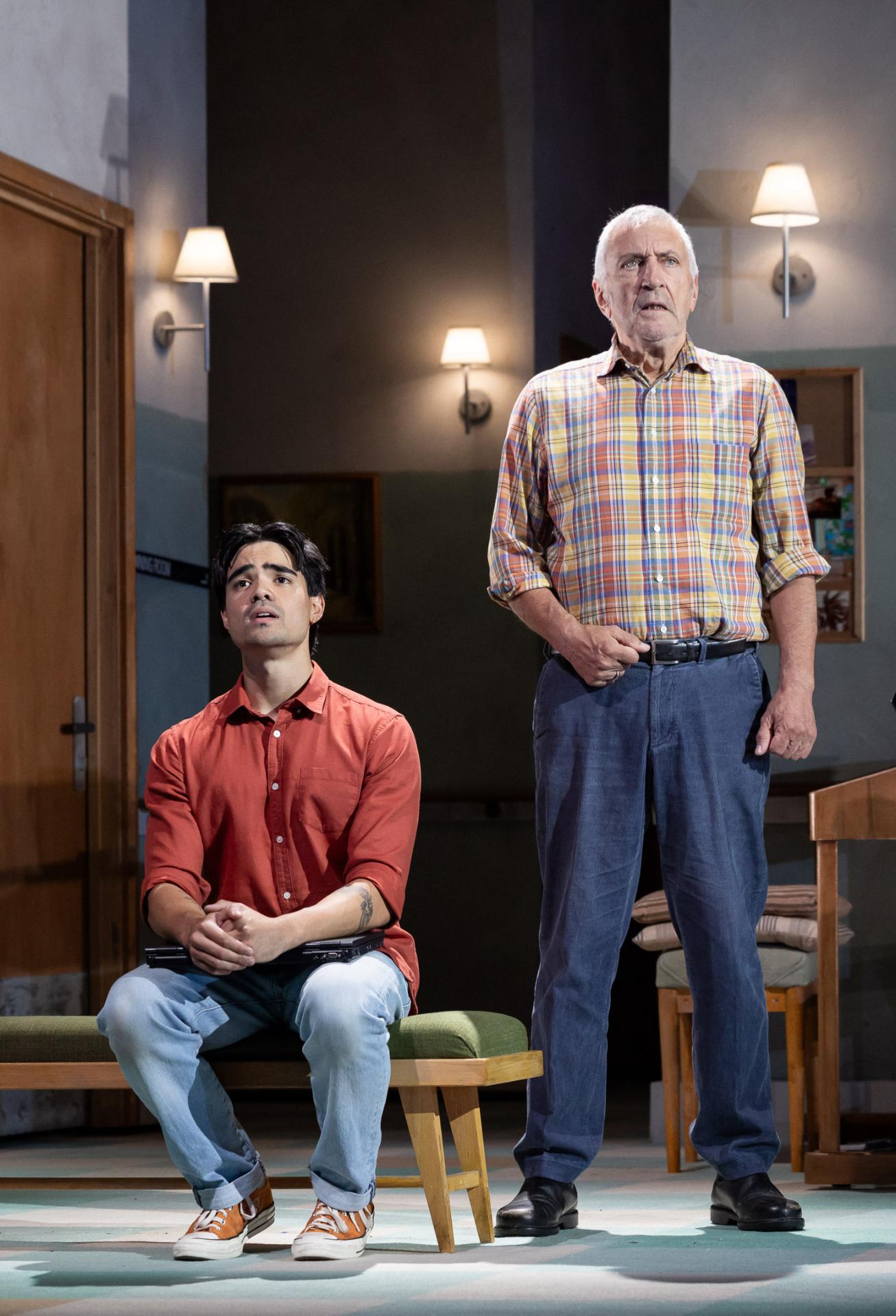
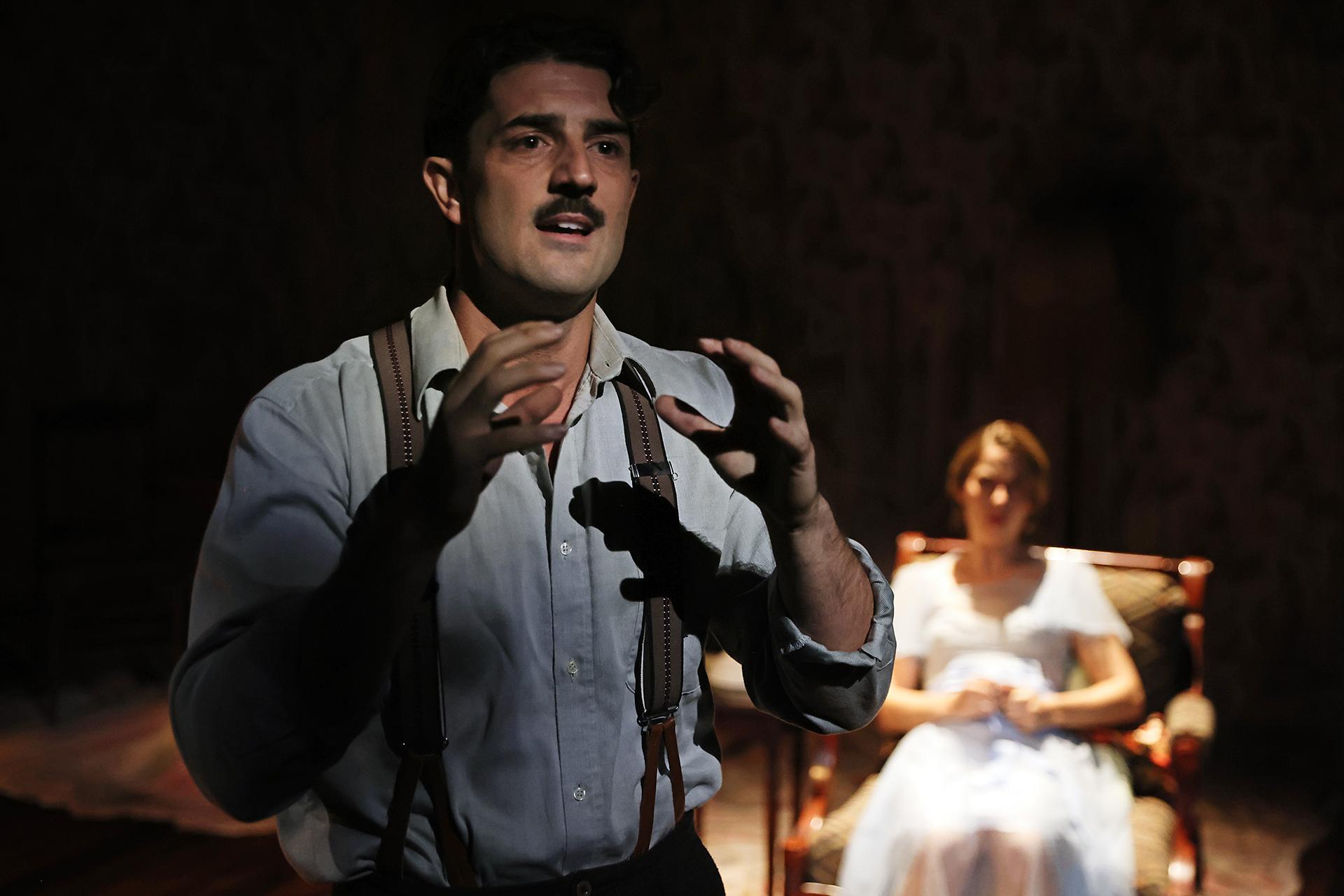
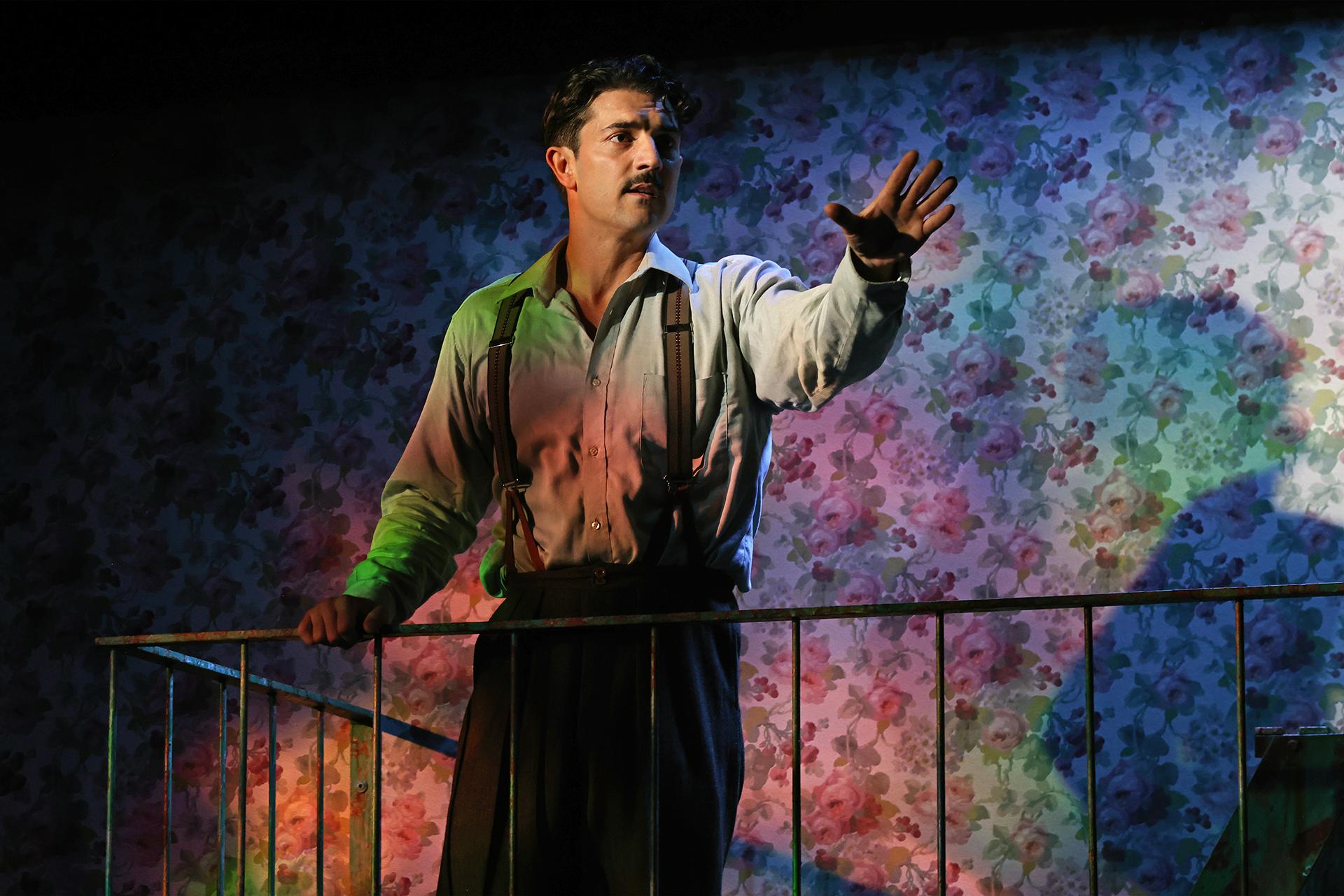
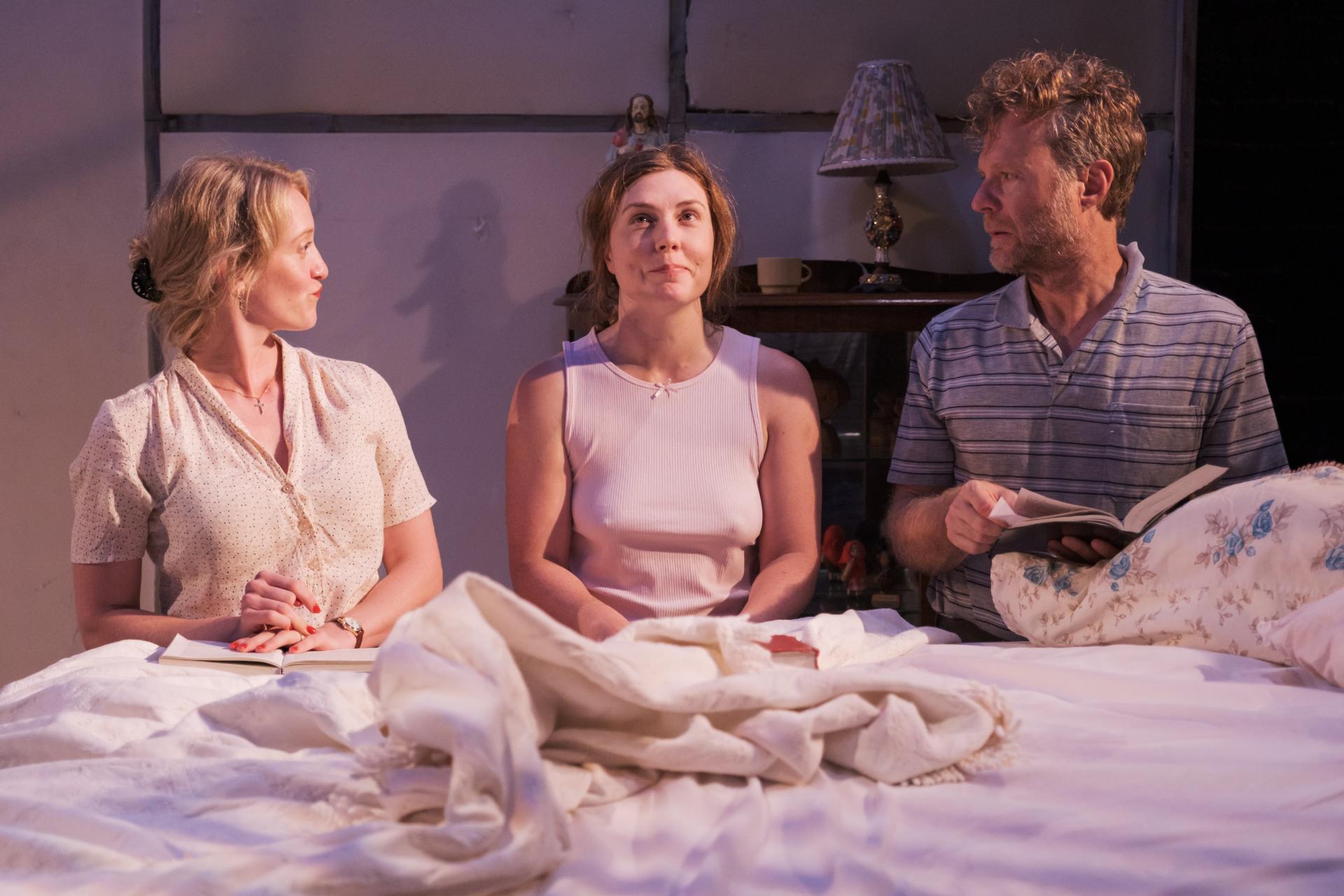
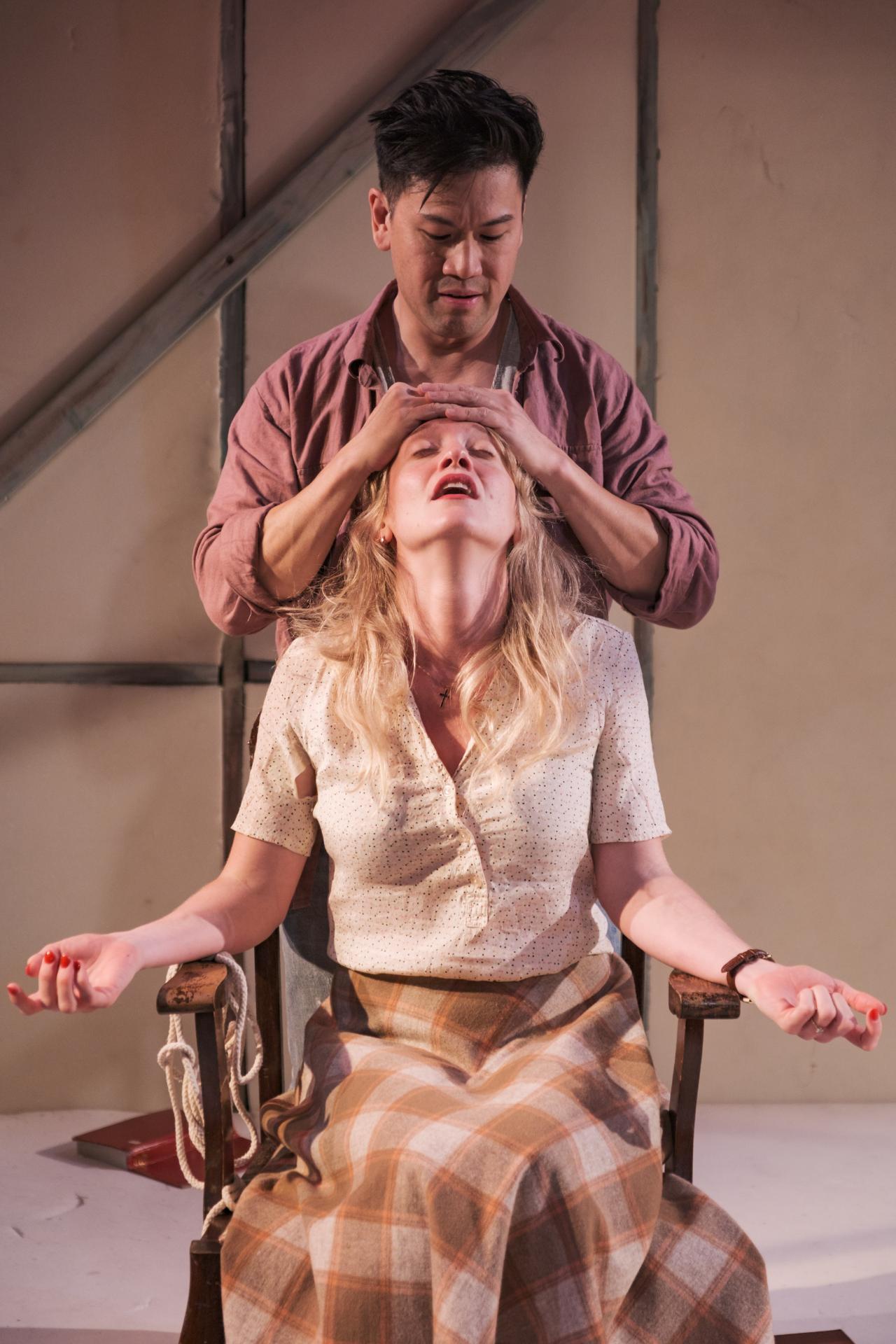
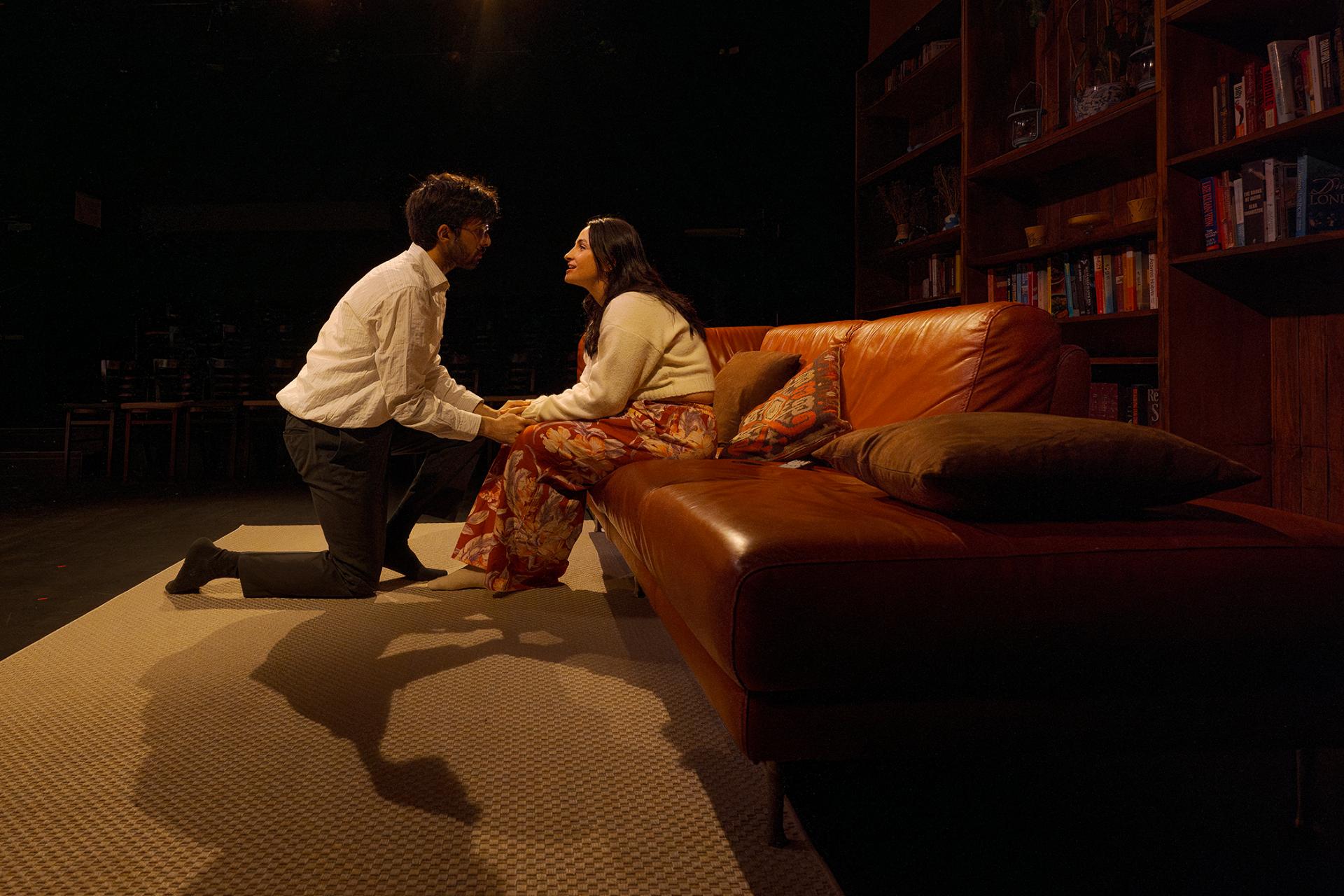
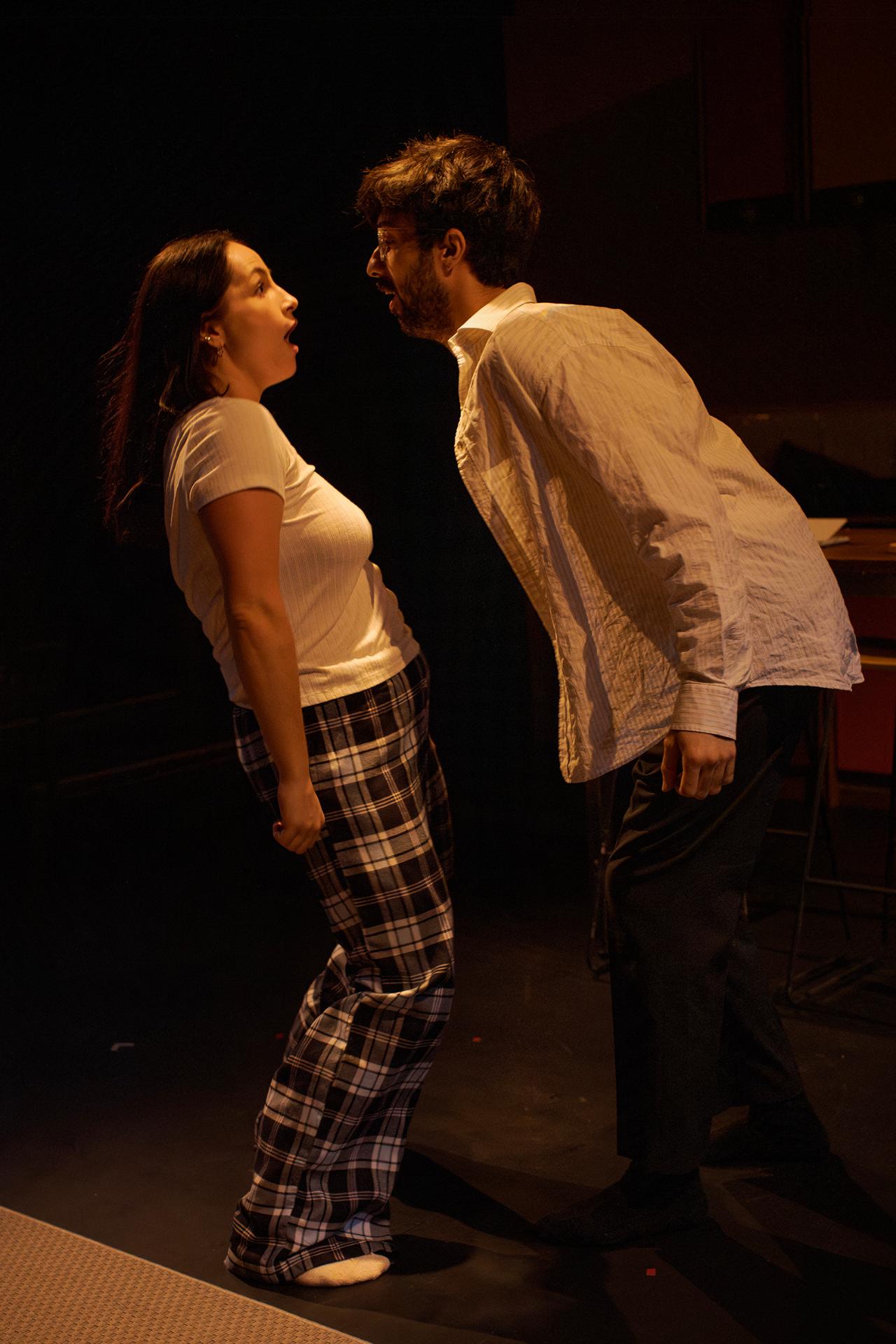
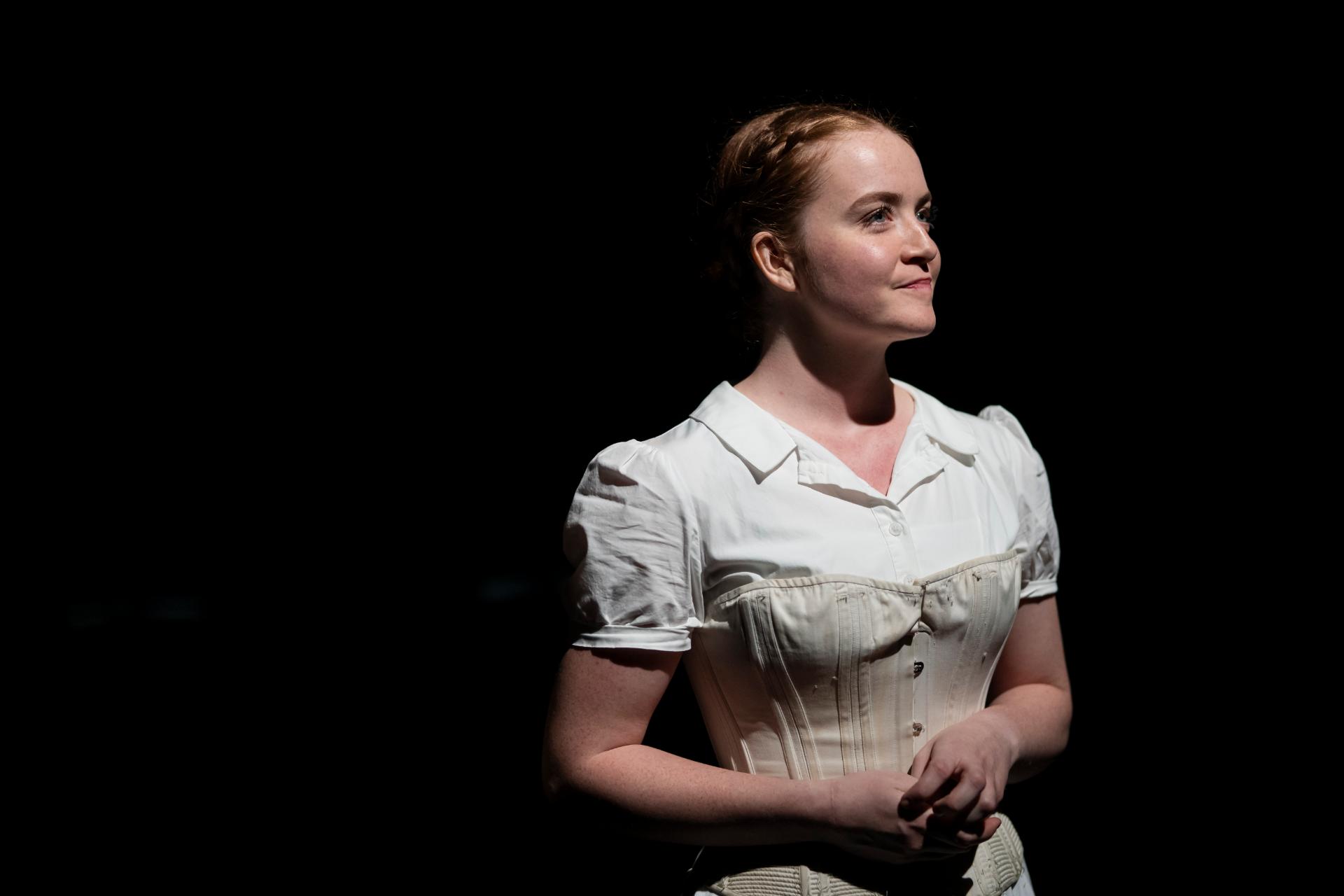
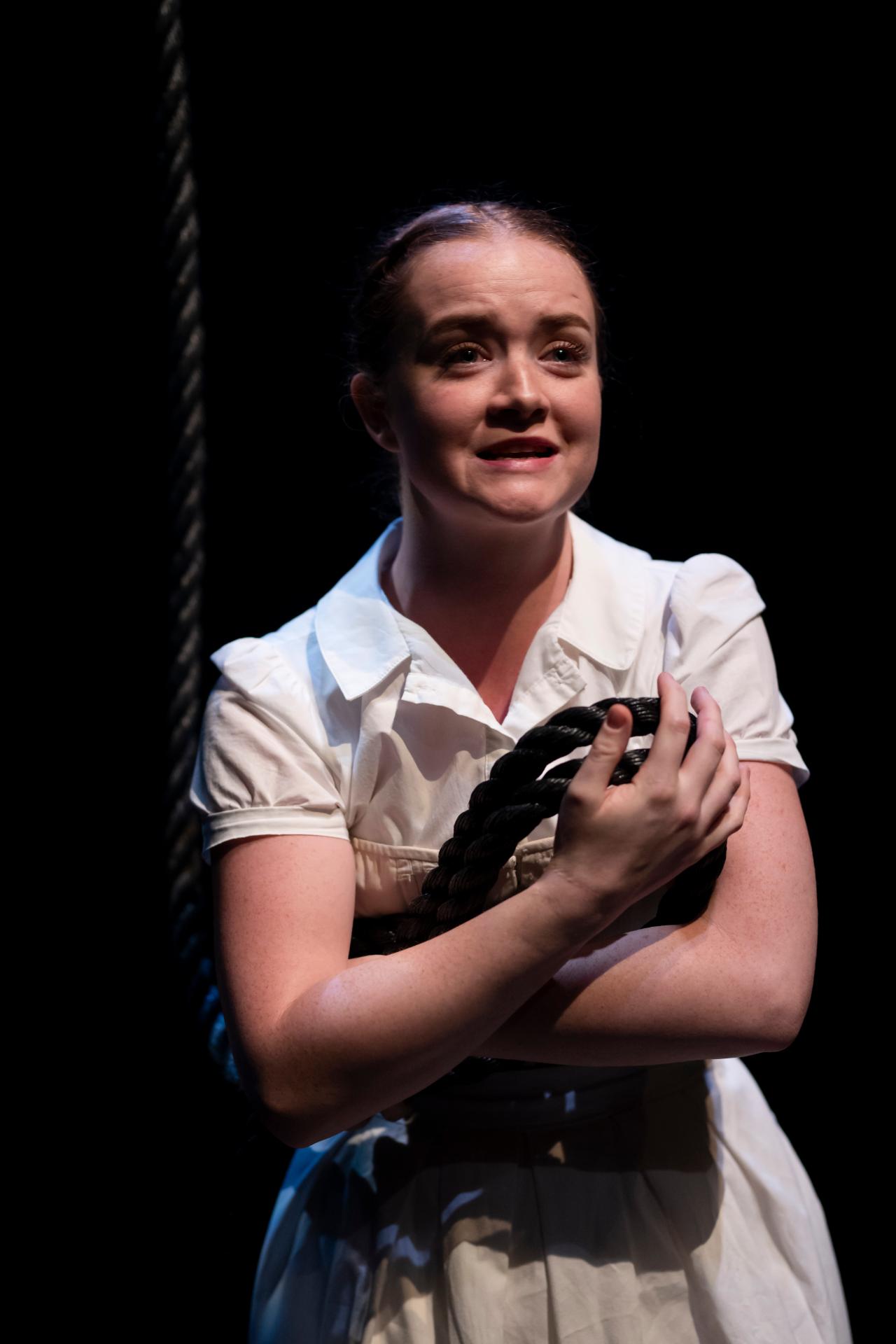
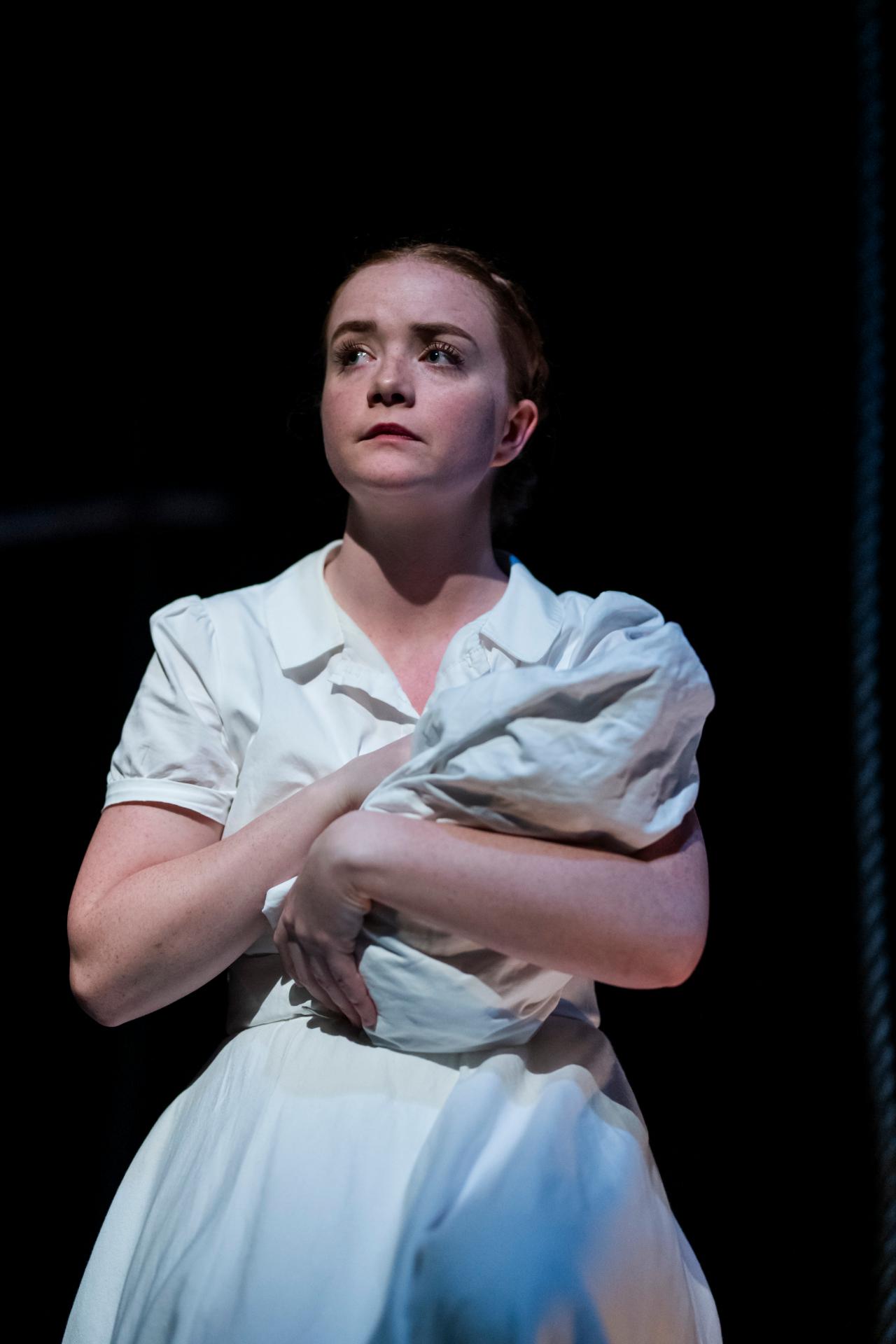
Actor Tracy Mann is admirably precise with her depictions of the matriarch, able to make believable all the outrageous things Monique says and does. It is a uniformly exuberant cast, but chemistry is not quite sufficiently harnessed between performers; conversations often sound stilted, for relationships that require a greater sense of intimacy. A commitment to honesty can be detected in the ensemble’s efforts, which does help us understand all the discordance, but a more exaggerated approach for the humour could make it a more elevated theatrical experience.

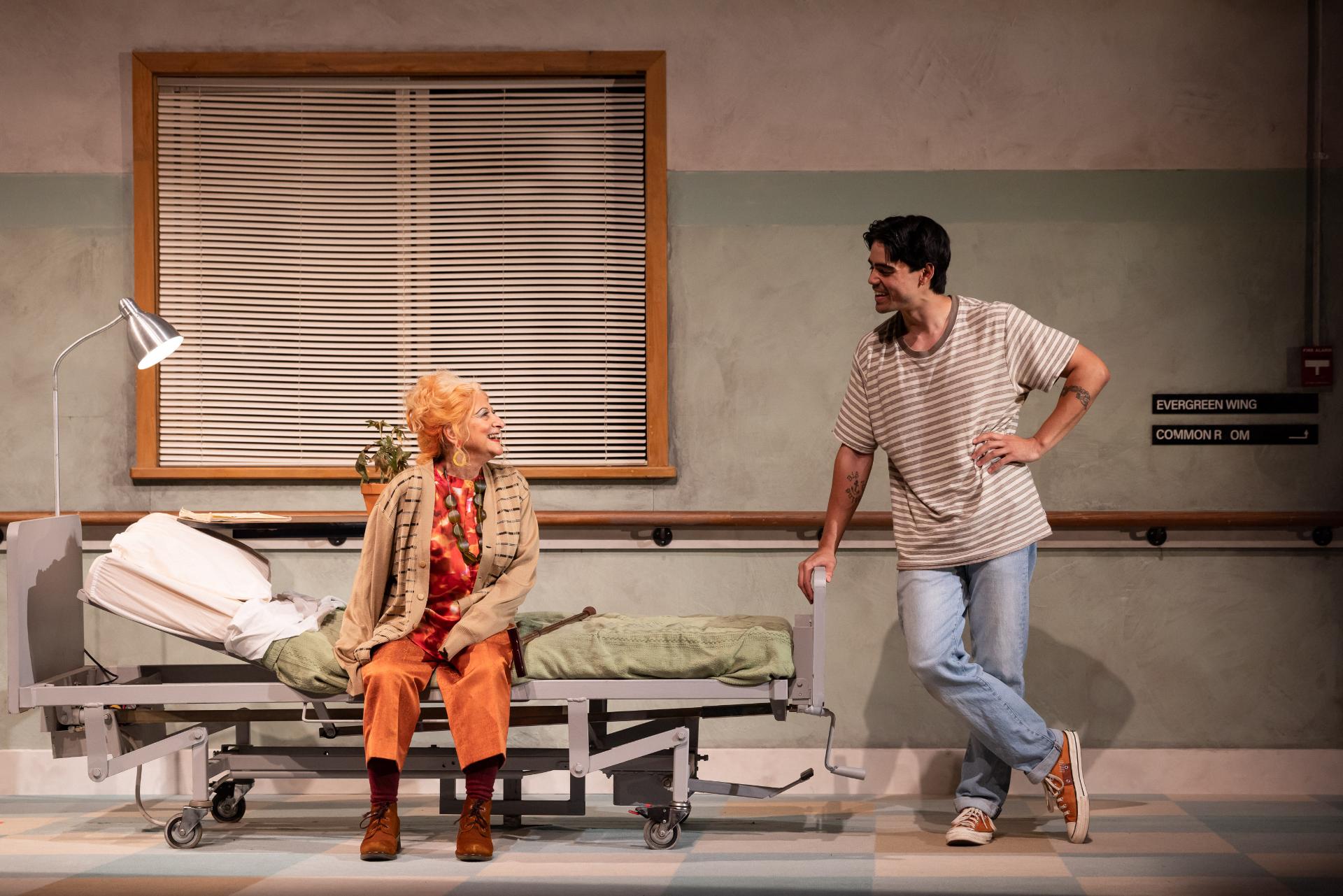
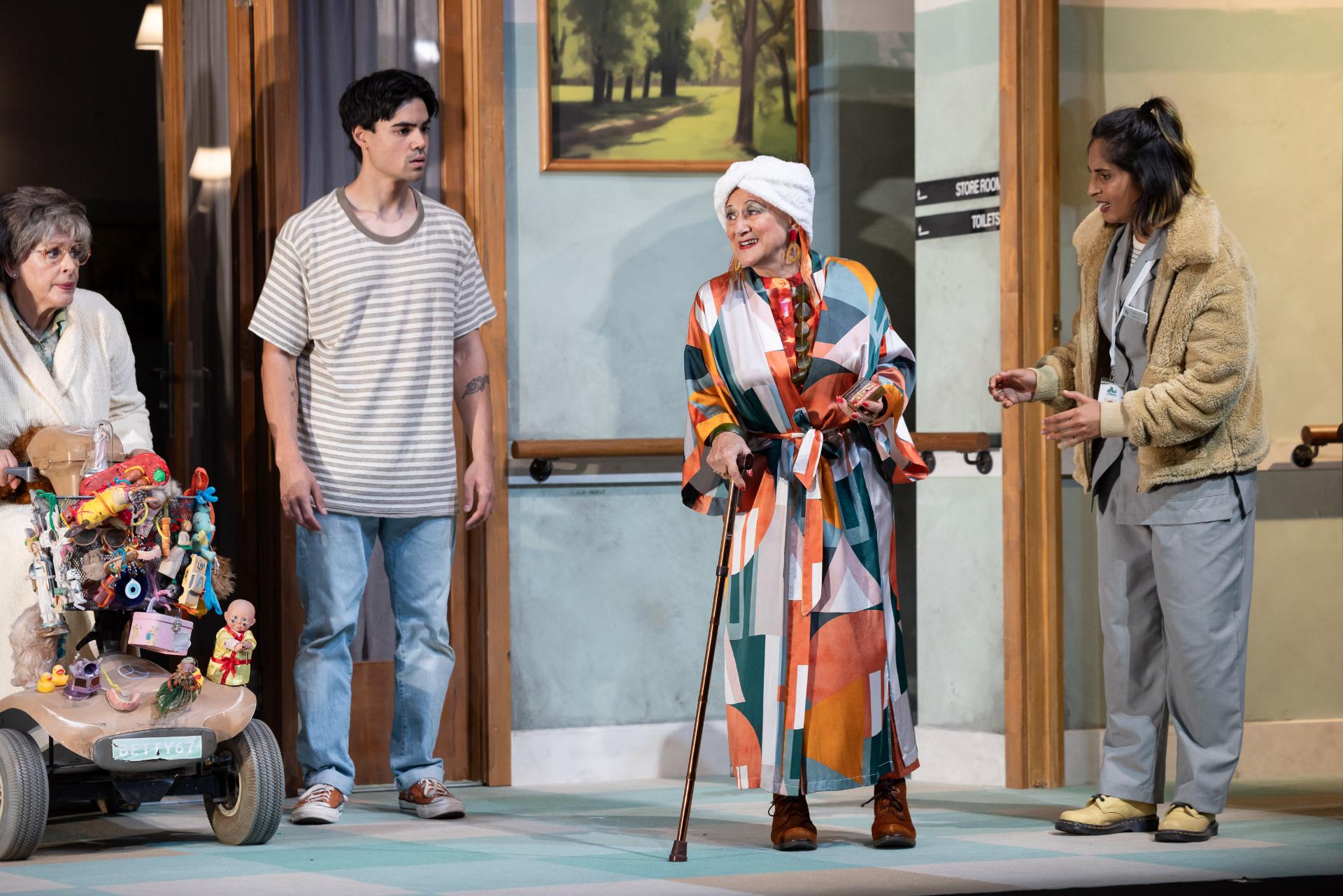
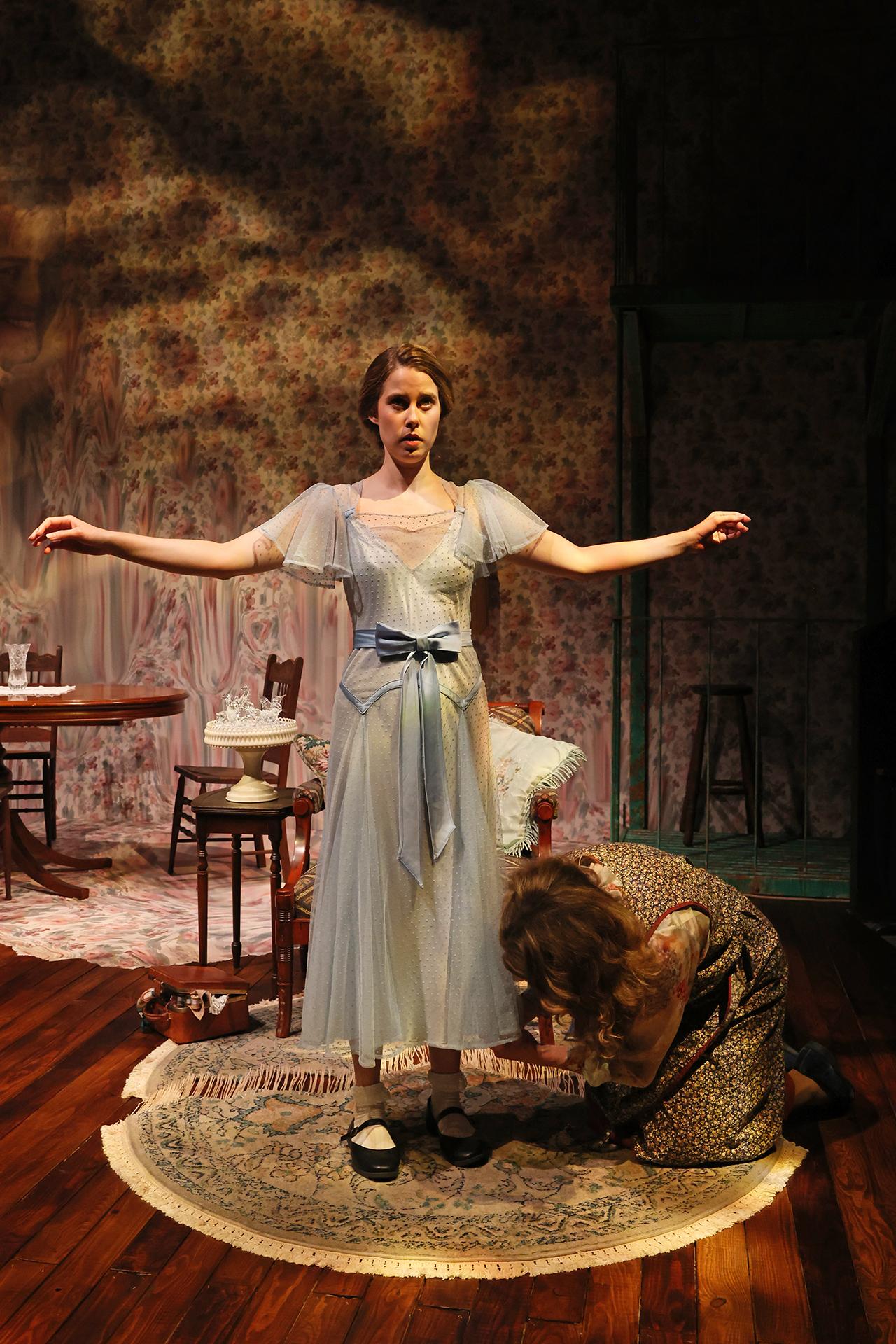
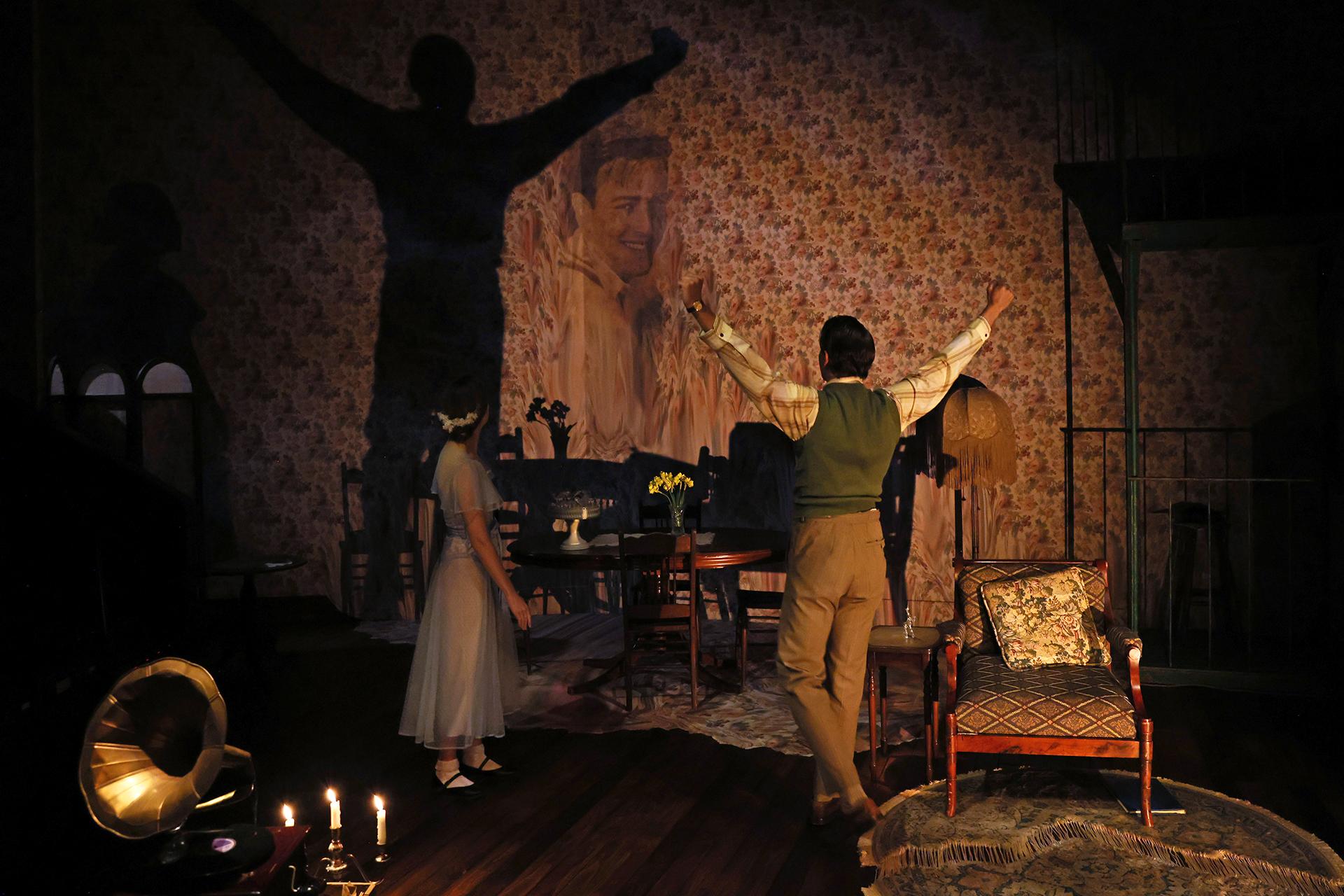
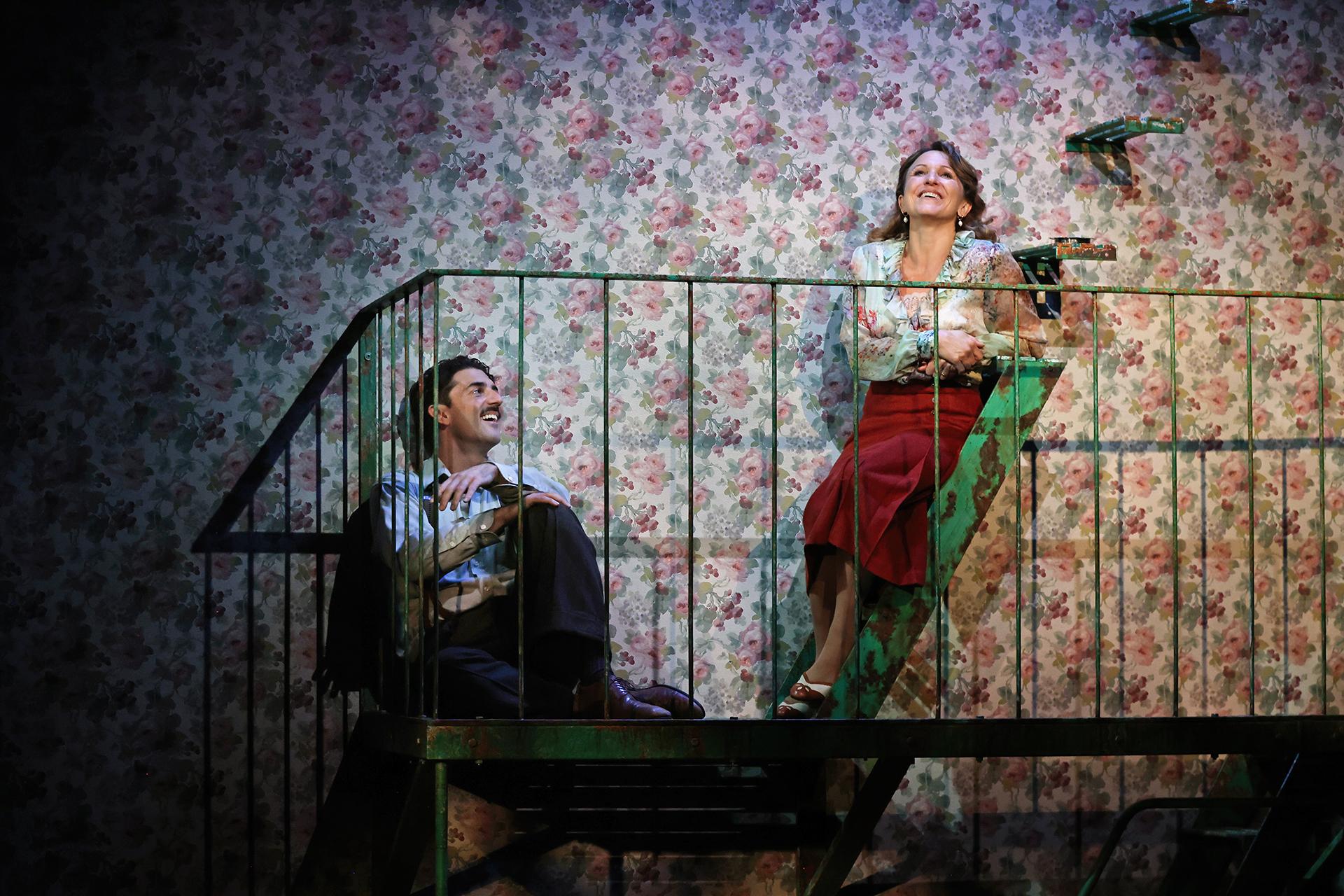
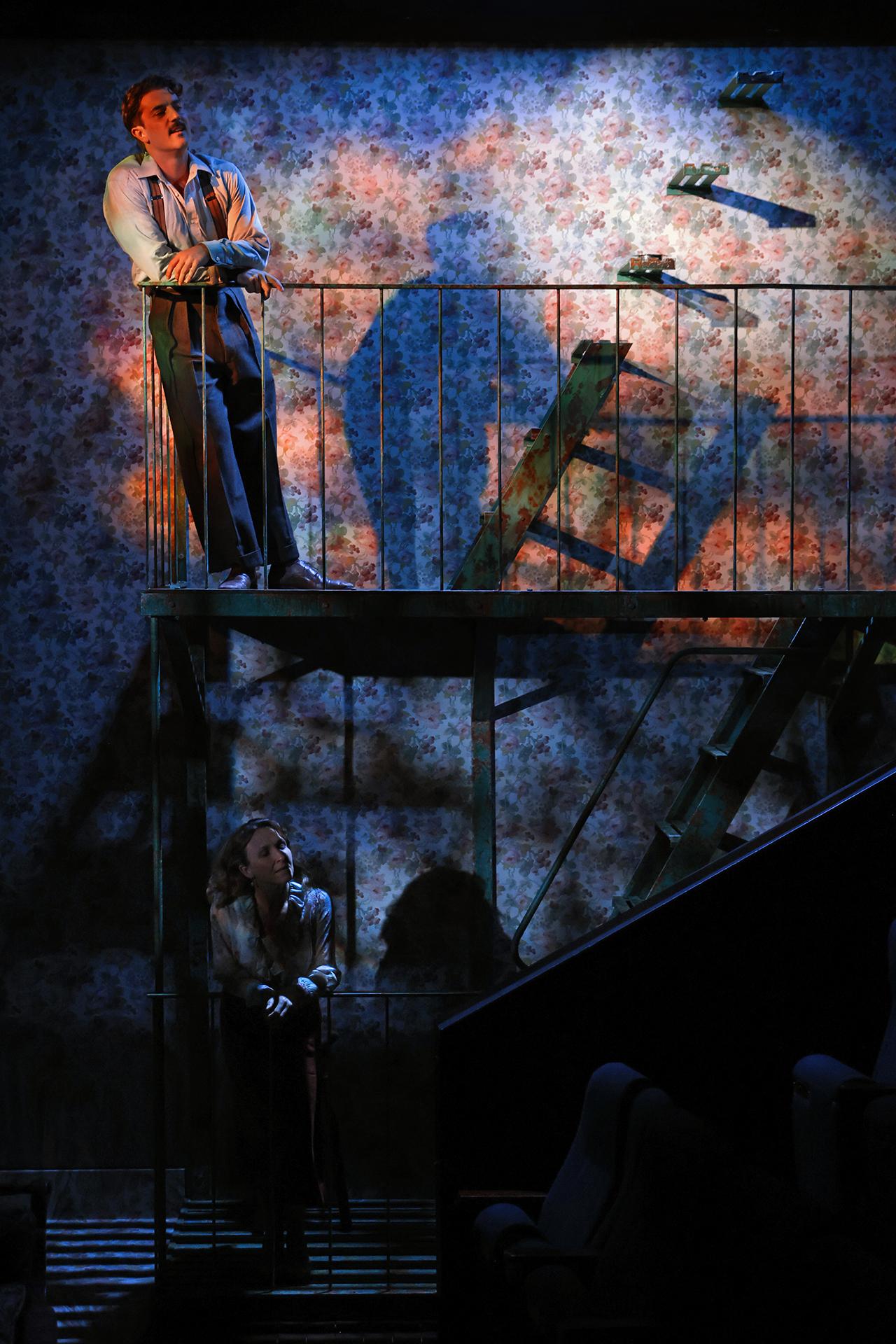
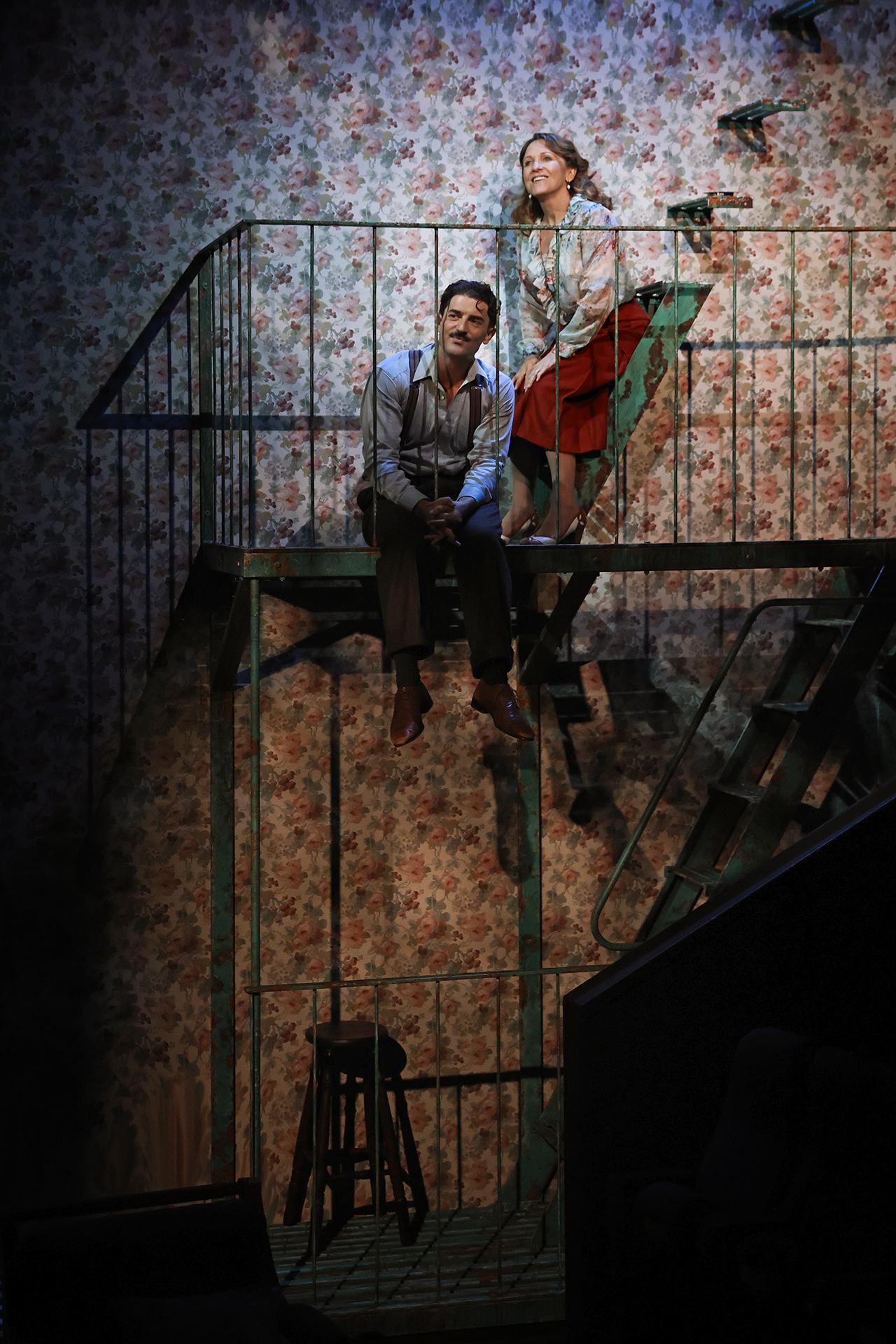
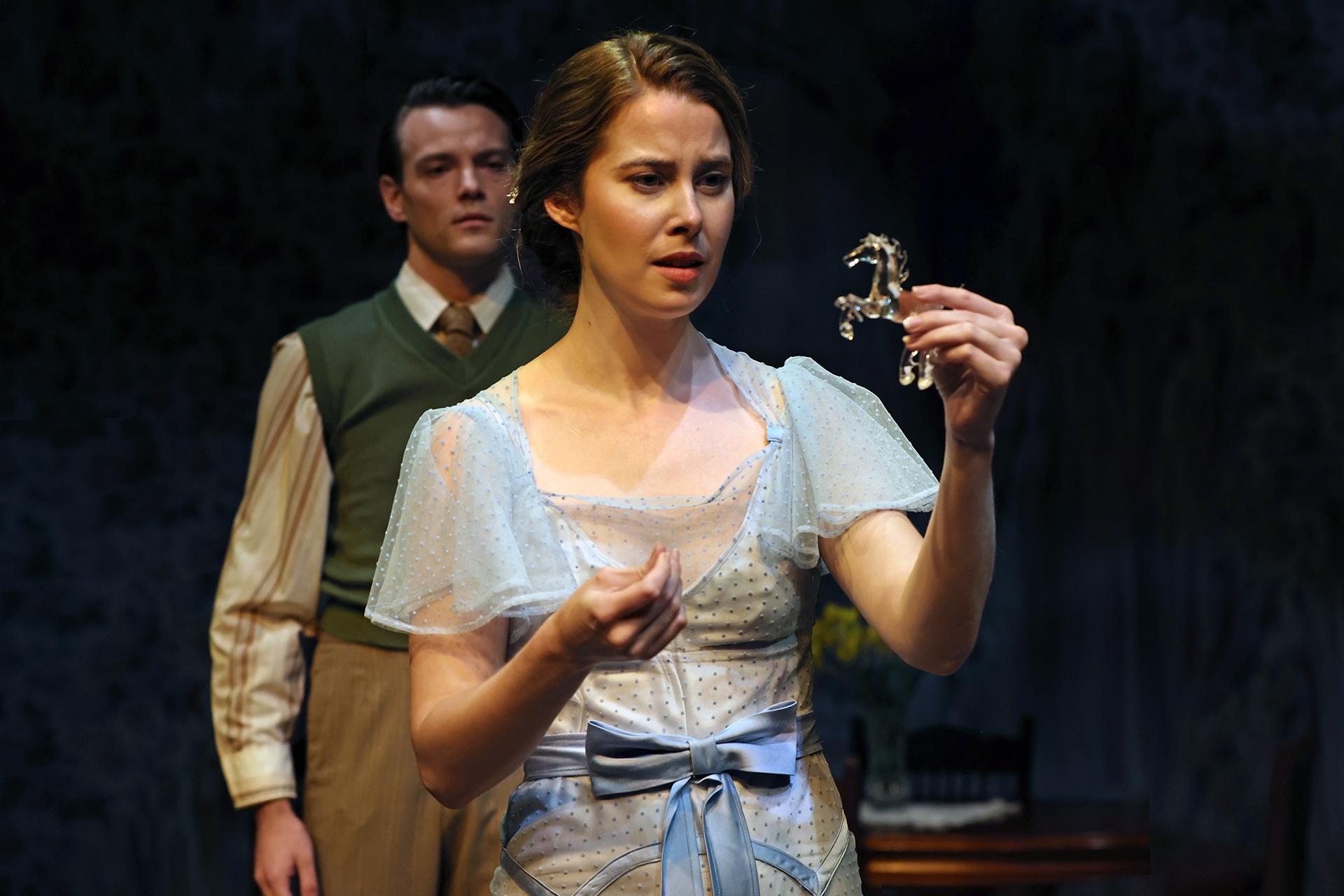
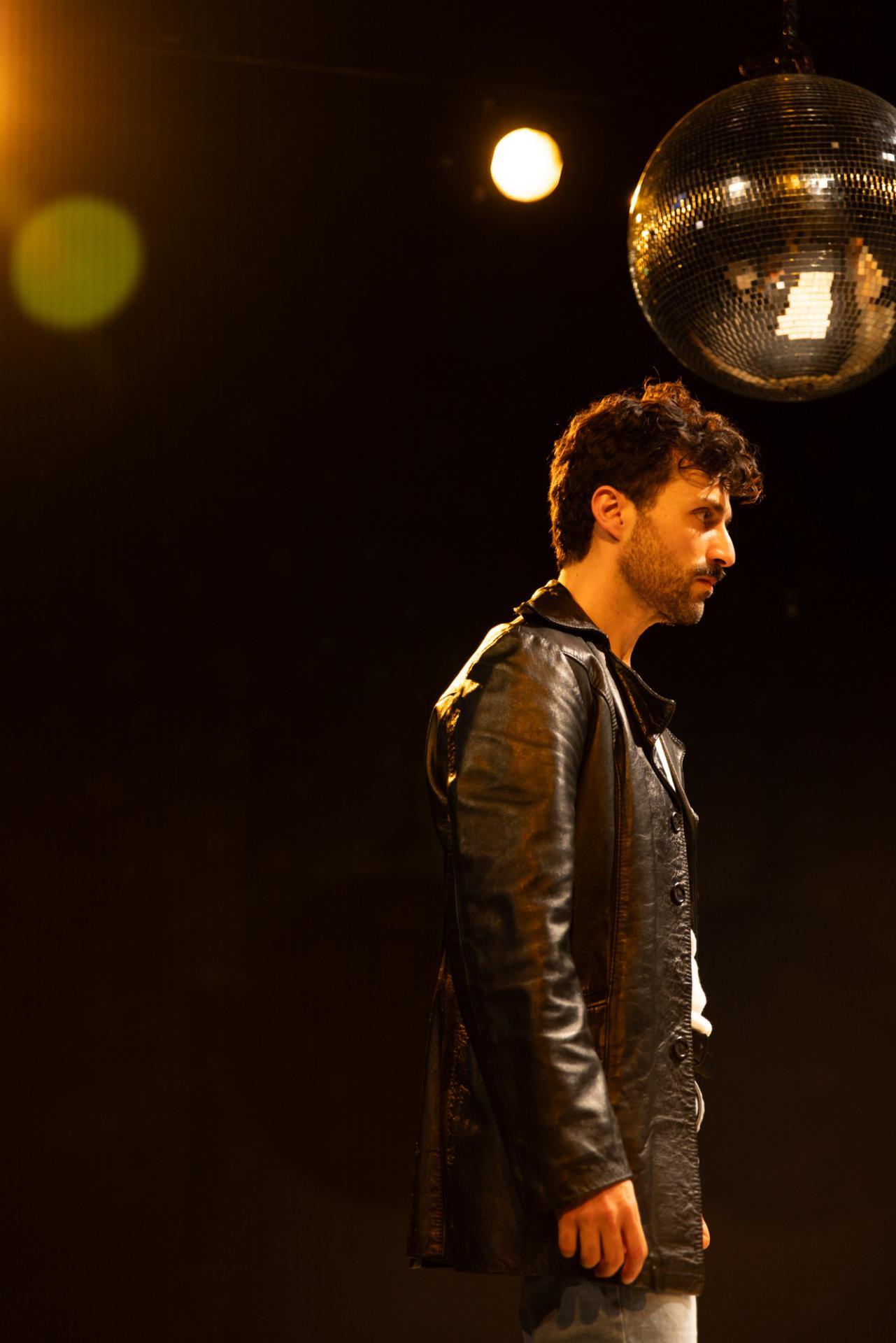
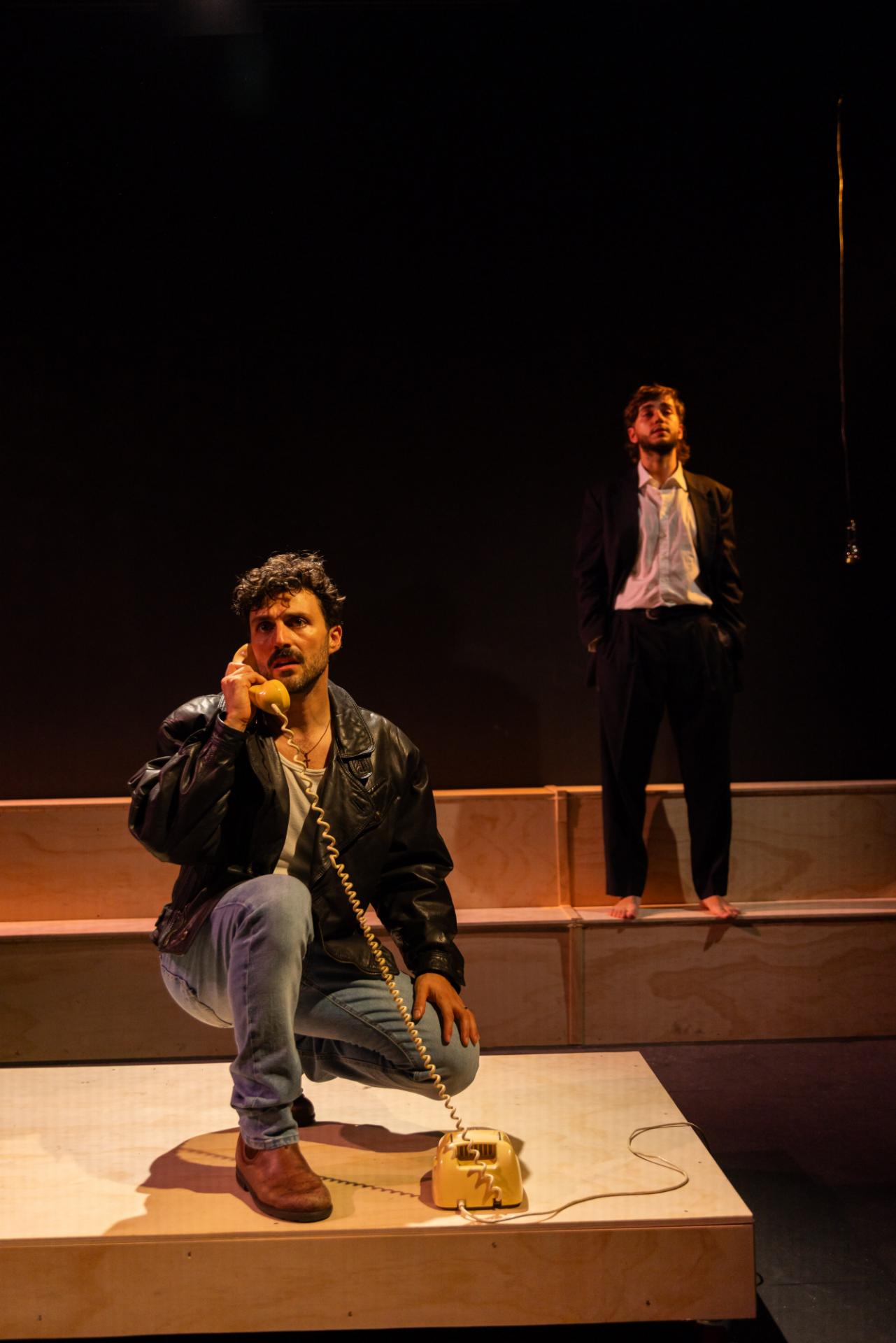
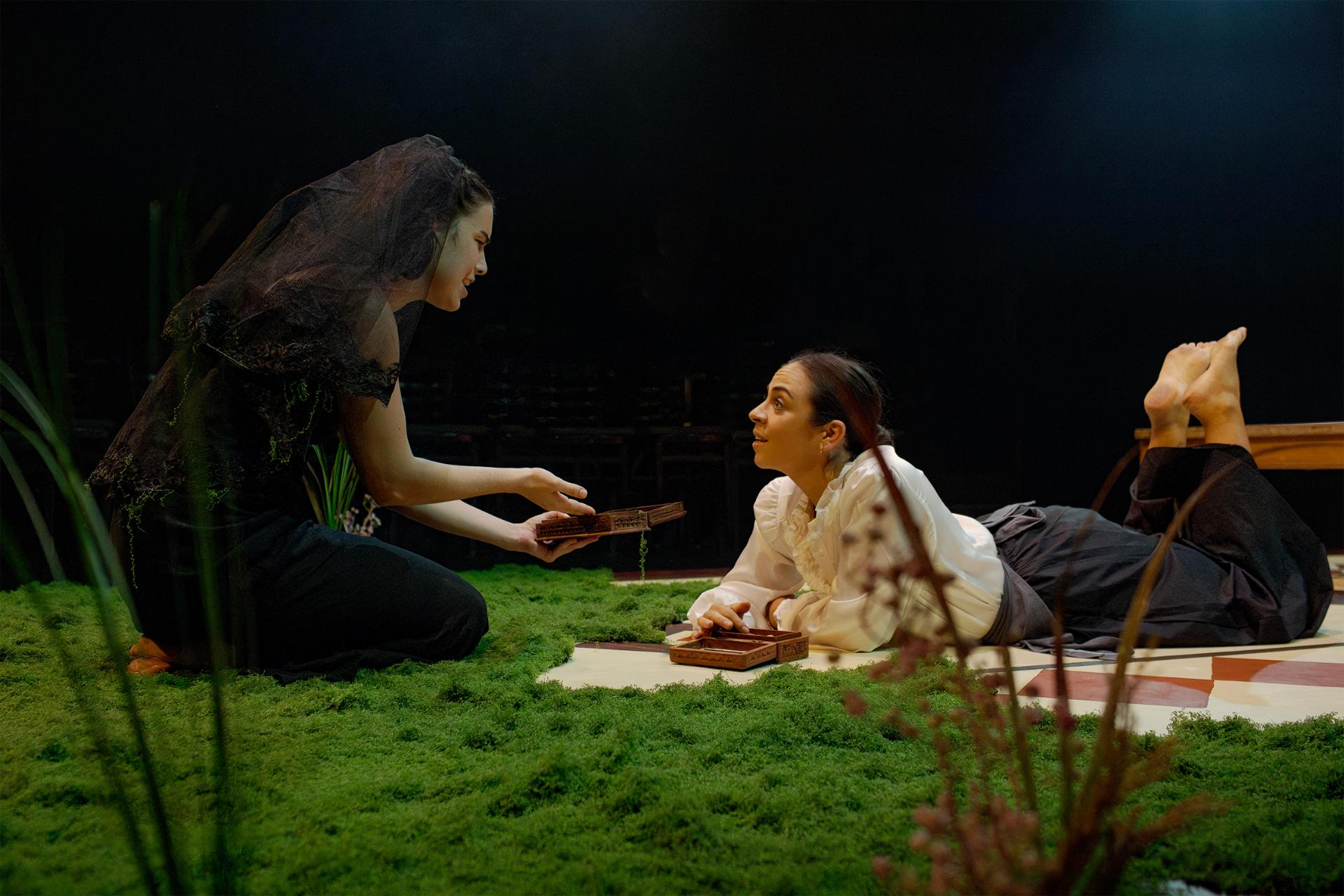
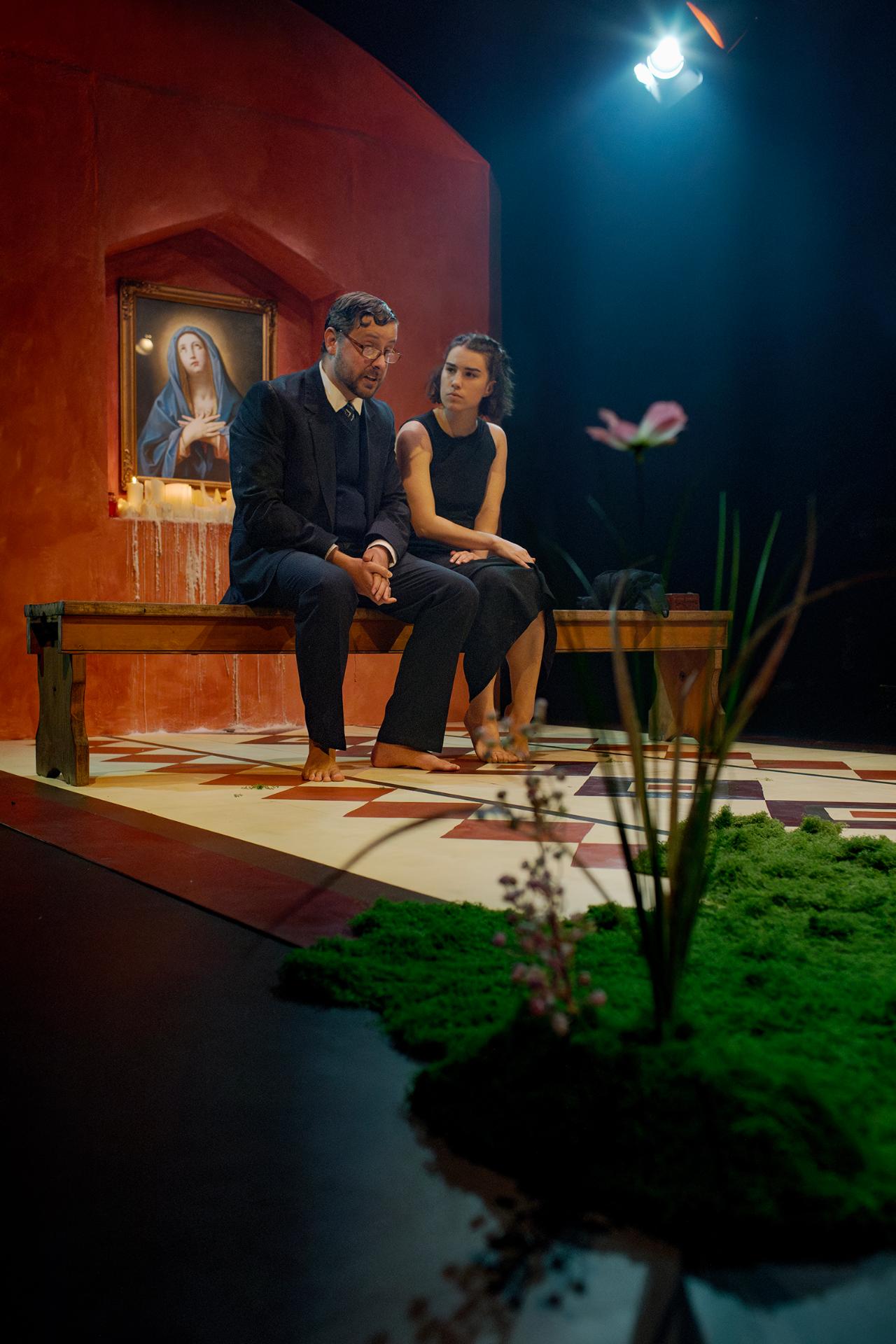
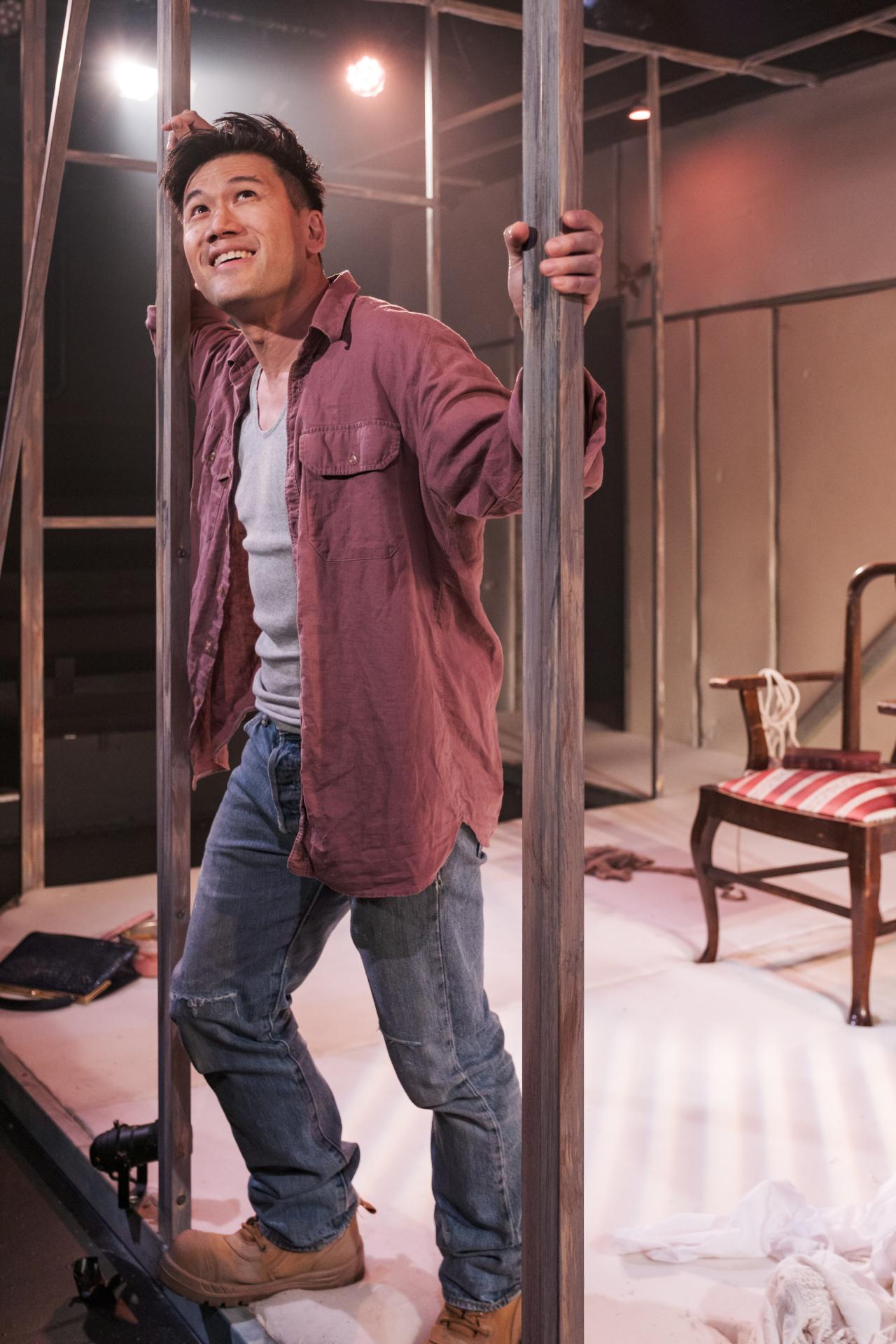
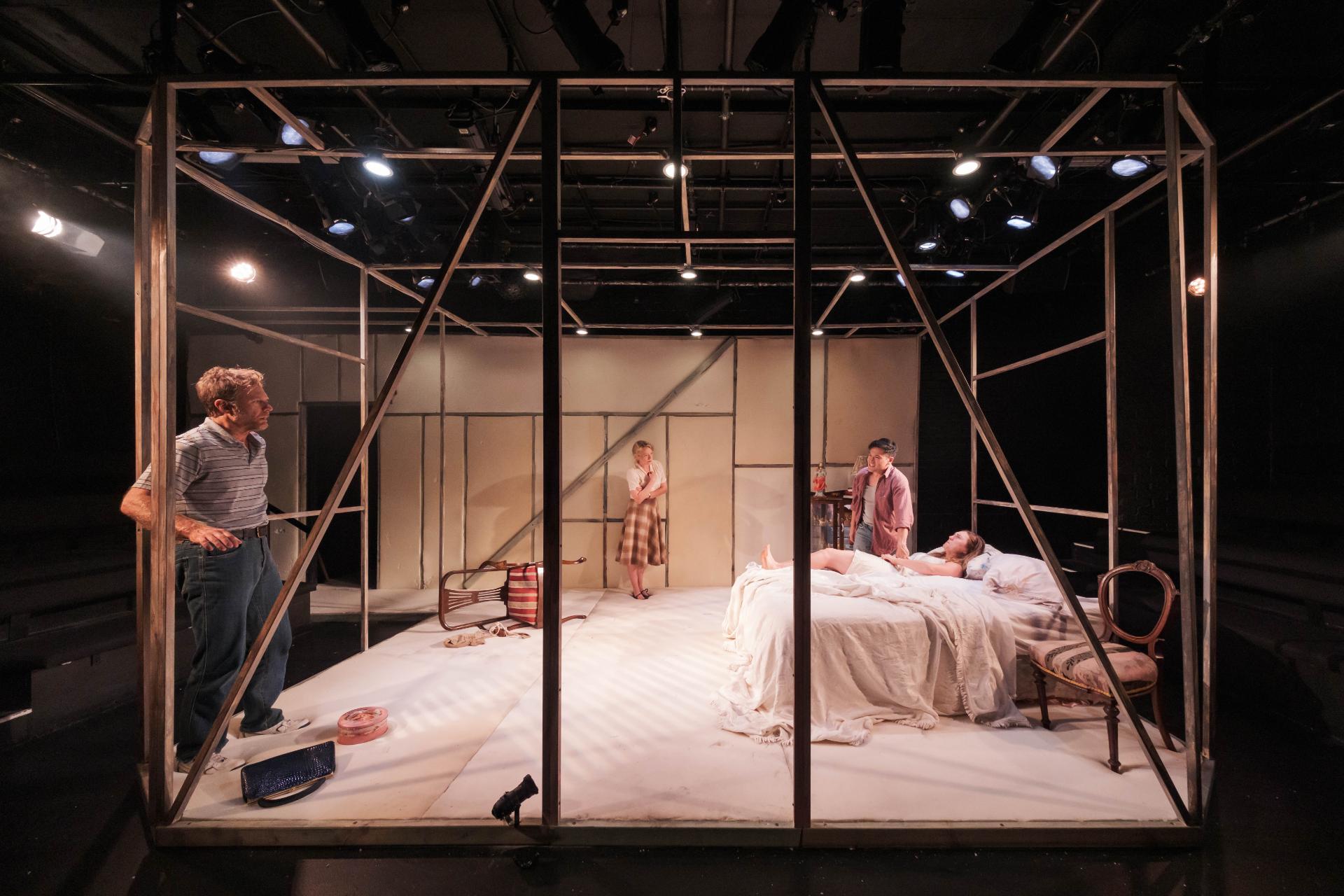
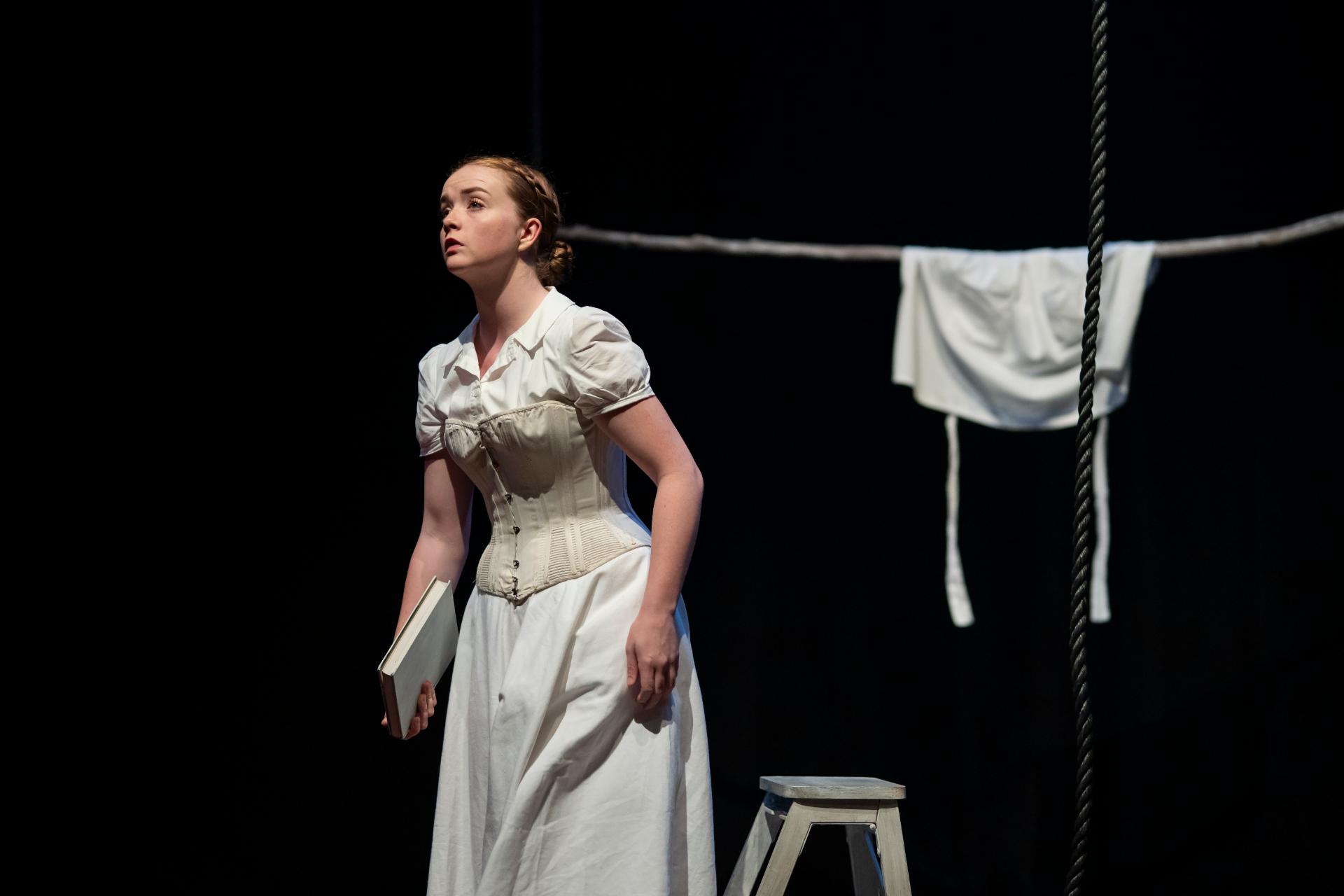
Rose Montgomery’s set design is appropriately stylish for the kind of affluence being explored, along with her excellent work on costumes, telling in an instant, so much of what we need to know about these individuals. Lights by Matt Cox and sounds by David Bergman are mostly utilitarian in nature, in a staging that is much more about dialogue than atmosphere.

Monsters have children all the time. It is likely that same element of inadequacy in their psychology, making them behave narcissistically, that makes them want to procreate. In Monique, we observe that nothing she has tried, can really make up for that sense of lack. She continues to be a pain to others and to herself, even after creating offspring that fulfil their obligation of constantly patronising and mollifying their parent. With her advanced age, it is perhaps prudent to not wish to change her, but to find ways to circumvent all the damage she cannot help but leave in her wake.

www.ensemble.com.au

Review: A Model Murder (Sydney Festival)

Venue: Darlinghurst Courthouse (Darlinghurst NSW), Jan 4 – 25, 2025
Playwright: Sheridan Harbridge
Director: Sheridan Harbridge
Cast: Blazey Best, Marco Chiappi, Amber McMahon, Ryan Morgan, Maverick Newman, Sofia Nolan, Anthony Taufa 
Images by Neil Bennett

Theatre review
It was 1954 when Shirley Beiger shot and killed her boyfriend in Sydney. The story quickly became a media sensation, with the trial attracting inordinate amounts of public attention and scrutiny. In Sheridan Harbridge’s theatrical retelling A Model Murder, named after the perpetrator’s profession, the simple open and shut case is expanded to provide a nostalgic perspective of the celebrity criminal, a phenomenon which has only increased in prominence through the years.

The show is immensely entertaining, made captivating at every juncture by Harbridge’s imaginative renderings of a brief moment in time. There may not be substantive explorations into Beiger’s psychology leading up to the catastrophic incident, but A Model Murder proves a charming and approachable examination of an intriguing morsel of our city’s history.

Staged within an actual courthouse, with production design by Michael Hankin taking care to accentuate the authenticity of the surrounds, and enhanced by striking costuming that adds considerable visual flair. Lights by Phoebe Pilcher are thoroughly considered, not only to deliver dramatic effect, but also a sense of sumptuousness to this biography about someone renowned for her physicality. Sounds by Zac Saric and music by Glenn Moorhouse, fill the space not only with tension, but also an unmistakeable glamour befitting the subject matter. Also elevating proceedings is Vi Lam’s alluring movement direction, for the many musical interludes that pay tribute to our city’s nightlife and entertainment industry.

Actor Sofia Nolan is appropriately enigmatic as Beiger, with an inscrutability that only makes her presence more compelling. The supporting cast is highly endearing, especially Blazey Best and Amber McMahon who bring magnetism along with wonderful idiosyncrasies, to their meticulous embodiments of some very colourful characters.

We are shaped by endless tales of this city. Whether remembered or forgotten, we live in the midst of the countless infinitesimal narratives that have made Sydney and Gadigal what it is, connected through time that is cyclic yet amorphic. Human skin provides the illusion of our disconnectedness, but the truth is that this place determines so much of who we become. The stuff that we make manifest, seeps into one another. Our decisions will always be born out of culture, much as the current epoch exalts notions of individuality. The truth remains that humans can only survive through care, even though our natural inclinations so often seem to push us the other way.

www.sydneyfestival.org.au | www.lpdprod.com

Review: Converted! (ATYP)

Venue: The Rebel Theatre (Sydney NSW), Jan 3 – 25 , 2025
Book: Vic Zerbst
Music & Lyrics: Vic Zerbst, Oliver John Cameron
Director: Hayden Tonazzi
Cast: Helen Dallimore, Paul Leandre Escorrido, Ashley Garner, Cassie Hamilton, Nat Jobe, Melody Kiptoo, Scarlet Lindsay, Teo Persechino, Megan Robinson, Redd Scott, Teo Vergara
Images by Daniel Boud

Theatre review
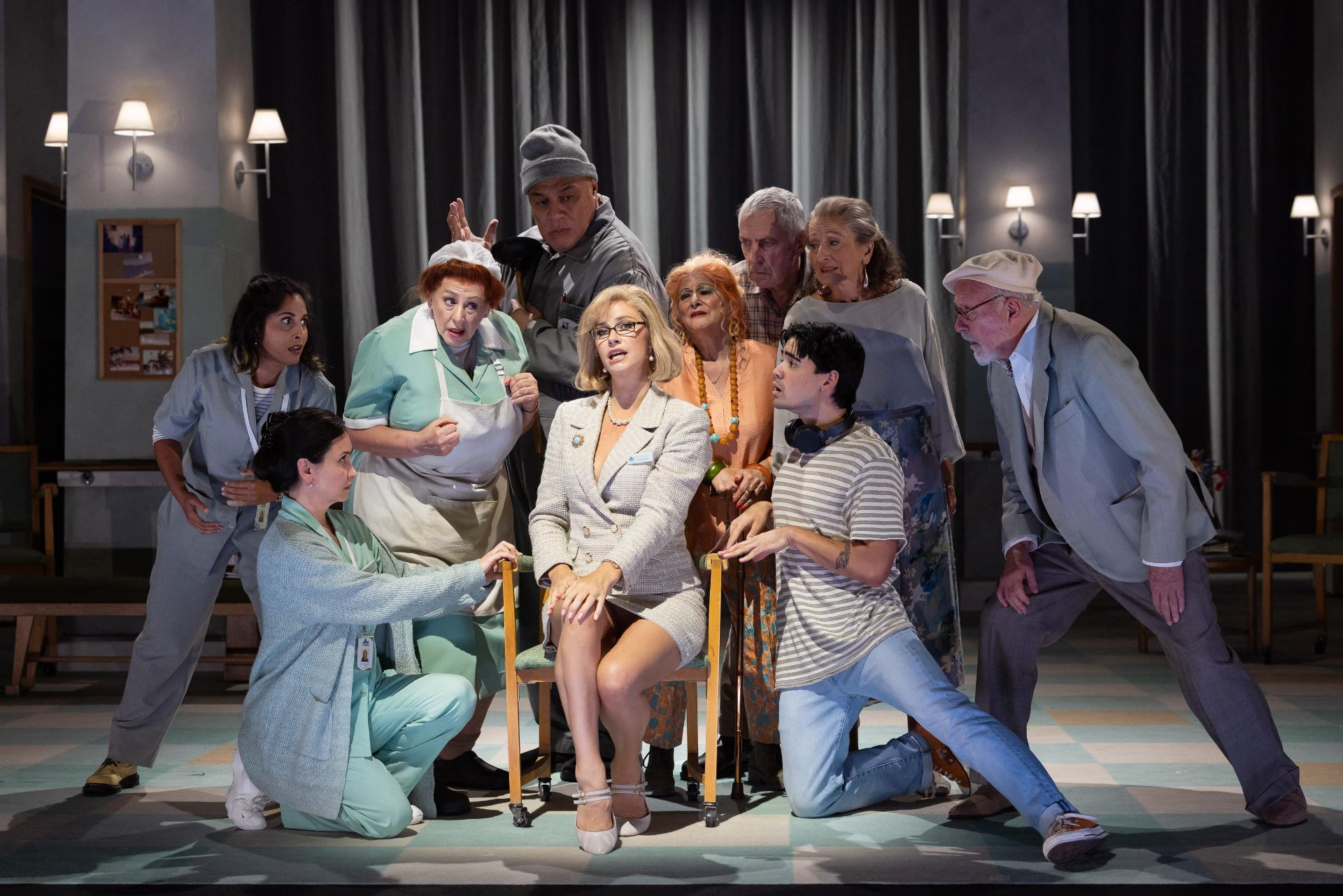
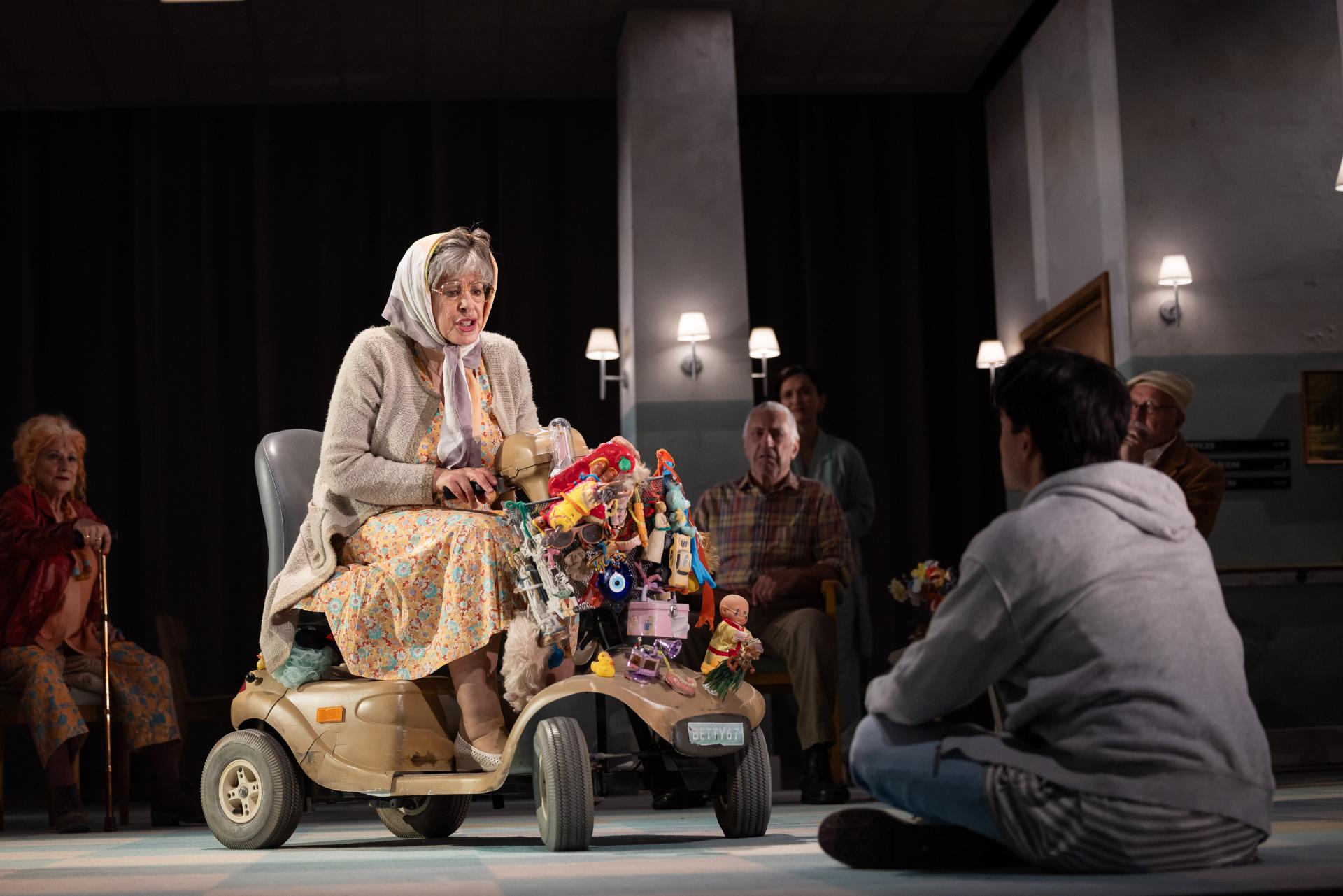
Teenagers at the “Fix Yourself!” camp are hoping to improve their self-esteem, but like most other places, an overbearing and stifling emphasis on heteronormative values, is instead deteriorating their sense of self worth. Converted! by Vic Zerbst and Oliver John Cameron is an often charming musical about queer youth, and their struggles in a world determined to negate and change their nature. The plot may on occasion be incoherent, but its idiosyncratic style and array of spirited tunes, help to keep us amused and attentive.

Vibrant direction by Hayden Tonazzi ensures that the show is consistently energetic and irrepressibly quirky. A cast brimming with sincerity passionately imparts its story, including performers Helen Dallimore and Nat Jobe who stand out for the comedic nuance they bring to their roles as camp counsellors. Music direction by Mark Chamberlain introduces variation to our experience of songs that could otherwise feel formulaic. Uncomplicated choreography by Jeremy Lloyd ensures a theatricality without compromising the natural movement of characters.

Whimsical set and costume designs by Savanna Wegman set the tone for this cheeky and cheerful presentation. Lights by Brockman give the production its polish, along with a captivating colourfulness that represents perfectly queer culture, and the tradition of defiance against banality that it exemplifies.
Pride is not only about individuals overcoming challenges. It pertains to the continuation of legacies, and the understanding that freedoms that have been won, remain under constant threat. Pride necessitates that we remember the monumental sacrifices that had been made, and that we are prepared to extend victories to all others who still have to fight for justice. Queers are fervent in celebrating our authenticities, if only to demonstrate that truth and integrity are never to be feared. 

www.atyp.com.au

Review: The Pigeons (KXT on Broadway)

Venue: KXT on Broadway (Ultimo NSW), Dec 7 – 21, 2024
Playwright: David Gieselmann
Director:
Eugene Lynch
Cast: Tel Benjamin, Lib Campbell, Micaela Ellis, Kath Gordon, Jackson Hurwood, Kandice Joy, Mark Langham, Andrew Lindqvist, Dominic Lui
Images by Justin Cueno

Theatre review
Robert has had enough of the rat race and is calling it quits. Things in the office are always chaotic anyway, so his disappearance seems not to have changed the tone of daily life very much. Any interpretation of its narrative however, is probably not of much importance for David Gieselmann’s The Pigeons, in which form and style take precedence over actual content or story.

Direction by Eugene Lynch, along with choreography by Cassidy McDermott-Smith, introduce a great amount of frenzied energy to the piece, but never quite draws us into any real fascination with the artistic experimentations taking place on stage, only becoming increasingly alienating over the course. The cast can be credited for their undeniable investment into the experience, with players like Tel Benjamin, Lib Campbell and Kath Gordon leaving good impressions with their rendering of comedic moments when opportunities arise.

Costumes by Lily Mateljan may only mimic dreary aspects of humdrum normalcy, but a moment of extraordinary absurdity involving a necktie, certainly proves delightful. An adaptive set design by Lochie Odgers too delivers an element of surprise in later portions of the show. Lights by Topaz Marlay-Cole are well considered, but available equipment proves restrictive in the implementation of the designer’s more creative ideas. Music and sounds by Christine Pan, often delightfully performed live, are effective in reminding our sensibilities to venture somewhere surreal.

Pigeons have a homing instinct that means they always come back. Our human nature can be thought of as something that always wishes to return to square one, but evidence suggests that we are capable of breaking out and moving forward. Art especially should have the capacity to resist repetition, and our artists can be relied on, to introduce new ways of thinking and being, even if the ways they choose to challenge us, can be difficult.

www.kingsxtheatre.com | www.theothertheatre.com.au

Review: Hot Tub (25A Belvoir)

Venue: Belvoir St Theatre (Surry Hills NSW), Dec 6 – 21, 2024
Playwright: Lewis Treston
Director: Riley Spadaro
Cast: Jack Calver, Patrick Jhanur, Melissa Kahraman, Kieran McGrath, Ella Prince, Shannon Ryan, Diane Smith
Images by Katherine Griffiths

Theatre review
The Hunter-Whites have more dollars than sense, and something about the Gold Coast just sends them in a tailspin. Hot Tub by Lewis Treston is an absurdist comedy about the wealthy, a fantasia on the frenzied existence of cash-rich and drug-fuelled moguls, with lifestyles propped up by property ownership and a distinct shortage of moral concerns. The play is composed of highly amusing dialogue, featuring flamboyantly imagined personalities; its narrative may be lacklustre, but its spirit is certainly wildly infectious.
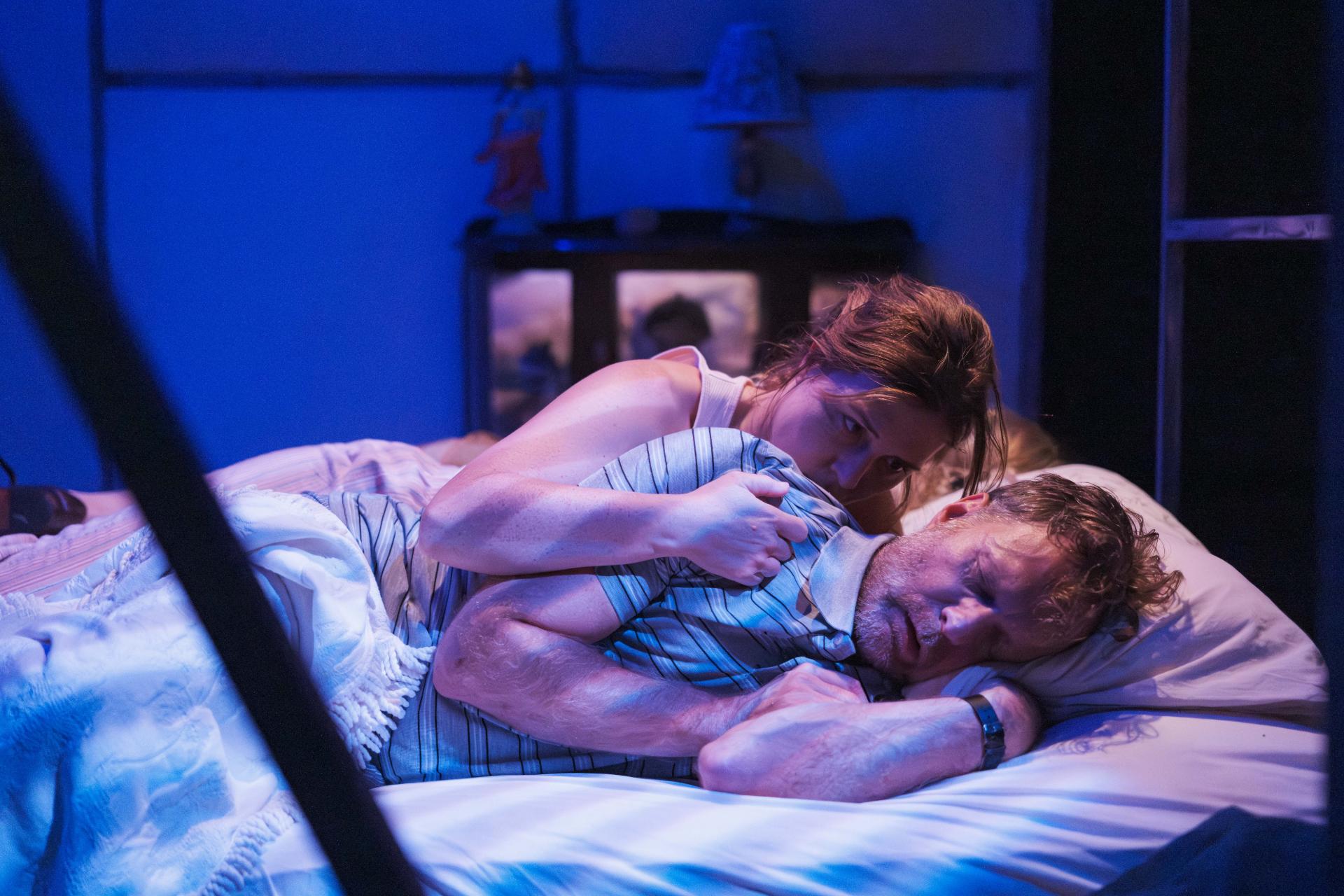
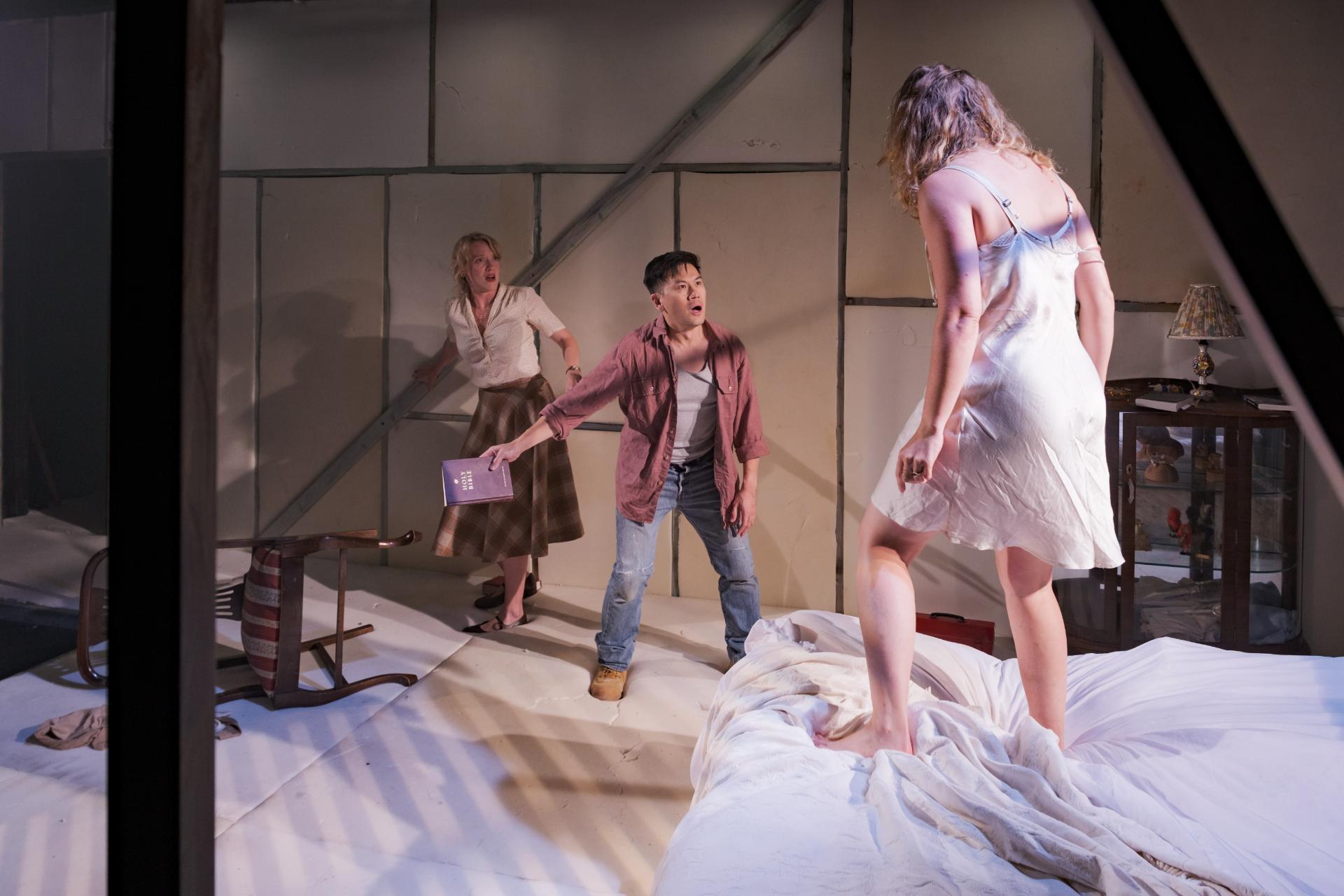
Commensurately exuberant direction by Riley Spadaro delivers a show as camp as it is unabashedly depraved. There is a sophistication to Spadaro’s approach that counteracts the obvious humour of Hot Tub, and while it may not prevent us from feeling empty at the end, the journey is unquestionably entertaining.

Grace Deacon’s set design is attractive and remarkably finessed, and even though her costumes do not sufficiently portray affluence, the colourful imagery being formulated proves a delight. Lights by Phoebe Pilcher are energetic and richly tailored, bringing a wonderful sense of variety to our visual enjoyment of the piece. Madeleine Picard’s sound design is less conspicuously presented, but the vitality it imbues is unambiguous.

It is clear that the cast of Hot Tub is deeply committed, with every performer bringing an unwavering focus to their parts. Ella Prince is particularly memorable as Officer Sheryl, with a level of theatricality that feels completely off the charts, yet accurate to the aesthetic being rendered. Diane Smith too introduces a brand of bizarre to her delicious interpretation of a grandmother more interested in money than in family, admirable for her iconoclastic depiction of an Australian matriarch. 

There is something in the very bones of our way of life on this land, that insists that we make safe and bland decisions. Even in art, we are often held back from jumping off cliffs, as though the repercussions will forever be dire, even though nobody can know for certain what awaits thereafter. In Hot Tub, we can see that a leap of faith has been taken, a kind of wild abandon is in action, perhaps informed by the unequivocal queerness that serves as central guiding principle, establishing the language and paradigm from which it communicates.

It is a play about family, yet love seems non-existent, or at least undetectable in a conventional manner. Queer people perceive kinship differently. Queer people may even understand love differently. There is a communal connection taking place, when we laugh at glamorous characters being awful parents, and even though they leave us needing more, we know that for a moment, we had been held.

www.belvoir.com.au | www.instagram.com/presentedbybub

Review: The Heartbreak Choir (Ensemble Theatre)

Venue: Ensemble Theatre (Kirribilli NSW), 29 Oct, 2024 – 12 Jan, 2025
Playwright: Aidan Fennessy
Director: Anna Ledwich
Cast: Valerie Bader, Tyallah Bullock, Nancy Denis, Carita Farrer Spencer, Jay Laga’aia, Jasper Lee-Lindsay, Georgina Symes
Images by Prudence Upton

Theatre review
Barbara and her friends have left their choir to set up their own offshoot. When Savannah suggests the new name “Heartbreak Choir”, they all agree on its suitability, but it takes considerable time before we understand the reasoning behind their choice. At the foundation of Aidan Fennessy’s play The Heartbreak Choir is something quite profound and moving; however a lack of focus and an overreliance on humour, detract from what could have been a powerful experience.

The show is sometimes truly funny, but it also has a tendency to deviate too much from its central concern. Direction by Anna Ledwich imbues a palpable warmth, particularly in its portrayal of community, even as the narrative struggles to resonate sufficiently with the darker themes that inspire it. 

Set and costumes by Nick Fry deliver a convincing realism, along with a spaciousness that facilitates easy movement by its cast. Lights by Verity Hampson can be somewhat abrupt with their transformations, but are calibrated well to guide us through shifting temperaments. Occasional singing is an enjoyable feature, with musical direction by Sally Whitwell providing just enough complexity to give a sense of elevation, and a lustre to the production. 

Performer Valerie Bader is a passionate presence as Barbara, if somewhat strained with her interpretations of the play’s more emotive portions. Jay Laga’aia is highly charismatic in the key role of Peter, effortlessly instigating our investment into his character’s journey of healing. Also memorable is Jasper Lee-Lindsay whose restrained approach for the part of Peter’s son Beau, translates into moments of tenderness and much needed gravitas. The persistent lightness of The Heartbreak Choir offers an accessible entry point into the trauma at its core, yet for something more effectively cathartic, it is ultimately unavoidable to confront and feel the actual pain.

www.ensemble.com.au

Review: People Will Think You Don’t Love Me (KXT on Broadway)

Venue: KXT on Broadway (Ultimo NSW), Nov 15 – 30, 2024
Playwright: Joanna Erskine
Director:
Jules Billington
Cast: Ruby Maishman, Tom Matthews, Grace Naoum
Images by Phil Erbacher

Theatre review
Michael has had a heart transplant, but it seems that he may have inherited more than just Rick’s organ. People Will Think You Don’t Love Me by Joanna Erskine is an intriguing work about consciousness and sentience, particularly how they intersect with human biology. Full of fascinating speculations, Erskine’s play brings into the domestic realm, some of the biggest questions about the mind — where it resides, and how it can transform. 

Direction by Jules Billington brings great focus to these intimate explorations, highly compelling with their ability to make believable, these often outlandish conjectures. There is however a diminishment of dramatic intensity, in concluding portions of the show where we are poised in expectation of an escalation. Its cerebral quality though, does fortunately persist to the end, for a satisfying experience that is likely to remain with viewers long after the curtain call.

Sam Wylie’s production design is a visually pleasing amalgamation of locations, successful at representing the various settings, and accurate with costuming that illustrates the regular Sydney folk we encounter in the story. Wylie’s lights operate well to encourage our sentimental responses, but can afford to be more ambitious in segments that veer into surreal territory. Sounds and music by Clare Hennessy are extremely delicate, memorable for their efficacy at bringing subtle tension, to these scenes of mounting discord.

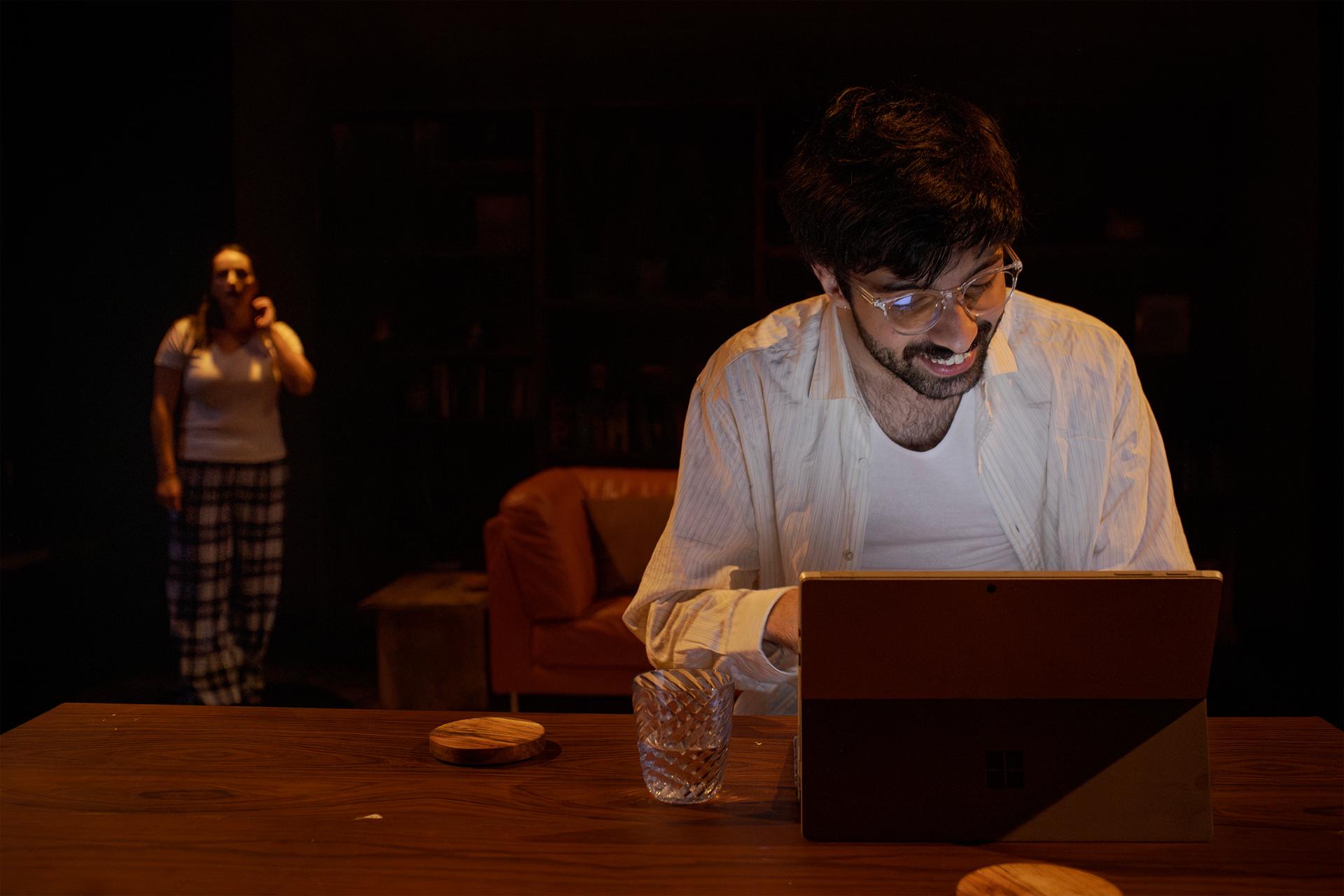
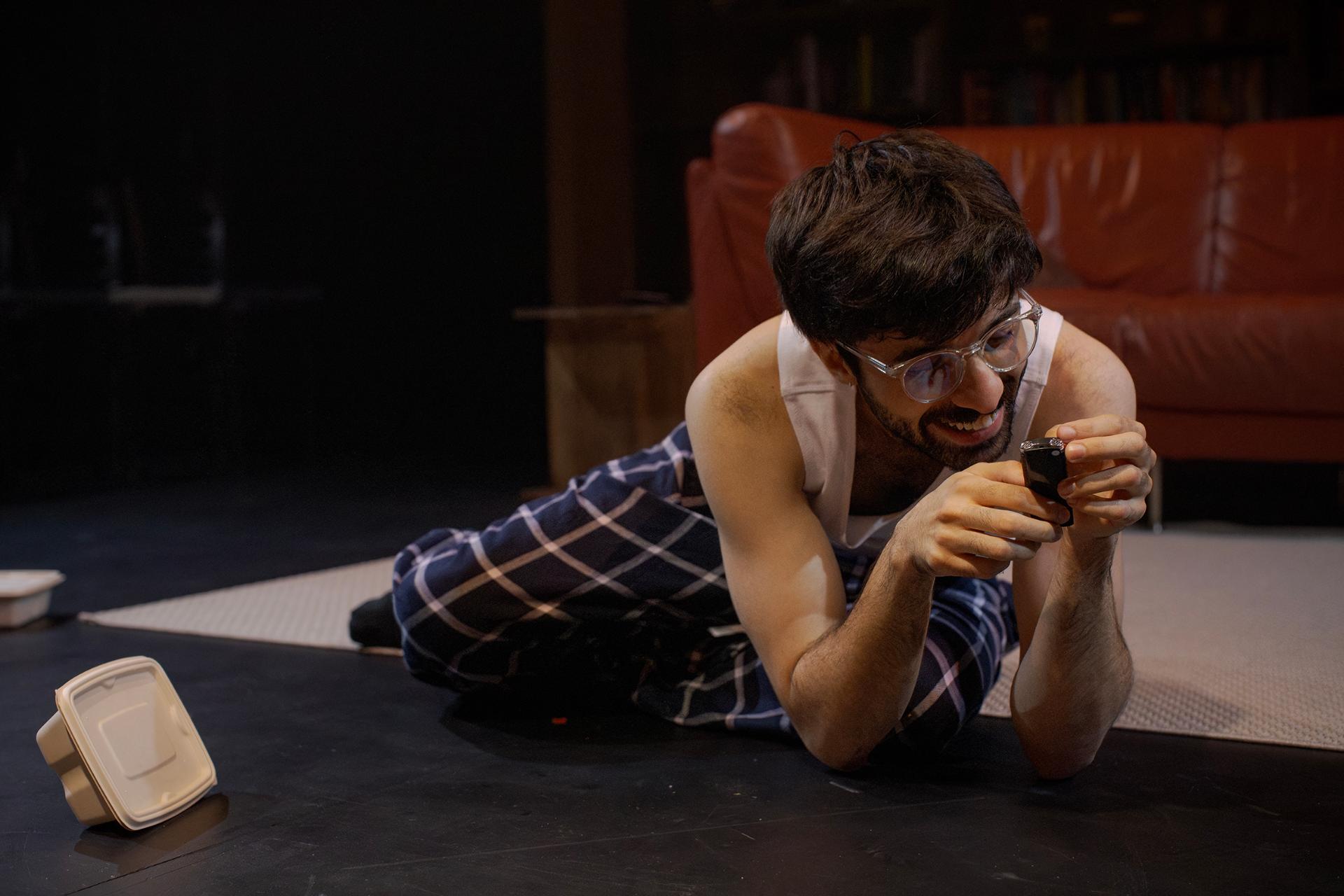
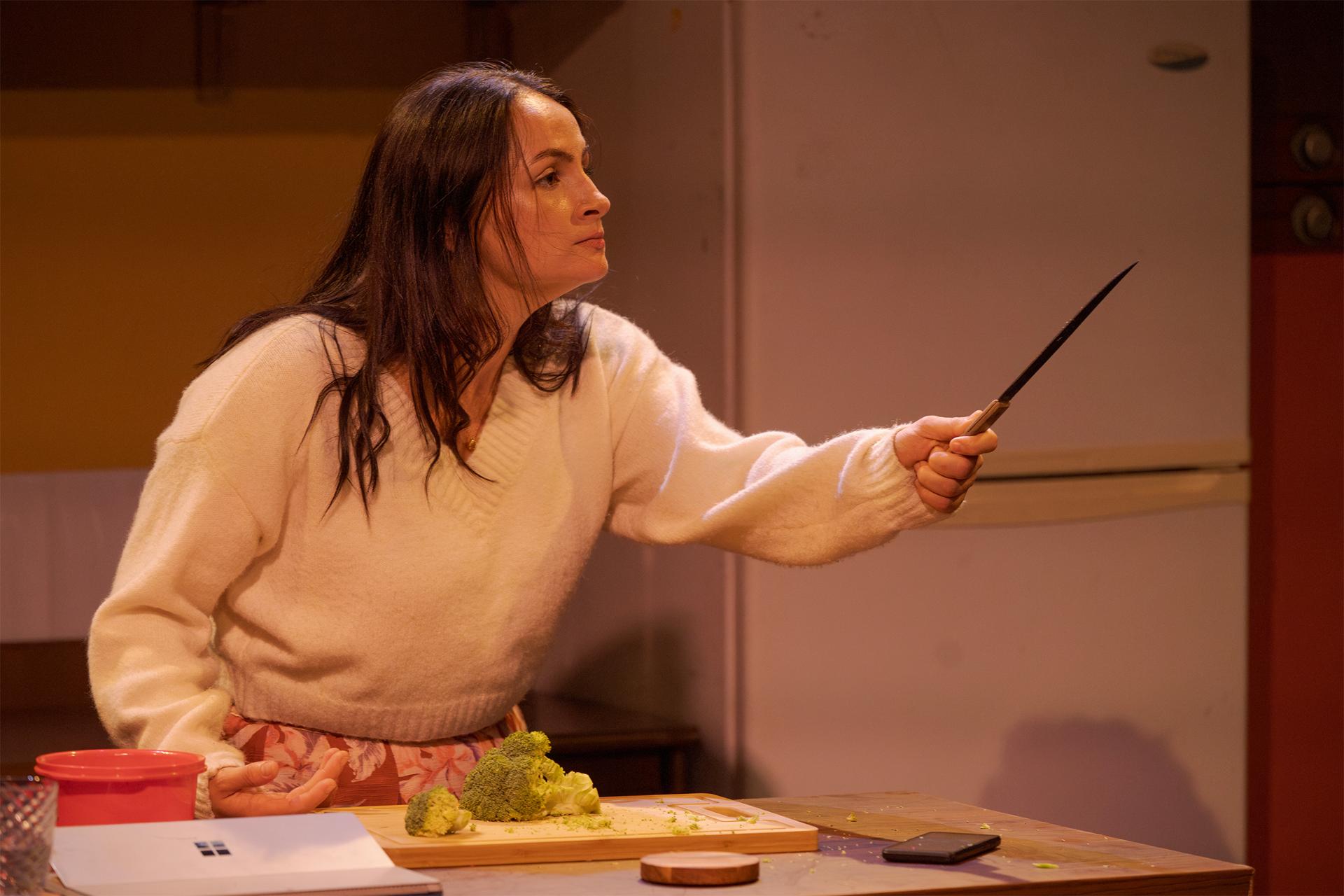
A strong cast of three presents People Will Think You Don’t Love Me with admirable deliberation and detail. Tom Matthews brings a valuable naturalism to the role of Michael, to keep us invested and persuaded of the play’s extravagant musings. Playing Michael’s wife Elizabeth, is Grace Naoum who introduces urgency whenever required, and is always convincing when portraying the anxiety navigated by someone under constant stress. The organ donor’s partner Tomasina is depicted by Ruby Maishman with a wonderful idiosyncrasy that makes her character feel familiar and realistic. The compelling chemistry between actors is a marvellous feature, especially when unexpected humour arises, in this otherwise quite sombre staging.

In the enactment of our capitalistic lives, there is often insufficient care and respect for the bodies we inhabit. The heart, soul and mind are often relegated to something almost abstract, even though we know them to be absolutely central. We often fall into thinking ourselves as somewhat ephemeral, whilst simultaneously mistreating our corporeality, endlessly making bodies serve their capitalistic purposes of productivity, and ignoring their more esoteric capacities. Love and the human spirit are real, and they could very well be living not in the ether, but in all of our blood, skin, flesh and bones.

www.kingsxtheatre.com | www.facebook.com/littletrojantheatre

Review: Sweat (Sydney Theatre Company)

Venue: Wharf 1 Sydney Theatre Company (Walsh Bay NSW), 11 Nov – 22 Dec, 2024
Playwright: Lynn Nottage
Director: Zindzi Okenyo
Cast: Gabriel Alvarado, Paula Arundell, Yure Covich, James Fraser, Deborah Galanos, Markus Hamilton, Tinashe Mangwana, Lisa McCune
Images by Prudence Upton

Theatre review
The story takes place in Pennsylvania at the turn of the century, when its economy is experiencing a severe downturn. A steel factory that has employed several generations of residents in the town of Reading, is laying off workers in large numbers, causing great unrest among the populace. Lynn Nottage’s Sweat looks at the disconnect between lives of workers and decisions of resource owners. It examines the phenomenon of humans being regarded as nothing more than means of production, and how our day-to-day suffers as a result.

A strong cast of eight takes on the responsibility of storytelling, and their commitment to advocating for the underclass is evident in the level of focus each player brings to the piece. As a collective though, the ensemble never really finds an effective chemistry and their show, although believable, does not bear an authentic immediacy required to earn our instinctual empathy. Direction by Zindzi Okenyo demonstrates no shortage of earnestness, and we invest intellectually as a response, but how we feel for the situations being discussed, never really turns impassioned. 

Jeremy Allen’s set design is aesthetically pleasing but its spaciousness conveys a corresponding emptiness that seems to struggle at harnessing dramatic intensity. Lights by Verity Hampson are often excessively languid in tone, although its realism does help us gain an appreciation for the environment being explored. Music by Brendon Boney delivers an appropriate nostalgia in this flash back to the year 2000, even if it does little to rouse our sentiments.

In all the trauma and hardship of Sweat, we can deduce that income inequality renders a powerlessness, both perceived and real, amongst those we might call the proletariat. Characters in the play turn on one another, instead of fighting the real enemy at the top. An incapacitation occurs that dissuades the disadvantaged from confronting those that can improve conditions, shifting attention to scapegoats, often at the encouragement of those who shirk their social and moral duty. It is understandable that those at the bottom should adhere to the language and mechanisms of power, but finding alternatives seems to be the only way we can hope to help ourselves.

www.sydneytheatre.com.au

Review: Jesus Christ Superstar (Capitol Theatre)

Venue: Capitol Theatre (Sydney NSW), from Nov 6, 2024 – Jan 26, 2025
Music: Andrew Lloyd Webber
Lyrics: Tim Rice
Director: Timothy Sheader
Cast: Elliott Baker, Mahalia Barnes, Reuben Kaye, Javon King, Peter Murphy, John O’Hara, Michael Paynter
Images by Jeff Busby

Theatre review
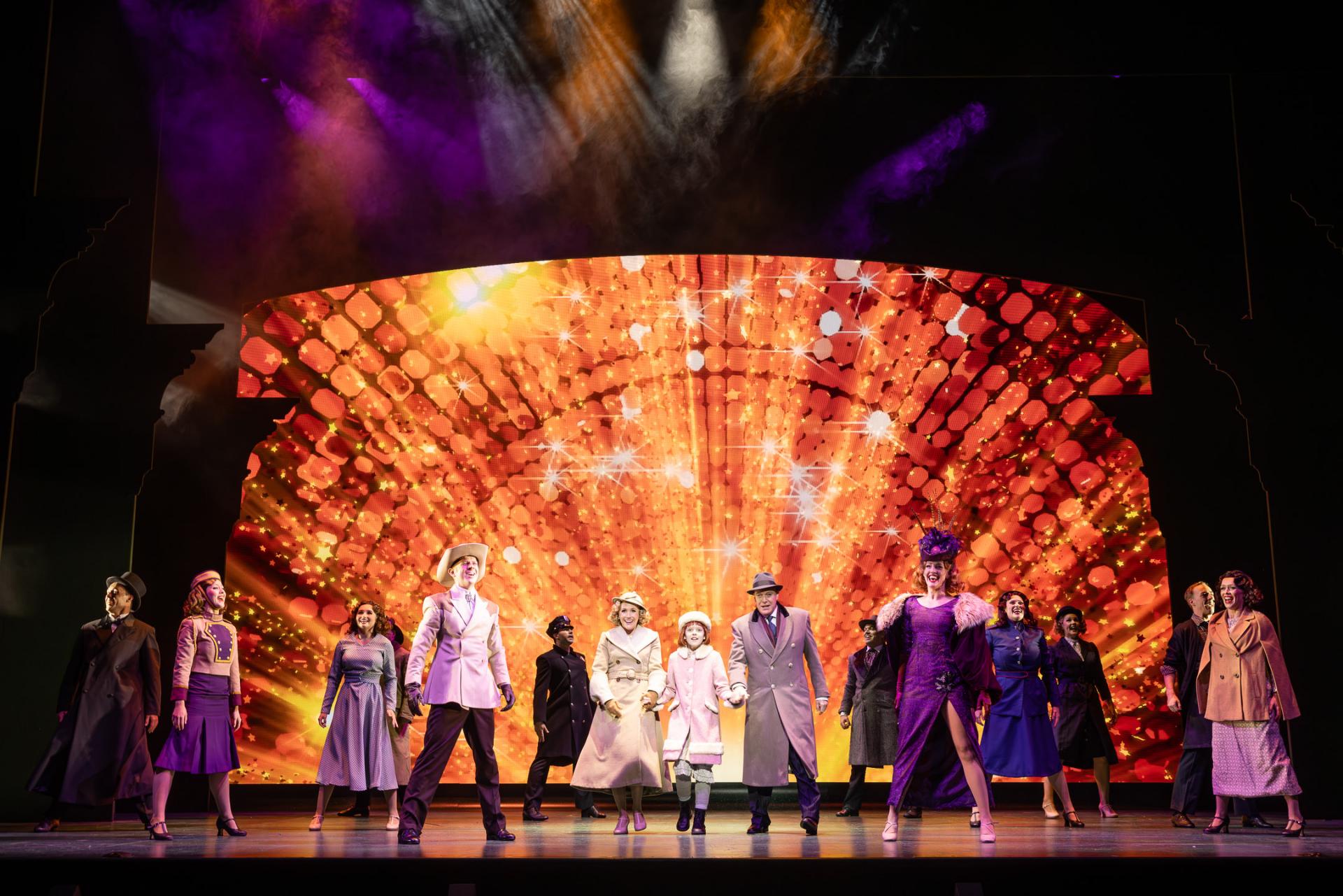
Originally an album of songs about the Passion, and one of the first rock operas to be written, Jesus Christ Superstar by Andrew Lloyd Webber and Tim Rice has travelled a long way from its conception in 1970. What had been deemed irreligious and controversial, has become unremarkable, due mainly to the steady rise of secularism over the decades. 

The performative intensity and drama of God’s only son being killed by crucifixion, seems almost quaint in today’s climate. This iteration fuses the musical and concert formats, for a compact showcase of Lloyd Webber and Rice’s songs, as directed by Timothy Sheader, whose rendition feels entirely faithful to the work’s initial spirit. There may be nothing surprising about the production, but the lustre of its song writing seems to have persisted, especially with extraordinary musical direction by Laura Tipoki imbuing a timeless soul edge, that connects wonderfully our contemporary sensibilities to these half-century old tunes.

Performer Michael Paynter’s vocals prove a sensation for the role of Jesus, but it is Javon King as Judas who leaves the best impression, with both acting and singing abilities being a source of constant astonishment. Mahalia Barnes and Peter Murphy sing perfectly their respective parts for Mary and Pilate, but characterisations are lacking. Reuben Kaye appears as Herod for a single number, introducing a moment of camp that is certainly a highlight.

Aside from Herod’s costume which is unequivocally spectacular, production design by Tom Scutt is somewhat underwhelming, with a setting that creates awkwardly inconvenient divisions of space for the ensemble. Choreography by Drew McOnie too is often inelegant and overzealous, in a show we learn to be one that sounds much better than it looks. There is perhaps a satisfaction in discovering that the songs of Jesus Christ Superstar have, by and large, stood the test of time, but it is unclear whether any staging could live up to the power of its heyday.

www.jesuschristsuperstarmusical.com.au

Review: The Inheritance (Seymour Centre)

Venue: Seymour Centre, Reginald Theatre (Chippendale NSW), Nov 7 – Dec 8, 2024
Playwright: Matthew López (inspired by the novel Howards End by E.M. Forster)
Director: Shane Anthony
Cast: John Adam, Simon Burke, Vanessa Downing, Teale Howie, Ryan Panizza, Tom Rodgers, Zoran Jevtic, Quinton Rofail Rich, Matthew McDonald, Elijah Williams, Jack Mitsch, Bayley Prendergast, Jack Richardson
Images by Phil Erbacher

Theatre review
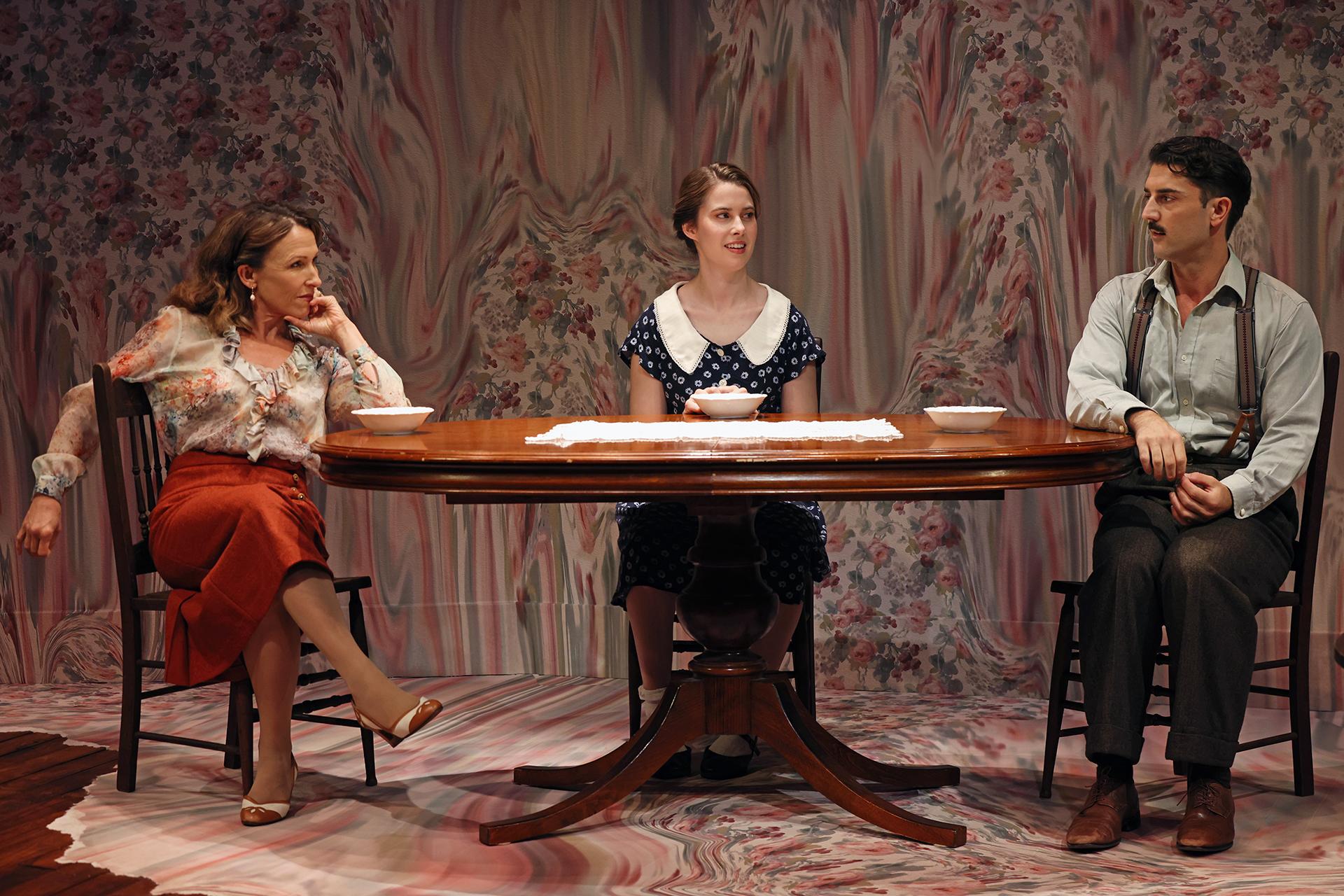
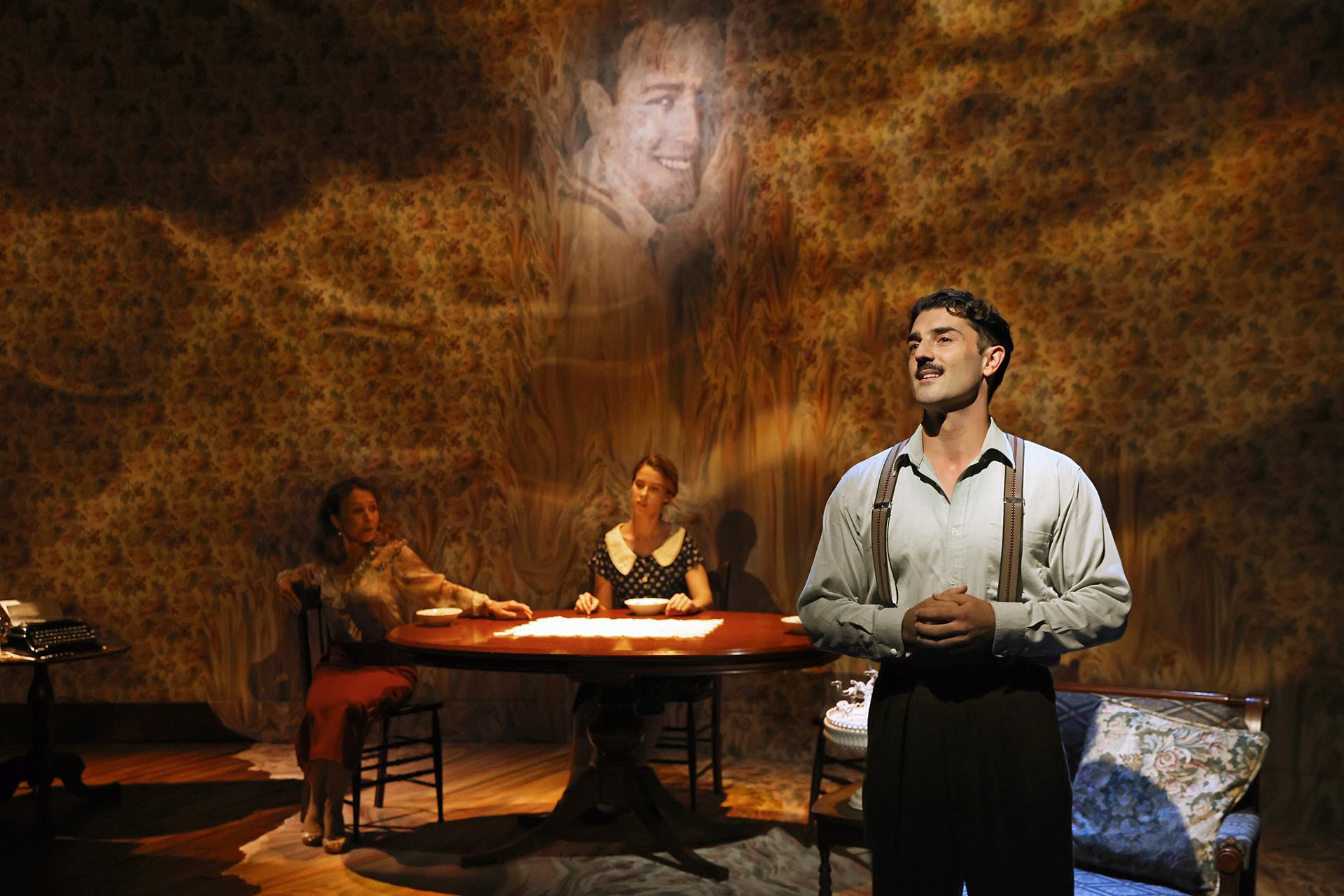
Walter has bequeathed his house in upstate New York, to Eric. They had been neighbours in Manhattan who had connected on a deep level, with both being of a similar giving nature, and both in relationships with troubled men. The Inheritance by Matthew López talks about the legacy that exists between generations of gay men, and the struggles that bind them. In part a tribute to E.M. Forster and his novel Howards End, López’s creation is a grand, sprawling tale with ambitions to encapsulate the experiences of gay men as individuals and as collectives. It has a tendency to veer into didacticism, but its characters and narratives are gripping, with an abundance of brilliantly crafted humour and pathos to have us invested, for its lengthy duration of over six hours.

Striking a fine balance between earnestness and levity, direction by Shane Anthony is as enjoyable as it is provocative, always able to have us intellectually stimulated, even as it lulls us into its underscoring romanticism. Replete with passion, The Inheritance bears a seductive power that never lets up, persistent with its need to say something important, about community and about humanity, to an audience that may be queer or straight, liberal or conservative.

Actor Teale Howie is deeply affecting with his restrained but nonetheless deliberative interpretation of Eric, wonderful at establishing a soulful centre for the structurally complex storytelling that we find ourselves relishing in. Toby is Eric’s prideful boyfriend, played by Ryan Panizza with persuasive vulnerability, and with irresistible charm, to earn our sympathetic understanding of the damage that has come to define his personality.

Simon Burke takes on dual roles, compelling as both Walter and E.M. Forster, offering sensitive representations of gay elders, past and present. Walter’s longtime companion Henry is depicted by an intense John Adam, who brings scintillating drama with every appearance. Also noteworthy is Tom Rodgers, whose fragile presence as younger characters Adam and Leo demands that we regard The Inheritance with an open heart, reminding us that life is delicate, and that some may require more care than others, even if the brutality of homophobia may appear indiscriminate. The show can occasionally feel slightly under-rehearsed, but the ensemble impresses with a wonderful sincerity and tenderness, completely believable with all that they wish to impart.

It is a stylish production, with elegant set design by Kate Beere making effective demarcations of space that convince us of the story’s many locations with minimal fuss. Its beauty is enhanced by Alex Berlage’s exquisite lights, rigorous in their explorations of atmosphere, as they deliver calibrations of hue and luminosity that delight at every turn. Costumes by Tim Chappell may not be consistently flattering, but they certainly demonstrate a distinct aesthetic that reflects clarity of perspective. Music by Damien Lane, along with sounds by Jessica Pizzinga, are sensitively rendered, and deeply enchanting, although greater finesse is required for their implementation.

The staging may have its imperfections, but the way it touches the spirit, is quite extraordinary. Henry cannot bear the painful past, and has cultivated a mechanism of only looking ahead, and pretends that history can be discarded, along with all the hurt that he wishes to leave behind. He represents a kind of survival that seems not to be truly fulfilling, as we see a certain contradiction and betrayal, as he goes against his nature, in order to attain something idealistic, rather than something honest. Gay men need to know their histories, so that they can remember to value their advancements, and in turn be able to elevate the positions of those who are still left behind.

www.seymourcentre.com | www.sugaryrumproductions.com