Review: Till The Stars Come Down (KXT on Broadway)

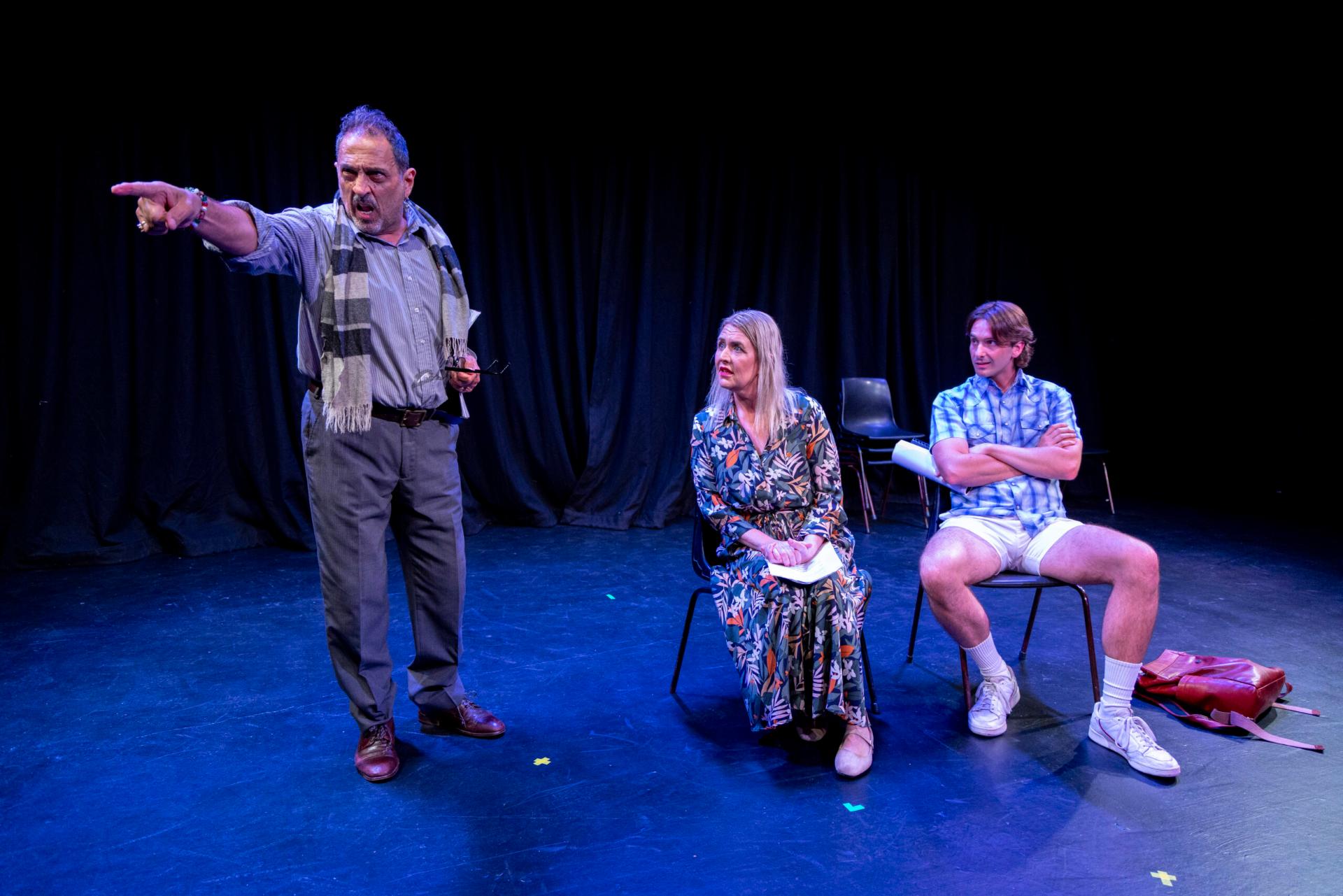
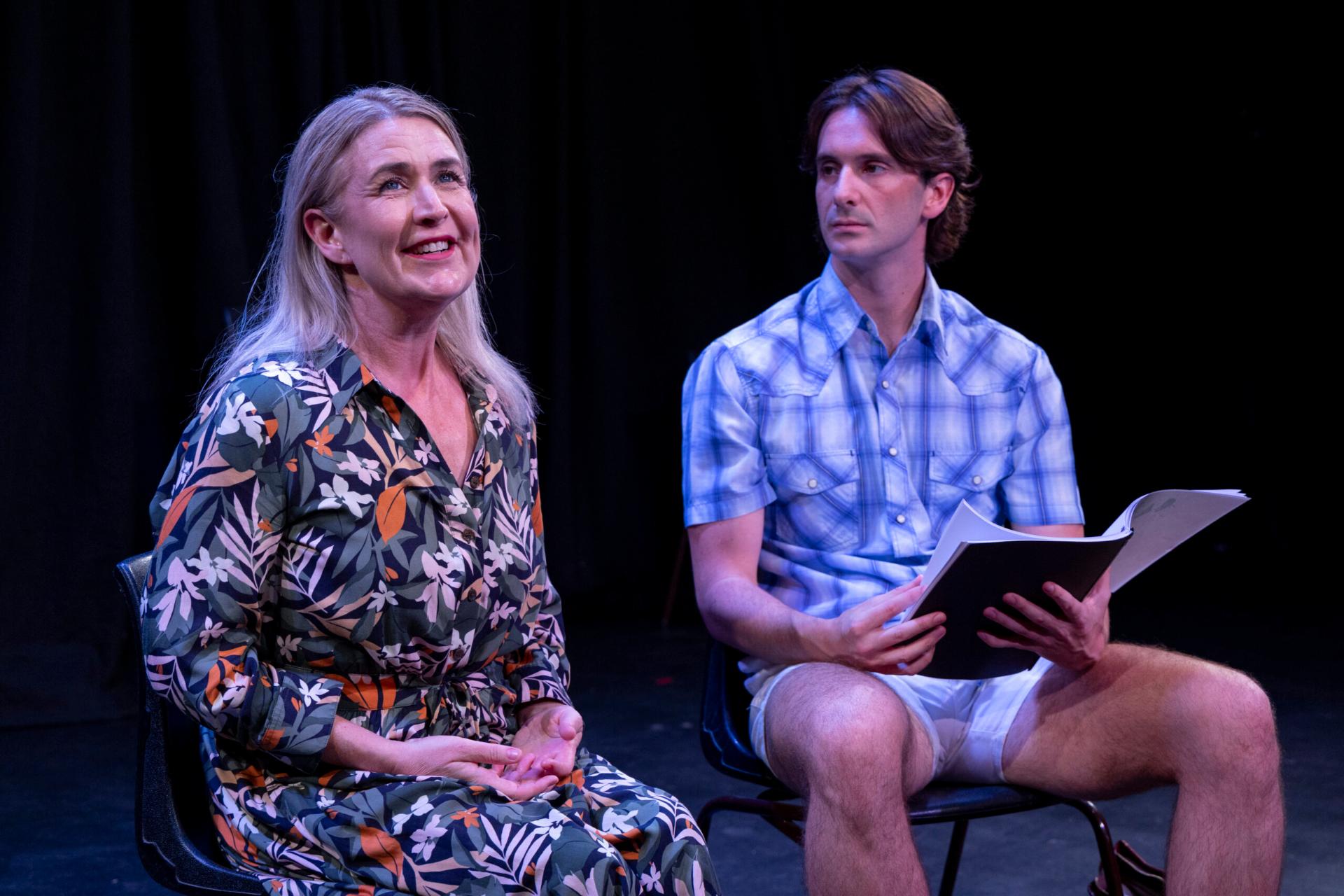
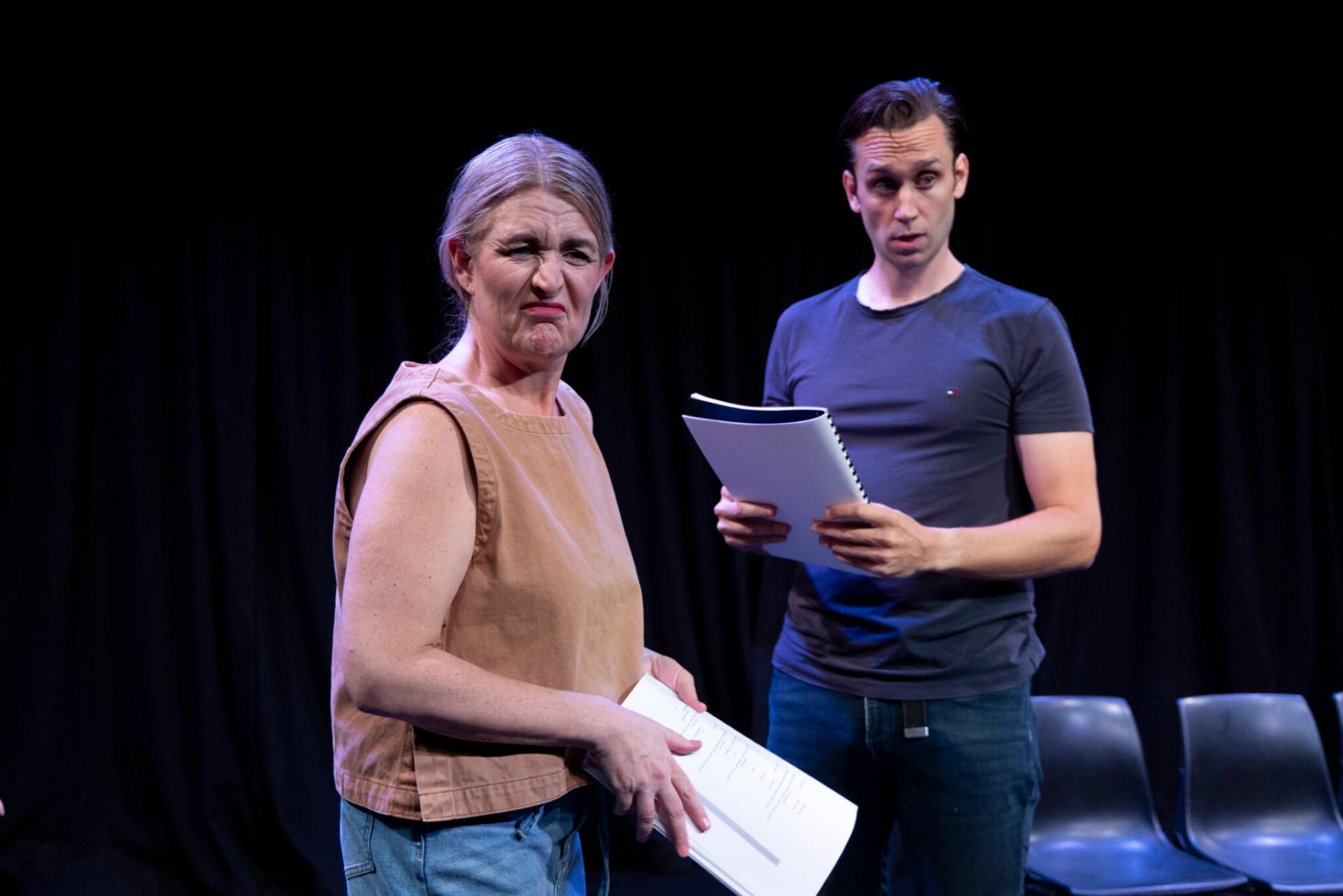
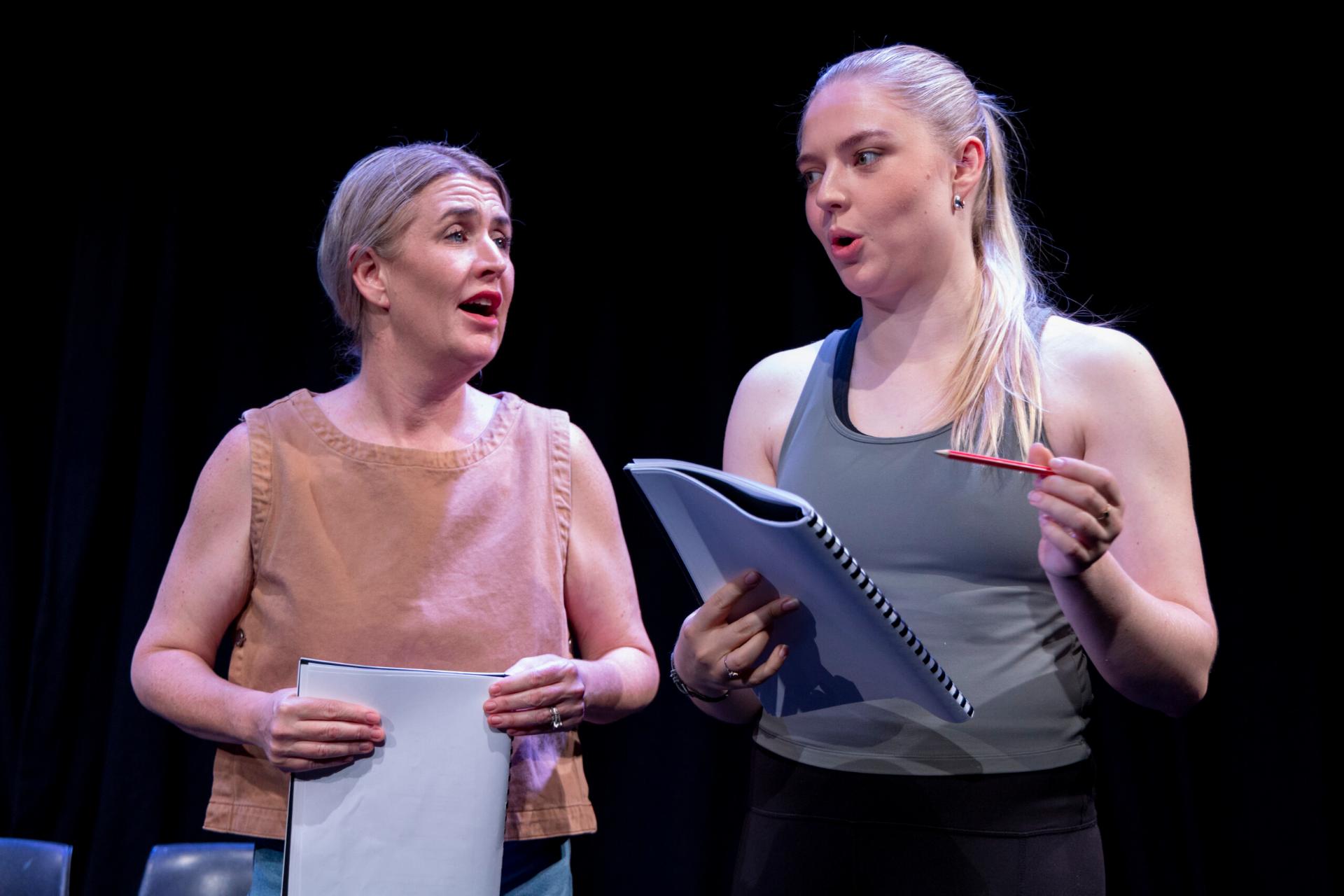
Venue: KXT on Broadway (Ultimo NSW), Mar 27 – Apr 11, 2026
Playwright: Beth Steel
Director: Anthony Skuse
Cast: Jane Angharad, Peter Eyers, Amy Goedecke, Zoran Jevtic, Ainslie McGlynn, Kira McLennan, Brendan Miles, Jo Briant, Imogen Sage, James Smithers
Images by Braiden Toko

Theatre review
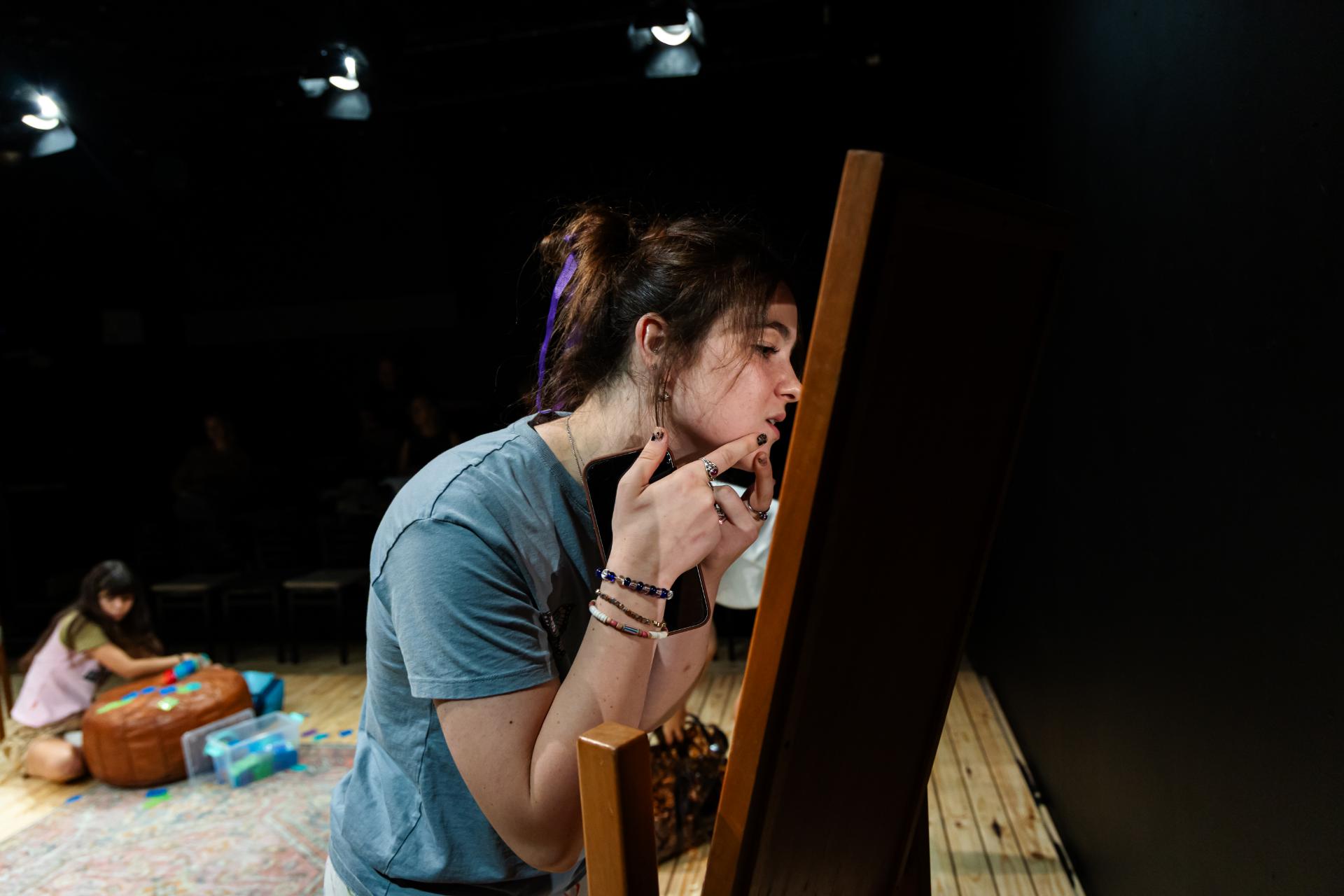
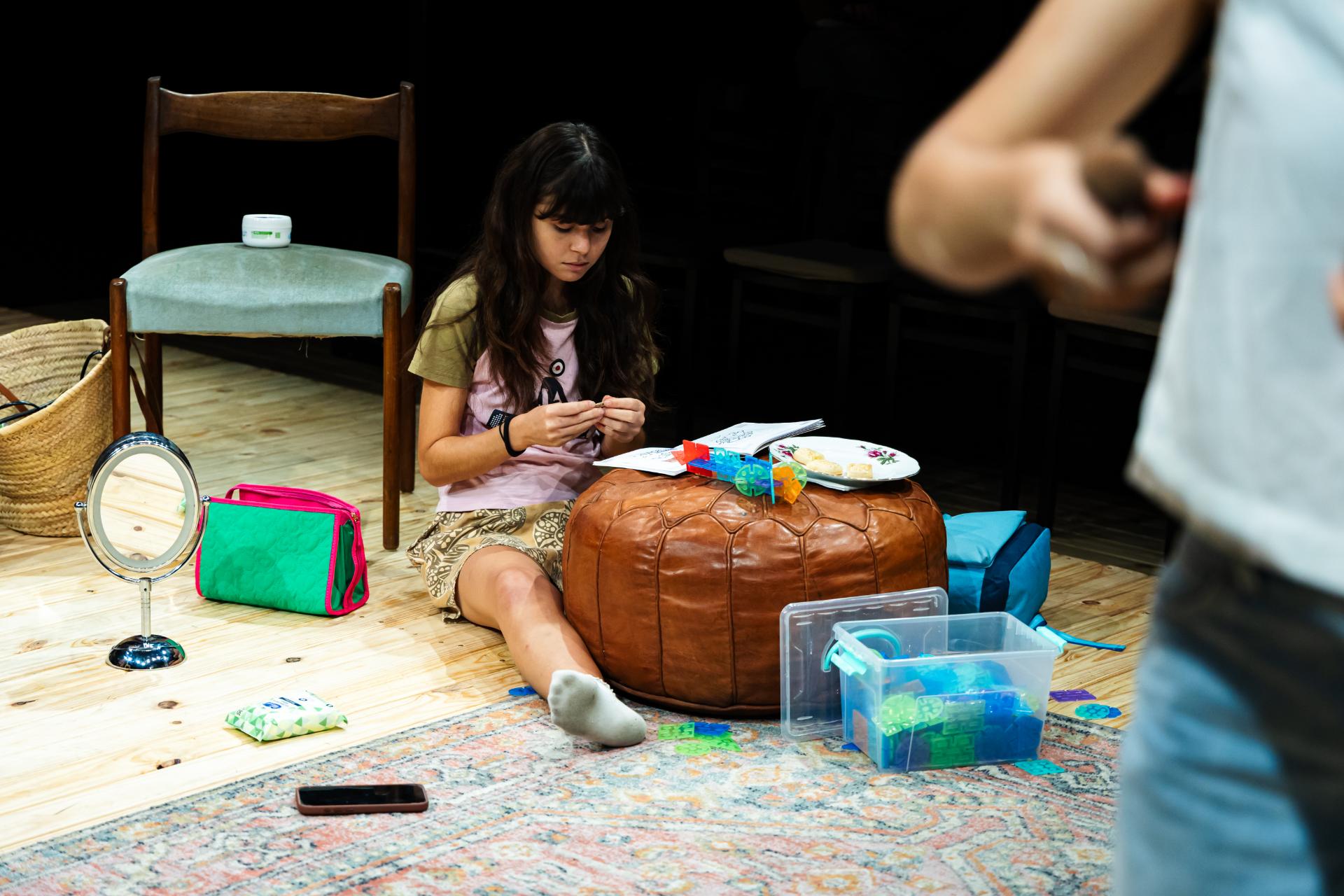
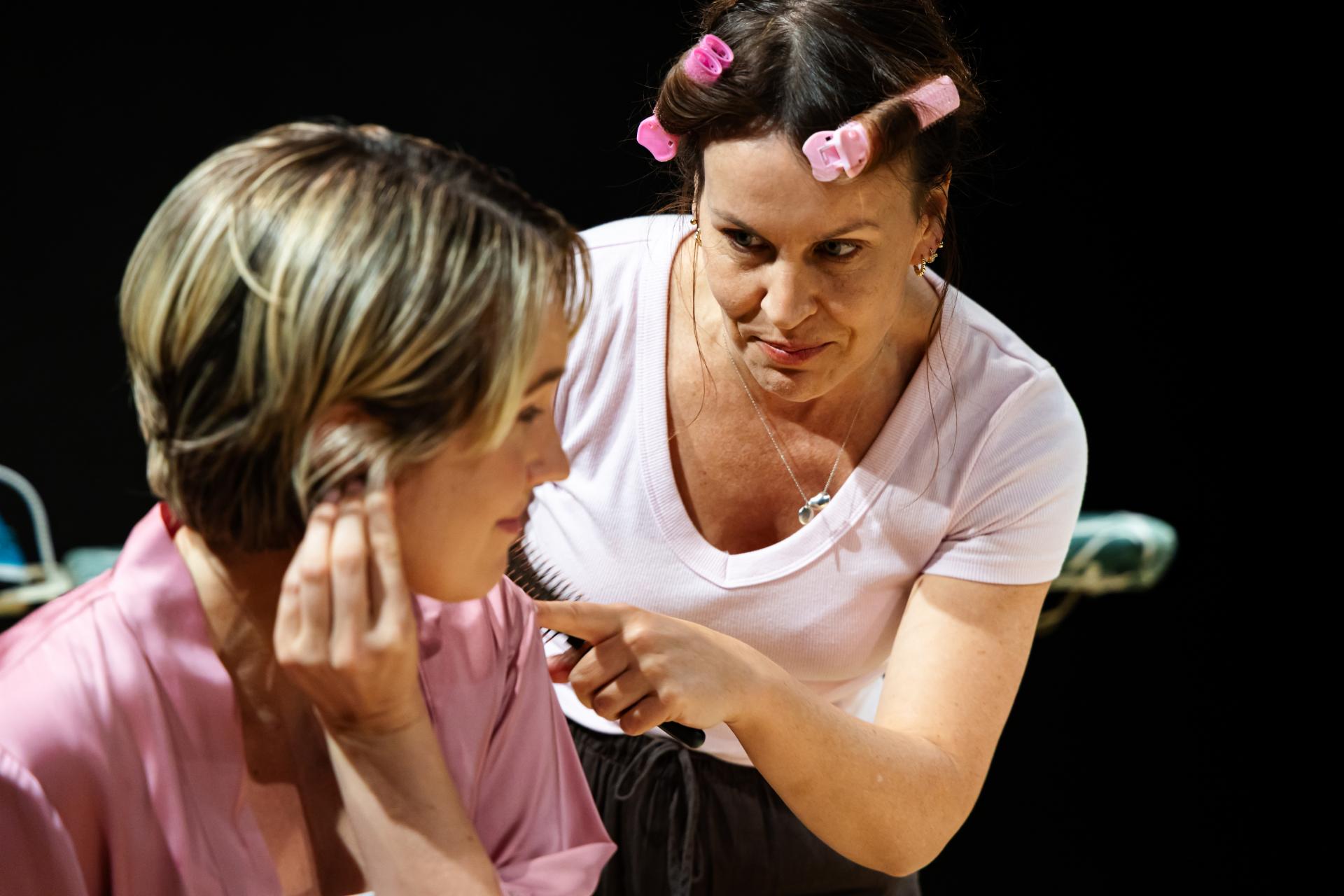
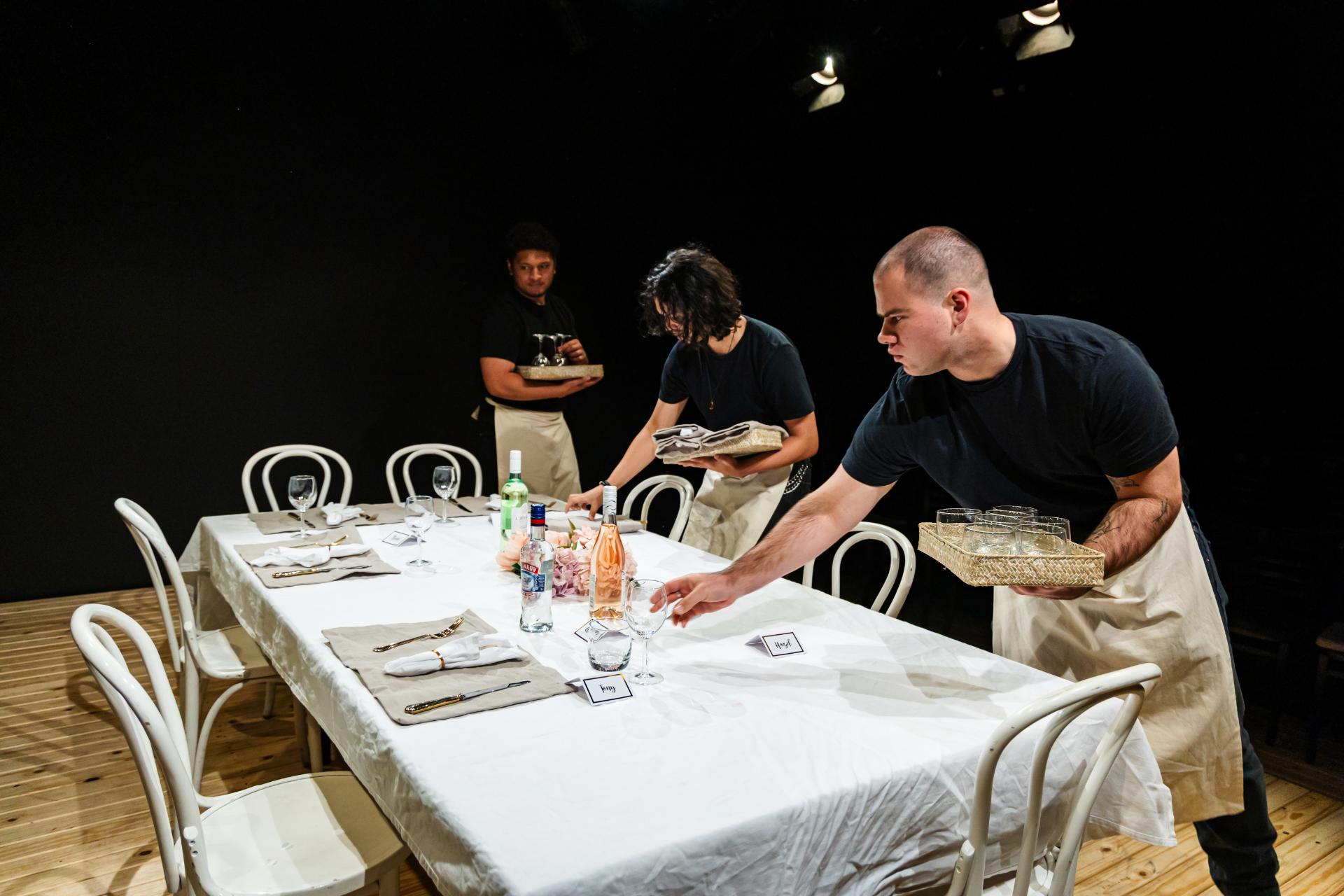
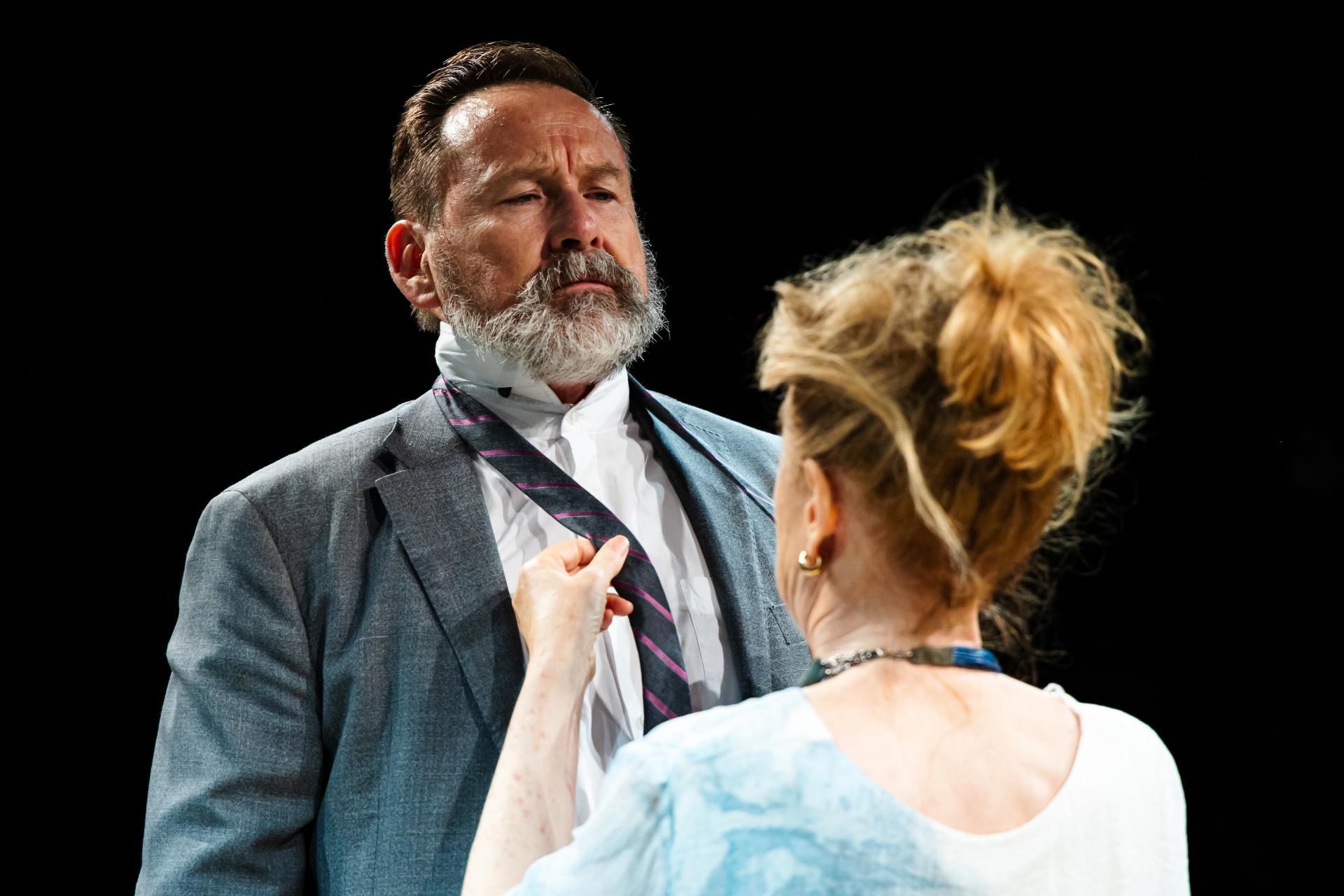
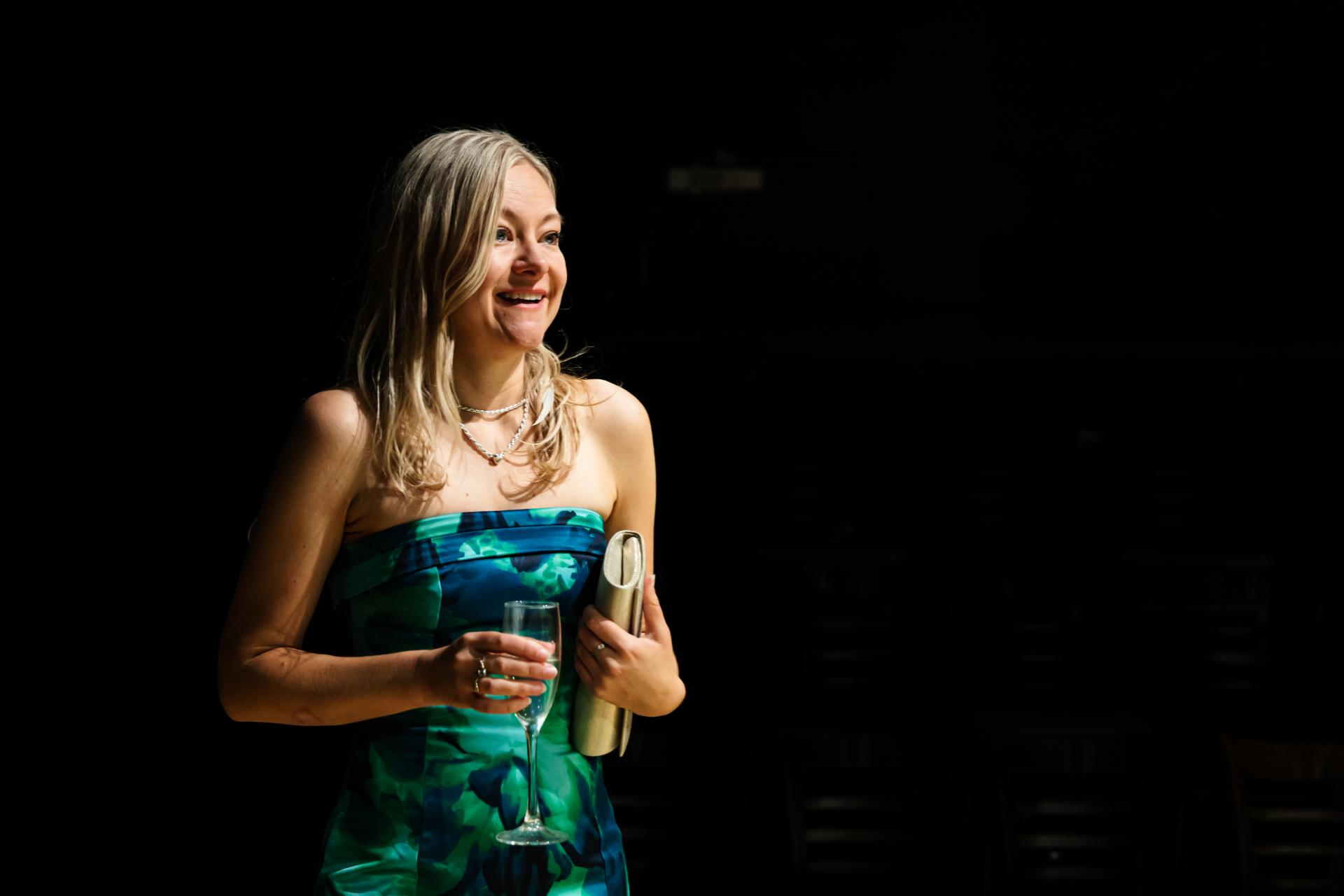
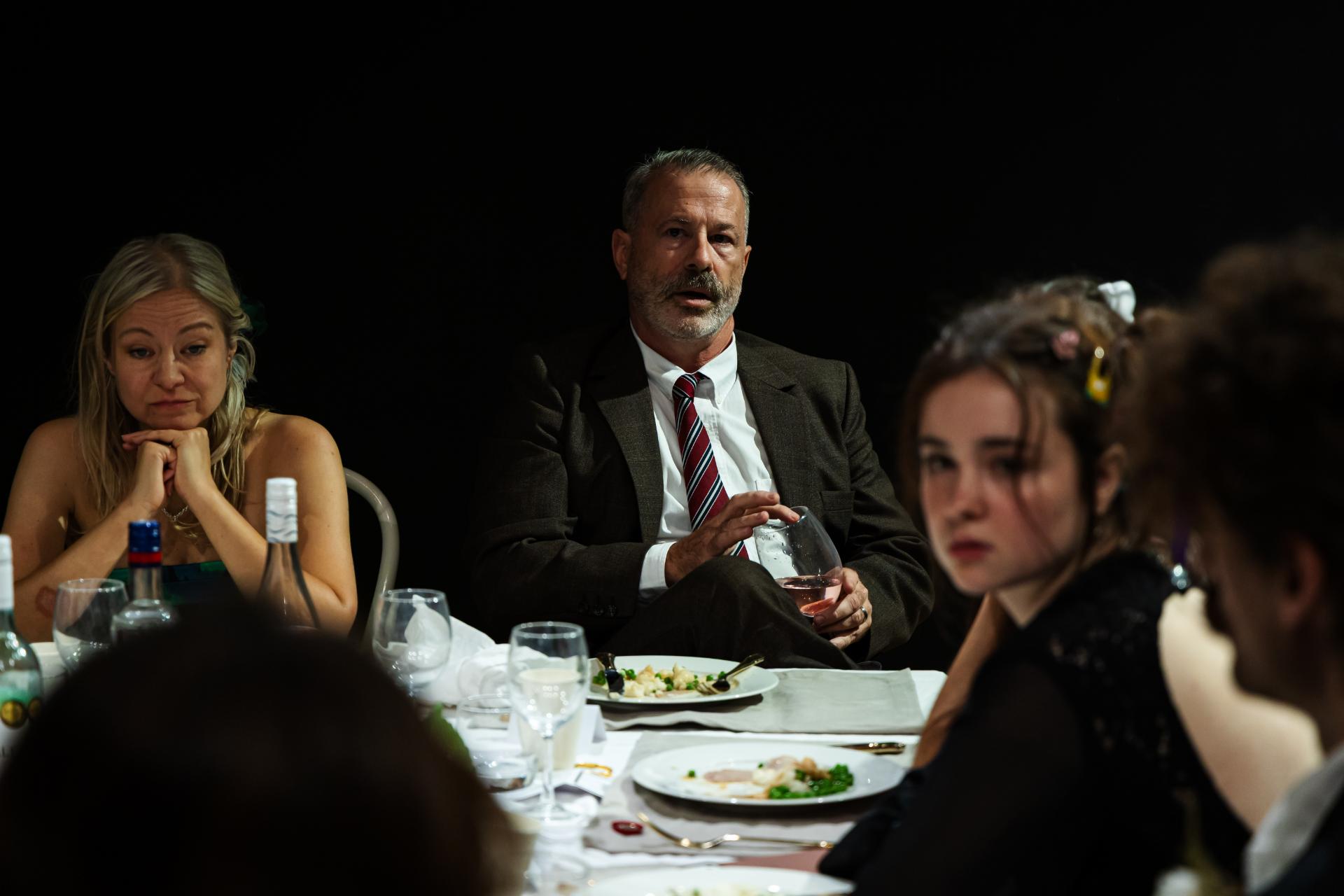
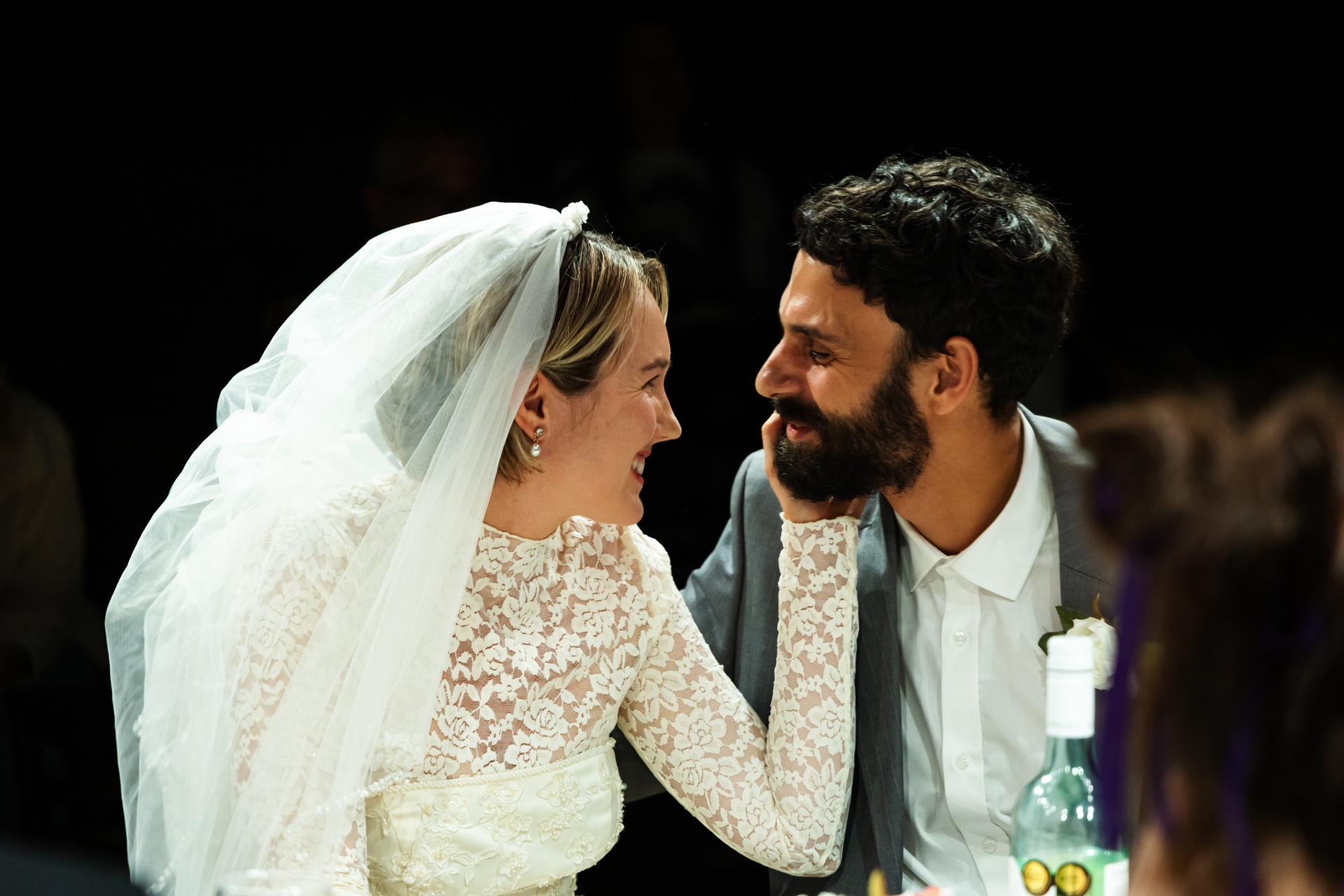
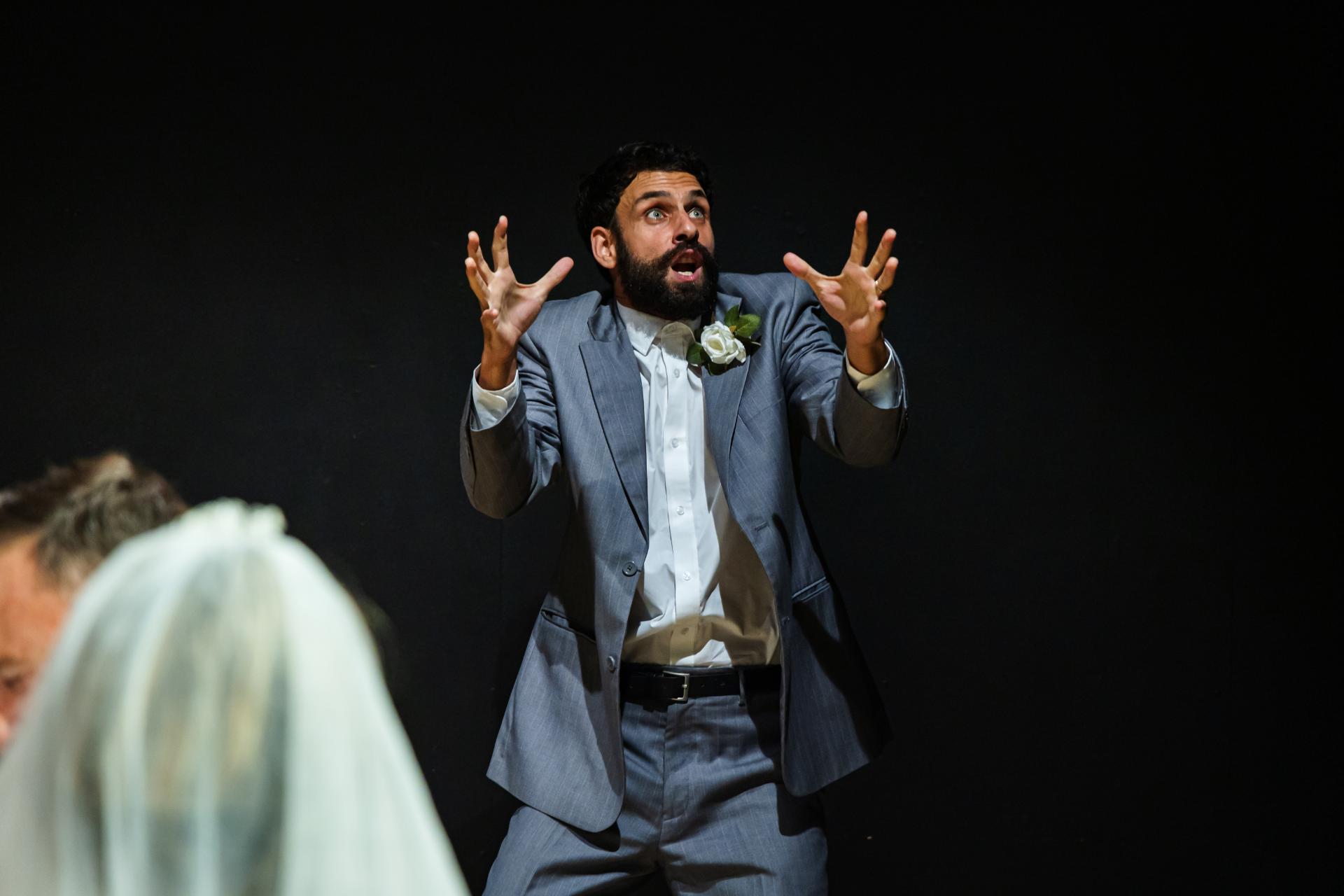
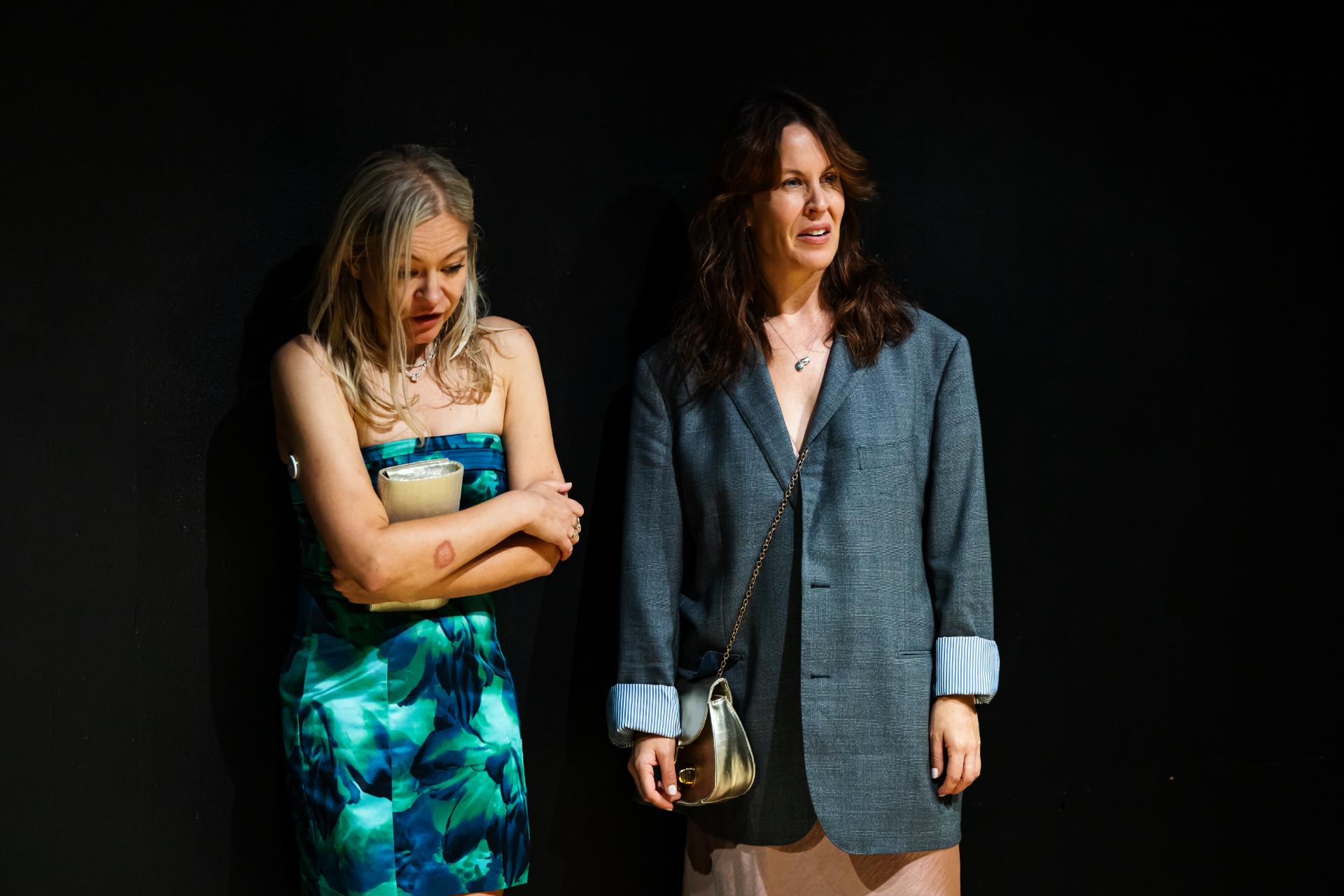
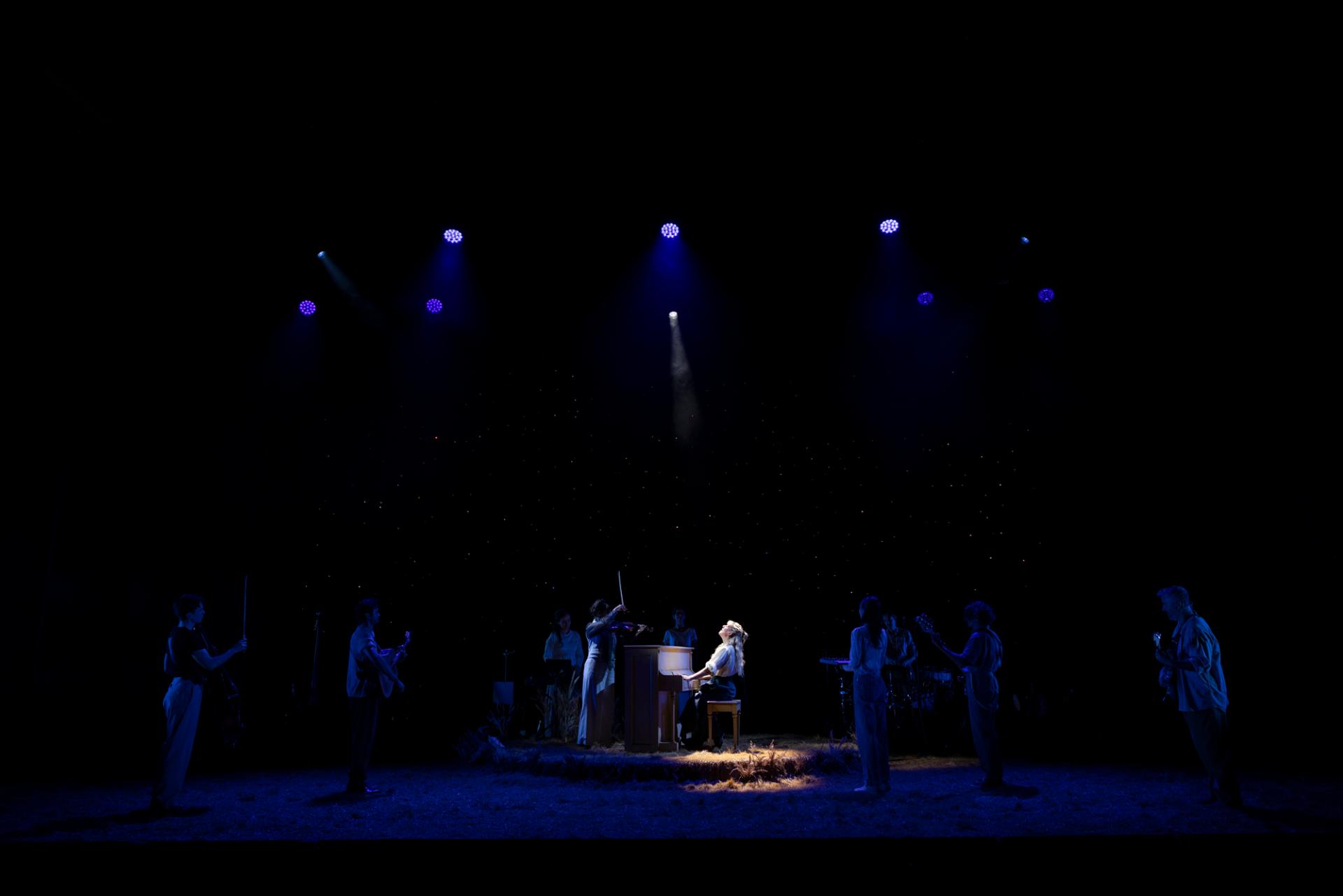
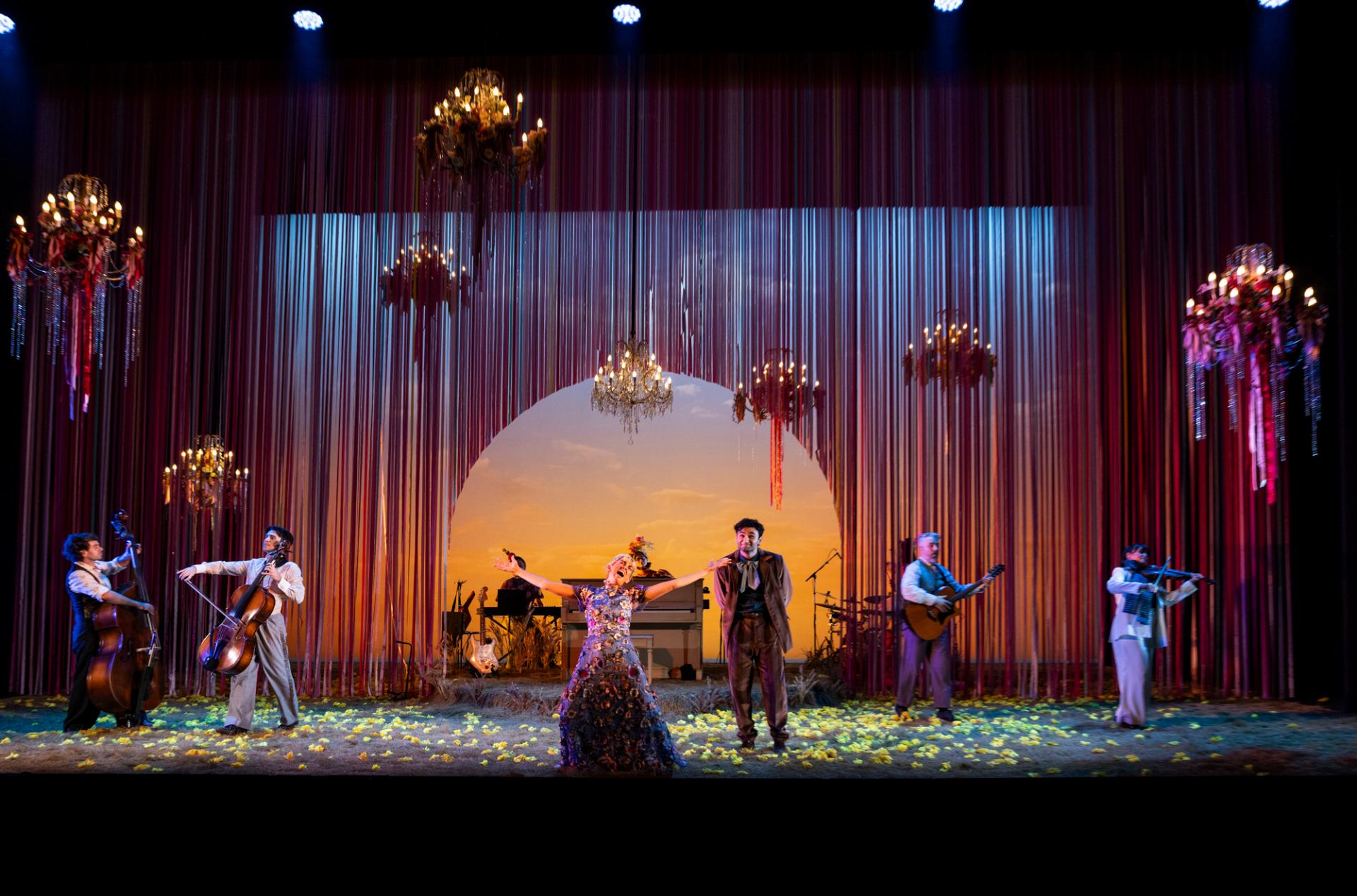
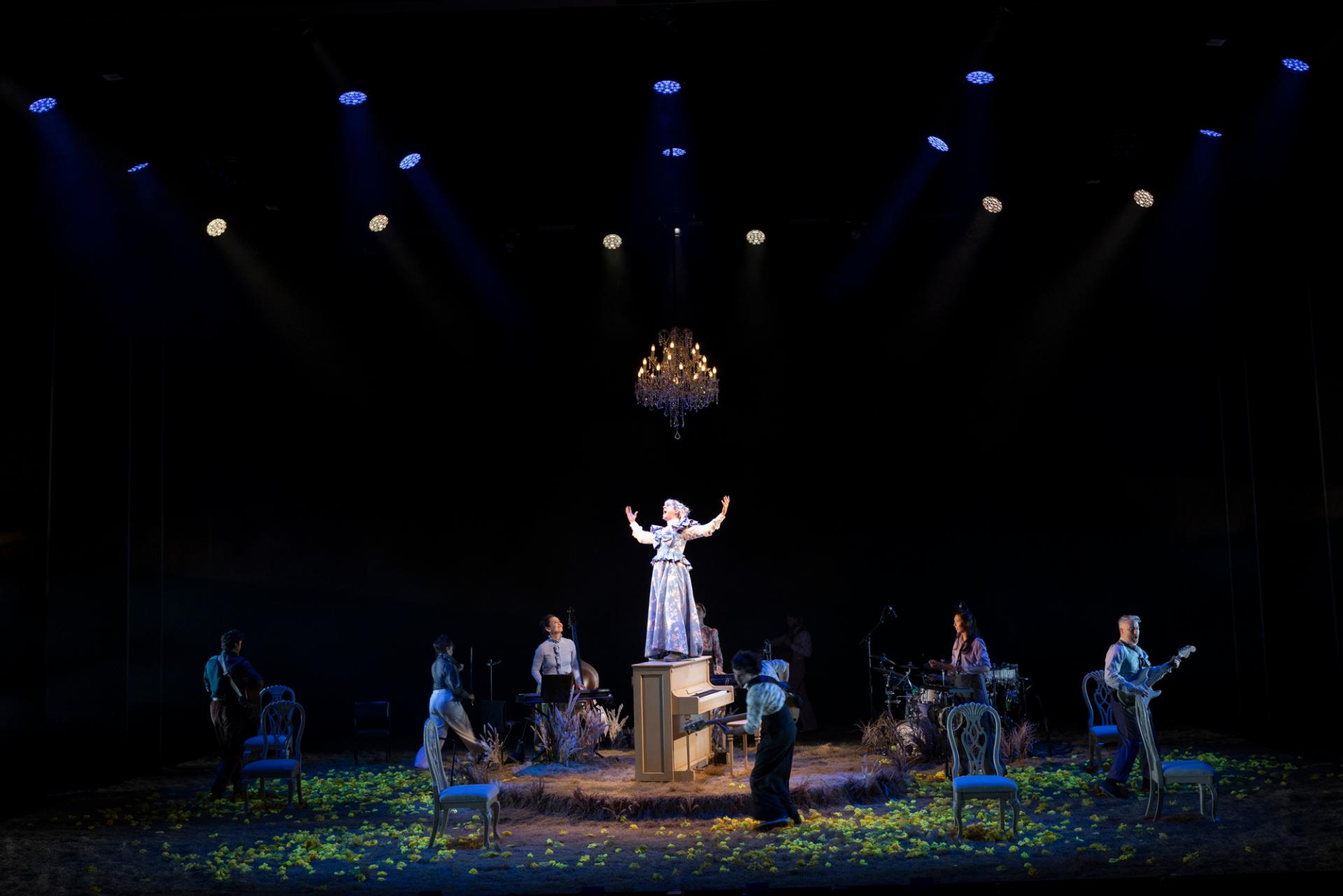
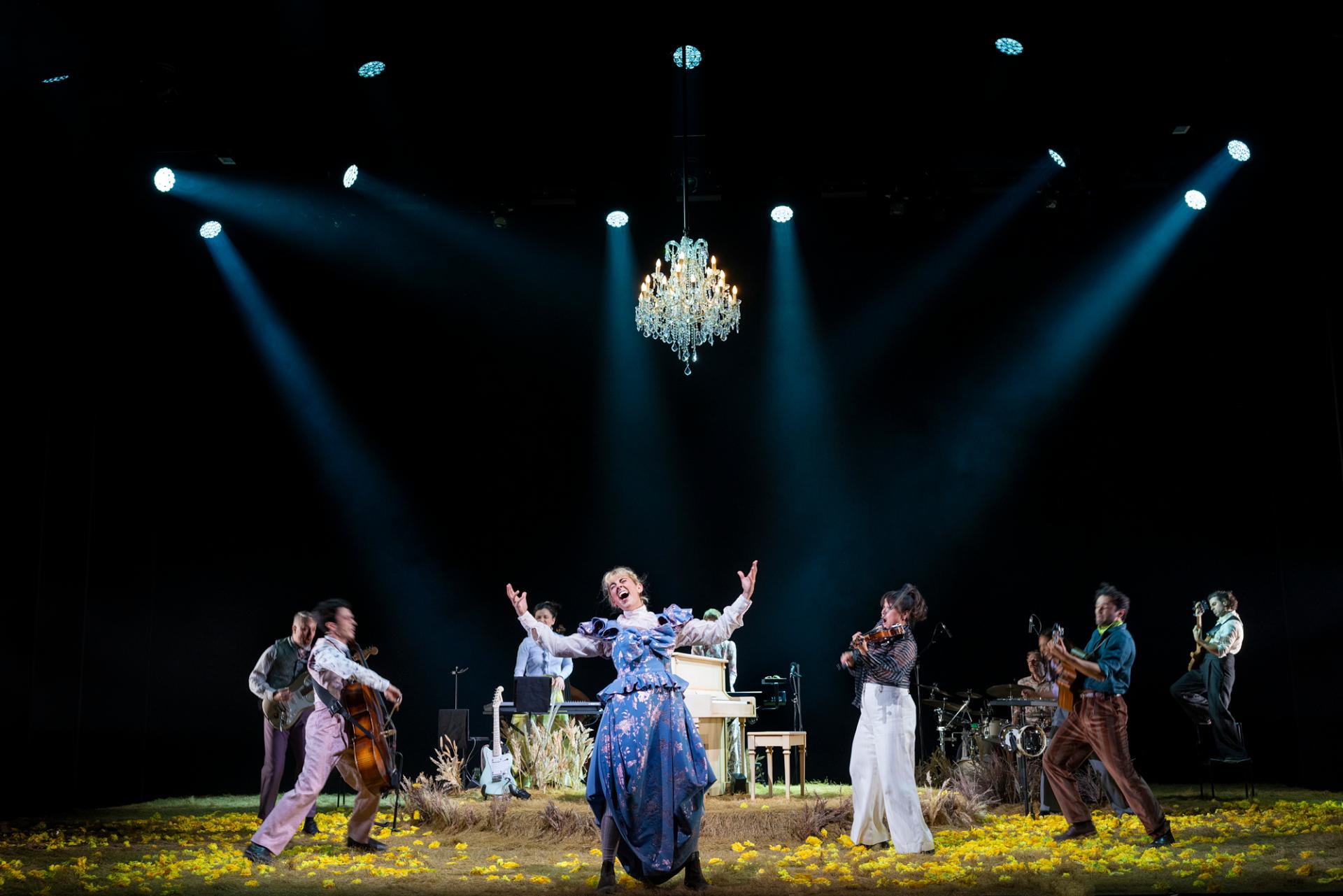
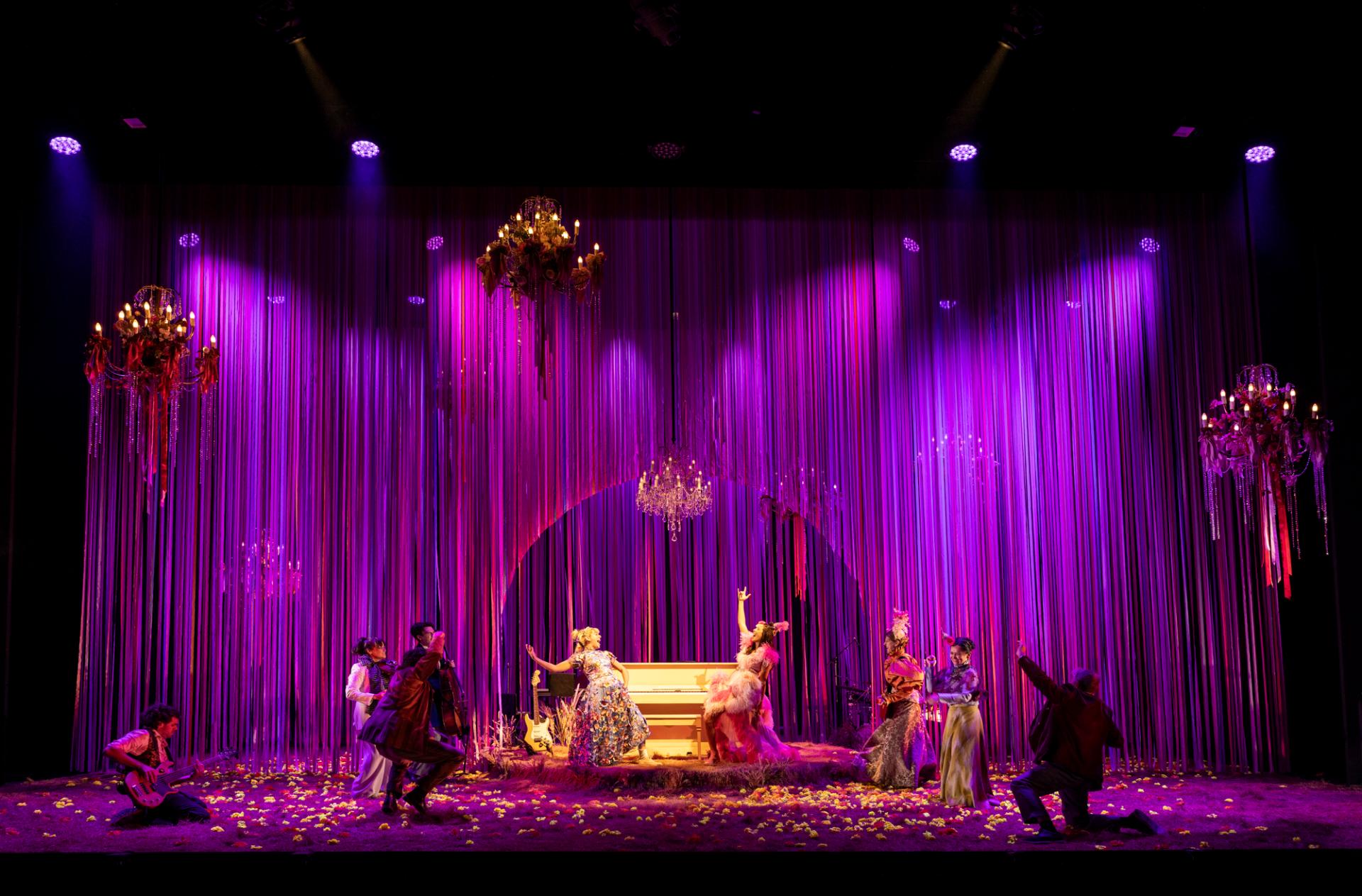
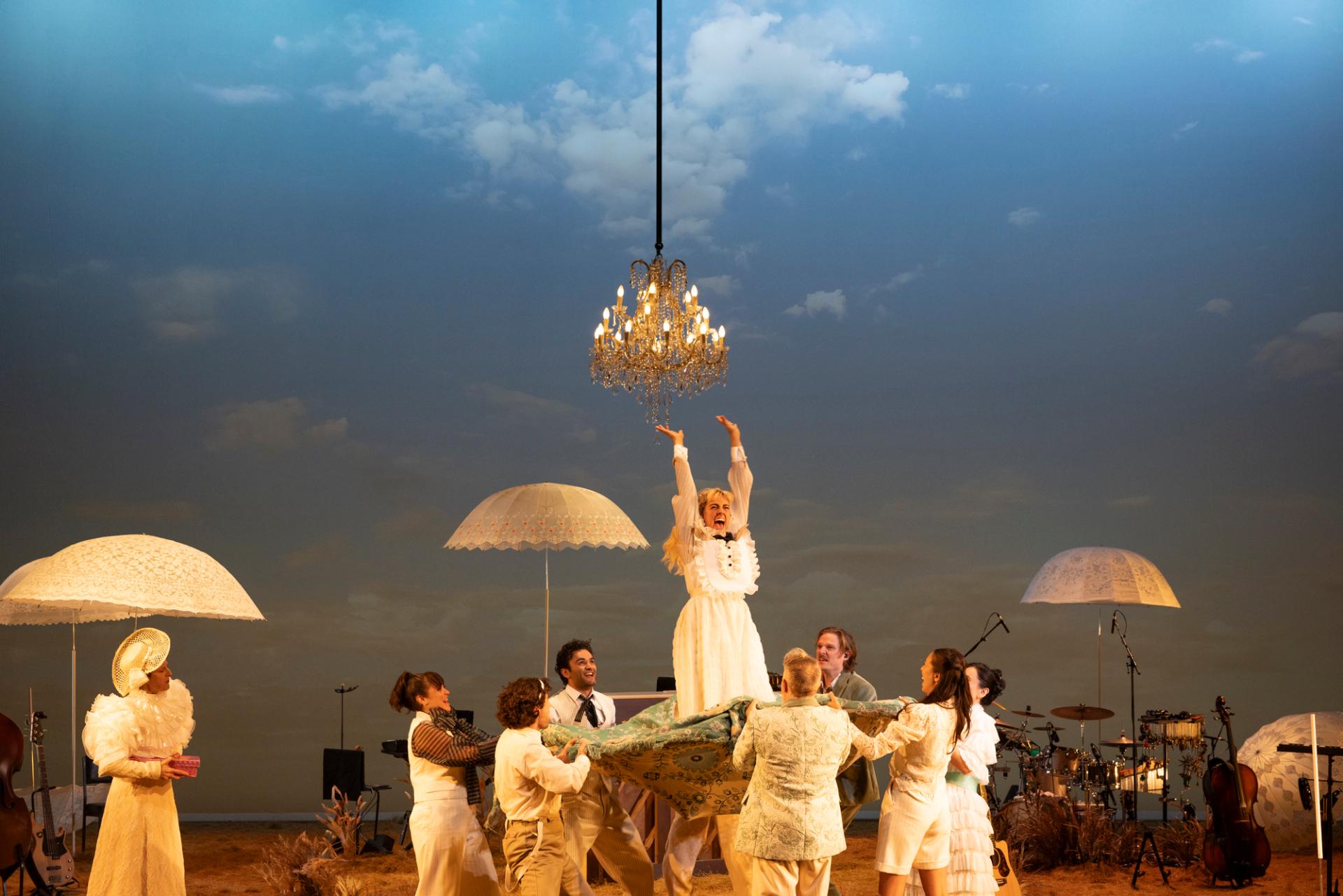
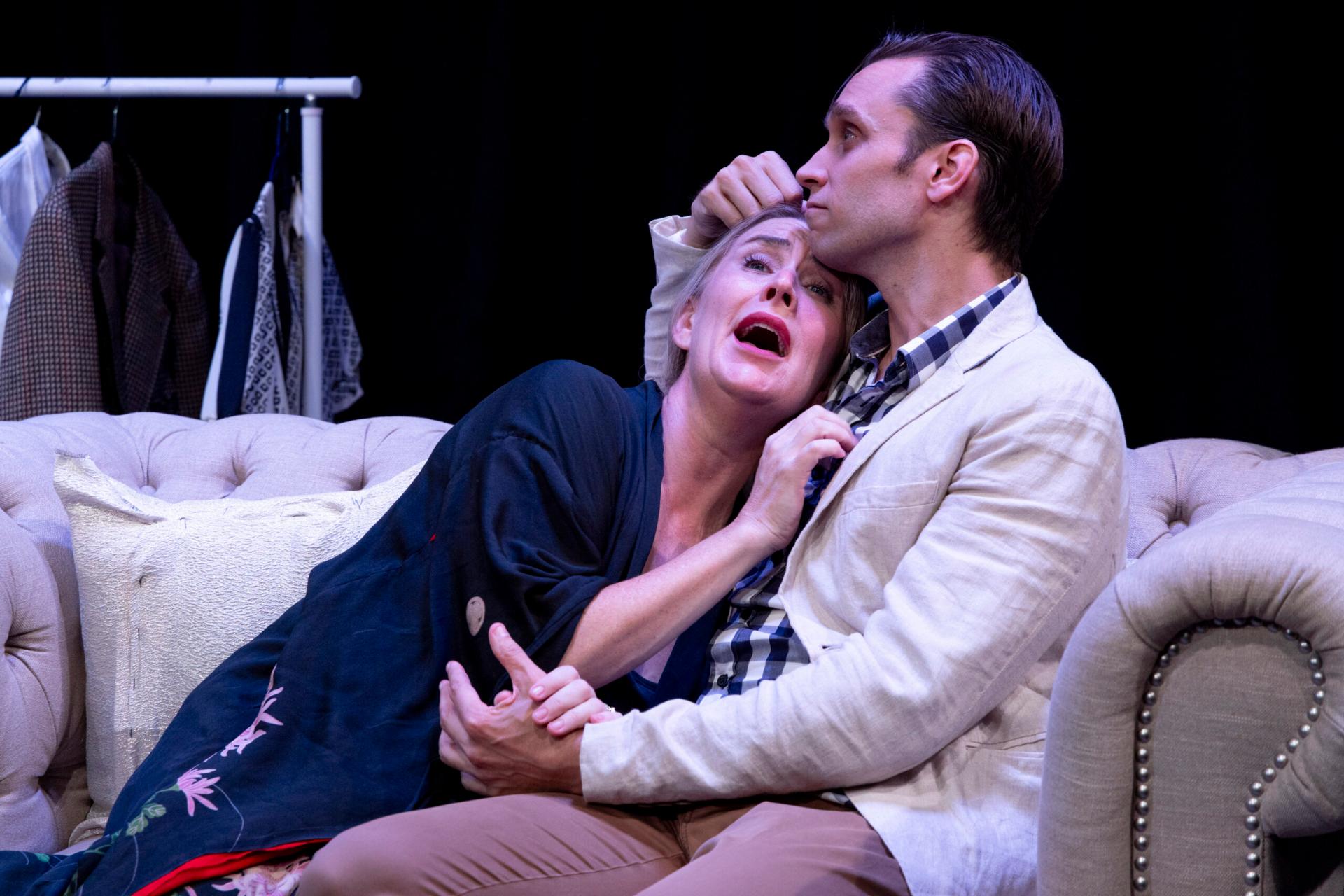
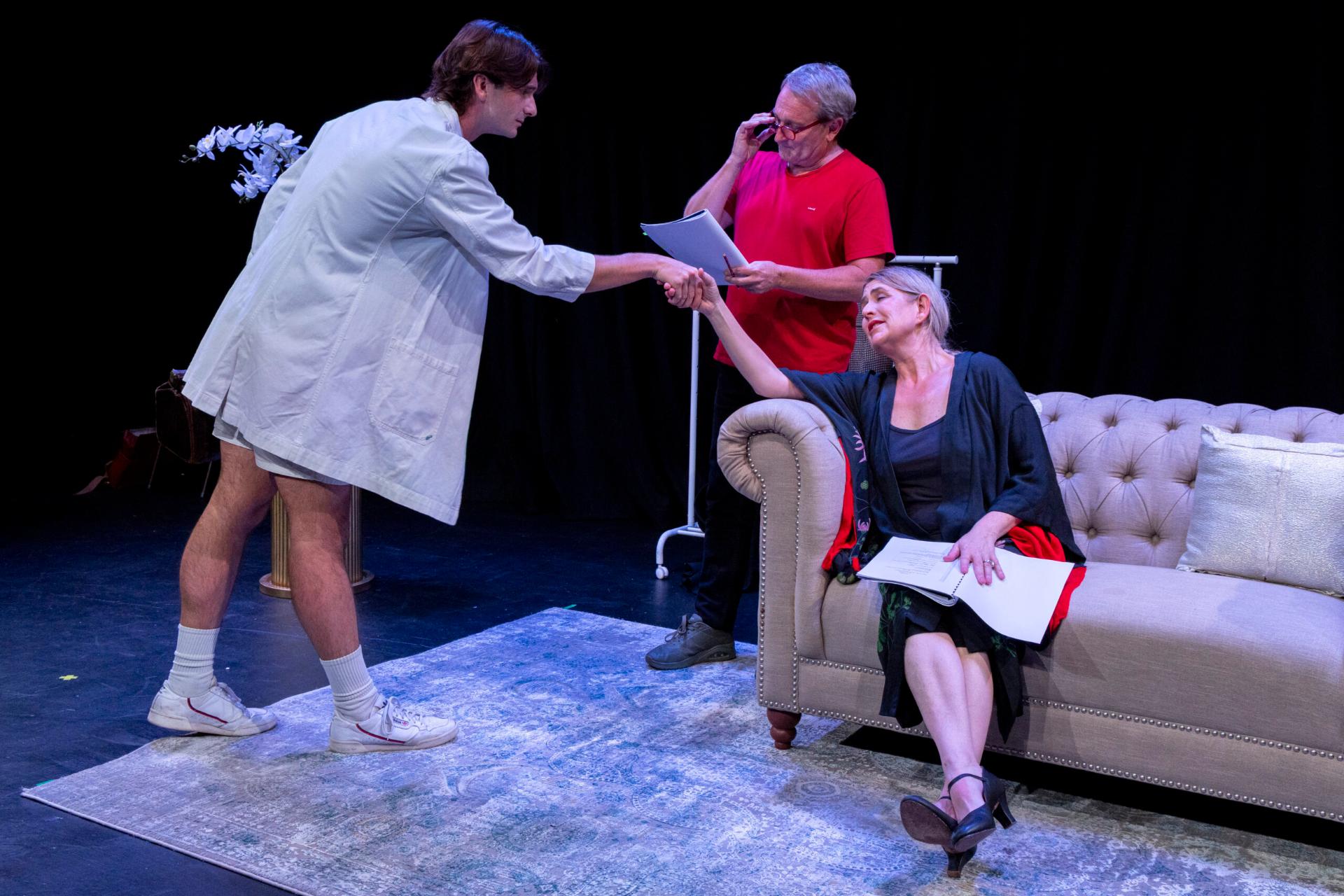
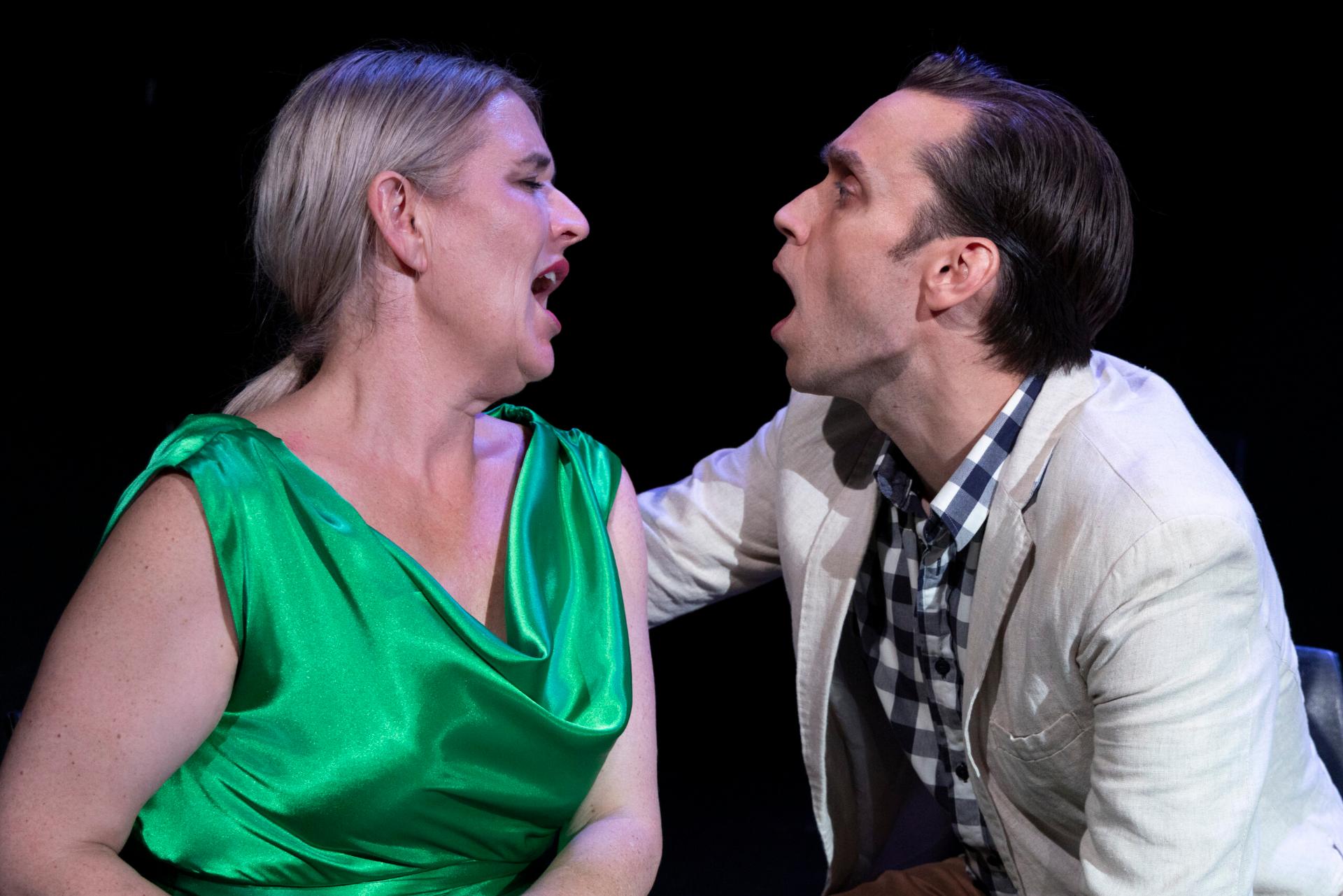
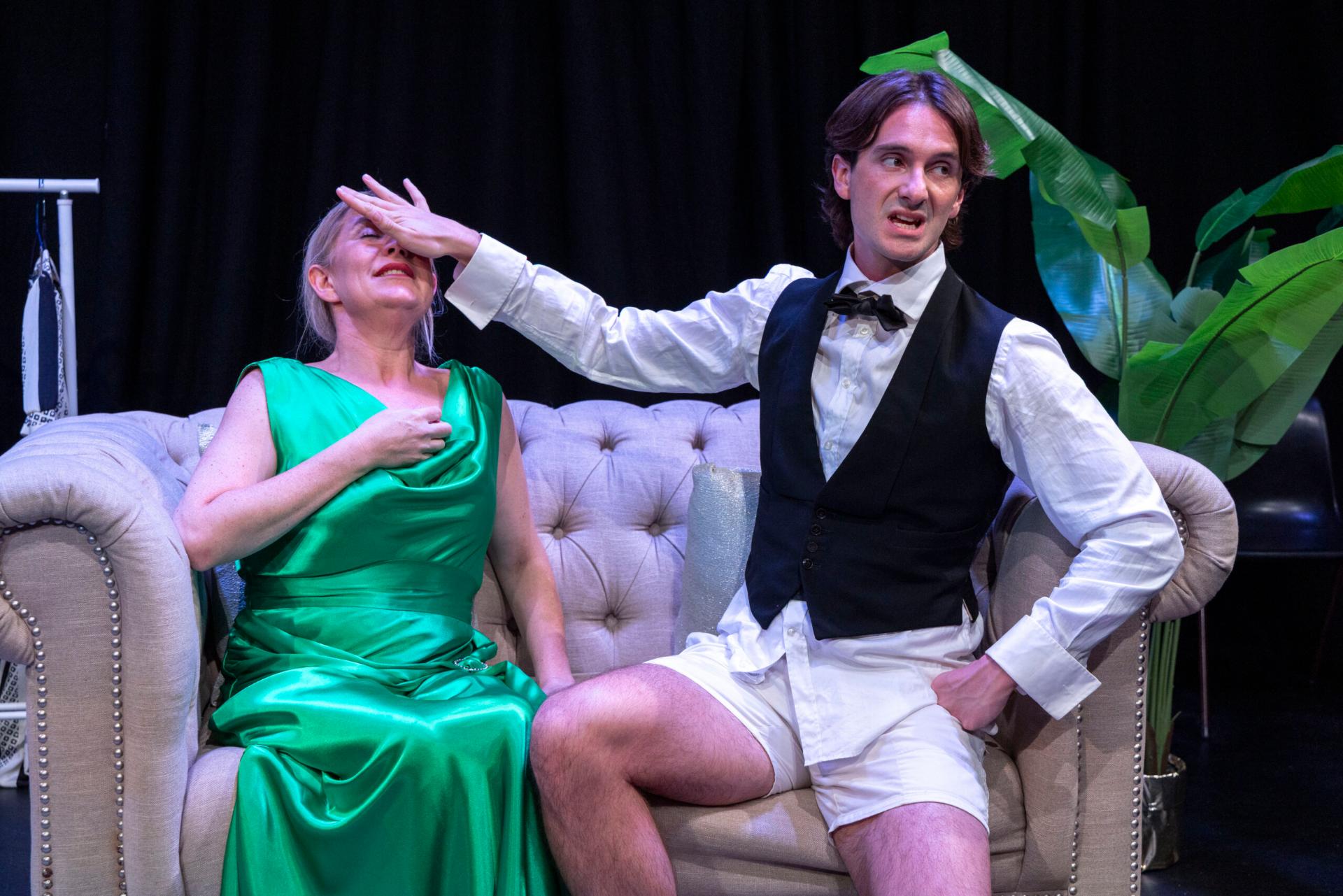
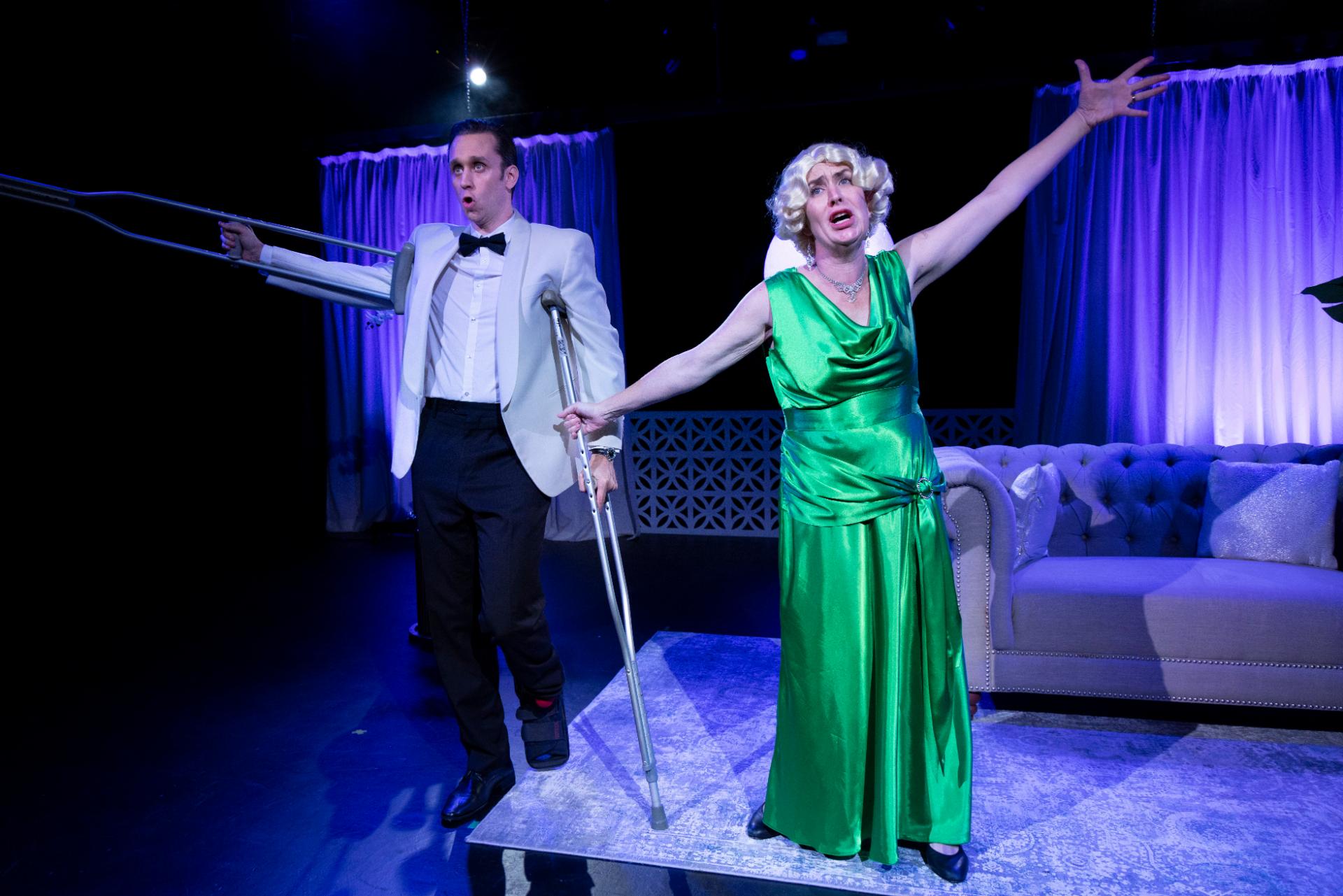
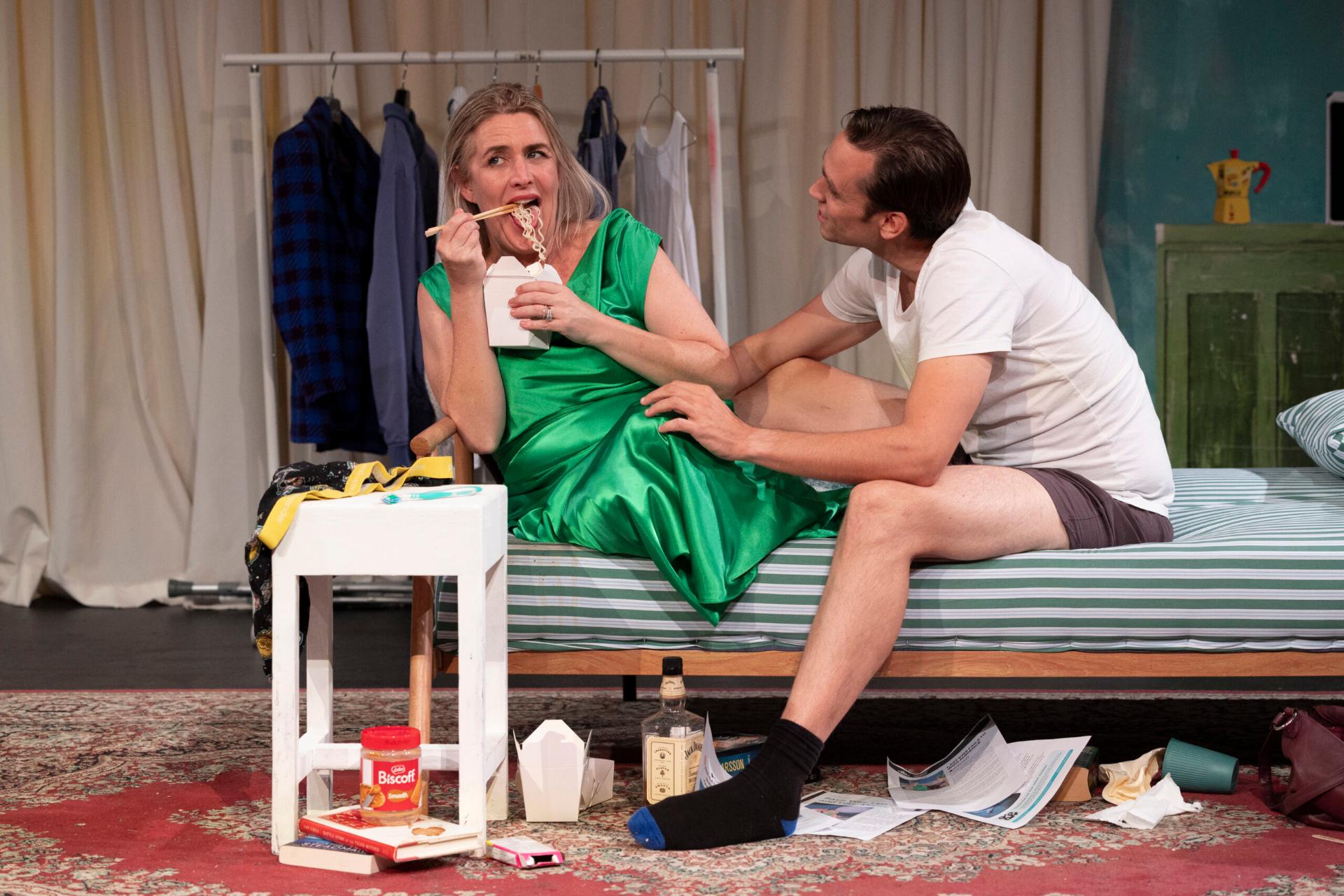
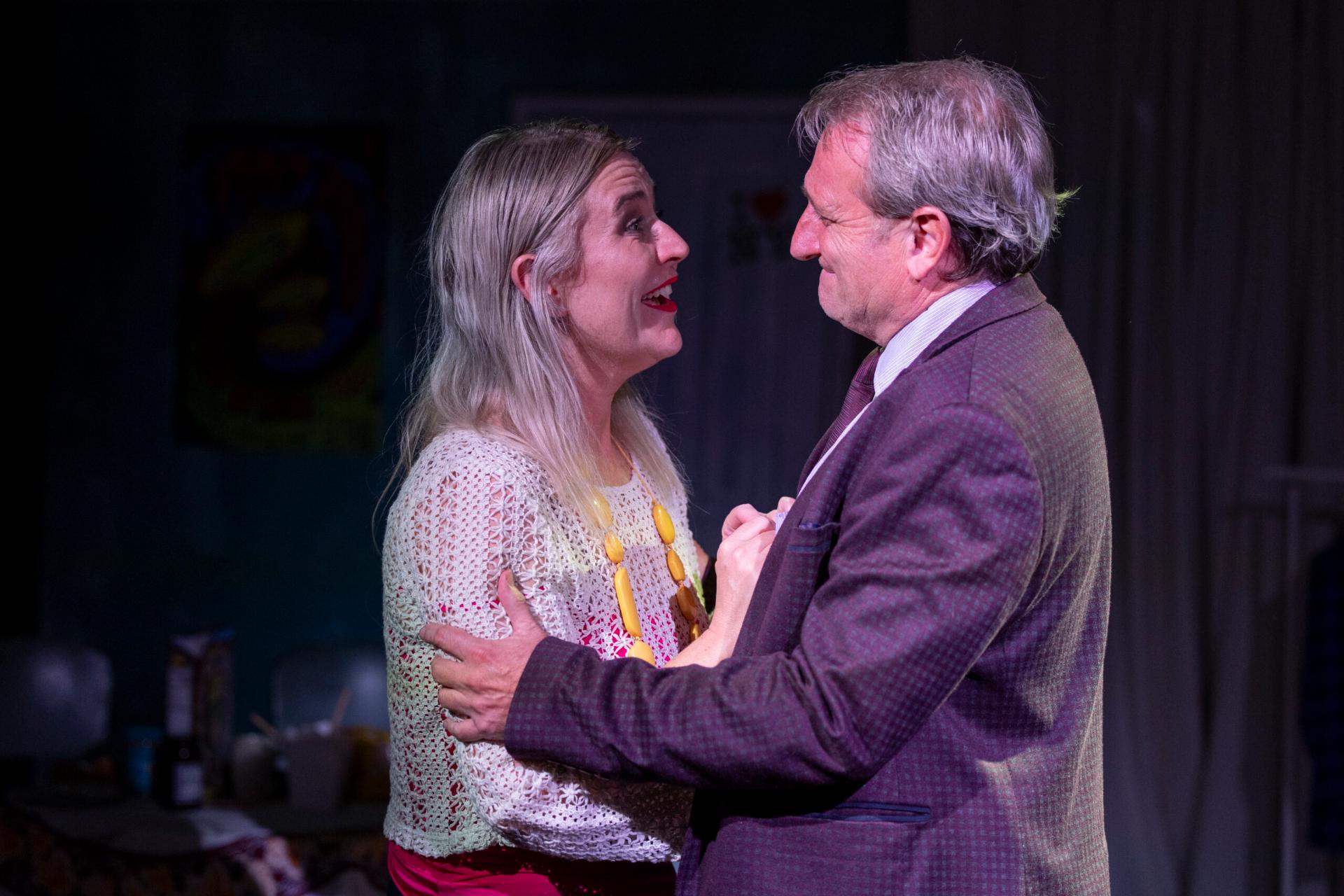
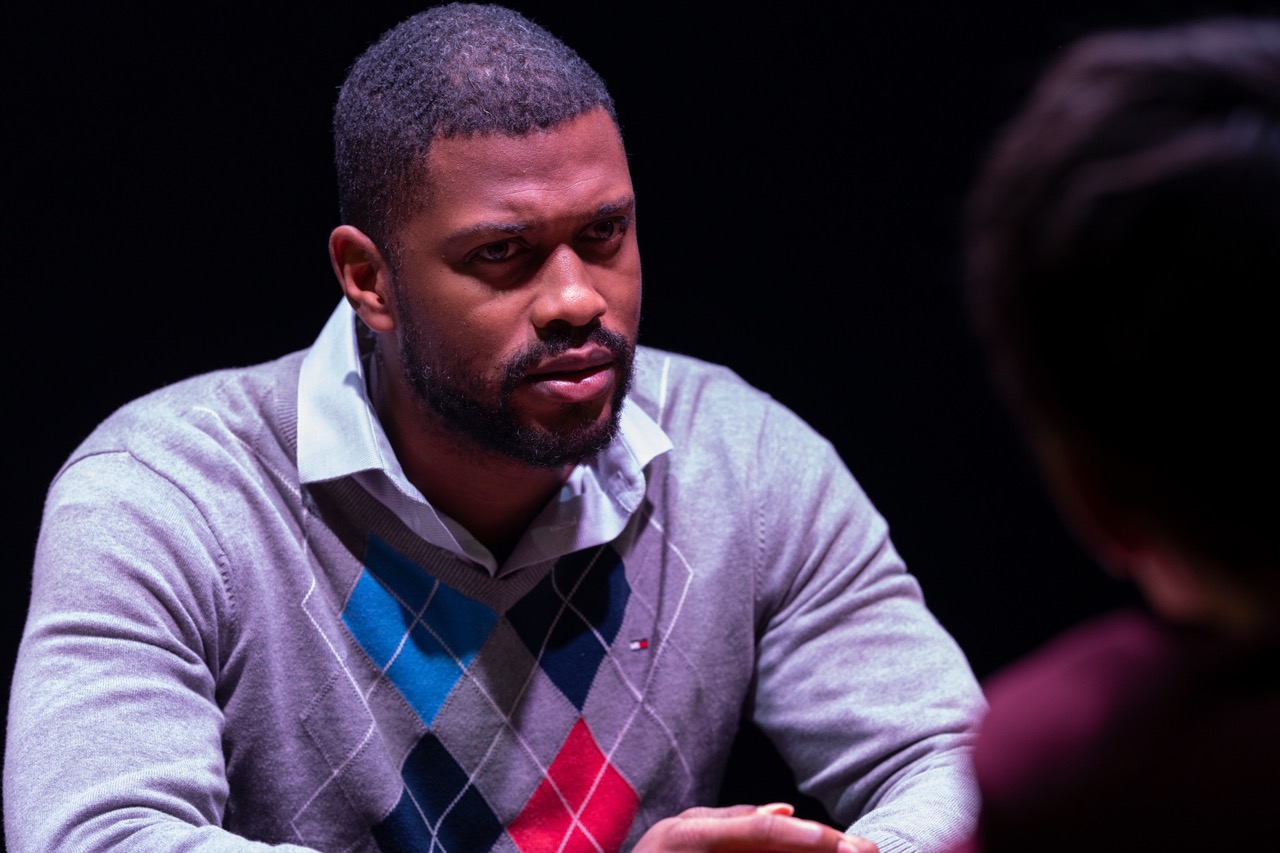
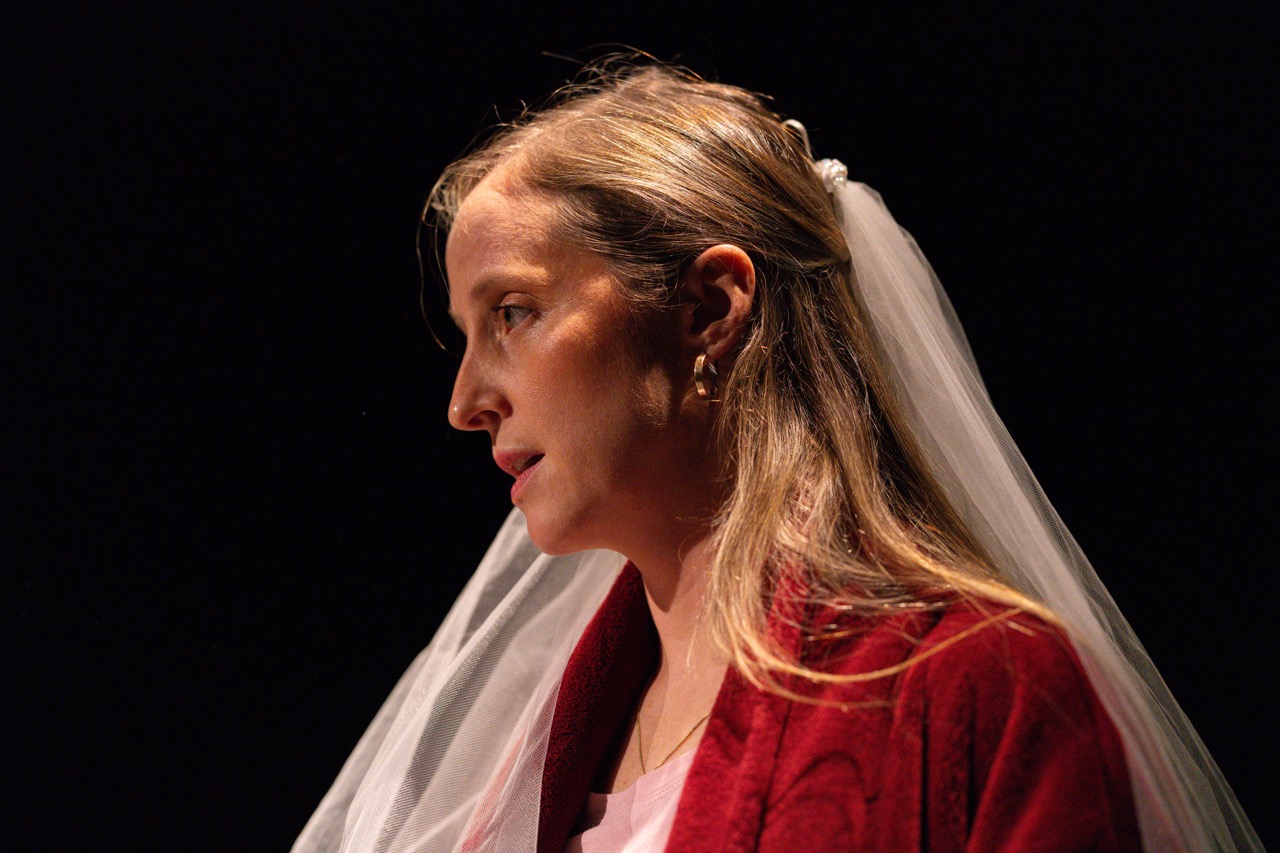
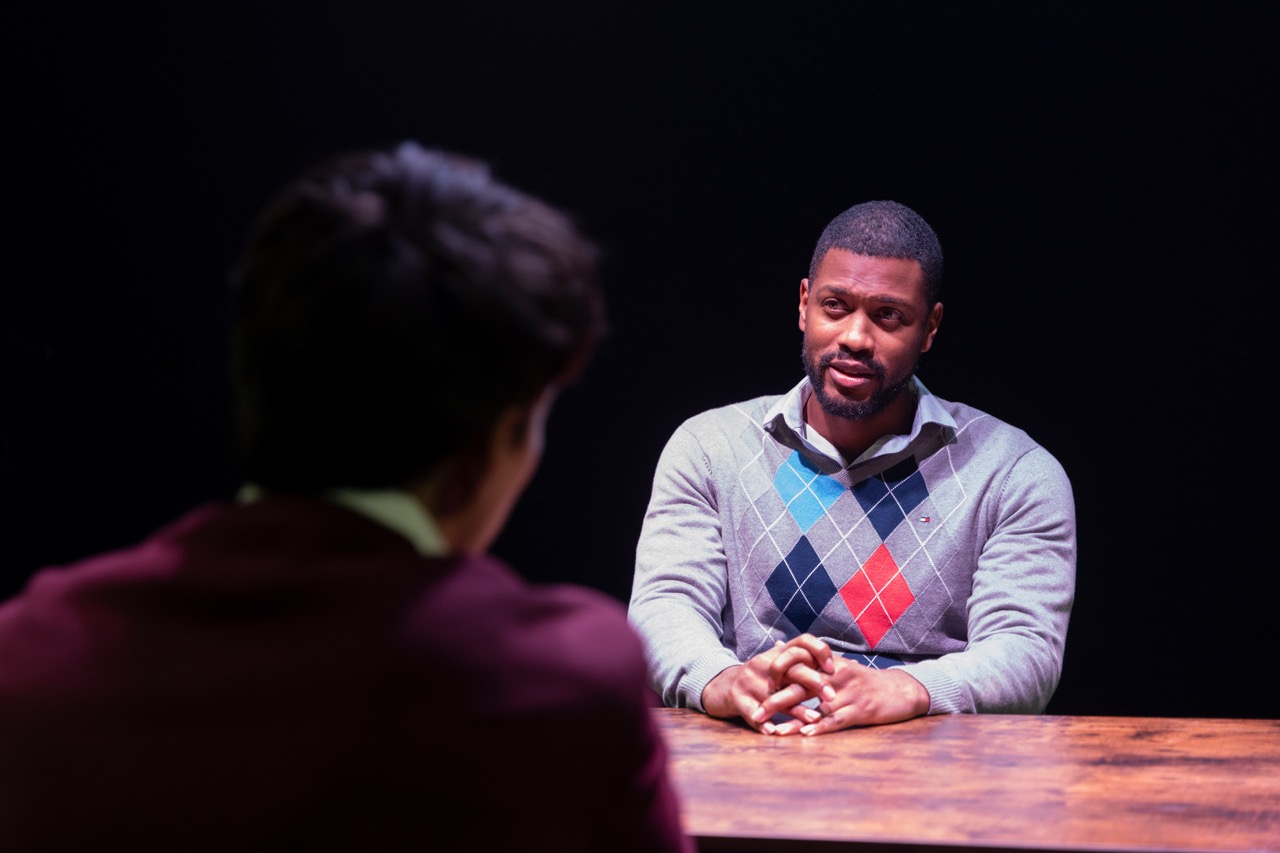
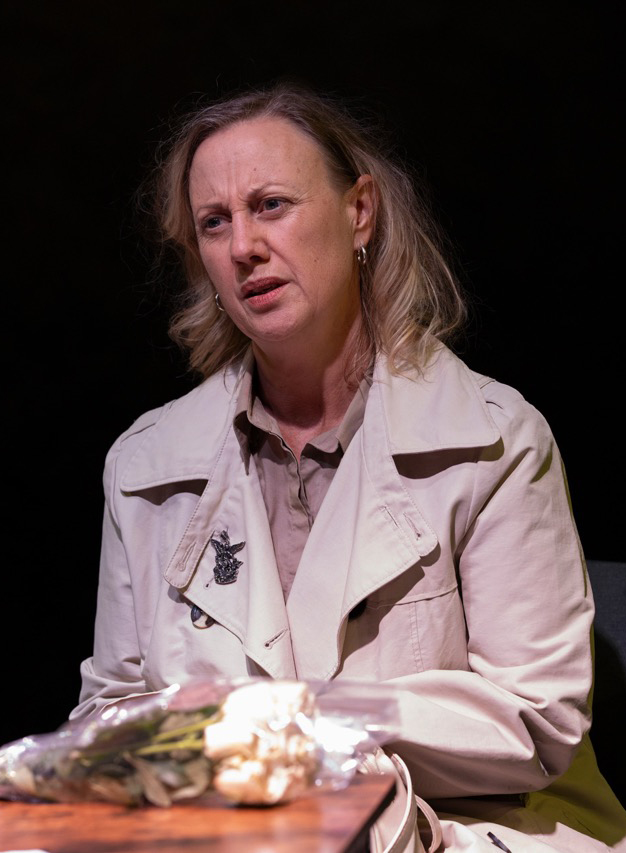
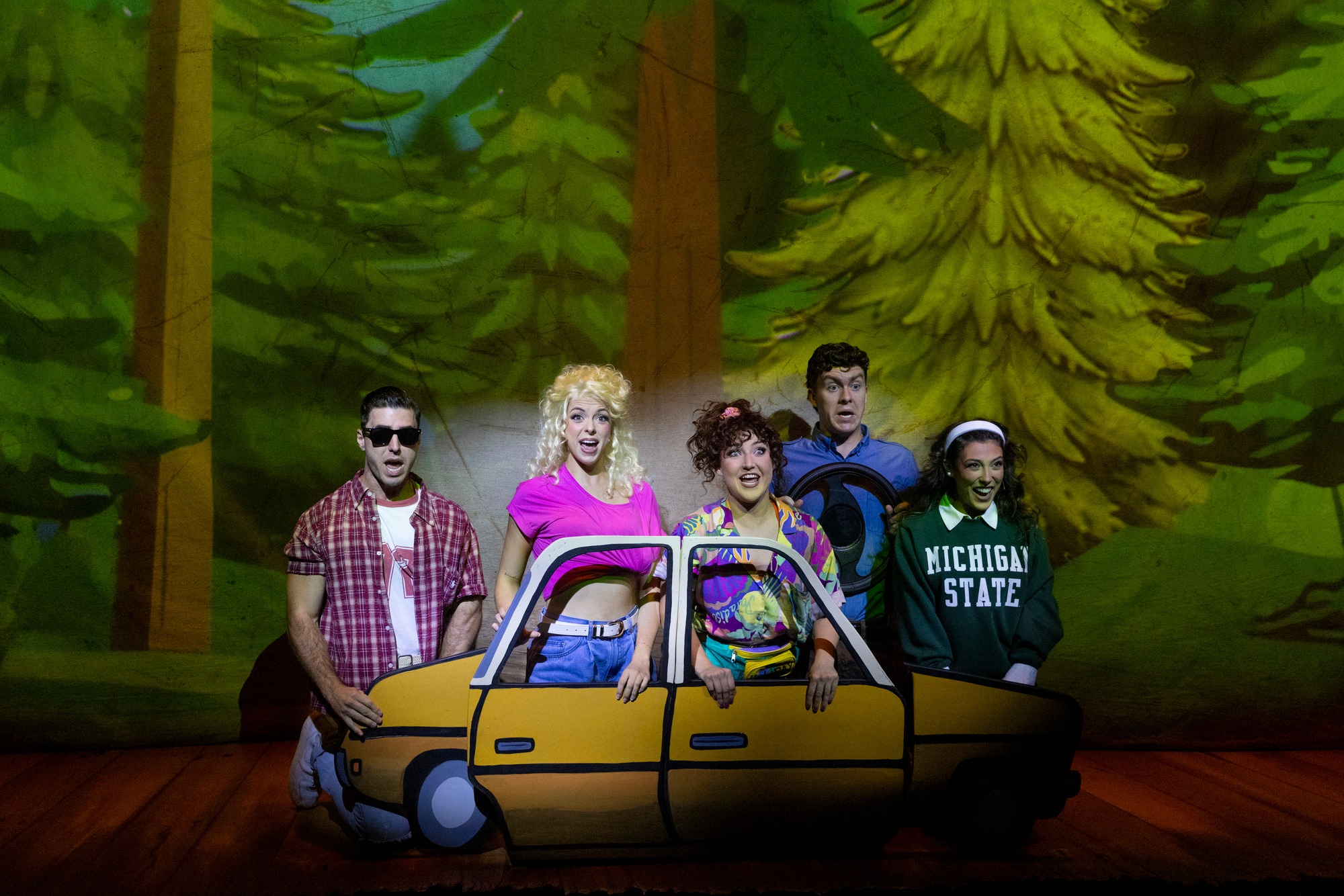
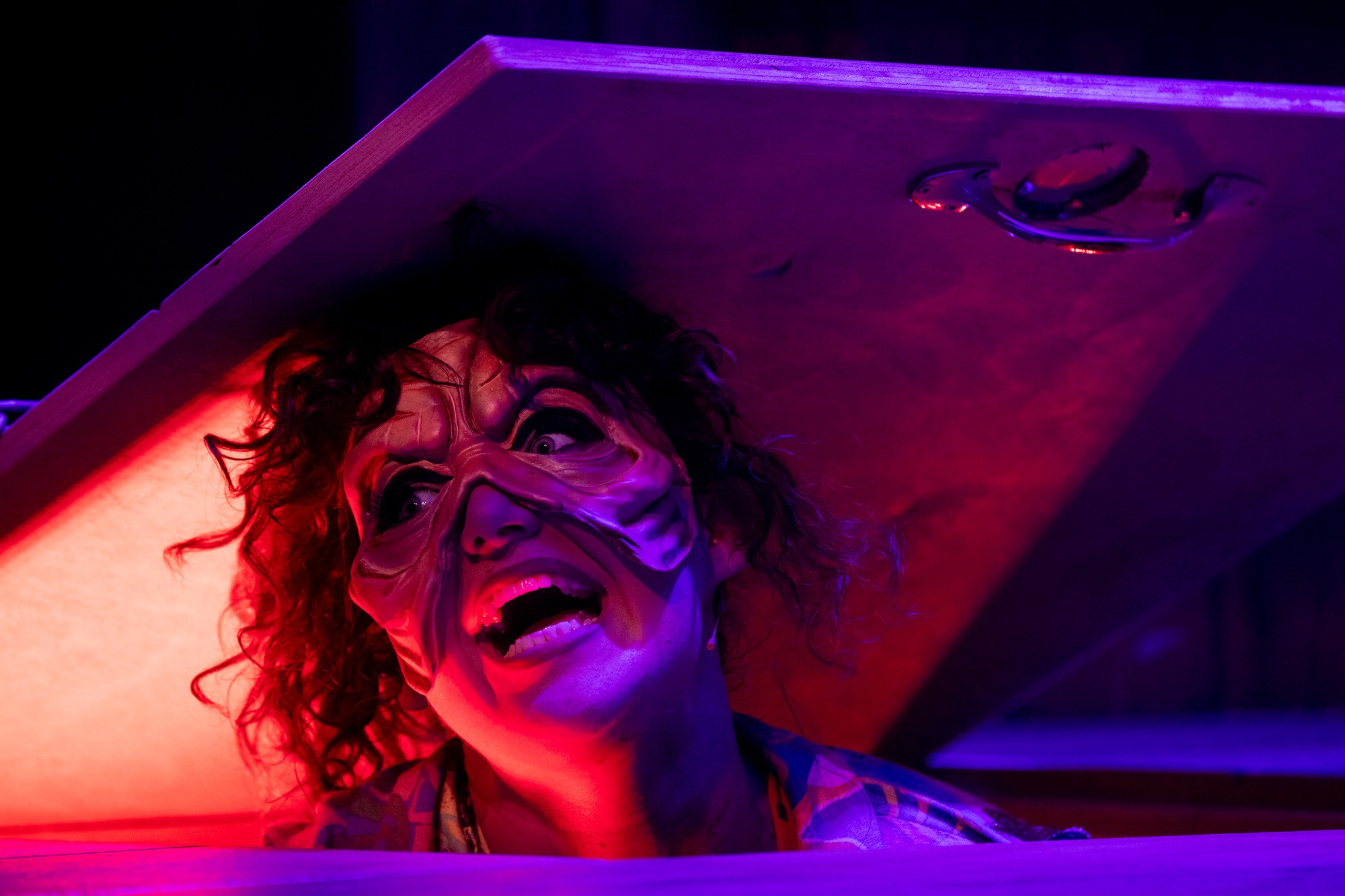
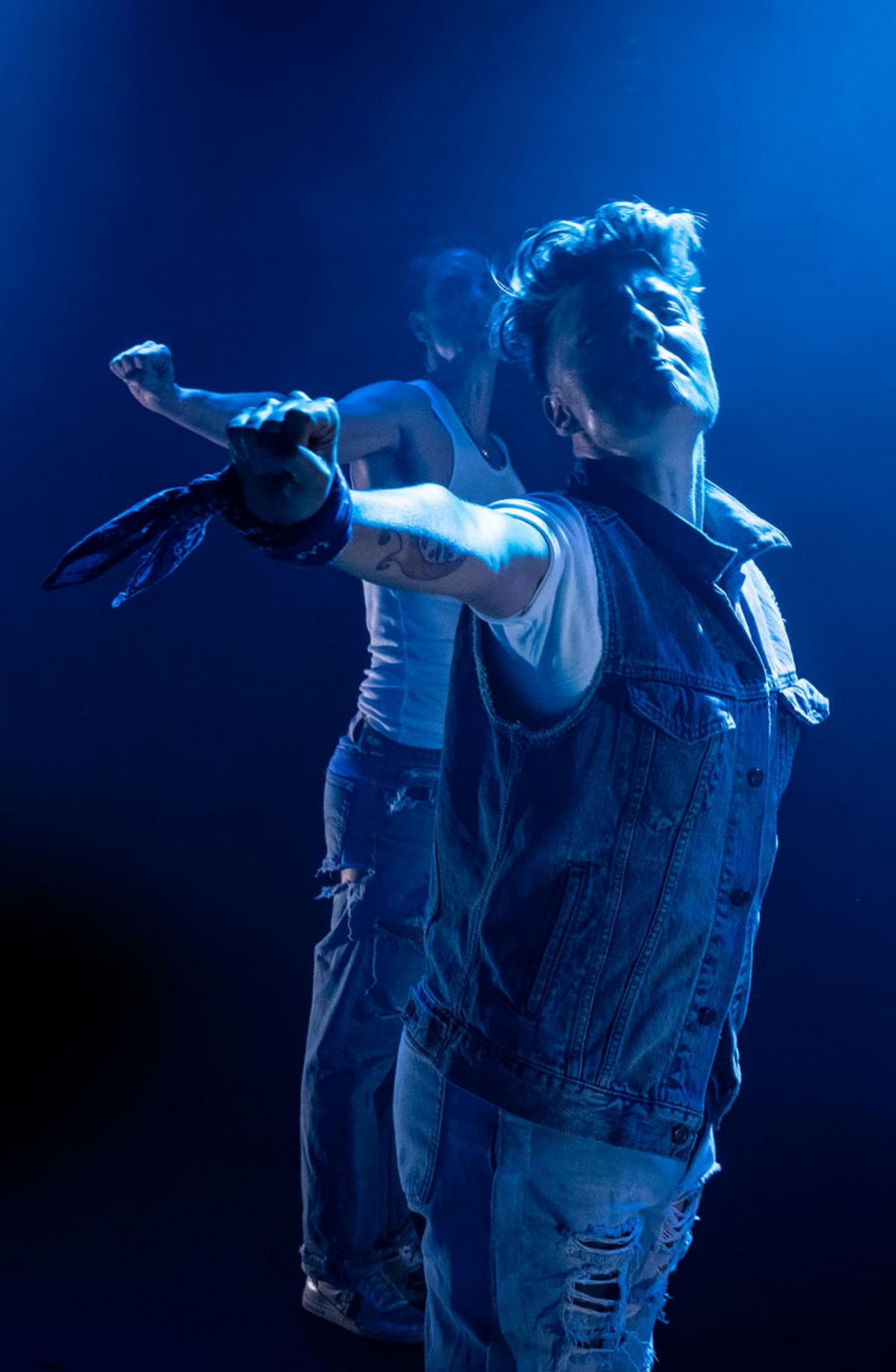
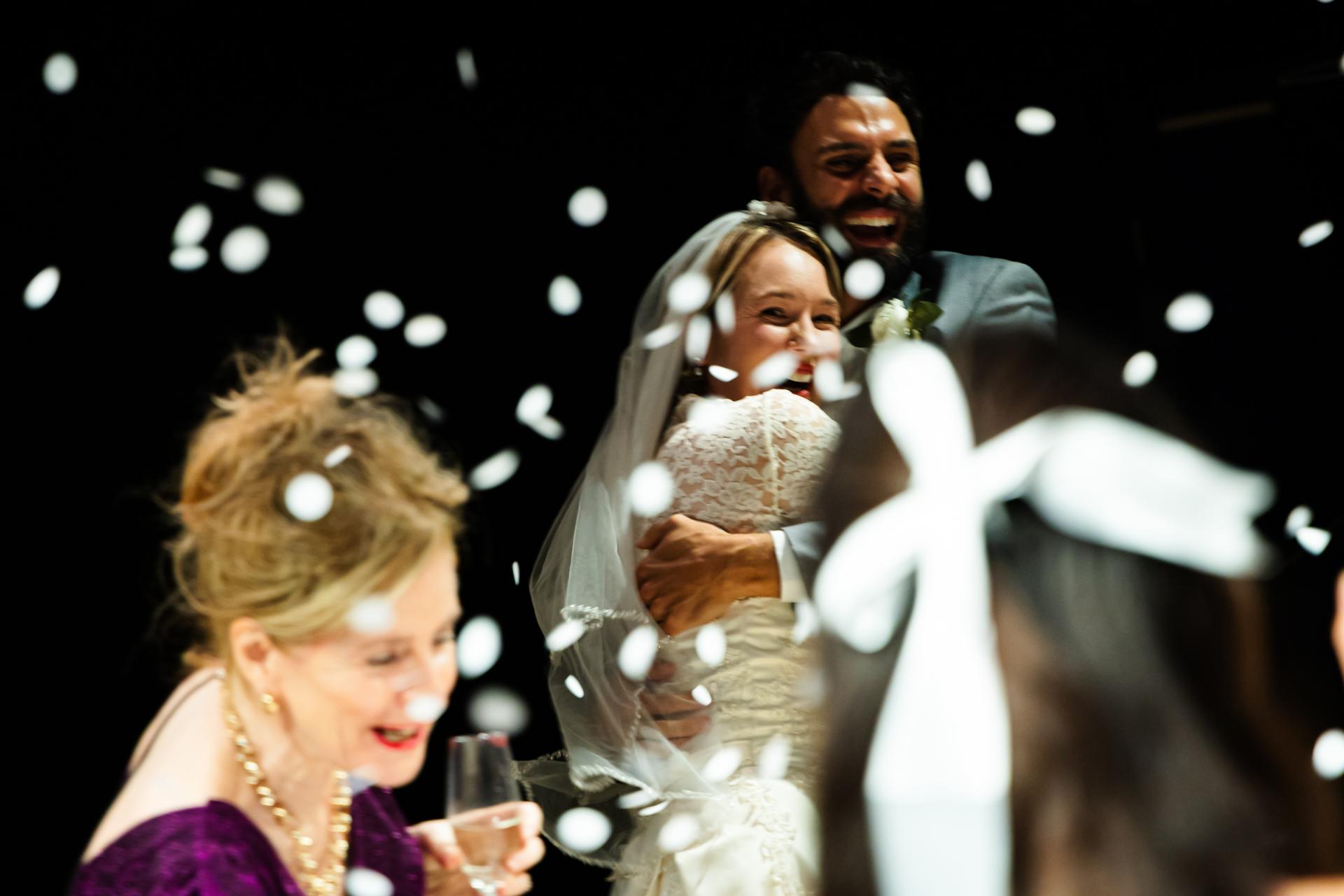
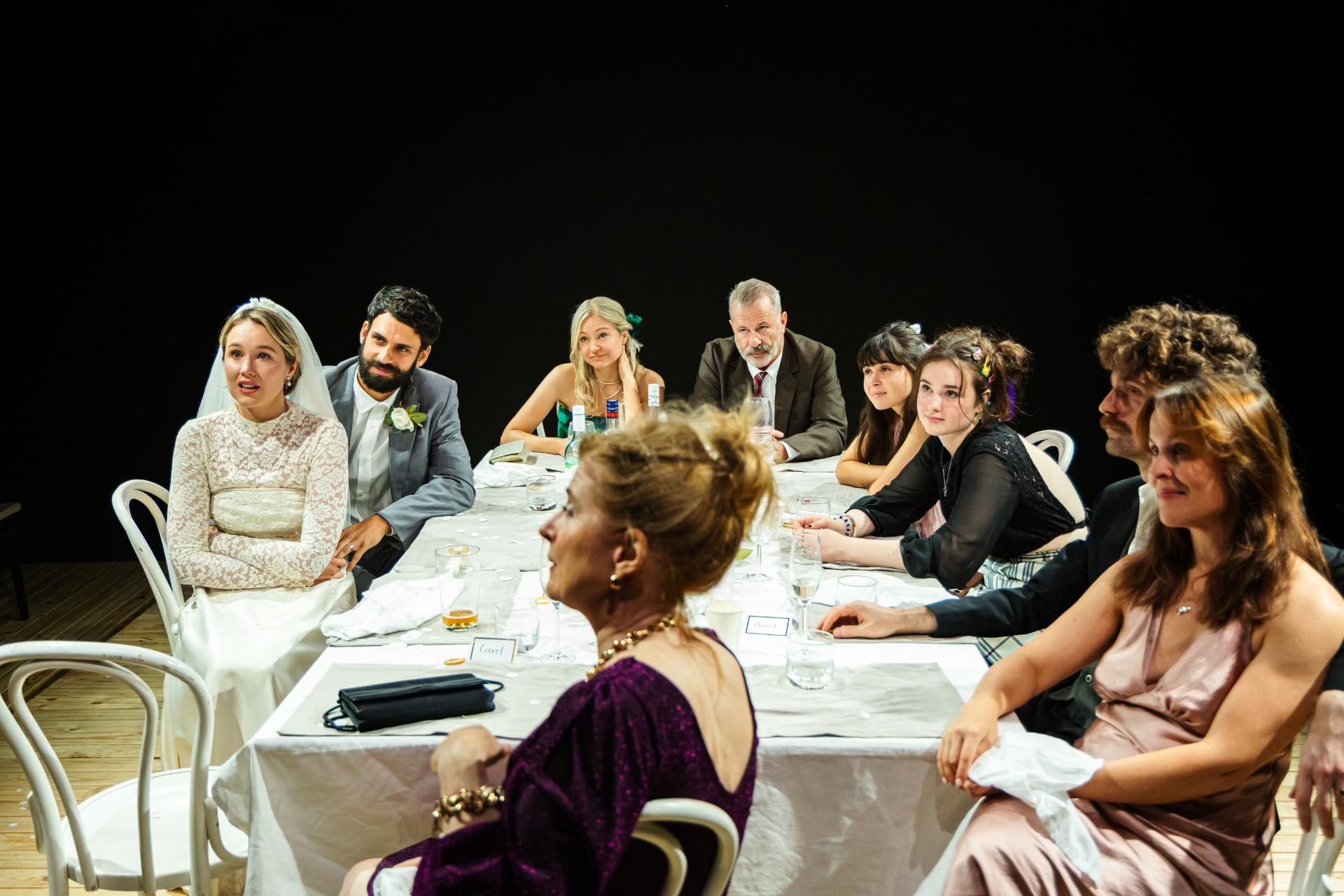
At Silvia’s wedding, the assembled family observes the ritual of good behaviour—upright postures, pleasantries exchanged with the precision of choreographed dance—only to find that the champagne, once flowing, dissolves the adhesive holding their performances together. Upheaval arrives not as surprise but as inevitability, and Beth Steel’s Till the Stars Come Down positions itself to excavate the sediment of grief, class anxiety, and generational fracture that such gatherings inevitably stir. Yet for all its archaeological ambition, the play remains frustratingly proximal to the surface, favouring the escalating rhythms of melodrama over the slower, more treacherous work of thematic investigation. Steel introduces fault lines that promise to rupture into revelation—economic precarity, maternal sacrifice, the performance of happiness itself—only to resolve them with a neatness that belies their complexity. The narrative plants its ambitions widely but harvests narrowly, leaving us not with the disturbing clarity of family truths exposed, but with the familiar aftertaste of soap opera: emotion without consequence, conflict without cost.

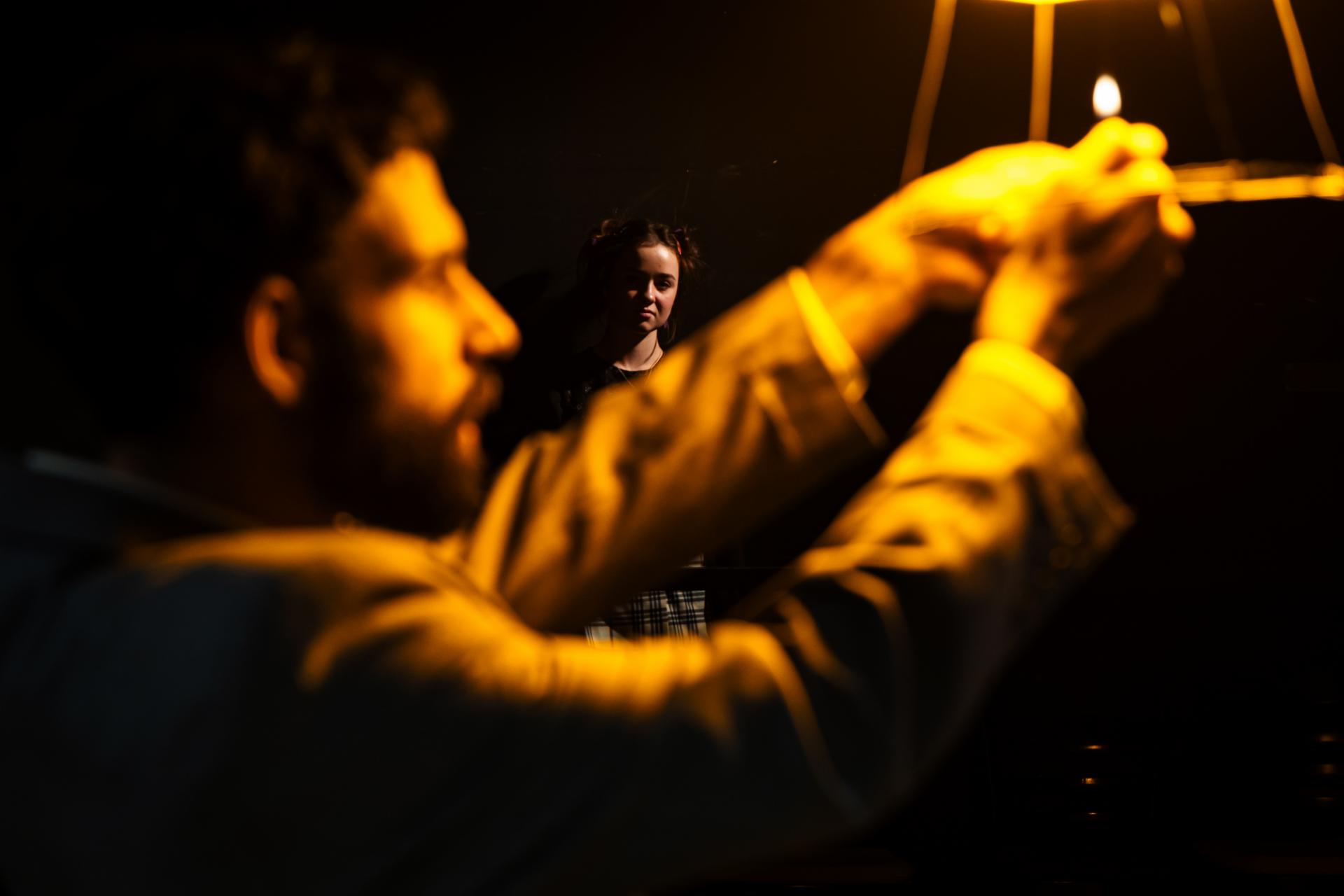
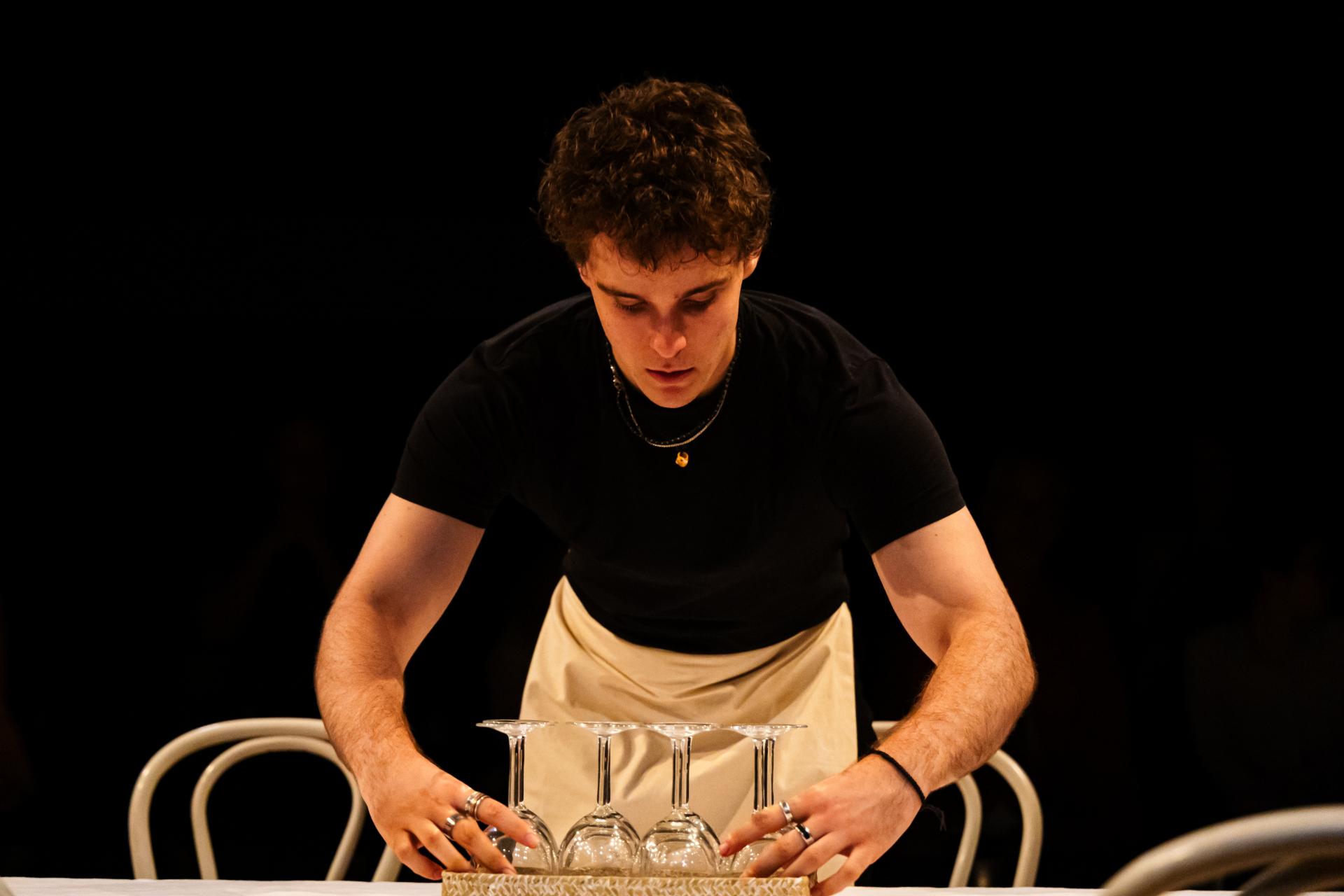
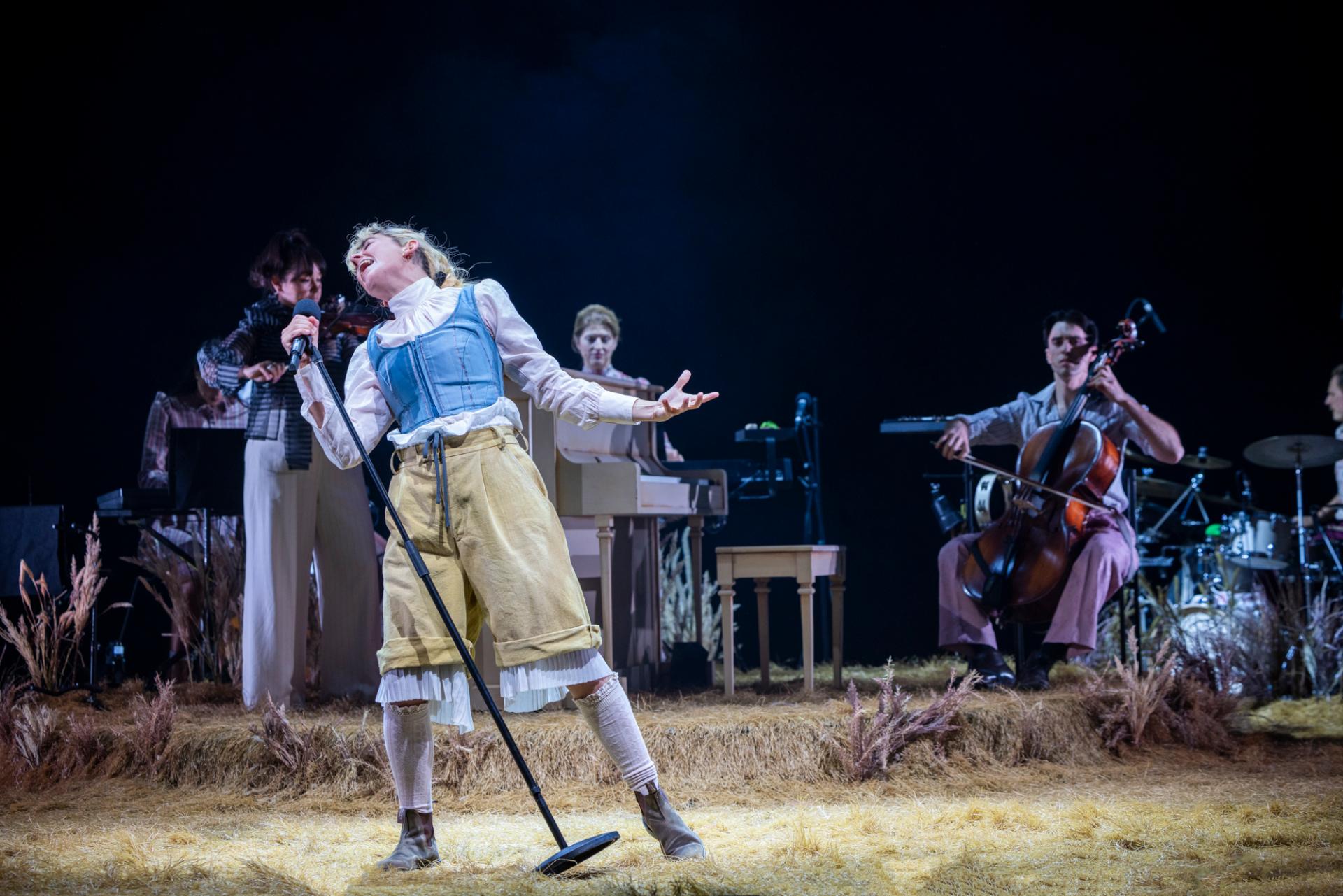
Director Anthony Skuse deserves credit for lending genuine gravity to the melodrama, grounding the characters’ anguish in palpable feeling even when their circumstances lean toward the mundane. The melancholy is further underscored by Layla Phillips’s music, whose interludes coax us into dwelling on the sorrow lurking beneath the festivities. James Smithers’s set, with its carefully appointed timber floor, evokes the familiar atmosphere of outdoor gatherings, though Charlotte Savva’s costumes, while fitting for the archetypes on display, could afford a more heightened theatrical sensibility. Topaz Marlay-Cole’s lighting captures subtle shifts in mood, yet it, too, might benefit from a more finely detailed approach.

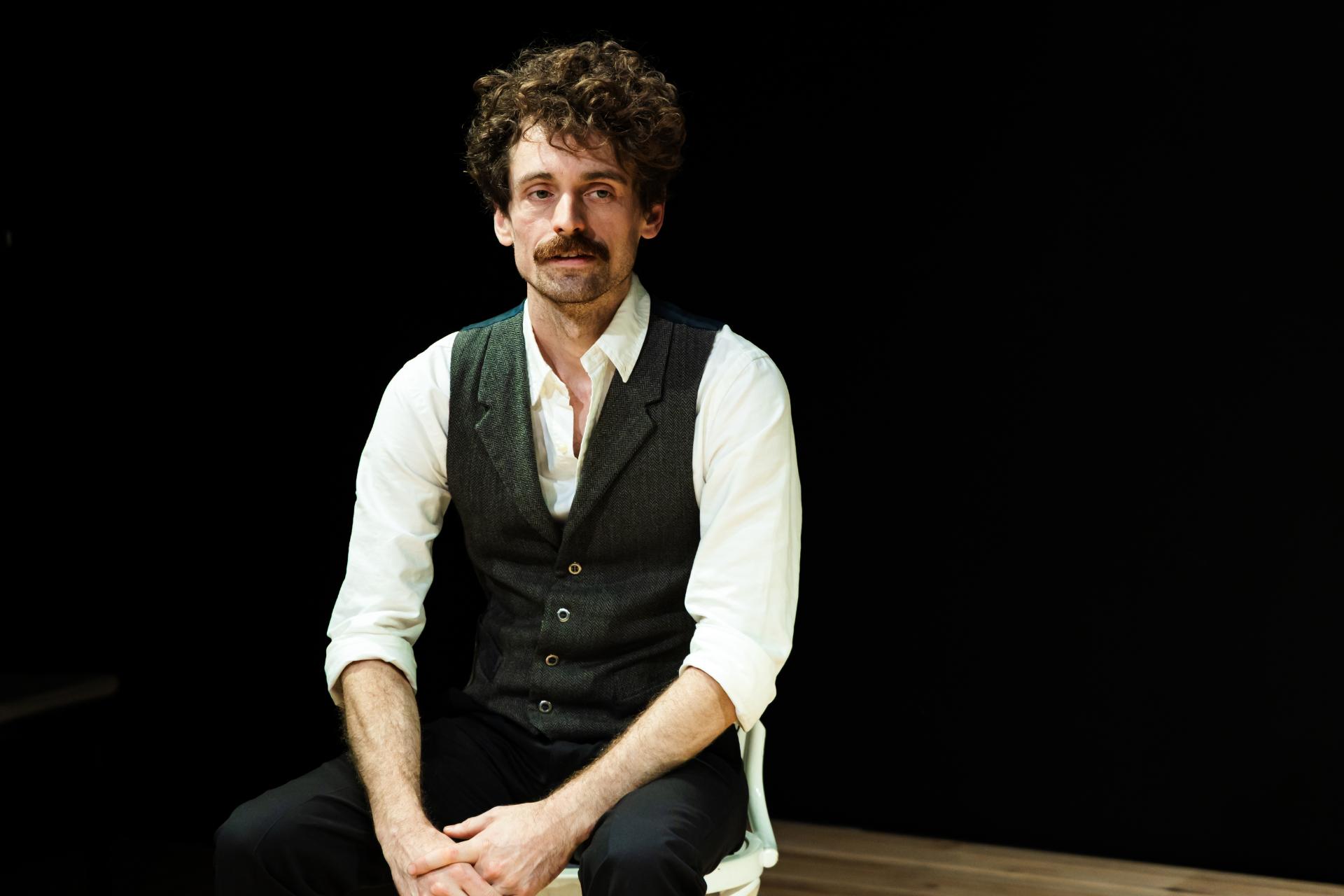
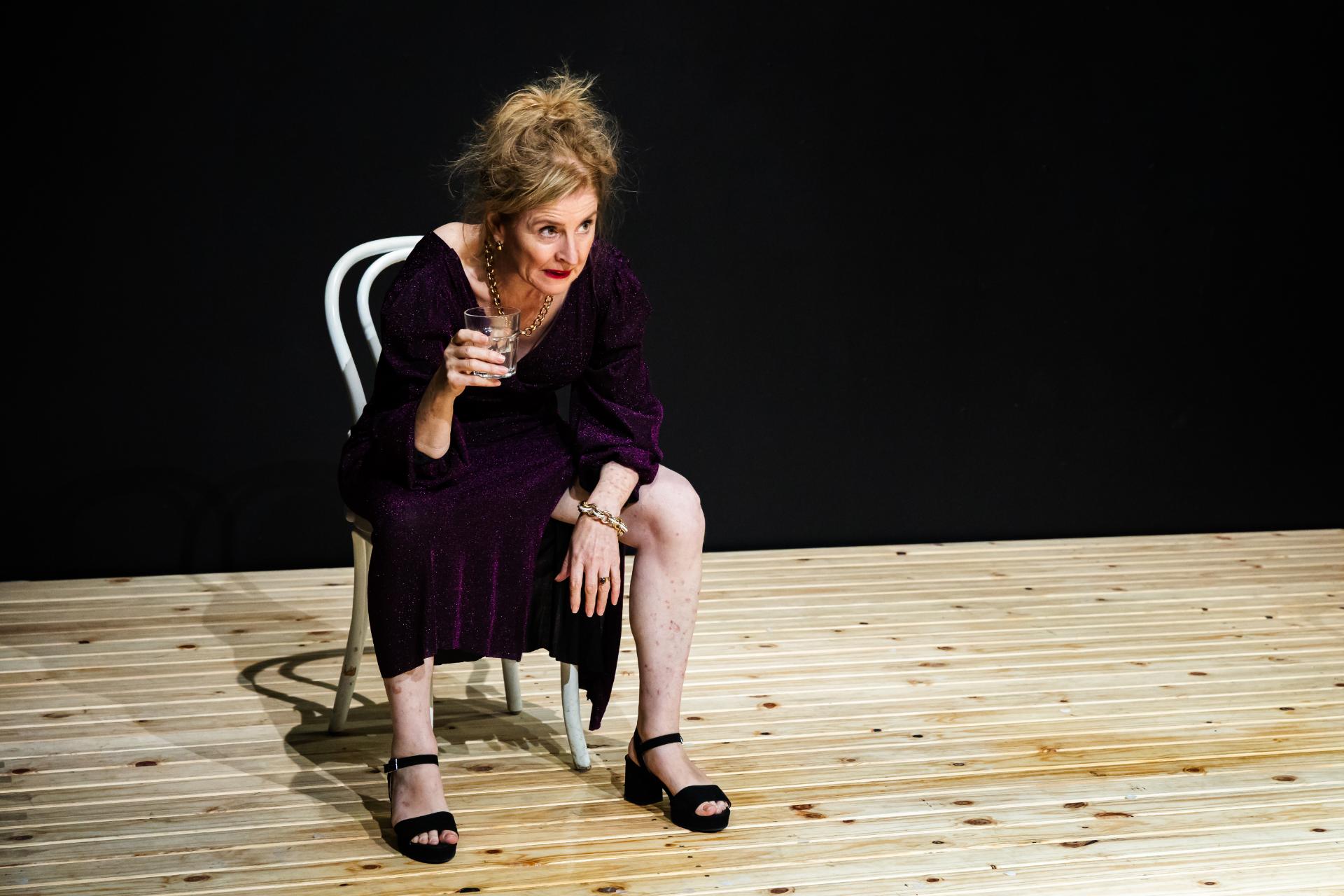
The ensemble of ten—augmented by three additional performers as silent waitstaff—delivers performances ranging from adequate to genuinely compelling. Jo Briant as the family friend Carol and Zoran Jevtic as the groom Marek leave the strongest impressions, infusing their roles with an exuberance that feels refreshingly natural. As Hazel, one of the bride’s sisters, Ainslie McGlynn drives the play toward its feverish conclusion with remarkable theatricality, managing to conjure extraordinary moments from a role that the text itself often leaves thinly drawn.

Weddings are, of course, theatre in its most naked form: elaborate productions mounted to legitimise private feeling through public display. Yet as Steel’s play ultimately suggests—and as this production cannot quite overcome—the grandeur of the gesture often outpaces the depth of understanding beneath it. We enact conventions we have inherited but not examined, mistaking volume for truth, spectacle for significance. Till the Stars Come Down offers abundant commotion that resembles drama—shouts, tears, revelations hurled across the timber floor—but commotion alone cannot substitute for insight. The production leaves us with the hollow grandeur of the unrehearsed speech: moving in its immediacy, perhaps, but finally unable to articulate what it truly means to love, to lose, or to gather in the shadow of both.

www.kingsxtheatre.com | www.secrethouse.com.au
Review: The Prom (Teatro)

Venue: Teatro (Leichhardt NSW), Mar 24 – Apr 26, 2026
Book: Rob Martin, Chad Beguelin
Music: Matthew Sklar
Lyrics: Chad Beguelin
Directors: Andrew Bevis, Nathan M. Wright
Cast: Erin Bruce, Renae Corser née Berry, Murray Cunninghame, Paige Fallu, Brad Green, Ewan Herdman, Nina Hurley, Scott Irwin, Abbey McPherson, Sophie Montague, Brendan Mungar, Caroline O’Connor, Luke Reynolds
Images by Robert Miniter

Theatre review
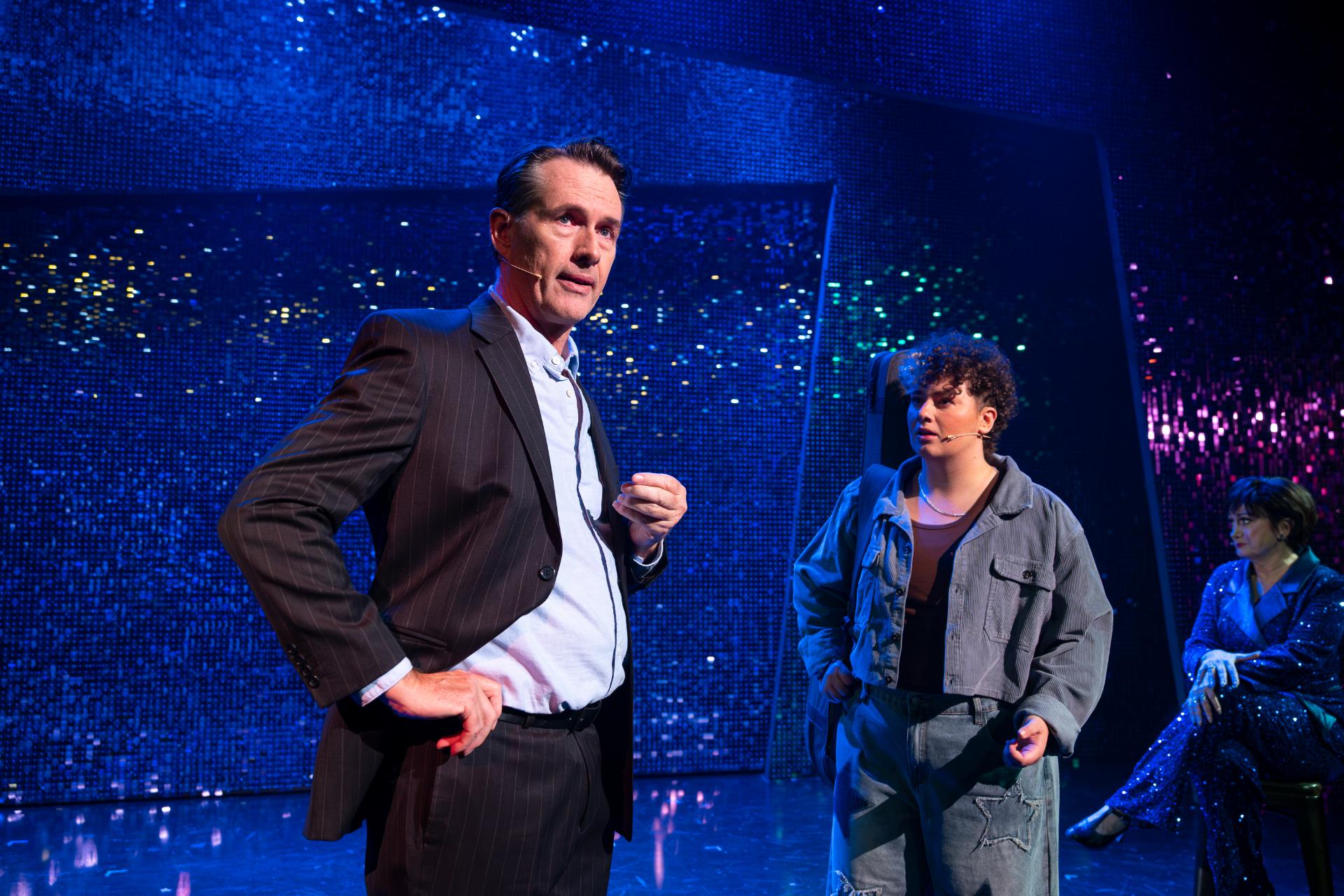
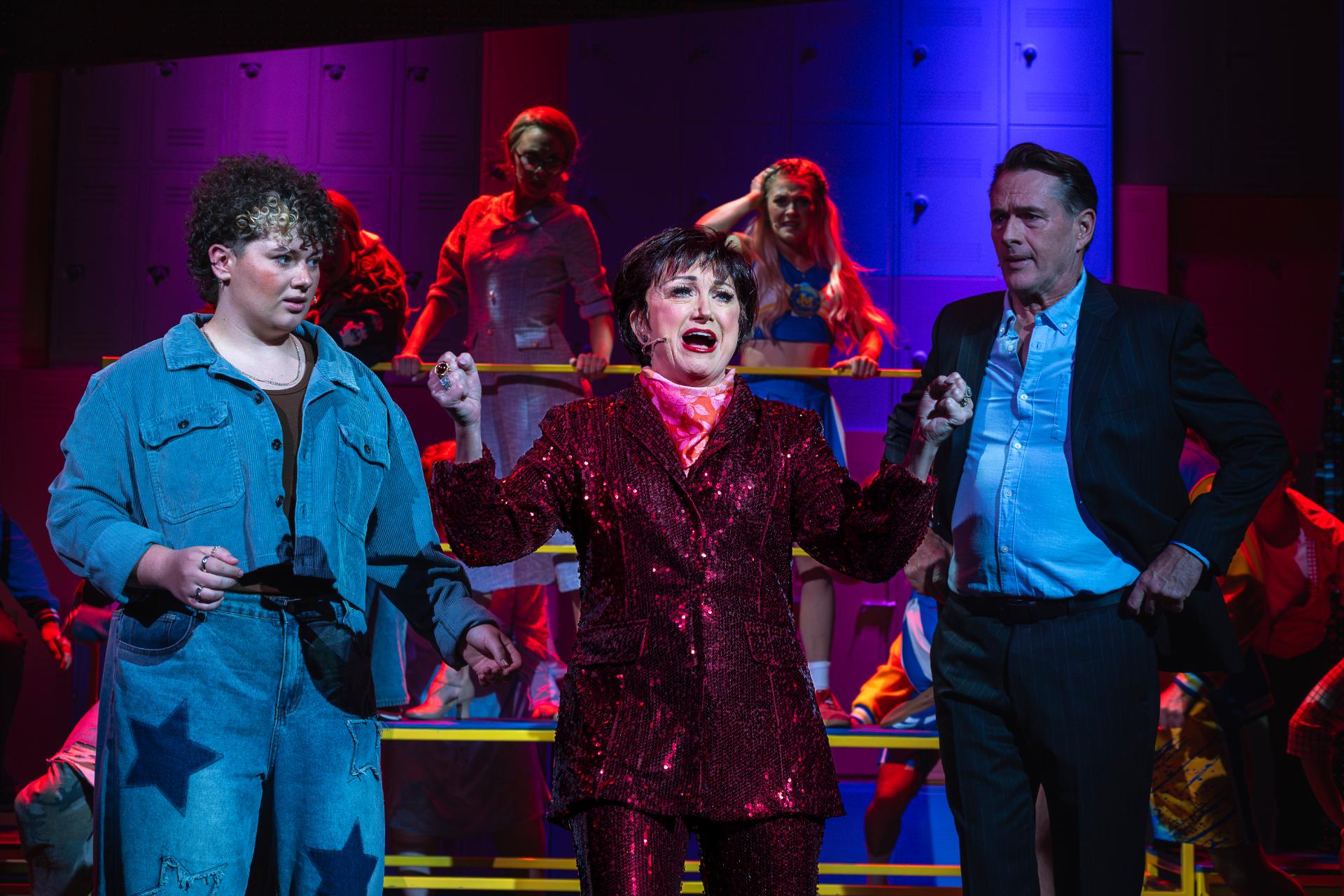
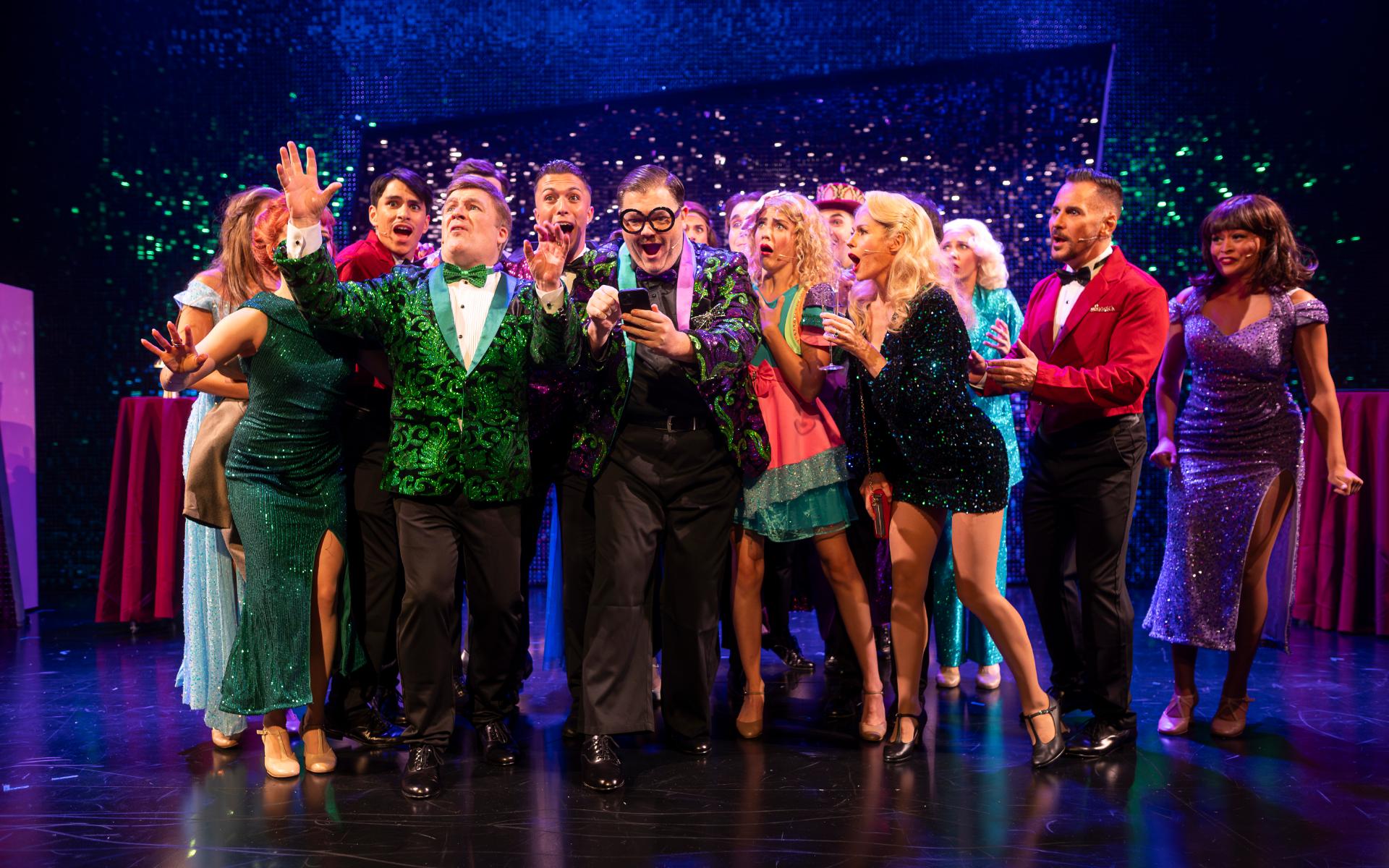
When a clutch of fading Broadway luminaries descends upon rural Indiana to champion a lesbian teenager barred from escorting her girlfriend to the high school prom, the 2016 musical The Prom possesses a compelling premise, yet its execution frequently falters; the book and songs, for what is ostensibly a deeply emotional story, seldom earn the investment they demand, and the humour often falls flat.

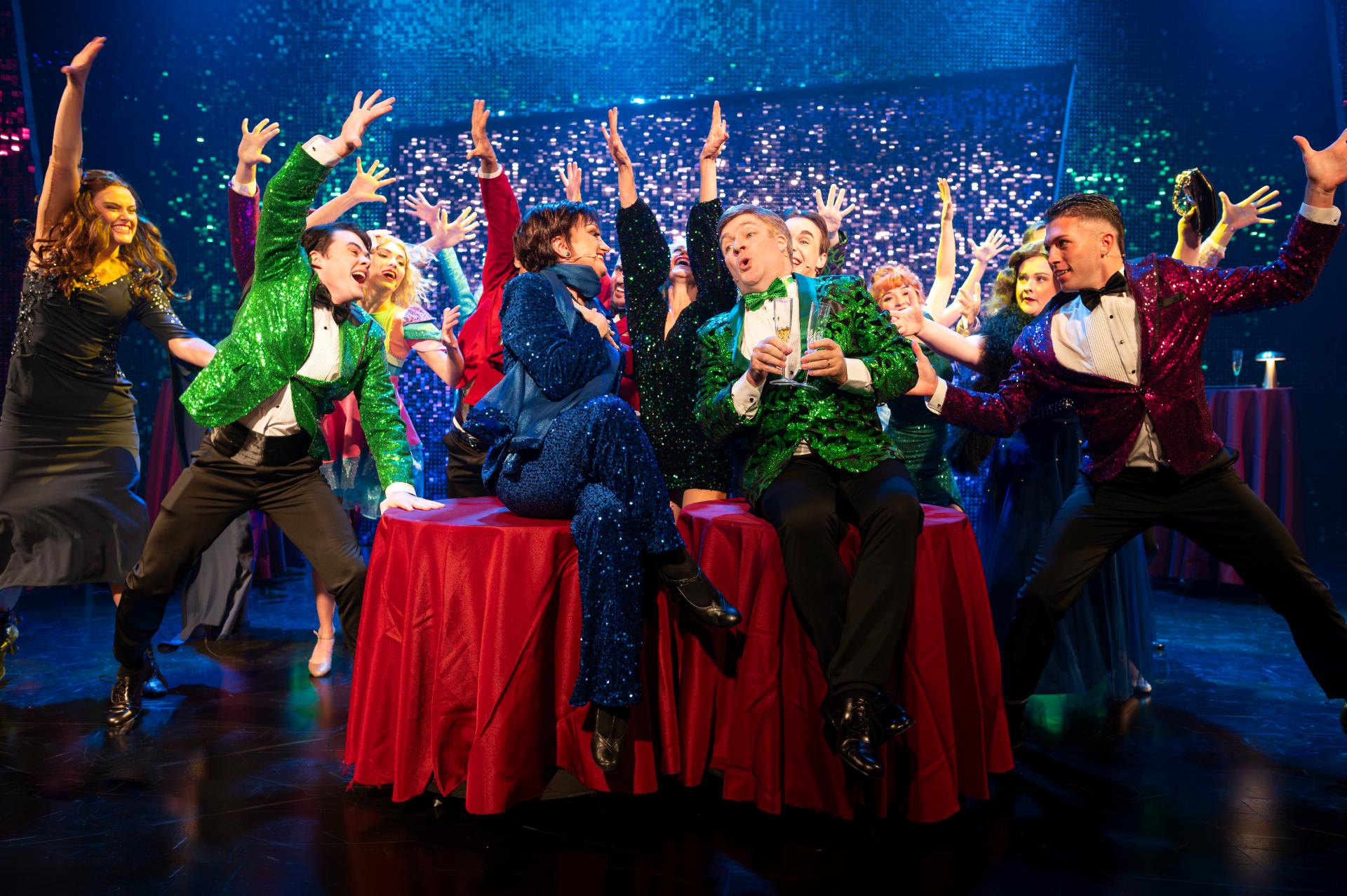
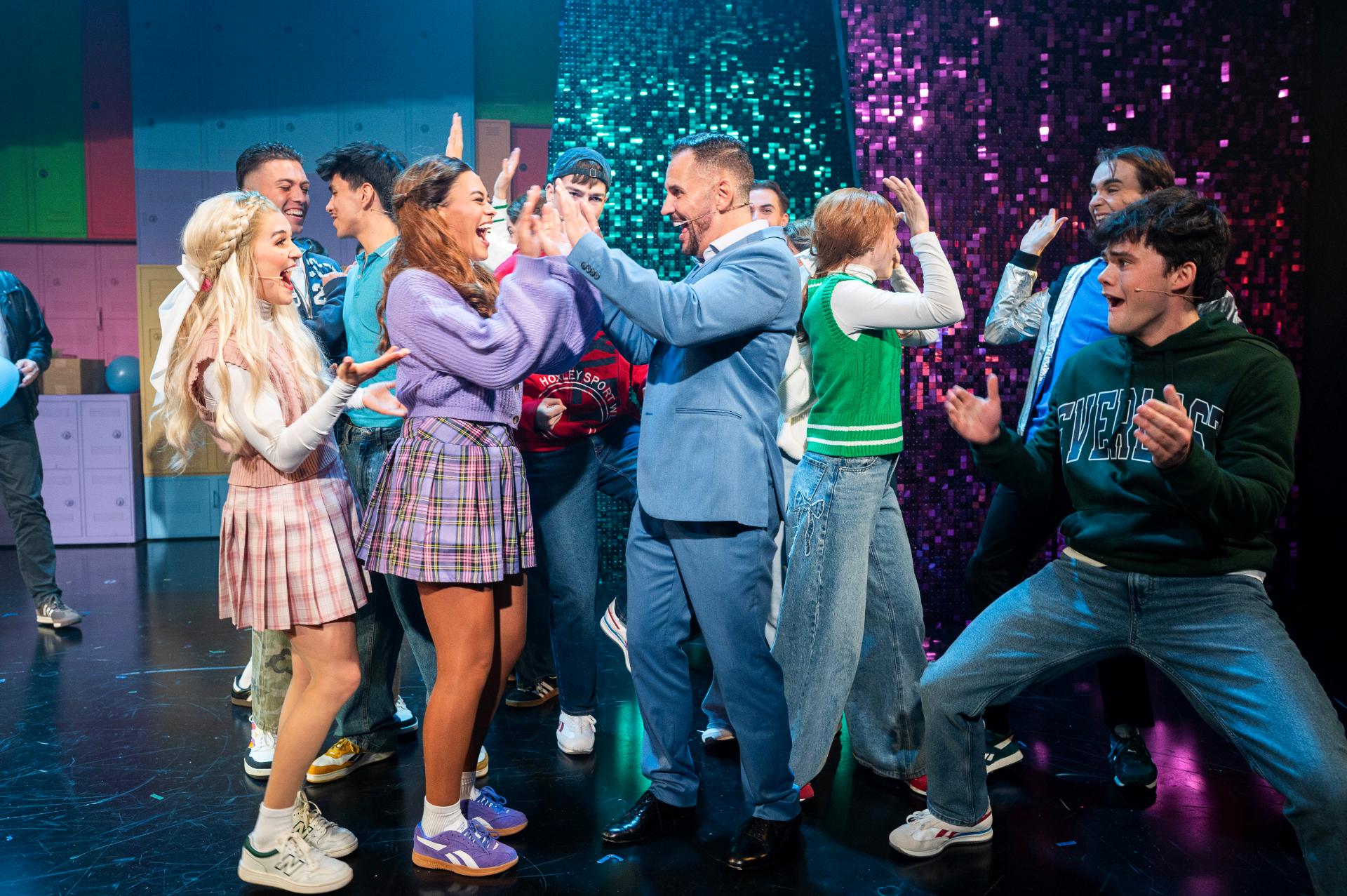
Directors Andrew Bevis and Nathan M. Wright nonetheless infuse the proceedings with ample dynamism and a spirited flair; Wright’s choreography, in particular, distinguishes itself through infectious exuberance executed with commendable vigour by a spirited young ensemble. Nick Fry’s set design is unapologetically flamboyant, draping the entire backdrop in shimmering, multi-hued sequins that delight the eye. Cornelia Cassimatis’s costuming matches this chromatic audacity, though occasionally sacrificing sartorial sophistication for spectacle. Roderick Van Gelder’s lighting, whilst compositionally conventional, nonetheless succeeds in amplifying the production’s kinetic vitality.

The cast labours with palpable dedication, their commitment evident even as the material proves resistant to transcendence. Among them, Brendan Monger’s Barry emerges as a singular delight, his impeccable comic timing compensating for the script’s deficiencies. Caroline O’Connor, portraying the narcissistic Dee Dee Allen, deploys a calculated theatrical excess that miraculously breathes life into even the most anemic one-liners.

That The Prom addresses queerphobia with such explicit moral clarity feels almost achingly prescient given its pre-Trump provenance; the subsequent decade has witnessed a grievous retrenchment of LGBTQIA+ rights throughout the American heartland, rendering the musical’s conceit not merely relevant but increasingly urgent—a sobering reminder that what once played as contemporary fiction now reads as documentary reality, contemplated with genuine anguish.

www.teatroitalianforum.com.au

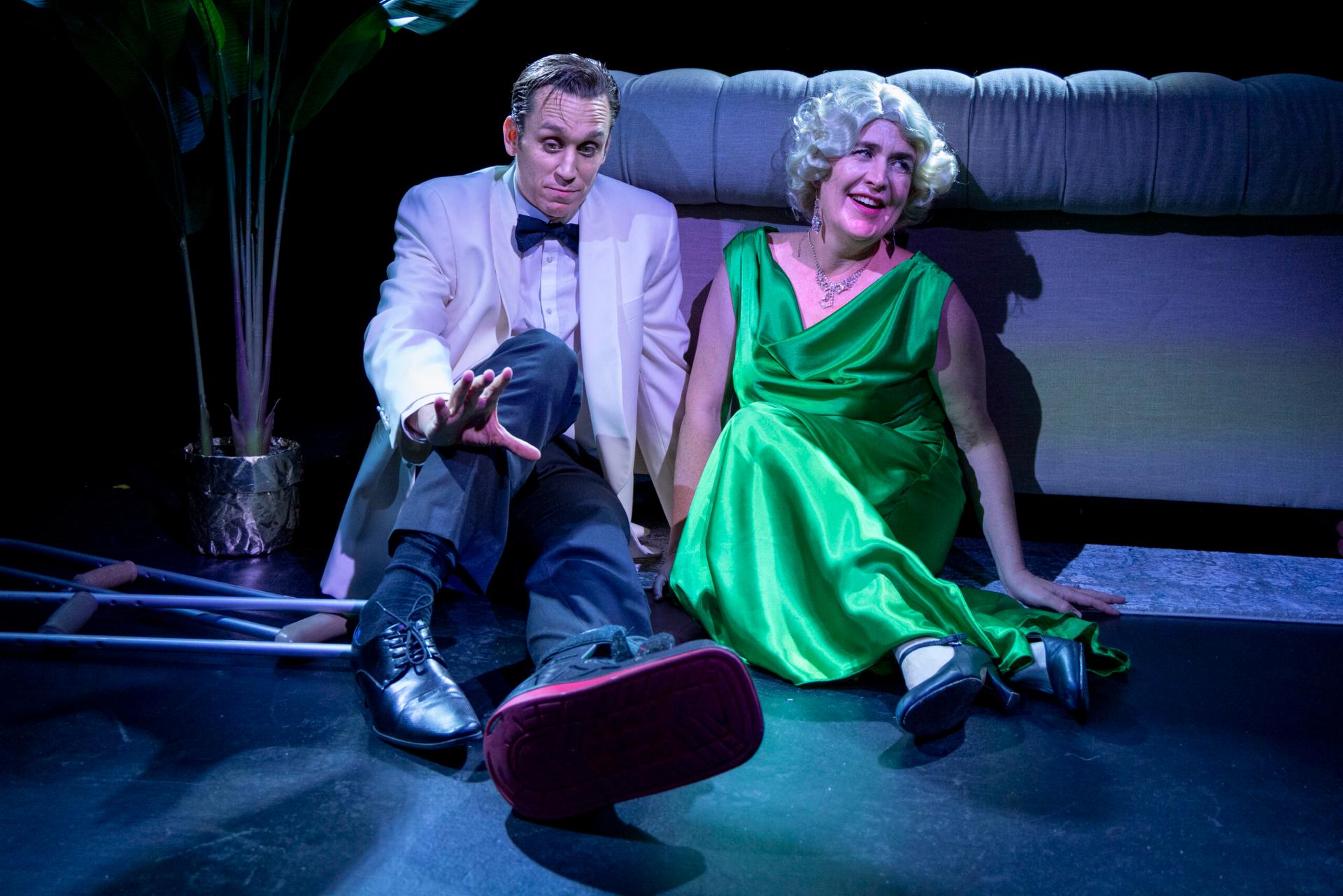
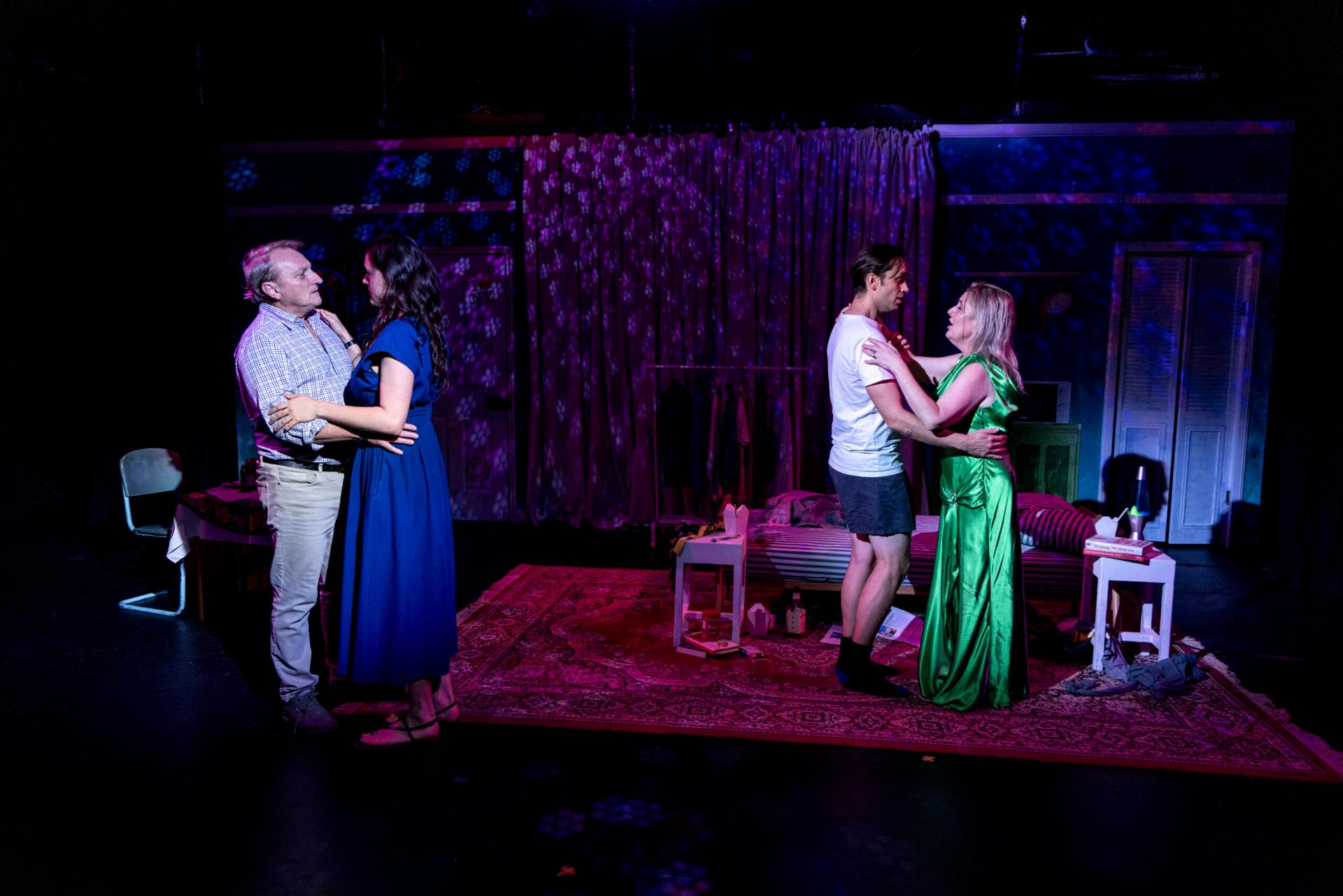
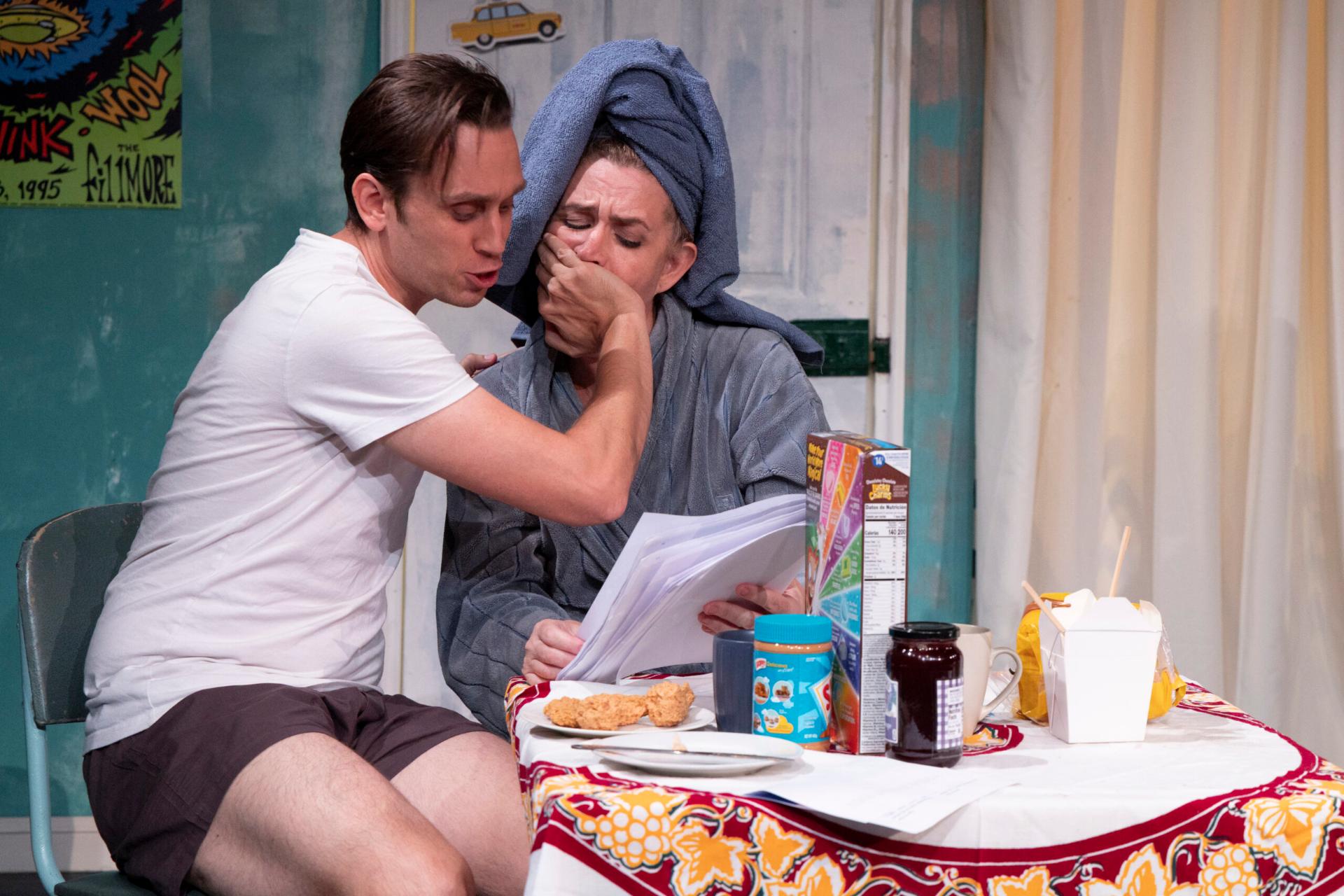
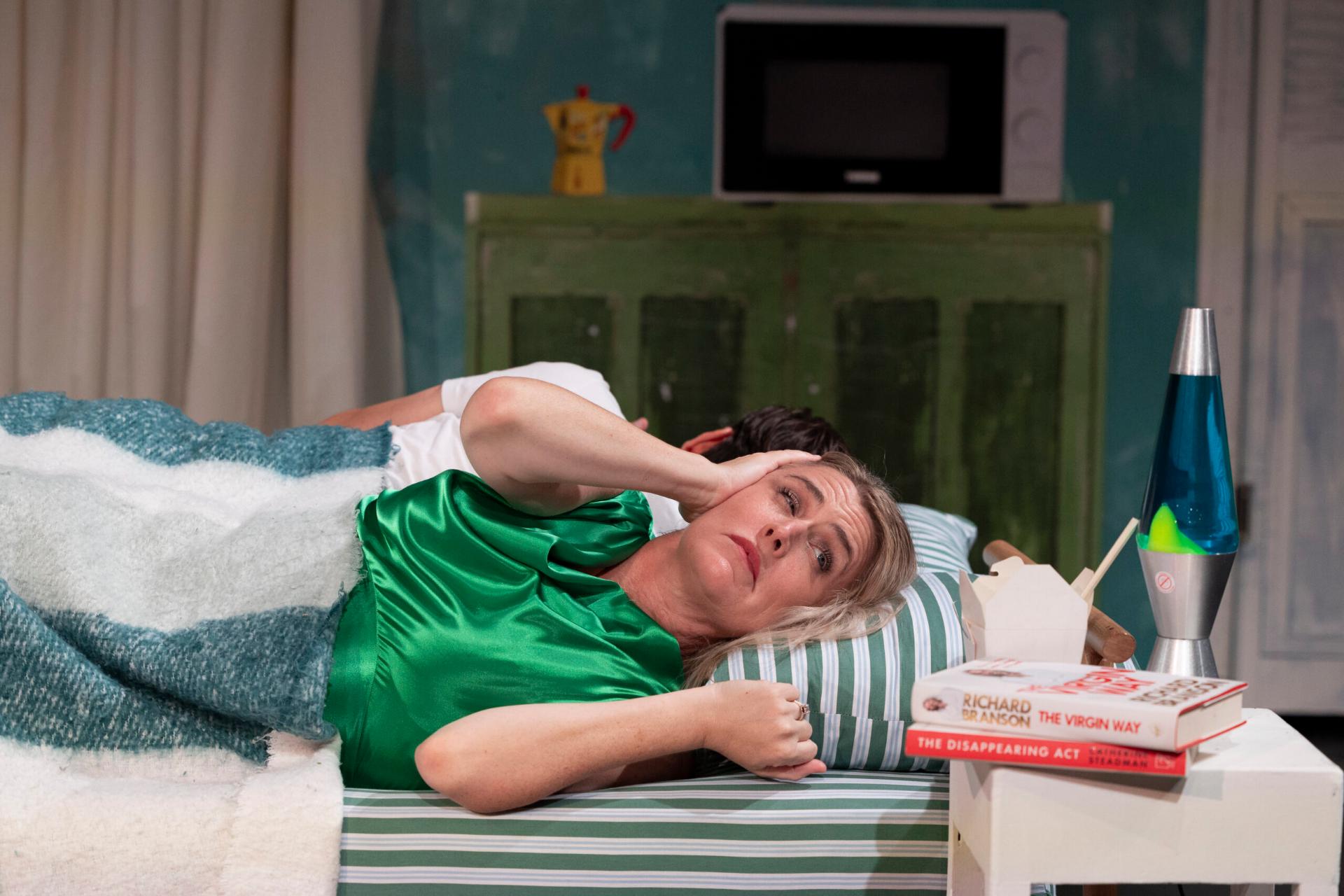
Review: Bette & Joan (Ensemble Theatre)

Venue: Ensemble Theatre (Kirribilli NSW), Mar 20 – Apr 25, 2026
Playwright: Anton Burge
Director: Liesel Badorrek
Cast: Jeanette Cronin, Lucia Mastrantone
Images by Prudence Upton

Theatre review
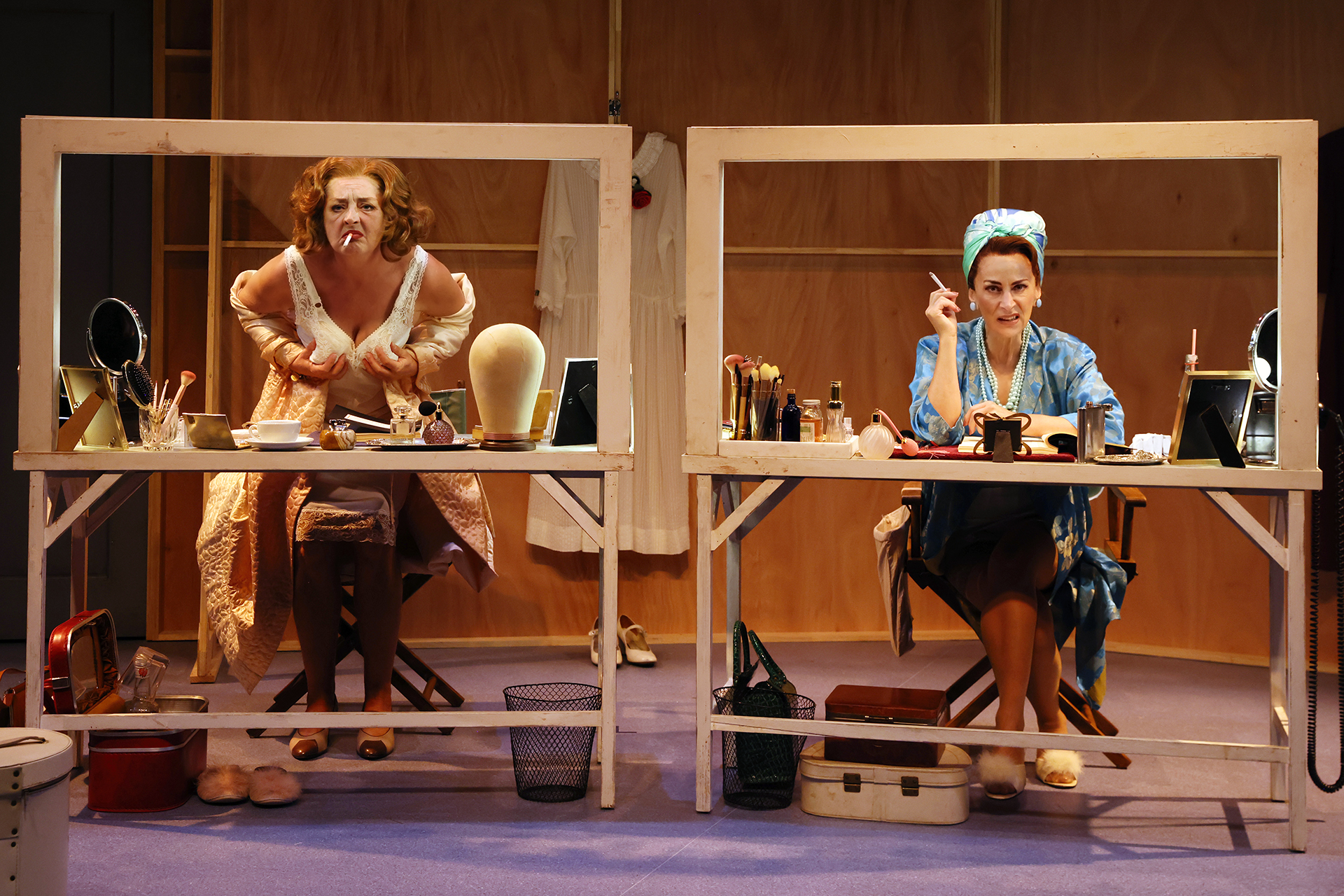
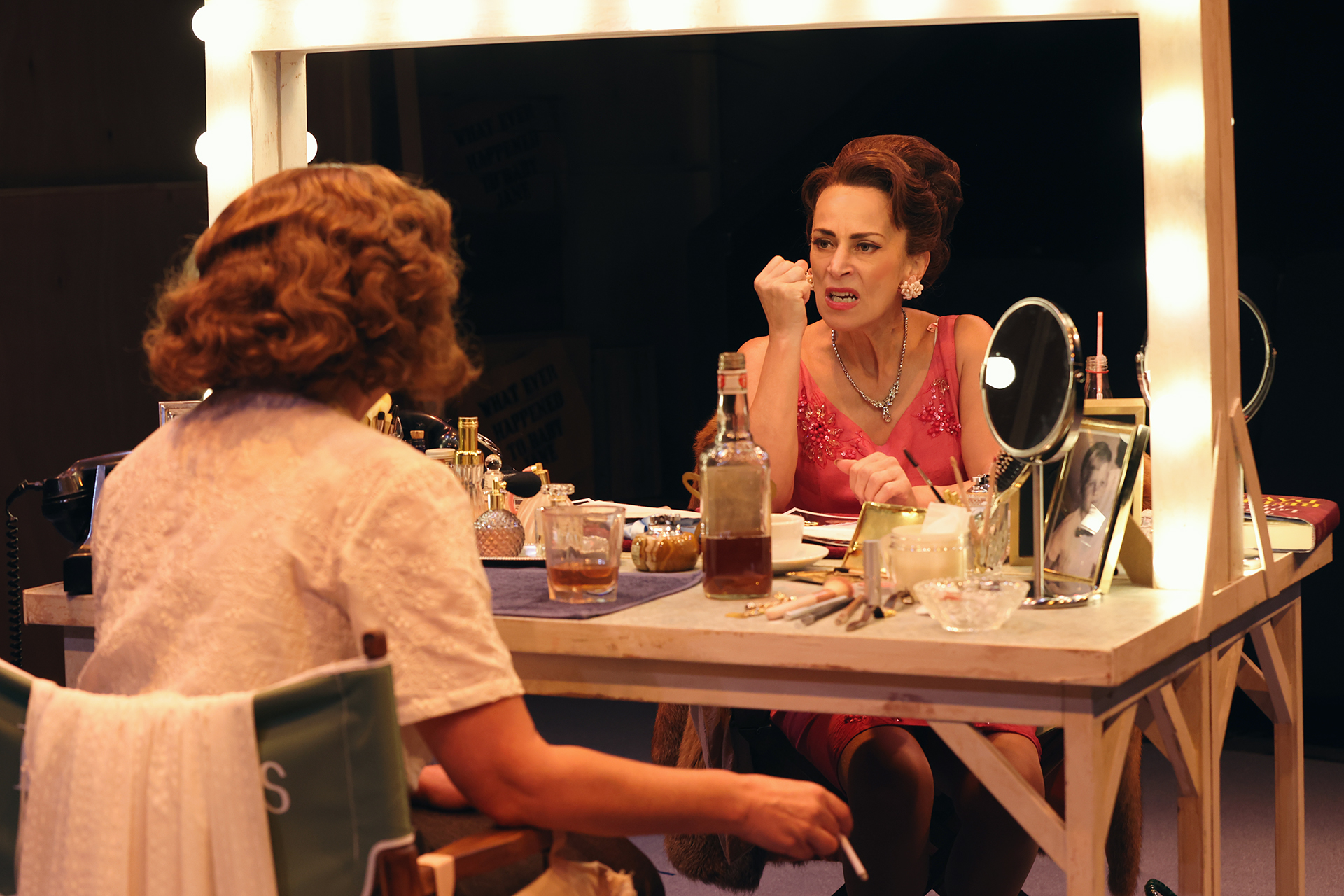
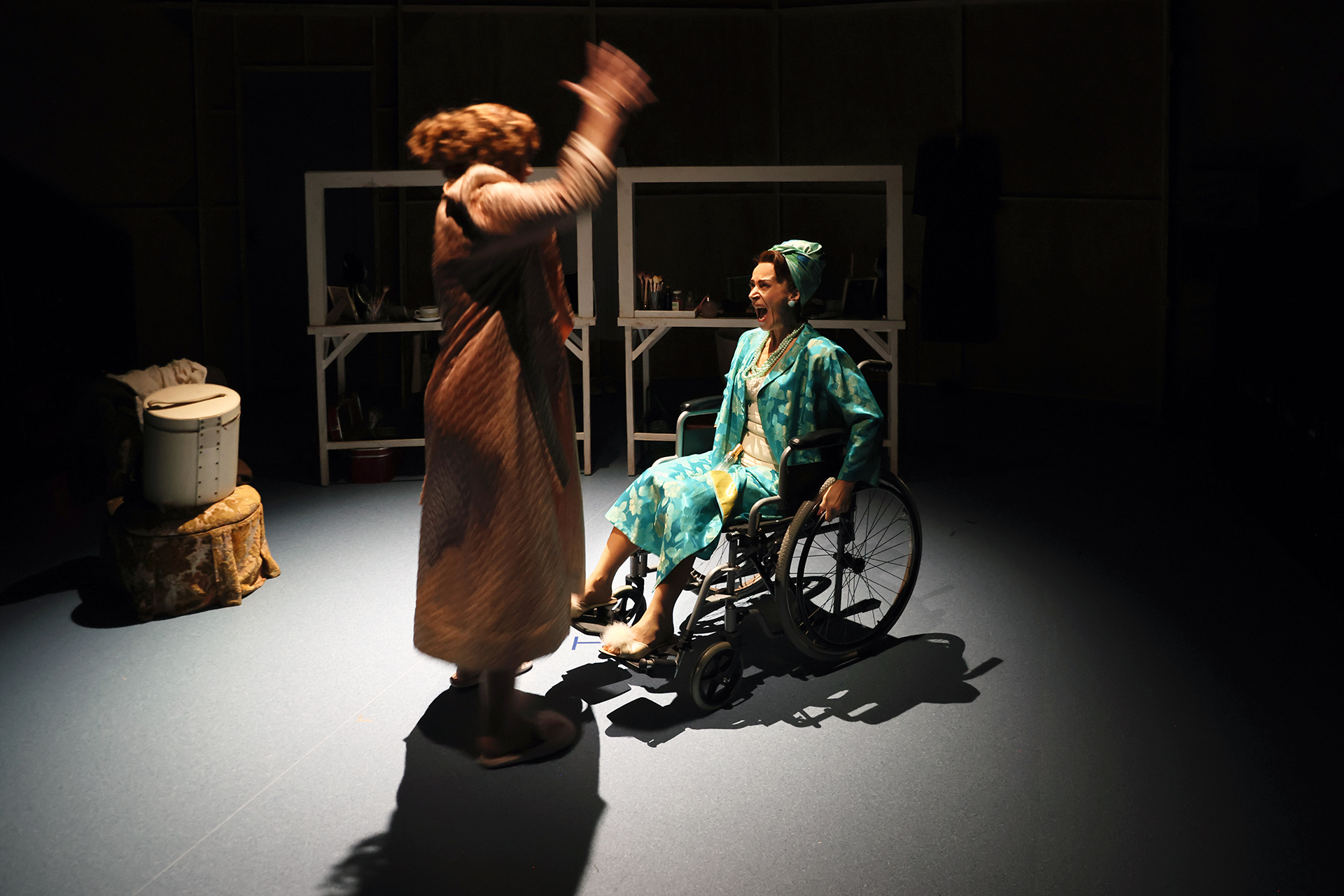
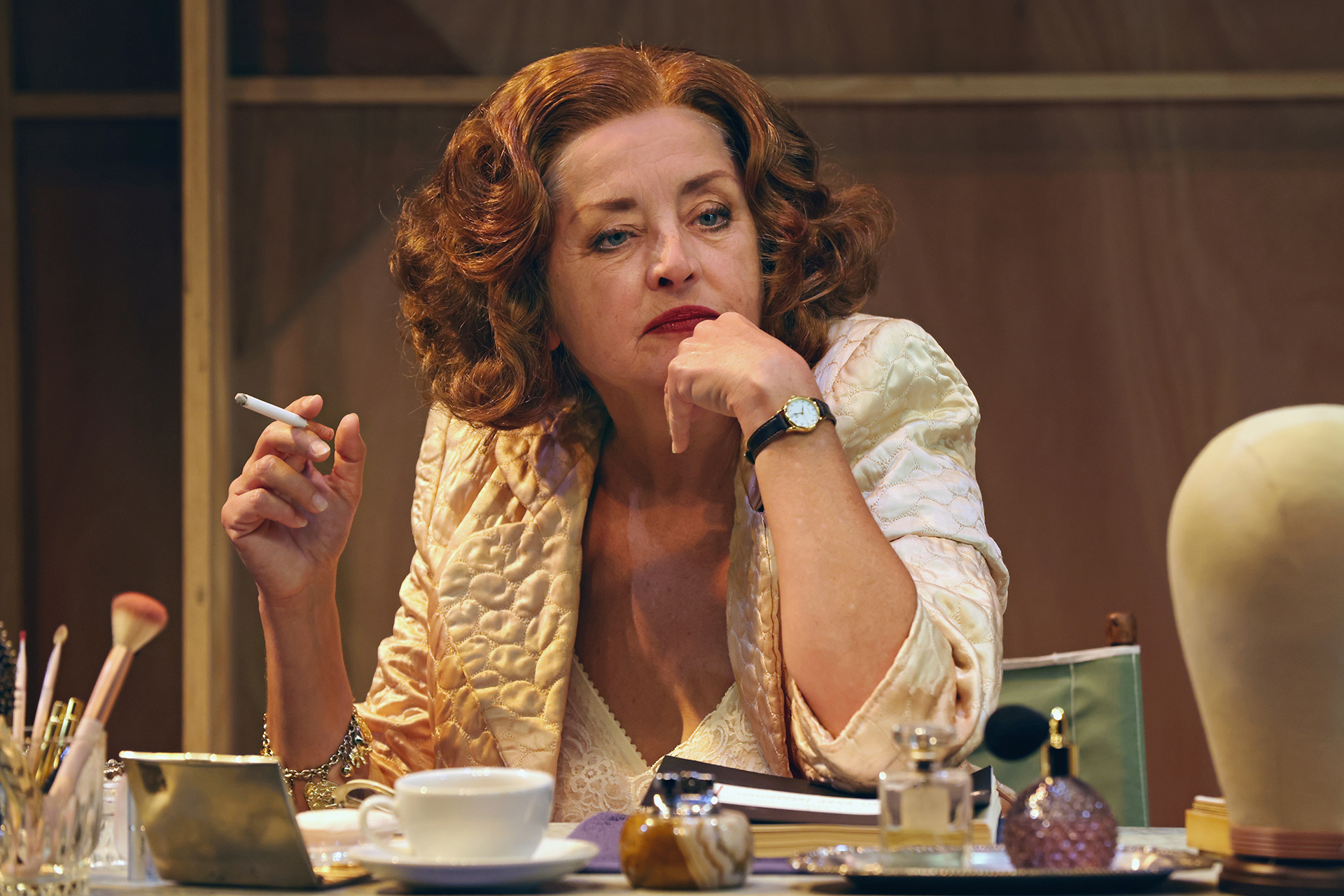
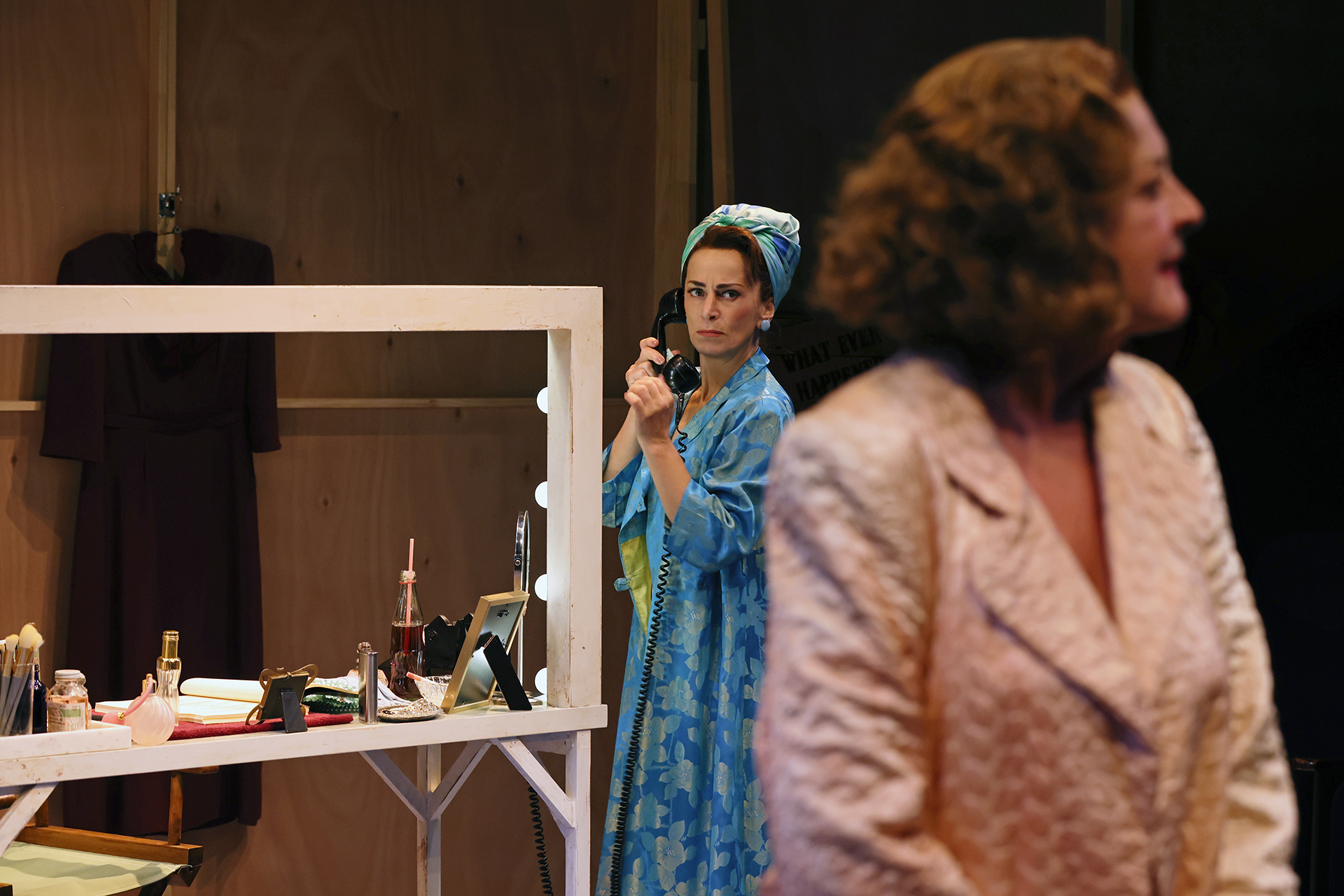
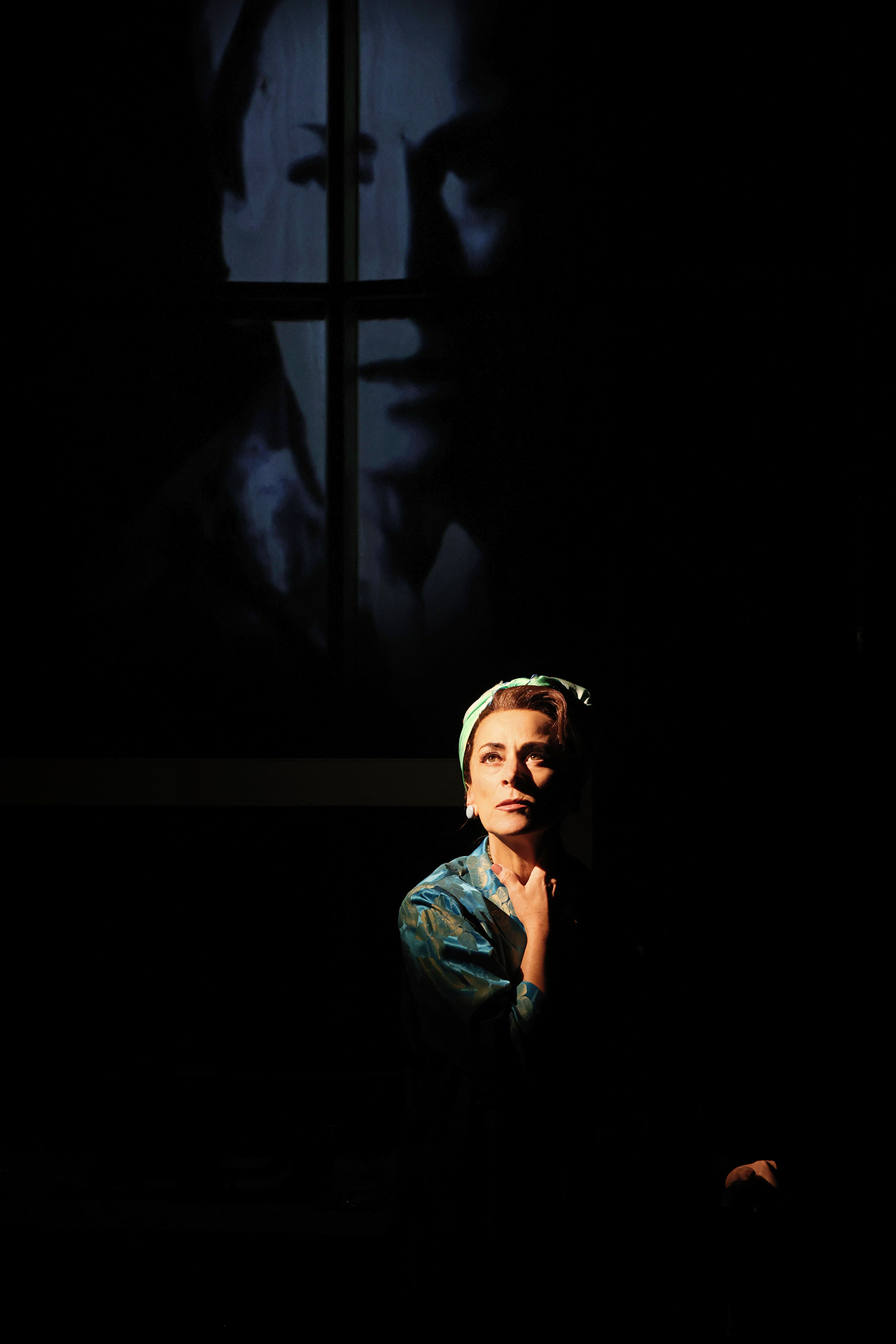
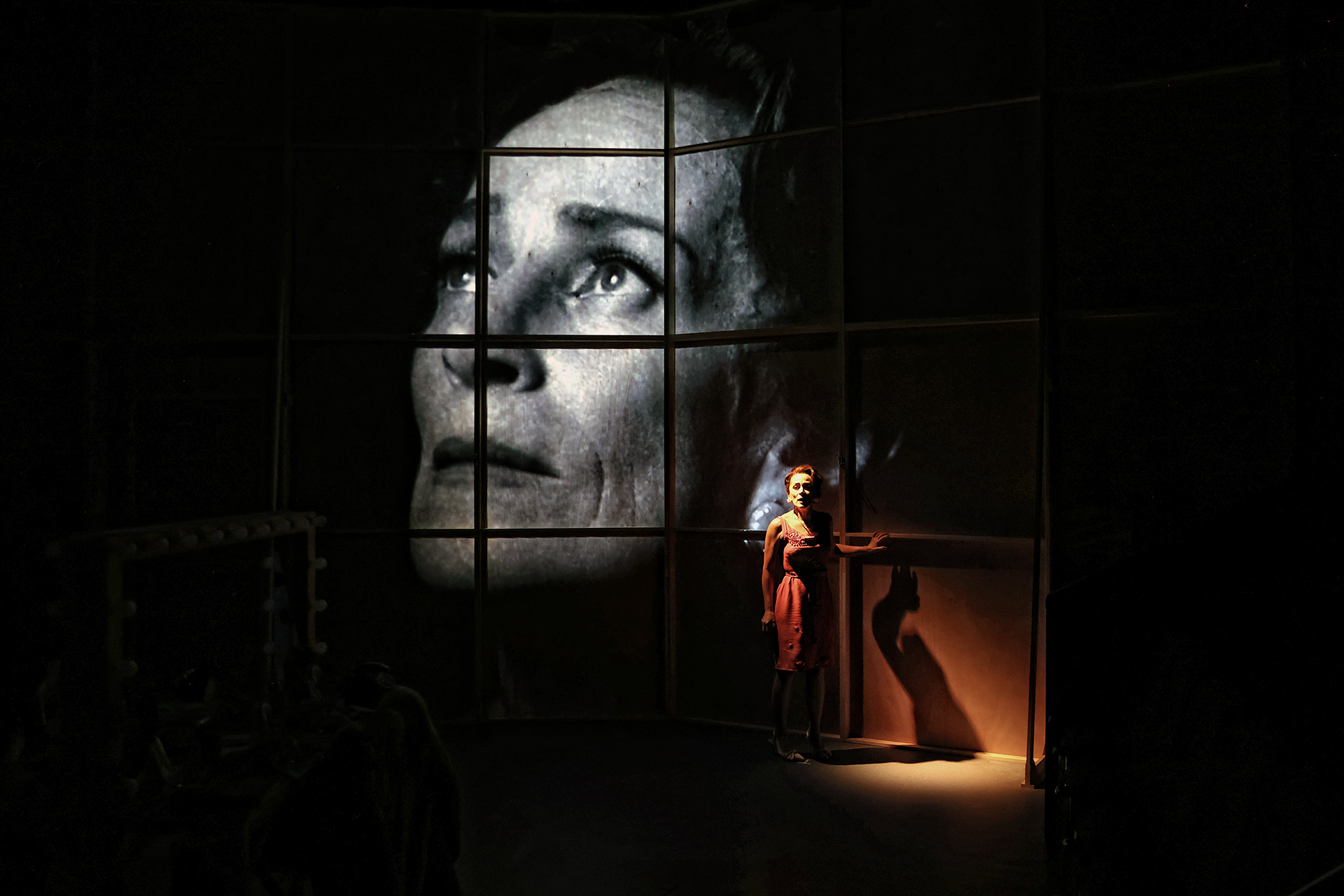
Anton Burge’s 2011 play Bette & Joan offers a backstage glimpse into the lives of Hollywood legends Davis and Crawford during the making of the classic film Whatever Happened to Baby Jane? Set against the fraught atmosphere of that production, the drama examines their legendary feud and fraught intimacy, while exposing the deeper vulnerabilities of two aging muses navigating a merciless industry built on rigid hierarchies and the constant threat of obsolescence.

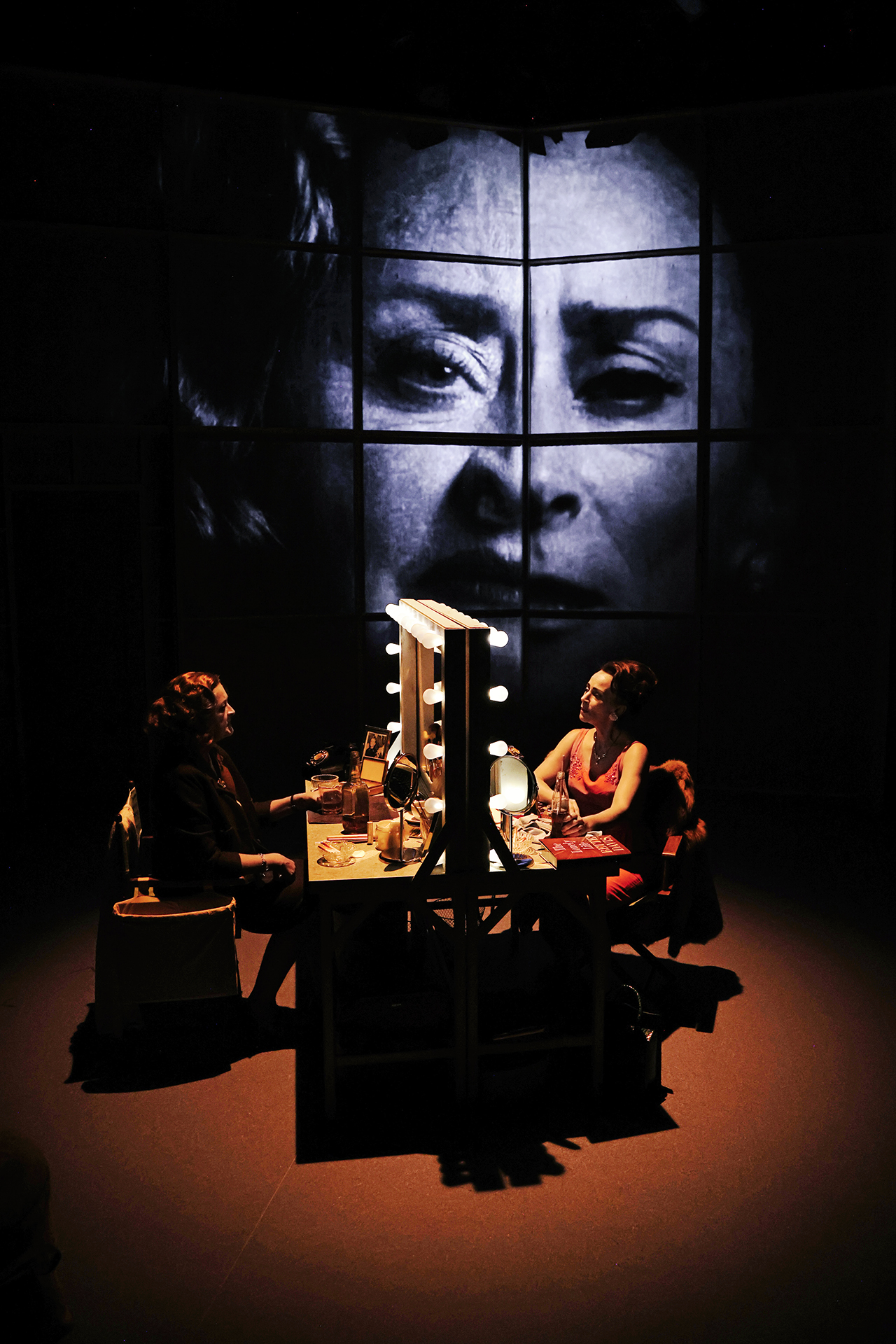
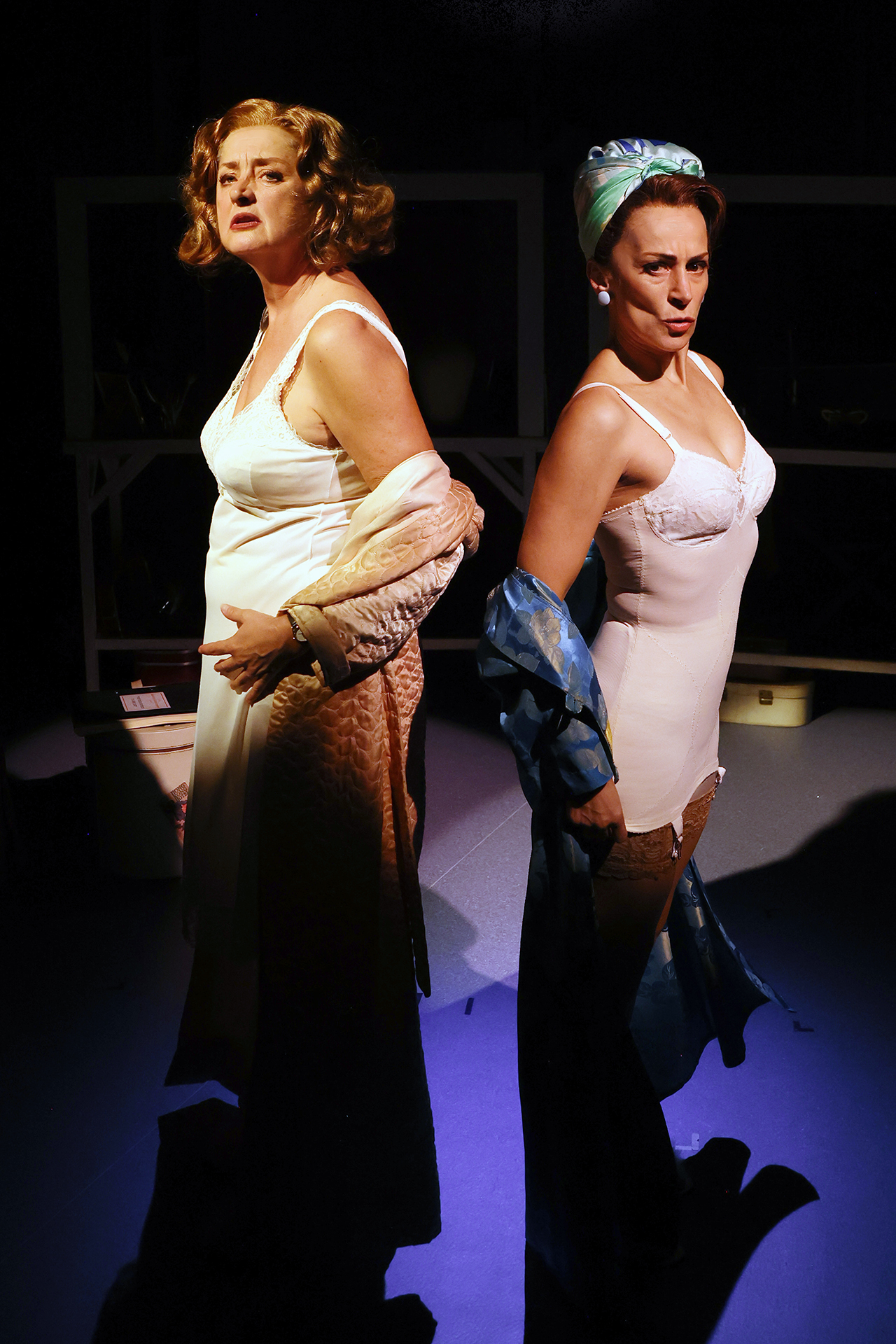
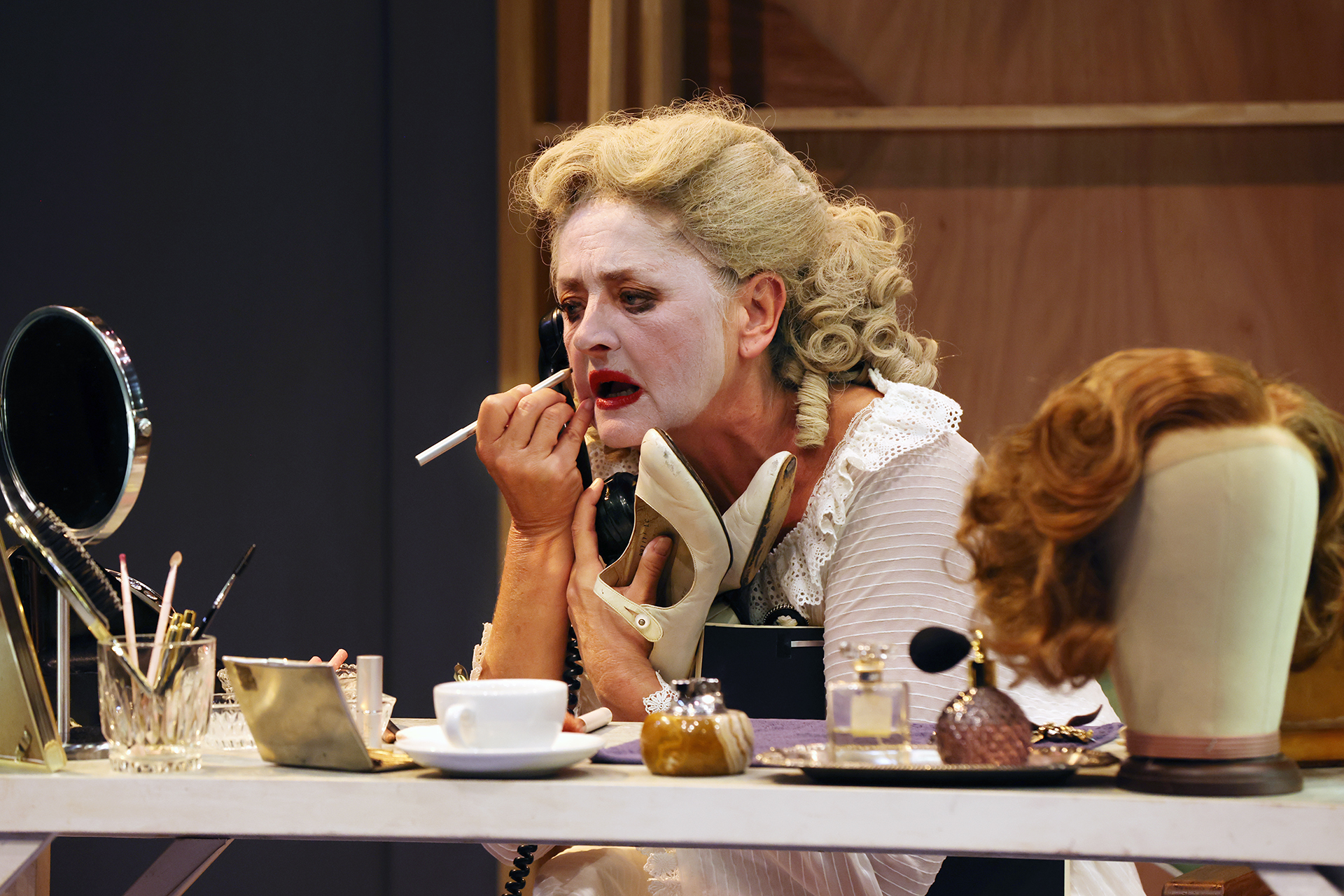
Burge’s script navigates the labyrinthine psychology of these titans with admirable precision, yet the work itself proves uneven in its ability to sustain engagement. Under Liesel Badorrek’s direction, the production’s stylistic elements are cohesively managed, resulting in a production that looks and sounds exquisite—but one that never quite draws us into its central concerns. Grace Deacon’s production design evokes the insular world of a soundstage, with the rear facades of filmmaking flats forming a backdrop. The two dressing tables, though impeccably glamorous, feel somewhat confining. Deacon fares better with her costuming, which achieves a haunting verisimilitude in resurrecting the stars’ 1962 silhouettes—the tweed and talons, the calculated armour of glamour under siege.

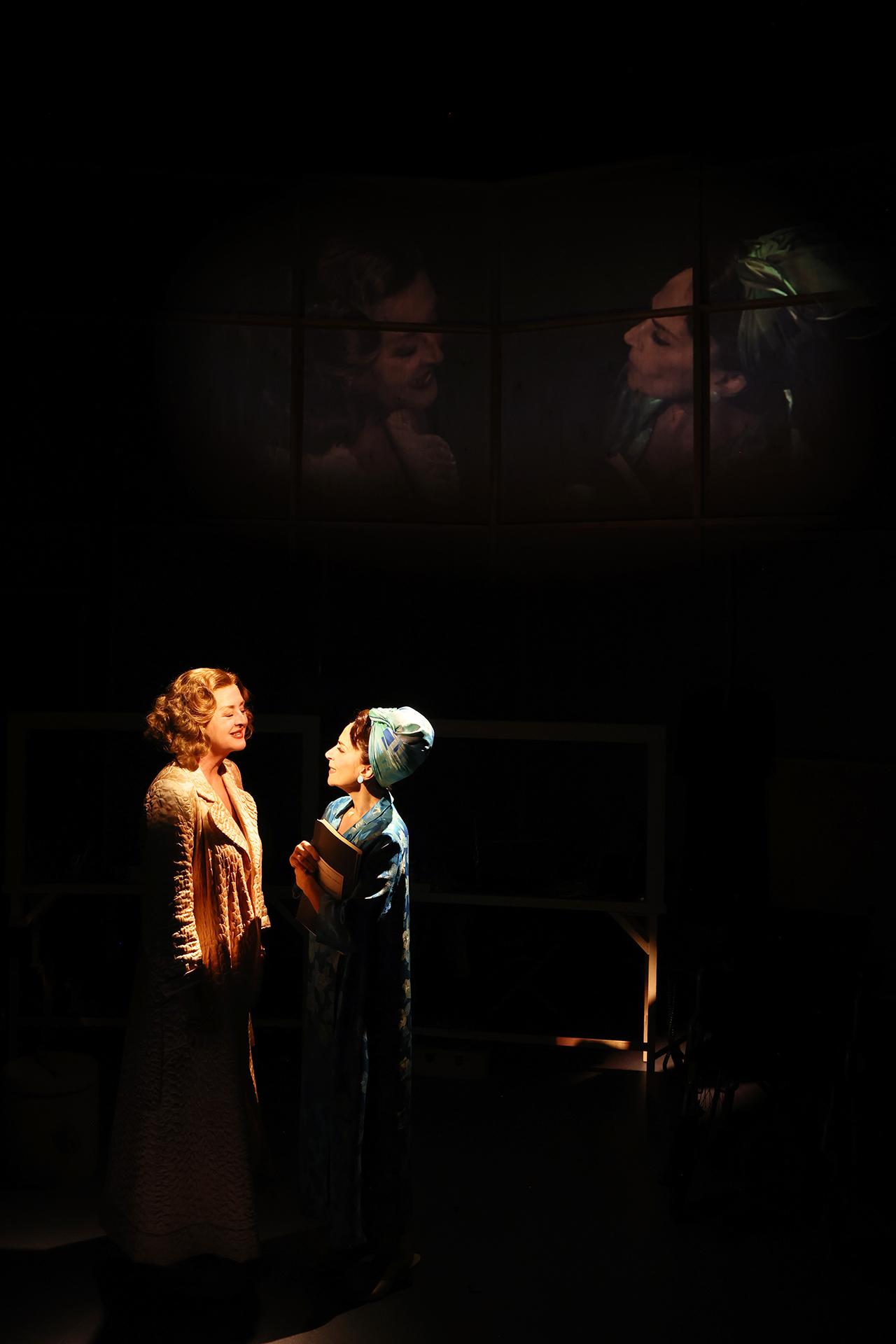
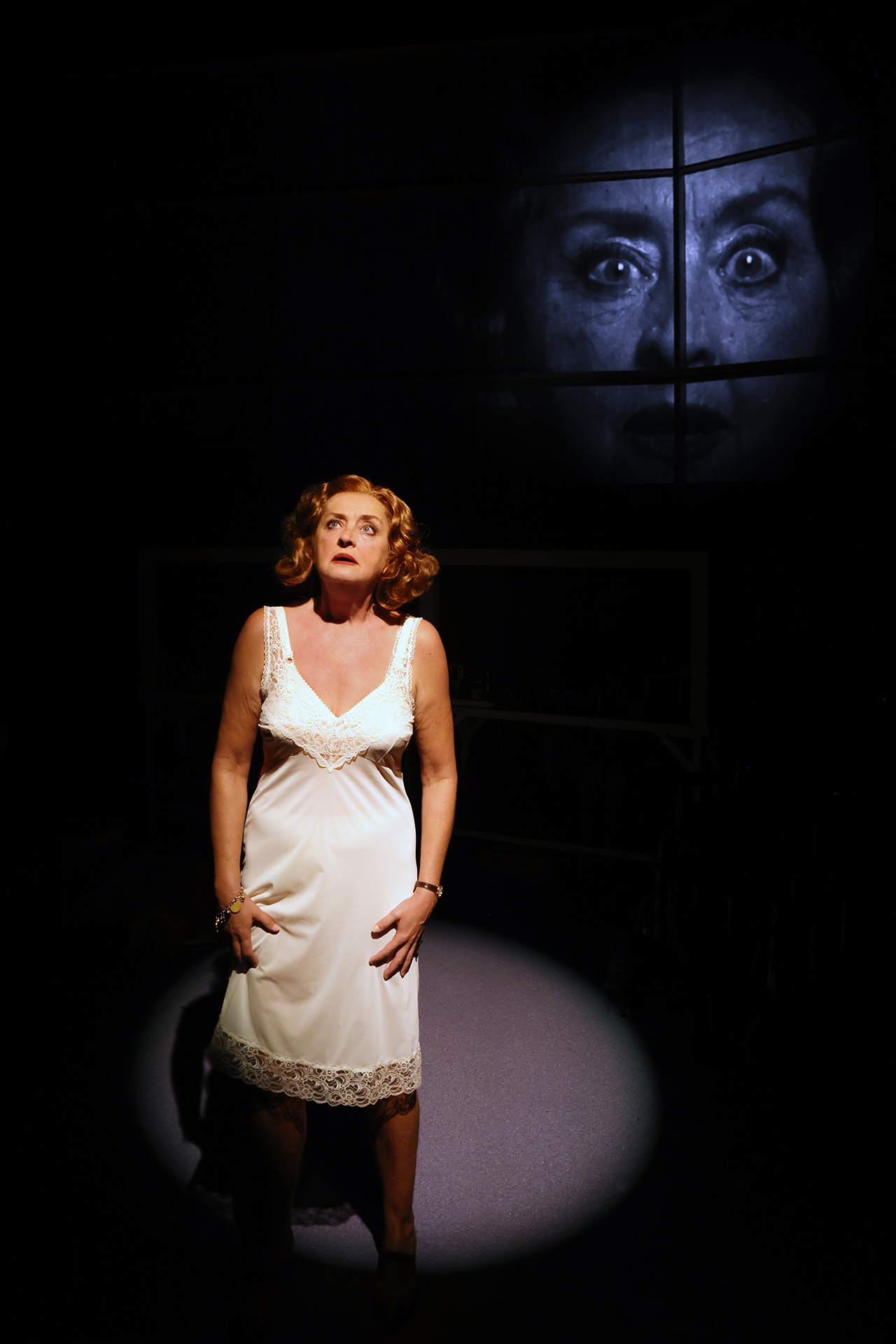
Cameron Smith’s video projections—whether pre-recorded or live—are seamlessly integrated and visually splendid, conjuring the texture of an earlier cinematic era. Lighting designer Kelsey Lee and composer Ross Johnston contribute moments of heightened drama, infusing this tribute to old Hollywood with flashes of theatrical beauty, even as the production rarely penetrates beyond surface-level homage.

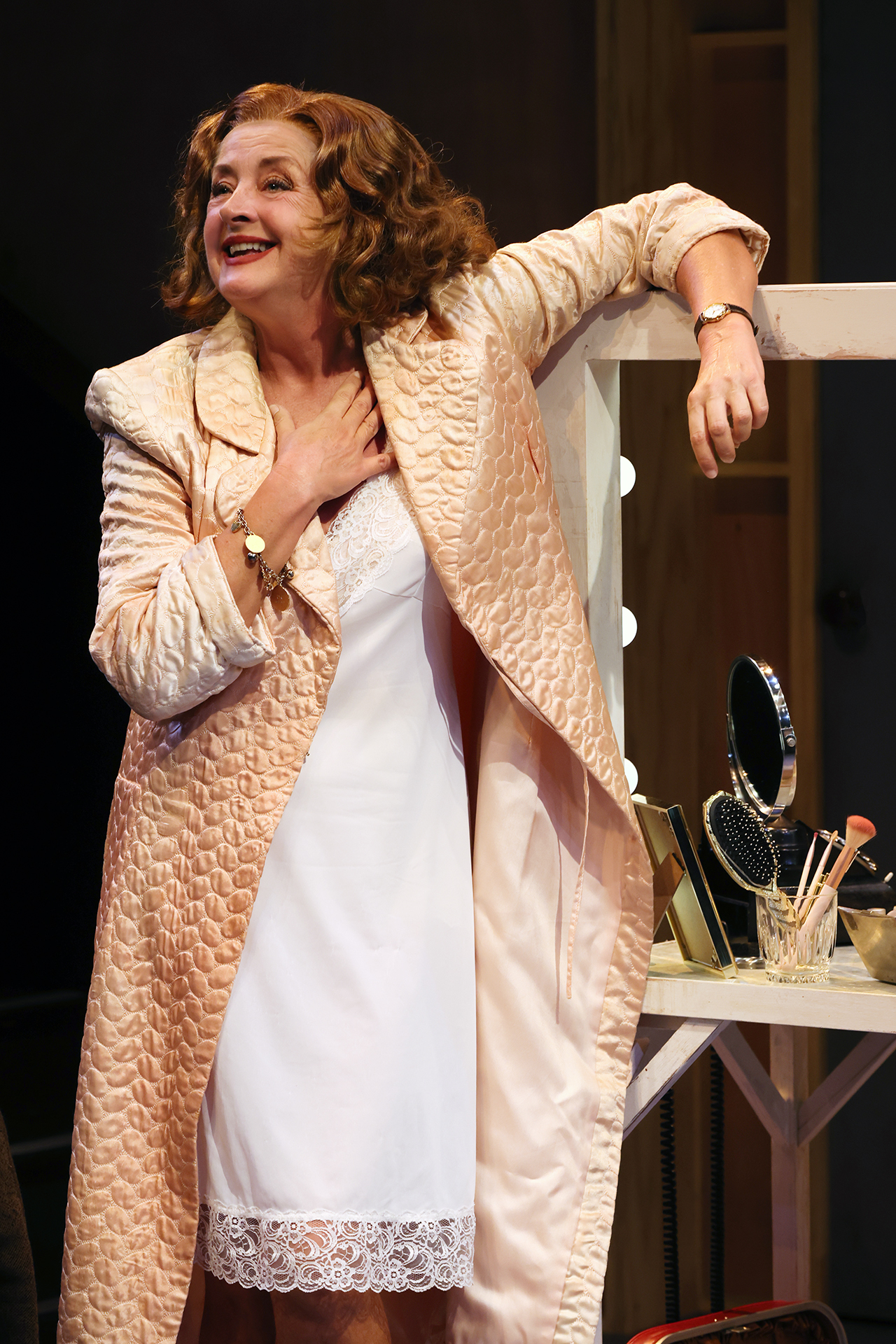
Performers Jeanette Cronin and Lucia Mastrantone command the stage with palpable confidence, holding our attention through the sheer artistry of their mimicry. Cronin, in particular, delivers a strikingly accurate portrayal of Davis, capturing her distinctive mannerisms, vocal inflections, and a face seemingly sculpted from the same volcanic material as her subject’s.

At its core, Bette & Joan grapples with the phenomenon of female rivalry, revealing that even at the highest echelons of success, women remain bound by shared struggles within a system that depends on their diminishment. By cannibalizing each other’s reputations, they performed the industry’s work of self-sabotage, ensuring that the true mechanisms of dominance remained invisible and intact. Power in its most insidious forms flourishes when the disenfranchised are kept apart—persuaded that their true enemy lies beside them, while the forces that exploit them operate with impunity.

www.ensemble.com.au
Review: My Brilliant Career (Sydney Theatre Company)

Venue: Roslyn Packer Theatre (Sydney NSW), Mar 21 – May 3, 2026
Book: Sheridan Harbridge, Dean Bryant (from the Miles Franklin novel)
Music: Mathew Frank
Lyrics: Dean Bryant
Director: Anne-Louise Sarks
Cast: Cameron Bajraktarevic-Hayward, Melanie Bird, Lincoln Elliott, Victoria Falconer, Kala Gare, Raj Labade, Drew Livingston, Ana Mitsikas, Christina O’Neill, Jarrad Payne, Jack Green, and Meg McKibbin.
Images by Pia Johnson

Theatre review
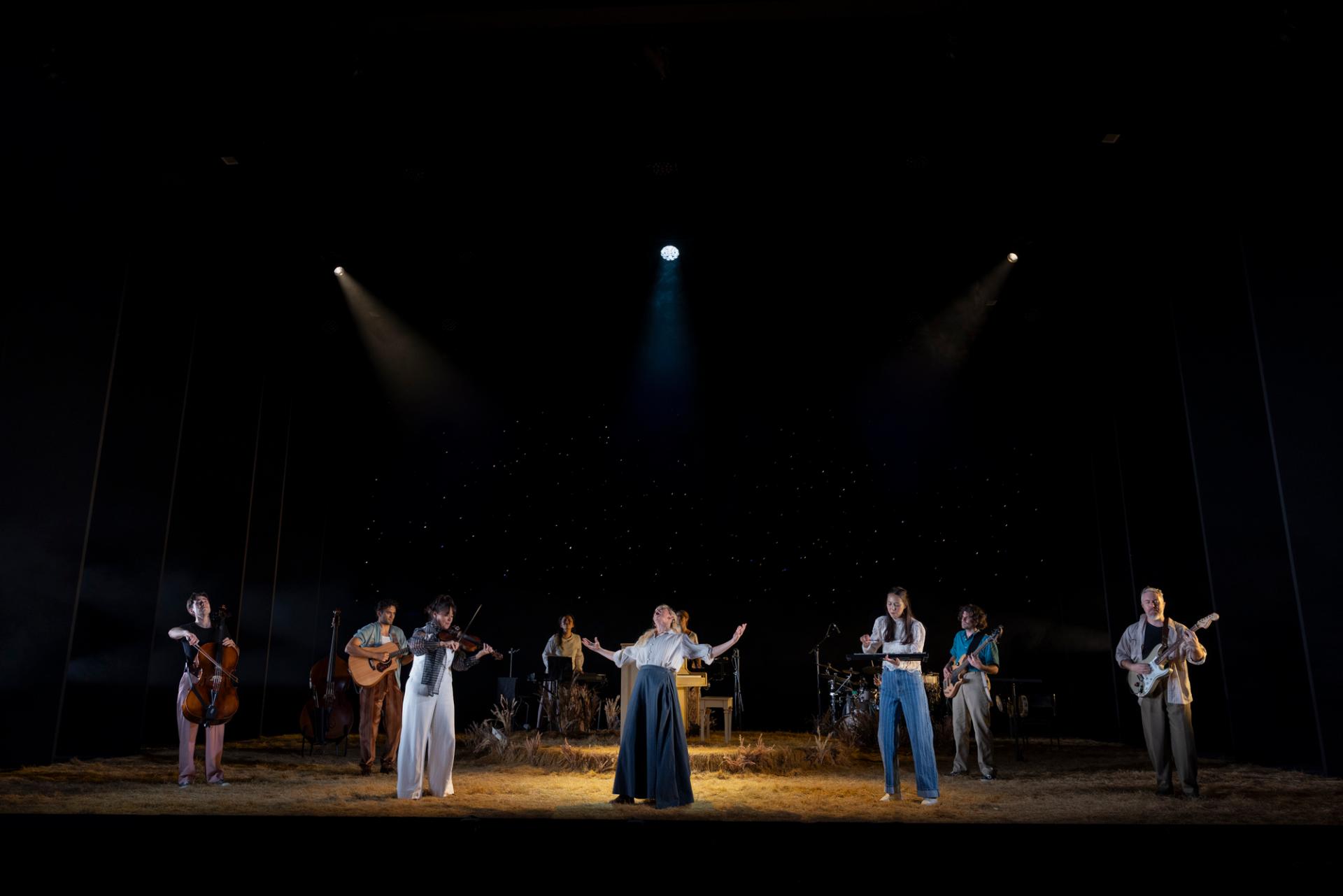
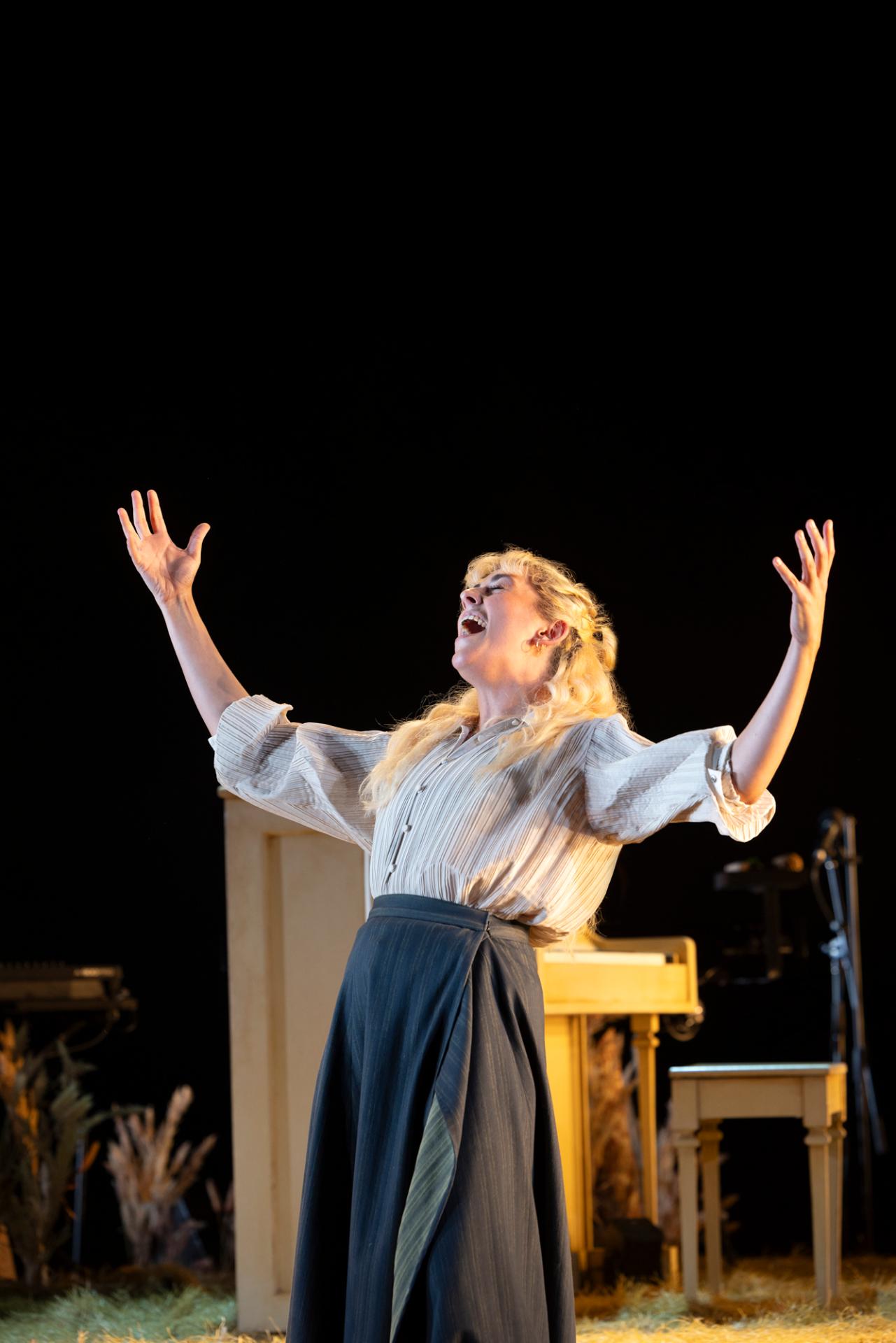
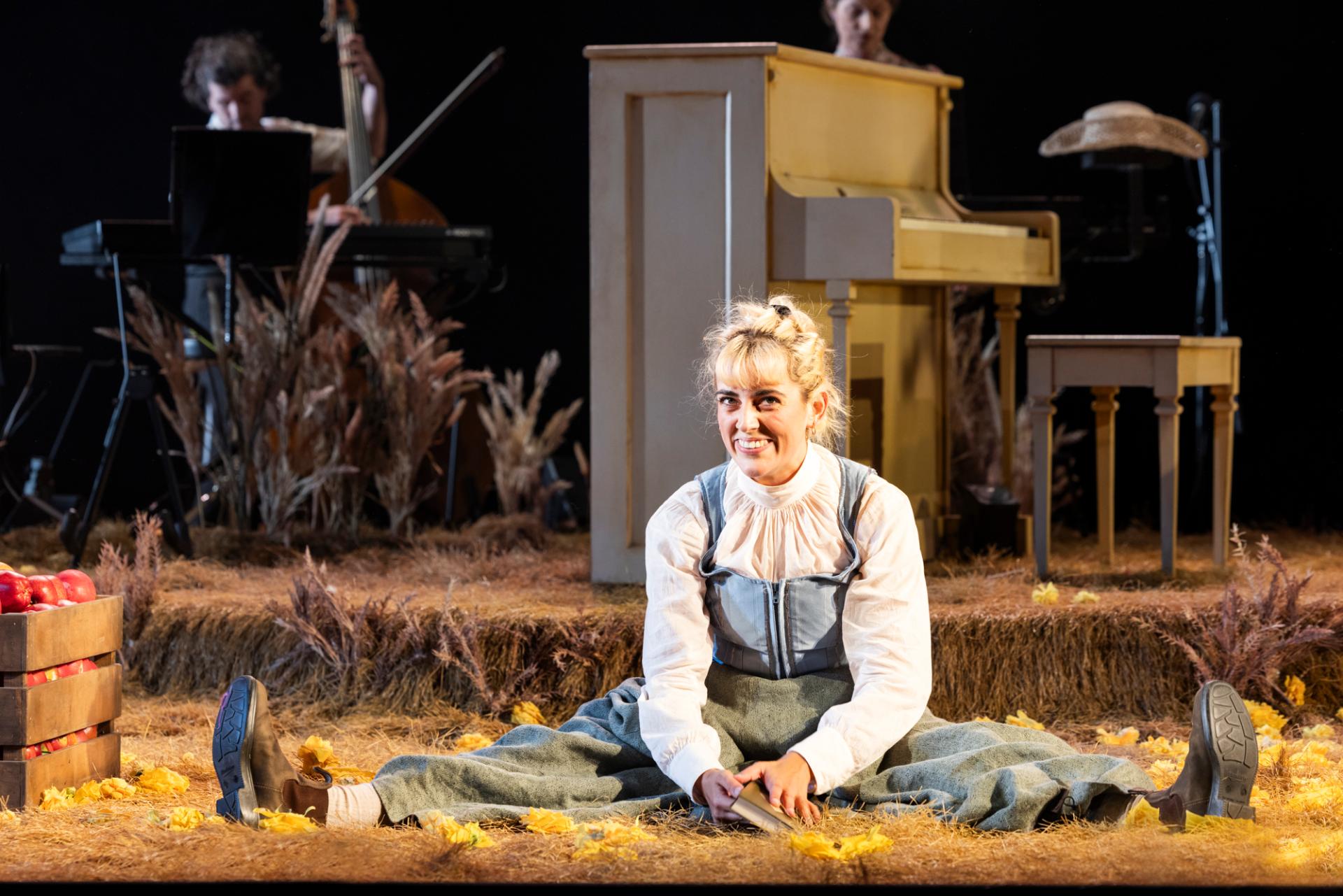
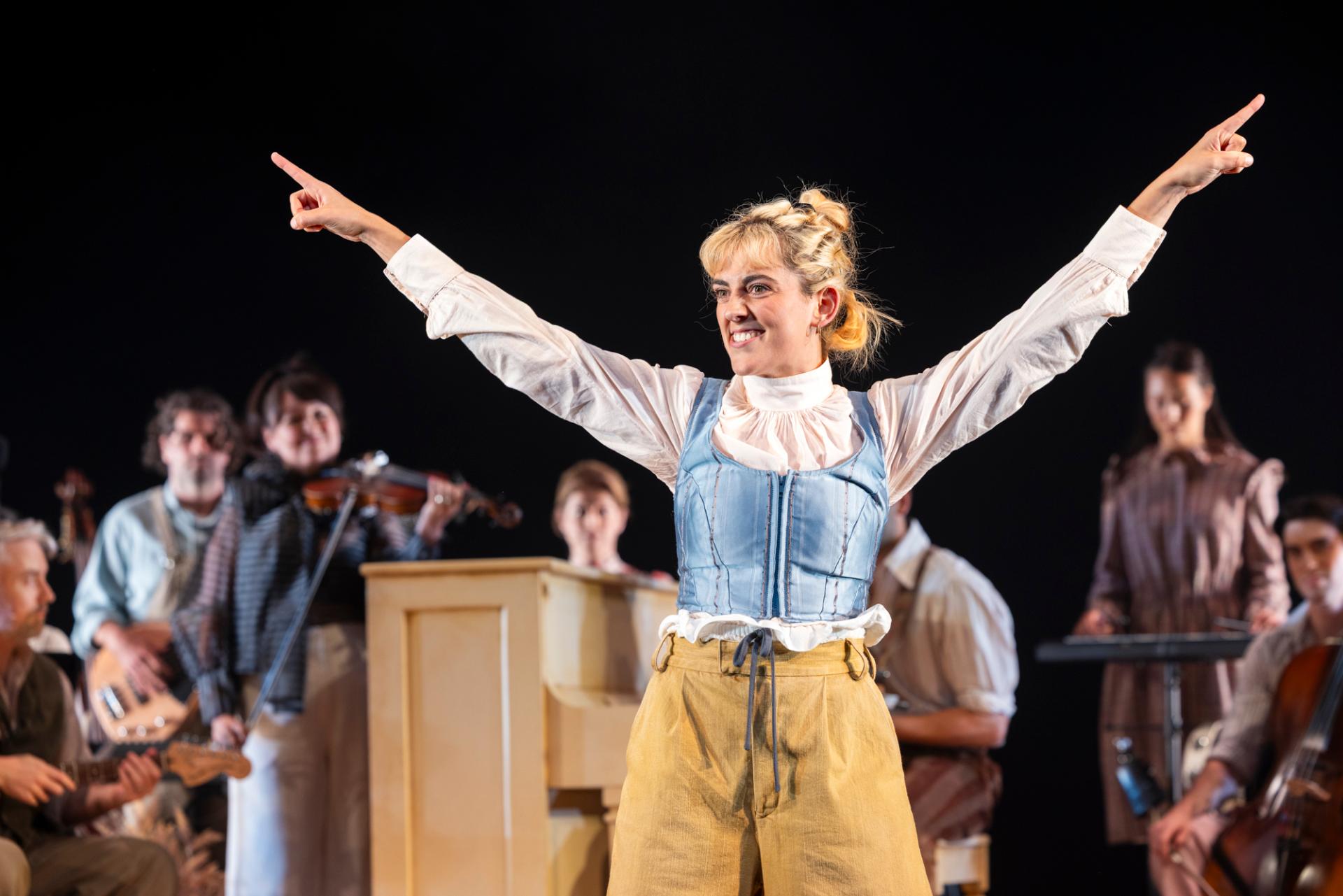
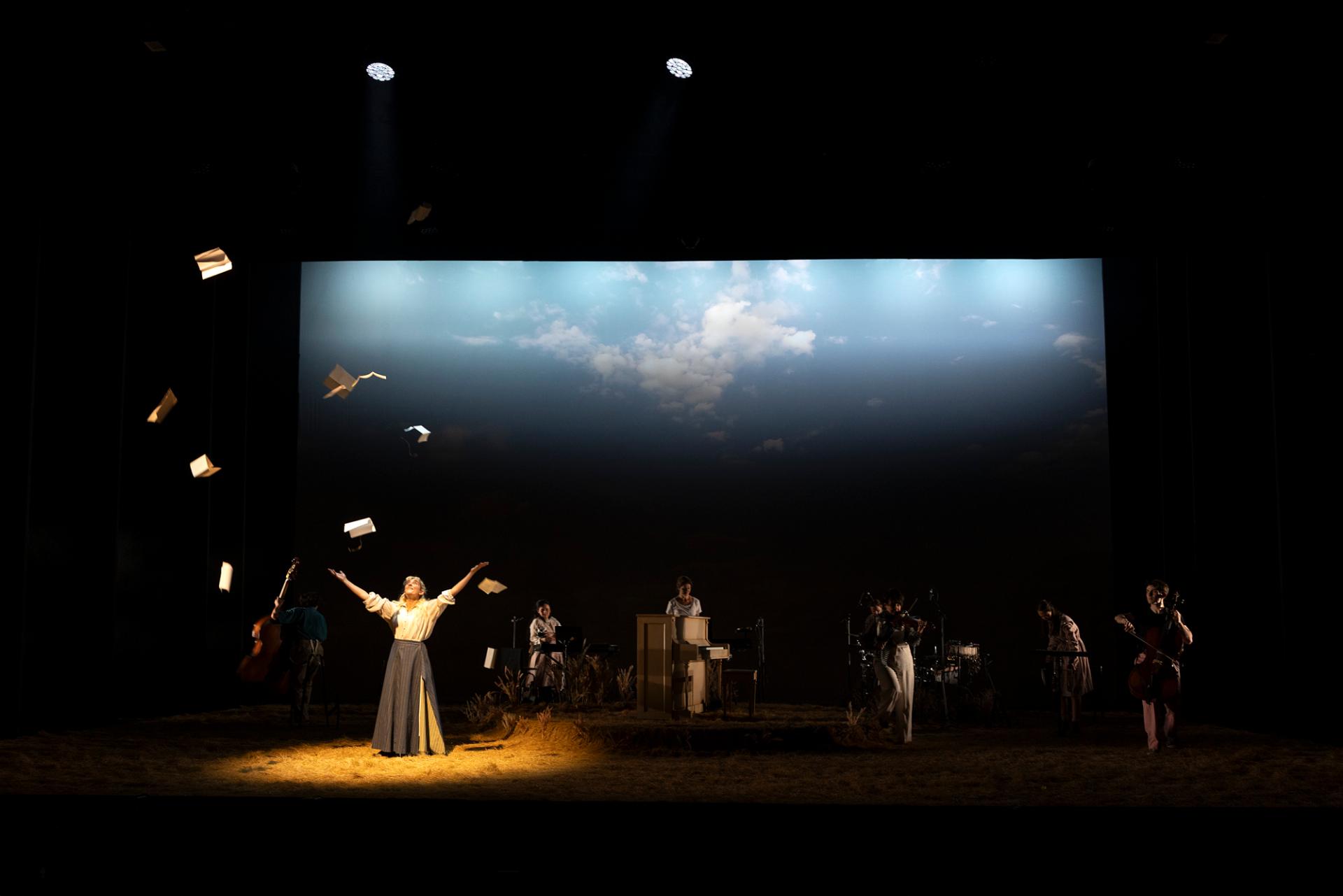
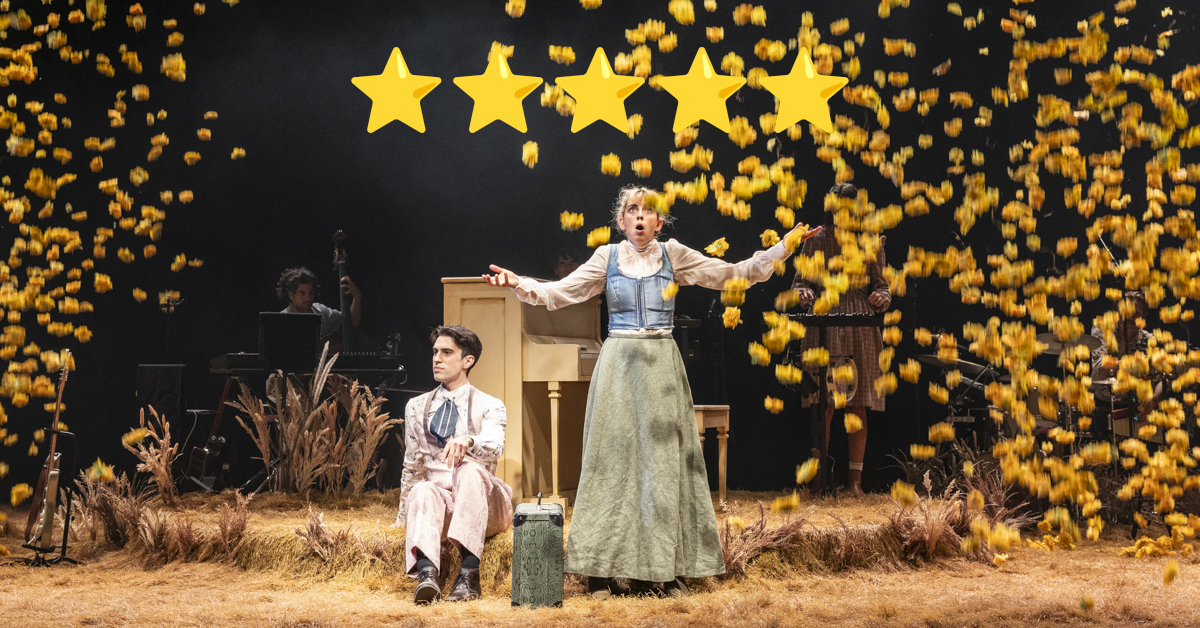
First published in 1901, when Miles Franklin was merely twenty-one, this seminal novel chronicles a teenage protagonist’s fierce determination to transcend restrictive gender conventions and forge an autonomous existence within the artistic sphere. Now, My Brilliant Career—that cornerstone of the Australian literary canon—has been reimagined as a stage musical by the formidable trio of Dean Bryant and Sheridan Harbridge, who craft the words, and composer Mathew Frank. Together, they amplify the original’s spirited verve to revelatory effect, delivering a production as profoundly moving as it is inspiring.

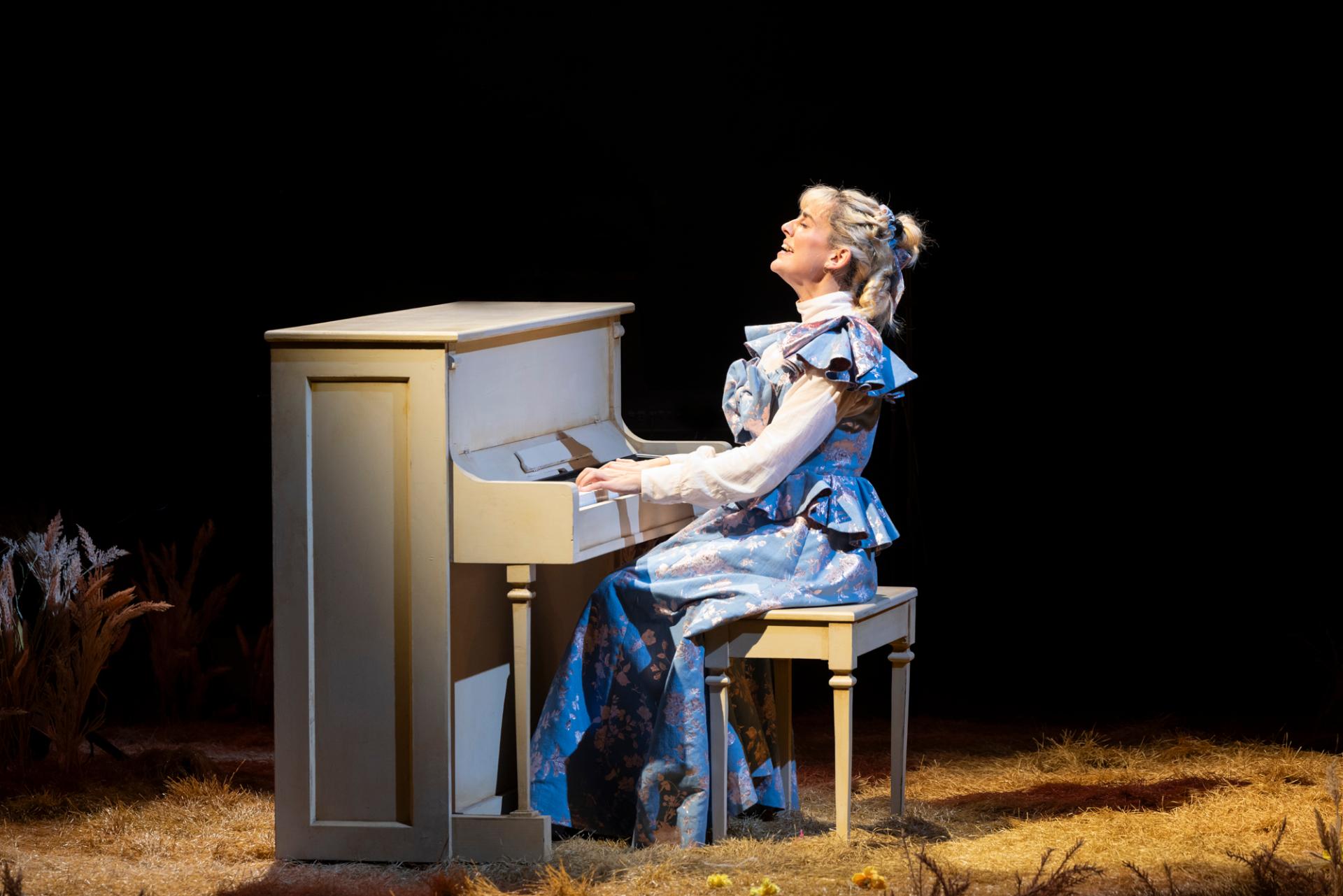
Under Anne-Louise Sarks’s astute direction and Amy Campbell’s sensitive choreography, the production arrives with startling immediacy, rendering its feminist discourse with the electrifying urgency of a revelation only just unveiled. Sybylla Melvyn, that indomitable protagonist, captivates utterly; every element of the staging conspires to forge an unbreakable empathic bond, compelling our complete investment in her trajectory.

Kala Gare delivers a thoroughly virtuosic performance in the central role, commanding the stage with breath-taking intensity to create an indelible theatrical experience. Remarkably, Gare and the supporting ensemble assume the dual responsibility of dramatic interpretation whilst simultaneously constituting the instrumental foundation of the entire musical landscape—a demonstration of extraordinary artistic versatility. Under Victoria Falconer’s expert musical direction, each composition emerges as a triumph of exuberance, sustaining a level of entertainment that never once falters.

Set and costumes by Marg Howell evoke the visual vernacular of the late nineteenth century, yet—like every other element of the production—deploy considerable artistic license to ensure the work feels distinctly contemporary. Eschewing any slavish fidelity to historical accuracy that might risk feeling dowdy or remote, preventing the work from collapsing into the fusty dreariness of period-bound exactitude that might otherwise alienate contemporary sensibilities. Matt Scott’s lighting makes sparing use of grand gestures, focusing instead on the nuanced cultivation of atmosphere, achieving its mood-crafting objectives with impeccable restraint and consummate efficacy.

Girls should be taught not only that they possess every right to shape their own lives, but also that the denial of independence precipitates inexorably a descent into despondency, corrosive resentment, and a misery that permeates the very marrow of being. Sybylla’s narrative stands as a testament to resistance—particularly arduous resistance, for she must steel herself not against hardship, but against pleasure itself; she must privilege the austere dictates of intellect over the intoxicating, ephemeral promises of romantic entanglement.

Every instinct of her adolescent being strains toward those deceptively beautiful, ultimately hollow comforts, yet it is precisely this opposition to that which appears most desirable that renders her struggle both agonizing and transcendent. In her defiance, we recognize the heart breaking truth that the most exquisite cages remain cages still, and that the price of genuine freedom is often the conscious, painful renunciation of that which sparkles most brightly.

www.sydneytheatre.com.au
Review: Stage Kiss (New Theatre)

Venue: New Theatre (Newtown NSW), Mar 18 – Apr 11, 2026
Playwright: Sarah Ruhl
Director: Alice Livingstone
Cast: Emma Delle-Vedove, Nicola Denton, Victoria Fowler, Lynden Jones, Nicholas Papademetriou, Frank Shanahan, Jason Spindlow
Images by Bob Seary

Theatre review
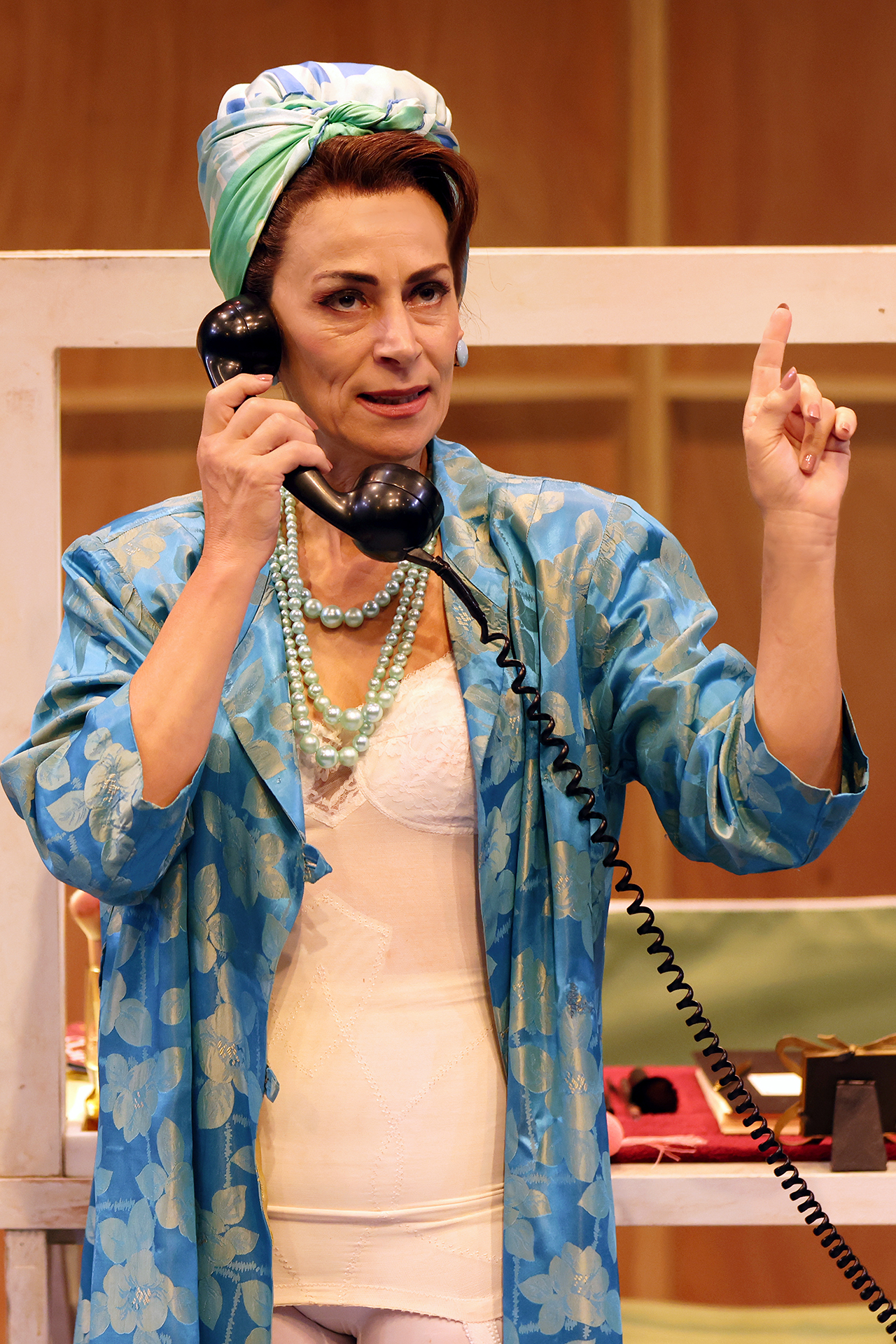
In Sarah Ruhl’s comedy Stage Kiss, an actress, cast opposite the very man with whom she once had a bitter falling out, finds herself helplessly ensnared in a backstage romance. Though her husband and daughter look on with dismay, she surrenders to the peculiar intimacy of the stage, where simulated passion gives way to genuine longing. The play’s central conceit—that the body cannot tell a feigned kiss from a real one—becomes a sly meditation on how art blurs the line between imagination and truth.

Alice Livingstone’s direction mines every vein of comedy in the text, yielding a production of genuine charm. As the central figure, Emma Delle-Vedove is wholly convincing, imbuing her performance with a satisfying depth that lends the storytelling real substance. Opposite her, Jason Spindlow matches her stride for stride, his timing and comic sensibility proving an ideal complement. The supporting ranks are enlivened by Nicholas Papademetriou and Frank Shanahan, both of whom generate uproarious laughs through their intrepid, delightfully unguarded performances.

The production’s visual language is shaped by Merle Leuschner’s set, which capably navigates the play’s spatial requirements, and Bianca De Nicola’s costumes, which neatly delineate character. Together, the two elements inadvertently echo the resourceful aesthetic of regional theatre, conferring a certain lived-in verisimilitude. Holly Nesbitt’s lighting contributes welcome nuance, its selective details lending the stage visual depth. The sound design, however, proves a notable shortcoming—its lack of energy frequently undermines the production’s momentum, leaving it feeling less dynamic than the material demands.

To observe that a woman possesses the right to shape her own life is perhaps to state the obvious, yet the sentiment bears repeating. In Stage Kiss, we encounter a woman who does precisely that—choosing to be artist, mother, wife, and lover, often in uneasy succession. Where conventional parlance would accuse her of trying to “have it all,” the play instead presents her simply sampling what is on offer, fumbling through each decision, and making mistakes with disarming regularity. In a culture saturated with glossy, unattainable ideals of achievement, watching her flawed navigation proves a far more honest—and surprisingly inspiring—spectacle.

www.newtheatre.org.au

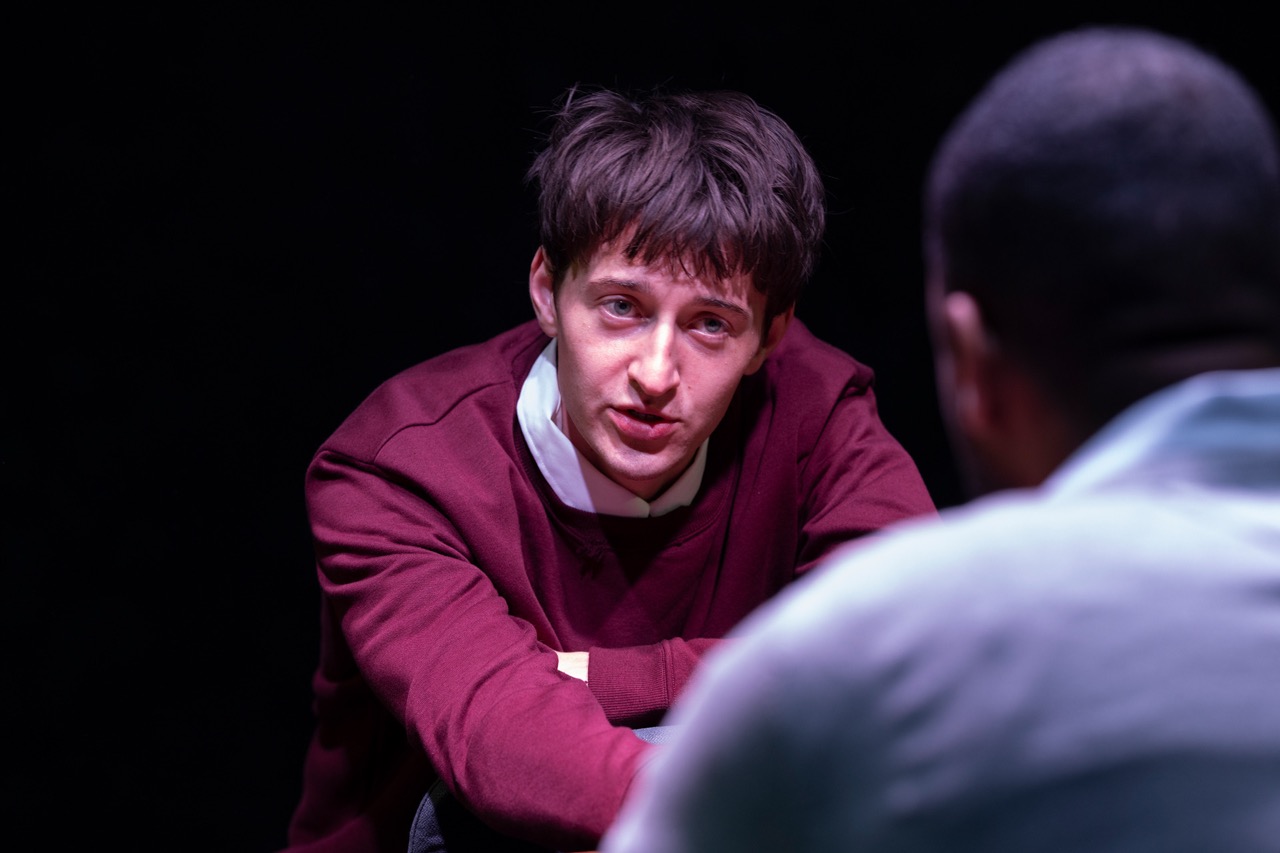
Review: Monster (KXT on Broadway)

Venue: KXT on Broadway (Ultimo NSW), Mar 6 – 21, 2026
Playwright: Duncan Macmillan
Director: Kim Hardwick
Cast: Tony J Black, Romney Hamilton, Linda Nicholls-Gidley, Campbell Parsons
Images by Abraham de Souza

Theatre review
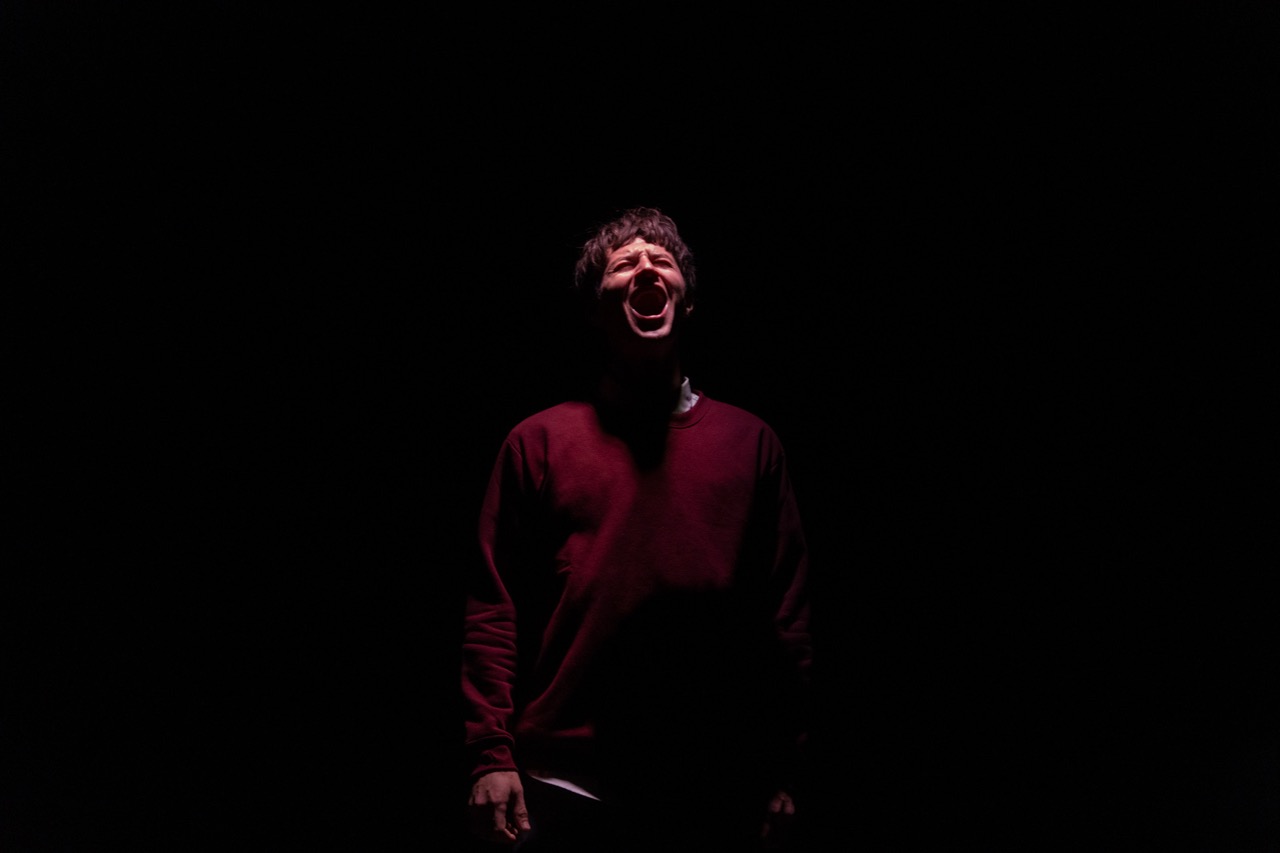
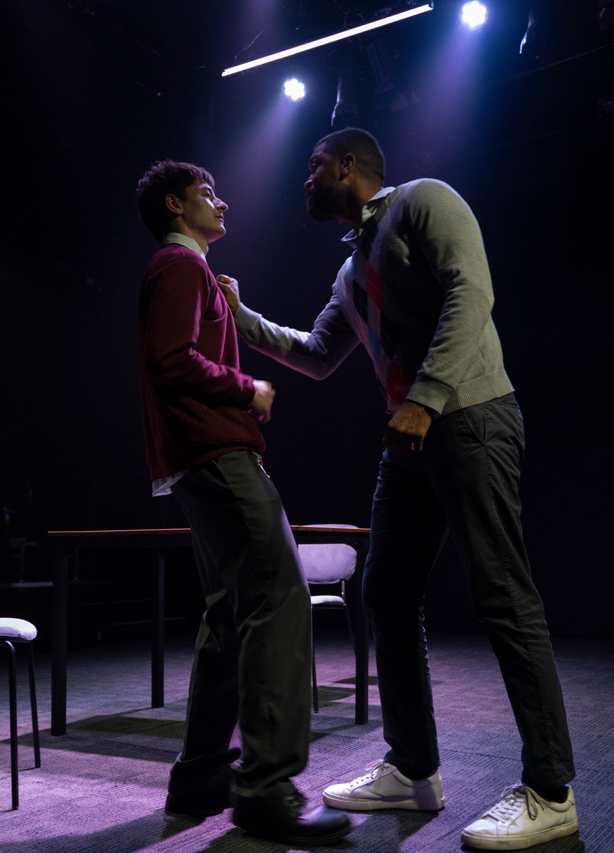
Duncan Macmillan’s Monster confronts its audience with an uncompromising examination of human depravity through the fraught pedagogical relationship between Tom, a beleaguered schoolteacher, and Darryl, a fourteen-year-old pupil exhibiting escalating criminal and sociopathic tendencies. Macmillan deliberately eschews moralistic didacticism in favour of unvarnished verisimilitude, constructing a narrative architecture that systematically dismantles the audience’s tendencies for denial or evasion.

Director Kim Hardwick translates the play’s uncompromising themes into an equally austere production aesthetic. Her direction deploys uncomfortable stillness as a dramatic vacuum, allowing horror to reveal itself without mediation. This minimalist tension is amplified by Charlotte Leamon’s sound design and Topaz Marley-Cole’s lighting, which coalesce during transitions to externalize our creeping dread. Through this calibrated accumulation of unease, Hardwick ensures we arrive at Monster‘s most unsettling recognition in lockstep with the characters: the gradual, inexorable realization that the situation is irredeemable.

Tony J Black, undertaking the role of Tom as a last-minute replacement, performs with script in hand—a circumstance that is entirely understandable. By contrast, Campbell Parsons delivers an extraordinary inhabitation of young Darryl, manifesting a terrifying and persuasively unhinged presence that systematically thwarts the audience’s compulsion toward rehabilitative narrative arcs. The production’s depth is further enriched by its supporting players. Romney Hamilton and Linda Nicholls-Gidley perform with unwavering commitment, each finding moments of dramaturgical incisiveness that cut through the tension, illuminating new facets of the play’s moral complexity.

The world in which we live confronts us with ubiquitous atrocity, demanding of its survivors not merely resilience but, a calibrated measure of productive delusion. Optimism constitutes less a sentimental luxury than an existential imperative—one without which flourishing simply becomes impossible. Indeed, viable existence itself appears contingent upon hope, however tenuous or substantially fabricated that hope may prove upon examination. Art then enters, to afford us the space to dwell in life’s deepest truths. However harrowing, these confrontations serve as a balm—permitting us to gaze upon reality without flinching, if only briefly, before we must again turn away.

www.kingsxtheatre.com | www.tinydogproductions.com.au
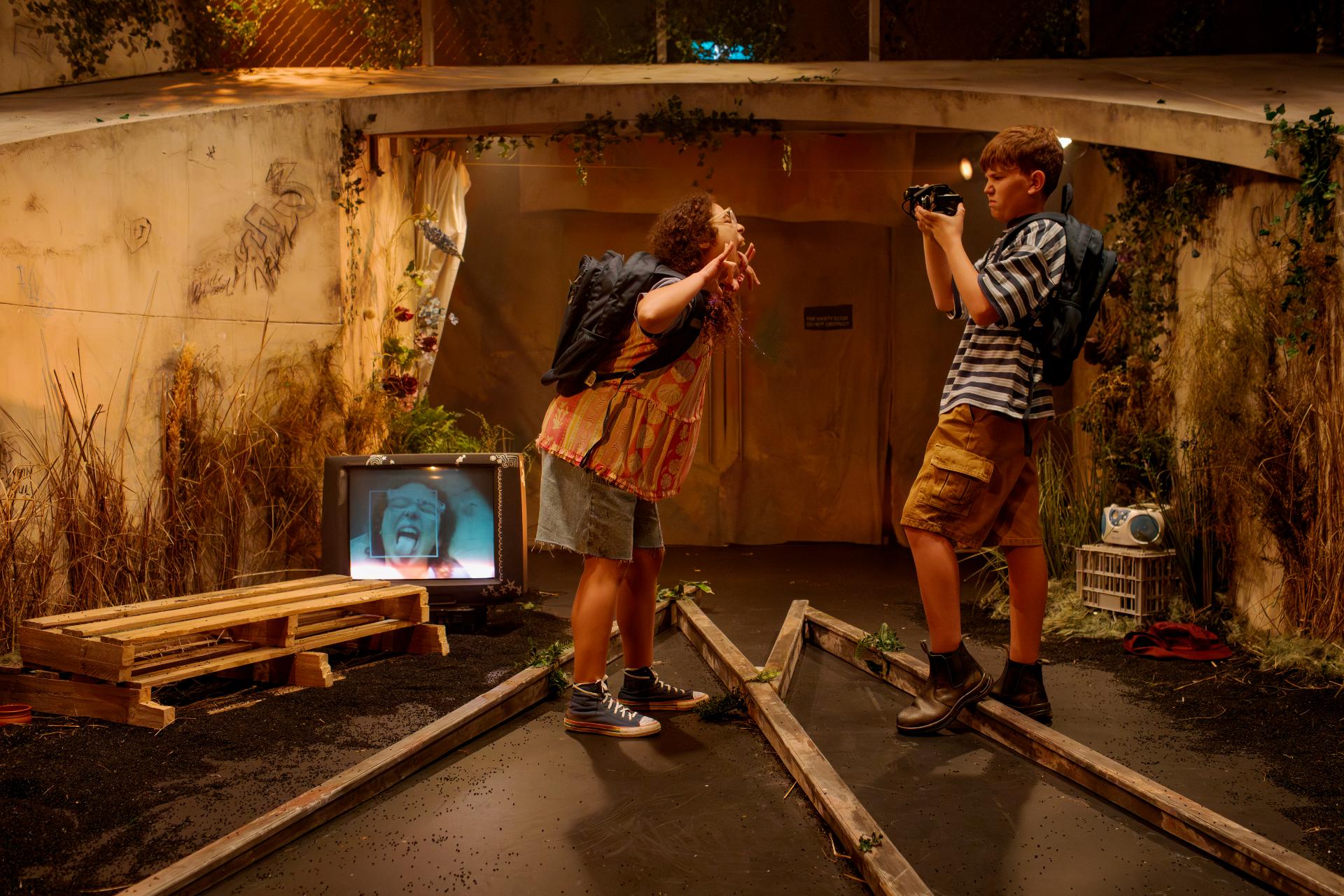
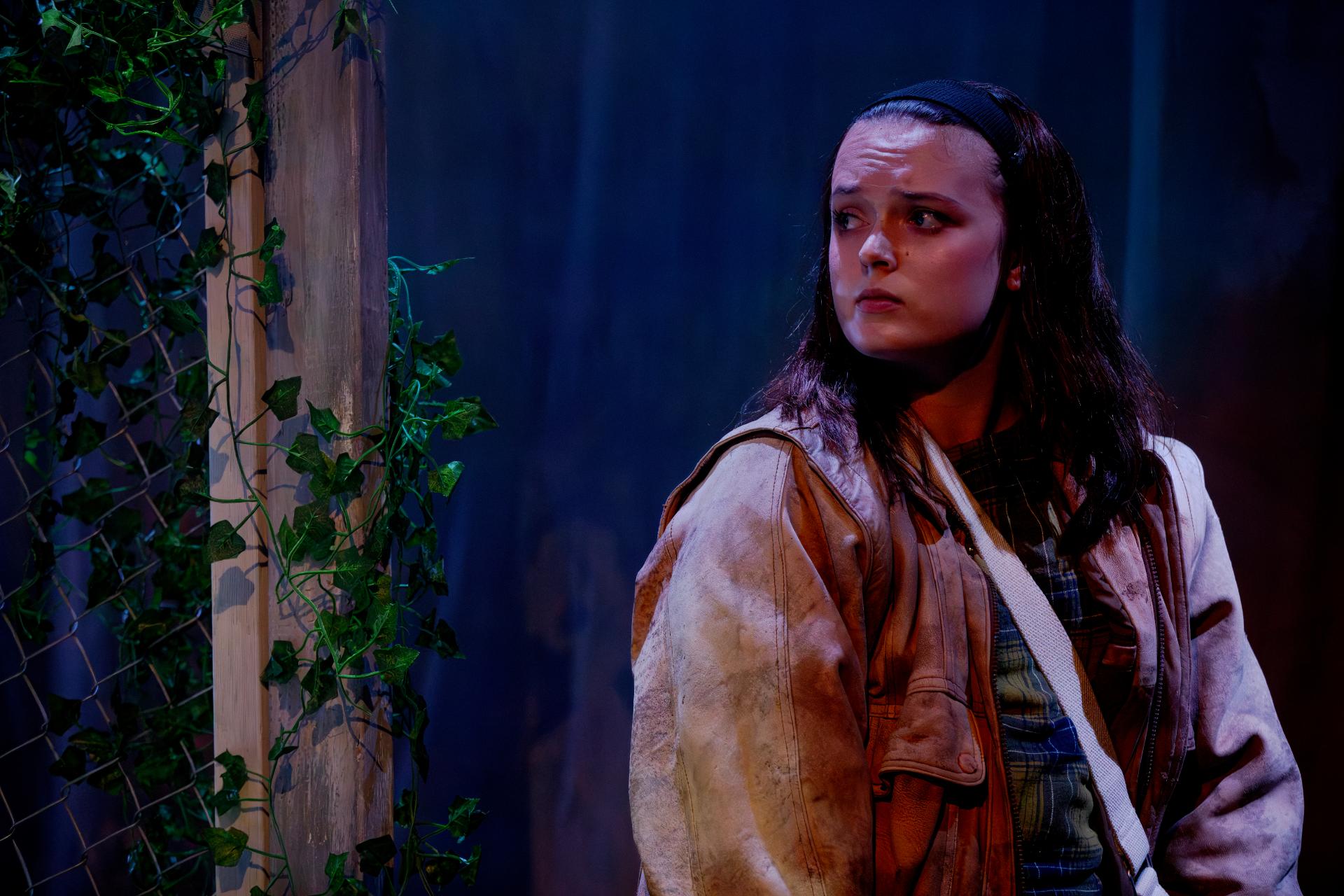
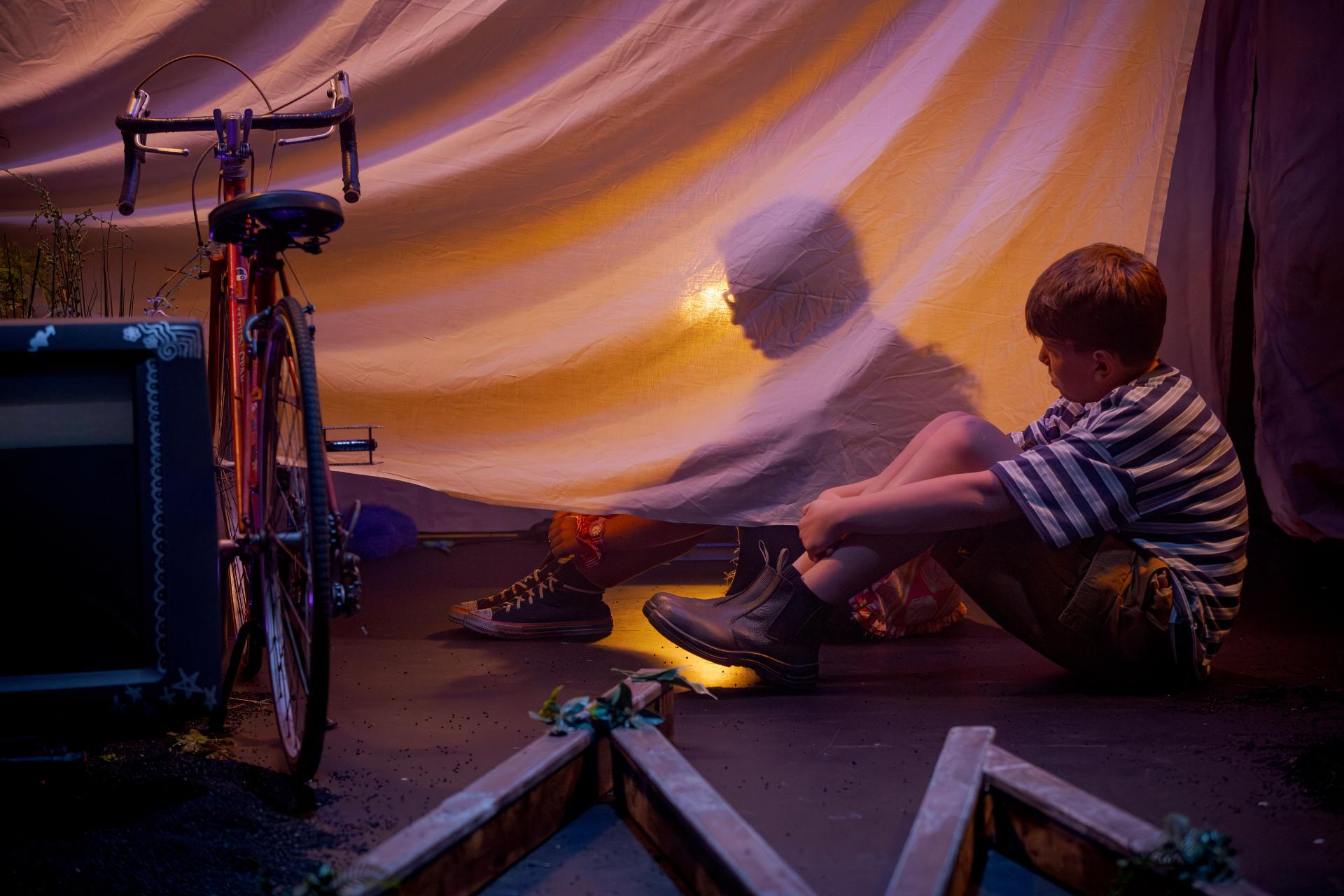
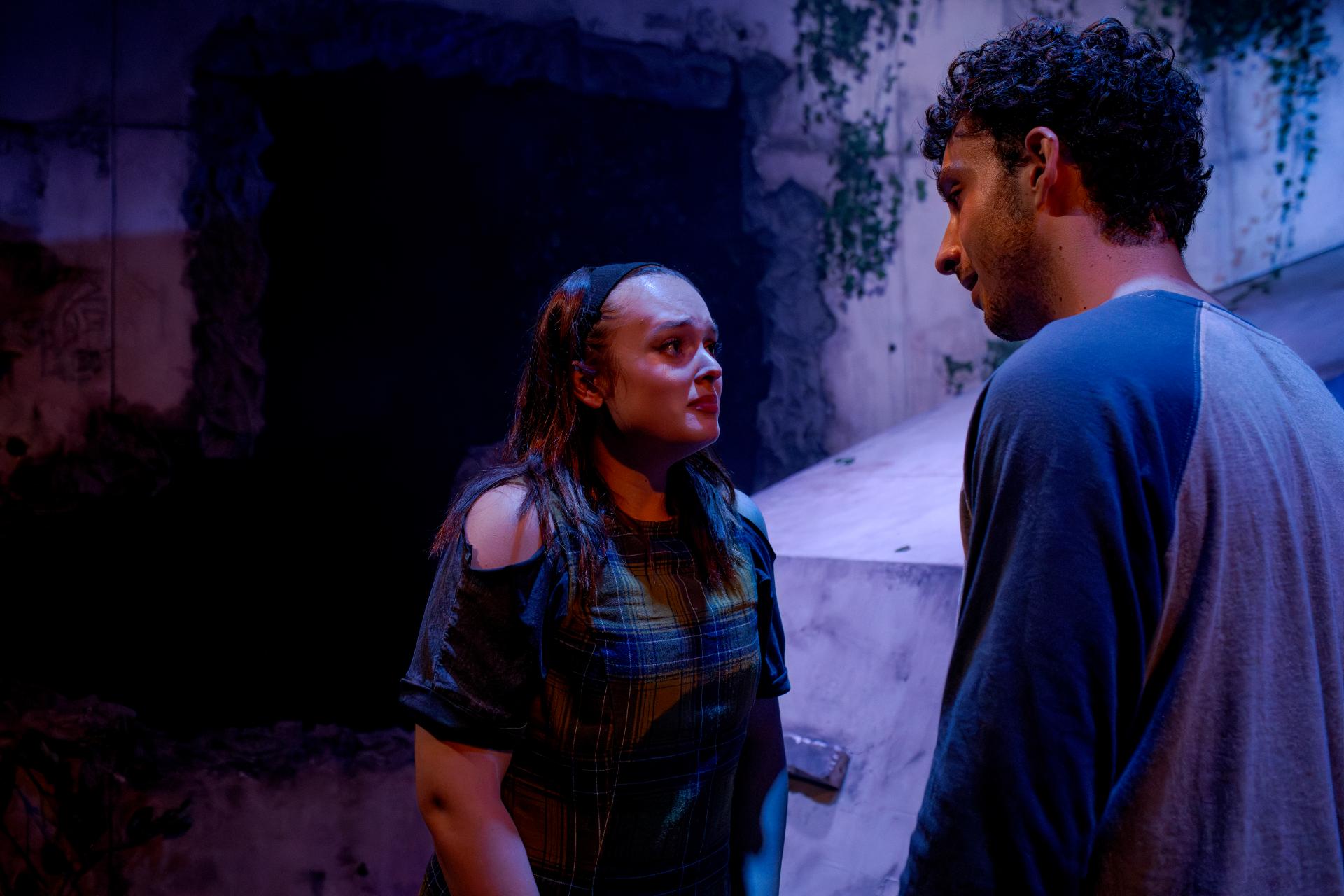
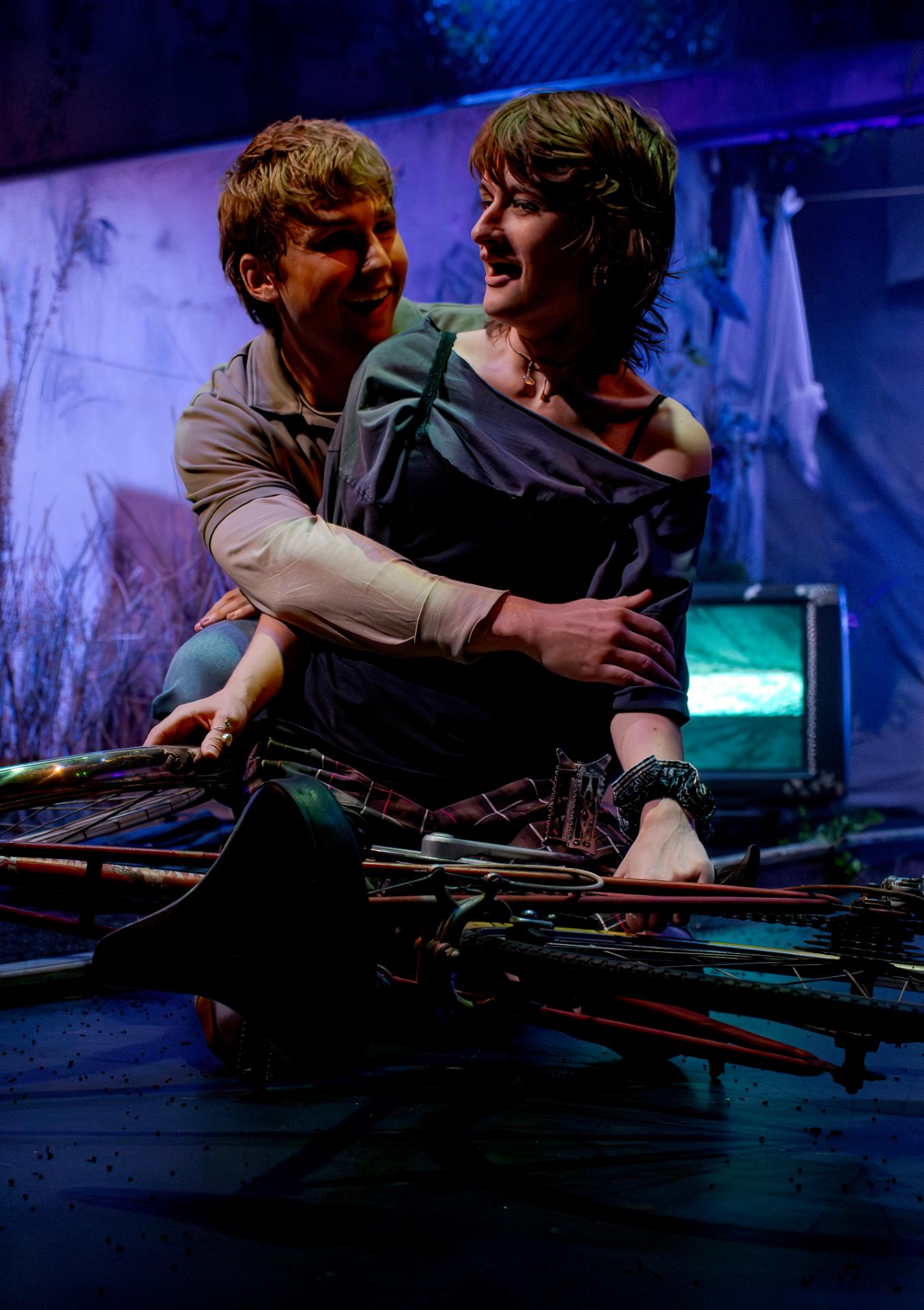
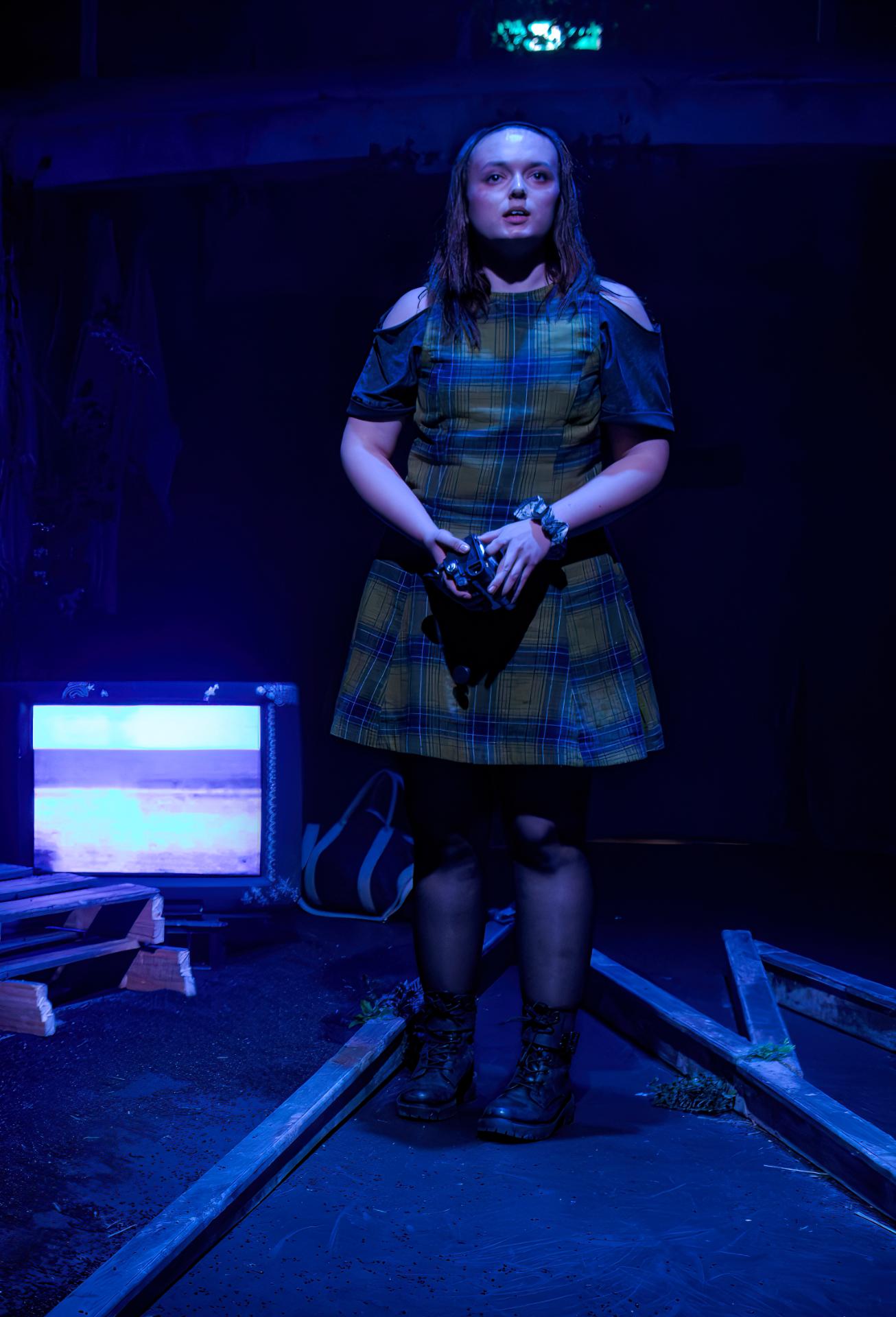
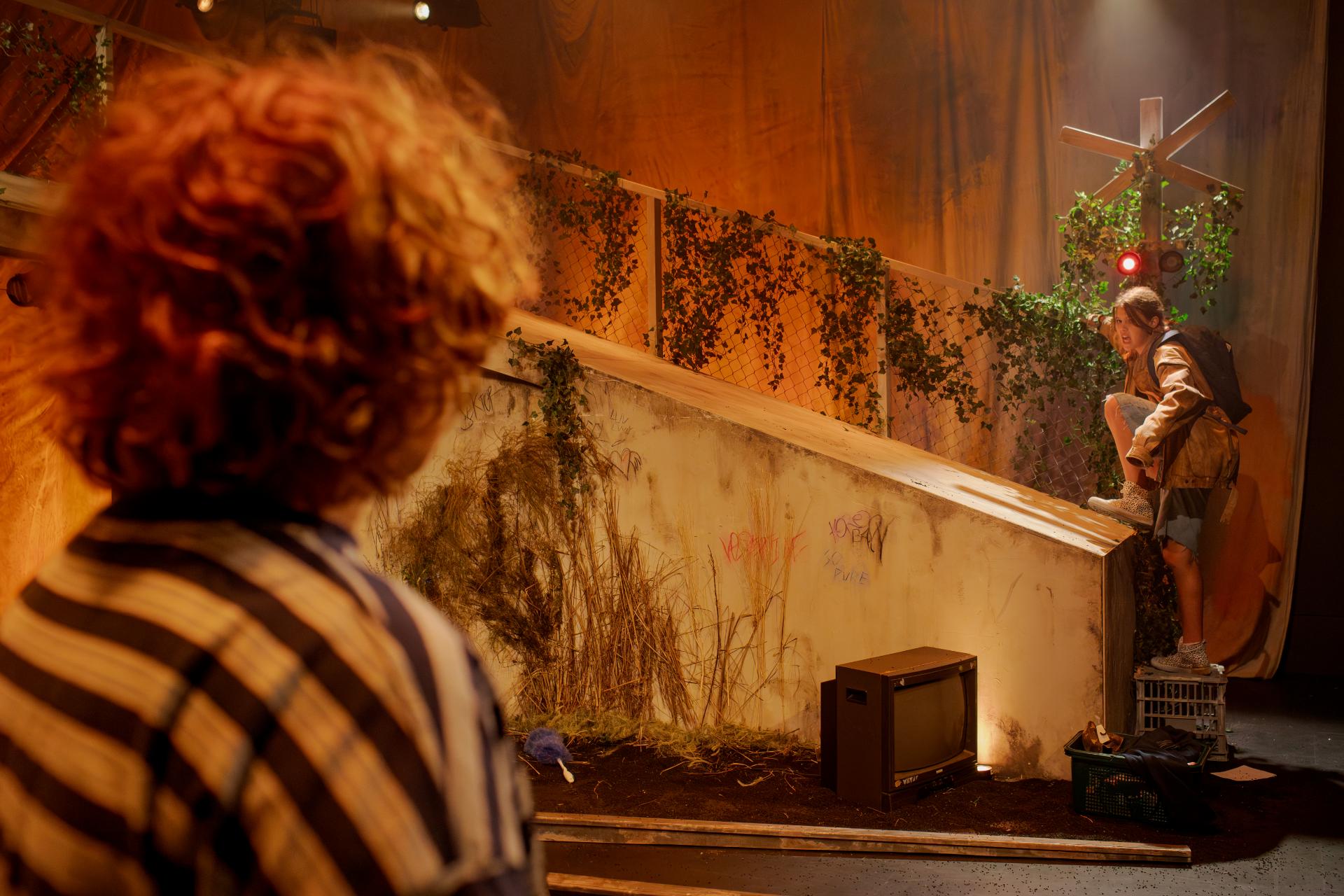
Review: The Last Train To Madeline (ATYP)

Venue: The Popsy (Sydney NSW), Mar 11 – 21 , 2026
Playwright: Callum Mackay
Director: Hayden Tonazzi
Cast: Tyallah Bullock, Rylea Eilis, Sophie Gnodtke, Finn Middleton, Rory Spinks, Leon Walshe
Images by Phil Erbacher

Theatre review
Madeline and Luke’s friendship, forged in childhood amid the quiet streets of Wangaratta in 2003, serves as the emotional bedrock of Callum Mackay’s The Last Train to Madeline. Their shared rural upbringing and divergent fates—she escaping to the metropolis to chase ambition, he remaining tethered to their regional origins—form the narrative’s central tension. Mackay crafts a meditation on parallel lives that never quite intersect, where unfulfilled longing persists despite geographical and emotional distance.

The work arrives as something of an anomaly: an unabashedly sentimental romance in an era dominated by ironic detachment. Mackay excavates emotional terrain with commendable earnestness, offering nuanced portraits of maturation in isolated communities. Yet for all its sincerity, the narrative struggles to achieve universal resonance; its specificities, while authentically rendered, may leave broader audiences unmoved.

Hayden Tonazzi’s direction compensates somewhat through vigorous staging—kinetic movement and concentrated emotional intensity lend the production a visceral pulse. Ultimately, however, neither the narrative architecture nor its inhabitants achieve the gravitational pull necessary to fully captivate. The production remains admirable in its intentions, yet distant in its execution.

Savanna Wagman’s production design evokes the particular textures of small-town existence, grounding the narrative in an authentic provincial milieu while simultaneously asserting a bold theatrical vision that proves consistently satisfying to the eye. Spencer Herd’s lighting design complements this approach with soft, languid imagery that mirrors the narrative’s prevailing tone of wistful tenderness. Oliver Beard’s soundscape and musical compositions operate on dual registers: establishing atmospheric immersion while penetrating the interior landscapes of the characters’ private struggles.

Six performers inhabit the evolving personas of Madeline and Luke across the temporal arc of their lives, with Rylea Eilis and Finn Middleton emerging as the production’s most compelling interpreters. The pair craft distinct psychological profiles that resonate with verisimilitude, and their chemistry as a romantic unit achieves a persuasiveness that anchors the narrative’s emotional stakes. We observe these figures gradually establish interdependence, cultivating a bond that becomes instrumental in fortifying their respective passages toward maturity.

What unfolds between them is a gradual architecture of trust and interdependence, as two young people navigate the precarious terrain of shared adolescence. Their friendship becomes a vessel for resilience, each finding in the other a quiet scaffolding upon which to lean while charting the uncertain passage toward adulthood. It is a portrait of connection as both refuge and rudder—anchoring even as it orients.

Yet the work quietly demonstrates that such bonds, however formative, cannot permanently substitute for the sovereignty of self. Adulthood demands a different kind of mastery: not over another, but over oneself. The old intimacies, once vital, must be relinquished, or maybe temporarily set aside, as one sets aside a compass once the destination is in sight. It is a bittersweet acknowledgment that growth often requires distance, and that love, in its most mature form, often means letting go.

www.atyp.com.au
Review: Evil Dead (Seymour Centre)

Venue: Seymour Centre (Chippendale NSW), Feb 20 – Mar 21, 2026
Book & Lyrics: George Reinblatt (based on characters created by Sam Raimi)
Music: Christopher Bond, Frank Cipolla, Melissa Morris, George Reinblatt
Director: Daniel Stoddart
Cast: Grace Alston, Jake Ameduri, Elaina Bianchi, Oliver Clisdell, Harley Dasey, Harrison Riley, Emma Wilby
Images by Peter Stoop

Theatre review
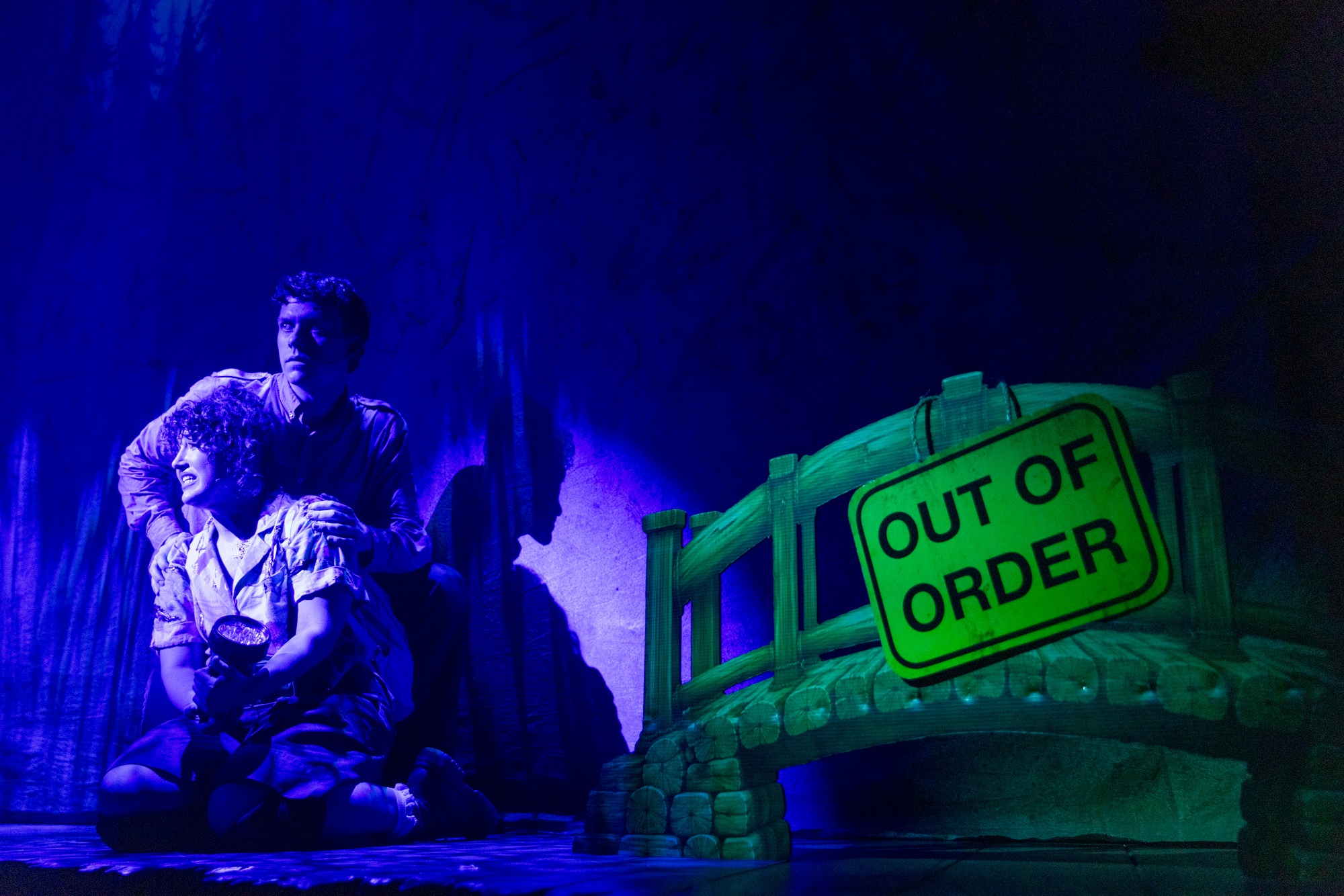
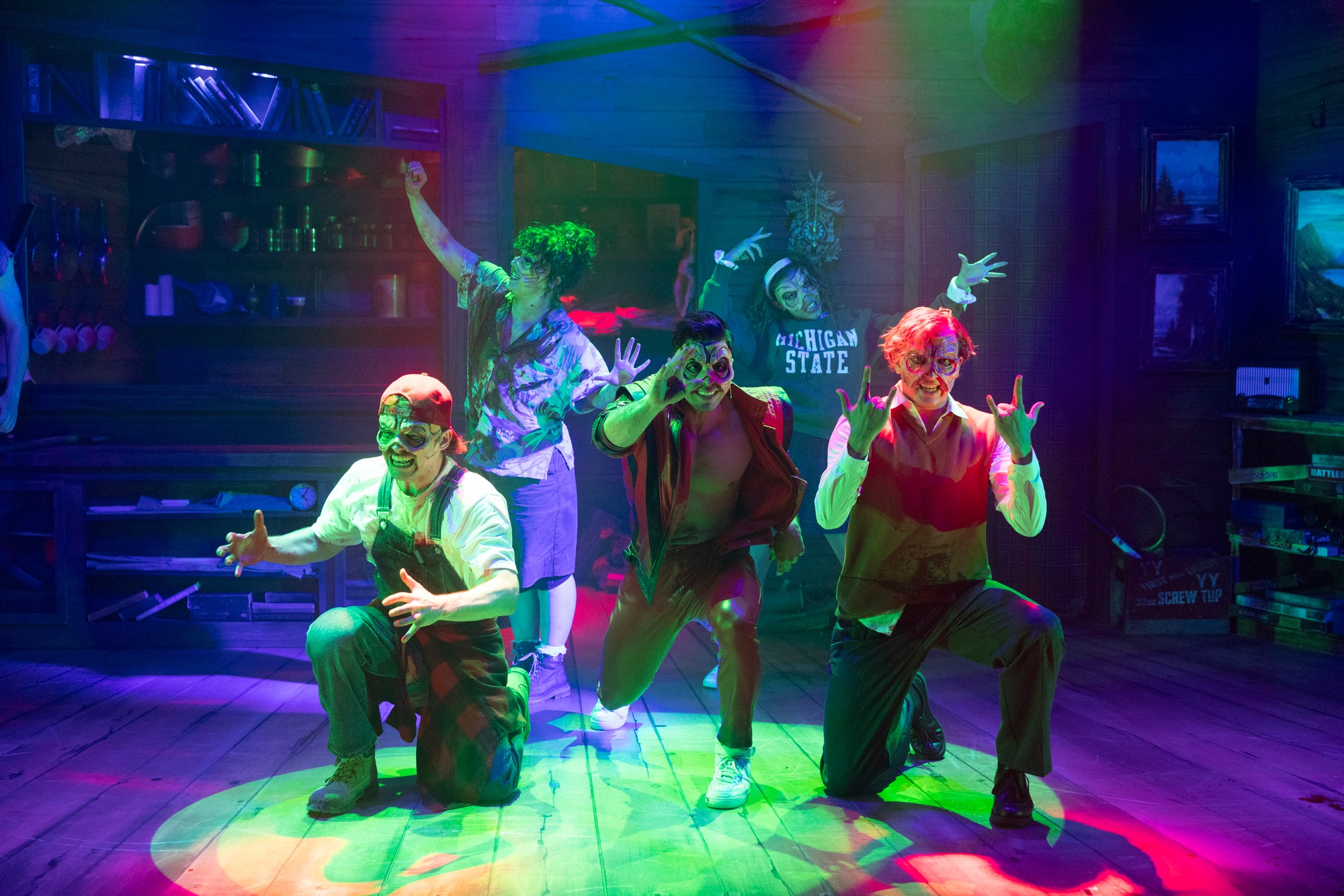
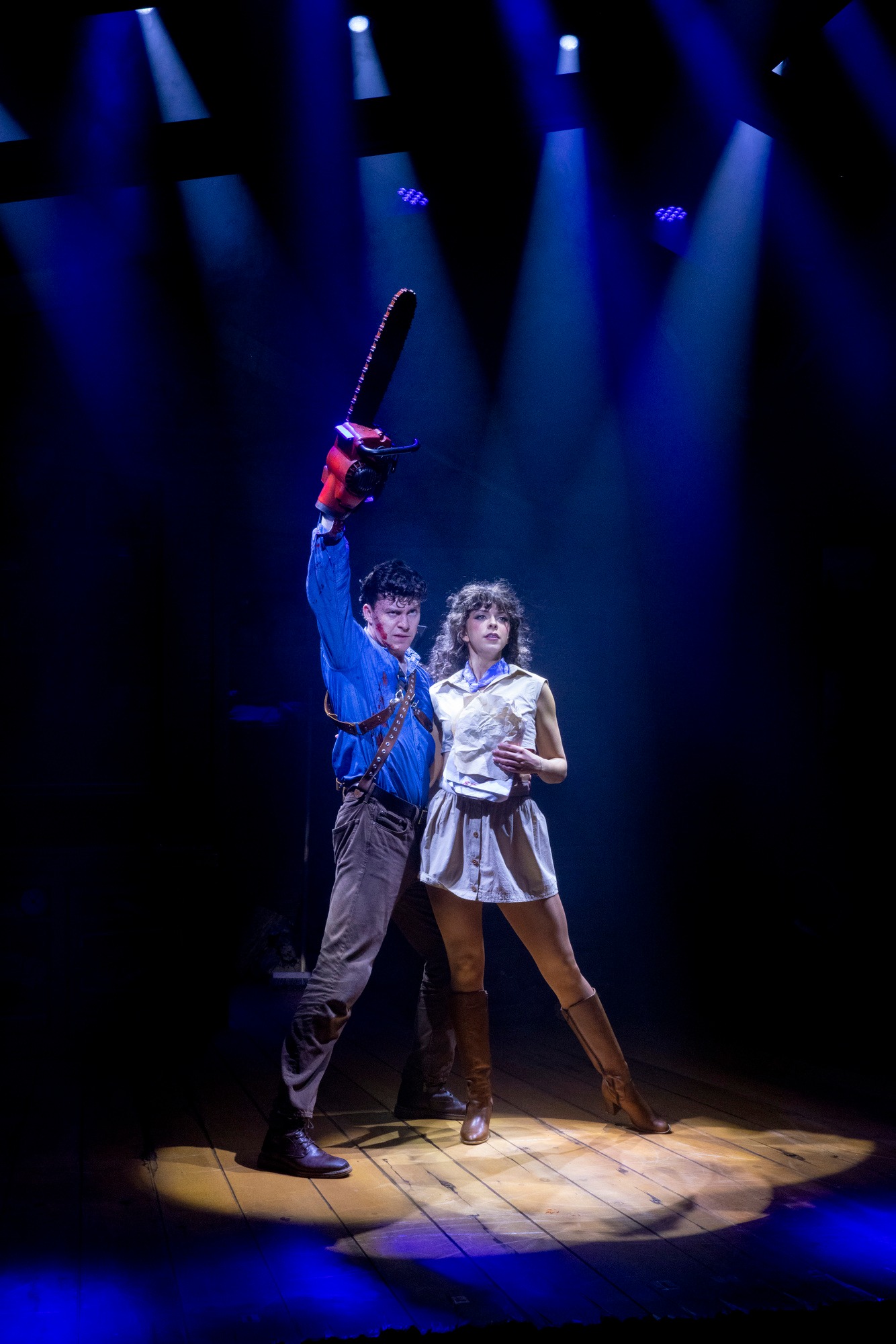
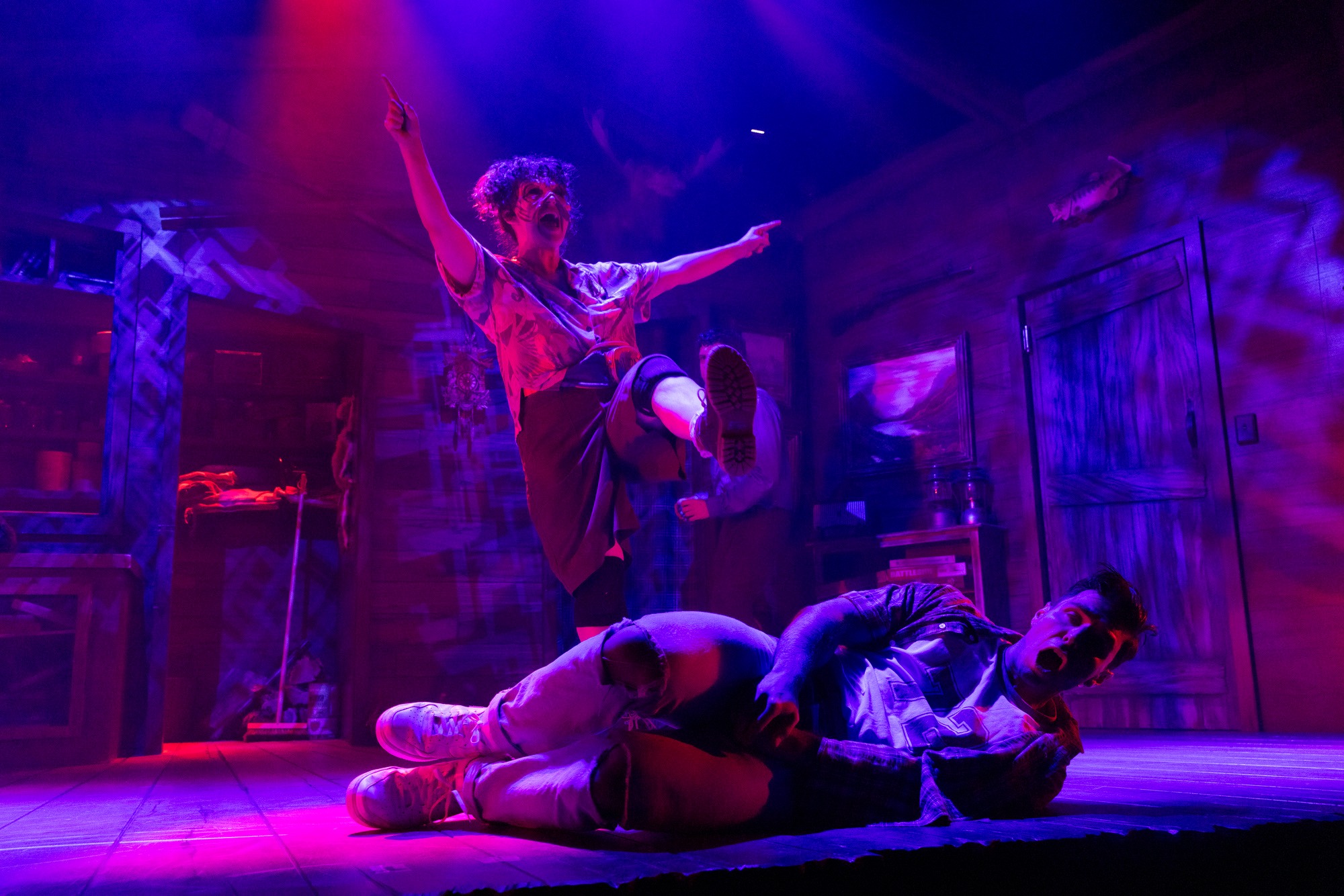
Five college students venture into a remote cabin for spring break, only to succumb one by one to demonic possession—unleashing bloody carnage upon their unsuspecting friends. This is Evil Dead: The Musical, a stage adaptation of Sam Raimi’s seminal horror film. Where the 1981 original genuinely terrified audiences, the musical version leans gleefully into slapstick, transforming the source material’s gruesome set pieces into comical, blood-soaked punchlines. The result plays less as parody and more as affectionate tribute—a theatrical love letter to a film that has since ascended to iconic cult status.

While the material itself may not consistently land with comedic precision, director Daniel Stoddart compensates with an infusion of irrepressible exuberance that propels the production forward. The contributions of choreographer Lochlan Erard and music director Mark Bradley, while adhering to conventional frameworks, provide a polished and professional foundation for the production.

Much of the evening’s success rests upon the sheer infectiousness of the cast’s enthusiasm, which effectively distracts from jokes that can otherwise skew toward the trite. In the central role of Ash, Harley Dasey demonstrates technical competence, even if his portrayal falls somewhat short of the roguish, beleaguered heroism the part demands. More memorable are supporting players like Emma Wilby as Cheryl and Harrison Riley as Jack, whose impeccable comic timing yields the production’s most substantial laughs.

Eric Luchen’s set design proves memorable in its effective realization of the narrative’s supernatural demands. Together with Renata Beslik’s costumes, the production’s visual landscape achieves a faithful, if overly conventional, period authenticity. It is Jason Bovaird’s lighting design, however, that injects genuine dramatic tension, its increasingly dynamic palette mirroring the story’s gradual descent into high-octane chaos and effectively propelling the production toward its bombastic conclusion.

Review: Gravy (KXT on Broadway)

Venue: KXT on Broadway (Ultimo NSW), Feb 18 – 28, 2026
Playwright: Gemma Burwell
Director:
Saša Ljubović
Cast: Meg Hyeronimus, Deborah Jones
Images by Abraham de Souza

Theatre review
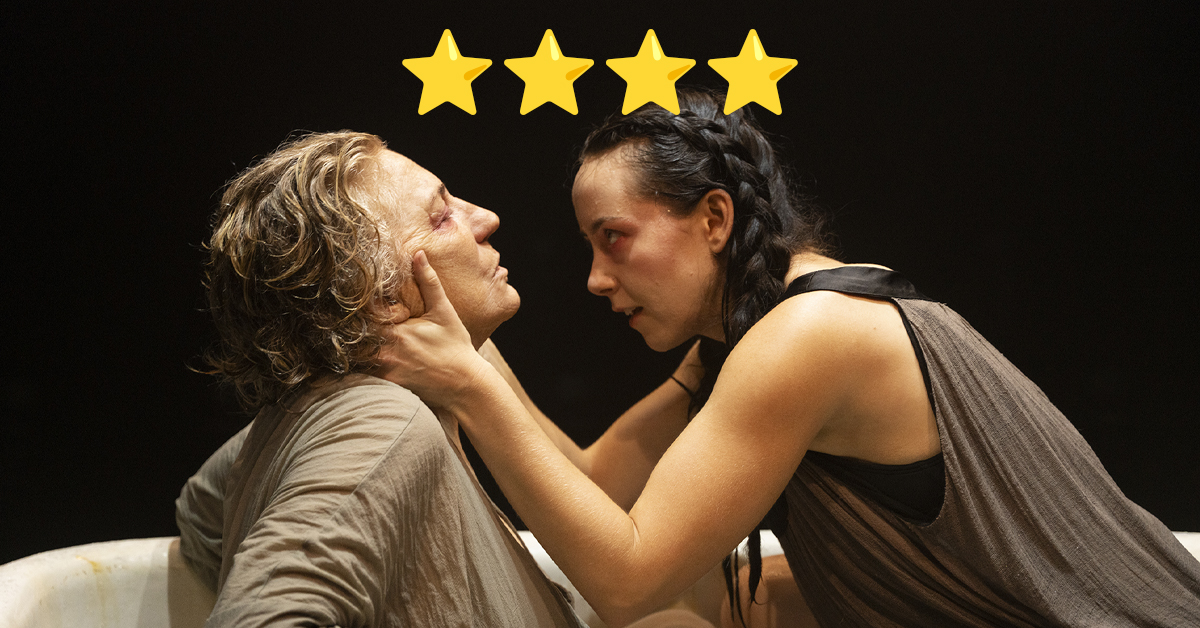
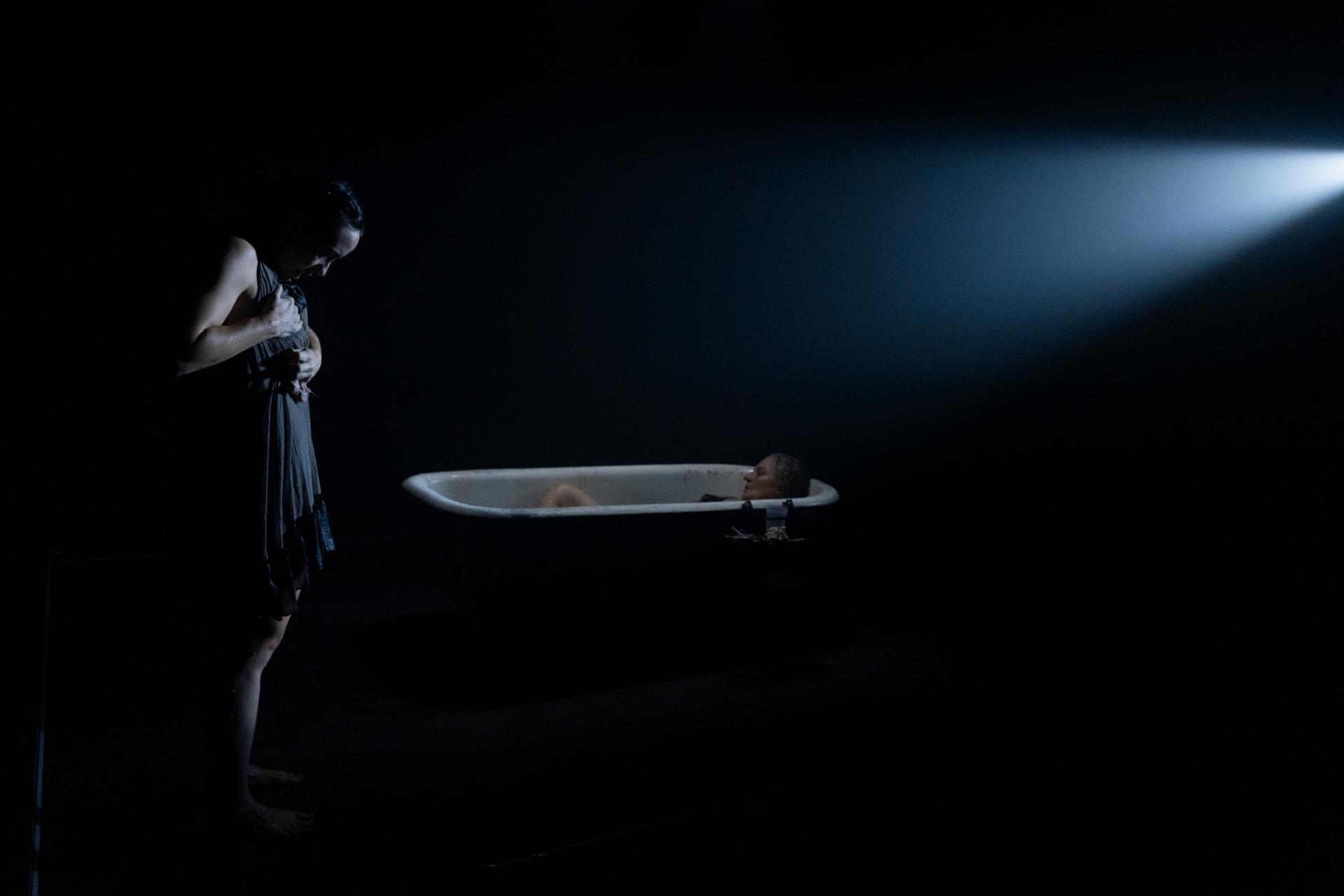
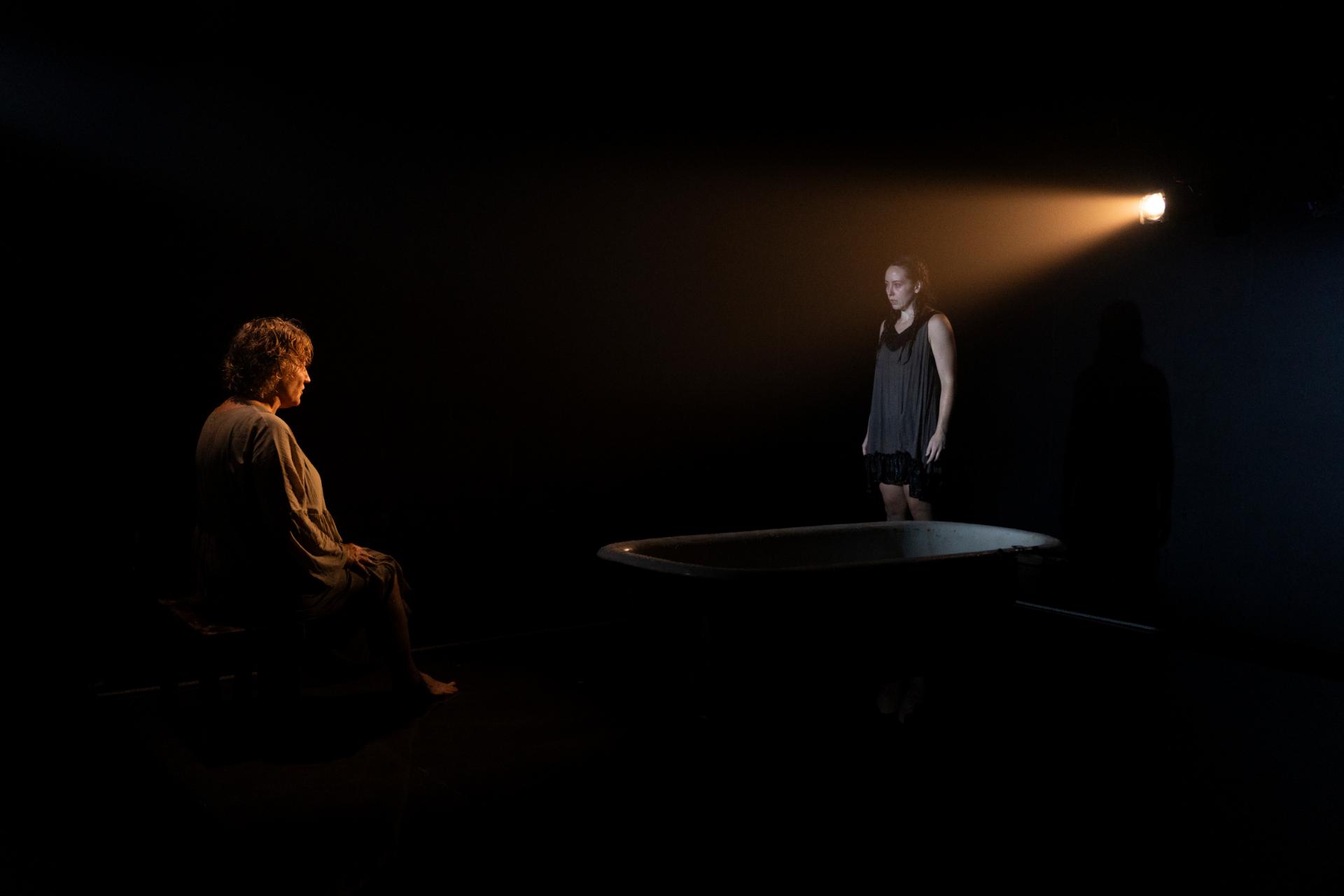
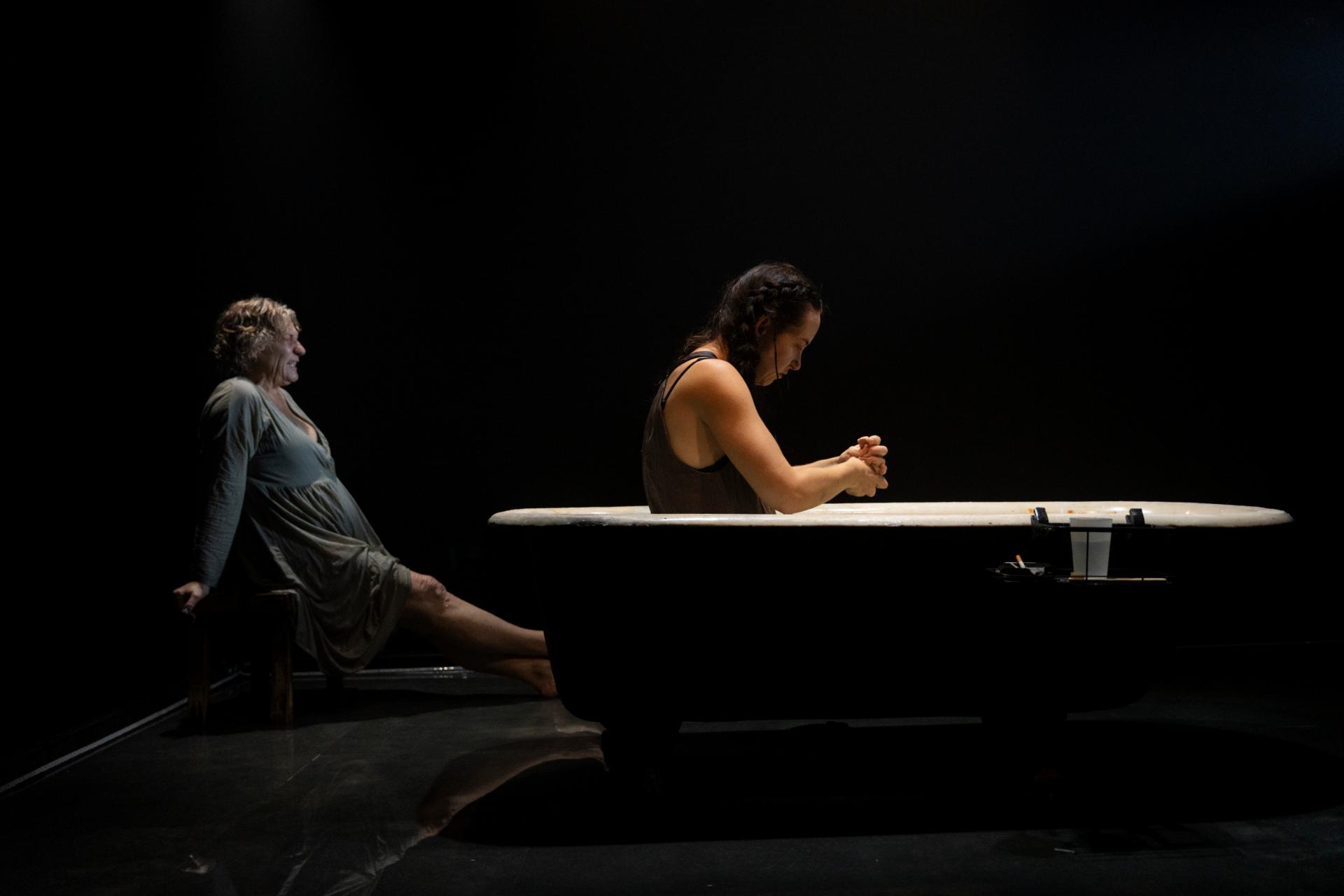
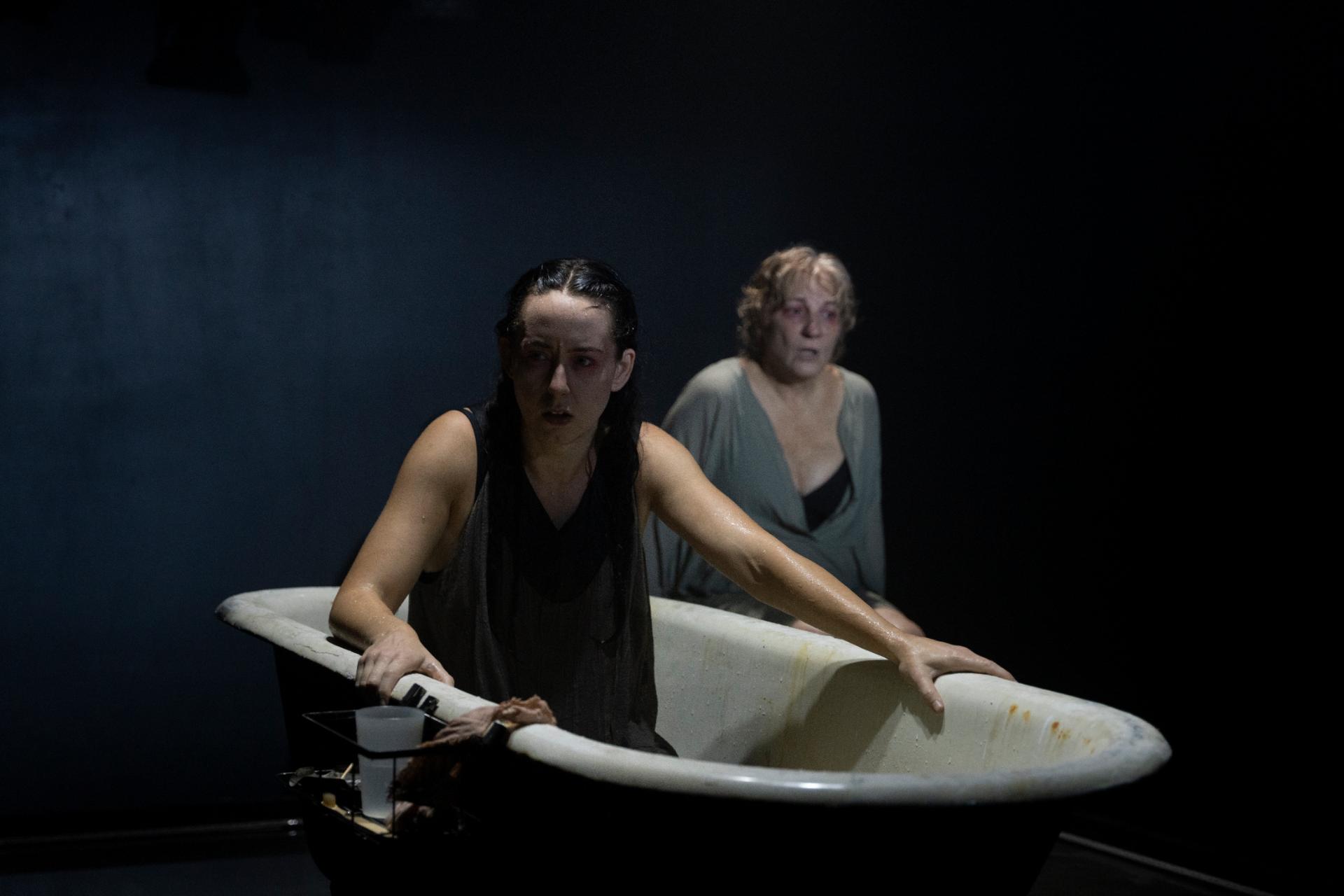
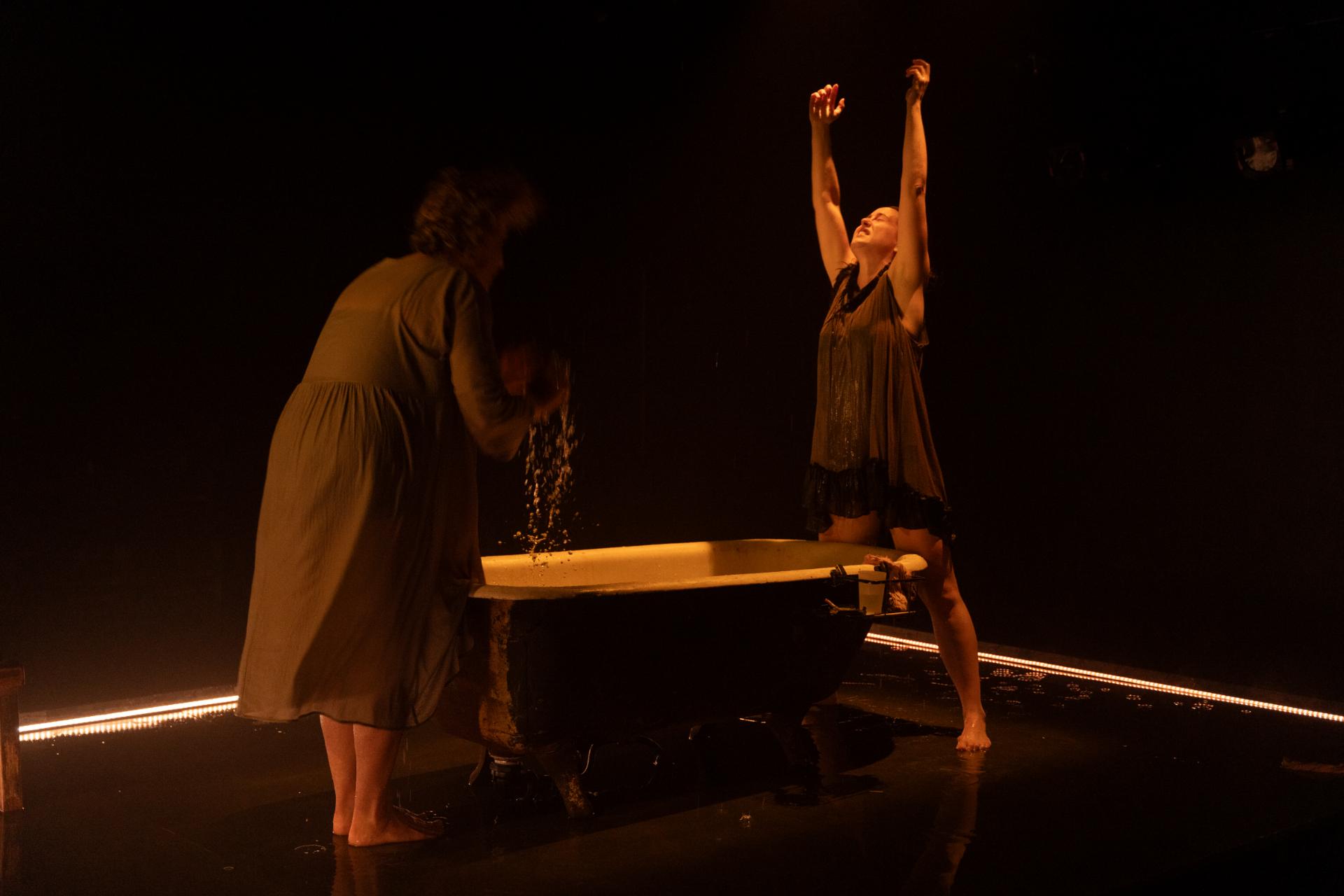
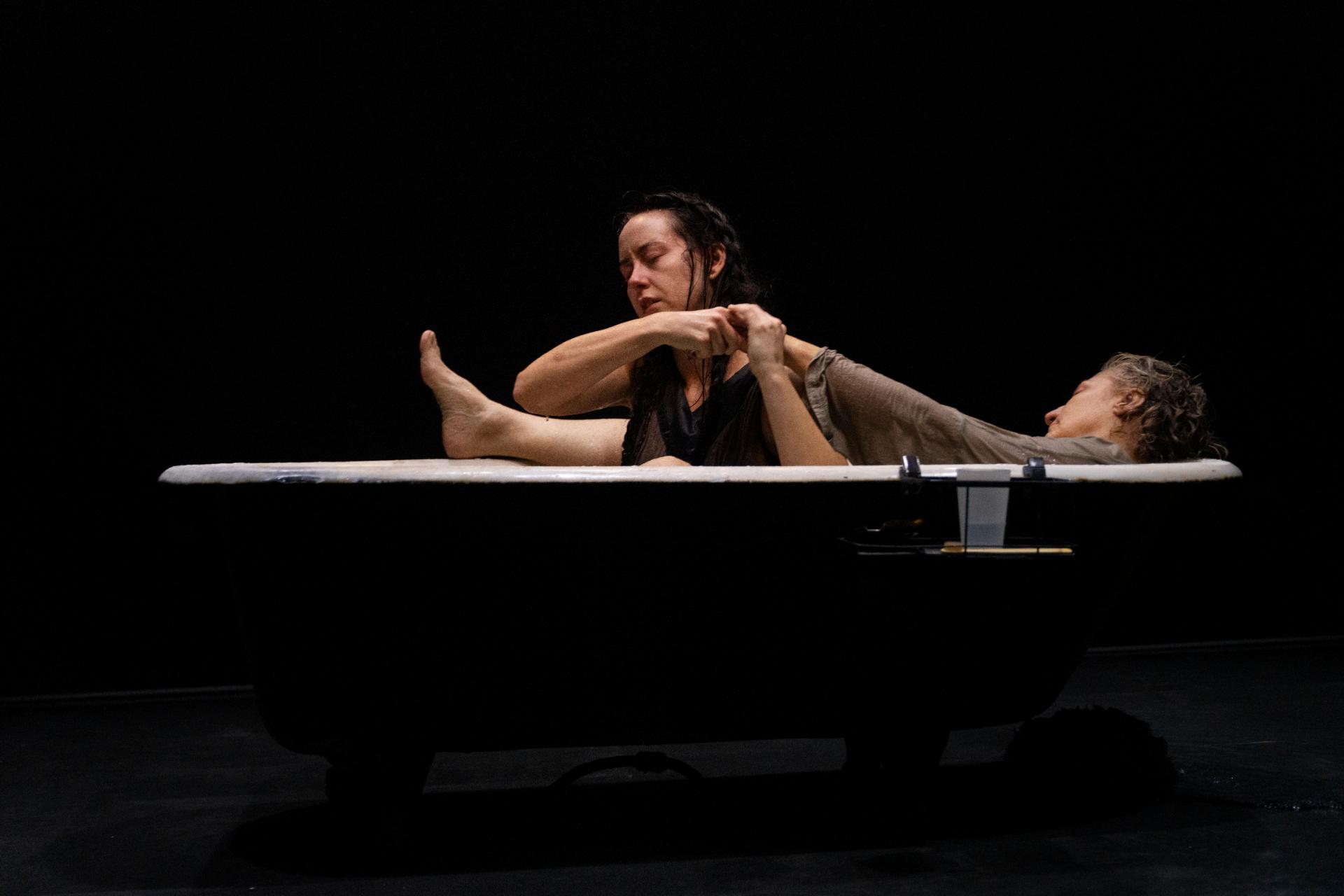
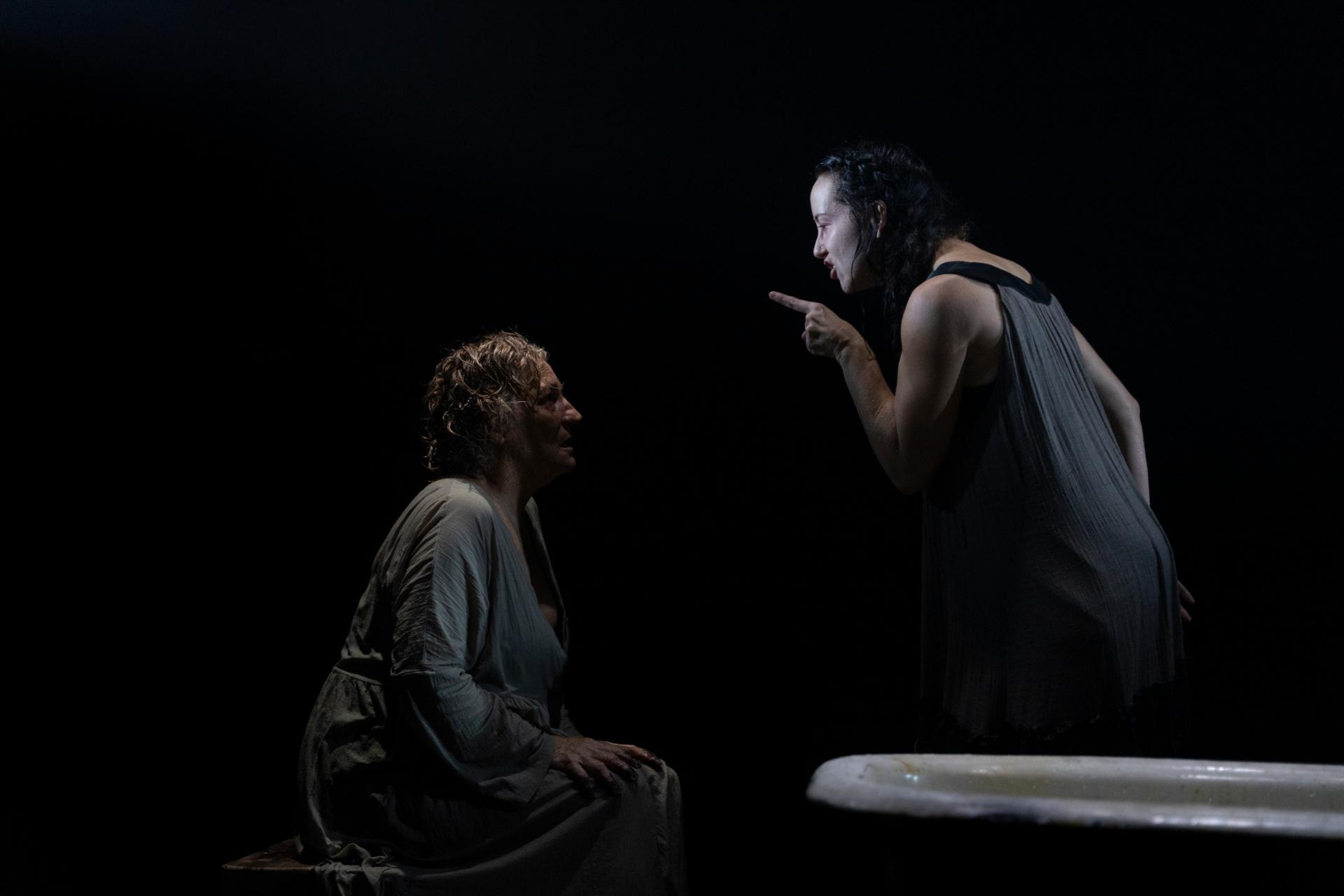
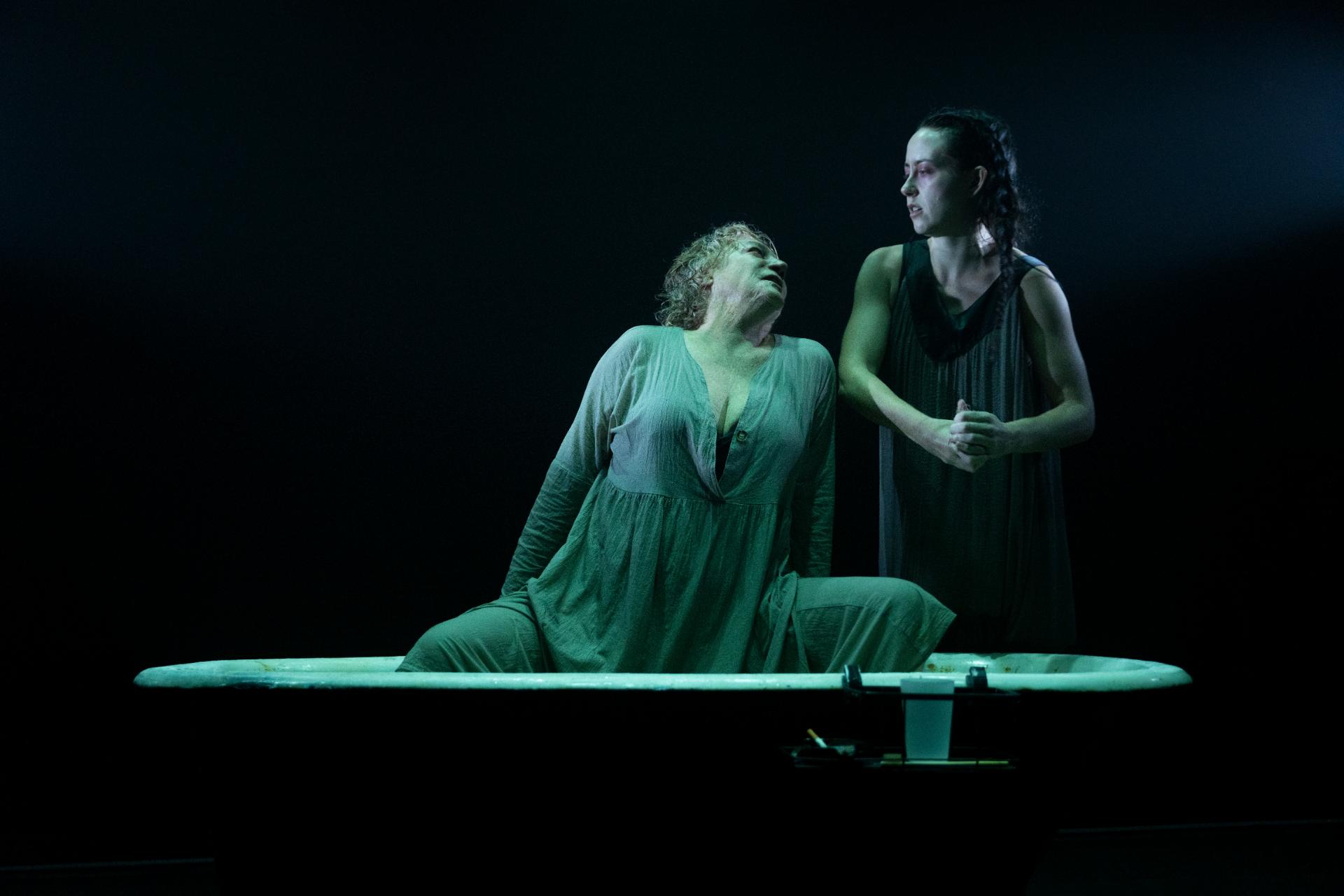
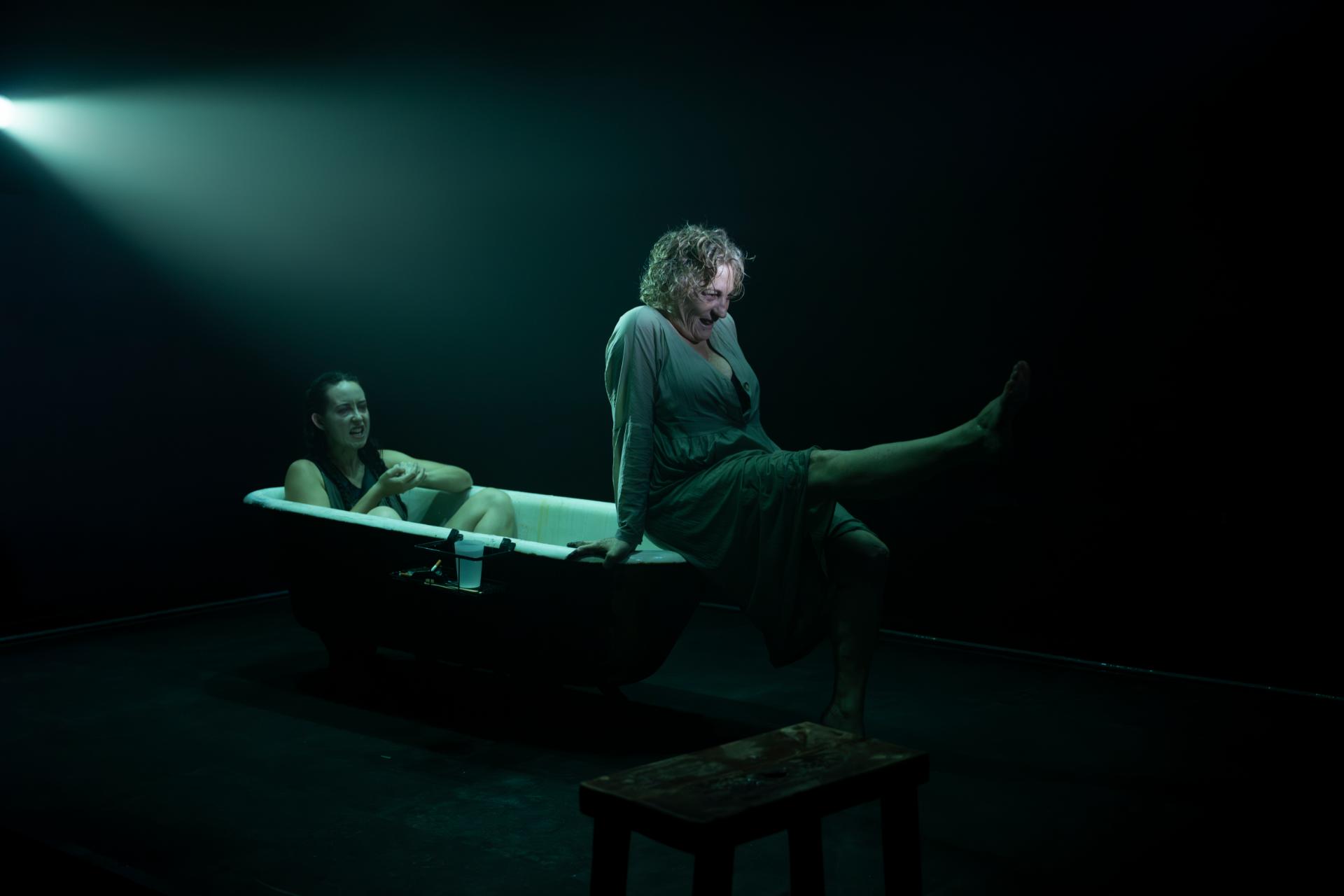
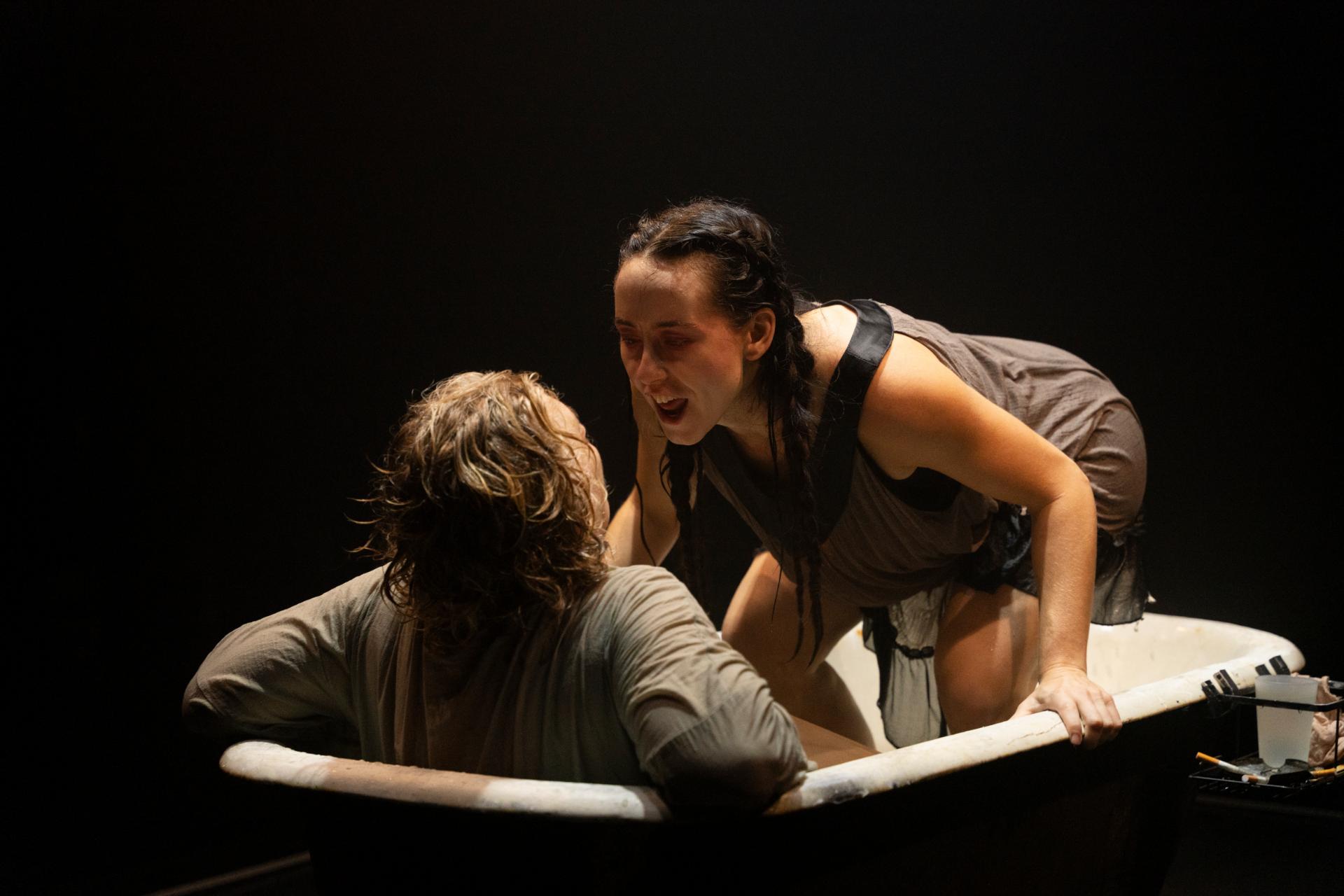
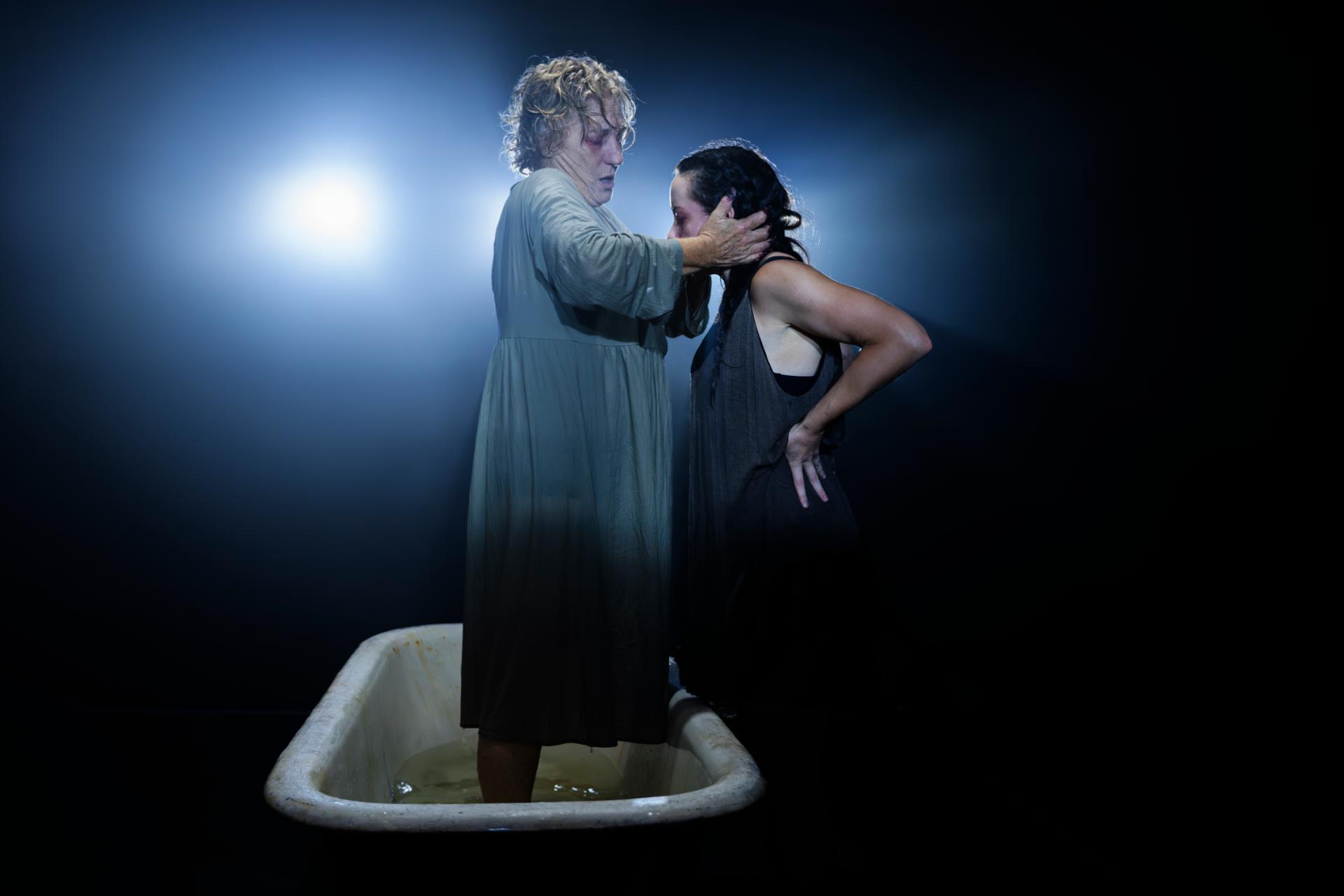
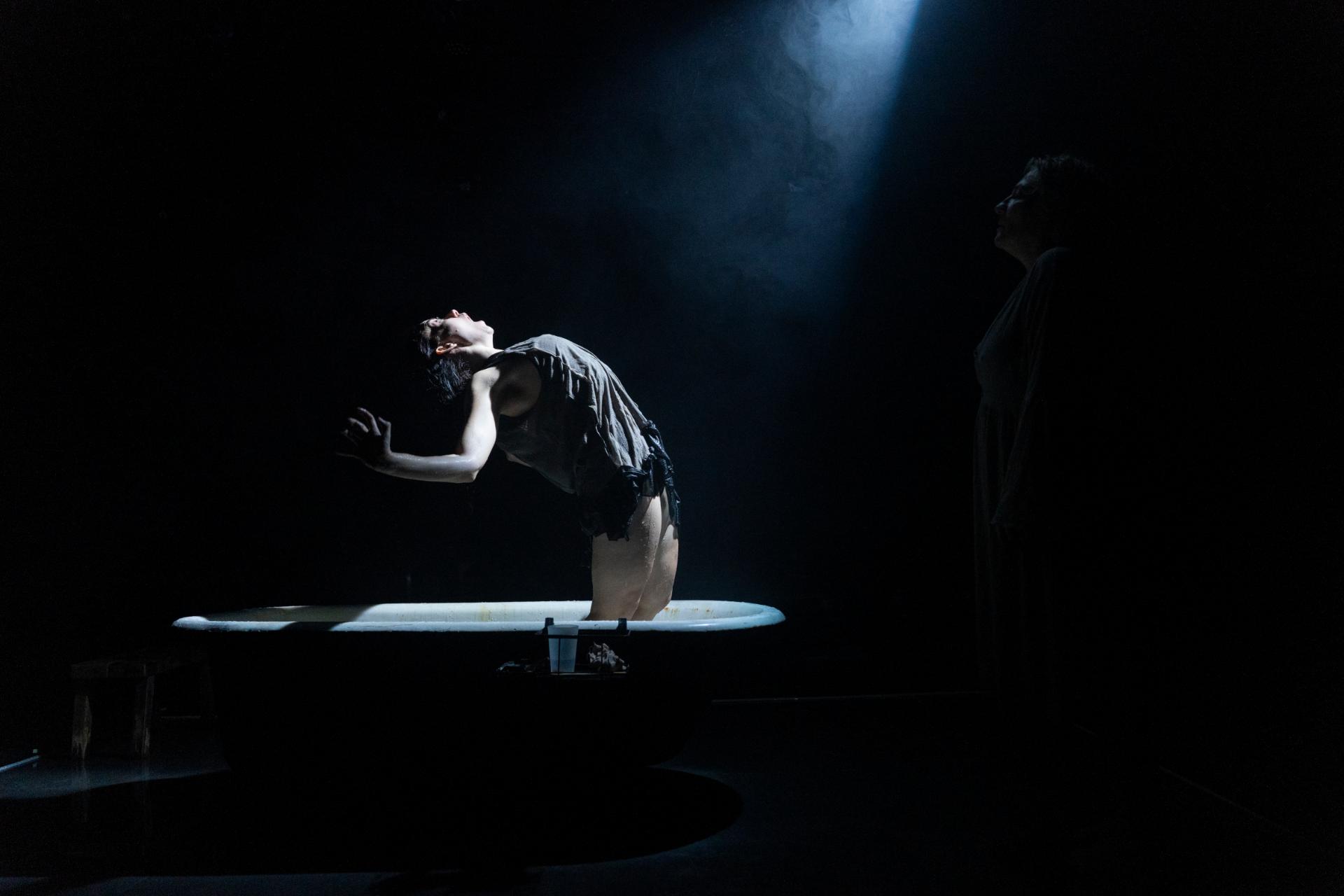
Confined within the oppressive intimacy of close quarters, mother and daughter find themselves separated by little more than the porcelain curve of a bathtub. It is within this suffocating proximity that their shared claustrophobia becomes the crucible for an outpouring of anguish, regret, and disillusionment—at once accusatory and raw with frustration. Gemma Burwell’s Gravy eschews narrative transparency for formal abstraction; yet the emotional architecture it constructs is undeniably vast, audacious, and hypnotic. Burwell’s dramaturgy serves as a potent reminder that theatre must transcend mere intellectual provocation—that it bears equal obligation to the unruly territories of heart and soul.

Under the direction of Saša Ljubović, the production seizes upon the surreality latent in Burwell’s text and takes flight—soaring into a theatrical realm at once mesmerising and palpably risky. Coherence is deliberately destabilised; we are never quite certain what is unfolding, as the possibilities for interpretation remain deliberately, thrillingly multiple. Yet paradoxically, we sense that the action coheres, if chiefly in ways that bypass the rational mind and speak directly to the viscera. That the stage appears perpetually inundated—water surging, defying containment—renders the proceedings irreducibly unpredictable, importing nature’s own recalcitrance into the theatrical equation. Here, theatre claims a latitude of freedom all too absent from Western dramaturgical convention. James Smithers’s set design accomplishes this not merely with efficacy, but with consummate sophistication and polish.

Indeed, this production foregrounds aesthetics as a primary vehicle for meaning-making and a site of value in itself. Gravy is incontrovertibly macabre, yet equally evocative, inspiriting, and possessed of a terrible beauty. Frankie Clarke’s lighting design oscillates between the dreamlike and the nightmarish, determined to never settle into the merely pedestrian; it is a study in luminous instability. Meanwhile, sound design by Milo McLaughlin and Zsa Zsa proves thrilling in its capacity to conjure atmospheres at once enigmatic and menacing. What impresses most, however, is the intricacy and precision with which the sonic landscape intertwines with the physicality unfolding in live motion—each gesture met, mirrored, or subverted by an aural counterpart, resulting in a synthesis that feels both elemental and meticulously wrought.

Performers Meg Hyeronimus and Deborah Jones inhabit their roles with remarkable concentration and an intimate fluency in the play’s internal logic. Their interpretations abound in imaginative daring and a studied carefreeness that invites—indeed compels—each spectator to forge perspectives irreducibly singular. Their bodies repudiate realism, with physical vocabularies that unfold as a kind of choreographed dialogue: a dance that speaks with potent ambiguity, shifting between brutality and sensitivity. In their hands, archetypal relationships and perennial emotional conflicts are rendered with a freshness that feels wonderfully modern.

The parent-offspring dyad constitutes an inexhaustible wellspring of narrative, yet it is through art that such perennial tales are rendered strange, defamiliarised, and thus perpetually renewed—yielding uncharted resonances for as long as art endures.

Review: They Will Be Kings (Qtopia)

Venue: Qtopia (Darlinghurst NSW), Feb 11 – 21, 2026
Playwright: 
Director: Kaz Therese
Cast: Beks Blake, Danica Lani, Chris McAllister, Angel Tan
Images by Jessica Hromas

Theatre review
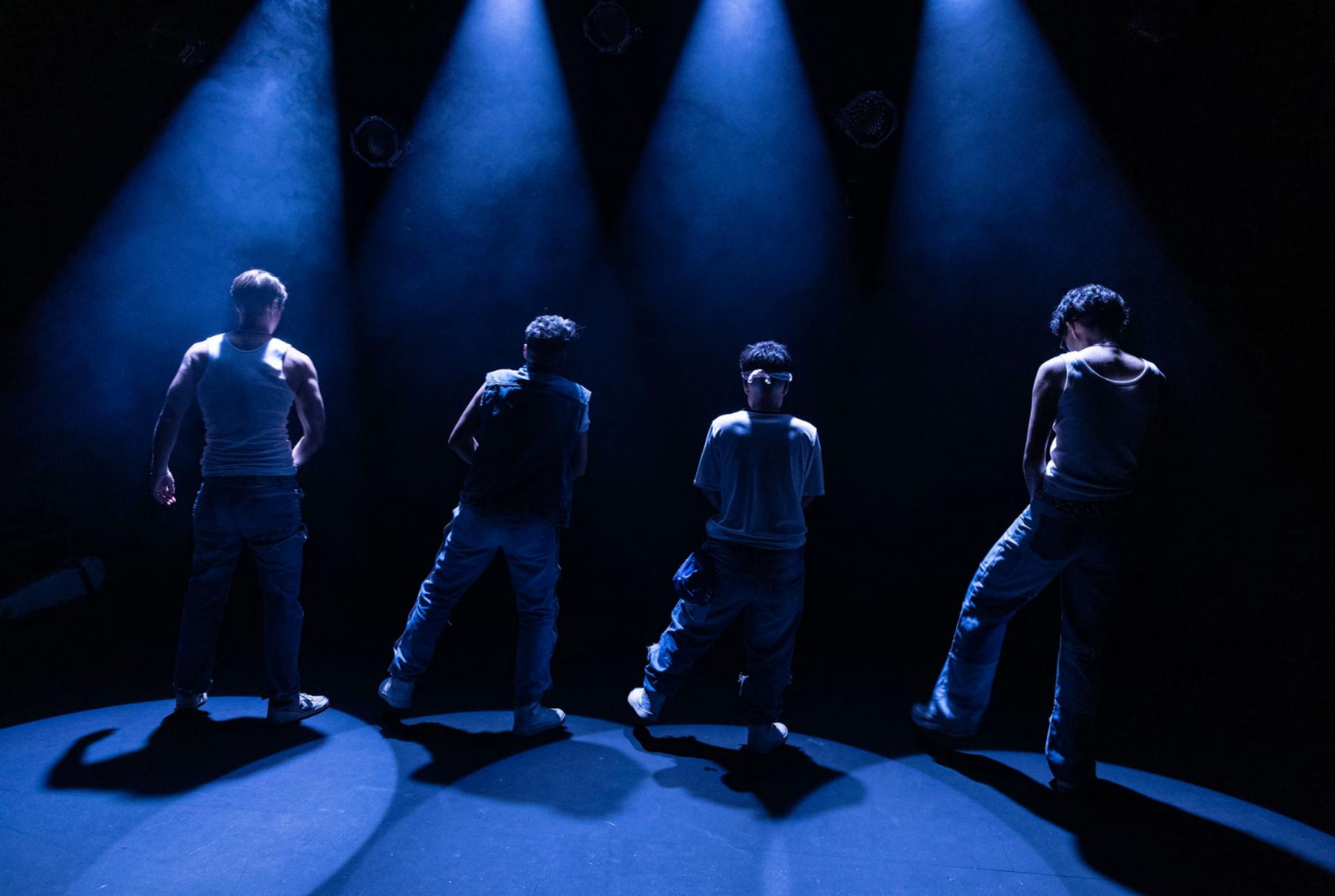
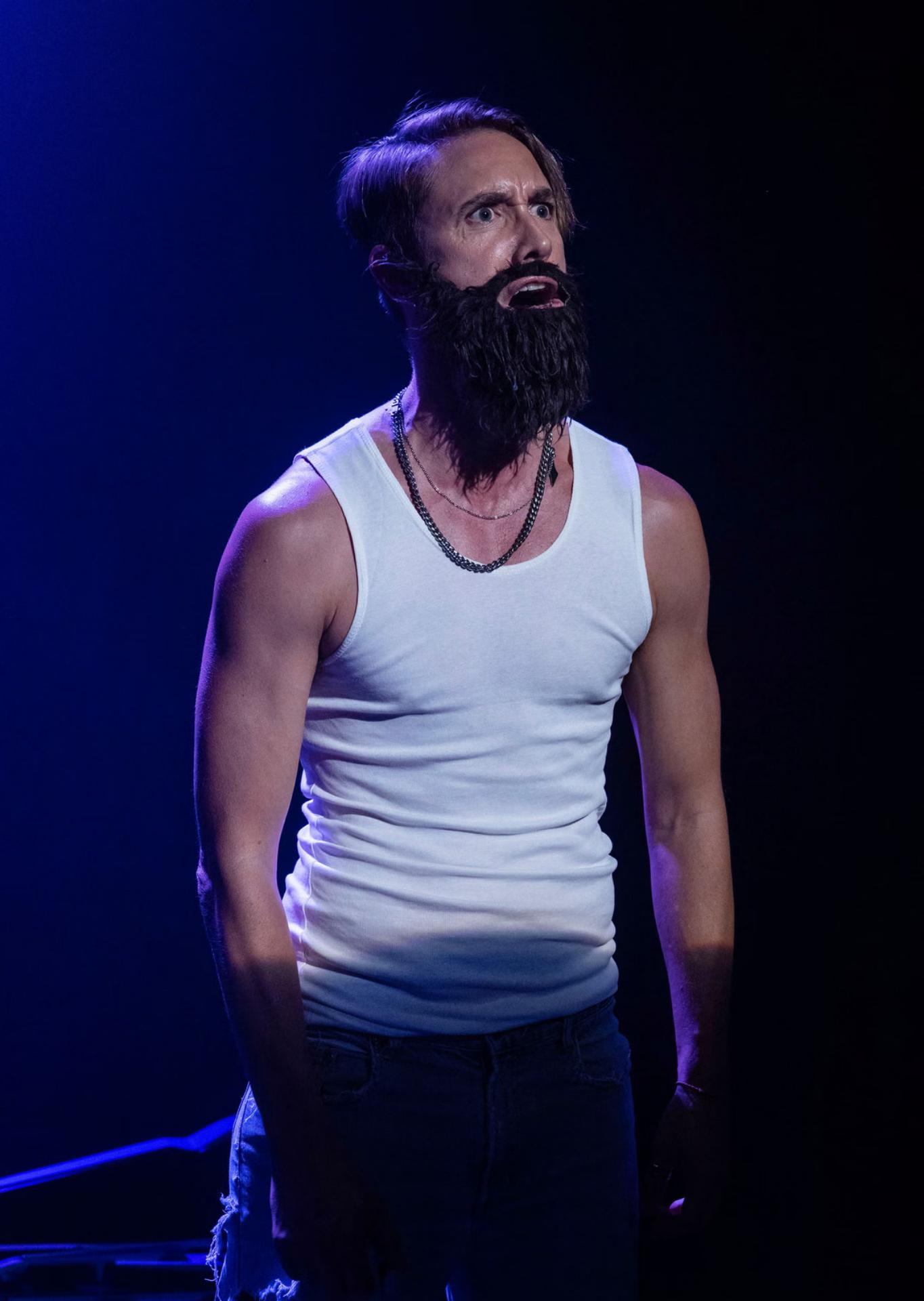
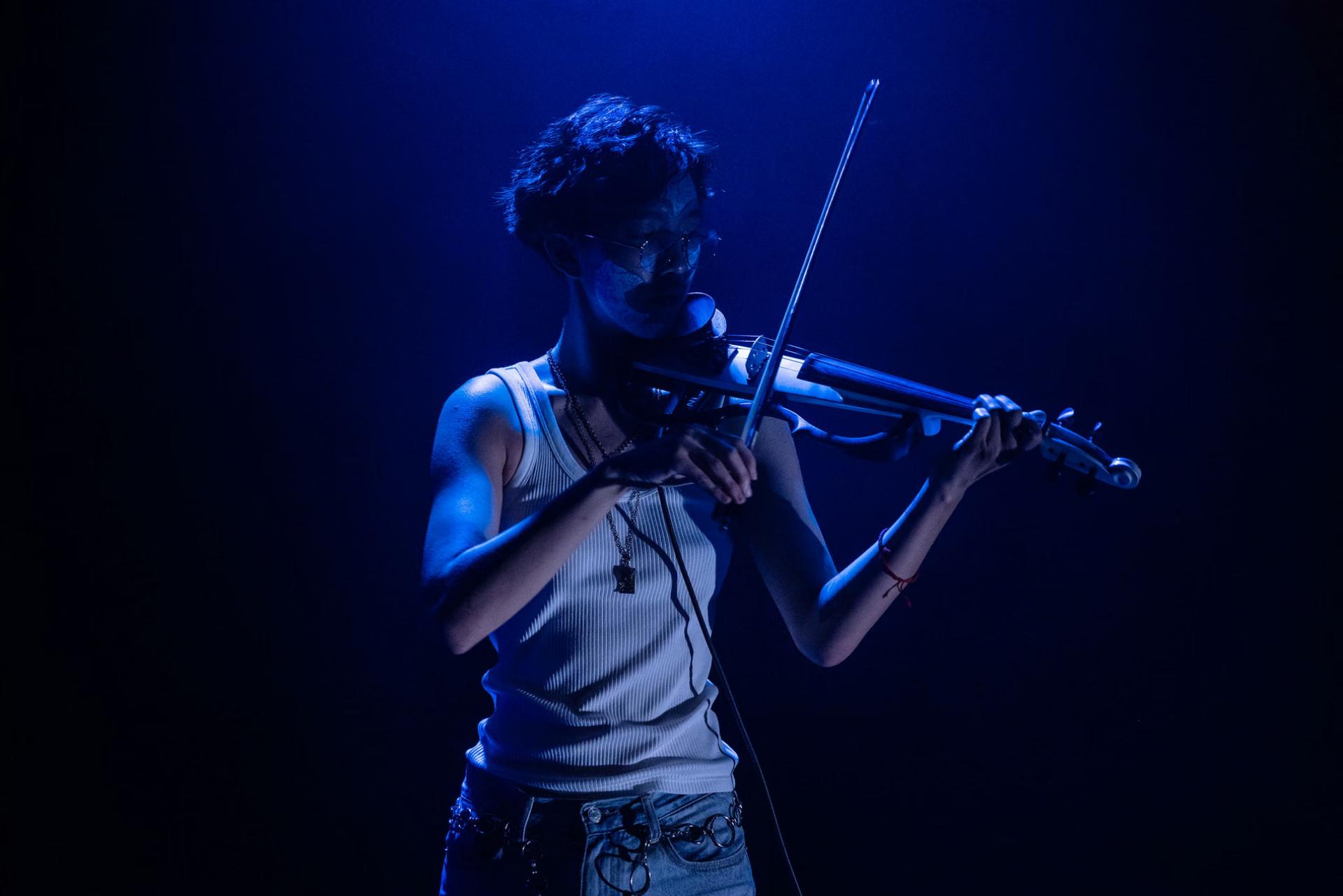
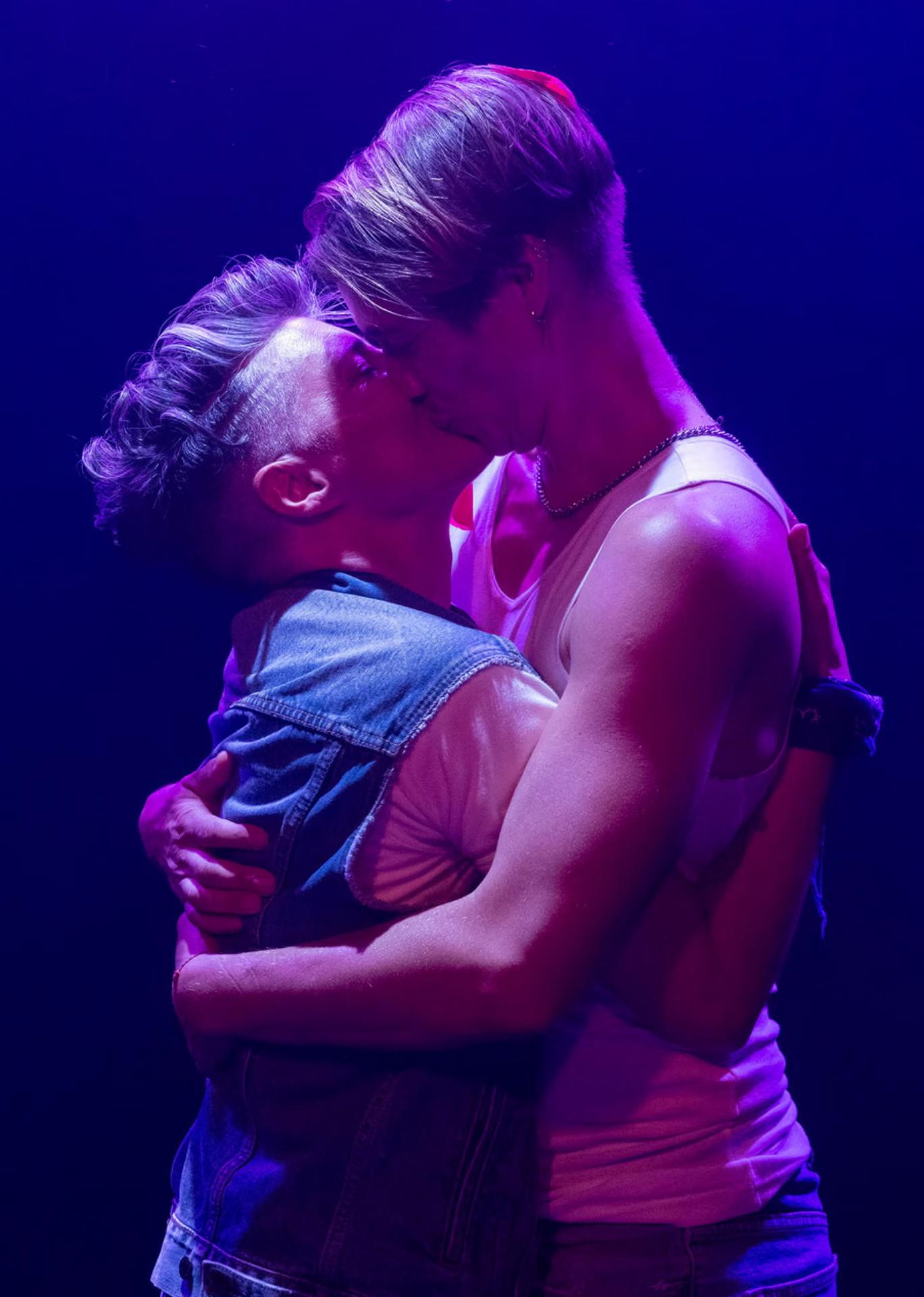
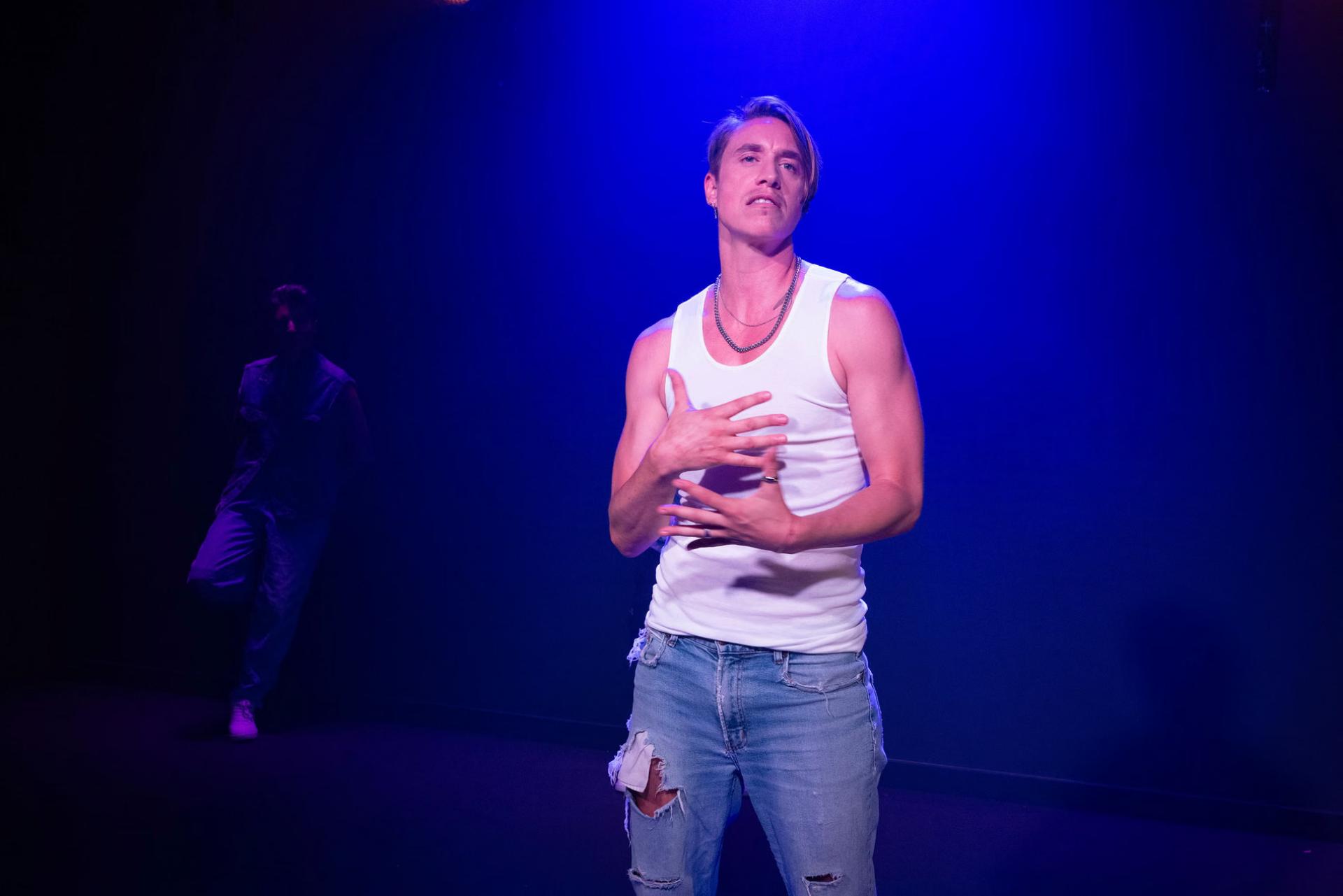
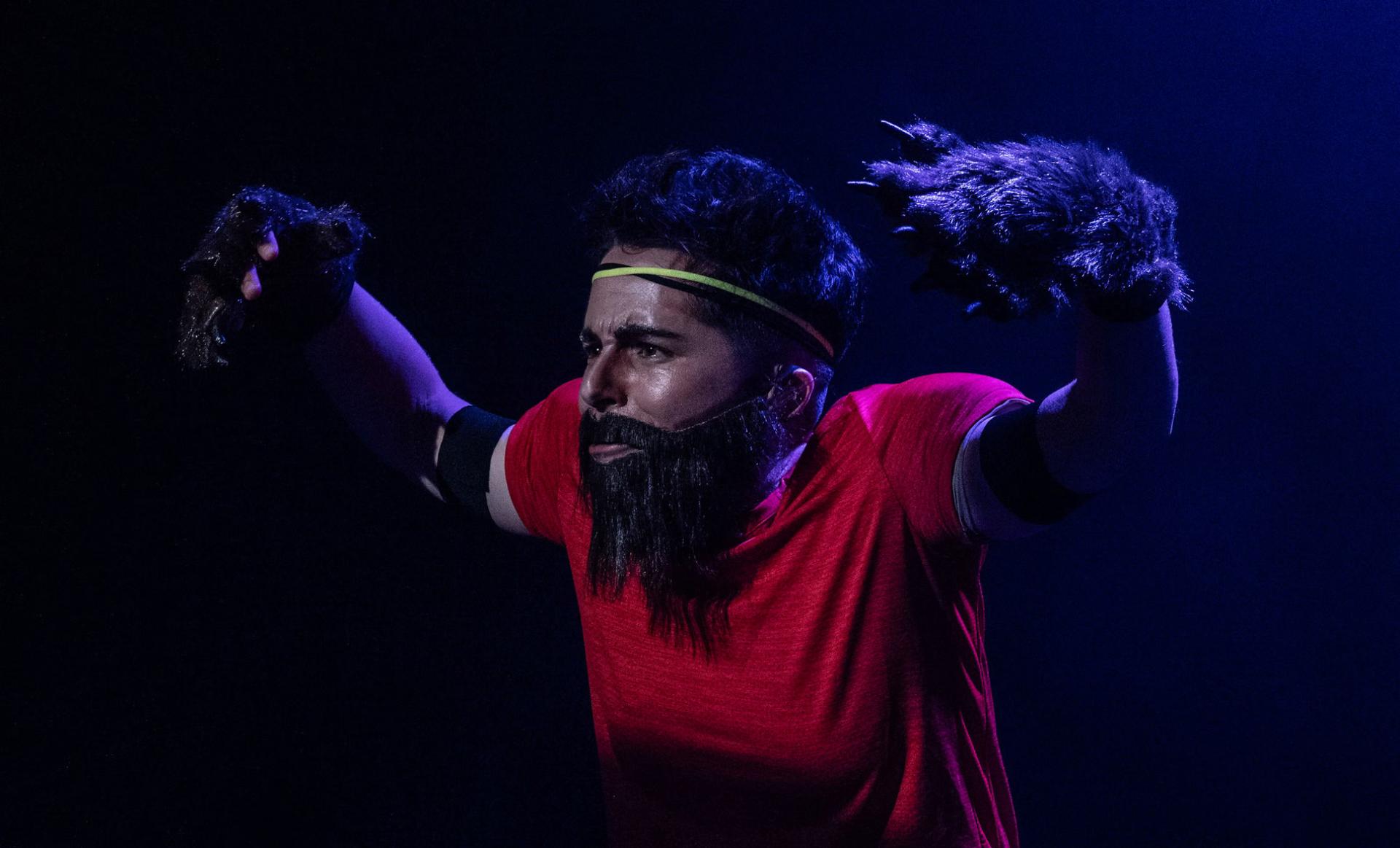
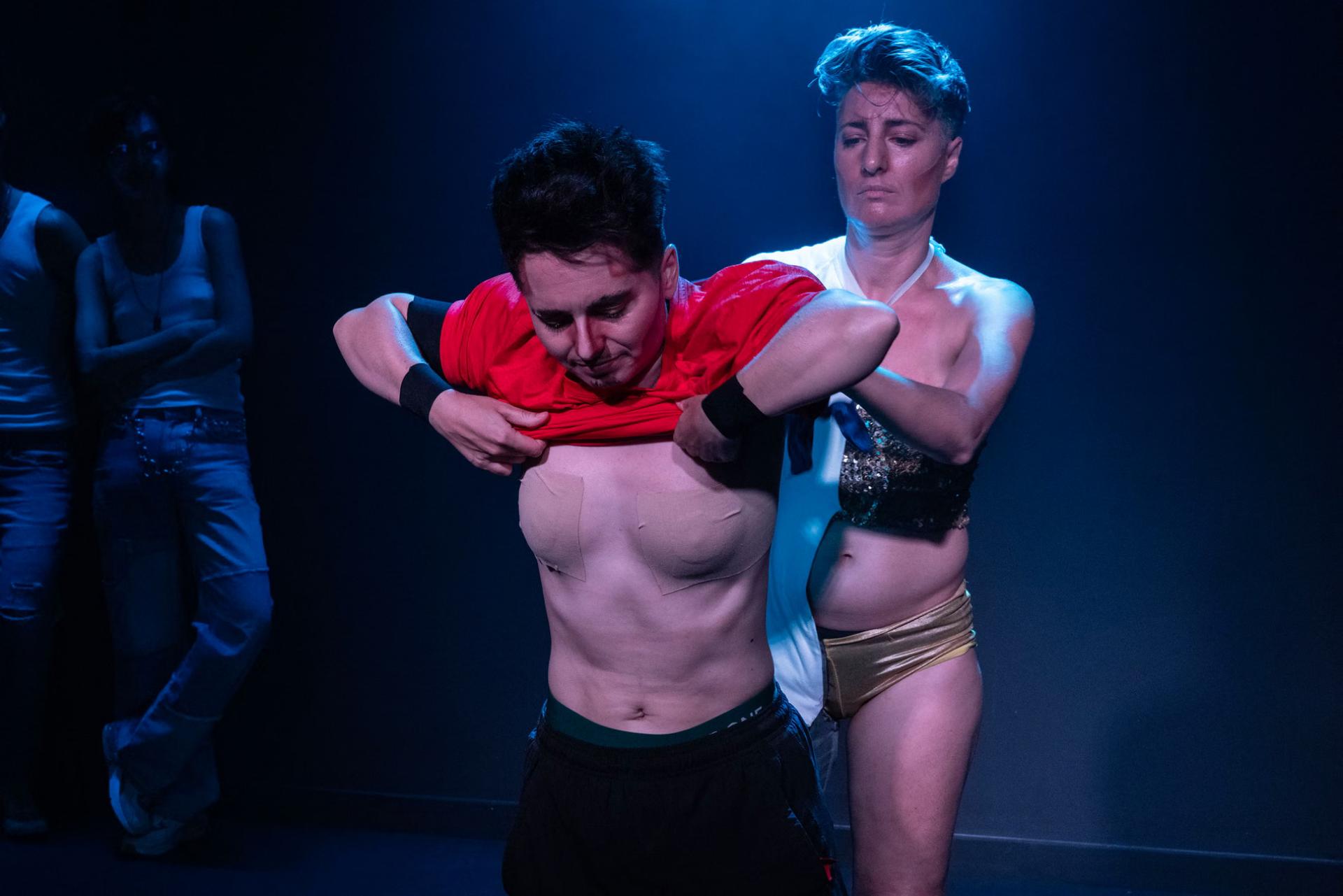
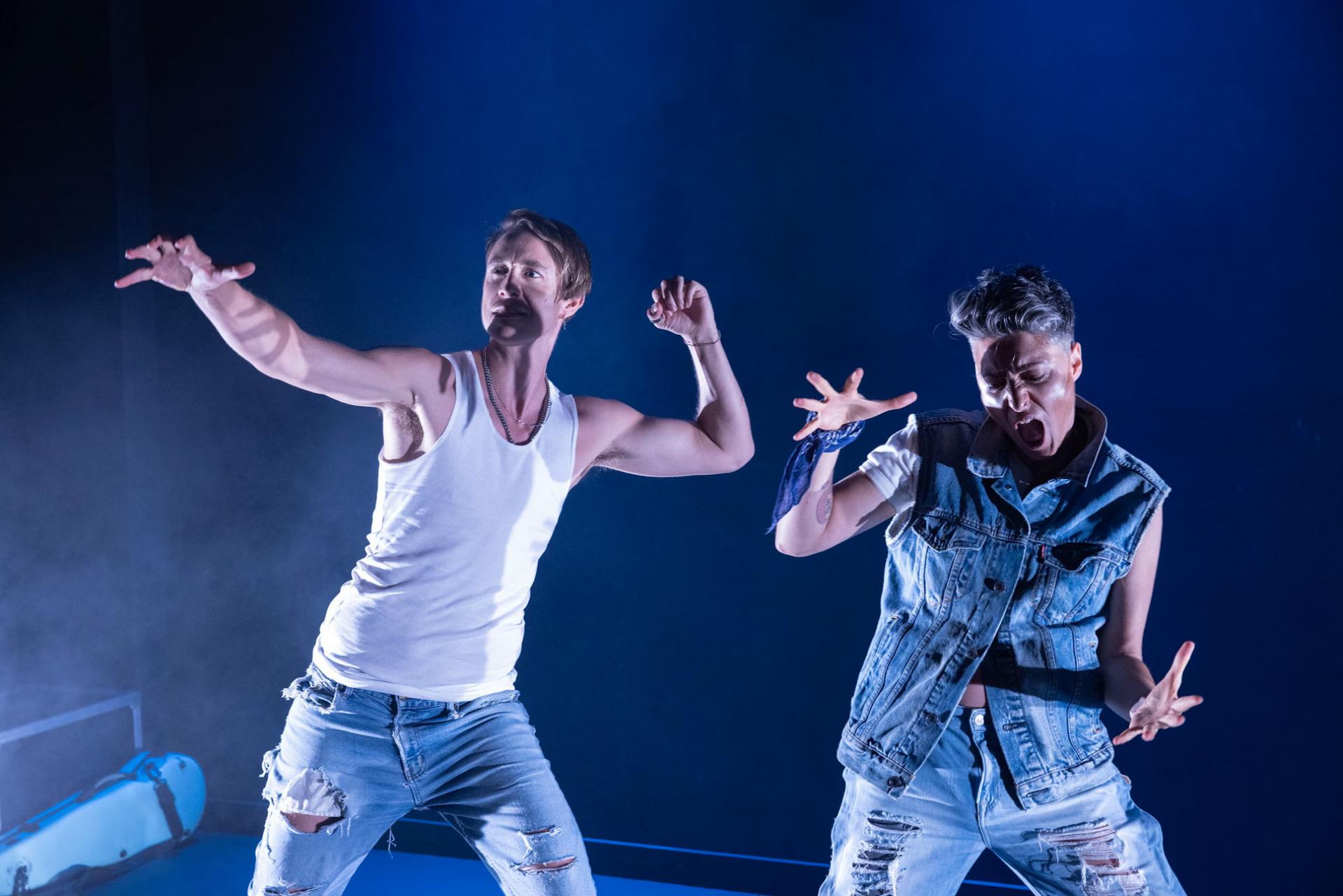
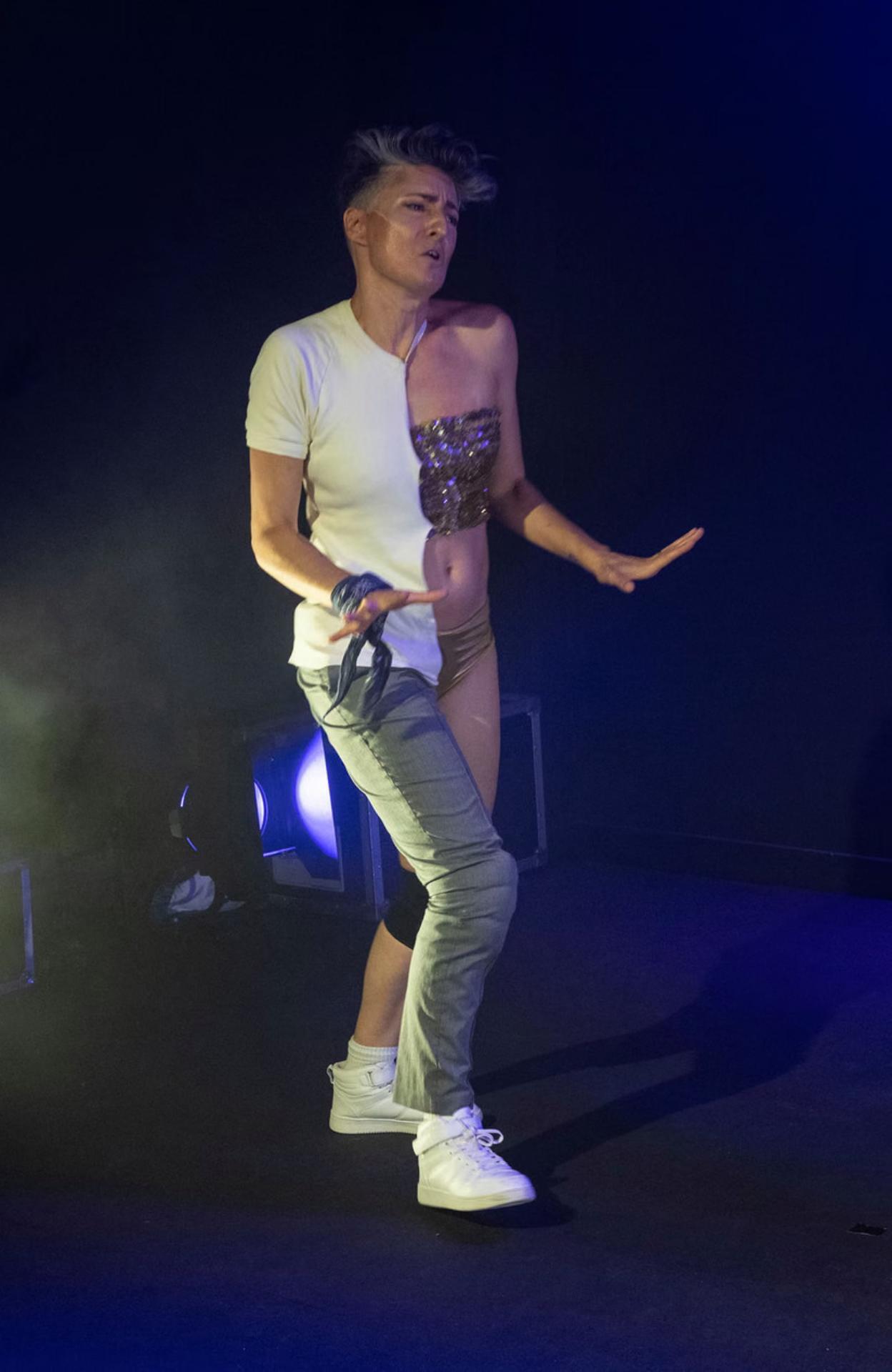
Four drag kings converge in They Will Be Kings to excavate the layered narratives of their becoming. Chase Cox, Dario di Bello, Fine China, and Jim Junkie each emerge from distinct origins, propelled by singular raisons d’être—yet together they orchestrate a meditation on gender’s fluid architecture. Against the grain of a world that insists upon the fixed polarity of male and female, their collective performance unravels the artifice of such certainties, illuminating instead the protean, unruly nature of identity itself.

Under Kaz Therese’s direction, the production achieves a wonderful alchemy—transmuting four distinct sensibilities into an elegant, unified architecture. They Will Be Kings emerges as a clever meditation on gender variance: its ontological textures, its protean expressions. Each performer—Beks Blake, Danica Lani, Chris McAllister, and Angel Tan—contributes a singular artistic vocabulary, yet coheres through an ethos of collective intentionality. The result is not mere showcase but invocation: an ensemble that summons the audience toward expansiveness, demanding not passive reception but active transformation of mind and heart.

Gender presents a fundamental paradox. It functions as a system built on fixed categories, yet lived experience constantly spills beyond these boundaries into territory that resists easy definition. Humans inevitably sort one another into boxes, yet what we most desire is freedom.
 
Gender, at its best, offers pleasure, play, and genuine self-expression; yet too often it serves darker purposes—erasure, marginalisation, the violent enforcement of conformity. It is something we can resist, yet also something we can savour. To understand how it works—its mechanisms of control—is essential if we hope to move beyond its restrictions and dangers, transforming vulnerability into agency.