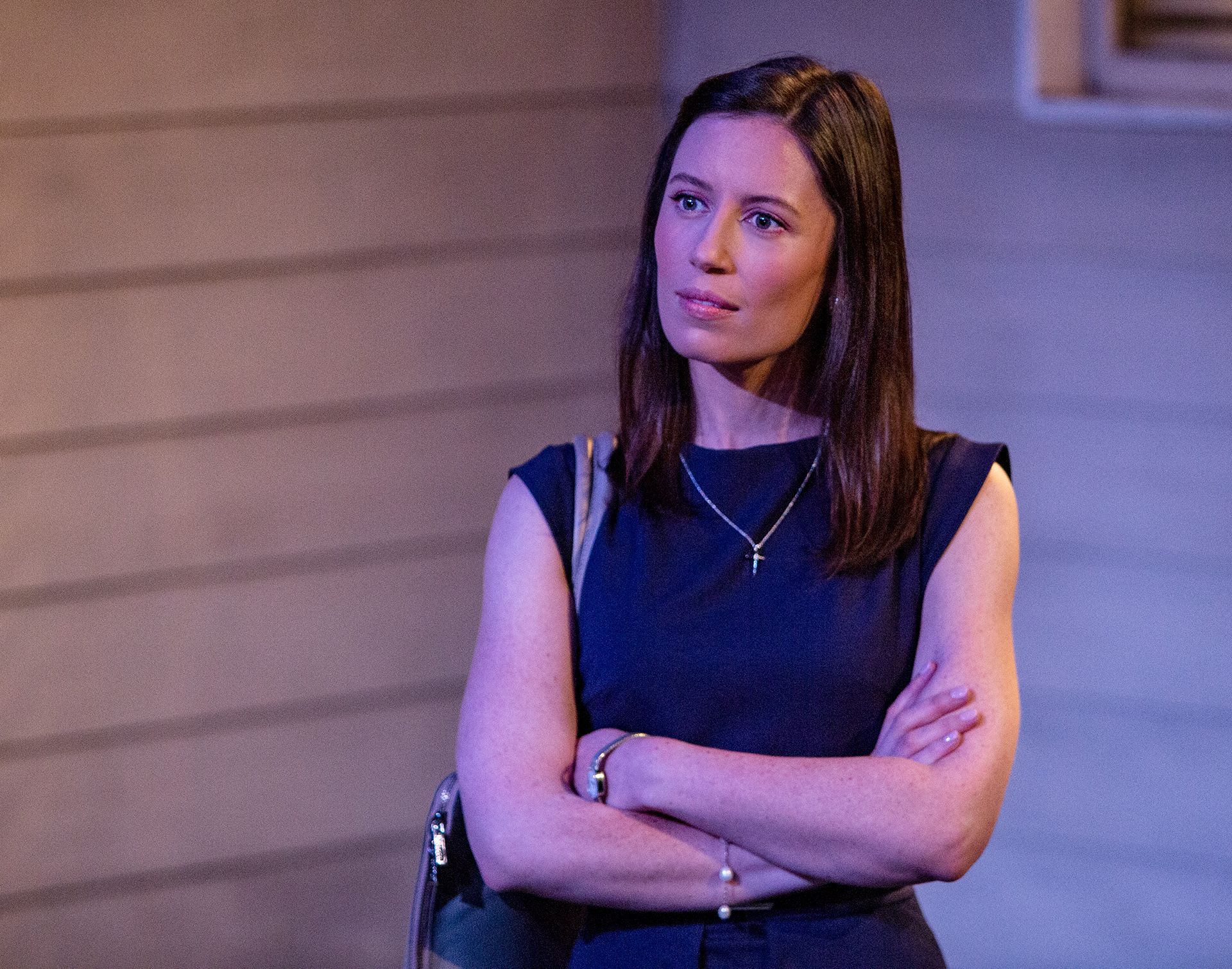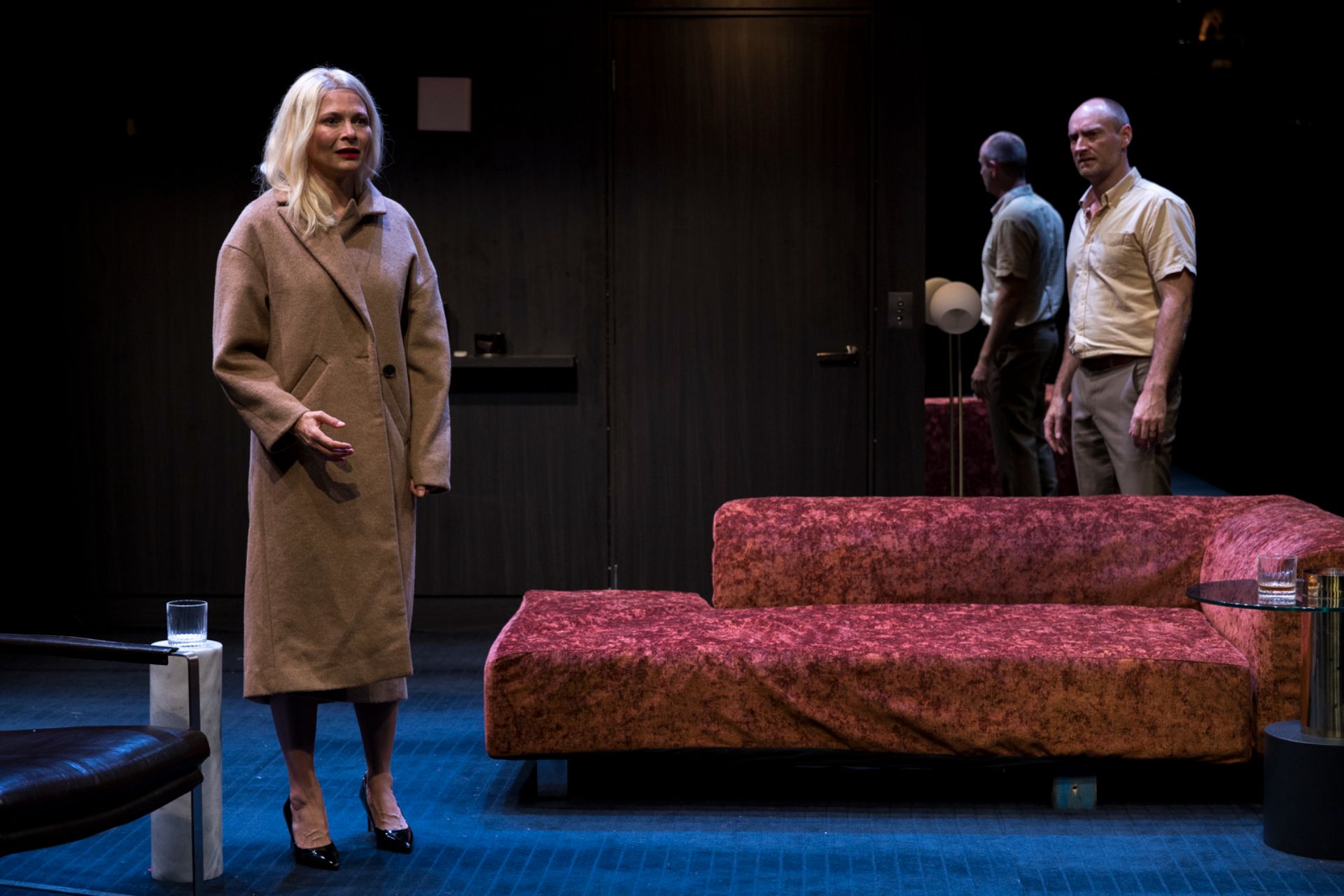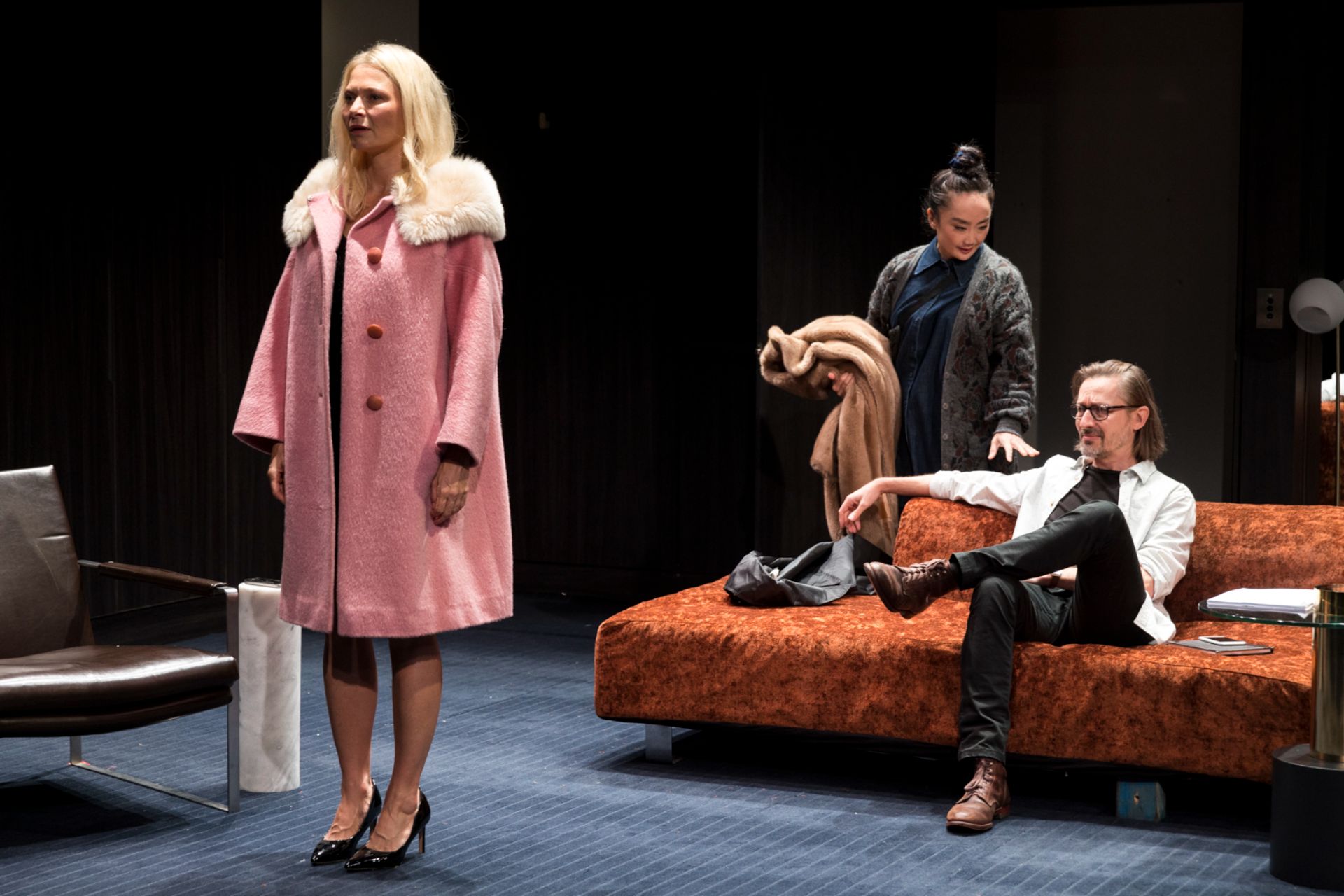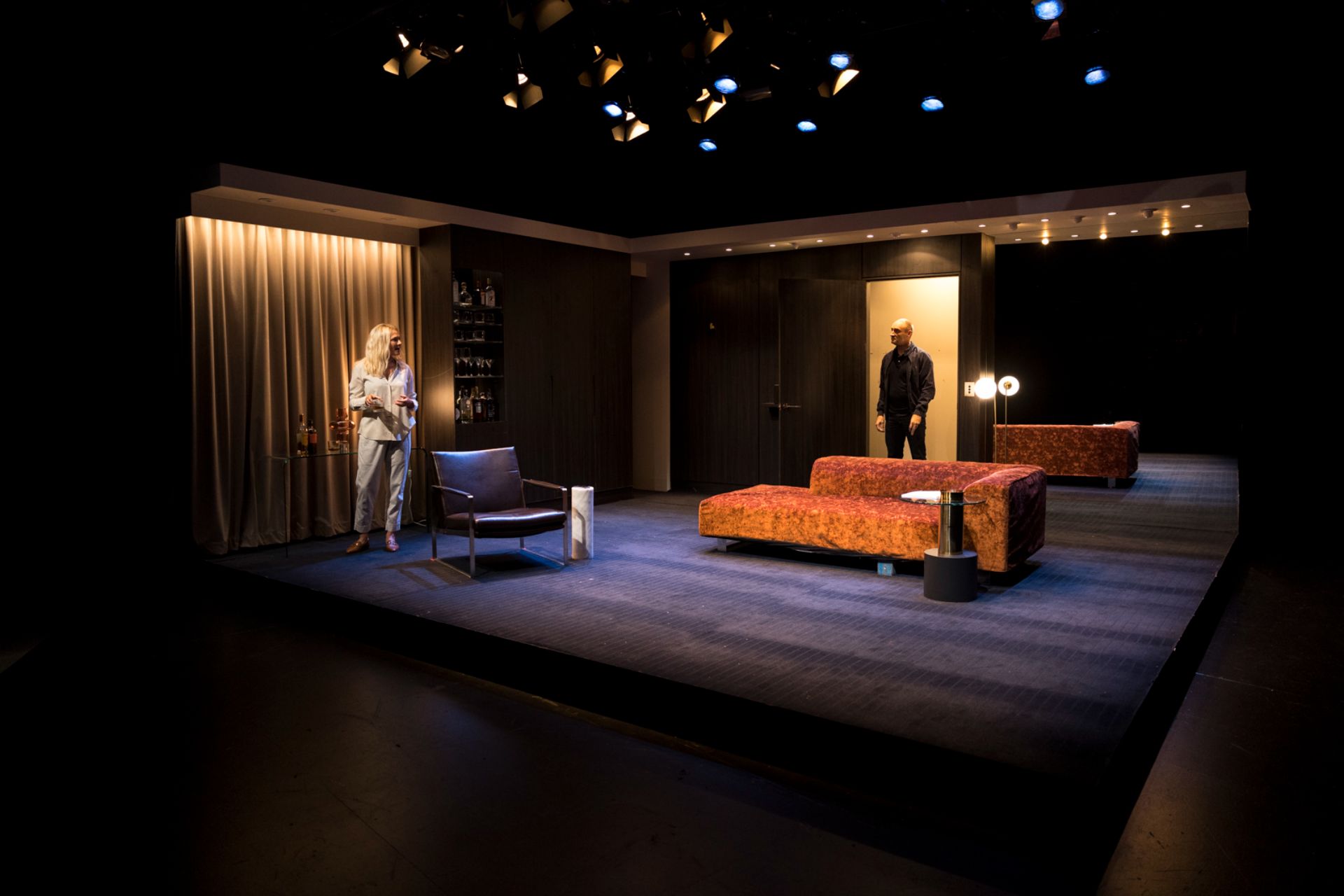
Review: Dogged (Griffin Theatre Company)

Venue: SBW Stables Theatre (Darlinghurst NSW), Apr 30 – Jun 5, 2021
Playwrights: Andrea James, Catherine Ryan
Director: Declan Greene
Cast: Blazey Best, Sandy Greenwood, Anthony Yangoyan
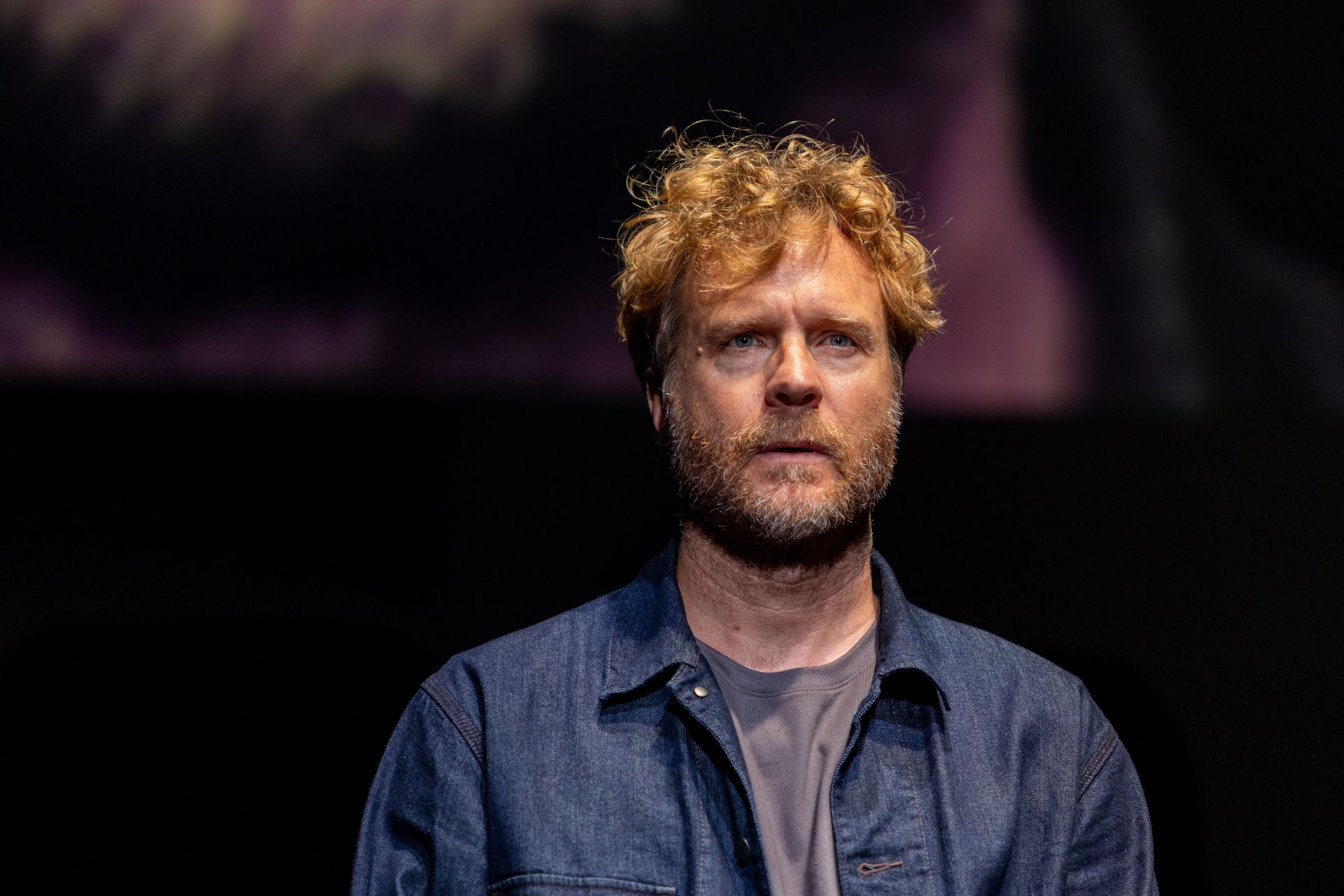
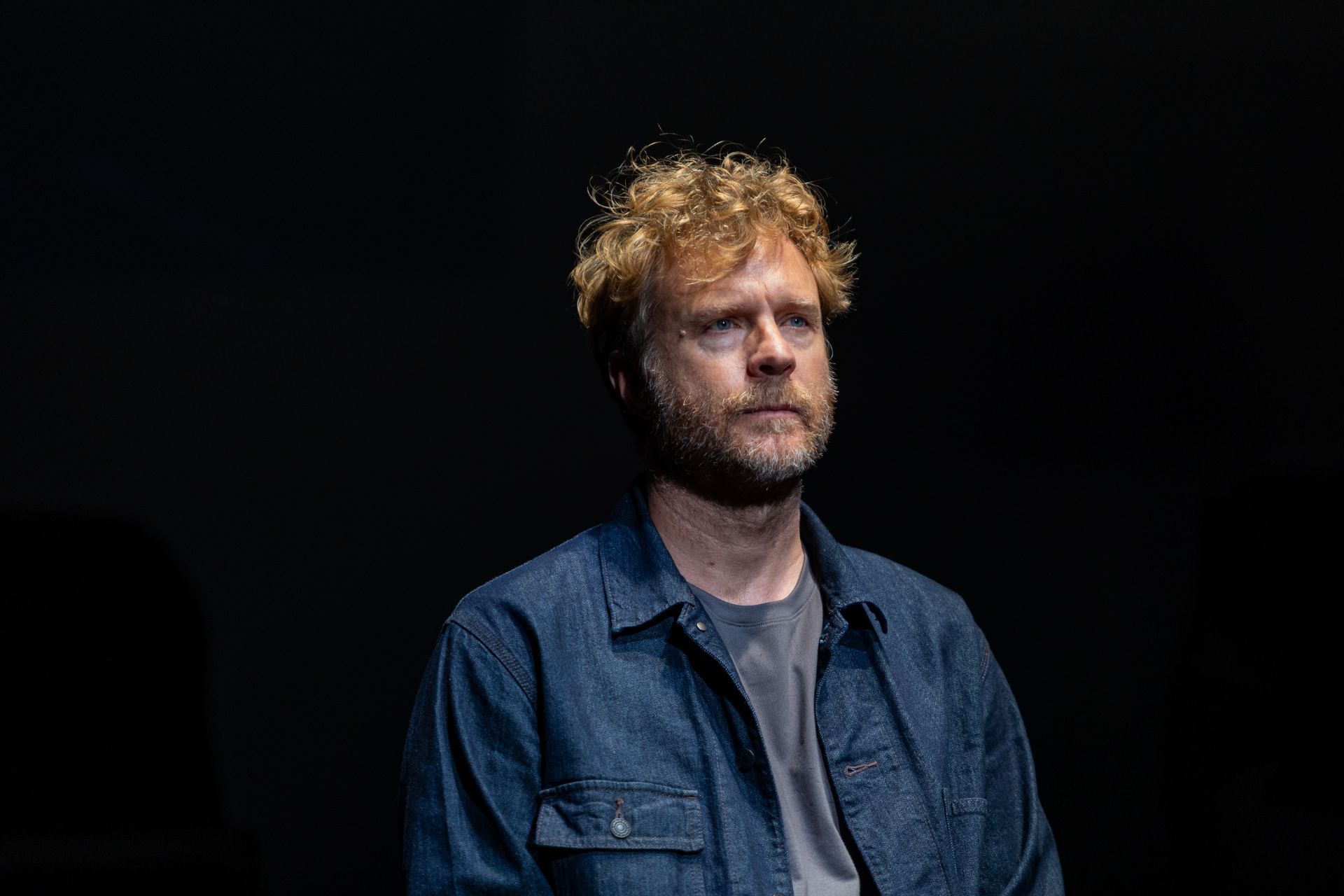
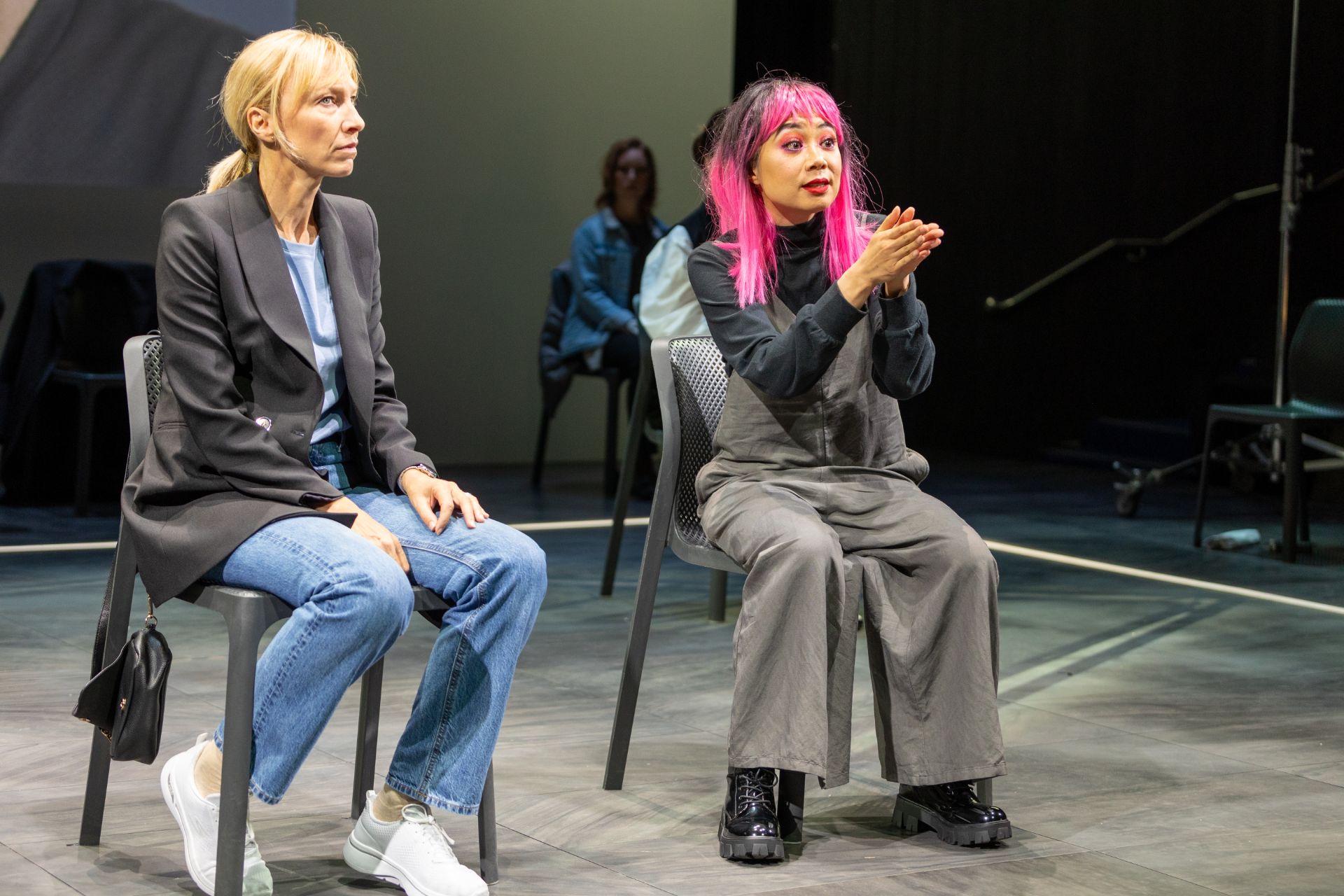
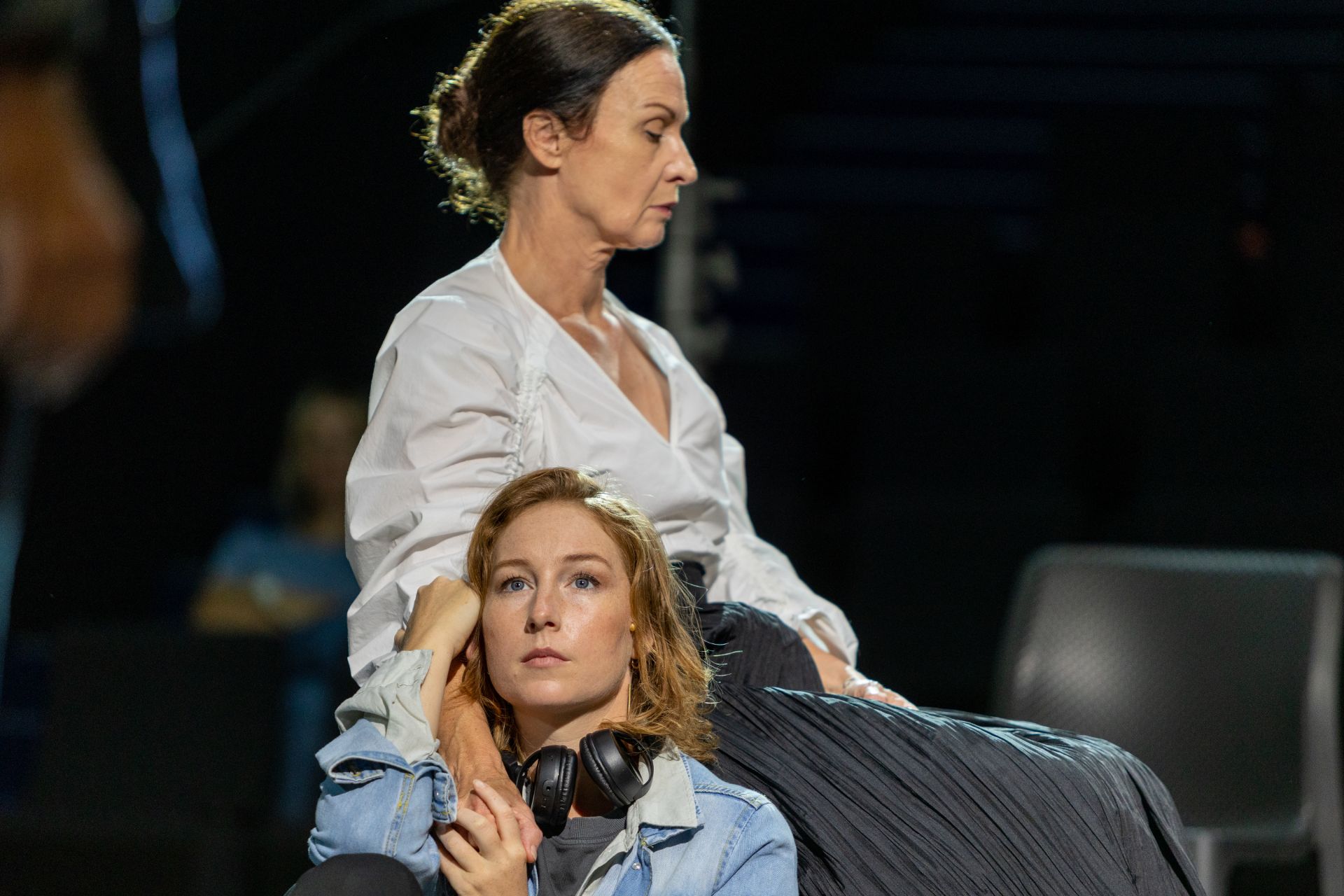
Images by Brett Boardman

Theatre review
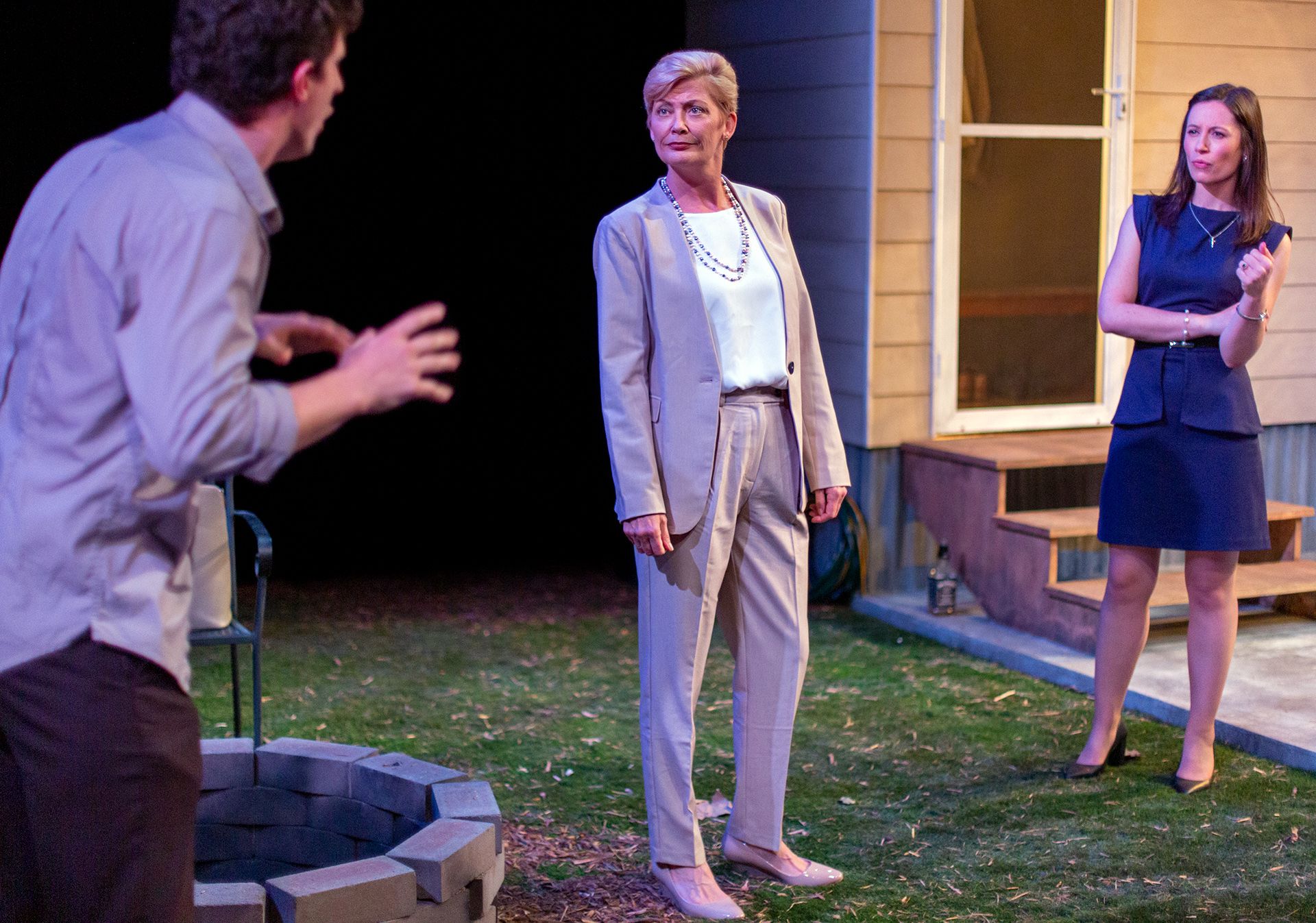
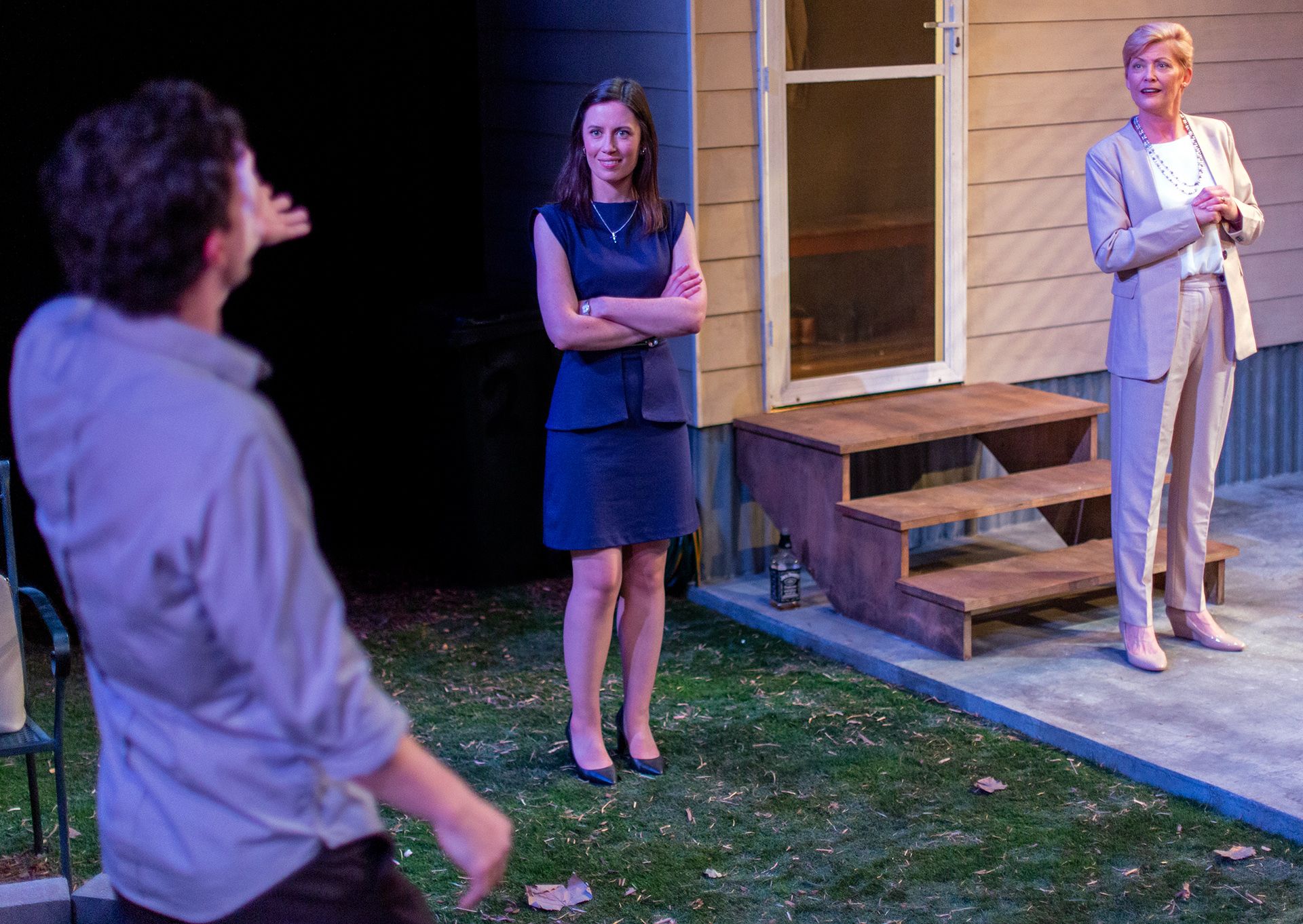
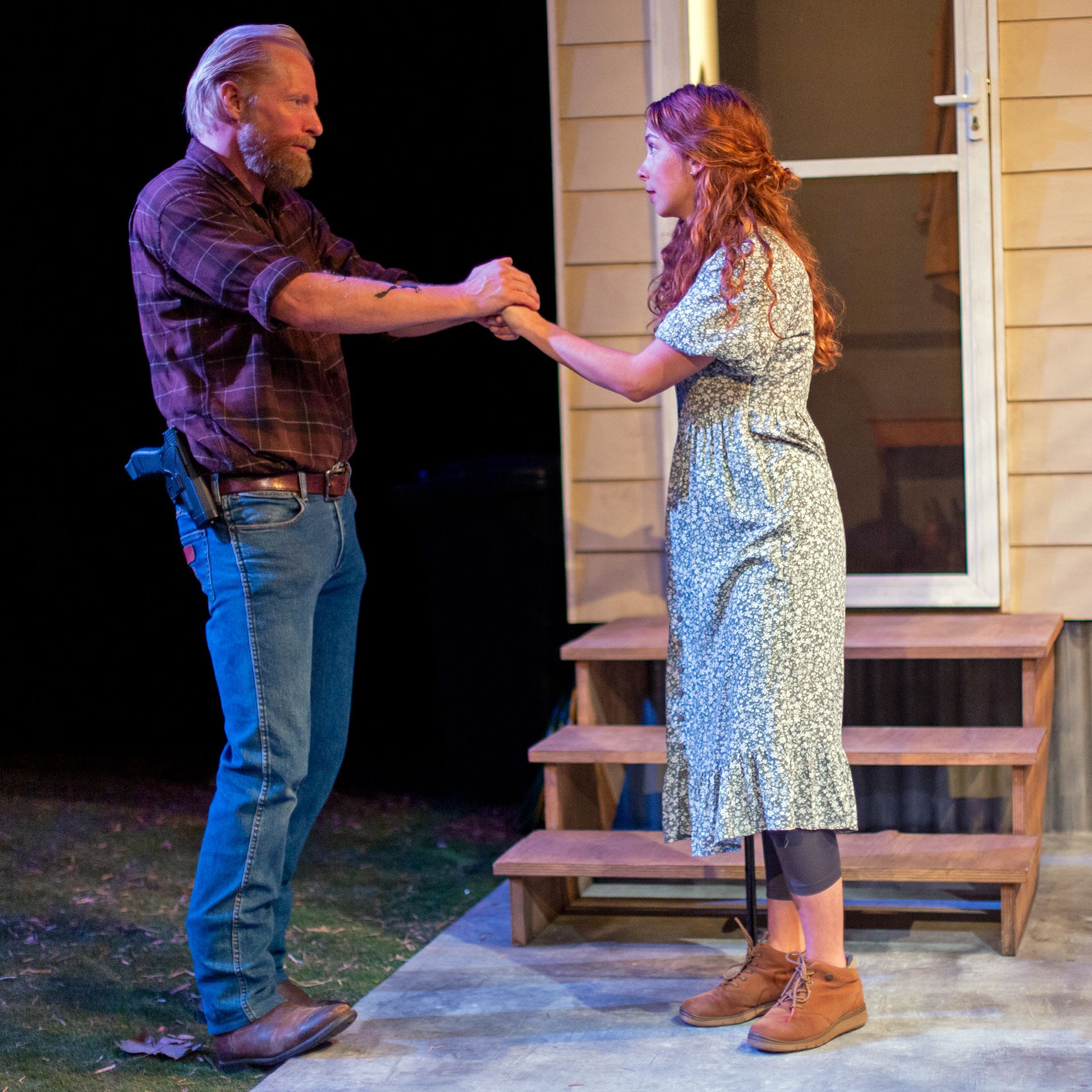
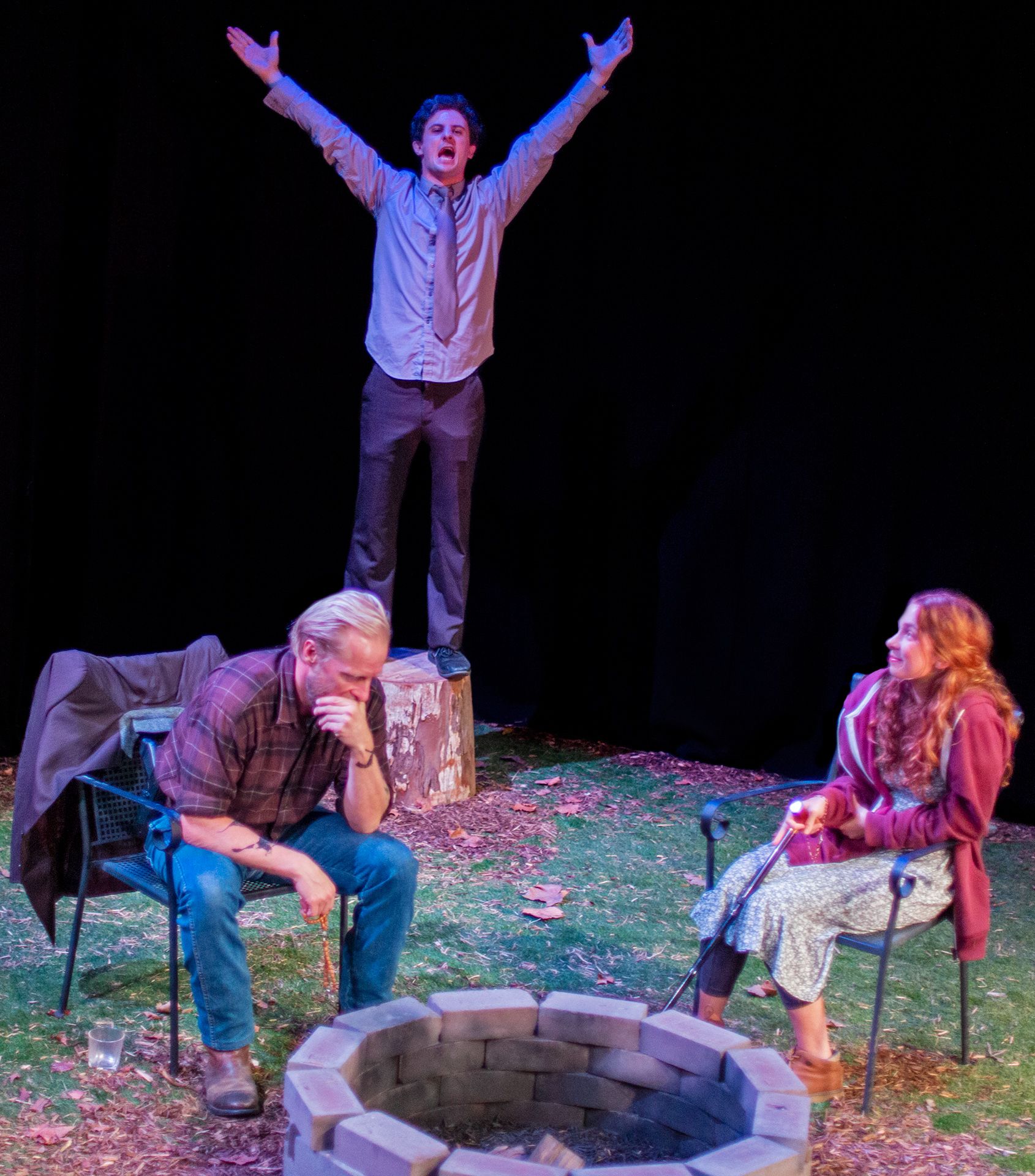
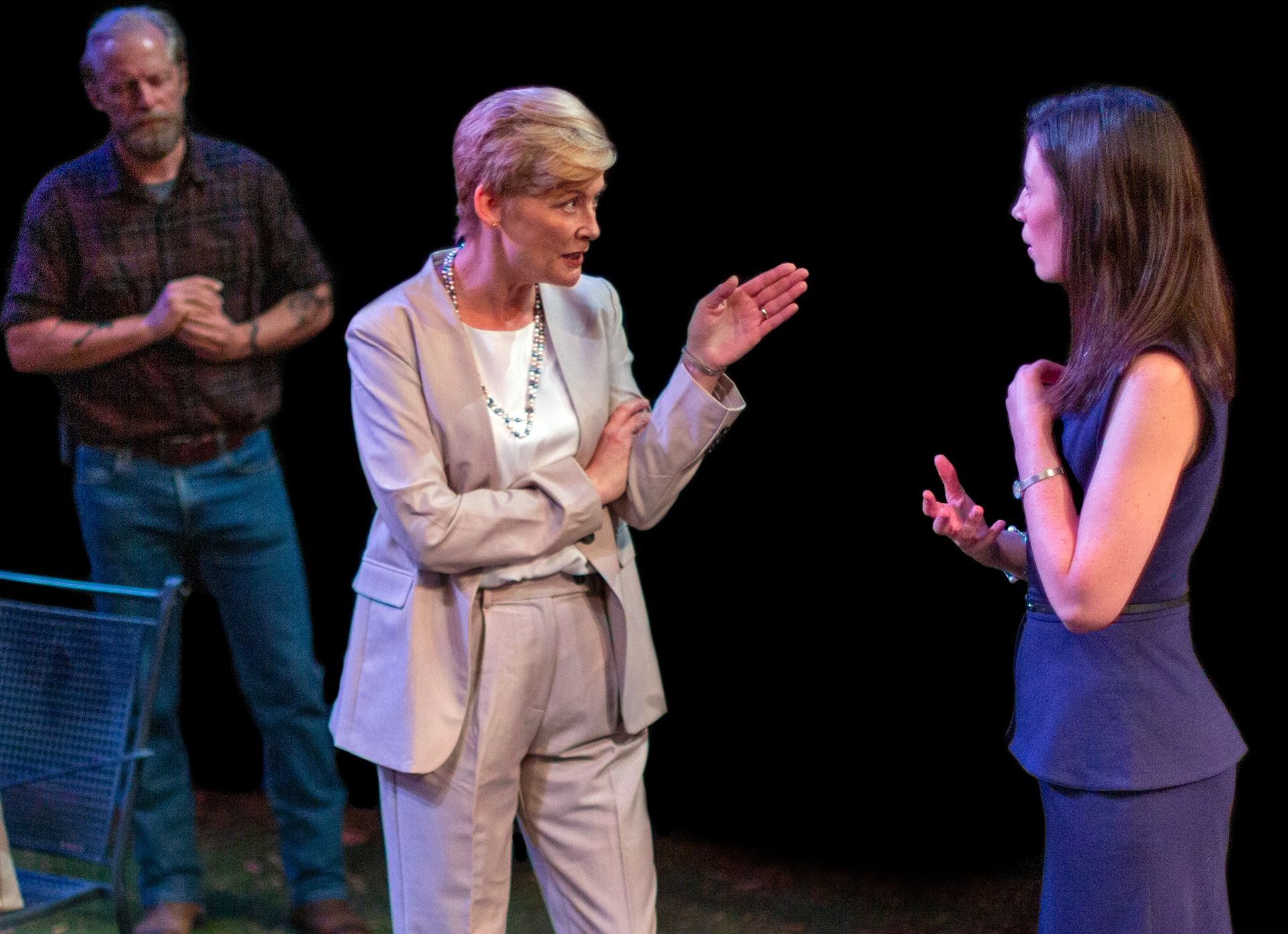
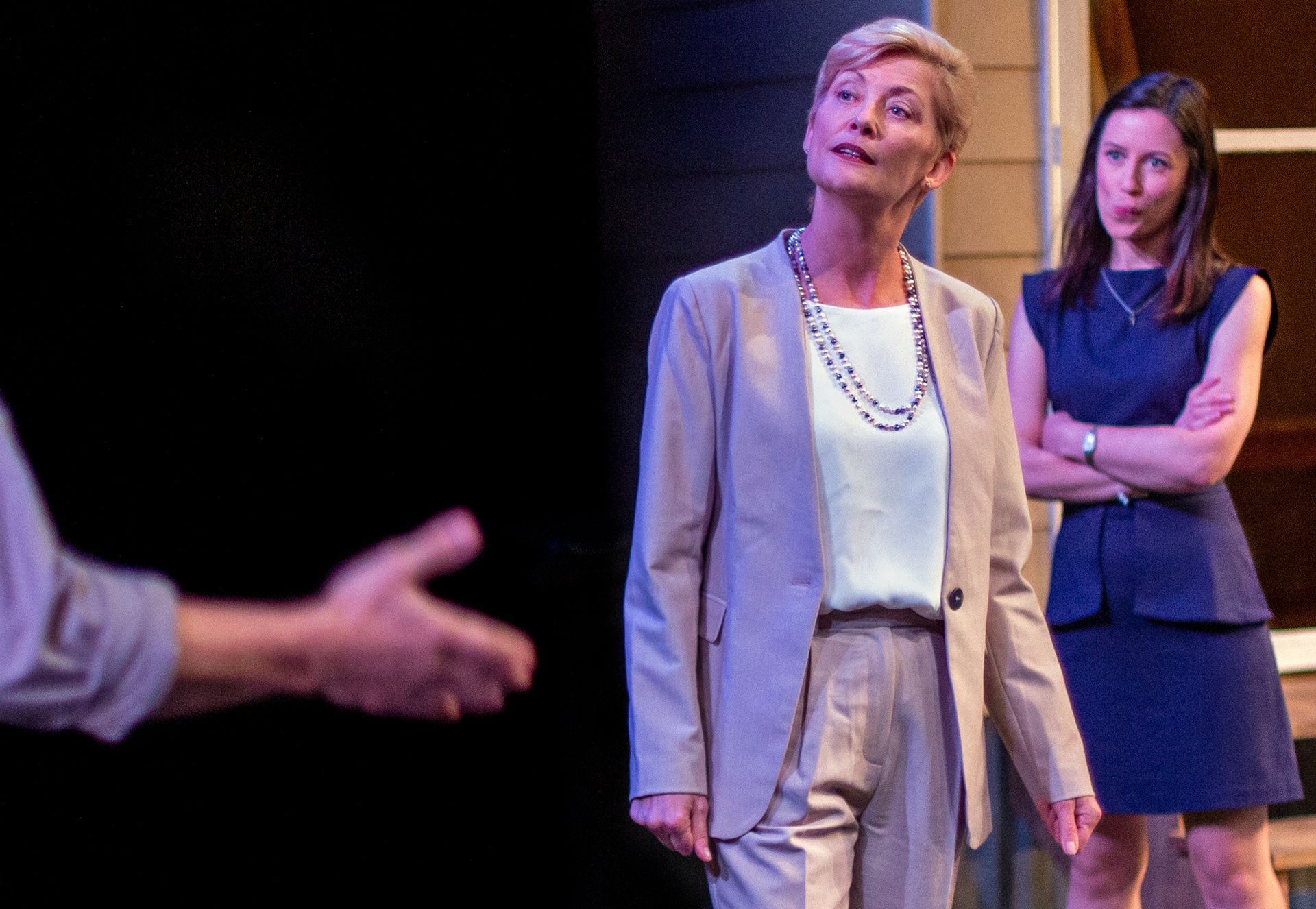
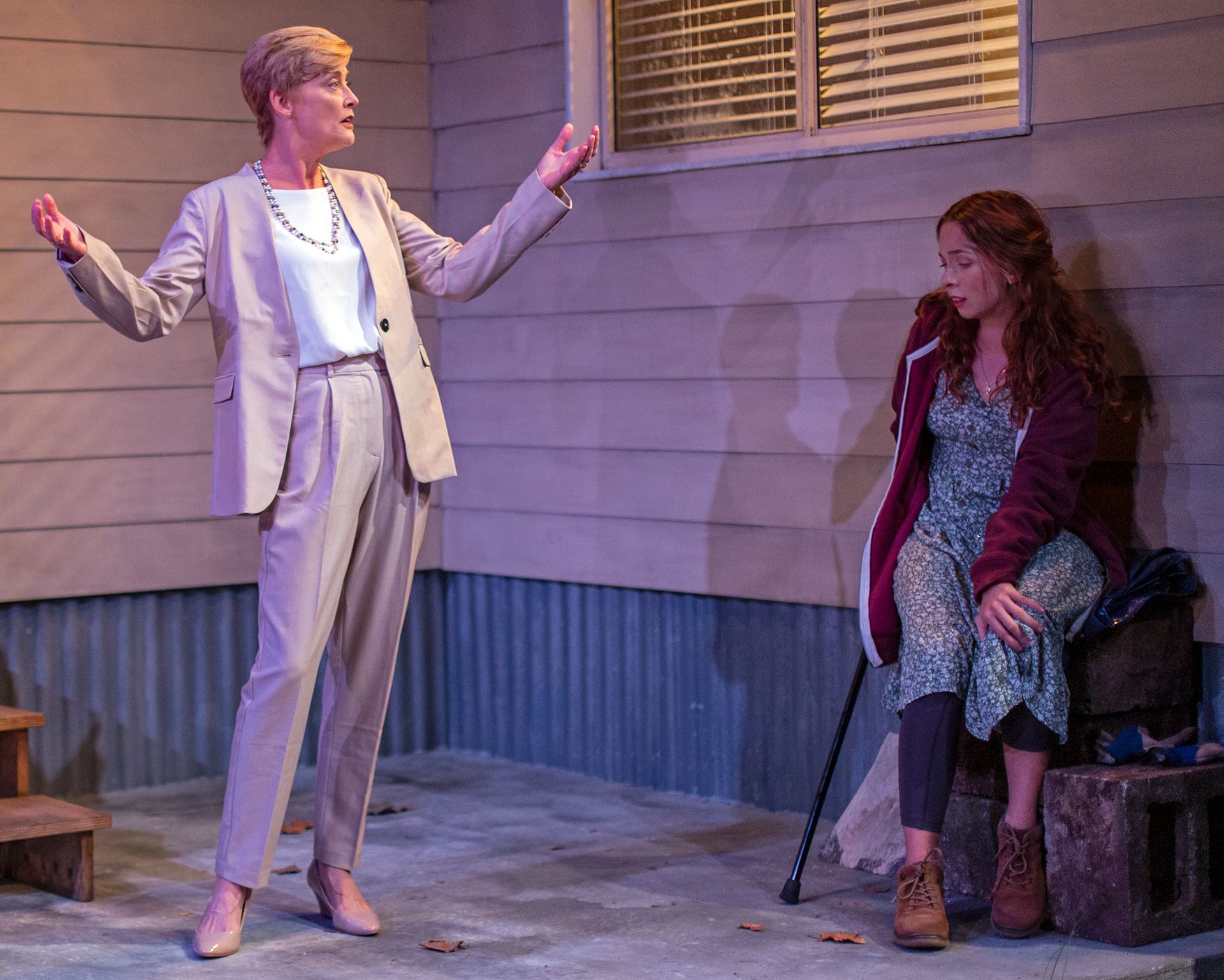
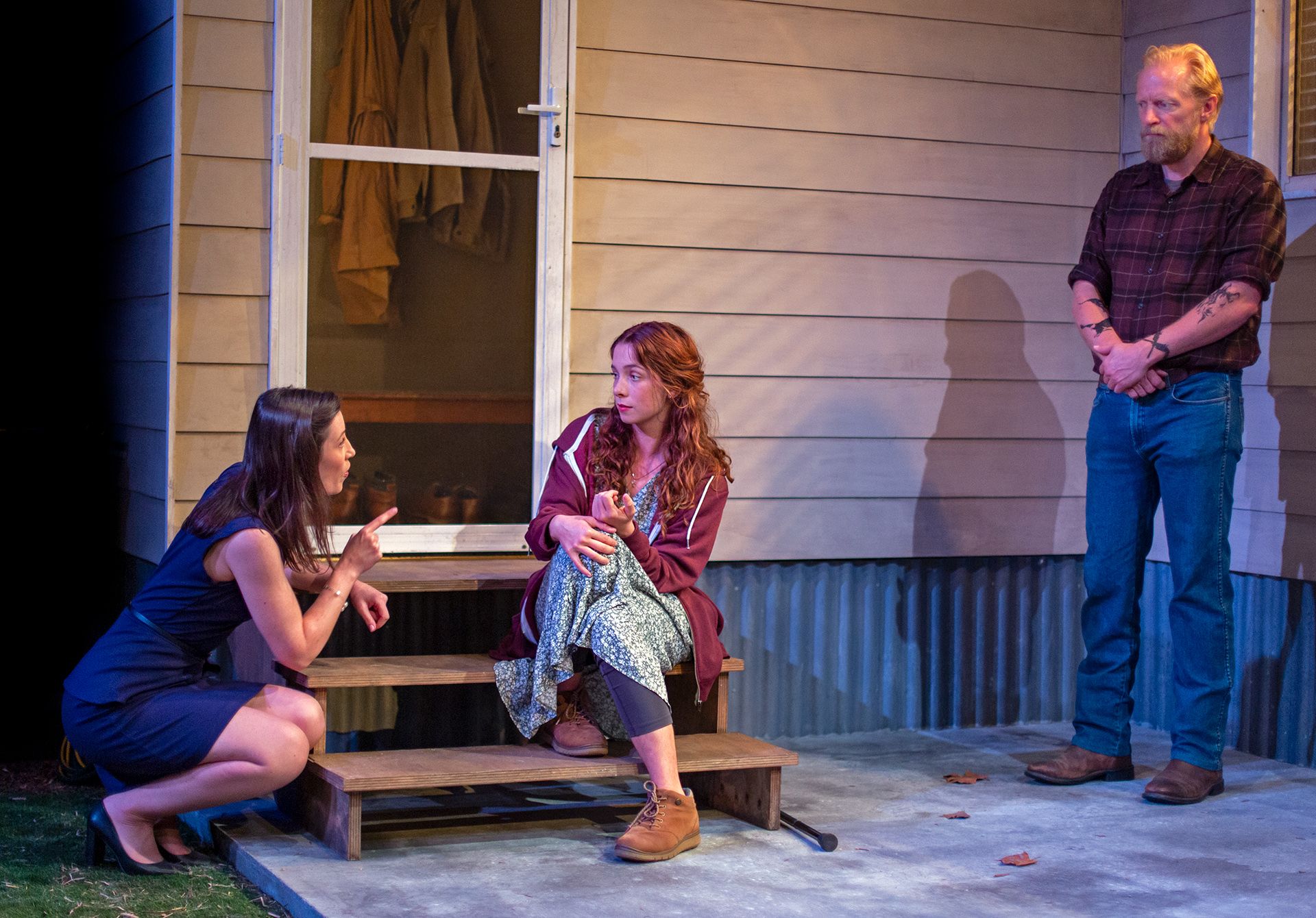
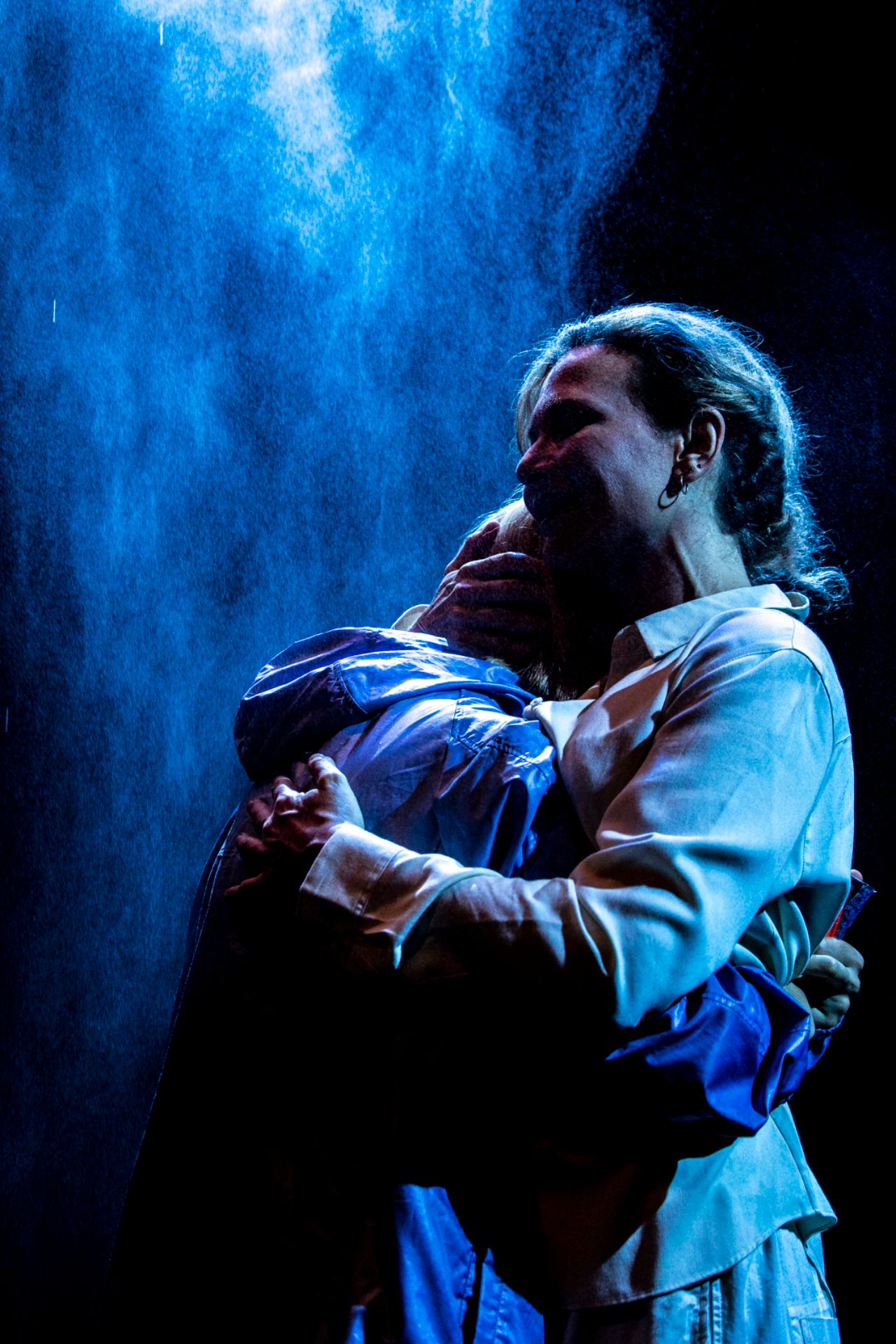
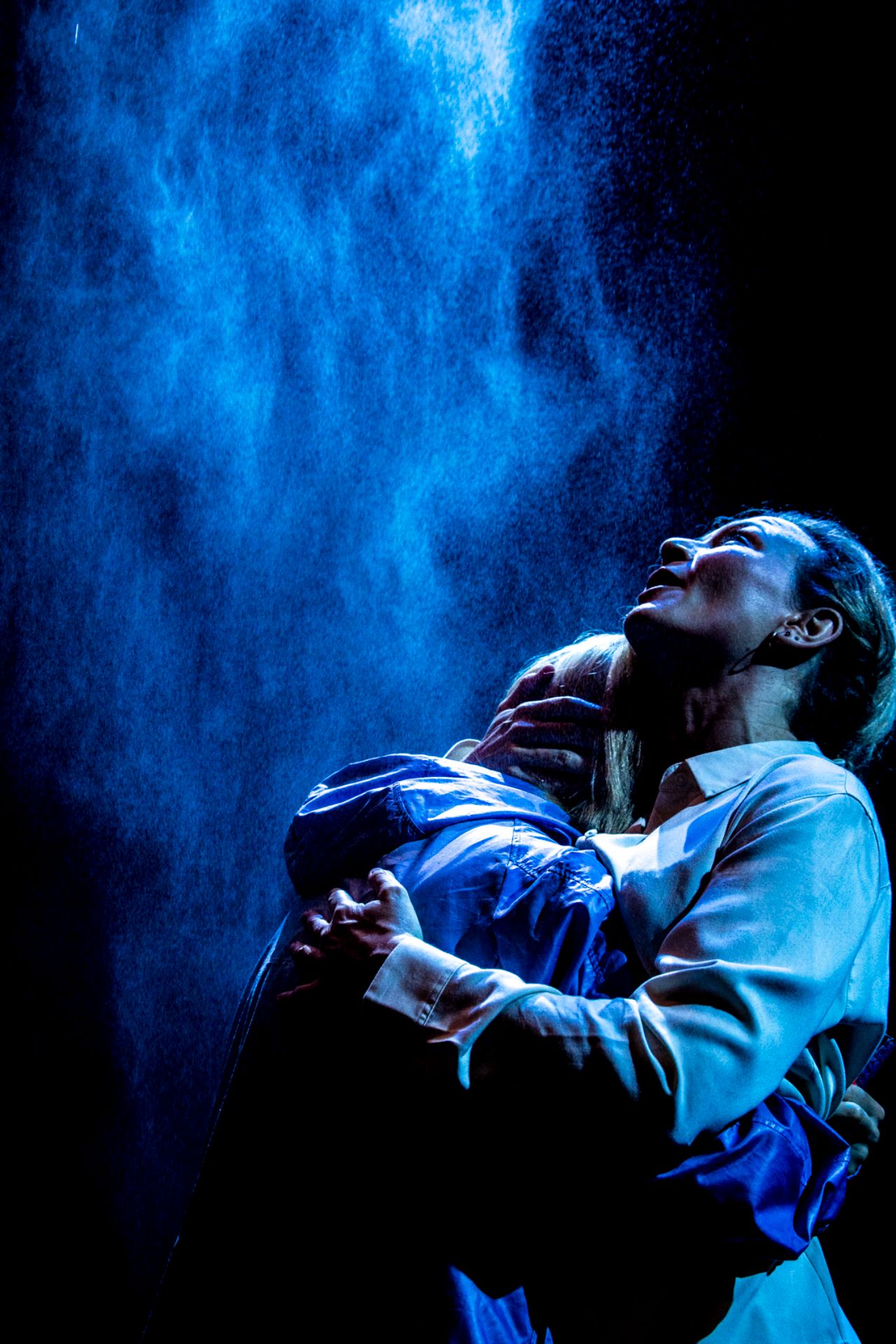
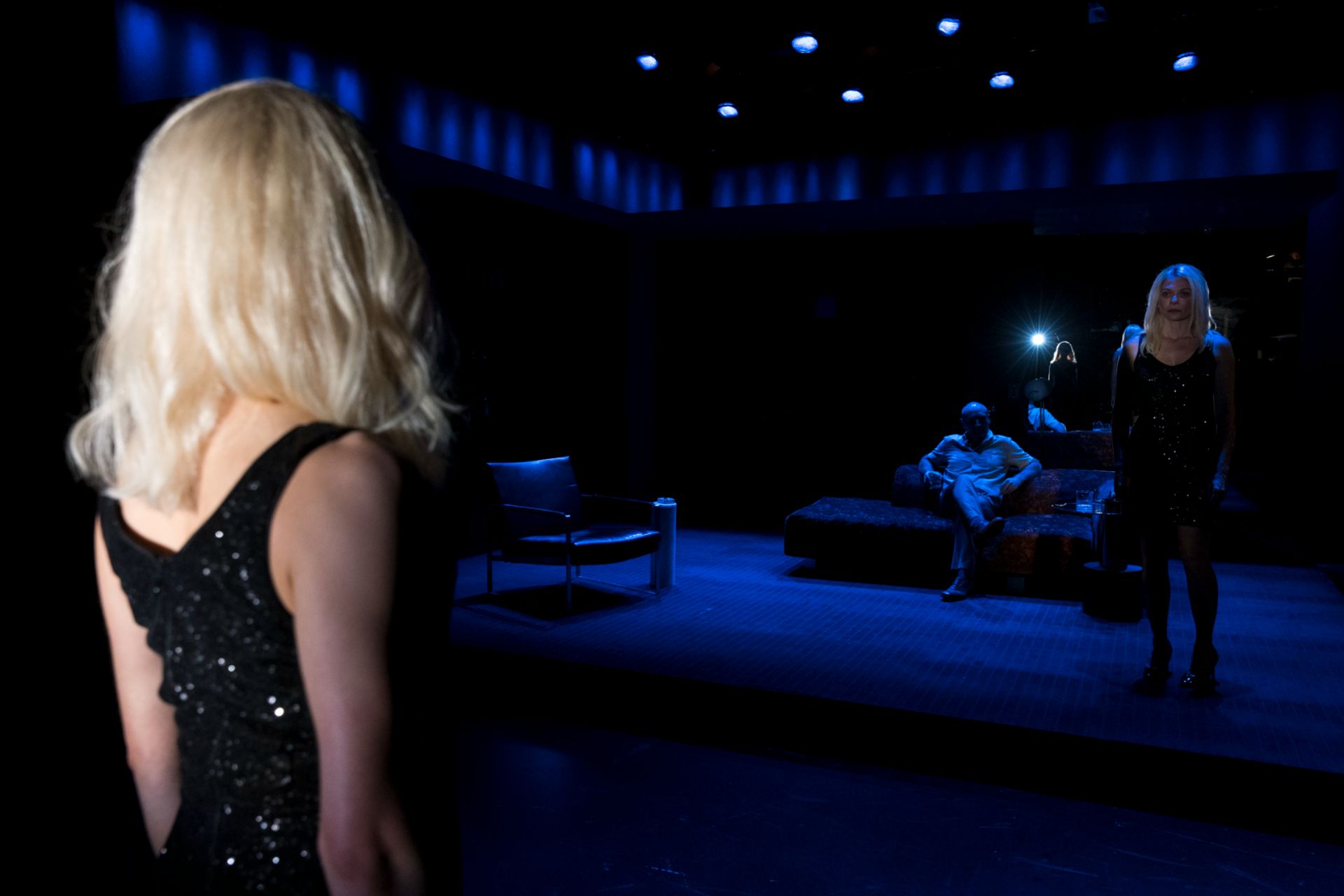
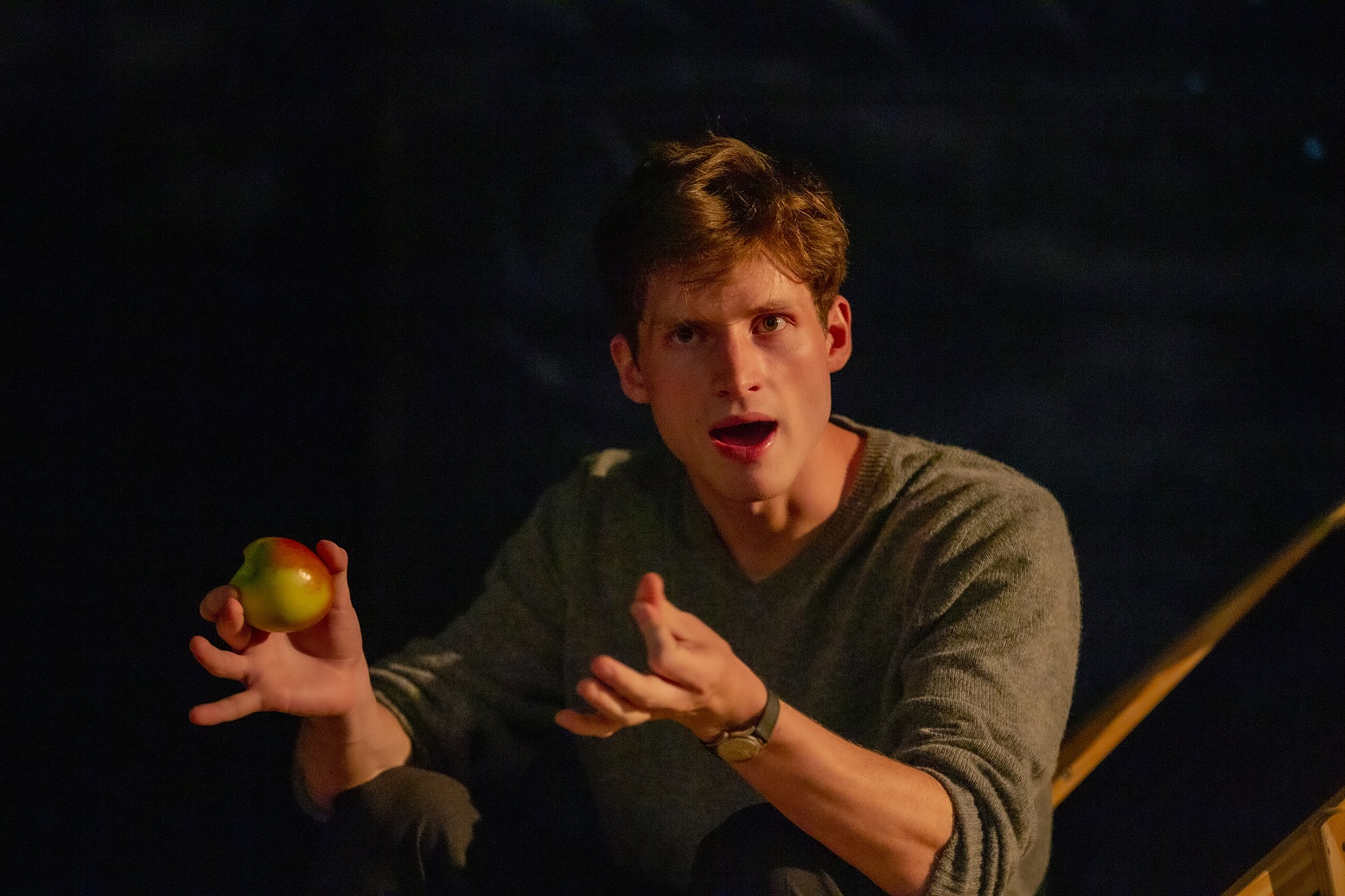
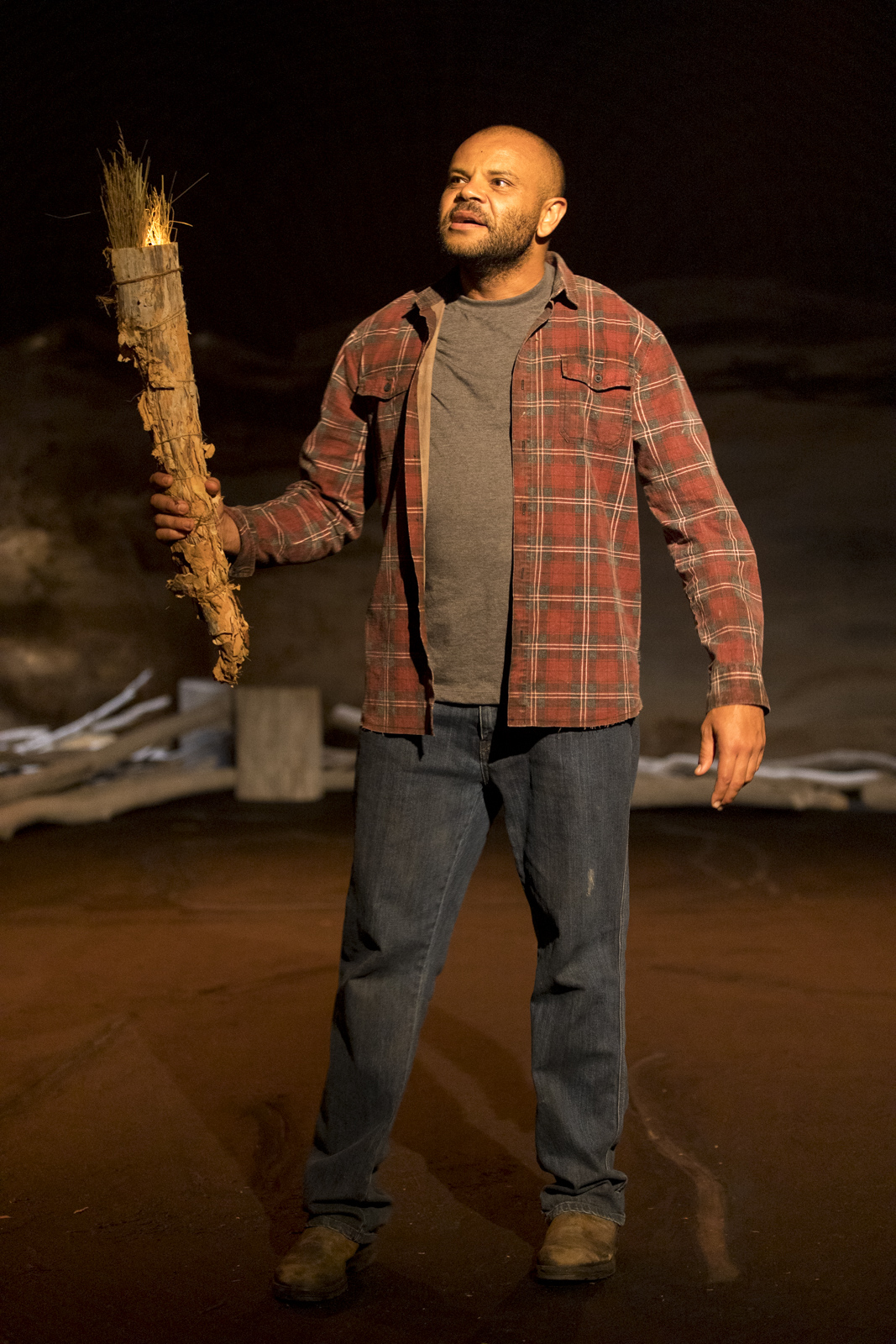
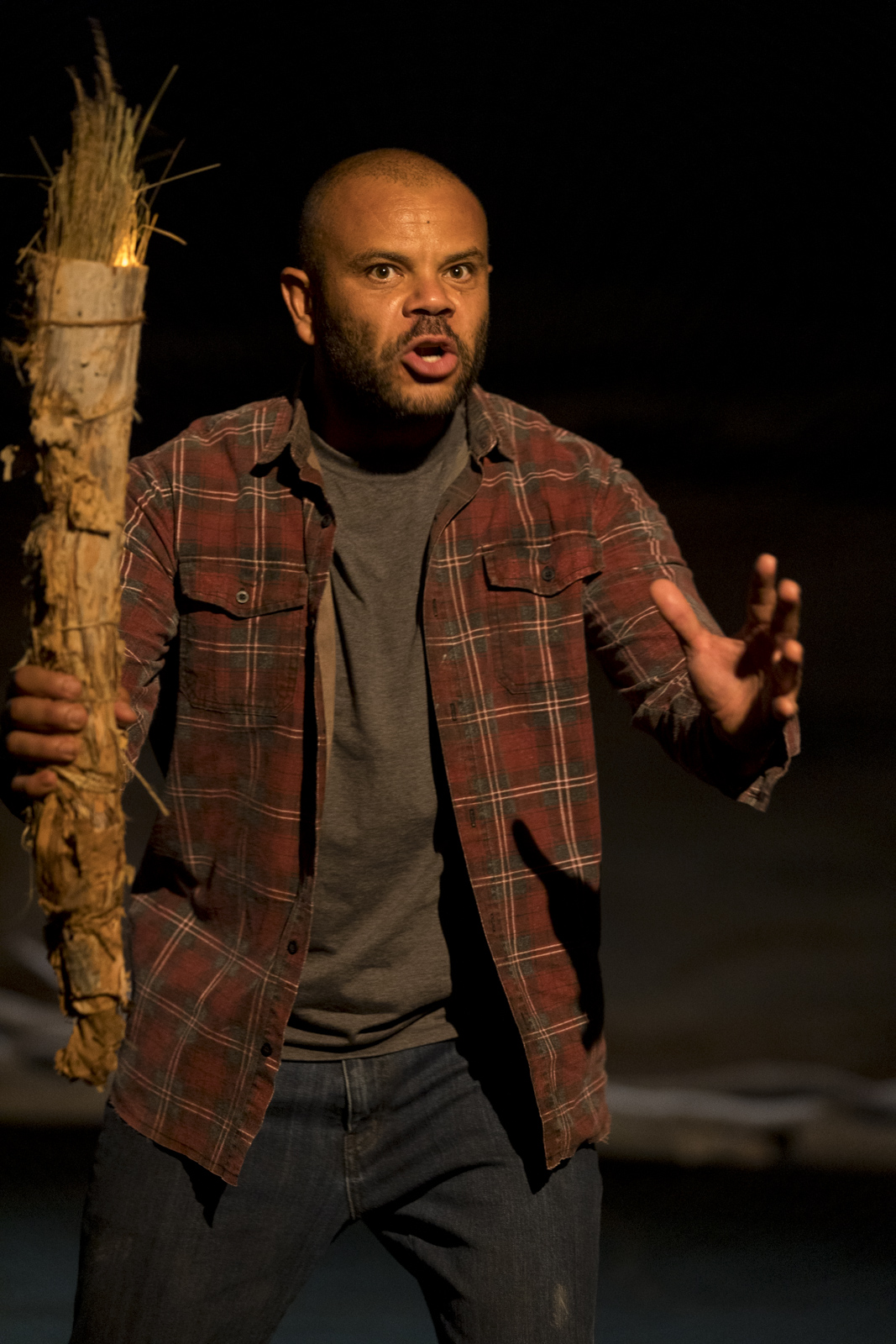
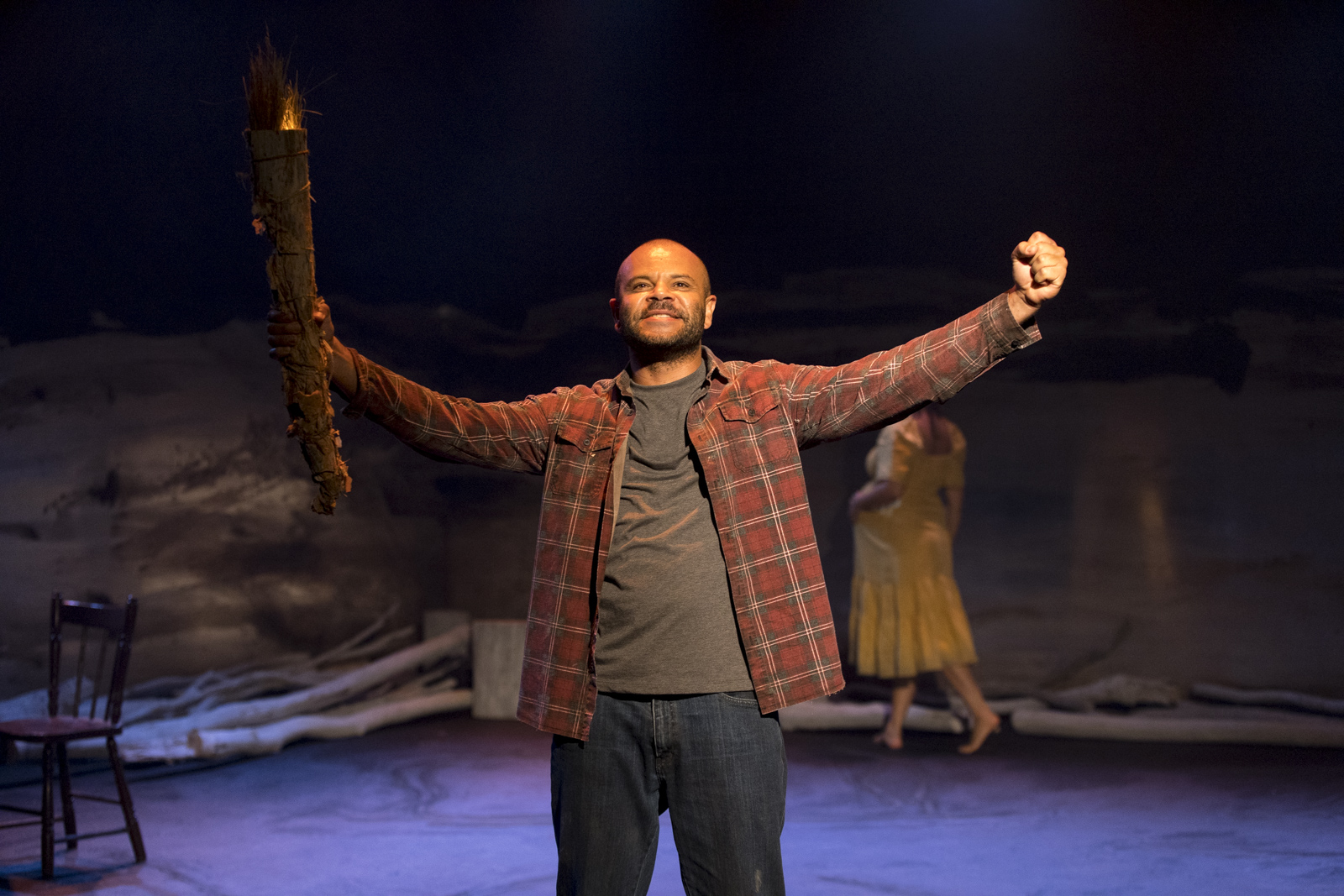
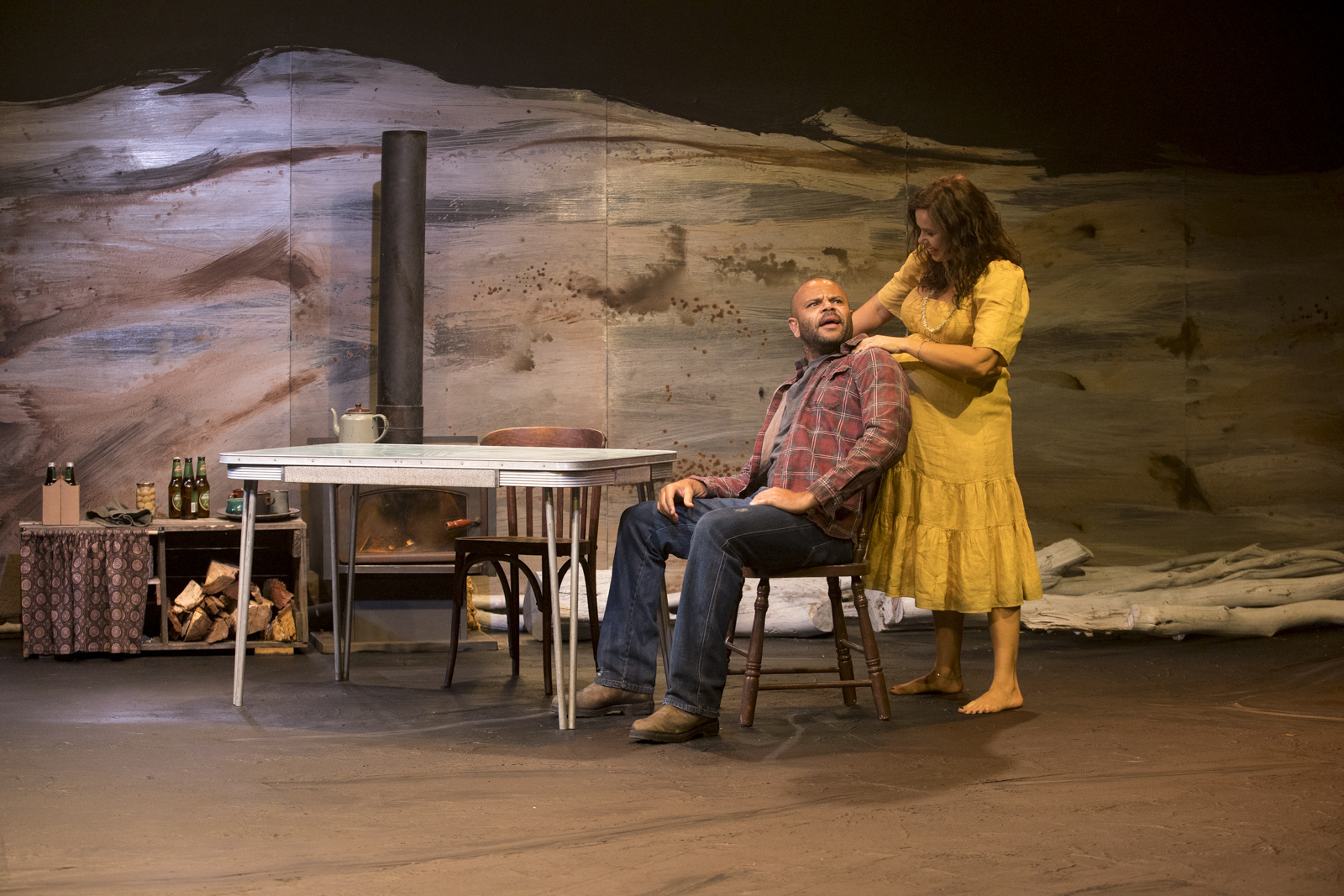
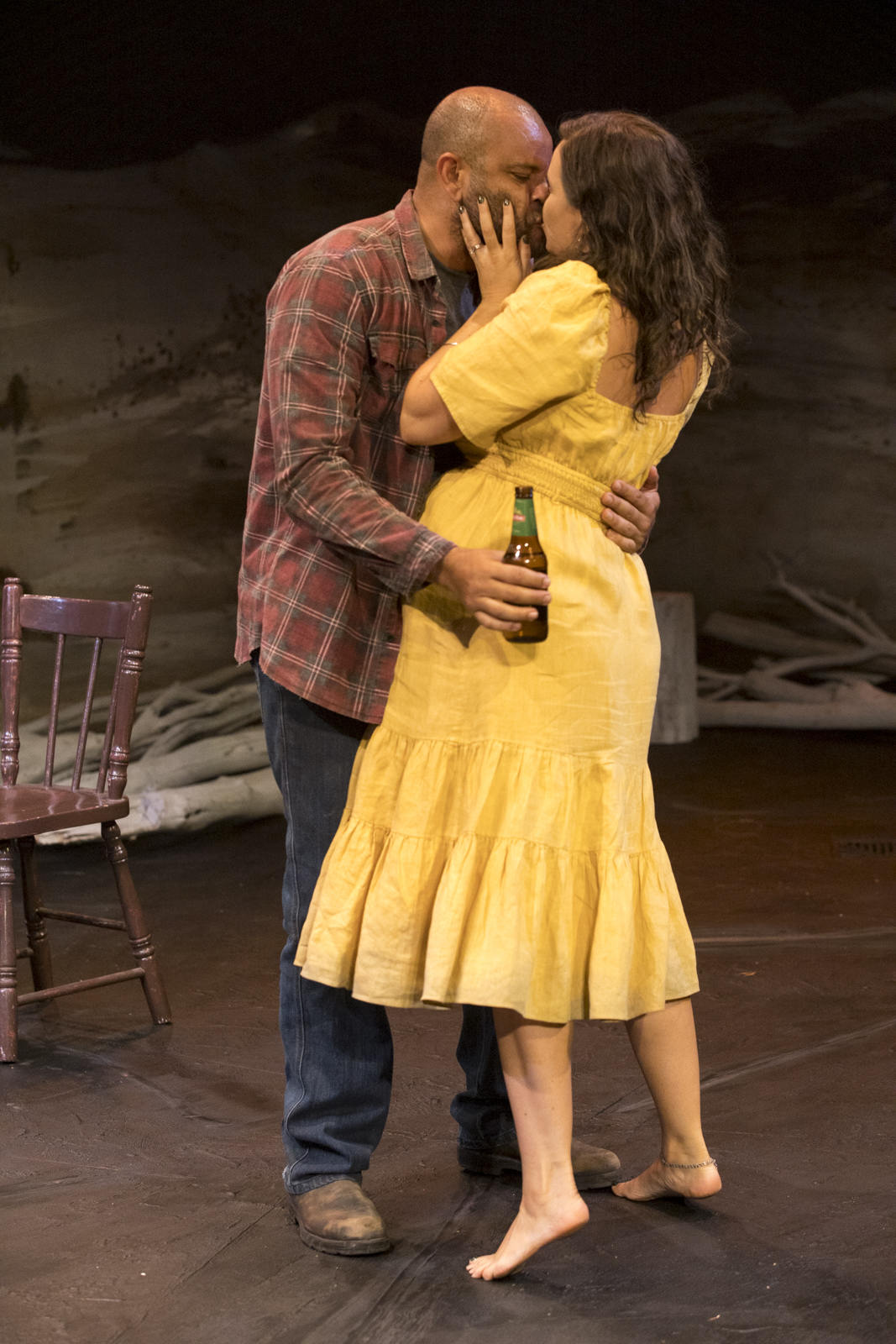
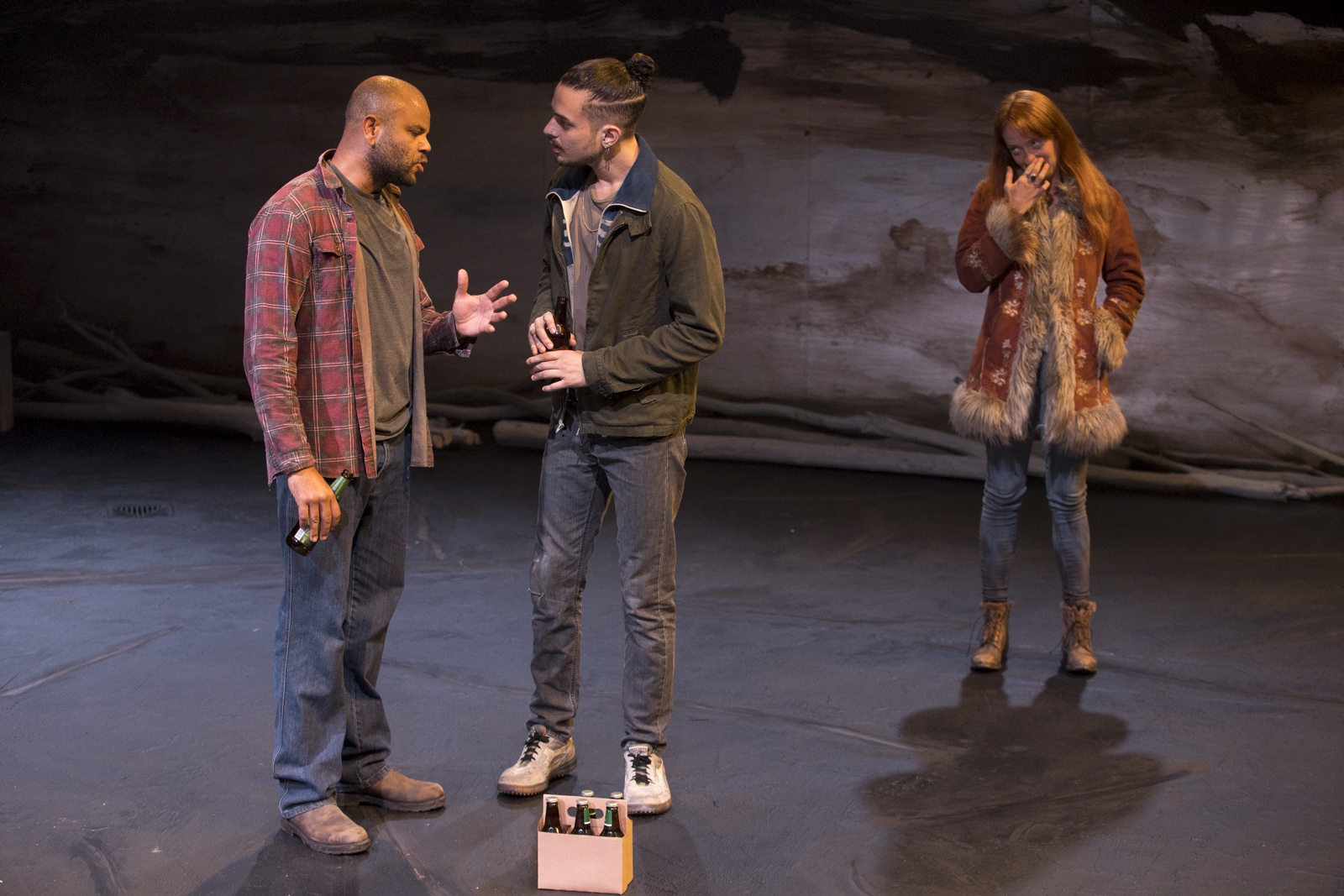
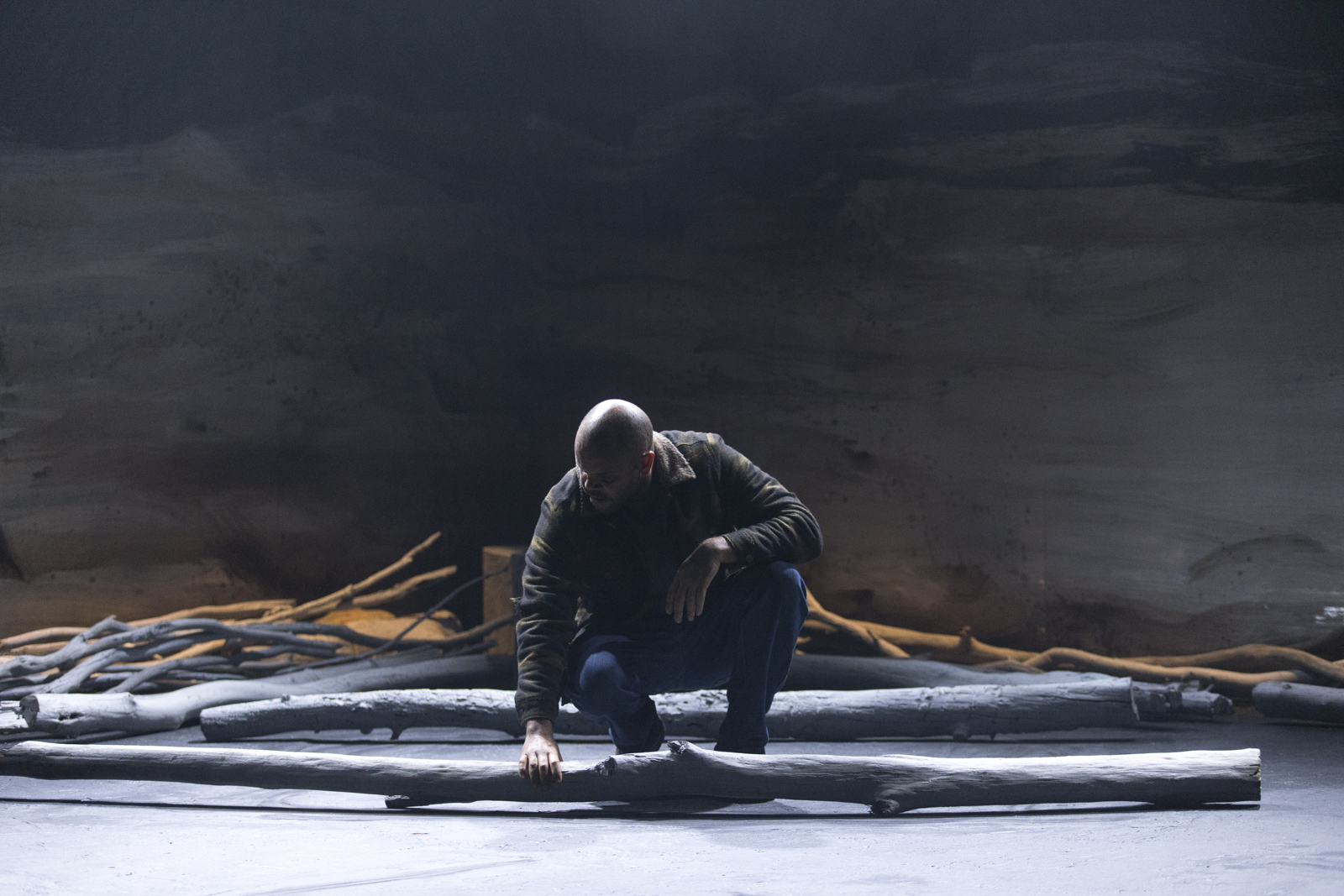
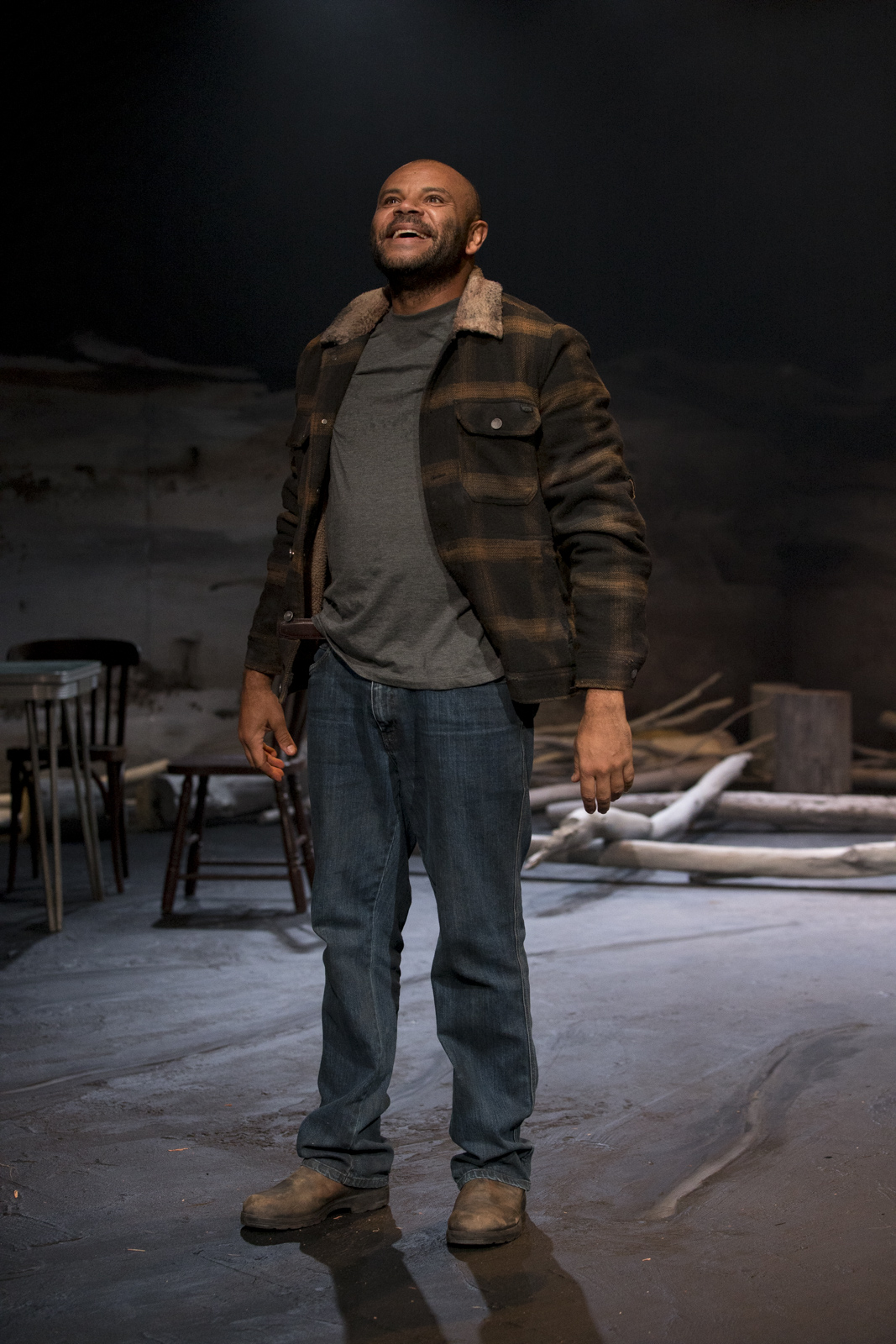
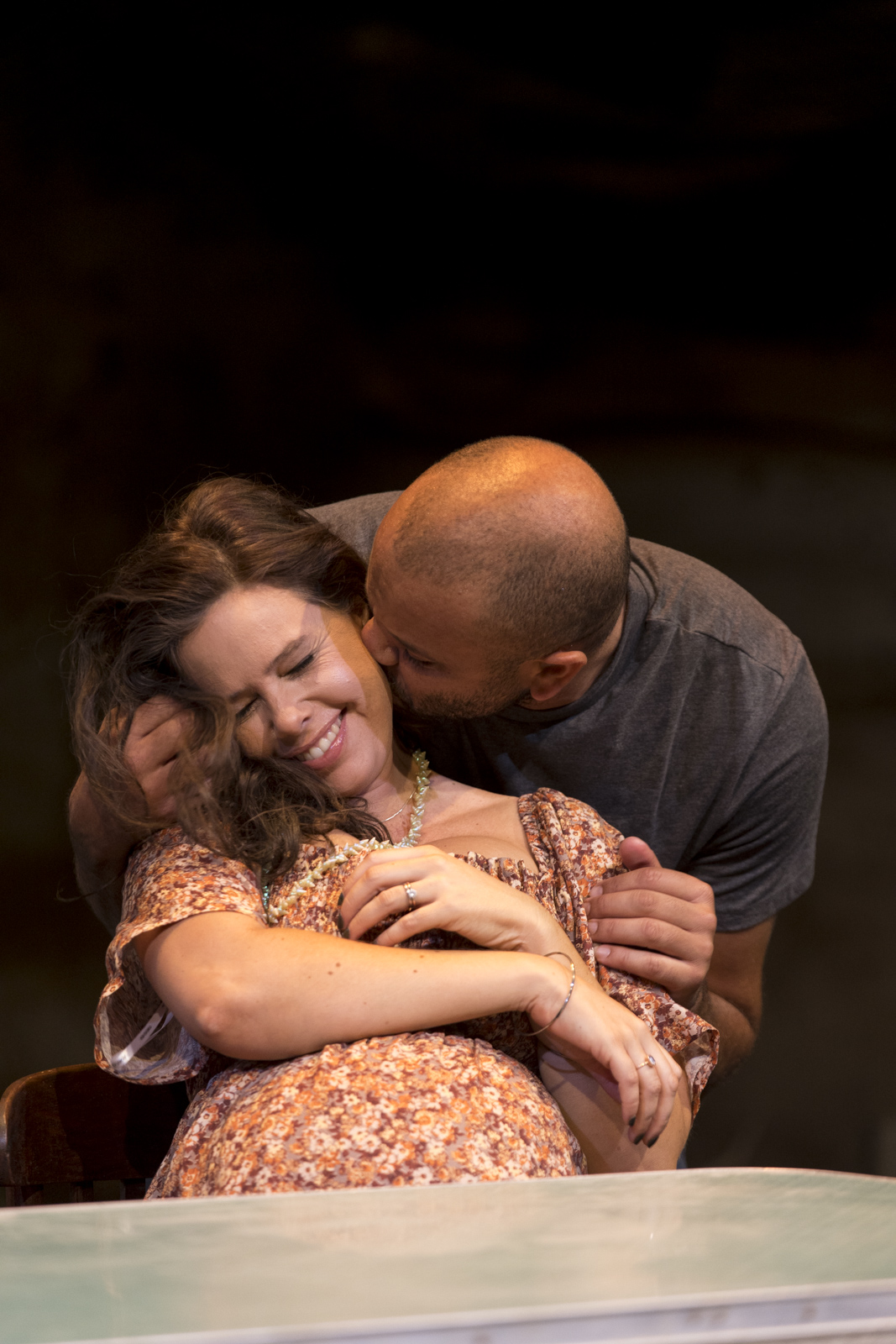
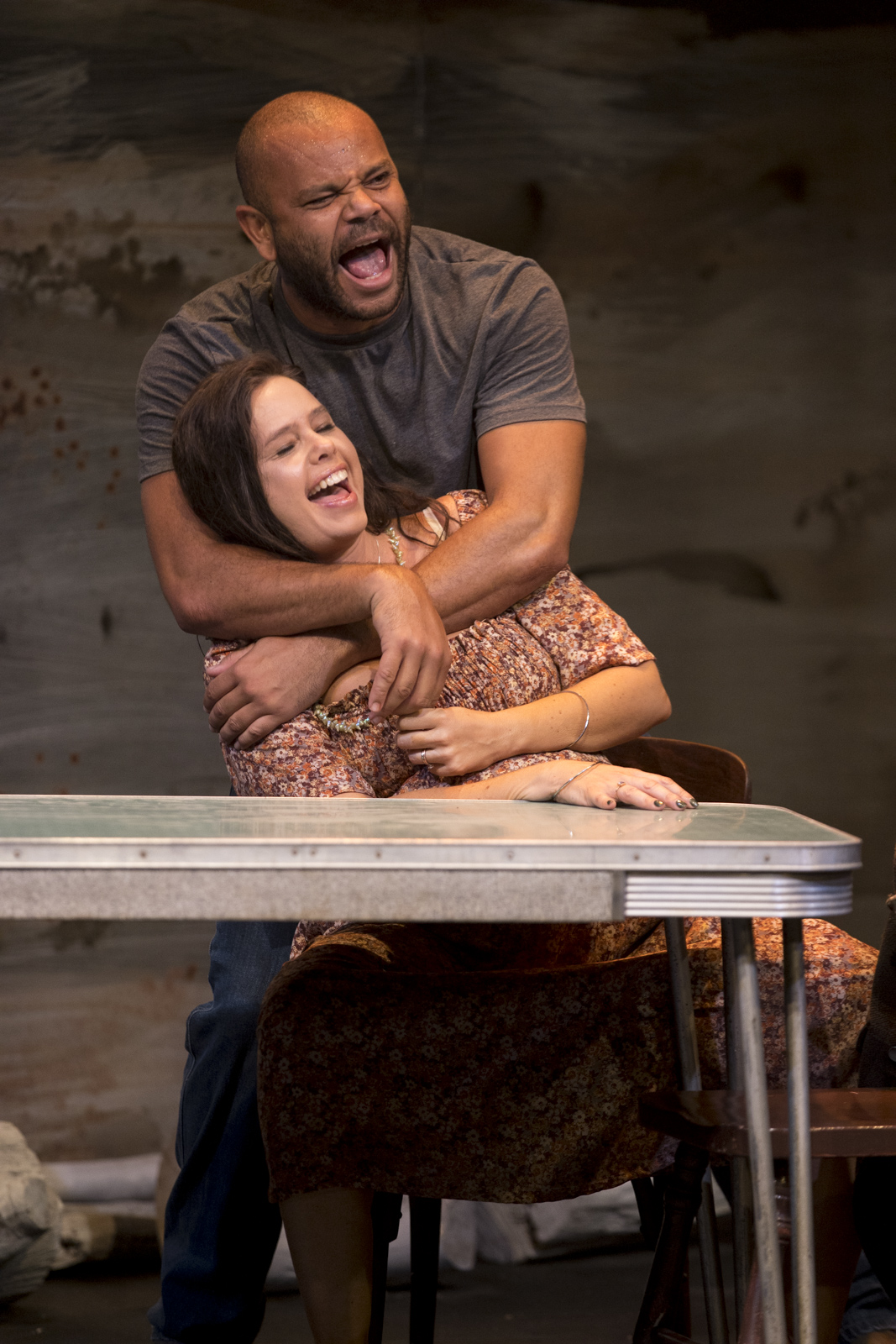
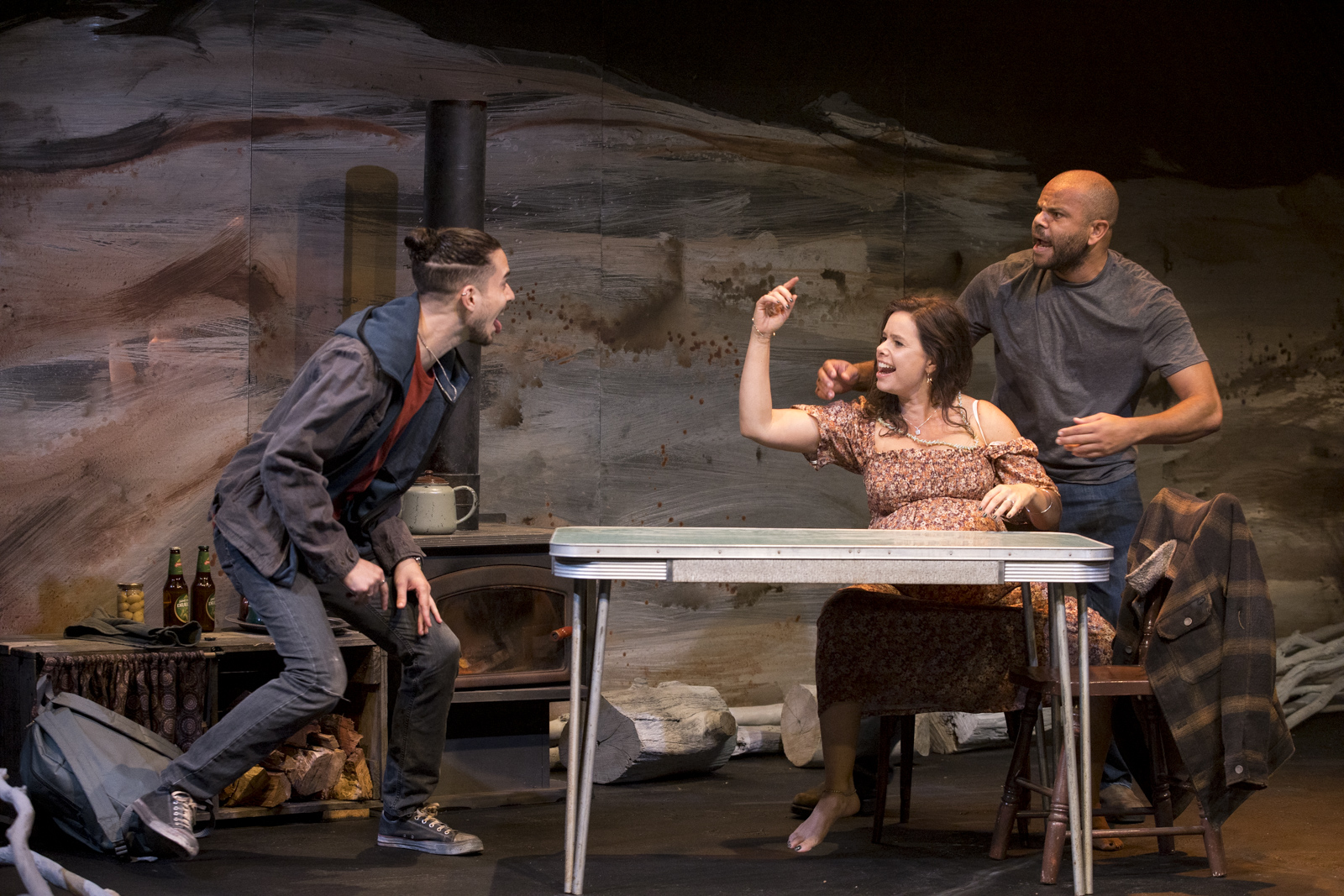
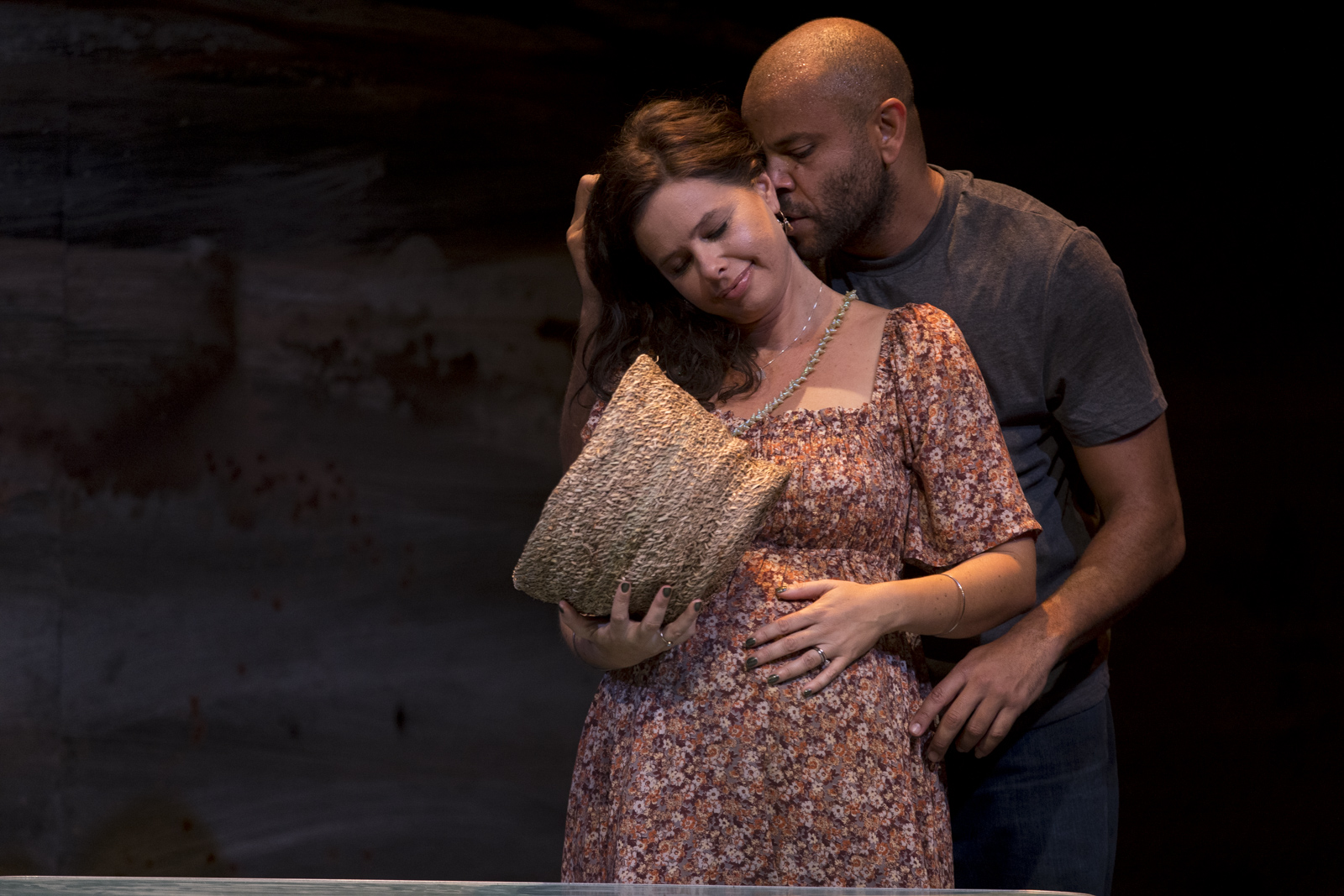
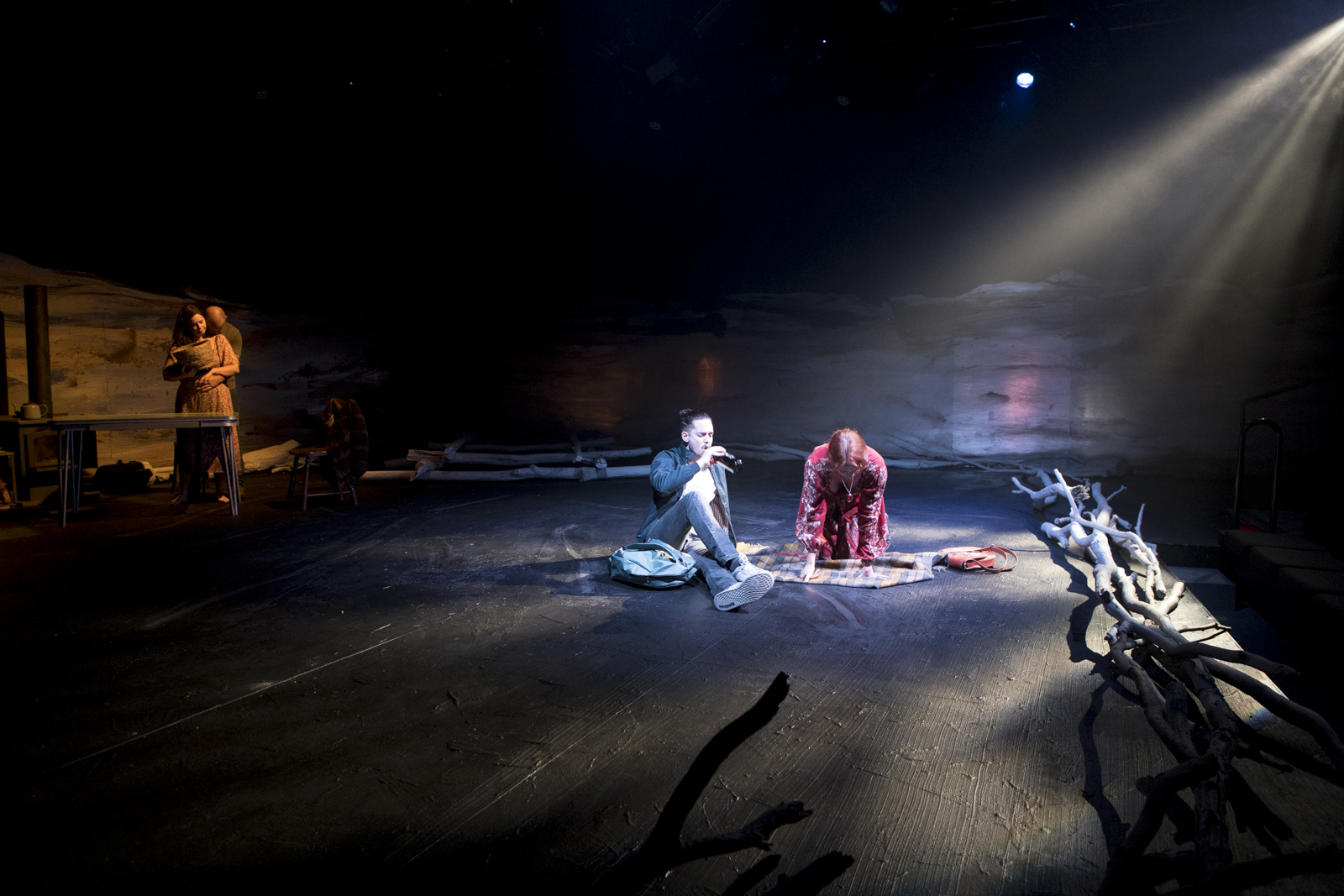
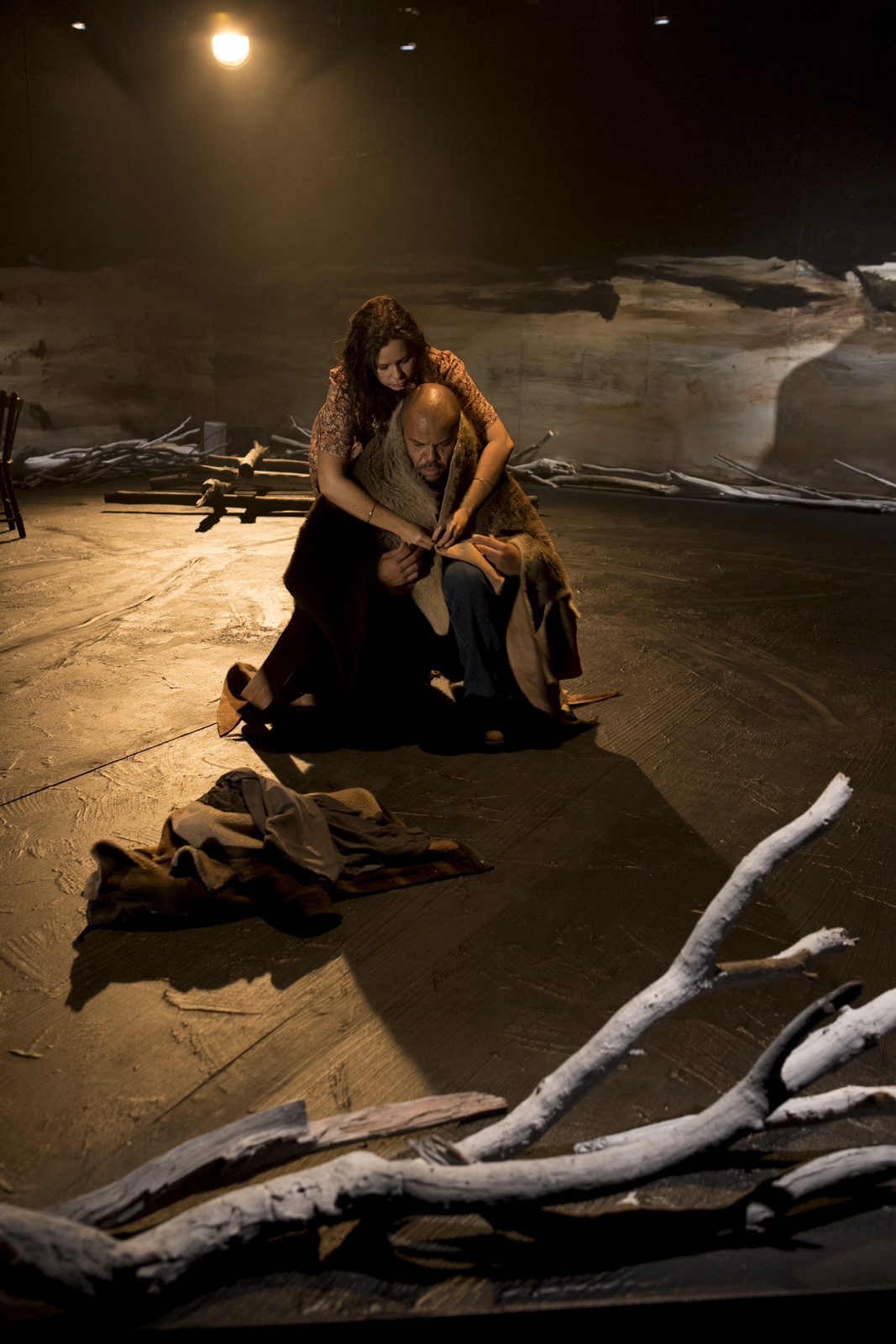
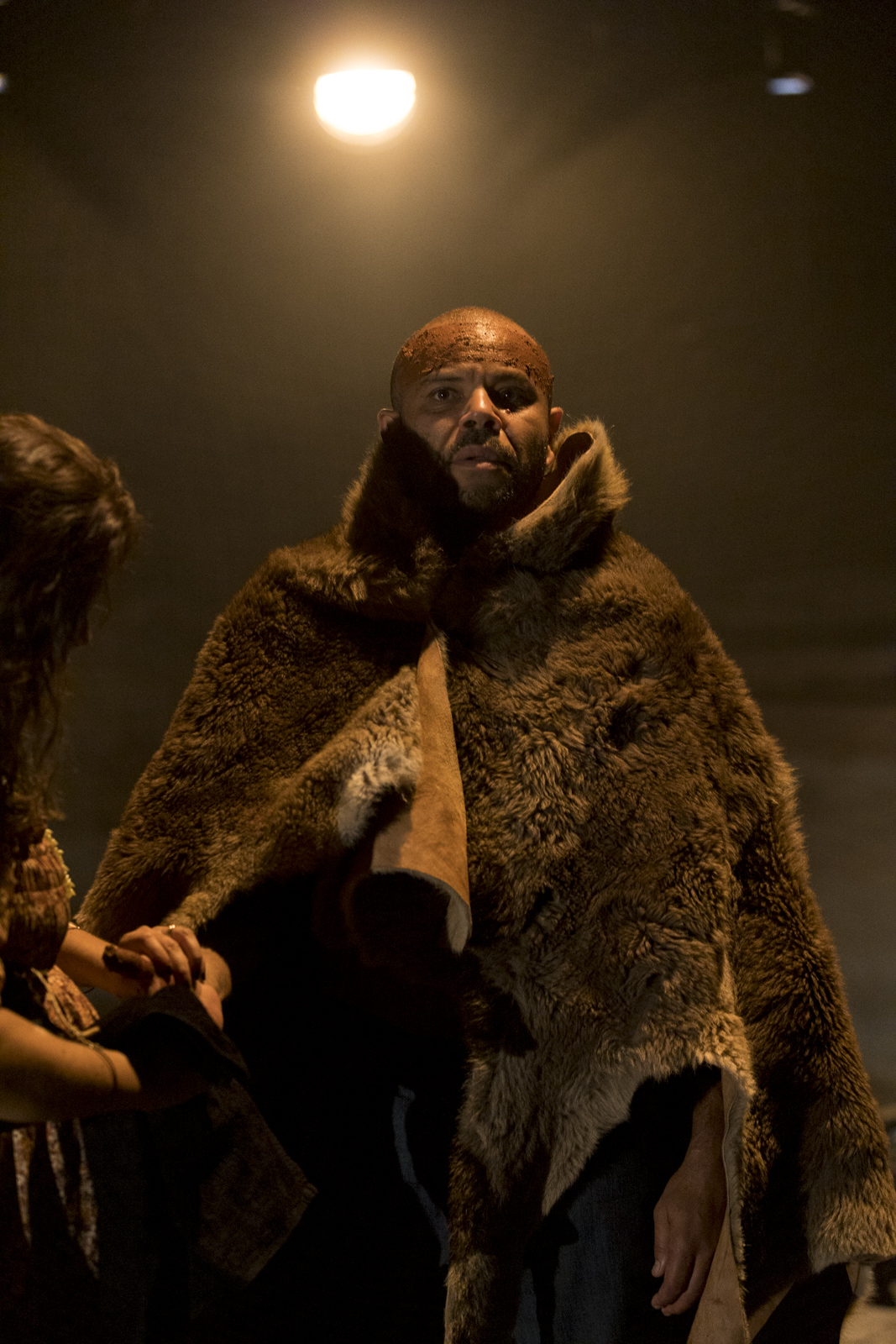
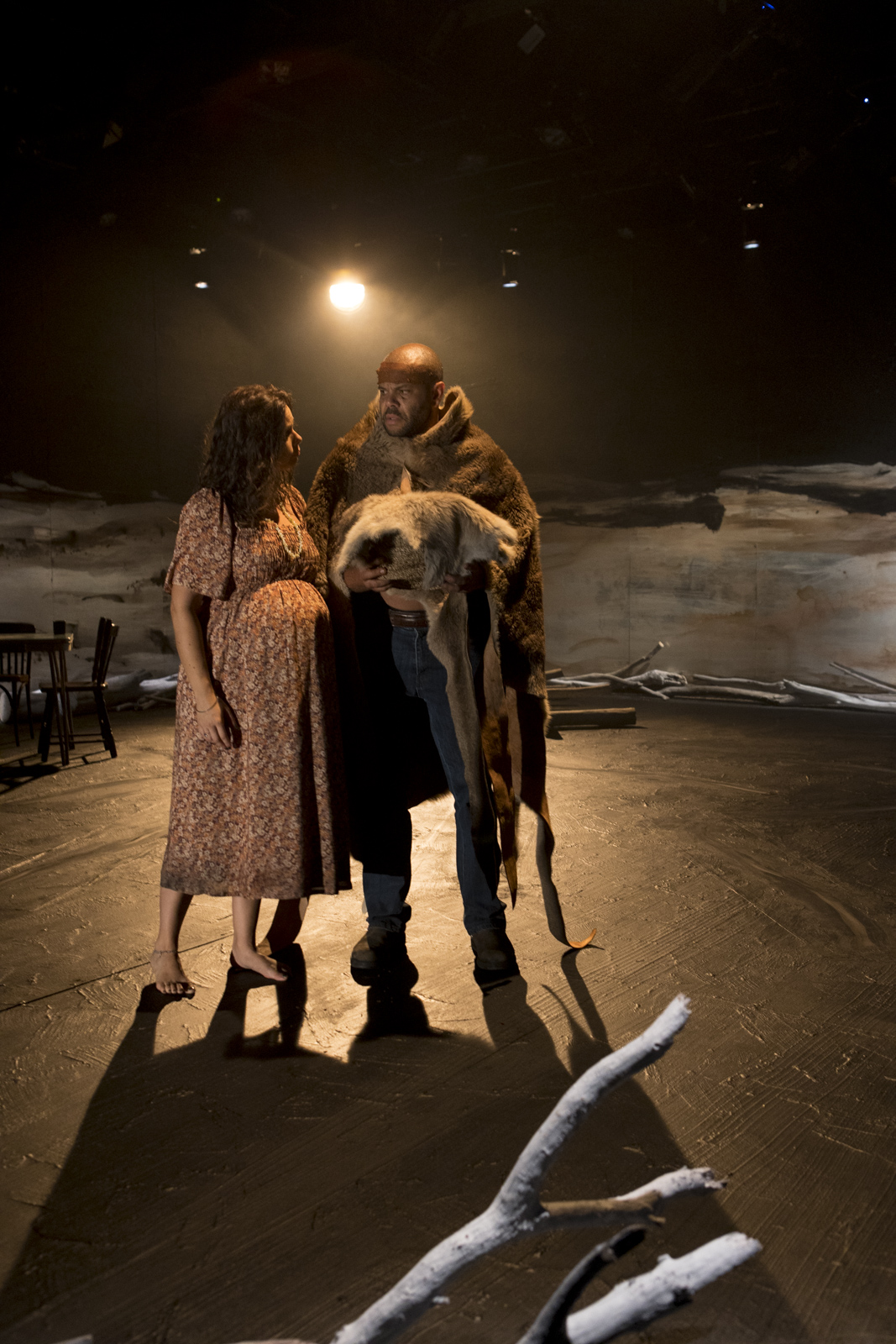
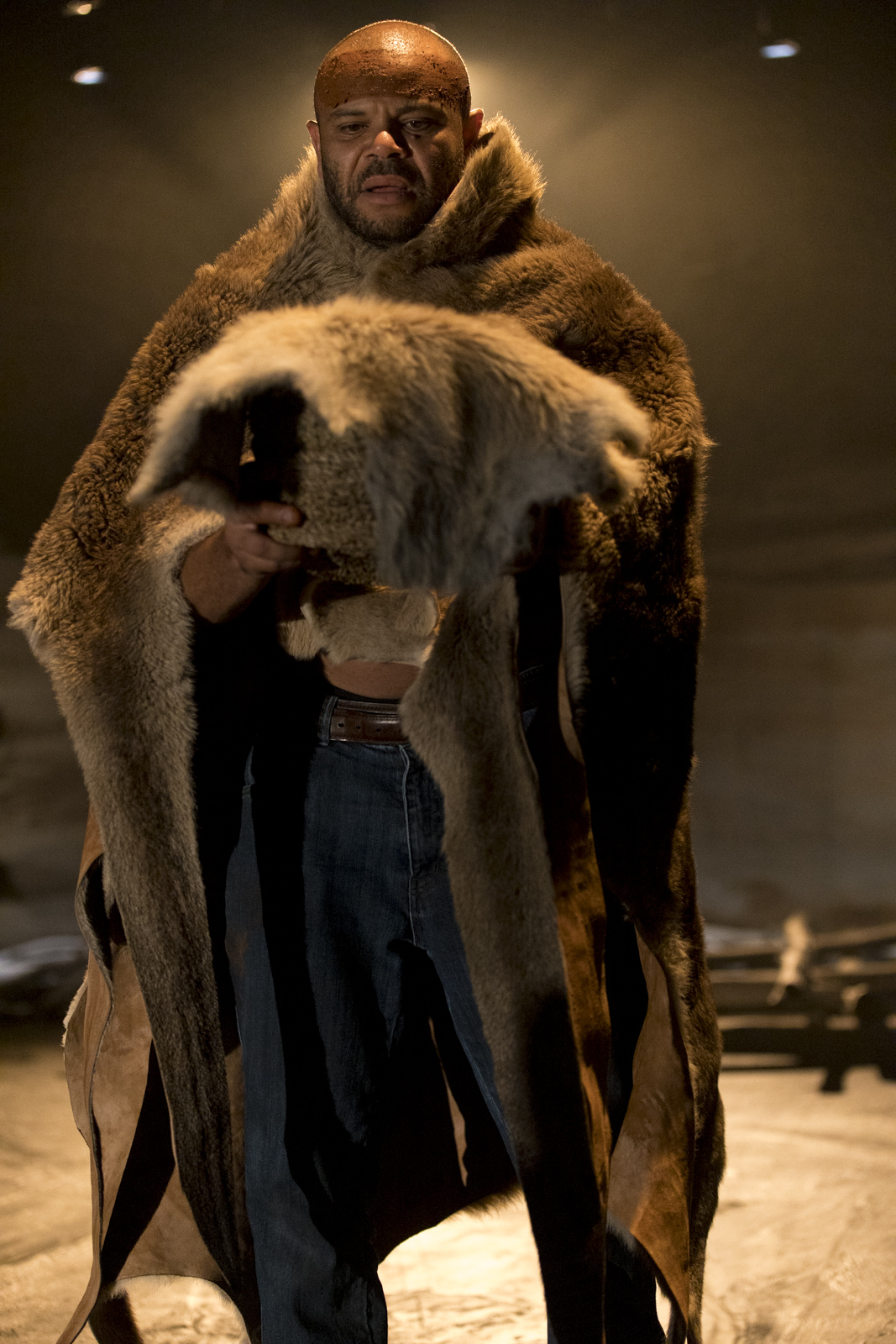
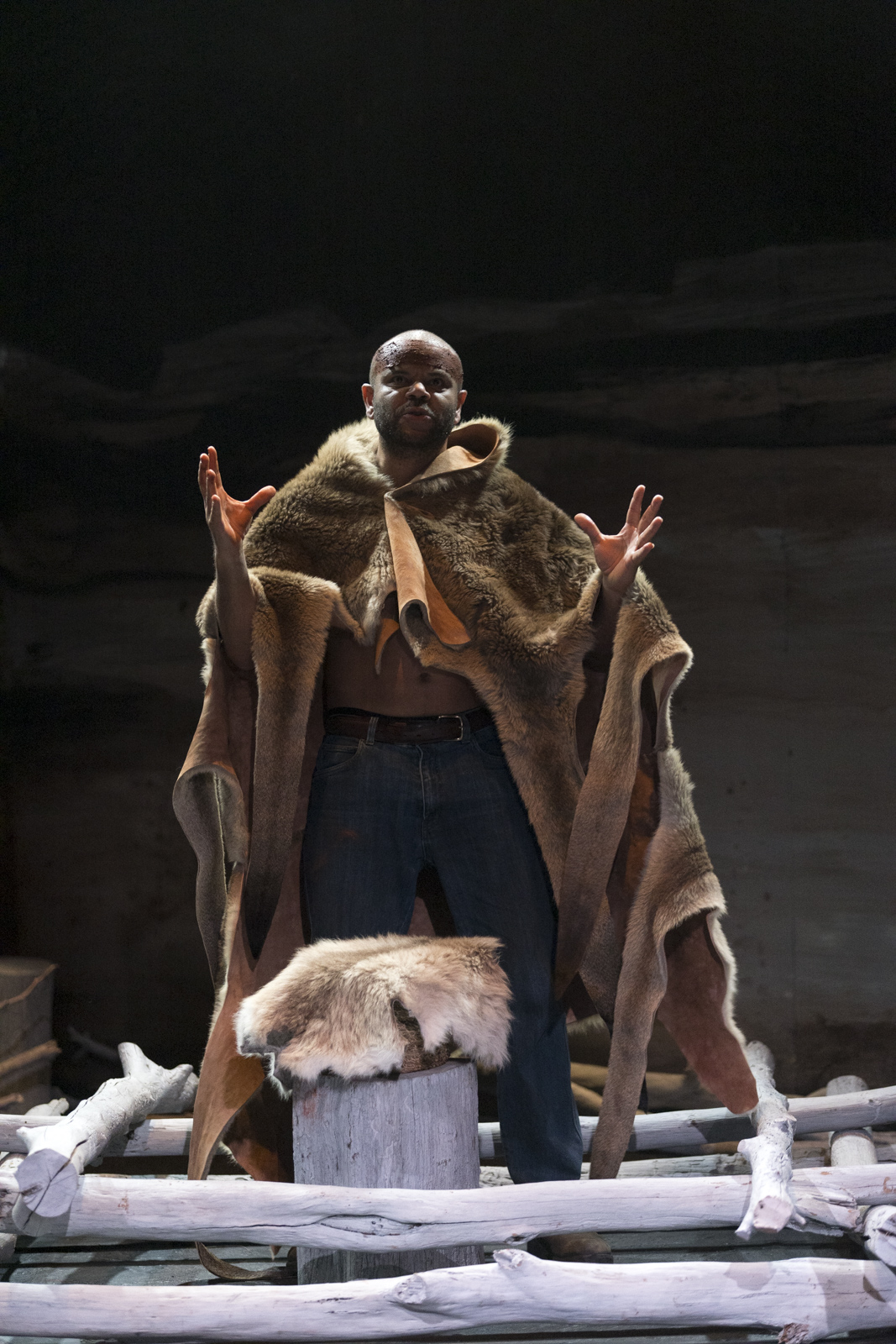
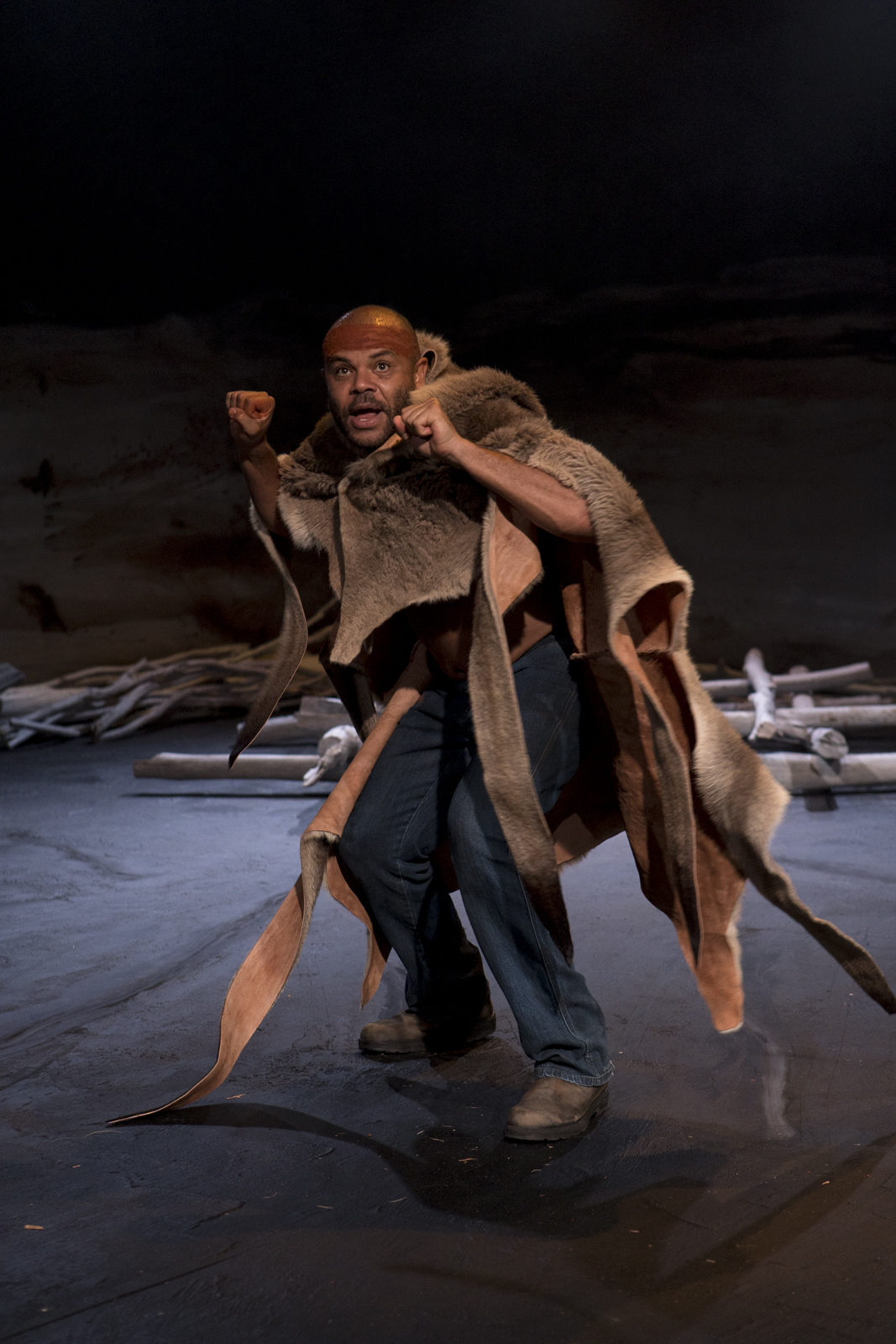
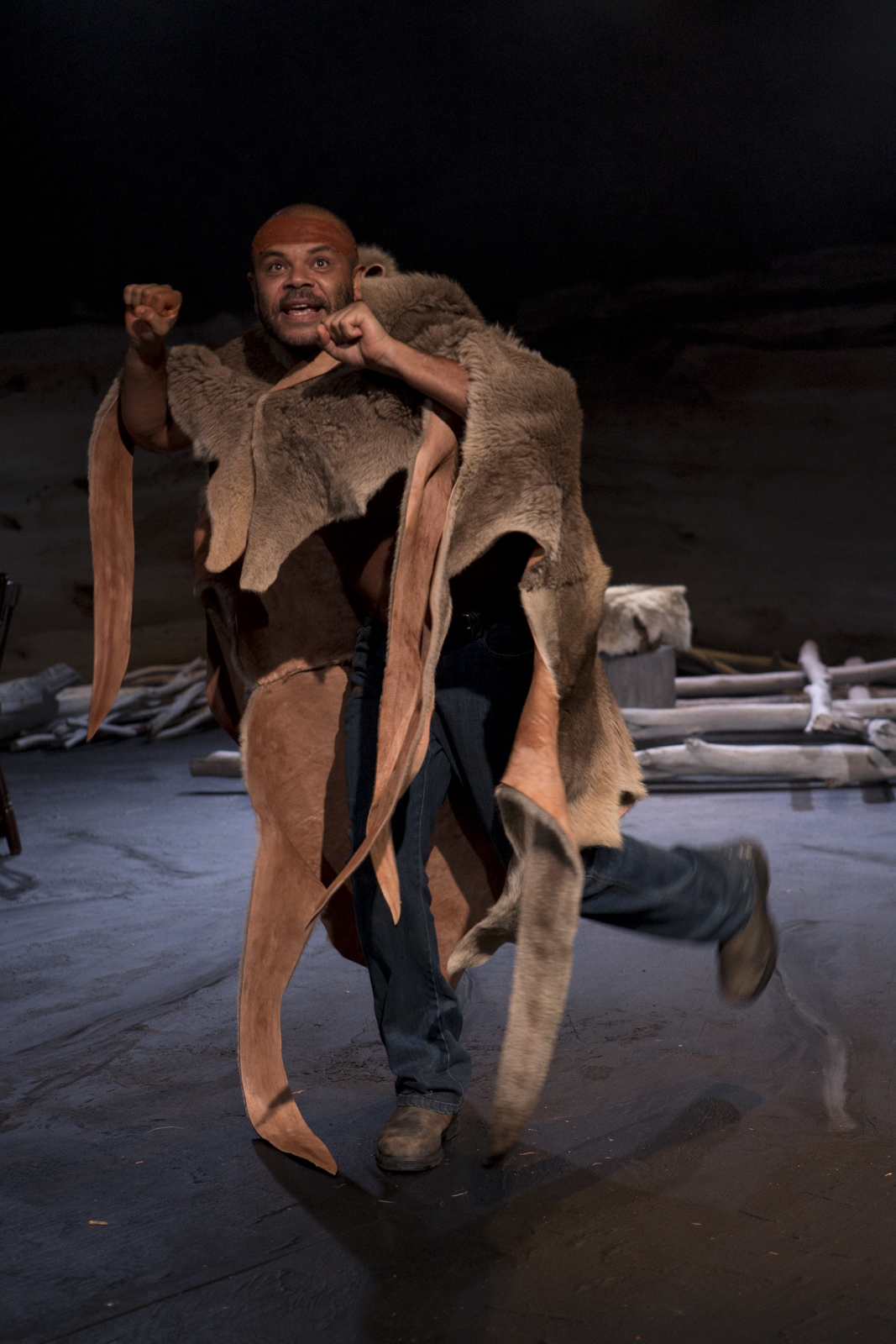
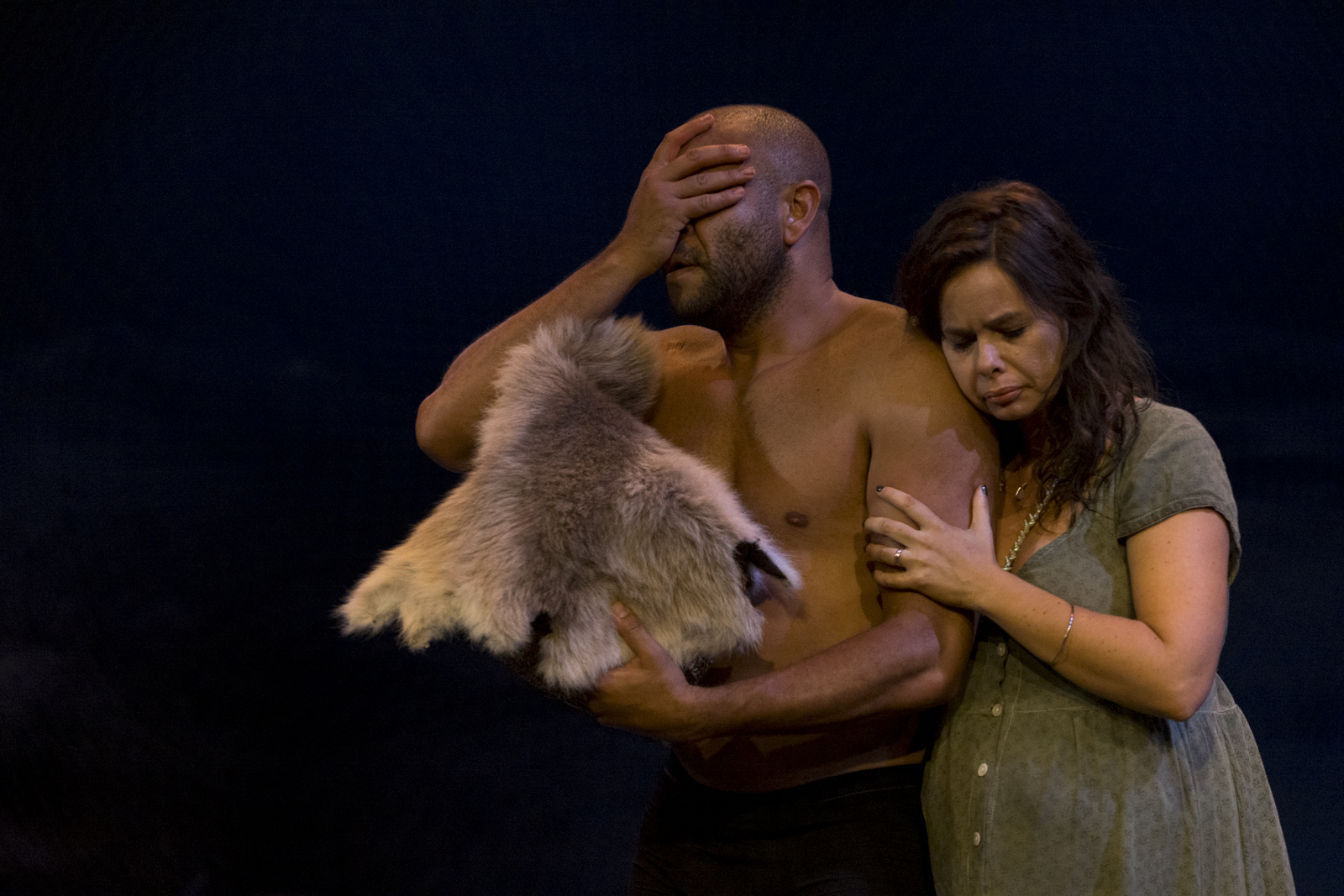
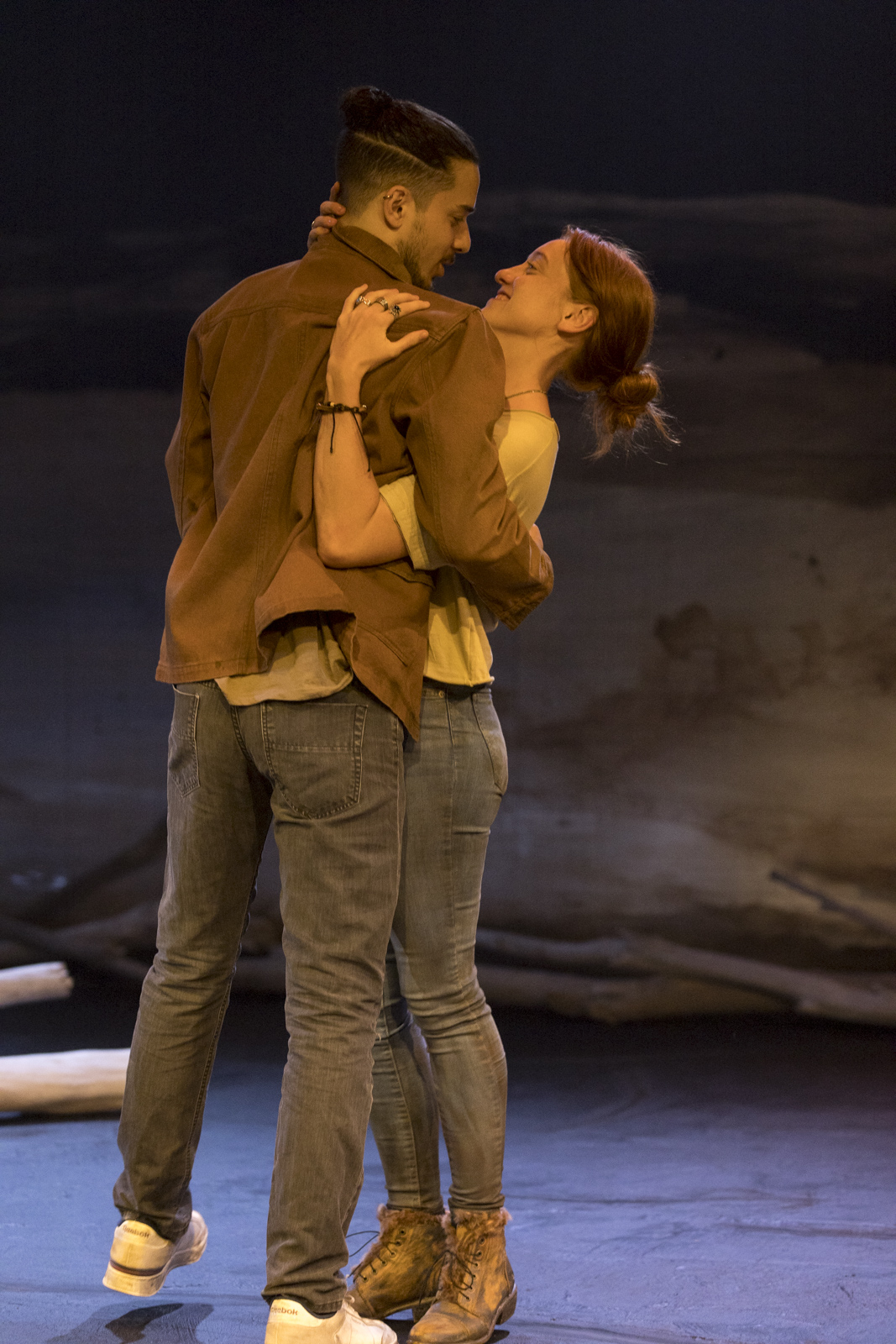
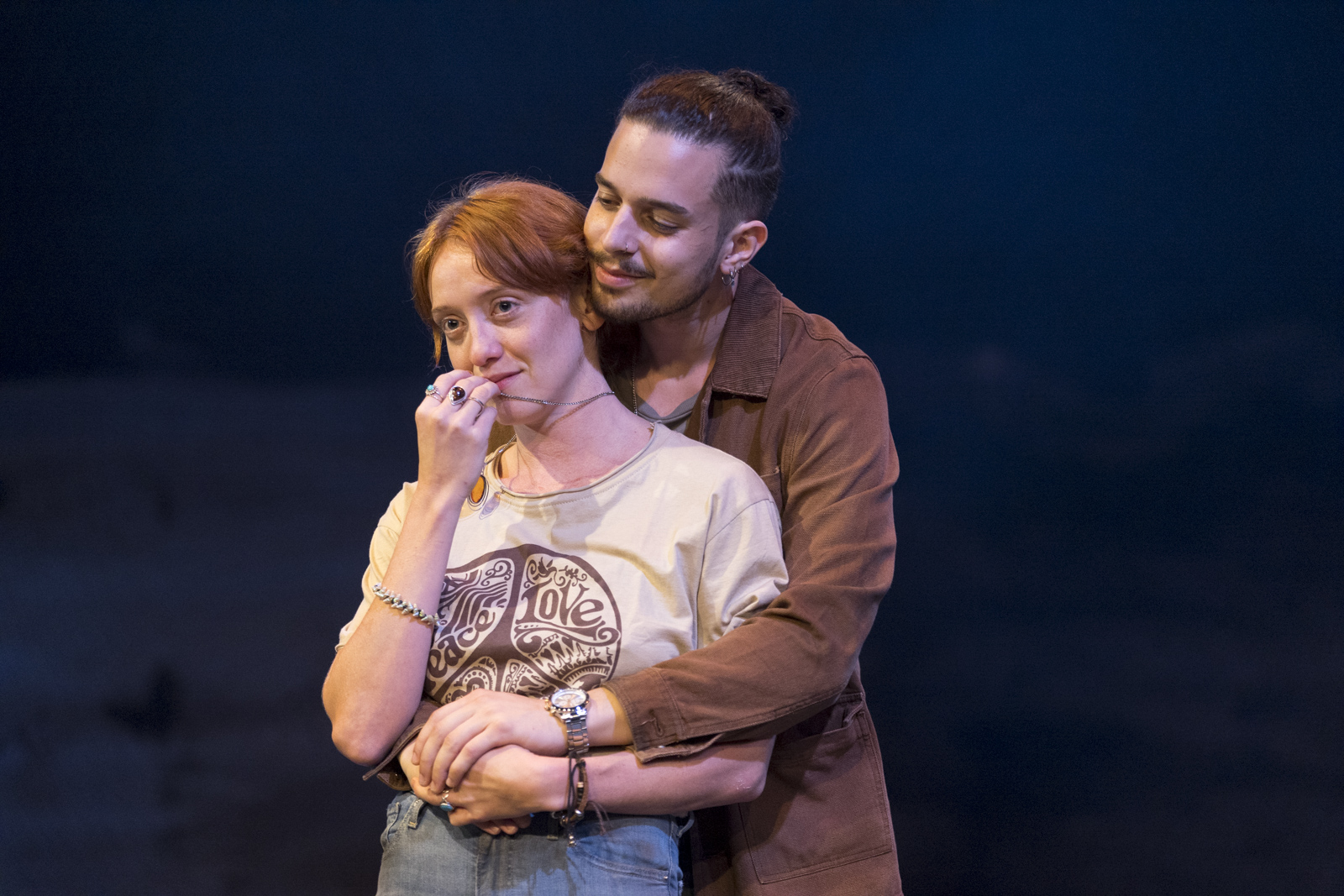
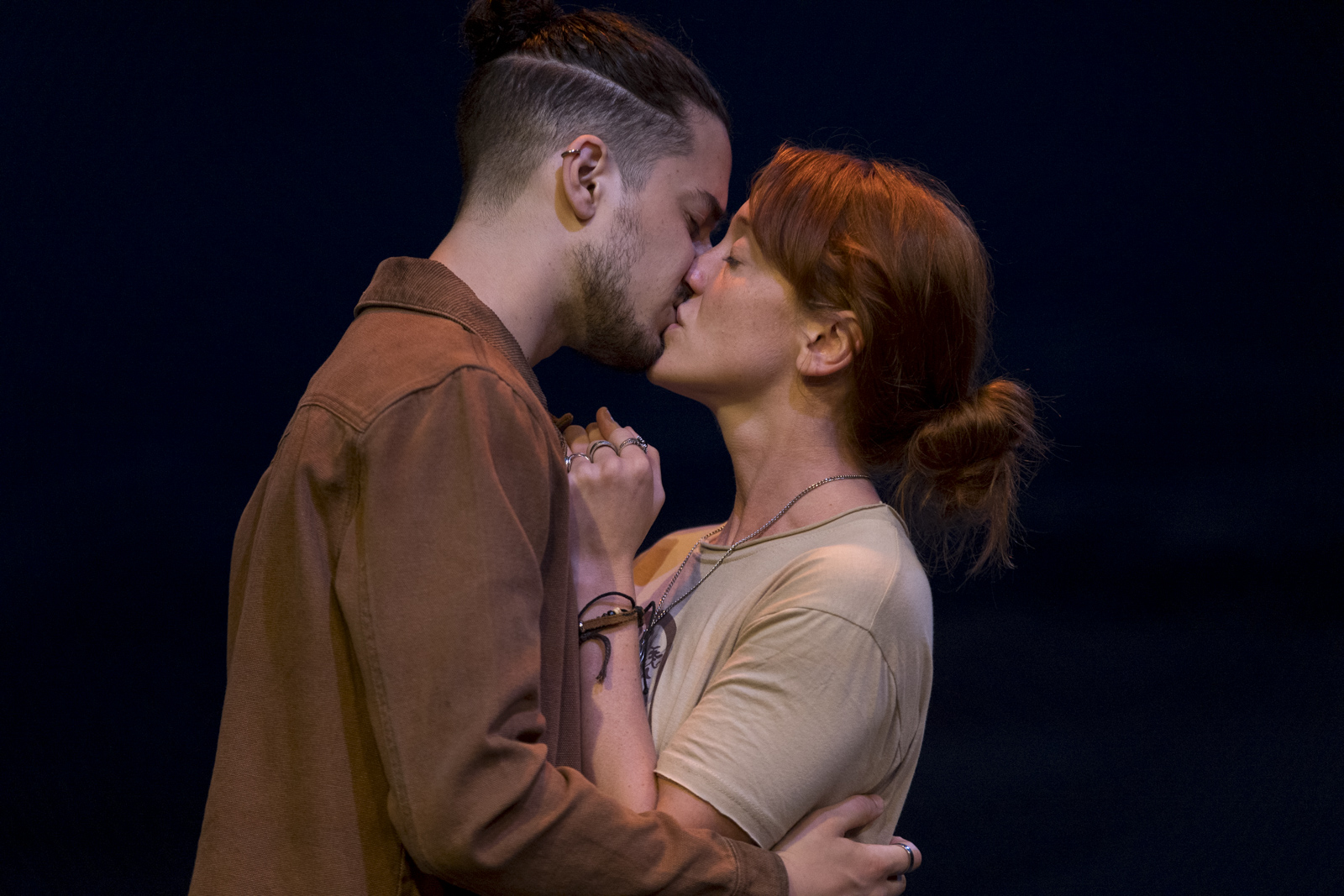
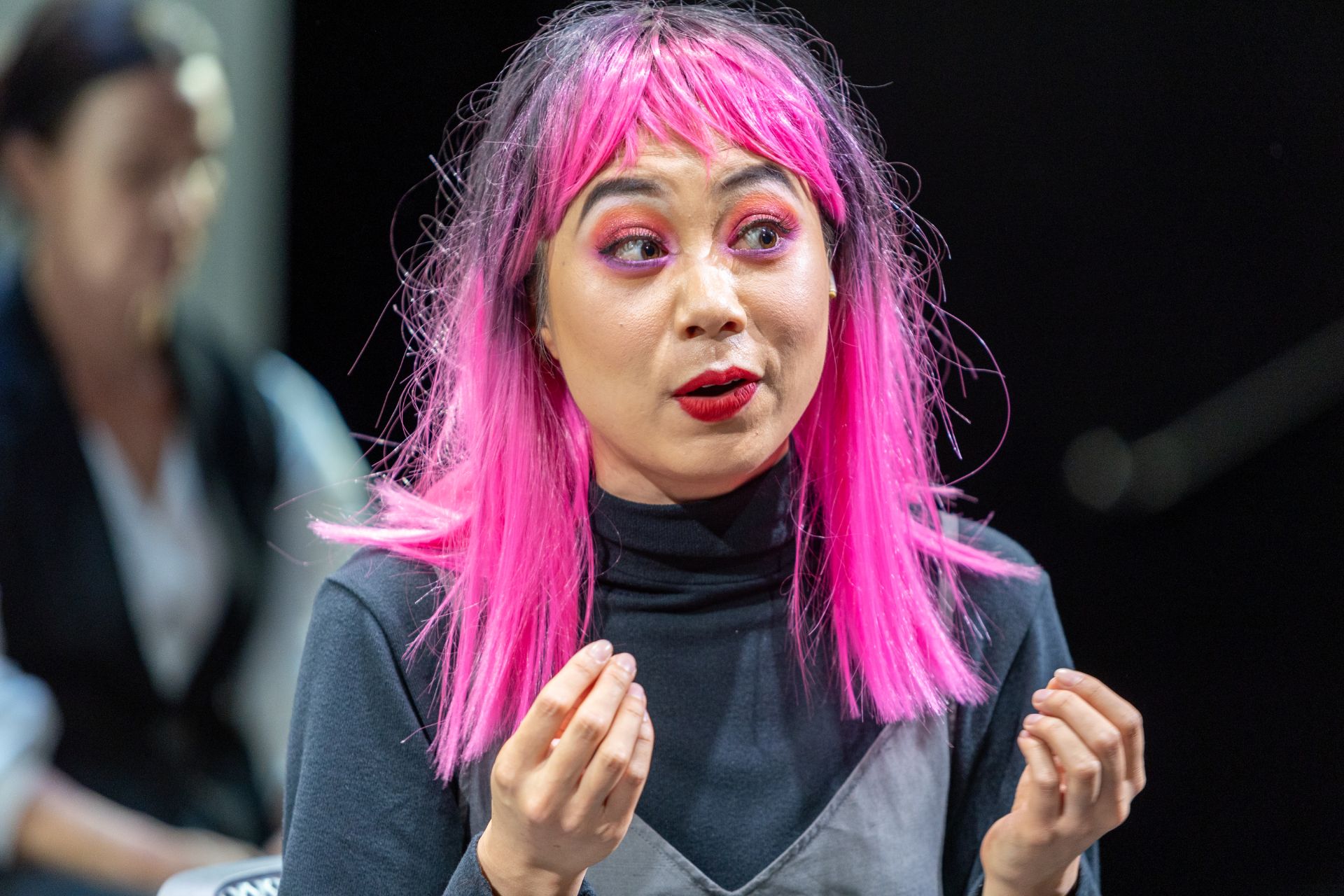
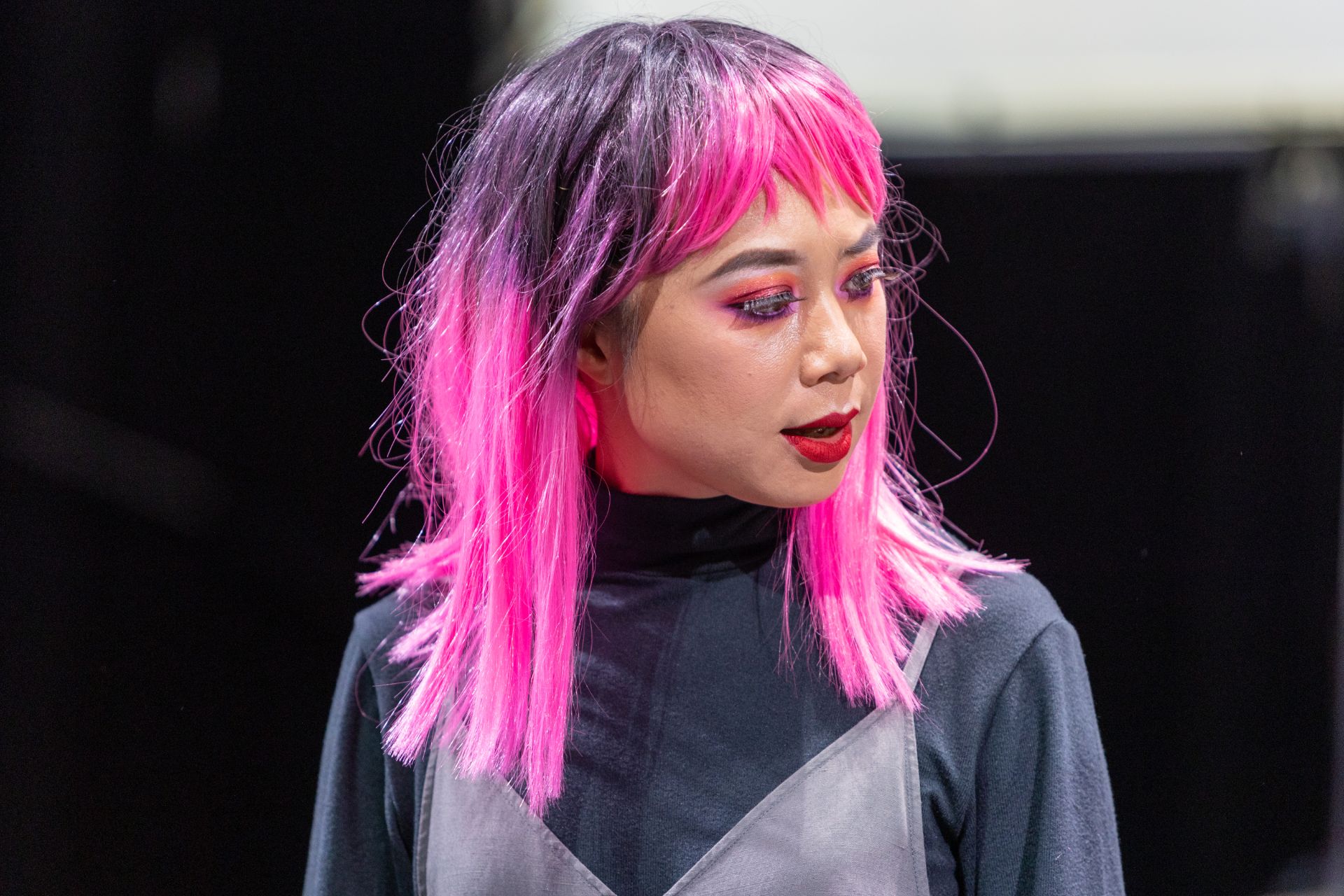
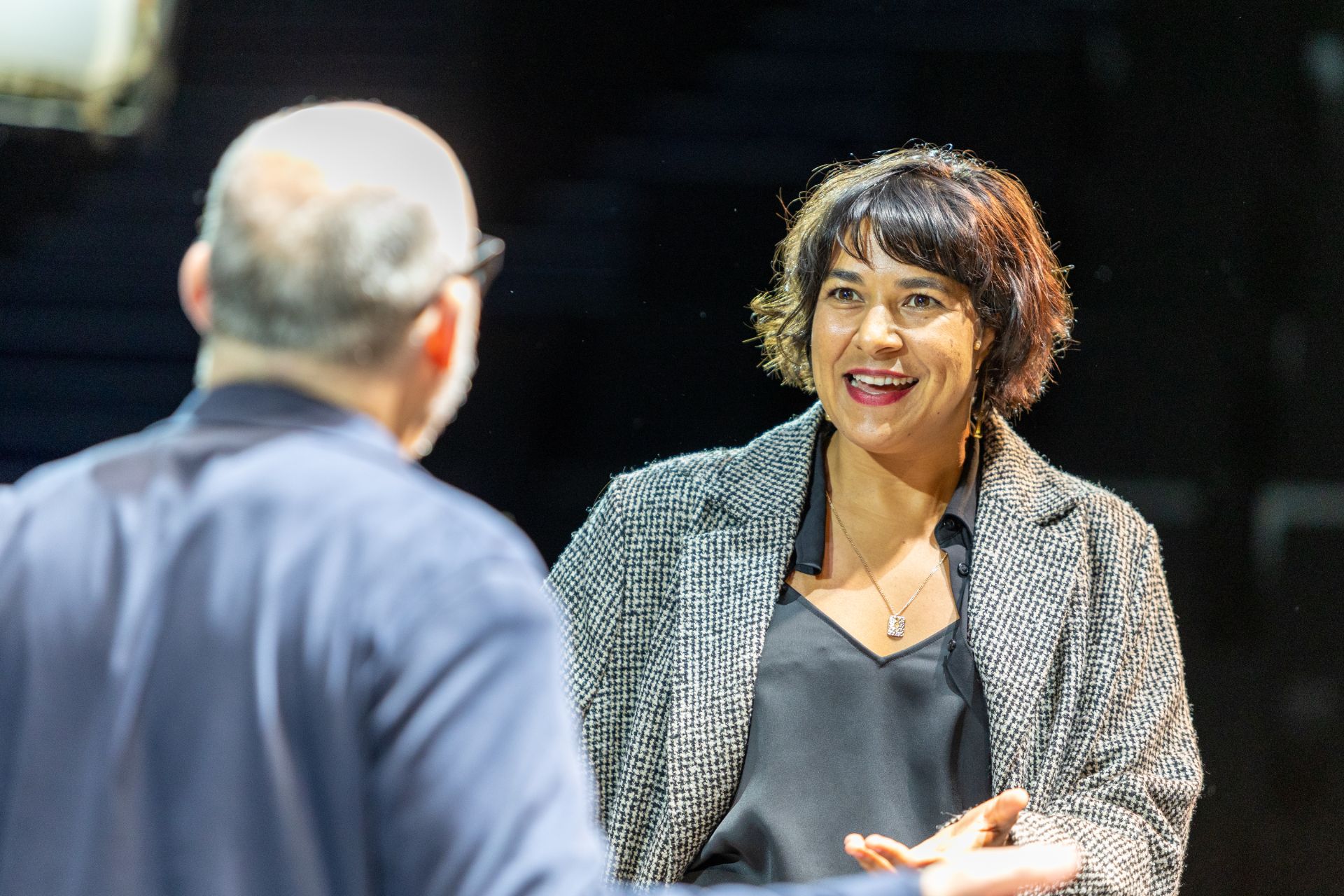
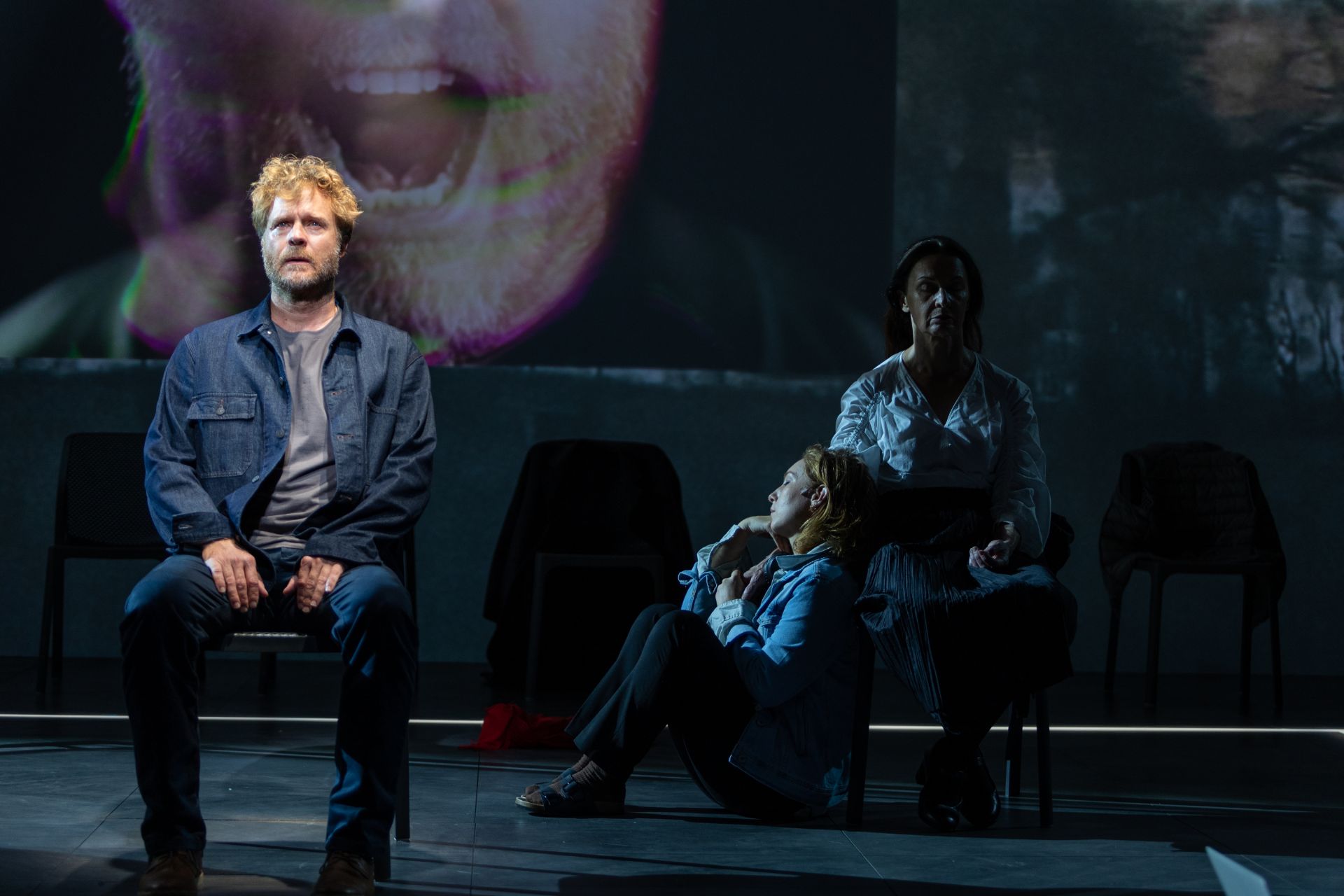
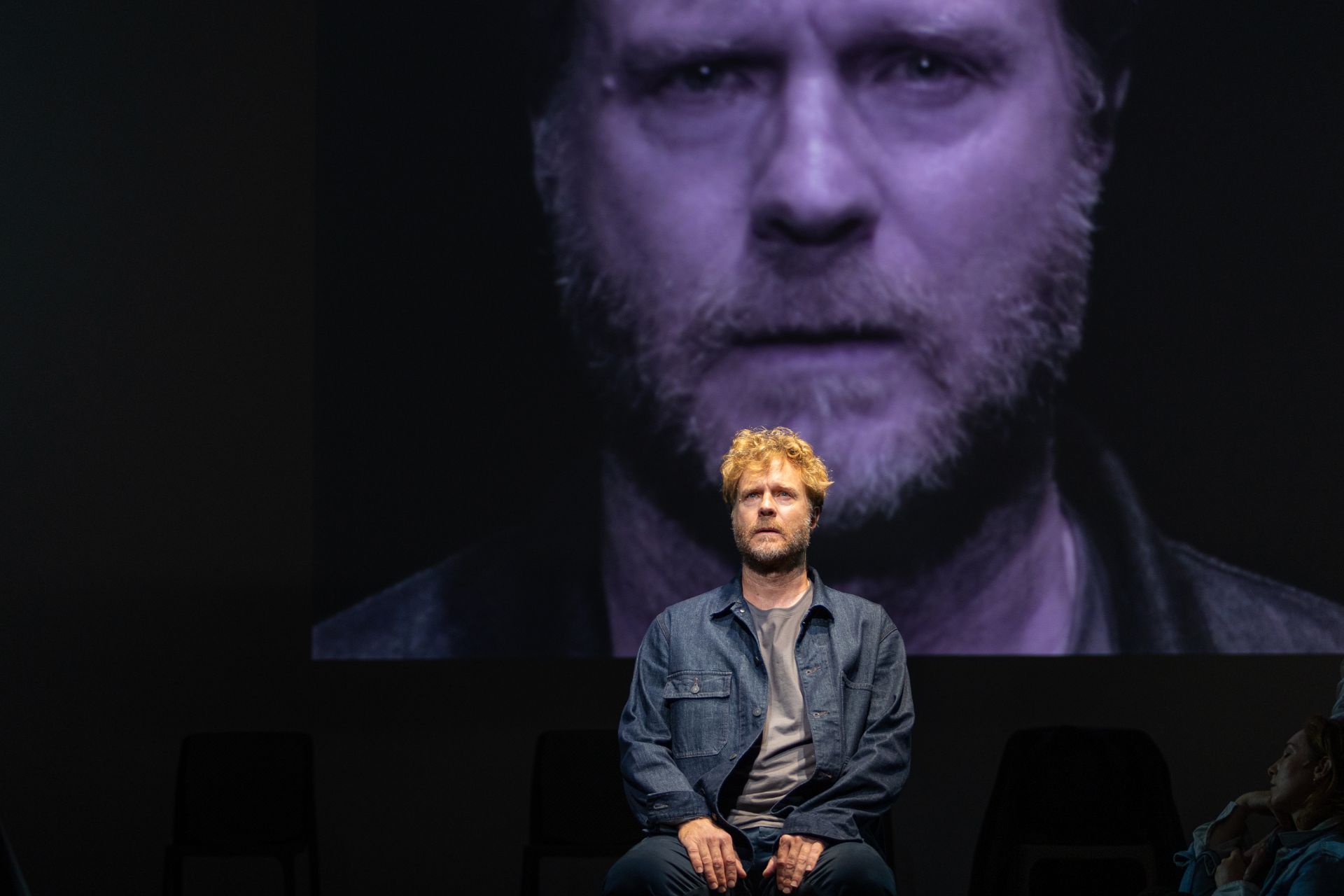
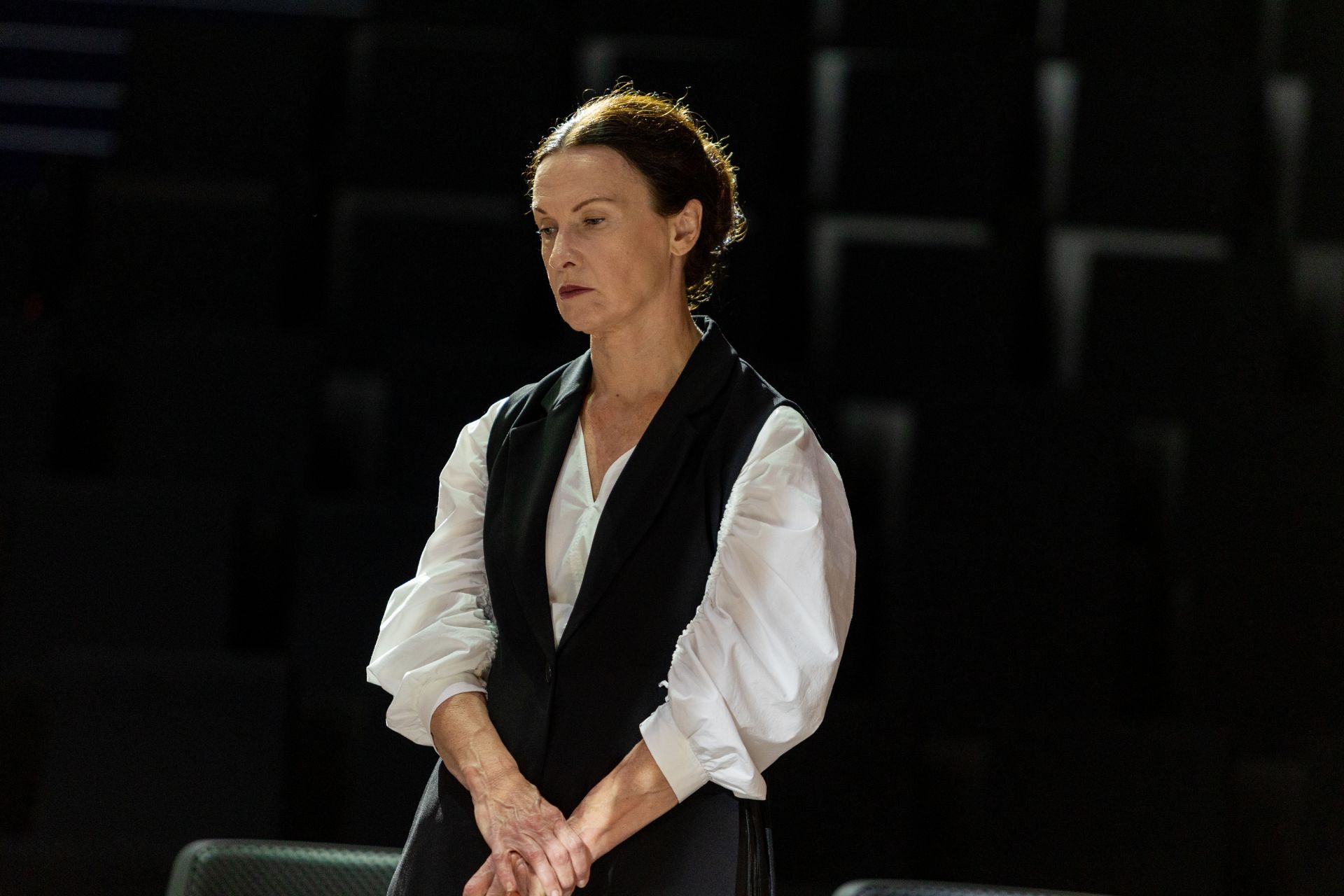
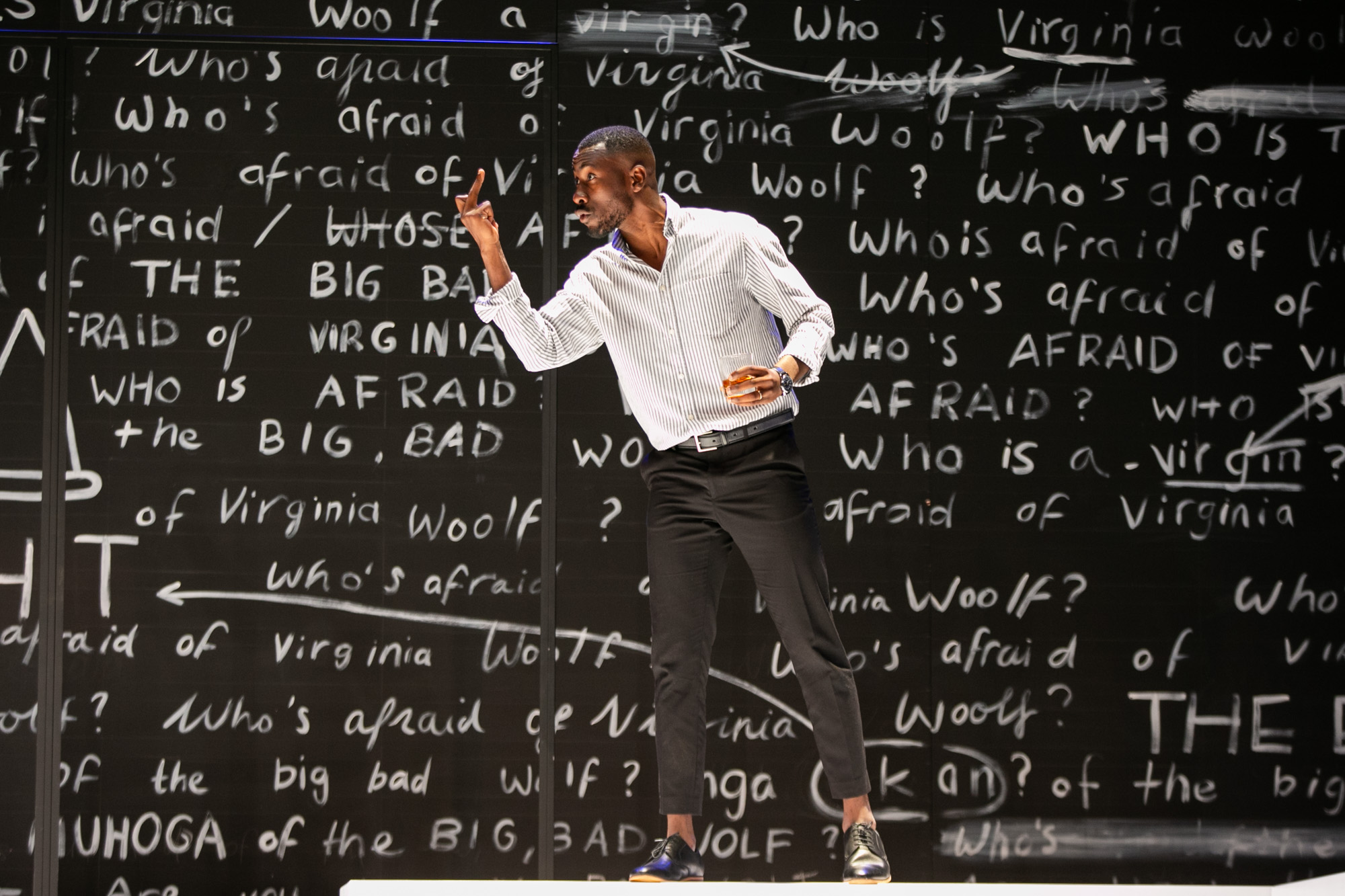
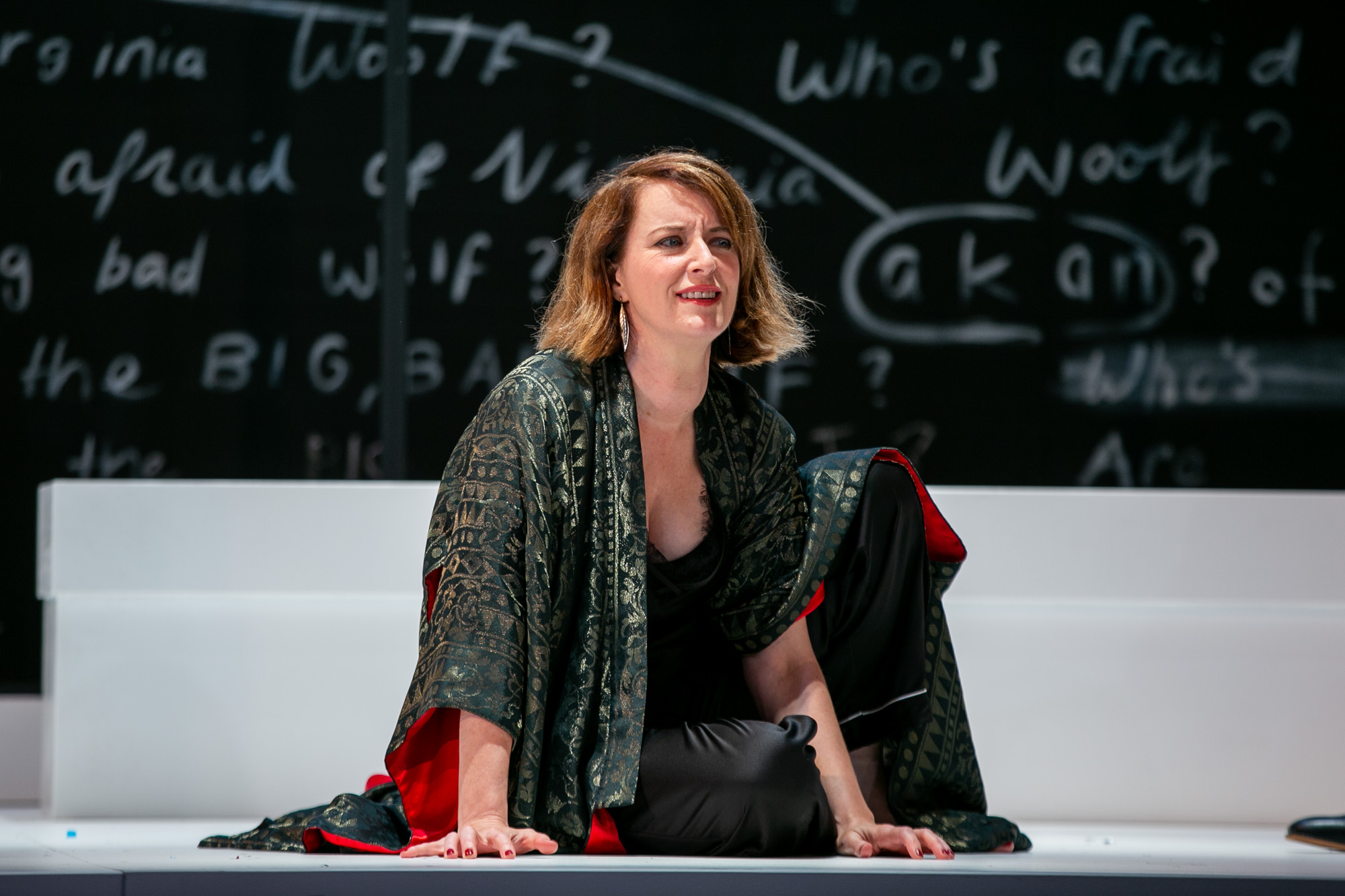
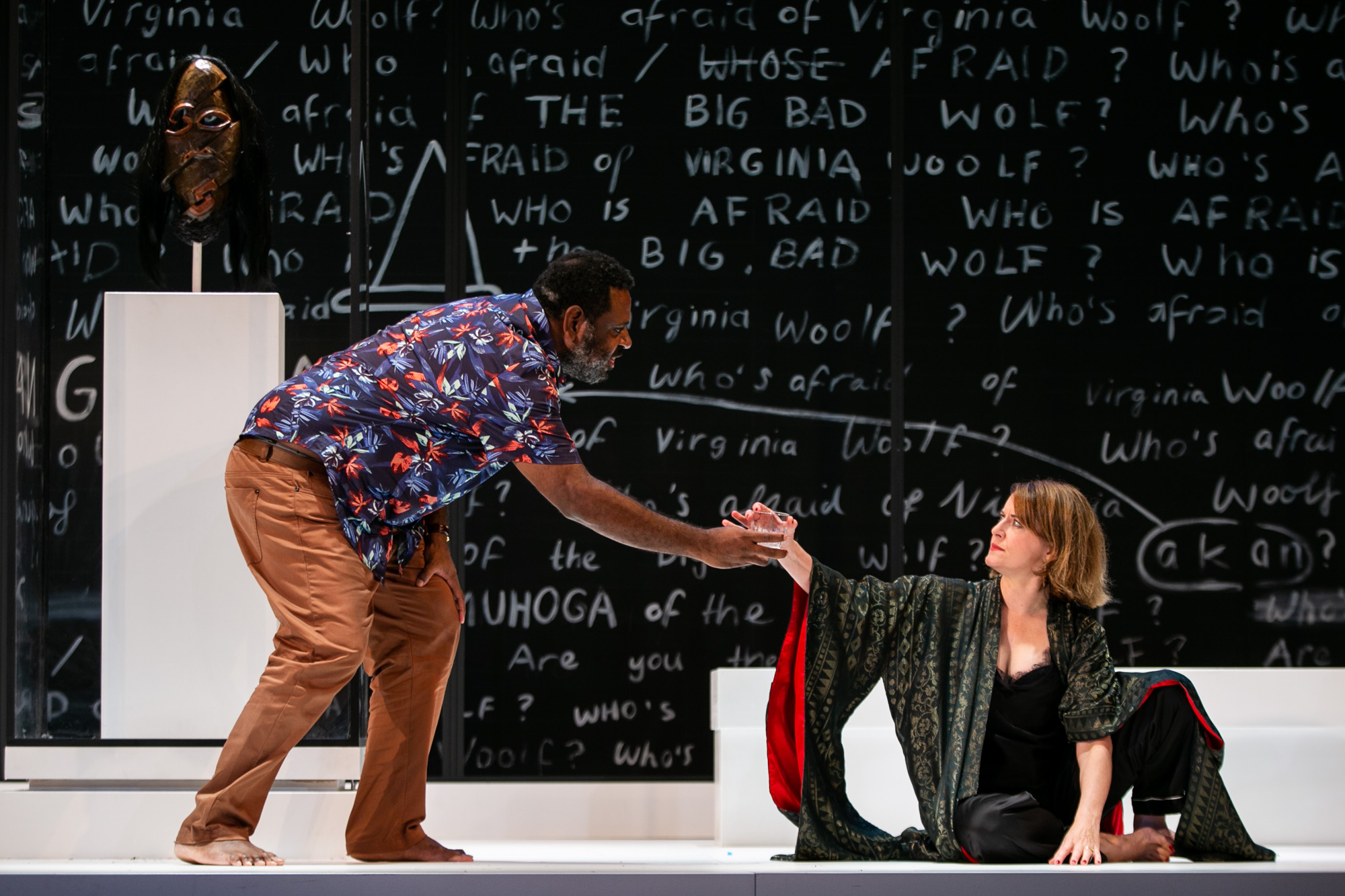
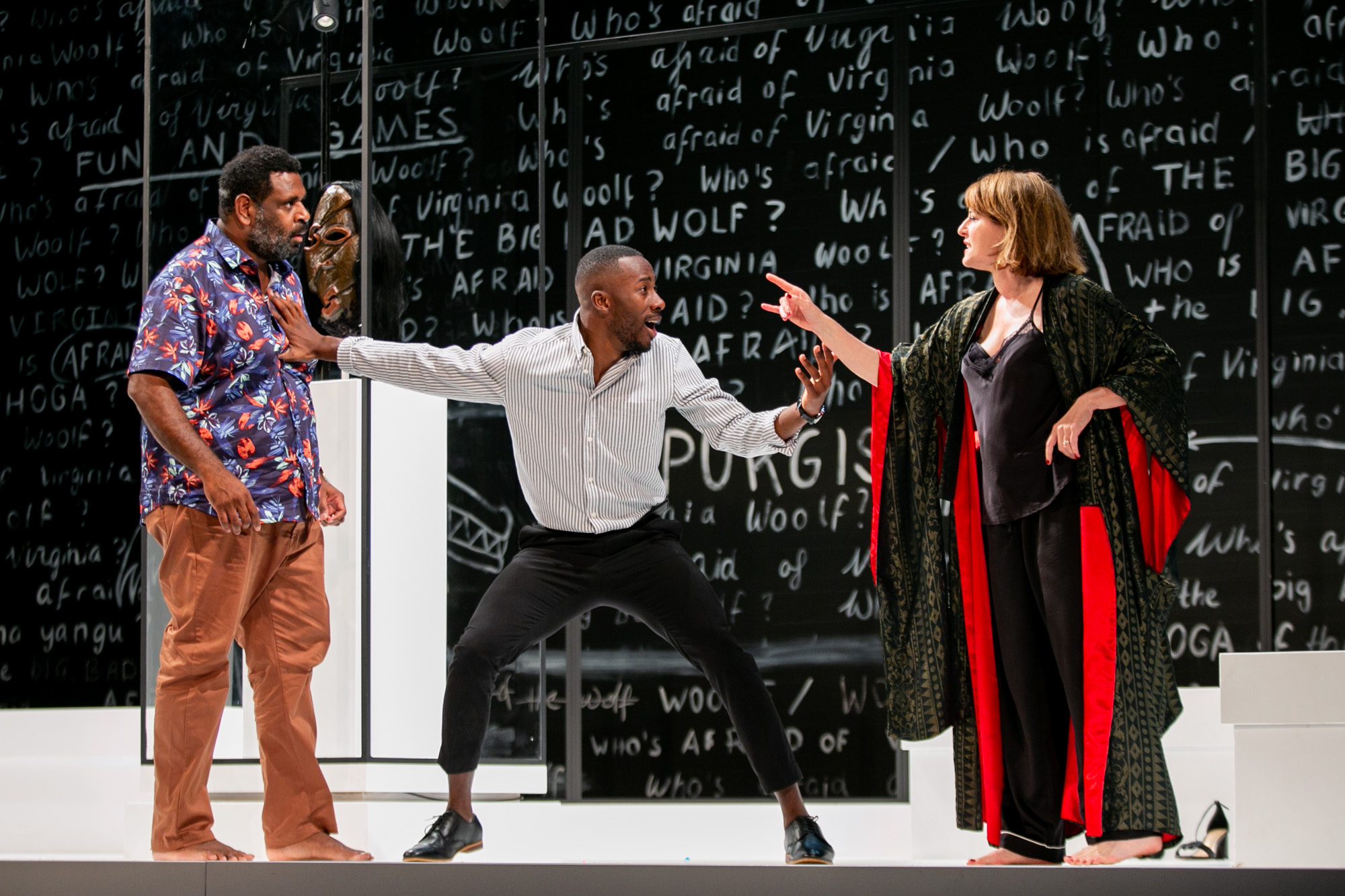
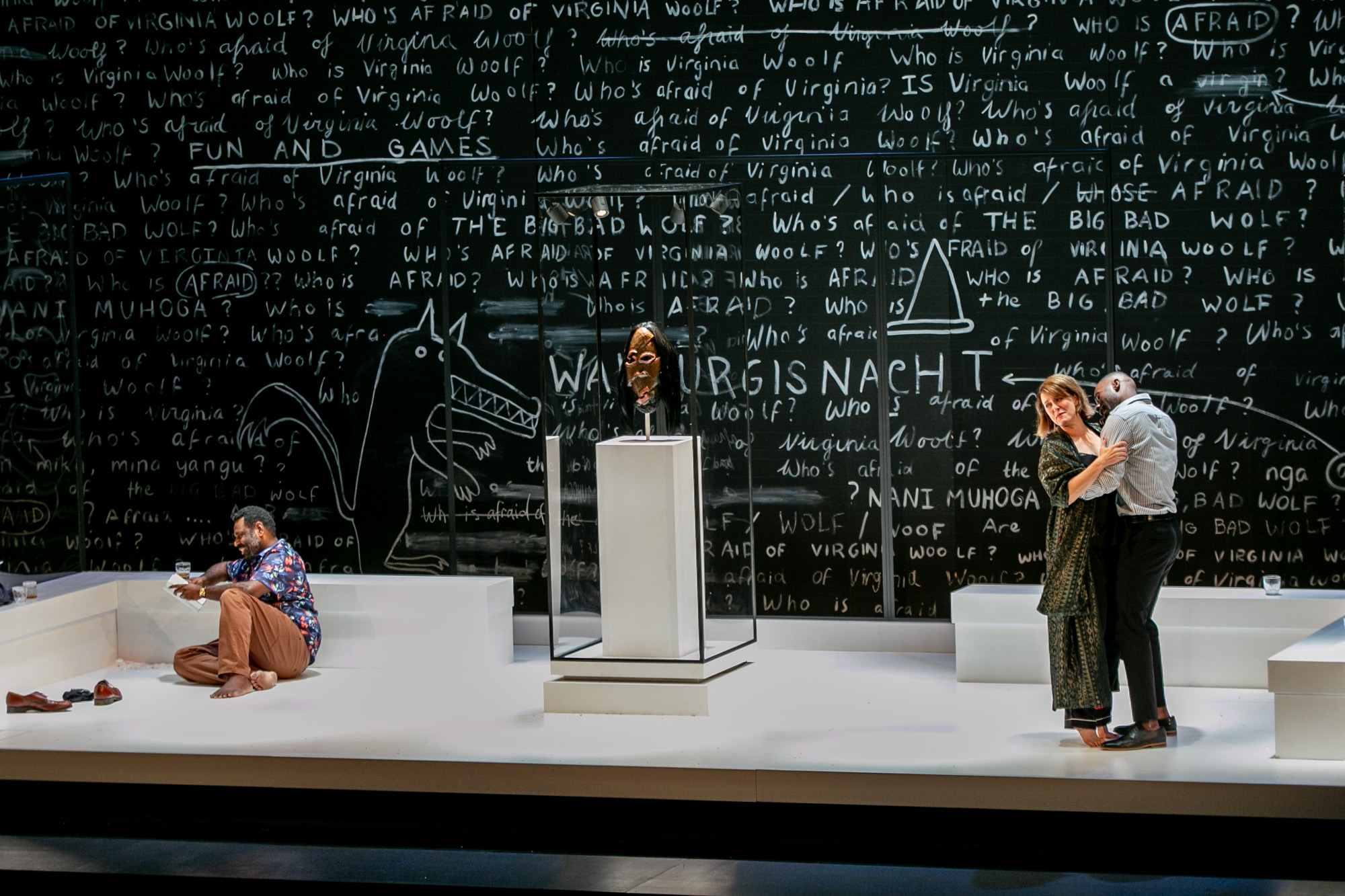
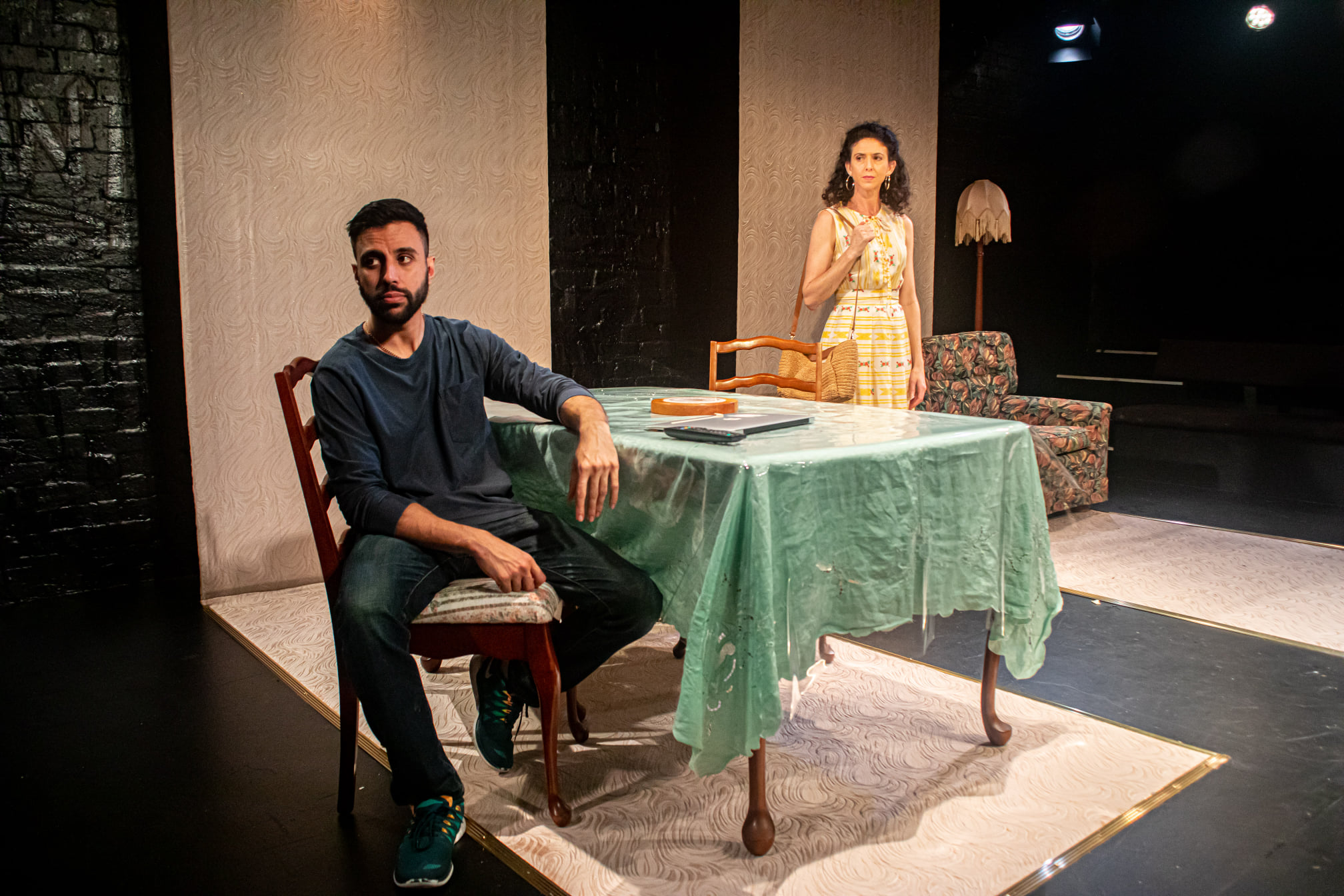
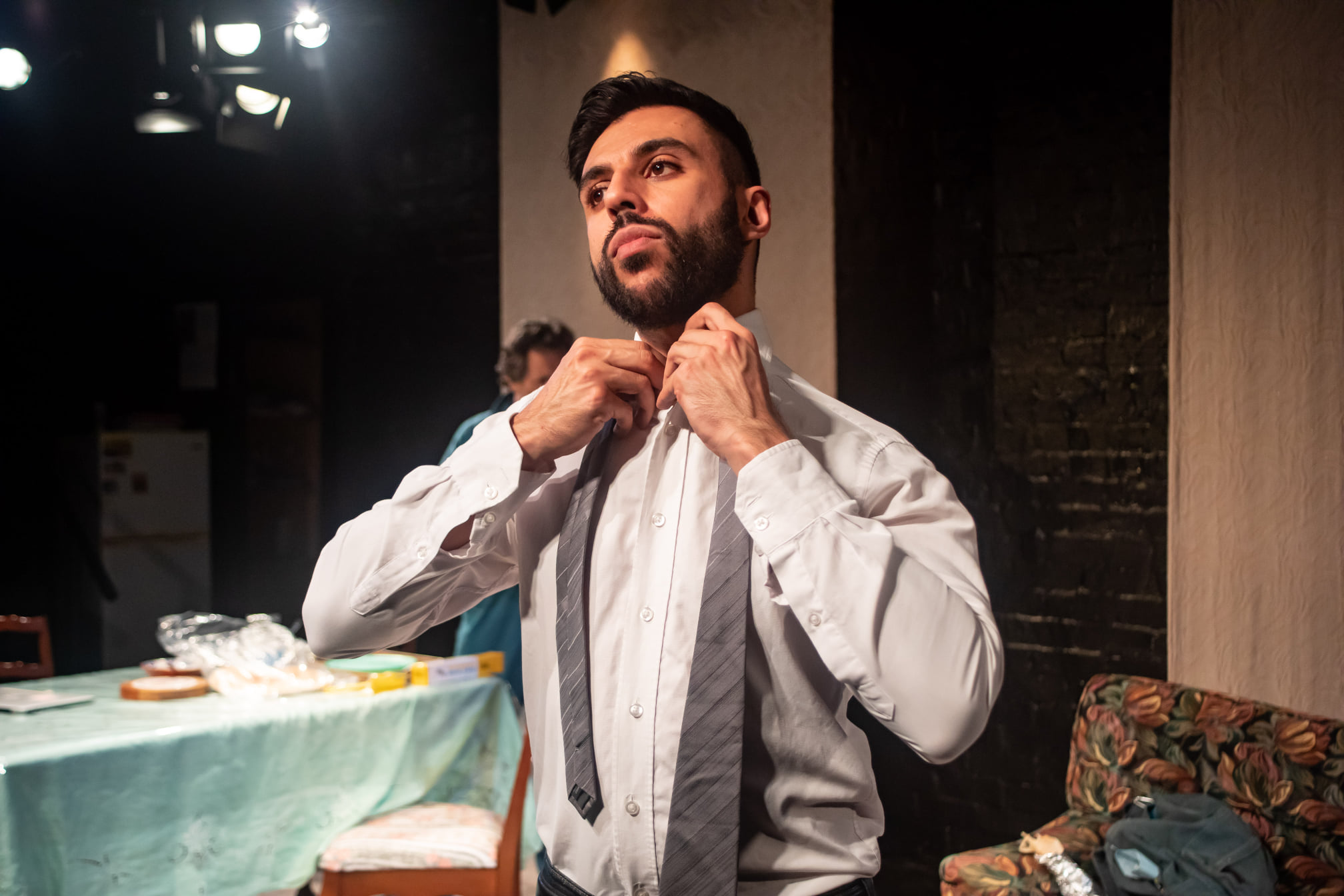
The story begins with a dingo in the lands of alpine Victoria, on Gunaikurnai country, looking for her babies. During her search, she encounters a dog and his human owner, a white woman hunter on the prowl for dogs in the wild, to collect their skin for profit. Dogged by Andrea James and Catherine Ryan, explores the broken relationship between modern humans and nature, as well as the difficult bonds between Indigenous Australians and their colonisers.

The 80-minute play is ambitious in scope, with a complex structure that reflects its creators’ desire to encapsulate many discussions being conducted by the wider community. In addition to topics pertaining to environmentalism and racism, Dogged touches on feminism and capitalism, for a work about injustice that cares to be vastly inclusive. Its approach however, is purely allegorical, sometimes obvious but mostly obtuse, which suggests that Dogged is likely to speak more intimately to those already invested in these ideas.

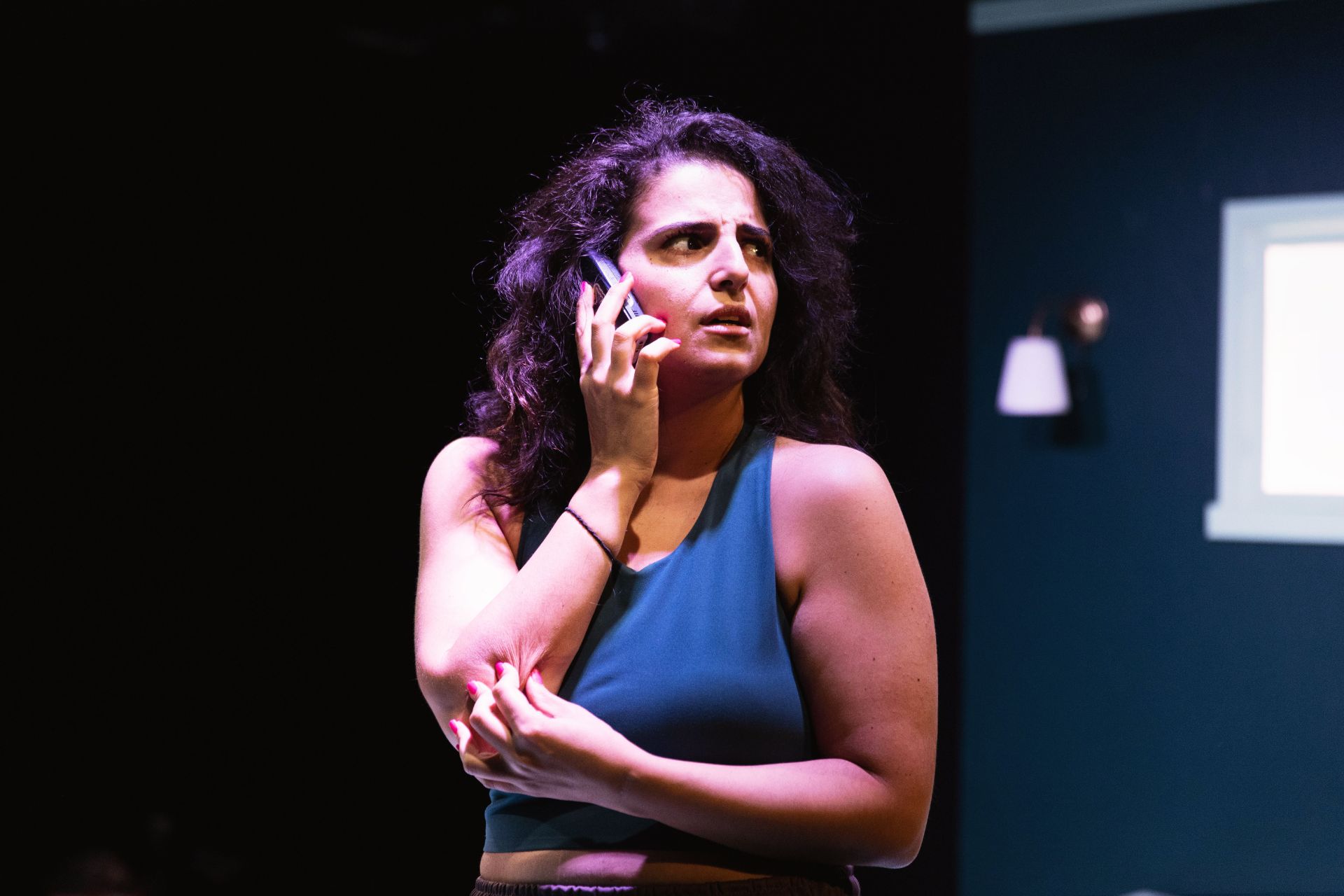
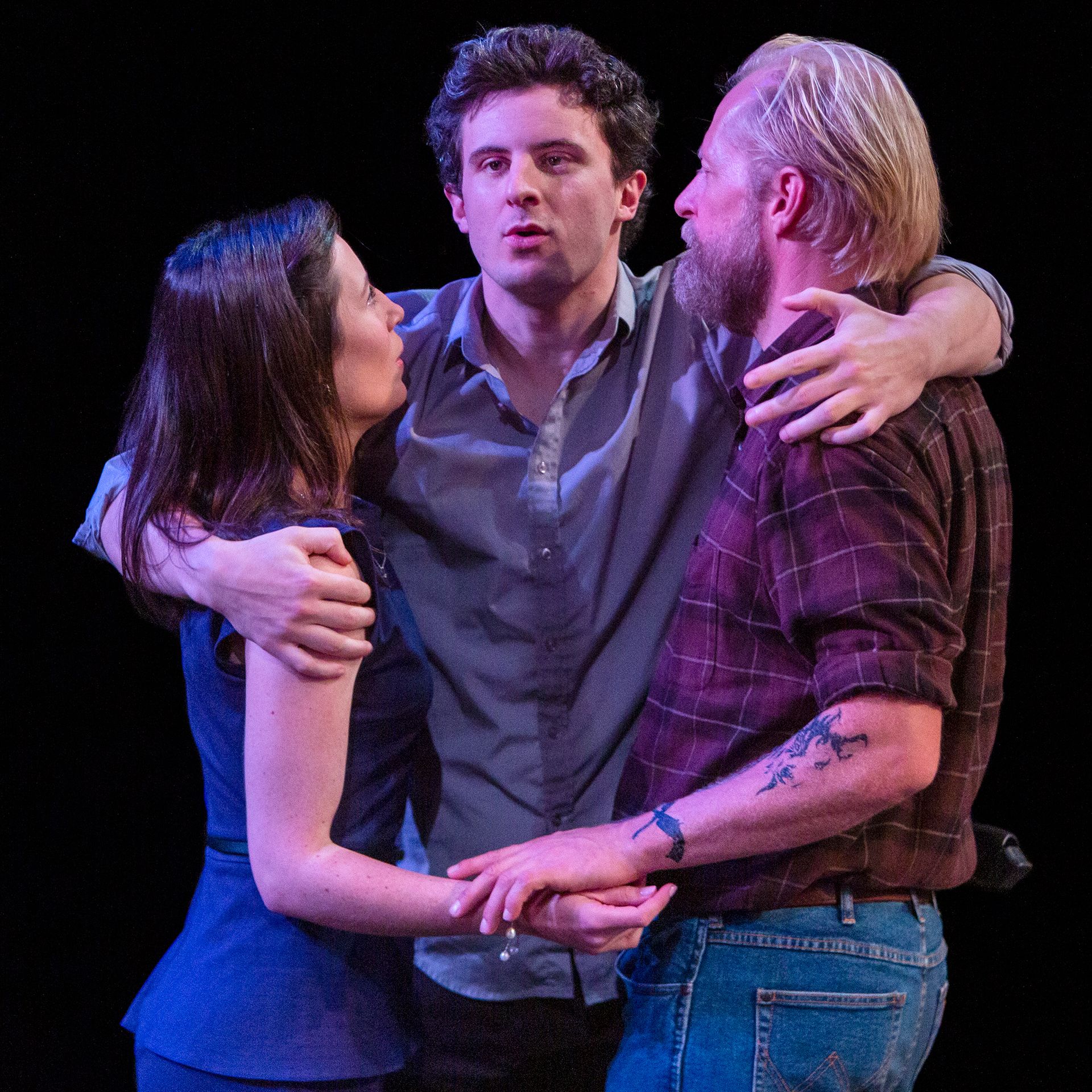
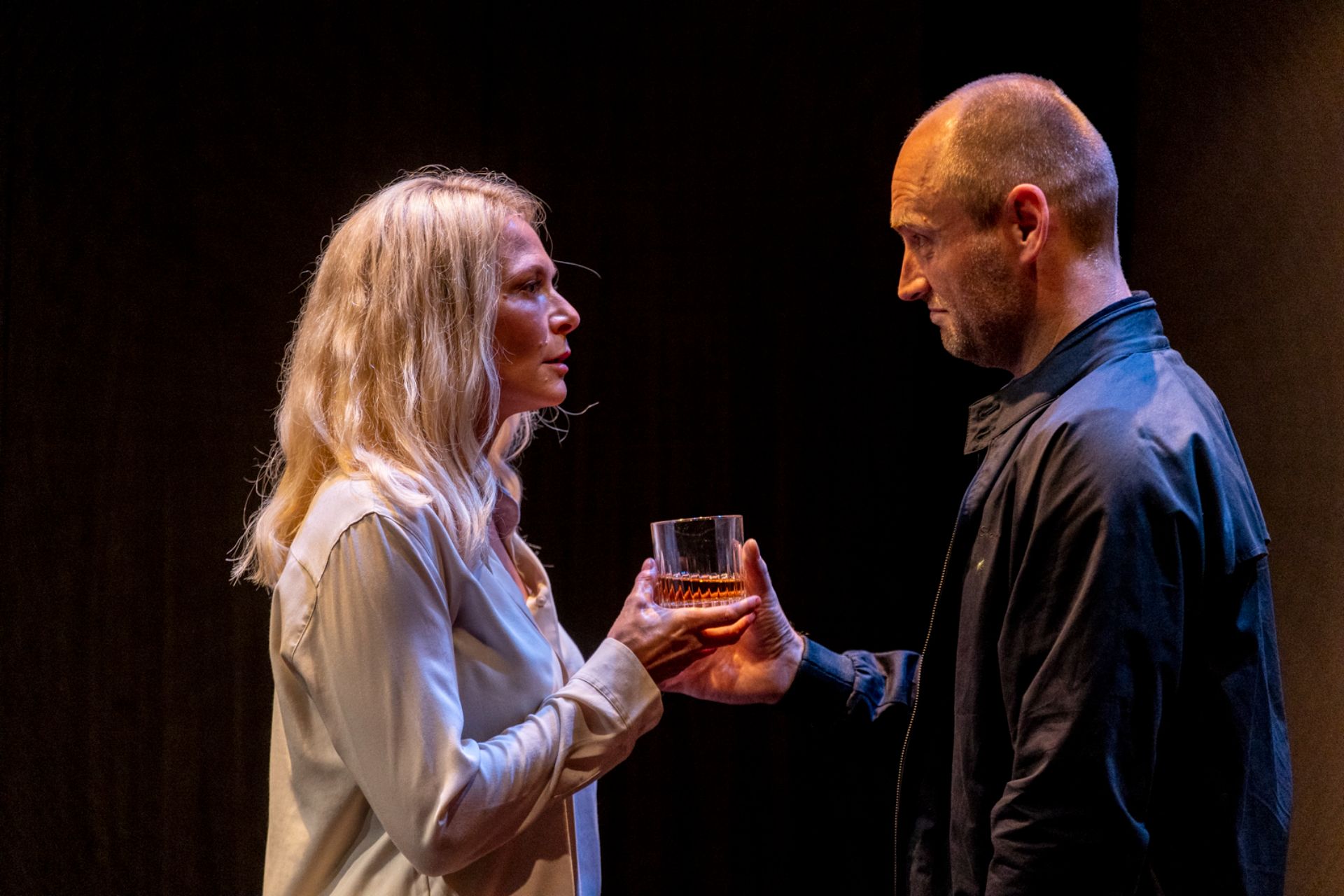
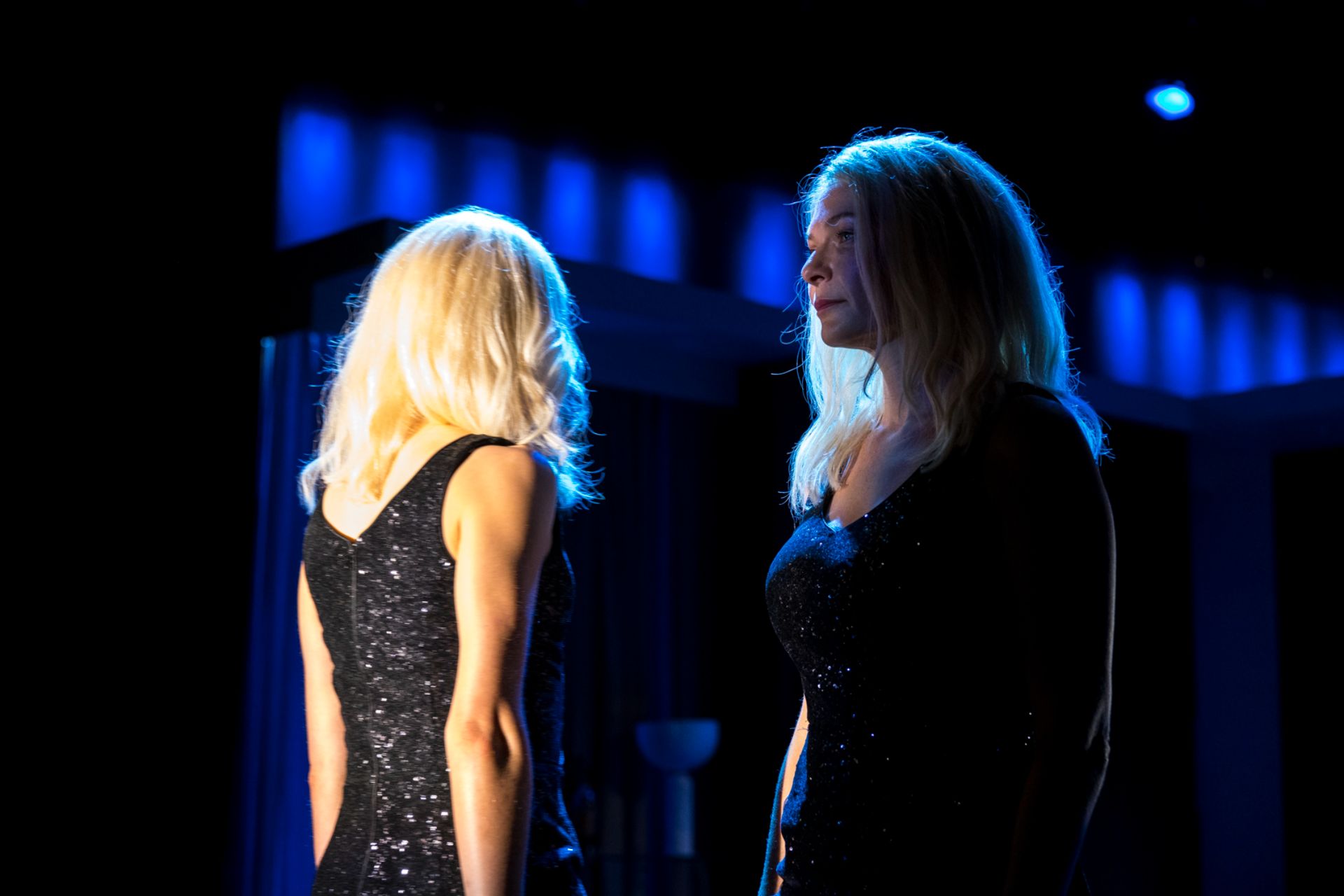
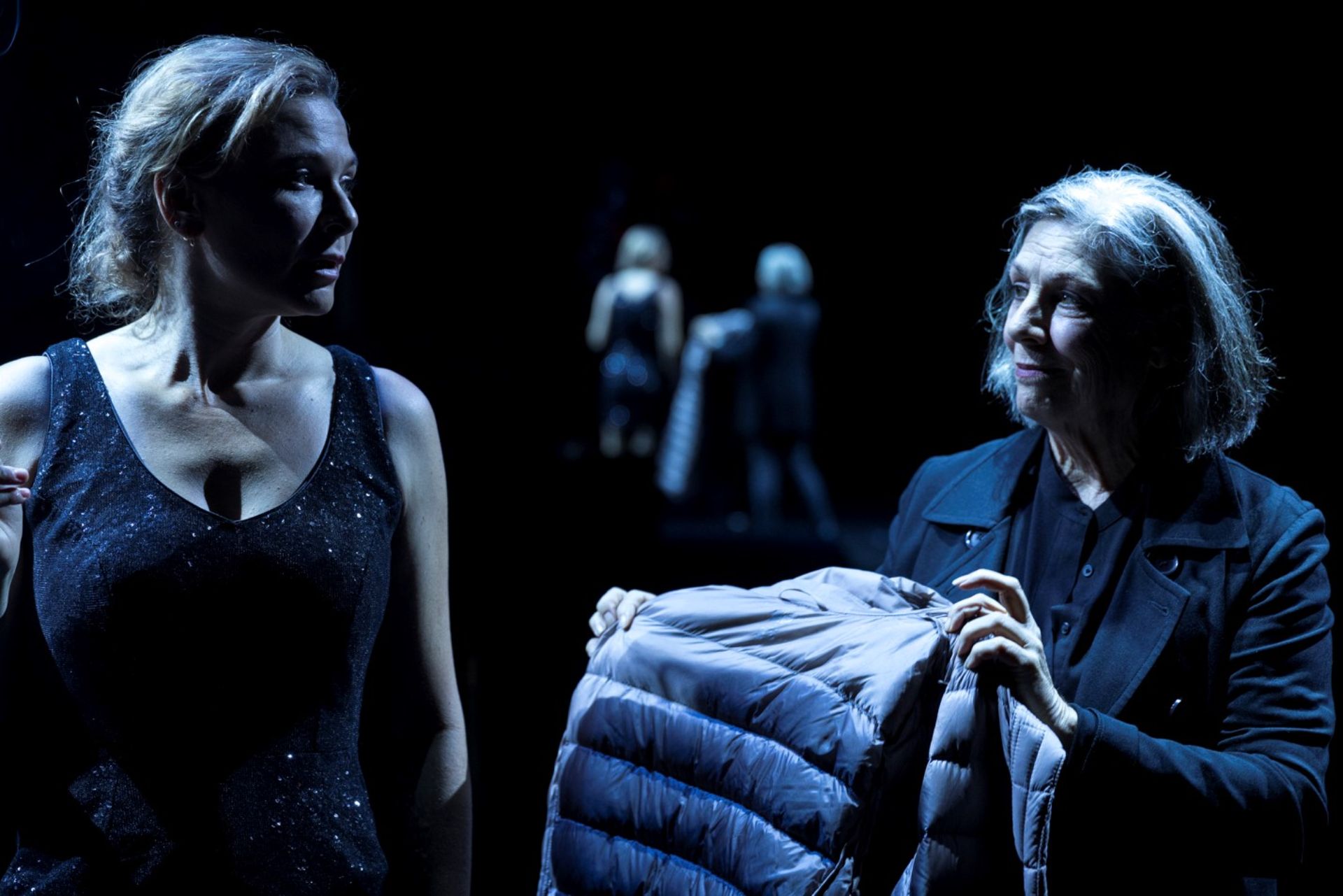
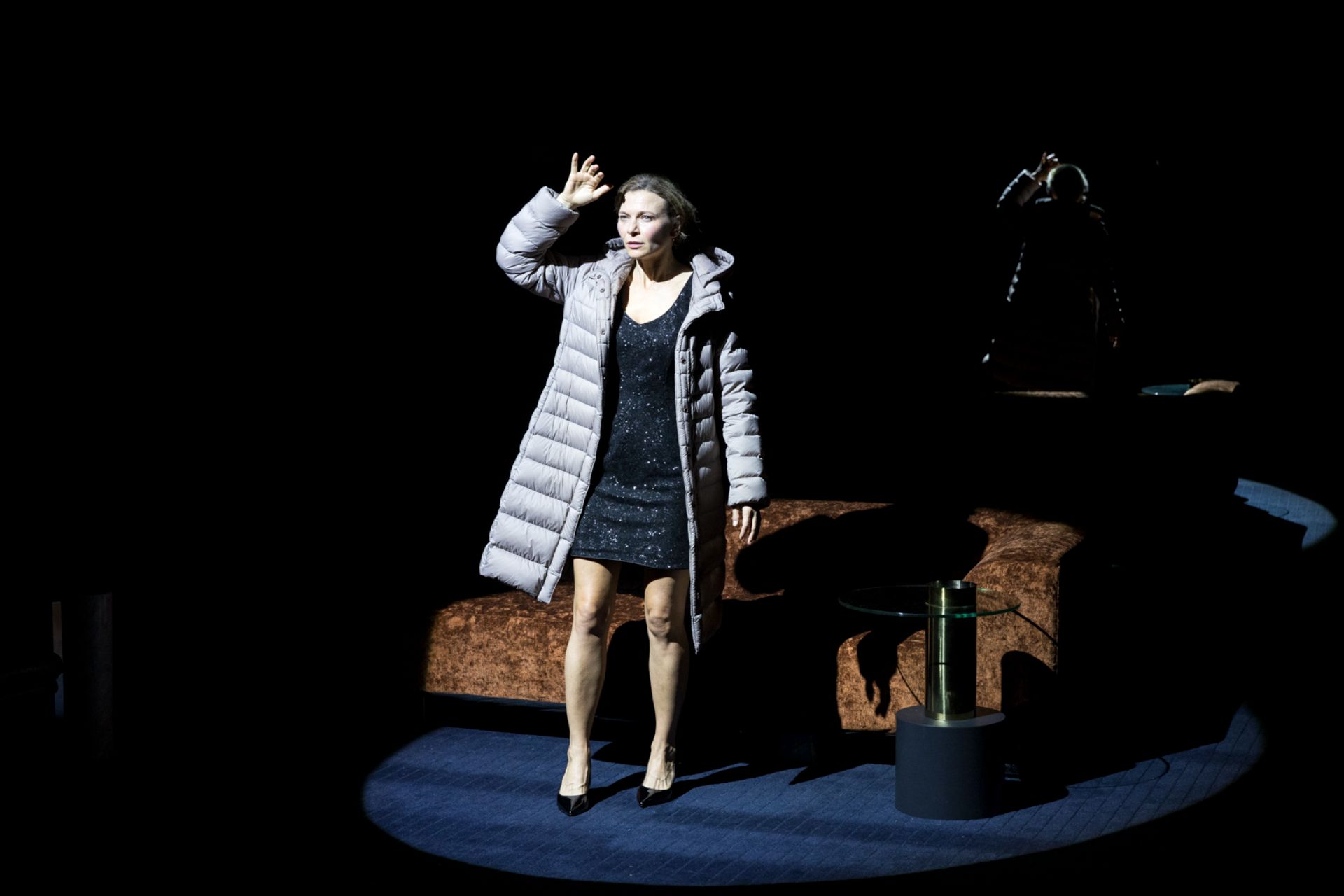
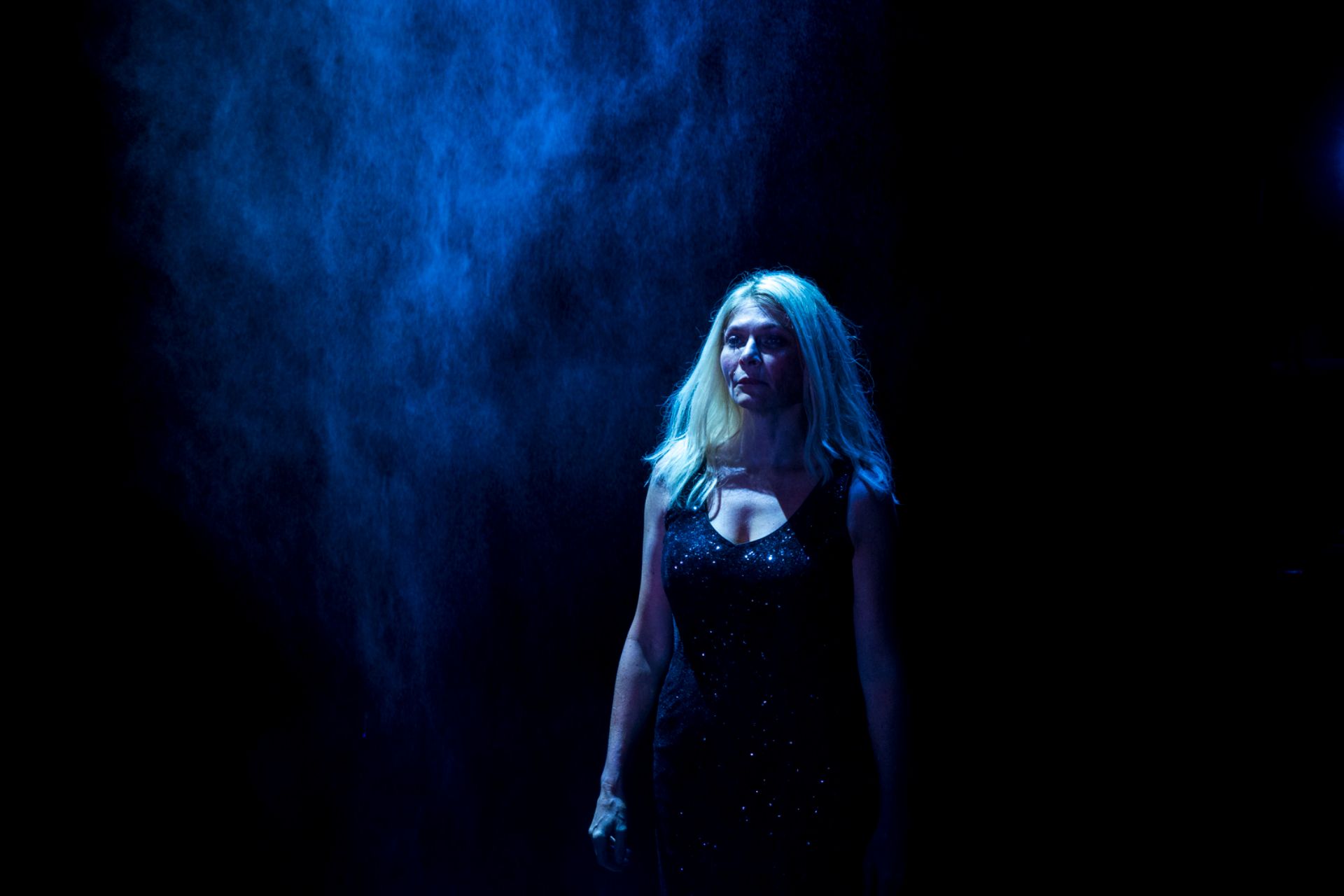
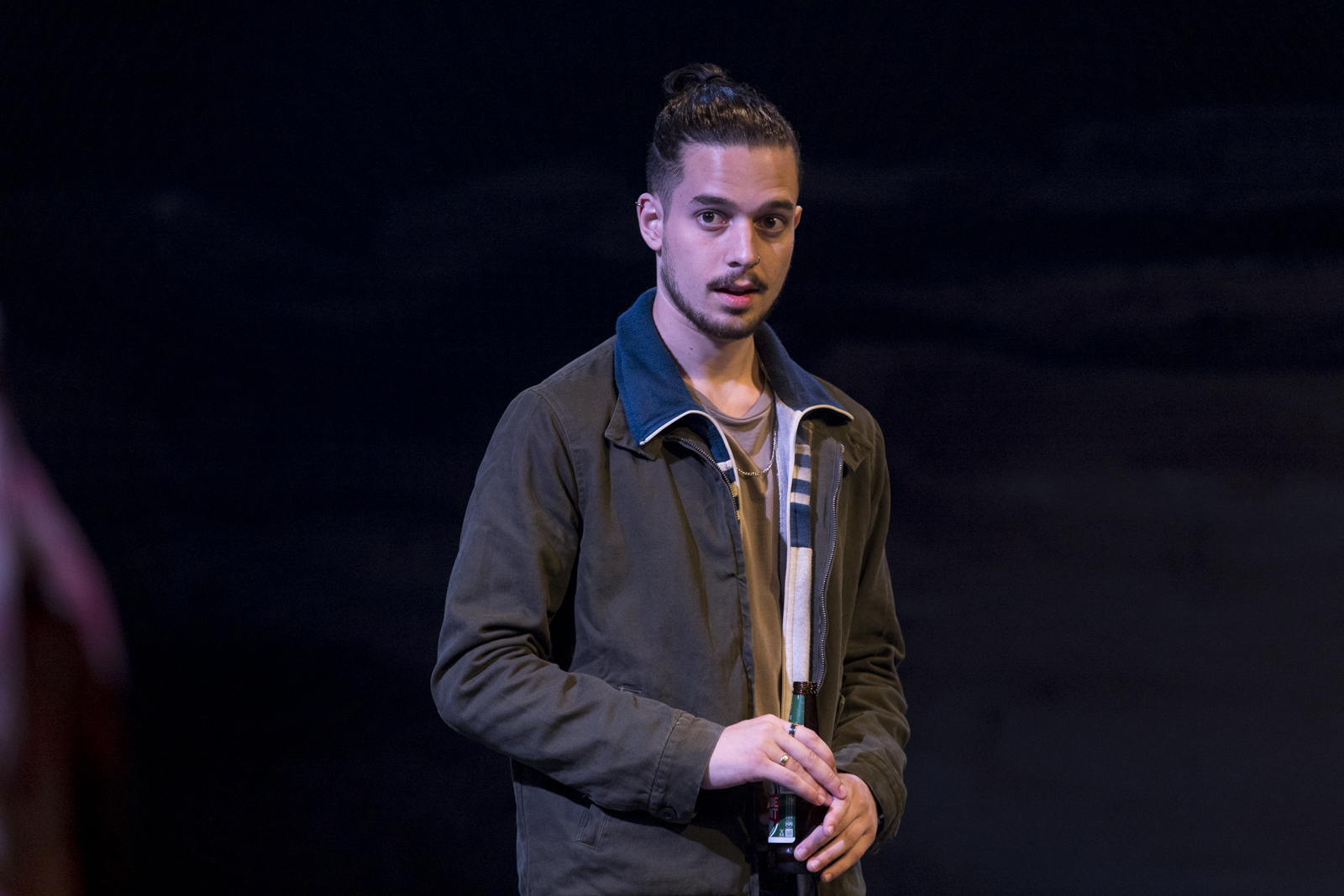
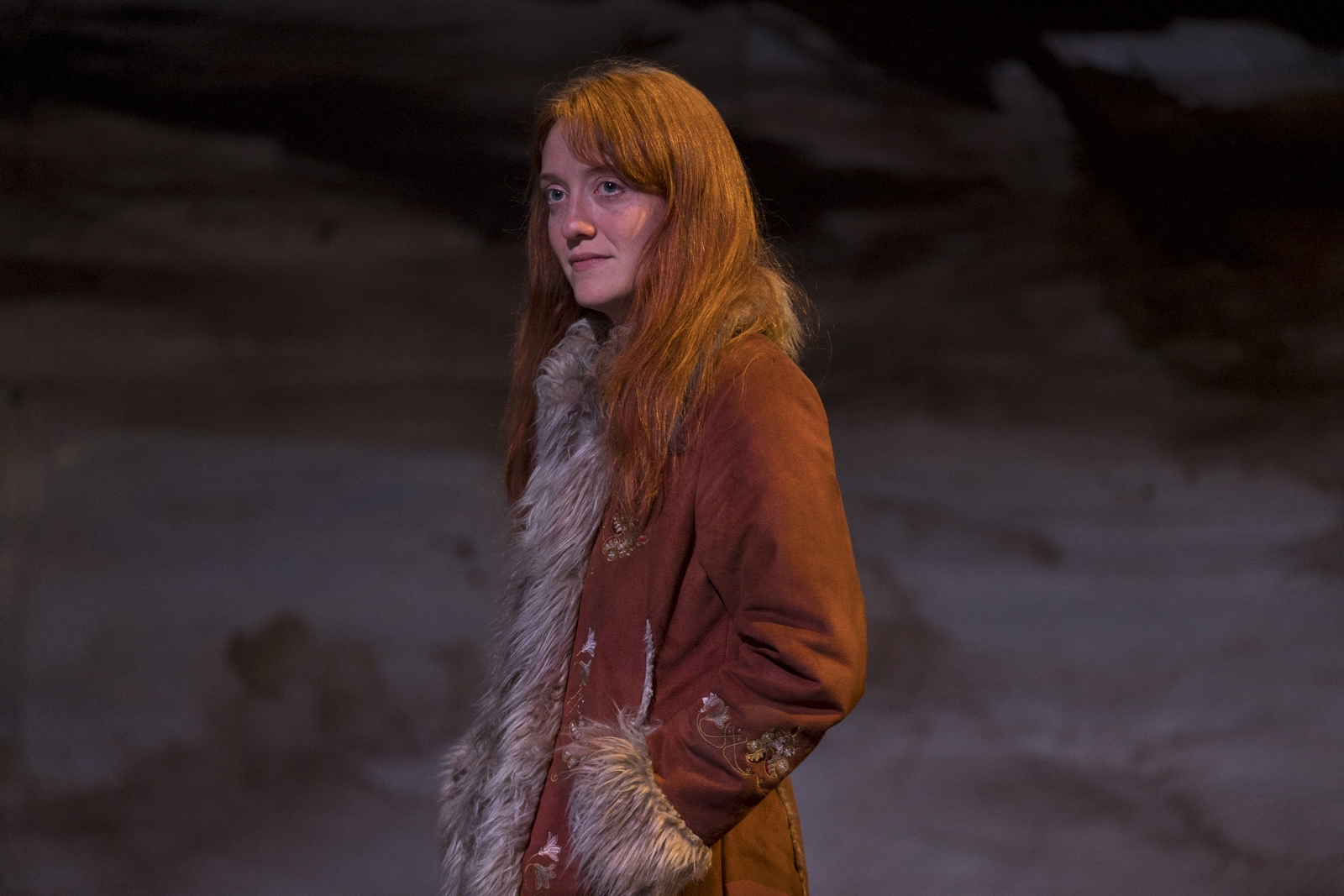
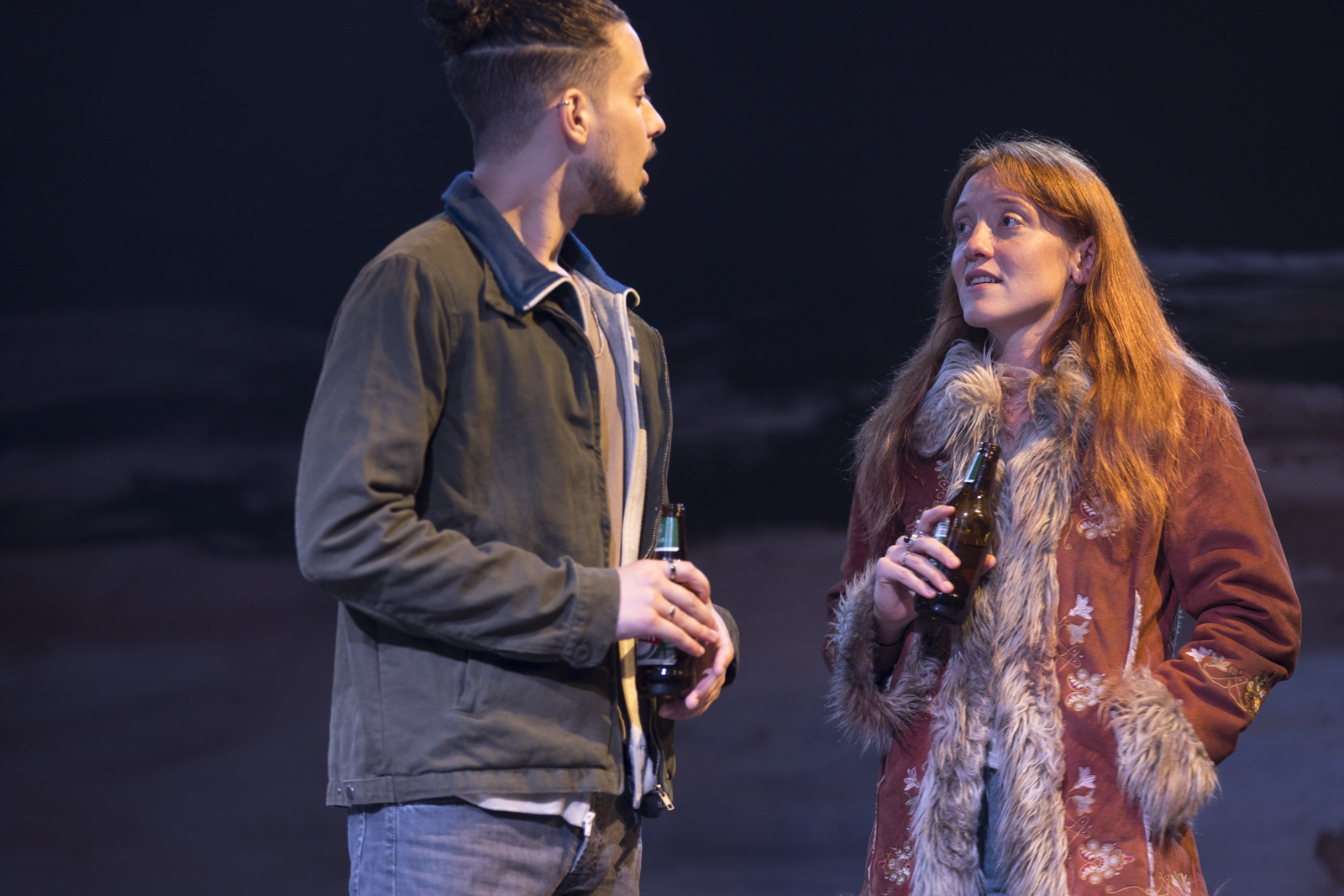
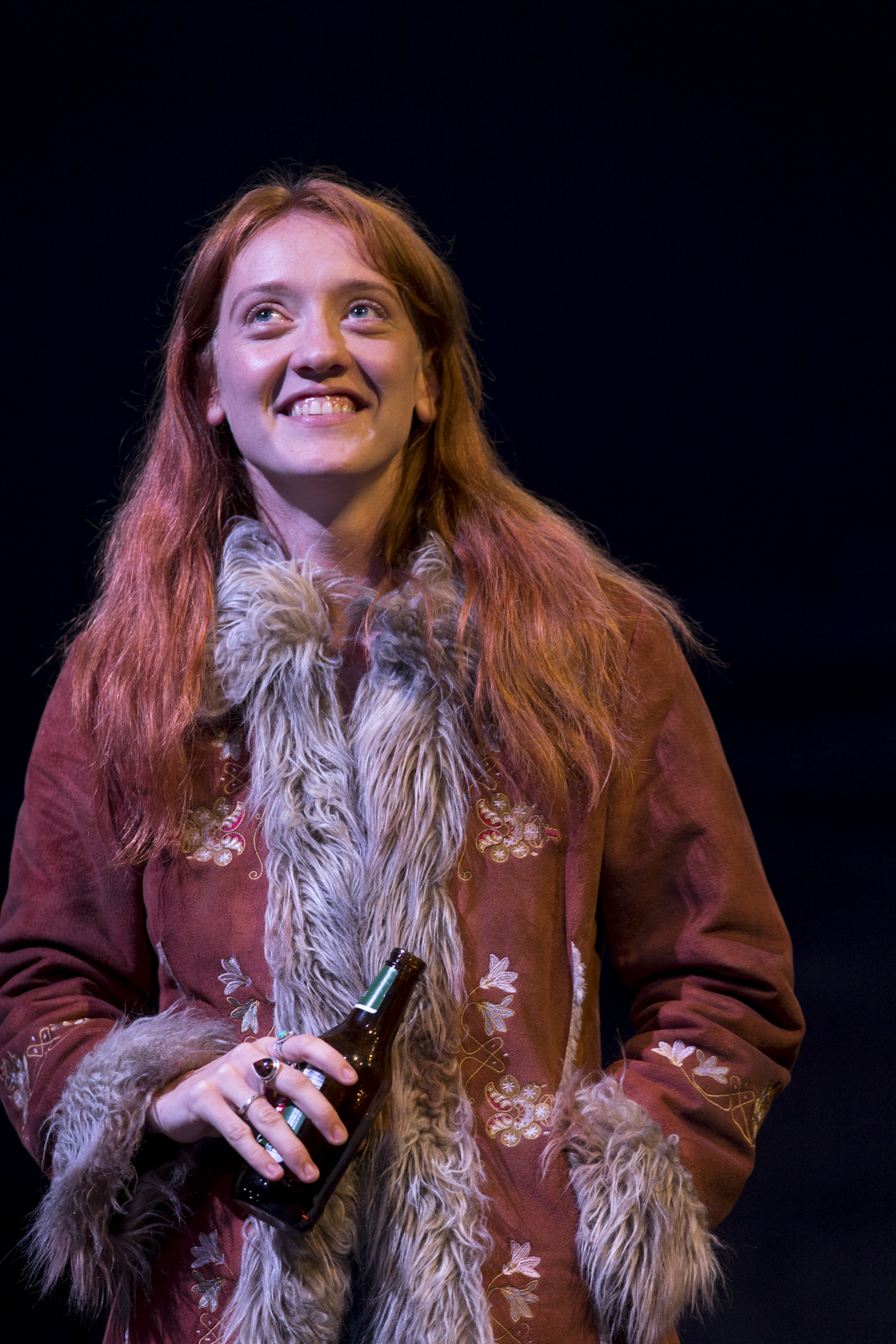
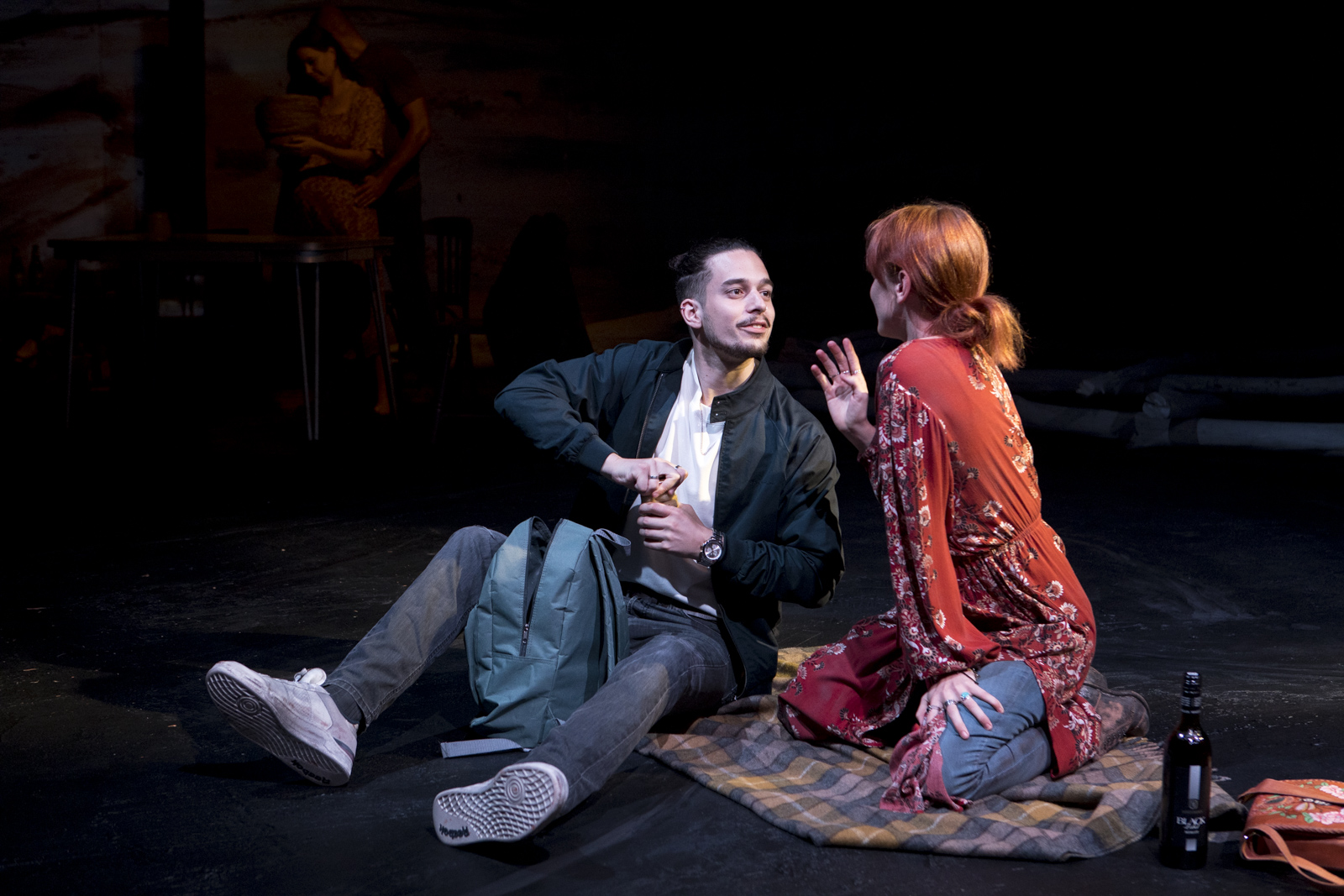
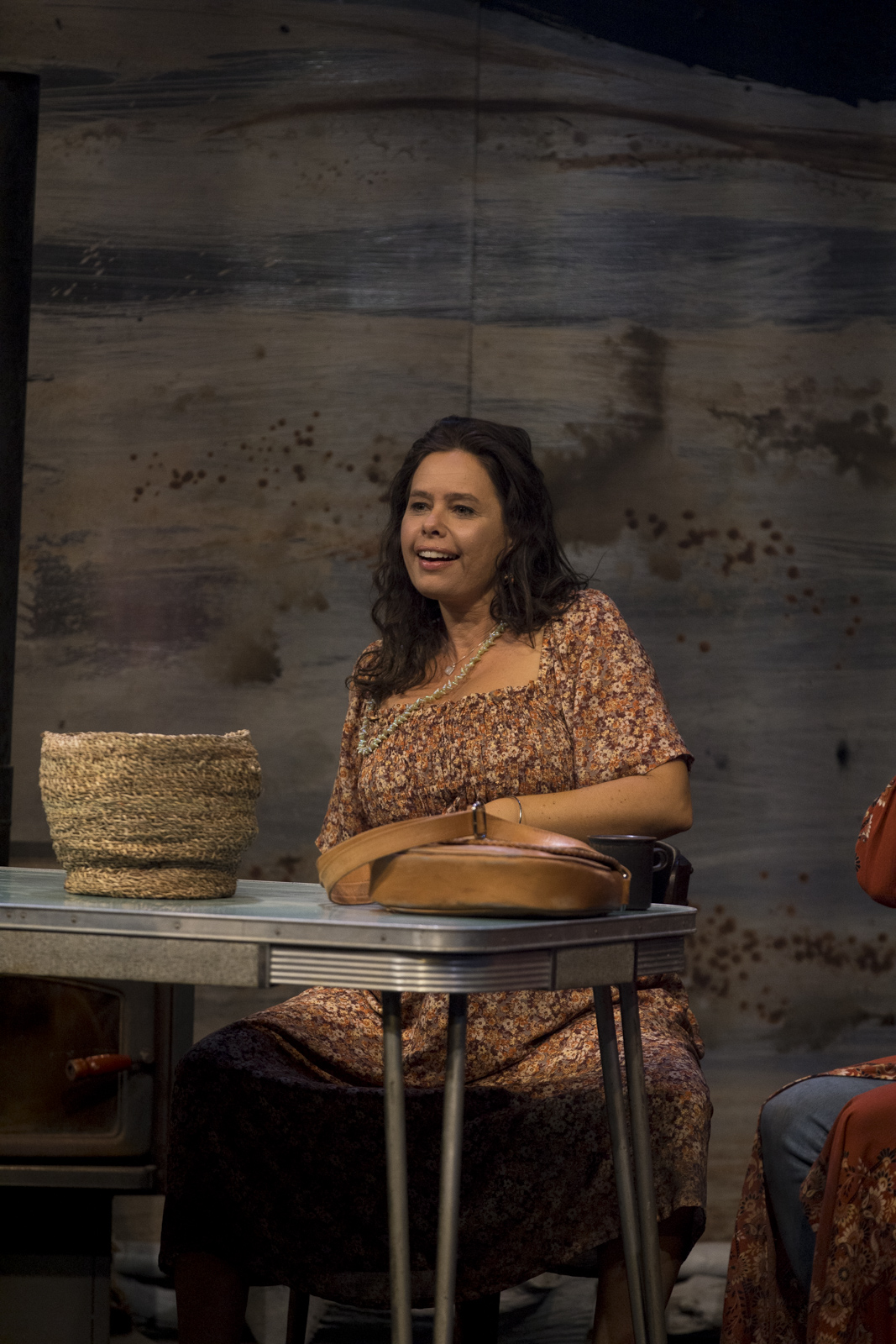
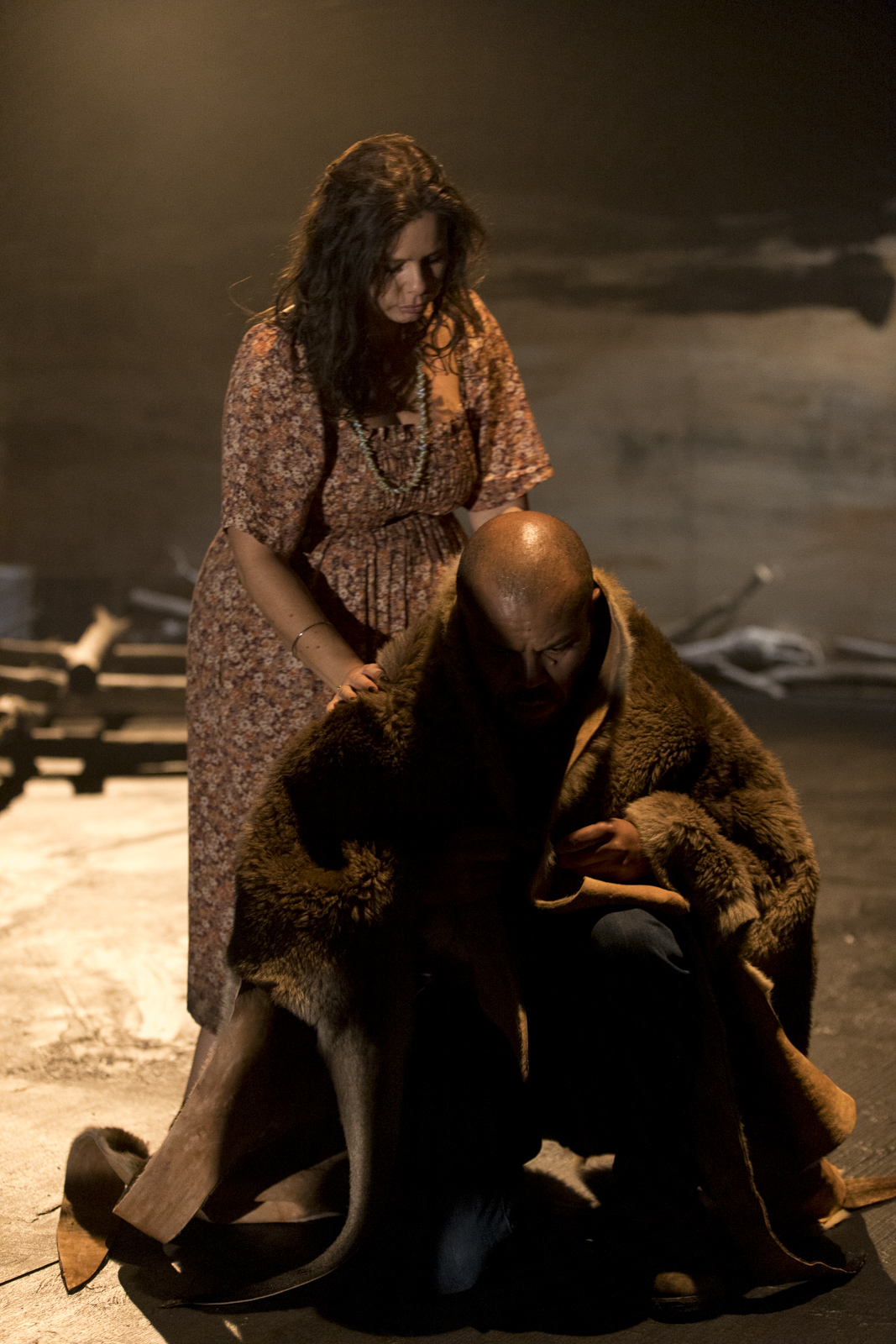
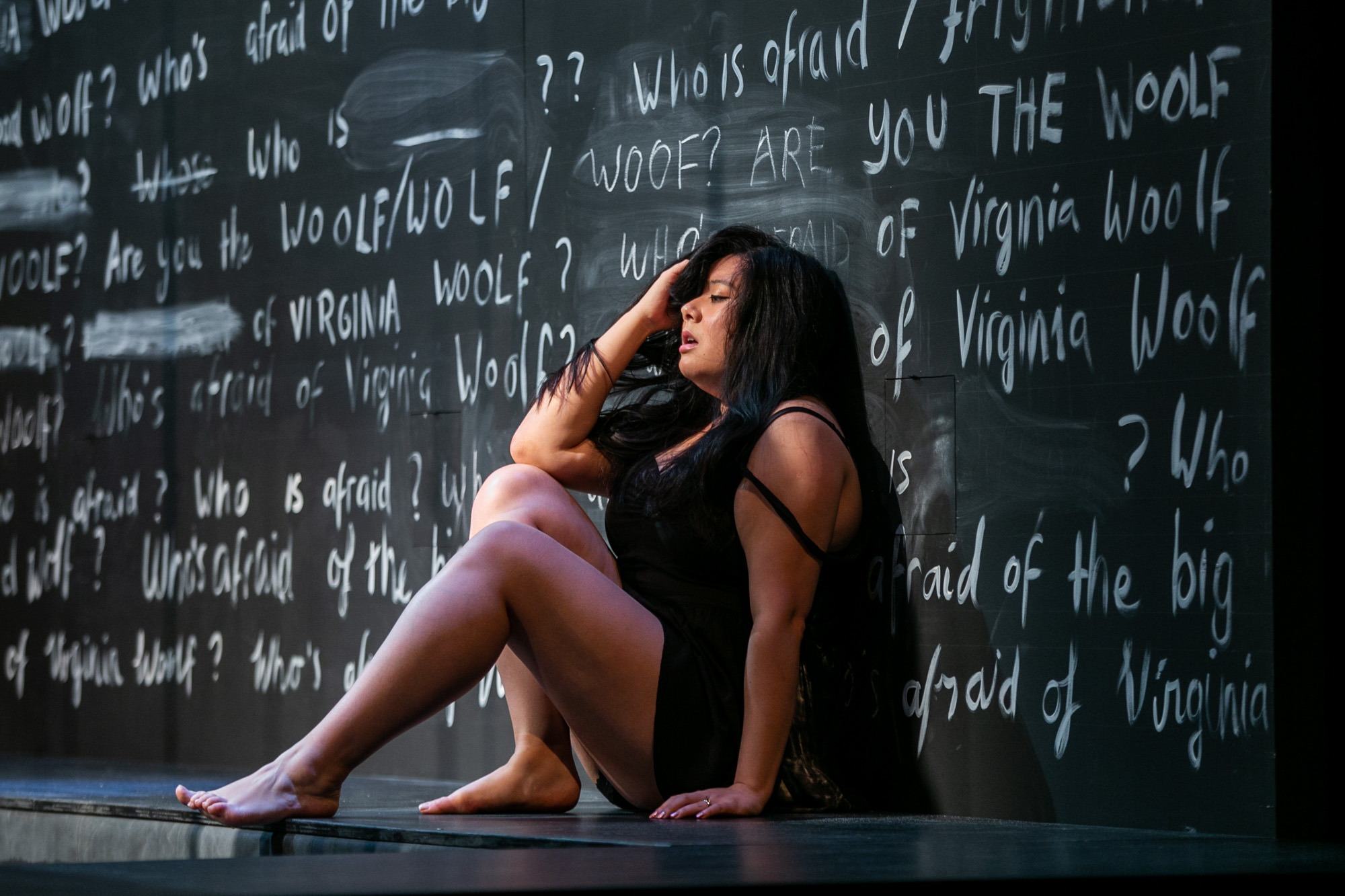
For those less initiated, the action-packed production incorporates energetic sequences, choreographed by Movement Director Kirk Page, that provide an exquisite dimension of visceral excitement to the narrative. Three extraordinary performers hold us captive, for this strange and sometimes bewildering tale of inter-species adventure. Sandy Greenwood is spectacular as Dingo, incredibly detailed with what she is able to convey between the lines, as a First Nations woman actor. We watch her as dingo and as human simultaneously, like a sort of transmorphic genius, illustrating the parallel plights of being Indigenous, of being female, and of being mother earth. Even though her main concern is the portrayal of desecration in its many forms, it is Greenwood’s defiant strength that really mesmerises. Also remarkable are the depths of emotion she summons at will, always replete with intensity, and flabbergasting in her authenticity.

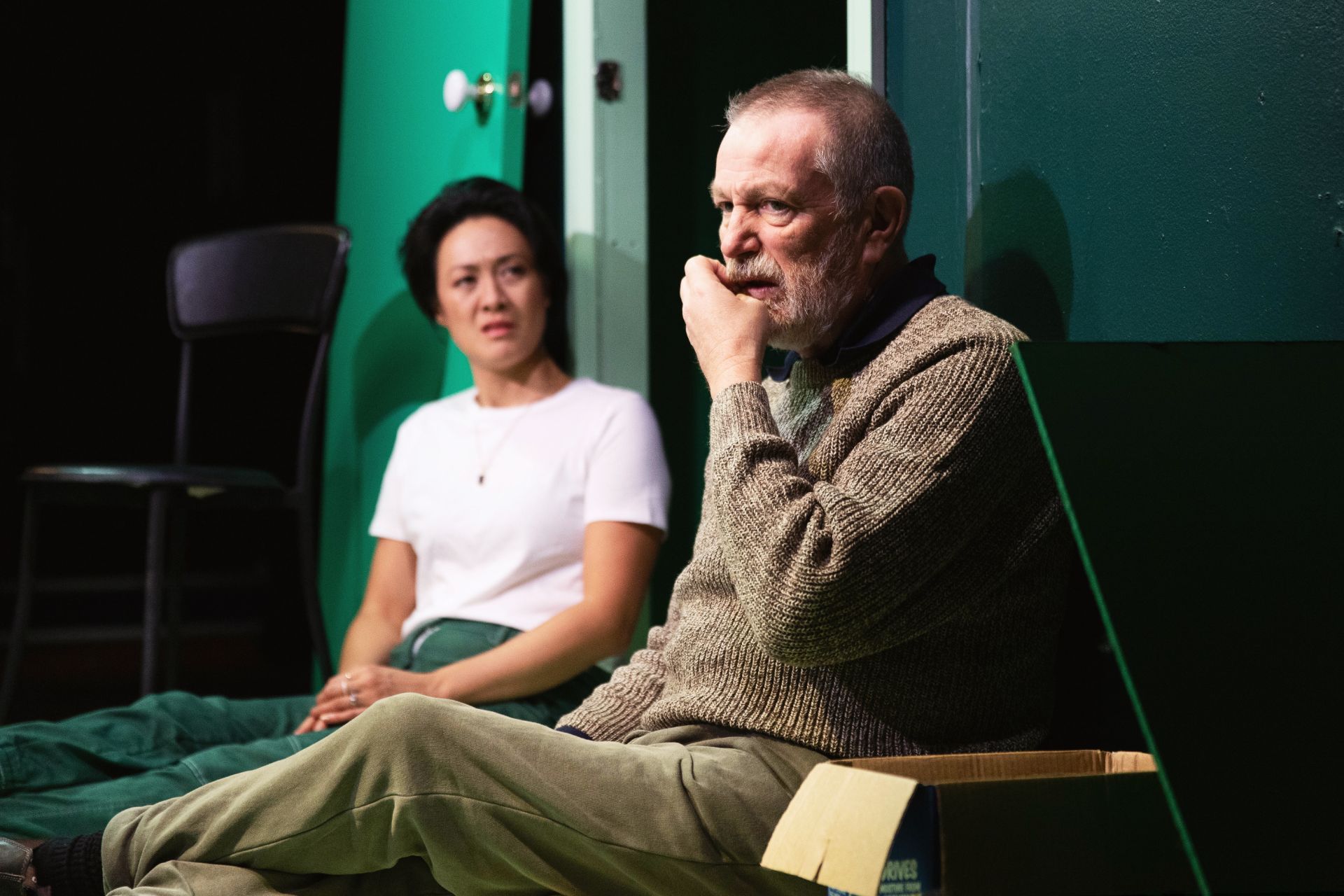
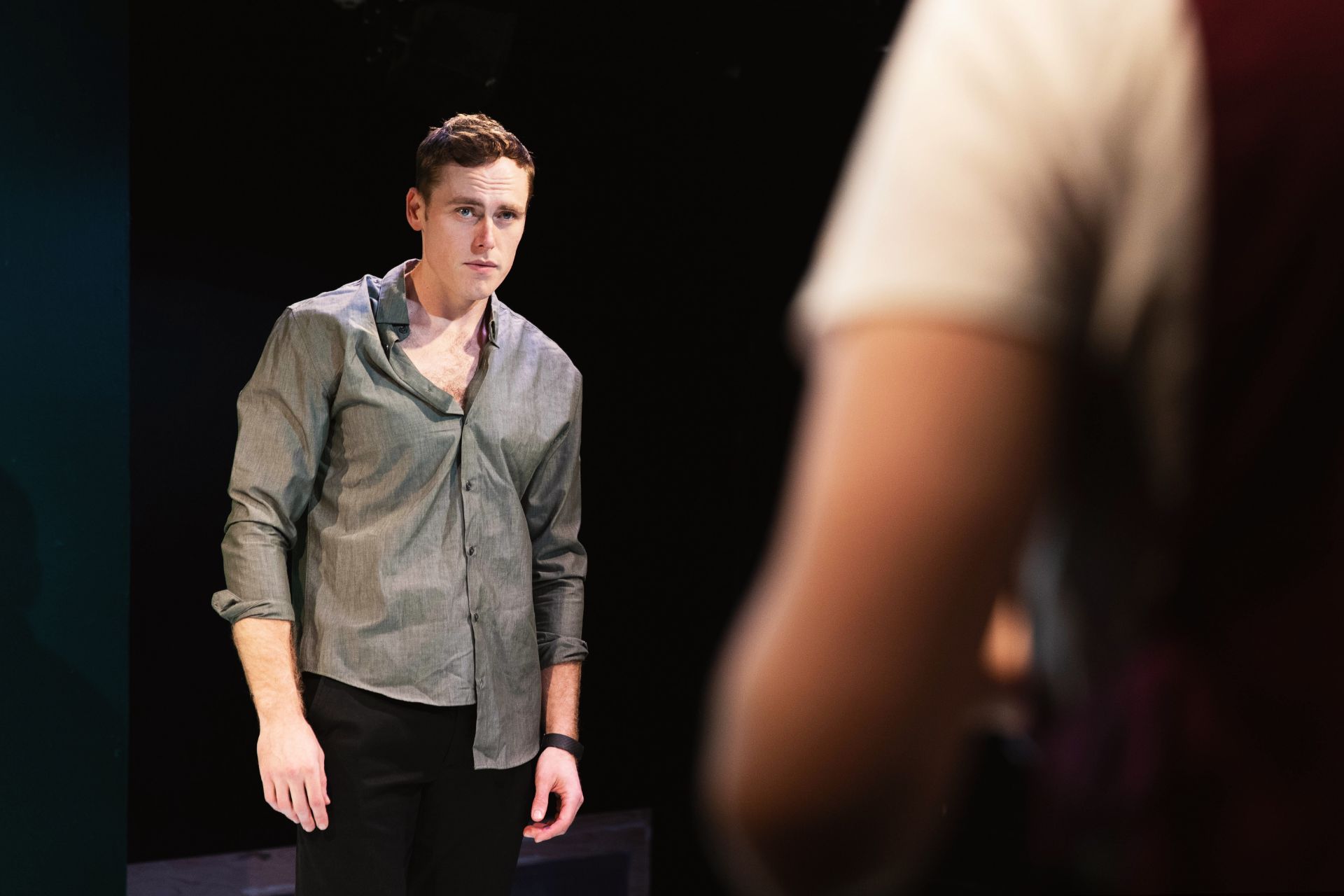
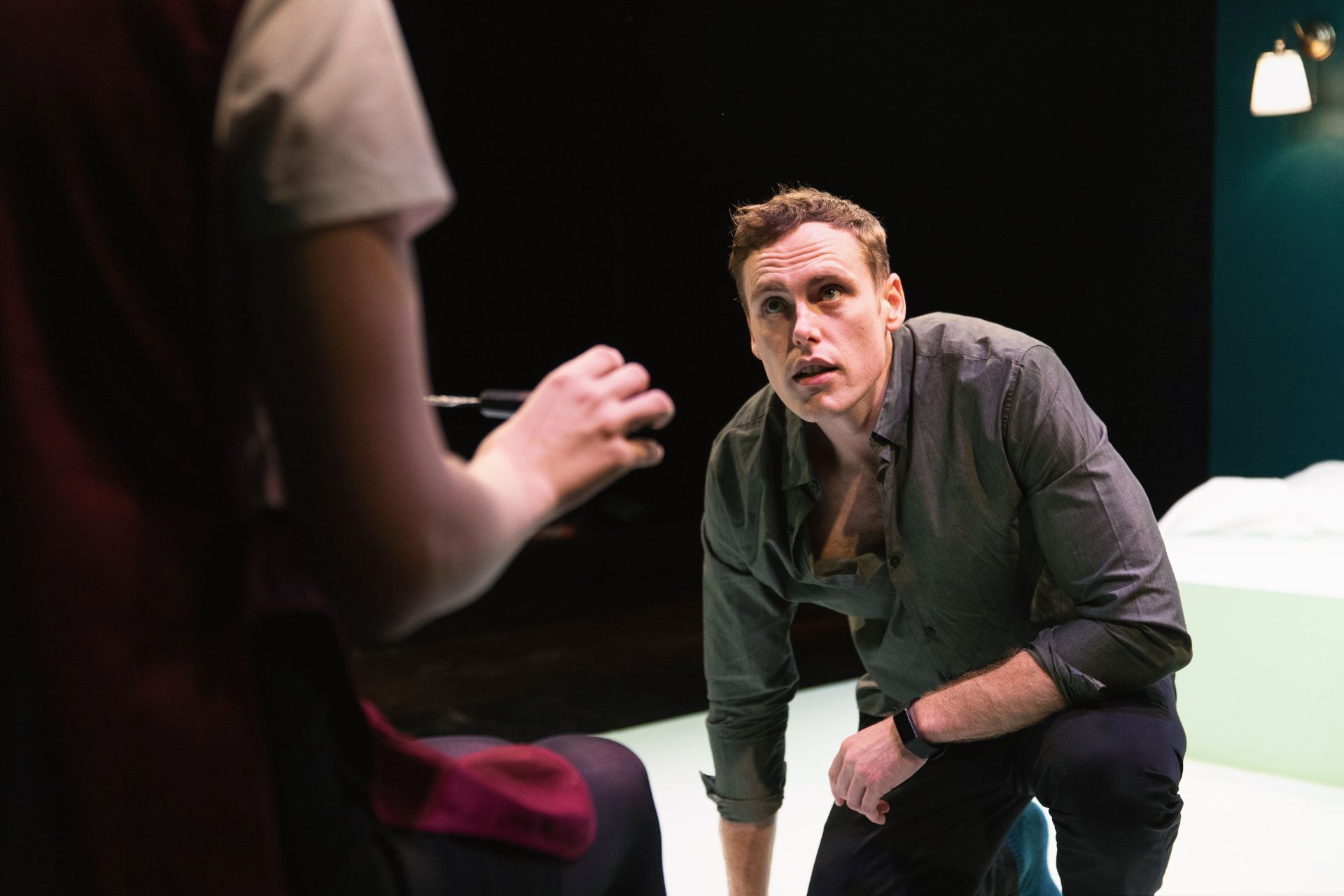
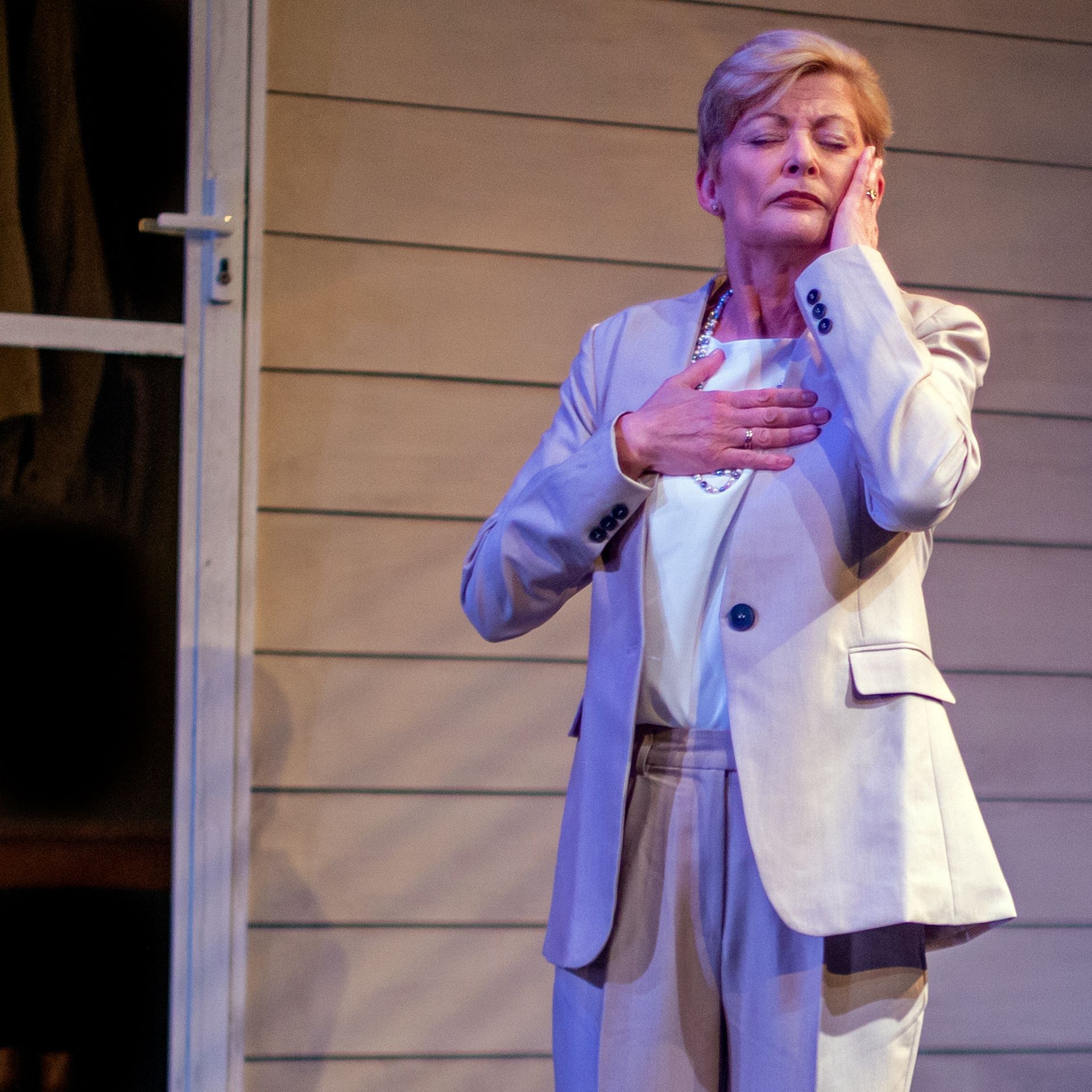
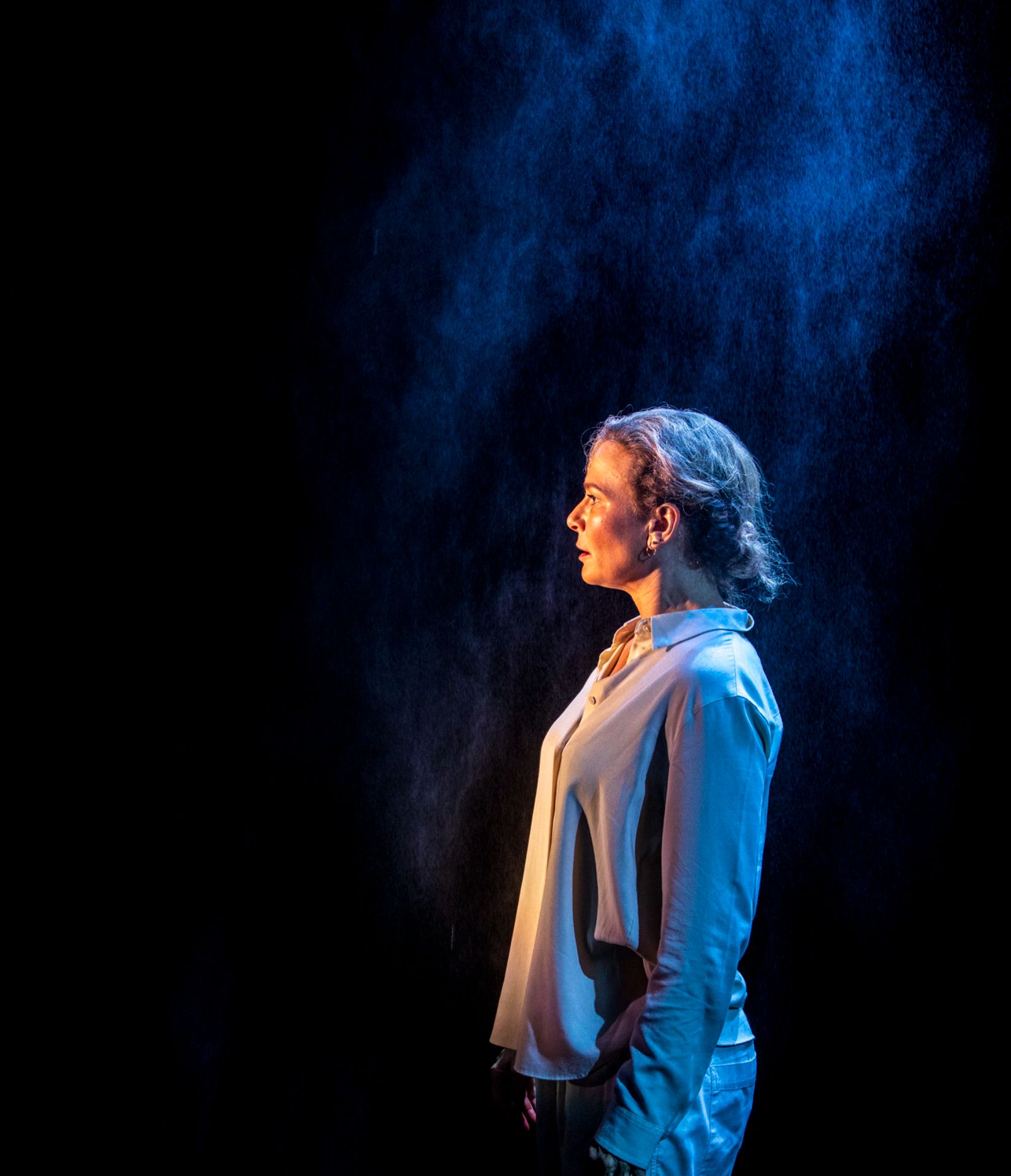
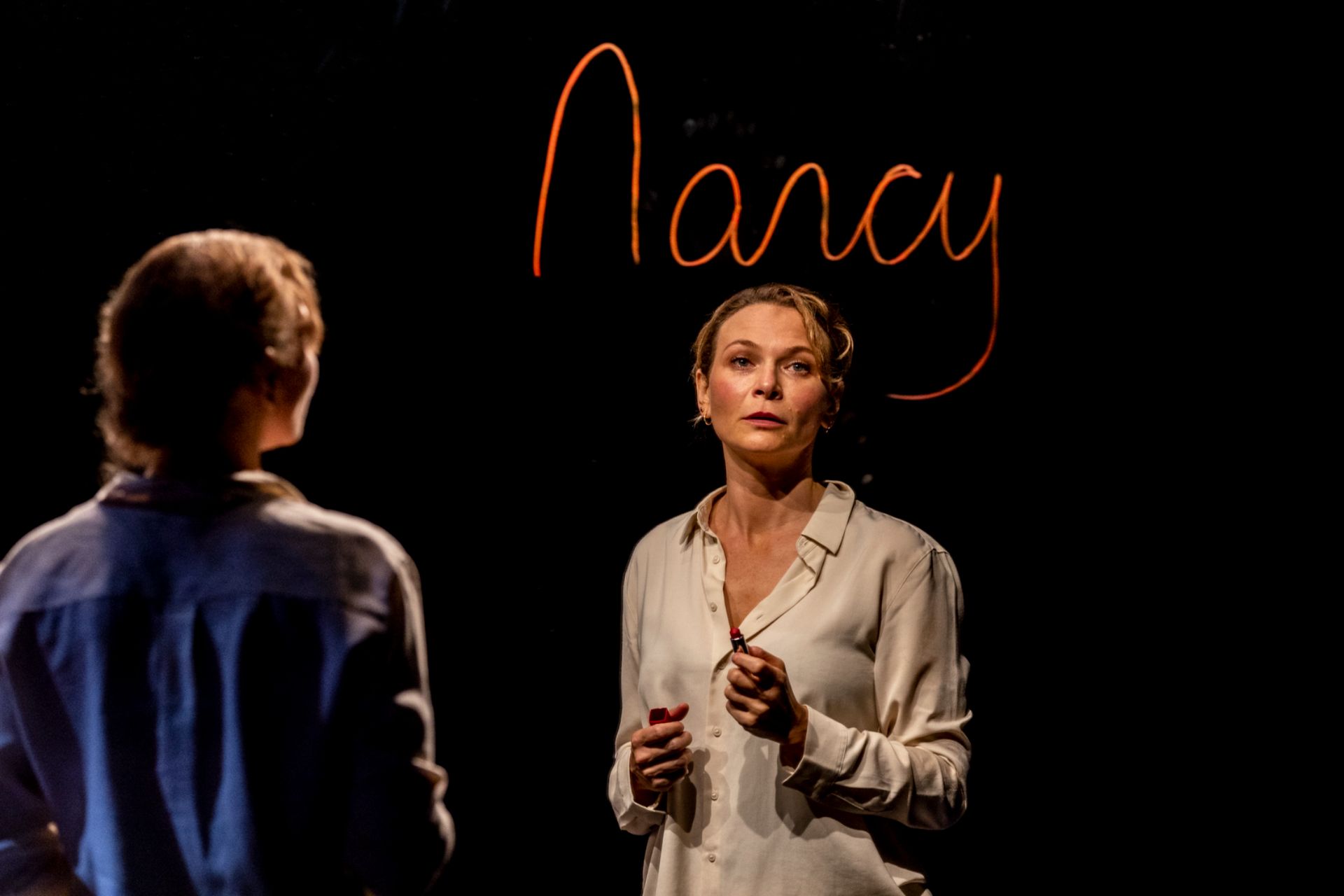
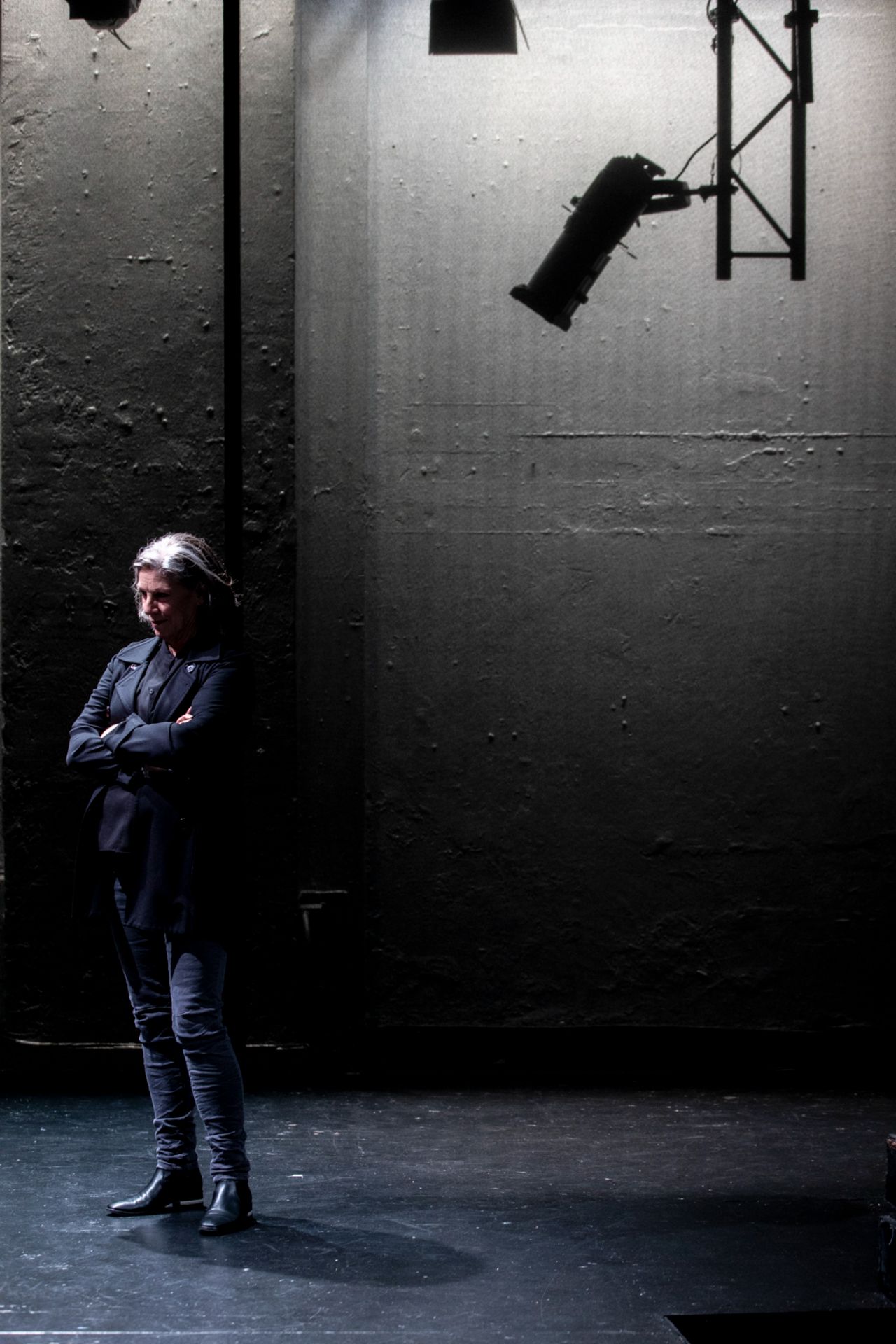
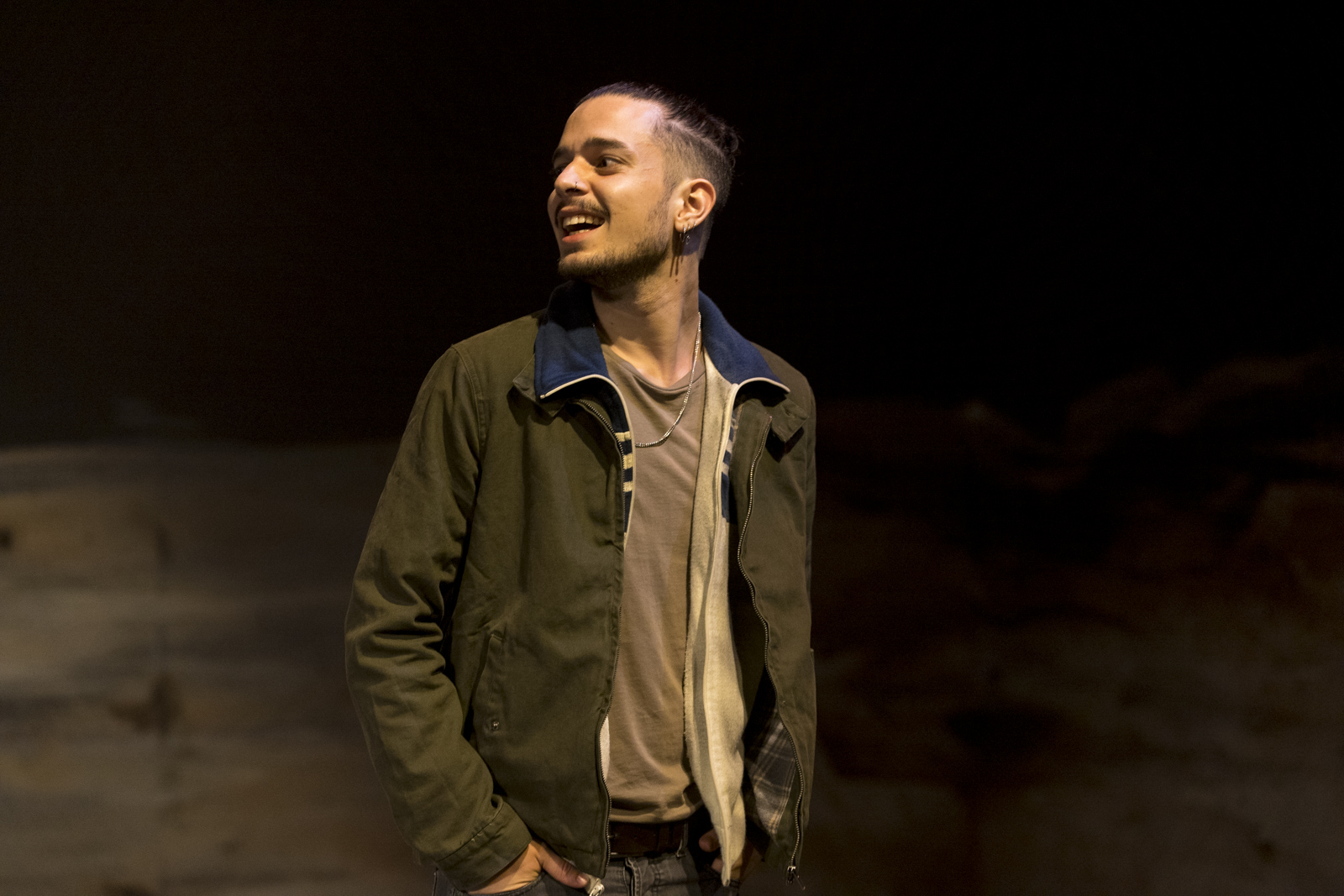
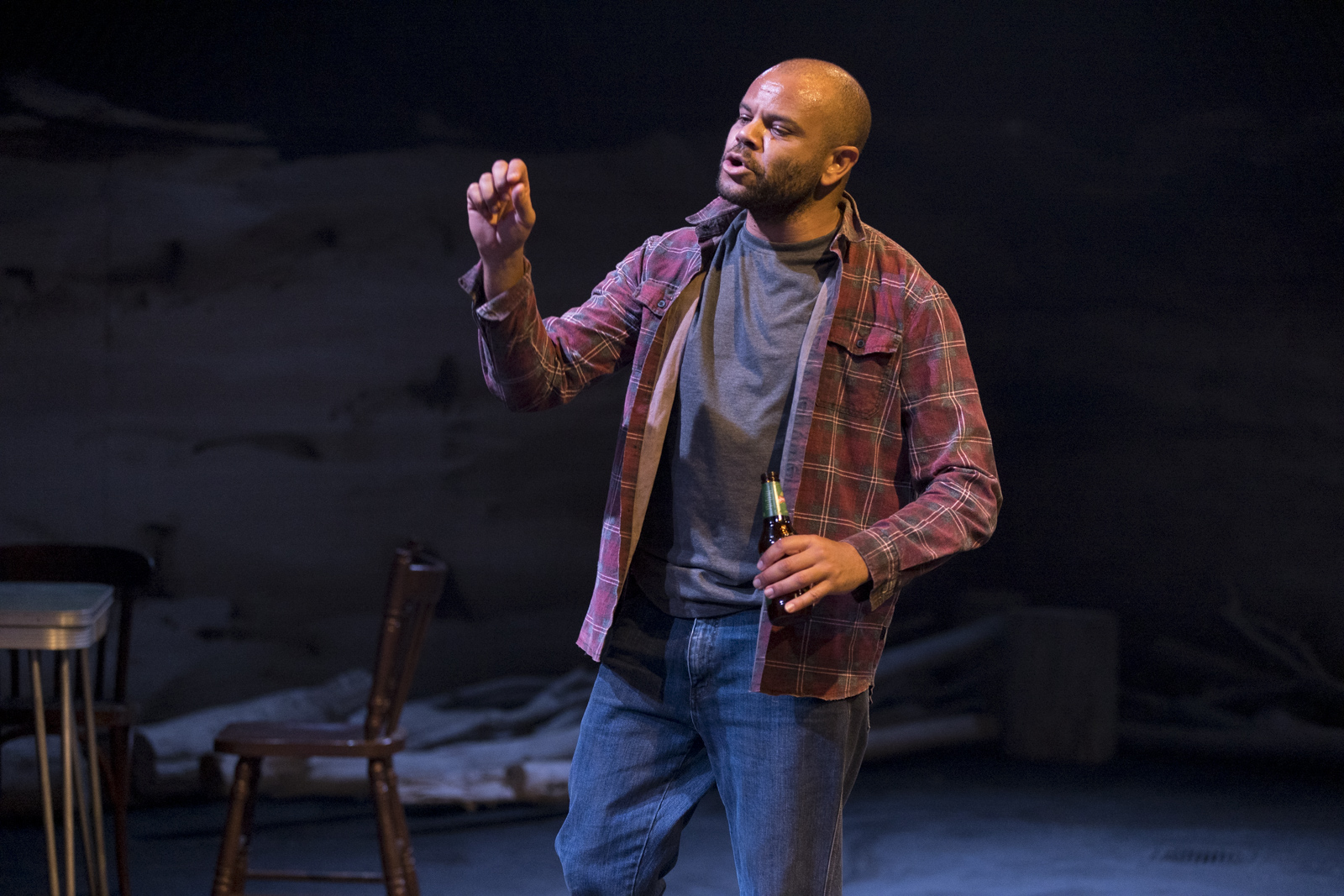
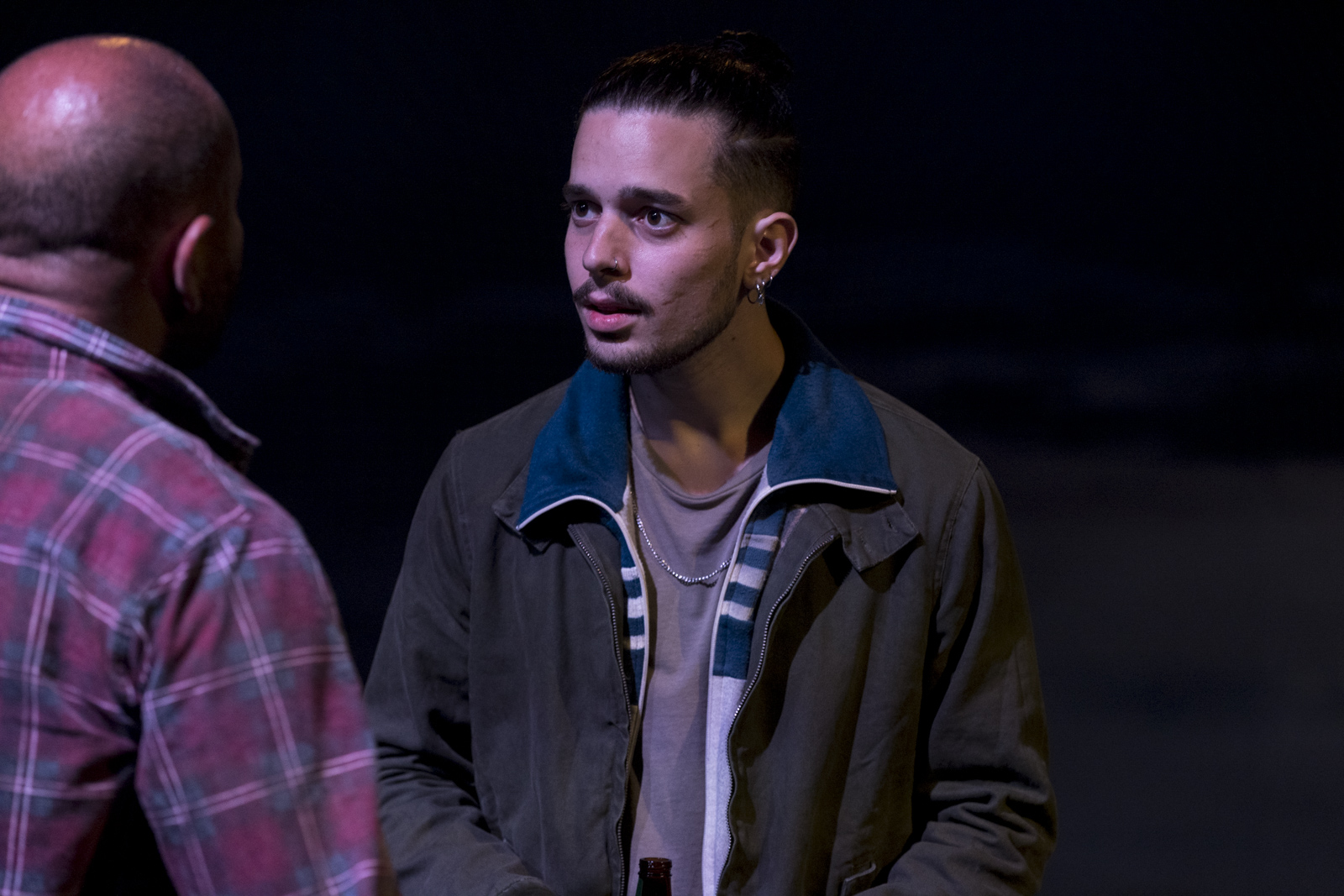
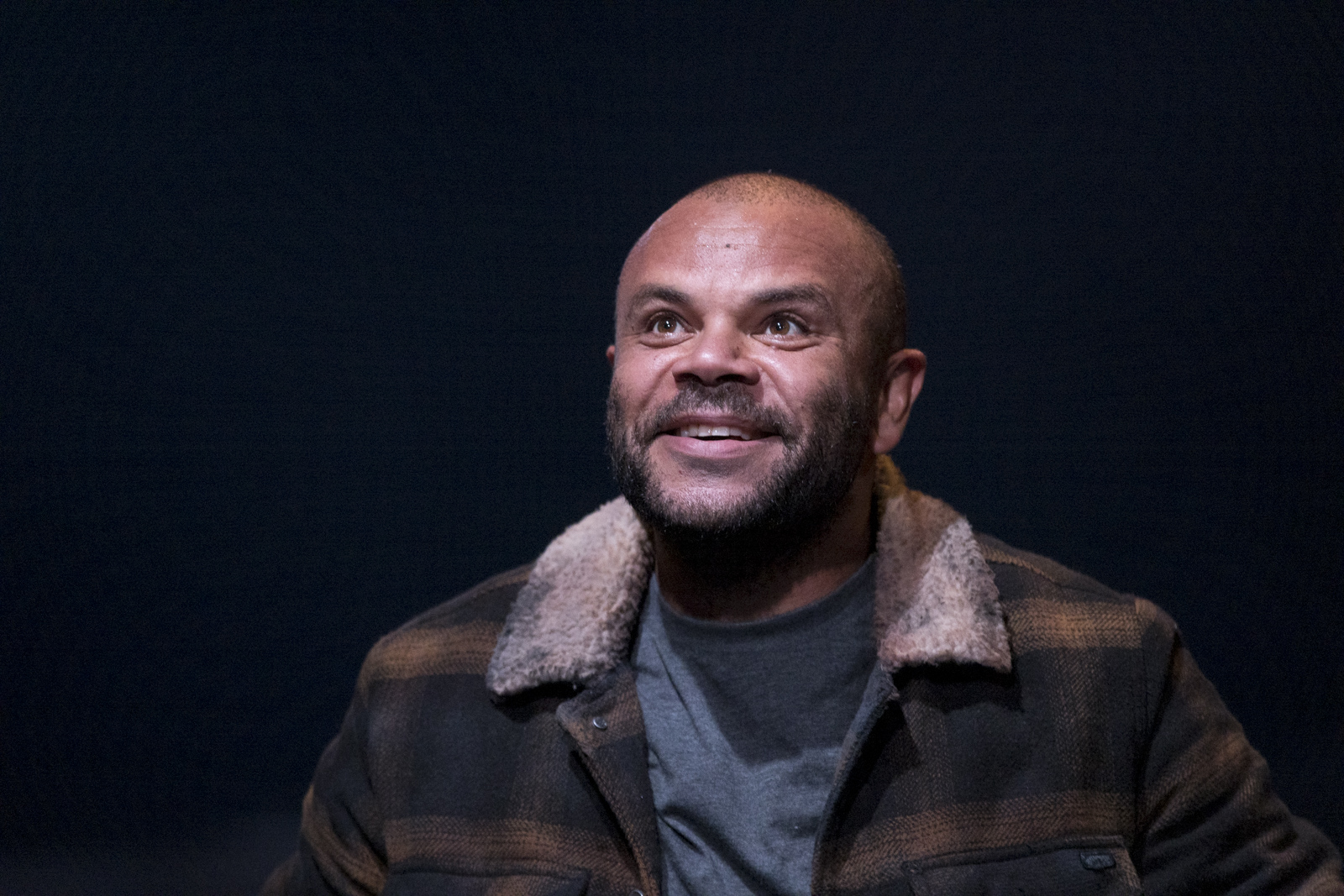
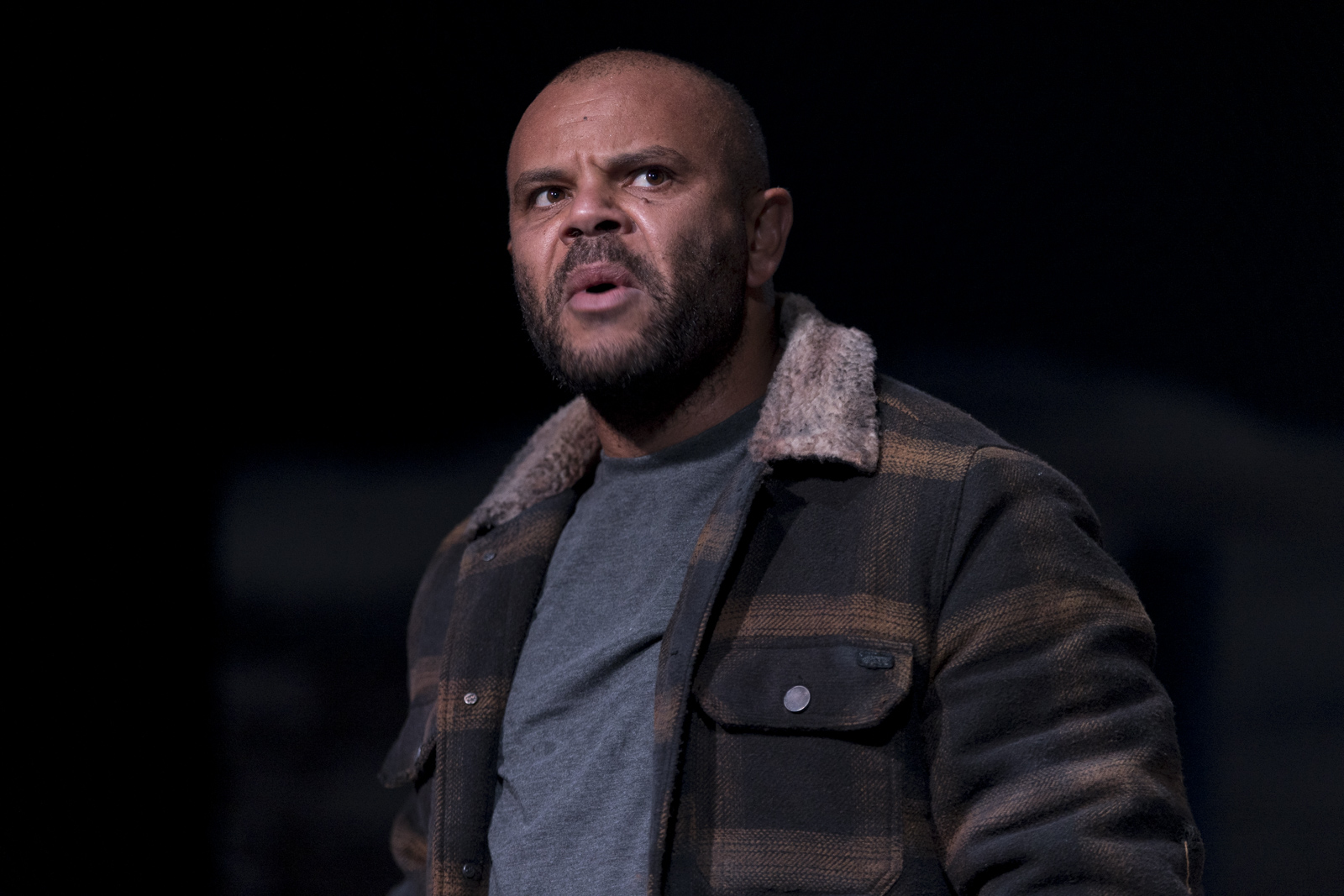
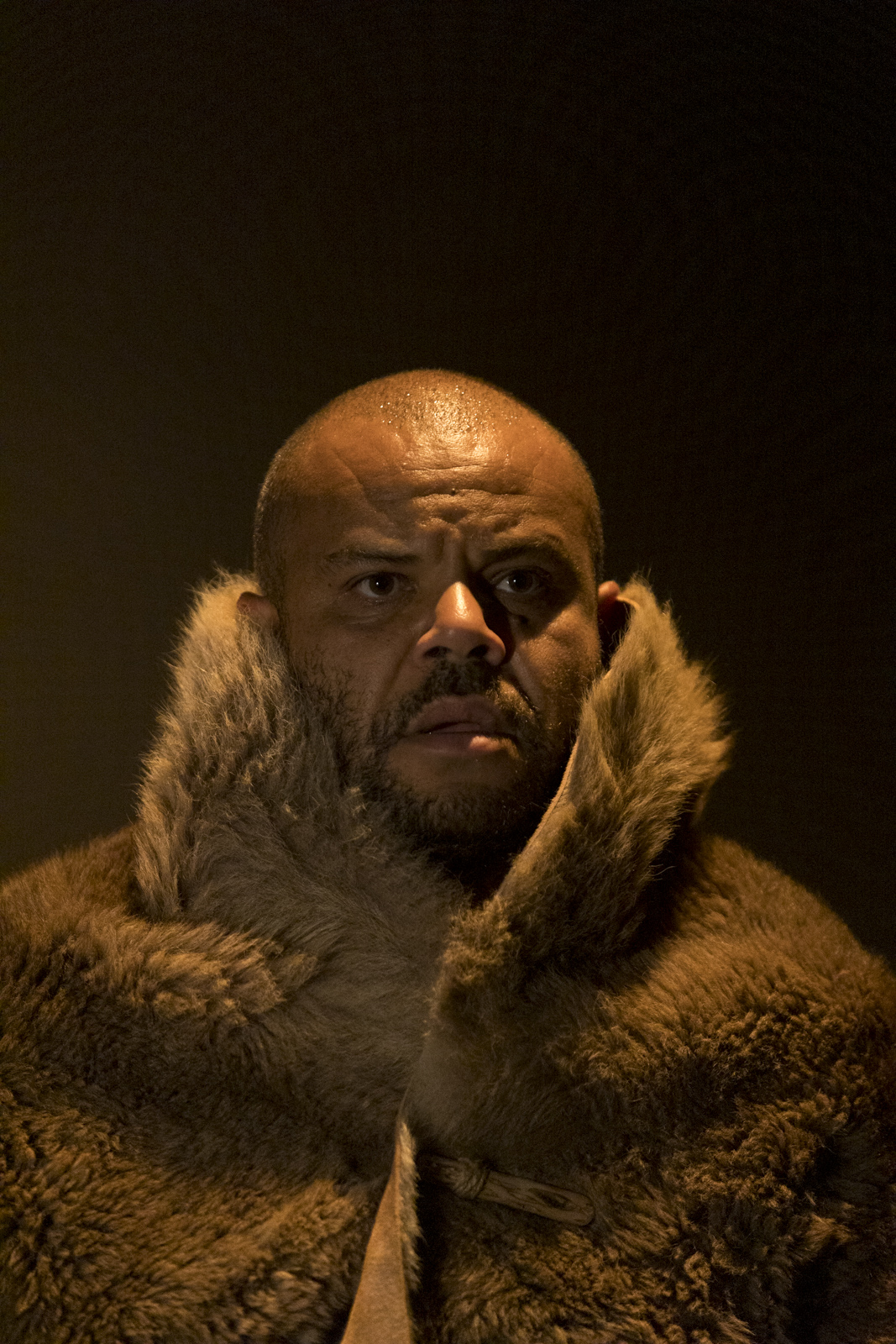
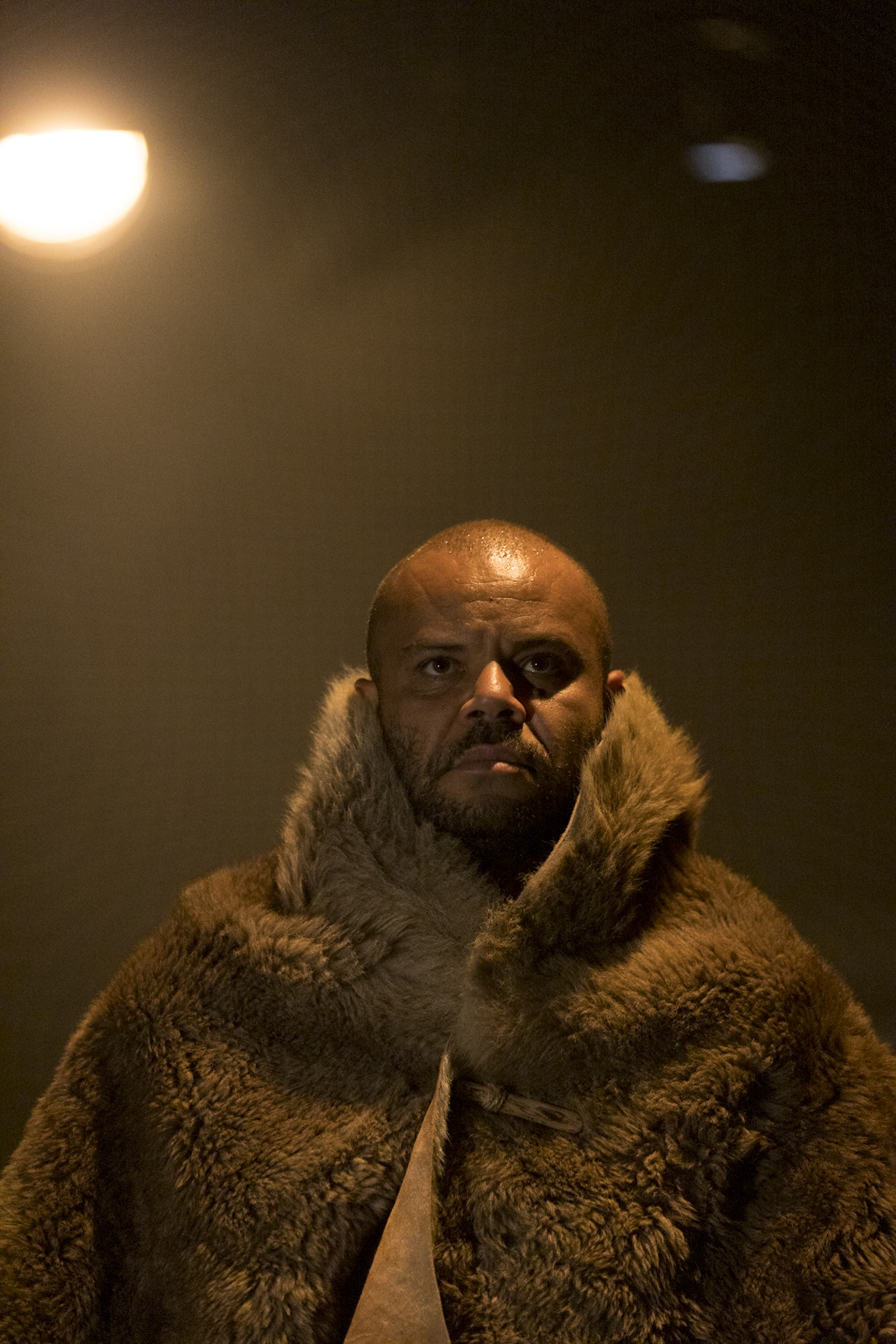
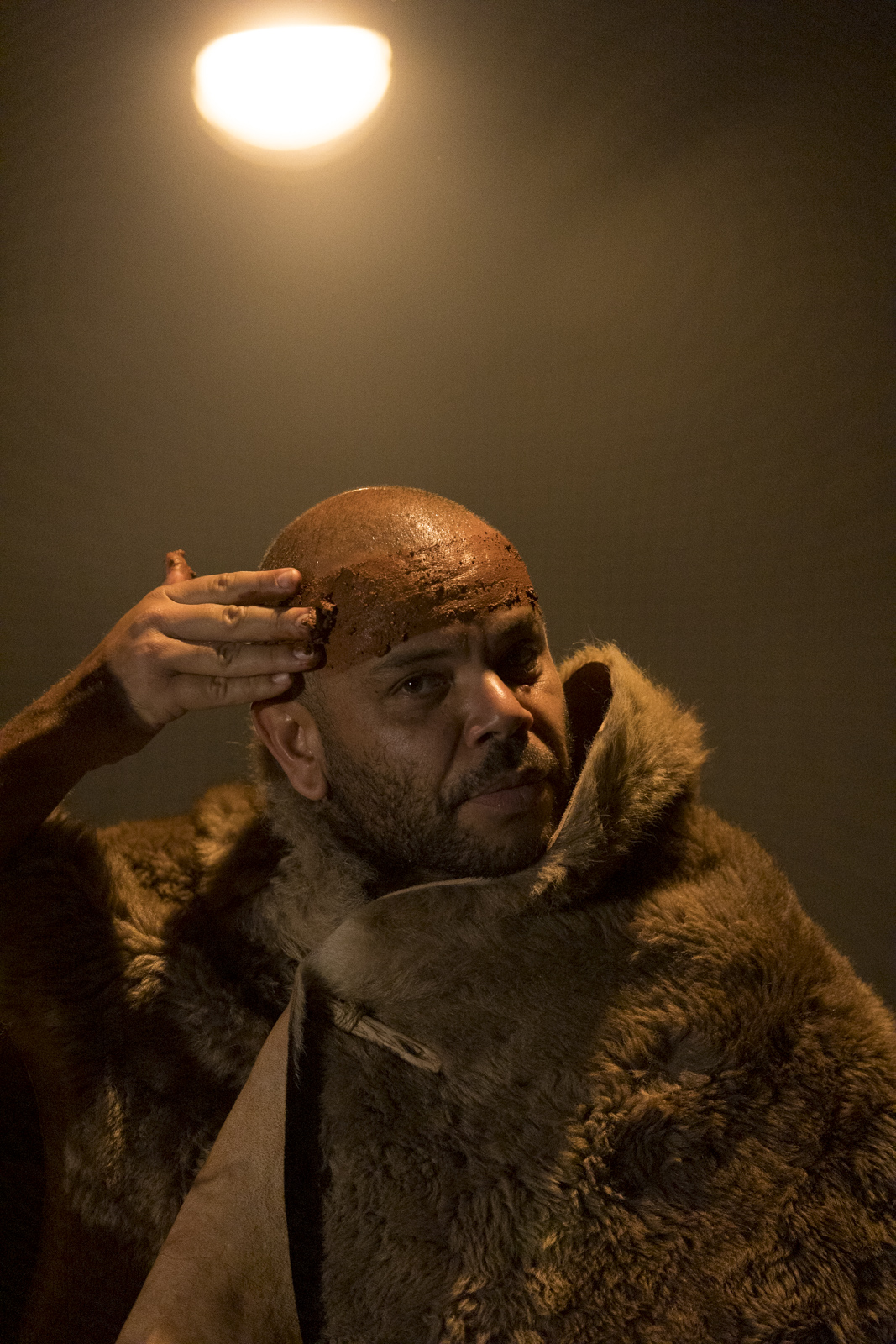
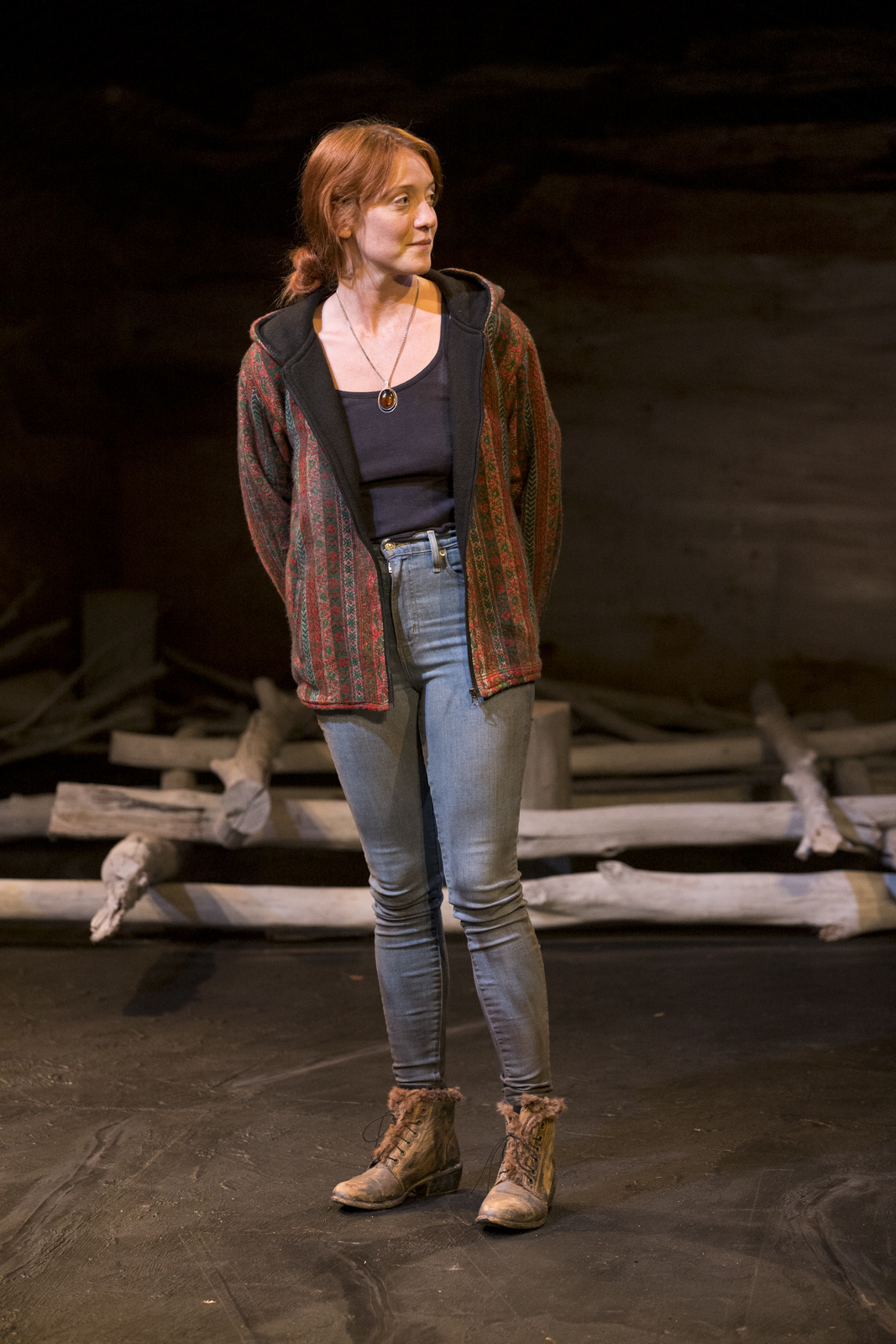
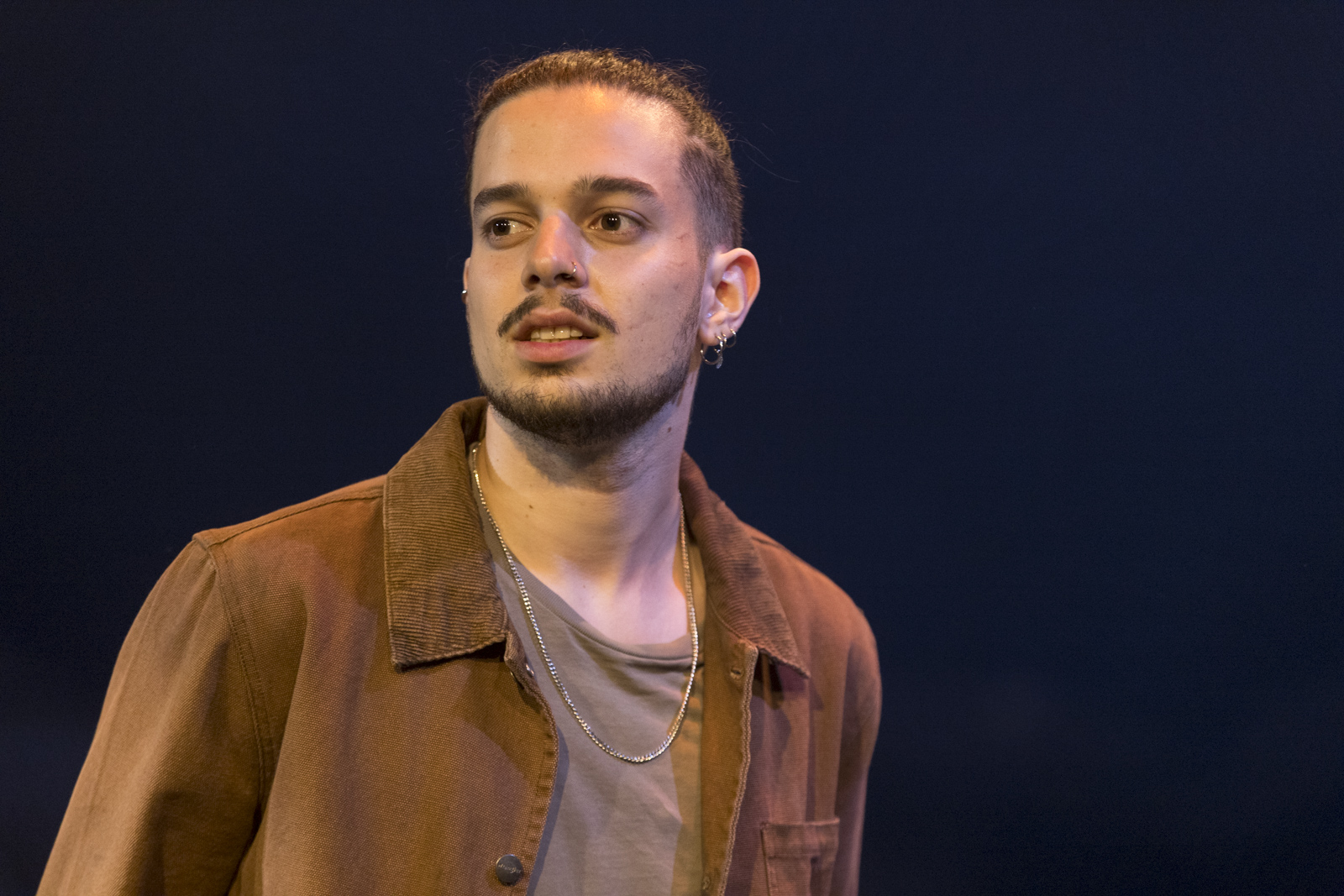
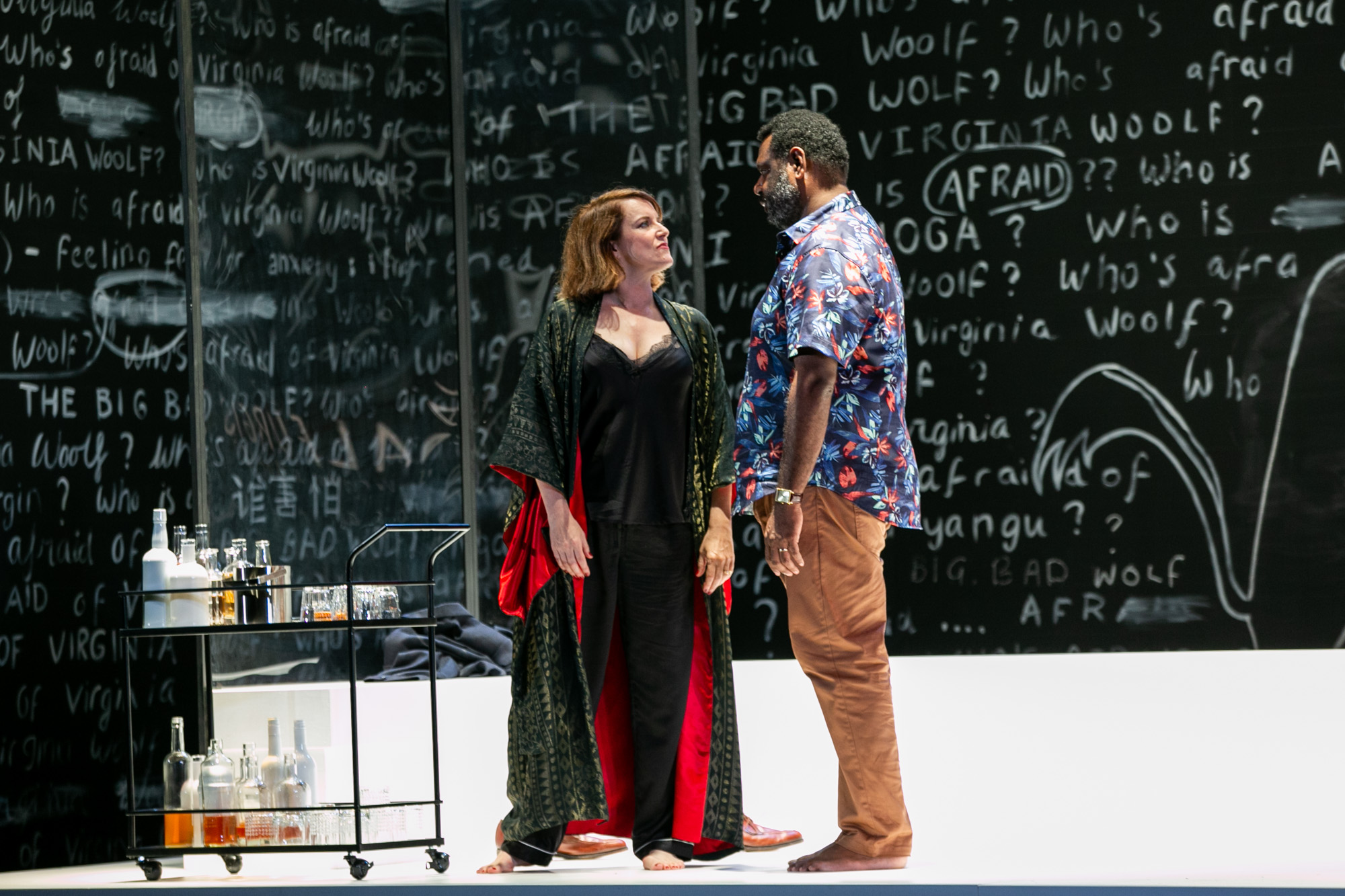
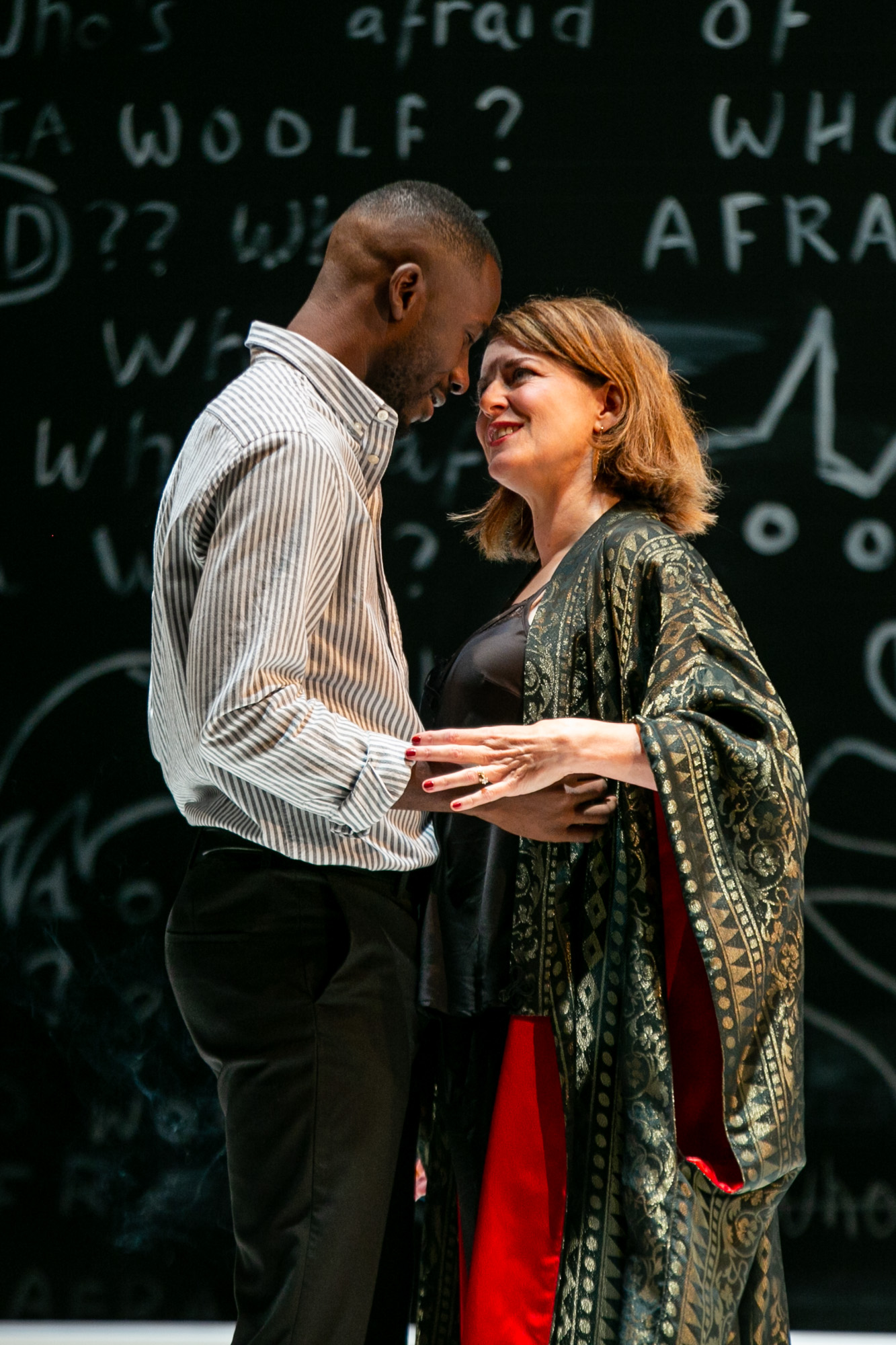
Also impressive is Blazey Best who plays the unnamed human Woman, with a fierce mental concentration to accompany an excellent capacity for nuance, successfully preventing the hunter from devolving into a simple villain. Anthony Yangoyan does a marvellous impression of a dog, both physically and in attitude. The actor is completely believable playing canine in this fantastical thriller, with an endearing sprightliness that introduces a layer of tenderness to an often brutal landscape.

Director Declan Greene uses the writing’s complexity to deliver an exciting show, gripping on several levels. Dogged can be received as an intellectual piece, one that is highly critical of our reprehensible values, and confrontational in addressing our immorality. On the other hand, its dramatics are taut, with characters that interact deliciously, in the telling of a story whose stakes remain high from start to finish.

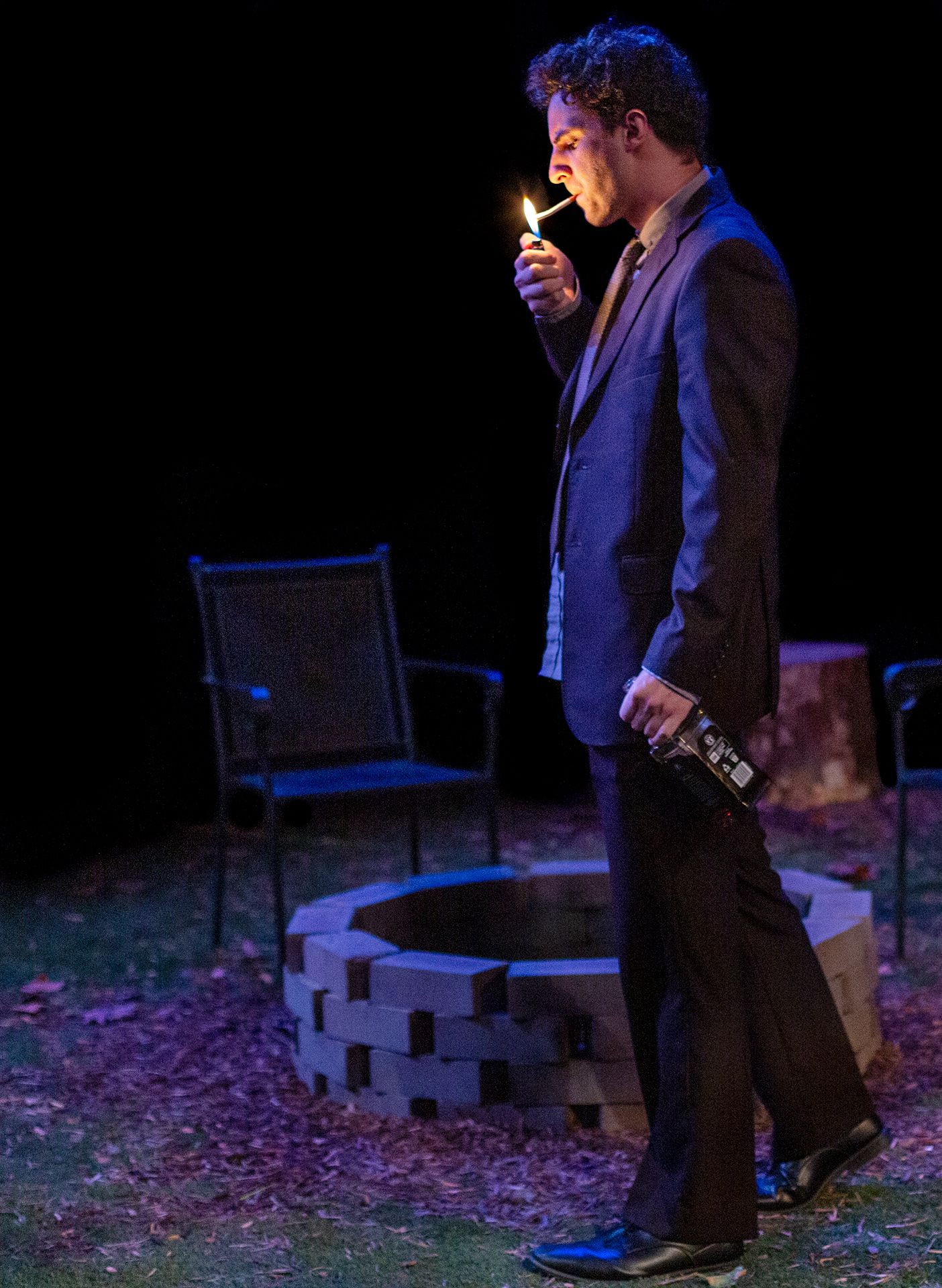
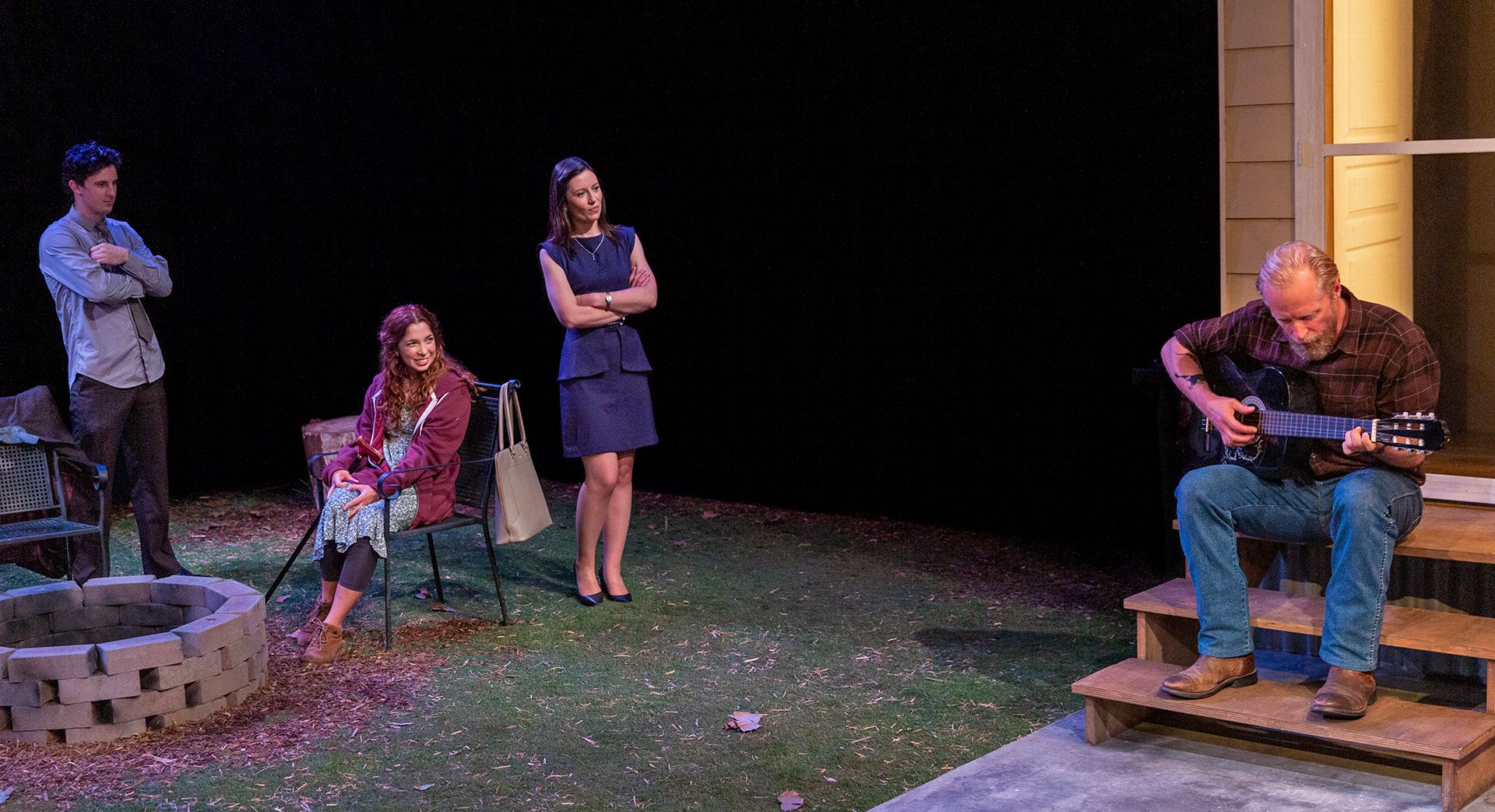
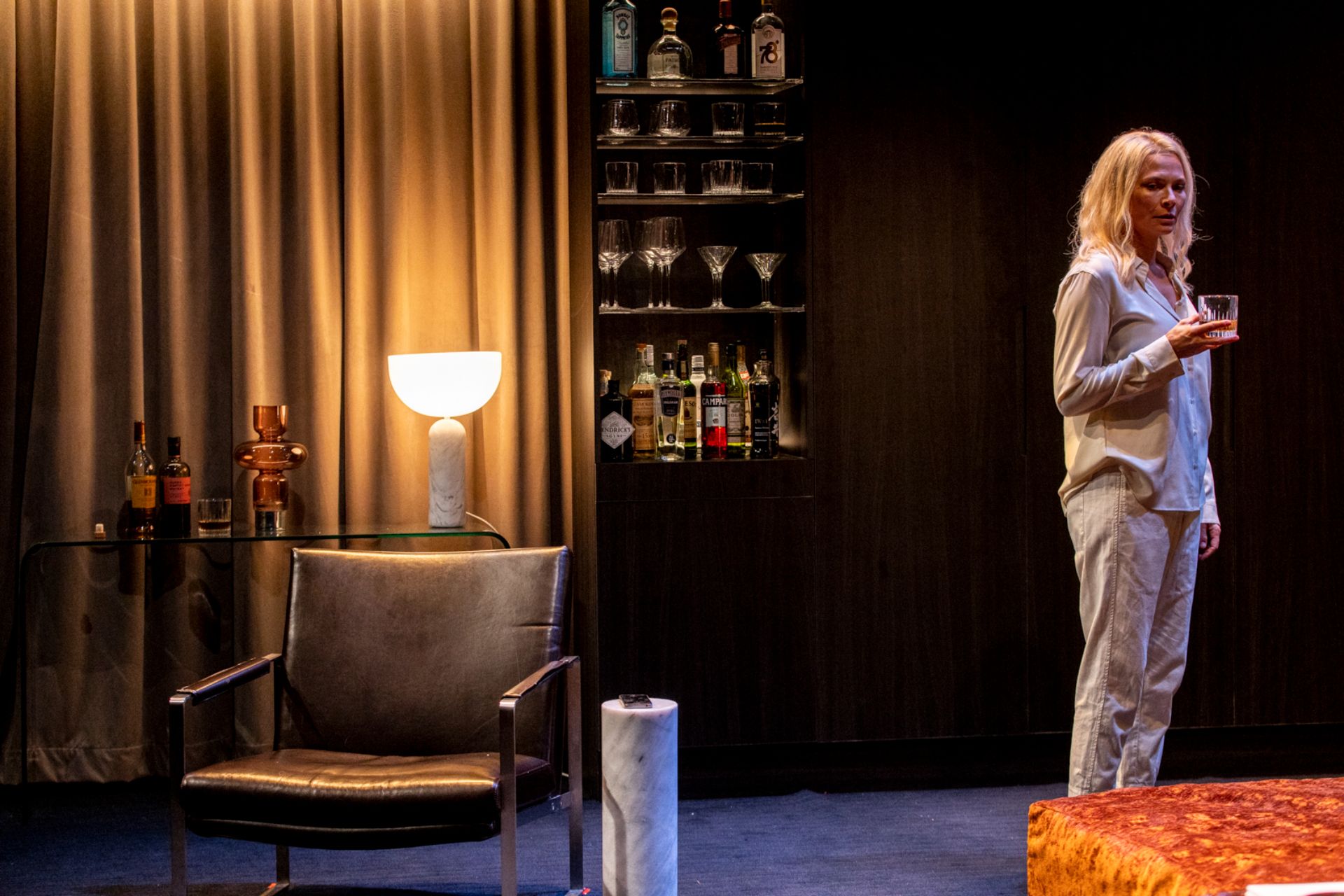
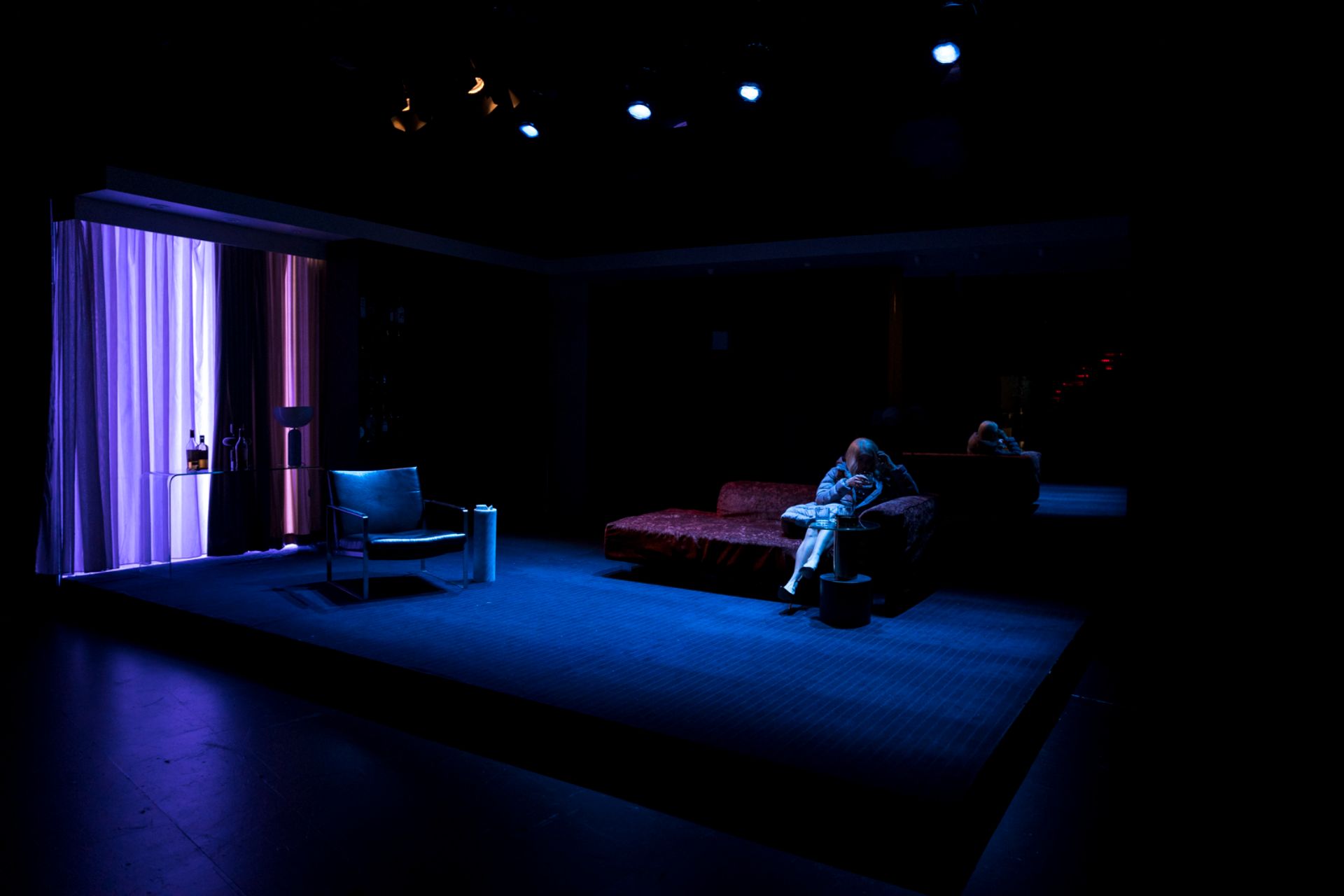
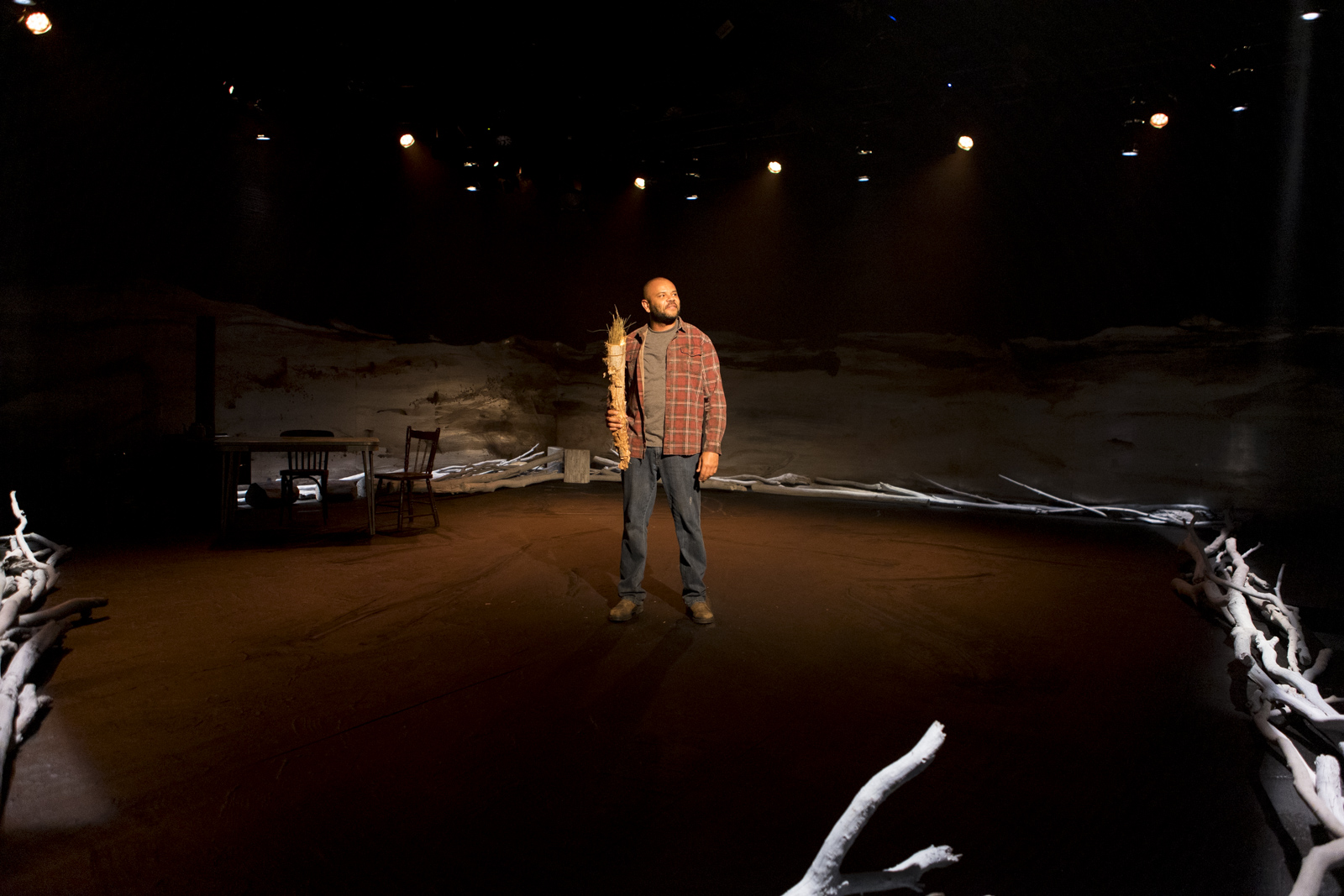
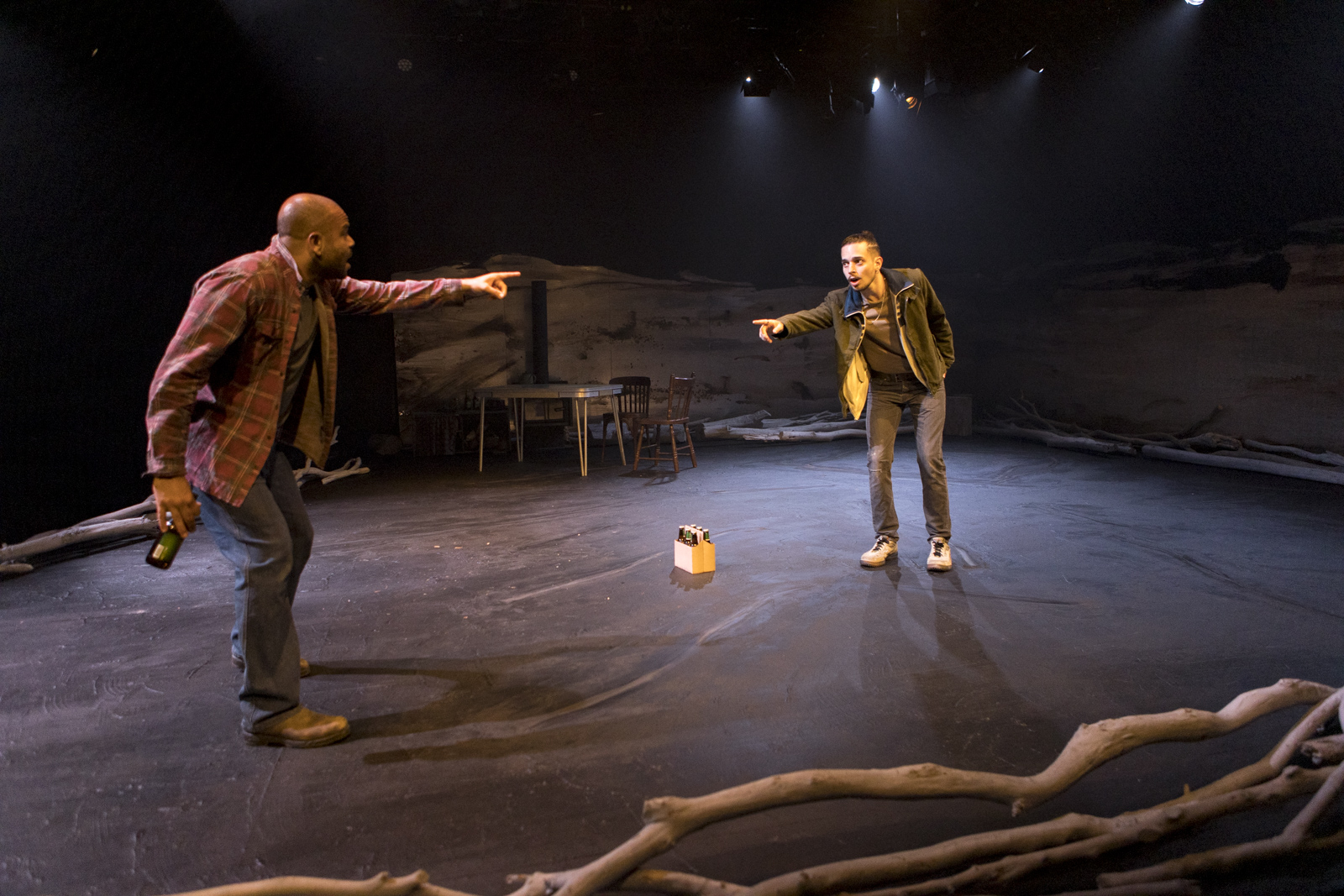
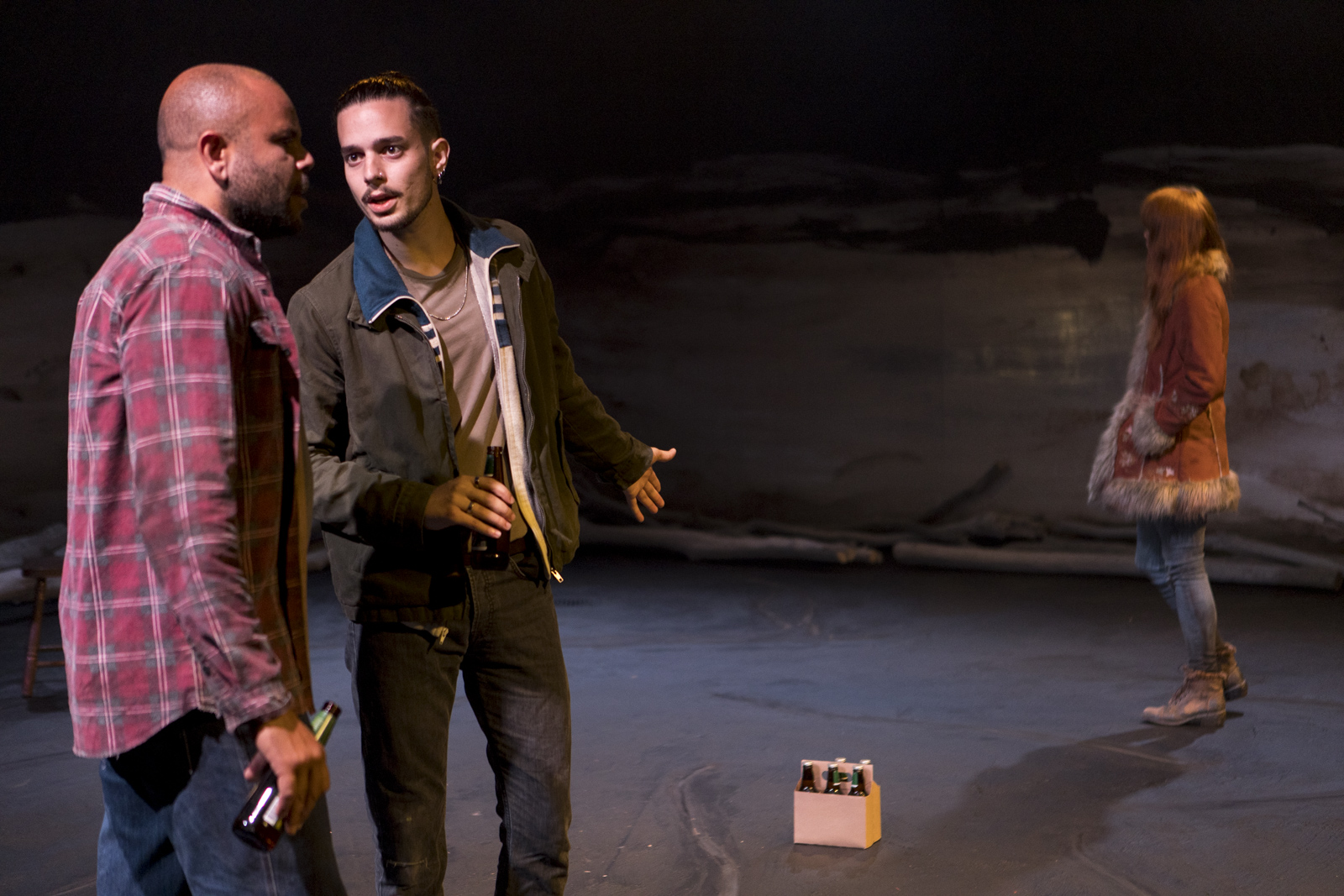
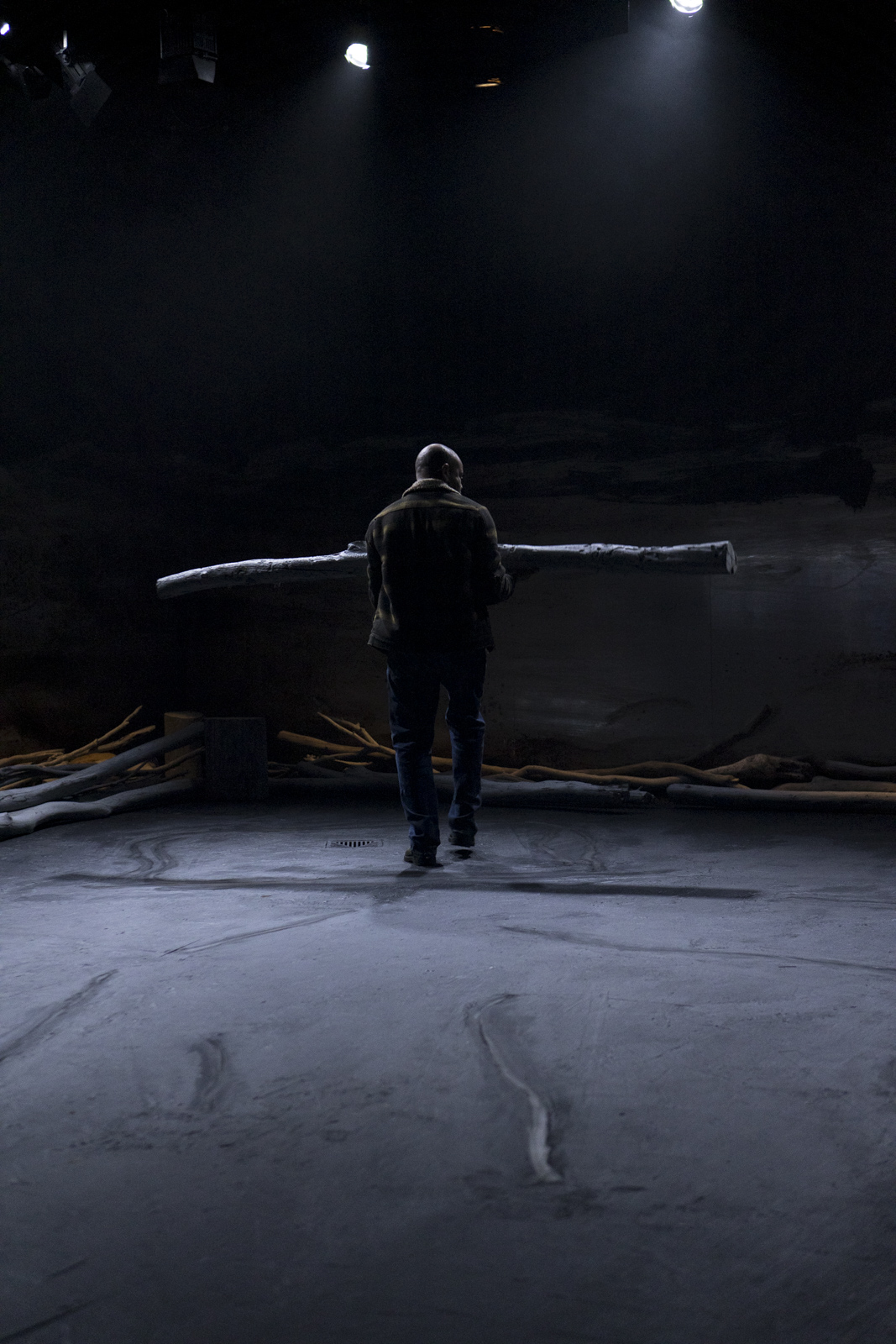
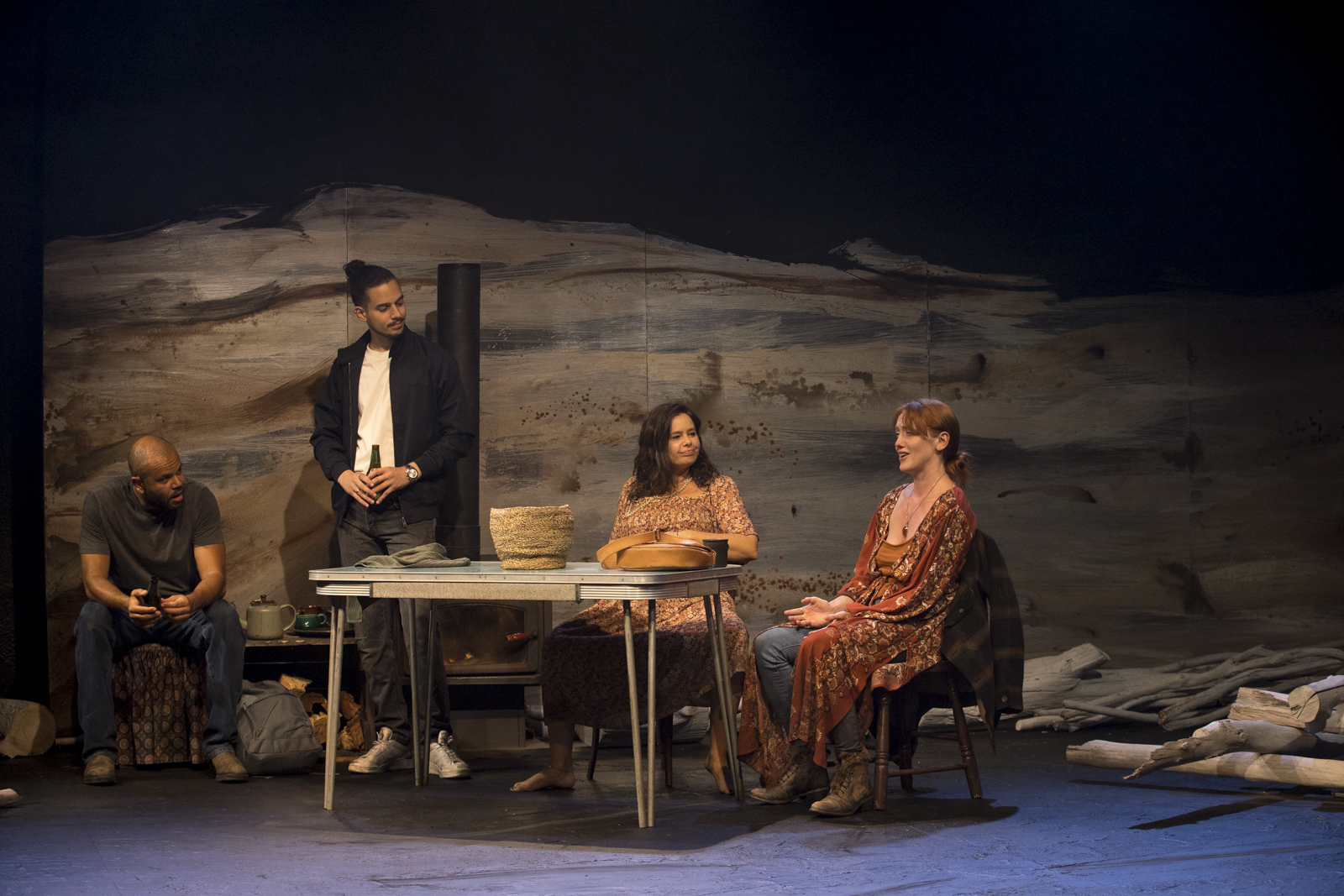
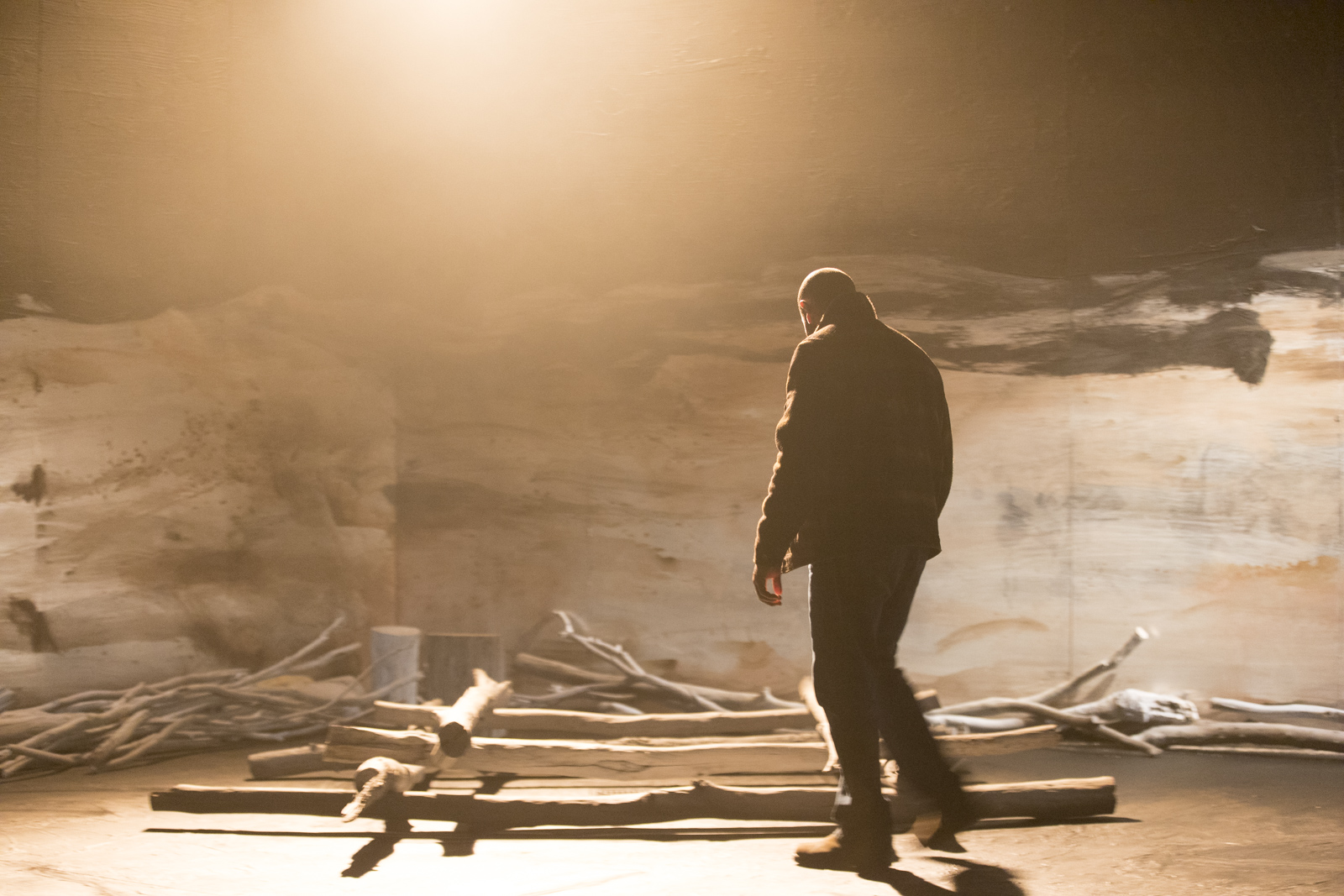
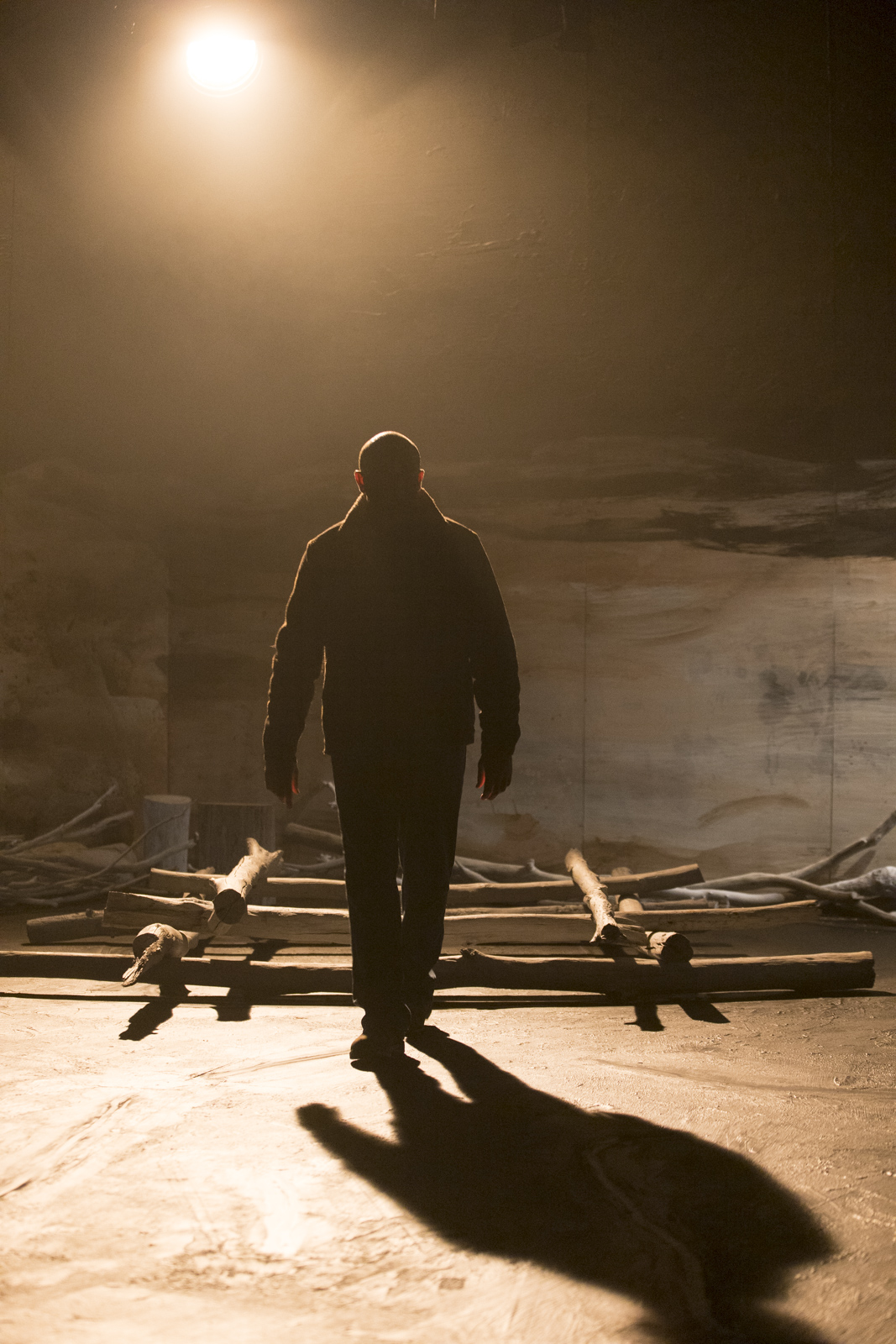
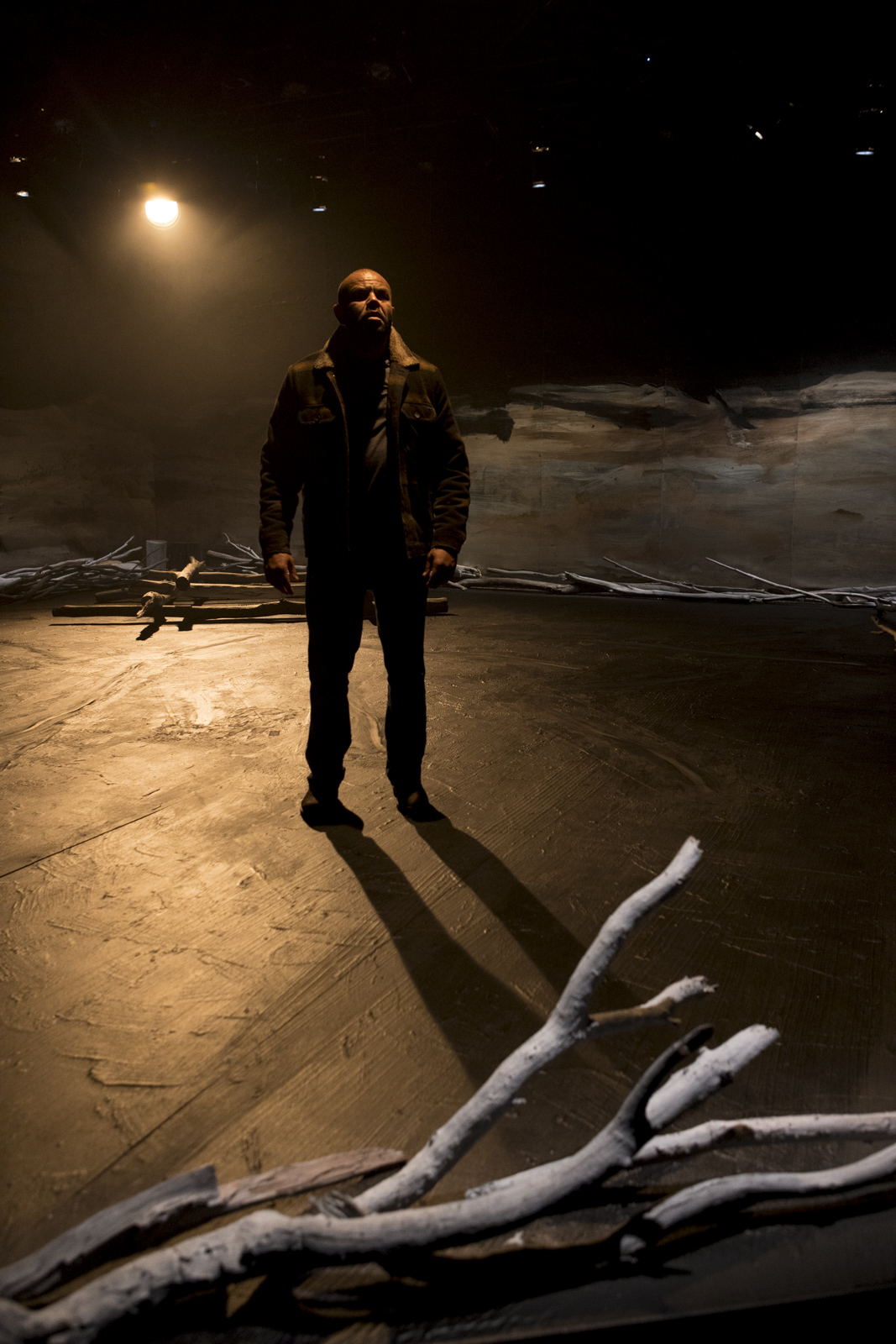
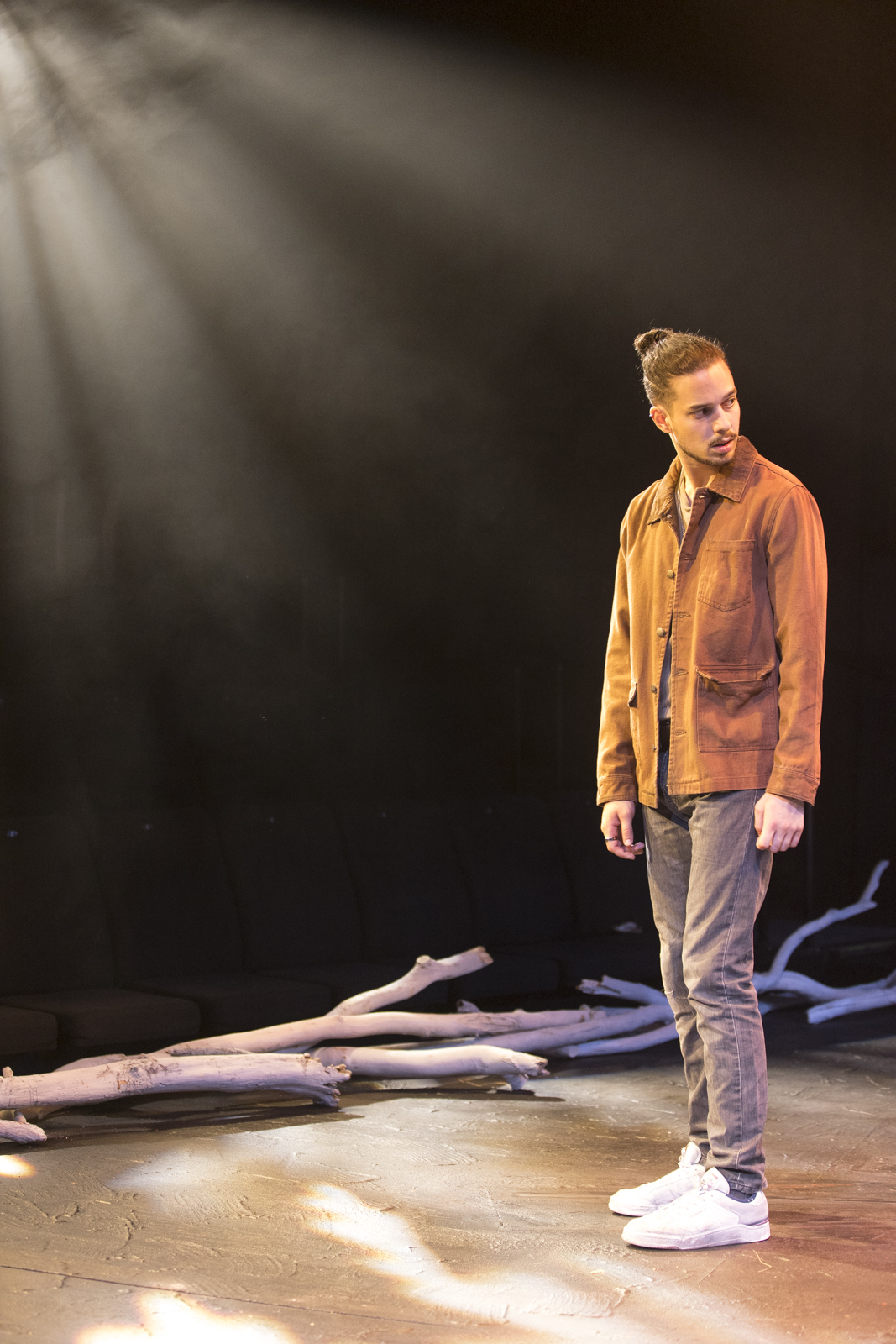
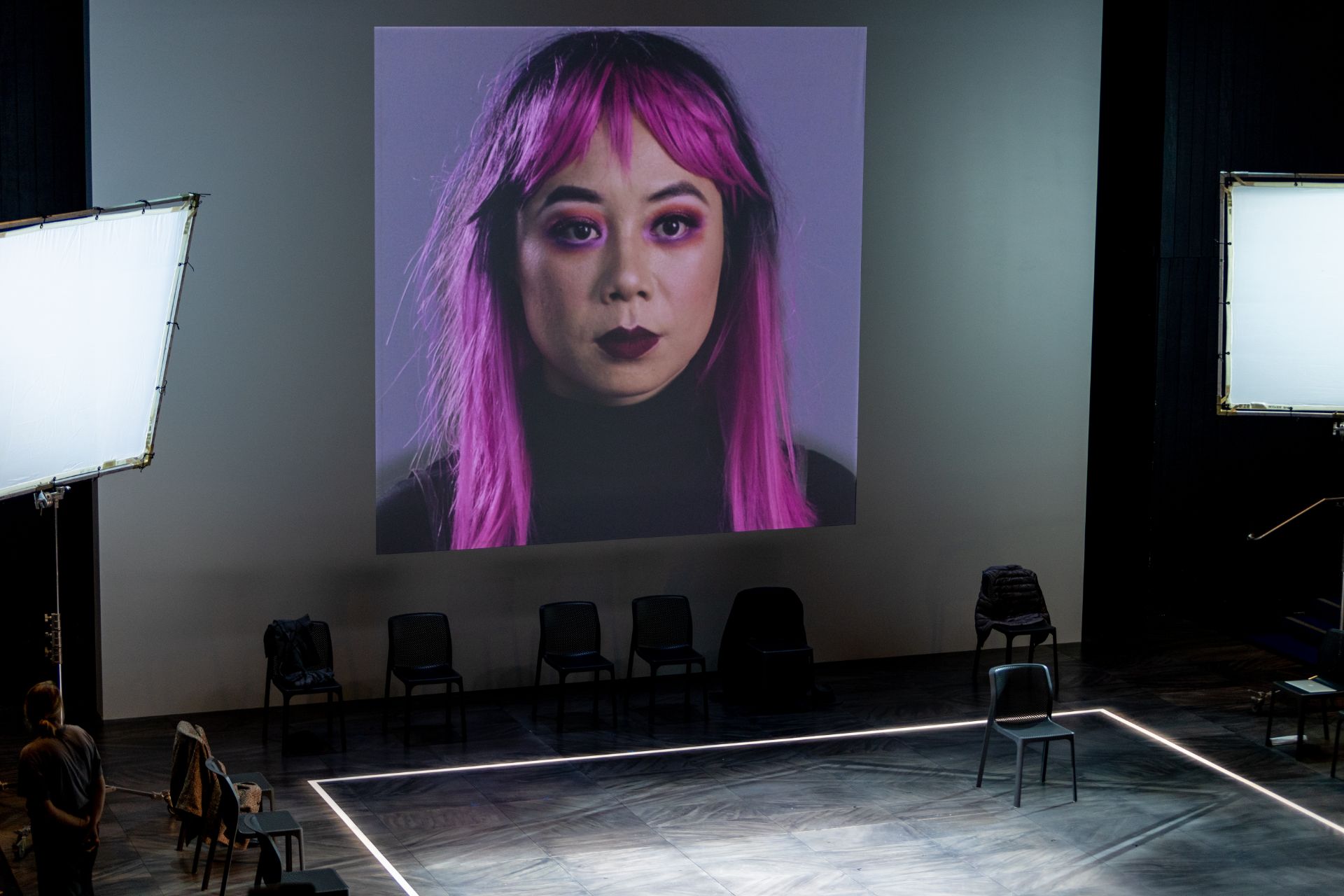
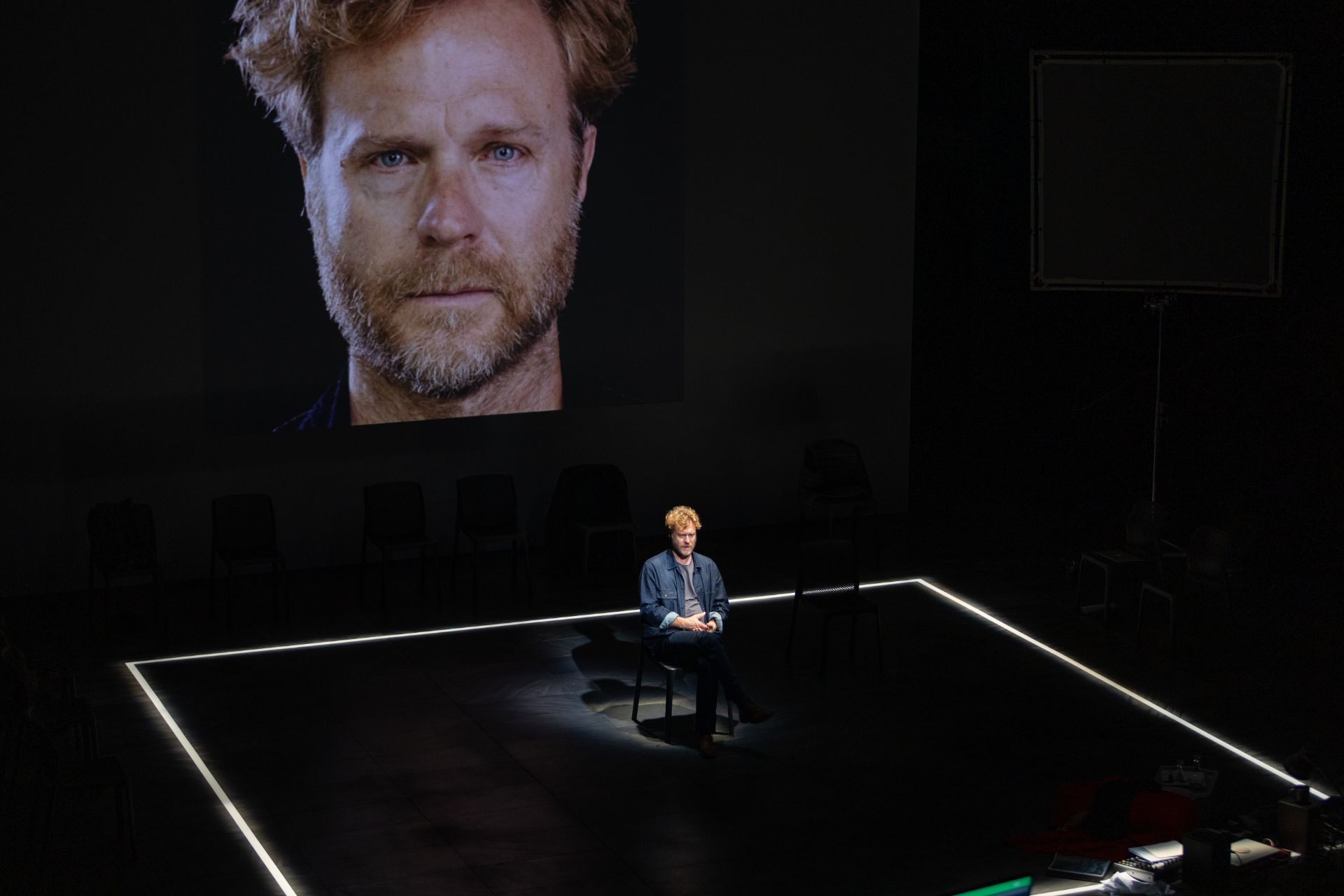
Design work on the production is inventively and skilfully implemented. An intricate set by Renée Mulder and Peter Waples-Crowe, guides our imagination into dark bushlands, mysterious and scary as though stepping into a living nightmare. Mulder’s costumes convince us of the roughness of these creatures’ existence, and the danger that constantly surrounds them. Lights by Verity Hampson meaningfully amplify every resonance of the text, bringing focus to all the profound messages that fundamentally anchor the show. Along with sound and music by Steve Toulmin, mood transformations in Dogged are accurately and intuitively accomplished, and the way Hampson and Toulmin collaborate to keep the staging unpredictable, is truly praiseworthy.

The colonisation of this land must not be seen as anything but cruel, unjust and inhumane. Commencing with European invasions in the 18th Century, to all the subsequent waves of migration, the incremental and devastating dispossession that our First Nations have had to suffer, is unforgivable. Like the destruction on nature, that modern technology, industrialism and commerce, have conspired to enact, we have arrived at a point of apocalyptic discombobulation, where we have no choice but to better understand the impact of many of those sins, past and ongoing.

Dingo tells Woman to “fuck off!” but one wonders if we are already in too deep, and if the idealistic wish for a simple reversion to a historic purity, can ever be possible. So much of the damage has been permanent. There needs to be a rebuild, as though from ashes, a rebirth that centres all the reparations that have to be made. If the moment of reckoning does not take place today, we are only waiting for things to get worse, before the dreaded inevitability happens.

www.griffintheatre.com.au | www.forcemajeure.com.au

Review: Fun Home (Sydney Theatre Company / Melbourne Theatre Company)

Venue: Roslyn Packer Theatre (Sydney NSW), Apr 27 – May 29, 2021
Book and Lyrics: Lisa Kron (based on the graphic novel by Alison Bechdel)
Music: Jeanine Tesori
Director: Dean Bryant
Cast: Gilbert Bradman, Ryan Gonzalez, Emily Havea, Mia Honeysett, Lucy Maunder, Jensen Mazza, Maggie McKenna, Adam Murphy, Marina Prior
Images by Prudence Upton

Theatre review
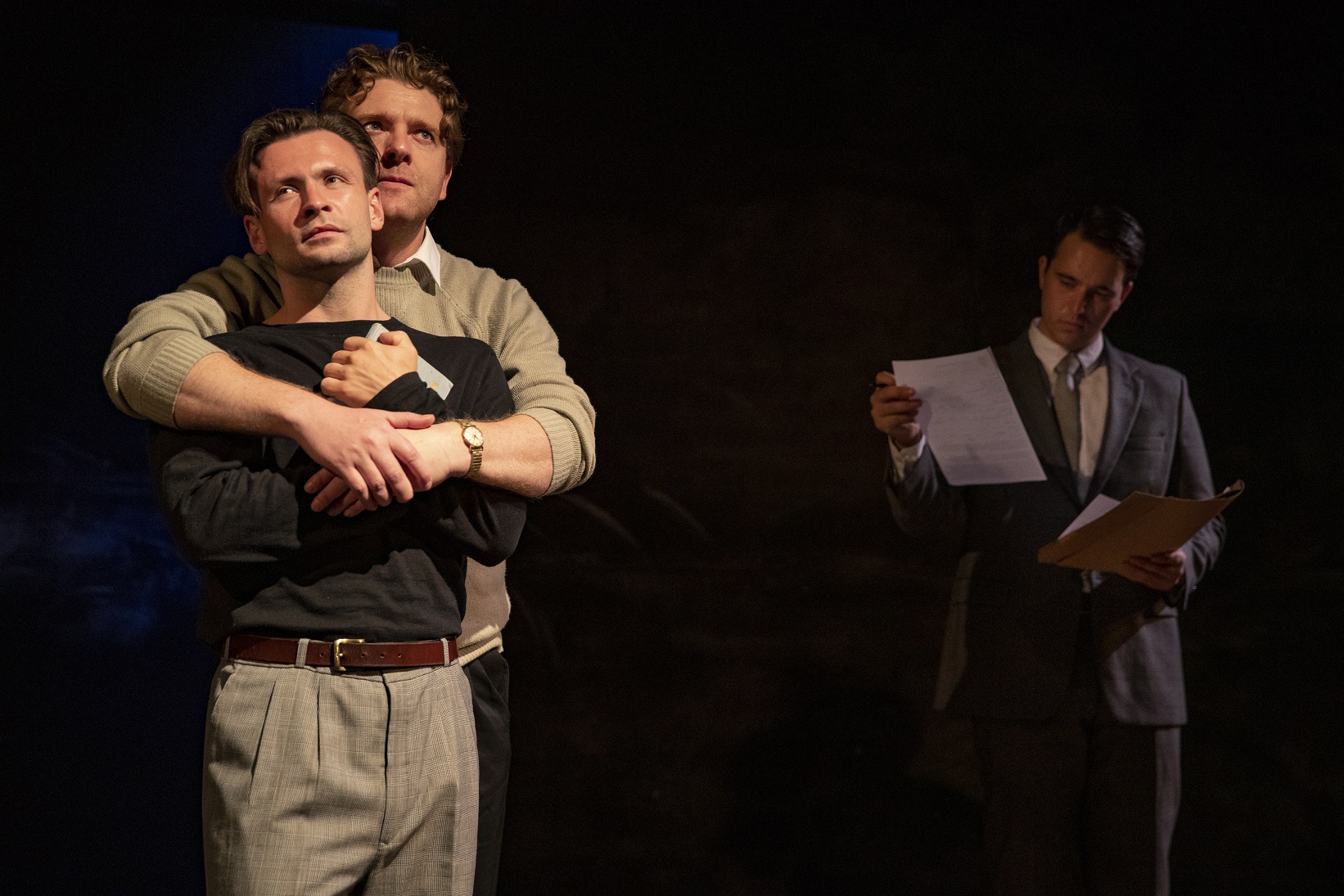
In the American musical Fun Home, based on the autobiographical graphic novel by Alison Bechdel, we observe the cartoonist hard at work on her drafting table, looking back at memories of her difficult father. Bruce was a baby boomer, and like many queer people of that generation, never came to terms with being gay. Even as Alison began to come out as lesbian, his personal anguish never diminished, struggling even to offer support to his own daughter at a time when she had needed him most.

Clearly intended to be an emotional theatrical experience, the show’s reliance on an unlikeable character is risky, and even though the music is predictably and relentlessly sentimental, it is doubtful if audiences could ever feel the full impact of the hardship that this family had gone through. Alison goes to considerable lengths to find forgiveness and understanding for her father, but it is arguable if the musical provides sufficiently for us to respond with deep compassion, or even to care enough for these characters, to be able to invest adequately into their story.

The staging is a polished one, with Alicia Clements’ design facilitating efficaciously, the need for frequent oscillations of time and space. Matt Scott’s lights are beautiful, especially when depicting illusory moments during which we see characters suspended in the undefined abyss of Alison’s imagination. Director Dean Bryant introduces an excellent sense of pizzazz to the production, making sure that we are entertained to the fullest of the show’s potential. He ensures that the story is told with clarity, including the unsavoury revelations relating to Bruce’s life.

We see Alison at three periods of maturity, from childhood and her college years, to the grown woman she is today. Child star Mia Honeysett is fantastic as Small Alison, wonderfully nuanced and authentic, in her portrayal of a child navigating complicated family dynamics, as well as her own blossoming homosexuality. Medium Alison is performed by Maggie McKenna whose singing voice proves a divine pleasure, and Lucy Maunder is captivating as Big Alison, bringing a palpable tenderness that underpins the show. The striking Adam Murphy does his best to honestly depict Bruce, warts and all, but it is Marina Prior who leaves a strong impression playing his wife Helen. When she finally breaks her silence and delivers a faultless solo number, Prior’s technical prowess brings momentary elevation to the production, inviting us to luxuriate in the sheer genius of her singing.

It should come as no surprise that humans are sometimes much more troubling, than a 100-minute Broadway musical can accommodate. The formulaic nature of these creations, requires a form of storytelling that follows many rules, and we discover that truth can sometimes become its nemesis. Bruce’s sexual encounters with underaged boys, is not forgivable, especially in this space of commercial theatre. Fun Home requires us to regard Bruce’s past sins with generosity, the way his daughter has to, in order that our emotions may become engaged in accordance with the traditional peaks and valleys of a conventional musical. Bruce’s transgressions however, are much too severe, at least for the old-fashion song-and-dance format.

www.sydneytheatre.com.au

Review: Honour (Ensemble Theatre)

Venue: Ensemble Theatre (Kirribilli NSW), Apr 23 – May 5, 2021
Playwright: Joanna Murray-Smith
Director: Kate Champion
Cast: Ayeesha Ash, Lucy Bell, Huw Higginson, Poppy Lynch
Images by Prudence Upton

Theatre review
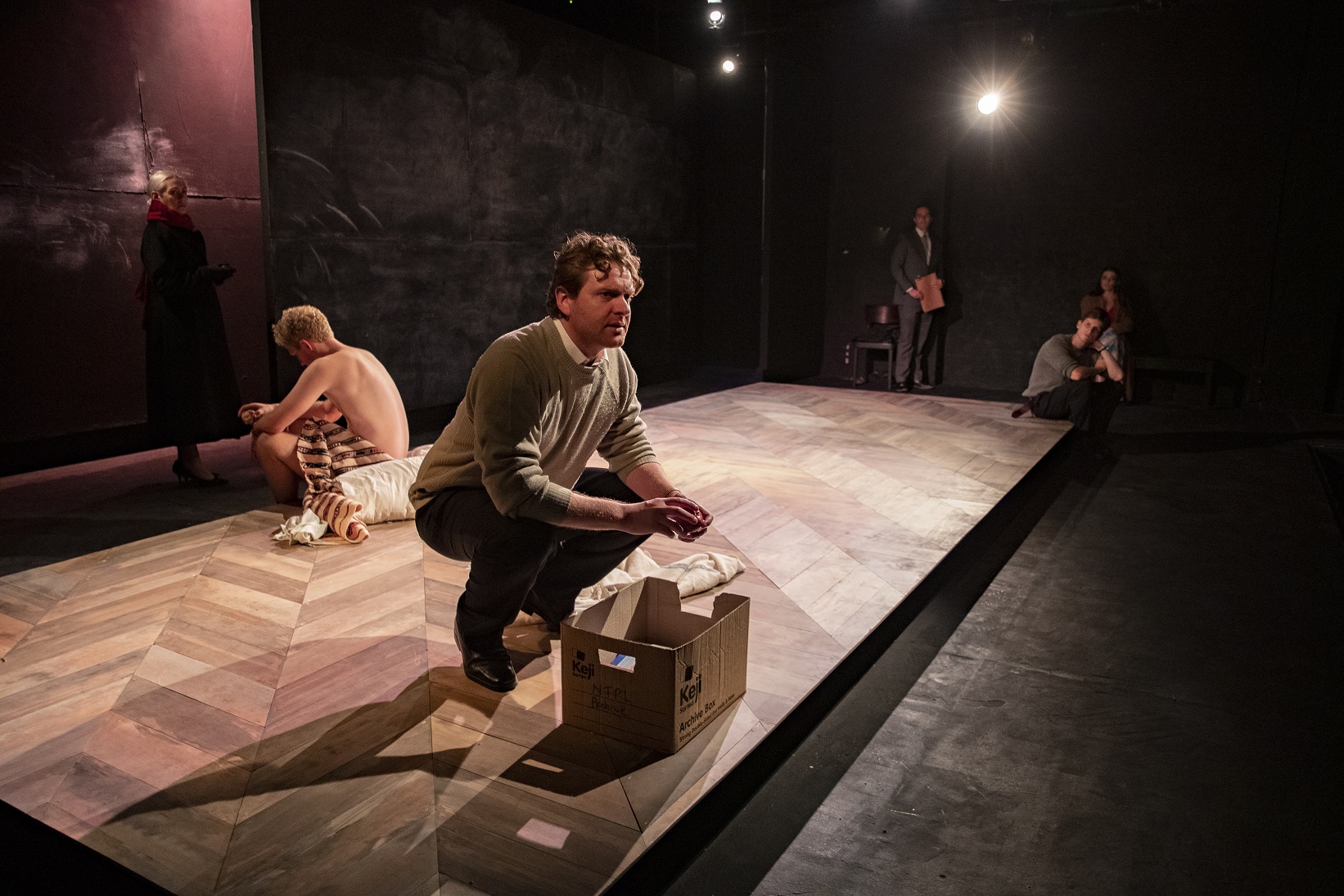
After 32 years of marriage, George, a renowned writer, suddenly decides that he is no longer in love with Honour. To be more precise, he simply no longer wants a life with her. Unsurprisingly, this change of heart is precipitated by the appearance of a younger woman, Claudia, who had been assigned to interview George for a publication. In Joanna Murray-Smith’s wonderfully contentious play Honour, the meanings of love, marriage and fidelity, are brought under scrutiny.

Some of our most fundamental values come into scintillating question by the work, as good art is want to do. Four characters, with differing perspectives, challenge the way we think about something that seems so often, to be prescribed and immovable. Additionally, a modern approach to the depiction of female desire, encourages us to examine romantic partnerships in renewed ways. Issues around duty and responsibility, as they apply to womanhood (who we care for, and who to care for us) further broaden the scope of how we regard these long-established notions of matrimony and family.

Although never too radical in temperament, Murray-Smith’s work bears intellectual dimensions that are deeply compelling. She presents her ideas in a way that feels accessible, but encourages us to go further with how we consider repercussions (for her characters, and for ourselves) as they appear through her narrative. Directed by Kate Champion, there is no shortage of richness in how the production discusses these topics. In fact, it often appears that philosophy comes before drama, in Champion’s presentation of Honour. The result is a rewarding experience of theatre, even if its dialogue can sometimes move quicker than our minds can keep up with.

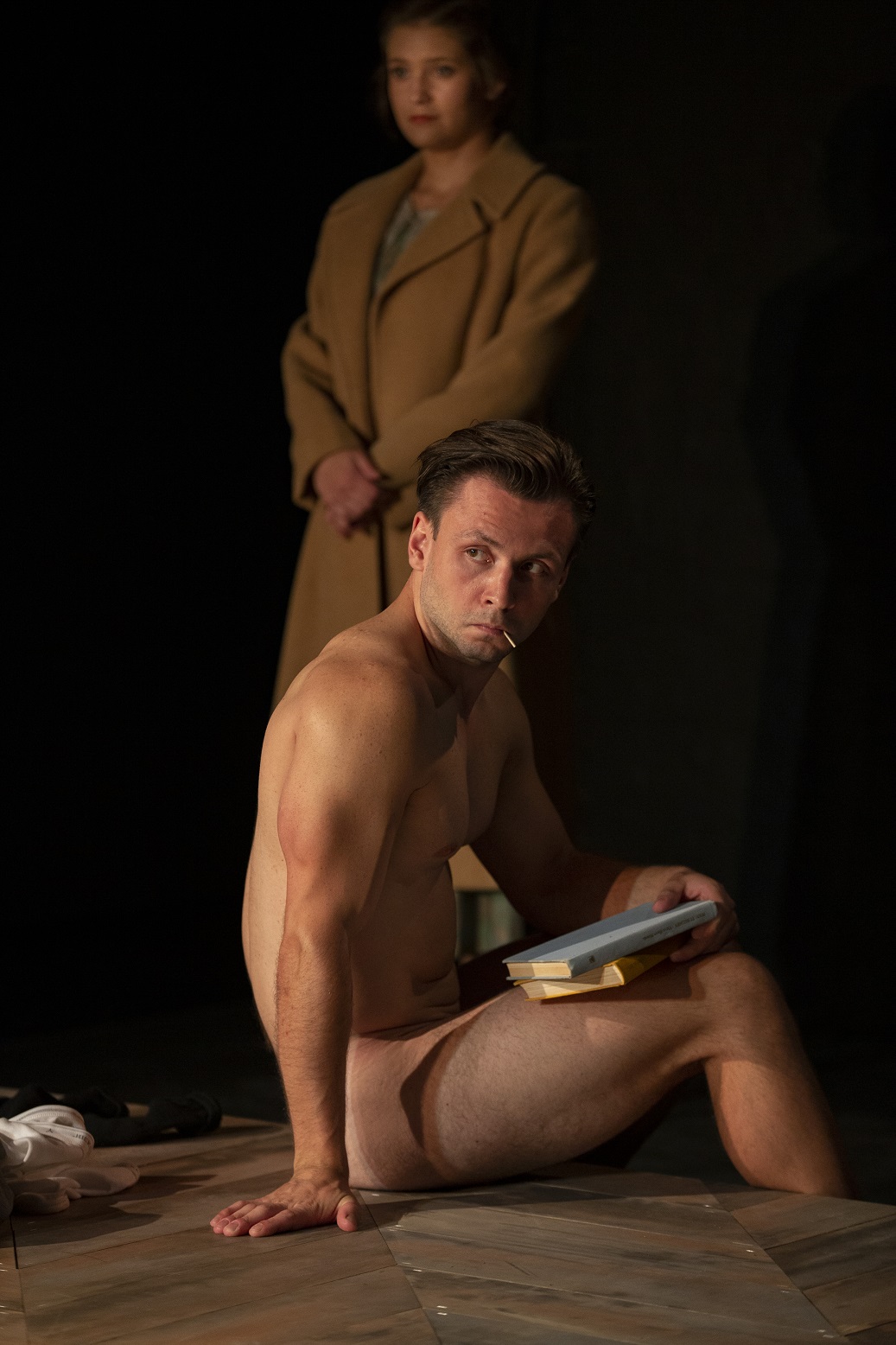
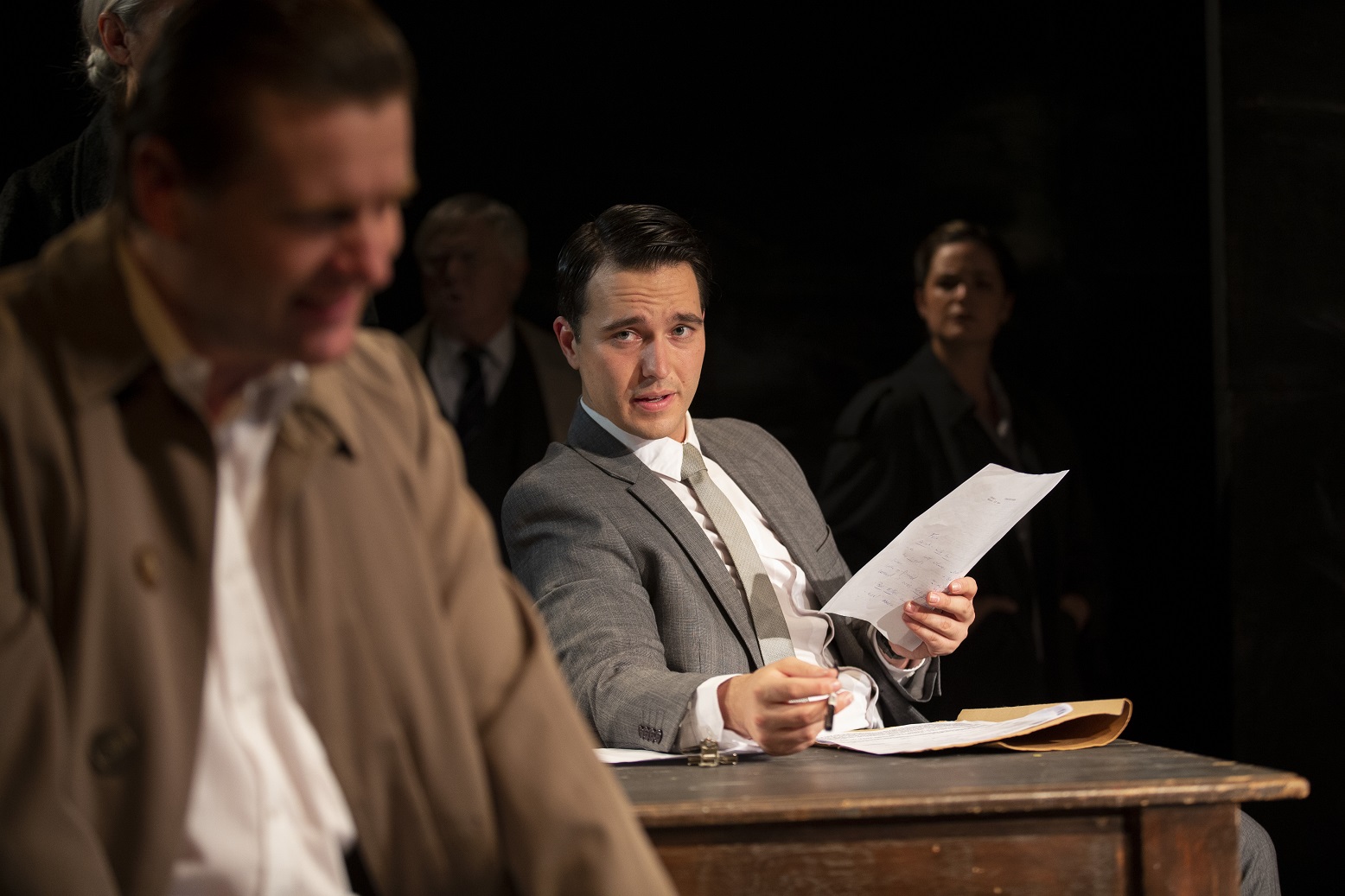
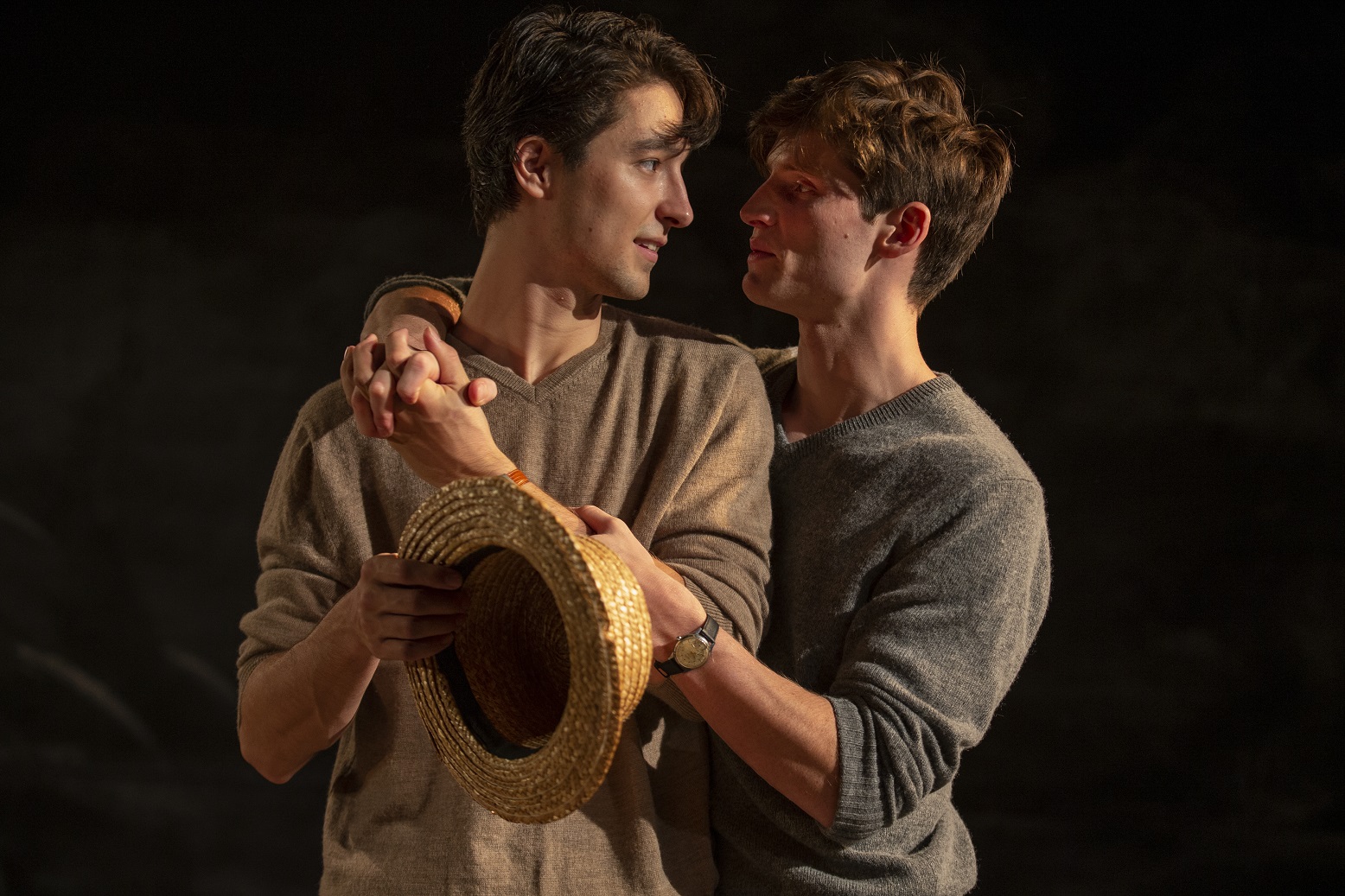
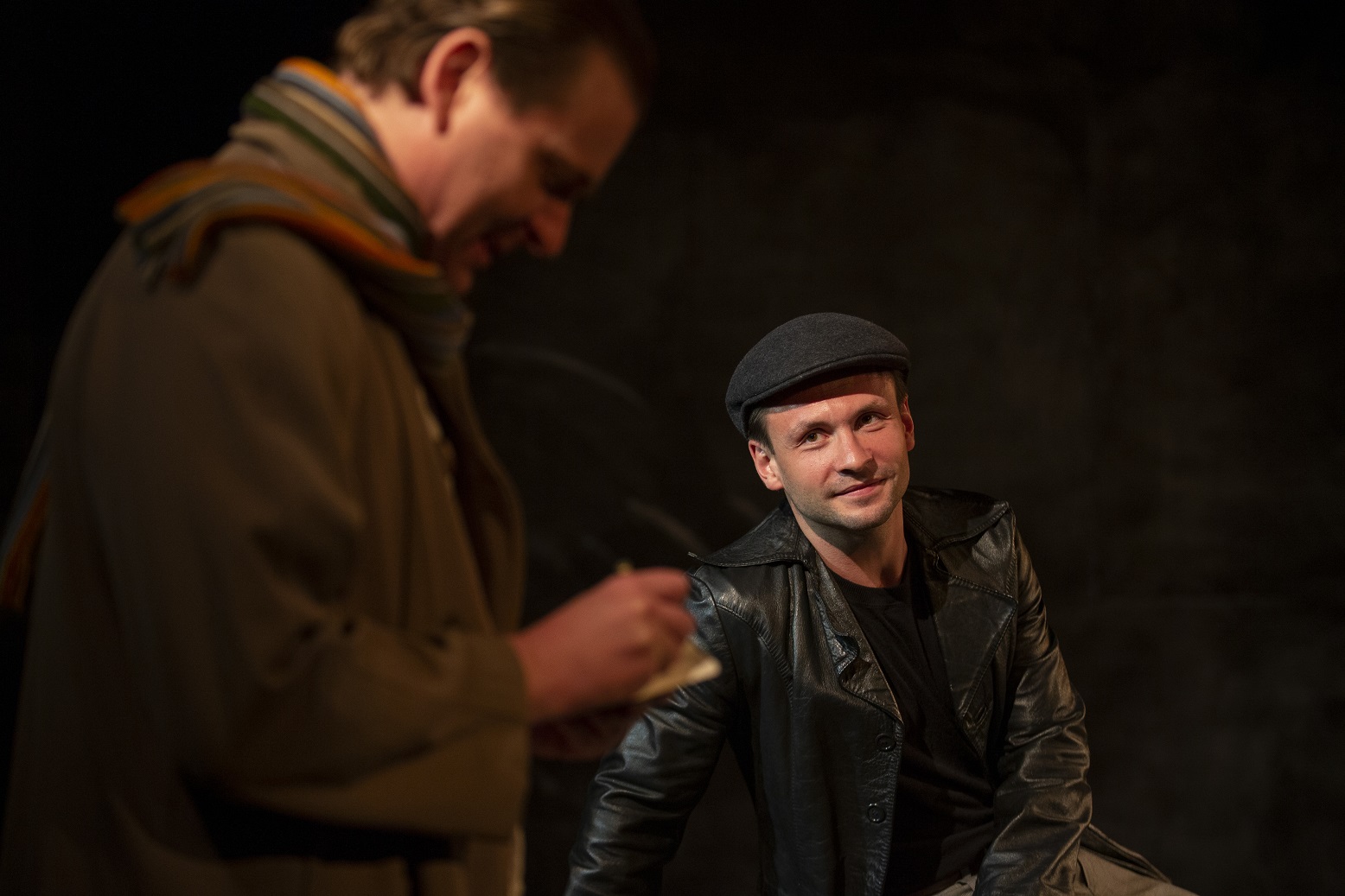
Actor Lucy Bell invests heavily into emotional authenticity for her portrayal of Honour, the jilted wife. The human complexities in Honour’s reactions to her predicament are rendered soundly by Bell, who makes believable the extraordinarily cerebral way that this wronged woman processes her trauma. The other woman Claudia is compassionately interpreted by Ayeesha Ash, who prevents the audience from too easily dismissing the role for her problematic actions. It is in our understanding of Claudia, that we can attain a more sophisticated appreciation of the play’s ideas. George is made surprisingly sympathetic by Huw Higginson, a sensitive performer unjudgmental of the celebrity writer’s dubious choices. Honour and George’s daughter Sophie is played by an energetic Poppy Lynch, who succeeds at making substantial, a comparatively small role.

Production design by Simone Romaniuk is elegant and evocative, with a simplicity that complements the show’s performance style, focussing our attention closely on the intricacy of dynamics between characters. Damien Cooper’s lights too, offer generous enhancement to the tone of each scene, gracefully moving us from one mood to another. Music by Nate Edmondson adds a sense of flamboyance to the story’s inherent dramatics, effective at turning every seemingly mundane circumstance into something unequivocally theatrical.

We put so much time and effort into this thing called love, but rarely do we interrogate the impulses that lead us to it. In the play Honour, we can recognise that the experience of love, is influenced so much by factors that relate to social conditioning, or “the way we are brought up”. What feels natural and organic, is so heavily informed by beliefs that have been unconsciously, but actively, cultivated, yet to dare shift parameters around what is and is not permitted in how one chooses to experience love, is often met with disapproval. When George declares that he is no longer in love, in the old-fashioned way, with Honour, the overwhelming pang of betrayal is obvious to all. To want him to stay because of guilt, debt and responsibility however, is not what Honour deserves.

www.ensemble.com.au

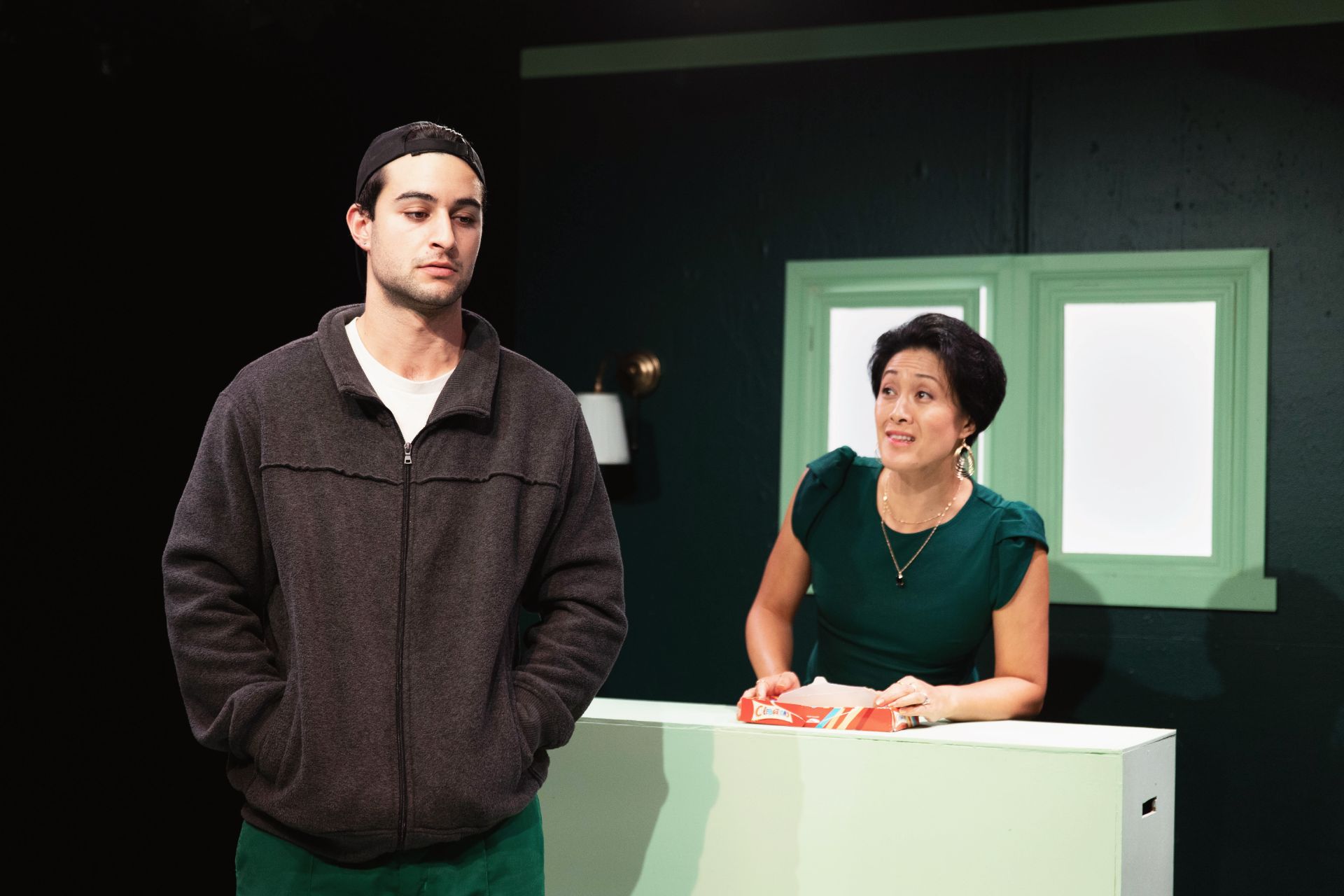
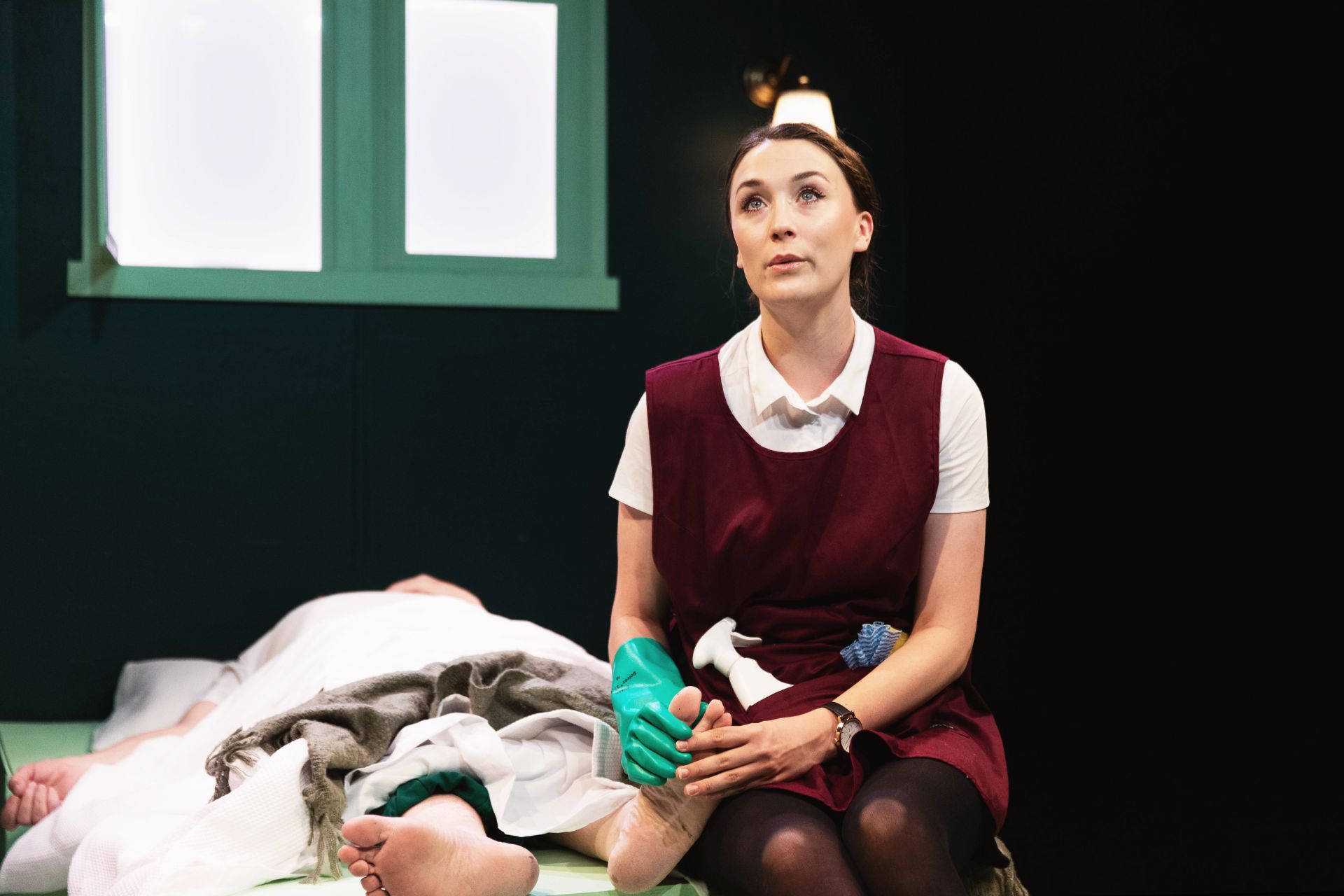
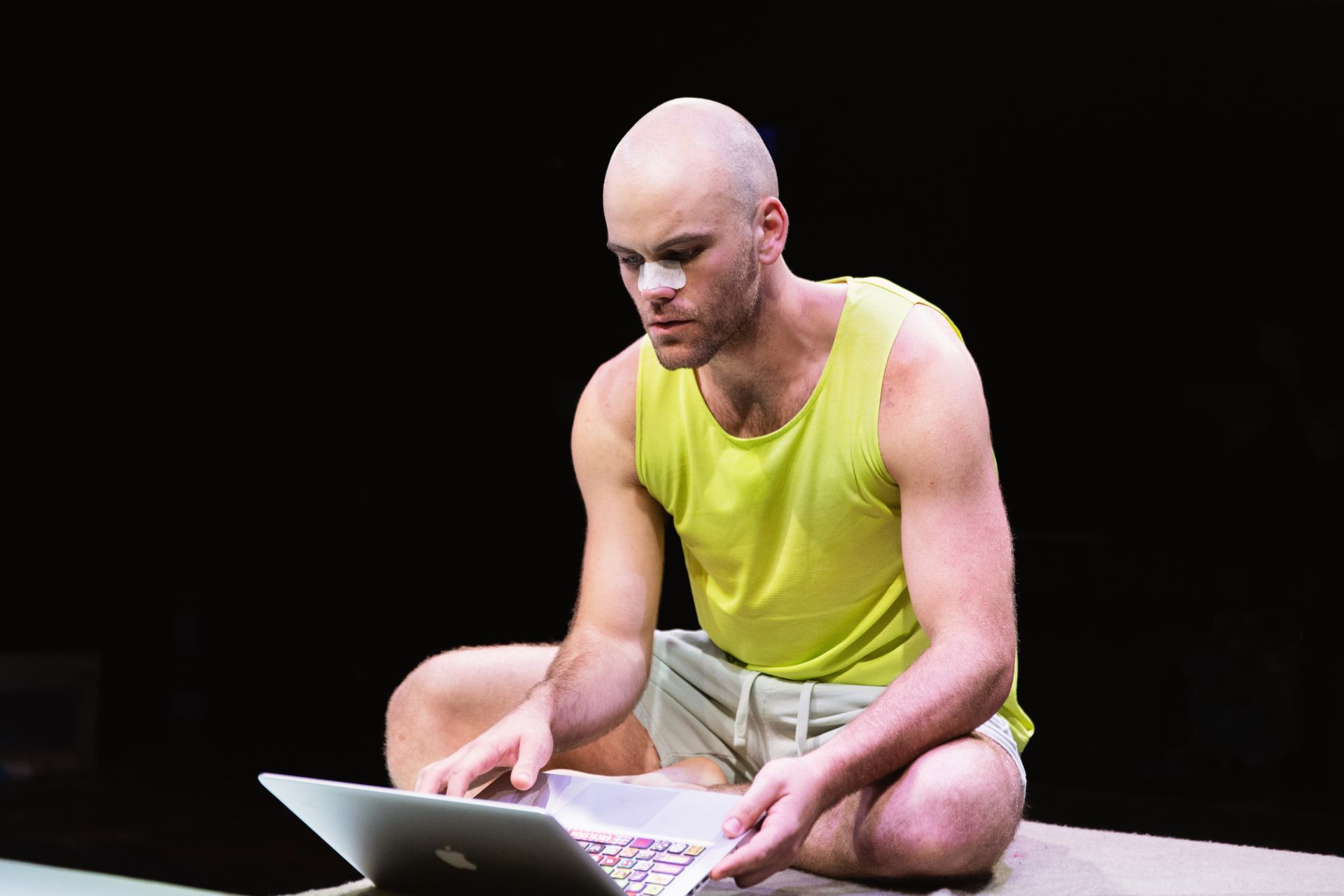
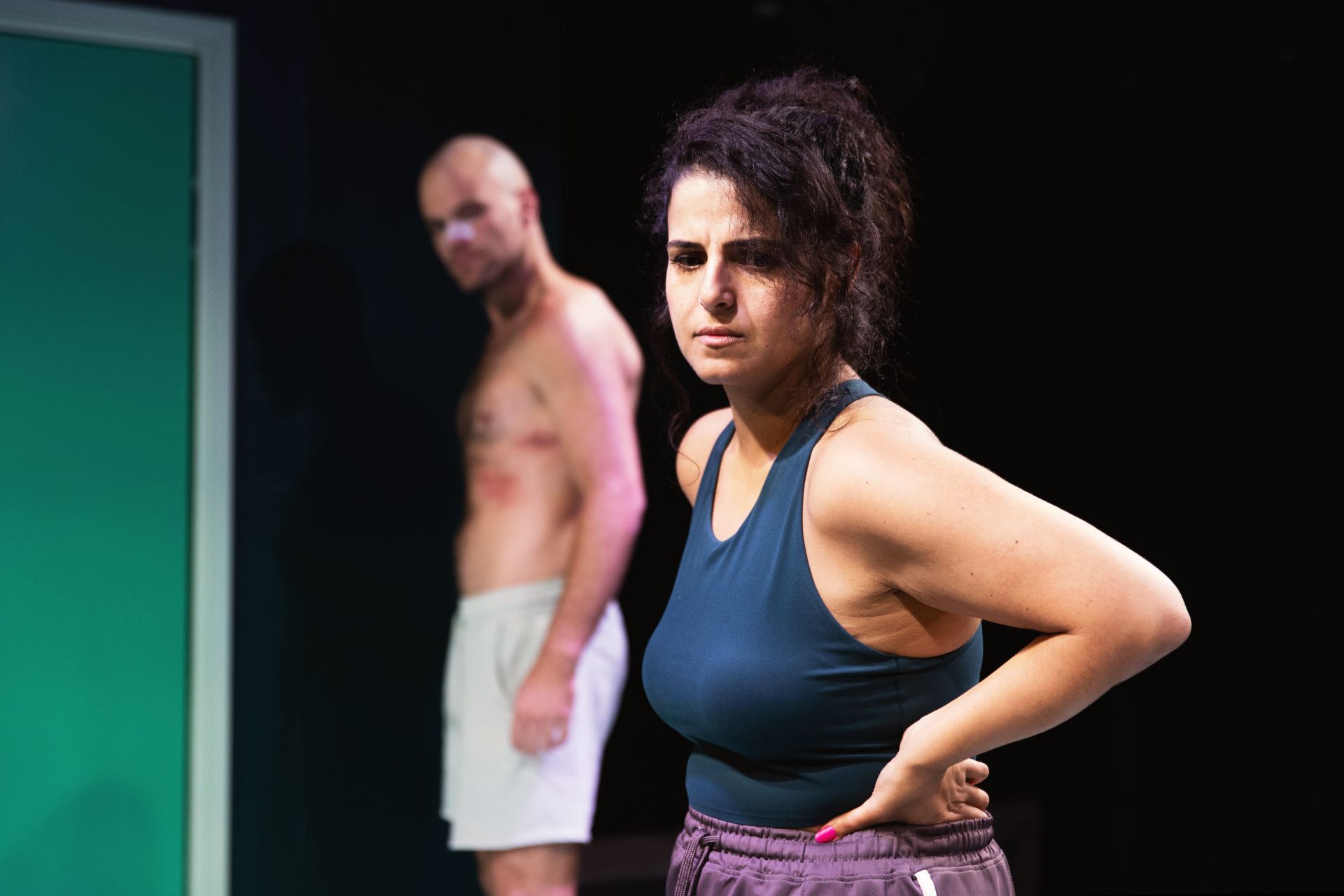
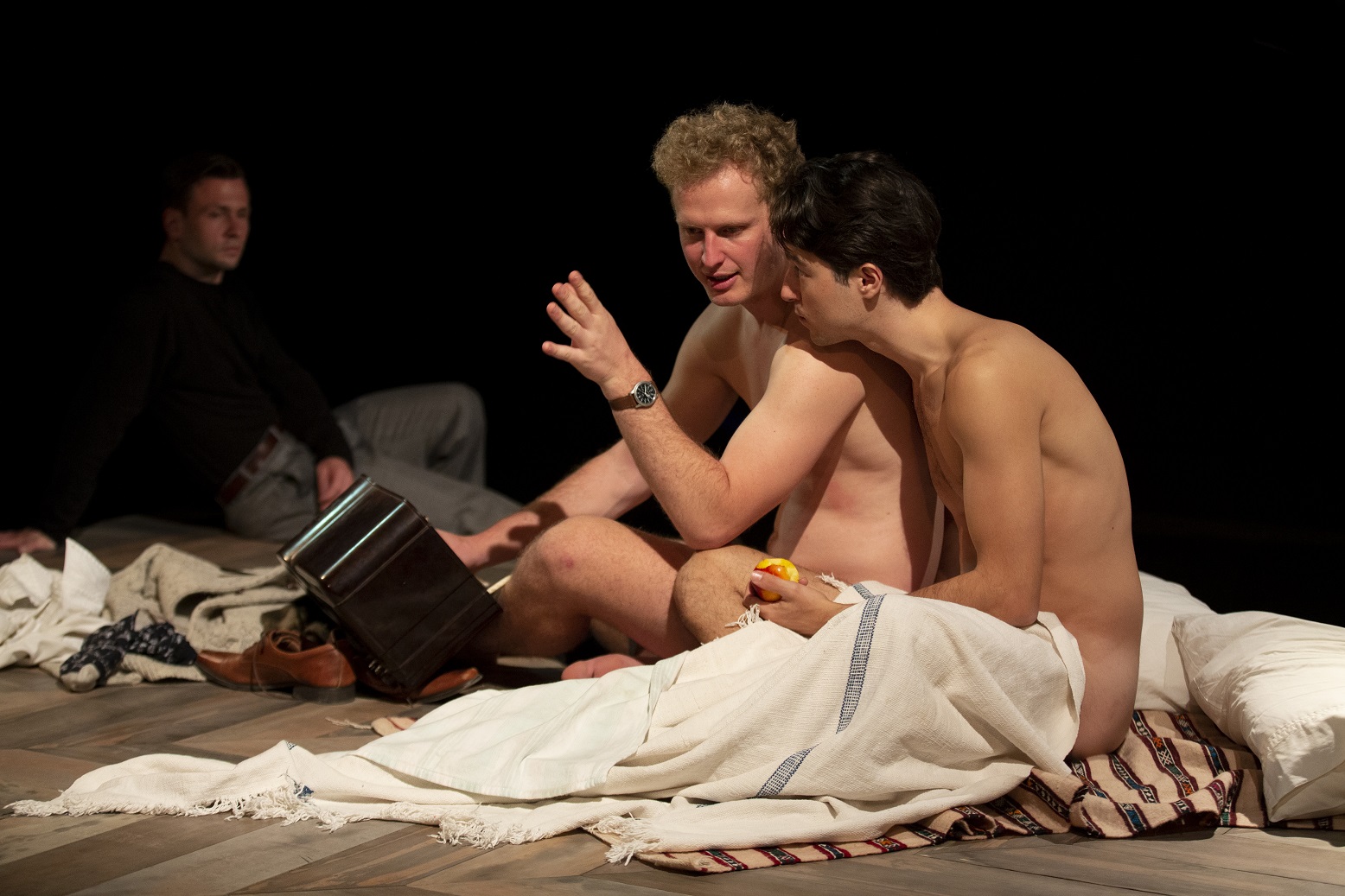
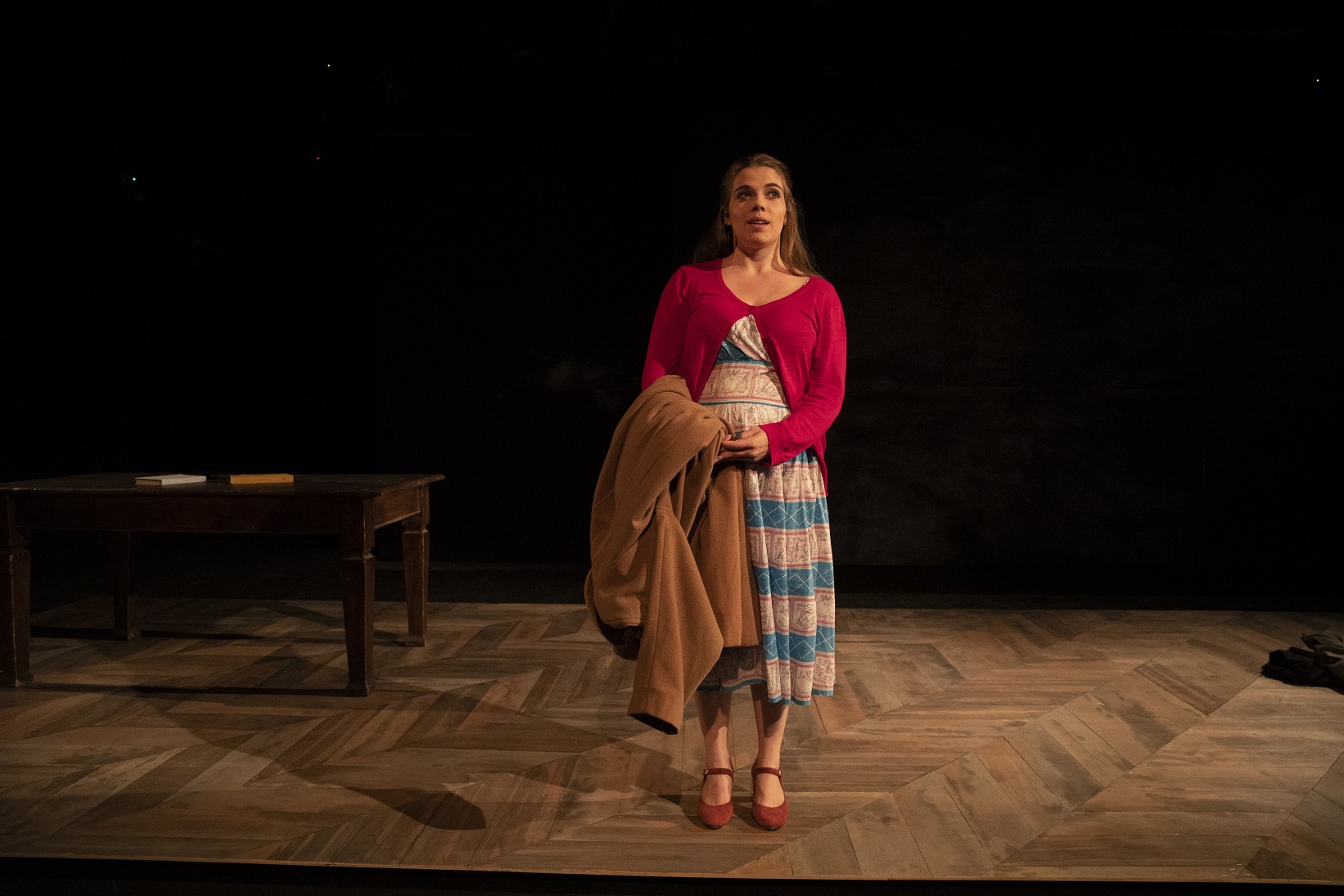
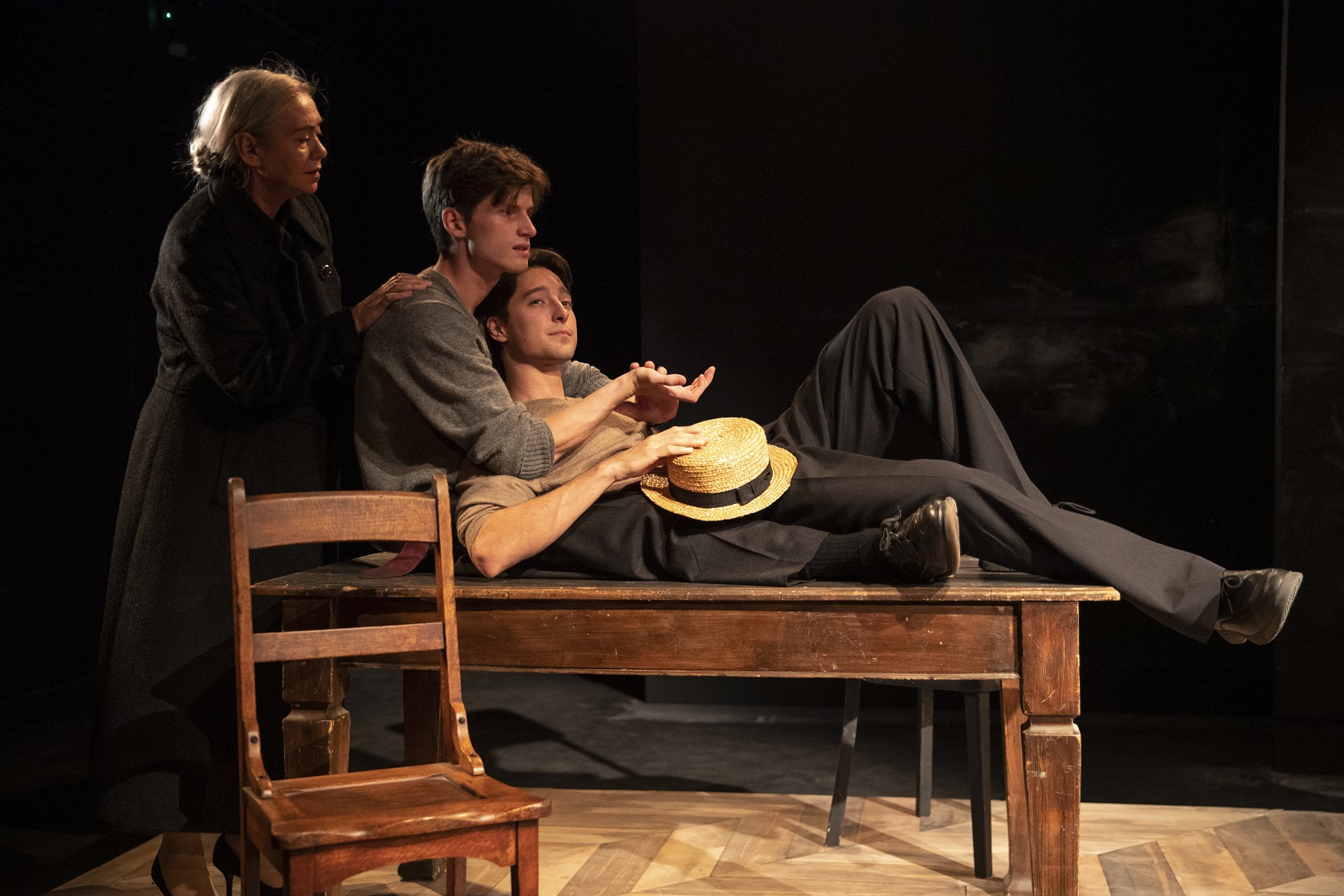
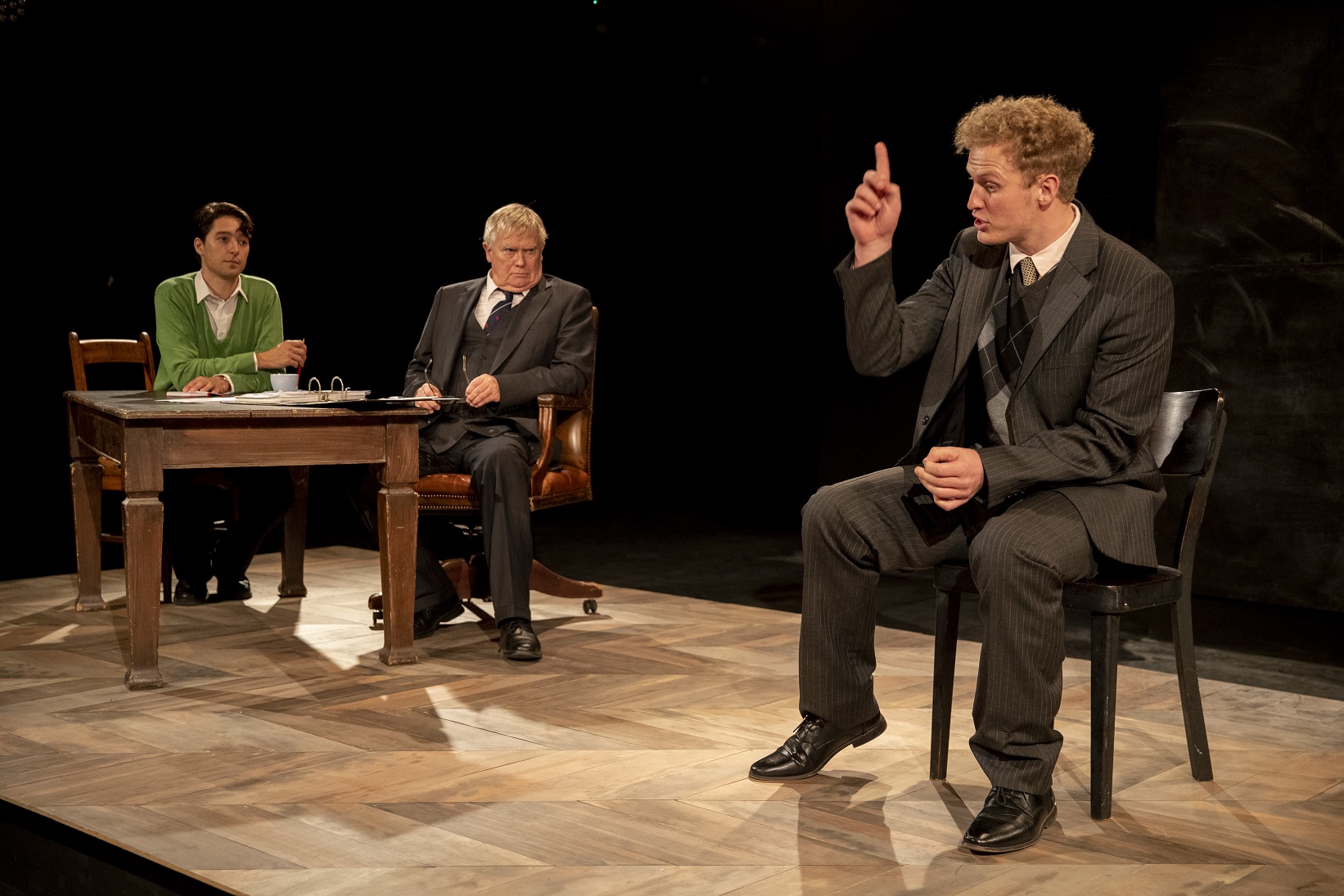
Review: Dead Skin (White Box Theatre)

Venue: Kings Cross Theatre (Kings Cross NSW), Apr 2 – 17, 2021
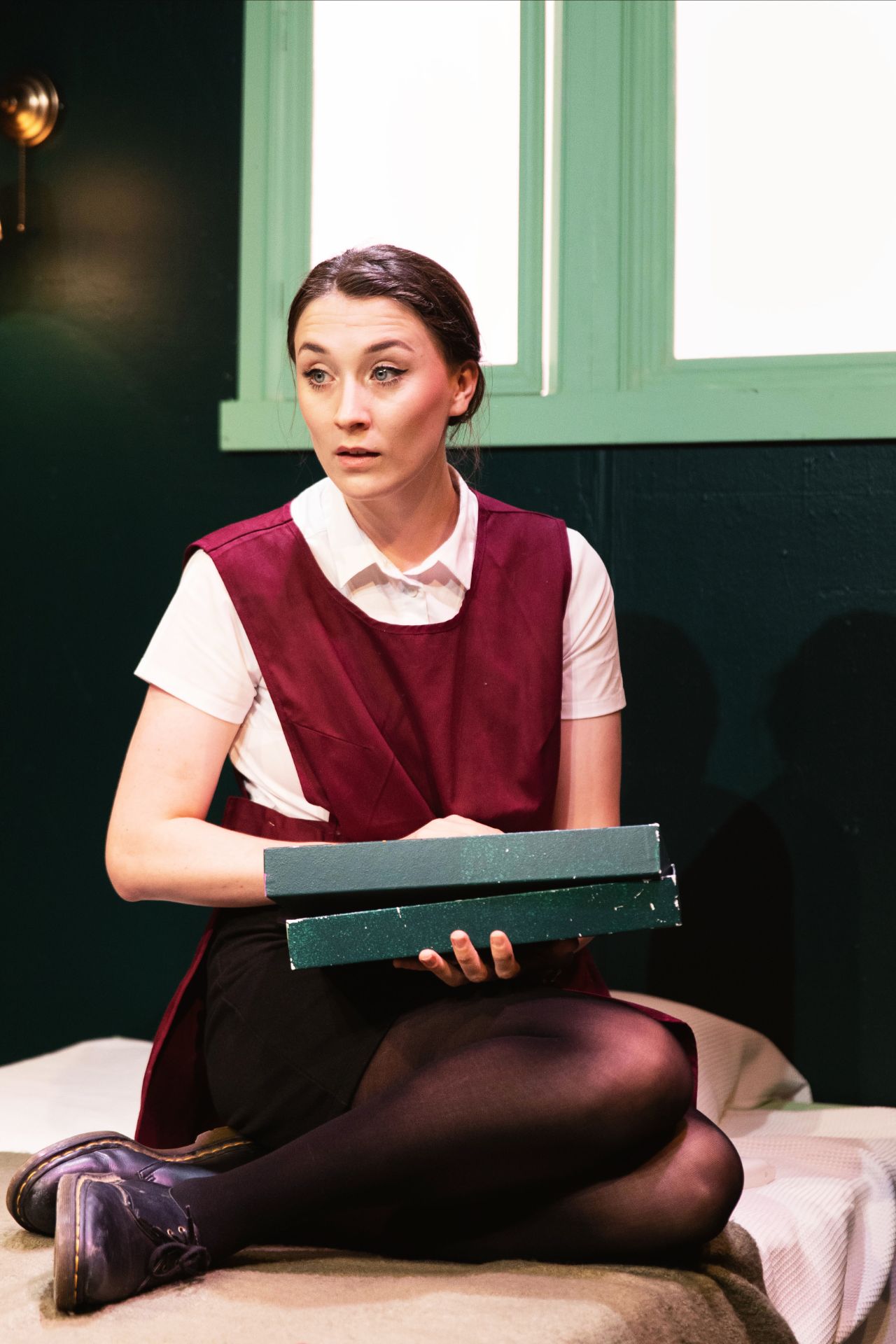
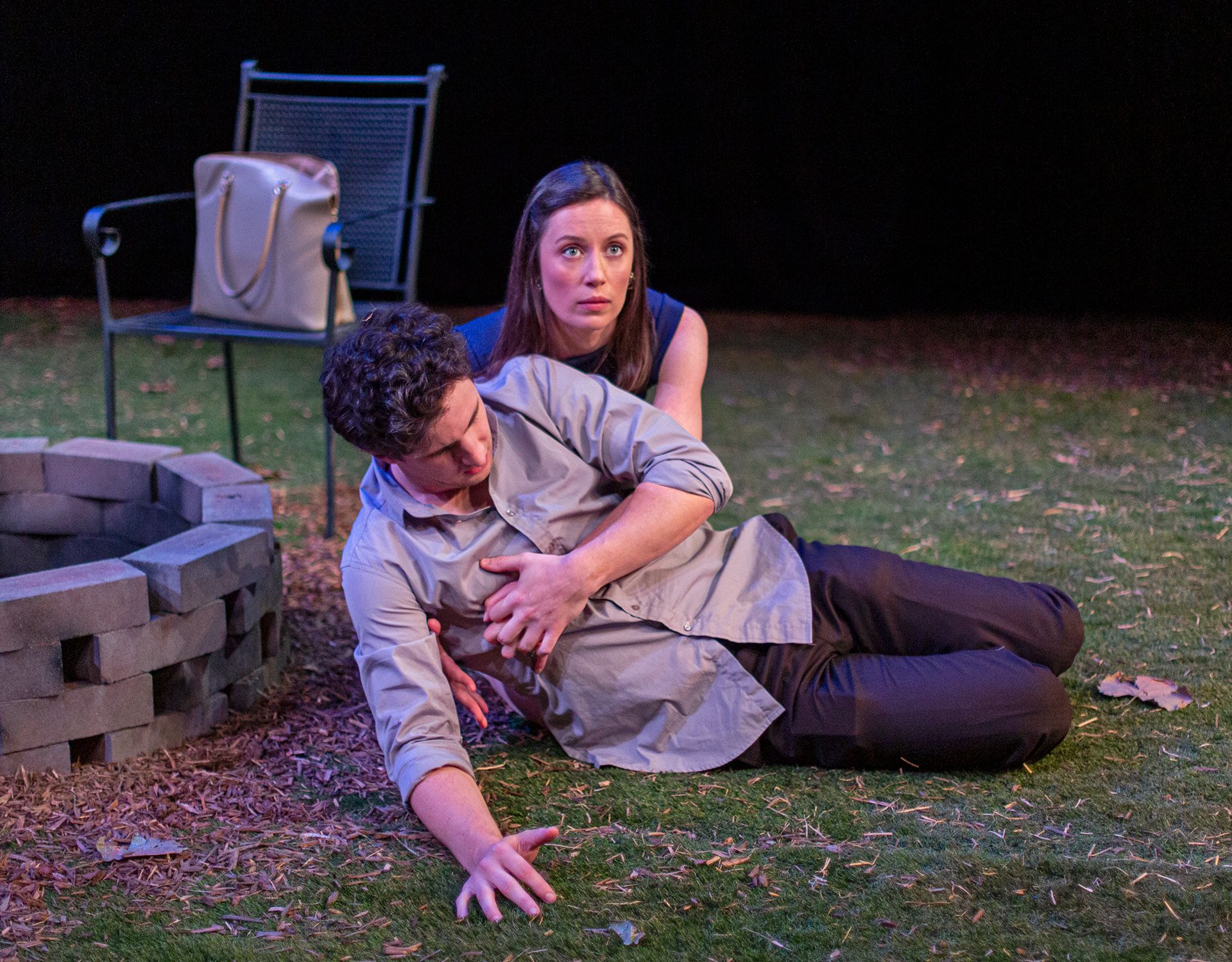
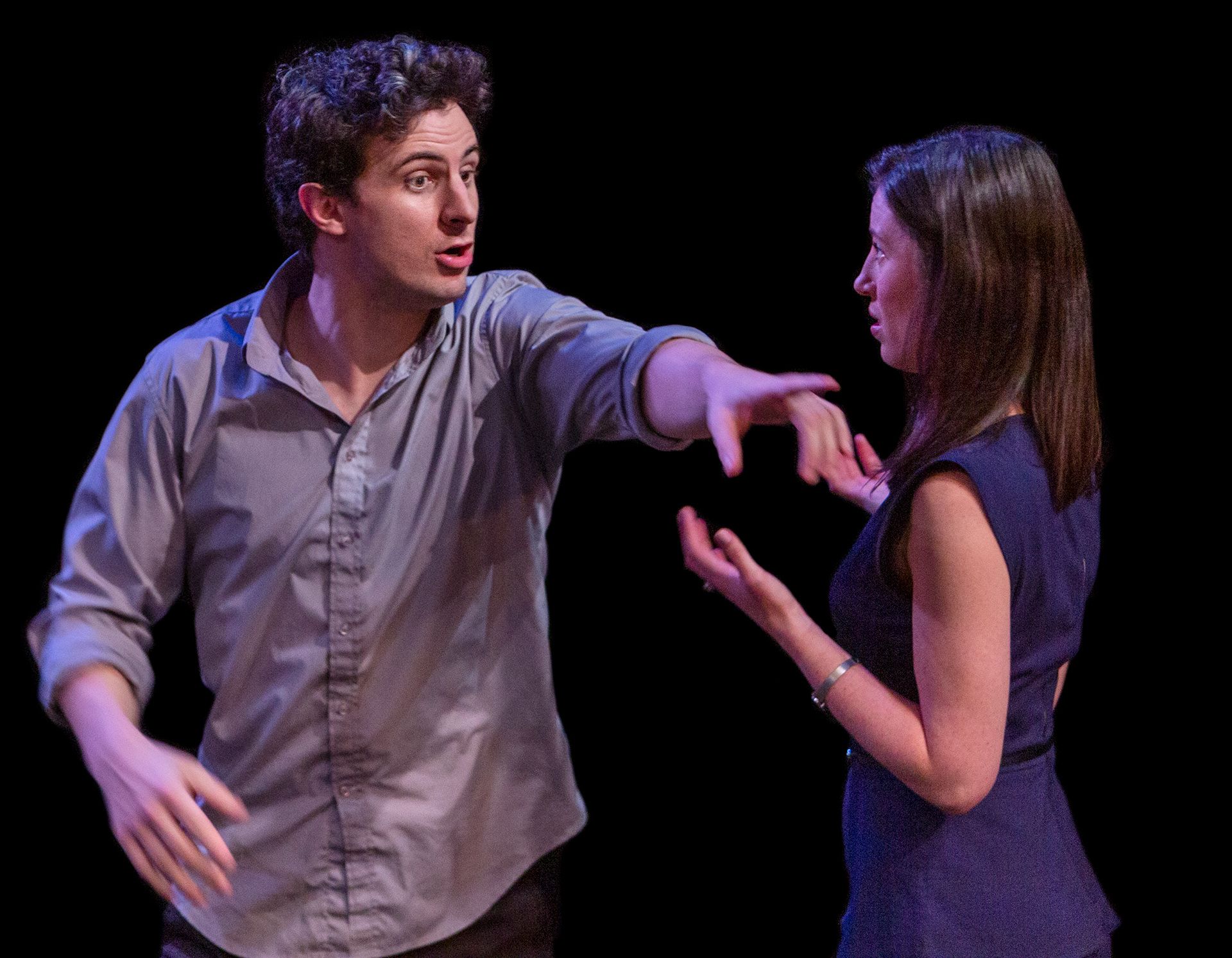
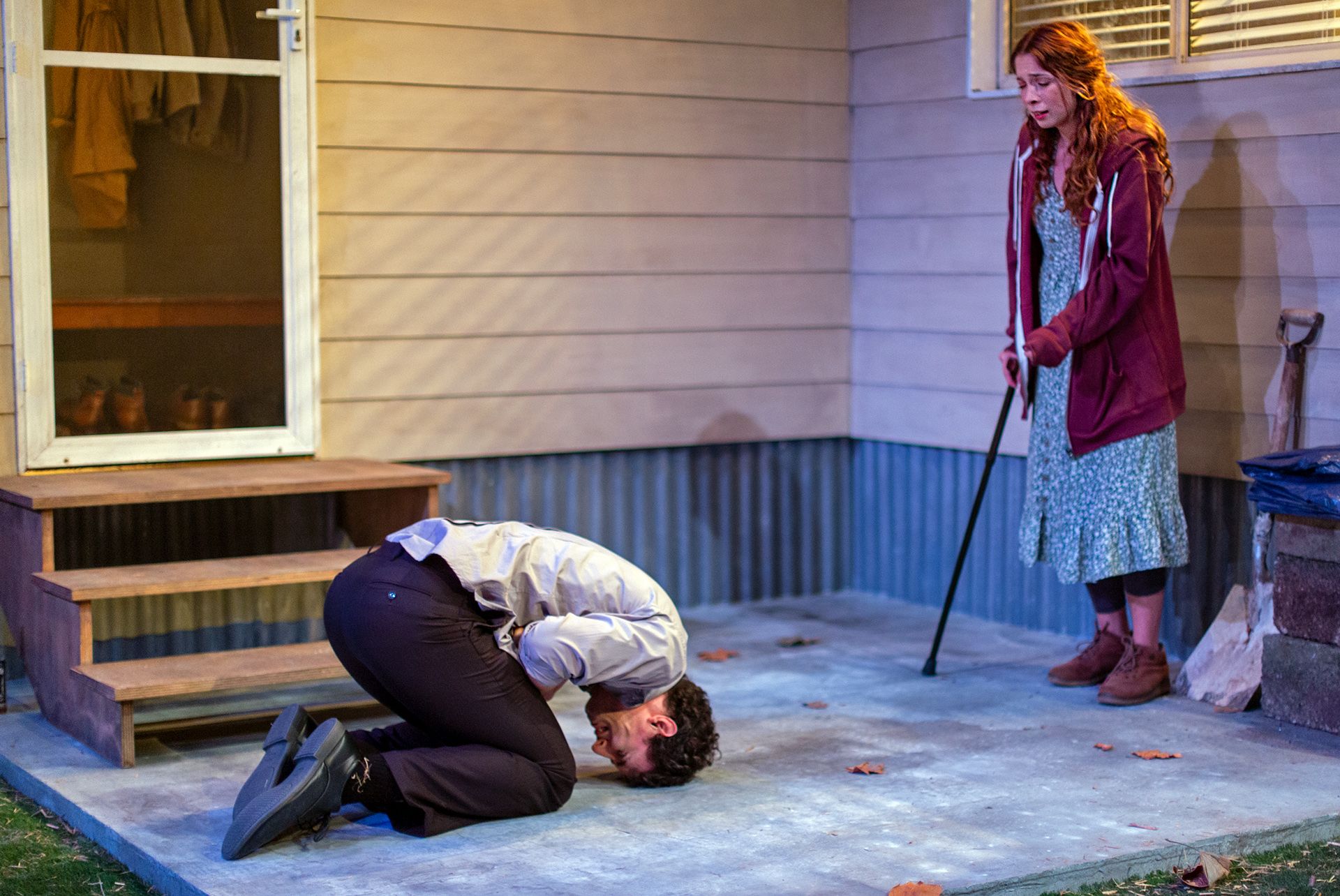
Playwright: Laneikka Denne
Director: Kim Hardwick
Cast: Ruby Maishman, Sarah Jane Kelly, Abe Mitchell, Laneikka Denne, Camila Ponti-Alvarez
Images by Jasmin Simmons

Theatre review
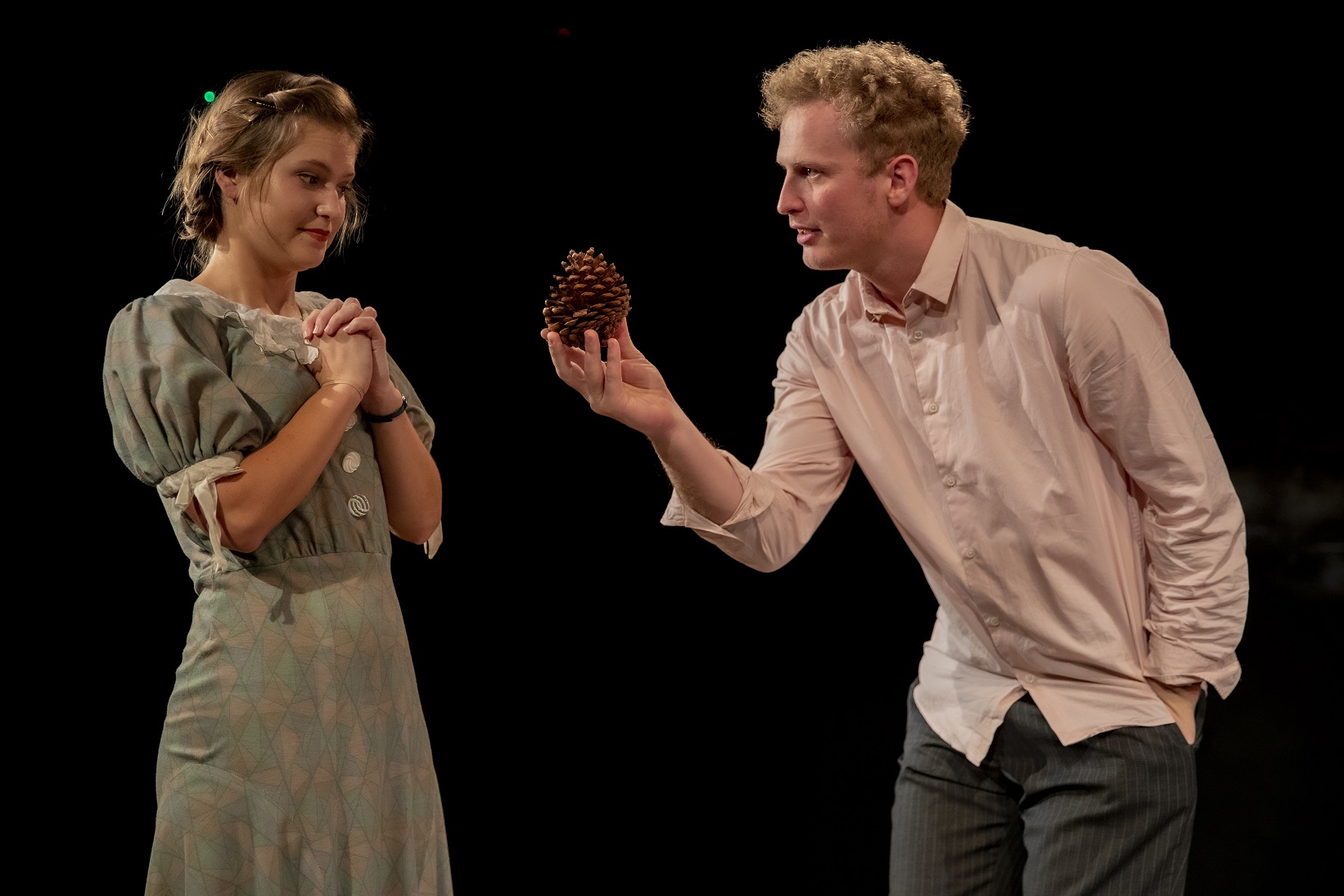
When high schooler Andie falls in love, it is not only her new girlfriend Maggie who occupies her mind. Visions of her mother Andrea come flooding relentlessly in. Laneikka Denne’s Dead Skin talks about teenage love, in tandem with the complications of a girl coming of age, without the presence of her mother. Young Andie needs to know what it is to become a woman, and in that transitionary process, the urge to understand a mother she never knew, becomes irresistible.

Much of the story is about the things we suppress, in order that we may survive, and the breaking points that occur, to open the gates for the confrontation of truth. As a child, Andie never received satisfactory information about Andrea’s disappearance, only knowing that life has to go on, imperfect as it may be. Things change however, when she is no longer able to experience the world as a child, and the truth of a woman’s being, must come to the fore.

Denne’s ideas are expressed meaningfully in her piece. Abstract concepts are juxtaposed comfortably against naturalistic scenes, using the theatrical form cleverly to explore curious facets of human psychology. The fragmented nature of the writing’s structure however, has a tendency to work against the audience’s capacity to sufficiently invest in its characters. Dialogue for Dead Skin whilst charming in its authentic representation of contemporary youth culture, can expose a superficiality in its efforts to capture painful aspects of emotional growth.

As performer, Denne is intense in the role of Andie. Very believable, if slightly monotonous, in her depiction of the awkward teenager; we never question the authentic voice she brings to the stage. Her new love is played by Ruby Maishman, charismatic and confident as the comical Maggie. Camila Ponti-Alvarez leaves a strong impression as Audrey, an unlikely maternal figure, especially captivating in moments of heightened drama. Sarah Jane Kelly and Abe Mitchell are mother Andrea and father Harry, respectively, both demonstrating excellent commitment, for somewhat perfunctorily conceived personalities.

Production design by Angus Consti offers clean lines on a very black stage, to denote a space that is about accuracy in the mind, rather than somewhere more tangibly material. Lights by Martin Kinnane provide much needed variation to atmosphere, but Chrysoulla Markoulli’s near constant drone for sound design, proves challenging.

Much of the show, directed by Kim Hardwick, feels like a dream state. We fluctuate between different levels of lucidity, with resonances that hit and miss. Dead Skin ebbs and flows, more interested in its own discoveries, than in driving home a point. Let artists do their art, and be grateful in our participation from the perimeters, as we observe and glean what we can. Together at the theatre, let us delight in curiosity, and hold each other safe, in an inevitable evolution of our species, whichever direction it may take us.

www.whiteboxtheatre.com.au

Review: Fuente Ovejuna (Flight Path Theatre)

Venue: Flight Path Theatre (Marrickville NSW), Mar 25 – Apr 11, 2021
Playwright: Lope de Vega (adaptation by Angus Evans)
Director: Angus Evans
Cast: James Bean, Tristan Black, Julia Christensen, Steve Corner, Shayne de Groot, Dominique de Marco, Lucinda Howes, Suzann James, Martin Quinn, Davey Seagle, Idam Sondhi, Madeleine Withington
Images by Clare Hawley

Theatre review
Originally published early seventeenth century, Lope de Vega’s Fuenteovejuna is based upon the true story of a bloody revolt that took place in 1476 Castile. After sustained mistreatment by authorities, residents of the town Fuente Obejuna banded together and decapitated their commander in a coup. When investigators took to torturing individuals, each victim would refuse to divulge information, and in solidarity answered only that “Fuenteovejuna did it.”

Adapted and directed by Angus Evans, this new version of Fuente Ovejuna takes the opportunity to express the discontentment of contemporary Australians with our own leaders. Evans’ approach demonstrates that themes of the play could easily be applied to any period of recent political memory, but of particular salience is the Prime Minister’s current inability to manage the upheaval brought upon by revelations of sexual assaults, committed by members of his own government. Their sustained and wilful insolence certainly does inspire fantasies of mutiny and murder.

Evans’ ideas are put forward passionately, if not always sufficiently coherent. It is a galvanised team under his guidance, with all aspects of the production demonstrating admirable levels of commitment and energy. Actor Steve Corner leaves a particularly strong impression in a variety of roles. A powerful and compelling presence, he introduces a delicious, and necessary, sense of heightened drama, especially when occupying centre stage. Lucinda Howes as Laurencia, fires up our emotions in a crucial scene that sees her stoke the flames of rebellion. The authenticity that Howes musters for that moment, is sheer theatrical joy. Tristan Black is charming and very funny as Mengo, and as puppeteer for the King. The performer’s comic timing is perfect, and a real highlight of the show.

Live music is provided by Edward Hampton and Liam Peat, both musicians attentive and inordinately sensitive, adding tremendously to our enjoyment of the staging. Lights by Jas Borsovsky are suitably ambitious, and clever in their seemingly intuitive manipulations of our emotional responses. Victor Kalka’s set and Lucy Ferris’ costumes evoke a time past, whilst maintaining relevance to the present, so that we understand the foreign places to be no different from here, and the historical personalities to be the same as us.

It is gruesome but undeniably joyful to witness the execution of a heinous autocrat. The truth however, is that our systems of power, can withstand the toppling of any one figure, no matter how eminent. We may feel empowered when daydreaming about Prime Ministers, movie moguls and press barons being cancelled or removed at will, but these positions undoubtedly will be swiftly replaced, by more of the same.

Fuente Ovejuna is a story about solidarity, and the power of the people. In places like Australia, the establishment only exists, because we the people, allow it to. The reason we authorise its powers, is that we believe them to be beneficial to our existence, but it seems that what we believe, is almost entirely controlled by those powers that be, in an ominous cycle of causality.

It is easy to acknowledge that parts of our minds can fathom a way of life devoid of corruption, that in our imagination, an idealistic utopia always seems just a hair’s breadth away. We want to think that as a united people, we can make decisions that are right, that those determined to be rapacious and unjust can be vanquished. In reality however, our way of life has long been predicated on inequity and greed. If our fundamental values require that there be losers as well as winners, then surely true unity will forever elude us. We may experience flashes of reckoning, in fact these moments of cultural awakening seem to occur increasingly frequently, but there is little proof that knowing what is right, is ever going to lead us to actually doing better.

www.flightpaththeatre.org

Review: Stop Girl (Belvoir St Theatre)

Venue: Belvoir St Theatre (Surry Hills NSW), Mar 20 – Apr 25, 2021
Playwright: Sally Sara
Director: Anne-Louise Sarks
Cast: Deborah Galanos, Sheridan Harbridge, Amber McMahon, Mansoor Noor, Toni Scanlan
Images by Brett Boardman

Theatre review
When Suzie returned from Kabul in 2011, it was the shock of the normal, that started her on an agonising downward spiral. In prominent Australian journalist Sally Sara’s semi-autobiographical playwrighting debut Stop Girl, Suzie is her doppelganger, through which stories of trauma and of healing, could be told. After years covering the war in Afghanistan, in addition to other disasters all over the world prior, Suzie intends to buy a home, ready to put down her roots in Sydney for a new phase in life. What greets her however, is a torrent of mental health disintegrations, preventing her from experiencing the comparative peace on this land, that the rest of us almost always takes for granted.

There is unequivocal passion and honesty in Sara’s writing, but an undue conventionality, in form and style, unfortunately delivers a show that can feel predictable and repetitive. Much has been written about post-traumatic stress disorder, often in more affecting ways, and although Sara’s critical need to share her story cannot be denied, Stop Girl sadly, brings nothing new to stories about the aftermath of war, that we have heard countless times before.

Directed by Anne-Louise Sarks, relationships between characters are conveyed with believability and warmth. There is a stilted quality to the delivery of dialogue, but each personality in the play is convincingly depicted, even though the production never quite attains the level of naturalism that it aspires. Stop Girl has a simple point to make, about the lack of care for those returning after having made unimaginable sacrifices, and Sarks leaves us fully persuaded.

In the lead role is actor Sheridan Harbridge, who comes to life when Suzie falls into a state of psychological torment, allowing us valuable insight into the workings of severe upheaval on the human mind and body. Best friend Bec is played by a spirited Amber McMahon, offering an effective point of reference and contrast, that demonstrates the degree to which our protagonist has deteriorated. Mansoor Noor is memorable as Suzie’s resilient fixer and producer Atal, an important embodiment of our responsibilities towards those in war-torn countries. Also very accomplished are Deborah Galanos and Toni Scanlan, both performers showing admirable commitment to their parts as psychologist and mother, respectively.

Intermittent video projections documenting Susie’s memories of Afghanistan, created by Jack Saltmiras and Susie Henderson, bring a sense of dynamism to the presentation. Music by Stefan Gregory and Hamed Sadeghi, are reliable in manufacturing swift transformations of atmosphere, and along with Paul Jackson’s lights, take us succinctly through each dramatic fluctuation of Susie’s emotional journey. Robert Cousin’s set design is elegant if slightly unambitious, and Mel Page’s costumes offer thoughtful solutions for a production that looks appropriately understated.

Keeping the Australian people ignorant, is advantageous for big business and career politicians. The less we know, the better. When we are in the dark, we can be sold anything they want. Journalists who go against all odds, risking life and limb, to bring us the whole and awful truth, are our unsung heroes. When they are no longer able to contribute, it appears that we discard them, on a metaphorical human trash heap, courtesy of our endlessly intensifying obsession with a capitalistic way of life. Even when we know that all humans have a use-by date under this system of running things, we do little to save ourselves from this inevitable consequence. All we have, is to prescribe to capitalistic principles of “every man for himself”, to be selfish and to hoard, should we hope to live with any dignity in our final days. For those who wish to do better, their concluding scenes, it seems, are likely to be grim.

www.belvoir.com.au

Review: You’re Not Special (Rogue Projects)

Venue: Kings Cross Theatre (Kings Cross NSW), Mar 5 – 20, 2021
Playwright: Sam O’Sullivan
Director: Samantha Young
Cast: Arkia Ashraf, Kate Skinner, Ariadne Sgouros
Images by Kate Williams and Australian Theatre Live

Theatre review
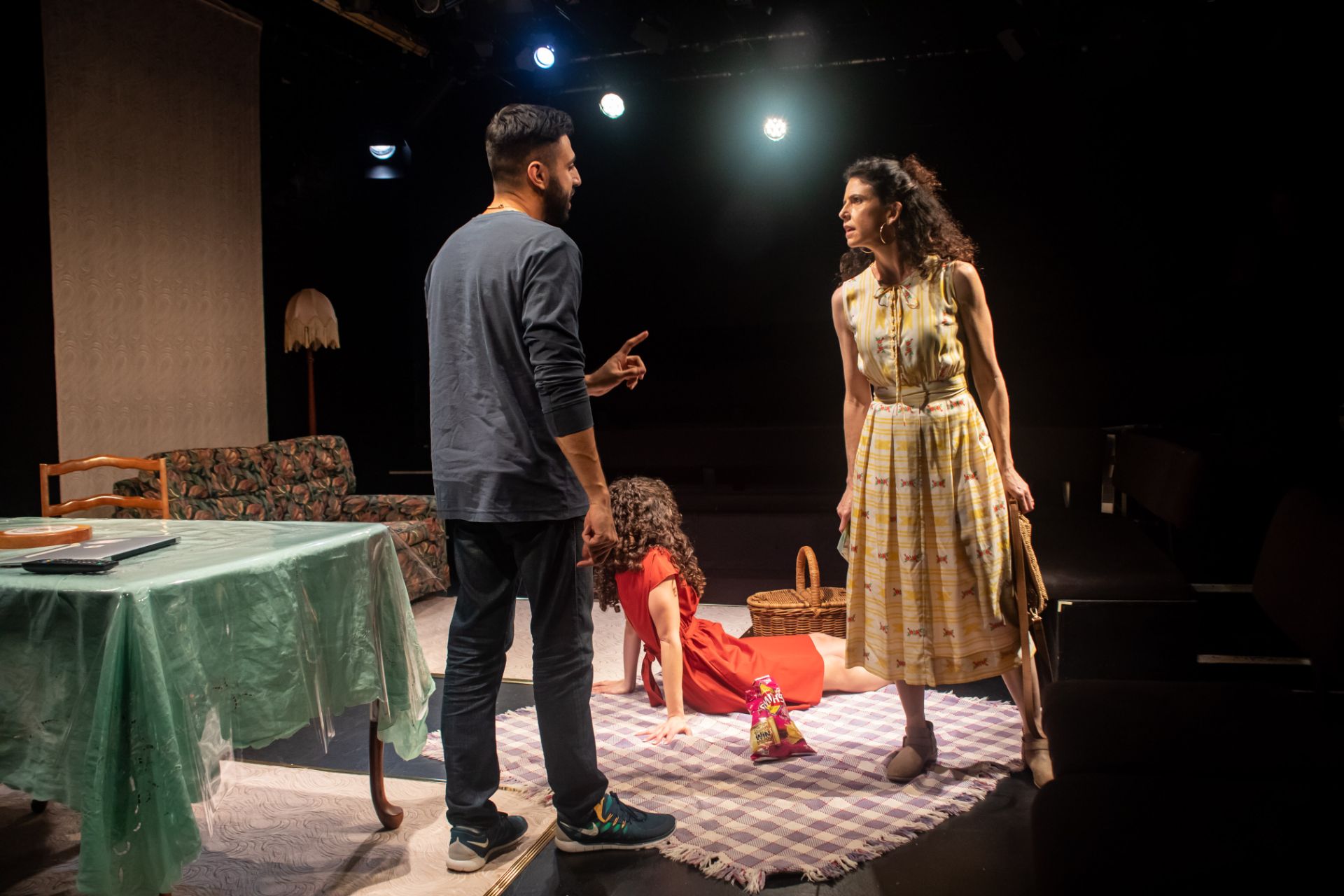
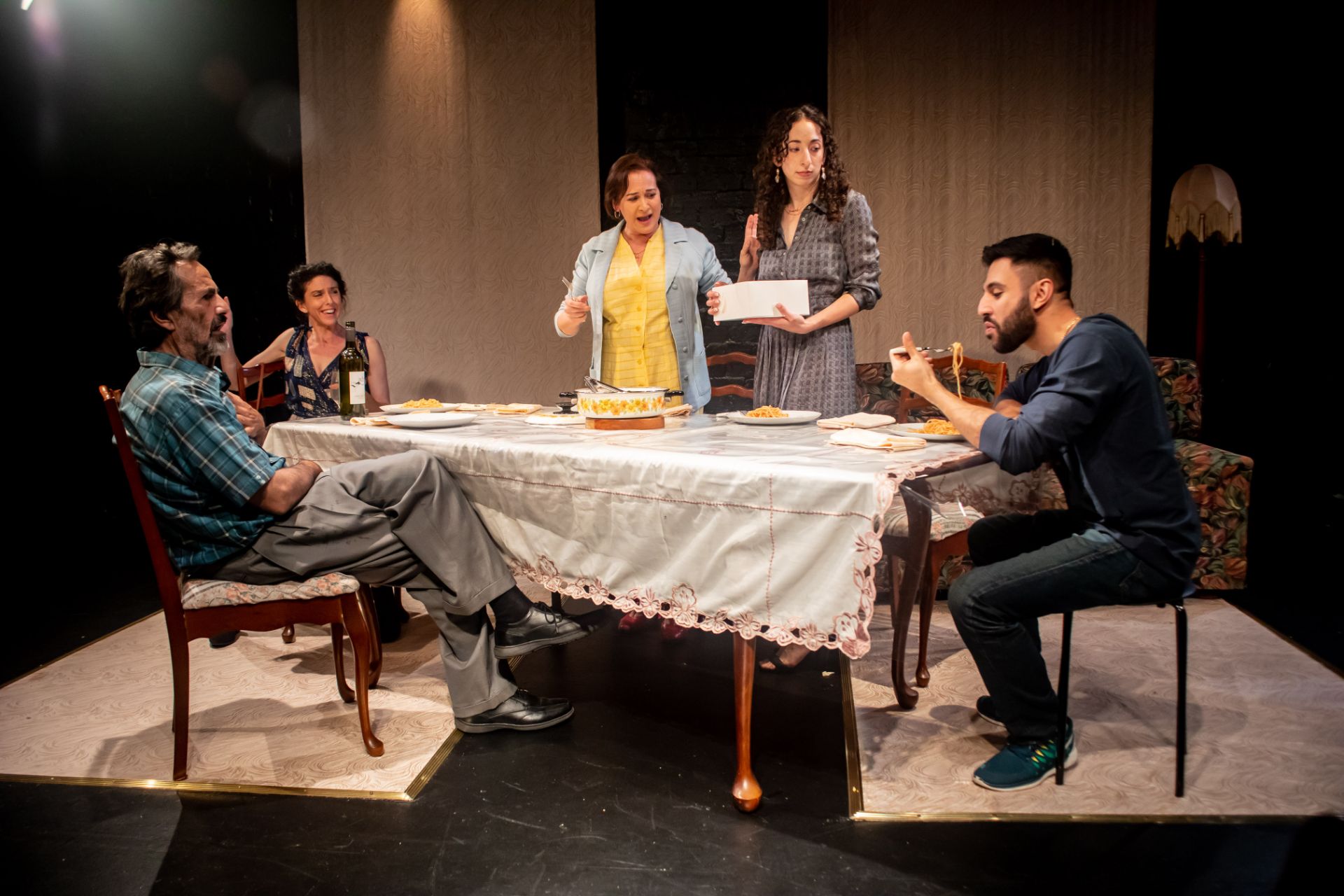
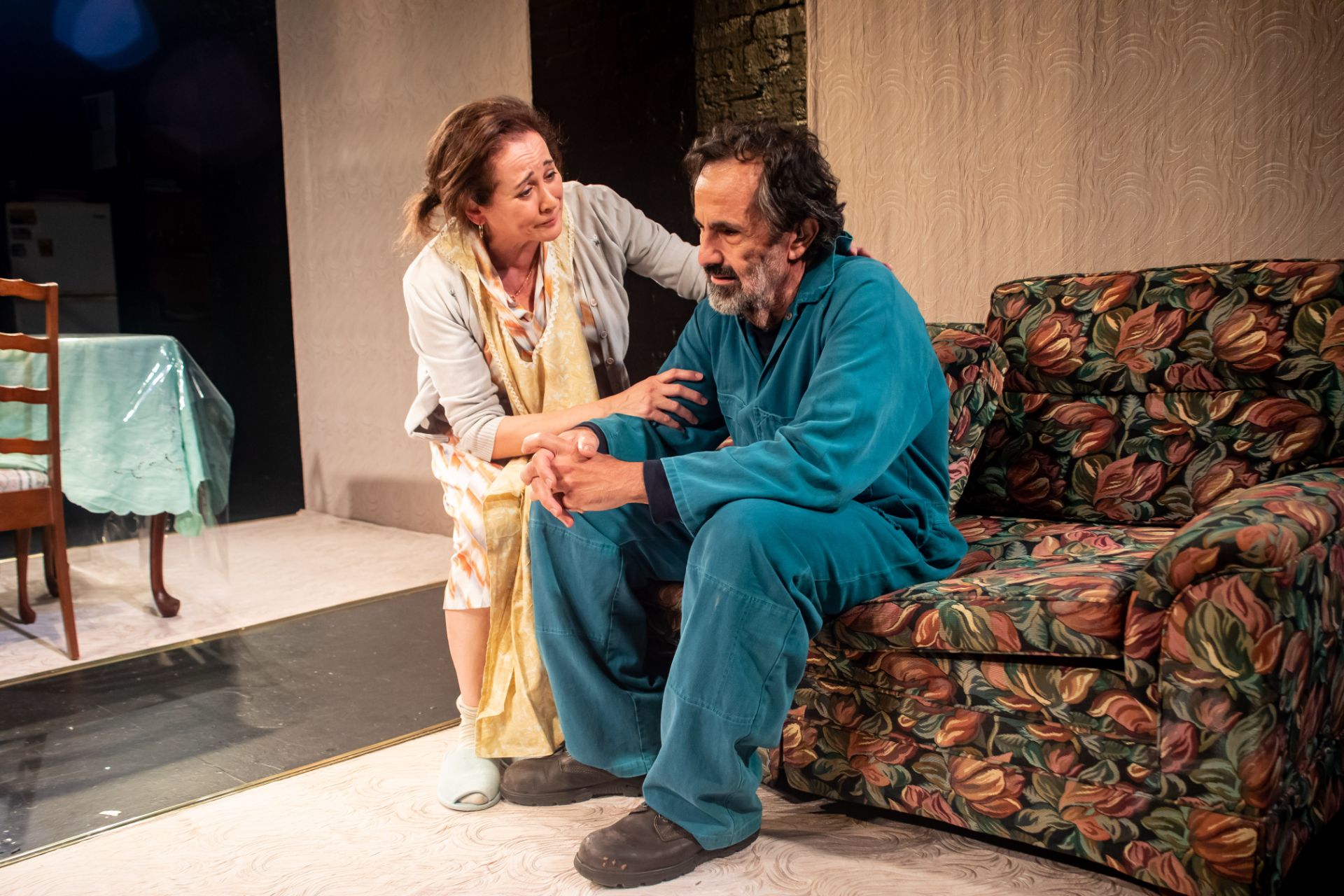
Dan and Ellie are moving in together, as is the convention when humans decide to couple up. They expect to become closer as a matter of course, but like many others, these new living arrangements begin to test their mettle. You’re Not Special by Sam O’Sullivan is thankfully, not another rom-com on the humorous pitfalls of heteronormativity, but an intensely thought-provoking work about the tensions between organic and synthetic, in our age of unprecedented technological advancement. Characters in the play are caught up in their virtual lives on all their electronic devices, and at varying degrees, struggle to negotiate the nature of reality as it stands in the twenty-first century.

O’Sullivan’s writing is wonderfully engaging, with an intellectual curiosity that sustains our keen interest. There is a passion in the way its ideas are disseminated, that gives You’re Not Special a delicious sense of urgency, even though what it wishes to effect can feel somewhat didactic. Director Samantha Young does a splendid job of bringing to life, these concepts of right and wrong, in scenes featuring dramatic confrontations that always feel authentic and powerful. The show is very persuasive.

Arkia Ashraf’s uncompromising naturalism in his approach to the depiction of central character Dan, conveys a valuable quality of the everyman, one that invites the viewer to relate his story to each of our own lives. It is a solid, heavily introspective performance, that benefits tremendously from the intimacy of the space. Ellie is played by an exquisite Kate Skinner, scintillating in moments of vigour, and genuinely delightful when delivering comedy. In the enigmatic and pivotal role of April, is Ariadne Sgouros, who demonstrates excellent capacity for complexity. She revels in the many layers offered by the unusual personality, and challenges us to bring interpretations that are as expansive as the work she presents.

Design aspects are comparatively low-key, although appropriately so. Set and costumes by Anna Gardiner evoke a familiarity that helps us place the action at close psychological proximity. Martin Kinnane’s lights contribute a sense of dynamism to the narrative’s unfolding turmoil, and Kaitlyn Crocker’s sound design is memorable for surprising touches that hint at the surreal.

You’re Not Special asks important questions, but is perhaps too strident in its need to provide answers. Its default position of honouring an imagined point of human origin, and of what is traditionally thought of as “natural”, puts restrictions on the efficacy of its own artistic possibilities. The discussion of humanity and technology, when framed strictly as a duelling dichotomy, can feel mundane and old-fashioned. Technology can be thought of as essentially human, and at this point of our evolution, one could argue that a more futurist appreciation of lifestyles could be beneficial.

Quite certainly, truths often reside in all factions of our debates, and to participate in society, should not require that we must take sides on all issues, all the time. In 2021, it seems we have been conditioned to be irrepressibly opinionated over every matter. Maybe to remain impartial on some things, especially when the ethics involved are not cut-and-dried, means to keep an open mind.

www.rogueprojects.com.au

Review: Wild Thing (Flight Path Theatre)

Venue: Flight Path Theatre (Marrickville NSW), Mar 2 – Mar 20, 2021
Playwright: Suzanne Hawley
Director: Kim Hardwick
Cast: Di Adams, Philip D’Ambrosio, Lewis Fitz-Gerald, Katrina Foster, Helen O’Connor, Di Smith
Images by Lisa Tomasetti

Theatre review
When Jackie’s health begins to fail, it is her group of besties who come to the rescue. Suzanne Hawley’s Wild Thing features four women who share a friendship of over half a century. Now in their sixties, each individual is no less vivacious or fun-loving, and even though nature does not spare them the usual and inevitable impediments, we discover their spirit to be unyielding.

Hawley’s endearing characters tell a meaningful story, of love, of resilience, and ultimately, of generosity. It showcases the best qualities of being old, and even though its earnestness can feel somewhat overwrought, there is much wisdom to be gained, as always, from being in close quarters with our seniors.

A humorous piece with lively direction by Kim Hardwick, Wild Thing opens up discussions surrounding ageing and death, in a surprisingly upbeat manner. End of life is an emotional affair, but it is also inescapable, so to treat it with some degree of levity can only be healthy.

The presentation is designed competently, with Tom Bannerman’s set leaving a particularly good impression. Able to offer versatility, as well as practical solutions, Bannerman’s creation is an efficient performance space that frees up the cast for what they do best.

Di Smith brings nuance to the role of Jackie, along with considerable dignity to this important tale of personal agency, for women of a certain age. Helen O’Connor is memorable as the carefree Elizabeth, bringing a sense of cheeky ebullience to the show. The passionate Frances is played by Katrina Foster, whose approach proves to be unmistakeably kooky, and Di Adams’ restraint only makes Susan’s sexual escapades more scandalous.

We need to talk a lot more, about the subject of dying. It seems that evasion is how Australians (and much of the world) typically deal with mortality, which is to say, that we do not deal with it at all. It is our propensity to leave facing it, until the final moments when we have nowhere to run. It is ironic that we should place attention on everything else except for the one certainty in life. Thankfully, art exists to remind us of who we are, at our most essential.

www.flightpaththeatre.org

Review: Playing Beatie Bow (Sydney Theatre Company)

Venue: Wharf 1 Sydney Theatre Company (Walsh Bay NSW), Feb 22 – May 1, 2021
Playwright: Kate Mulvany (based on the novel by Ruth Park)
Director: Kip Williams
Cast: Tony Cogin, Lena Cruz, Claire Lovering, Heather Mitchell, Sofia Nolan, Rory O’Keeffe, Guy Simon, Catherine Văn-Davies, Ryan Yeates
Images by Daniel Boud
Theatre review
Two Sydney girls connect across centuries, through supernatural means, leaving indelible marks upon one another’s destinies. In Kate Mulvany’s brand new revision of Ruth Park’s 1980 novel Playing Beatie Bow, teenager Abigail wormholes from 2021 to 1873, meeting young Beatie Bow and her migrant Scottish family, in a story that broaches the sensitive subject of our colonial history. It also touches upon themes of female solidarity, of matrilineality, and on the nature of love, for places and for people, in a three-hour long epic that is as expansive as it is adventurous.

Abigail and Beatie are able to time travel, because they were born spaewives, ready to transcend physical realms of earthly existence. Mulvany as writer too, ventures beyond the obvious, so that the audience is never allowed to linger in the mundane. With Playing Beatie Bow, she insists that we look under every surface, to reach for a deeper appreciation and understanding about the people we like to think we are. The action takes place at The Rocks, where our history is especially rich, and where its cultural influence is particularly far reaching. To excavate at that location, is to uncover the gems, and the dross, that shape our Australian identities.

Direction by Kip Williams takes care to address both the issues, of who we are and who we ought to be. His work is honest, but also highly aspirational. It provides so much that is warm and fuzzy, through the nostalgia of the piece, and the saccharine sweetness of the relationships being depicted. The notion that we are good people, is reinforced through the classic, if slightly hackneyed, salt-of-the-earth tone of the staging. Concurrent though, is the refreshing incorporation of Aboriginal and Asian perspectives, that prove fundamental in encouraging a reimagination of community. The inclusion of people of colour within this context of an “Australian classic” addresses the exclusionary strategies, that have informed the ways we have been permitted, and not permitted, to conceive of ourselves, over centuries of white imperialism. Williams’ reformation of our collective attitude, is somewhat surreptitious but undoubtedly political.
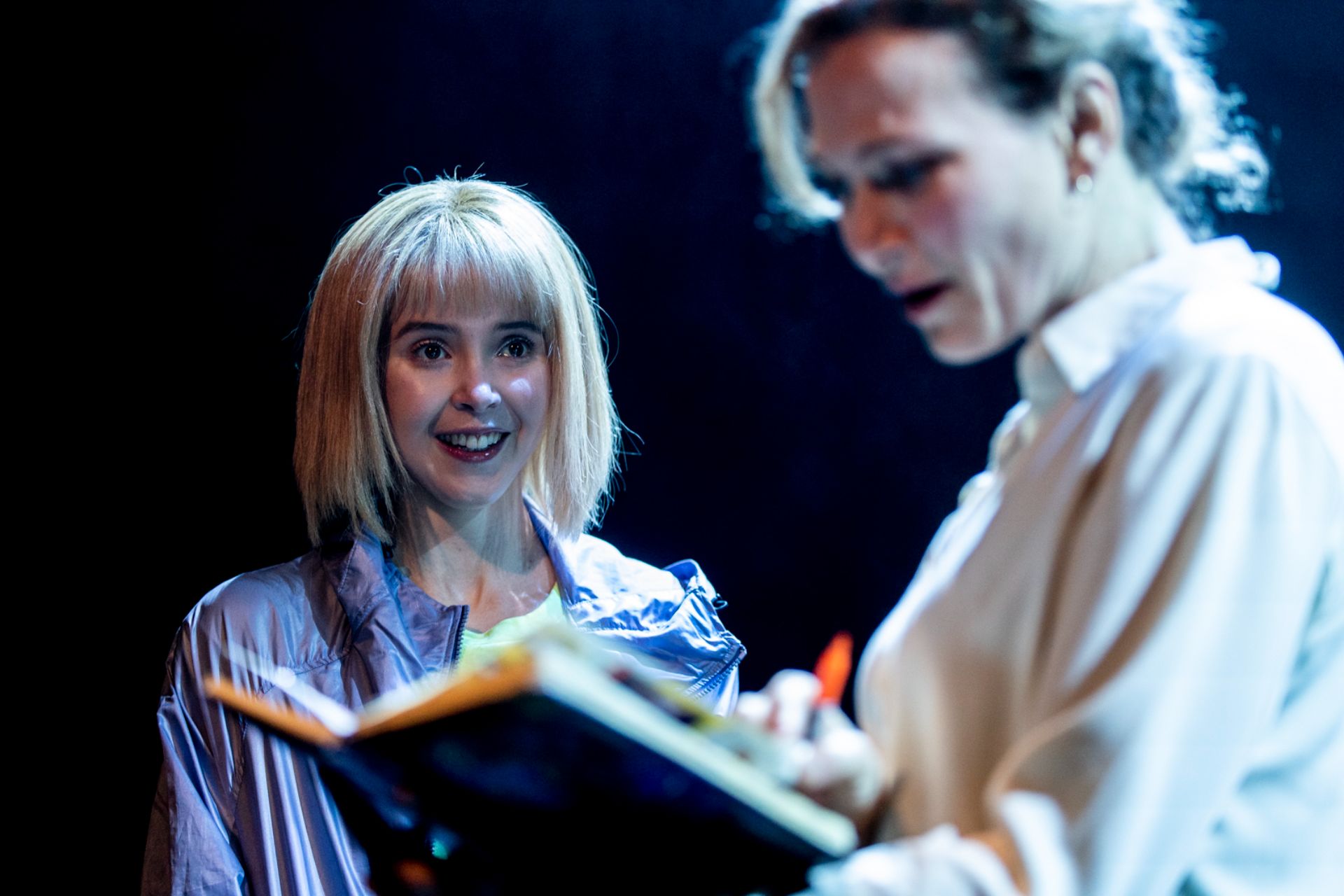
David Fleischer’s set design takes full advantage of a very deep stage (at the extravagantly renovated Wharf Theatres), utilising configurations of sparseness to communicate elements of time and distance, that are central to a story that has us frequently thrust into moments of magical abyss. Lights by Nick Schlieper are appropriately ethereal, reliably transporting us through one translucent apparitional scene after another. Renée Mulder’s costumes provide great assistance, so that characters are convincing from the get-go. Music by Clemence Williams and Matthew Doyle, are sentimental and beautiful, and along with David Bergman’s restrained sound design, provide us with meditative spaces so that our thoughts and emotions can be activated, in the audience’s pursuit of interpretation and introspection.

A remarkable warmth emanates from the cast; they seem to be saying that this tale is for all of us, and that we are in this together. Catherine Văn-Davies is powerful as Abigail, an urgent and compelling presence whose sense of precision, keeps us attentive to all the valuable dimensions of what we discover to be a surprisingly complex exercise. Văn-Davies brings an authentic earthiness that anchors the production in a place that feels universal and meaningful, even when its flights of fancy take us far away from reality. It is often a deeply moving performance, one that tethers us to humanity, of the self and of others.

Guy Simon is unforgettable in his various roles, but as Johnny Whites, his controlled delivery of an Indigenous man whose daughters have been stolen by the crown, is utterly devastating. Heather Mitchell is a sheer delight as two vastly different matriarchs, both wonderfully comical, yet profound with what they convey. The precocious Beatie is played by Sofia Nolan, with excellent timing and a formidable exuberance. The show requires of its actors, a high level of technical proficiency, but they are unrelenting with the heart and soul of the piece, and as a result, the audience cannot help but be thoroughly affected.

We need to know our origins, in order that our destinations can be properly mapped out. We have for the longest time, misunderstood our past, and therefore so many have to suffer painful consequences. This is a task that has no room for delusions. We can no longer pretend to be wholly benevolent. People need to own up to their mistakes, make reparations, and correct our pathways. Travelling back in time to face the demons is hard, but for the brave, it is the only way forward.

www.sydneytheatre.com.au

Review: Symphonie Fantastique (Little Eggs Collective)

Venue: Kings Cross Theatre (Kings Cross NSW), Feb 17 – 27, 2021
Director: Mathew Lee
Cast: Lloyd Allison-Young, Alex Beauman, Cassie Hamilton, Clare Hennessy, Annie Stafford, Nicole Pingon, Chemon Theys, LJ Wilson
Images by Patrick Boland, Julia Robertson

Theatre review
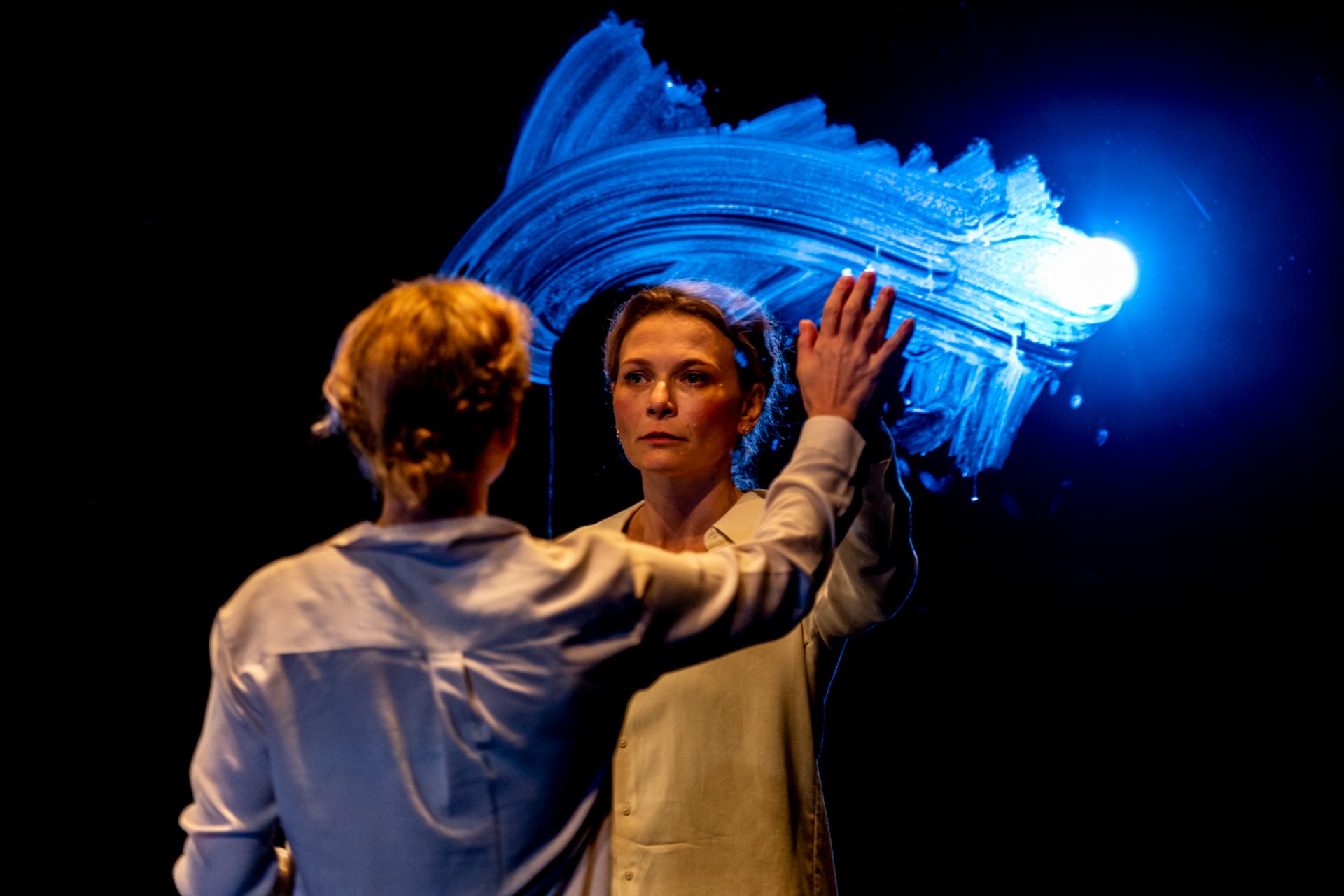
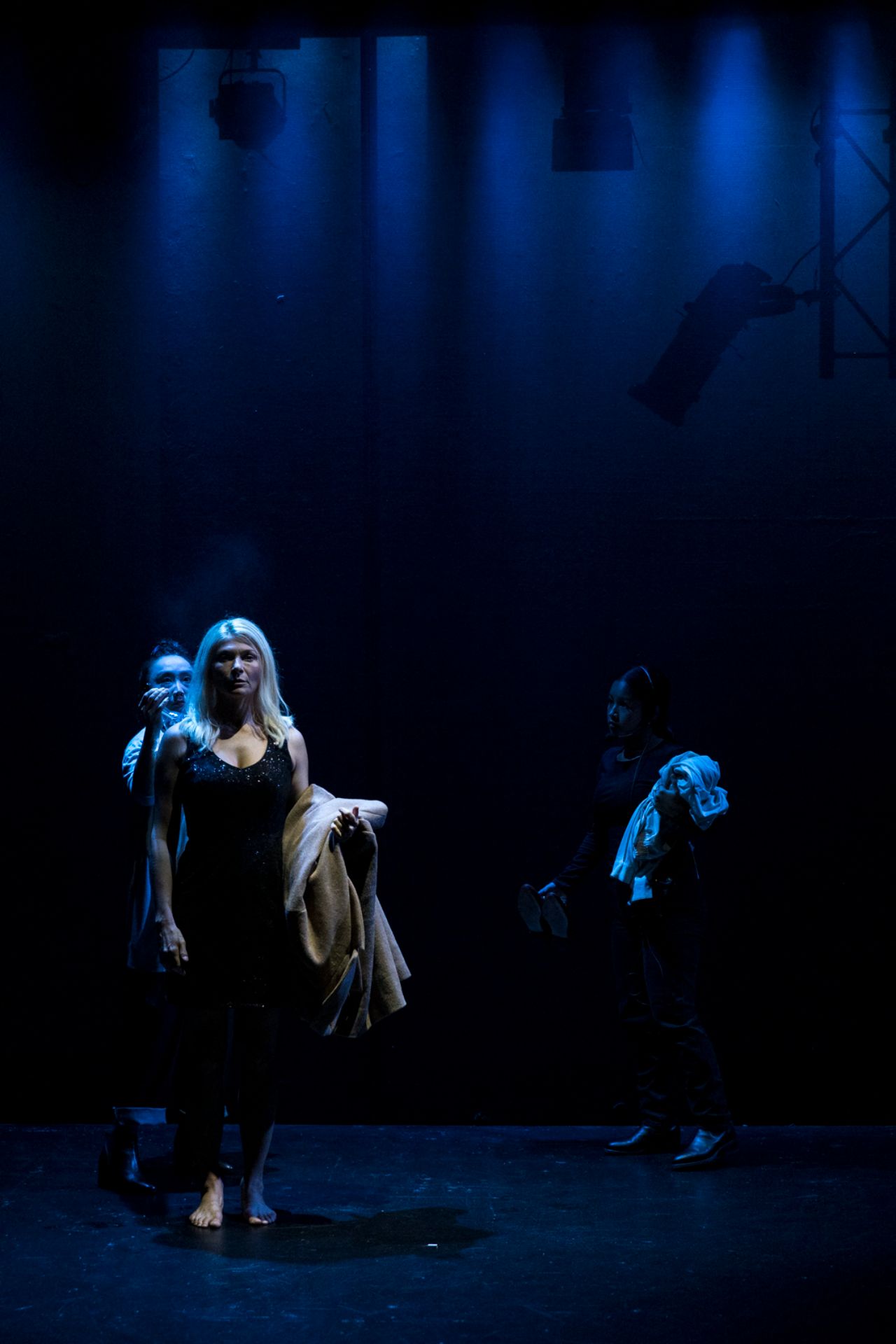
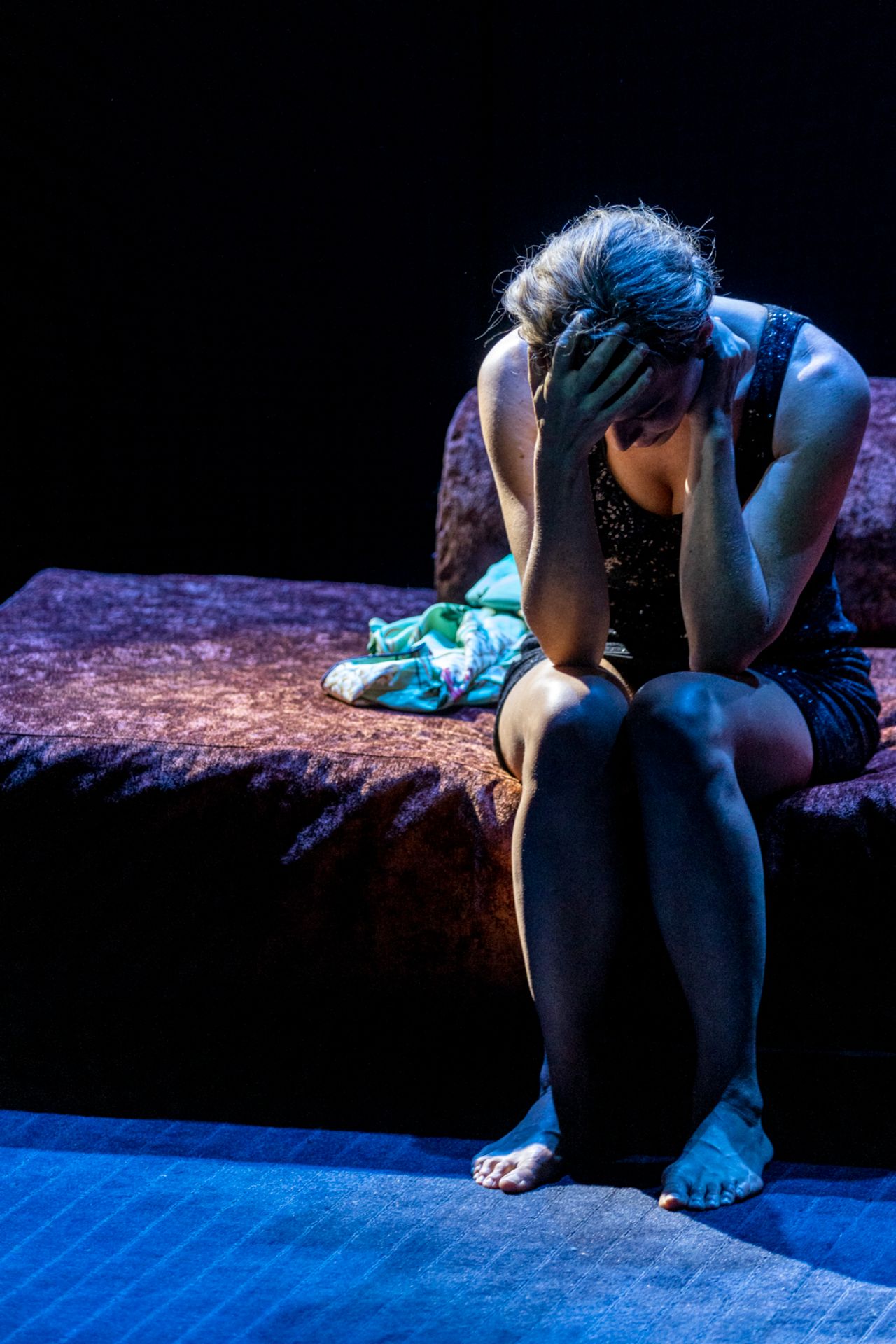
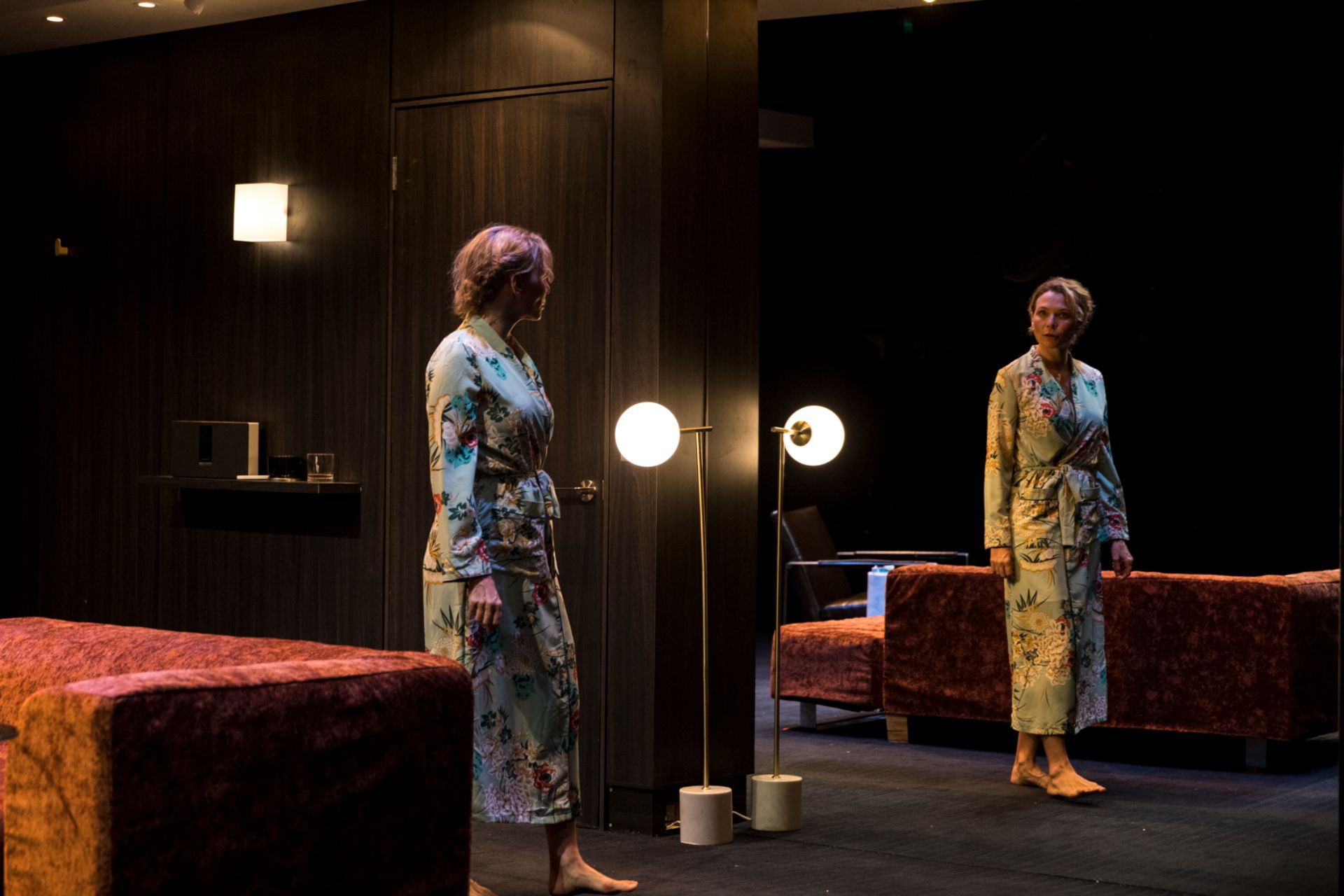
In 1830, French composer Hector Berlioz created Fantastical Symphony: Episode in the Life of an Artist… in Five Sections, a work from the Romantic period that is now considered seminal in what is known to be the Program music genre. The piece involves obsessive love and morbid fantasies, which the Little Eggs Collective, under the direction of Mathew Lee, extracts to use as central themes in their 45-minute theatrical presentation, named Symphonie Fantastique after the original French. Examined through contemporary eyes, Berlioz is less romantic, and a lot more rapey.

Transformed into a genderless protagonist, the reimagined maestro is frustrated, cowardly, out of control. Grandiose and insufferable, their story is reminiscent of Fellini’s , in which we see an artistic genius trapped inside their own paranoia-filled process, filtering everything they encounter into a self-serving narrative, as though the world has been created in their own image. The play Symphonie Fantastique is virtually wordless, with deconstructed interpretations of Berlioz’s music (by Oliver Shermacher’s inventive and inspired musical direction) forming a foundation, on which the show is built.
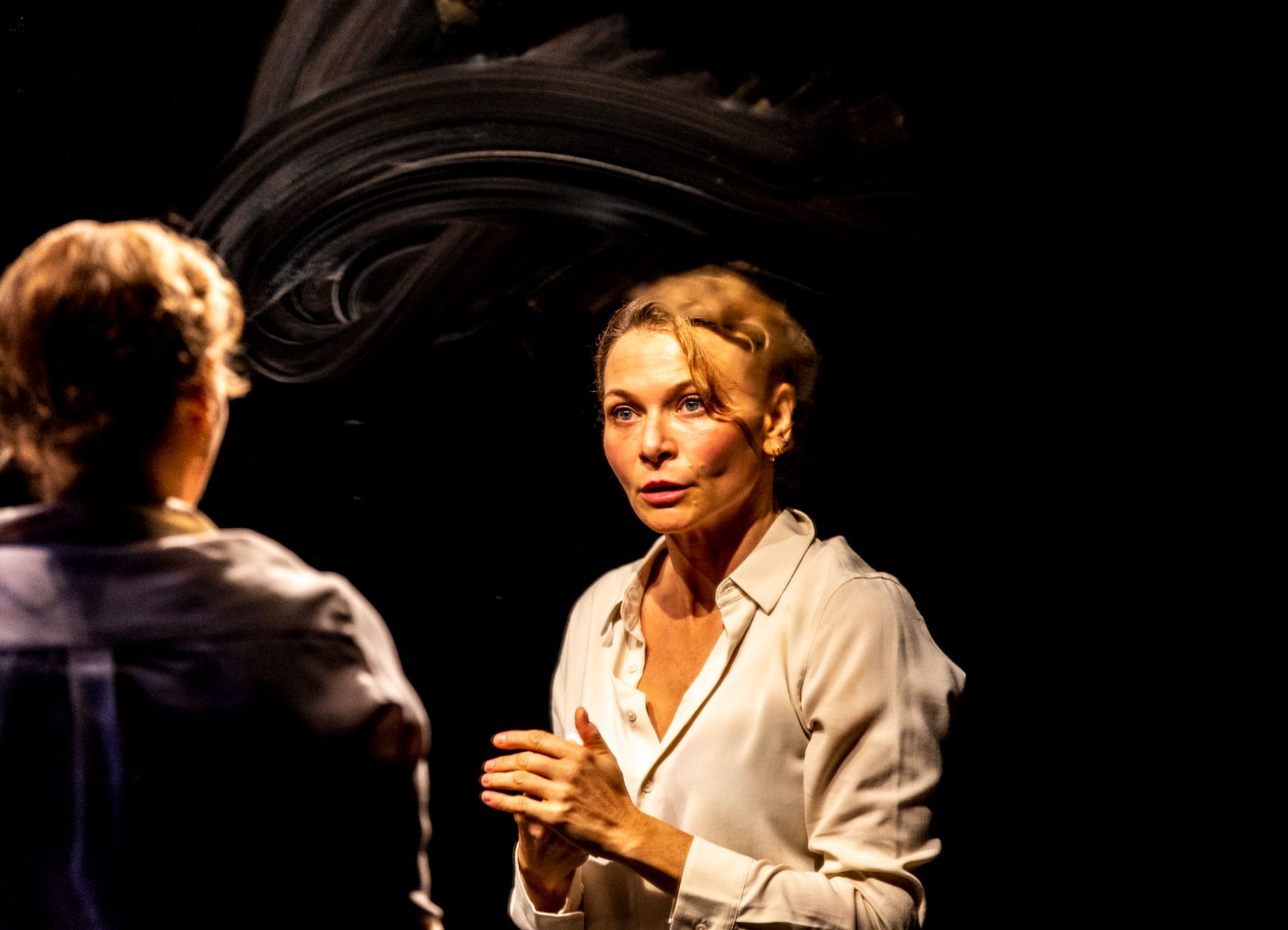
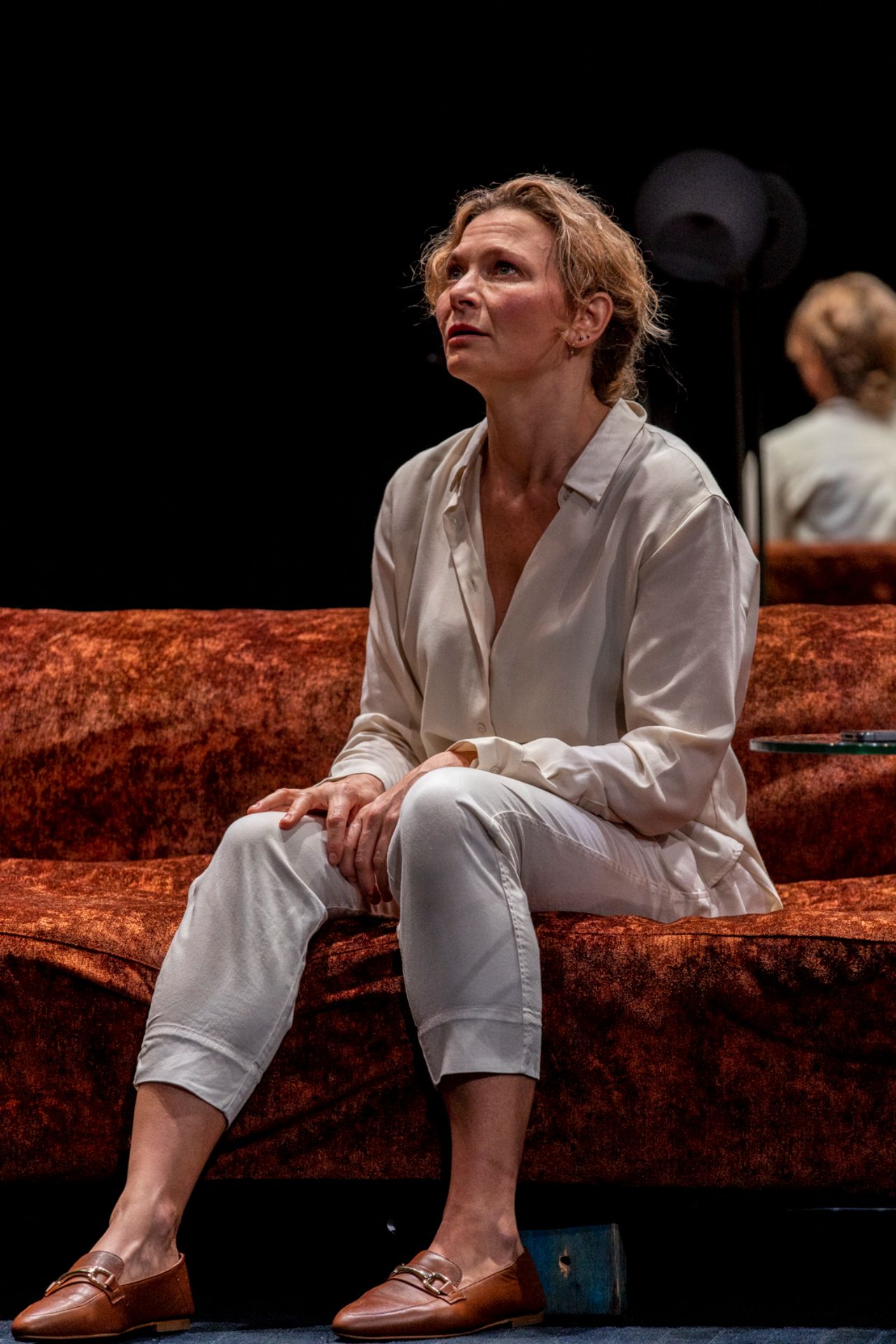
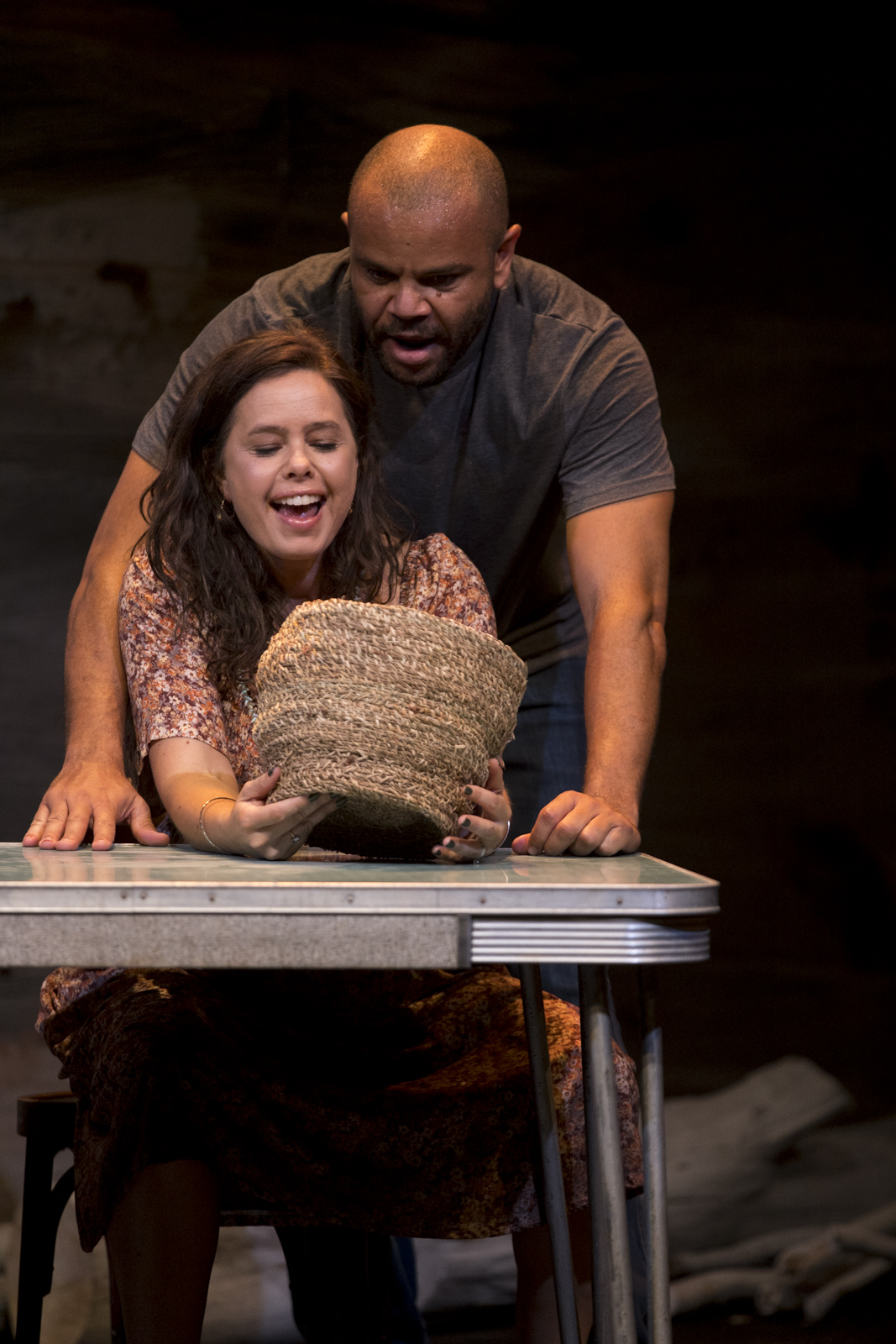
The ensemble of eight are called on to dance, act, sing and even to play musical instruments, for a multidisciplinary exploration of the performing arts, that audiences will find captivating, at least on sensorial levels. Director Lee has a tendency to be overly literal with his storytelling, but the unfettered impulse to surprise, makes for an enjoyable experience. Performer LJ Wilson offers a strong portrayal of the lead character; not always detailed with emotions being conveyed, but certainly a magnetic presence. As a team, the eight are tightly rehearsed, and extraordinarily cohesive with the constantly undulating energies they bring to the stage.

Visual concepts are ambitiously concocted, and manufactured, for this Symphonie Fantastique. Costumes, hair and makeup by Aleisa Jelbart are marvellously assembled, with an impressive eye for sophistication and finish. Lighting and set designer Benjamin Brockman’s combination of mirrored surfaces and bold colours, insist on firing up our synapses, for unforgettably transcendent moments that are nothing less than electric.

There is a considerable amount of gender bending in this iteration of Symphonie Fantastique, and if the dissolution of gender parameters is essential in approaching, or perhaps advancing, a feminist theatre, then this production is on the right path. There are conundrums, of course, as is the case whenever we attempt to address problems of a sexual nature, whilst working simultaneously to dismantle old frames of thought. We want to bring justice to victims, yet we wish to deny hierarchical power structures their persistence. Feminism is the key to a future where no one is powerless, but it also presents the greatest challenge, for us to understand our world, without tops and bottoms.

www.littleeggscollective.com