Review: The Face Of Jizo (Old Fitz Theatre)

Venue: Old Fitzroy Theatre (Woolloomooloo NSW), Oct 28 – Nov 18, 2023
Playwright: Hisashi Inoue (translated By Roger Pulvers)
Director: David Lynch, Shingo Usami
Cast: Mayu Iwasaki, Shingo Usami
Images by Phil Erbacher

Theatre review
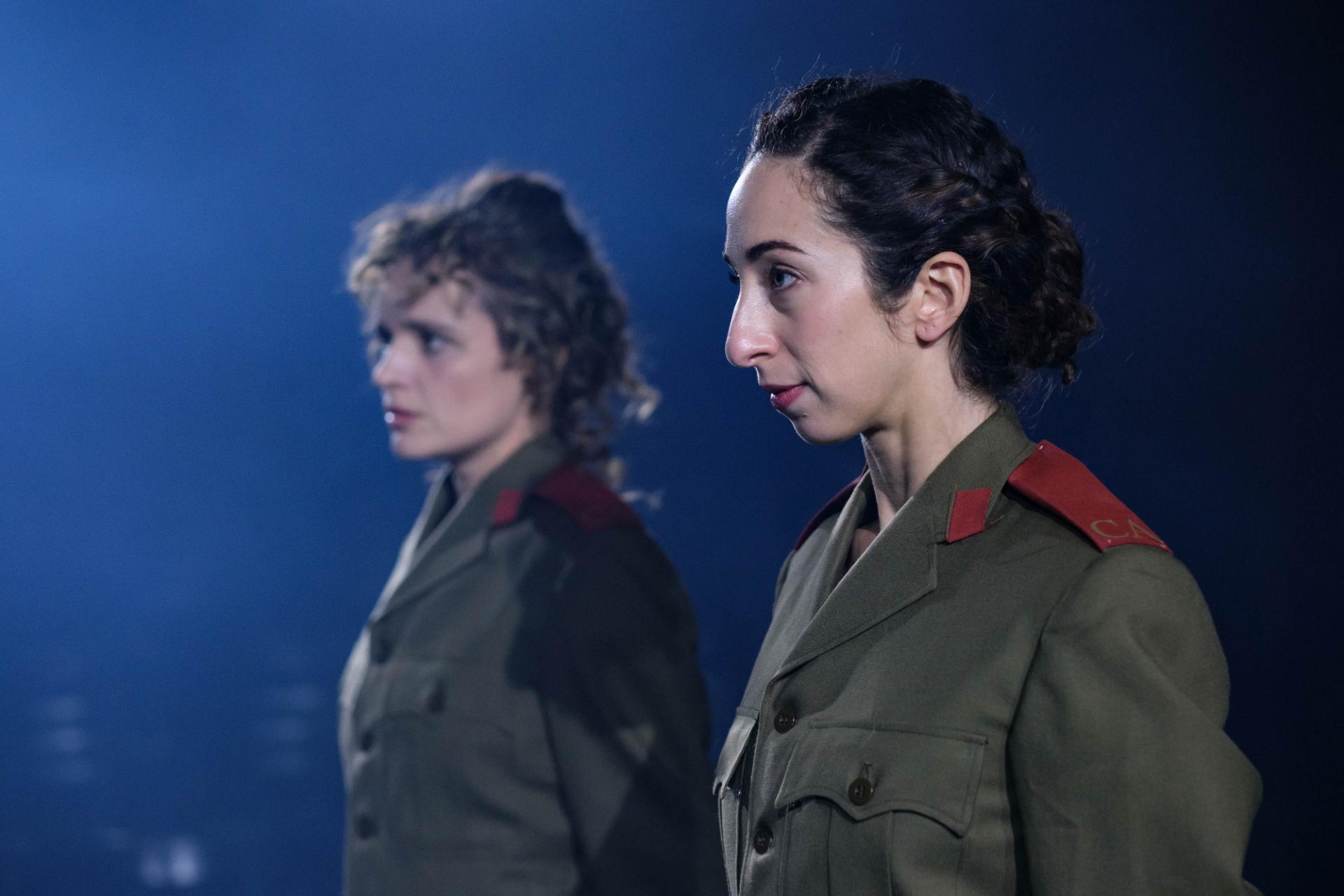
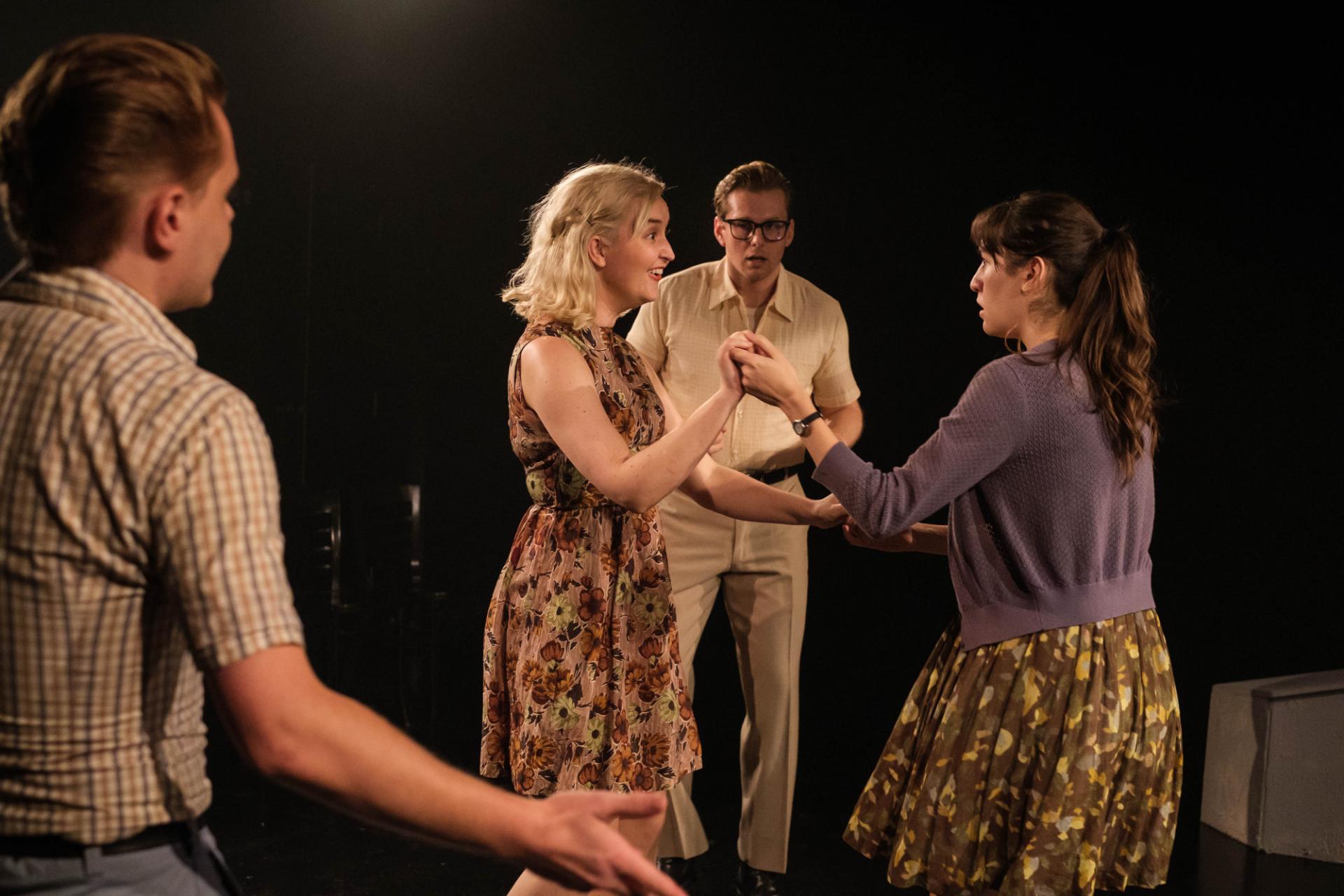
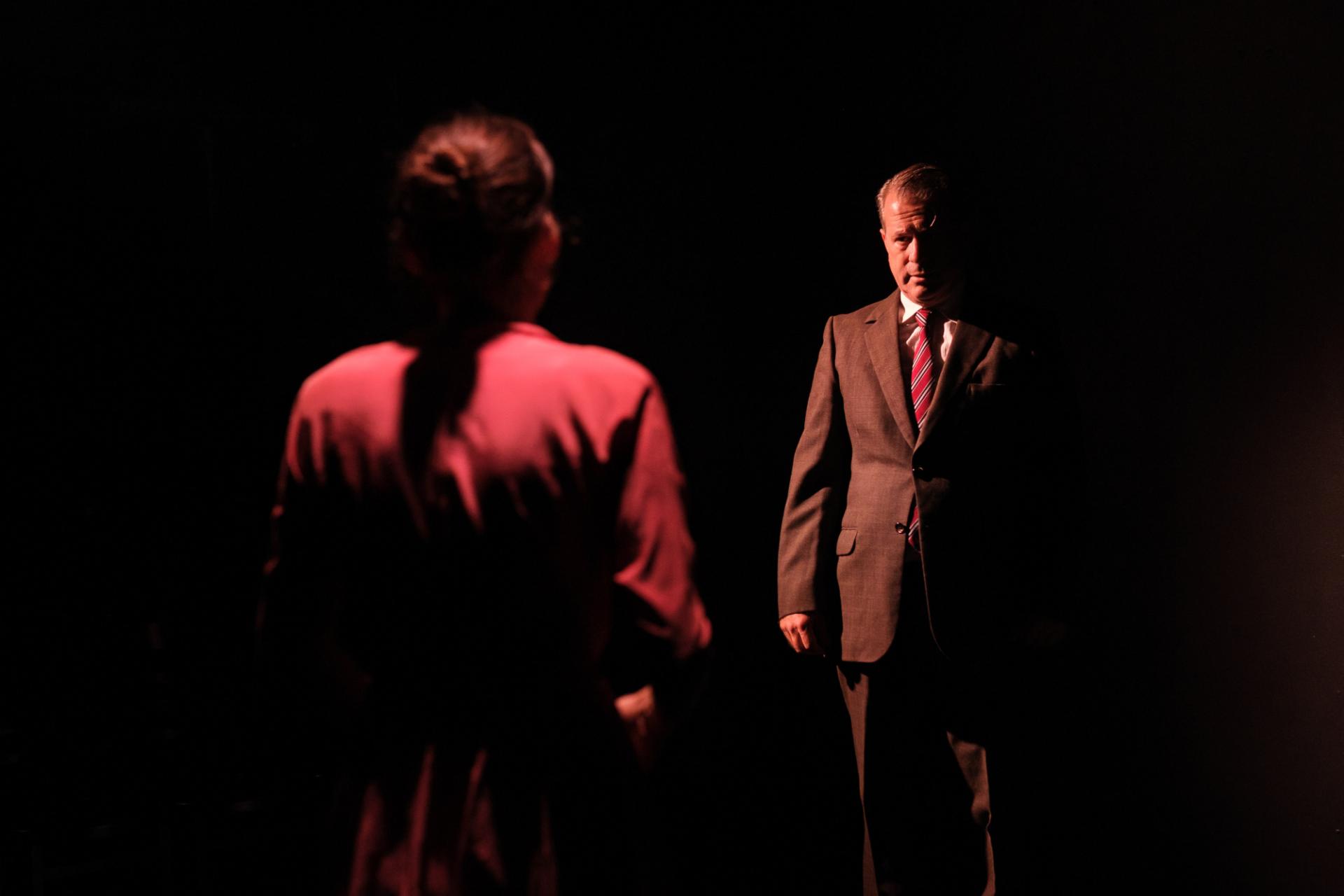
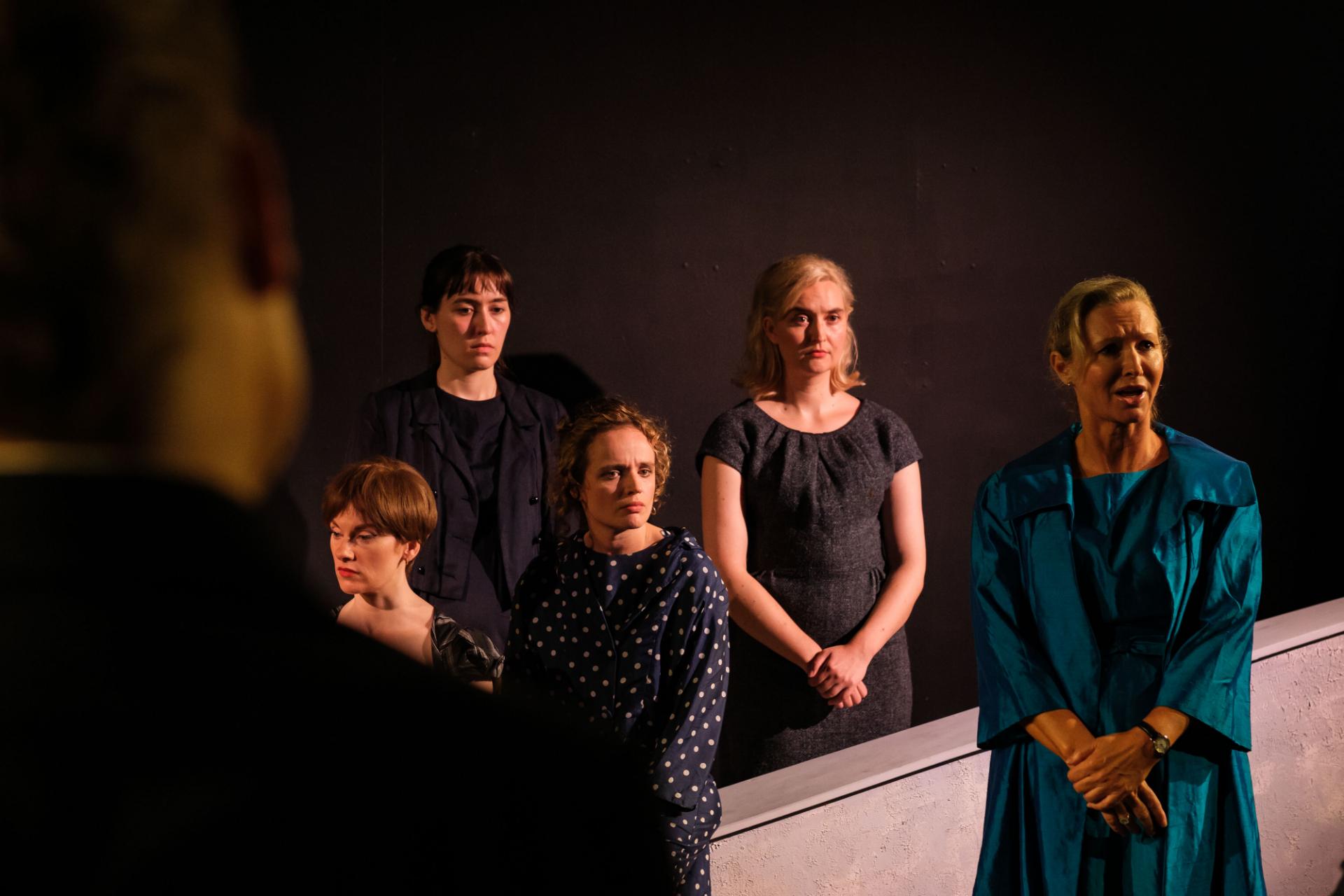
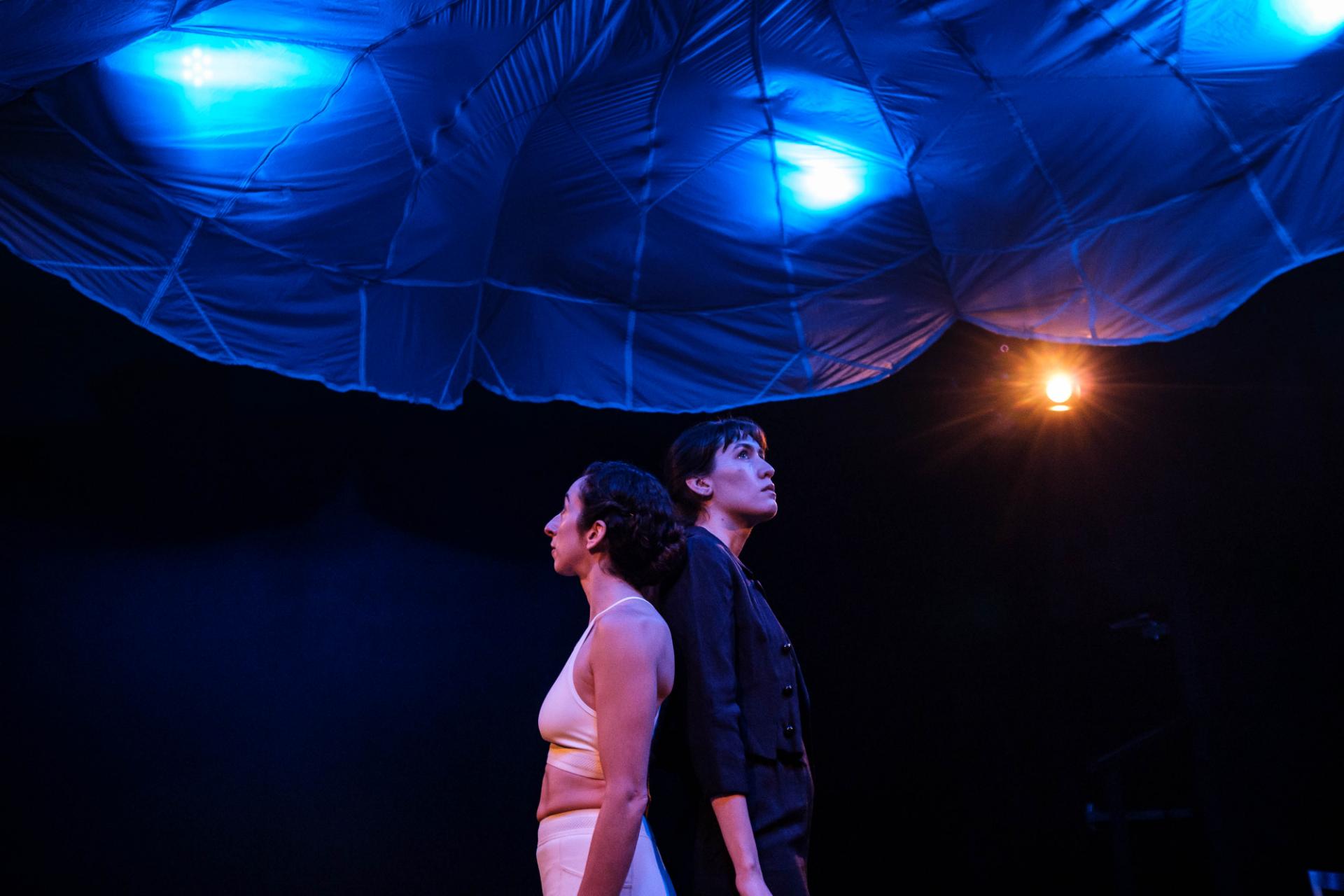
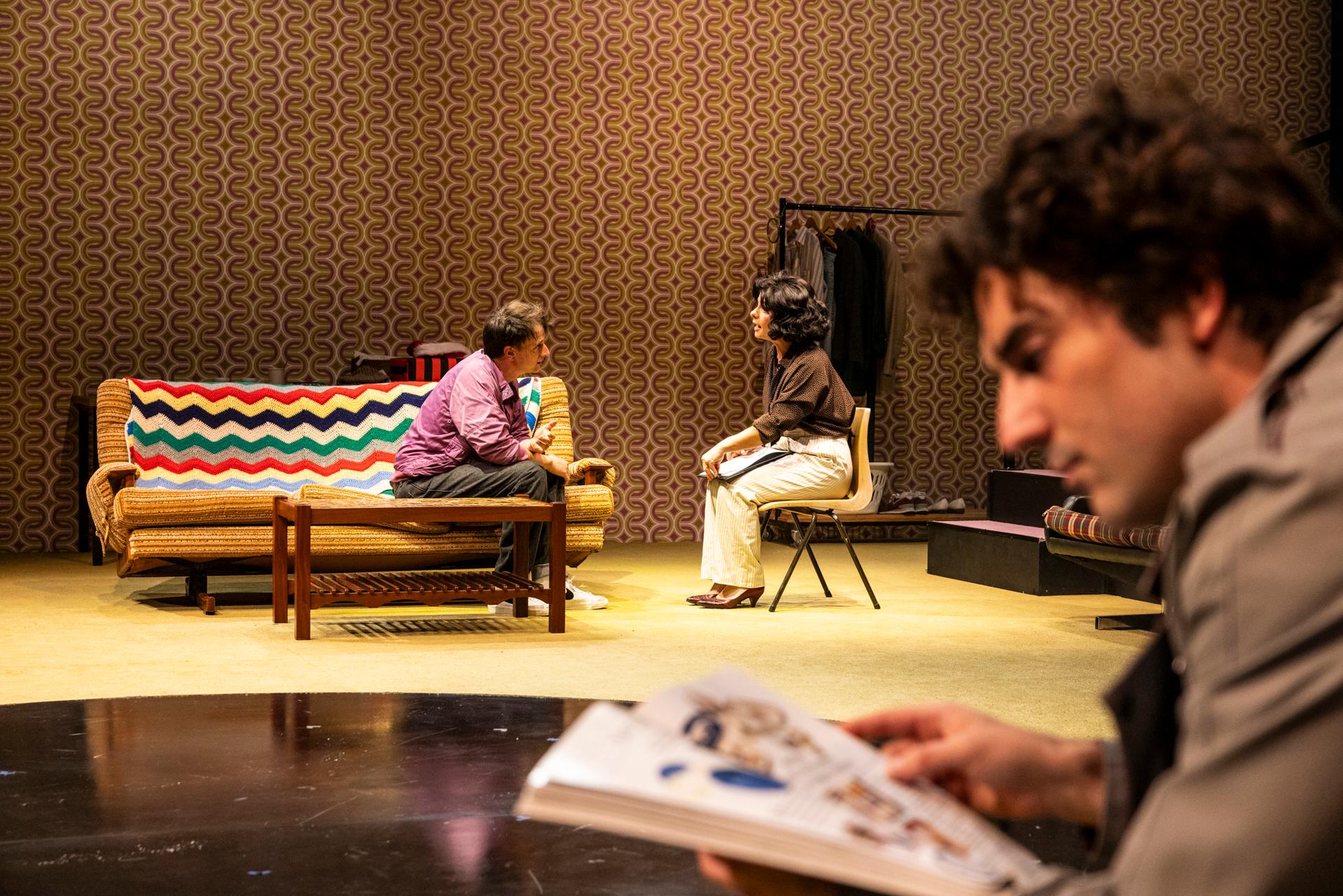
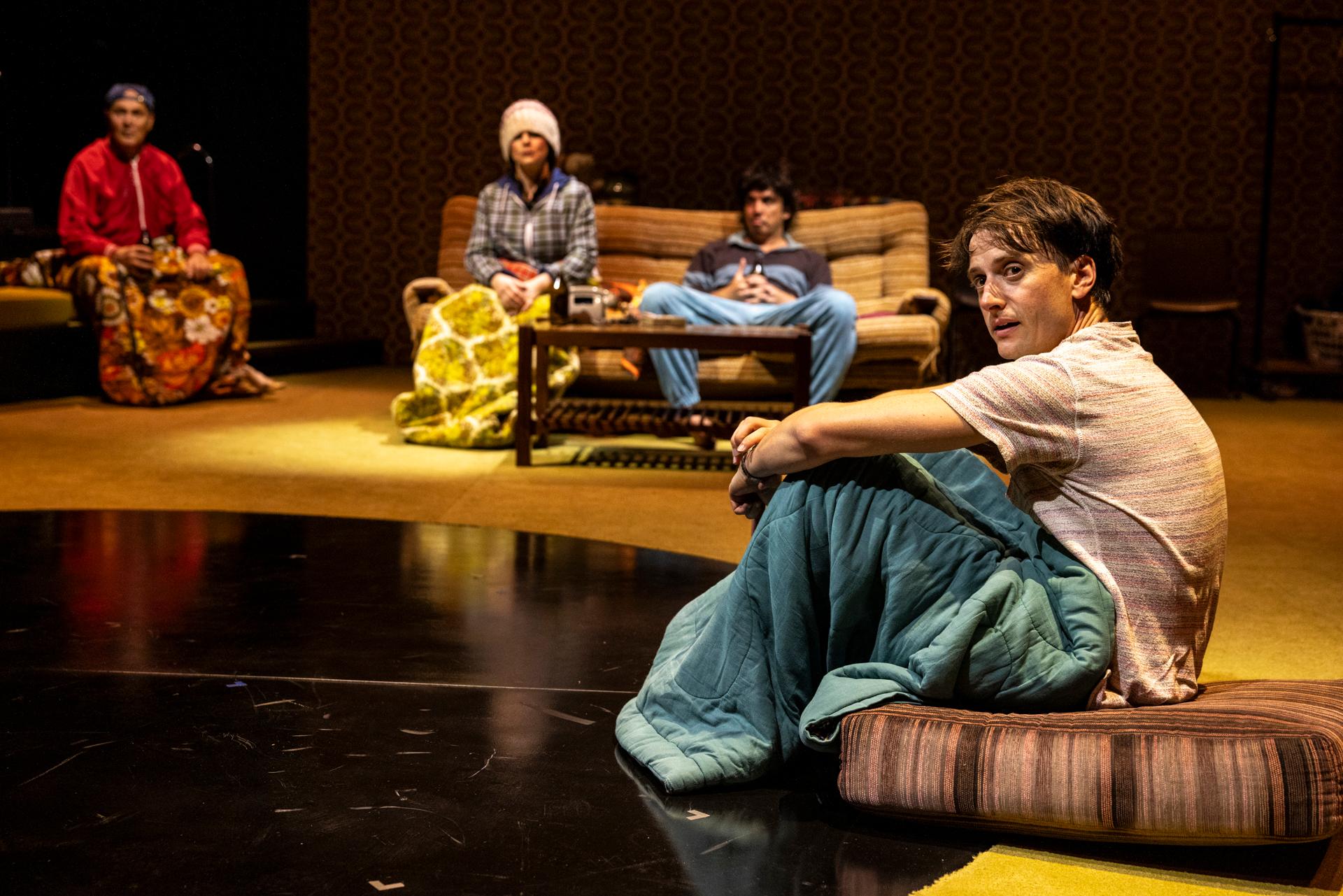
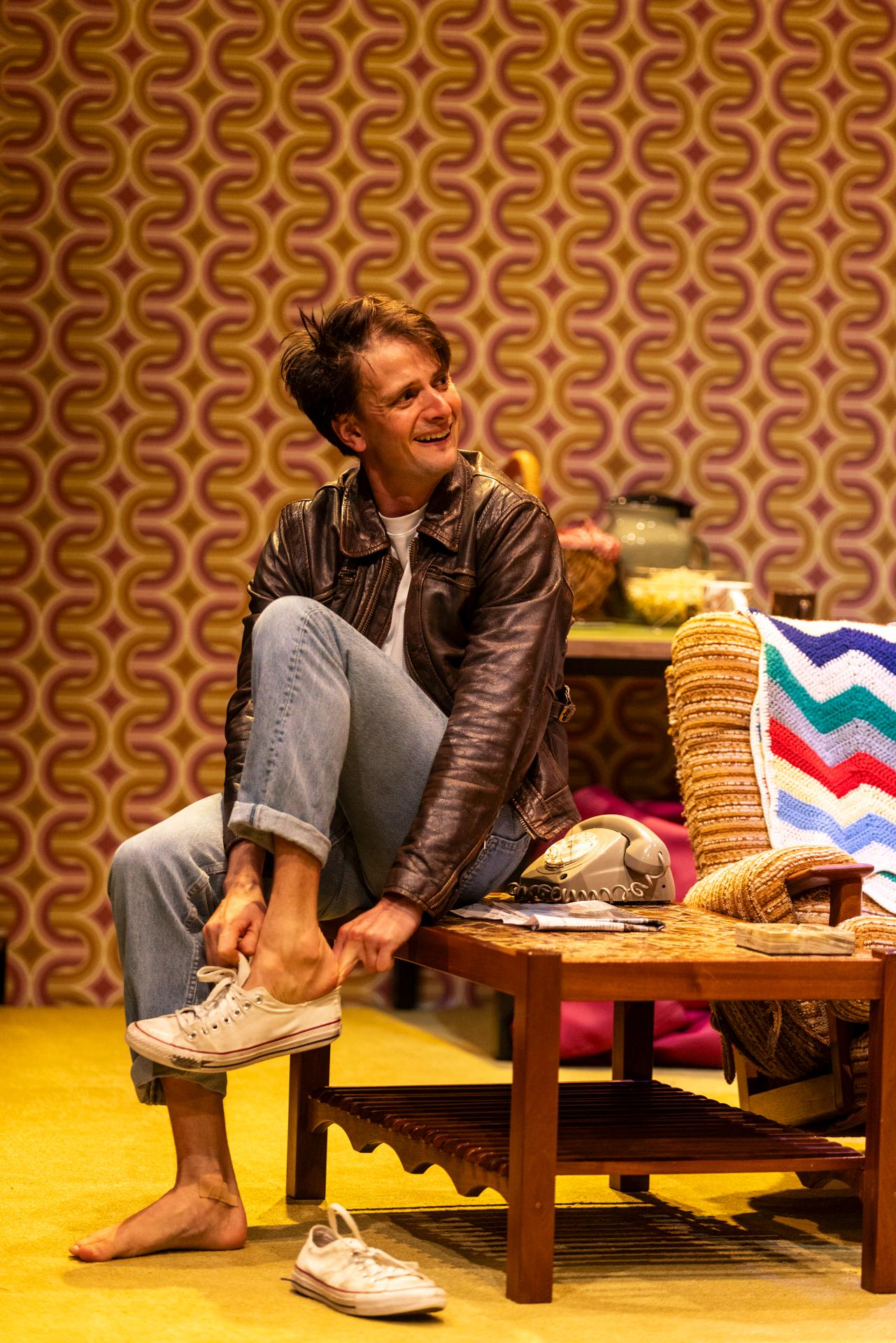
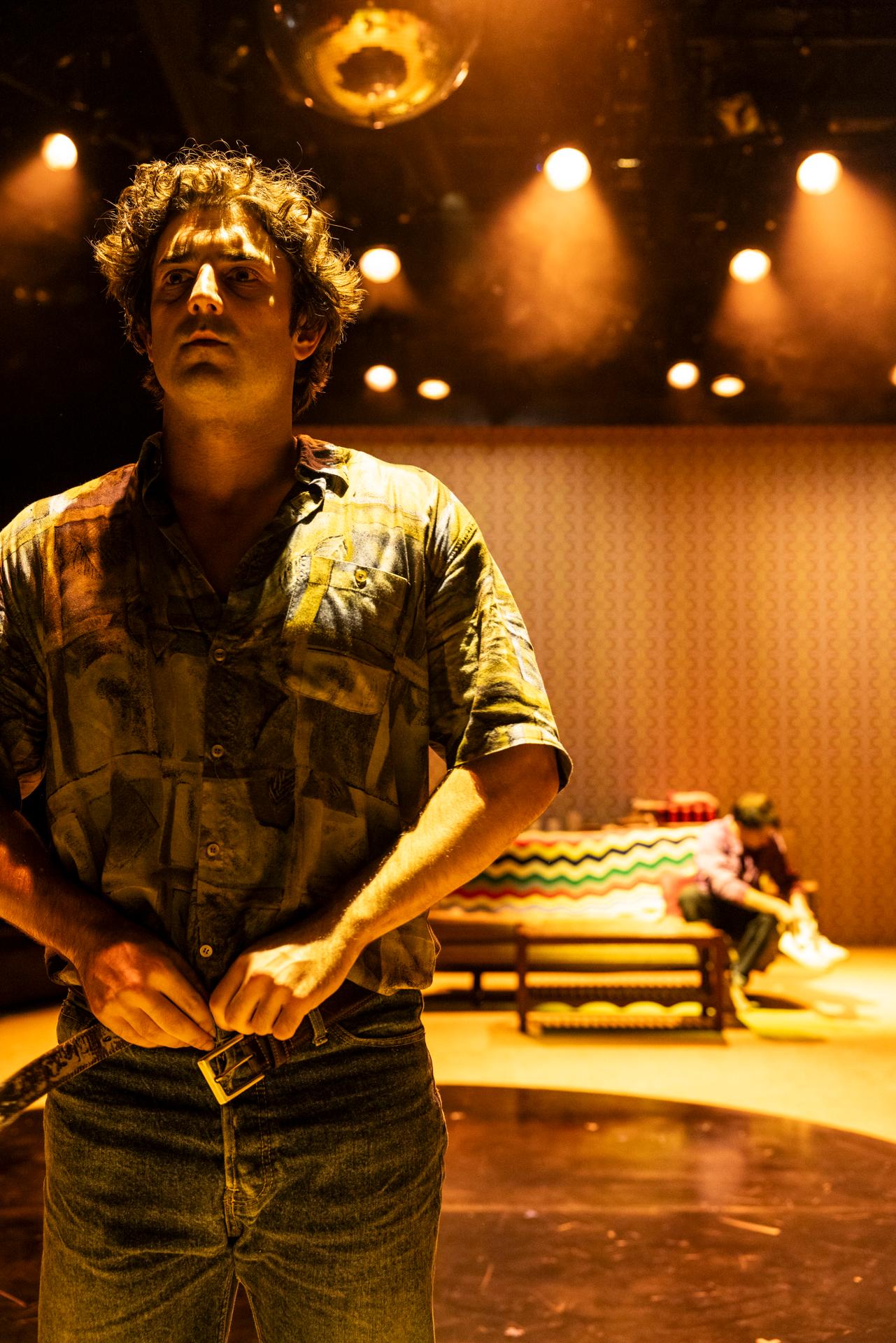
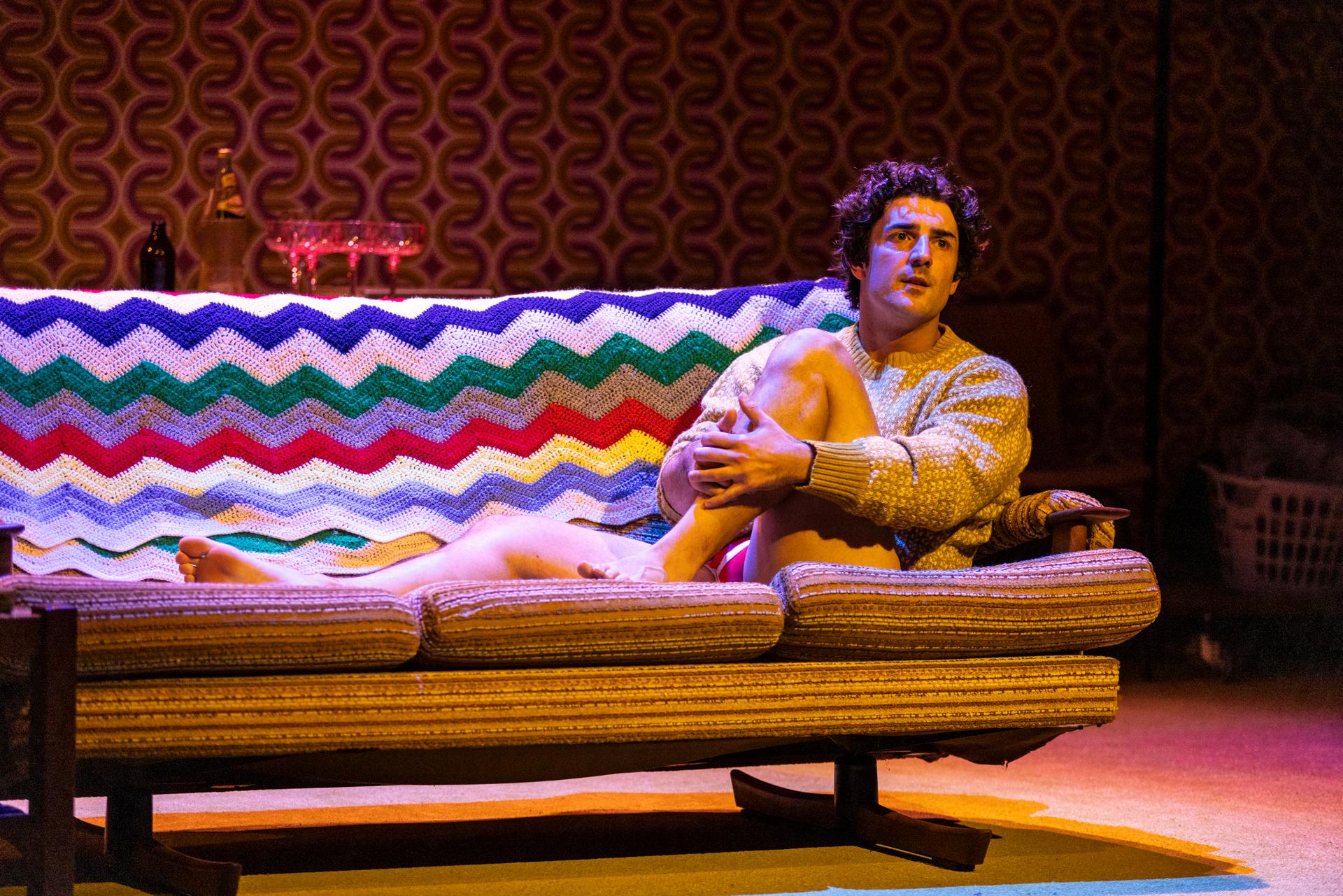
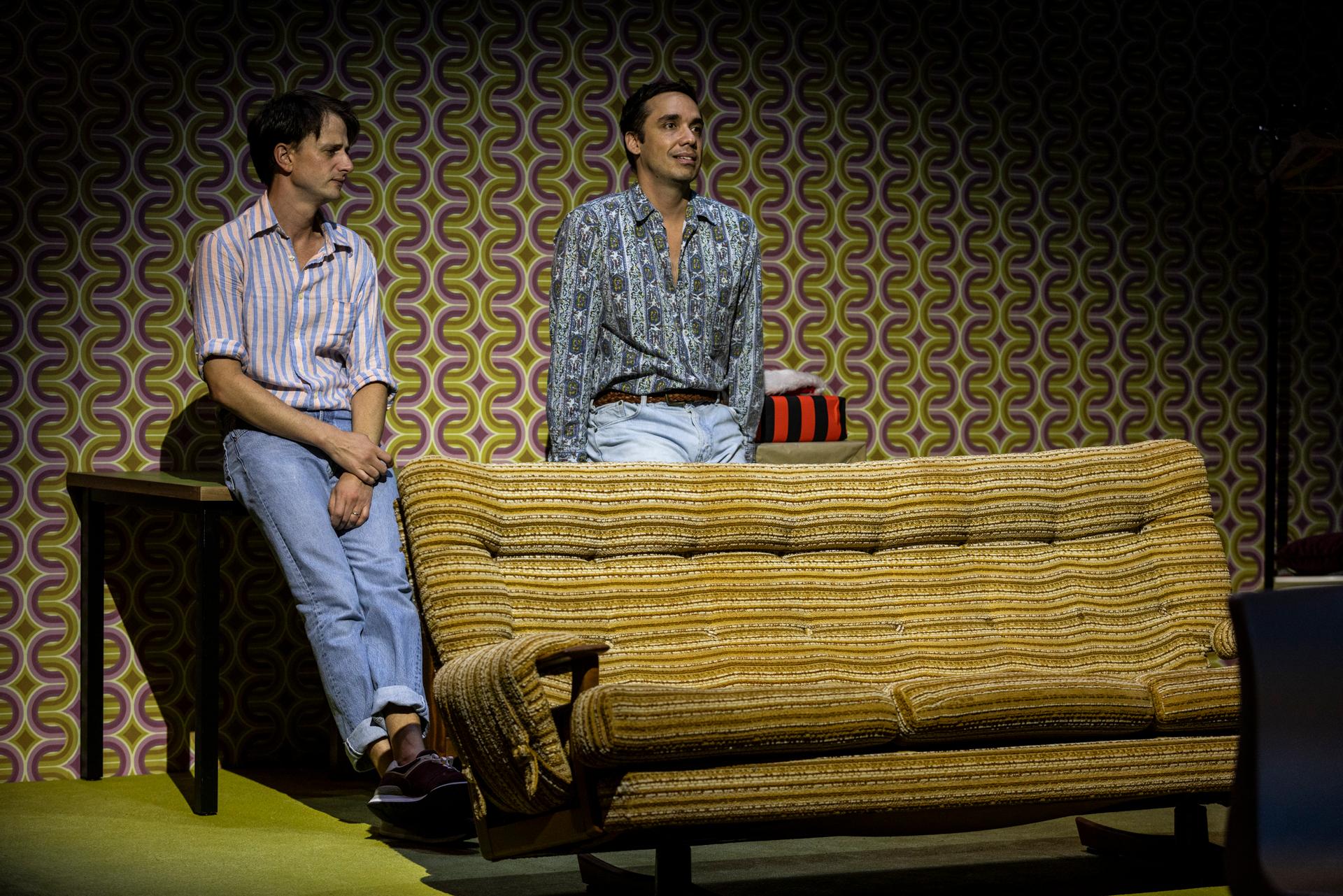
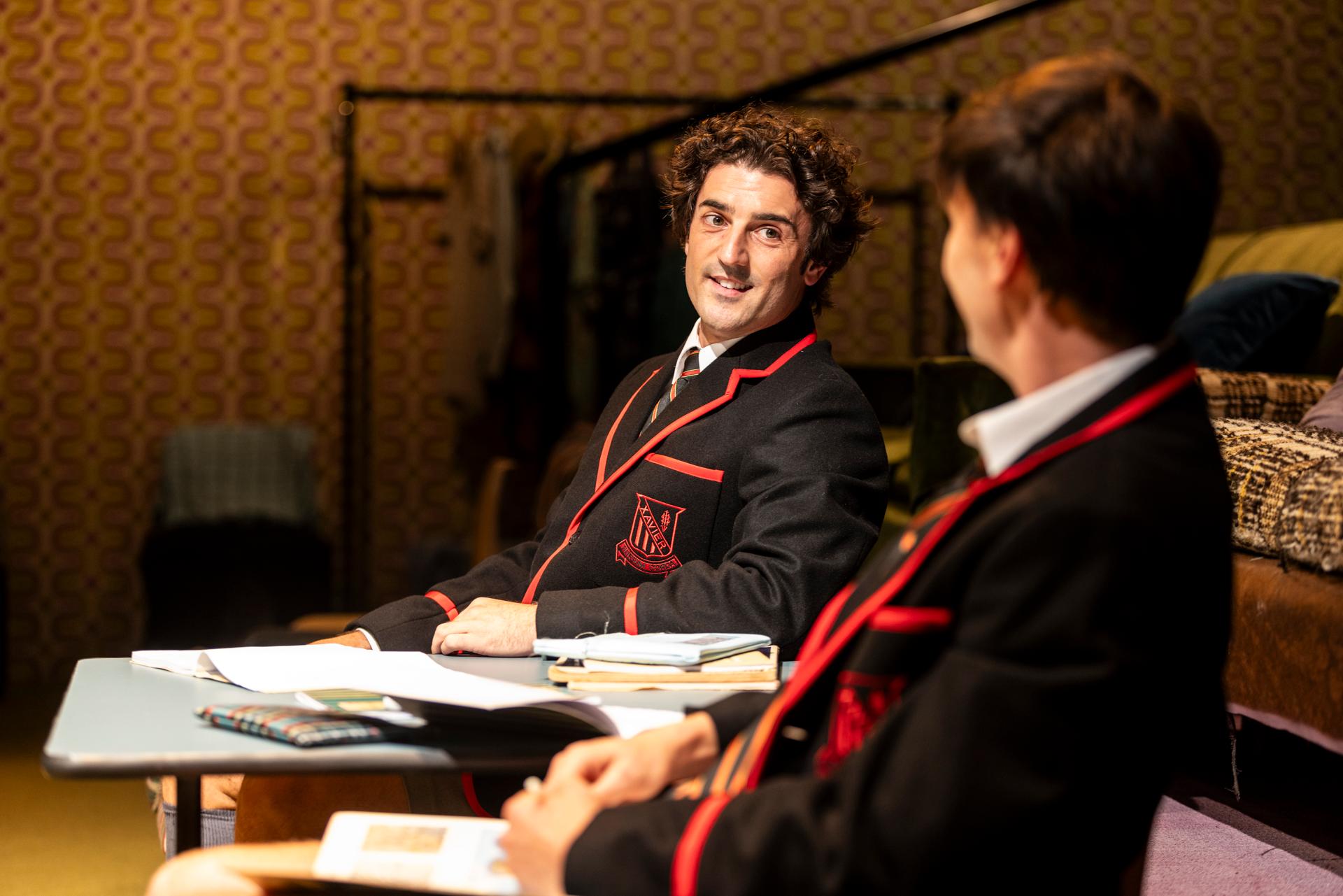
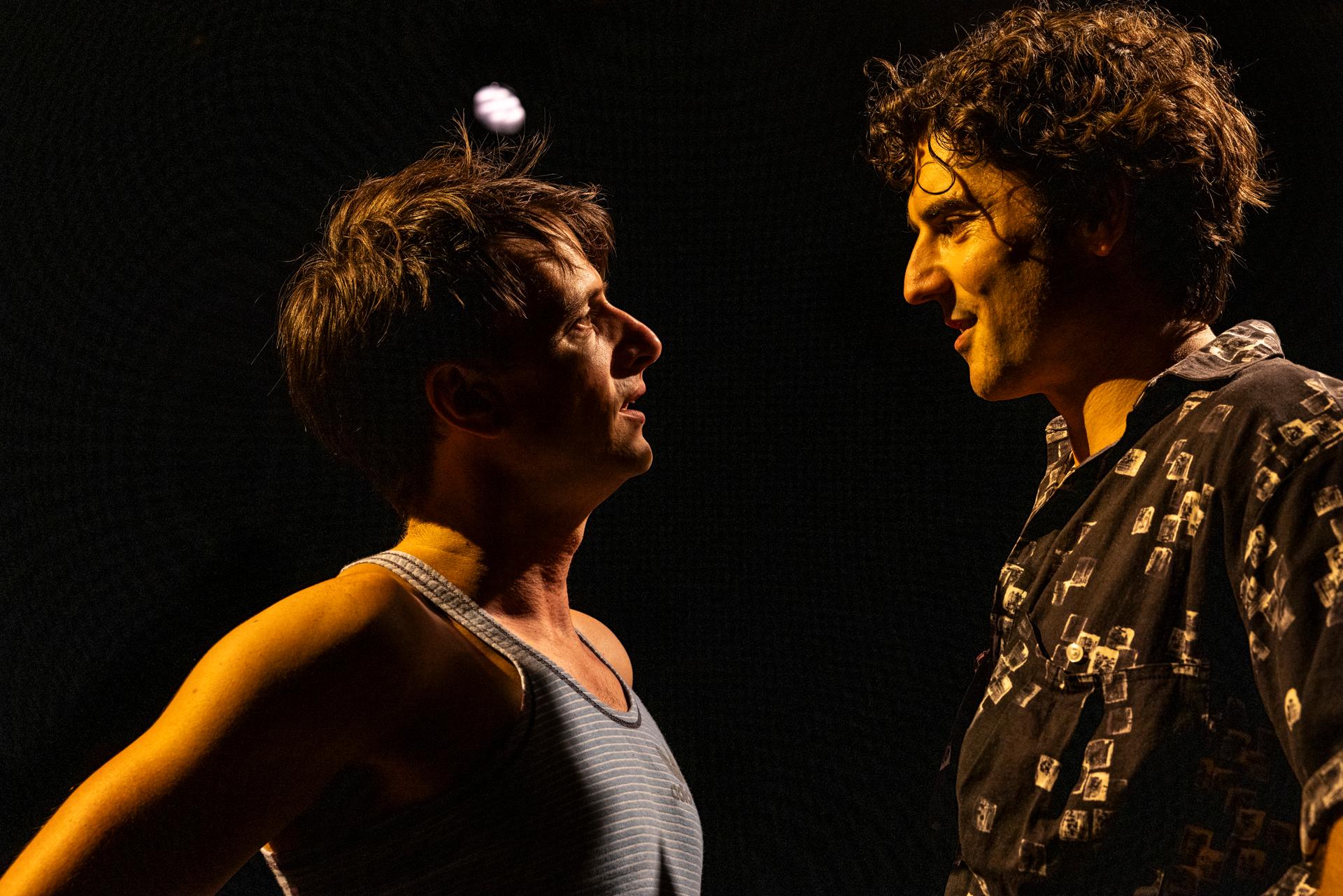
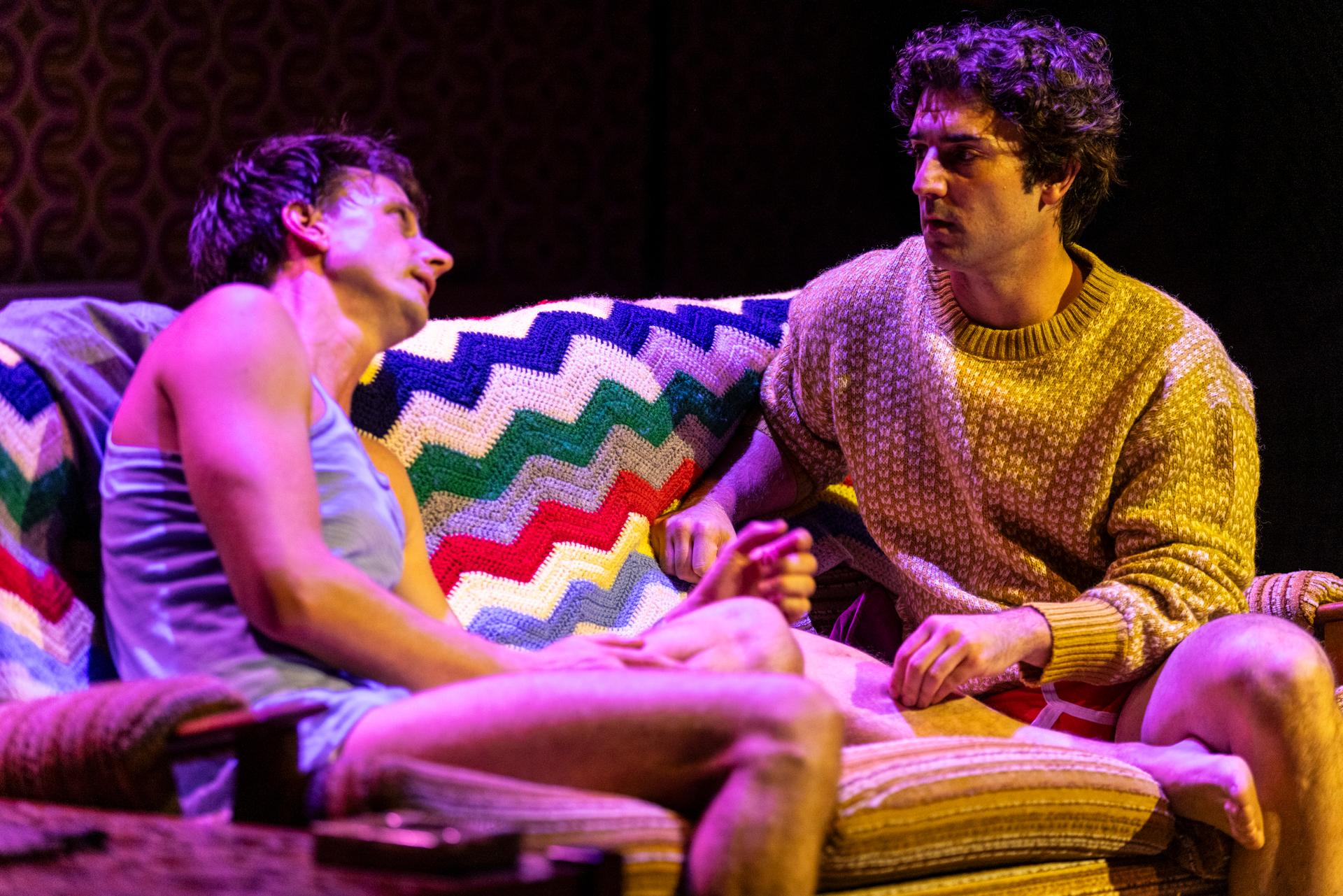
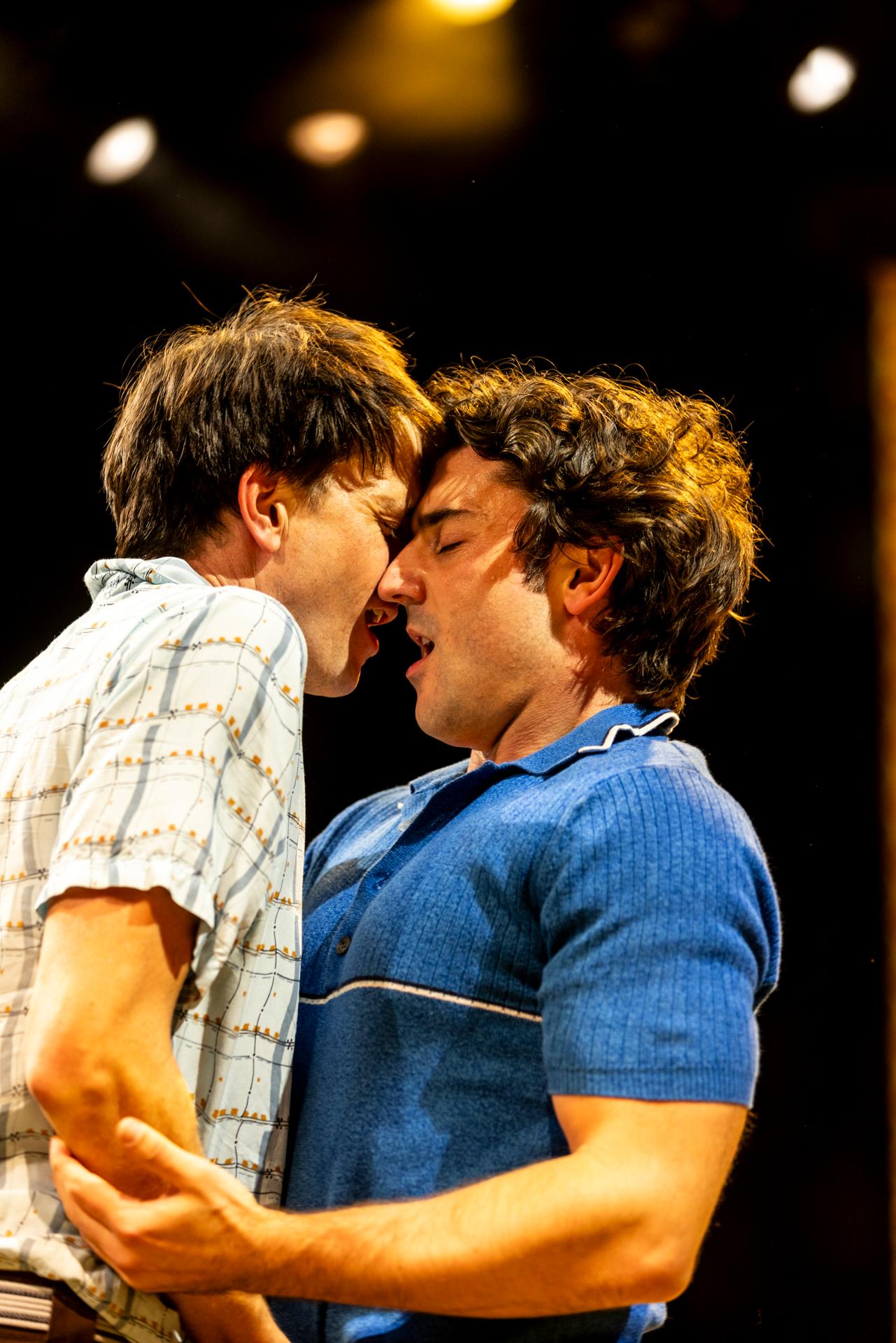
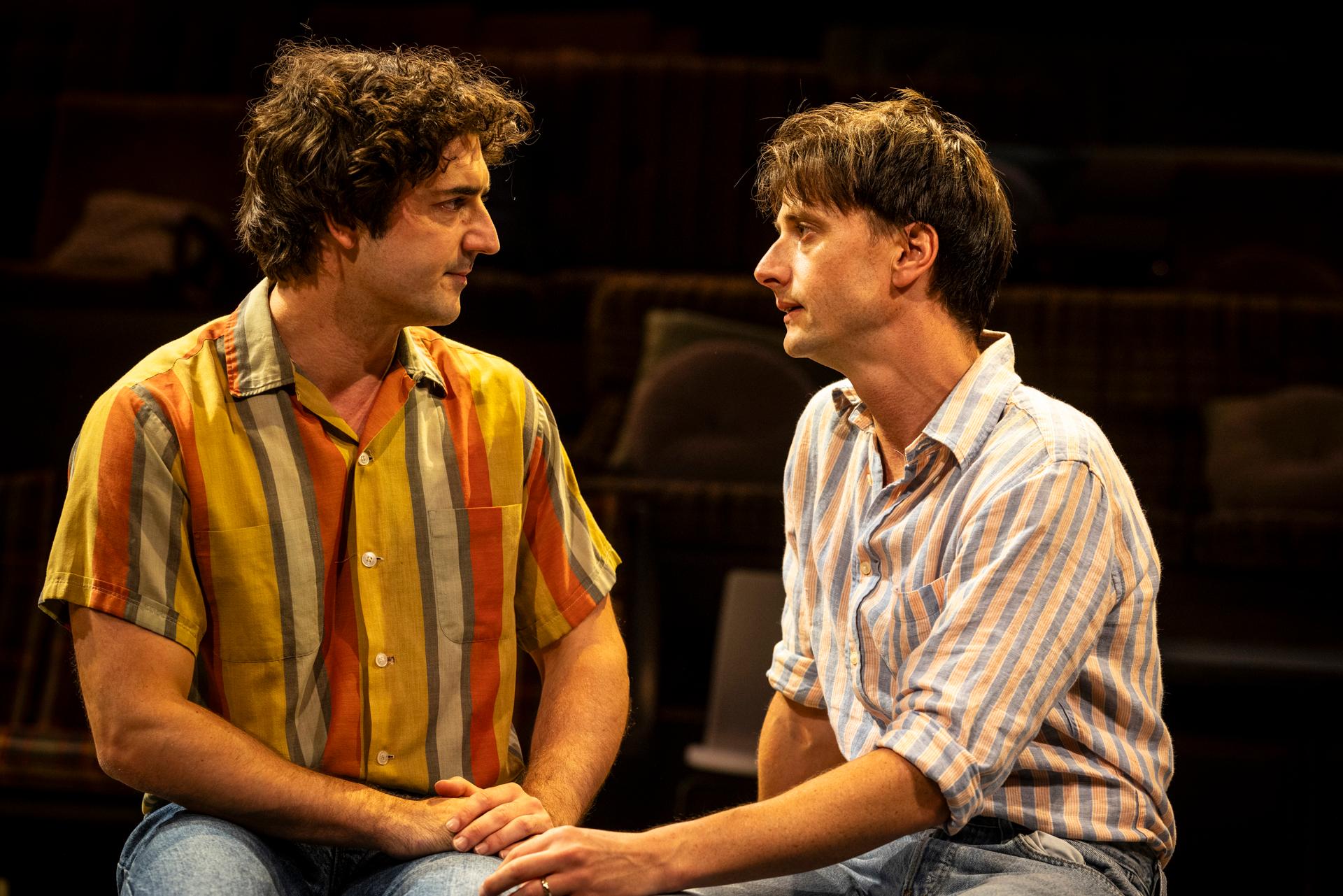
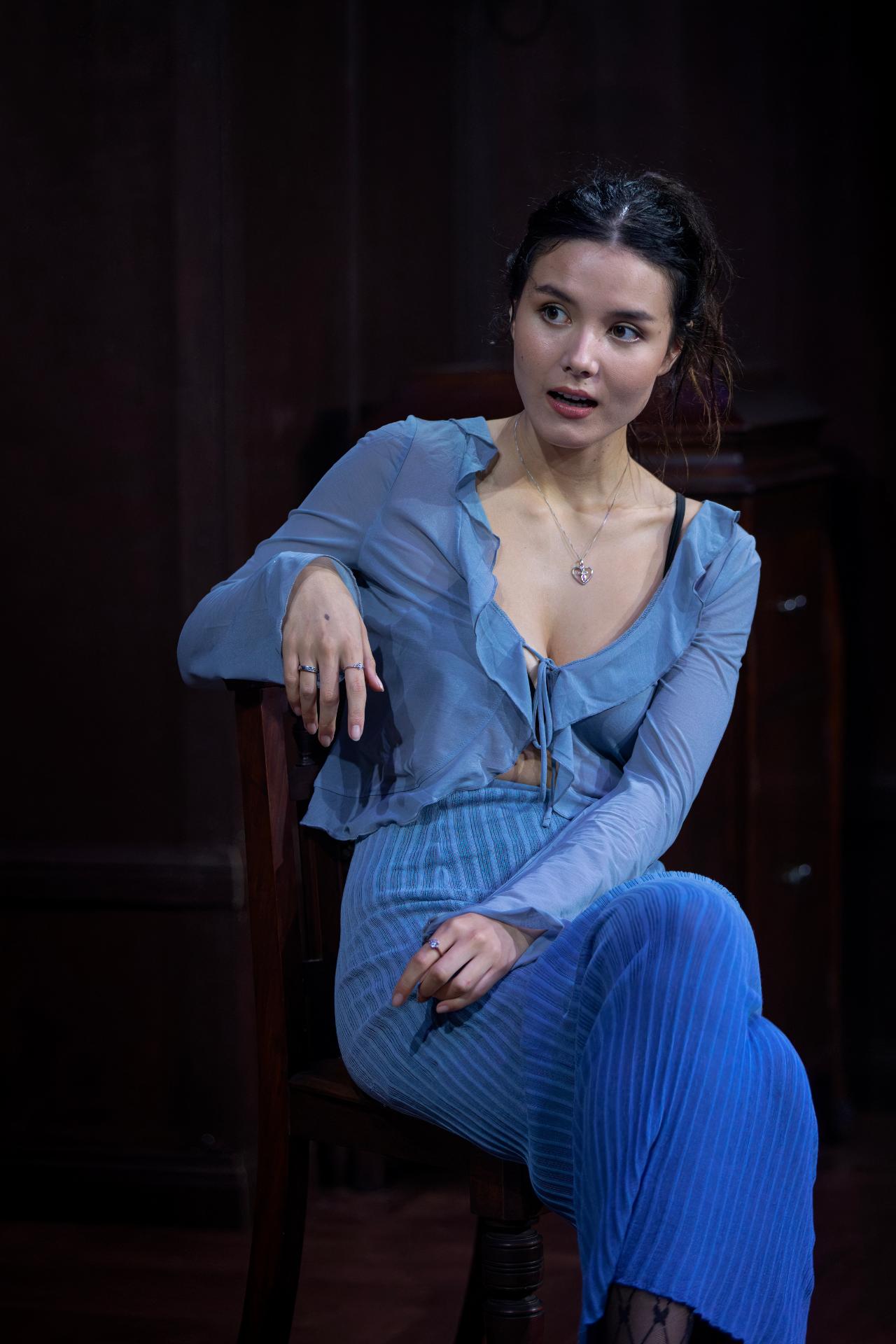
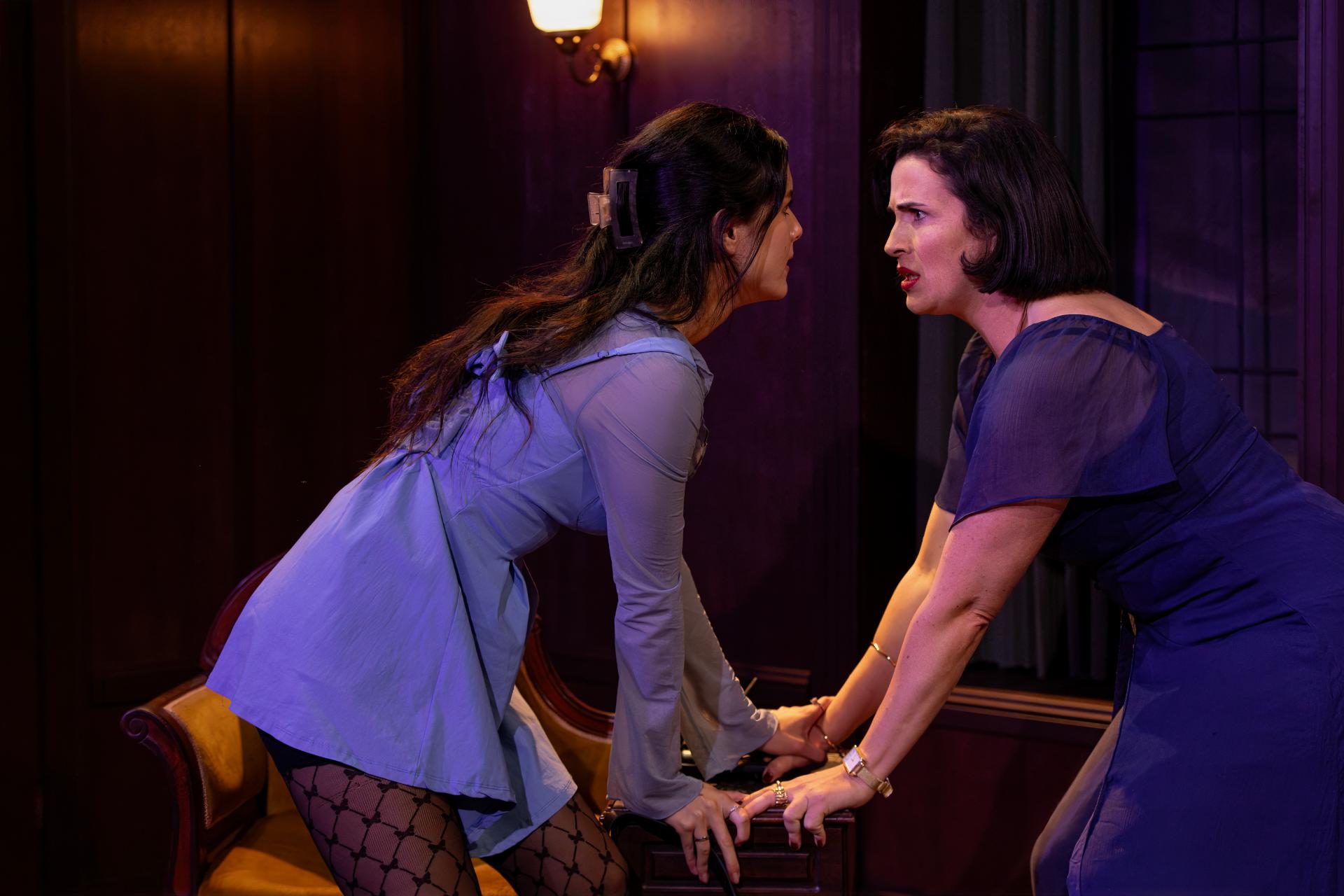
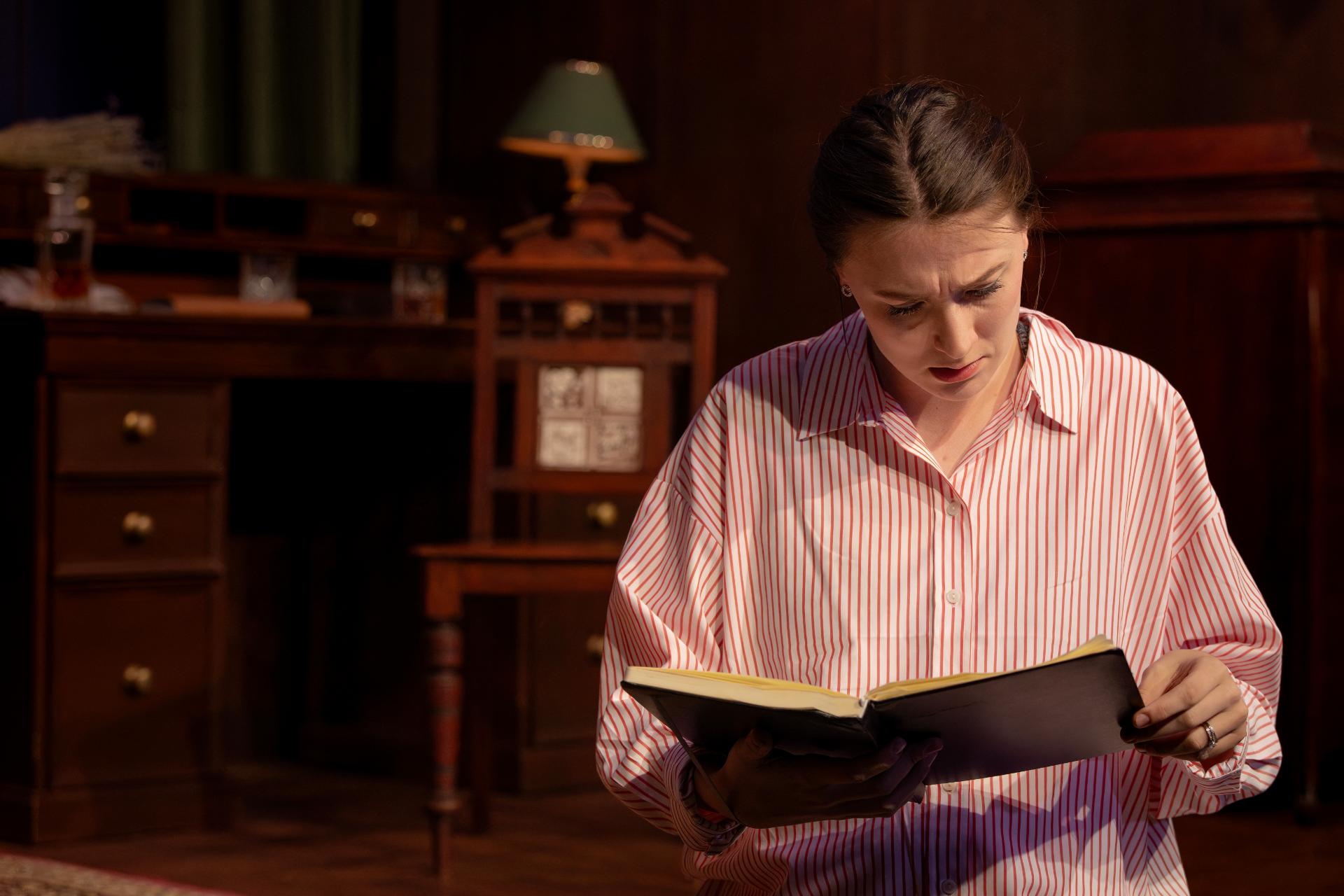
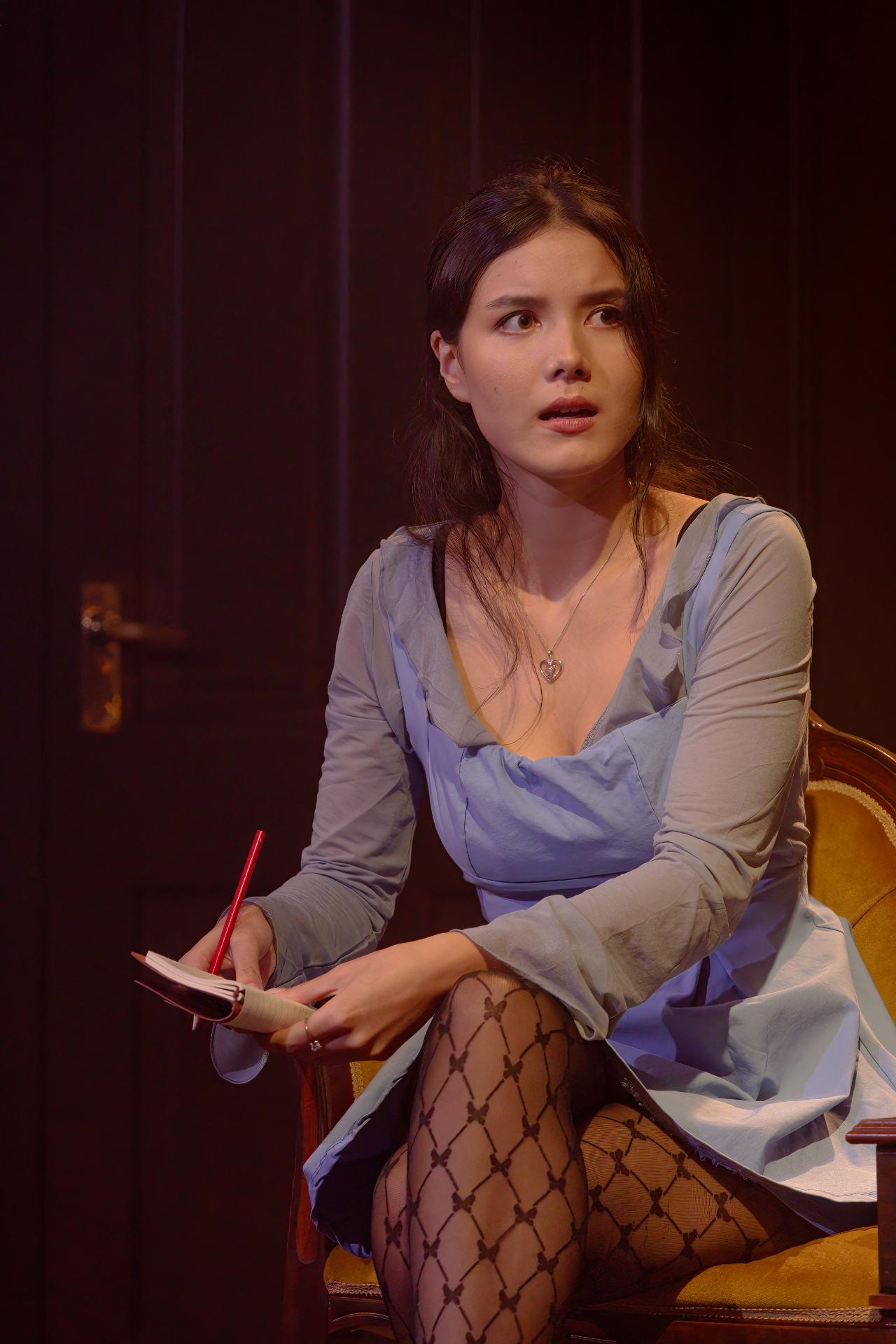
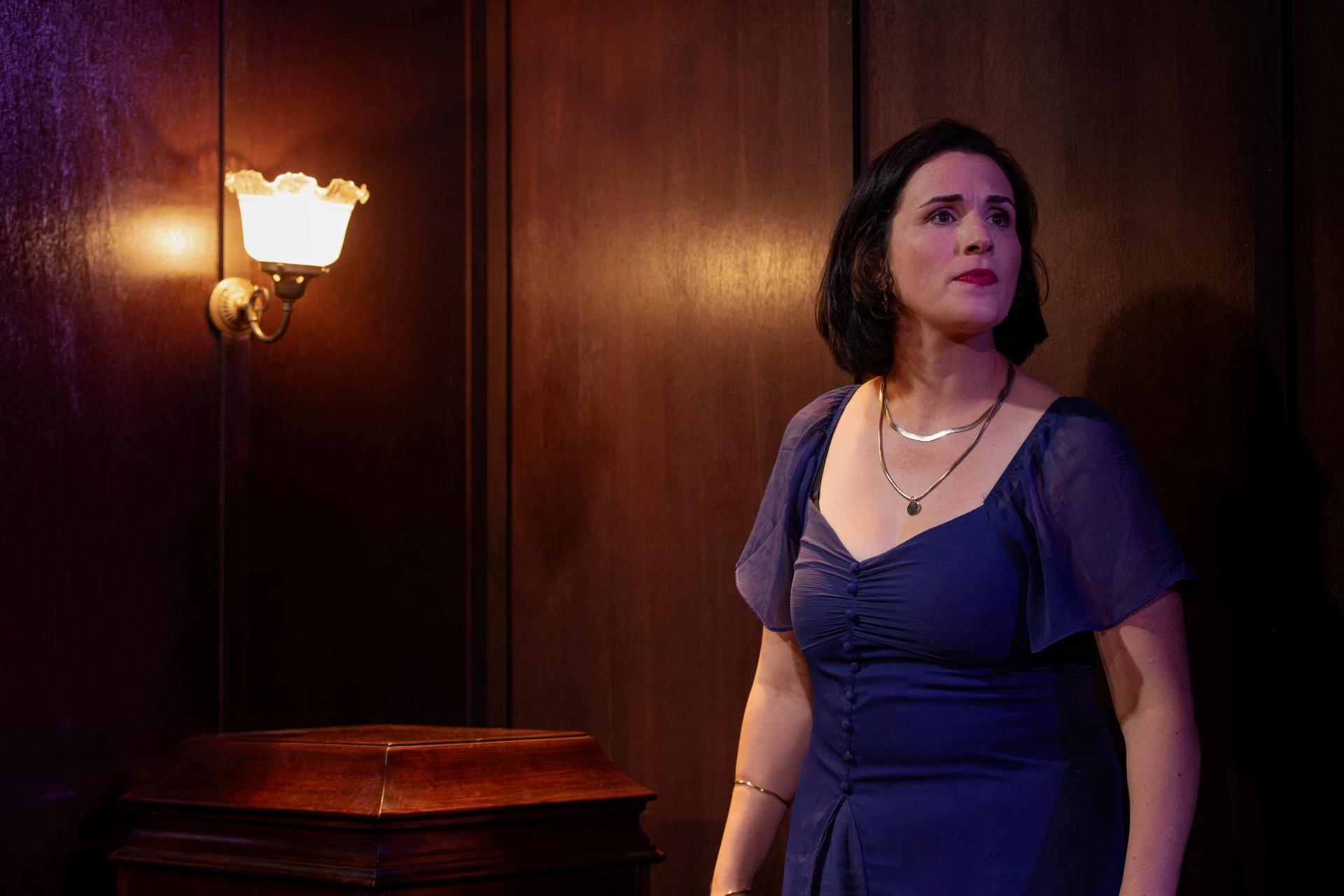
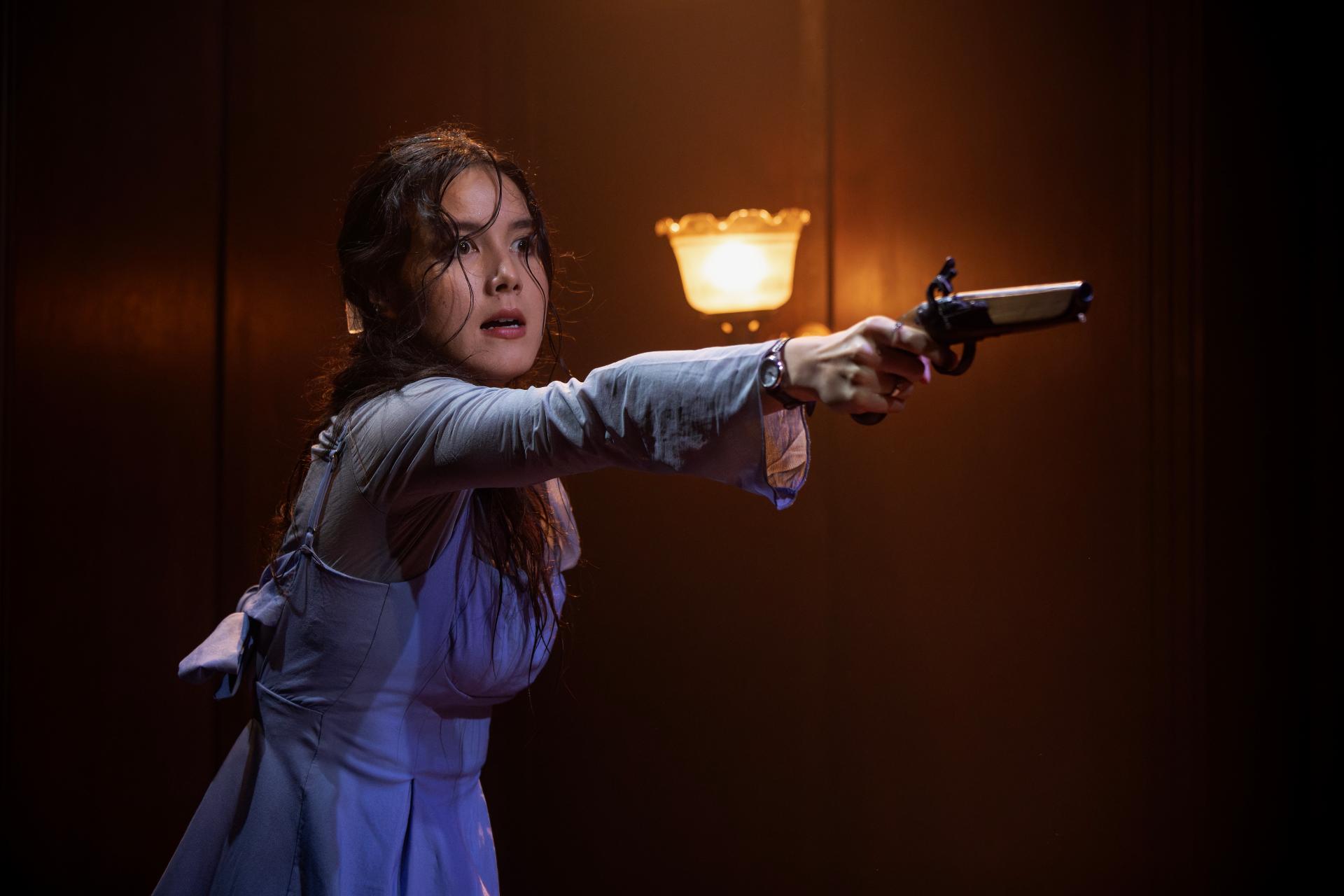
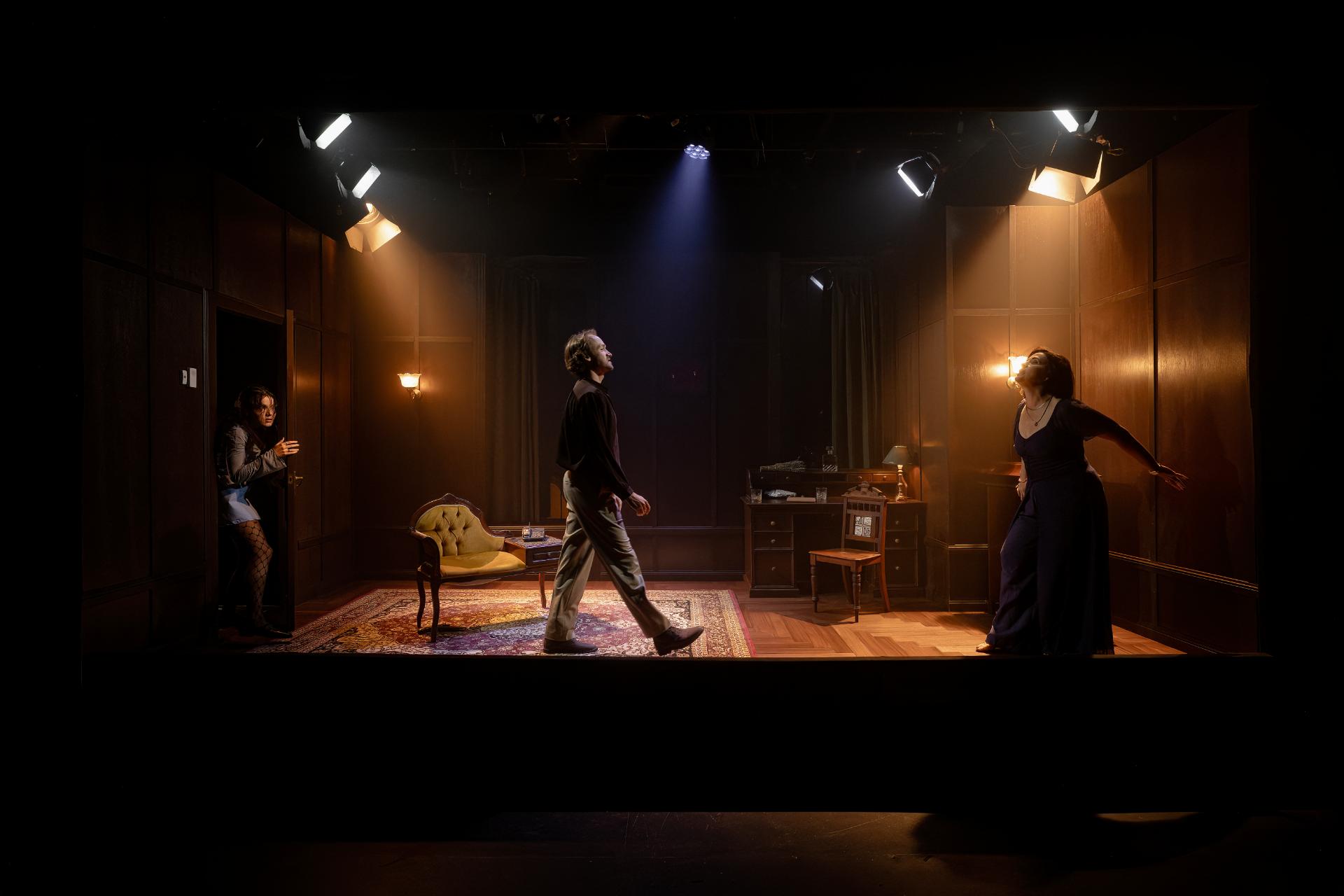
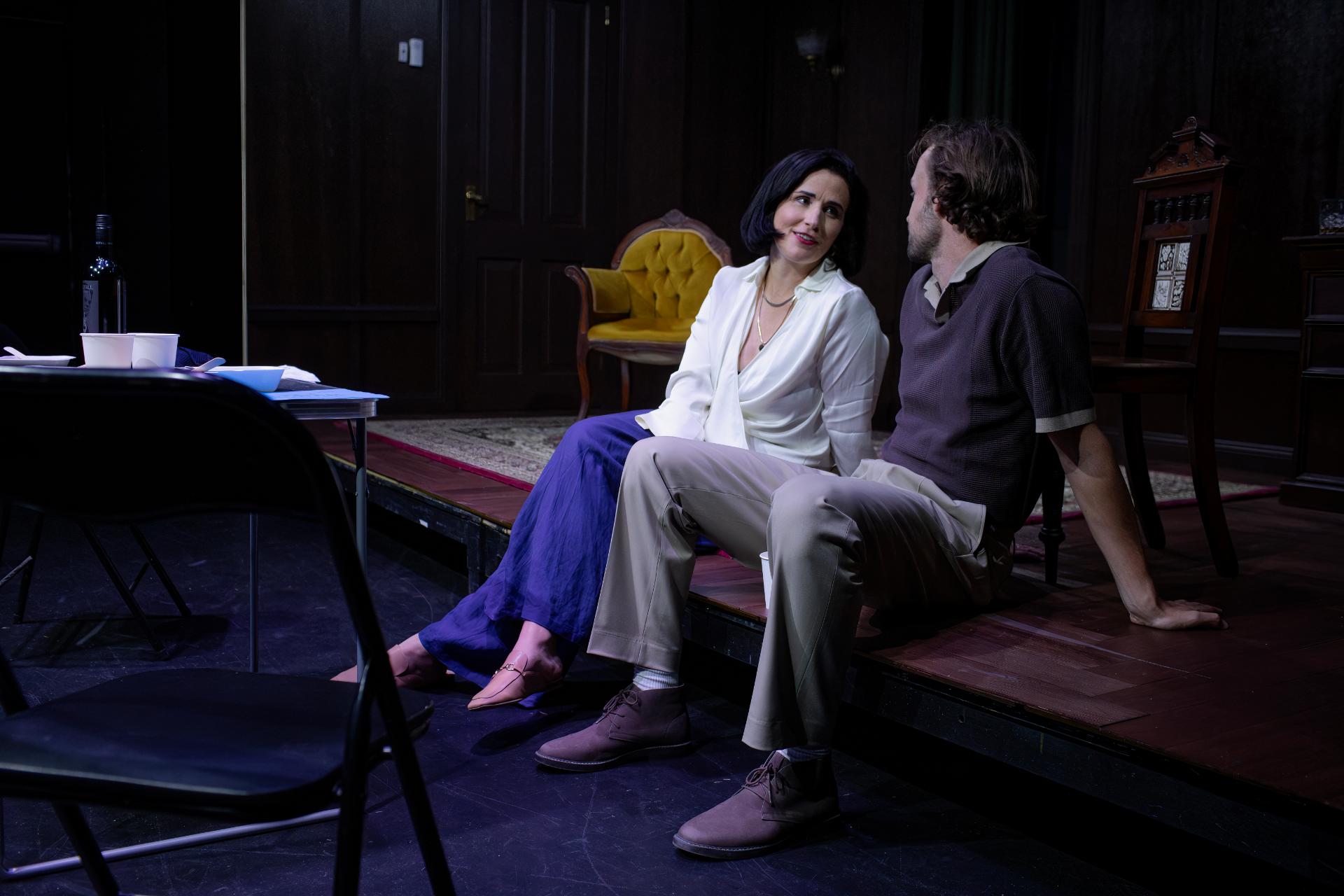
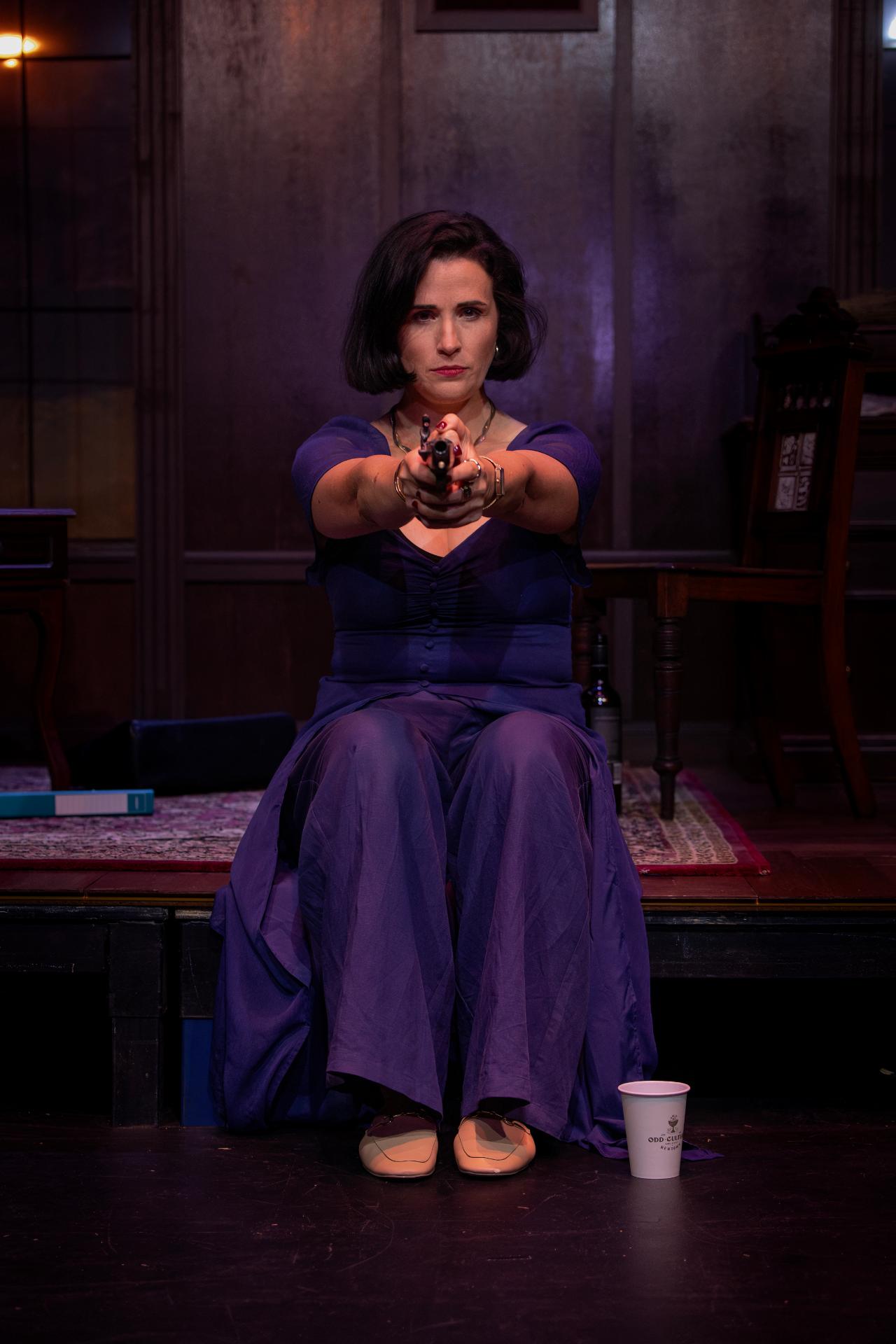
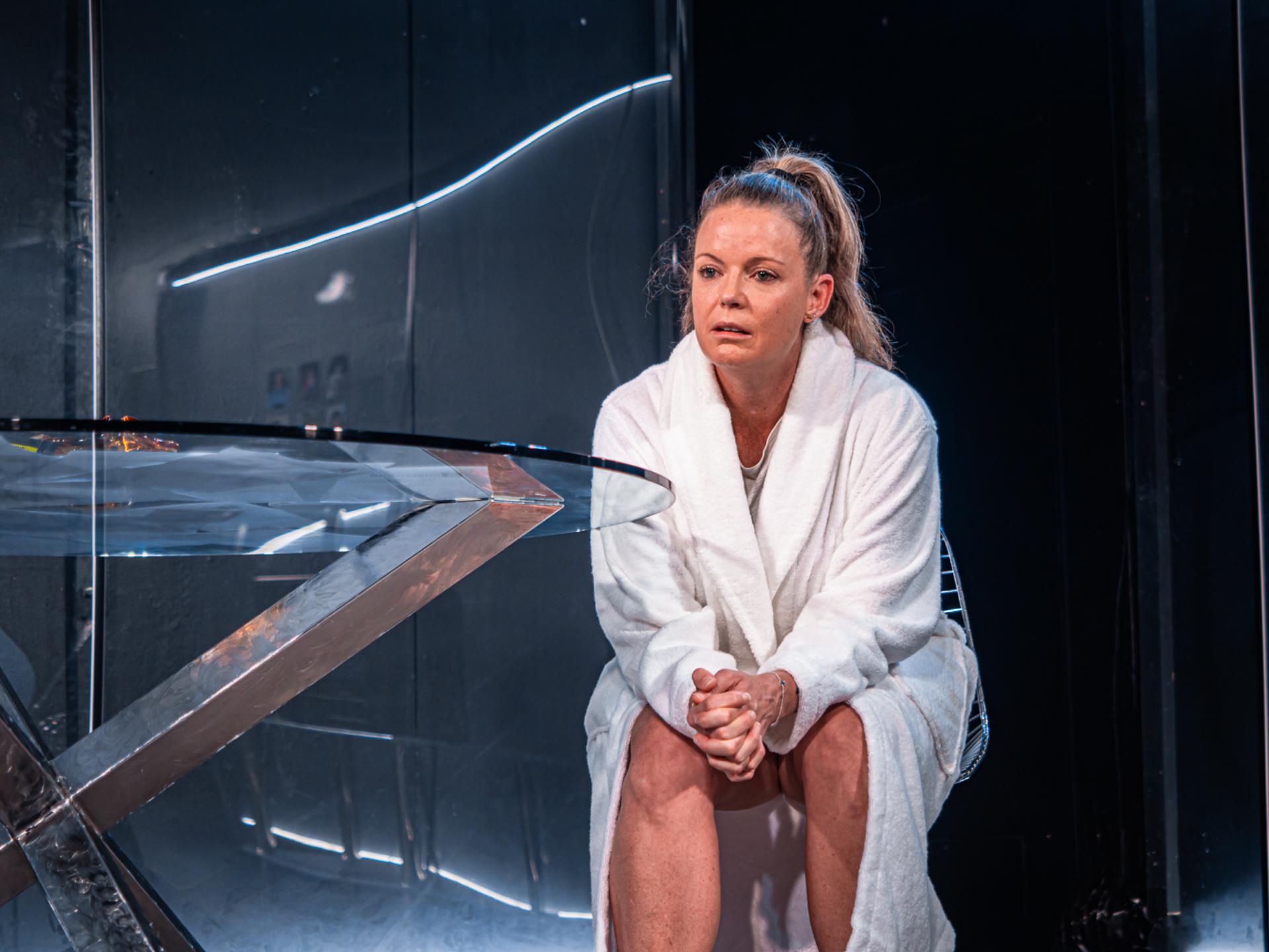
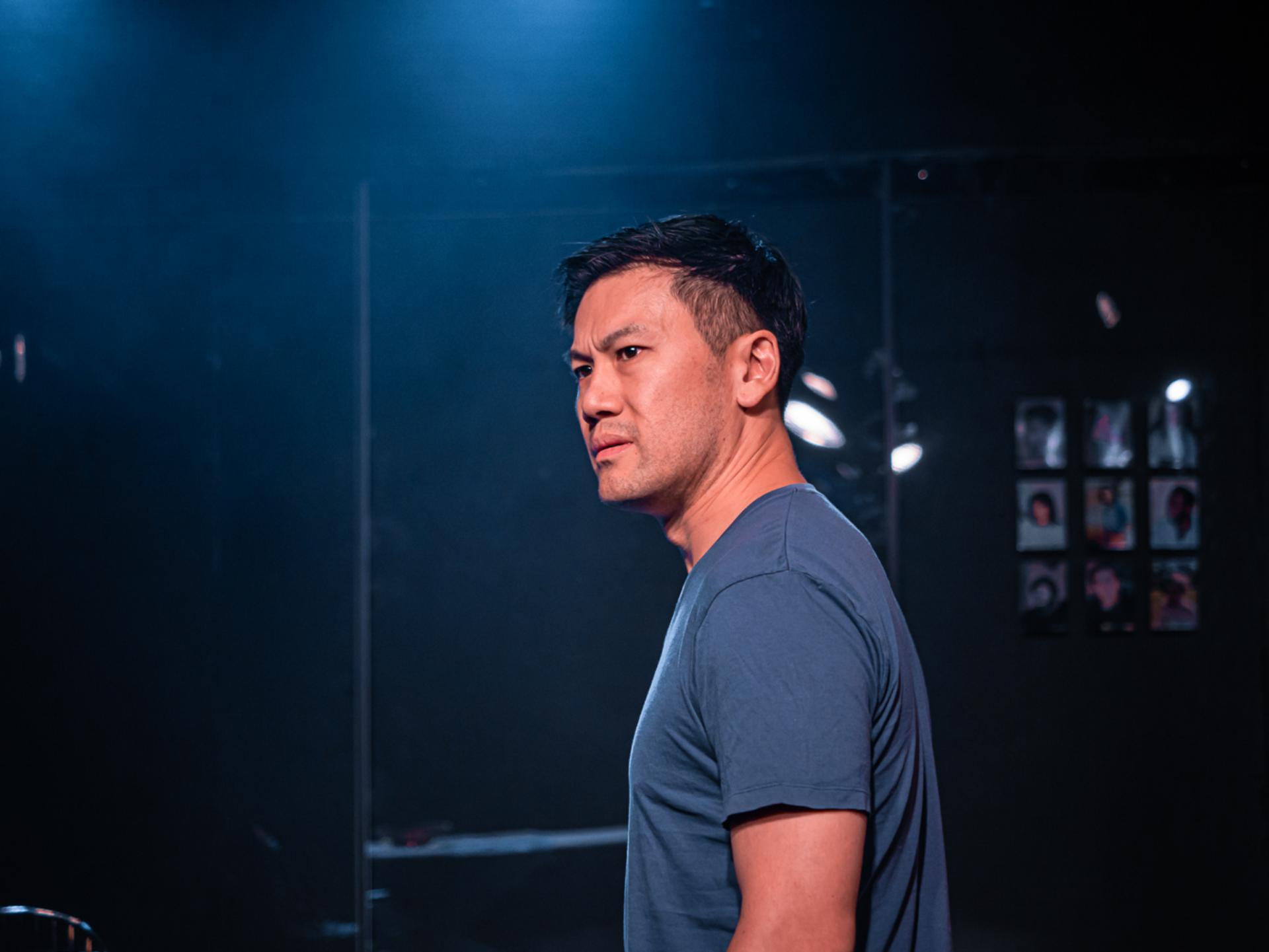
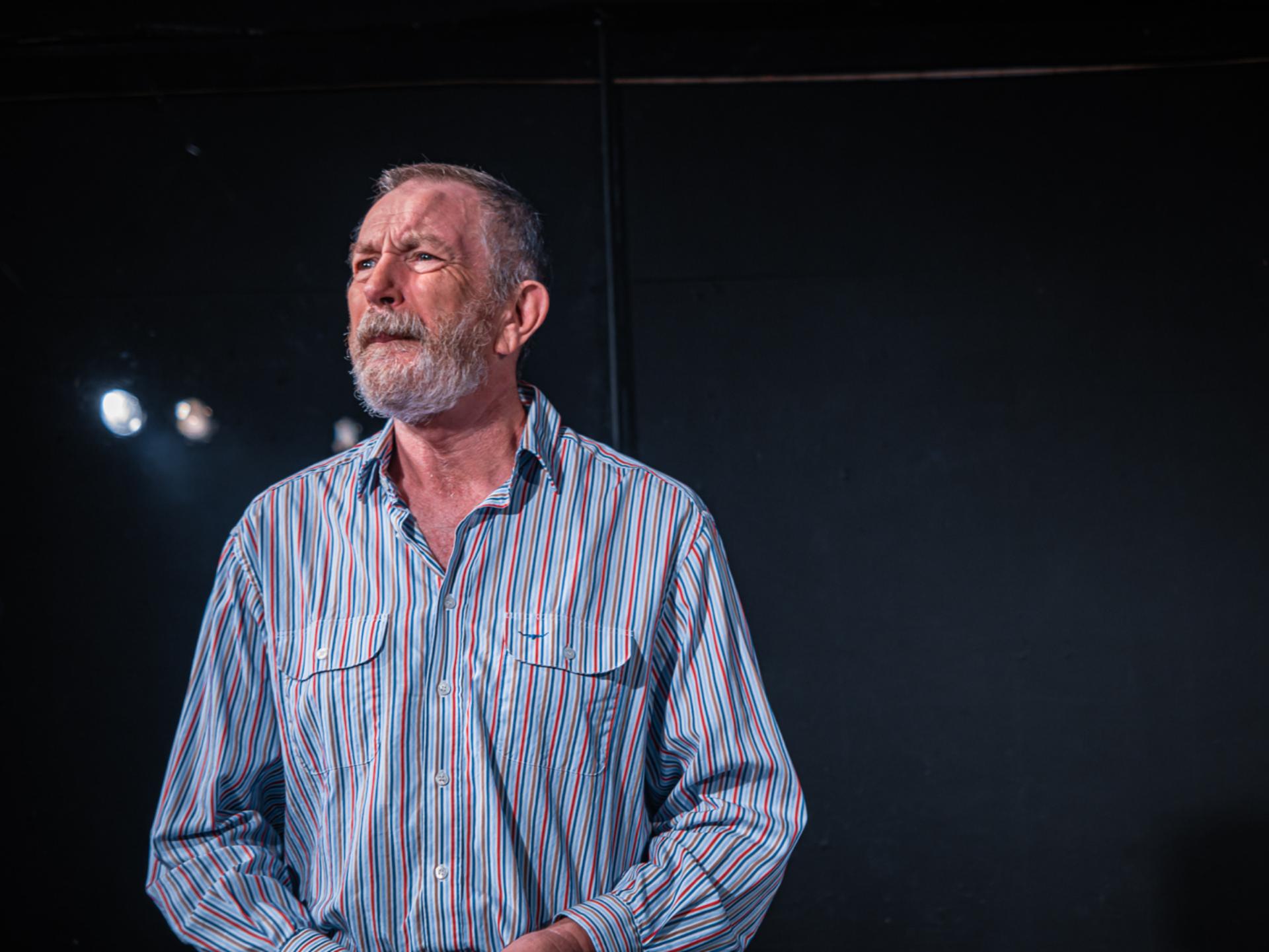
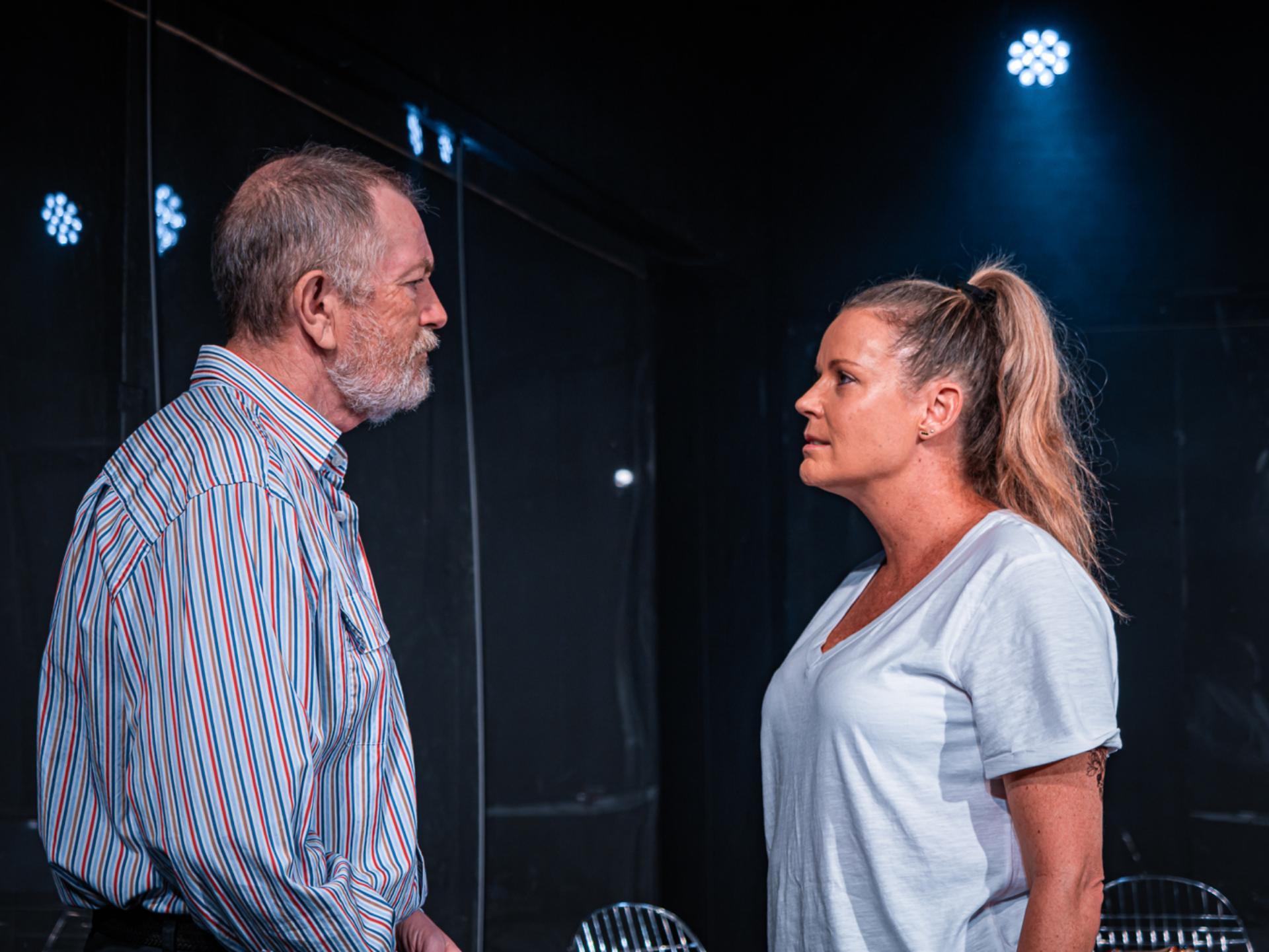
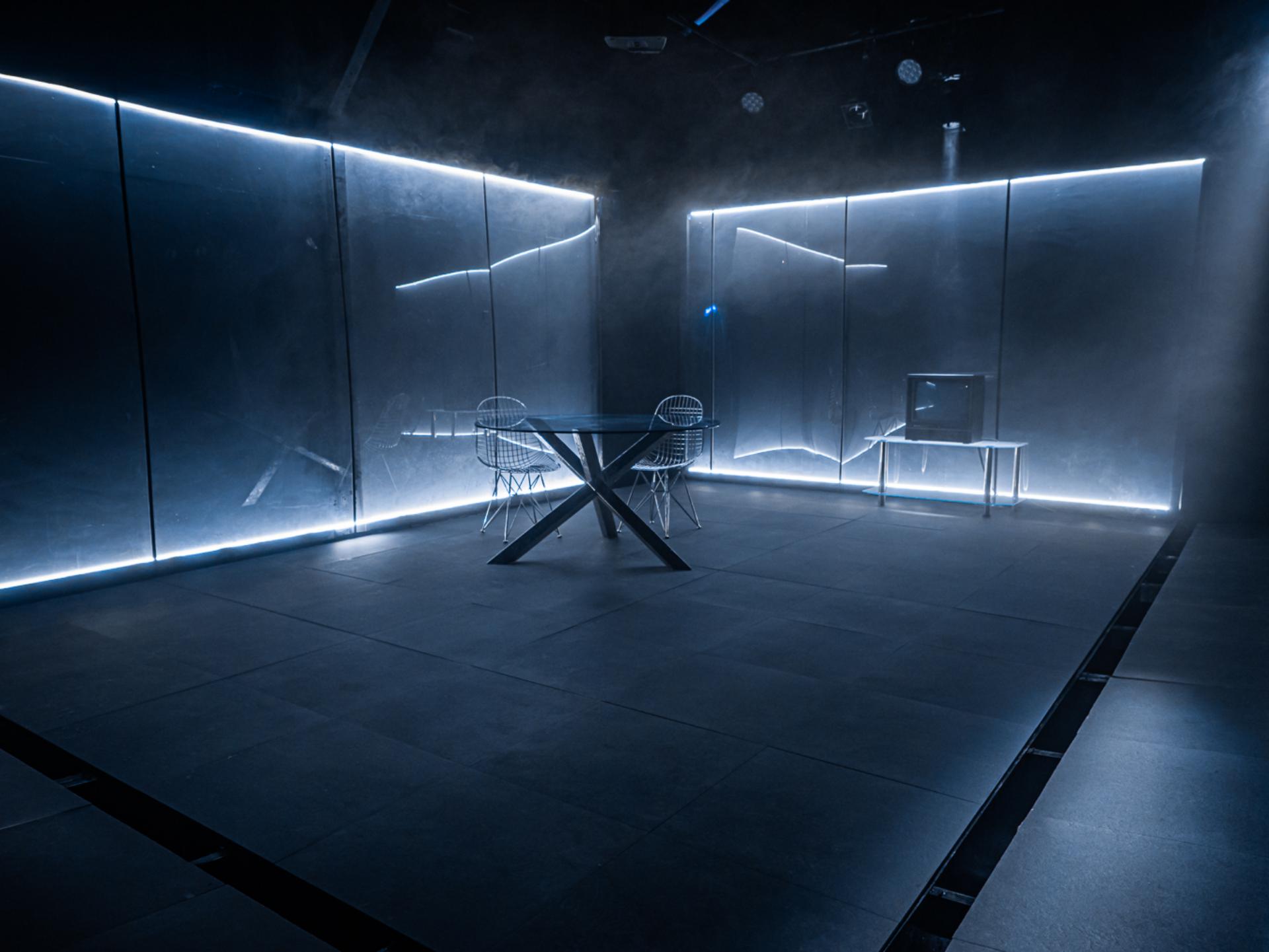
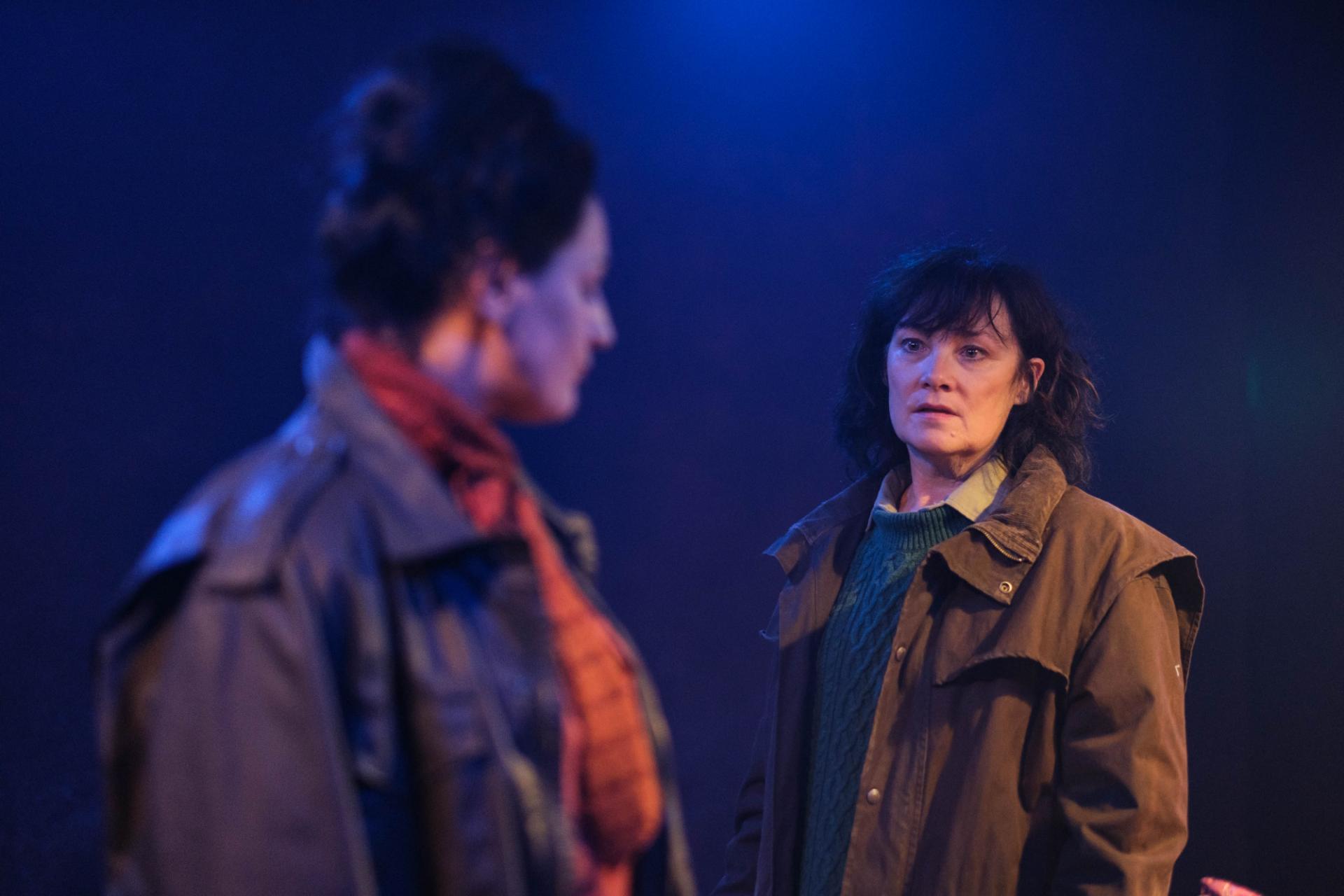
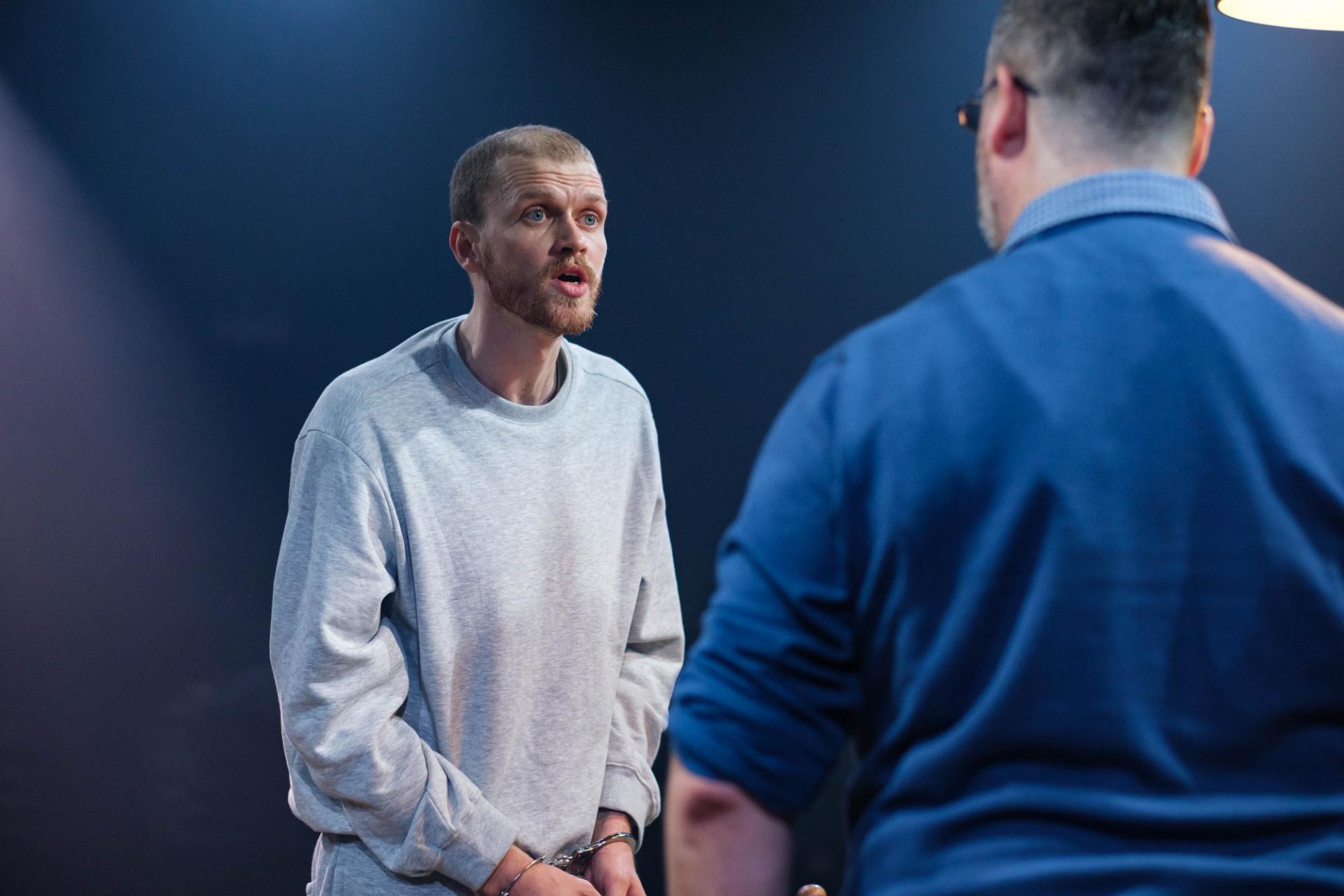
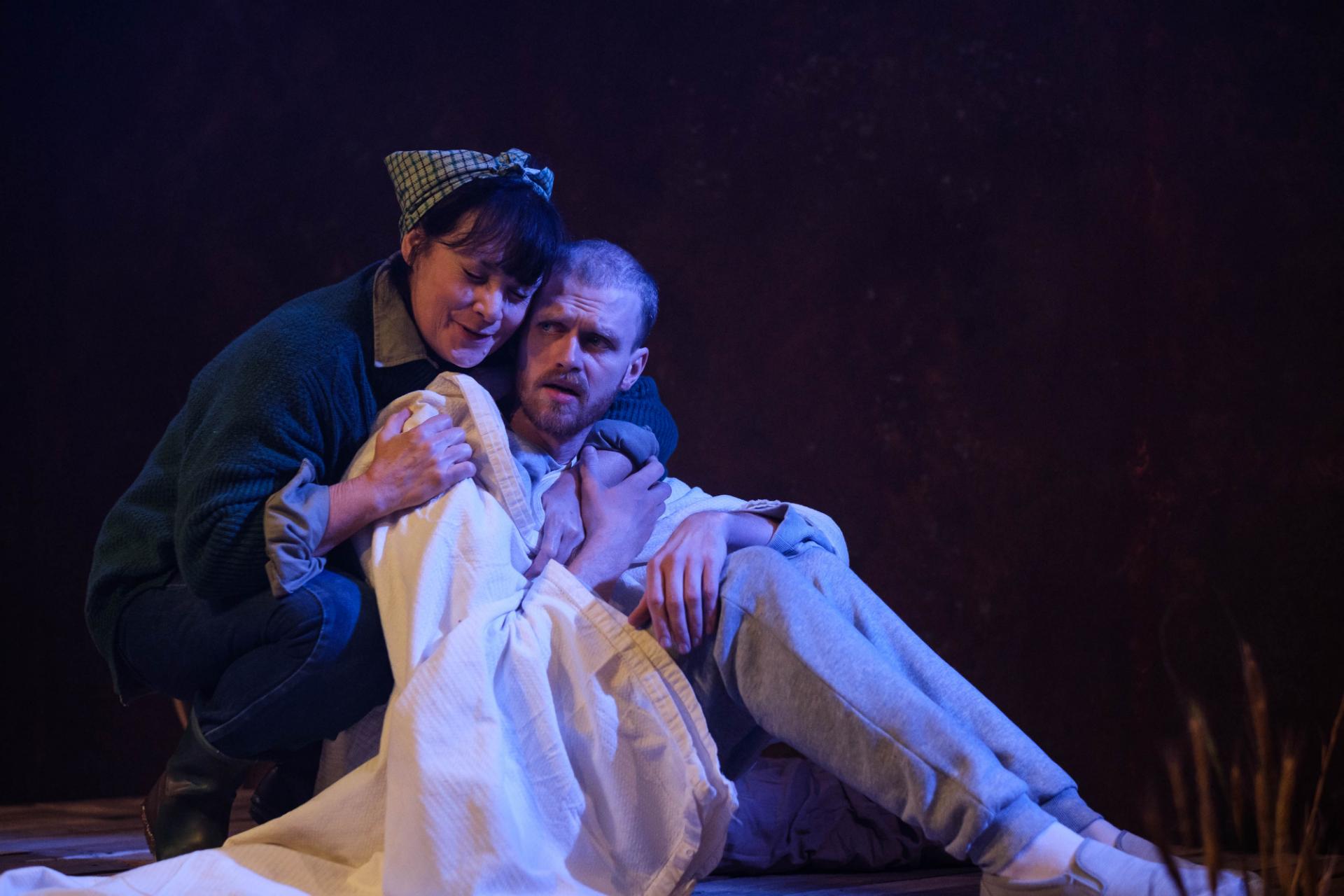
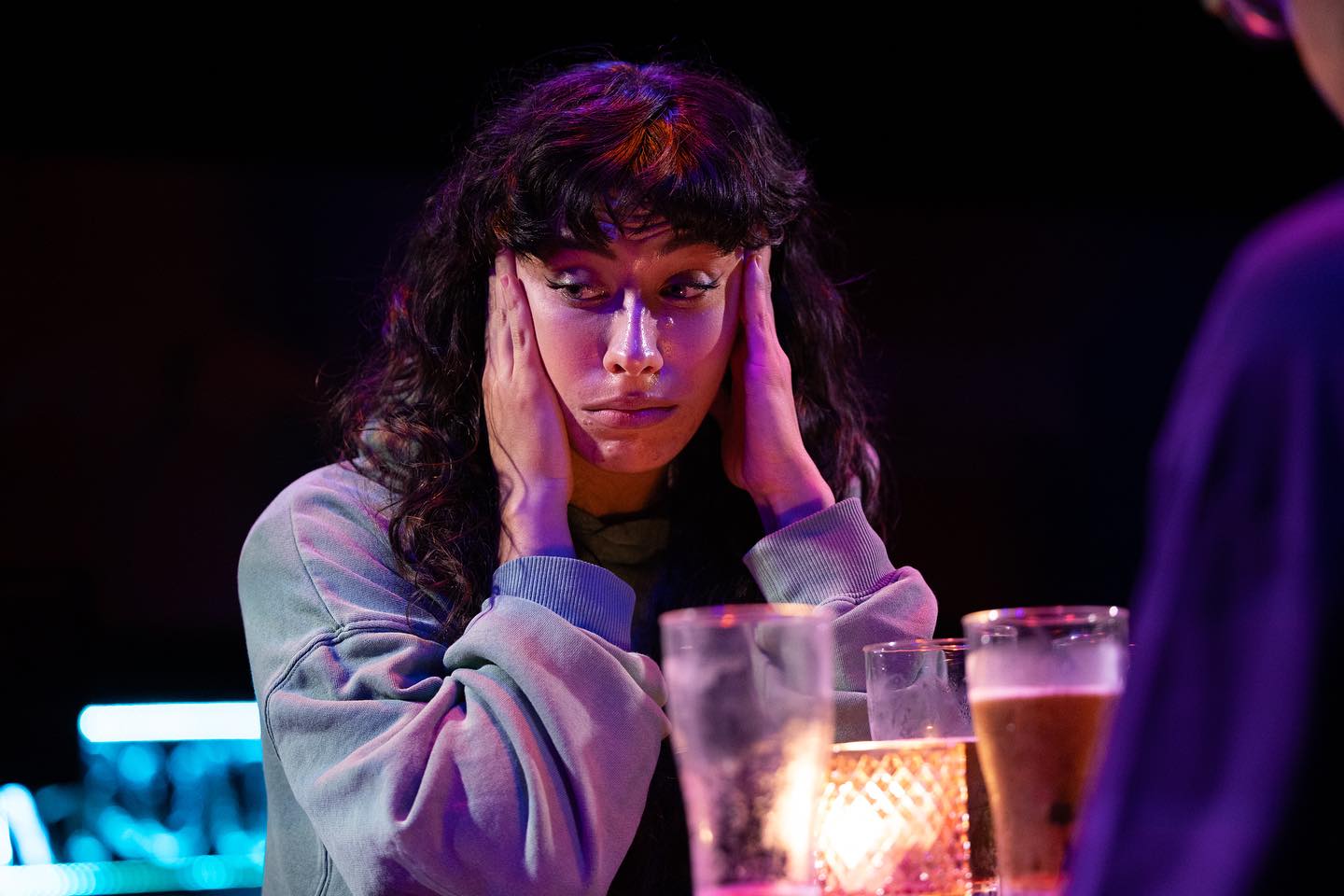
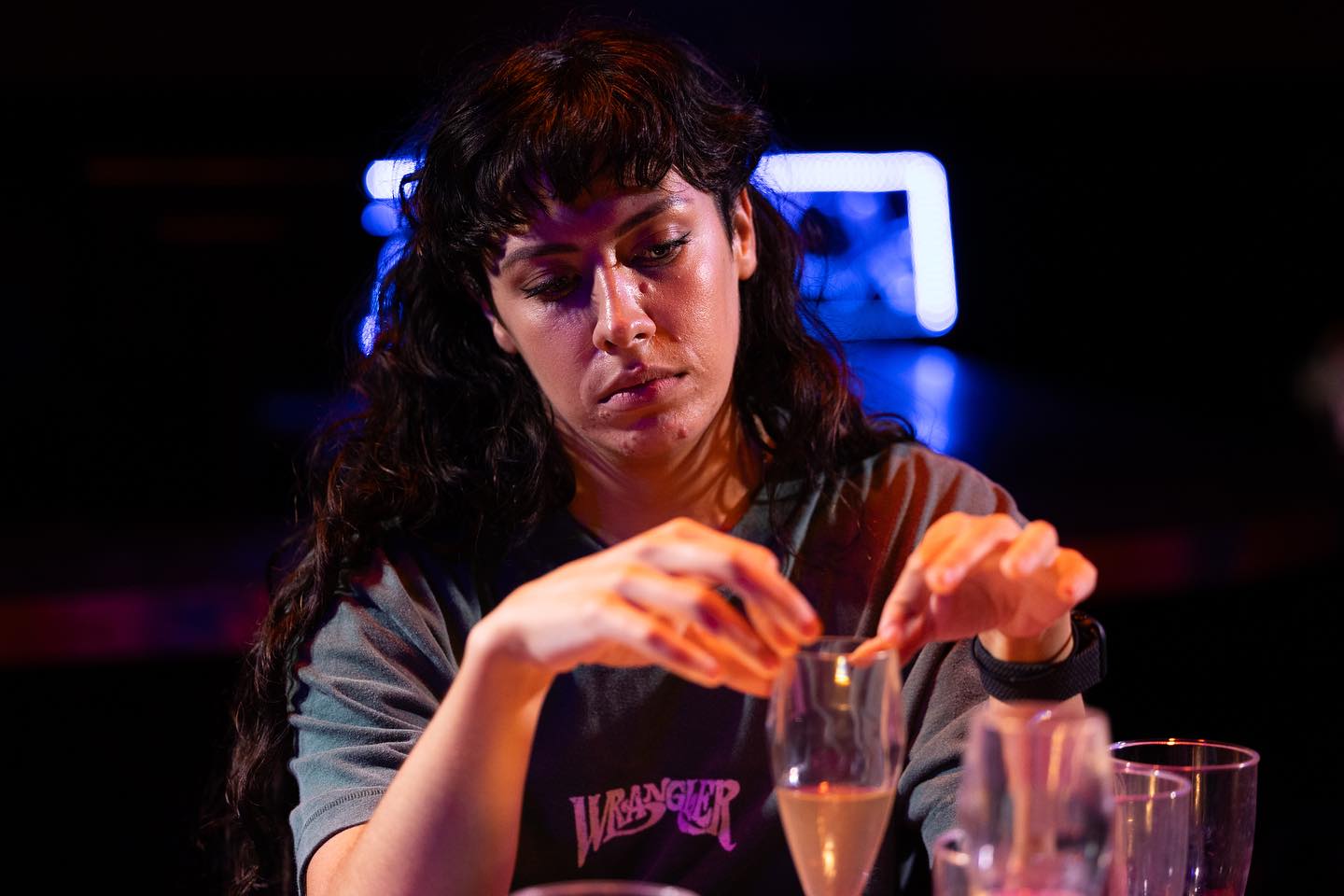
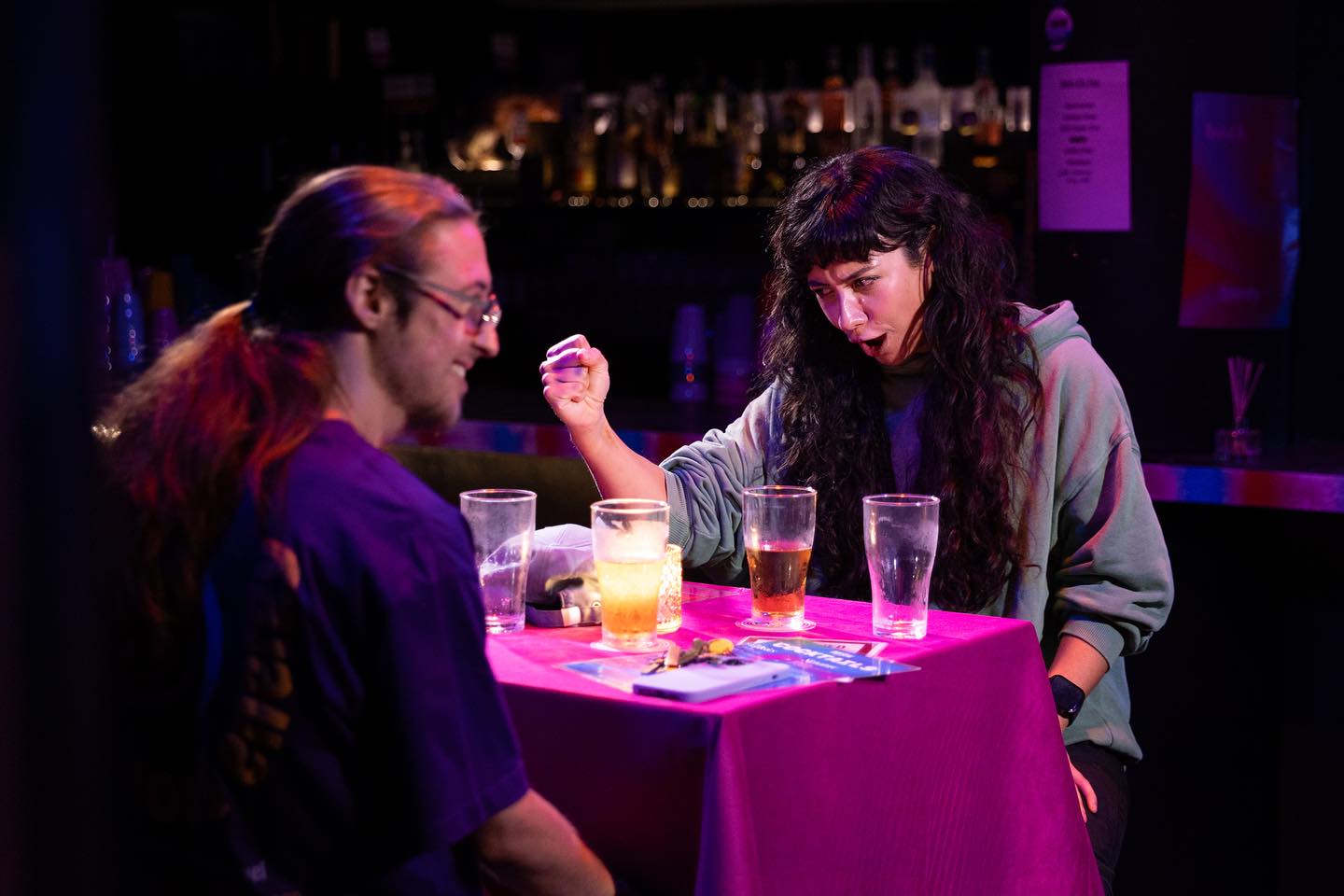
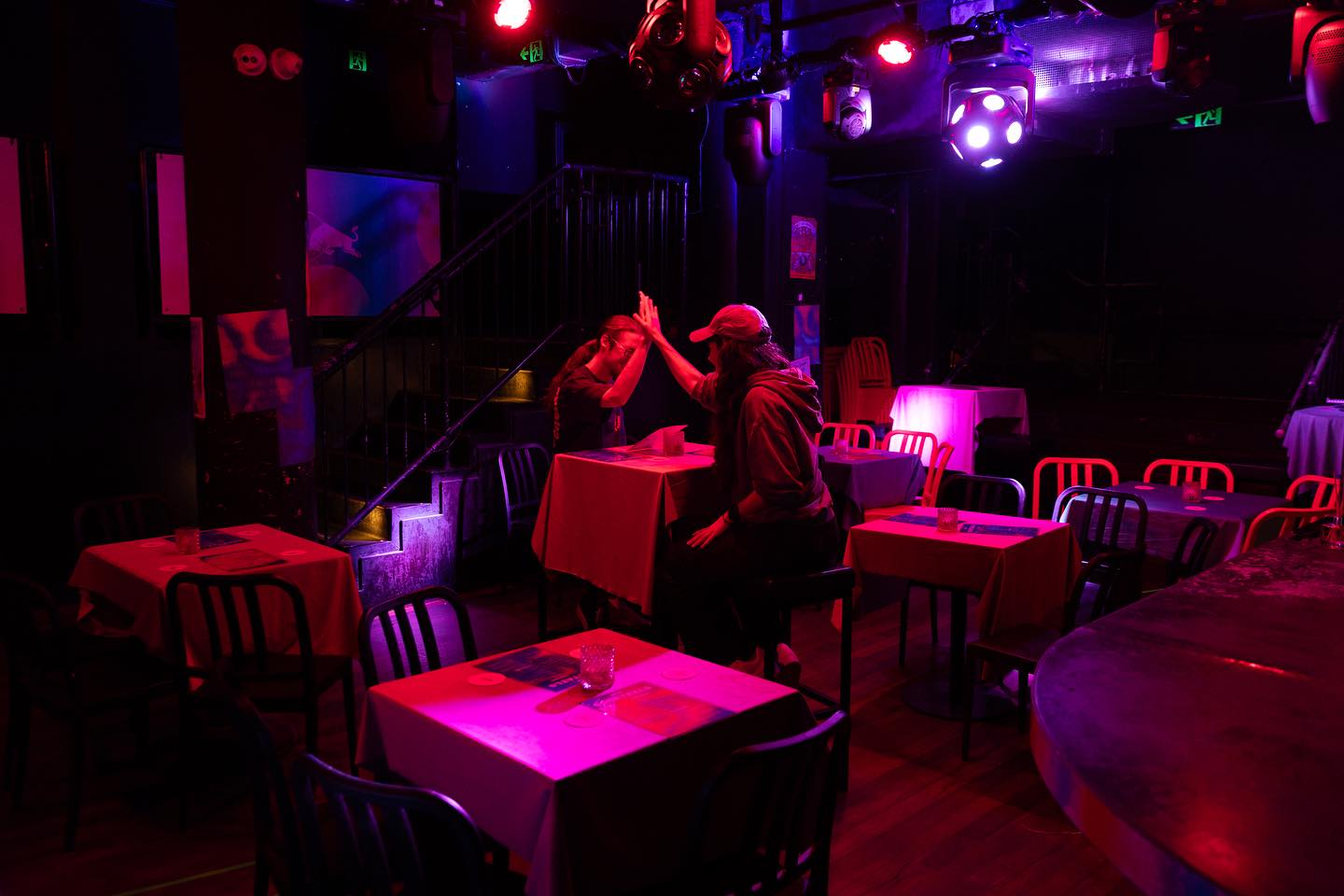
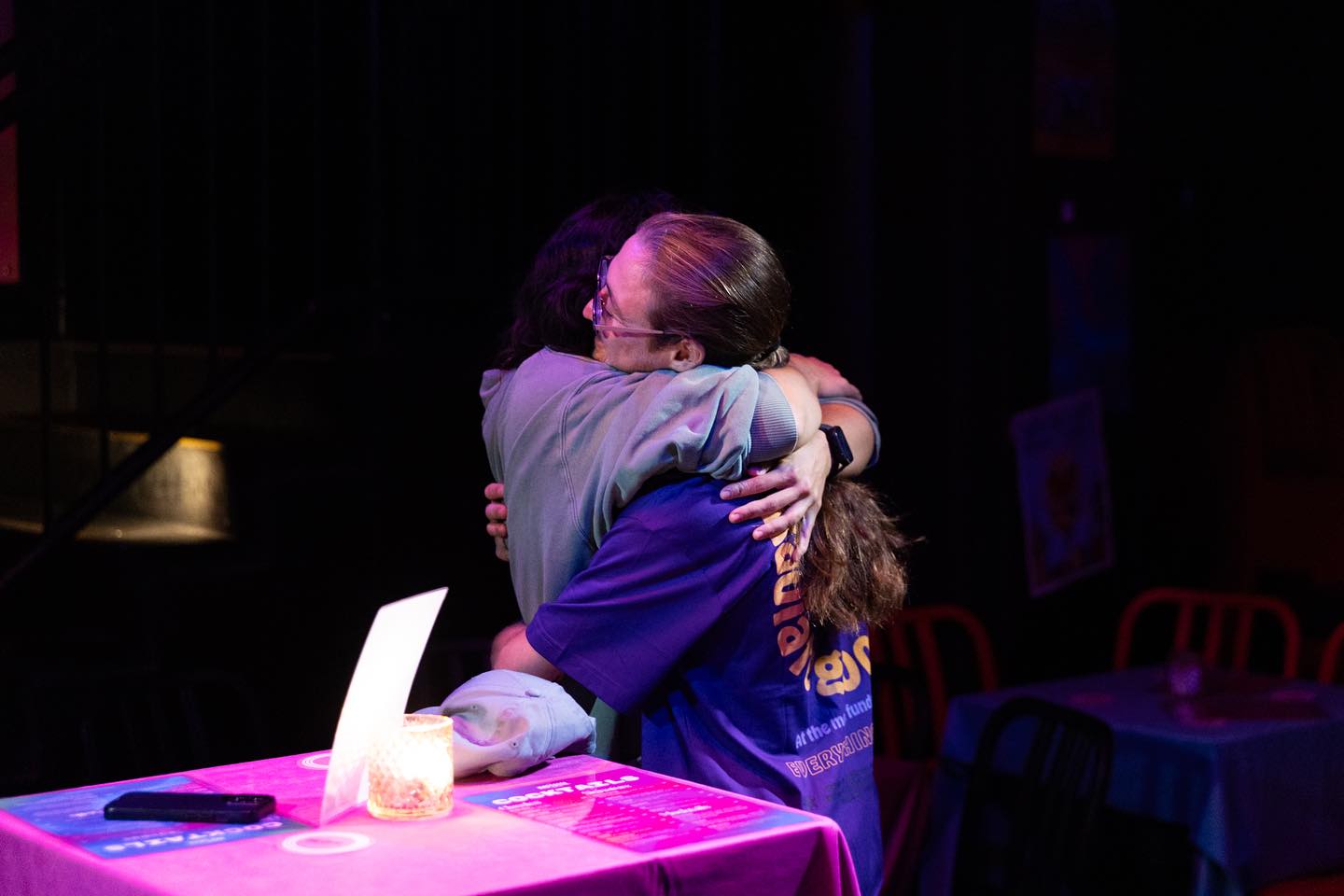
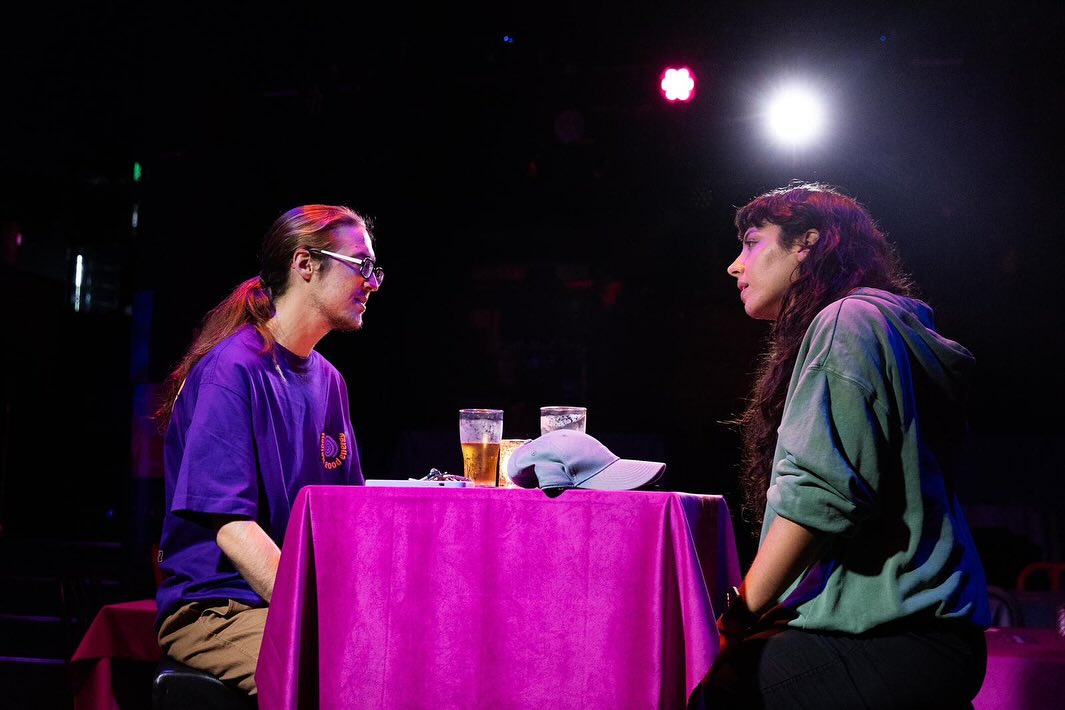
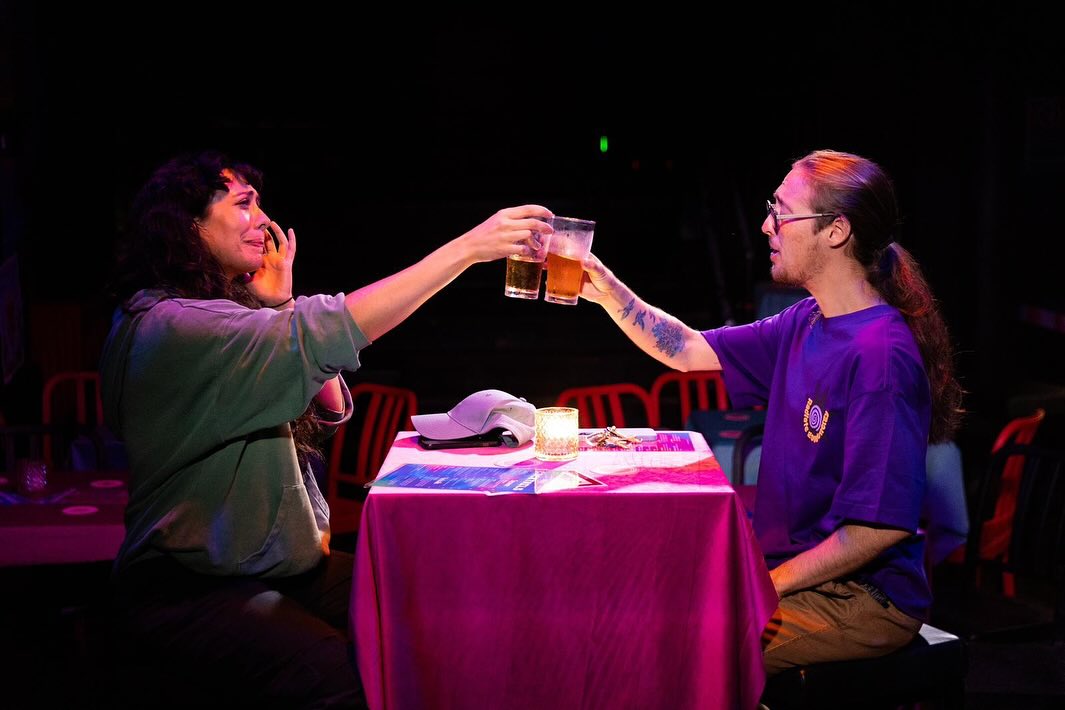
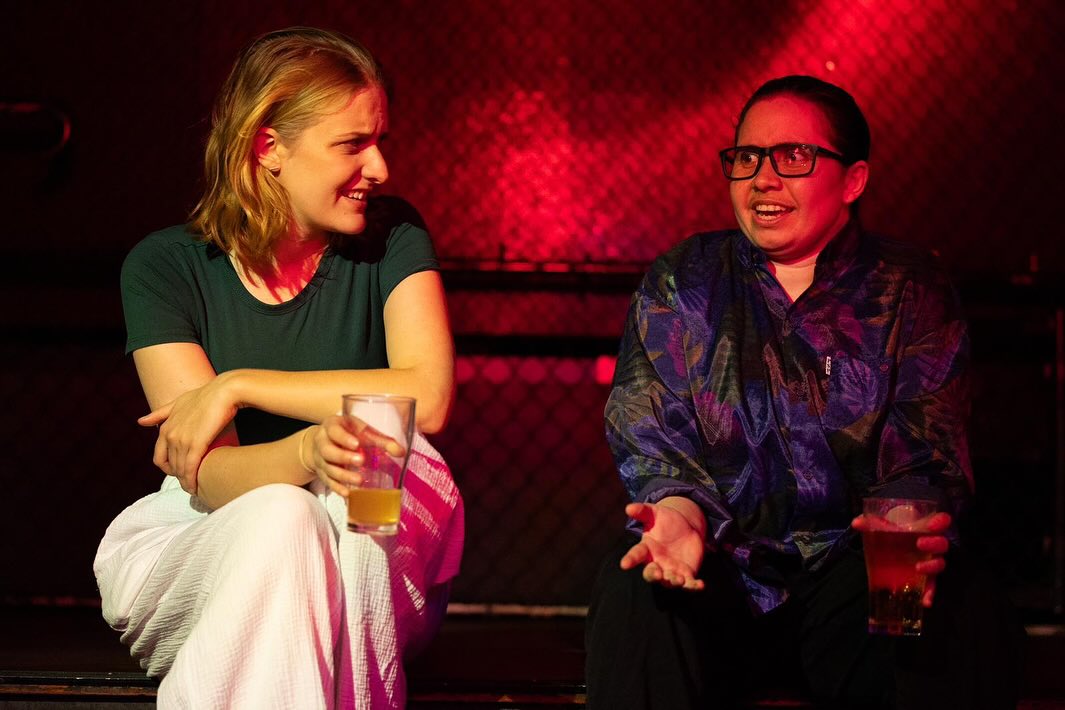
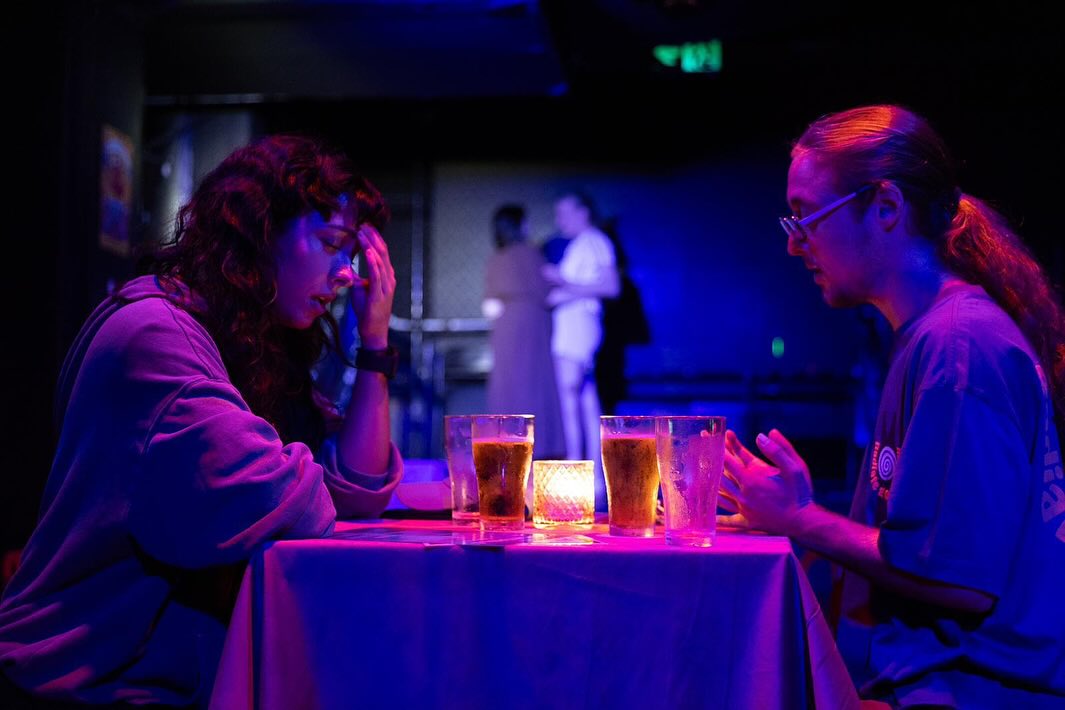
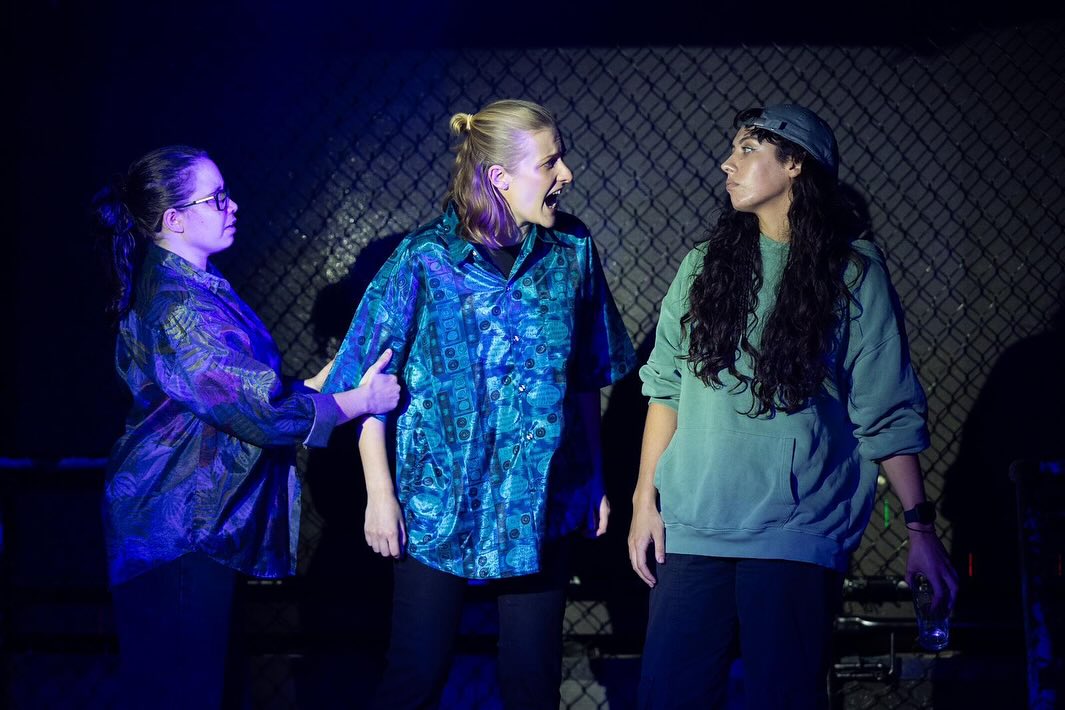
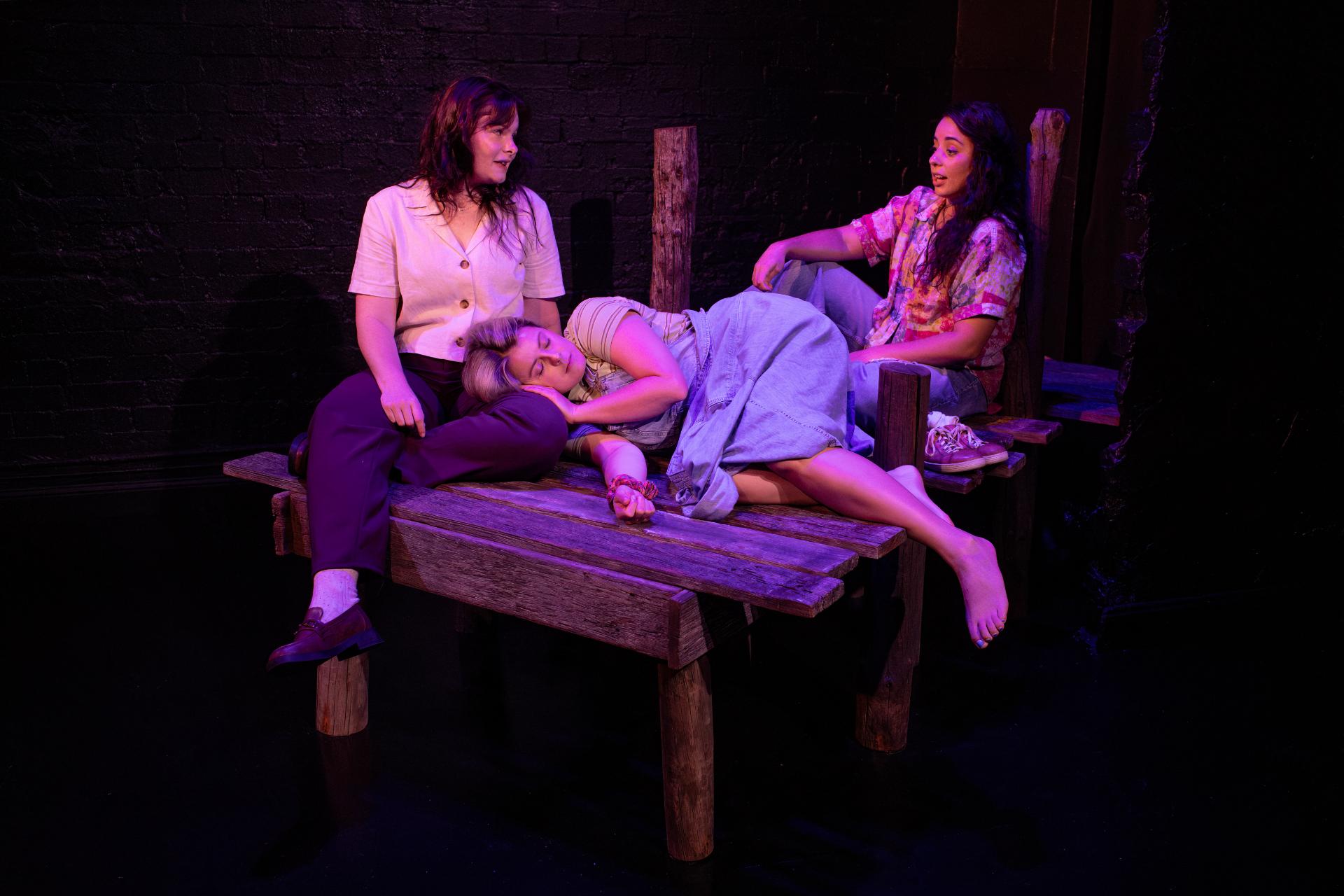
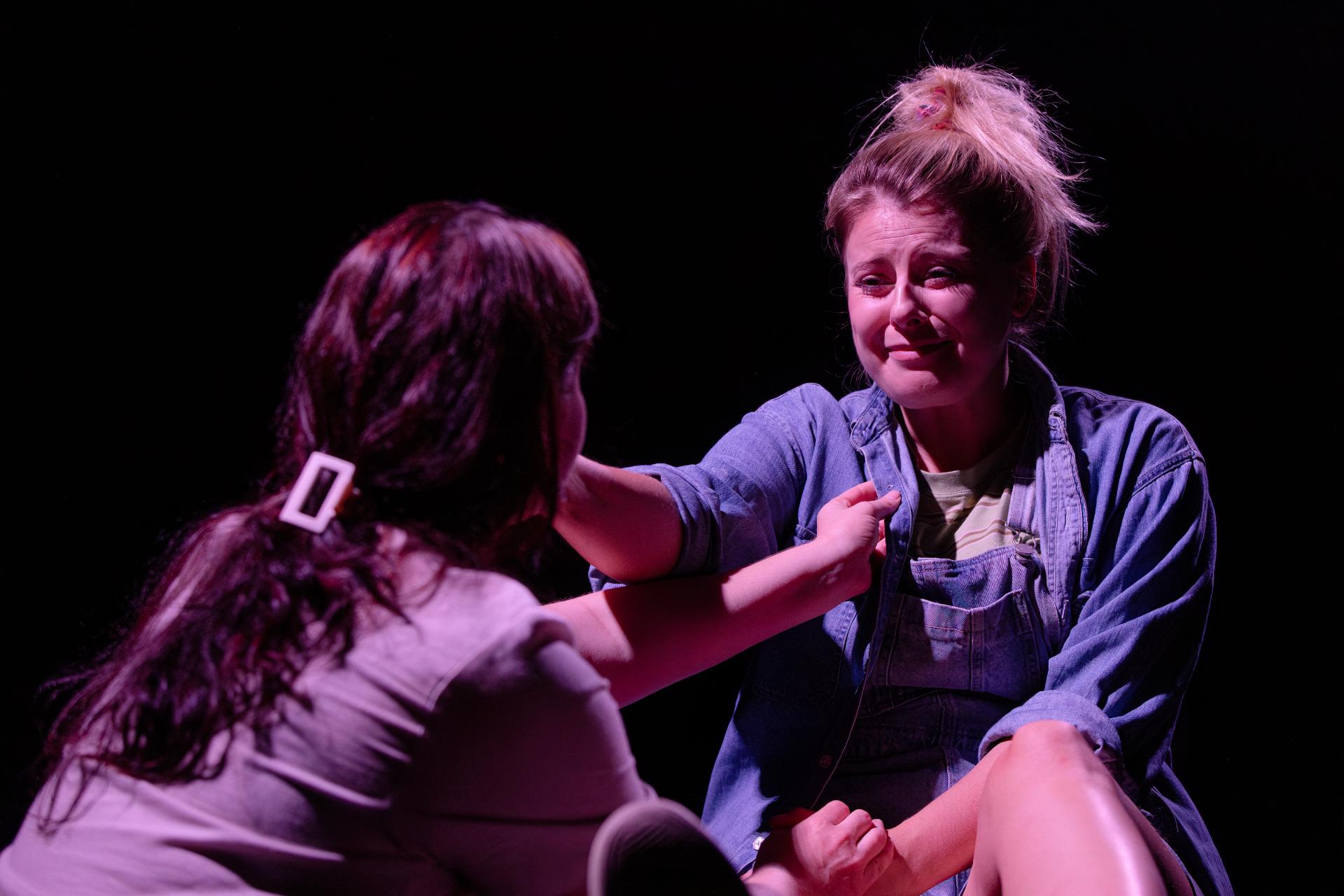
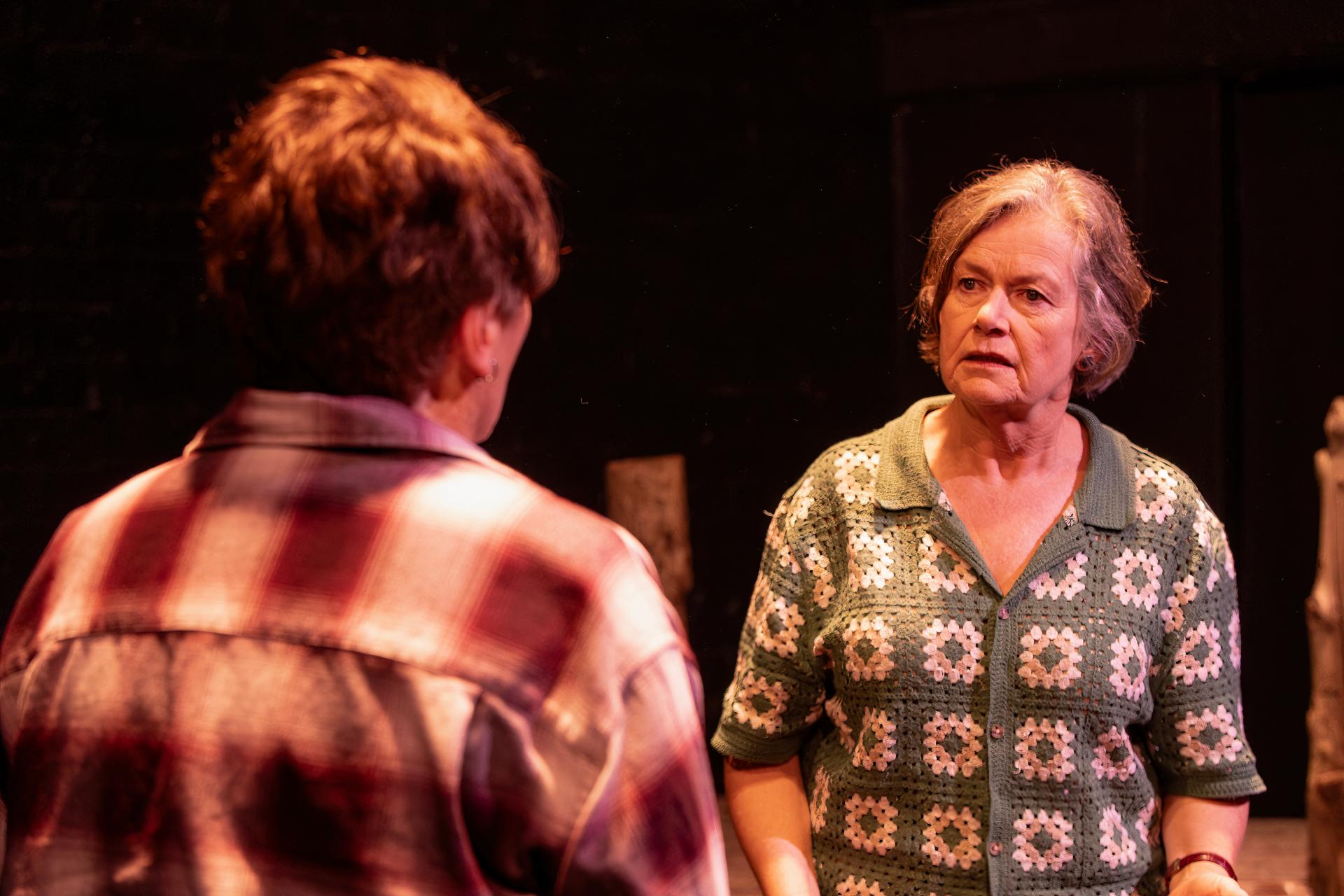
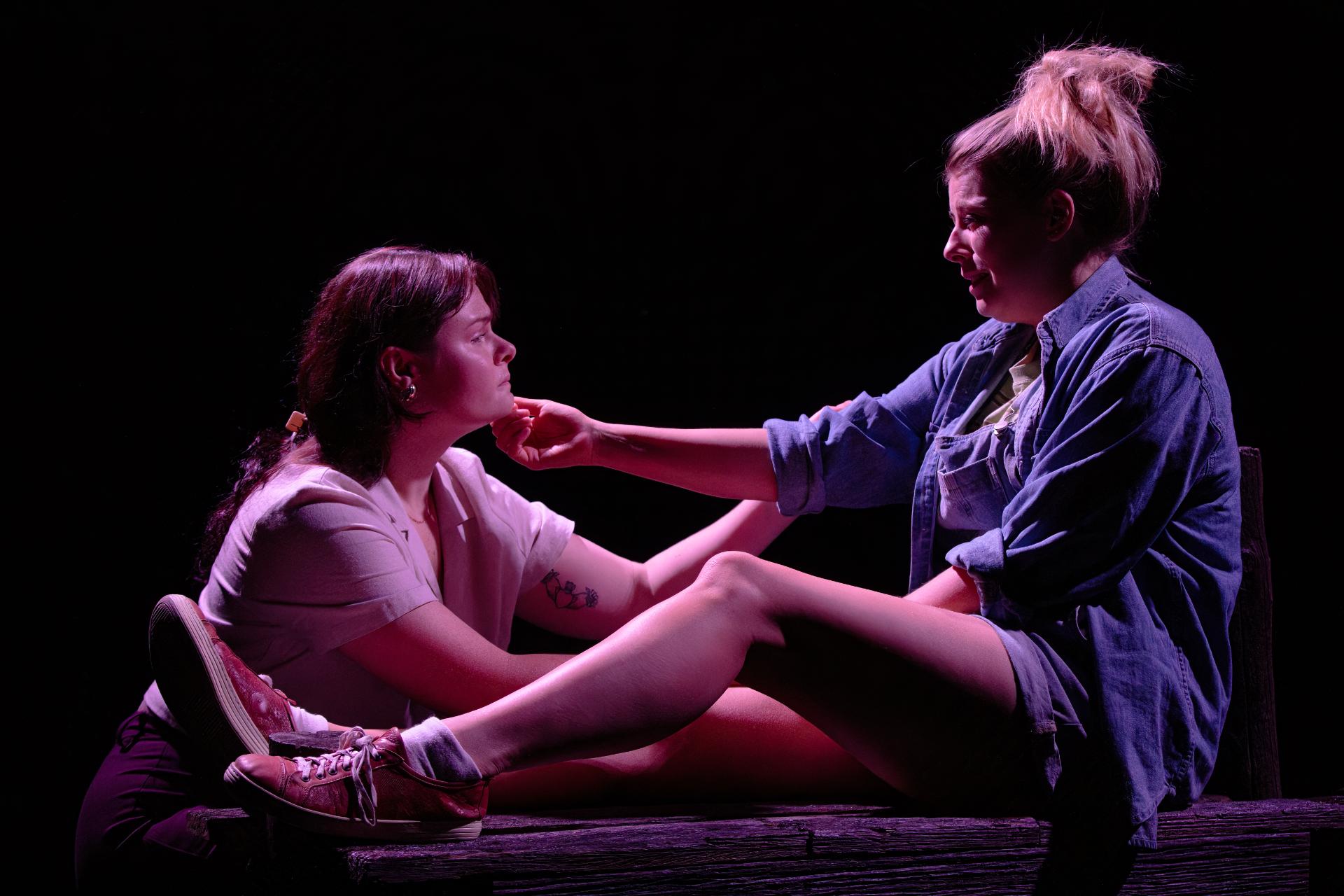
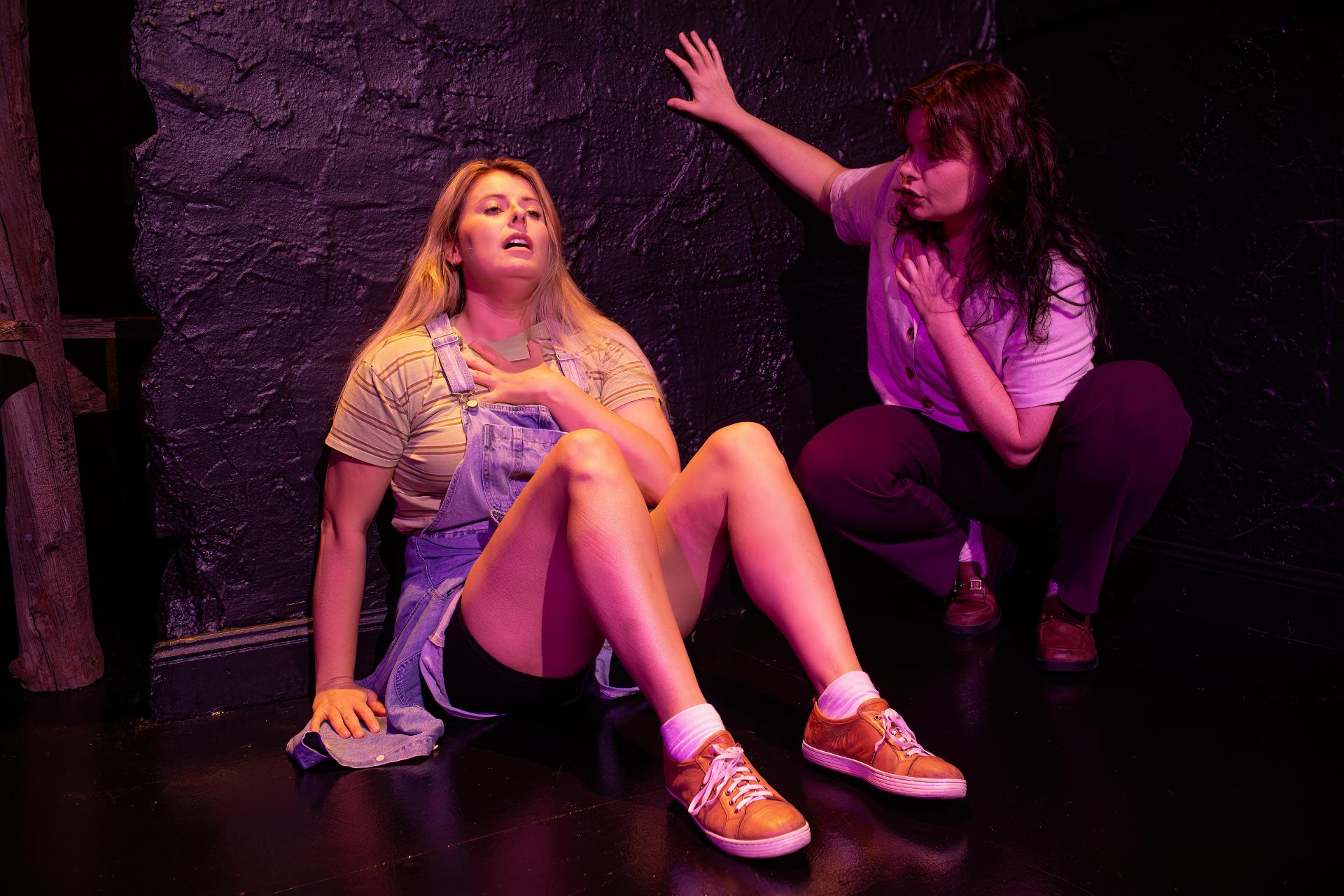
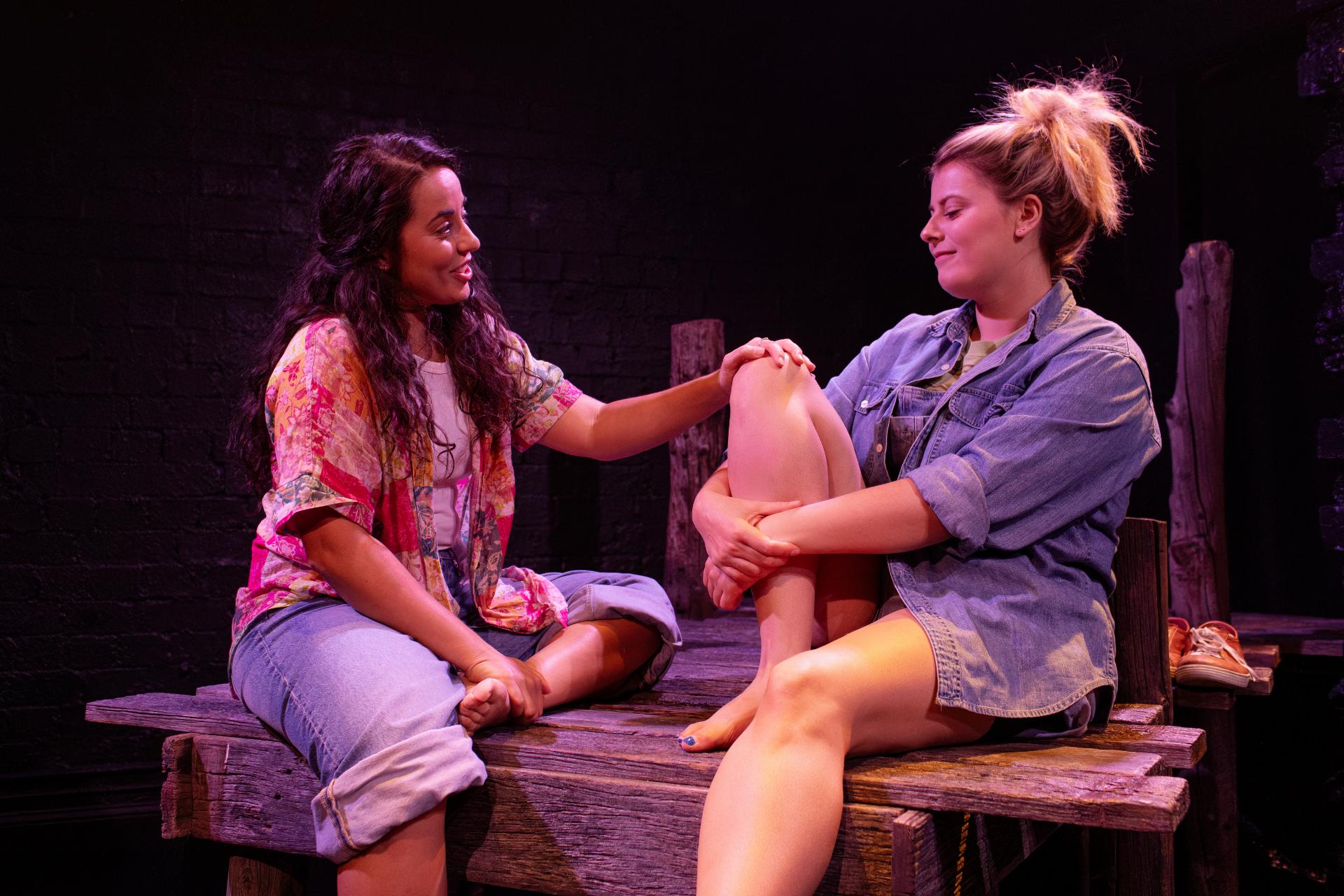
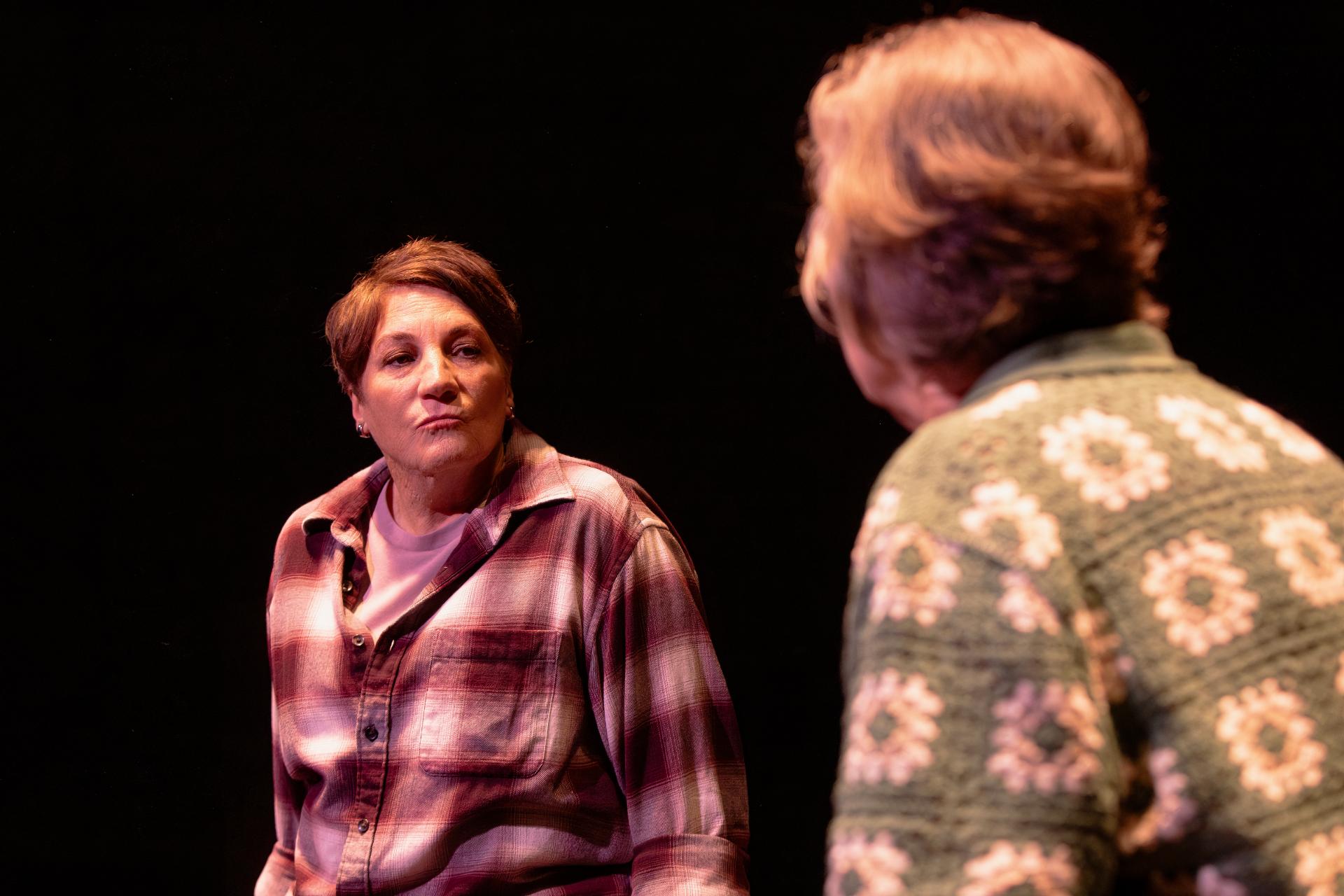
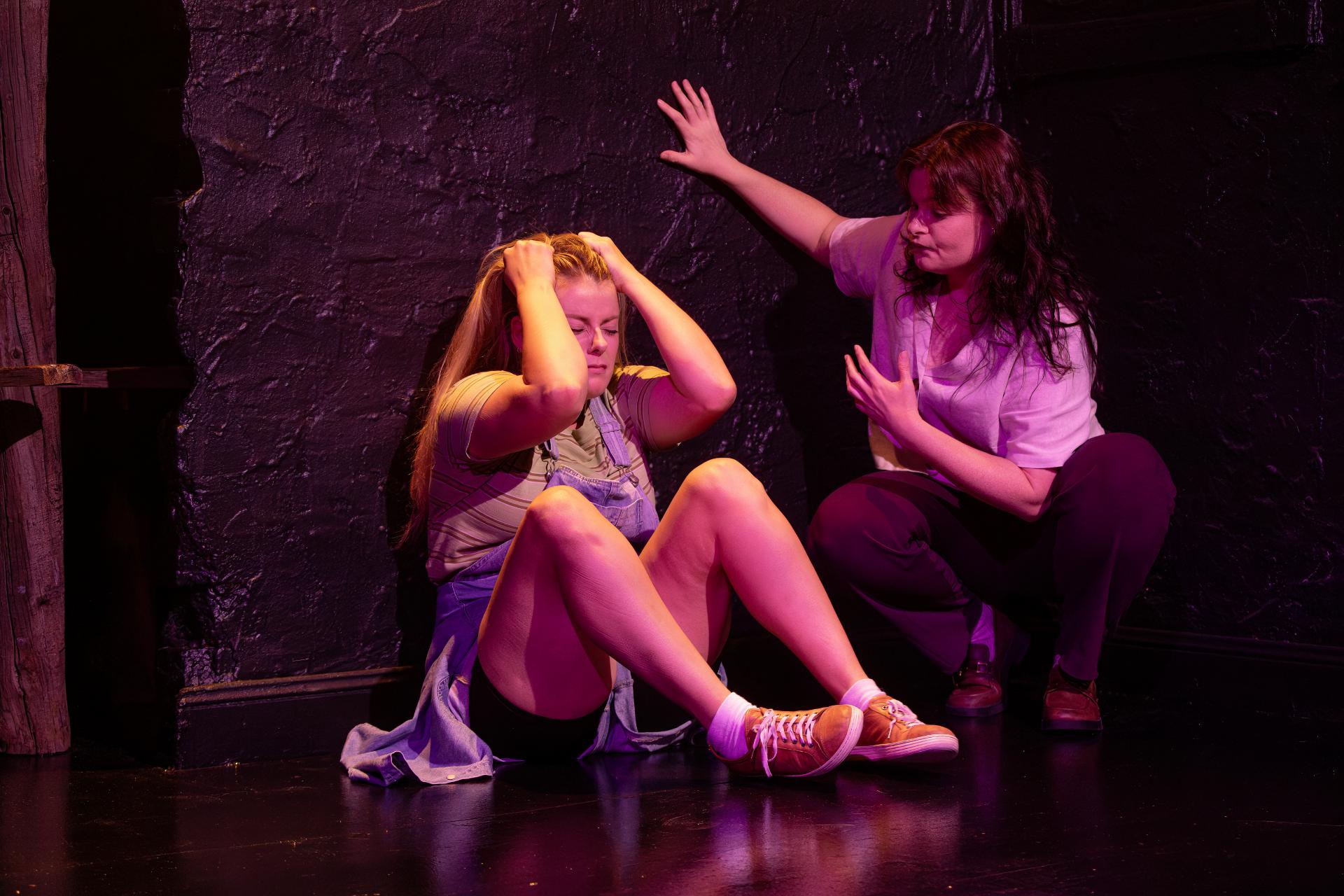
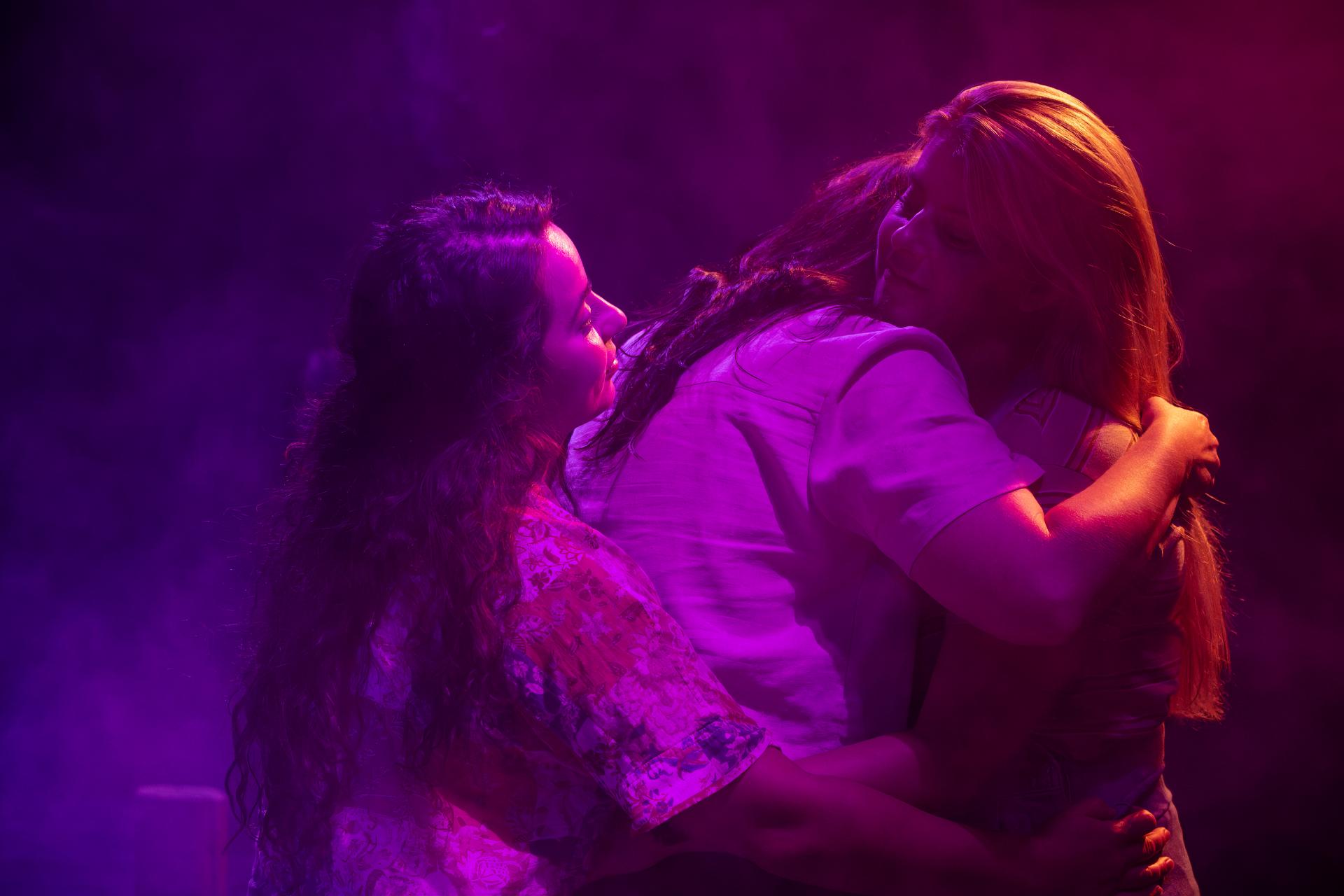
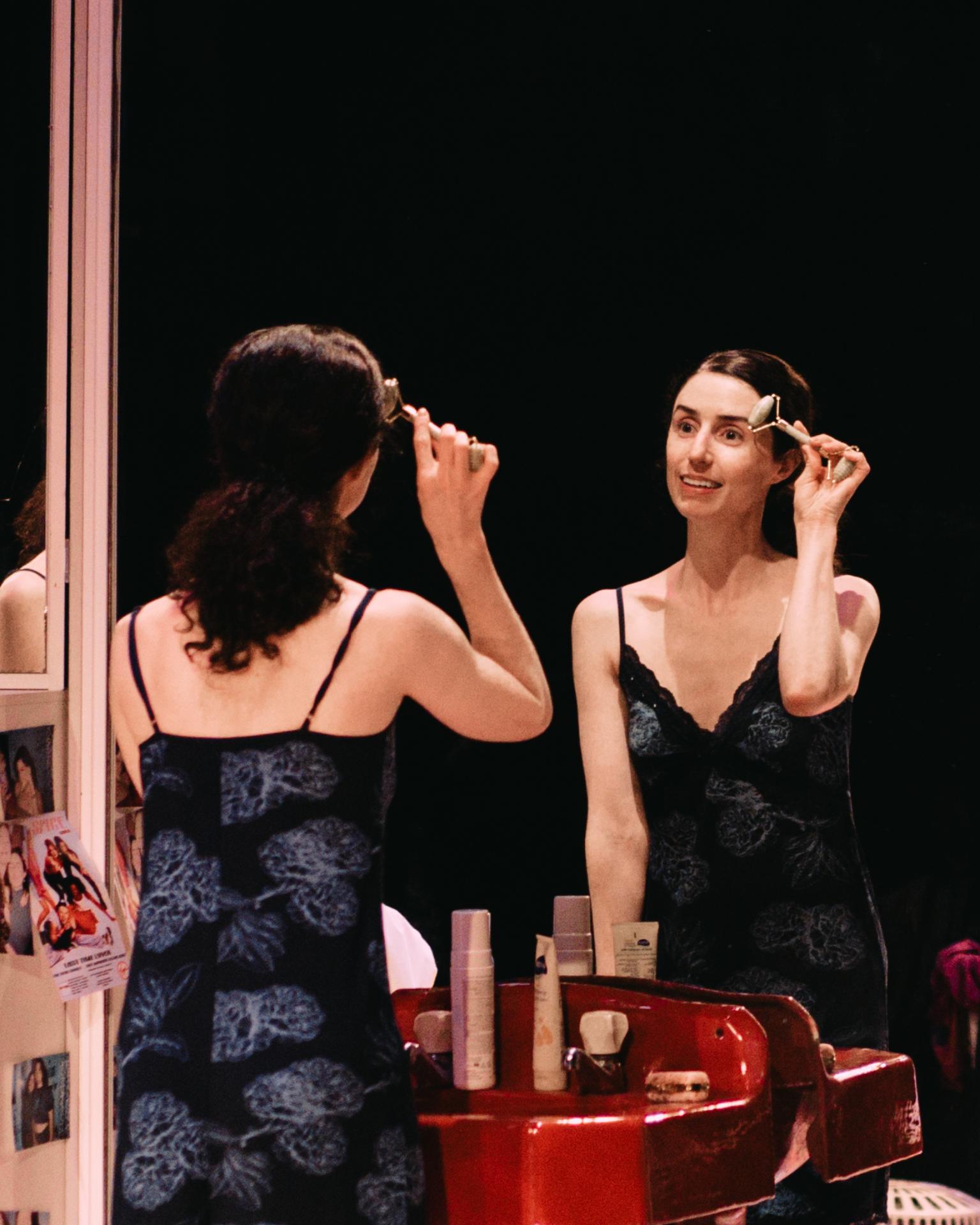
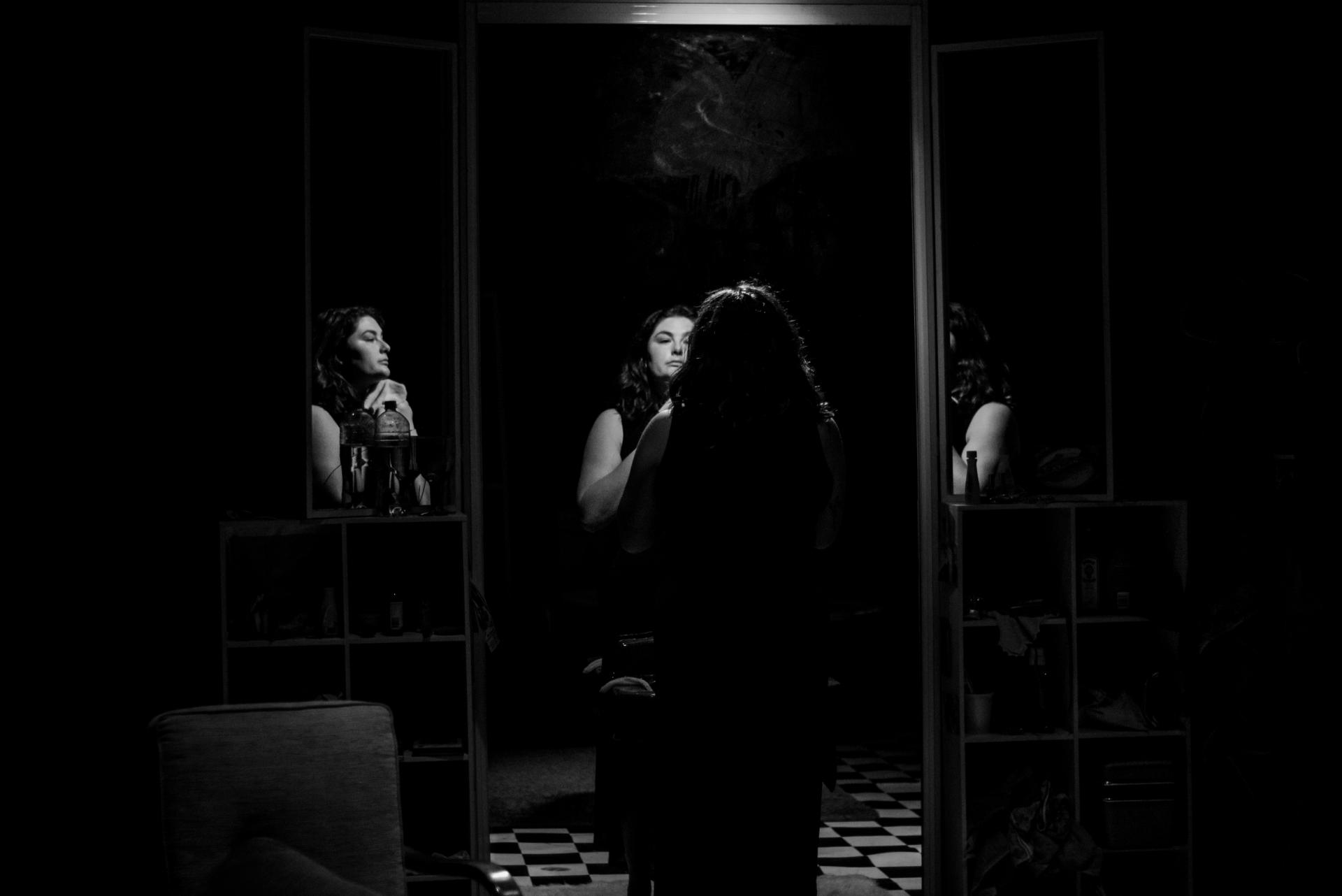
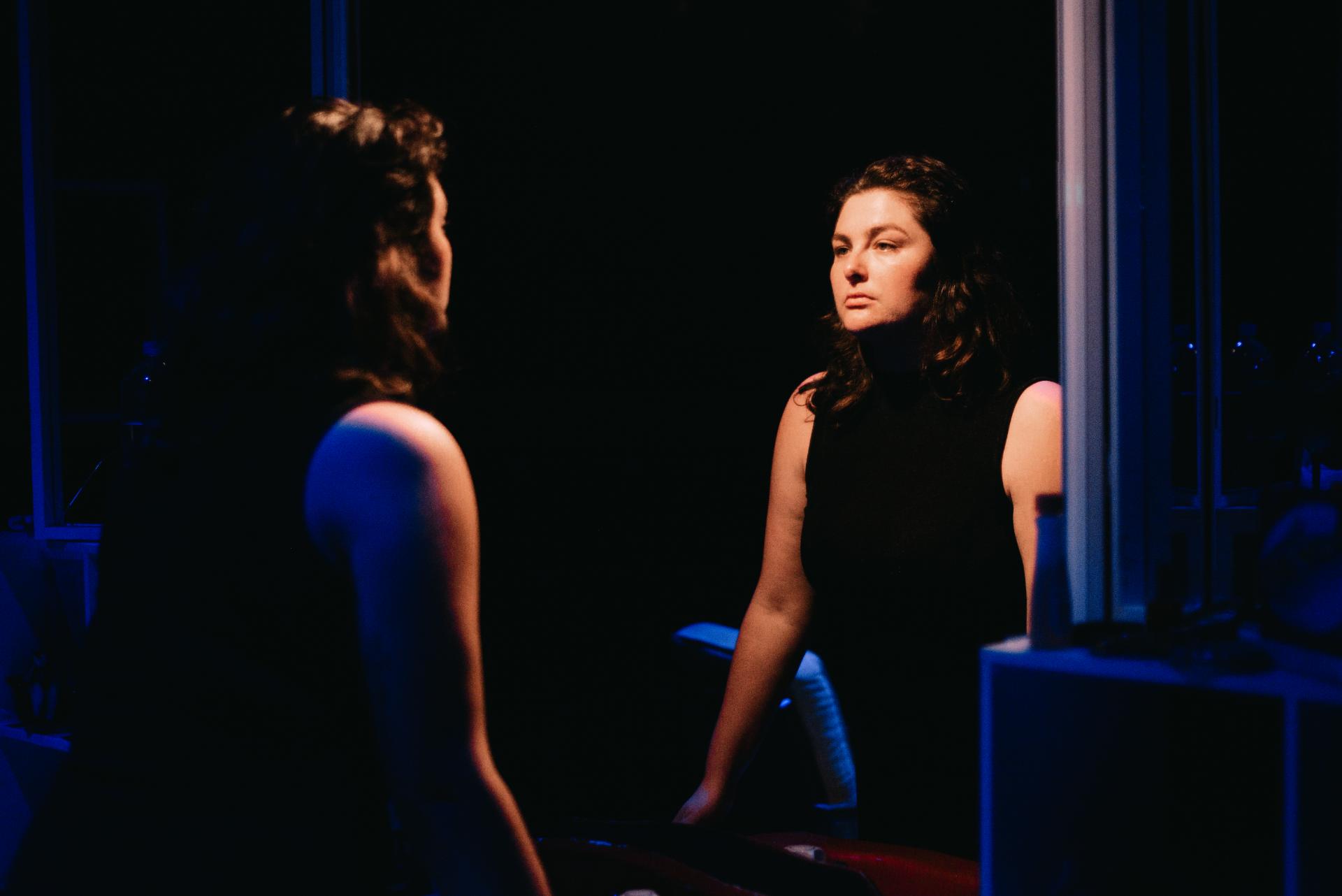
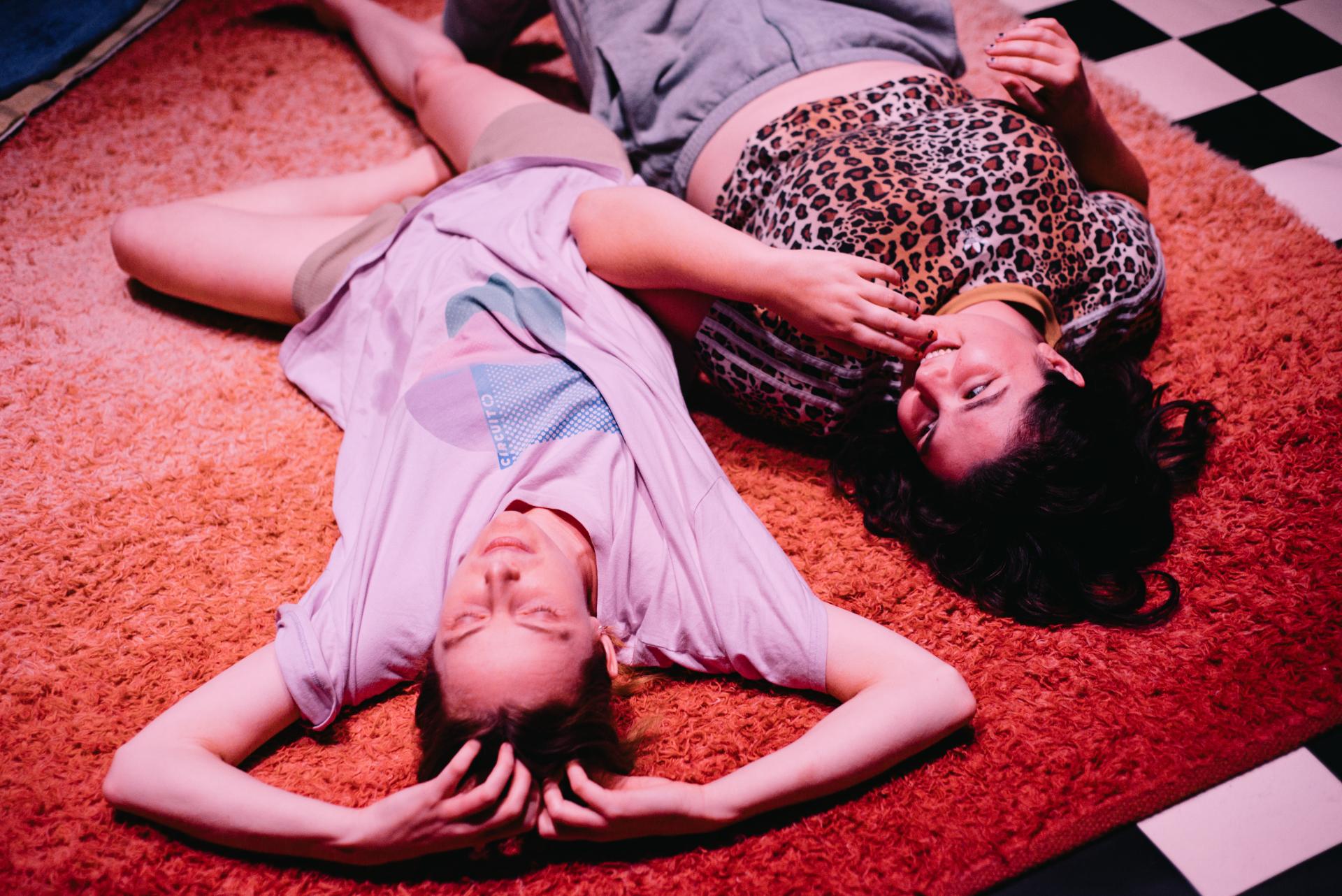
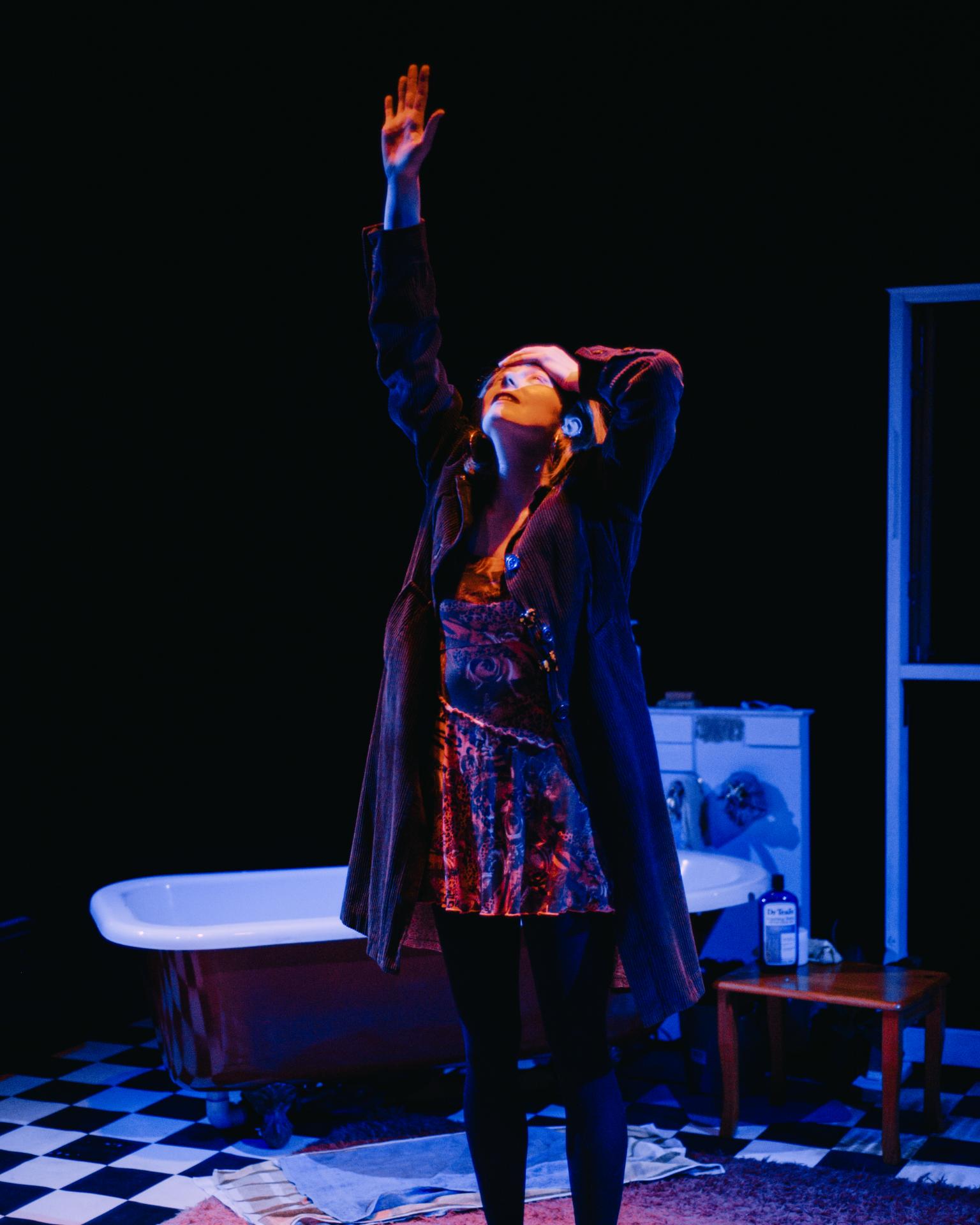
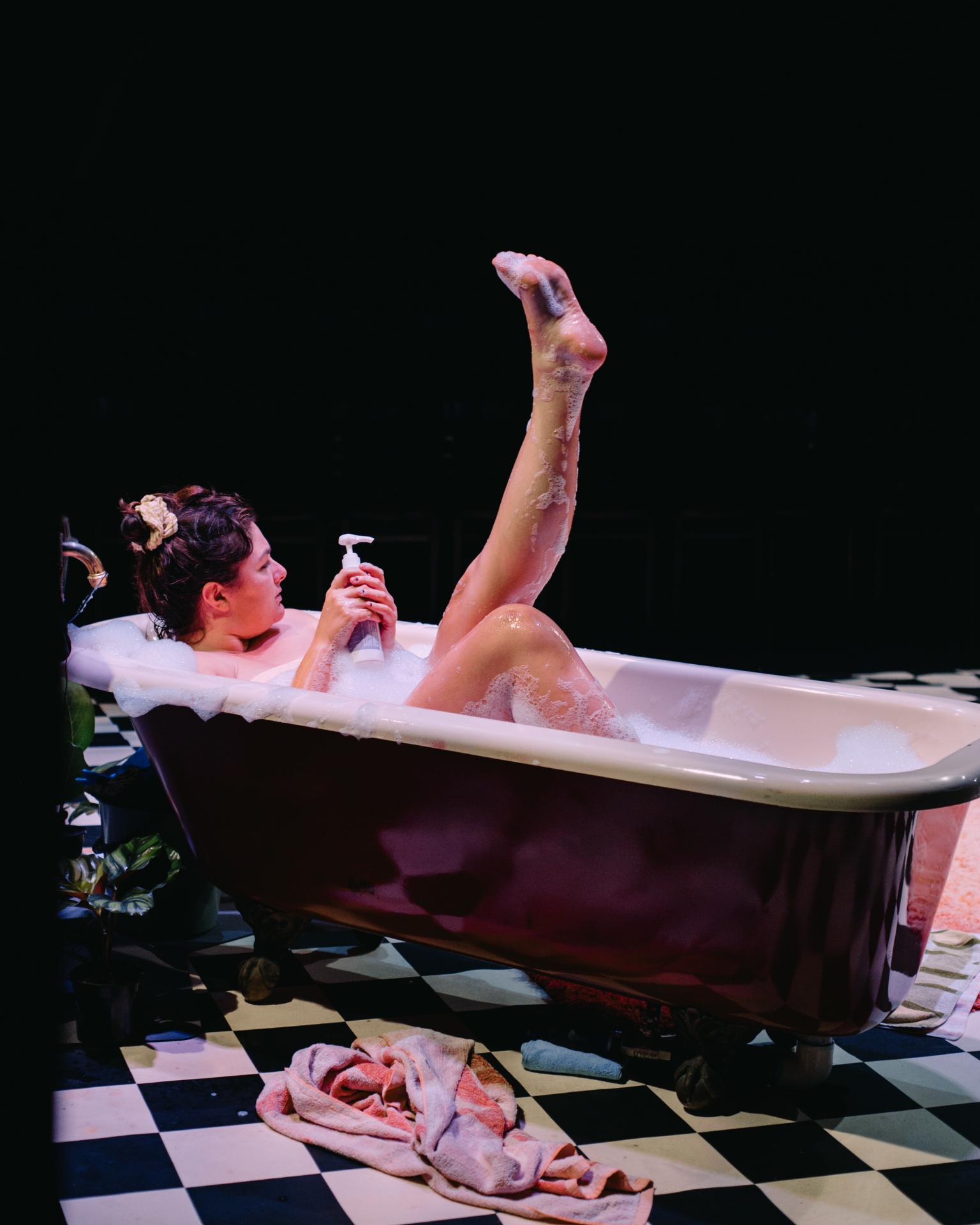
Mitsue is on the surface, a contented librarian in mid-century Hiroshima, but having lived through the devastating bombing by Americans only three years prior, her inner turmoil is much more profound than can be easily perceived. The 2001 play The Face Of Jizo by Hisashi Inoue 井上 ひさし may be set decades ago, but its reflections on survivor guilt reverberate beyond its narrative about one particular catastrophe. Along with serving as a reminder on the tragic consequences of war, The Face Of Jizo is concerned with how we emerge from trauma, emphasising the point that to live well, is often a matter of choices we make.

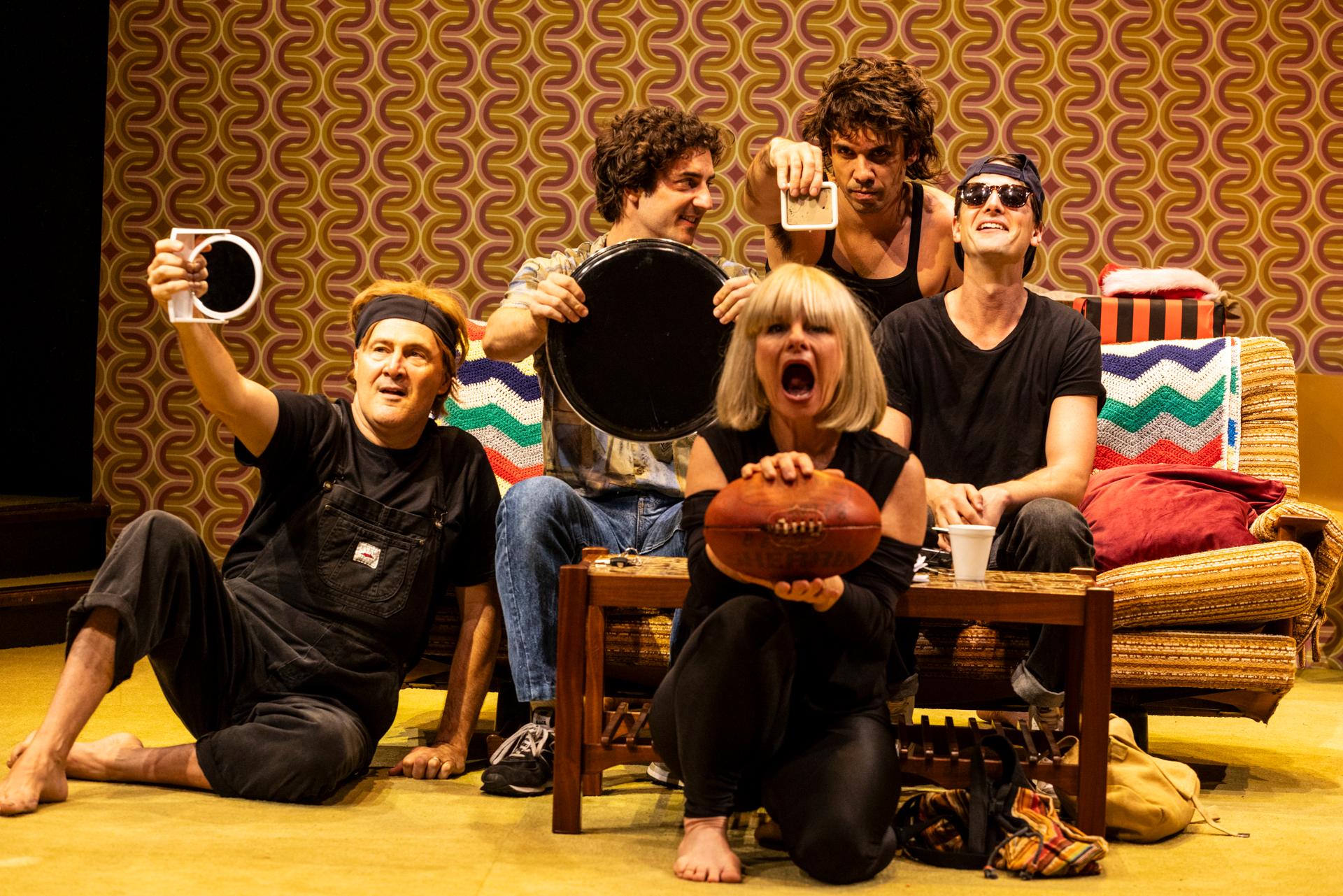
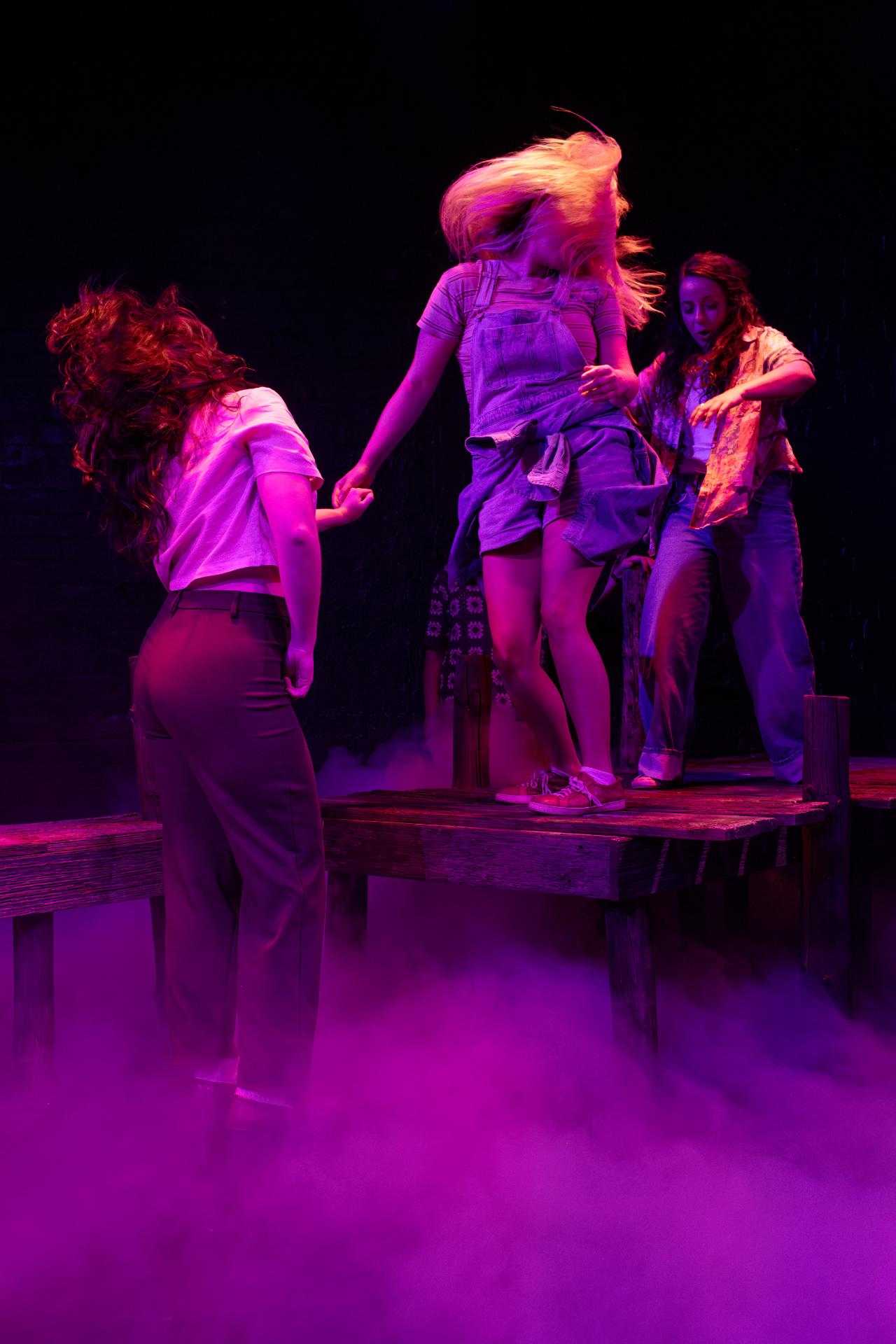
It is perhaps inevitable that the play’s gravity is central and severe, but there is also excellent humour coaxing us into the story and its stirring intentions. Directed by David Lynch and Shingo Usami, the show is charmingly inviting, with a palpable warmth that accompanies the harder edges of a sobering tale. Simultaneously gentle and heartrending, this theatrical experience proves enjoyable even though its themes are unquestionably foreboding.

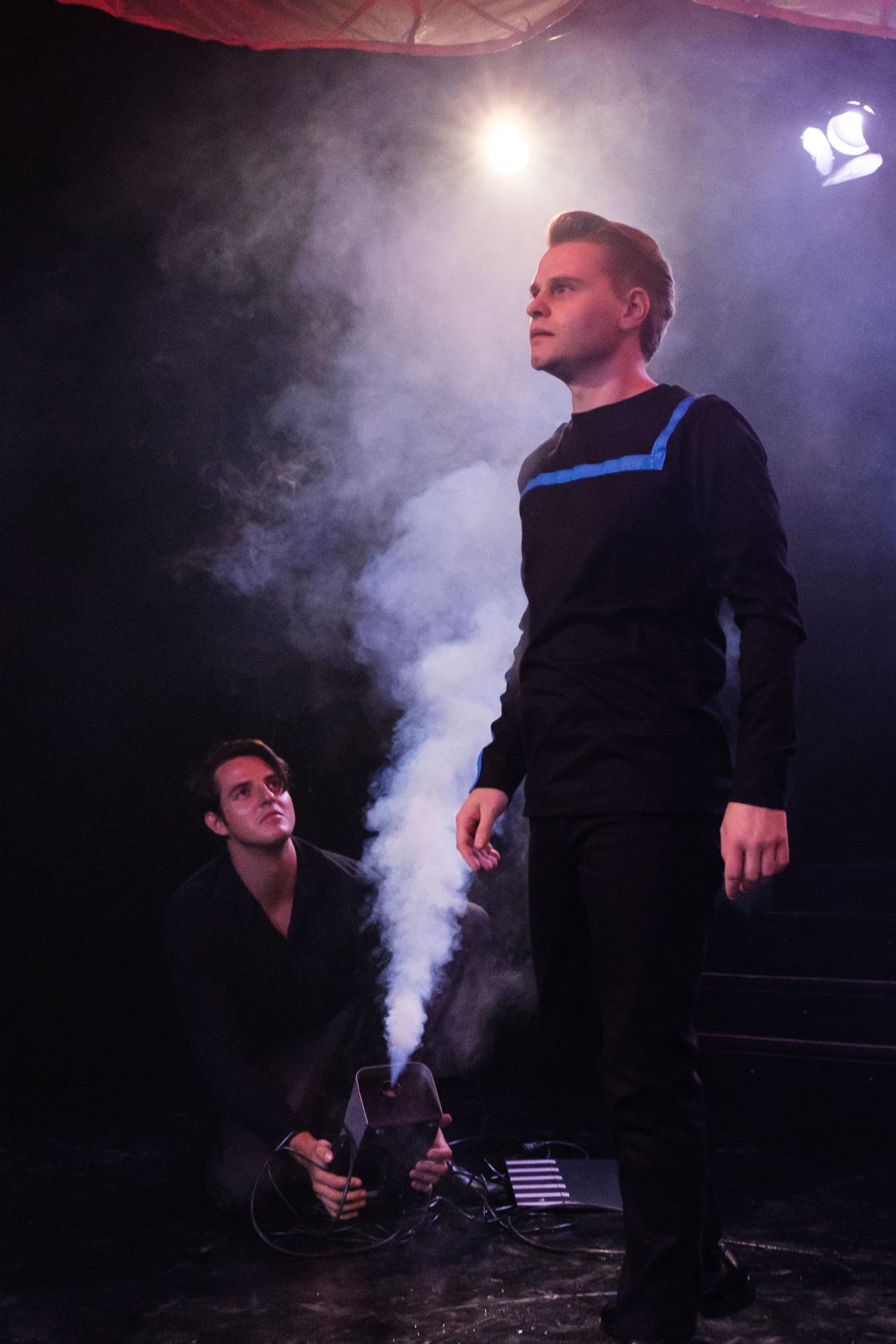
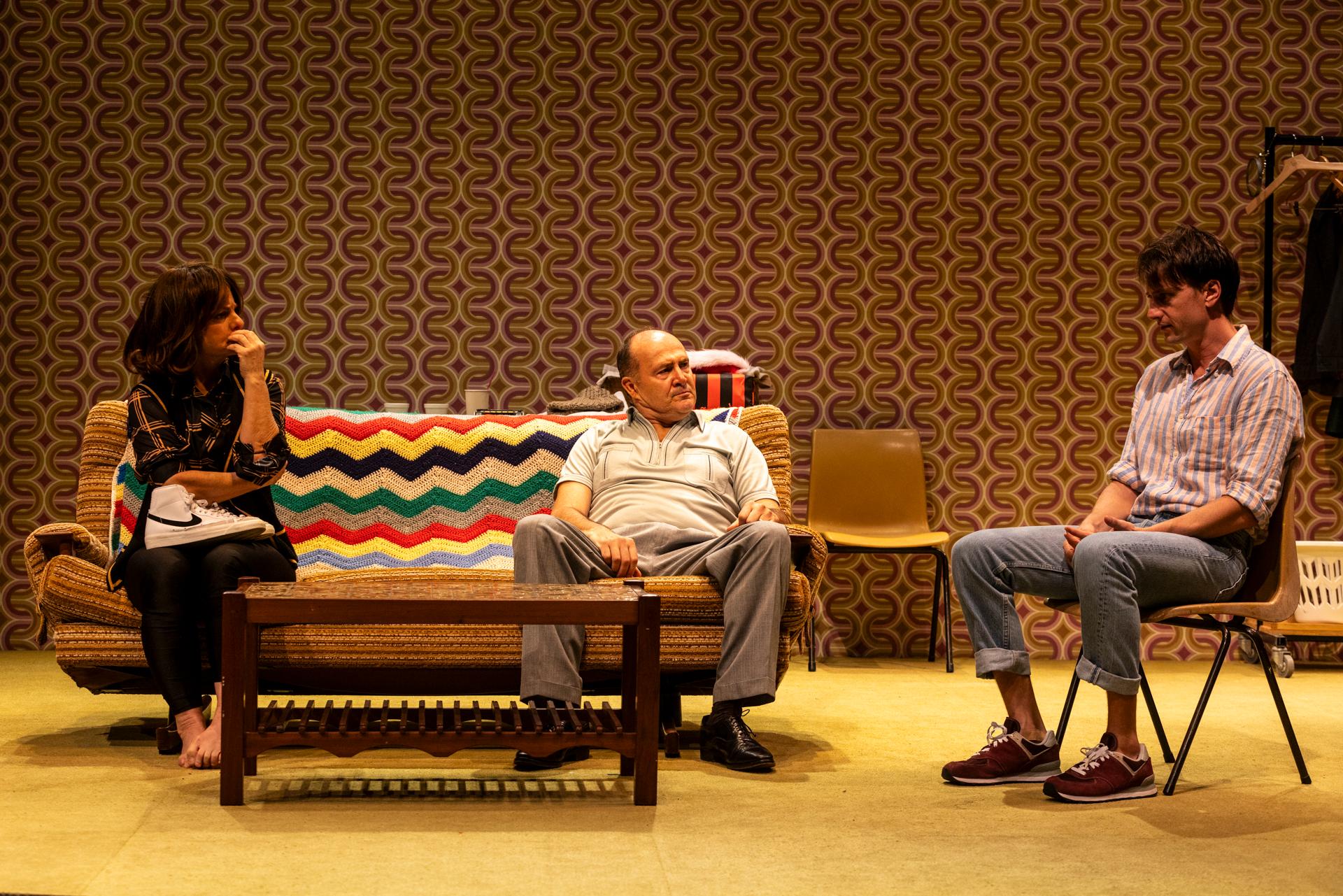
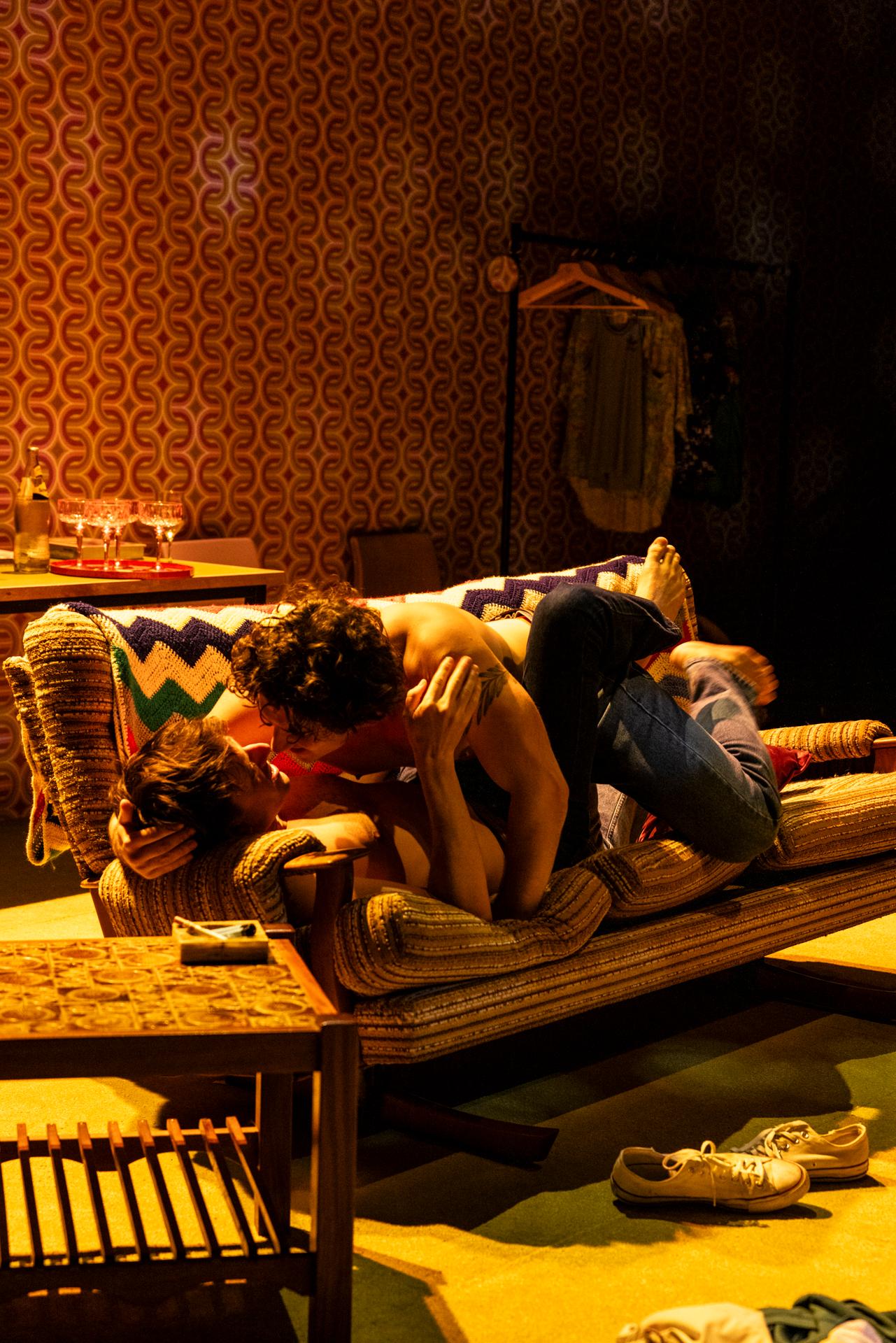
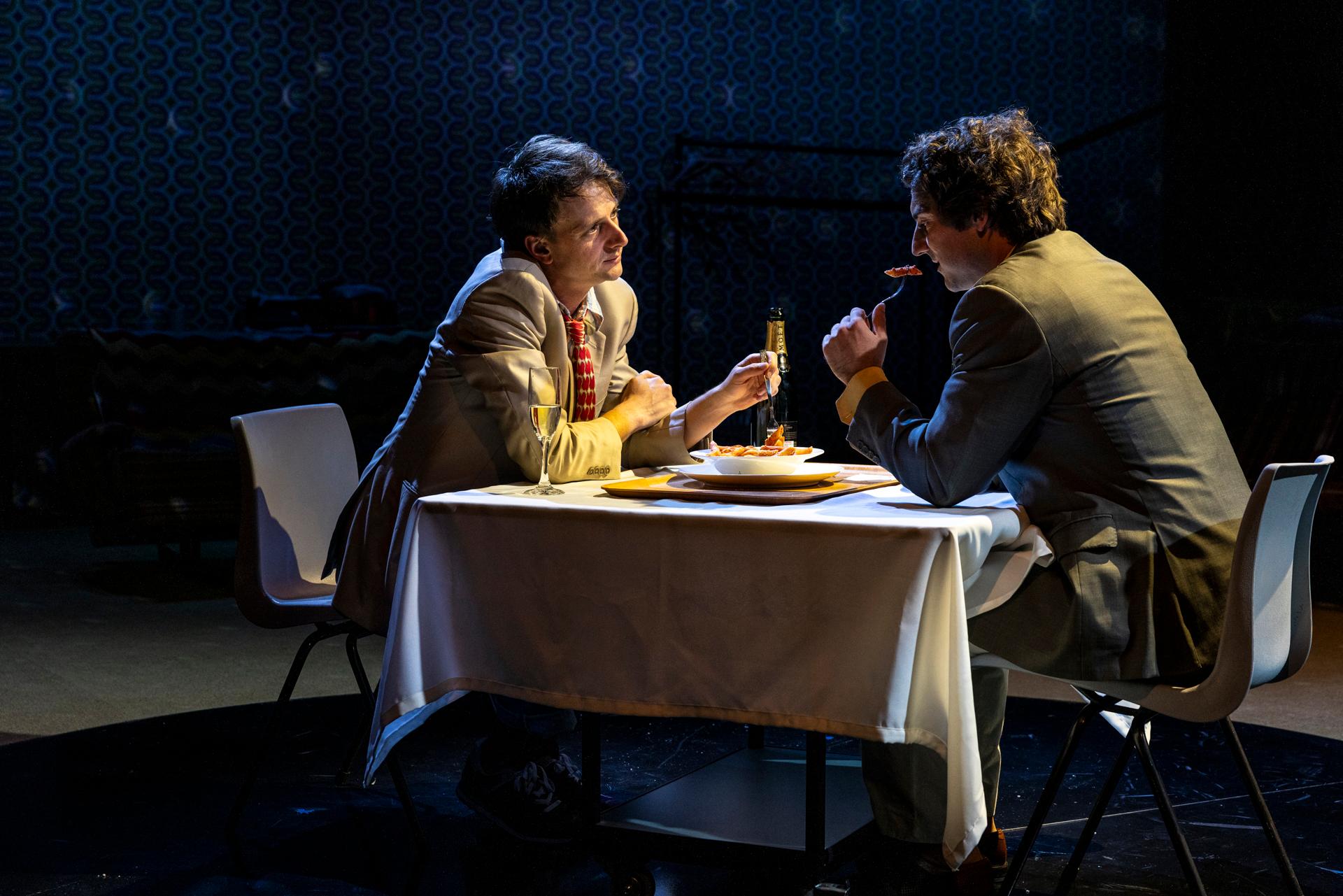
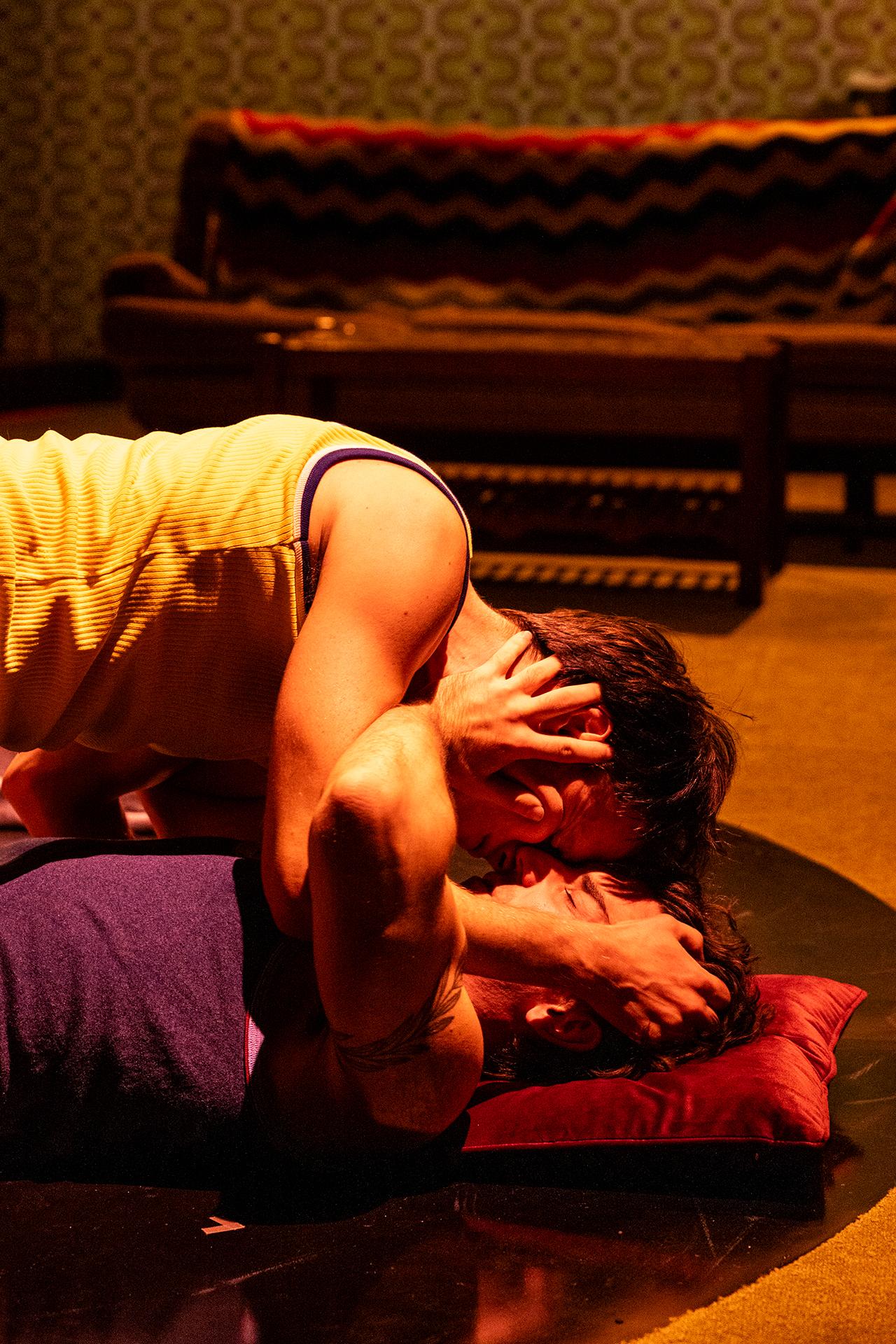
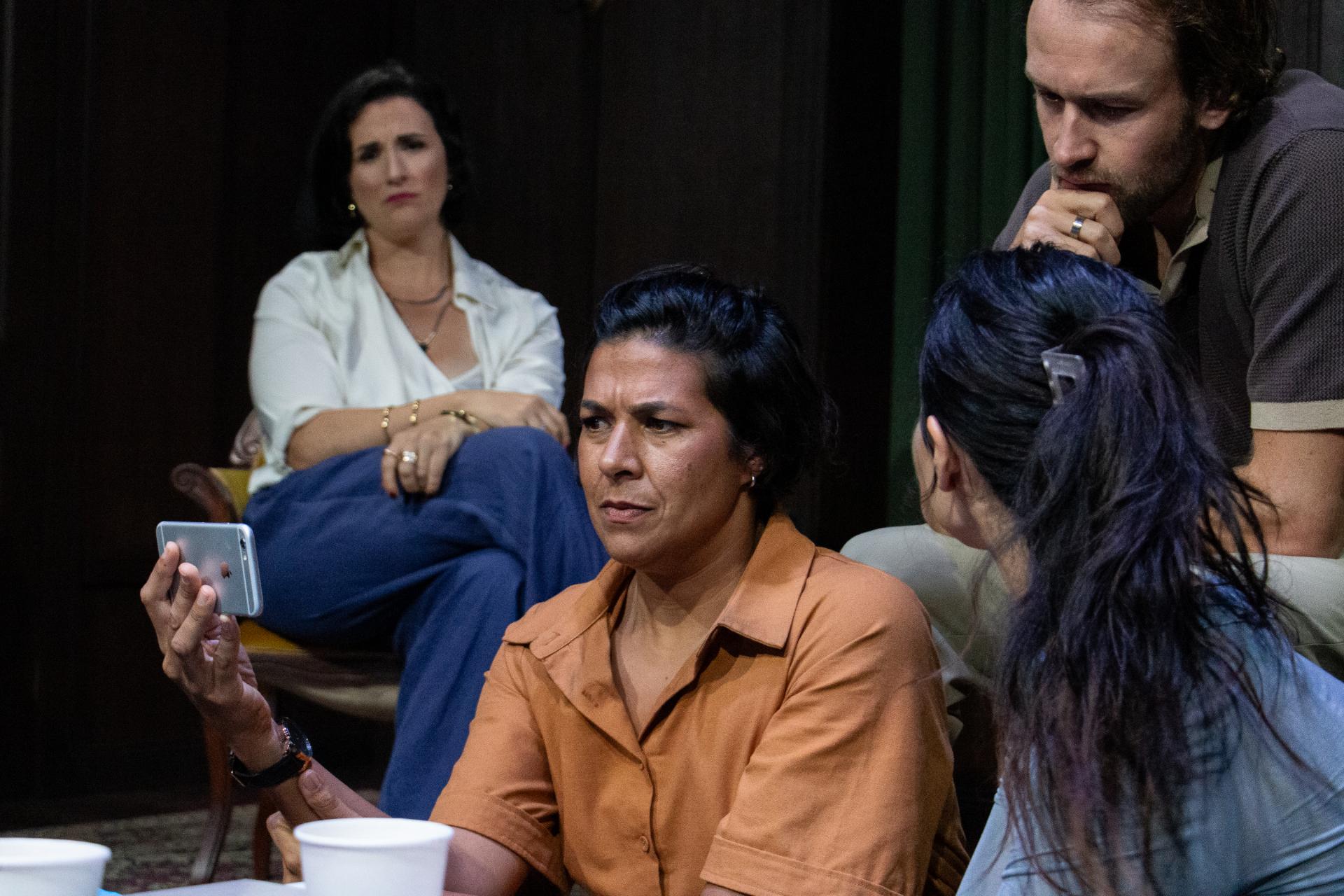
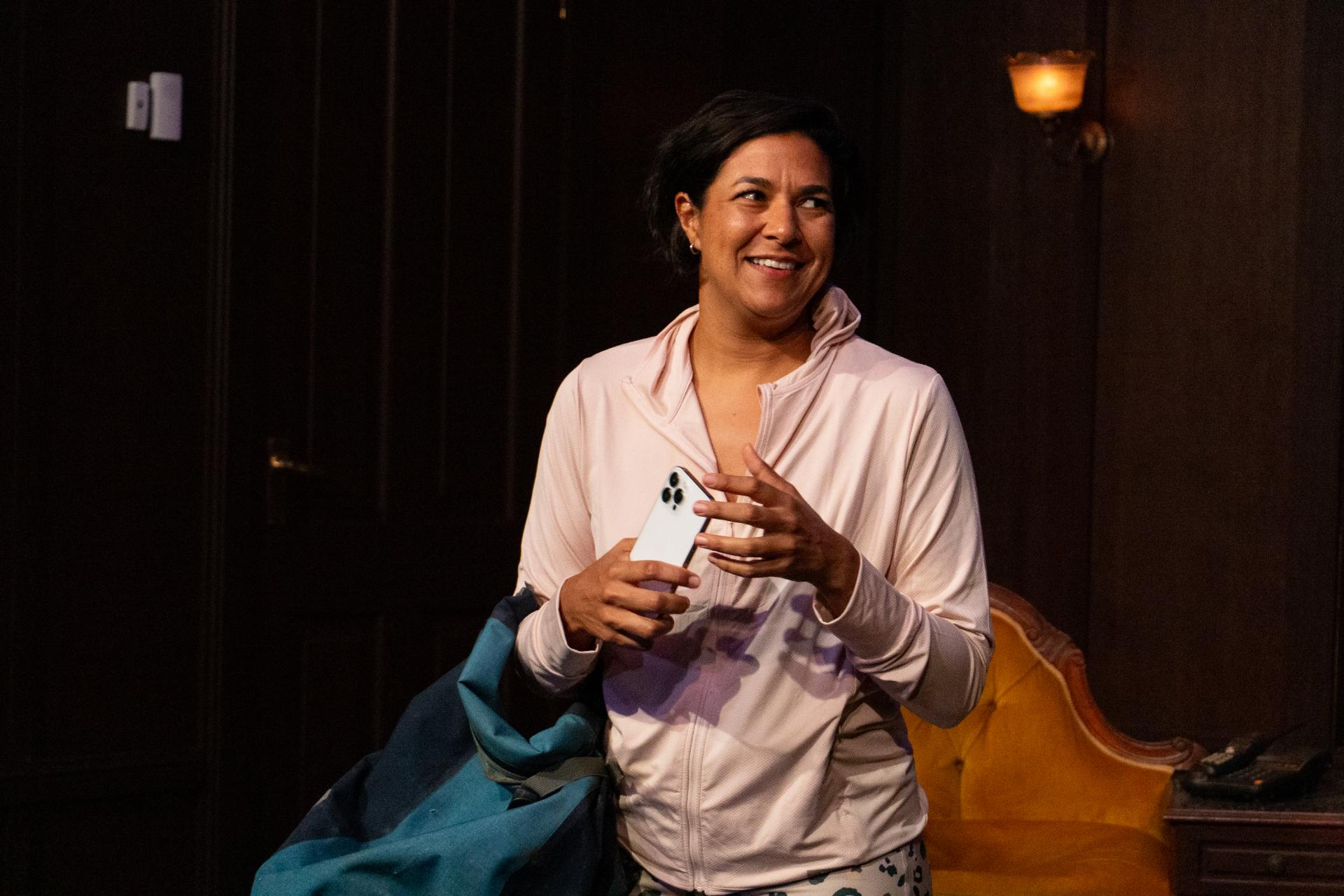
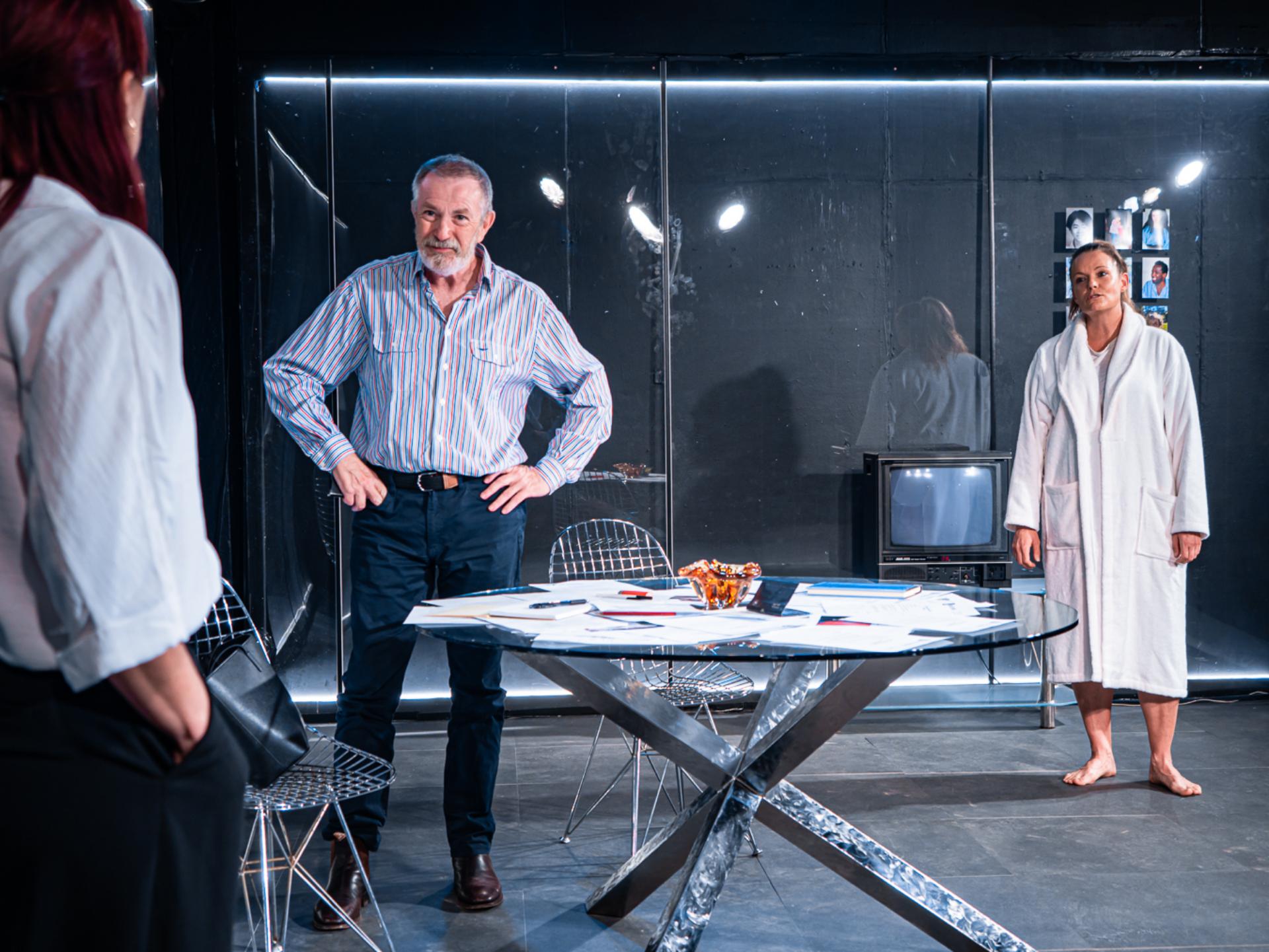
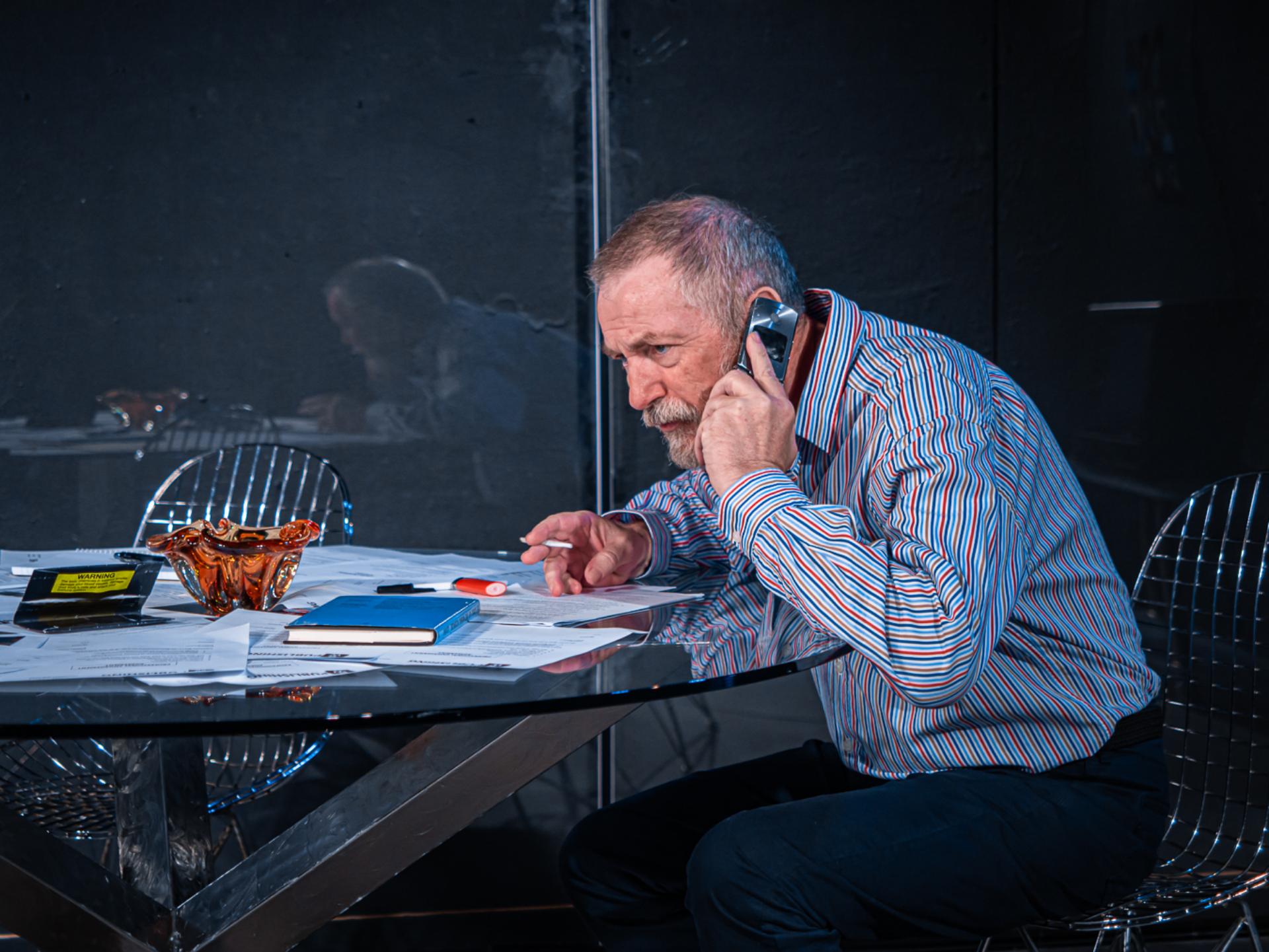
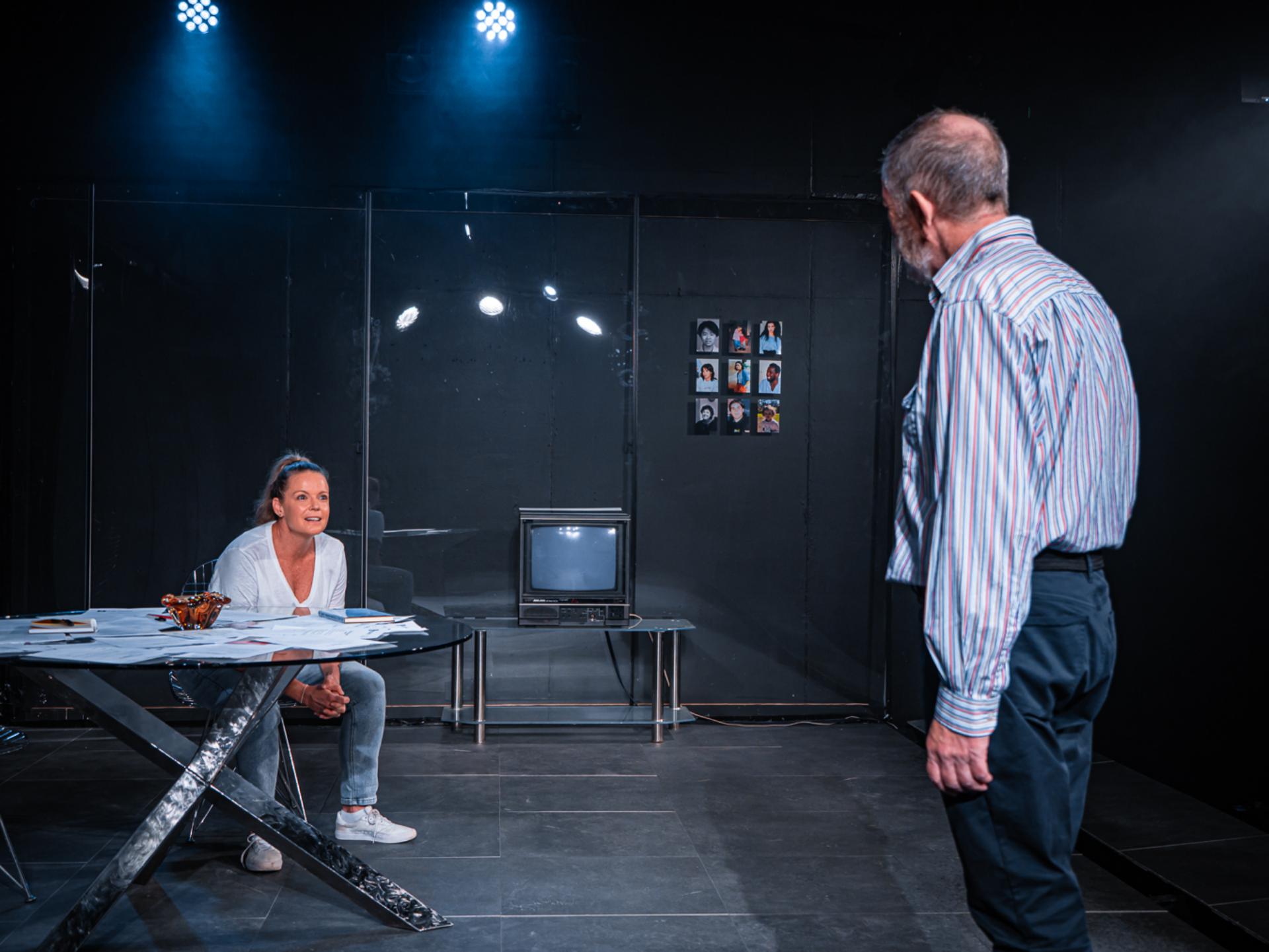
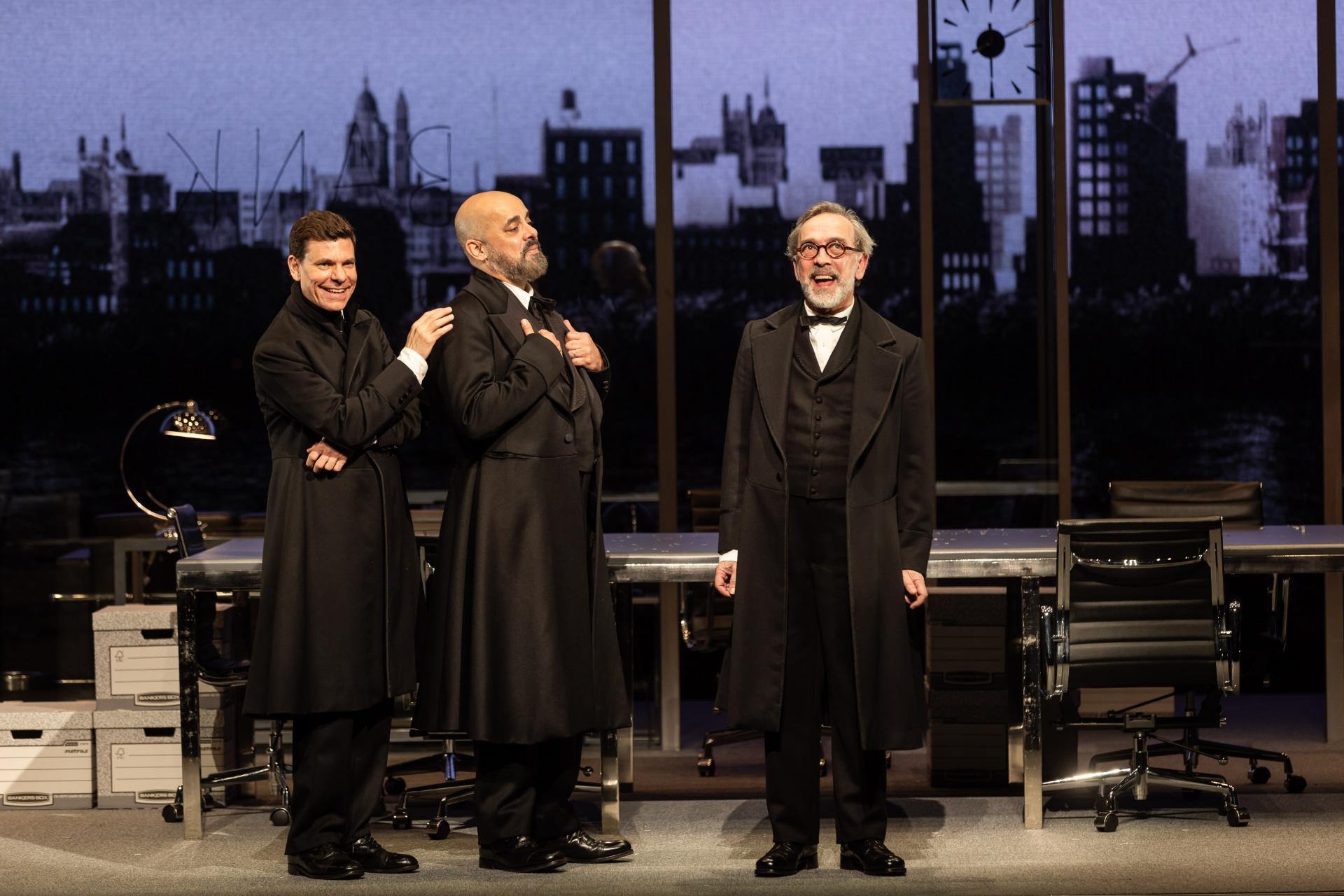
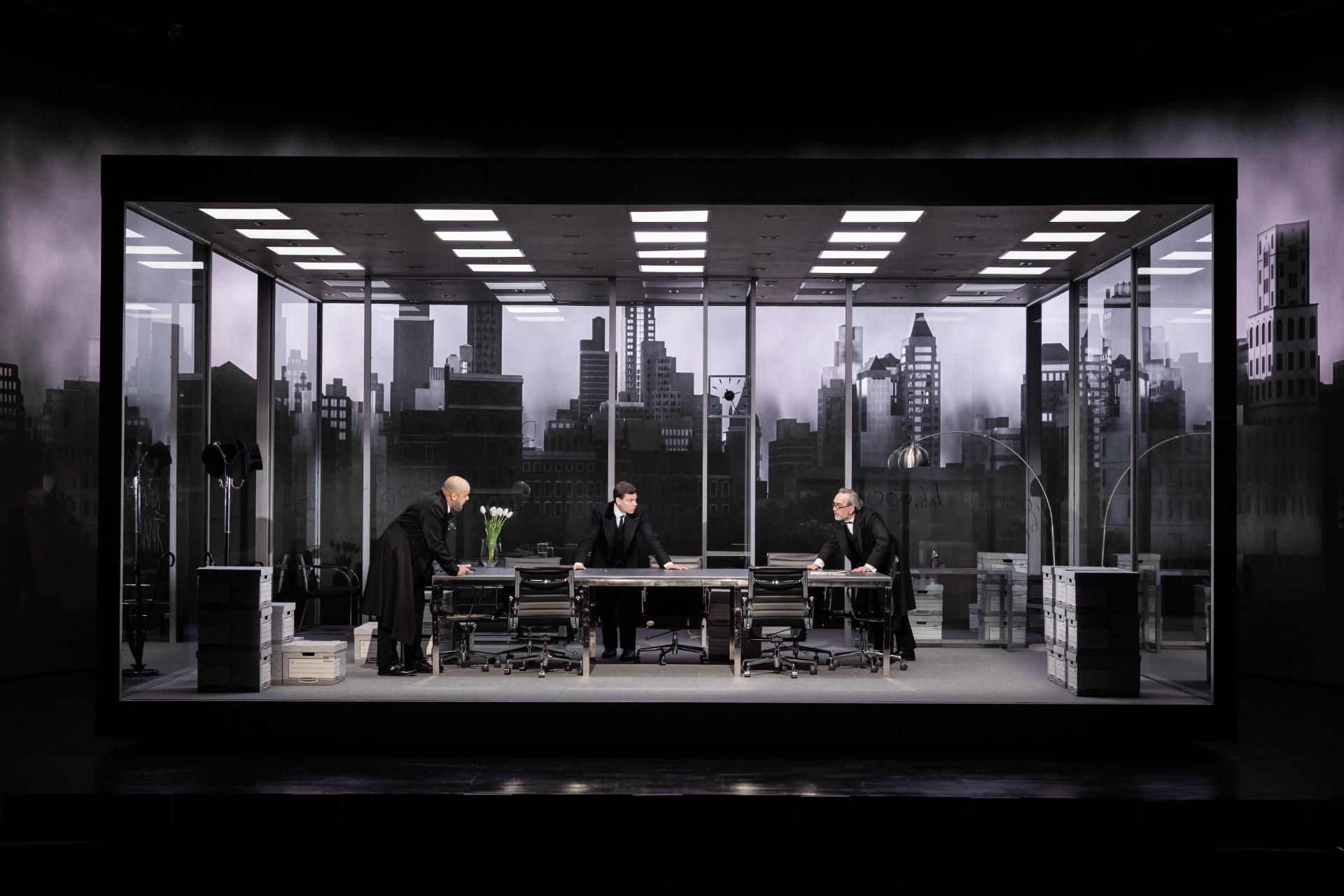
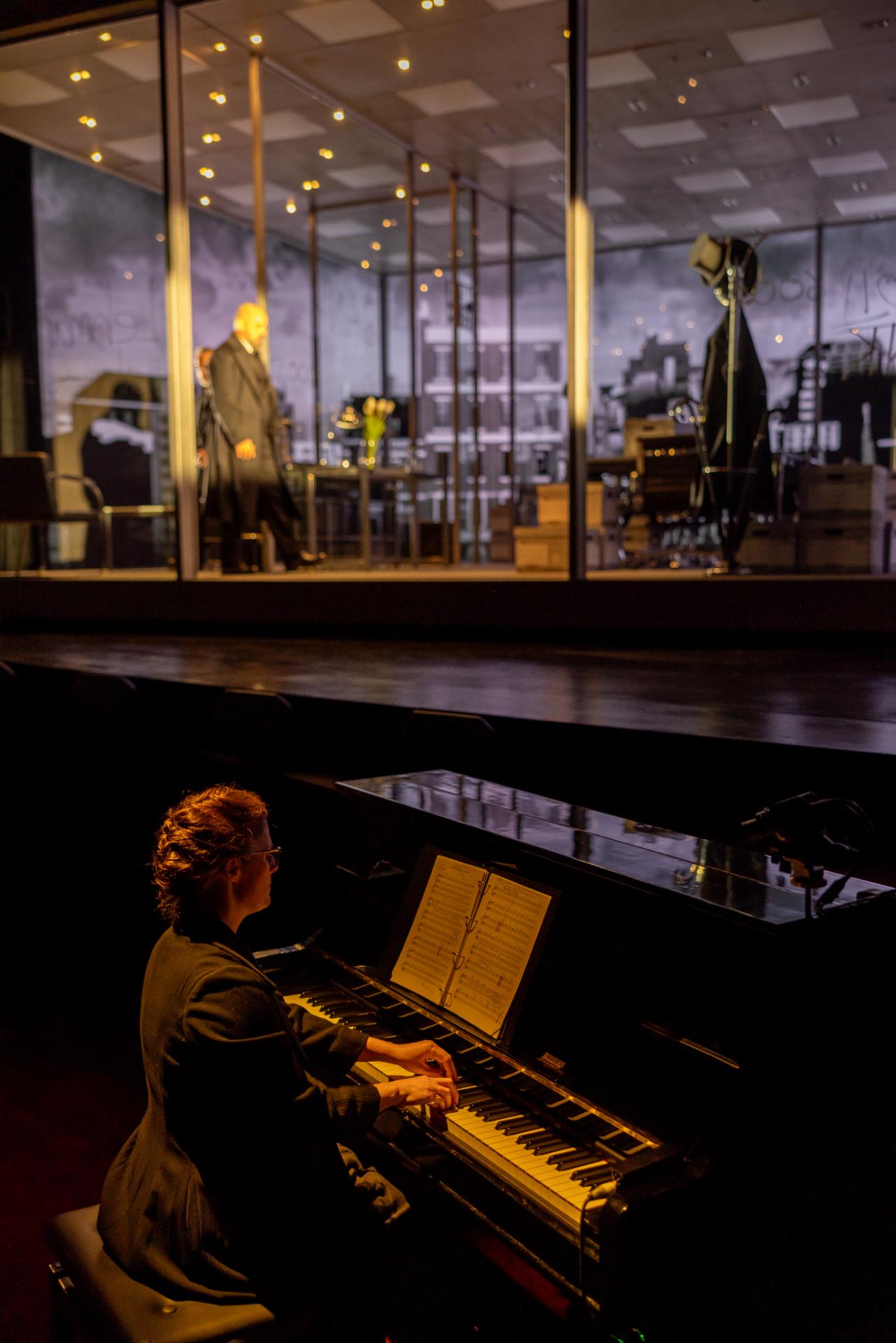
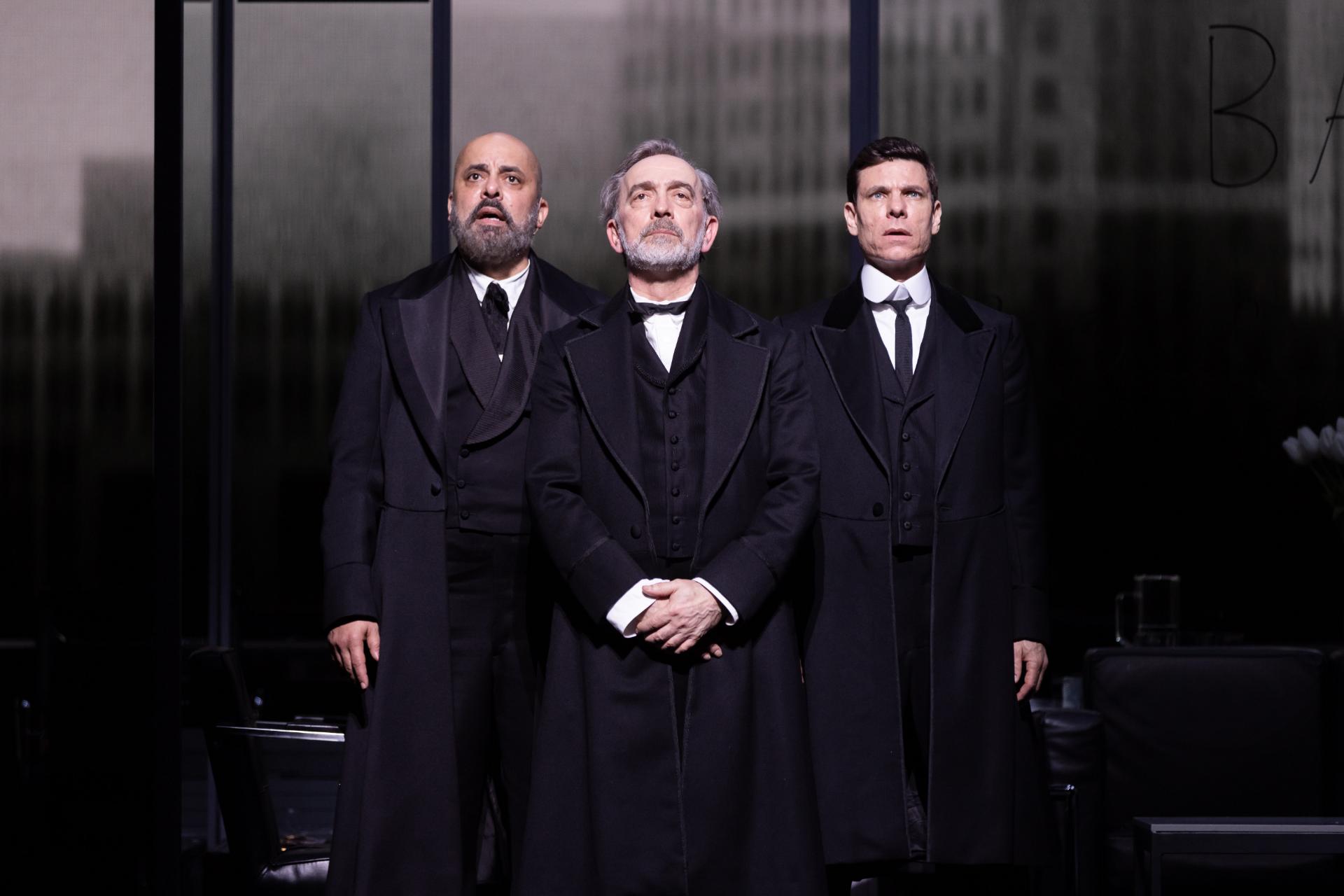
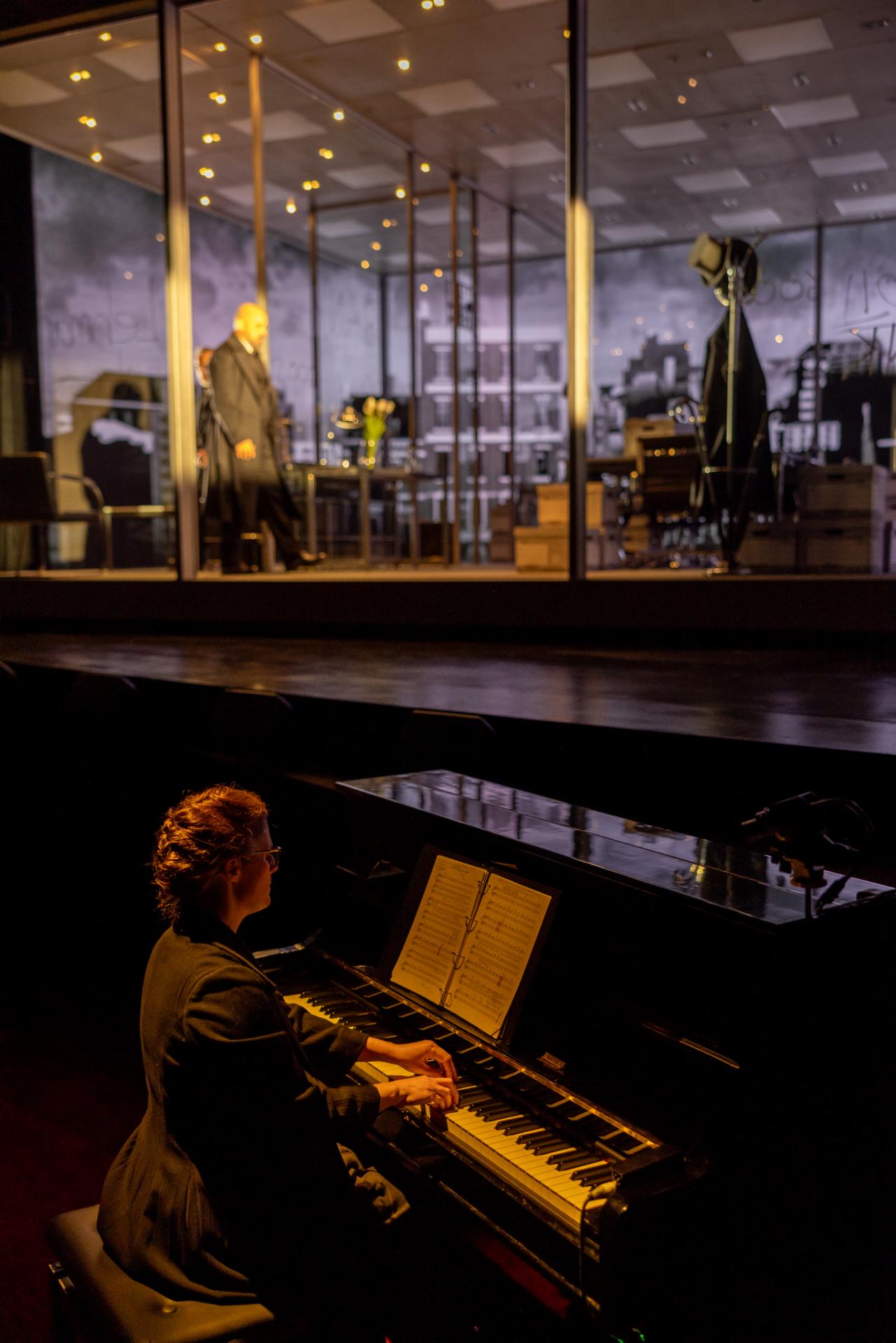
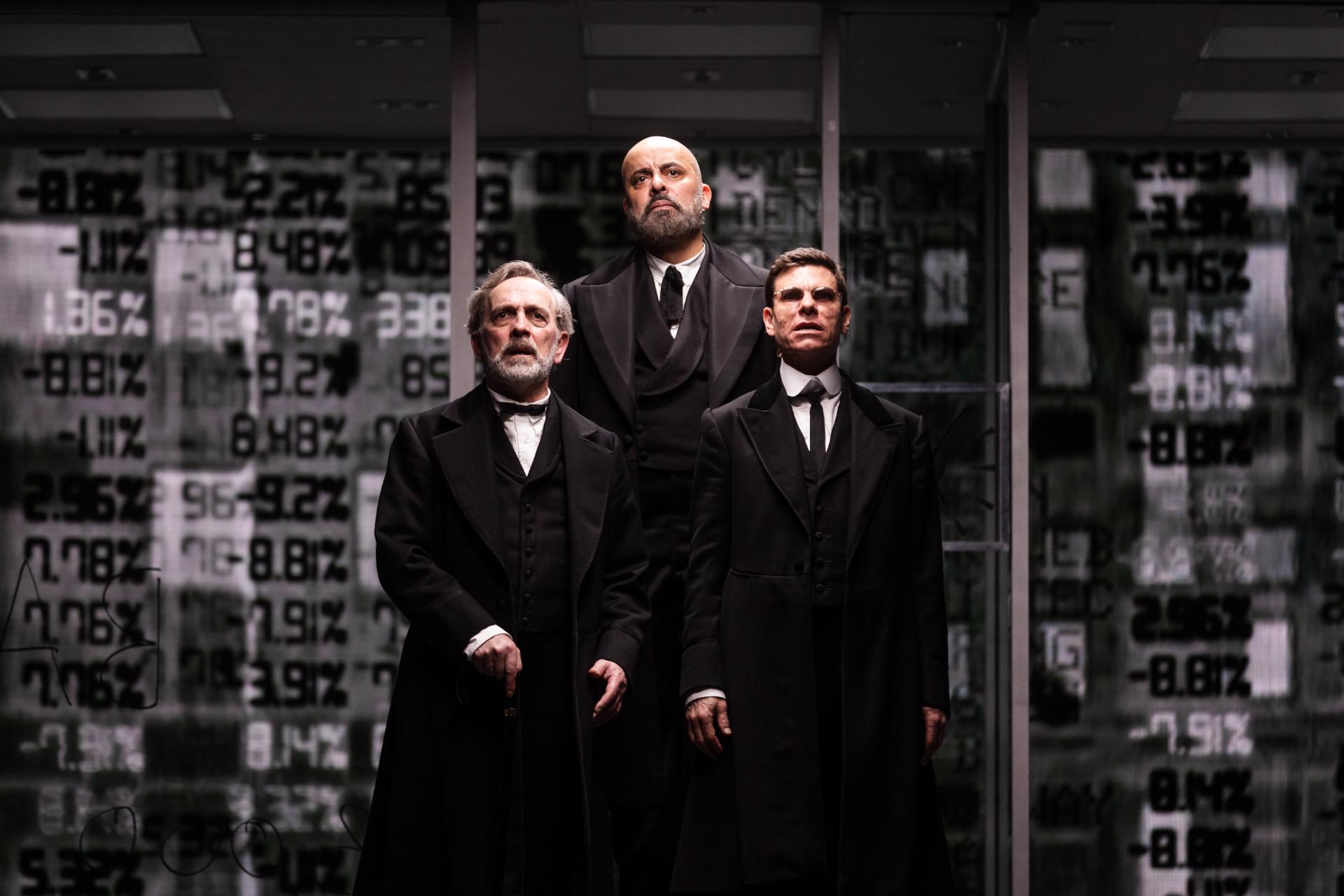
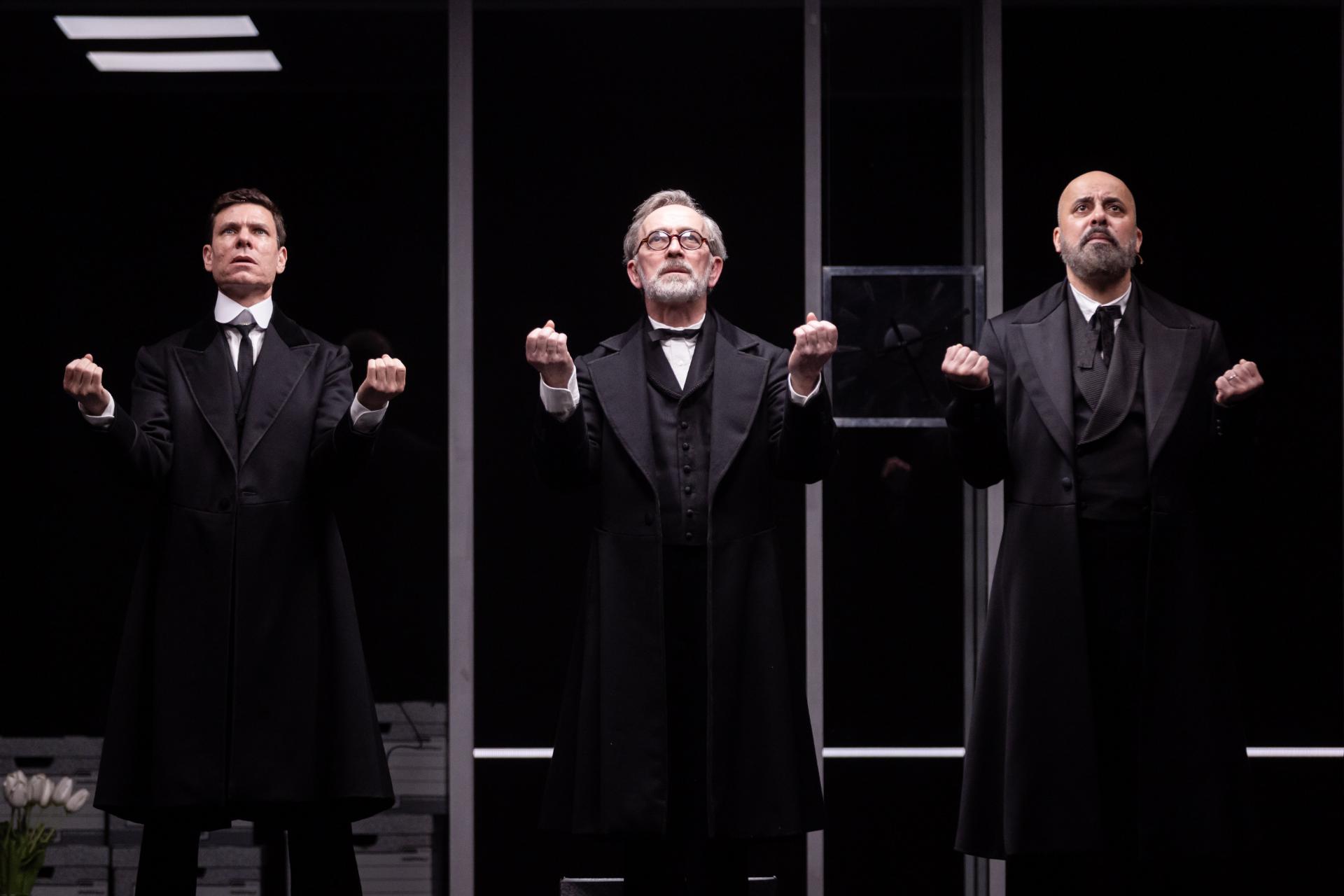
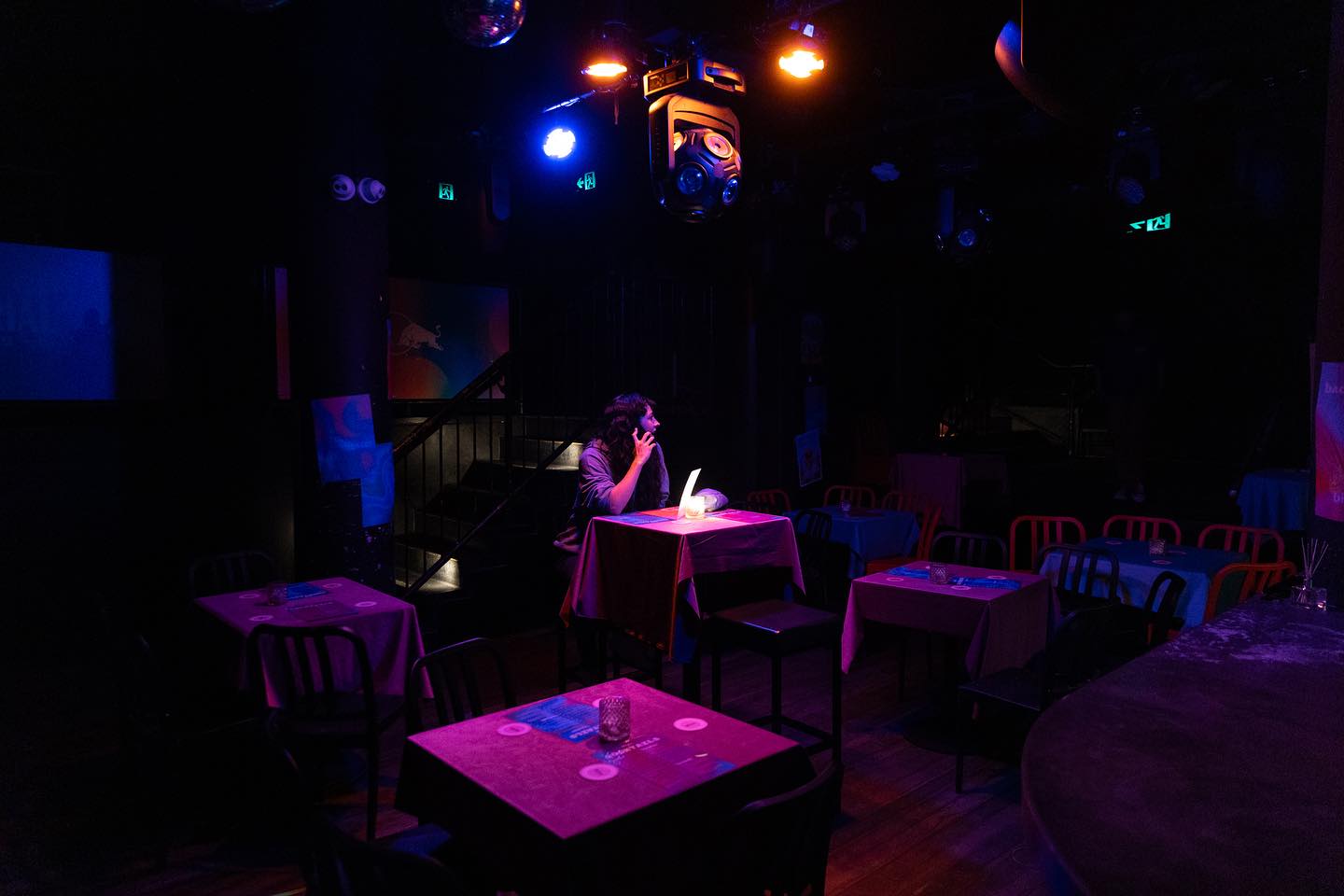
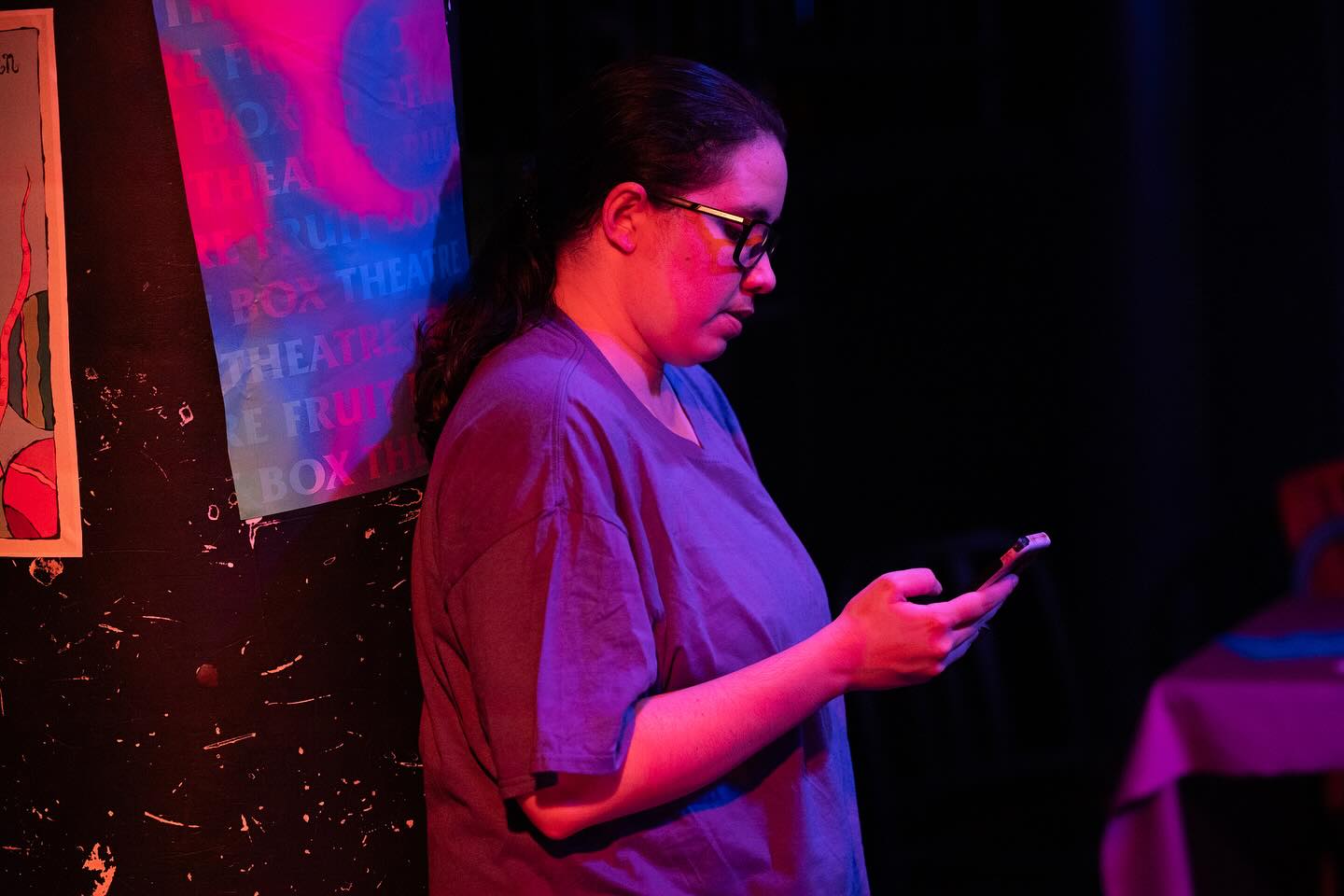
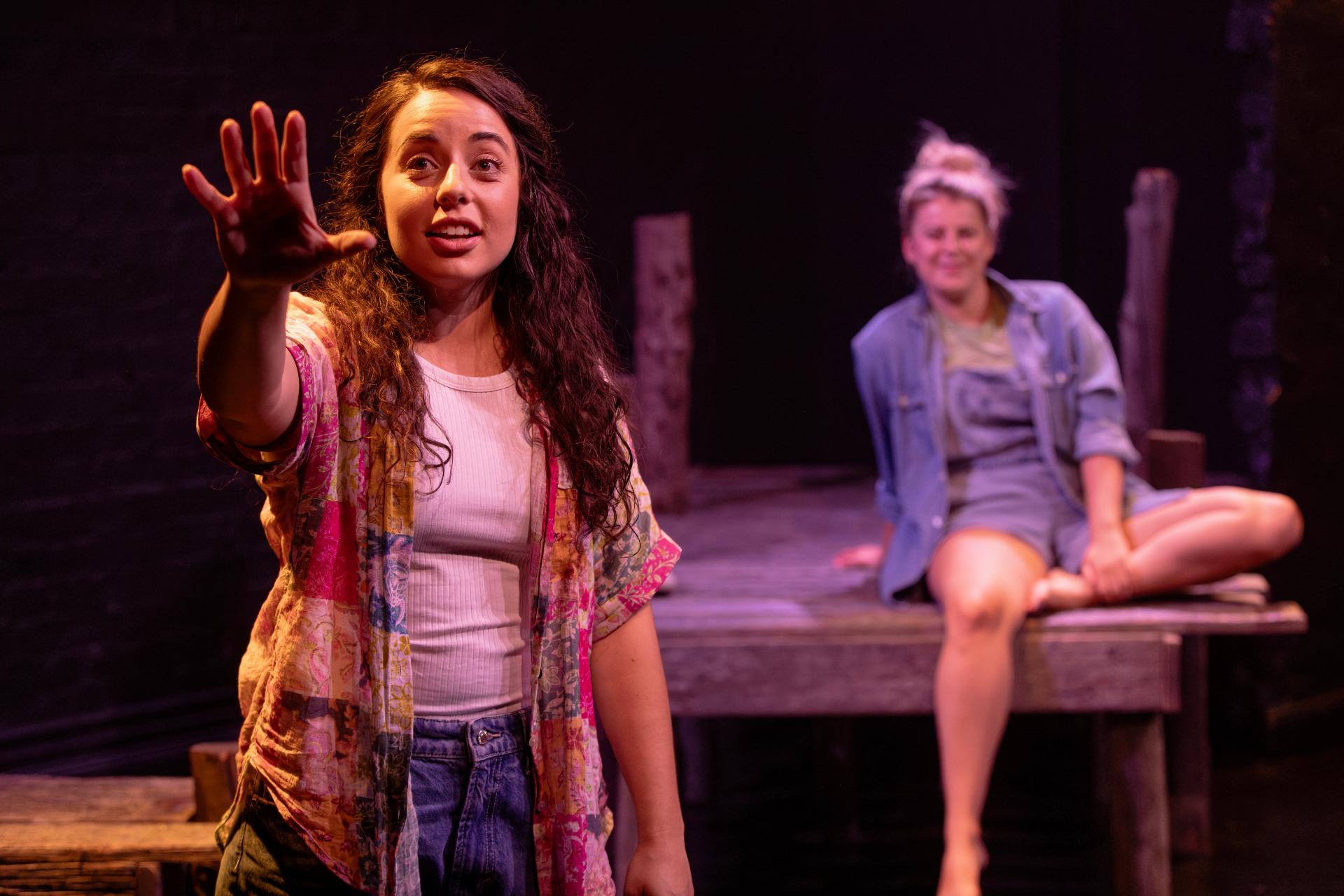
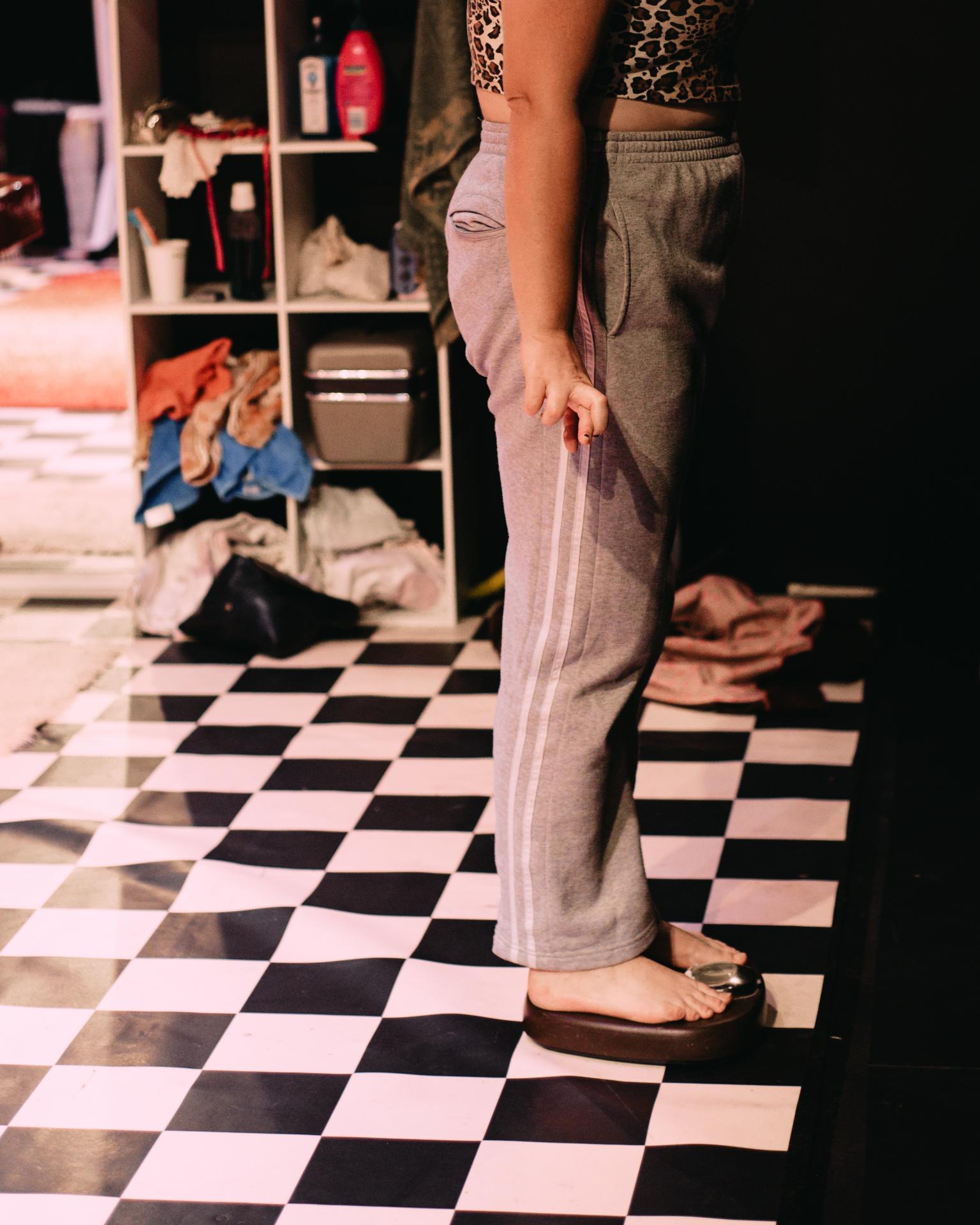
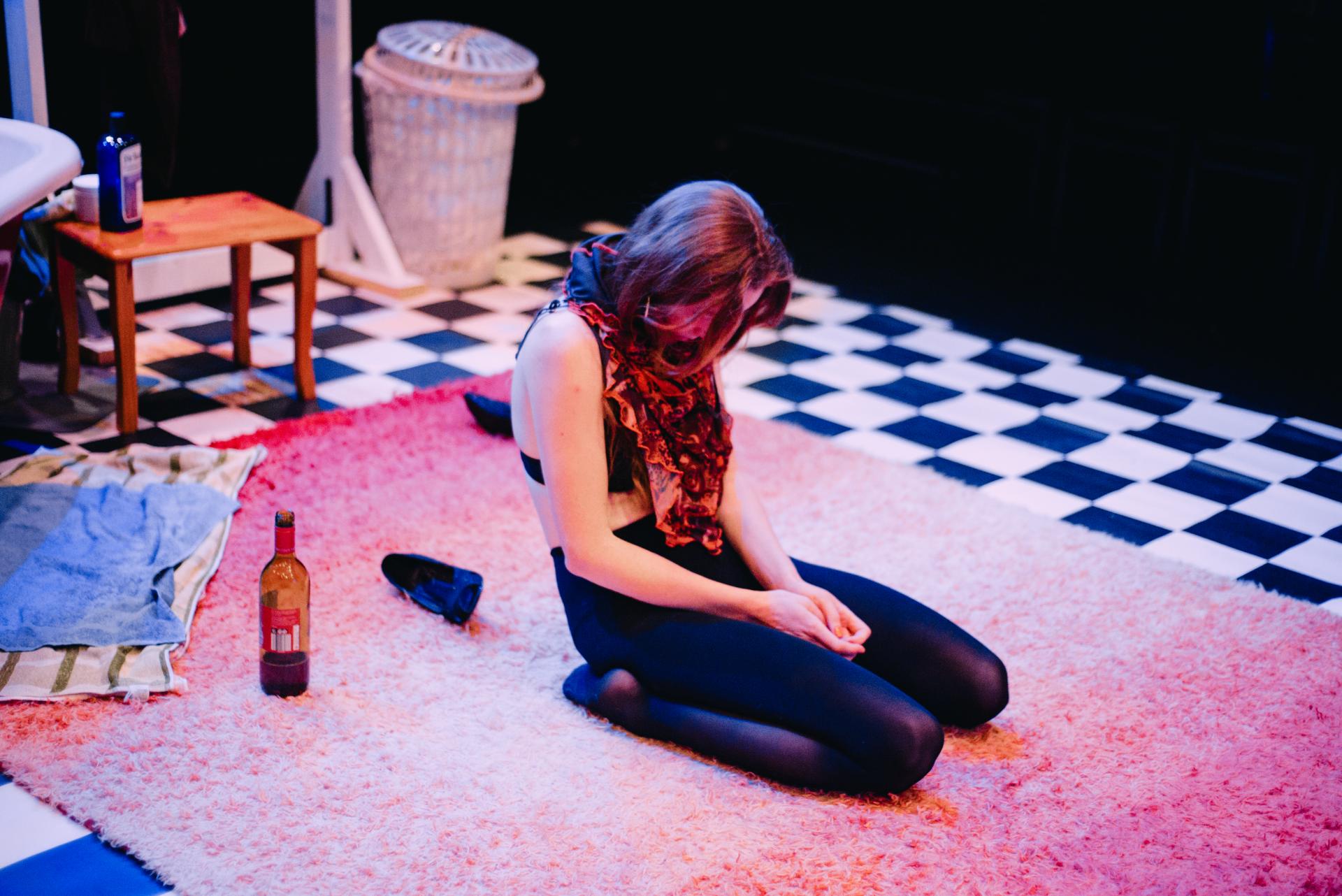
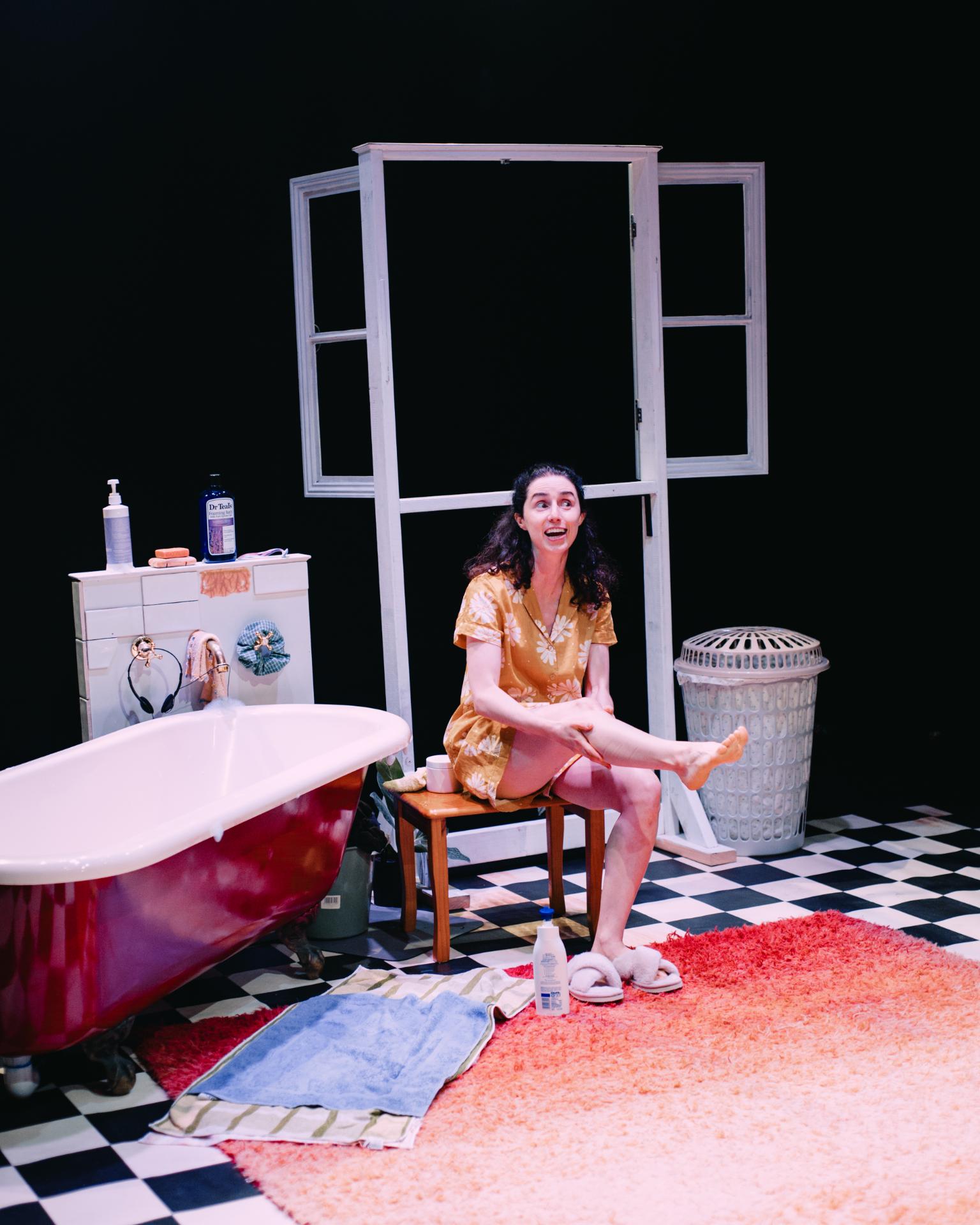
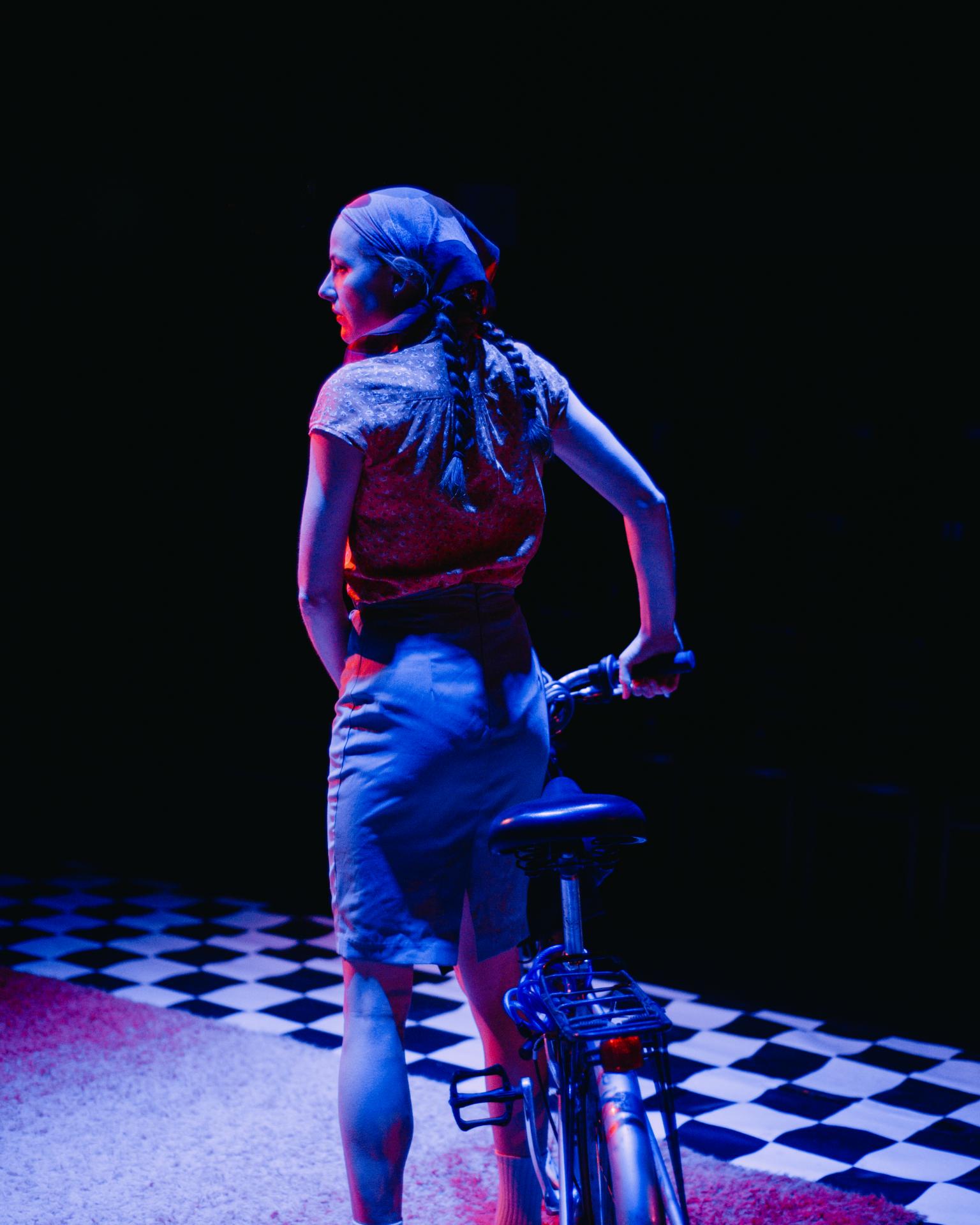
Set design by Tobhiyah Stone Feller convey a sense of accuracy, for the time and place being depicted. The subtleties of Matt Cox’s lights, as well as his more dramatic manoeuvres, reveal a commendable attentiveness to the meaningful text. Music by Me-Lee Hay and sound design by Zachary Saric are appropriately restrained, called upon when necessary to add embellishment and refinement, to a thoughtful and sensitive work.

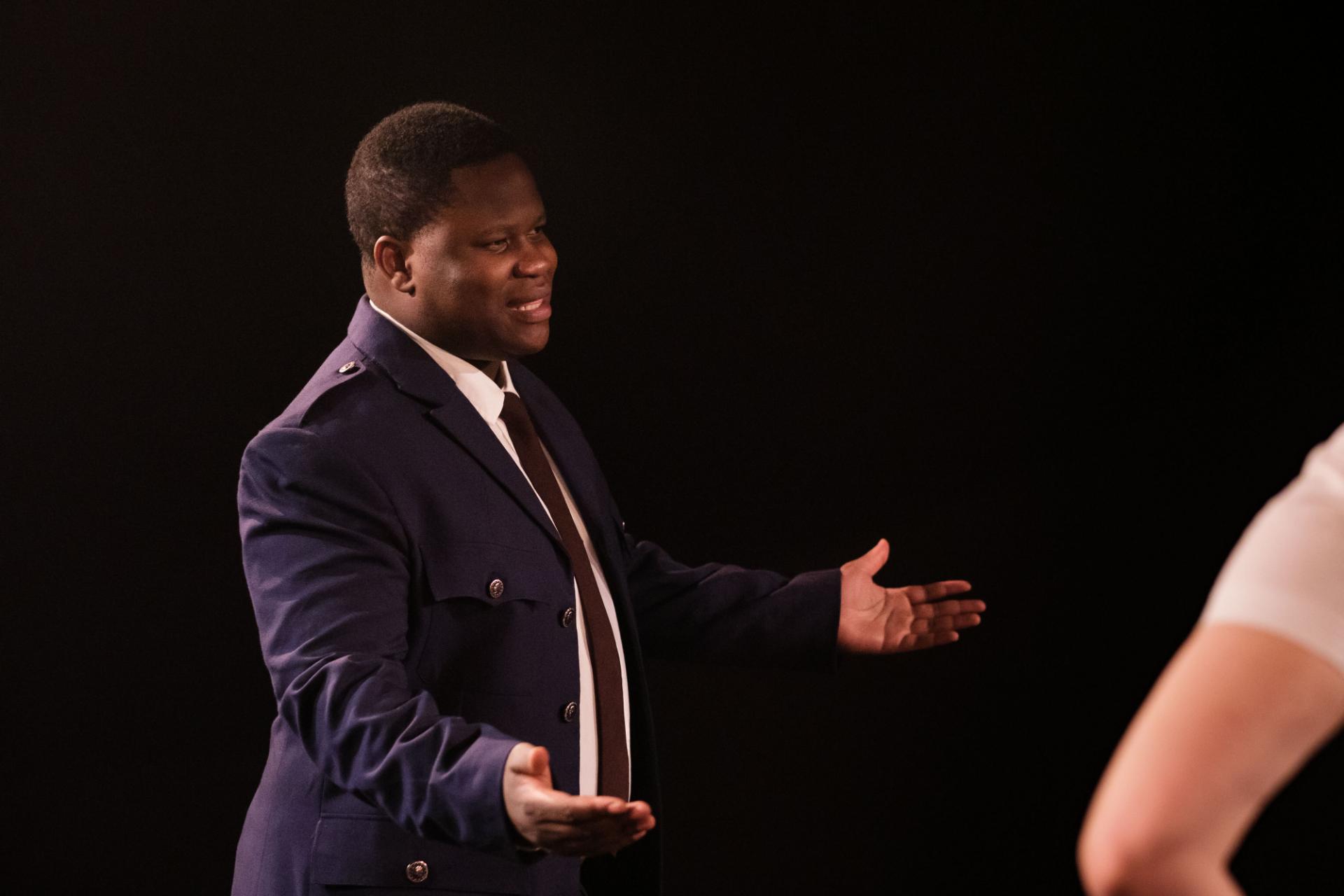
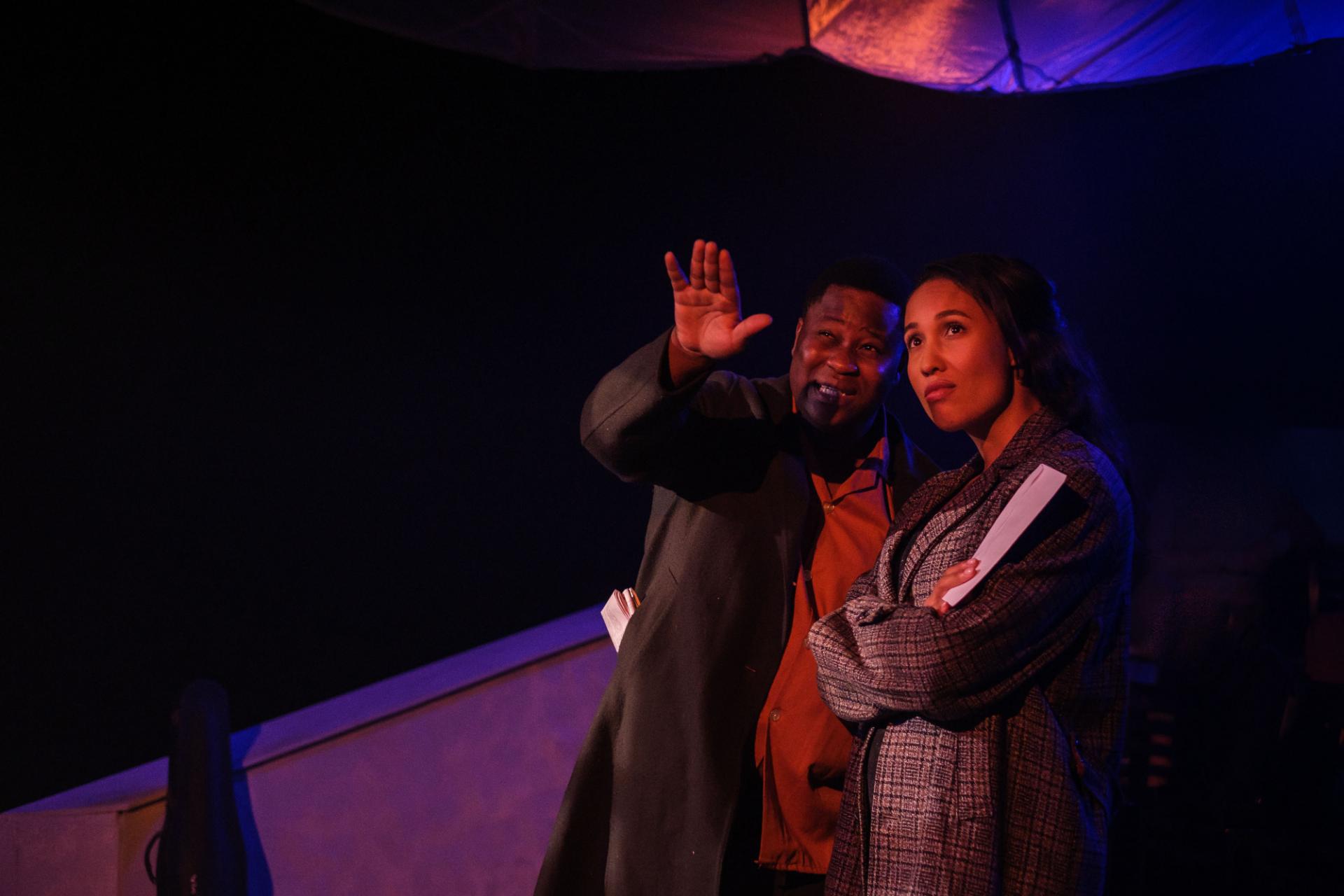
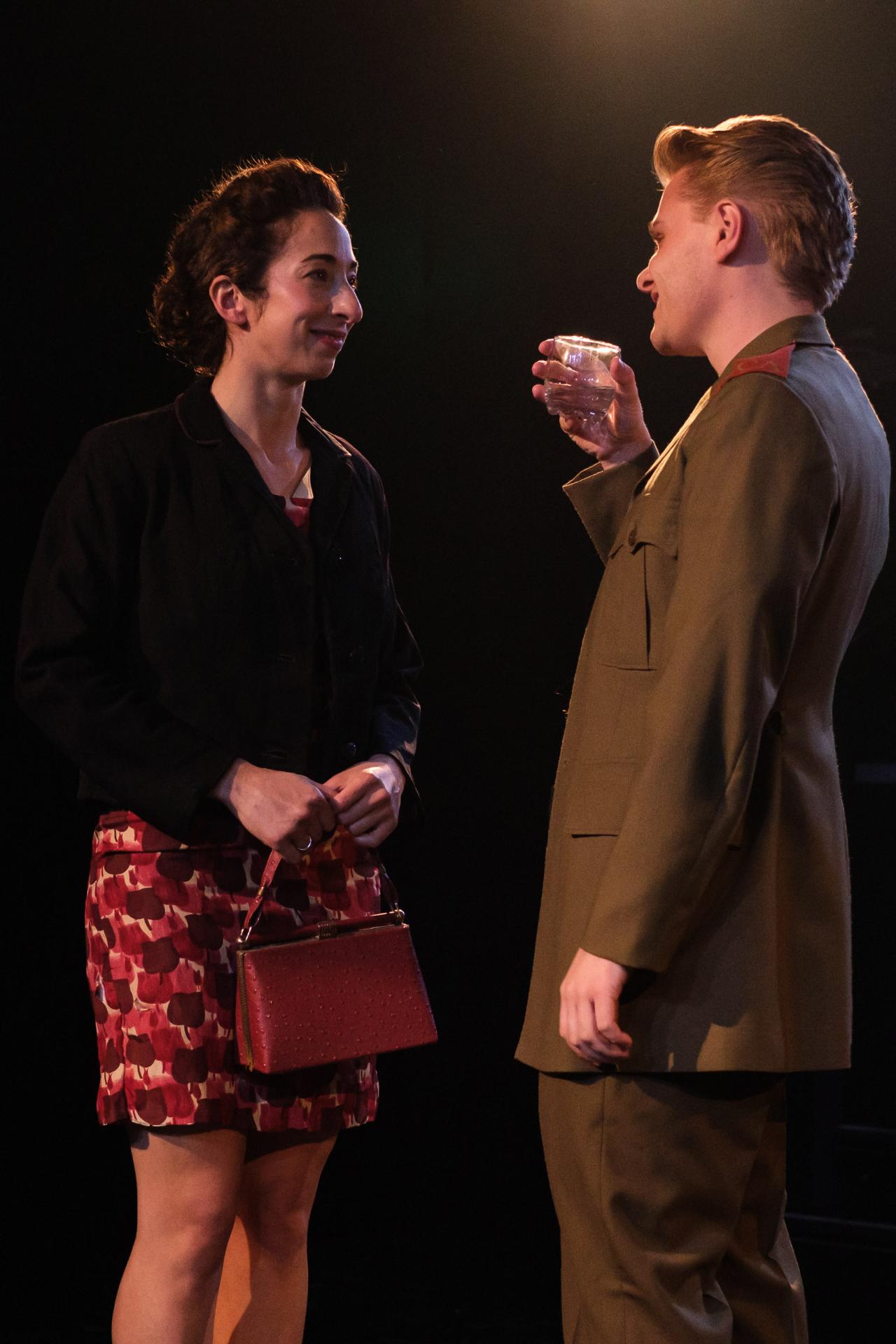
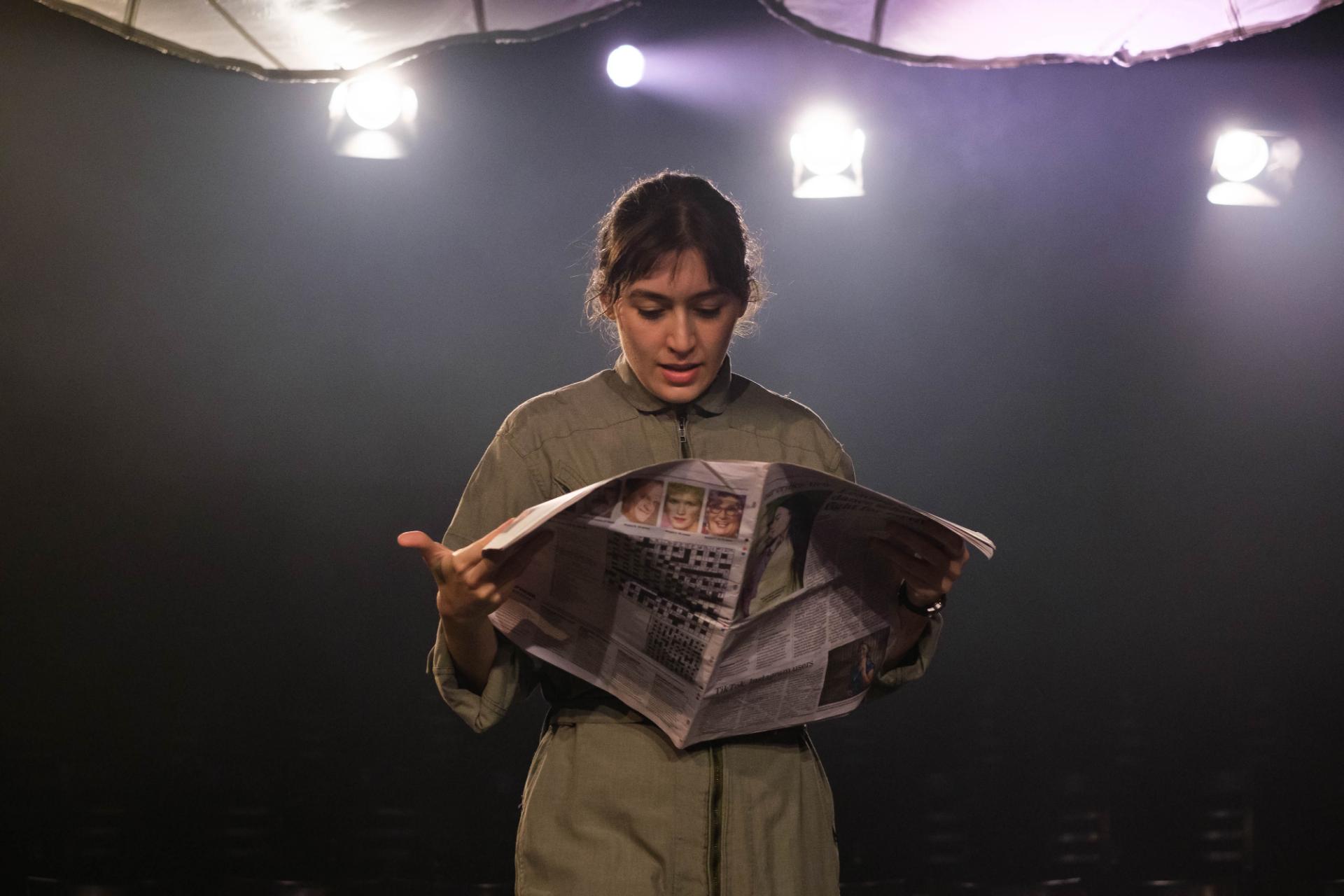
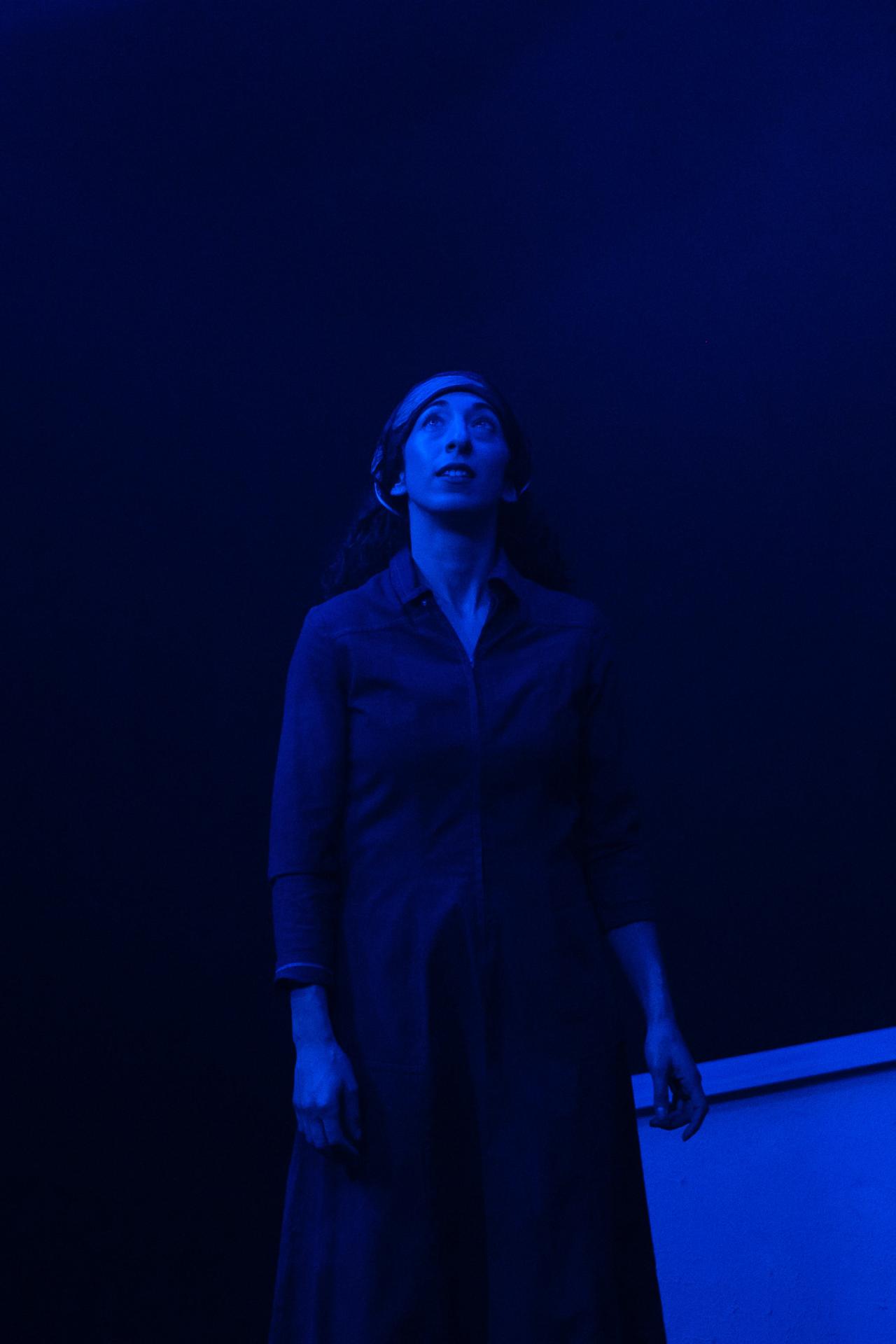
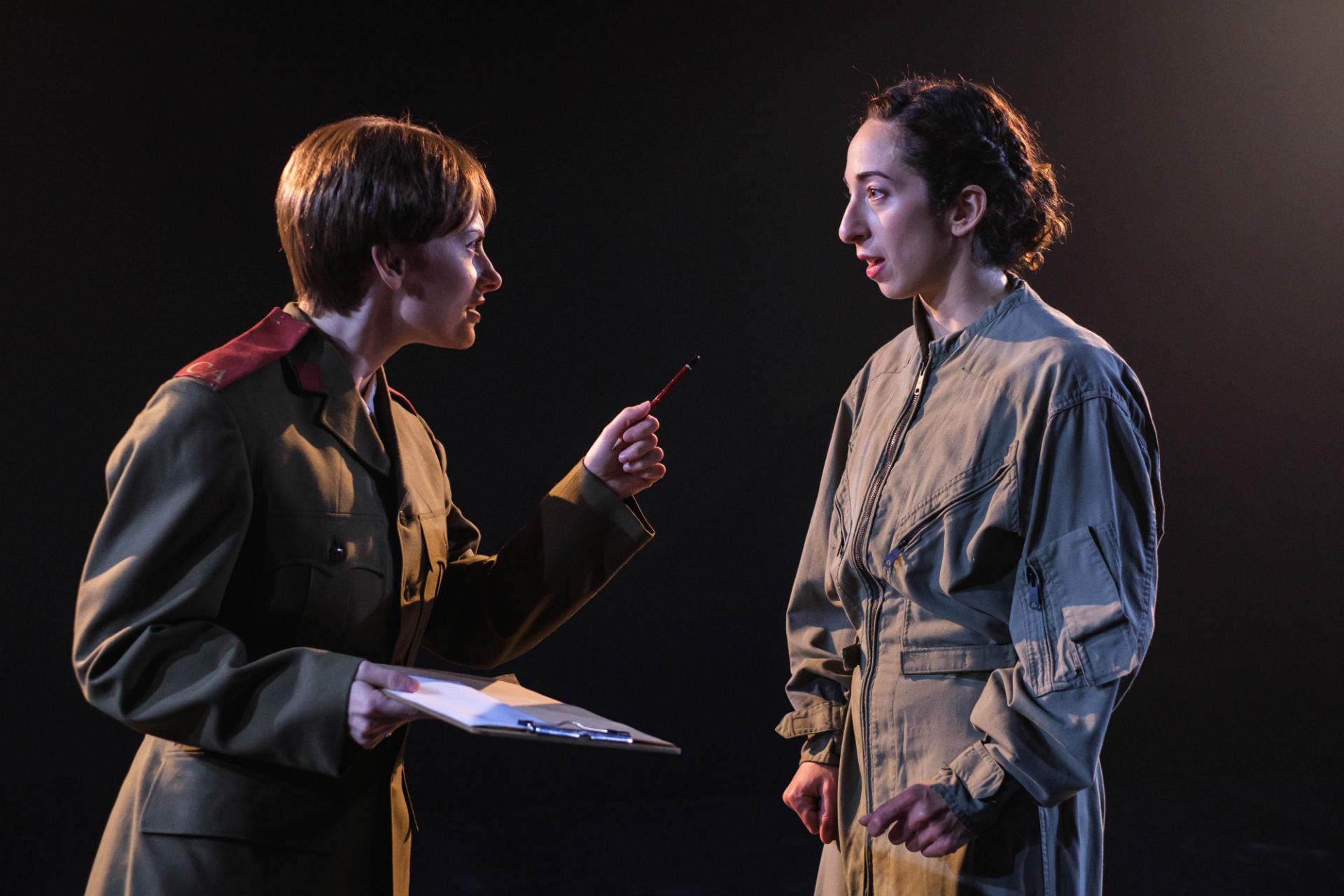
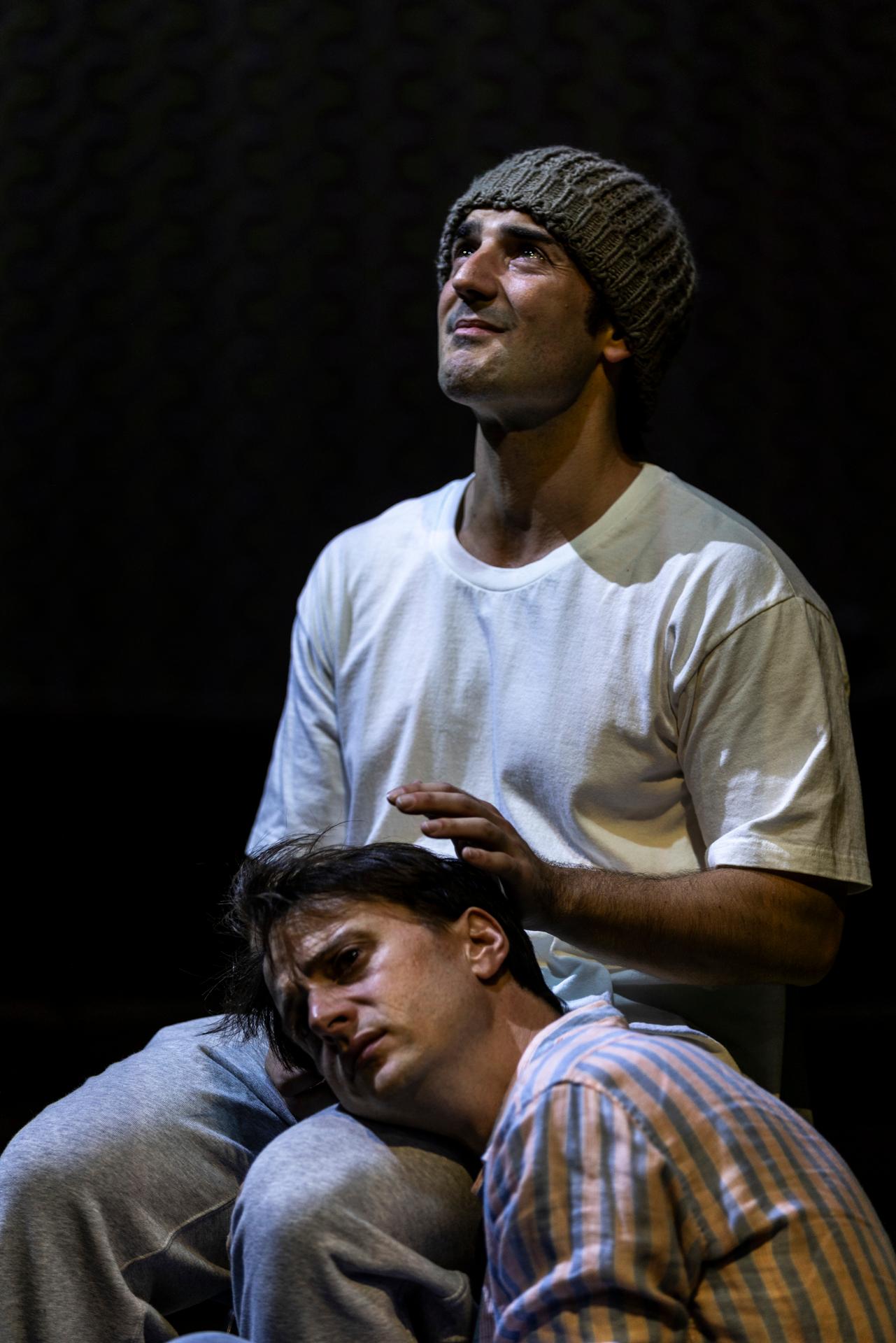
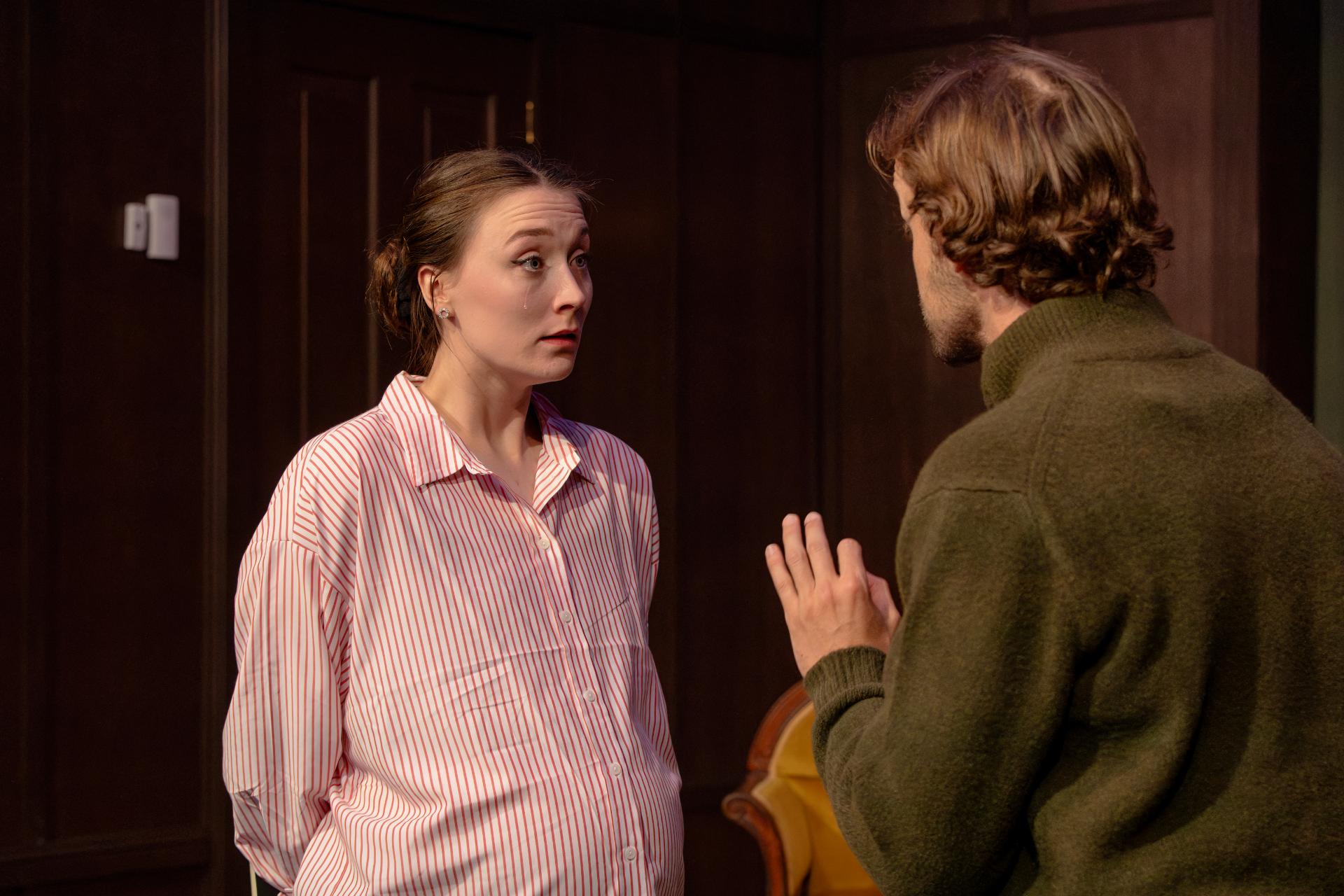
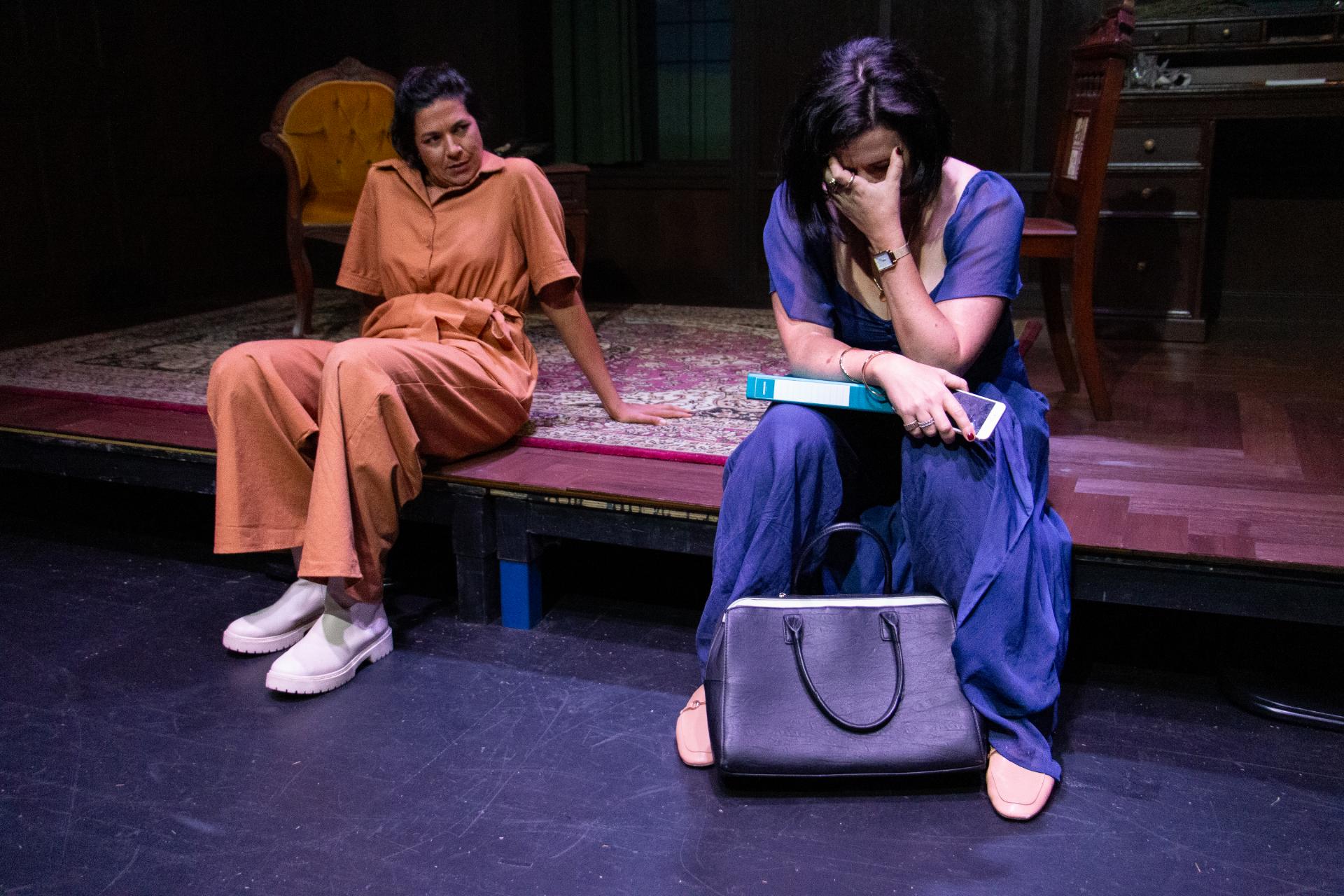
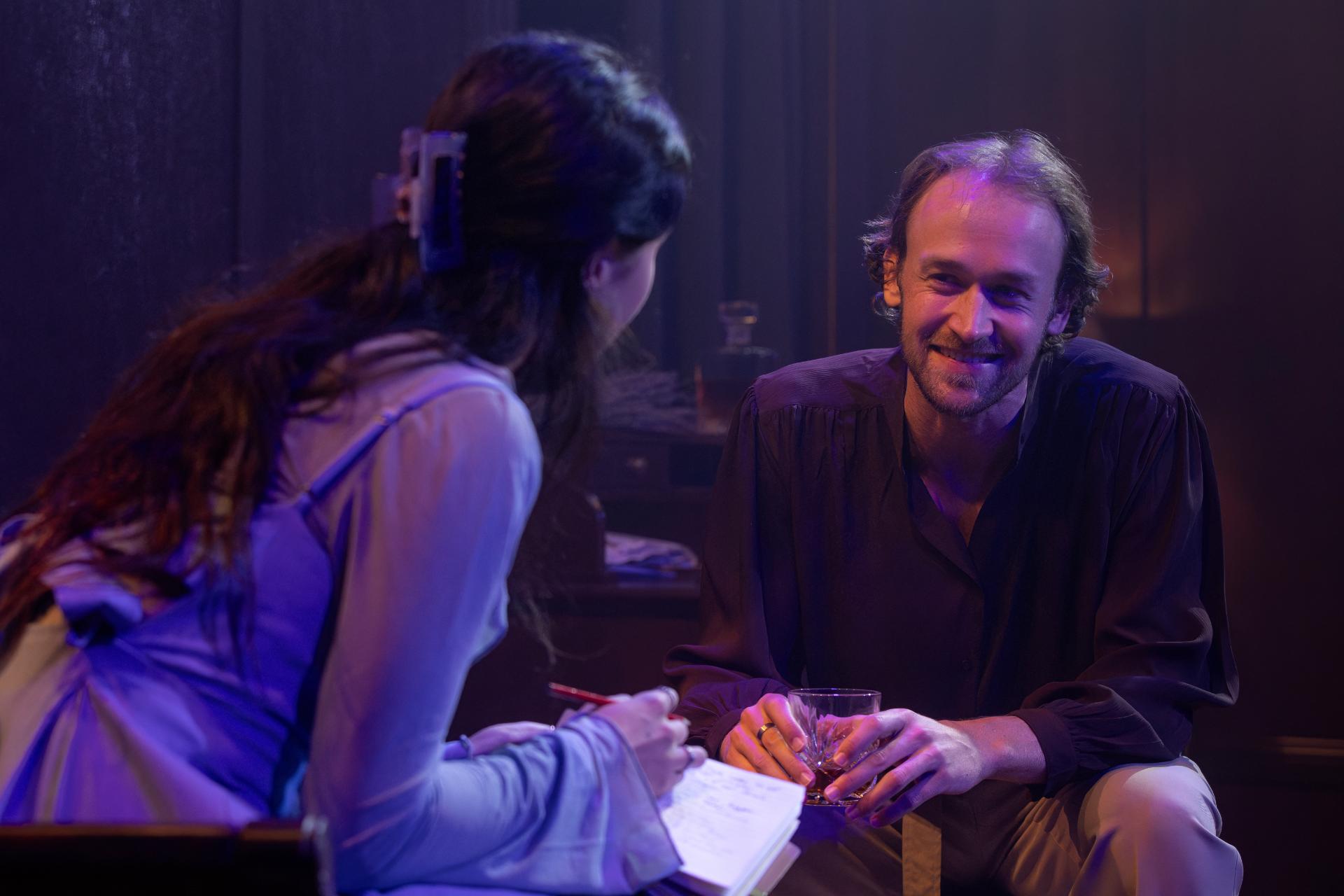
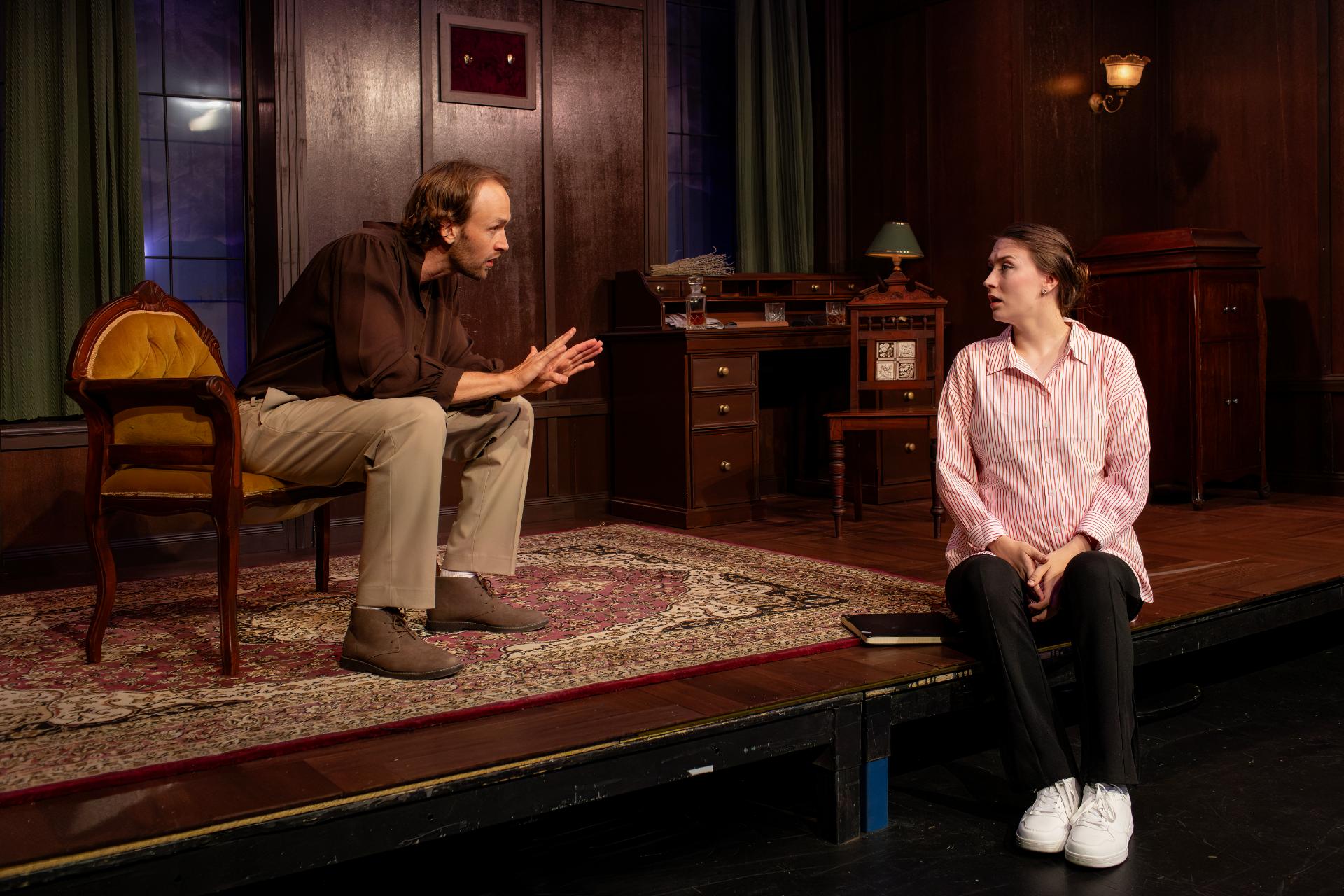
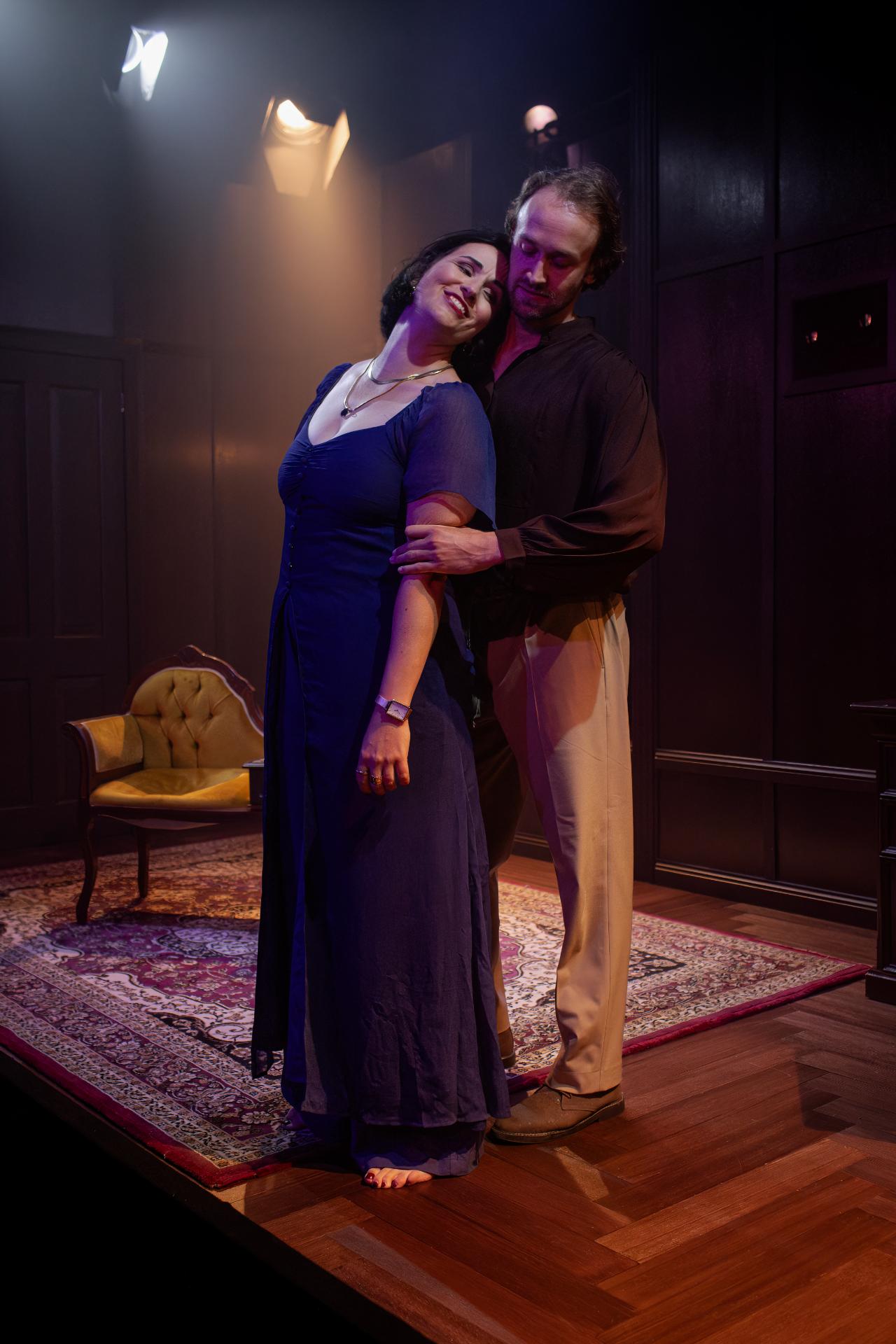
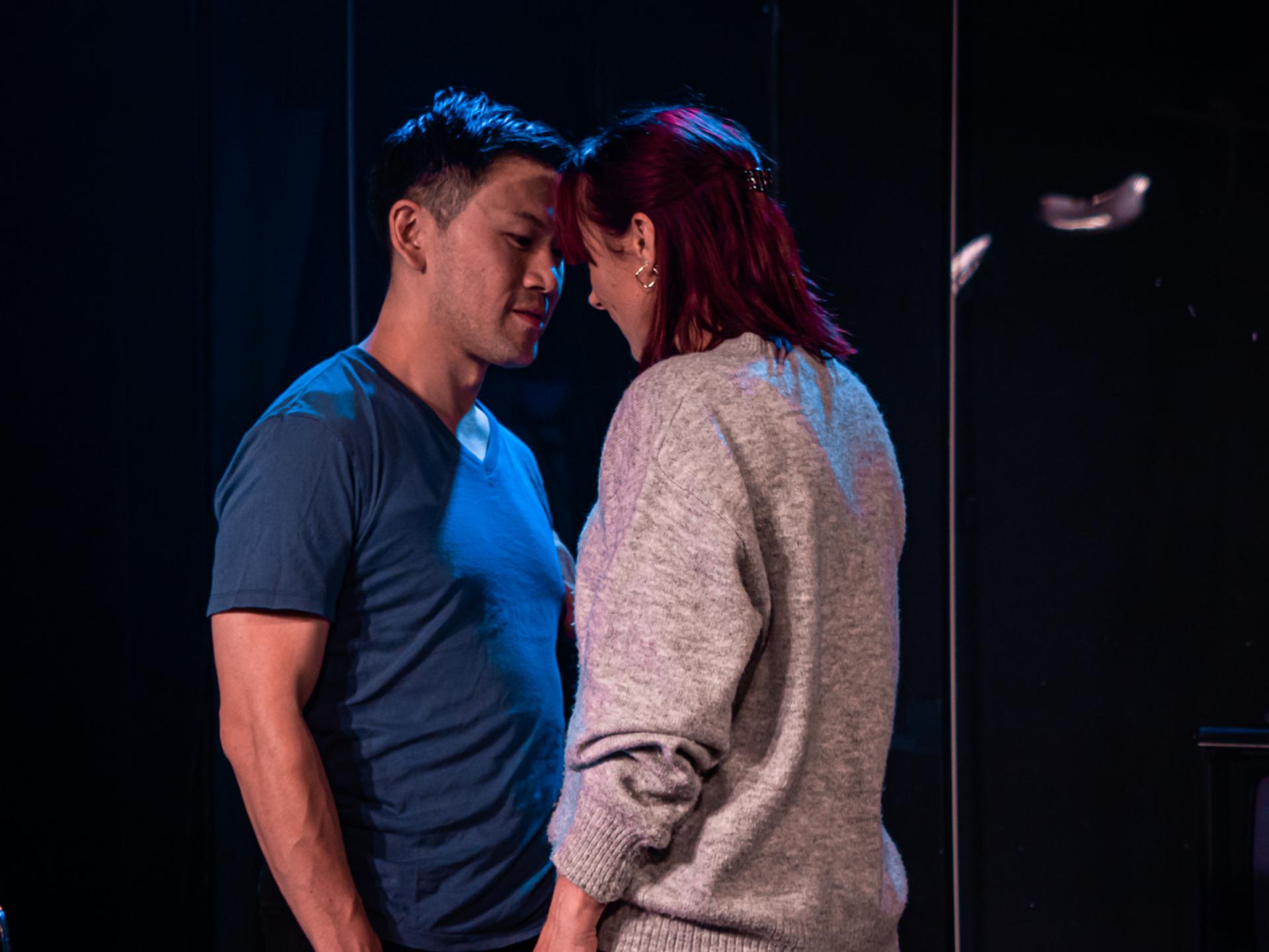
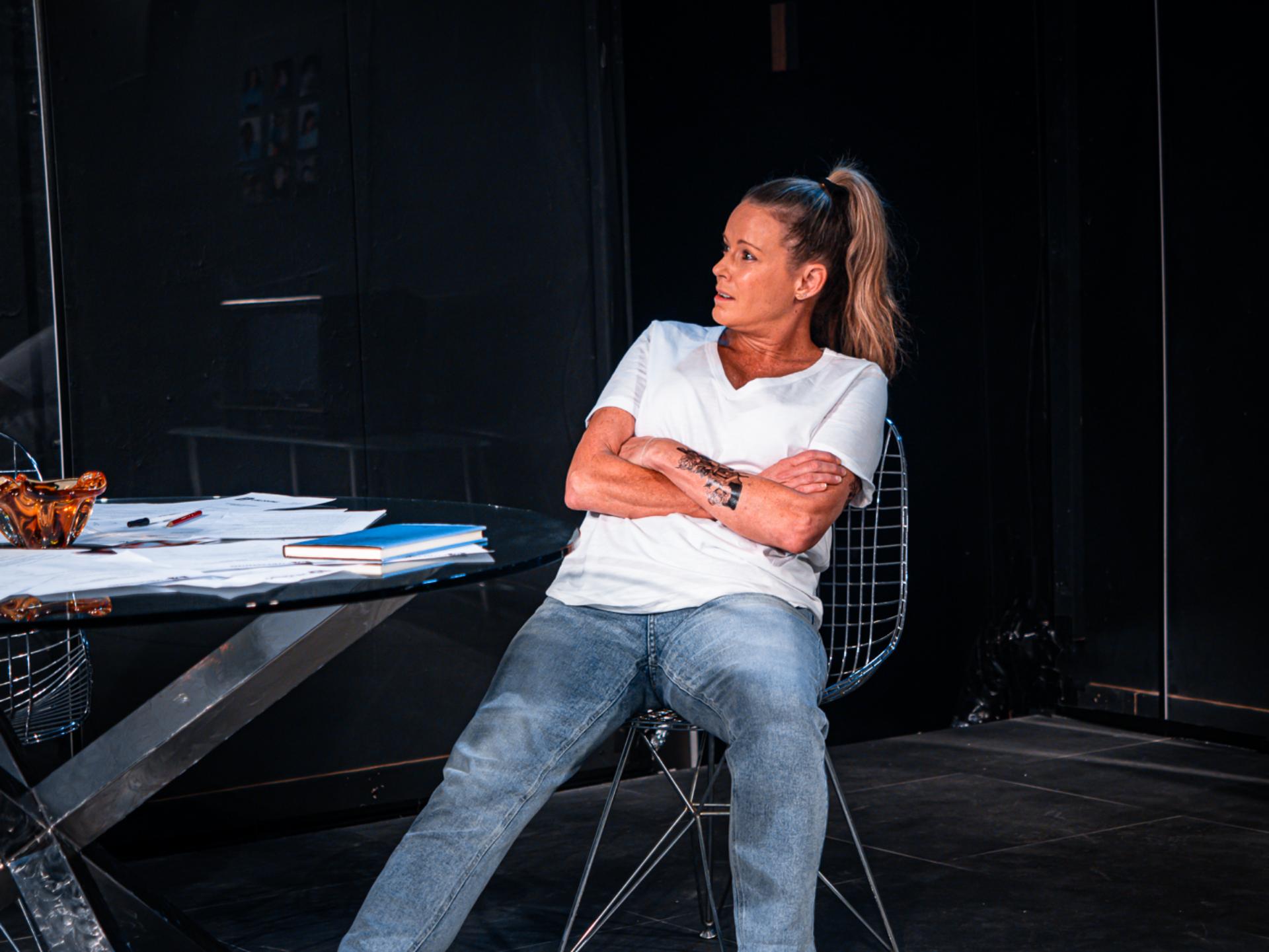
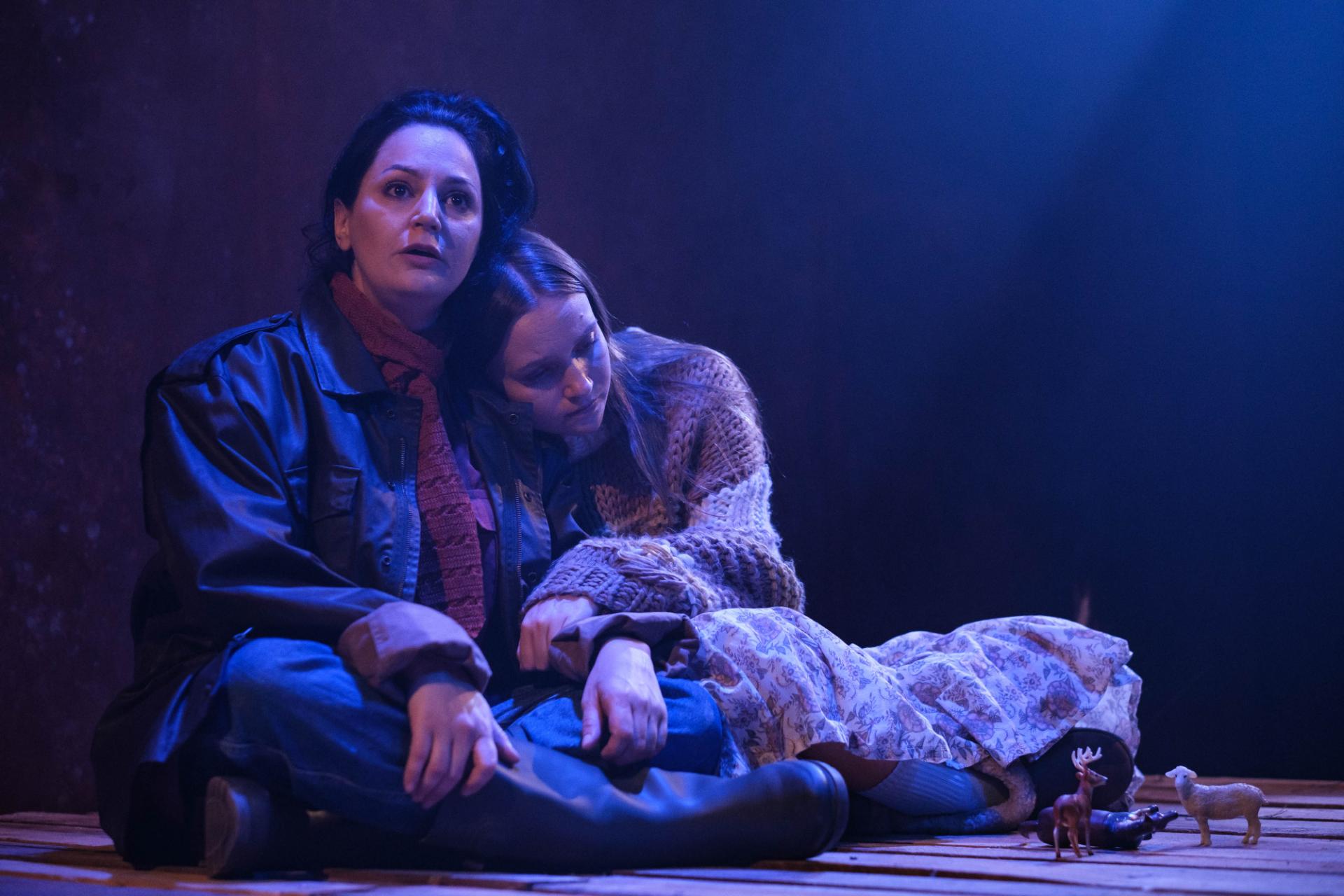
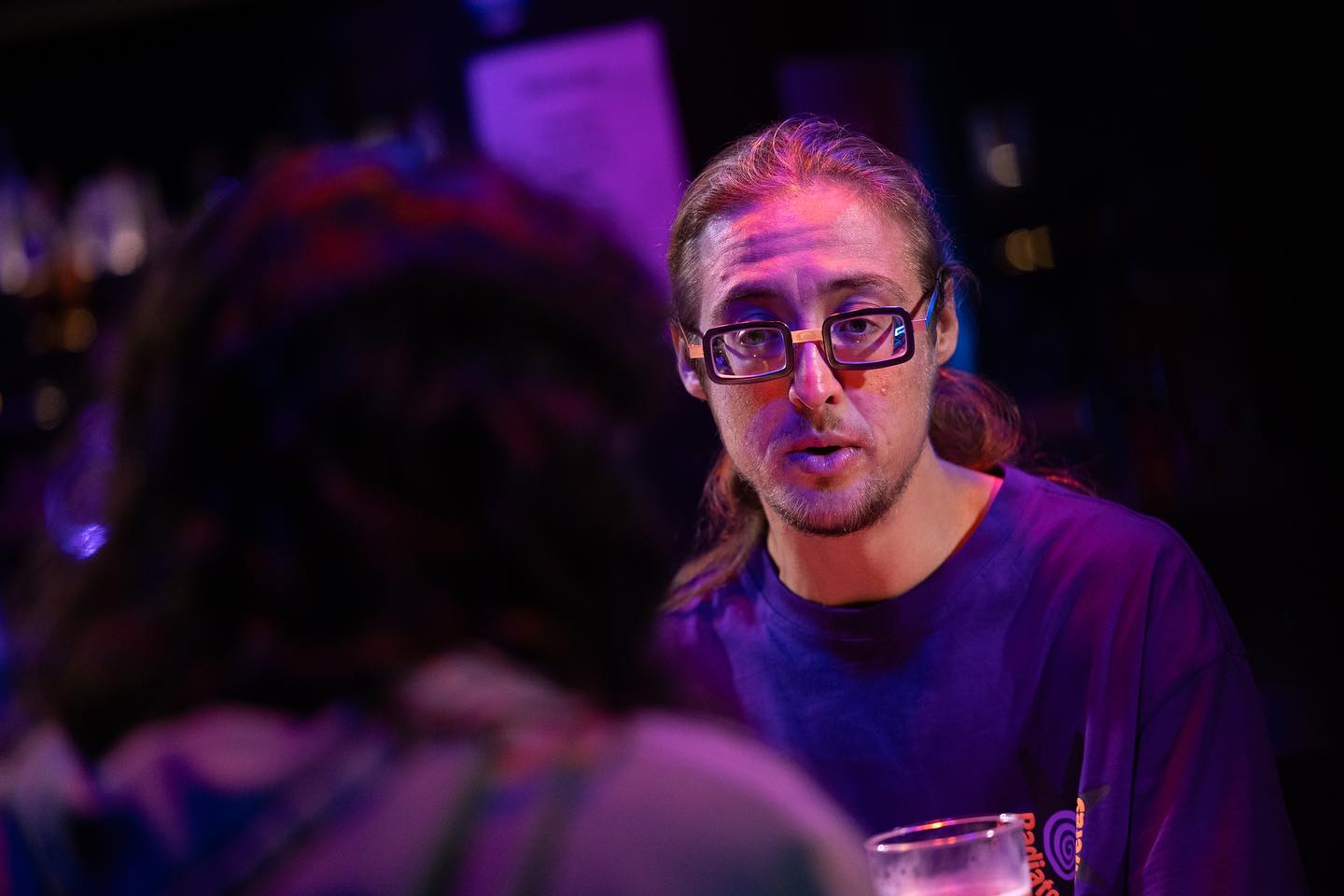
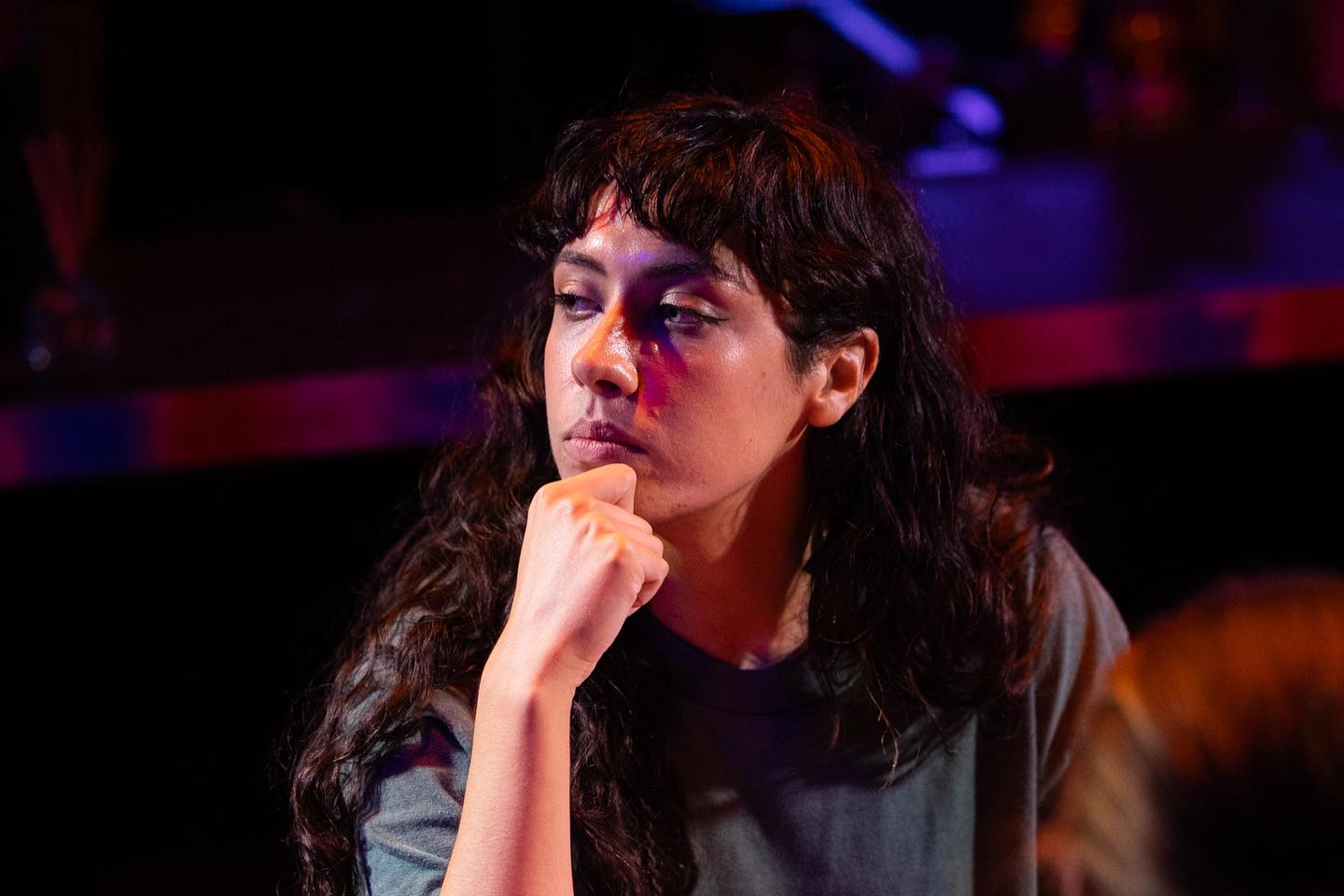
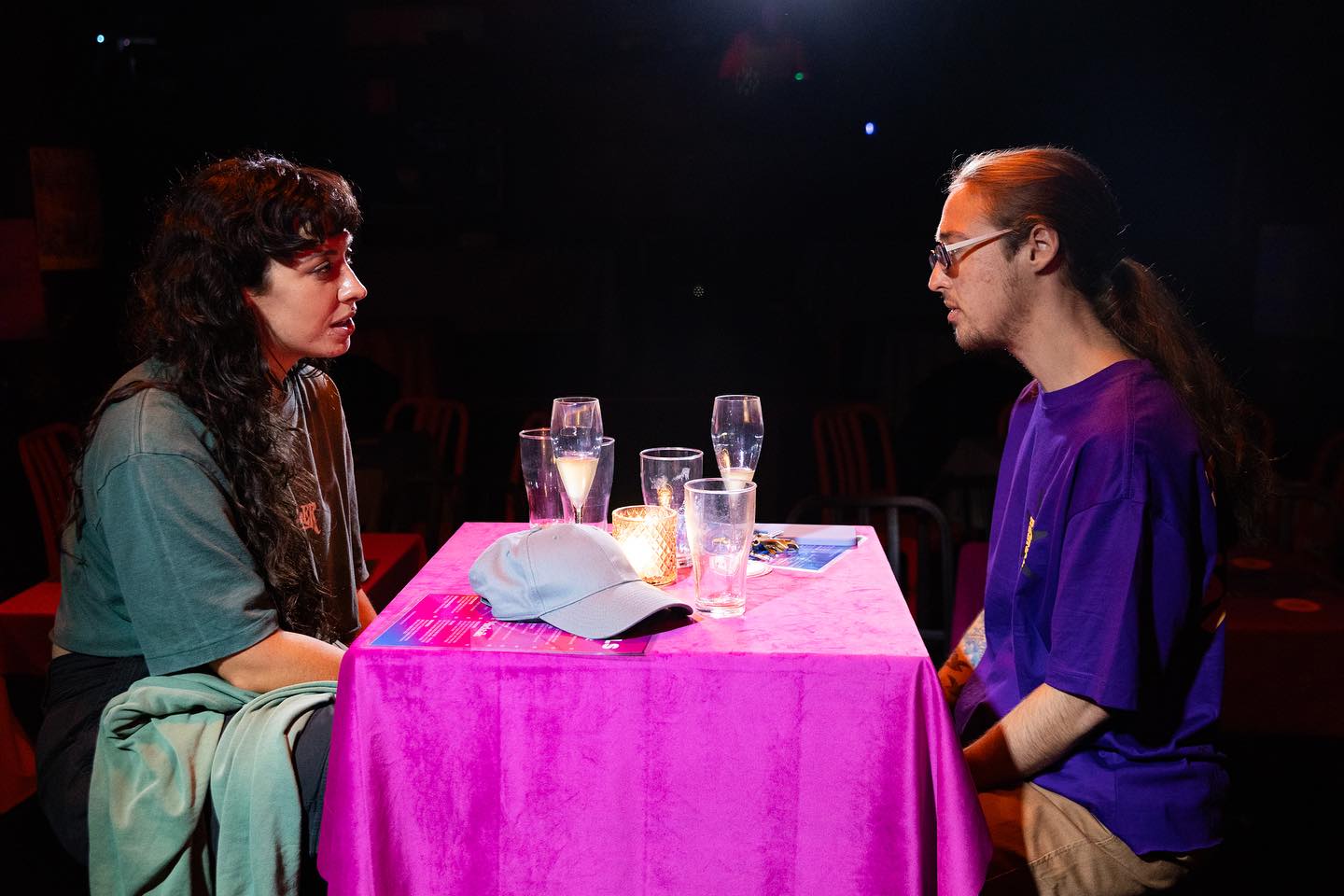
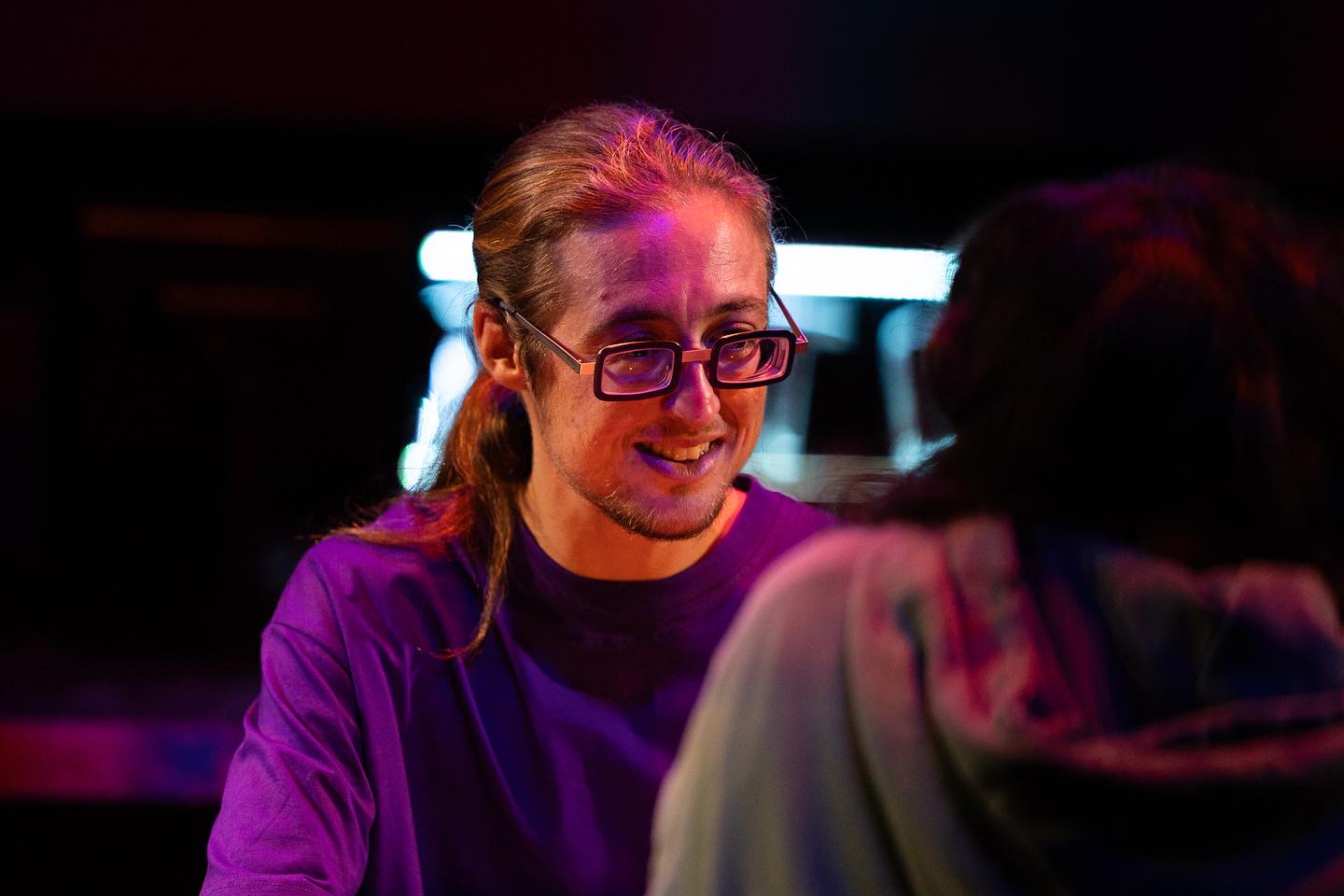
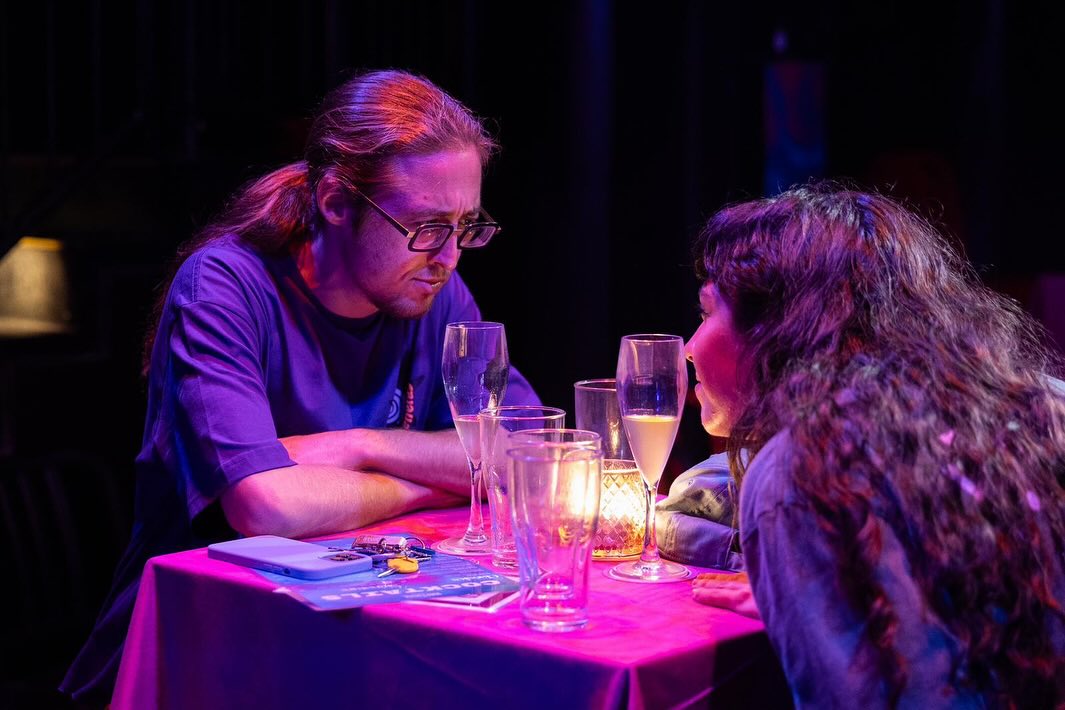
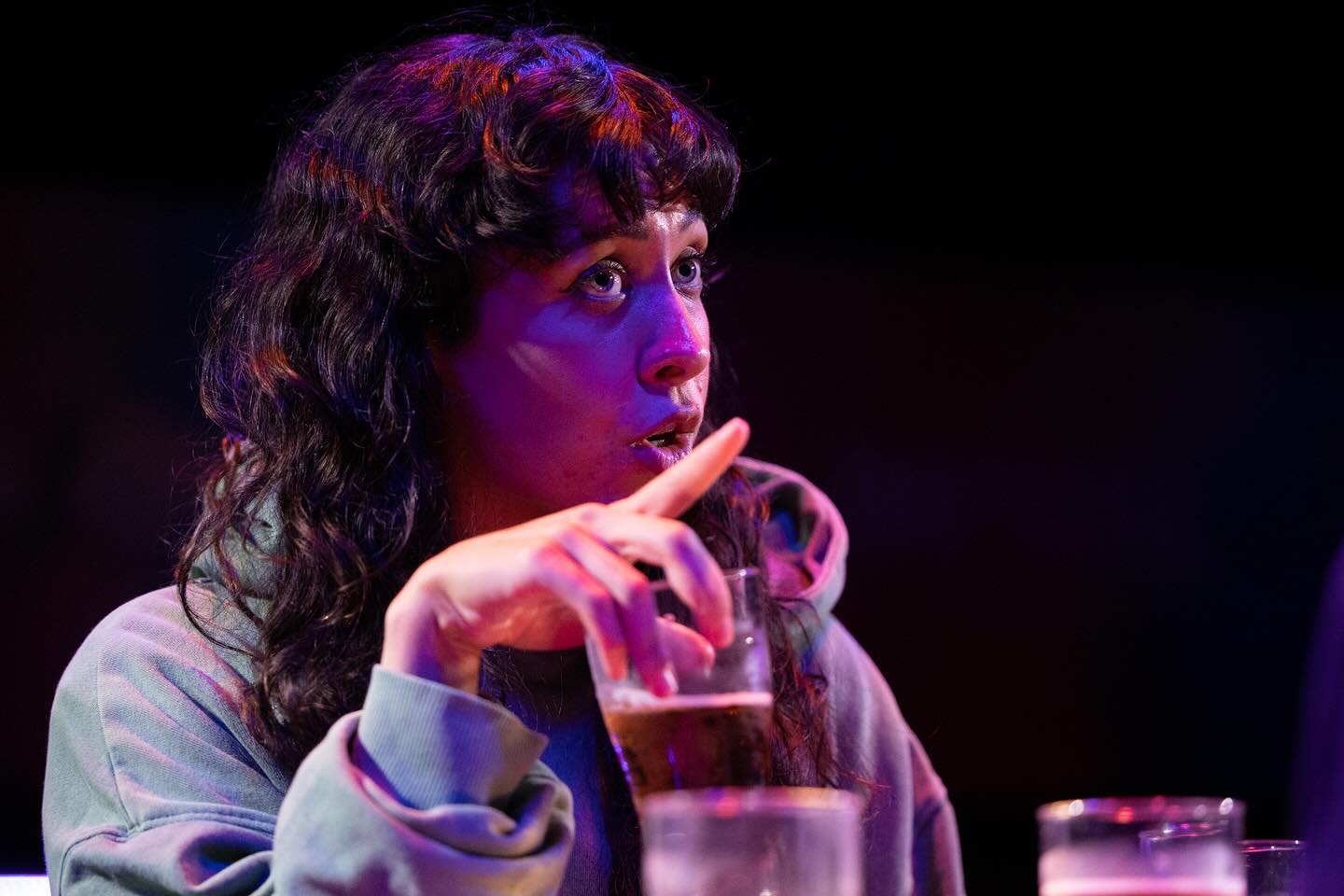
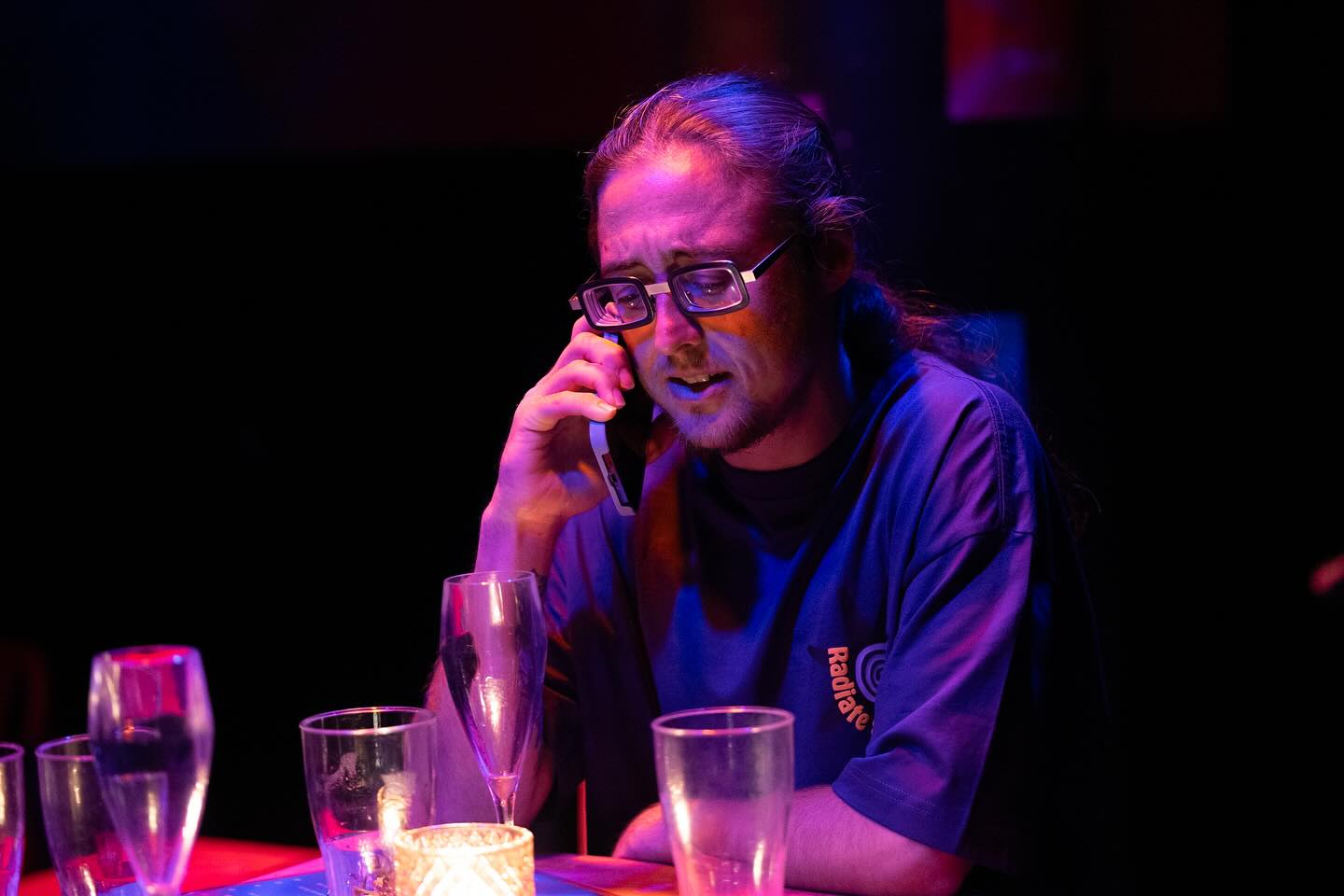
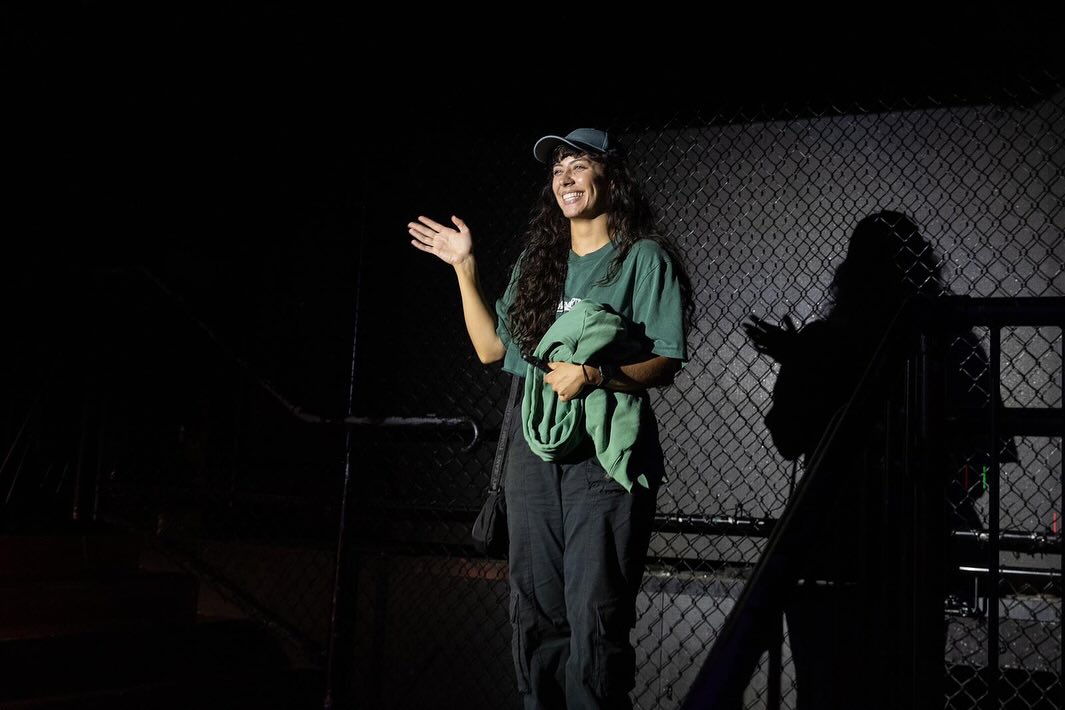
Actor Mayu Iwasaki brings both exuberance and poignancy to the role of Mitsue, with an extraordinary focus that keeps us compelled and hooked to her emotional journey. The aforementioned Usami plays the ghost of Mitsue’s father, similarly absorbing and persuasive, whether delivering joy or anguish, in a show that always takes care to render the light with the dark. The pair applies a distinct style of performance, for this translation by Roger Pulvers, to ensure that the English language never detracts from the cultural specificity being portrayed. Some of the adapted dialogue may feel awkward, but its sensibilities never for a moment, stray from mid-century Japan.

Guilt that turns inward, and that never finds resolution, can only be harmful. We see in Mitsue the futility of sorrowful regret and the damage it causes, having survived unspeakable losses. It is of course easier said than done, when urging a person to simply get over hardship of this magnitude. Indeed, the ray of hope should always be fundamental to any survival, but the grace of community is equally vital, to how we can heal, and how we can curtail the evil that always seems ready to inflict death and destruction.

www.redlineproductions.com.au

Review: The Lives Of Eve (KXT on Broadway)

Venue: KXT on Broadway (Ultimo NSW), Oct 27 – Nov 11, 2023
Playwright: Stephen Sewell
Director:
Kim Hardwick
Cast: Annie Byron, Helen O’Connor, Louisa Panucci, Noel Hodda
Images by 

Theatre review
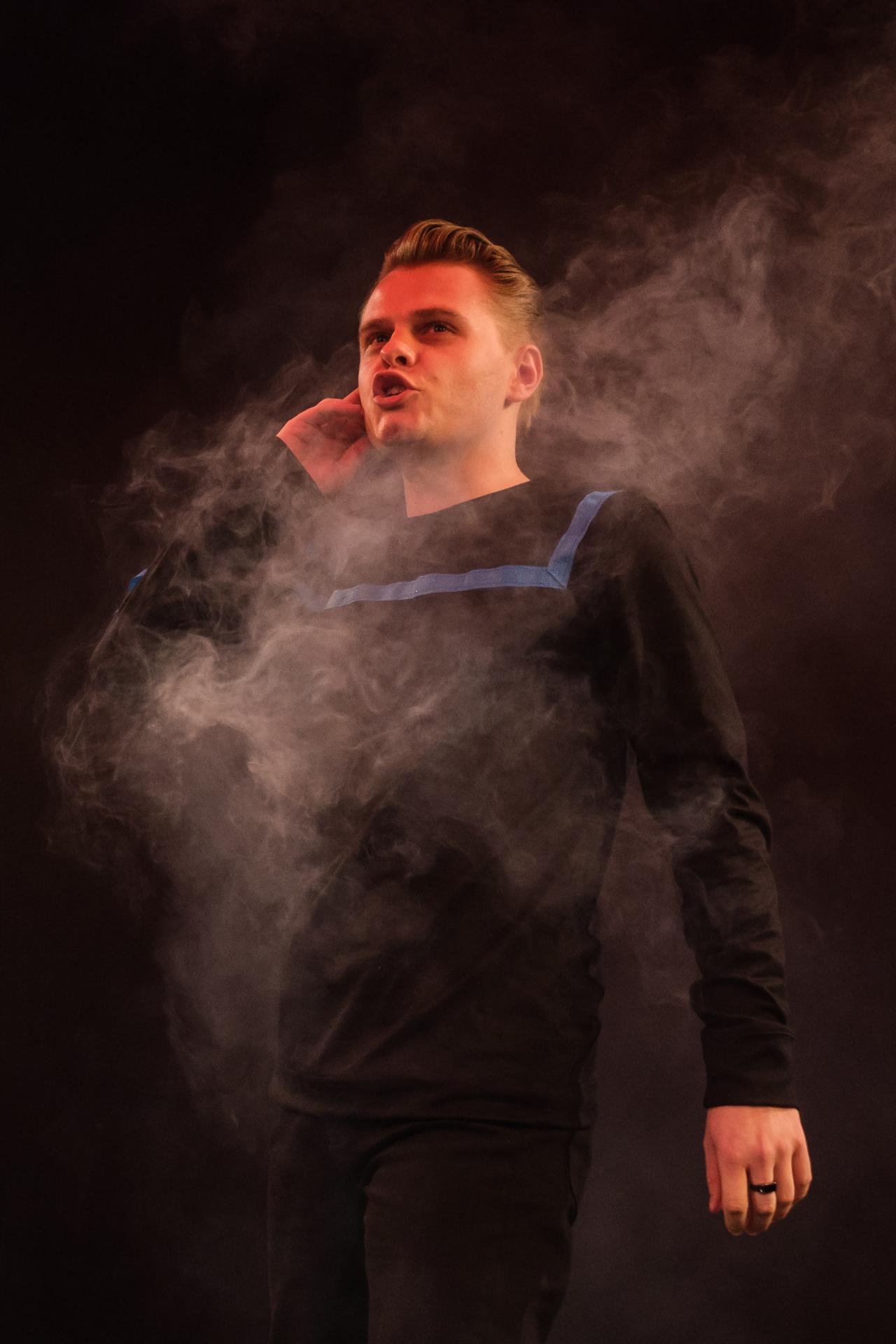
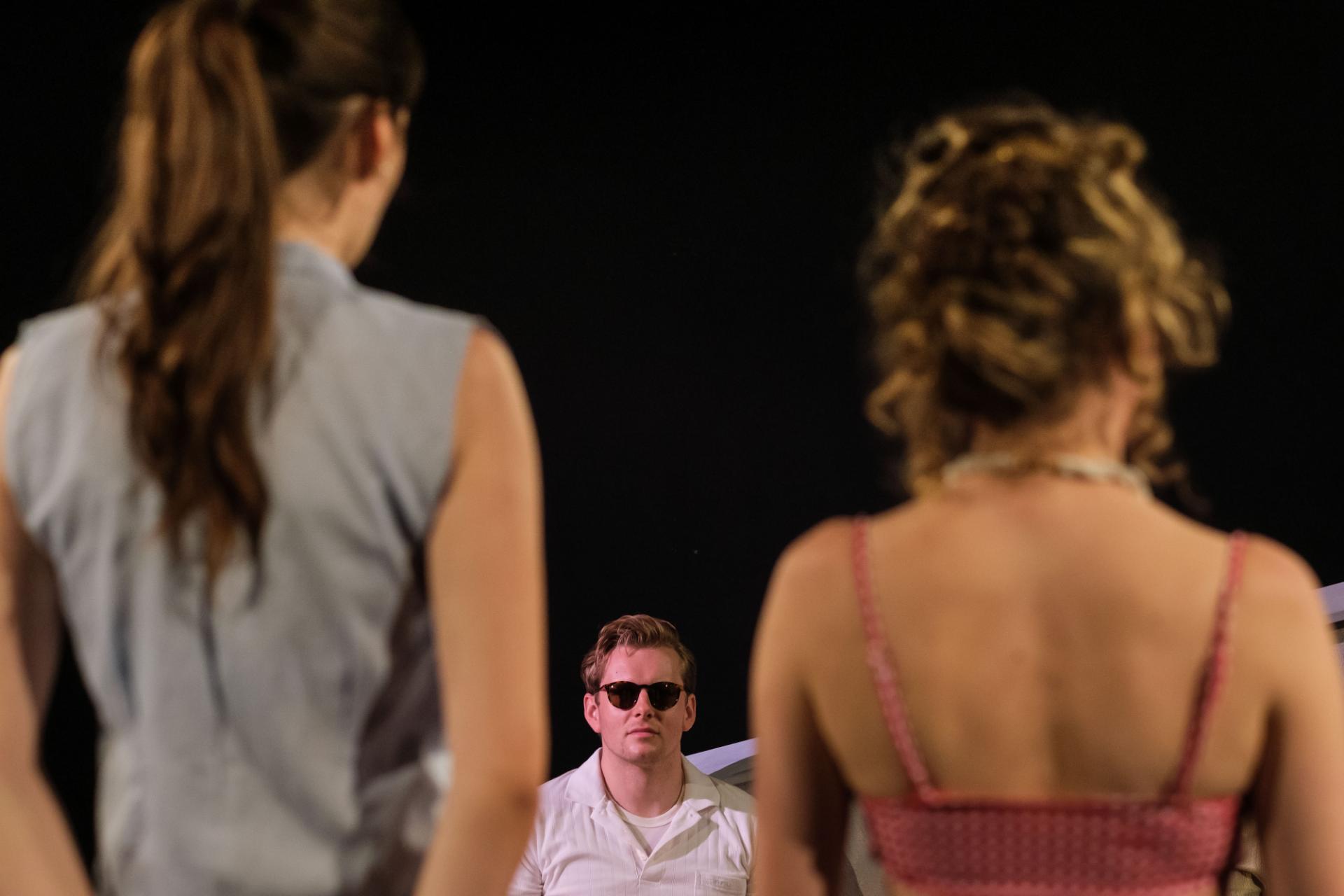
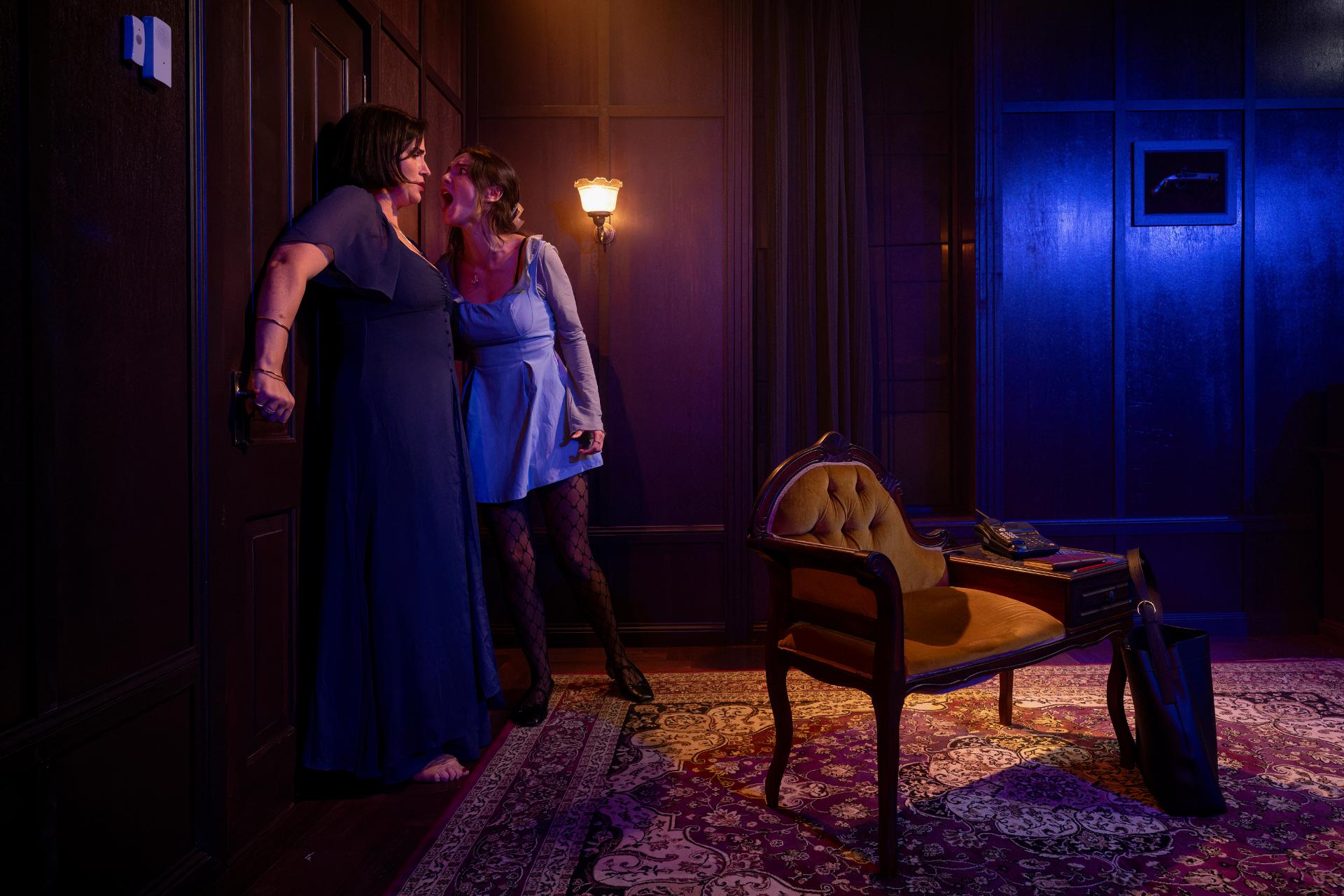
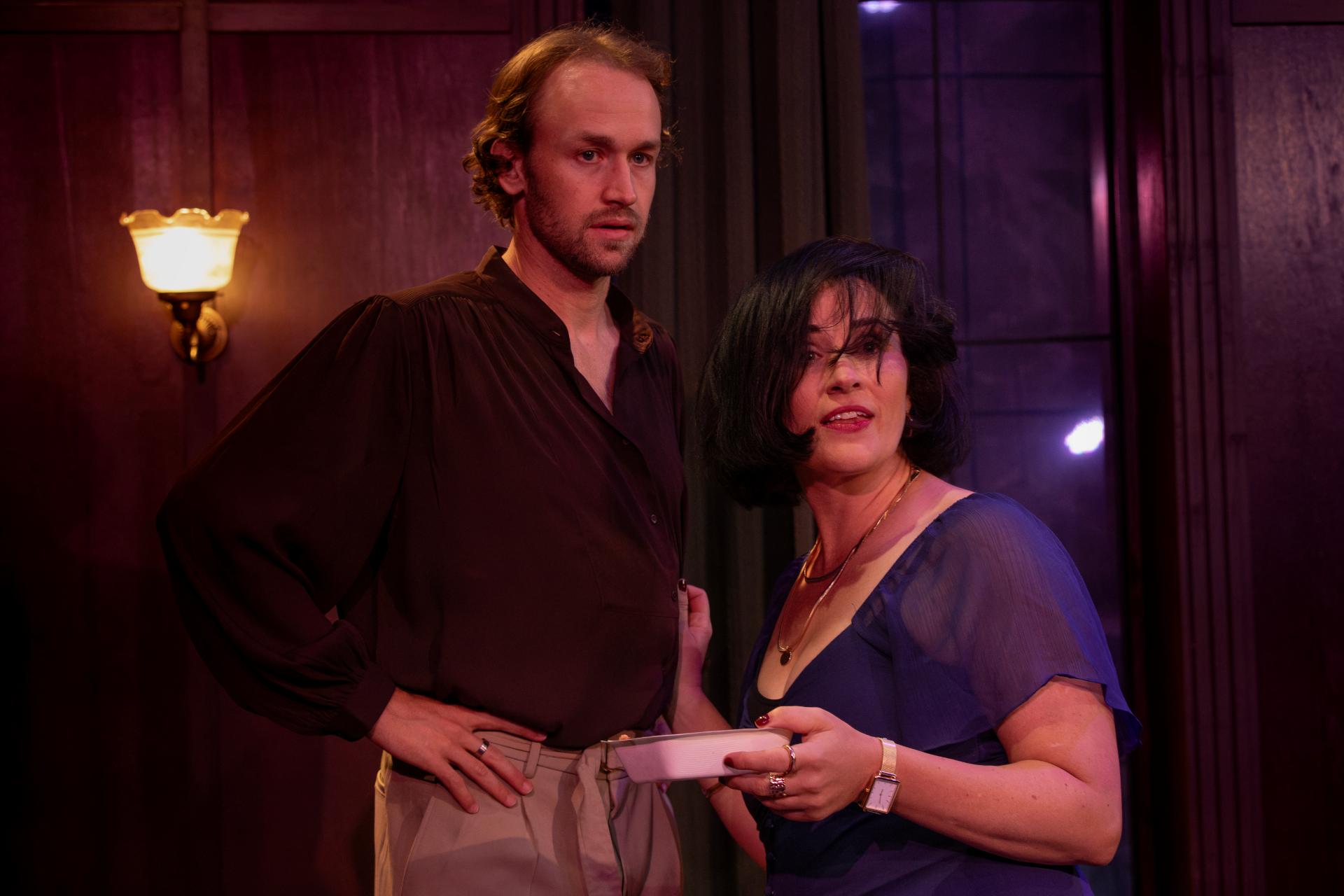
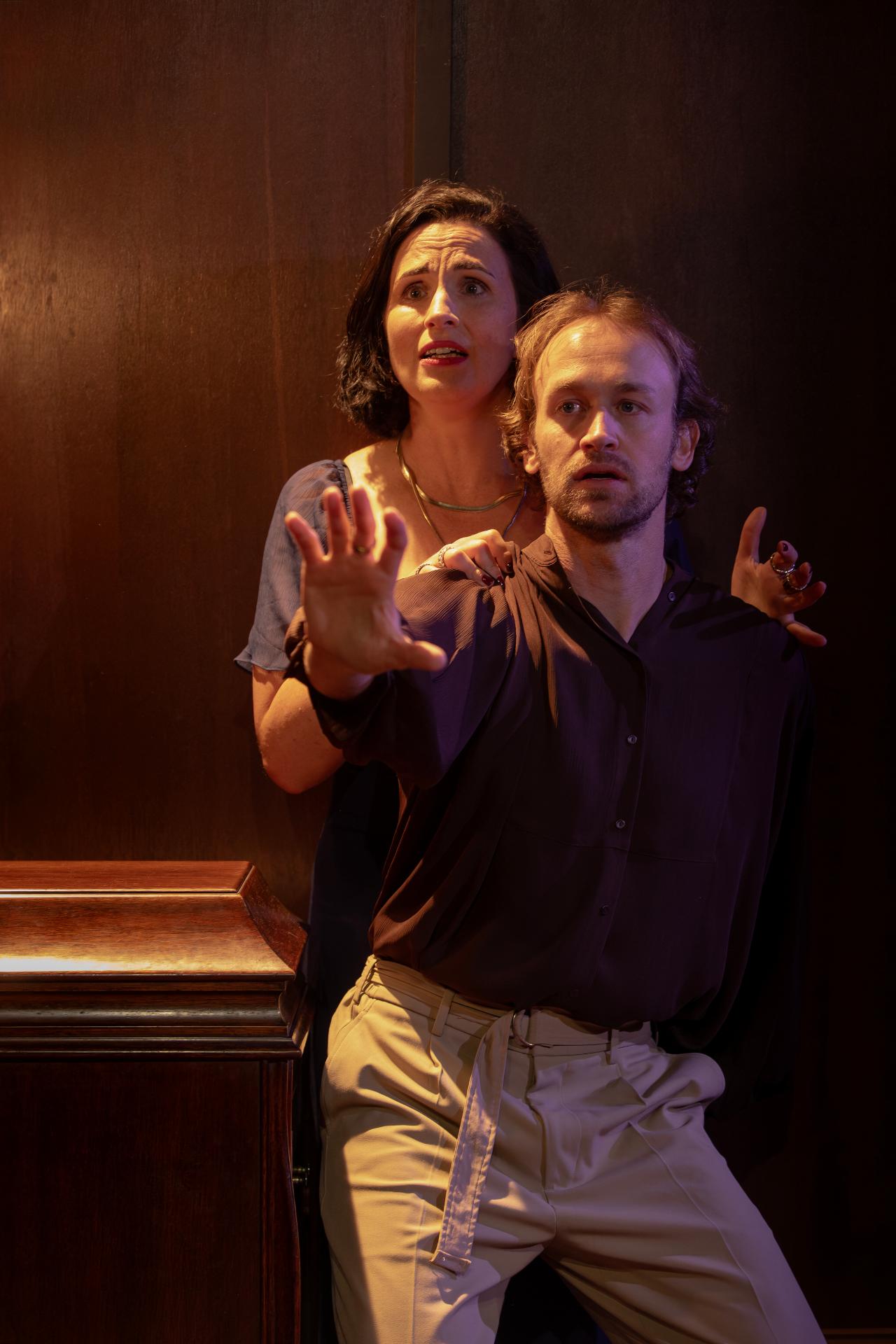
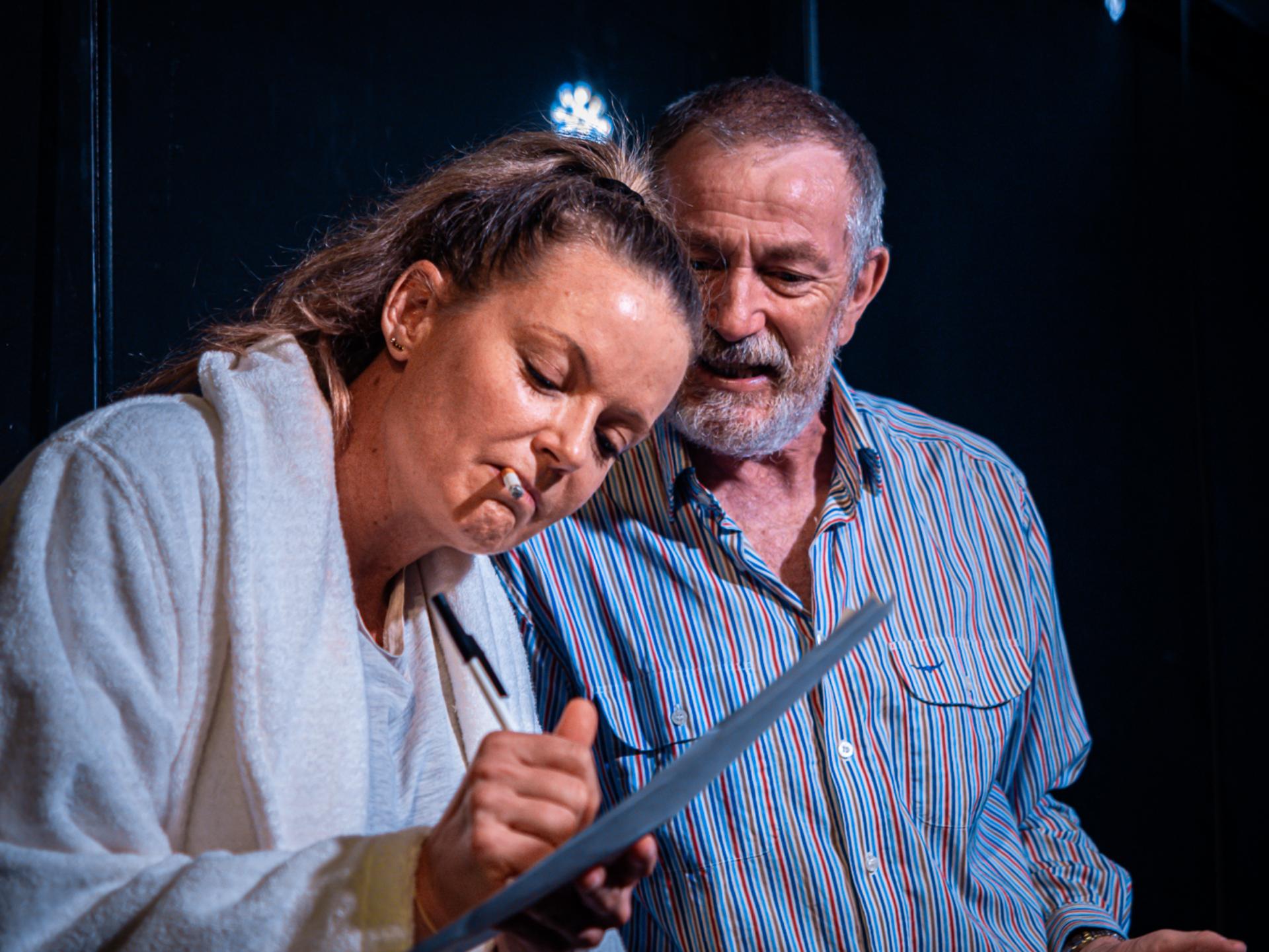
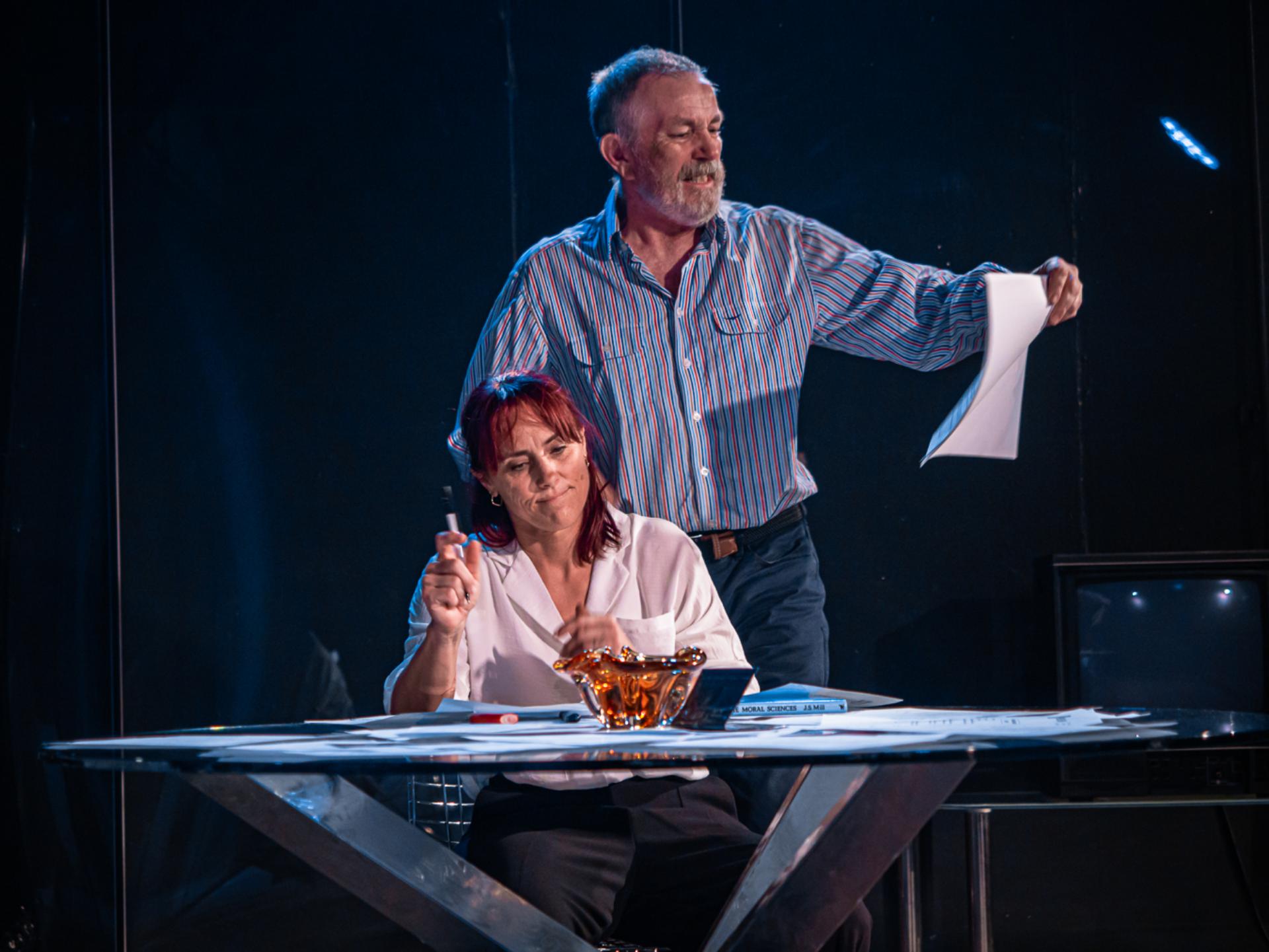
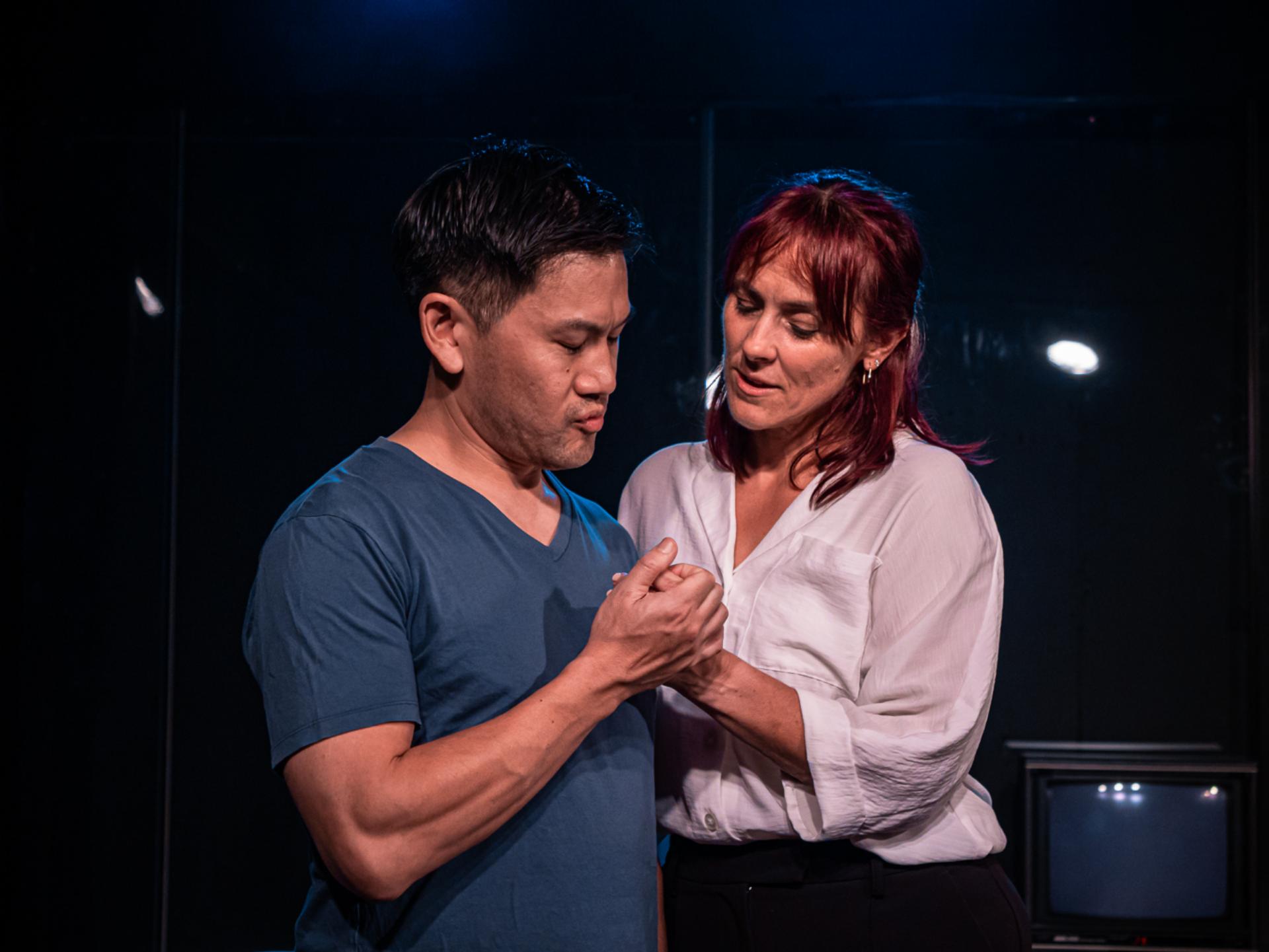
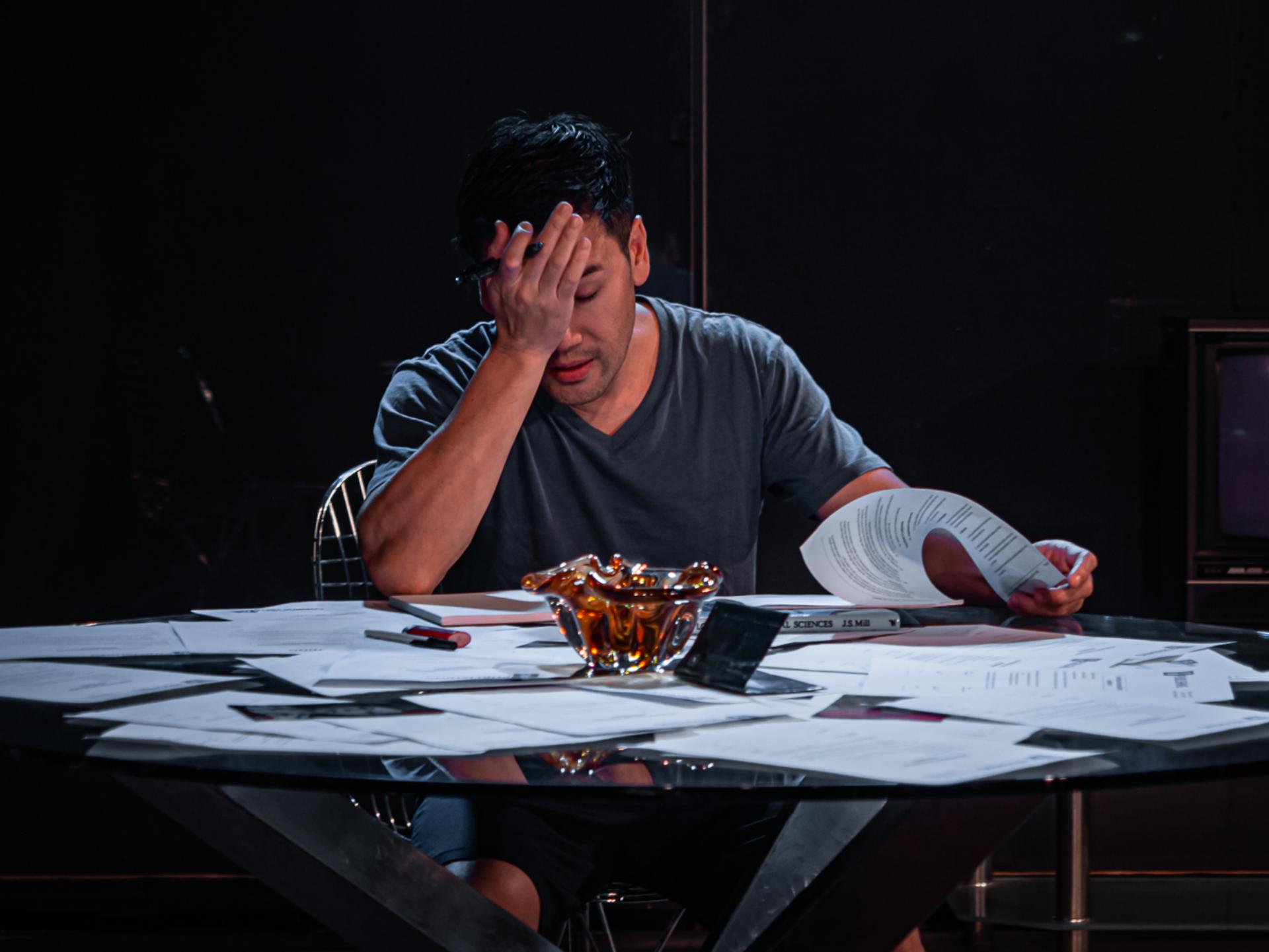
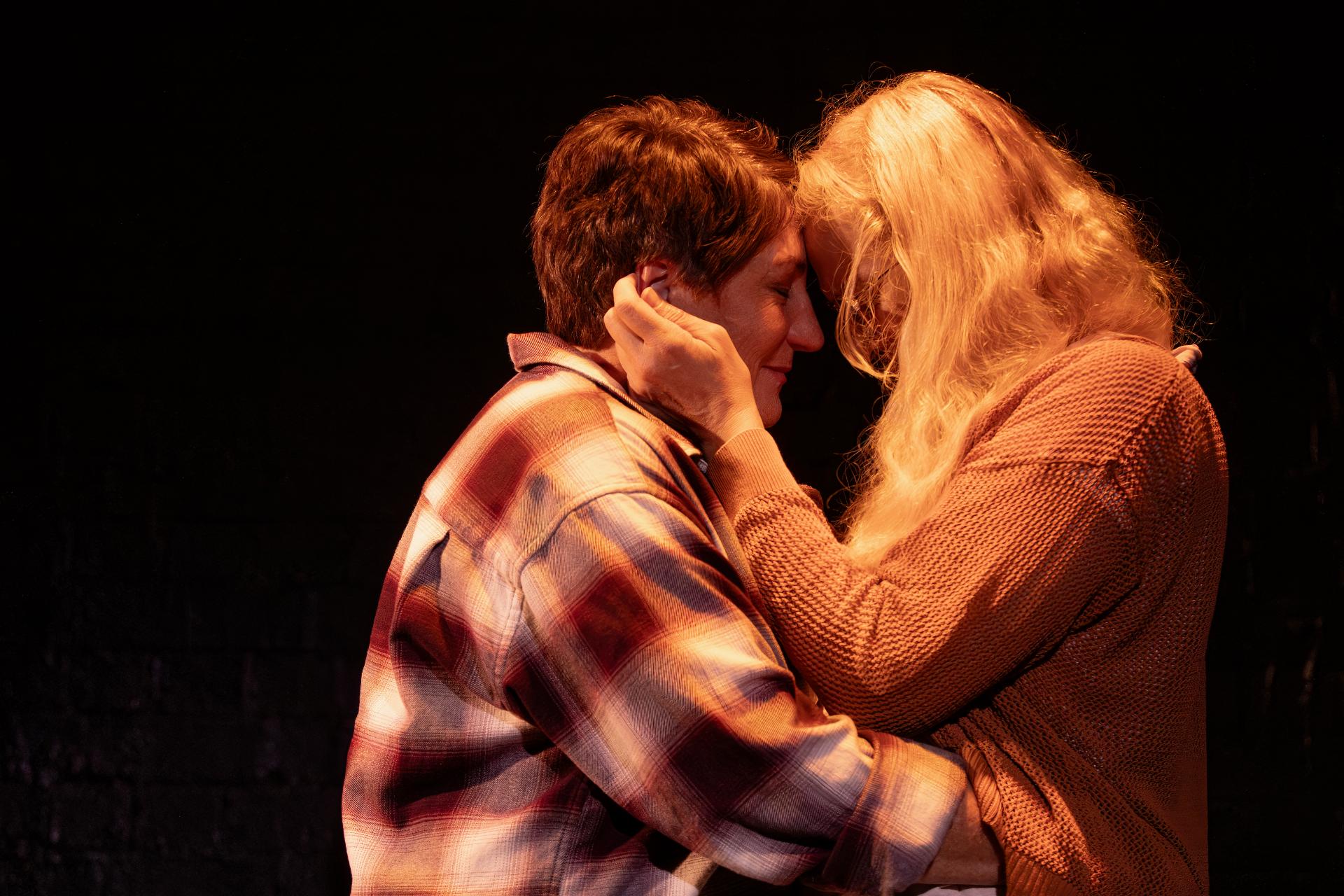
Eve is as terrible a wife as she is a psychoanalyst, yet has strangely been able to maintain both a marriage and a career for decades. Stephen Sewell’s The Lives of Eve is deeply mercurial and academic, inspired heavily by the work of psychiatrist Jacques Lacan (1901-1981). The characters are fanciful, never actually authentic in their manifestations, with narratives that struggle to resonate. Sewell’s real interest however is in Lacan’s writing, which he attempts to recontextualize and expound. For those unfamiliar with that obscure domain, there is a four-and-a-half-thousand word document  in the foyer to help one prepare for the show.

Direction by Kim Hardwick tries to introduce a sense of believability, especially in more pedestrian scenes, during which Eve is seen to be fighting alternately, with her patient and her husband. Depictions of Eve’s dysfunctions are persuasive, although coming to an understanding of her problems seems to require enthusiasm for and prior familiarity with the Lacan material, which is probably too arduous a proposition for most.

Atmosphere for the production however is calibrated beautifully. Hannah Yardley’s set design delivers a dose of surrealism, with an abundance of crimson Persian style rugs enveloping surfaces of the performance space. Lights by Martin Kinnane introduce nuance and intensity, as do sounds by Jessica Pizzinga, both intricately and sensitively rendered, to communicate with accuracy the increasingly passionate temperaments being explored.

Actor Helen O’Connor is convincing with her submergence into the immensely cerebral qualities of the titular role. We may not always comprehend what she is tasked to convey, but Eve certainly appears to be enthralled by her various crises. Other cast members are understandably less assured, considering the often bizarre ways their characters are made to speak and act.

Not every work of theatre is meant for everyone. Art should always encourage idiosyncrasy, particularity and peculiarity. The Lives of Eve emerges from somewhere that seems detached from many contemporary realities, thus reflecting our artistic landscape’s admirable capacity for diversity. Art that does not do enough to connect however, could have a fraught relationship with its audience, or worse, one characterised only by apathy and nonchalance.

www.kingsxtheatre.com | www.whiteboxtheatre.com.au

Review: The Dictionary Of Lost Words (Sydney Theatre Company)

Venue: Sydney Opera House (Sydney NSW), Oct 26 – Nov 16, 2023
Playwright: Verity Laughton from the novel by Pip Williams
Director: Jessica Arthur
Cast: Brett Archer, Rachel Burke, Tilda Cobham-Hervey, Raj Labade, Ksenja Logos, Angela Mahlatjie, Chris Pitman, Anthony Yangoyan
Images by Daniel Boud

Theatre review
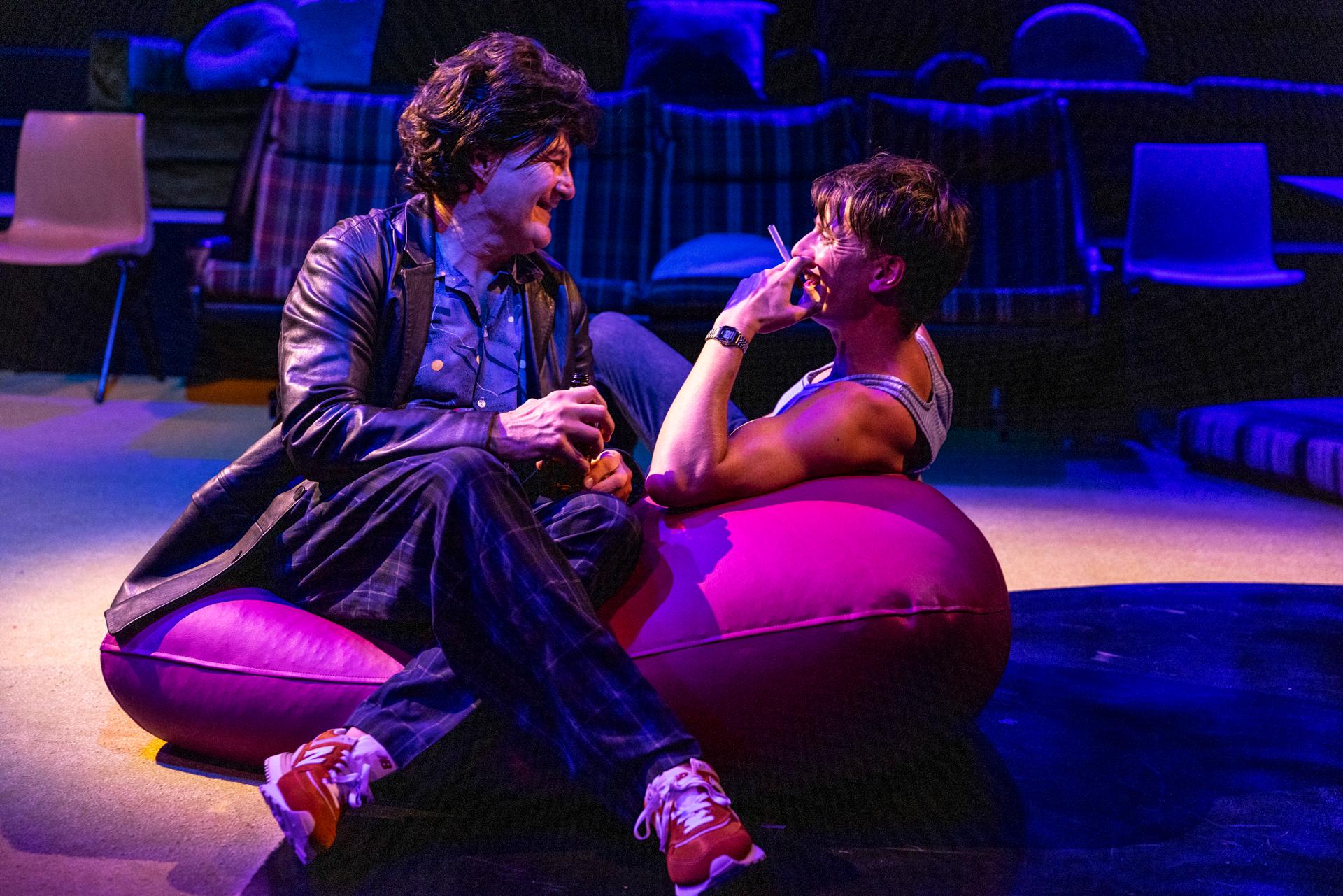
It was the end of the 19th Century when Esme began cultivating a passion for collecting words. She had observed her father working with a team editing the Oxford Dictionary, and felt compelled to save the many words, familiar only to women of the lower classes, but neglected in that process of authoritative evaluation and screening. It is no accident that Esme’s narrative in the novel The Dictionary of Lost Words by Pip Williams coincides with women’s suffrage and their historic campaign for the right to vote.

It is certainly a meaningful work that examines the culture of exclusion in our institutions, and proffers an example of radical acceptance by those in positions of power and privilege. This stage adaptation by Verity Laughton retains the valuable message of the original, but is overly faithful to the form and style of the book. It is unfortunately a transposition that often feels staid, with insufficient liveliness and wit to truly excite or inspire.

Direction by Jessica Arthur too is missing elements of joy or playfulness, in a production that proves to be needlessly serious. The story is worthy of its creators’ earnestness, but at three hours, a greater variance and theatricality in its tone is required, as the audience tries to invest into Esme’s journey of two decades. Actor Tilda Cobham-Hervey plays the lead role with integrity, able to convey the character’s benevolence persuasively, and with a distinct vulnerability that makes us endear to her life story. The cast of eight is warm and cohesive, admirable for keeping us attentive, even if their message is relayed too gently.

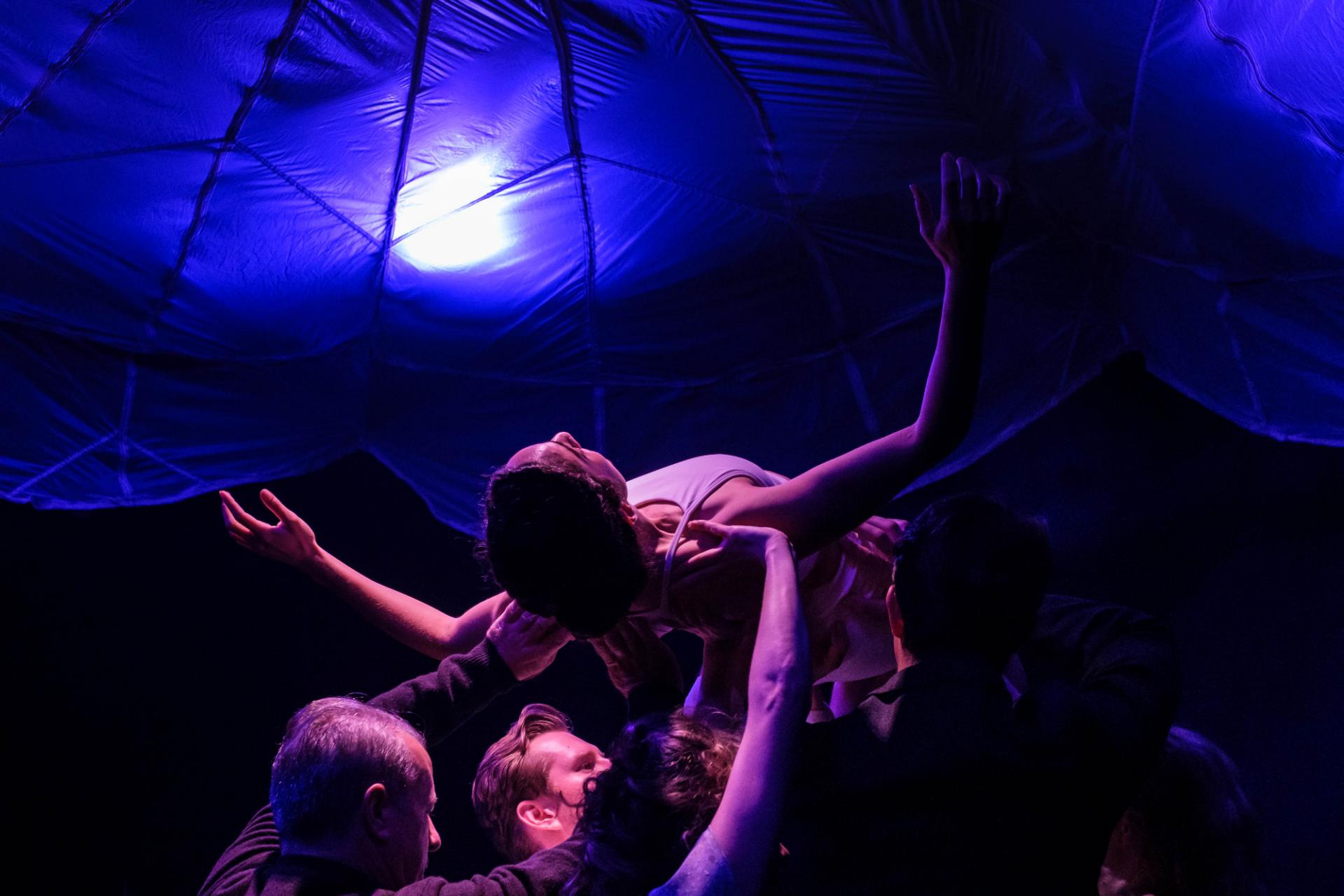
Set design by Jonathon Oxlade features hundreds of pigeon holes, guided by a narrative that discusses the nature of categorisation and organisation, so central to the ways we structure our societies. A projection screen occupies the entire top half of our vista, with helpful (although not always elegantly rendered) video supplementing the action. Ailsa Paterson’s costumes are appropriately conservative in their depictions of life in the Edwardian era. Lights by Trent Suidgeest are flattering and romantic, occasionally injecting a sense of drama to disrupt the general placidity. Music and sounds by Max Lyandvert add to the melancholy, unable to help with the lack of verve, but beautiful nonetheless.

The word “lost” in the title connotes inadvertence, that there is a certain lack of intention when classes and categories of people are excluded. This may be true on some levels, but the persistent refusal to address and amend these inequities only demonstrates a conscious choice of persisting with injustice. Esme does not present herself as a strident activist, she never partook in hunger strikes, or stood next to Emily Davison who in 1913 took to the race tracks in protest, only to be killed by the king’s horse. Regardless, individuals are always capable of making a difference, even if one is resolutely mild in temperament and constitution, every effort to identify our ills and turn them for the better, is how progress can happen.

www.sydneytheatre.com.au | www.statetheatrecompany.com.au

Review: Beyond The Break (25A Belvoir)

Venue: Belvoir St Theatre (Surry Hills NSW), Oct 18 – 29, 2023
Playwright: Challito Browne
Director: Bobbie-Jean Henning
Cast: Challito Browne
Images by 

Theatre review
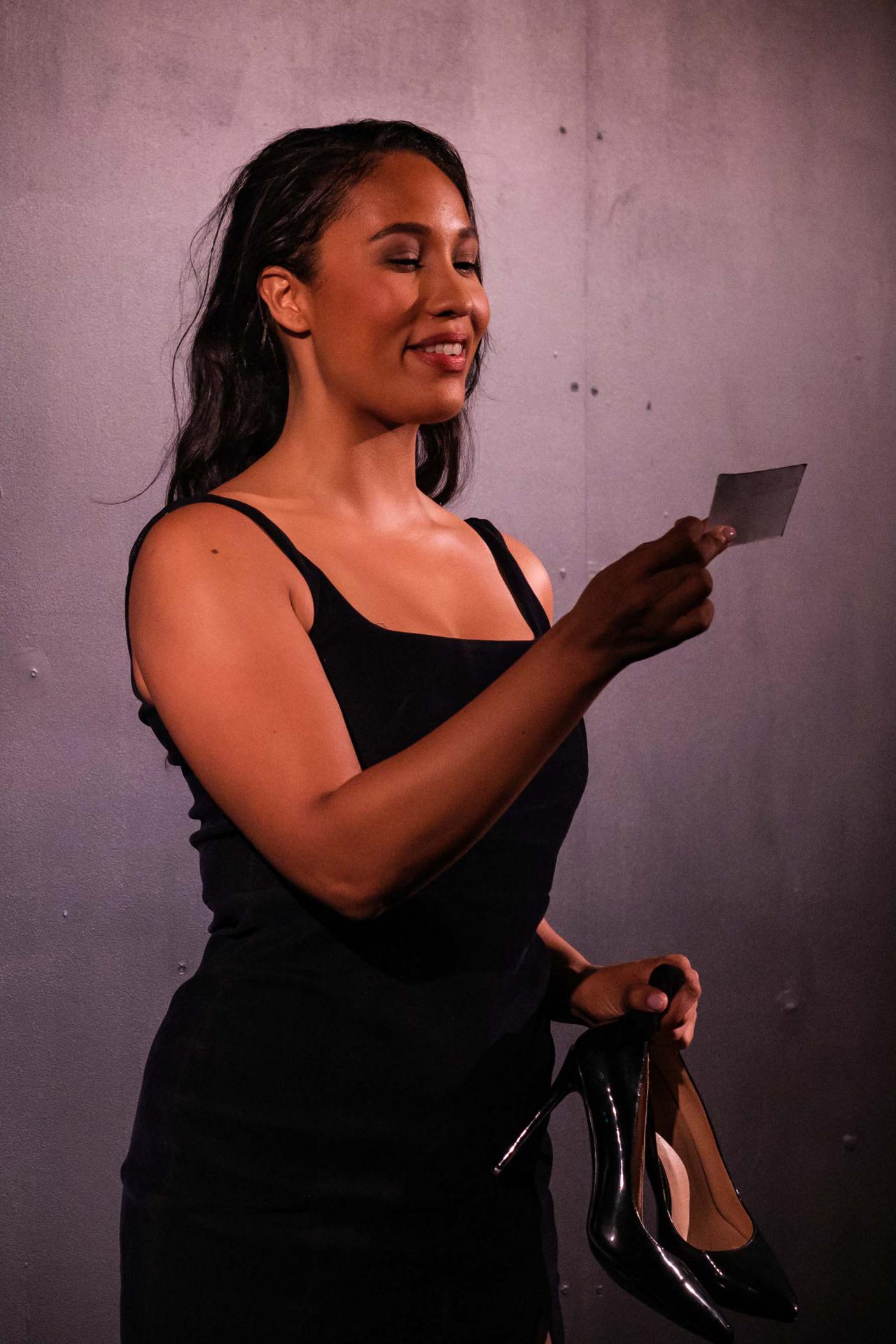
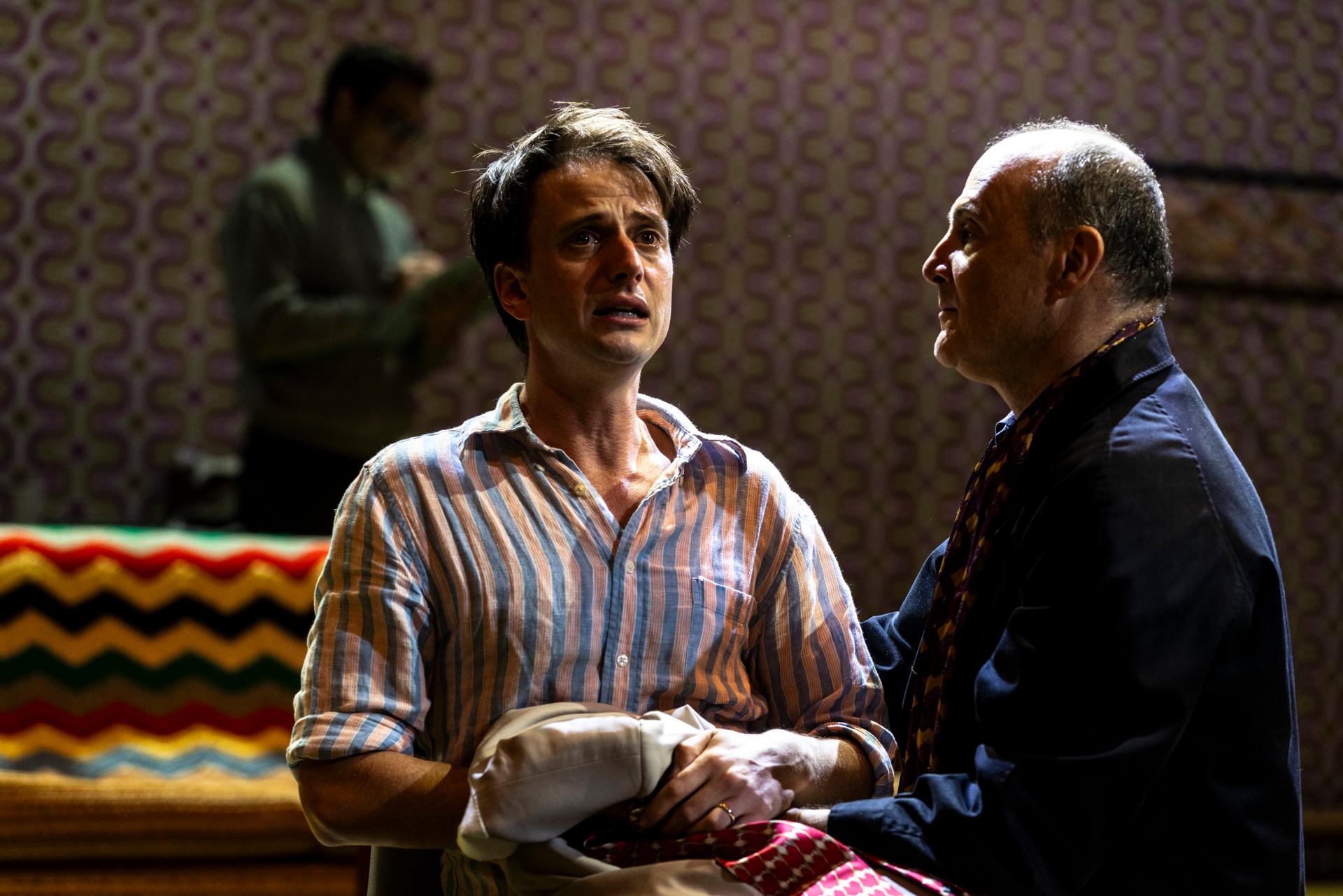
Identity has not come easy for Challito Browne. In Beyond the Break, we see him grapple with the complications of being mixed race, in an Australia that struggles to accept cultural difference, even if it has little claim to any real legitimacy, with its own dubious colonial origins. Not white enough for white folks, and too white for people of colour, the rejection he encounters comes from all sides. It is no wonder then, that Browne is thrust into a state of isolation, in the mind especially, where he finds company in unremitting introspection.

Beyond the Break is extraordinary in its thoughtfulness, with incredibly astute observations about humanity, expressed in ways that alternate unexpectedly between hilarity and heartache. Browne’s writing is disarmingly soulful, with a deep vulnerability that insists on our emotional investment, for a story that is ultimately about community, and the fundamental notion of belonging, that none can ever negate. It sheds light on the psyche for a look at how an individual like Browne makes sense of the world, and how he forms meaning in environments that persistently diminish and devalue his very existence. We are also given insightful depictions of ostracism, so that we may come to a greater understanding about the constructions of race and difference, and how white supremacy can manifest in devious ways, effectuated by all colours.

Directed by Bobbie-Jean Henning, the one-person show impresses with its richness, not only in cerebral terms, but also with the captivating entertainment that it provides. Henning ensures that we are amused, intrigued and challenged for the 70-minute duration, delivering theatre that keeps open our eyes, ears and hearts, to receive its important message. An immaculate set design by Brendan De La Hay conveys purity, to help us find beautiful transcendence in the experience. Frankie Clarke’s lights are  sensitive yet dynamic, persuasive with how it guides our sentimental responses through the production’s frequent tonal oscillations. Sounds by Johnny Yang are rendered with intricacy and rigour, bringing delicious drama to this surprisingly expansive discussion about one man’s ethnicity.

Browne is at least as strong a performer as he is a writer. His presence is resolute but warm, with a sense of generosity that makes even the more sardonic passages feel empathetic. The skill he displays is astonishing, with a level of agility and precision, along with an effortless confidence, that has us marveling at his artistic prowess, whilst keeping our minds firmly engaged in the ideas being presented.

When Browne says “I am Australian,” as he does repeatedly, the statement can feel like it means everything and nothing. Identity is illusory and impermanent, but the consequences are real, of how others regard the self, and indeed of how one regards themself. In negotiating the world, one can rarely have the privilege of being ephemeral or transient; we are required to be solid, to mean something, and to stand for something. We have responsibilities in kinship, friendship, and in citizenry. You have the freedom to be who you wish, but the duty to leave this a better place is incontrovertible.

www.instagram.com/like.water.entertainment | www.belvoir.com.au

Review: The Bridal Lament 哭嫁歌 (Performance Space/Carriageworks)

Venue: Carriageworks (Eveleigh NSW), Oct 19-22, 2023
Director: Tessa Leong
Lead Artist & Performer: Rainbow Chan 陳雋然
Images by Joseph Mayers

Theatre review
Arriving as a child from Hong Kong in 1996, a year before the handover to China, Rainbow Chan 陳雋然 grew up like many Australians, between cultures. Now that we are in a moment that feels as though assimilation to whiteness is decisively a thing of the past (at least for now), immigrants like Chan are scrambling to fully reclaim their roots, for a state of identification more meaningful than before. It is not an abandonment of Australianness, but an evolution in the narrative of our survival, when we attempt to foster a greater connection with that which had to be left behind.

Through conversations and consultations with her mother Irene Cheung 張翠屏, which form the basis of The Bridal Lament 哭嫁歌, Chan reaches back to marital customs of her people to form an intricate study of traditions, many of which are obsolete, and in the process attains a new understanding of where she had come from. A key feature are the songs young women learn from their mothers in the Weitou dialect, that they sing for 3 days before crossing the threshold to become wives. Chan’s show is an archive of sorts, including some of those hitherto forgotten tunes, alongside her own compositions, for a theatrical presentation that offers a bridge that examines a particular collective history, preoccupied with a past yet feels so much to be about our future.

Chan’s music draws heavily from pop genres, but is unmistakeably poetic in nature. It stretches deeply in ways that ensure resonance, beyond cerebral concerns. Directed by Tessa Leong, The Bridal Lament 哭嫁歌 is tender yet intense, in its rendering of a contemporary Chinese-Australian perspective and attitude. As performer, Chan is captivating in this solo work, although portions of the staging can feel sparse, in need of more imaginative support of one woman and her immensely vast story.

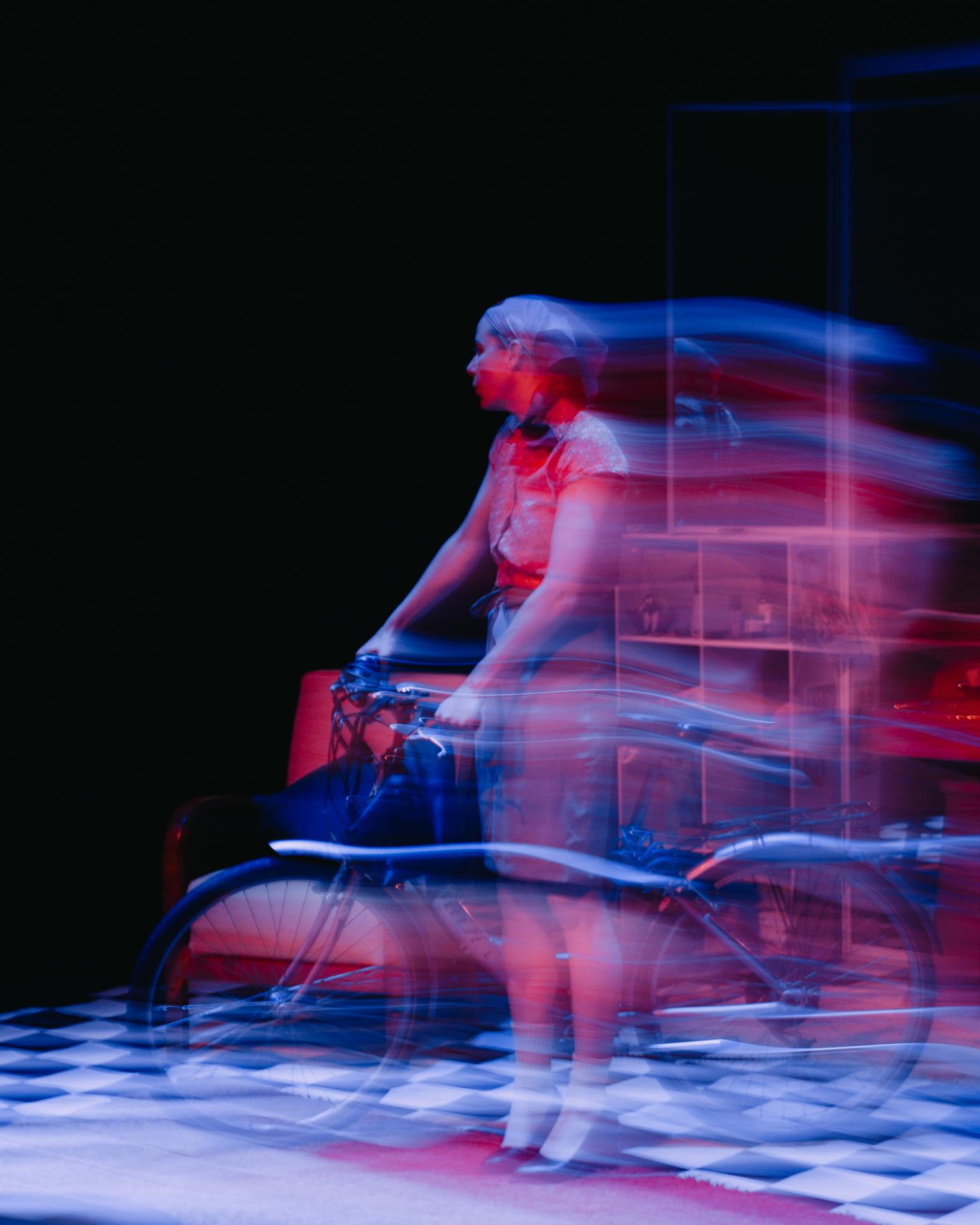
Set and costumes by Al Joel and Emily Borghi are sophisticated, especially memorable for a highly ostentatious beaded archway evoking concepts of travel and searching, and that also allows for some truly magical theatricality, when combined with extraordinarily dynamic lights as conceived by Govin Ruben. Video projections by Rel Pham are another crucial element, as vehicle to relay fascinating minutiae from Chan’s research, and to inspire emotional responses, for these meditations that can never be divorced from longing and heartache.

When we cut our apron strings, is ironically when we become ready to draw from our mothers’ wealth of knowledge and experience. Being a woman is hard in this world, and guidance from mothers (biological or otherwise) is unequivocally invaluable. It is imperative that we honour women who have grown and aged, to fight against a hegemony that wishes to diminish them and render them invisible. We must understand that forces responsible for so many of our world’s deficiencies are the same ones that tell us not to believe women. Mothers may not always make things easy, but they often do know best.

www.performancespace.com.auwww.carriageworks.com.au

Review: Venus & Adonis (Seymour Centre)

Venue: Seymour Centre (Chippendale NSW), Sep 29 – Oct 21, 2023
Playwright: Damien Ryan
Director: Damien Ryan
Cast: Anthony Gooley, Adele Querol, Jerome Meyer, Belinda Giblin, Bernadette Ryan, Christopher Tomkinson, Ava Madon, Akasha Hazard, Kevin MacIsaac, Oliver Ryan, Max Ryan, Dinitha Senevirathne, Liv Rey Laaksonen
Images by Kate Williams

Theatre review
William Shakespeare is preparing to stage a new poem, with his lover Aemilia Lanyer in the lead. Meanwhile, Shakespeare’s own family is suffering from neglect, as his attention is divided among work, the affair, and dealing with a venereal disease resulting from his indiscretions. Lanyer, a poet in her own right, takes every opportunity to assert her progressive values, not only on the project, but also in all her professional and personal relationships.

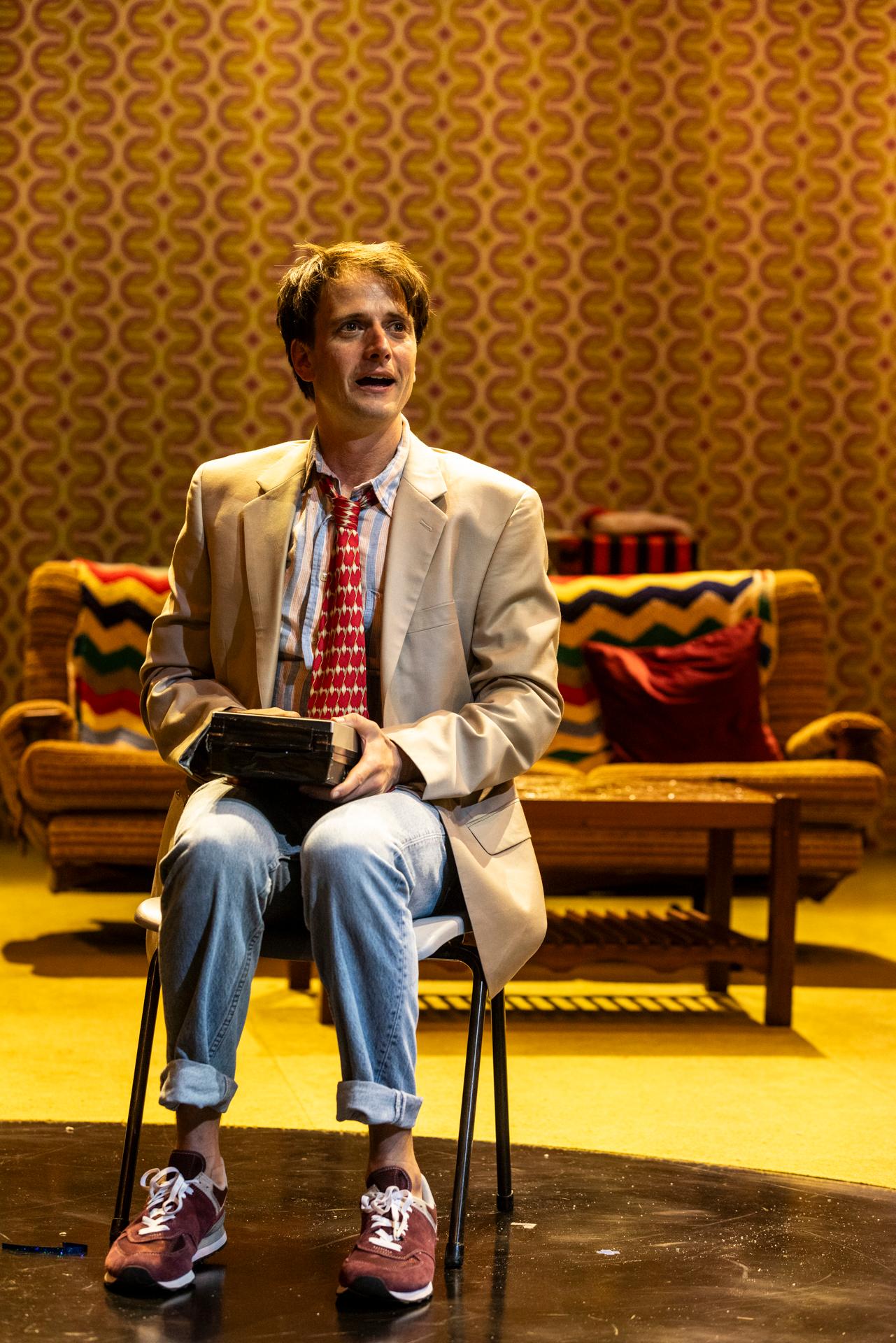
Damien Ryan’s 3-hour play Venus & Adonis, named after the very poem at its inspirational centre, travels along many tangents, in an effort to contemporarise the most classical of storytelling. It is conscious of divergent perspectives, and attempts to be inclusive especially of feminine viewpoints, that have been traditionally ignored over centuries of Shakespearean reverence. There is an enjoyable theatricality to Ryan’s work as both writer and director, but the multi-faceted nature of the piece might prove inconsistent in its ability to engage. Its competing textures seem unlikely to be wholly captivating for those who need a more conventional commitment to a stronger, more defined point of view.

Ryan’s own stage design is surprisingly versatile, as we find our imaginations morphing effortlessly along with the many spatial transformations that occur in the play. Bernadette Ryan’s costumes are sensual, and memorable for the sense of luxury they introduce. Lights by Sophie Parker are beautiful in a painterly manner, and sounds by Jay Cameron although appropriately dramatic, have a tendency to be abrupt in their manipulations of atmosphere.

Actor Anthony Gooley plays a vulnerable Shakespeare, bringing depths of emotion that reveal a greater humanity, in an art form that has the ability to connect beyond the confines of words and narratives. Adele Querol as Lanyer is rigorous and passionate, very persuasive as a true bohemian, full of daring and conviction, whether as a woman of the 16th or 21st Century. Highly noteworthy too are Belinda Giblin and Christopher Tomkinson, playing Queen Elizabeth I and Richard Burbage respectively, both performers robust with humour and meaning, completely magnetic whenever given opportunity to occupy centre stage. Jerome Meyer is both precise and instinctual in the role of drag artist Nathaniel Field, but several jokes pertaining to gender, a main concern of the production, could easily be construed as transphobic.

To be able to look properly ahead, requires a rich understand of the past. Even for those of us who wish for a clean break from histories, need intricate knowledge on the machinations of people and society, in order that we can keep steering our lives on improved trajectories. Not all of us want to leave the past behind however, because what represents pure torment for some, is for others a symbol of their glory days. It is always a difficult entanglement. In our democratic communities, values will differ and beliefs will deviate, but the thing most worth fighting for, is a way to attain harmony, within the infinite variations of how we each experience the world.
www.seymourcentre.com | www.sportforjove.com.au

Review: An Ox Stand On My Tongue (25A Belvoir)

Venue: Belvoir St Theatre (Surry Hills NSW), Sep 20 – Oct 8, 2023
Playwright: Jane Montgomery Griffiths
Director: Abbie-Lee Lewis
Cast: Jessica Bentley, Angela Nica Sullen
Images by Phil Erbacher

Theatre review
Helen and Clytemnestra do not have the best of reputations; both women are known for the trouble they had caused, to men of great esteem and importance. An Ox Stand on My Tongue by Jane Montgomery Griffiths reframes the sisters, so that their own perspectives of events can occupy centre stage, shifting from antagonist to protagonist, in what amounts to a feminist interpretation of ancient myths.

The intriguing two-hander is a modern, often obtuse play that makes a statement about the impossible demands placed on women, in a man’s world. We see Helen and Clytemnestra grappling with the notion that to survive, is often to be perceived as dishonourable, whether or not they abide by all the rules of the game. Those same rules apply to the opposite sex, but garner much better results, if one happens to be a man.

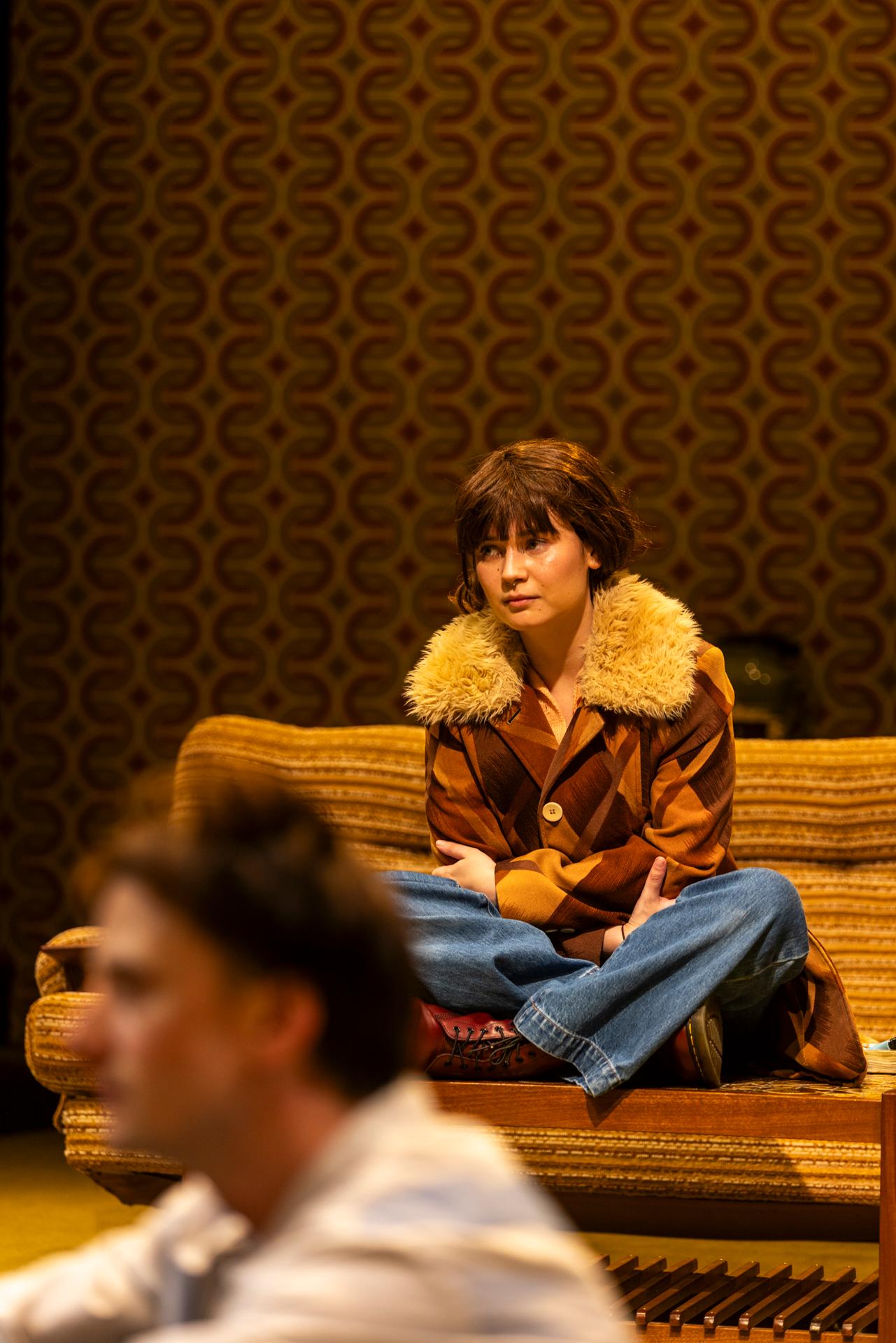
Direction by Abbie-Lee Lewis is uncomplicated, almost too simple in its approach, with a strong reliance on the charm of her leading ladies to sustain attention.  Actor Jessica Bentley’s presence is consistently authentic, giving Helen a sense of believability and naturalism that add to the contemporary tone being rendered. Angela Nica Sullen is more inventive with her portrayal of Clytemnestra, especially effective in heightened moments to give us the delicious drama associated with all things tragic and Greek.

The production is elevated by Kelsey Lee whose set and lights offer a captivating flamboyance appropriate to this exploration of beings royal and celestial. Costumes by Grace Deacon are commensurately glamorous, although not quite sufficiently finessed for the refinement it wishes to depict. Zac Saric’s sound and music are rigorously created, to underscore the show with intensity as well as intentionality.

It is only human to wish to be regarded with respect and dignity, but when one arrives at the understanding, that social acceptance often comes at an unfair price, one begins to consider relinquishing those needs to be admired. One simply stops caring, not about things that are truly important, but apropos the meaningless approval and expectations of people who matter little. There is no denying that we are social creatures, but our societies can be as malevolent as they are benevolent. Women are taught to care too much, so that we may remain subservient, always terrified of being thought badly of. Helen and Clytemnestra recall their mother training them to always try harder, but it occurs to us that their persistent misery only ever seem to be in service of those who never love them back.
www.belvoir.com.au

Review: Is God Is (Sydney Theatre Company)

Venue: Wharf 1 Sydney Theatre Company (Walsh Bay NSW), Sep 15 – Oct 21, 2023
Playwright: Aleshea Harris
Directors: Zindzi Okenyo, Shari Sebbens
Cast: Henrietta Enyonam Amevor, Clare Chihambakwe, Kevin Copeland, Masego Pitso, Cessalee Stovall, Darius Williams, Patrick Williams, Grant Young
Images by Pia Johnson

Theatre review

Racine and Anaia are heavily scarred, by cruel and neglectful parents who seem to know nothing about nurturing or caring for their children. Left to their own devices, the twin sisters can only understand the world as violent and savage, as we watch them embark on an odyssey of murder, in Aleshea Harris’ Is God Is. A revenge fantasy filled with wild imagination and scintillating humour, the play is both terrifying and hilarious, in its portrayals of wayward youth, unhinged femininity and recalcitrant Blackness. The United States have never looked so subversive.

Directed by Zindzi Okenyo and Shari Sebbens, Is God Is delivers delicious humour, keeping us on the edges of our seats with unpredictable characters, who prove to be truly and thoroughly intriguing. There is nothing normal about Racine and Anaia’s lives, and seeing things through their eyes, means a completely fascinating, and dangerous, experience.

Costumes by Renée Mulder conjure imagery of ruined innocence, offering a childlike perspective, but one in a state of decay, as a constant reminder of the story’s despairing centre. Mulder’s set design involves a protean structure evoking notions of home, establishing for the production a whimsical style that draws parallels with the much more wholesome fare of juvenile television programming. Lights by Jenny Hector help manufacture drama, but is somewhat lacking when required to convey a sense of macabre during key moments of repugnance, for this occasion of genre theatre. Sounds and music are effectively rendered, by Joe Paradise Lui, to ensure that we navigate the varying tones of the production, as it slips and slides ever so subtly between comedy and horror.

Henrietta Enyonam Amevor and Masego Pitso play Anaia and Racine respectively, both actors vivacious and charismatic, able to blend naivety with brutality, for their confronting depictions of civilisation in disarray. The troubling pair’s mother is performed by Cessalee Stovall, who guides us to the truthful core of Is God Is, without sparing us the necessary discomfort of having to acknowledge the pain in that truth. Also remarkable is Darius Williams, who as the grandiose poet Scotch, gives us some of the biggest laughs, in a fabulous acerbic take on youthful and misguided masculinity. It is a marvellous cast, with each individual leaving an excellent impression with the complexities they introduce, along with the sheer entertainment they manufacture, for this very dark tale.

It only makes sense, that the most audacious fantasies should come from the most marginalised. Young, Black women are routinely underestimated, diminished and shunned. Being the very antithesis and embodiment of that which is pale, male, stale and therefore most highly valued, their perspective from a position diametrically opposite to the hegemony, is what will reveal the most of our ills. Is God Is may not choose to engage directly or explicitly with all our social issues, but just to have art of this nature materialise, is an indication of our capacity to shift, and a reminder that culture is always malleable.

www.sydneytheatre.com.au | www.mtc.com.au

Review: Lady Day At Emerson’s Bar & Grill  (Belvoir St Theatre)

Venue: Belvoir St Theatre (Surry Hills NSW), Sep 14 – Oct 15, 2023
Playwright: Lanie Robertson
Director: Mitchell Butel
Cast: Zahra Newman with Kym Purling, Victor Rounds, Calvin Welch
Images by Matt Byrne

Theatre review
Jazz legend Billie Holiday is performing at a bar in Philadelphia, several years after being incarcerated in that same city, and finds herself unable to maintain composure, as the worst times of her life come flooding back. In Lanie Robertson’s Lady Day at Emerson’s Bar & Grill, the diva unravels before our eyes, disclosing the innumerable traumatic events she had suffered, as a Black woman surviving 20th century America. She sings her songs to perfection, but is completely guileless in between numbers,  defenceless to a degree that is almost humiliating in her revelations. Such is the nature of art. It demands such honesty and vulnerability from the creator, that we witness her disintegrating even as she fulfils her destiny, as one of the world’s foremost singers of the modern era.
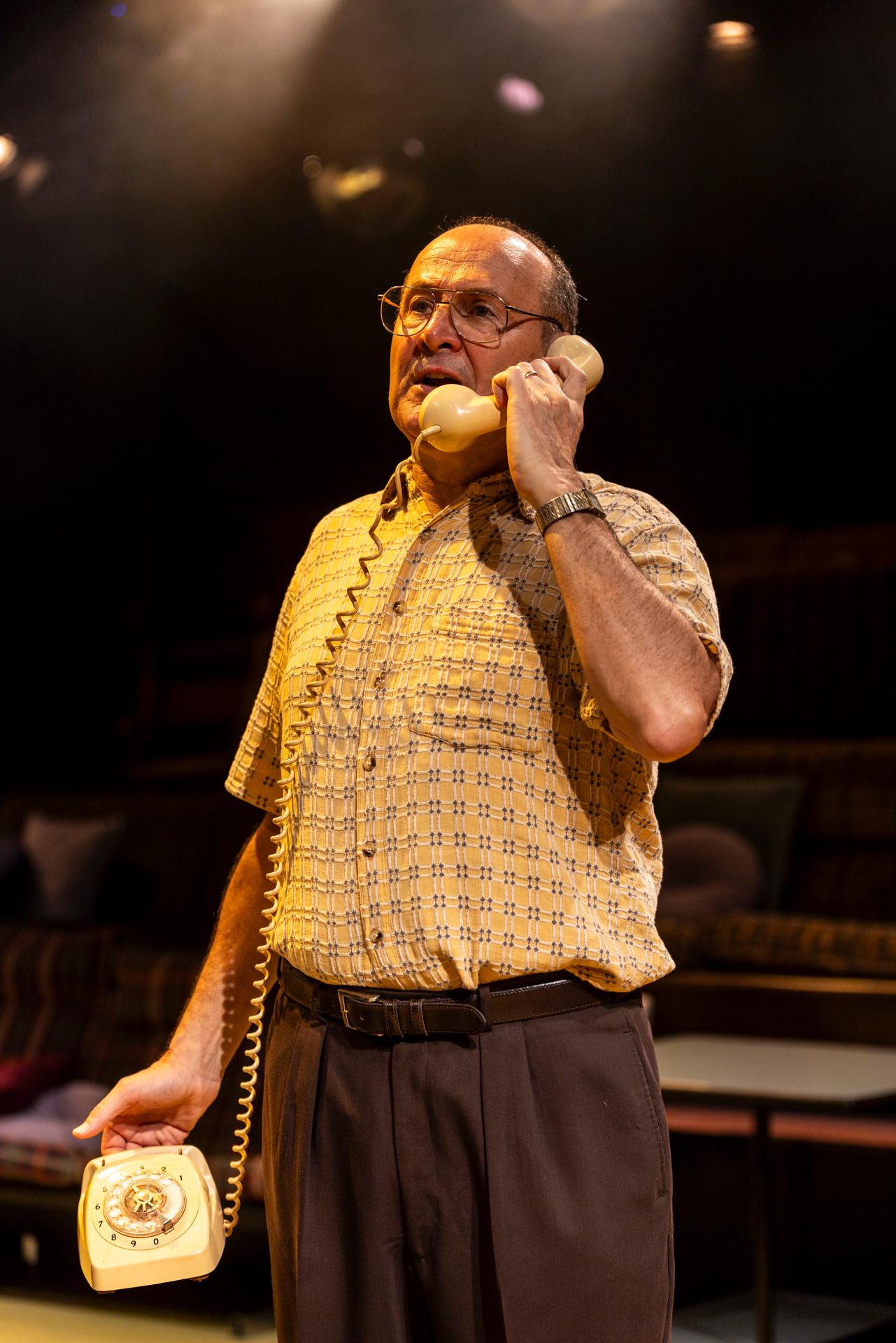
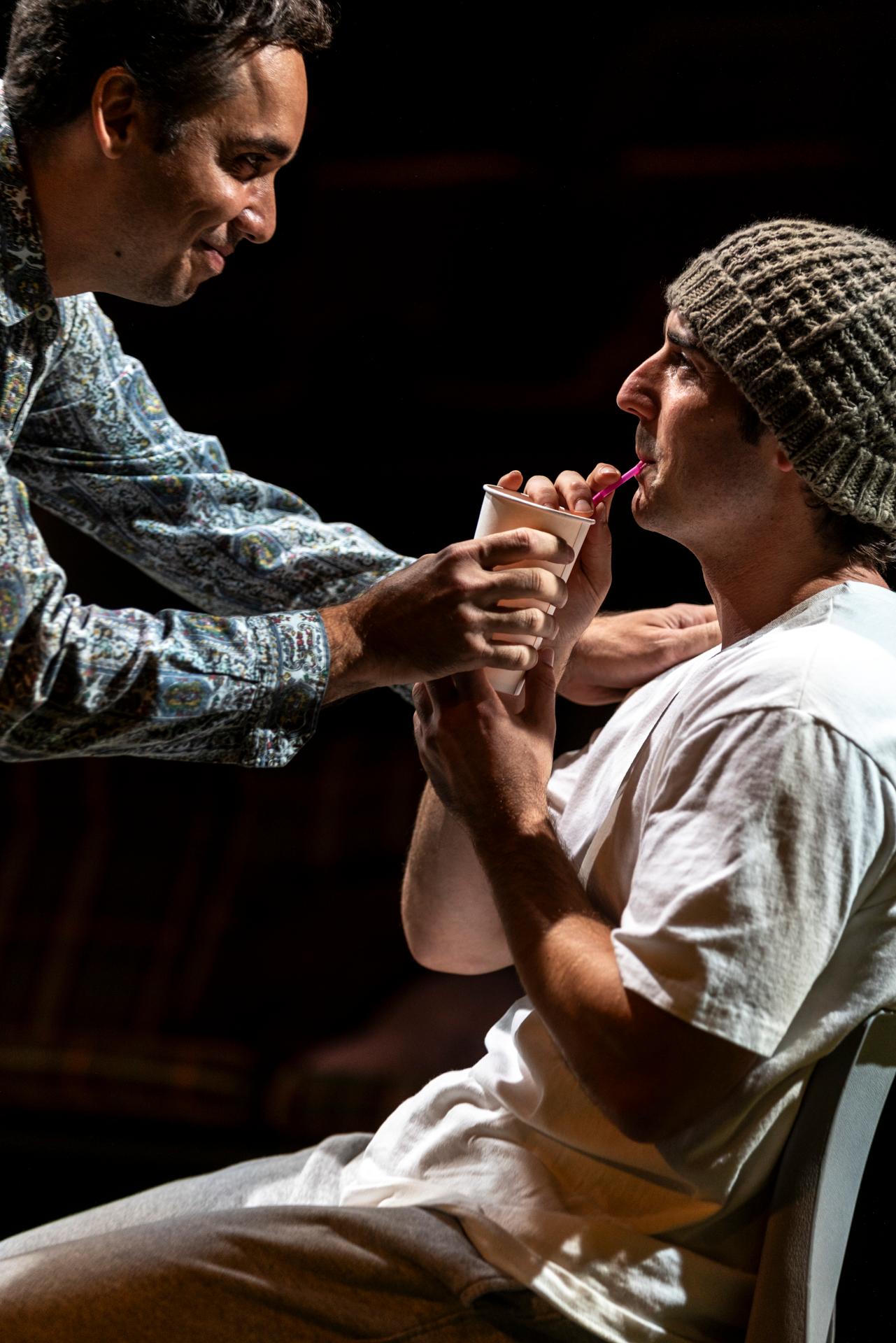
The tragedy is both heartbreaking and beautiful, under Mitchell Butel’s direction. Amidst the unbridled distress, is a star who retains her independence and agency, maybe not always making the best choices, but owning every one of them. Butel manufactures a theatrical glamour that helps us lionise Holiday, to see that we can celebrate the totality of her, that flaws in her biography cannot be divorced from her immense legacy, and that where she does flounder is indeed largely a consequence of social injustice, rather than of personal deficiencies.

Production design by Ailsa Paterson features an unpretentious slightly rundown setting, appropriately depicting a space that we should consider beneath a talent of Holiday’s magnitude. Her white gown is resplendent, on a woman who knows her worth, at least in commercial terms. Band members too are dressed with dignity, each one suave and sophisticated, in a story that inevitably confronts matters of class and race. Lights by Govin Ruben are transportative in their realism, accurately evoking a club and performance space of the period, although more heightened dramatics could improve our connection to some of the play’s more intense moments.

Prominent songs from Holiday’s oeuvre comprise the set list in this somewhat inadvertent jukebox musical. From his grand piano, Kym Purling leads a band of prime quality, for exceptional renditions of these historical pieces. Along with bassist Victor Rounds and drummer Calvin Welch, the trio gifts us a truly sumptuous experience of hearing these almost otherworldly compositions. The human voice is of course integral, and Zahra Newman’s proves astonishing not only in her mimicry of Holiday’s iconic tone, texture and timbre, she brings a power that is perhaps surprising to her interpretations of these numbers. As actor Newman is exacting and vivid with her storytelling, and in her strongest scenes, thoroughly convincing with the verisimilitude she is able to muster, to convey some incredibly lamentable details of Holiday’s life and times.

Billie Holiday was a descendant of slaves, and even though she achieved stardom, there was no escaping circumstances that remained cruel and deplorable for African Americans. Even as a musician of world renown, she was not protected from the abuse that women routinely endured, in both public and private spheres. In Lady Day at Emerson’s Bar & Grill we observe how she was wronged, again and again, so that we may ameliorate our feelings about a celebrity we wish to have done better. We are offered a reminder that the problem was the time and place in which she had existed, and that the artist was herself unreservedly immaculate.

www.belvoir.com.au

Review: The Visitors (Sydney Theatre Company)

The Visitors is at the Opera House Drama Theatre from Sep 11 to Oct 14;
Riverside Theatres from Oct 19 to 21; and Illawarra Performing Arts Centre from Oct 25 to 28.

Venue: Sydney Opera House (Sydney NSW), Sep 11 – Oct 14, 2023
Playwright: Jane Harrison
Director: Wesley Enoch
Cast: Joseph Wunujaka Althouse, Luke Carroll, Elaine Crombie, Kyle Morrison, Guy Simon, Beau Dean Riley Smith, Dalara Williams
Images by Daniel Boud

Theatre review
Foreign boats have been making increasingly frequent trips to these shores, and our inhabitants are beginning to worry about their intentions. Seven clans have sent representatives to a meeting, to decide on a course of action; they must consider whether to be hospitable, or to demand the intruders’ departure. Jane Harrison’s extraordinary The Visitors can be thought of as a seminal work, undeniably important in its reflections about our final fateful days before colonialism.

Instead of abject despondency, which is an entirely appropriate attitude for this subject, Harrison’s play is dignifying, replete with intelligent humour, and often charmingly wistful in its depictions of an Aboriginal past. It takes us on a meditation of our history and its consequences, reaching a powerful conclusion that affirms and honours Indigenous sovereignty. There are endless themes we can explore in our art, but this issue of land ownership and of First Nations independence, must surely be paramount, in any of our discourse upon these terrains.
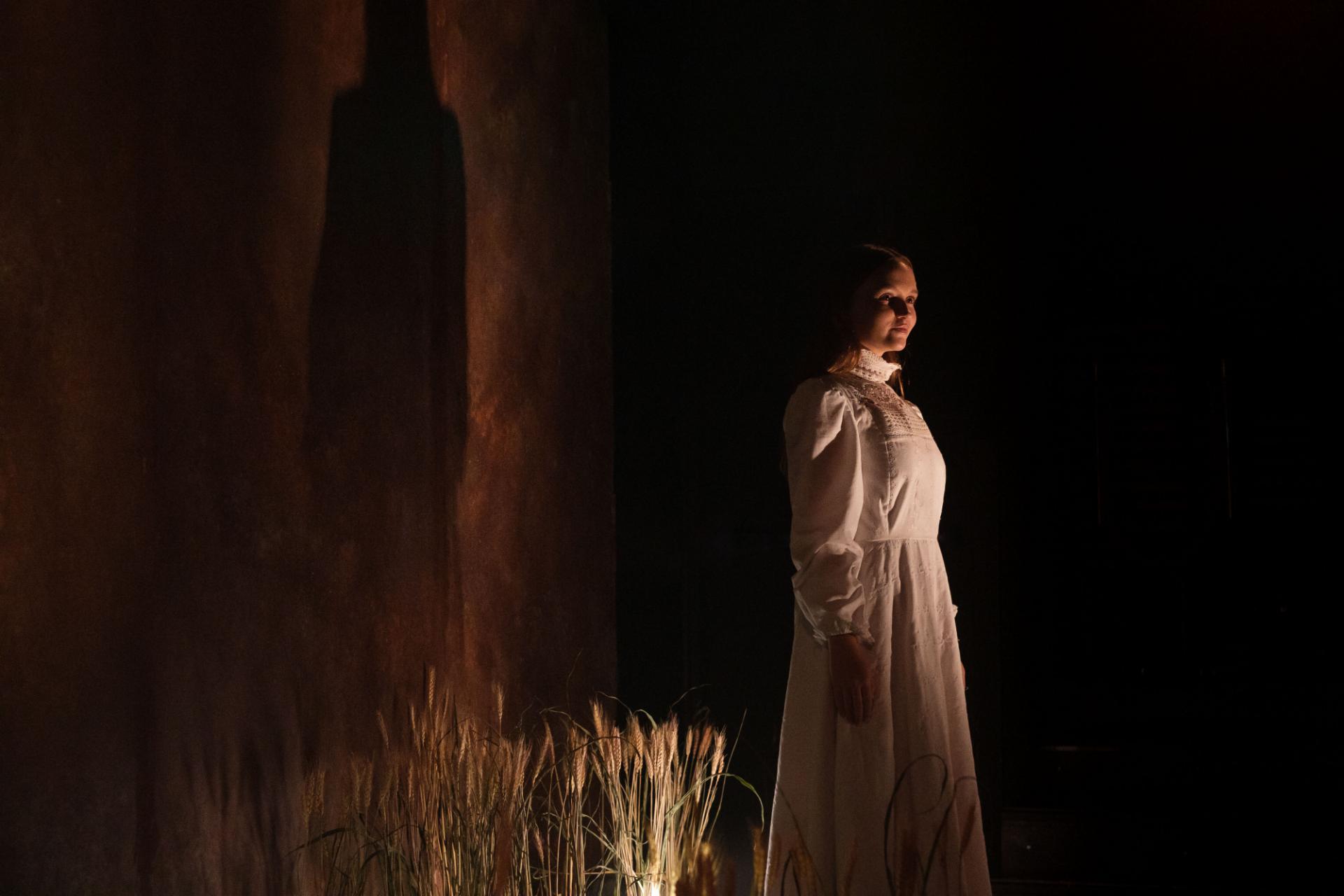
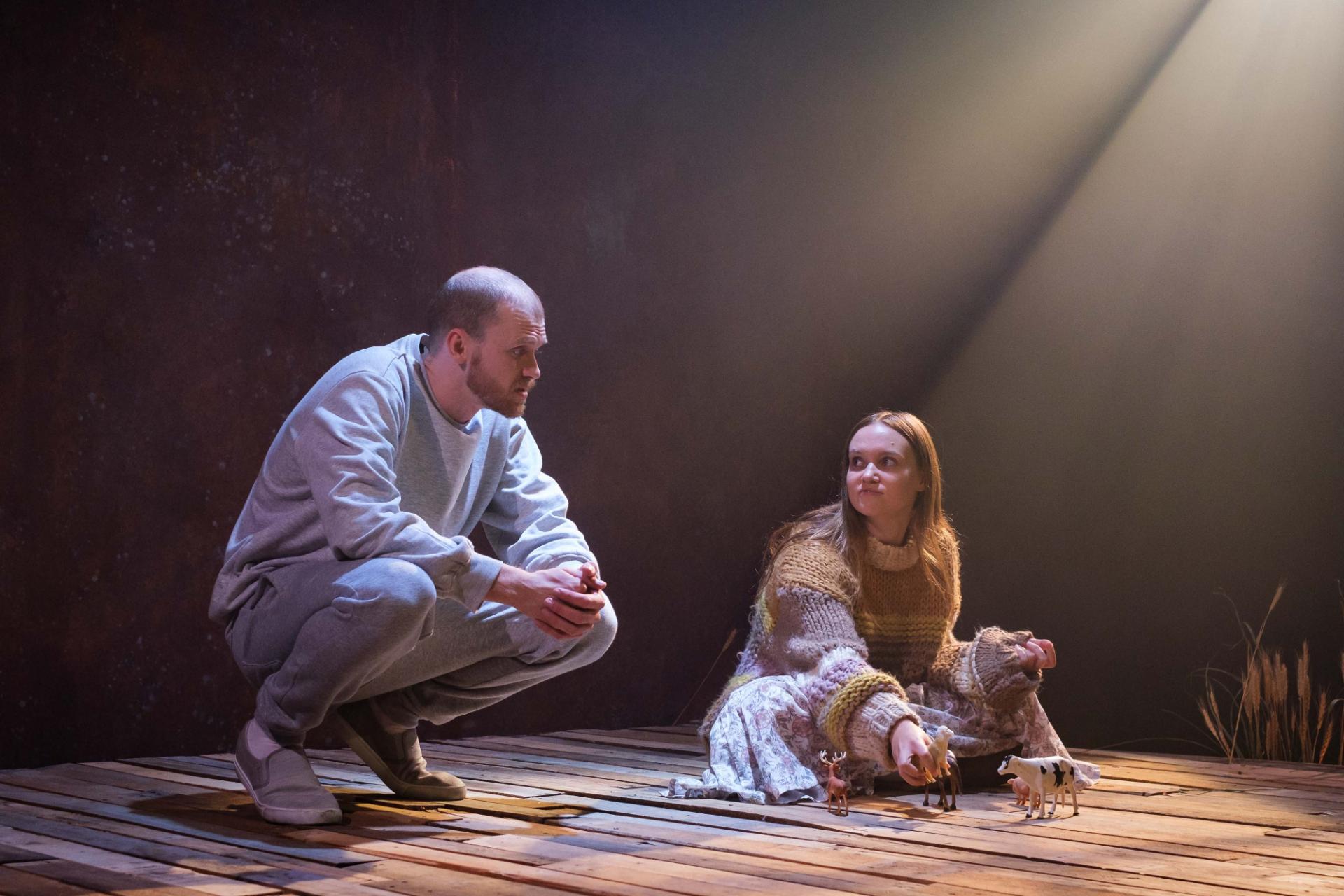
Wesley Enoch’s salient direction of the piece, makes the action feel as though it all happened just yesterday. The point being made is unambiguous and robust, and the show is emphatically inclusive of every viewer, in these pertinent investigations about the people we are. An outstanding cast of zealous actors demonstrate unequivocally the resilience and the indomitability of the communities that they represent so gloriously. Their chemistry is immaculate, in a show that speaks with a beautifully harmonious sense of solidarity. Especially noteworthy is Luke Carroll, who as Gordon, brings the production to a riveting emotional peak, so that we leave with absolute certainty about how we are to proceed, with out private and political lives.

Production design by Elizabeth Gadsby provides a juxtaposition of native and alien, in a way that inspires greater complexity to how we may choose to conceive of this iteration of the colonial experience. The unmistakably Western mode of dress is challenging, but valuable as a reminder of the hegemony under which we are conducting these discussions. The set pays tribute to the sacred quality of our landscape, persistent and eternal. Lights by Karen Norris take us somewhere ethereal, satisfying in the lyricism it evokes, to have us longing for a place that is magical in its simultaneity of being both distant and immediately accessible. Brendon Boney’s sounds and music are restrained to start, effective at facilitating our imagination of a precursive, more natural existence, but gains in intensity for the final minutes, to ensure our exhaustive investment into The Visitors‘ core intentions.

We may not be able to revert to a moment of origination, to undo every injustice, but we can always choose to forge better paths ahead. Our trajectory if left unchecked, will continue with its project of dispossession and division, exacerbating the many regretful situations we currently find ourselves. Humanity is capable of both benevolence and malevolence, and either way we choose to make our decisions, we must know that harm unto others, will always have unwitting reverberations that return to those determined to be callous and mercenary.

www.sydneytheatre.com.au | www.moogahlin.org