Review: Summer Of Harold (Ensemble Theatre)

Venue: Ensemble Theatre (Kirribilli NSW), Sep 8 – Oct 14, 2023
Playwright: Hilary Bell
Director: Francesca Savige
Cast: Berynn Schwerdt, Hannah Waterman
Images by Jaimi Joy

Theatre review

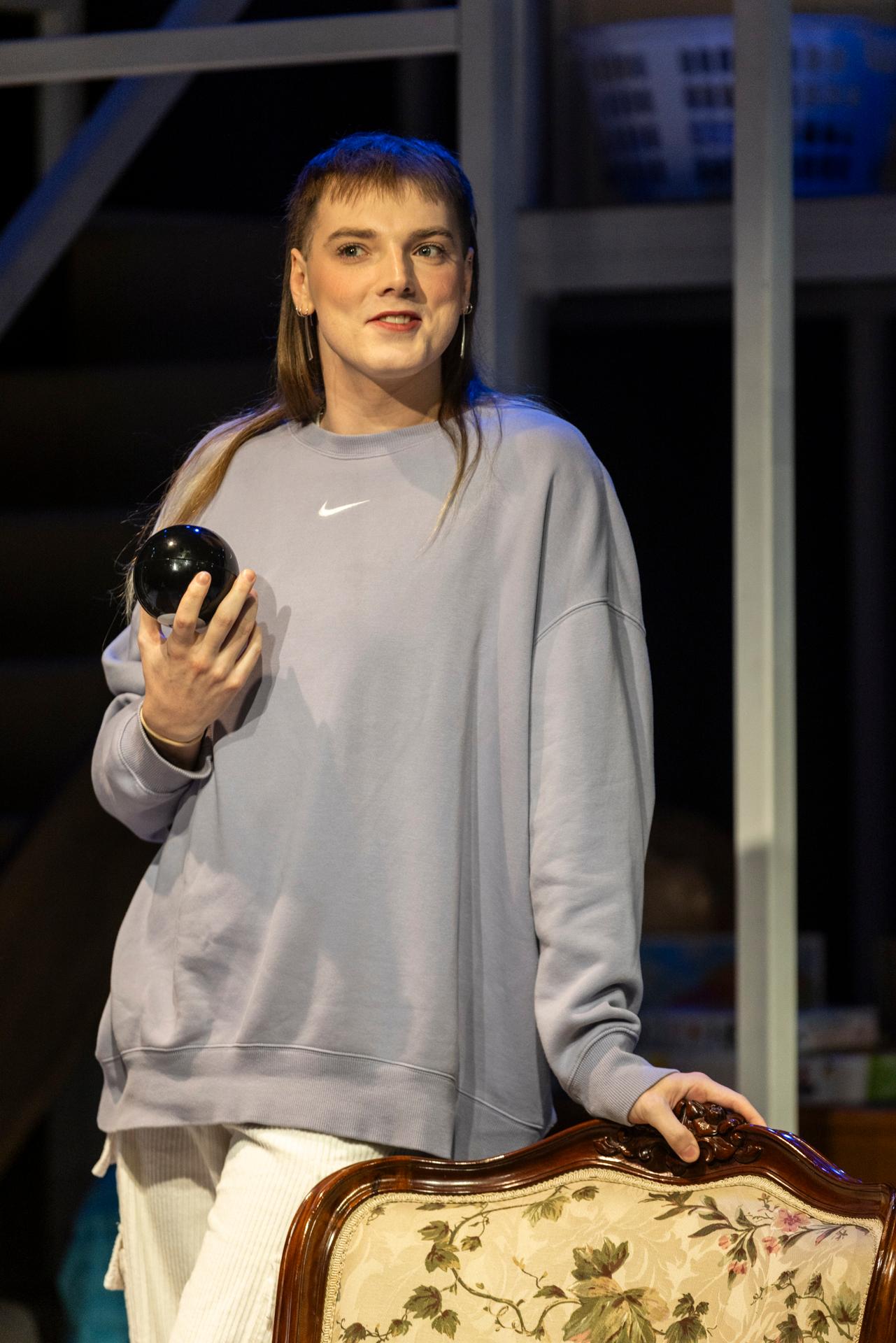
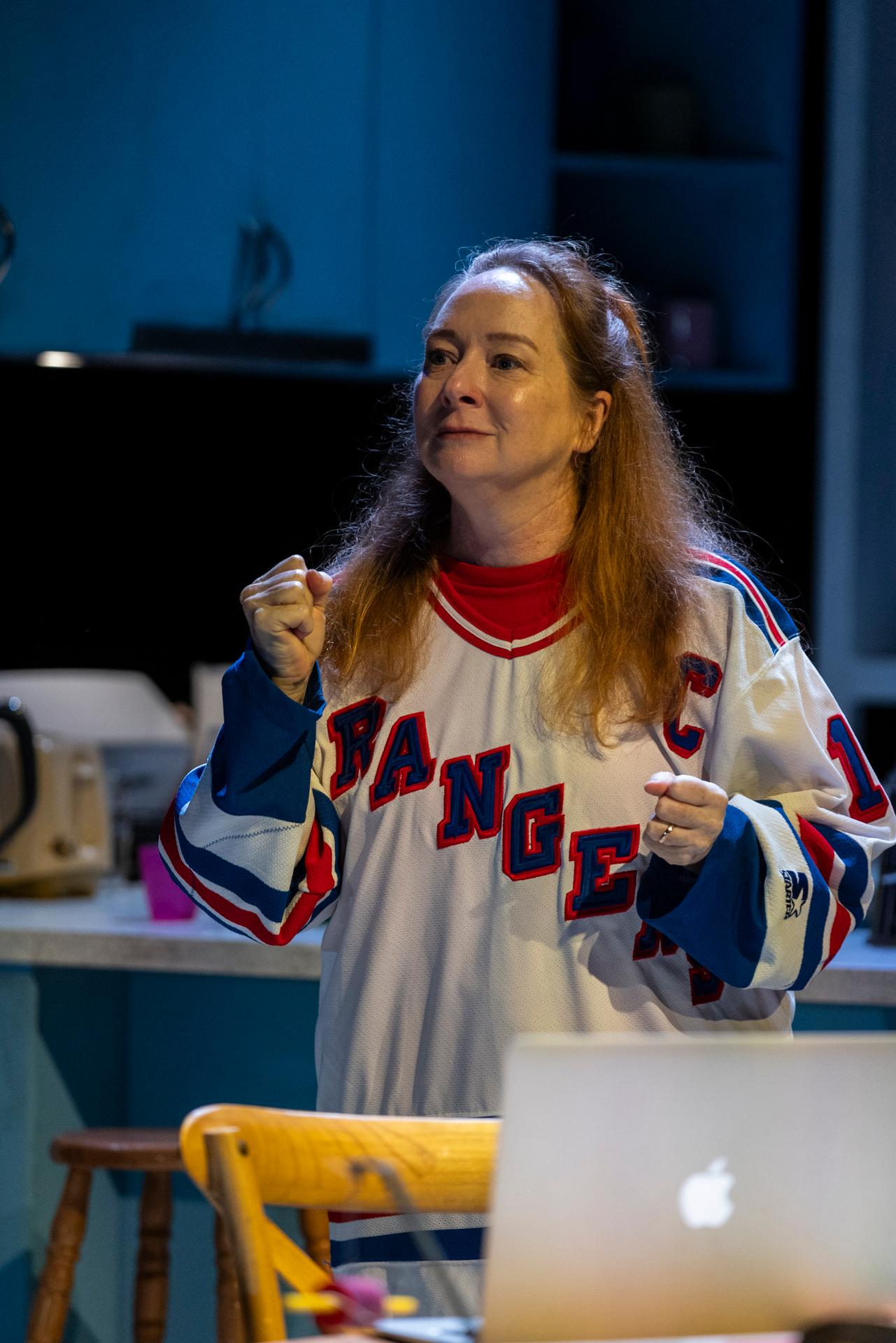
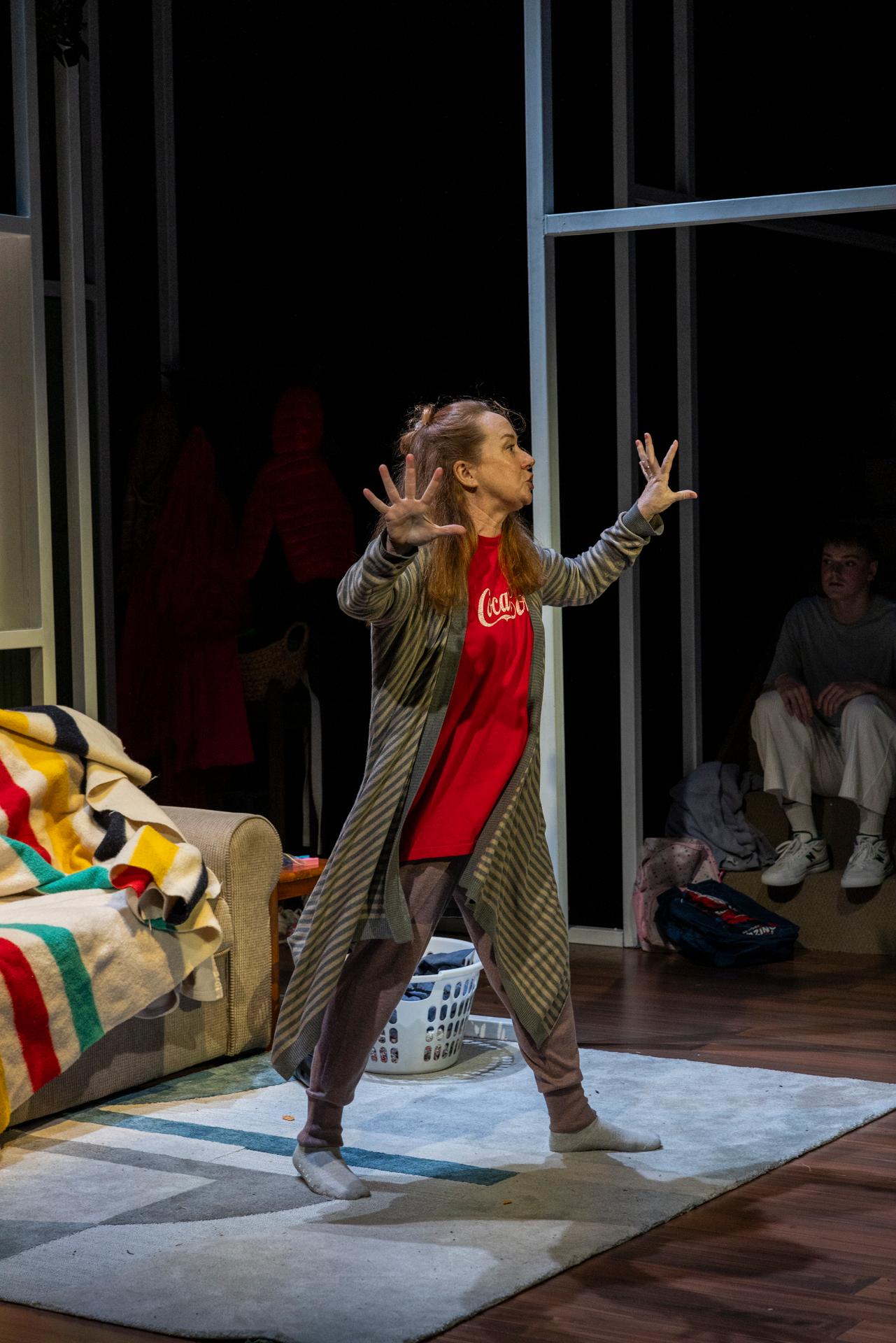
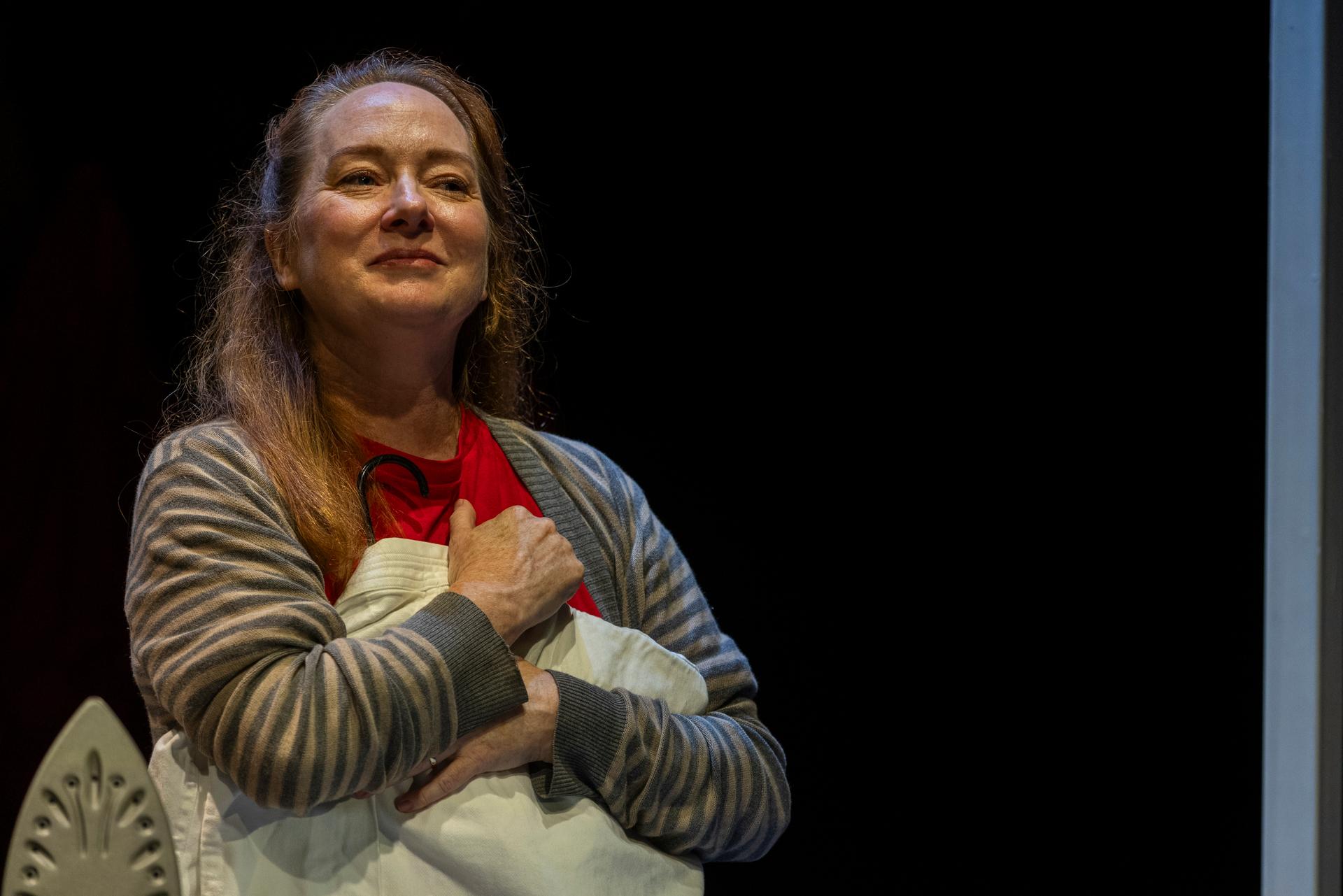
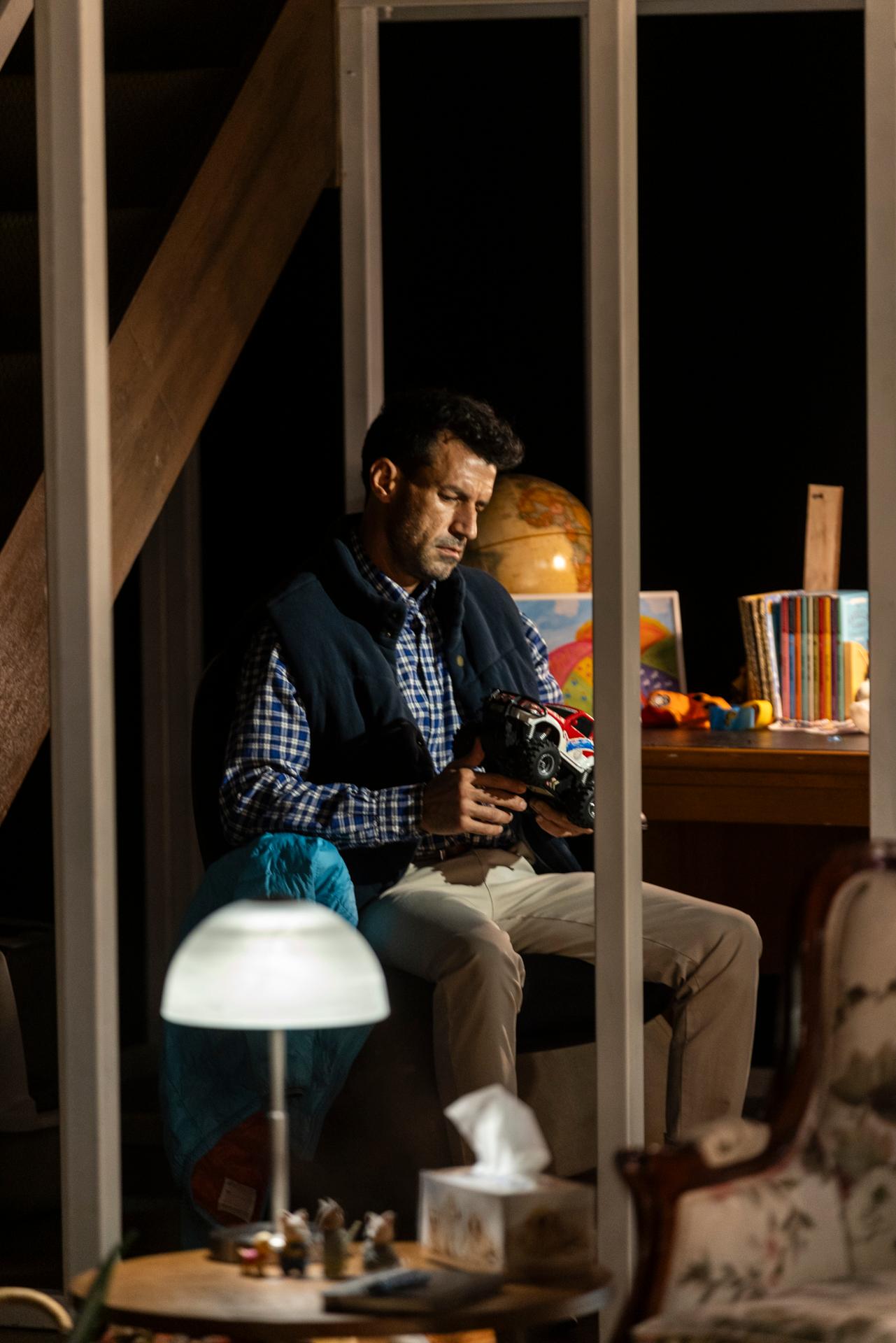
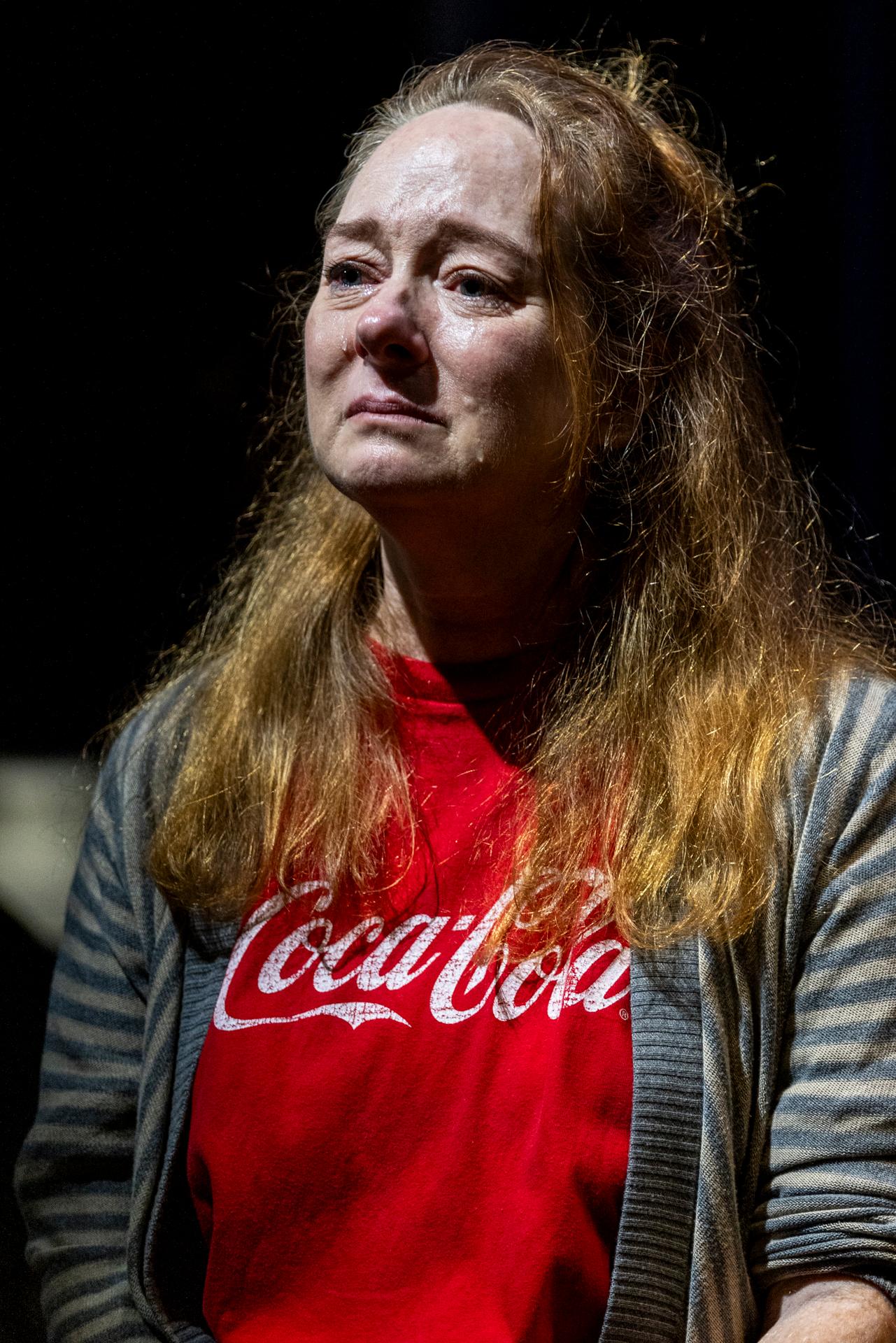
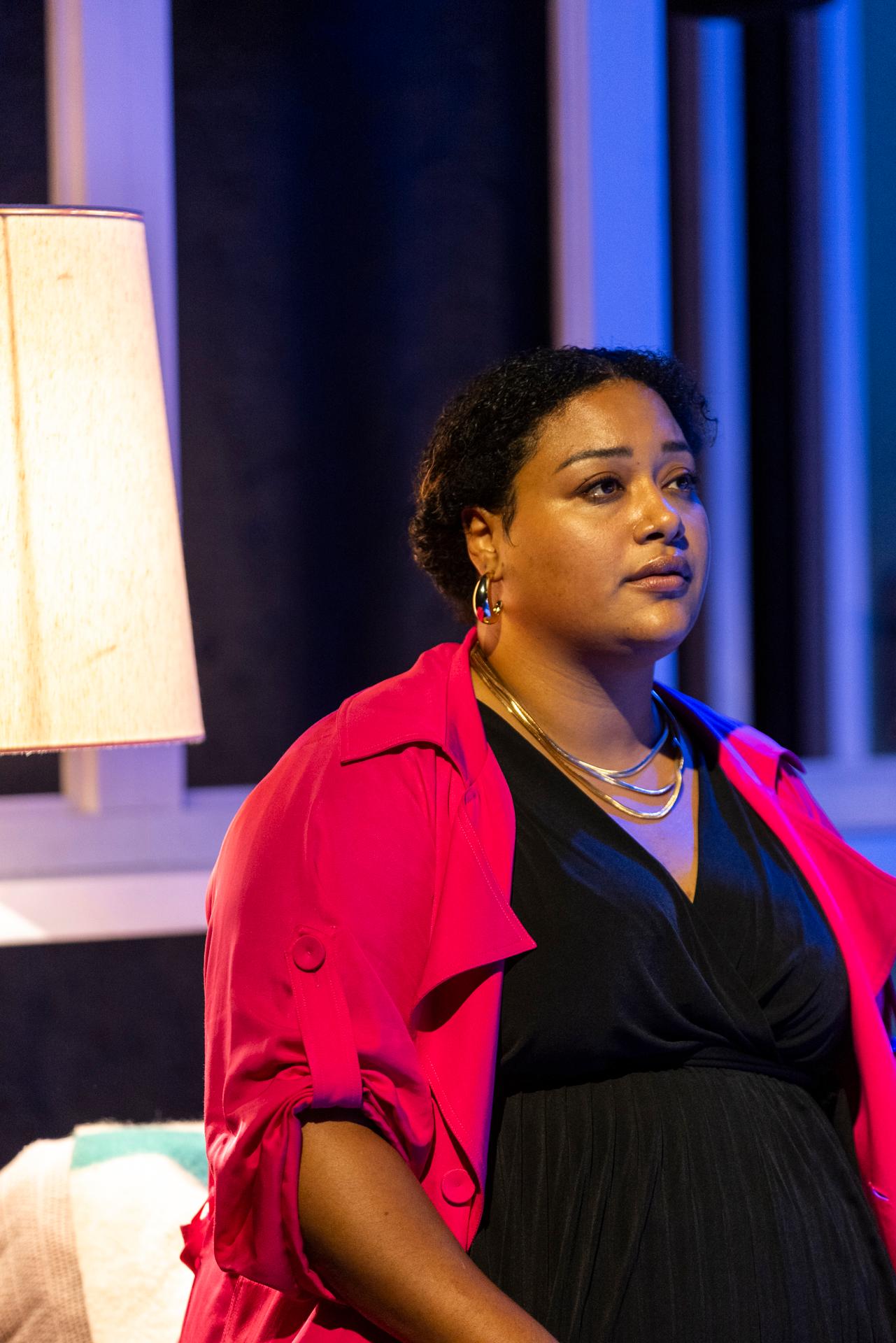
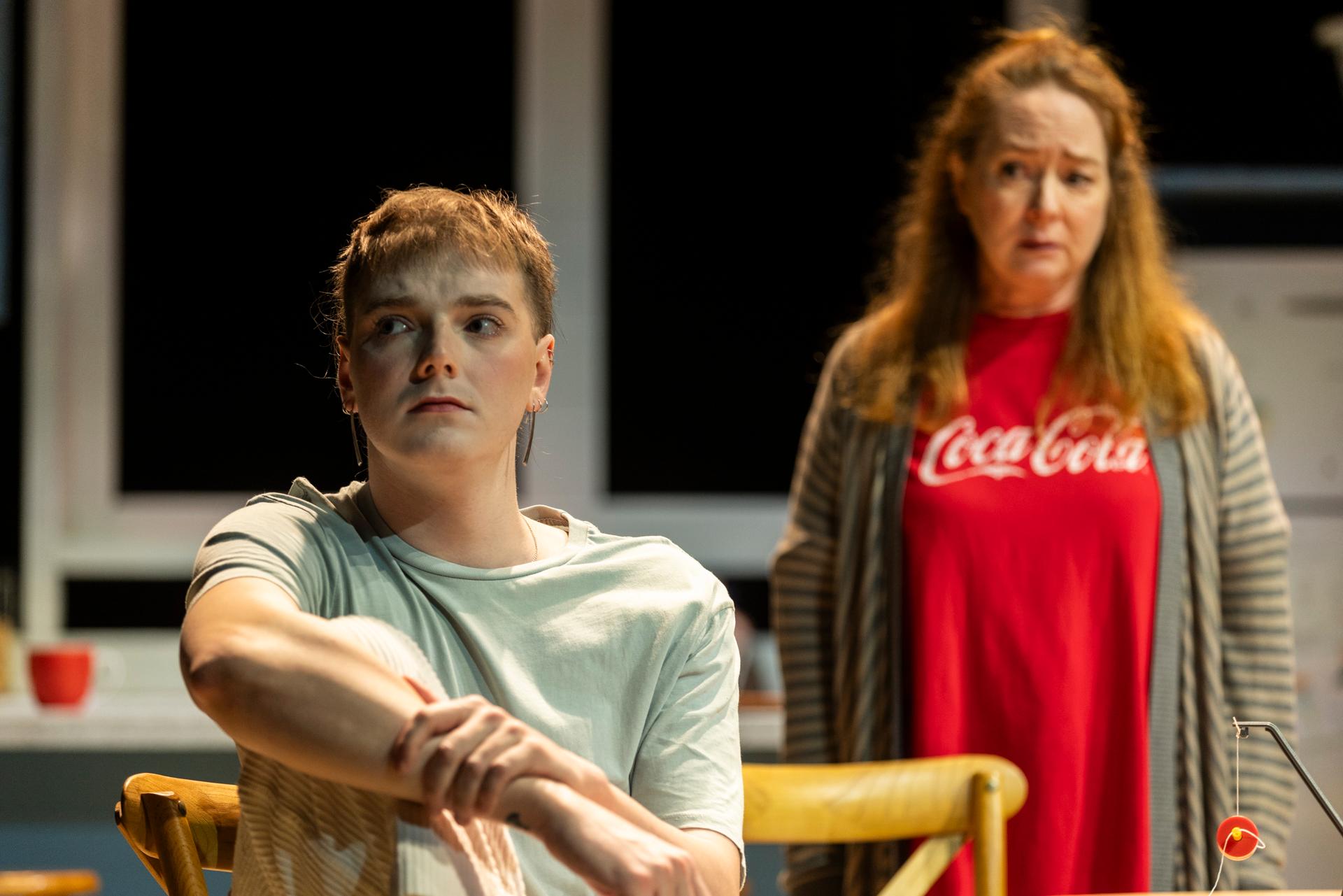
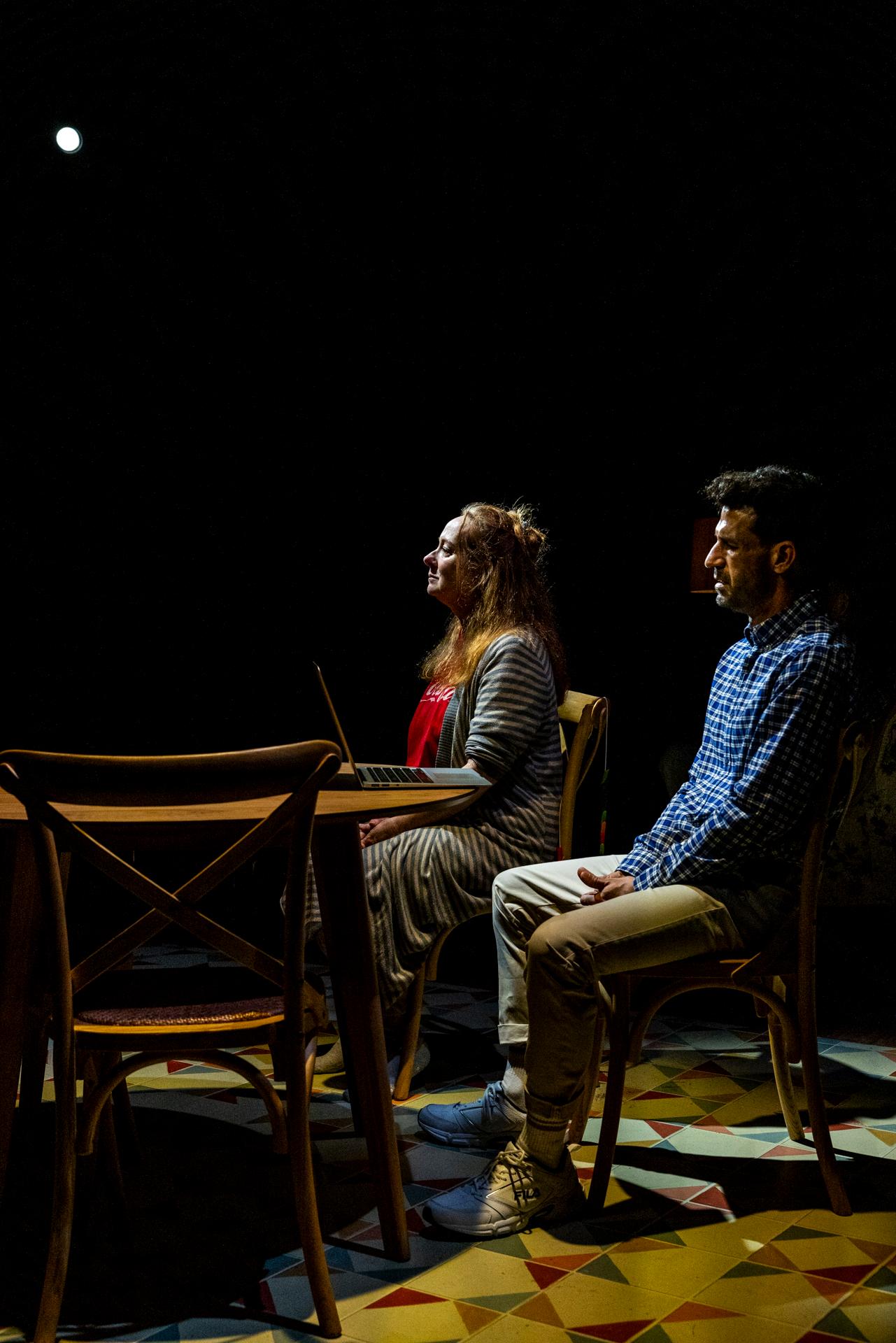
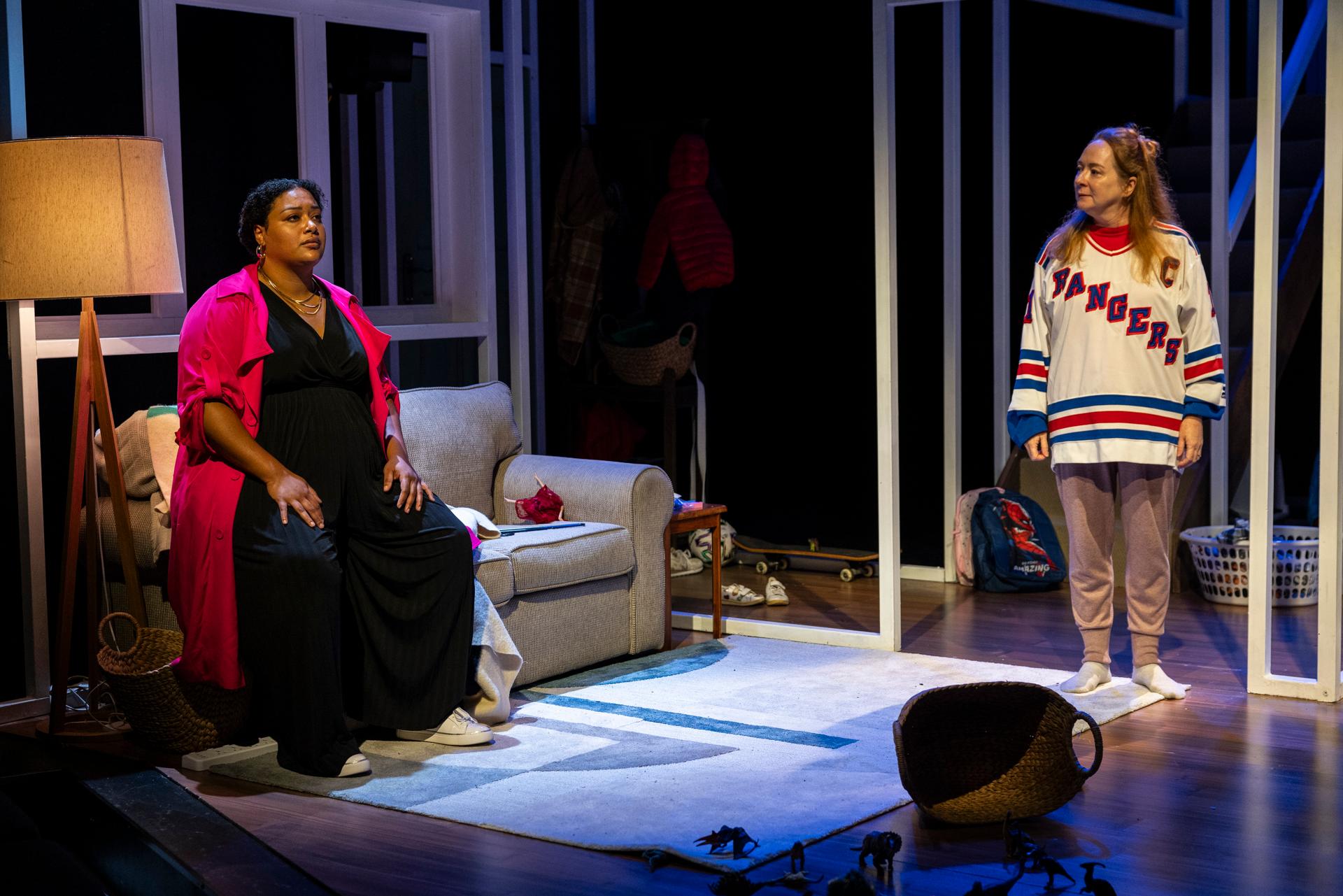
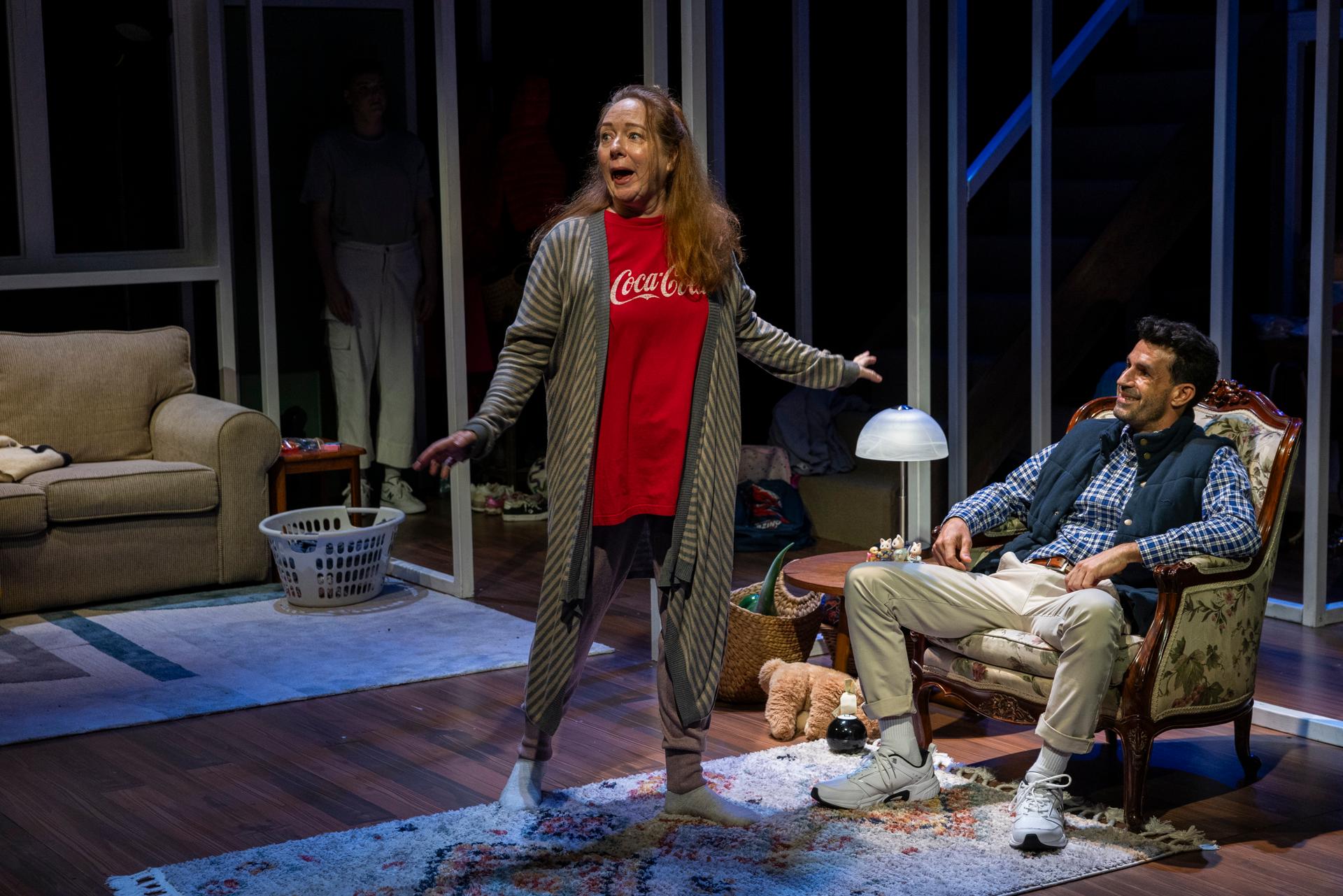
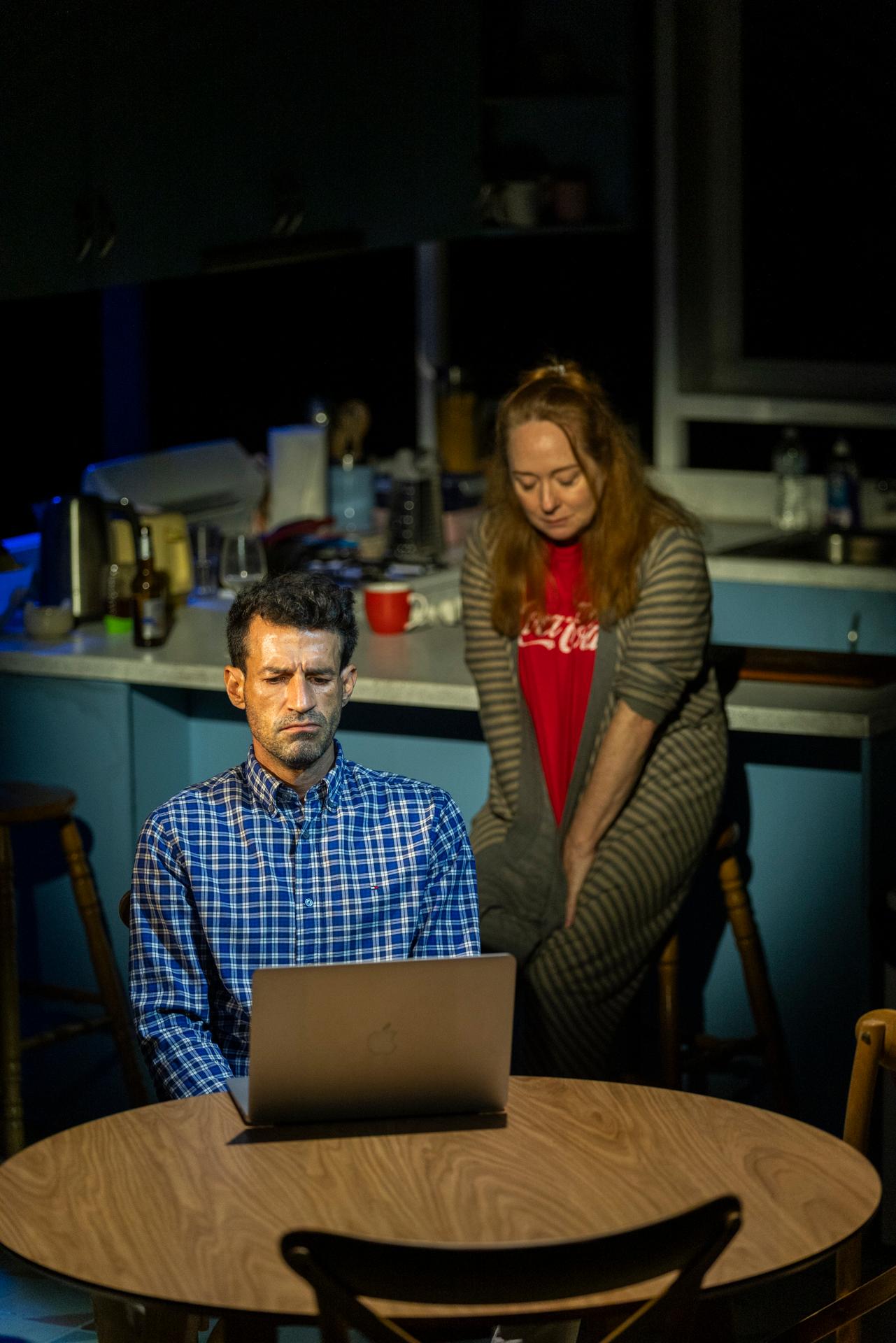
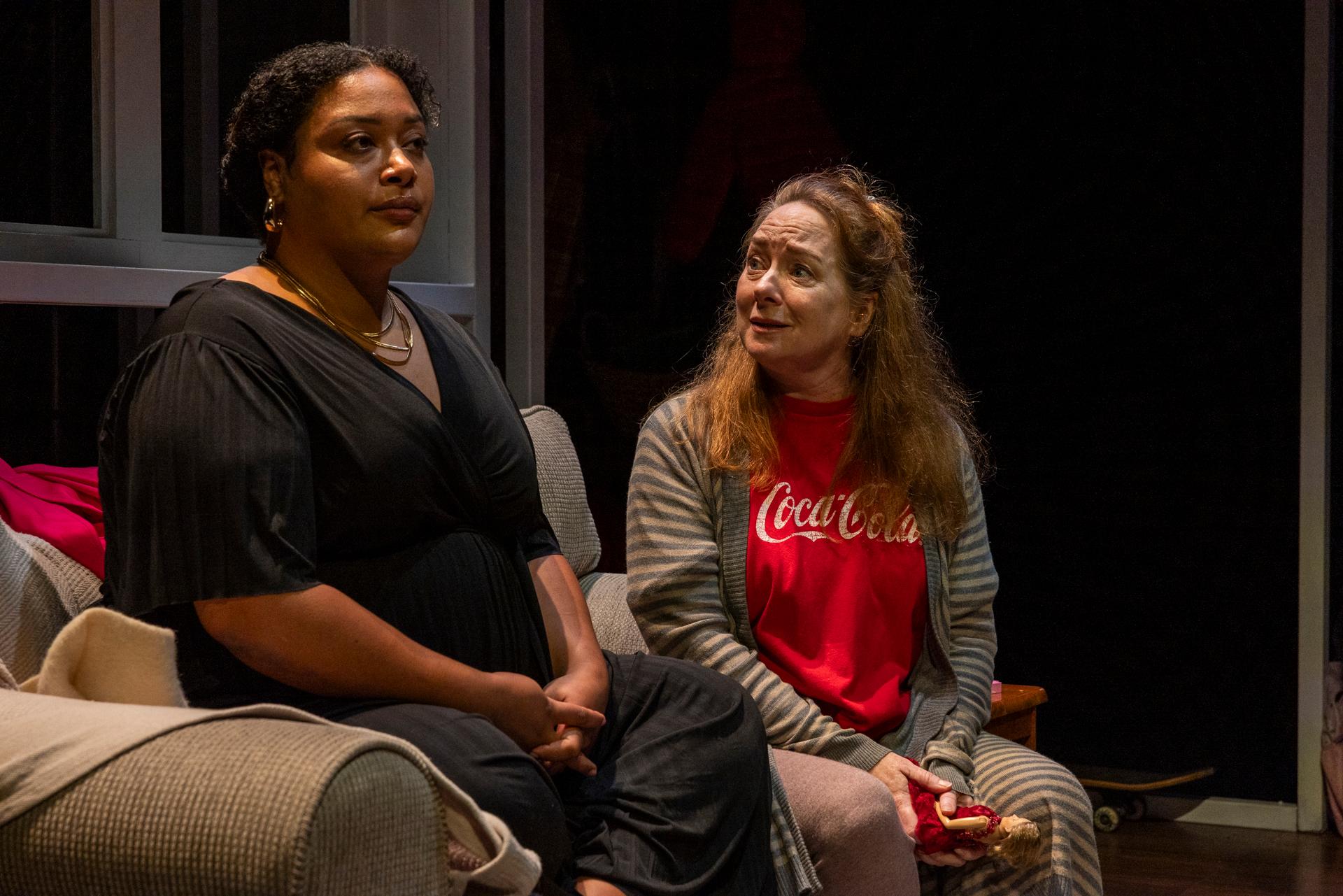
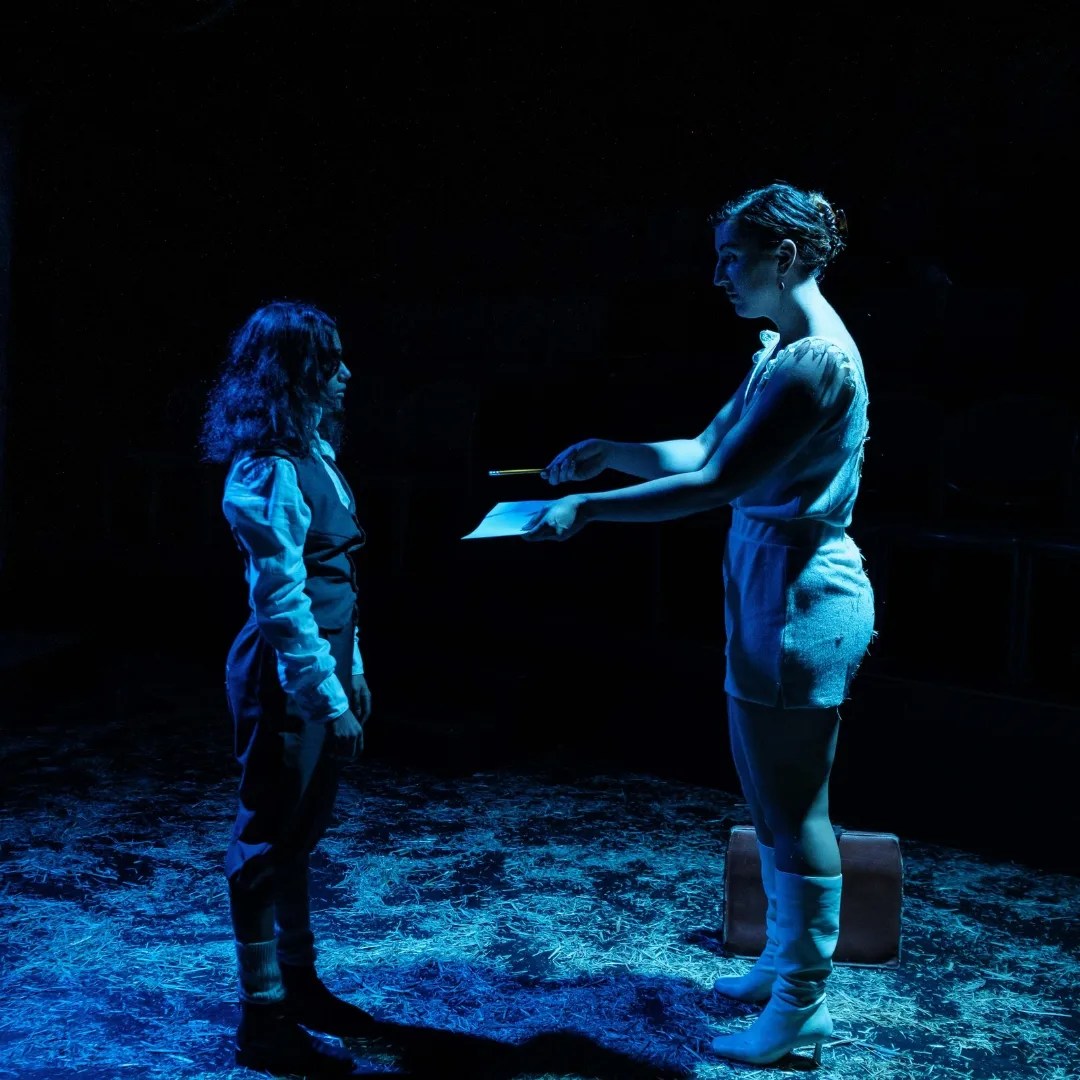
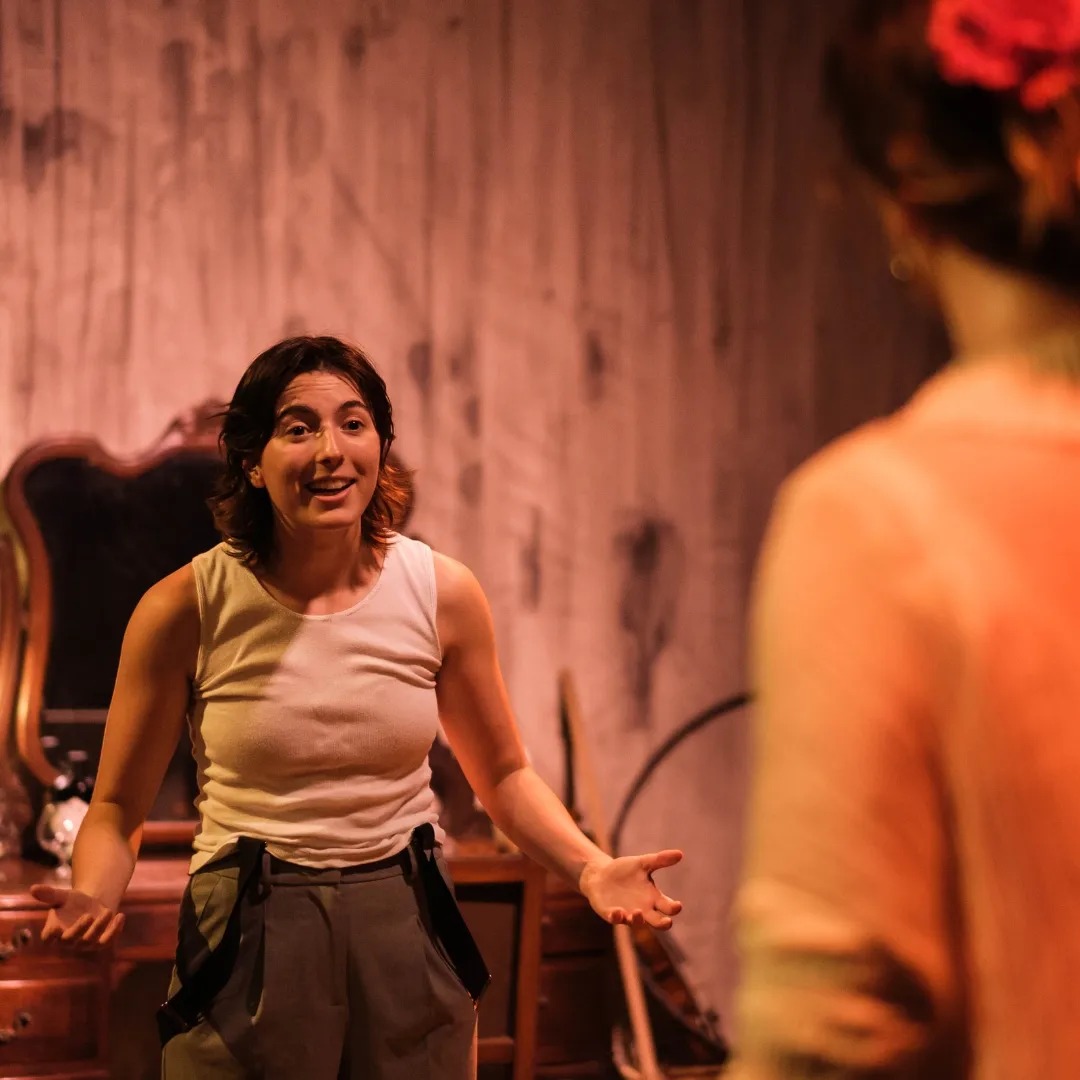
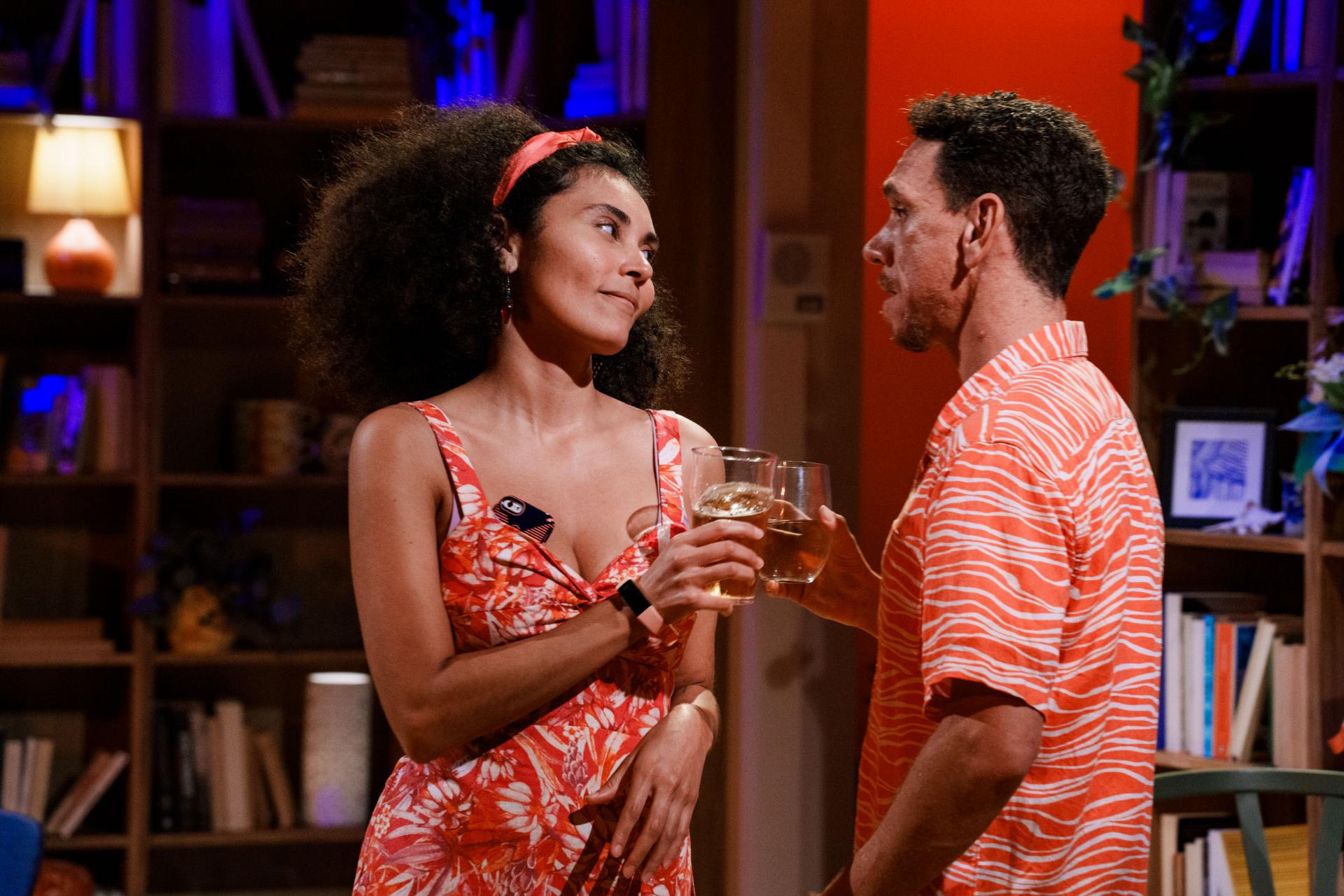
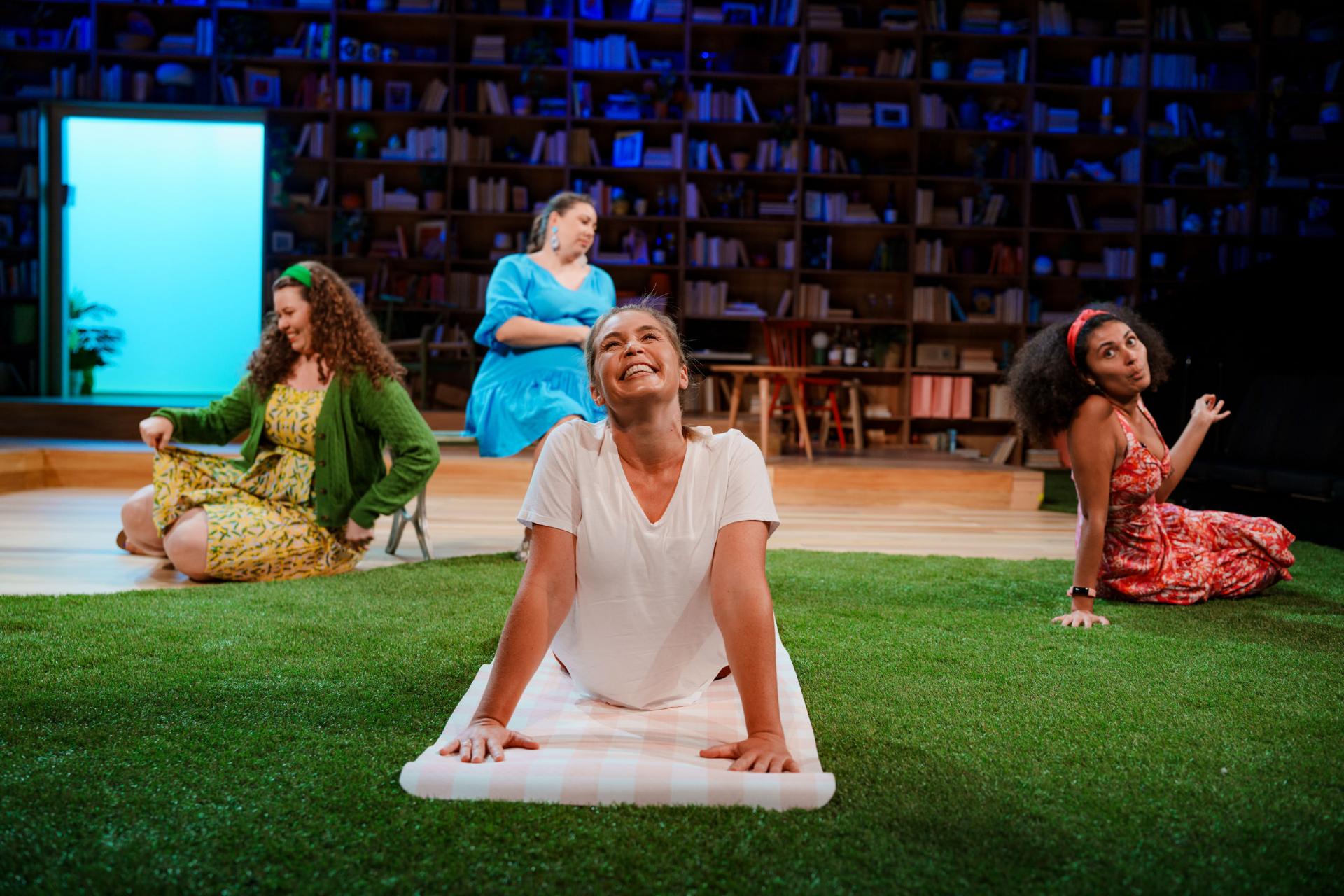
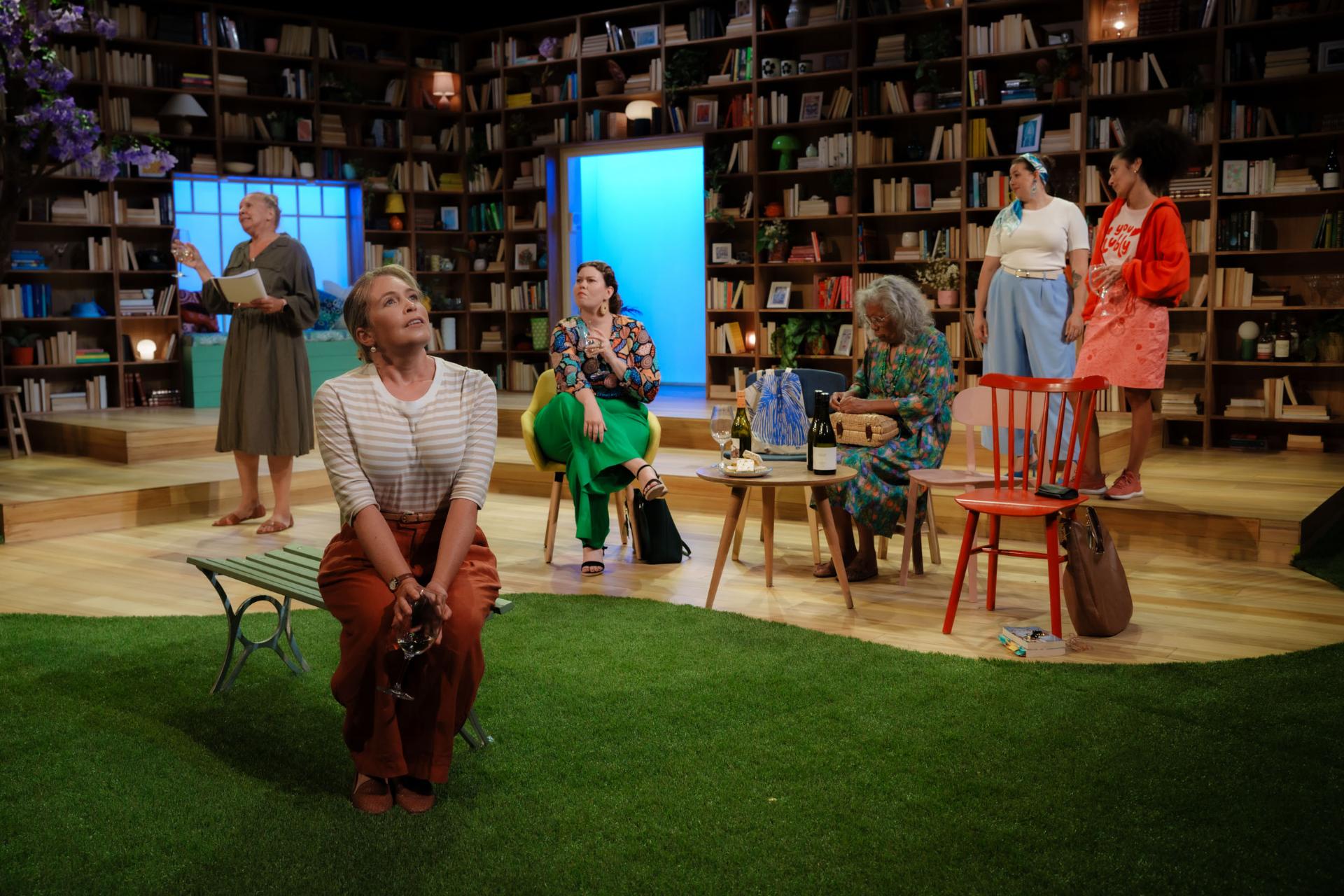
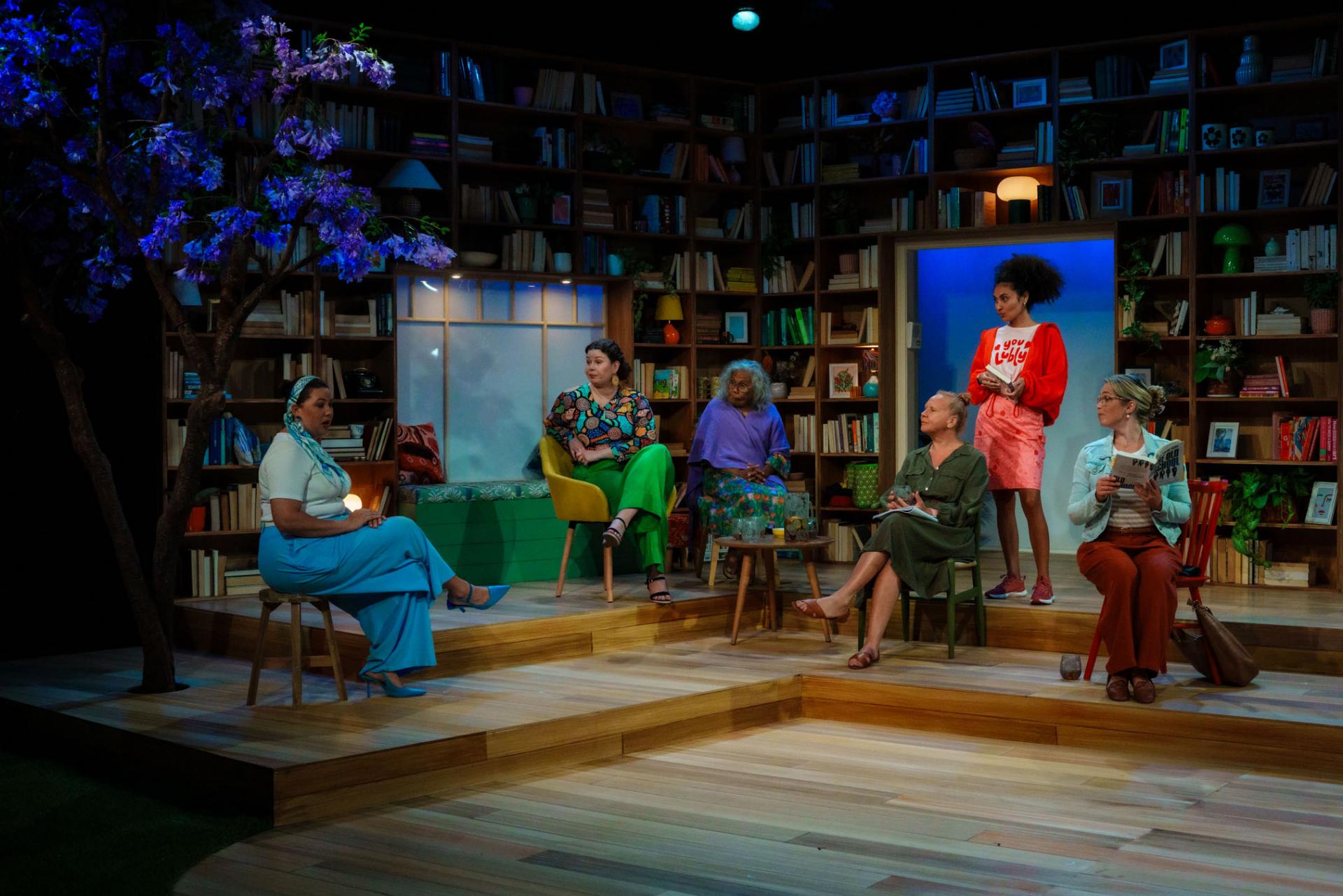
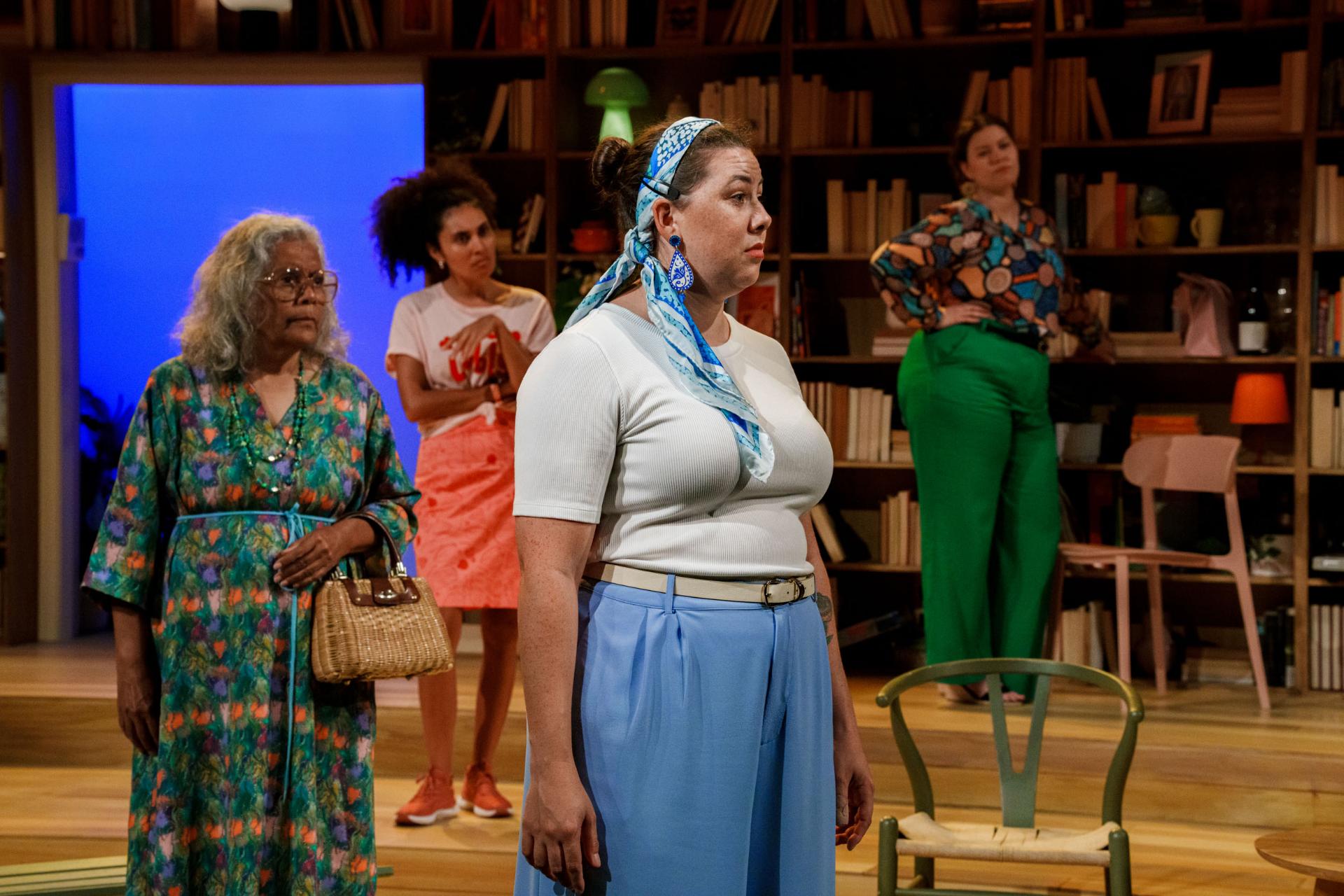
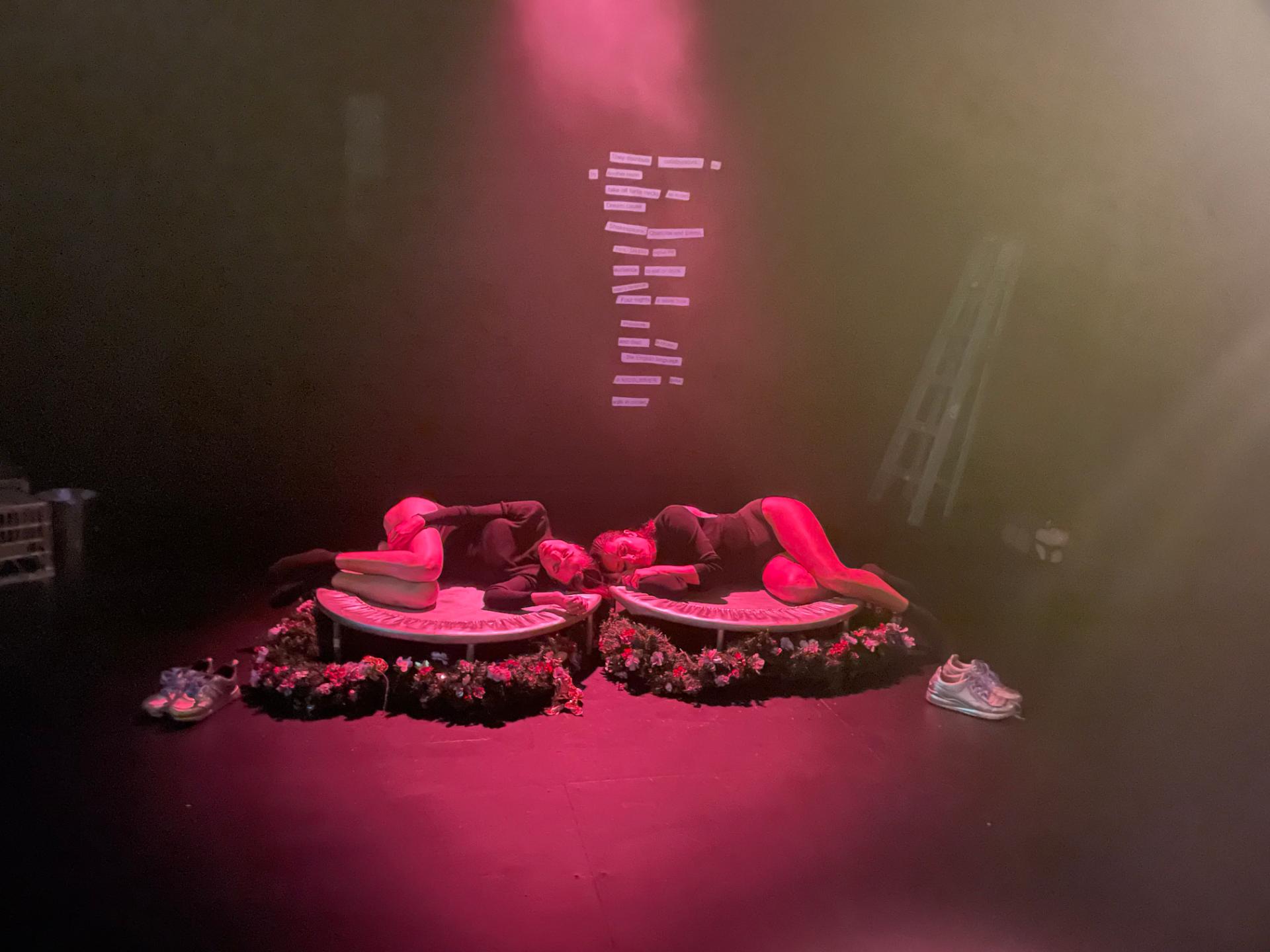
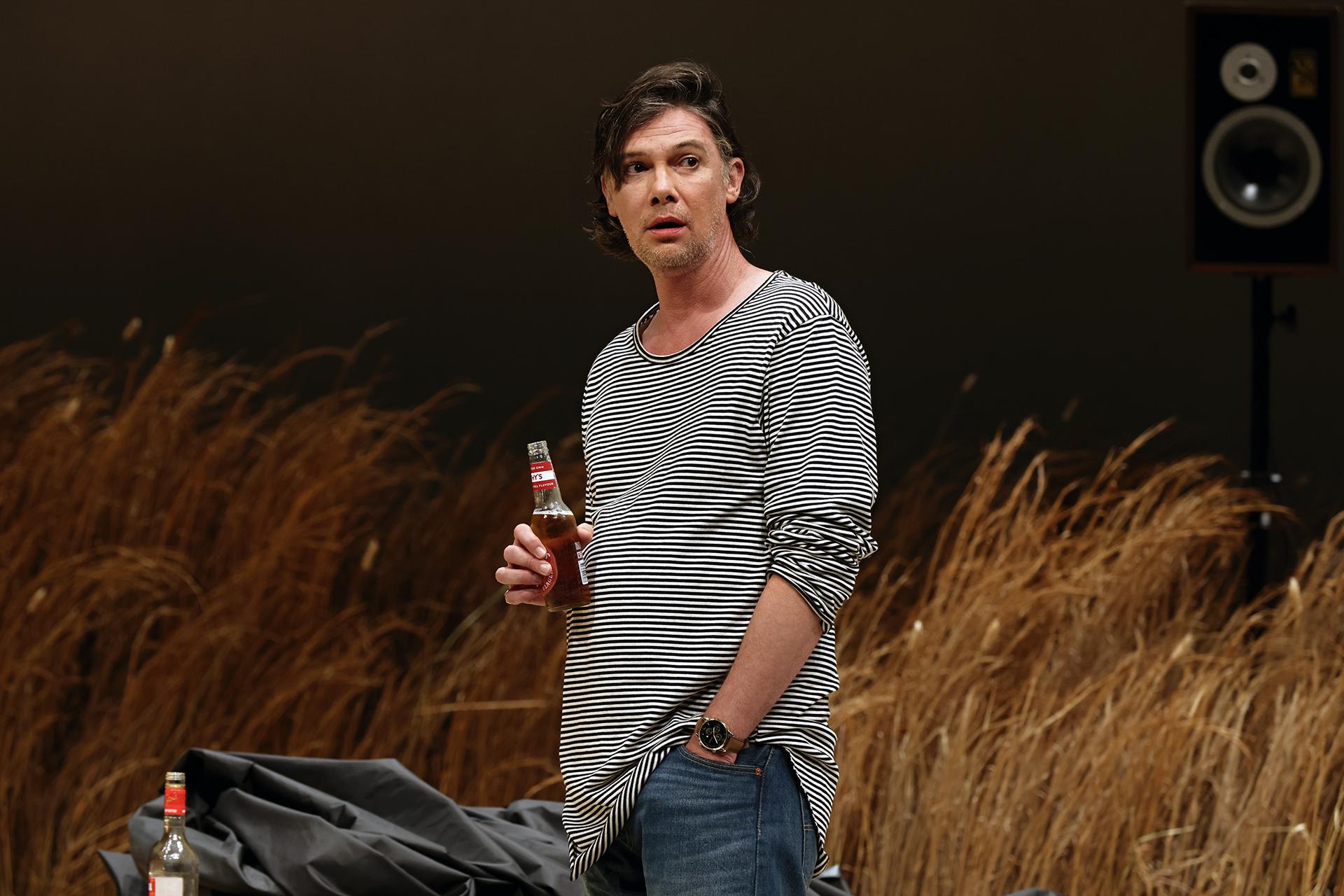
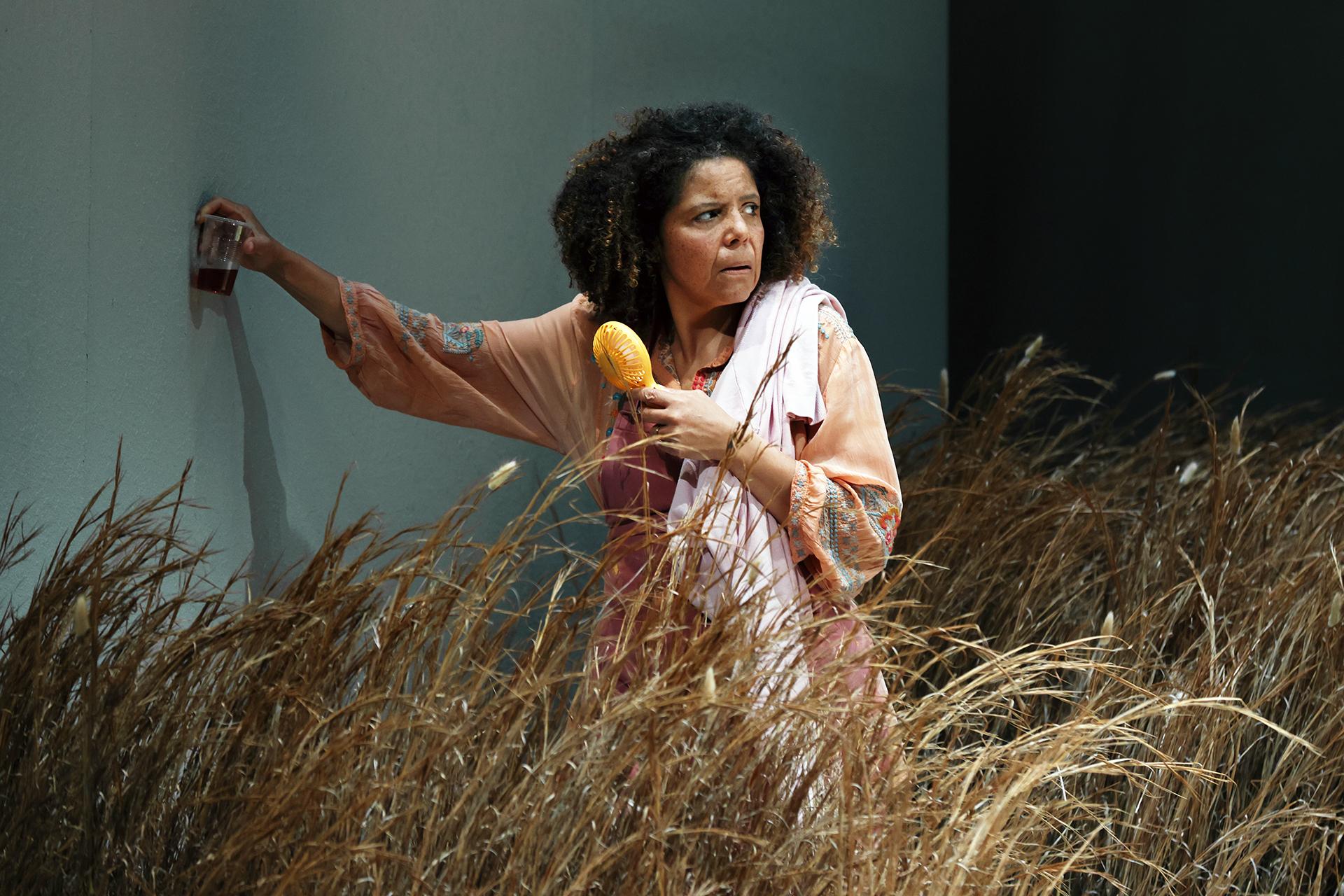
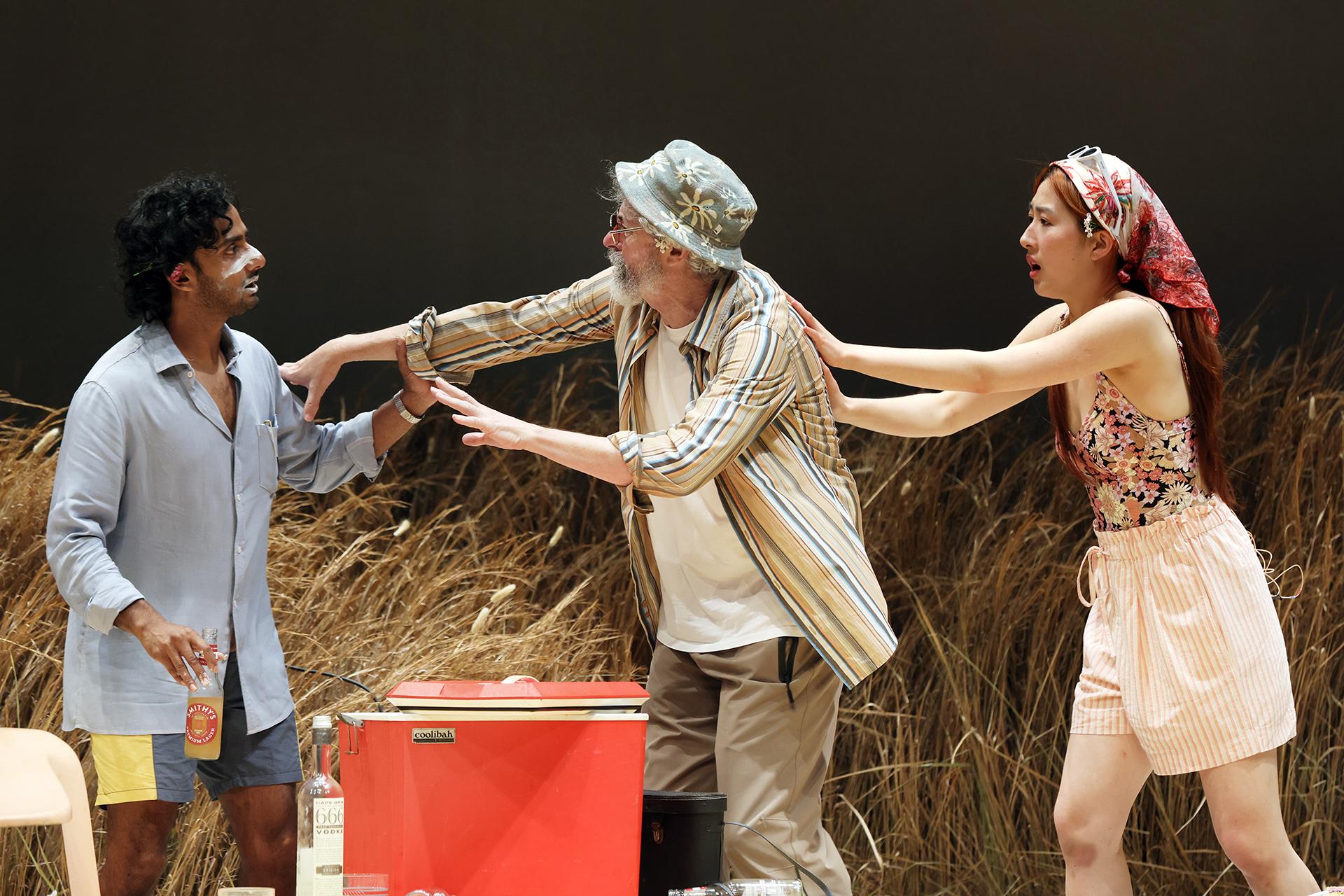
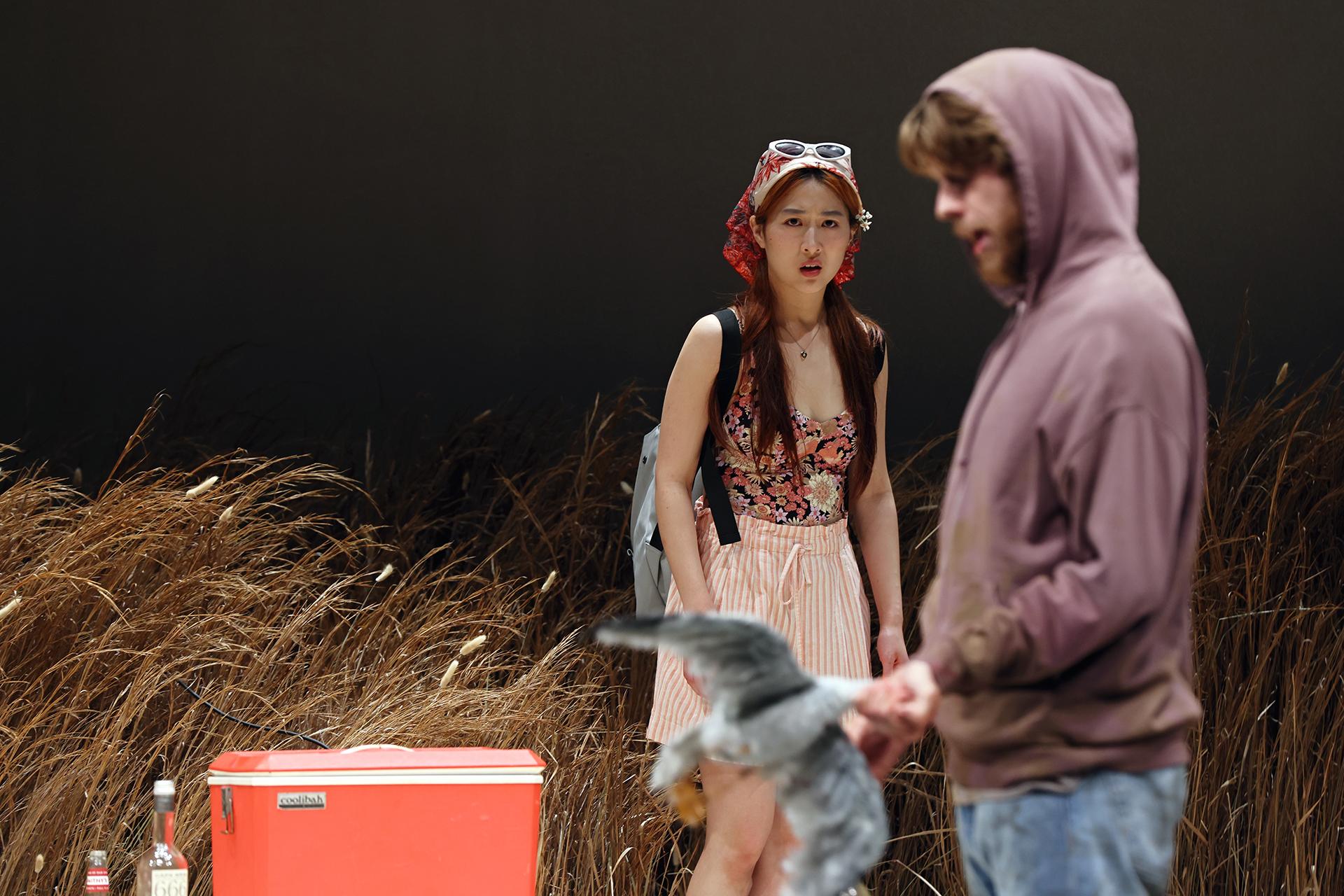
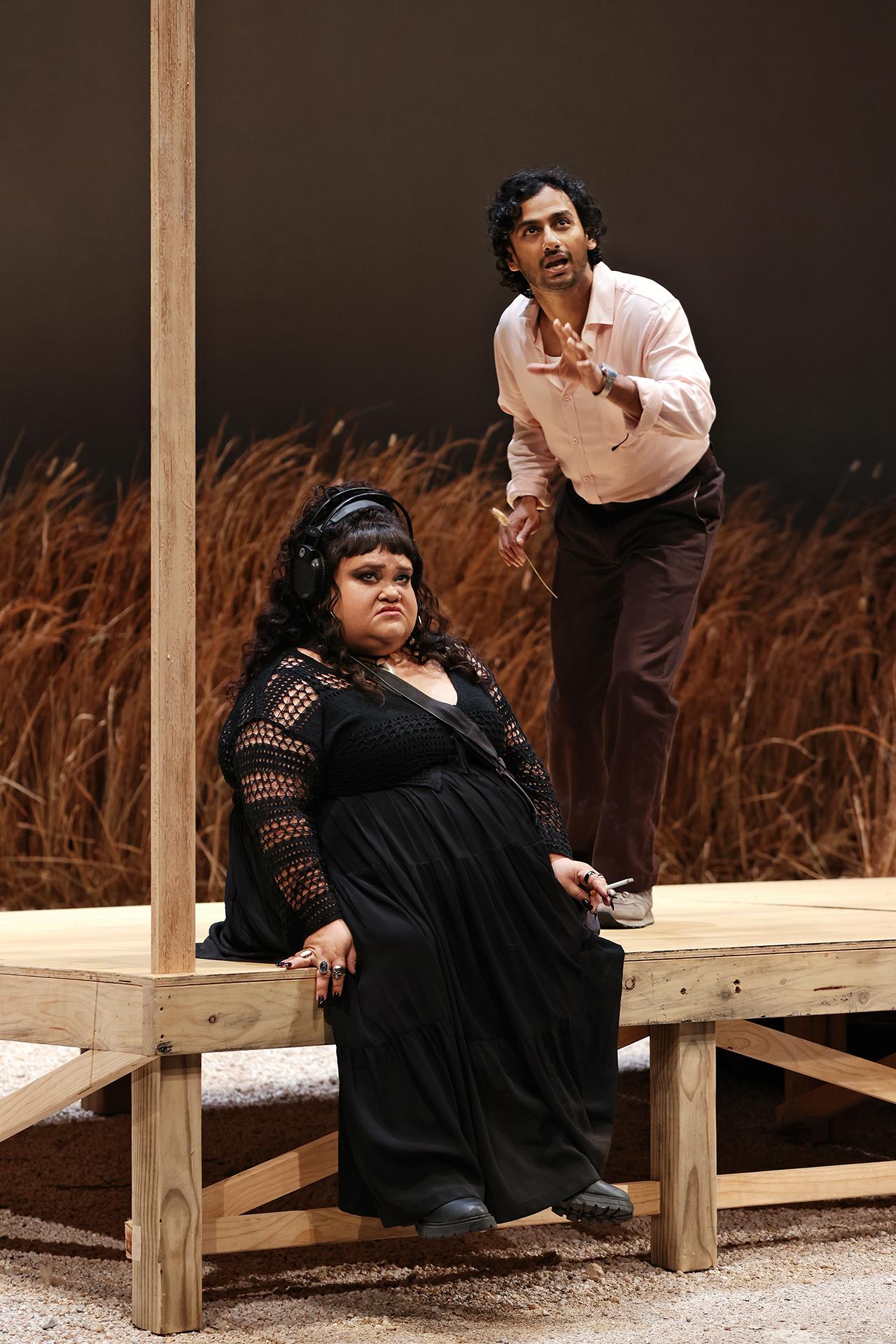
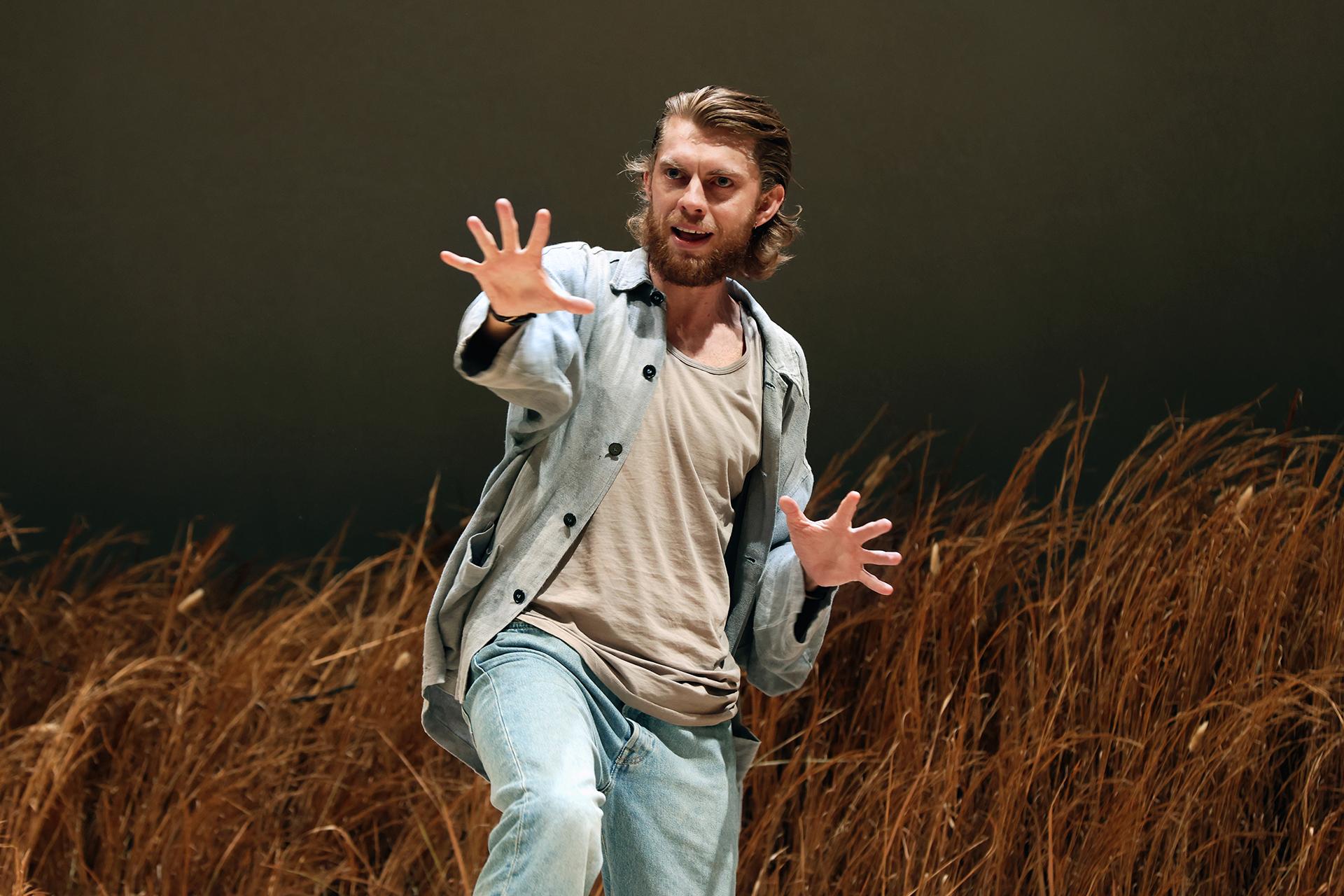
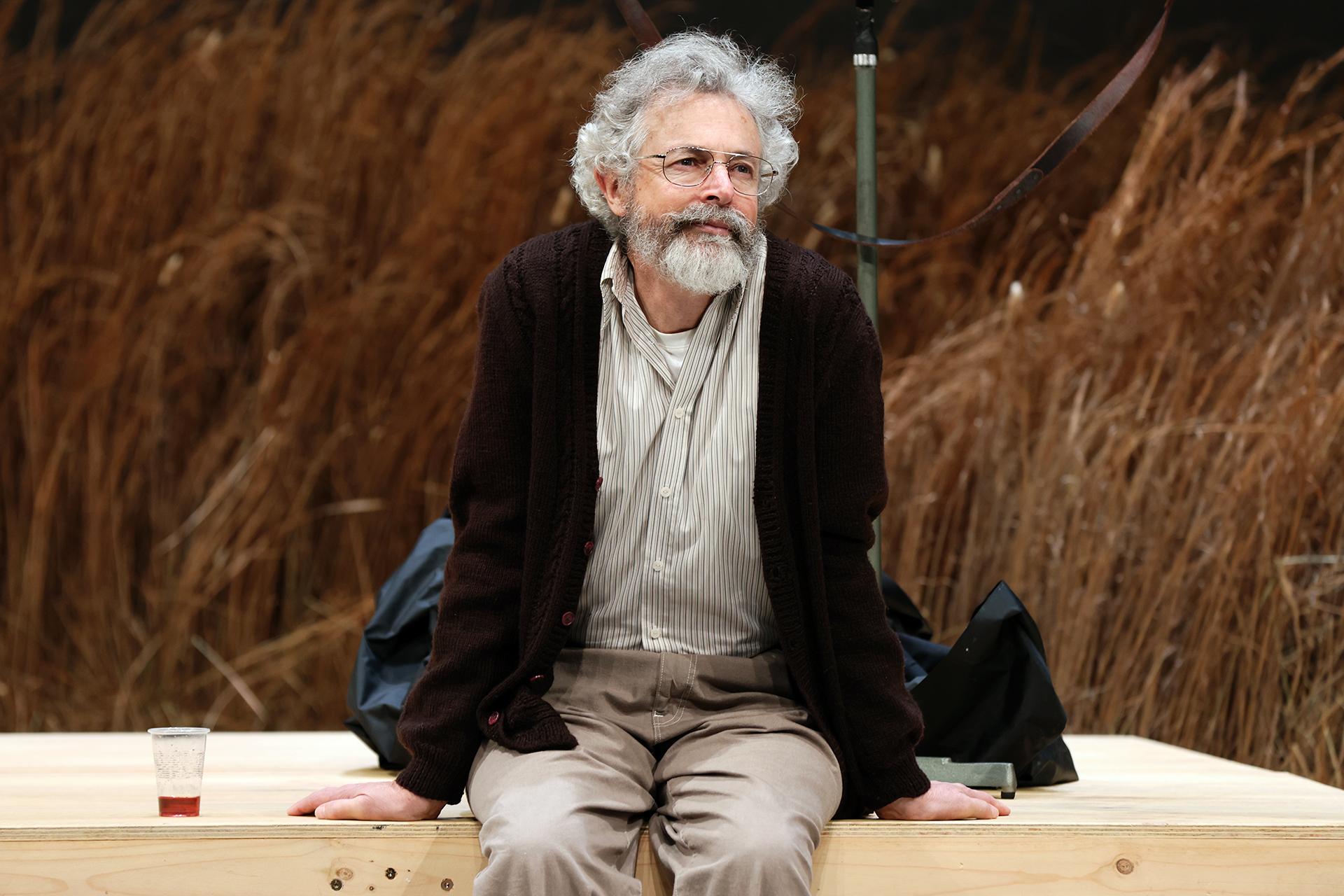
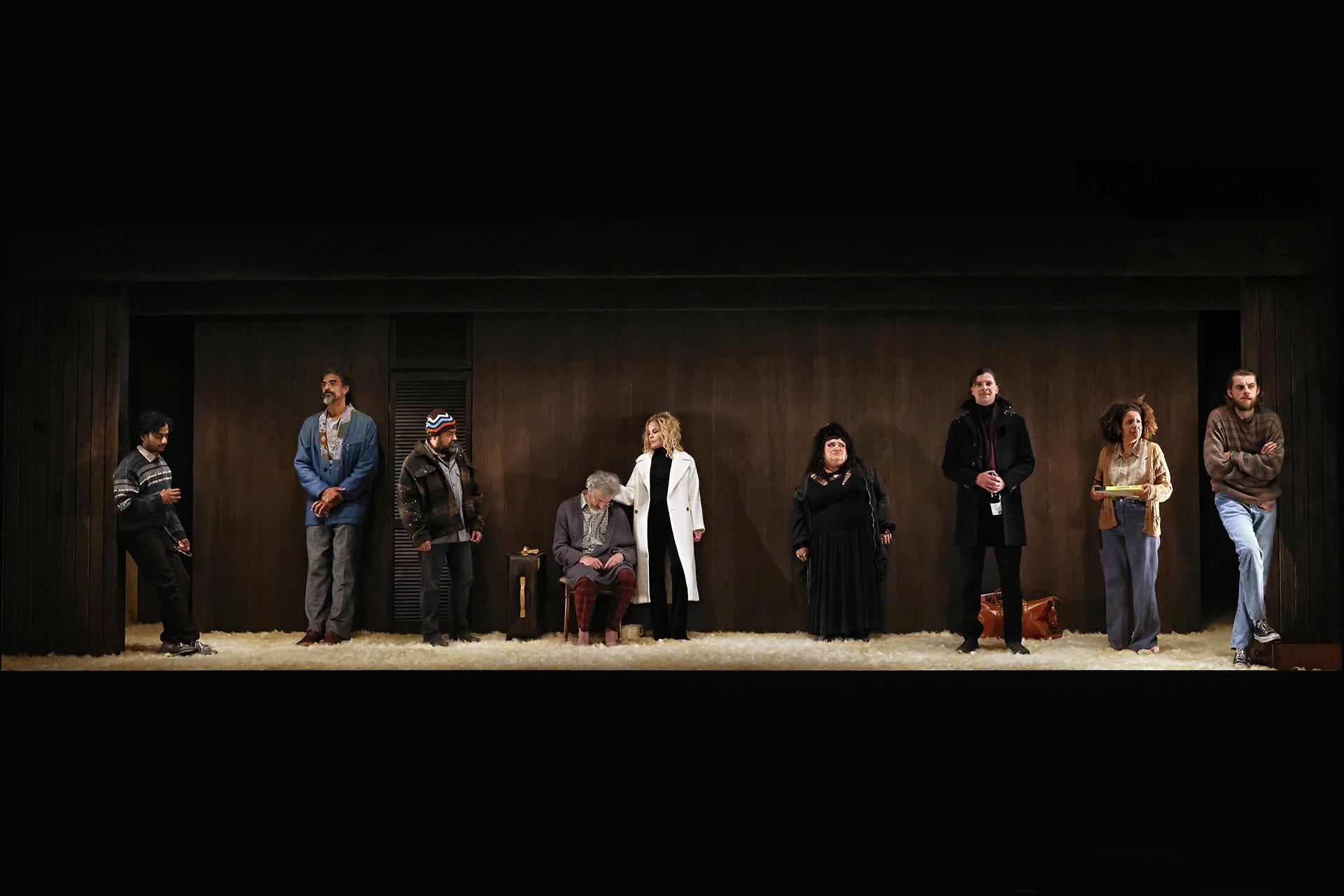
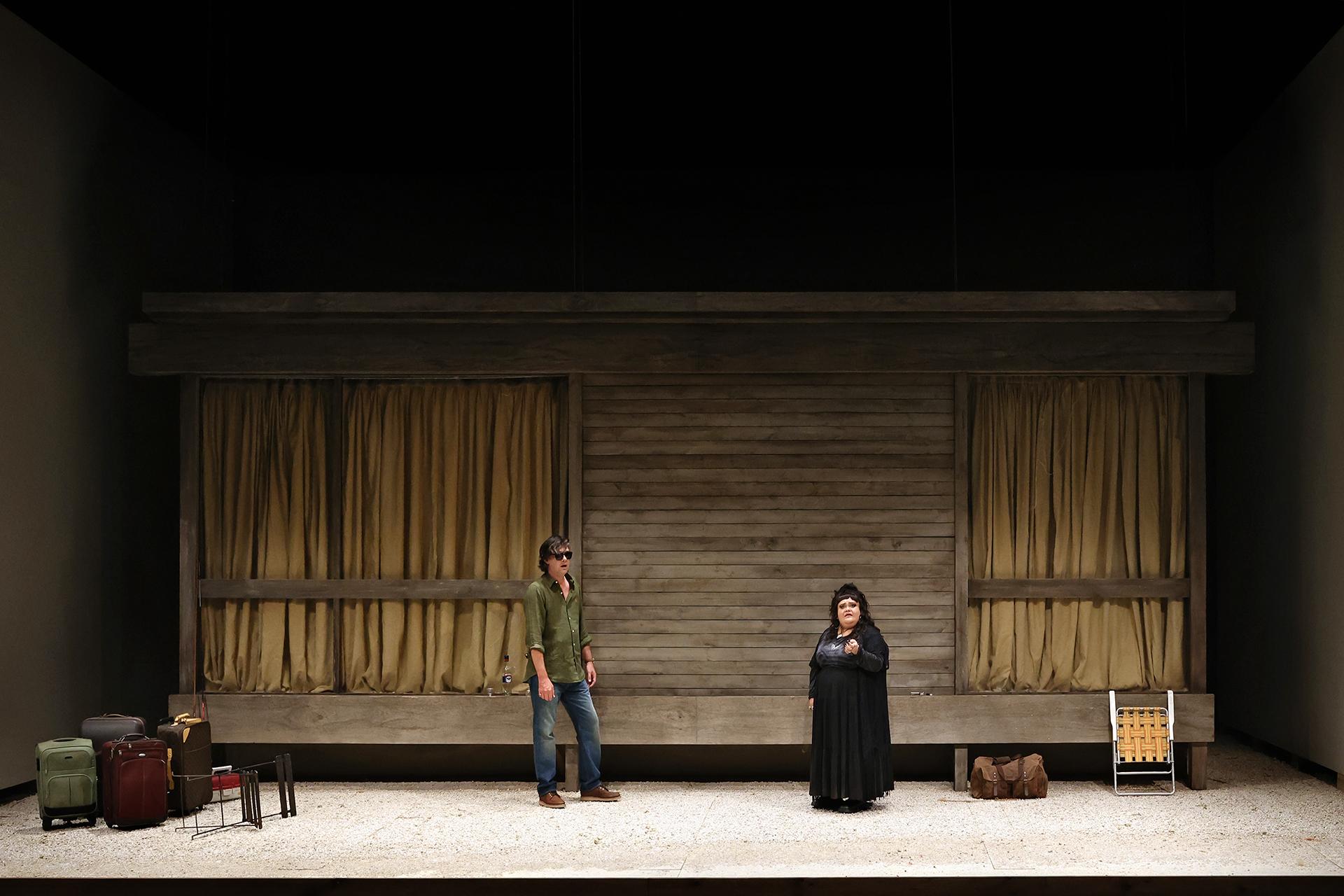
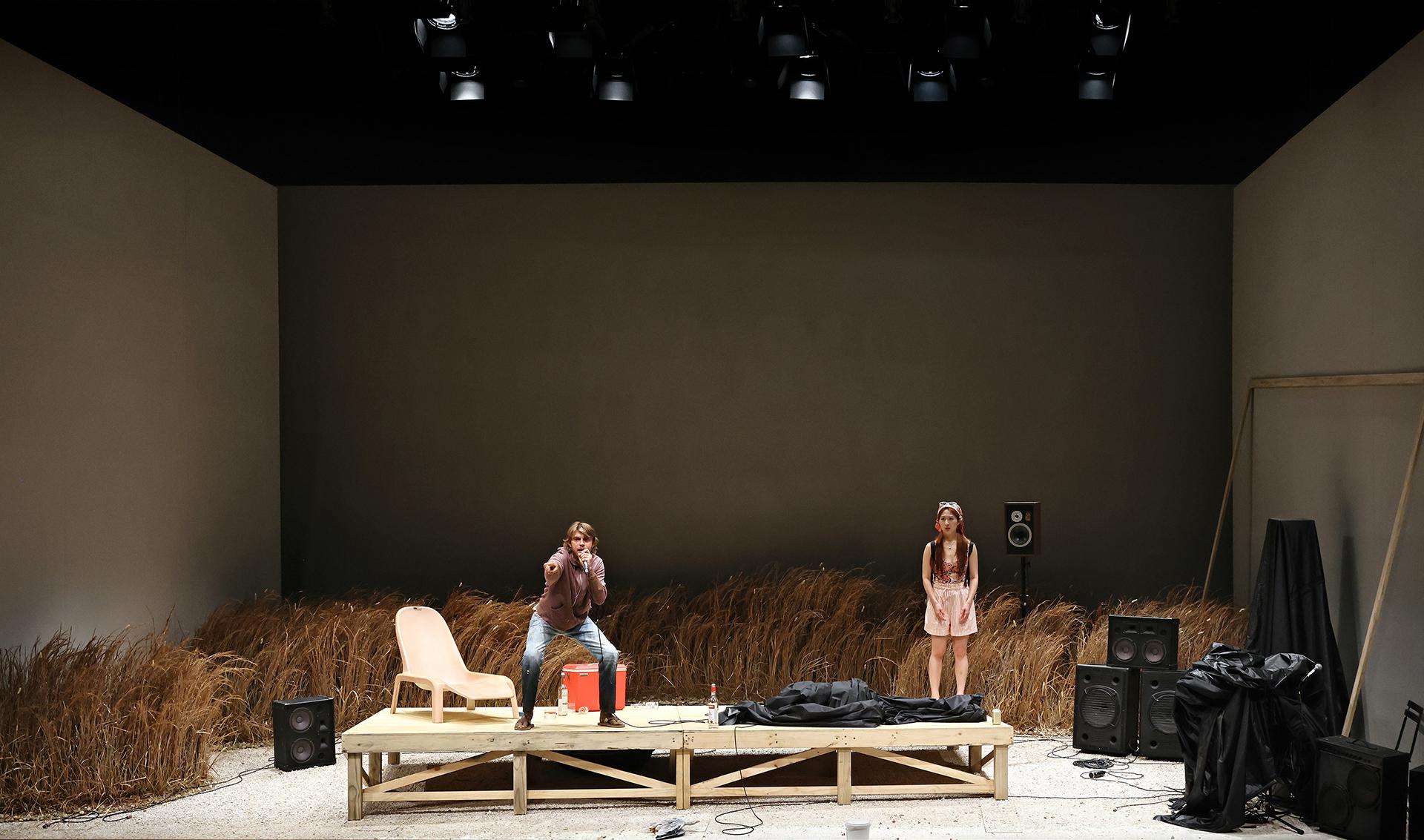
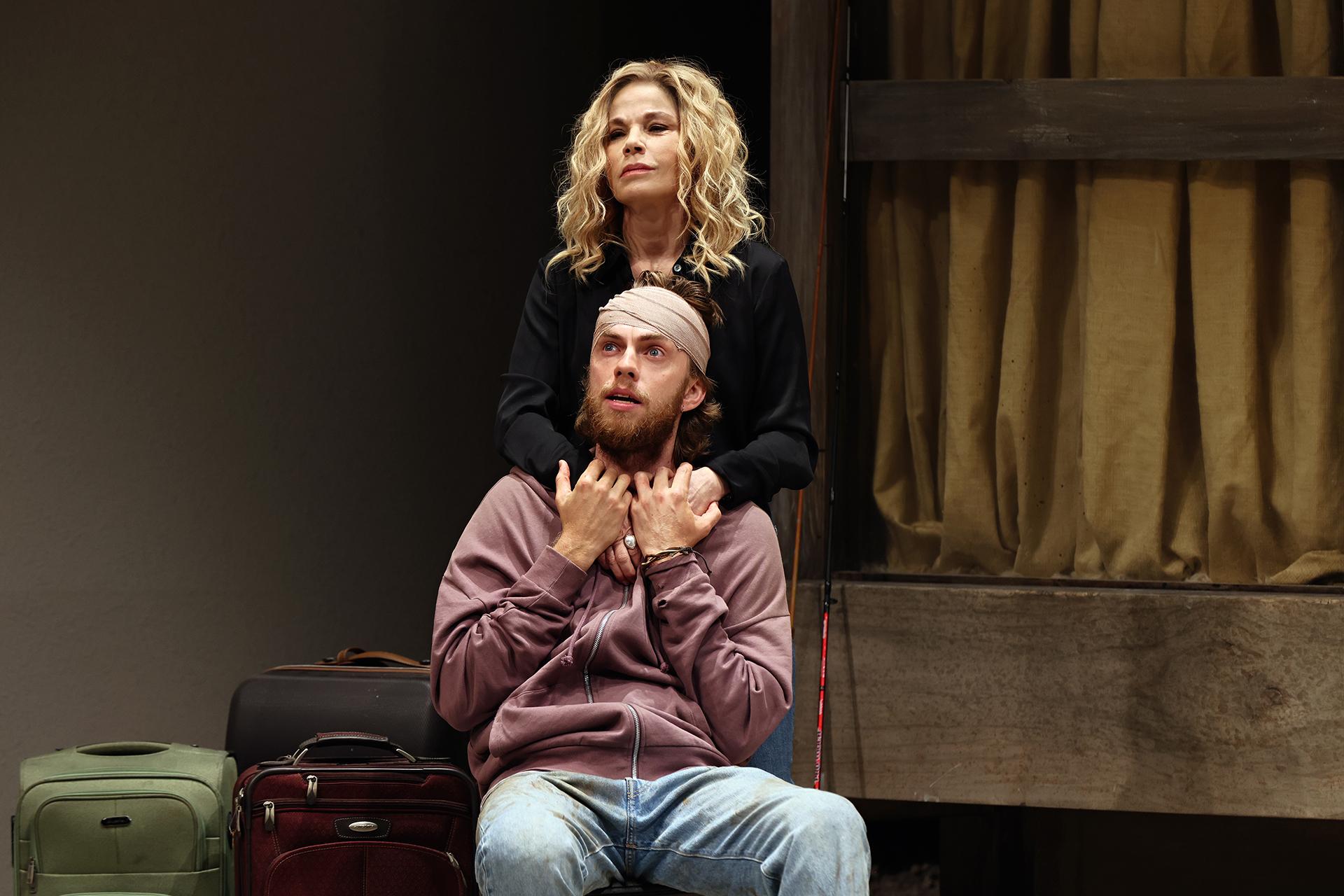
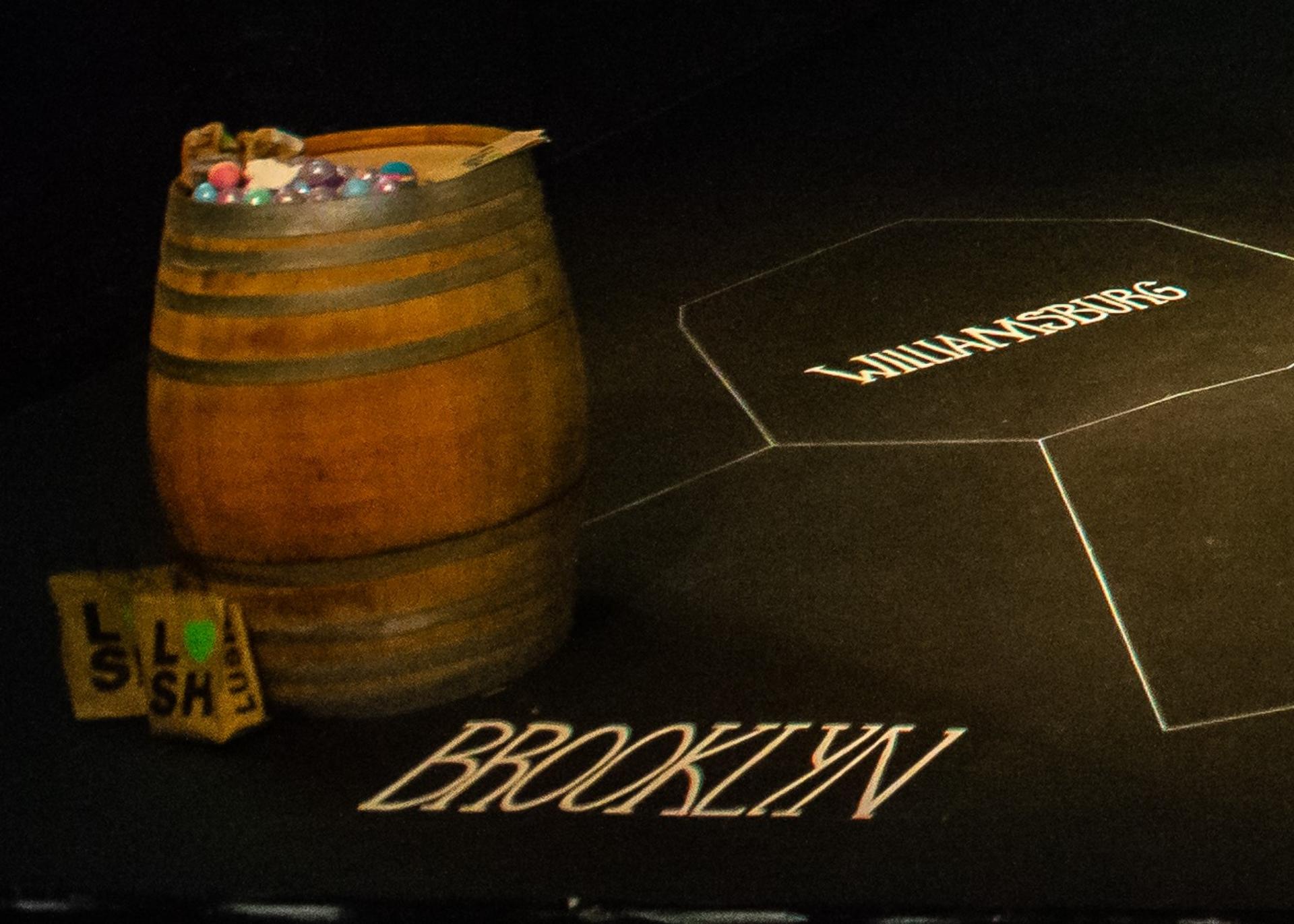
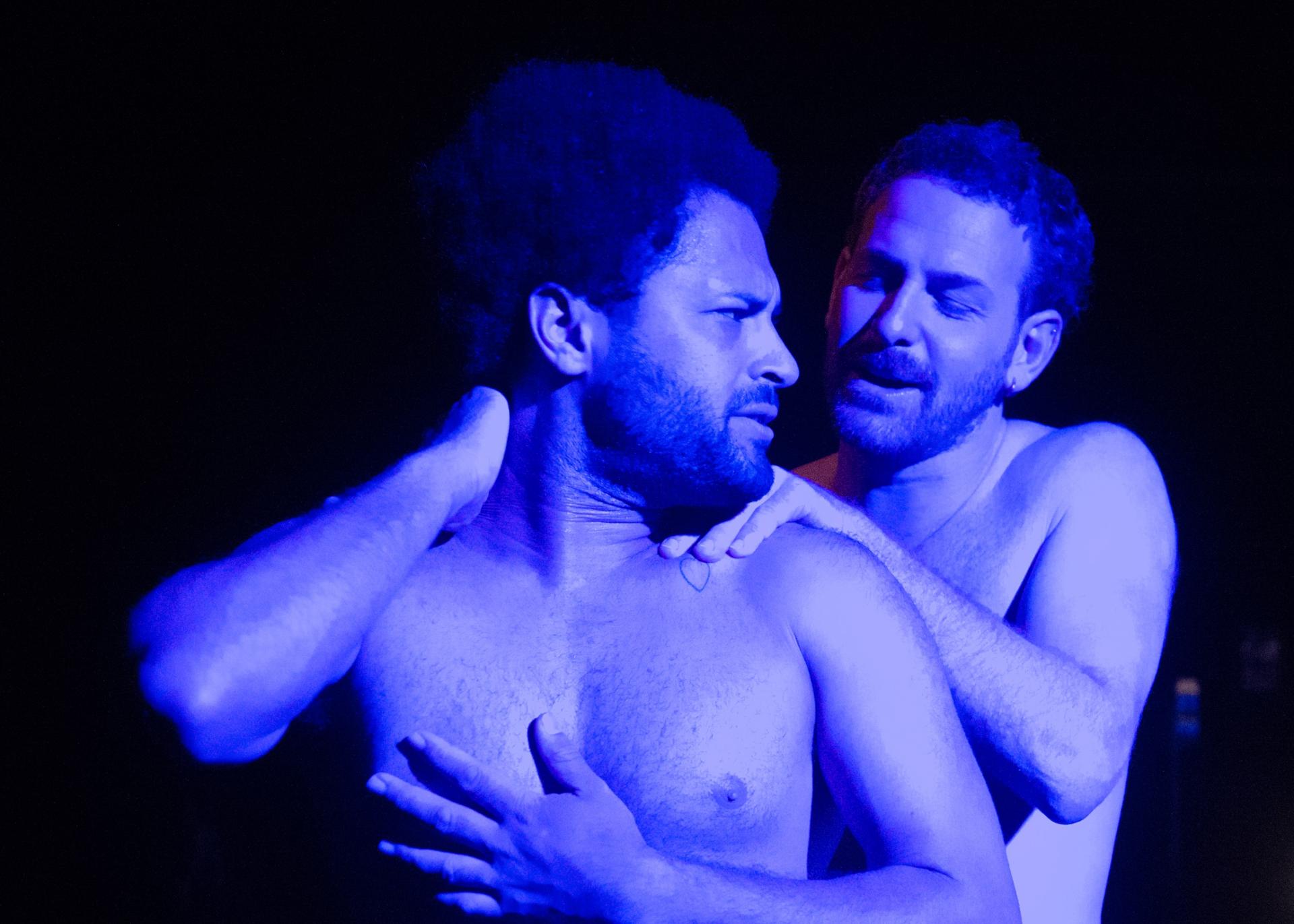
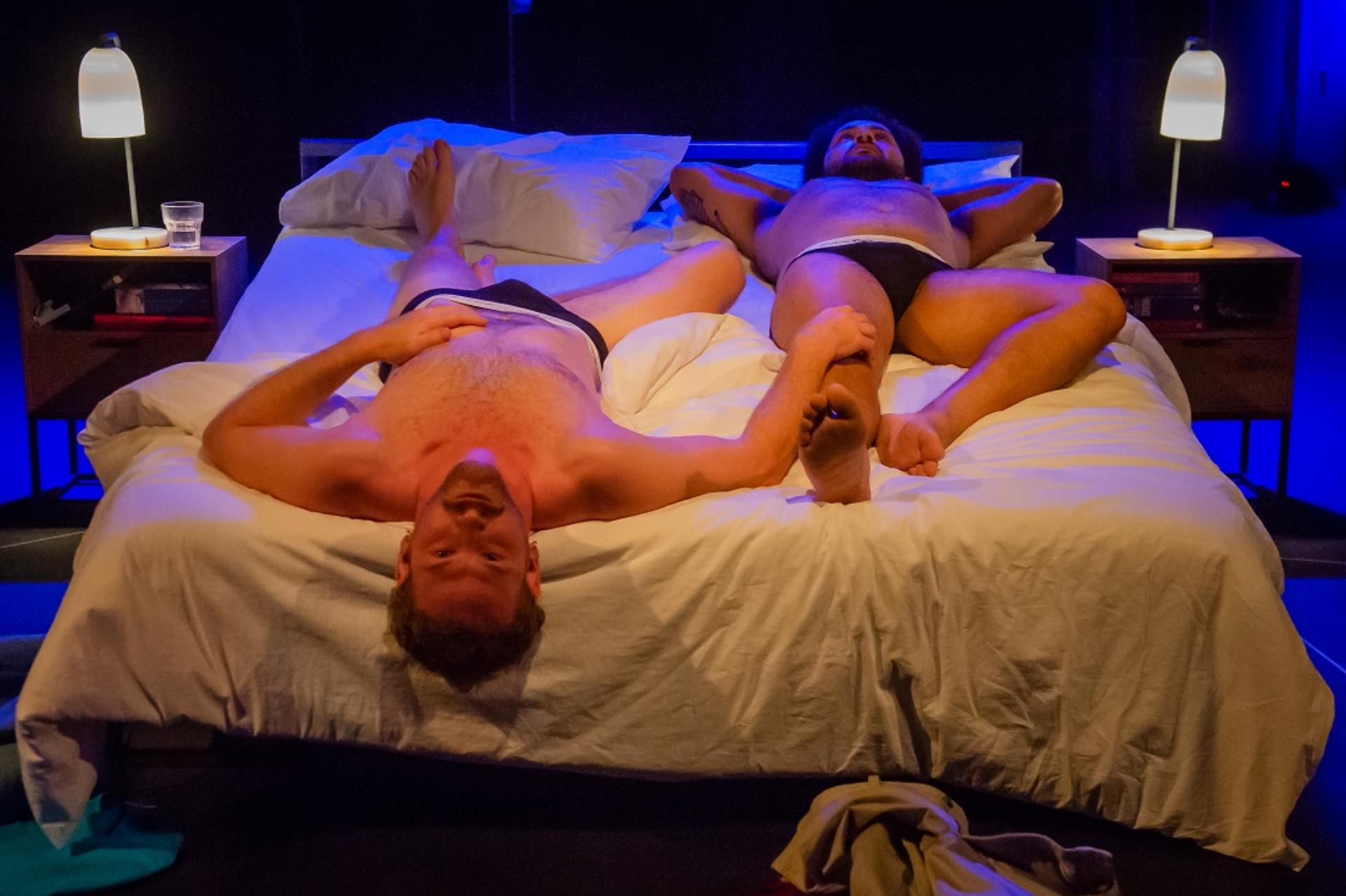
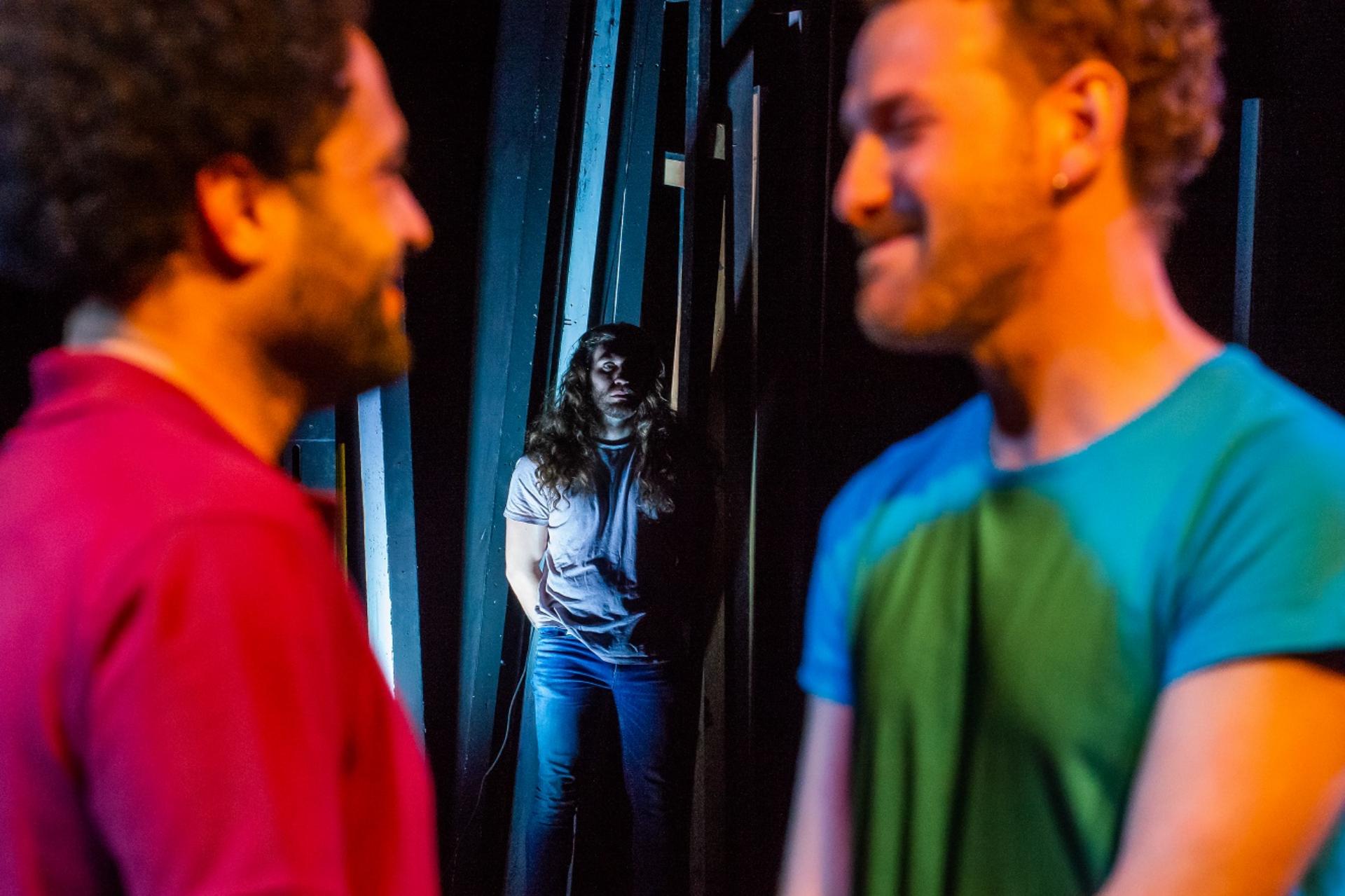
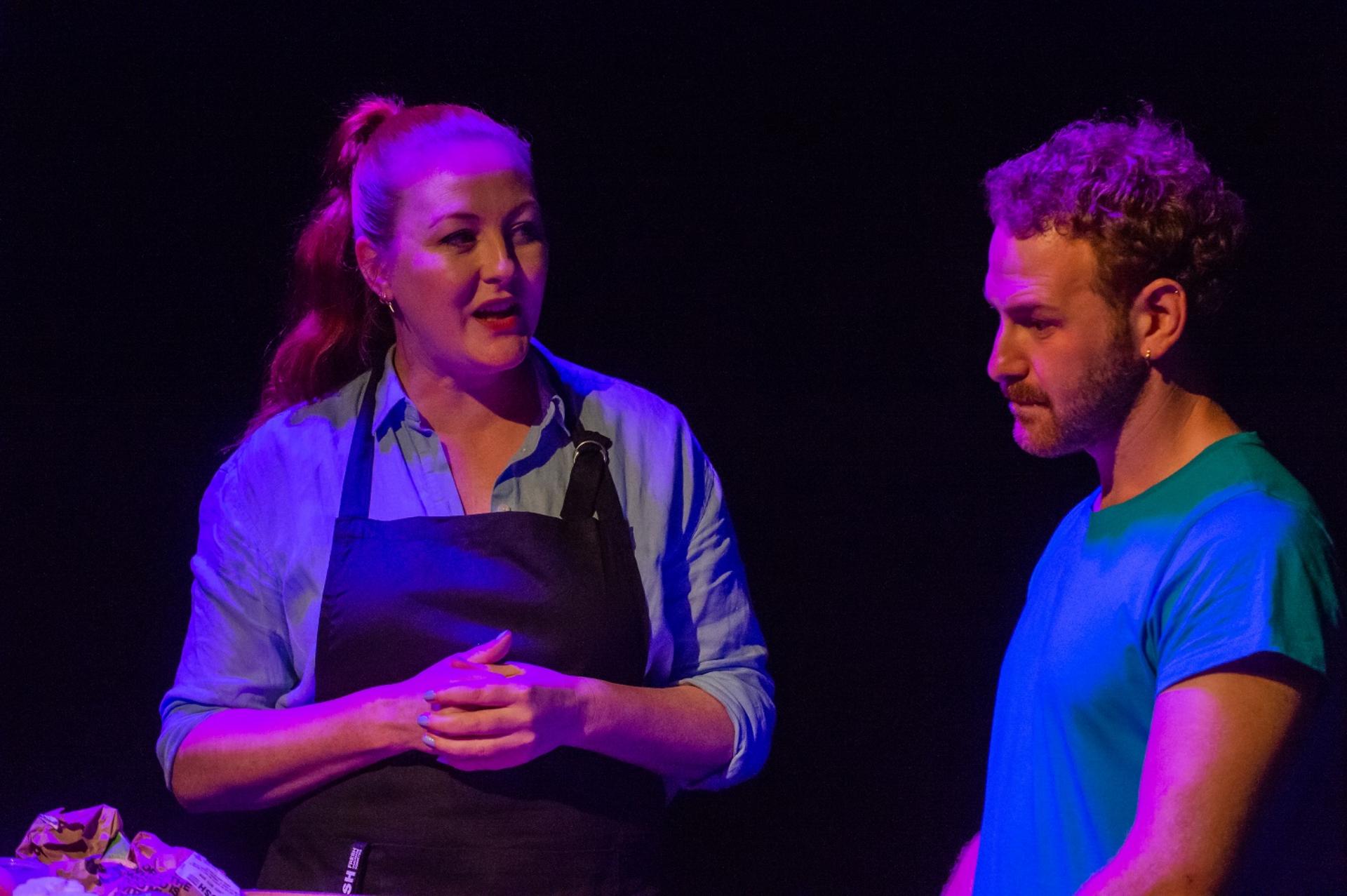
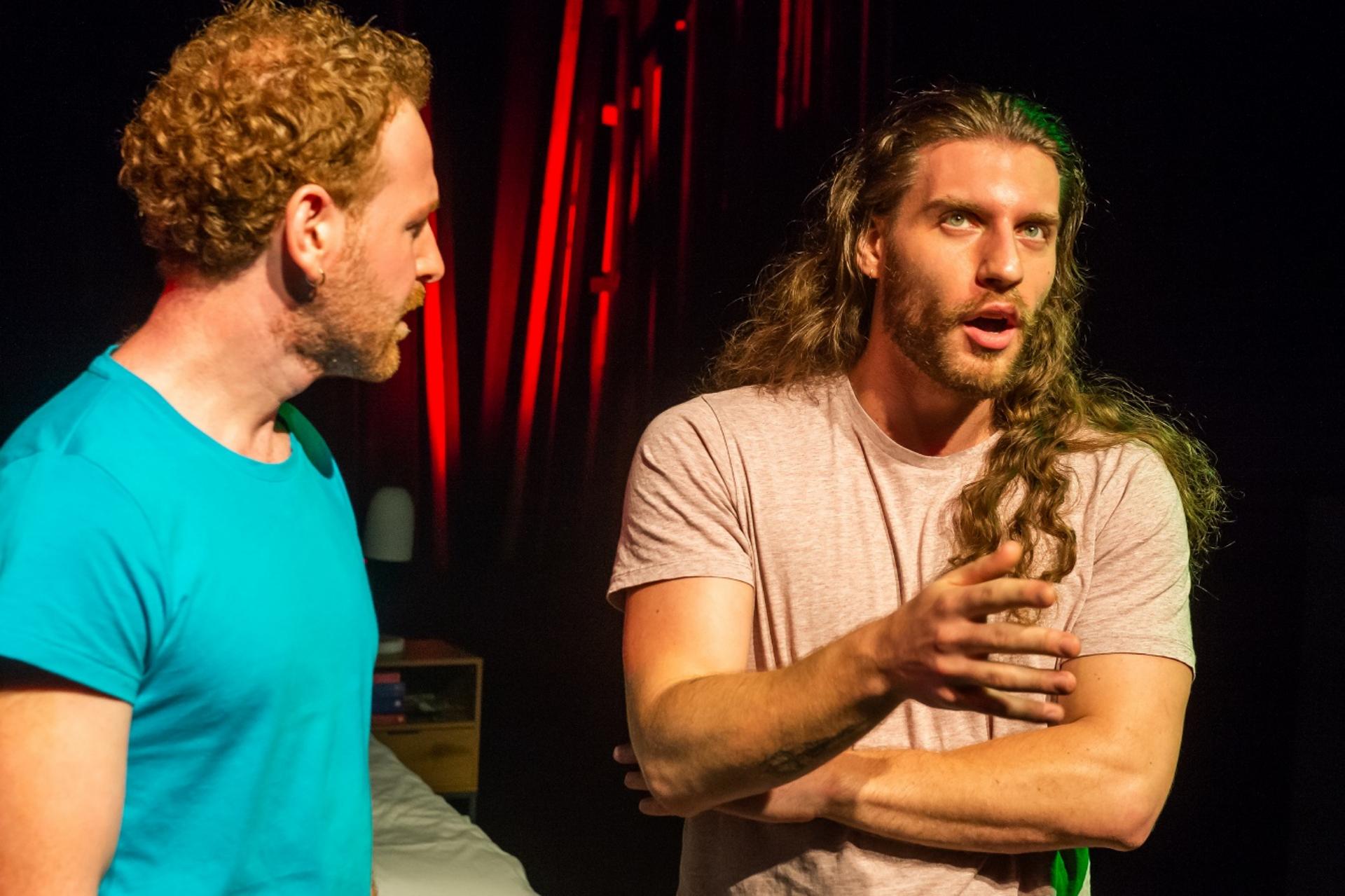
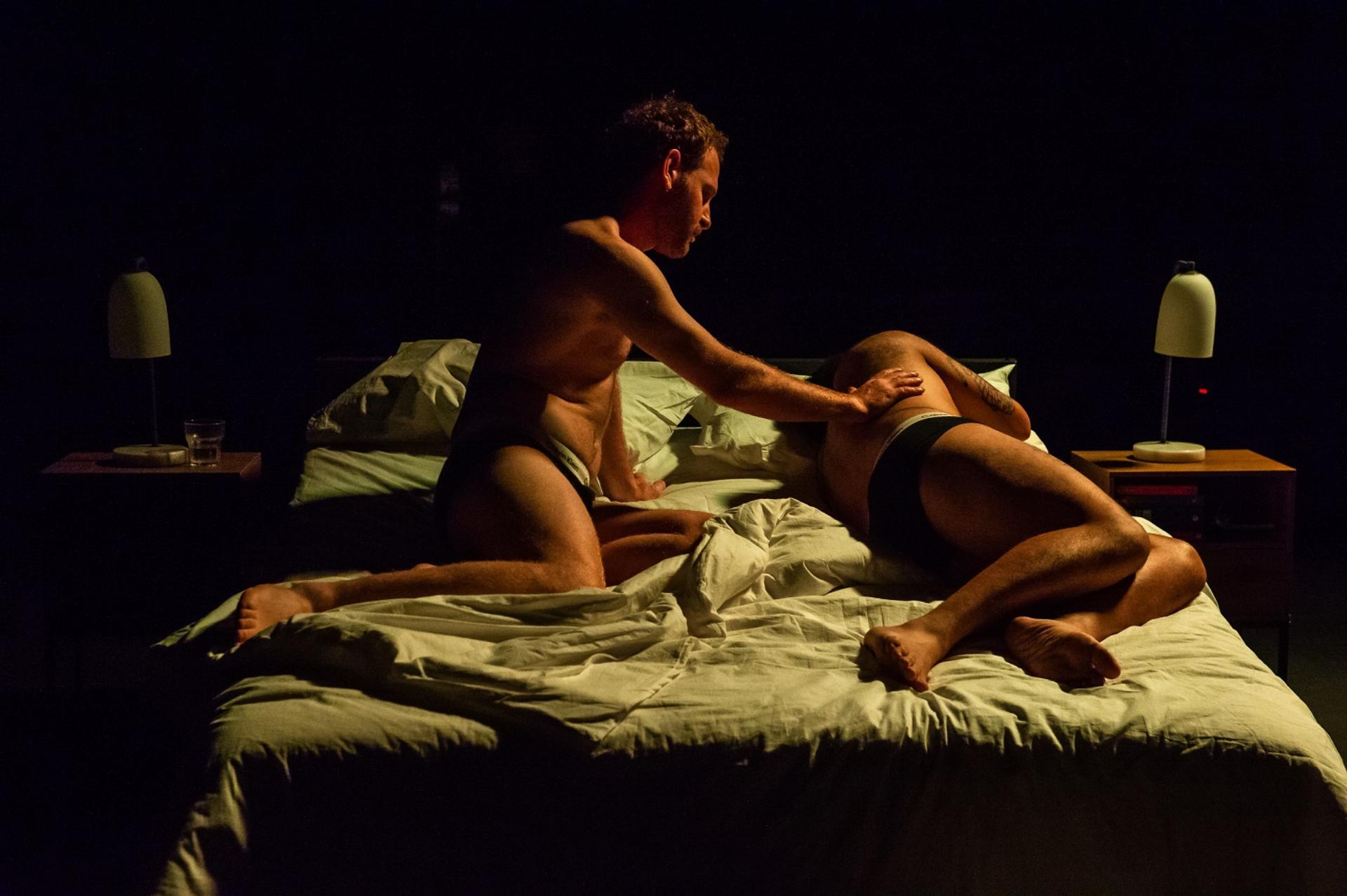
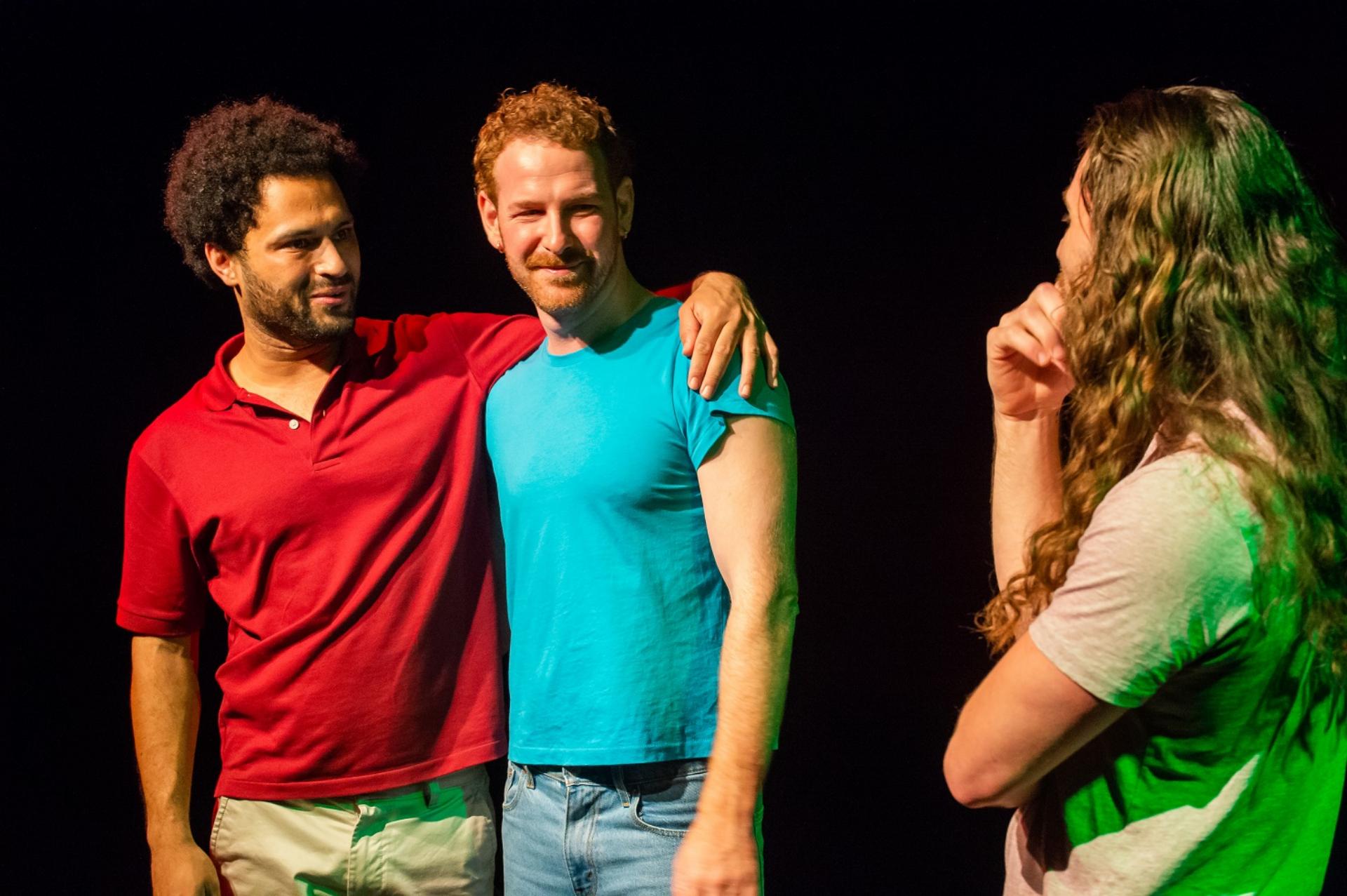
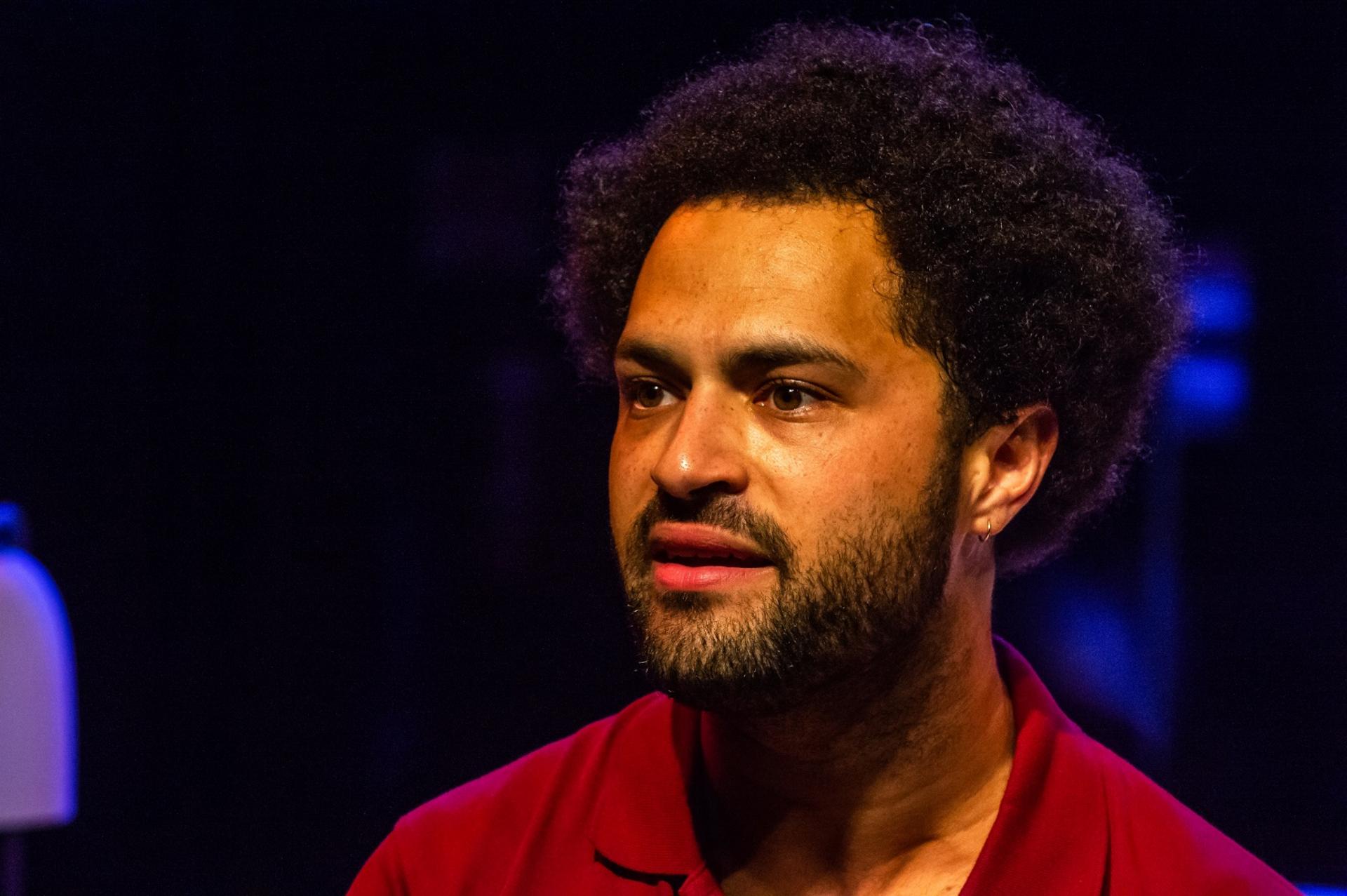
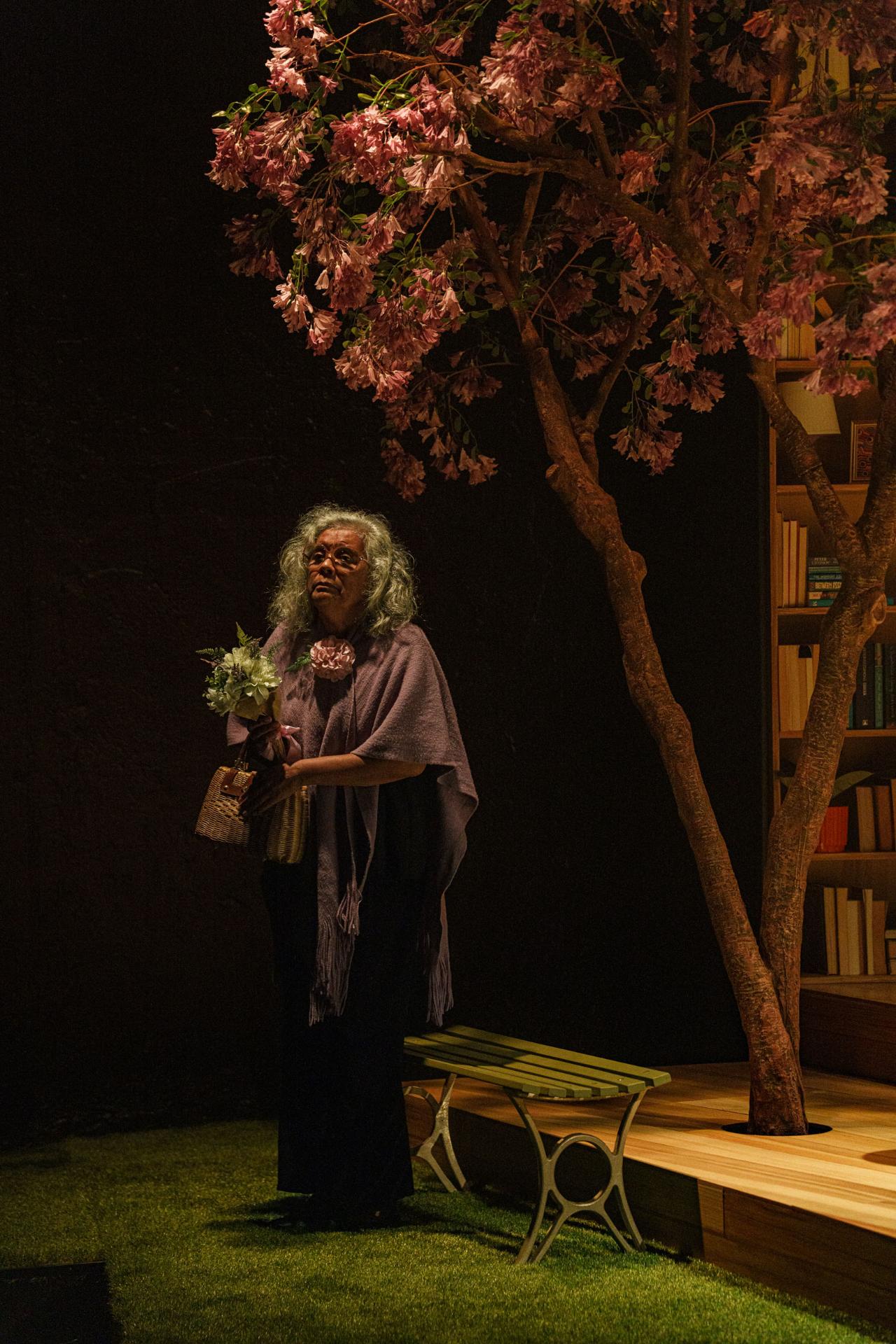
Hilary Bell’s trio of short plays may not be terribly fashionable, with their shared fixation on the 80’s, and a seeming disregard for anything topical that may feel directly relevant, to the myriad trending social concerns competing for bandwidth. It does however pay attention to an older cohort of our population, the ones we have come to nickname “the boomers” who seem to have it all. Yet in Summer of Harold, Enfant Terrible and Lookout, we find these Australian lives to be much more than the privilege with which they are resentfully associated.

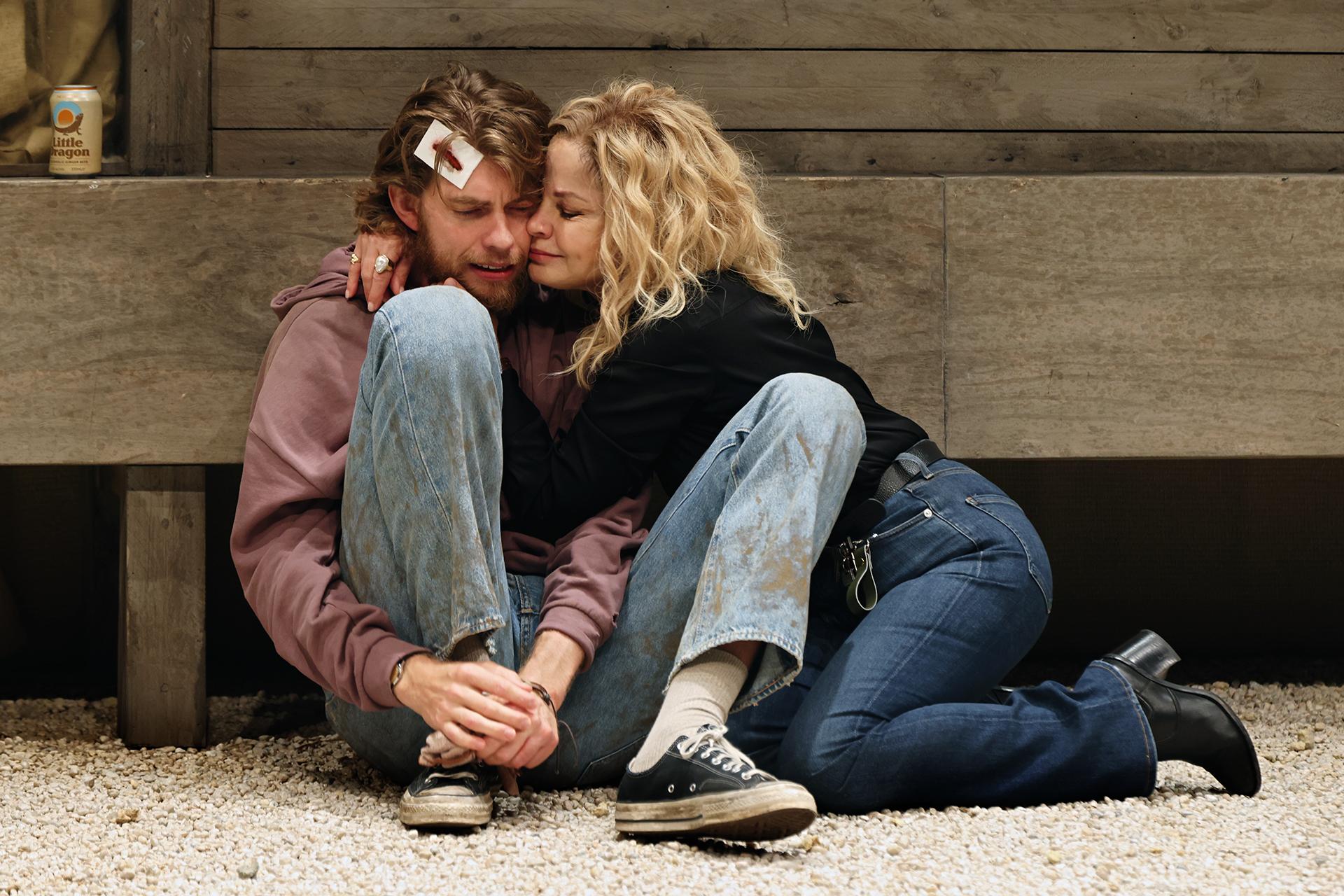
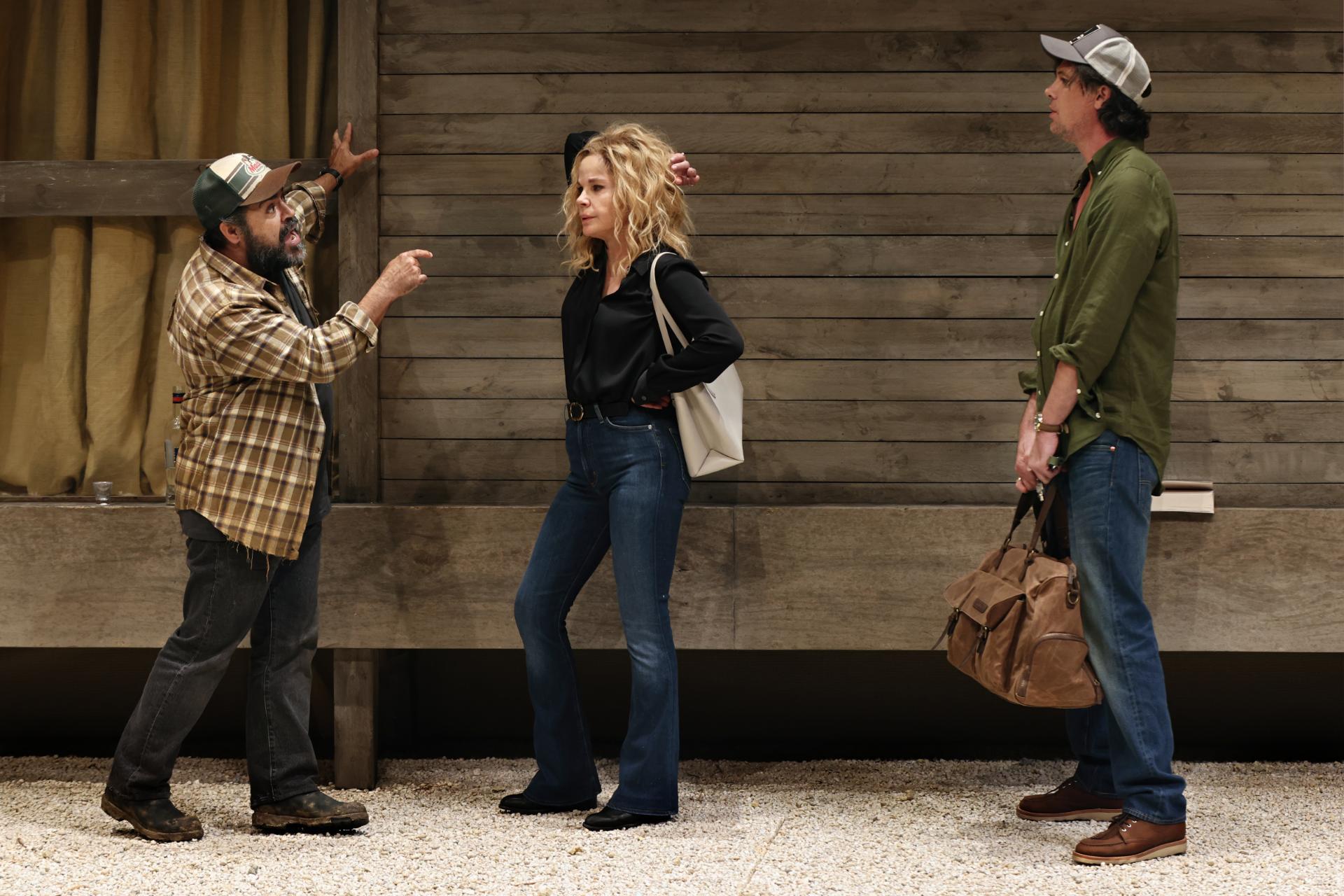
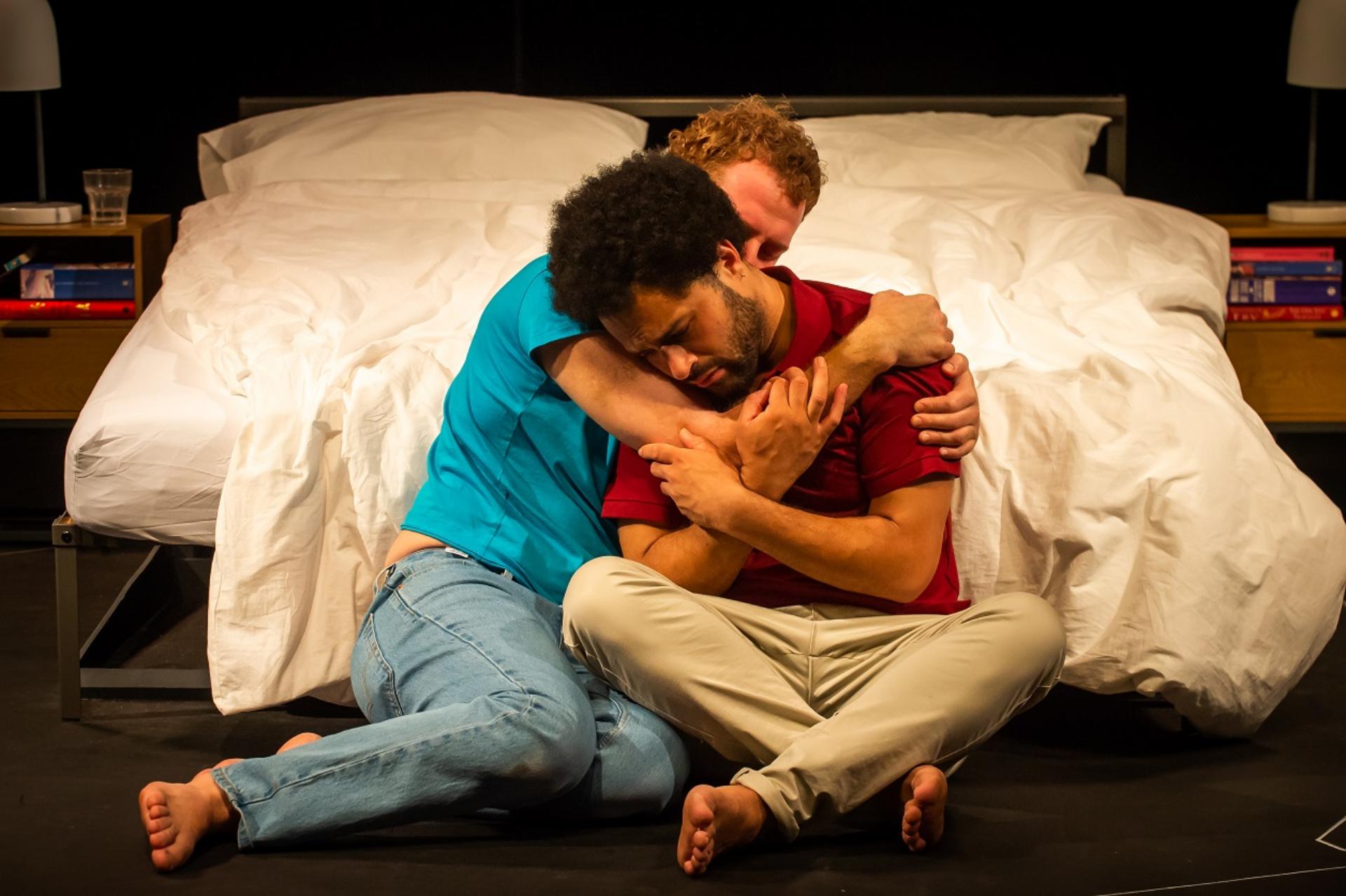
These characters are full of vulnerability, some of them consumed with sadness, others with regret or nostalgia. Bell’s depictions of humanity are certainly truthful, often with a gentle humour that makes her storytelling charming and resonant. Francesca Savige’s tender direction of the pieces is rich with emotion and consistently funny. These explorations are of a particular ordinariness but imbued with an unmistakeable generosity, so that we can perceive the sacred within the mundane, and that something universal can be discovered from these private moments. These stories are small, but Savige ensures that access to their spiritual core is always unrestricted.

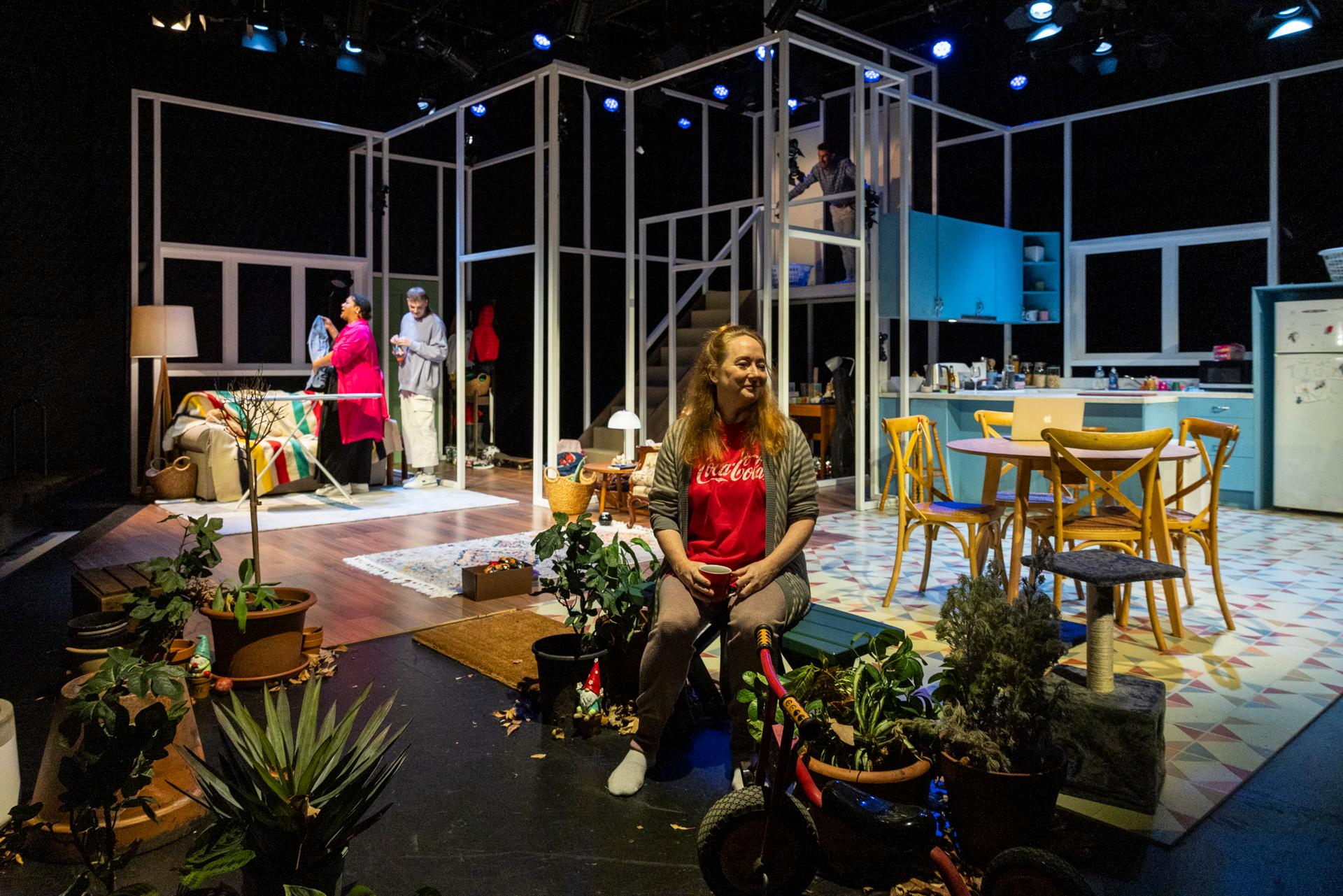
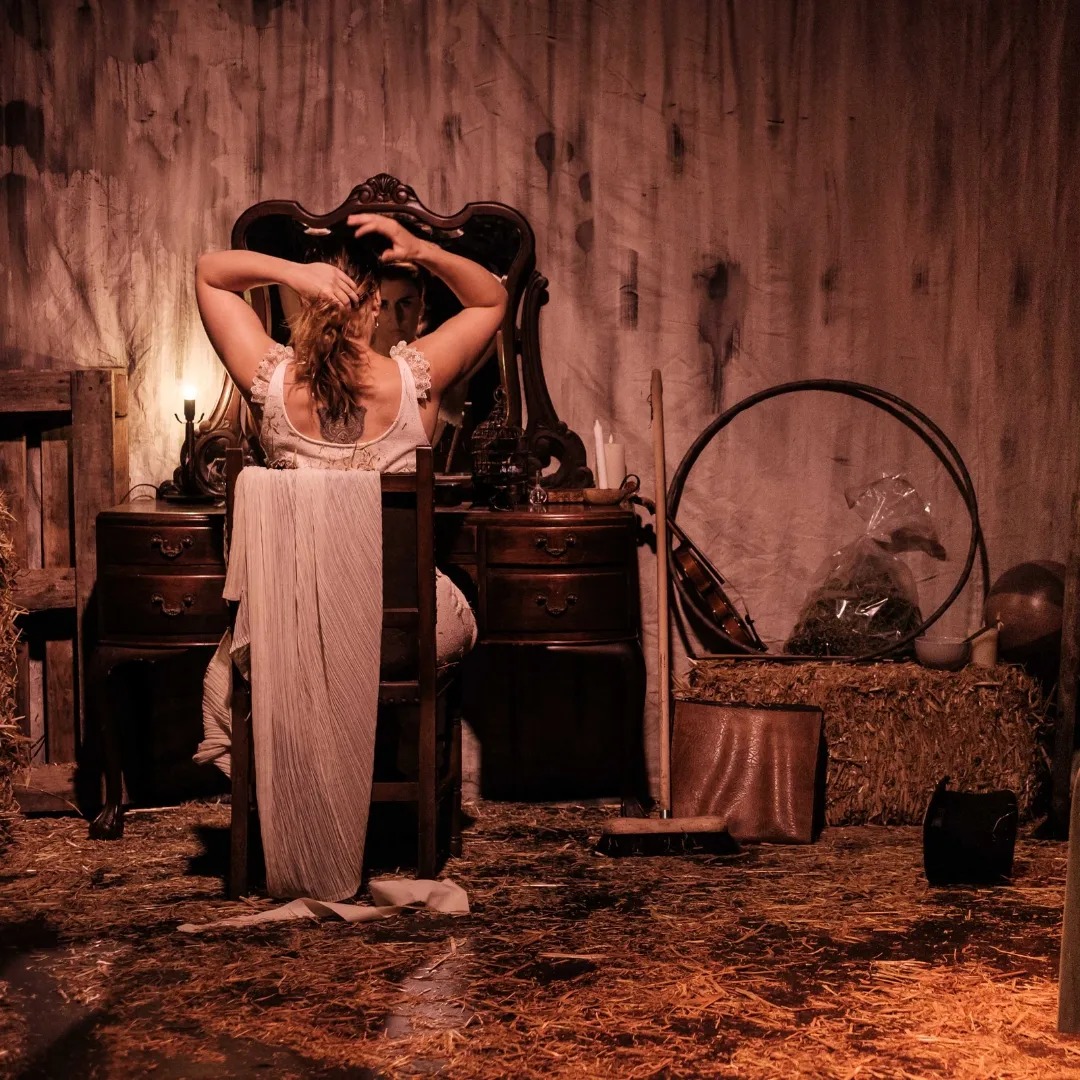
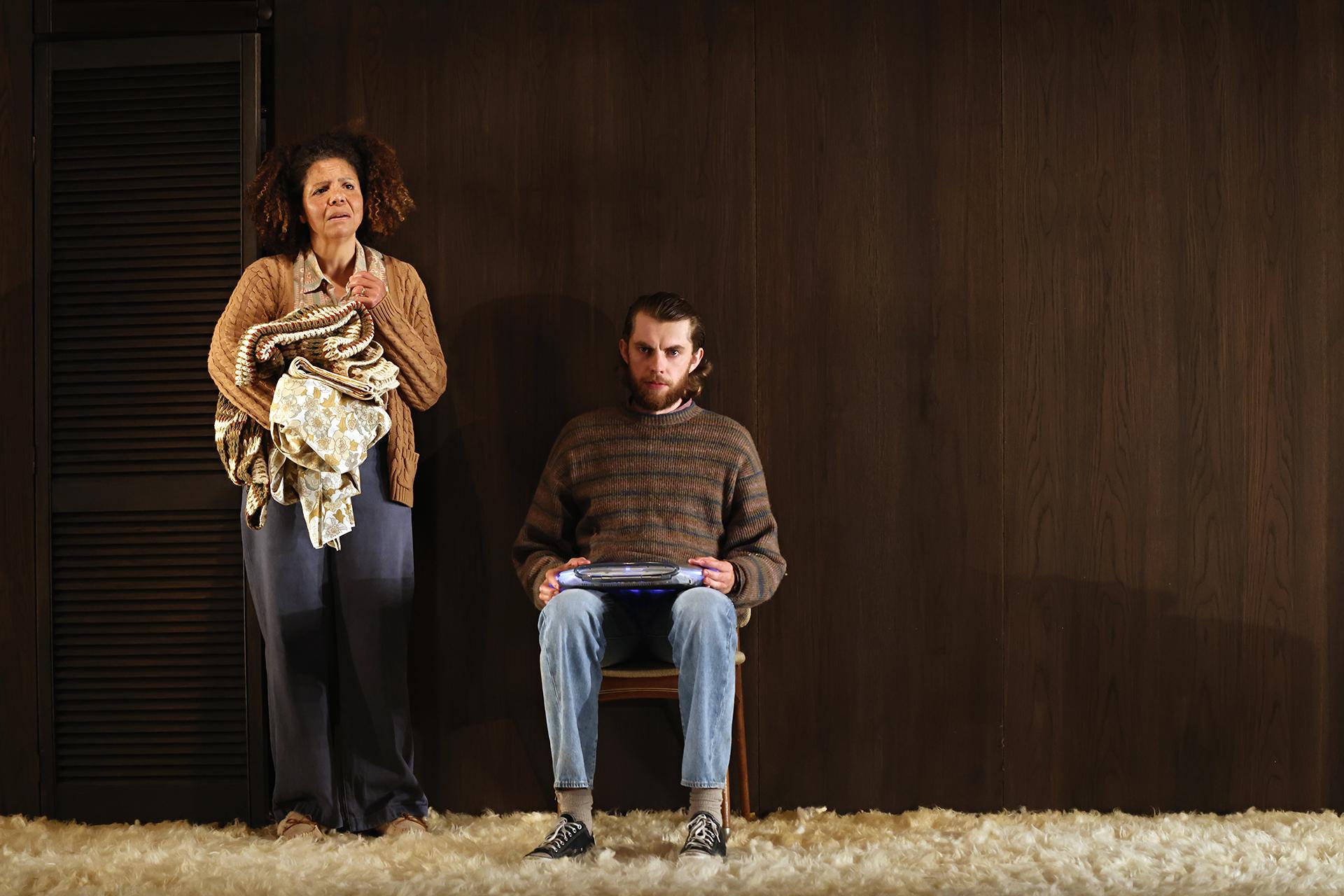
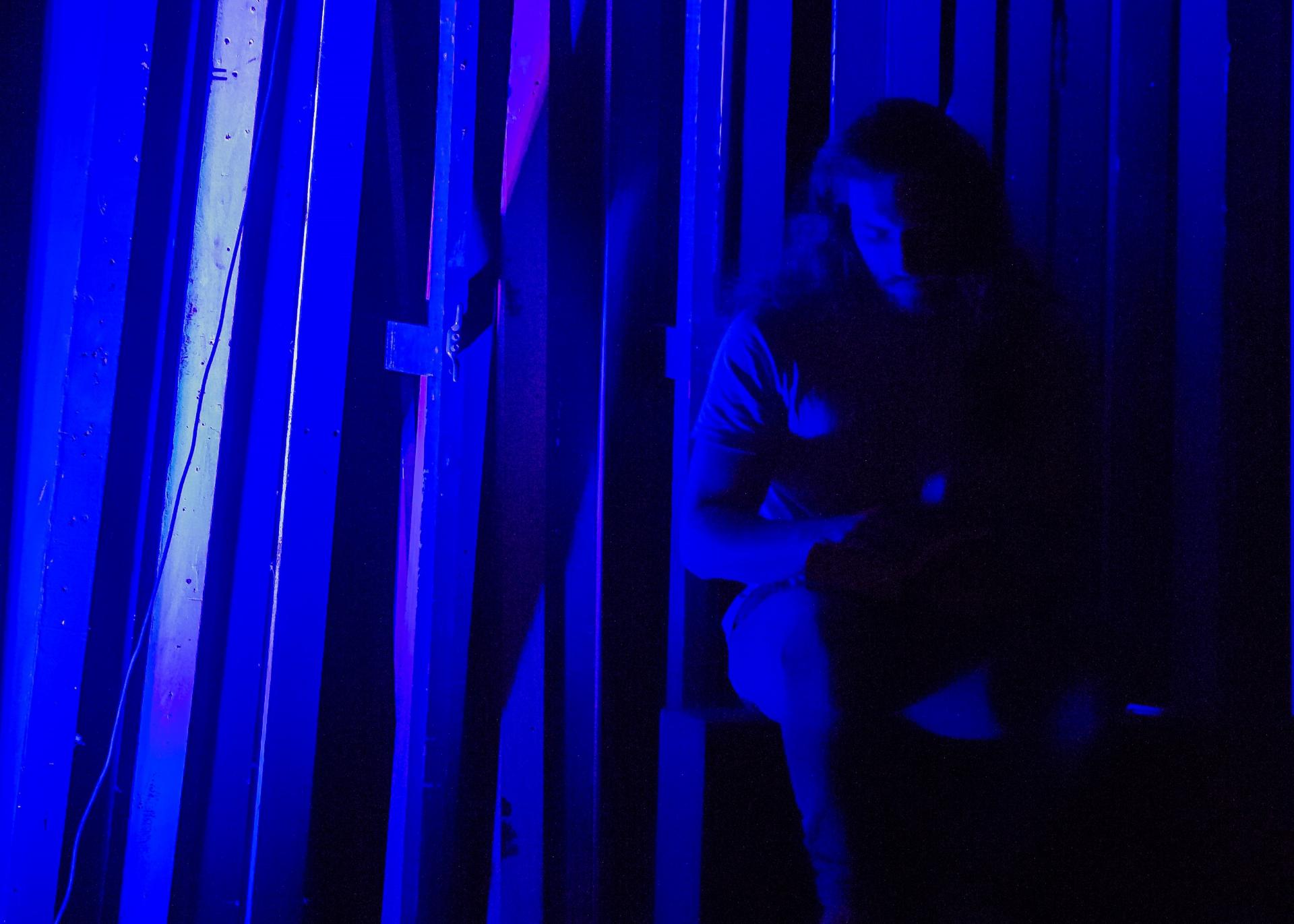
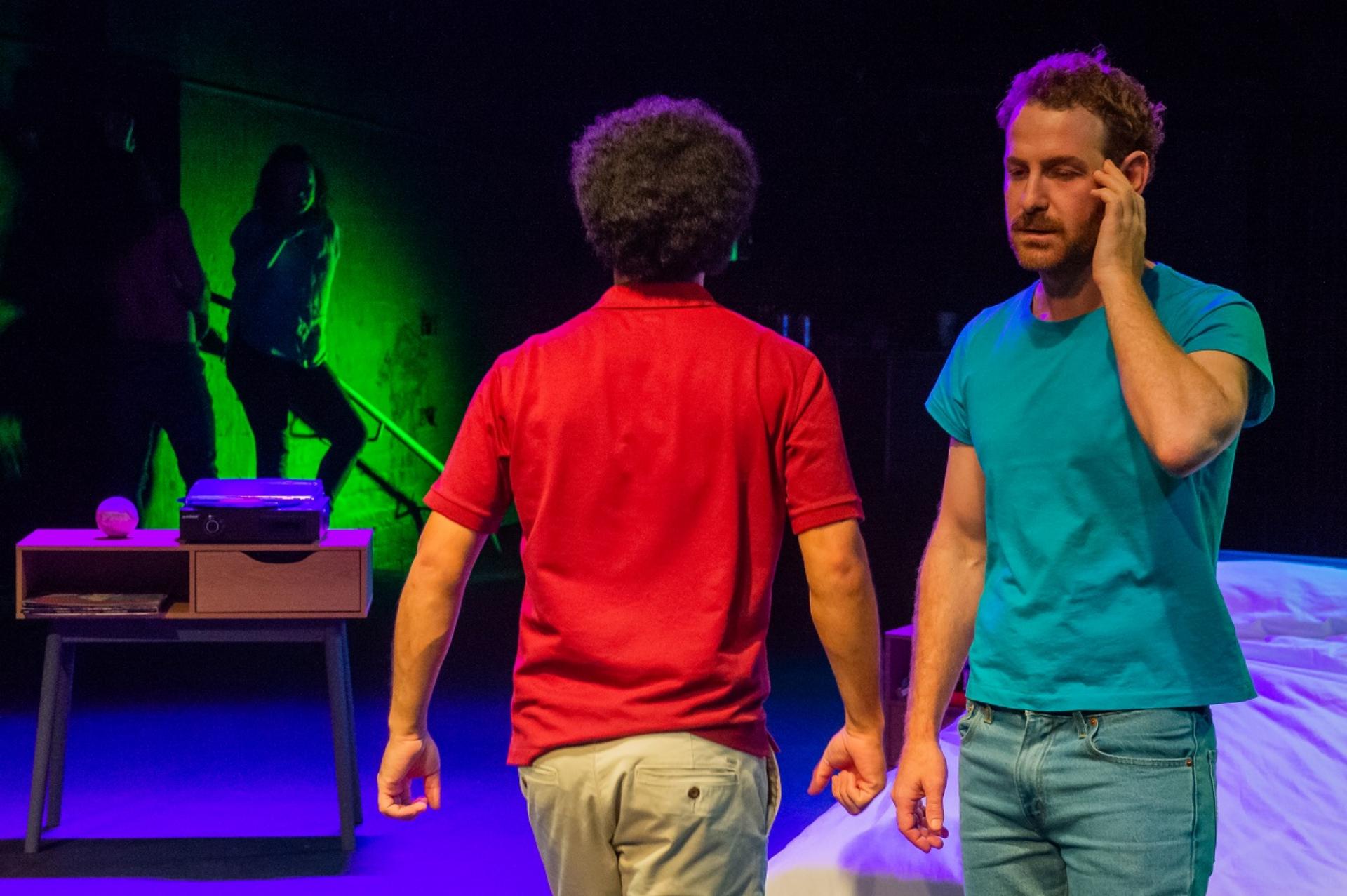
It is an attractive stage design by Jeremy Allen that greets us, although not quite versatile enough to accommodate the three completely different settings required of the production. Matt Cox’s lights deliver an elegant sentimentality crucial to our appreciation of these intimate contemplations. Sound design by Mary Rapp guides us effortlessly from one segment to another, leaving a particularly strong impression with the intensity she renders for the final story.

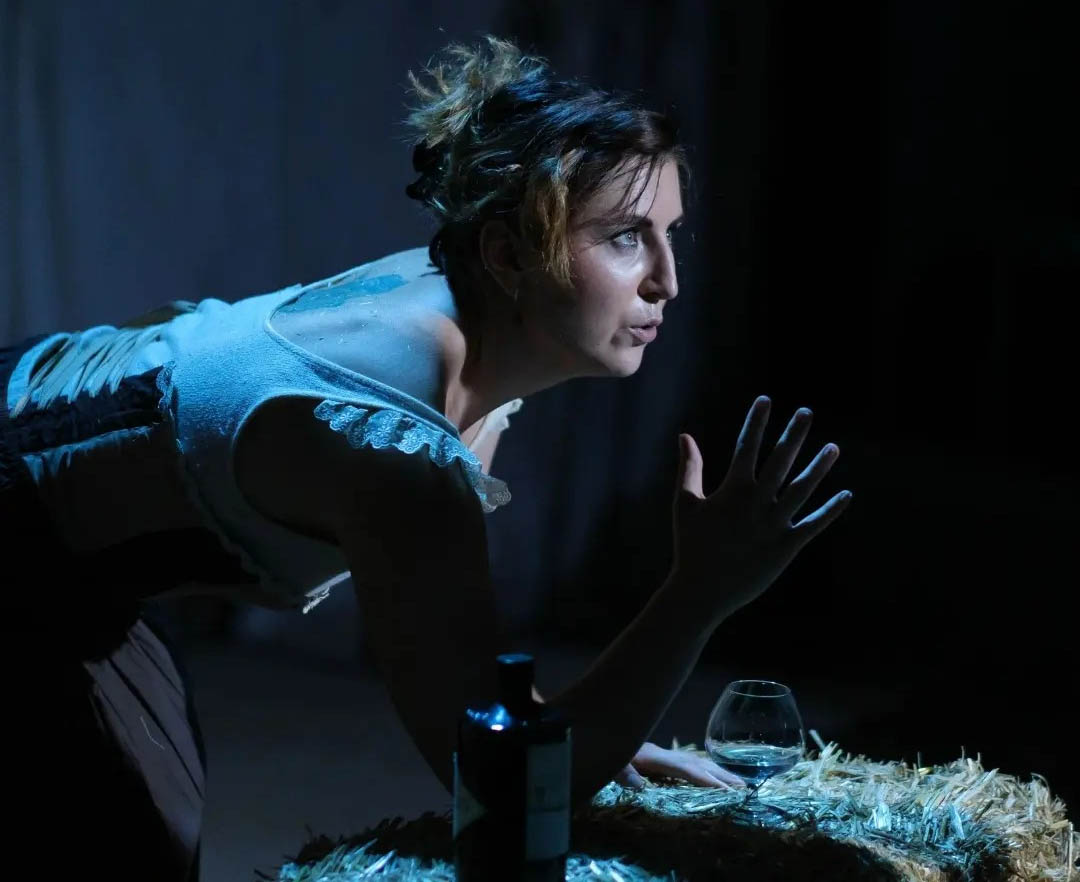
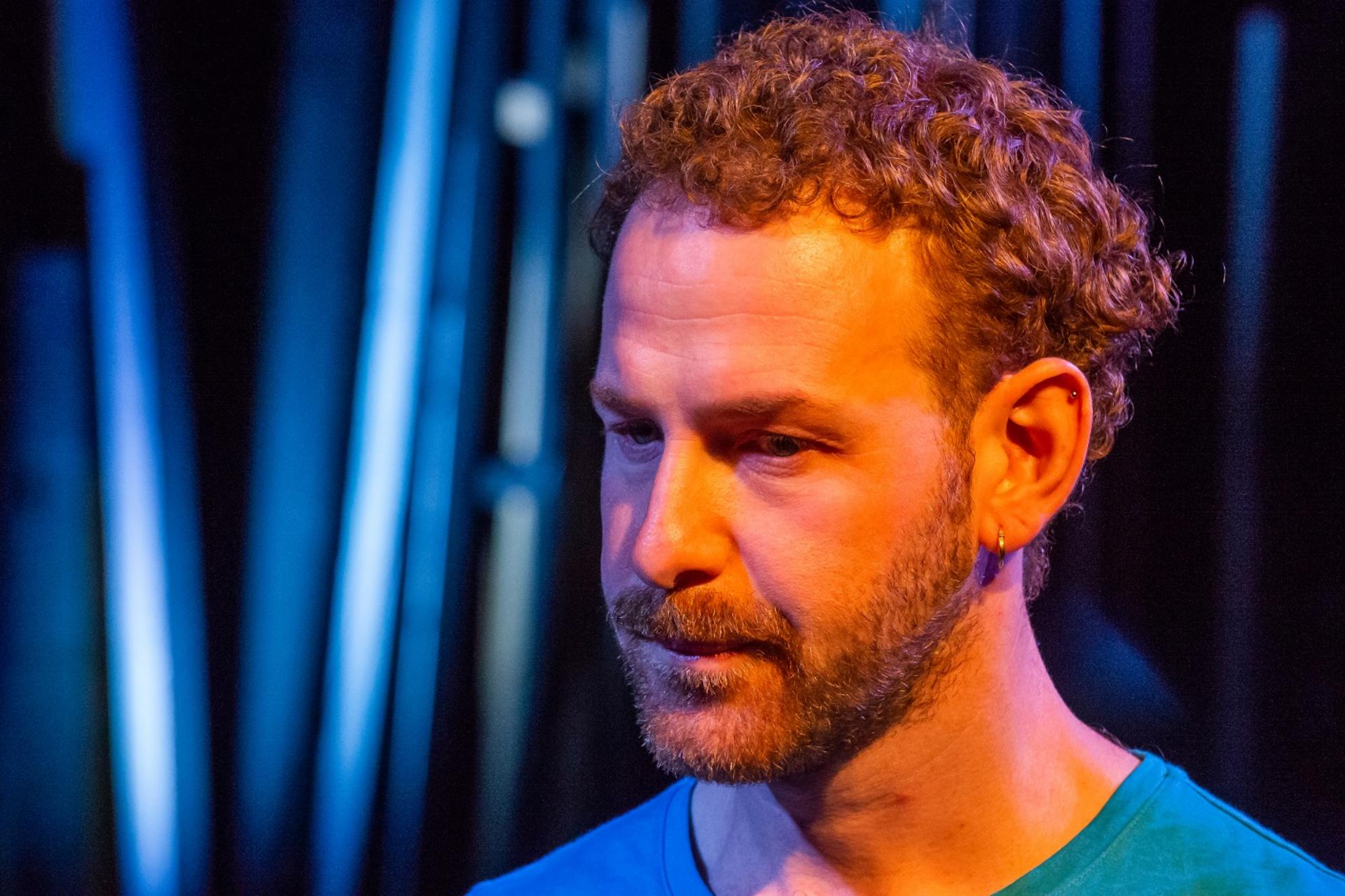
Actor Berynn Schwerdt demonstrates exceptional acuity in his interpretations of Gareth and Jonathan. Highly convincing in completely divergent roles, able to make them equally compelling, with flawless impulses, and an admirable creativity that allows him to introduce surprising nuance at every turn. Playing Janet and Rae is Hannah Waterman, whose rawness as a performer invites us to connect with the internal dimensions of the women being portrayed, both of whom seem so cordially familiar.

Some of these characters we meet, have pasts they need to leave behind, while some others are quite content staying put. Time can be thought of as linear, especially useful when indulging in flights of fancy pertaining to matters of progression. History does show undeniable propensity in how we are able to make things better. Time can also be thought of as circular or oscillatory, so that we may feel no inadequacy in this state of being, that one is always enough wherever one might be. Fortunately both are concurrently, and eternally, real.
www.ensemble.com.au

Review: Miss Saigon (Sydney Opera House)

Venue: Sydney Opera House (Sydney NSW), Aug 17 – Oct 13, 2023
Music: Claude-Michel Schönberg
Lyrics: Alain Boublil, Richard Maltby Jr.
Book: Alain Boublil, Claude-Michel Schönberg (based on Madama Butterfly by Puccini)
Director: Laurence Connor
Cast: Abigail Adriano, Nick Afoa, Kerrie Anne Greenland, Kimberley Hodgson, Nigel Huckle, Seann Miley Moore, Laurence Mossman 
Images by Daniel Boud

Theatre review
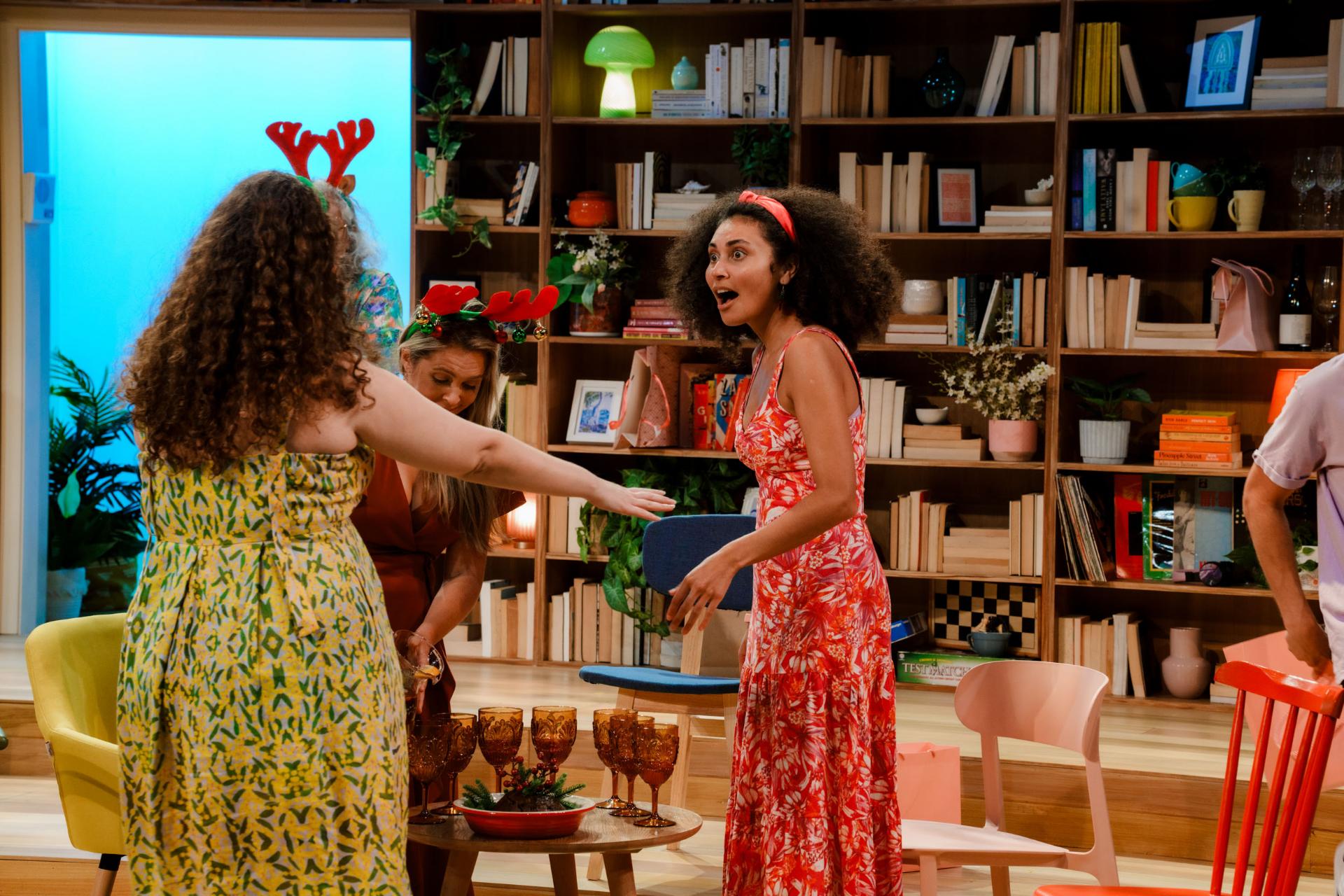
The 1989 musical by Boublil and Schönberg, Miss Saigon has become increasingly contentious, as creative communities grow to be more inclusive of minority cultures, and learn to be sensitive to perspectives of those traditionally marginalised. Based on Madama Butterfly by Giacomo Puccini from 1904, the germination of Miss Saigon was always from a place of pity, and by implication cultural superiority.

It is no wonder that the show is widely regarded by the Vietnamese diaspora to be problematic, not only because of the inherently patronising attitudes, but also of the stunning disregard for any people who wish to be considered more than pathetic, desperate or undignified. One may choose to take the view that the creators’ intentions seem to be about sympathy and solicitude, but there is no denying that the three main Vietnamese  characters in the work, are nothing any viewer from any cultural background, would wish to aspire to. In the absence of any persons more respectable or indeed honourable, Miss Saigon represents a Vietnam that is essentially ignoble and debilitated, devoid of spirit and worth.

This revival, first presented 2014 in London, does little to address the contemporary concerns surrounding Miss Saigon. It retains the famed gimmick of a helicopter landing on stage, along with truly cringeworthy choreography appropriating military physicality of the “Yellow Peril”. Admittedly, lighting design by Bruno Poet is exquisitely rendered, and for this production, the orchestra is simply sensational, able to have us emotionally stirred throughout, even with all the absurdity of the most unbelievable love story.

Performer Abigail Adriano too is spectacular as Kim, the embarrassingly hopeless romantic at the centre of this drama. Adriano’s voice is crystal clear and replete with power, singing every note to sheer perfection, and along with her fierce commitment to portraying verve and passion for the role, we are nearly convinced, if not by Kim’s narrative, then definitely by the utter intensity of her emotions.

Kim is almost but not quite heroic, in a show that wishes to paint her as admirable. Through a Western feminist lens, Miss Saigon is to be criticised for choosing to depict a woman of immense fortitude and strength, only as forlorn and sorrowful, a long-suffering lover and mother who can only meet with tragedy at the conclusion. Even if we are to believe in her sadistic tale, there are plentiful other parts to her life that should take precedence, ones that are independent of her brush with a Westerner, and ones that demonstrate the inevitable joy and humour that must exist in any person’s astounding capacity for survival in those circumstances. Instead, we only see Kim at her worst, before witnessing her completely gratuitous demise.

Other notable cast members include Nigel Huckle who plays Chris, the Pinkerton equivalent, with appropriate wholesomeness, in a work determined to have the straight white male offering the only beacon of light, in what is really a no-win situation. Laurence Mossman’s restraint as Thuy proves a valuable element, in something that revels in being overwrought and fantastical. The Engineer is played by Seann Miley Moore, who brings an excellent flamboyance, but who leaves the part feeling somewhat surface, unable to protect him from being mere caricature.
Musicals are big business, at least in the world of art. It makes commercial sense to bring Miss Saigon back, if the main intention is financial, and indeed survival, for the many individuals and organisations involved. This argument is however, too convenient. Those who choose to work in the arts, should not be forgiven for putting money ahead of the socio-cultural impact their work may bring. There are many professions that are unashamedly about the pursuit of material wealth, and making art is simply not one of those. The artist’s life is hard, not only because the very nature of creativity and invention is difficult, the artist has to always prioritise their search for truth and meaning, over any desire for wealth and esteem. Certainly, the artist must participate in activities that are less than idealistic, there are countless opportunities for one to compromise, but when the damage can be deep, as in this case involving ongoing trauma from a widely reverberating calamity, we simply have to say no.

www.miss-saigon.com.au

Review: idk (Force Majeure/Carriageworks)

Venue: Carriageworks (Eveleigh NSW), Aug 23 – 26, 2023
Director: Danielle Micich
Cast: Gabriel Comerford, Adriane Daff, Merlynn Tong
Images by Brett Boardman

Theatre review
In the devised performance named idk, two women are seen to be strong and powerful, never short of agency in whatever circumstance they find themselves. Yet, we sense a distinct and persistent lack of safety for their existence, as though sharing a subconscious awareness about a world in which power resides elsewhere. Much as the women appear to be in charge of their destinies, real control proves elusive. The man in the piece may not be presented as the kind who struts around like he owns the joint, but when the genders collide, something happens in between, that gestures to the pervasive imbalance we know to be real.

Directed by Danielle Micich, idk is a beautiful work, never sufficiently engaging in emotional and intellectual terms perhaps, but certainly a feast for the eyes and ears. Set and costumes by Anna Tregloan are thoroughly elegant, with hints of vibrancy reflecting an adventurous spirit that informs the entire production. Damien Cooper’s lights are unremittingly dynamic, keeping us intrigued and engrossed in what the human bodies on display are conjuring next. An unmistakable sensuality is conveyed via illumination, as well as through music and sounds by Angus McGrath, who inspires visceral responses at will, completely delightful with all that he adds to this fascinating production.

Performers Gabriel Comerford, Adriane Daff and Merlynn Tong not only showcase inventive and exquisite use of body and voice in idk, it is a notable soulfulness in their presentation that provides elevation, to something that could have easily left us feeling confounded and empty. Their resolute presence keeps us invested, and therefore receptive to what they have to say, in ways that expose the recurrent inadequacies of words.

We observe in idk that characters of both genders are discontented with the way things are. Of course, we know that the male has the upper hand in so much of how we operate, but he too is filled with frustration. Sitting on top may be better than languishing down below, but in a system where virtually no one is truly happy, it is peculiar that everyone does so much to maintain the status quo. We are terrified of burning the house down, because we have yet to hatch a satisfactory plan for its replacement, or maybe we are more than slightly suspicious, that we will simply erect a facsimile that will inflict the same horrors again.

www.forcemajeure.com.auwww.carriageworks.com.au

Review: Constellations (Sydney Theatre Company)

Venue: Wharf 1 Sydney Theatre Company (Walsh Bay NSW), Jul 29 – Sep 2, 2023
Playwright: Nick Payne
Director: Ian Michael
Cast: Johnny Carr, Catherine Văn-Davies
Images by Prudence Upton

Theatre review

The one certainty in Nick Payne’s Constellations, is that Marianne and Roland met one fateful day. Whatever happened thereafter, becomes a series of infinite and random configurations, in a play that explores the nature of consequence, and the idea of boundless possibilities. Things could have ended between the two after a single exchange, or a lifetime of connectedness could have eventuated, or indeed a myriad of combinations in between. Maybe all that can be imagined, does in fact take place simultaneously, in a world that is much bigger, much less ordered and linear, than we usually believe to be true.

Unequivocally intellectual, Payne’s writing is also witty and heartrending, offering the stage opportunities for a theatre that engages both mind and soul. Directed by Ian Michael, all of Constellations‘ immense potentialities are realised, in a production that absolutely captivates, to deliver an experience satisfying on every level, and leaving its audience deeply contented yet full of wonderment, newly curious about our planes of existence. Furthermore, as a work of classic drama, Constellations is intensely moving in its rendering of a love story, but also consistently and effortlessly funny, in many comedic moments that Michael instils exactingly, yet with an unmistakable lightness of touch.

Designed to perfection, the show features a glorious set by Isabel Hudson that is sure to take one’s breath away, from the very first encounter upon entering the auditorium. Dark gleaming surfaces depict characters in timelessness, floating as though representing both the material and immaterial, in a play that ventures inevitably into esoteric spaces. Benjamin Brockman’s spectacular lights coax responses from our emotions and senses, in the most detailed ways, ensuring  that heads and hearts follow each step of the complex plot, never for a moment disengaging from the presentation. Music and sounds by James Brown bring sublime beauty to the show, along with depths of profundity that the body understands more than the cerebrum, allowing enjoyment and appreciation of the show to extend viscerally.

The seamless collaboration between all aspects of the staging, is incredible to witness, including the two extraordinary performers, whose unsurpassed generosity and integrity, make Constellations unforgettable. As Roland, actor Johnny Carr brings interpretations and impulses that feel entirely natural, to a text notable for its abstractions. Every vacillating scenario is made believable and rational, with an unabating charisma that keeps us endeared to each mutation of the story. The mesmerising Catherine Văn-Davies is interminably dynamic in the role of Marianne, brilliantly inventive with each refreshed delivery of dialogue, physically manifesting the infinitude that is so resolutely central to the text. The sentimental dimensions of the play are crucial to sustaining our engrossment, and Văn-Davies’s commitment to portrayals of human vulnerability keeps us riveted to the unusual storytelling. Above all, it is the extraordinary chemistry between both players that makes this theatrical moment a special one, with a partnering that invites us to perceive love as an entity beyond conventional prescription. We are as magnificent as we allow ourselves to envision.

The gravity we bear in navigating life is partially tangible, and partially in the mind’s eye; there are portions more real and portions mutable. Finding ways to dissolve the boundaries that constitute meanings of selves, or in other words, to free oneself from definitions that necessarily impose constrictions, is to release the self to an expansiveness that must mean exaltation and peace. Constellations could be seen as a meditation on zen doctrines, or at least be a key to one instance of bliss.

www.sydneytheatre.com.au

Review: Mr Bailey’s Minder (Ensemble Theatre)

Venue: Ensemble Theatre (Kirribilli NSW), Jul 28 – Sep 2, 2023
Playwright: Debra Oswald
Director: Damien Ryan
Cast: John Gaden AO, Rachel Gordon, Albert Mwangi, Claudia Ware
Images by Prudence Upton

Theatre review

Therese is in no position to wait for a better job, so she takes on the challenge of caring for Leo, an artist of great renown who has no redeeming features, except for his exceptional paintings. Debra Oswald’s Mr Bailey’s Minder is about salvation, even for the worst of us. It is a wonderful sentiment, that all of us should deserve hope, but even though there is a lot of truth in the old saying, ‘let them who are without sin cast the first stone,’ to forgive Leo and endear to him, is perhaps too much to ask of some audiences.

Like his daughter Margo, we find it mostly an absurd idea, to indulge in the fantasy that a man with decades of transgressions, should be essentially good and therefore worthy of love in his twilight years. The complete predictability of the plot, along with the lacklustre dialogue, makes for a play that feels even more passé than its two-decade age might suggest. Certainly its intentions are wholesome and pure, and this staging by director Damien Ryan reflects those very decent virtues appropriately. The show feels spirited, almost charming at times, and it is unsurprising that some might be led to find it a meaningful story to invest in.

Abstract elements of Soham Apte’s set design are charmingly considered, although its colour palette could benefit from a little restraint. Apte’s work on costuming is more effective, rendered with a detailed eye to help us achieve an understanding of characters from first glance. Lights by Morgan Moroney are remarkable for subtle and astute calibrations that ease us through constant vacillations between comedy and drama. Sound design by Daryl Wallis is minimal but realistic, with occasional interlude music offering a hint of elegance.

Actor John Gaden is extremely likeable as Leo Bailey and, therefore, elicits conflicting feelings about a man who has ostensibly done a lot of harm throughout his lifetime. Gaden’s palpable chemistry with each member of cast, makes everything magically palatable. Playing Therese is Claudia Ware whose warm exuberance compels us to persist with the tale. Albert Mwangi too is charismatic in dual roles, captivating whether as the deviant Gavin or the delightful Karl. As Margo, Rachel Gordon’s humour is a highlight, enjoyable enough for us to excuse her inability to make convincing her character’s eventual change of heart, regarding the contemptible patriarch.

Forgiveness is the most honourable quality one can learn to cultivate, but is admittedly difficult to engender with erstwhile offenses, and nigh on impossible to instil when wrongdoings are ongoing and recurrent. In Mr Bailey’s Minder one could detect a real need for grace, and that impulse is prudent and true. Also true, is that we need to see evil for what it is, and find ways to recognise that confronting discord, and not fall into delusions to make absolution easier. Furthermore in our art, benevolence should perhaps play a subordinate role, to chastising those who deserve it. Leo may be a great artist, but he is also a horrible man, and choosing to forget the inconvenient half, is unconscionable.

www.ensemble.com.au

Review: The Turn Of The Screw (Seymour Centre)

Venue: Seymour Centre (Chippendale NSW), Jul 21 – Aug 12, 2023
Playwright: Richard Hilliar (after Henry James)
Director: Richard Hilliar
Cast: Kim Clifton, Martelle Hammer, Lucy Lock, Harry Reid, Jack Richardson​
Images by Phil Erbacher

Theatre review

A young woman is hired to be governess at an English country estate, where she is to care for 12-year-old Miles and his younger sister Flora. The unnamed governess soon discovers strange goings-on and decides that the house is haunted. The children too are not quite what they seem. Richard Hilliar’s stage adaptation of The Turn of the Screw, is a savvy reframing of Henry James’ 1898 horror novella , that accommodates judiciously, our contemporary sensibilities. It is the same old story, but adjusted for the ways we now talk about child abuse and mental health. Thankfully, supernatural elements are very much kept intact, allowing us to enjoy both the realistic and the metaphysical aspects, of this spooky tale.

That amalgamation of period and modern styles, is seamlessly rendered by Hilliar, who as writer and as director, delivers an experience that addresses our need for a certain veracity in nostalgic terms, but with a rhythm and pace that is unmistakeably of the present day. The show moves quickly and boldly, switching from taciturn to explicit when required, to ensure that we invest in the historical context in meaningful ways. The production may not always hit the mark with its scary elements, but it is definitely creepy enough to keep us on the edge of our seats for its entirety, making us give full attention to the highly intriguing occurrences.

A very handsome set design by Hamish Elliot lures us into this foreboding domain, while efficiently addressing the many practical stipulations of the production. Angela Doherty’s costumes are assembled to convey authenticity, not just in terms of era but also of class. Lights by Ryan McDonald do a splendid job of traversing oscillating states of realism, able to engender warmth in one moment, and then swiftly switching to depict terror the next. Sound and music by Chrysoulla Markoulli are richly rendered, especially for the many instances of heightened dramatics.

Actor Lucy Lock demonstrates impressive versatility as the governess, believable whether doting and tender, or in complete panic and hysteria, beautifully nuanced with her interpretation of the dynamic role. Jack Richardson is sensational as Miles, with excellent humour and a knack for making every extravagant gesture feel convincing and appropriate. Kim Clifton’s exemplary commitment never lets us diverge from the notion that Flora is a child, thus raising the stakes continually, as the plot unfolds. Housekeeper Grose is played by a remarkable Martelle Hammer, whose prodigious range is showcased perfectly, in a play that lets her perform at ever changing levels of intensity. The irrepressible Harry Reid establishes a tone of devious mischievousness in the opening scene, and although appears only for that singular instance as the children’s uncle, proves unforgettable with his flair for subtle expressions and delicious timing.

When we talk about ghosts, we are opening the doors to pasts that yearn to be exhumed. In order for life to move on, so much of what we have encountered needs to be left behind. Trauma especially wants to hide away, in order that we may awake to every new dawn. Pain however refuses to be muted. It finds ways to manifest, sometimes in the flesh, sometimes in the mind, be it physical, emotional or spiritual, trauma always resurfaces. Ghosts may be an allegory for the return of anguish, but they may also very well be assertions of truths that simply will not be denied, come hell or high water.

www.seymourcentre.com | www.toothandsinew.com

Review: On The Beach (Sydney Theatre Company)

Venue: Roslyn Packer Theatre (Sydney NSW), Jul 18 – Aug 12, 2023
Playwright: Tommy Murphy (adapted from the novel by Nevil Shute)
Director: Kip Williams
Cast: Matthew Backer, Tony Cogin, Michelle Lim Davidson, Emma Diaz, Vanessa Downing, Tai Hara, Genevieve Lee, Ben O’Toole, Contessa Treffone, Kiki Wales, Elijah Williams, Alan Zhu
Images by Daniel Boud

Theatre review
Even though the war had well and truly ended, devastation and trauma lingered in the minds of both victors and losers. Nevil Shute’s novel On the Beach was published in 1957, 12 years after the bombing of Hiroshima and Nagasaki by the Americans. It imagines a future in which a final explosion occurs in the Northern Hemisphere, with devastating effects of radiation gradually spreading across the entire globe, including Melbourne where we meet the characters of Shute’s story.

This new stage adaption by Tommy Murphy, feels as much a period piece as it does resonate with contemporary pertinence. The dialogue has a tendency to sound drily obscure, but Murphy’s astute condensation of events for his version, allows On the Beach to speak urgently to our modern sensibilities. Whether we associate the story with our renewed experiences of a pandemic, or with our present anxieties around technological advancements especially as it relates to artificial intelligence, the play taps into a sense of doom that seems perennially a part of being human, no matter the epoch.

That masochistic fascination with catastrophe is harnessed powerfully by Kip Williams, who directs the production with astonishing sophistication, connecting with our taste for the morbid, in quiet but intense ways. The narrative of On the Beach is a distant runner up to the gratification supplied by the atmospherics being administered, in a show that deals in the philosophy of certain death.

Michael Hankin’s set design bears a skilful precision that allows for a minimalist aesthetic to operate, using the vastness of empty space to trigger fears pertaining to notions of desertion and annihilation. Lights by Damien Cooper further enhance that sensation of isolation and of insignificance, that we understand subconsciously to be our minuscule piece in the real scheme of things. Costumes, delightful in a very 1950’s manner, are poised and hyper-gendered, as authentically crafted by Mel Page. Auditory pleasures are a real highlight of the staging, with music by Grace Ferguson delivering transcendent romance, along with Jessica Dunn’s sounds that keep us firmly in a space of mournful apprehension.

Excellent performances by the cast ensures our sensory, if not always emotional, investment into their show. Ben O’Toole brings a beautiful and captivating rhapsody to Peter’s increasingly maddening states of anguish. Mary’s dignity is kept intact by the illuminative Michelle Lim Davidson, who exemplifies a woman keeping it together, at the most challenging of times. Contessa Treffone is relied upon thankfully for the crucial lightening of mood, as the irrepressibly vivacious Moira. Dwight is played by a sensitive Tai Hara, every bit the old-fashioned matinee idol, but also unexpectedly touching at the right moments. Also noteworthy is Elijah Williams, whose turn as Swain gives the show some of its greatest poignancy, right when it matters most.

Grace and composure at critical junctures, even if they seem to provide no discernible function, are emblematic of the best of who we are. In this production of On the Beach, ugliness is worse than death, and is mercifully nowhere to be seen. Our tragedy is certainly of our own doing, and it is appropriate that we should endure it, with the utmost dignified serenity that can be mustered.

www.sydneytheatre.com.au

Review: Teenage Dick (Flight Path Theatre)

Venue: Flight Path Theatre (Marrickville NSW), Jul 19 – Aug 5, 2023
Playwright: Mike Lew
Director: Dan Graham
Cast: Thom Blake, Amy Victoria Brooks, Holly-Jane Cohle, Gemma Dart, Keira Fairley, Rocco Forrester, Chloe Ho, Dean Nash
Images by Andrea Magpulong

Theatre review

When Richard decides to campaign for class president at his high school, it is as much an indication of his ambition, as it is of a thirst for revenge. Based on Shakespeare’s Richard III, Mike Lew’s Teenage Dick transposes the anti-hero to a contemporary context, turning the protagonist into a much younger man, but retains his narrative of disability. This excellent update from 2016, like the original, is both comedic and tragic, brilliantly constructed to have us shifting in our attitudes regarding the problematic central character. With its sophisticated methodology for advocacy, depictions of disability in Teenage Dick are never patronising, with Lew demonstrating an immense capacity for presenting humanity in ways that resonate deeply, without relying on cliché and convention.

Directed by Dan Graham, we are transported convincingly to Roselands High School somewhere in the United States, where the teenagers are delightfully rambunctious and disarmingly bright. Lights by Casey-Moon Watton and sound by Dean Nash are prudently rendered, to bring dramatic emphasis to key moments. Set and costume design by Holly-Jane Cohle are vibrant and whimsical, wonderfully charming with the visuals aspects being established for the staging.

Additionally, the aforementioned Nash and Cohle leave remarkable impressions playing Richard and Buck respectively, both accomplished and endearing as performers, on a stage that buzzes with constant energy. Amy Victoria Brooks as teacher Elizabeth, and Rocco Forrester as bully Eddie, are memorable for the accuracy they bring to their roles. Gemma Dart and Chloe Ho tell meaningful stories, about the challenges faced by girls as they prepare to grow into their womanhood. Thom Blake and Keira Fairley are endlessly amusing with the boisterousness they introduce, to remind us of that characteristic anxiety involved in navigating teenage life.

Our cultures seem very accustom to portrayals of disadvantaged members of society, as either long-suffering and noble, or despicable and Machiavellian. In Teenage Dick we are urged to consider our marginalised as being thoroughly human, with as many virtues and faults as anyone thought of as normal. We understand that Richard could have done the right thing, or the wrong, because the ability to go either way, is thoroughly and disappointingly, the truth about who we all are.

www.flightpaththeatre.org | www.divergenttheatrecollective.com

Review: The Hero Leaves One Tooth (KXT on Broadway)

Venue: KXT on Broadway (Ultimo NSW), Jul 14 – 29, 2023
Playwright: Erica J. Brennan
Director:
Cam Turnbull
Cast: Kira-Che Heelan, Michael Mcstay, Tom Rodgers, Cara Whitehouse, Claudia Shnier, Patricio Ibarra, David Woodland
Images by Clare Hawley

Theatre review

Neeve had gone through great pains, to remove the teeth from her vagina, only to discover that it all grows back after 5 days. In Erica J. Brennan’s The Hero Leaves One Tooth, the folkloric phenomenon of vagina dentata is explored within a context, that feels very much like our contemporary reality. It is the post-#MeToo era, and even our biology is acting up, with our bodies creating new ways of retaliation against the patriarchy. Cleverly conceived, Brennan’s writing is abundant in intrigue, but slightly deficient with its narrative. Even though dialogue tends to be excessively obtuse, its personalities are imbued with enigmatic charm.

Direction by Cam Turnbull revels in the surrealist qualities of the play, fashioning flamboyant gestures that deliver an enjoyable theatricality, although some of the comedy can feel forced and contrived. Set design by Meg Anderson needs greater consideration for exits and entrances, but is otherwise effective in transforming the space into a site of familiar domesticity. Jasmin Borsovszky’s lights are robust and ambitiously rendered, to depict both realism and something decidedly more nightmarish. Sound by Zac Saric and music by Alexander Lee-Rekers with Saric, keep us in a state of anxiety, for a show determined to expose our world for its unrelenting bleakness. Songs by Jake Nielsen add comically macabre dimensions, furthering a sense of the bizarre.

The cast is somewhat lacking in chemistry, but individual performances are generally strong. Kira-Che Heelan’s visible restraint as Neeve, conveys with accuracy how we deal with trauma in everyday life. Michael McStay’s exuberance as Felix is a comical study in a kind of psychological denialism. In the role of Sasha is Claudia Shnier, who brings emotional intensity at the moment it matters most. Playing Mark with pertinent generosity, is David Woodland who manufactures complexity, in place of simplistic adversarial relationships.

In The Hero Leaves One Tooth, we observe that no matter what mental gymnastics a person puts themself through, the body will simply refuse to pretend that feelings do not exist. Some injuries can be healed, but it requires investment into processes that are usually more extensive than we are ready to submit ourselves to. Pain is often a sustained and prolonged experience. The mind will do what it can, in efforts to numb, for temporary relief, but there is no meaningful displacement that can occur outside of a person’s being. Terror manifests, maybe not as belligerent teeth in the vagina, but the body certainly needs a comprehensive experience of the truth.

www.kingsxtheatre.com | www.ratcatchtheatre.com

Review: Forgetting Tim Minchin (25A Belvoir)

Venue: Belvoir St Theatre (Surry Hills NSW), Jul 12 – 19, 2023
Book, Music and Lyrics: Jules Orcullo
Director: Amy Sole
Cast: Jules Orcullo, Nova Raboy
Images by Clare Hawley

Theatre review

Jules quit her job and moved home during the pandemic, thinking she would take the opportunity to really develop her art. Just when she becomes exasperated about the lack of progress, an accidental social media post exposes her talent to childhood idol Tim Minchin, and things begin to magically fall into place. Jules Orcullo’s original musical Forgetting Tim Minchin is a deeply whimsical work, full of genuine hilarity, juxtaposed against an unrelenting and disarming commitment to emotional authenticity. Despite its creator’s many reminders that the story is mostly fictional, the musical captivates seemingly effortlessly, with its enchanting blend of comedy and heartfelt moments.

The show is hugely entertaining, directed by Amy Sole whose detailed approach ensures an extraordinary attention to nuance, so that we are seduced into the tiny microcosm of Jules’ bedroom, where a world of imagination and passion is allowed to flourish. Set and costume design by Hailley Hunt are rendered with accuracy, for familiar imagery that speaks on where and who the characters are, in both geographical and socio-economic terms. Lights by Kate Baldwin offer meaningful transformations of space, transporting us across various degrees of reality.

Most of the musical accompaniment is pre-recorded, and although arranged in the simplest style, the songs are never any less than thoroughly delightful. Along with a sound design by Christine Pan and musical direction by Andy Freeborn, all that we hear in this musical production, endears us to its central characters, making us understand and care for them, at every moment.

As performer, Orcullo is a magnetic presence, with an ability to access a certain inner truth, that makes her audience defenceless and entirely open to whatever may come, in this unpredictable journey. Playing Jules’ mother is Nova Raboy, whose remarkable capacity for tenderness and warmth, draws us further into the storytelling. Movement direction by Lauren Nalty gives both performers a sense of structured form and discipline to their physicality, to imbue a visual finesse that further elevates the production.

Forgetting Tim Minchin delivers laughter and tears, in copious amounts. It is an opportunity for emotional catharsis, but probably more importantly, it is an exercise in empathy at a time when we feel increasingly persuaded to become hardened and unfeeling. Orcullo’s work showcases a vulnerability that modern life is rarely capable of accommodating, yet is unequivocally intrinsic to the human experience, and foolish of us to neglect. With computers poised to take over every mechanical aspect of our existence, we should perhaps consider a great retreat into the essentially constitutive human materials, of flesh and spirituality; learn anew to celebrate an attention to vulnerability, and begin to strip off generations of cladding enclosed around it, leave behind what was meant to protect, but have inadvertently made us increasingly inhuman.

www.thejoyoffensive.com | www.belvoir.com.au