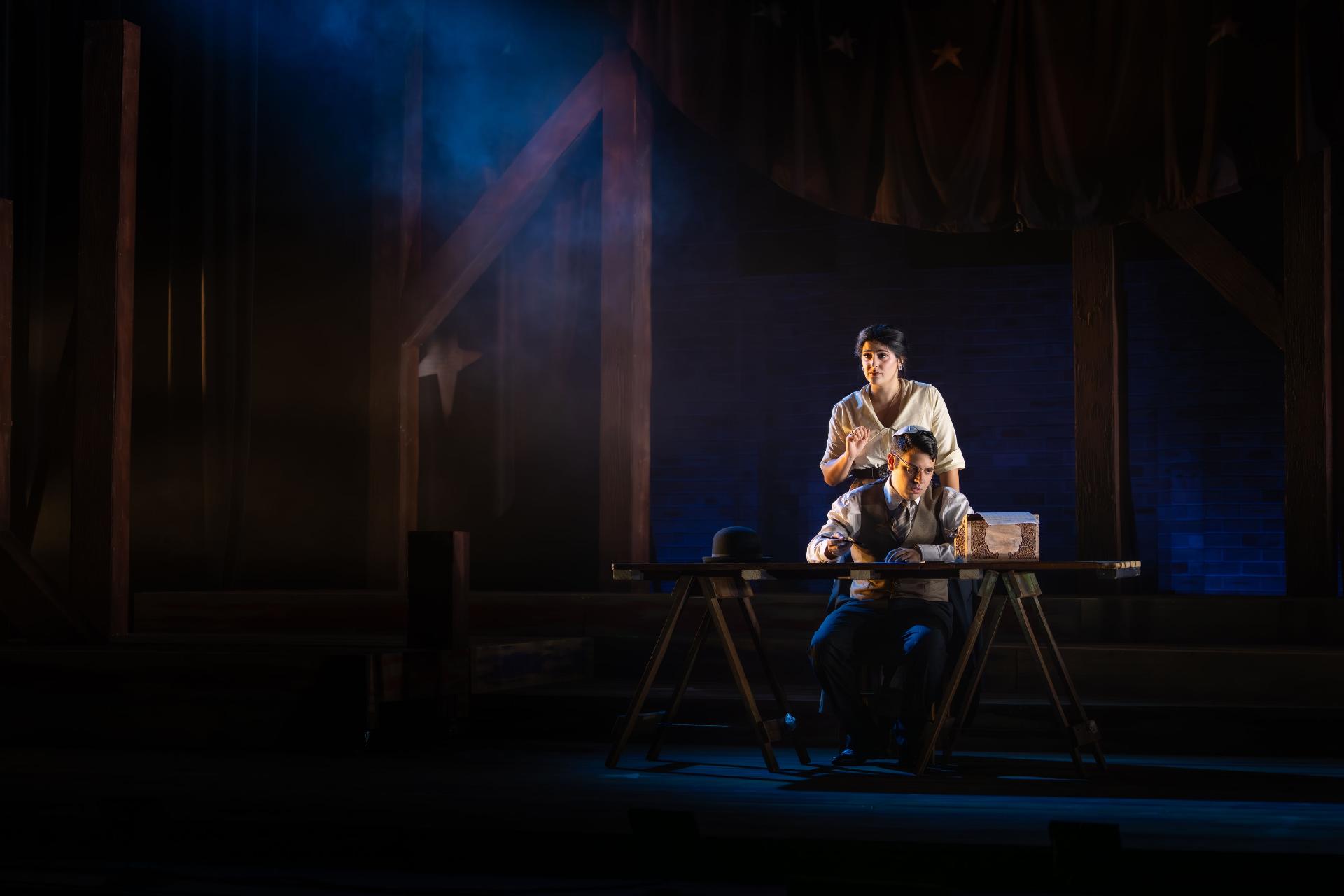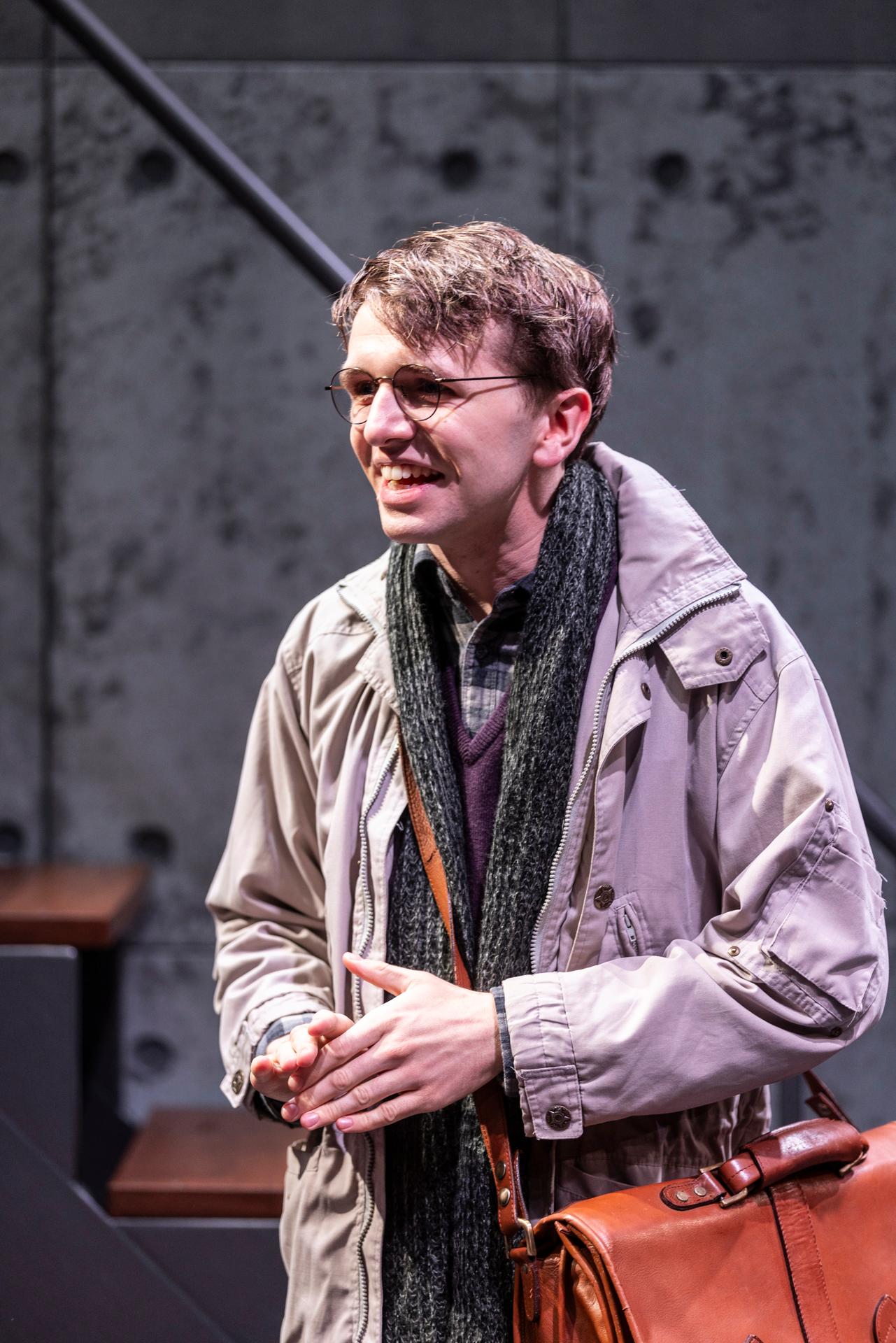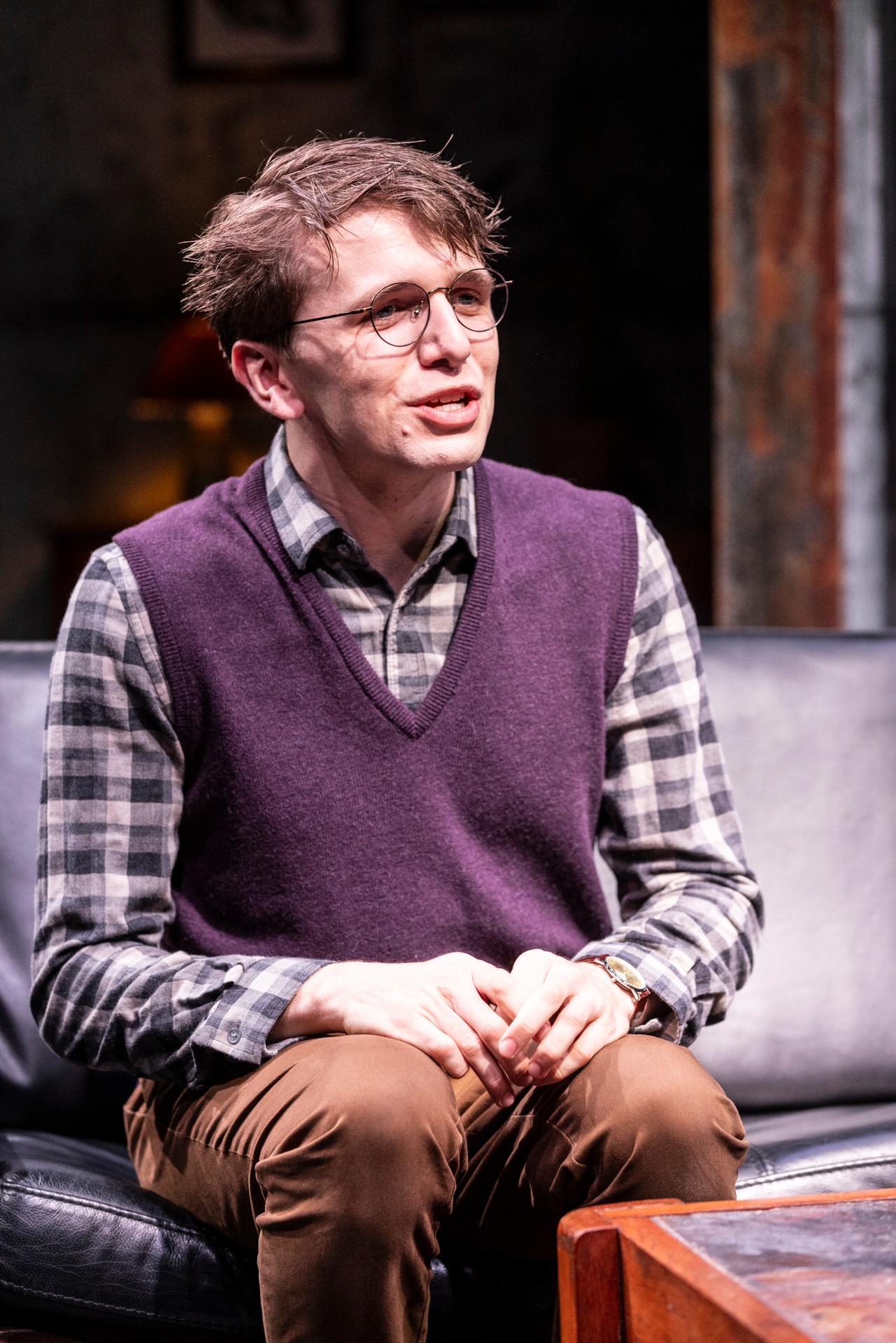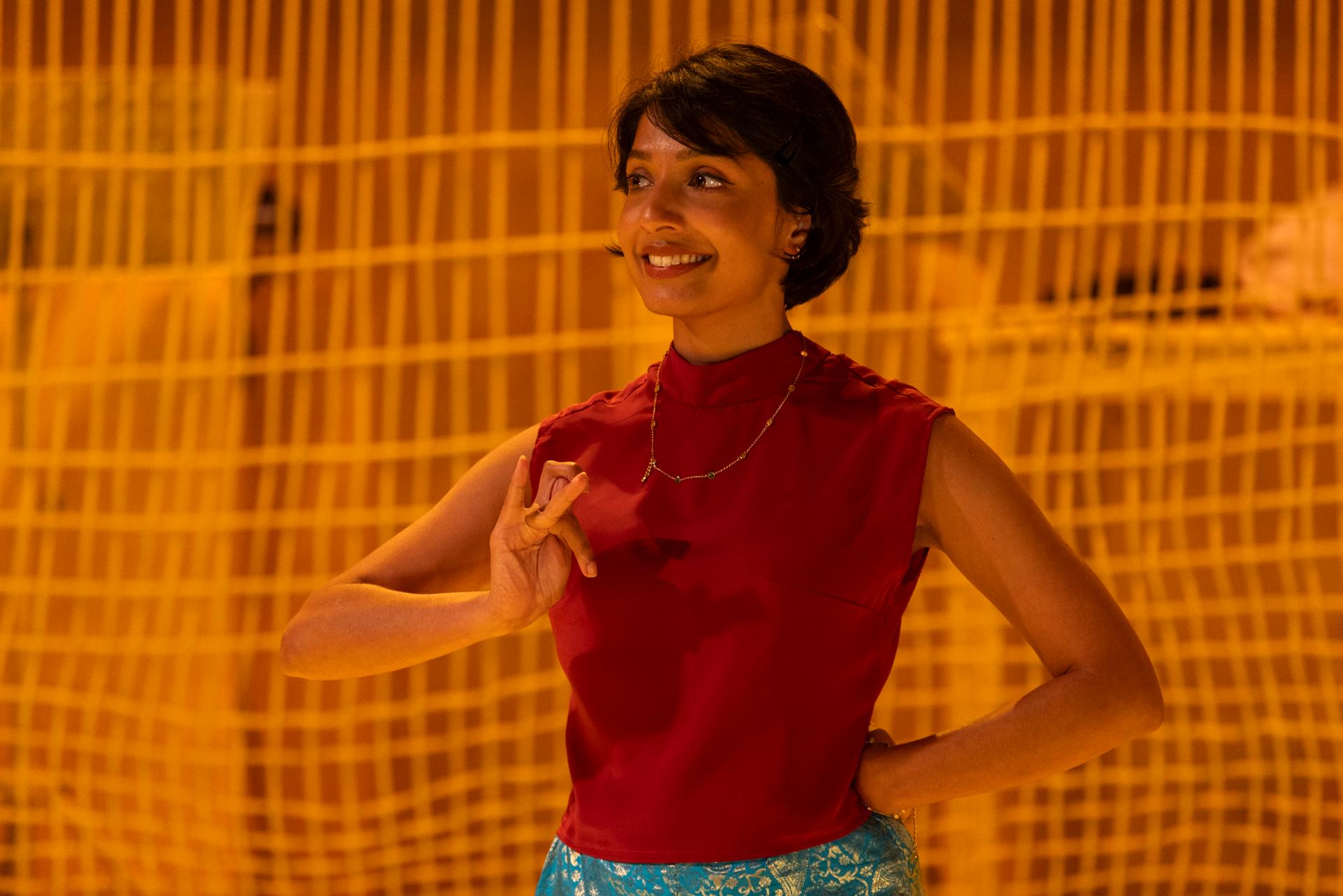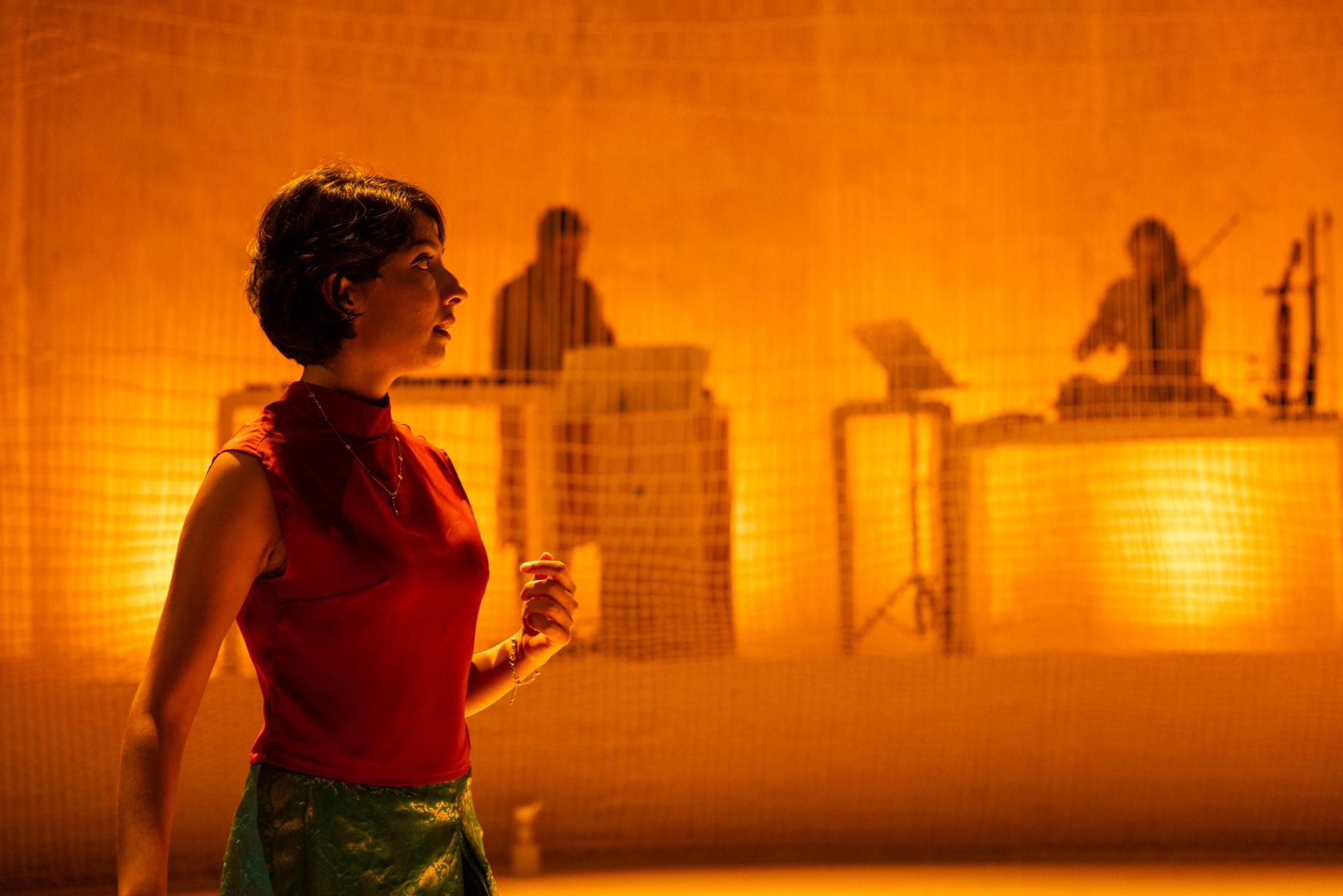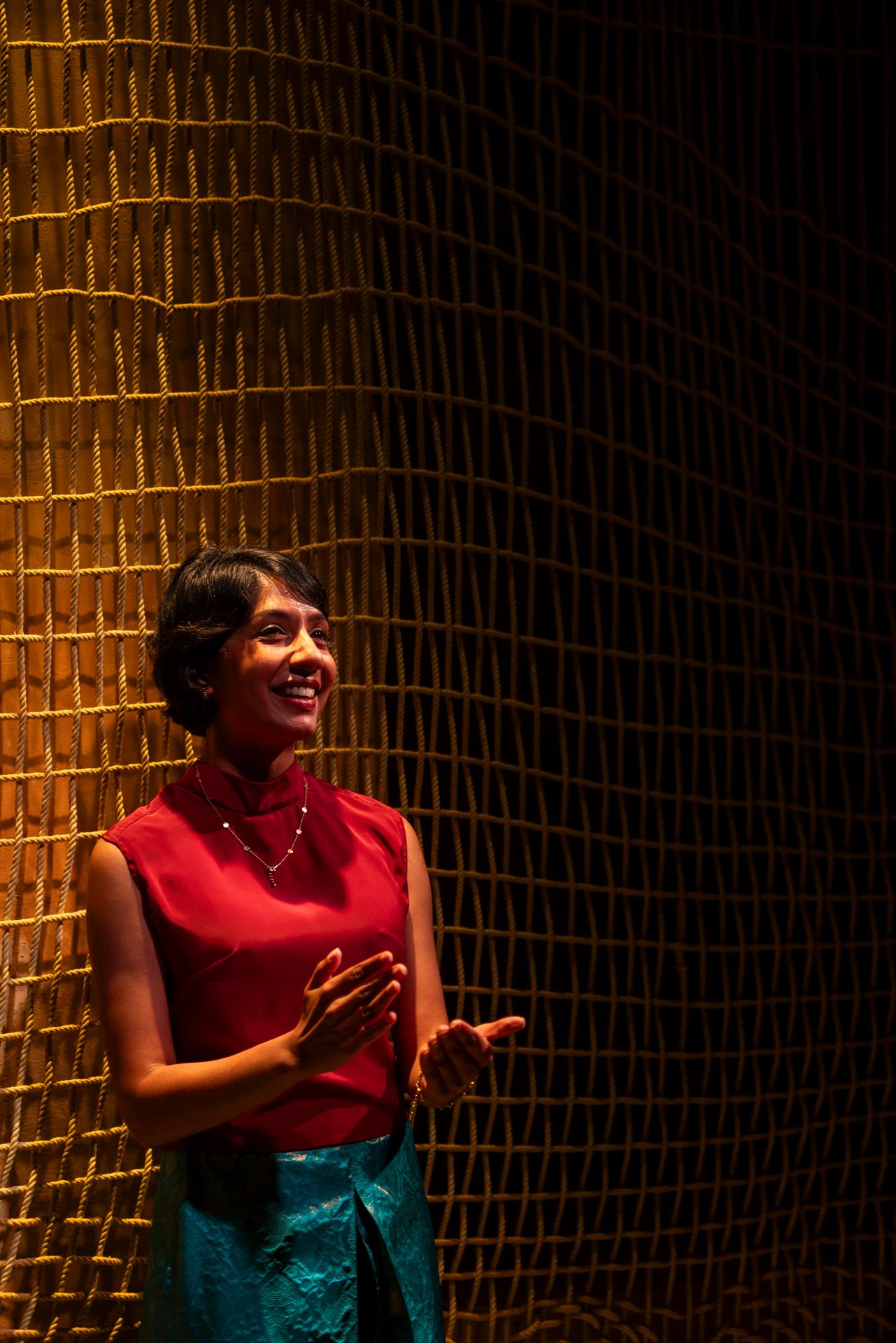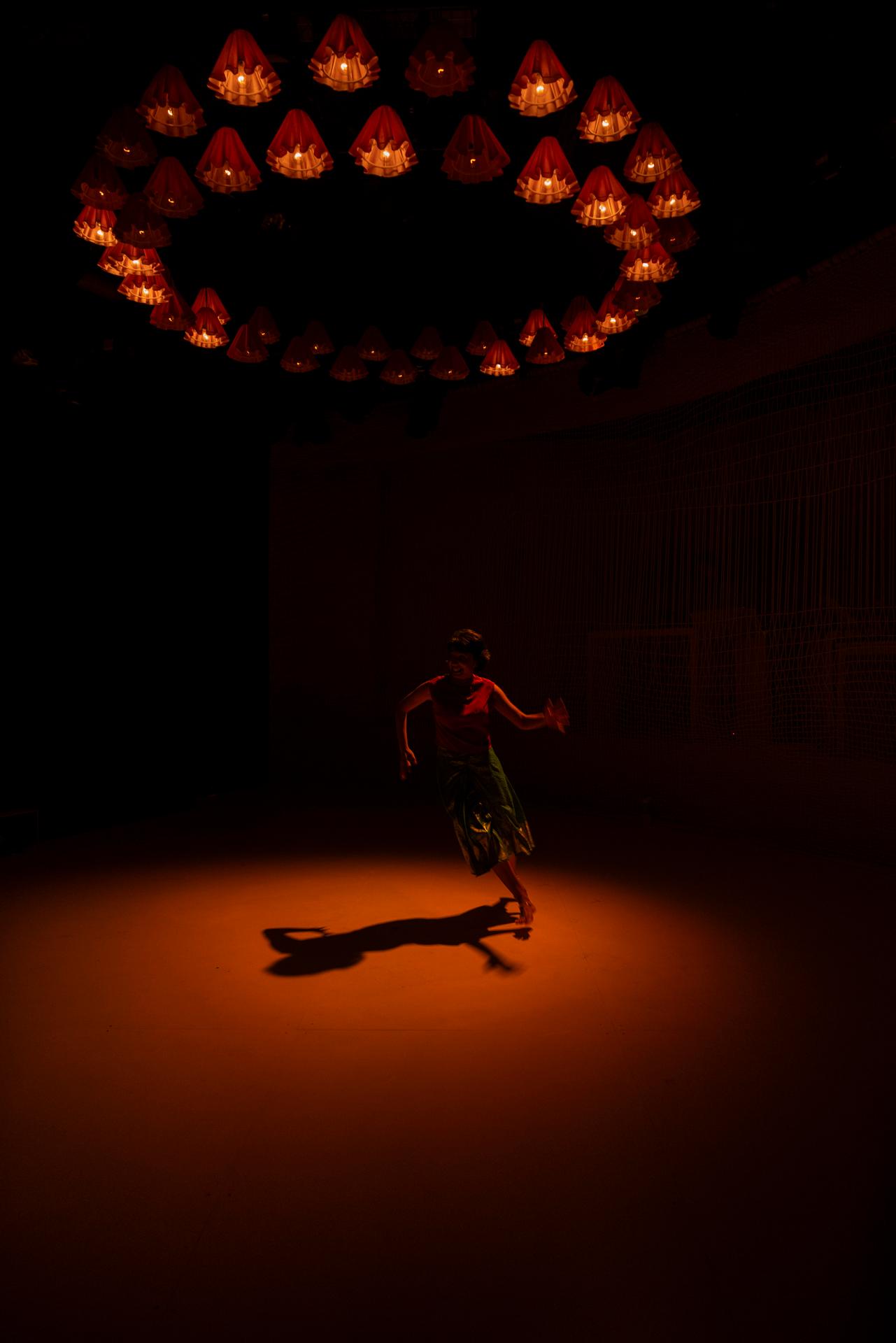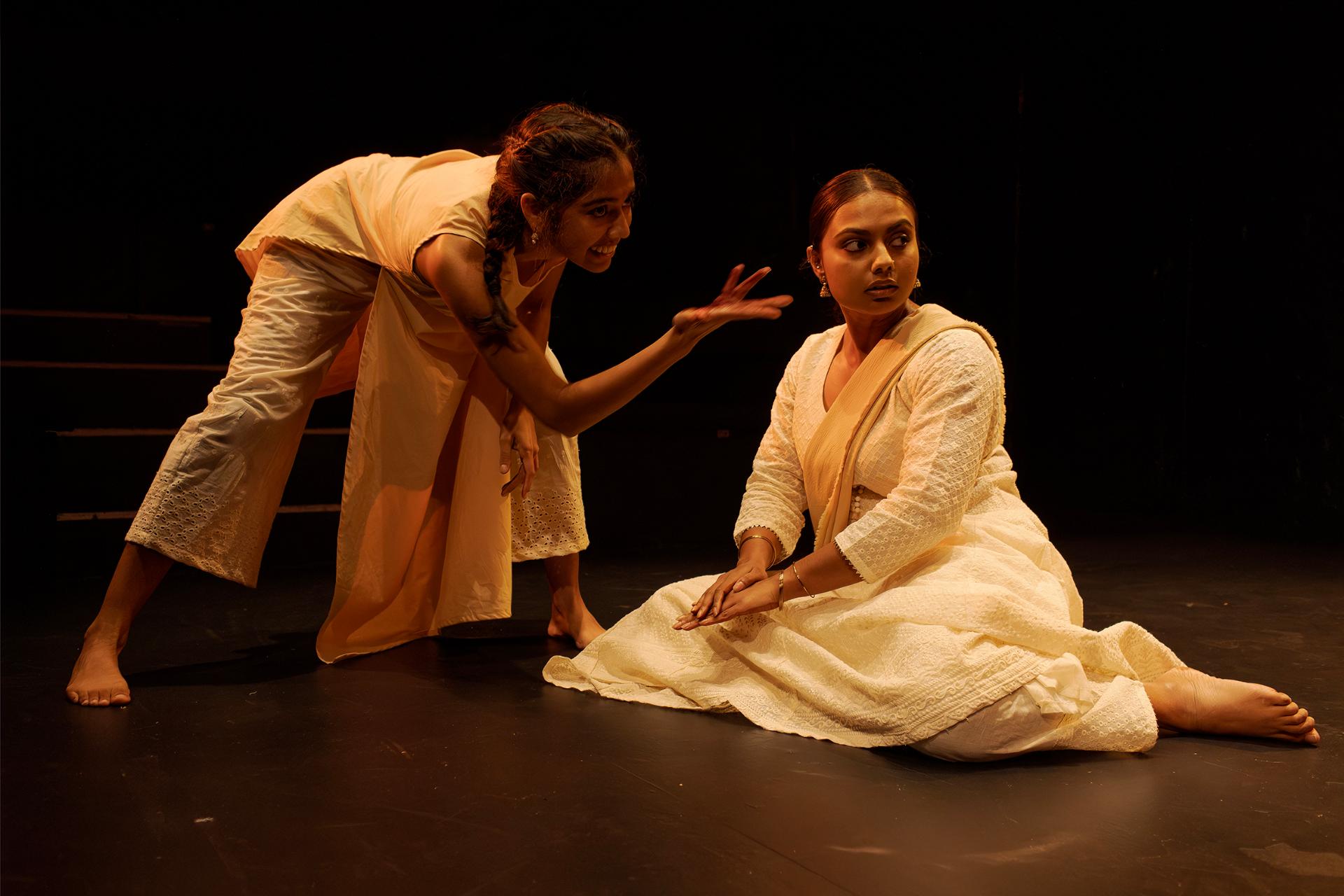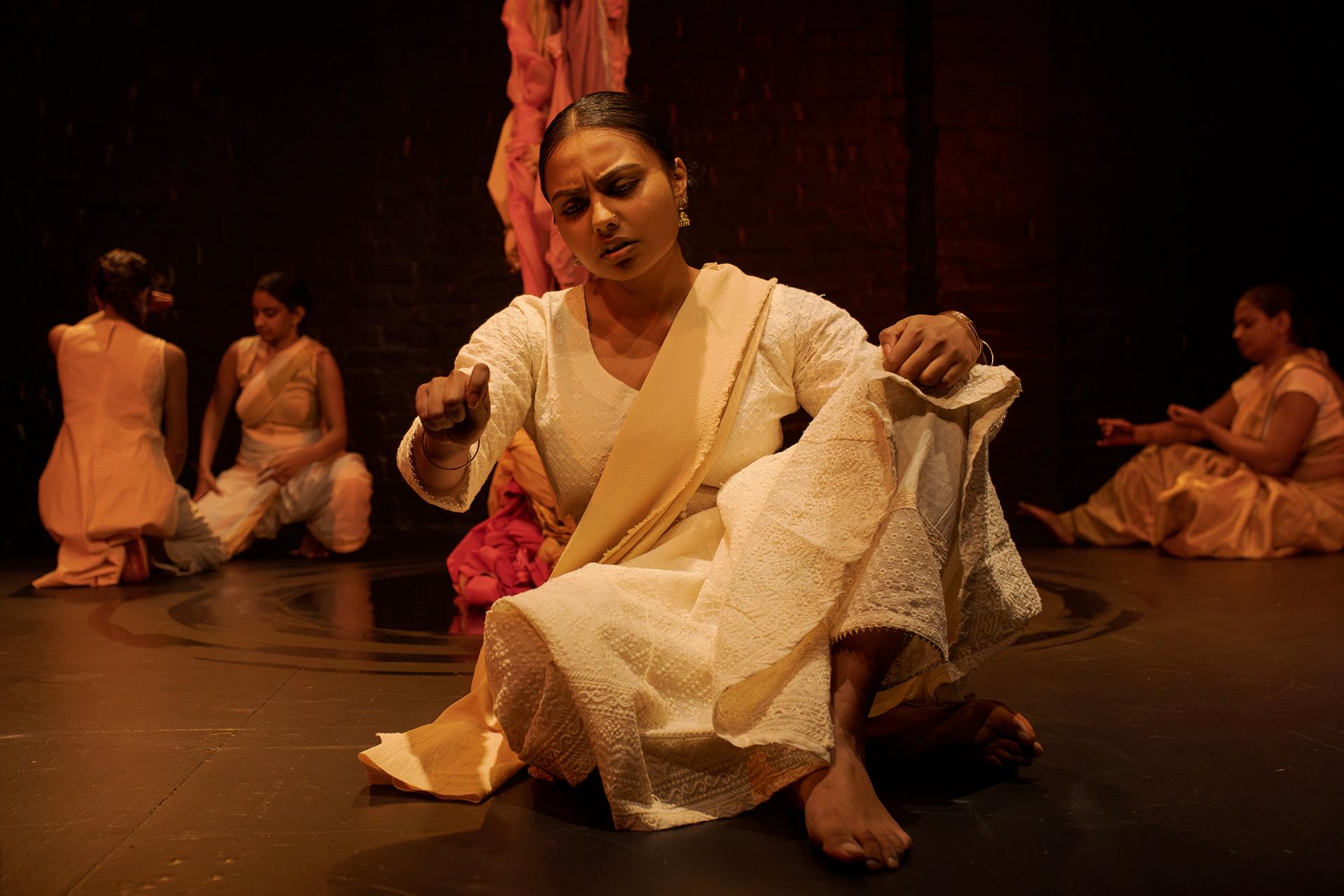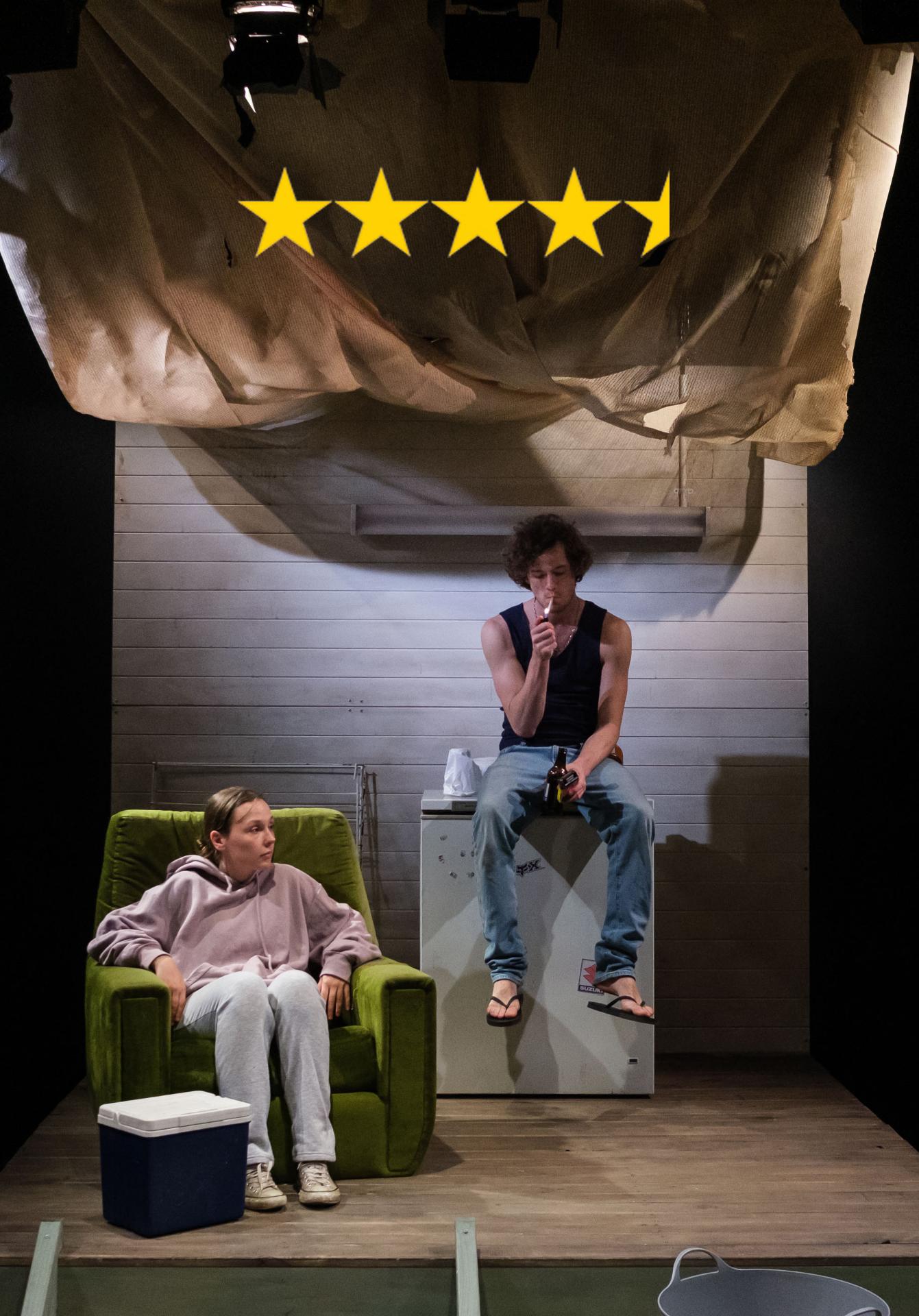
Review: Tiny Beautiful Things  (Belvoir St Theatre)

Venue: Belvoir St Theatre (Surry Hills NSW), Feb 1 – Mar 2, 2024
Playwright: Nia Vardalos (from the book by Cheryl Strayed)
Directors: Lee Lewis
Cast: Stephen Geronimos, Mandy McElhinney, Nic Prior, Angela Nica Sullen
Images by Brett Boardman

Theatre review
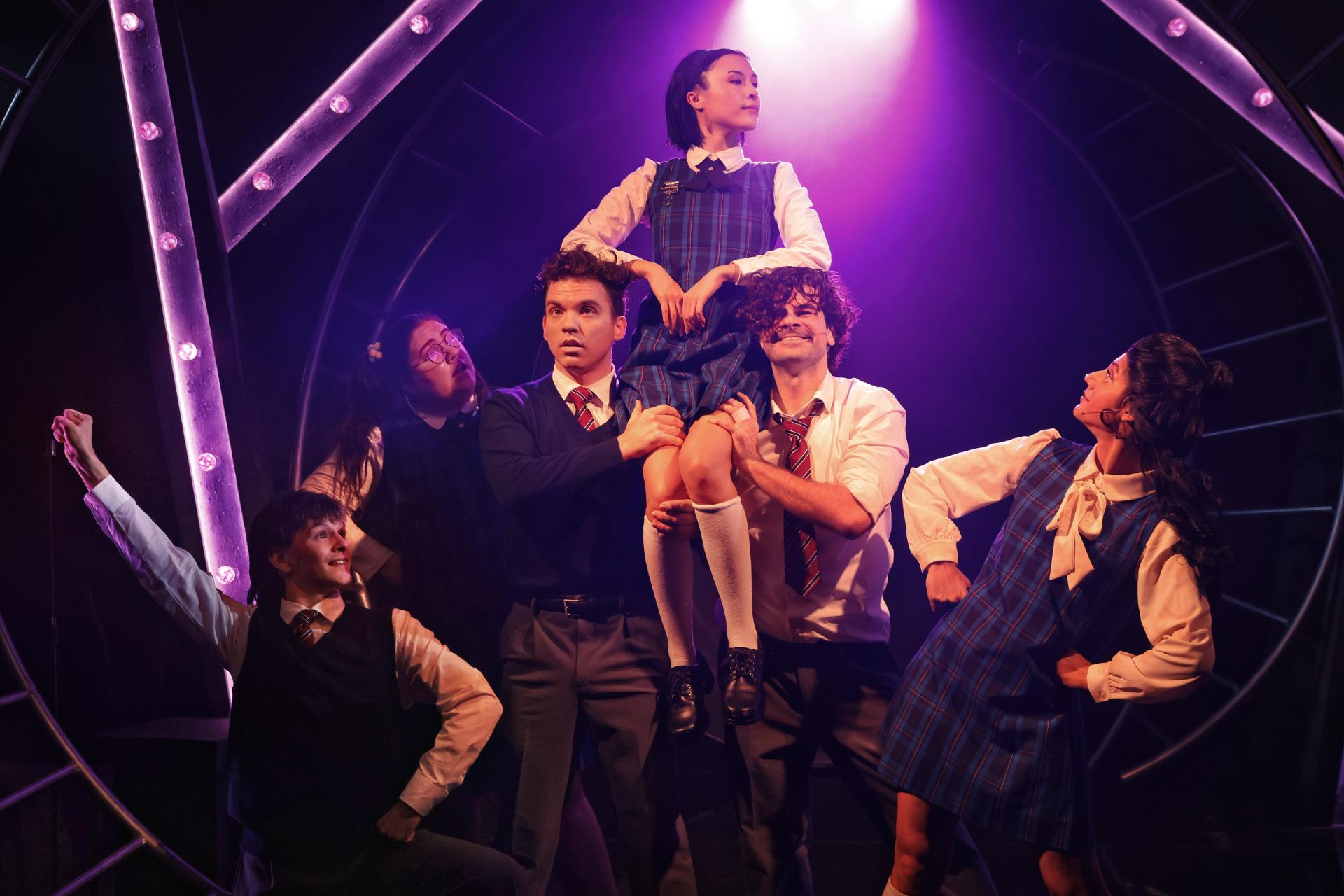
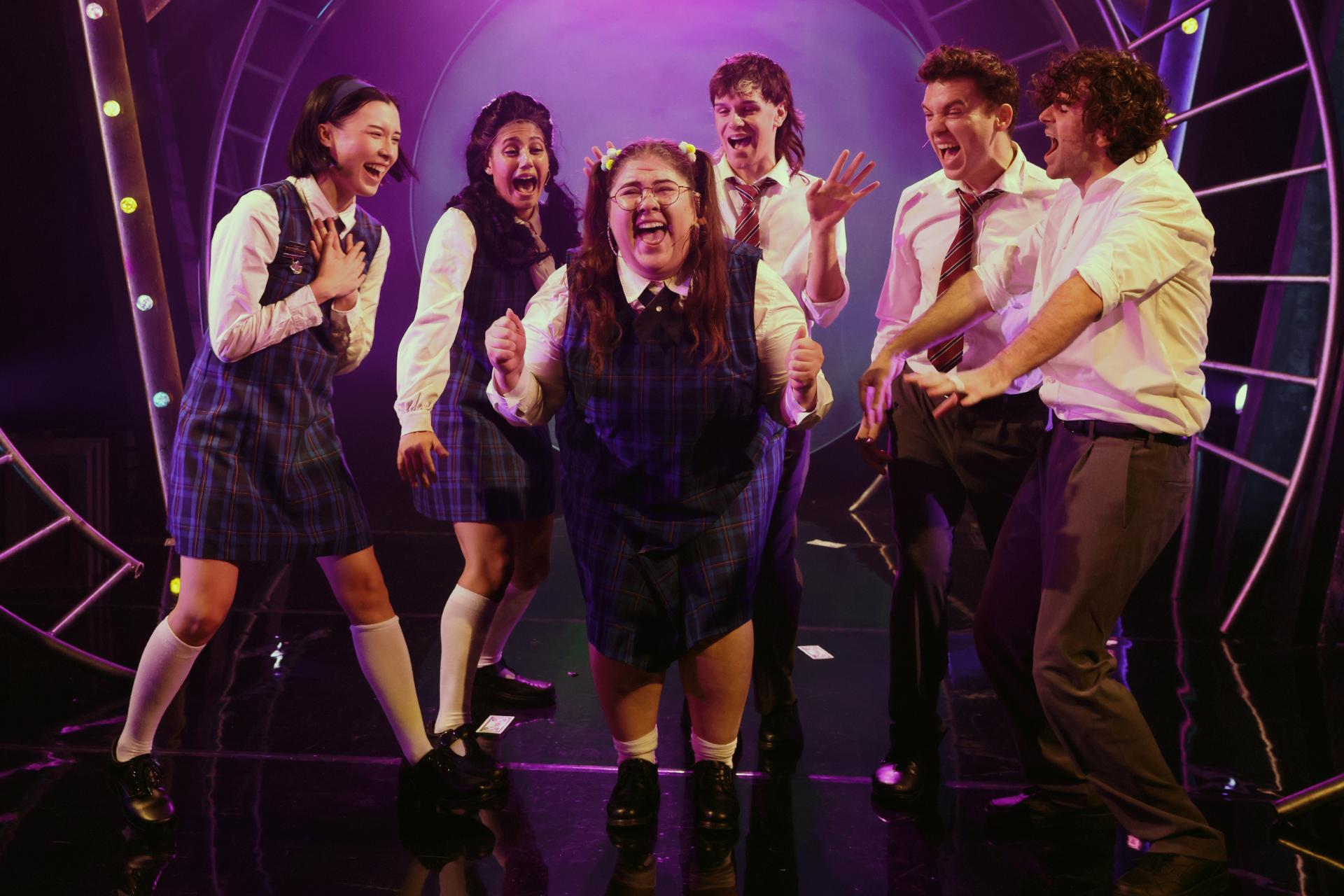
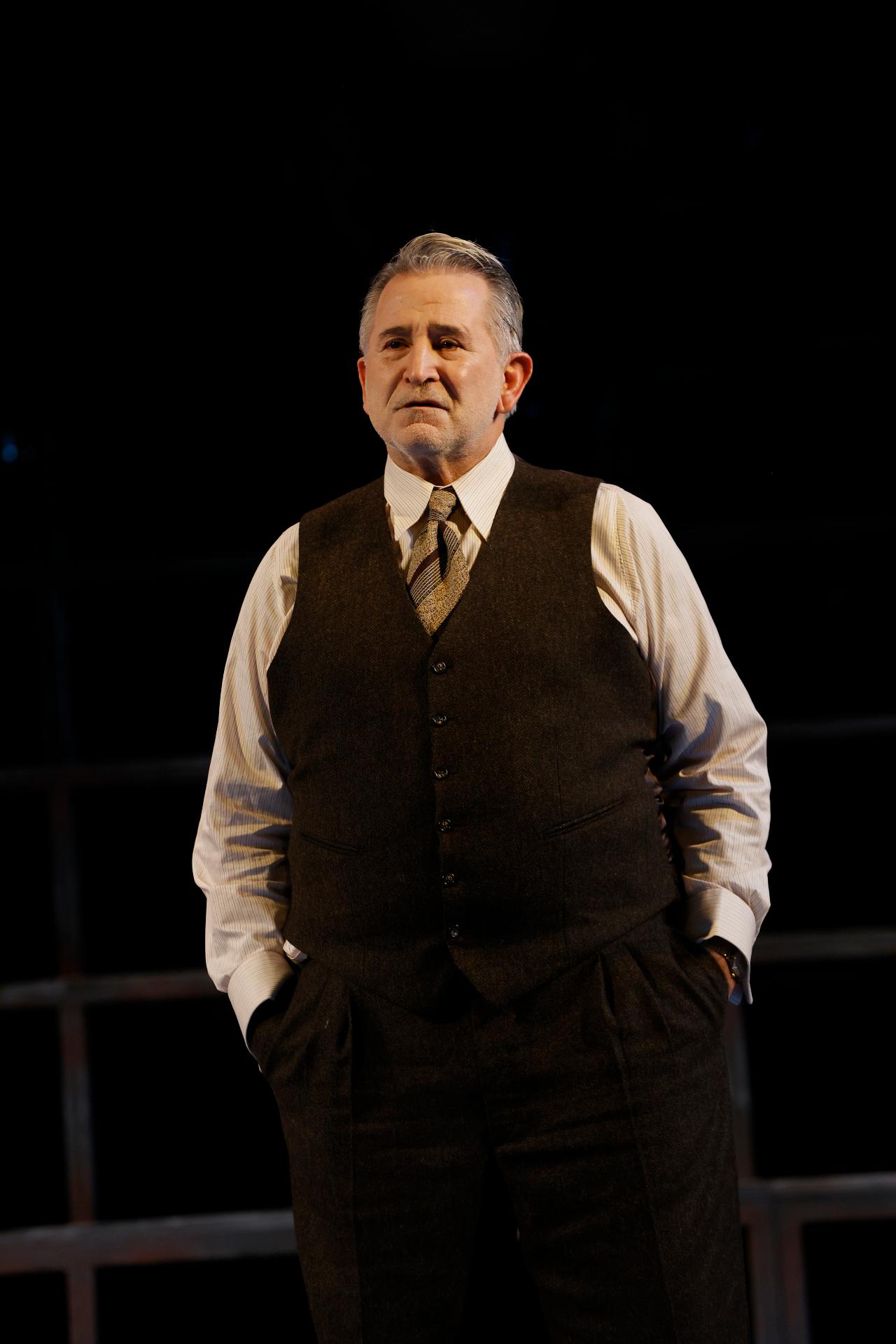
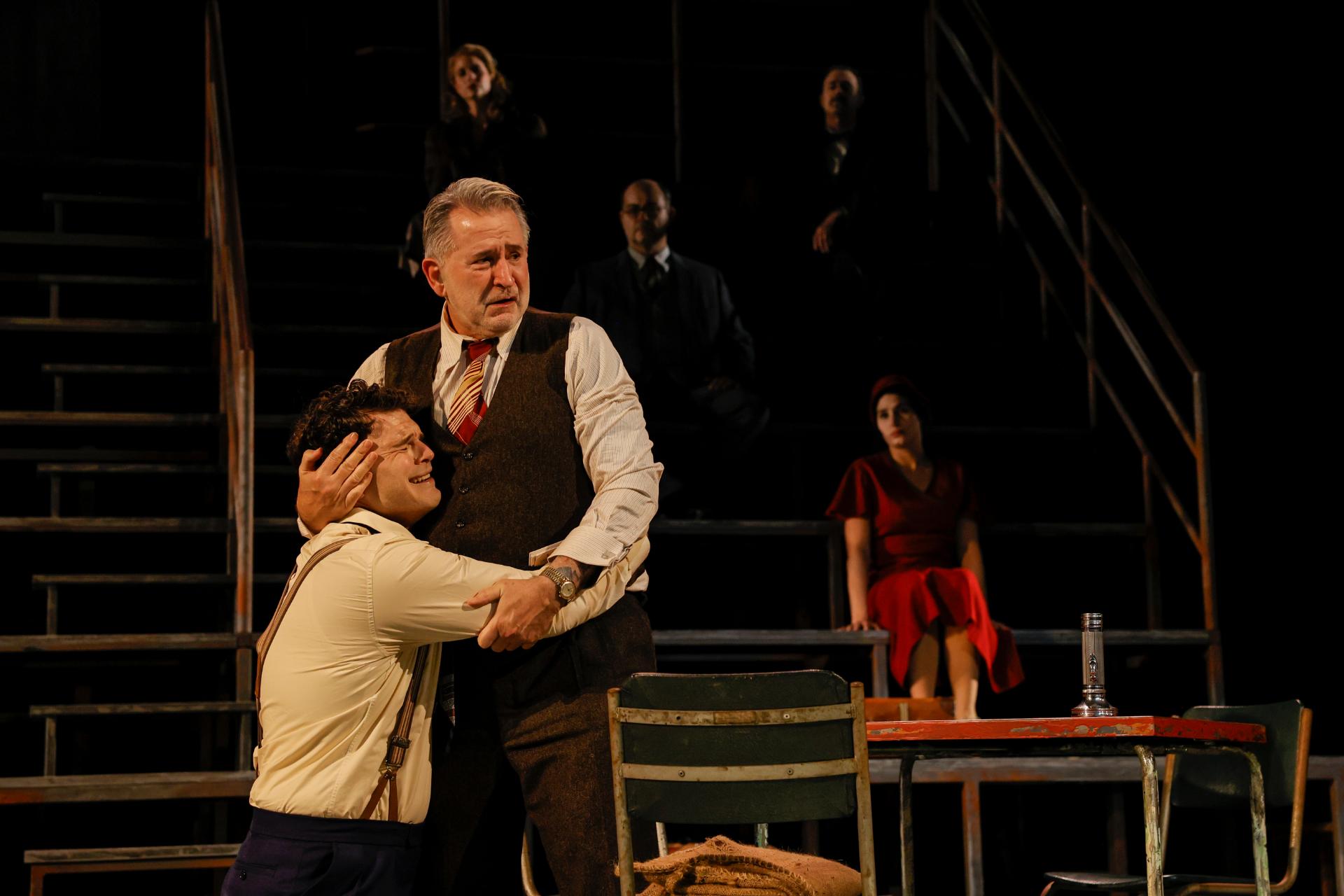
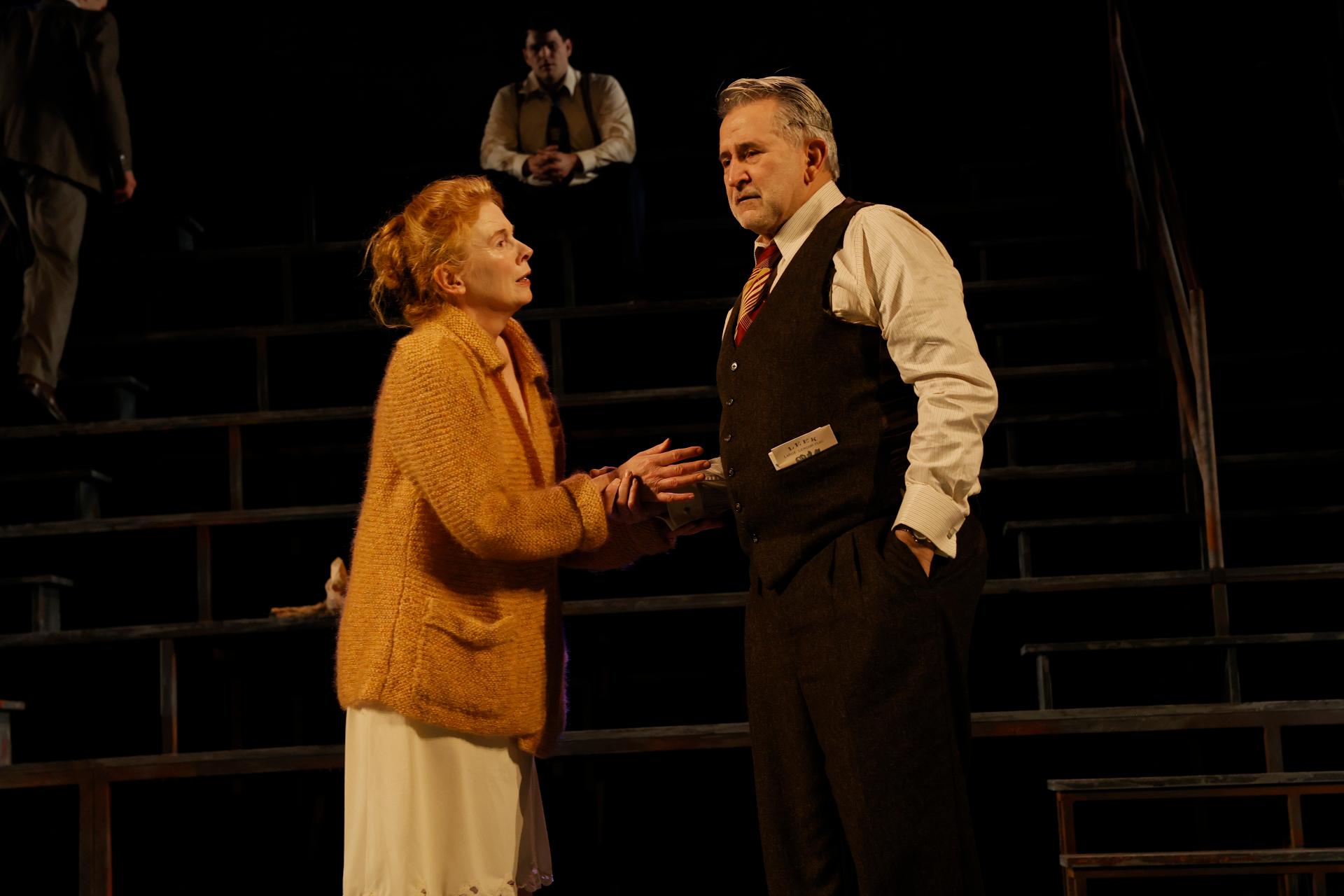
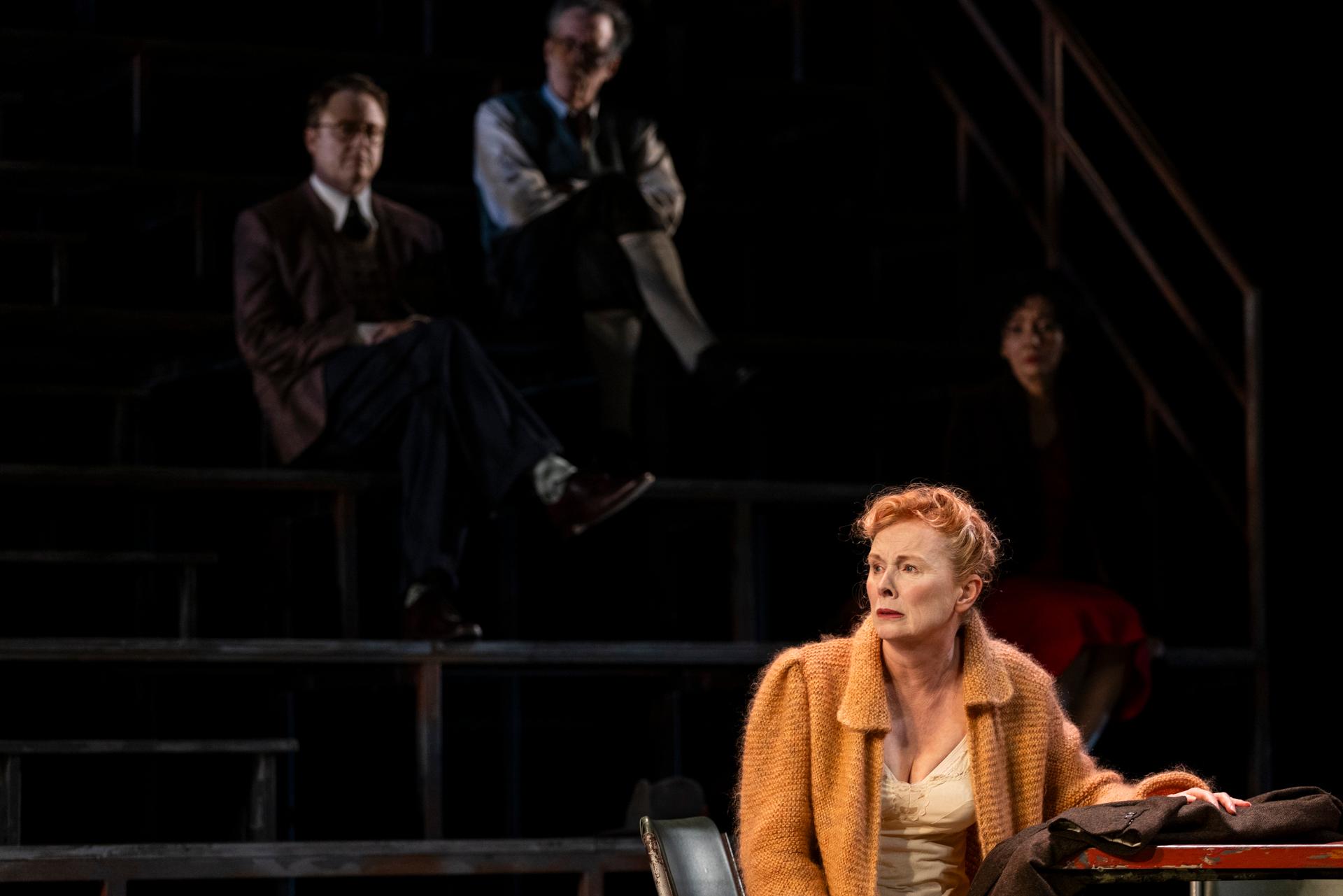
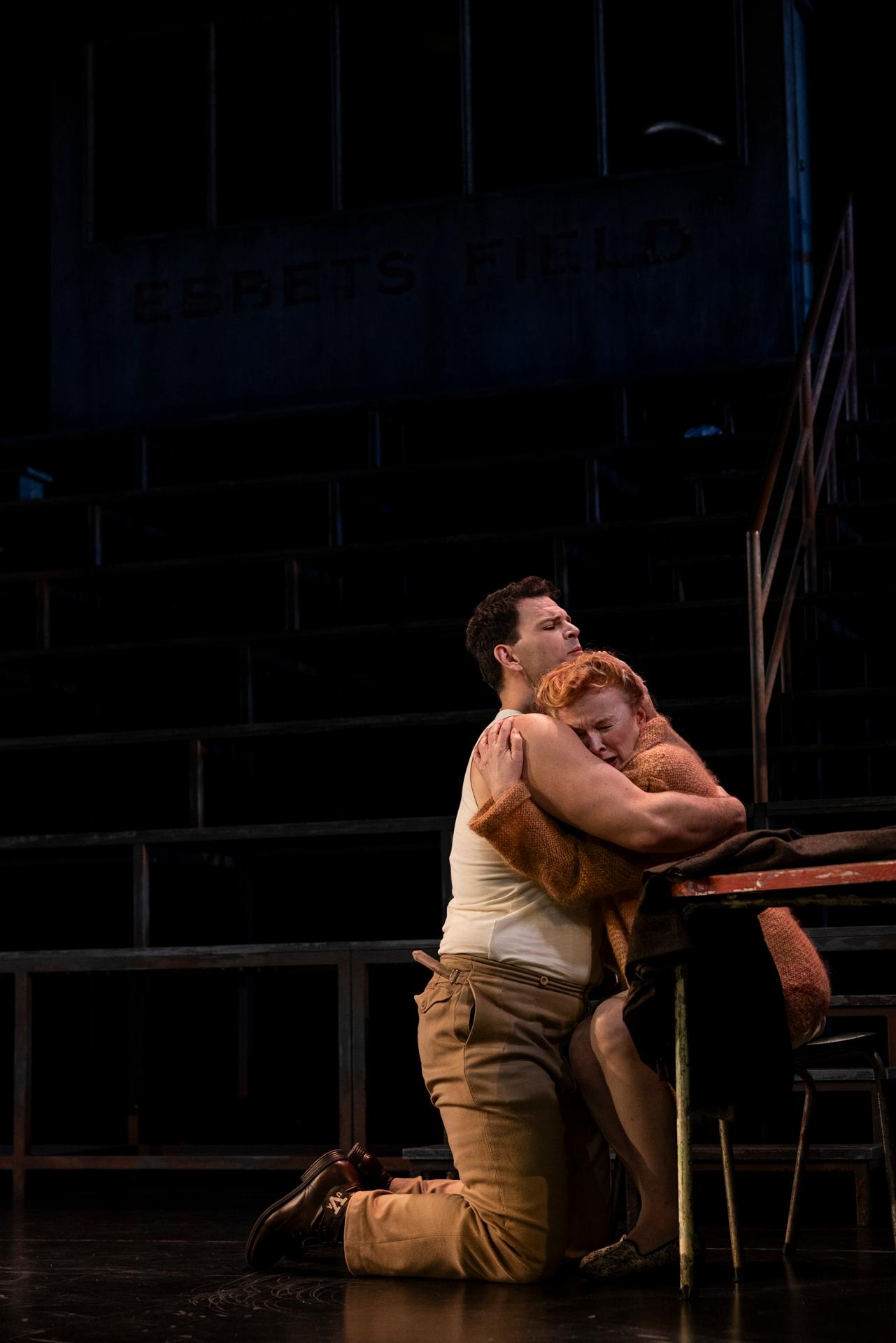
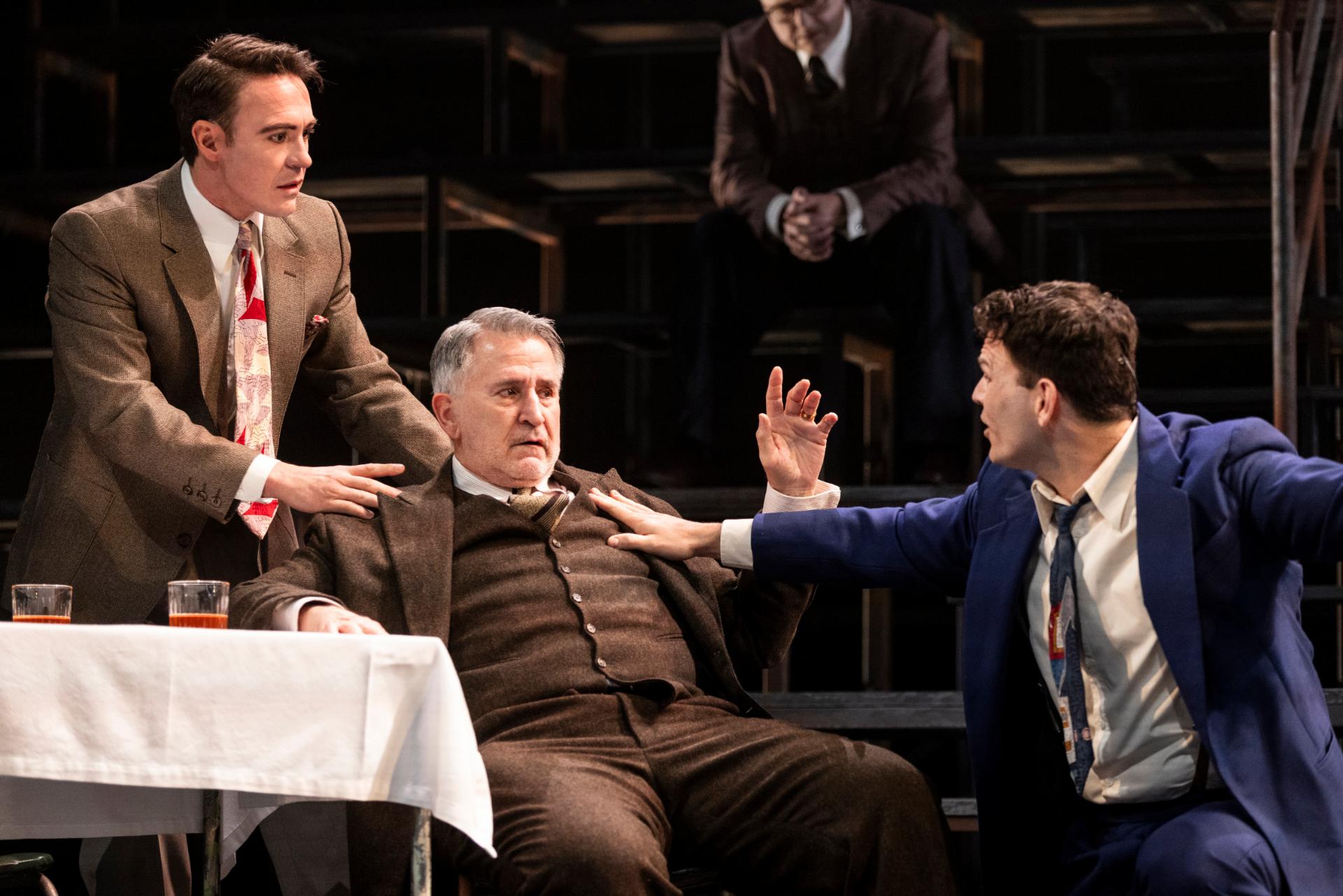
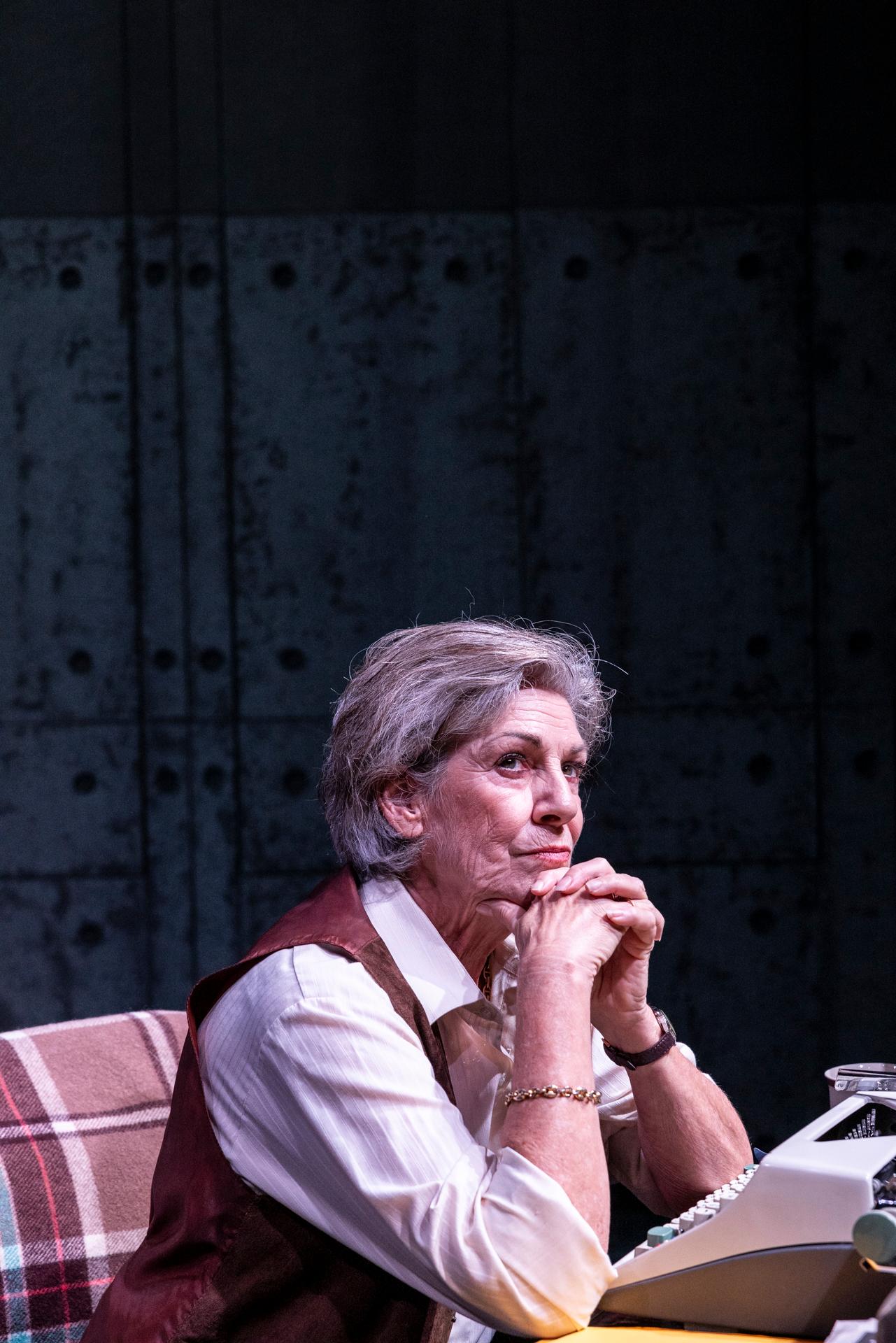
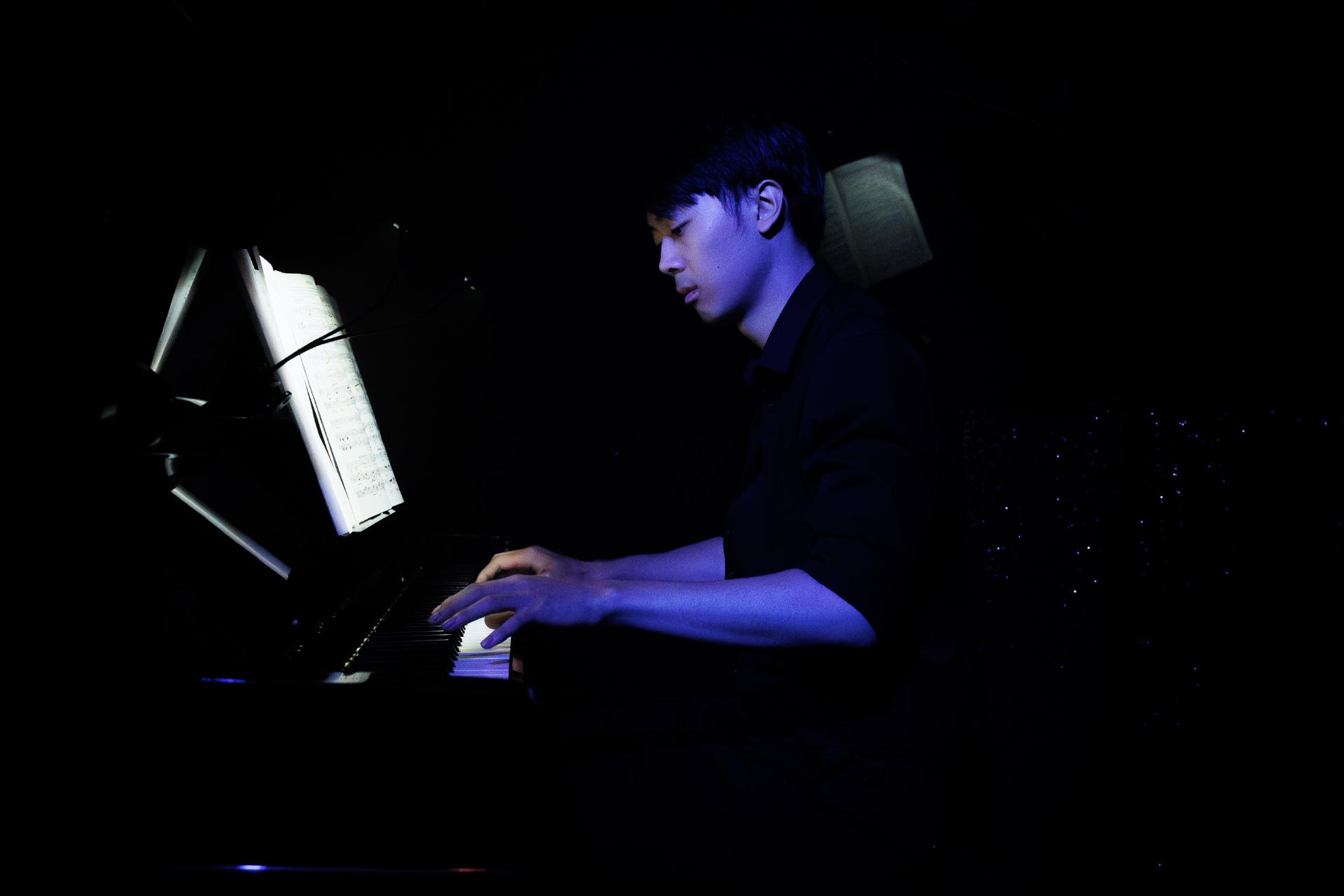
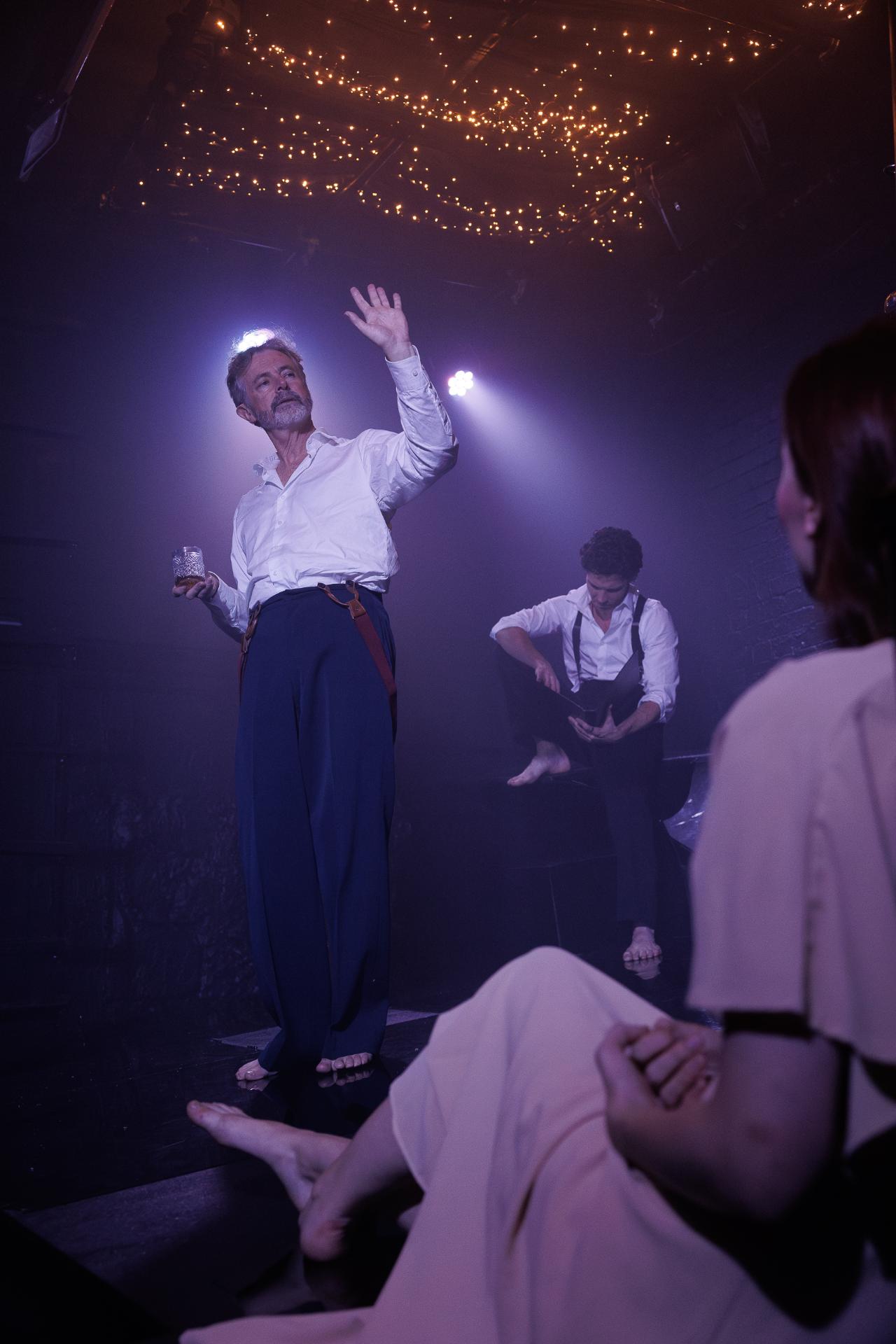
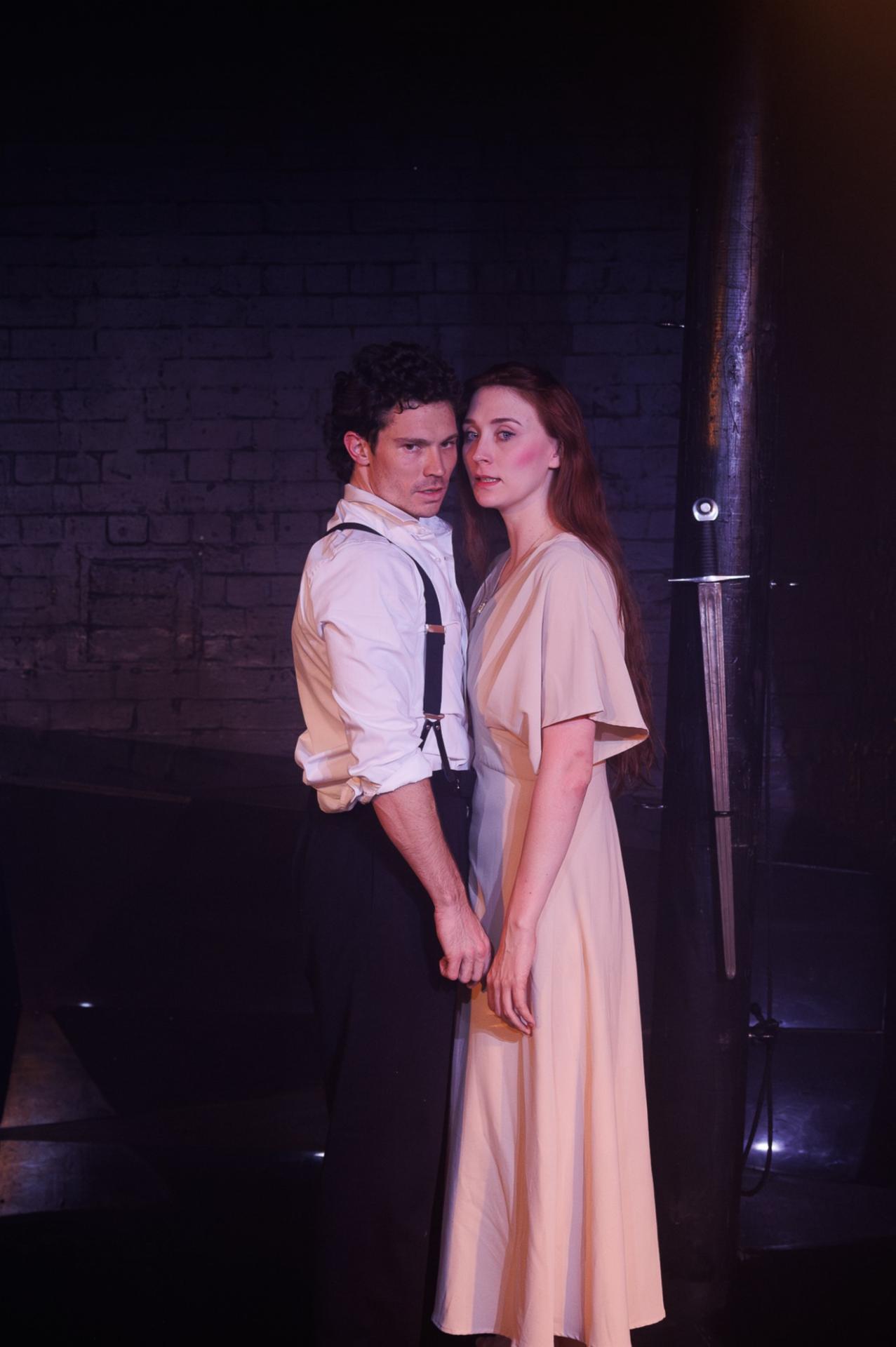
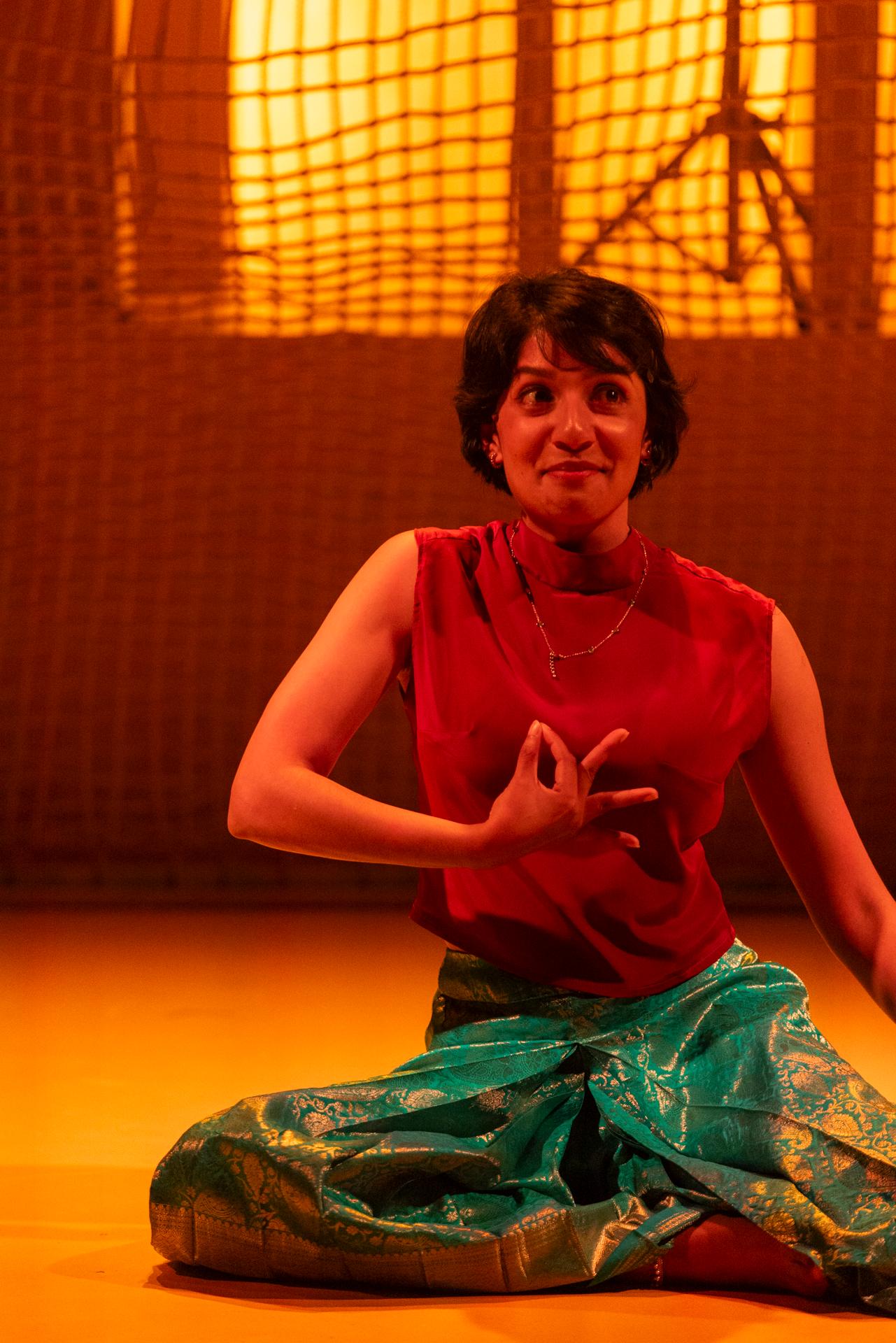
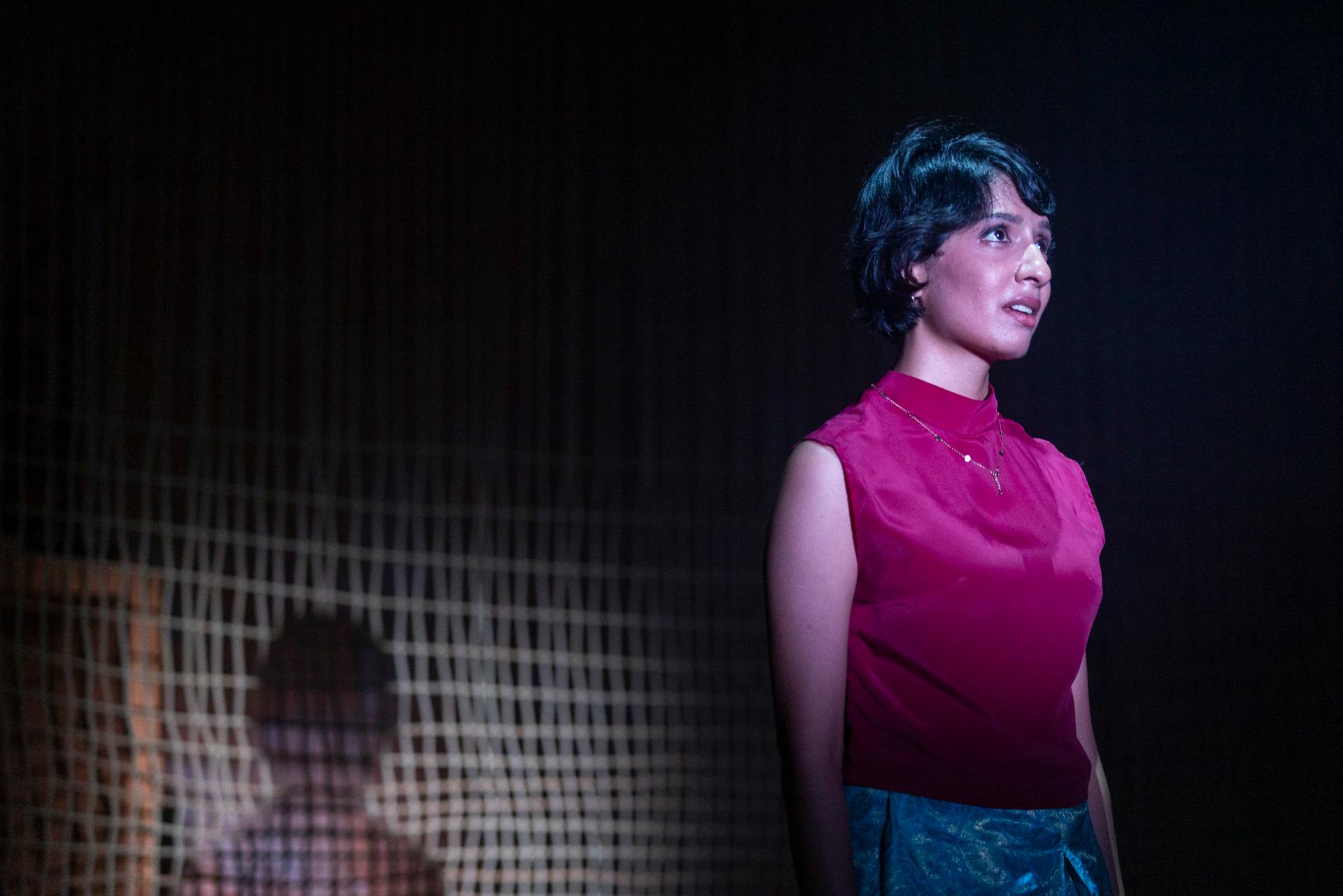
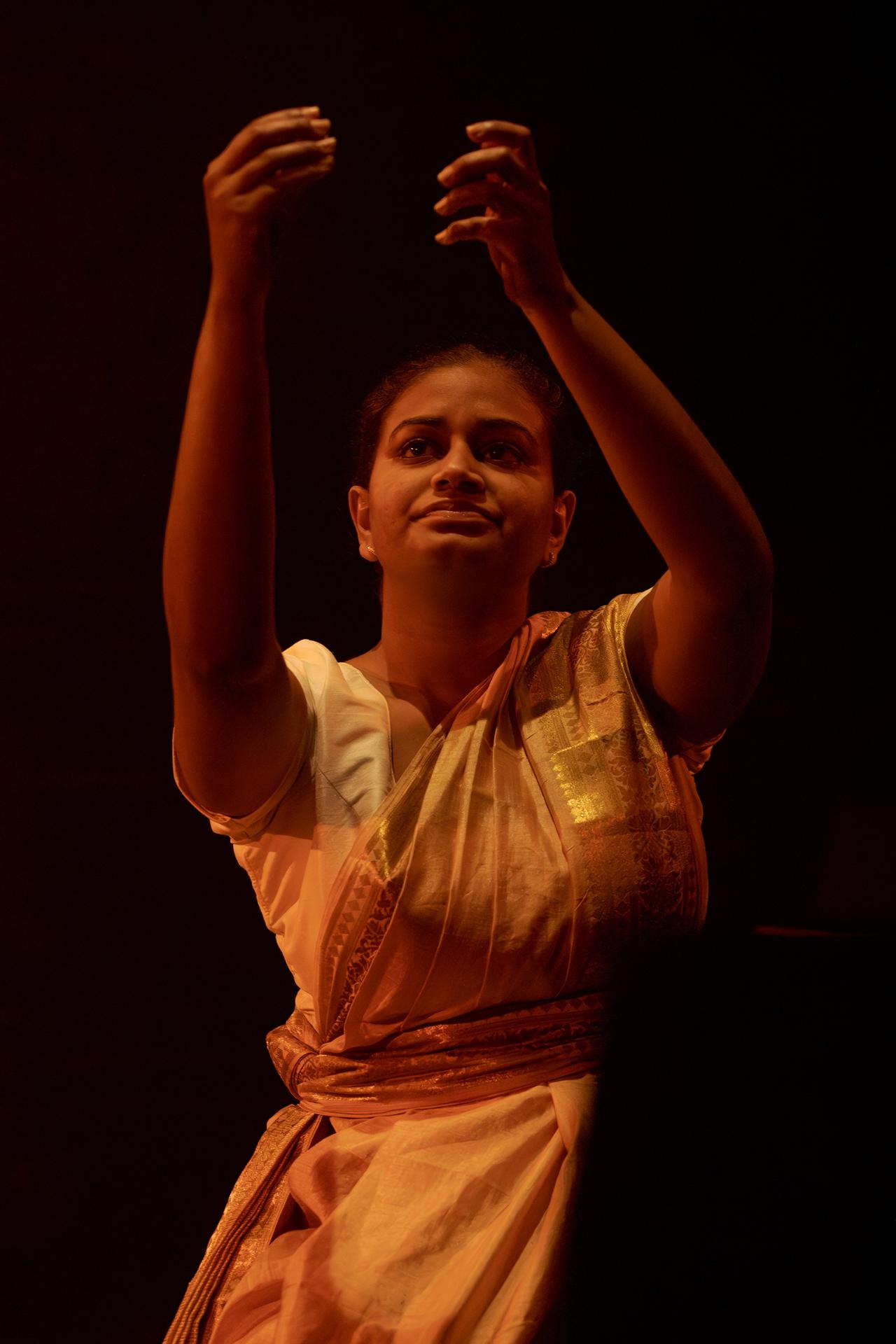
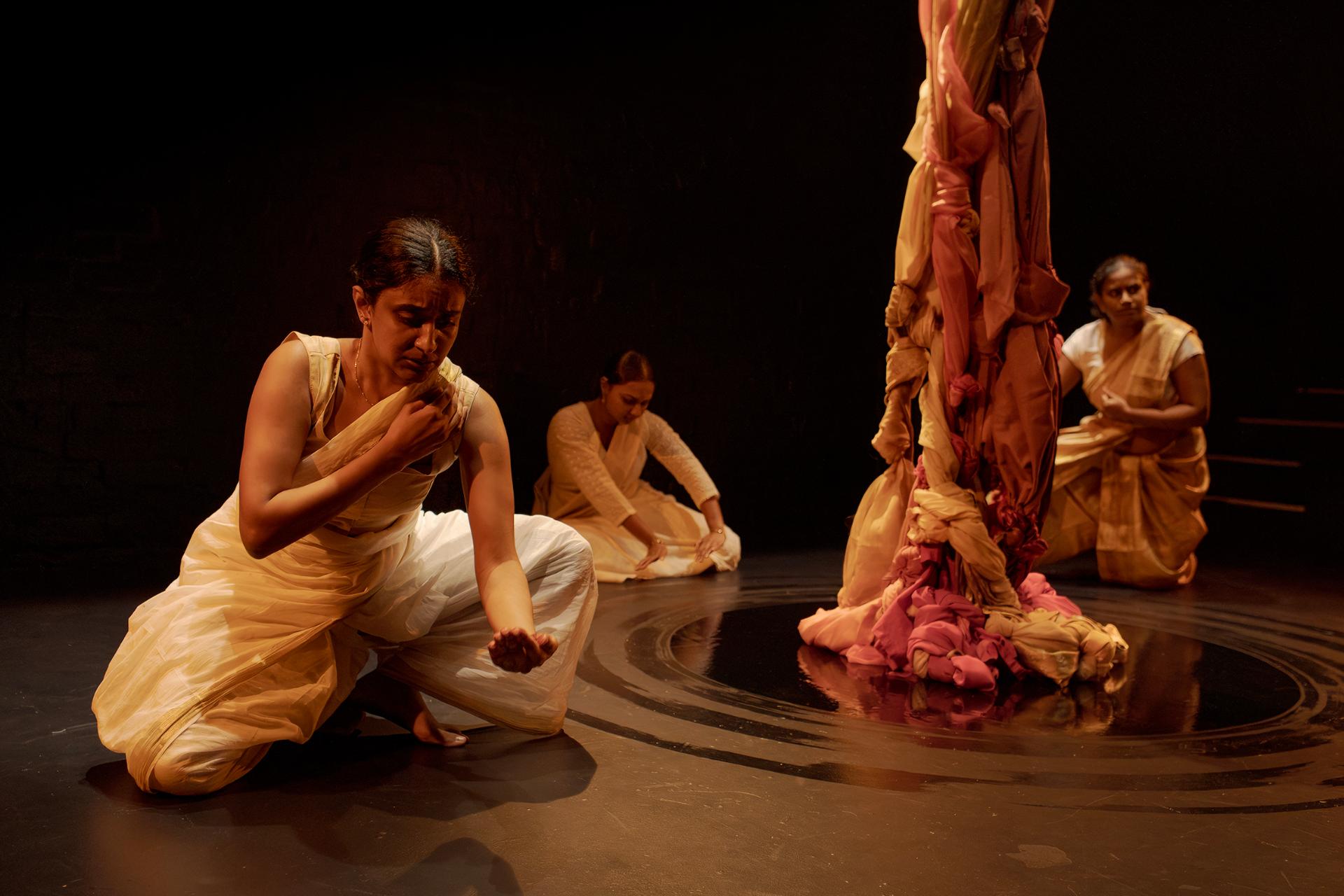
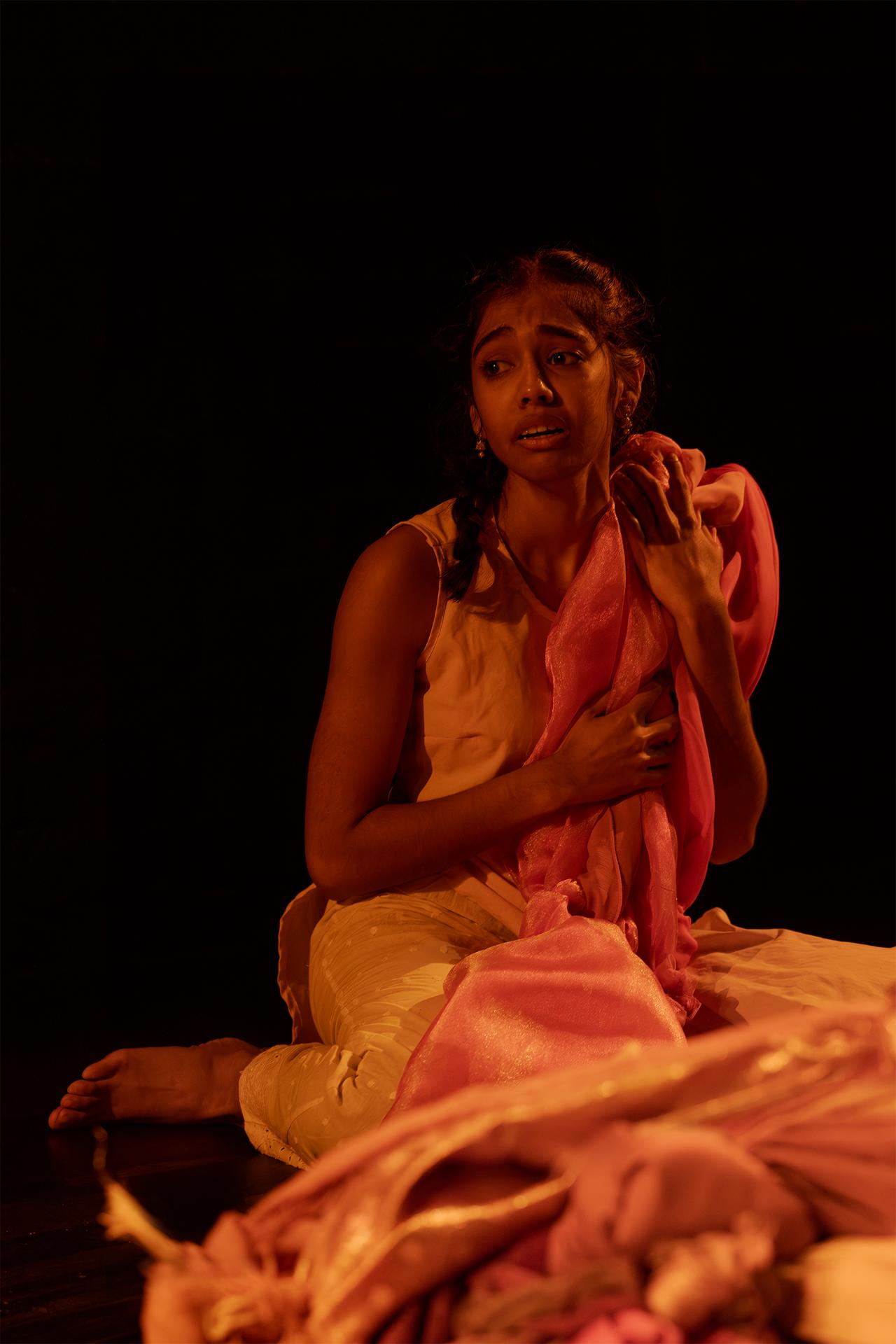
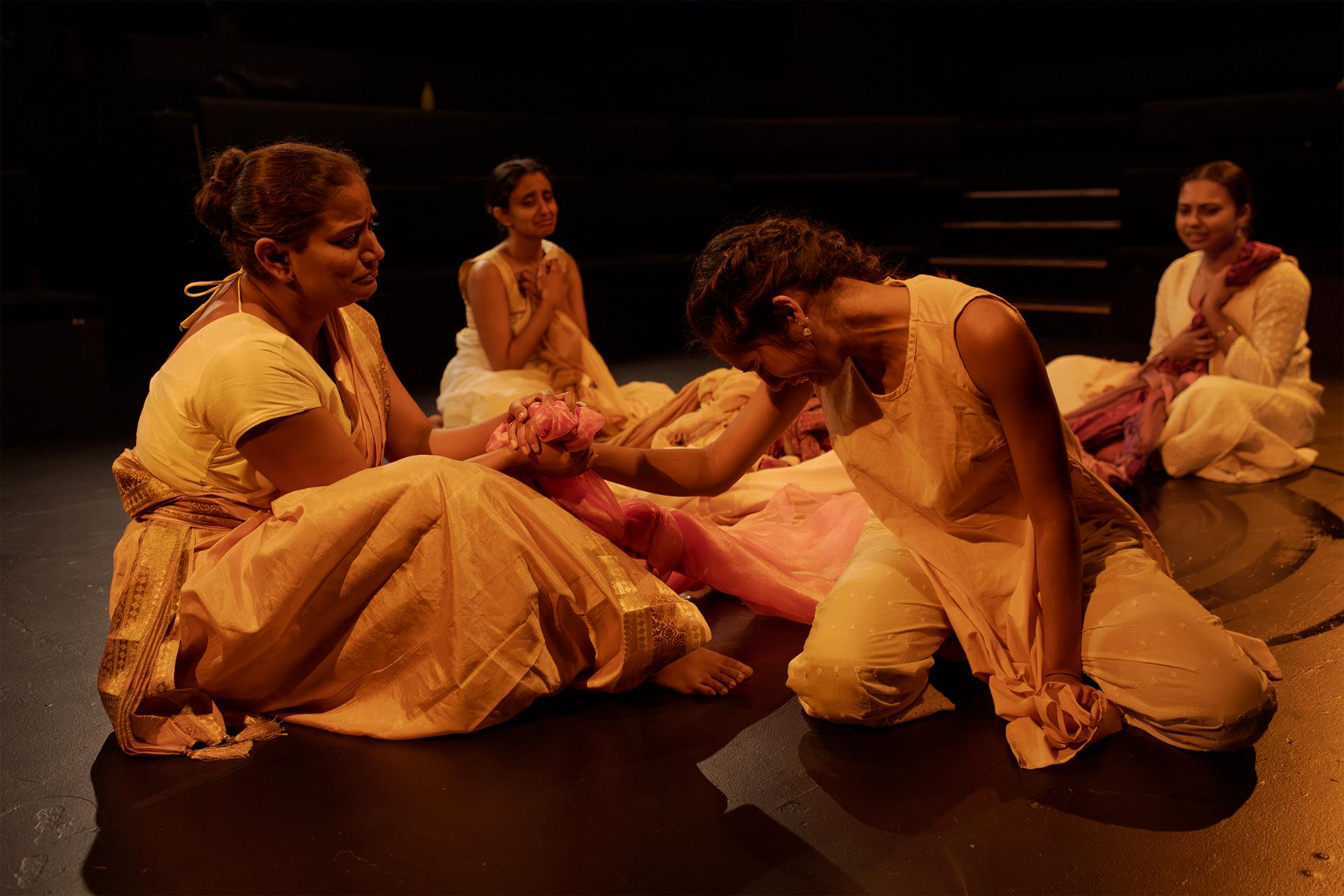
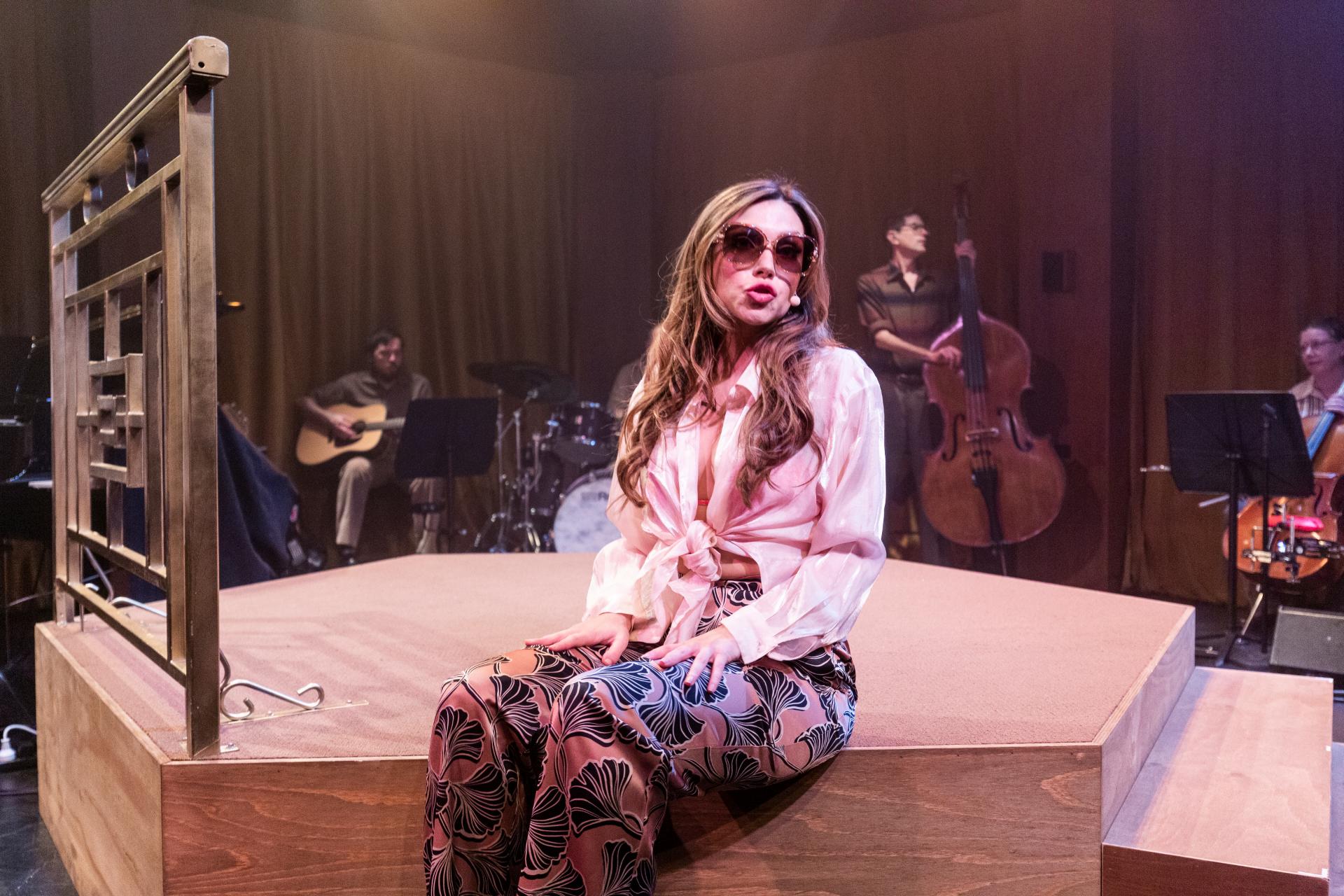
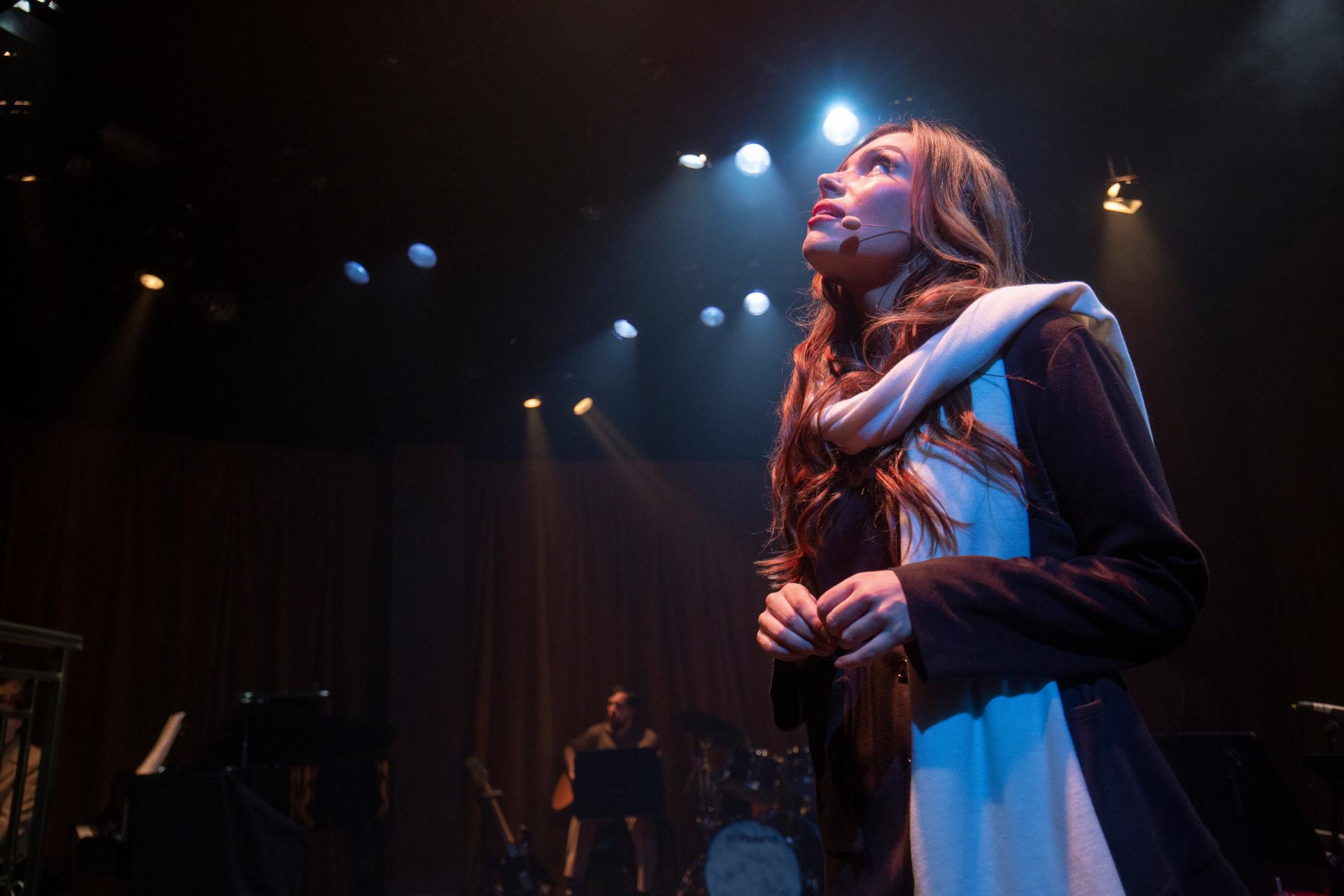
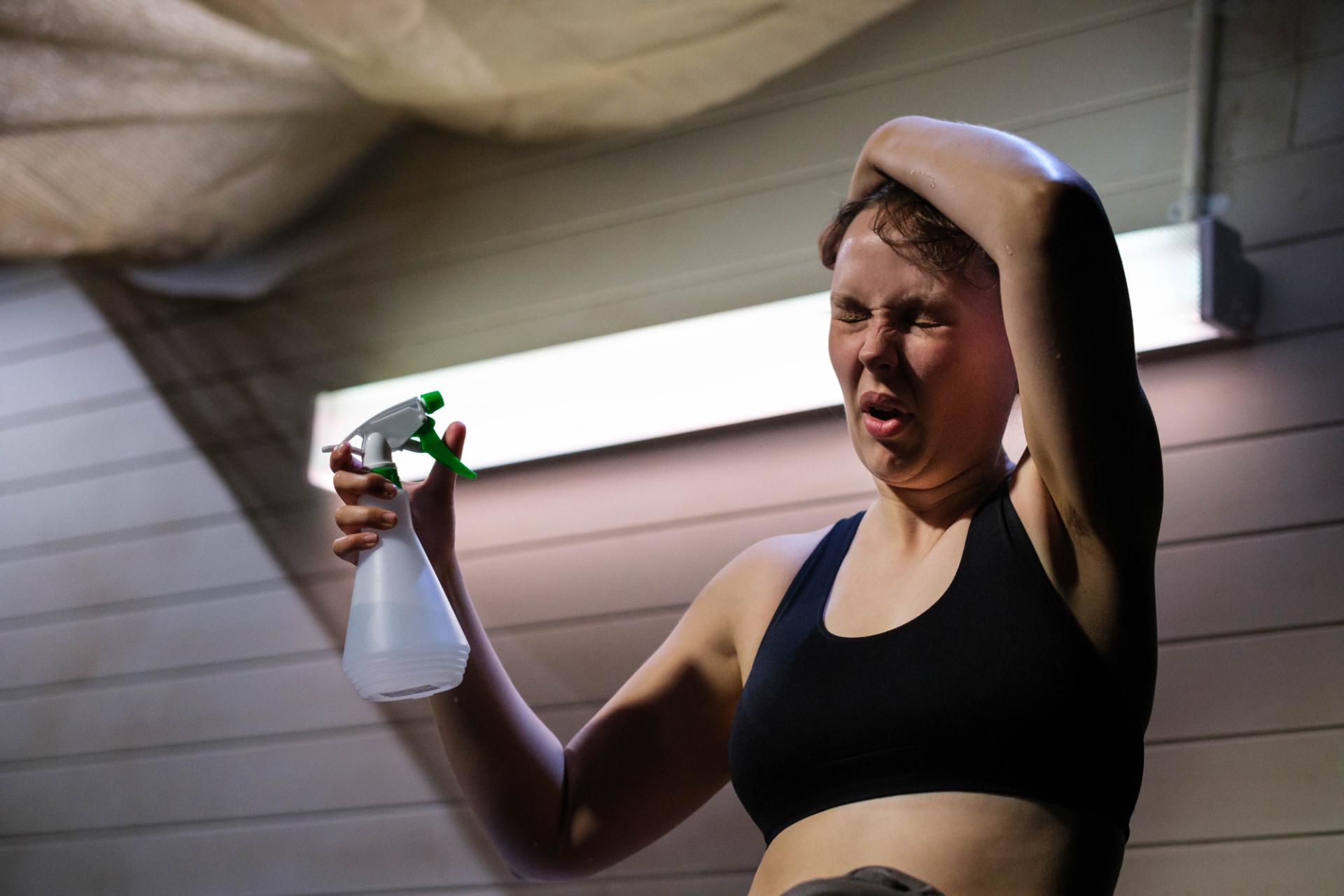
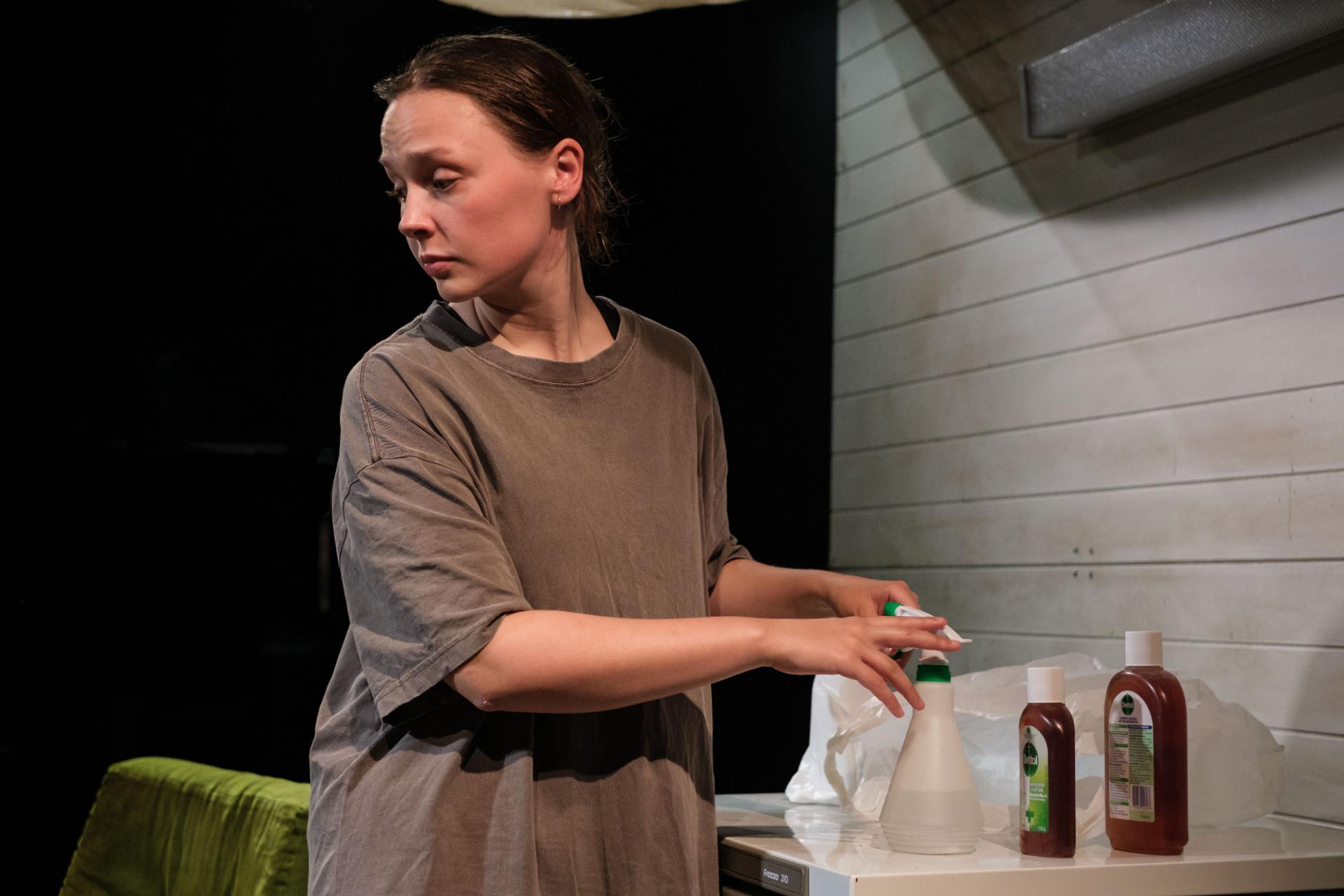
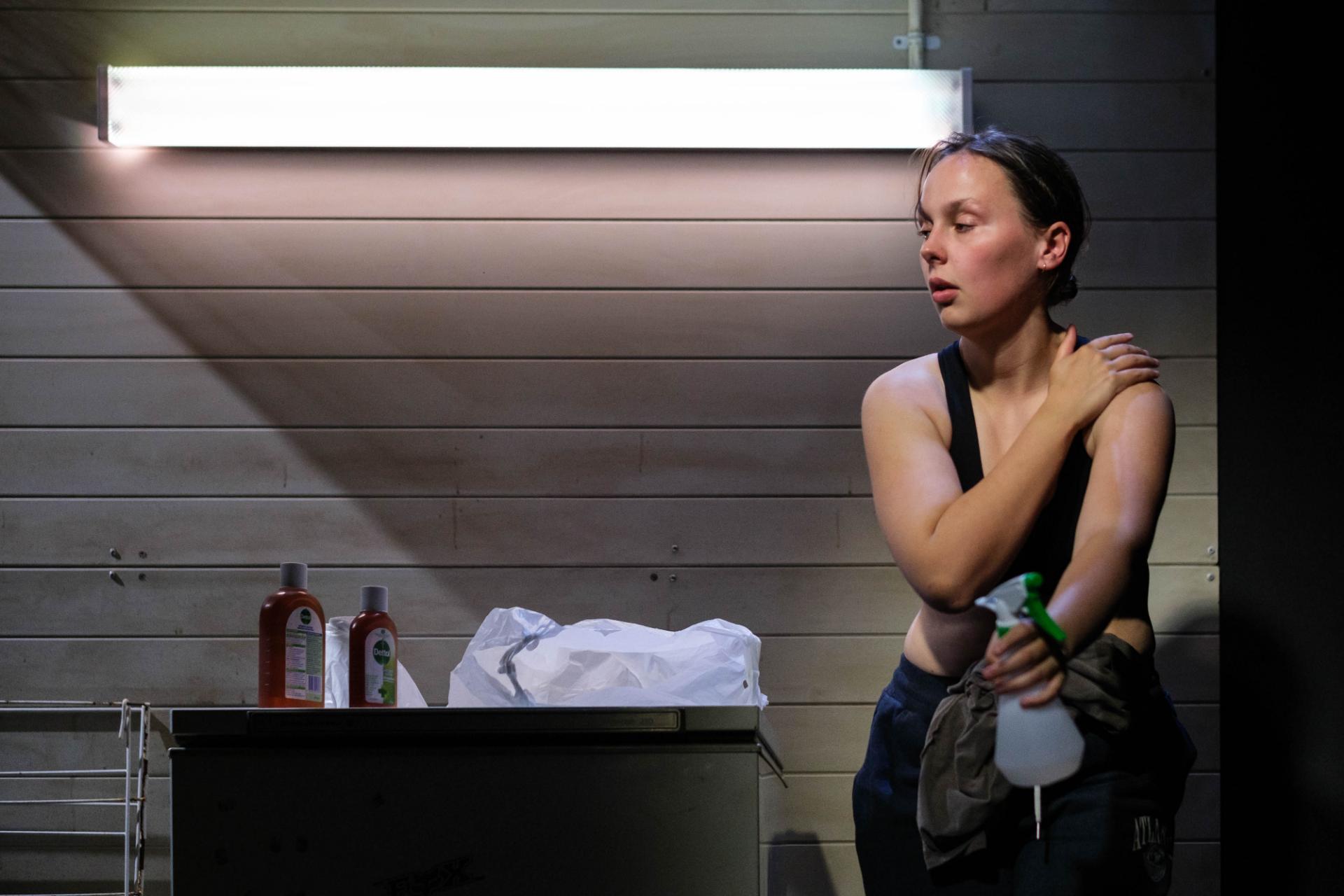
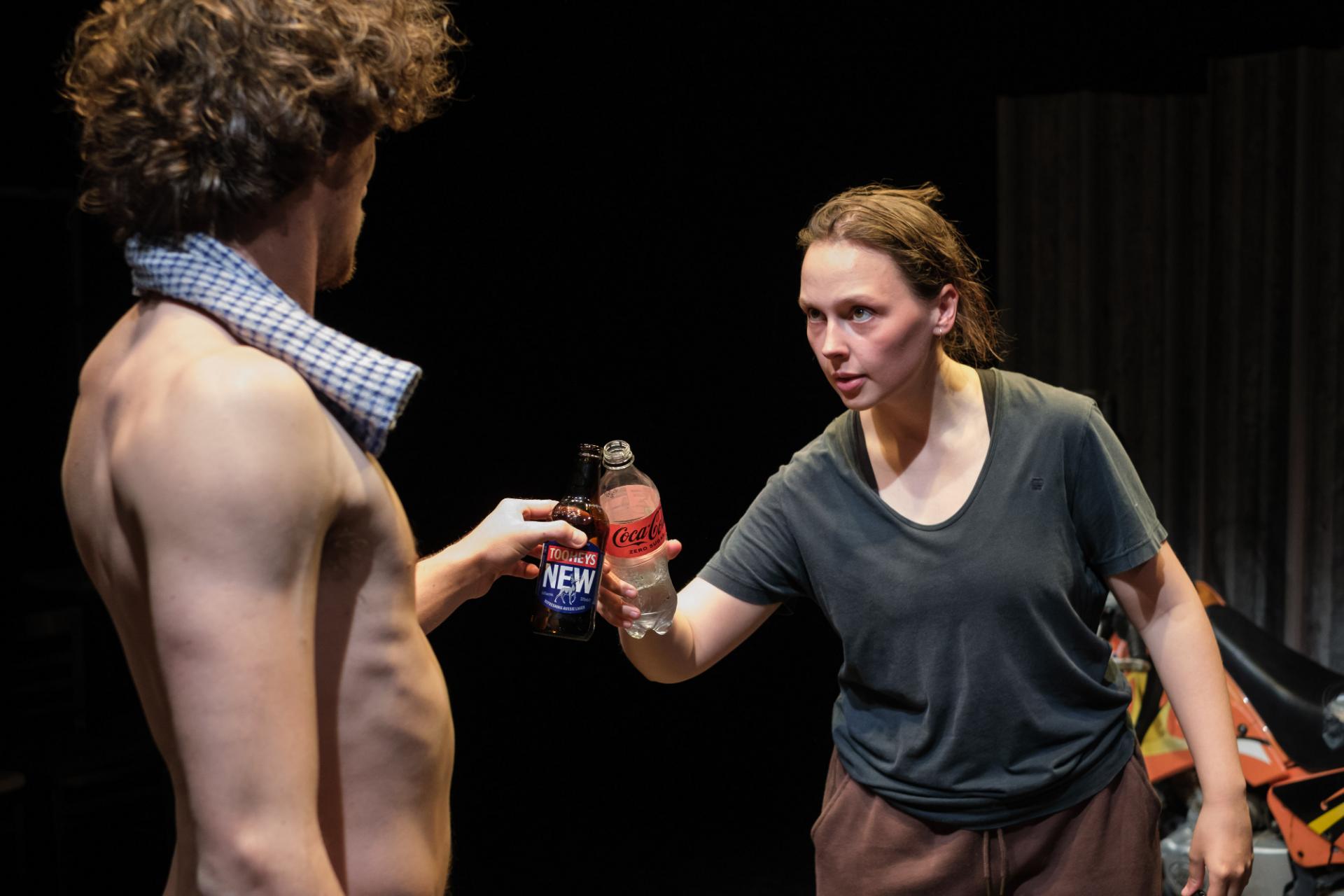
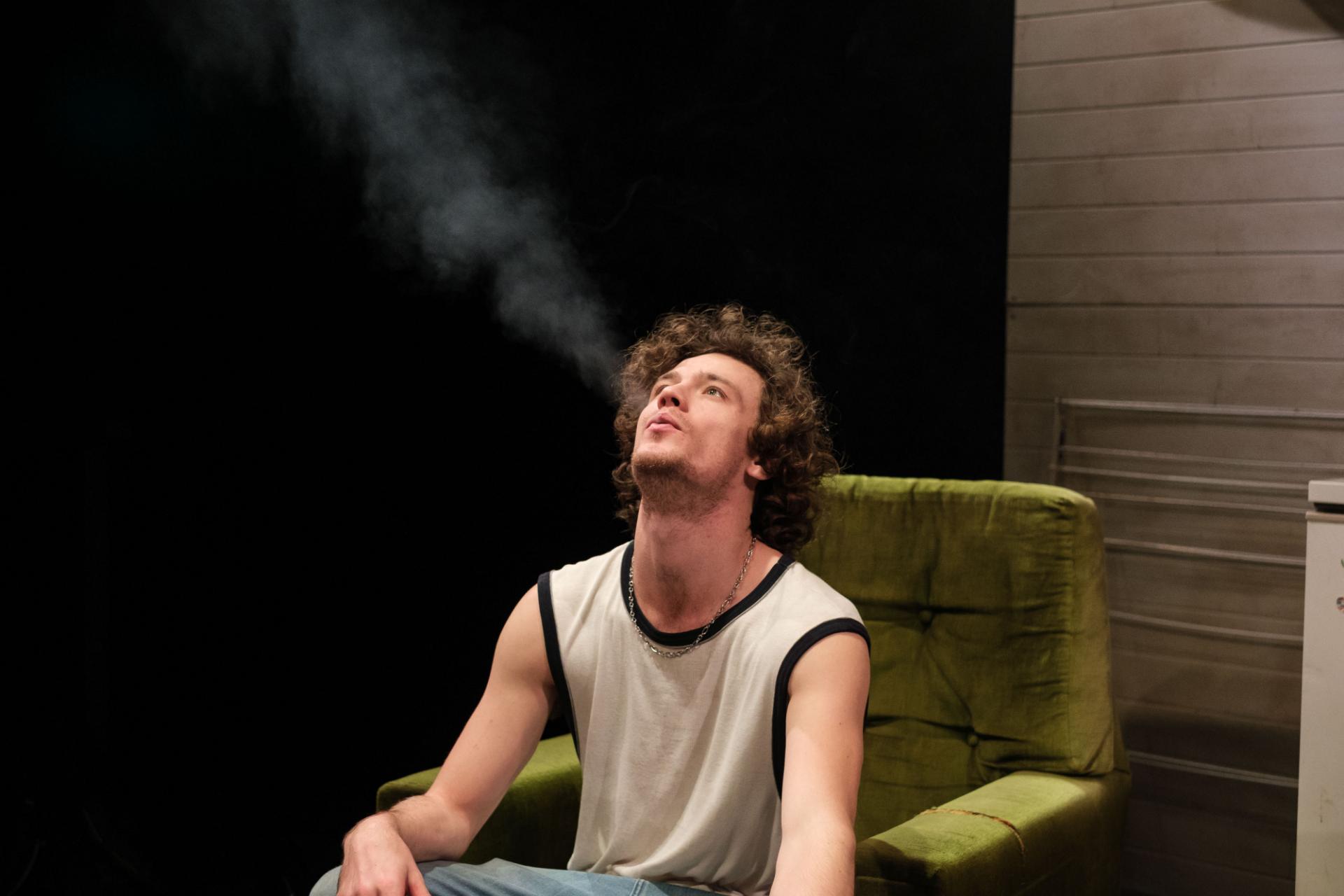
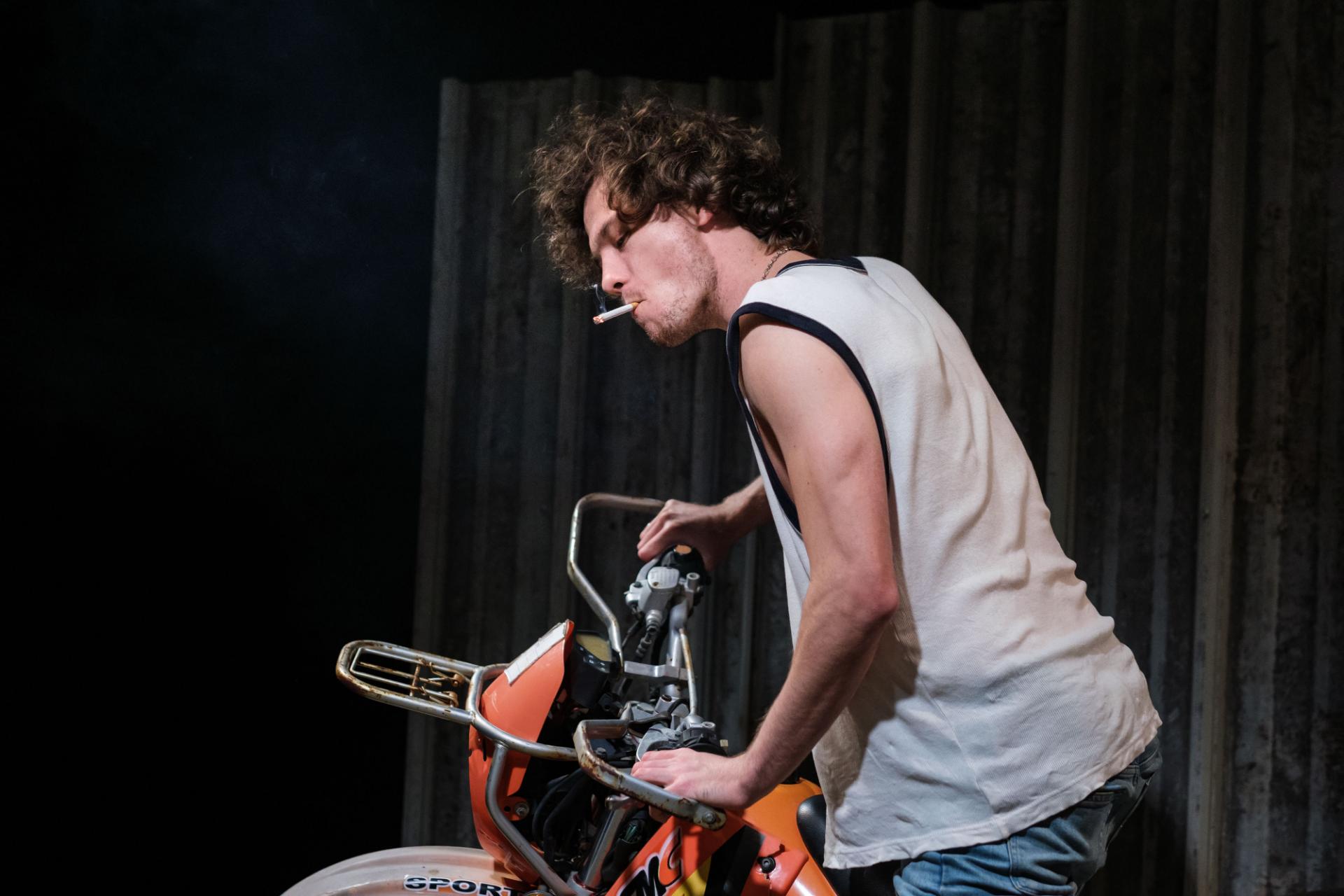
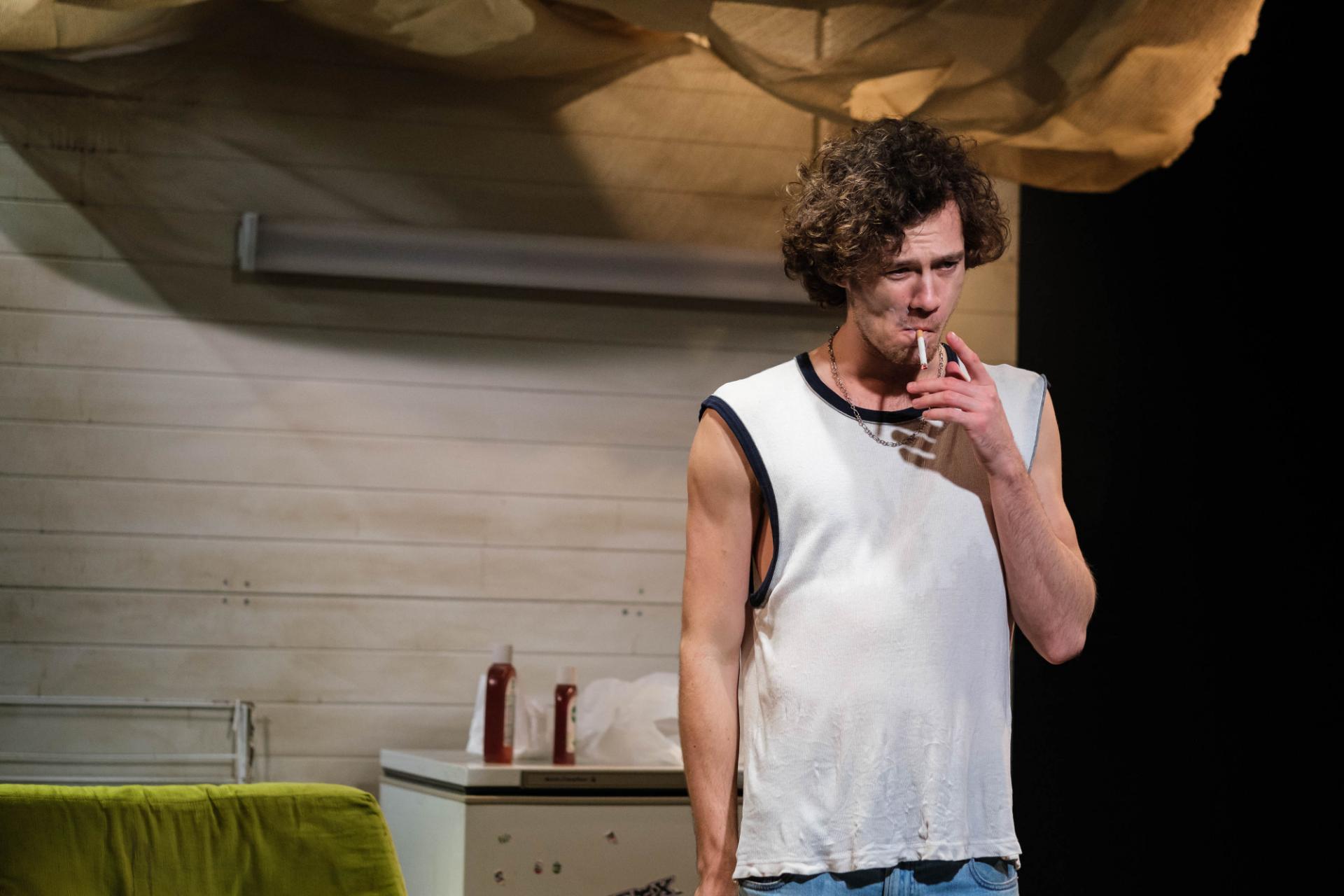
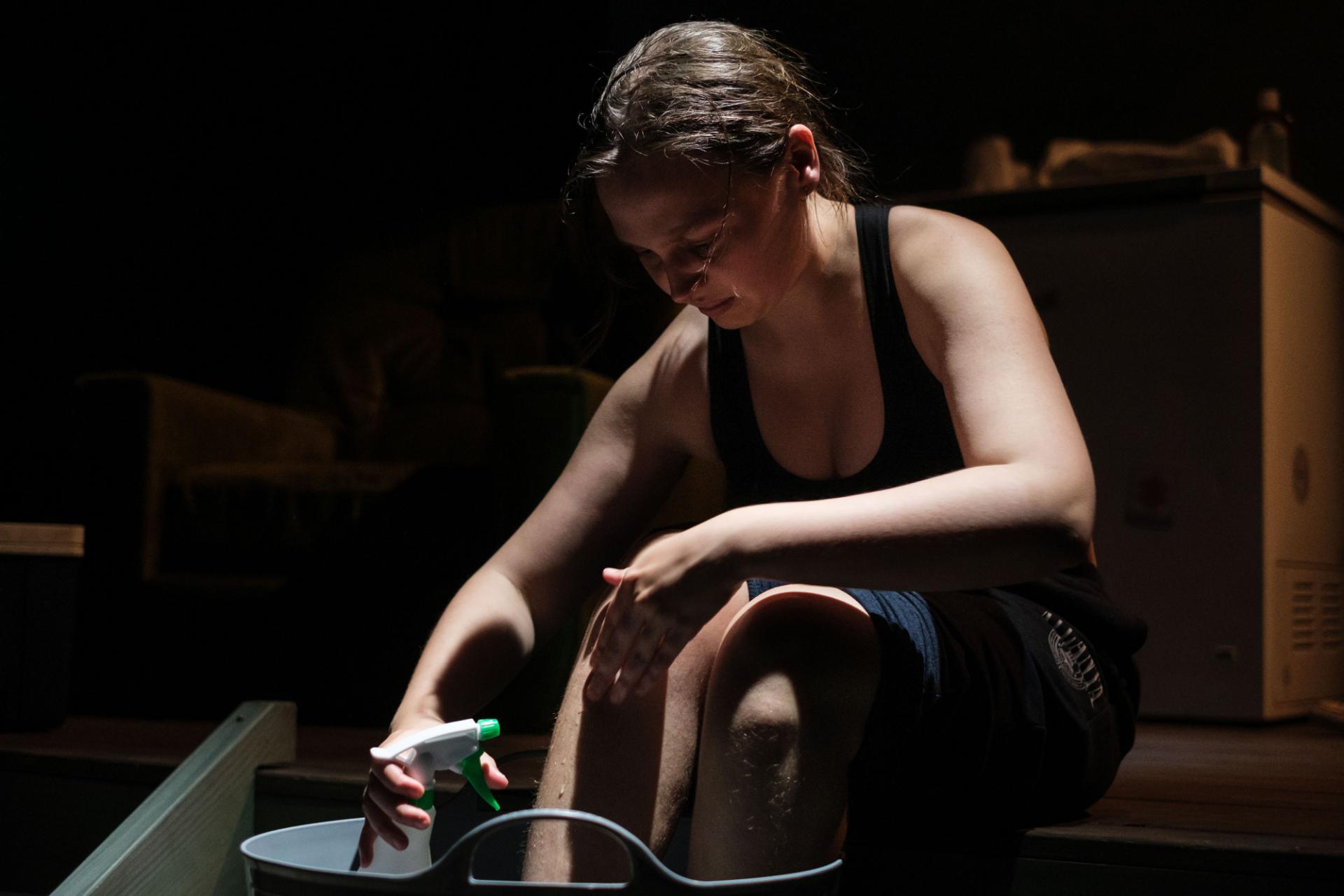
Tiny Beautiful Thing was originally a book compiled of Cheryl Strayed’s essays, from her “Dear Sugar” anonymous advice column. Transposing her powerful words from an online literary magazine, to the stage is a real challenge. The author’s intentions are present not only in the content, but also in the form in which she had written, and turning into a play, something meant for reading on devices, proves a formidable task.

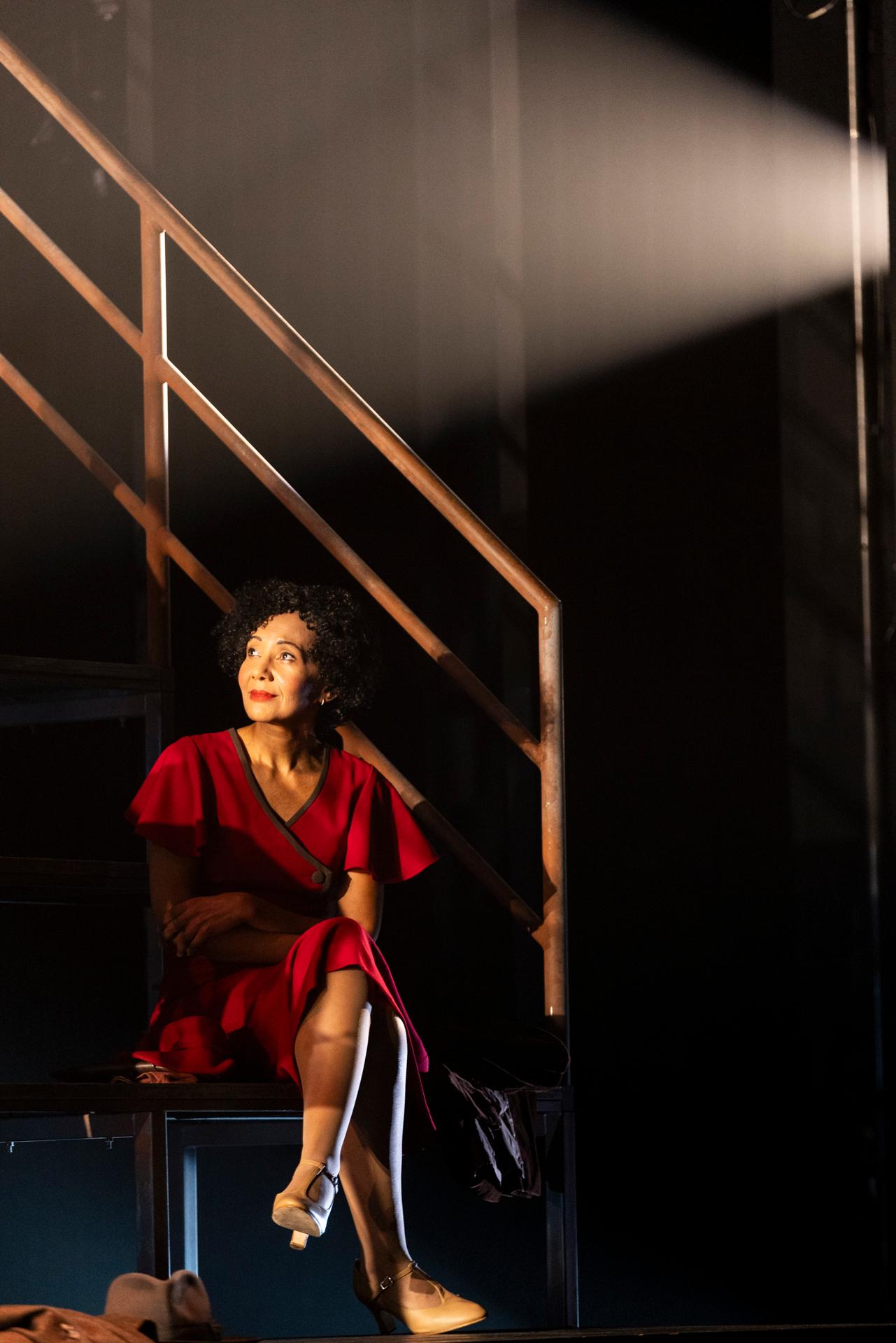
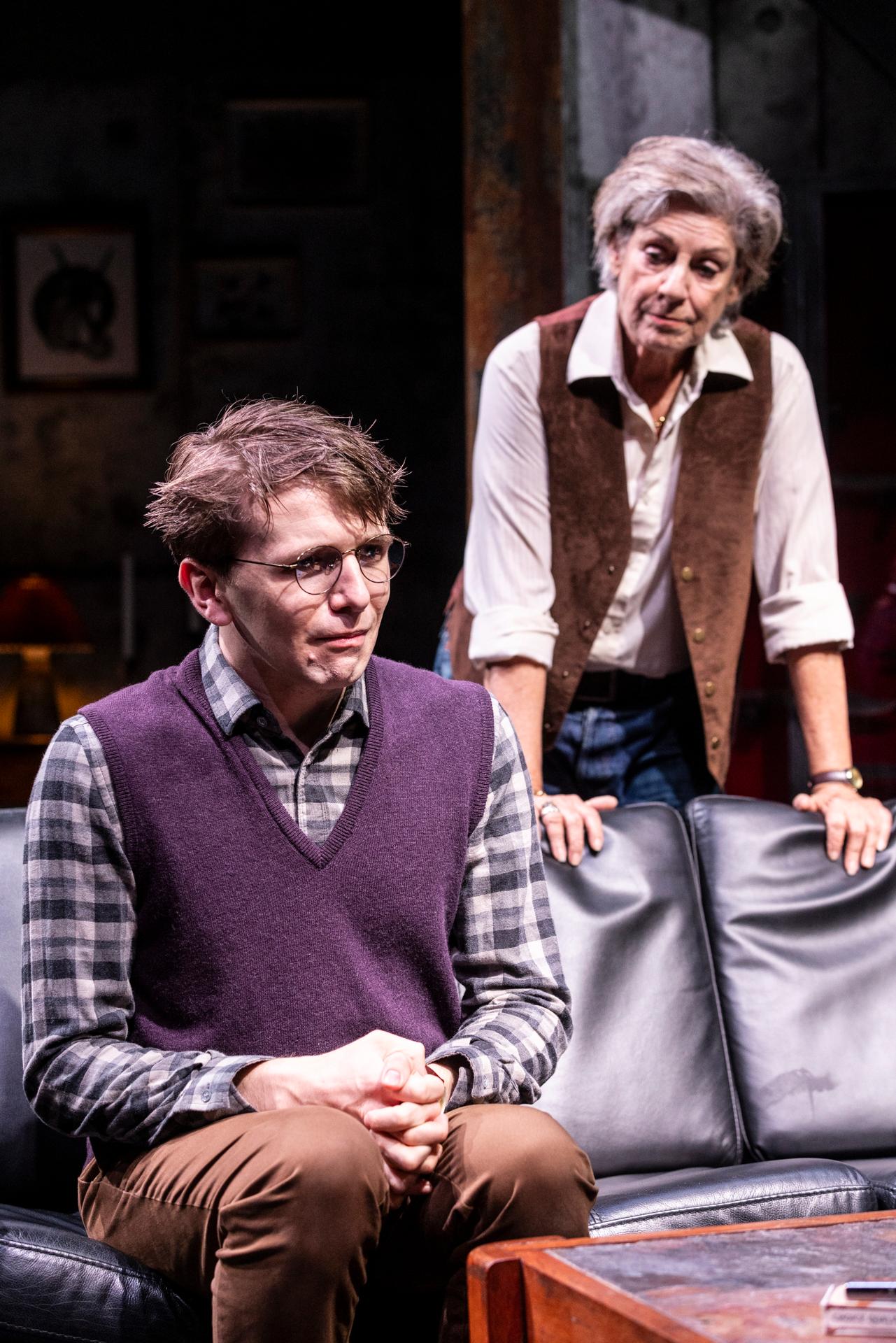
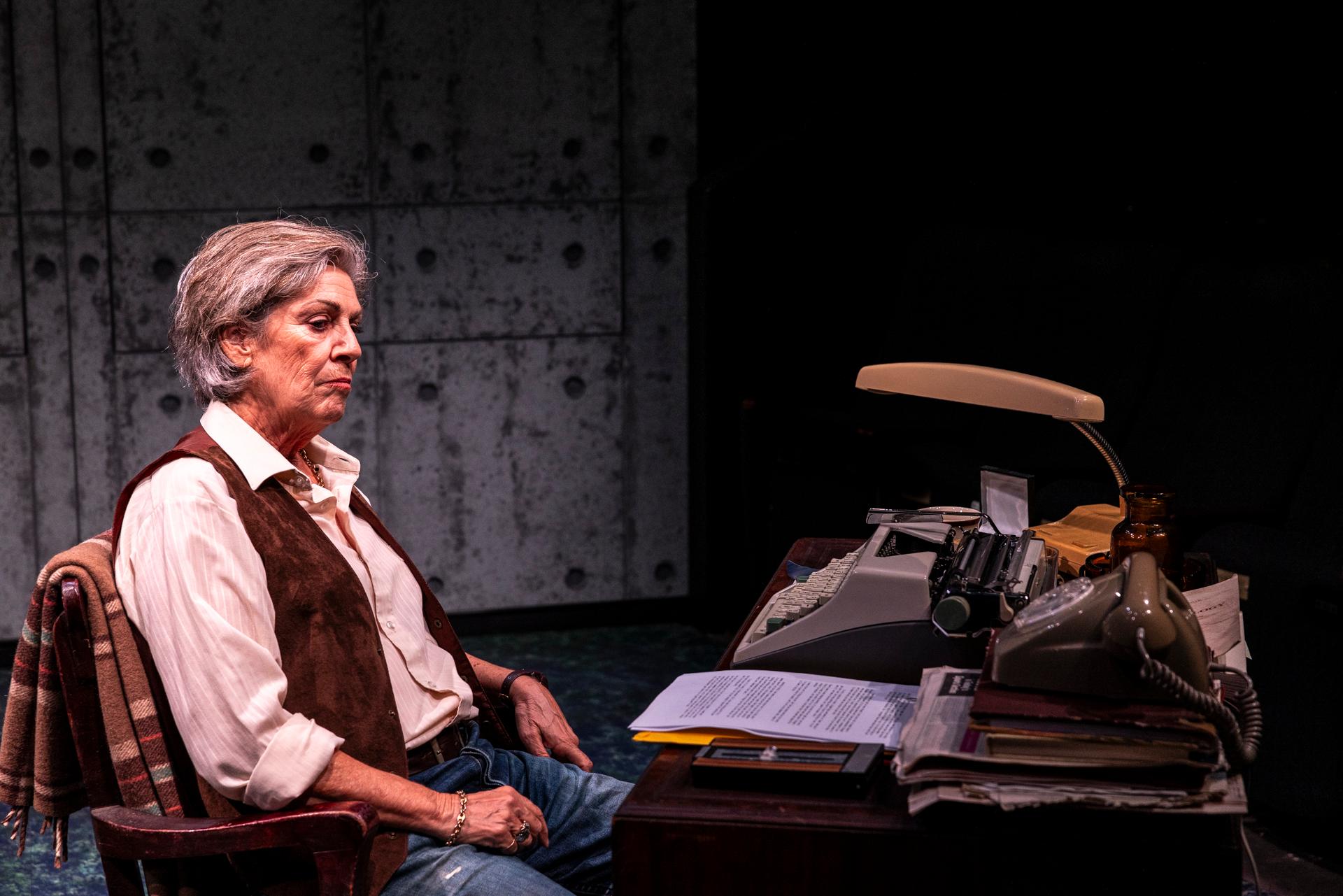
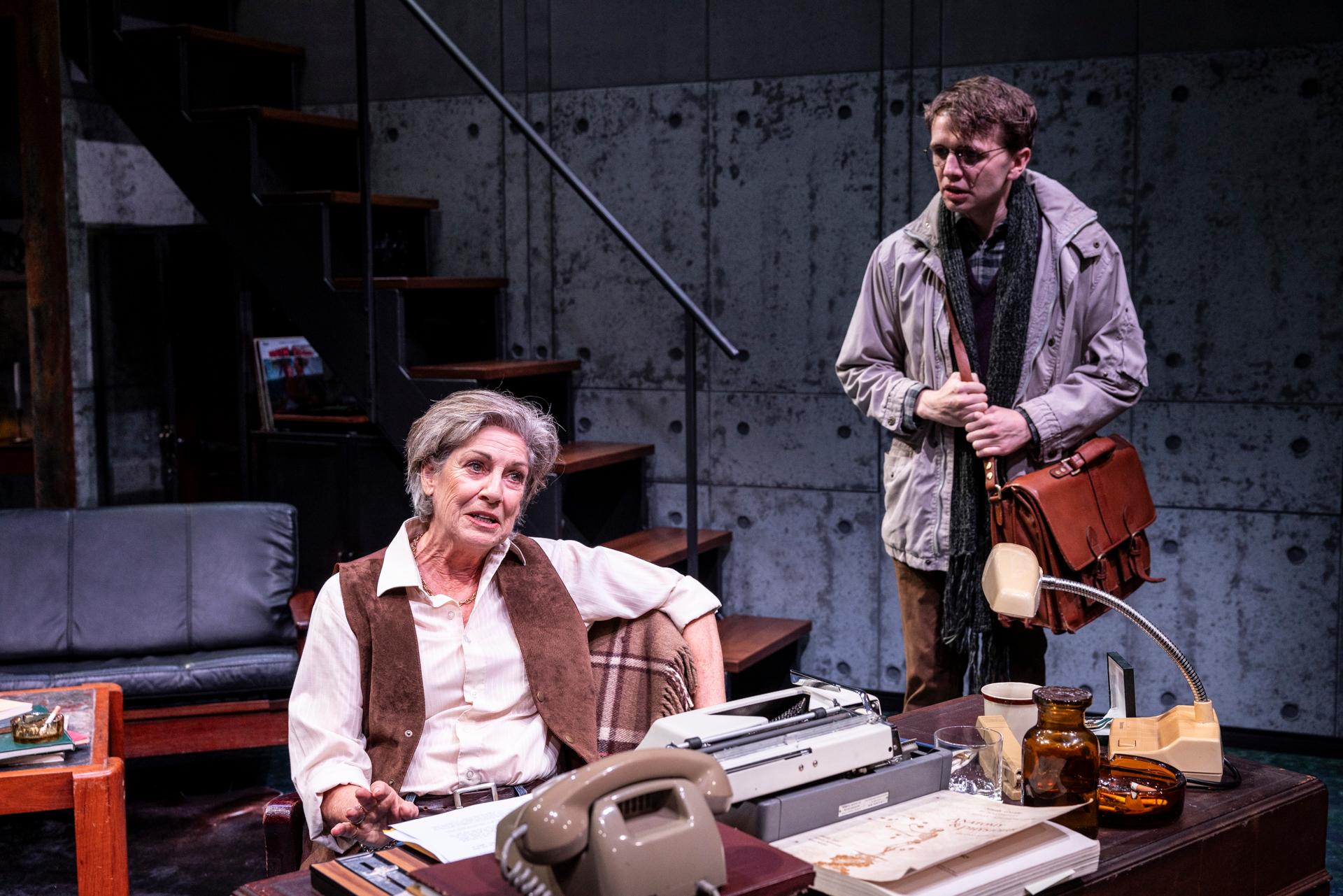
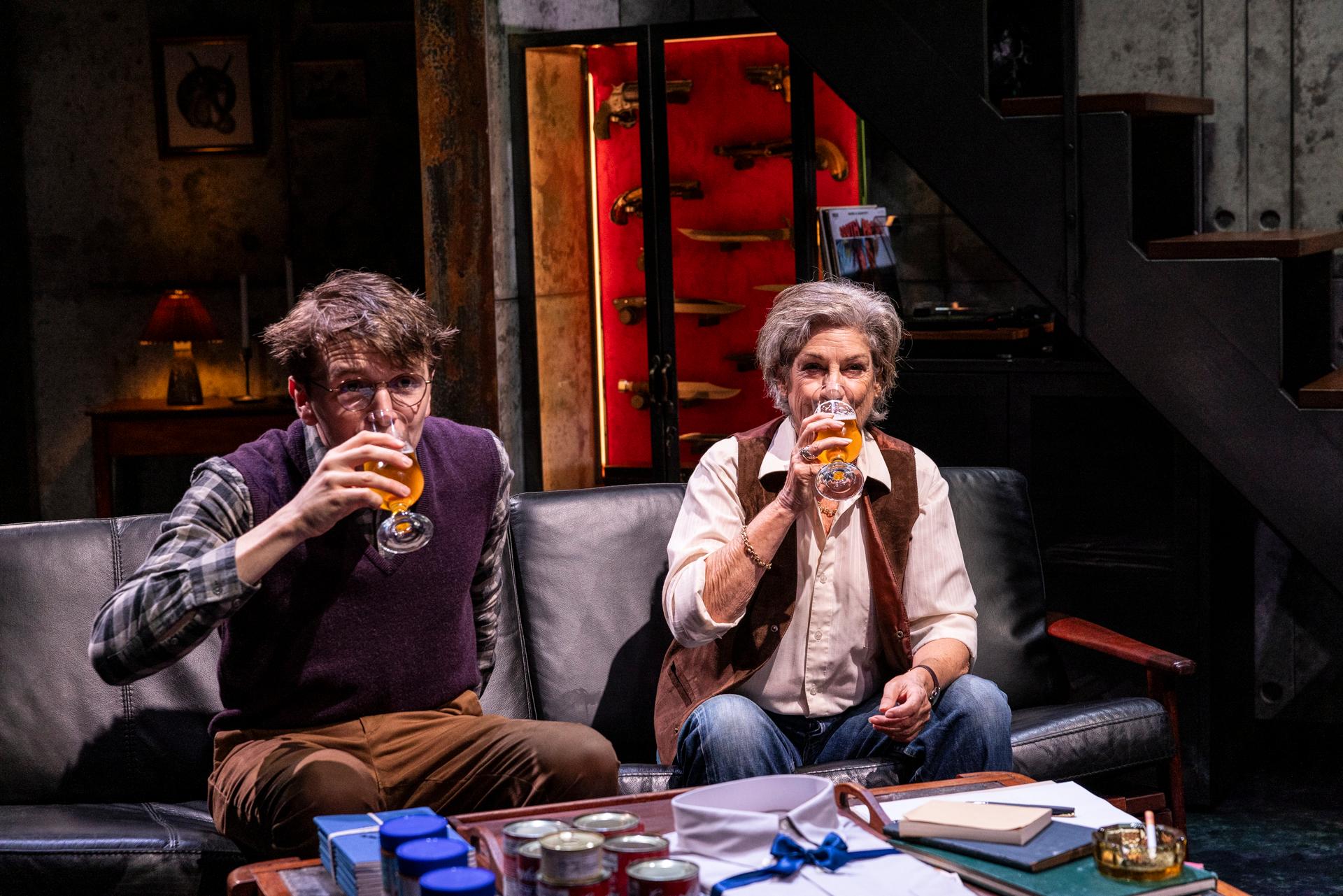
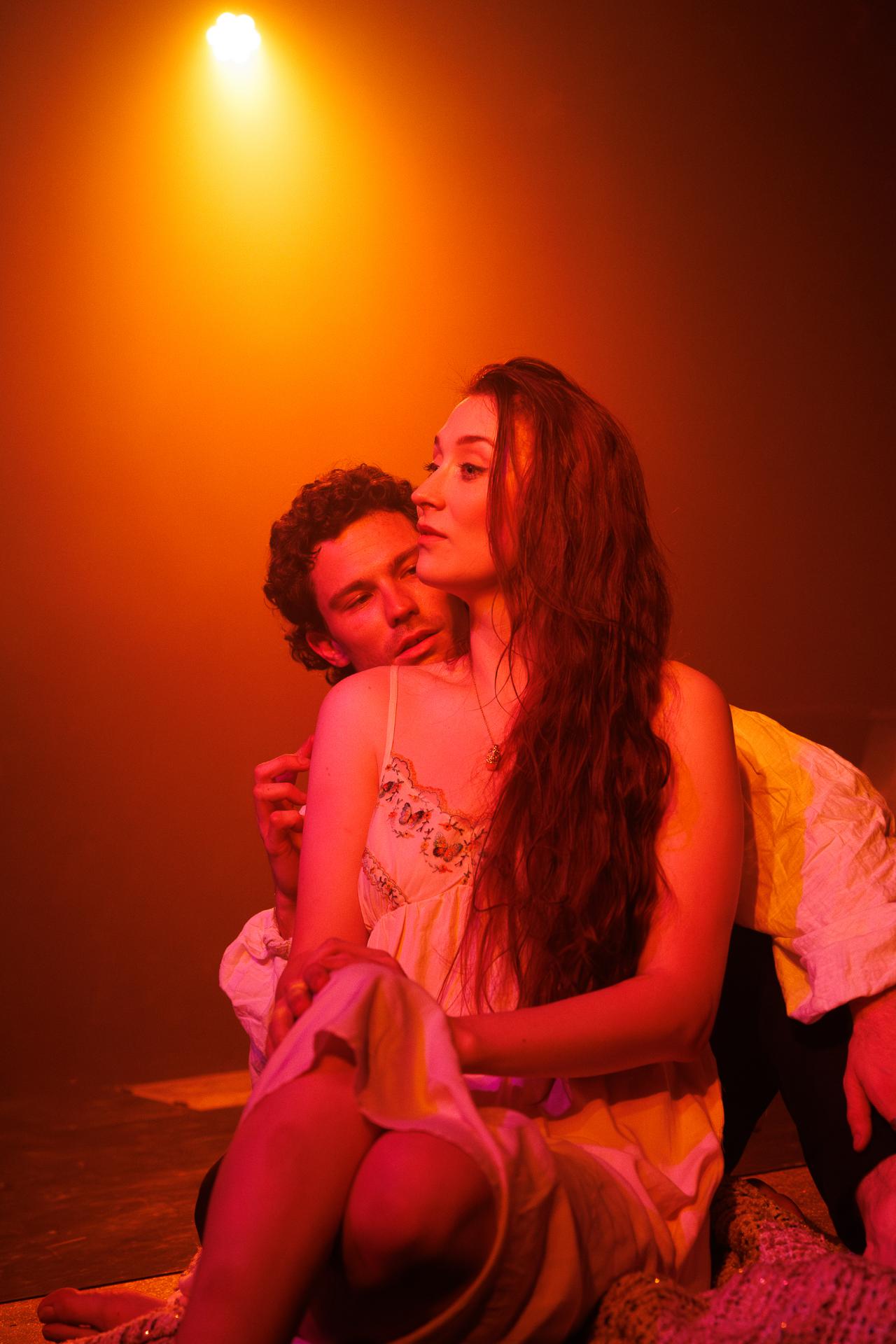
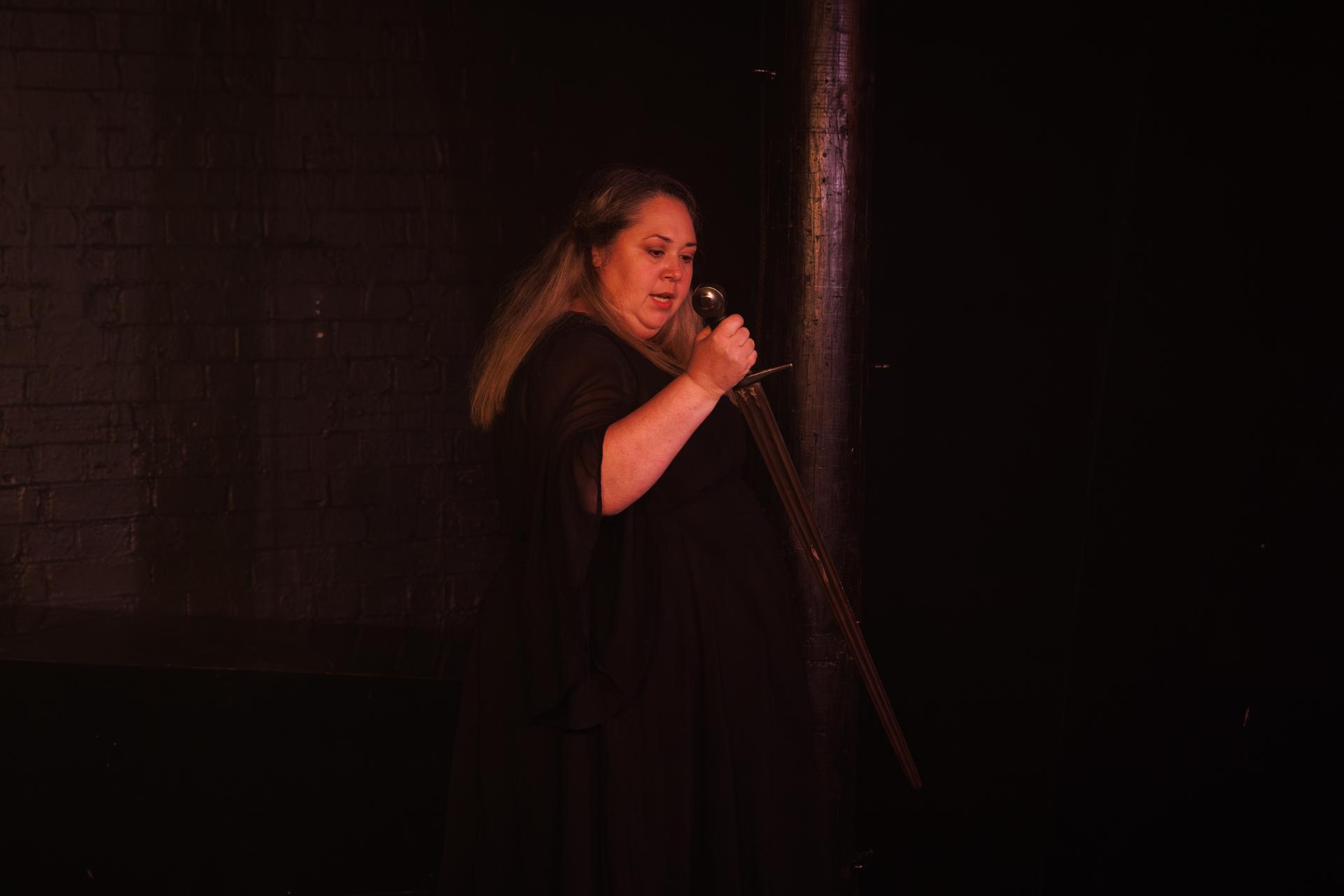
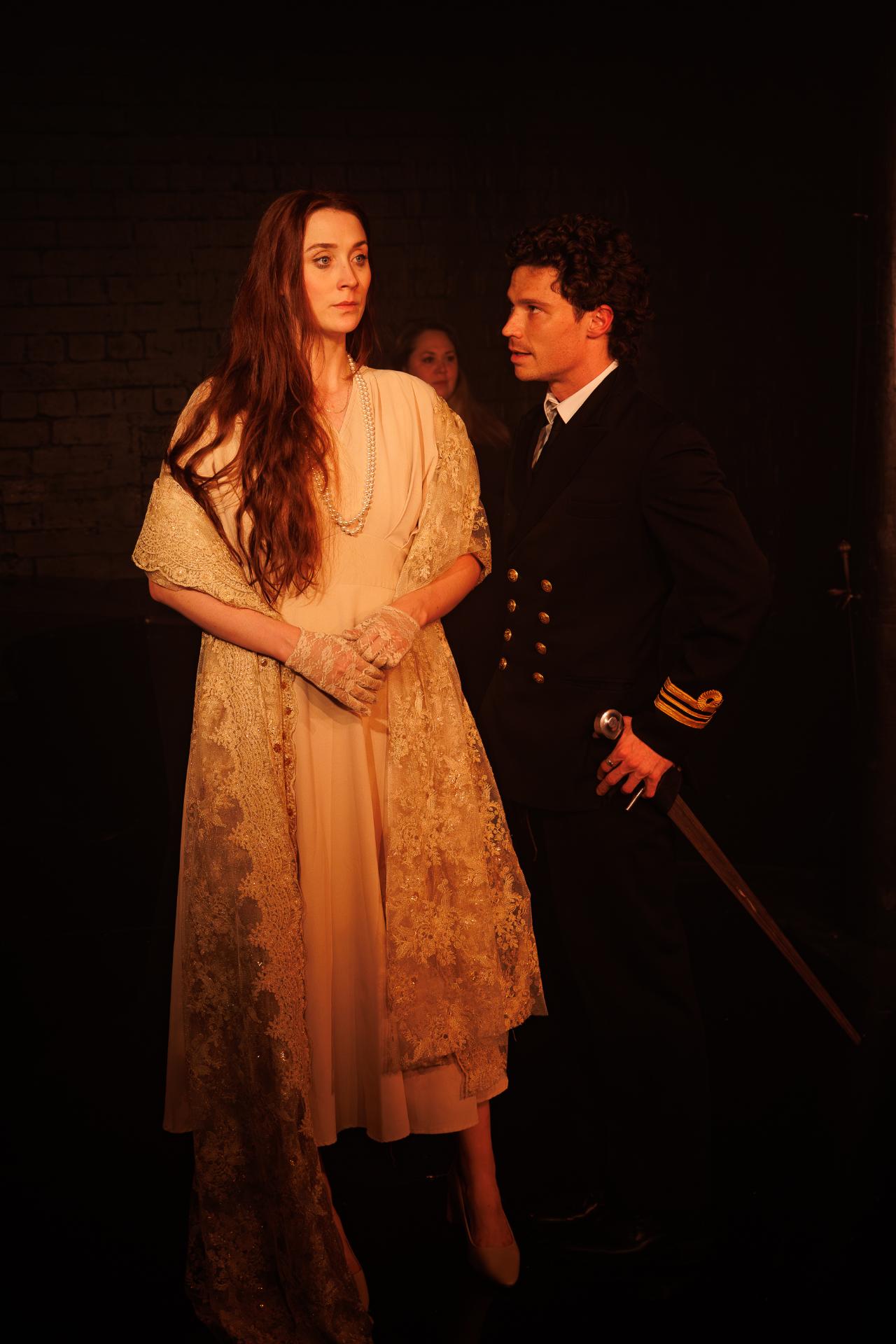
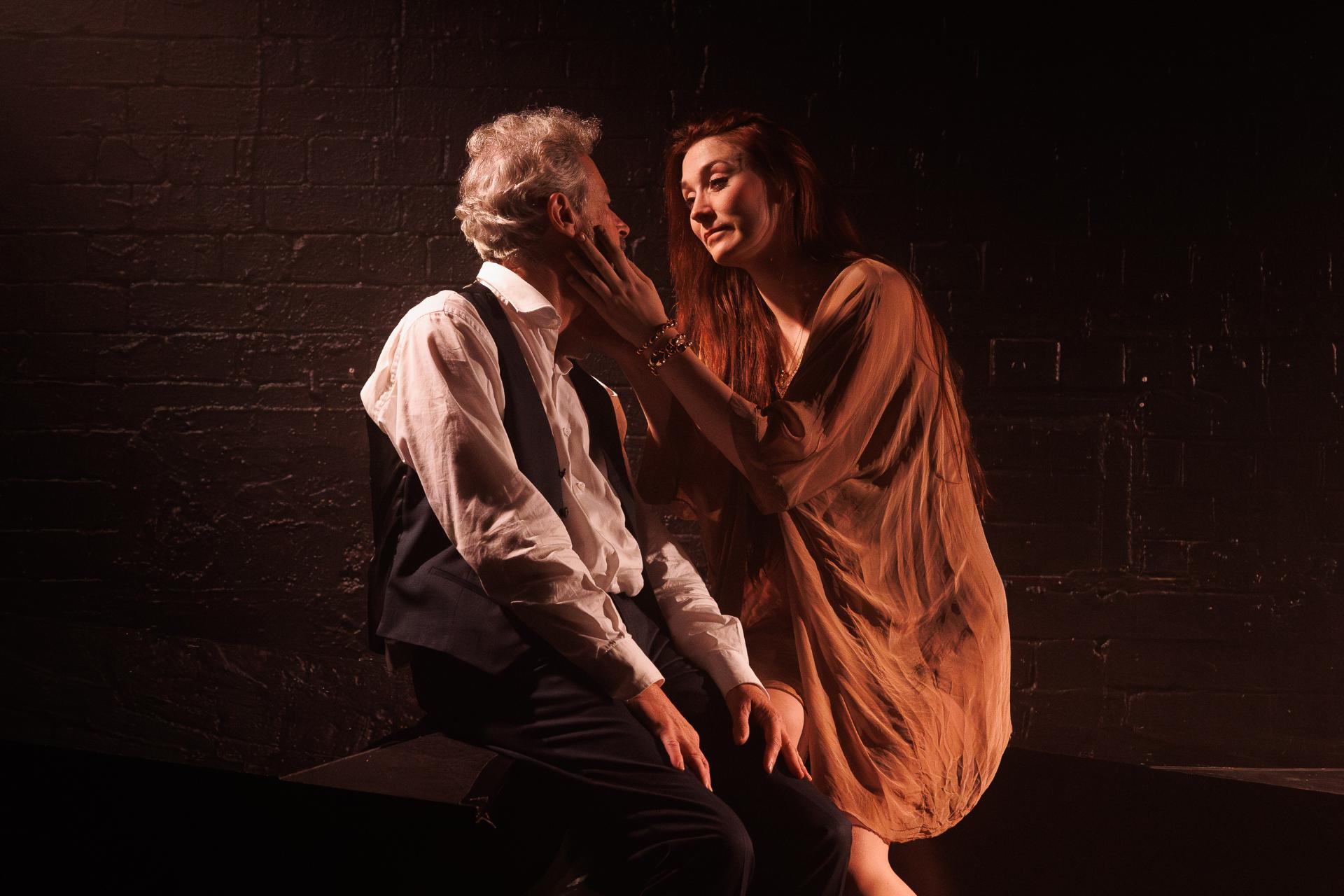
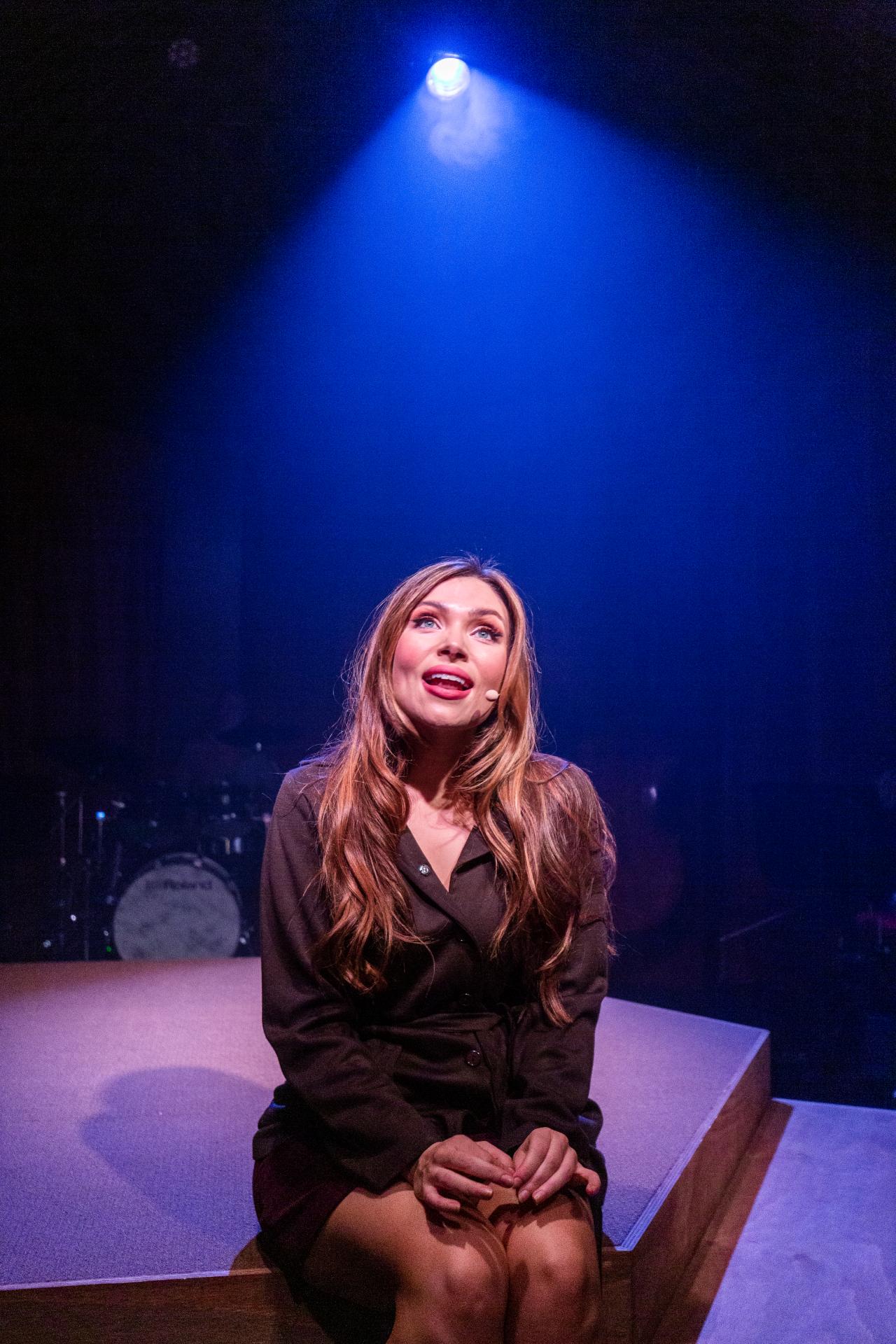
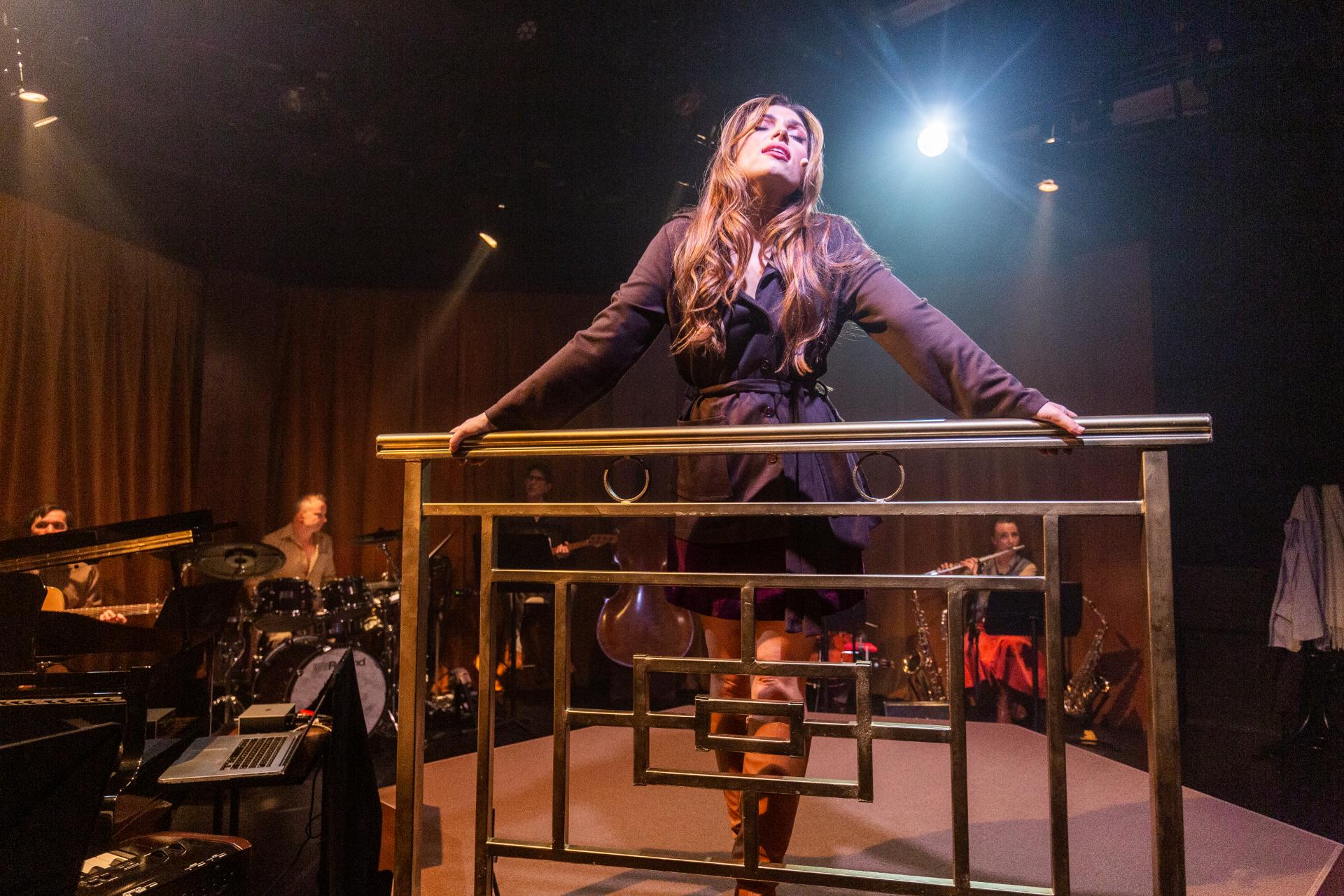
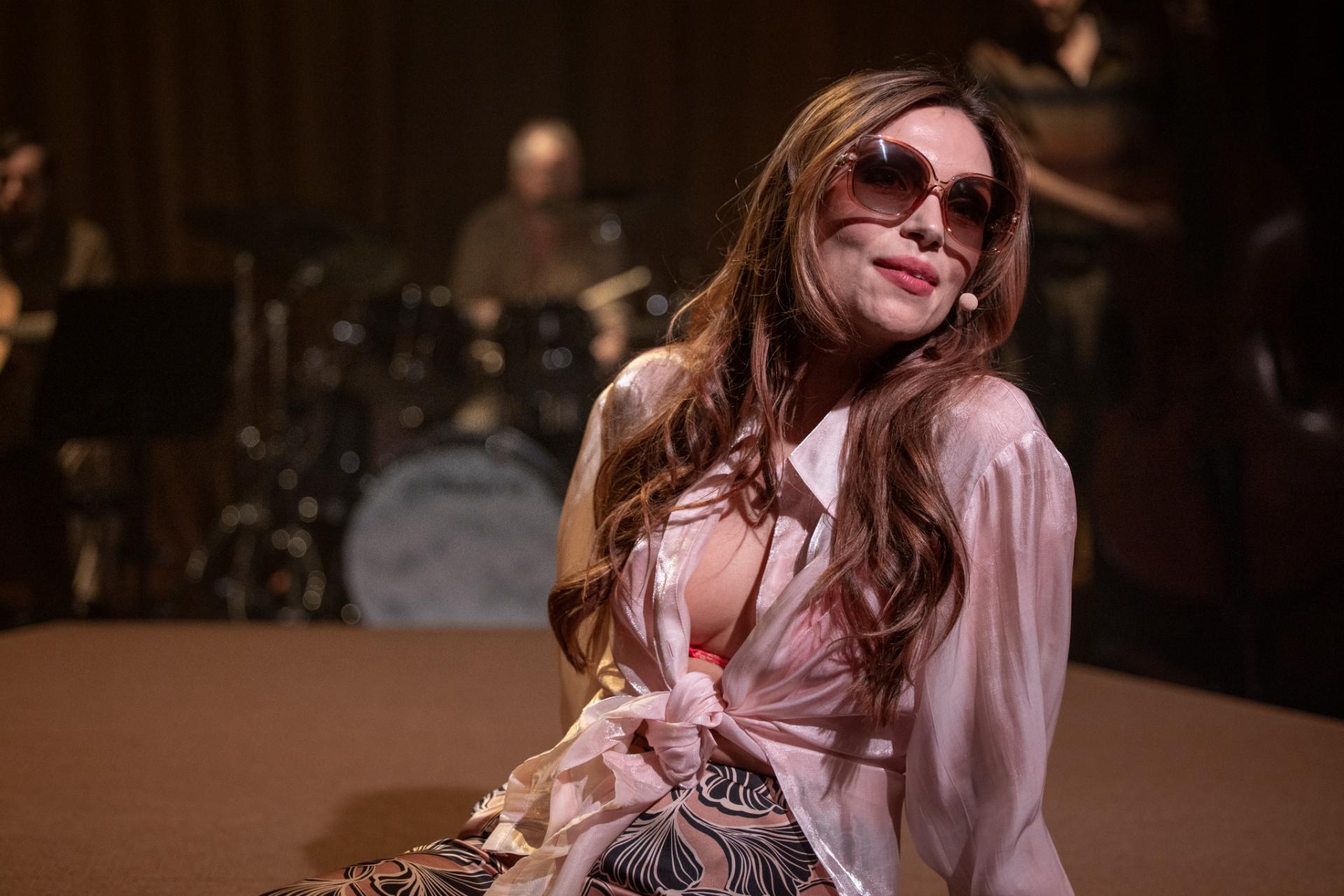
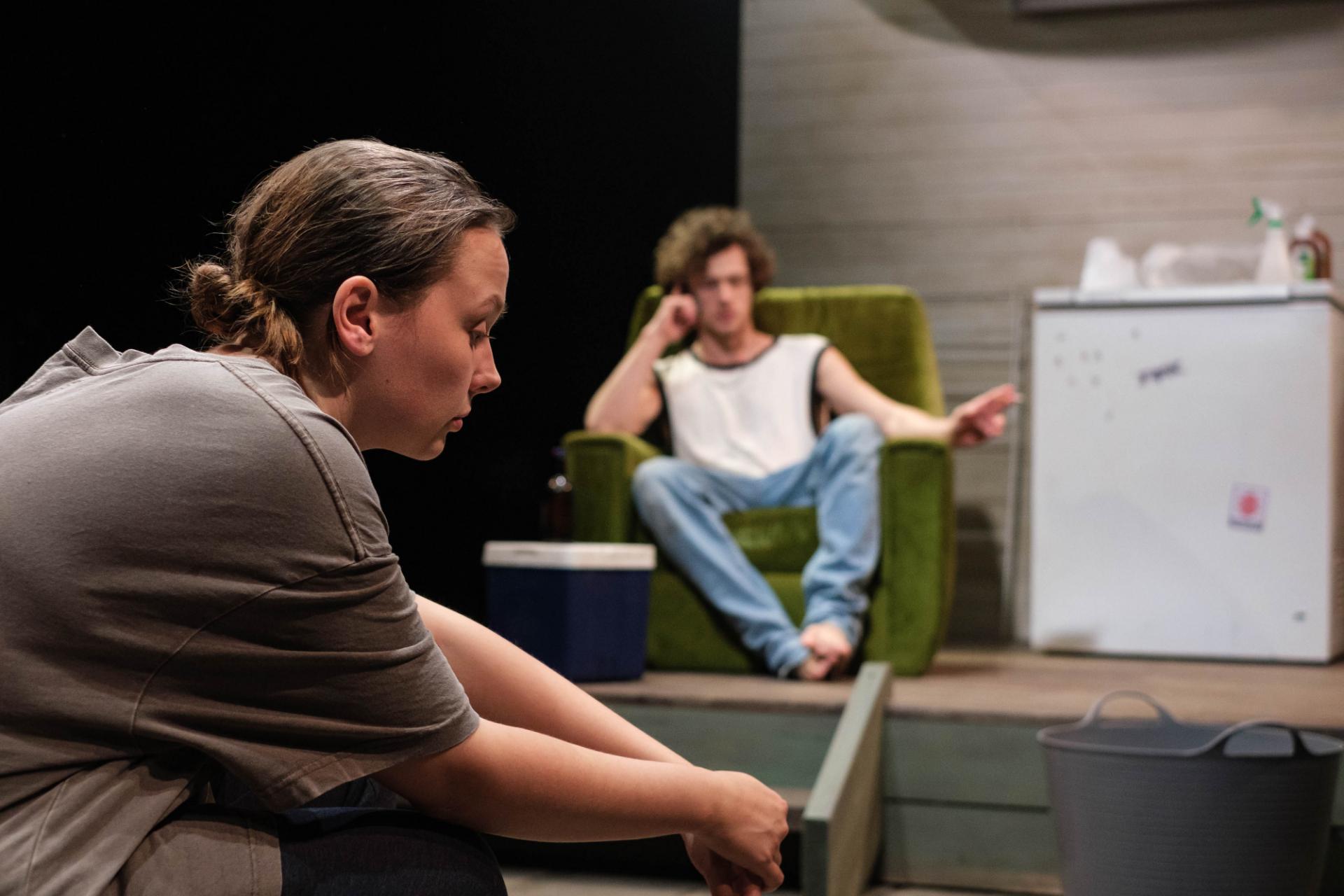
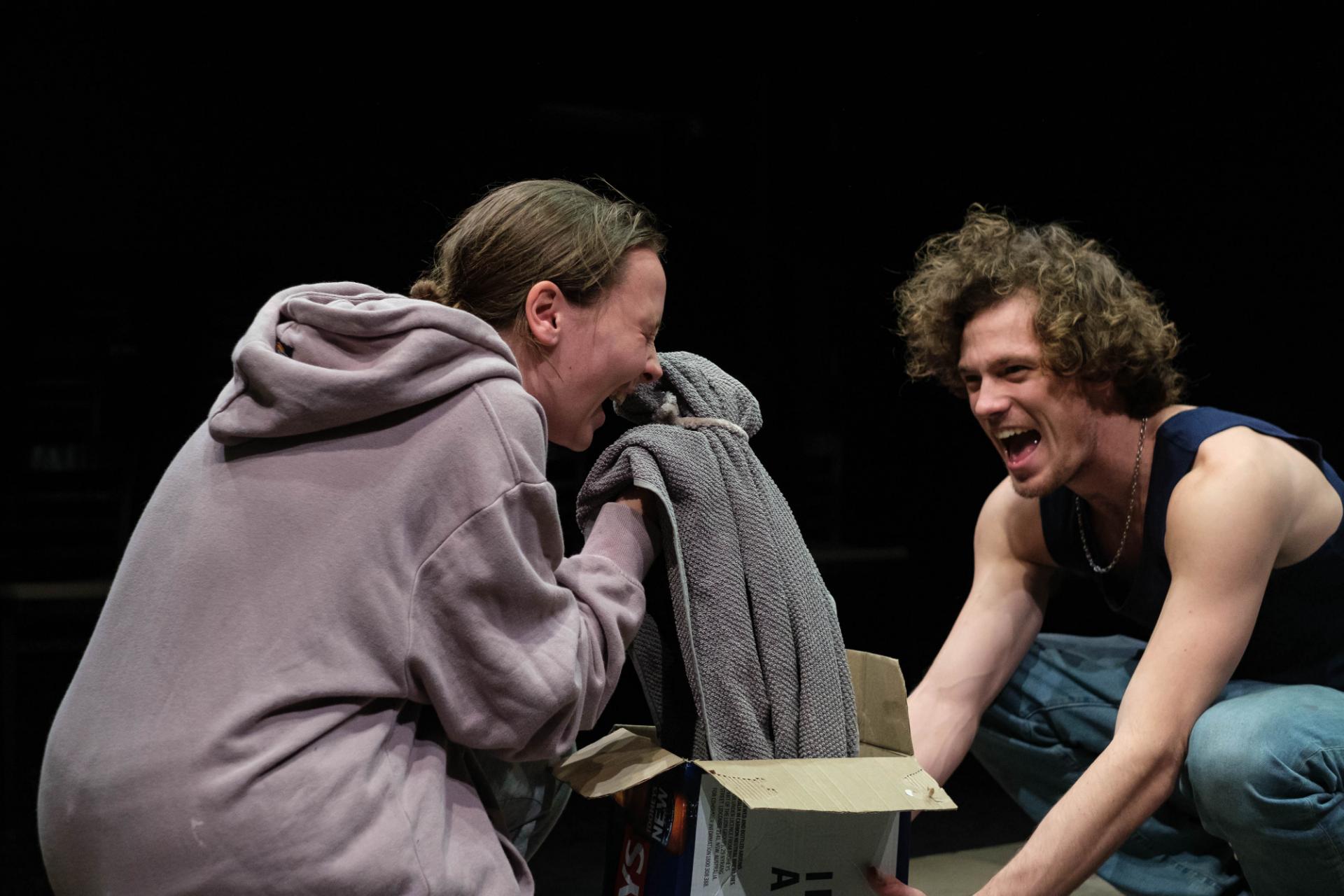
Without actual characters or real scenes of interaction, it is debatable whether this adaptation by Nia Vardalos, ever earns our meaningful investment into Tiny Beautiful Thing‘s endless range of strangers’ conundrums. Direction by Lee Lewis attempts to humanise the recitation of previously disembodied words, helping us form an affiliation especially with Strayed’s alter ego Sugar, who is central to every editorial piece. Actor Mandy McElhinney is certainly sympathetic in the role, becoming gradually poignant as we slowly warm to Sugar’s unusual vocation.

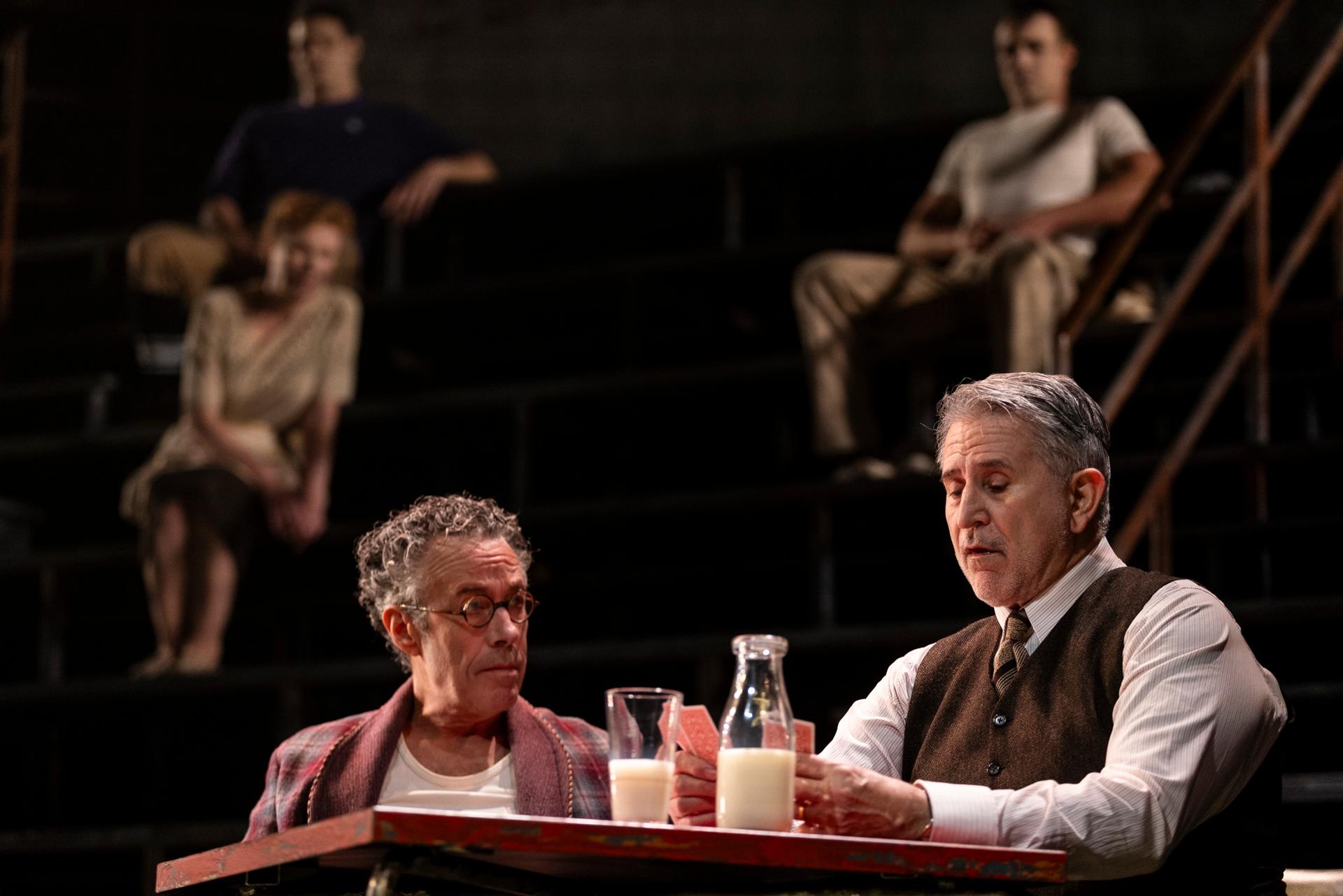
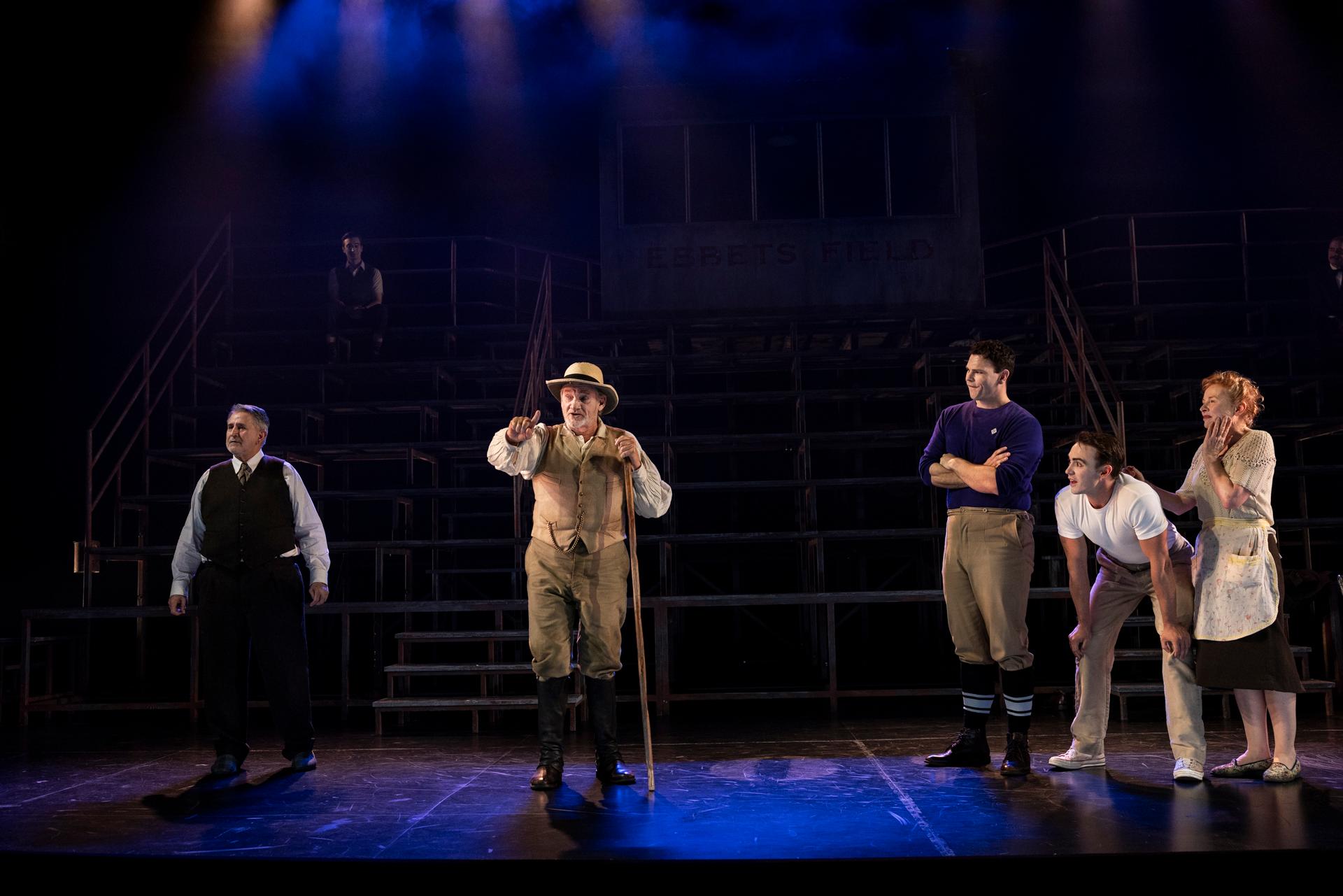
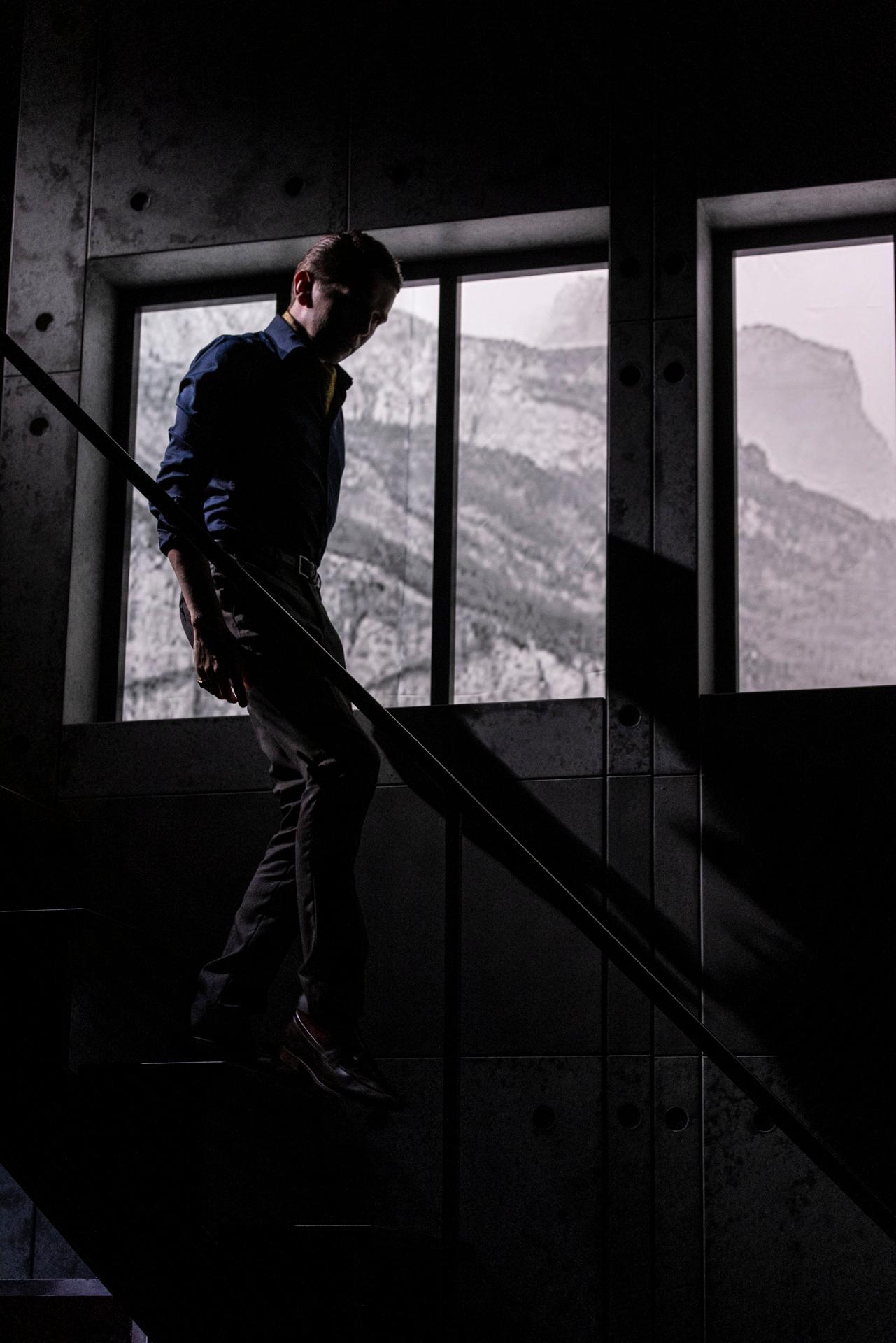
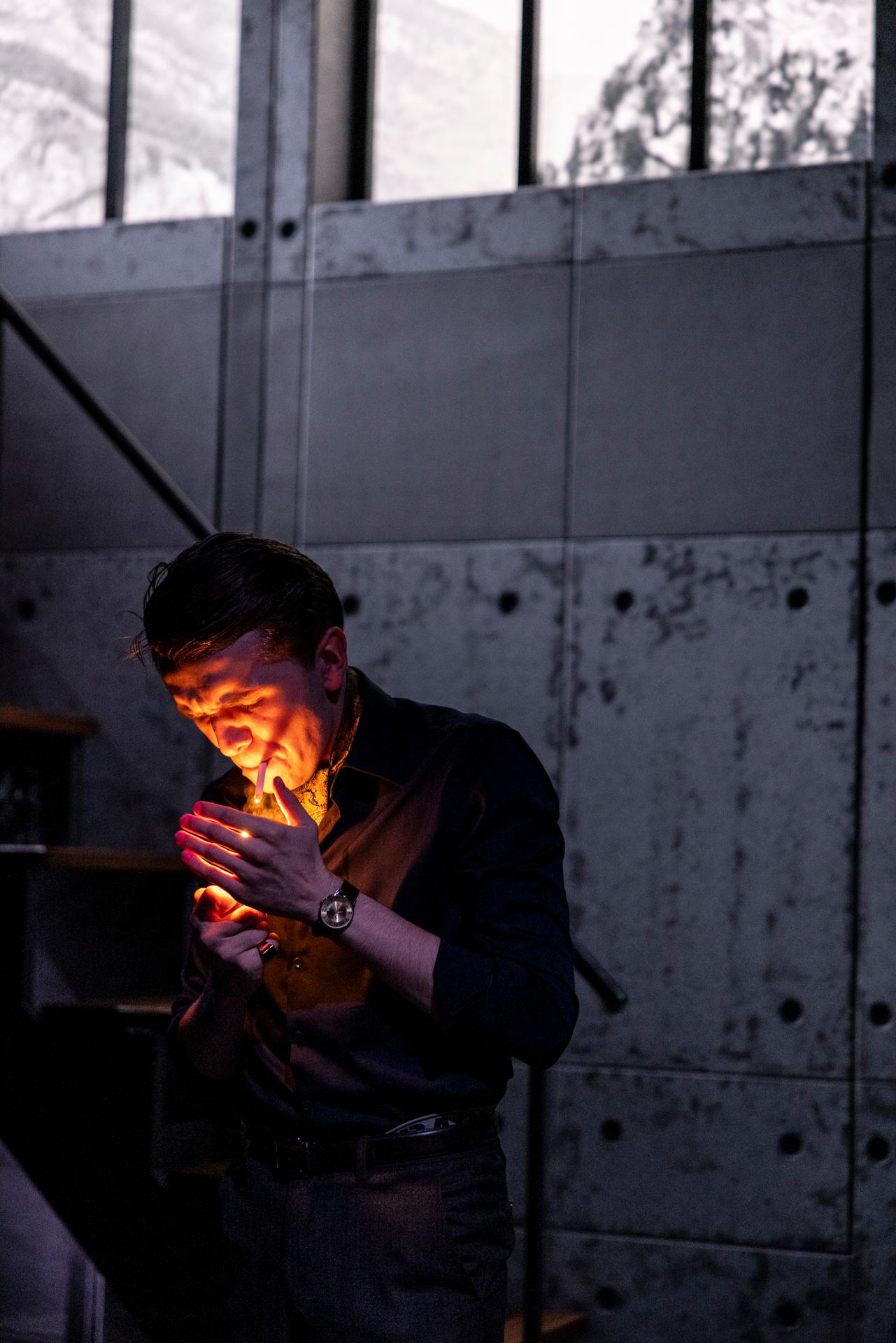
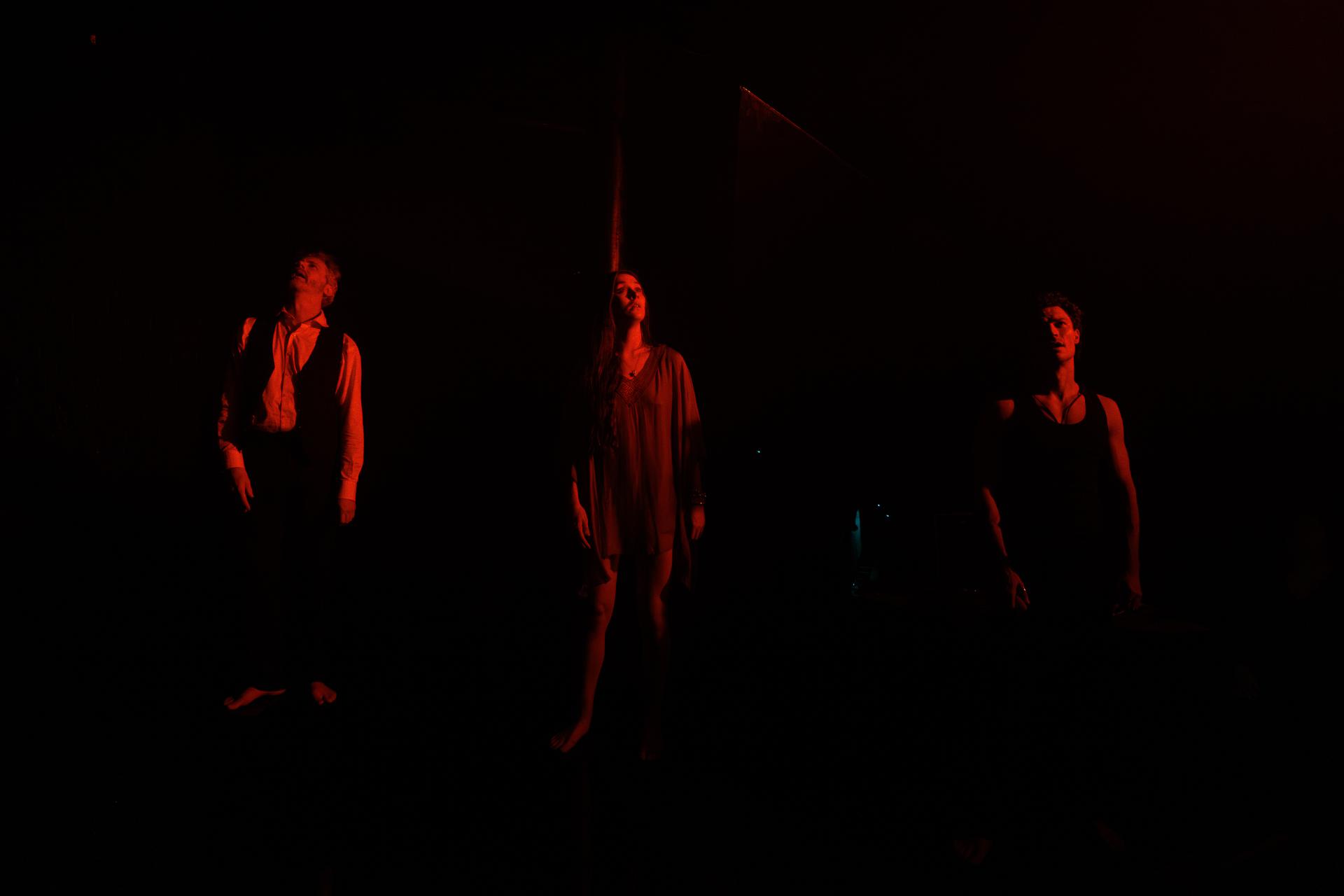
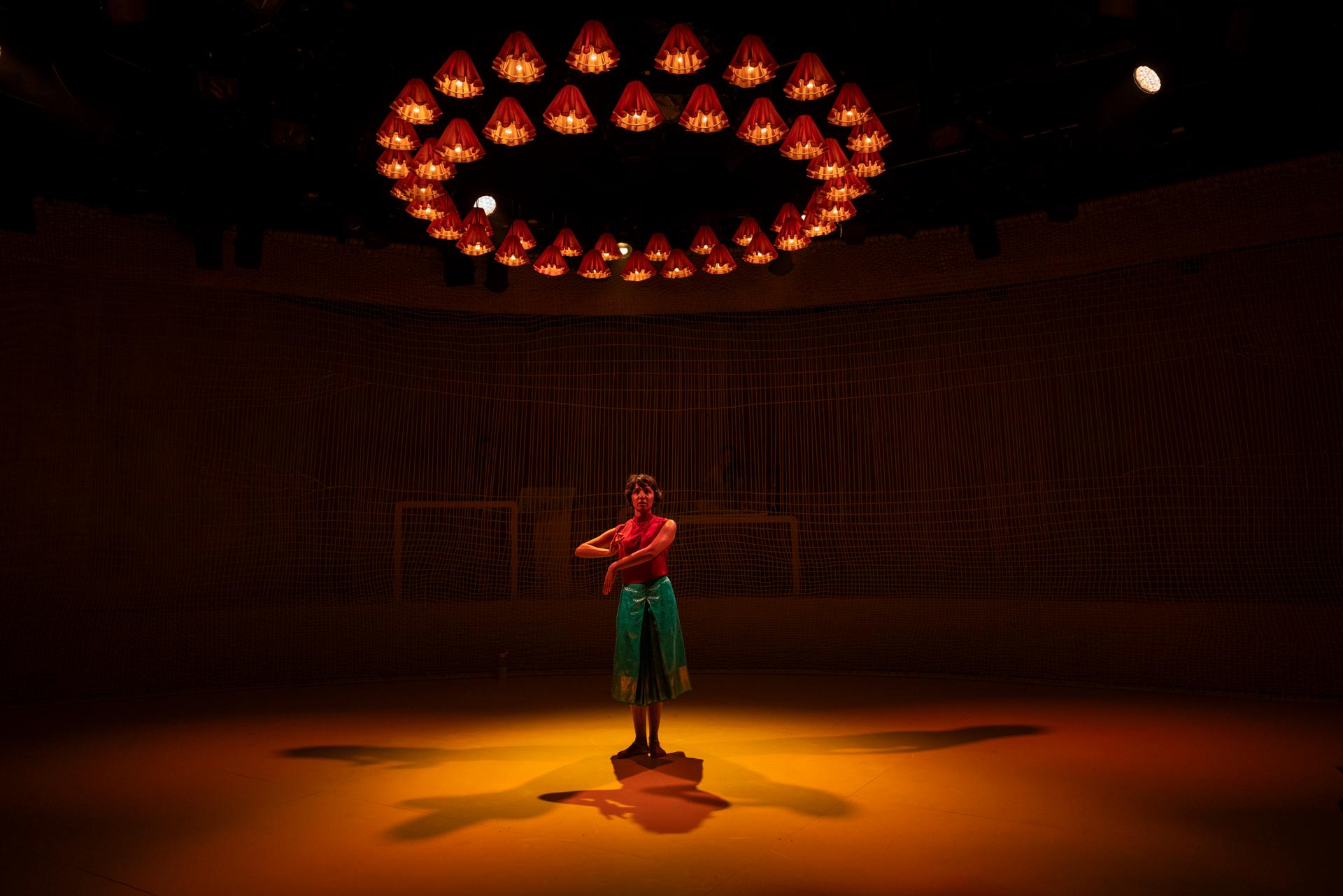
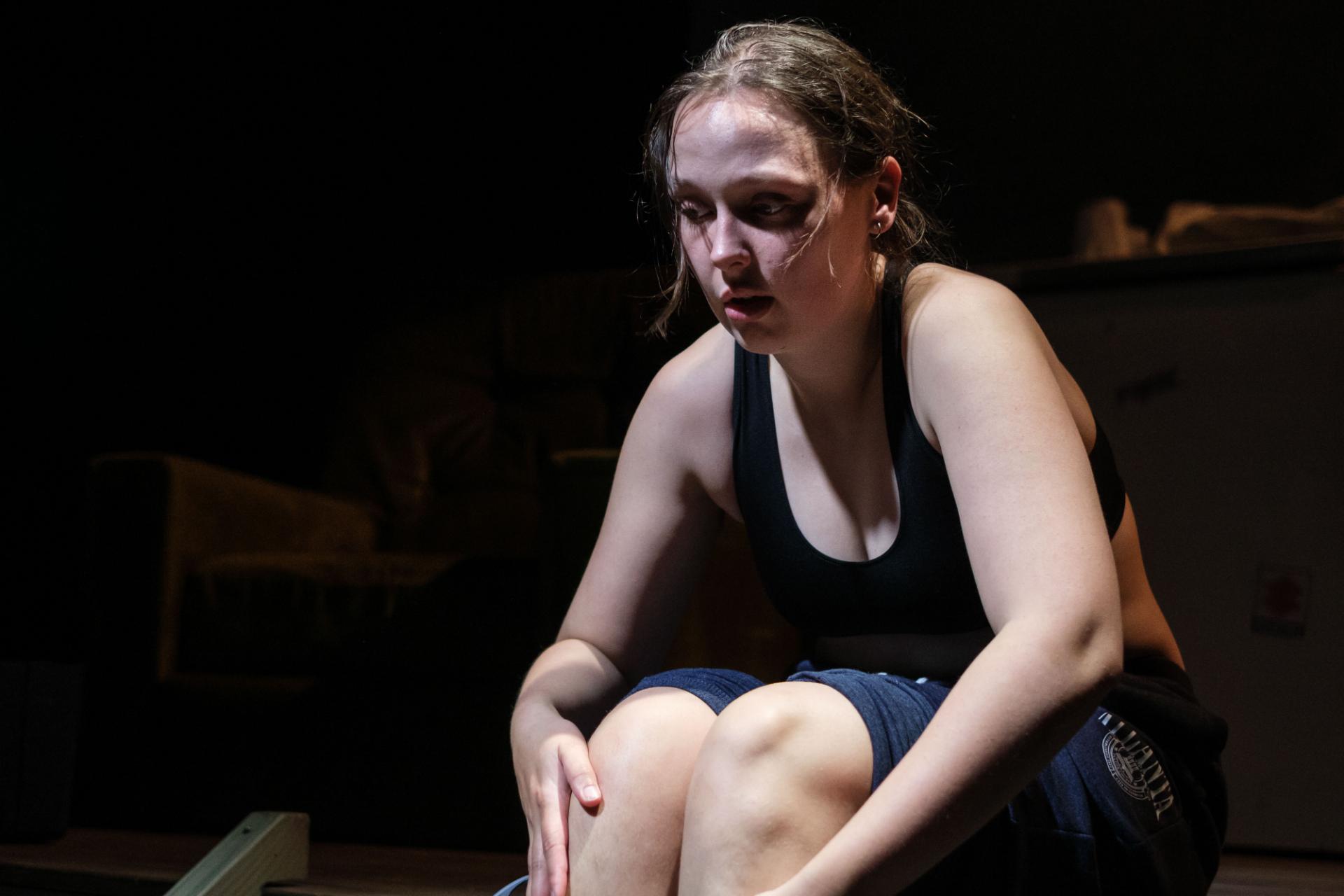
Set and costume design by Simone Romaniuk establishes a a context of domesticity, from which we can perceive an ordinariness, or universality perhaps, of Strayed’s life experiences. Lights by Bernie Tan-Hayes emphasise the inherent melancholy of all these people’s search for answers. Brady Watkins’ music and sound coax us into a state of tenderness, so that we may regard these vignettes with sensitivity.

Advice columns have existed for centuries, providing not only insight and solutions, but also reminding individuals that we are not alone. In this social media age, where all we see are varnished and filtered images, we often find ourselves isolated, with personal problems that feel unique and particular. It is no wonder that “Dear Sugar” and its many variations persist. There will never come a time when our humanity is void of struggle, but the more we are able to see in one another, the inevitability of our tumult and anxieties, the more we can, ironically, attain a sense of peace.

www.belvoir.com.au | www.queenslandtheatre.com.au

Review: Saplings (ATYP)

Venue: The Rebel Theatre (Sydney NSW), Jan 24 – Feb , 2024
Playwright: Hannah Belanszky
Director: Abbie-lee Lewis
Cast: Maliyan Blair, Nyasha Ogden, Wesley Patten, Ioane Sa’ula
Images by Clare Hawley

Theatre review
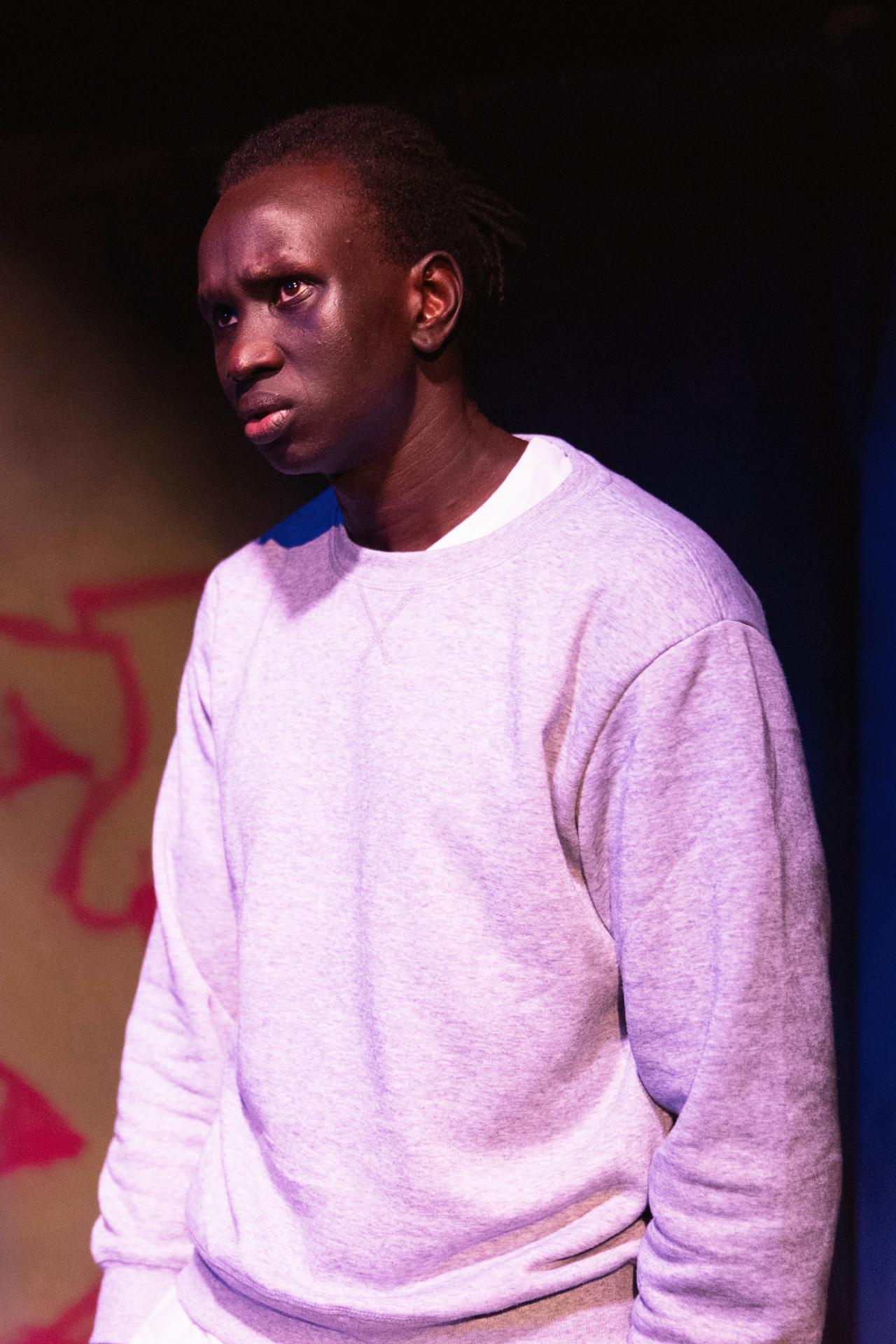
Teenagers in Hannah Belanszky’s Saplings are in the habit of running foul of the law. The system goes after them, always threatening to enforce punishment, but nothing is in place to ameliorate or mediate situations. Belanszky’s compassion and grace for her characters, demonstrates clearly that something is not working, or maybe something in the system is built intentionally to go against these Blak and brown kids.

Saplings delivers the full humanity of those labelled “wayward youth” or “juvenile delinquents”, often with great humour, offering authentic insight that prevents any viewer from regarding them as contemptible. Directed by Abbie-lee Lewis, we find ourselves instinctively developing affection for these vibrant souls, able to connect with each of them, beyond every boundary, whether they pertain to age, class or race.

An endearing cast ensures our investment for every anecdote in the episodic presentation. Maliyan Blair’s effervescence is an immense joy, Nyasha Ogden’s sass is a gratifying representation of budding feminism, Wesley Patten’s unwitting tenderness melts our hearts, and Ioane Sa’ula’s precise dynamism gives real emphasis, to many of Saplings‘ meaningful resonances.

Lights by Morgan Moroney offer sensitive calibrations to atmosphere. Angela Doherty’s costumes contribute to the authenticity of the characters, though at times, the distinctions may not be entirely clear when actors assume multiple roles. The set, co-designed by Moroney and Doherty, establishes with an appealing minimalism, a certain presence for places and circumstances, along with useful tiers that help make the staging visually appealing. Music and sound by Michael Weir manipulate accurately our emotional responses, especially effective with the incorporation of rap and hip hop created by those in our youth justice system. Also noteworthy, is Tim Dashwood’s joltingly kinetic choreography for fight sequences, contributing to the zeal of a show about today’s youth.
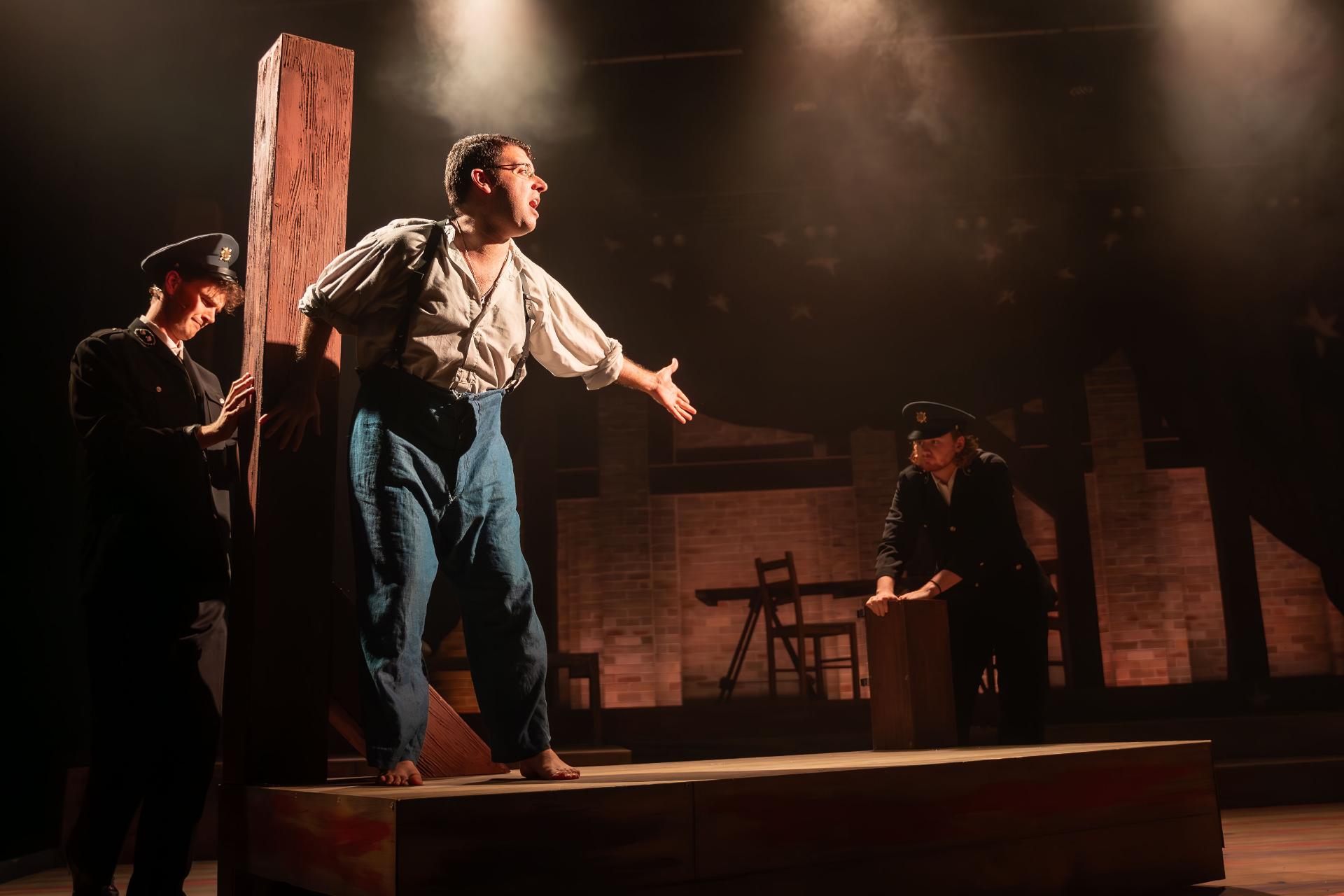
It is evident in Saplings that Blak kids are not a problem to be solved. It is colonialism that needs to retreat, and for rightful custodians of these lands to have substantially greater control, over the values we hold, the ways we live, and the bridges we build. In the play, we see future elders being beaten down continually, but their glow never diminishes. What needs to be provided is fortifying nourishment, instead of the toxicity being deployed persistently over recent centuries. The resilience of our oppressed is certain to prevail; we just have to make way for them.

www.atyp.com.au

Review: The Strong Charmion (Flight Path Theatre)

Venue: Flight Path Theatre (Marrickville NSW), Jan 17 – 27, 2024
Playwright: Chloe Lethlean Higson
Director: Jess Ramsey
Cast: Gabrielle Bowen, Emily Crow, Niky Markovic, Alyssa Peters
Images by Clare Hawley

Theatre review
Chloe Lethlean Higson’s The Strong Charmion takes place 1921 in Sydney, where circus artist Rosalie Whitewood works a striptease trapeze act, delighting and titillating crowds with her exceptionally tall and muscular physique. Inspired by American strongwoman Charmion, Higson’s play is about the life and loves of a woman who dared, a century ago, to be different not only with her appearance, but also with her evolving desires.

Characters in the play are fascinating, with thoroughly modern depictions of people in a historical context, making this a meaningful exercise in nostalgia. Direction by Jess Ramsey demonstrates a distinct spiritedness, but greater attention to detail is required, for the storytelling to be more engaging. Actor Gabrielle Bowen brings an appropriate sense of authority to the eponymous role, leading a cast brimming with passionate dedication.

Bella Saltearn’s set and costume designs are memorable, richly imagined and implemented with exceptional taste, bringing considerable finesse to the production. Lights by Catherine Mai are sensual and inventive, effective at conveying the appropriate tone for each scene. Music and sounds by Andy Freeborn offer dynamic range to the staging, bringing both heightened drama and restrained melancholia, to help amplify emotional dimensions of The Strong Charmion.

It seems we are only now beginning to acknowledge, that some people’s sexualities do change with time. In The Strong Charmion there is admirable effort not only to demonstrate the naturalness with which a person’s sexual proclivities can transform, but also that each person’s relationship with their own body image is unique, and can therefore never really adhere to traditional modes of categorisation, including the gender binary. It is probable that humans are by nature queer, that the immovable cisgender-heterosexuality that has come to define our hegemony, is actually experienced only by a real minority.

www.flightpaththeatre.org

Review: Tiddas  (Belvoir St Theatre)

Venue: Belvoir St Theatre (Surry Hills NSW), Jan 12 – 28, 2024
Playwright: Anita Heiss
Directors: Nadine McDonald-Dowd, Roxanne McDonald
Cast: Lara Croydon, Sean Dow, Jade Lomas-Ronan, Nadine McDonald-Dowd, Roxanne McDonald, Anna McMahon, Perry Mooney
Images by Stephen Wilson Barker

Theatre review
Having been childhood friends for thirty years, this group of five women has nothing to hide from one another. In Anita Heiss’ Tiddas, it is the frankness of these characters, that guide us to a meditation on some of the deeper aspects of life on this land. Most of the people we meet in the play are Aboriginal, and we benefit from their socially resonant discussions about identity and sovereignty. On more intimate levels, there are explorations into topics such as motherhood, romance and friendship; all dealt with in a fiercely authentic way, that enables us to examine some of the central elements of our shared humanity, with admirable clarity and honesty.

Directed by Nadine McDonald-Dowd and Roxanne McDonald, Tiddas is consistently engaging, always an entertaining watch, whilst keeping our minds attentive to the sensitive subjects being explored. There is a gentle beauty being rendered by aesthetical aspects of the show, a softness perhaps that is commensurate with the diversity of feminine qualities we encounter. Set and costumes by Zoe Rouse are vibrant, colourful and with a sense of sumptuousness that puts us at ease, so that we remain open to the ideas being studied. Lights by Jason Glenwright and sounds by Wil Hughes, are both intricately consistent with every ebb and flow of the drama and the comedy, ensuring that the atmosphere is in complete harmony with each stage of the storytelling.
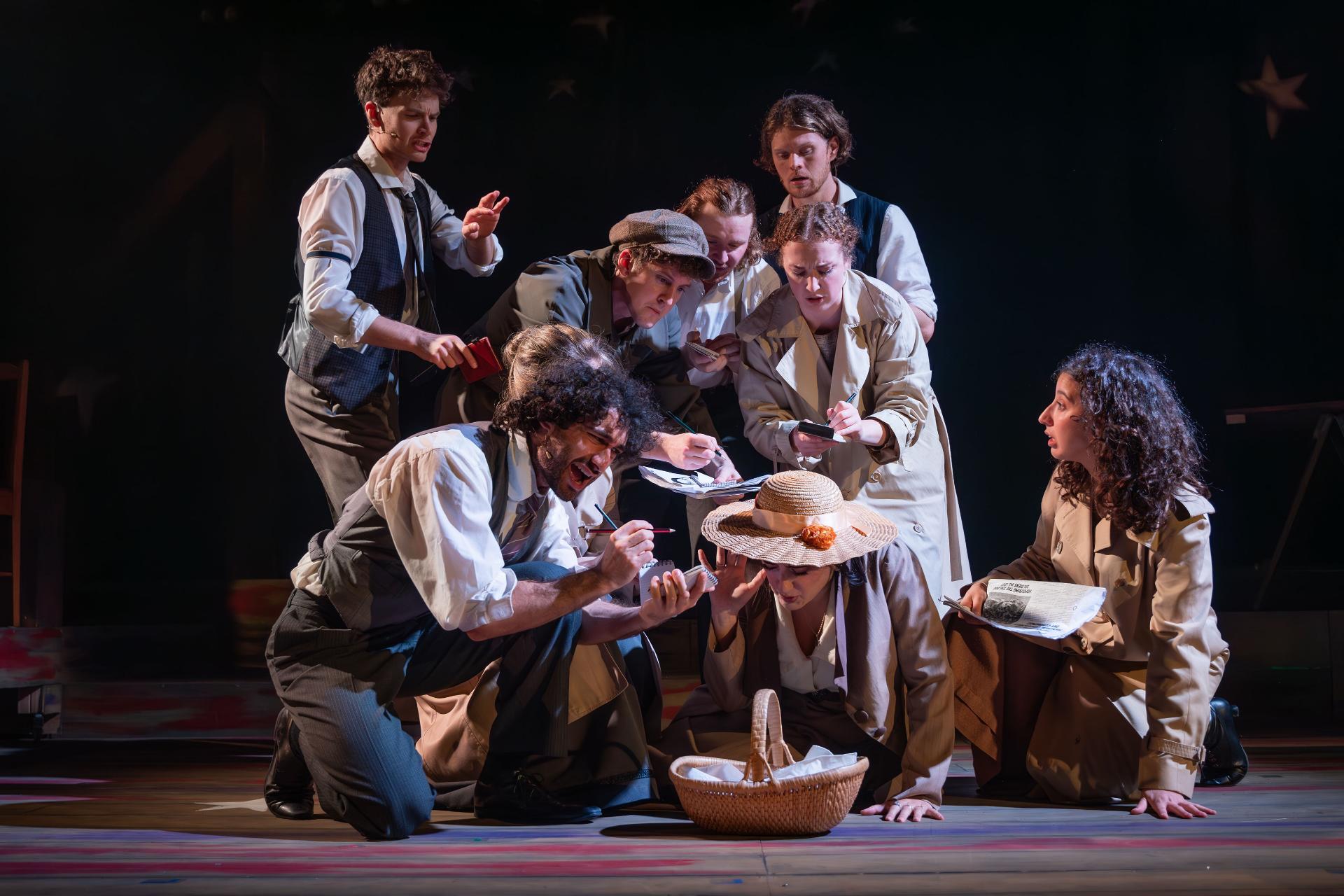
The cast of seven is exceptionally warm,  with a wonderful chemistry that makes every interchange believable. There are however moments in their performance that can be excessively declarative in style, in ways that move our involvement as an audience away from instinct and emotion, to somewhere a little too logical. It is when the personalities are convincingly natural, that we can really sink our teeth into all the richness that Tiddas intends. Roxanne McDonald (aforementioned as co-director) and Perry Mooney are particularly strong with the level of naturalism they introduce, allowing us to relate meaningfully, to the many worthy concerns of the show.
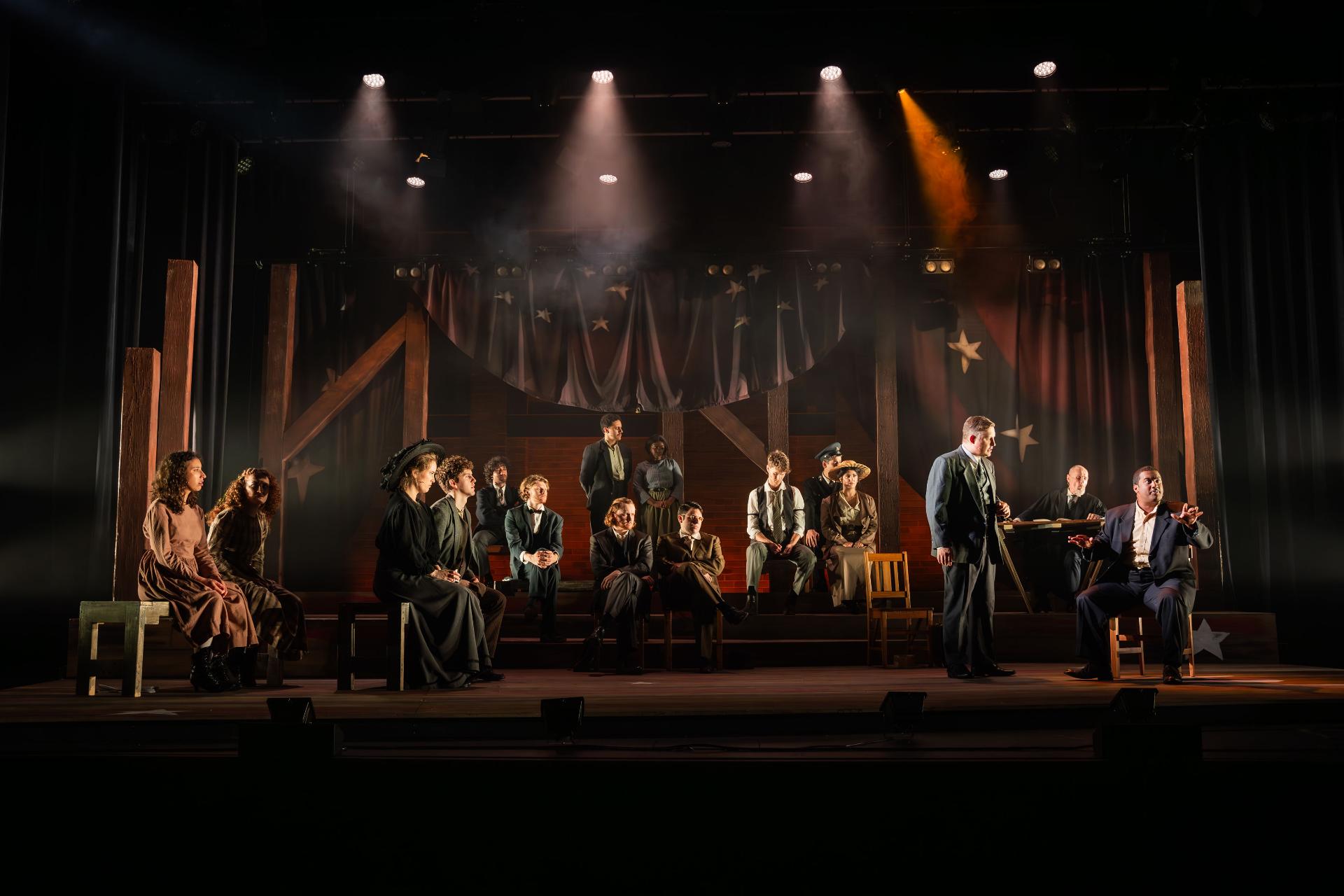
There is so much in modern life that prevents us from being real. It is only in the presence of close friends and family that we can be who we truly are. It is also in art, that we can be encouraged to peel away pretences and mendacities, to understand our truest natures. In Tiddas we can see what are most important to the five women, and decide for ourselves, how much in common we have with their bliss.

www.belvoir.com.au | www.laboite.com.au

Review: Send For Nellie (Wharf 1 Theatre)

Venue: Wharf 1 Sydney Theatre Company (Walsh Bay NSW), Jan 10 – 14, 2024, with further performances at Art House Wyong (January 19–20) and Merrigong Theatre Company in Wollongong (February 14–17)
Playwright: Alana Valentine
Director: Liesel Badorrek
Cast: Elenoa Rokobaro, Eleanor Stankiewicz
Images by Wendell Teodoro

Theatre review
Born 1900 in Sydney, Nellie Small worked many of her adult years as an entertainer, eventually establishing a career as a male impersonator in the 1930s. As a gender non-conformist, and a prominent person of colour living in Australia a century ago, Small remains an important figure in our queer history. Alana Valentine’s play in a cabaret style Send for Nellie, is an admirable attempt at immortalising the memory of Small. It is a respectful tribute, albeit offering a somewhat sanitized impression of Sydney nightlife.

At just an hour’s duration, with an abundance of song-and-dance incorporated into the staging, Send for Nellie is an excellent showcase for a performer like leading lady Elenoa Rokobaro, whose powerful vocals and precise execution of choreography, elevates the presentation with her exceptional polish. There is however an absence of a certain queer sensibility, that we know instinctively to be a crucial element in any recounting of Small’s life. Eleanor Stankiewicz plays several supporting characters, each one more vibrant than the last, but none of whom distract from the main attraction. Also a delight is the three-piece band of women musicians with Zara Stanton as Musical Director, although it is worth pointing out, that acoustics are a major sore point in this production.

Direction by Liesel Badorrek gives Send for Nellie an abundance of variation and movement, but the show never really connects. We feel as though the soul is missing, from a person we want to know better. On a positive note, visual design is generally of a high standard, for a work as handsome as the person it wishes to memorialise.

For the benefit of every person in queer communities, we must continue to tell stories about our forebears, in order that we may be inspired by their resilience, their resourcefulness and their innumerable achievements. We need always to see how as a people, we continually prove them wrong, that we are of great worth, that what they have construed of us for generations, is reprehensible and must always be met with resistance. To have survived her times as a queer person of colour, Nellie Small was unequivocally a warrior. It would not have been easy, but it does mean that greatness is absolutely within our grasp.

www.thearthousewyong.com.au

Review: Big Name, No Blankets (Ilbijerri Theatre Company)

Venue: Roslyn Packer Theatre (Sydney NSW), Jan 10 – 14, 2024
Playwright: Andrea James
Directors: Dr Rachael Maza AM and Anyupa Butcher
Cast: Baykali Ganambarr, Googoorewon Knox, Teangi Knox, Aaron McGrath, Jackson Peele, Cassandra Williams, Tibian Wyles
Images by Brett Boardman

Theatre review
It was 1980 when the Butcher brothers from Papunya in the Northern Territory, along with some great friends, formed the iconic Warumpi Band. Bringing their act all over Australia, and to Europe, the group cemented themselves as an integral part of our national and Indigenous cultural histories. The new play with music Big Name, No Blankets by Andrea James, offers an opportunity to acquire a deeper knowledge of the band, juxtaposing anecdotes of their formation and stories from the road, with legendary songs that prove to stand the test of time.

Co-directed by Dr Rachael Maza AM and Anyupa Butcher, the show shifts seamlessly between its dramatic portions and its musical sections, perfectly blending both aspects for a wonderfully cohesive telling of a captivating tale. Performer Baykali Ganambarr leads the charismatic cast, playing the role of Sammy Butcher Tjapanangka and serving as narrator, with a humorously tender approach that engenders a consistent simpatico connection with the audience.

Also noteworthy is Googoorewon Knox, who as the band’s lead singer George Burarrwanga brings glamour and energy, completely electrifying when performing Warumpi Band’s many rock numbers. Music direction by Gary Watling, together with arrangements by Crystal Butcher, are an unequivocal joy, presented powerfully by live musicians who demonstrate beautifully the genius of the source material. Sound design by James Henry create further auditory embellishments, to keep us engaged and invested.

Set design by Emily Barrie addresses sensitively the various spatial requirements of the storytelling. Lights by Jenny Hector fill the atmosphere with warmth, but switch effortlessly to alluring vivacity when characters are in rock star mode. Video projections by Sean Bacon, Patricia McKean and Guck help us contextualise times and places, as we delve into different pockets of the past. Costumes by Heidi Brooks provide a sense of authenticity for the personalities we encounter, and for an era that most do still remember.
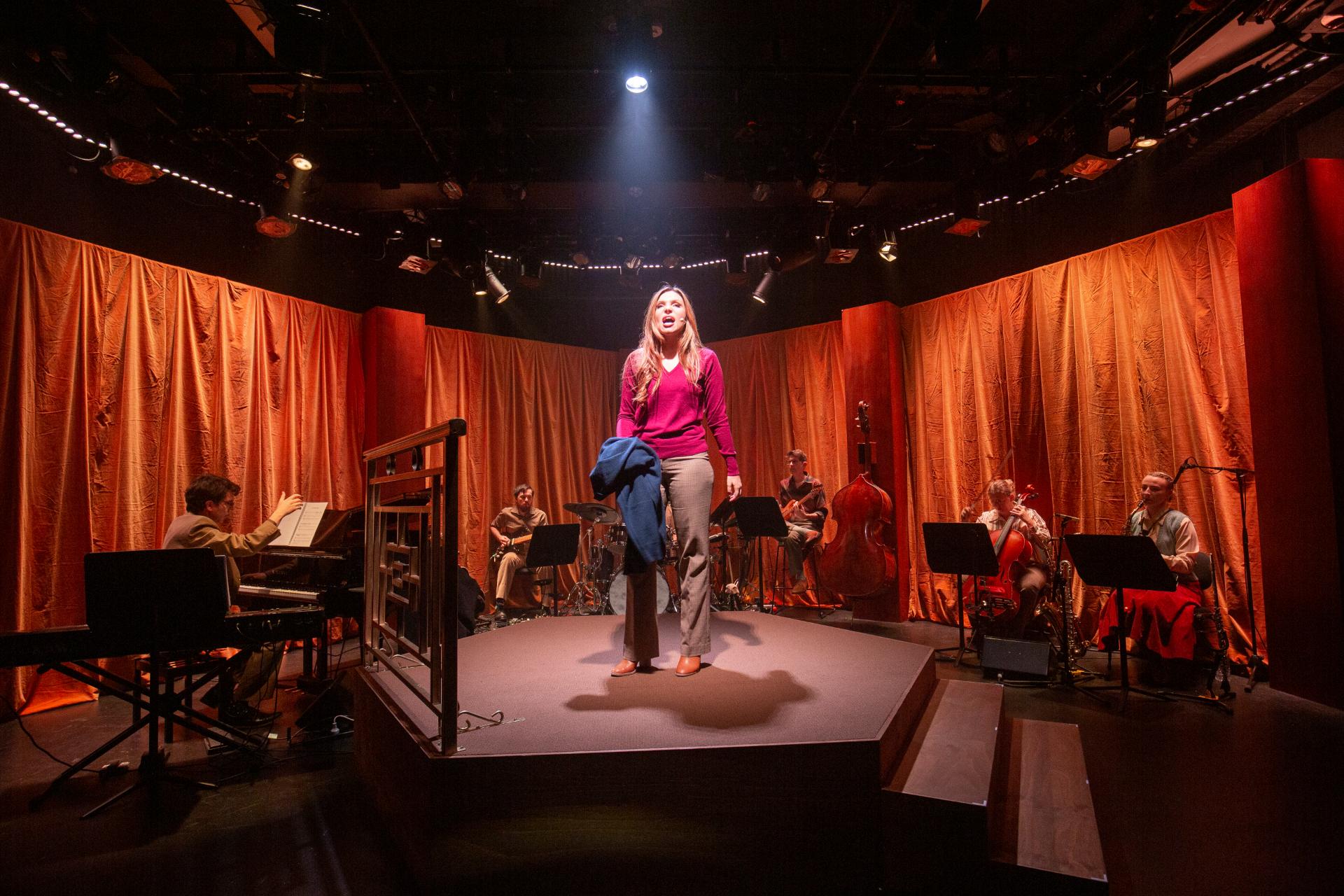
Members of Warumpu Band followed their hearts, and created a legacy out of passion and bliss. Big Name, No Blankets represents and exemplifies the integrity that we should all seek in how we make our decisions, and in how we live our lives. In the show, we see people being their true selves, and are reminded that trying to be anything else, is always a futile, and often harmful, exercise.

www.ilbijerri.com.au

Review: The Hello Girls (Hayes Theatre)

Venue: Hayes Theatre Co (Potts Point NSW), Jan 10 – Feb 4, 2024
Music and Lyrics: Peter Mills
Book: Peter Mills, Cara Reichel
Director: Jason Langley
Cast: Rhianna McCourt, Kira Leiva, Kaori Maeda-Judge, Nikola Gucciardo, Kaitlin Nihill, Joel Hutchings, Matthew Hearne, David Hooley, Lincoln Elliot, Zachary Selmes, Jessy Heath, Alexis van Maanen, James Frampton
Images by Philip Erbacher

Theatre review
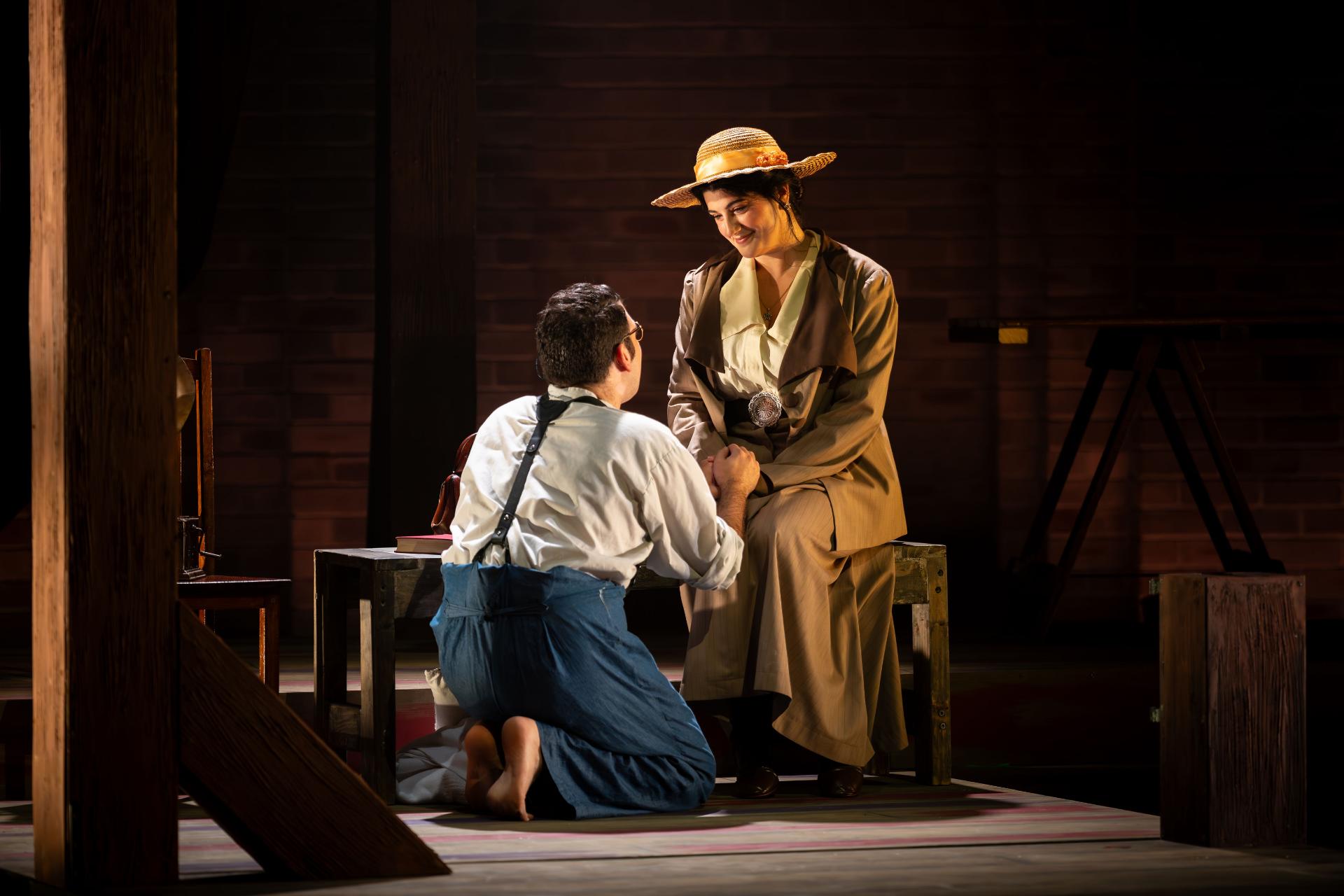
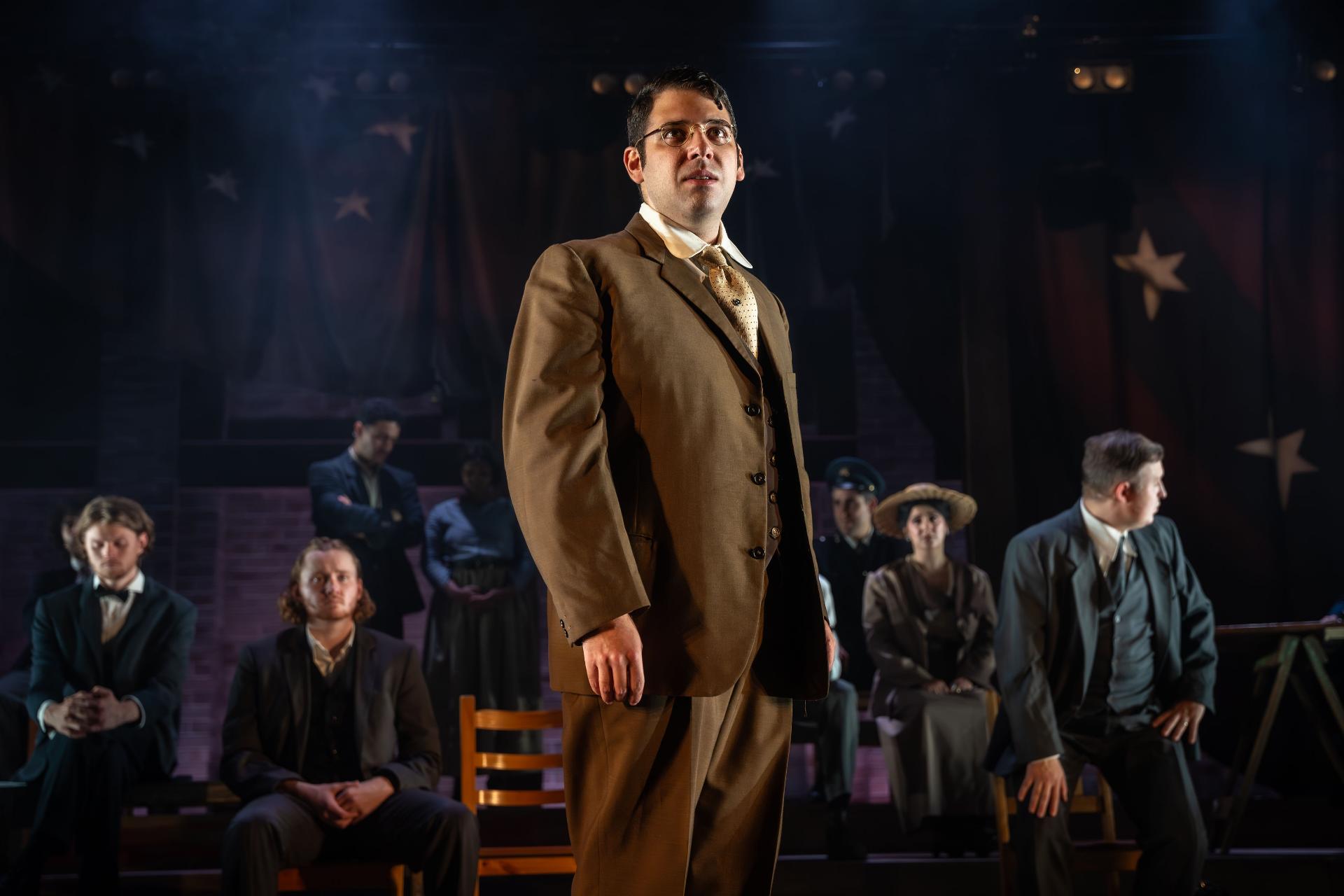
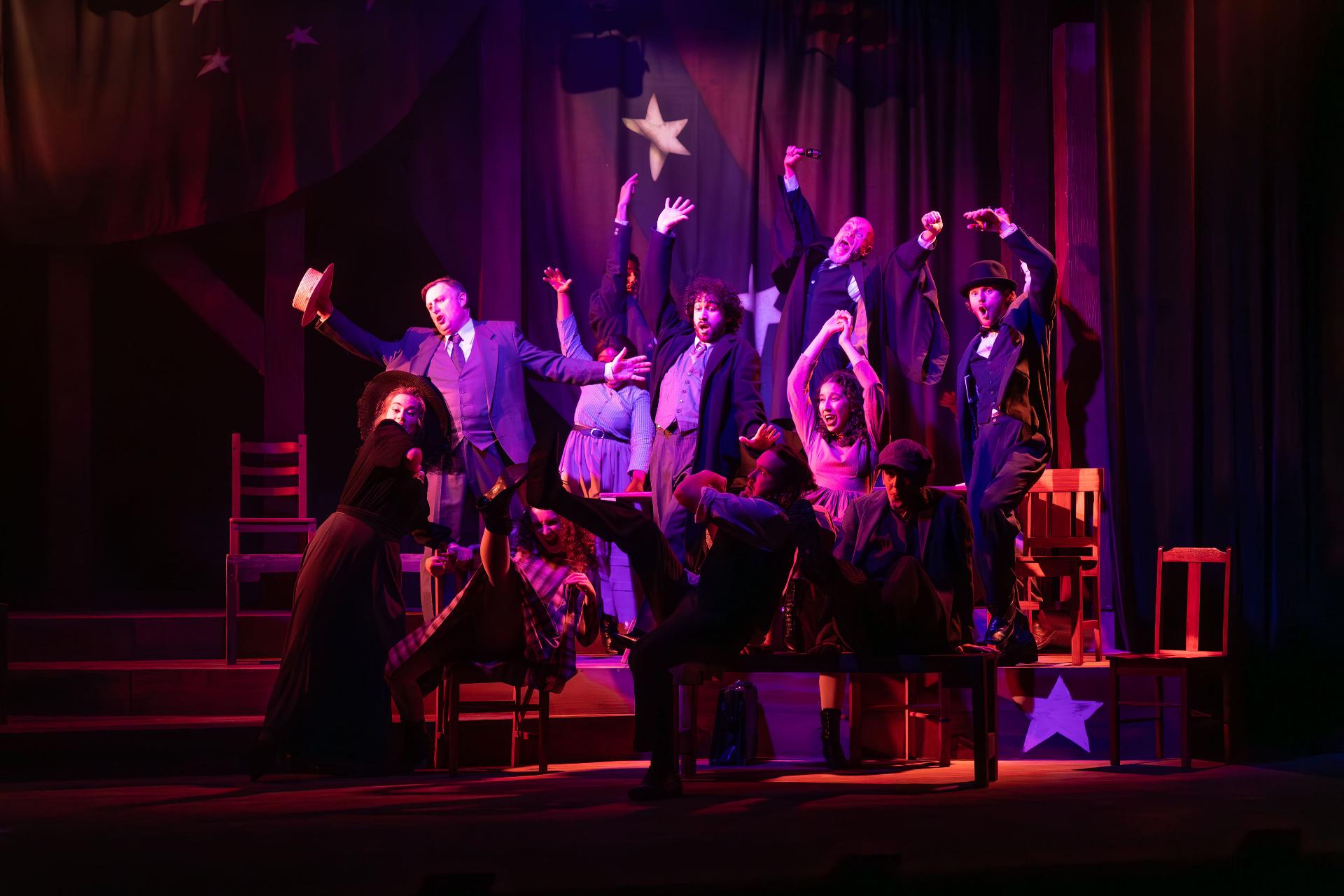
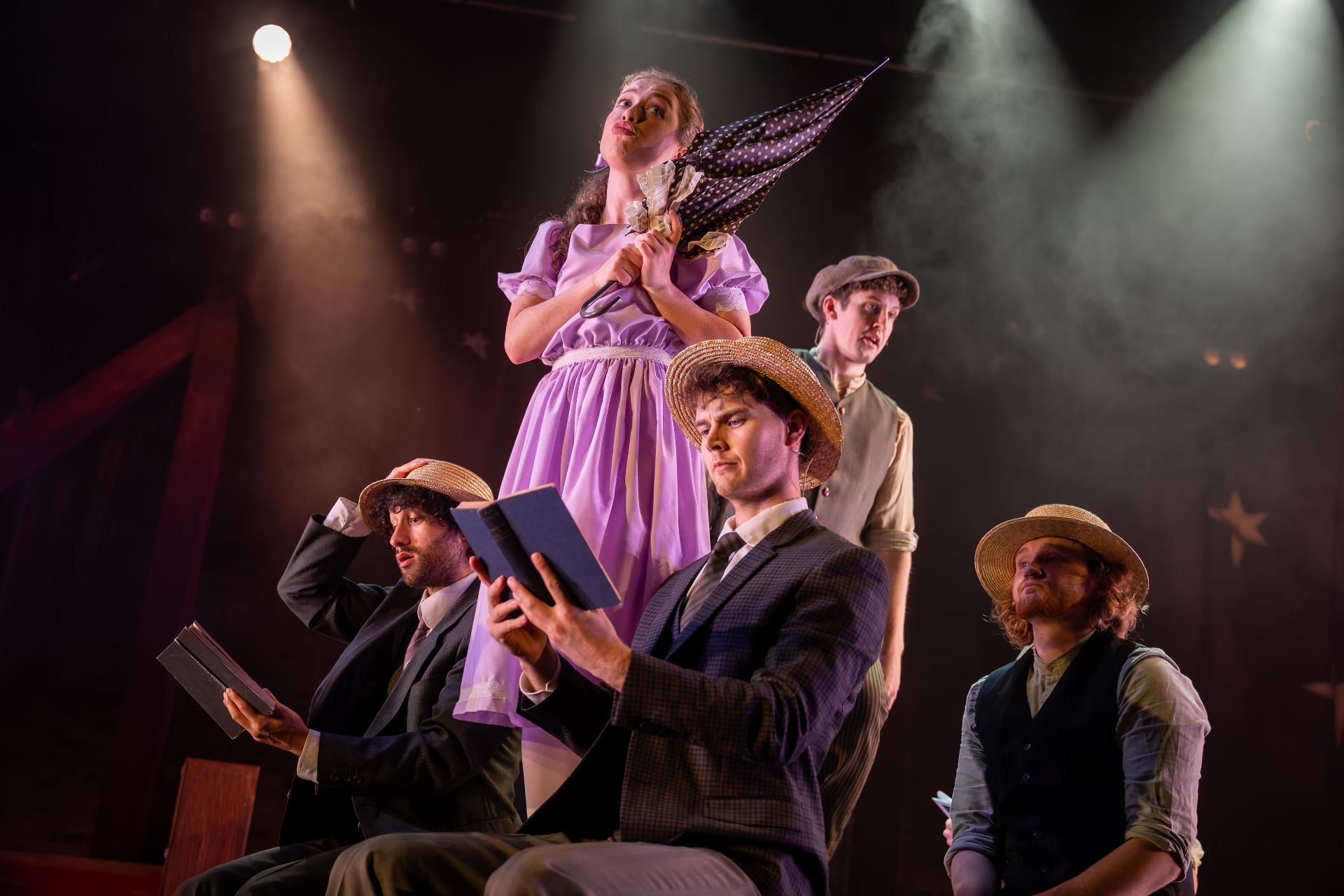
It was 1917 when Grace Banker was enlisted to lead a USA corps of thirty-three women switchboard operators in World War I. Although formally termed the Signal Corps Female Telephone Operators Unit, they became popularly known as the Hello Girls, a moniker after which Peter Mills and Cara Reichel named their entertaining and informative 2018 musical. It is a comparatively small yet ultimately consequential wartime story that the pair has identified and deftly written about, accompanied by a notable collection of catchy tunes to keep us firmly engaged.

Exquisitely sung by a cast of ten, with Rhianna McCourt as their effervescent leading lady, the quality of vocal performances in The Hello Girls leaves a remarkable impression. Also exceptional, is the spirited band under Natalya Aynsley’s meticulous musical direction, delivering songs that are as tightly propulsive as they are imaginatively transportative. Sound design by Kyle Sheedy too is effective, especially when called upon to help illustrate the more chilling aspects of the women’s experiences.

Directed by Jason Langley, along with choreography by Amy Orman, the narrative is conveyed with a theatrical exuberance and an appropriate sense of urgency. Not all of the story is applicable to how we think of the wars that are currently being fought in foreign lands, but portions of the show certainly resonate in meaningful and contemporaneously relevant ways.

The staging suffers however, from an overall lack of visual flamboyance. Set design offers a functional space, but one that appears increasingly rigid over the two-and-a-half-hour duration. Lights are fairly rudimentary, although dynamic within its limited technical capacities. Sarah Hordern’s costumes are perhaps too accurate in emulating apparel from the era, with representations of characters that look excessively pragmatic and frugal.

We discover in The Hello Girls, that it had taken 60 years after the war before the American Congress approved Veteran Status/Honorable discharges for the remaining military women. This prolonged denial that women were a crucial part of the war effort, exposes the ease with which our venerated systems are able to accommodate injustices of all kinds. The Hello Girls also shows that there is nothing broken about those systems, that it is precisely the way they were always meant to operate, that we need to interrogate and transform.

www.hayestheatre.com.au | www.facebook.com/heartstringstheatreco

Review: A Midsummer Night’s Cream (Old Fitz Theatre)

Venue: Old Fitzroy Theatre (Woolloomooloo NSW), Dec 1 – 10, 2023
Creators: Charlotte Farrell, Emma Maye Gibson

Theatre review
Feminists are not usually fans of Shakespeare’s oeuvre; his representations of women are often nauseating, if not completely despicable. Charlotte Farrell and Emma Maye Gibson seem to have a love-hate relationship with The Bard. A Midsummer Night’s Cream is a devised work that is both inspired by, and critical of Shakespeare. Early portions of the show are heavily centred around deconstructions of Shakespeare’s writing, reflecting perhaps a frustration derived from making theatre in a milieu that regards him to be foundational and epochal, even centuries later.

The show then swirls gradually away from that point of departure, and ventures somewhere more intimate, with Farrell and Gibson discussing motherhood. An intensification of atmosphere, luminated with a palpable sensuality by Cheryn Frost, almost indicates the true purpose of the exercise, as the two women engage in exchanges that explore those meanings that pertain to the young cisgender female body. Like Shakespeare being so intrinsically linked to how he conceive of the theatrical arts, pregnancy is to many women, inextricable and integral to their understanding of existence.

None of this is ever made explicit however, in a presentation that is as whimsical as it is poetic. Political but never pugnacious, A Midsummer Night’s Cream asserts itself with only the smallest affront to what it wishes to abolish, choosing instead to establish on stage, a new order that, unlike its predecessor, is characterised by inclusiveness and grace. Empowered to make change, with a humility informed by past deficiencies, Farrell and Gibson are careful not to inflict the same egregiousness it tries to replace.

This is a feminism that does not merely substitute one thing for another, preserving old structures while temporarily and superficially transforming them. What the artists deliver, looks like disruptive chaos, but that probably says more about our attachment to obsolete values, than it does the essential qualities of their work. Real change is uncomfortable, and good art is never afraid to challenge.

www.redlineproductions.com.au

Review: The Seagull (Sydney Theatre Company)

Venue: Roslyn Packer Theatre (Sydney NSW), Nov 21 – Dec 16, 2023
Playwright: Anton Chekhov (adapted by Andrew Upton)
Director: Imara Savage
Cast: Arka Das, Michael Denkha, Harry Greenwood, Markus Hamilton, Mabel Li, Sean O’Shea, Toby Schmitz, Sigrid Thornton, Megan Wilding, Brigid Zengeni
Images by Prudence Upton

Theatre review
Constantine’s angst remains resolute, even though he no longer lives in 1896 Russia. Andrew Upton’s adaptation of Chekhov’s The Seagull takes place in current day Australia, refreshed with modernised dialogue that effervesces amusingly, but is otherwise entirely faithful to the original. It is arguable whether these characters would think and behave the same, having moved continents and centuries. Even though human nature can be disconcertingly rigid, the dramatic (and iconic) conclusion of Chekhov’s play, feels too characteristic perhaps of an olden Russia. It is however certainly possible that that despondence is in fact no different, wherever and whenever the story takes place. Upton could be making the point, that we are in fact deluded, should we consider ourselves evolved and improved.

Nevertheless, the update feels somewhat tenuous, even though the contemporarised humour of the piece is an unequivocal pleasure. Directed by Imara Savage, the show is at its most appealing when moments are drenched in irony, as we watch persons of a certain privilege, unable to evade nihilistic despair. Reflecting on Chekhov’s times, we can associate The Seagull with impending revolutions, and explain that malaise within a context of disquietude and a thirst for upheaval. Watching the same tale unfold in our here and now, is a confronting proposition. That unflinching pessimism could be saying something appalling about the people we are, or we could simply regard this transposition to be somehow inauthentic.

All the same, drama is delicious. Actor Harry Greenwood as Constantine is less sympathetic than is traditionally portrayed, but renders an unassailable sense of truth and integrity, to persuade us of his narrative. Other notable performers include Mabel Li, equally impressive in comedic and tragic portions of Nina’s exploits, able to make convincing the drastic shift in temperaments, for this classic showcase of lost innocence. Sean O’Shea’s highly idiosyncratic turn as Peter proves thoroughly delightful, very extravagant in style but unquestionably charming with his interpretations of an ageing invertebrate. Playing Boris the cad is Toby Schmitz, wonderfully inventive and unpredictable, in his thrilling explorations of self-absorption and immorality. On stage, Schmitz’s impulsiveness is a real joy.

Set design by David Fleischer conveys a rustic sensibility, but always with a quiet sophistication that reminds us of the social class being depicted. Costumes by Renée Mulder emphasise the modernity of characters, keeping them accurately within the current generation. Lights by Amelia Lever-Davidson, along with sounds and music by Max Lyandvert, are extremely subtle until the final climactic scenes, when we are treated to a greater theatricality, as the show approaches its inevitable melodramatic conclusion.

The world tells Constantine that by virtue of his biological and social distinctions, that he is destined to be a leader and a winner. In the microcosm of his daily existence however, he only feels belittled and disgraced. Males account for three-quarters of suicide in Australia today. We can diverge in our understandings of that statistic, but it is a clearly a question of gender that cannot be ignored. We are all vulnerable beings. It is the quixotic notion that some of us have to be impervious to human fallibilities, that can drive a person to the brink.

www.sydneytheatre.com.au

Review: Oil (Sydney Theatre Company)

Venue: Wharf 1 Sydney Theatre Company (Walsh Bay NSW), Nov 4 – Dec 16, 2023
Playwright: Ella Hickson
Director: Paige Rattray
Cast: Saif Alawadi, Violette Ayad, Jing-Xuan Chan, Callan Colley, Charlotte Friels, Josh McConville, Benedict Samuel, Brooke Satchwell, Damien Strouthos, Anne Tenney
Images by Prudence Upton

Theatre review
Ella Hickson’s Oil begins in 1889 with young May falling pregnant with Amy, whilst navigating abject poverty in Cornwall, England. With each subsequent chapter, May and Amy jump decades ahead theatrically, allowing us to see an evolution of English womanhood in parallel with the industrial revolution and, more specifically, the modern history of petroleum. It is a complex, although surprisingly comprehensible, work that deals with environmental degradation, along with providing an evaluation of the trajectory of Western feminism, as well as a meditation on human nature.

Oil talks about our survival, including both our ingenuity and our incapacities, for a narrative on our progress, and perhaps regressions, to offer new reflections on human propensities, benevolent and otherwise, that may inspire improved methods for how we may forge ahead. Paige Rattray’s remarkable direction of the work captivates with endless intrigue, for something that could have easily become overly intellectual. It asks many questions, and leaves them unanswered, yet we feel sated by the end, nourished by passionate and pointed depictions of our shared pasts and likely futures.

Actor Brooke Satchwell brings scintillating intensity and focus to May, the maternal figure who always intends to do her best, but who is never safe from making errors. Satchwell’s confidence helps gain our trust in the unpredictable storytelling, taking us on a confronting ride that proves to be thoroughly thought-provoking. Amy is played by Charlotte Friels, spirited and purposeful with her creative choices, admirable for her ability to cultivate excellent chemistry with all she partners with. The leads are supported by a highly proficient ensemble, with each performer leaving a strong impression, in a detailed and refined presentation of an urgent message.
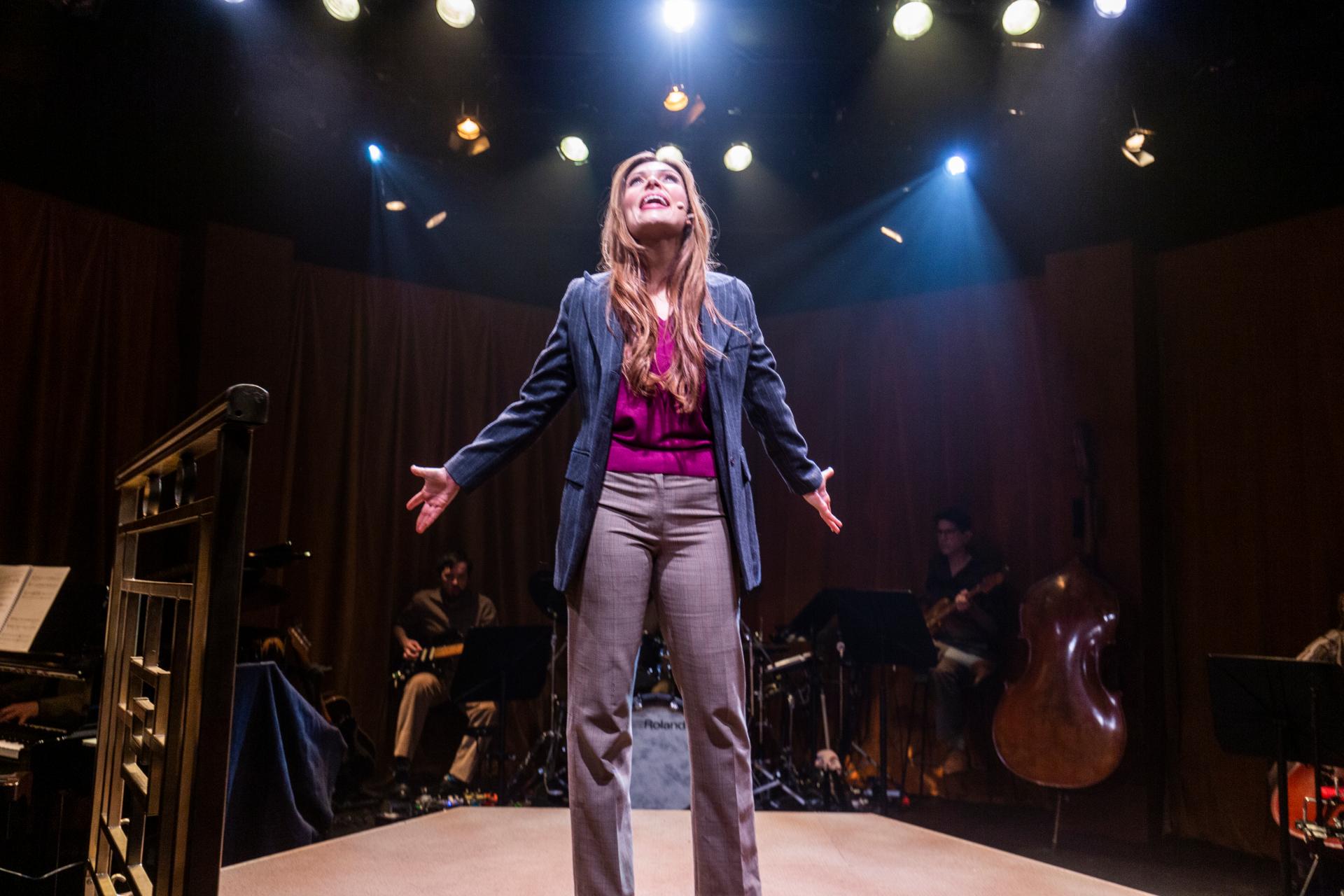
Set design by Emma White is wonderful in its versatility, cleverly adapting to the requirements of each era, as the play takes inordinately big leaps through the years. The creation of props for the show are especially commendable, completely fascinating in the ways they embellish the space for a series of imagery to manufacture an absorbing realism. David Fleischer’s costumes are commensurately believable, adorning the cast with a persuasive sense of naturalism, even when we step into the realm of science fiction. The stage, in the round, is illuminated meaningfully by Paul Jackson, who demonstrates great care with how we perceive lights, in a tale based on the immense repercussions of our relationship with crude oil. Sound and music by Clemence Williams are intricately rendered, whether with their subtle influence or through bigger dramatic gestures, all effective in keeping our psyche deeply invested.

May wants always to make noble decisions, but there is something about her dedication to her own family unit that eventually appears selfish. We see May’s struggles for survival, and her earnest efforts in providing for Amy, and learn about the ignorance and the carelessness, in how we have conceived of the future. Oil encourages us to imagine alternatives, where we had perhaps previously believed that none exist. It contextualises existential threat in a way that makes us realise the inevitability of shifting our lives, and makes us want the notion of sustainability to henceforth become essential and unyieldingly ubiquitous.

www.sydneytheatre.com.au