Review: King (Sydney Fringe)

Venue: New Theatre (Newtown NSW), Sep 24 – 27, 2025
Playwright: Jo Tan
Director: Tan Shou Chen
Cast: Jo Tan
Images by Elissa Webb

Theatre review
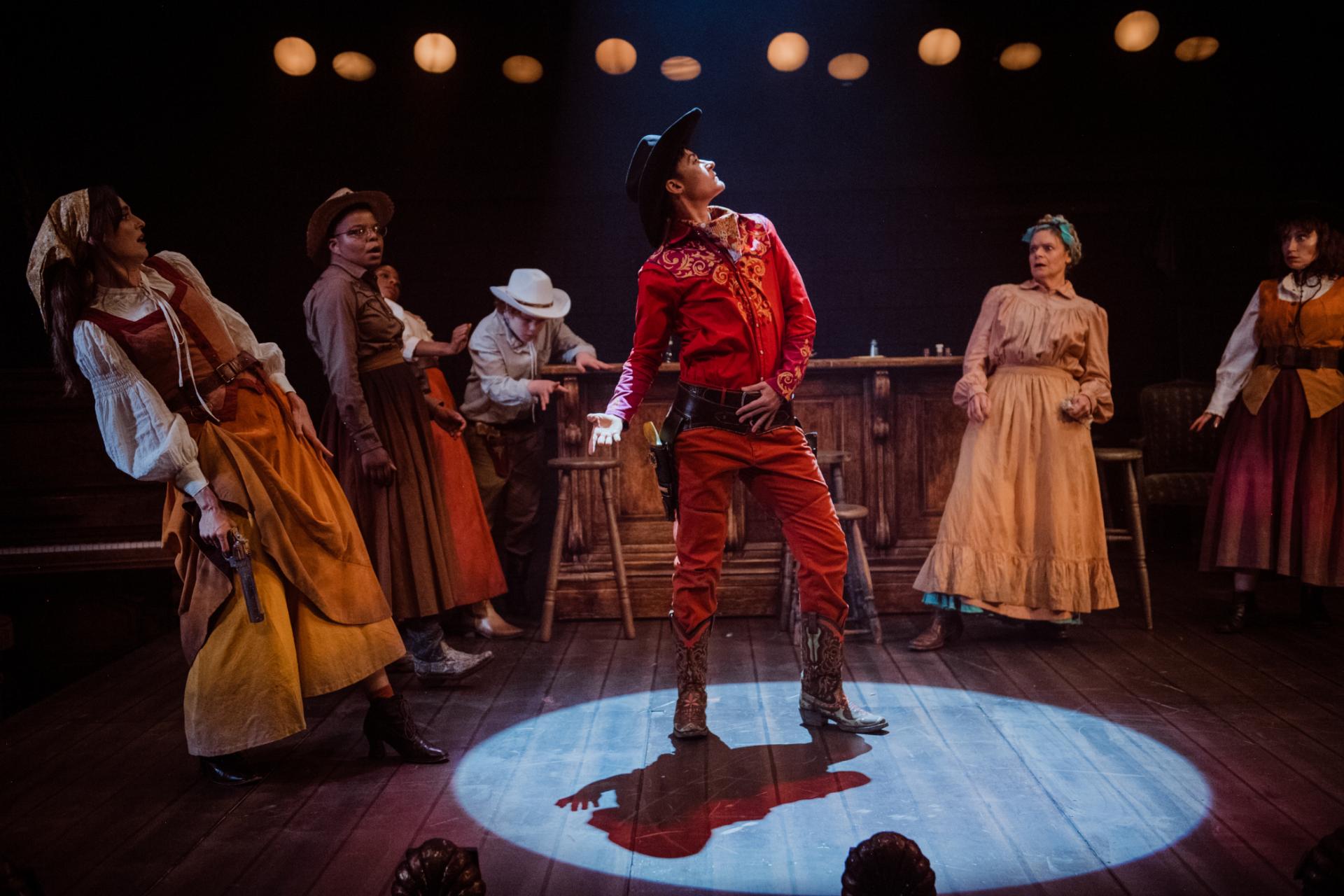
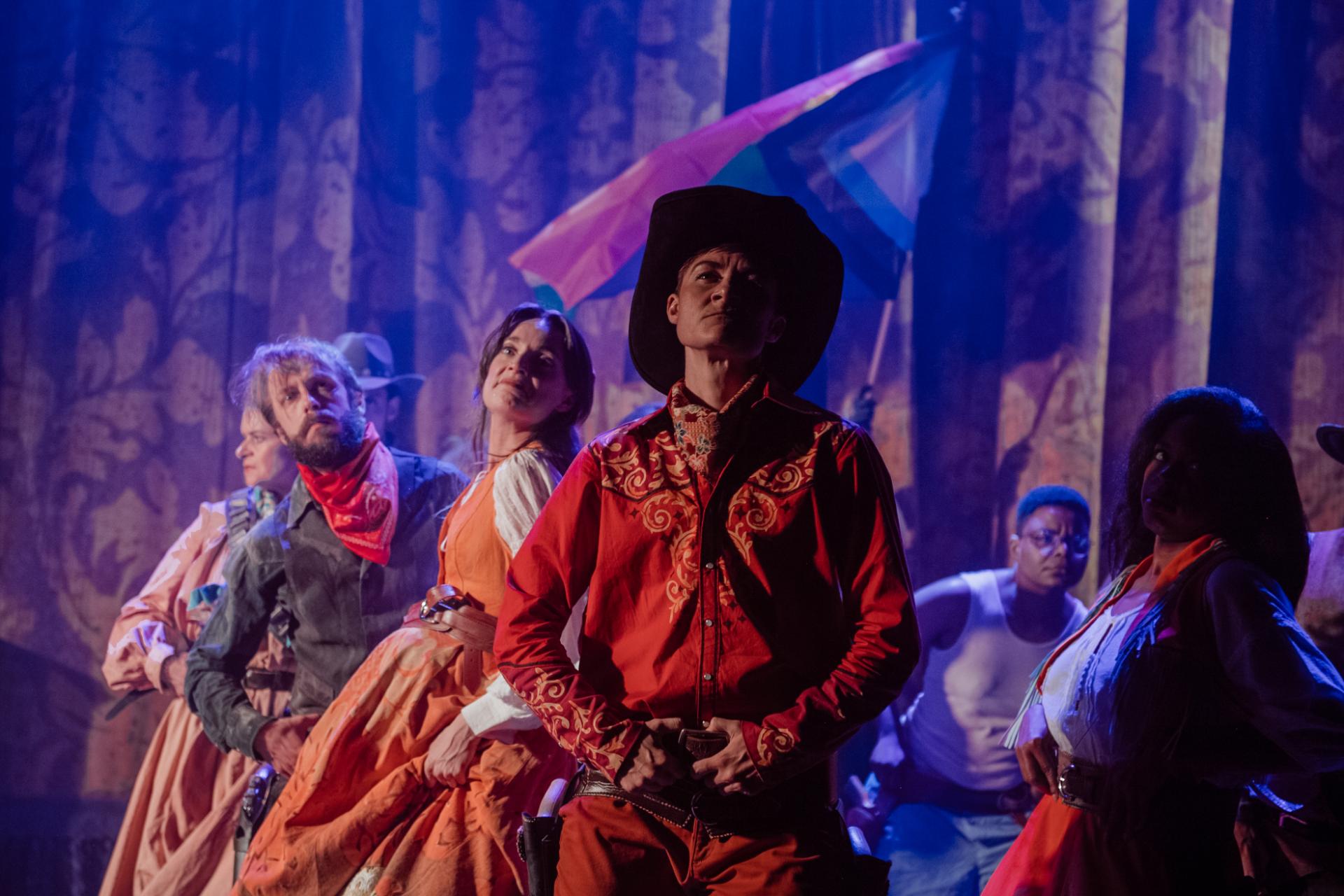
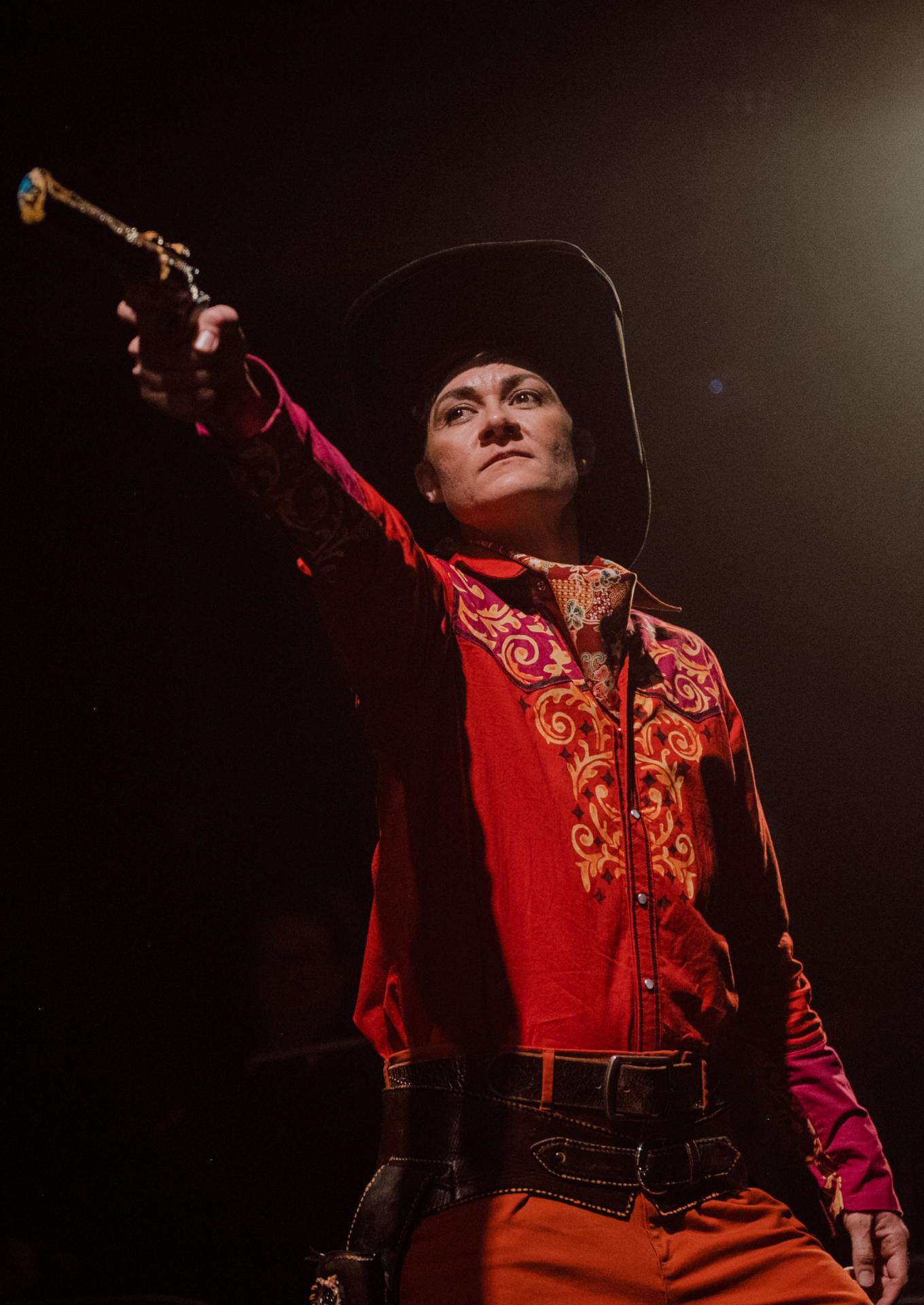
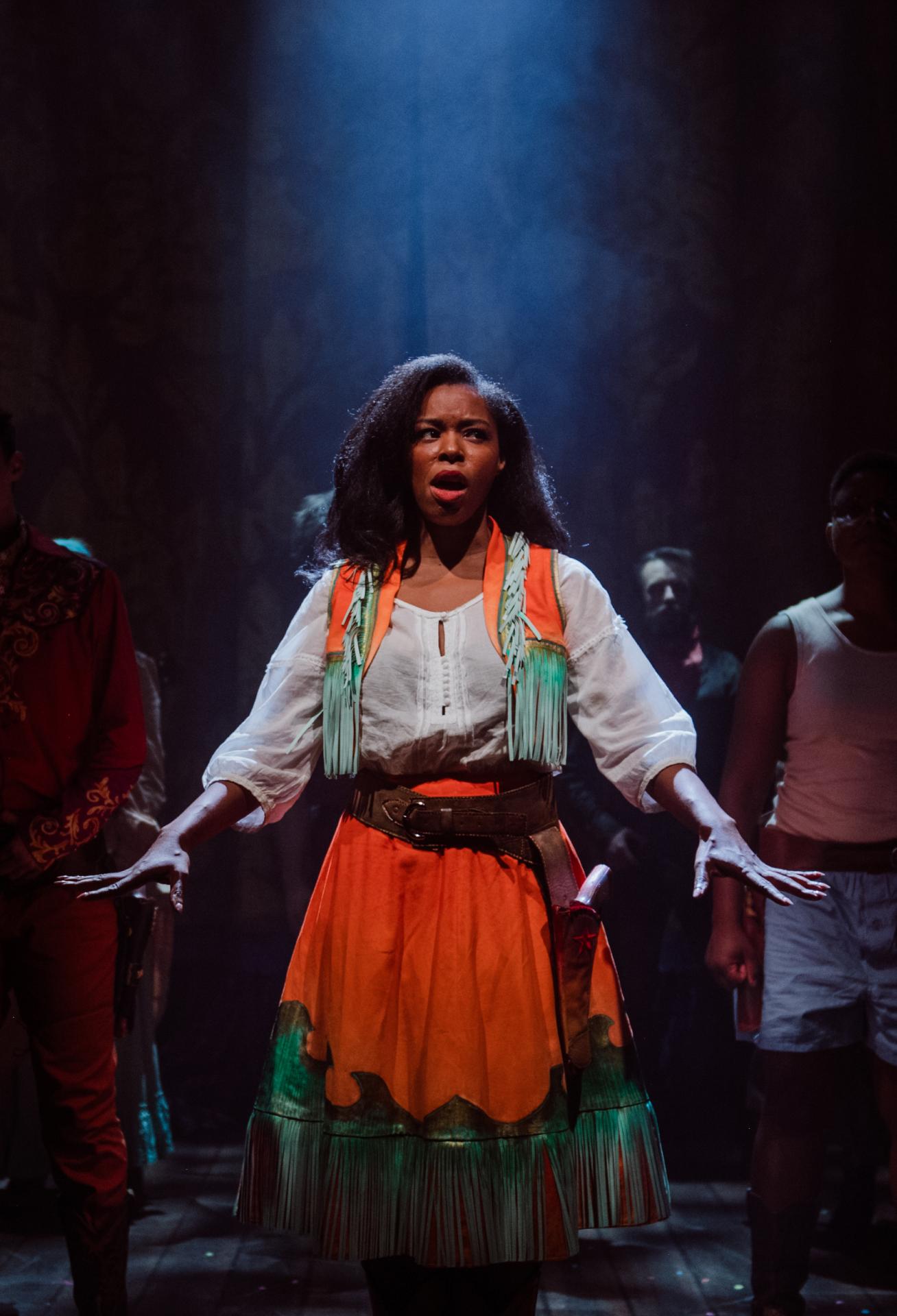
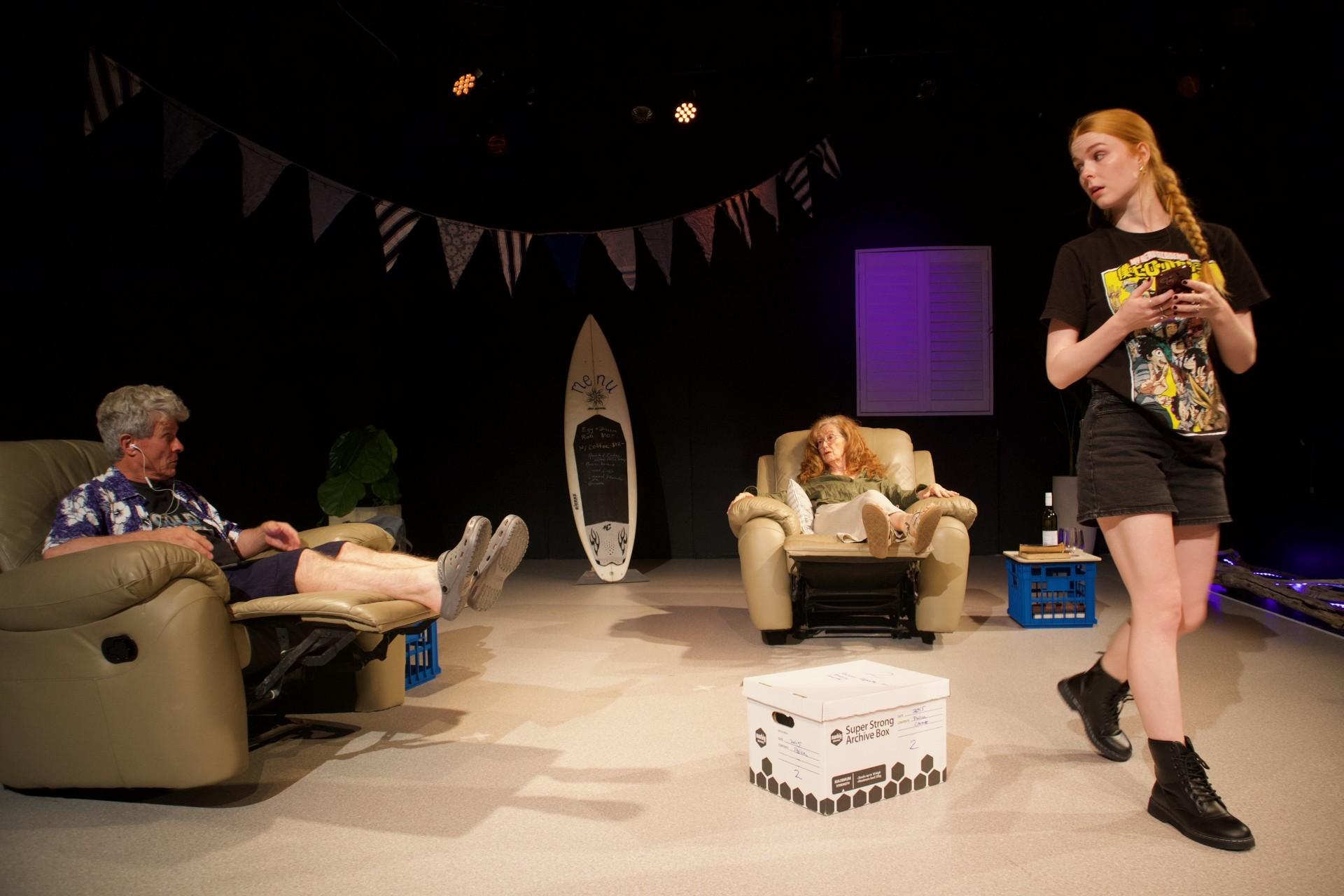
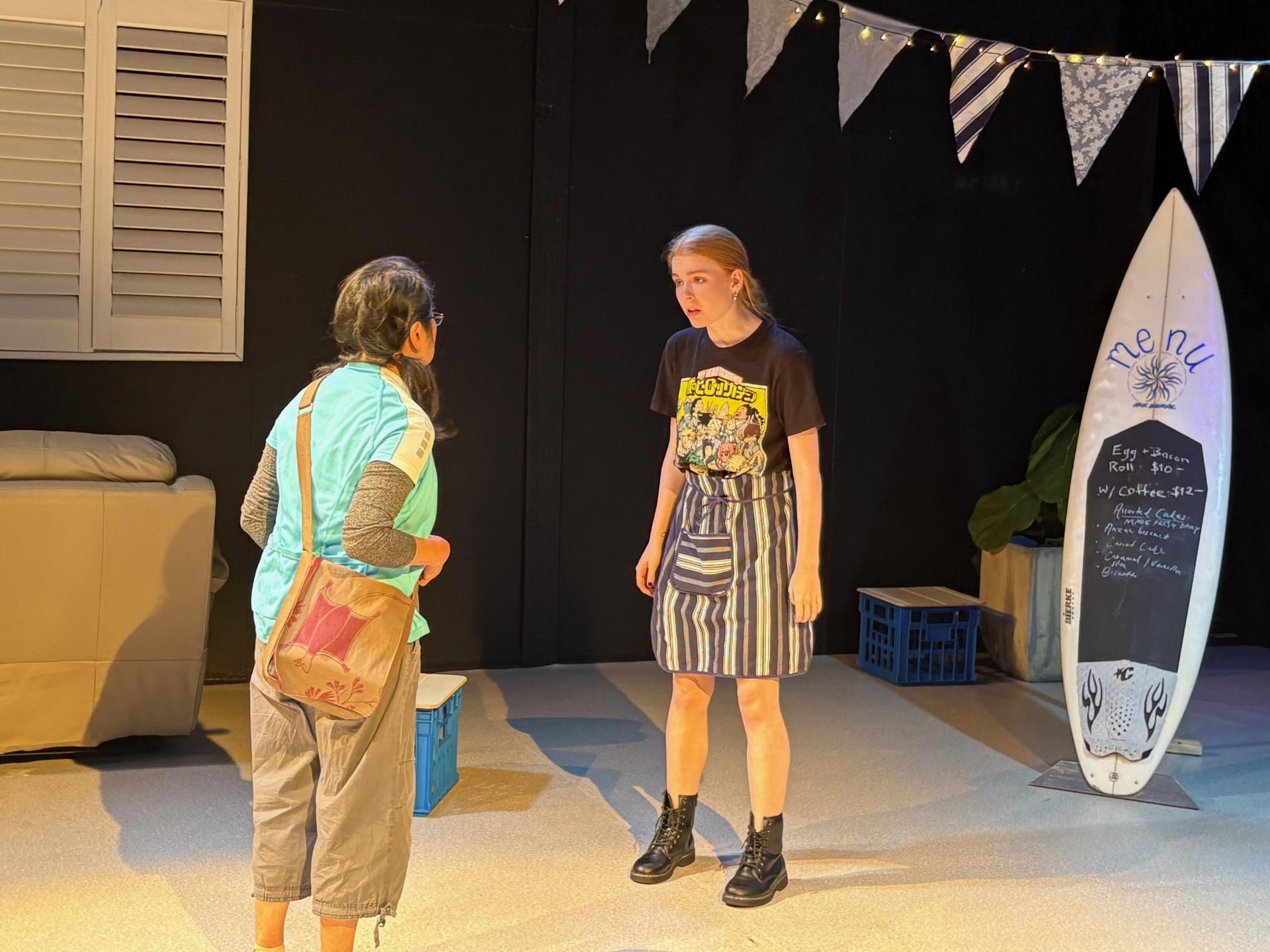
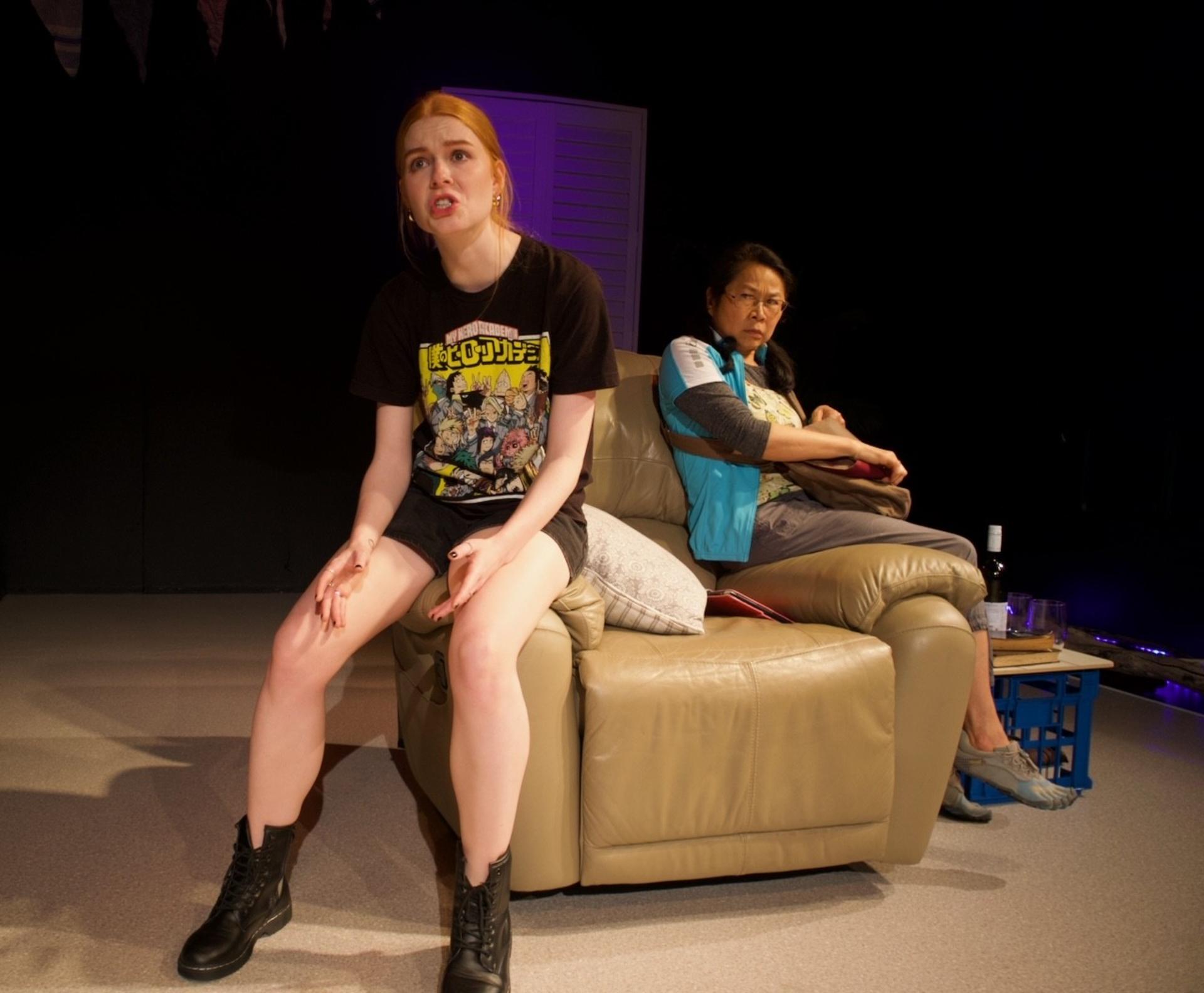
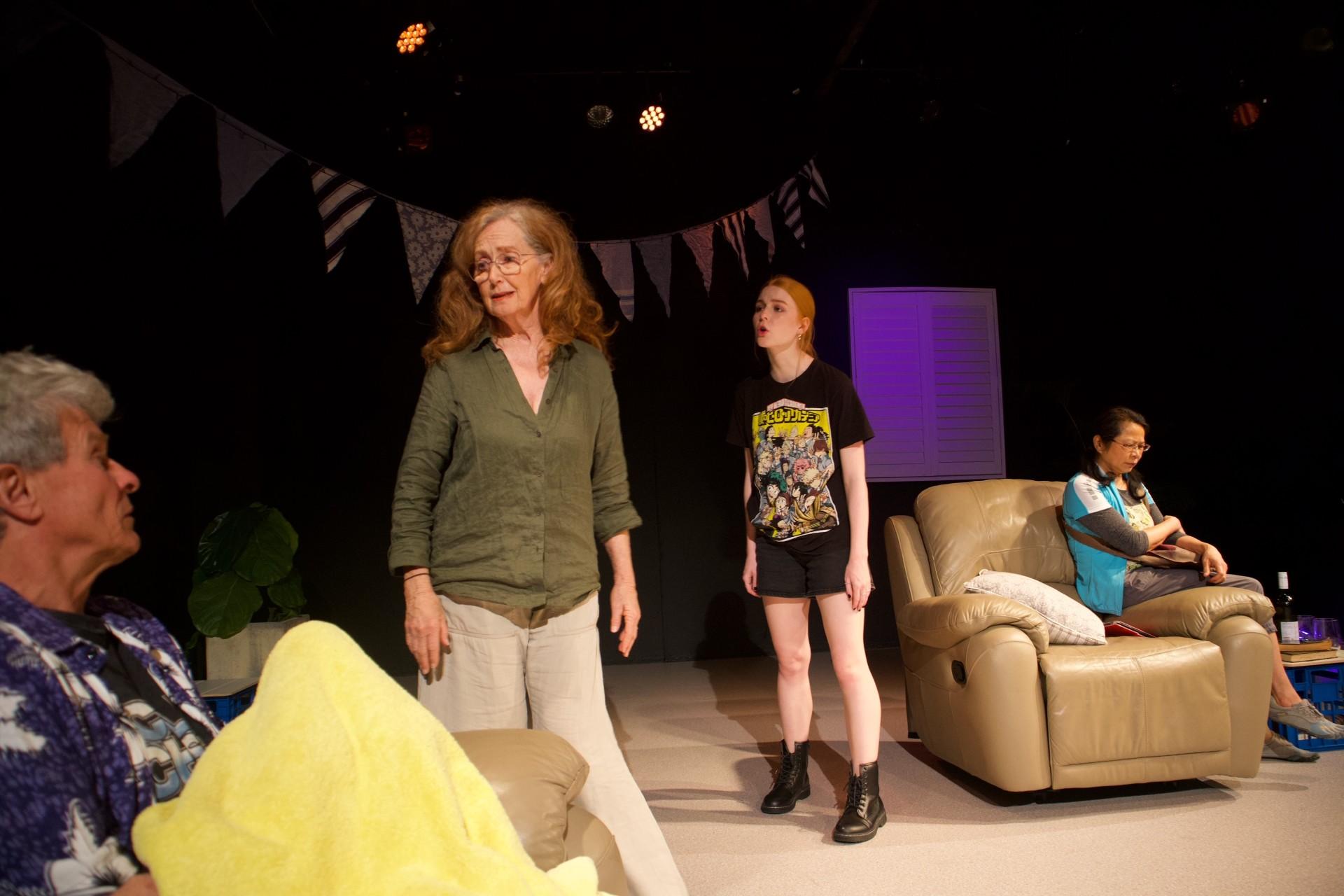
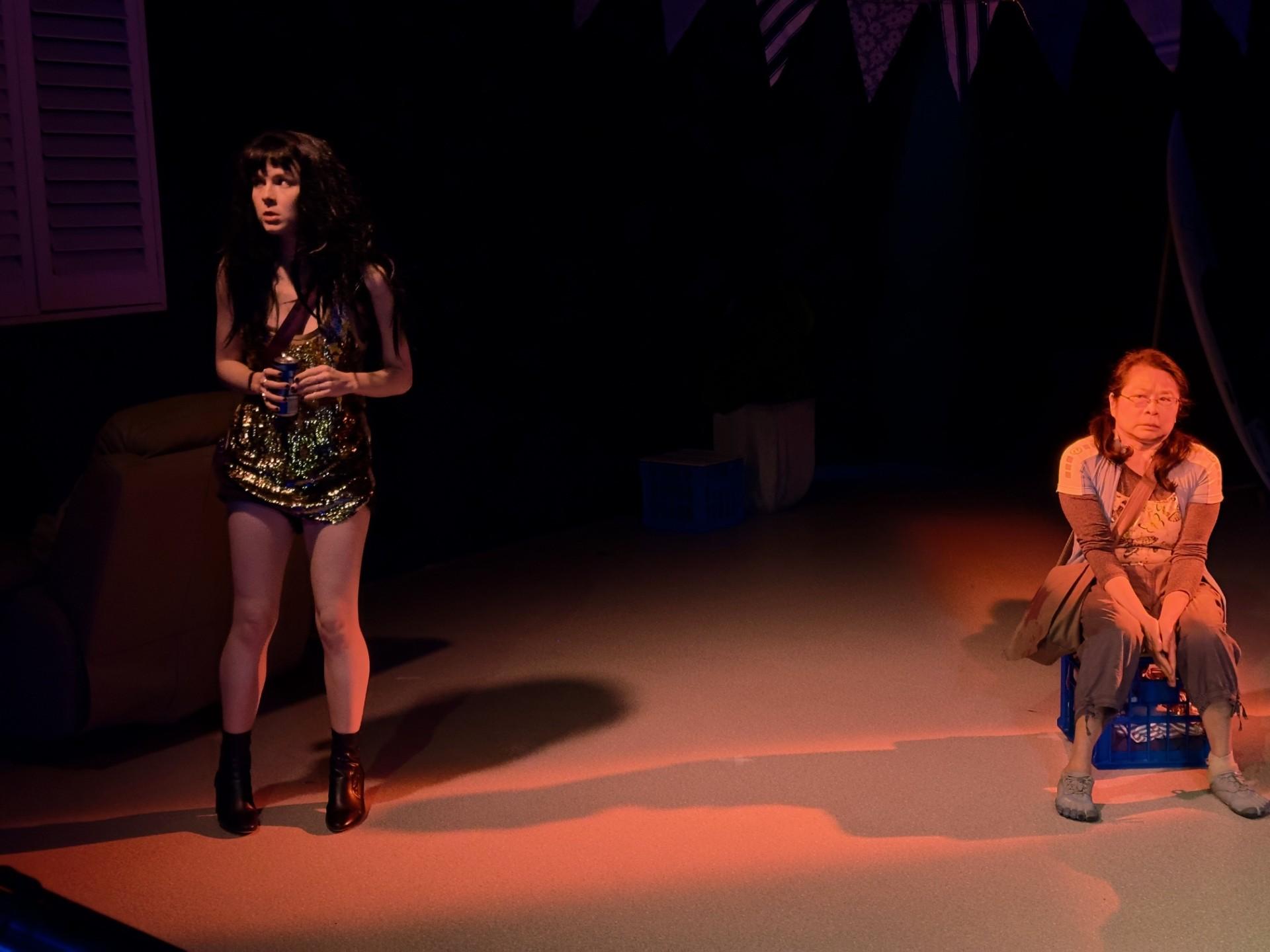
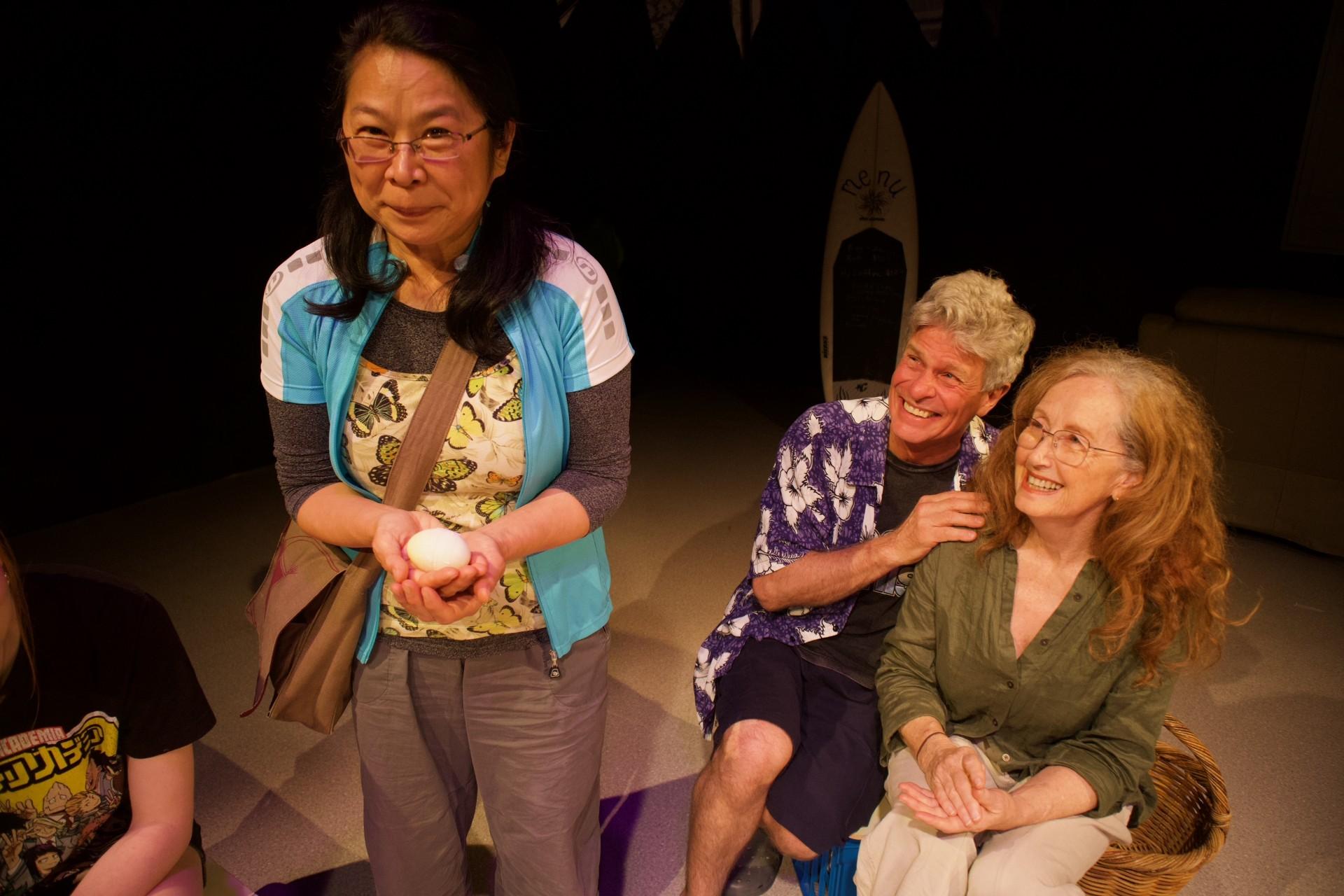
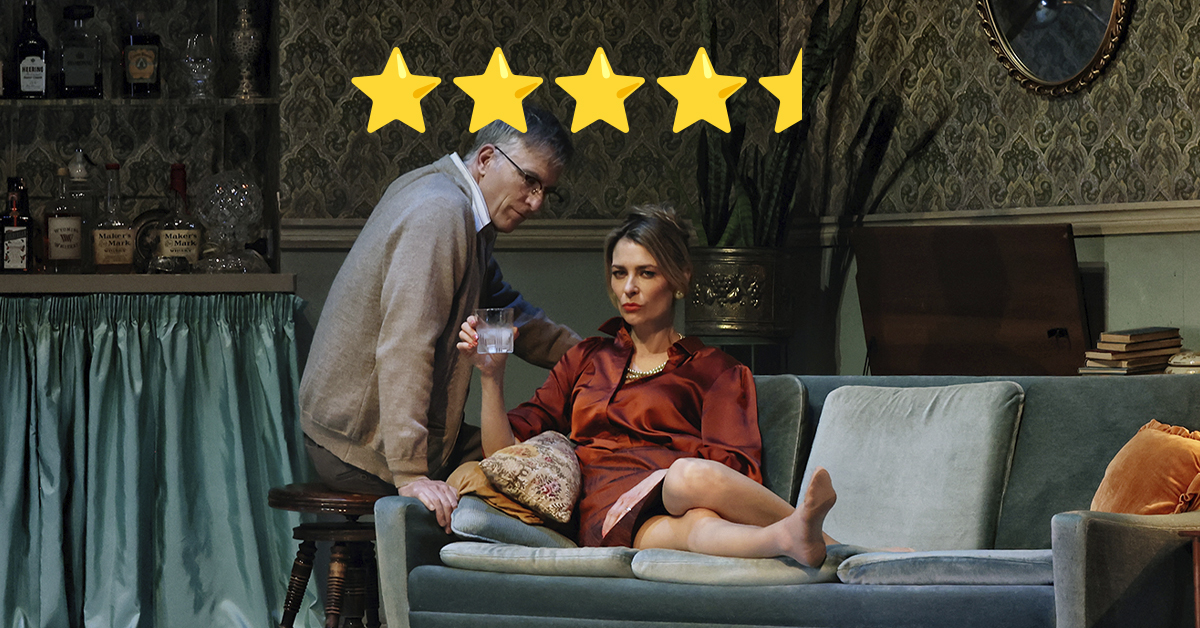
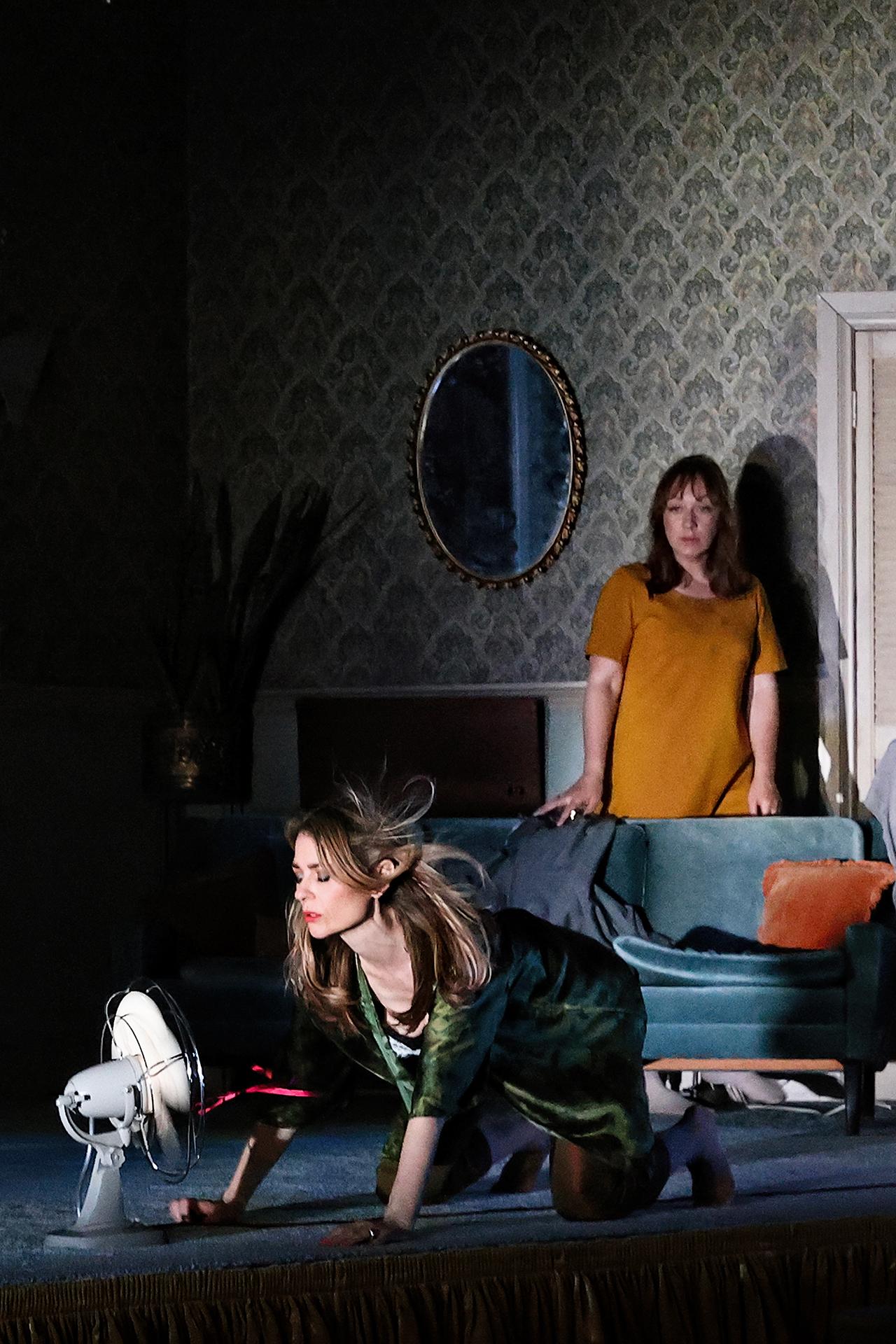
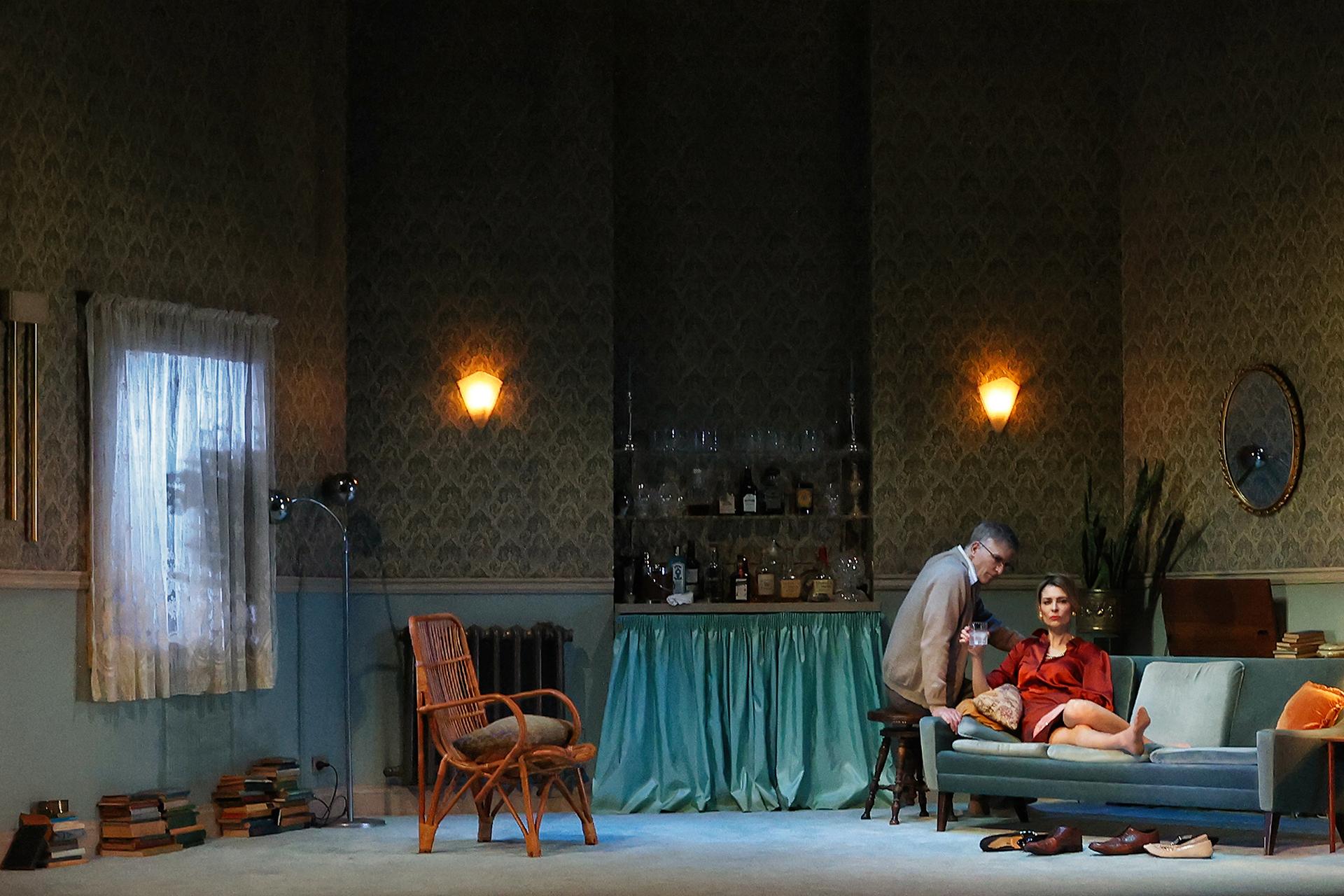
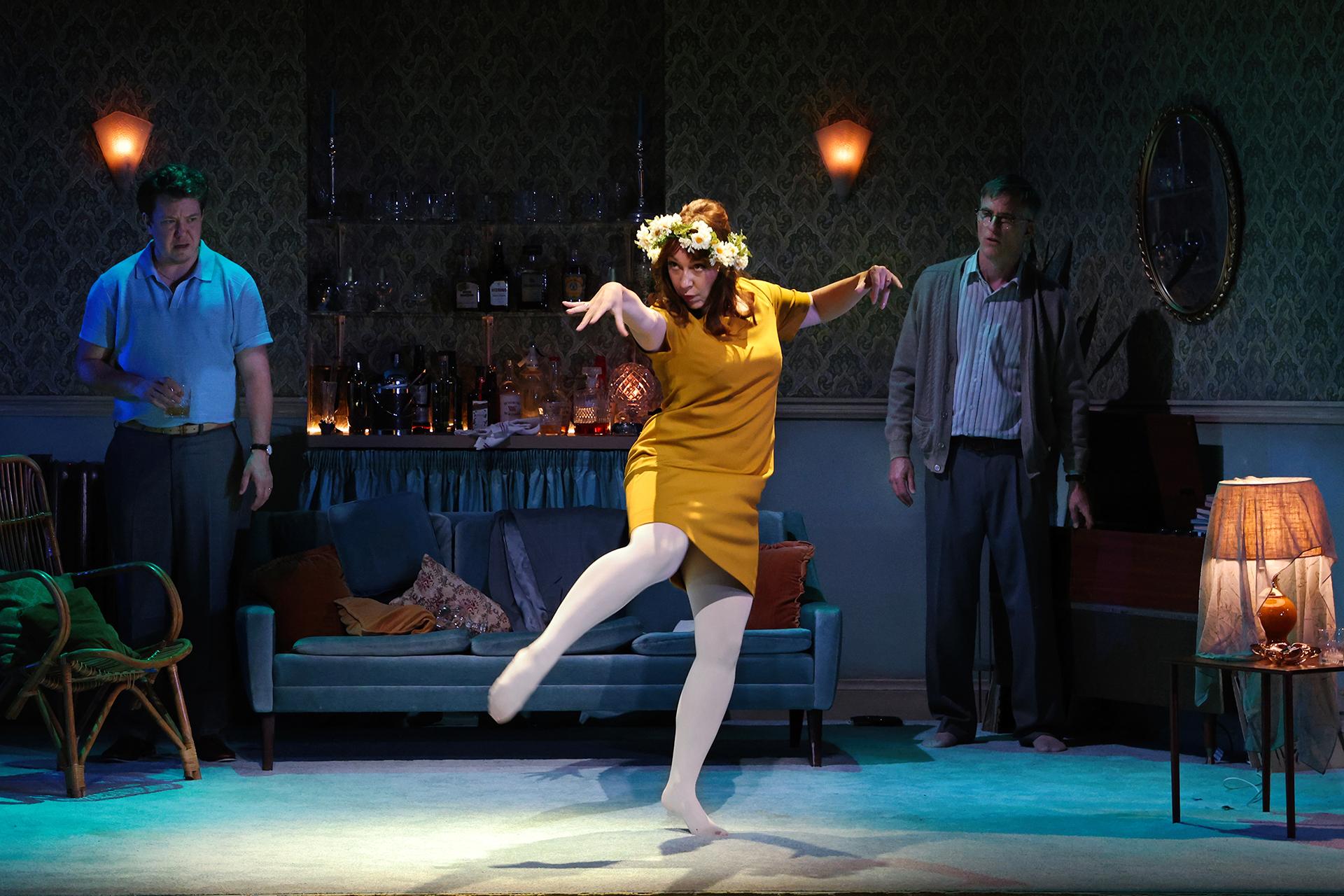
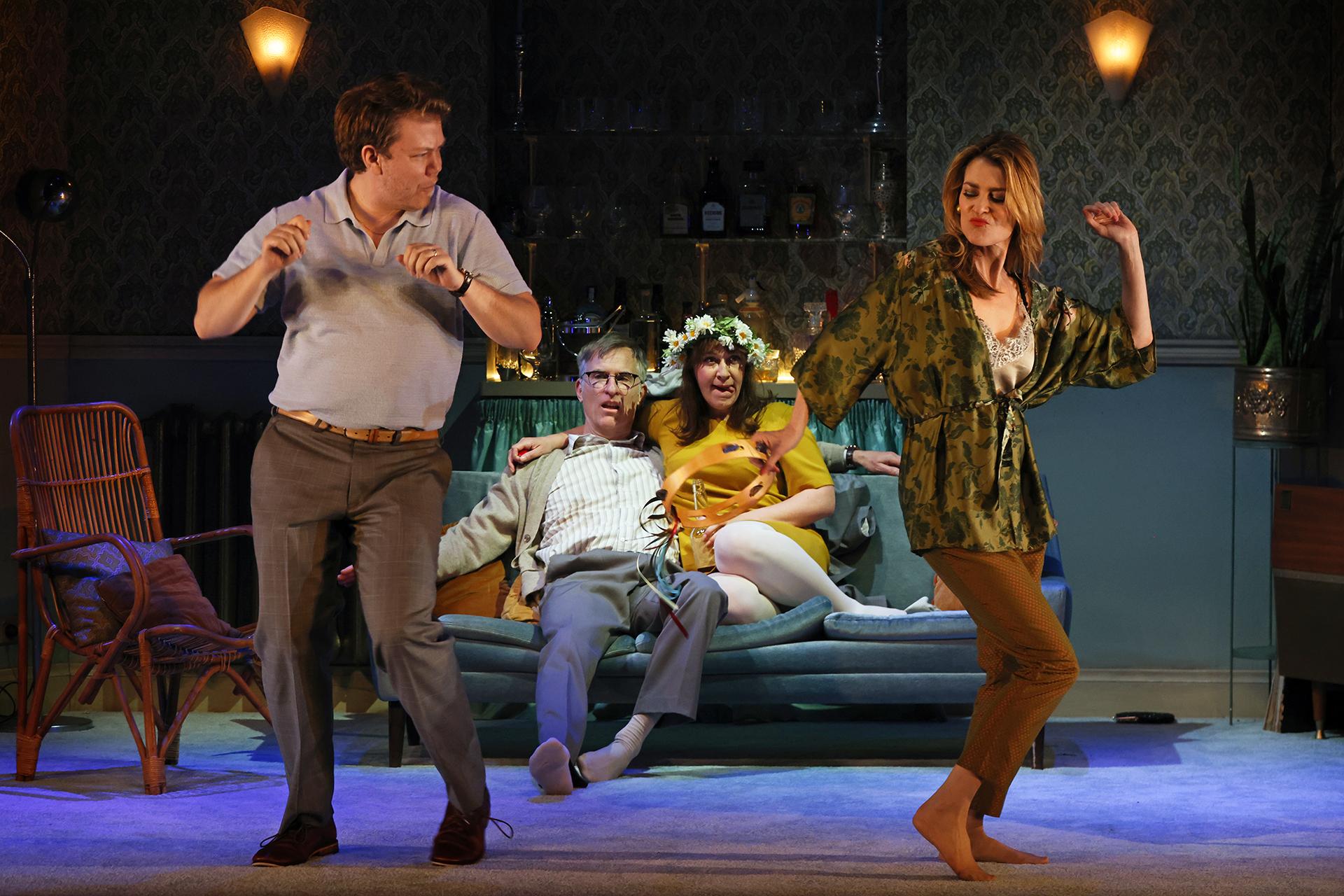
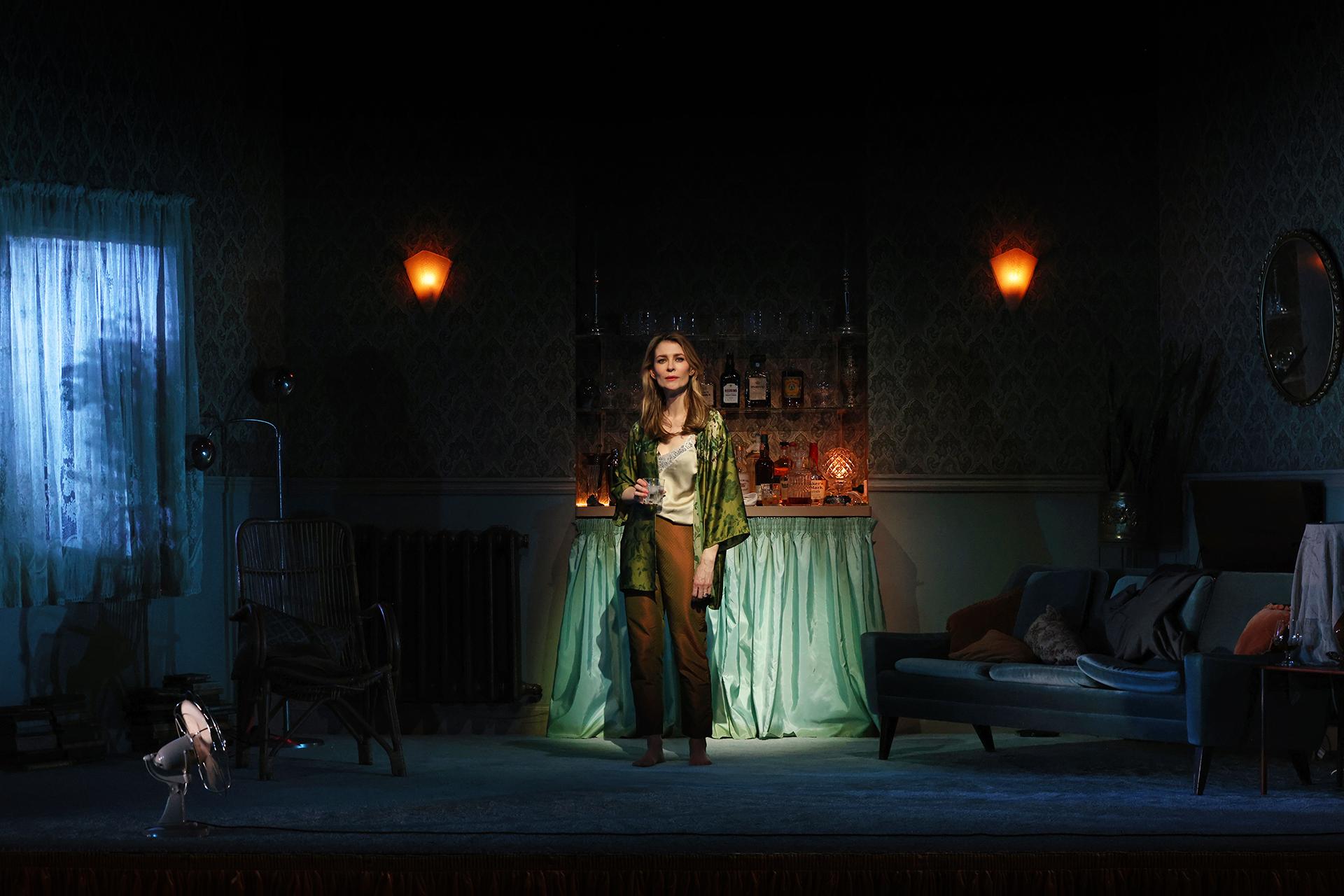
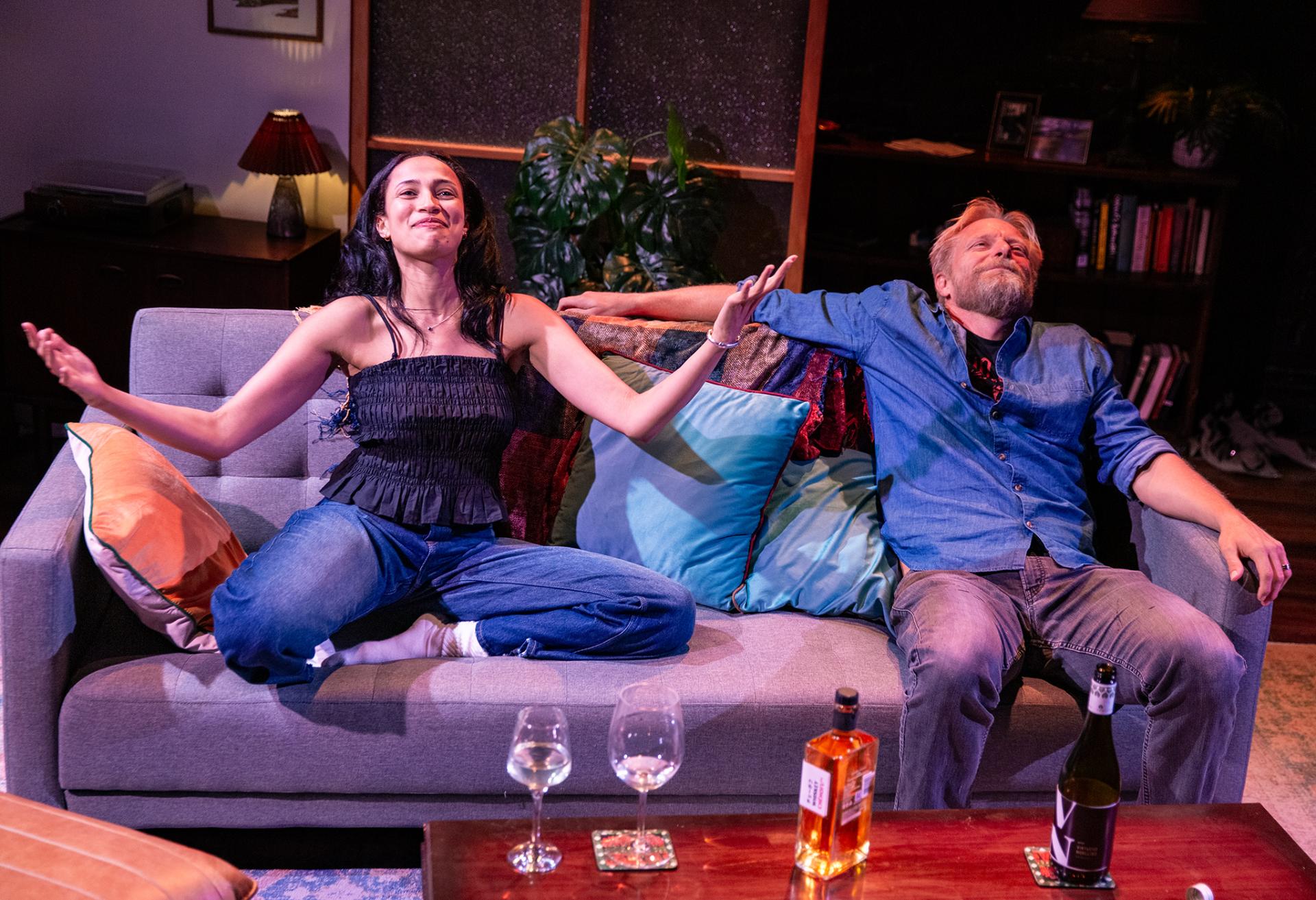
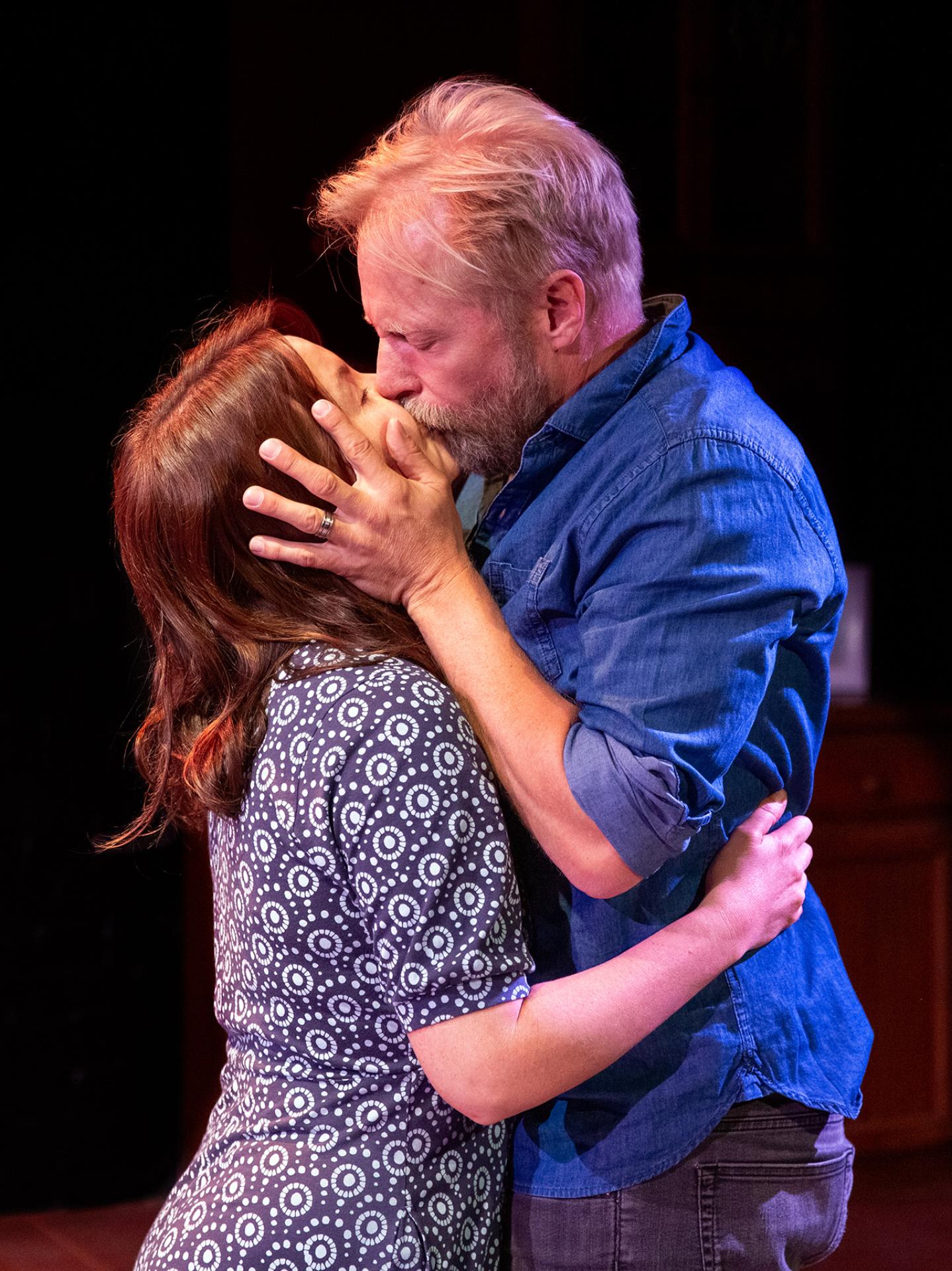
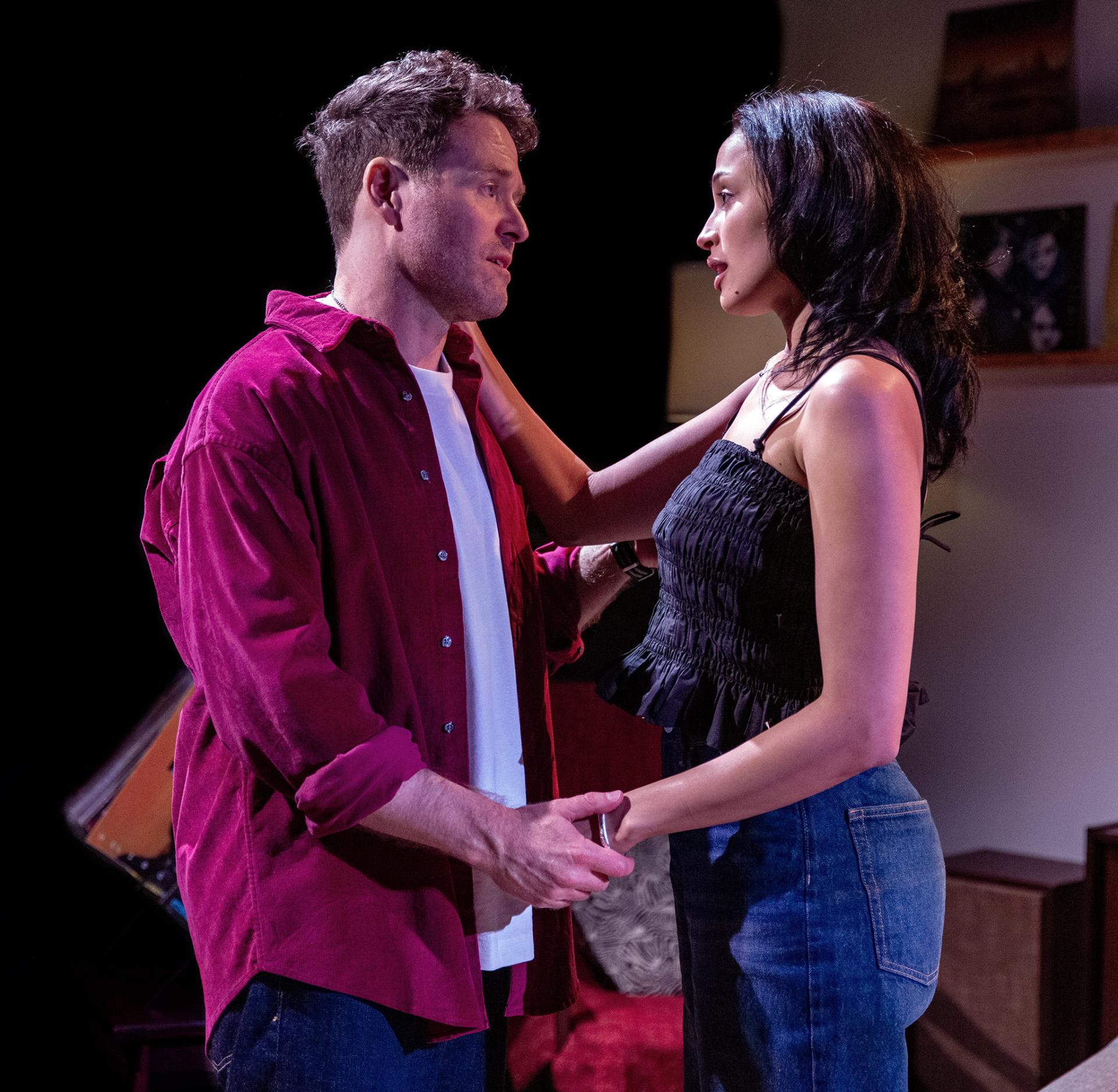
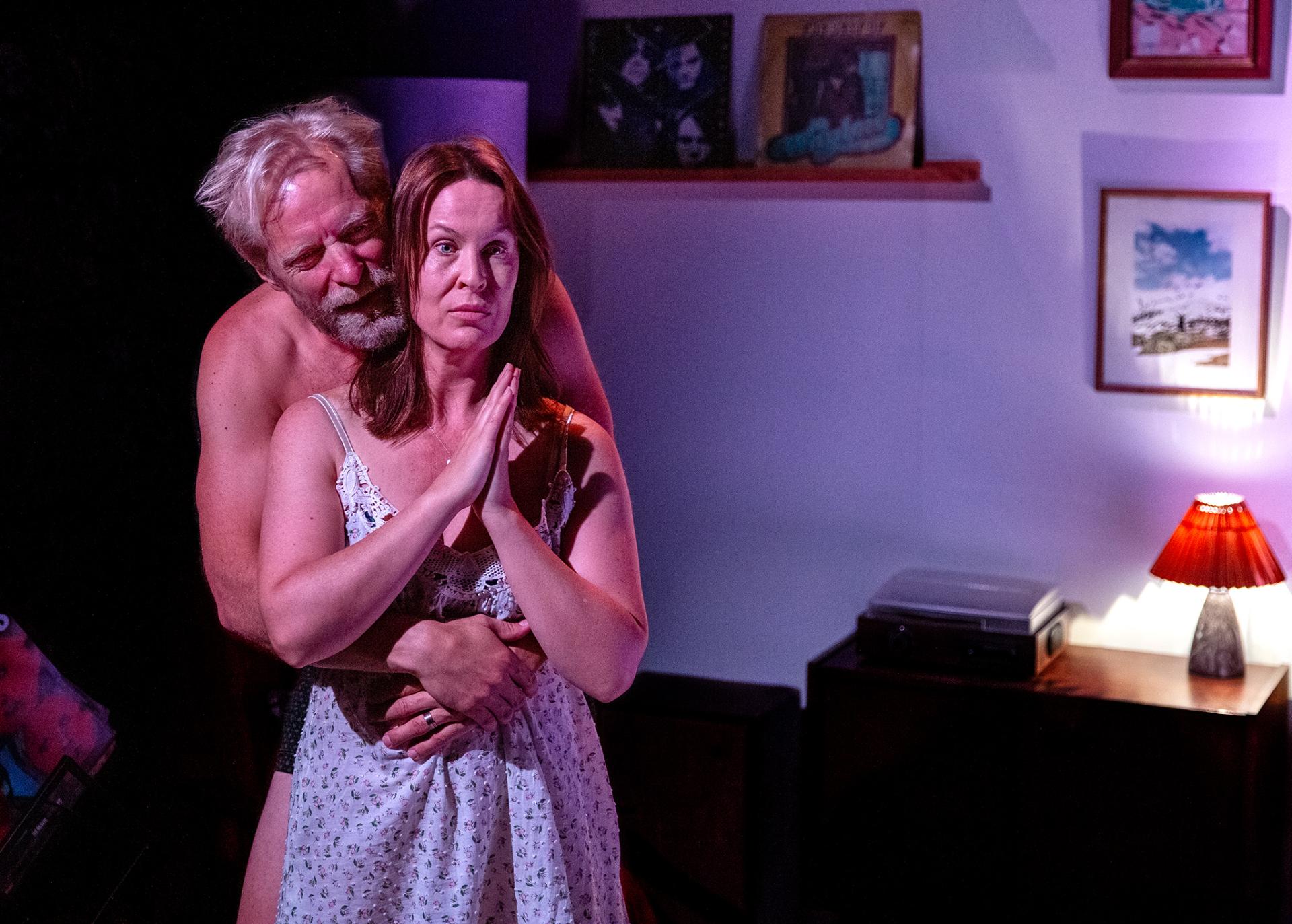
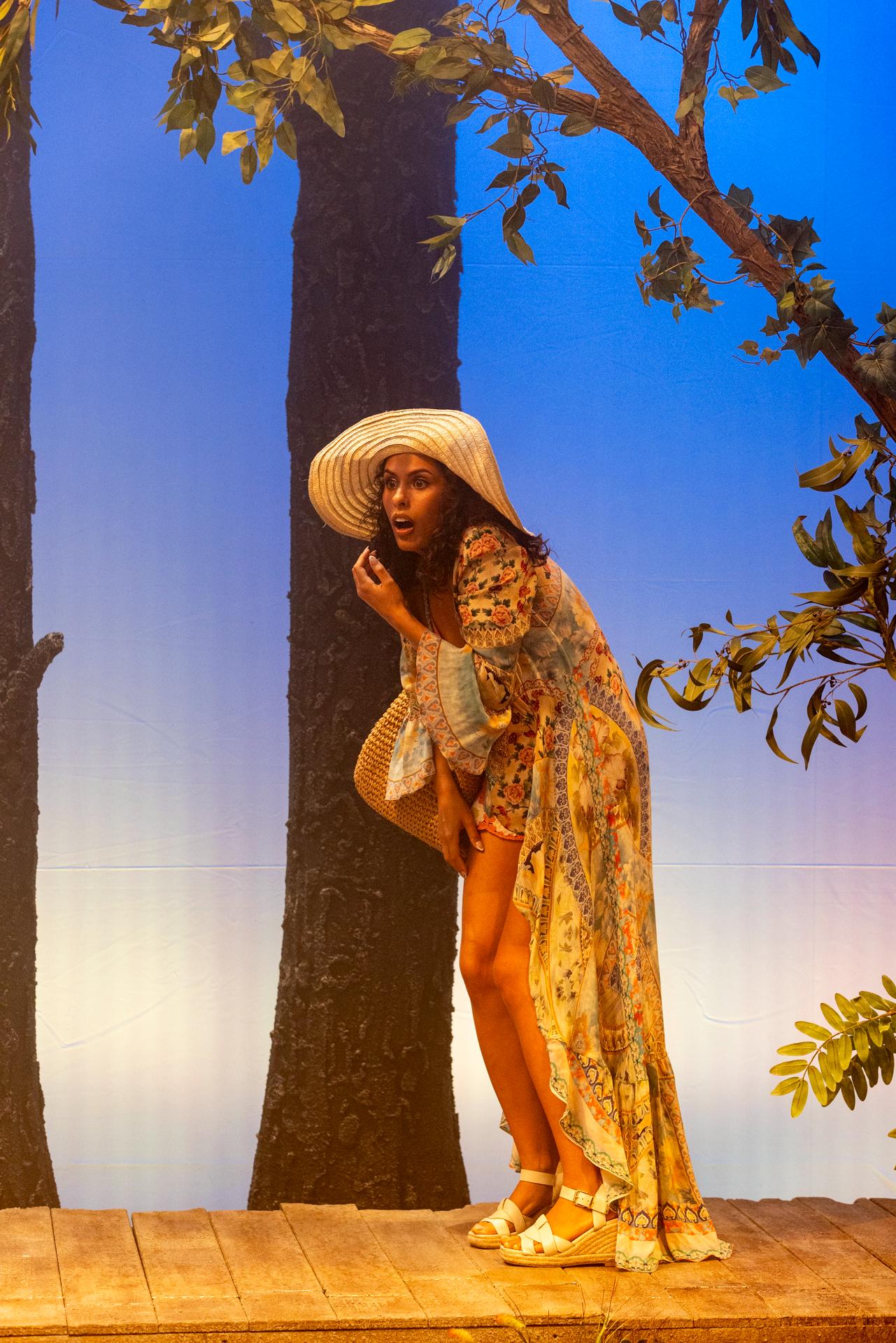
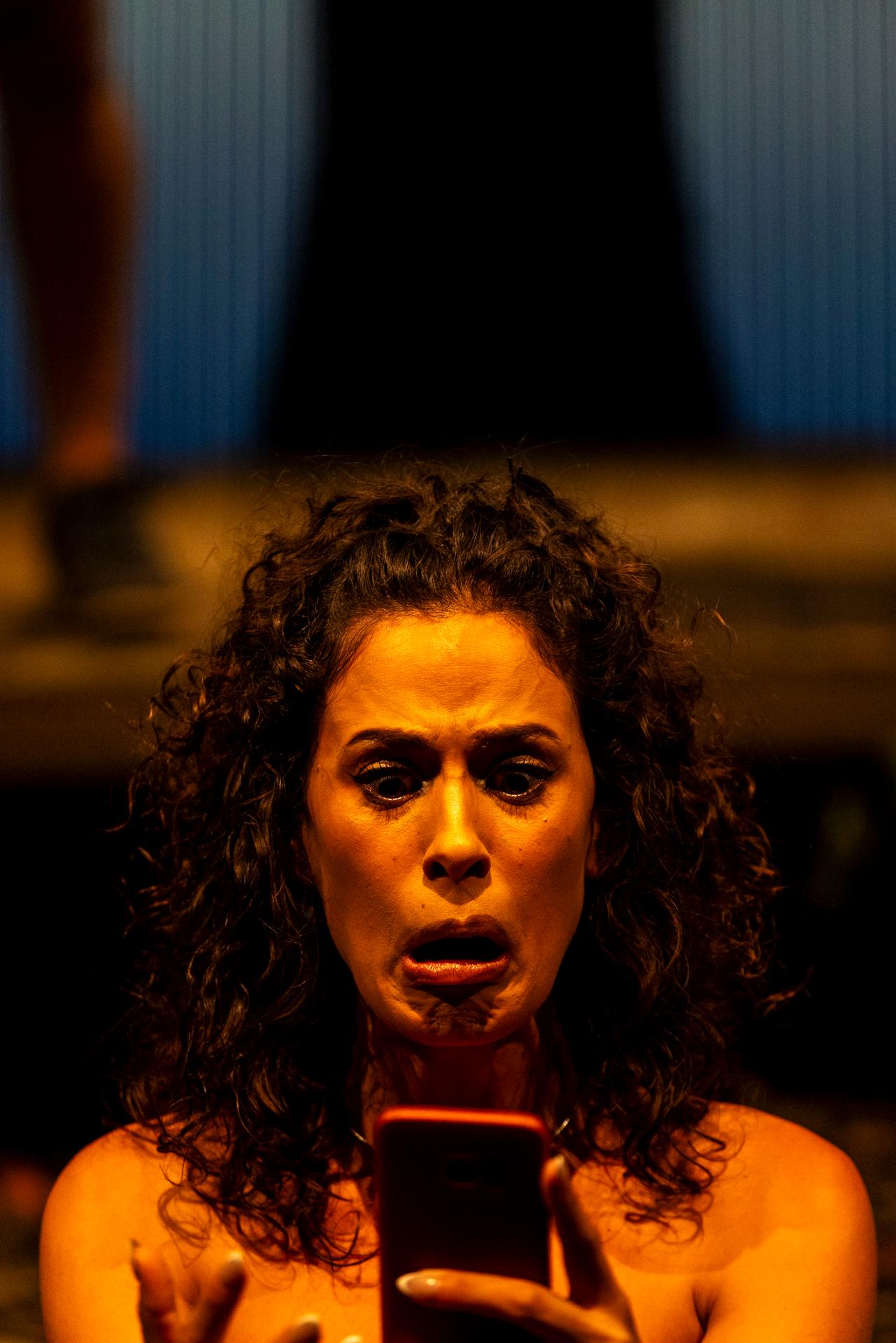
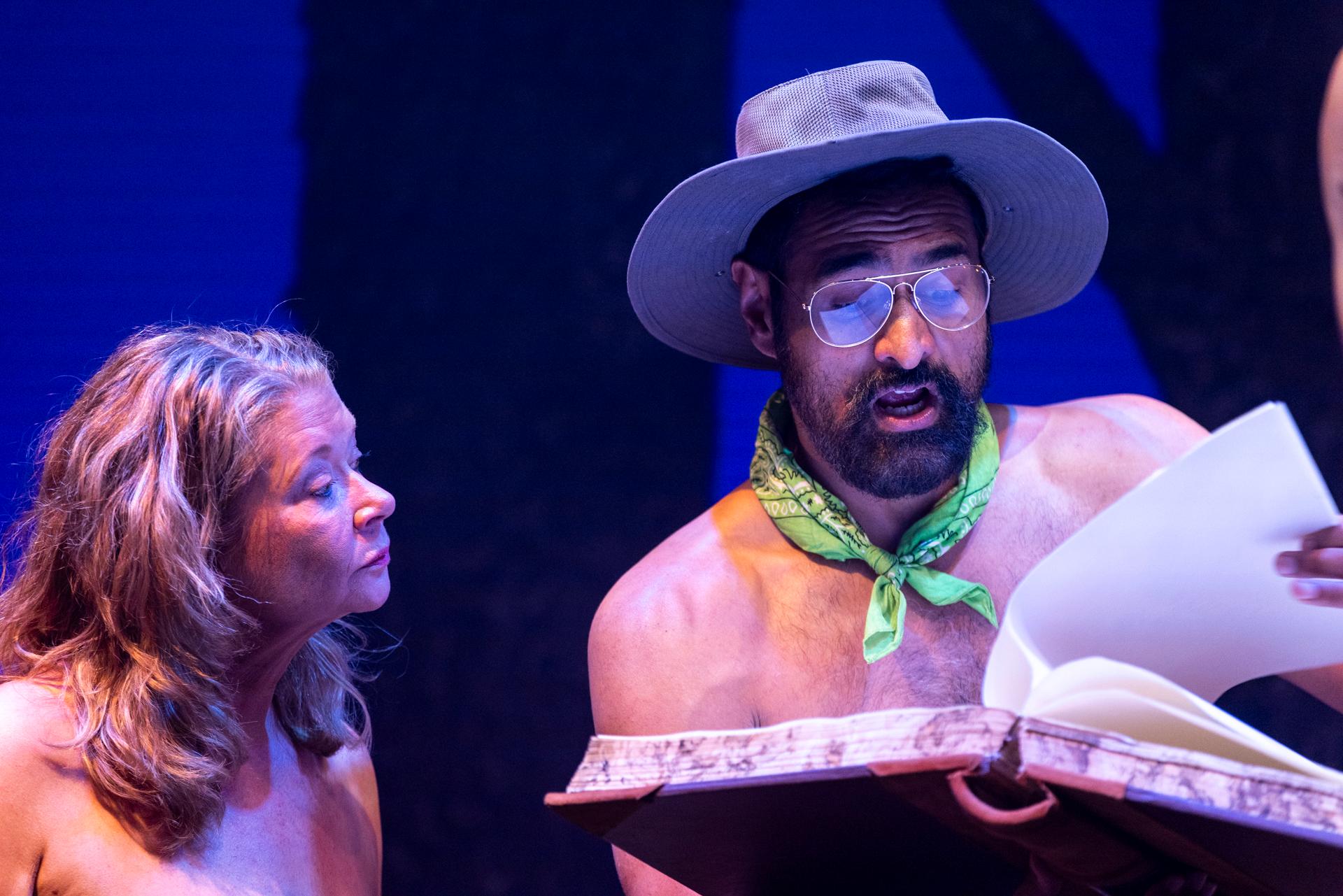
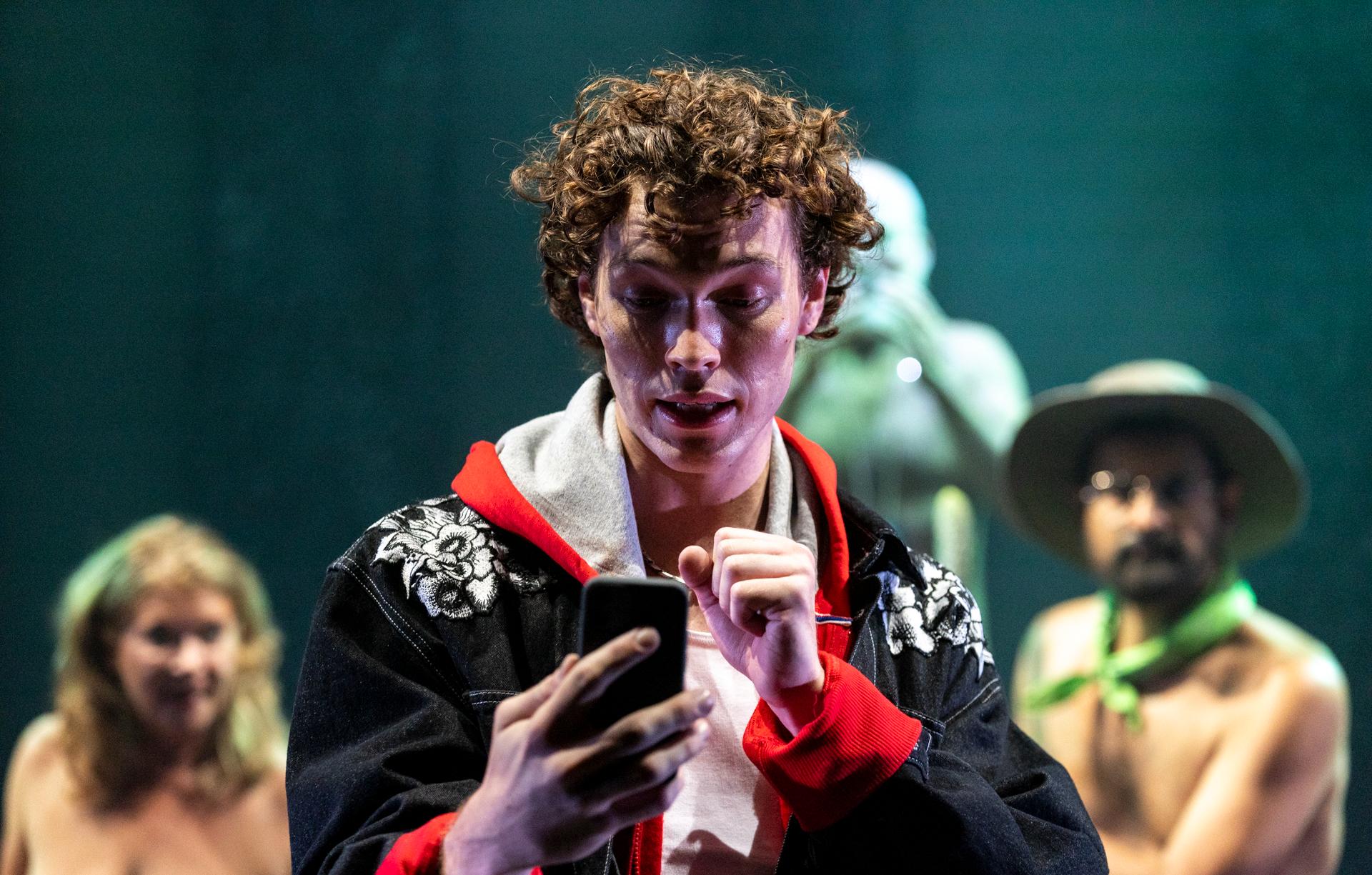
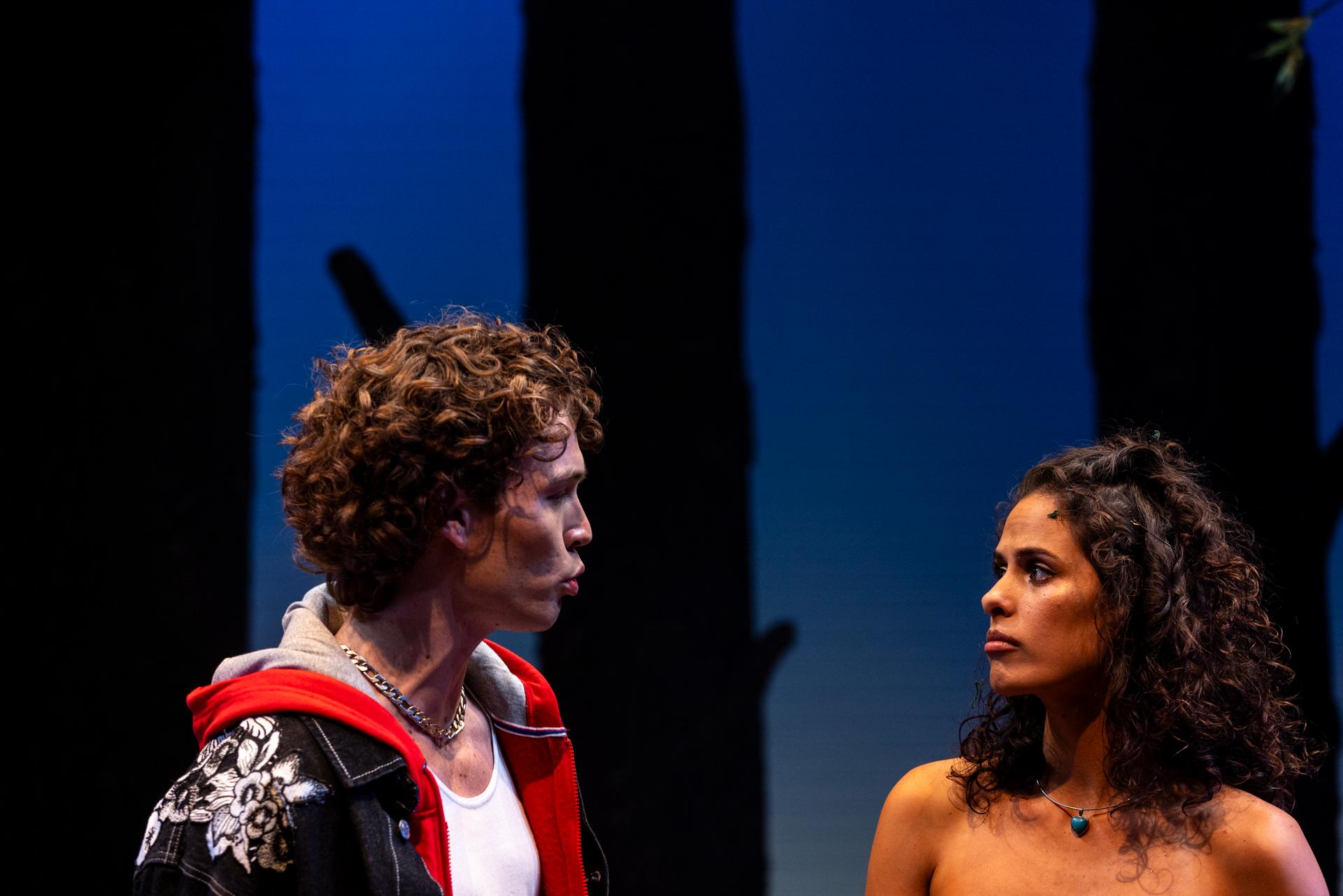
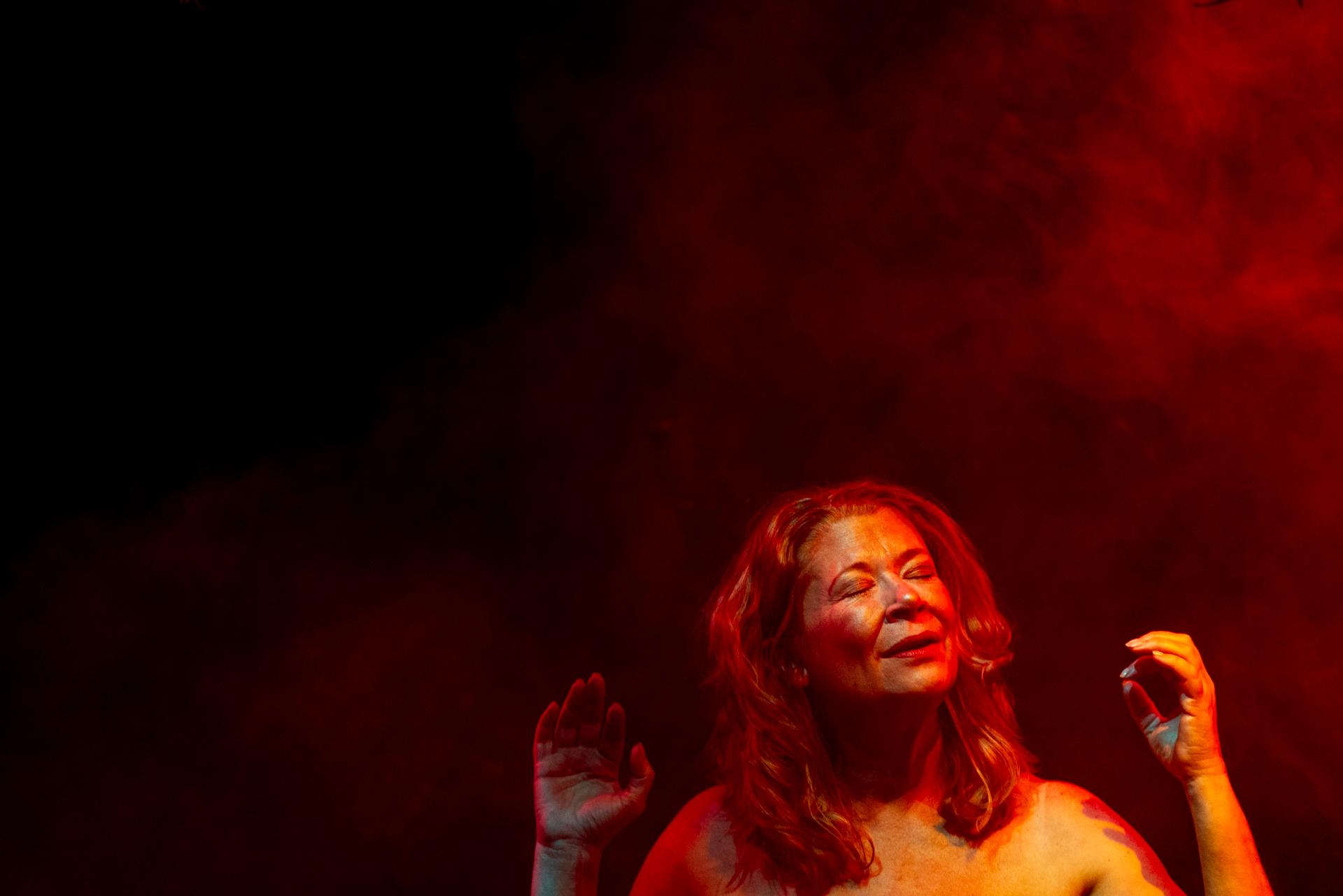
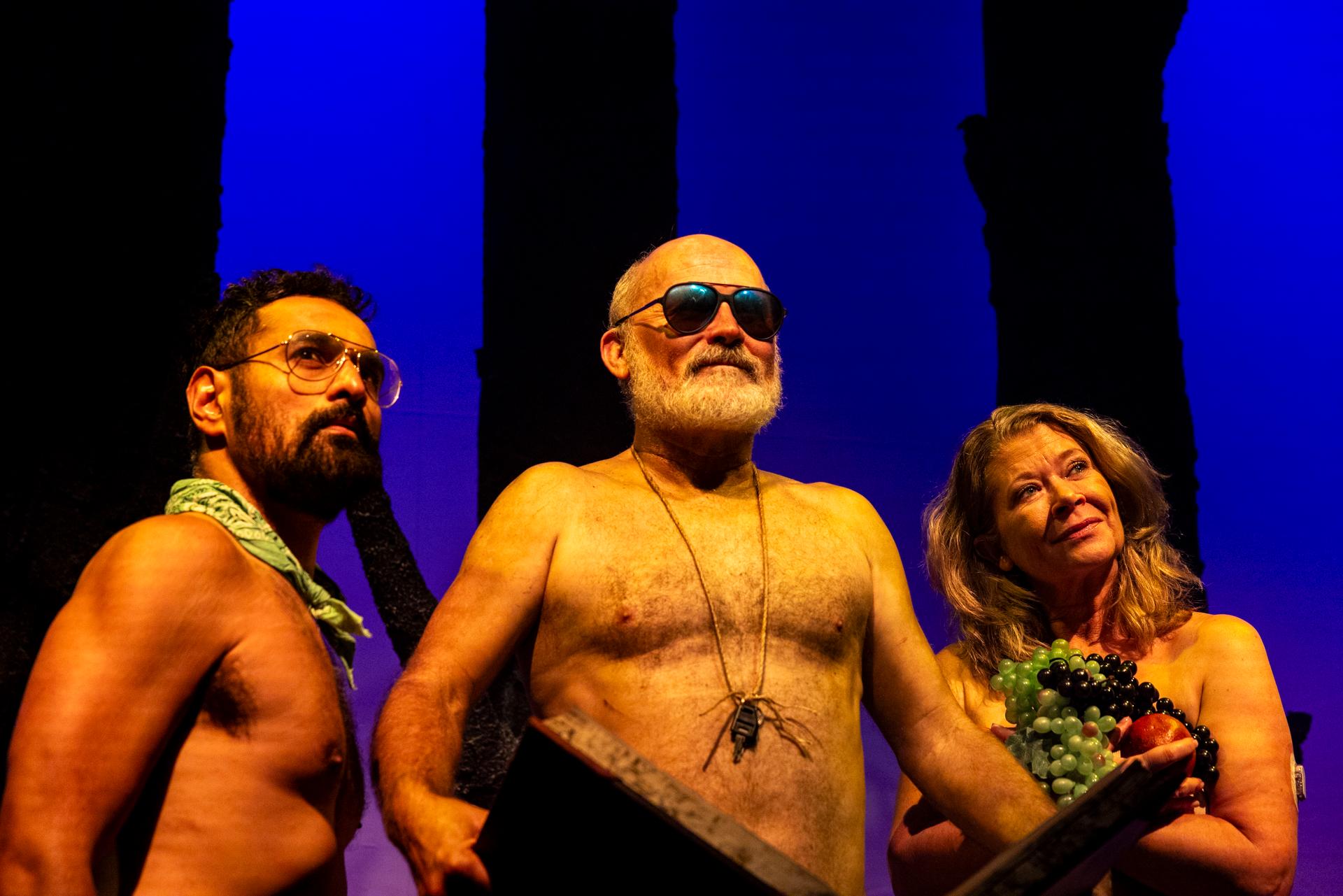
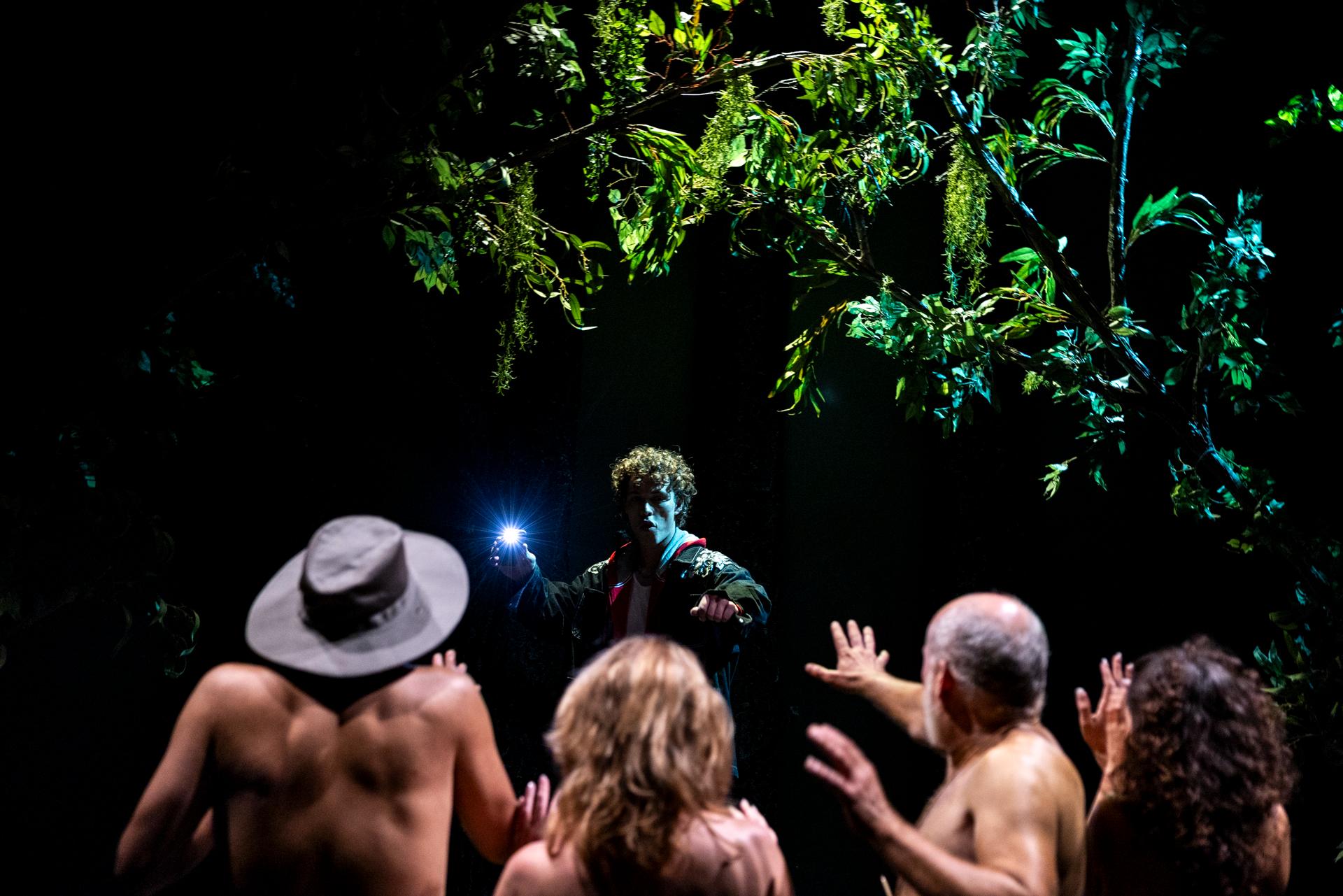
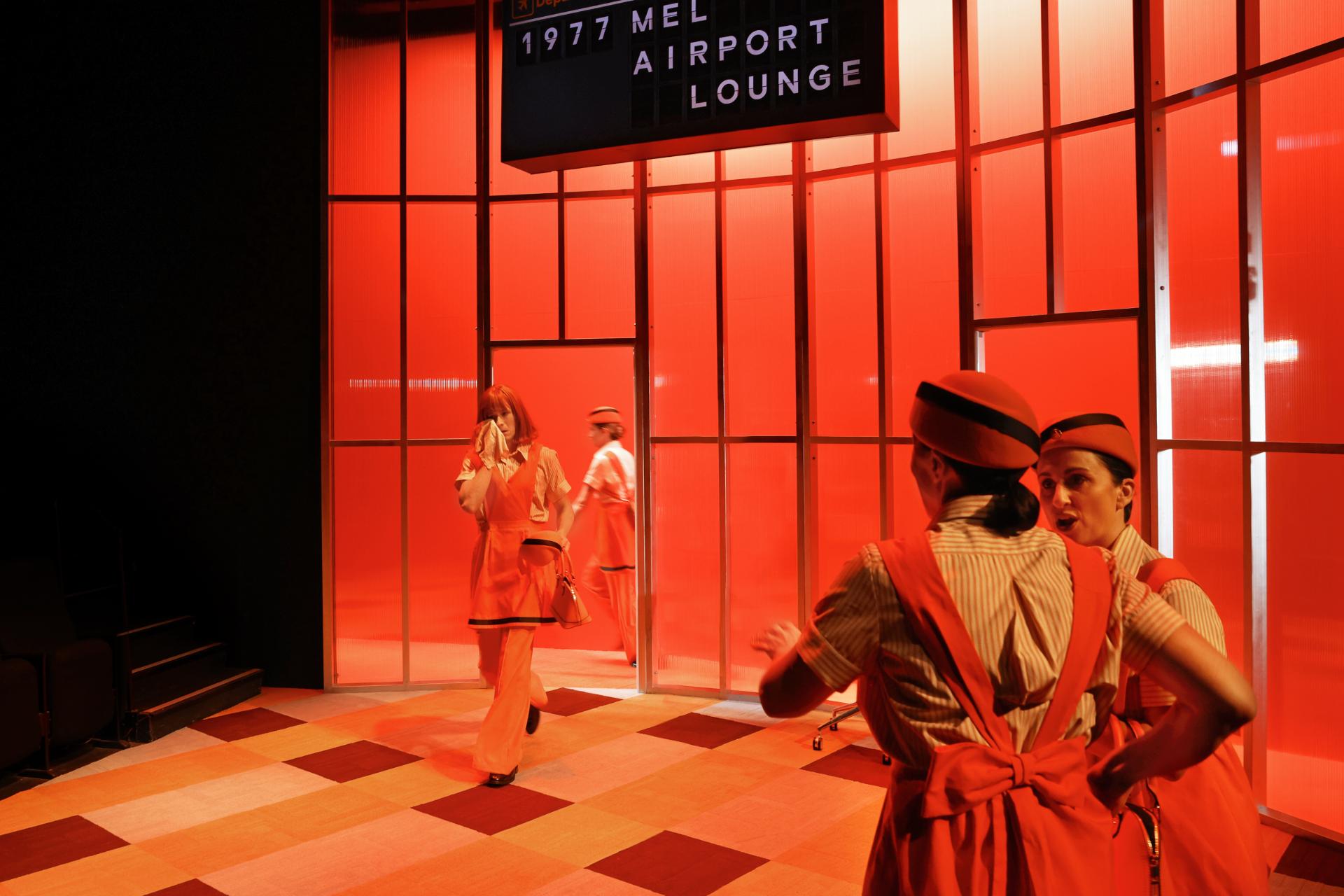
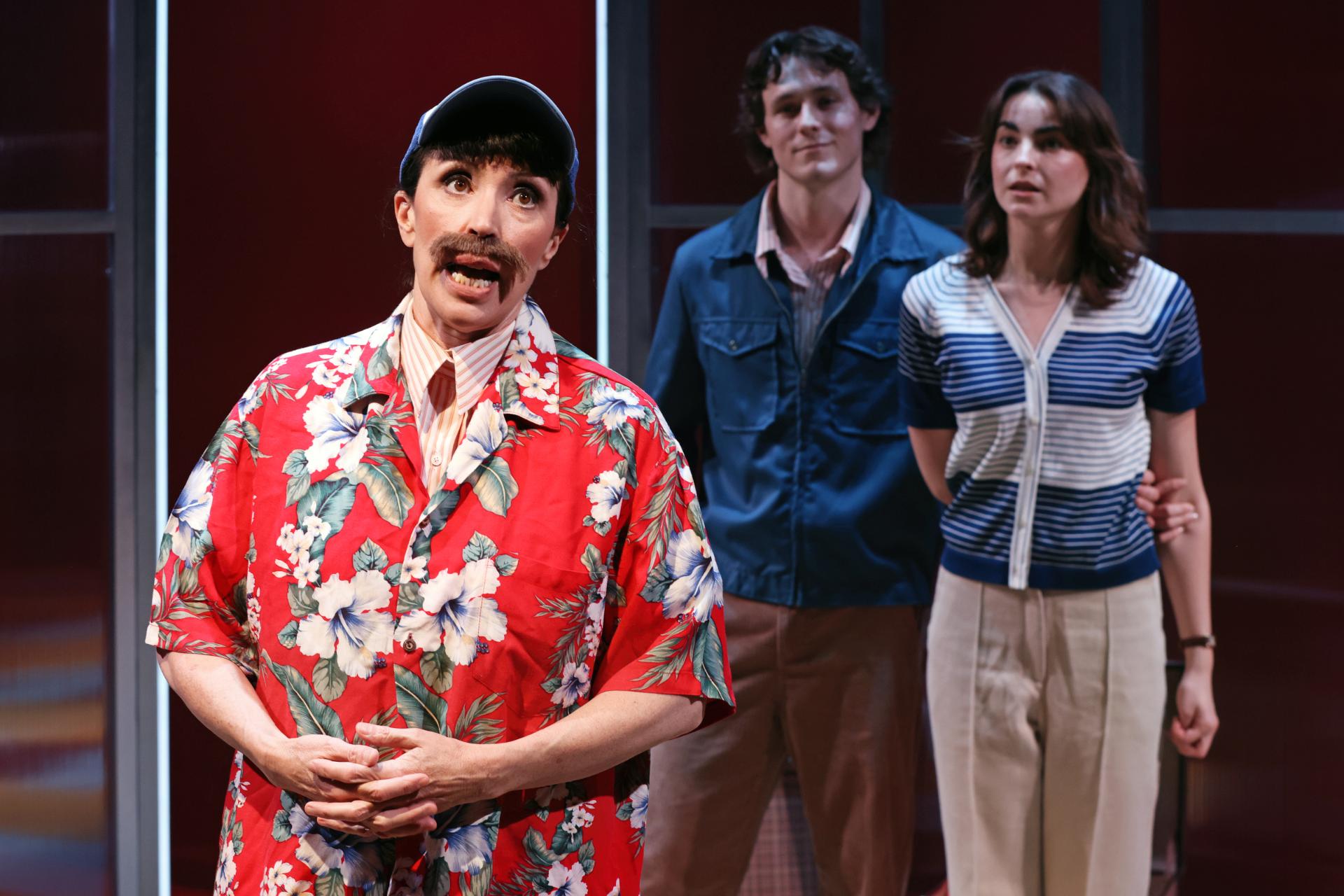
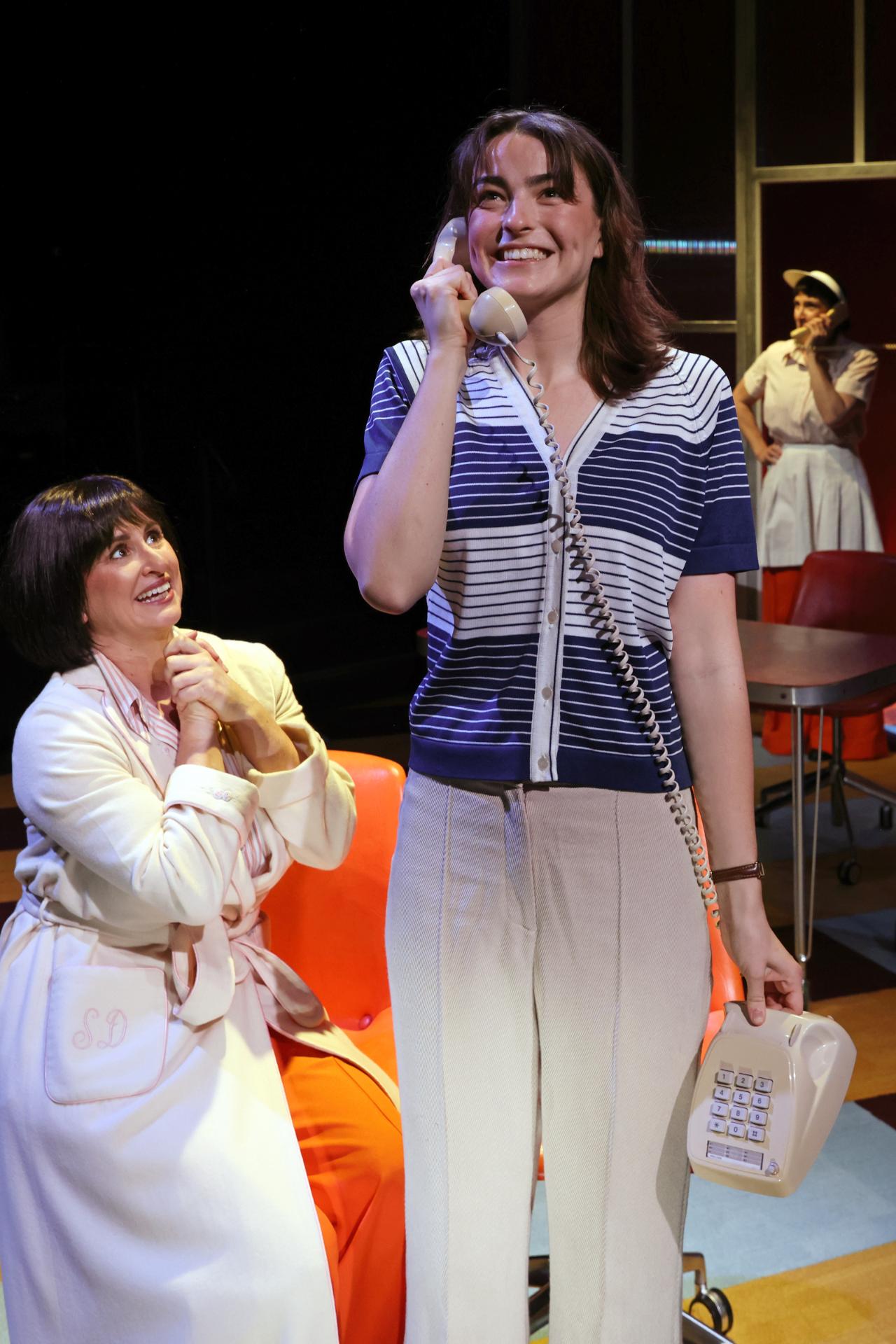
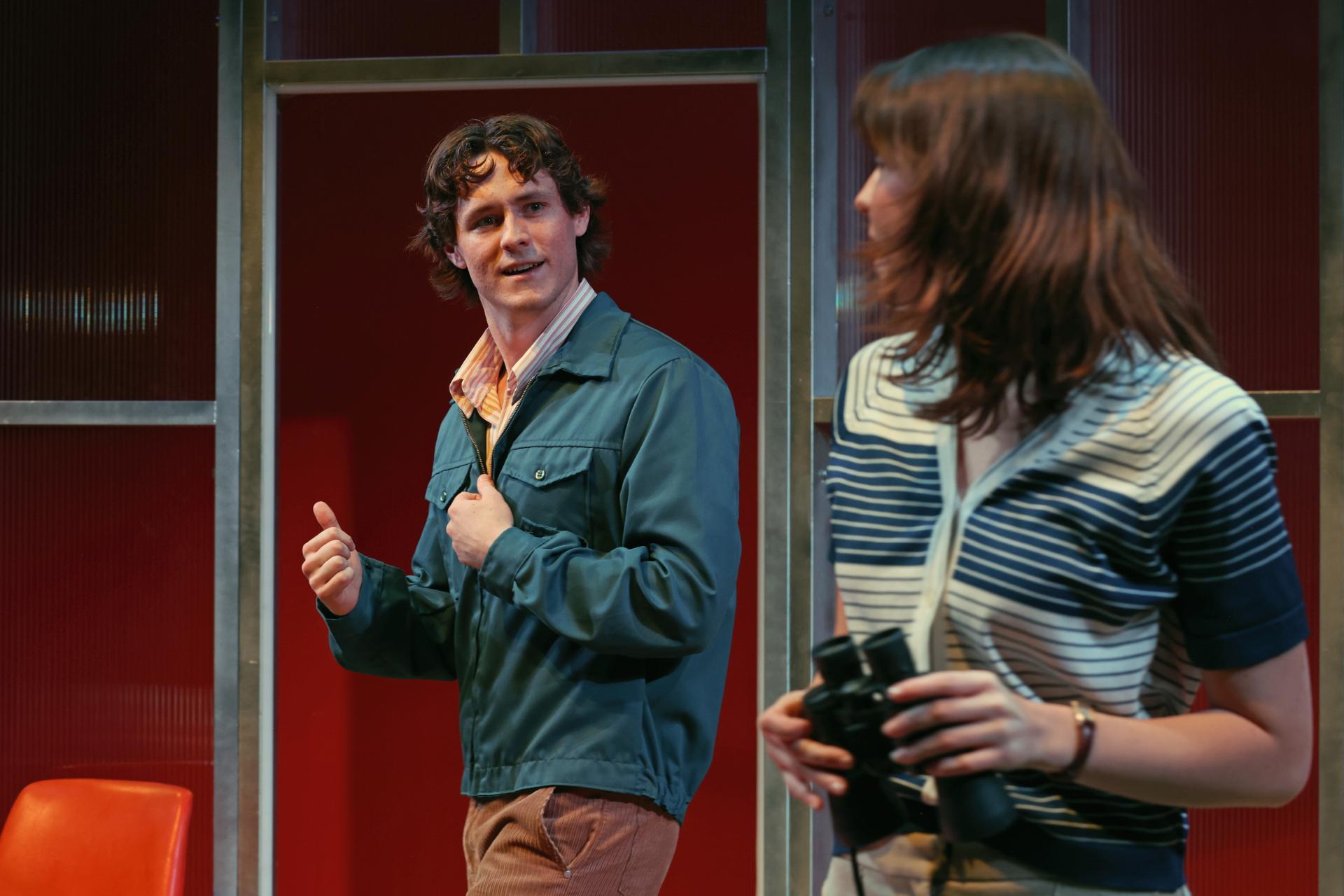
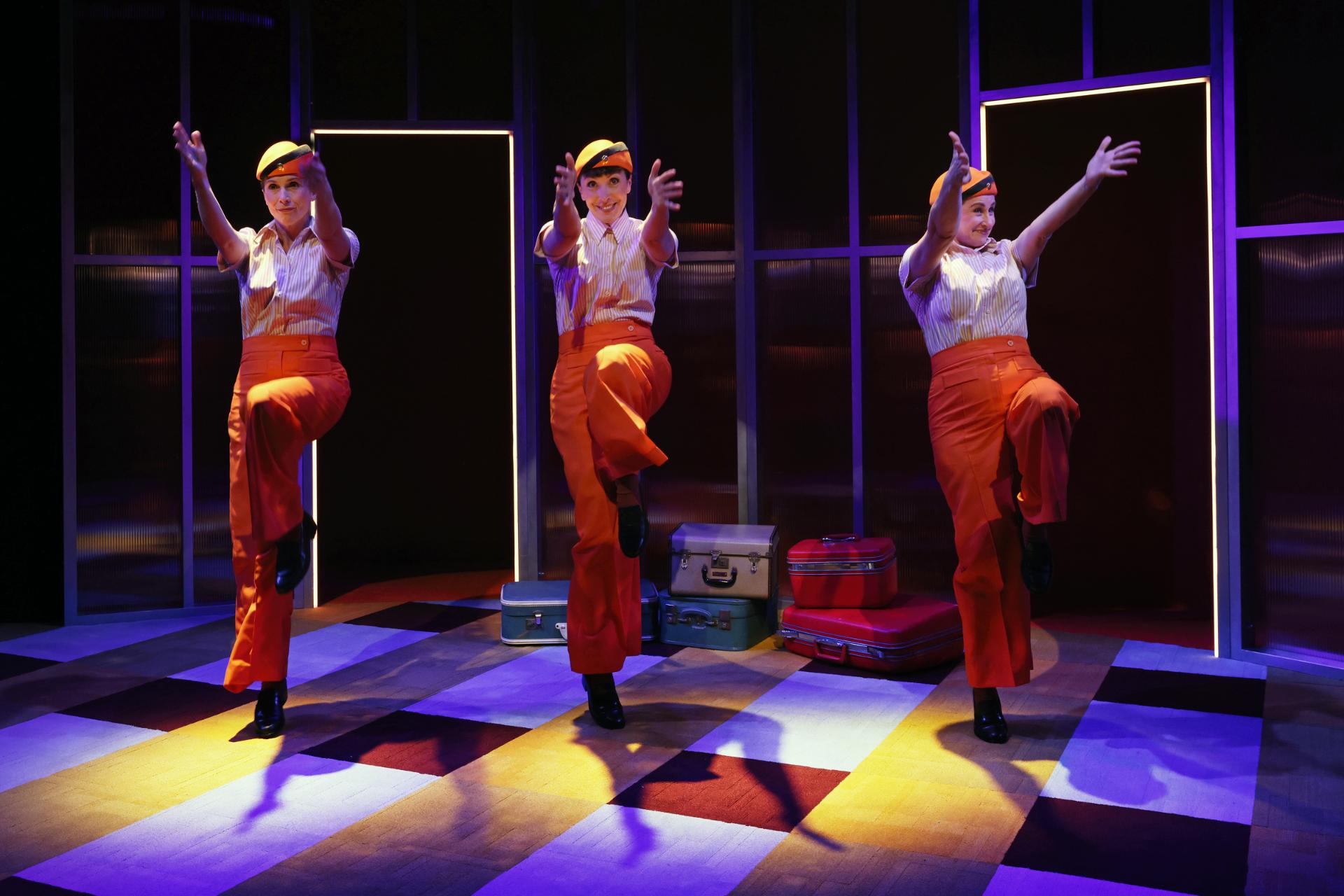
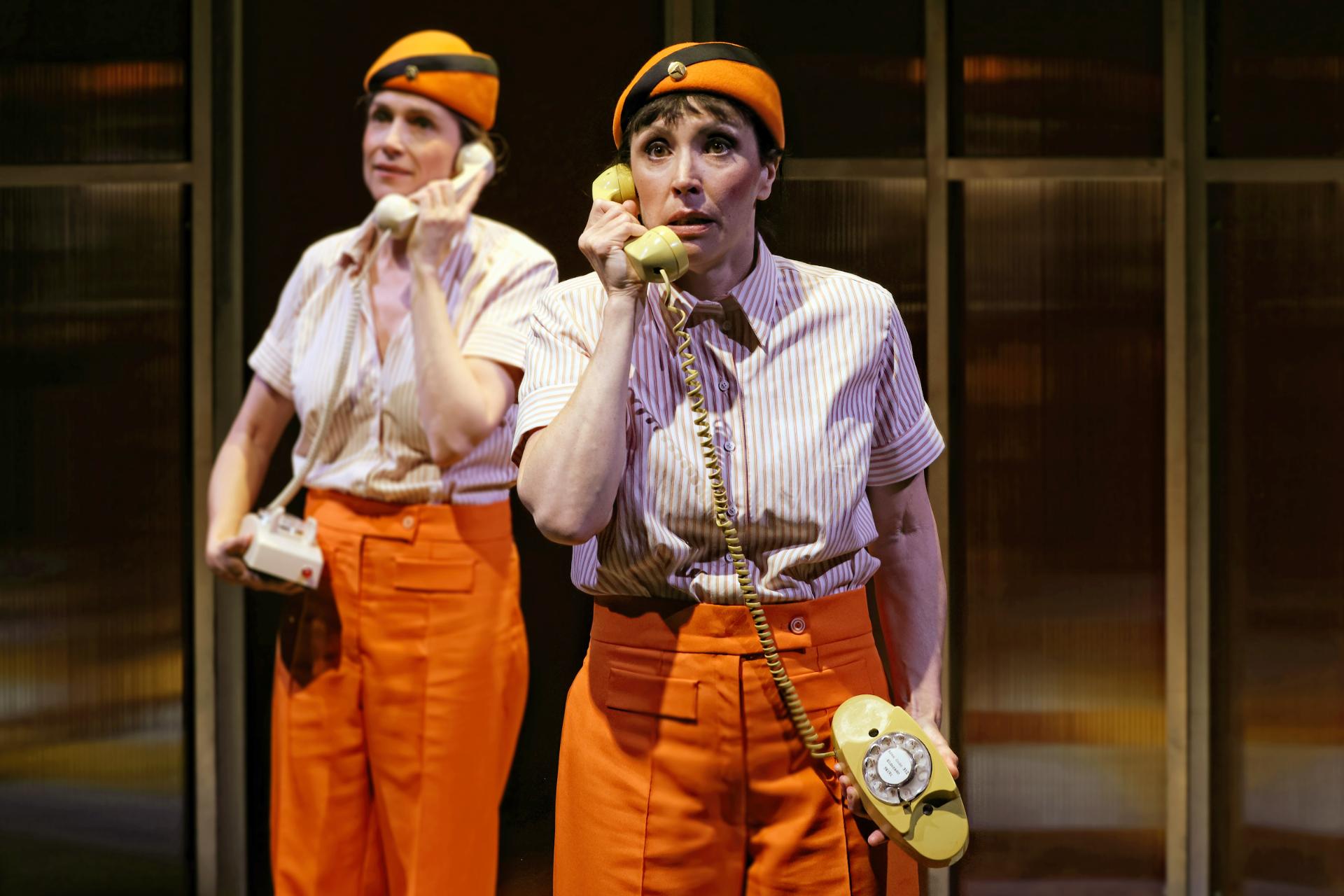
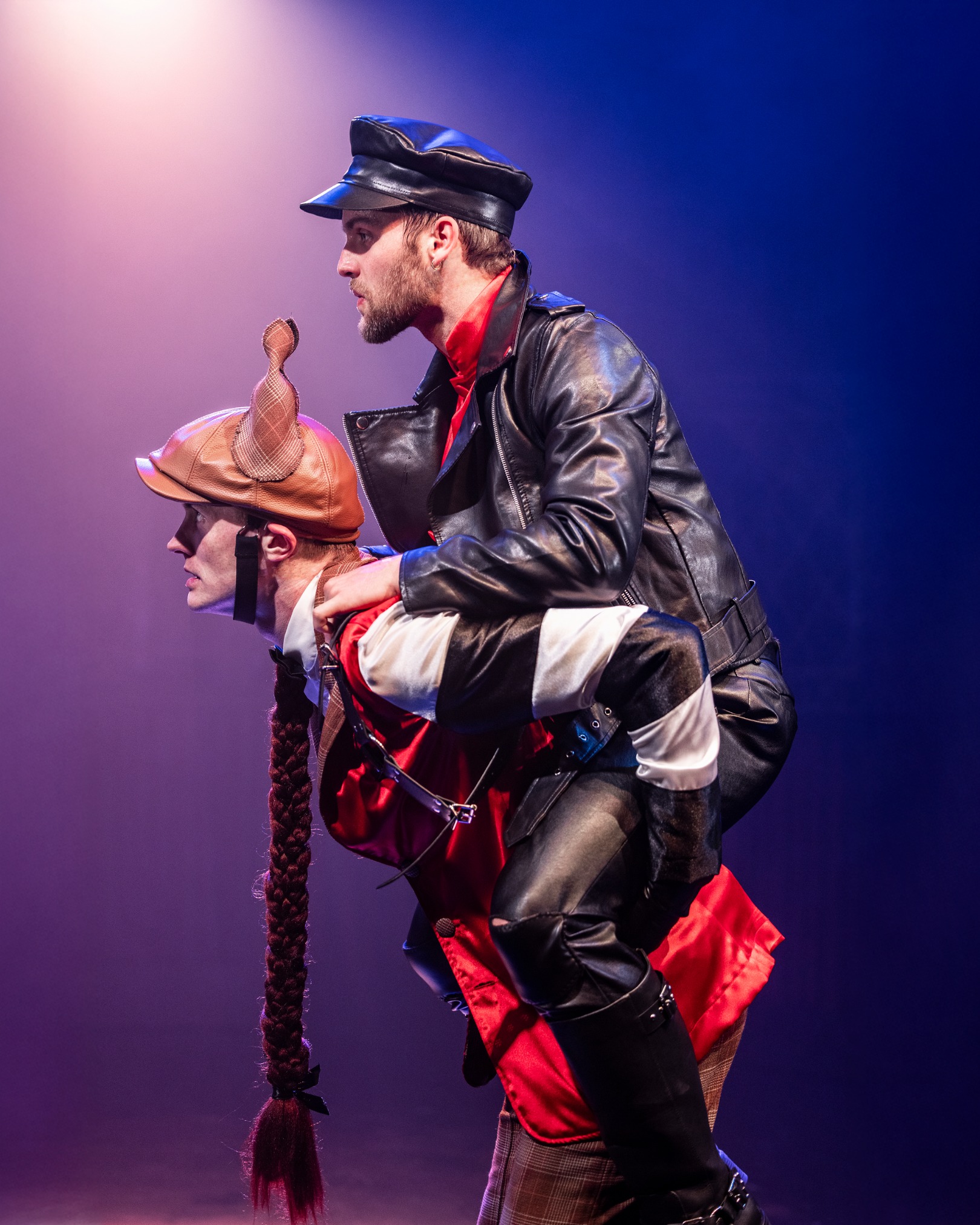
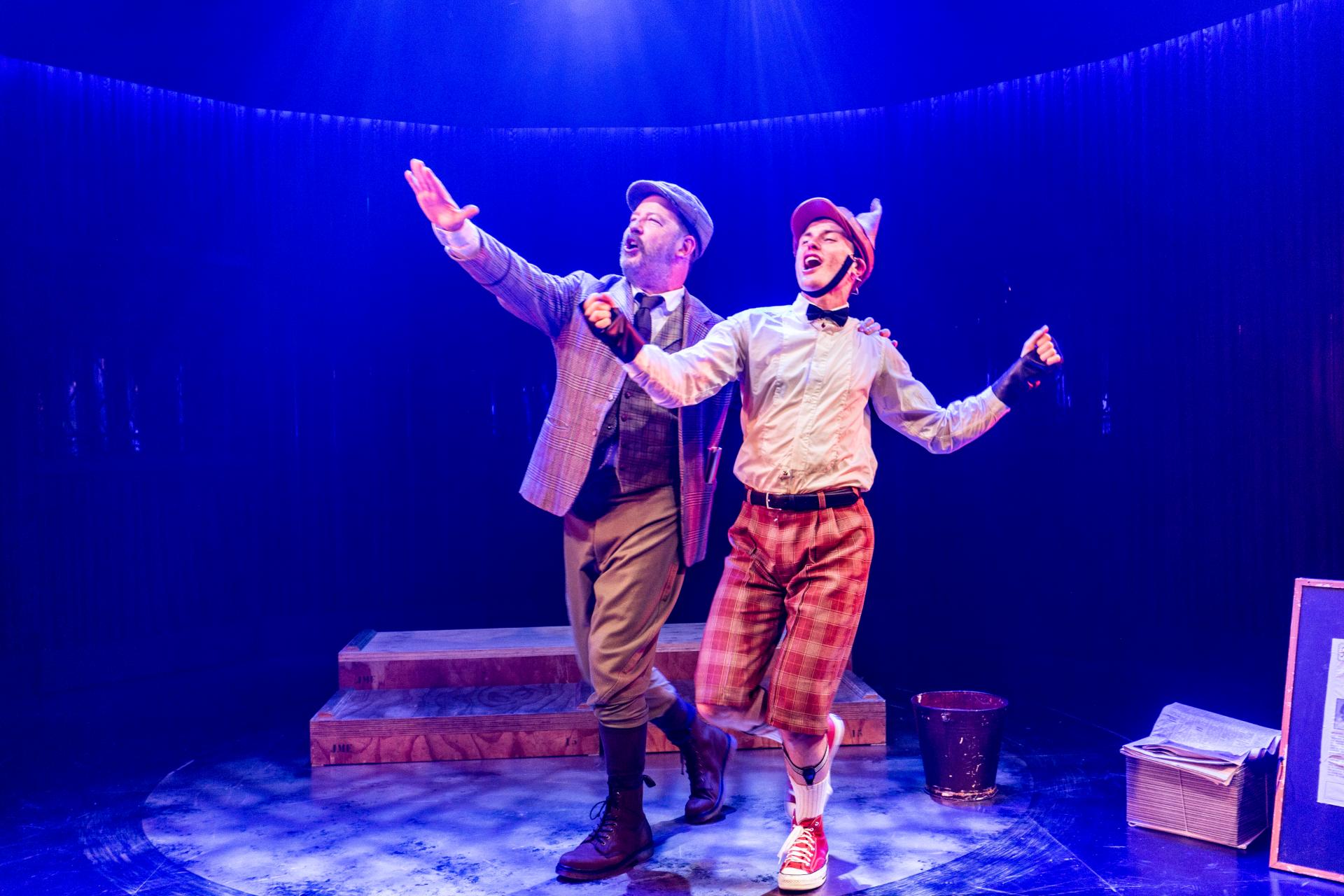
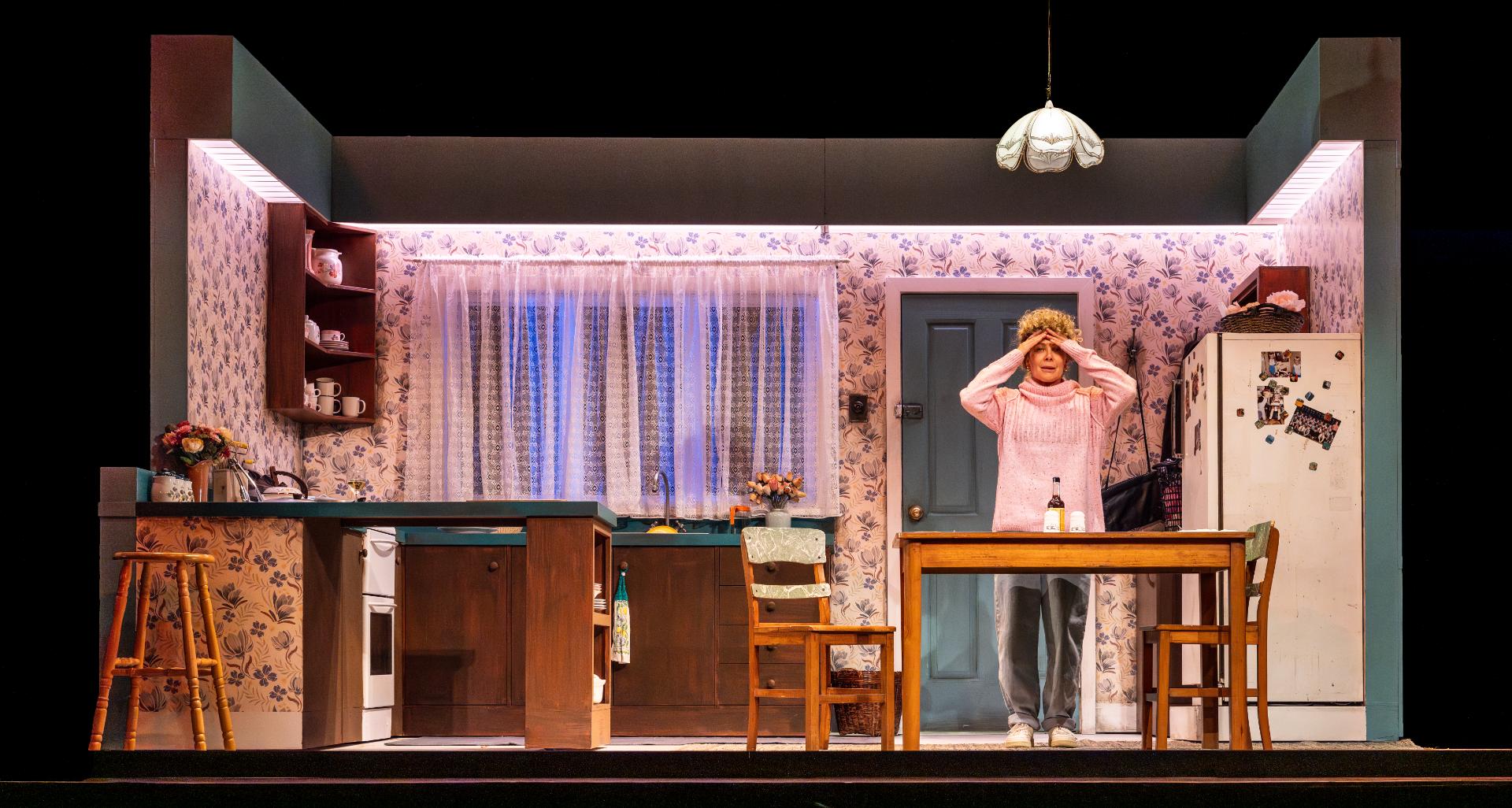
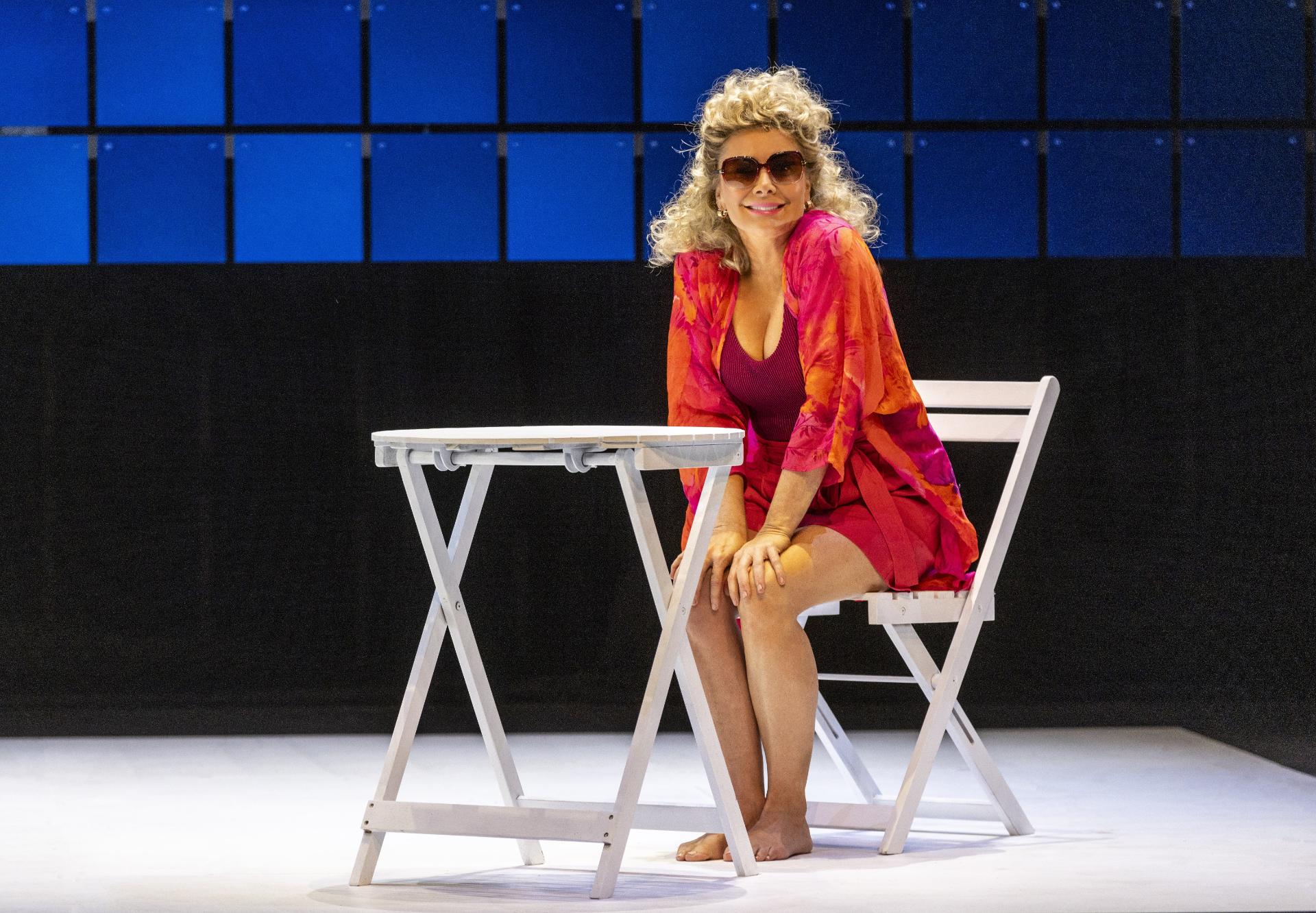
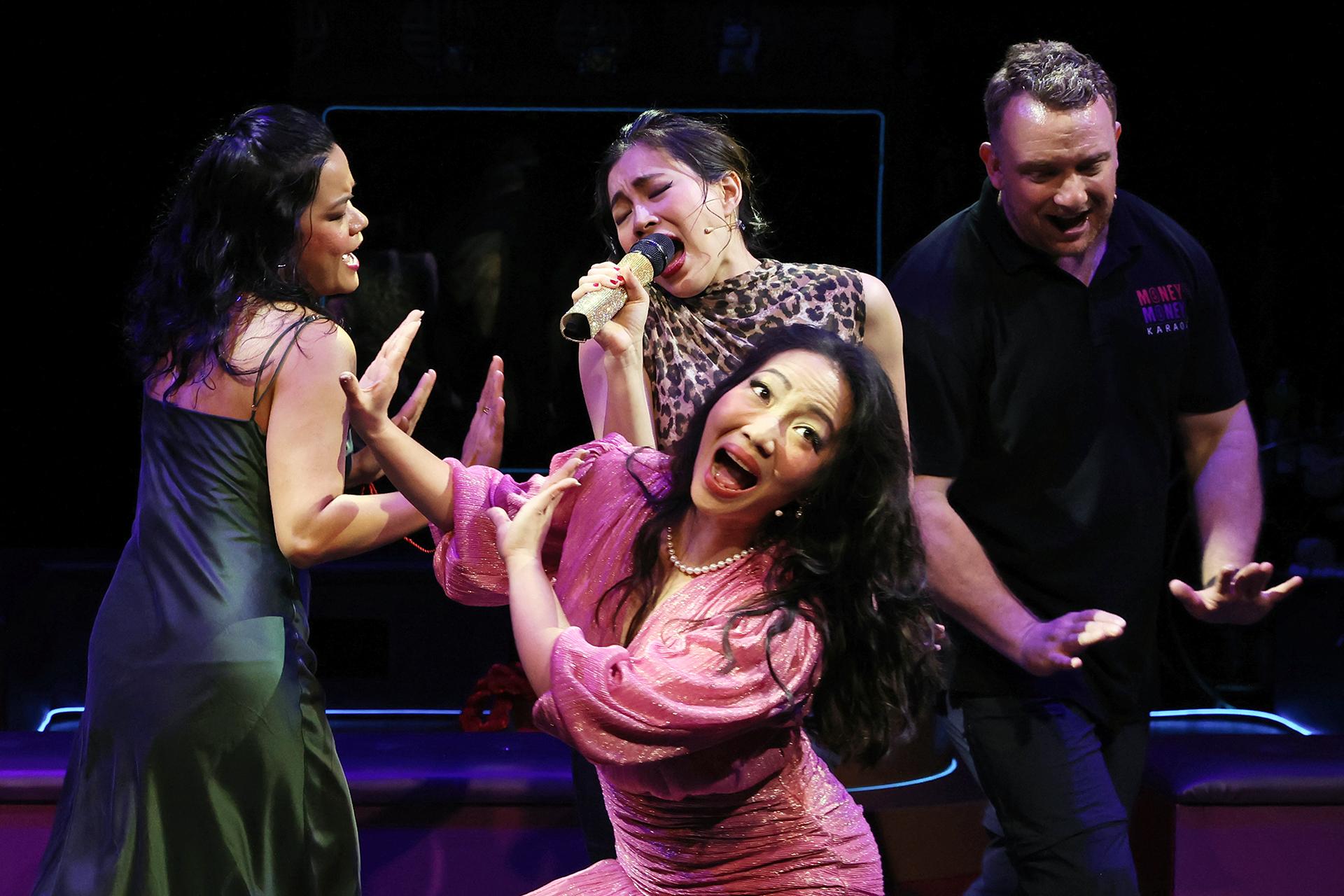
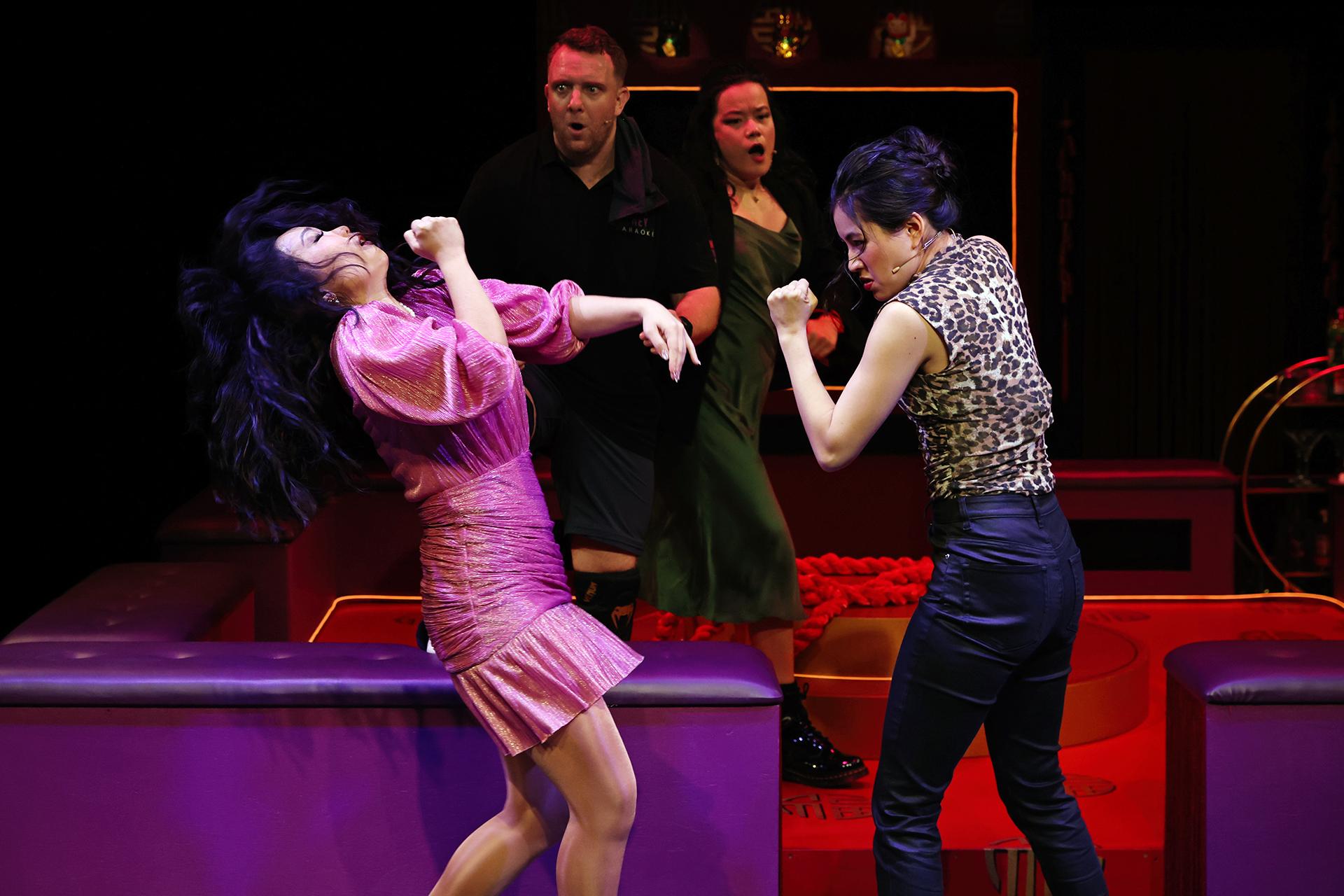
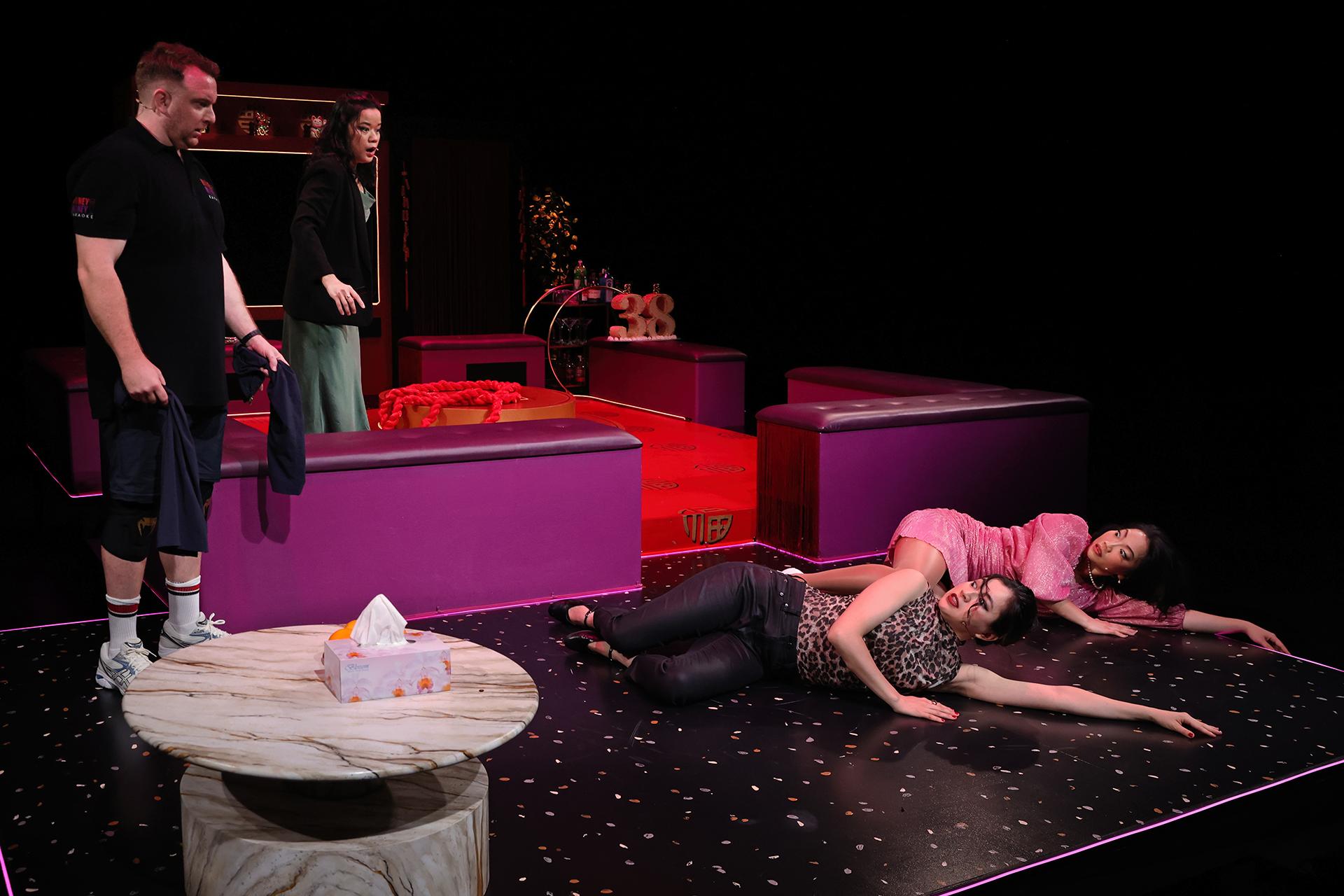
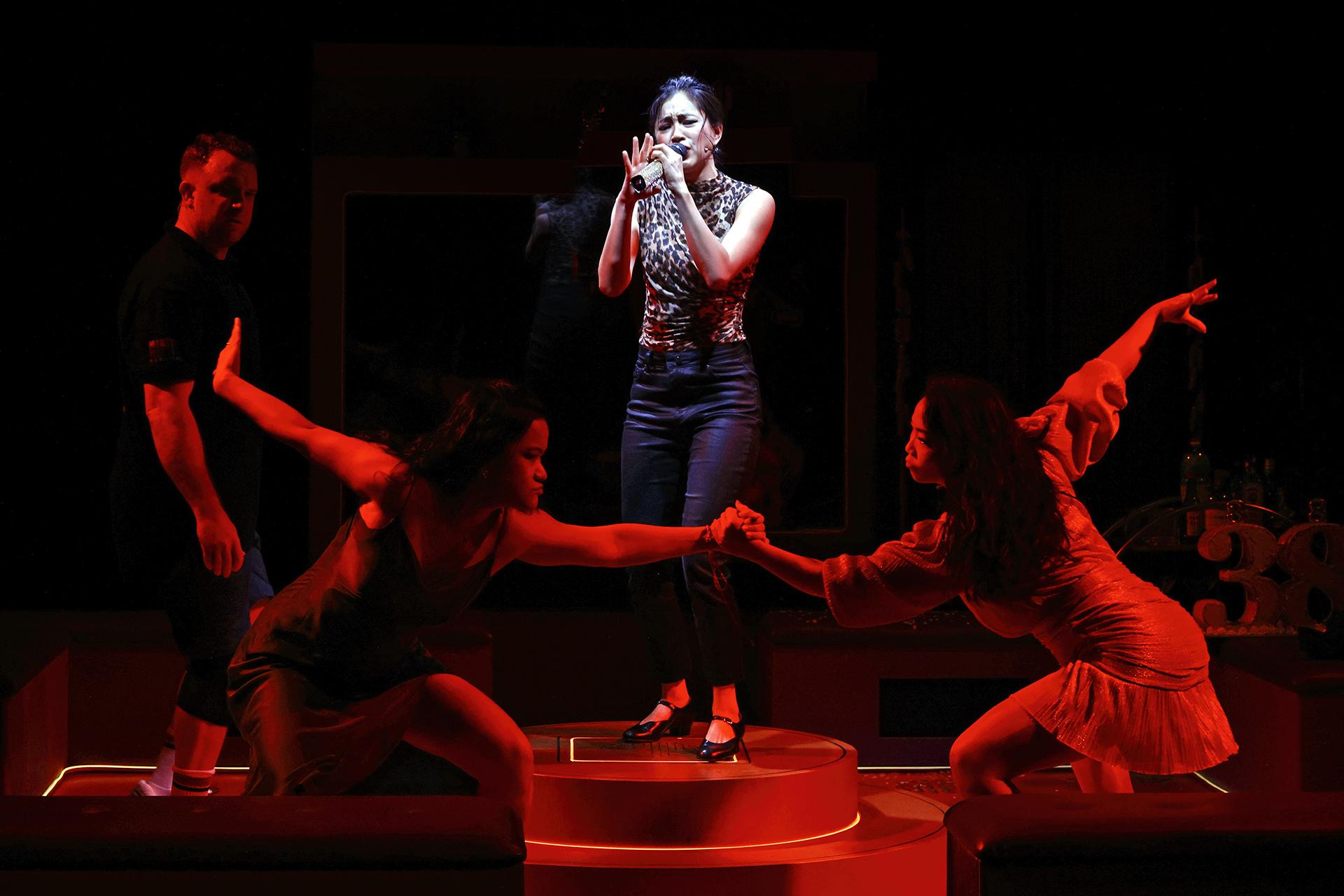
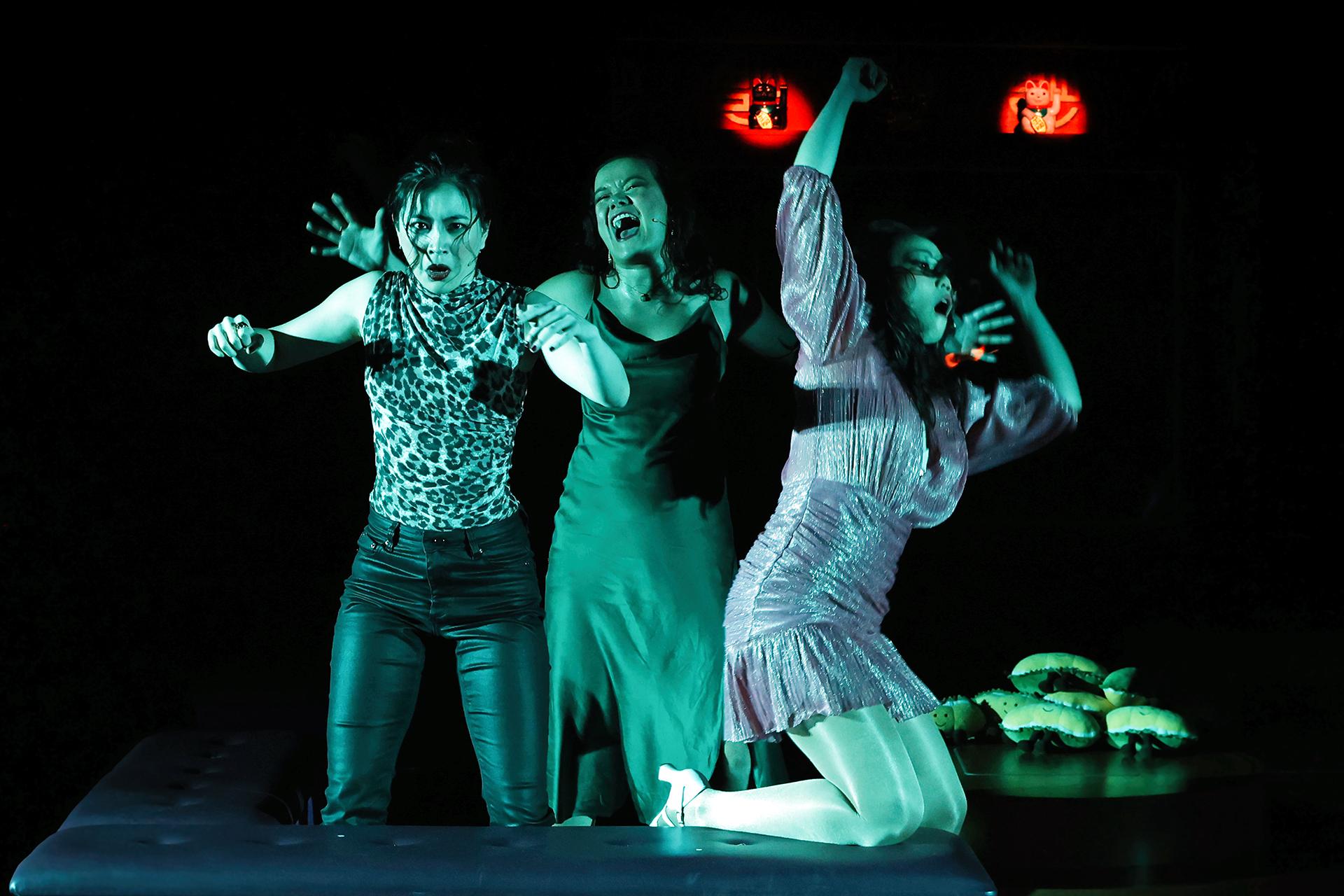
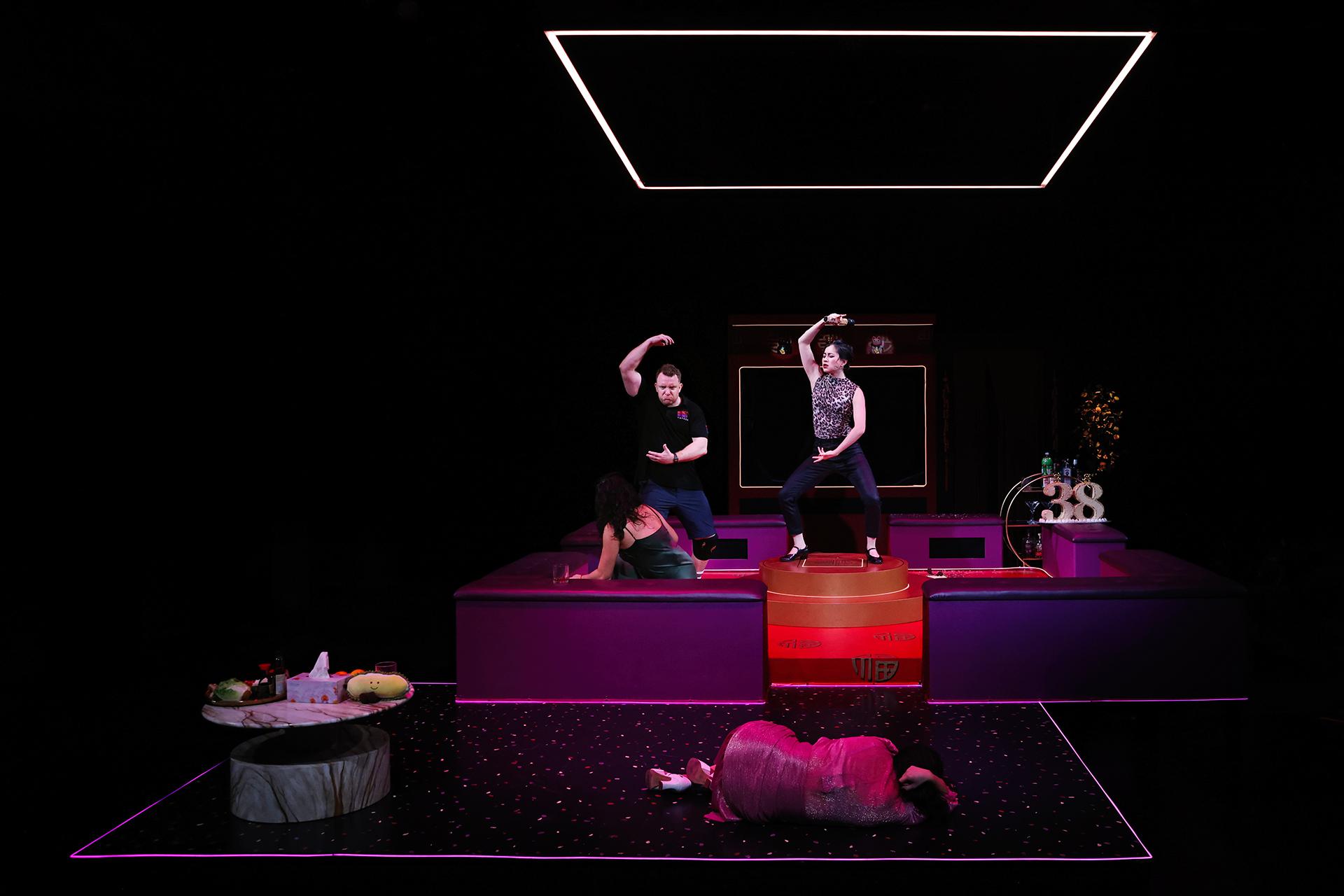
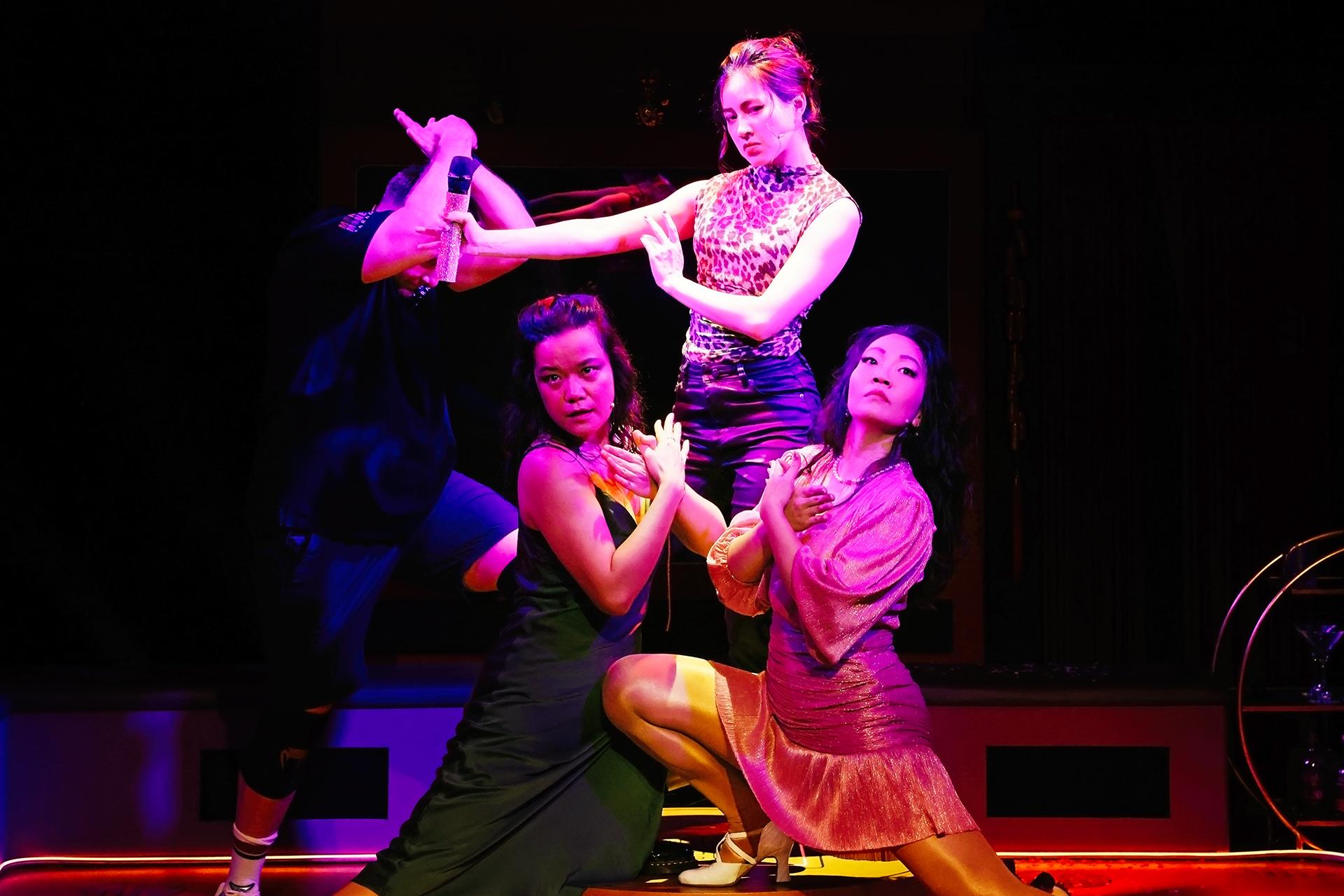
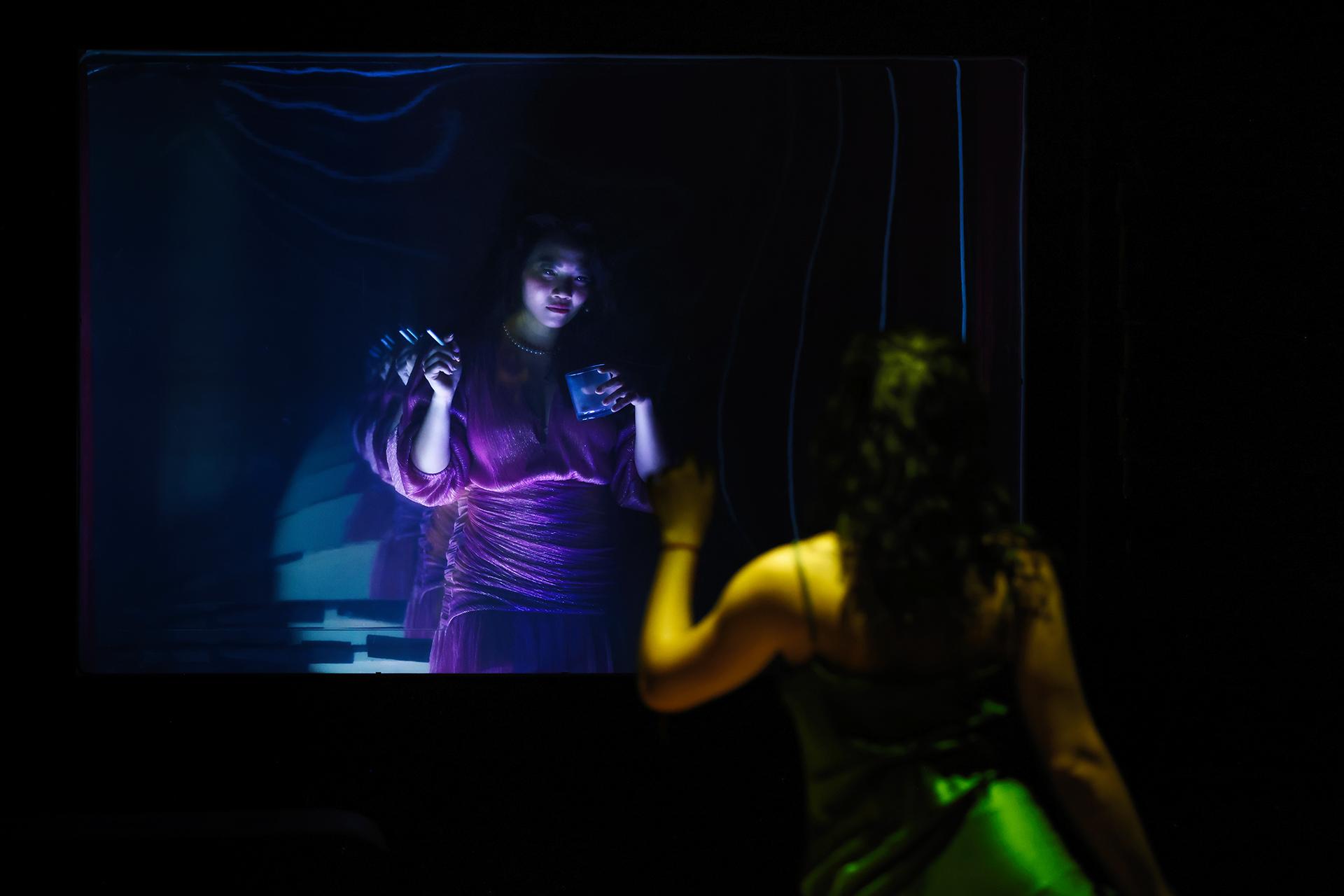
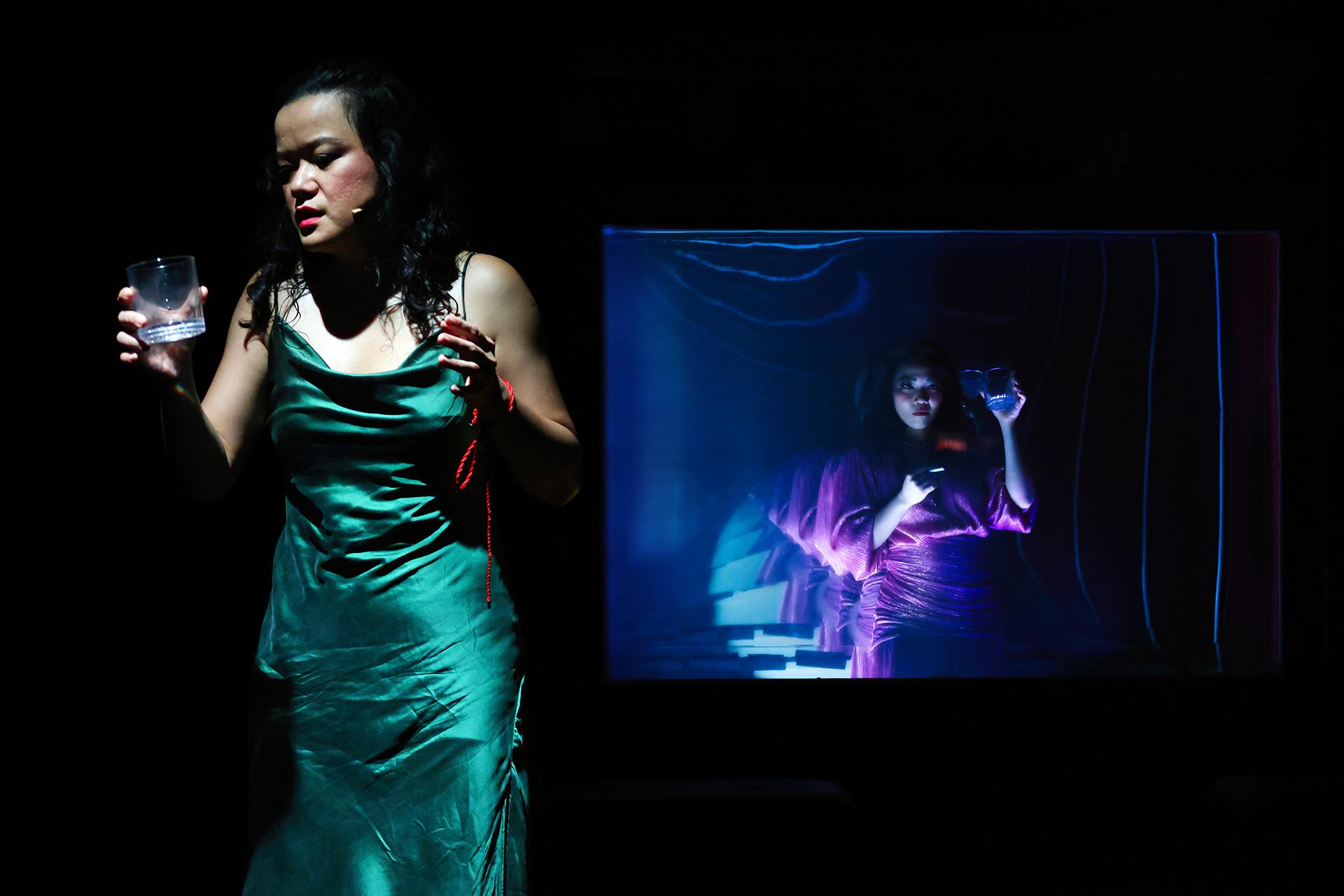
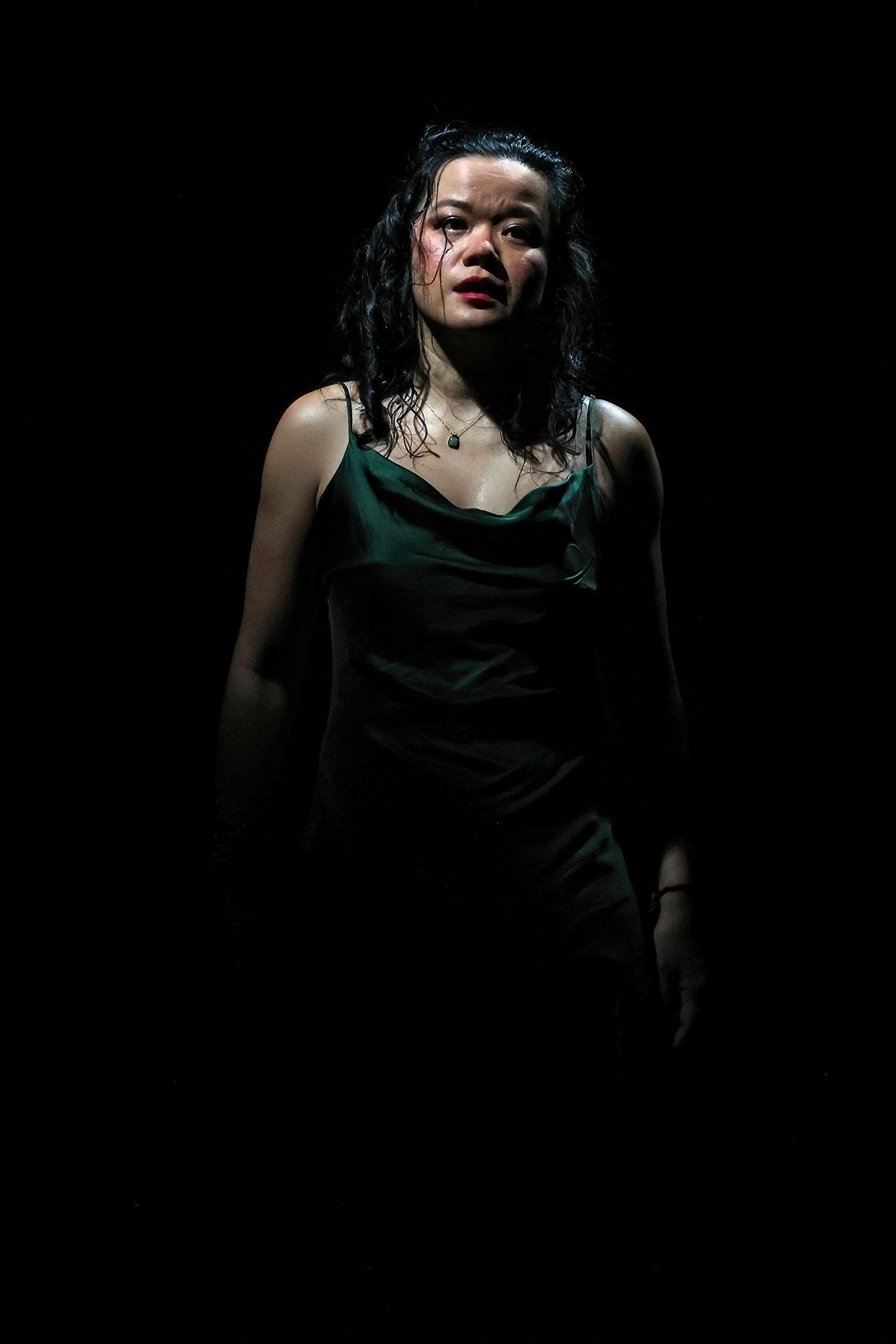
Geok Yen is a marketing executive by day and Matt’s dutiful girlfriend by night, roles she shoulders with care but never with equal reward. She is forced to shrink, to contort, her true voice muffled. Then, in a moment of accidental inspiration, she steps into the skin of a man named Sterling—and the ground shifts beneath her.

Jo Tan’s one-woman play King initially situates itself within familiar binaries, only to destabilize them as the narrative progresses. Its insights into sexism accrue gradually, building towards a textured critique that resists simplistic dichotomies. By layering complexity onto what appears at first conventional, Tan invites her audience to reconsider the very categories through which gender is perceived and enacted.

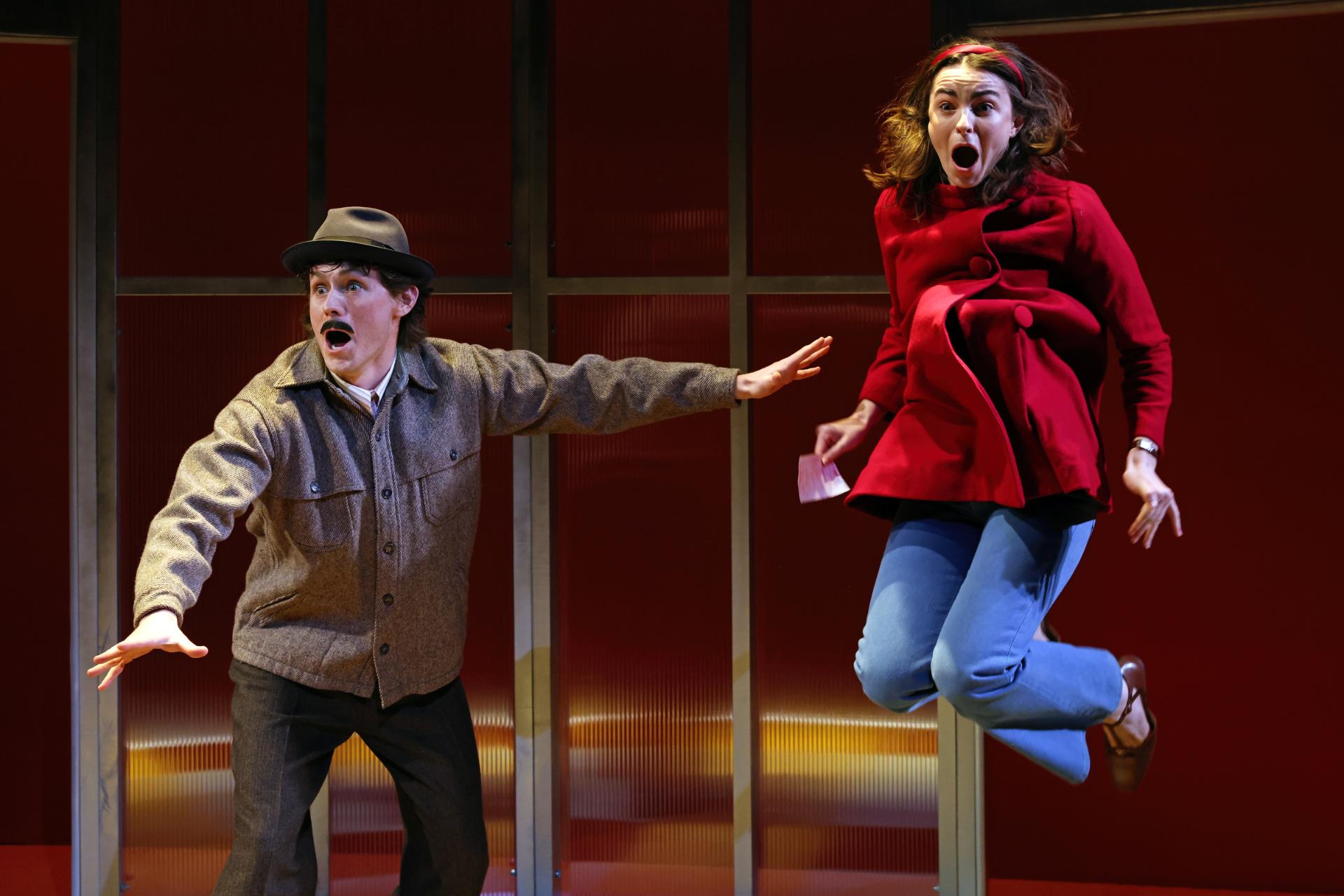
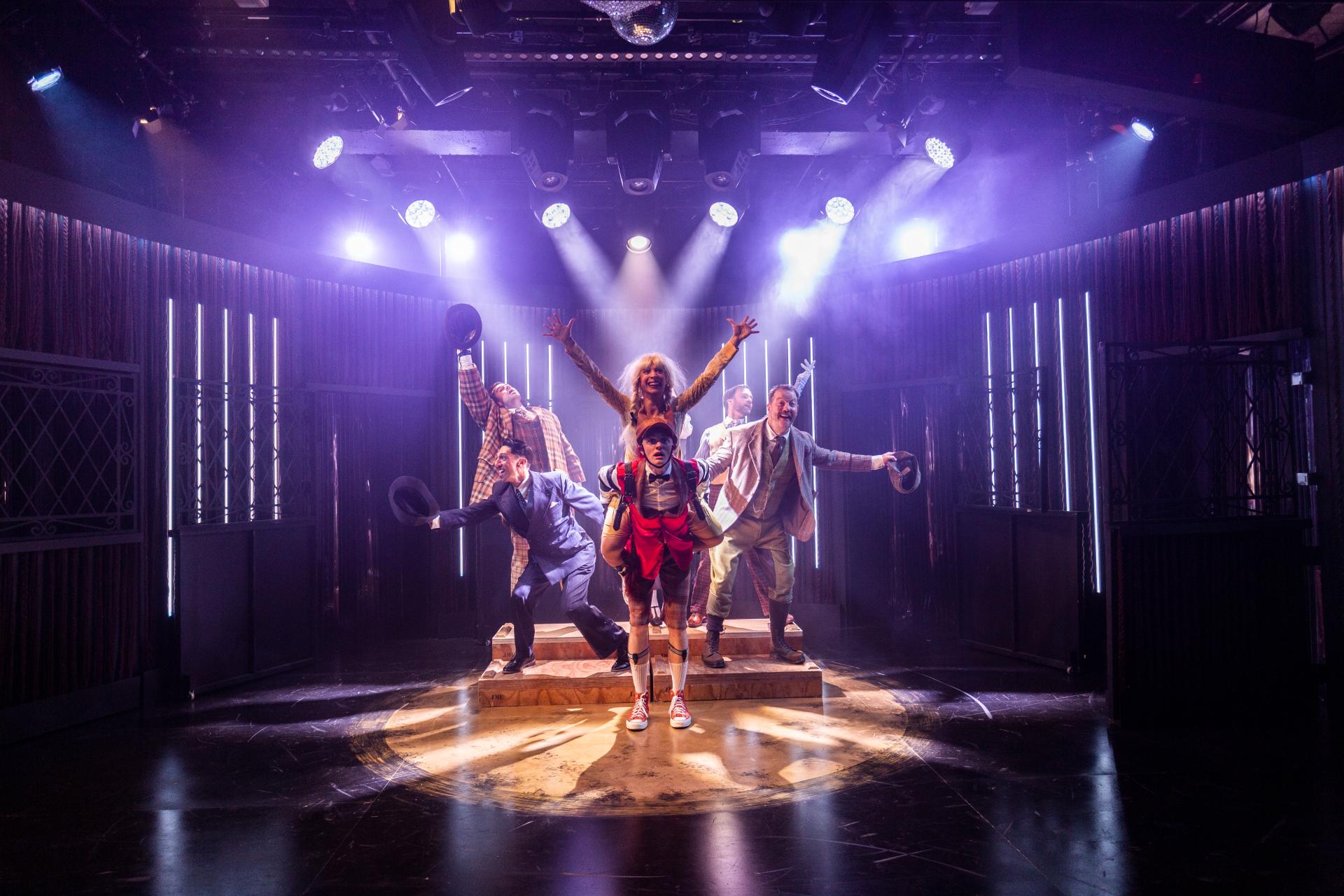
Directed with flair by Tan Shou Chen, King shifts seamlessly between comedy and drama in charting Geok Yen’s journey. Each comic twist carries within it a shadow, each burst of humour a reminder of the weight pressing beneath. Though rooted in Singapore, the play’s reflections on societal roles and gender imbalance transcend geography. The details may vary across cultures, but the paradigm it reveals is both universal and pertinent.

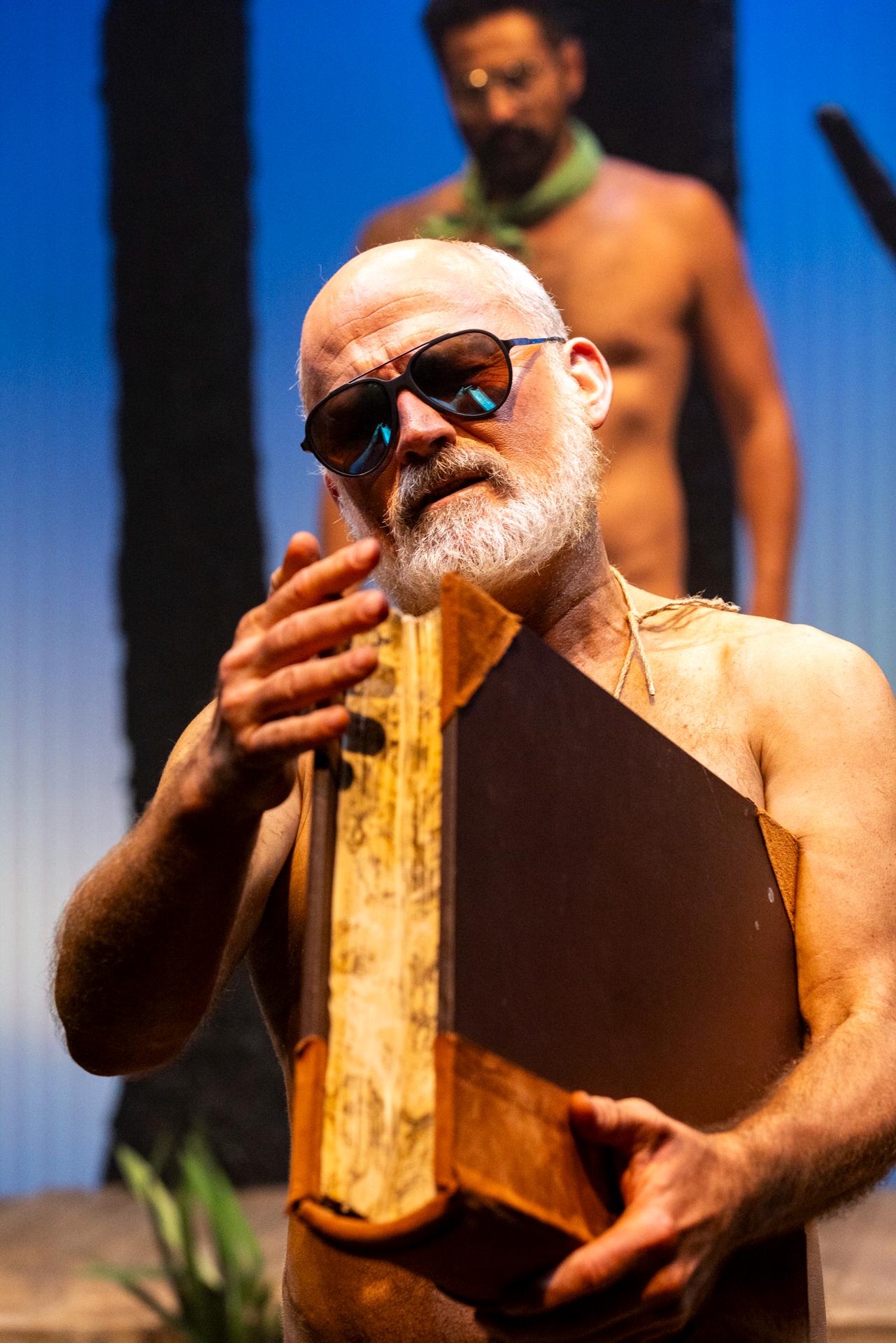
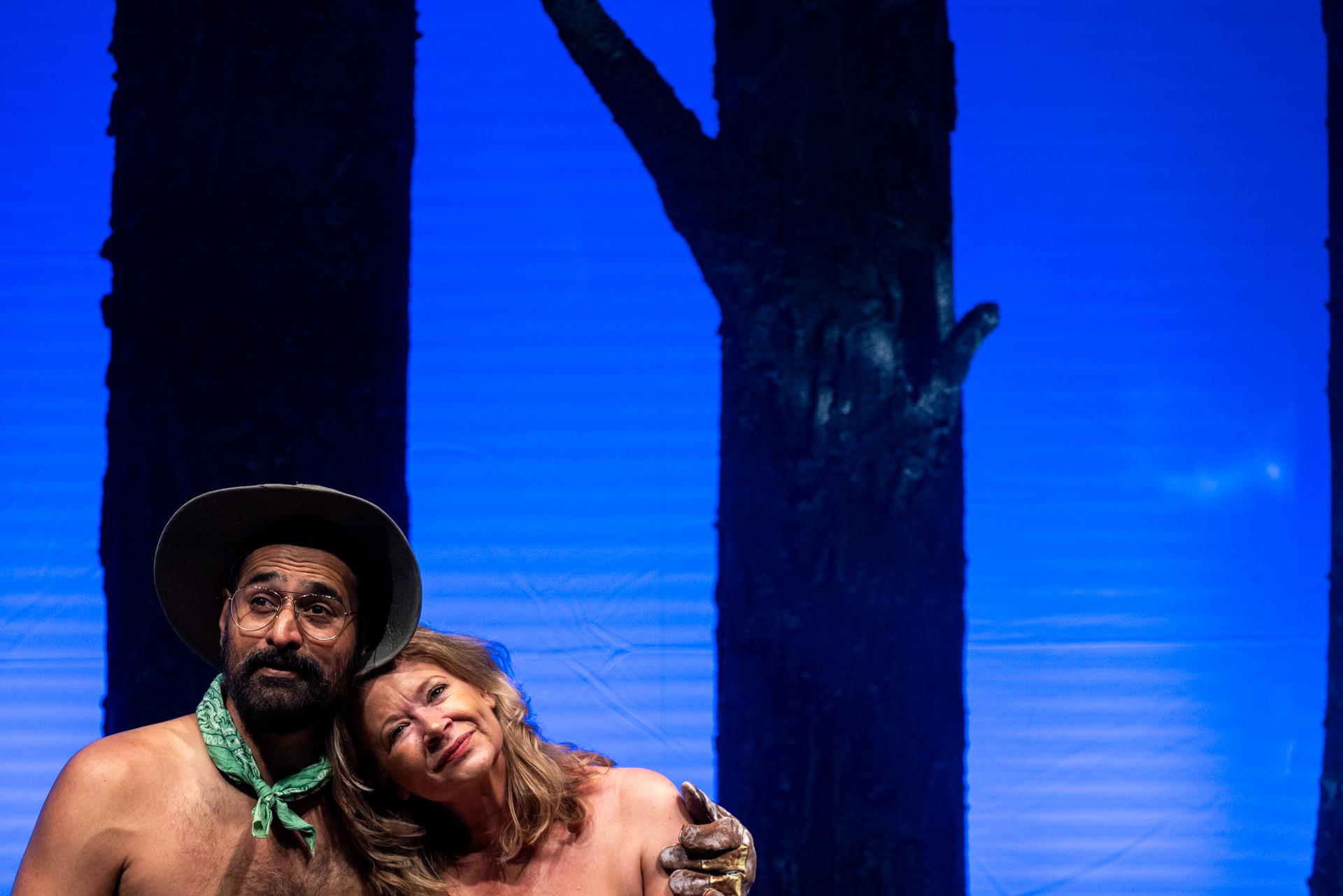
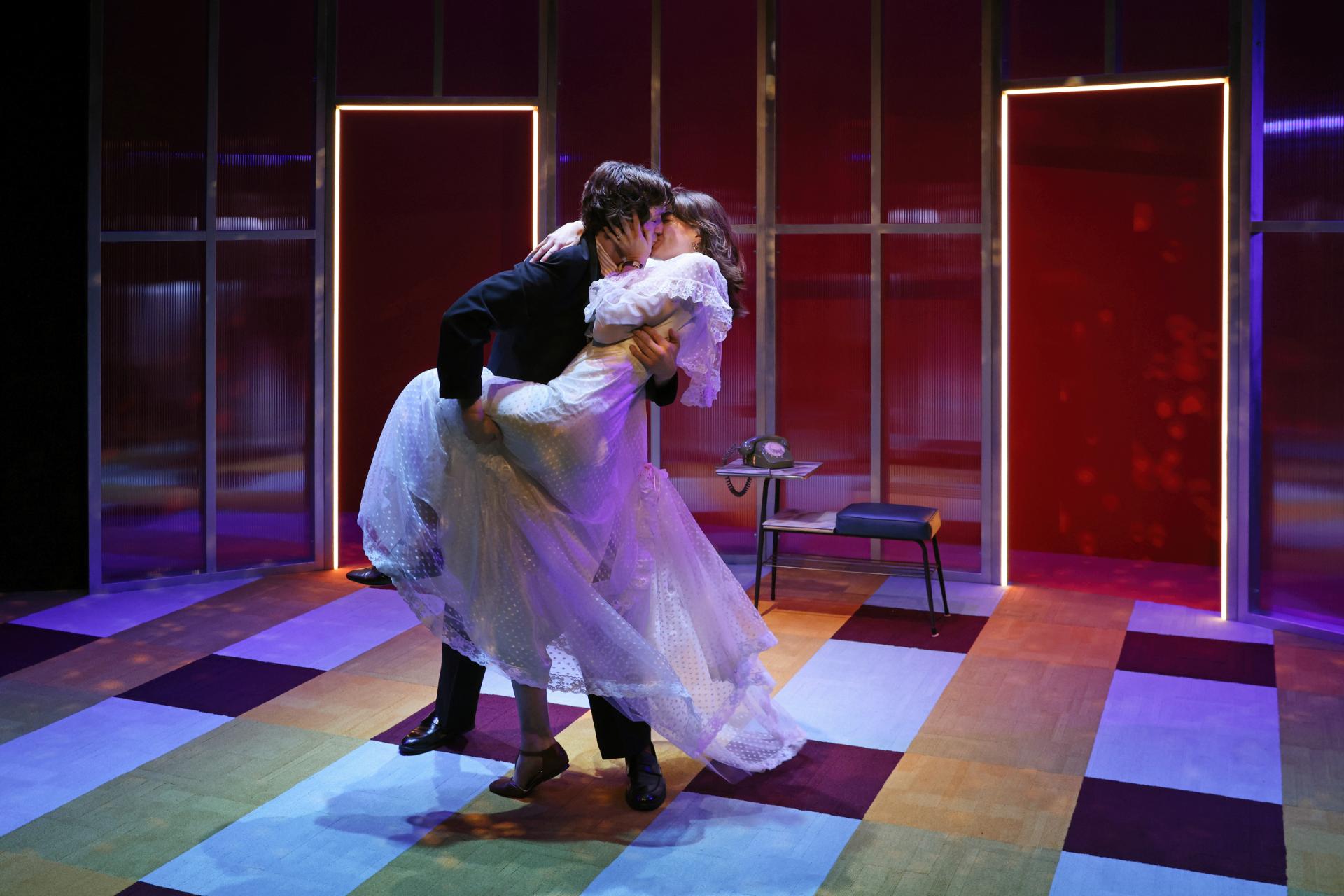
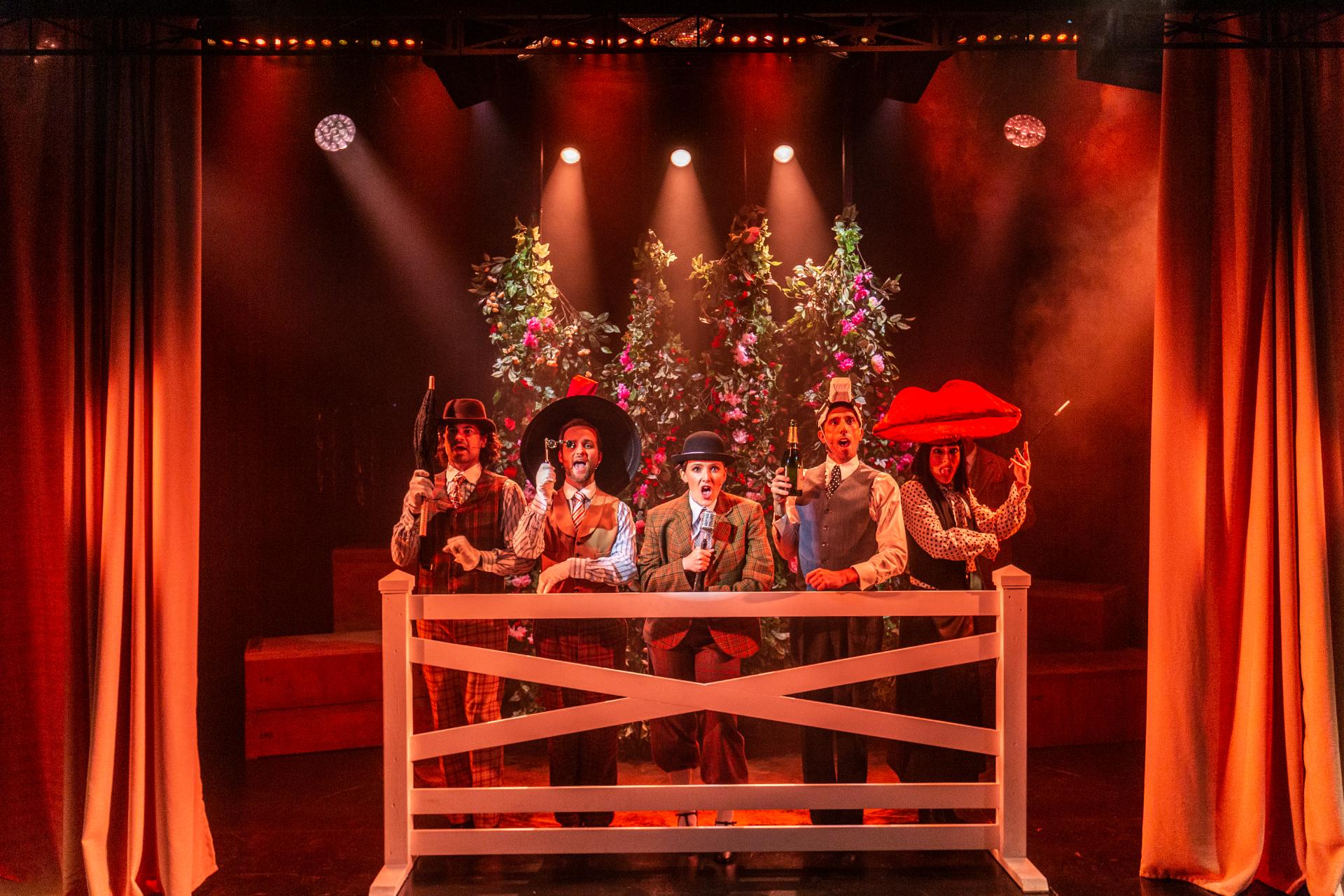
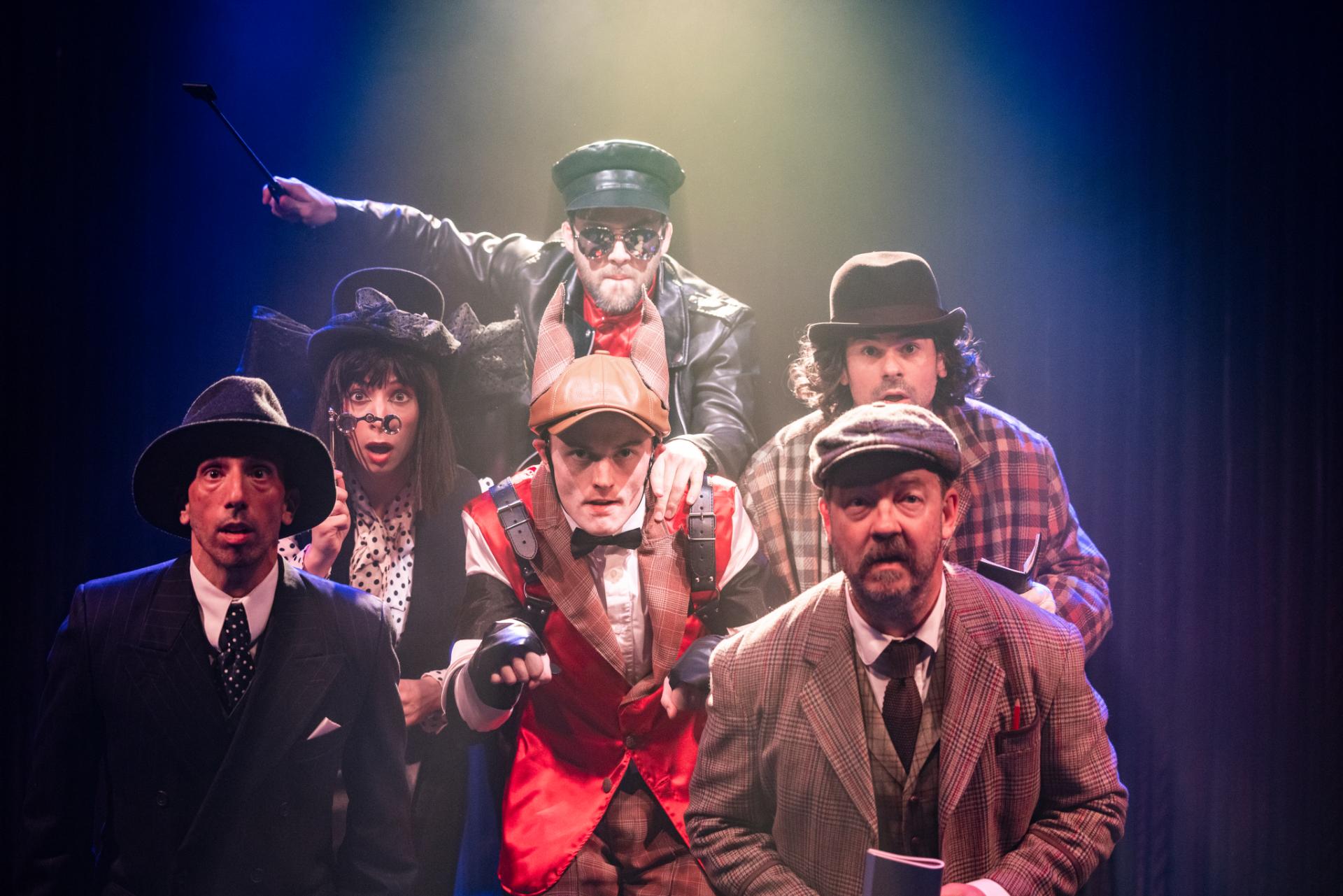
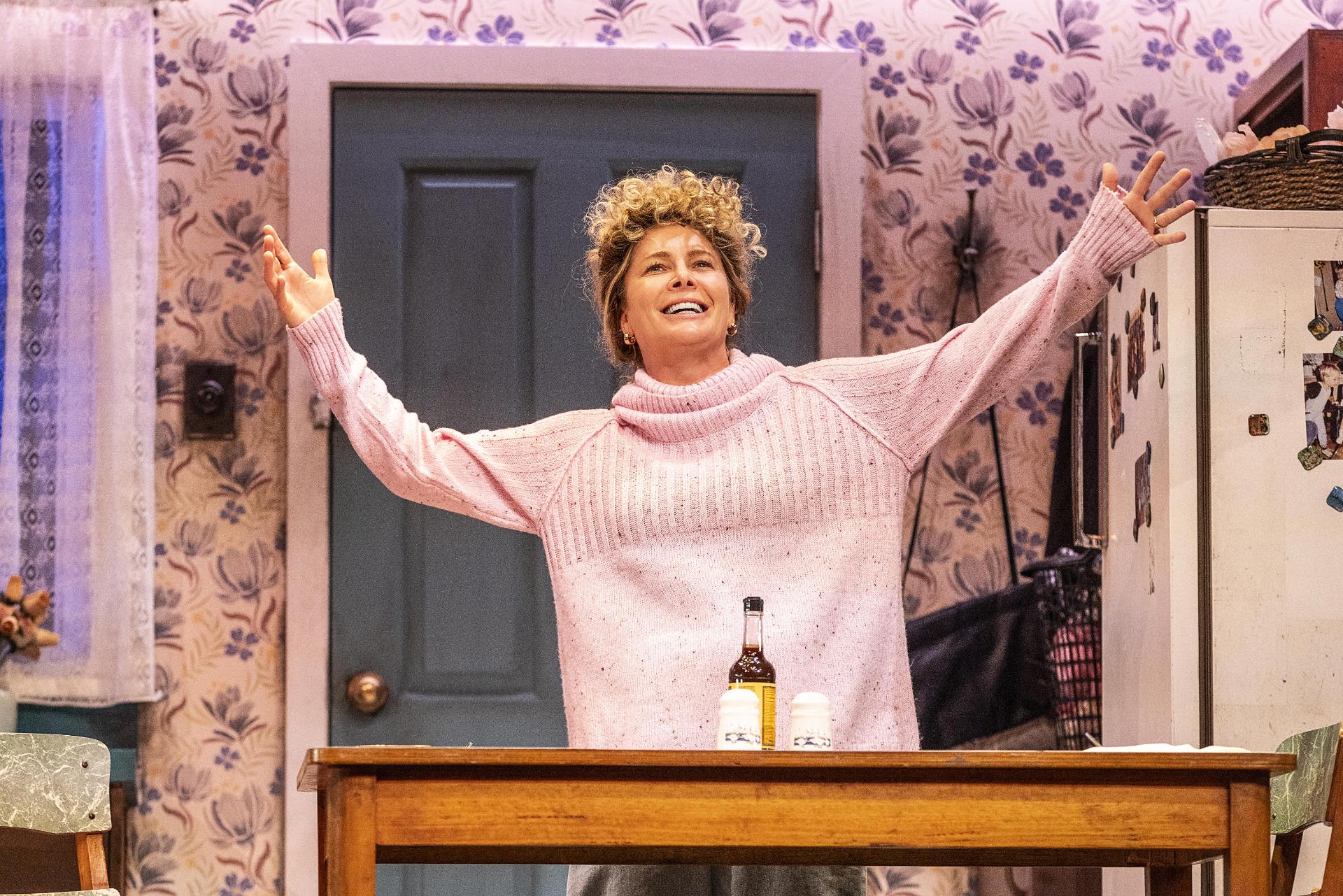
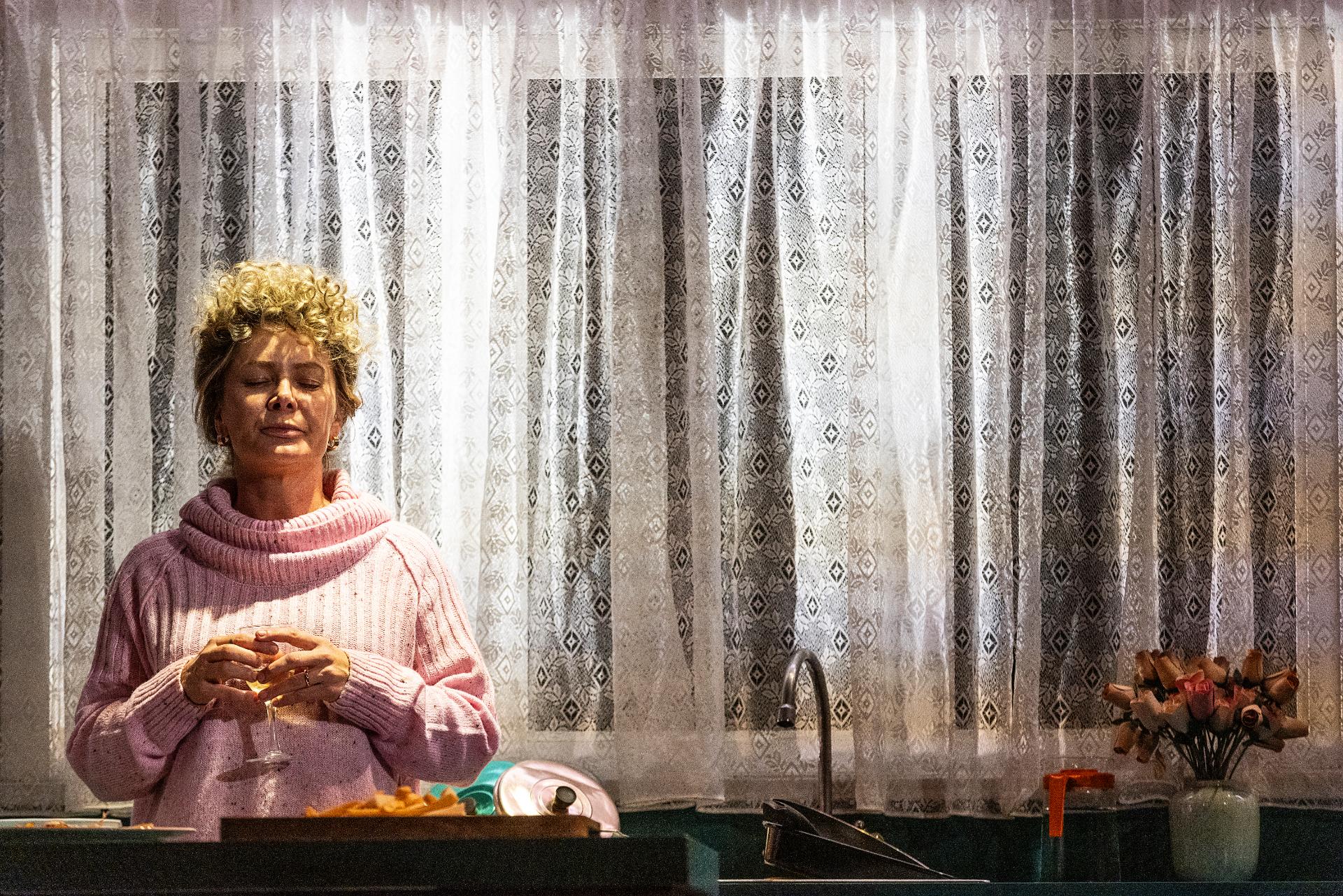
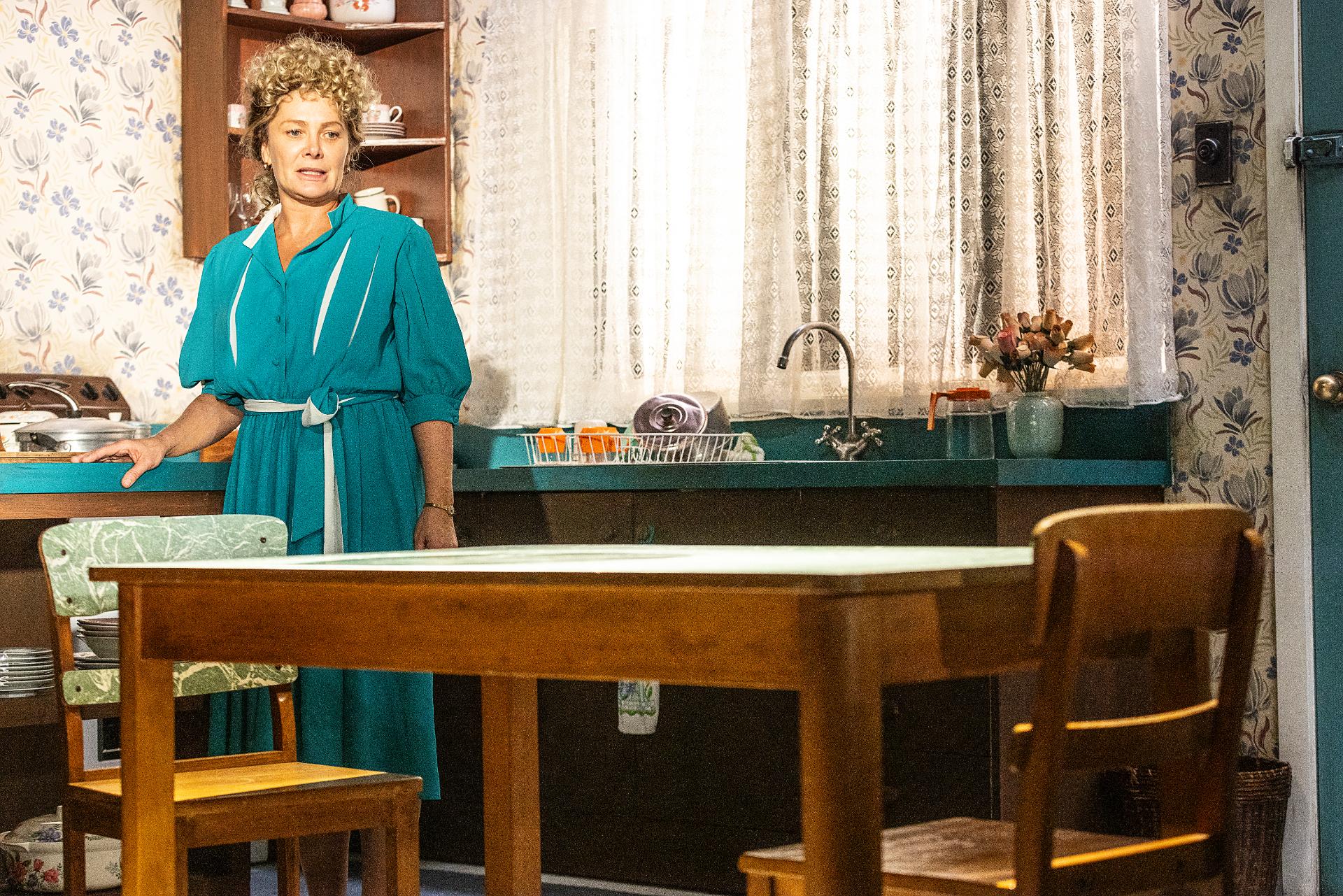
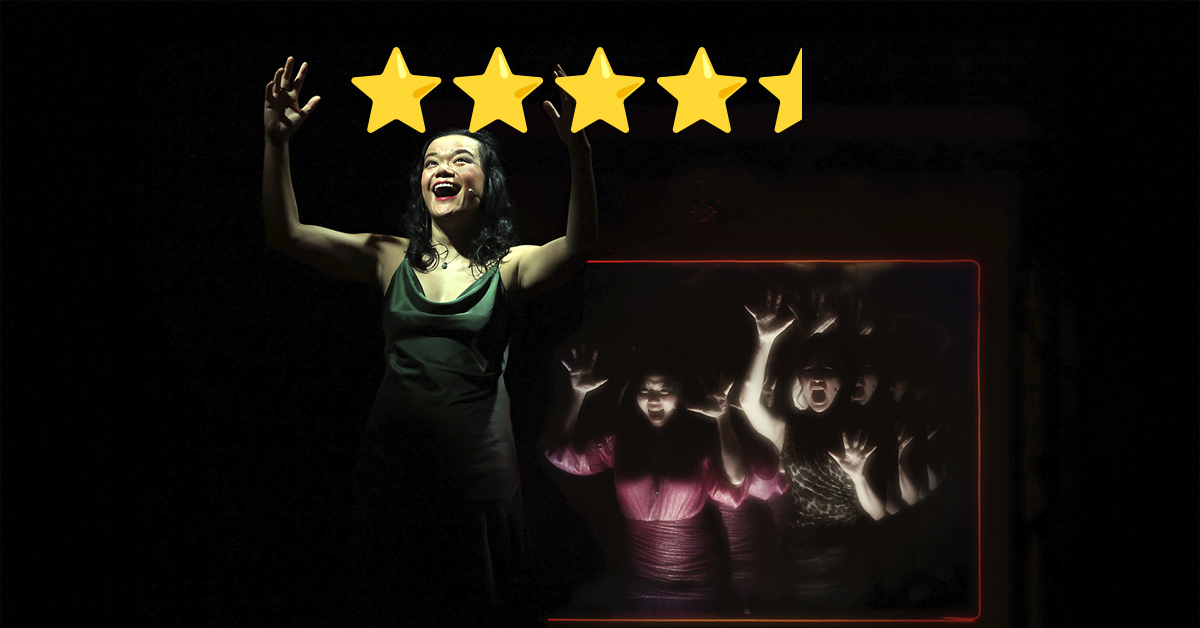
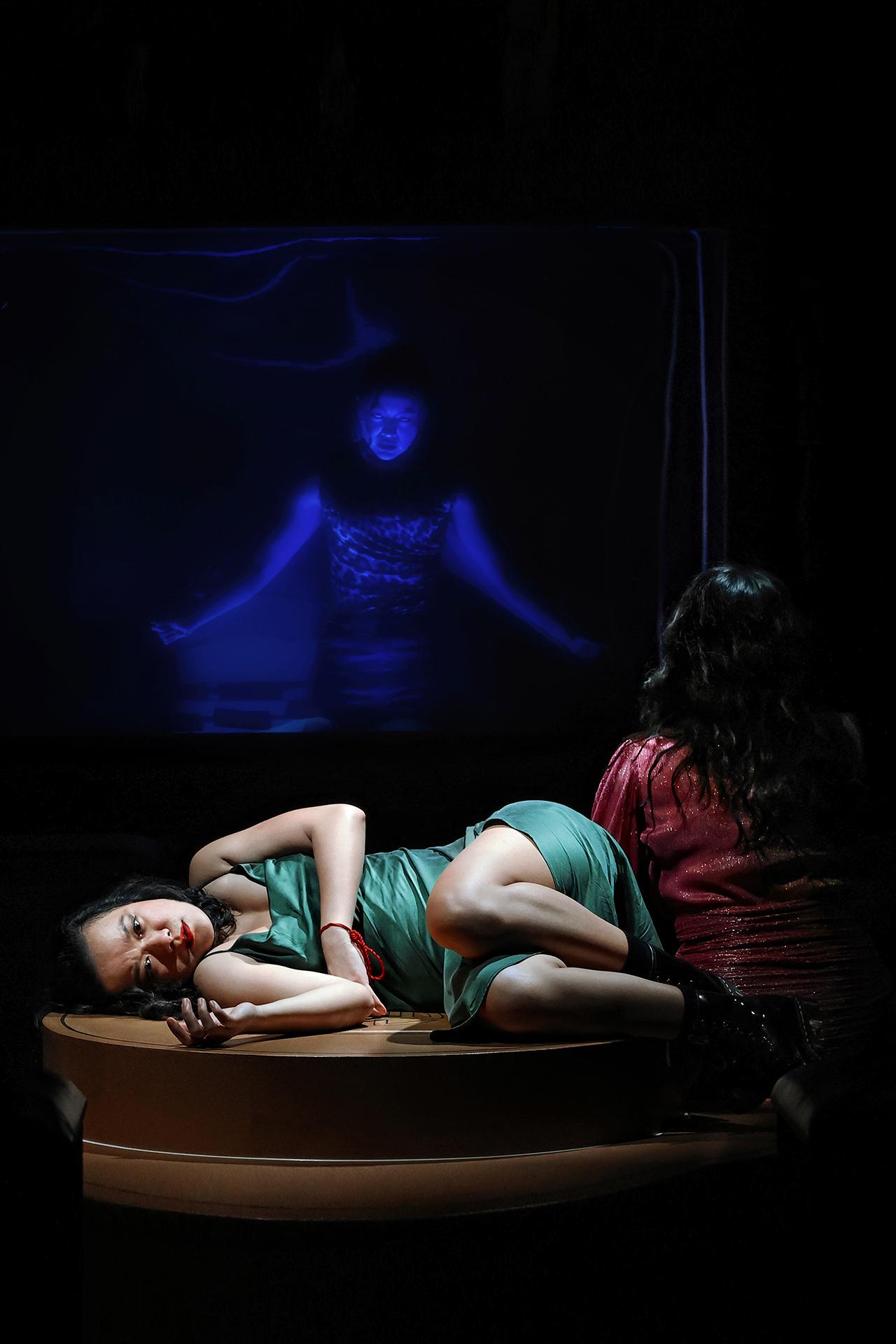
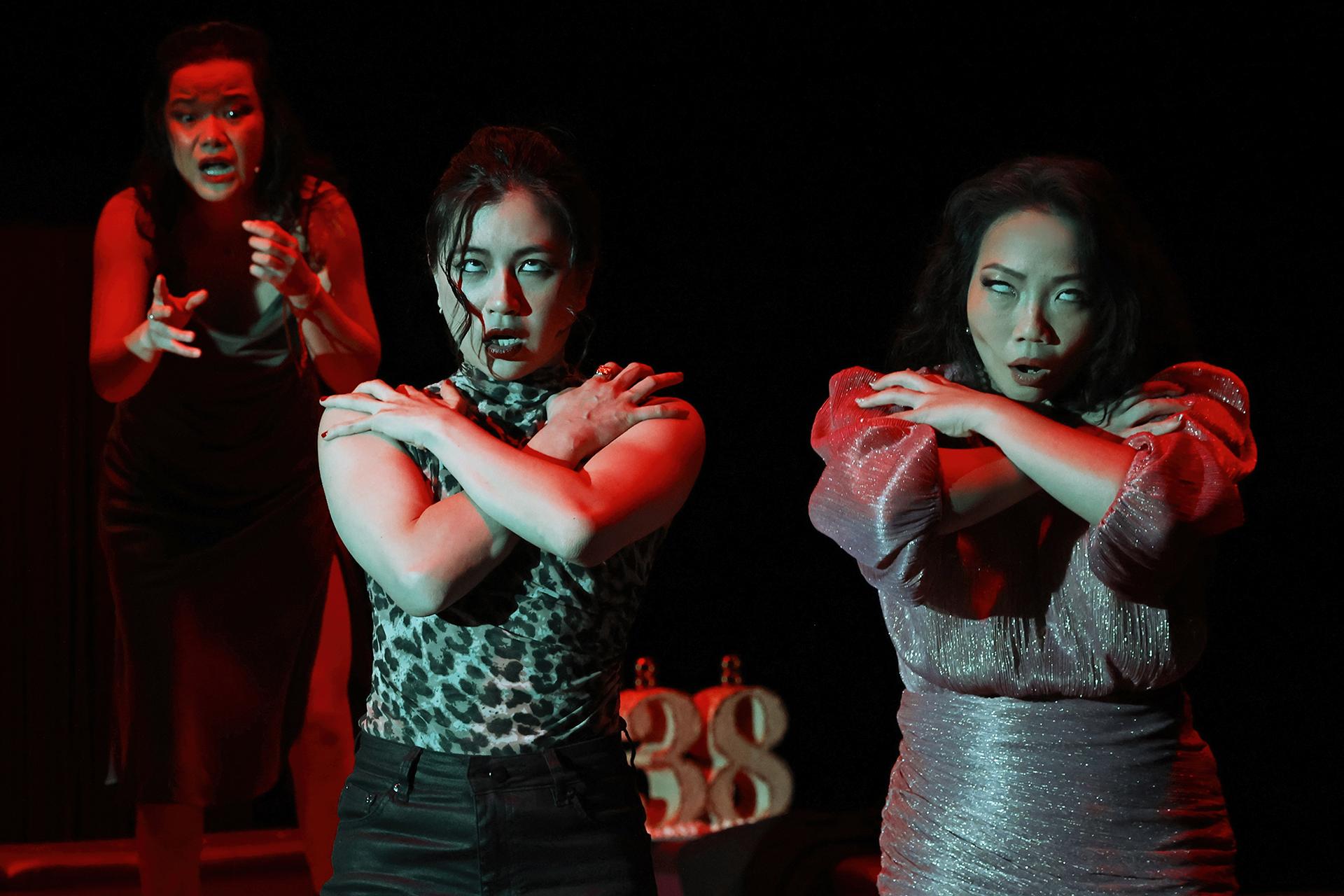
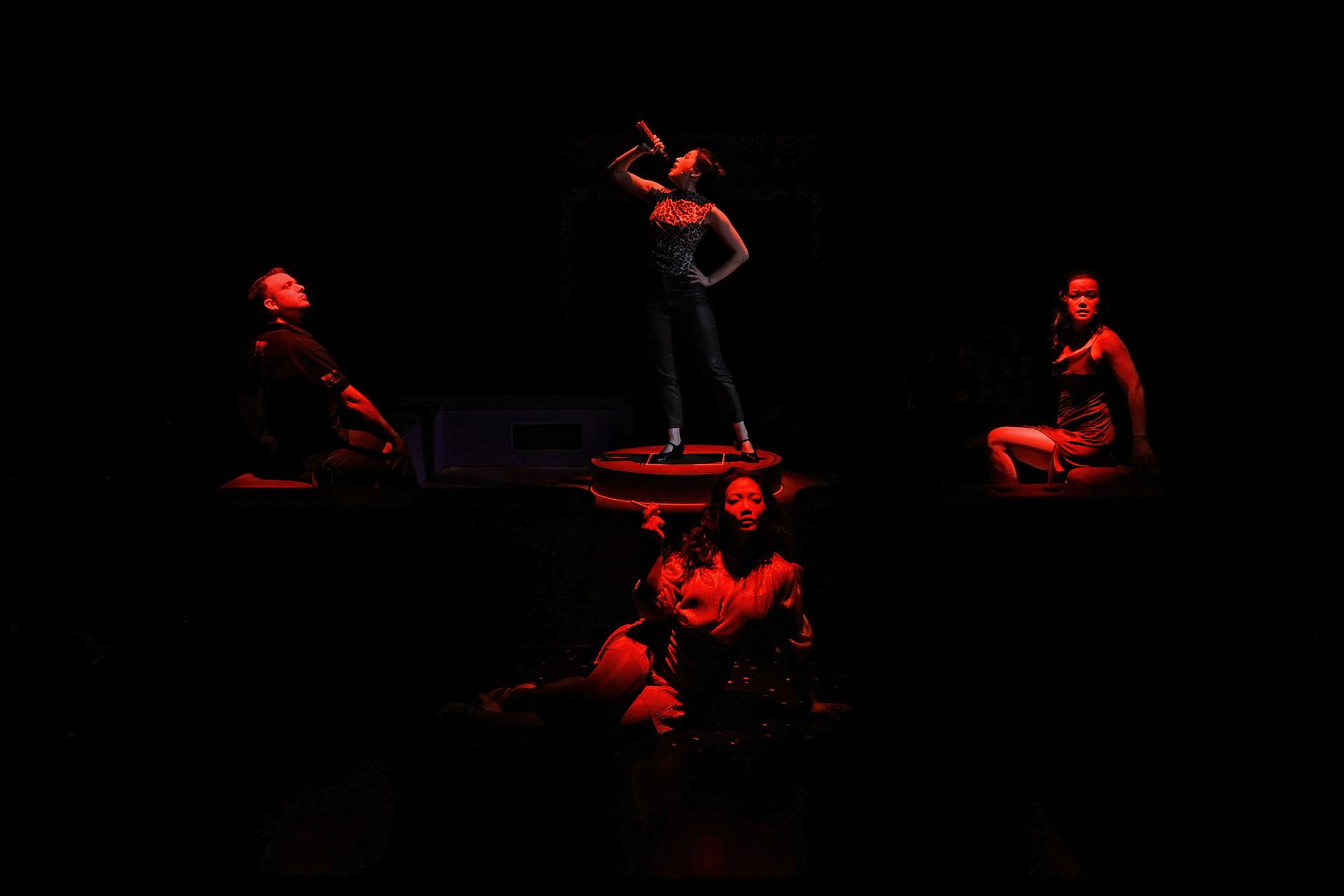
Jo Tan delivers a tour de force, slipping effortlessly between Geok Yen, Sterling, and a gallery of side characters, all conjured with wit, imagination, and playful precision. The craftsmanship of her performance is impeccable, but it is her irresistible charisma and the clarity with which she unfolds both story and moral, that captivates, delights, and provokes in equal measure. Also noteworthy are video projections by designer Brian Gothong Tan, which heighten the theatricality of the production and accentuate the fantastical dimensions of Geok Yen’s narrative, all while dazzling with their sheer visual spectacle.

King begins with a starkly binary view of life, but by inhabiting both extremes, Geok Yen moves toward a more nuanced understanding of her place in the world. From black and white emerges a spectrum of grey, within which she discovers the courage to begin embracing her authenticity. The terrors that once haunted her prove to be illusions, and the forces that seemed all-powerful are revealed as far less formidable than they first appeared.

www.sydneyfringe.com

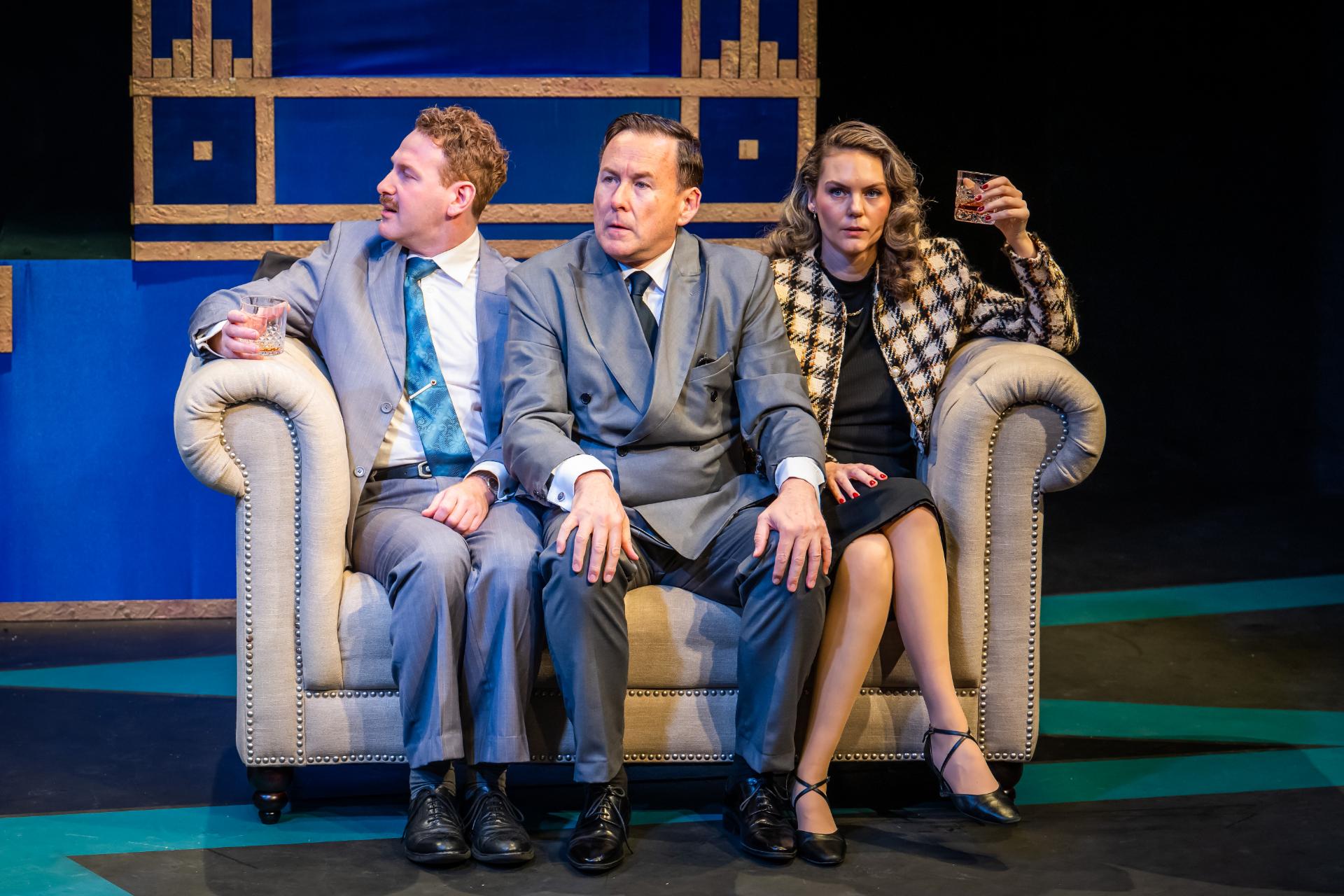
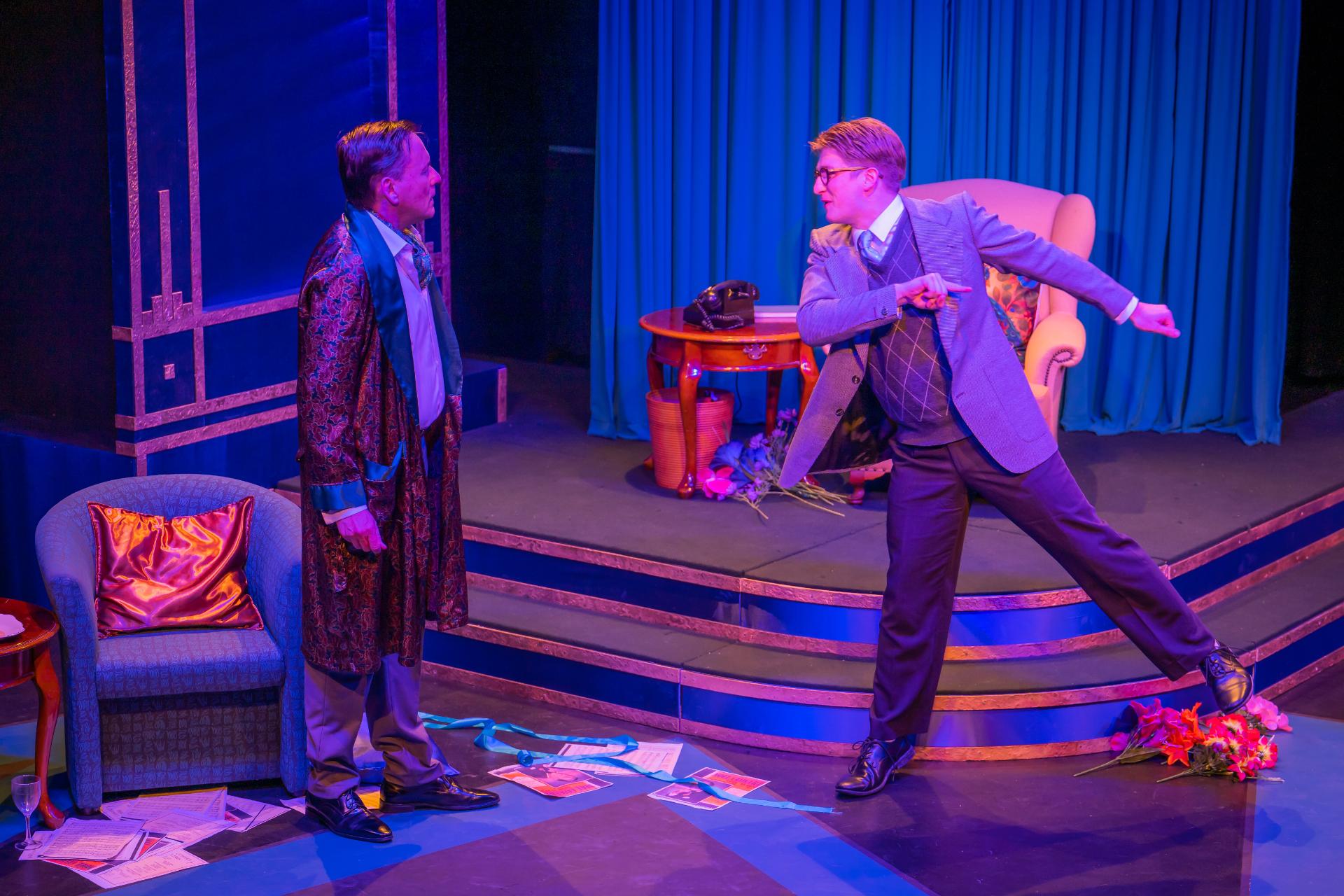
Review: True West (Ensemble Theatre)

Venue: Ensemble Theatre (Kirribilli NSW), Sep 8 – Oct 11, 2025
Playwright: Sam Shepard
Director: Ian Sinclair
Cast: Vanessa Downing, Darcy Kent, James Lugton, Simon Maiden
Images by Prudence Upton

Theatre review
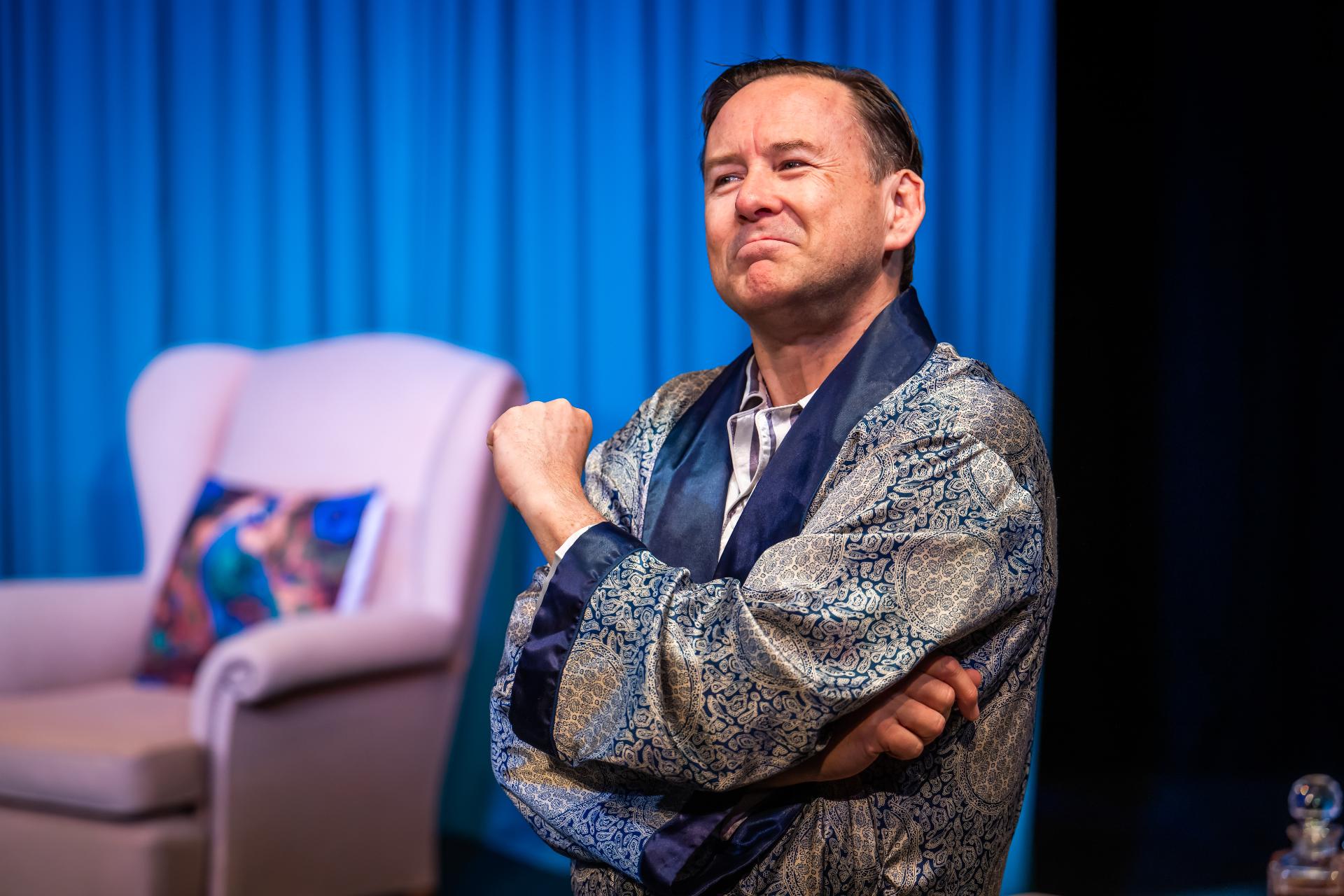
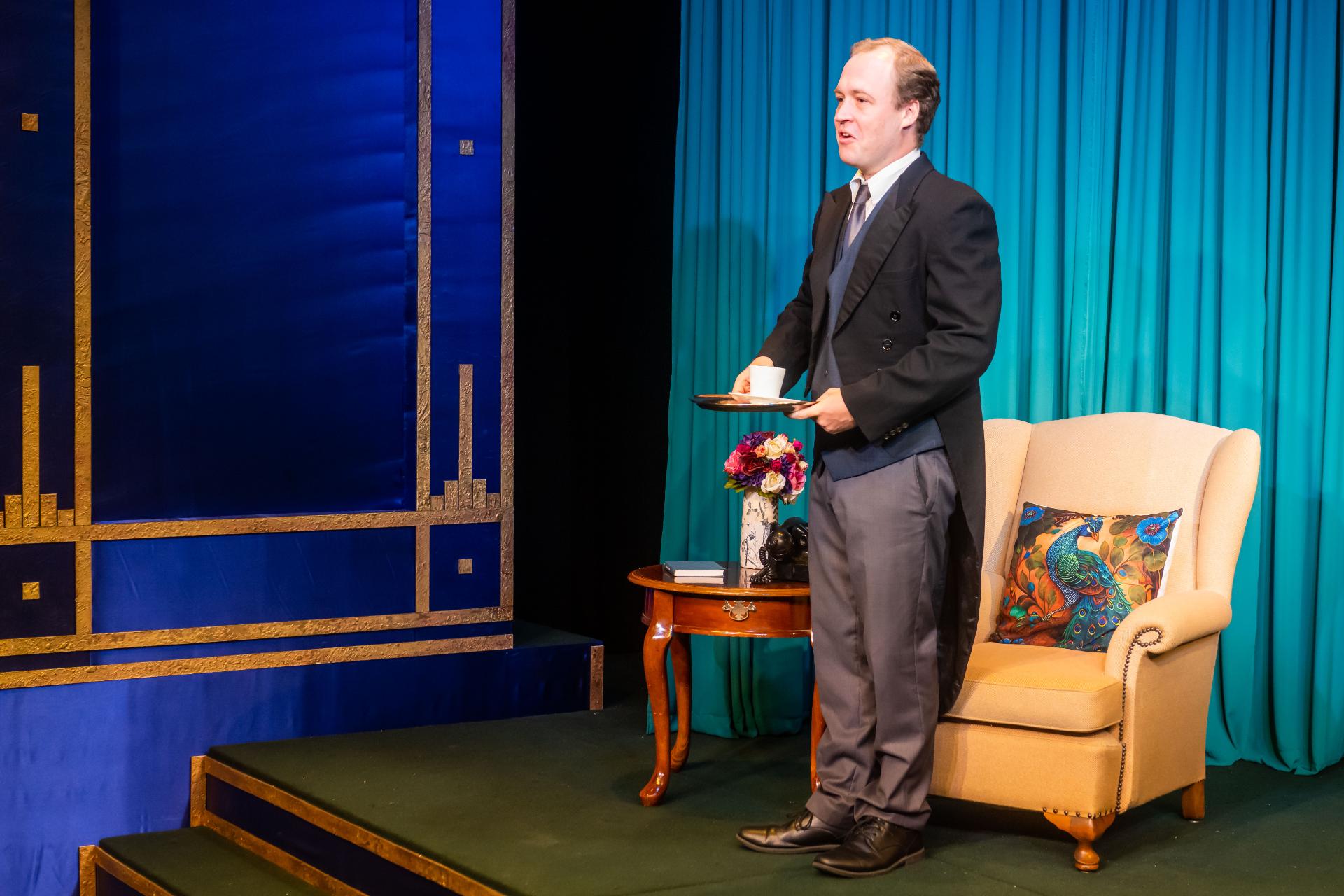
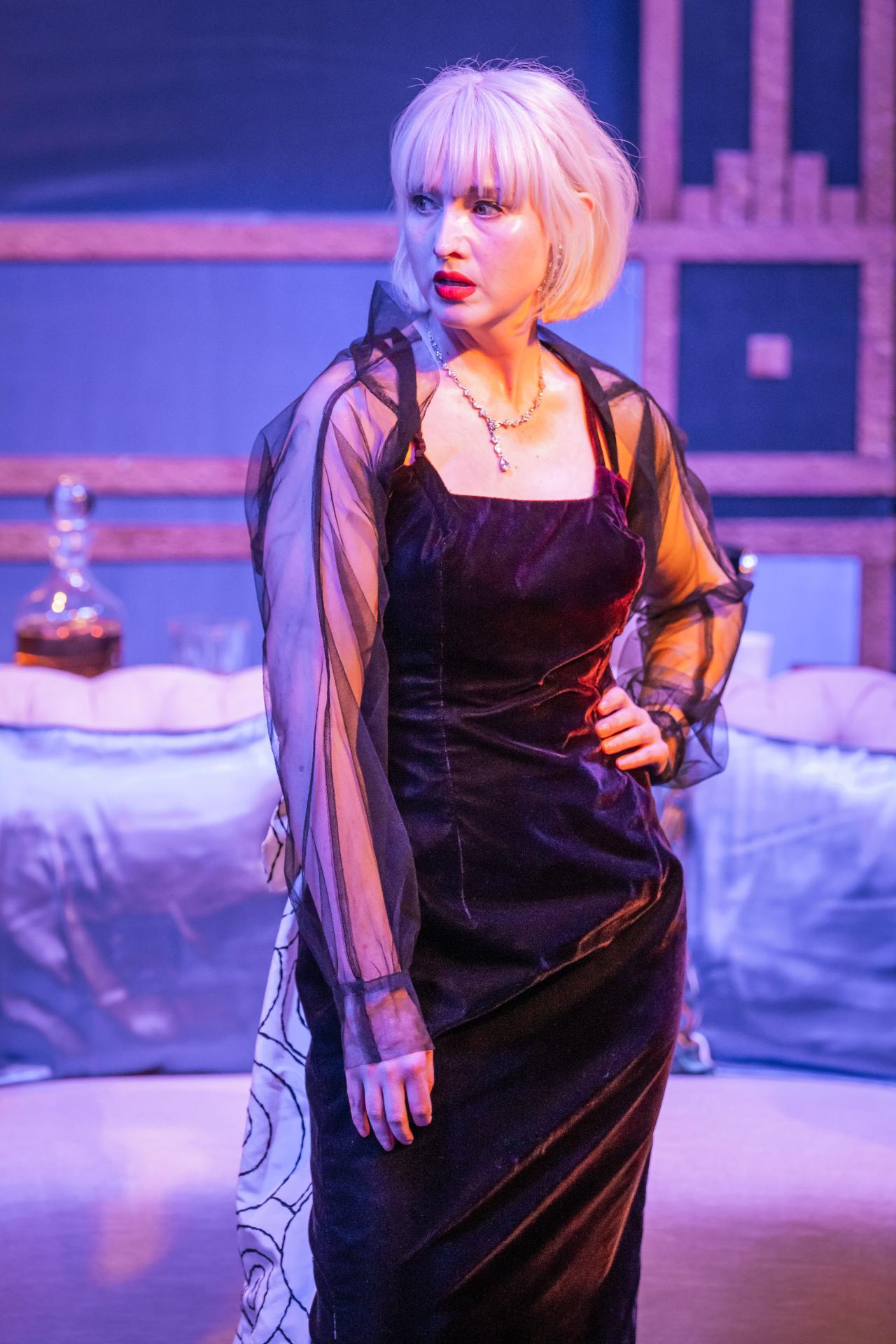
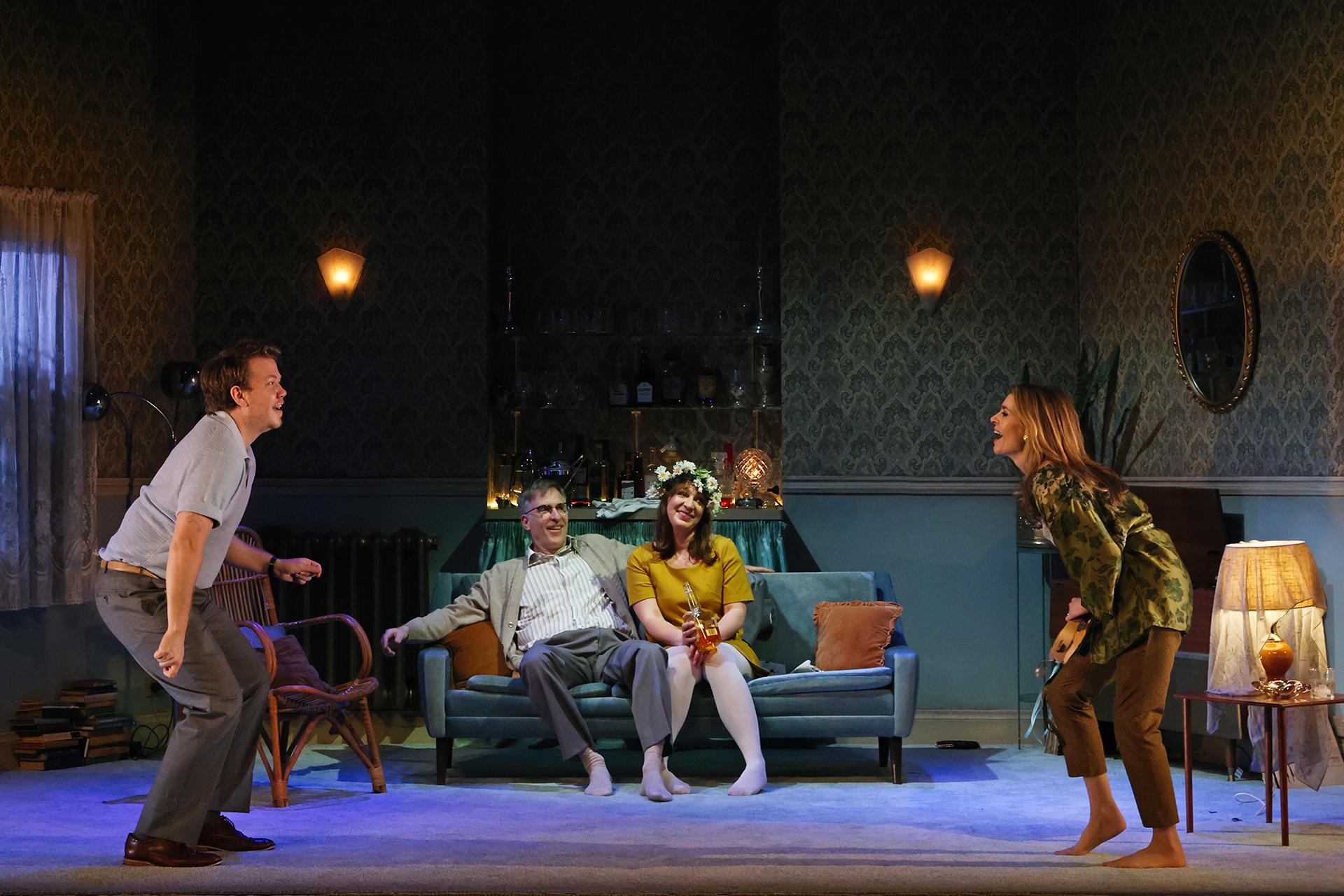
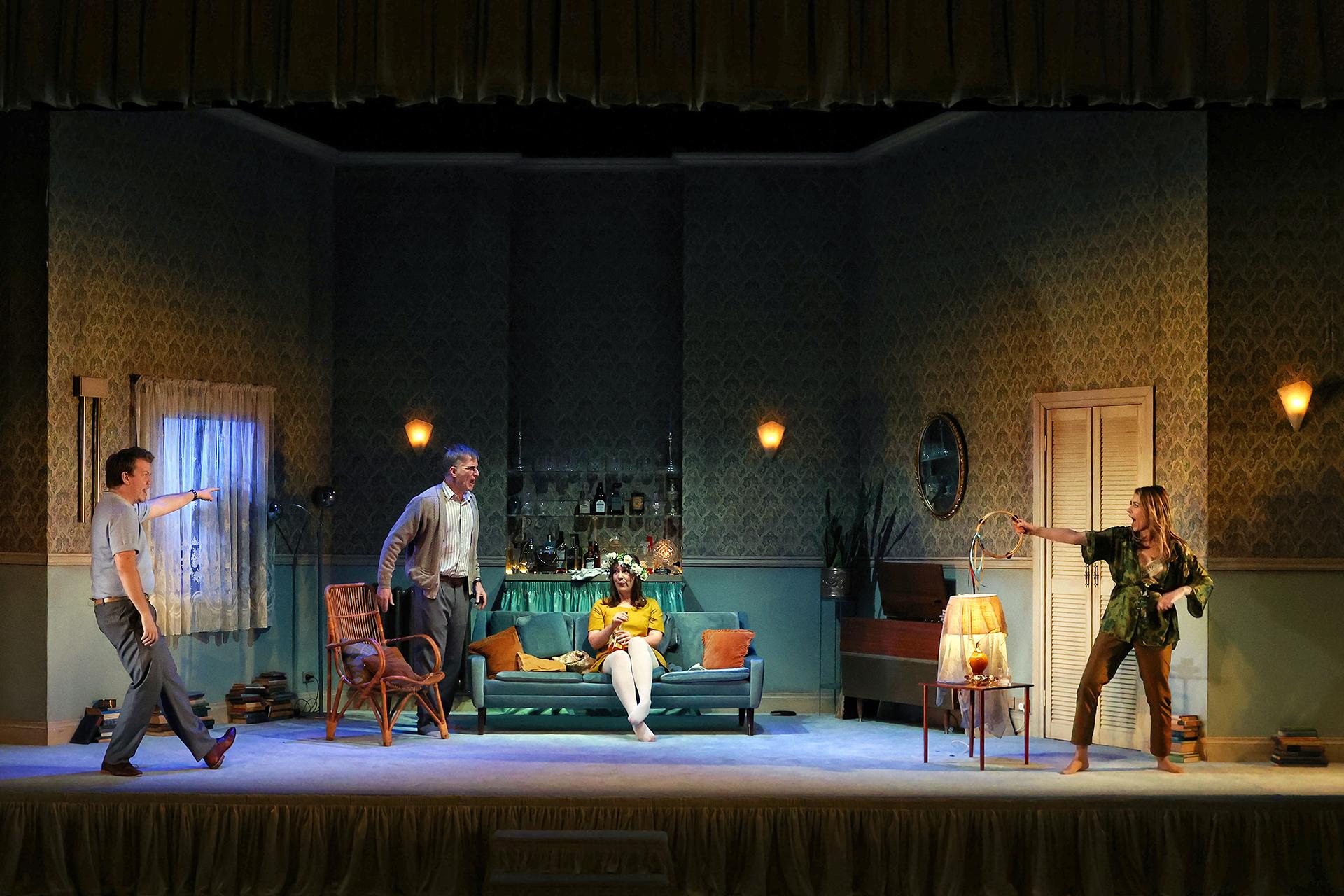
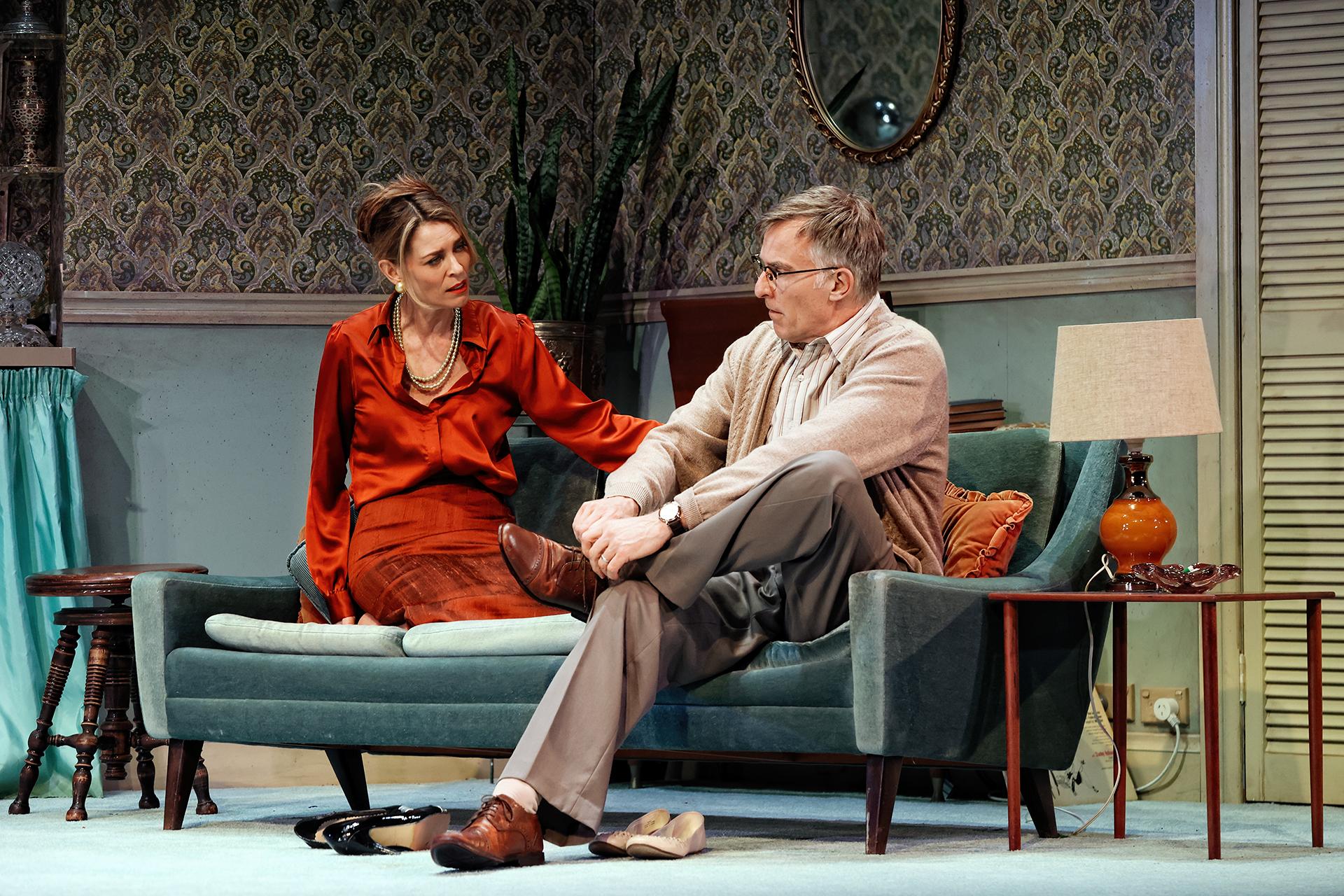
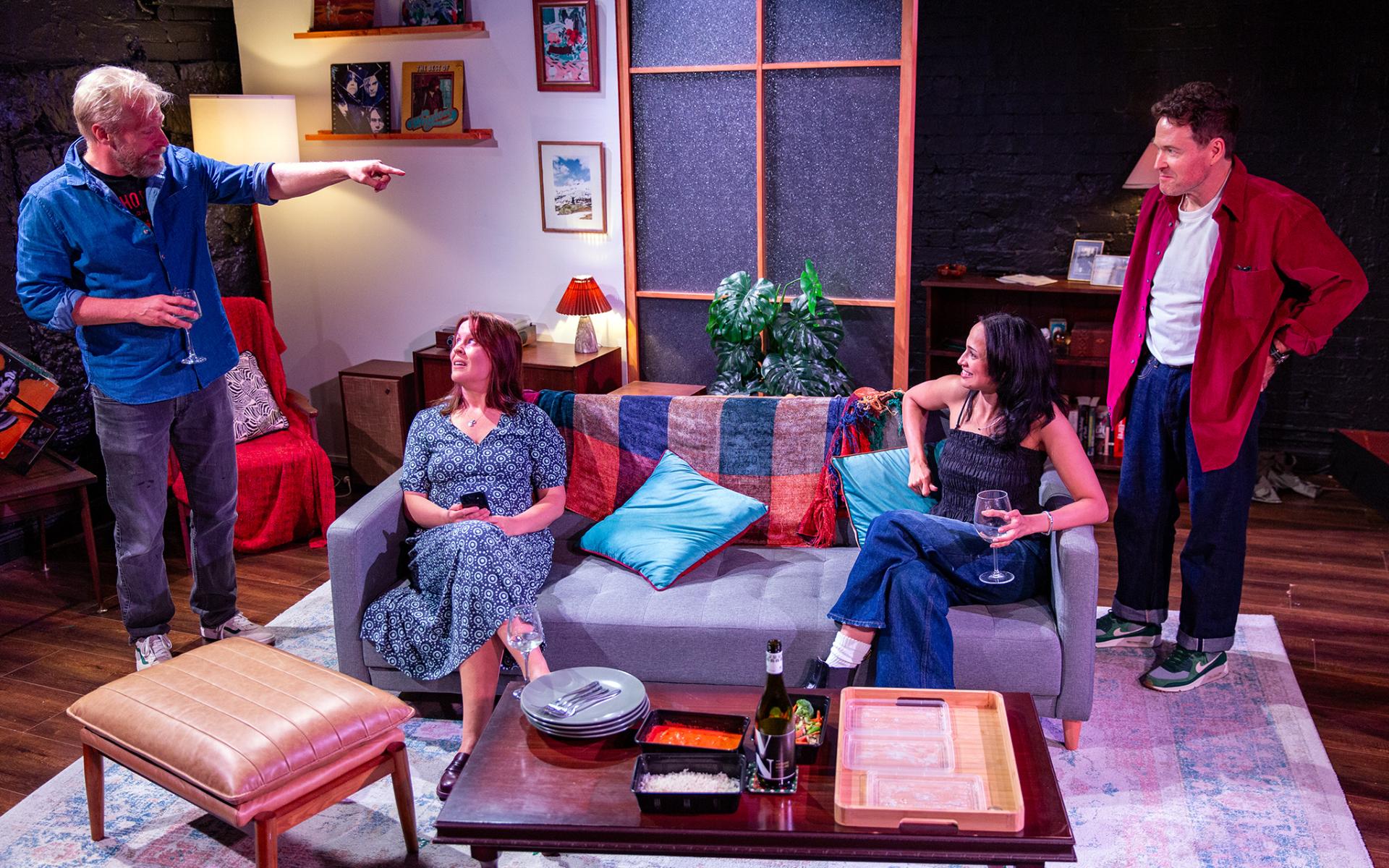
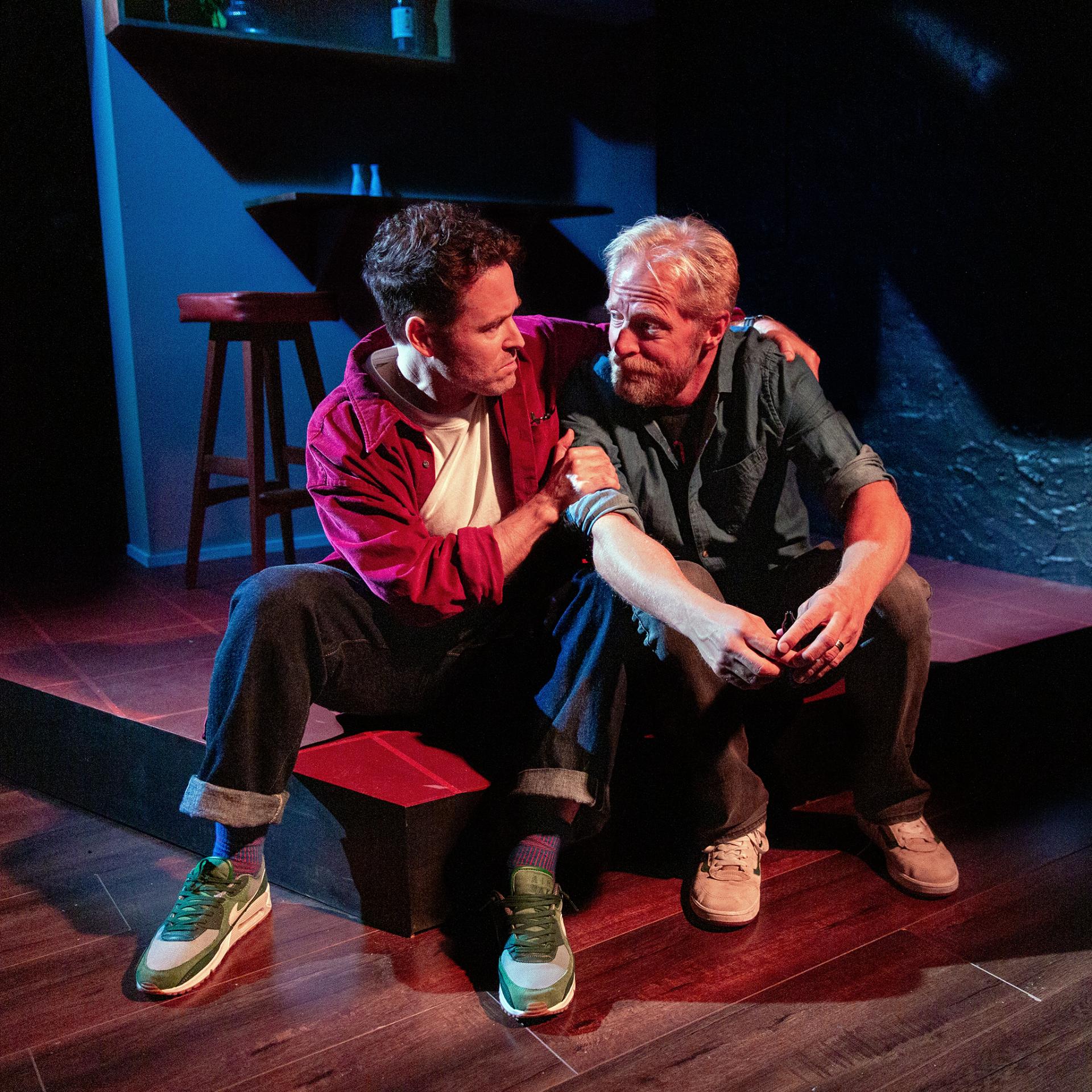
Austin is holed up in his mother’s California home, polishing his screenplay, when his brother Lee bursts in and blows everything apart. Austin is neat, proper, civilized; Lee is chaos incarnate. In True West, Sam Shepard turns their clash into a battle of identities, a showdown between two Americas under one roof. Many pre-Reagan plays have lost their bite, but this one hits harder than ever—its vision of fractured cultures feels ripped straight from today’s headlines.

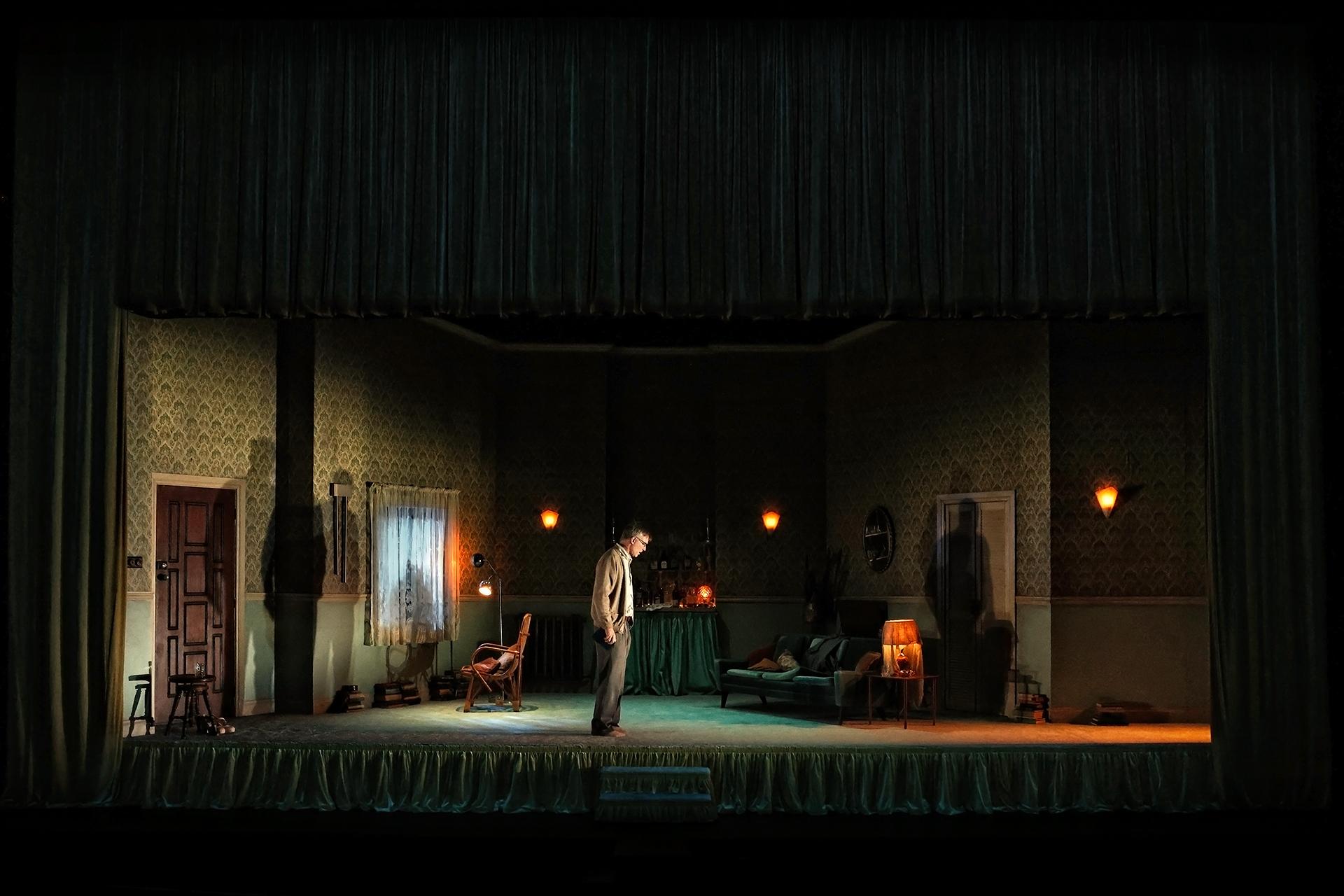
Simone Romaniuk’s production design sharpens the play’s intensity: the set feels close and feverish, and the costumes declare conflict from the outset. Brockman’s lighting washes the story with unexpected flamboyance, sculpting emotion into lyrical images of sheer visual poetry. By contrast, Daryl Wallis’ sound design is more restrained, yet its sparseness proves effective in aligning with the play’s measured textual rhythm.

Expertly directed by Ian Sinclair, the staging pursues every dramatic and revelatory possibility in Shepard’s text. What emerges is provocative and cerebral, yet at the same time raw and palpable—an utterly absorbing experience achieved without reliance on superfluous bells and whistles. The play holds us fast with a tale that is at once grounded in reality and tinged with the extraordinary, keeping our fascination with its central relationship alive, while persistently stirring uneasy thoughts about the world we now inhabit.

As Lee, Simon Maiden is a study in intricacy and truth, his every gesture alive with resonant authenticity. Opposite him, Darcy Kent drives Austin into surprising surges of theatricality, pushing the drama to exhilarating heights. Each is formidable in his own right, yet it is their electrifying chemistry together that anchors the production’s success. Around them, James Lugton and Vanessa Downing embrace their smaller roles with admirable flair, their comic touches both outlandish and irresistible, adding yet another layer of delight.

Beneath the polished surface of Western progress and civility lies a startling fragility. In True West, the brothers slip effortlessly into barbarity, exposing the raw, untamed instincts lurking beneath social masks. Both cling to a mythic past, yearning to make America great again, as if modernity has failed them, even though much of contemporary advancement has unequivocally strengthened democracy and improved life collectively. True West reminds us that, no matter how far society reaches toward progress, those who wield the greatest power—and shape the course of our evolution—often remain savages at heart.

(Note: due to a medical emergency on opening night, the part of Lee was played by director Ian Sinclair for the final scene.)

www.ensemble.com.au

Review: Bright Star (Hayes Theatre)

Venue: Hayes Theatre Co (Potts Point NSW), Sep 5 – Oct 5, 2025
Music, Book & Story: Steve Martin
Music, Lyrics & Story: Edie Brickell
Directors: Miranda Middleton, Damien Ryan
Cast: Cameron Bajraktarevic-Hayward, Kaya Byrne, Victoria Falconer, Genevieve Goldman, Jack Green, Deirdre Khoo, Hannah McInerney, Jarrad Payne, Rupert Reid, Katrina Retallick, Felix Staas, Alec Steedman, Molly Margaret Stewart, Olivia Tajer, Seán van Doornum 
Images by Robert Catto

Theatre review
The story begins a century ago in North Carolina, where Alice falls pregnant out of wedlock and is forced to give up her child. At a time when single motherhood was considered unthinkable, women who defied convention by seeking independence or family without a husband were often subjected to severe persecution. Bright Star, the musical by Steve Martin and Edie Brickell, revisits this not-so-distant chapter of history, exposing the harsh, often barbaric conditions faced by some Americans. While the narrative tends to be too obviously tugging at our emotions, the production is buoyed by its irresistibly vibrant score, written in the bluegrass tradition, which remains a joy to experience.

Alec Steedman’s musical direction sweeps us into the romance and effervescence of every song, while co-directors Miranda Middleton and Damien Ryan shape the production into something strikingly elegant, imbued with warmth and empathy, even if the story’s separate timelines are not always clear. The design elements are handled with equal finesse: Isabel Hudson’s set exudes rustic charm yet retains a crisp sense of polish; Lily Matelian’s costumes evoke the American South with convincing detail, though they falter in ageing characters convincingly as the story shifts through time. James Wallis’ lighting is a continual delight—sumptuous, evocative, and unfailingly theatrical.

Hannah McInerney is commanding in the lead role of Alice, bringing remarkable depth and authenticity to the character, even if the distinction between her younger and older selves is not always sharply drawn. The two men in Alice’s life, played by Kaya Byrne and Cameron Bajraktarevic-Hayward, make a lasting impression with performances marked by sincerity, grounded realism, and an appealing lack of artifice. Also deserving mention are Deidre Khoo, Genevieve Goldman, and Jack Green, who, though in smaller roles, provide delightful flashes of humour and personality, their quirky characterisations and impeccable comic timing adding much to the production’s charm.

Not all storytelling lies in what is said, but in how it is told, and Bright Star is a case in point. The way its elements are assembled gives the production a resonance far greater than the sum of its parts. The meticulous musicianship, the generosity of its performers, and the discerning artistry of its designers coalesce to create a show that is consistently engaging, even when the plot itself borders on cliché. In this moment, we transcend the ordinary, reminded that art’s greatest gift is often the inspiration that it bestows.

www.hayestheatre.com.au | www.sportforjove.com.au

Review: Orlando (Belvoir St Theatre)

Venue: Belvoir St Theatre (Surry Hills NSW), Sep 6 – 28, 2025
Playwrights: Carissa Licciardello, Elsie Yager (from the novel by Virginia Woolf)
Director: Carissa Licciardello
Cast: Janet Anderson, Nyx Calder, Emily Havea, Amber McMahon, Nic Prior, Shannen Alyce Quan, Zarif
Images by Brett Boardman

Theatre review
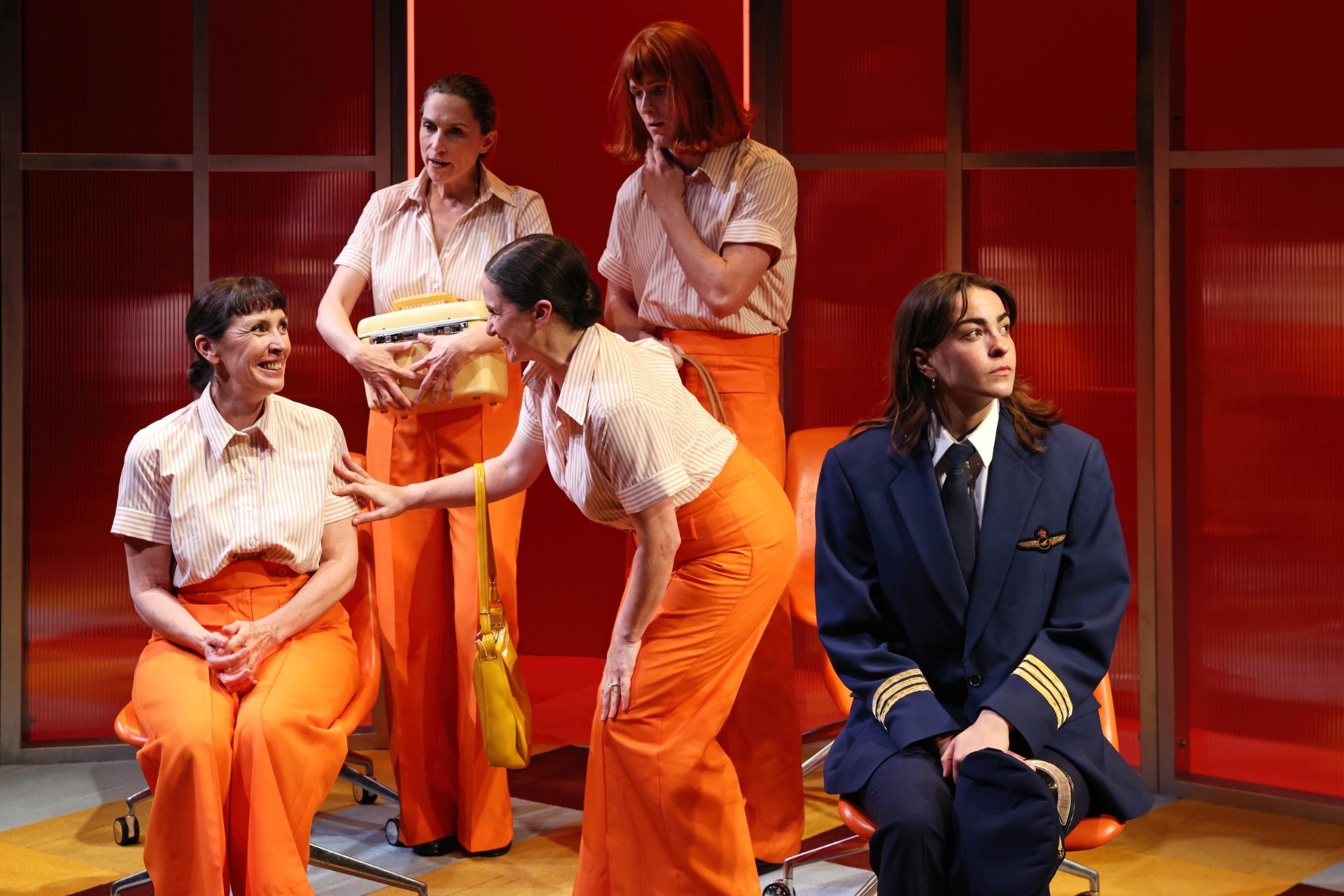
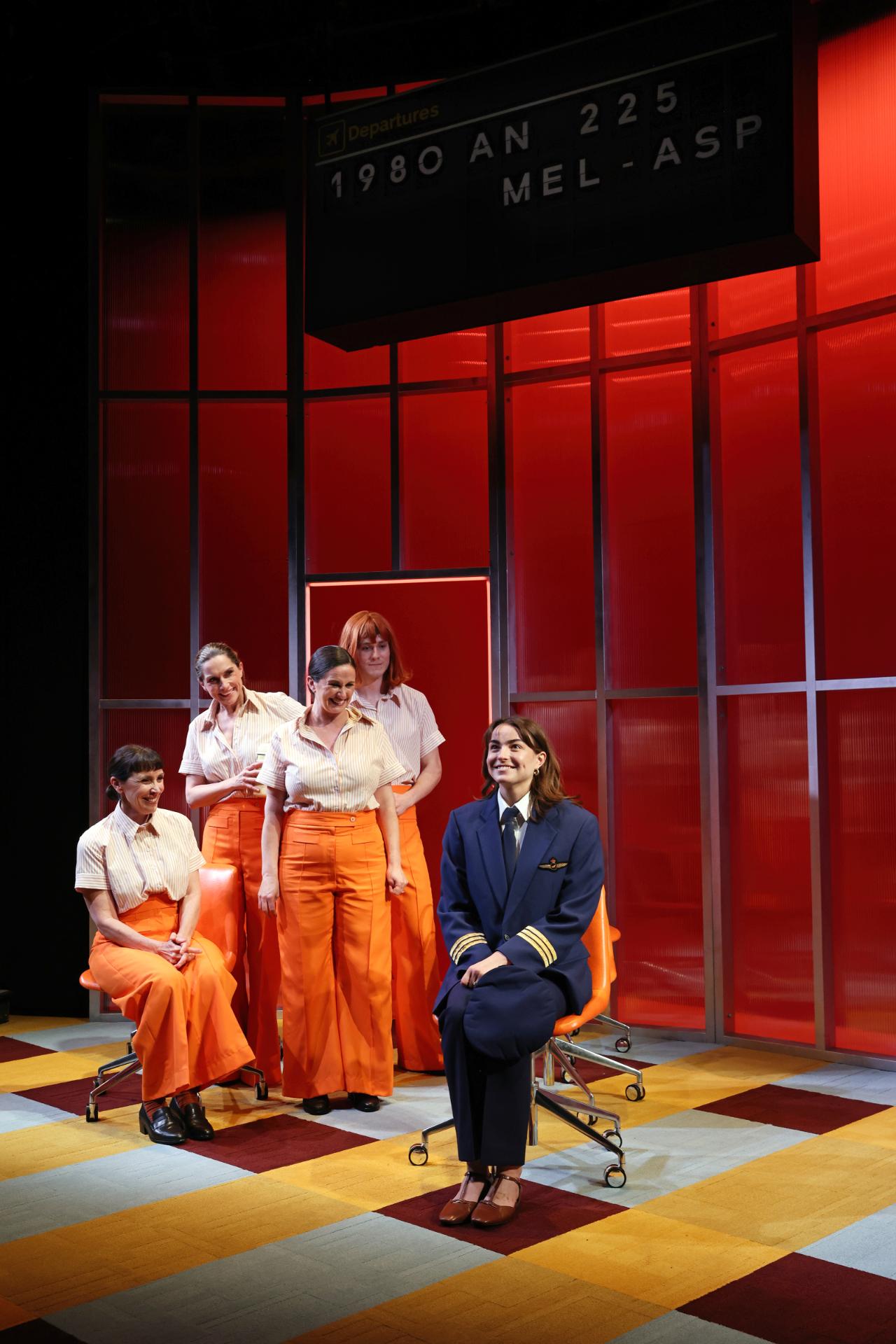
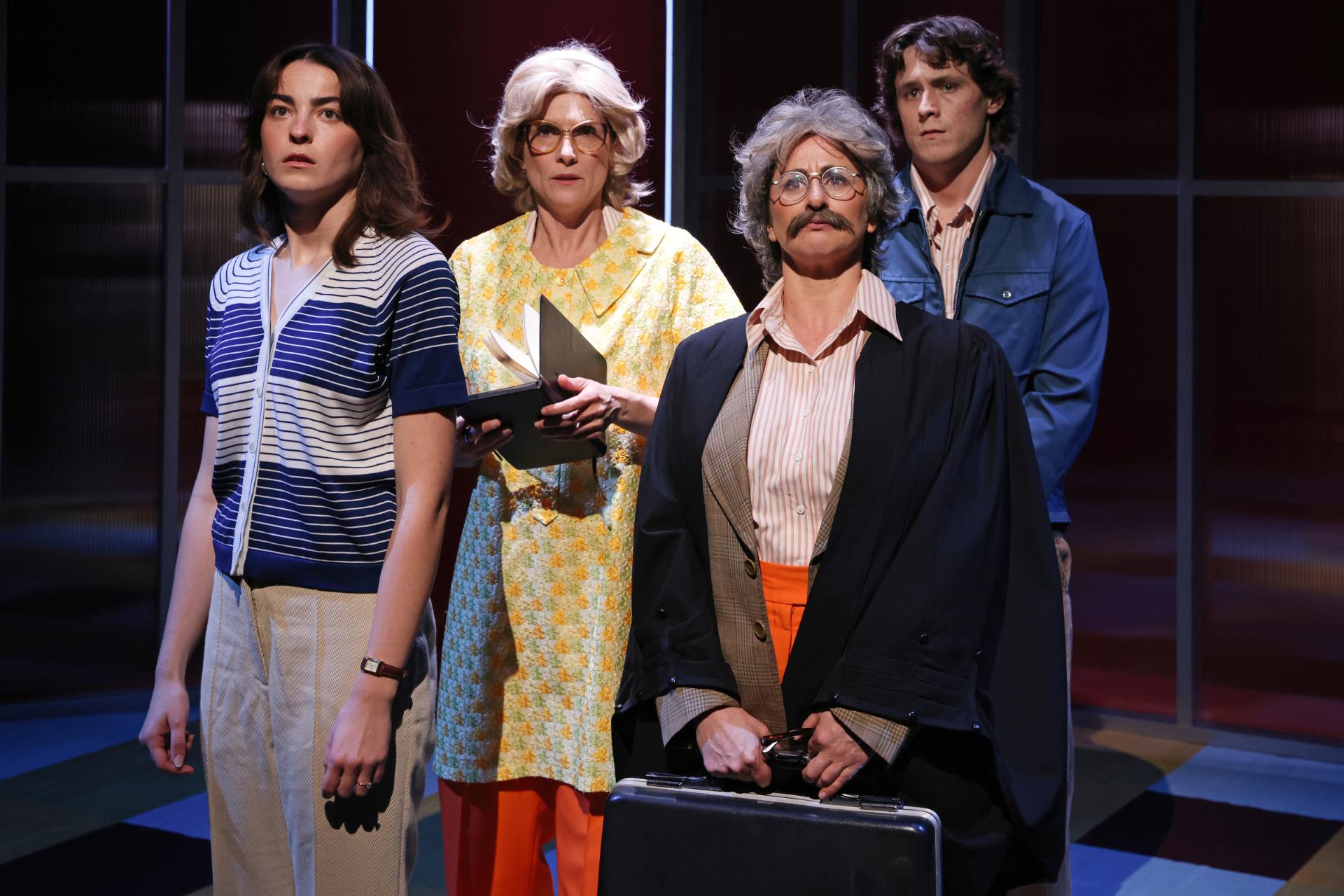
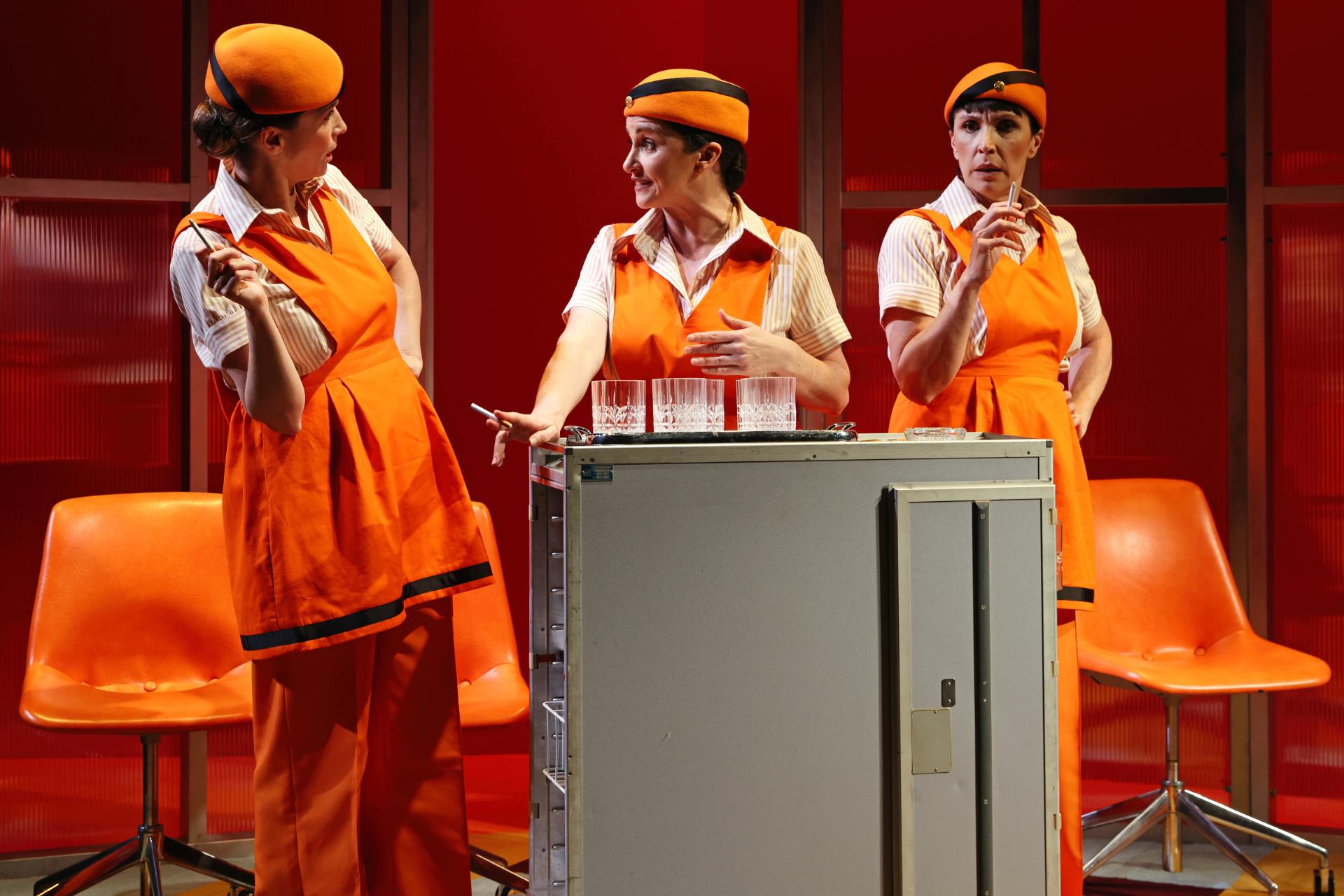
At a pivotal moment in the production, Lord Orlando becomes Lady Orlando, and with this transformation, questions of gender and identity are revealed as the very axis of Carissa Licciardello and Elsie Yager’s adaptation of Virginia Woolf’s 1928 novel Orlando: A Biography. Shortened simply to Orlando, the work preserves the fantastical spirit and poetic sweep of Woolf’s novel, though some of its intellectual density seems to have dissipated in translation to the stage.

Its inquiries into sexism, while sincere, often feel suspended in the past, unable to reproduce the startling contemporaneity of Woolf’s text. At times, gender is rendered too simplistically in Licciardello’s direction. Yet the injustices faced by Lady Orlando—most notably the loss of property and wealth on account of her sex—remain a compelling anchor, ensuring the adaptation retains a measure of significance.
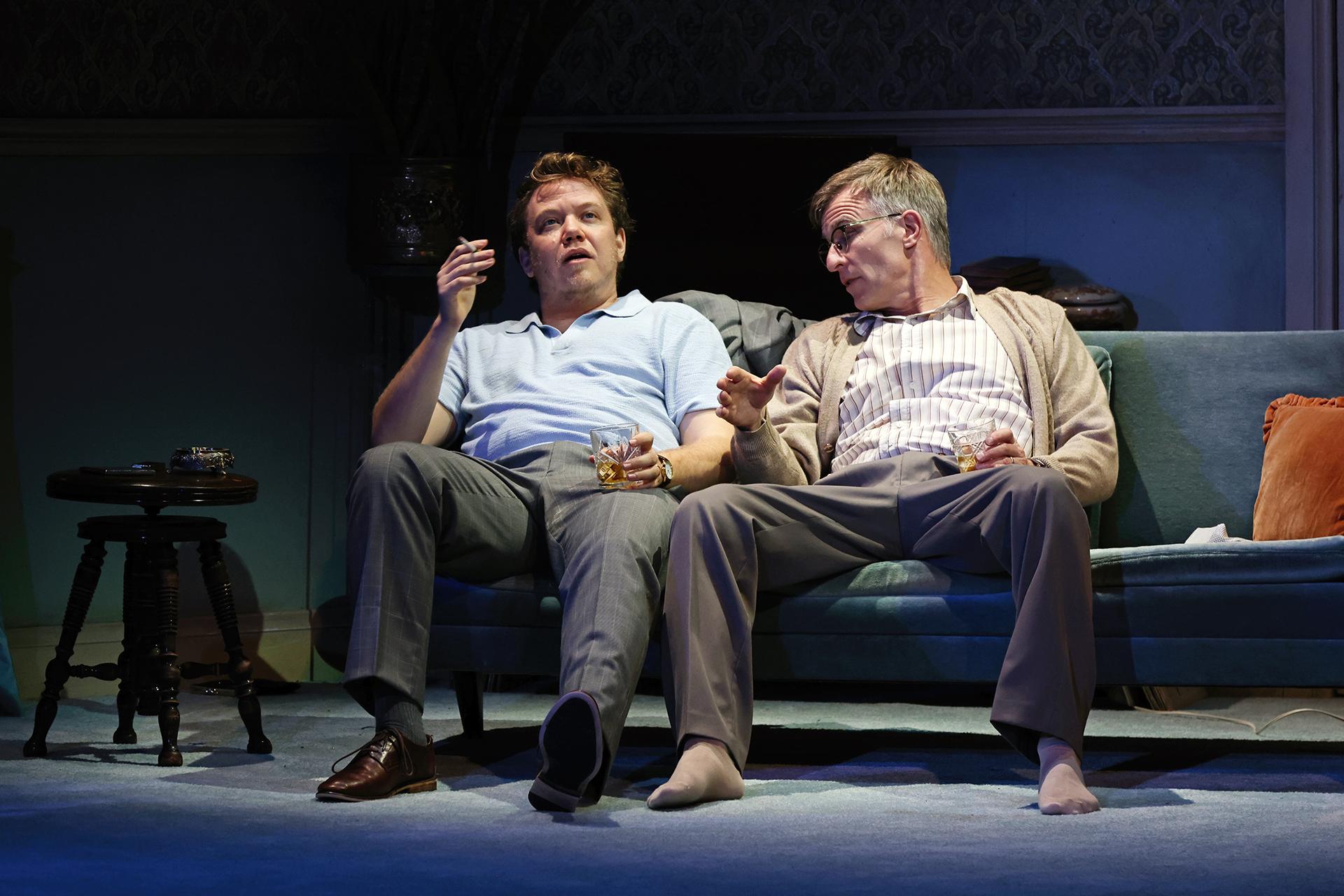
Given the scale of wealth under examination, the staging never quite achieves the level of opulence one might anticipate. David Fleischer’s set design is restrained yet elegant, while Nick Schlieper’s lighting adds welcome layers of drama. It is Ella Butler’s costumes, however, that most vividly conjure the dreamlike luxury of Orlando’s world, complete with outrageous wigs that deliver a sense of theatrical extravagance.

A delightful ensemble of seven performers leads us through this centuries-spanning odyssey. Remarkably, four different actors step into the role of Orlando at various stages of the story. Shannen Alyce Quan lends the character a quiet intensity, infusing Woolf’s poetic language with luminous clarity. Janet Anderson brings striking beauty to Orlando’s first feminine incarnation, and later proves irresistibly funny in a string of smaller roles. Equally memorable is Amber McMahon, regal and commanding as Queen Elizabeth, then deliciously camp as a seventeenth-century suitor.

The impermanence of identity underscores the endlessly shifting nature of what we call reality. This is not to say that categories like gender and sex lack meaning—on the contrary, they are among the most powerful forces shaping how we move through the world. Their paradox is that they remain fluid and insubstantial, yet exert a power that orders our very existence. It is precisely this tension, between mutability and determinism, that compels us to always return to them in endless questioning.

www.belvoir.com.au

Review: Life Is A Dream (25A Belvoir)

Venue: Belvoir St Theatre (Surry Hills NSW), Sep 2 – 21, 2025
Playwright: Claudia Osborne (after Pedro Calderón de la Barca)
Directors: Claudia Osborne, Solomon Thomas
Cast: Thomas Campbell, Mark Lee, Shiv Palekar, Essie Randles, Shikara Ringdahl, Ariadne Sgouros, Ariyan Sharma
Images by Phil Erbacher

Theatre review
For his entire life, 22-year-old Segismundo has been confined to a room, conditioned by Astolfo’s daily refrain that he is “dangerous and destructive, but not in this room.” Claudia Osborne’s Life is a Dream, inspired by Pedro Calderón de la Barca’s 1636 masterpiece, reimagines this tale of captivity and destiny for a contemporary audience. The production balances quirky charm and moments of playful wonder with a grounded exploration of the human condition. Osborne’s version points to the enduring dictum that our choices carry consequences, and that, ultimately, we reap what we sow.

Under the direction of Osborne and Solomon Thomas, Life is a Dream achieves a rare balance. Its offbeat humour keeps the work buoyant and unpredictable, while its underlying seriousness lends the production weight and resonance. The staging stands out for its distinctive style and inventive sensibility, which not only sustain engagement but also encourage the audience to grapple with its themes while remaining open to curiosity.

Ariyan Sharma shines as Segismundo, capturing a sheltered innocence that feels wholly authentic while subtly conveying the hidden truths his character has yet to grasp. He is a thoroughly endearing presence, remarkable for an artistry that combines keen intellect with expressive physicality. Thomas Campbell’s Astolfo brings tension and intrigue, his clever rendering of ambiguity opening up a world of imagined backstories that lead to this extraordinary moment. The rest of the cast add layers of psychological complexity and emotional richness, and together their chemistry transforms Life is a Dream into a fully immersive and enthralling theatrical experience.

Set and costume design by Cris Baldwin evokes a contemporary space, grounded in a sense of normalcy that keeps the audience connected to the action. Kelsey Lee’s lighting and Madeleine Picard’s sound design weave the atmosphere with quiet finesse, lending the production an elegant rhythm that draws us deeper into the story and the emotional lives of its characters.
This updated Life is a Dream resonates as a warning: when we withhold kindness from those over whom we hold power, it is our own cruelty that breeds further cruelty. Amidst all the political turmoil of 2025, we are compelled to approach this centuries-old tale not with innocence, but with clear eyes, aware of the dangers we continue to create, and the responsibility we bear to break these tragic cycles.

www.belvoir.com.au | www.fervour.net.au | www.regroupperformancecollective.org

Review: How To Plot A Hit In Two Days (Ensemble Theatre)

Venue: Ensemble Theatre (Kirribilli NSW), Aug 29 – Oct 11, 2025
Playwright: Melanie Tait
Director: Lee Lewis
Cast: Amy Ingram, Genevieve Lemon, Seán O’Shea, Georgie Parker, Julia Robertson
Images by Brett Boardman

Theatre review
It is 1985, and a key cast member is departing the high-rating Australian soap opera A Country Practice. The writers are tasked with making sense of her exit, not only for themselves as creatives deeply entwined with the show, but also for a public profoundly invested in its characters. How to Plot a Hit in Two Days by Melanie Tait is a charming reimagining of the delicate machinery behind one of the era’s most unforgettable television moments. The play beautifully captures the intricacies of artistic collaboration, resonating with anyone curious about the creative process. Yet its heavy reliance on a very particular vein of cultural nostalgia risks alienating contemporary audiences less familiar with that history.

Direction by Lee Lewis yields a staging memorable for the impeccable chemistry of its ensemble. With five richly detailed and impassioned performers—Amy Ingram, Genevieve Lemon, Seán O’Shea, Georgie Parker, and Julia Robertson—the production seizes our attention from the outset and holds us firmly in its grasp throughout. Ingram’s portrayal of ex-jailbird Sharon is particularly winning, her brusque humour shaping much of the production’s tone.

The design is stripped to its essentials, fitting for a work that demands little ornamentation. Simone Romaniuk’s set and costumes reflect the utilitarian realities of artistic work, while Brockman’s lighting and Paul Charlier’s music recede gracefully into the background, surfacing only now and then to deliver moments of flourish.
Only in recent years have we begun to reckon with the fact that we call Australia is not, and never was, a monolith. The twentieth century was steeped in assimilationist ideology, shaped by values imposed by a white patriarchy that governed not only our daily lives but also our very understanding of reality. In 1985, it seemed entirely reasonable to assume that the whole nation might gather around the same television program. Today, we can scarcely agree on the story of how modern life on these lands was forged.

www.ensemble.com.au

Review: The Unreal Housewives Of The Gold Coast (The Grand Electric)

Venue: The Grand Electric (Surry Hills NSW), Aug 26 – 30, 2025
Writer: Trent Owers
Music & Lyrics: Matthew Predny
Director: Tess Hill
Cast: Michael Boyle, Tracie Filmer, Elise Greig, Bebe Gunn, Nick Hardcastle, Naomi Leader, Rhea Robertson, James Vidigal
Images by

Theatre review
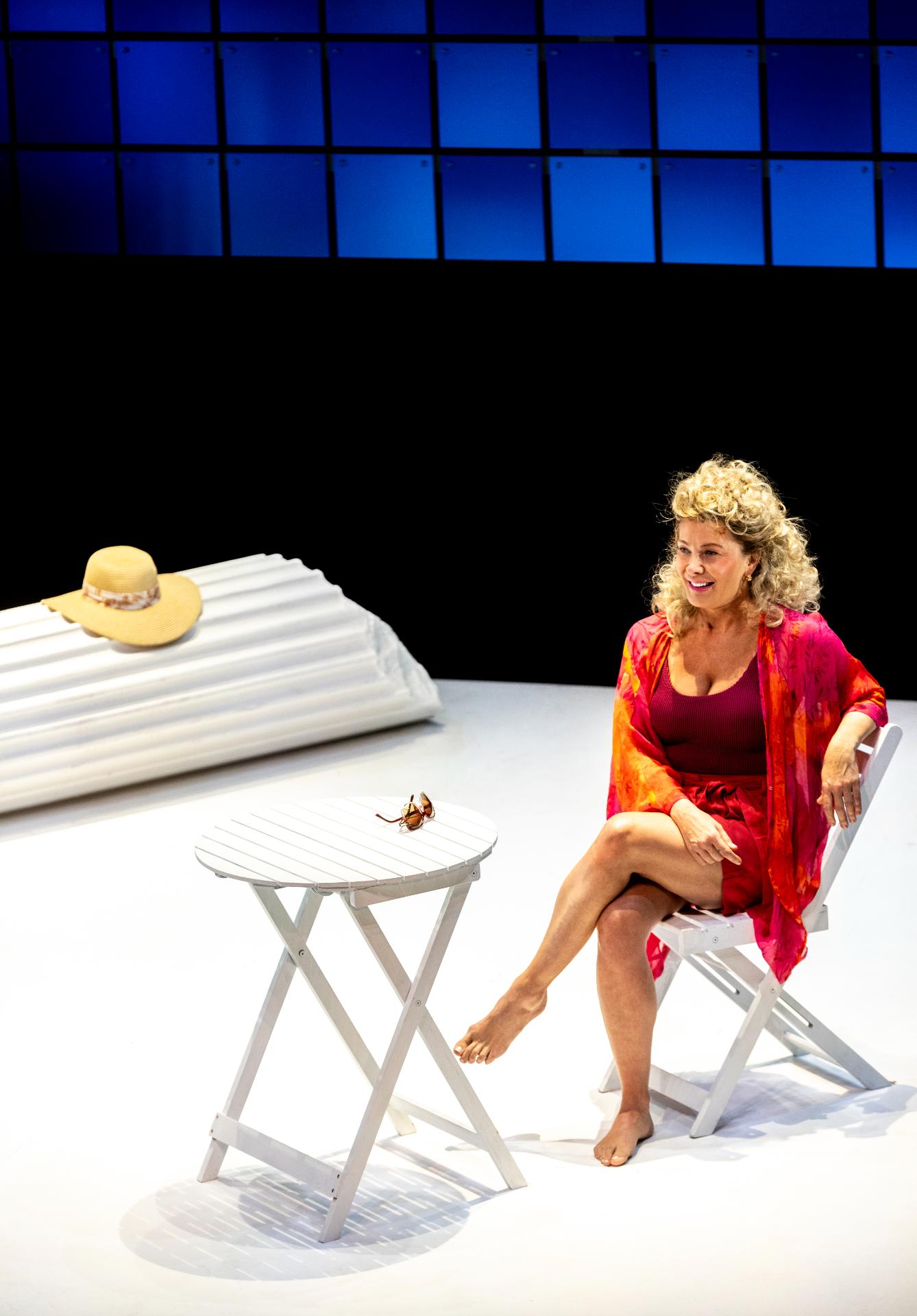
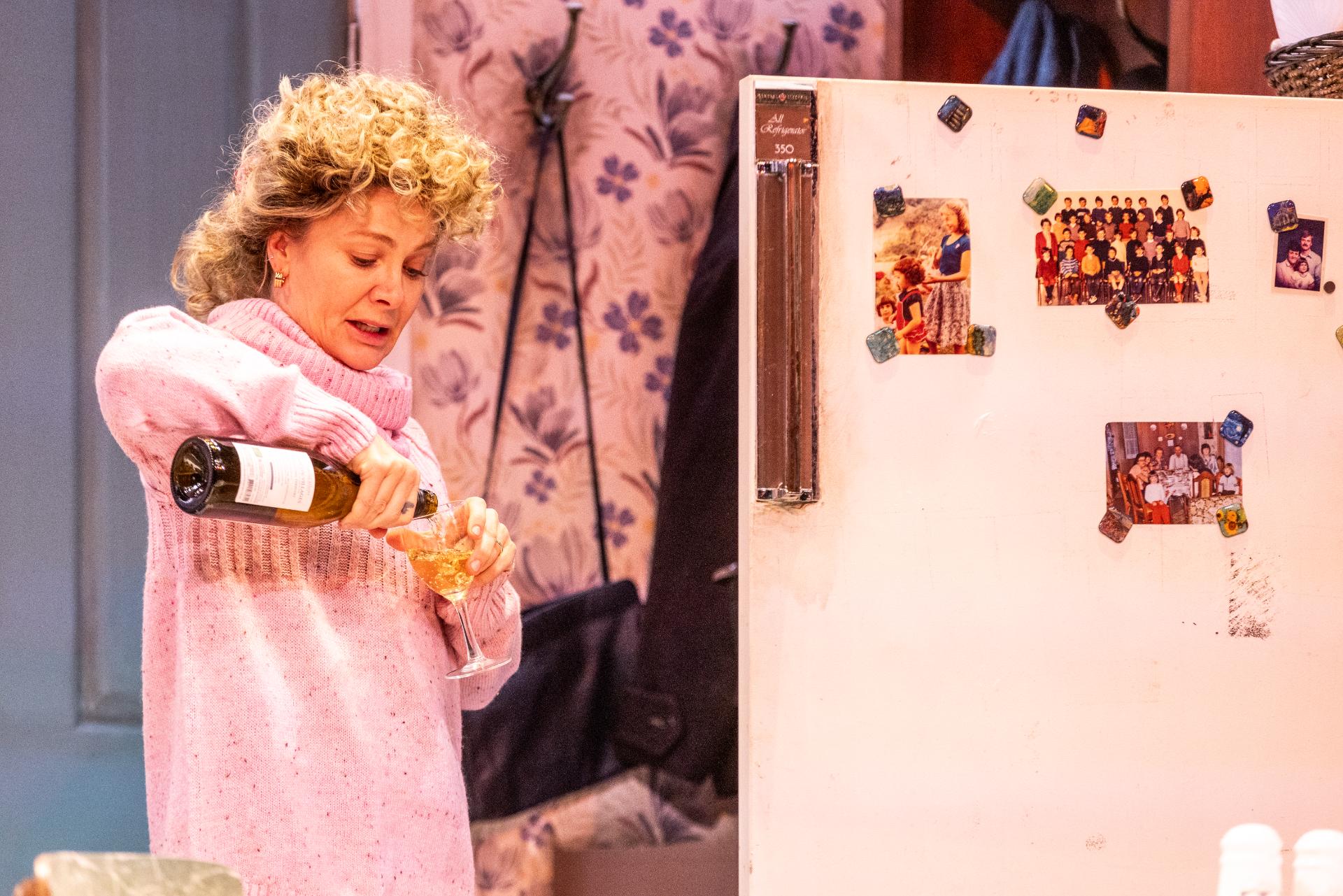
The phenomenon of the Real Housewives television franchise began 19 years ago, and continues to thrive stronger than ever. Trent Owers’ musical lampoon The Unreal Housewives of the Gold Coast situates us at the reunion taping of a wholly imagined Australian chapter of the iconic reality empire. The concept is strong, particularly for the legions of fans of the ever-more ubiquitous brand, but weak writing undermines the comedy, leaving it short of its promise.

While direction by Tess Hill is appropriately vivacious, the humour proves strained and ungainly, and the faltering production values compound the show’s shortcomings. Performer Rhea Robertson is a saving grace, imbuing the part of Skye Headbrow with subtlety and a finely calibrated sense of timing that speaks to her confidence. Tracie Filmer leaves a strong impression with her singing in the role of Dianee White, momentarily elevating the staging through her accomplished musicianship.

Often dismissed as a guilty pleasure, the Real Housewives programmes remain virtually unique in foregrounding the lives of middle-aged women on their own terms, rather than tethering their identities exclusively to husbands and offspring. While it is regrettable that the characters are consistently framed by rivalry and strife, we are nonetheless afforded glimpses of them as powerful, self-possessed, and masters of their own fates.

www.instagram.com/theunrealhousewivesgc

Review: The 39 Steps (Sydney Opera House)

Venue: Sydney Opera House (Sydney NSW), Aug 8 – 30, 2025
Playwright: Patrick Barlow (from the John Buchan novel, and the Alfred Hitchcock movie)
Director: Damien Ryan
Cast: David Collins, Shane Dundas, Lisa McCune, Ian Stenlake
Images by Cameron Grant

Theatre review
Richard is a man on the run, falsely accused of murder. The 39 Steps is best known as Alfred Hitchcock’s wryly funny 1935 film, adapted from a 1915 adventure-thriller novel. Patrick Barlow’s 2005 stage adaptation transforms the story into a fully comedic work, frequently referencing the movie version to create a postmodern take on the century-old title.

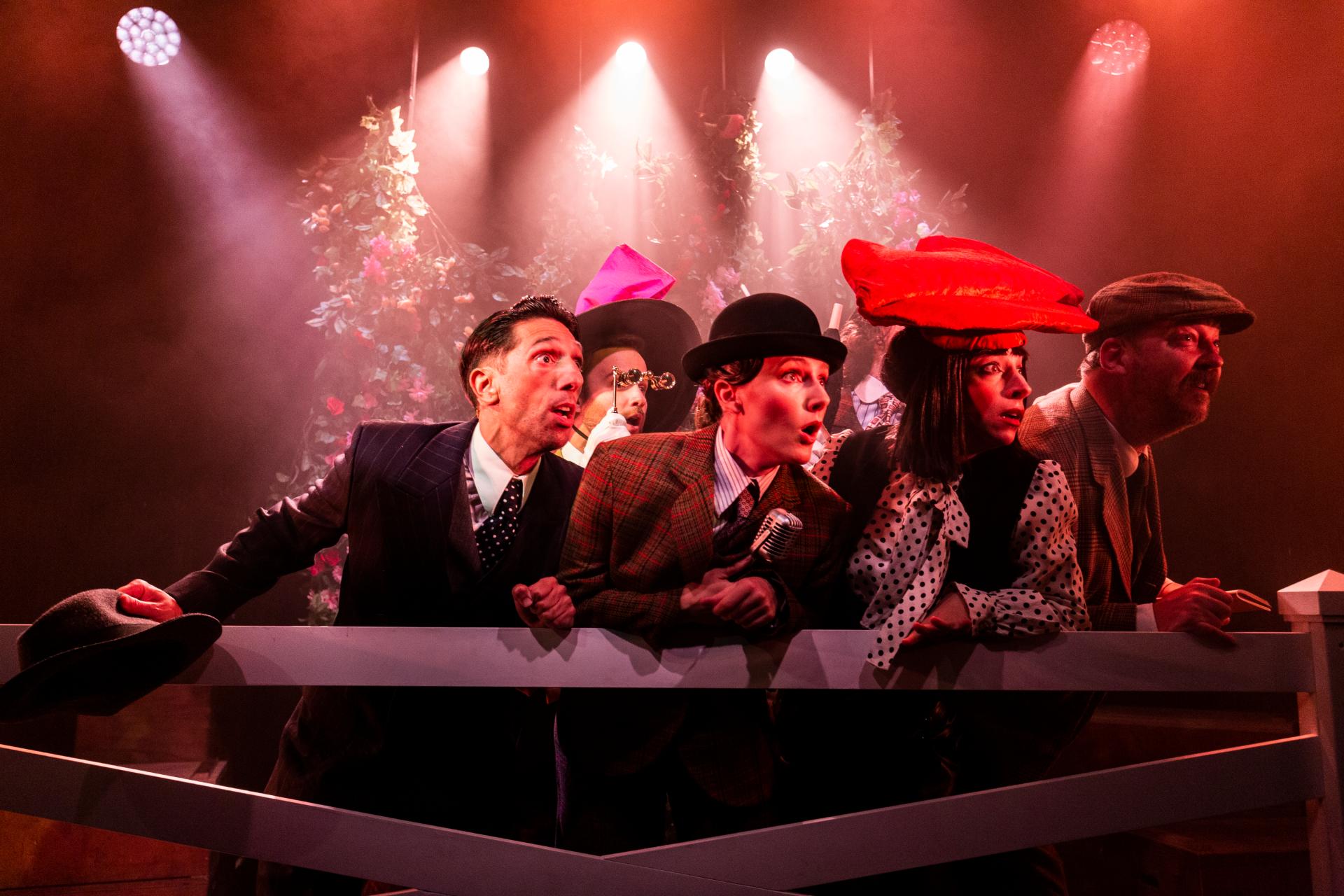
Director Damien Ryan embraces all the parody and pastiche, delivering a bold and extravagant farce, though the nonstop jokes lack the crispness needed to fully land. The production is visually striking, with James Browne’s sets and costumes impressing through their ambitious scale and refined aesthetic. Lights by Matthew Marshall are commensurately sumptuous, and highly evocative in this monochromatic tribute to early filmmaking. Music and sound by Brady Watkins are full of dynamism, adept at sustaining energies, even when the laughs begin to feel laboured.

Actor Ian Stenlake embodies the leading man with commendable dedication, though he exhibits some limitations in agility for a production characterized by its vigorous intensity. Lisa McCune performs multiple roles with skill and accuracy, bringing a level of refinement to a show that easily spirals out of control. David Collins and Shane Dundas, best known collectively as The Umbilical Brothers, make their trademark humour a distinctive feature of the staging, which ultimately detracts from the overall experience. The pair is unequivocally accomplished, but the narrative momentum is hindered by the production’s insistence on highlighting their expertise.

Humour is inherently subjective. Understanding what makes something funny demands an examination of the milieu from which it stems. While we may live in multicultural societies, much of the artistic output—even in the twenty-first century—remains resolutely monocultural. As a result, for many of us in minority communities, witnessing widespread laughter can often feel nothing short of confounding.

www.the39steps.com.au

Review: Werkaholics (25A Belvoir)

Venue: Belvoir St Theatre (Surry Hills NSW), Jul 29 – Aug 17, 2025
Playwright: Vivian Nguyen
Director: Nicole Pingon
Cast: Ruby Duncan, Georgia Oom, Shirong Wu
Images by Lucy Parakhina

Theatre review
As an influencer, Lilian is bombarded with conflicting signals about her worth. Each piece of digital content that earns her praise also draws criticism for perceived narcissism. In contrast, Jillian, a struggling actor, endures relentless rejection and financial hardship, yet is considered to be leading a life of apparent integrity. Capitalism is the problem, in Vivian Nguyen’s Werkaholics, a play about two Asian-Australian women who can do nothing right. We watch Lilian and Jillian try to attain success, by following various prescribed methods, only to find the rulebook turning against them.

Werkaholics is a clever and exuberant piece of writing that although tends too often to turn convoluted, offers a thoughtful meditation on modern economics in an era defined by digitised social life and the unprecedented commodification of the personal. Direction by Nicole Pingon is memorable for a charming and irreverent playfulness, that allows us to regard the feminist message in a commensurately subversive, and distinctly queer, manner. The show is one that practises what it preaches.

Set and costumes by Ruby Jenkins are rendered with a simplicity that foregrounds the female bodies that tell a story about worth and exploitation. Video projections by Harrison Hall and Daniel Herten offer seamless enticements into realms of artifice, while lights by Frankie Clarke convey emotional complexity. Music and sound by Christine Pan imbue a charged atmosphere, heightening tension in both its comedic and dramatic turns.
Georgia Oom as Lilian and Shirong Wu as Jillian form a compelling duo, drawing us into a sharp interrogation of social structures marked by deep-rooted injustices along lines of gender and race. Each performer radiates infectious energy, leaving a lasting impression with the bold effervescence they bring to the stage. Ruby Duncan is effective as Sage, a duplicitous character who personifies the sinister hypocrisy of those intent on preserving entrenched institutions that profit from marginalisation and exclusion.
Many of us participate in systems that ultimately work against our own interests, simply because they often represent the only means we know to survive. Indeed, their stratagem involves projecting a sense of inevitability, as it conceals the subterfuge of deplorable injustices. Some believe that we can alter its machinations while operating within it. Others argue that history shows how little meaningful change is effected without radical tactics. In any case, we need to be unafraid of disruption and continue finding new ways to create change, believing that every impact, big or small, will contribute to a consequential resistance that moves us toward something better.

www.belvoir.com.au | www.purpletapeproductions.com

Review: Grief Is The Thing With Feathers (Belvoir St Theatre)

Venue: Belvoir St Theatre (Surry Hills NSW), Jul 26 – Aug 29, 2025
Playwrights: Simon Phillips, Nick Schlieper, Toby Schmitz (from the novel by Max Porter)
Director: Simon Phillips
Cast: Philip Lynch, Fraser Morrison, Toby Schmitz
Images by Brett Boardman

Theatre review
Recently widowed, a scholar finds himself utterly lost, adrift in grief. As a specialist in the work of Ted Hughes, it is perhaps inevitable that a crow—the most iconic figure in Hughes’ oeuvre—should appear, inserting itself into his life as companion and surrogate. Based on the novel by Max Porter, Grief Is the Thing with Feathers captures with striking authenticity both the frustrating stasis and the slow, almost imperceptible progress that inevitably accompanies bereavement.

Adapted for the stage by Simon Phillips, Nick Schlieper, and Toby Schmitz, this transposition pulses with an aggressive rhythm and a tonal grandeur that echoes both the literary references and the visceral experience of sorrow and despair. There is a regrettable emotional distance in its delivery, yet the sheer theatrical ambition of this reimagining of Porter’s novel remains undeniably impressive.

Phillips’ direction is boldly imaginative, capturing the poetic chaos of the widower’s interactions with the crow in a production that is truly dazzling for the senses. Video design by Craig Wilkinson, along with illustrations by Jon Weber, form a highly evocative element of the staging, especially useful in bringing to life its supernatural dimensions. Schlieper’s lighting is endlessly creative and exquisitely beautiful, masterfully evoking a universe of shifting realms. Sound by Daniel Hertern and music by Freya Schack-Arnott add immeasurable power, in their dynamic auditory renderings of this surrealist presentation. 
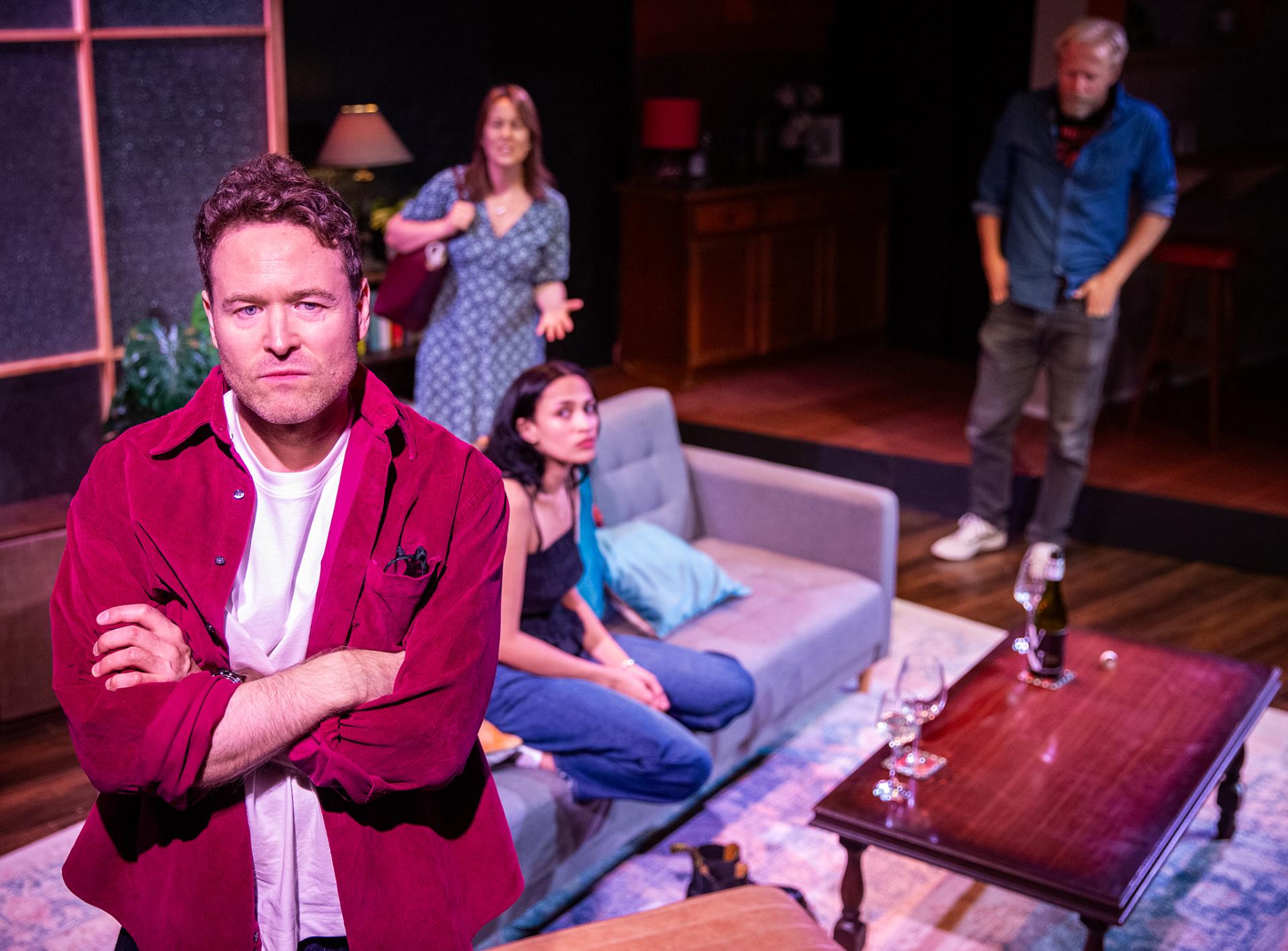
The widower is played by Schmitz who proves himself a commanding leading man, and a detailed artist who encourages us to regard the work with curiosity and discernment. As his young sons, Philip Lynch and Fraser Morrison deliver wonderfully spirited performances, injecting a vital effervescence into a production that might otherwise risk becoming overly sombre.
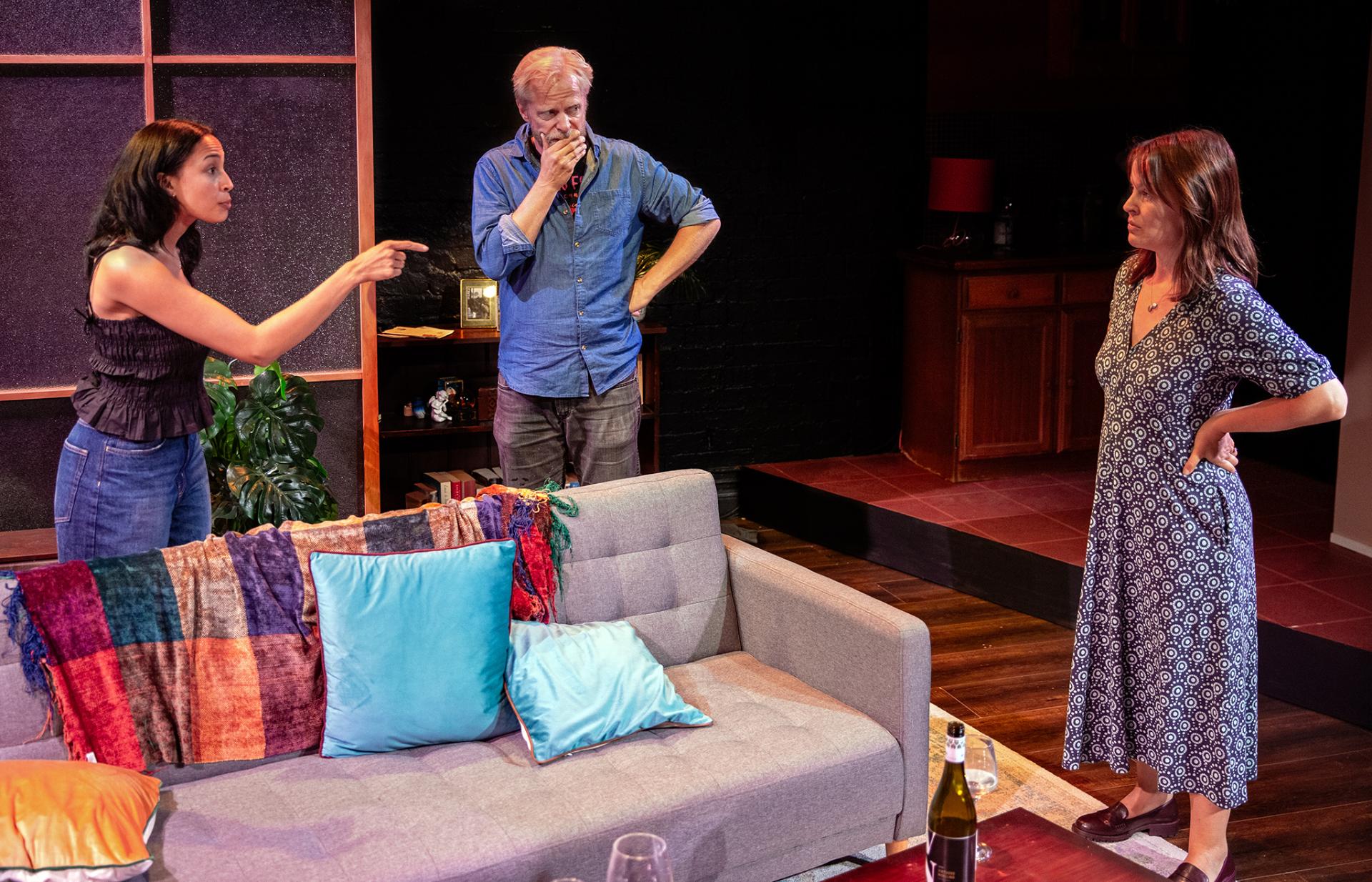
Grief is rarely a constant emotional state, but it can leave a lasting imprint, reshaping a person’s disposition into something permanently shadowed. While there are steps one might take to prevent such a descent, the most enduring strategy is often to weather the storm, trusting that its force will eventually subside. It can be a sad thought that those we have lost might one day be forgotten, but there comes a time when their memory must be gently placed in the recesses of the mind, to make room for living.

www.belvoir.com.au | www.andrewhenrypresents.com