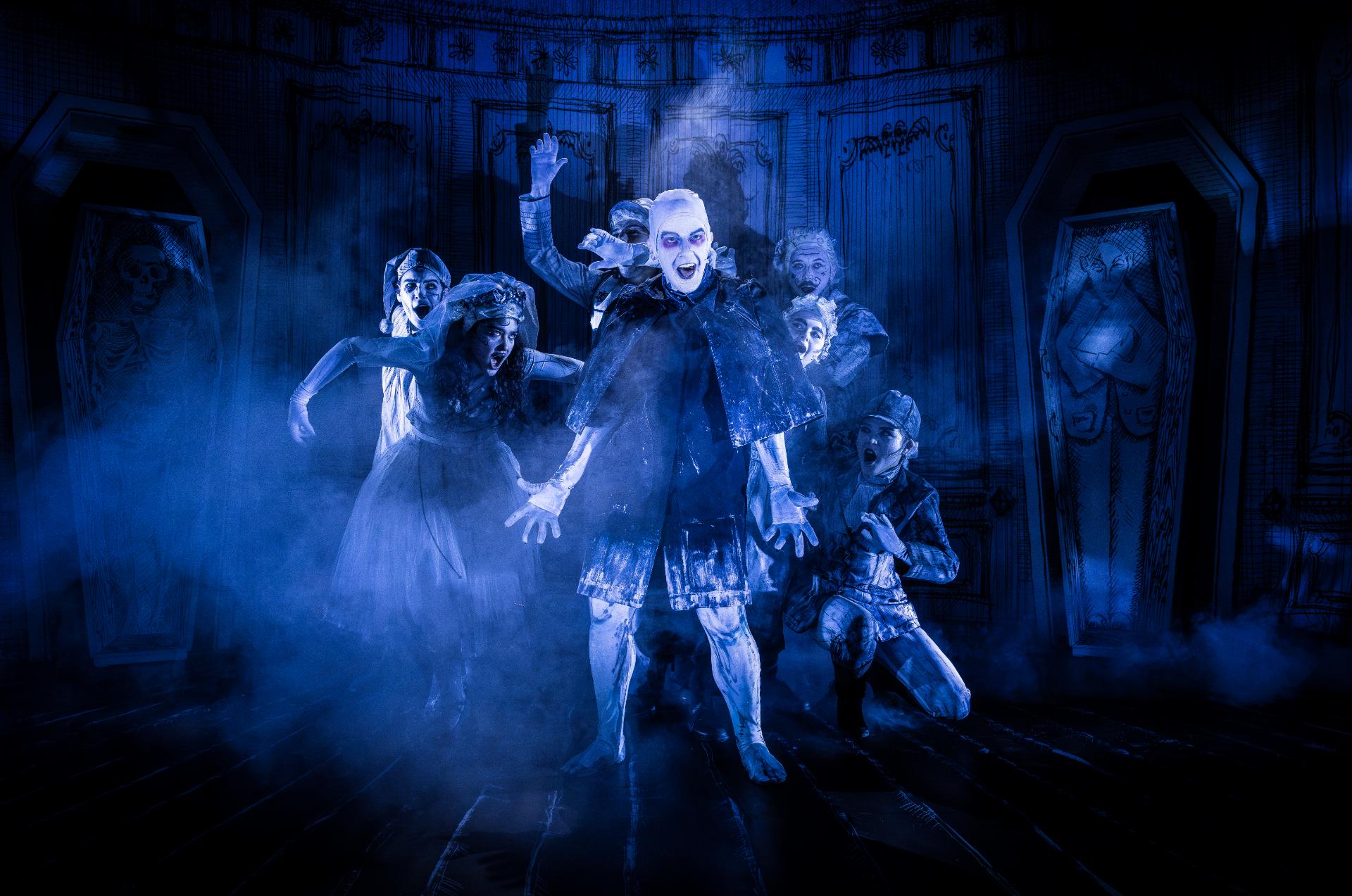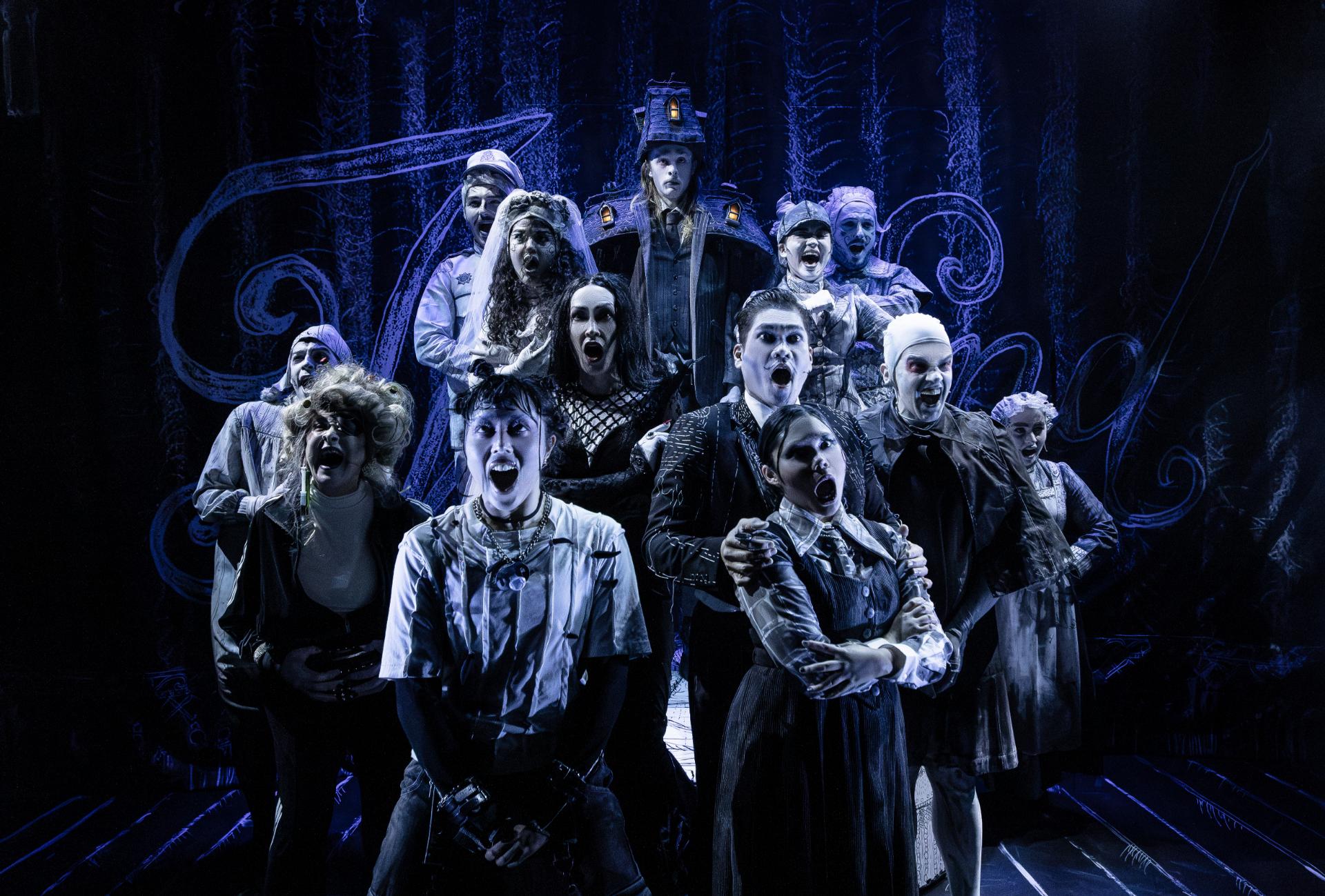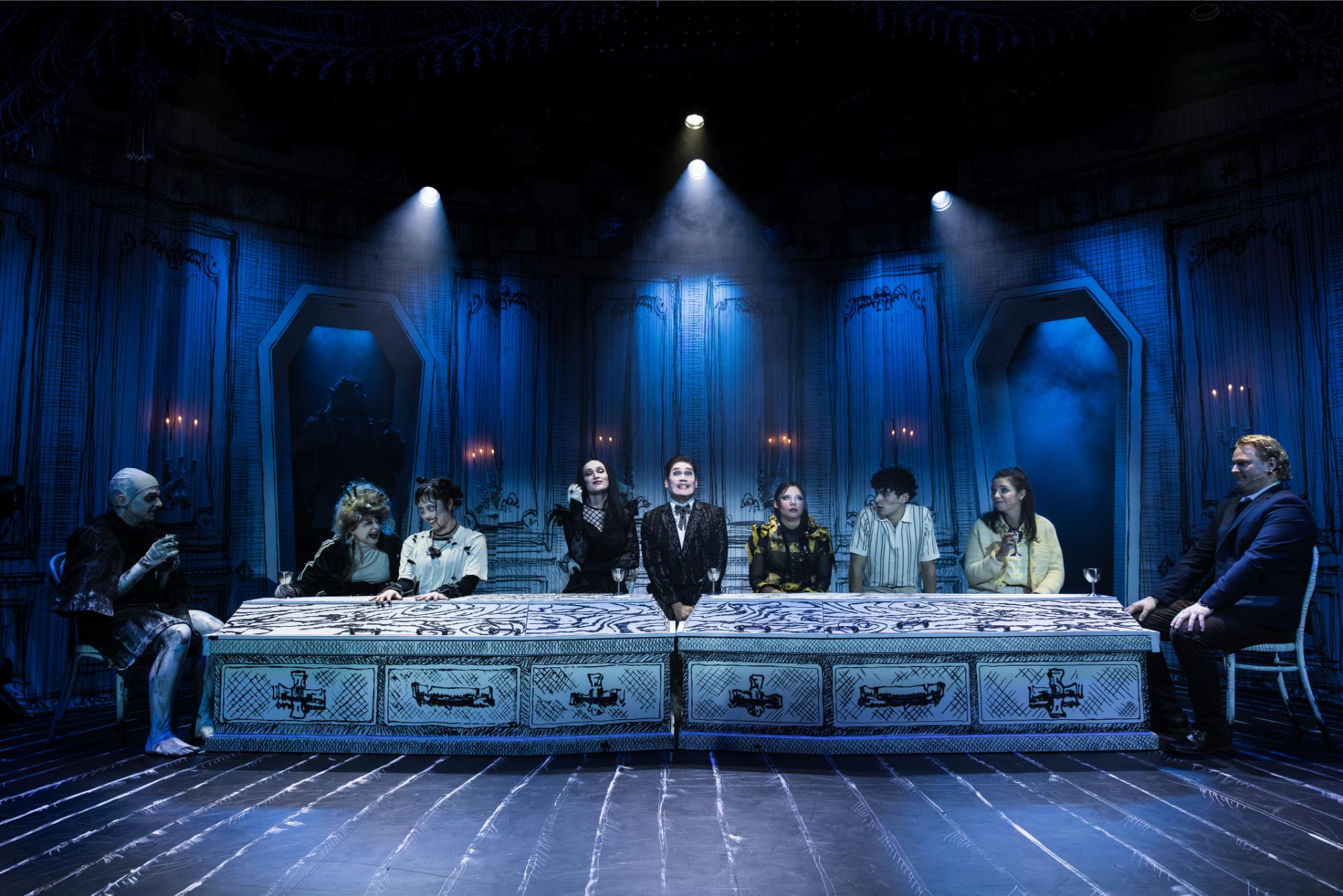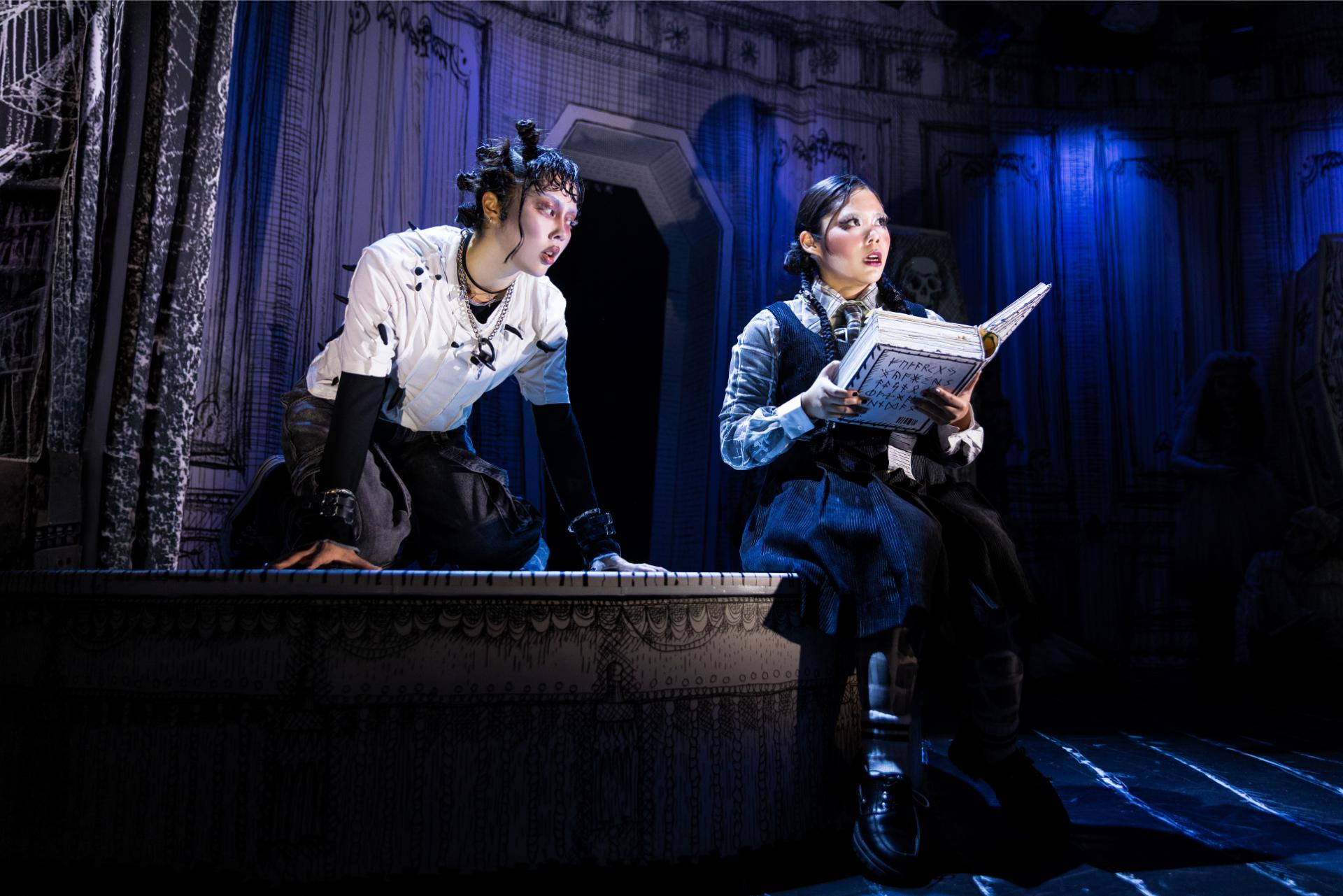
Review: My Brilliant Career (Sydney Theatre Company)

Venue: Roslyn Packer Theatre (Sydney NSW), Mar 21 – May 3, 2026
Book: Sheridan Harbridge, Dean Bryant (from the Miles Franklin novel)
Music: Mathew Frank
Lyrics: Dean Bryant
Director: Anne-Louise Sarks
Cast: Cameron Bajraktarevic-Hayward, Melanie Bird, Lincoln Elliott, Victoria Falconer, Kala Gare, Raj Labade, Drew Livingston, Ana Mitsikas, Christina O’Neill, Jarrad Payne, Jack Green, and Meg McKibbin.
Images by Pia Johnson

Theatre review
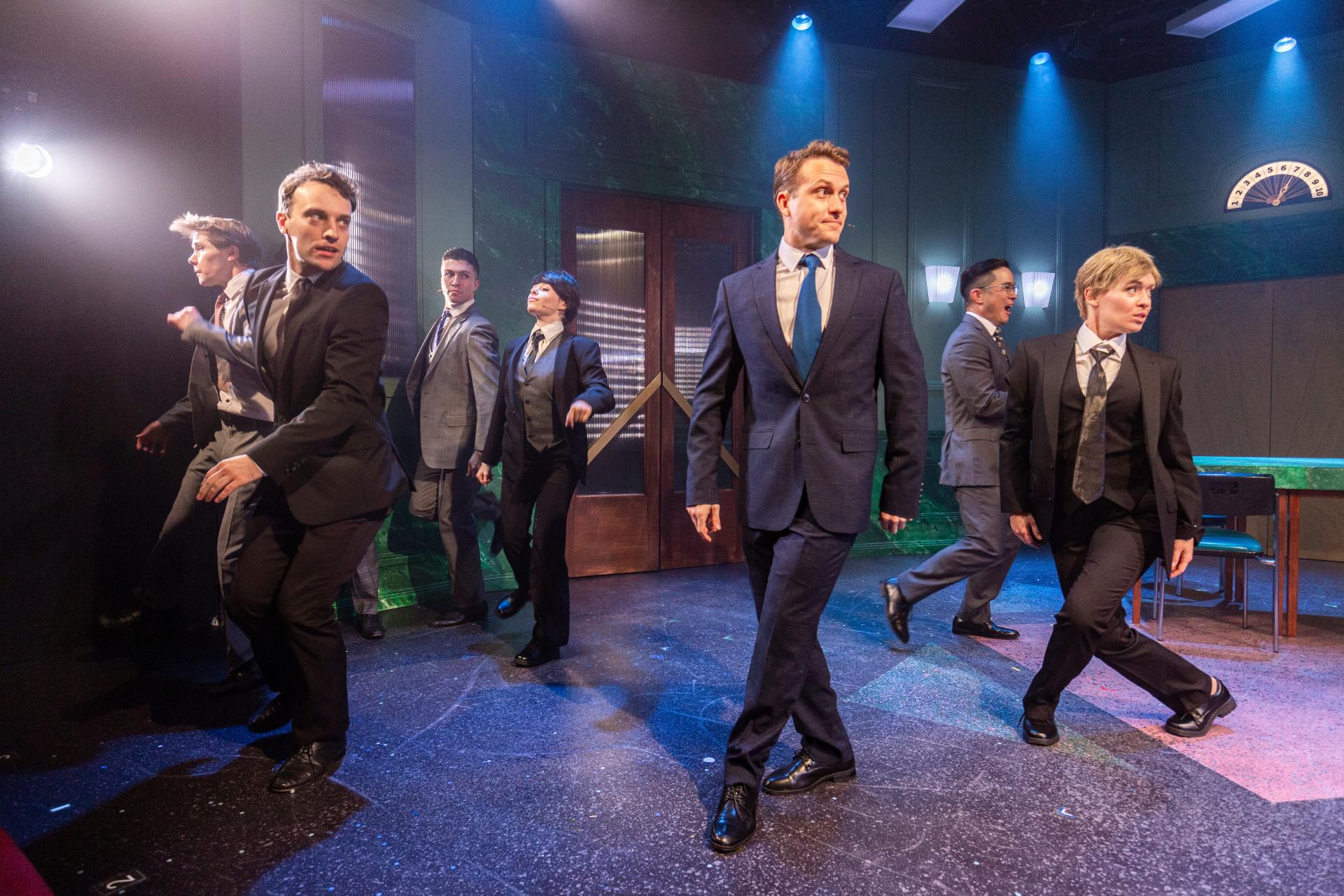
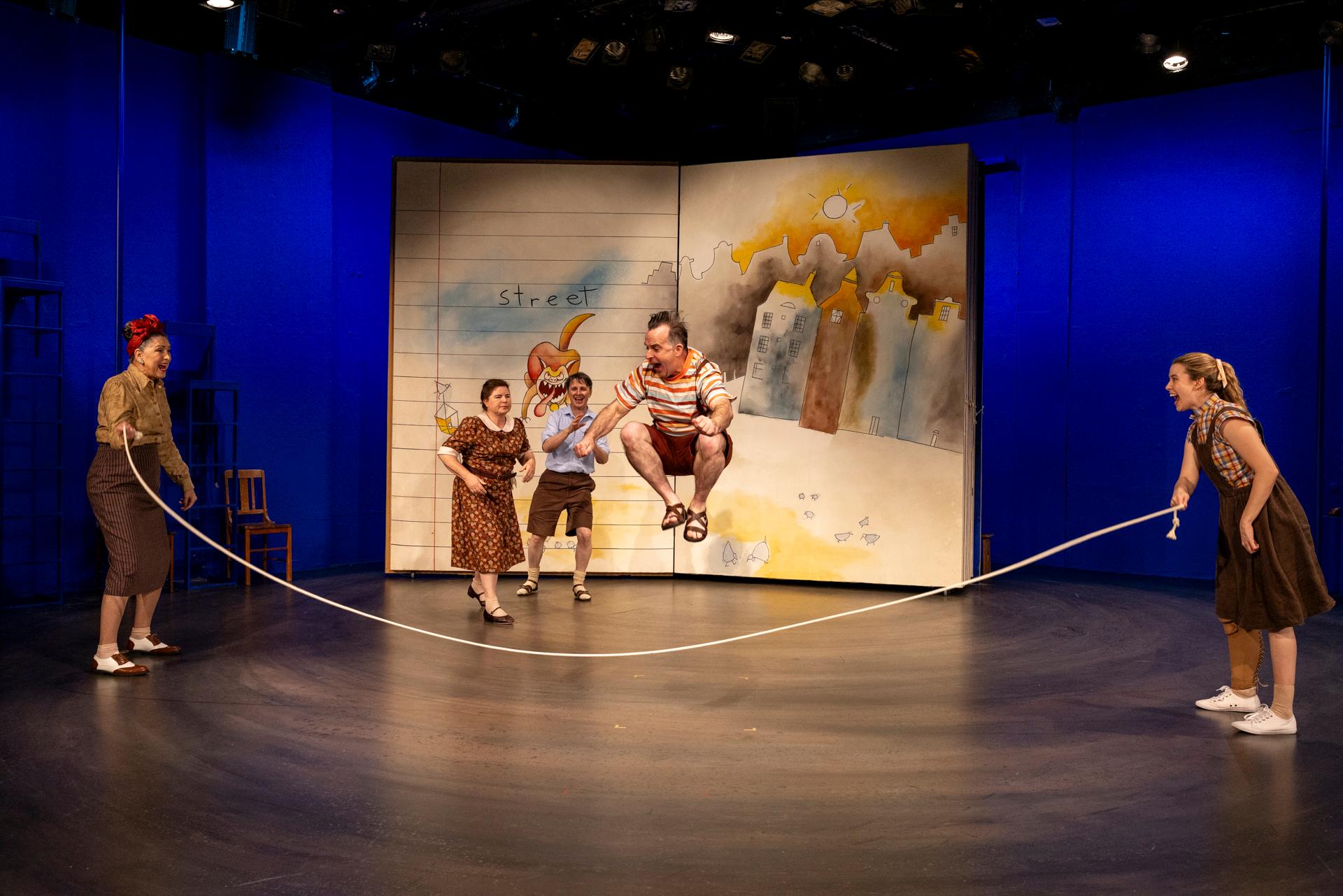
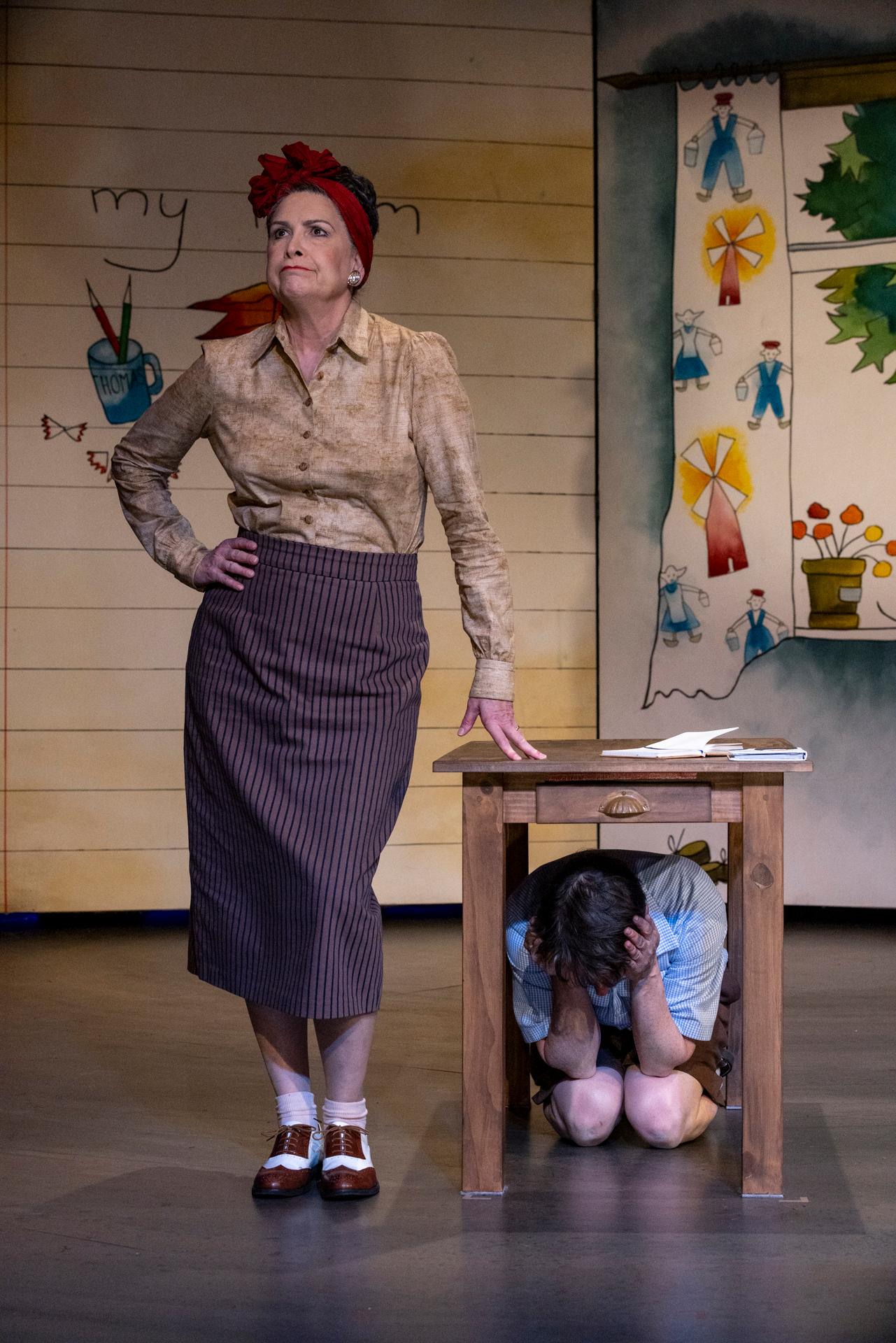
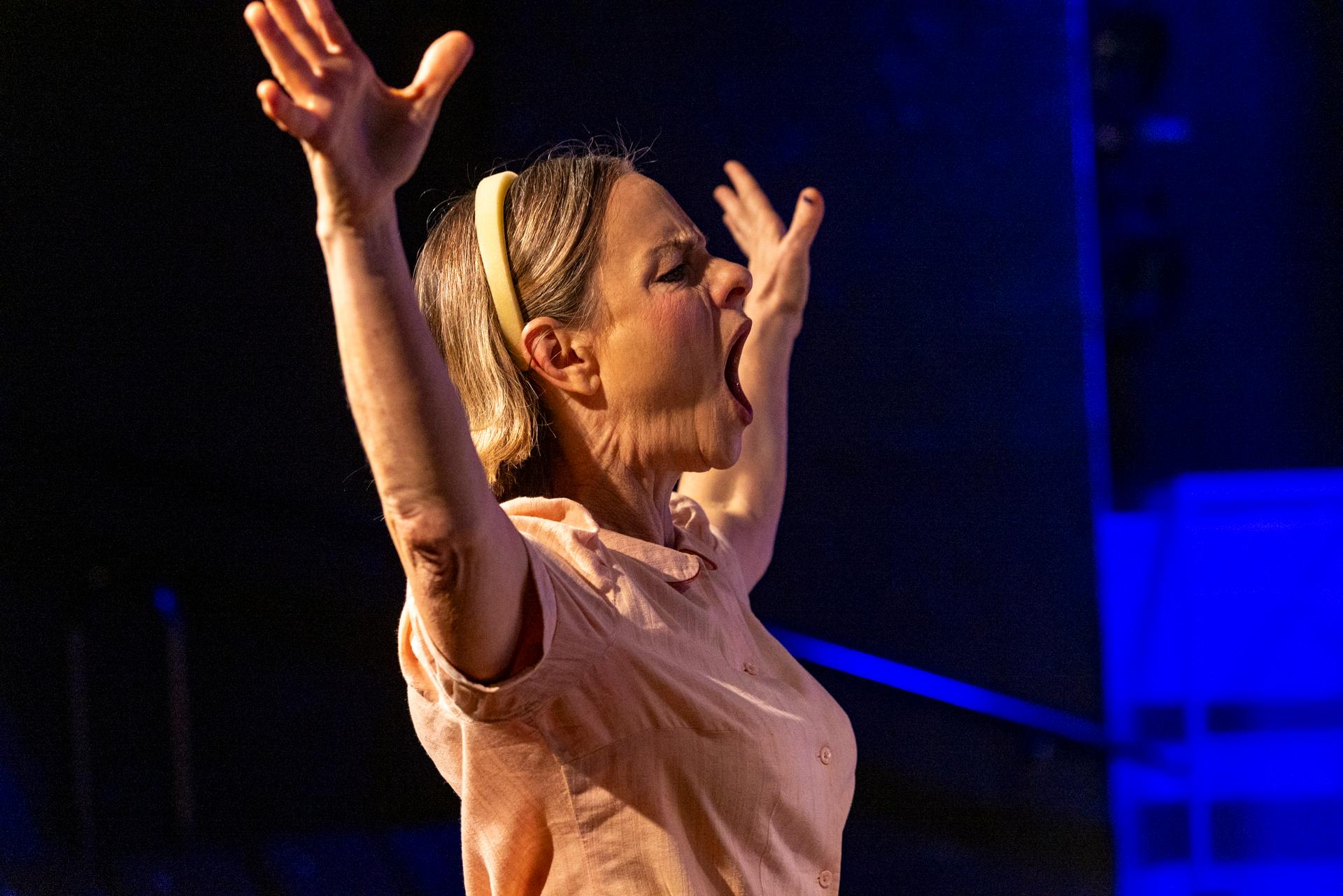
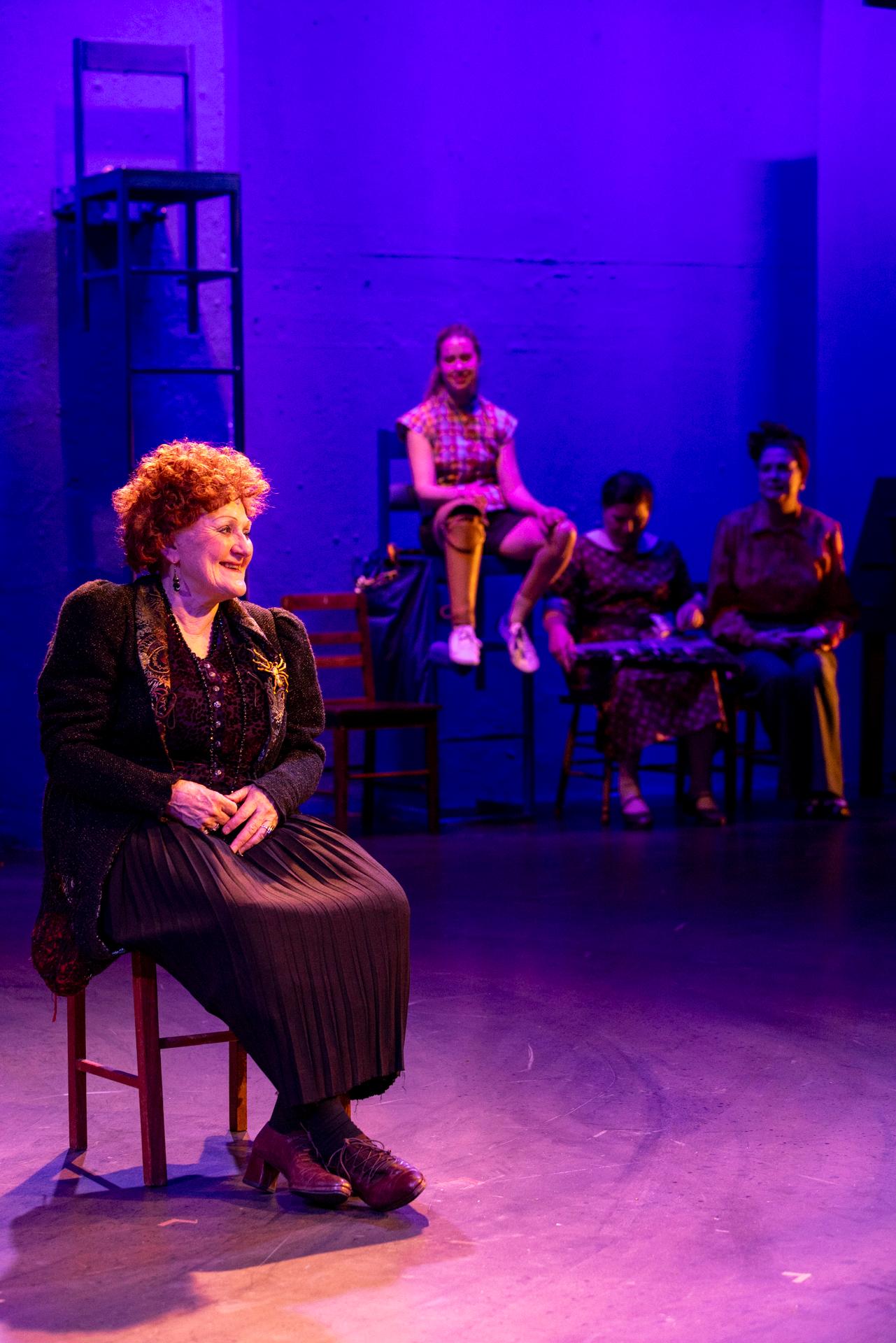
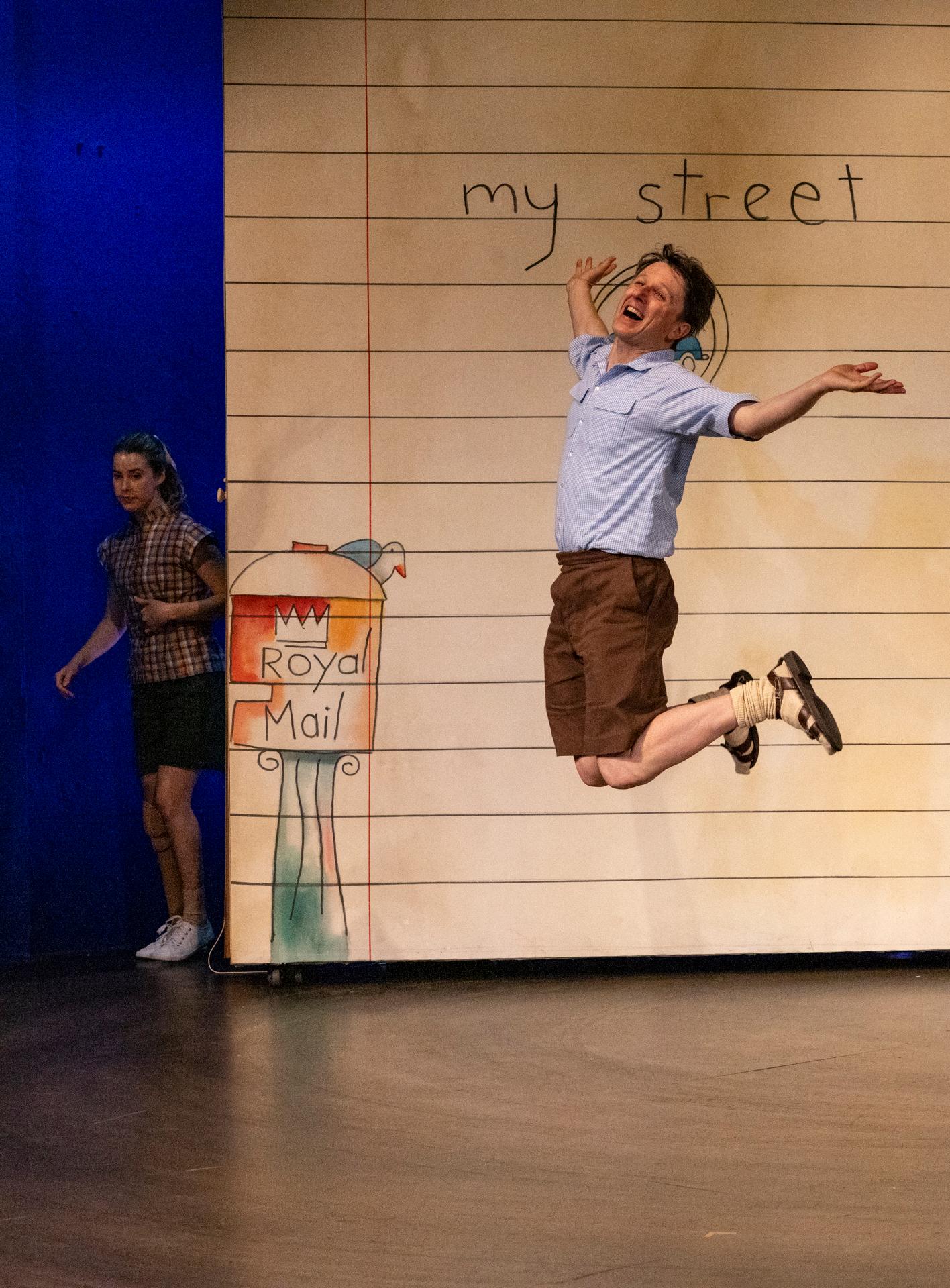
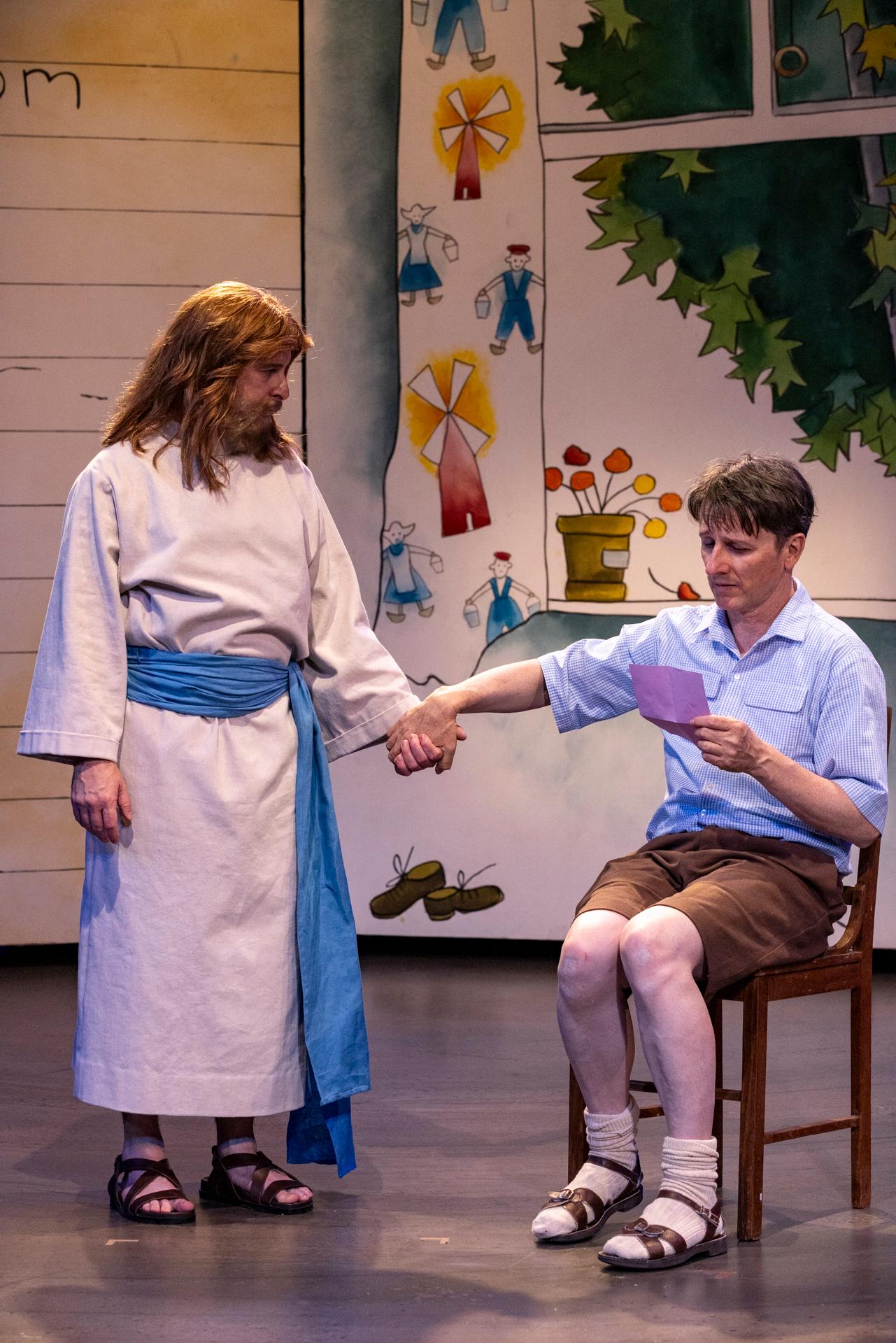
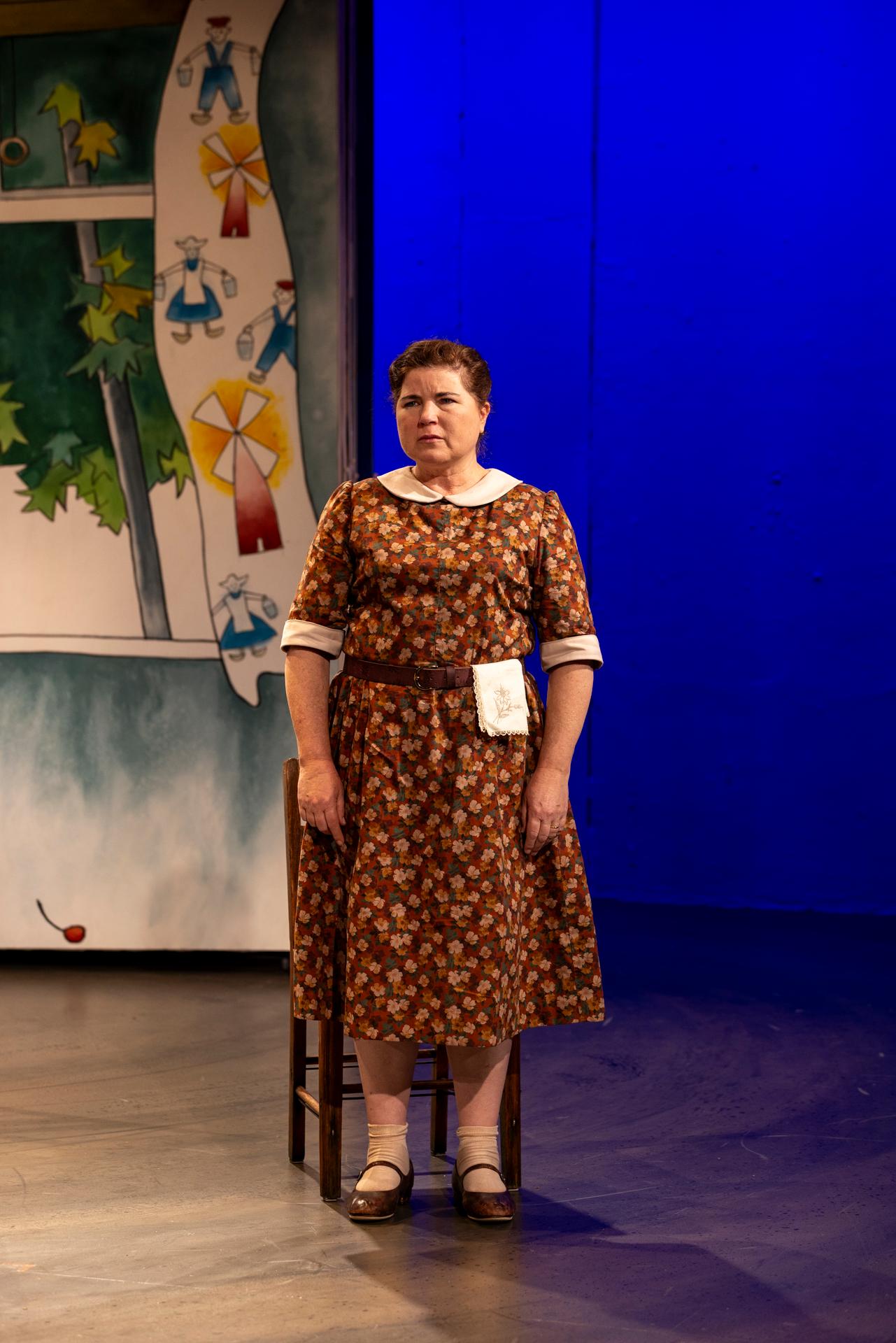
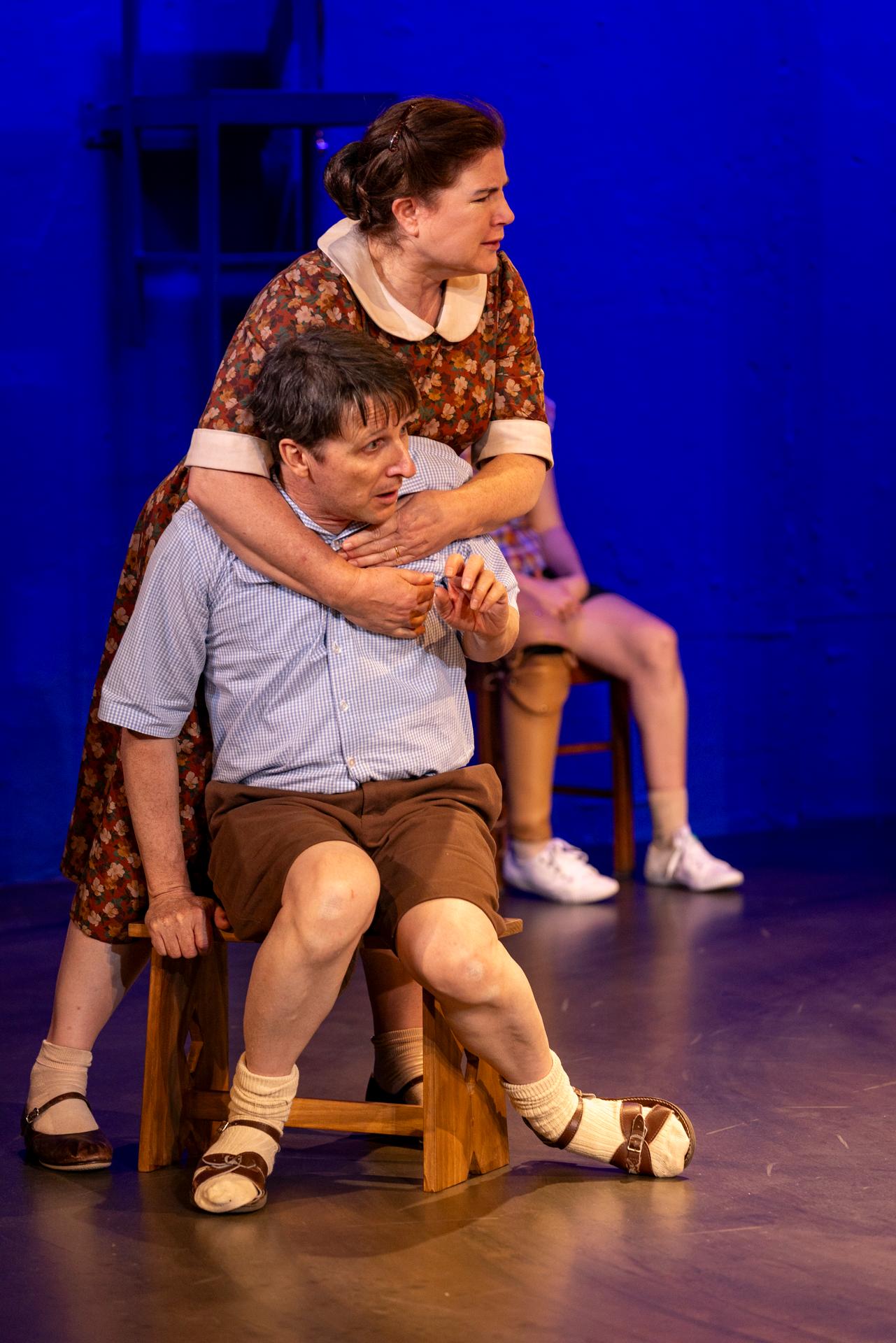
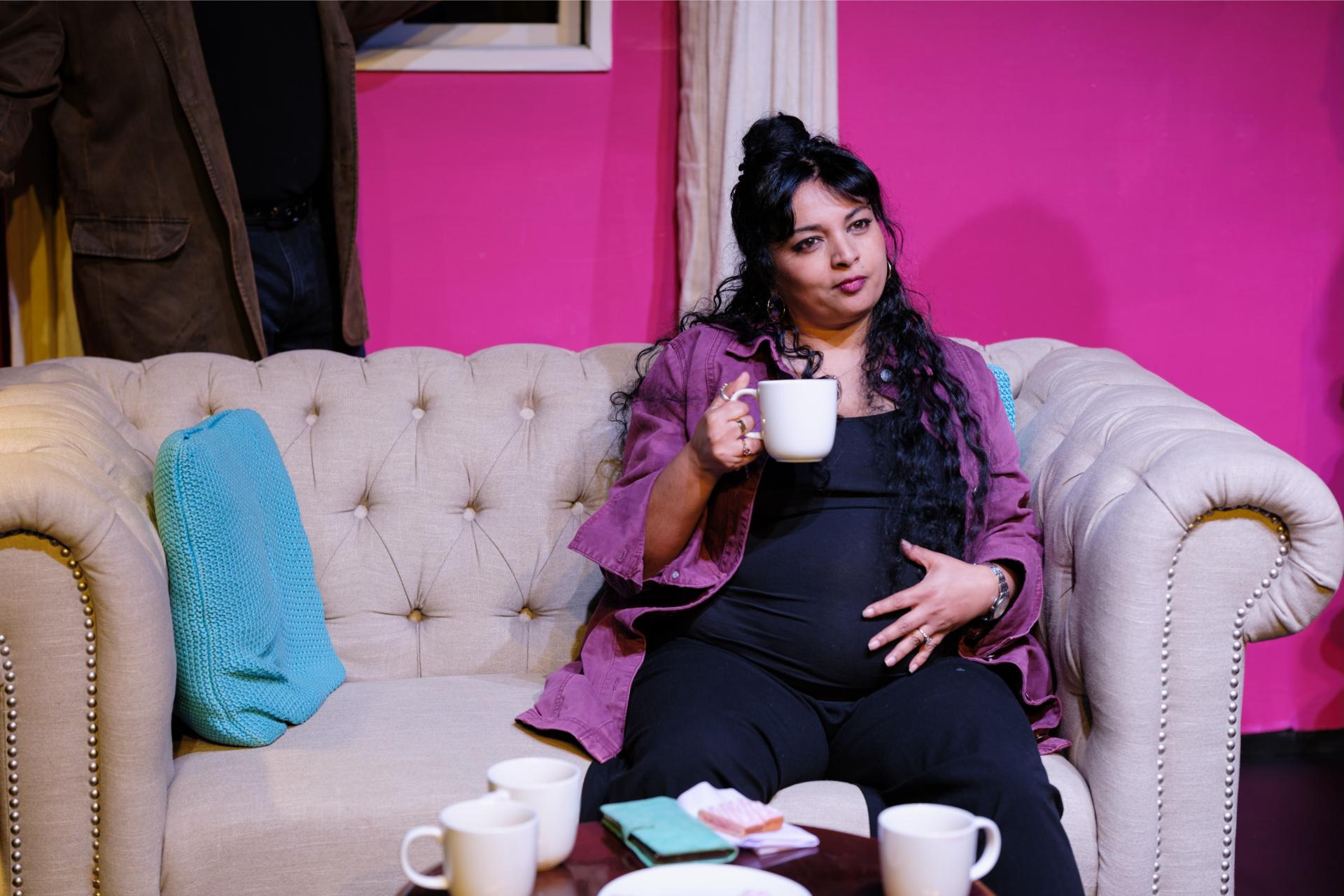
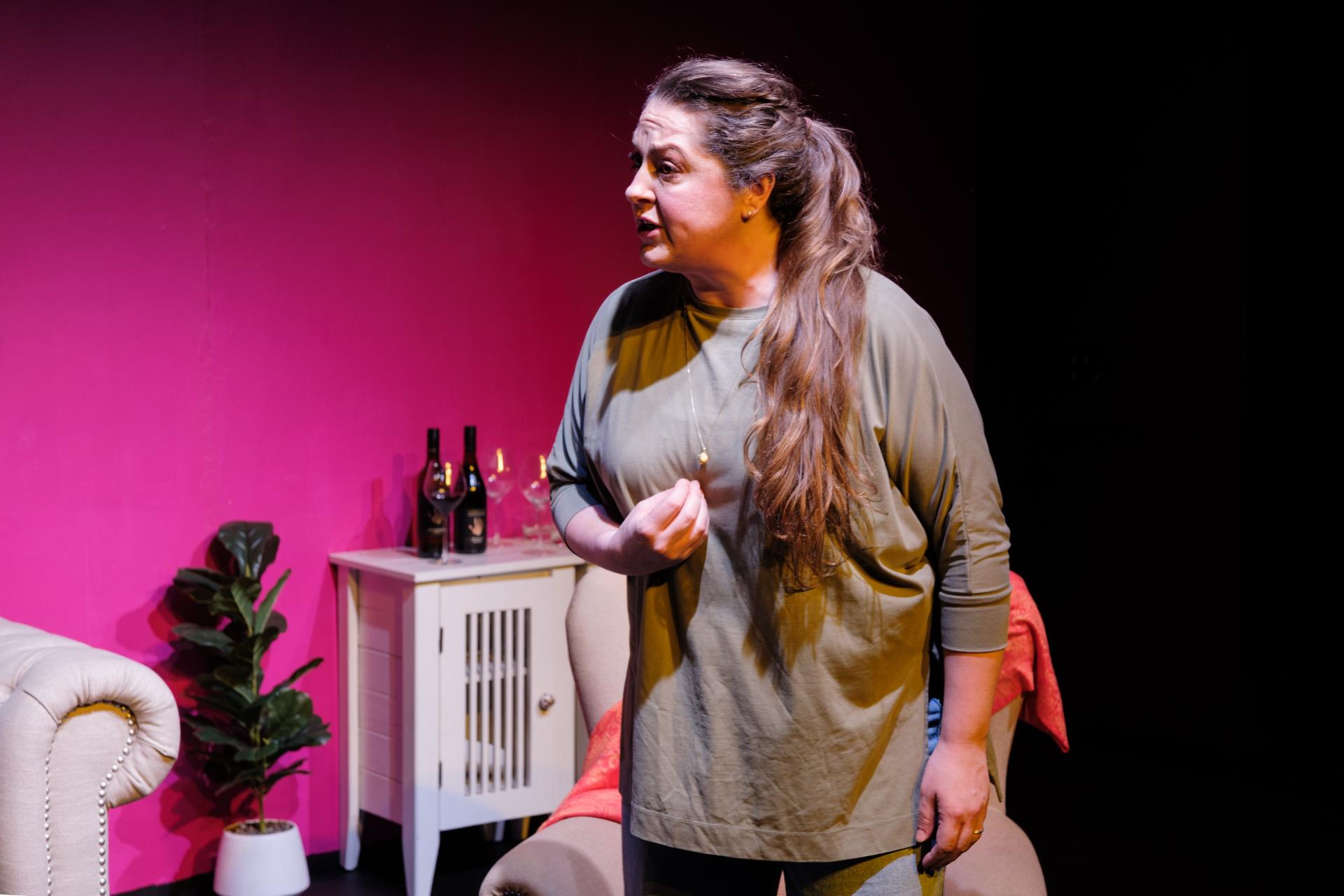
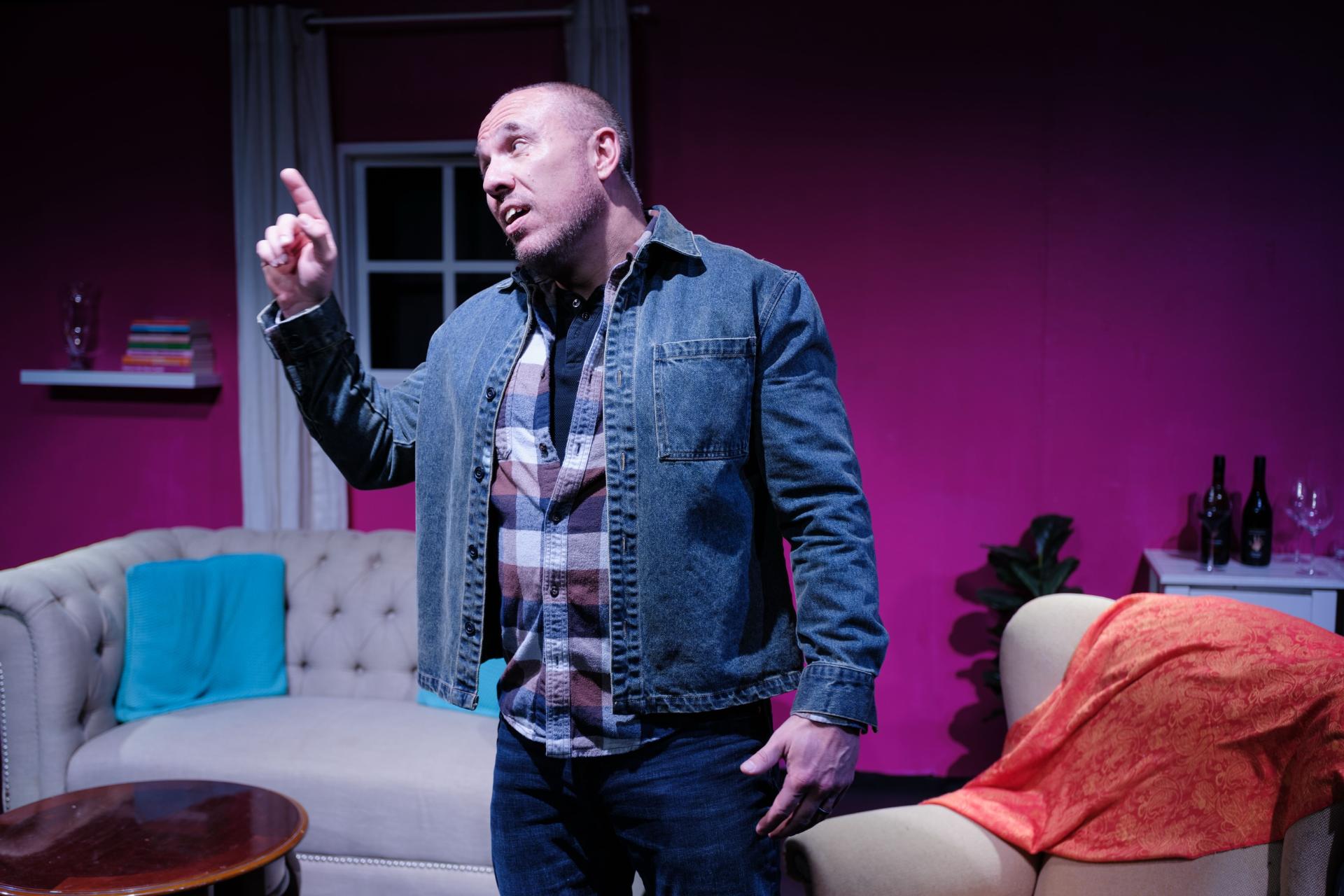
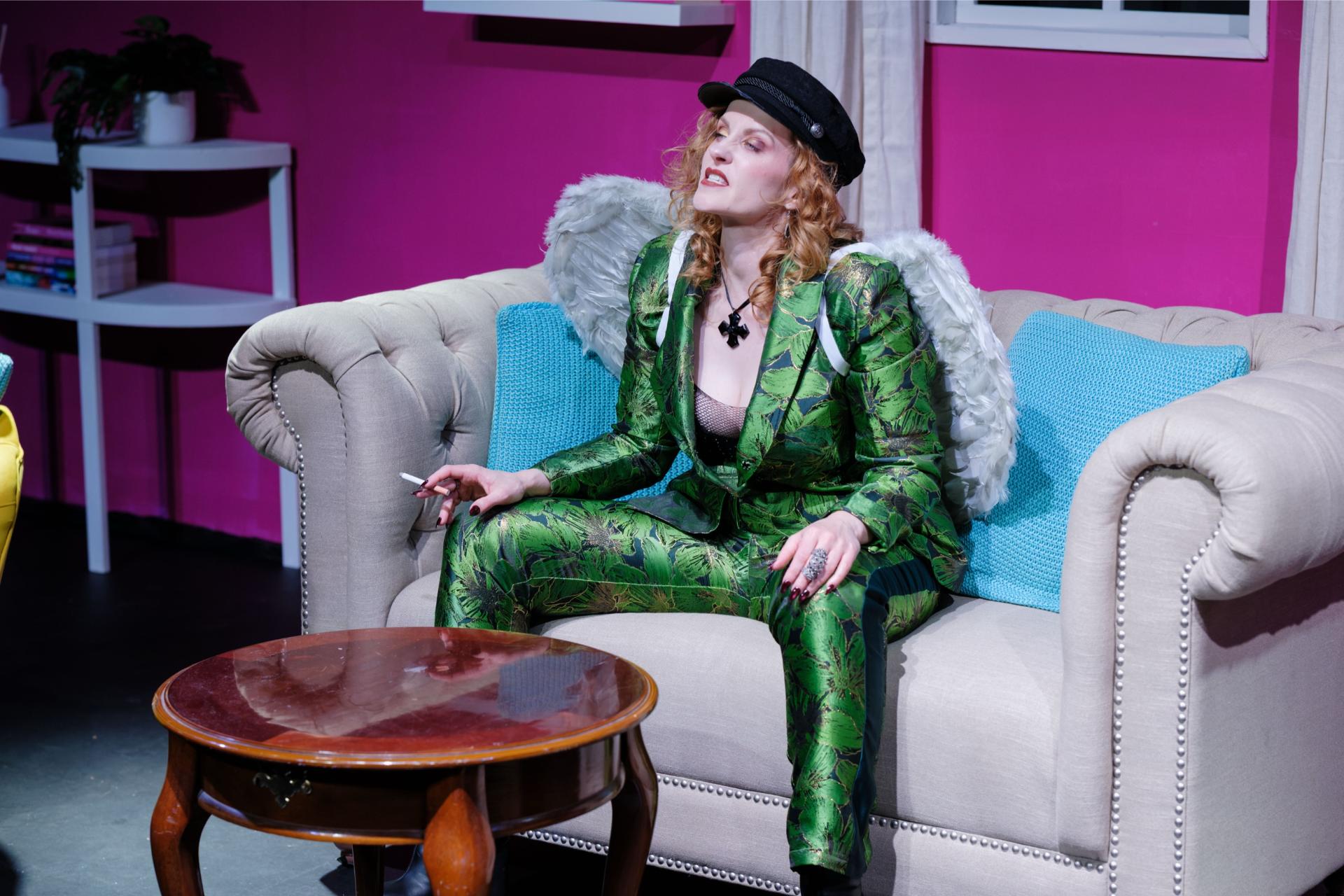
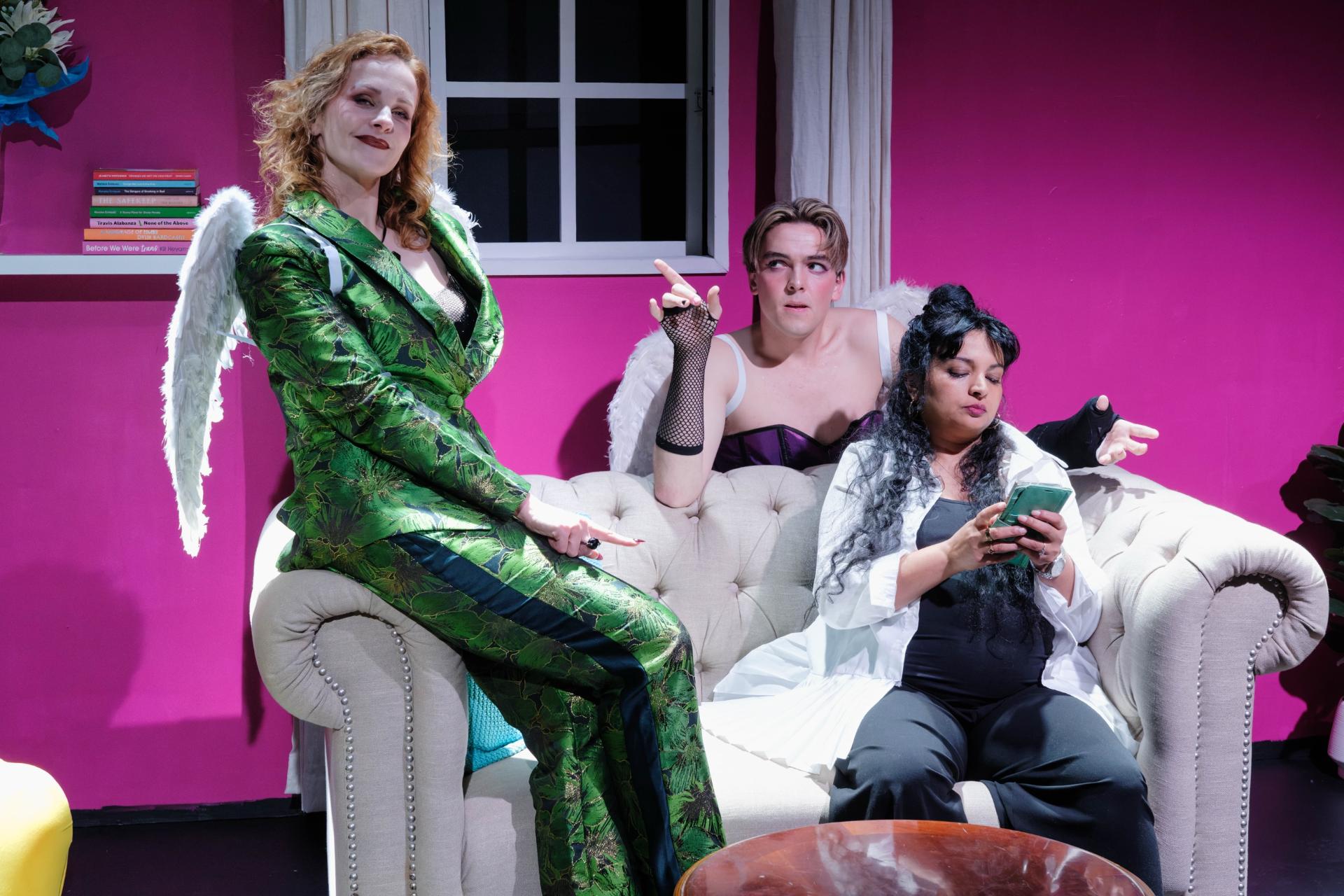
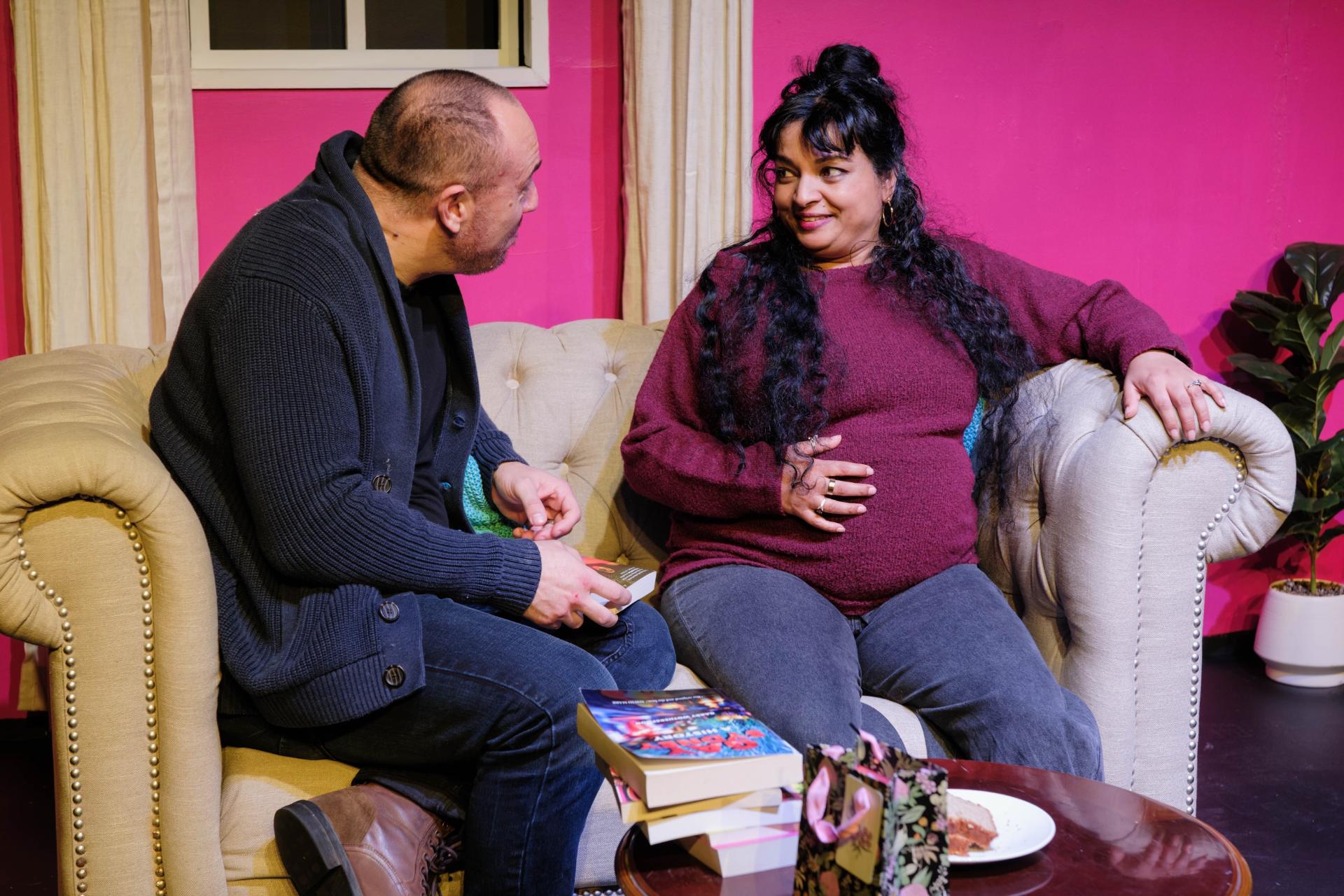
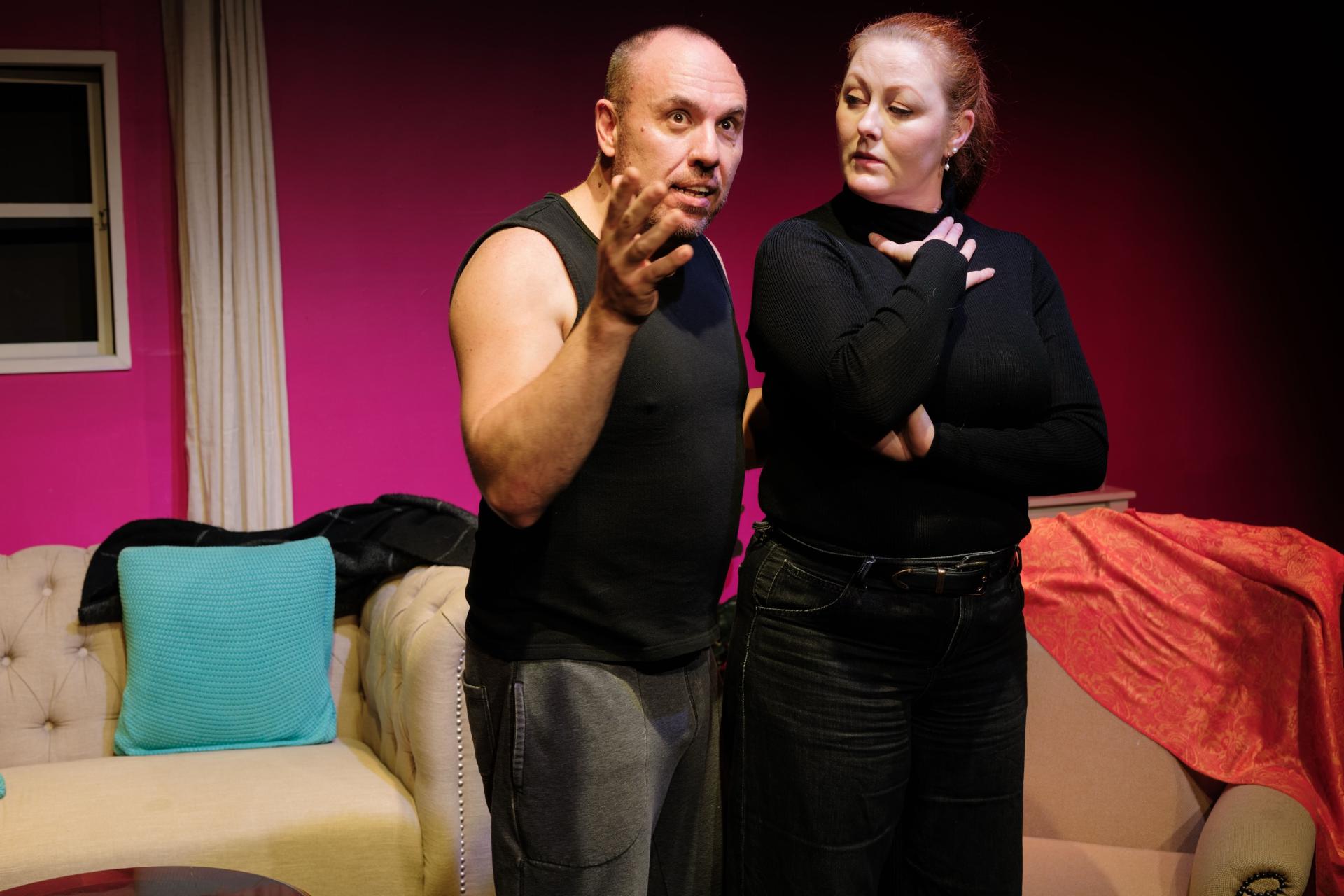
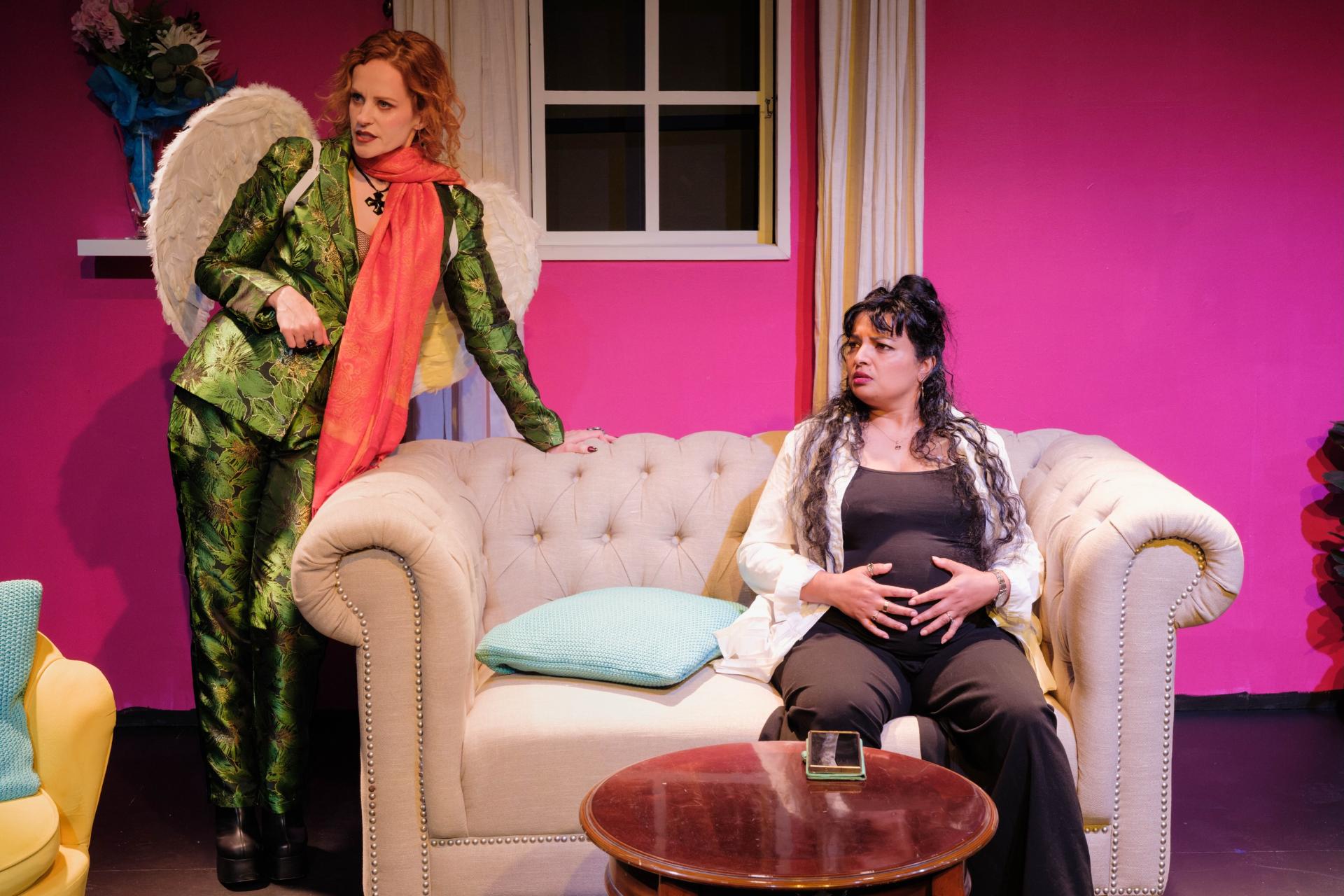
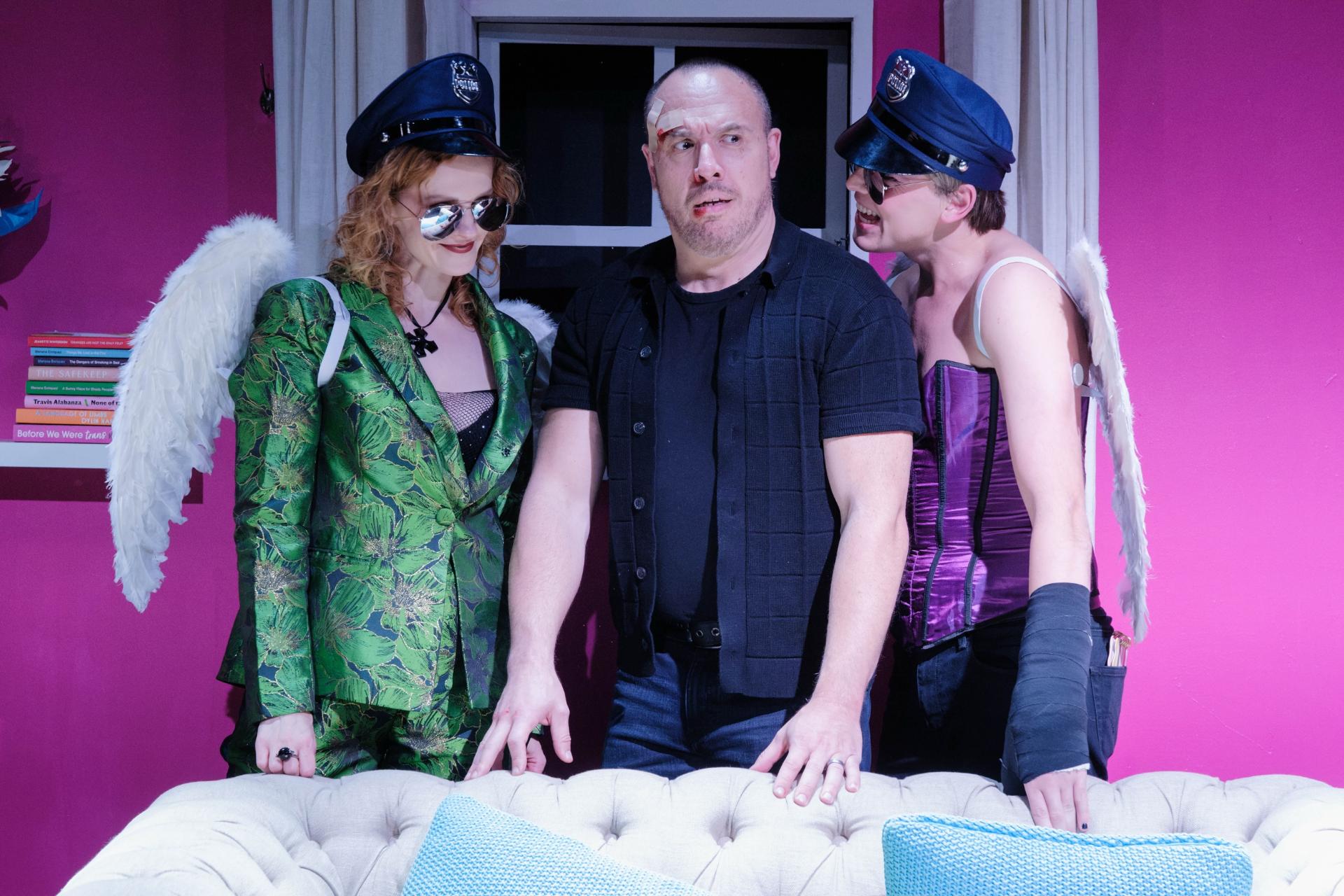
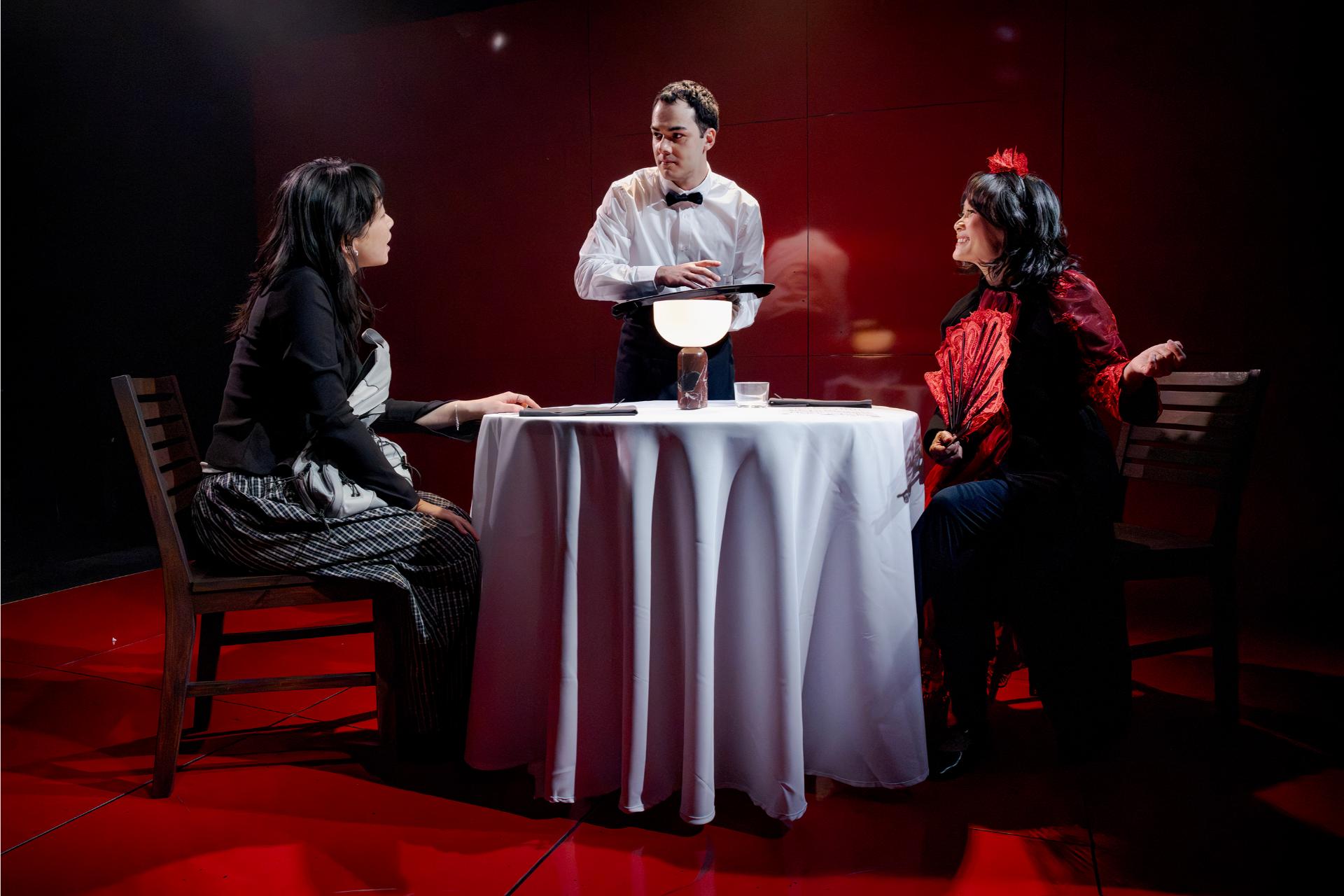
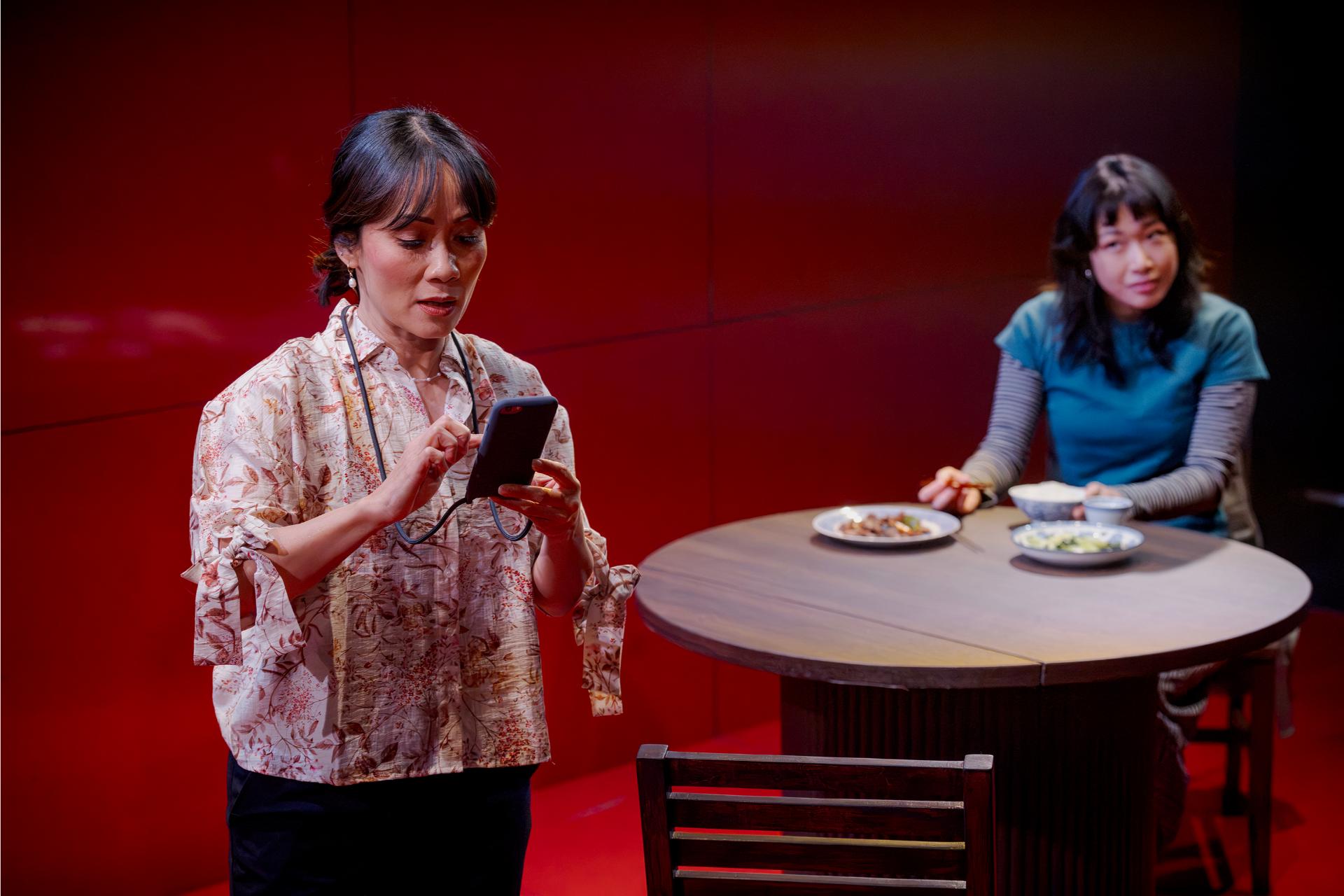
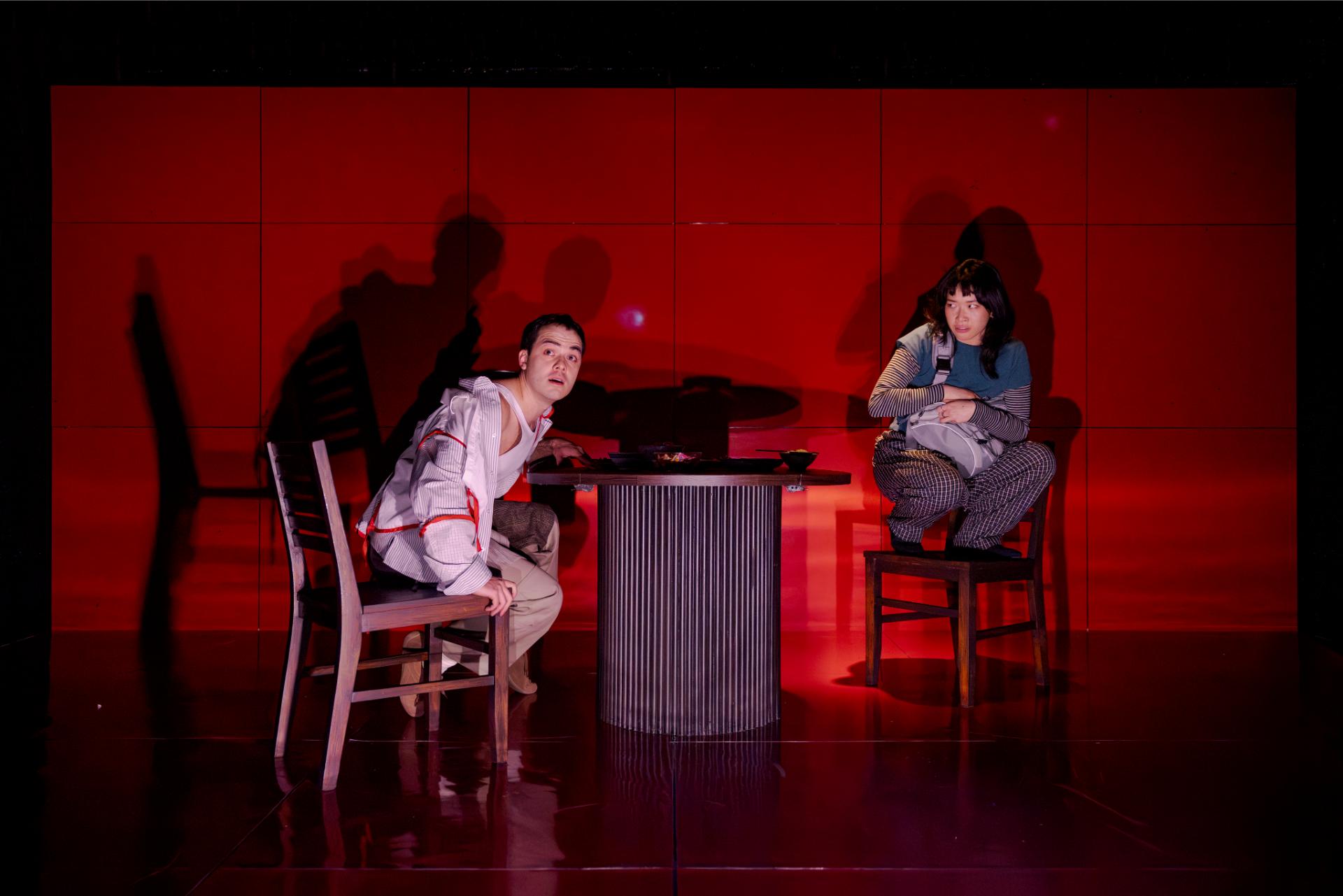
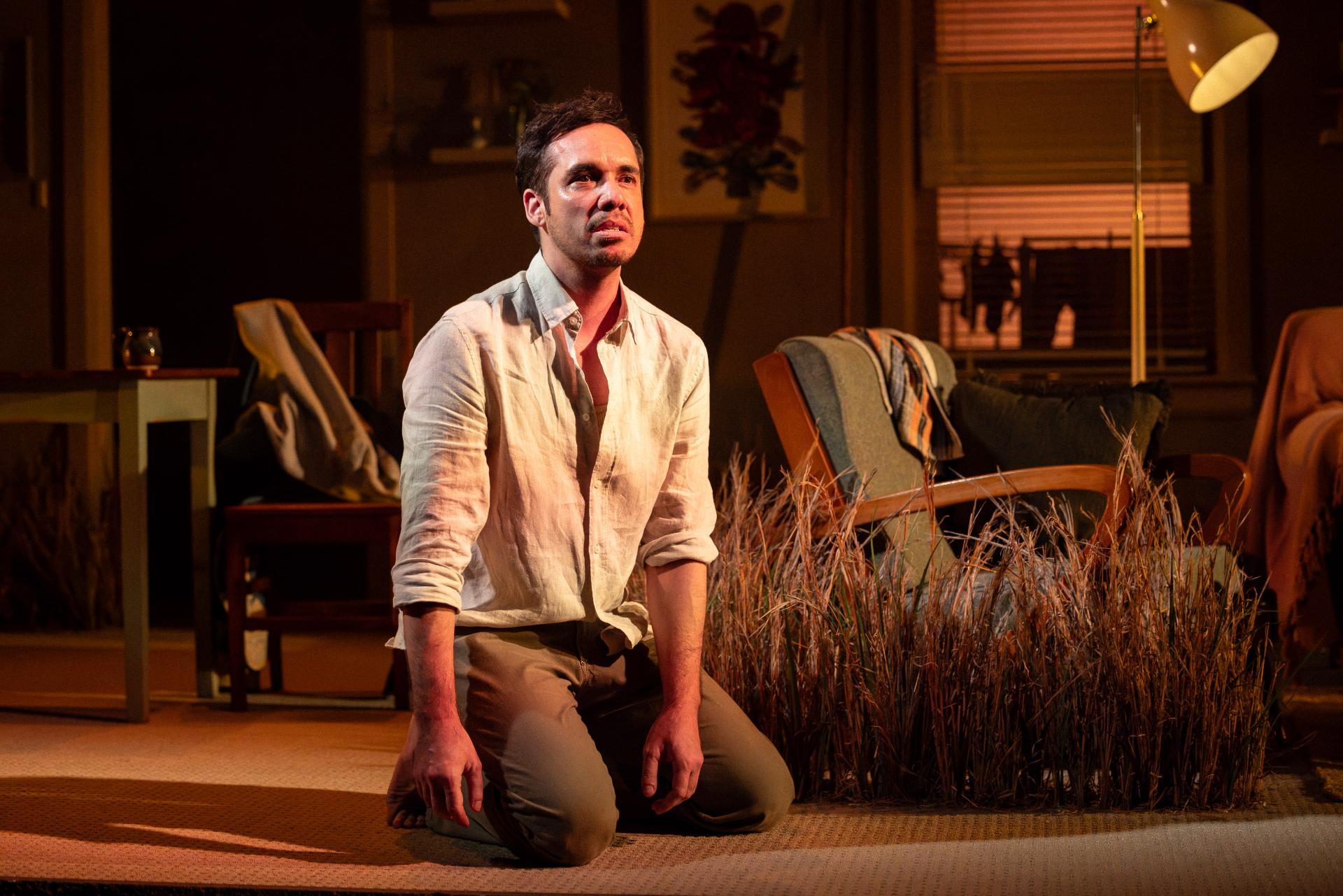
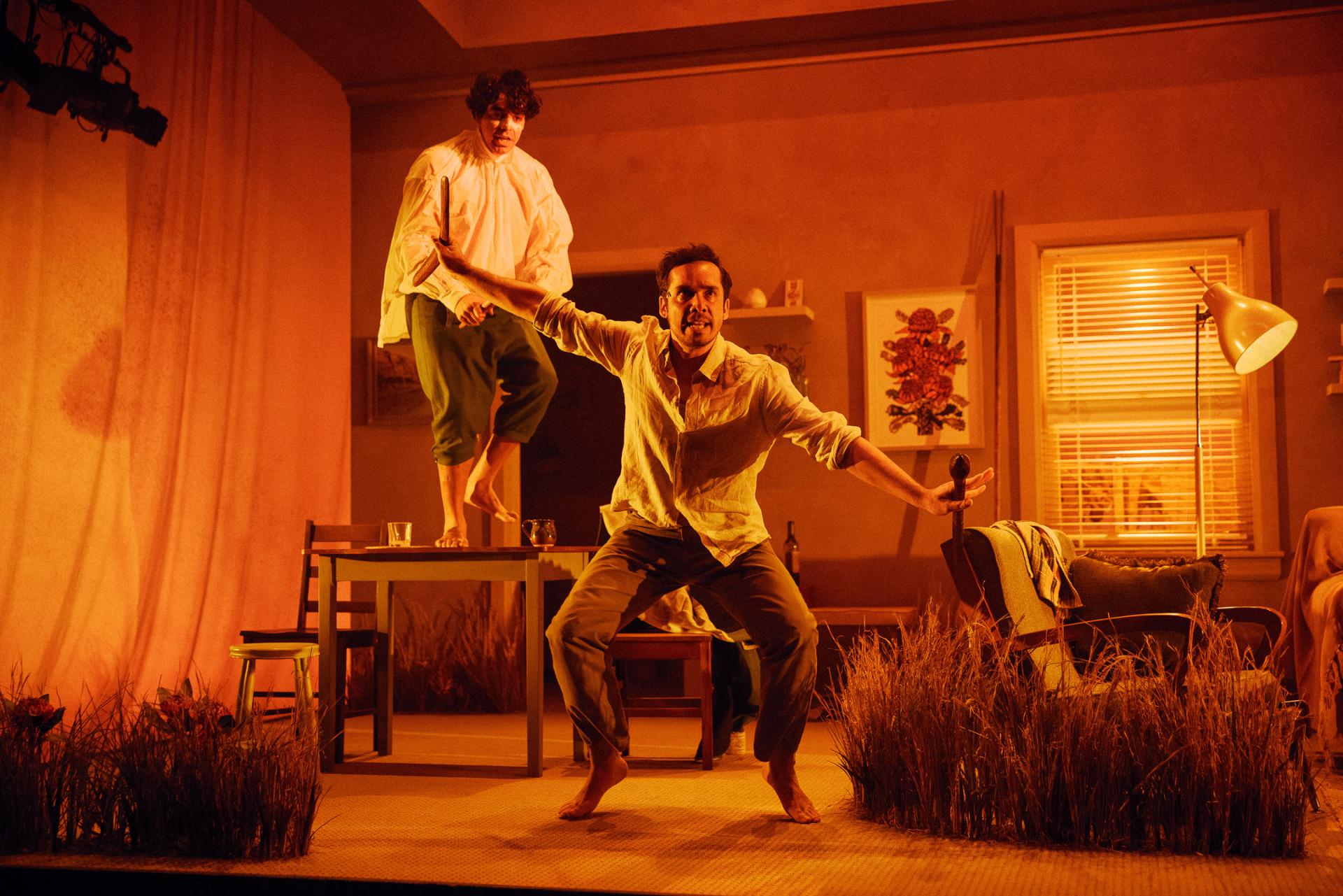
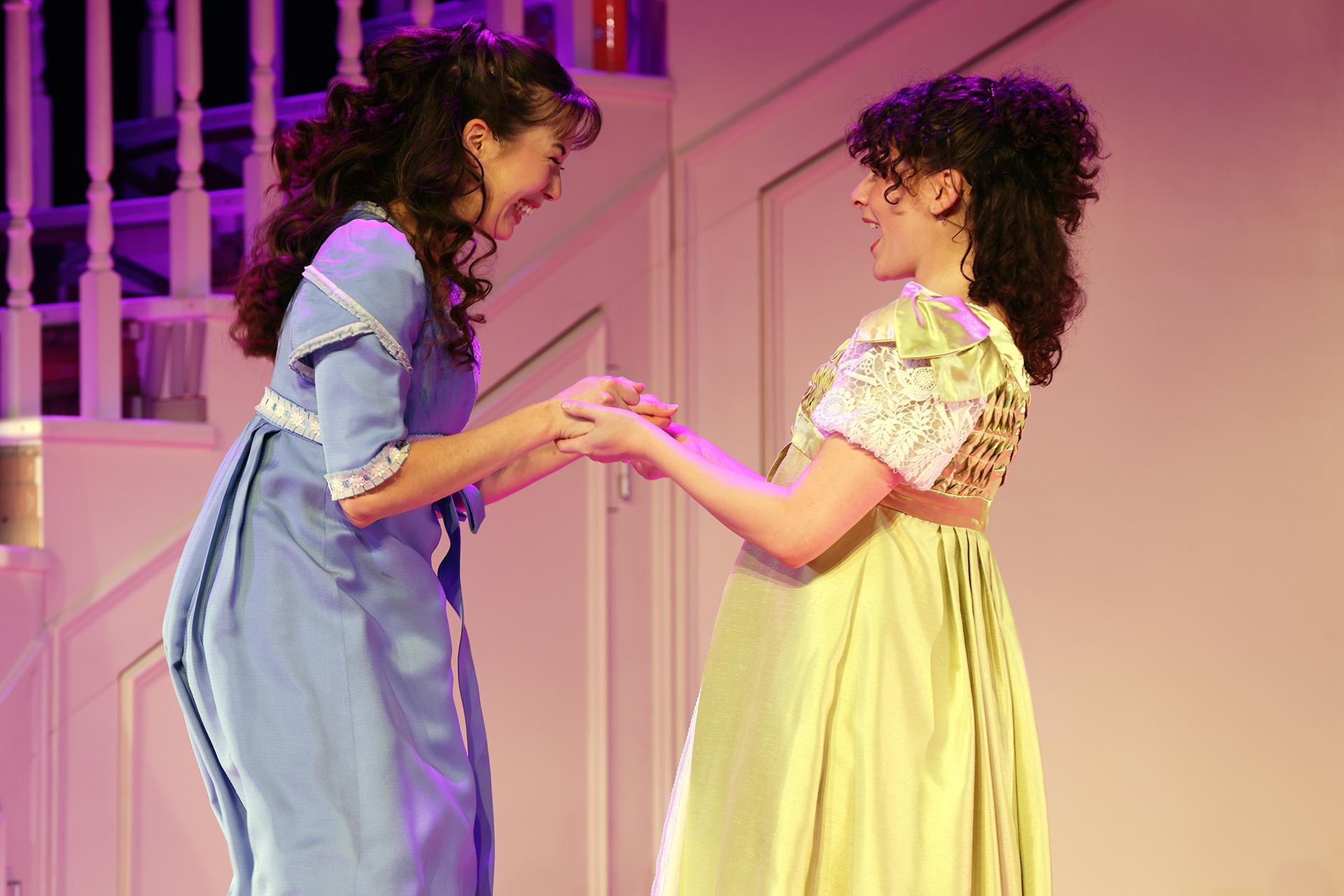
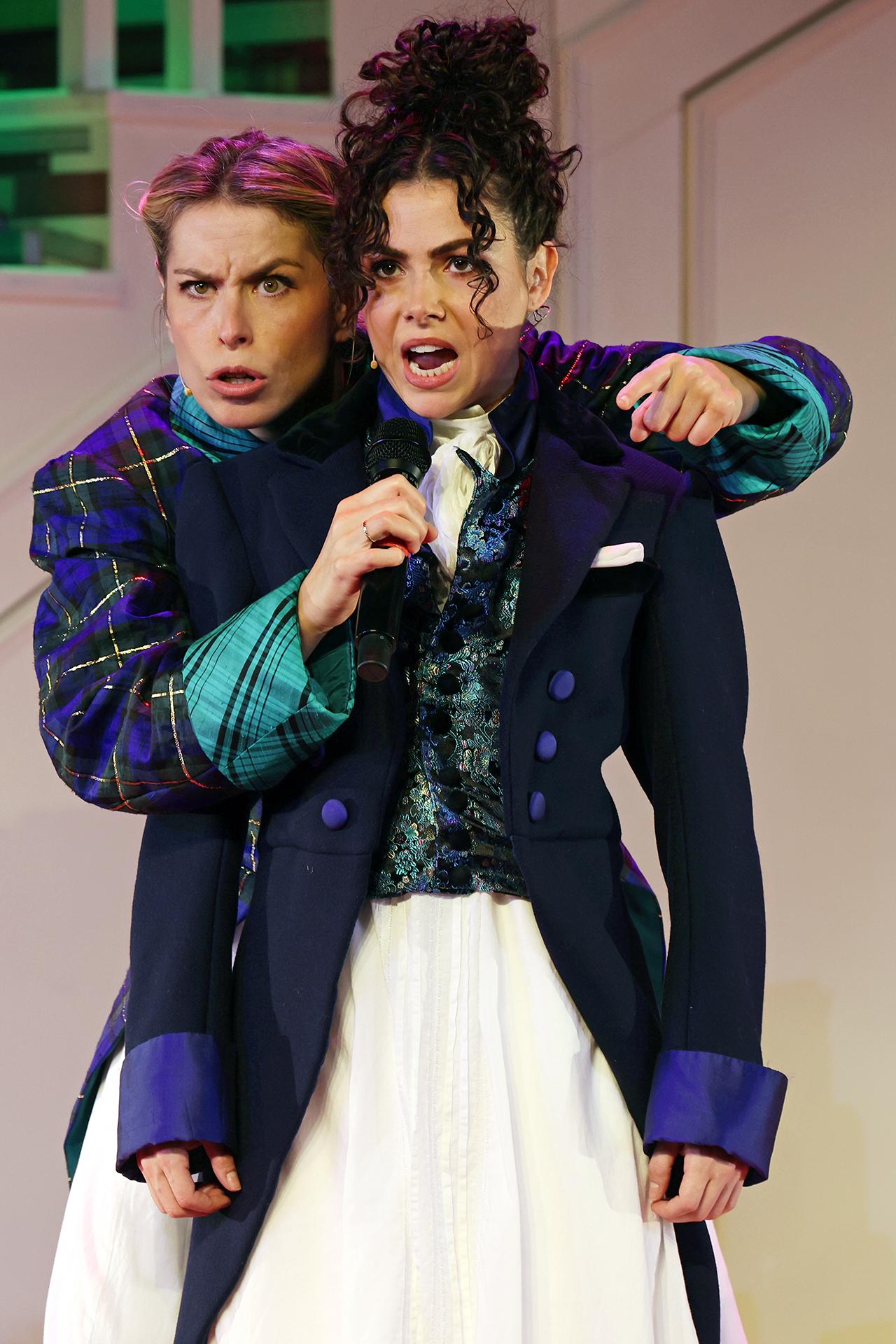
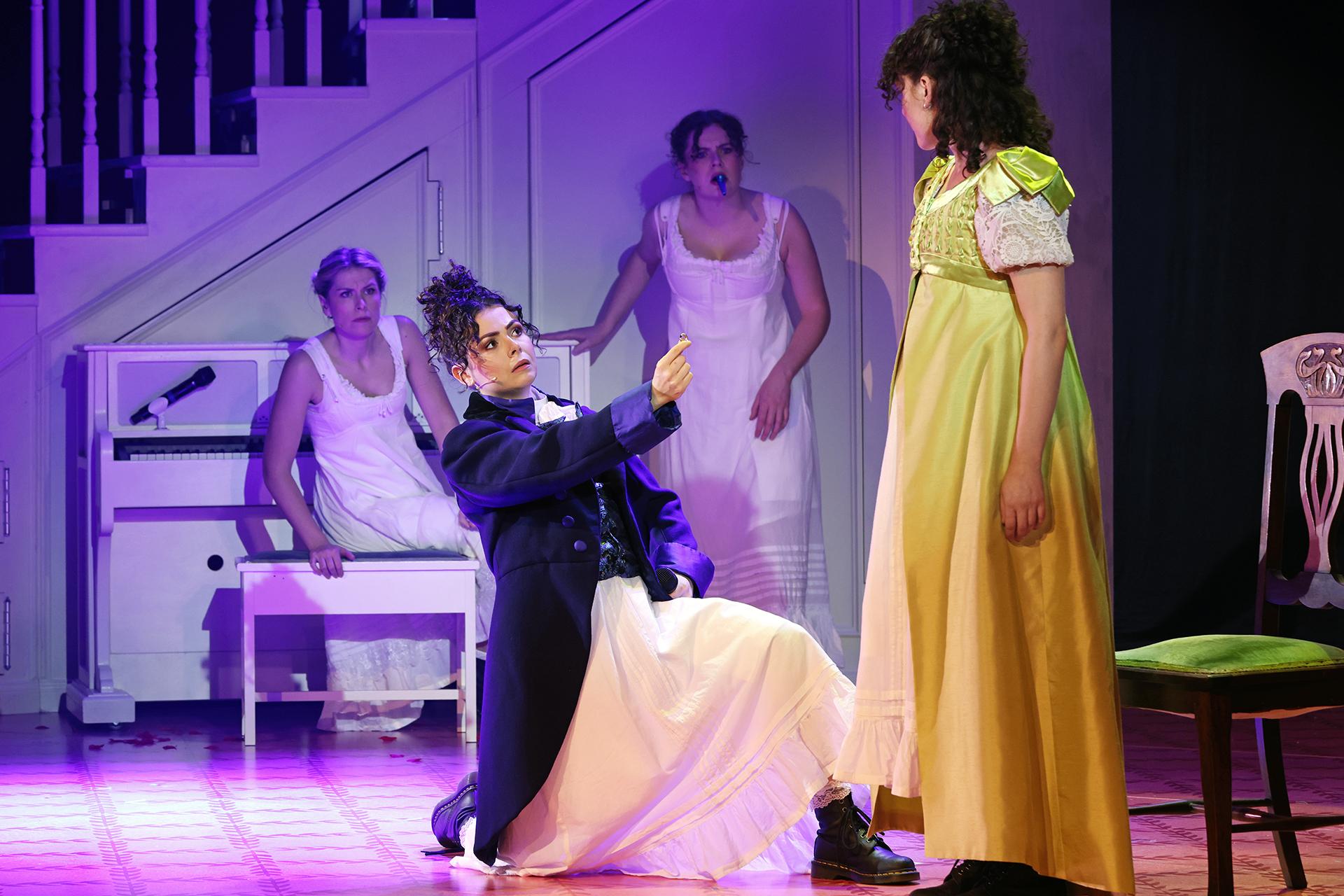
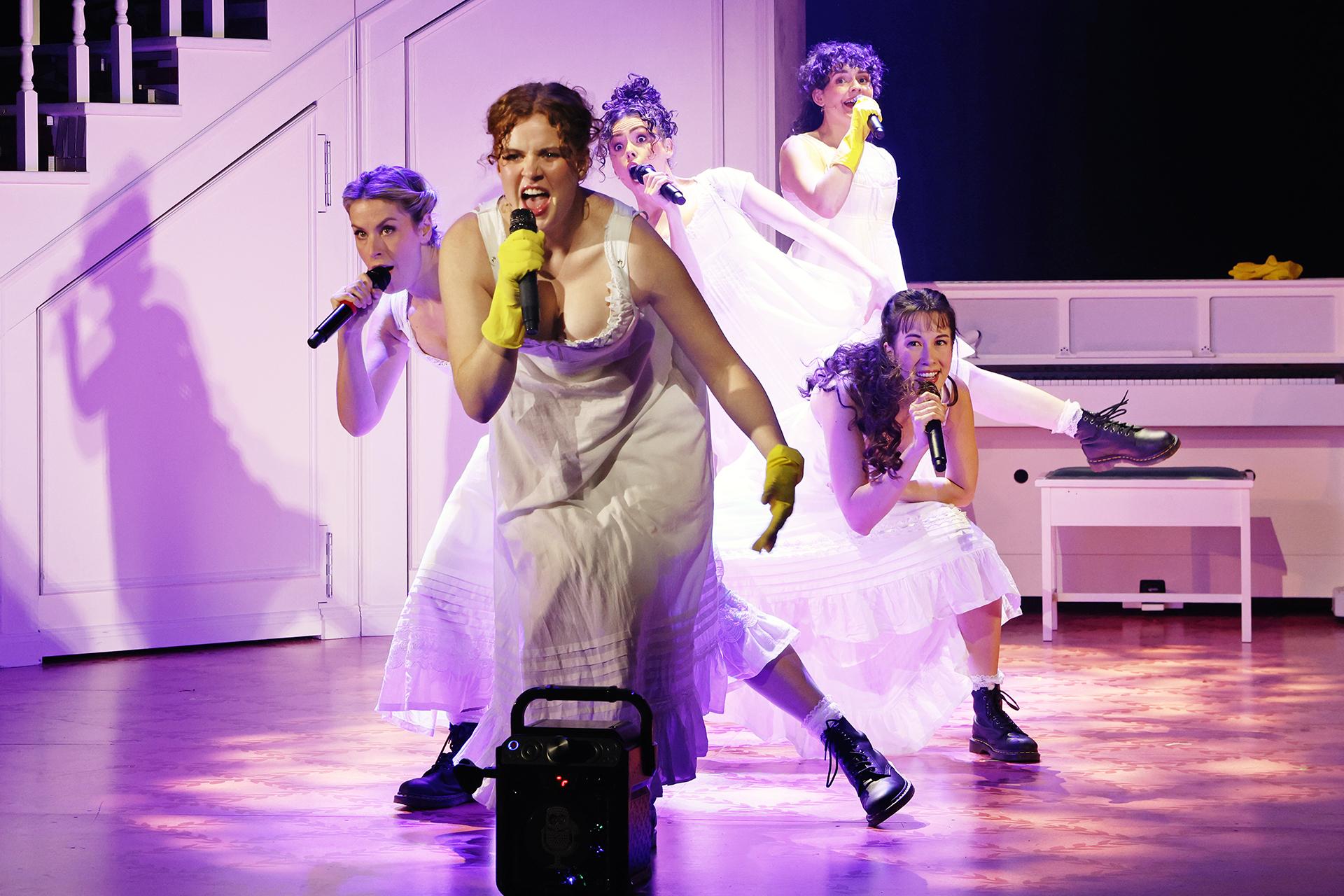
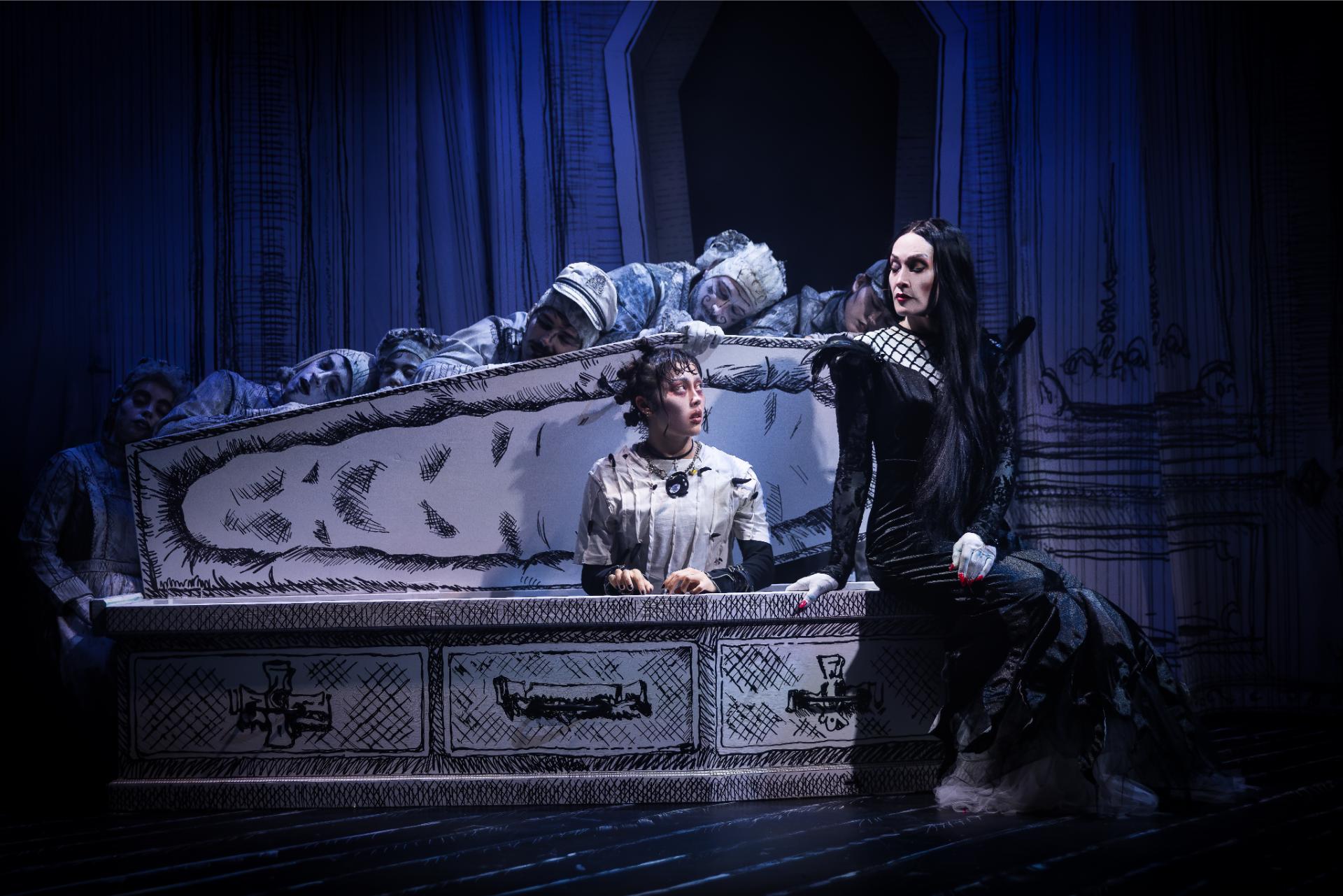
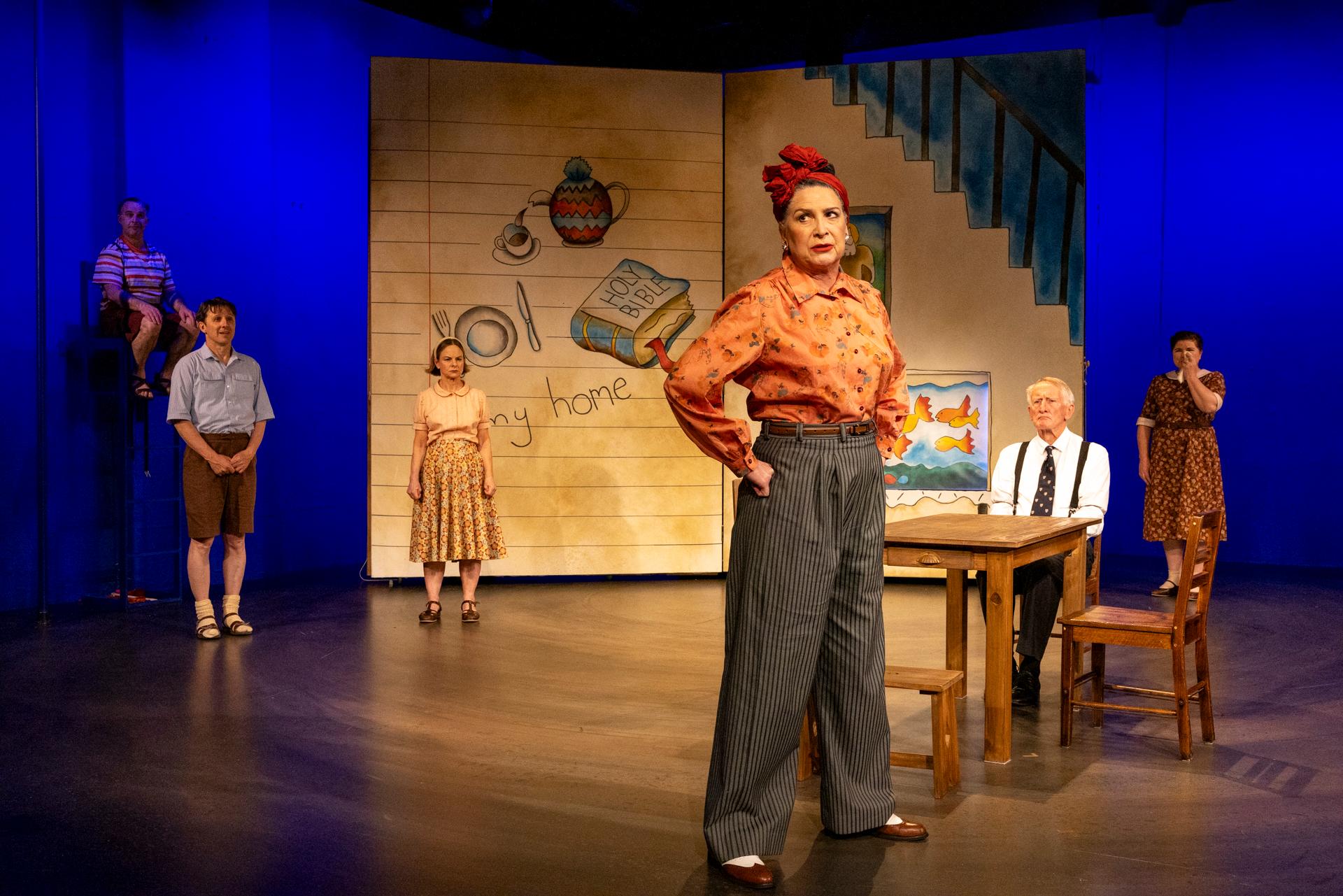
First published in 1901, when Miles Franklin was merely twenty-one, this seminal novel chronicles a teenage protagonist’s fierce determination to transcend restrictive gender conventions and forge an autonomous existence within the artistic sphere. Now, My Brilliant Career—that cornerstone of the Australian literary canon—has been reimagined as a stage musical by the formidable trio of Dean Bryant and Sheridan Harbridge, who craft the words, and composer Mathew Frank. Together, they amplify the original’s spirited verve to revelatory effect, delivering a production as profoundly moving as it is inspiring.

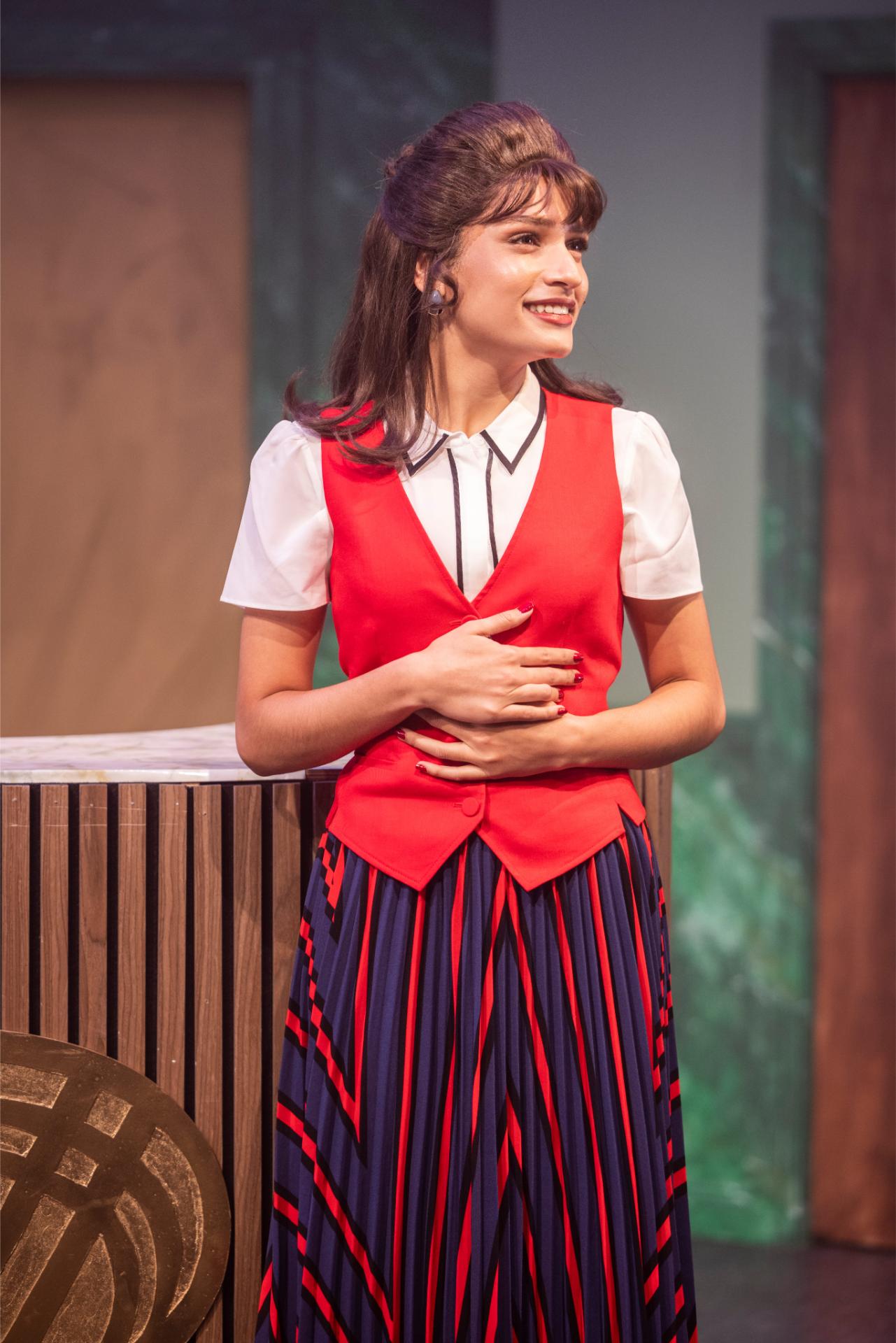
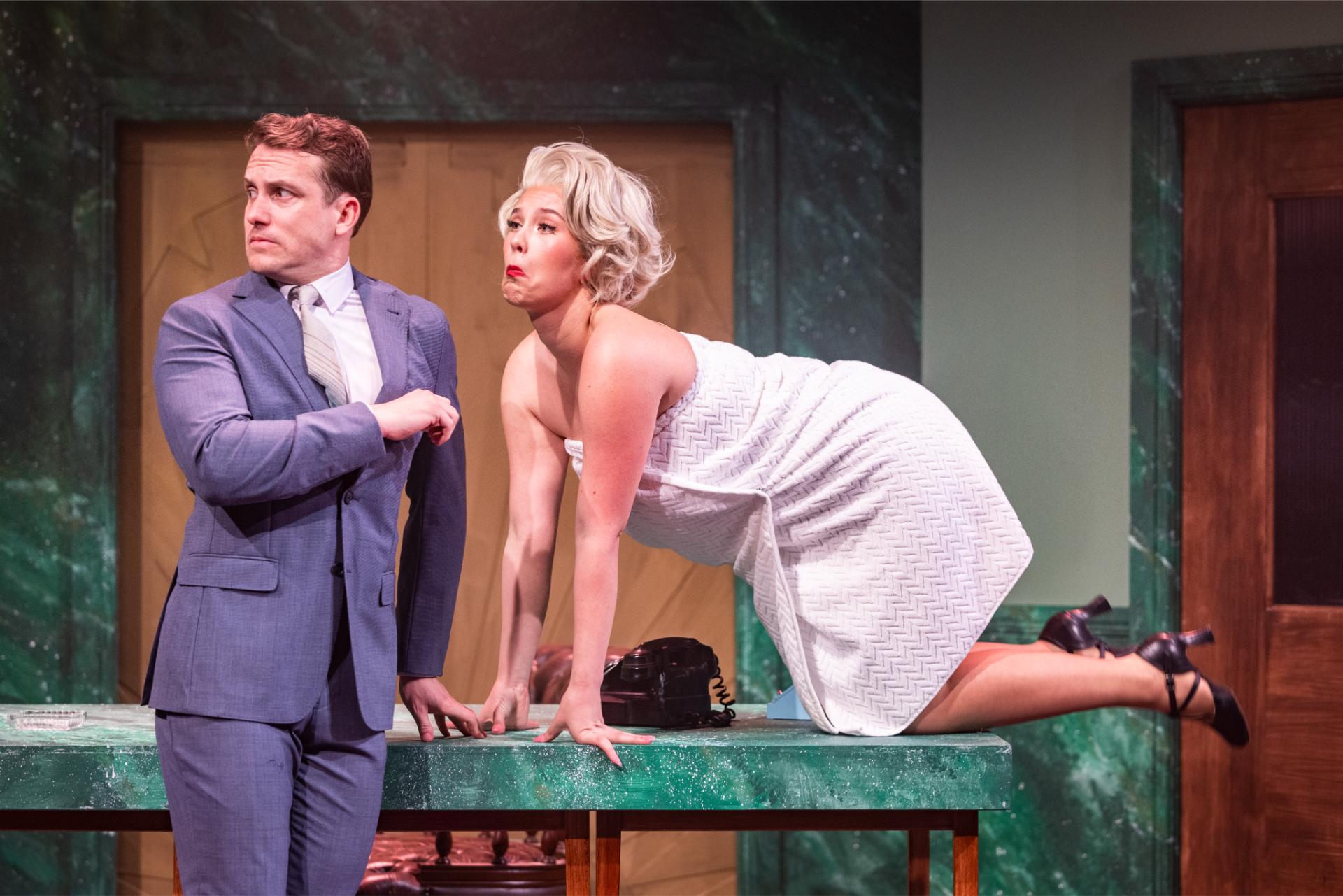
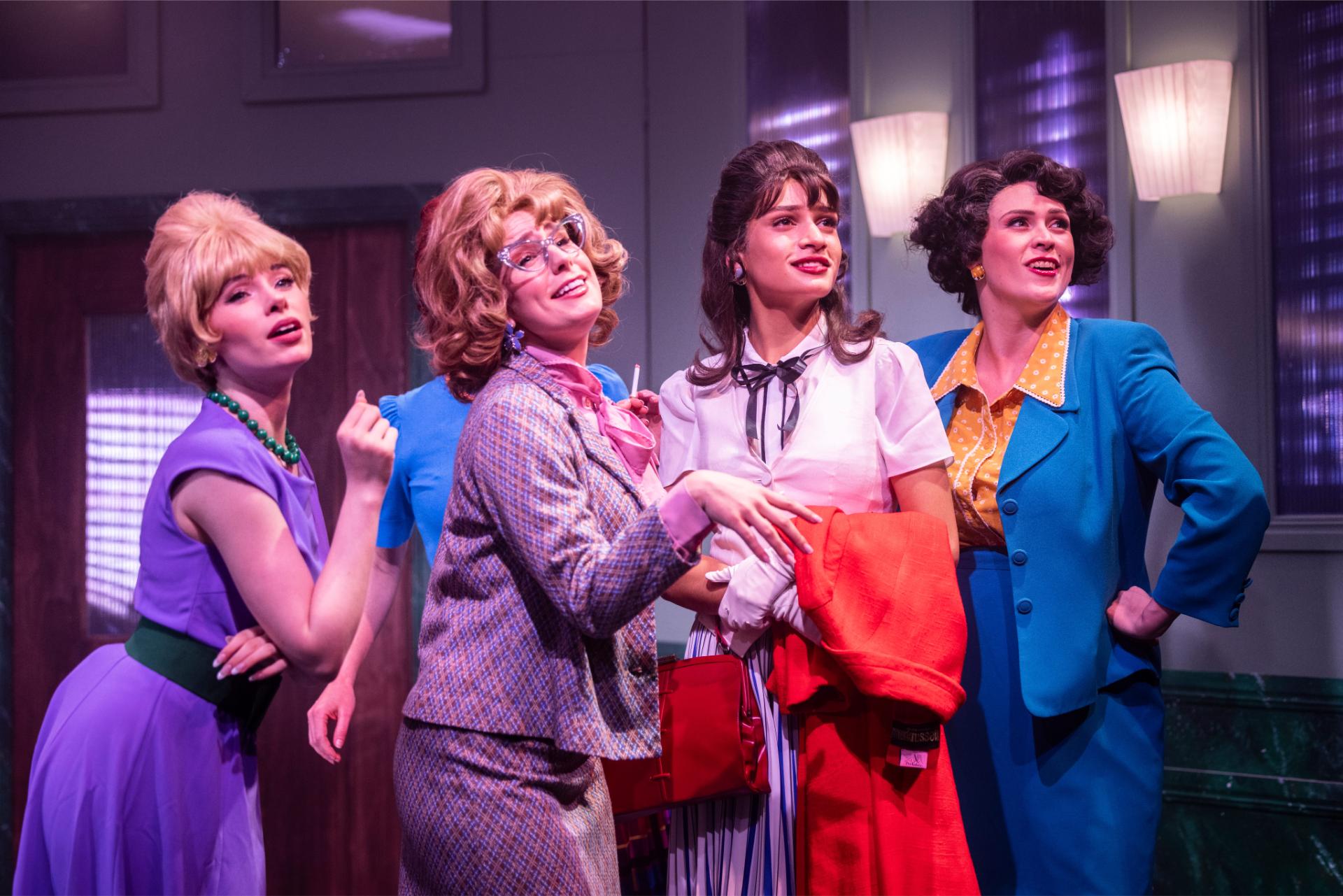
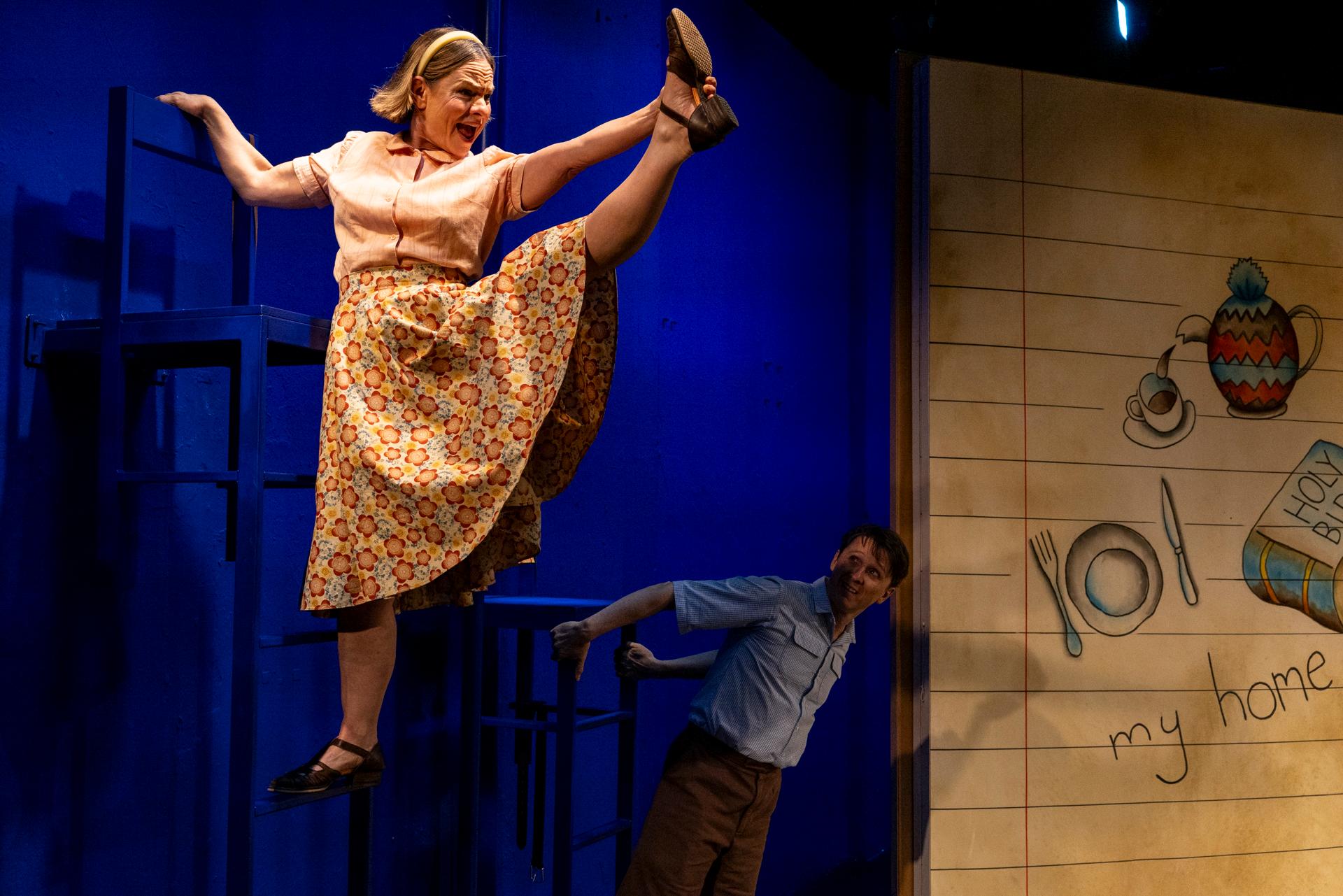
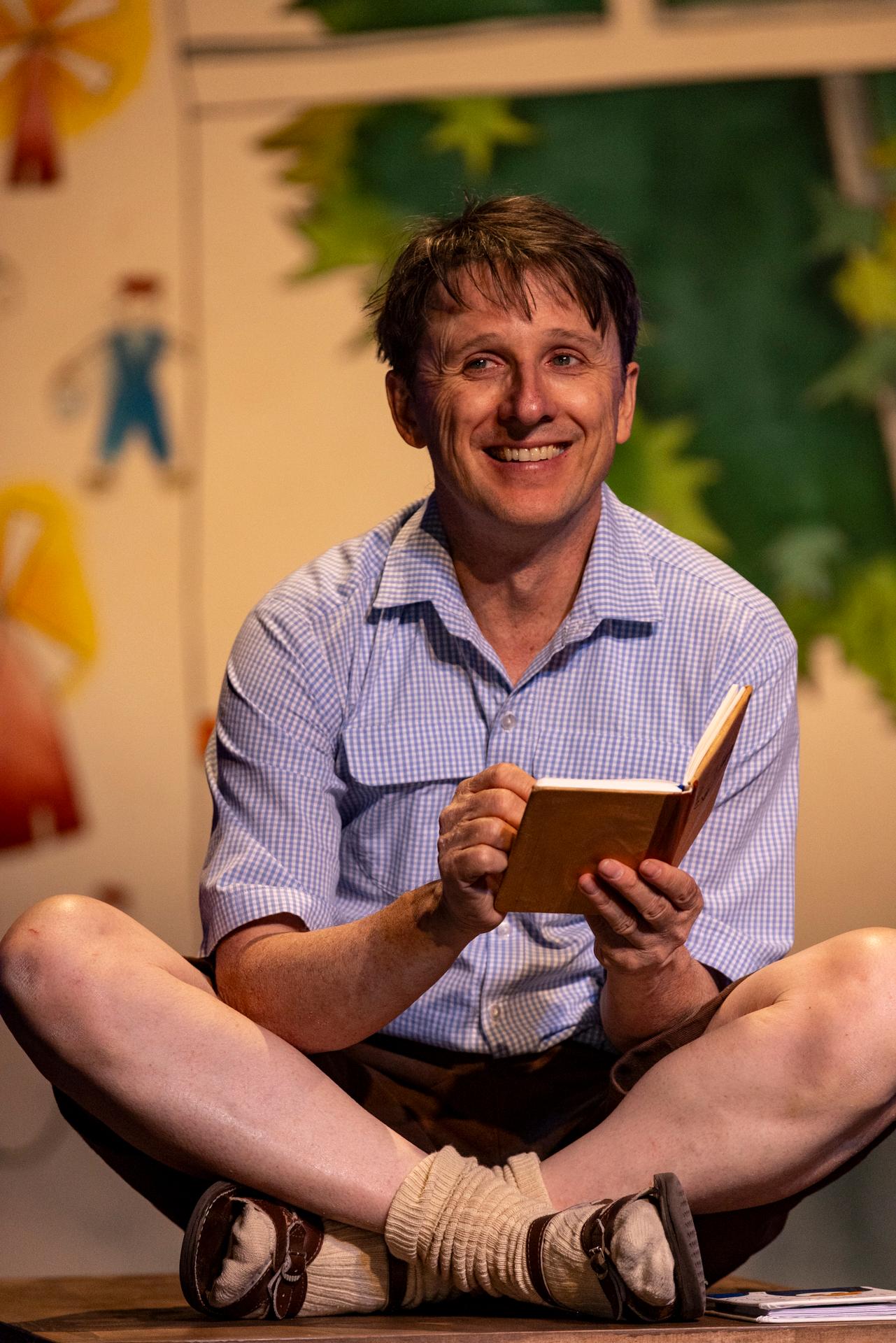
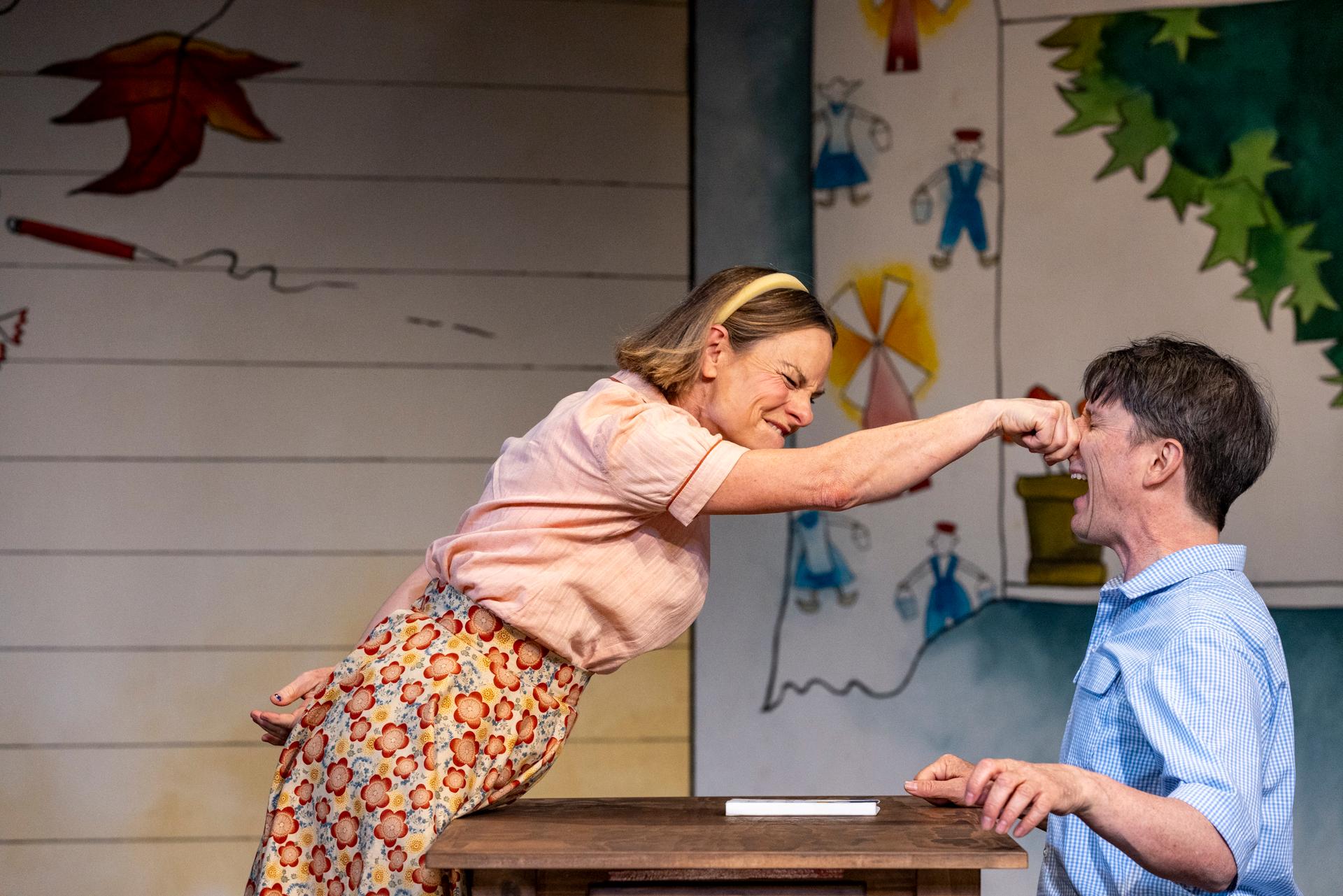
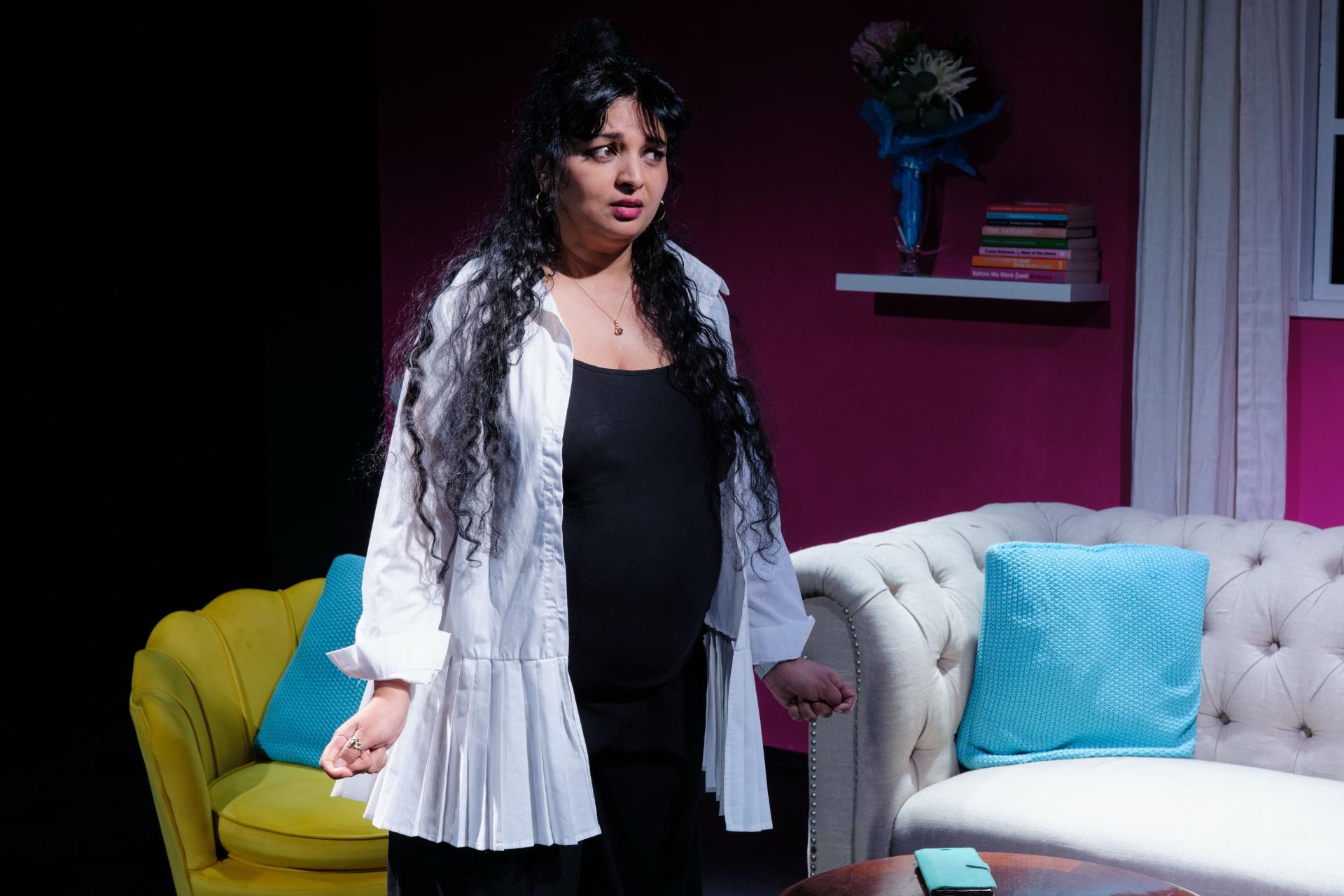
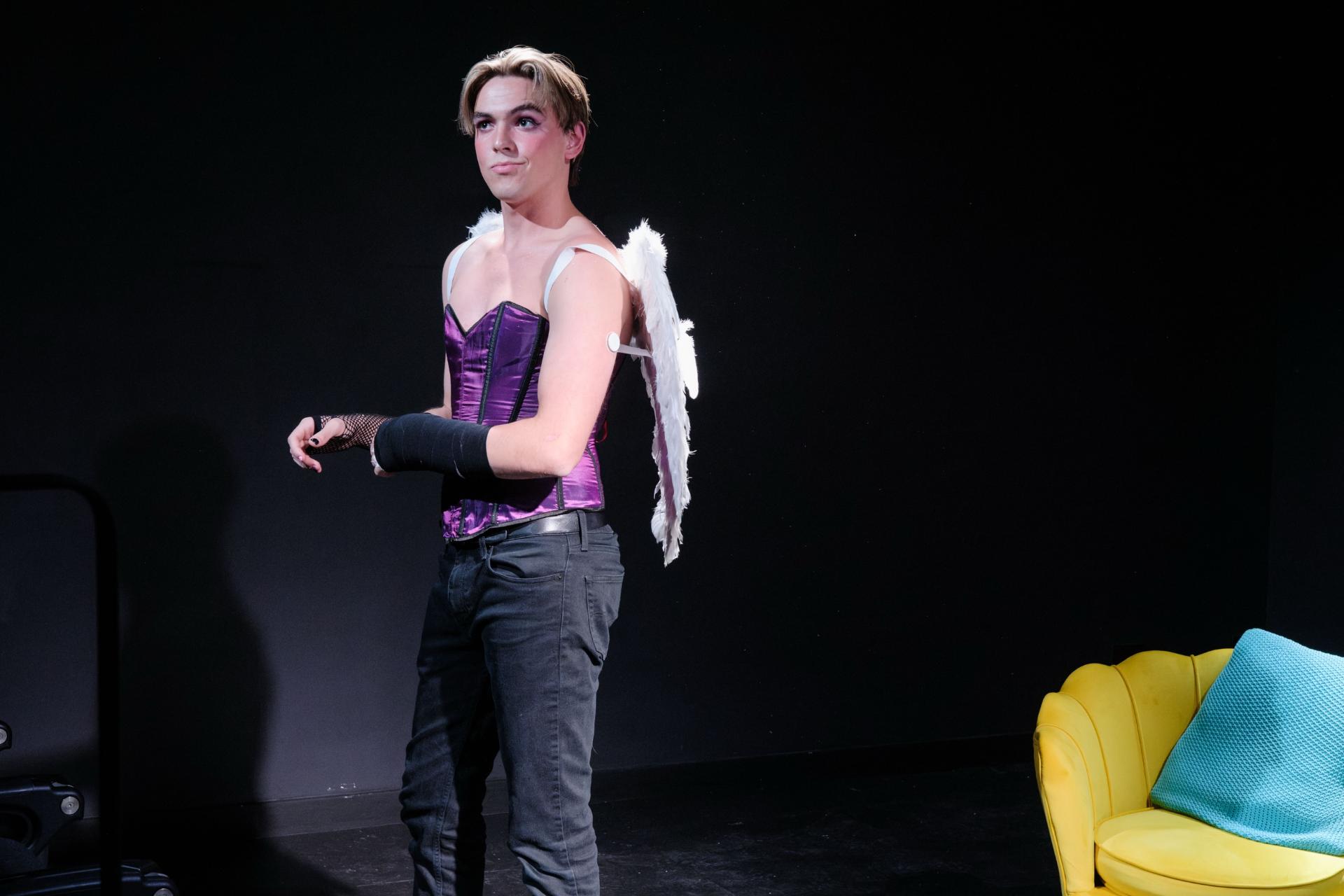
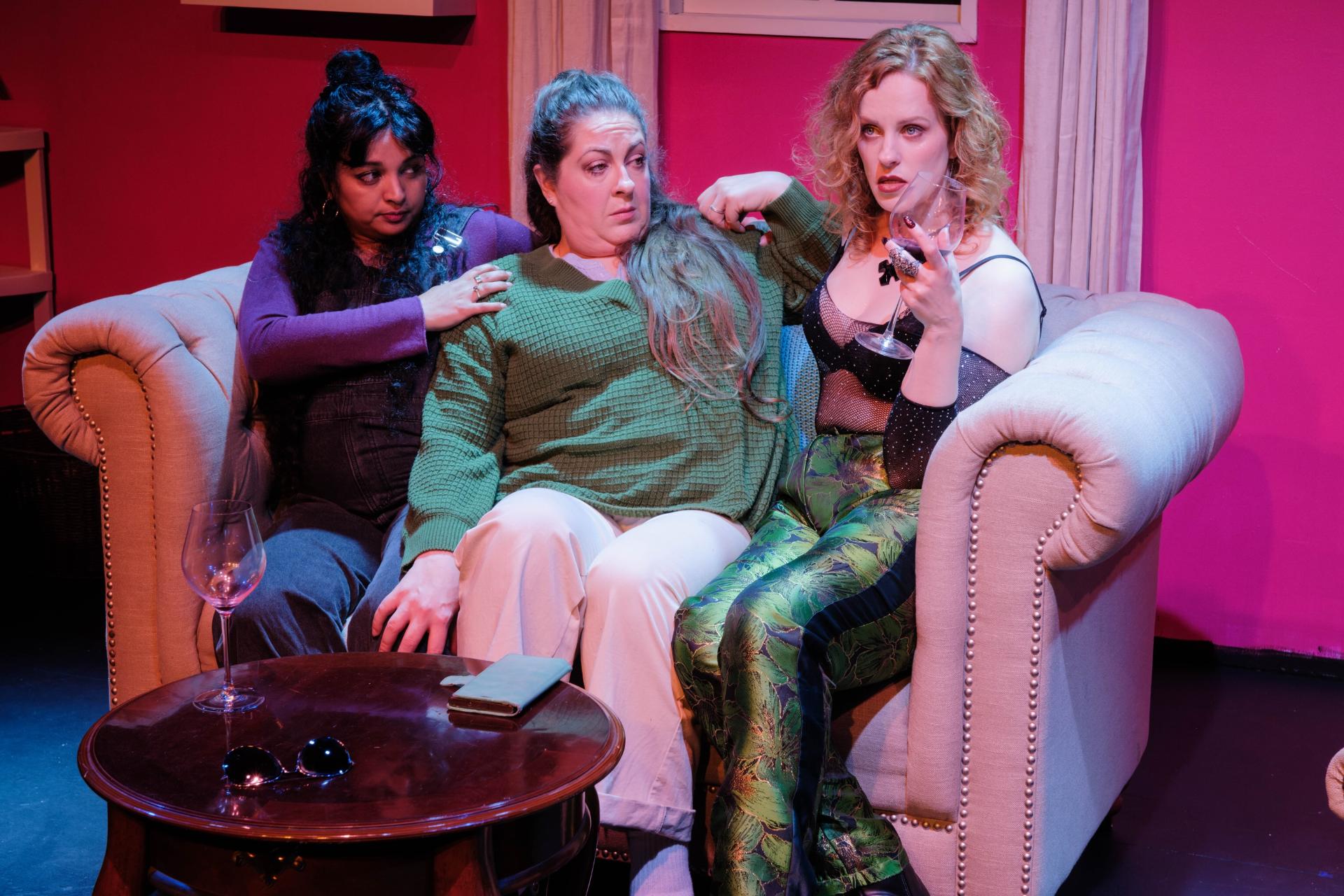
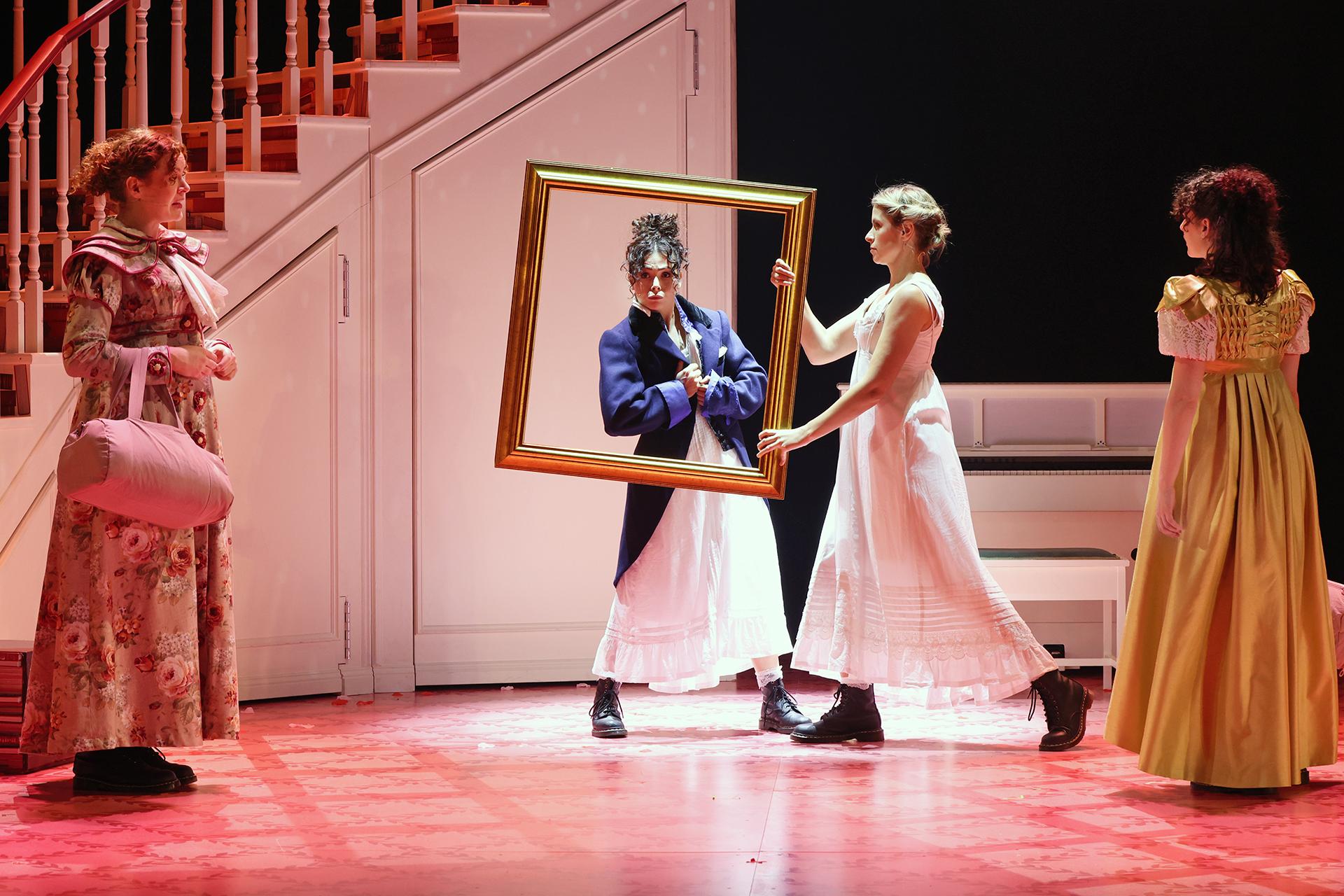
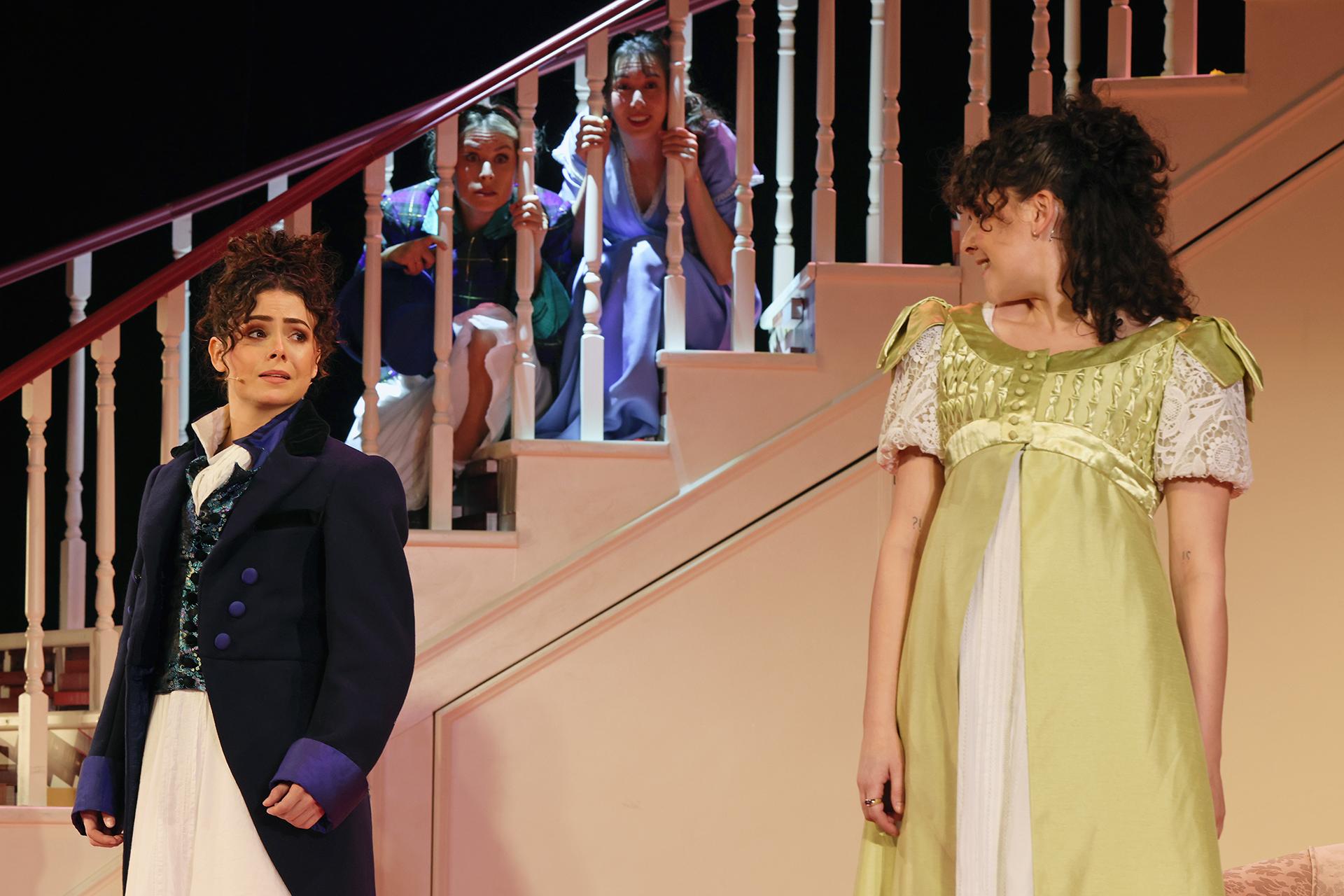
Under Anne-Louise Sarks’s astute direction and Amy Campbell’s sensitive choreography, the production arrives with startling immediacy, rendering its feminist discourse with the electrifying urgency of a revelation only just unveiled. Sybylla Melvyn, that indomitable protagonist, captivates utterly; every element of the staging conspires to forge an unbreakable empathic bond, compelling our complete investment in her trajectory.

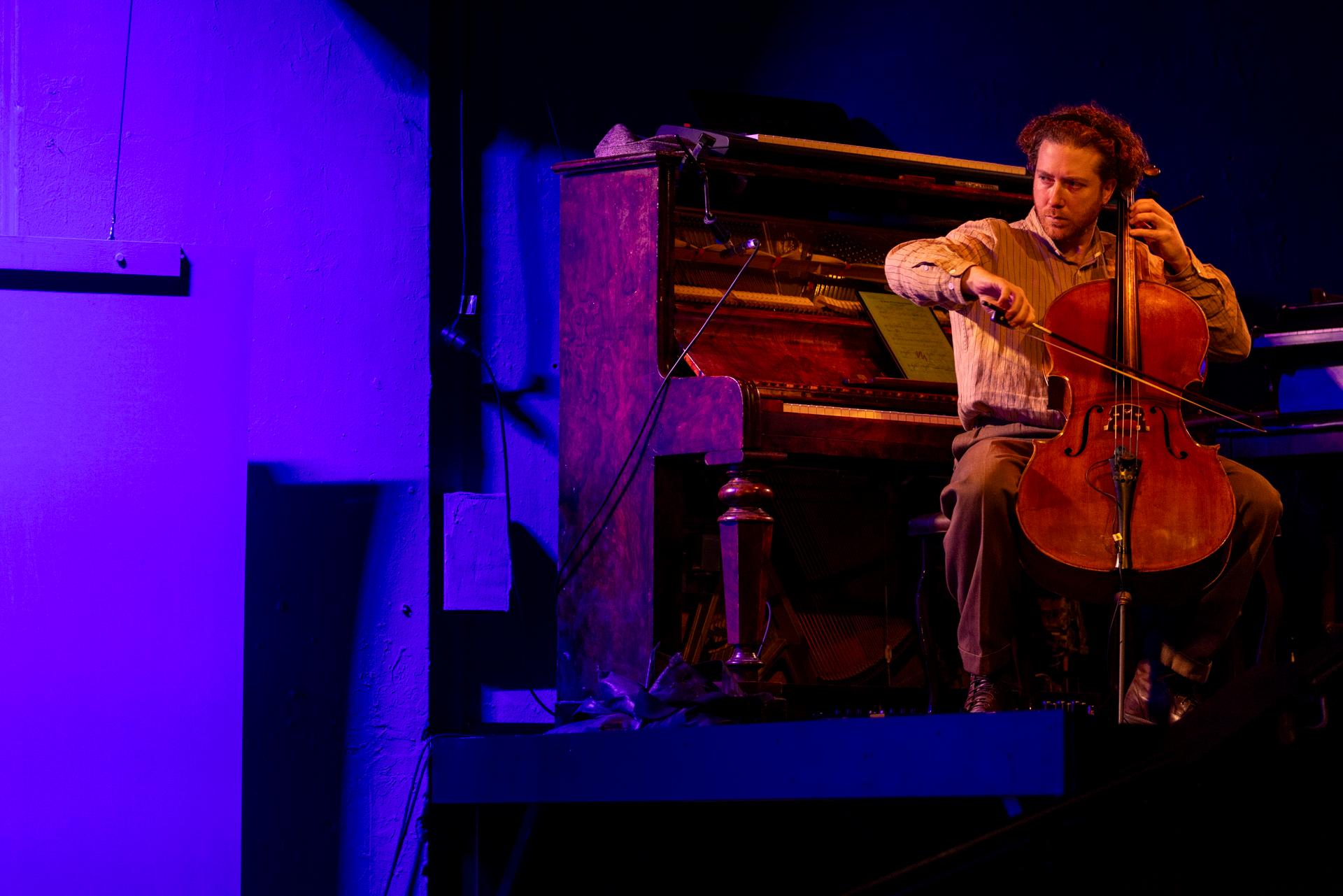
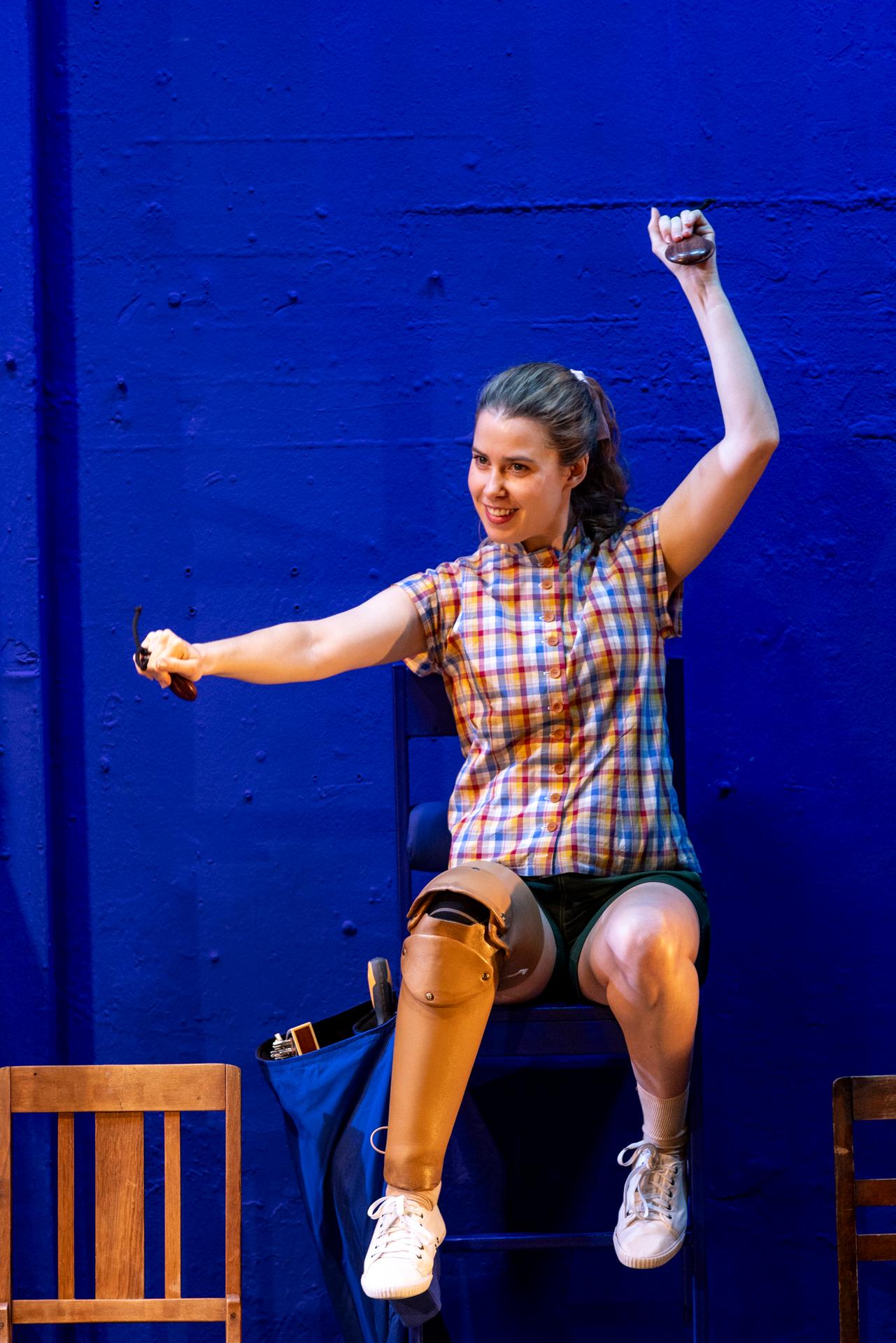
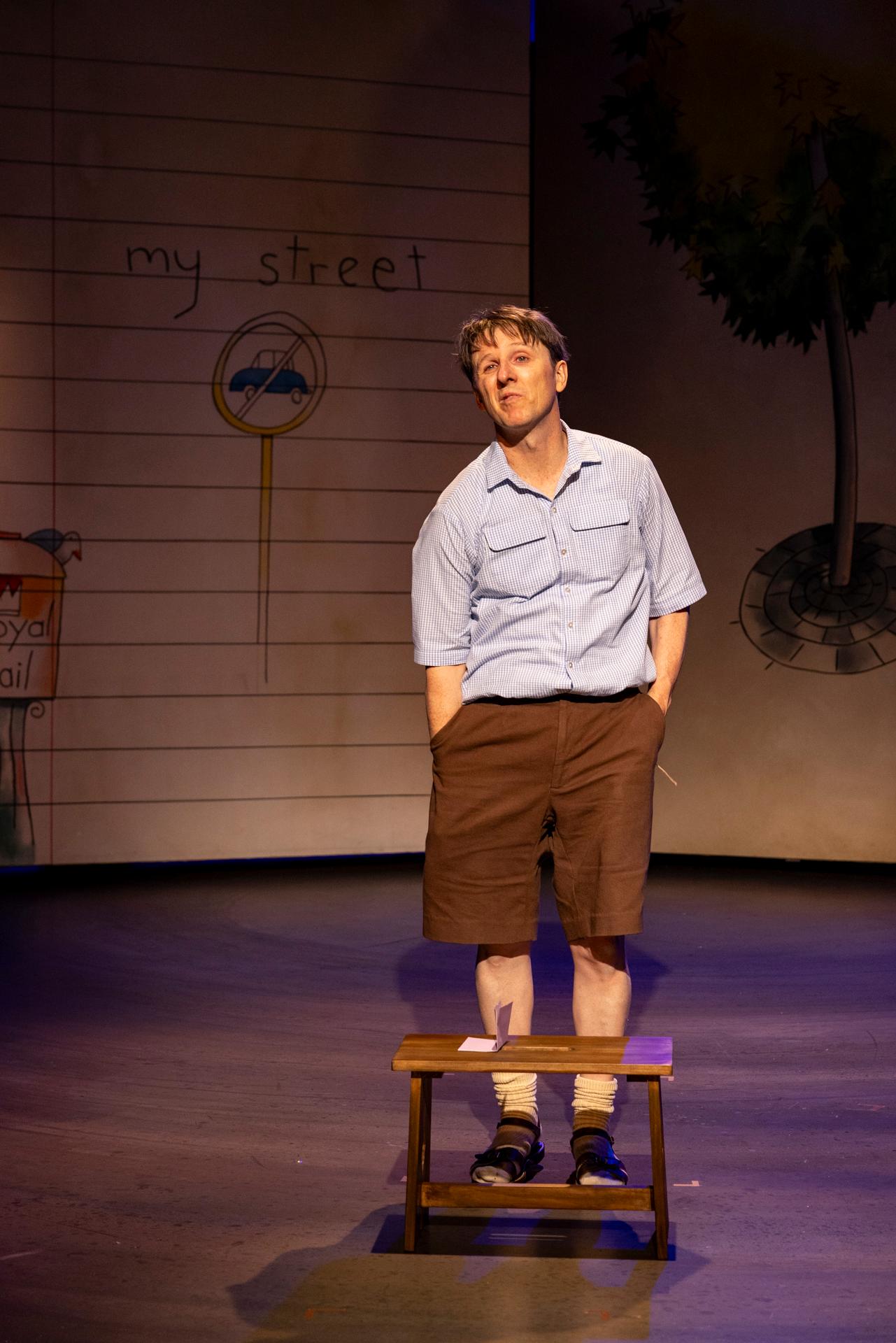
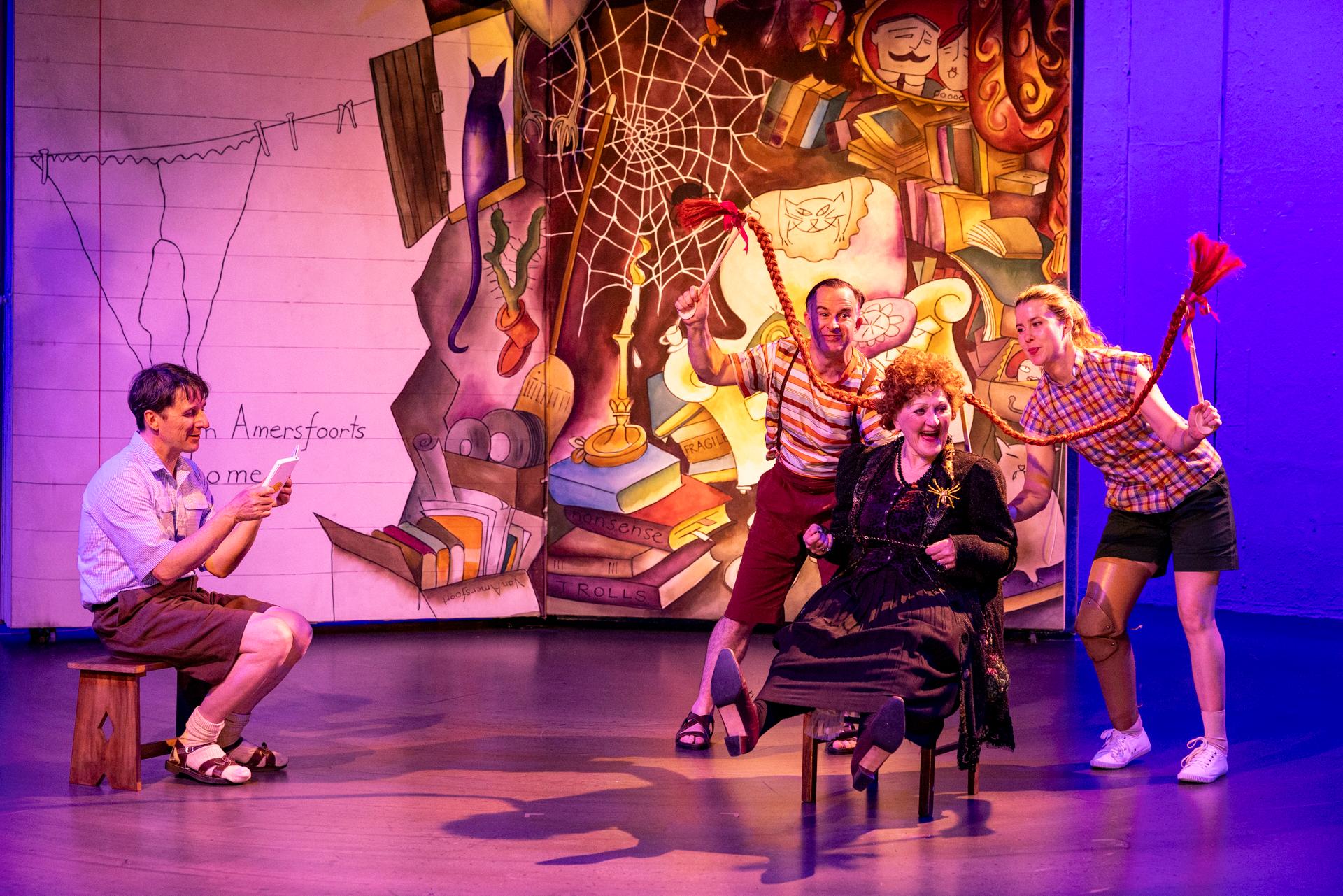
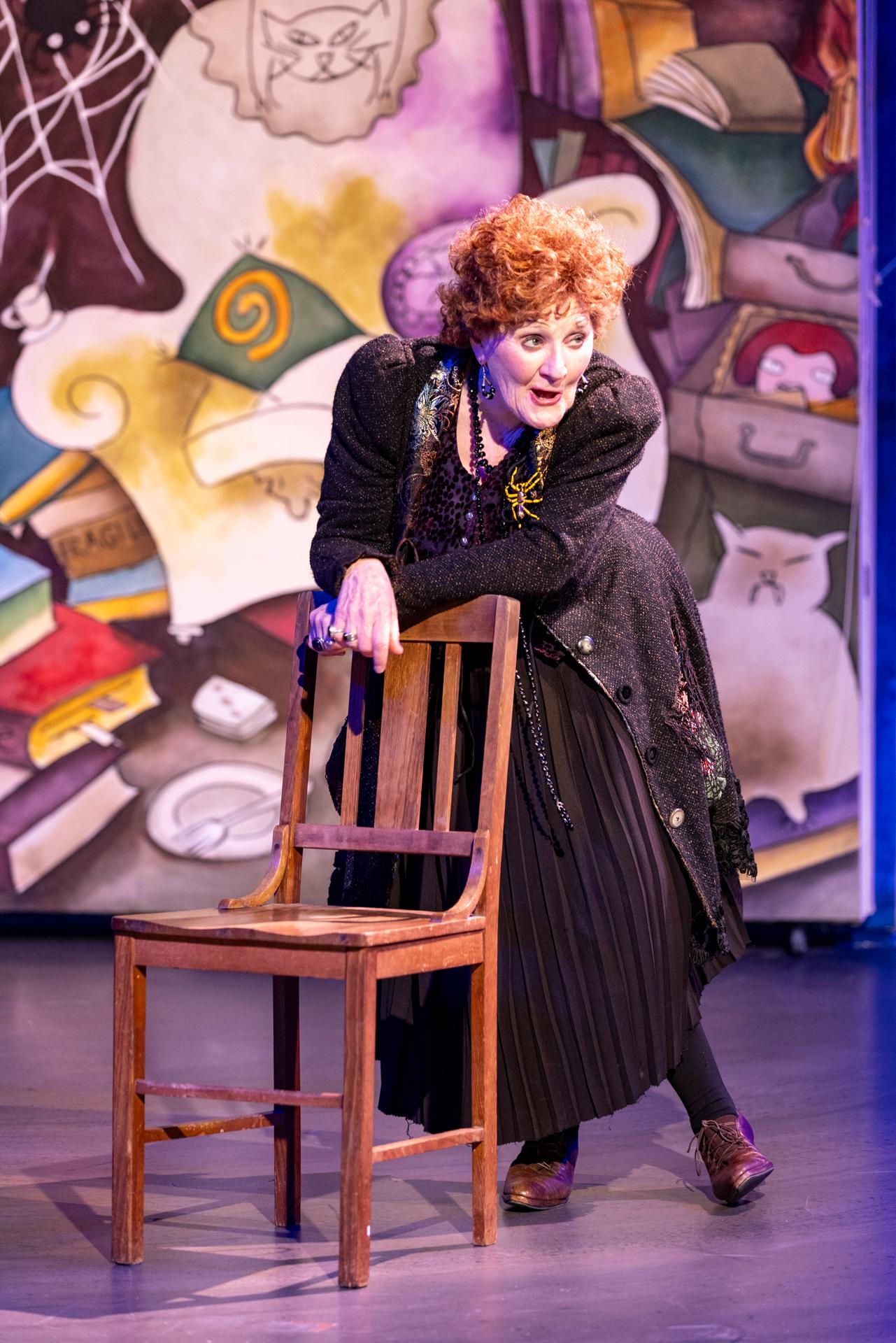
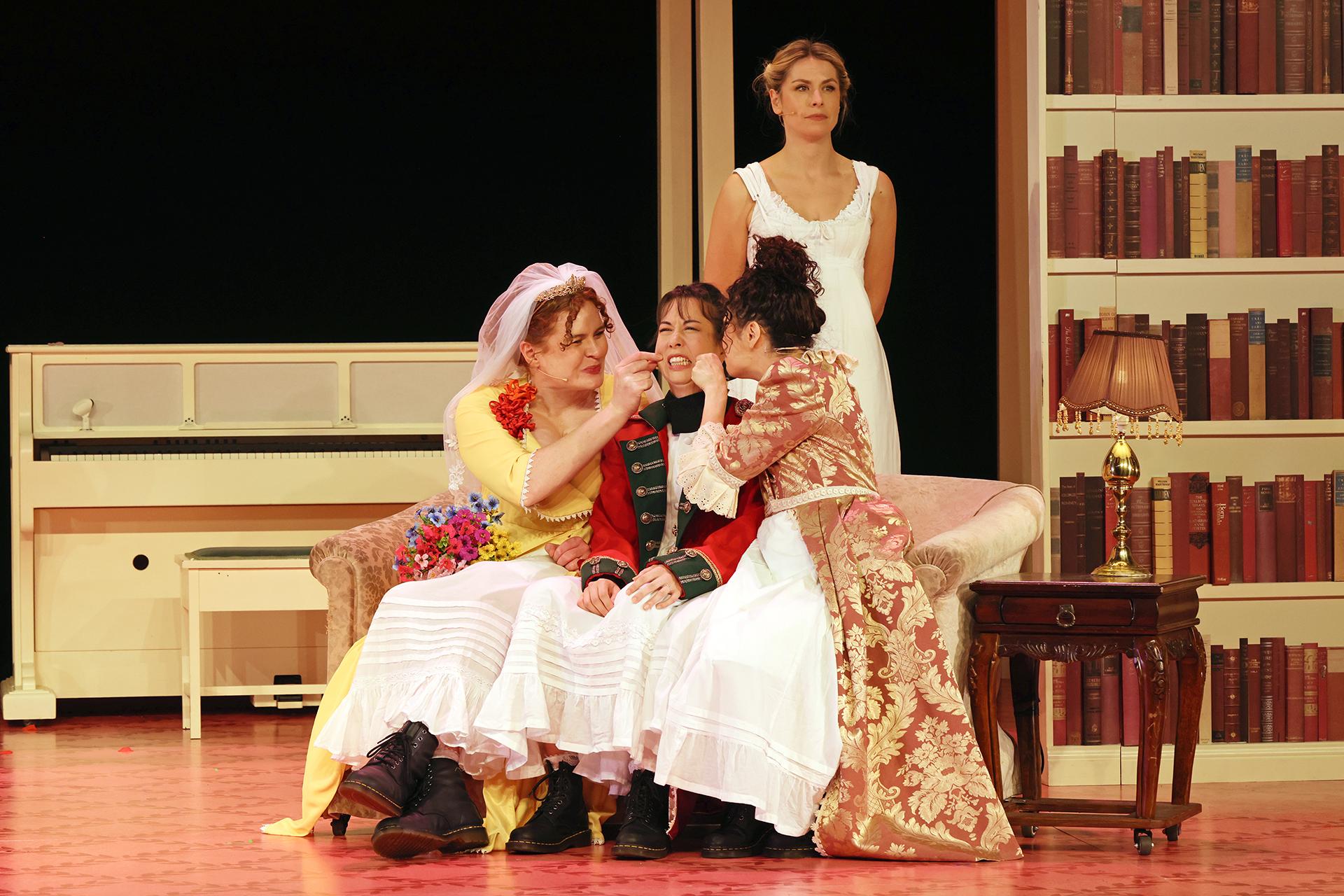
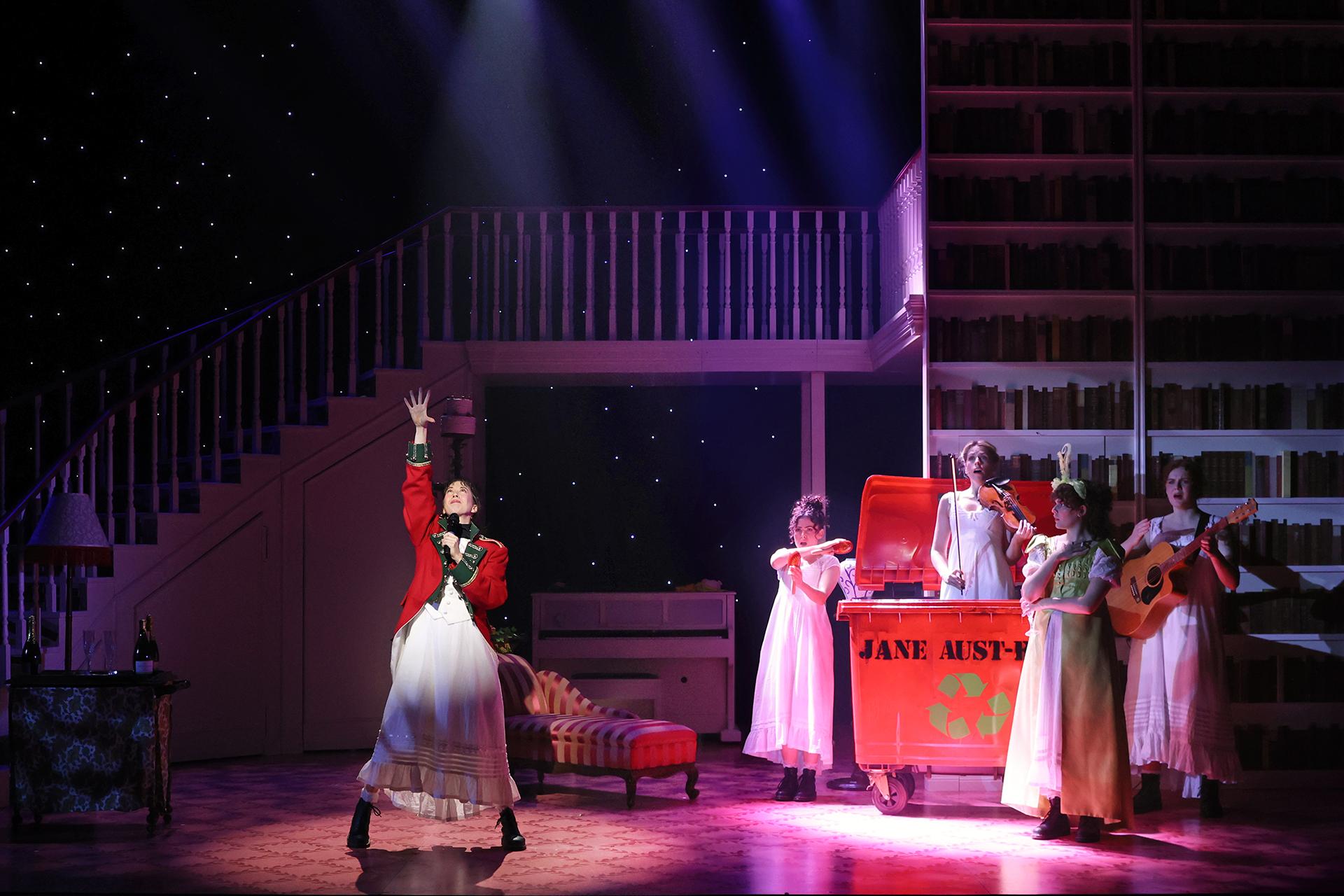
Kala Gare delivers a thoroughly virtuosic performance in the central role, commanding the stage with breath-taking intensity to create an indelible theatrical experience. Remarkably, Gare and the supporting ensemble assume the dual responsibility of dramatic interpretation whilst simultaneously constituting the instrumental foundation of the entire musical landscape—a demonstration of extraordinary artistic versatility. Under Victoria Falconer’s expert musical direction, each composition emerges as a triumph of exuberance, sustaining a level of entertainment that never once falters.

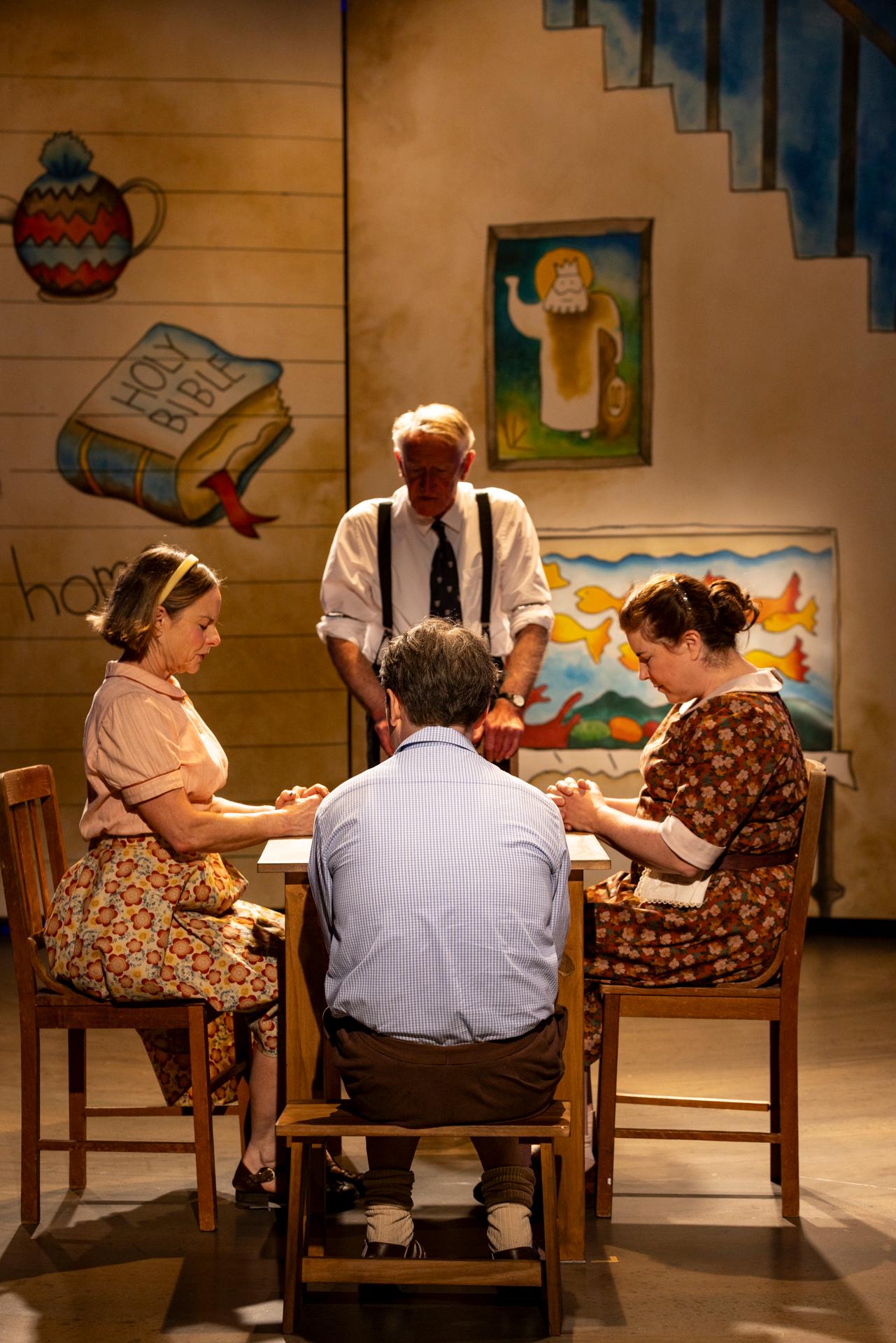
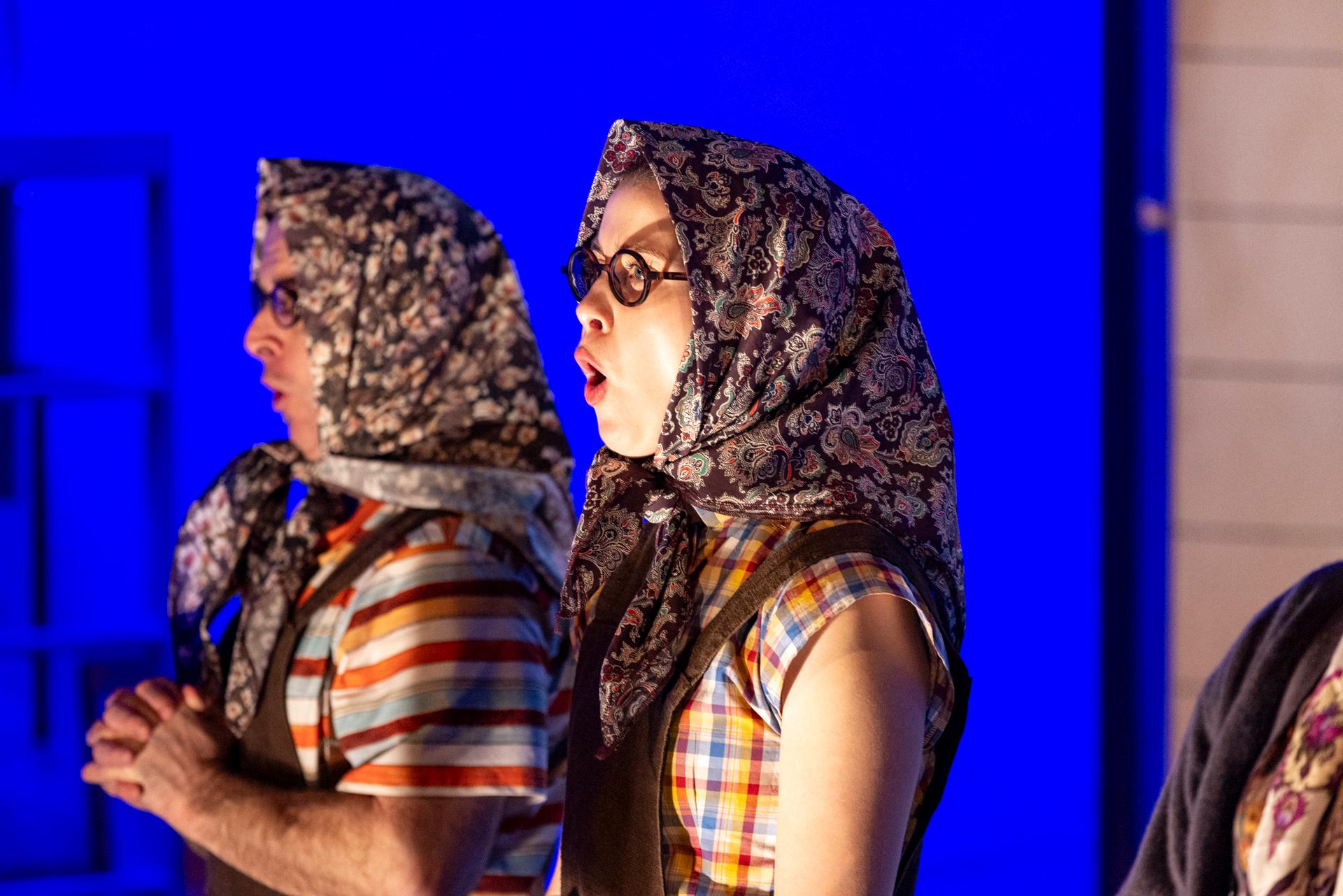
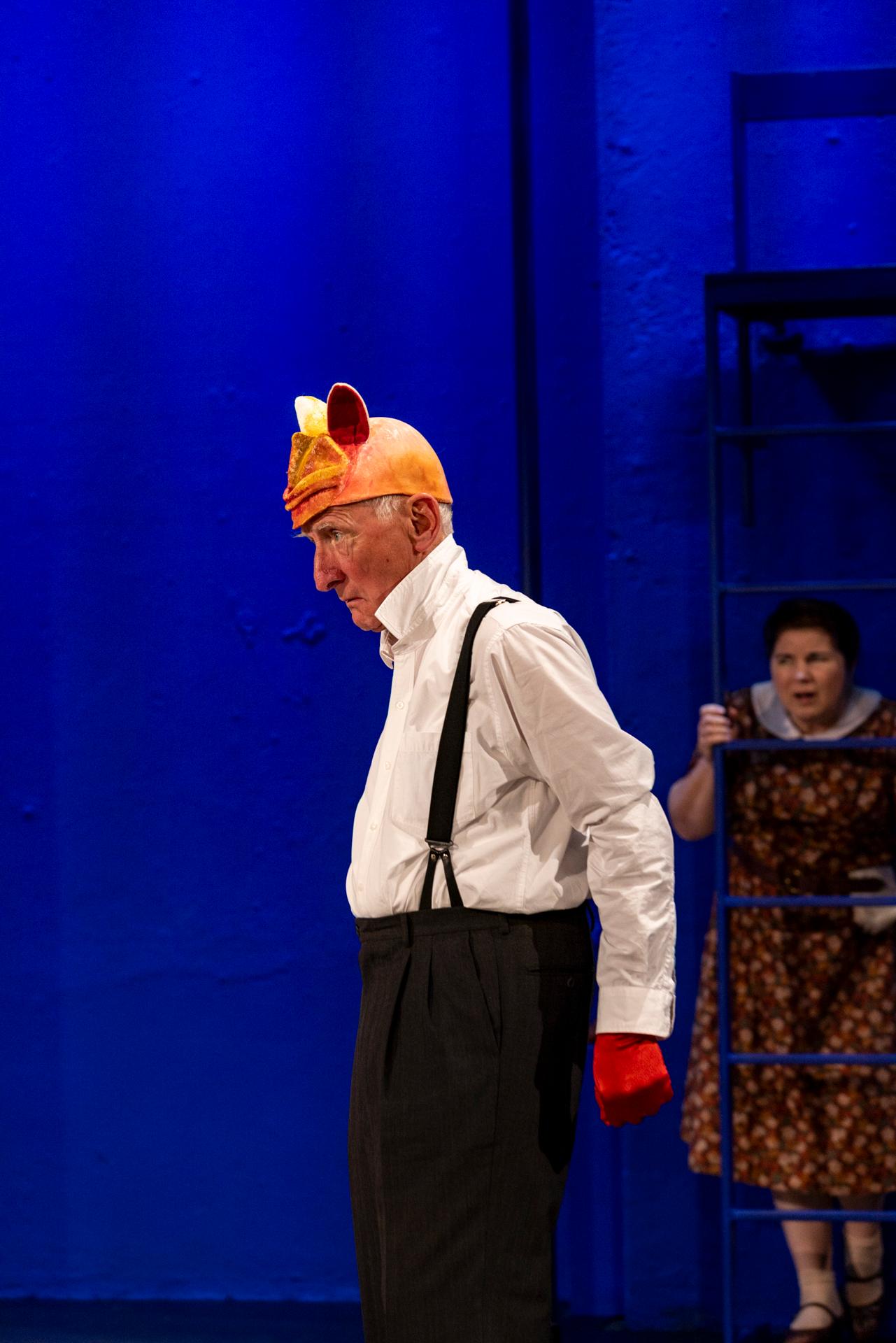
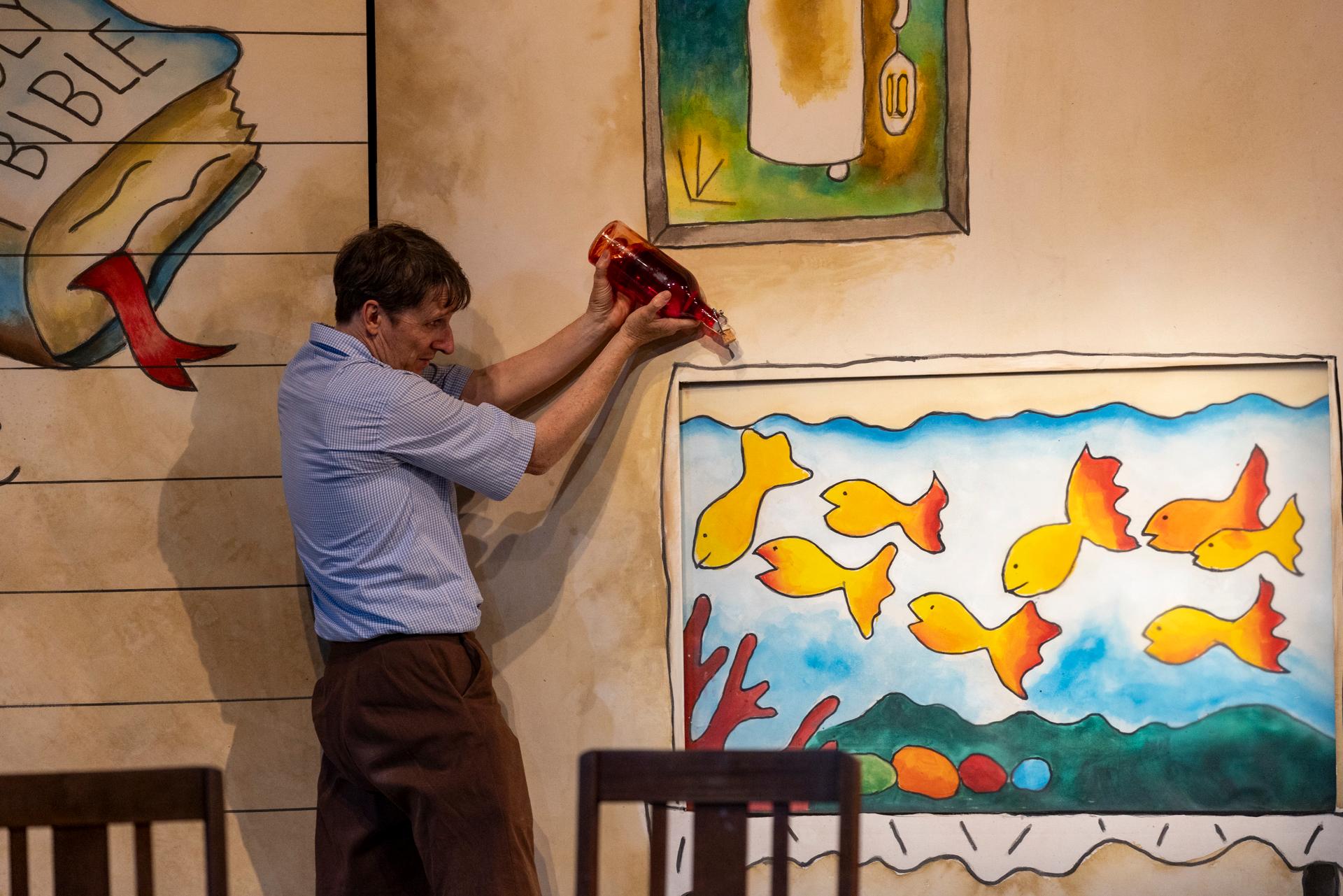
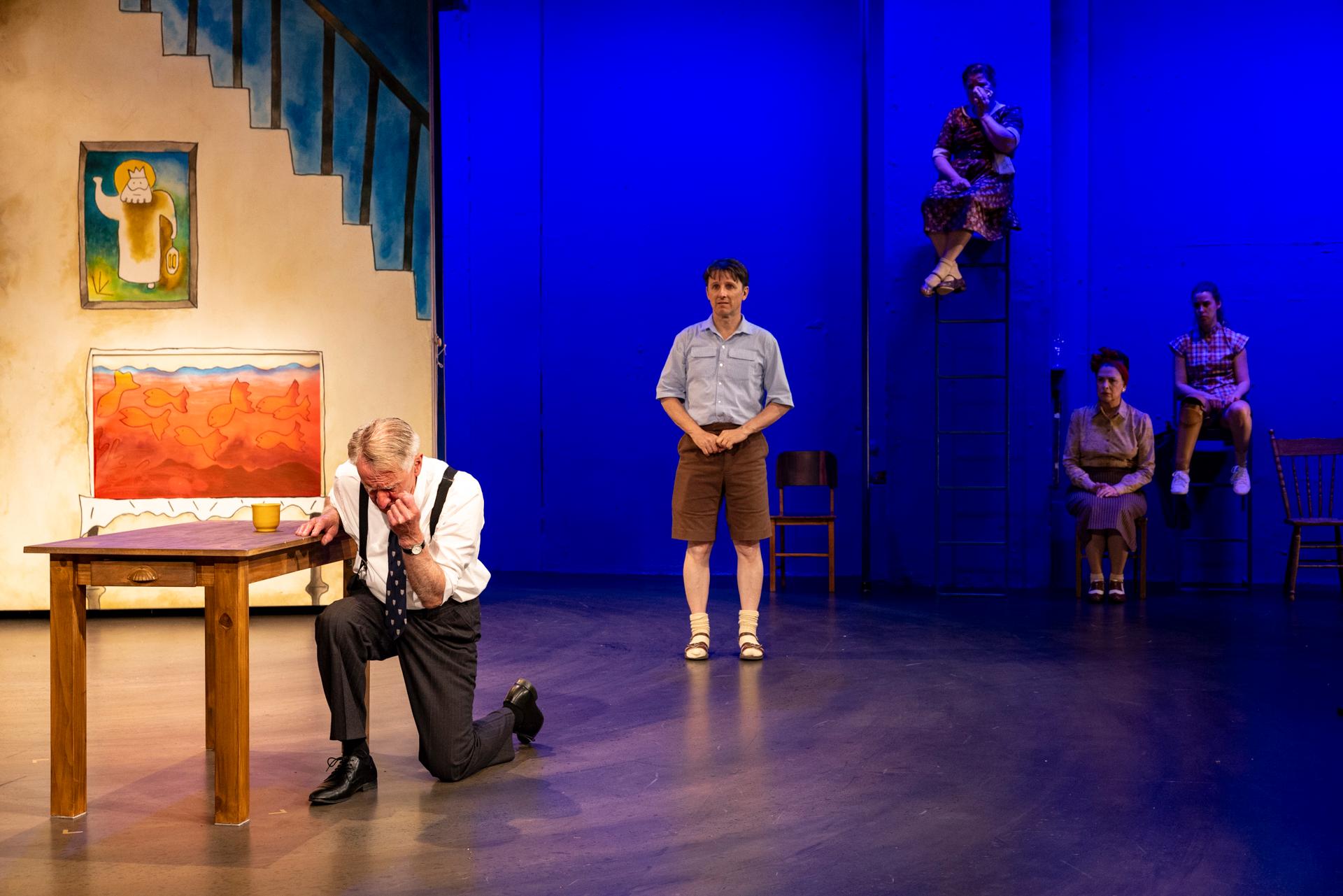
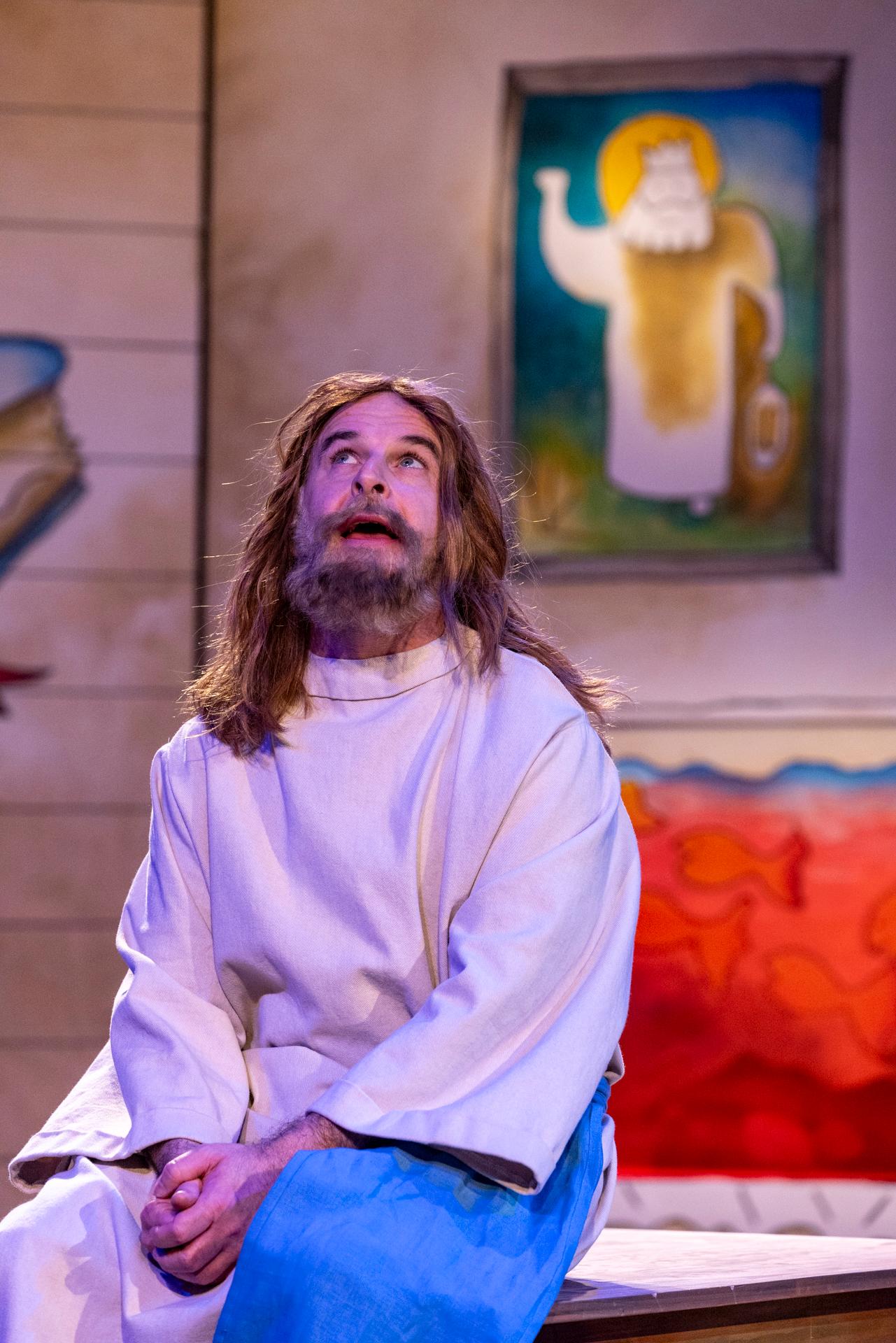
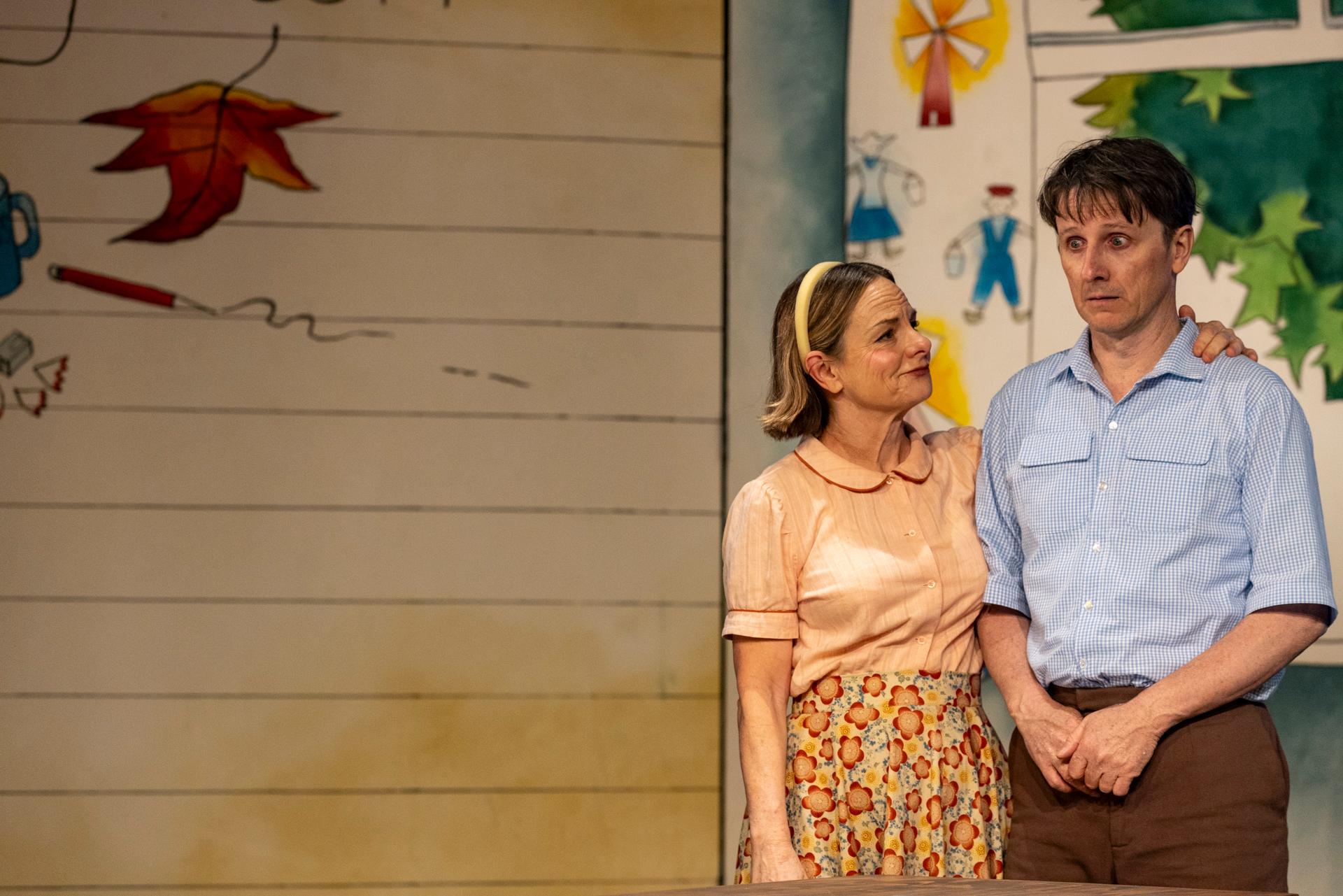
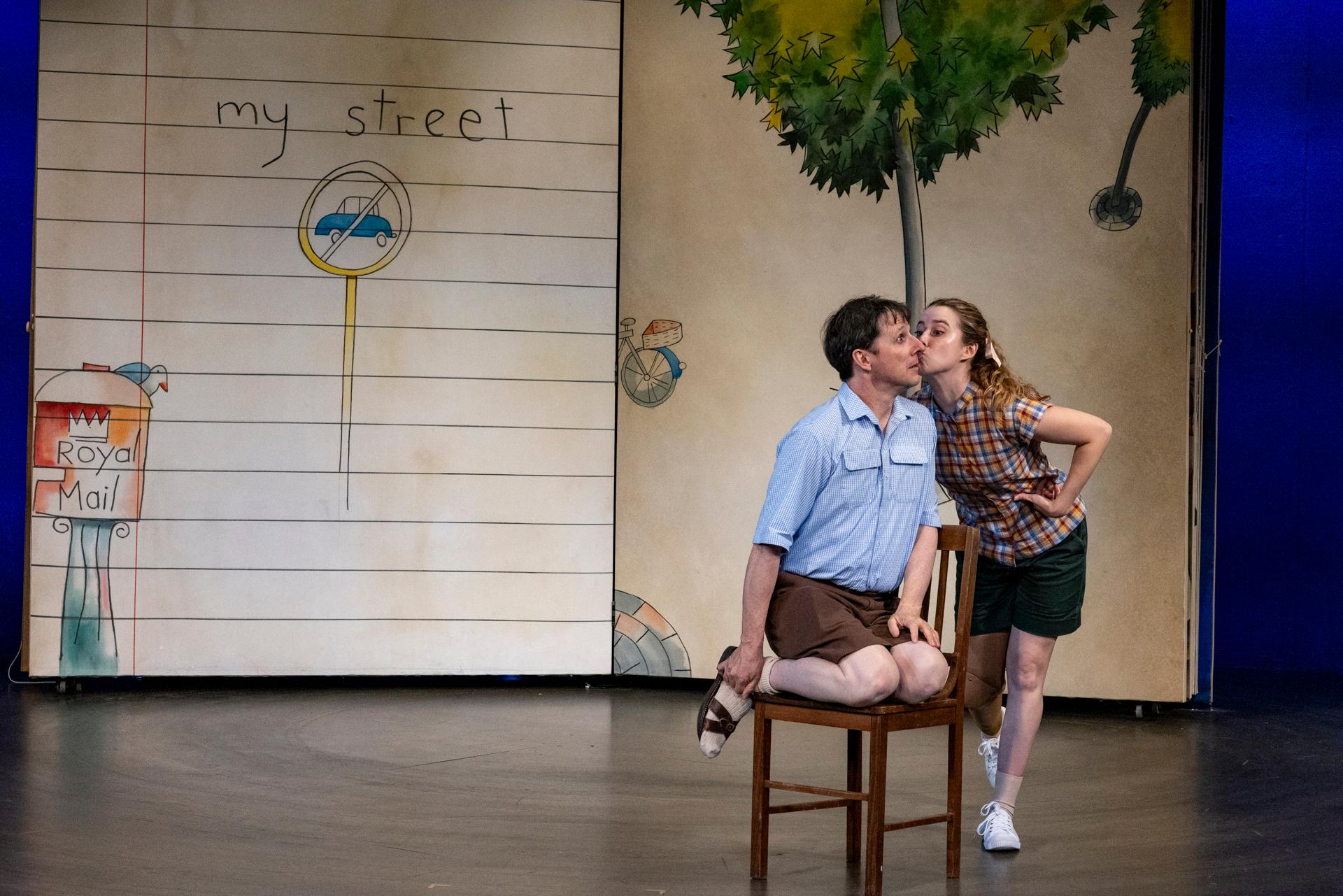
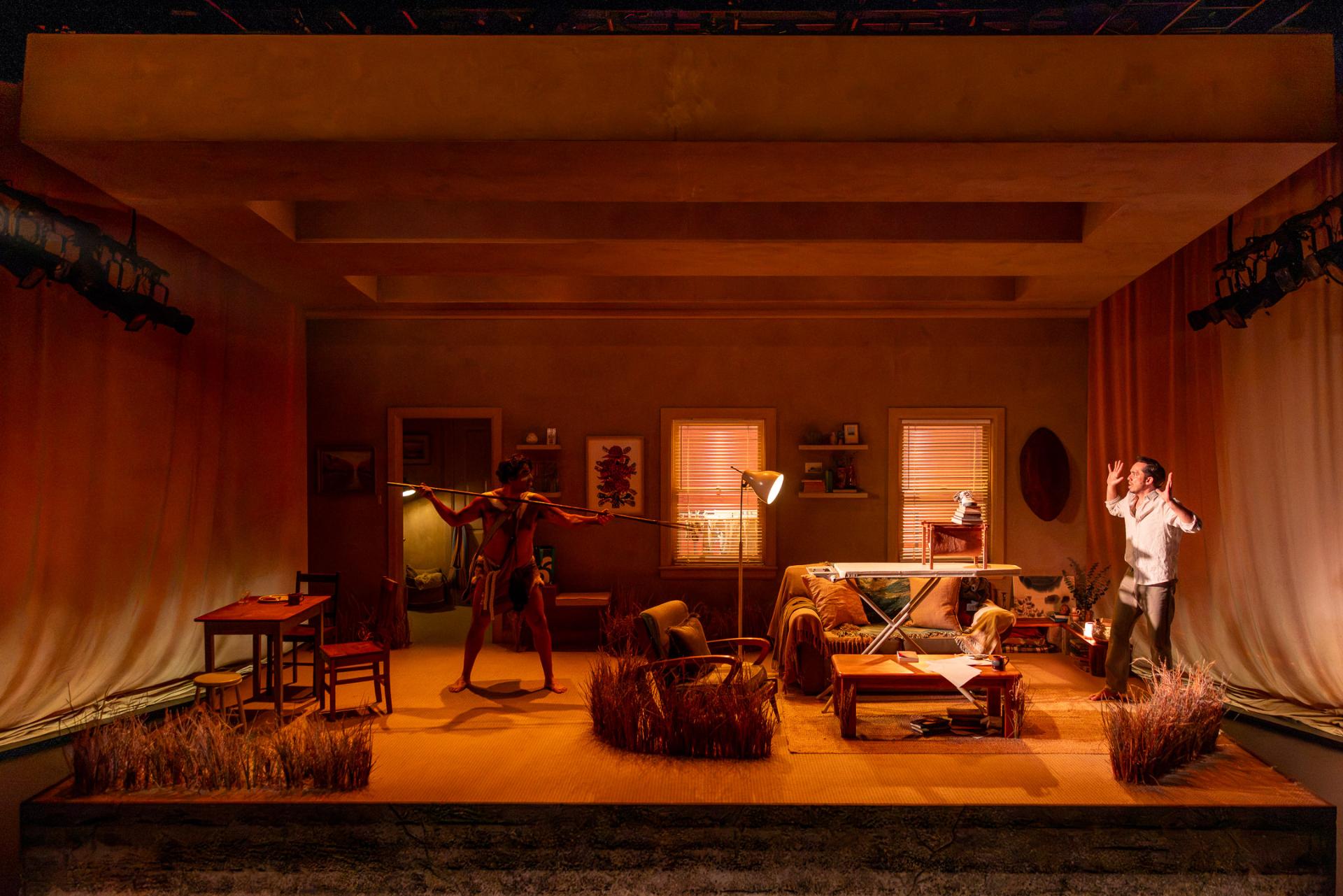
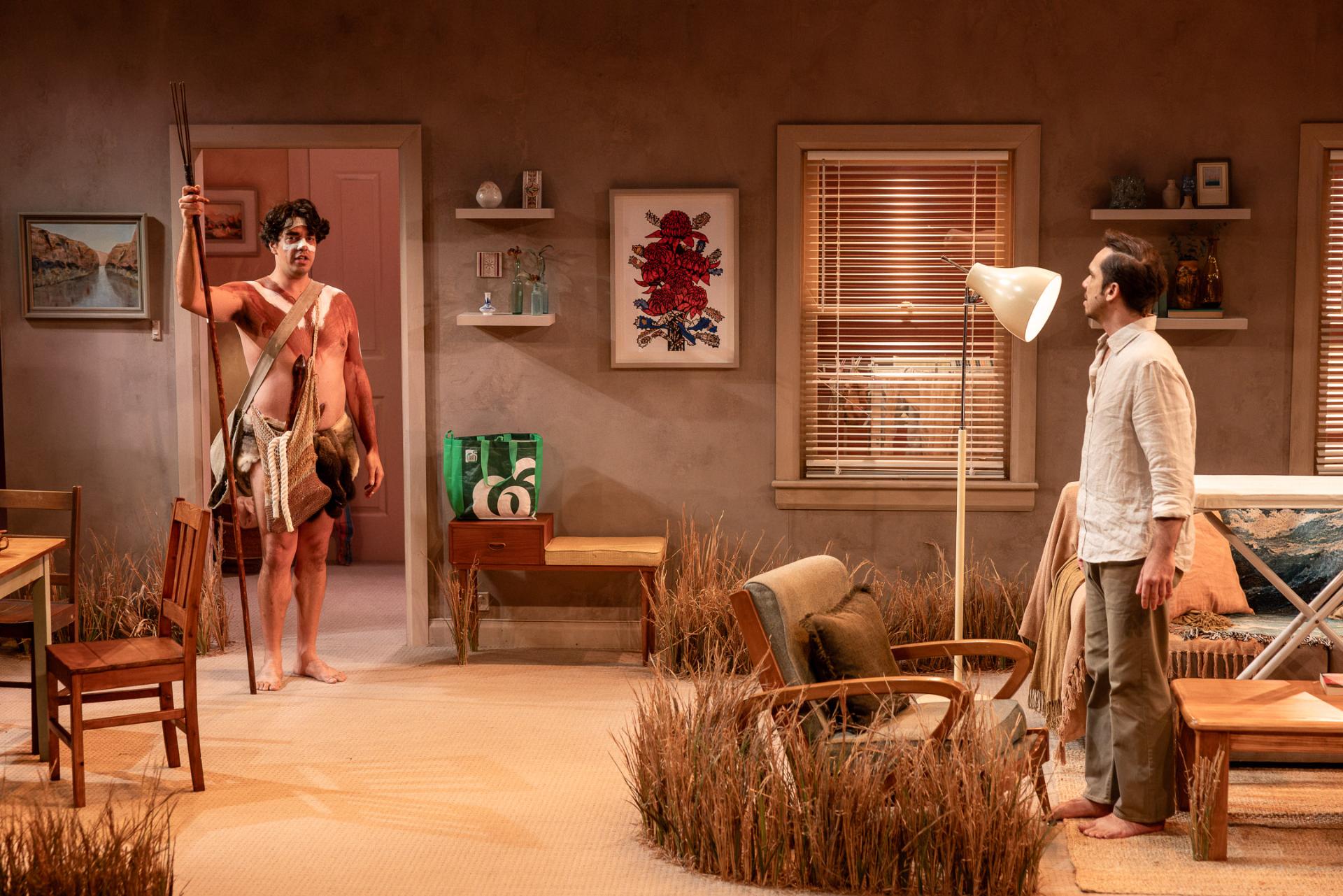
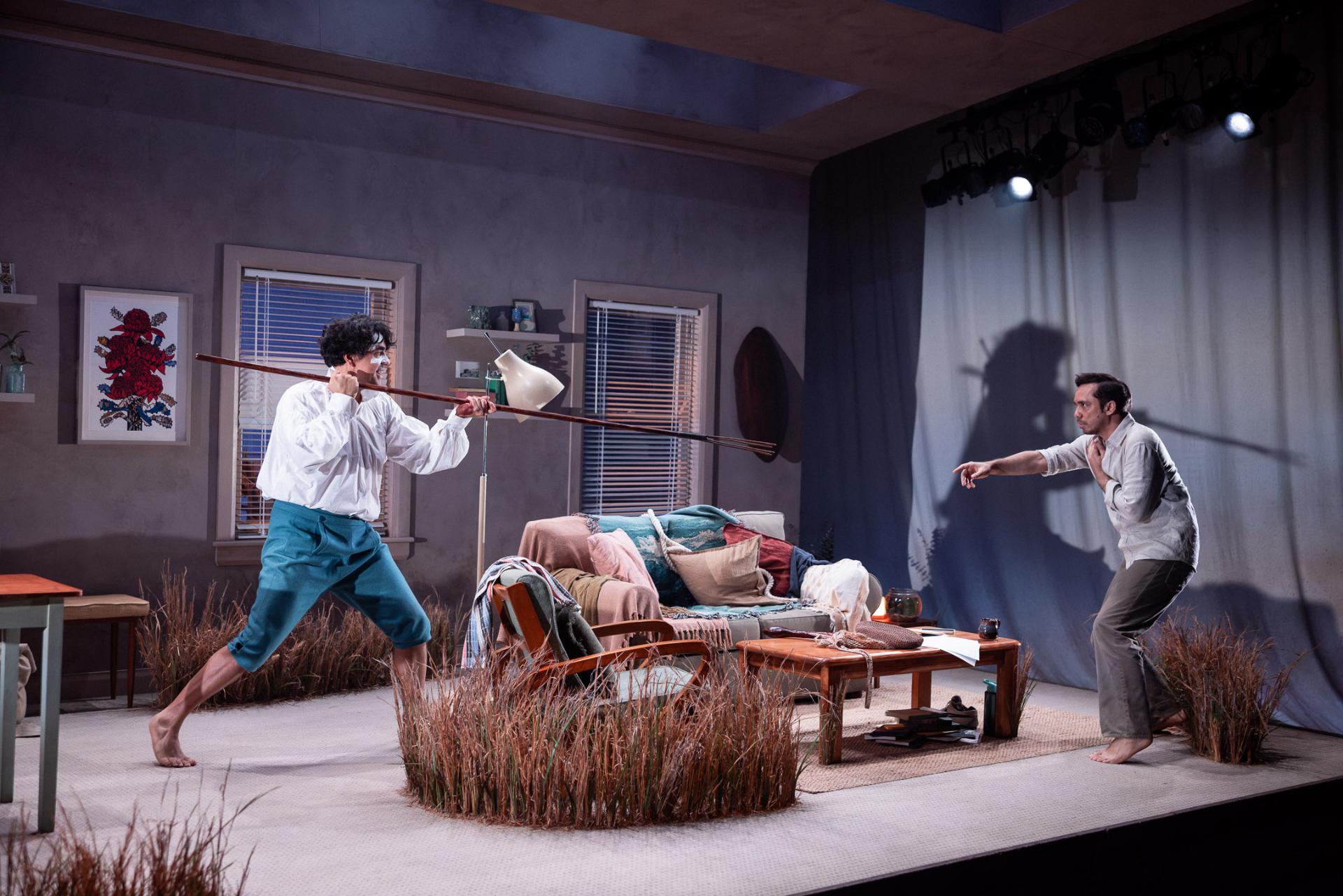
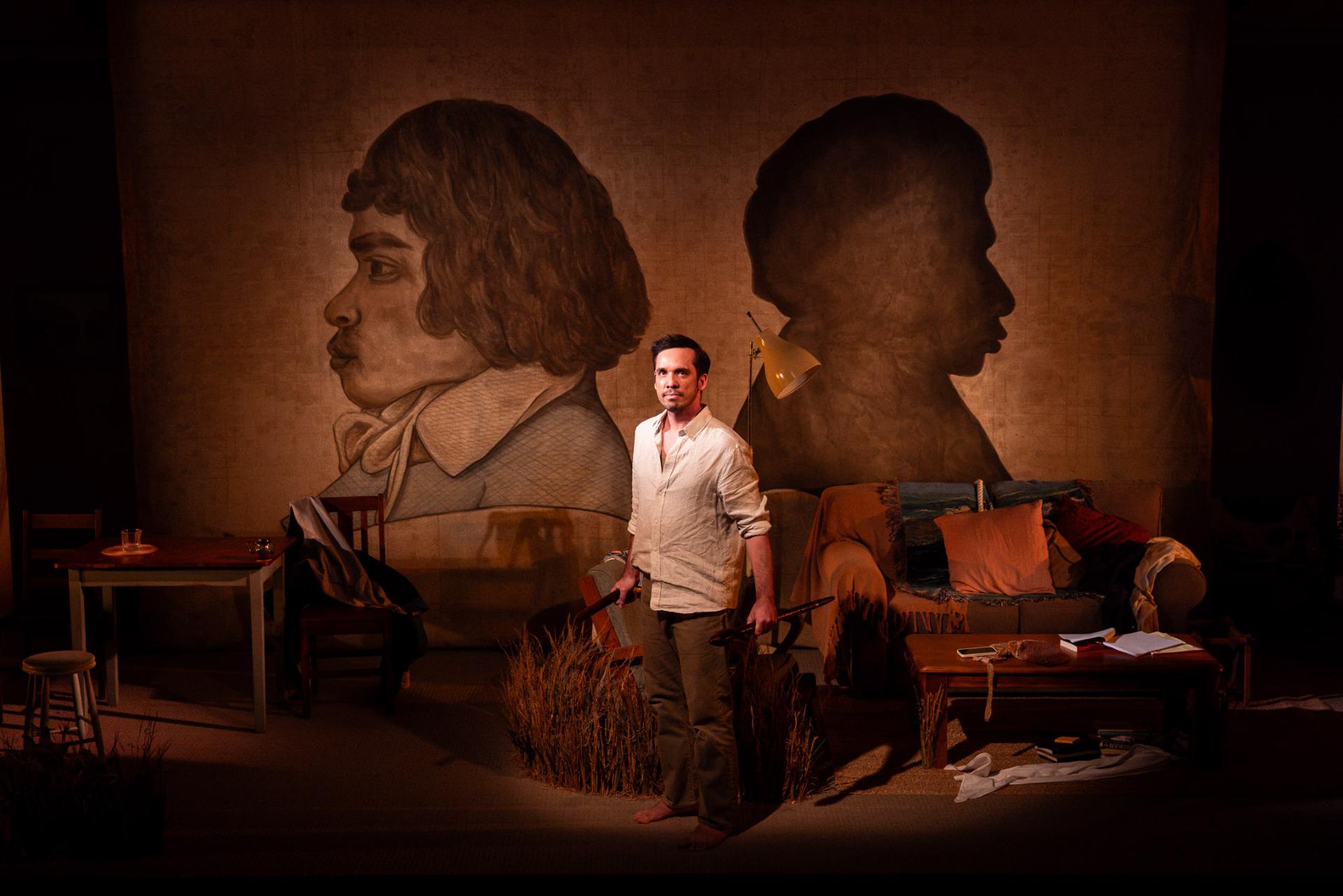
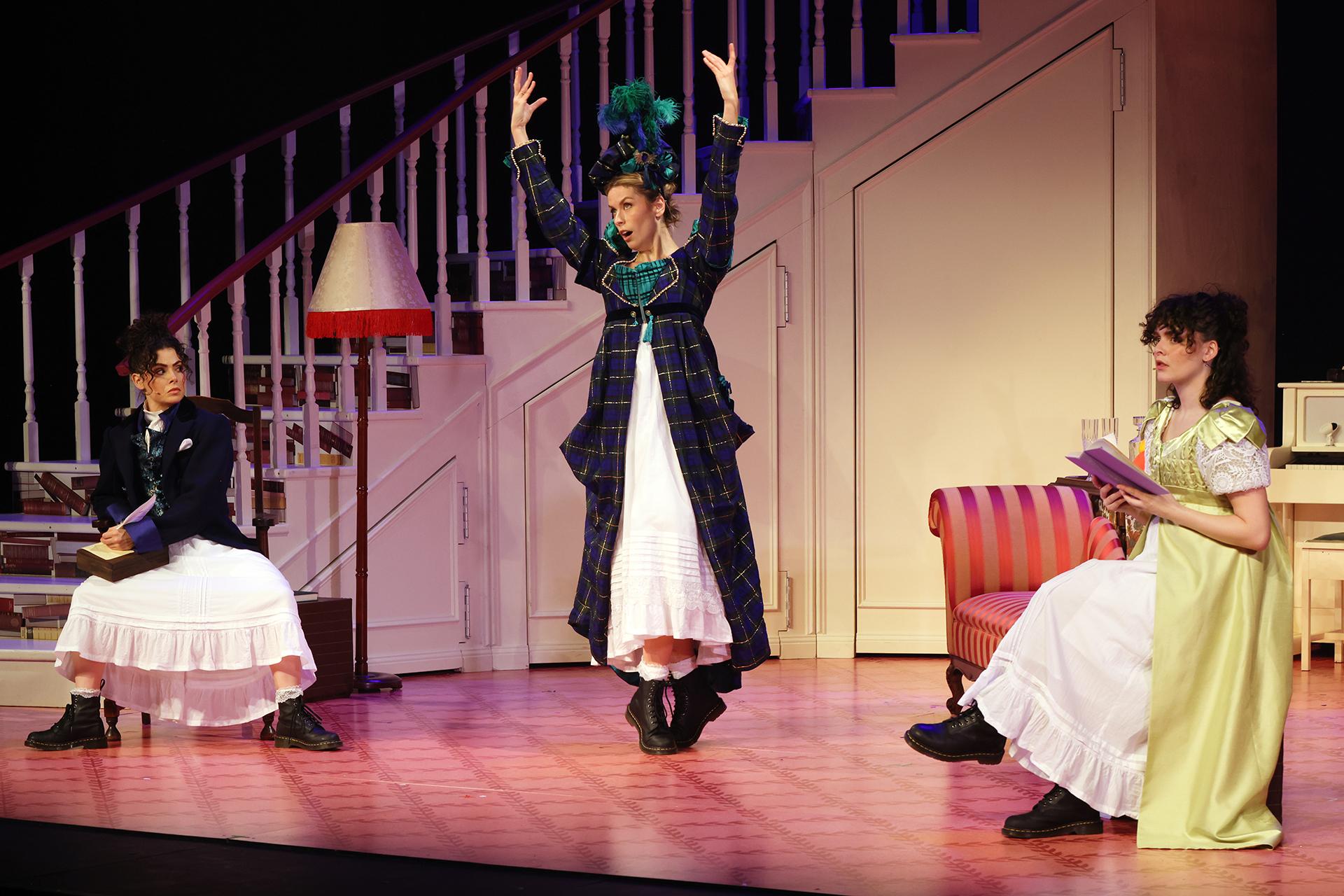
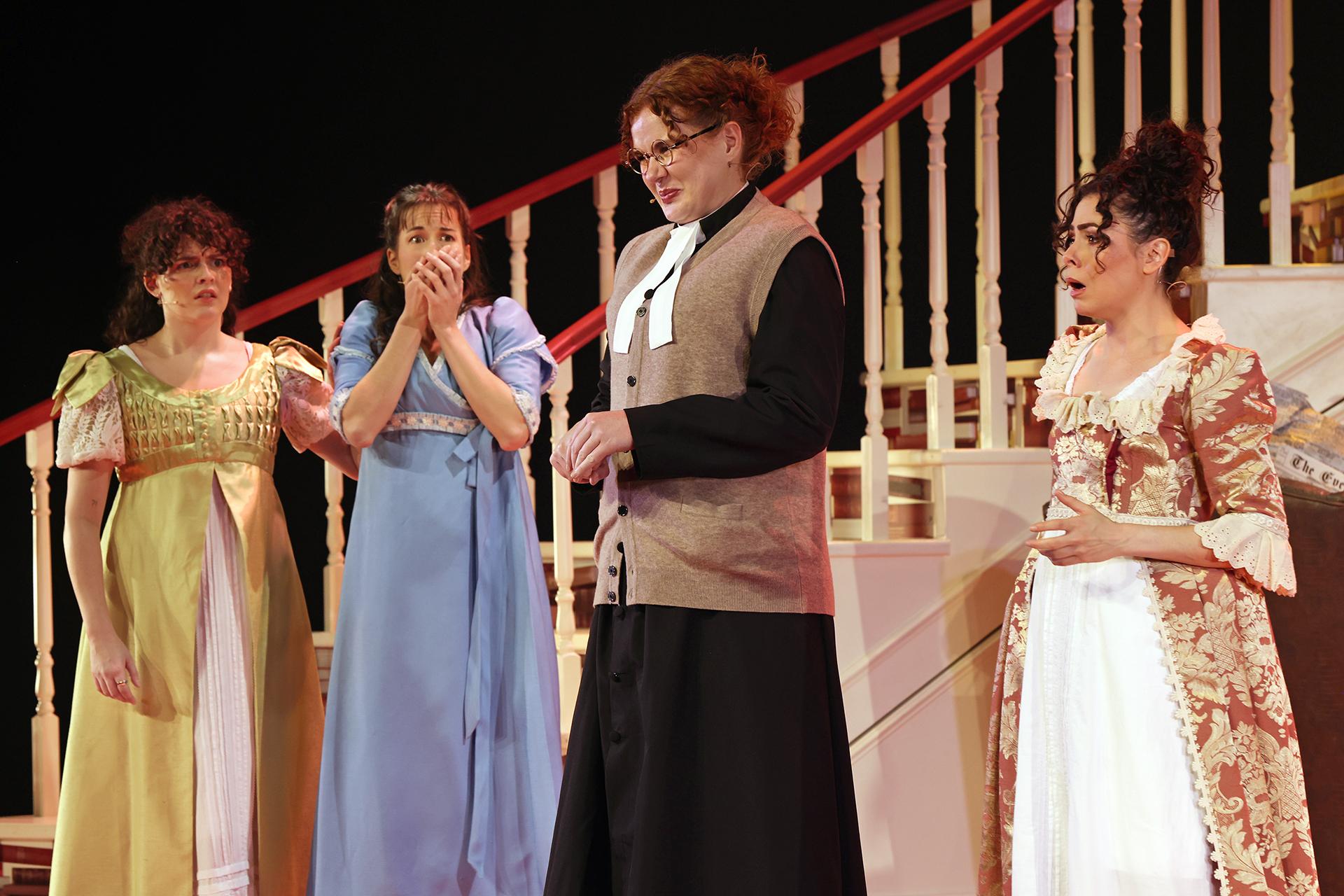
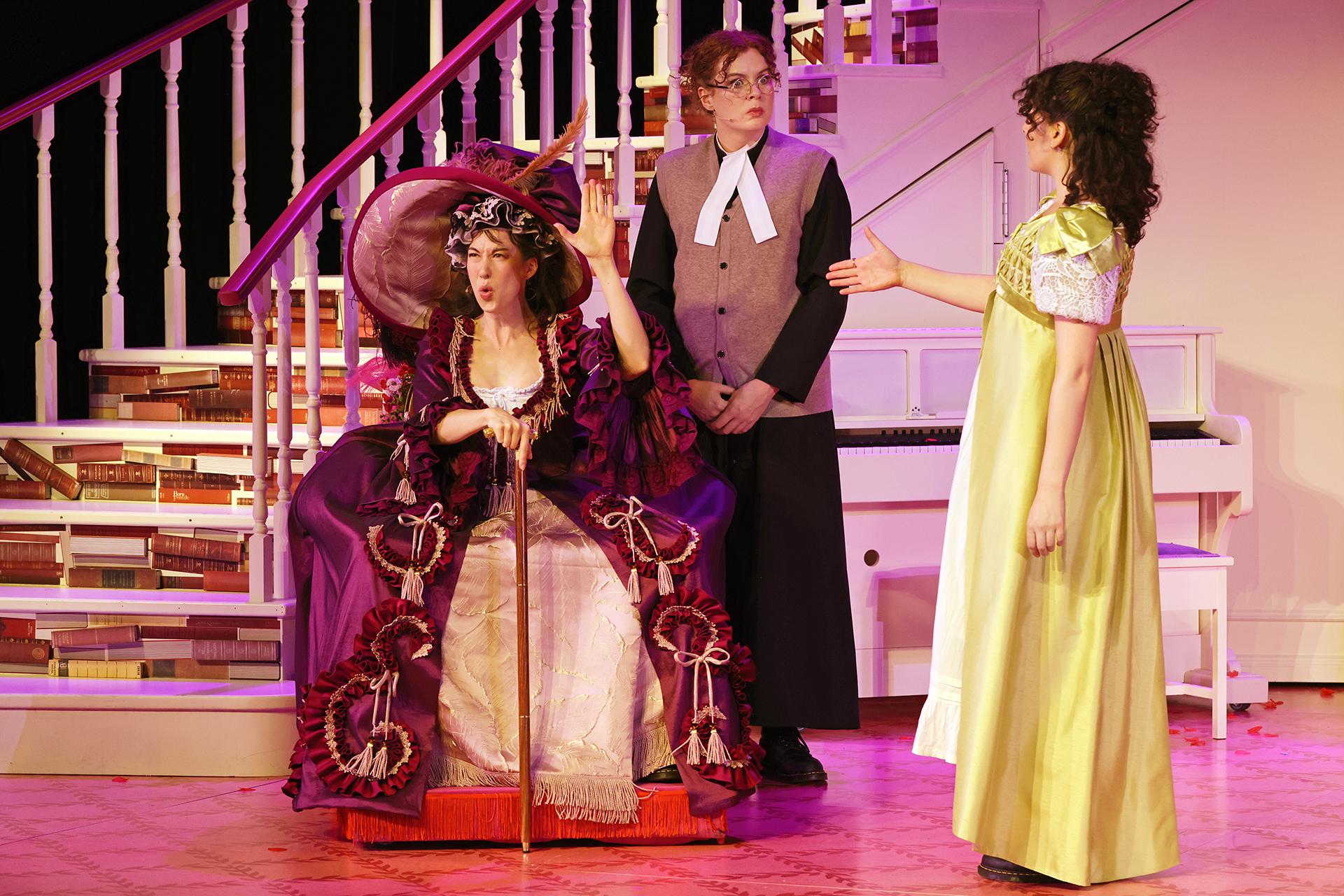
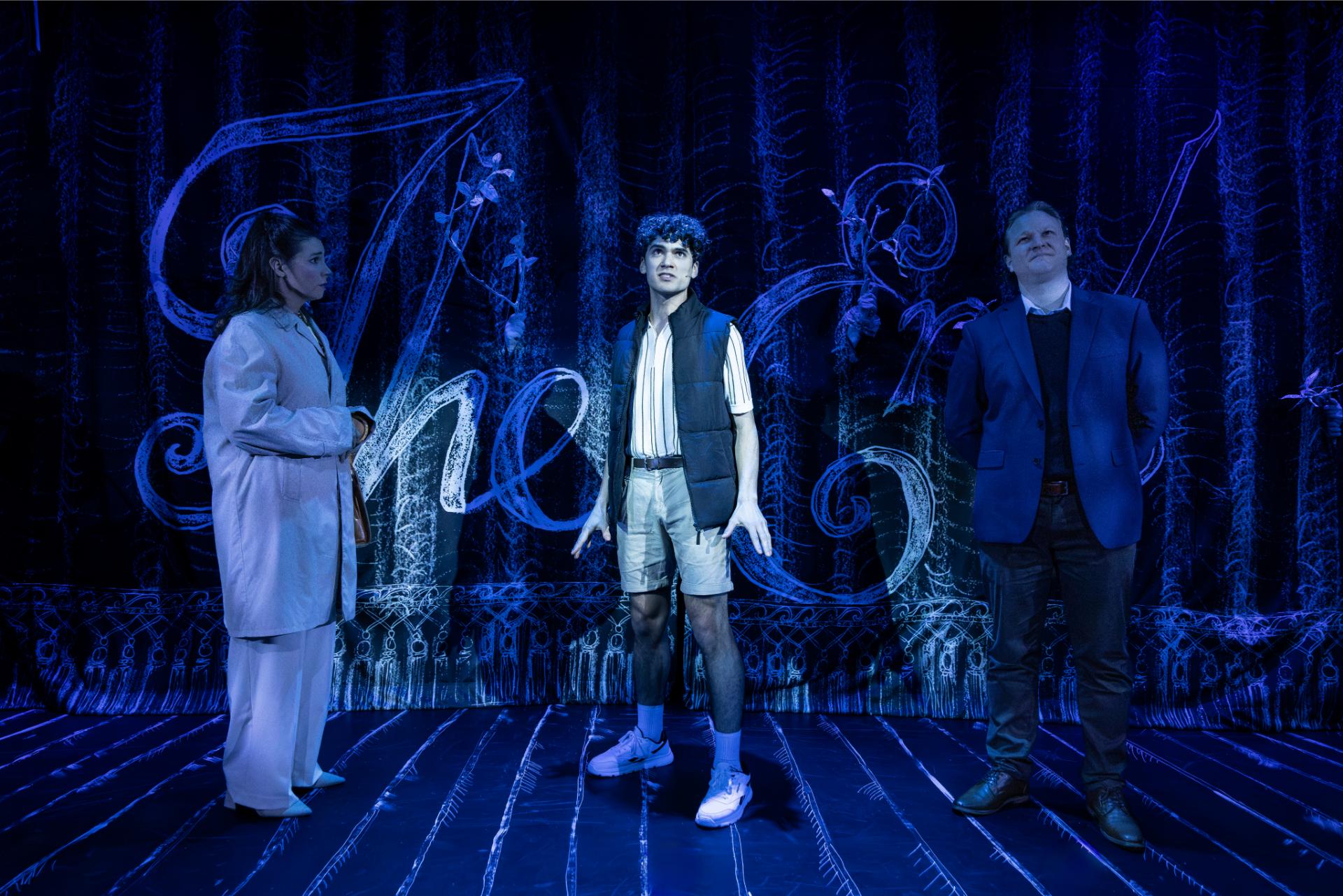
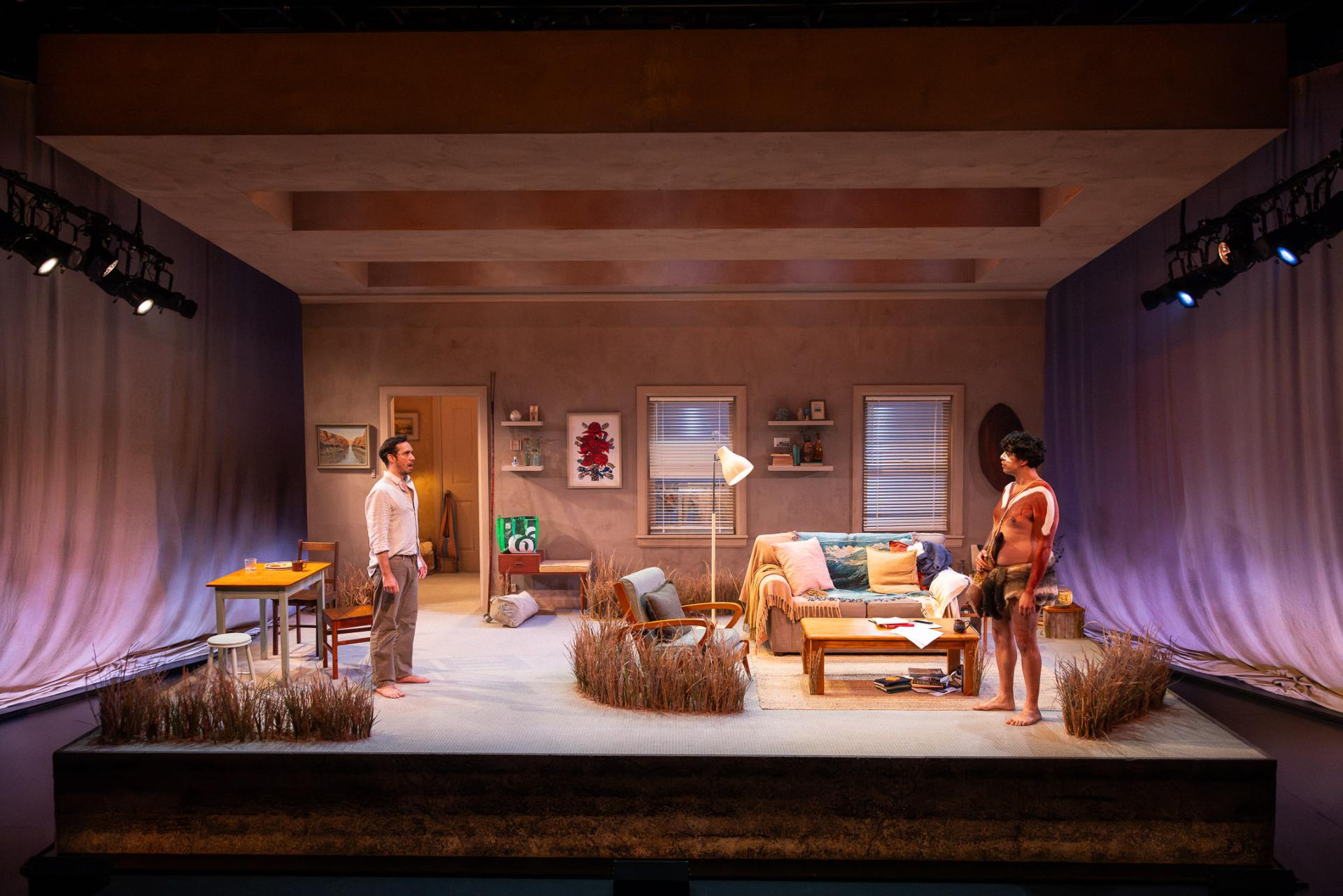
Set and costumes by Marg Howell evoke the visual vernacular of the late nineteenth century, yet—like every other element of the production—deploy considerable artistic license to ensure the work feels distinctly contemporary. Eschewing any slavish fidelity to historical accuracy that might risk feeling dowdy or remote, preventing the work from collapsing into the fusty dreariness of period-bound exactitude that might otherwise alienate contemporary sensibilities. Matt Scott’s lighting makes sparing use of grand gestures, focusing instead on the nuanced cultivation of atmosphere, achieving its mood-crafting objectives with impeccable restraint and consummate efficacy.
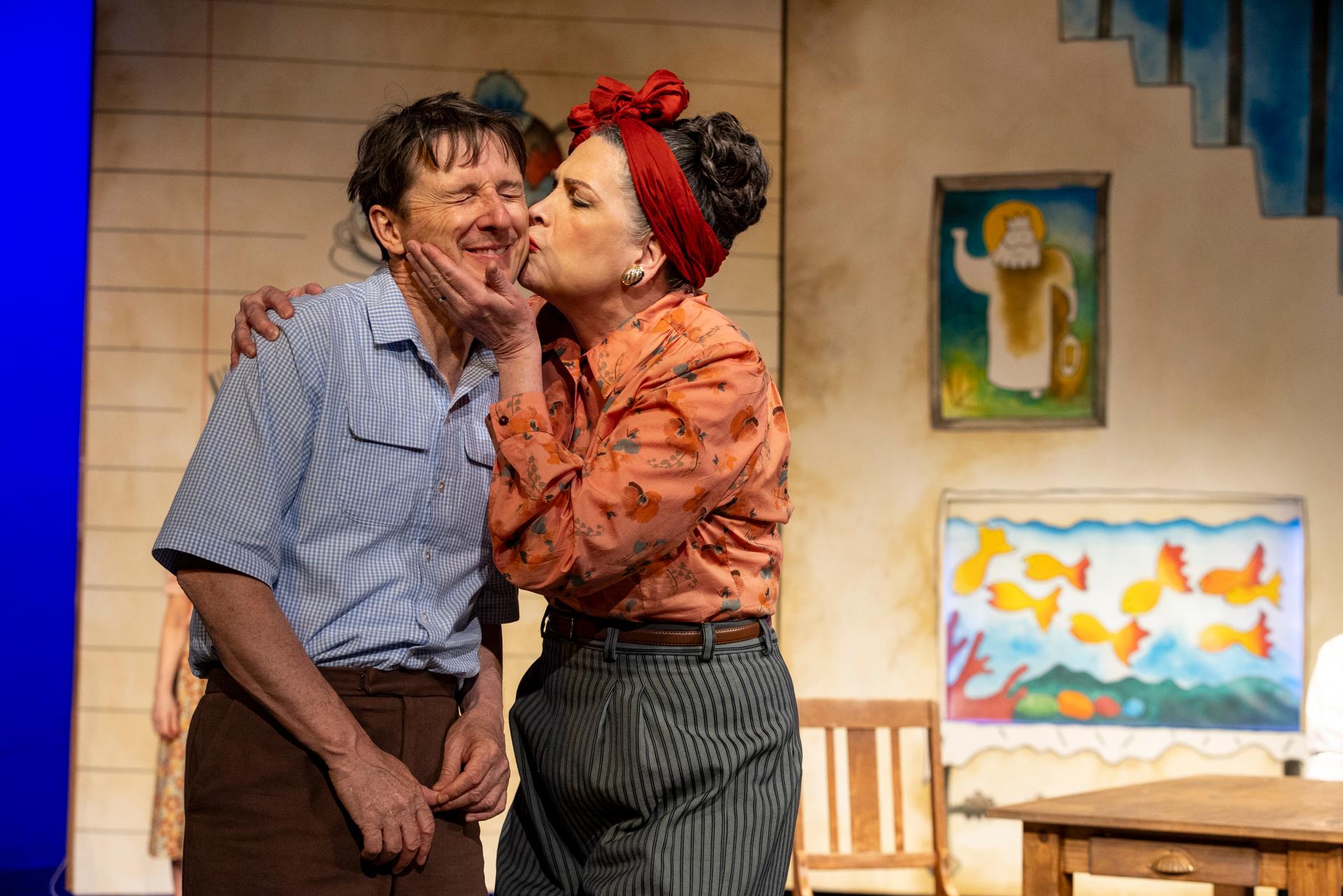
Girls should be taught not only that they possess every right to shape their own lives, but also that the denial of independence precipitates inexorably a descent into despondency, corrosive resentment, and a misery that permeates the very marrow of being. Sybylla’s narrative stands as a testament to resistance—particularly arduous resistance, for she must steel herself not against hardship, but against pleasure itself; she must privilege the austere dictates of intellect over the intoxicating, ephemeral promises of romantic entanglement.

Every instinct of her adolescent being strains toward those deceptively beautiful, ultimately hollow comforts, yet it is precisely this opposition to that which appears most desirable that renders her struggle both agonizing and transcendent. In her defiance, we recognize the heart breaking truth that the most exquisite cages remain cages still, and that the price of genuine freedom is often the conscious, painful renunciation of that which sparkles most brightly.
www.sydneytheatre.com.au

Review: Stage Kiss (New Theatre)

Venue: New Theatre (Newtown NSW), Mar 18 – Apr 11, 2026
Playwright: Sarah Ruhl
Director: Alice Livingstone
Cast: Emma Delle-Vedove, Nicola Denton, Victoria Fowler, Lynden Jones, Nicholas Papademetriou, Frank Shanahan, Jason Spindlow
Images by Bob Seary

Theatre review
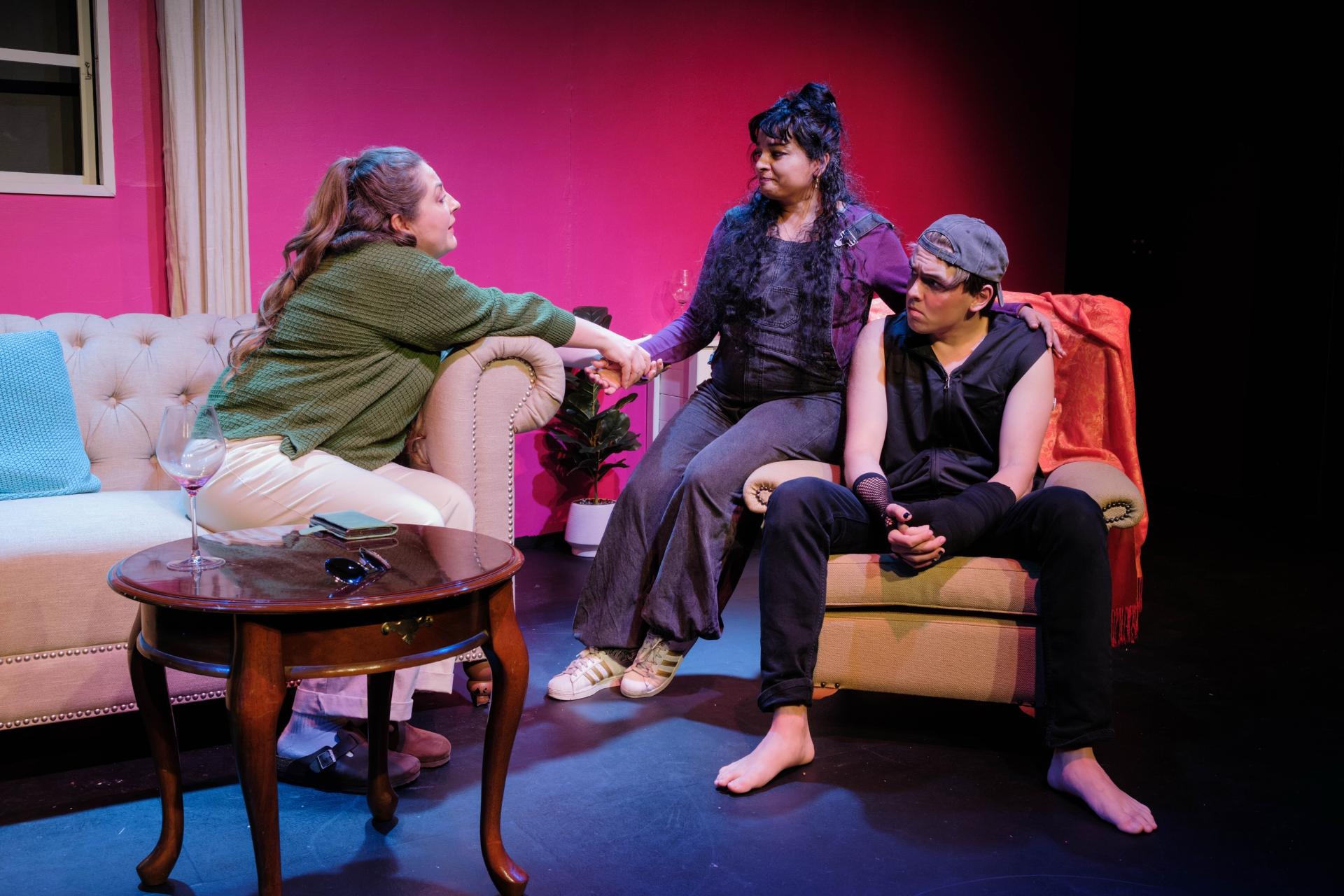
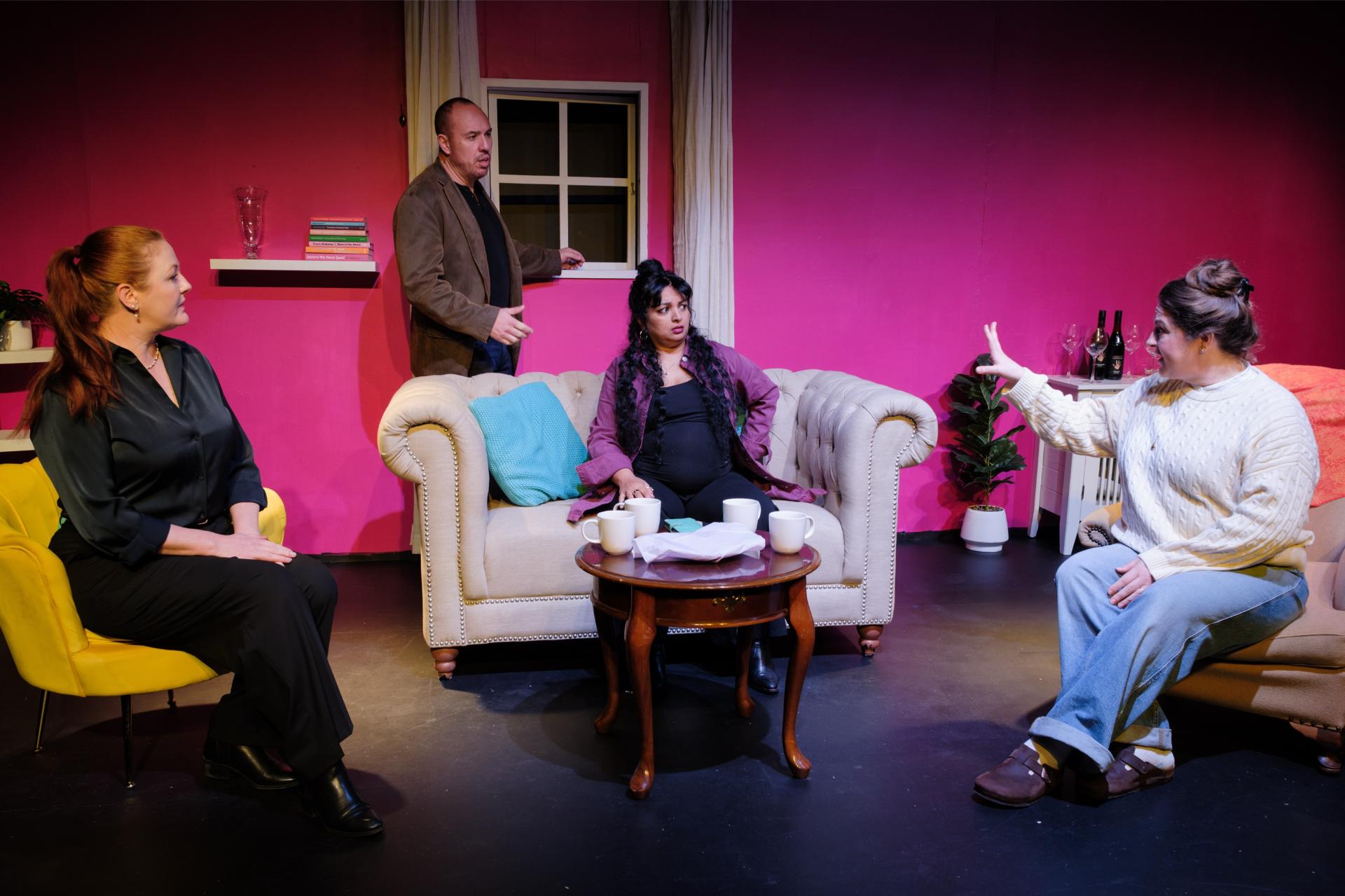
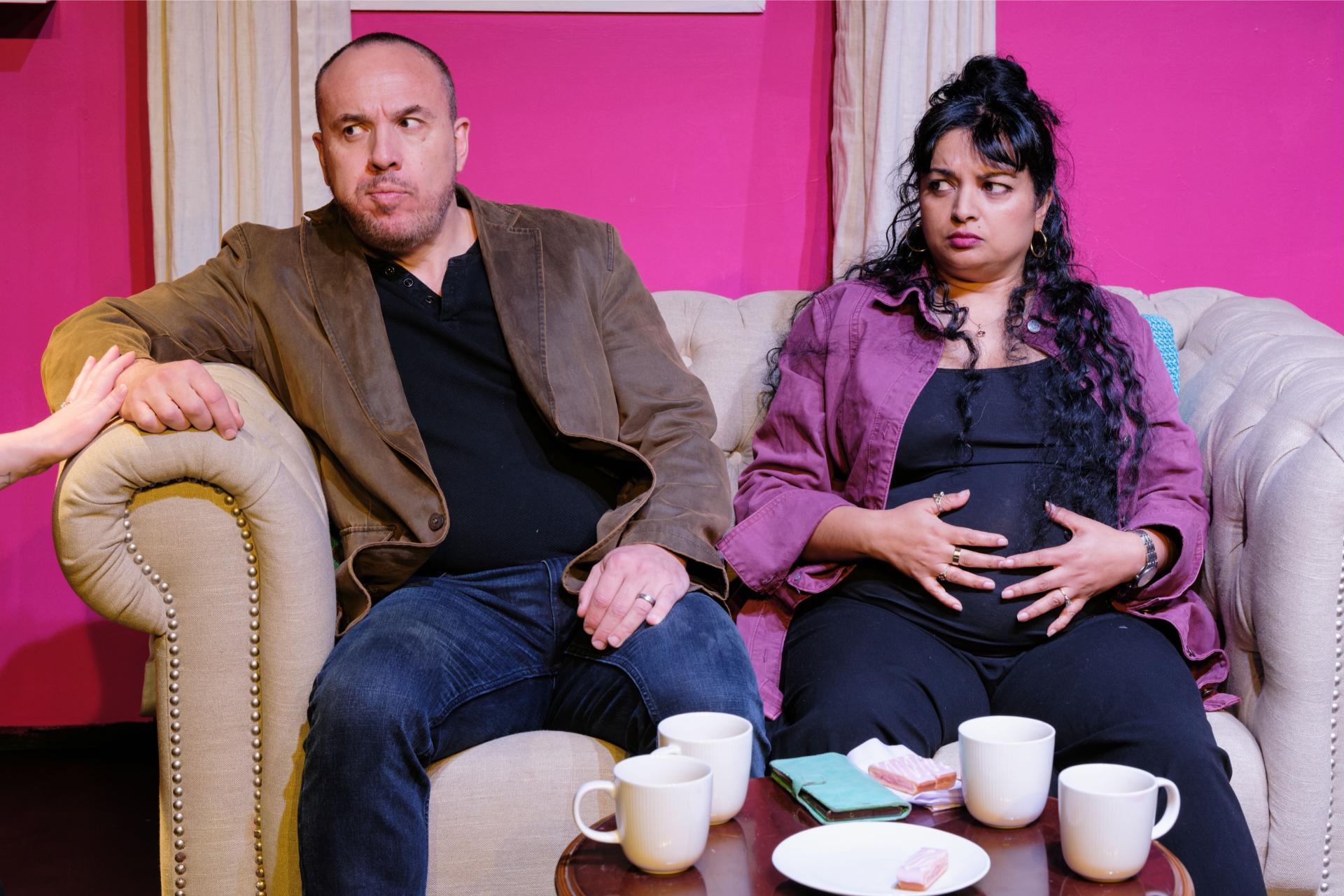
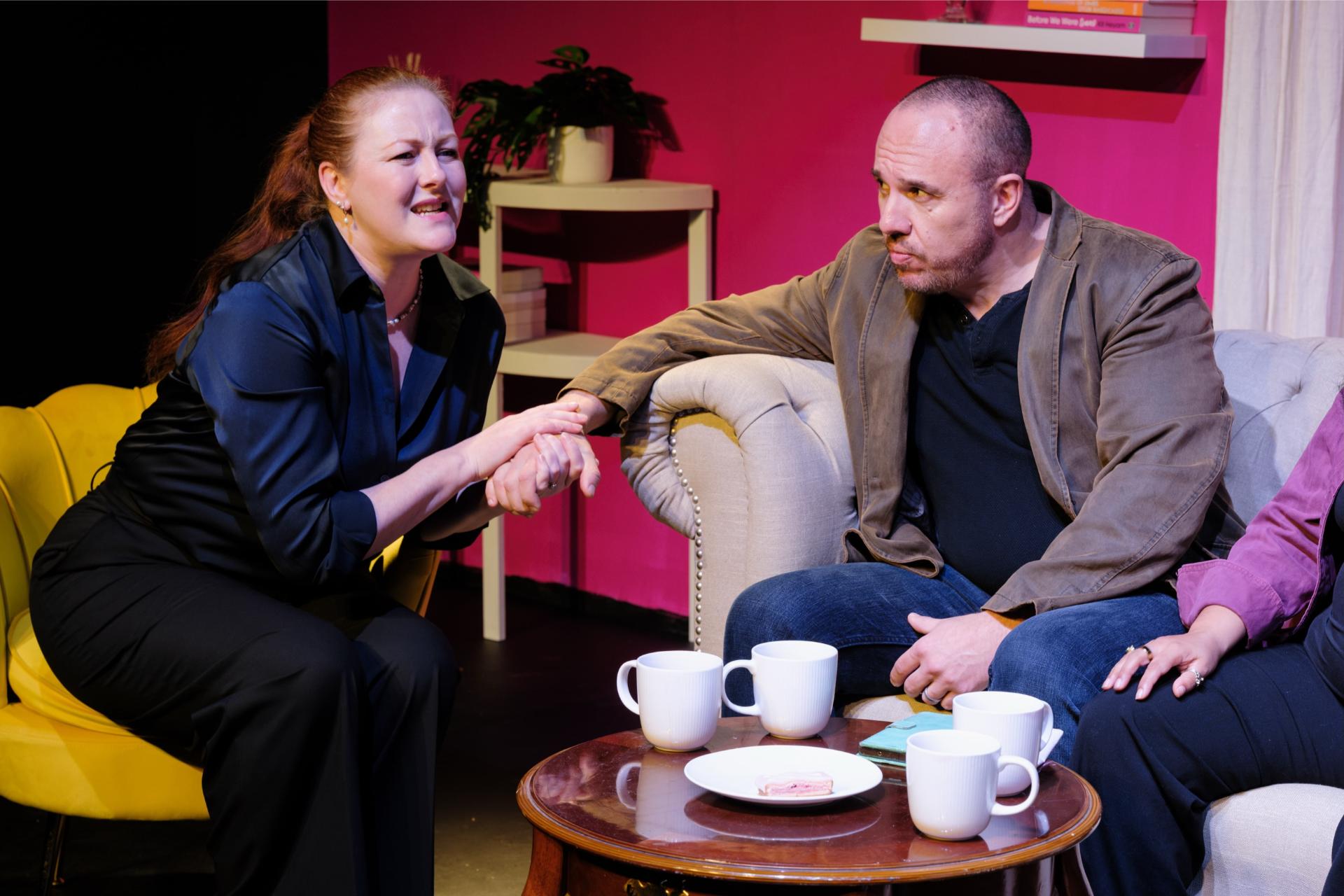
In Sarah Ruhl’s comedy Stage Kiss, an actress, cast opposite the very man with whom she once had a bitter falling out, finds herself helplessly ensnared in a backstage romance. Though her husband and daughter look on with dismay, she surrenders to the peculiar intimacy of the stage, where simulated passion gives way to genuine longing. The play’s central conceit—that the body cannot tell a feigned kiss from a real one—becomes a sly meditation on how art blurs the line between imagination and truth.
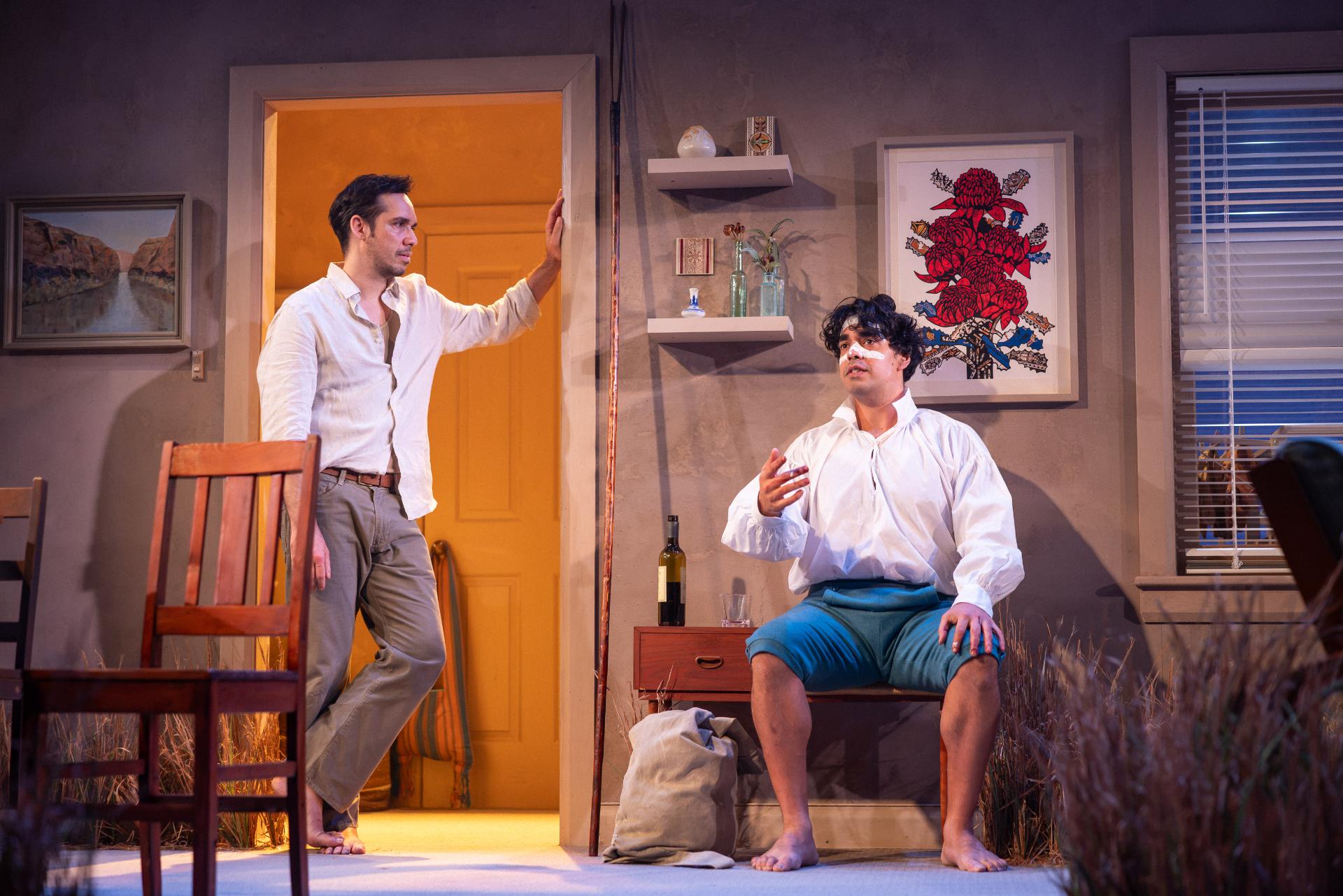
Alice Livingstone’s direction mines every vein of comedy in the text, yielding a production of genuine charm. As the central figure, Emma Delle-Vedove is wholly convincing, imbuing her performance with a satisfying depth that lends the storytelling real substance. Opposite her, Jason Spindlow matches her stride for stride, his timing and comic sensibility proving an ideal complement. The supporting ranks are enlivened by Nicholas Papademetriou and Frank Shanahan, both of whom generate uproarious laughs through their intrepid, delightfully unguarded performances.

The production’s visual language is shaped by Merle Leuschner’s set, which capably navigates the play’s spatial requirements, and Bianca De Nicola’s costumes, which neatly delineate character. Together, the two elements inadvertently echo the resourceful aesthetic of regional theatre, conferring a certain lived-in verisimilitude. Holly Nesbitt’s lighting contributes welcome nuance, its selective details lending the stage visual depth. The sound design, however, proves a notable shortcoming—its lack of energy frequently undermines the production’s momentum, leaving it feeling less dynamic than the material demands.

To observe that a woman possesses the right to shape her own life is perhaps to state the obvious, yet the sentiment bears repeating. In Stage Kiss, we encounter a woman who does precisely that—choosing to be artist, mother, wife, and lover, often in uneasy succession. Where conventional parlance would accuse her of trying to “have it all,” the play instead presents her simply sampling what is on offer, fumbling through each decision, and making mistakes with disarming regularity. In a culture saturated with glossy, unattainable ideals of achievement, watching her flawed navigation proves a far more honest—and surprisingly inspiring—spectacle.

www.newtheatre.org.au

Review: A Mirror (Belvoir St Theatre)

Venue: Belvoir St Theatre (Surry Hills NSW), Feb 21 – Mar 22, 2026
Playwright: Sam Holcroft
Director: Margaret Thanos
Cast: Eden Falk, Faisal Hamza, Yalin Ozucelik, Rose Riley
Images by Brett Boardman

Theatre review
A clandestine troupe stages a subversive theatrical production, its barbs aimed squarely at the Ministry of Culture and its censorious apparatus. Interwoven throughout are meditations on the nature of representation itself—whether literal or fictitious—as though artists must cleave to one pole or the other. Sam Holcroft’s A Mirror opens and closes with considerable force, yet the intervening dramaturgy wanders in states of descriptive and ideological confusion.

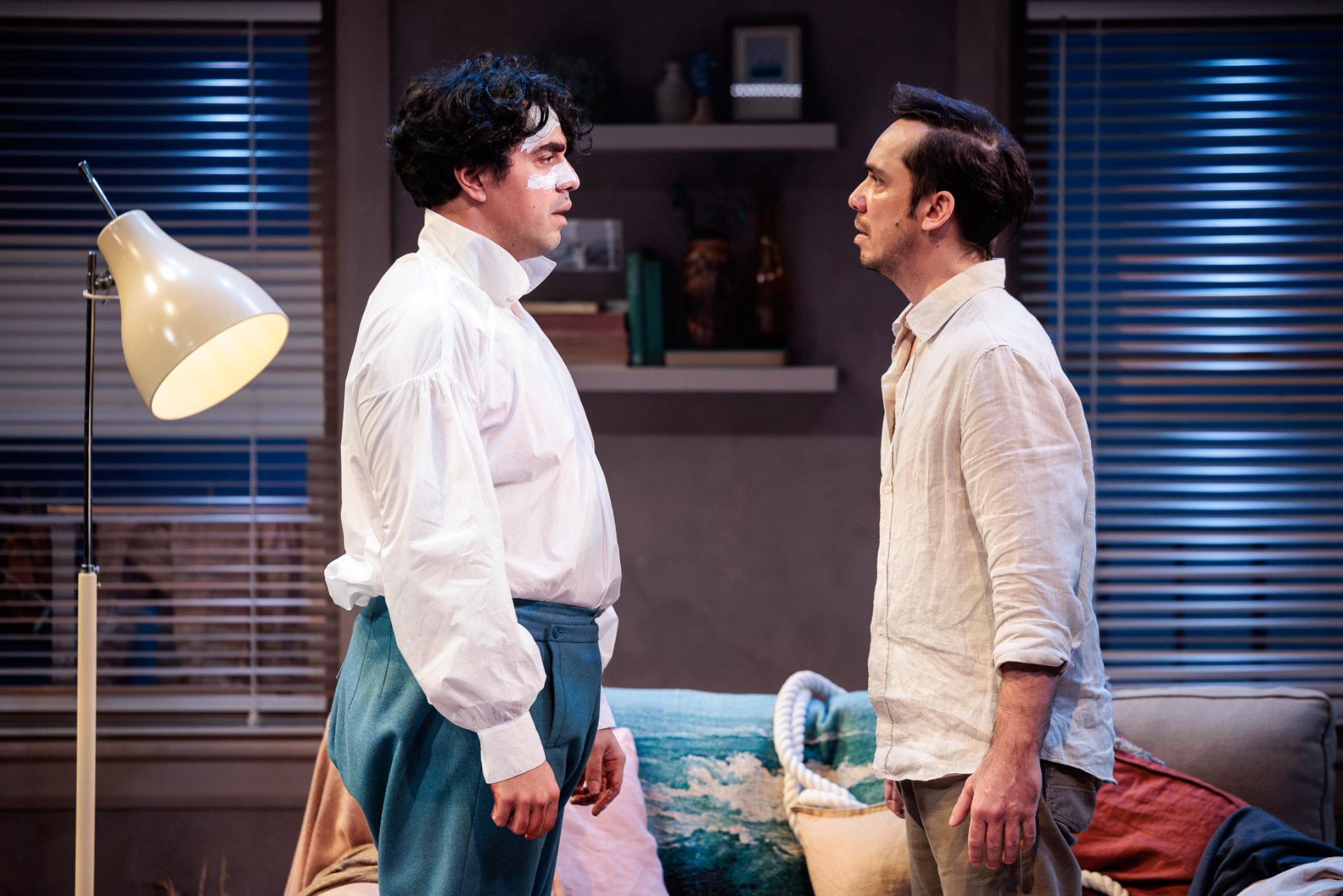
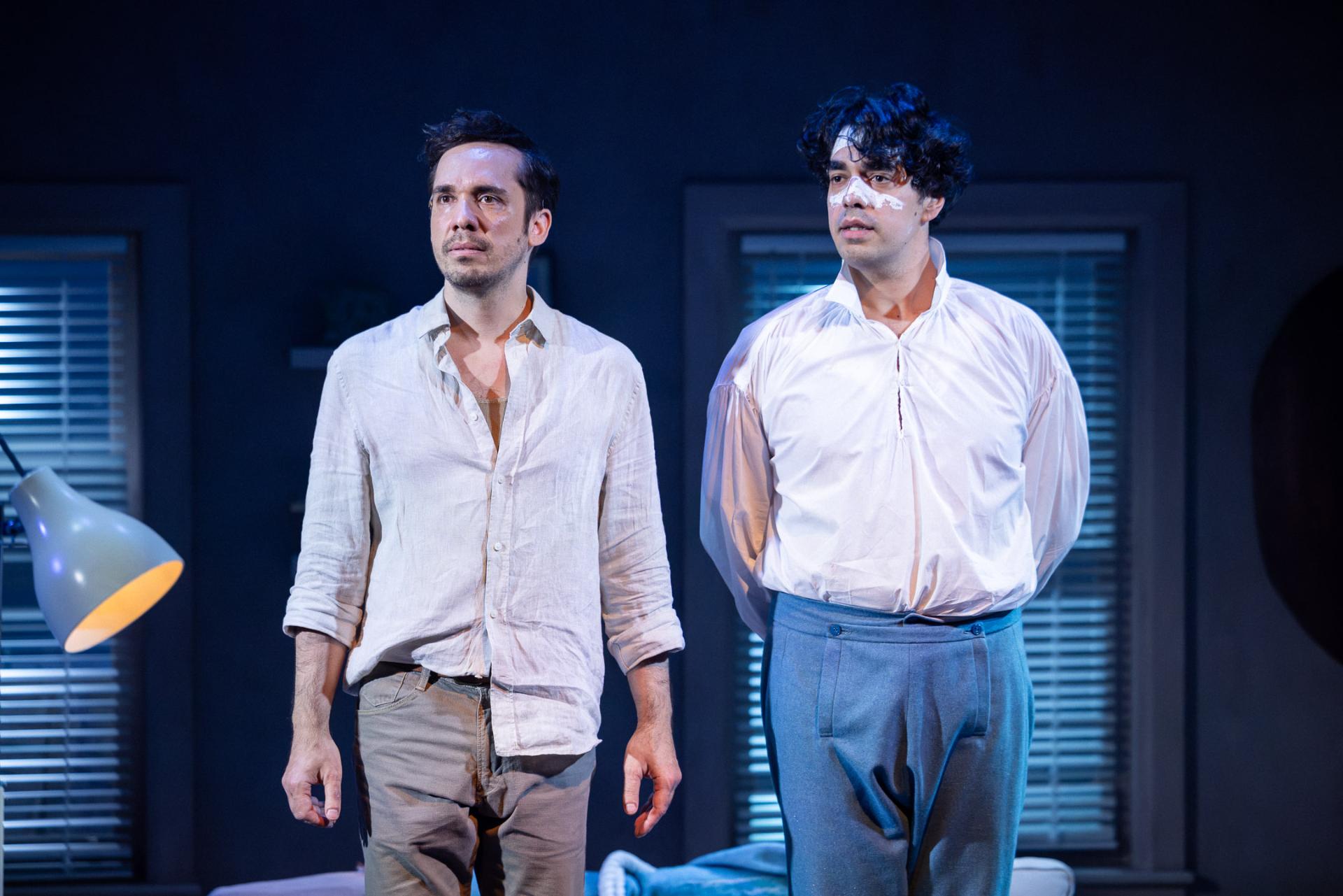
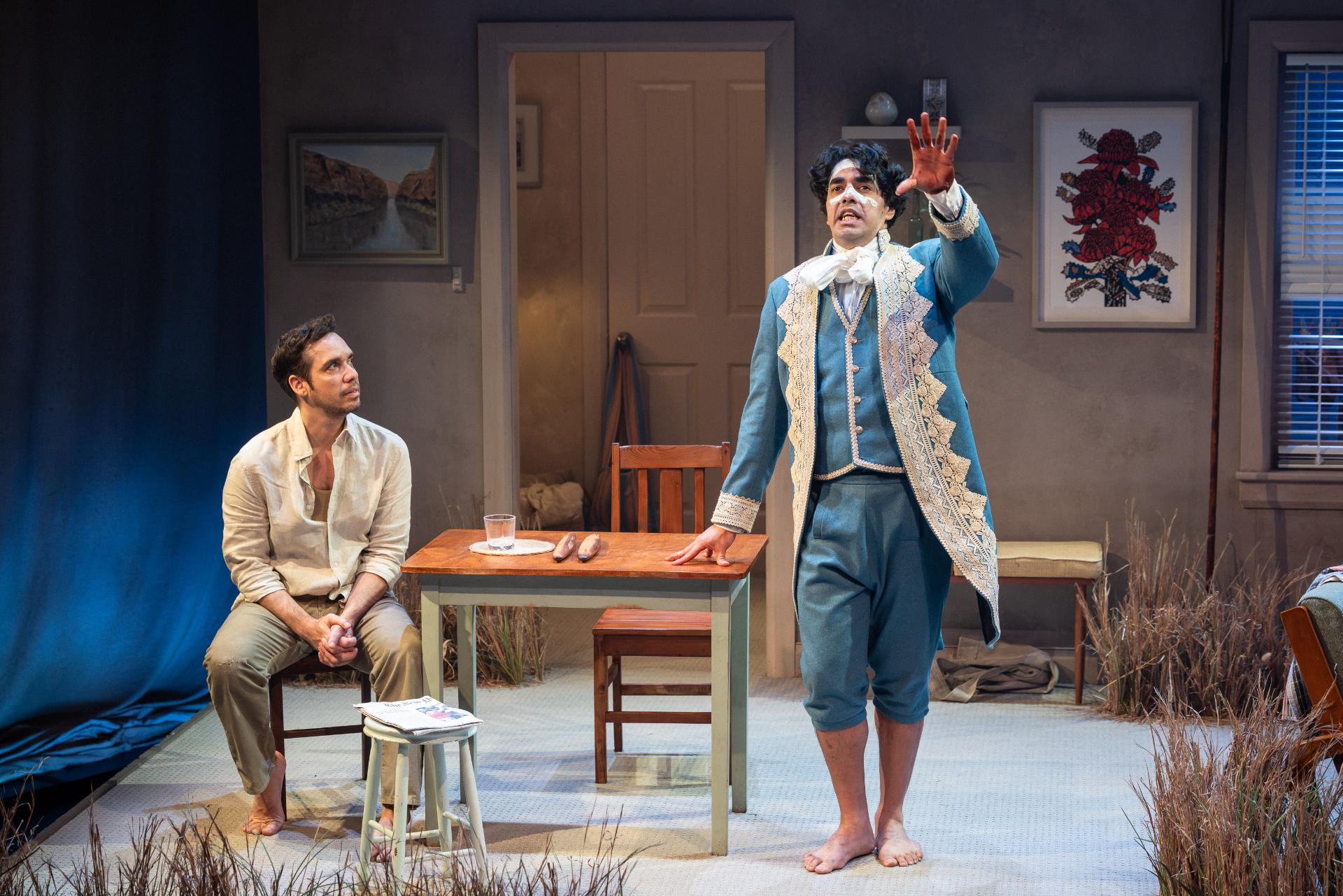
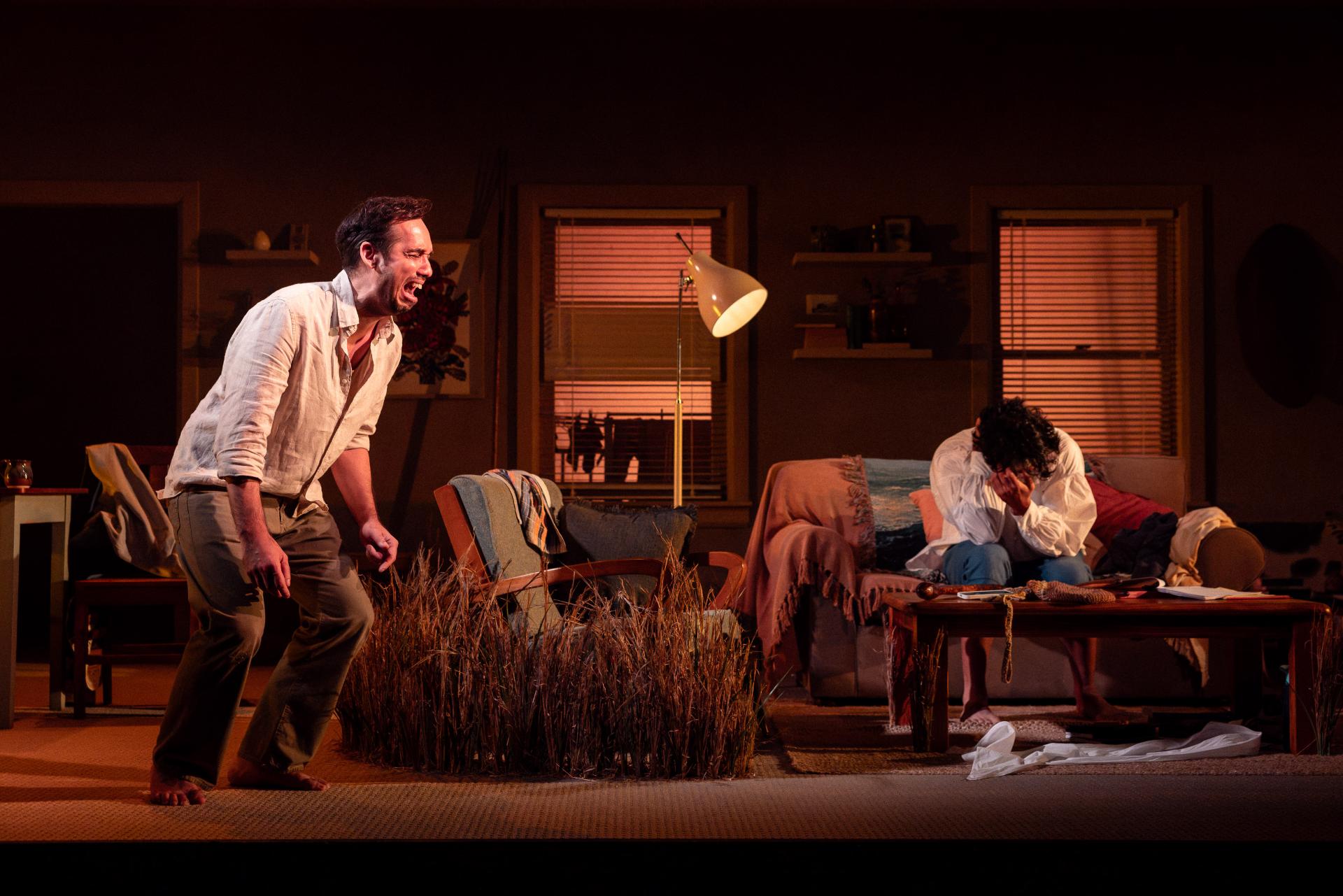
The decision by director Margaret Thanos to render an authoritarian regime through Australian voices, produces an effect of unintended absurdity, particularly when measured against the evident depth of our own democratic institutions (in comparison with other nations). There is, undeniably, a kernel of truth in the play’s suggestion that socioeconomic forces shape the conditions under which art is made, but whether Holcroft’s heightened, schematic approach can resonate meaningfully beyond that observation is less certain. What lingers is not the intricacy of the political critique, but the more elemental, perhaps eternal, truth that enduring work has always demanded of its makers one indispensable quality: courage.

The principal quartet—Eden Falk, Faisal Hamza, Yalin Ozucelik, and Rose Riley—bring considerable acuity to their respective roles, yet seldom cohere into an ensemble that transcends the sum of its parts. For all the mounting urgency of their narrative arc, little of enduring resonance remains once the final curtain falls. The design elements, too, settle for competence rather than distinction. Angelina Daniel’s set and costumes, while serviceable, lapse into staidness precisely where theatrical boldness is most required. Phoebe Pilcher’s lighting and Daniel Herten’s score prove their mettle in moments of heightened tension, yet falter during the protracted stretches of naturalism, which grow unnecessarily dour.

It is undeniable that fascism is ascendant across the globe. In Australia, democratic institutions appear, for the present, intact—yet the historical record offers scant comfort. Subversion, after all, requires no novelty of method; the same infiltrations attempted for centuries persist, adapted to contemporary conditions. Authoritarian regimes, almost without exception, train their sights first on the arts and the media—not merely as instruments of propaganda, but as sites of potential resistance. History demonstrates that while the wholesale destruction of a creative culture may require extreme force, the systematic erosion of democratic voice is altogether more achievable, more insidious.

The possibility that such a future could take root here is not abstract; it is a latent condition, ever-present. What stands against it is not inevitability, but resolve. The more tenaciously we hold to our convictions—the more defiantly we insist upon critical thought, and the messy, generative space of artistic freedom—the less hospitable this society becomes to the despots who would claim it. Resistance, in this sense, is not a dramatic gesture, but a sustained practice.

www.belvoir.com.au

Review: Head Over Heels (Hayes Theatre)

Venue: Hayes Theatre Co (Potts Point NSW), Feb 20 – Mar 22, 2026
Book: Jeff Whitty
Adaptation: James Magruder (based upon The Arcadia by Sir Philip Sydney)
Director: Ellen Simpson
Cast: Thomas Campbell, Nancy Denis, Gaz Dutlow, Ellen Ebbs, Alana Iannace, Minerva Khobande, Lucy Lalor, Jenni Little, Adam Noviello, J Ridler
Images by Kate Williams

Theatre review
Adapted from Sir Philip Sidney’s 16th-century prose romance The Countess of Pembroke’s Arcadia and set to the effervescent catalogue of The Go-Go’s (including solo work by lead vocalist Belinda Carlisle), the jukebox musical Head Over Heels follows King Basilius of Arcadia as he flees into the wilderness with his royal court, desperately seeking to outmanoeuvre a quartet of ominous prophecies. While a deliberate queering of the narrative lends the production a timely, subversive edge, the 2015 creation remains conceptually thin—an exercise in nostalgic pastiche that, for all its exuberance, ultimately fails to transcend the limitations of its own conceit.

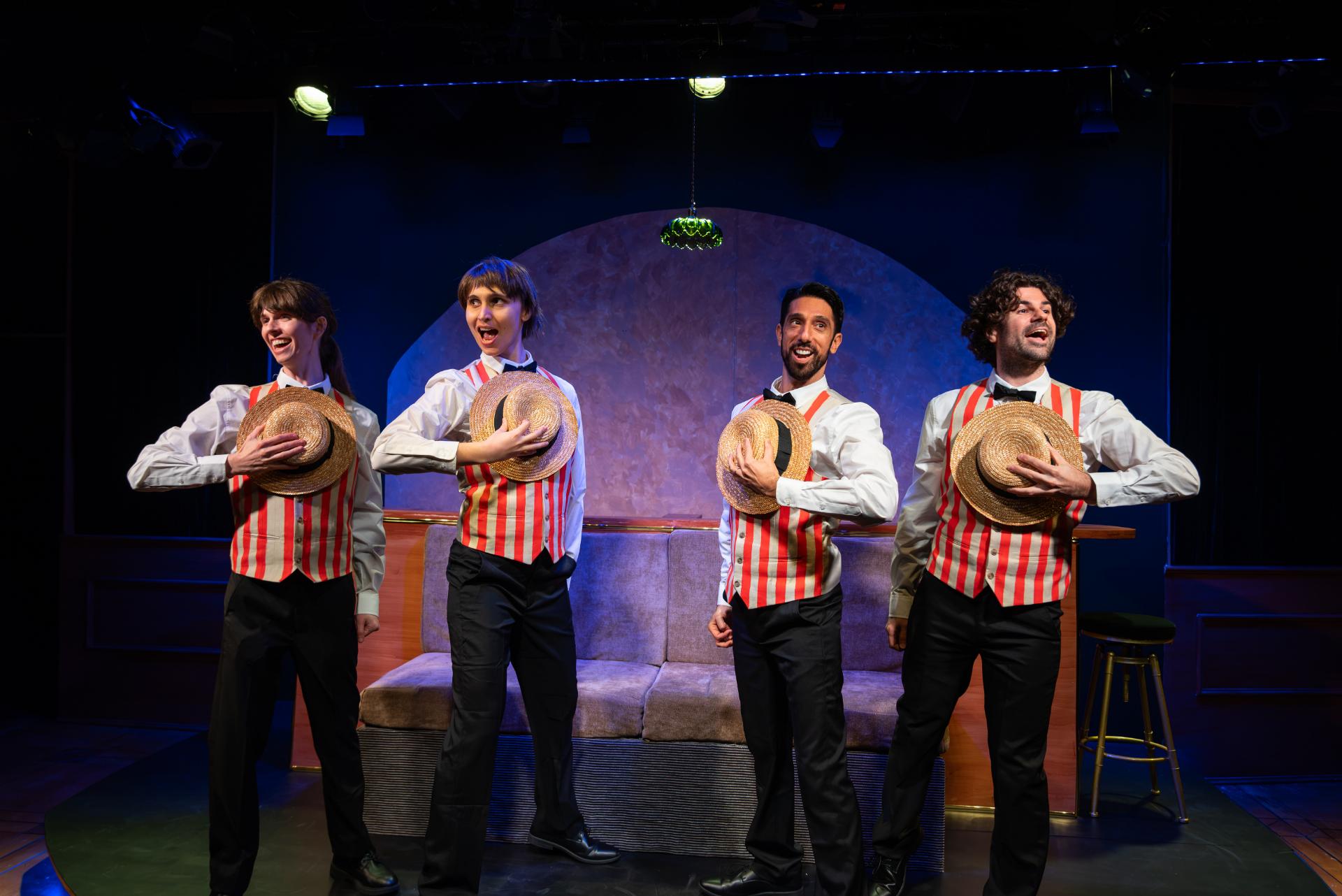
Ellen Simpson’s direction is conventional without being uninspired, yet it fails to cultivate the crucial investment that might elevate the piece beyond its modest virtues. The production’s buoyancy is its greatest asset, an infectious lightness that often carries the day even as the characters remain at a narrative arm’s length. Music director Zara Stanton and choreographer Ryan González follow suit, offering pleasant, polished contributions that are content to serve the material’s needs rather than striving for innovation.

Josh McIntosh’s set sketches a charming pastoral world through its key features—a graceful proscenium arch and an evocative backdrop—but the effect is compromised by rolling units whose rustic utilitarianism clashes with the design’s more delicate aspirations. Sidney Younger’s lighting, though visually restrained, demonstrates scrupulous calibration, modulating energy and atmosphere with precision if not poetry. The cast, uniformly accomplished and visibly committed, labour against a fundamental limitation: the show’s characters are drawn as caricatures, and no amount of performative investment can quite animate them into three-dimensional life.

Head Over Heels illuminates the slender margin between inspired invention and well-worn trope. The production brims with undeniable flashes of creativity, yet they never quite coalesce into something genuinely artistic. Instead, the whole resolves into something more modest: a serviceable vehicle for entertainment, one with which many audience members will undoubtedly leave content, if not transformed.

www.hayestheatre.com.au | www.welldonecreative.com.au

Review: The Elocution Of Benjamin Franklin (Griffin Theatre Co)

Venue: Belvoir St Theatre (Surry Hills NSW), Feb 21 – Mar 29, 2026
Playwright: steve j. spears
Director: Declan Greene
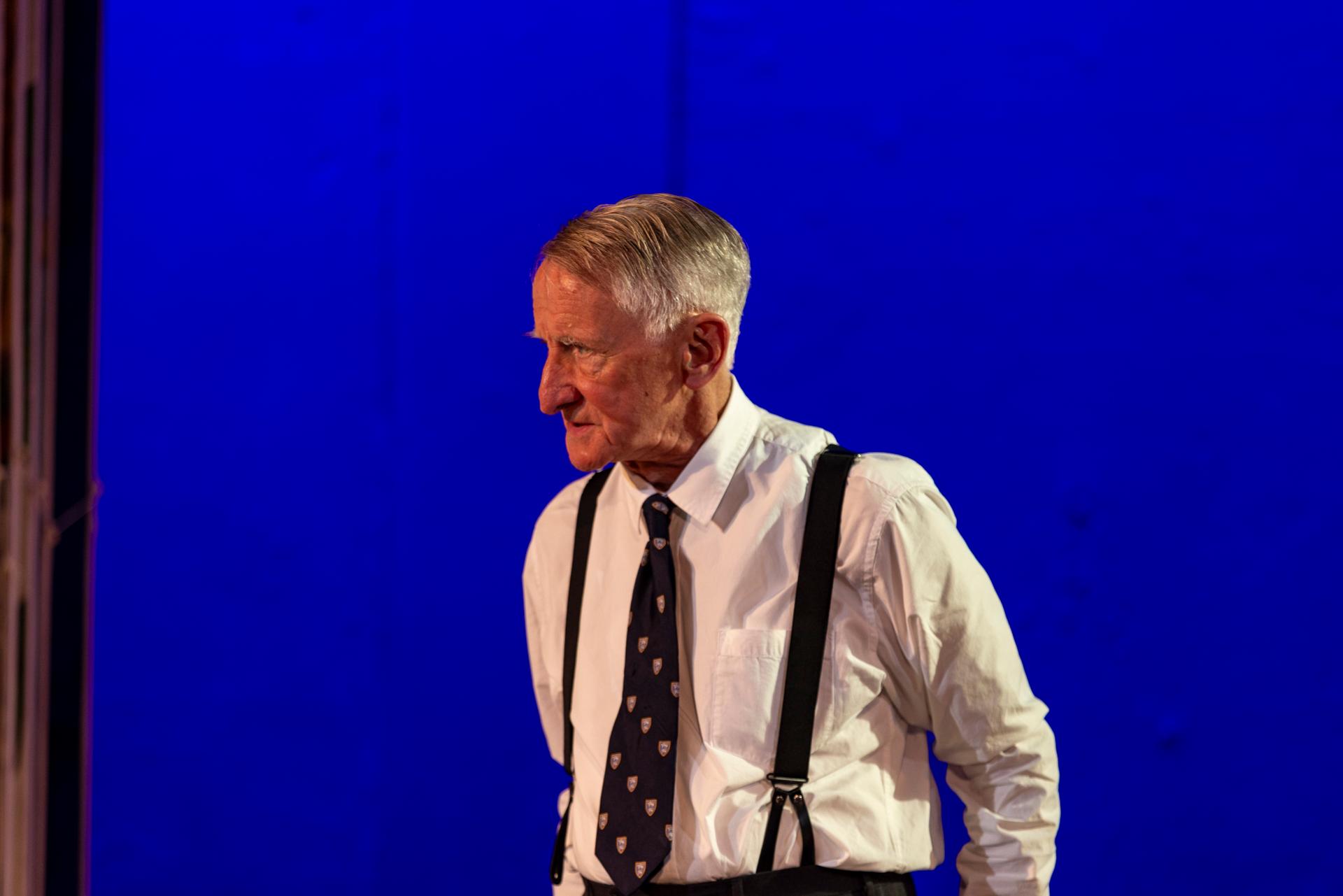
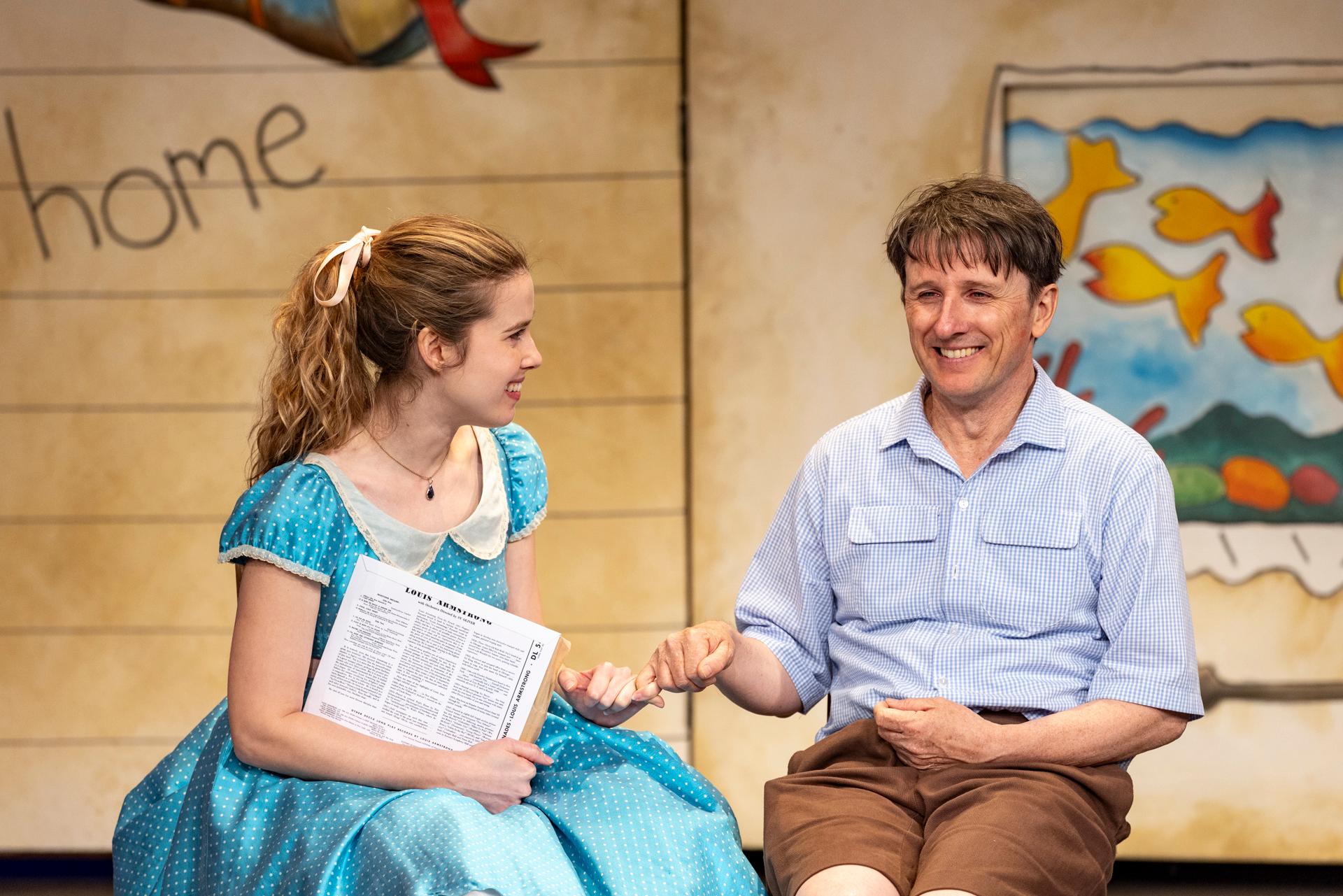
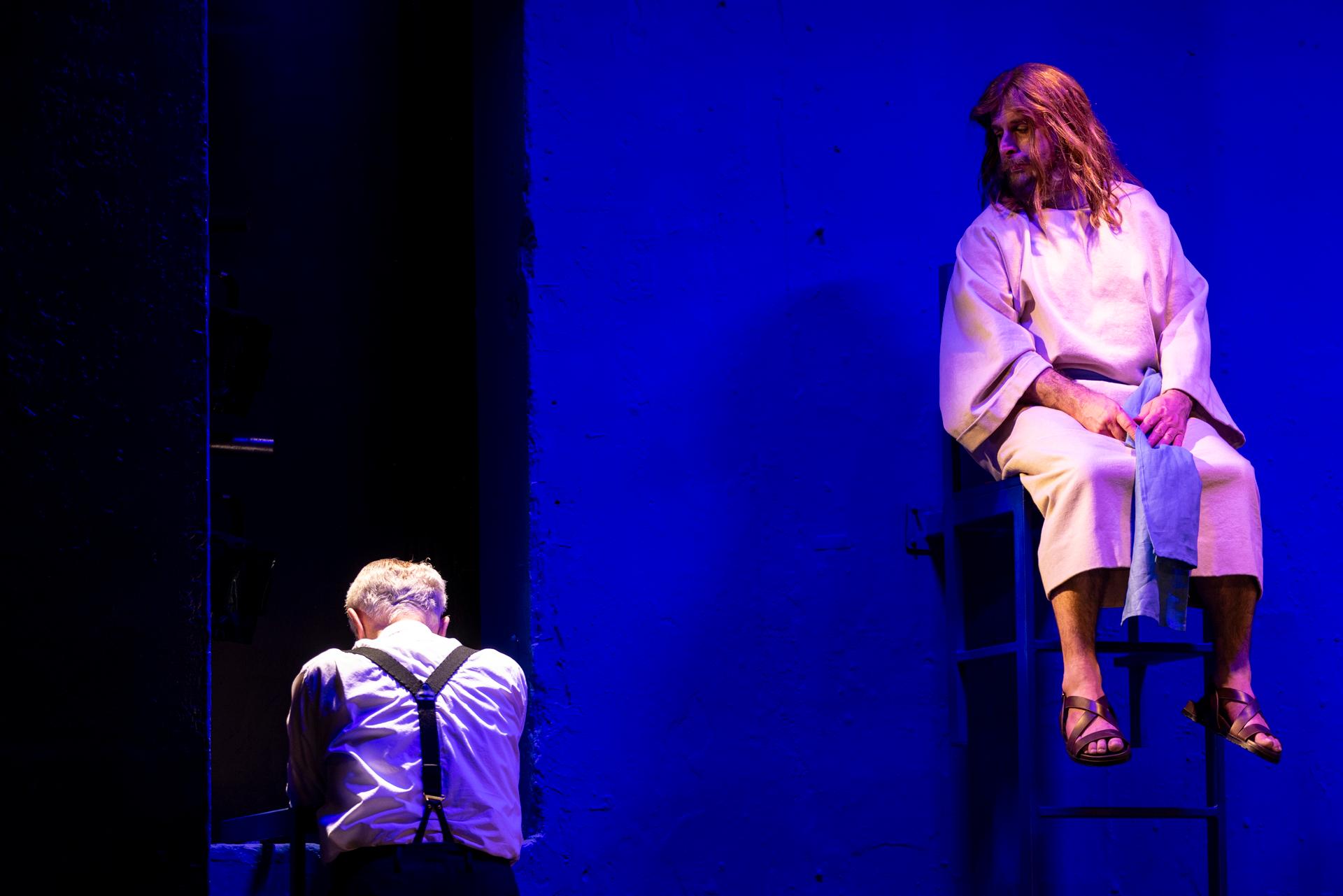
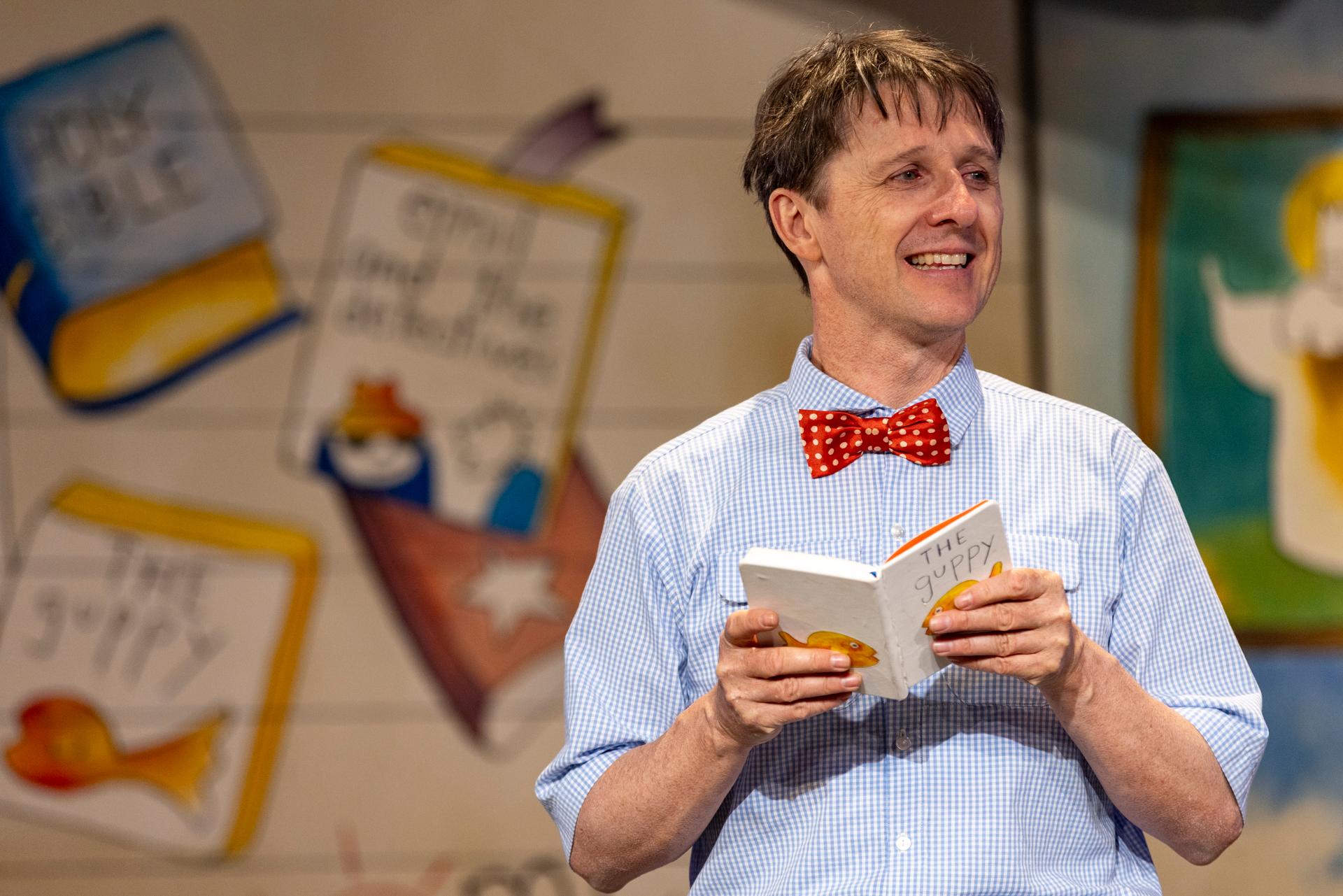
Cast: Simon Burke AO
Images by Brett Boardman

Theatre review
Robert O’Brien leads a life of deliberate seclusion, his world contained within the walls of his home where he devotes himself to the exacting art of vocal pedagogy, instructing pupils across the full spectrum of age and aspiration. The equilibrium of this carefully calibrated existence is disrupted when Benjamin—a twelve-year-old of startling precocity and unsettling sophistication—arrives to reveal himself as nothing short of prodigious. This narrative unfolds in the early 1970s, an era of terrifying peril for all who share Robert’s sexual orientation; even his most careful navigation of social propriety cannot insulate him from the devastating ease with which circumstance may turn into accusation, suspicion into ruin.

Half a century has elapsed since steve j. spears’ The Elocution of Benjamin Franklin inaugurated its world premiere upon the Sydney stage, and while the landscape of queer liberation has undergone transformation beyond measure, the play’s explorations of intolerance, prejudice, and bigotry remain as piercingly relevant as ever—a testament to the uncomfortable truth that while laws may evolve, the fundamental human capacity for cruelty and hate often endures.

Under Declan Greene’s direction, the production carries an unmistakable reverence—a profound acknowledgment of a generation for whom queerness meant navigating a world far more hostile than today’s youth might readily comprehend. The work functions, quite clearly, as homage to those forebears and elders who charted paths through terrain that could, at any moment, turn treacherous. Yet the production never settles into mere period tribute; it remains astutely attuned to the present, using its historical lens to examine the seemingly cyclical nature of persecution and the ease with which any minority can become scapegoat du jour. The Elocution of Benjamin Franklin ultimately wields considerable power in its address, even as its dramatic traction proves somewhat uneven—with individual scenes varying in their capacity to compel as the narrative unfolds.

Isabel Hudson’s production design conjures a genteel nostalgia—an aesthetic meditation upon queer history that attends with equal sensitivity to the elegiac allure being manufactured and to the precariousness underlying its surface. Lights by Brockman prove instrumental in choreographing our temporal passage, whether languorous or abrupt; its mercurial unpredictability generates a distinctly satisfying theatrical frisson. Working in intimate concert, David Bergman’s sound and music prove equally indispensable, enabling the production’s transcendence of material realities to reach the essential core of its thematic concerns.

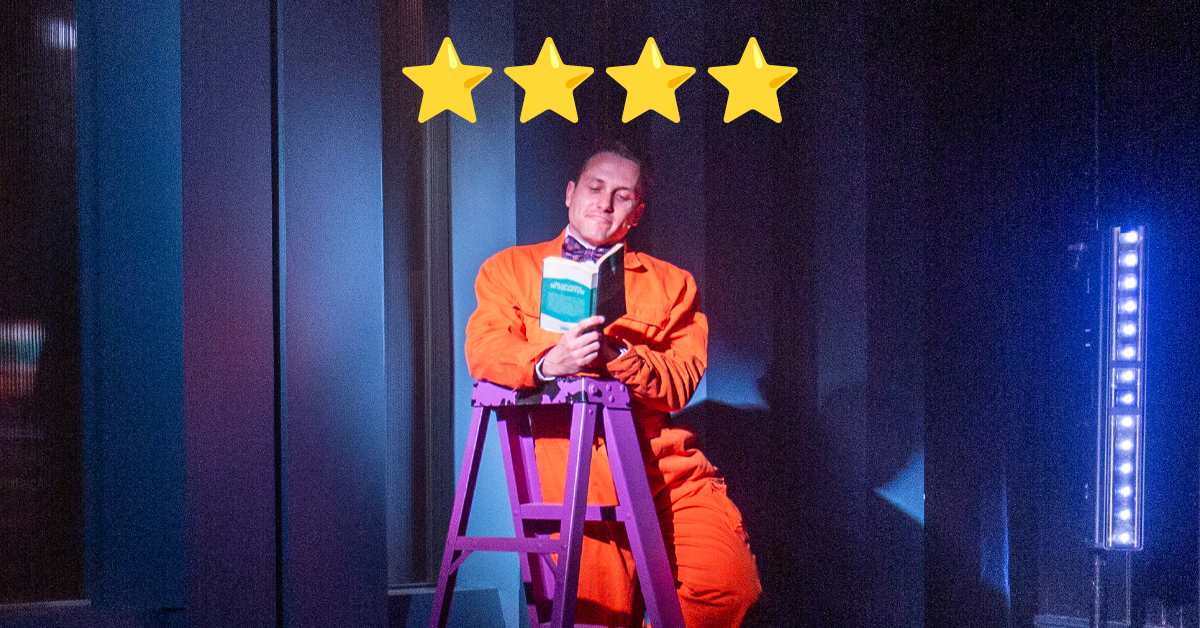
Simon Burke AO delivers a performance of remarkable depth and emotional acuity in his portrayal of Robert. Whether navigating registers of flippant vivacity or mortal gravity, he maintains a presence at once reassuring and undeniably sincere—radiating a warmth that secures our attentive vulnerability, rendering us receptive to the excavation of a queer historical epoch that demands our permanent remembrance.

Just when one might have reasonably supposed our community could begin to shift its focus from old battles to new horizons, these last forty-eight hours have delivered via the news, harrowing accounts of violence against young gay men—assaults whose contours bear chilling resemblance to those that recurred with grim regularity before decriminalisation, before marriage equality, before any number of legislative milestones we imagined might signal lasting change.

It is clear that legal frameworks, however essential, cannot alone dismantle the deeper machinations of prejudice. The same streets that witnessed violence decades ago continue to witness it still; the same fear that coursed through gay men navigating public space in the previous century courses through their counterparts today. Progress, for all its genuine achievements, does not move in an unbroken forward trajectory. It stalls, it falters, and sometimes it reveals itself to be far more fragile than we wish to believe. Hate crimes against queer people are not anachronisms—they are the present, demanding we reckon with how much remains undone.

www.griffintheatre.com.au 

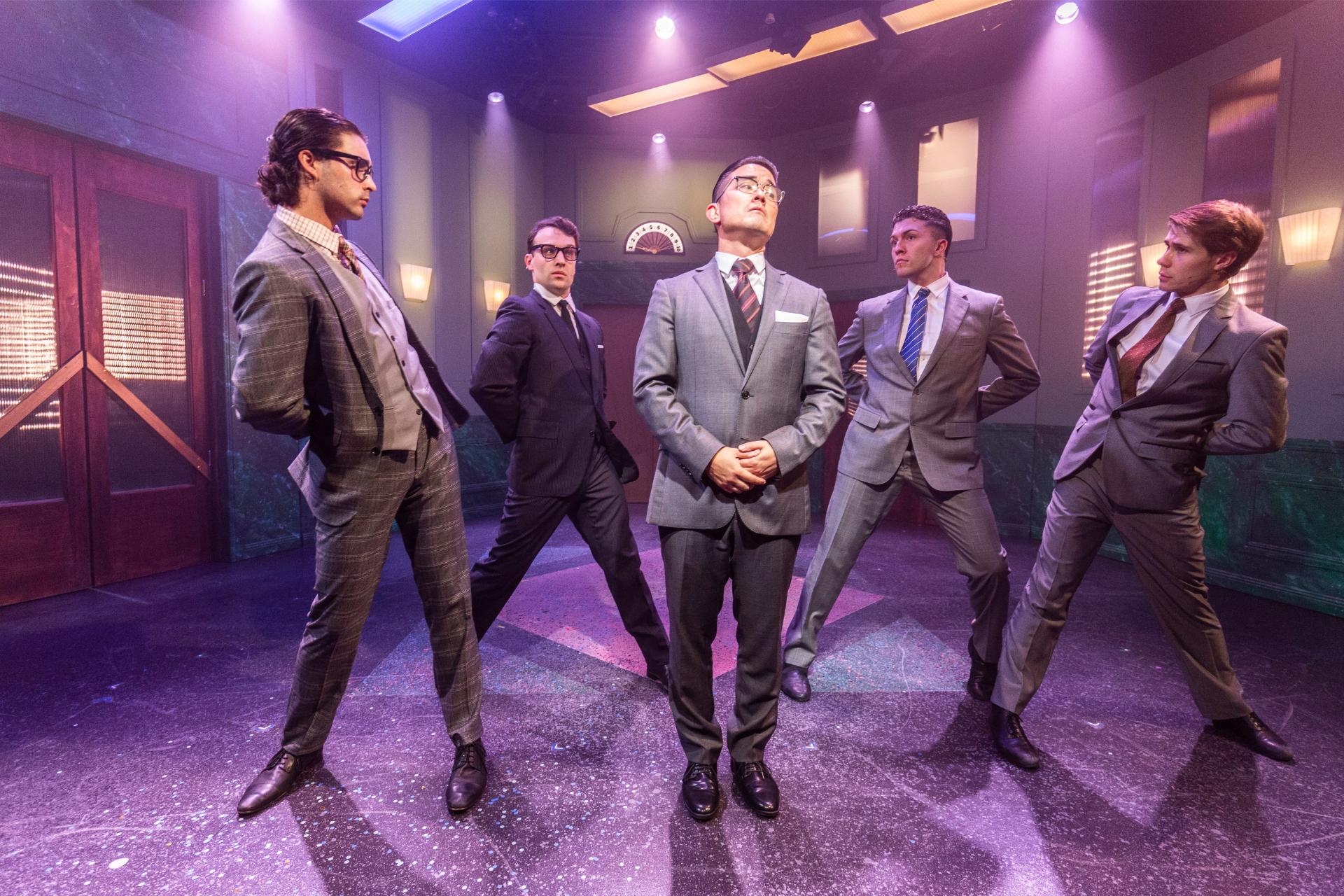
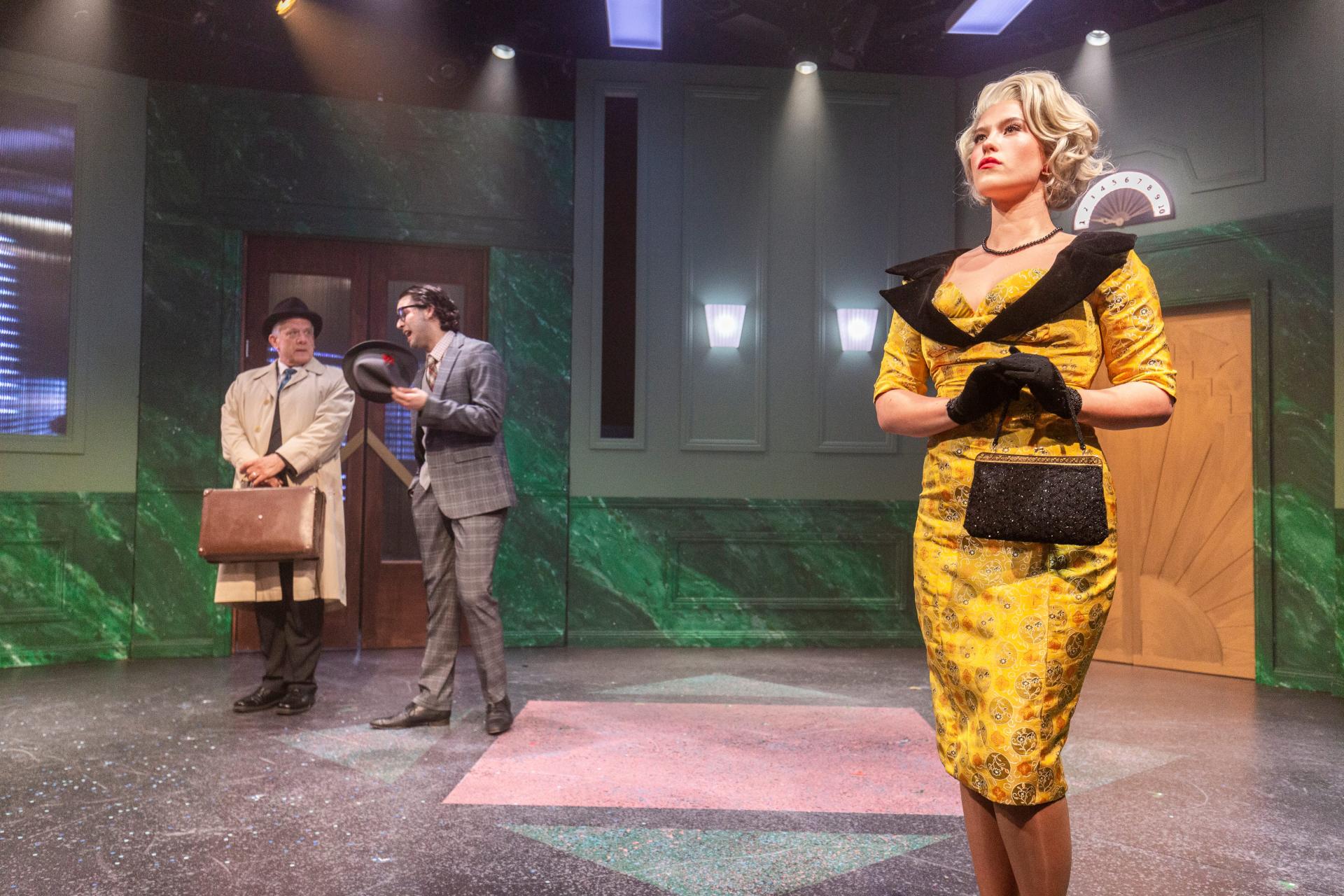
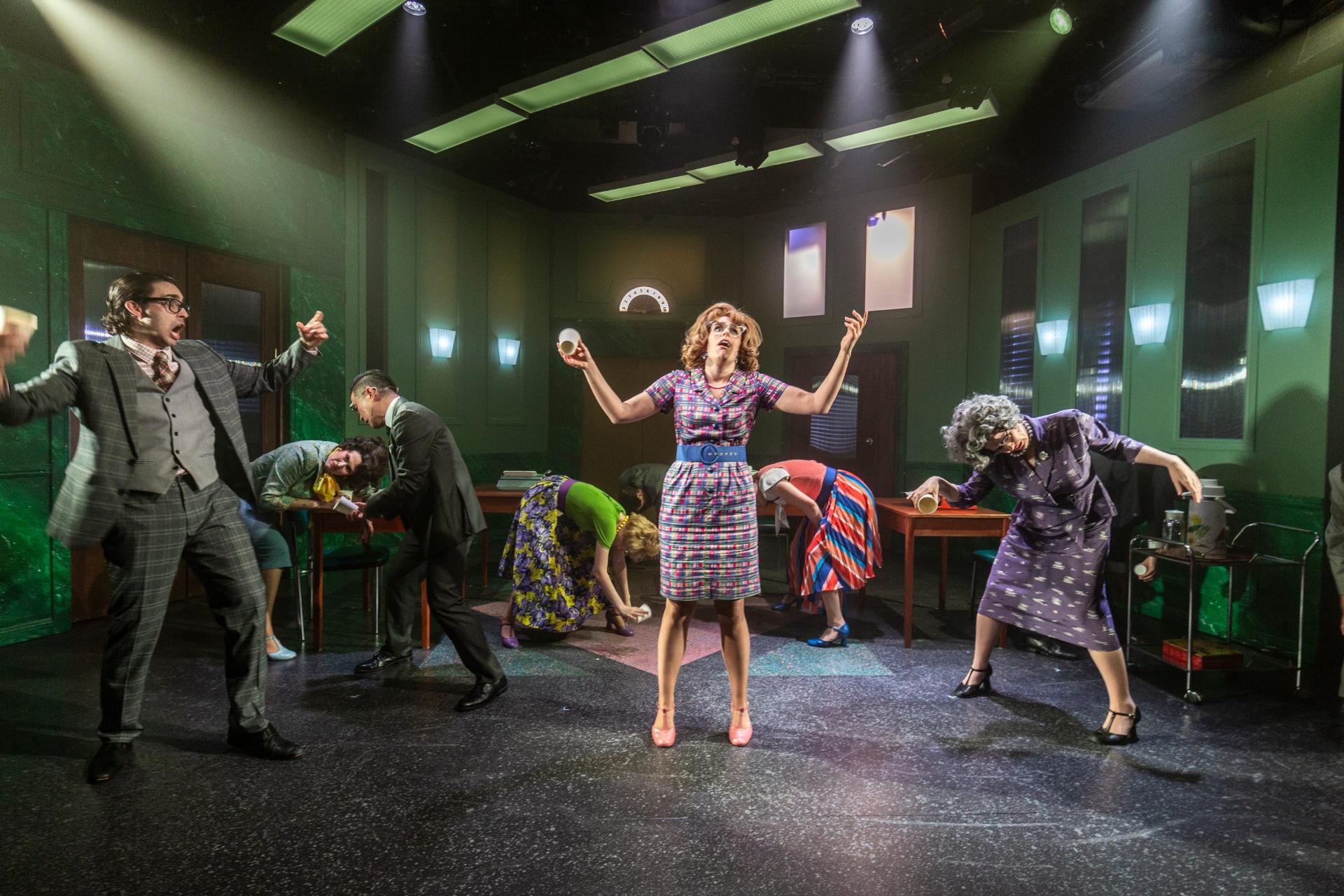
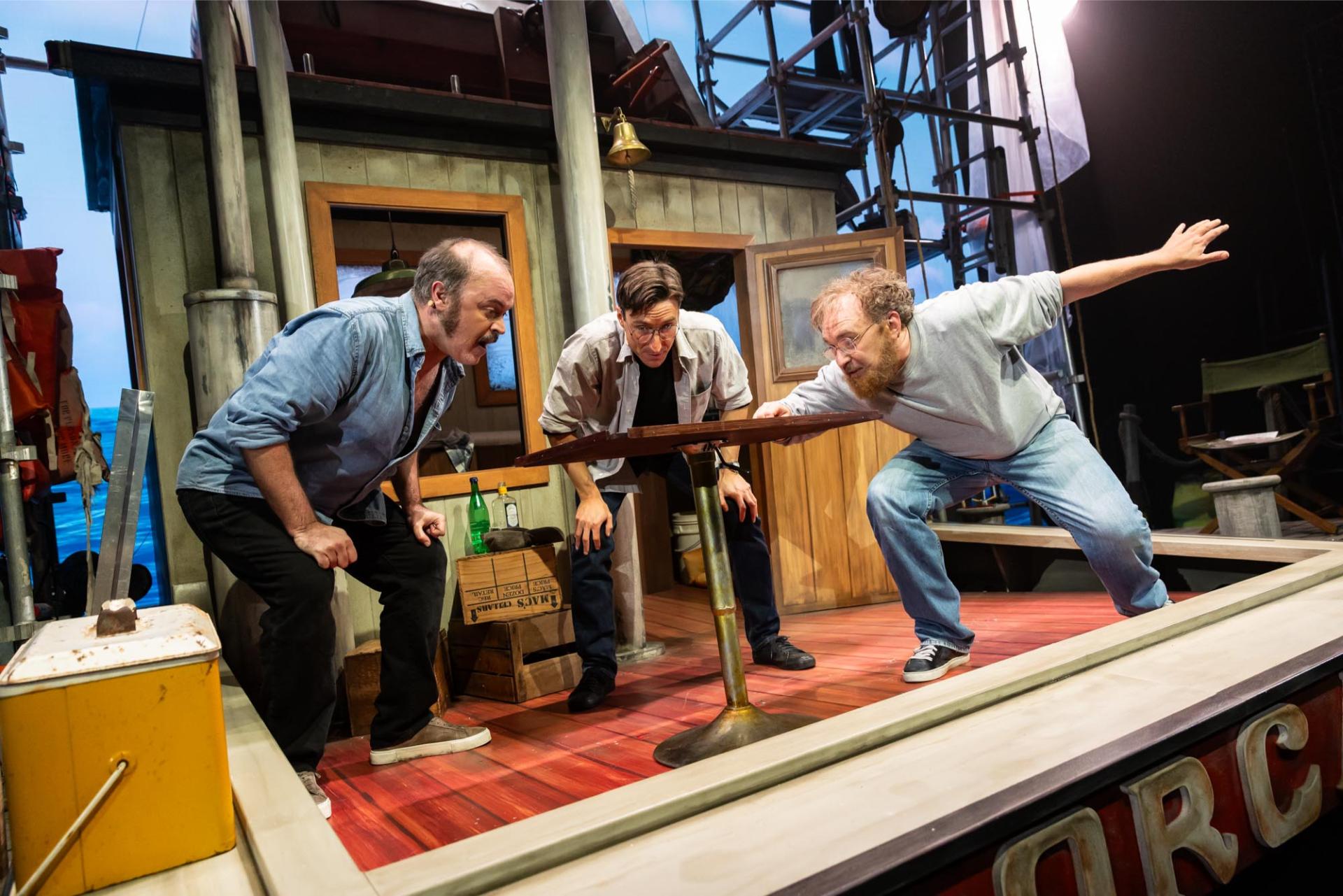
Review: Evil Dead (Seymour Centre)

Venue: Seymour Centre (Chippendale NSW), Feb 20 – Mar 21, 2026
Book & Lyrics: George Reinblatt (based on characters created by Sam Raimi)
Music: Christopher Bond, Frank Cipolla, Melissa Morris, George Reinblatt
Director: Daniel Stoddart
Cast: Grace Alston, Jake Ameduri, Elaina Bianchi, Oliver Clisdell, Harley Dasey, Harrison Riley, Emma Wilby
Images by Peter Stoop

Theatre review
Five college students venture into a remote cabin for spring break, only to succumb one by one to demonic possession—unleashing bloody carnage upon their unsuspecting friends. This is Evil Dead: The Musical, a stage adaptation of Sam Raimi’s seminal horror film. Where the 1981 original genuinely terrified audiences, the musical version leans gleefully into slapstick, transforming the source material’s gruesome set pieces into comical, blood-soaked punchlines. The result plays less as parody and more as affectionate tribute—a theatrical love letter to a film that has since ascended to iconic cult status.

While the material itself may not consistently land with comedic precision, director Daniel Stoddart compensates with an infusion of irrepressible exuberance that propels the production forward. The contributions of choreographer Lochlan Erard and music director Mark Bradley, while adhering to conventional frameworks, provide a polished and professional foundation for the production.

Much of the evening’s success rests upon the sheer infectiousness of the cast’s enthusiasm, which effectively distracts from jokes that can otherwise skew toward the trite. In the central role of Ash, Harley Dasey demonstrates technical competence, even if his portrayal falls somewhat short of the roguish, beleaguered heroism the part demands. More memorable are supporting players like Emma Wilby as Cheryl and Harrison Riley as Jack, whose impeccable comic timing yields the production’s most substantial laughs.

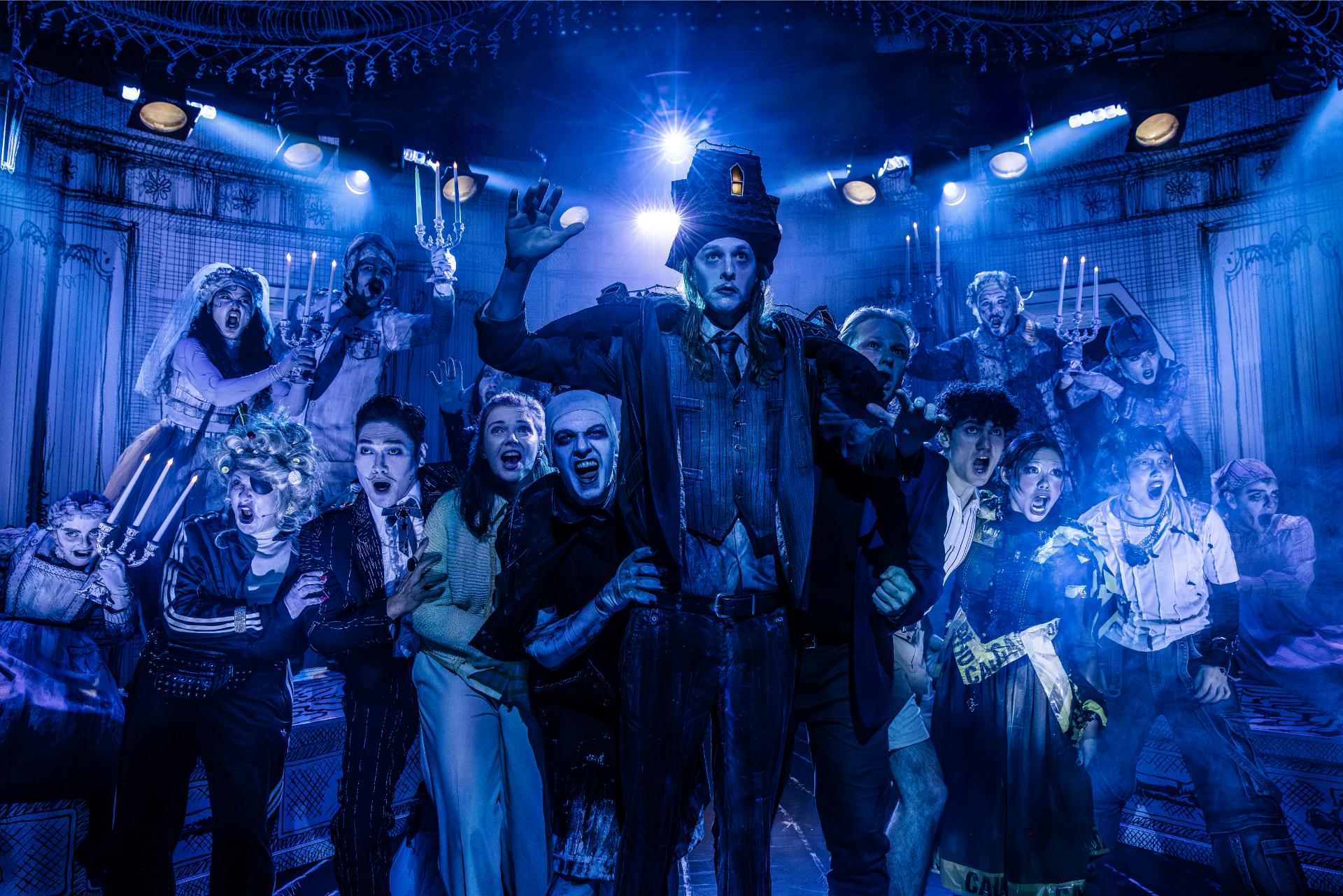
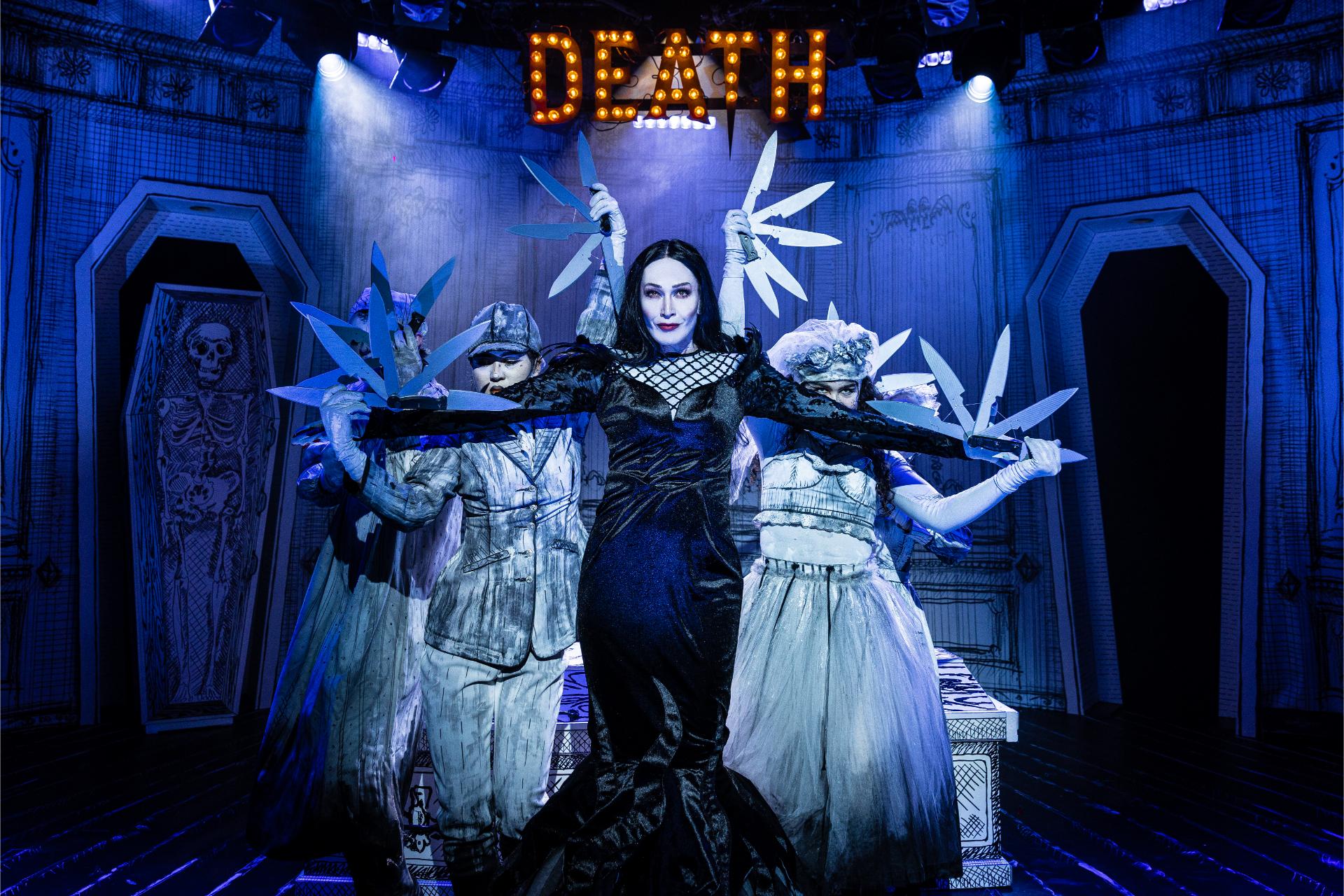
Eric Luchen’s set design proves memorable in its effective realization of the narrative’s supernatural demands. Together with Renata Beslik’s costumes, the production’s visual landscape achieves a faithful, if overly conventional, period authenticity. It is Jason Bovaird’s lighting design, however, that injects genuine dramatic tension, its increasingly dynamic palette mirroring the story’s gradual descent into high-octane chaos and effectively propelling the production toward its bombastic conclusion.

Review: They Will Be Kings (Qtopia)

Venue: Qtopia (Darlinghurst NSW), Feb 11 – 21, 2026
Playwright: 
Director: Kaz Therese
Cast: Beks Blake, Danica Lani, Chris McAllister, Angel Tan
Images by Jessica Hromas

Theatre review
Four drag kings converge in They Will Be Kings to excavate the layered narratives of their becoming. Chase Cox, Dario di Bello, Fine China, and Jim Junkie each emerge from distinct origins, propelled by singular raisons d’être—yet together they orchestrate a meditation on gender’s fluid architecture. Against the grain of a world that insists upon the fixed polarity of male and female, their collective performance unravels the artifice of such certainties, illuminating instead the protean, unruly nature of identity itself.

Under Kaz Therese’s direction, the production achieves a wonderful alchemy—transmuting four distinct sensibilities into an elegant, unified architecture. They Will Be Kings emerges as a clever meditation on gender variance: its ontological textures, its protean expressions. Each performer—Beks Blake, Danica Lani, Chris McAllister, and Angel Tan—contributes a singular artistic vocabulary, yet coheres through an ethos of collective intentionality. The result is not mere showcase but invocation: an ensemble that summons the audience toward expansiveness, demanding not passive reception but active transformation of mind and heart.

Gender presents a fundamental paradox. It functions as a system built on fixed categories, yet lived experience constantly spills beyond these boundaries into territory that resists easy definition. Humans inevitably sort one another into boxes, yet what we most desire is freedom.
 
Gender, at its best, offers pleasure, play, and genuine self-expression; yet too often it serves darker purposes—erasure, marginalisation, the violent enforcement of conformity. It is something we can resist, yet also something we can savour. To understand how it works—its mechanisms of control—is essential if we hope to move beyond its restrictions and dangers, transforming vulnerability into agency.

Review: Purpose (Sydney Theatre Company)

Venue: Wharf 1 Sydney Theatre Company (Walsh Bay NSW), Feb 2 – Mar 22, 2026
Playwright: Branden Jacobs-Jenkins
Director: Zindzi Okenyo
Cast: Grace Bentley-Tsibuah, Deni Gordon, Markus Hamilton, Tinashe Mangwana, Maurice Marvel Meredith, Sisi Stringer
Images by Prudence Upton

Theatre review
The Jaspers of Chicago are a prominent family, with patriarch Solomon having left an indelible mark on American history as a luminary of the Civil Rights movement and a pillar of his community, counting Dr Martin Luther King Jr. among his many friends. Yet, at some point, things began to unravel.

In Branden Jacobs-Jenkins’ Purpose, we witness how a legacy can be tarnished, in a story that explores broken dreams, misplaced faith, and the quiet dangers of human complacency. As we discover that the Jaspers are not who they are believed to be, we are confronted with the illusory nature of celebrity and reputation, and reminded that true democratic agency — and personal destiny — ultimately demands individual vigilance and control.

It is a sensational piece of writing, rich with humour and sharp insight, and driven by a plot that is thrillingly unpredictable. Zindzi Okenyo’s direction keeps the audience riveted as each dramatic surprise unfolds with sustained force. Under her guidance, the relationships feel fully realised and believable, allowing us to invest deeply in the complex dynamics at play.

The cast is broadly likeable, if somewhat uneven, with Markus Hamilton leaving the strongest impression, delivering a mesmerisingly profound performance as Solomon. His daughter-in-law Morgan is brought to life by a remarkable Grace Bentley-Tsibuah, who is magnificent in her intensity, inhabiting a role brimming with resentment, rage, and defiance.

Production design by Jeremy Allen creates a Jasper residence that feels suitably traditional and respectable, its windows looking out onto heavy, persistent snowfall that quietly reinforces the play’s sense of place. Lighting by Kelsey Lee shifts in subtle gradations to mirror changes in mood, while consistently flattering and revealing the nuances of each character.

James Peter Brown’s score enters sparingly, transporting us into something more ethereal between the very grounded disputes that form the scintillating emotional core of Purpose. The effect is to create moments of distance and reflection, as though inviting us to consider these deeply human interactions with greater objectivity.

It is natural to have political heroes, but they should serve as sources of inspiration rather than saintly figures upon whom we pin all our hopes and dreams. Solomon may have achieved a great deal in his lifetime, yet we must remember that political projects are never truly complete; they are ongoing, unfinished, and constantly contested.

The systems in which we operate are often made to feel beyond our control, with power appearing distant and elusive. In truth, these structures are bendable and mutable, if only we push harder to exercise our democratic rights and restore faith in the power of collective action — especially in an age marked by the rise of reprehensible authoritarianism and heinous oligarchic influence.

Review: Traffic Light Party (KXT on Broadway)

Venue: KXT on Broadway (Ultimo NSW), Jan 28 – Feb 7, 2026
Playwright: Izzy Azzopardi
Director:
Brea Macey
Cast: Izzy Azzopardi, Renée Billing, Meg Denman, Grace Easterby, Caitlin Green, Isaac Harley, Travis Howard, Caleb Jamieson, Jordy Stewart
Images by Jade Bell

Theatre review
A group of young adults, only just emerging from adolescence, gather at a party where colour-coded clothing signals their relationship status. Izzy Azzopardi’s Traffic Light Party examines the ways we begin to conceptualise romantic connection at the earliest stages of adulthood. Newly confronting the world as independent individuals, they navigate a landscape shaped by inherited assumptions, prescribed values, and imagined futures. The work suggests that genuine understanding of love cannot be taught or pre-empted; it can only be earned by moving through the many surprises, missteps, and revelations that inevitably accompany the first real encounters with intimacy and desire.

Azzopardi’s writing is marked by an unmistakable honesty, and while it is evident that considerable thought underpins the text, not all of its ideas fully cohere into sophistication or depth. Direction by Brea Macey, however, provides meaningful elevation, infusing the work with admirable kineticism and a consistently striking visual language. Holly Nesbitt’s lighting design brings further dynamism, drawing on the story’s central motif to play expansively with colour and with ideas of transformation. The nine-strong cast performs with total commitment, their buoyant energy commanding attention in every moment, whether dramatic or comic.

The heart wants what the heart wants, yet it is often the very force that leads us into our deepest trouble. There is, perhaps, dignity in enduring profound heartache when it is born of genuine longing. But to suffer those same wounds as the cost of obedience — of contorting oneself to fit expectations or to follow rules that were never meant to serve you — is a lesson most eventually recognise as a particularly hollow kind of folly.

Review: Amplified (Belvoir St Theatre)

Venue: Belvoir St Theatre (Surry Hills NSW), Jan 29 – Feb 8, 2026
Playwright: Sheridan Harbridge
Director: Sarah Goodes
Cast: Sheridan Harbridge
Images by Jade Ellis

Theatre review
There have been few Australian women in the public eye whose rebelliousness has been openly celebrated, and Divinyls frontwoman Chrissy Amphlett remains the most indelible of them. Confrontational, anarchic and unapologetically wild, her on- and off-stage antics are rightly legendary, embodying a form of feminism that is still too easily dismissed as unpalatable. Amplified: The Exquisite Rock and Rage of Chrissy Amphlett, written by Sheridan Harbridge, insists that Amphlett be properly revered and memorialised. A biographical work woven through with many of the Divinyls’ greatest hits, Amplified is a tribute that is both accessible and surprising, effortlessly engaging while finding inventive ways to honour the life and legacy of a woman who refused convention at every turn. In Harbridge’s creation, we rediscover an Amphlett who continues to expose how little space Australia truly allows its women to misbehave.

As performer, Harbridge is faultless, deftly balancing our desire for a theatrical invocation of the icon’s essence with the grounded authority of a narrator whose warmth and enthusiasm we willingly surrender to. Under Sarah Goodes’ direction, Harbridge is given the space to tell Amphlett’s life story in a manner that feels consistently truthful and intimate, rarely relying on mimicry or lapsing into cheap sentimentality. The result is a work of rare sincerity—anchored, generous, and emotionally exacting—that achieves what the finest art aspires to: opening our hearts to a story worth telling, and in doing so, nourishing in us something that is collective and enduring.

Glenn Moorhouse’s exacting musical direction ensures a seamless flow between commentary and song, one that feels instinctive, purposeful, and never forced. The four-piece band brings ferocious spirit to this Australian rock-and-roll story, suitably cacophonous and libidinous in its energy. In fitting dialogue with this post-punk aesthetic is Michael Hankin’s production design, which balances rawness with clarity, meeting the visual demands of a one-woman show while allowing it to feel assured and fully realised. Paul Jackson’s lighting is similarly evocative, casting the narrative in shifting, enigmatic tones and conjuring vivid echoes of Amphlett hitting her stride on stages both humble and monumental.

In an ideal world, women would be free to become whoever they choose and to behave however they wish, so long as no harm is done. In the world as it exists, however, it falls to those with access—however limited—to power to exert it in the service of redressing systems that remain transparently unjust and exploitative. Chrissy Amphlett had ample incentive to obey every rule of the music industry and of the society that shaped it; many of her peers did exactly that, and were rewarded with far greater wealth and security. Amphlett’s defiance—calculated and instinctive alike—endures however as a legacy that remains dangerous, necessary, and worth remembering. Women may learn obedience as a means of survival, but progress is never secured through compliance; it is forged by recognising moments for resistance and exploiting them, again and again, to fracture a status quo that depends on silence to endure.

www.belvoir.com.au | www.jacarandaproductions.com.au