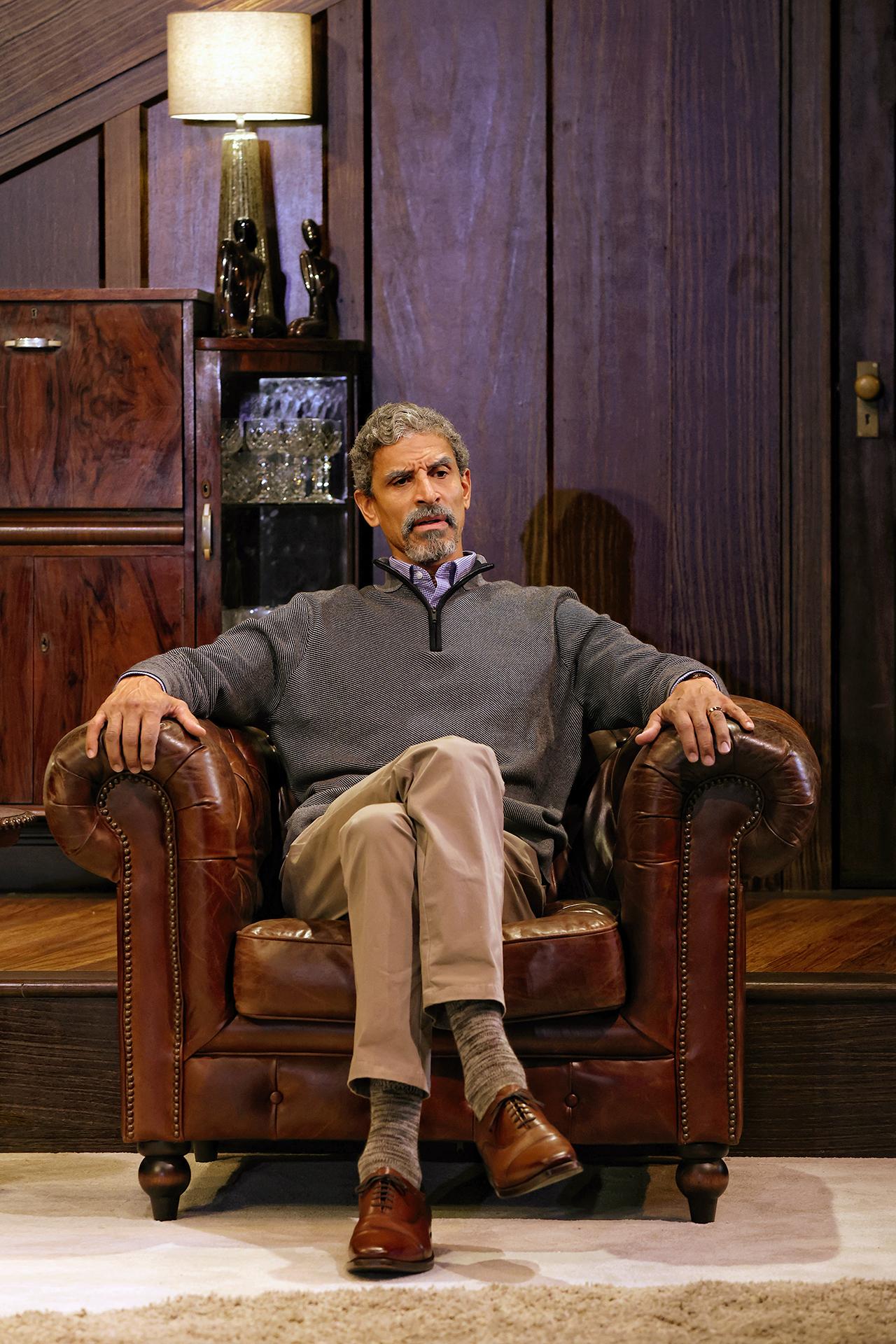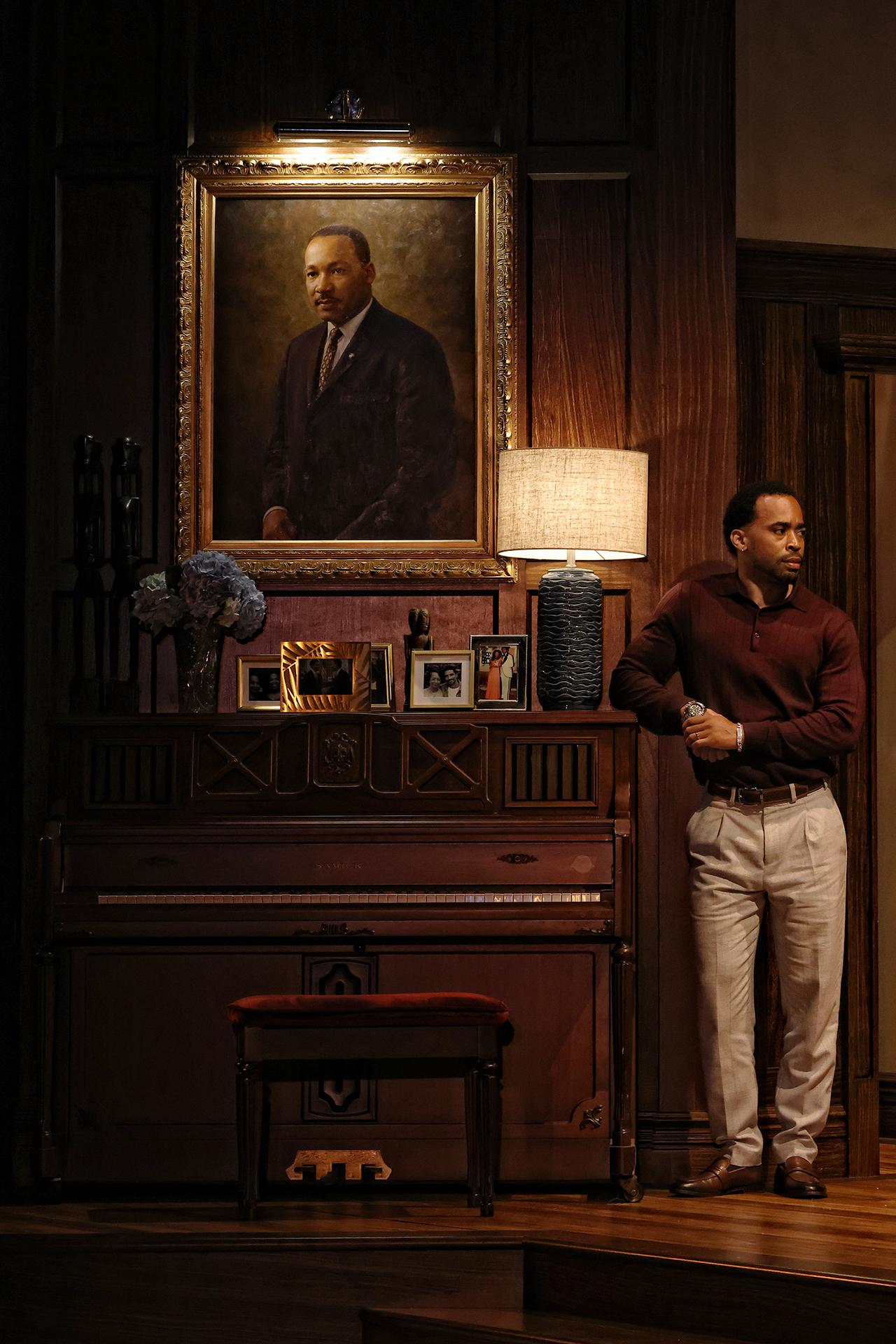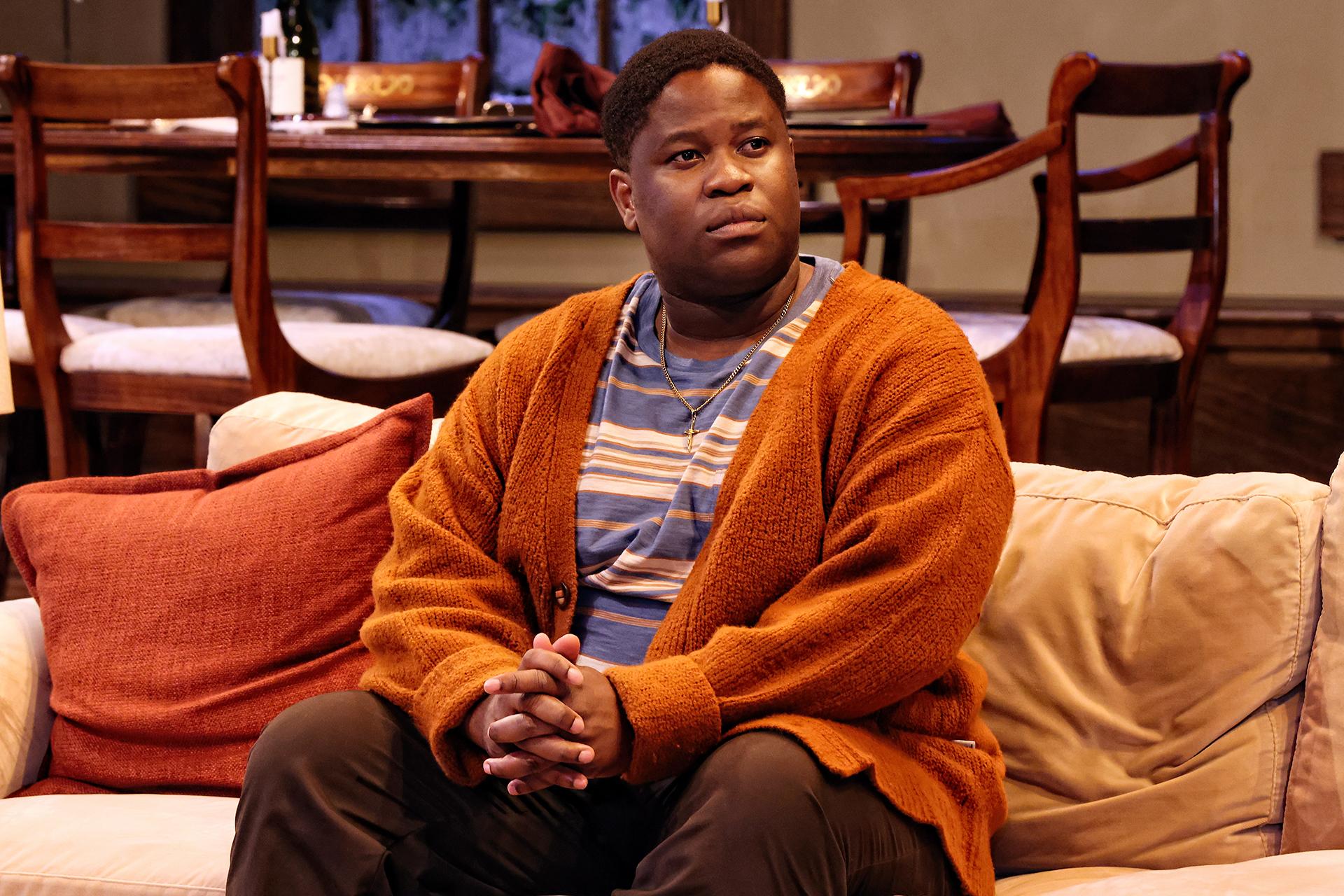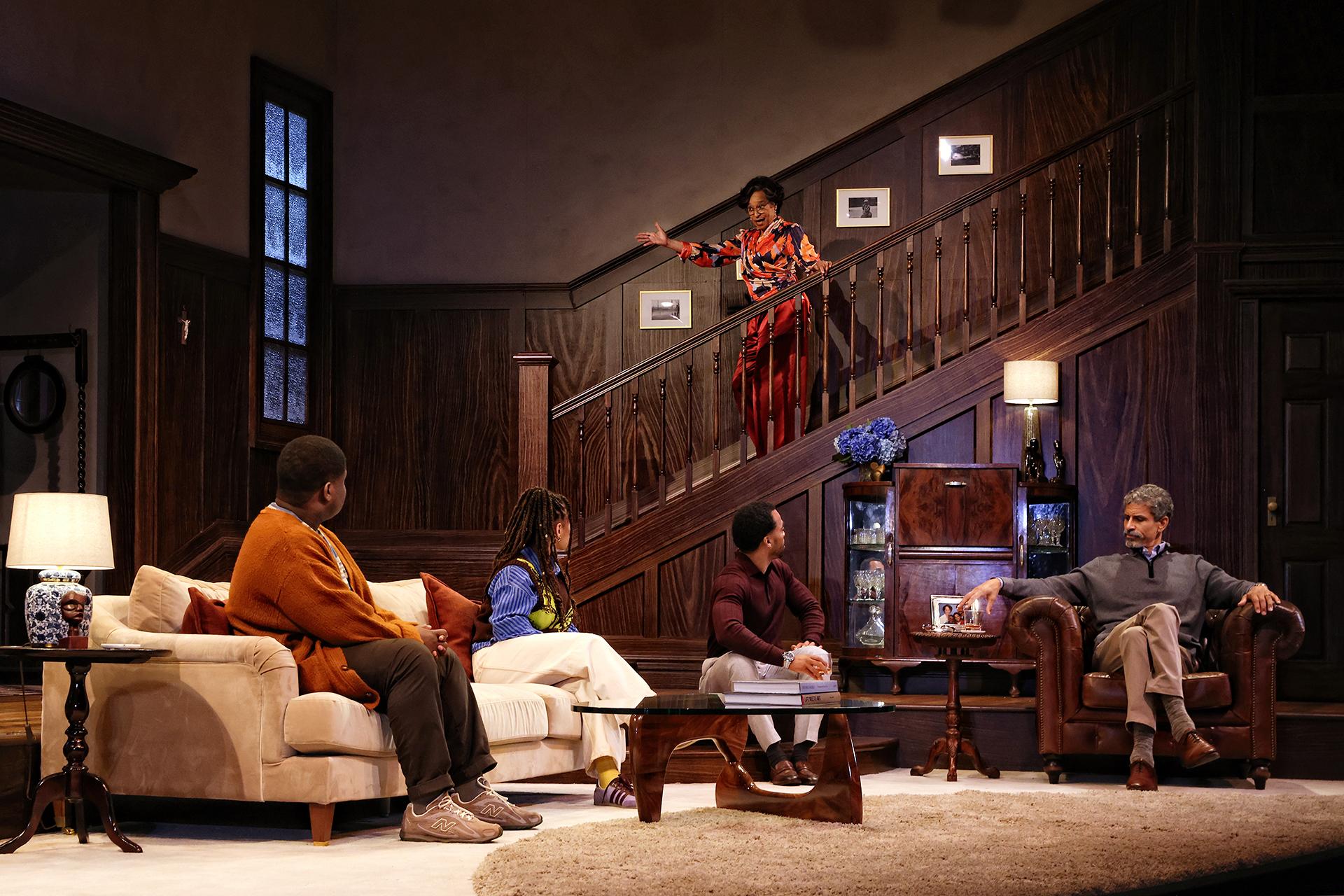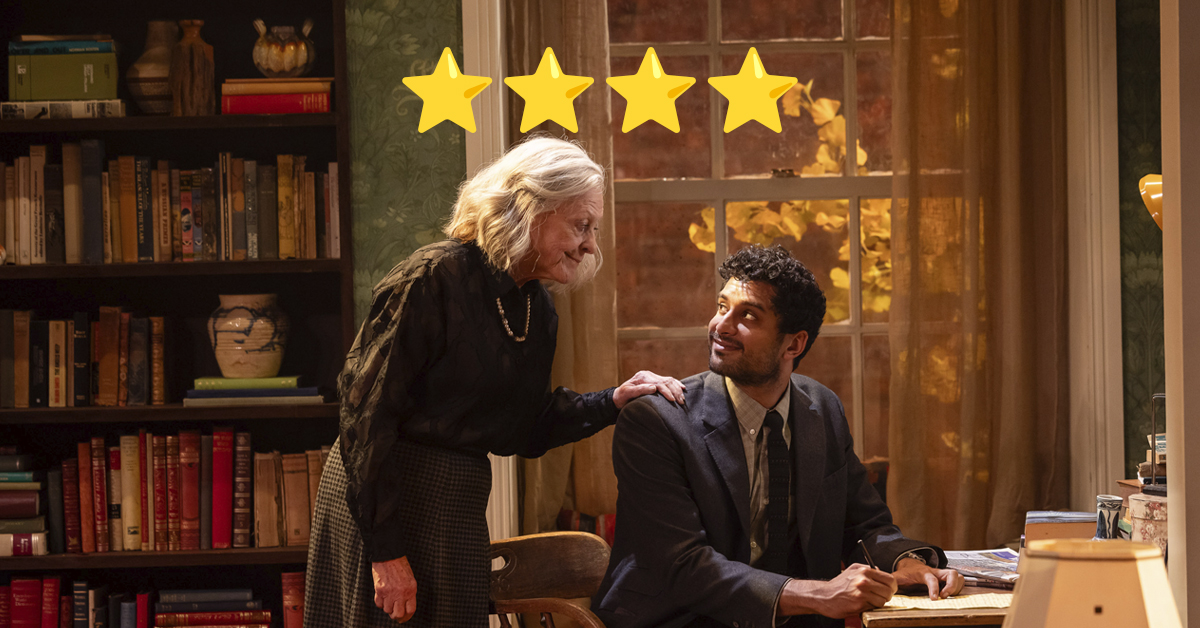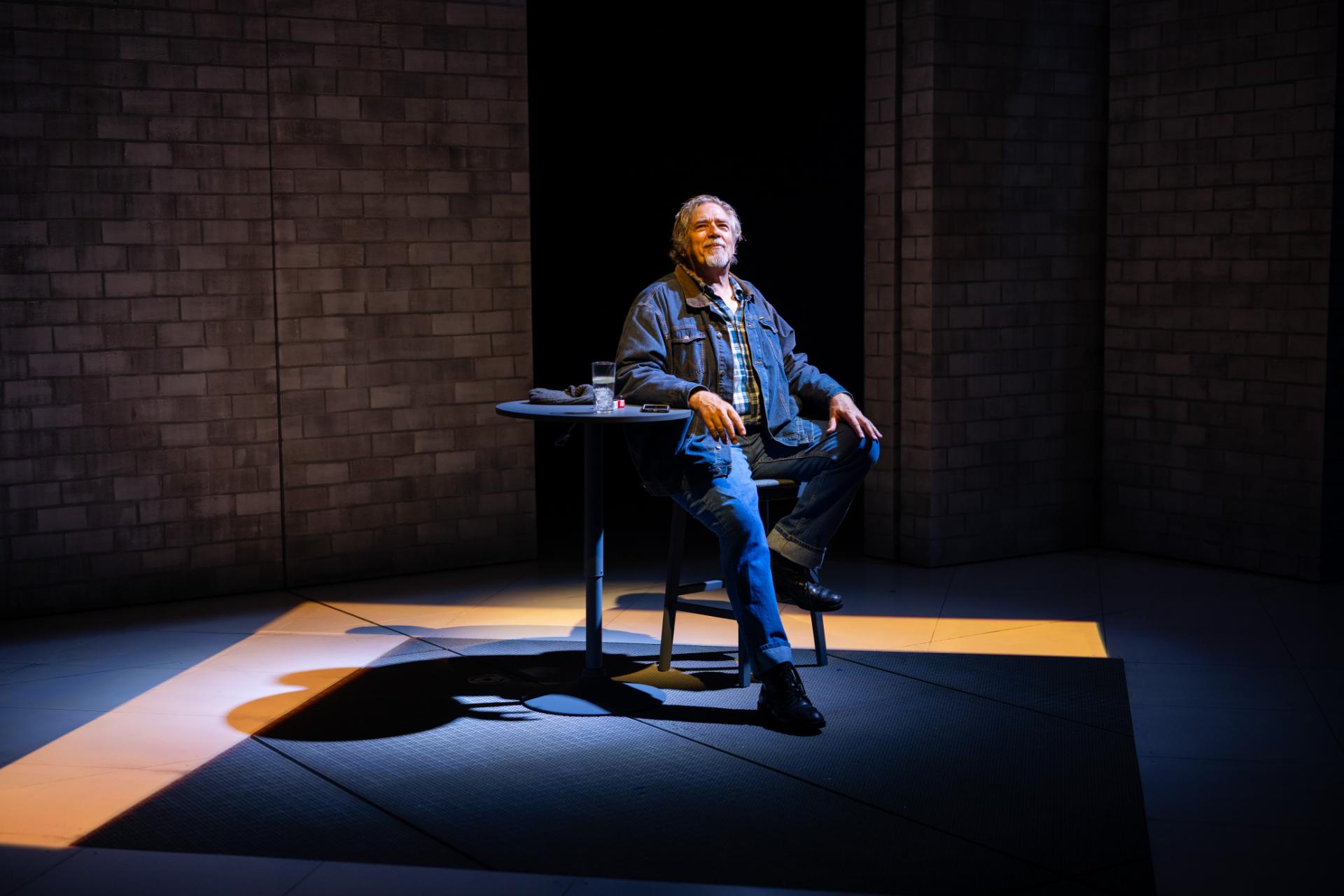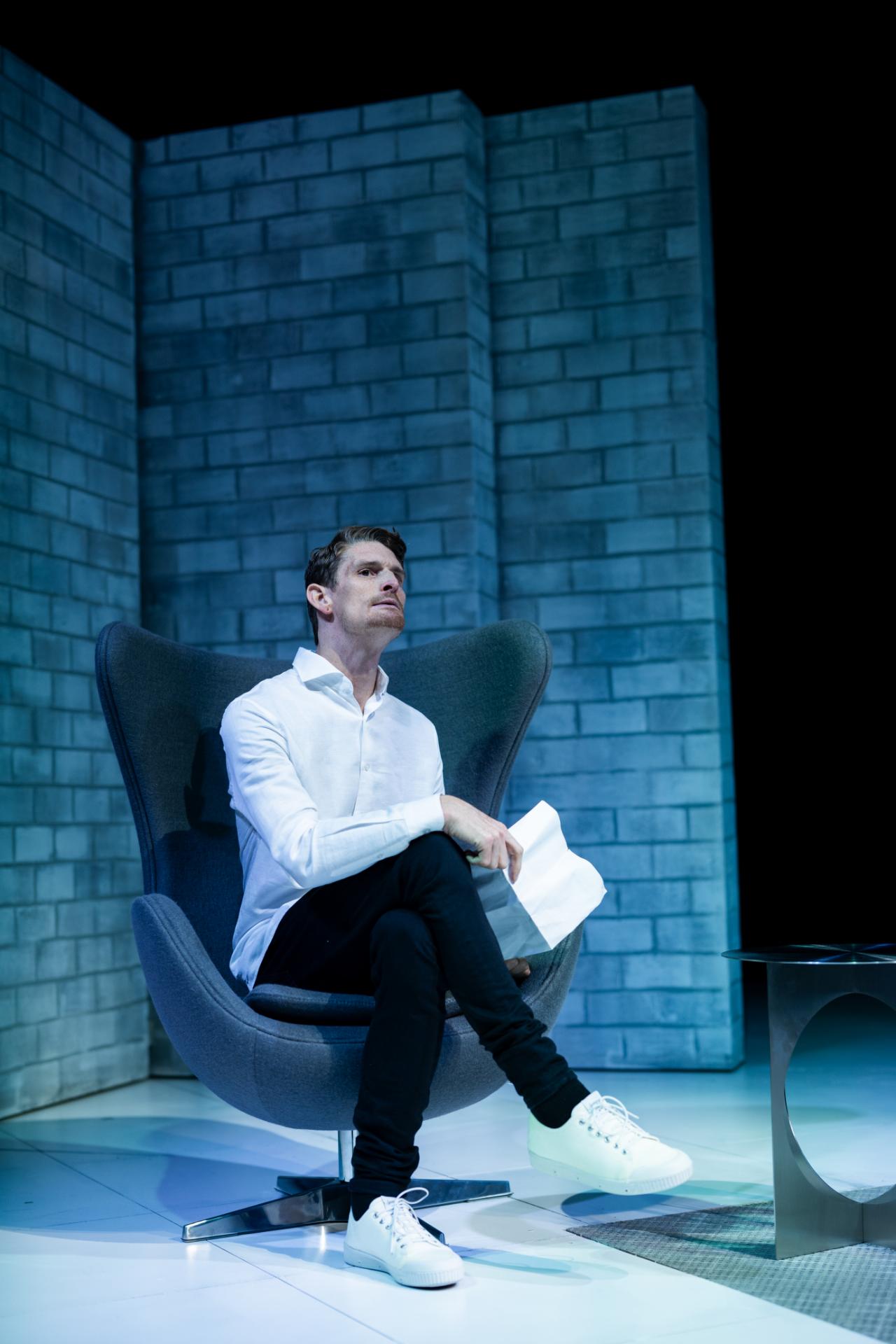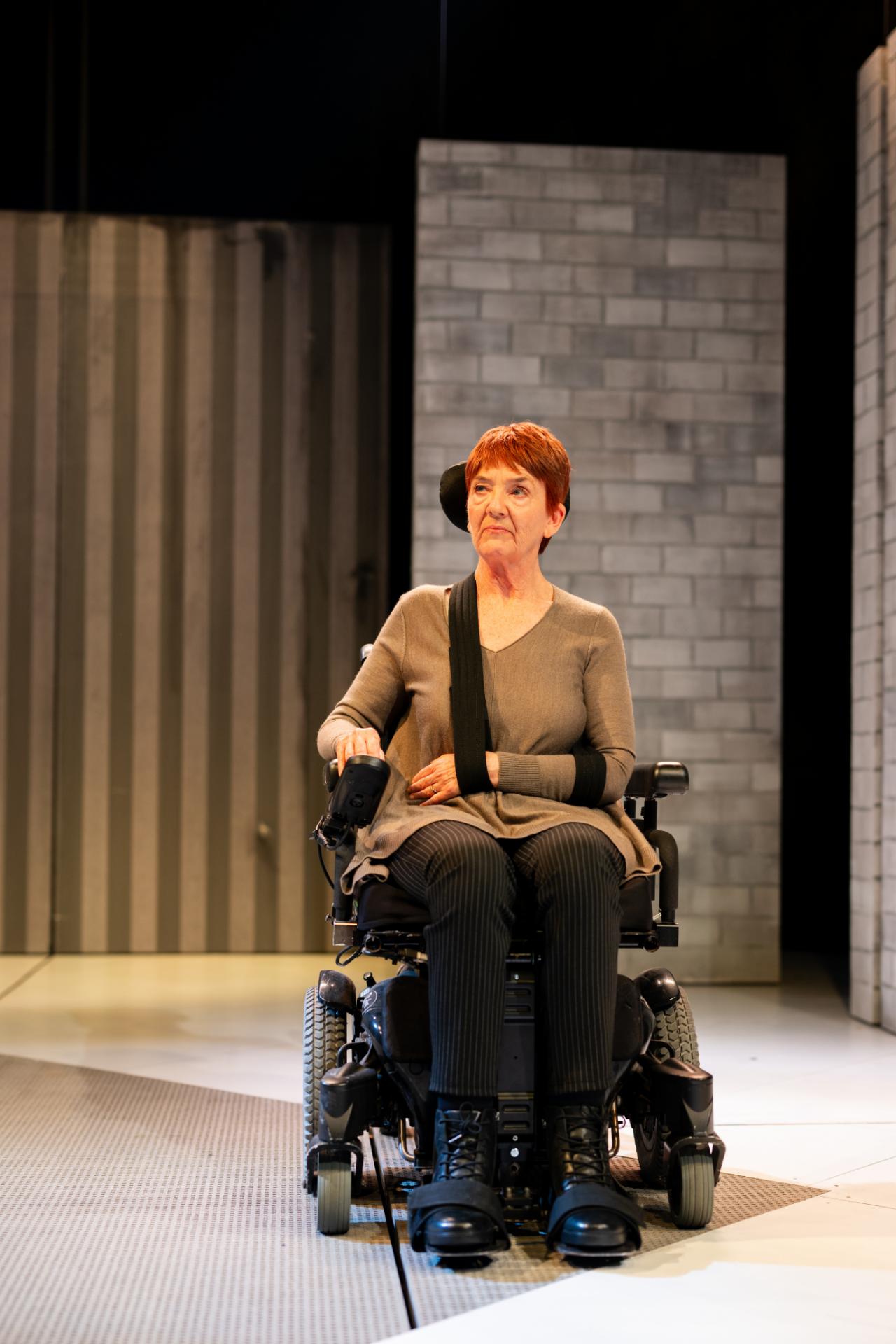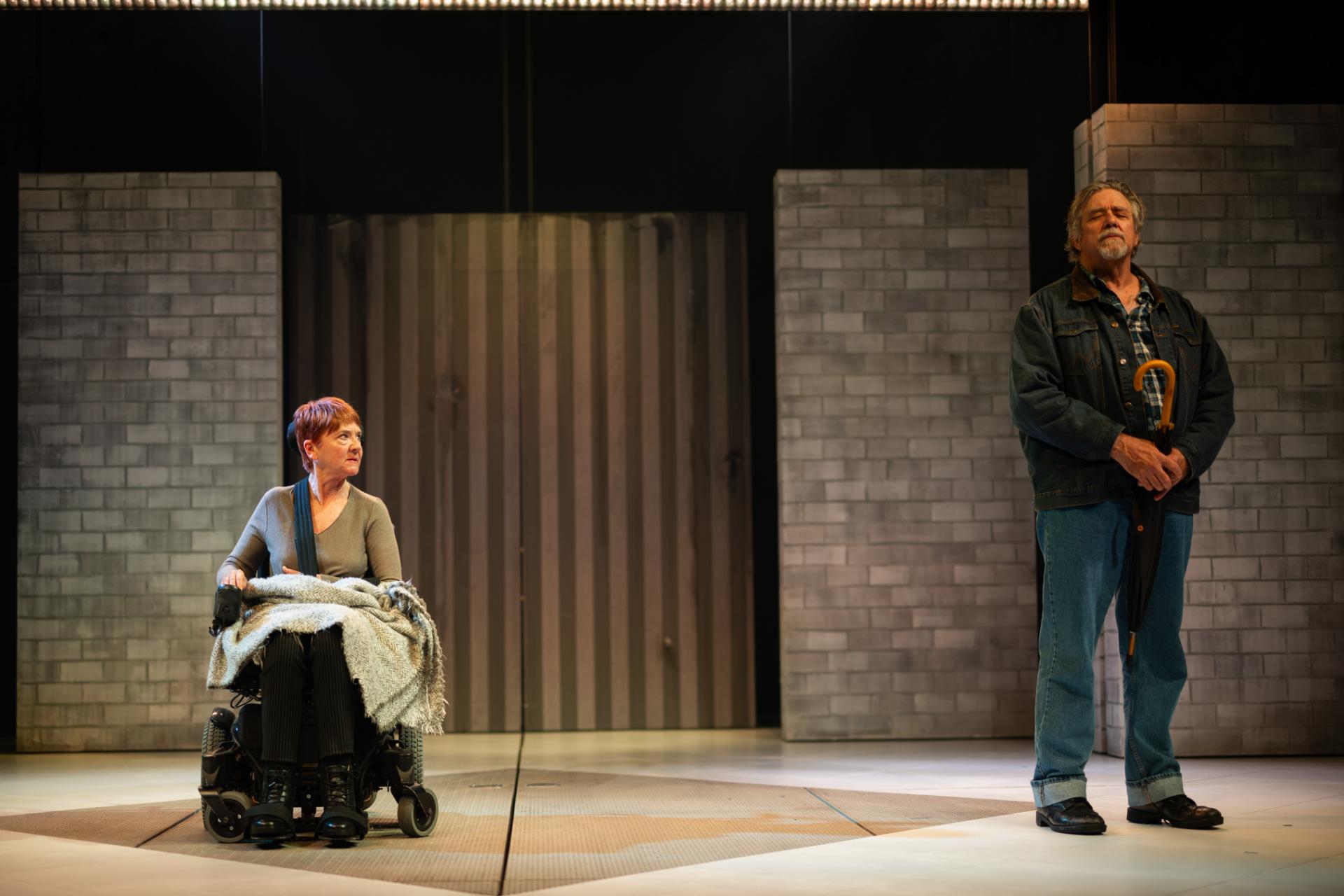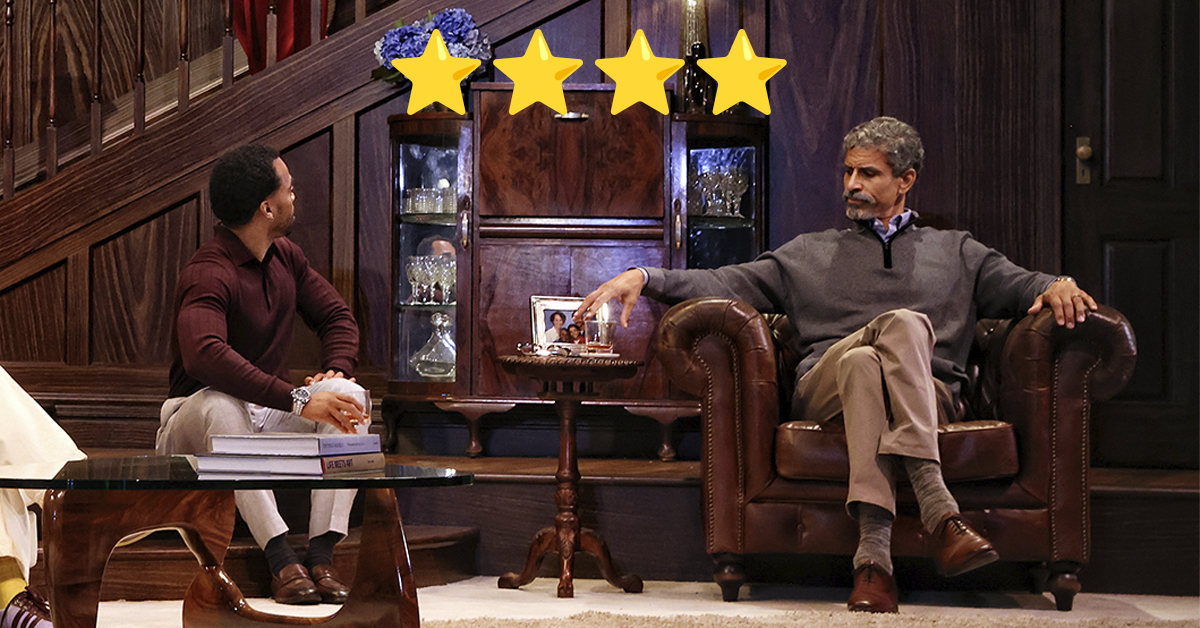
Review: Congratulations, Get Rich! 恭喜发财, 人日快乐 (Sydney Theatre Company)

Venue: Wharf 1 Sydney Theatre Company (Walsh Bay NSW), Nov 21 – Dec 14, 2025
Playwright: Merlynn Tong
Director: Courtney Stewart
Cast: Zac Boulton, Seong Hui Xuan, Merlynn Tong, Kimie Tsukakoshi 
Images by Prudence Upton

Theatre review
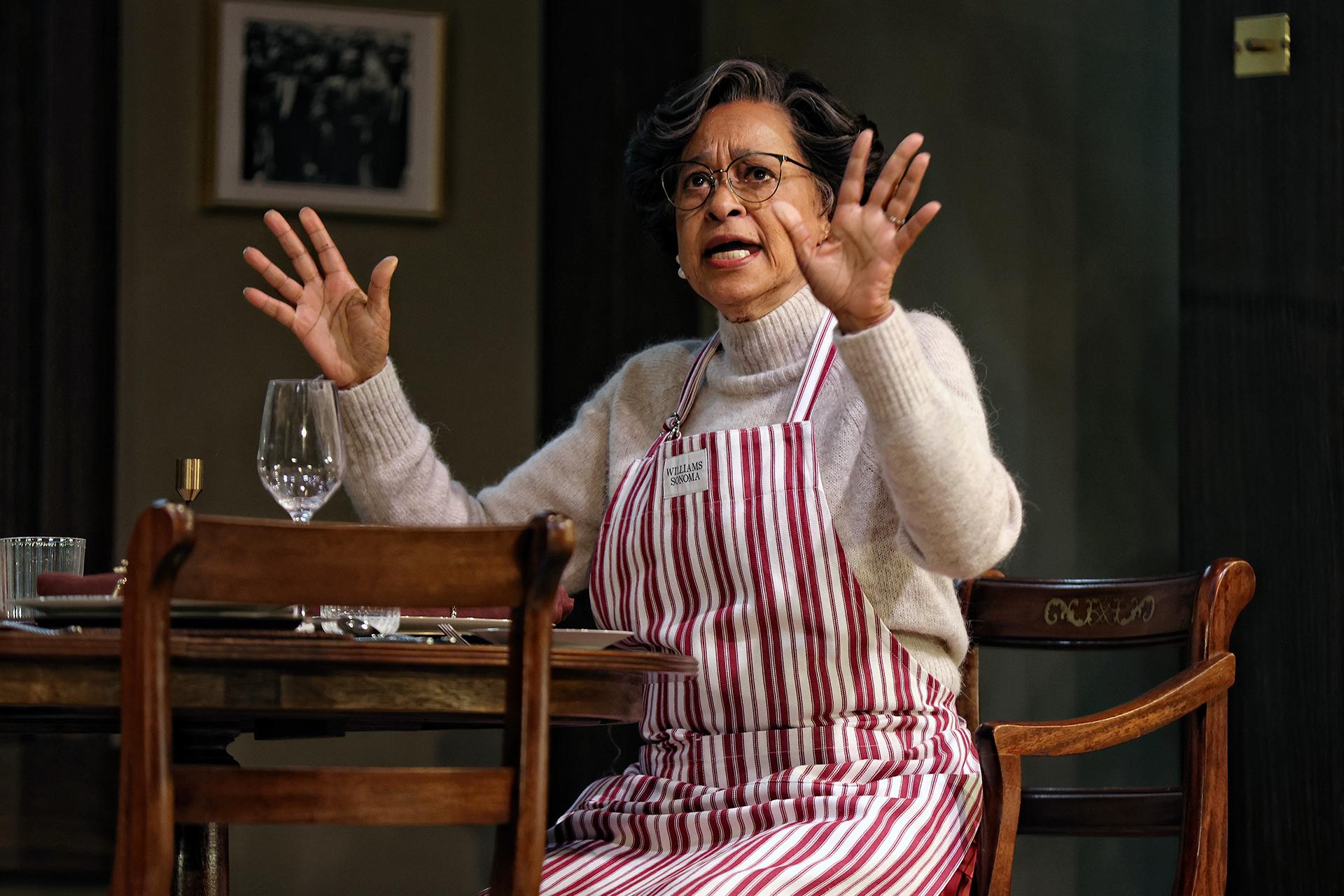
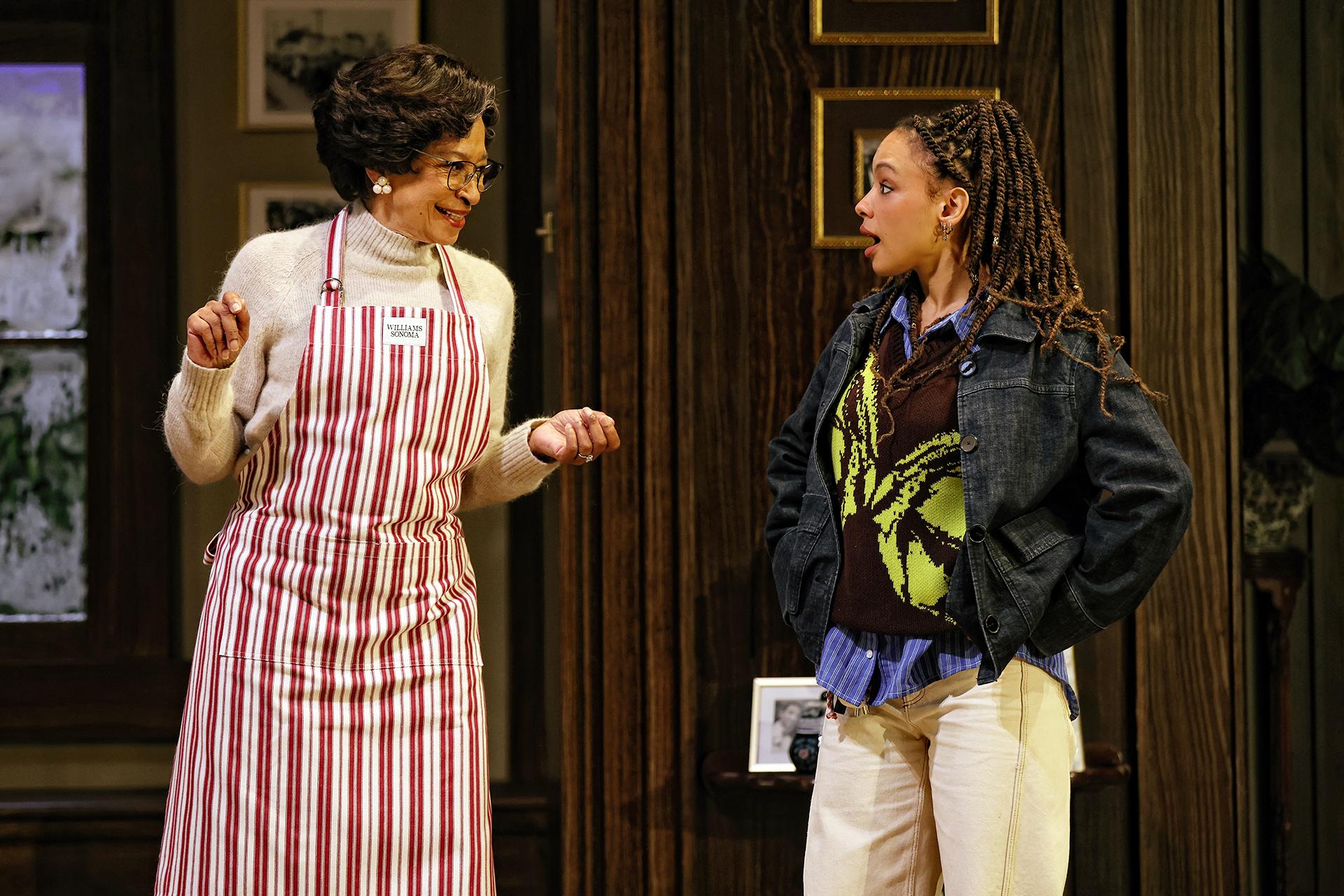
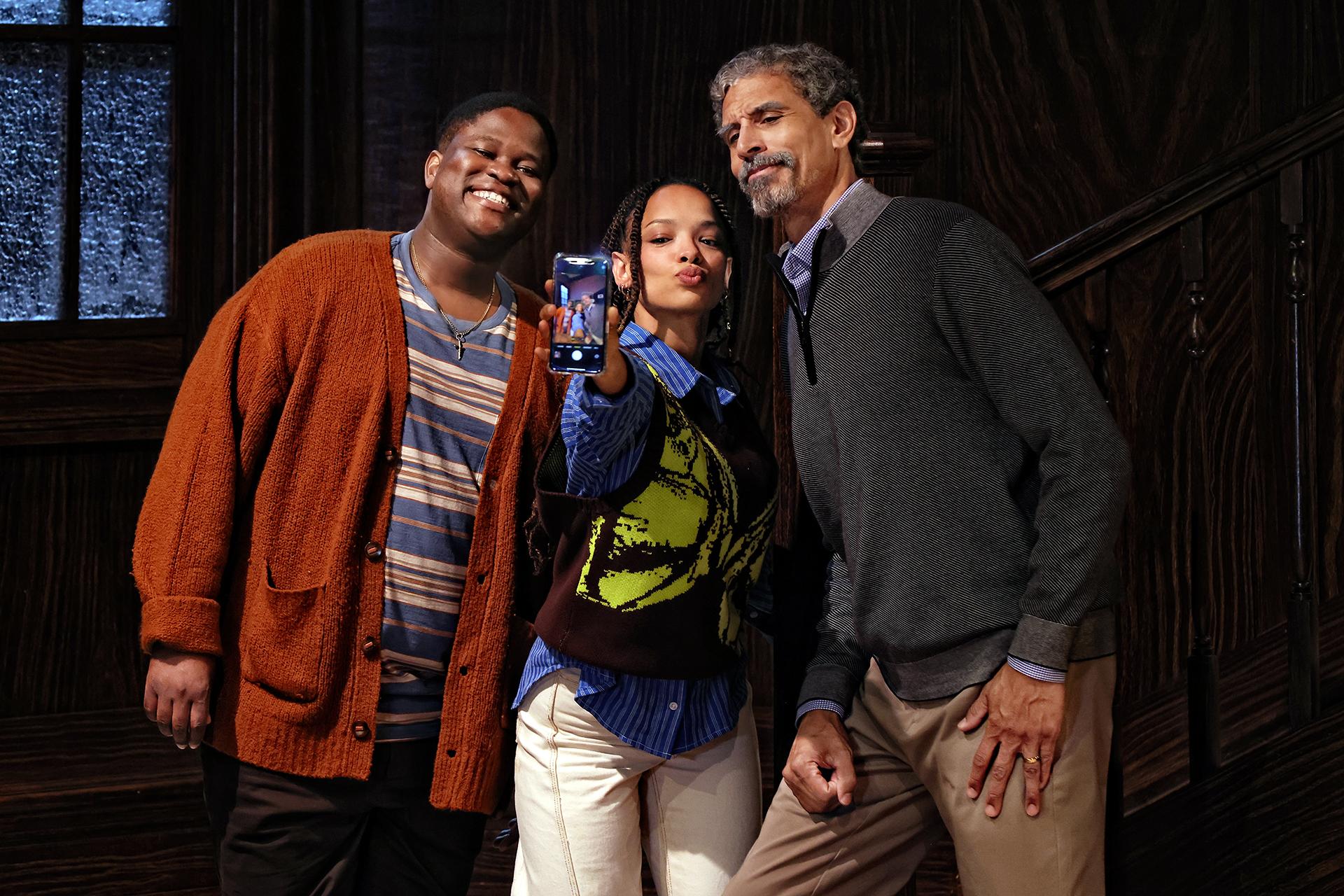
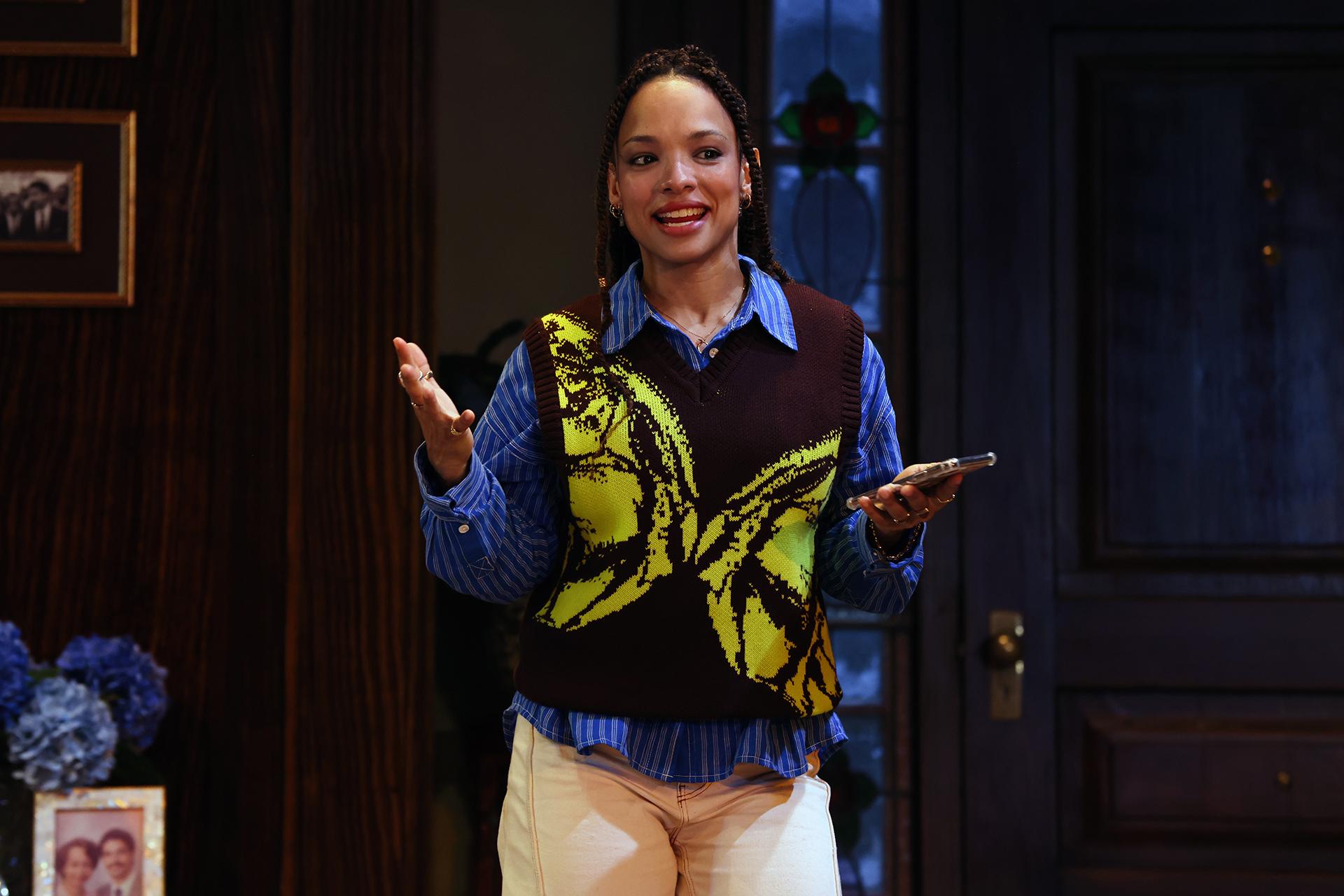
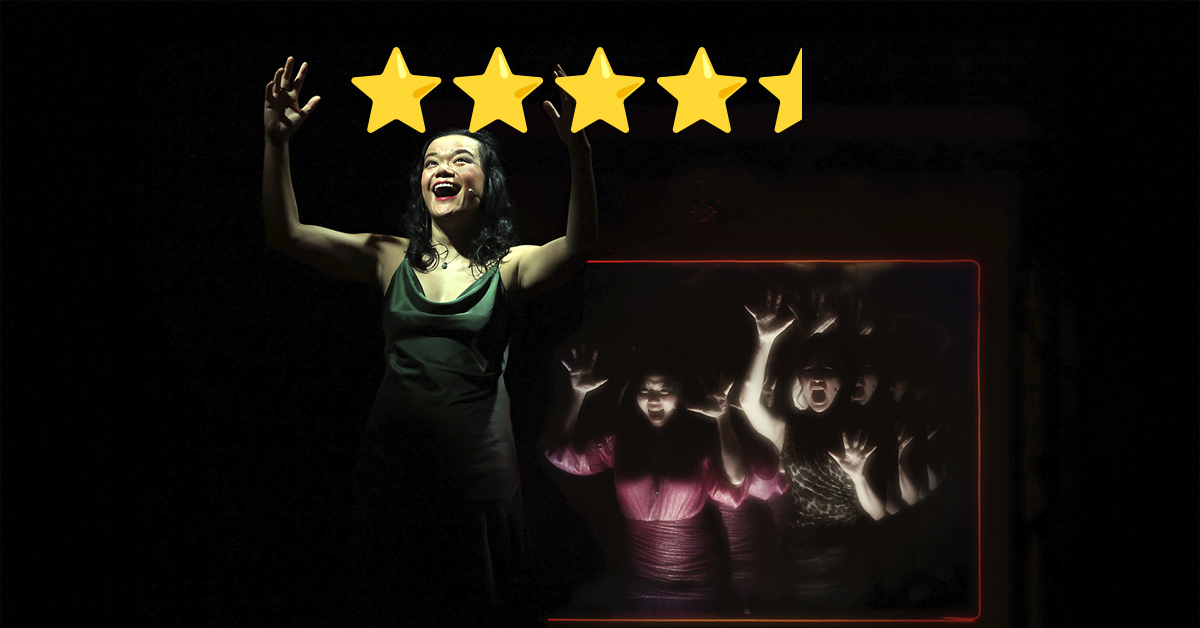
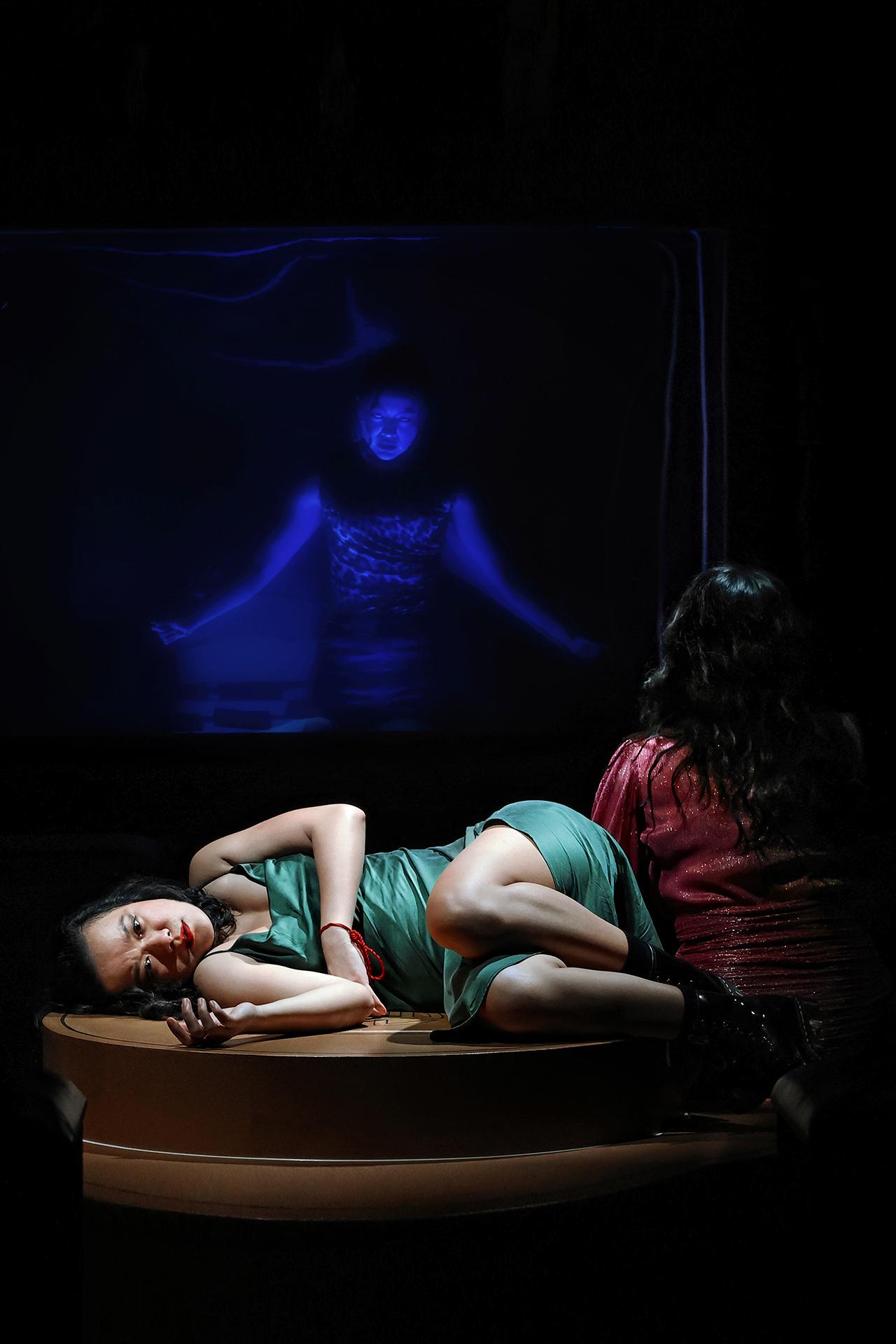
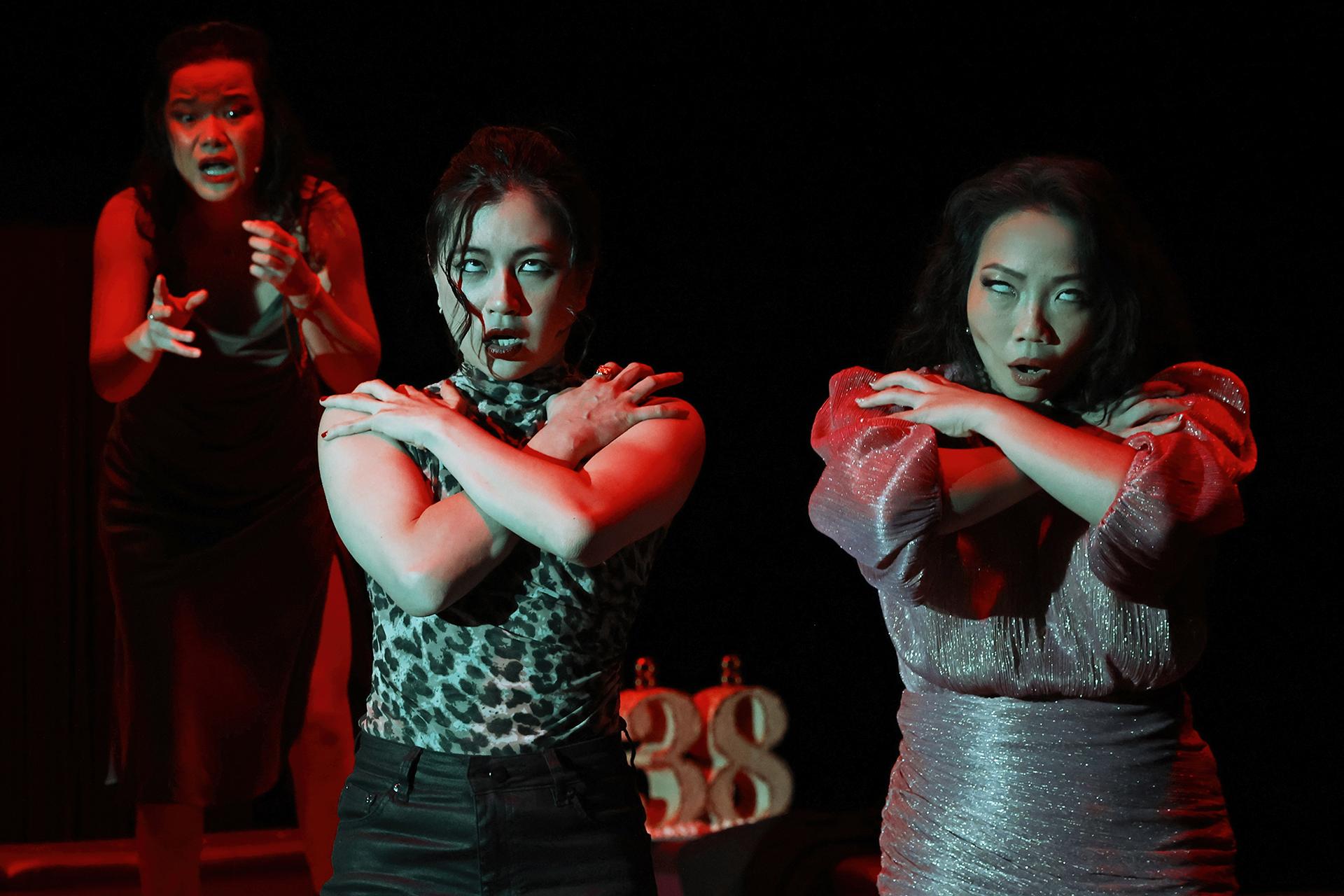
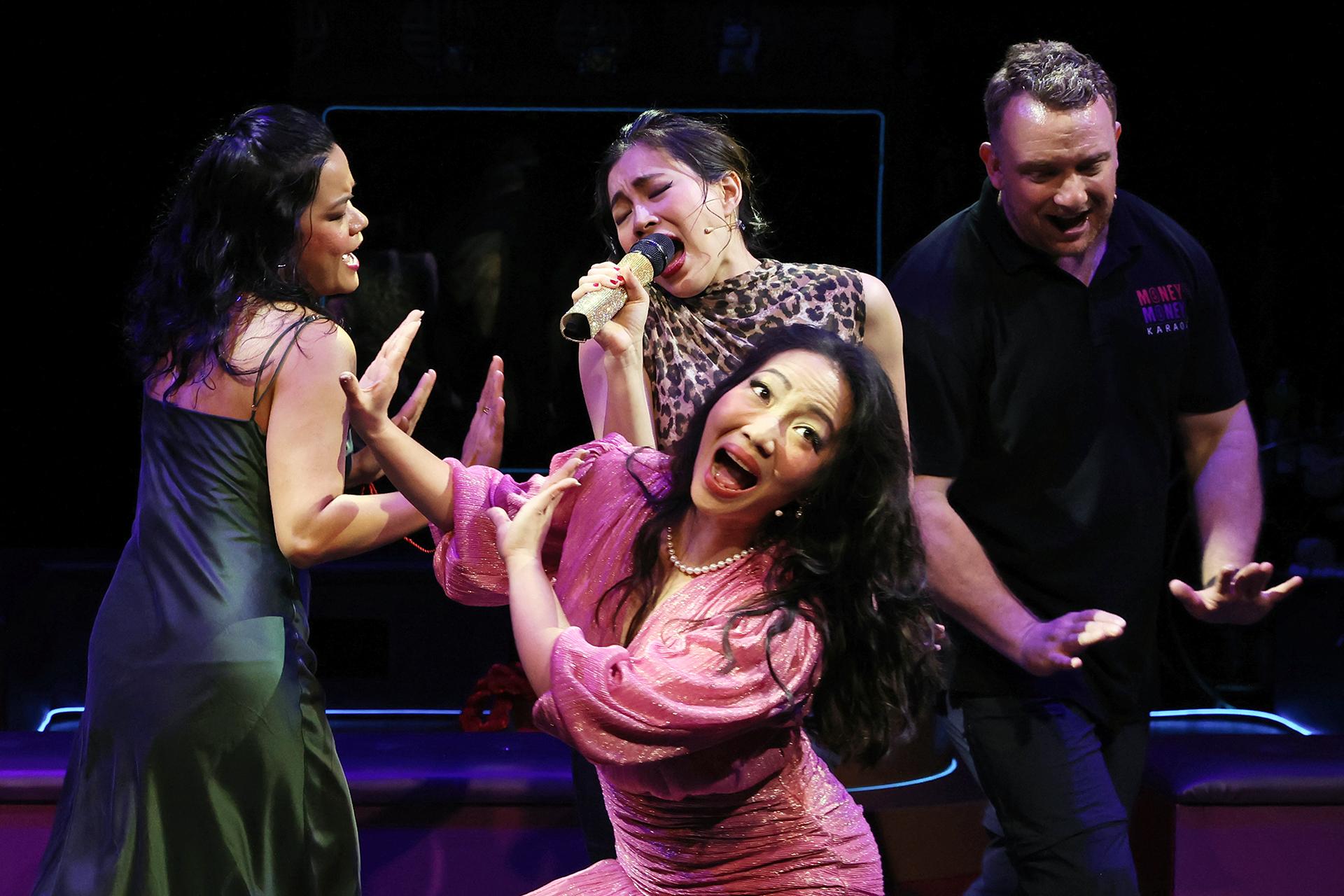
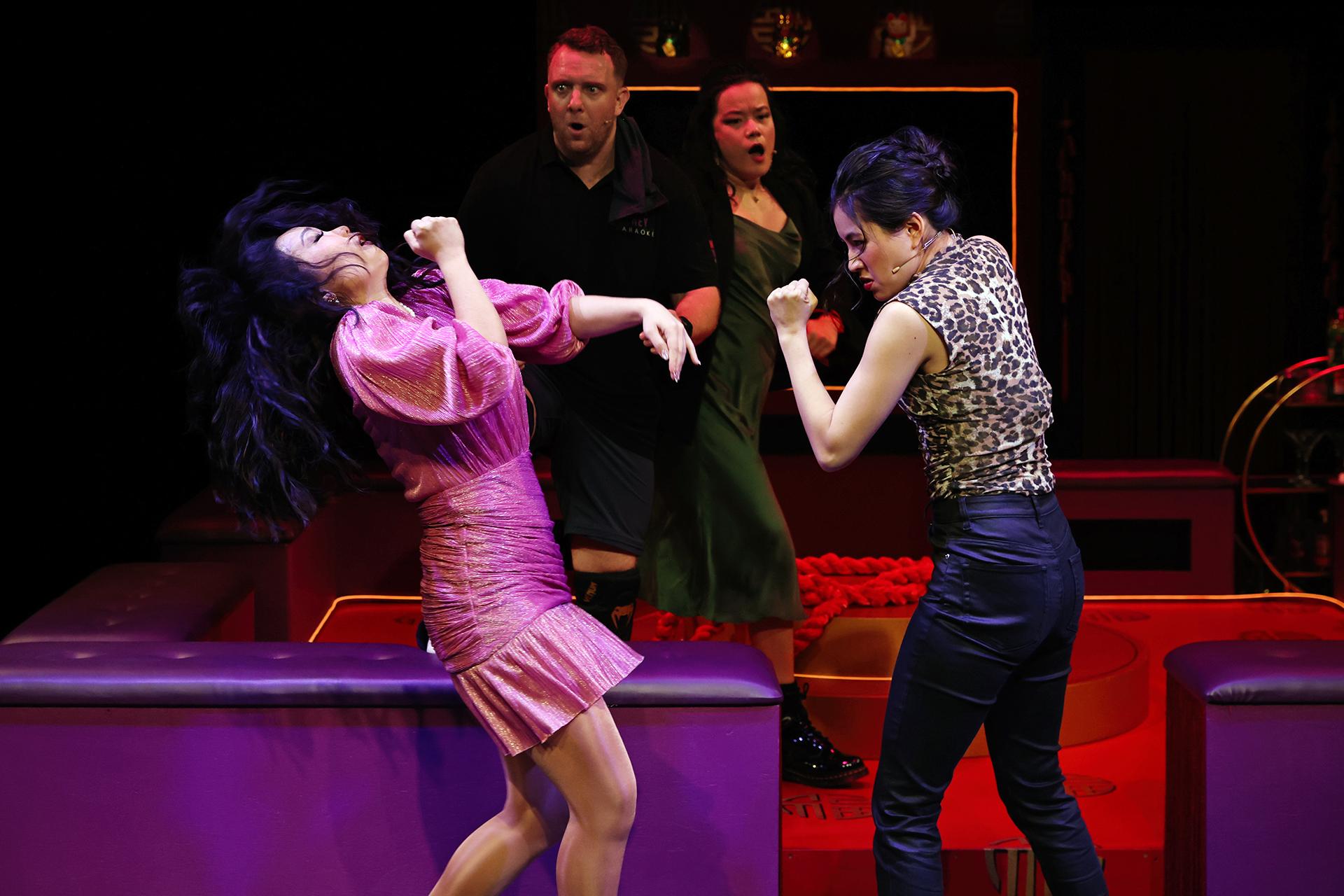
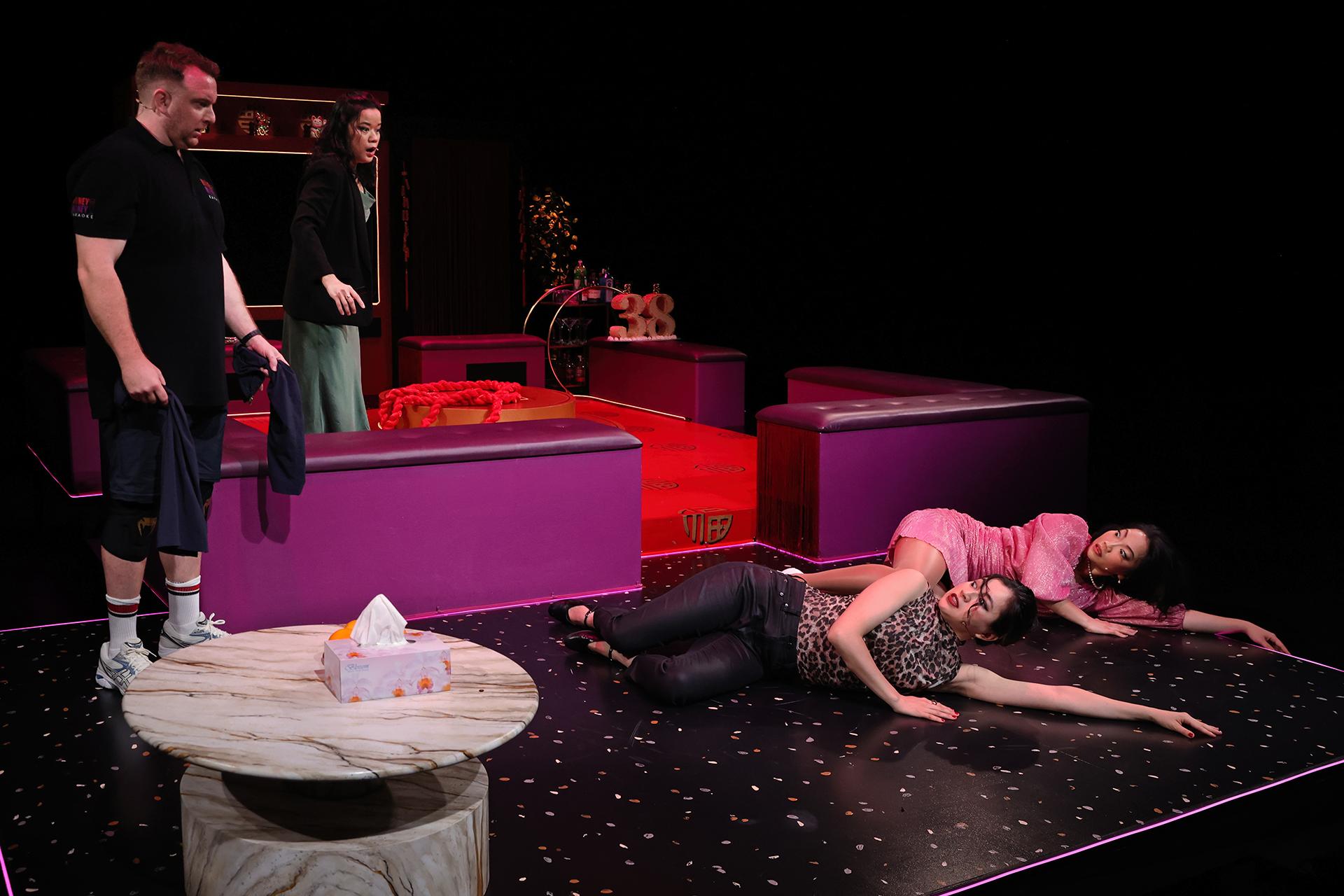
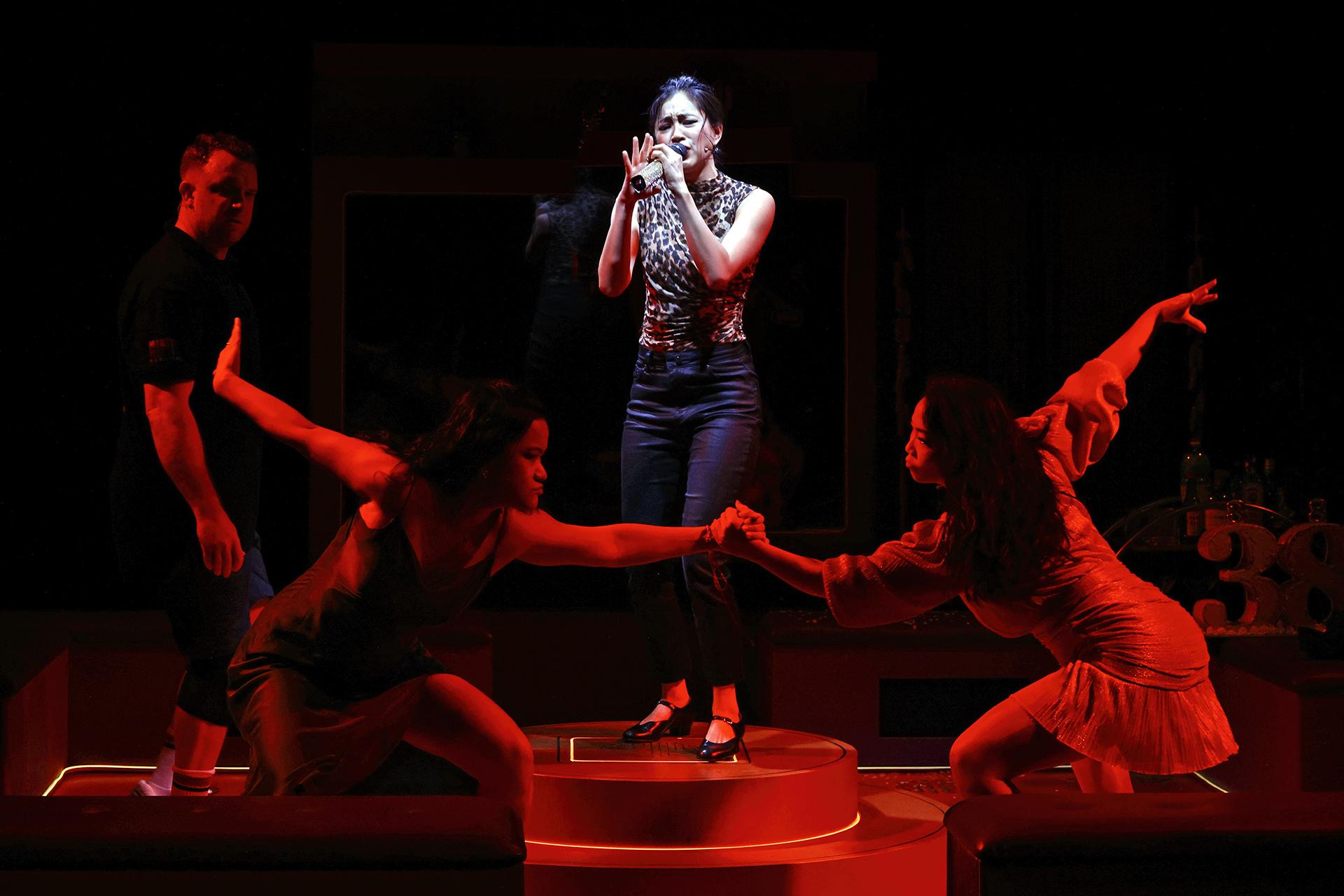
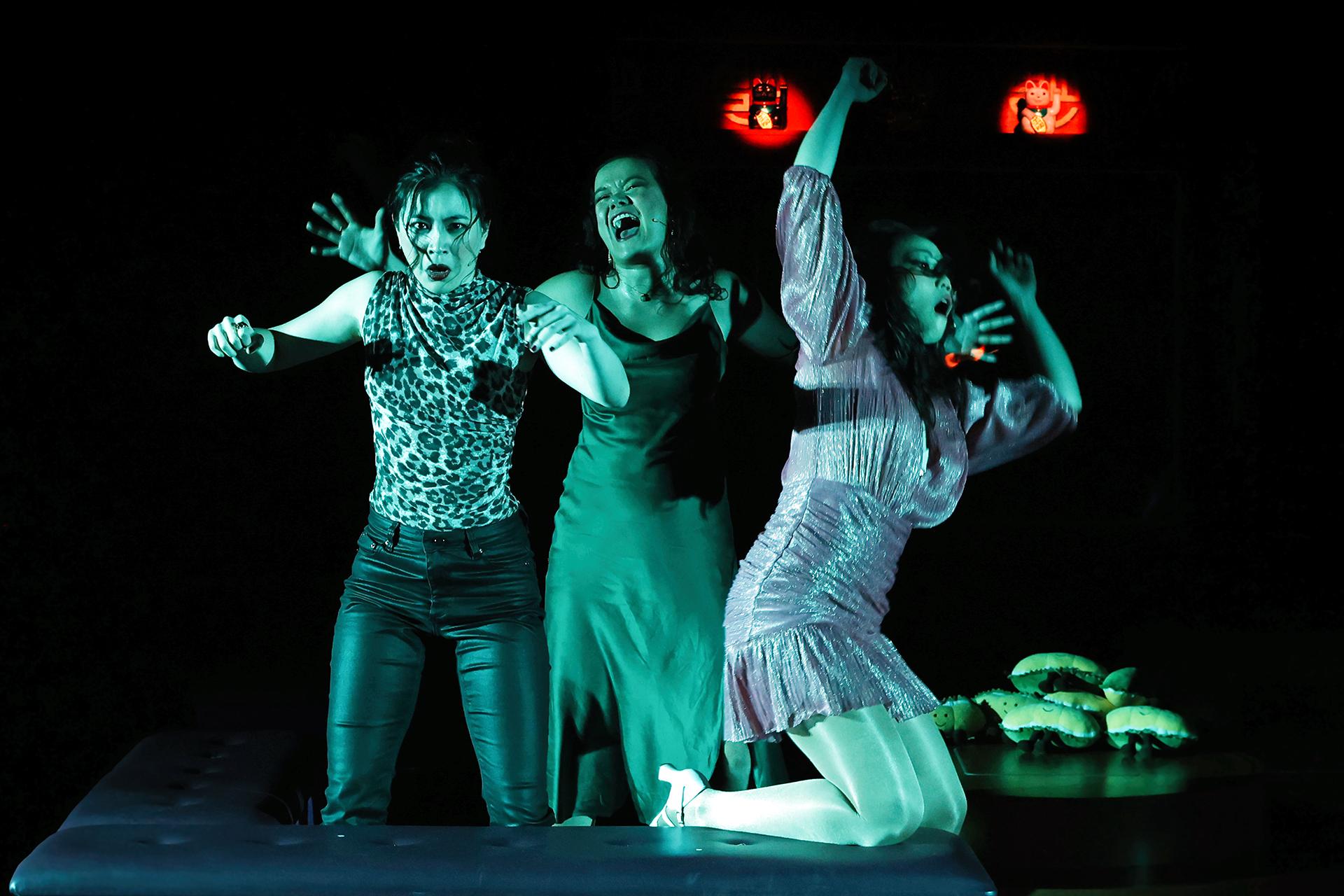
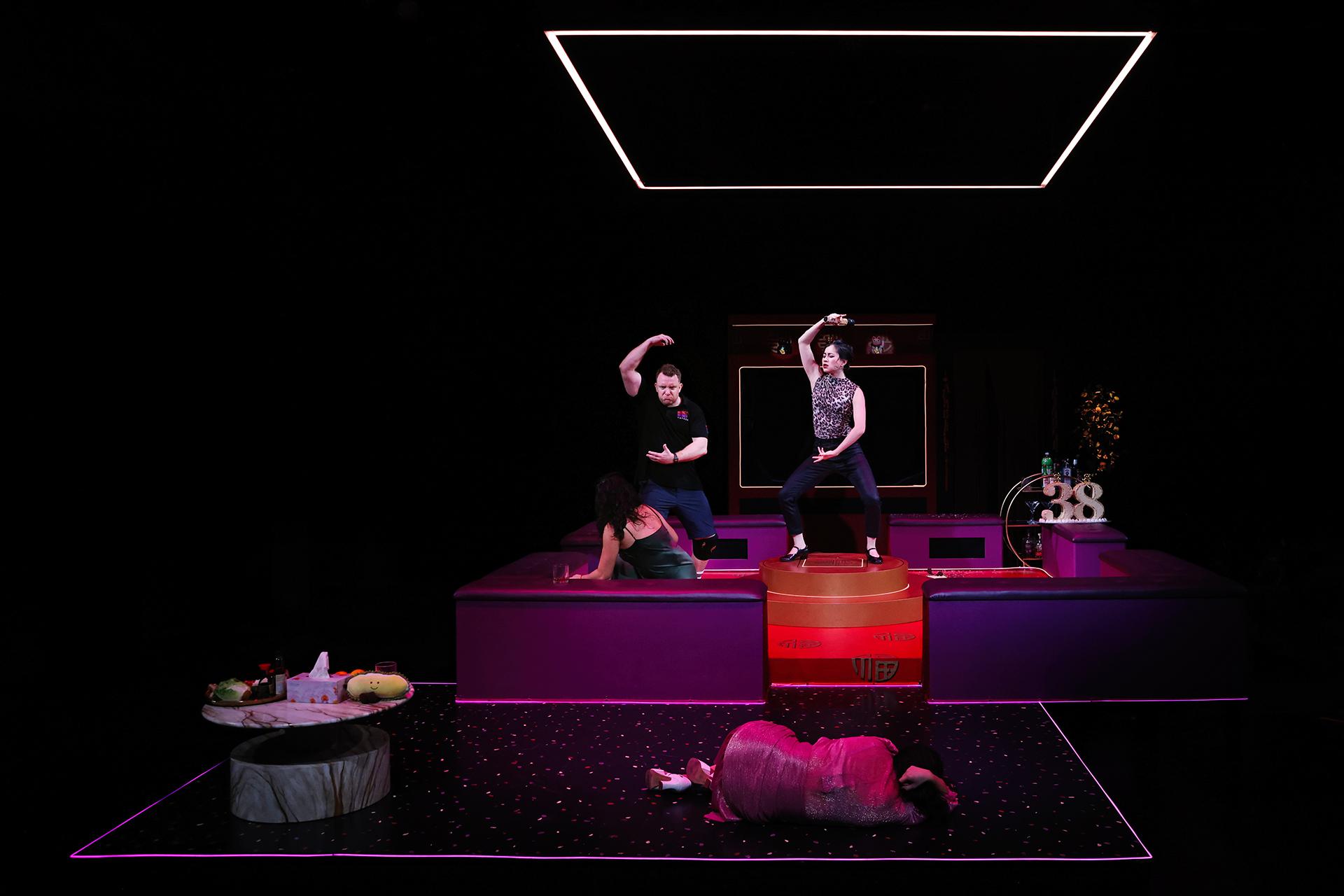
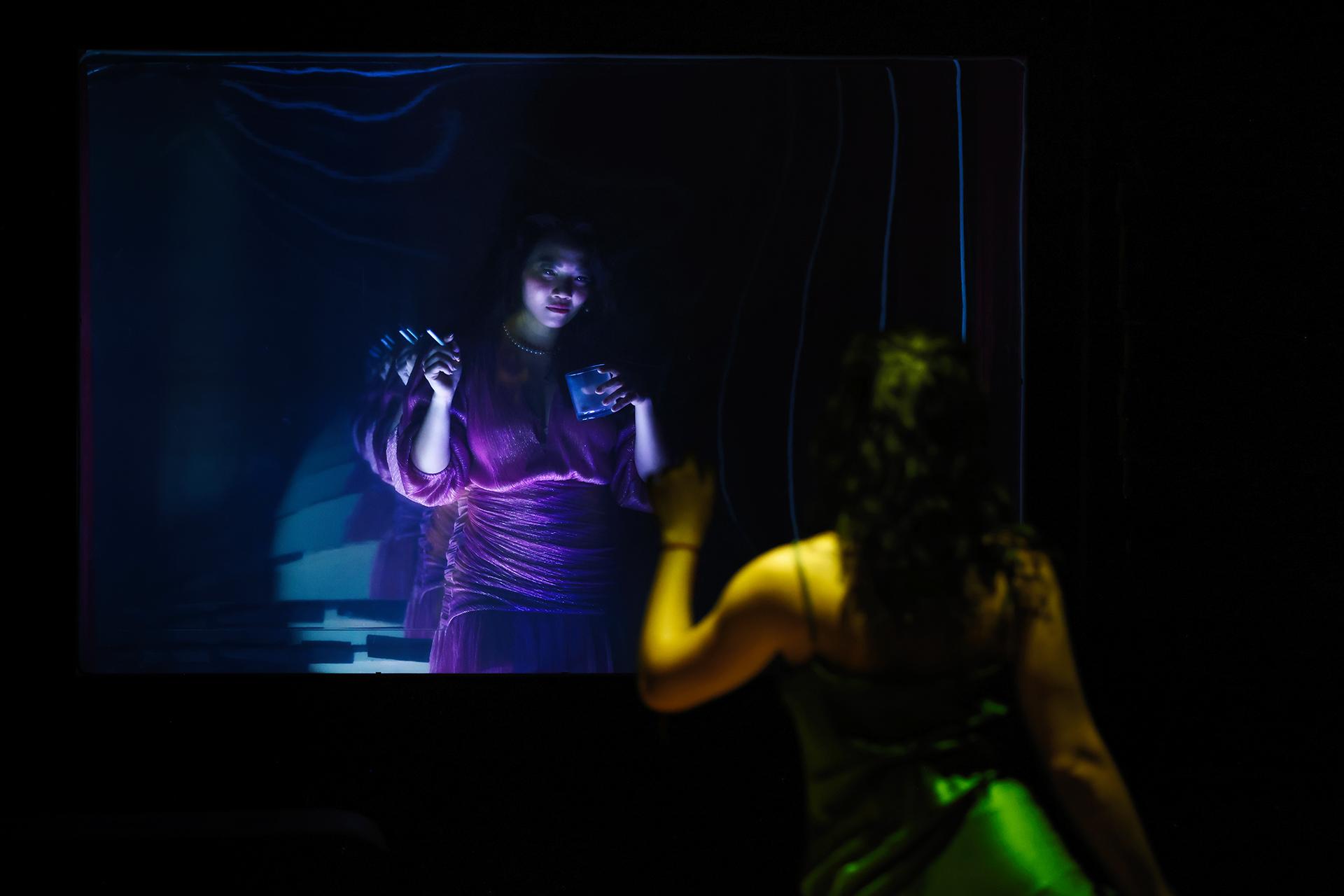
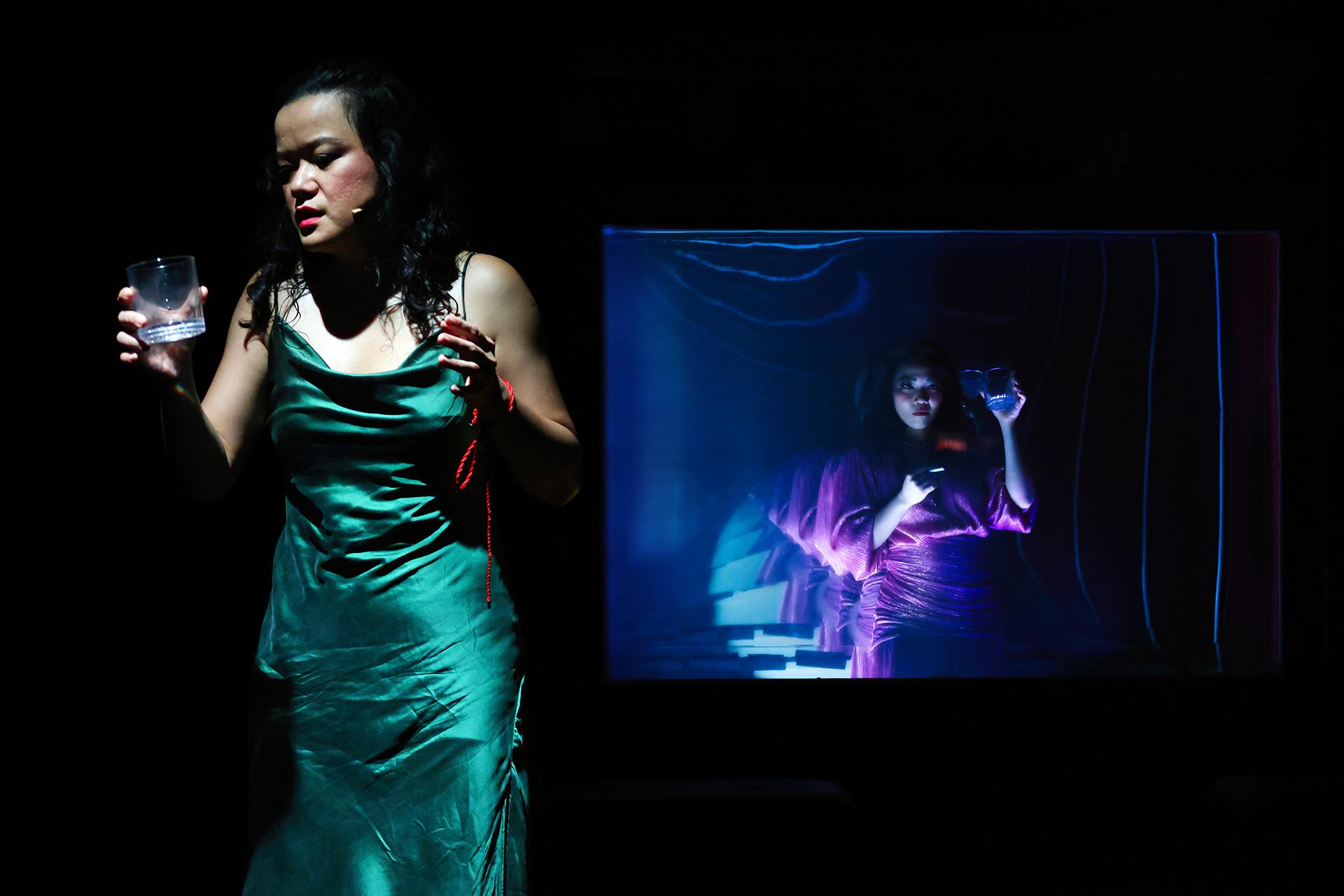
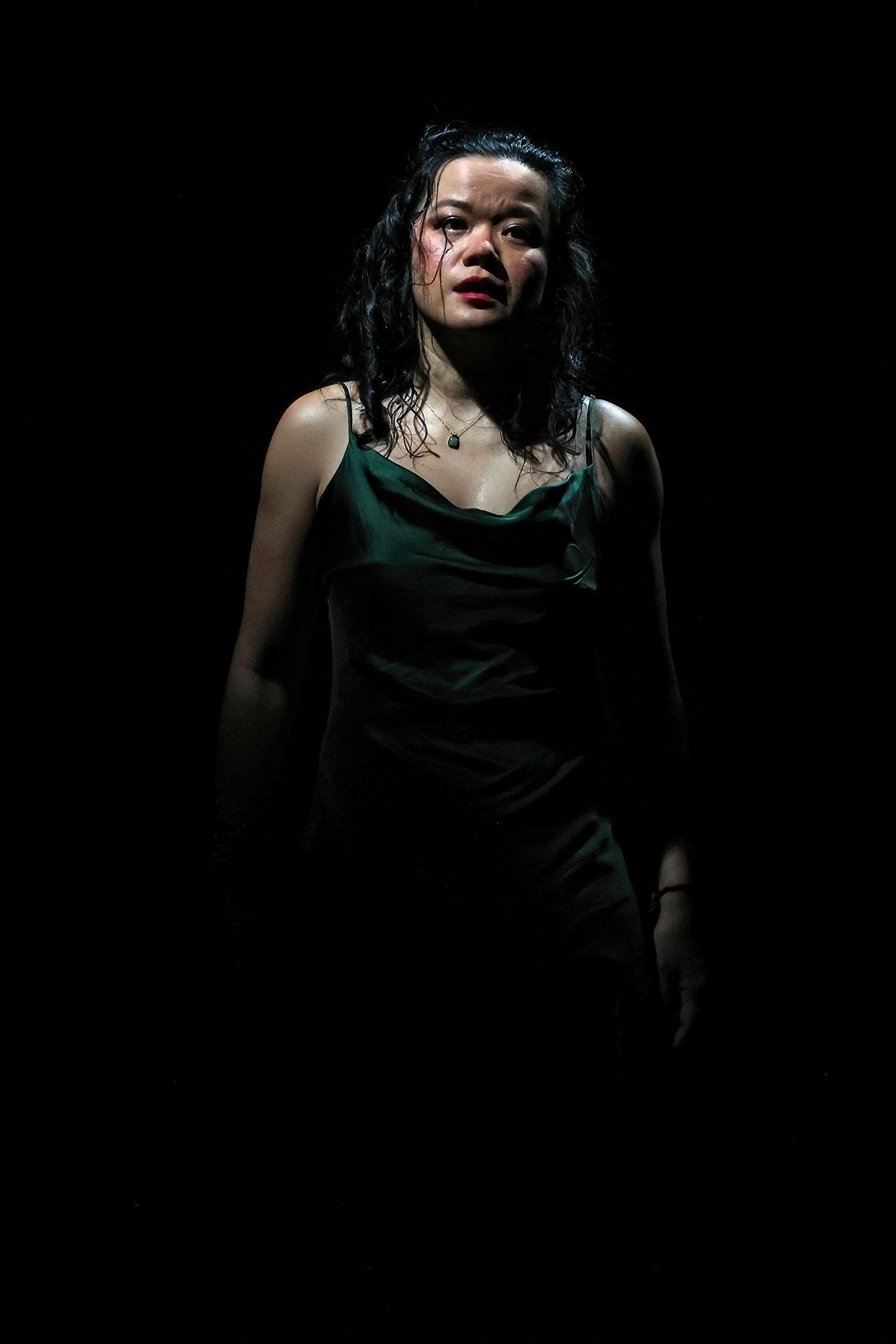
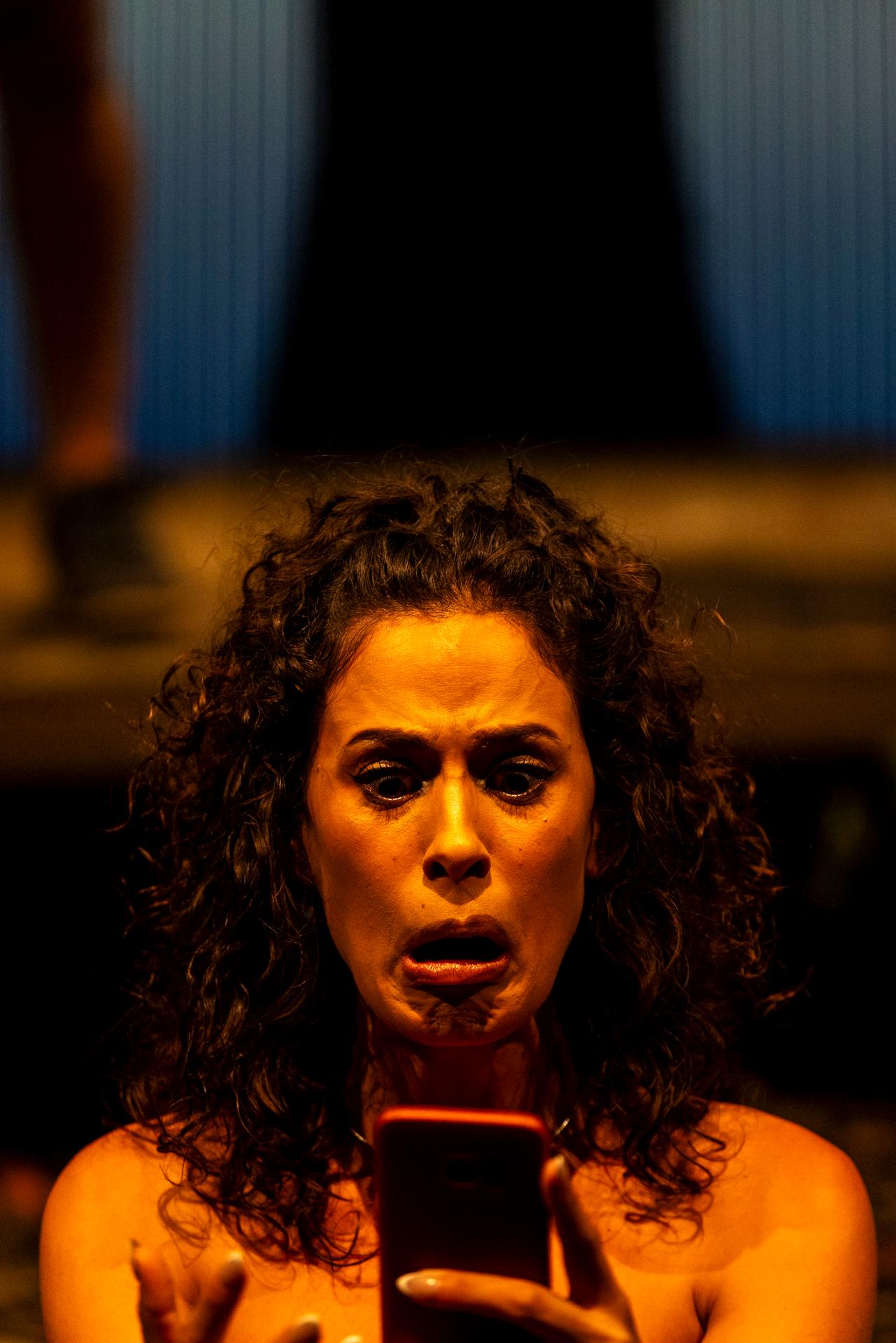
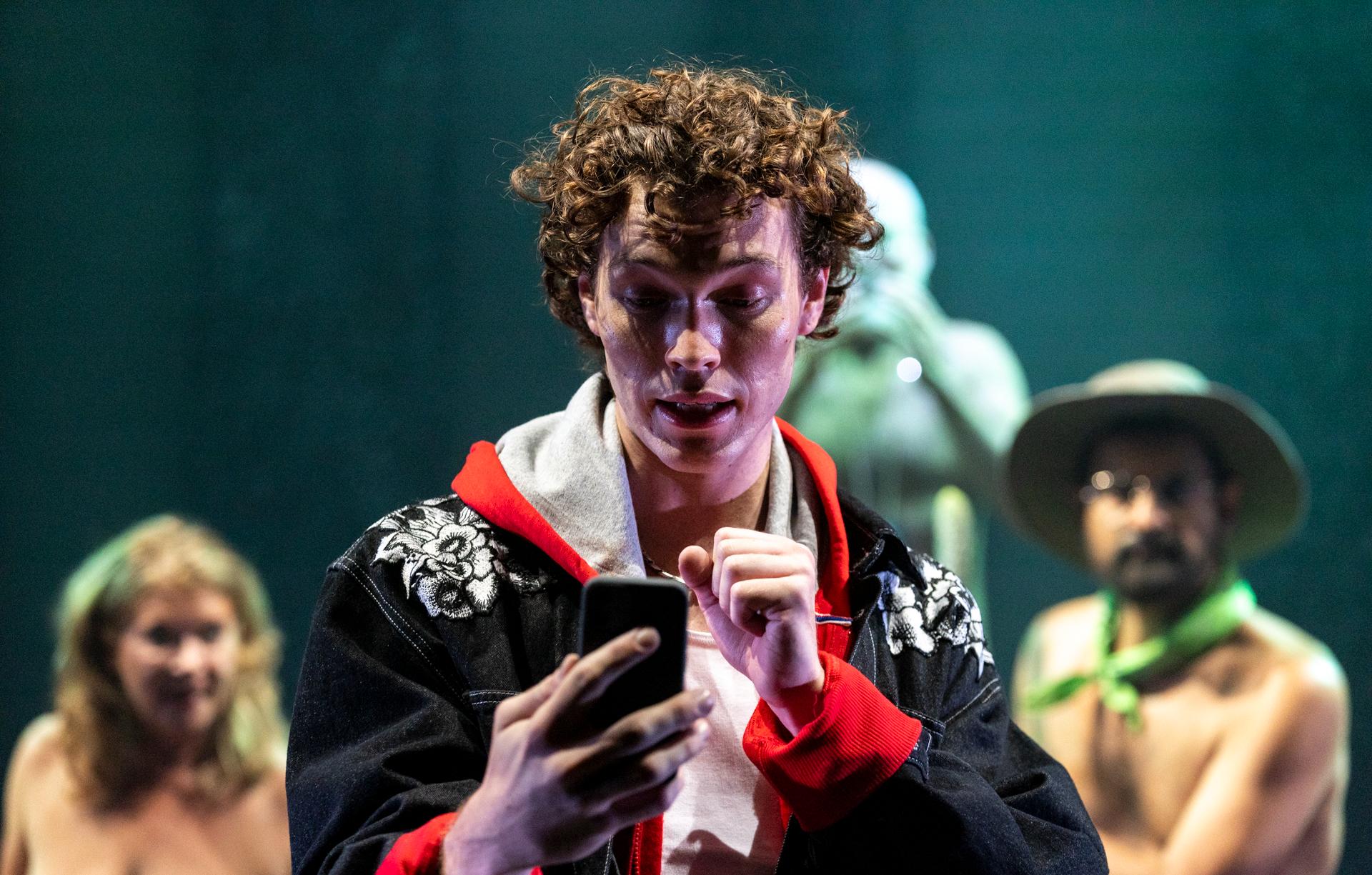
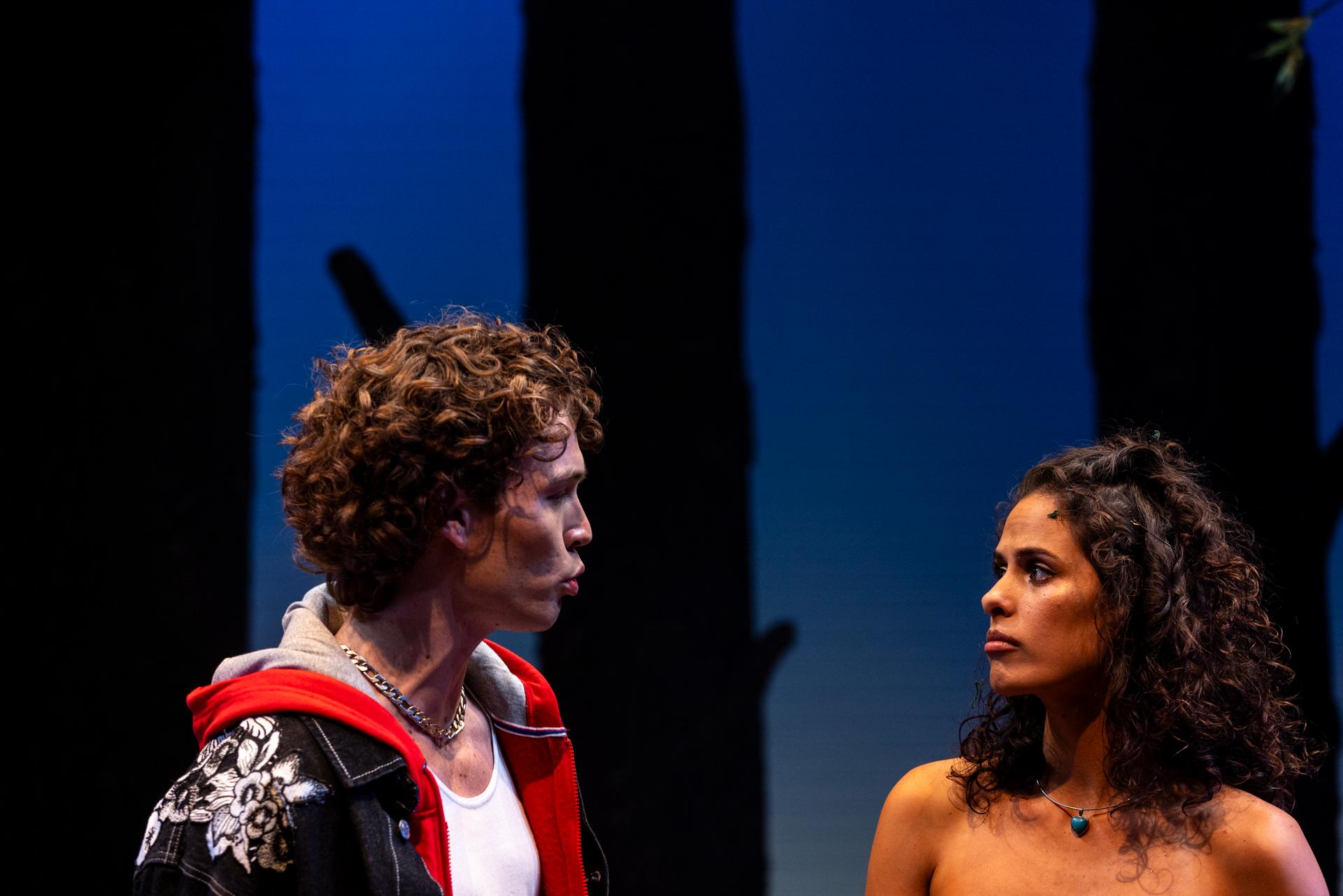
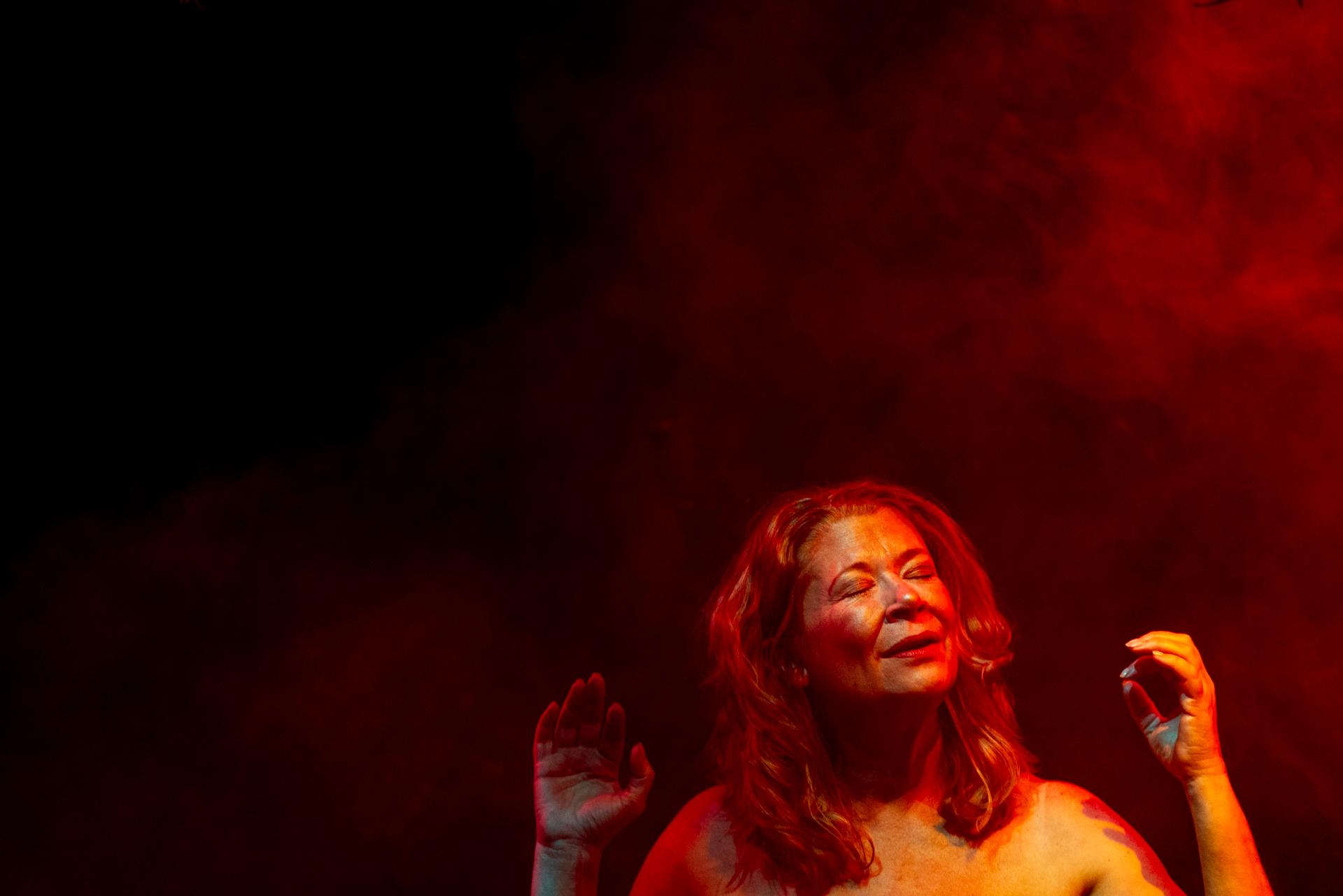
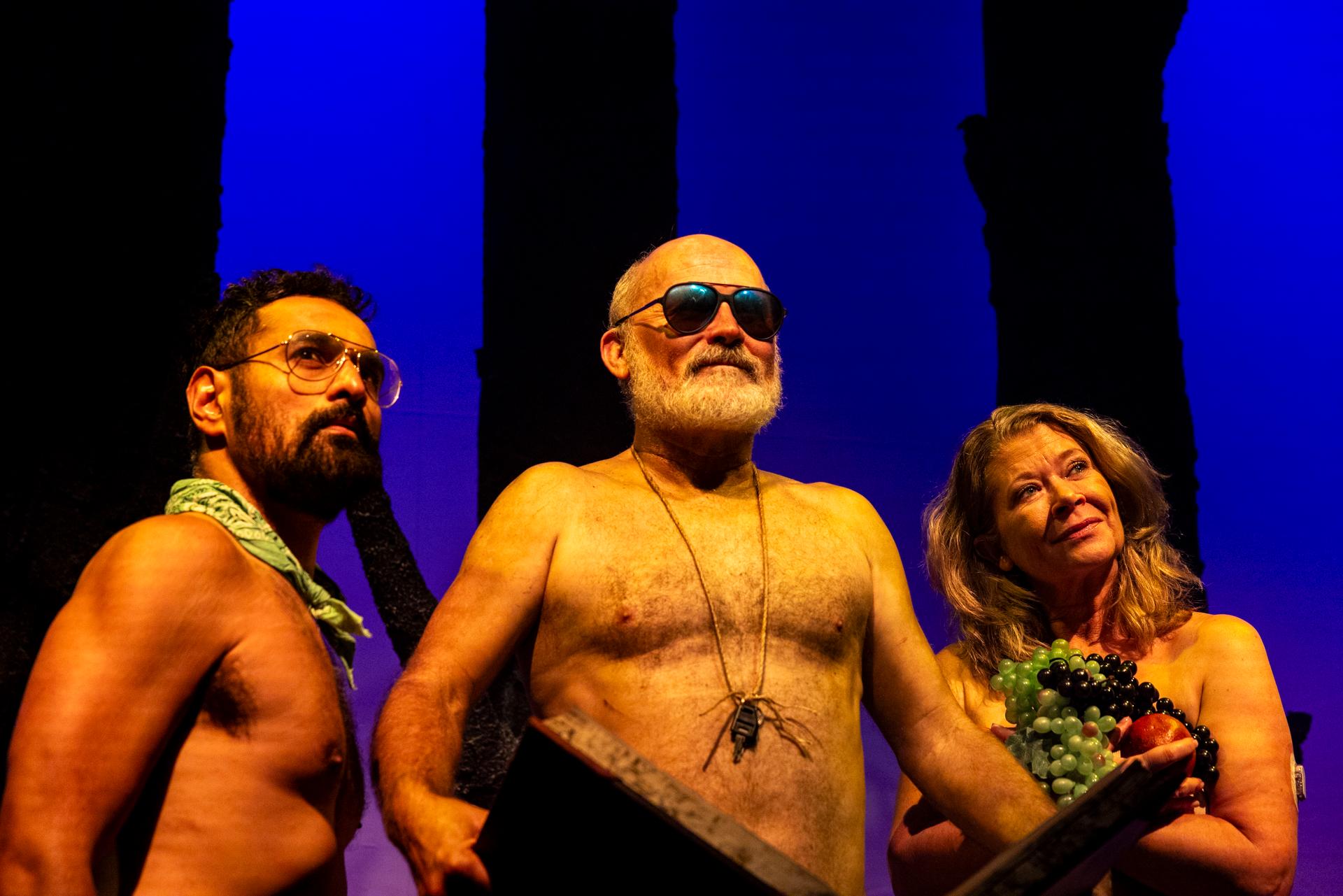
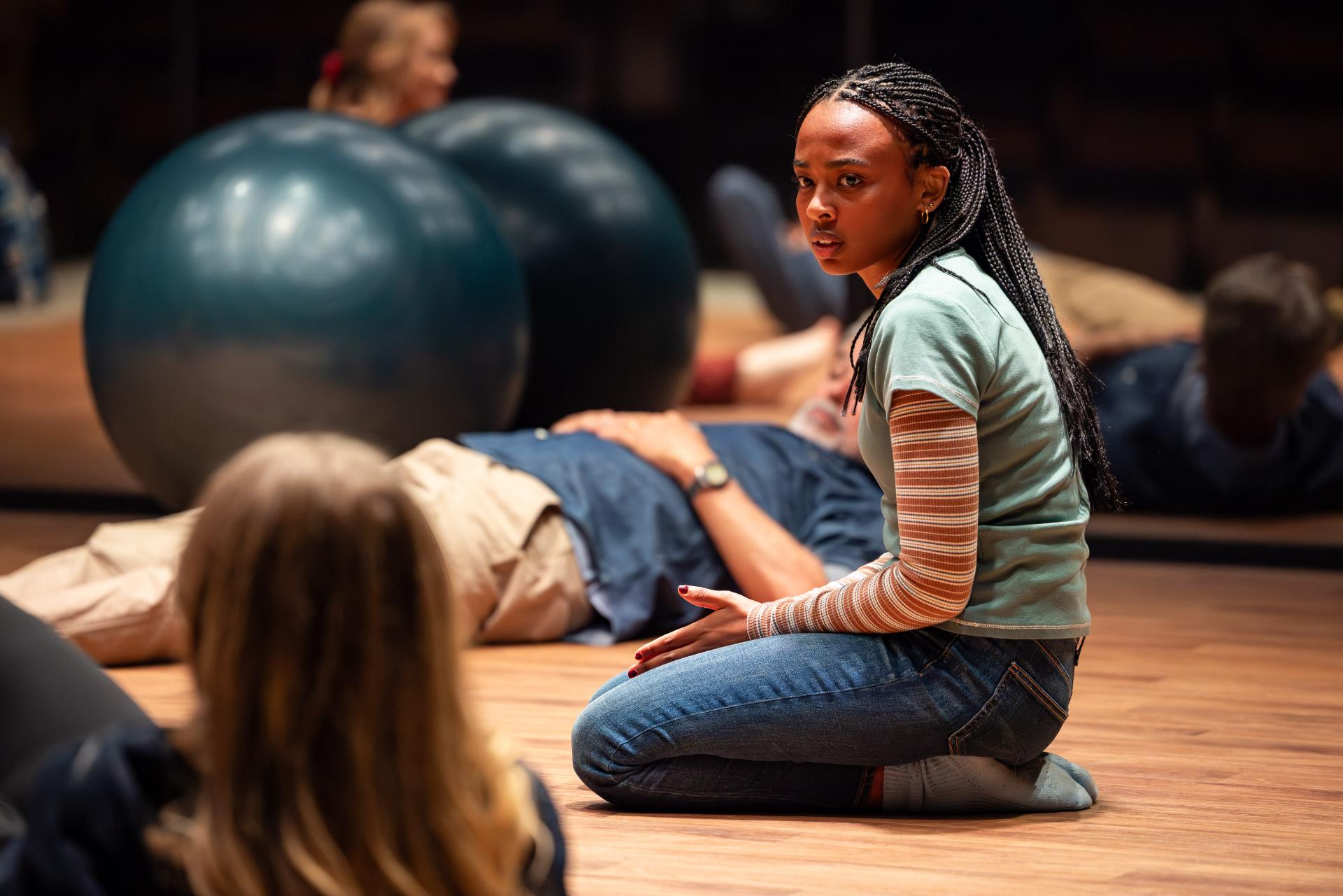
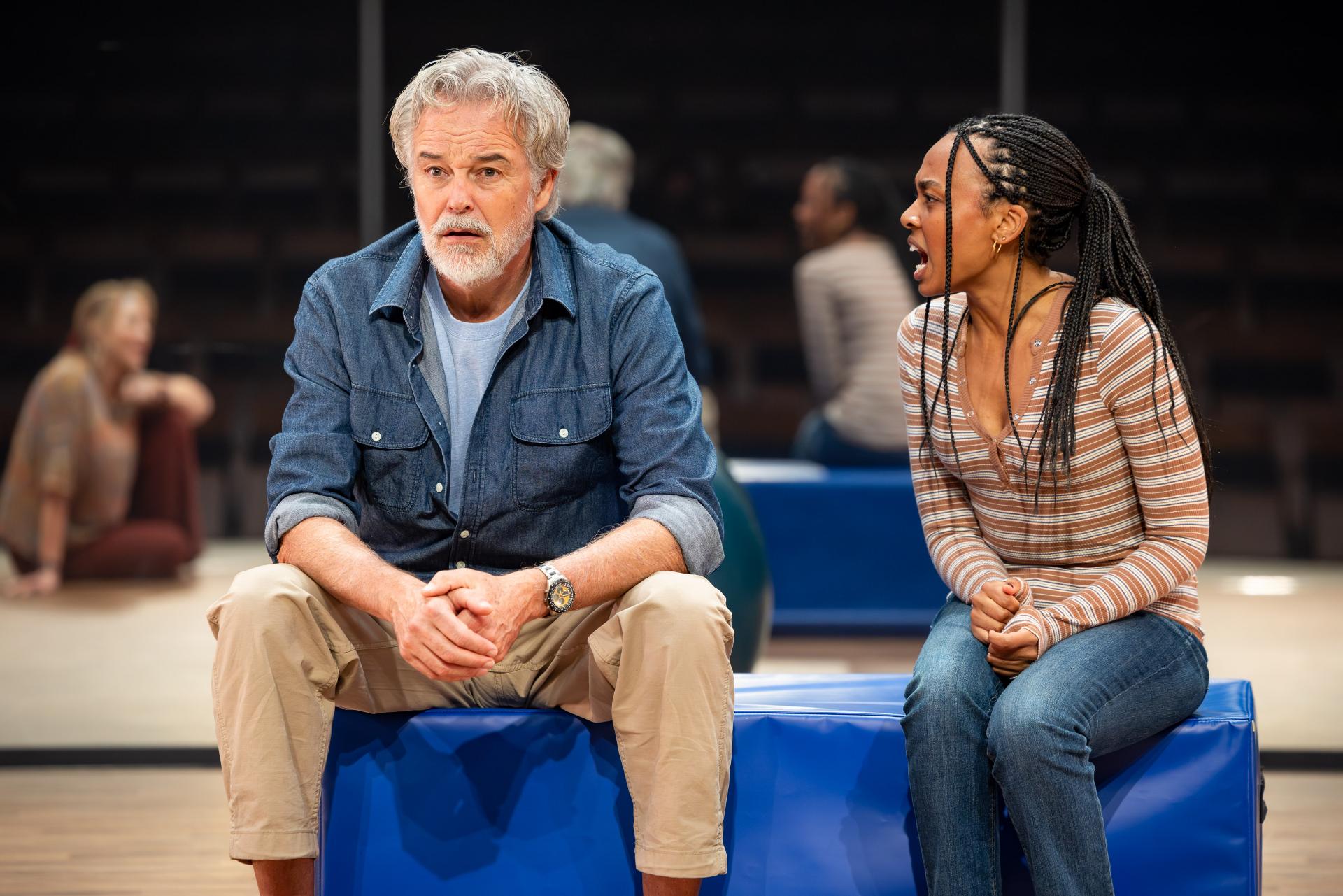
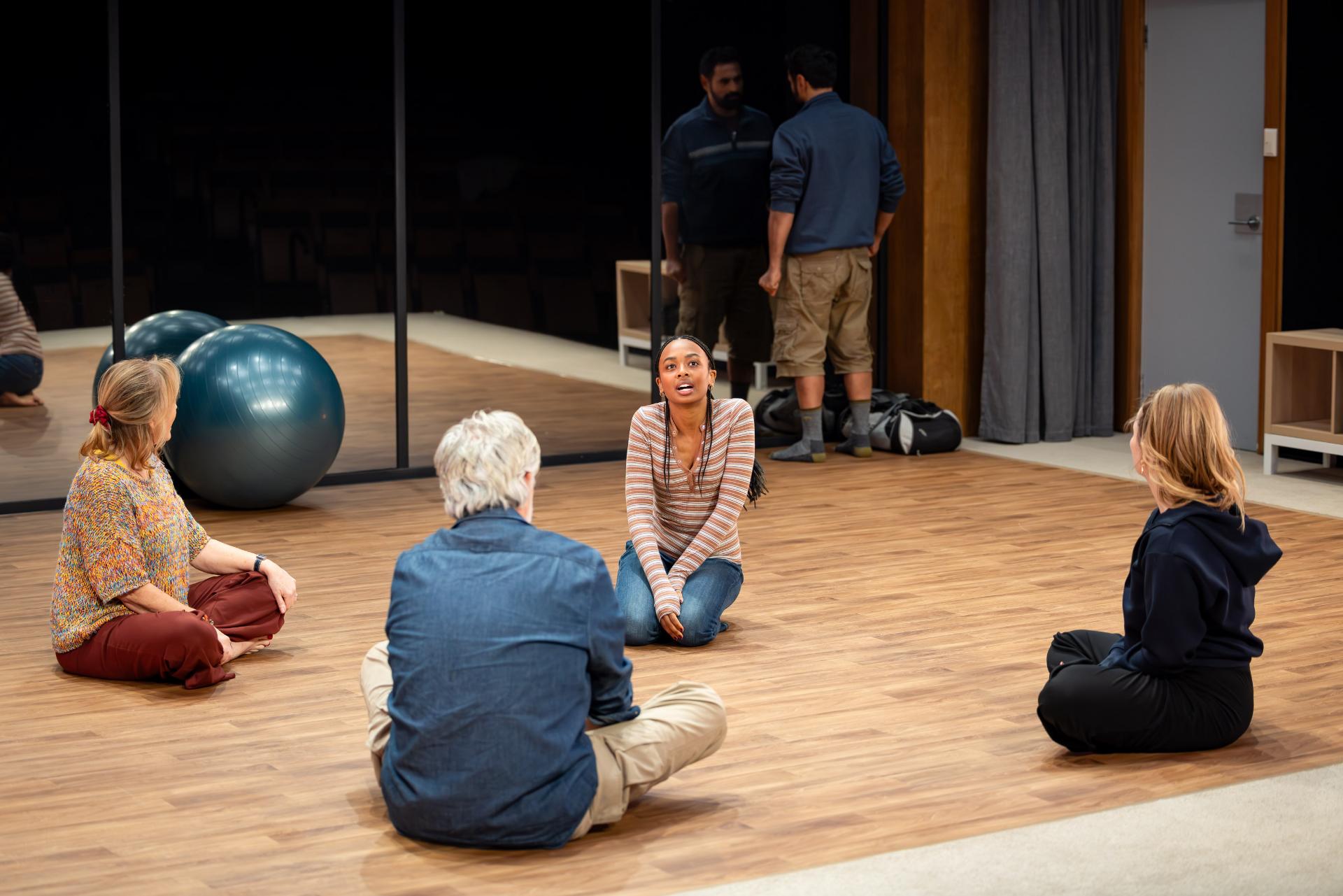
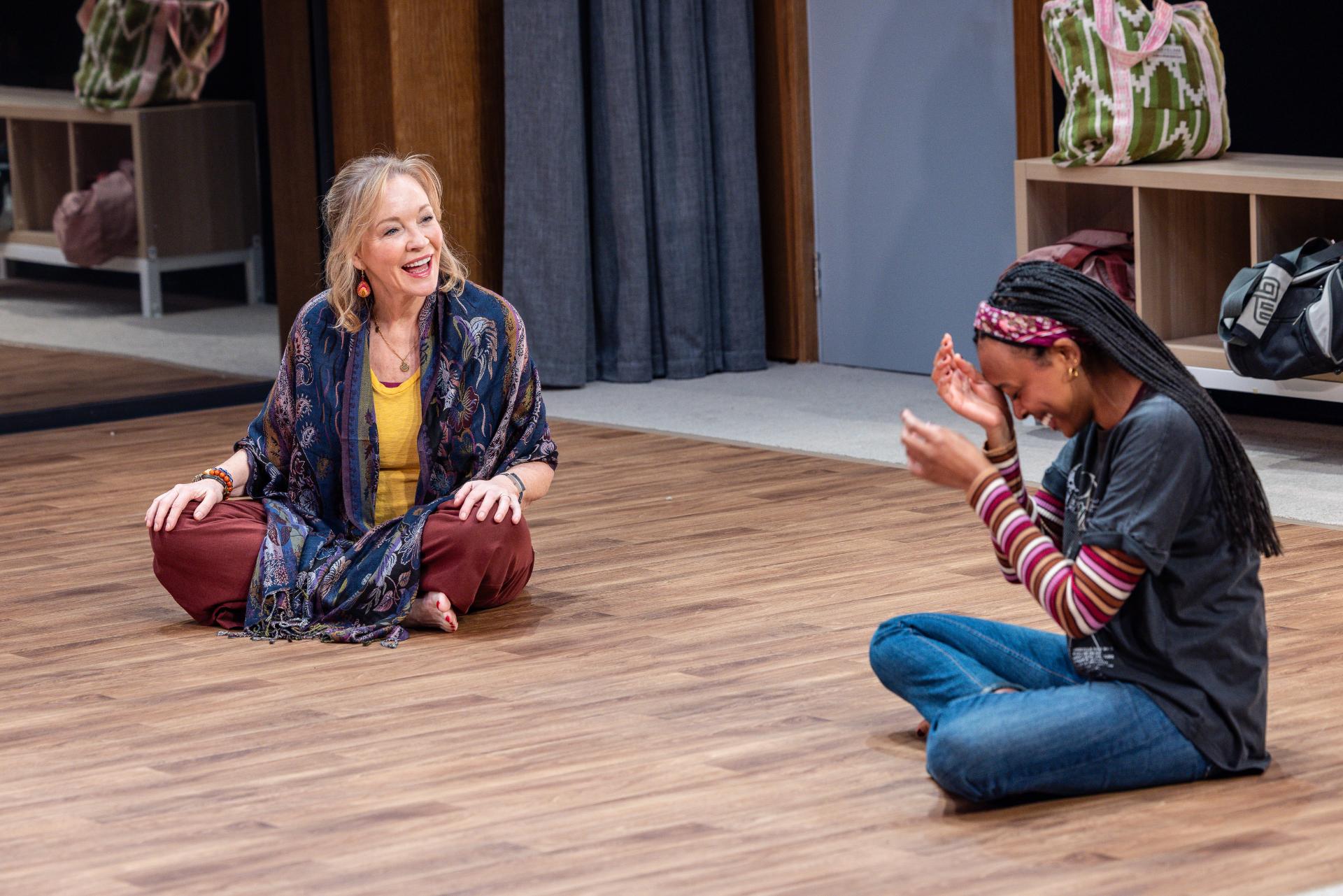
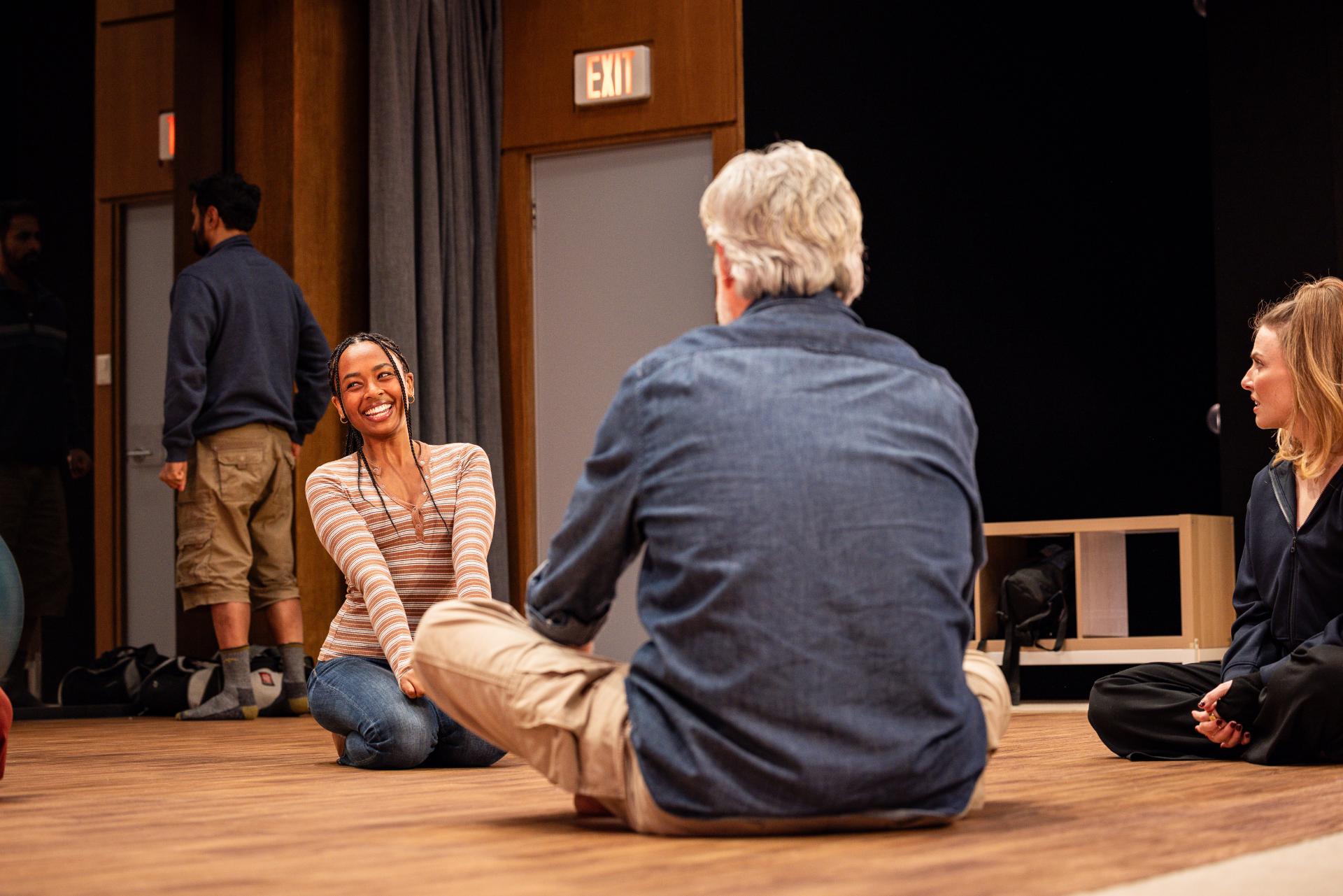
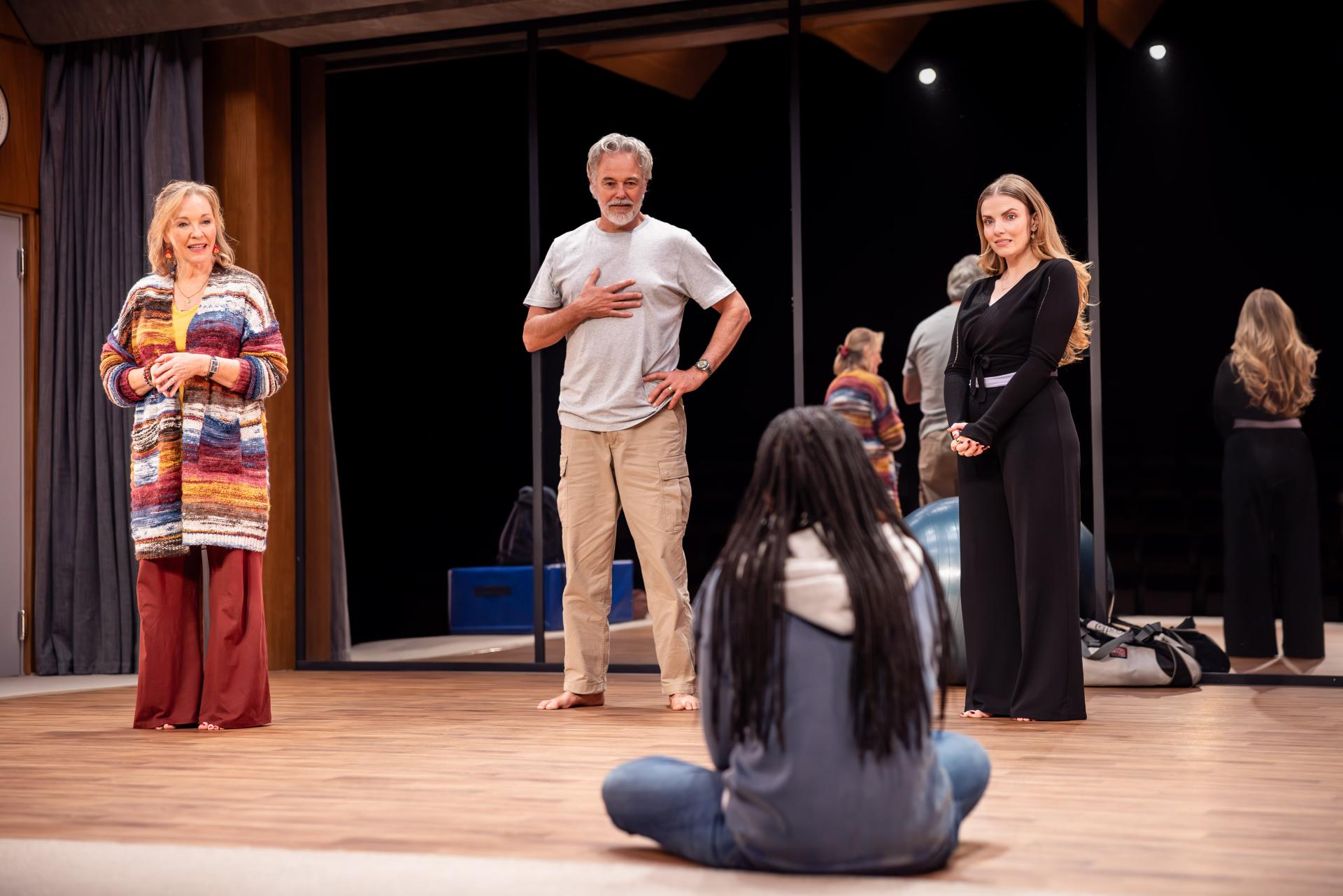
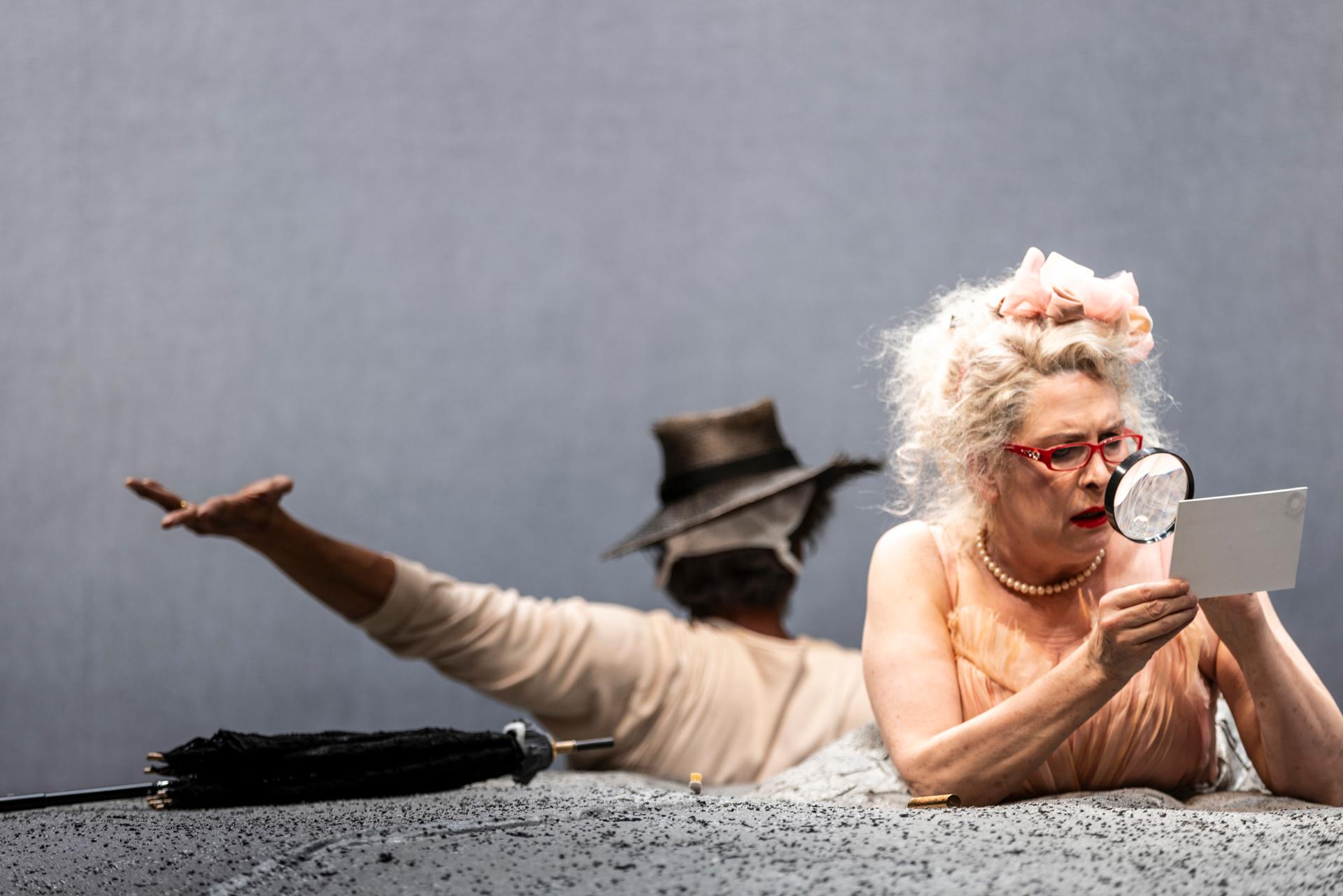
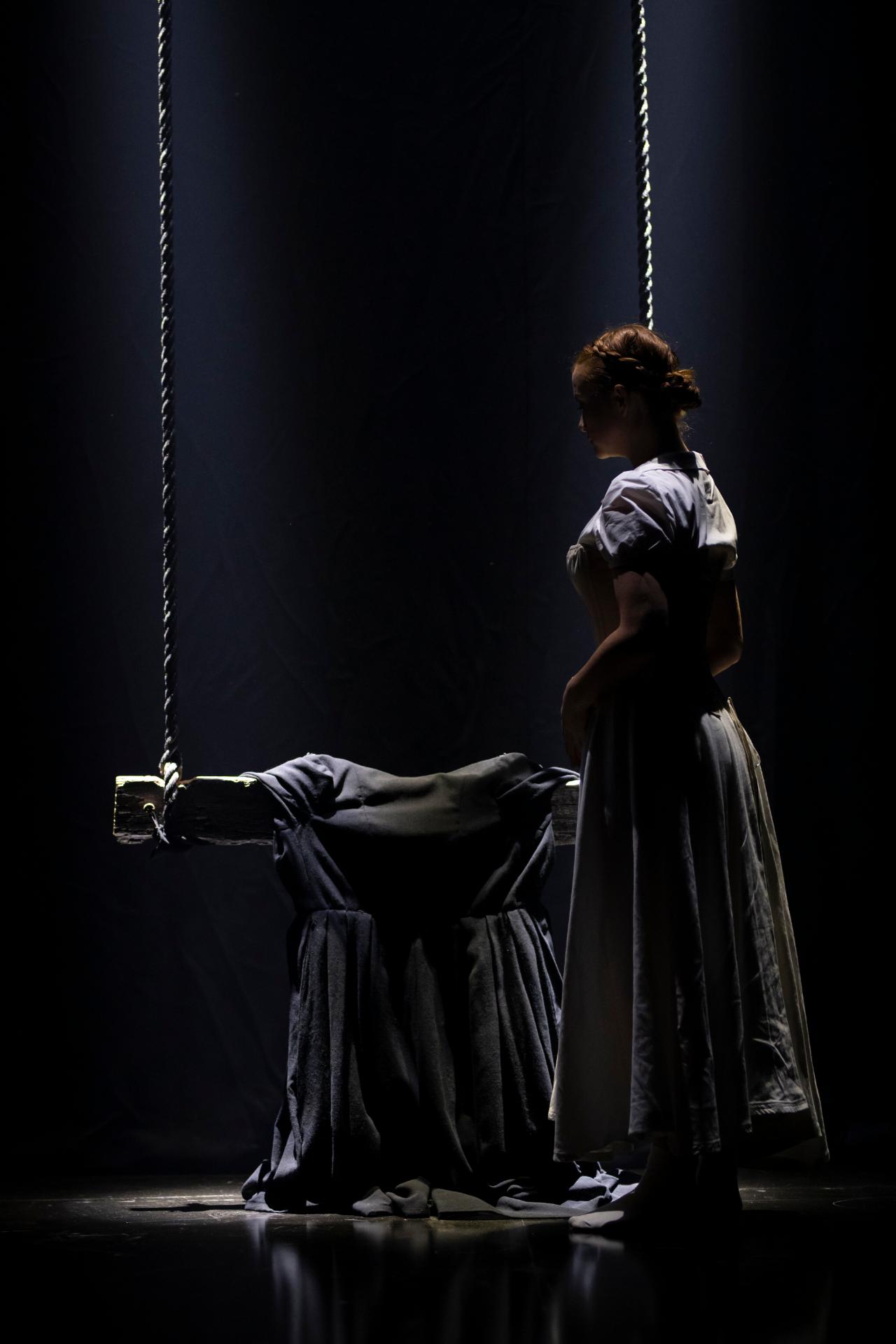
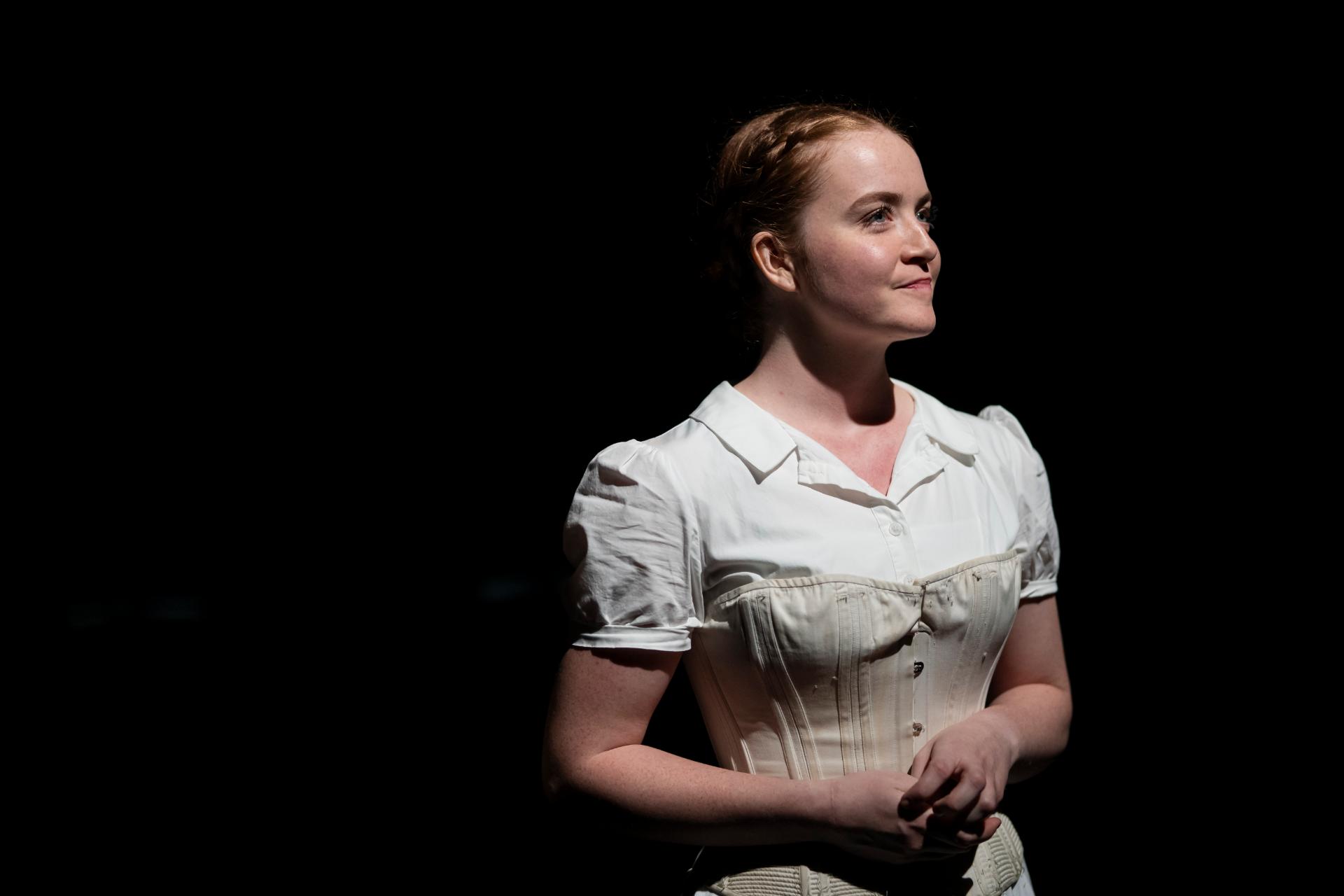
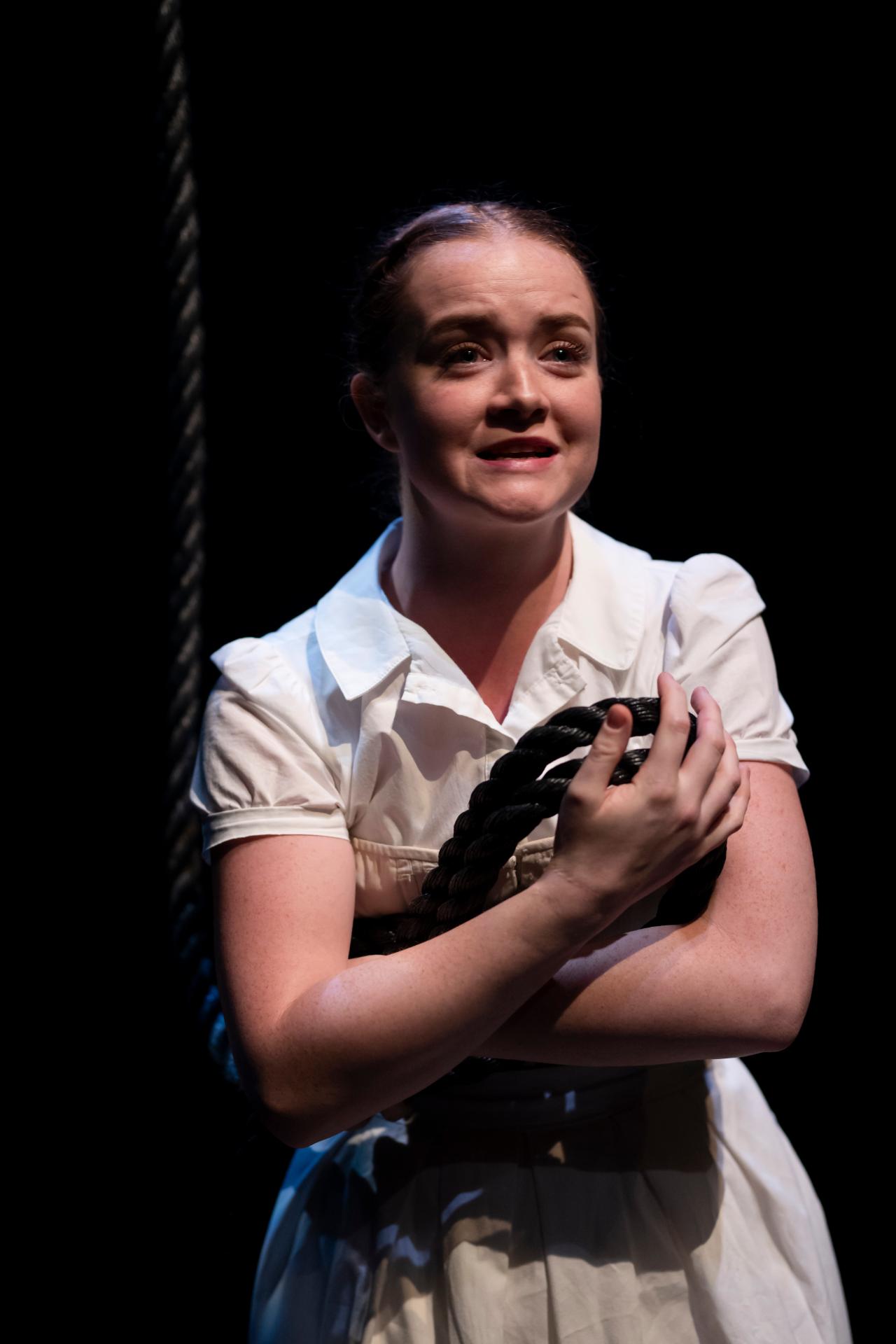
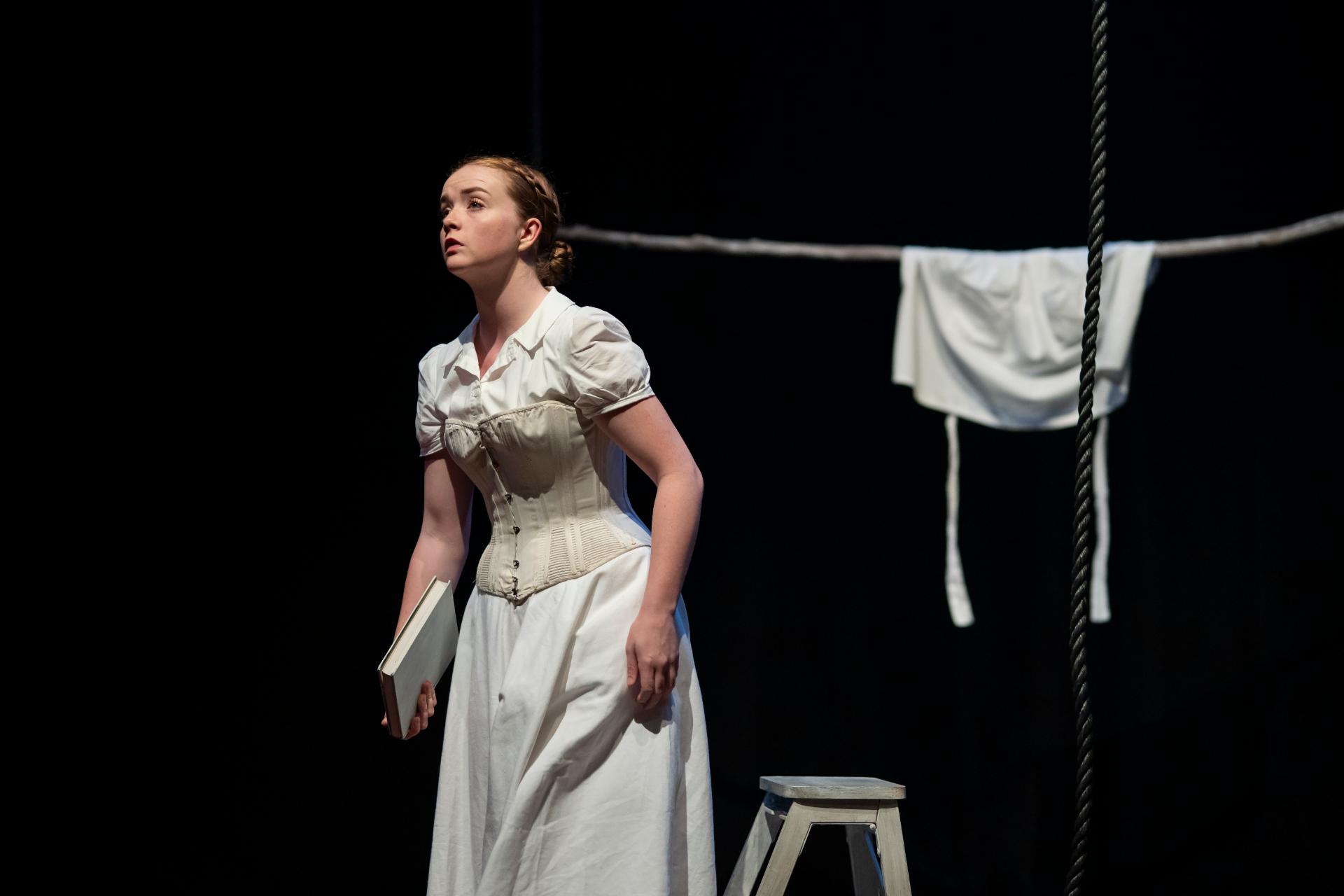
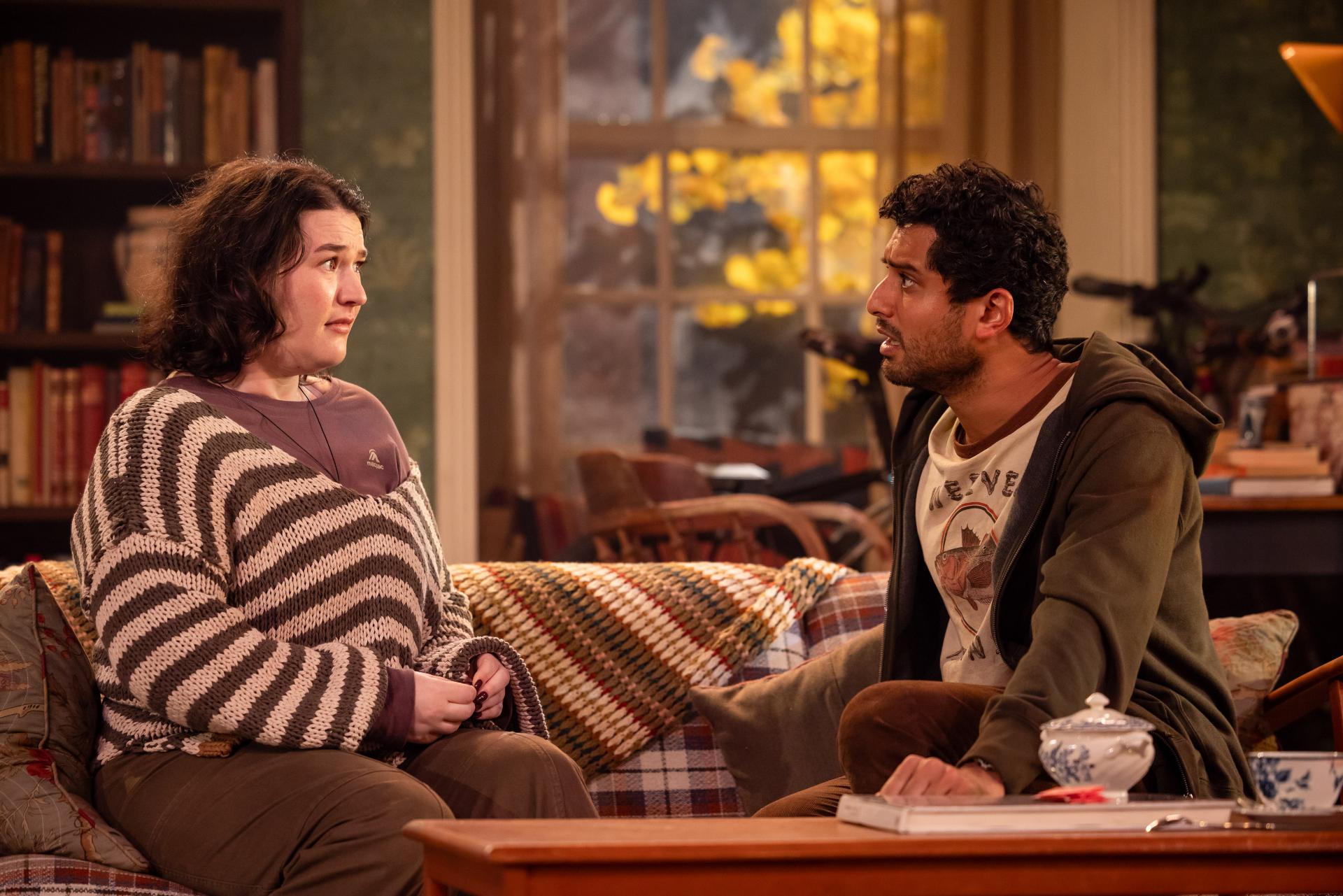
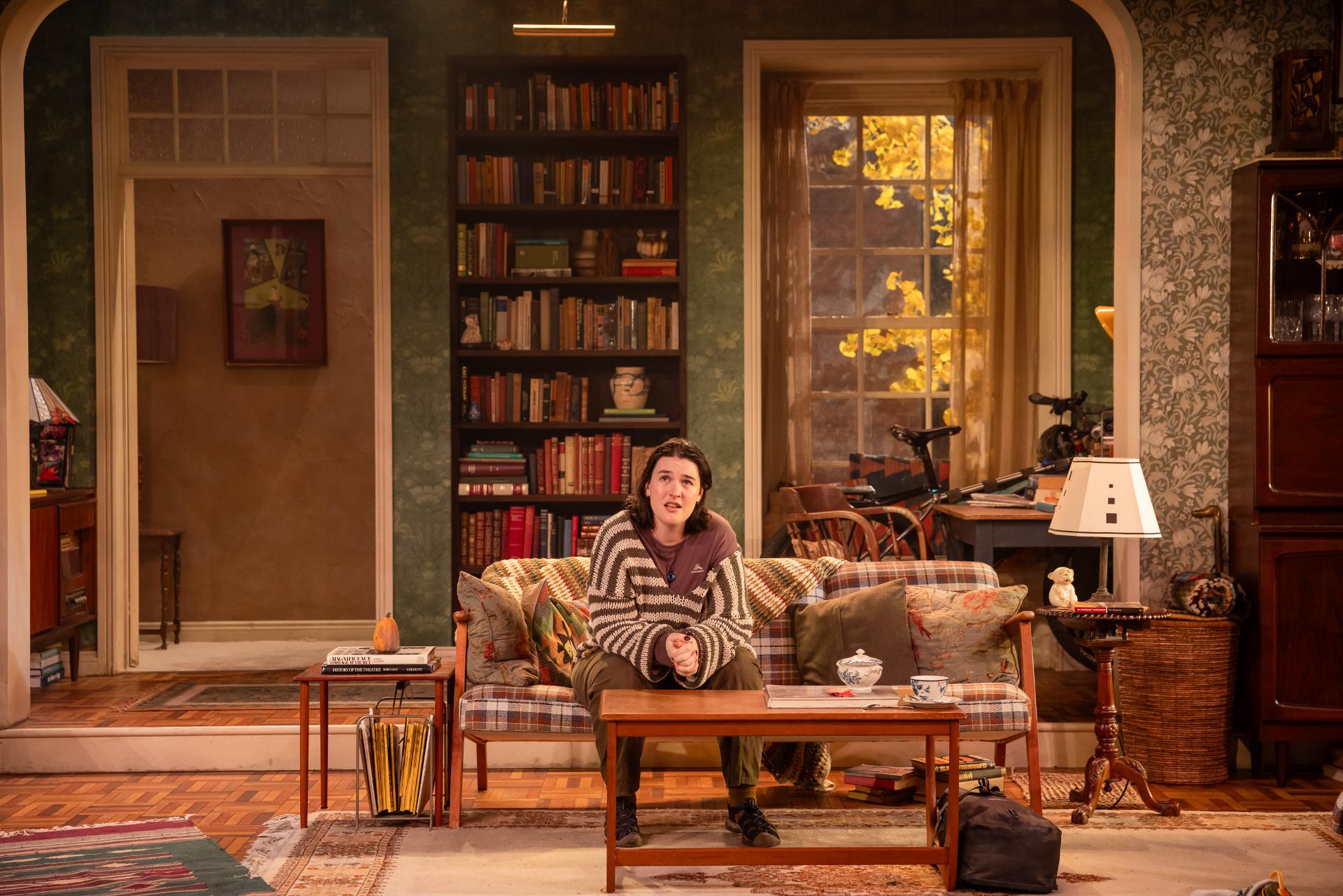
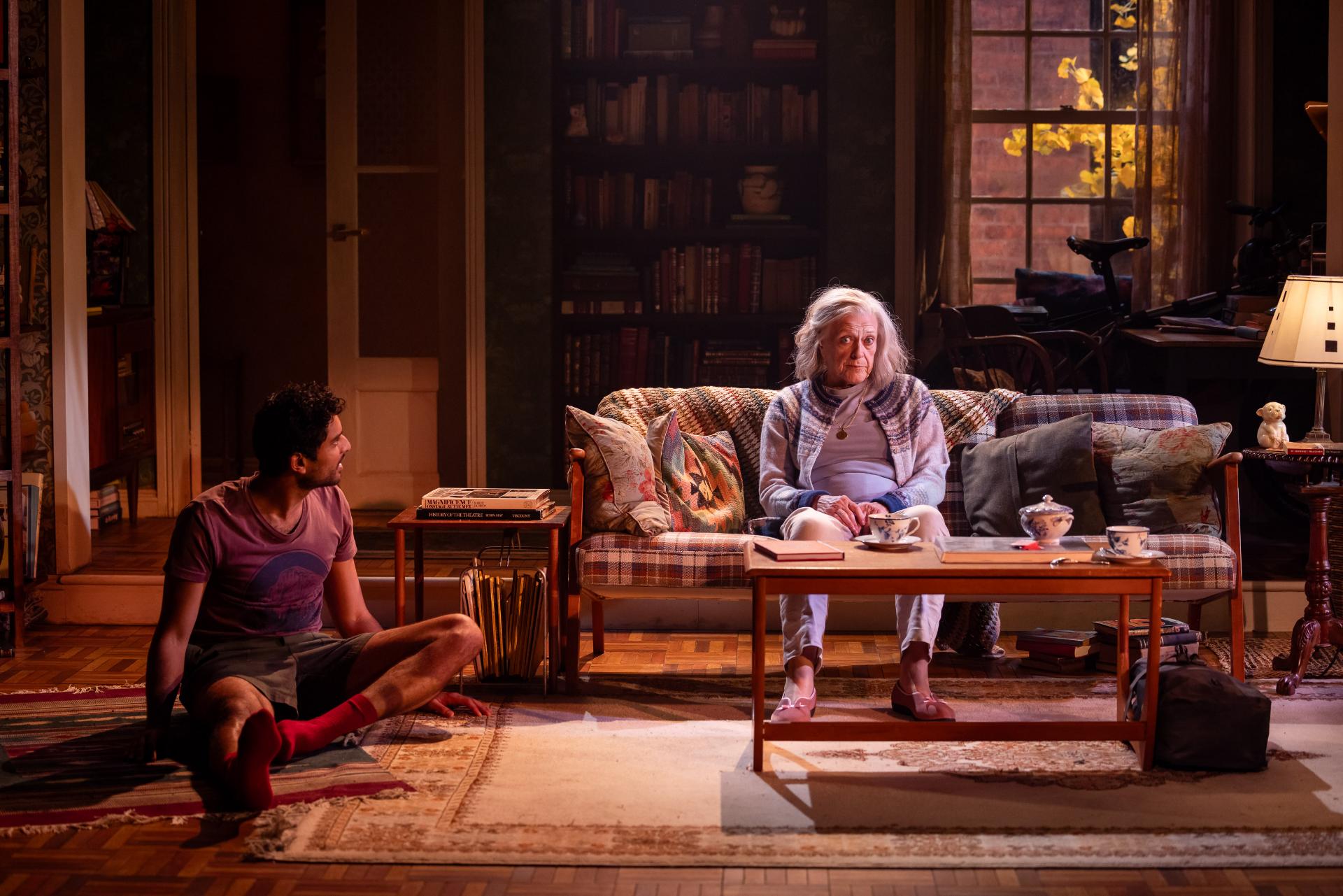
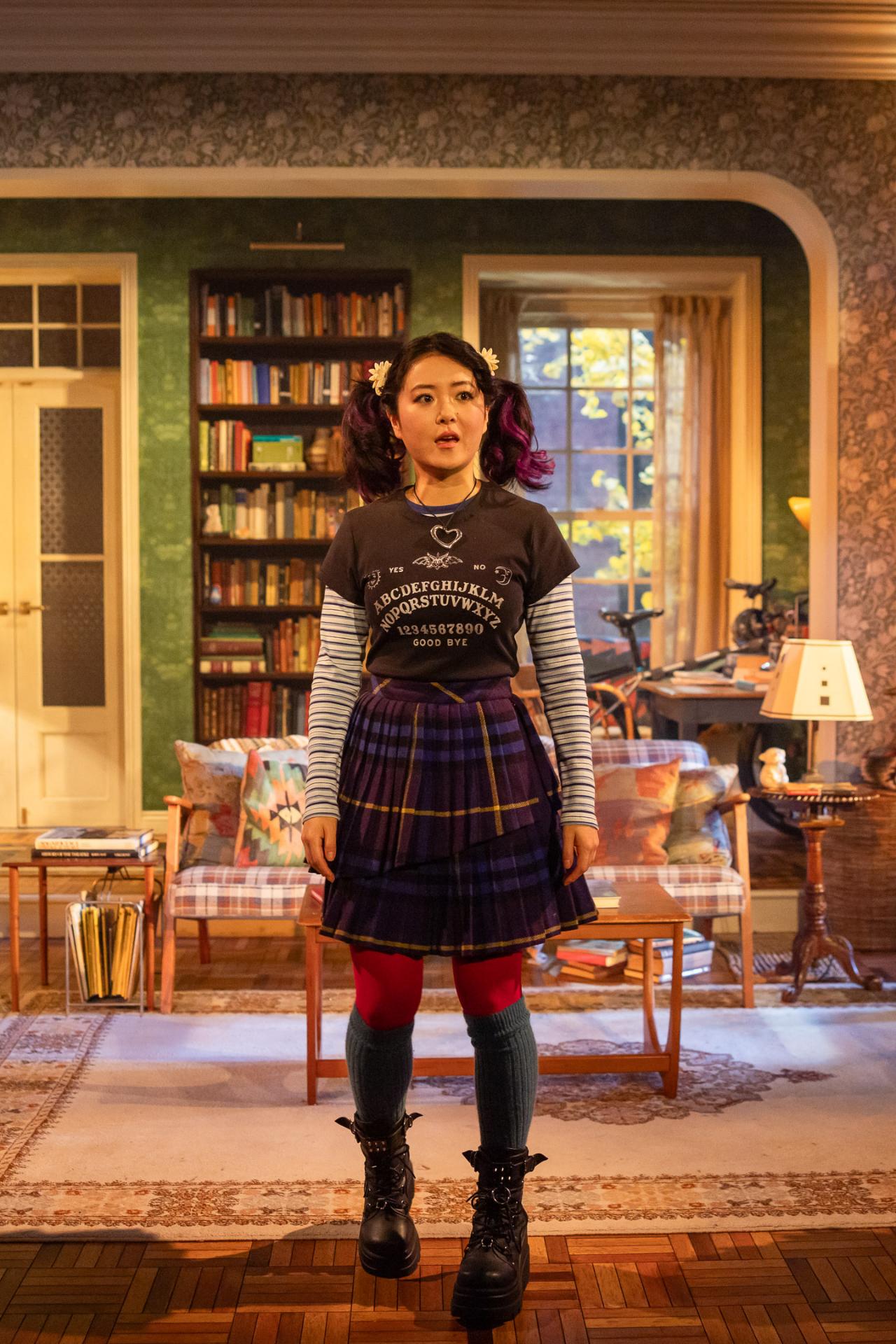
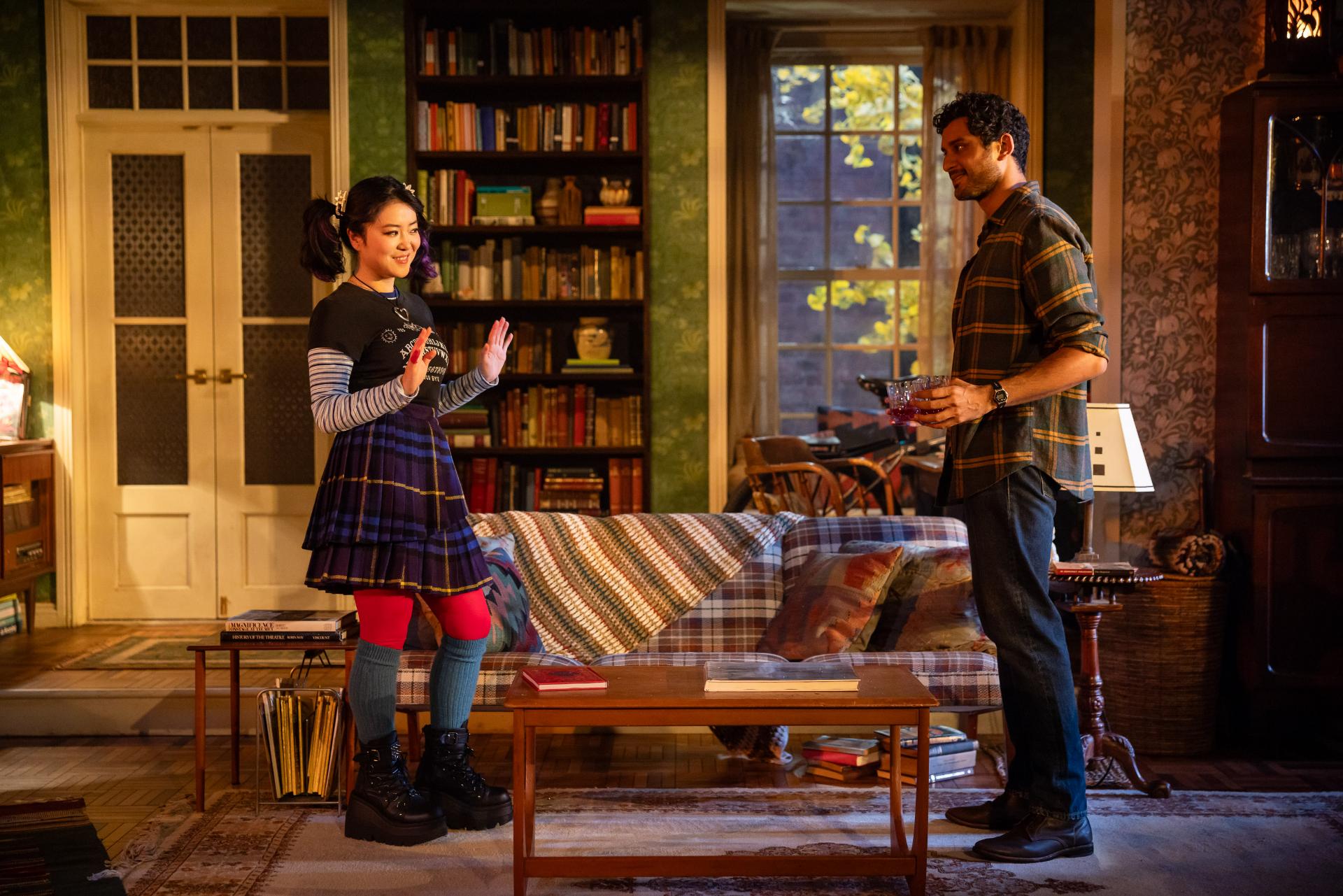
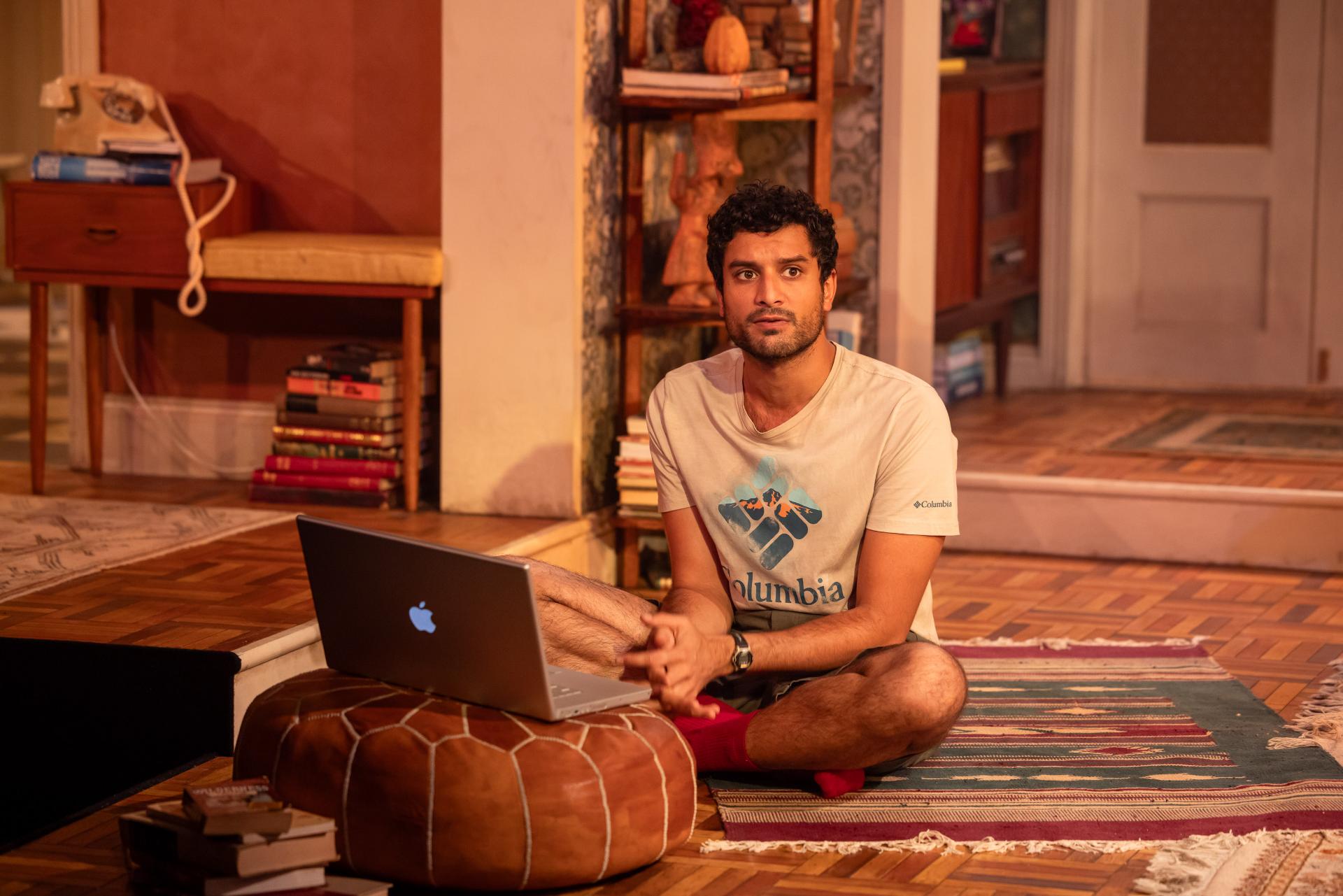
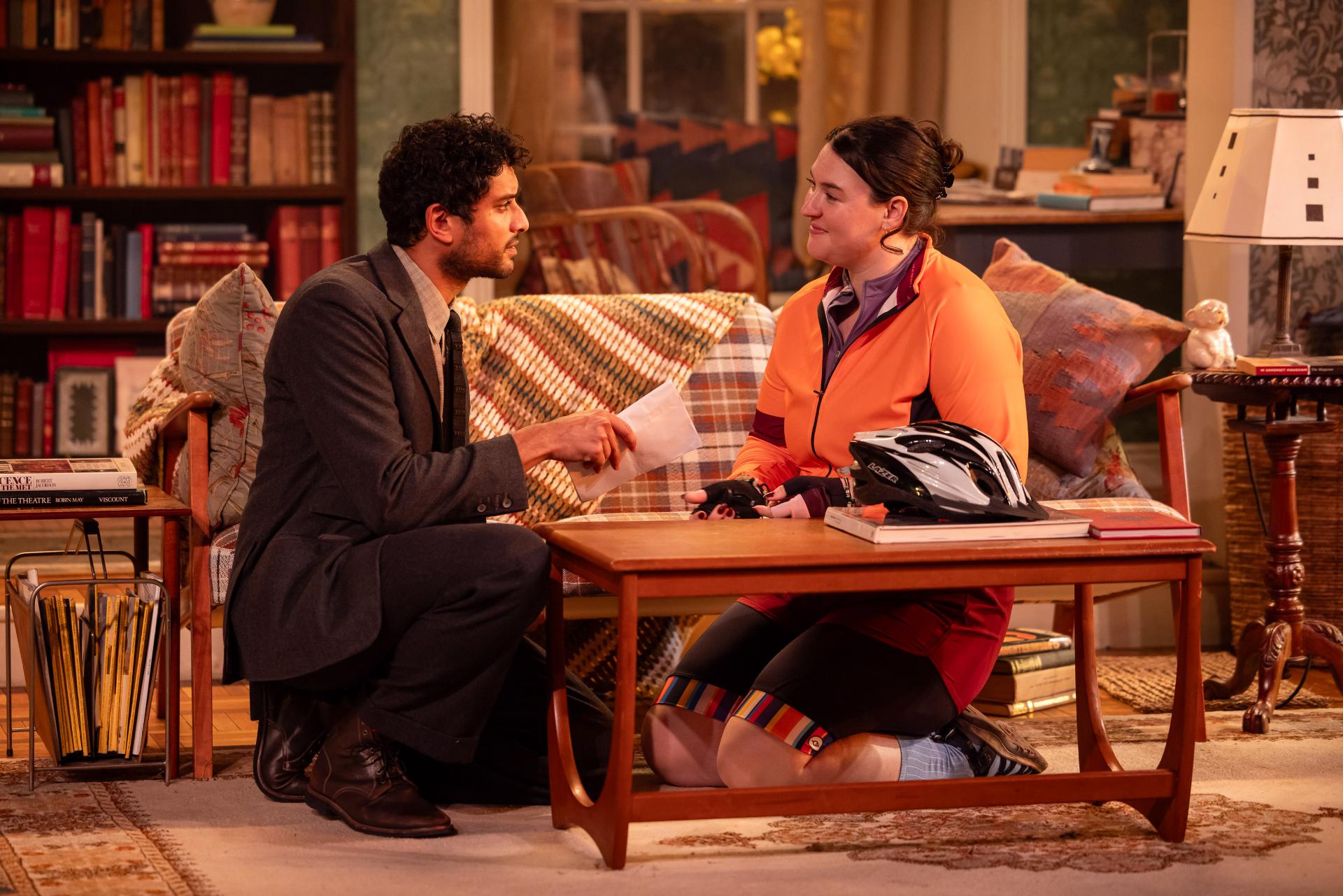
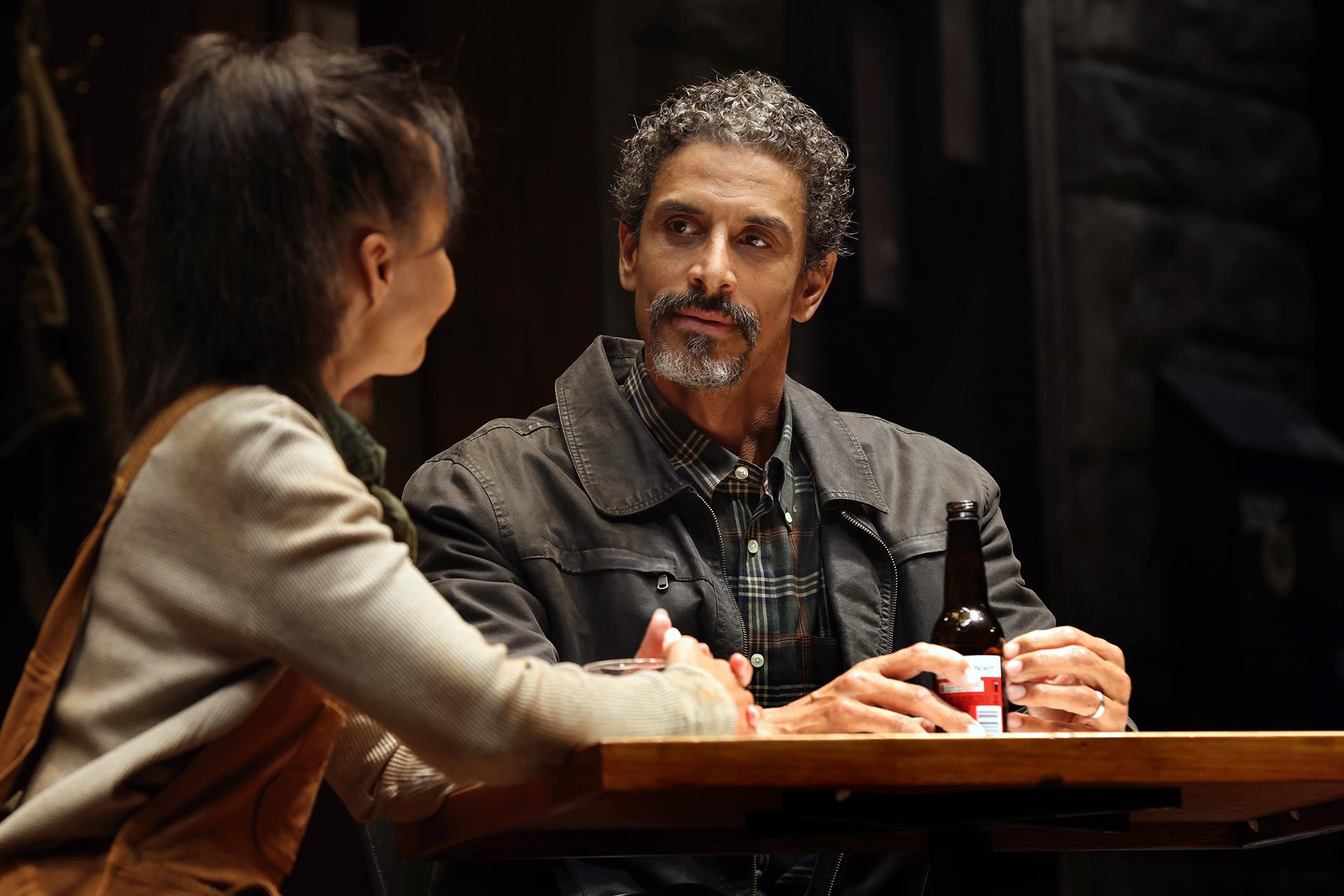
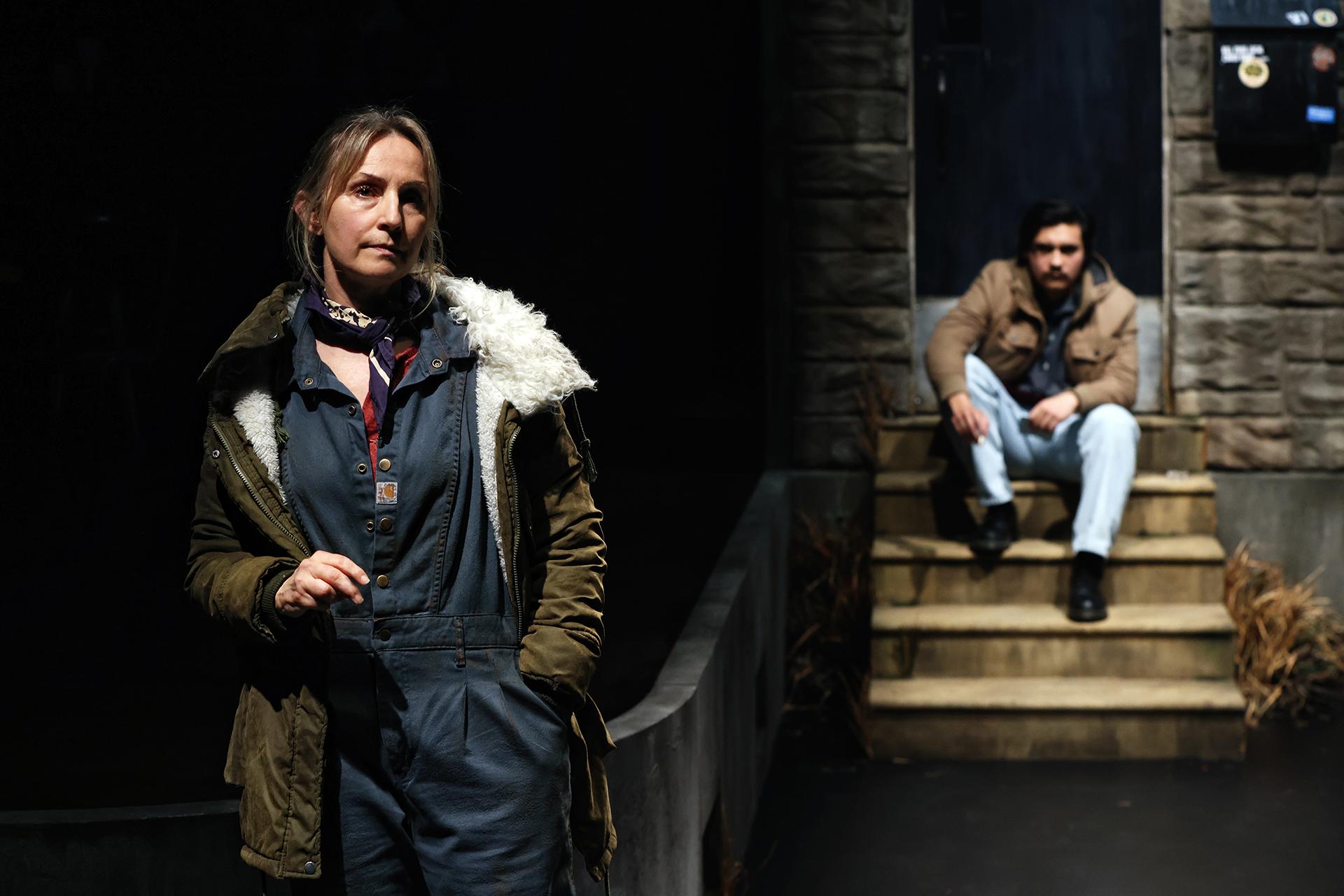
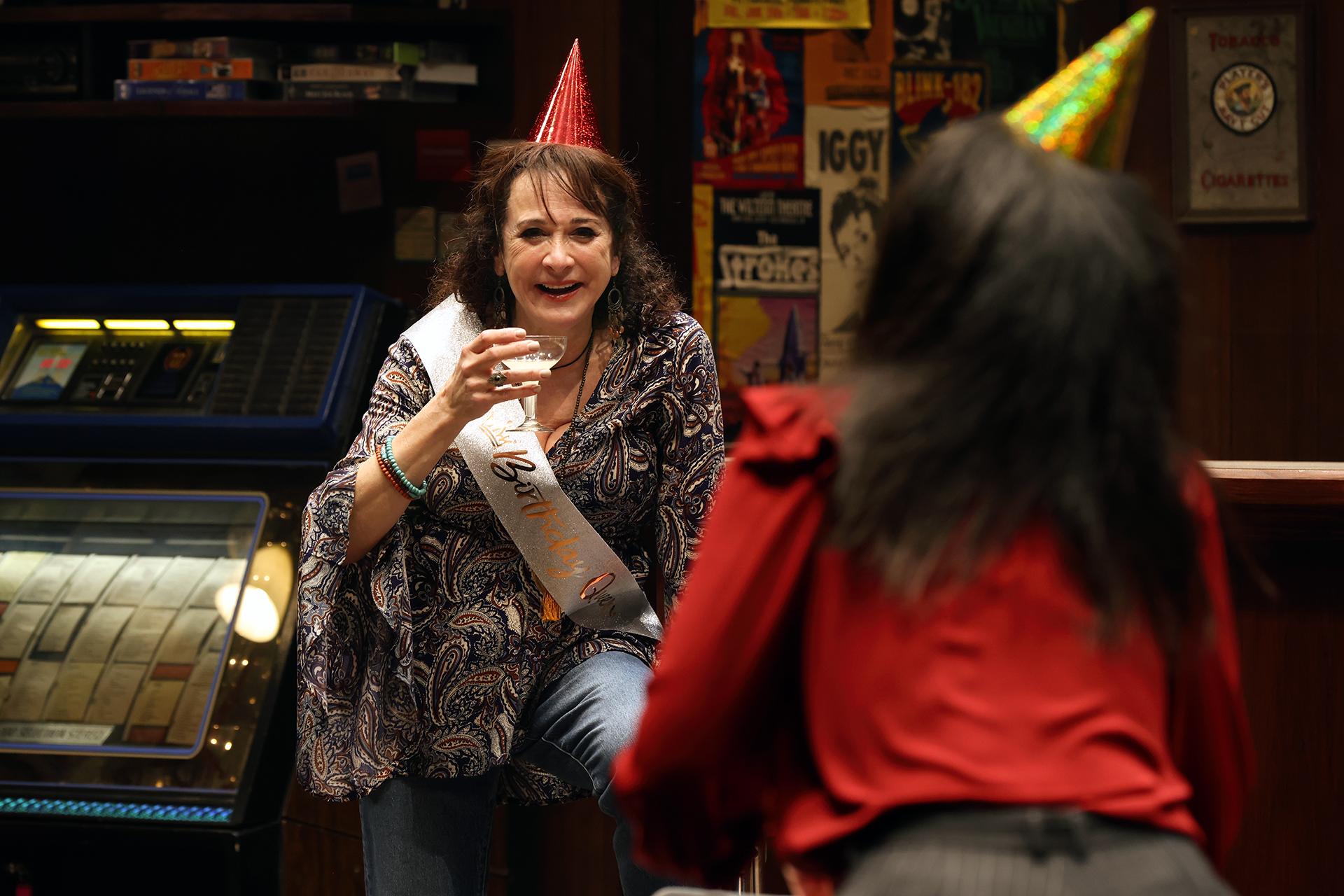
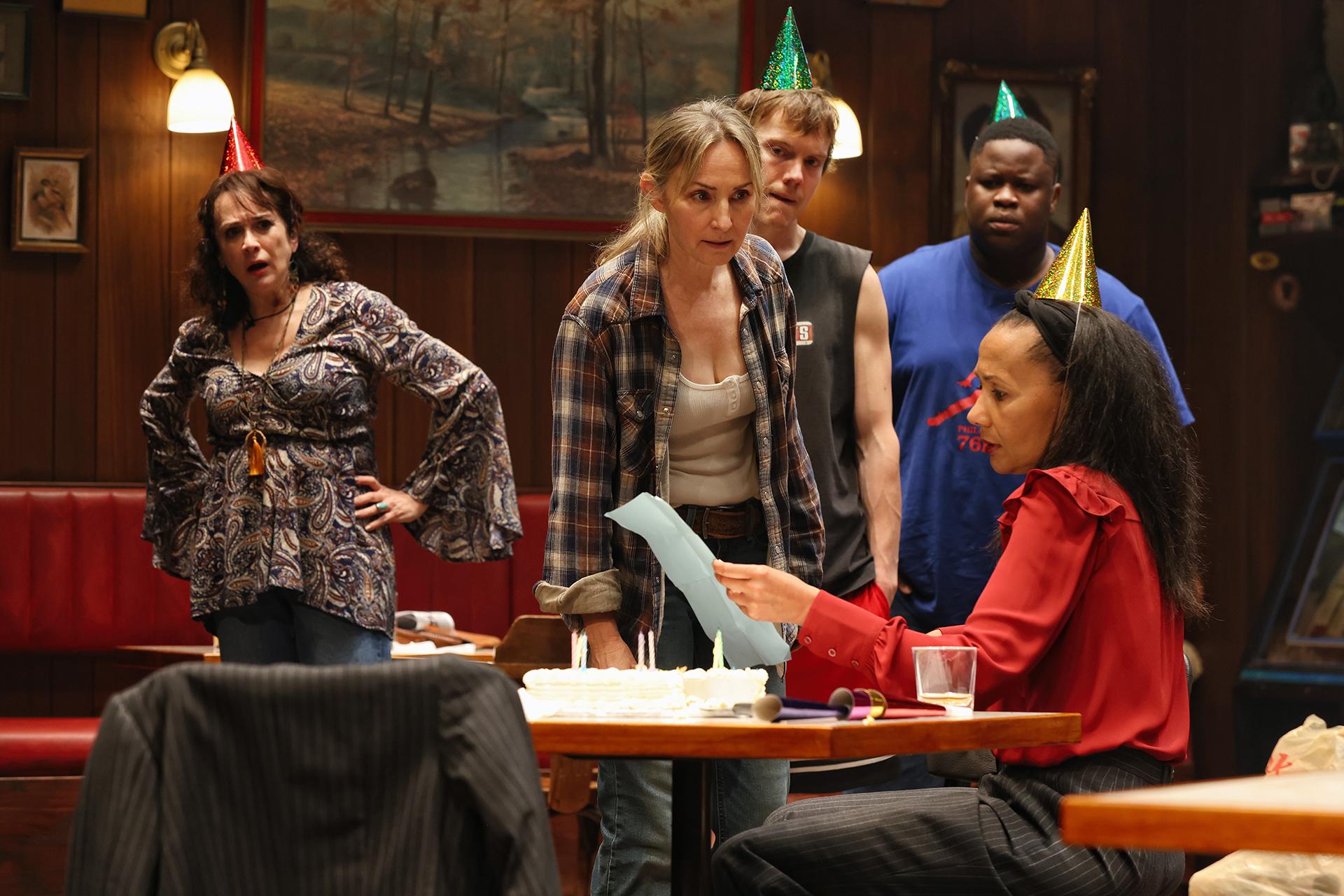
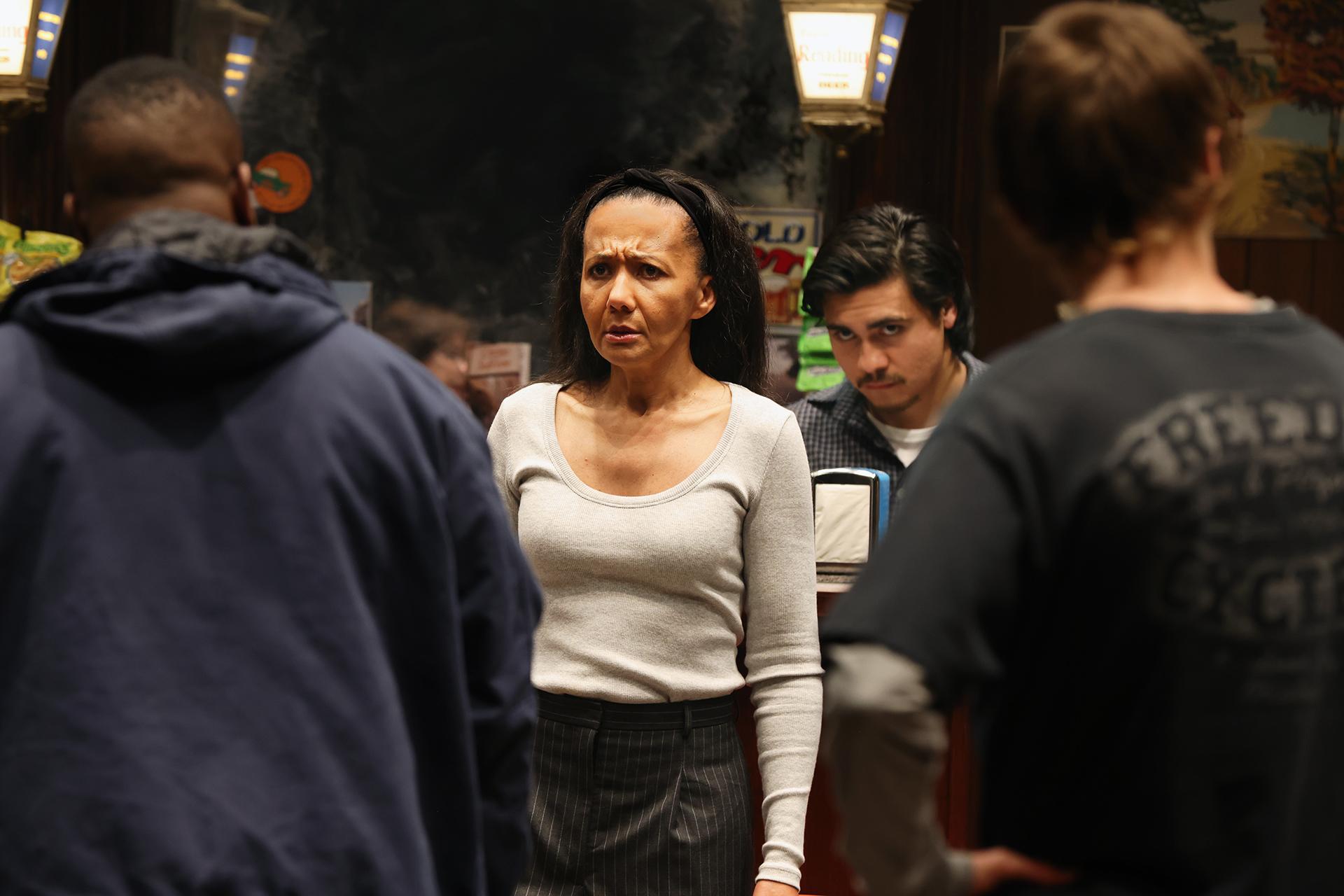
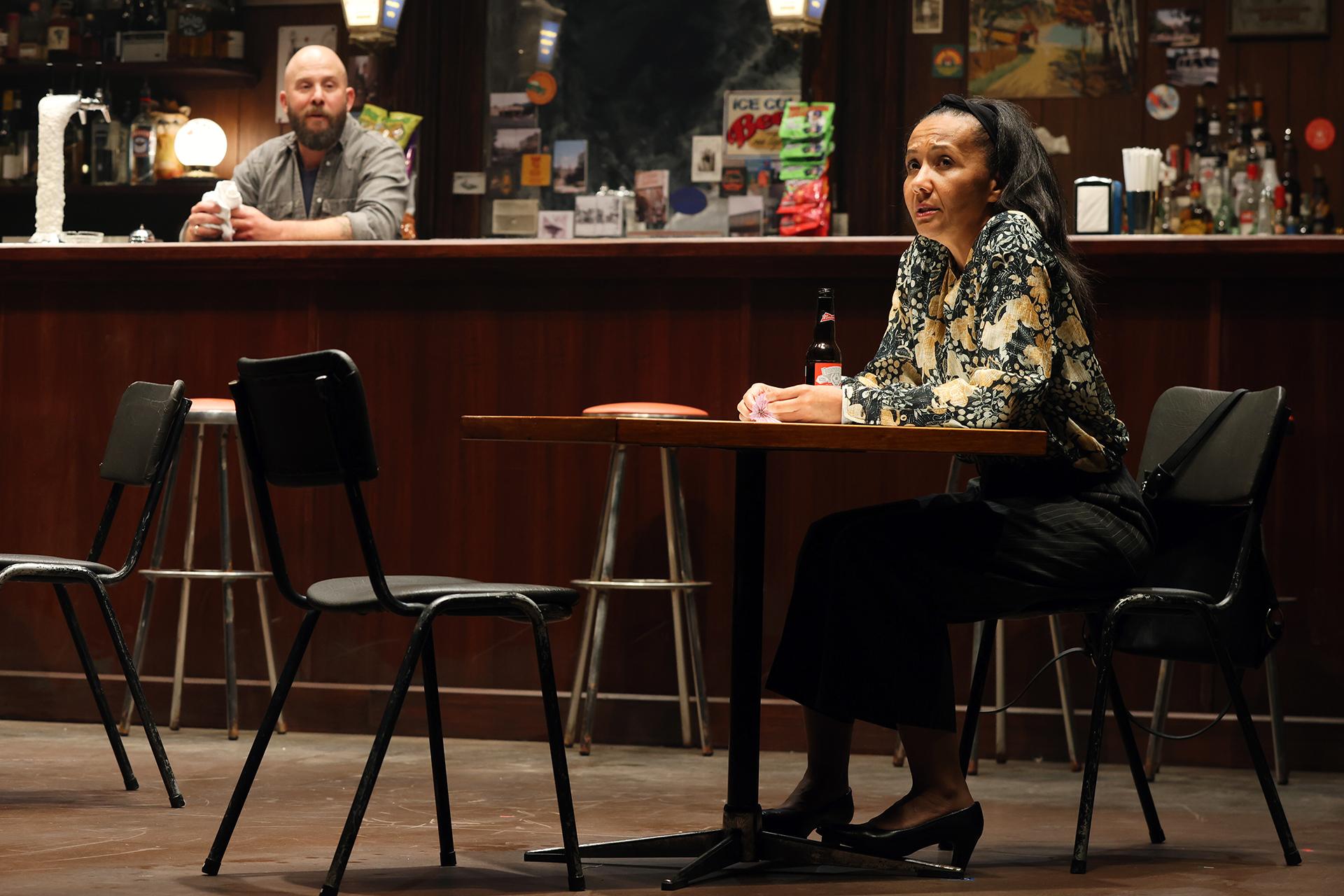
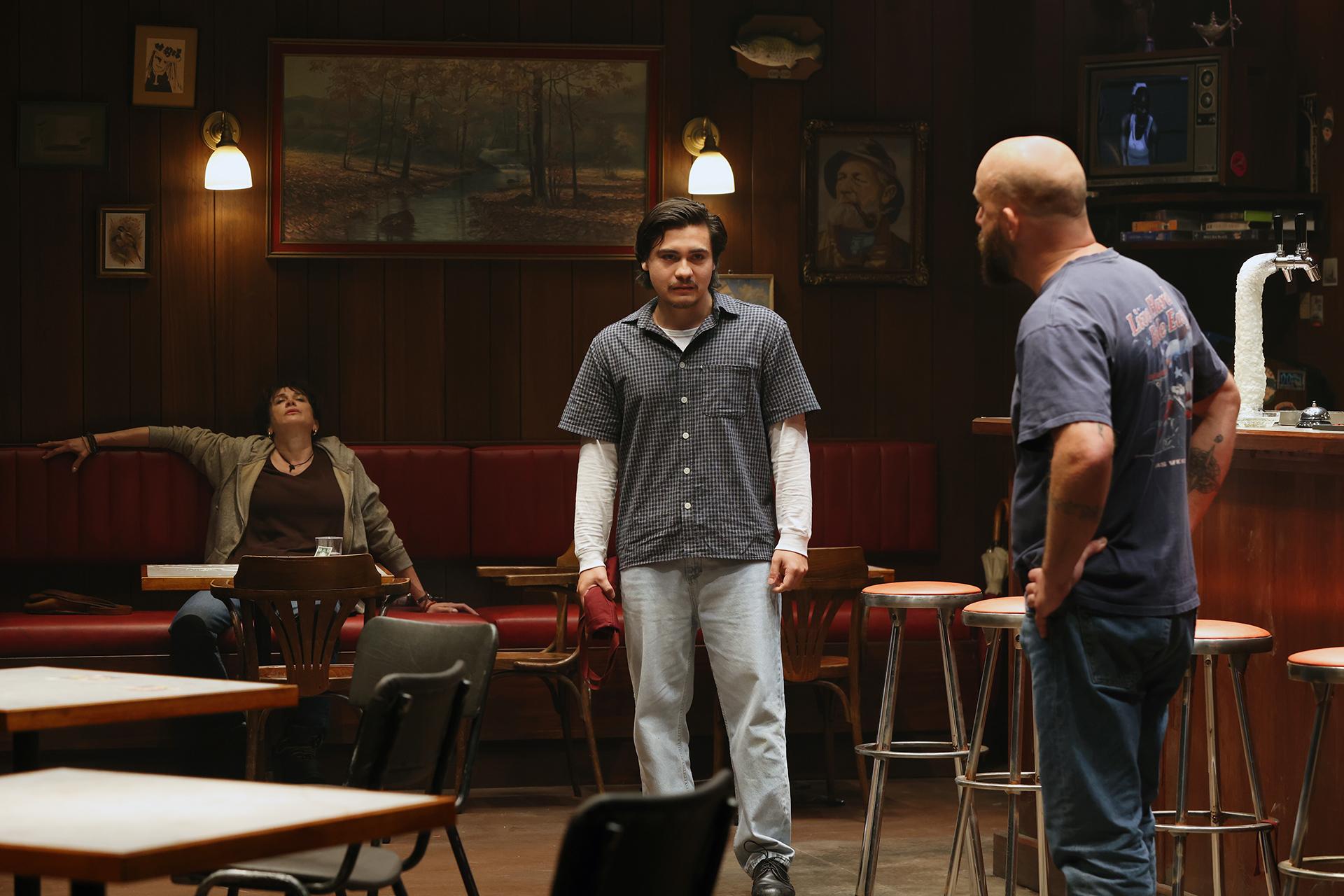
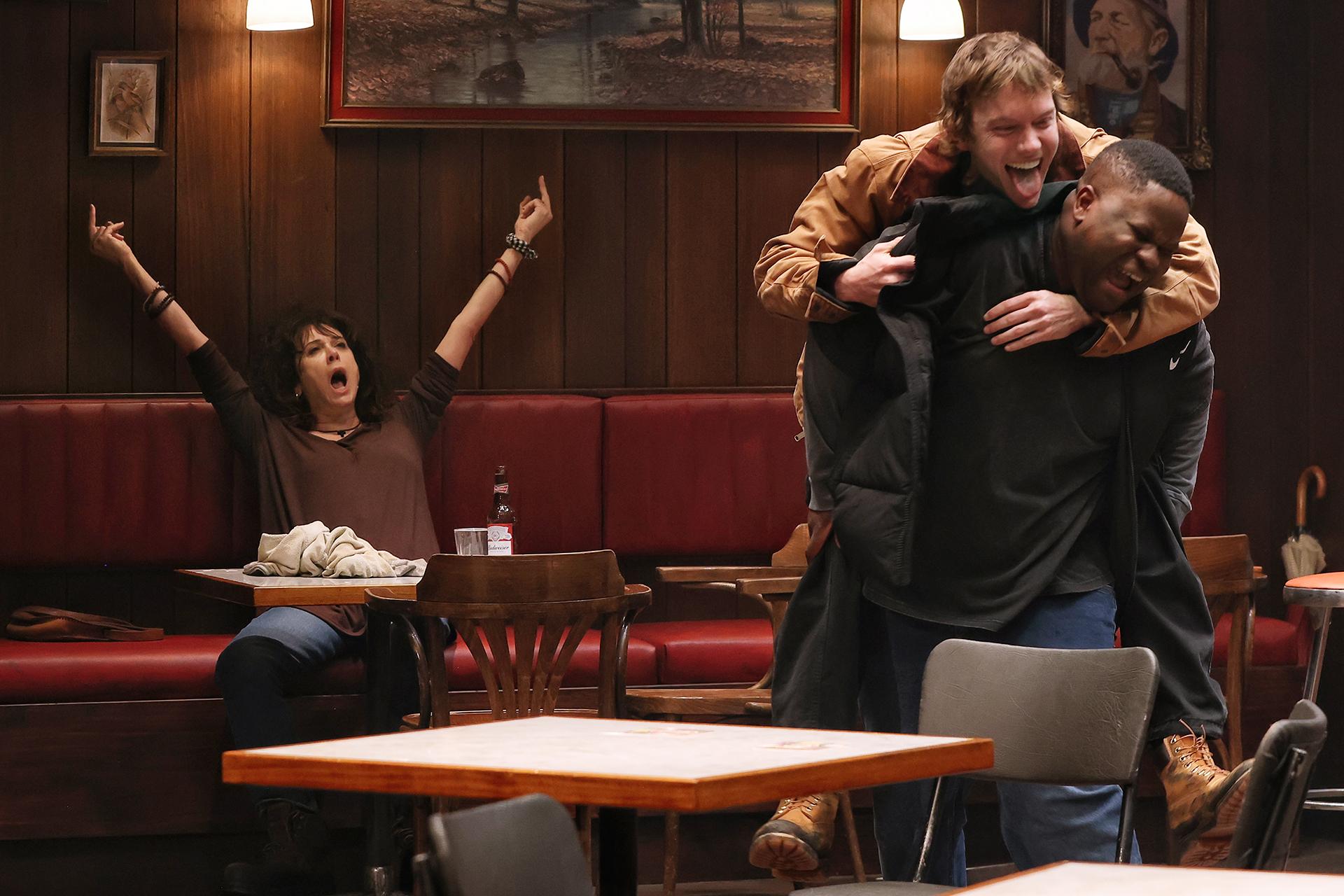
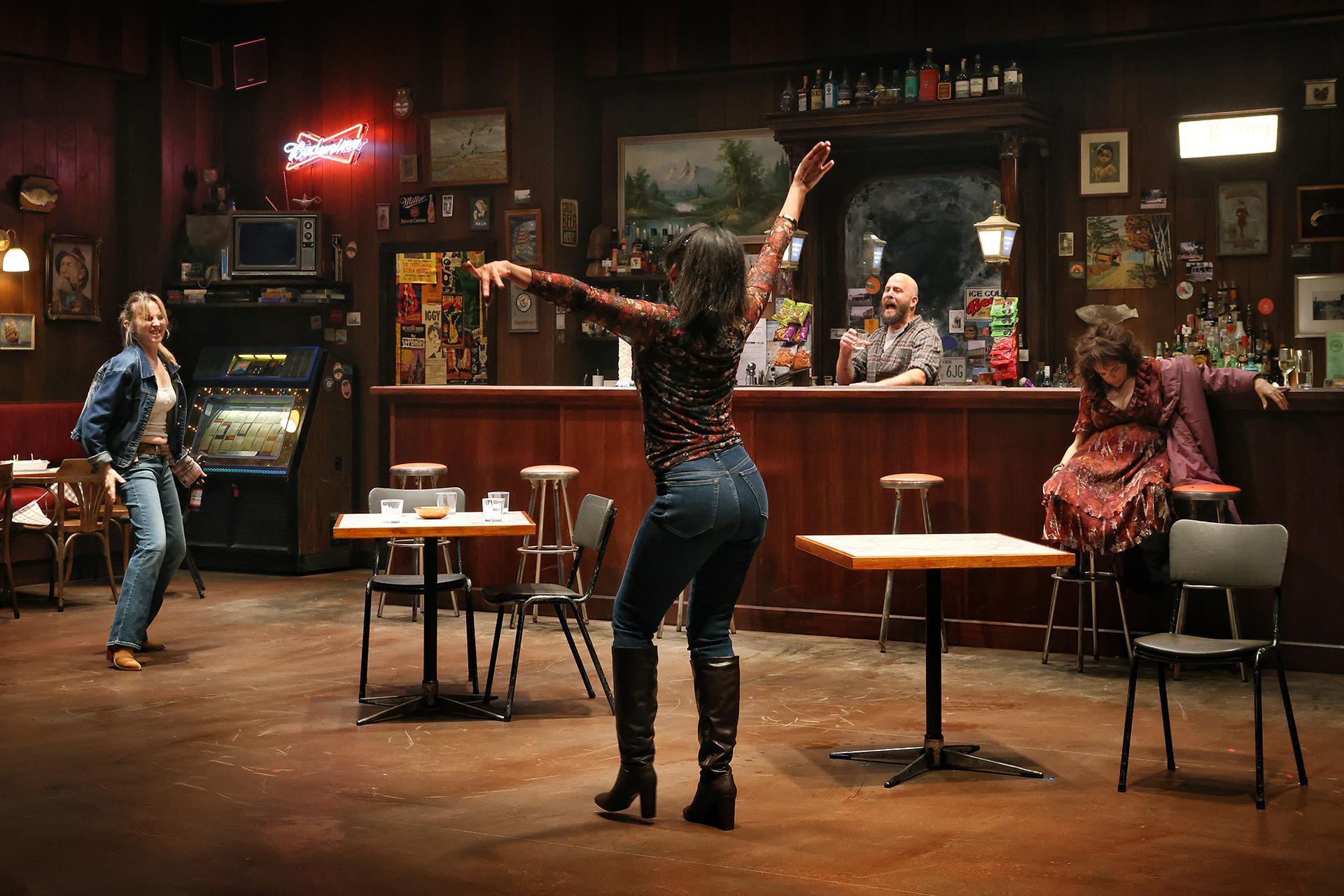
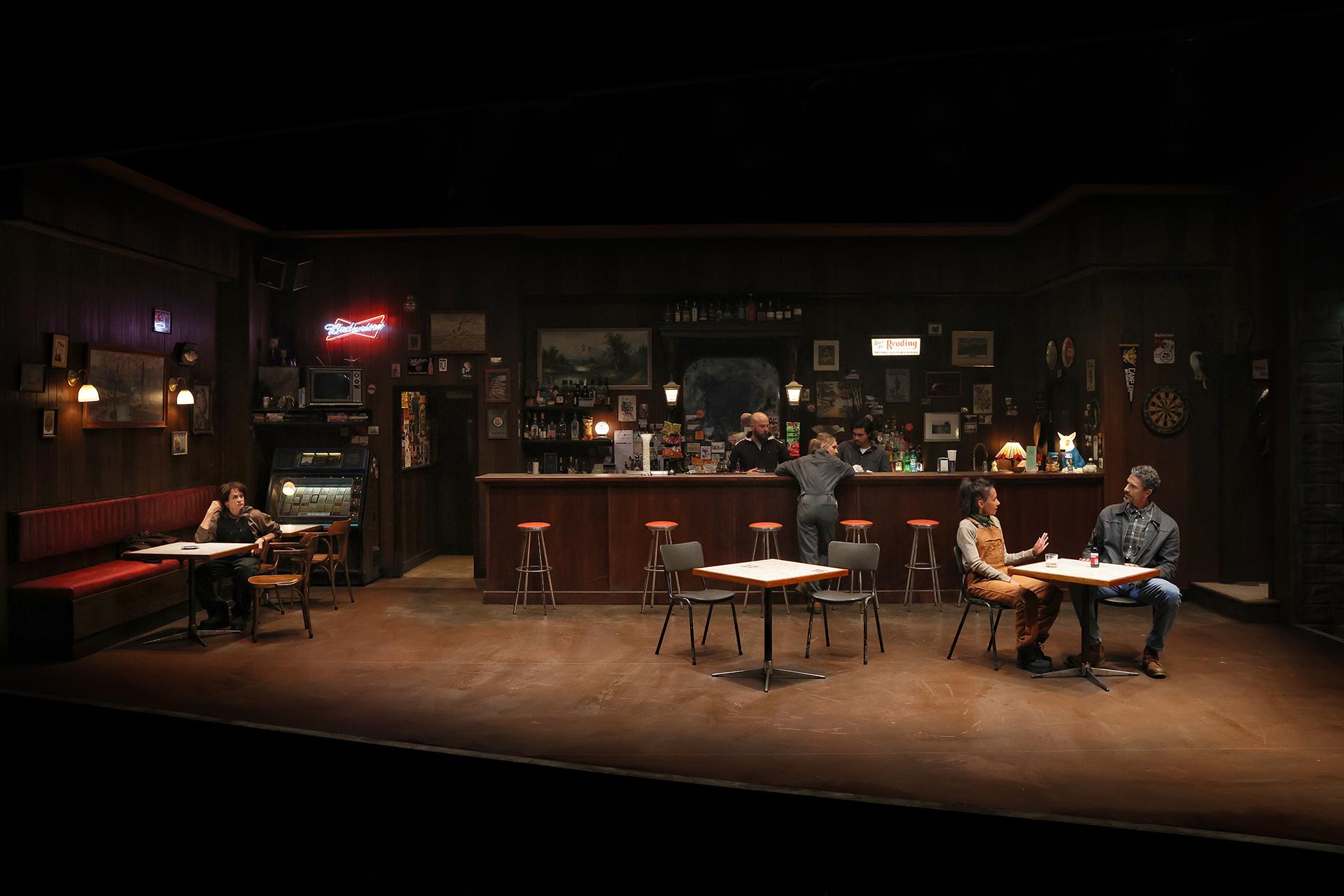
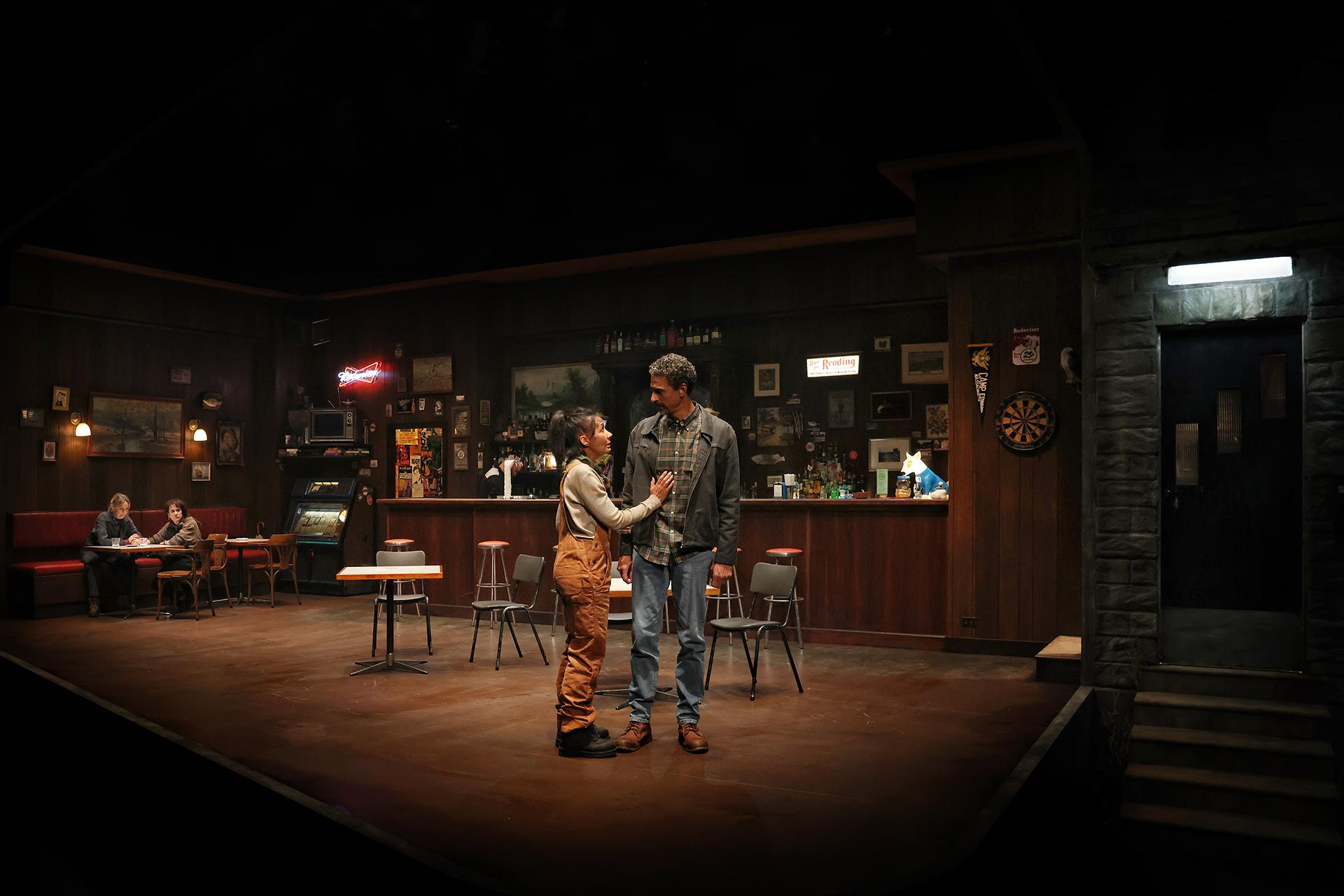
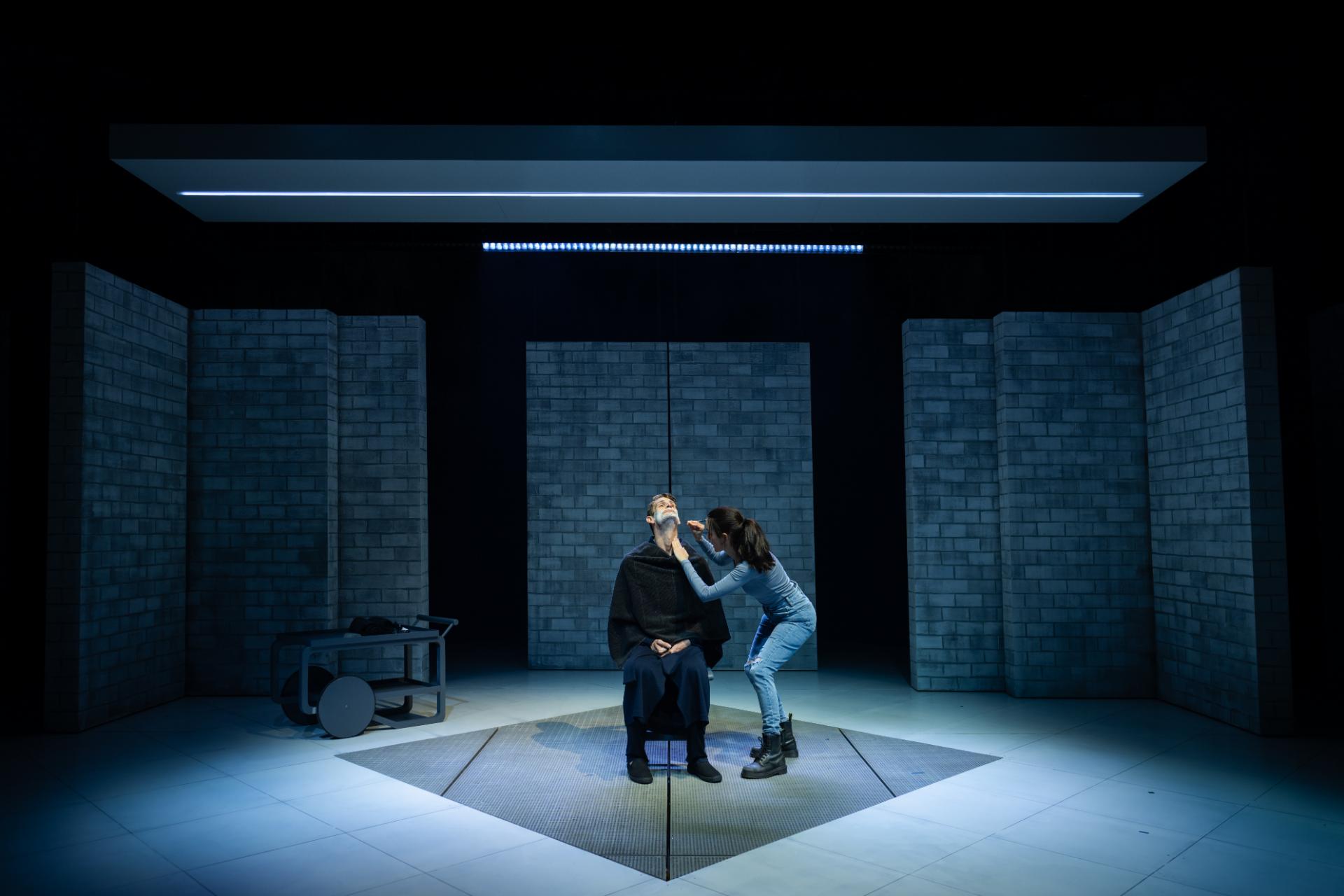
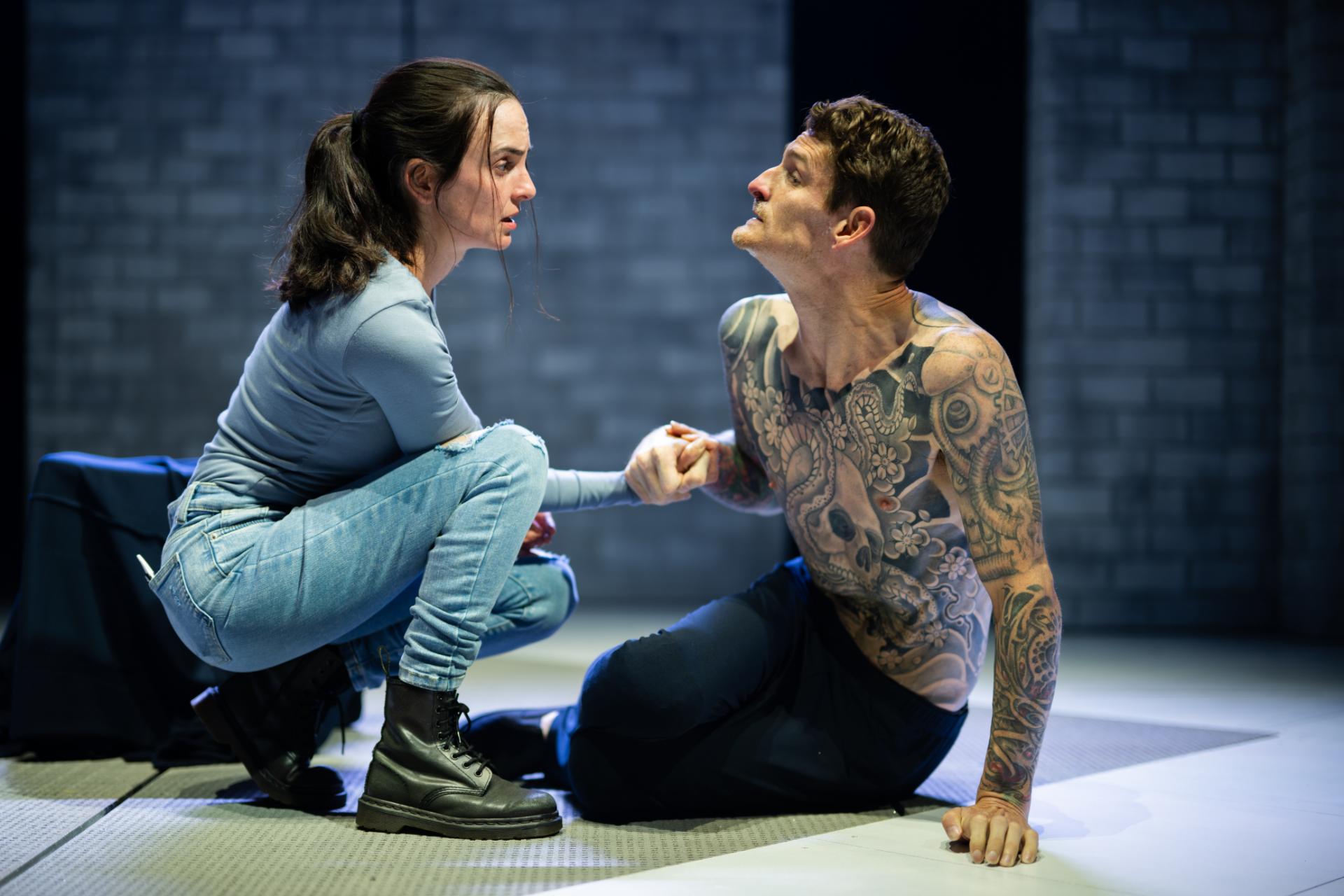
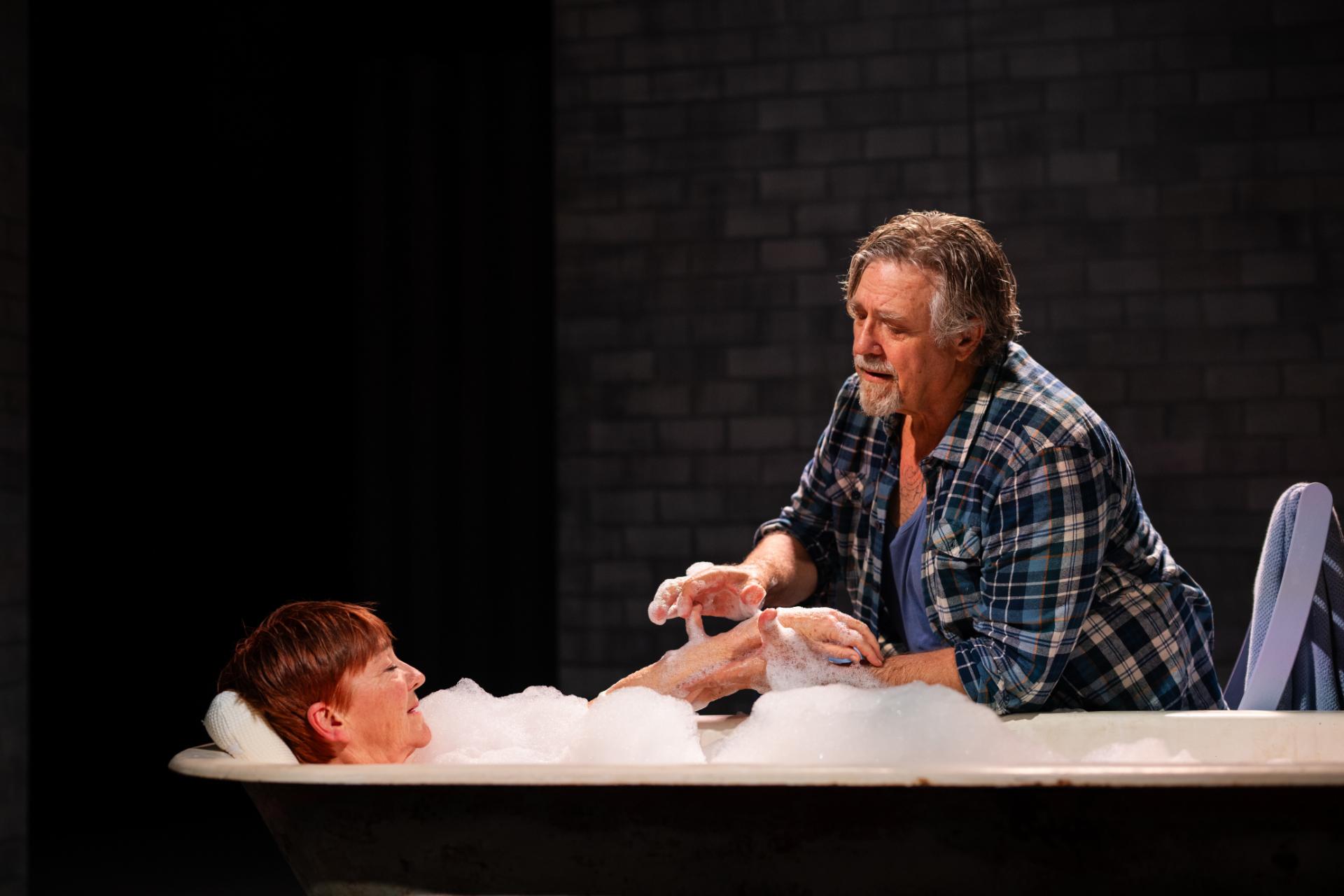
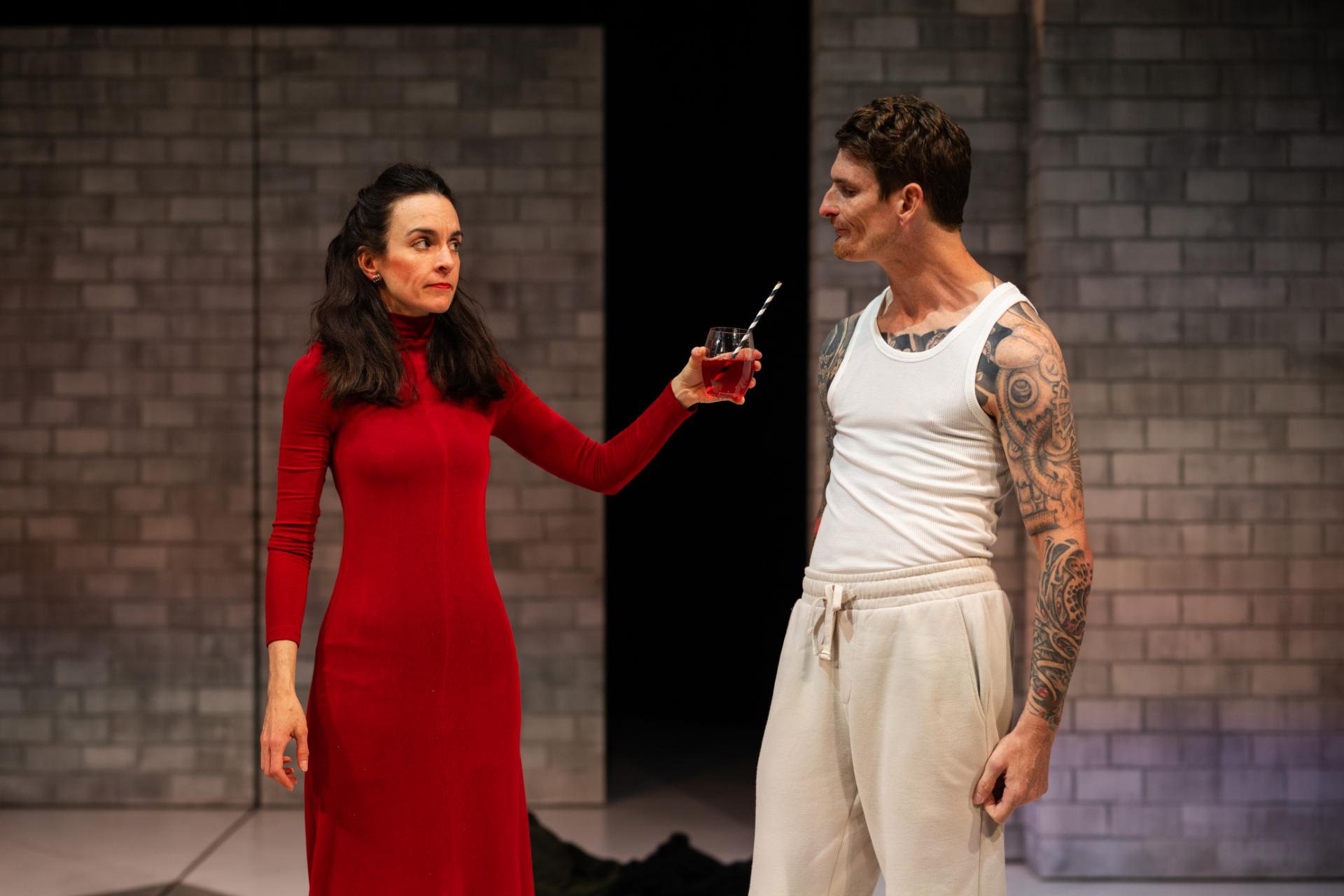
It is opening day at Mandy’s new karaoke bar, and she is plainly on the verge of collapse. It also happens to be her thirty-eighth birthday—a milestone that terrifies her, for both her mother and grandmother died at precisely that age. Amid this psychological unravelling, those very forebears return as ghosts from the afterlife or underworld, appearing as if to mock her dread and deepen her sense of inevitability. Congratulations, Get Rich! by Merlynn Tong, probes the intertwined notions of curses and legacies—ideas often treated as distinct but revealed here to be inseparable. Mandy fears repeating history, even as she begins to recognise, somewhere beneath the panic, that her own hard-won successes might yet rewrite the story her family has carried for generations.

The writing is wildly inventive, holding us rapt from the first moment to the last. Unpredictable and delightfully eccentric, it balances sincerity with a sense of the marvellously outlandish. Courtney Stewart’s direction brings together rich cultural specificity and deep emotional truth, guiding a story that moves between Singapore and Australia while allowing its layered meanings to reverberate across cultural lines. At times the humour edges toward the contrived, yet the production’s unwavering commitment to its distinctive tone renders even its most exaggerated moments disarmingly persuasive.

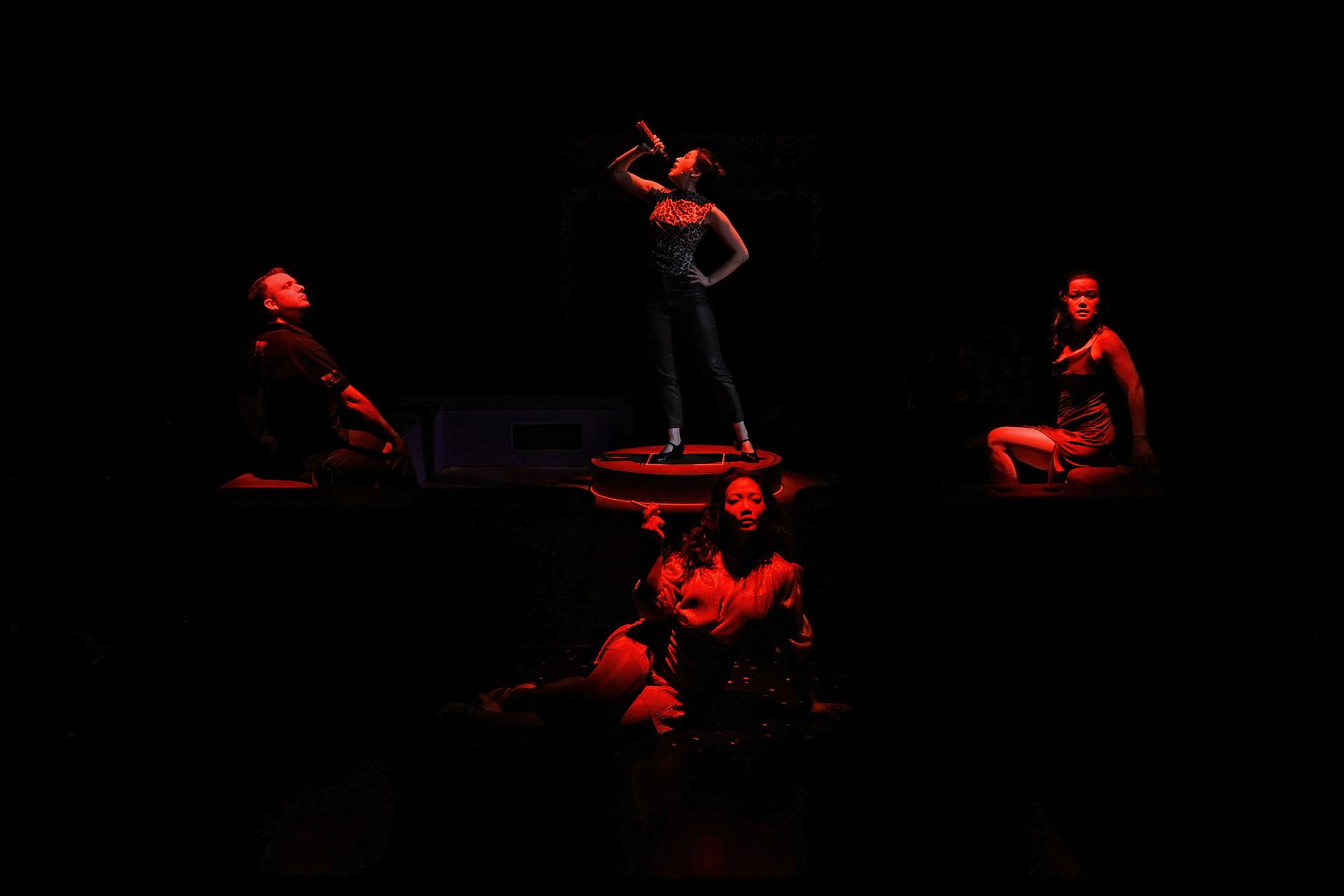
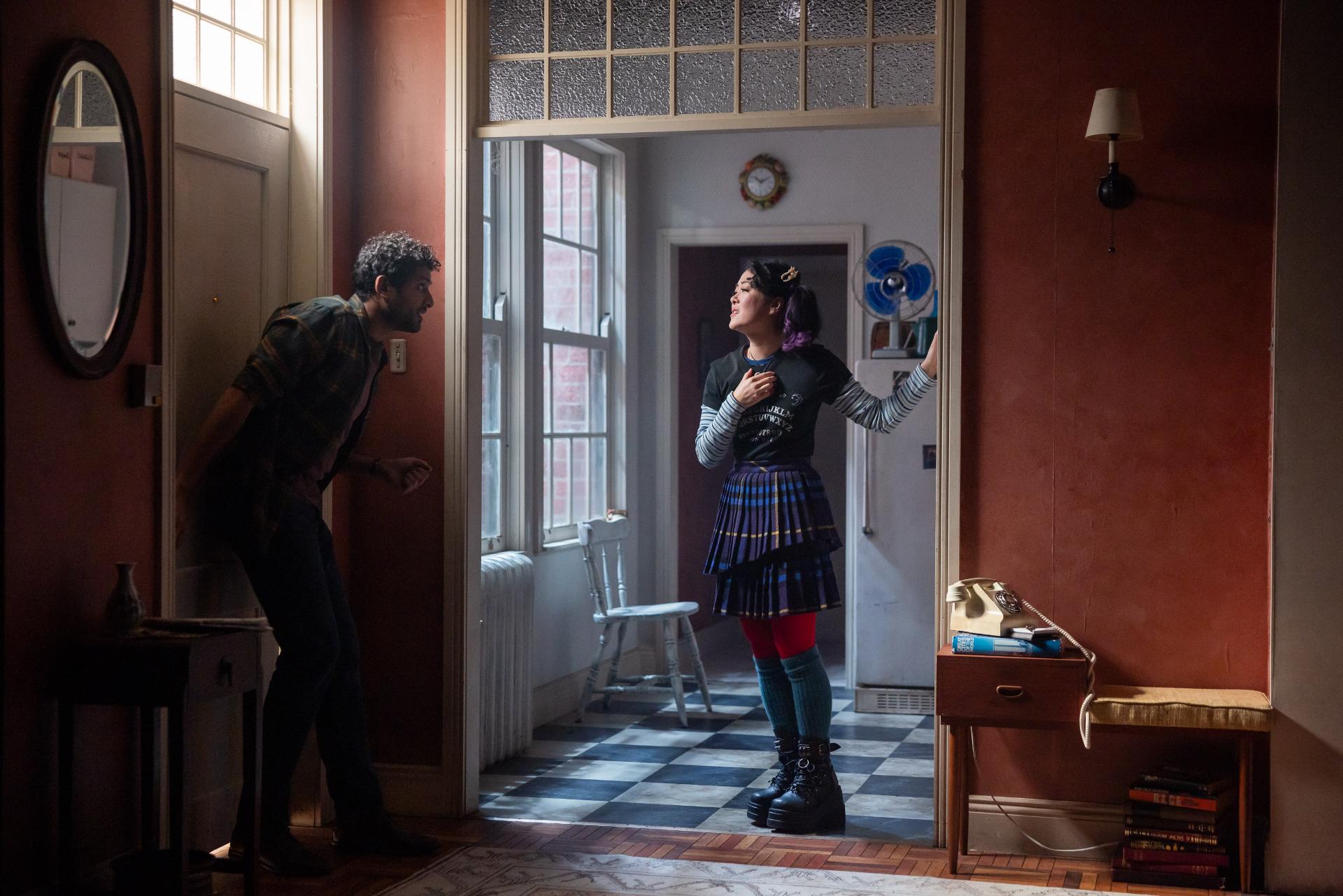
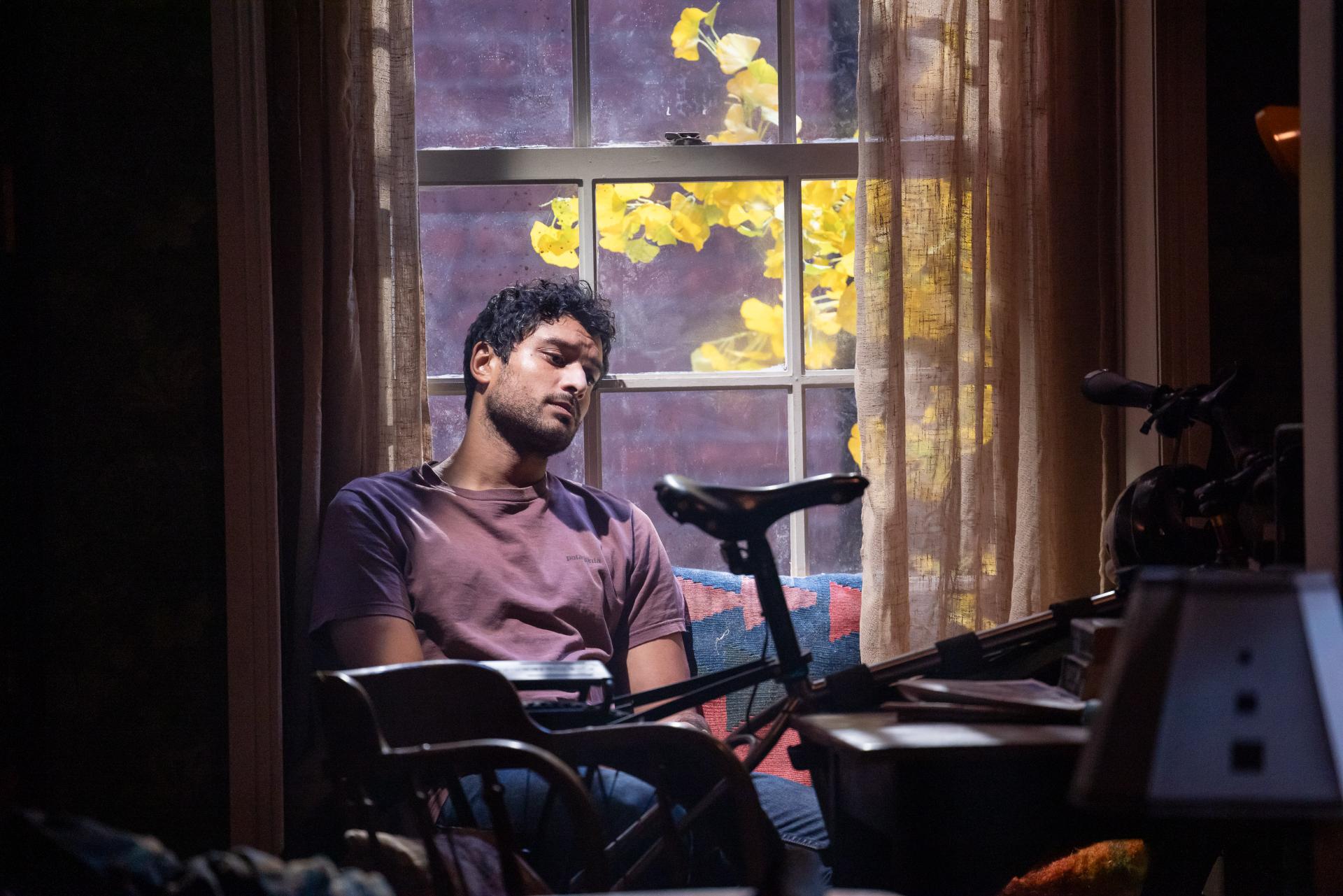
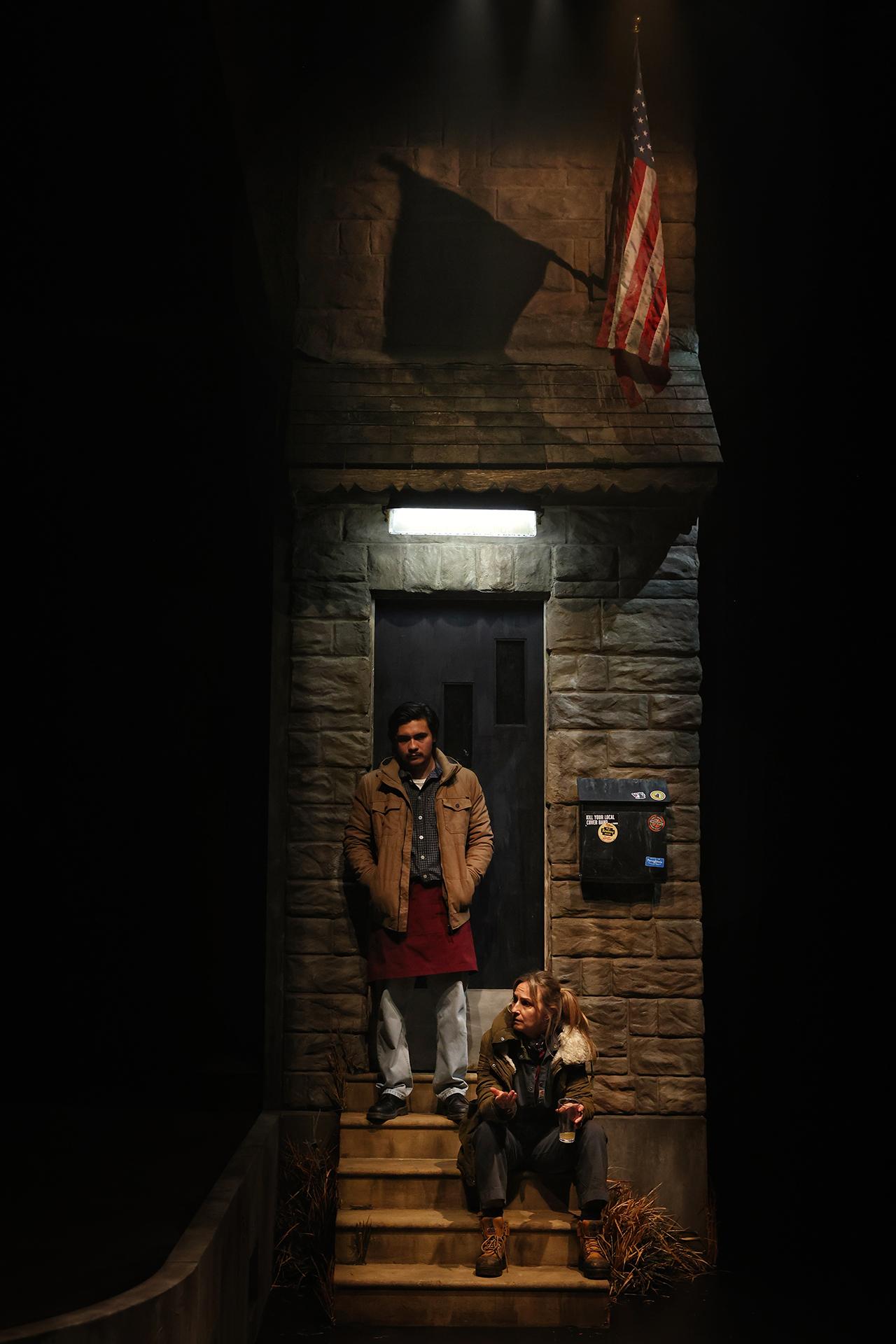
James Lew’s production design is richly considered, weaving symbolism into a visual language that is at once grounded and strikingly theatrical. His work carries a pleasurable sense of extravagance, yet never loses sight of the social resonances that inform each aesthetic choice. Gabriel Chan’s lighting is similarly exuberant, though one occasionally wishes for greater nuance to draw us further into the emotional terrain. Guy Webster’s sound design, gloriously amplified and unabashedly heightened, proves an ideal match for the work’s supernatural comic register. Particularly noteworthy are the original songs that Tong weaves into the piece, rendered delightfully camp through Alex Van den Broek’s playful, uninhibited music direction.

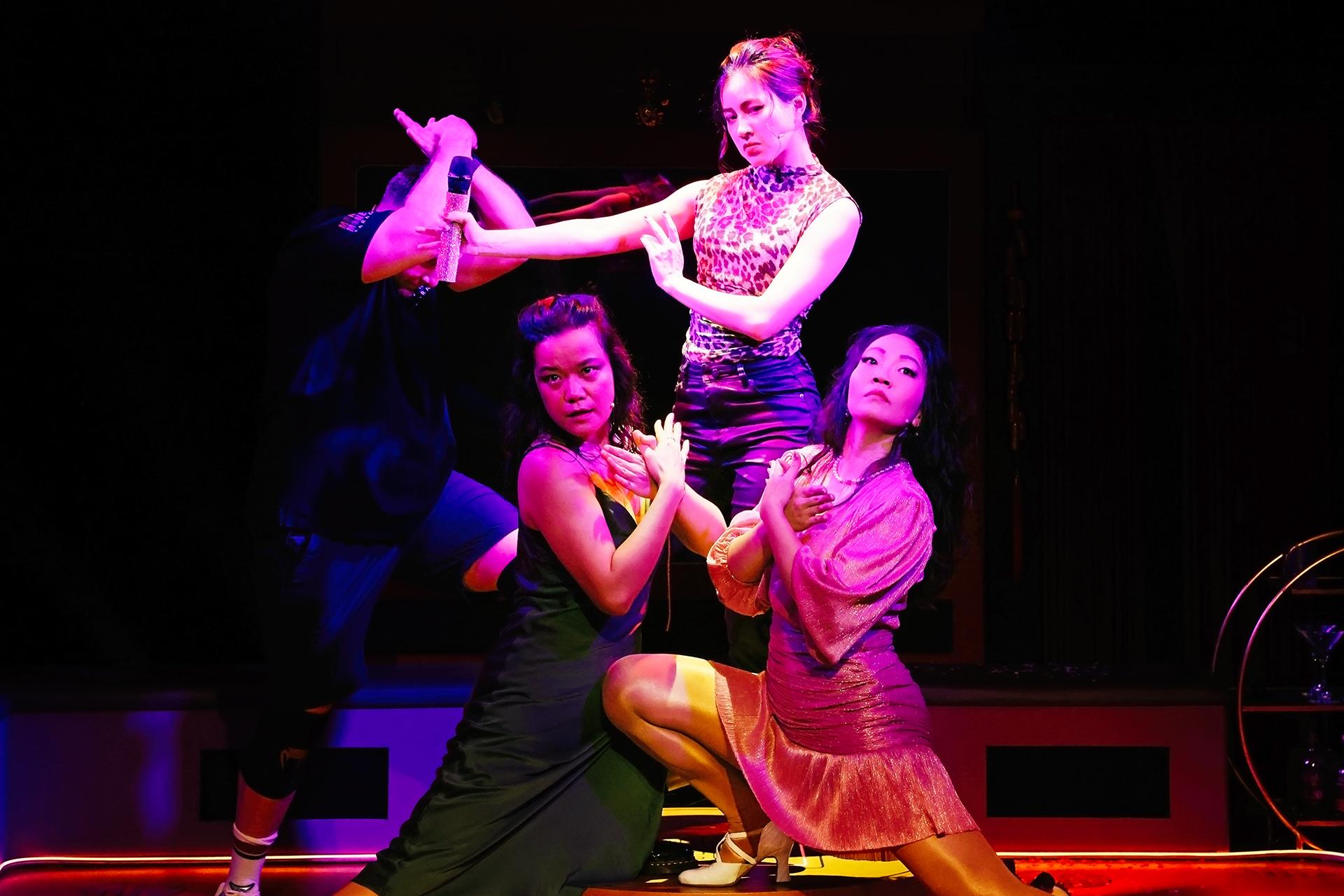
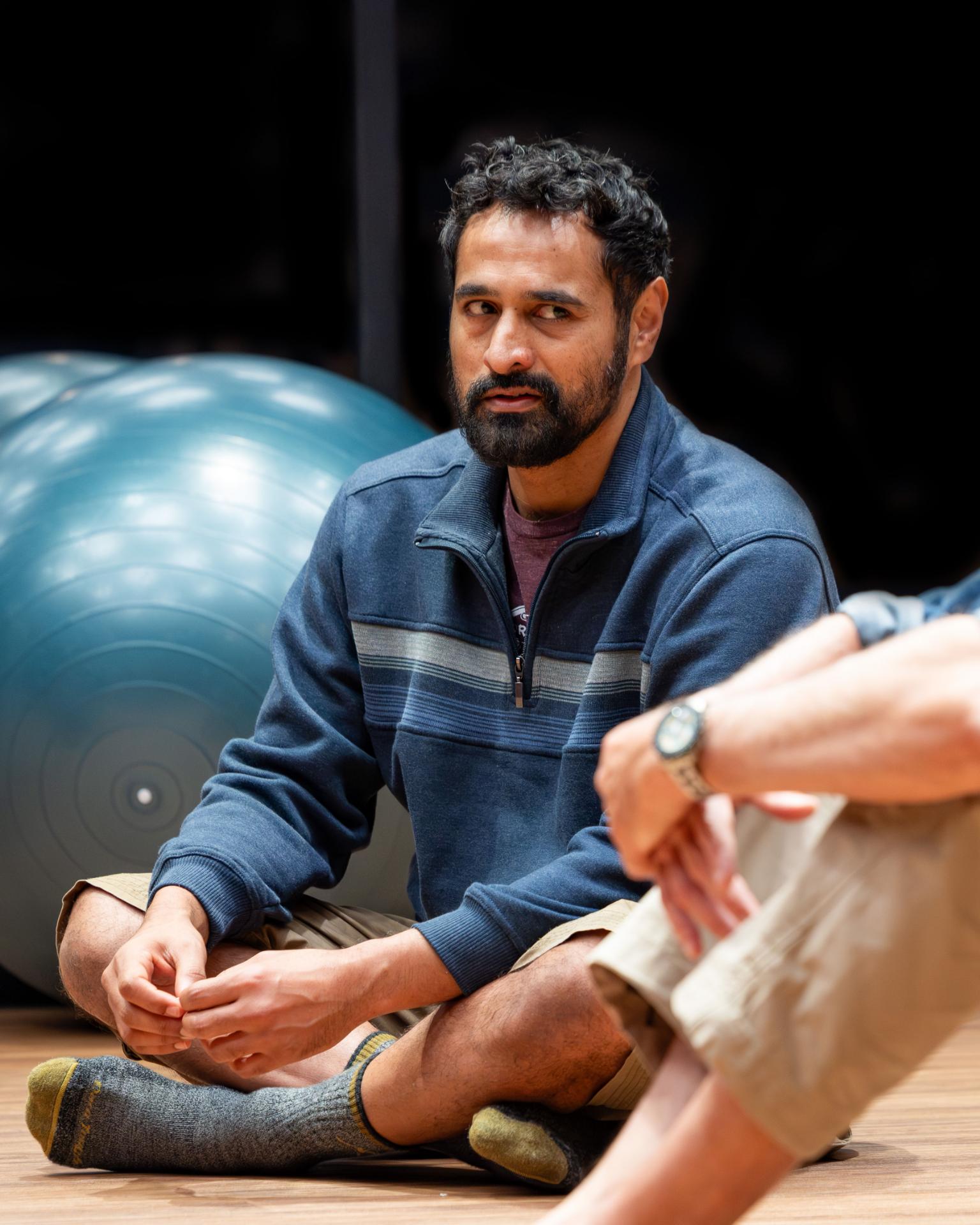
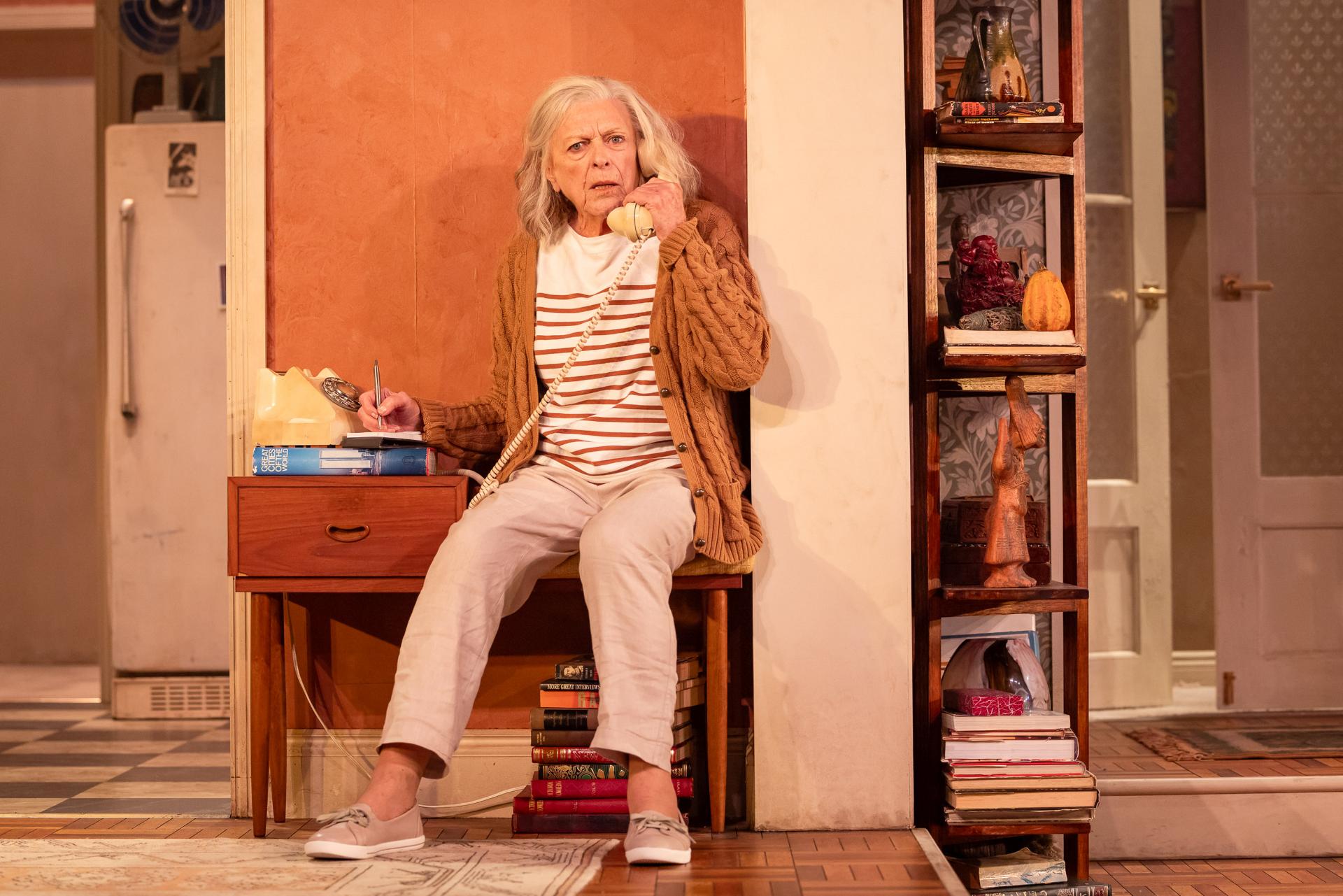
An exceptional ensemble anchors the production, with Tong herself embodying Mandy with indefatigable verve and an arresting emotional intensity. Kimie Tsukakoshi delivers a masterfully layered performance as the grandmother—precise, commanding, and utterly persuasive in her traversal of time and space. As Mandy’s mother, Seong Hui Xuan is unassailably authentic, capturing the poignant duality of a woman who bequeaths her daughter both profound anxieties and an equally steadfast resilience. Zachary Boulton shines as Xavier, Mandy’s partner in life and business, his impeccable comic timing offering welcome buoyancy whenever the domestic tensions threaten to overwhelm. The ensemble as a whole is remarkable for its discipline and cohesion, contributing to a staging distinguished by its tightness, clarity, and shared purpose.
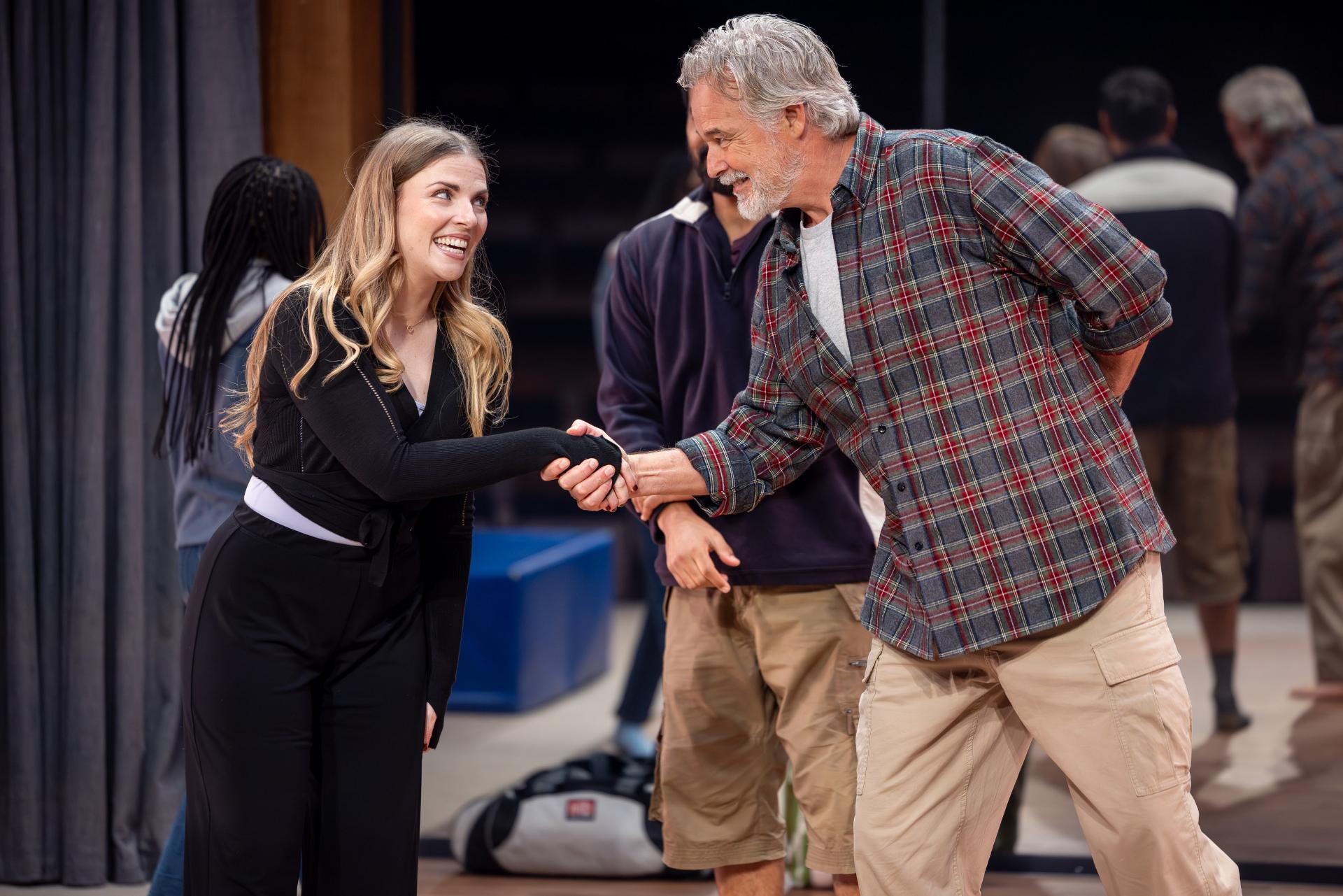
The three women of Congratulations, Get Rich!, spanning three generations, trace a lineage of womanhood that feels both linear and perpetual—distinct lives that nonetheless echo one another with a clarity suggesting something almost divine in the continuity of mothers and daughters. Across cultures, whether East or West, women are routinely diminished, yet time and again reveal themselves to be far more powerful than the structures that seek to contain them. Mandy’s ancestors may have been claimed too early by the worlds that shaped them, but their struggles permeate unmistakably into the present. Mandy, however, stands on different ground, no longer bound by their limitations—and poised, at last, to carry the story further.

www.sydneytheatre.com.au | www.laboite.com.au

Review: Naturism (Griffin Theatre Company)

Venue: Wharf 2 Sydney Theatre Company (Walsh Bay NSW), Oct 25 – Nov 15, 2025
Playwright: Ang Collins
Director: Declan Greene
Cast: Nicholas Brown, Glenn Hazeldine, Fraser Morrison, Camila Ponte Alvarez, Hannah Waterman
Images by Brett Boardman

Theatre review
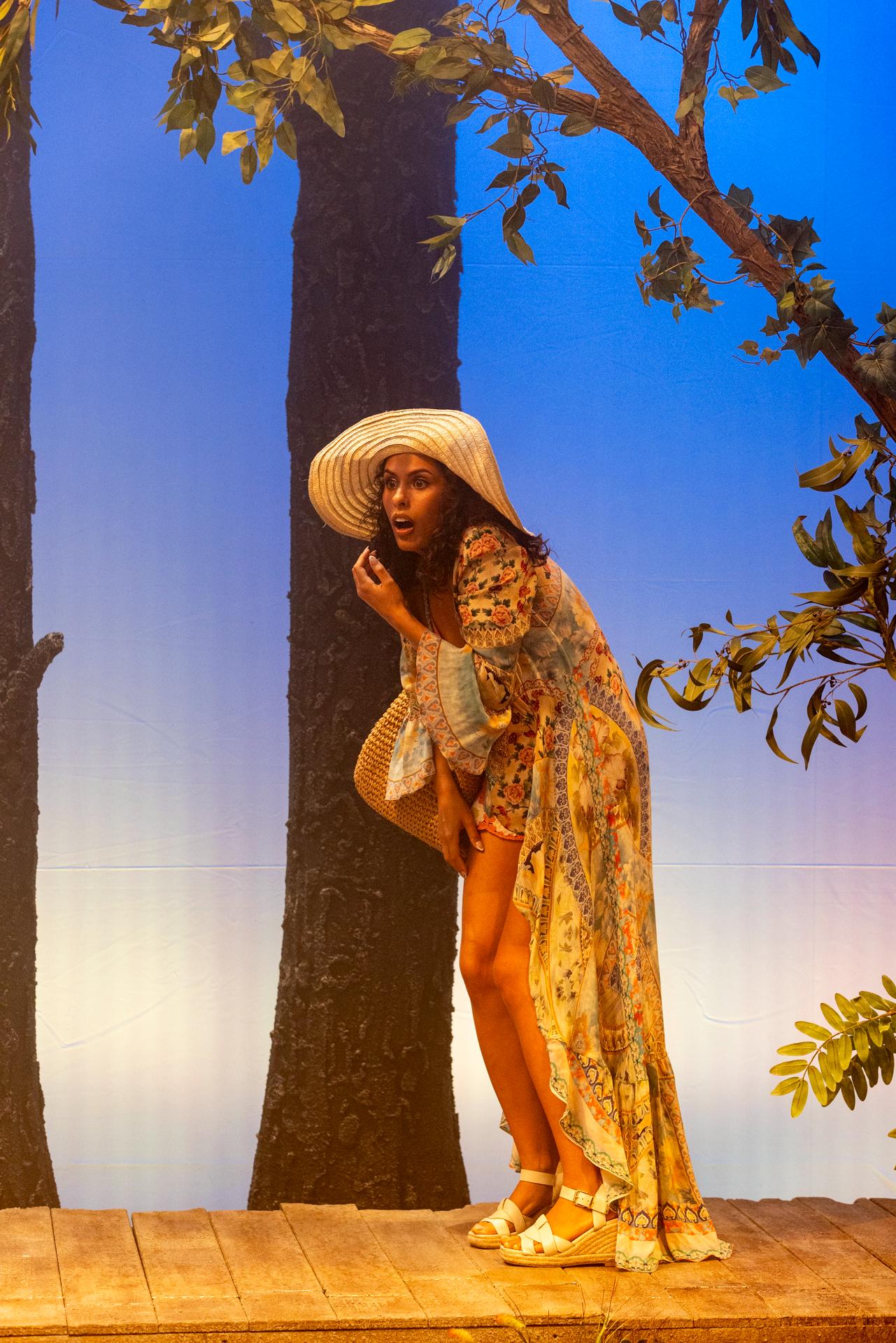
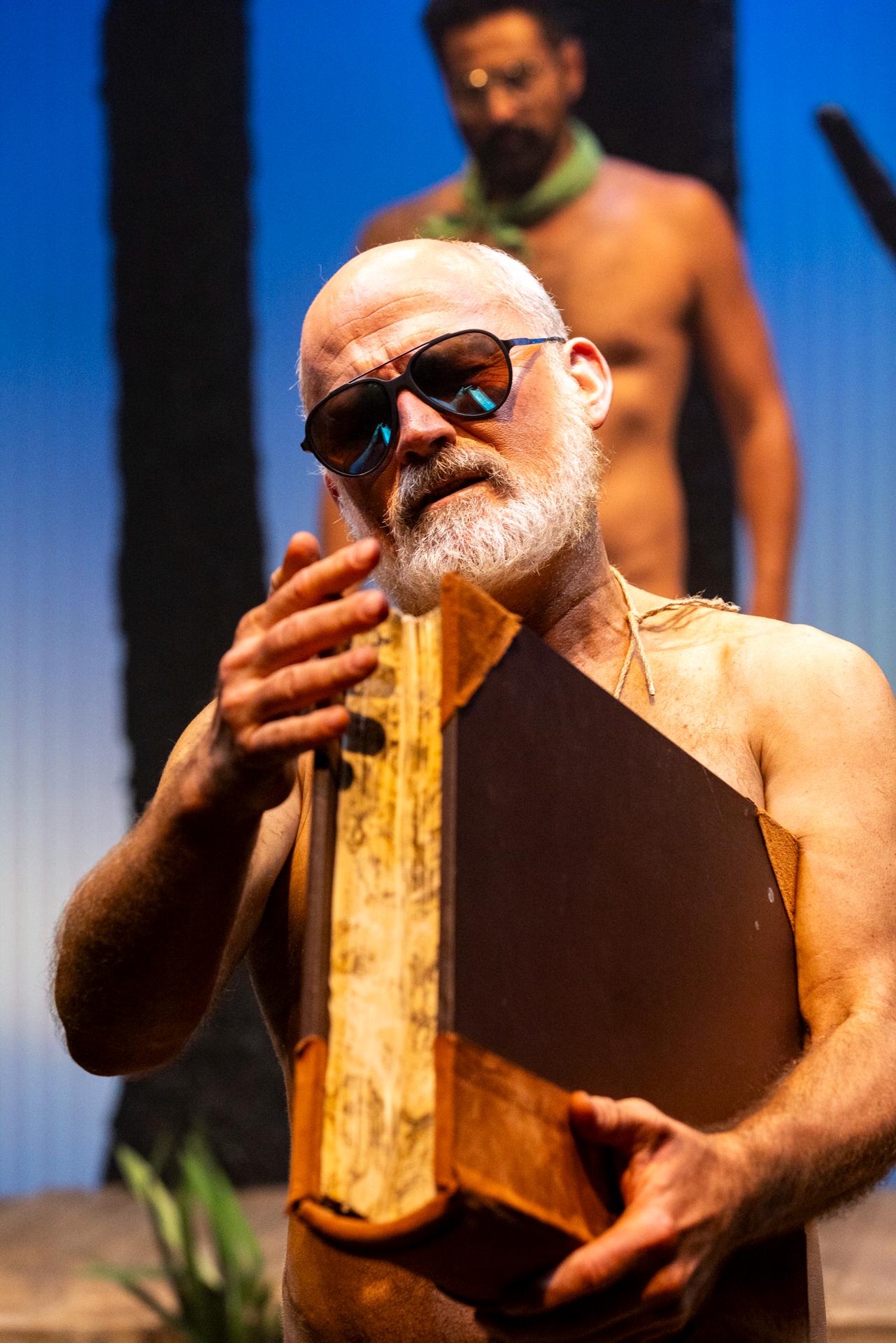
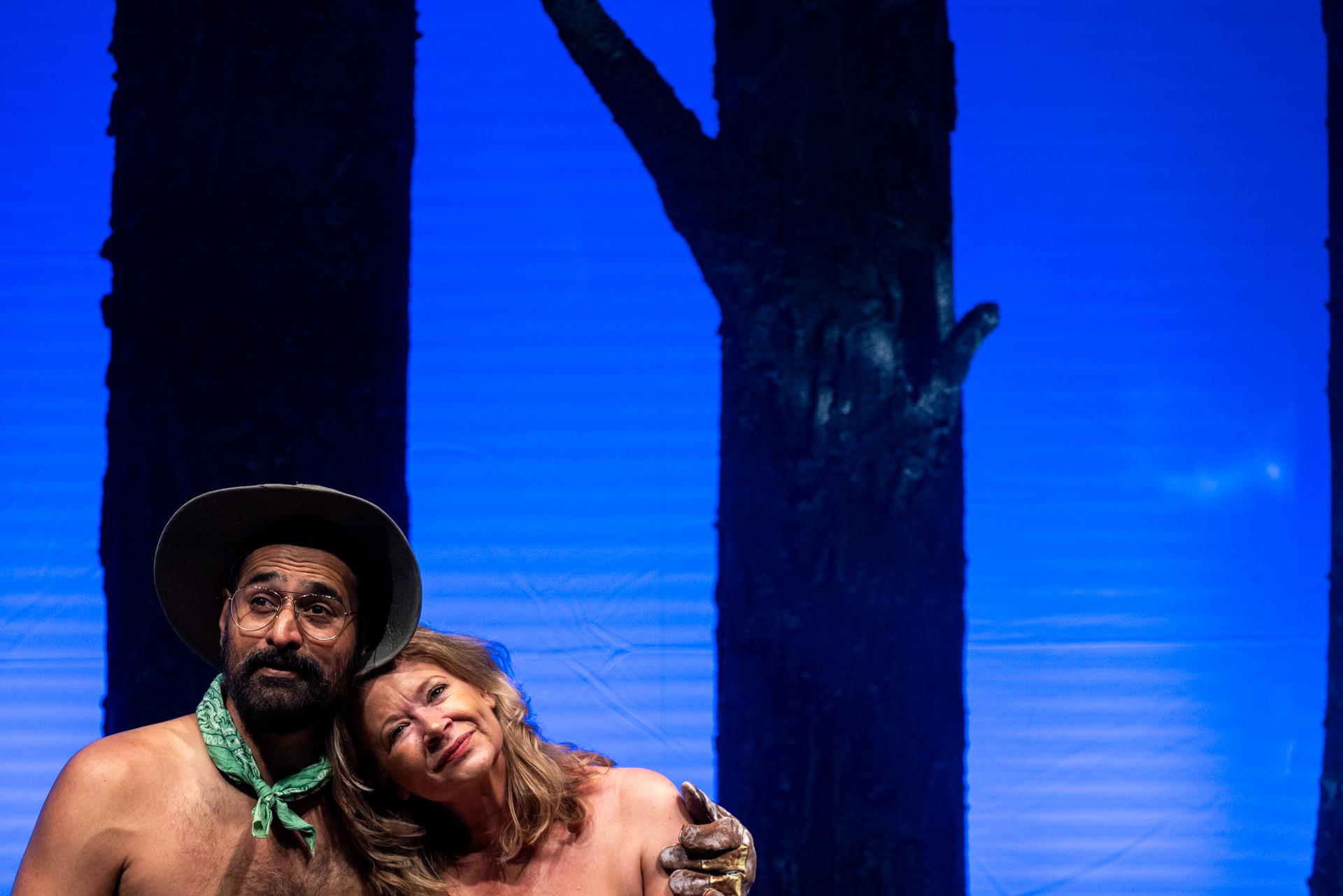
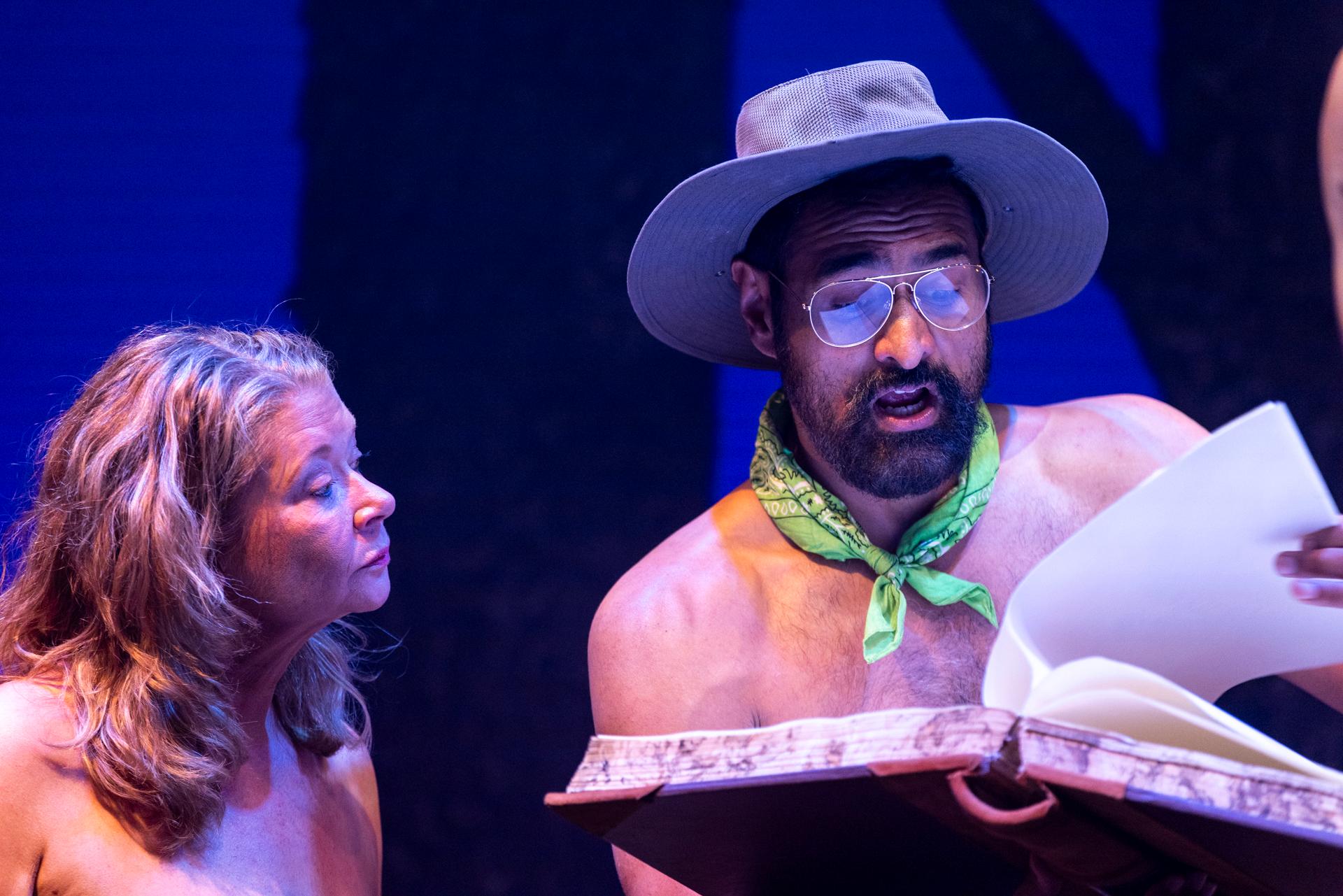
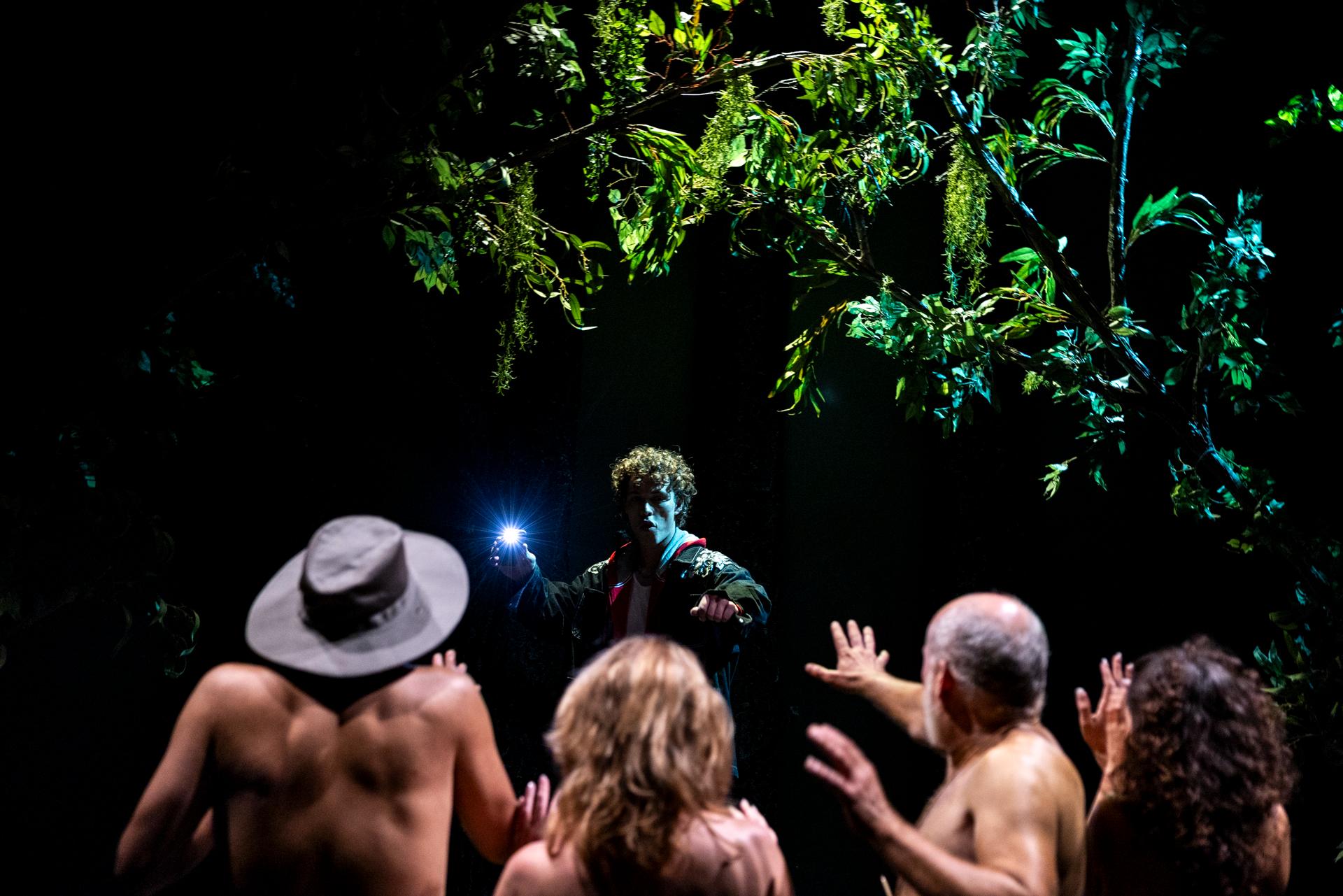
Ray presides over a small naturist commune on the outskirts of Melbourne, where its residents have lived off-grid for two decades. When Evangeline arrives unannounced, eager to join their secluded world, her intrusion sets off a quiet chain reaction that exposes the fault lines beneath the community’s calm surface. Ang Collins’ Naturism proves shrewdly more comic than polemic, even as an unmistakable ecological consciousness anchors the work. At a time when conversations about the environment often feel exhausting, Collins reminds us that laughter, too, can be an act of engagement.

Director Declan Greene wisely leans into the comedy, shaping a production that never hesitates to seize any opportunity for laughter. The exuberance he brings to the staging is infectious, even if the material itself often feels slight. Naturism may not offer much in the way of emotional or thematic depth, and our investment in its characters remains limited, yet the show’s buoyant energy and brisk 85-minute runtime ensure that our attention rarely drifts.

James Browne’s set design employs simple means to evocatively suggest the wilderness that frames the story. His costumes are a particular delight, especially in the hallucinatory sequences where the characters venture into the fantastical. Verity Hampson’s lighting is gloriously extravagant, embracing theatricality as the narrative heightens and the stakes rise. David Bergman’s sound and music design match that intensity, growing ever more vivid as the production slides into the deliciously bizarre.

The cast deserves admiration for their wholehearted commitment to what at times appears an unabashedly absurd enterprise. All five performers throw themselves into the work, mining every moment for humour and vitality. Their choices may verge on the outrageous, yet they sustain a surprising authenticity that prevents the piece from slipping into pure frivolity. It’s also worth noting that the ensemble spends much of the performance entirely nude — a fact that only deepens respect for their courage and conviction.

The characters in Naturism throw themselves wholeheartedly into doing right by the planet, yet their misadventures expose how fraught it can be to live by uncompromising ideals. We’re beginning to see that an “all or nothing” approach—whether ecological or political—often proves unsustainable, alienating those who might otherwise engage. The culture of guilt and moral absolutism around environmental action can drive people to withdraw entirely, when what the planet needs most are imperfect participants, not perfect abstainers.

www.griffintheatre.com.au

Review: Circle Mirror Transformation (Sydney Theatre Company)

Venue: Wharf 1 Sydney Theatre Company (Walsh Bay NSW), Jul 12 – Sep 7, 2025
Playwright: Annie Baker
Director: Dean Bryant
Cast: Ahunim Abebe, Nicholas Brown, Cameron Daddo, Rebecca Gibney, Jessie Lawrence 
Images by Daniel Boud

Theatre review
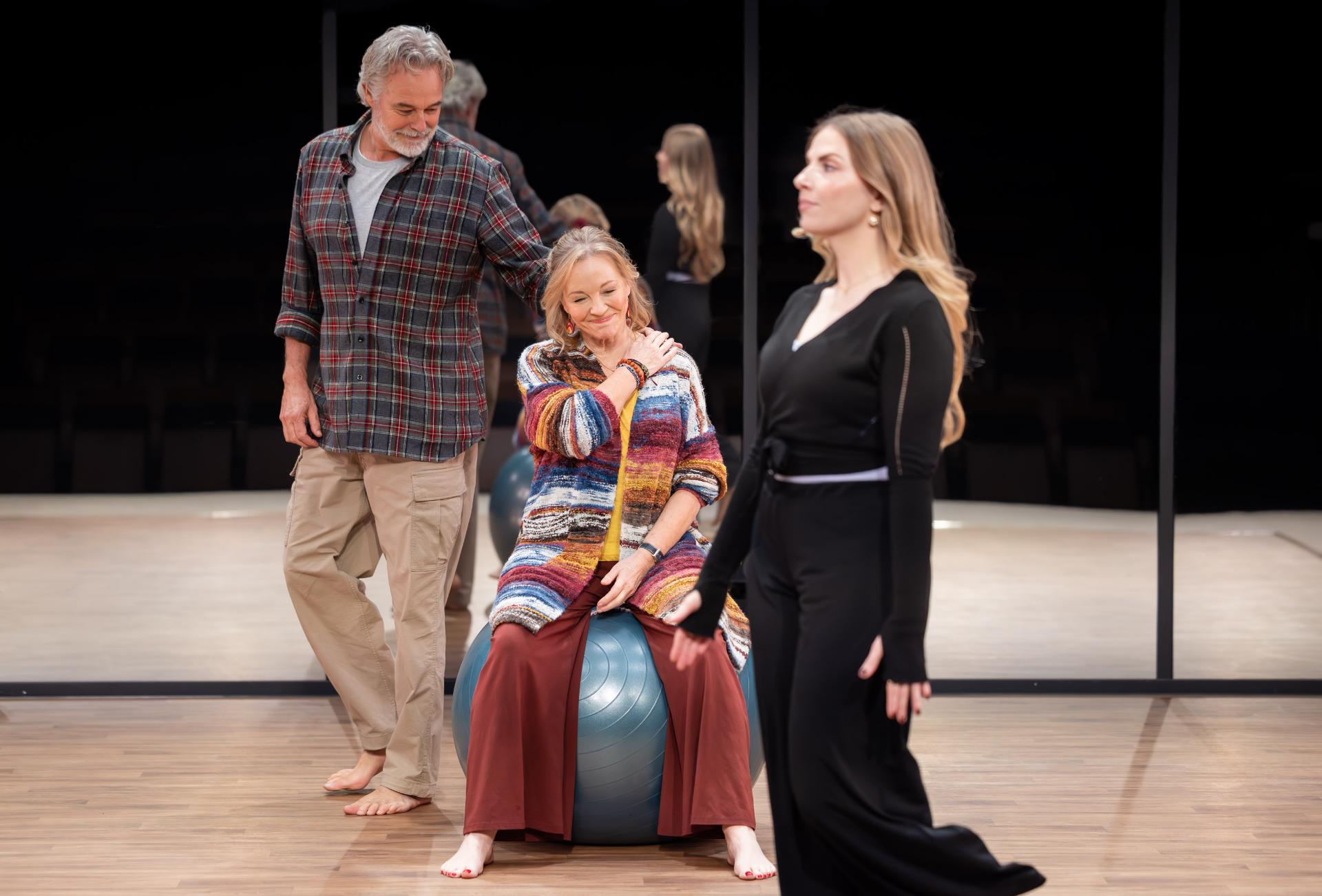
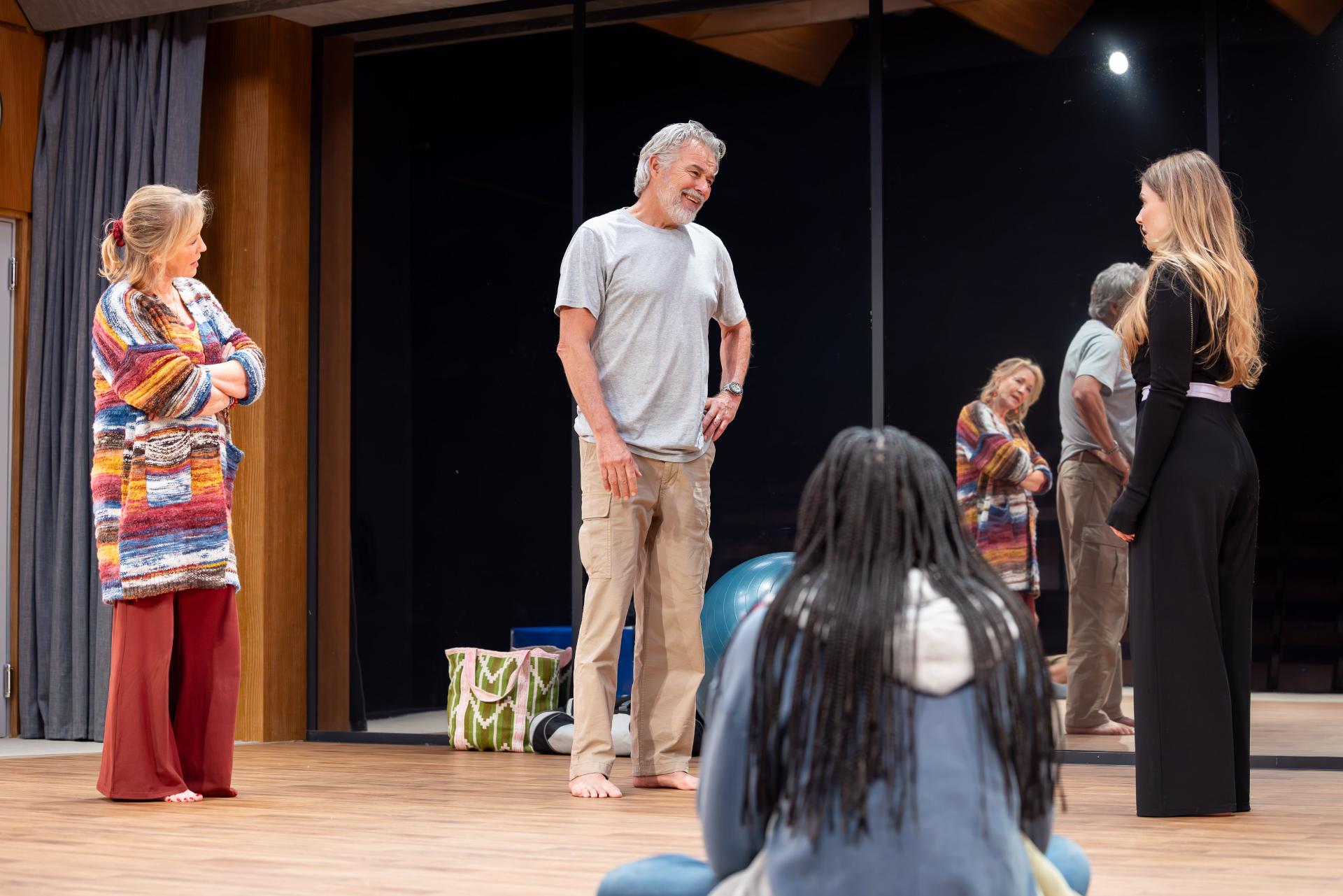
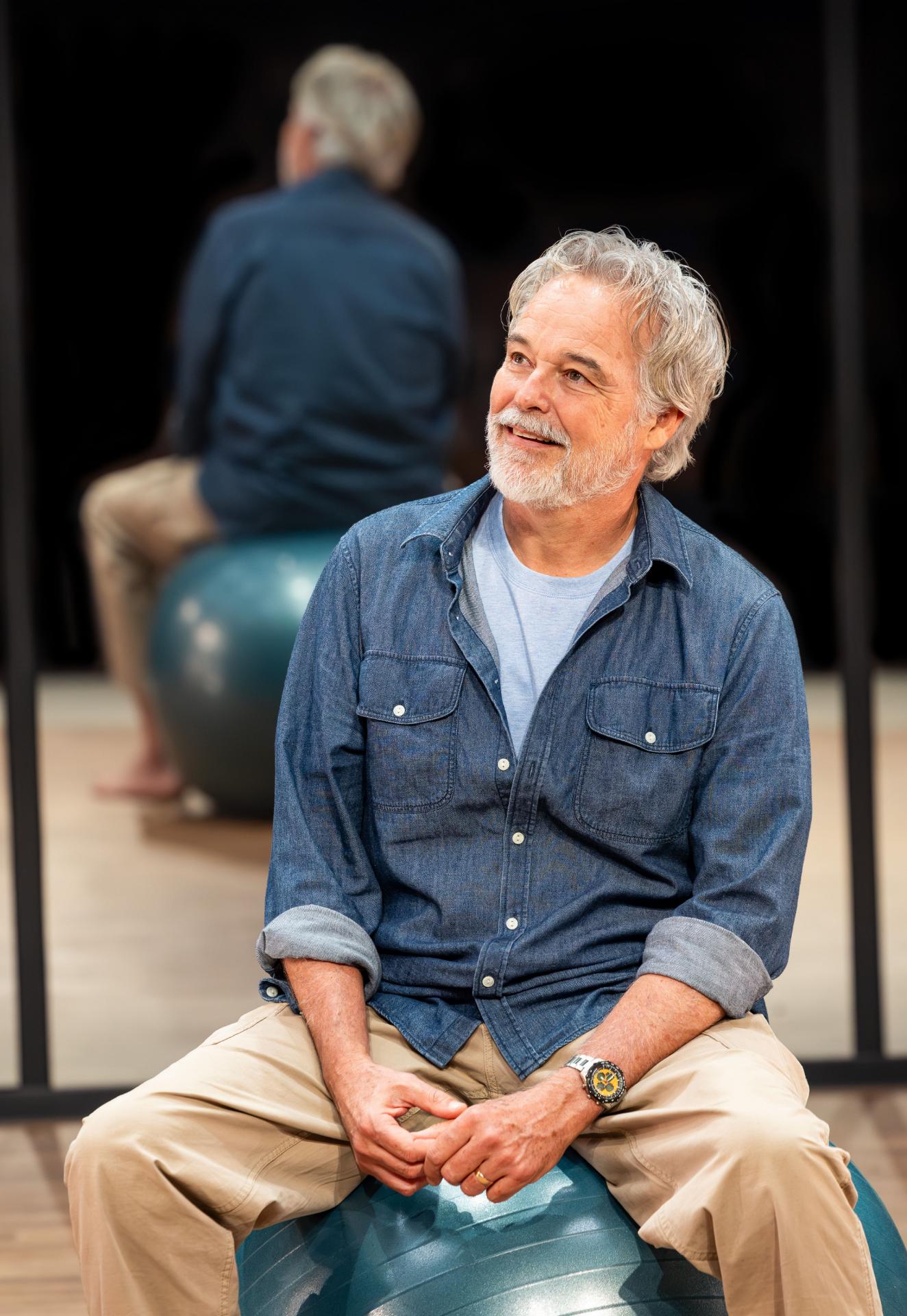
A small group convenes over six weeks, for drama lessons at a rural community centre. They focus on acting exercises, which look initially to be incredibly inane, but they lead to deep discoveries of a personal nature. Annie Baker’s Circle Mirror Transformation takes us into a microcosm of North American ordinariness. It is a quiet portrait of the middle class from 2009, years before any hint of the current pandemonium could even be detected. 

If there are any socio-political implications in Baker’s play, they are deeply subsumed and open to all manner of interpretation. Direction by Dean Bryant provides no indication to wider connotations of the story, making for a somewhat pedestrian experience, but the intricacy he puts into the unfurling of subjective narratives, reflects an admirable level of integrity.

The very accomplished actor Rebecca Gibney grounds the work in a hyper naturalistic space as group leader Marty, making for a completely believable depiction of daily life at the dawn of the Obama years. There is a conspicuous blandness to the presentation which, although understandable within context, makes viewing somewhat challenging due to its lack of theatricality.

Fortunately Nicholas Brown and Jessie Lawrence are on hand to dial up the idiosyncrasy. As Schultz and Theresa, both performers bring exceptional depth and colour to the show, allowing us to enjoy more than the mundanity being explored. Ahunim Abebe brings a valuable richness to the humanity that her character Lauren reveals in later sections, and Cameron Daddo leaves an impression with his understated authenticity as James.

Designer Jeremy Allen brings unexpected texture to otherwise nondescript scenic requirements. Lights by Brockman and sound by Clemence Williams, are understandably operative rather than ornamental, rarely attention grabbing but certainly effective.

It is almost peculiar to return to a time when Americans could simply worry about their individual foibles, rather than having to grapple with unrelenting chaos and the impending collapse of their social structures. Circle Mirror Transformation may not even be a score of years old, but the vast changes that we witness the USA undergoing, make the play seem quaint, almost unrecognisable in its representation of modern normalcy.

www.sydneytheatre.com.au

Review: Happy Days (Sydney Theatre Company)

Venue: Wharf 1 Sydney Theatre Company (Walsh Bay NSW), May 5 – Jun 15, 2025
Playwright: Samuel Beckett
Director: Nick Schlieper, Pamela Rabe
Cast: Markus Hamilton, Pamela Rabe
Images by Brett Boardman

Theatre review
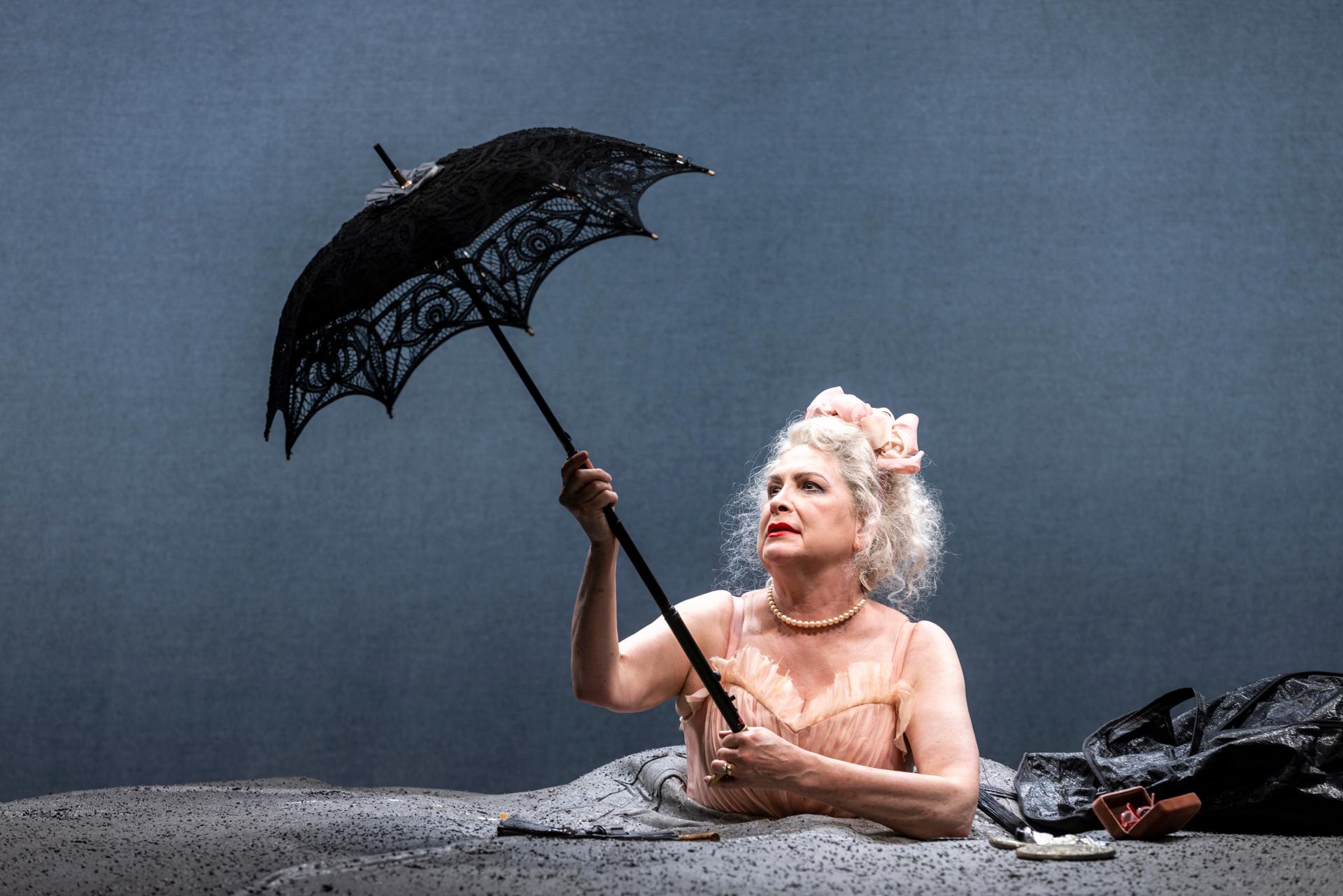
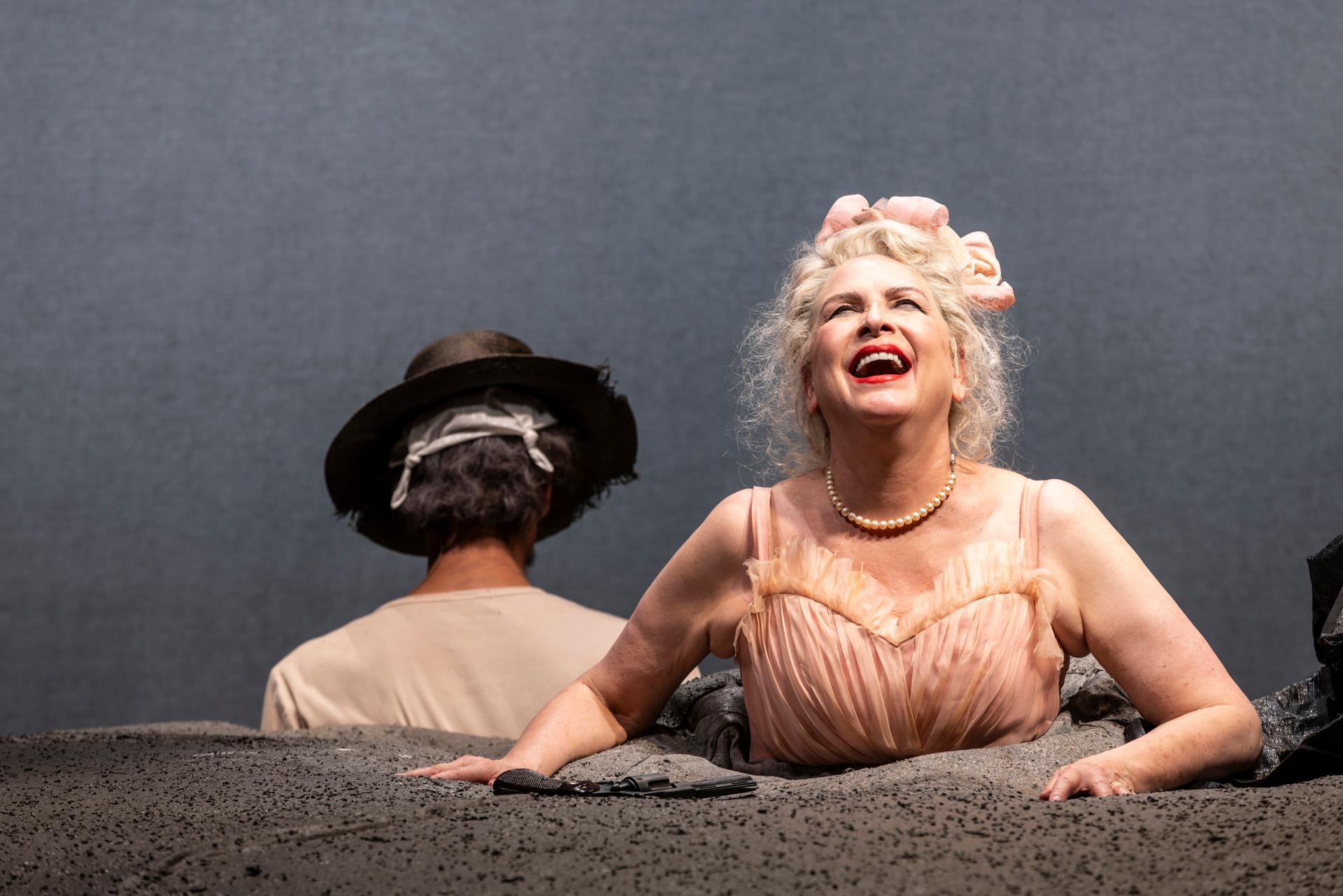
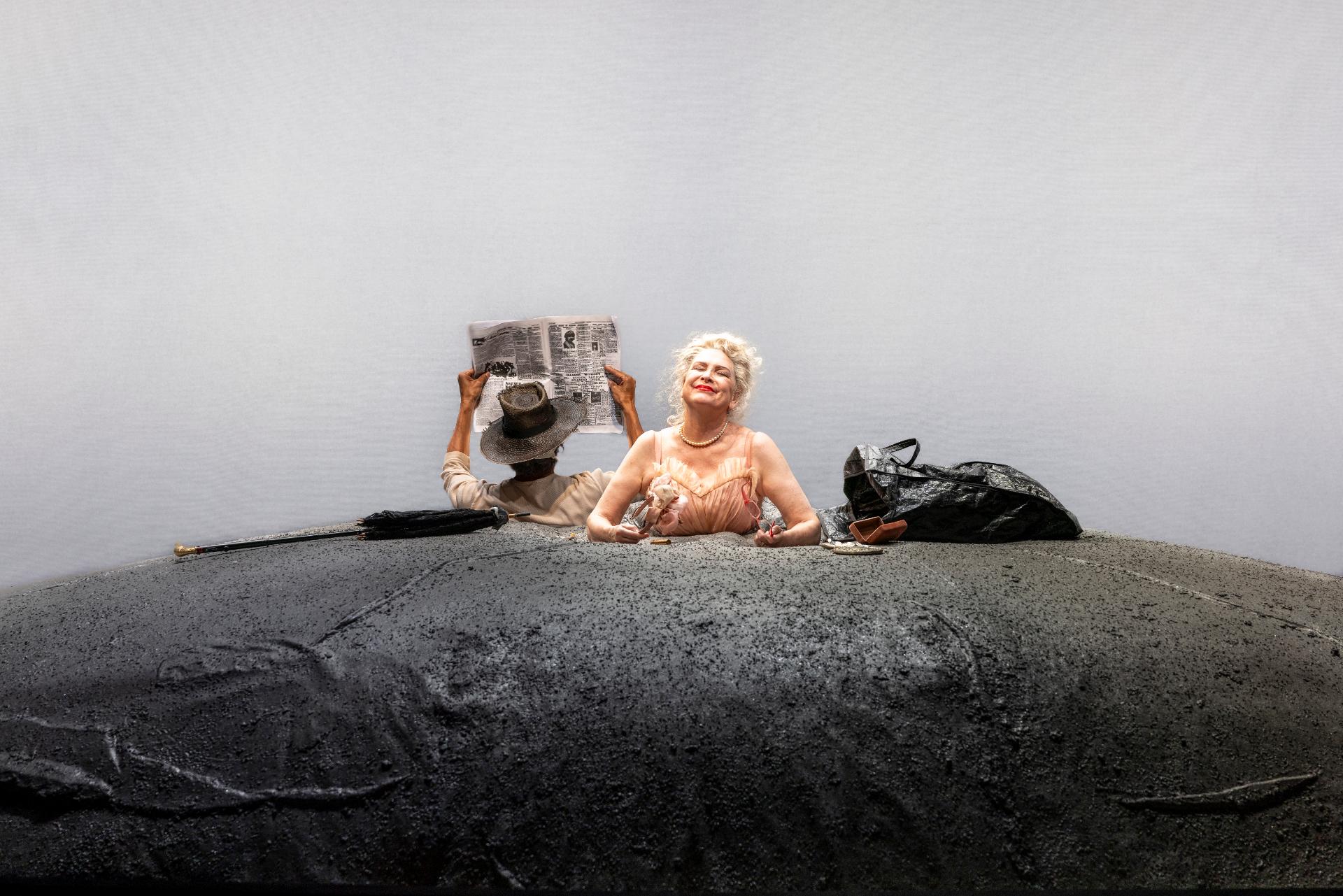
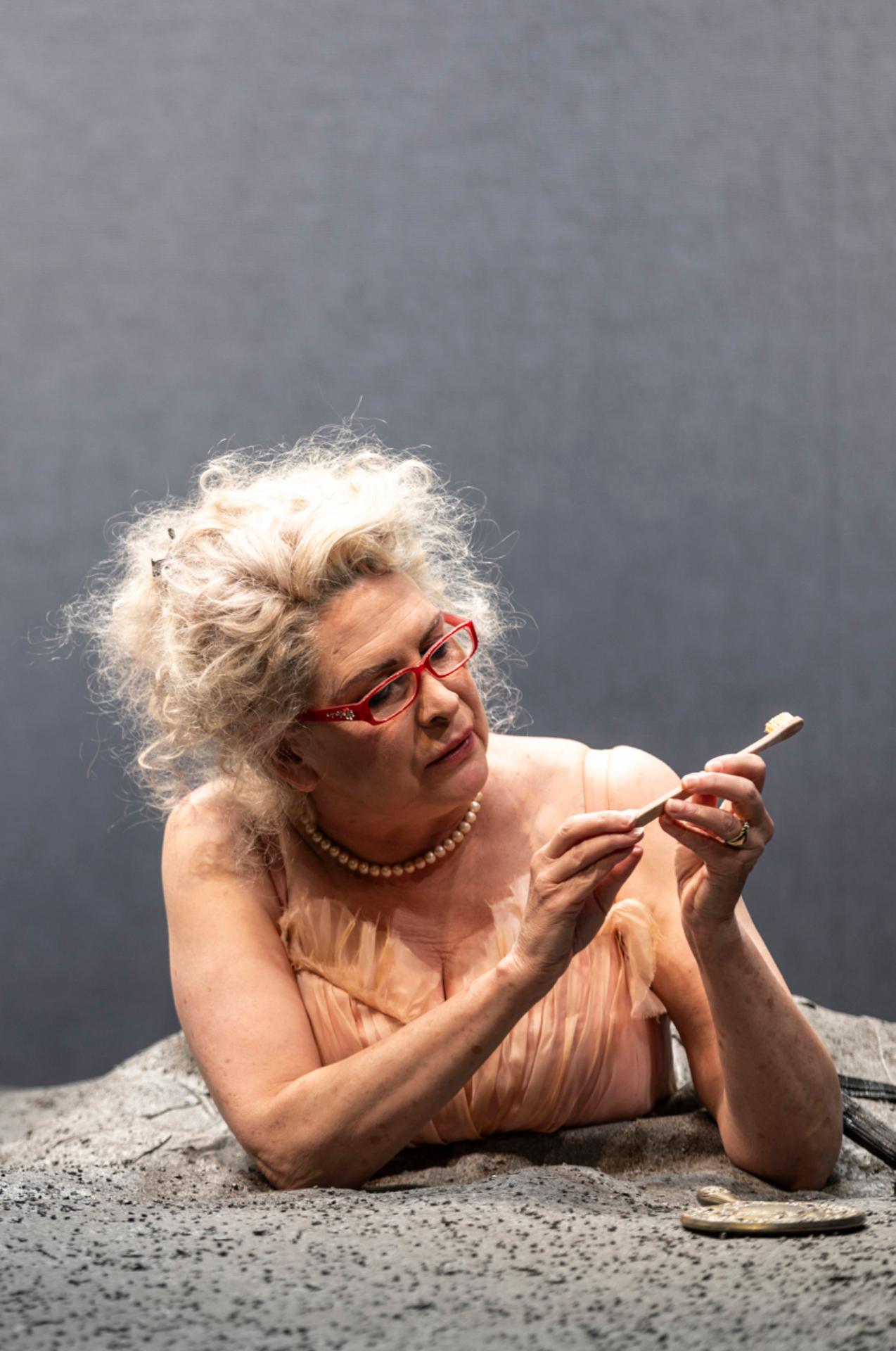
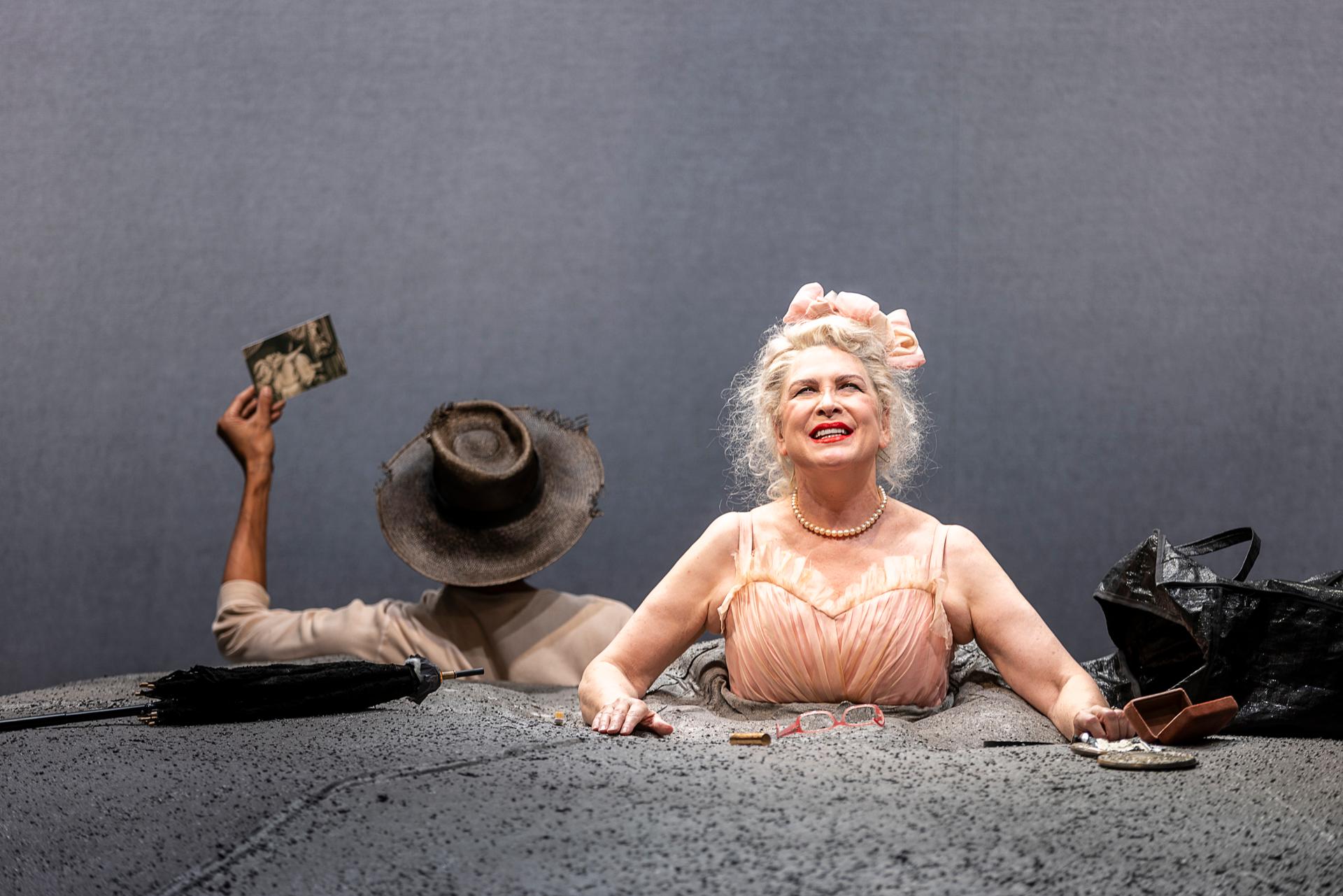
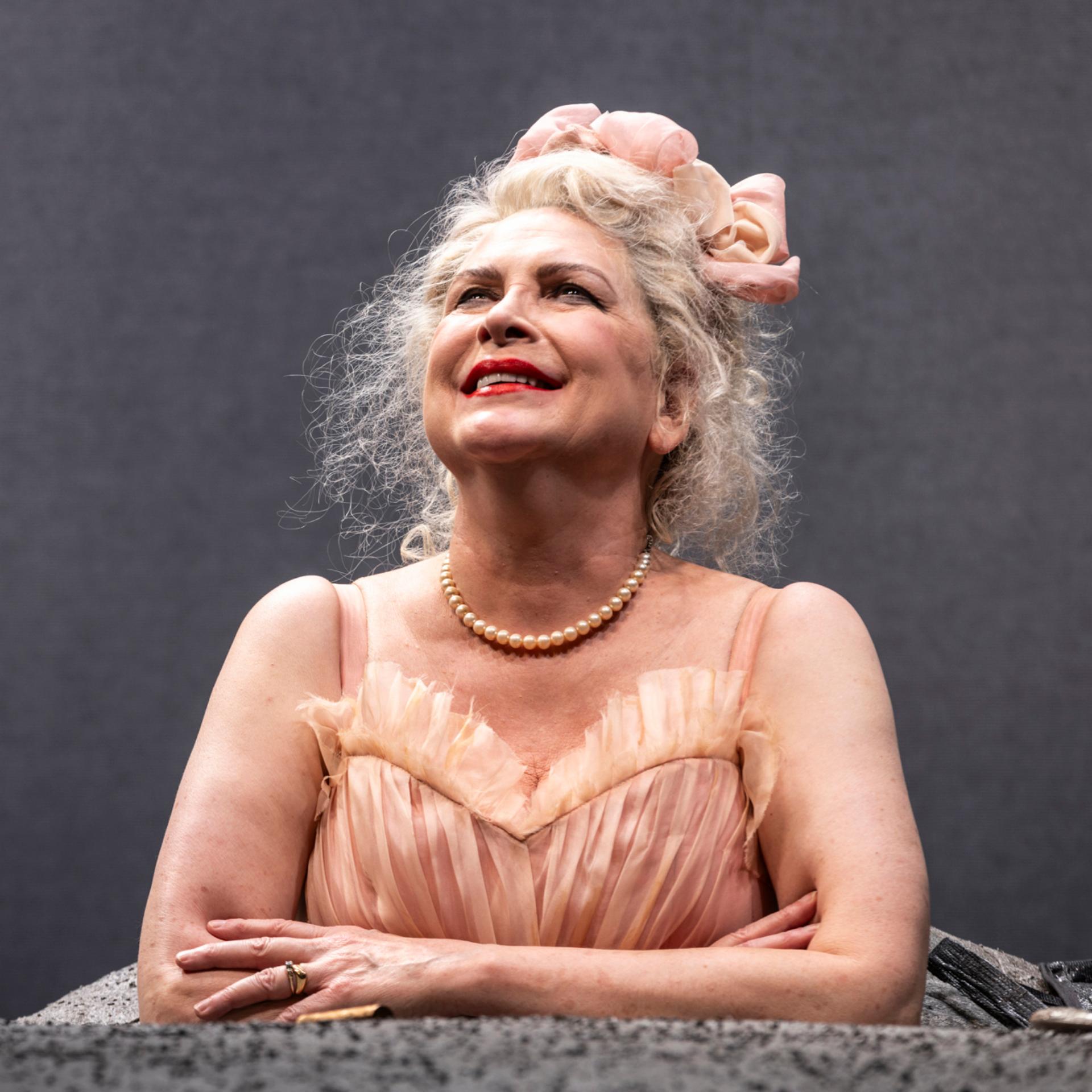
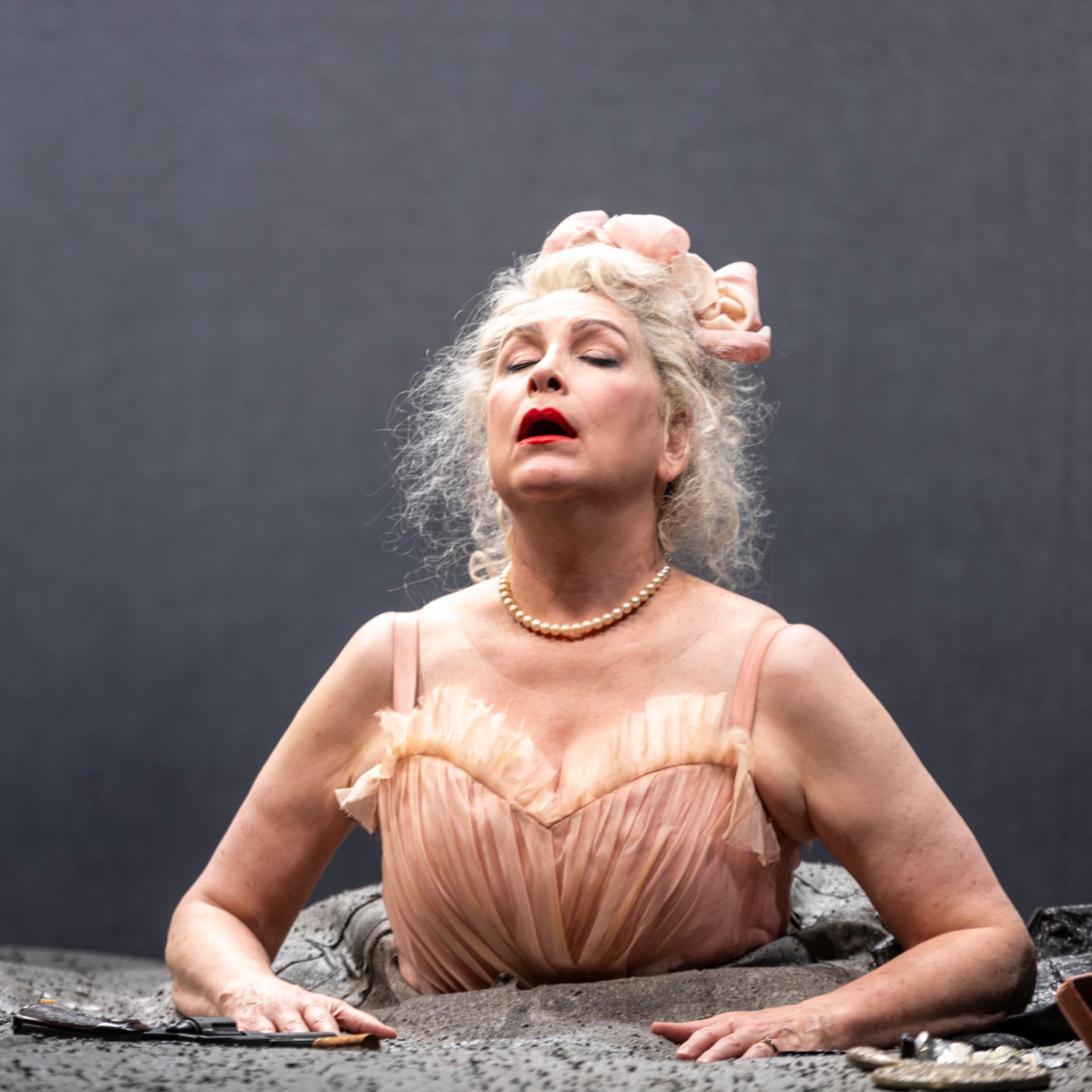
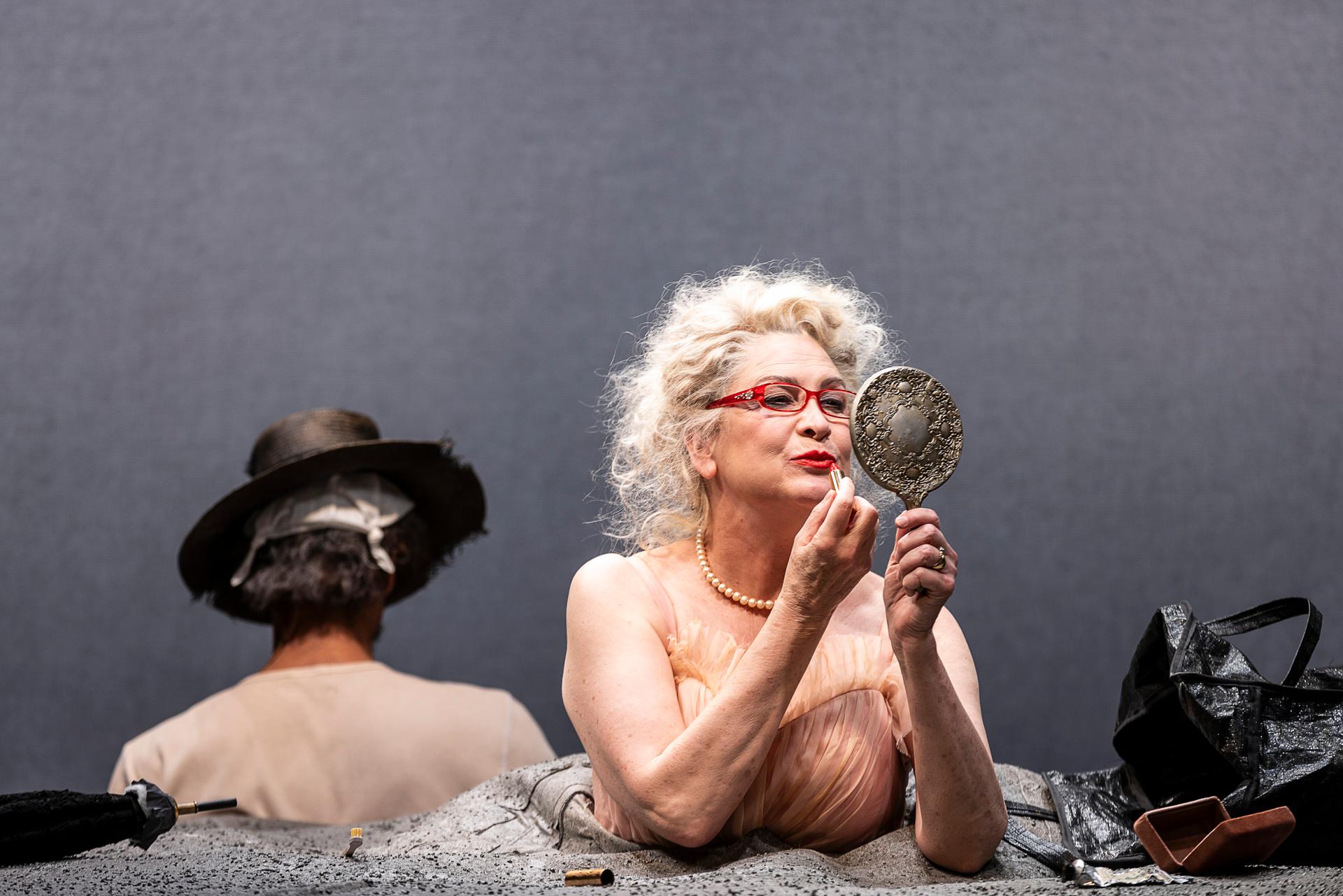
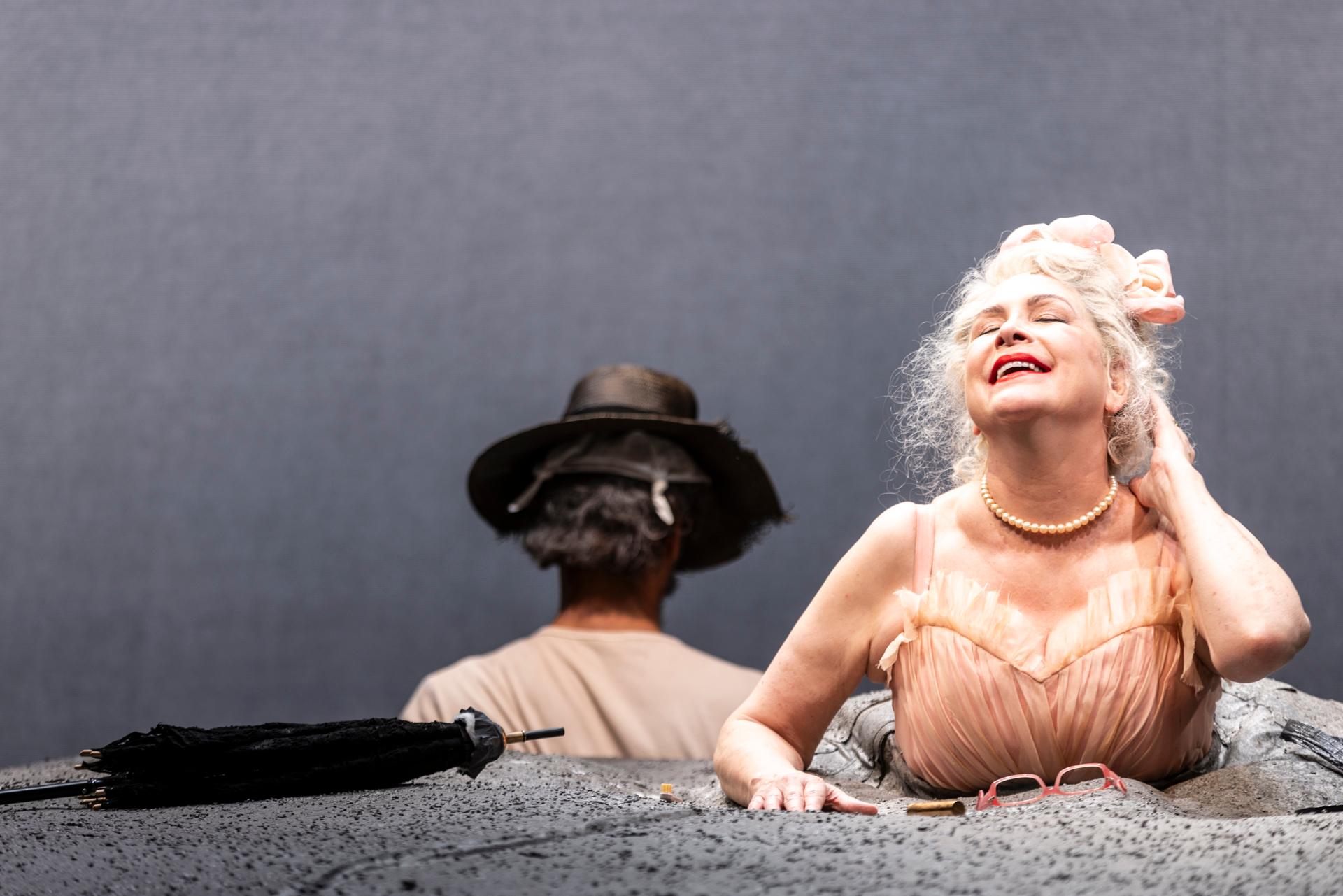
Winnie is submerged up to her waist, living in a state of constant suspension. The paralysis stems from circumstance, although it is never clear why or how Winnie finds herself thus. There appears nothing much to live for, yet she strives for optimism, in Samuel Beckett’s Happy Days, a work that could be considered allegorical for any number of things, although there is no mistaking its ruminations about the human condition.

Direction by Nick Schlieper and Pamela Rabe embraces wholeheartedly the central abstraction of the piece. Reluctant to make obvious gestures that would provide convenient indications about the meanings of Happy Days, the audience is left to its own devices. The experience is often confounding. The extent to which individuals can engage, or indeed feel alienated, likely depends on one’s own constitution and temperament. Even if it leaves us cold, there is no questioning the integrity of this interpretation of Beckett’s 1961 masterpiece.

Schlieper’s set and lighting design for the production, although minimalist in approach, convey a certain grandeur. There is a stillness being rendered that is key to the very essence of Happy Days, but we are always cognisant of a much wider context. Although the play seems a lot to be about Winnie’s isolation, Schlieper reminds us of the greater world that exists, beyond the confines of her monologue. Costumes by Mel Page talk of a faded glory, and Stefan Gregory’s restrained sound design becomes prominent in conclusion moments, to imbue a dramatic crescendo to the piece.

Rabe performs the part of Winnie with admirable gusto, impressive with the intricacy of her textual analysis. The laconic Willie is played by Markus Hamilton who brings a strong presence, to his depiction of a secondary character. The pair embody a mysterious world that is often impenetrable, but we never doubt the honesty they bring to their parts.

It is the stasis in Happy Days that should scare us. Death will surely come, and to deny it is foolish. To sit around waiting for the inevitable, is worse.

www.sydneytheatre.com.au

Review: Abigail Williams (Wharf 2 Theatre)

Venue: Wharf 2 Sydney Theatre Company (Walsh Bay NSW), Apr 23 – 26, 2025
Playwright: Rebecca McNamee
Director: Rebecca McNamee
Cast: Ebony Tucker
Images by Robert Miniter

Theatre review
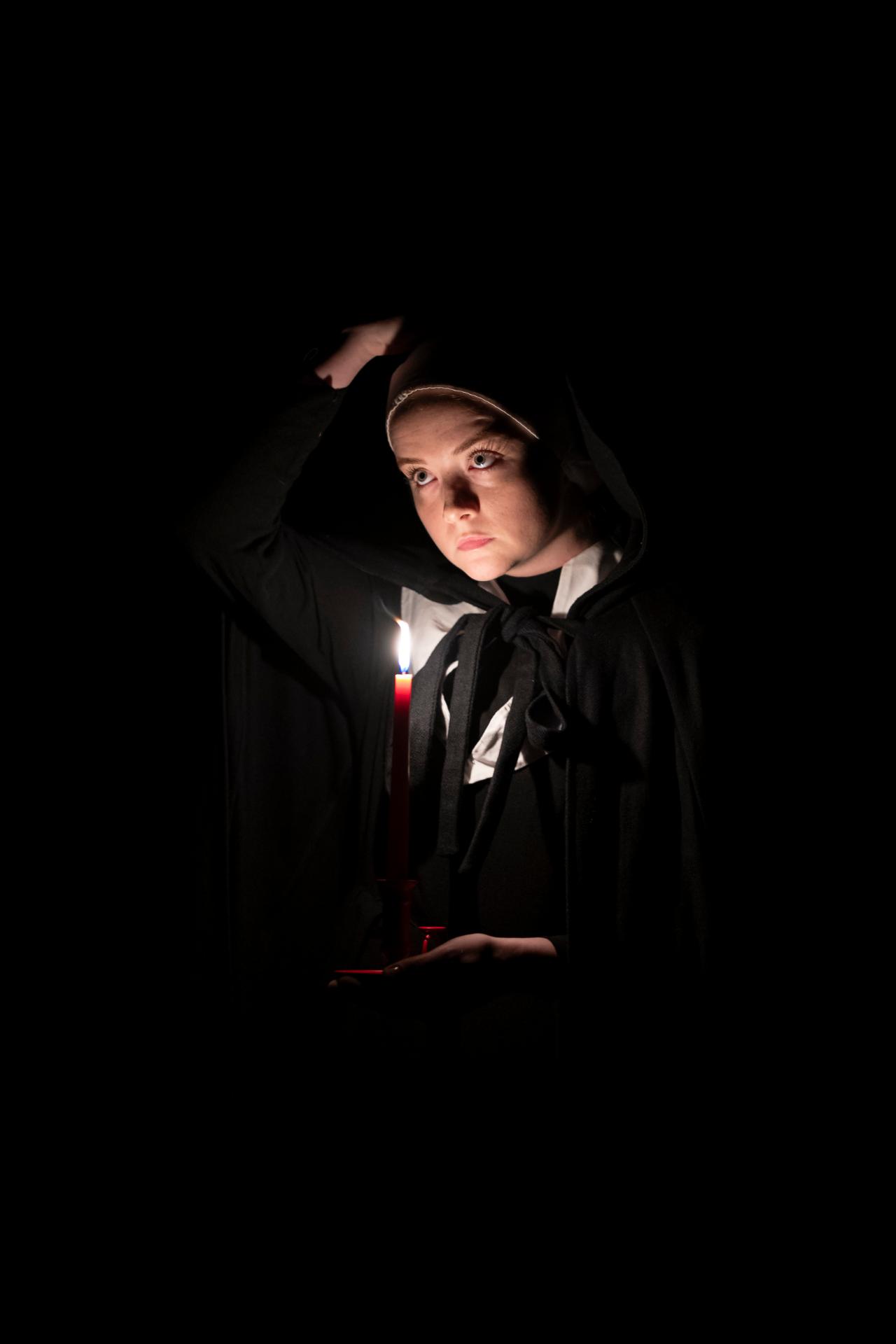
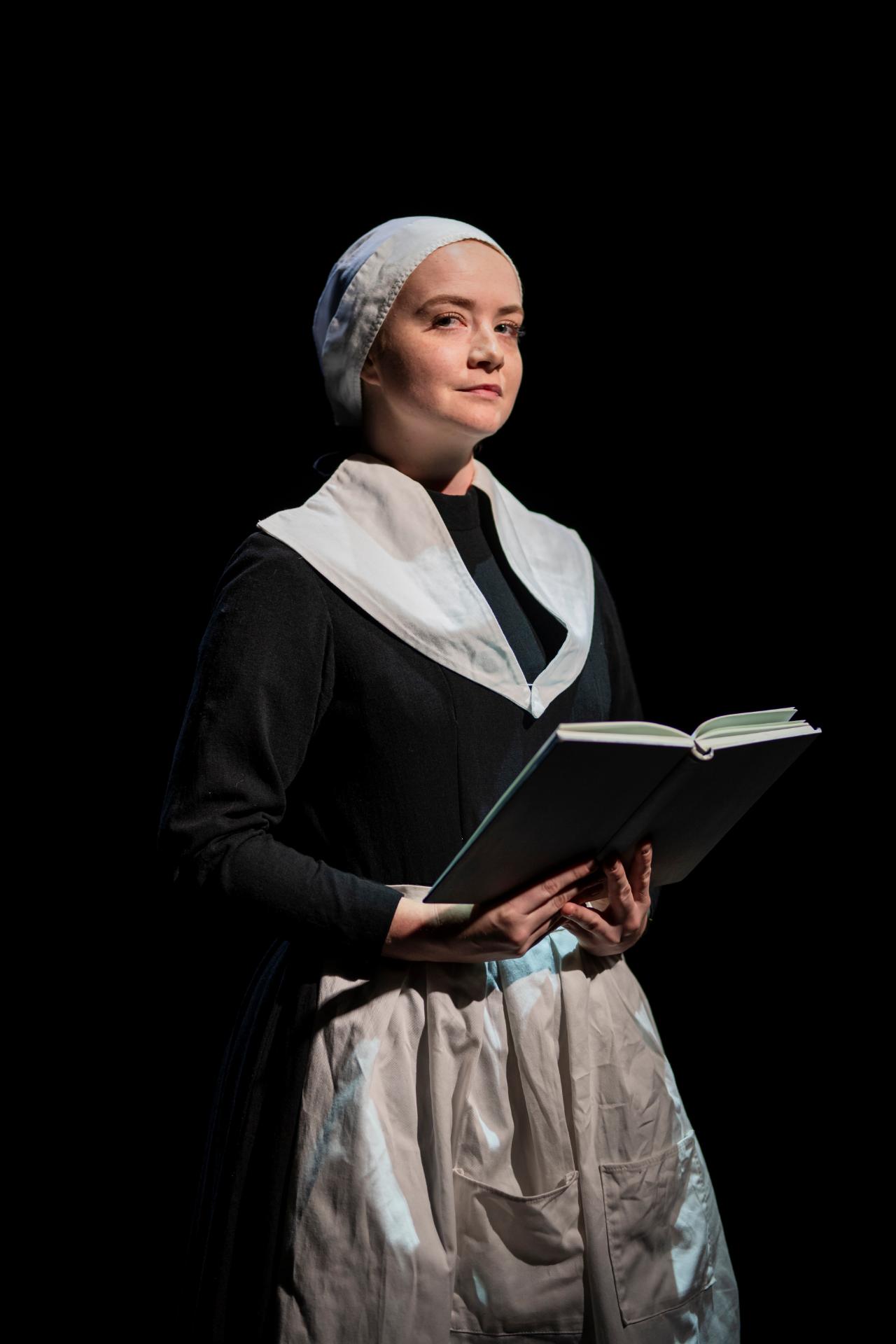
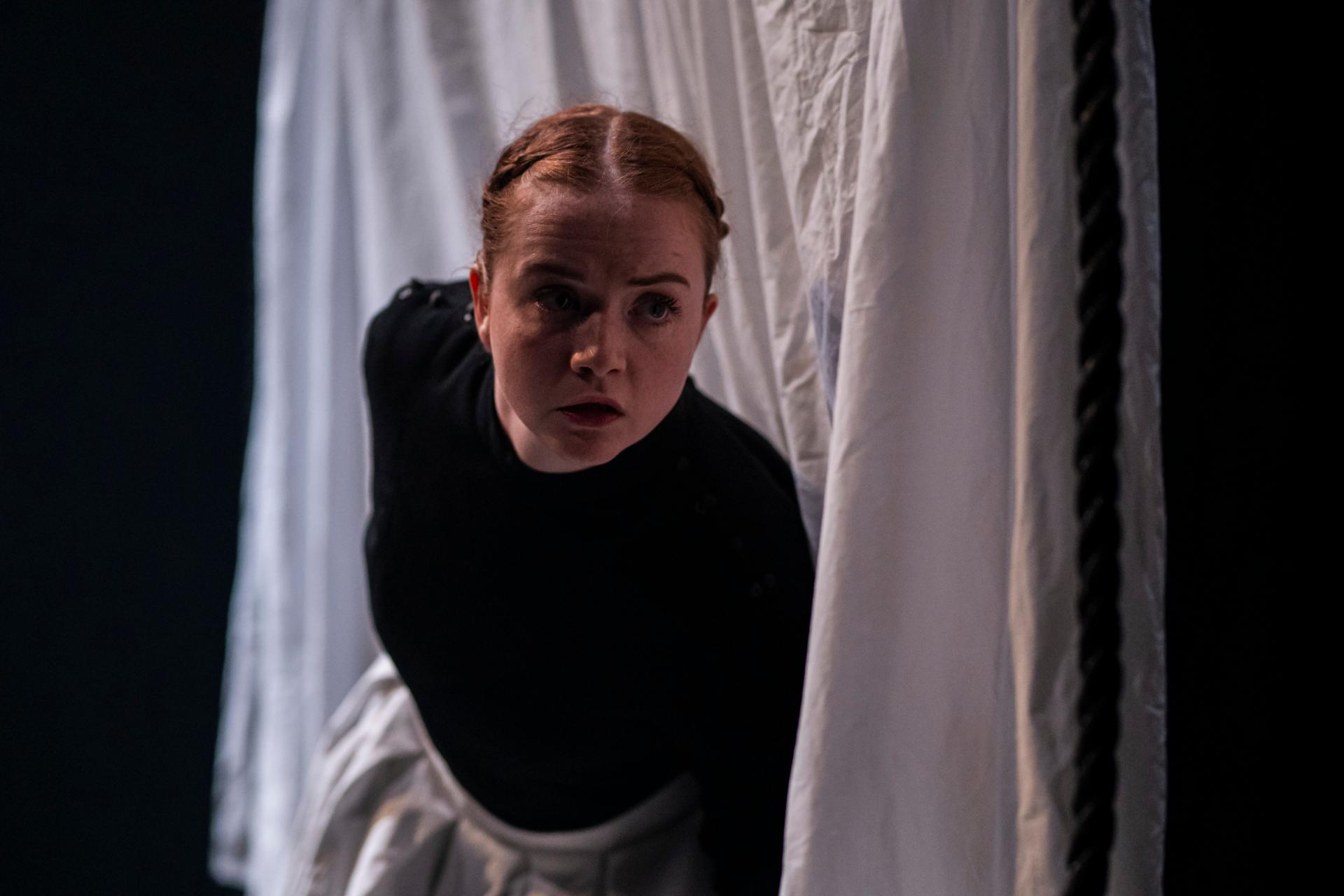
It is mainly young women who are the key accusers in Arthur Miller’s The Crucible, but we never seem to know them very well. In Abigail Williams by Rebecca McNamee, we are given an opportunity to speculate on what might have caused the eponymous ringleader to inflict such ruthless damage. The work is an exploration of the rage that results from misogyny, and how it manifests in unexpected ways.

McNamee’s writing is thoughtful and creative, but her direction of the work is strangely placid, even if there is an undeniable elegance that guides her storytelling. Costuming by Angelina Daniel is astutely fitted and assembled, along with a set design that is commensurately graceful. Chris Milburn’s lights deliver finesse, but lack the necessary energy to satisfactorily address the core themes of the play. More impressive is sound design by Keelan Ellis, memorable for its intricacy and rigour.

Performer Ebony Tucker brings strength and detail to her portrayal of the 17th century villain, highly persuasive in bringing a new perspective to the narrative. The production is perhaps overly reliant on Tucker’s efforts to provoke our emotional response, but she is unquestionably up to the task.

So much of how we believe the world to be, is shaped by archaic ways of seeing. We hold in high regard the words of so many who have come before, often unable to discern good from bad, inevitably inheriting toxic values, and accepting what they represent to be truthful or natural, even when they are perniciously self-defeating. Our old masters wrote things that harm us, but little is ever done to take them down.

www.herstoryfestival.com

Review: 4000 Miles (Sydney Theatre Company)

Venue: Wharf 1 Sydney Theatre Company (Walsh Bay NSW), 8 Feb – 23 Mar, 2025
Playwright: Amy Herzog
Director: Kenneth Moraleda
Cast: Nancye Hayes, Shiv Palekar, Ariadne Sgouros, Shirong Wu
Images by Daniel Boud

Theatre review
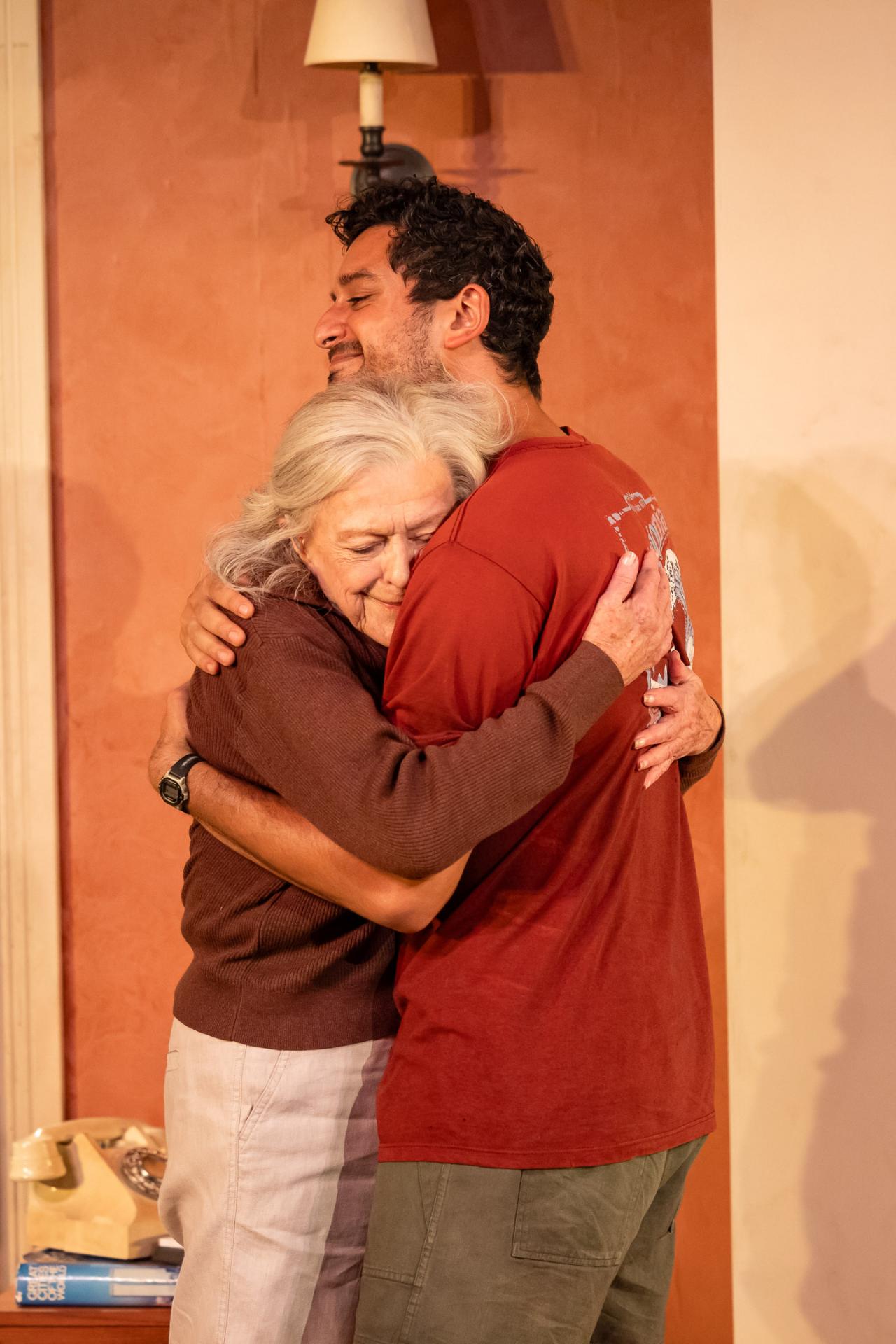
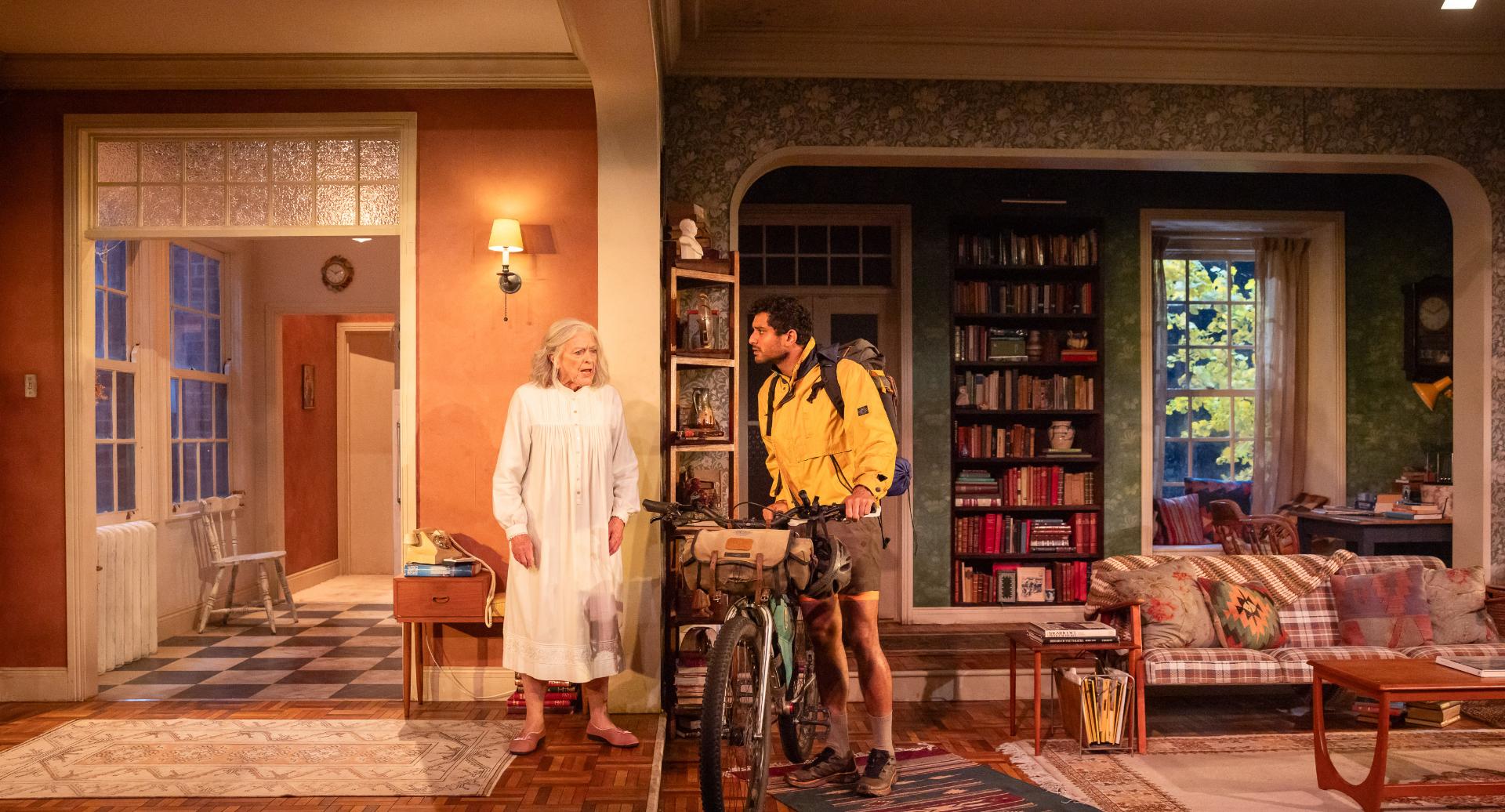
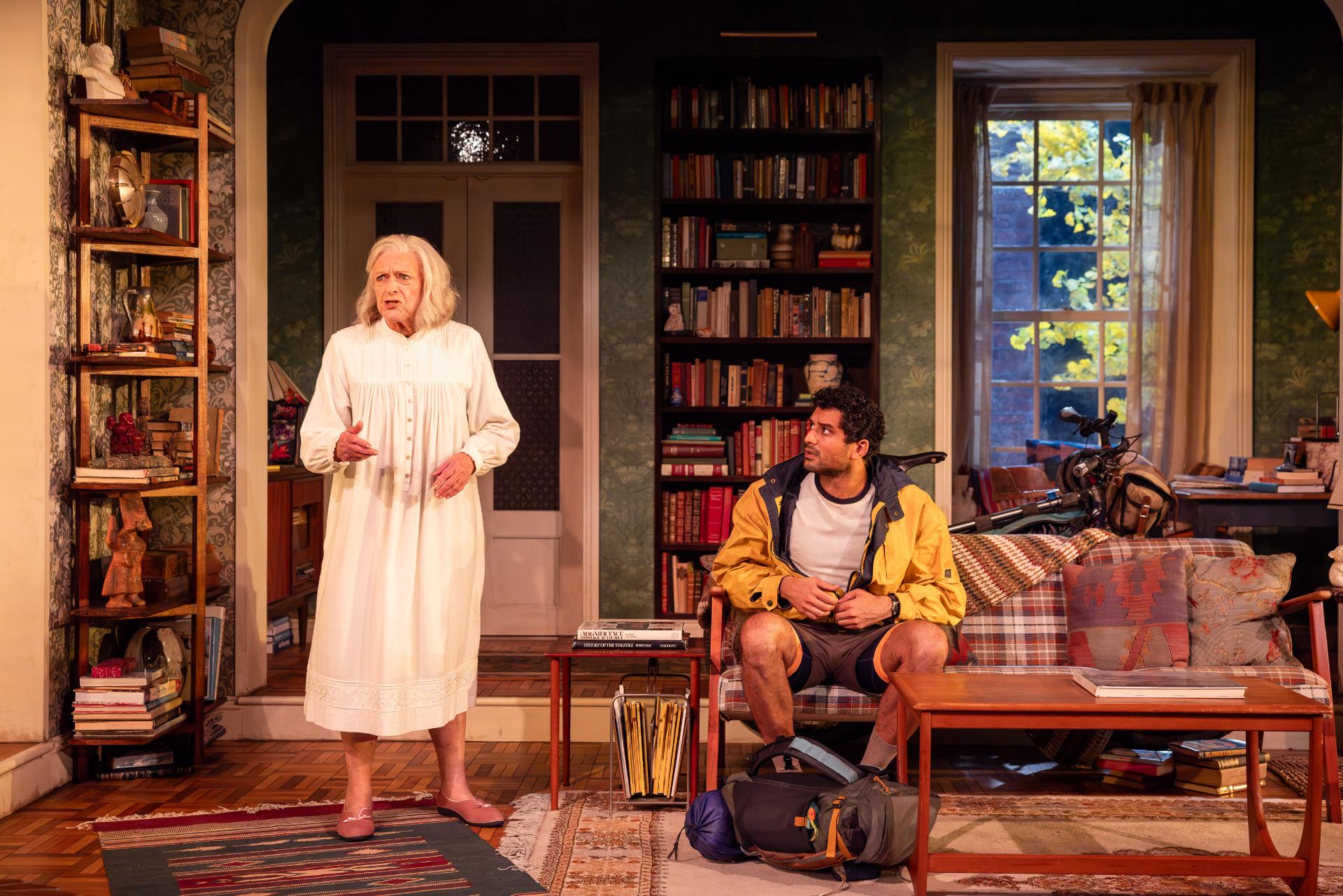
Leo had only intended to drop in at his grandmother Vera’s for a quick visit, but ends up staying for much longer. Amy Herzog’s 4000 Miles is about kinship, and the human need for connection at a time when we are increasingly isolated. It is almost strange to see a young and an old person together, even though they are family, and should appear completely natural and matter of course. Such is the extent of our alienation in this day and age.

It is a humorous piece of writing by Herzog, remarkable for the delicate rendering of its characters’ frailties along with the intimate refuge they find in each other. Direction by Kenneth Moraleda is strikingly tender, full of sensitivity and genuine poignancy, for a show that speaks volumes about what we should regard to be the most important in life. It is never a saccharine experience, but always quietly profound, and subtly persuasive.

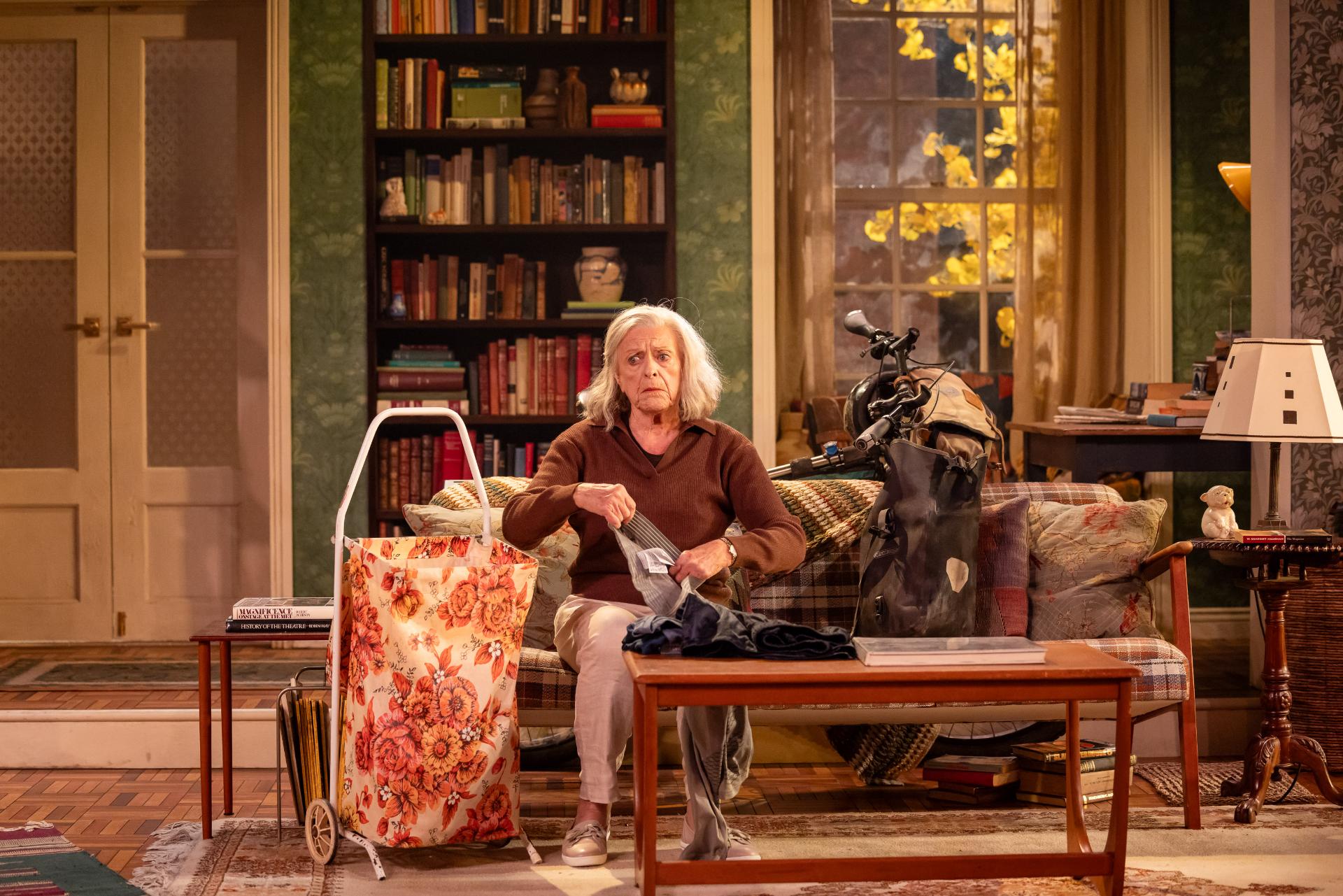
Production design by Jeremy Allen delivers a realism that helps make the storytelling seem effortless. Kelsey Lee’s lights bring immense warmth, with occasional punctuations of visual poeticism that feel transcendent. Music compositions by Jess Dunn are wonderfully pensive, with a rich sense of yearning to inspire further emotional investment in something truly universal.

Actor Nancye Hayes captivates with the charm she imbues Vera, but it is the honesty she is able to convey that really impresses. The eminently watchable Shiv Palekar as Leo too is resonantly truthful, in his depictions of someone finding his way out of trauma. The exquisite chemistry between the two is quite a thing to behold, and can be credited as the main element behind the production’s success. Also memorable is performer Shirong Wu as Amanda, utterly hilarious in her one unforgettable scene. Leo’s girlfriend Bec is played by Ariadne Sgouros, adding dimension to our understanding of dynamics between characters in 4000 Miles.

Vera’s friends are all leaving this plain, one at a time. In her twilight moments, she finds herself becoming an essential source of support for her grandson, and in this discovery of new meaning, we observe a new lease of life, for both Vera and Leo. In their care of one another, each is required to bring out the best of themselves. Modernity seems intent on drawing attention to many of our worst sides, but it seems that when we tend only to things that matter, a clarity emerges to help us decipher what is good.

www.sydneytheatre.com.au

Review: Siegfried & Roy: The Unauthorised Opera (Wharf 1 Theatre)

Venue: Wharf 1 Sydney Theatre Company (Walsh Bay NSW), Jan 8 – 25, 2025
Composer: Luke Di Somma
Libretto: Luke Di Somma, Constantine Costi
Director: Constantine Costi
Cast: Christopher Tonkin, Kanen Breen, Cathy-Di Zhang, Simon Lobelson, Louis Hurley, Danielle Bavli, Russell Harcourt, Thomas Remali, Kirby Myers 
Images by 

Theatre review
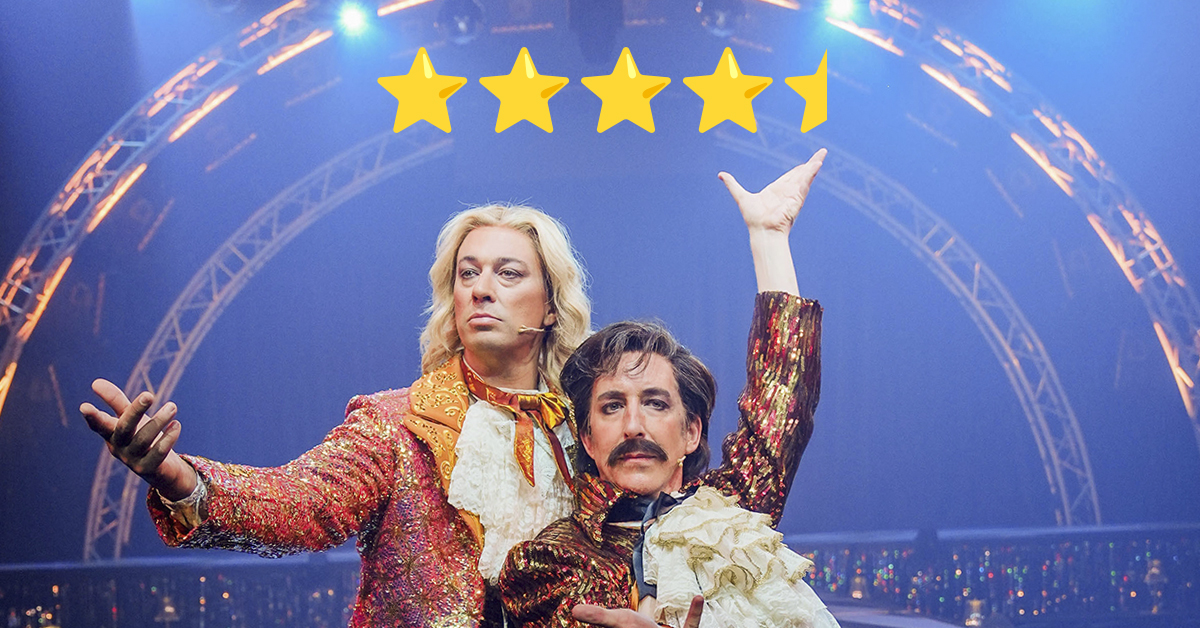
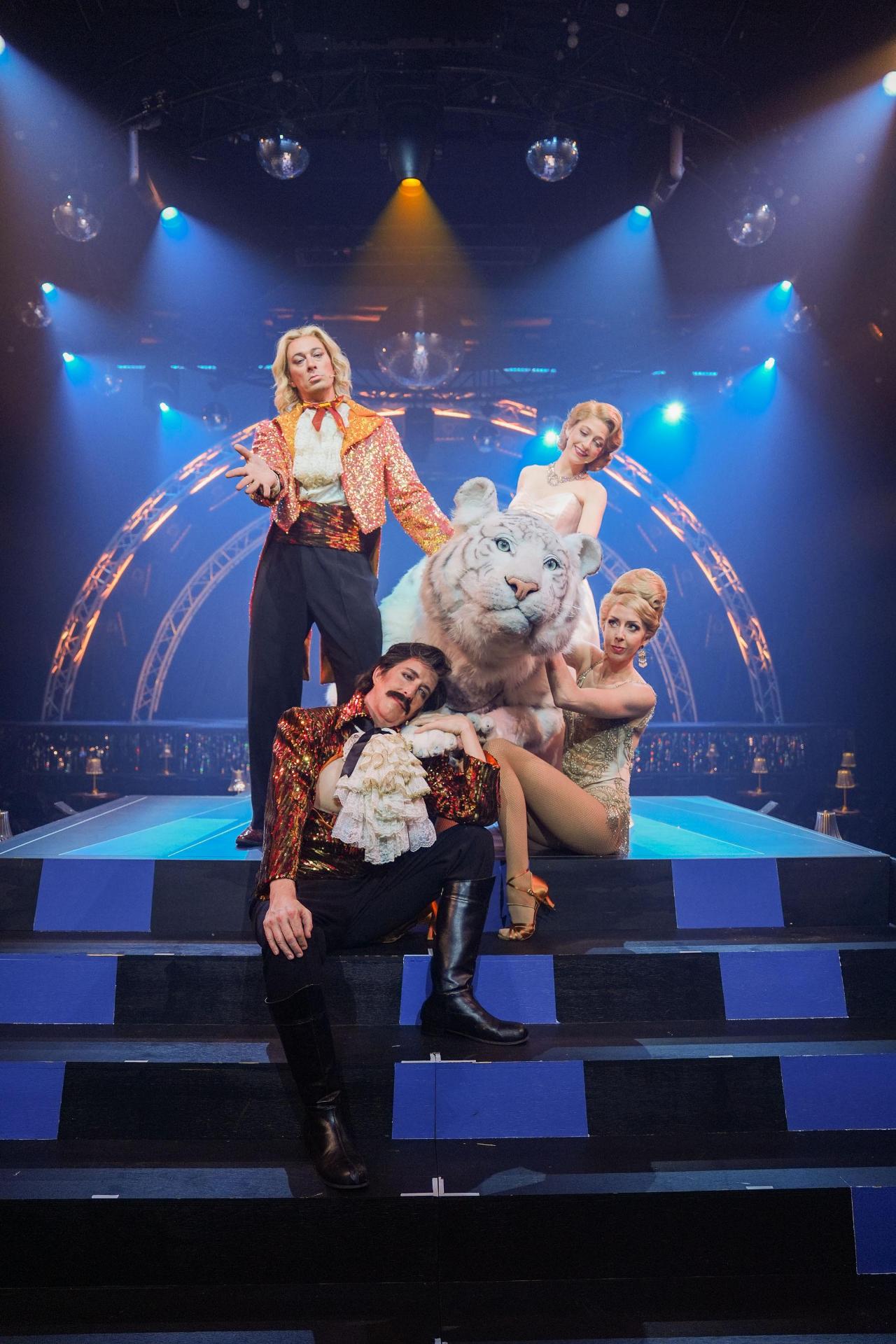
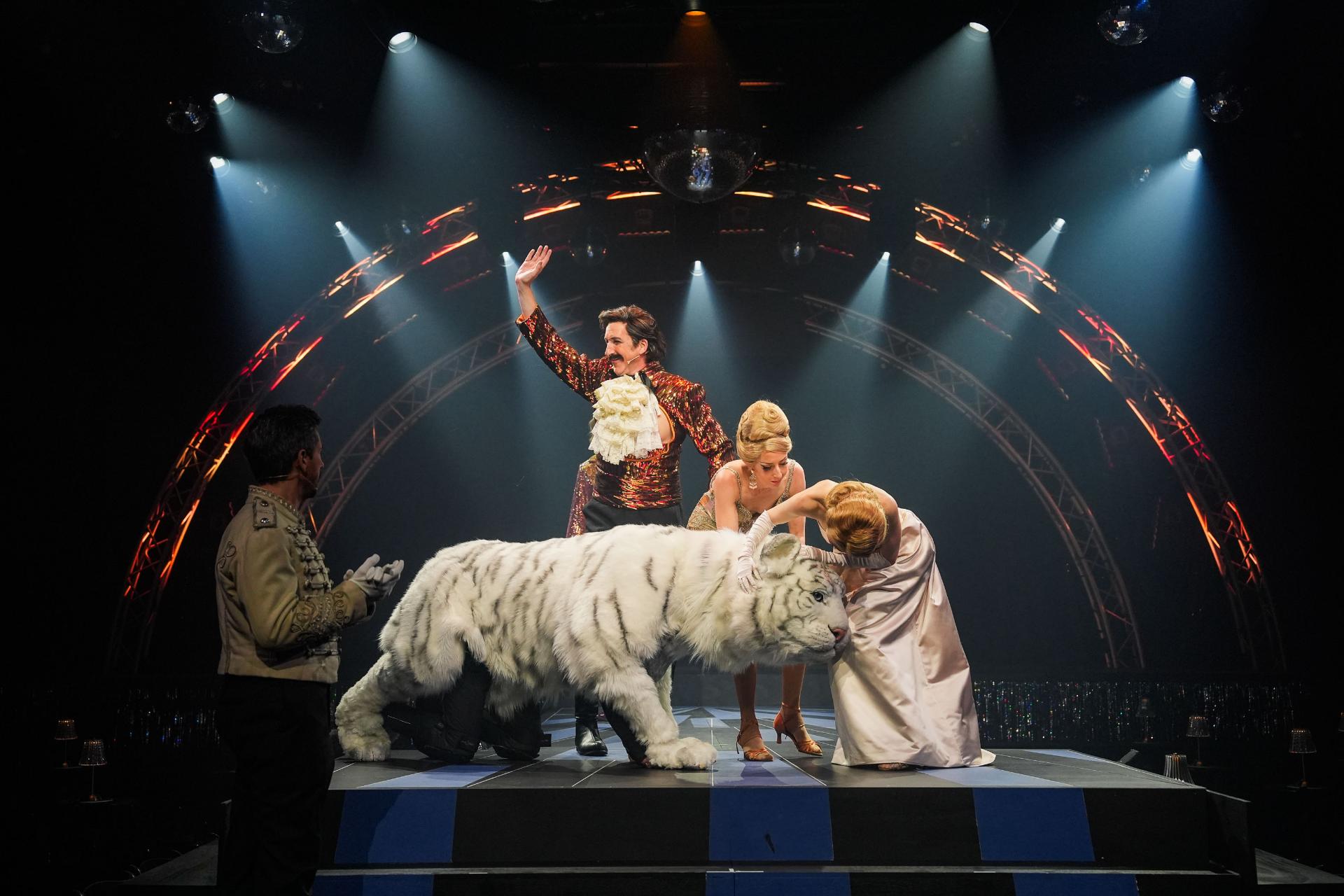
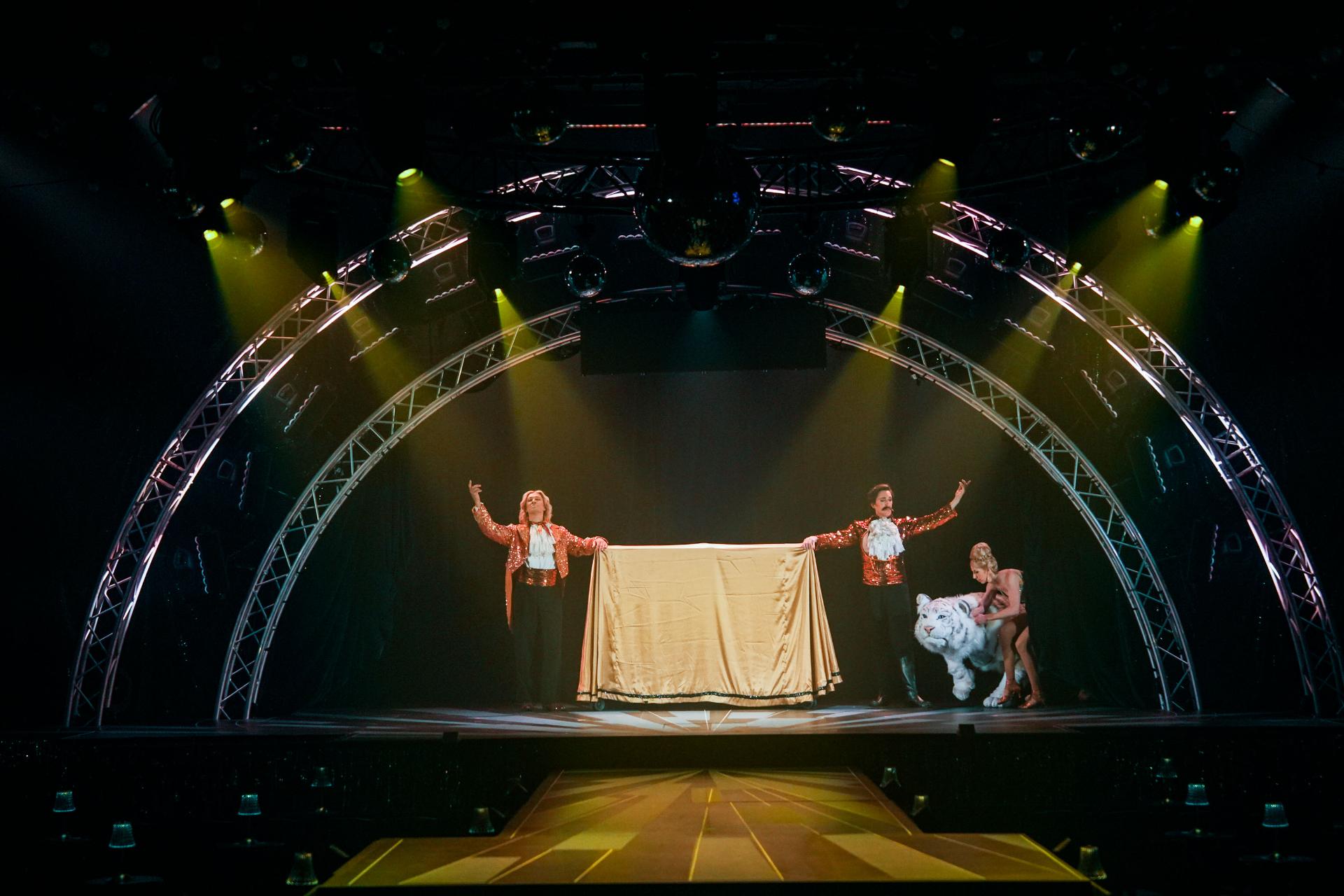
Siegfried & Roy: The Unauthorised Opera by Luke Di Somma and Constantine Costi chronicles, with both reverence and sardonicism, the life and times of the infamous Las Vegas stalwarts from Bavaria. Icons of magic and of queer culture, Siegfried & Roy have left an indelible mark with almost half a century in showbusiness. Their signature aesthetic, characterised by unmitigated flamboyance and camp, thoroughly inform Di Somma and Costi’s work, that we discover to be a sincere tribute to the trailblazers, albeit replete with comedic irony.

Directed by Costi, the show is a remarkably enjoyable look into the condensed history of the couple, not only as stars of entertainment, but also as covert figureheads of gay identities from a time before liberation. There is a wonderful tenderness to the portrayal of the pair, with performers Christopher Tonkin and Kanen Breen (as Siegfried and Roy respectively), delivering palpable chemistry alongside their individually brilliant interpretations of these enigmatic characters. We perceive the superficiality that is characteristic of these pop luminaries, but also feel invested in their humanity without requiring the storytelling to delve into exploitative renderings of their biography.

Set design by Pip Runciman provide just enough visual cues for imagery that recalls the excess of both Las Vegas and of Siegfried & Roy, but it is Damien Cooper’s lights that imbue a sense of opulence that transports us to that space of farcical extravagance. Costumes by Tim Chappel too are appropriately outlandish in style, with an unmistakeable wit that really makes an impression. All of this grandiosity is perhaps most effectively epitomised in the music, conducted by Di Somma to bring an immense spiritedness that has us absolutely riveted.
Siegfried & Roy never wanted to give us more than the surface, but it is the persistence and the longevity of that obsession with artificiality, that ultimately forms something paradoxically meaningful. They have become unwitting symbols of kitsch, of escapism, of dedication and of defiance. Their story is one of personal triumph, a rare example of queer forebears attaining stratospheric success with seemingly little compromise on authenticity. Perhaps their legacy can now contribute to their rainbow community, in ways they were unable during the cruelly oppressive epoch of the previous century.
www.sydneyfestival.org.au

Review: Sweat (Sydney Theatre Company)

Venue: Wharf 1 Sydney Theatre Company (Walsh Bay NSW), 11 Nov – 22 Dec, 2024
Playwright: Lynn Nottage
Director: Zindzi Okenyo
Cast: Gabriel Alvarado, Paula Arundell, Yure Covich, James Fraser, Deborah Galanos, Markus Hamilton, Tinashe Mangwana, Lisa McCune
Images by Prudence Upton

Theatre review
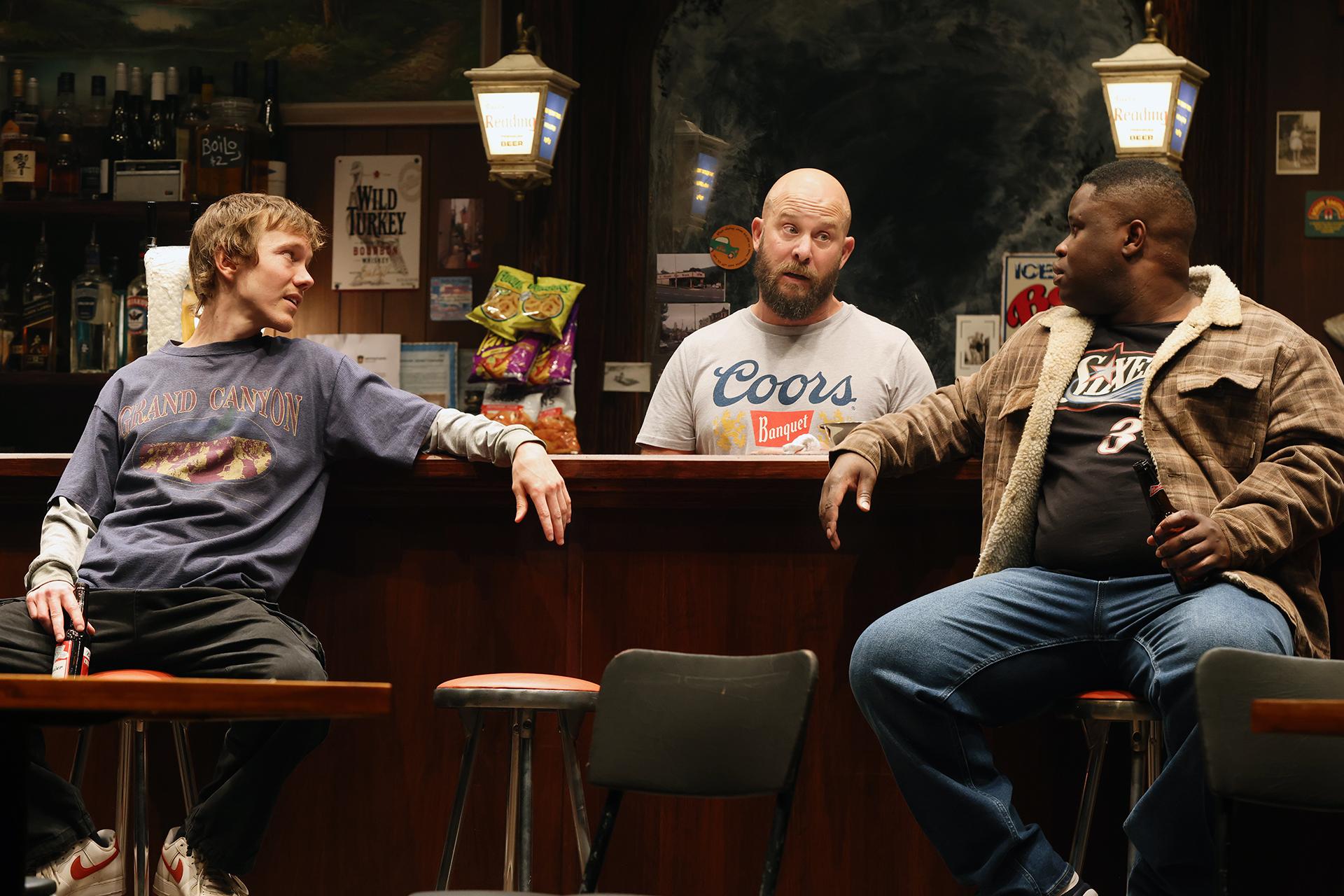
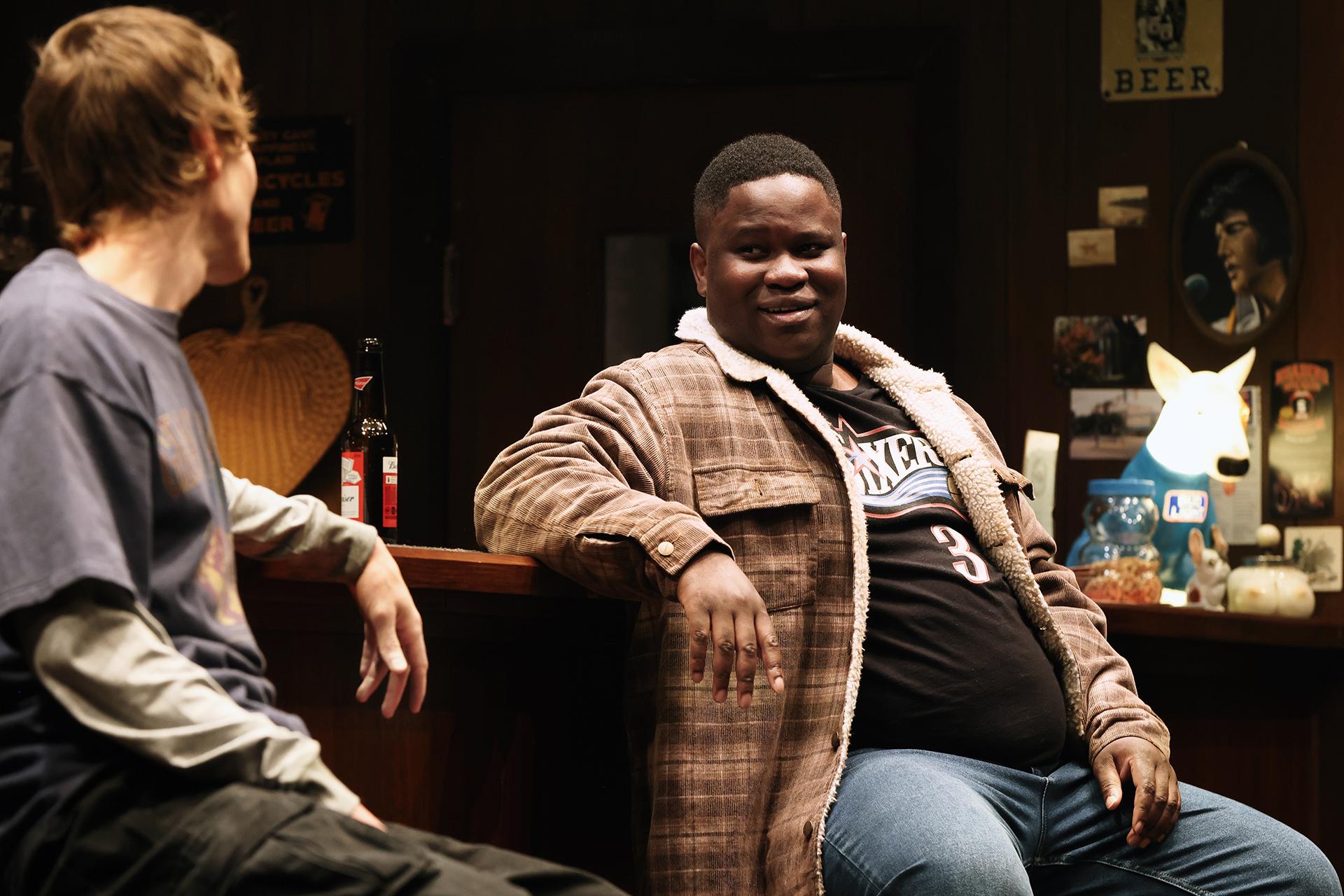
The story takes place in Pennsylvania at the turn of the century, when its economy is experiencing a severe downturn. A steel factory that has employed several generations of residents in the town of Reading, is laying off workers in large numbers, causing great unrest among the populace. Lynn Nottage’s Sweat looks at the disconnect between lives of workers and decisions of resource owners. It examines the phenomenon of humans being regarded as nothing more than means of production, and how our day-to-day suffers as a result.
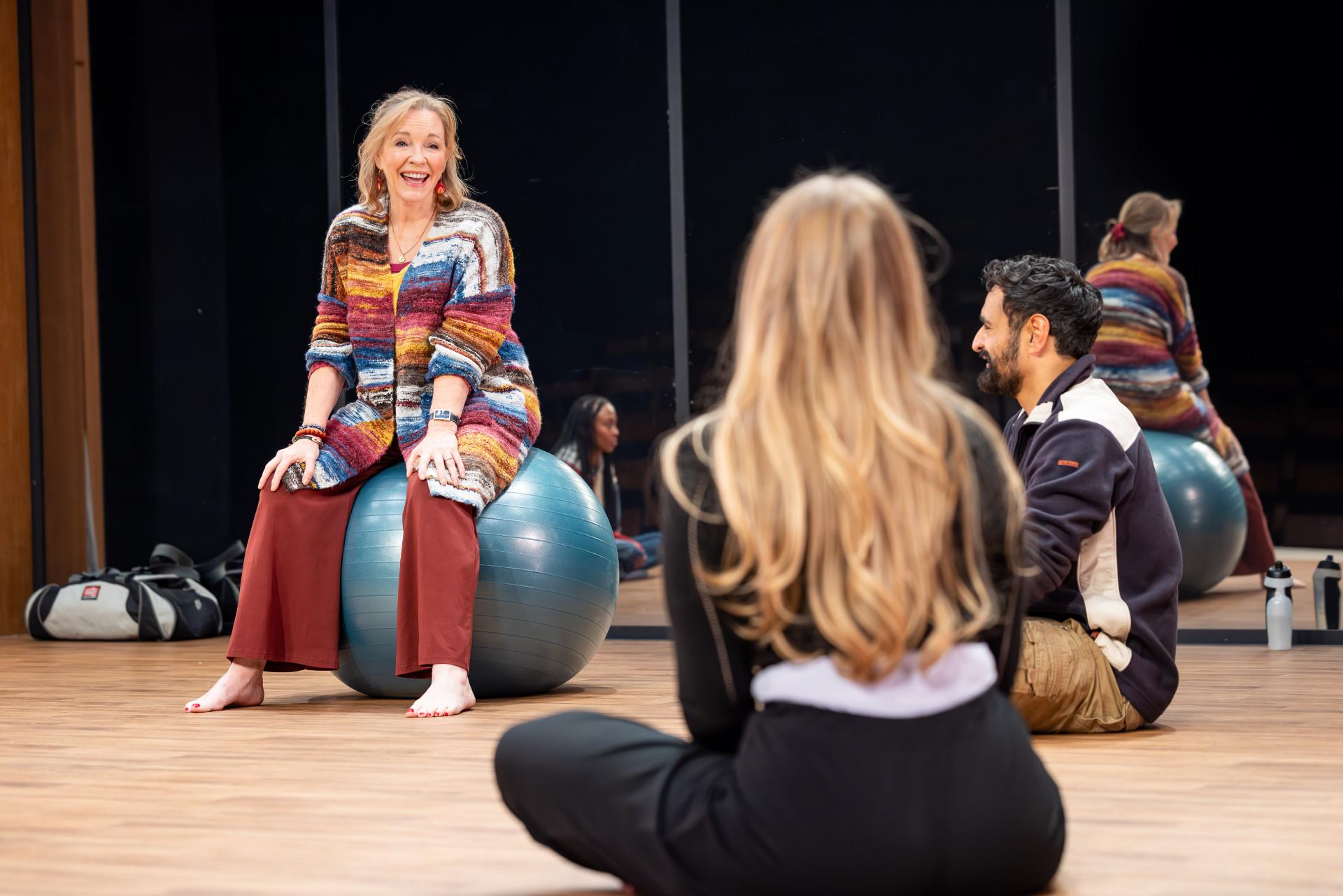
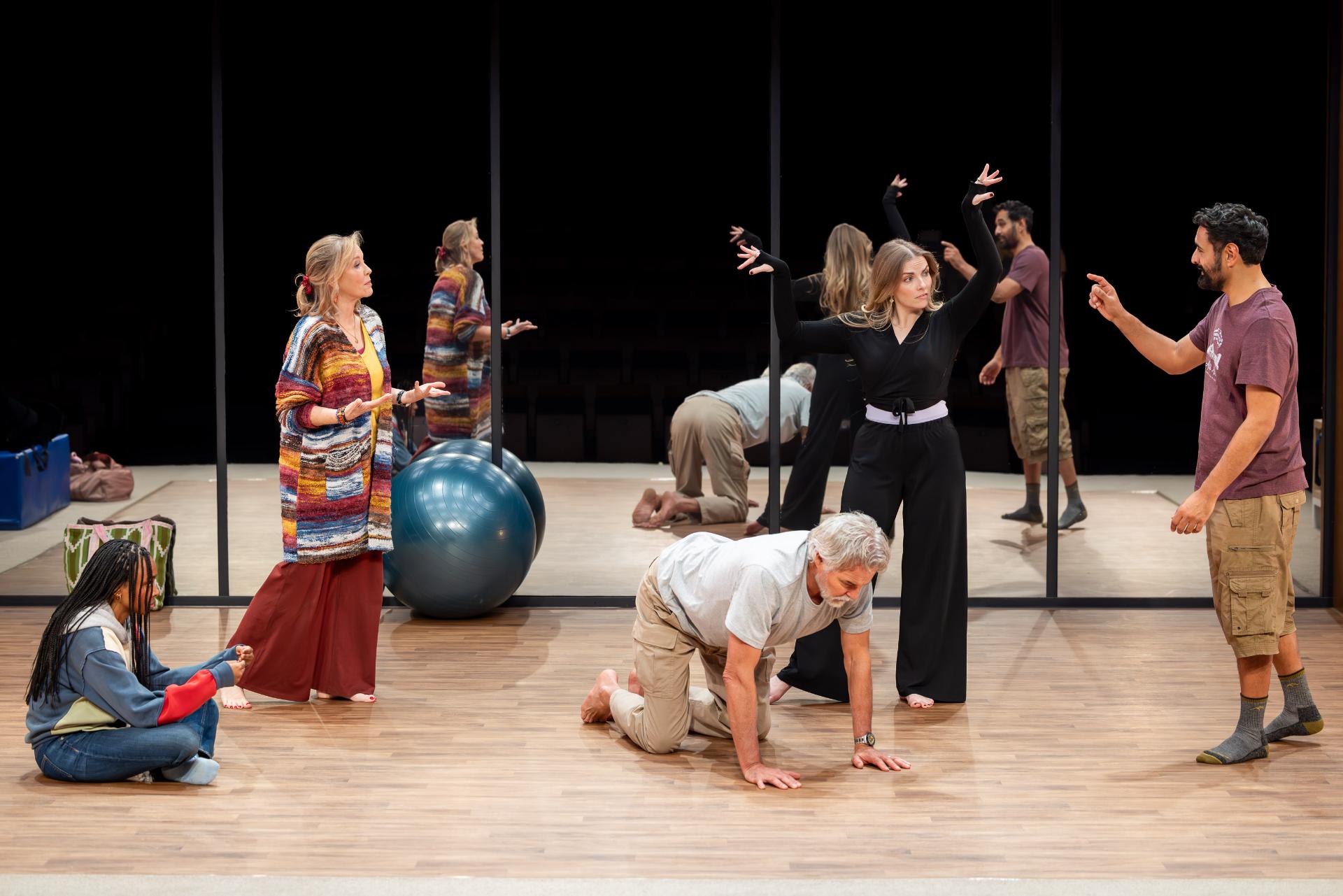
A strong cast of eight takes on the responsibility of storytelling, and their commitment to advocating for the underclass is evident in the level of focus each player brings to the piece. As a collective though, the ensemble never really finds an effective chemistry and their show, although believable, does not bear an authentic immediacy required to earn our instinctual empathy. Direction by Zindzi Okenyo demonstrates no shortage of earnestness, and we invest intellectually as a response, but how we feel for the situations being discussed, never really turns impassioned. 

Jeremy Allen’s set design is aesthetically pleasing but its spaciousness conveys a corresponding emptiness that seems to struggle at harnessing dramatic intensity. Lights by Verity Hampson are often excessively languid in tone, although its realism does help us gain an appreciation for the environment being explored. Music by Brendon Boney delivers an appropriate nostalgia in this flash back to the year 2000, even if it does little to rouse our sentiments.

In all the trauma and hardship of Sweat, we can deduce that income inequality renders a powerlessness, both perceived and real, amongst those we might call the proletariat. Characters in the play turn on one another, instead of fighting the real enemy at the top. An incapacitation occurs that dissuades the disadvantaged from confronting those that can improve conditions, shifting attention to scapegoats, often at the encouragement of those who shirk their social and moral duty. It is understandable that those at the bottom should adhere to the language and mechanisms of power, but finding alternatives seems to be the only way we can hope to help ourselves.

www.sydneytheatre.com.au

Review: Cost Of Living (Sydney Theatre Company/Queensland Theatre)

Venue: Wharf 1 Sydney Theatre Company (Walsh Bay NSW), 18 Jul – 18 Aug, 2024
Playwright: Martyna Majok
Director: Dan Daw, Priscilla Jackman
Cast: Dan Daw, Kate Hood, Zoe de Plevitz, Philip Quast
Images by Morgan Roberts

Theatre review
Ani and John have physical disabilities that require assistance. Edie and Jess are their respective carers, who grow to become emotionally reliant on their clients. Martyna Majok’s Cost of Living takes a look at the dependency we have for one another, as humans who fundamentally need other humans. The characters we encounter are indubitably fascinating, in this play about the vulnerabilities we share, although its plot can feel somewhat lacking.
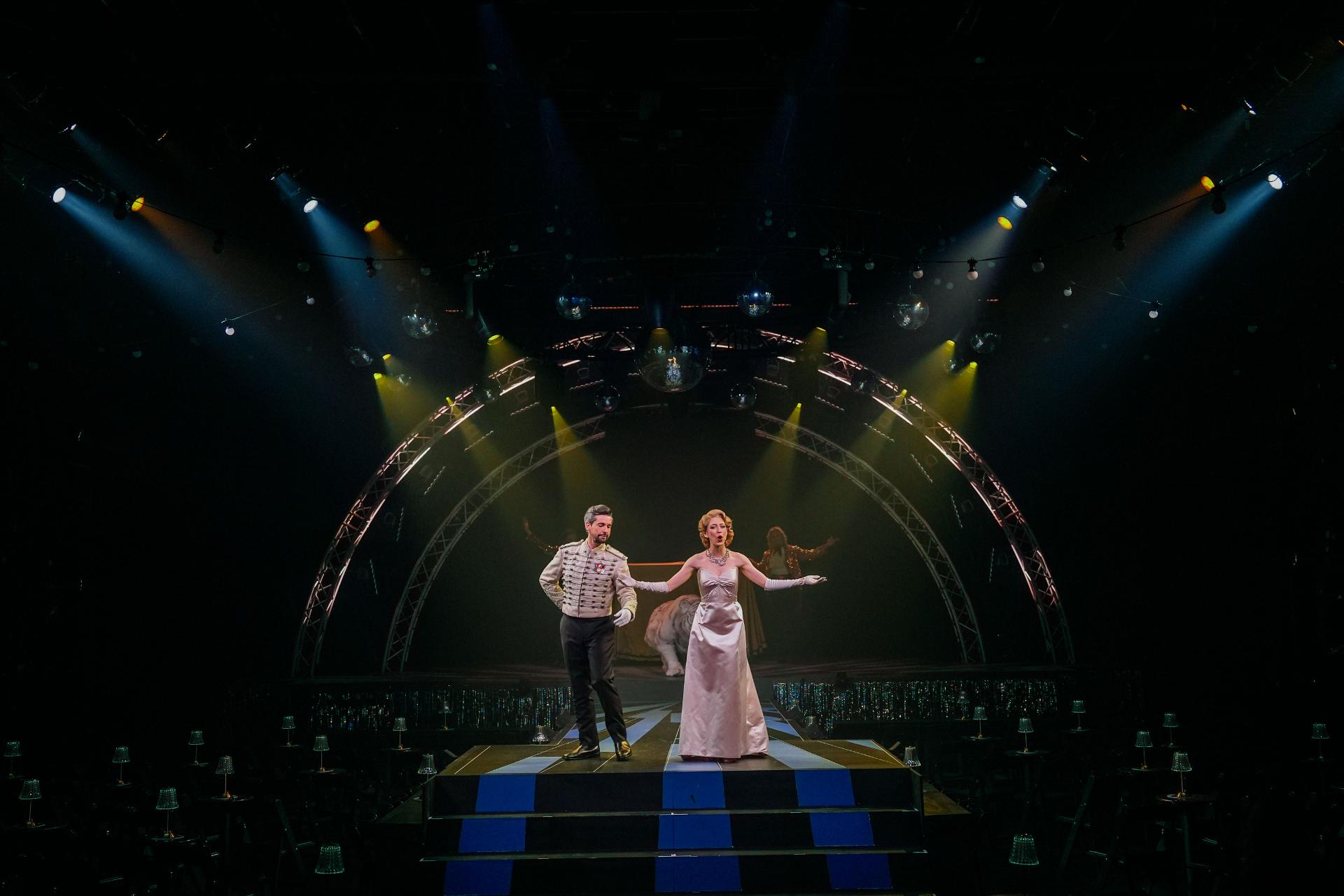
Direction by Dan Daw and Priscilla Jackman create a compelling intimacy for a show comprised of two-hander scenes. It may not reach a point of emotional intensity that is sufficiently satisfying, but we find ourselves kept intellectually engaged throughout the piece. Production design by Michael Scott-Mitchell is perhaps too sparse, in a staging that could benefit from a greater sense of visual allure. Lights by John Rayment help to facilitate storytelling, as do sounds by Guy Webster, both elements offering appropriate enhancements to the drama that unfolds.
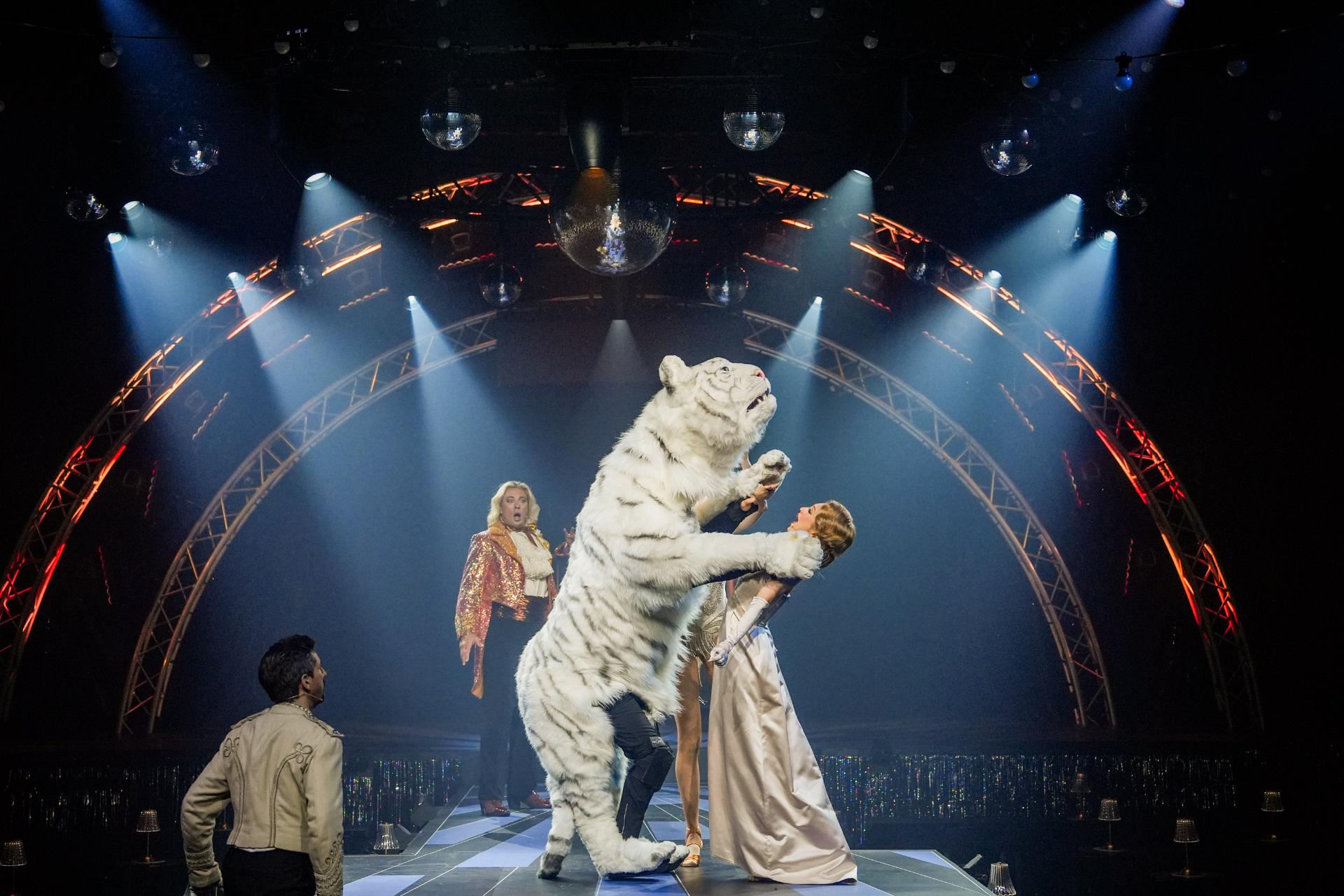

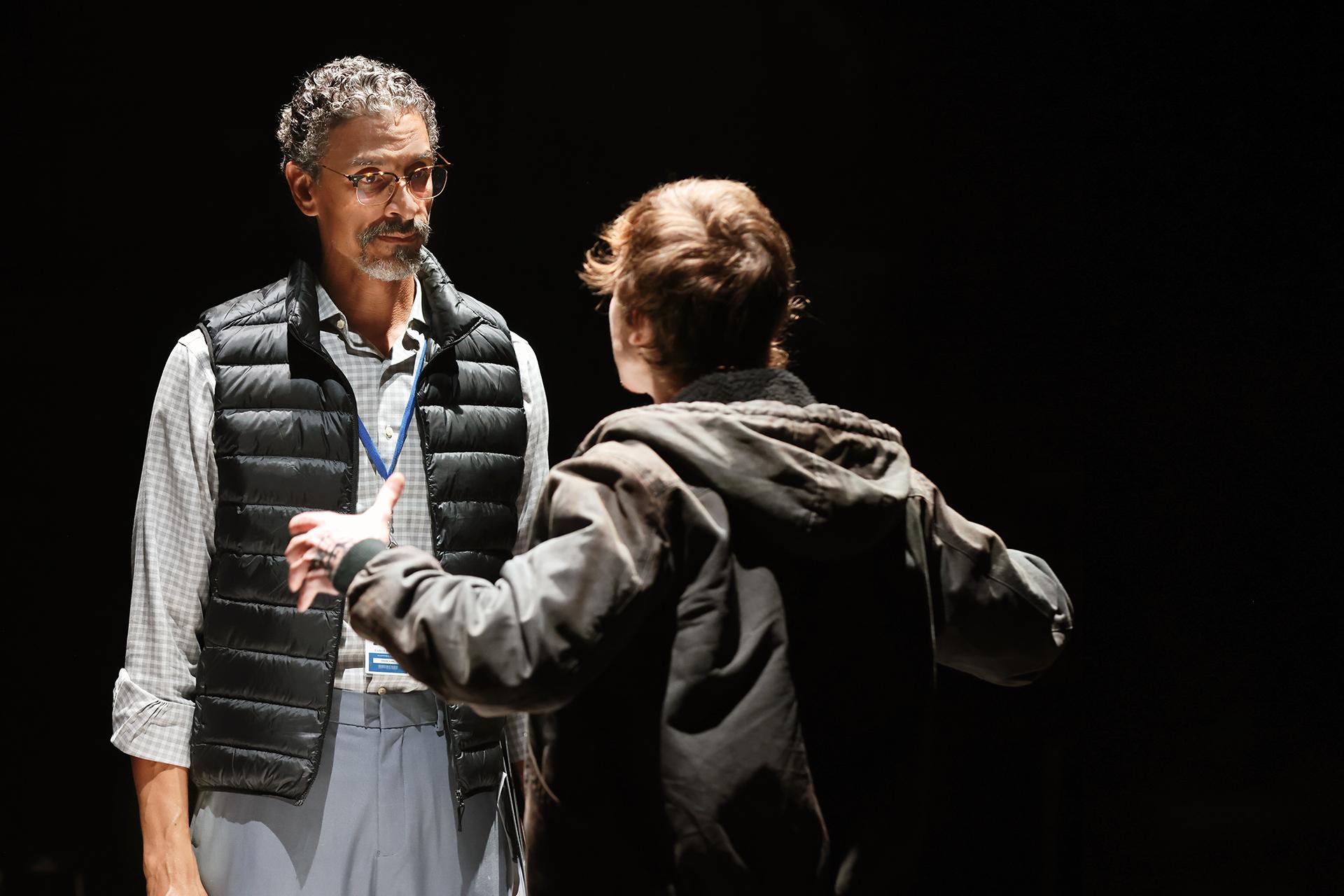
Daw performs one of the roles, and along with Kate Hood, Zoe de Plevitz and Philip Quast, form a cast that delivers something that is truly thought-provoking. There is a distinct passion in their advocacy for people living with disabilities, and they certainly inspire us to consider better integrating all our diverse capacities into what could be considered normative. Not all of us understands what it is to be disabled, but most will know the experience of being excluded. Unfortunately that sensation of ostracism is often forgotten, when we negotiate daily life, and we leave compassion behind, in trying to keep up with standards that serve only a minuscule minority.

www.sydneytheatre.com.au | www.queenslandtheatre.com.au

Review: American Signs (Sydney Theatre Company)

Venue: Wharf 2 Sydney Theatre Company (Walsh Bay NSW), Jun 15 – Jul 14, 2024
Playwright: Anchuli Felicia King
Director: Kenneth Moraleda
Cast: Catherine Văn-Davies
Images by Prudence Upton

Theatre review
The unnamed protagonist is a twenty-something, third-generation Vietnamese-American who has completed her degree at Stanford, and is trying to establish a career as a management consultant. She has made her way into a top firm, where competition is strong, and where rules of engagement are soul-destroying. As a junior employee, she is being conditioned to tolerate exploitation in many flavours, and because she believes herself lucky to be there, she takes it all lying down.

Anchuli Felicia King’s sensational American Signs tells a rich story about late-stage capitalism, with particular focus on refugee diasporas and their obligatory allegiance to Western values. The Consultant’s acceptance of dubious conditions and her capitulation to utterly unethical abuses of power, are cuttingly illustrated by King with unequivocal persuasiveness. American Signs also functions as a sort of meditation on the notion of destiny for immigrants, who exist in an inevitable commitment to a hegemony that represents the antithesis of what they flee.

Poignant direction by Kenneth Moraleda fuses intellect with emotion, so that we may understand thoroughly the plight of the central character, and by inference the audience’s own circumstances. For a narrative dealing with impulses and compulsions that often seem to be unconscious or unexamined, it is important that we are encouraged to feel as much as we contemplate, the several resonant morals of the story. Moraleda’s work certainly has us engaging both heart and mind.

It is however the actor Catherine Văn-Davies who brings marvellous elucidation to the complex dimensions of American Signs, and all that it is capable of saying. Whether tragic, vulnerable, powerful or menacing, Văn-Davies is spectacularly convincing with every human state she inhabits. The play’s meaningful observations about systemic failures in our economies, societies and politics, are given further significance by being turned into vigorous demands for cultural transformation, by Văn-Davies’ deeply affecting expressions of rightful indignation.

Production design by James Lew puts on stage the mundane starkness of our utilitarian realities, bringing attention to the pragmatism that often prevails over creativity and spirit. Benjamin Brockman’s lights are intricately calibrated in tandem with the actor’s constantly shifting temperaments, and notable for the visual intrigue it manufactures during more heightened sections of the show. Sound and music by Sam Cheng are not only essential to the way our intuitions respond to every twist and turn of the story, but also memorable for a quality of transcendence it brings to the overall experience, thus allowing us to connect in personal ways with American Signs.

The Consultant sees no alternative to her ambitions. She tells herself that she is not a monster, at every step of her participation in a repugnant and cannibalistic process of getting to the top. It is true that it is the intention of the system to be ubiquitous, so that every individual’s investment in it, is considered non-negotiable. We are made to believe that there are no other ways that can sustain life. It is entirely possible however, that those at the bottom rungs will simply embark on a project of demolishment without a satisfactory plan of replacement, when the moment finally arrives, and a substantial population finds itself with nothing left to lose.

www.sydneytheatre.com.au