Review: & Juliet (Sydney Lyric Theatre)

Venue: Sydney Lyric Theatre (Sydney NSW), from Feb 27, 2024
Book: David West Read
Music and Lyrics: Max Martin
Director: Luke Sheppard
Cast: Blake Appelqvist, Casey Donovan, Jesse Dutlow, Yashith Fernando, Amy Lehpamer, Lorinda May Merrypor, Rob Mills, Hayden Tee.
Images by Daniel Boud

Theatre review
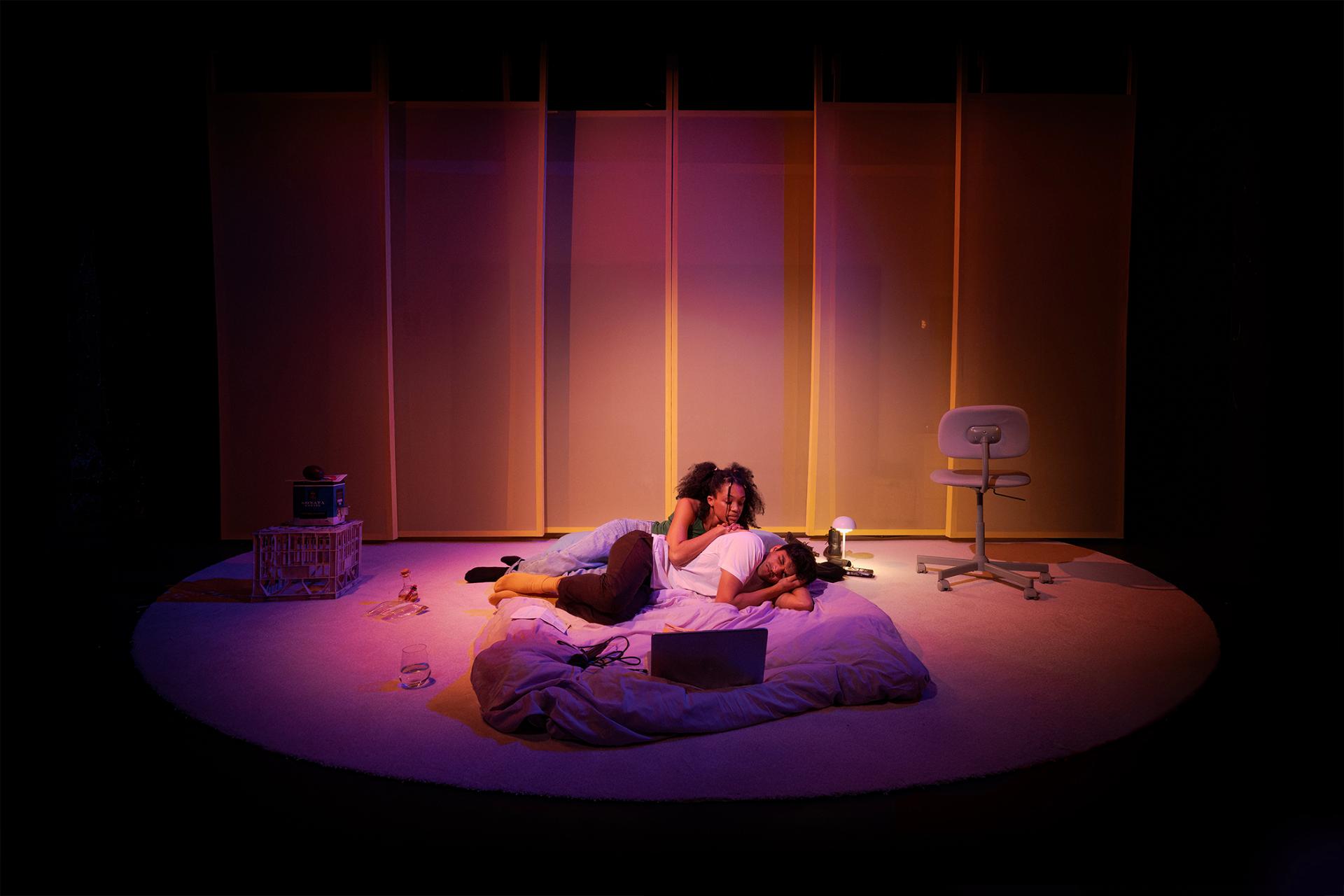
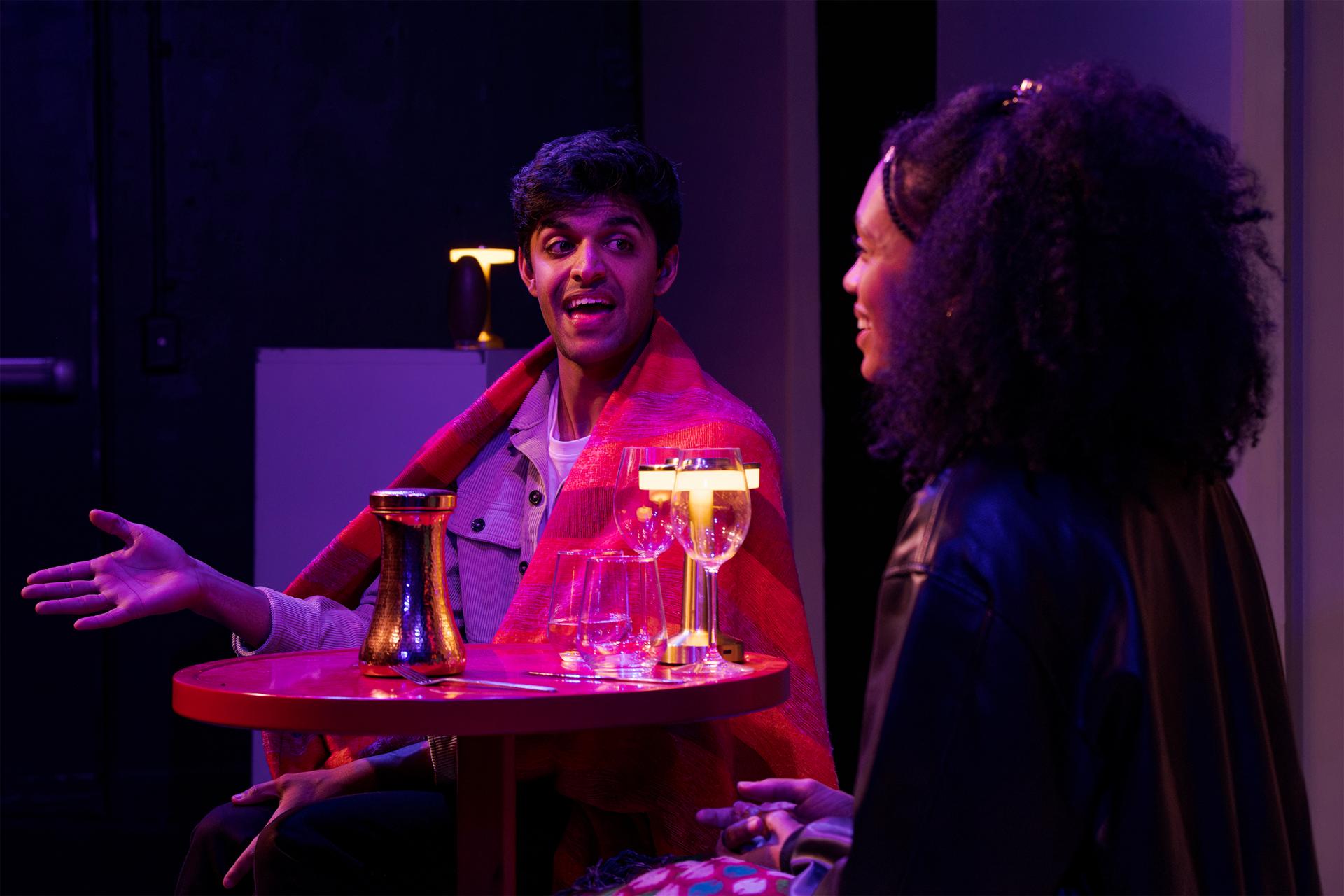
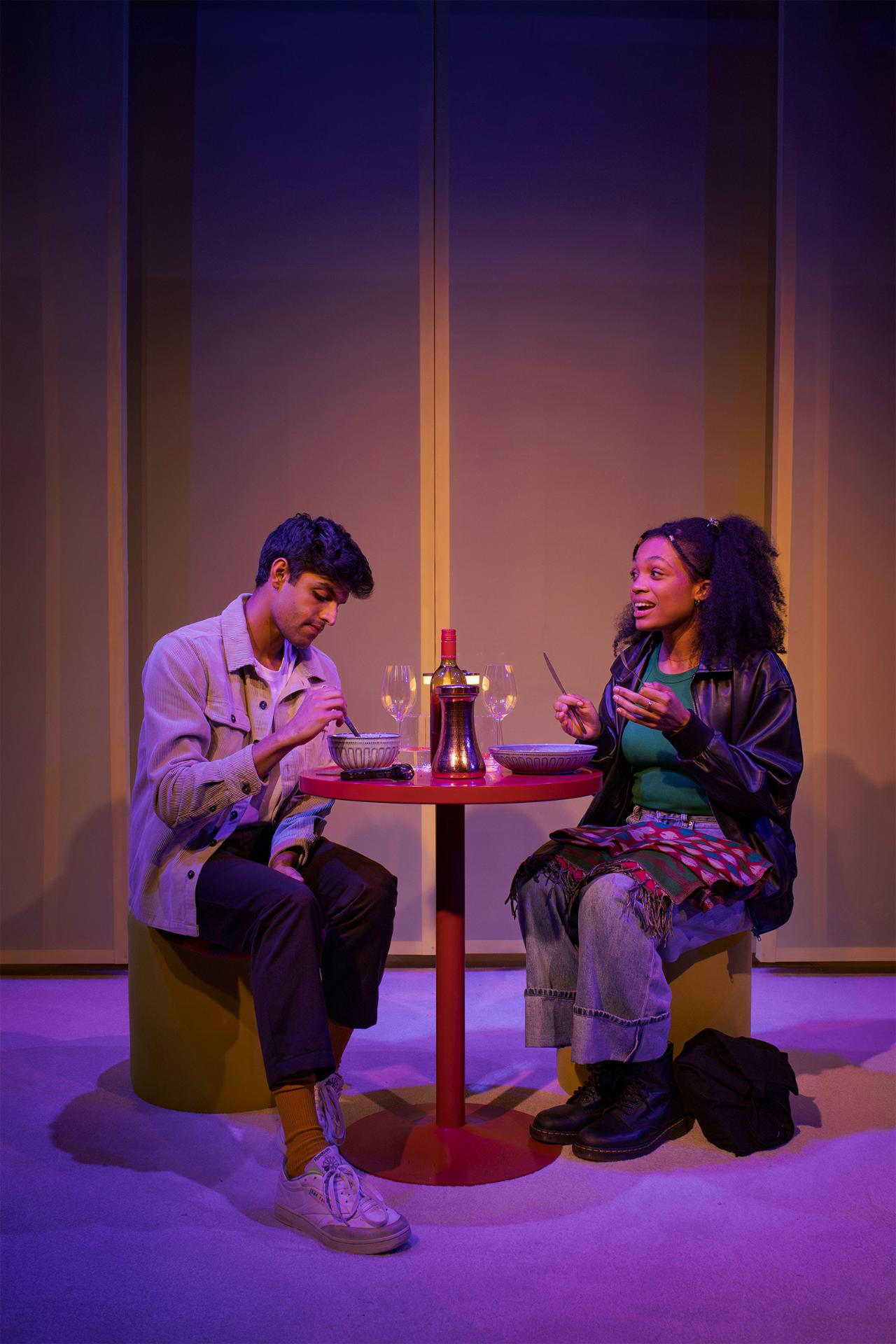
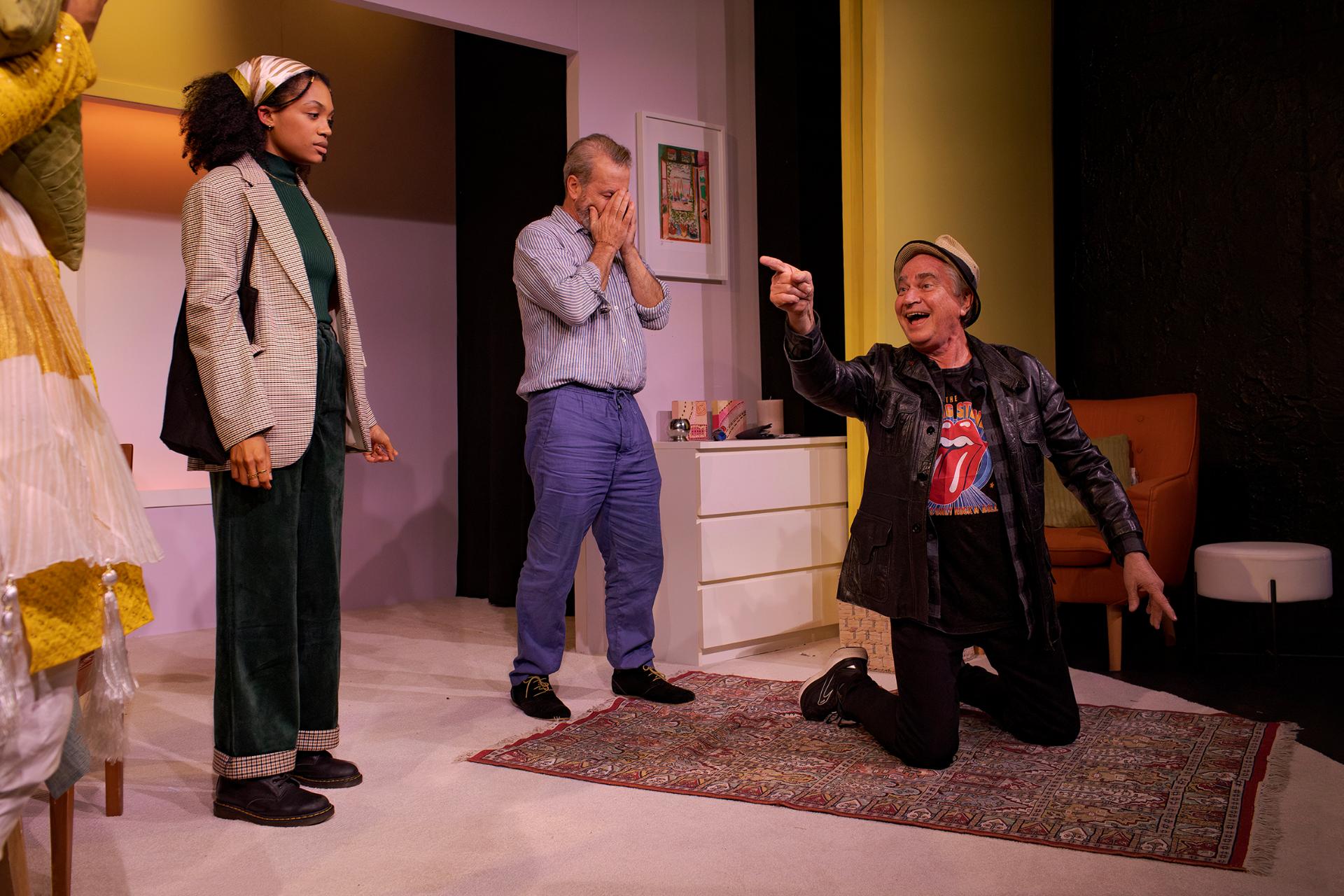
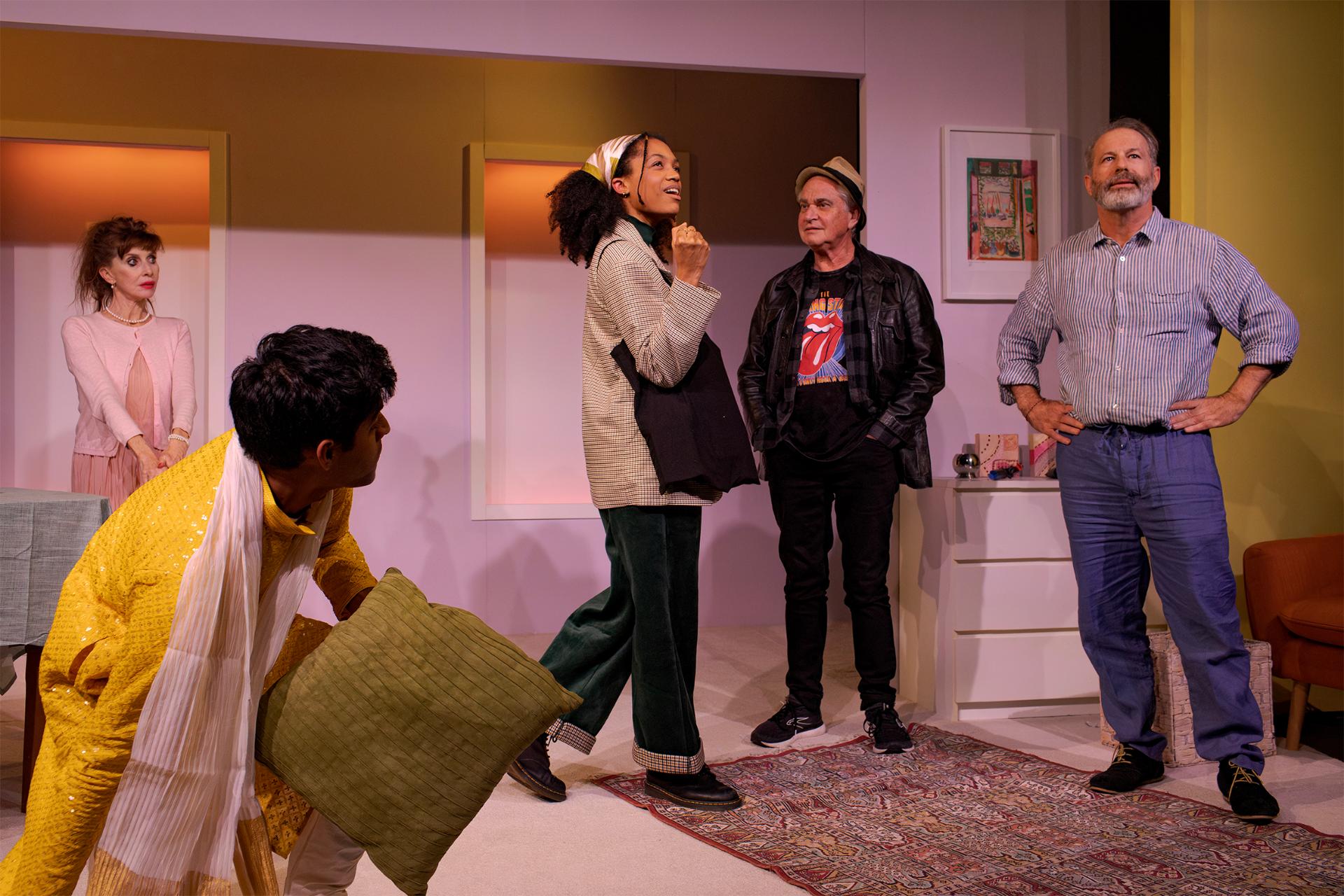
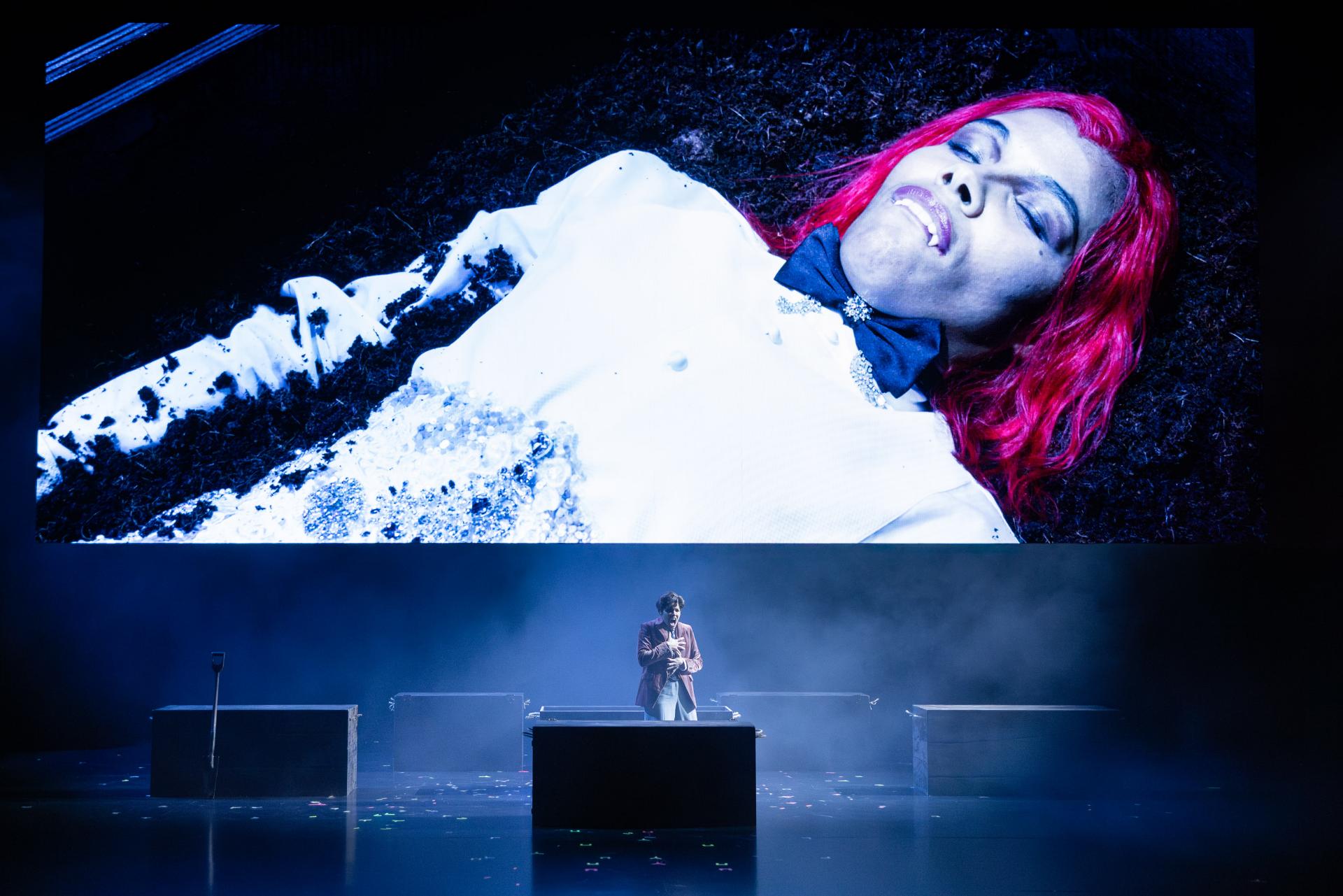
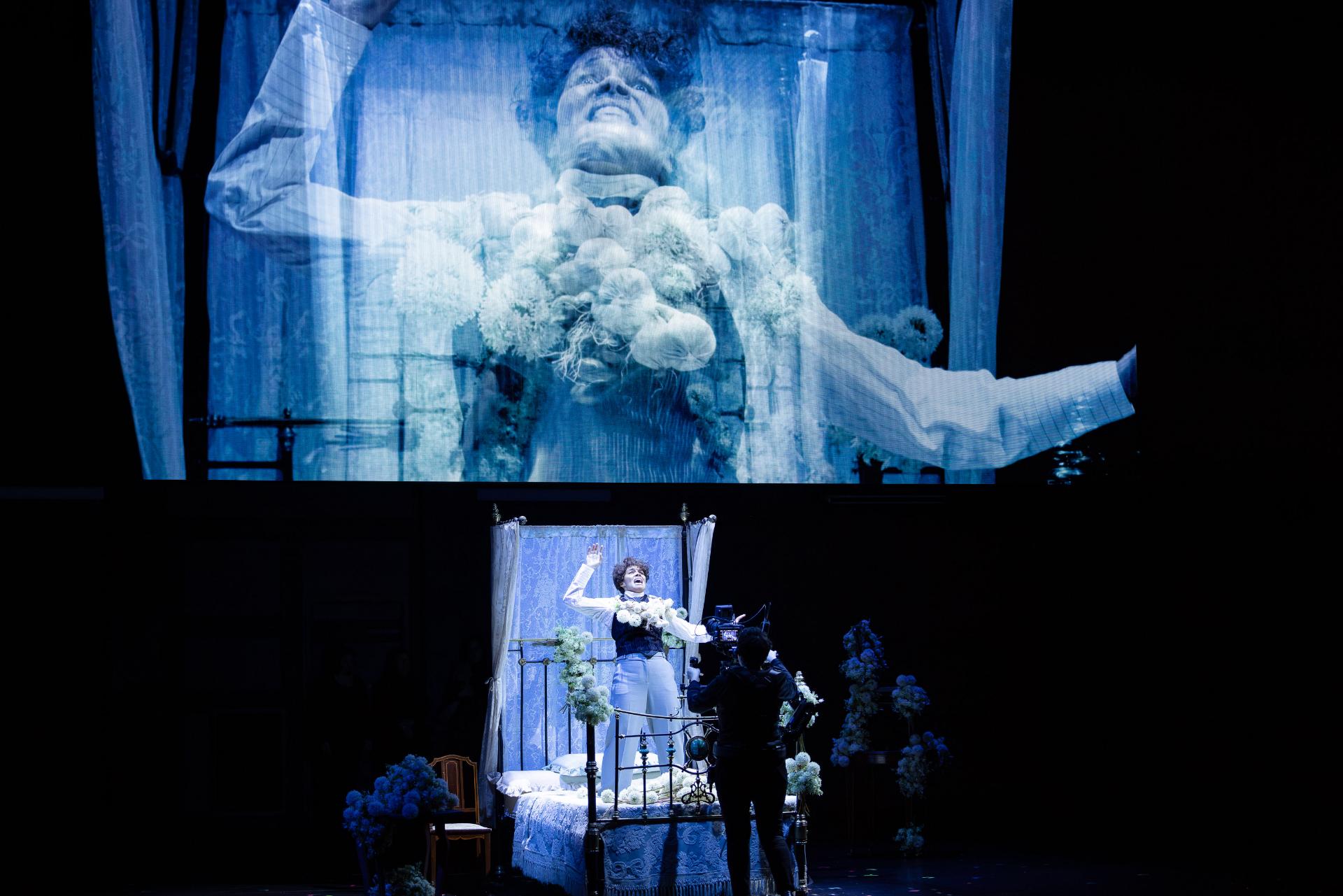
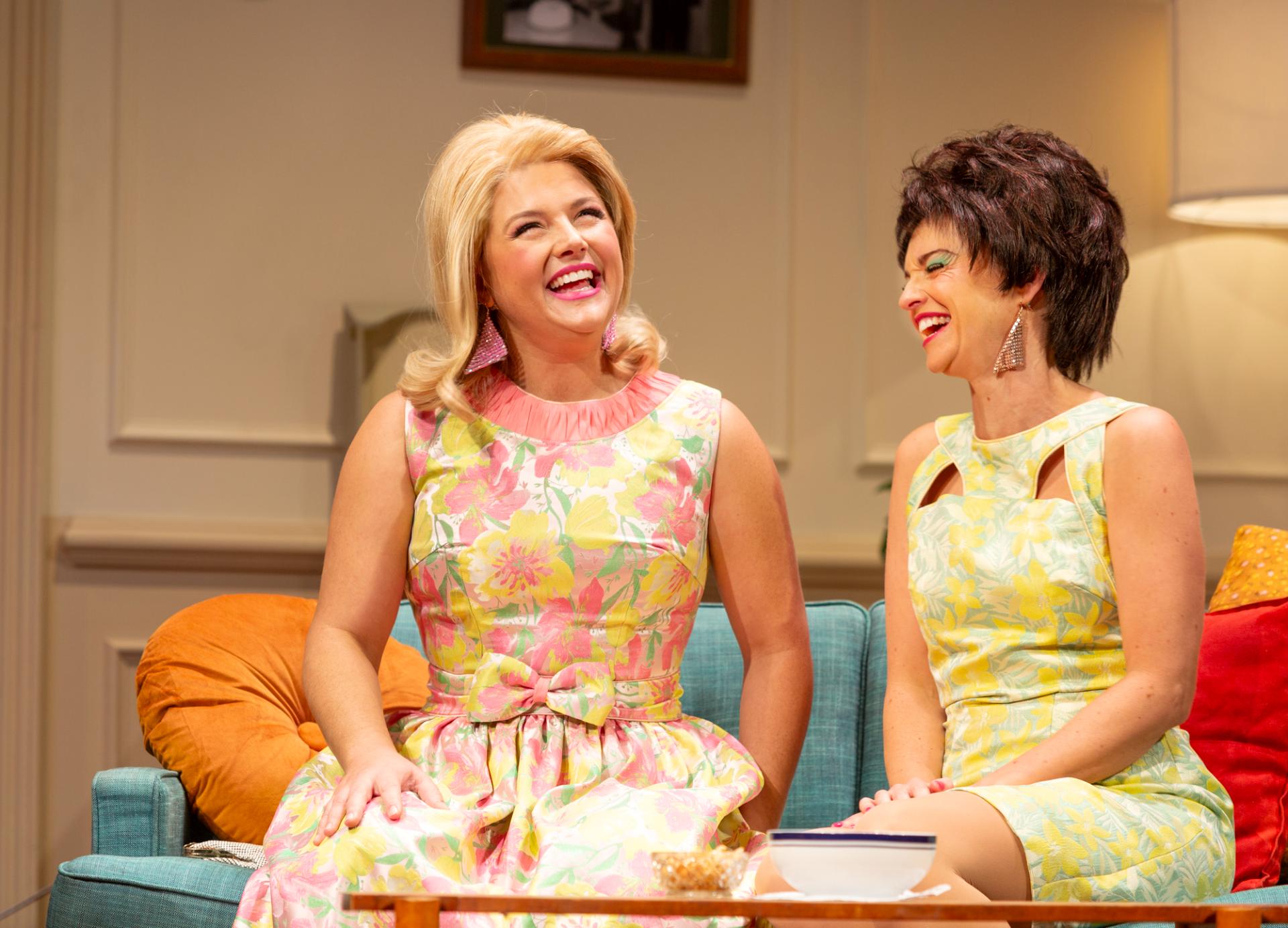
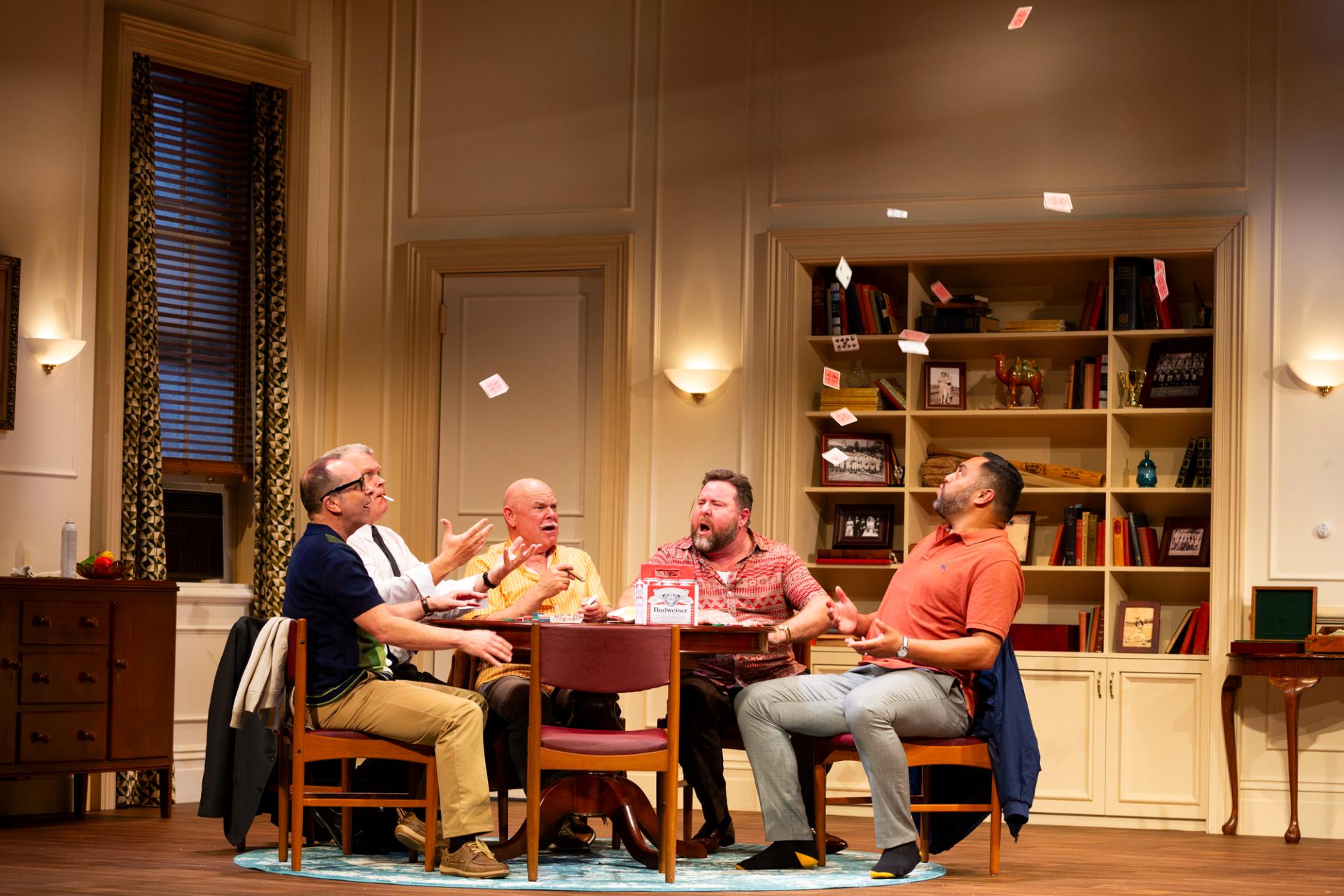
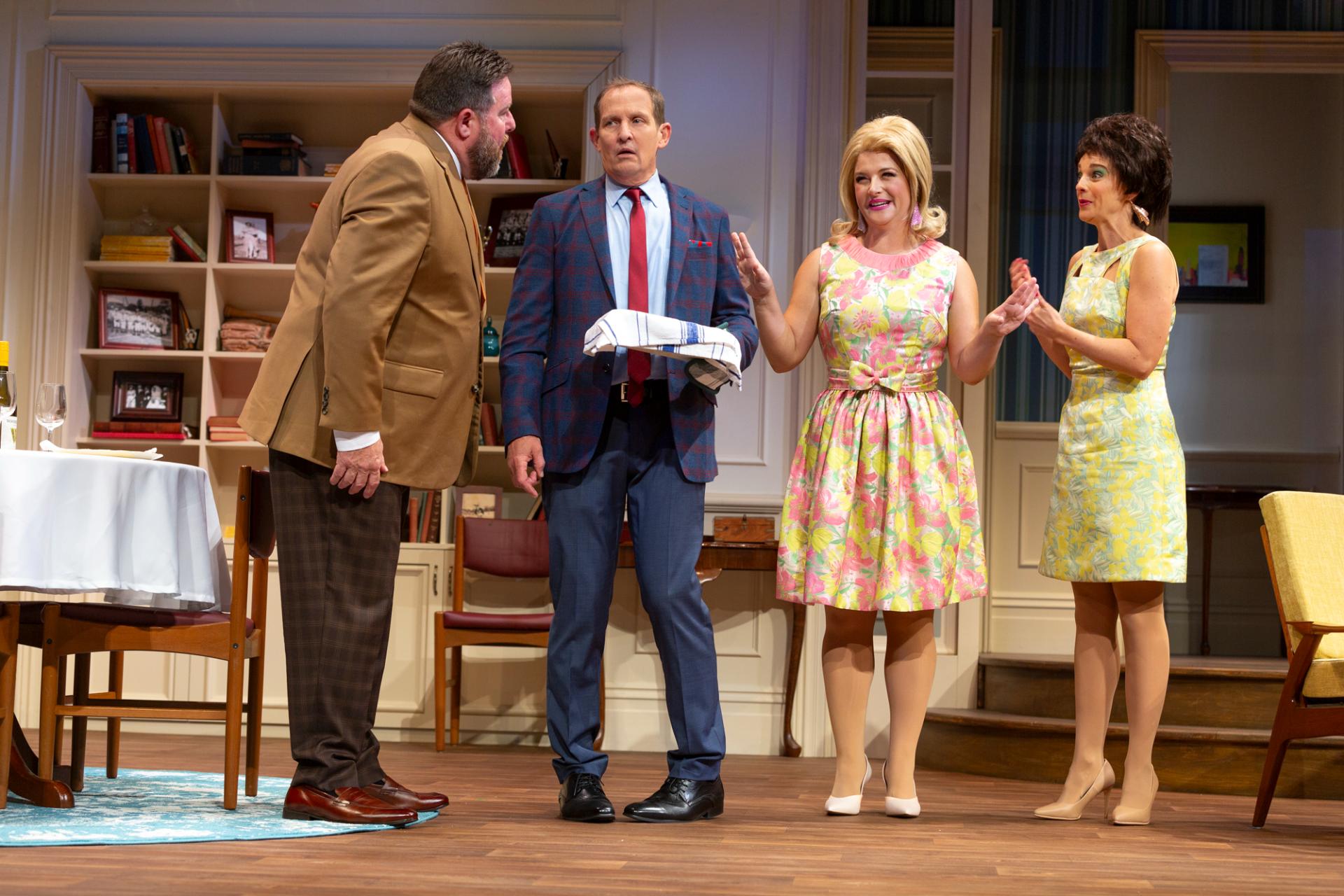
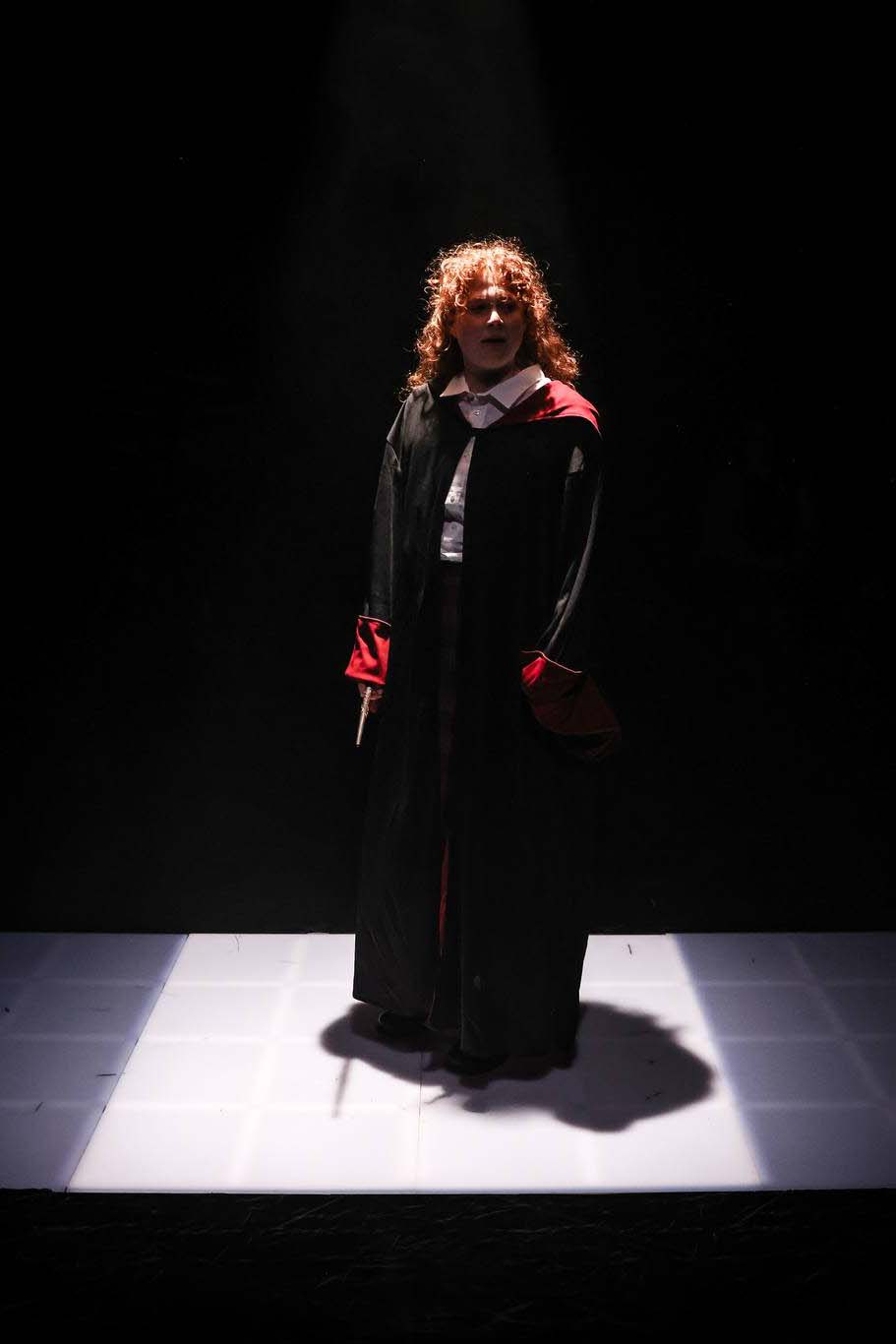
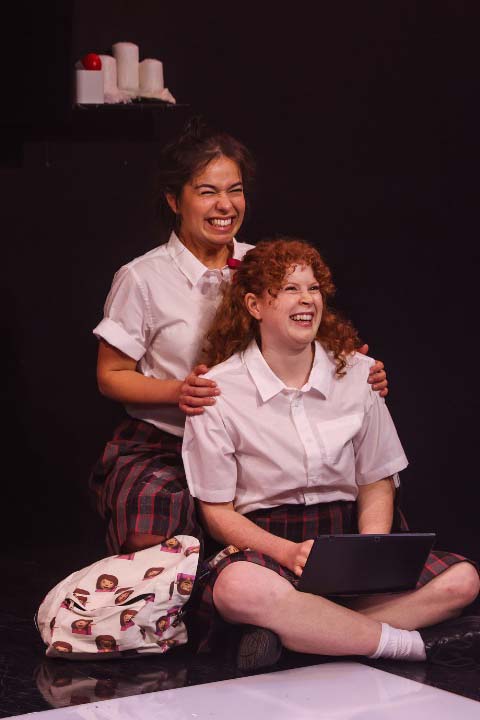
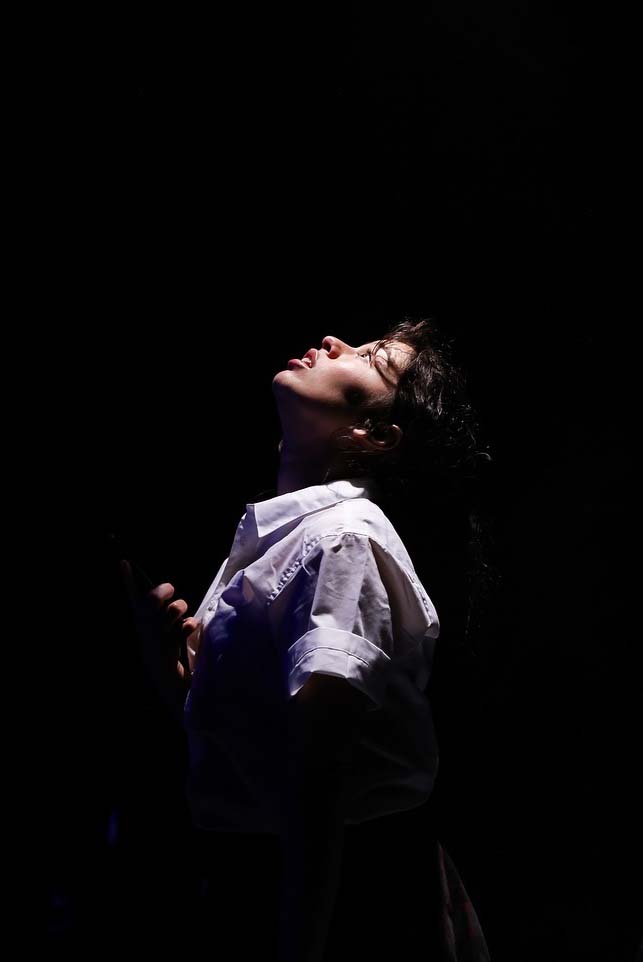
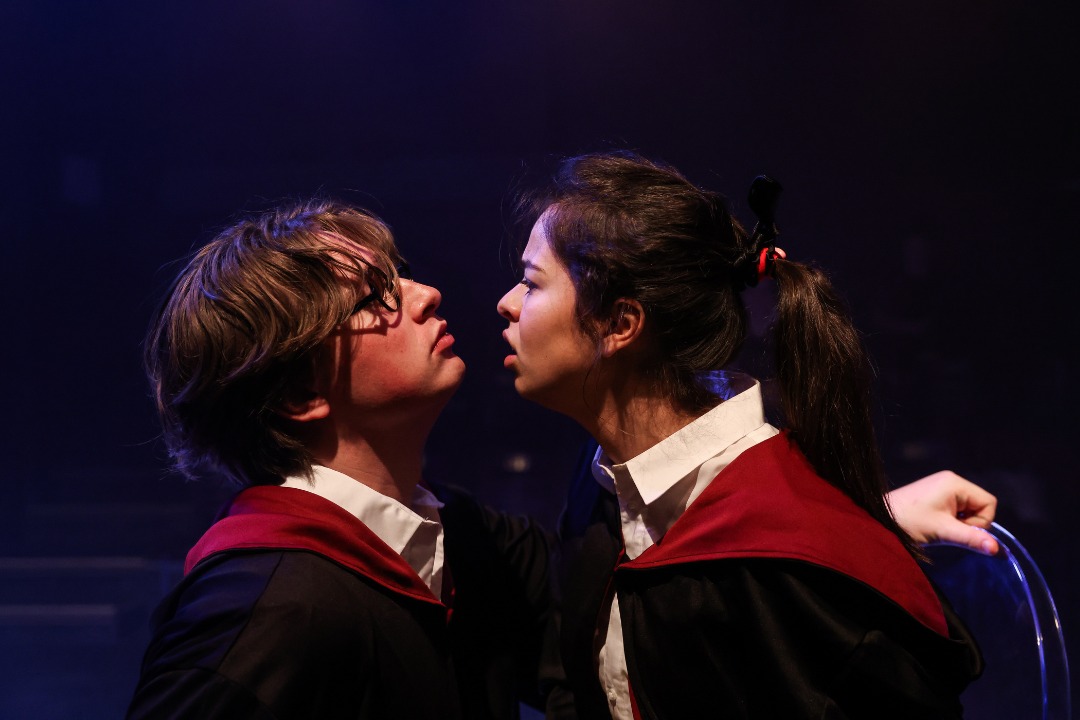
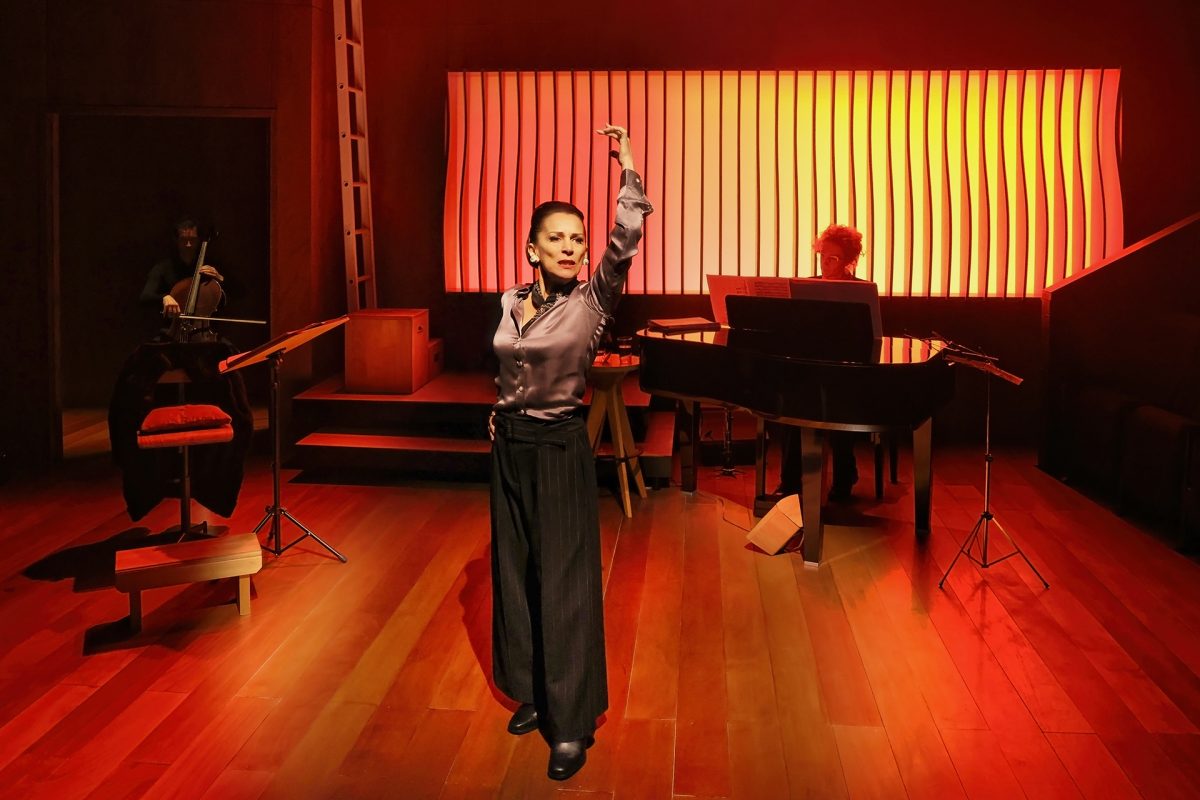
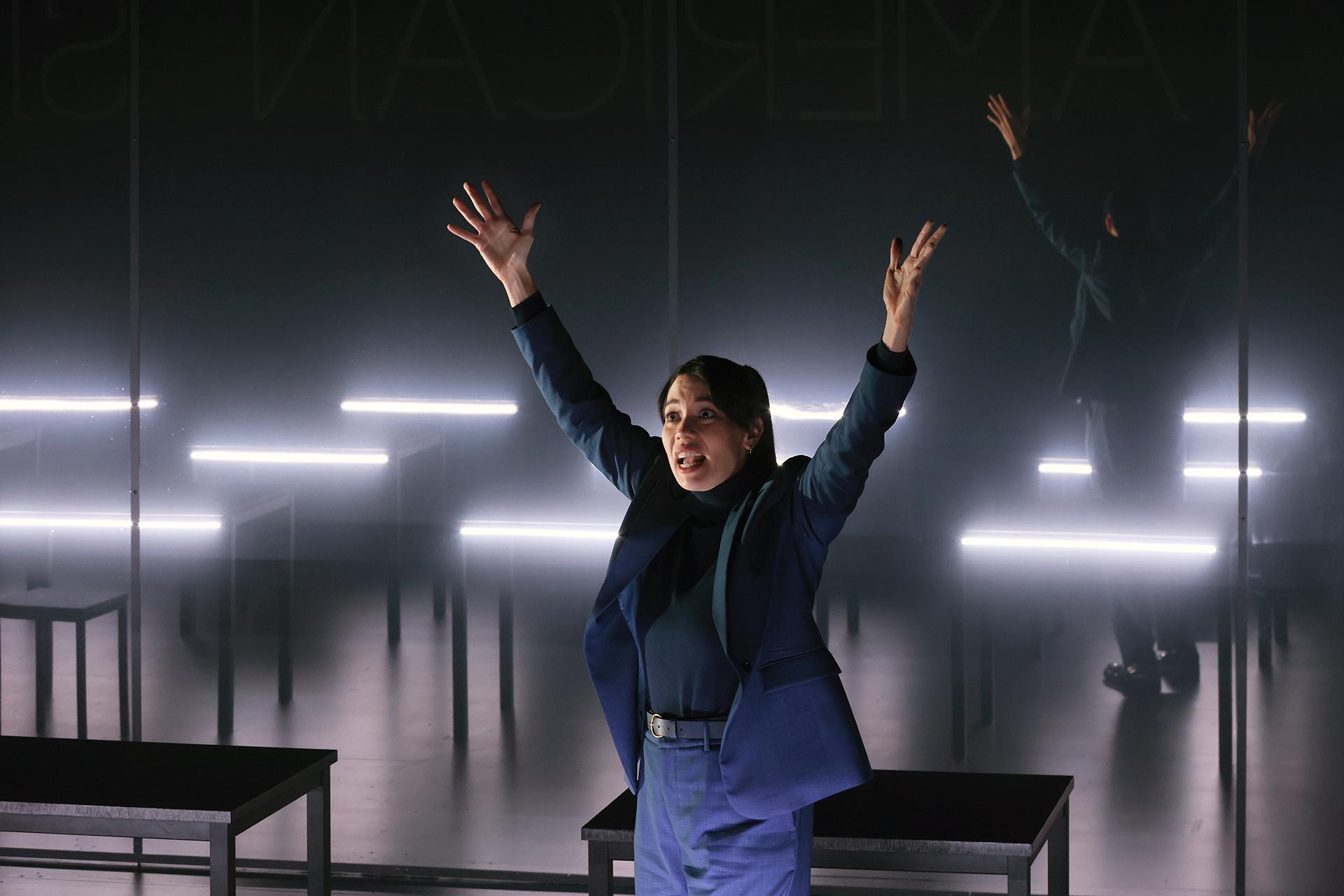
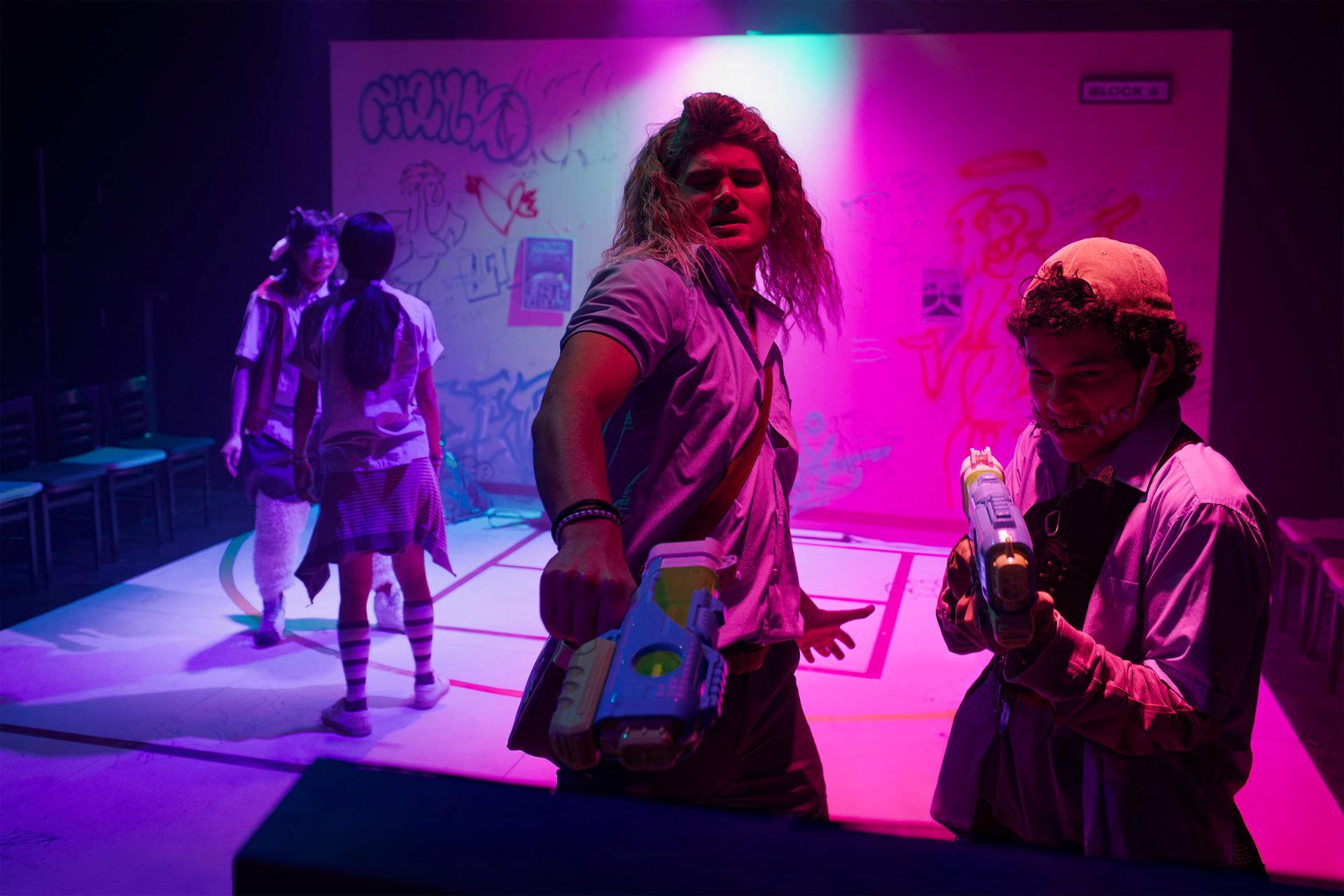
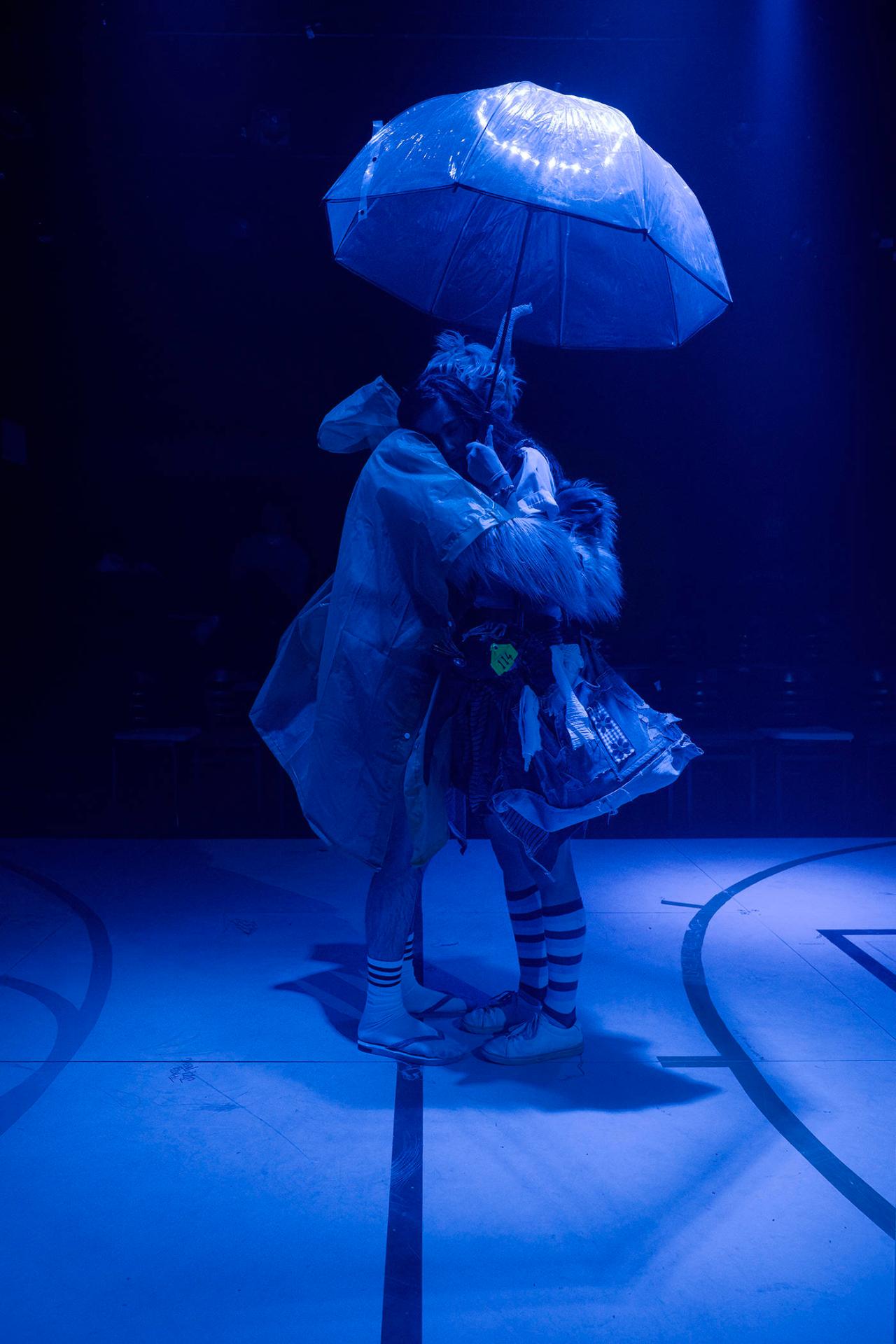
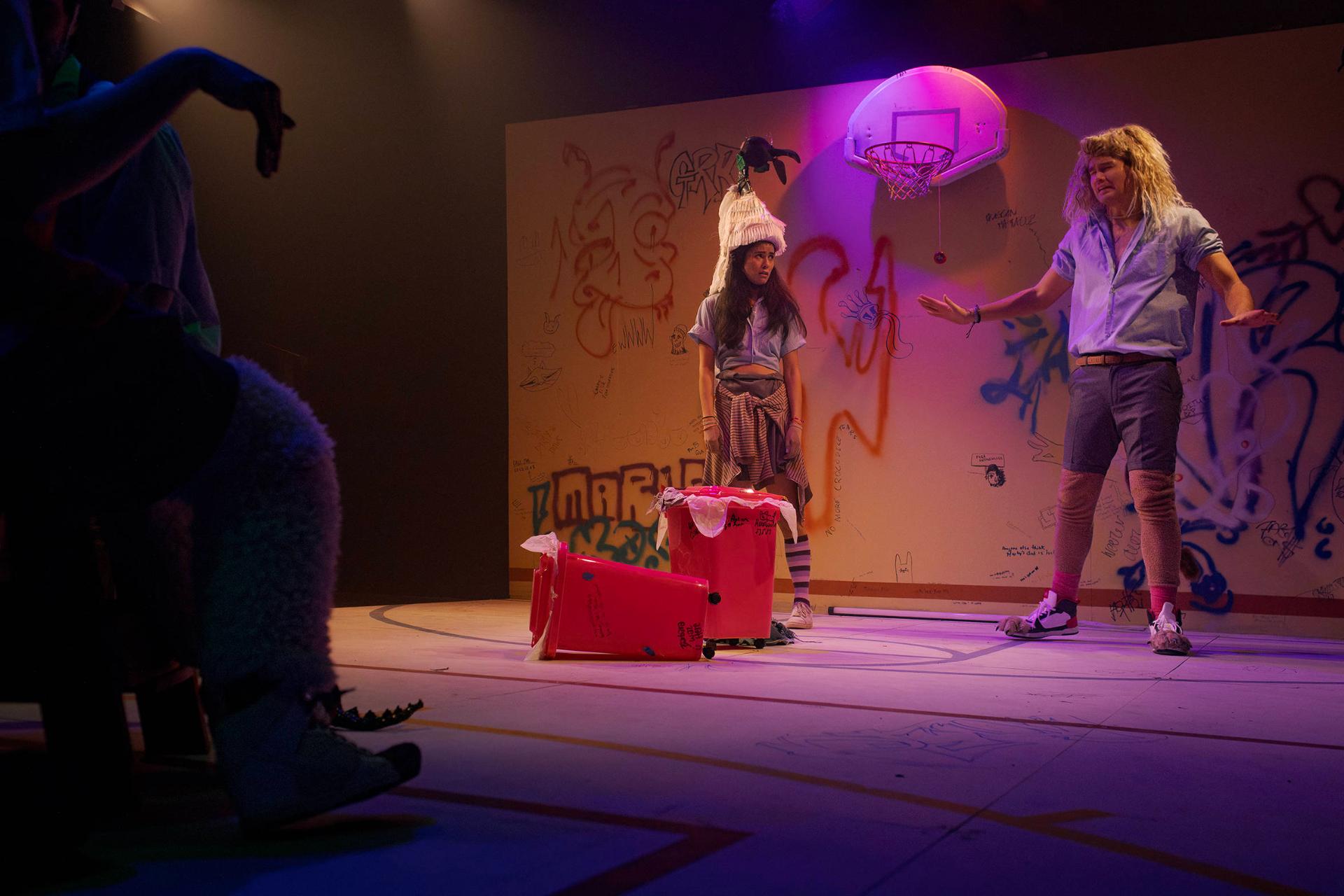
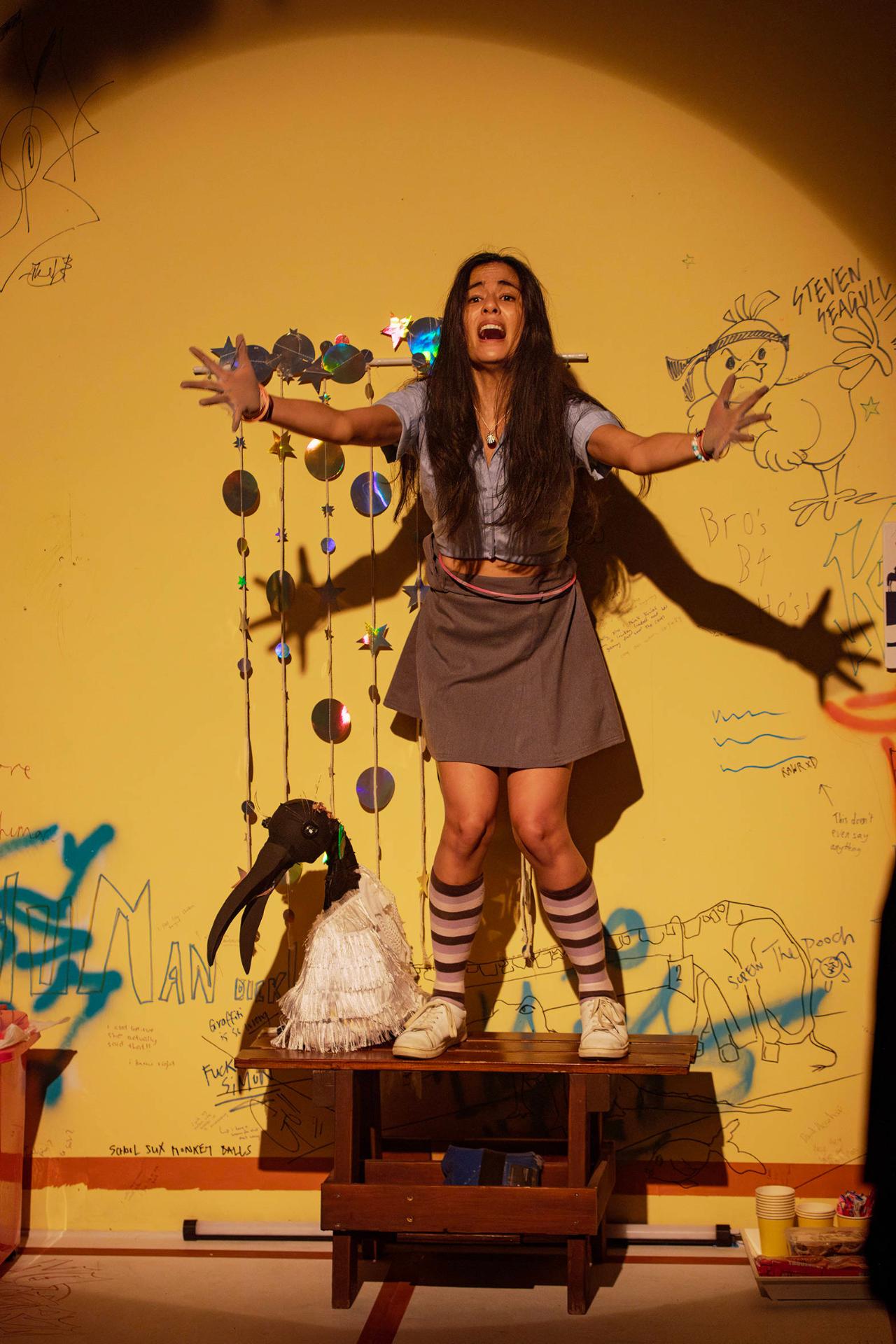
If Anne had possessed any meaningful amount of power in the 16th century, she would have been able to make her husband William Shakespeare’s plays much more palatable to audiences of today. In the musical & Juliet by David West Read, with songs by Max Martin, we see Anne standing up for women, in her objection to the dismal conclusion of “Romeo and Juliet”, demanding that Juliet does not sacrifice herself at the end. A rewrite of the legendary play ensues, with the young leading lady making choices that are much more satisfying, and reasonable, than what the Bard had conjured on his own.

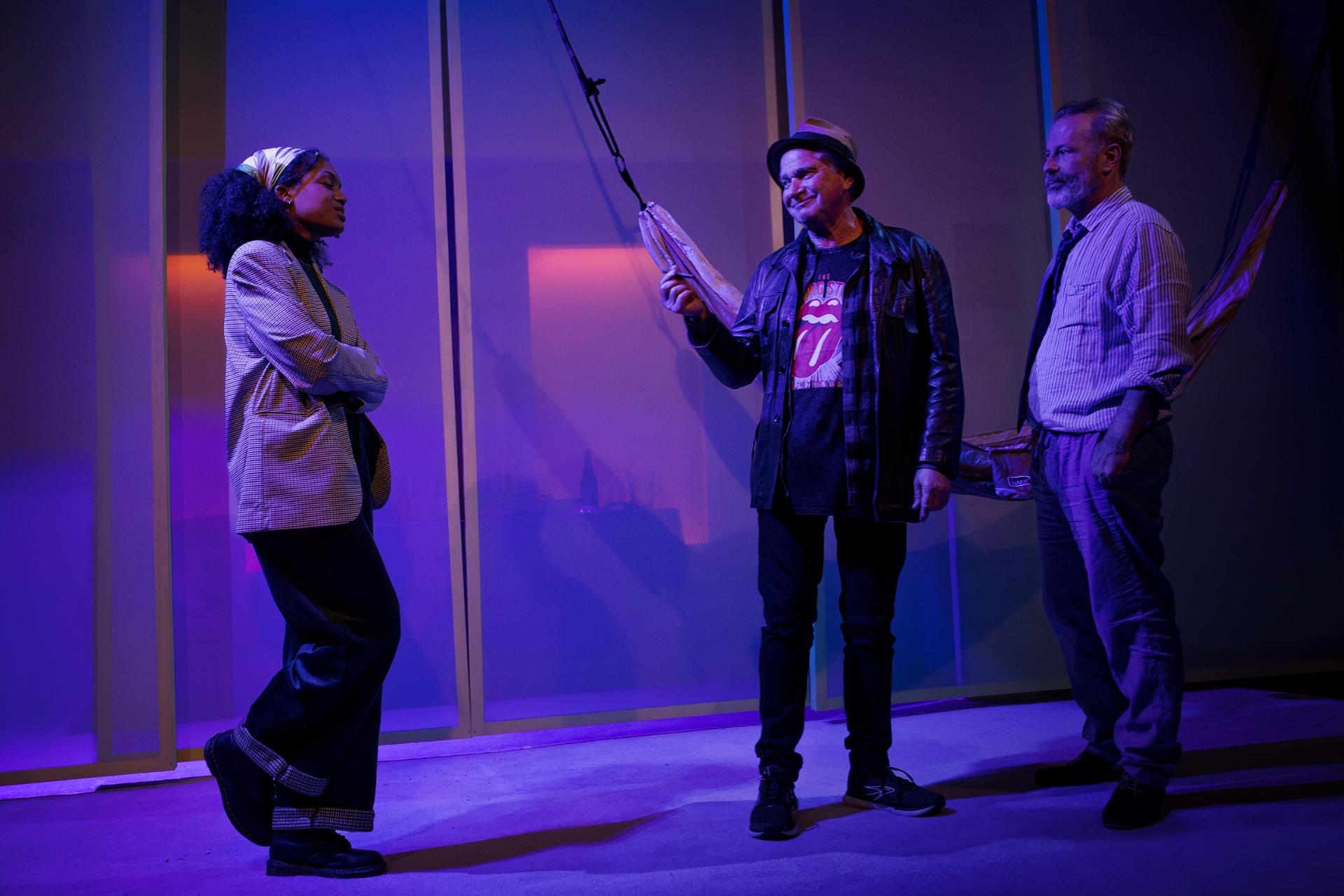
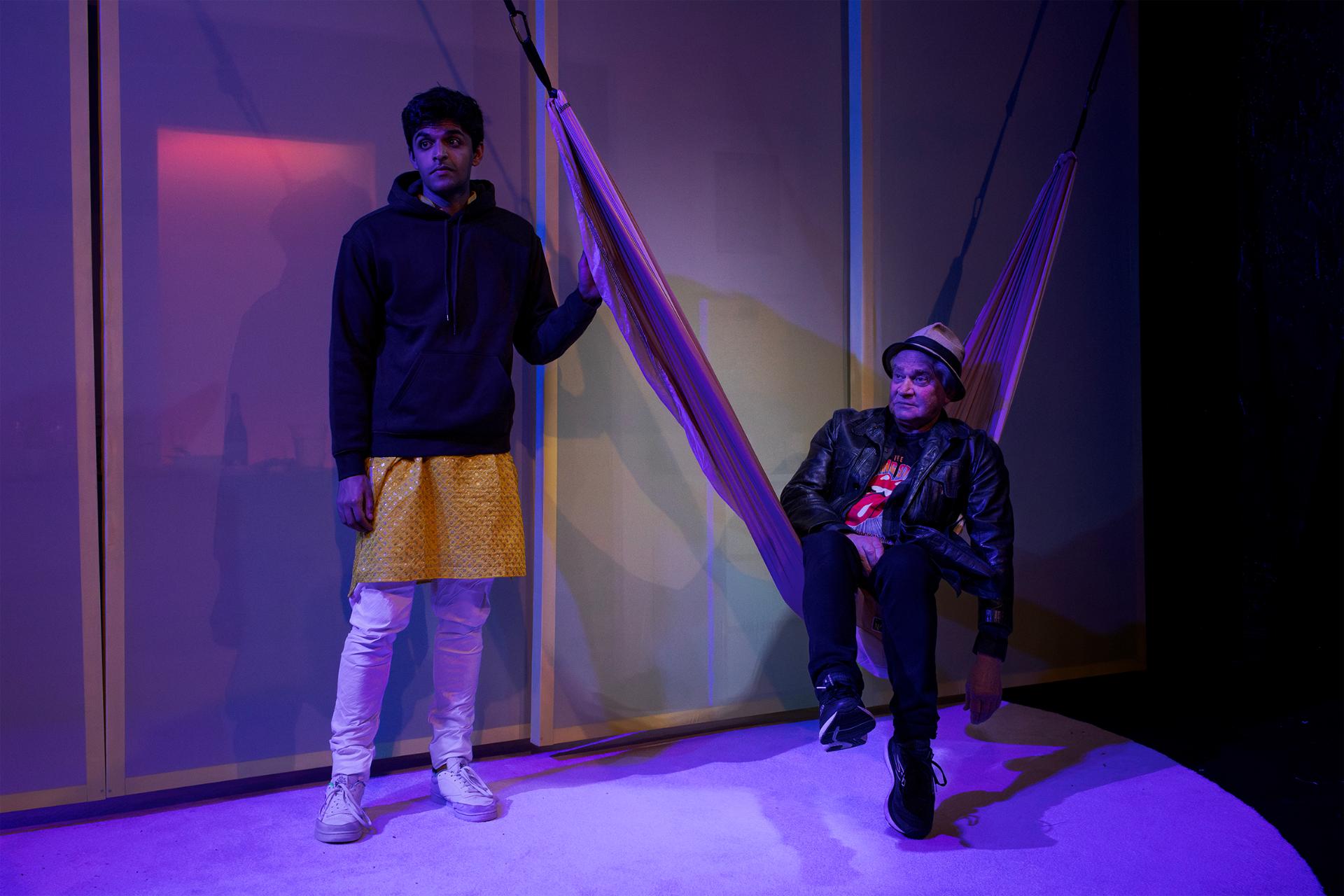
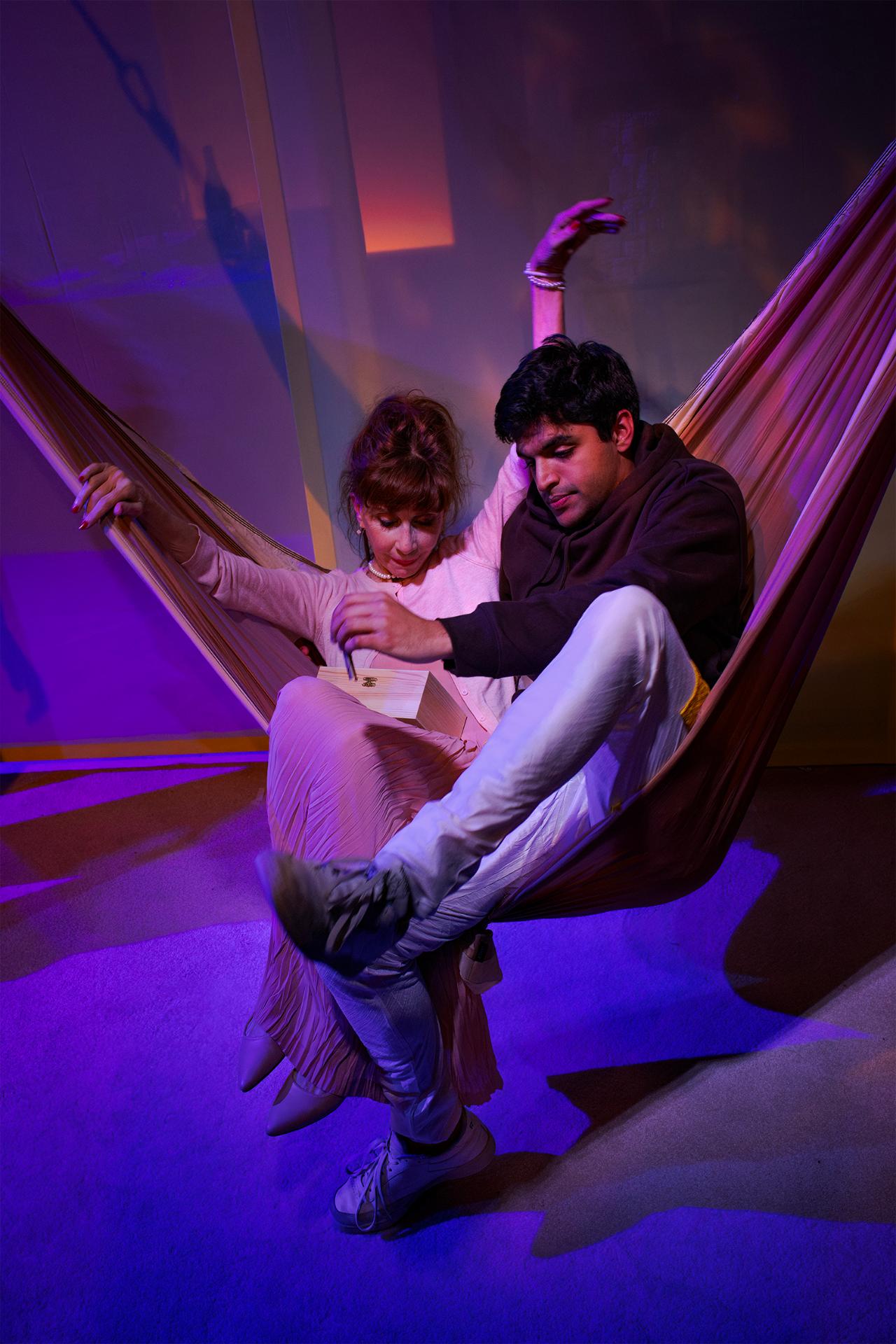
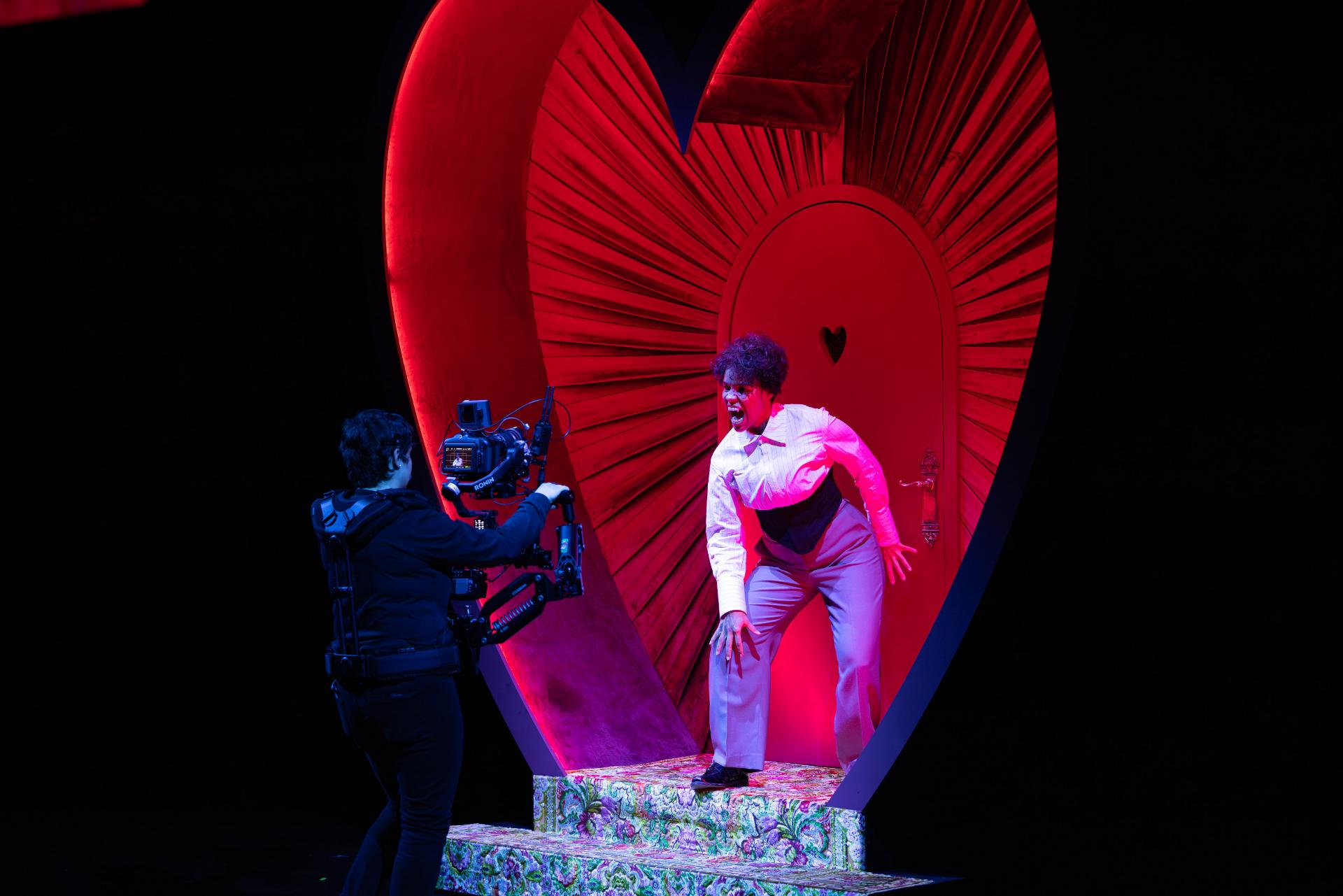
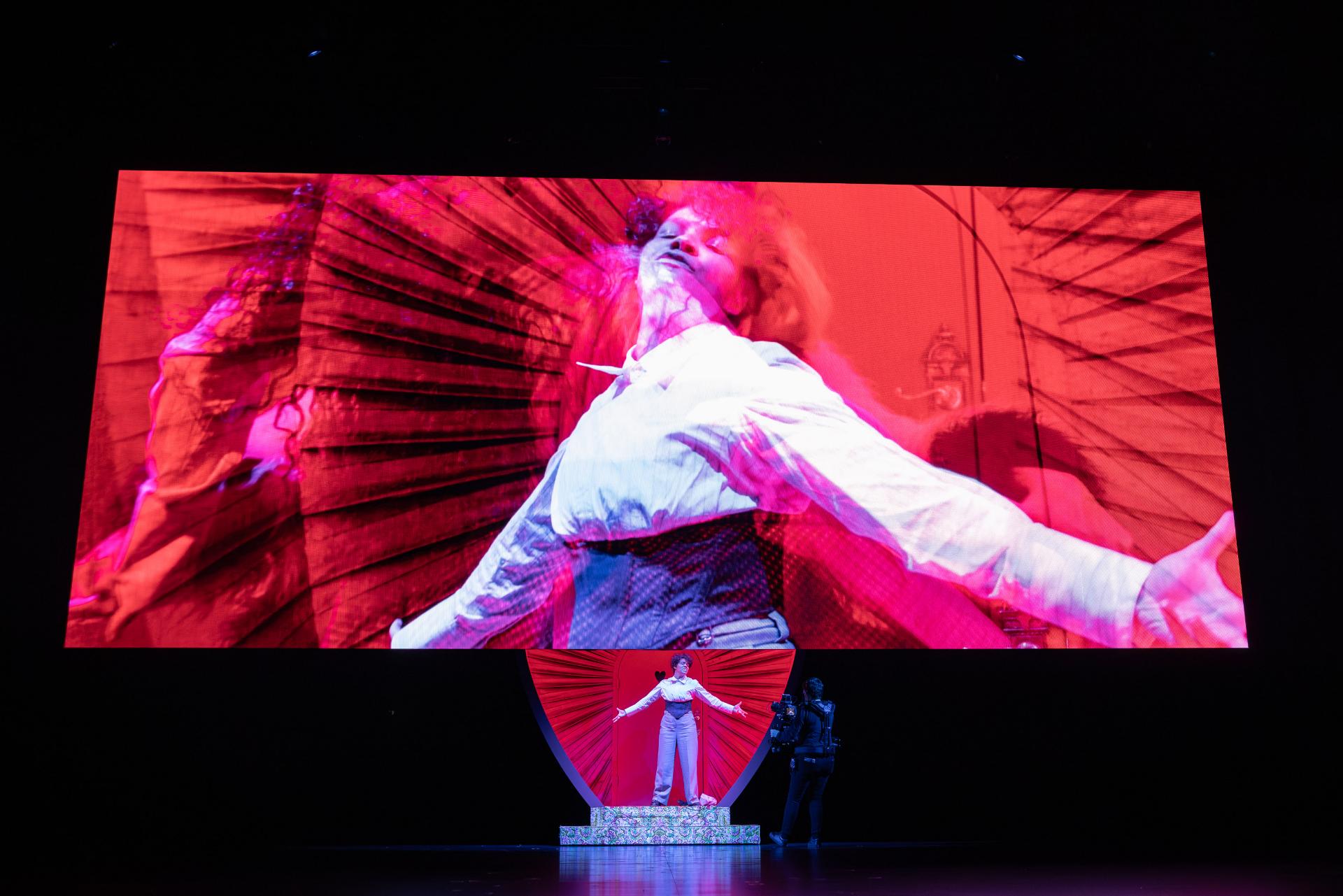
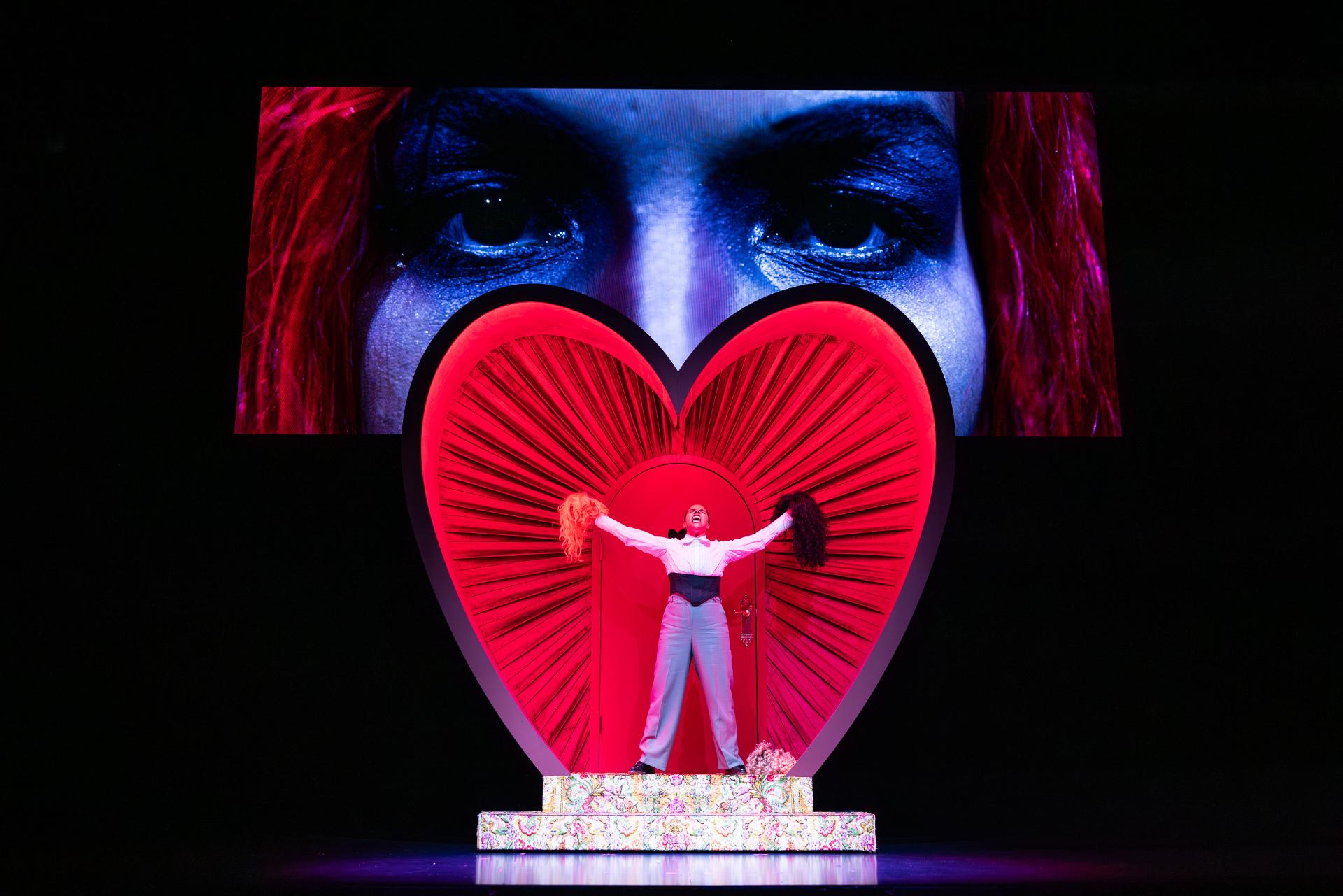
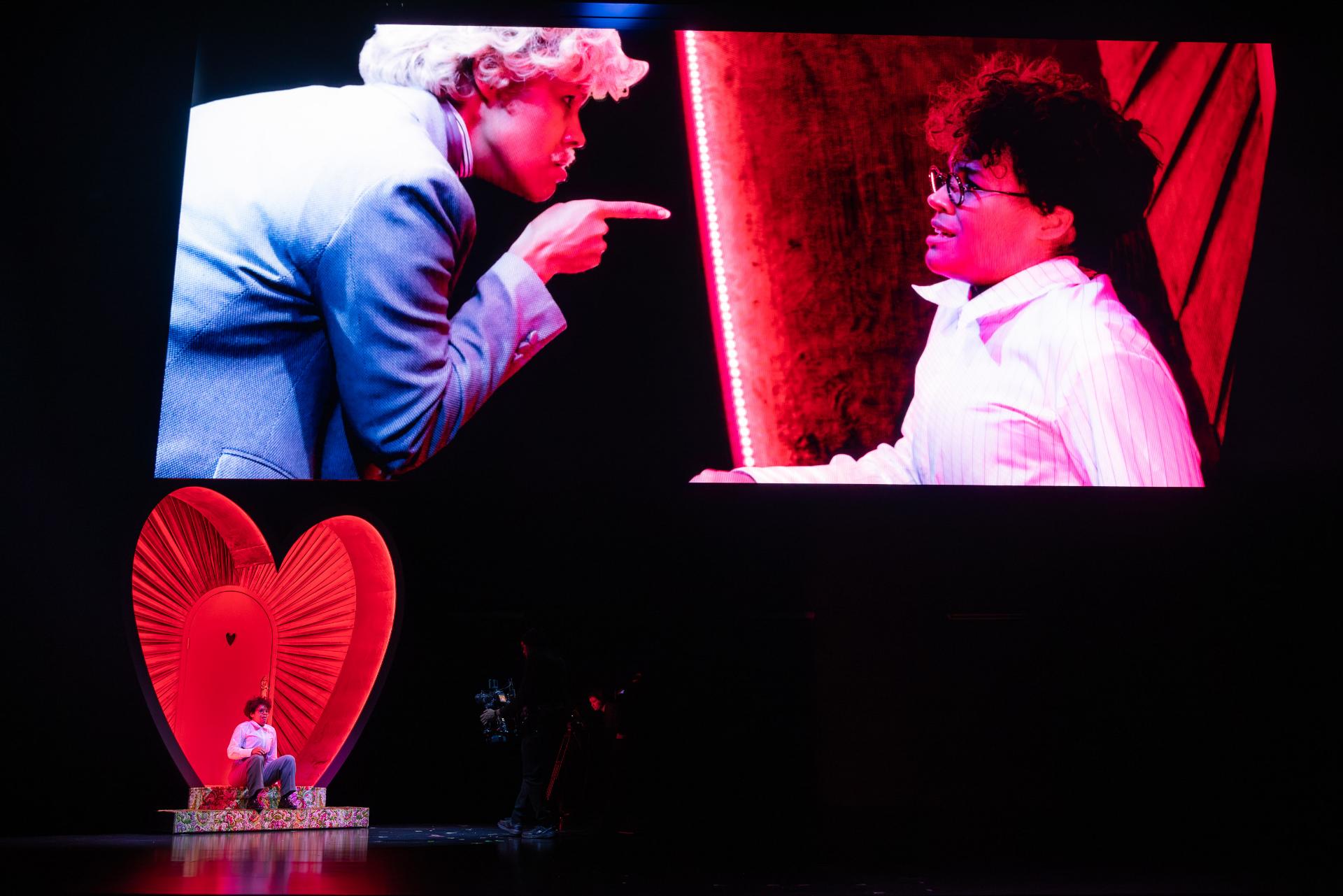
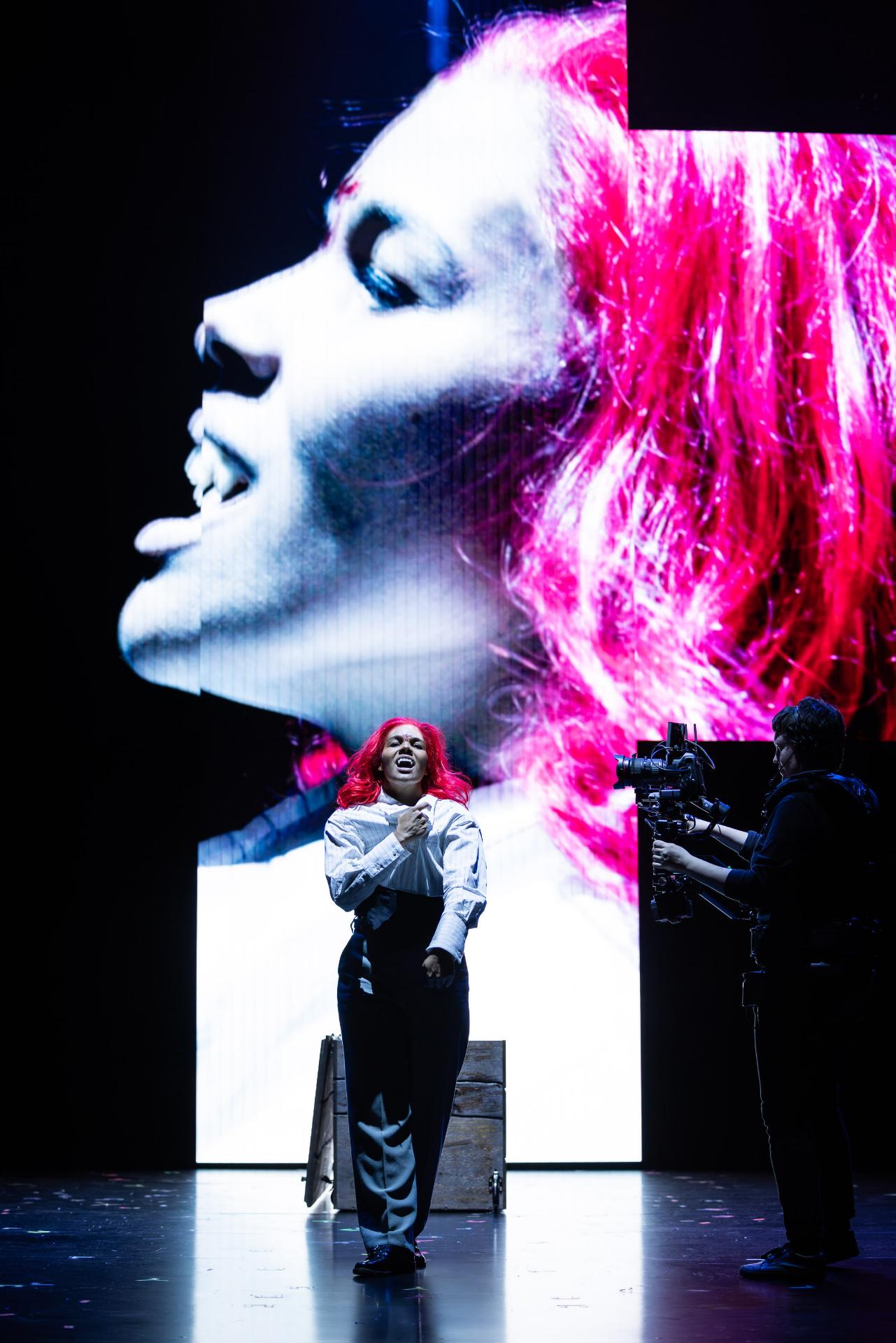
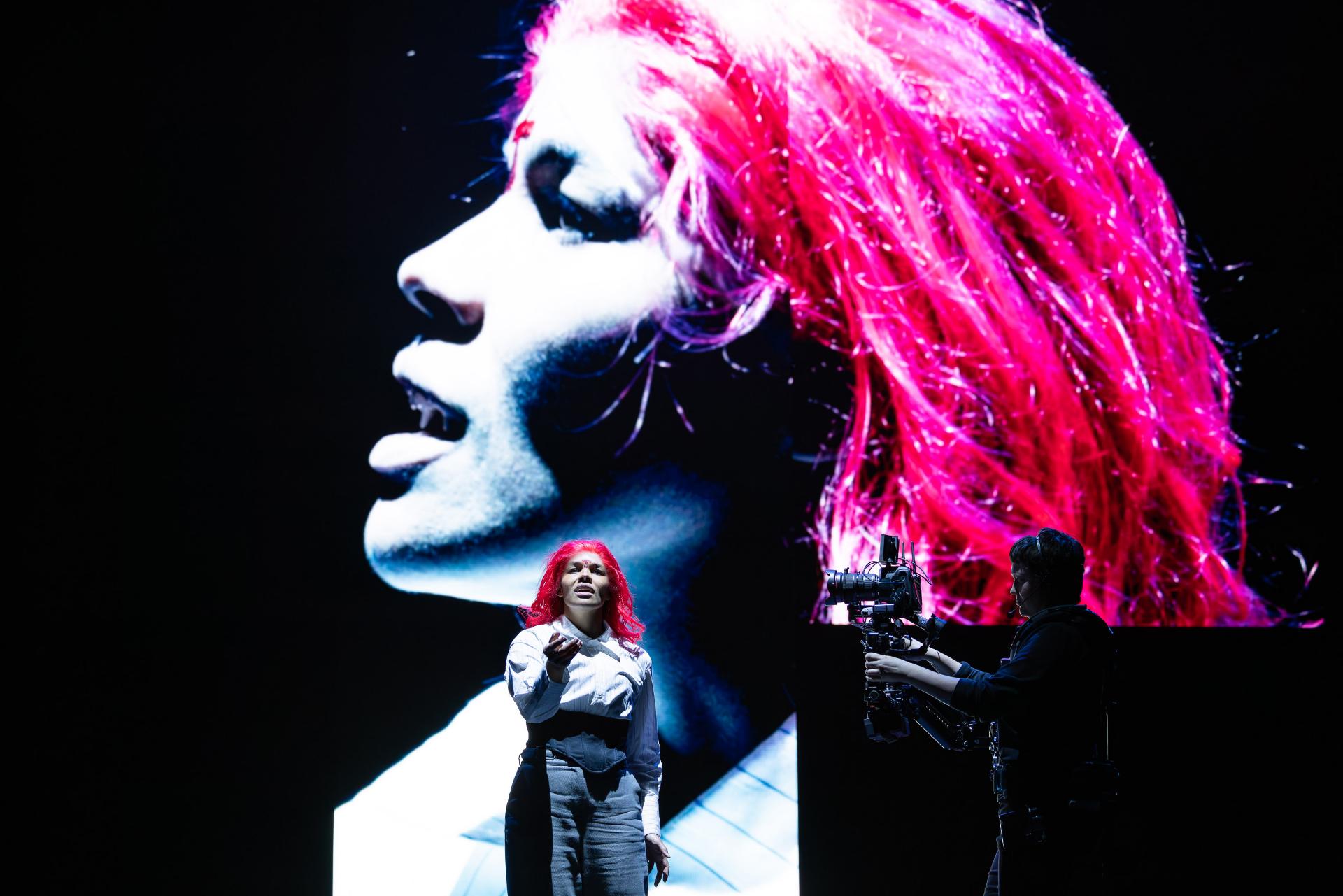
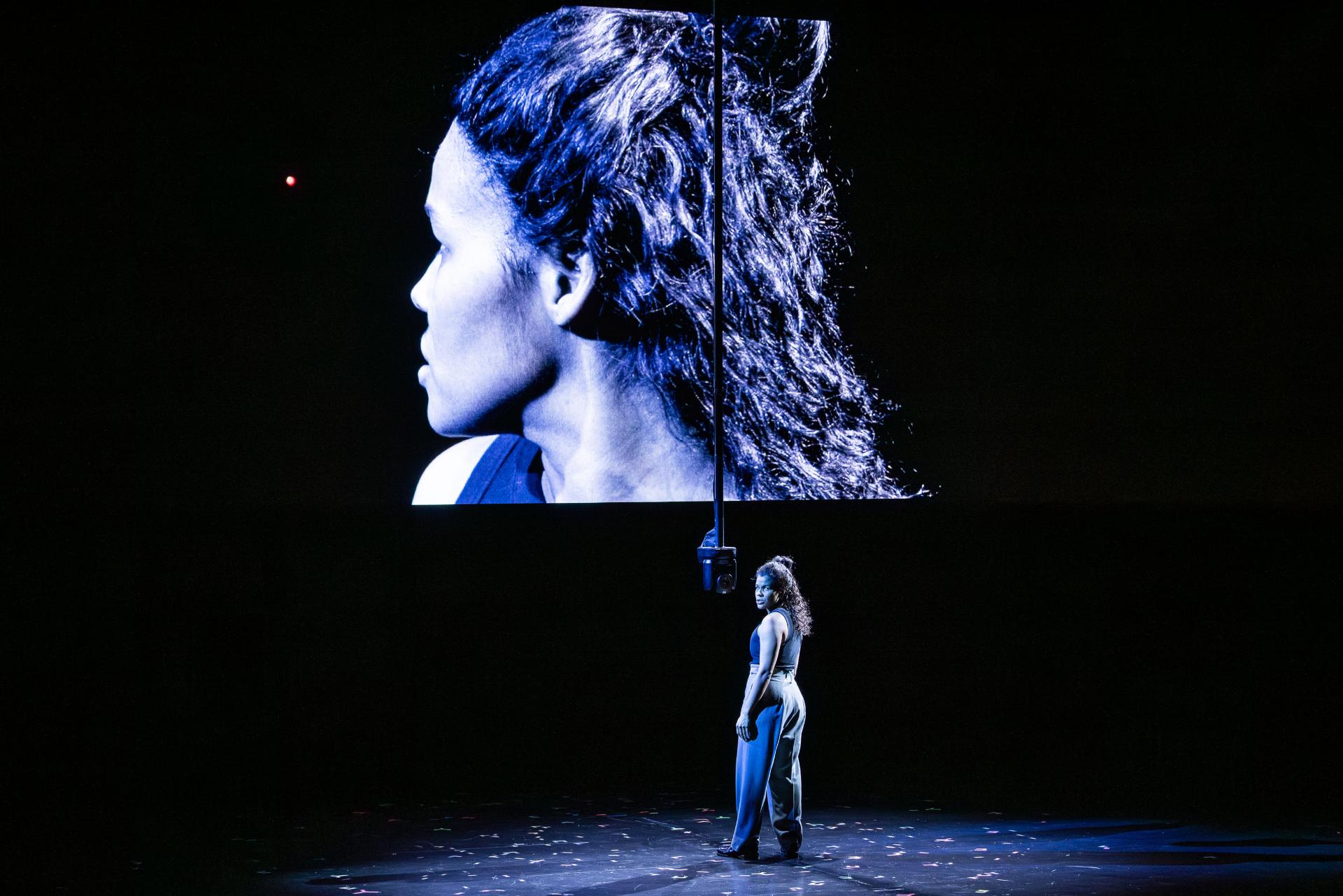
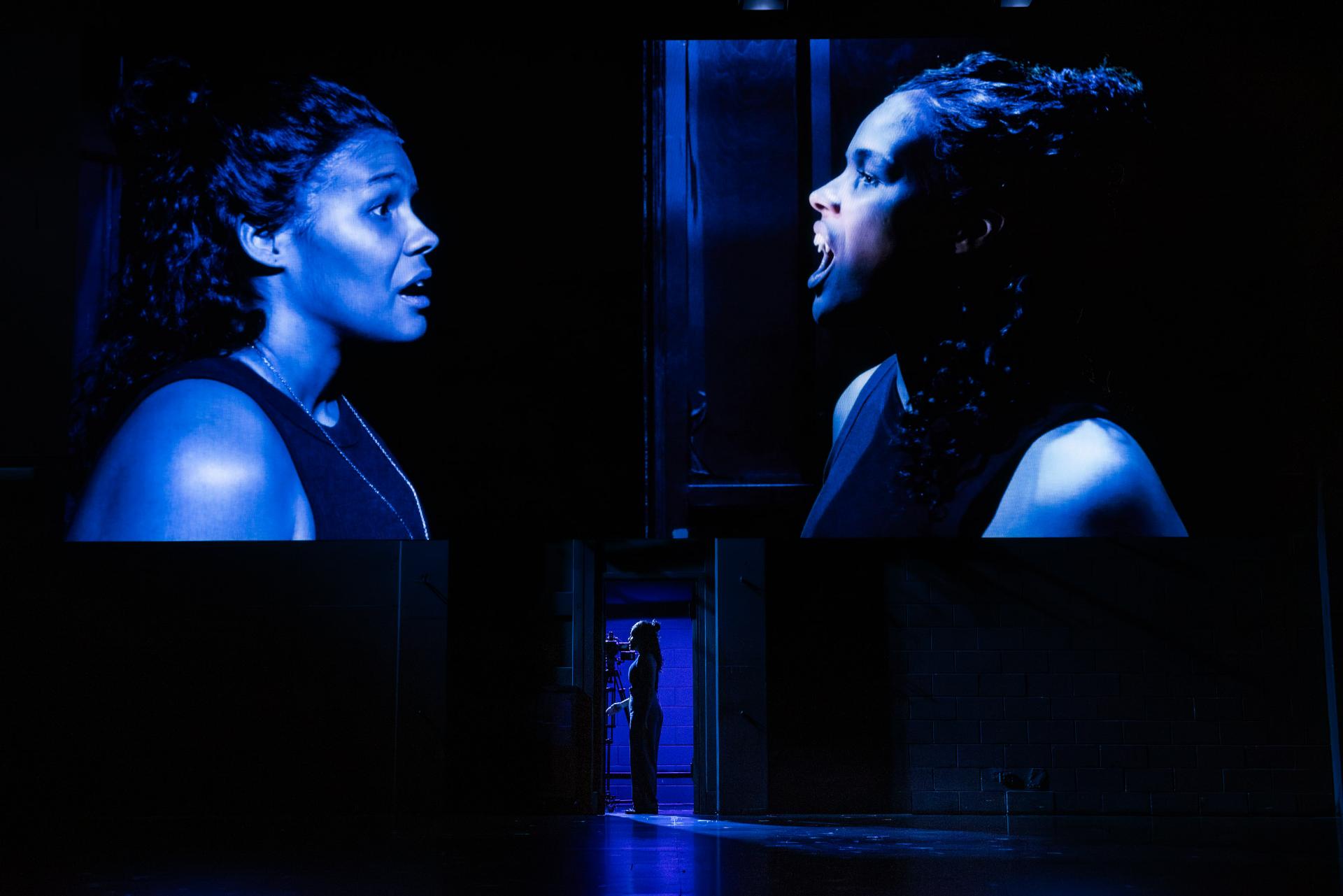
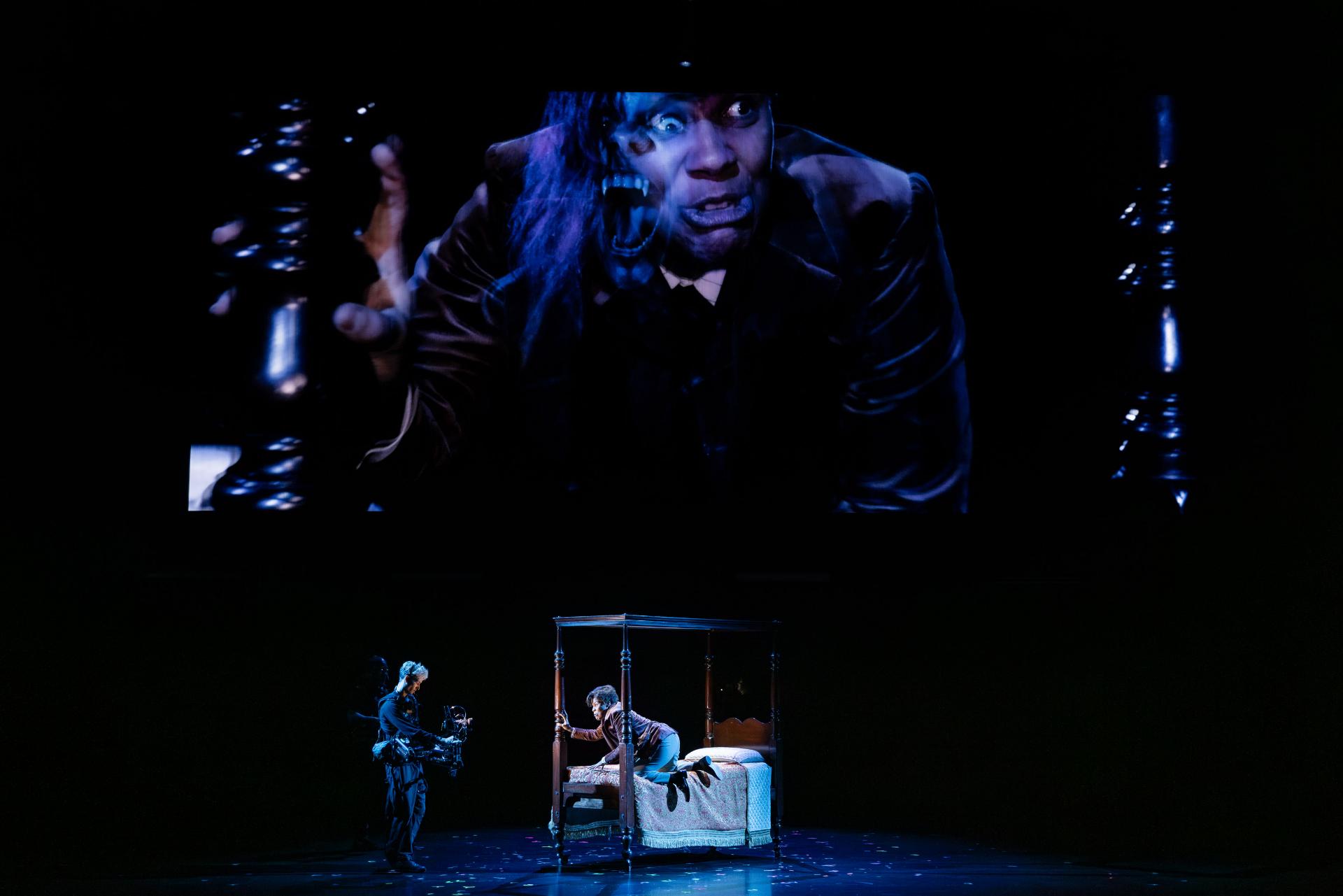
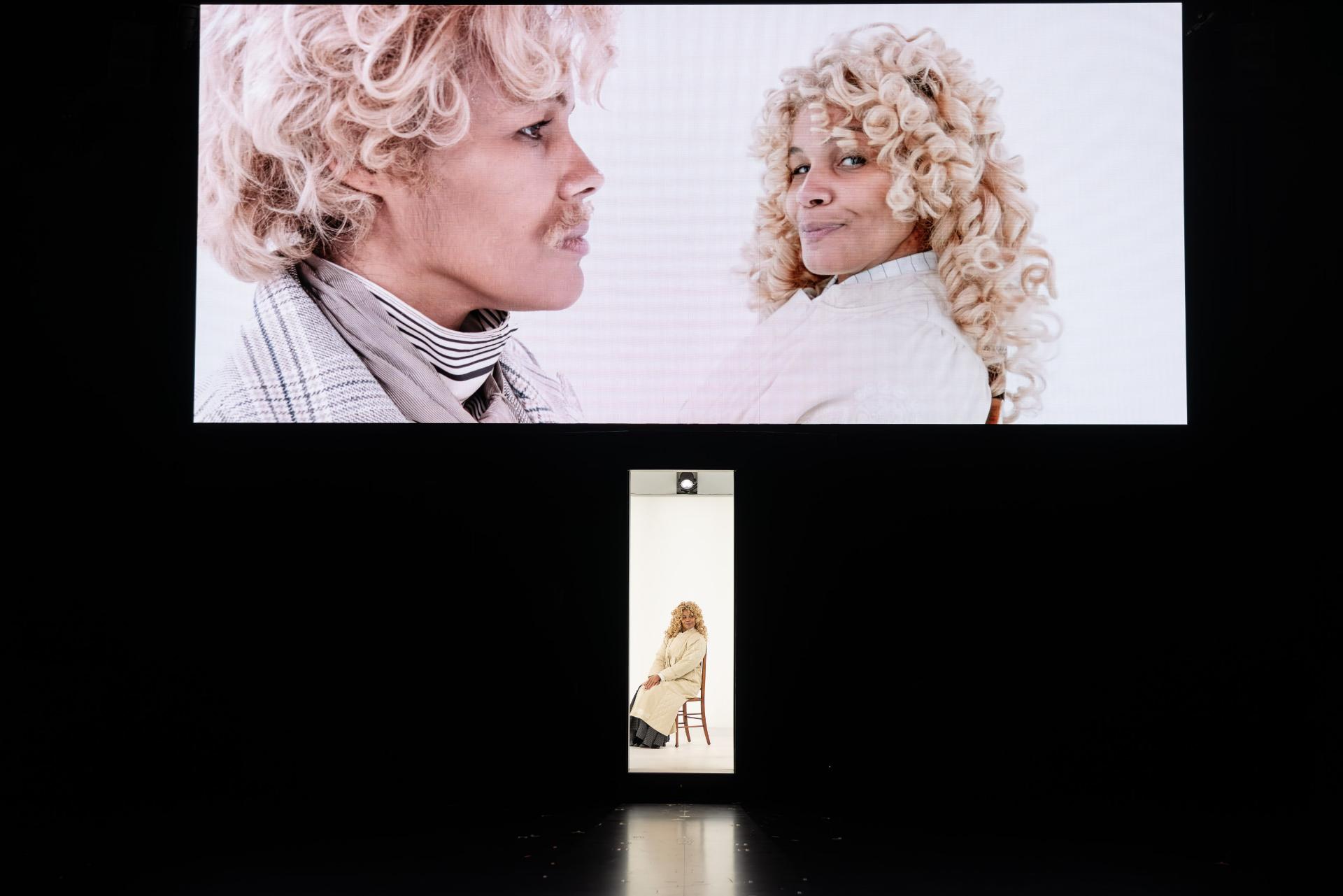
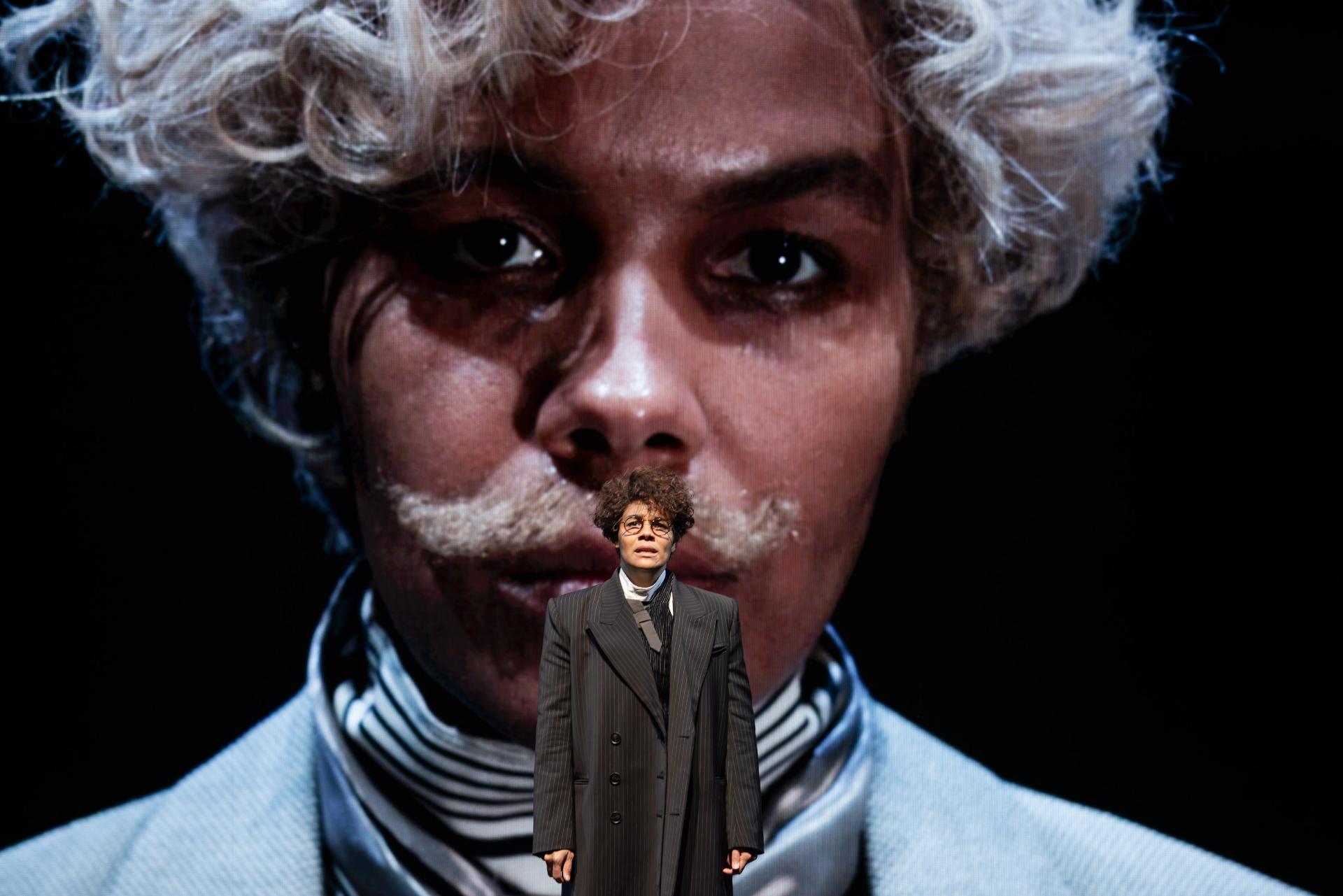
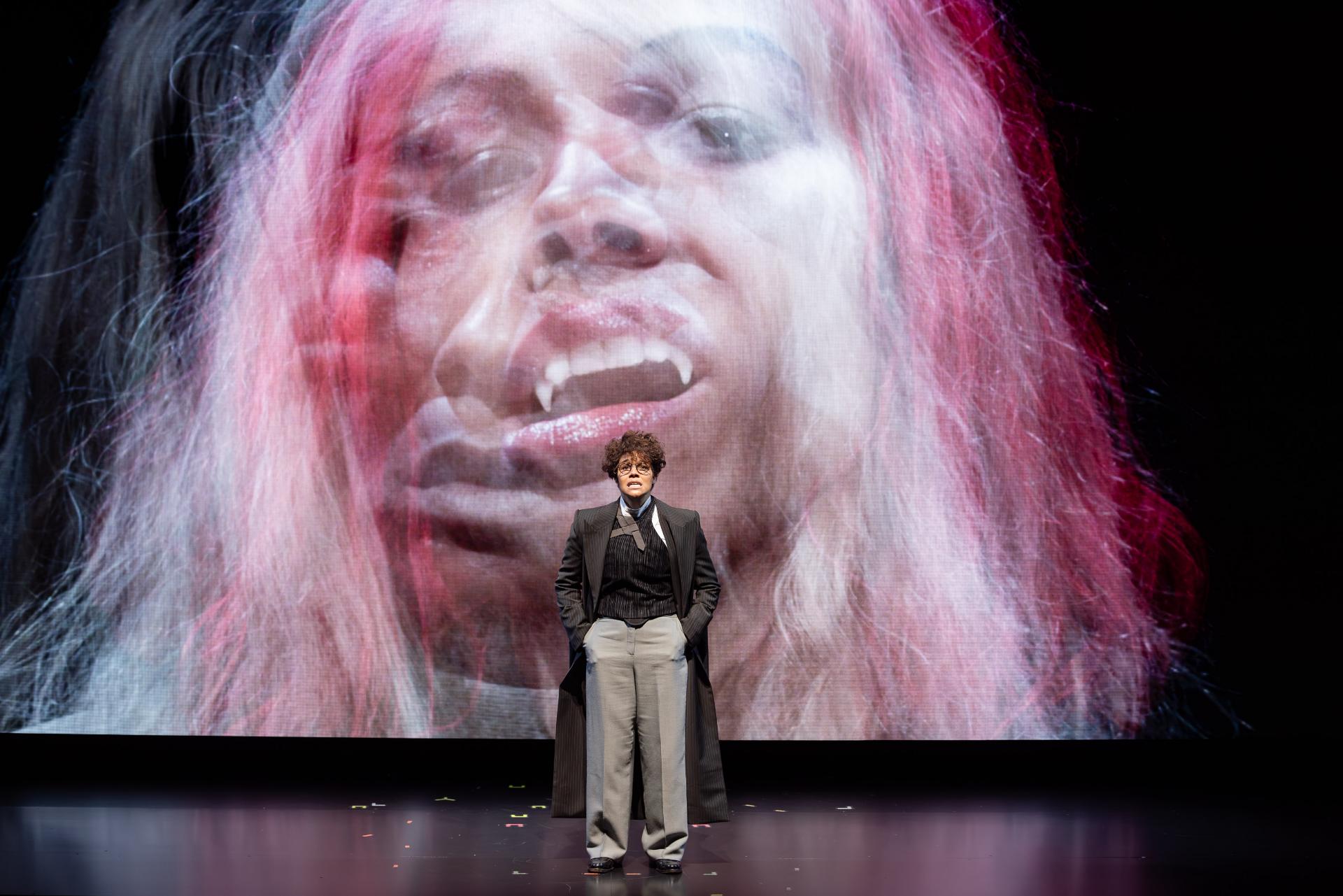
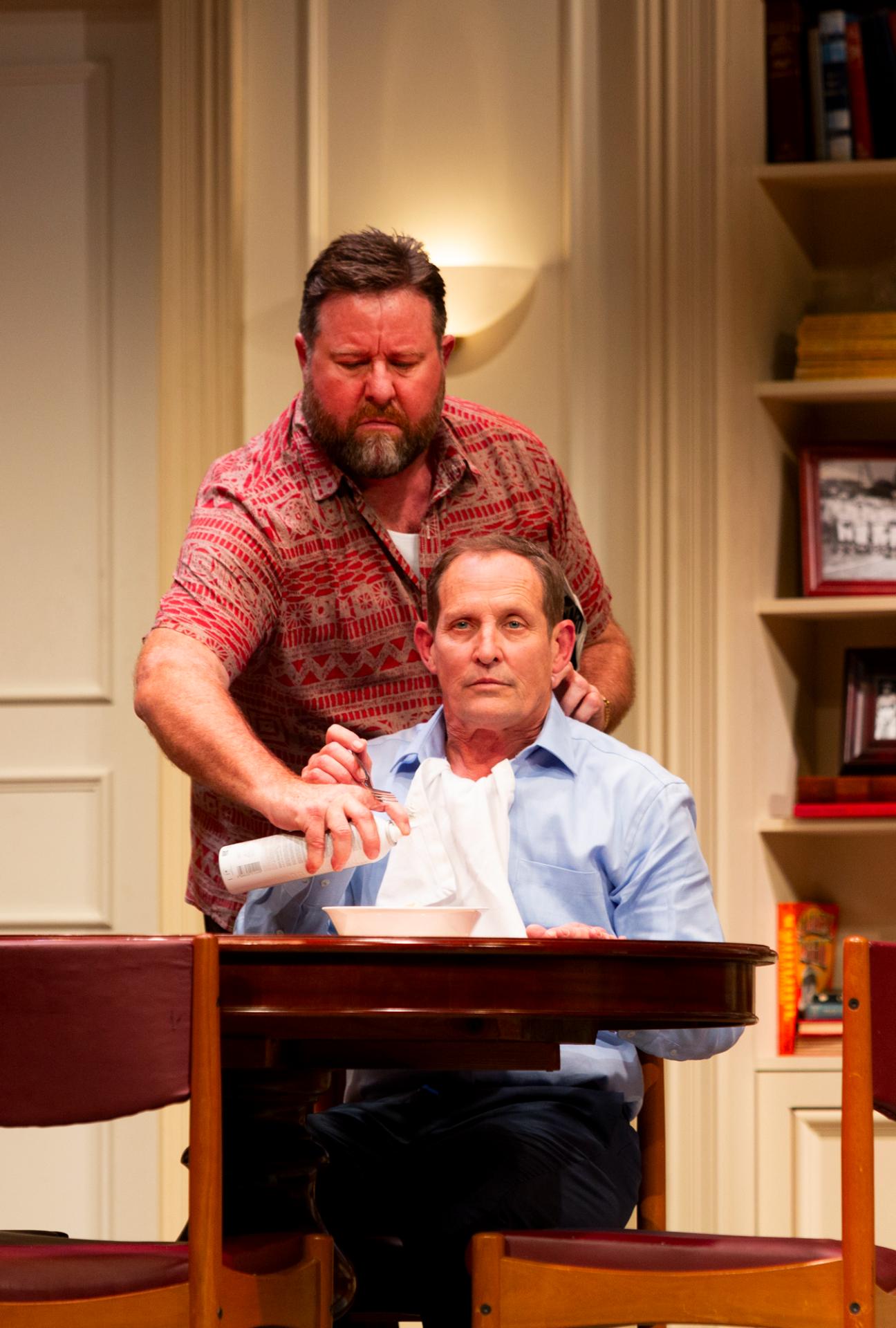
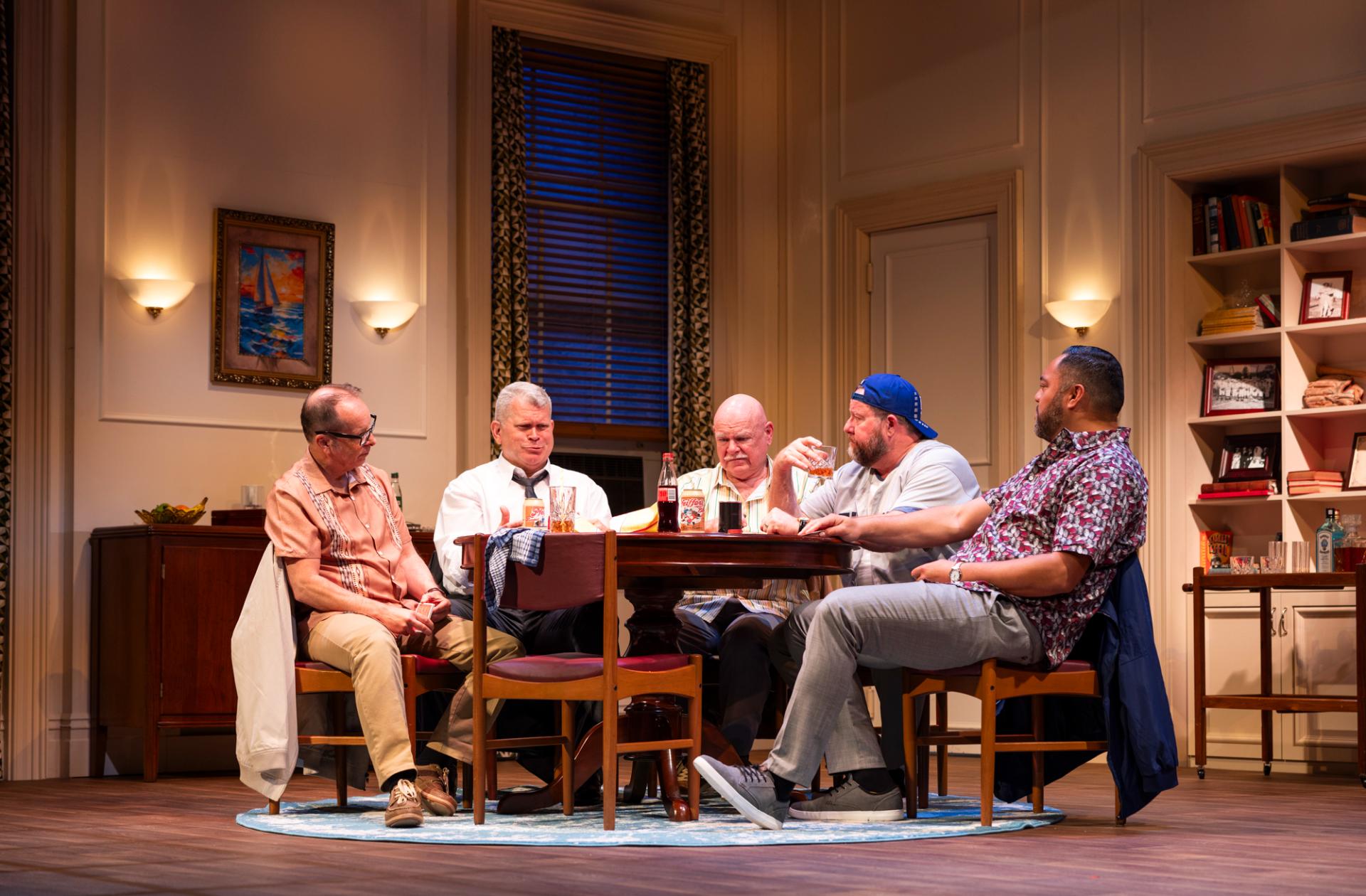
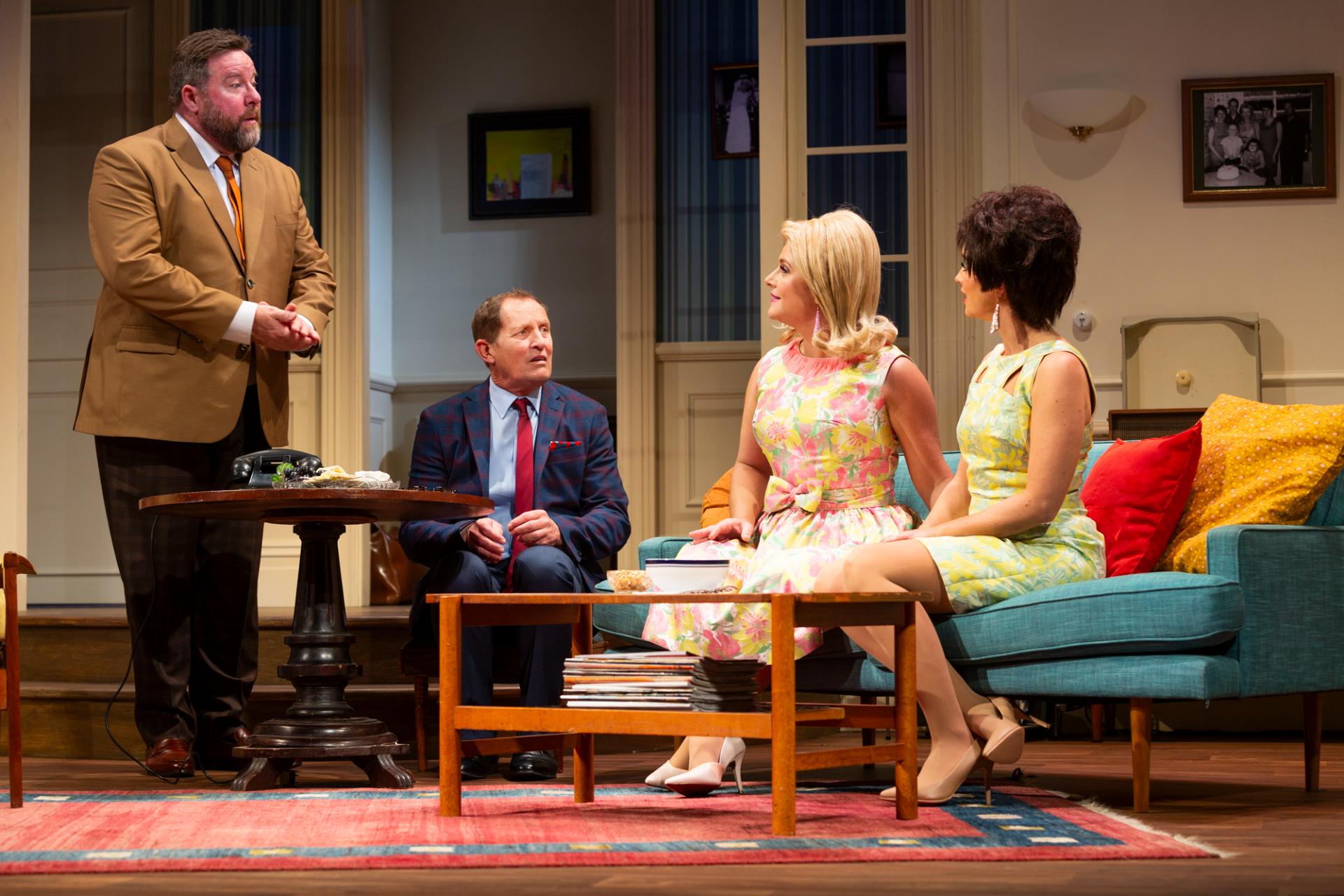
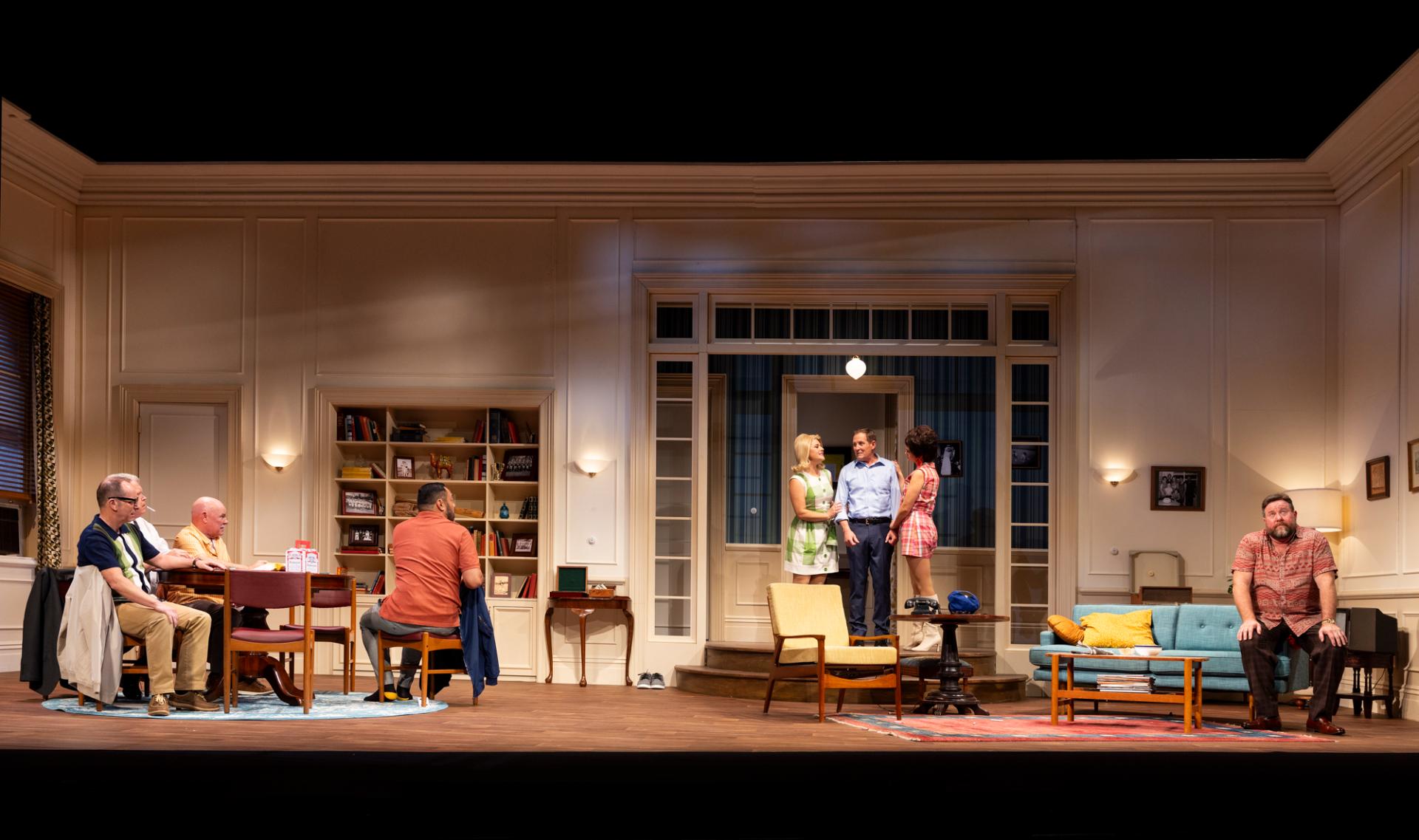
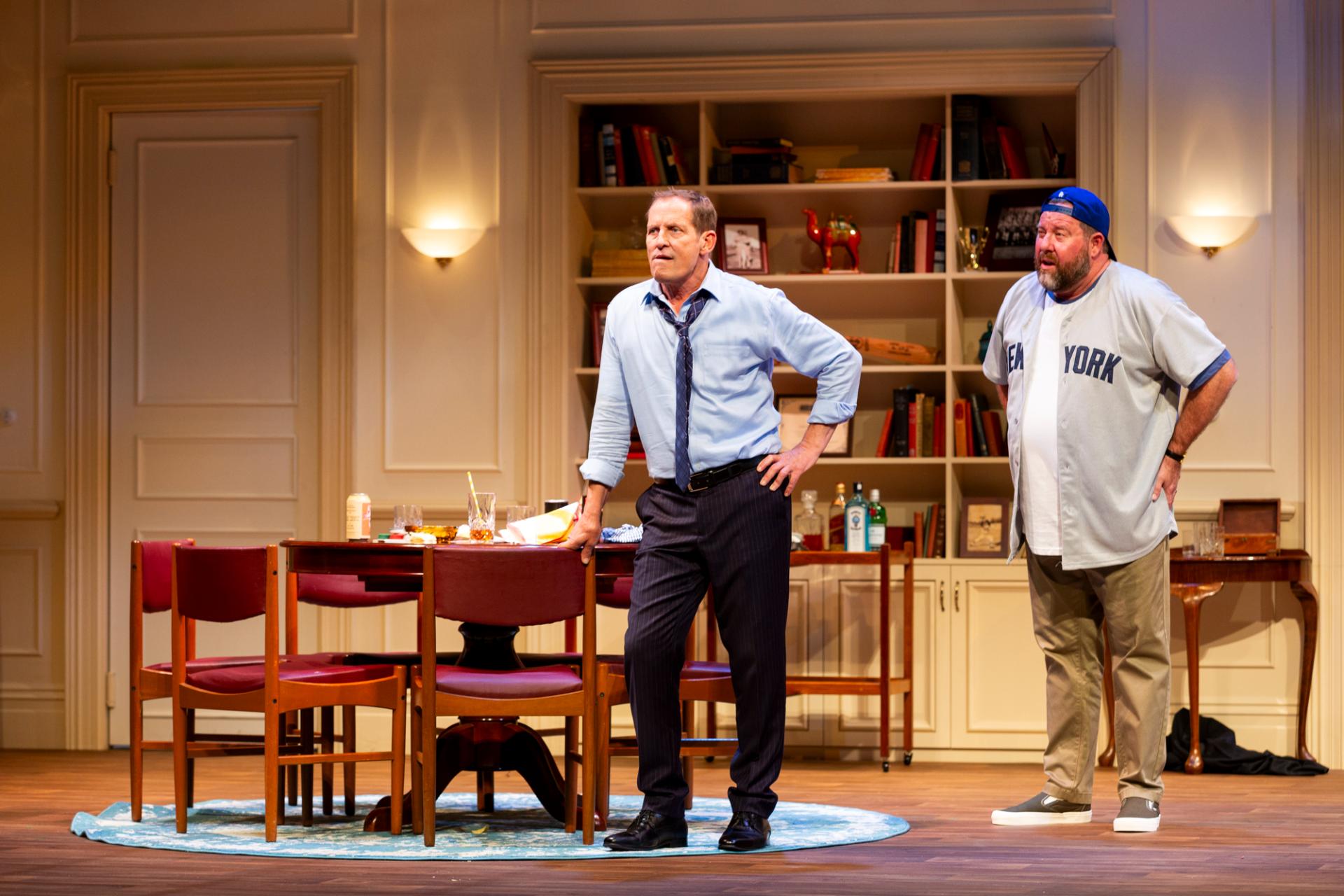
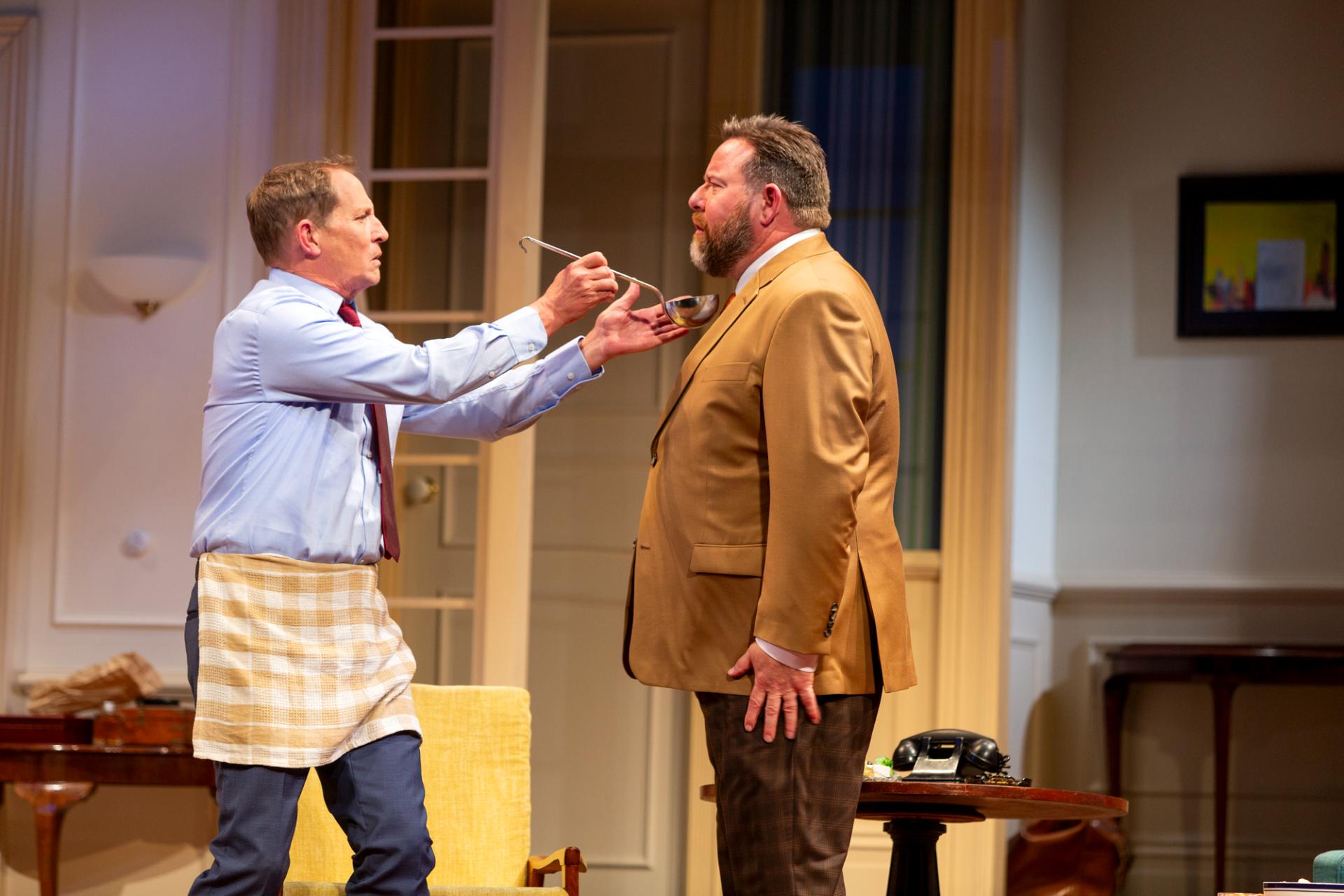
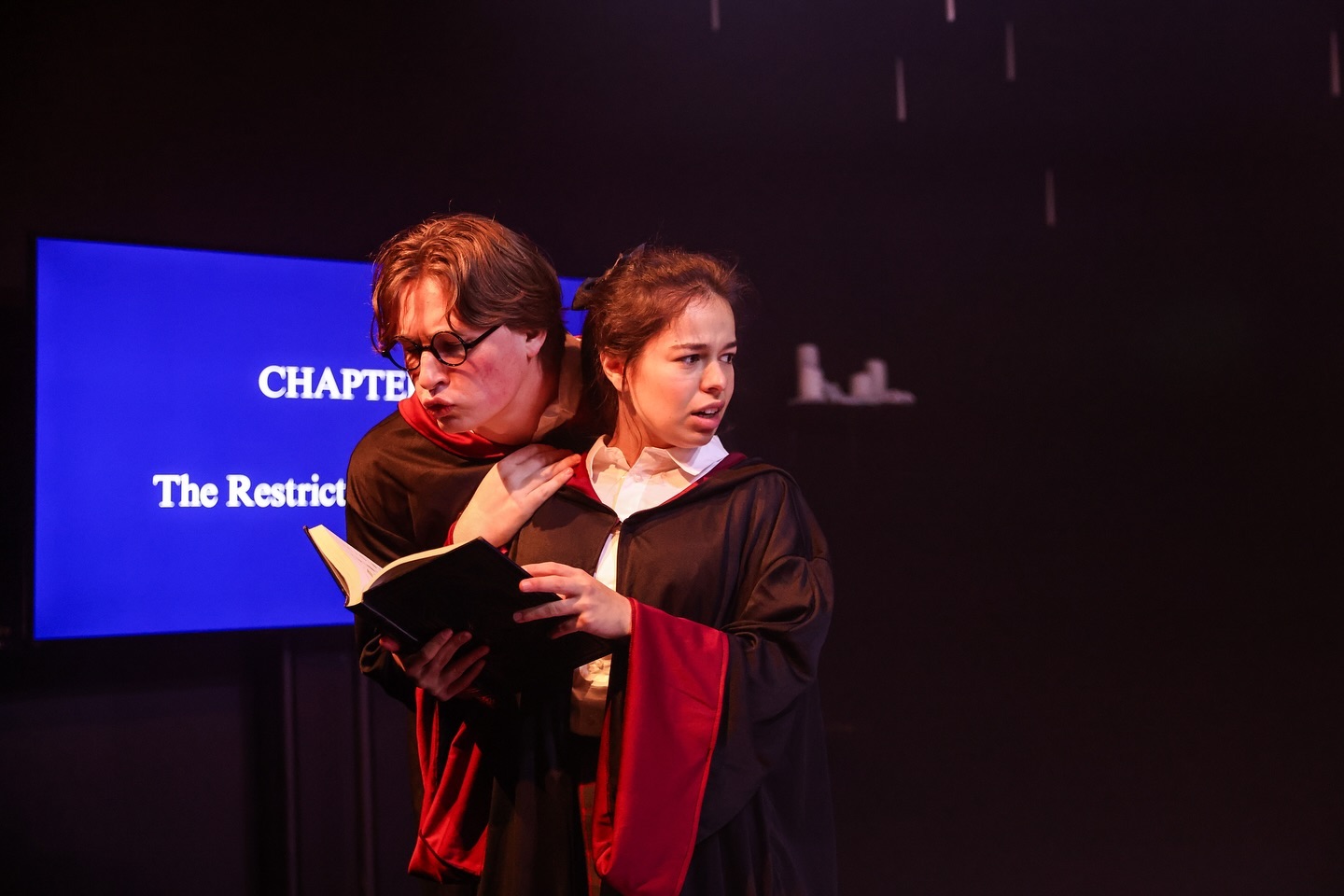
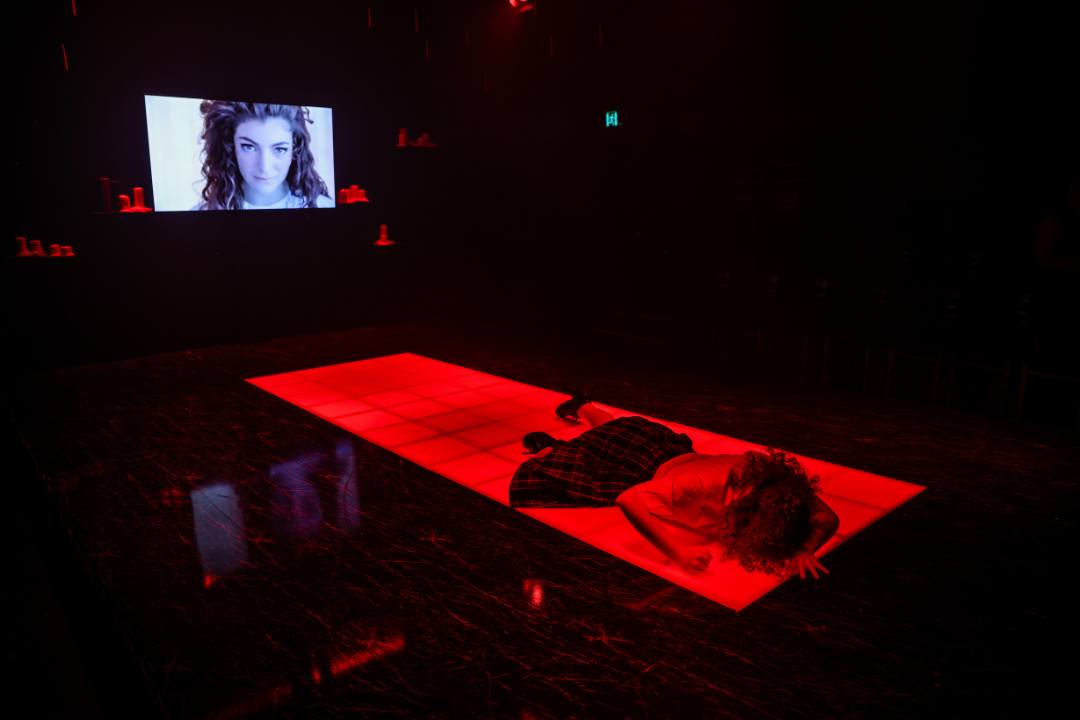
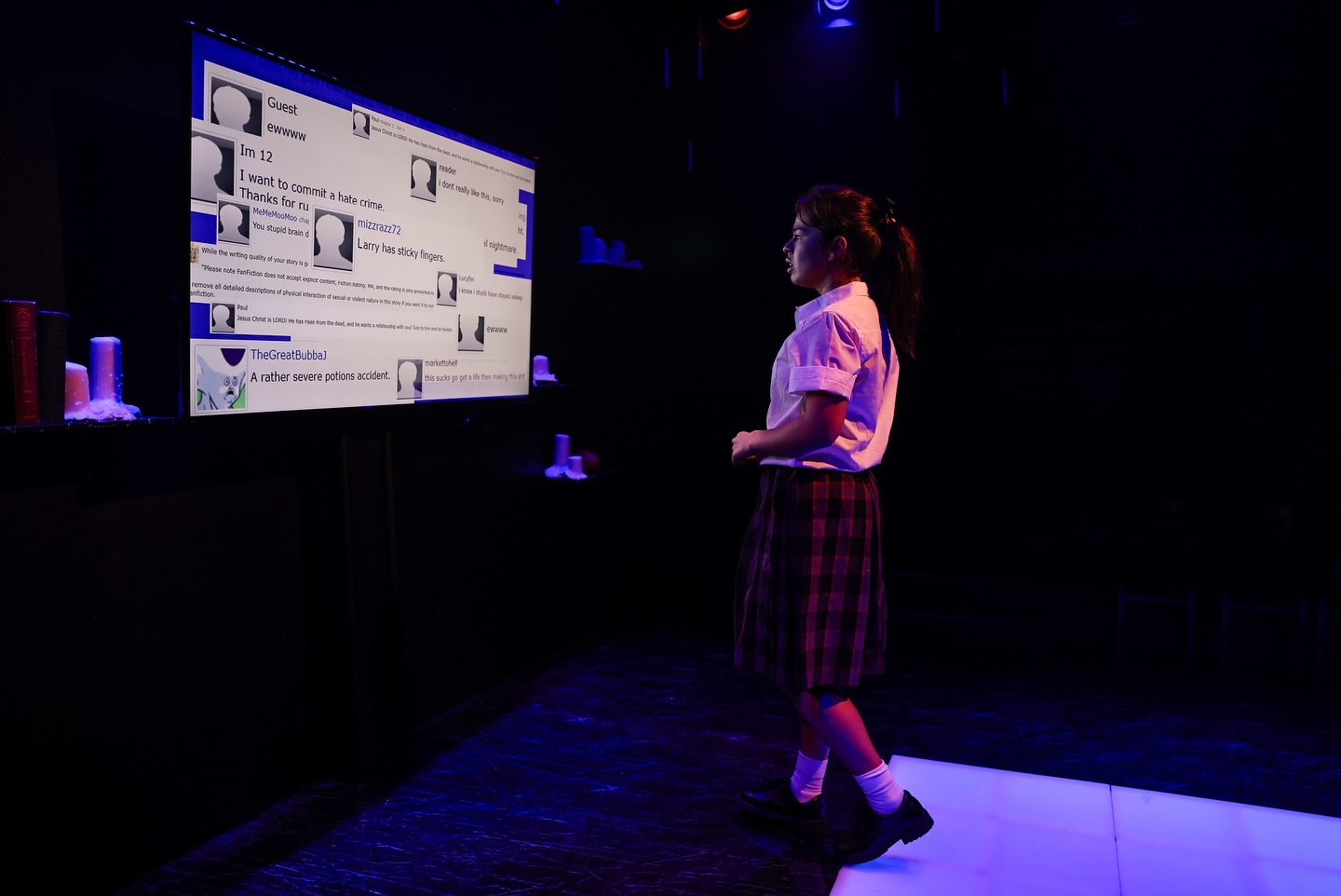
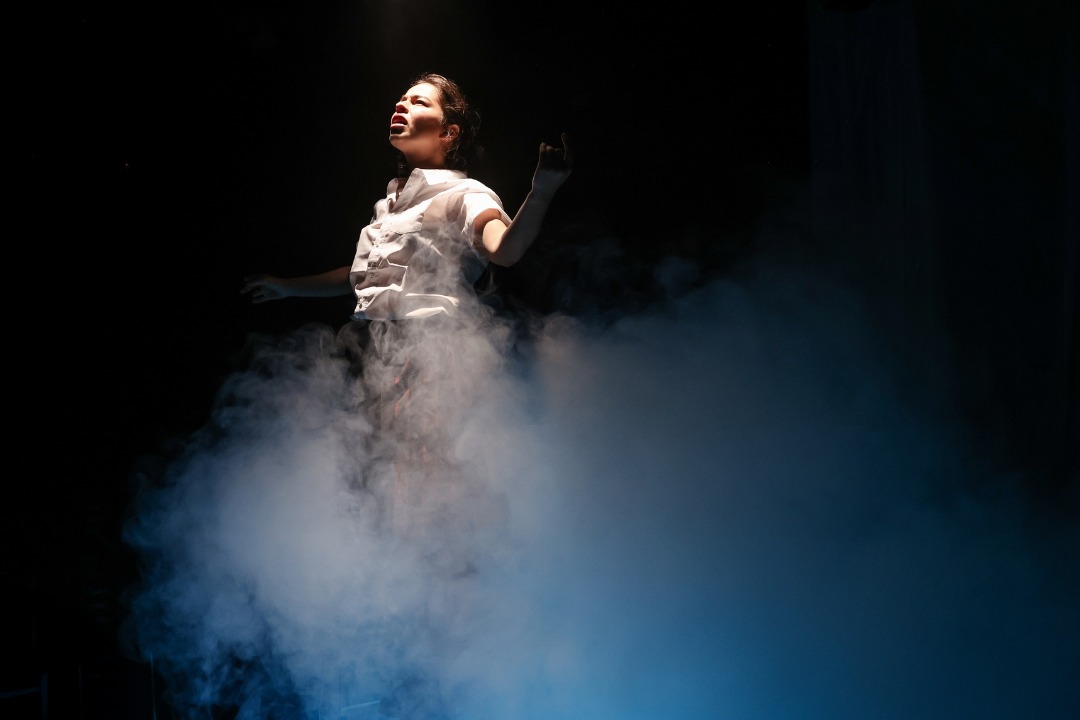
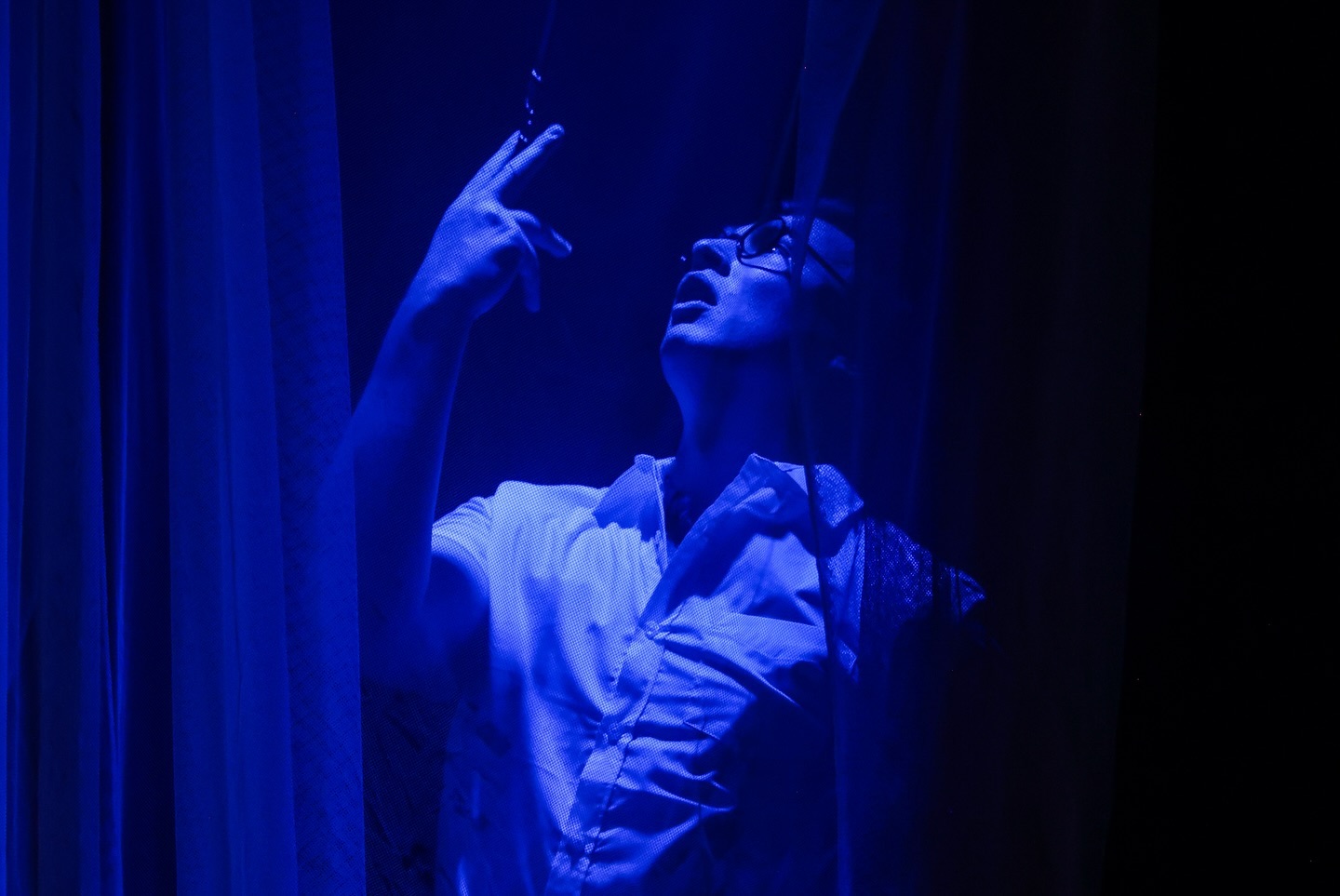
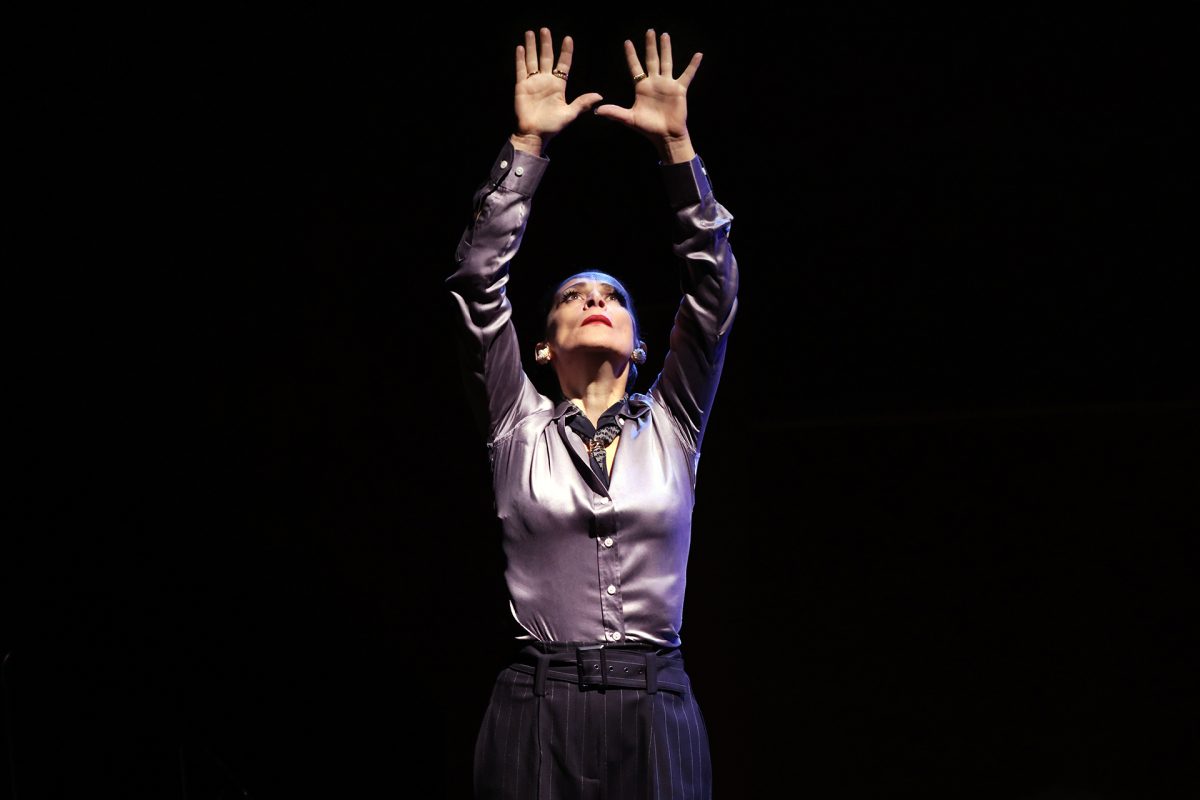
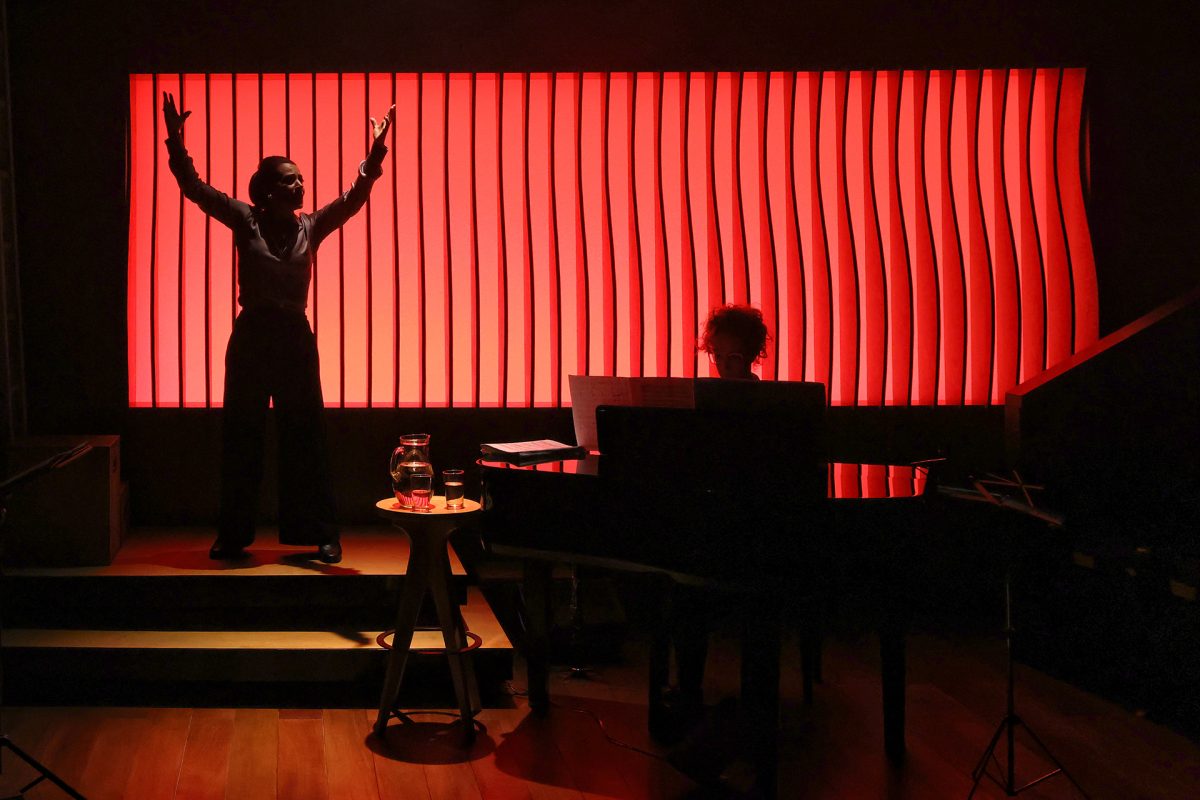
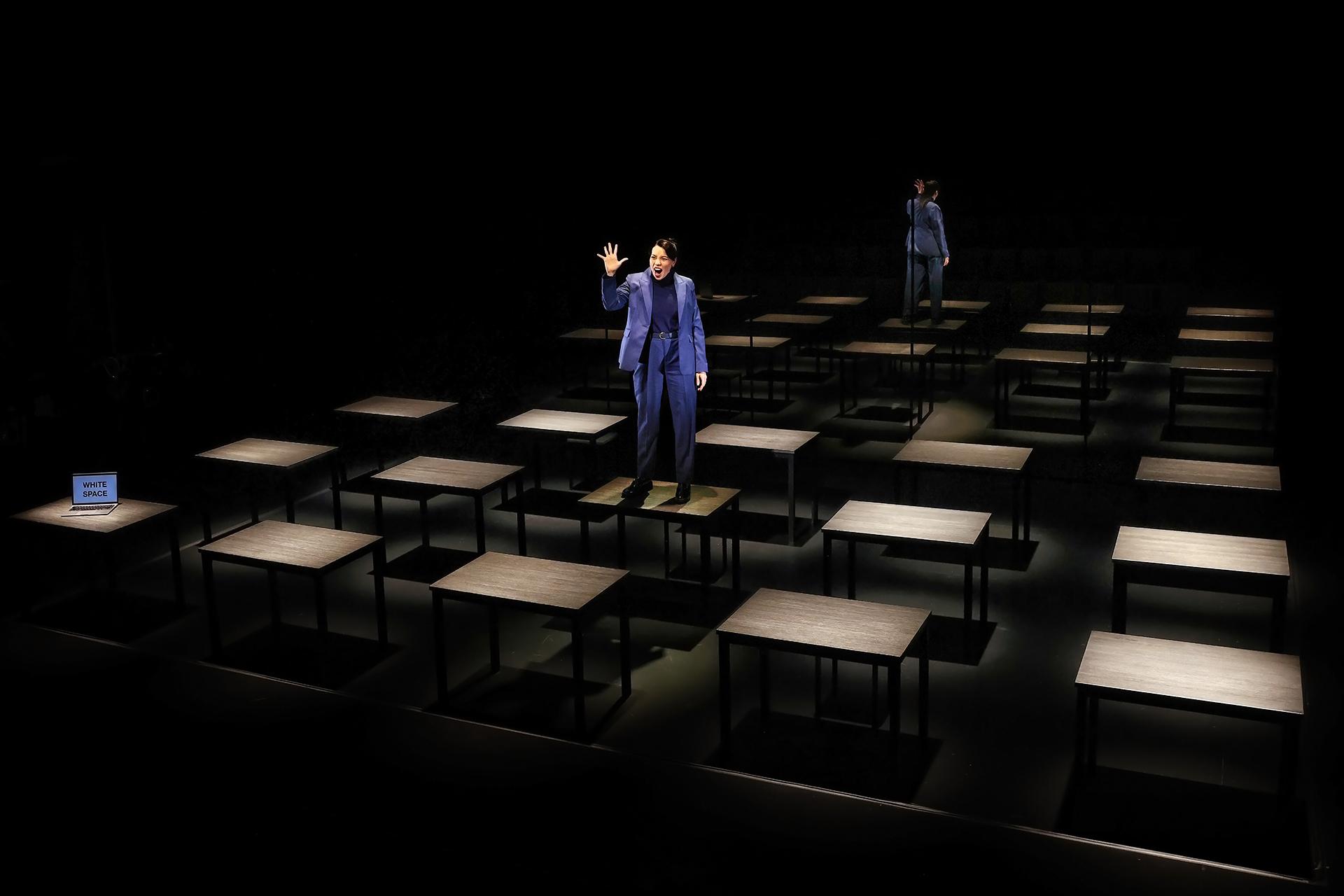
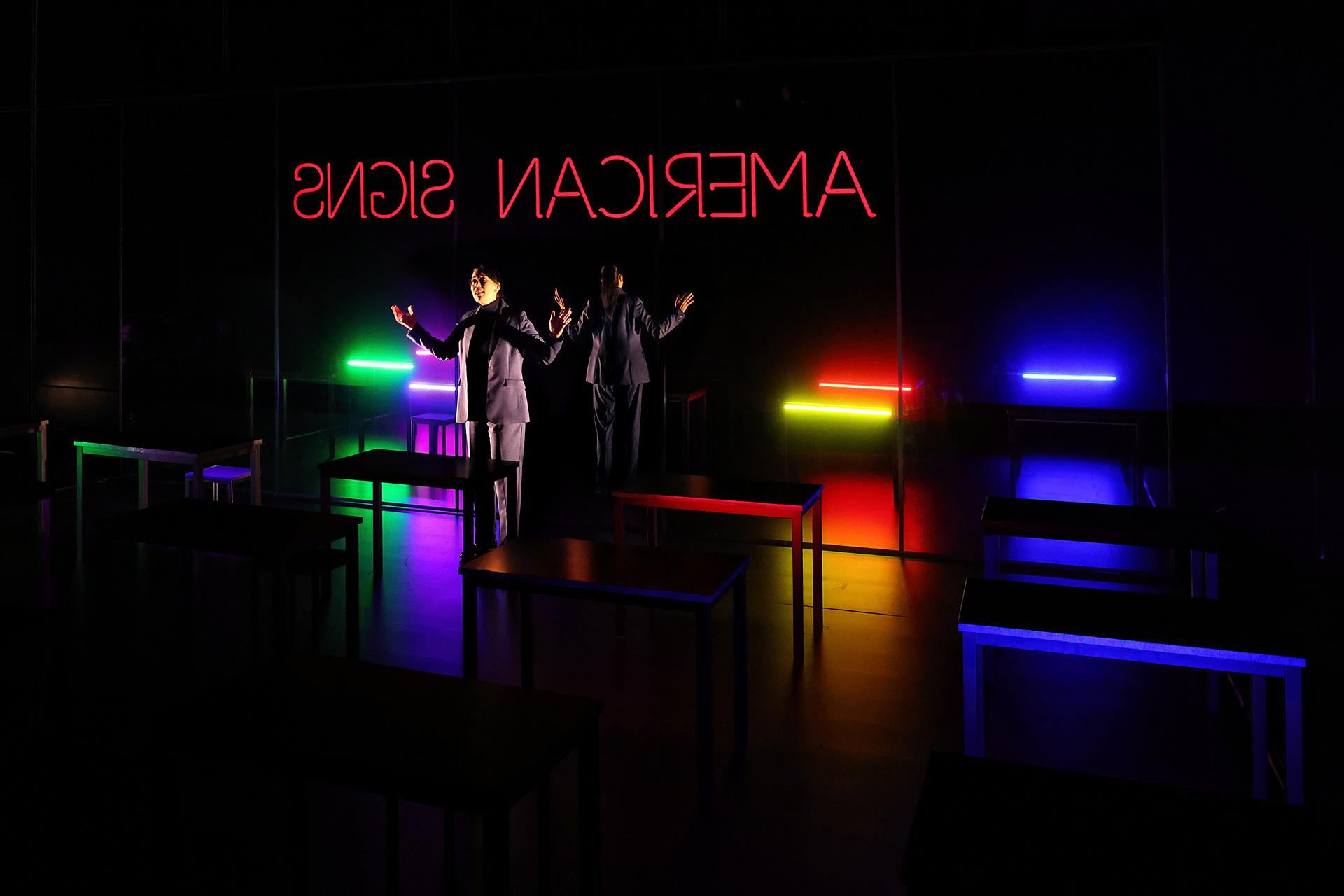
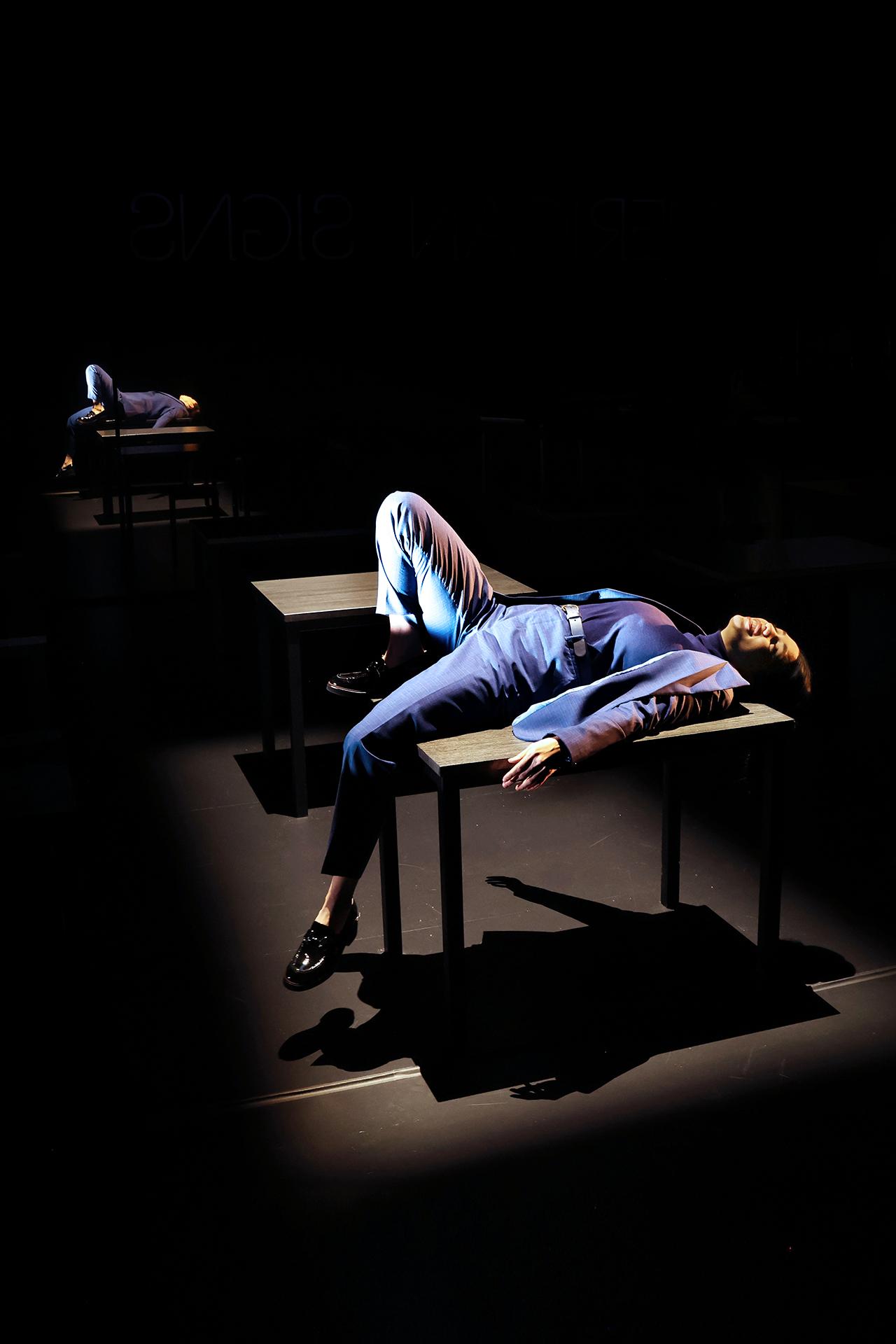
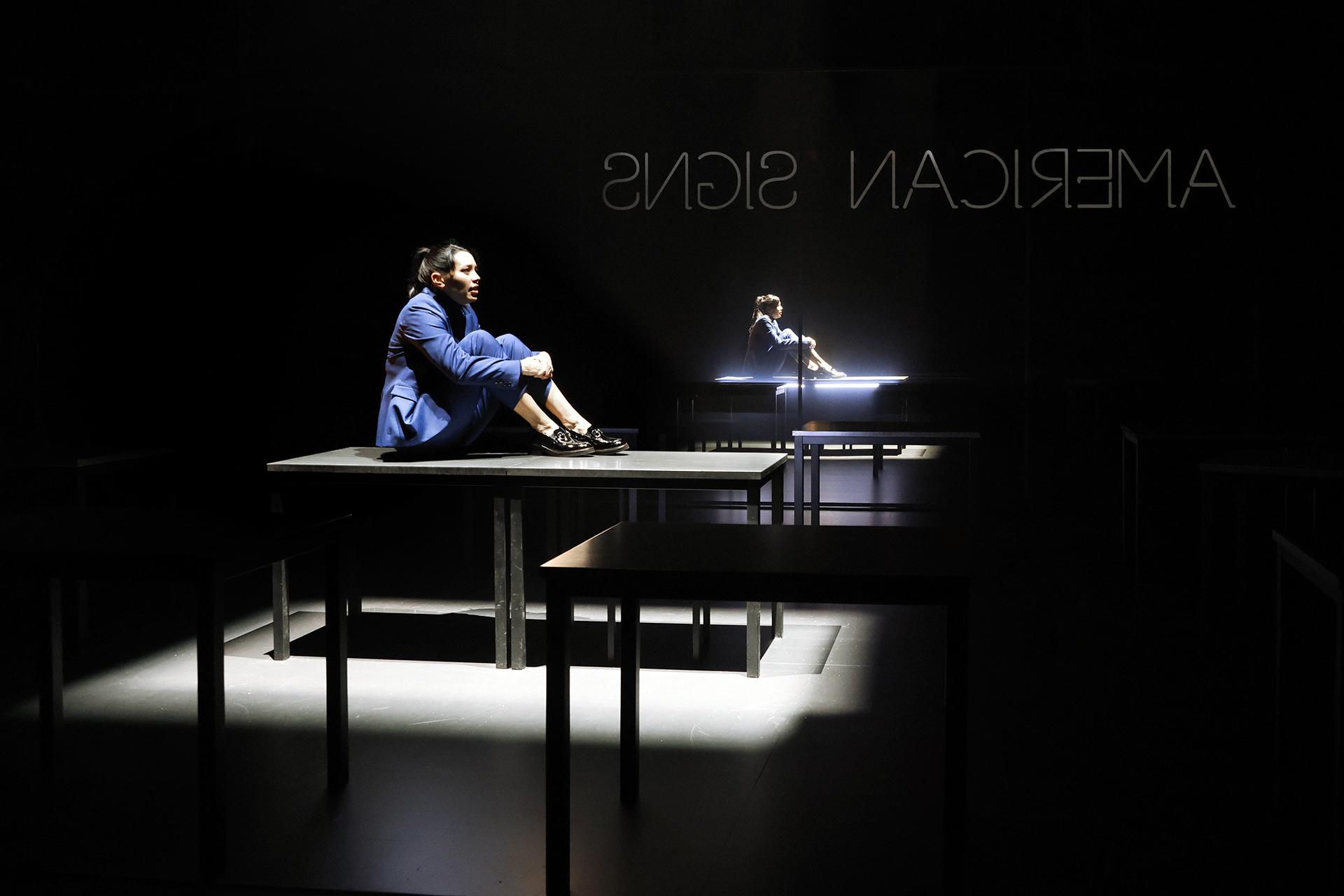
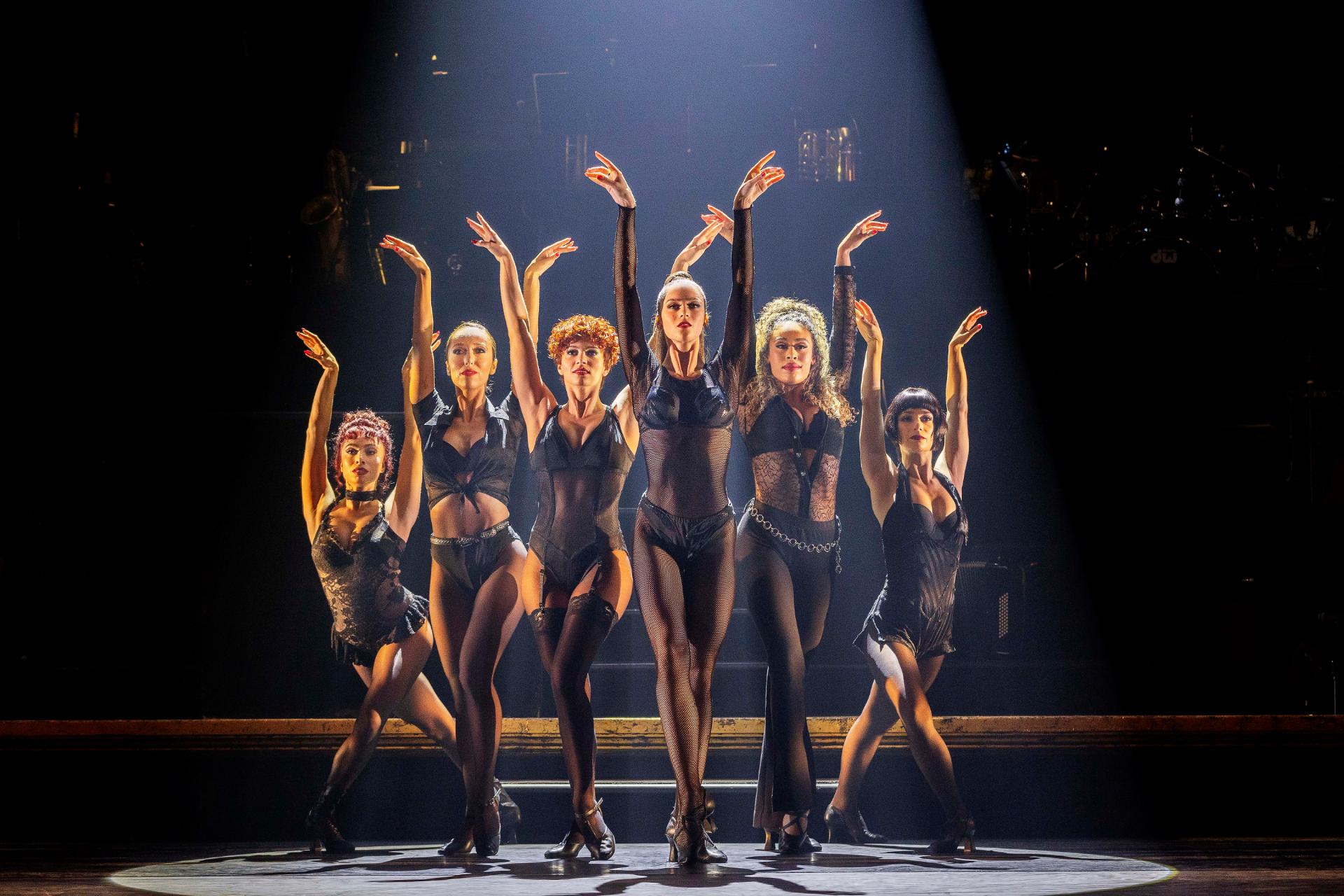
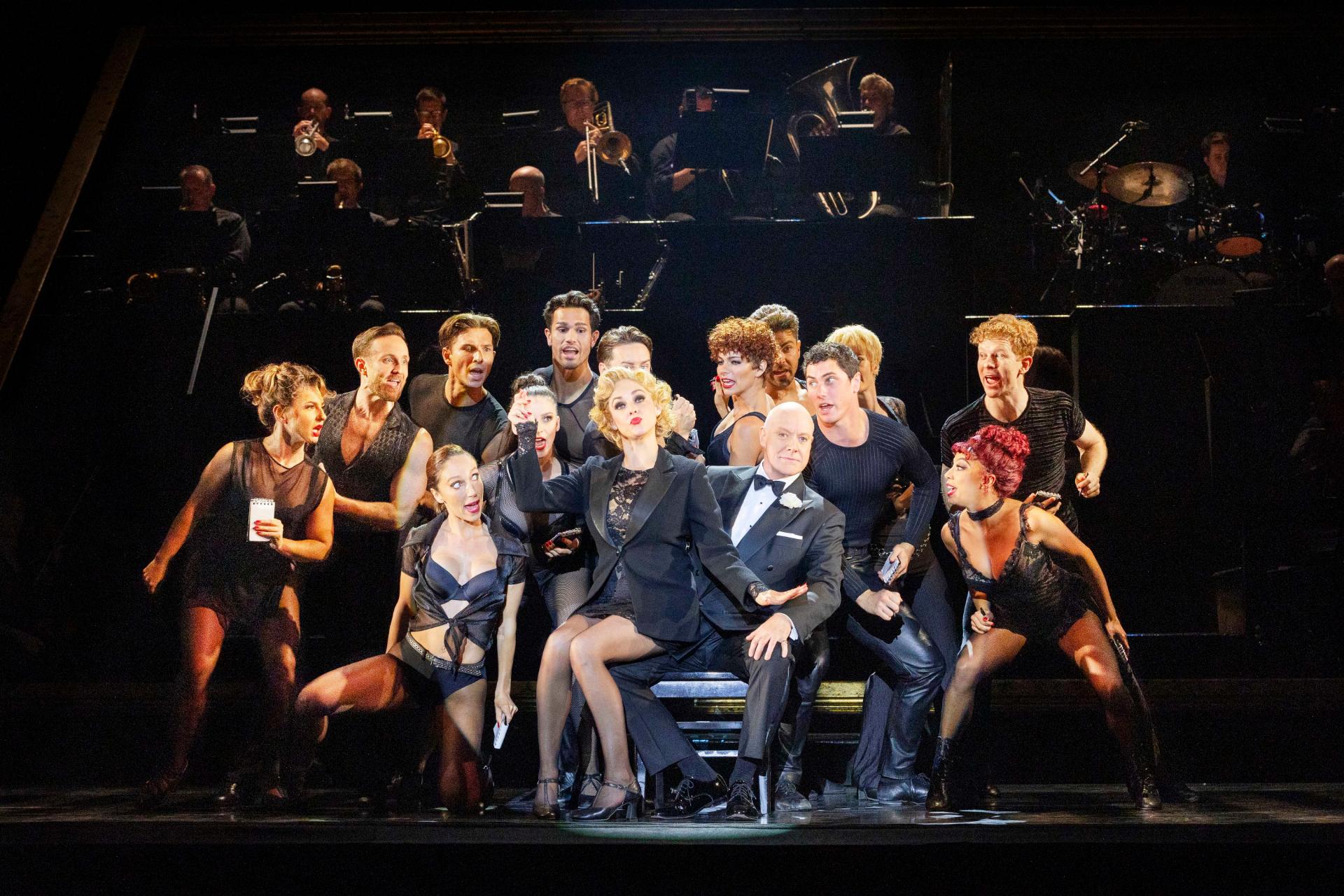
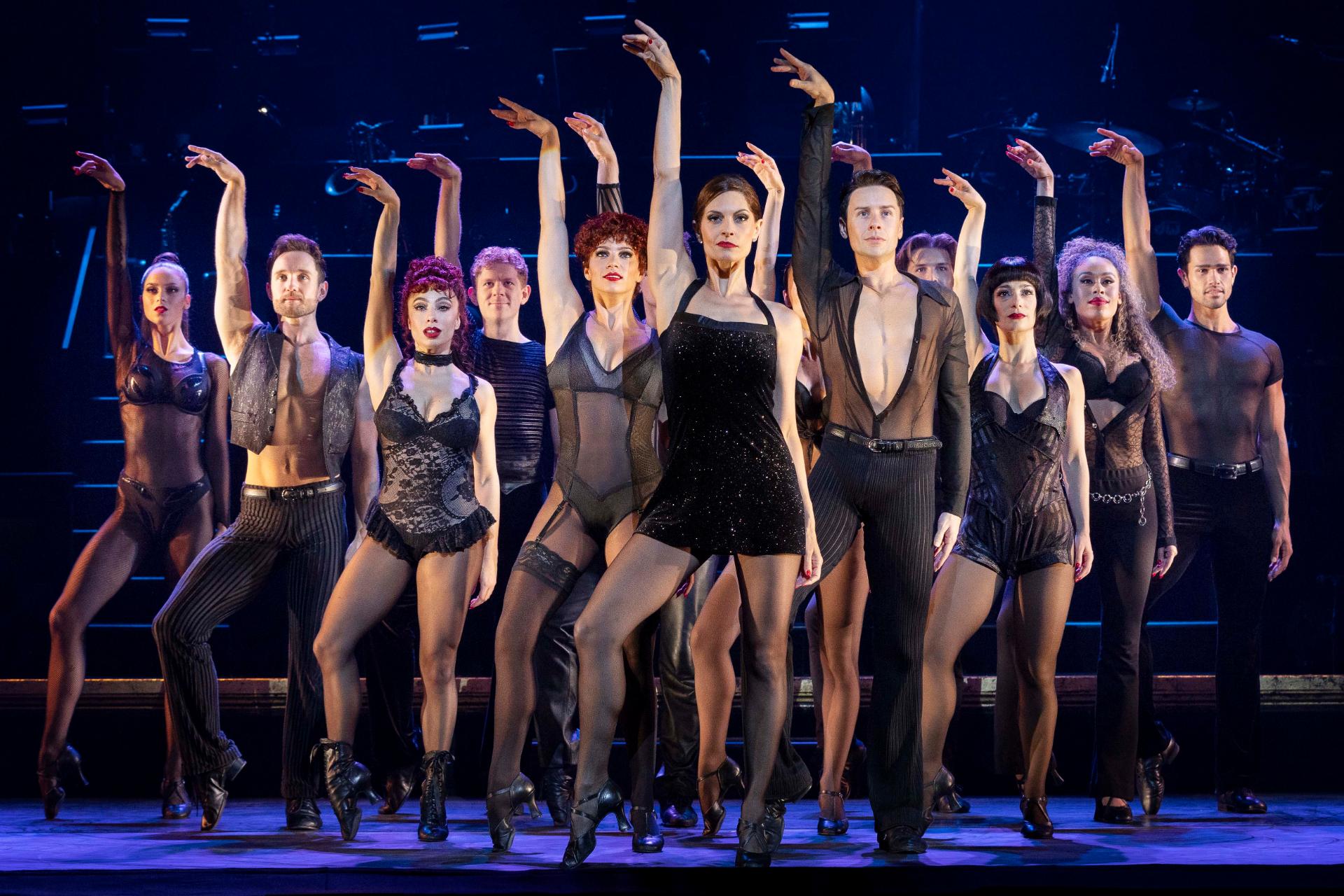
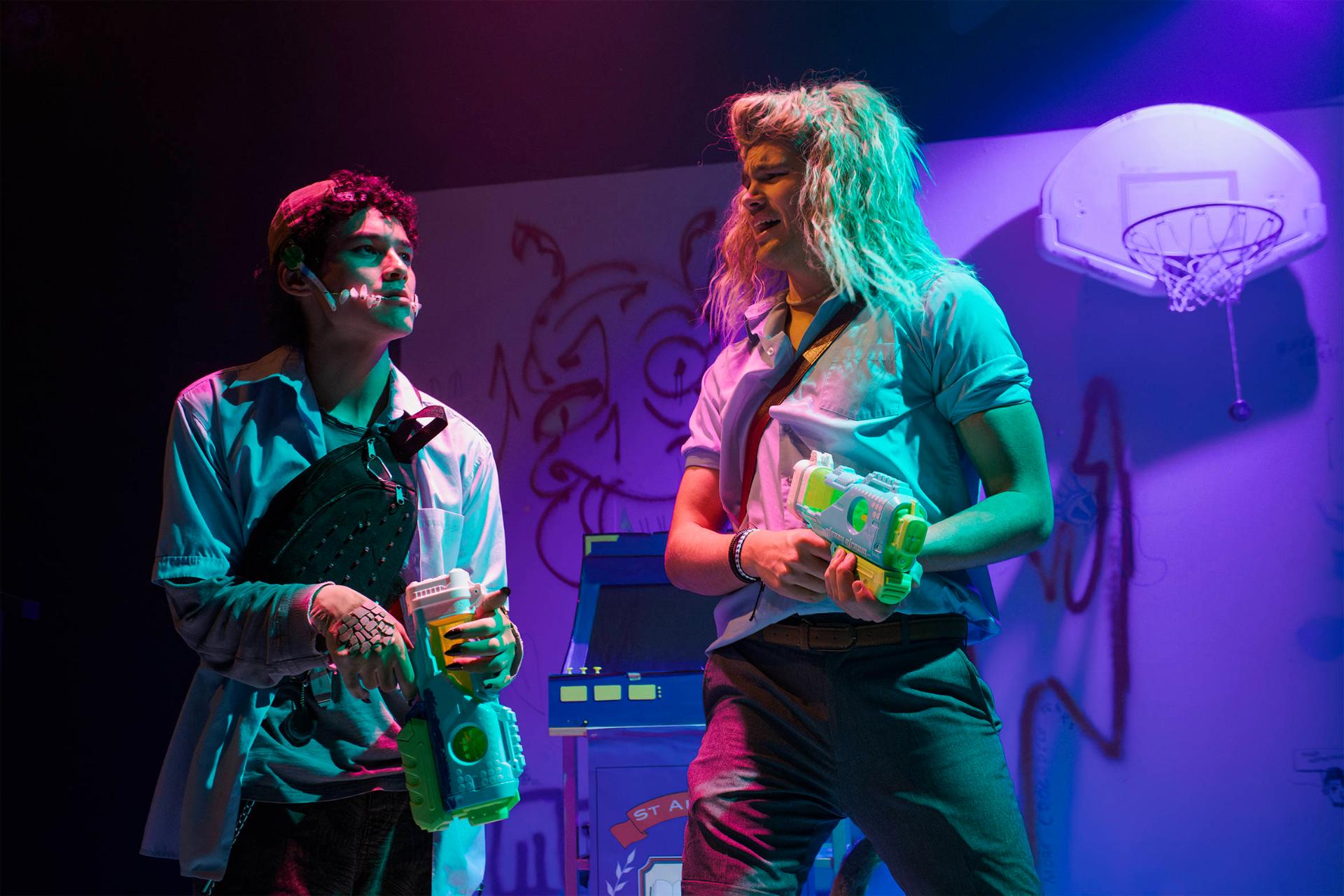
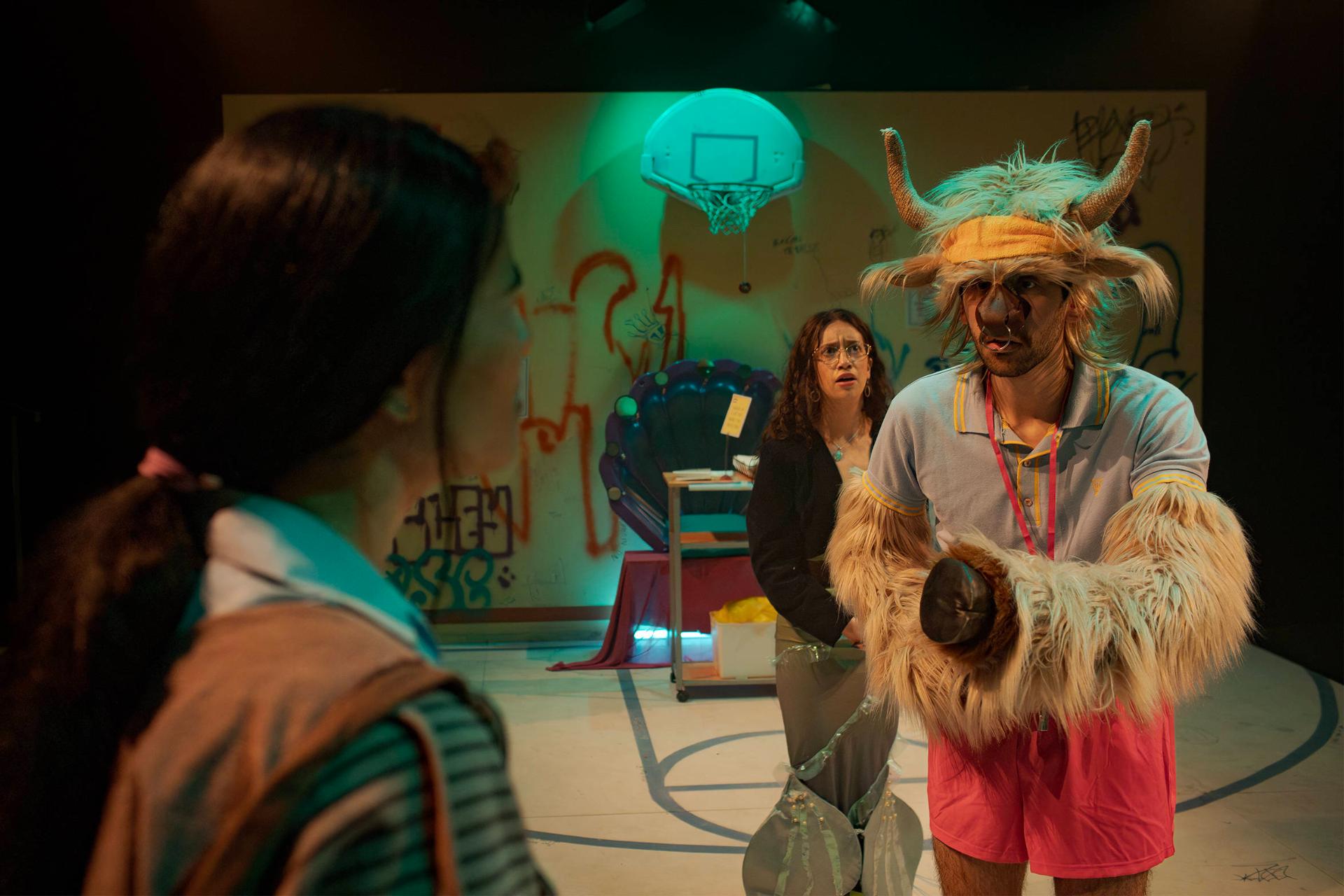
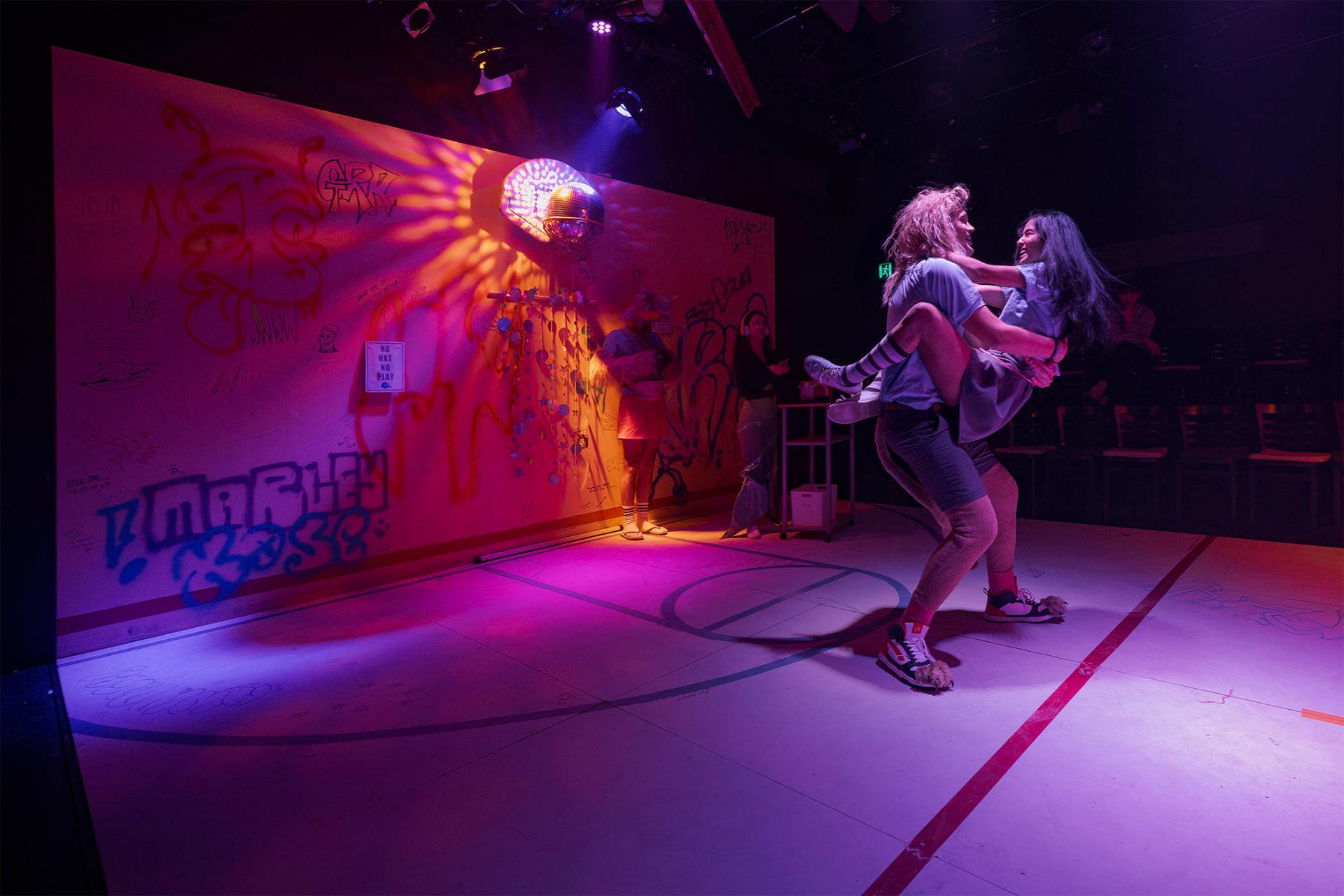
Read’s book provides for the musical a clever and exciting narrative, bolstered by a benevolent attitude that is sure to inspire audiences everywhere. Incorporating some of the biggest pop hits from the last 30 years, written and co-written by Martin, we are treated to a story that encompasses brilliantly, feminist and queer virtues, in a representation of our best progressive selves in the current epoch. Direction by Luke Sheppard is appropriately exuberant, with visual design elements that make the experience as dazzling as any musical theatre lover could hope for.

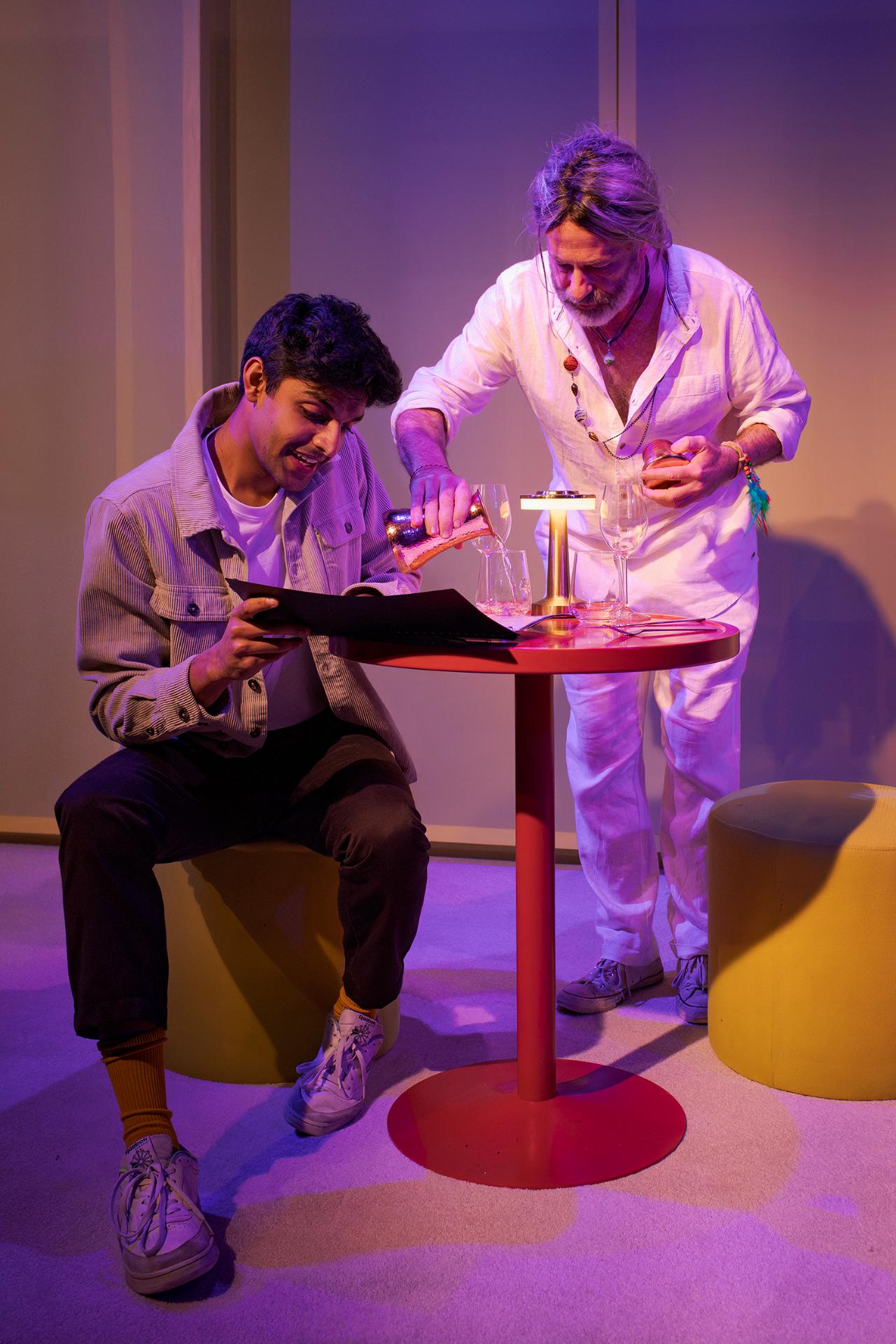
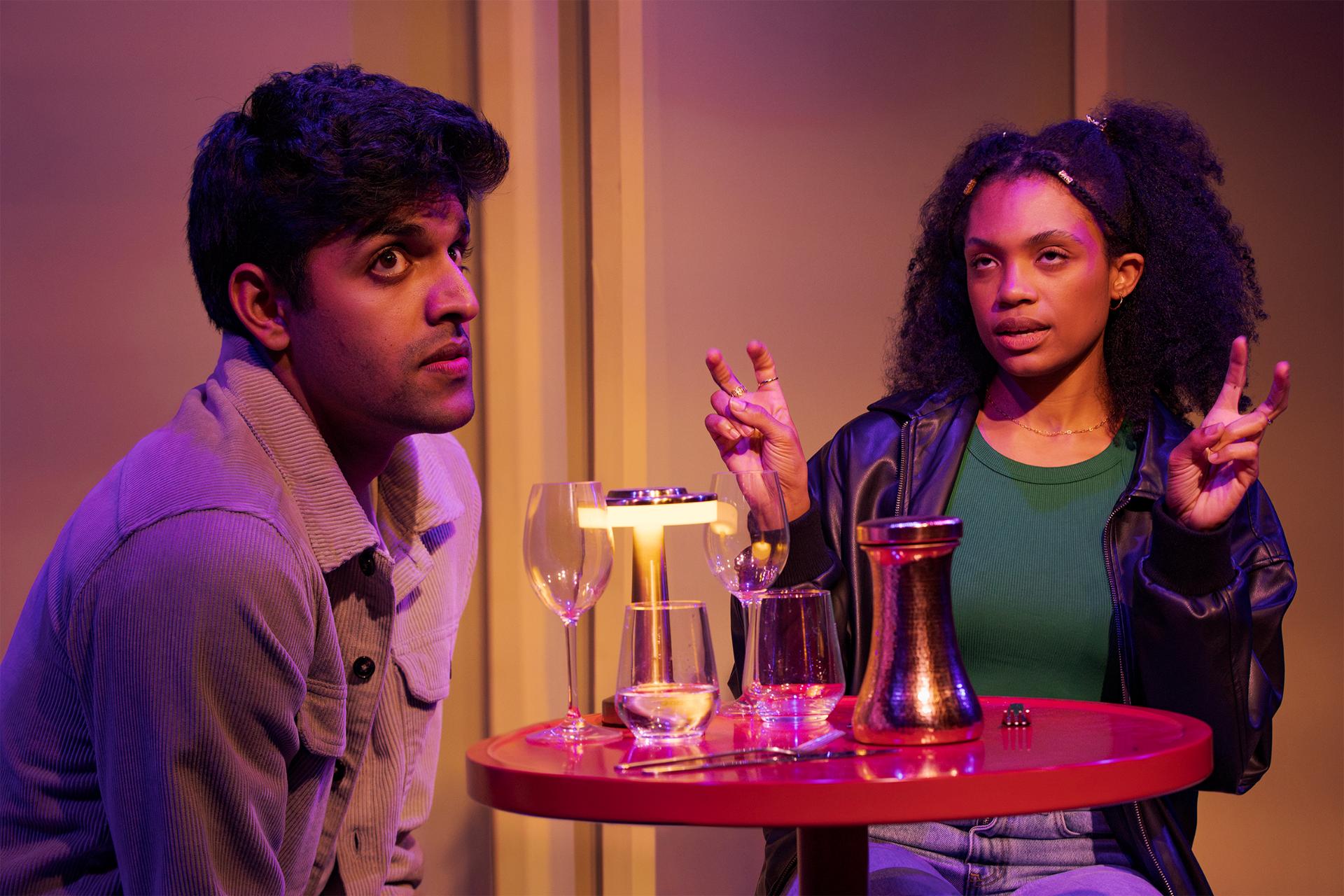
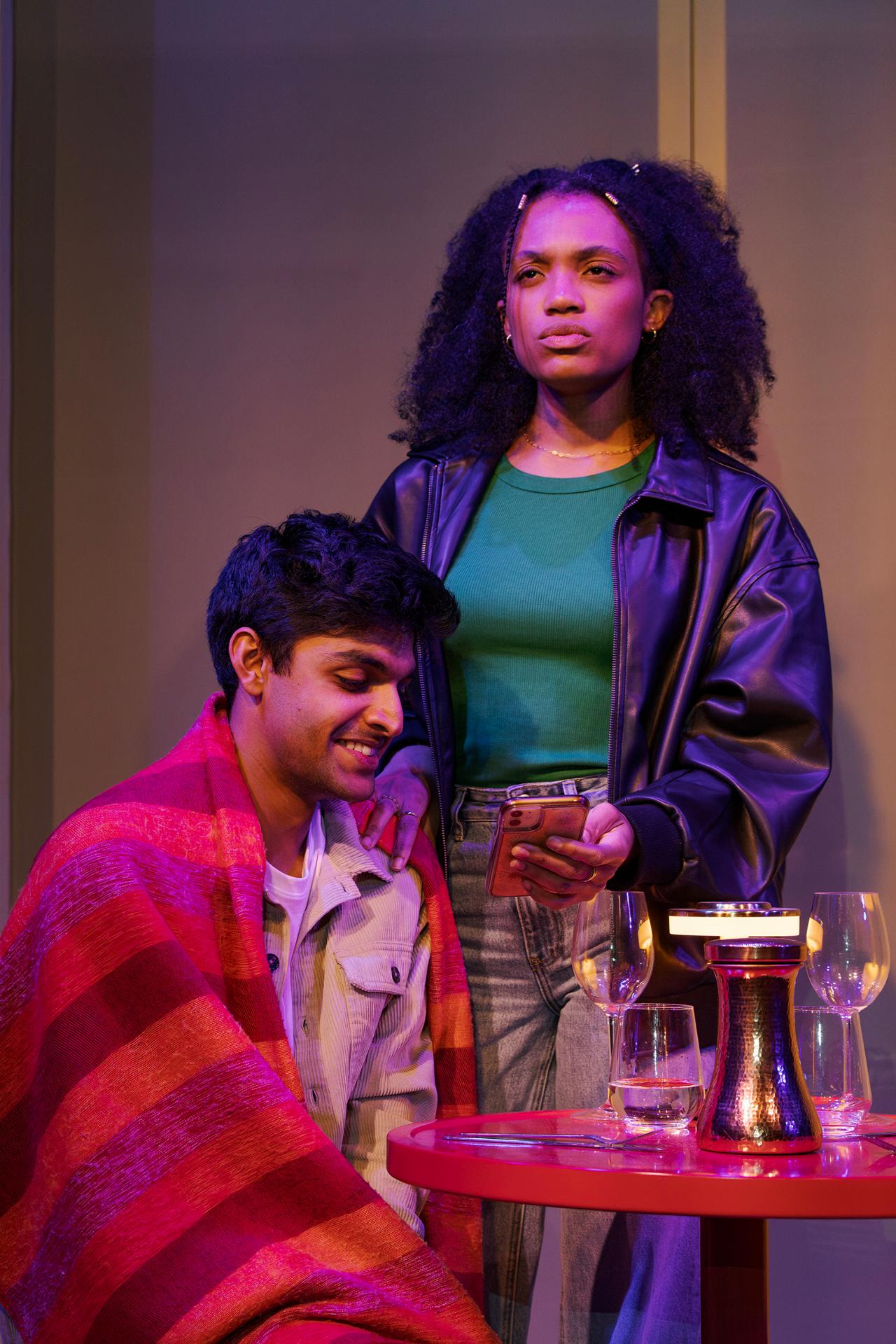
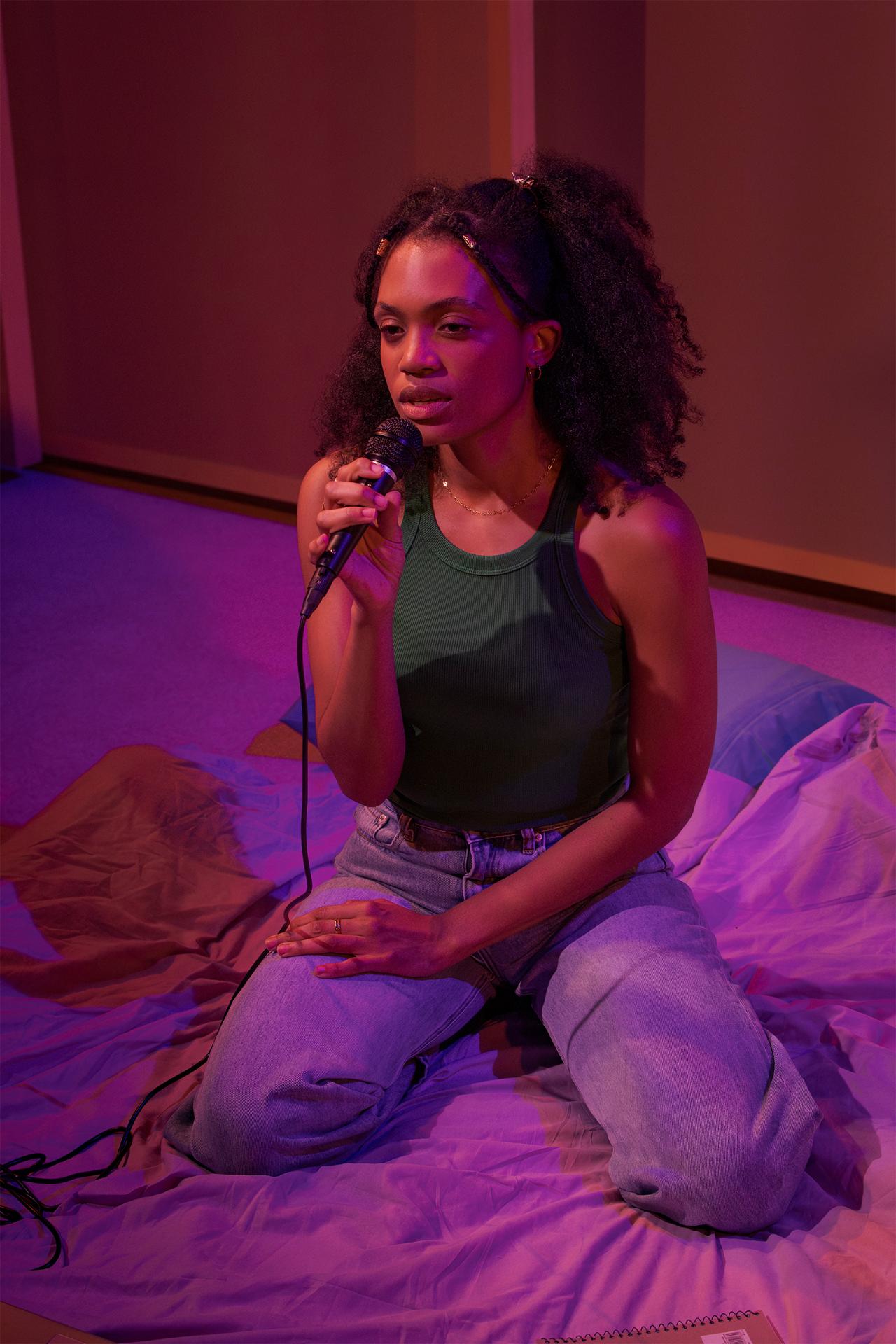
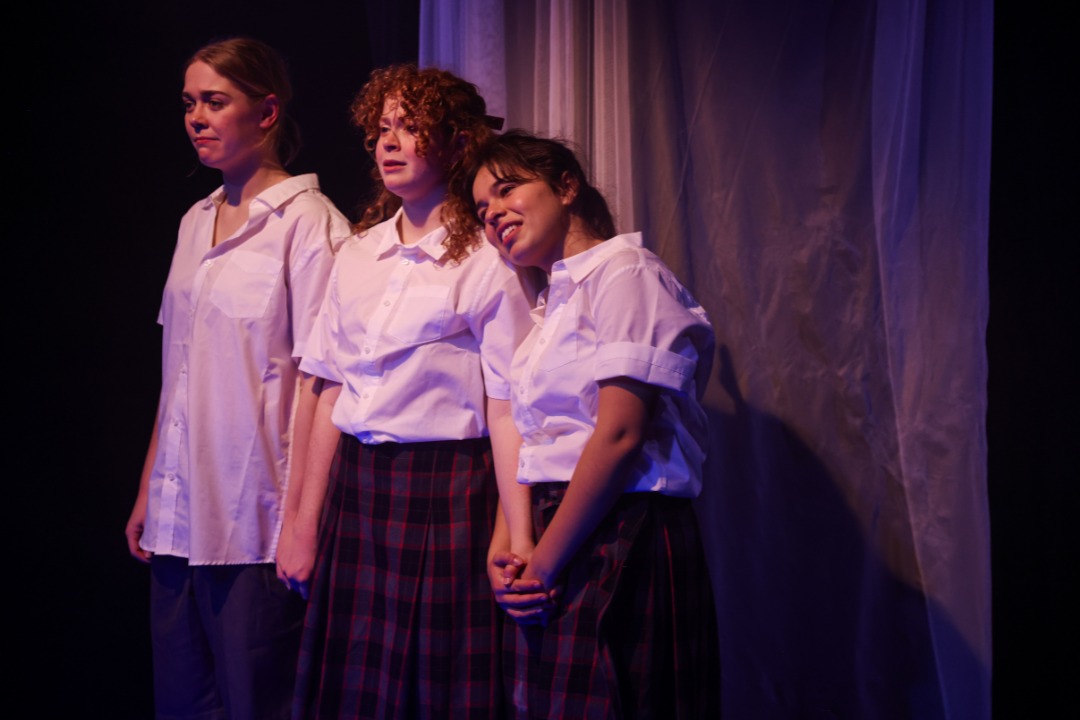
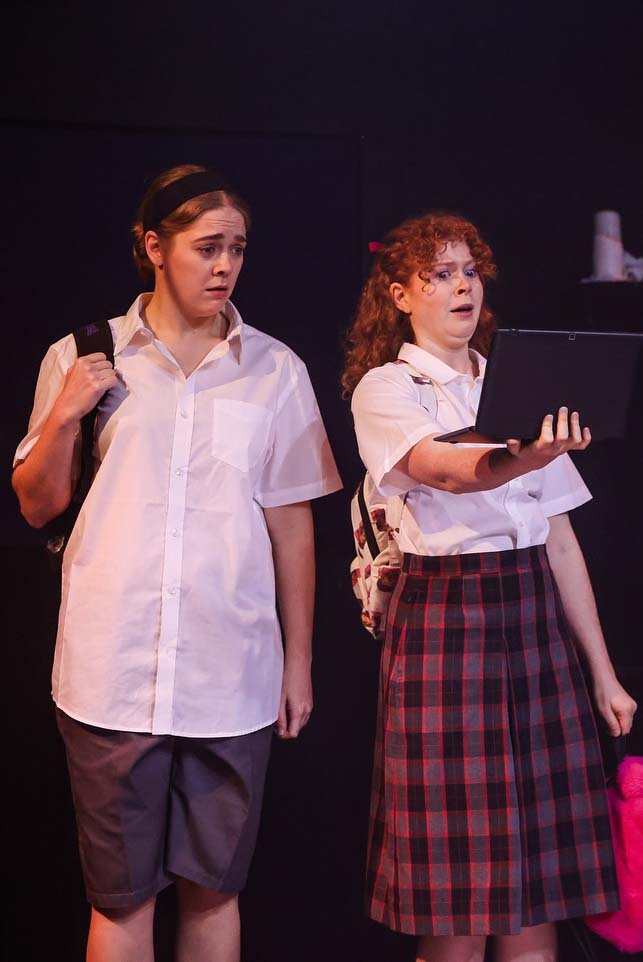
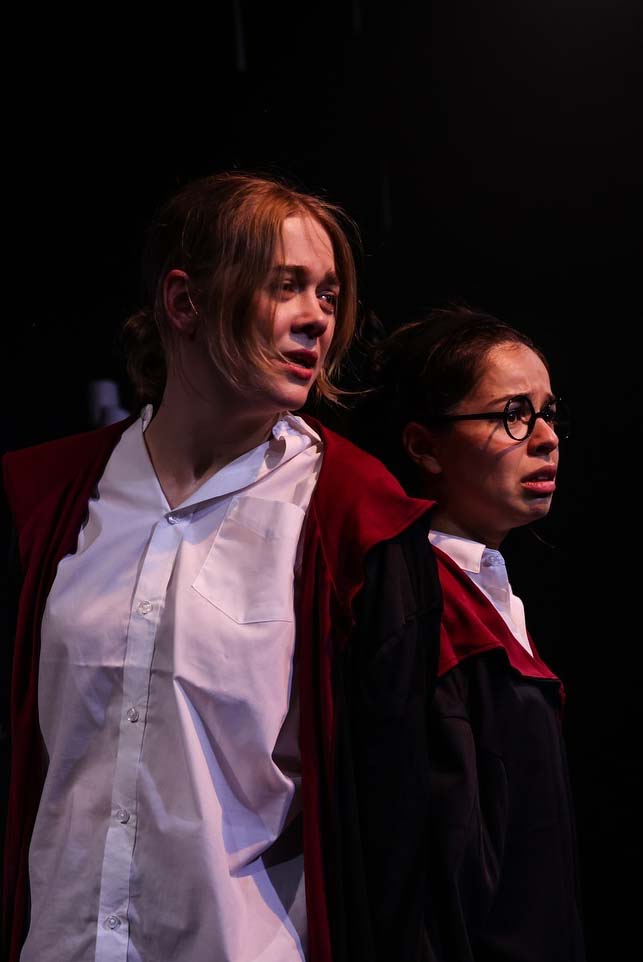
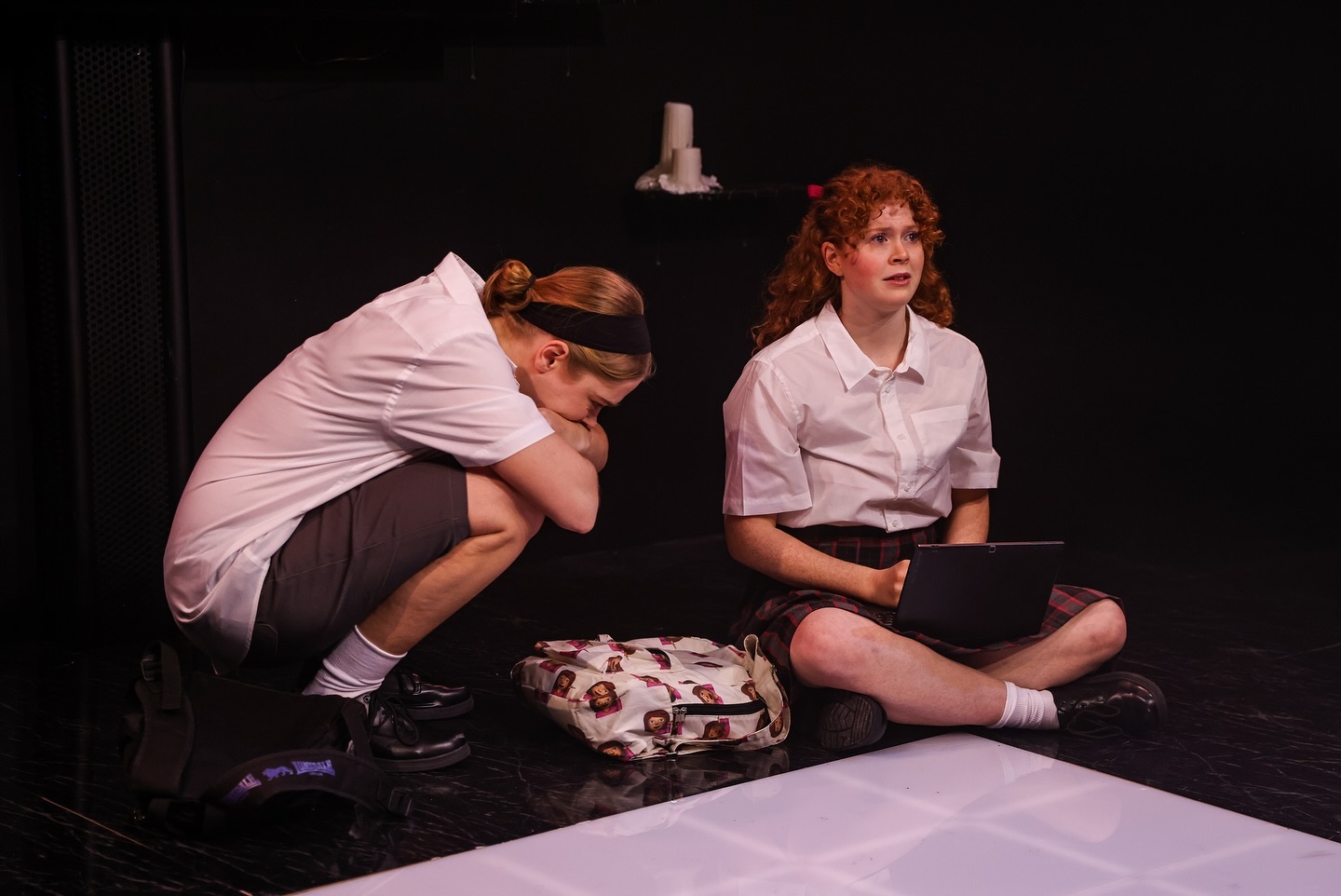
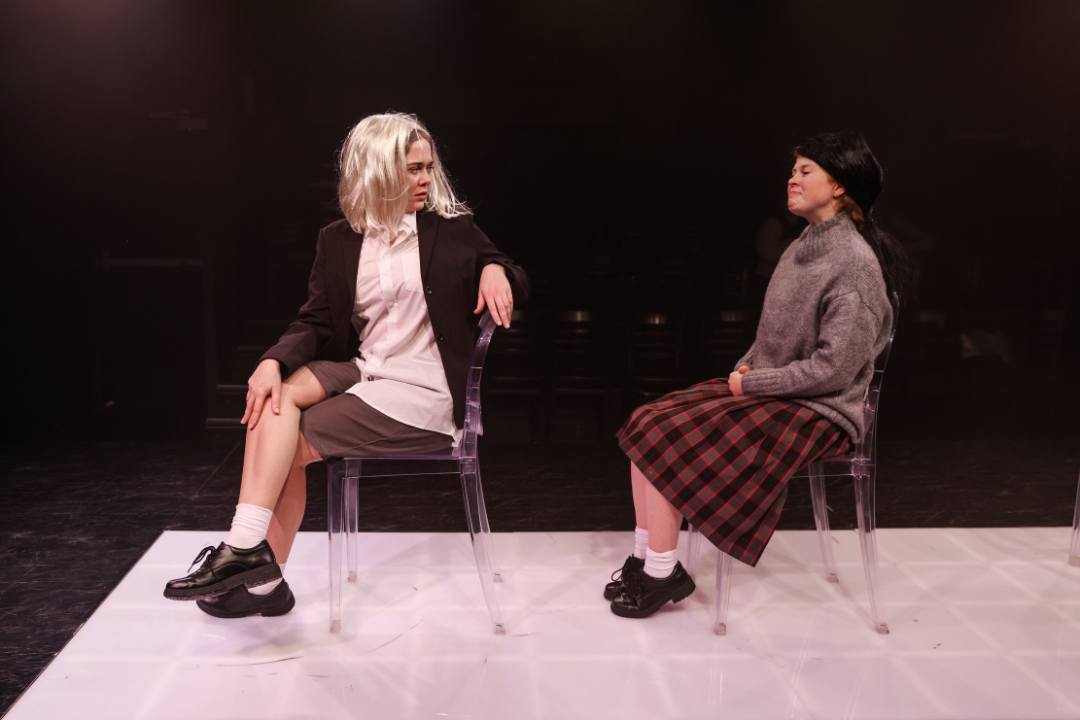
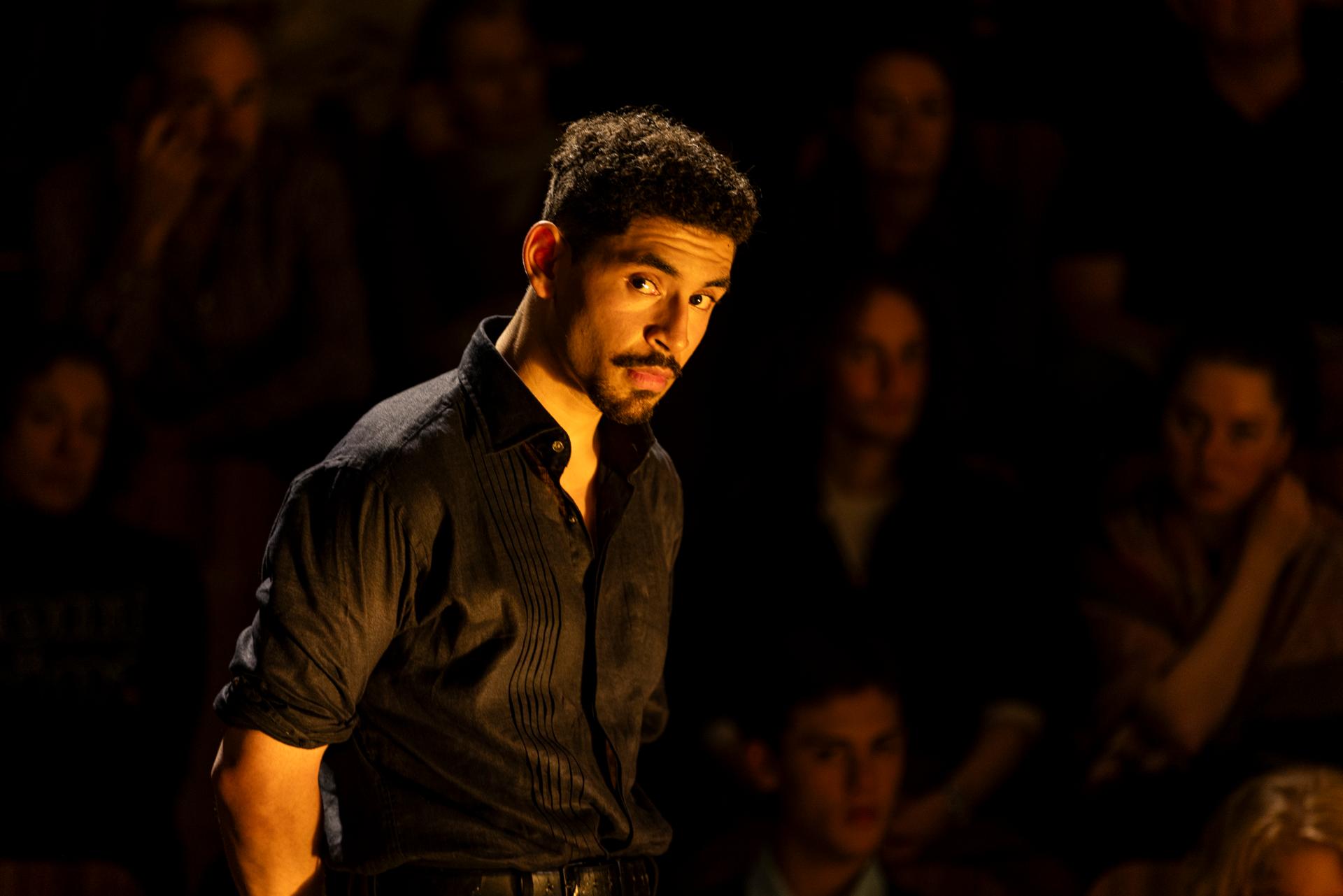
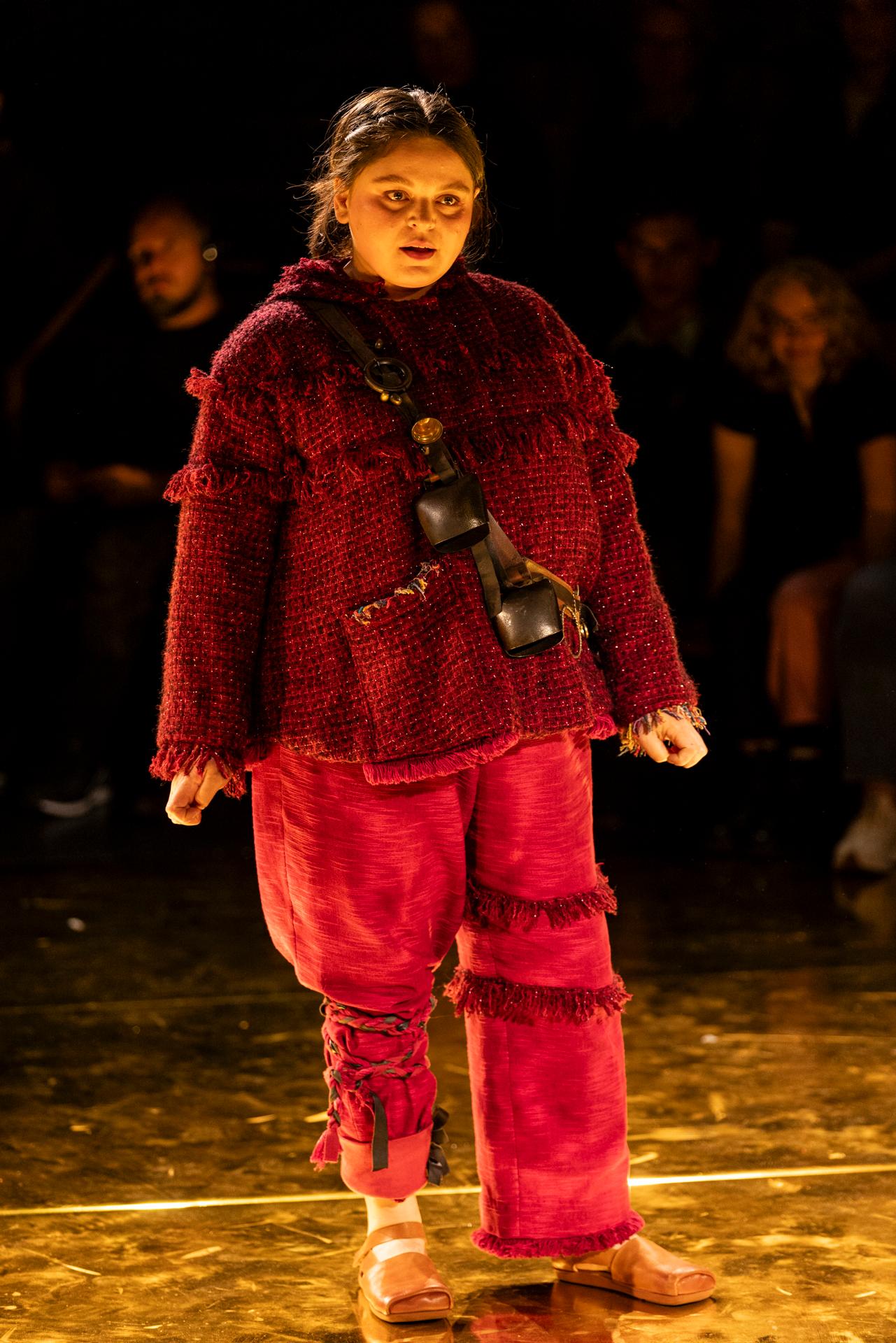
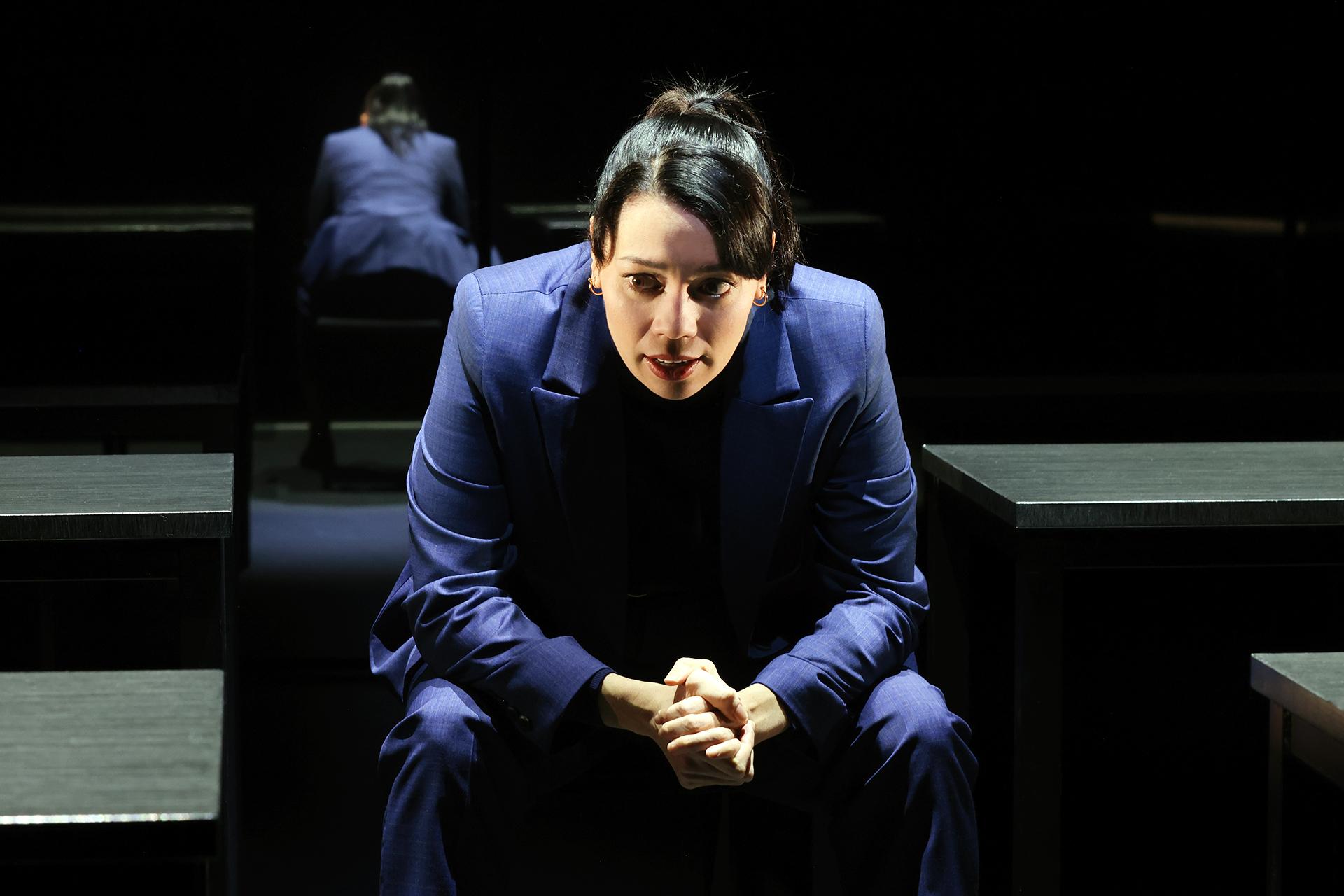
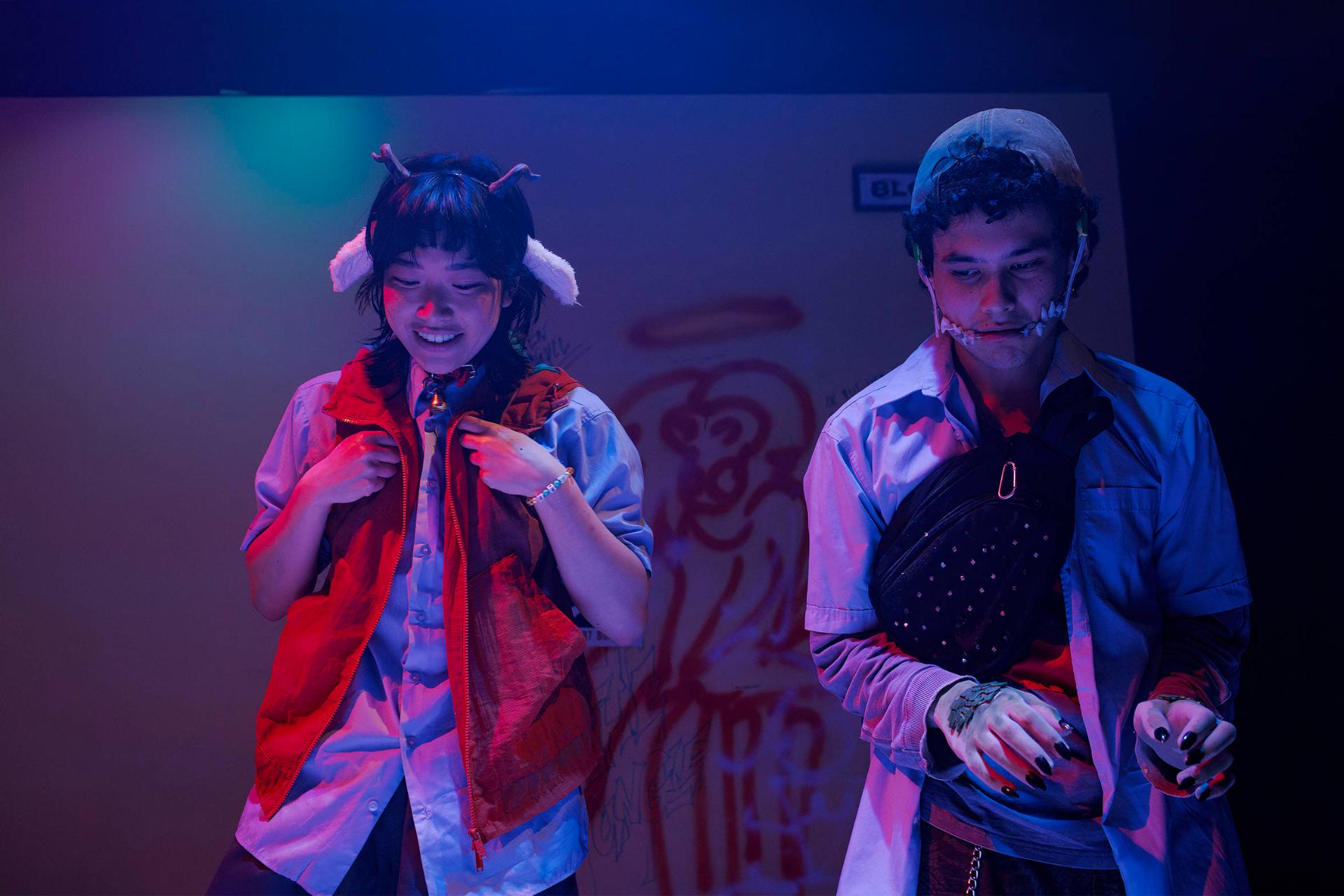
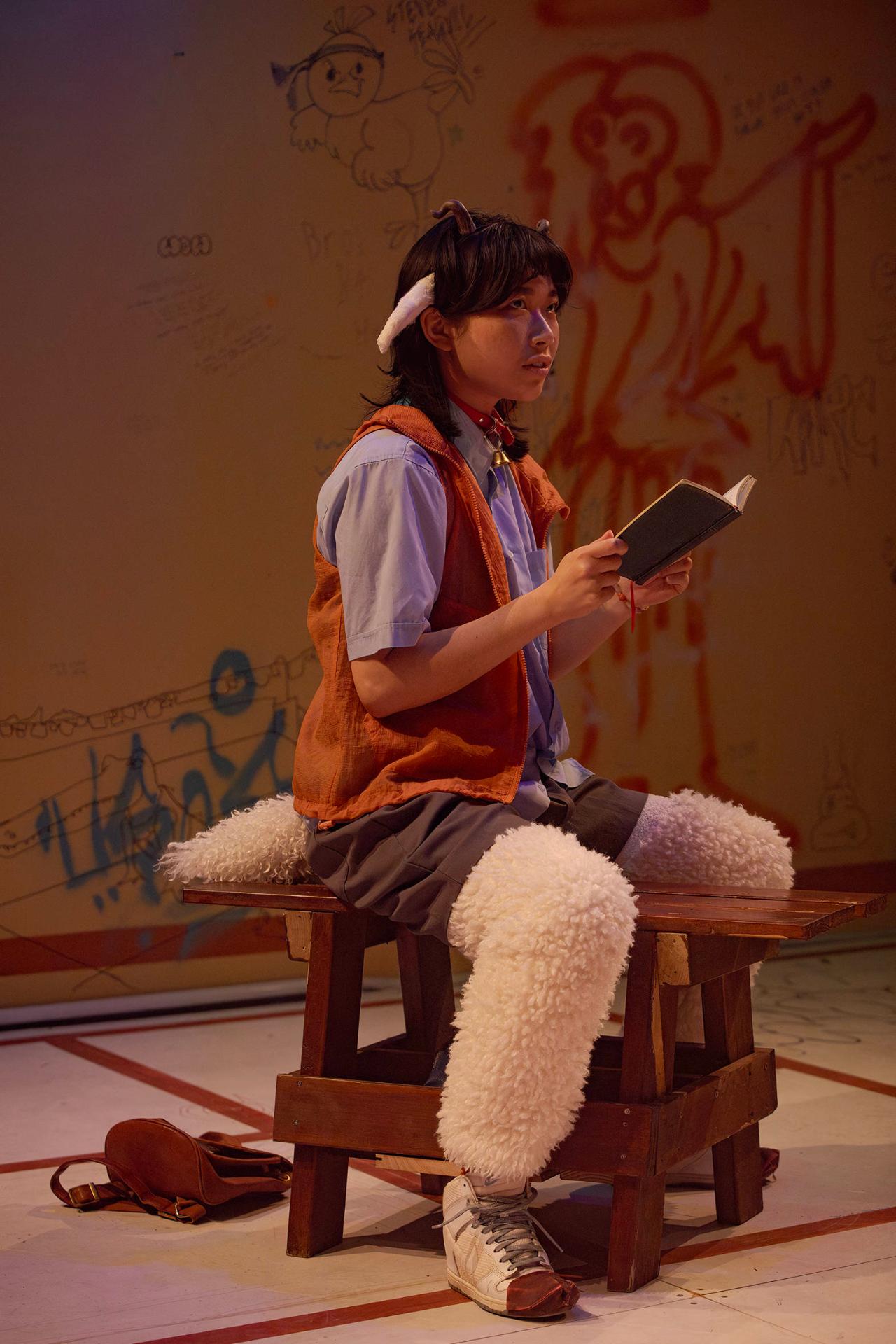
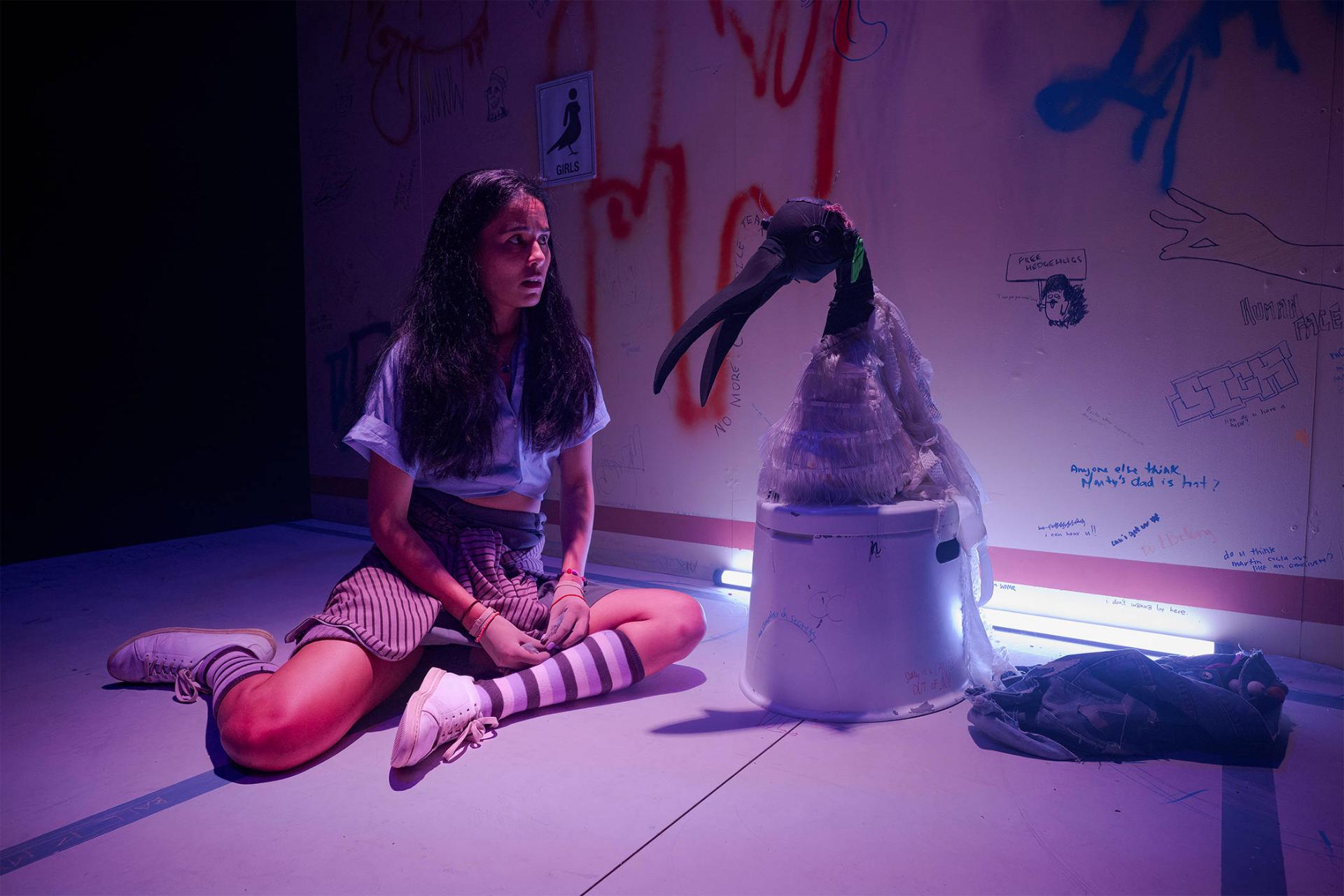
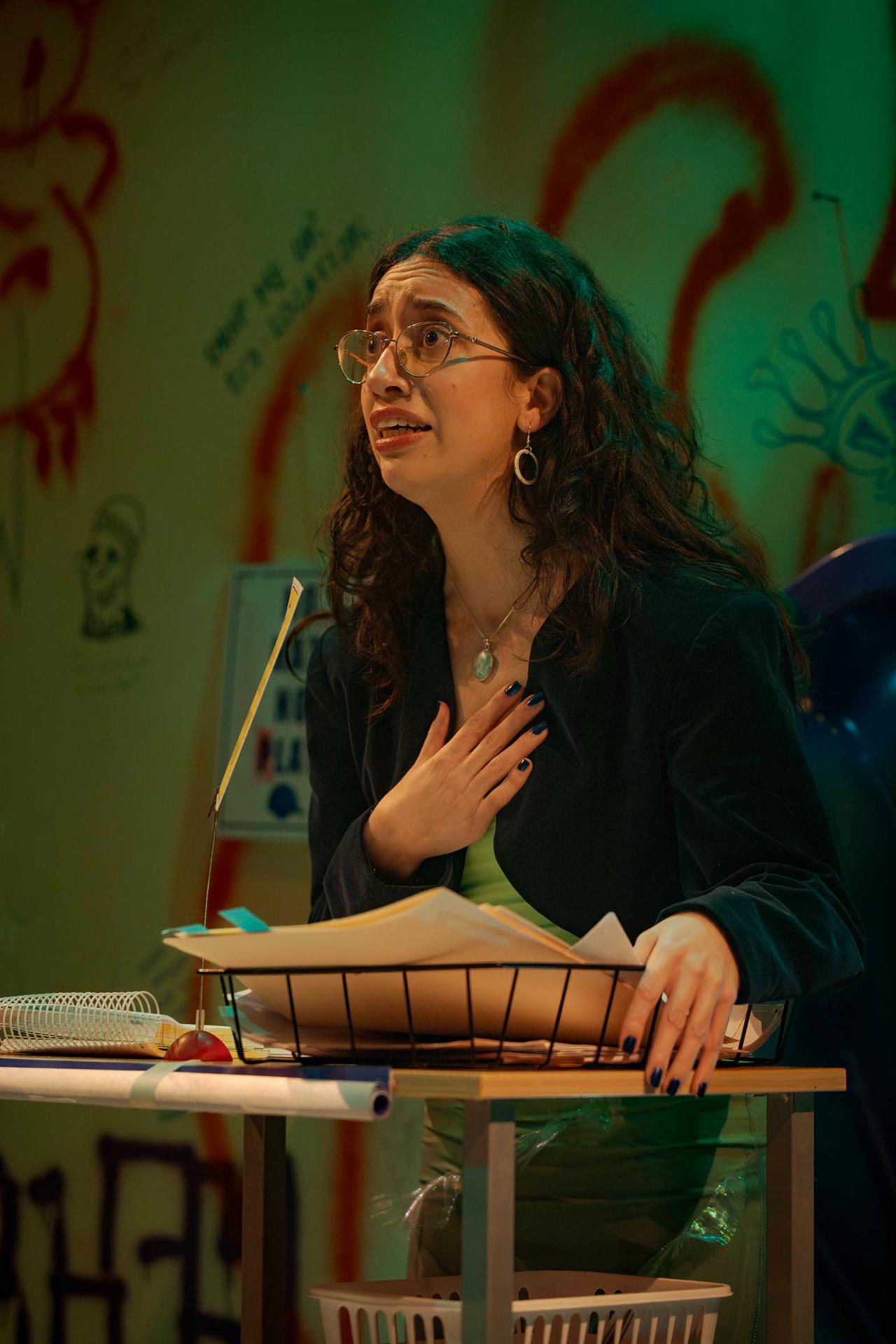
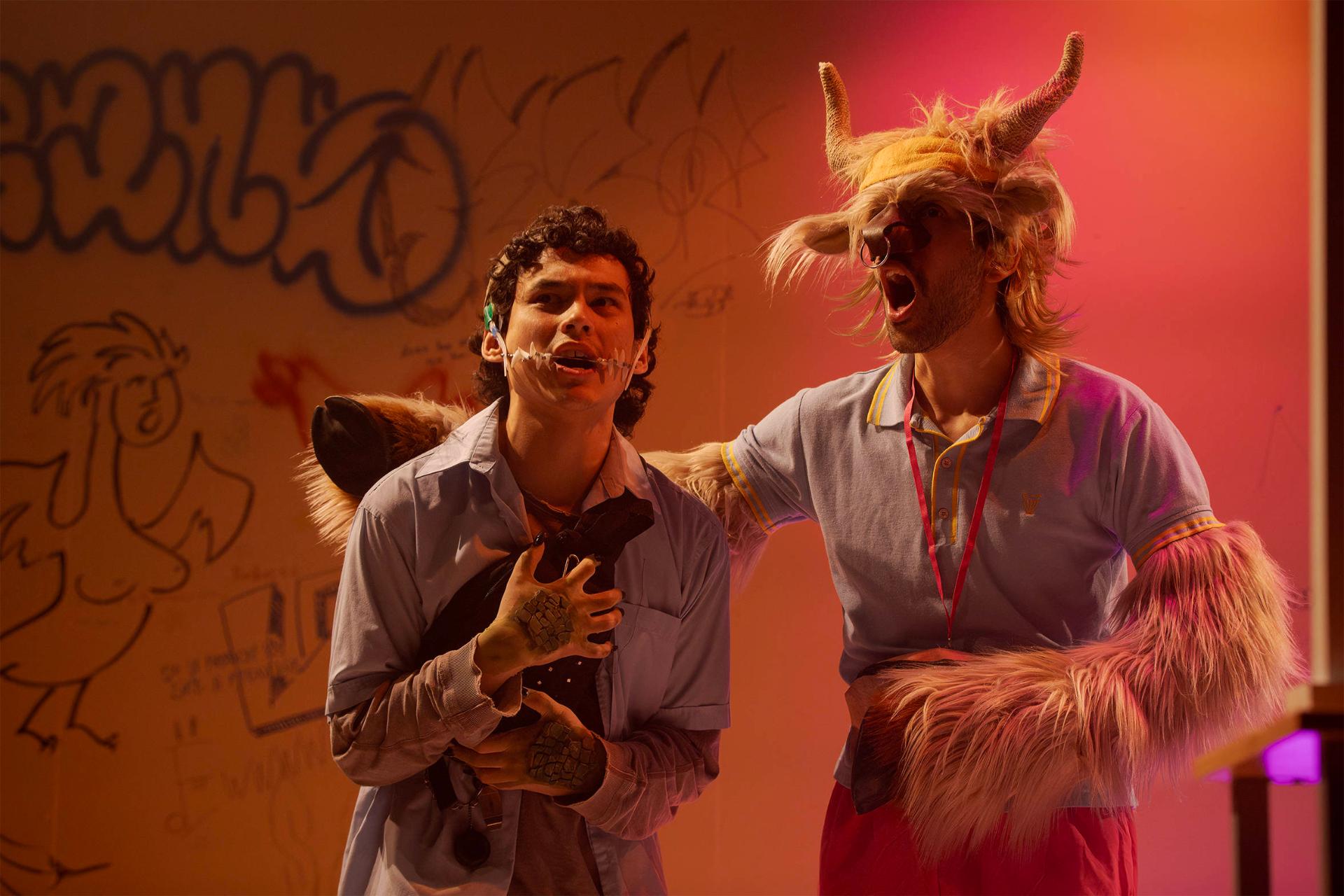
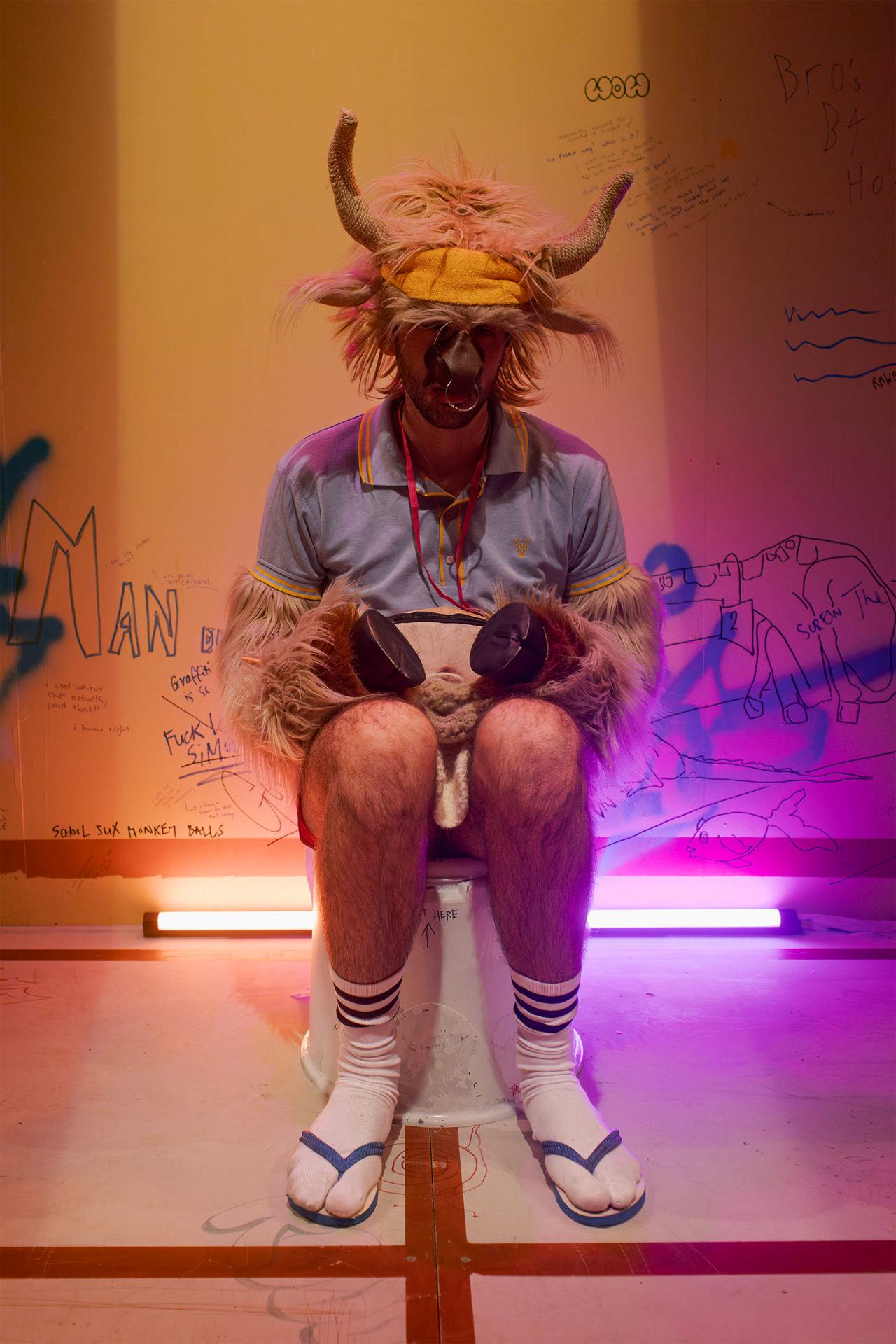
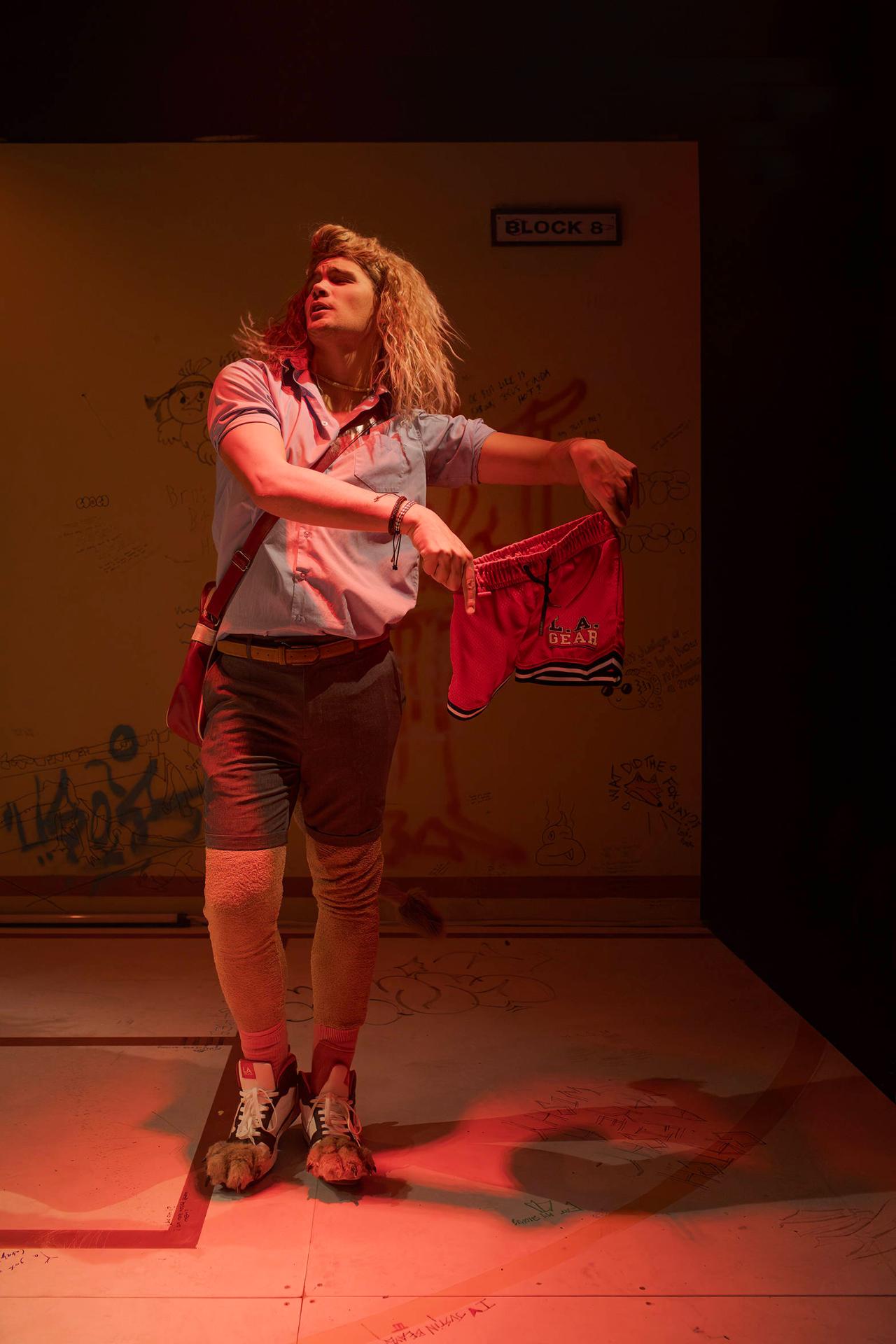
Performer Lorinda May Merrypor is a convincing Juliet, commendable for hitting every musical note and every gesture of choreography, with vivacious accuracy. Jesse Dutlow and Yashith Fernando play May and Francois respectively, both sprightly presences who help tell the story with unmistakable passion. Romeo appears near the conclusion of Act 1, brought to scintillating life by Blake Appelqvist whose flamboyant sense of irony keeps us endeared to a character that could easily be regarded with little more than disdain.

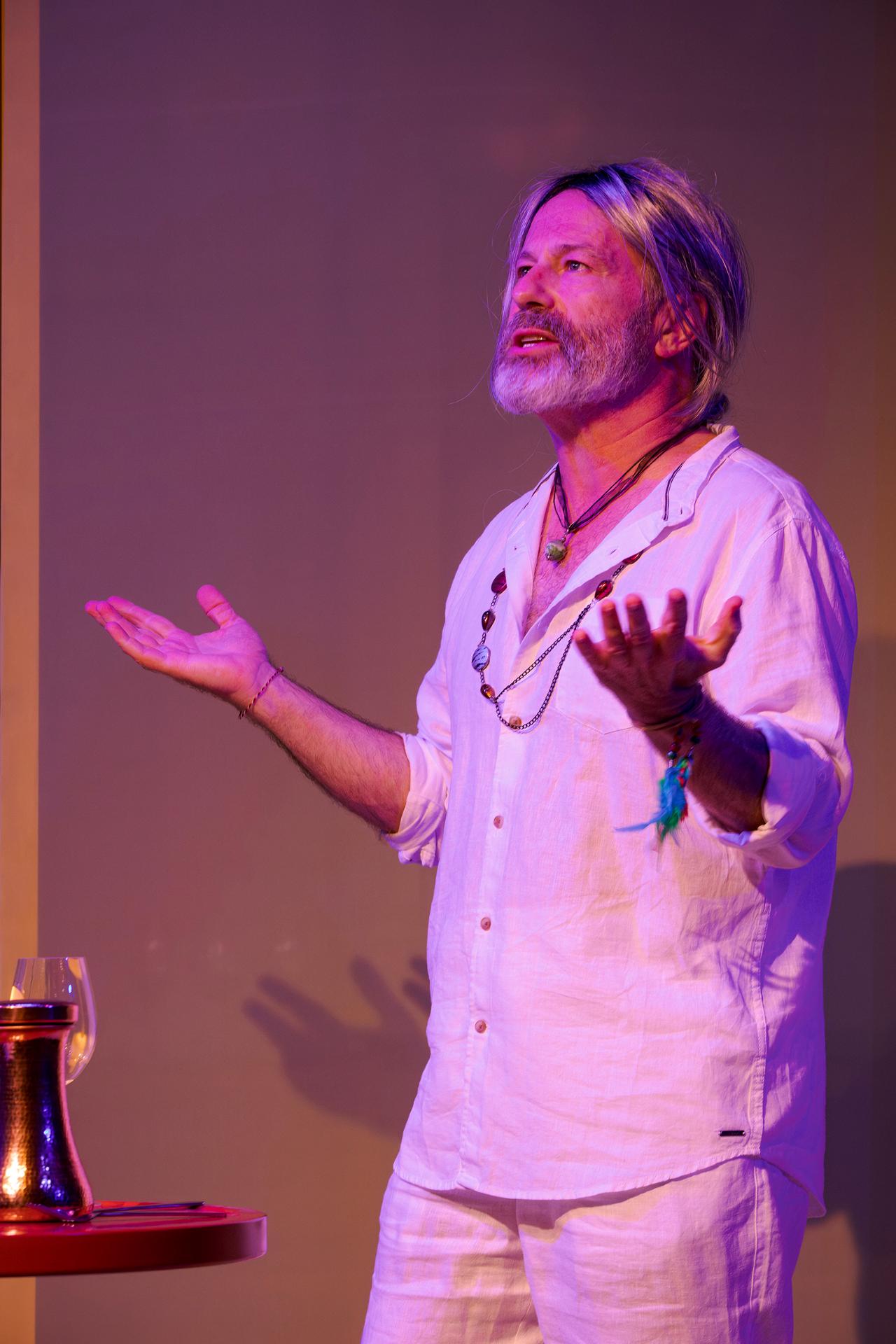
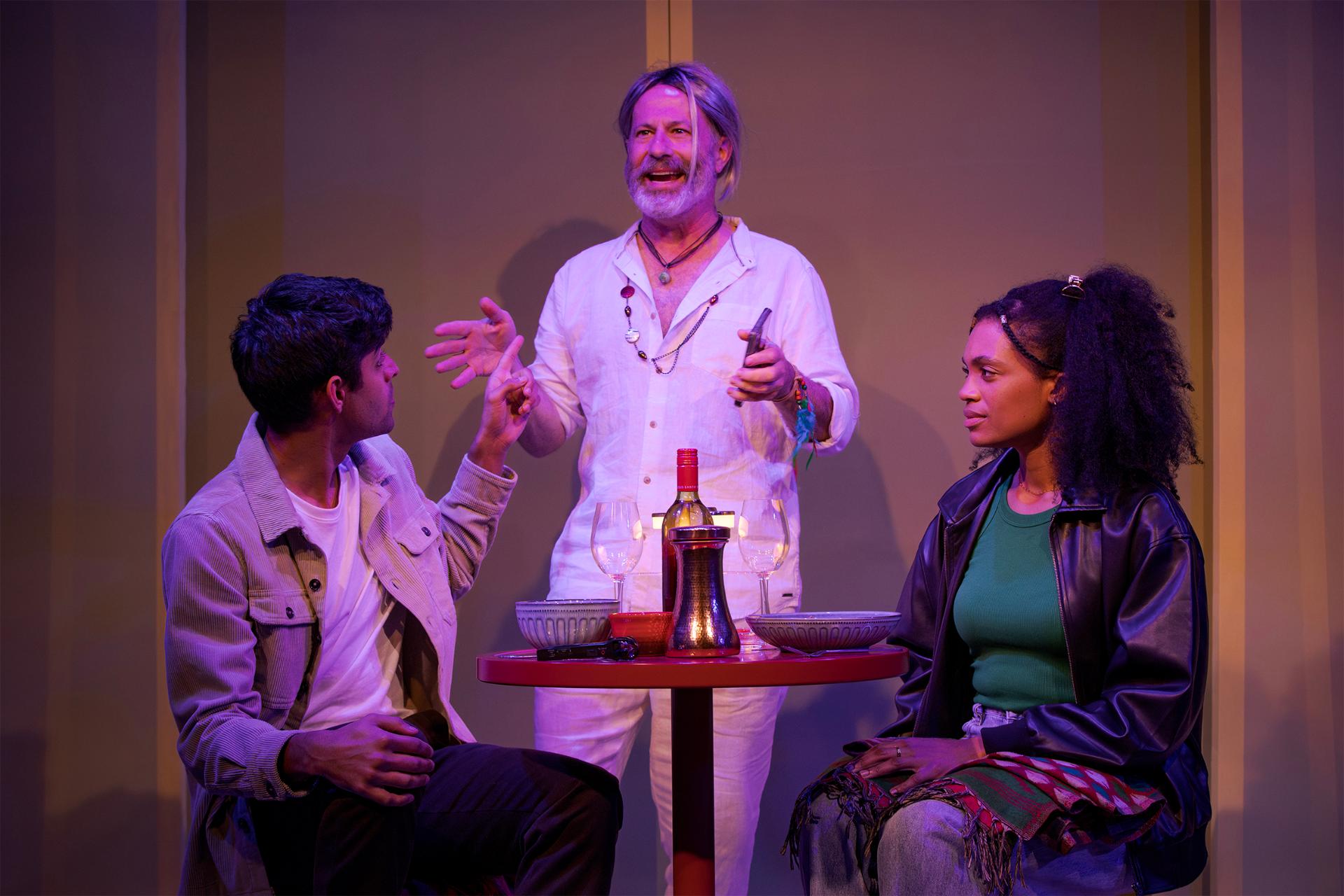
The magnetic Casey Donovan is most valuable player, as Angélique the nurse, precise with her delivery of every line, and effortless in her glorious execution of some very big tunes. Hayden Tee is immensely charming as Lance, marvellously switching between poignancy and comedy, for a loving portrait of modern fatherhood. Shakespeare is played by a very likeable Rob Mills, whose delicate balance of egotism and sincerity, makes the fanciful conceit of the show seem suddenly plausible. Amy Lehpamer wins us over entirely to Anne’s side, with an intricate understanding of the humour required in every scene, always making us feel secure in this bold revision of a revered classic. Also remarkable is the fantastically attractive ensemble cast, bringing emotional authenticity to all the extravagant goings on.

So much of our cultural institutions contain values that are outmoded and frankly, harmful. They are deeply entrenched in our lives, and even when we are able to identify their failings, it is no easy task trying to deny their existence, and simply wishing them away has proven impossible. We can however confront and interrogate what they mean, and examine how they continue to affect subsequent generations. We can reframe old messages, turning them into new discussions, so that we may bring refreshed understandings, to symbols of authority that have outstayed their welcome. It is no longer acceptable in our storytelling to have 14-year-old girls kill themselves for romance, and that is only the tip of an iceberg, that includes many more maladies we have grudgingly inherited.

www.andjuliet.com.au

Review: A Midsummer Night’s Dream (Bell Shakespeare)

Venue: Sydney Opera House (Sydney NSW), Mar 2 – 30, 2024
Playwright: William Shakespeare
Director: Peter Evans
Cast: Ahunim Abebe, Isabel Burton, Mike Howlett, Matu Ngaropo, Ella Prince, Richard Pyros, Imogen Sage, Laurence Young
Images by Brett Boardman

Theatre review
Struck by jealousy, king of fairies Oberon casts a spell to cause mischief, and chaos quickly ensues. Meanwhile, further commotion arises from the play-within-a-play, “Pyramus and Thisbe” being attempted by a group of Athenian tradesmen. Director Peter Evans’ version of A Midsummer Night’s Dream places almost equal emphasis, on those two parts of the narrative, for an unusual experience of the Shakespearean classic.

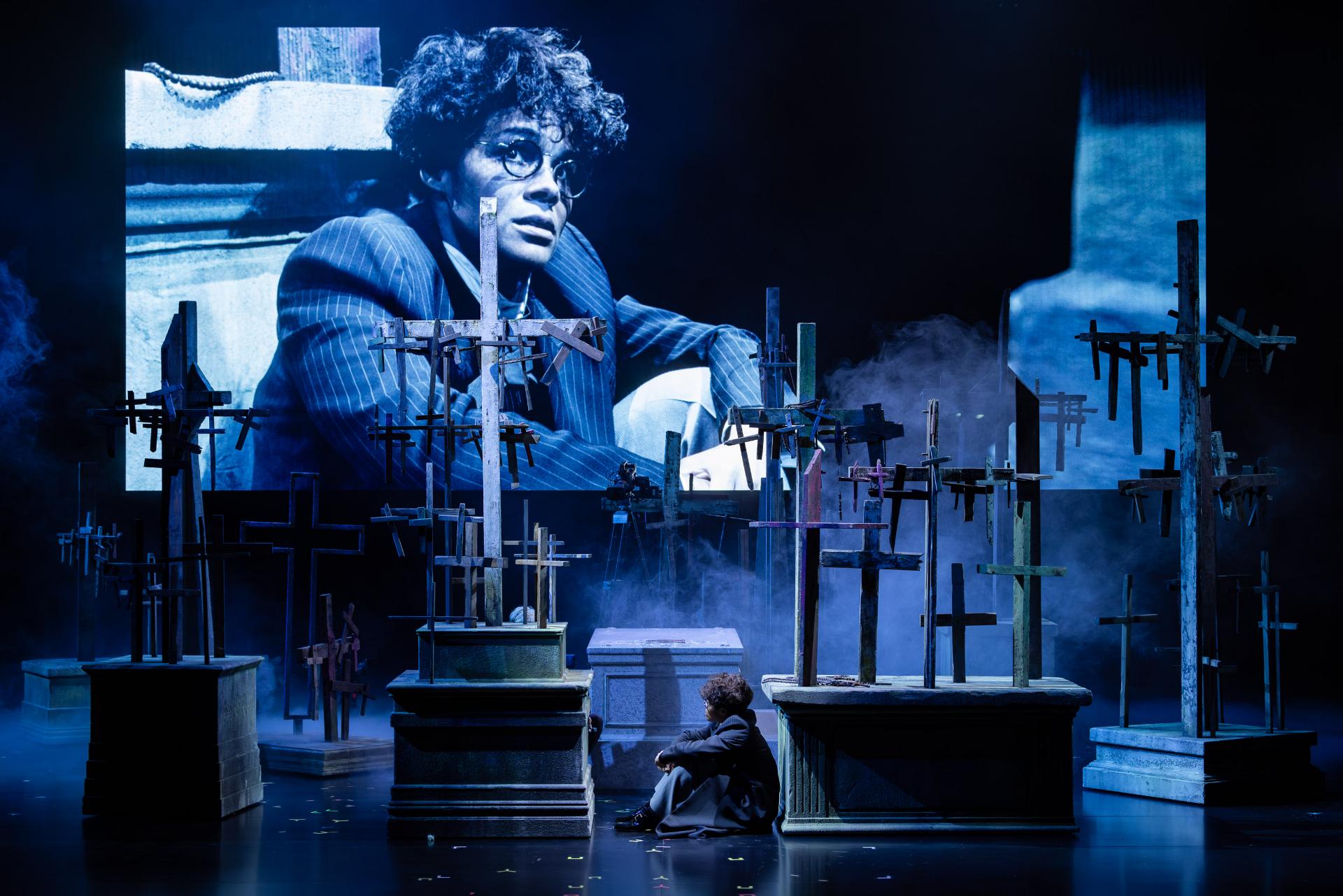
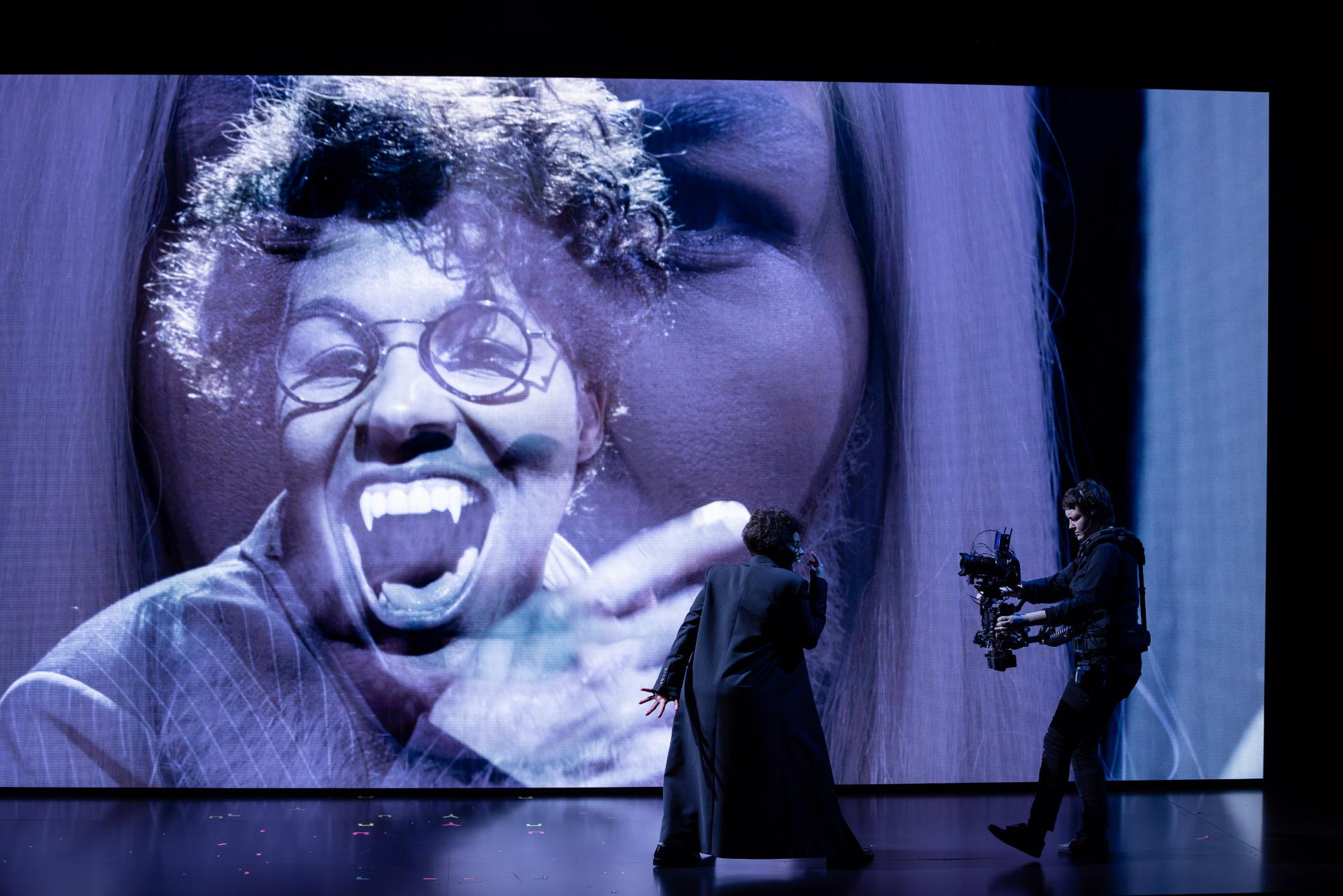
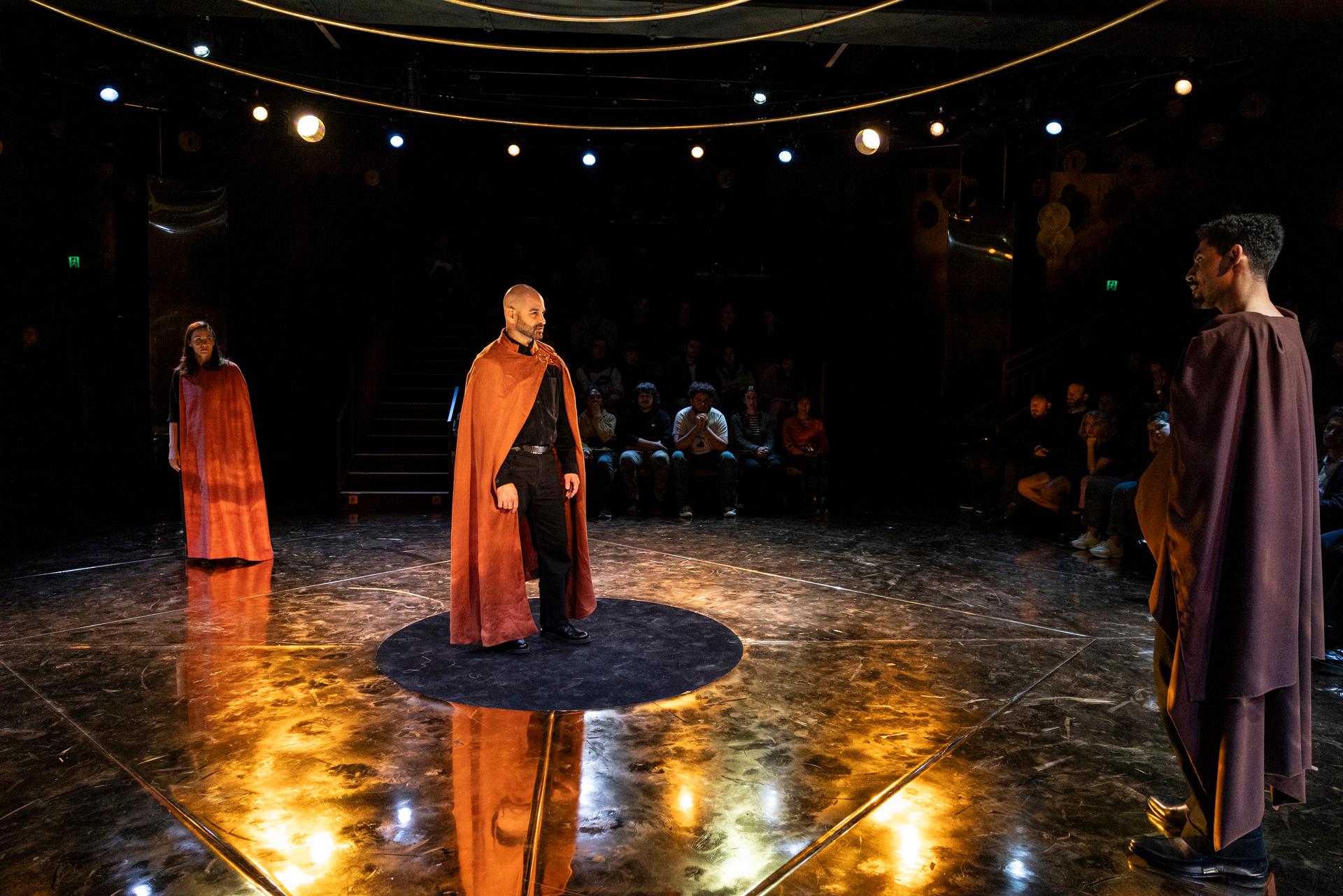
Furtherly unconventional, what is often considered one of the Bard’s most exuberant works, is given the moodiest of treatments, featuring unmistakably macabre sounds and music by Max Lyandvert, and distinctly melancholic lights by Benjamin Cisterne. Although contentious in terms of their resultant effect, the staging bears a polish and stylishness that is unequivocal. Set and costume designs by Teresa Negroponte too, are elegantly rendered, in this unexpectedly serious incarnation of a show involving endless hijinks and shenanigans.

The cast thankfully invests in the true essence of the piece, bringing great ebullience and whimsy, each actor commendable with their respective inventiveness and commitment. Matu Ngaropo as Bottom, and Isabel Burton as Helena, are particularly memorable, both demonstrating exceptional acuity in the details they are able to find, for the performance. It is an outstanding ensemble we have the pleasure to encounter, extraordinarily well-rehearsed, and remarkable with the chemistry they harness.

By show’s end, we are gifted a feeling of resolution and harmony, one derived from a realm that we understand to be fantastical, or indeed magical. Only some of us can access that world of sylphs and spirits, but for all, there is the theatre inviting us to transcend the mundane, and become enchanted by something higher, even if only for a short sojourn.

www.bellshakespeare.com.au

Review: The Lehman Trilogy (Theatre Royal)

Venue: Theatre Royal (Sydney NSW), 26 Feb – 24 Mar, 2024
Playwright: Stefano Massini (adapted by Ben Power)
Director: Sam Mendes
Cast: Aaron Krohn, Howard W. Overshown, Adrian Schiller
Images by Daniel Boud

Theatre review
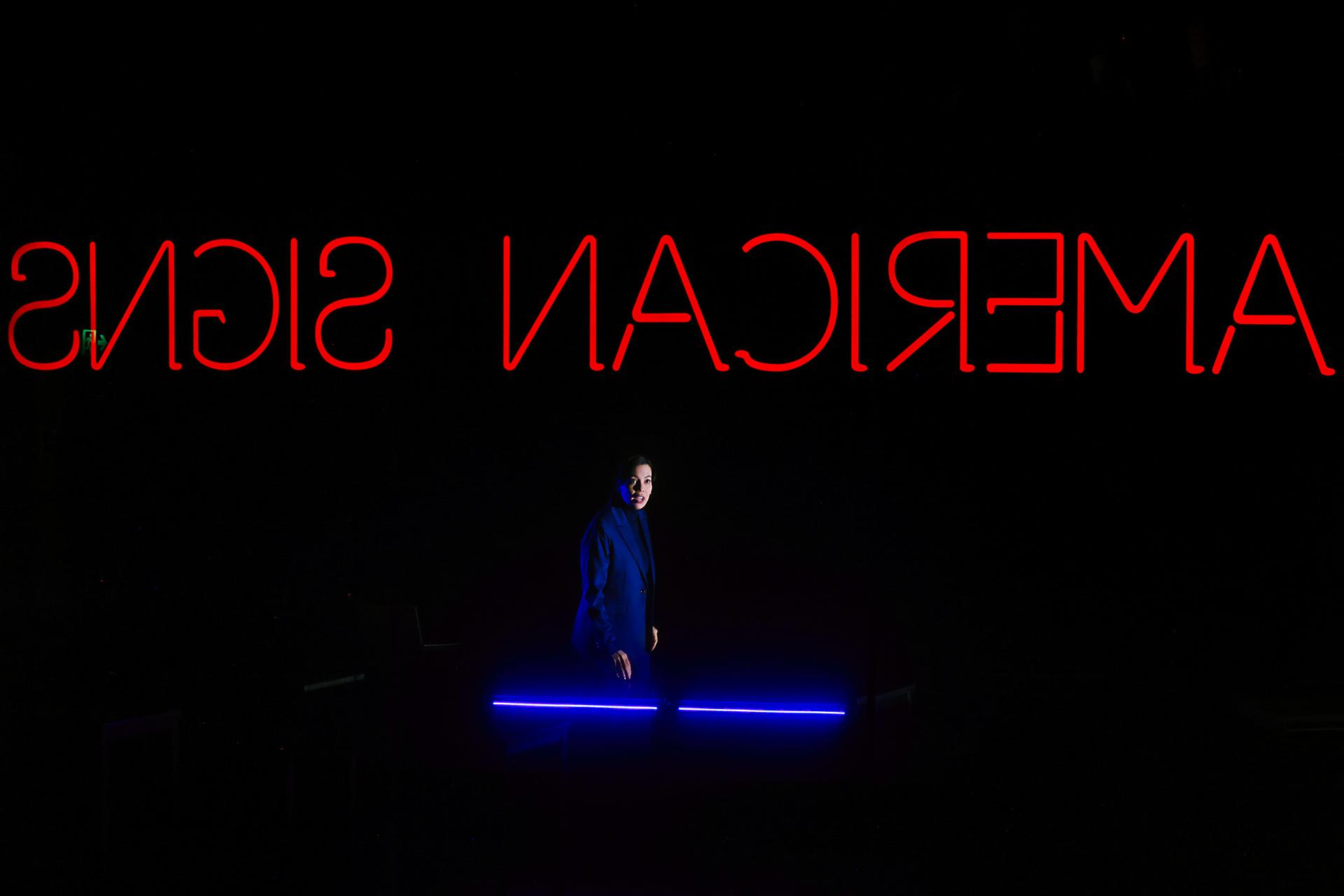
It was 1844 when Henry Lehman first arrived in Alabama from Rimpar in Germany. His American Dream began with the provision of fabrics and suits, but with his two brothers joining ranks in the following decade, their family business quickly ceases being about the supply of goods, to become something much more ephemeral, obscure and spurious.

Stefano Massini’s The Lehman Trilogy chronicles the rise and fall of a notorious financial institution, telling the story of Lehman Brothers as an organisation exemplifying modern capitalism. Voracious with its profit motive, but ethically anaemic and bereft of social responsibility, the Lehman legacy is one of rapacious greed, bolstered by a system that believes in individual success over all else. Although concerned with the trials and tribulations of a single entity, The Lehman Trilogy is revelatory of the way our values have evolved universally. We see ambition become greed, and greed becoming the key destructive force that has made life unbearable for the vast majority of the planet’s inhabitants.

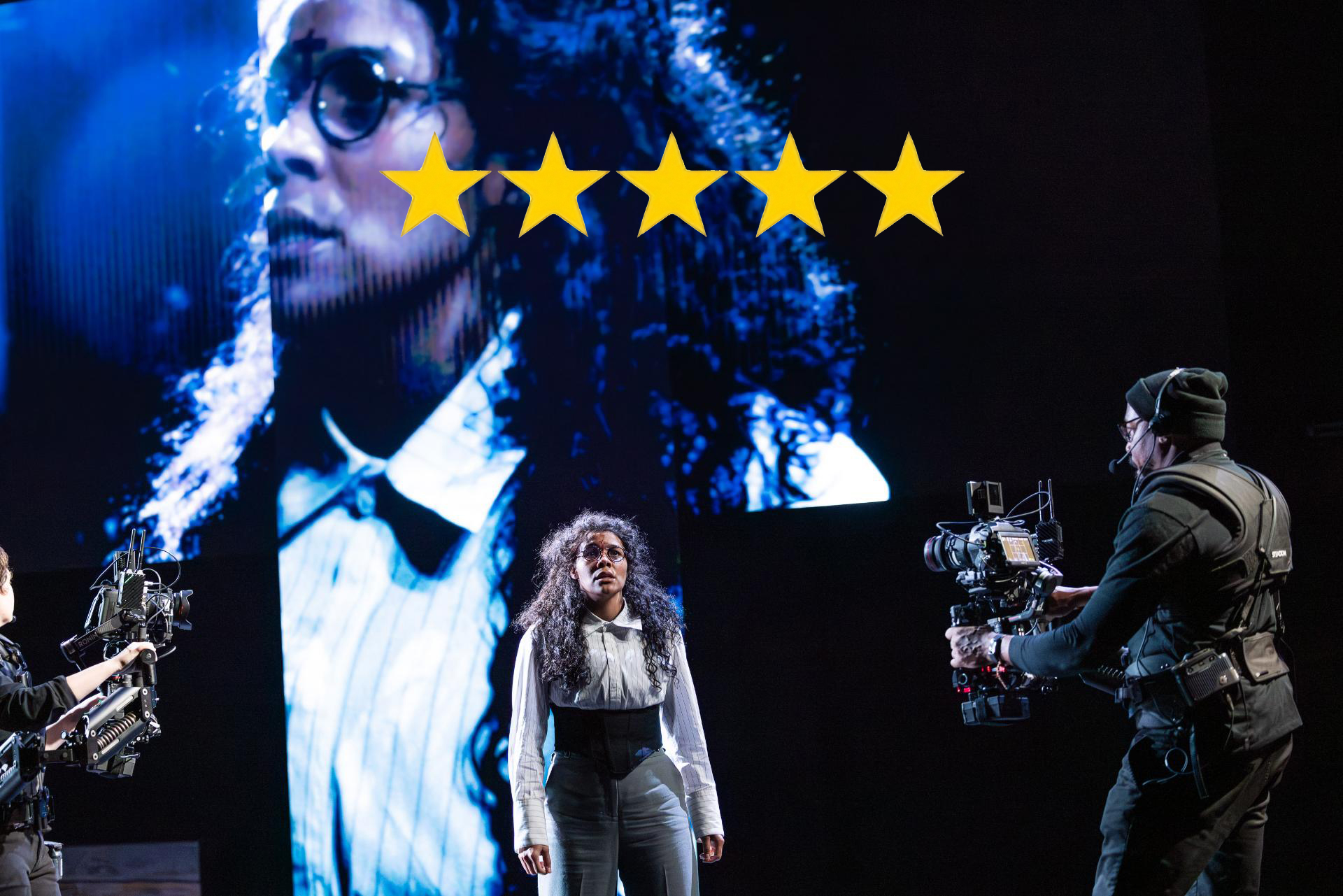
These profound resonances are conveyed through Sam Mendes’ splendid direction of a theatrical experience unforgettable for its expansive vision and fast-paced kineticism, generated from a piece of writing that could easily be considered dry and inert. Set design by Es Devlin features a glass encasement on a revolve, evoking handsome but generic corporate spaces. In tandem with sensational video work by Luke Halls magnificently projected on a curved cyclorama, the production proves an unexpected visual treat, as the narrative escalates from Antebellum greyness, to the manic high-definition technophilia so characteristic of contemporary existence.

Costumes by Katrina Lindsay are appropriately nostalgic, and remarkable for the range of movement they allow, in view of the rigidity of 19th century styles. Jon Clark’s lights provide clear demarcations to help us shift sensibilities across interminable scene changes. Sound design by Nick Powell and Dominic Bilkey envelopes us in the increasing vigour of the storytelling, with the inclusion of live piano accompaniment by Cat Beveridge representing the immaculate attention to detail, delivered for all elements of the staging.

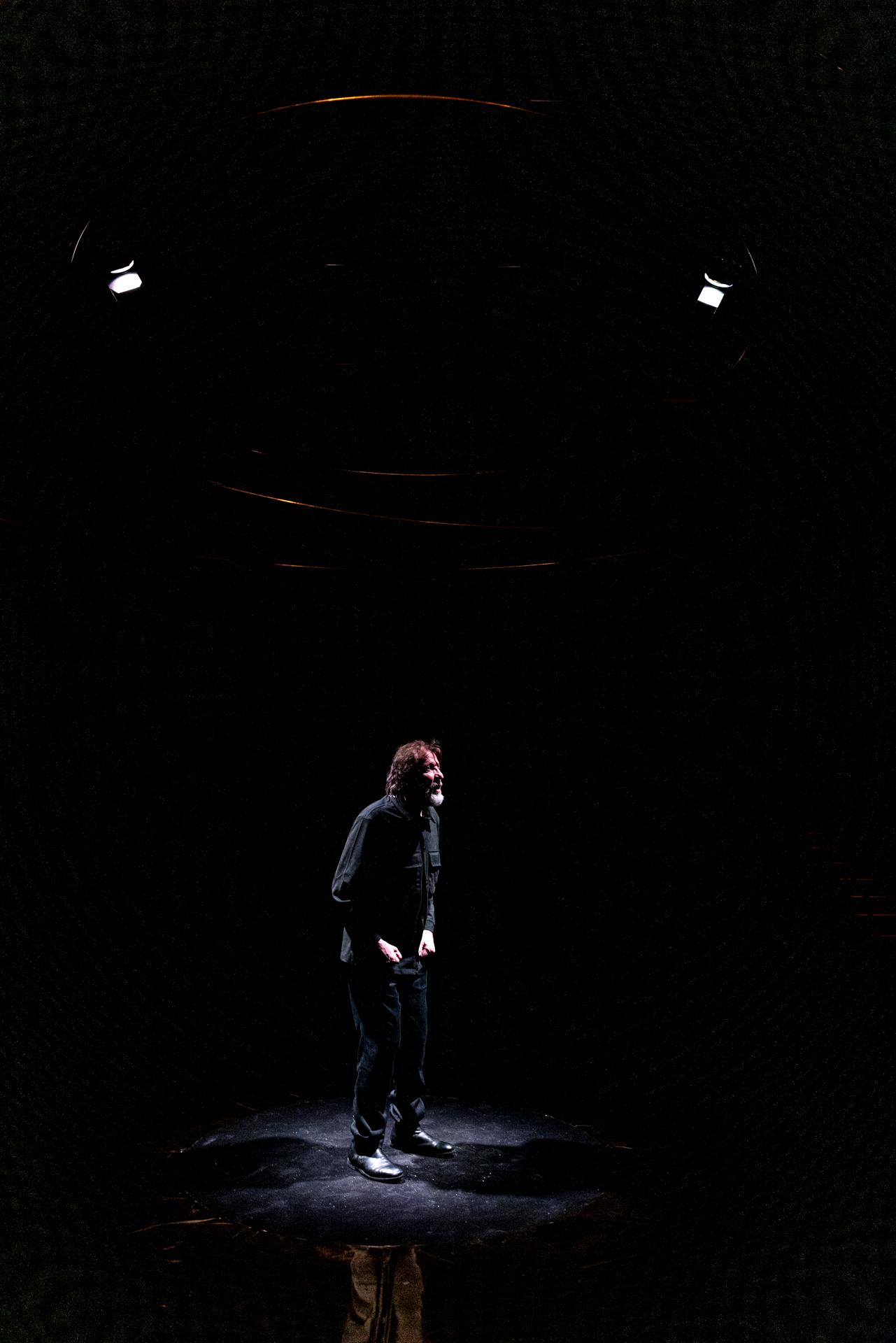
An extraordinary cast of three takes us through the 164-year saga, each actor deeply compelling, and as a team, simply flawless. Adrian Schiller’s uncanny ability to communicate nuance, is a marvel to witness, and a real gift for a show that can sometimes move too fast. Aaron Krohn brings exceptional agility, physically and otherwise, to the widely varying roles that he so perfectly embodies. Howard W. Overshown’s effortless gravitas reminds us of the nature of power, in a narrative that is almost always about exploitation and abuse.

Lehman Brothers no longer exists as a functioning enterprise, but its demise does not mean an end to the predatory and mercenary qualities of how we have come to arrange our collective lives. In fact, the intensified concentration of money and power, as we so clearly observe in 2024, only points to an exacerbation of those depravities. As a work of art, we may be moved to regard The Lehman Trilogy as a cautionary tale, but it seems the machine has grown so ubiquitous and all-encompassing, that any effort to rage against it, can only ever feel futile.

www.thelehmantrilogy.com

Review: Grain In The Blood (KXT on Broadway)

Venue: KXT on Broadway (Ultimo NSW), Feb 23 – Mar 9, 2024
Playwright: Rob Drummond
Director:
Victor Kalka
Cast: Kim Clifton, Nick Curnow, Siobhan Lawless, Genevieve Muratore, Ciarán O’Riordan
Images by Clare Hawley

Theatre review
Isaac is allowed home for a short visit, where Autumn is in desperate need of her father’s help, even though the two had never met before. Rob Drummond’s Grain in the Blood is a story about atonement, taking place on a remote Scottish farm, where past sins cannot help but haunt its remaining inhabitants. There is of course an air of the macabre, but the play is also surprisingly humorous, within all the darkness being explored, about guilt and generational trauma.

Direction by Victor Kalka provides a commendable clarity for the entangled relationships being presented, but the show never quite feels dramatic enough to match the inherently baroque quality of Drummond’s writing. Kalka’s set design however is a delight, wonderfully evocative of a rustic countryside, yet unquestionably sophisticated with its manipulations of colours and textures.

Costumes by Lily Mateljan are convincingly rural, giving us an accurate sense of place and personalities. Lights by Jasmin Borsovszky are designed with a confident simplicity, memorable for the moments of folkloric atmosphere they engender. Madeleine Picard’s wonderful score is an excellent addition, if slightly too sparingly utilised, in a tale involving a great amount of repressed emotions.

Performances by the uneven cast of five are not always strong, but Kim Clifton impresses as young Autumn, bringing both ingenuity and authenticity to her interpretations of a challenging role. Also noteworthy is Siobhan Lawless whose Sophia establishes for our understanding of the story, a complicated mixture of love, bitterness and regret in all its heart-breaking familial dynamics.

Forgiveness can be hard, even when one’s own emancipation depends on it. We all want to be free, but it seems many have a tendency to be absorbed in grudges, unable to let go. It is understandable that we want retribution for those who have wronged us, but less easy is to perceive the punishment inflicted on ourselves, when we refuse to absolve and forget. Time will always run out, and we know that some things can be left until it becomes too late.

www.kingsxtheatre.com | www.virginiaplaintheatre.com

Review: Back To Birdy (Fruit Box Theatre)

Venue: The Imperial (Erskineville NSW), Feb 21 – Mar 1, 2024
Playwright: Z Bui
Director: Sean Landis
Cast: Gemma Dart, Chloe Jayne, Angelica Lockyer, Hayden Moon
Images by Matthew Miceli

Theatre review
Emily and Warren are having a long overdue catch up. Although besties for almost twenty years, they have in recent months grown apart, largely because of Warren’s gender transition. Even though the two had over time become comfortable with their respective and shared queerness, Warren’s second coming out as trans, has not been easy. Z Bui’s Back to Birdy examines the journey of acceptance within queer communities, when compatriots experience momentary tumult and fracture. Warren is no longer a lesbian, and Emily needs time to come to terms.

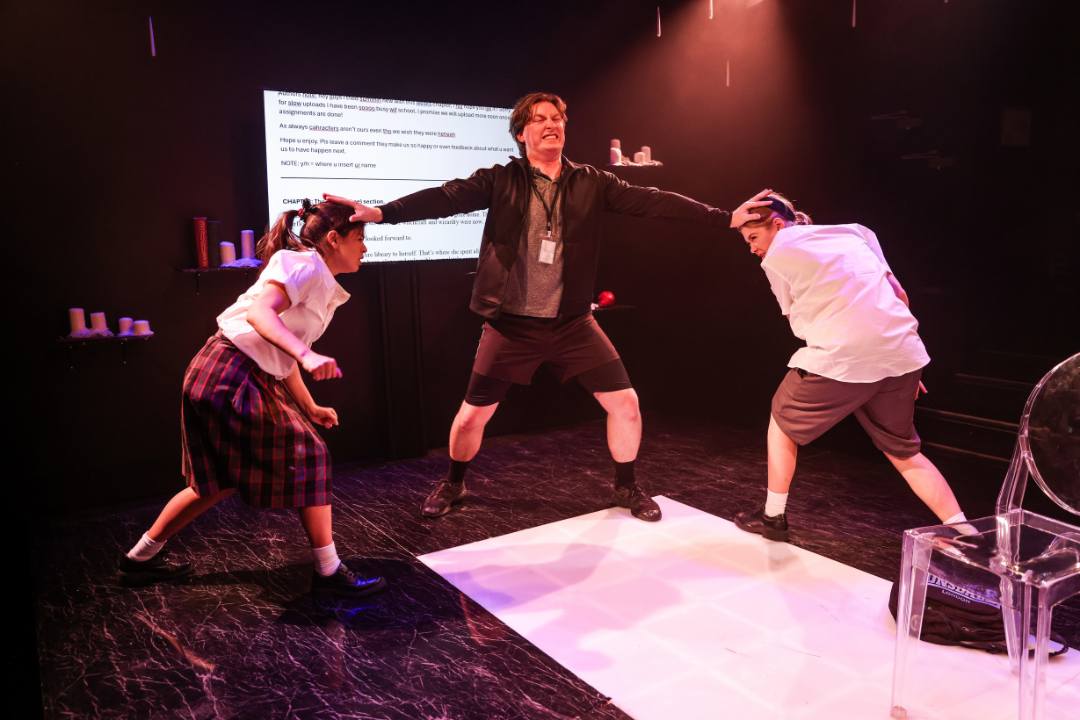
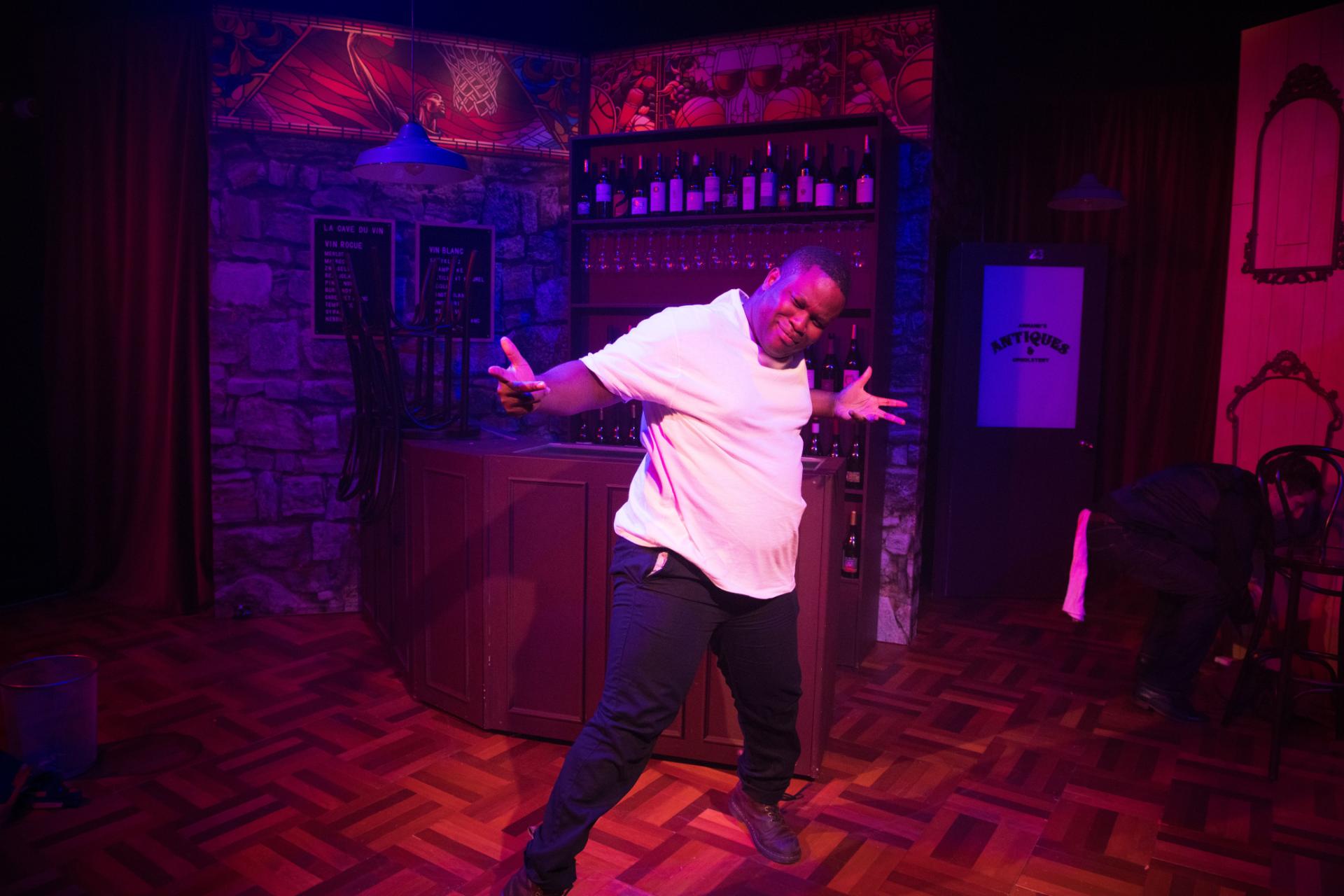
Bui’s text rings with authenticity, but is often overly detailed. Comprised mostly of a lengthy conversation in a bar between two characters,  the play goes deep into the minutia of Emily and Warren’s discord, and their history as lifelong friends. Unable to bring sufficient excitement to these extended scenes of reconciliation, director Sean Landis jumps at every chance to introduce a sense of theatricality, during significant moments of flashback, in a story about people changing.

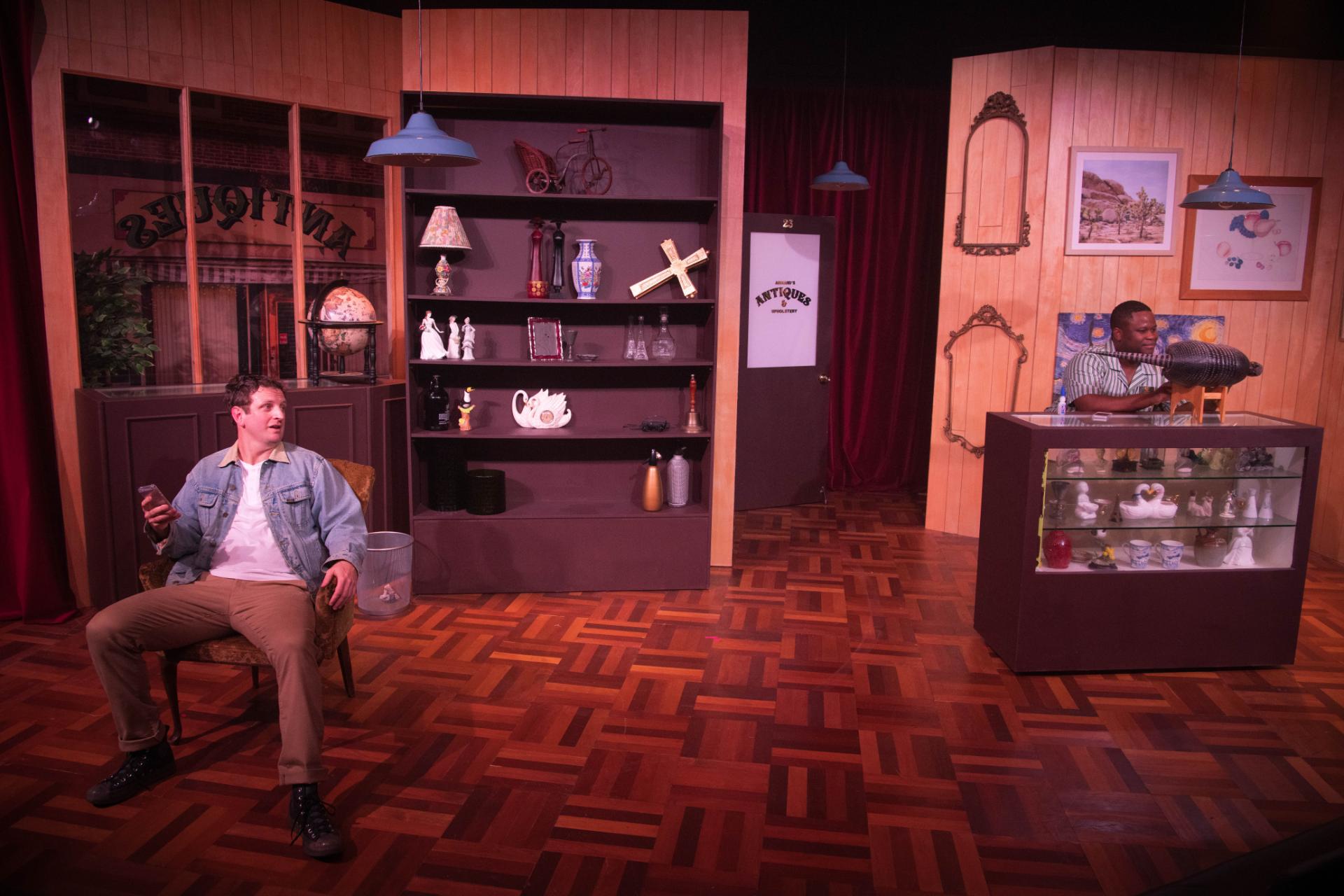
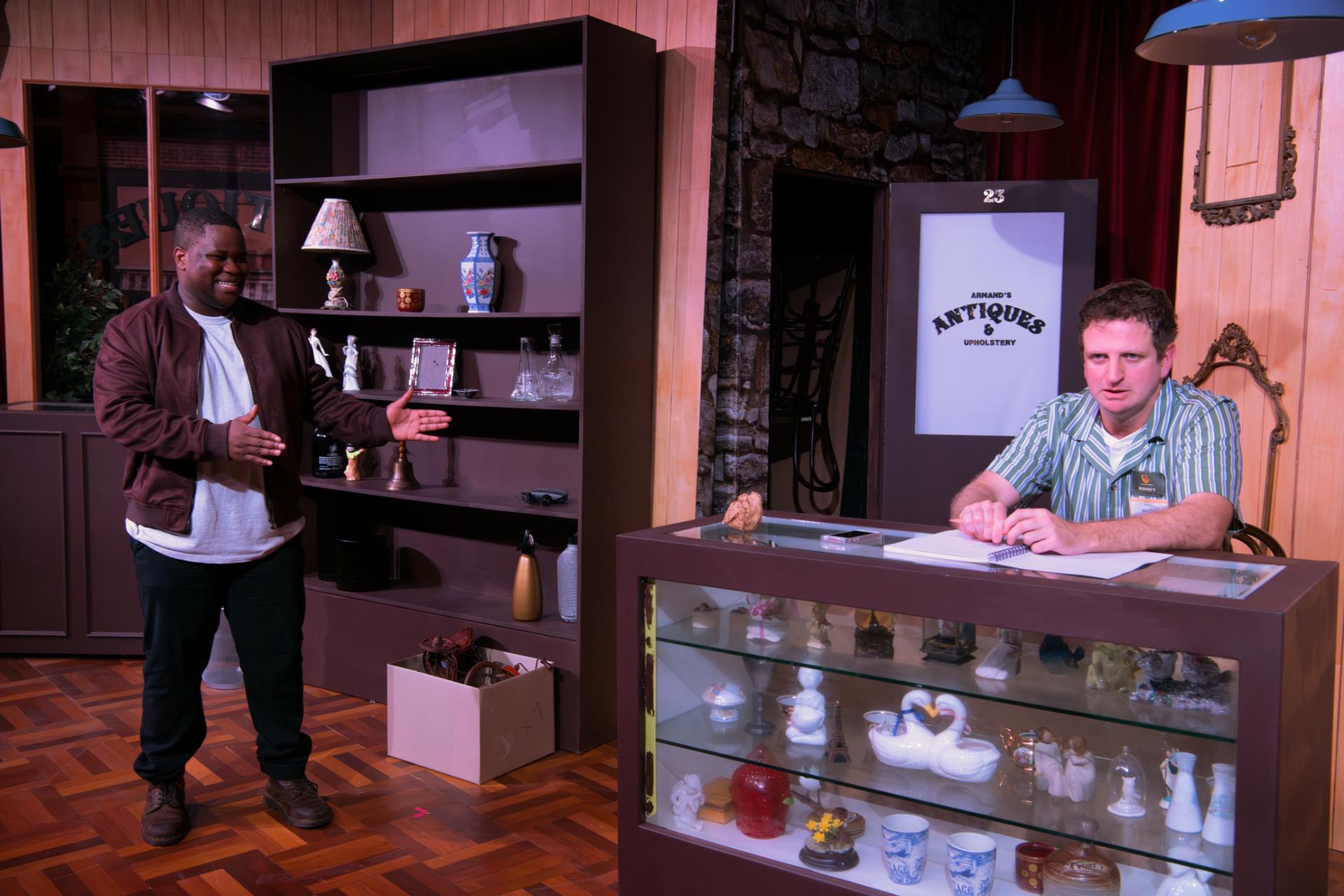
Set in an actual Sydney bar, production design by Soham Apte dresses up the space to facilitate comfortable viewing, but also to preserve a sense of integrity with the immersive experience. Illumination by Aron Murray makes full use of the venue’s colourful lighting equipment, to add visual flamboyance to the storytelling. Aisling Bermingham’s sounds are excessively restrained, although commendable for not obscuring the actors’ voices, in a room that proves acoustically limiting.

Performer Gemma Dart brings a vibrant presence, as well as an important quality of vulnerability to the role of Emily. Hayden Moon is convincing as Warren, and young versions of the two are played by Chloe Jayne and Angelica Lockyer, both demonstrating admirable dedication to their parts.

As we learn about people being assigned inaccurate genders at birth, it should only follow, that we question the purposes of assigning genders at all. There may be compelling reasons for the identification of people’s biological sexes in medical realms, but to relegate individuals to gendered (or any other) types, is ultimately meaningless and eternally fraught. If only humanity is able to just let us be.

www.fruitboxtheatre.com.au

Review: The Swell (Old Fitz Theatre)

Venue: Old Fitzroy Theatre (Woolloomooloo NSW), Feb 15 – Mar 2, 2024
Playwright: Isley Lynn
Director: Julia Billington
Cast: Jessica Bell, Katherine Hopwood Poulsen, Deborah Jones, Alexandra Keddie, Fiona Press, Monique Sallé
Images by Phil Erbacher

Theatre review
Annie and Bel are planning their wedding, when Flo returns from out of town for a visit. A surprising connection blossoms between Flo and one of the brides-to-be, instigating drama to ensue in the most unimaginable way. An electrifying plot twist in Isley Lynn’s The Swell brings us to the edges of our seats, in an otherwise slightly pedestrian tale, of a queer love triangle.

There is a leniency in Julia Billington’s direction of the piece, that is perhaps overly reliant on what their cast chooses to bring to the stage. It is a delicate work however, with a sense of integrity, that prevents The Swell and its undeniable sensationalised aspects, from feeling in any way unrefined or pulpy.

Hannah Yardley’s set design is extremely simple, forming an appealing representation of rural England, although not always sufficiently vivid with how it helps us imagine the physical contexts, in which the three women intertwine. Lights by Saint Clair are suitably moody, bringing an alluring edge to this dark romance. Sound design by Clare Hennessy is consistently subtle, effective at harnessing tension, but could benefit with a bolder approach to achieve a more stirring result.

Six generous actors perform the roles across two generations, in a story spanning thirty years. Jessica Bell, Alexandra Keddie and Monique Sallé play the young women, each creating distinct personalities, but are not always convincing with the chemistry being generated. Katherine Hopwood Poulsen, Deborah Jones and Fiona Press deliver senior versions of the same characters, admirable for bringing the show to a satisfying climactic conclusion.

As we become increasingly comfortable with queerness in our art and lives, it is important that the particularities of our experiences as queer people are not disregarded. The Swell talks specifically about lesbians. In a climate of radical inclusivity, it is tempting to wish to represent as many marginalised people as possible, in each instance of theatre making, but we risk erasure of valuable differences pertaining to our LGBTQIA+ identities.

Emancipation naturally means that we will ultimately be freeing ourselves from labels, and we should always work towards a future of fewer limitations and greater possibilities, but there is power in embodying markers, especially those that carry with them, glorious histories of resistance, resilience and triumph. Lesbians have improved the world for everyone, in countless ways, and we must insist on their enduring and conspicuous presence.

www.oldfitztheatre.com.au | www.instagram.com/akimbo_co

Review: Low Level Panic (KXT on Broadway)

Venue: KXT on Broadway (Ultimo NSW), Feb 7 – 17, 2024
Playwright: Clare McIntyre
Director:
Maike Strichow
Cast: Marigold Pazar, Charlotte De Wit, Megan Kennedy
Images by Georgia Jane Griffiths

Theatre review
Three young women share a home, each with a different relationship to their own bodies. Clare McIntyre’s Low Level Panic examines the often unstable nature of the self-image, in connection with the sociality of existing in a modern world. Characters in the play are concerned, consciously and subconsciously, with notions of gender inequality, sex and popular media, as they navigate the challenges of attaining a sense of assurance and confidence, for their physical selves.

McIntyre’s ideas are rendered with subtlety, using a gentle humour to explore these difficulties shared by most women. Direction by Maike Strichow is perhaps slightly too nebulous, in a style too naturalistic, making the show feel somewhat pedestrian and emotionally detached. Marigold Pazar, Charlotte De Wit and Megan Kennedy form a convincing cast, but are excessively lenient with the pertinent messages of the play.

A more pronounced theatricality is needed to fortify our engagement with the concepts and the enjoyment of the work. Lights by Lyndon Buckley are fortunately able to deliver some visual punctuation to sustain our attention. Set design by the aforementioned De Wit is also charming, in its winsome representation of a familiar scene.

We may be able to identify the reasons for our feelings of inadequacy, but changing those nefarious influences seems to require several lifetimes. What we can do every day, whilst finding ways to survive these unremarkable conditions, is to cultivate forms of resistance. Psychological fortification is hard work, but is absolutely necessary, for women to define our individual and private selves, so that we may be able to be at peace when it matters most, as we negotiate the relentless daily violence, of being told we are not enough.

www.kingsxtheatre.com | www.herproductions.com.au

Review: A Fool In Love (Sydney Theatre Company)

Venue: Wharf 1 Sydney Theatre Company (Walsh Bay NSW), Feb 6 – Mar 17, 2024
Playwright: Van Badham (after Lope de Vega)
Director: Kenneth Moraleda
Cast: Arkia Ashraf, Alfie Gledhill, Melissa Kahraman, Johnny Nasser, Contessa Treffone, Aaron Tsindos, Megan Wilding
Images by Daniel Boud

Theatre review
Phynayah is on the verge of turning 30, and unless she marries soon, a substantial inheritance will be forfeited. There is no shortage of suitors, but her serious lack of intellect means that the men are only in it for the money, and even Phynayah knows that love cannot be built solely on greed. Van Badham’s A Fool in Love, is an ultramodern adaptation of Lope de Vega’s 1613 play La dama boba, in which we explore matters of the heart and mind.

Badham’s work is further concerned with archetypal portrayals of women, and with Phynayah’s foolishness juxtaposed against her sister Vanessa’s book smarts, A Fool in Love wants us to consider the ways in which we are accustomed to talking about women, and the repercussions of those conventions. This is all done however, through a great deal of humour, in a production that labours too hard perhaps, to get the laughs.

The story is thought-provoking, and even though Badham succeeds at earning our investment into Phynayah’s plight, there is an obscure quality to the dialogue, probably derived from the age of the original, that provides a conversational style that is slightly rigid. Direction by Kenneth Moraleda is wonderfully flamboyant, and even though overzealous with its comedy, delivers a show that deeply engages our senses.

Set and costumes by Isabela Hudson revel in an unambiguous campness, as though indicating a queer attitude overlaying this feminist retelling of an old tale. Hudson too pokes fun wherever she can, especially in reference to how we perceive gender and class in the present moment. Benjamin Brockman’s lights add to the flamboyance, taking many opportunities to induce excitement in a production that is unafraid of being flashy. Sounds and music by Michael Toisuta could demonstrate greater sensitivity for the atmosphere being manufactured, but bears a dynamism nonetheless, that adds to the vibrancy of the piece.

Actor Contessa Treffone is a splendid Phynayah, genuinely hilarious but also unequivocally poignant when we need her to dial up the tension. Also extremely comical is Aaron Tsindos who as Lee and Neeson, never misses a beat with his jokes, yet offering consistent clarity to the intentions of both his roles. Johnny Nasser and Megan Wilding are equally fabulous with their timing and sensibilities, able to keep things believable, whilst convincingly inhabiting very heightened spaces. Arkia Ashraf, Alfie Gledhill and Melissa Kahraman are manifestly committed to all their parts, in a staging that is never short of manic energy.

It could be true that no woman is truly stupid, that it could just be that some of us make poor choices. In a world that often restricts us to inferior options, and that keeps us in disagreeable situations, many women can appear to make bad decisions, when in fact we are simply disallowed to live out our full potential. There is so much of what we are capable of, that is deemed inappropriate, repugnant or ruinous, by systems that only thrive when we are subjugated. Whether Phynayah develops her intellect, grows in courage, or stays the very same, she is always already divine.

www.sydneytheatre.com.au

Review: Shitty (25A Belvoir)

Venue: Belvoir St Theatre (Surry Hills NSW), Feb 7 – 24, 2024
Playwright: Chris Edwards
Director: Zoë Hollyoak
Cast: Meg Hyeronimus, Roy Joseph, Levi Kenway, Mark Paguio, Ariadne Sgouros
Images by Phil Erbacher

Theatre review
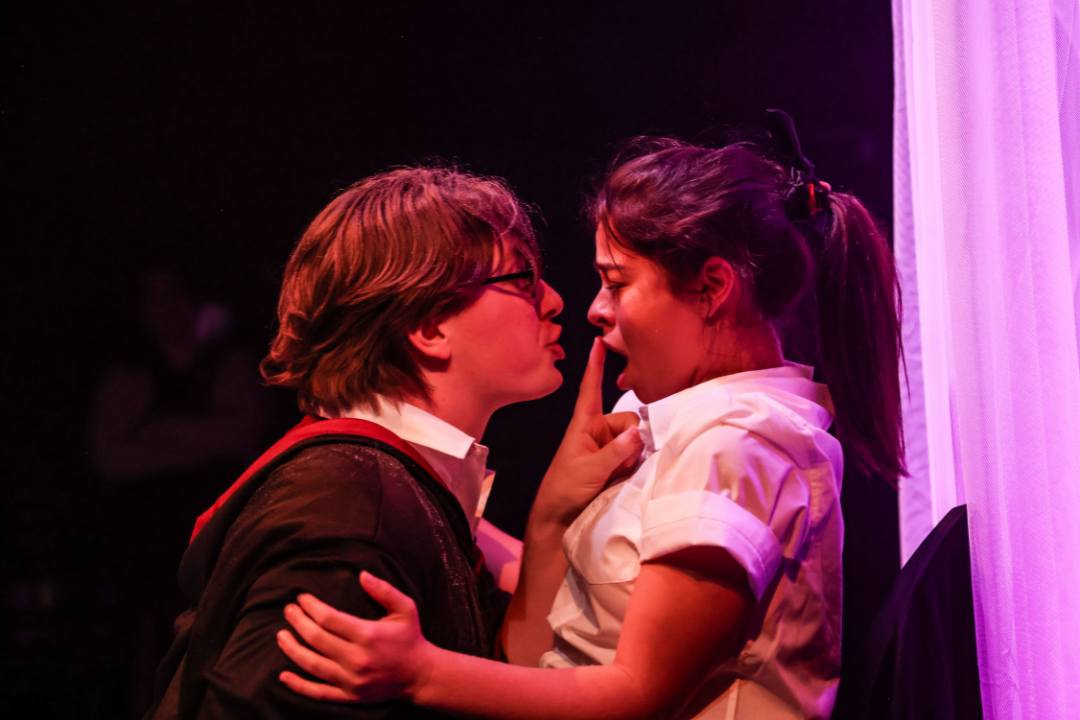
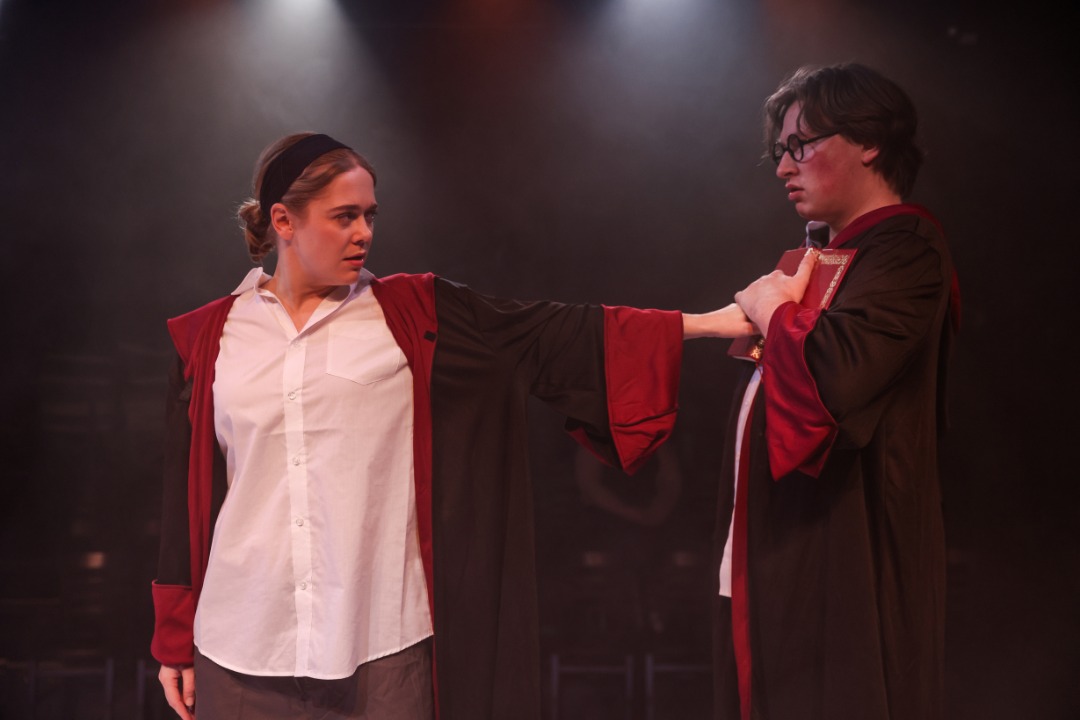
Three short plays involving the supernatural, and a lot of sparkling humour, all by Chris Edwards, make up the theatrical delight known as Shitty. The clever title refers to a series of regretful situations, where individuals meet with unforeseen and completely dreadful consequences. Edwards’ writing is highly imaginative, with an exceptional playfulness that pairs horror with comedy, for an unusual intermingling of genres, that proves an unexpectedly thrilling combination.

Direction by Zoë Hollyoak injects a formidable sense of excitement into each of the stories, relentlessly amusing for the entirety of Shitty‘s duration. Set and props by Hailley Hunt incorporate funny surprises that are truly memorable. Lighting design by Morgan Moroney impresses with its creativity, along with an admirable rigour that comprehensively elevates the staging. Sounds and music by Madeleine Picard too are rendered with a thoroughness, so that every moment feels rich and intricate, in this outlandish telling of creepy tales.
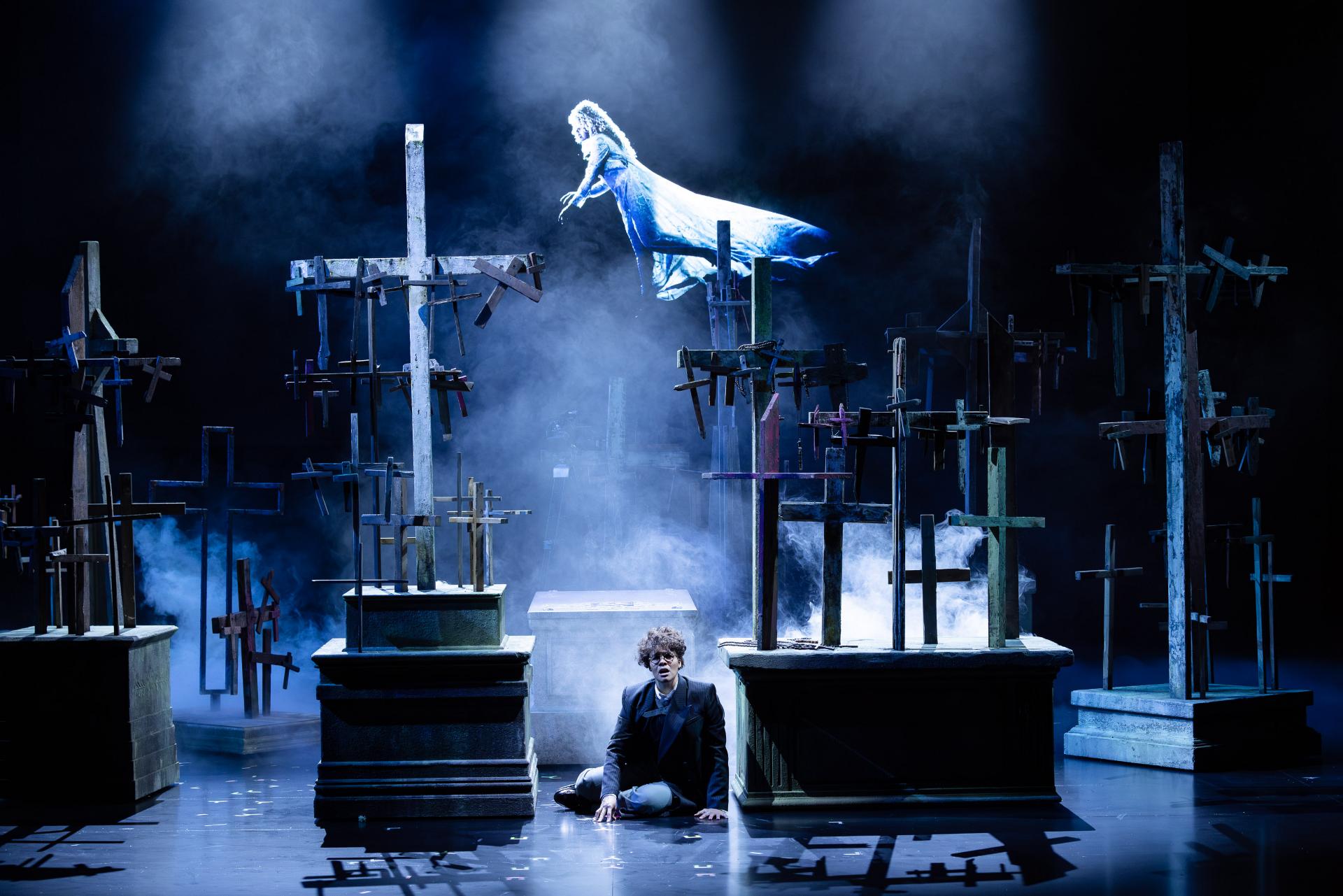
Actors Meg Hyeronimus and Levi Kenway start the show as illicit lovers, performing their parts with great polish and exquisite timing. Levi Kenway and Mark Paguio follow, both offering wonderful intrigue and passion, to their chapter on Grindr and Sydney’s clubland. Ariadne Sgouros is commanding in her concluding one-woman segment, precise and powerful as she goes through hell, in the deceptive serenity of the Blue Mountains.

Our arrogance makes us forget that there are others who inhabit this plane. We rely only on five senses to decide what to believe in, often unable to be attentive to what might be considered metaphysical. They could be ghosts, or simply emotions and intuitions, phenomena that seem immaterial and hence elusive, inappropriate for modern lives characterised by commodification and quantifiability. We want magic, but we seem only to know to refuse it.

www.facebook.com/es.wrkrs | www.belvoir.com.au

Review: Homos, Or Everyone In America (New Theatre)

Venue: New Theatre (Newtown NSW), Feb 6 – Mar 9, 2024
Playwright: Jordan Seavey
Director: Alex Kendall Robson
Cast: Axel Berecry, Sonya Kerr, Eddie O’Leary, Reuben Solomon
Images by Chris Lundie

Theatre review
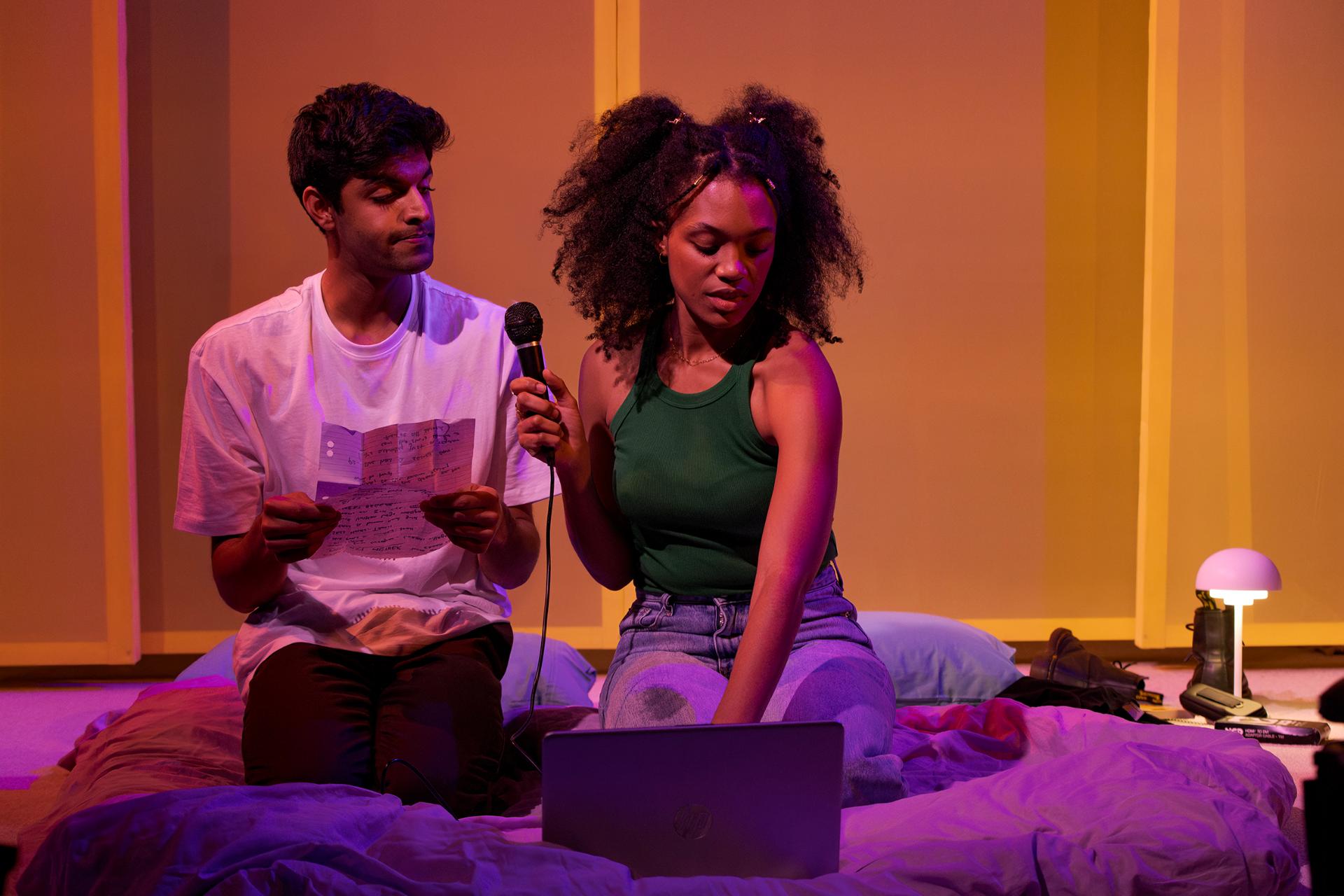
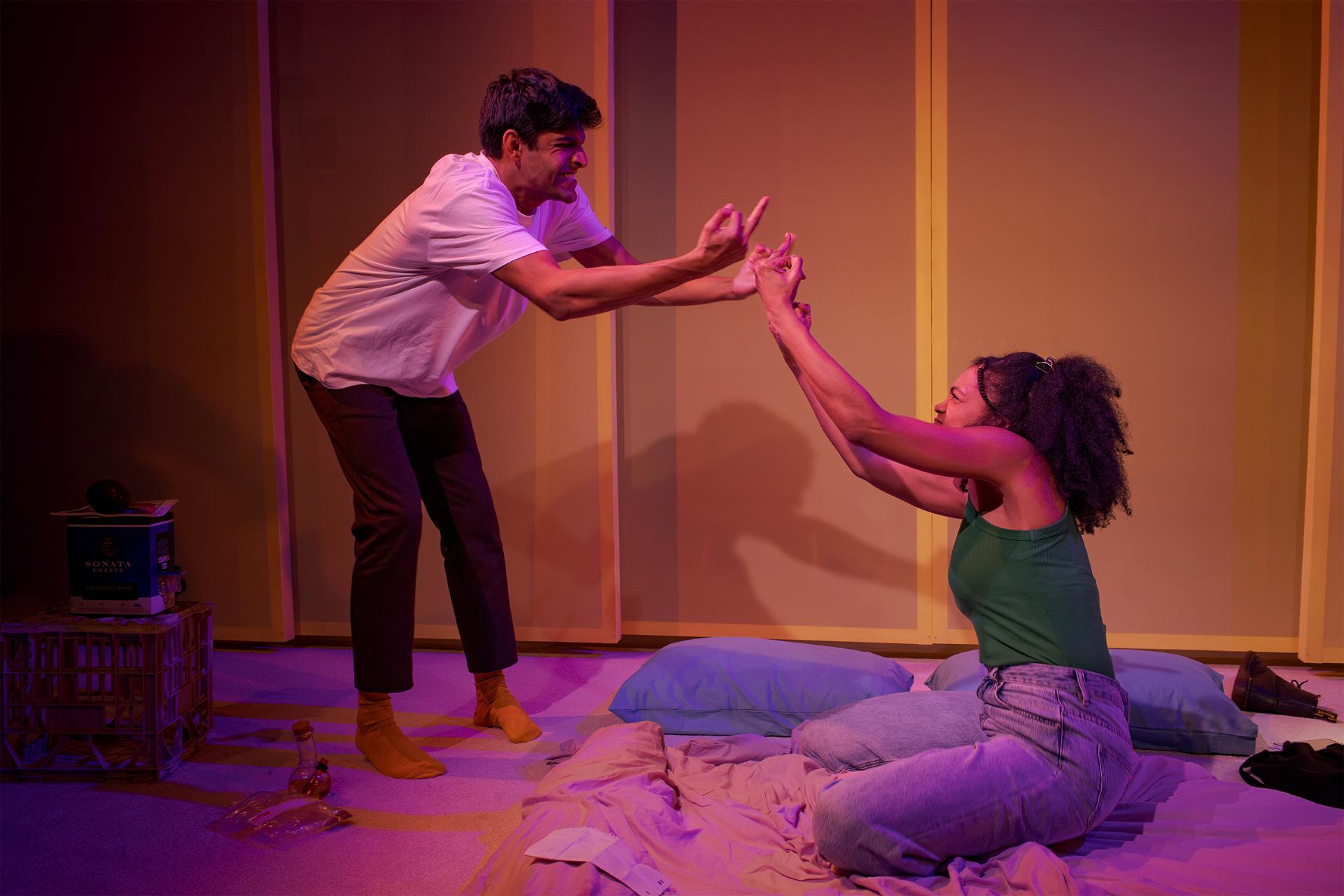
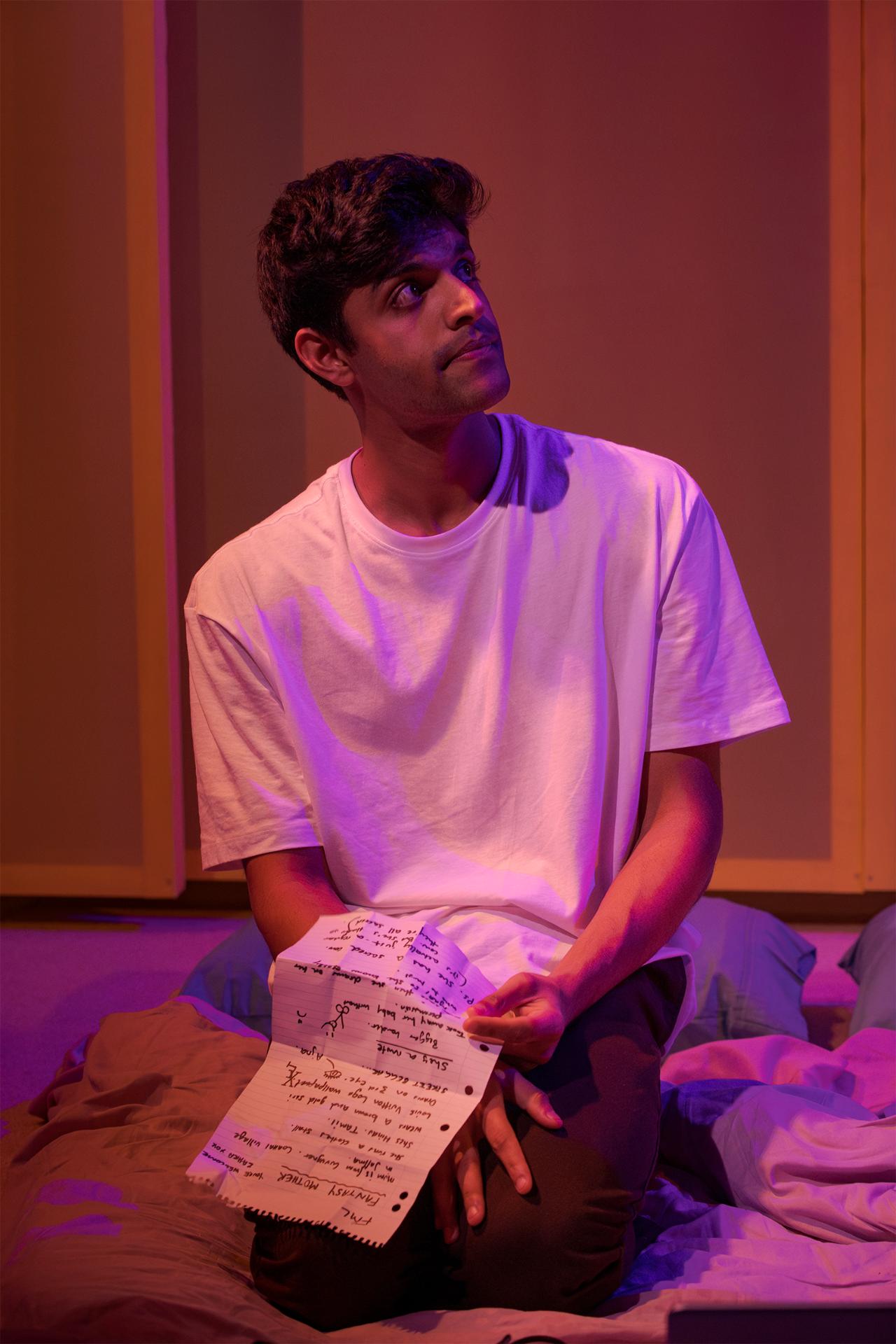
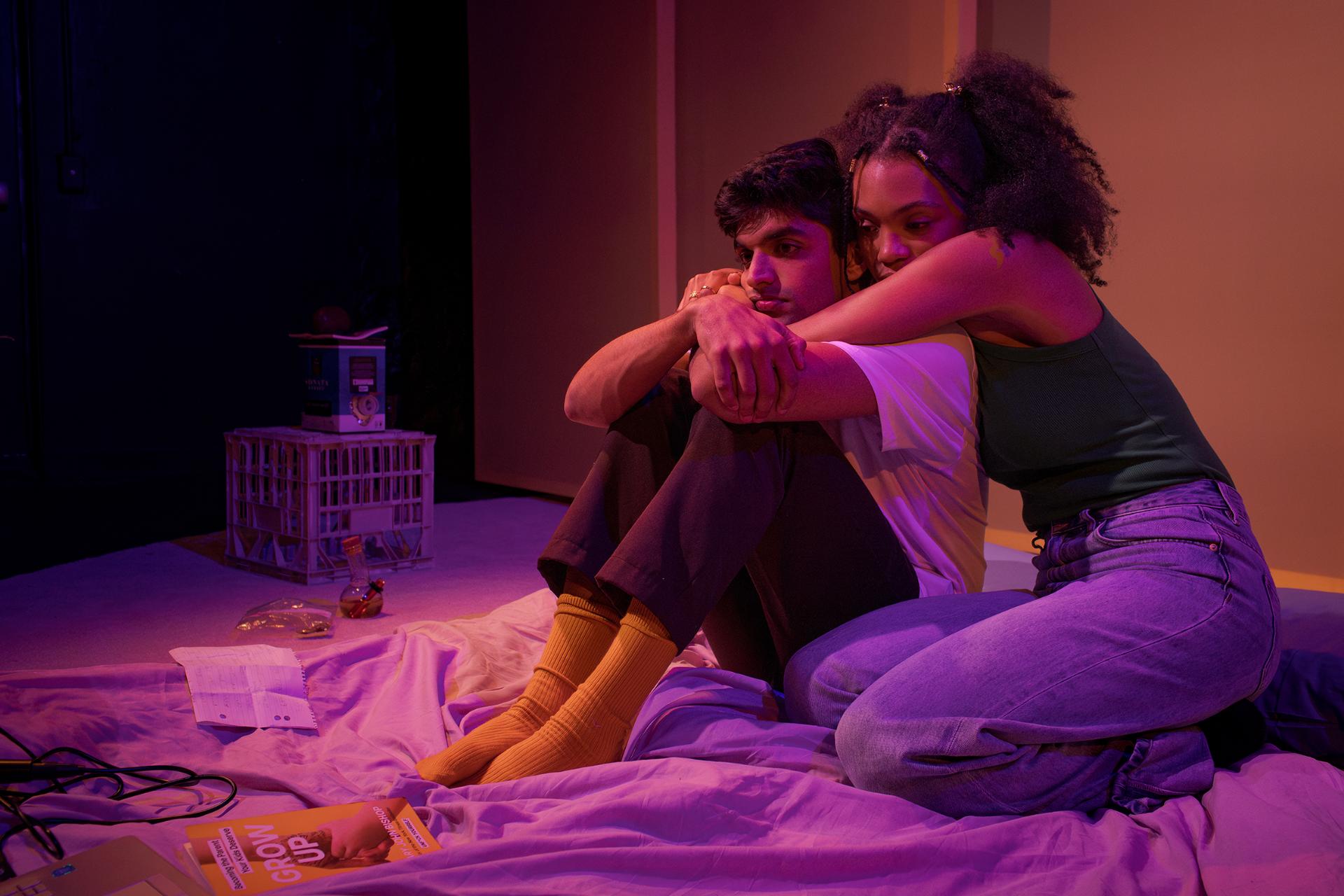
Jordan Seavey’s Homos, or Everyone in America takes place between 2006 and 2011, with the relationship between two unnamed Manhattanites as its central focus. New York and the United States provide the backdrop and political context, in which we examine modern gay life in Northern America.  The young men bicker and fight throughout the play, as we look at the more dramatic moments of their time together.

Direction by Alex Kendall Robson is correspondingly turbulent, as we witness the couple’s volatility at various points of their 5-year history. The narrative is presented anachronistically, resulting in a somewhat poetic, if slightly chaotic, theatrical presentation. Production design by Zara Pittioni creates effective visual spatial demarcations, but the lack of scenery walls requires performers to speak loudly, to overcome acoustic limitations. Lead actors Eddie O’Leary and Reuben Solomon are generally persuasive and very well-rehearsed, but the unmodulated volume of their speech can prove grating.

Supporting players are Sonya Kerr who brings an enjoyable precision, and Axel Berecry whose mischievous disposition leaves an impression. Also noteworthy are lighting design offering variety to the imagery being showcased, along with sound and music by David Wilson, assisting proficiently with tension and energy, in a show about the Big Apple.
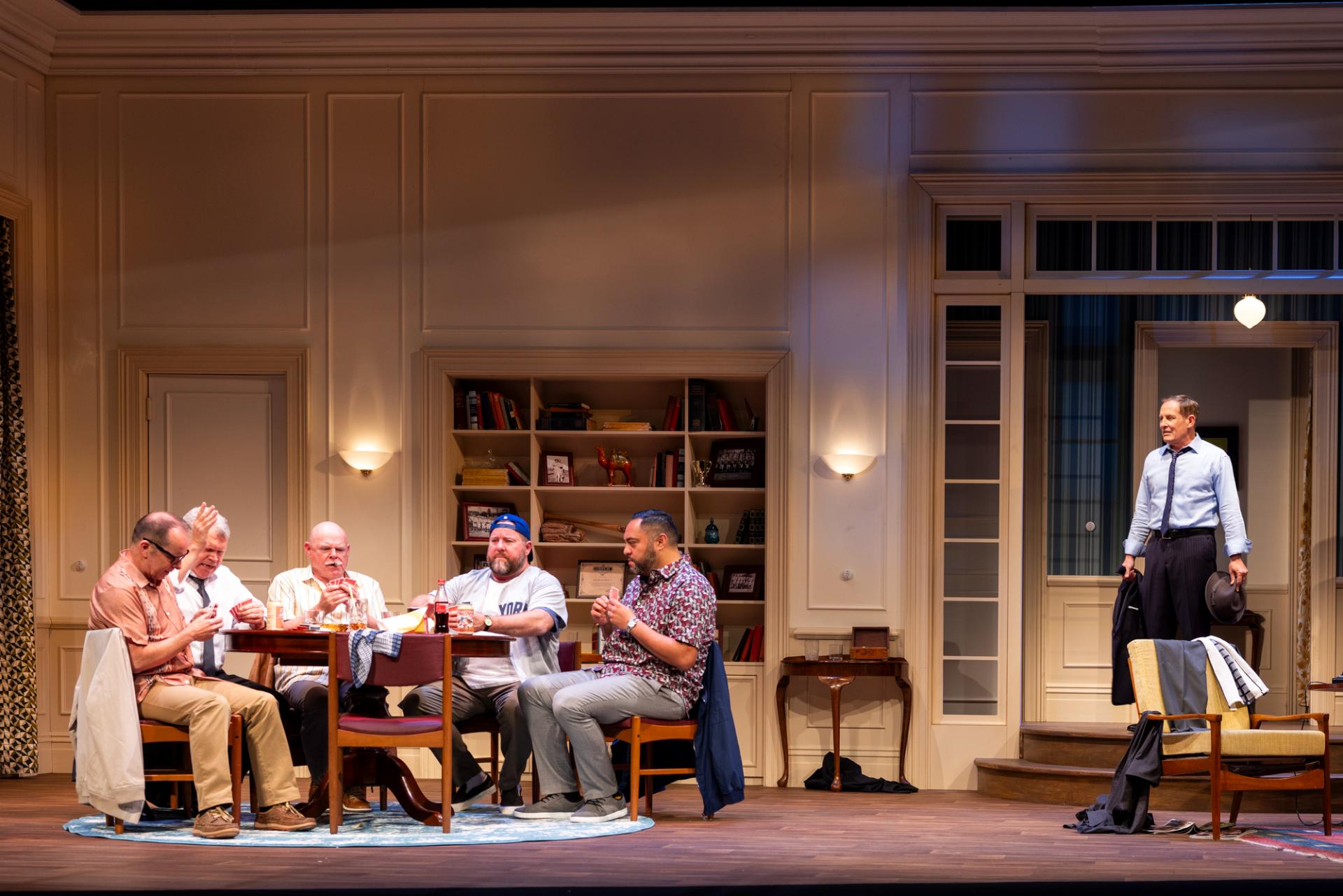
The gays yell a lot in Homos, or Everyone in America, maybe because they have experienced little tenderness, in a world that has for far too long, regarded them only with contempt and disdain. Traditional modes of masculinity further prevents them from accessing softer aspects of being human, qualities necessary for making intimate relationships work. The damage done by homophobia and sexism, is extensive and exhaustive. Legislation can change things overnight, but what happens in the souls of the downtrodden, will take generations to heal.
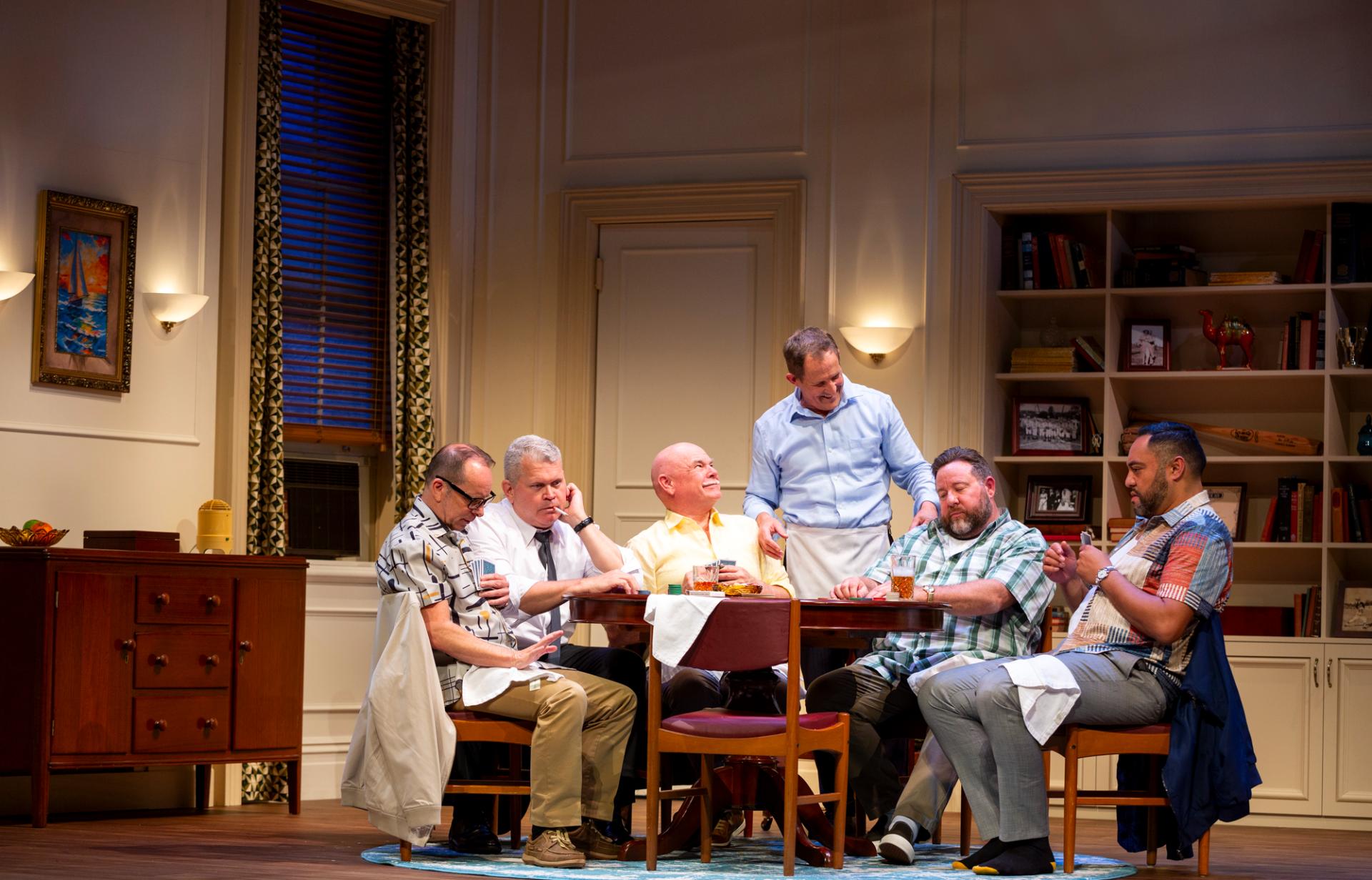
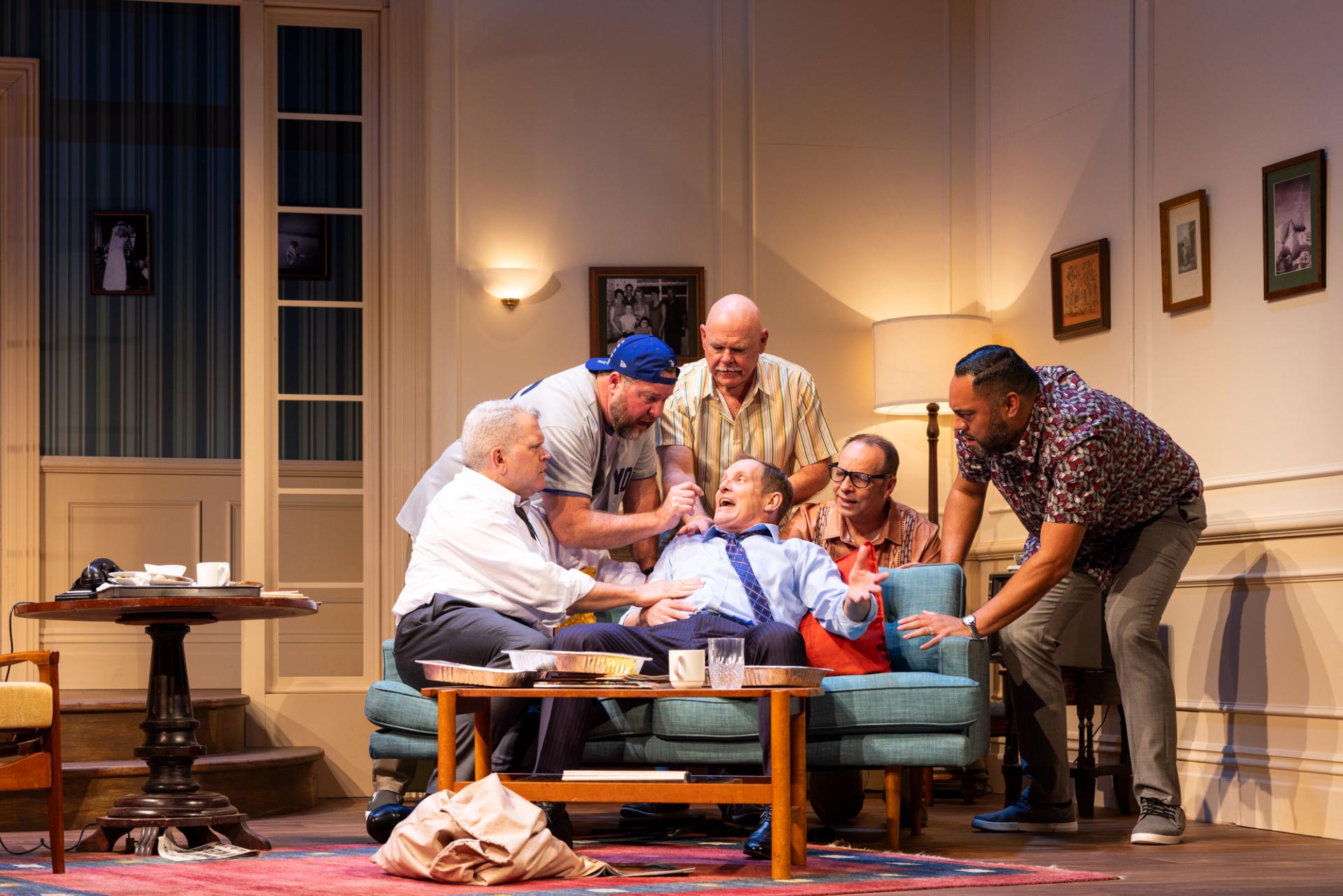
www.newtheatre.org.au