Review: Opening Night (Belvoir St Theatre)

Venue: Belvoir St Theatre (Surry Hills NSW), Feb 26 – Mar 27, 2022
Playwright: John Cassavetes, adapted by Carissa Licciardello
Director: Carissa Licciardello
Cast: Caitlin Burley, Jing-Xuan Chan, Anthony Harkin, Luke Mullins, Toni Scanlan, Leeanna Walsman
Images by Brett Boardman

Theatre review
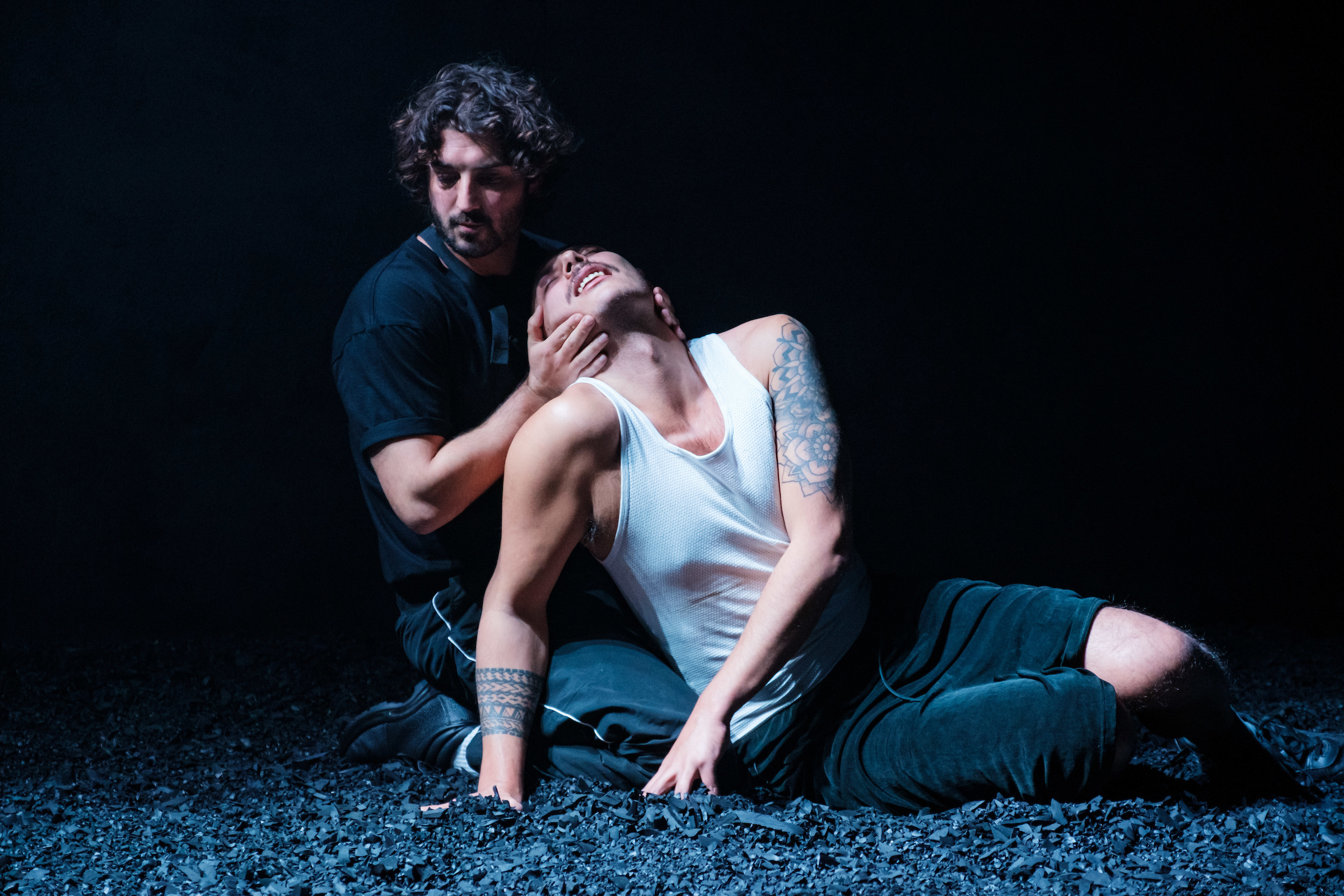
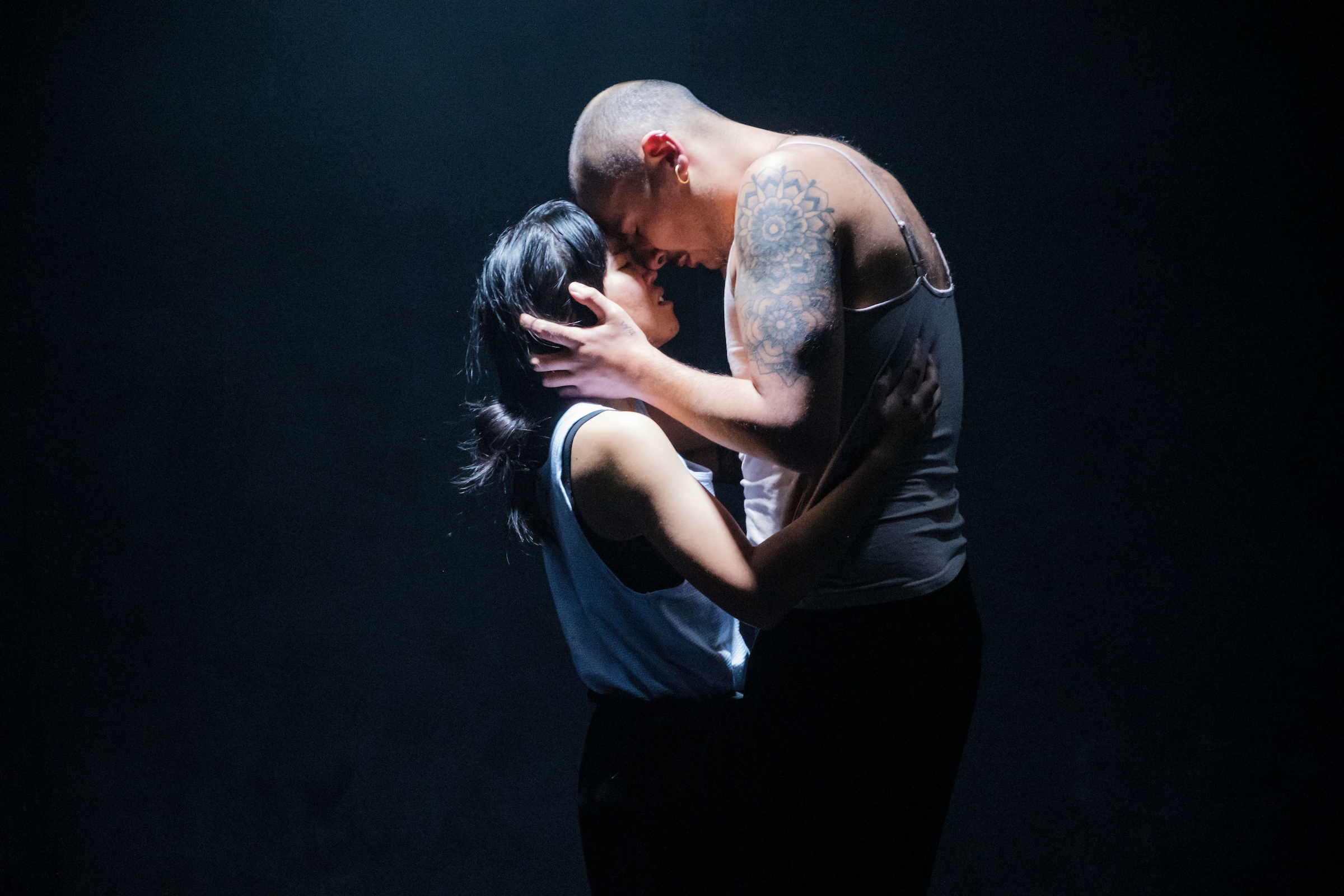
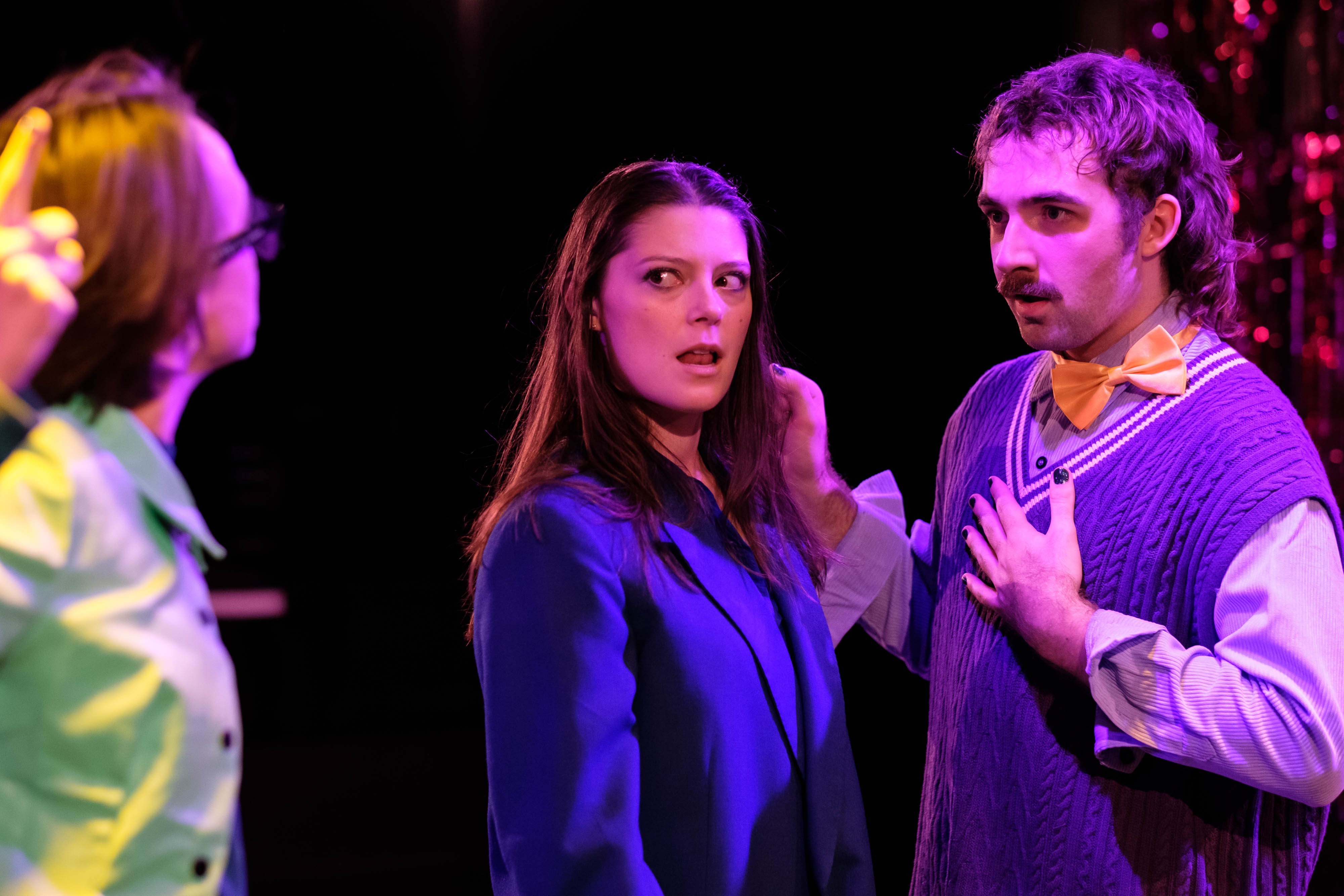
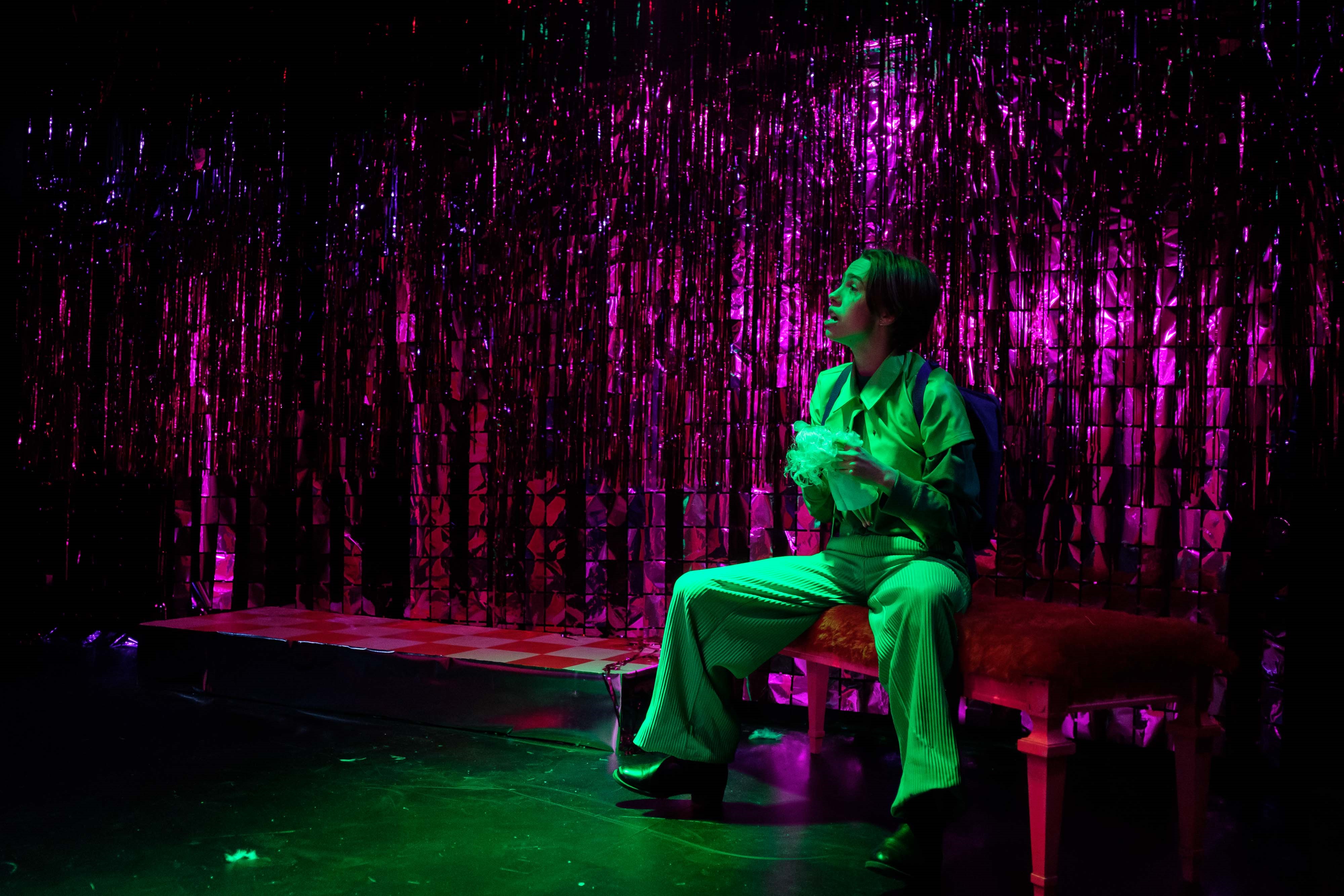
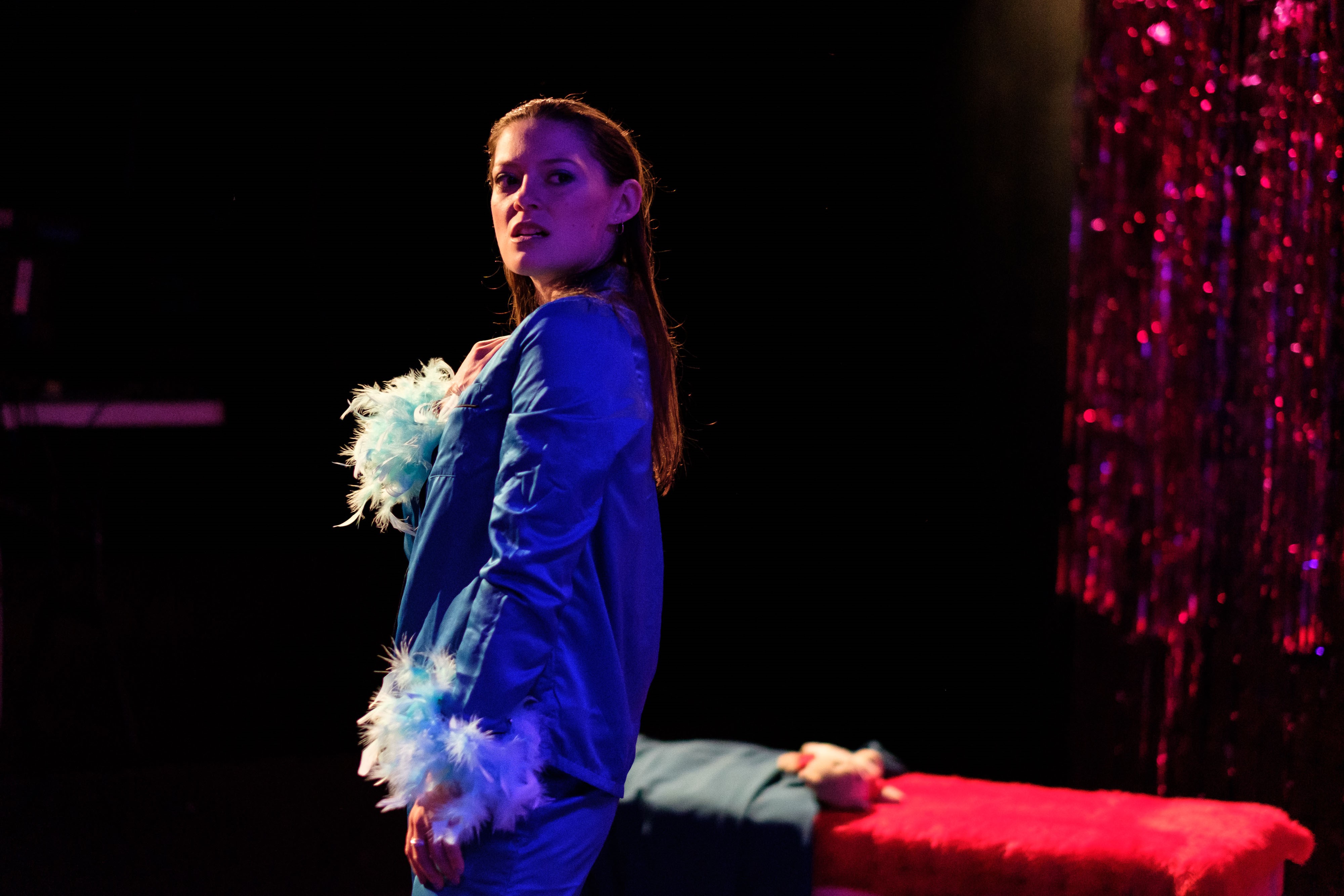
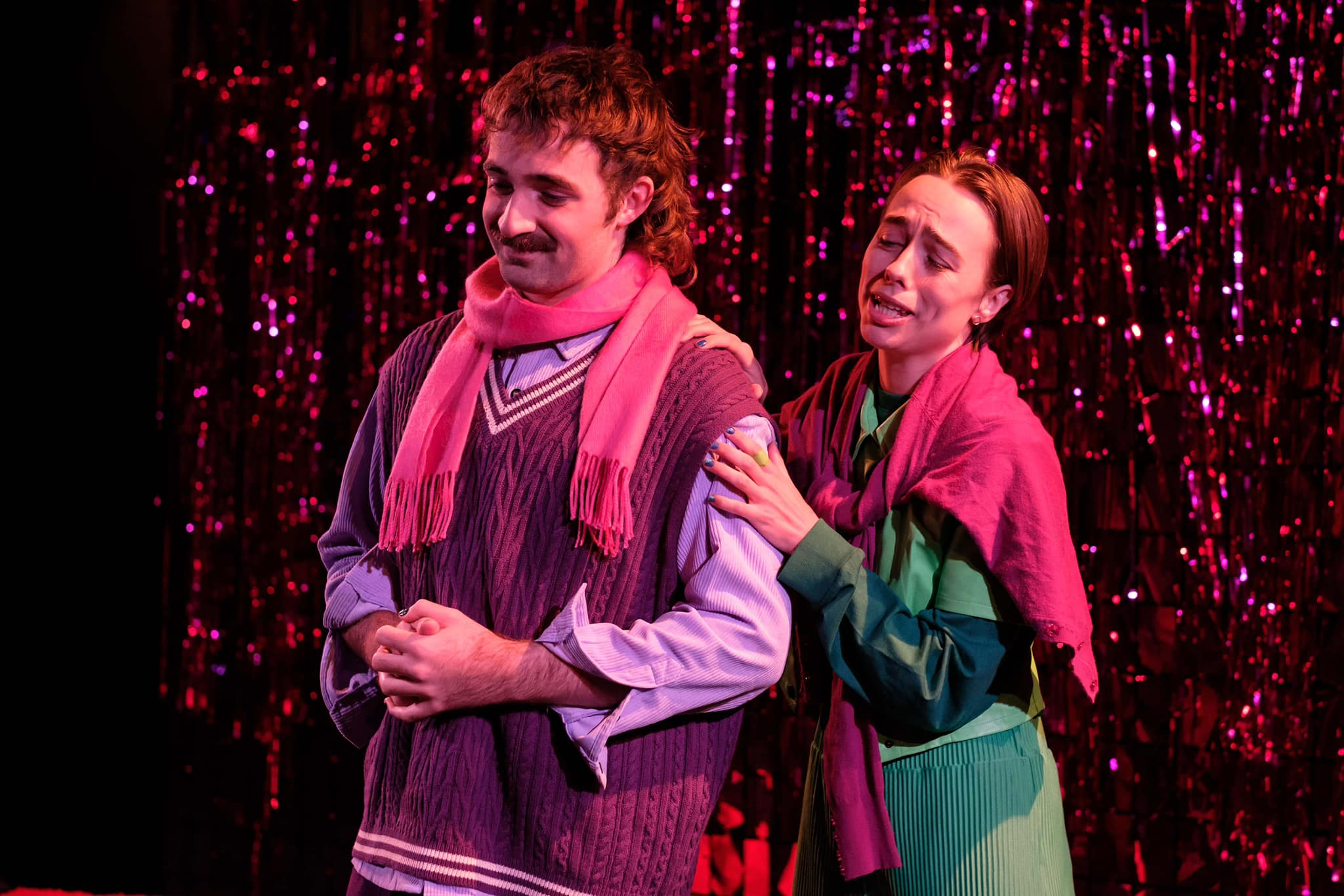
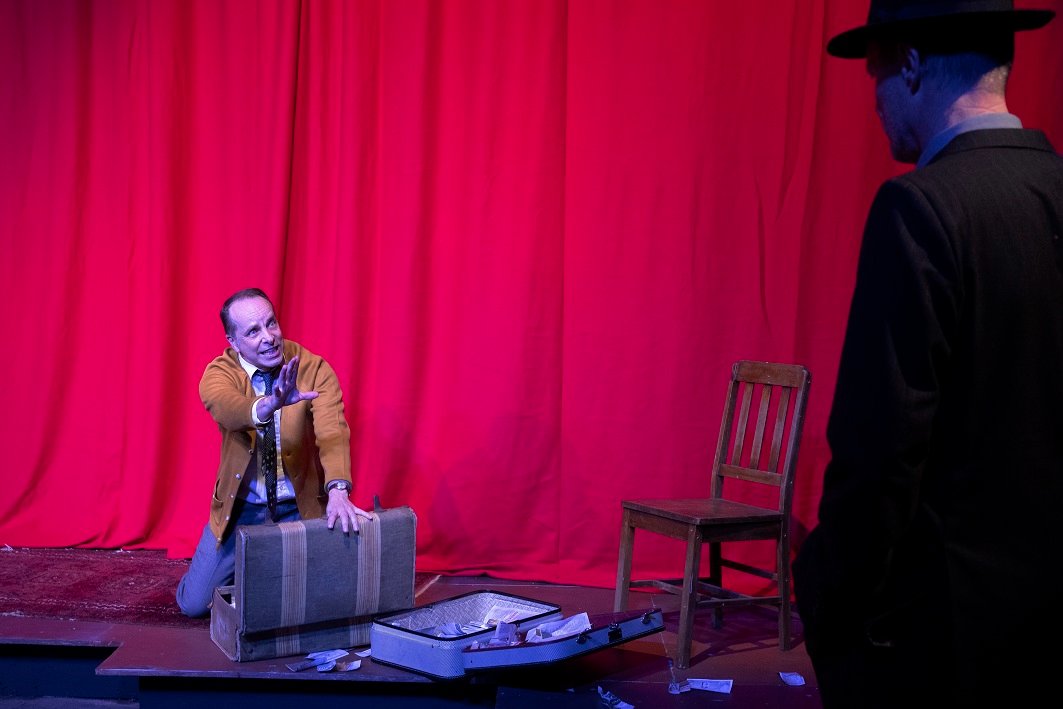
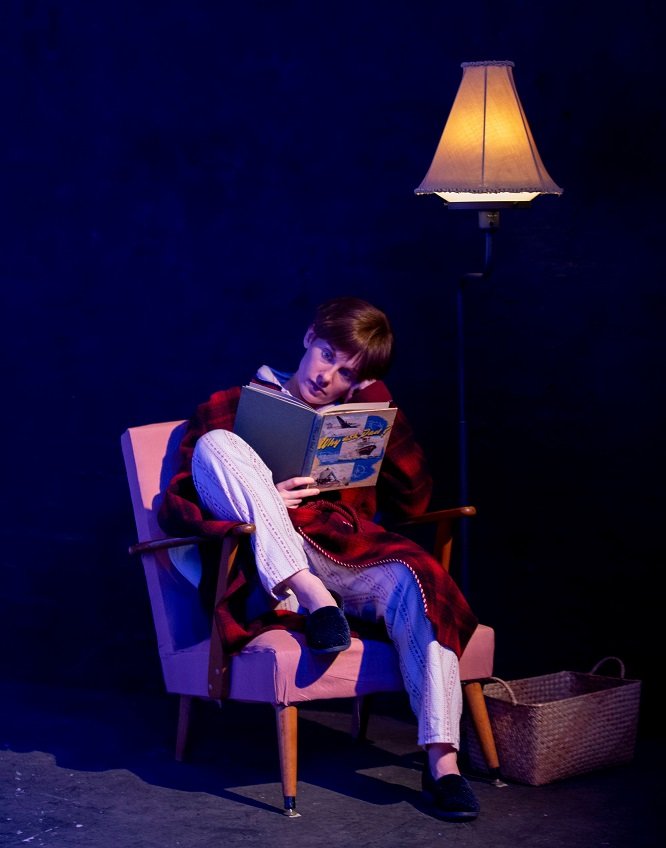
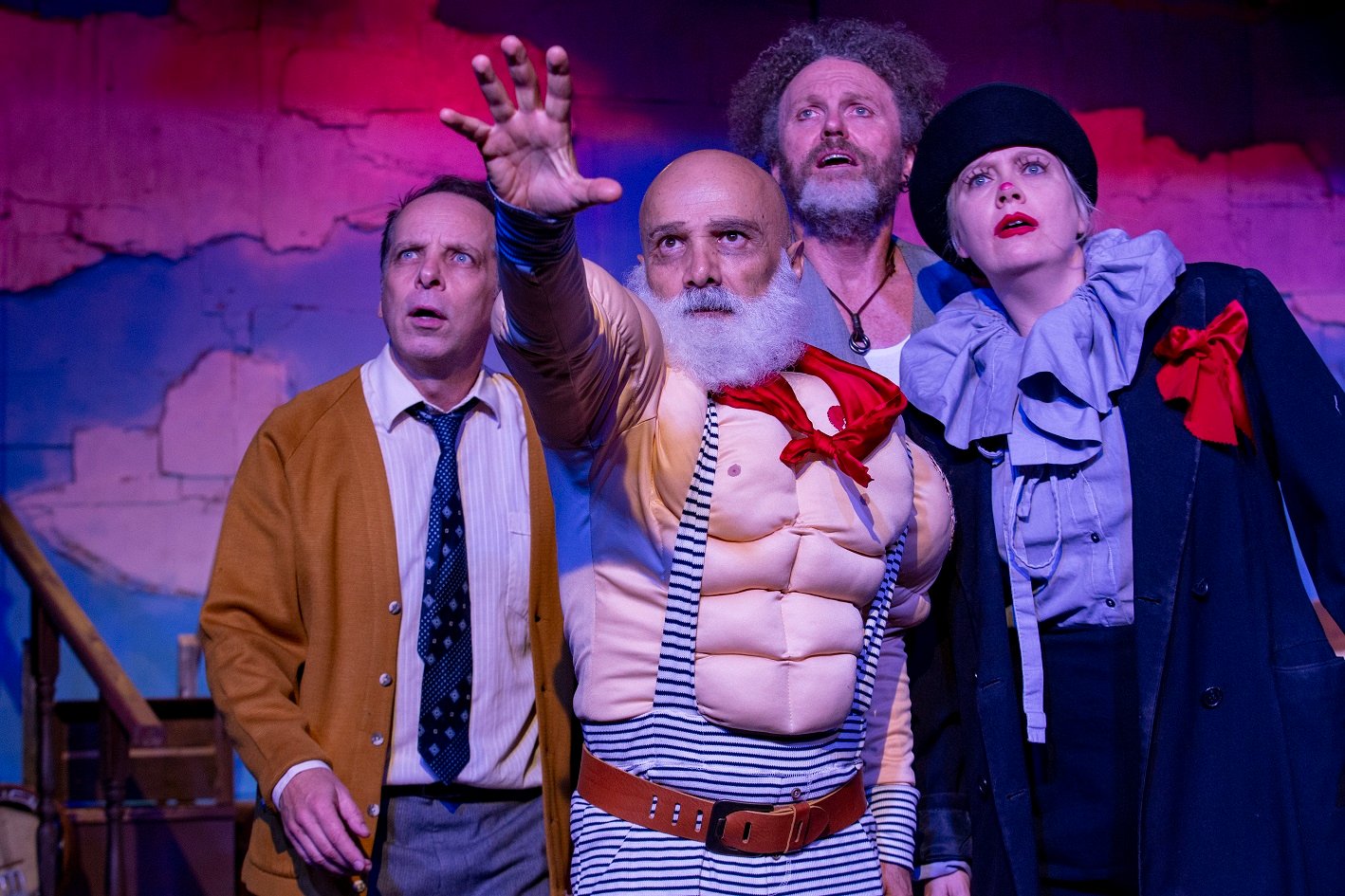
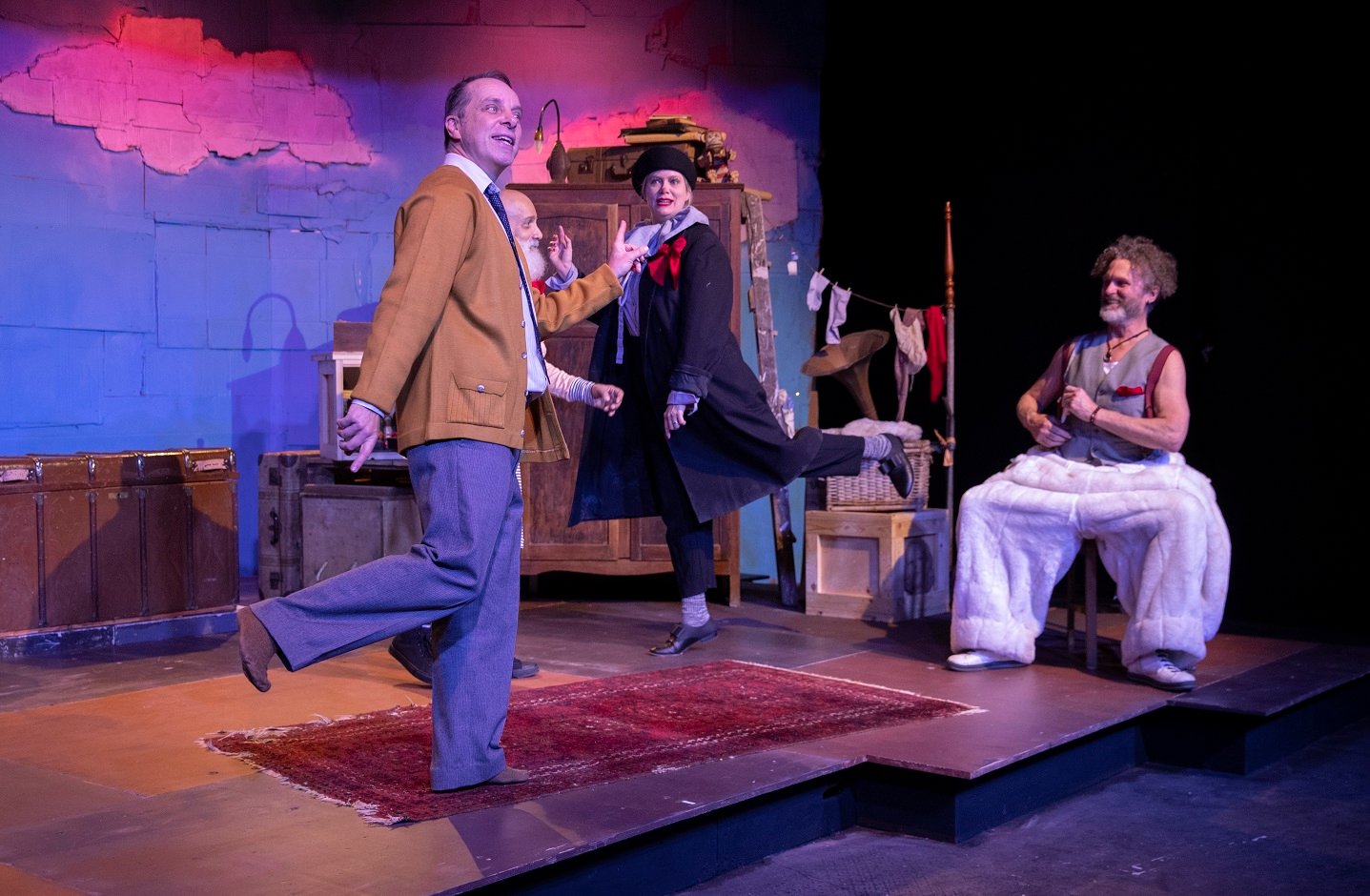
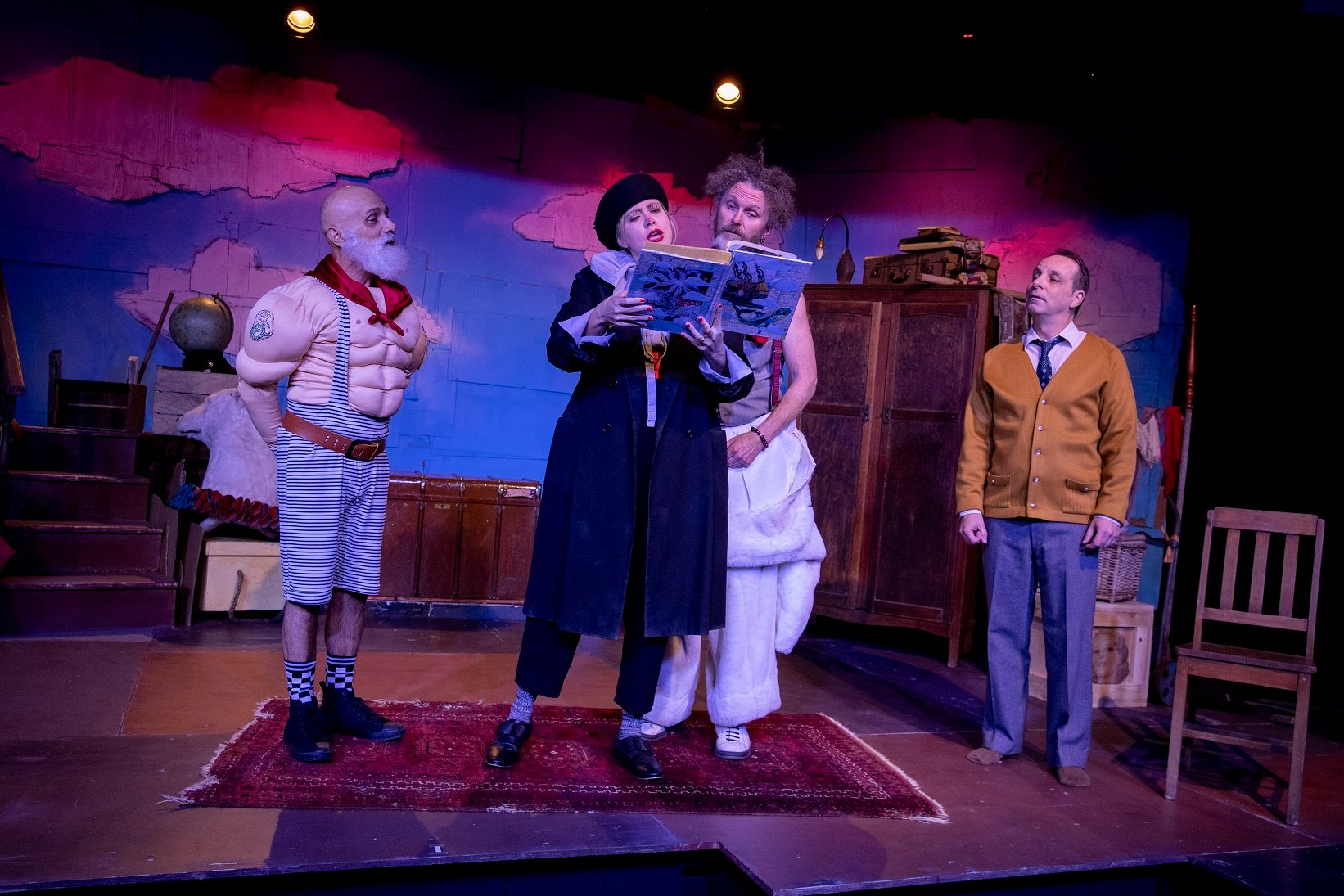
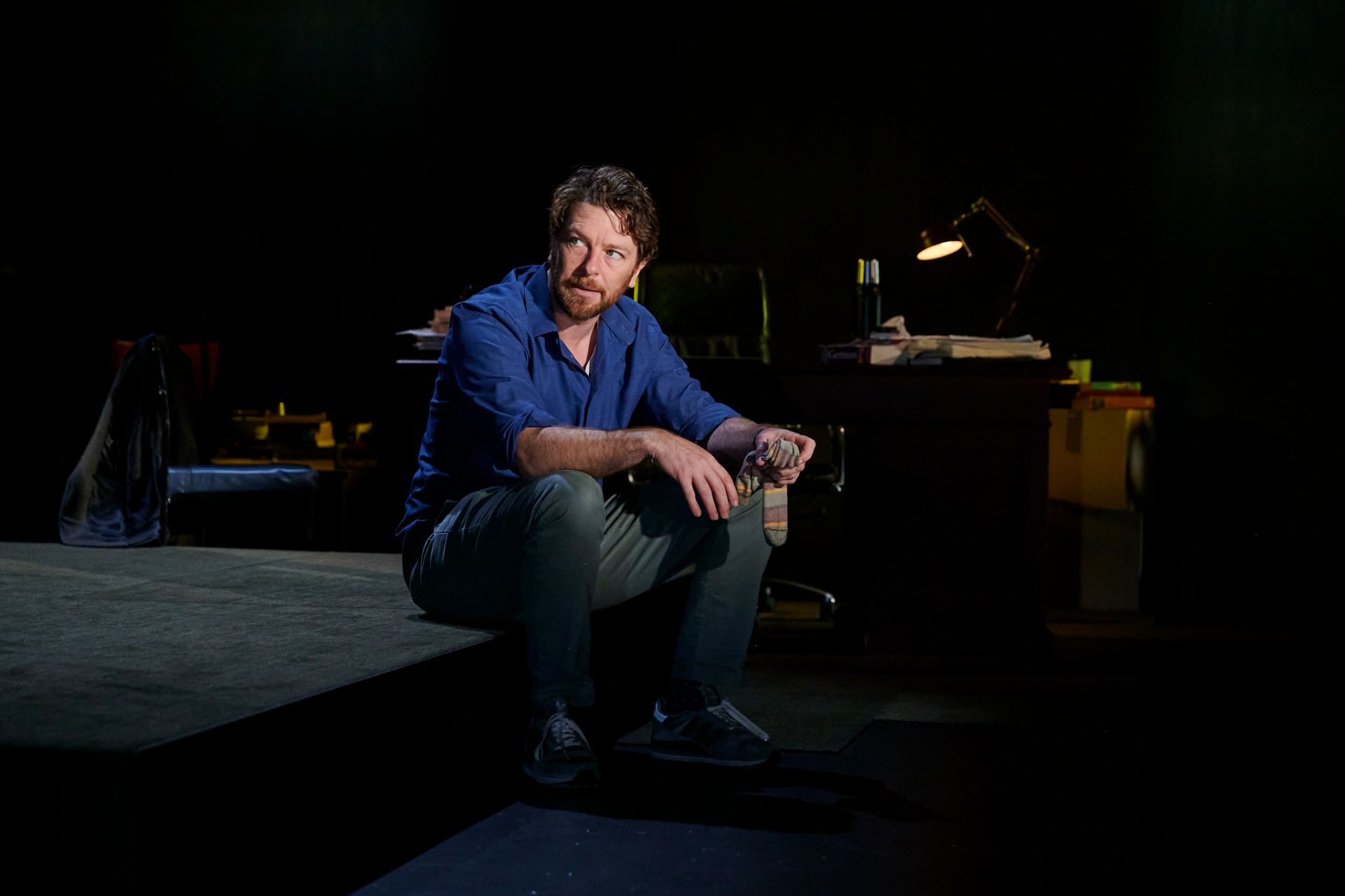
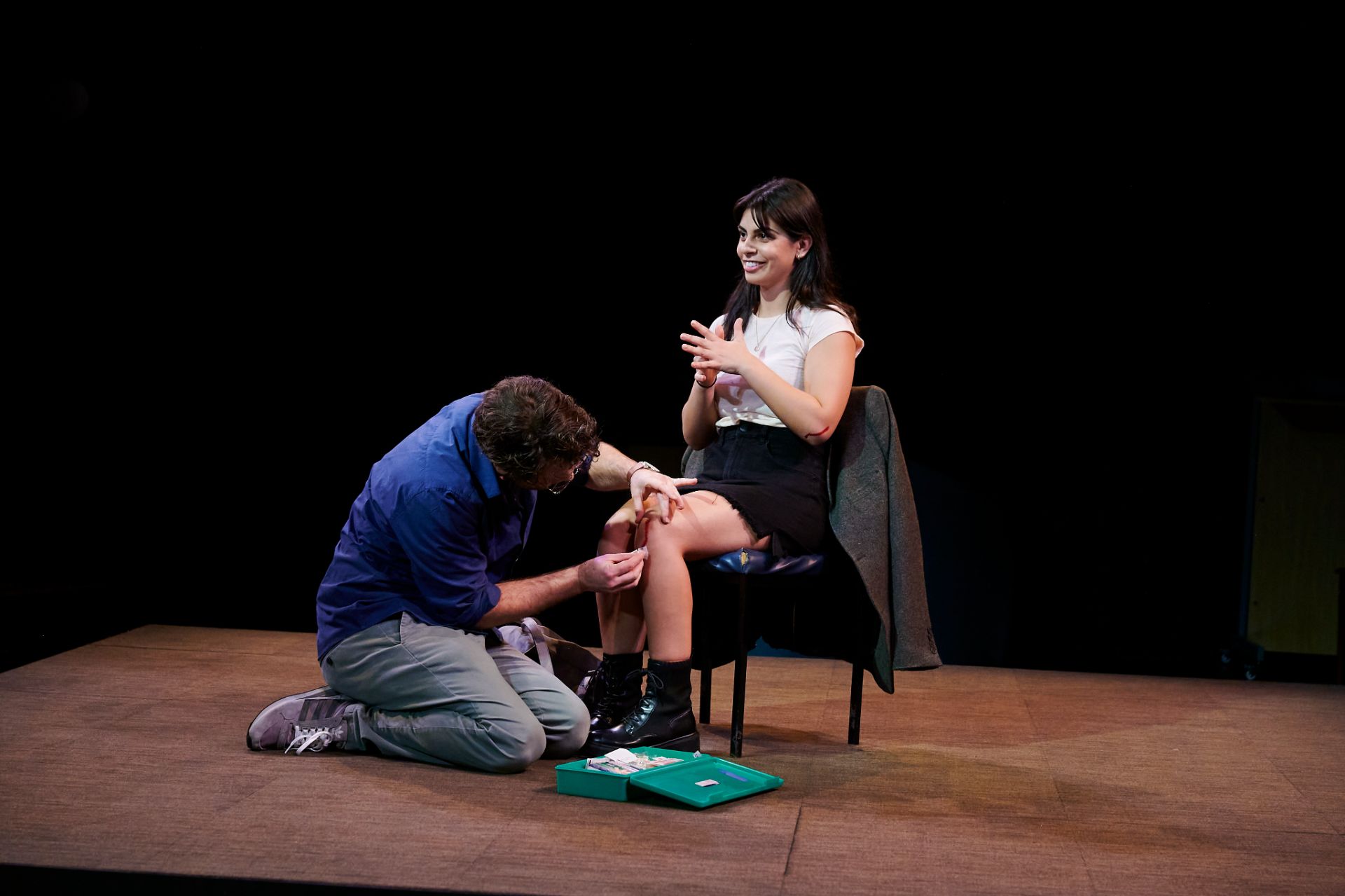
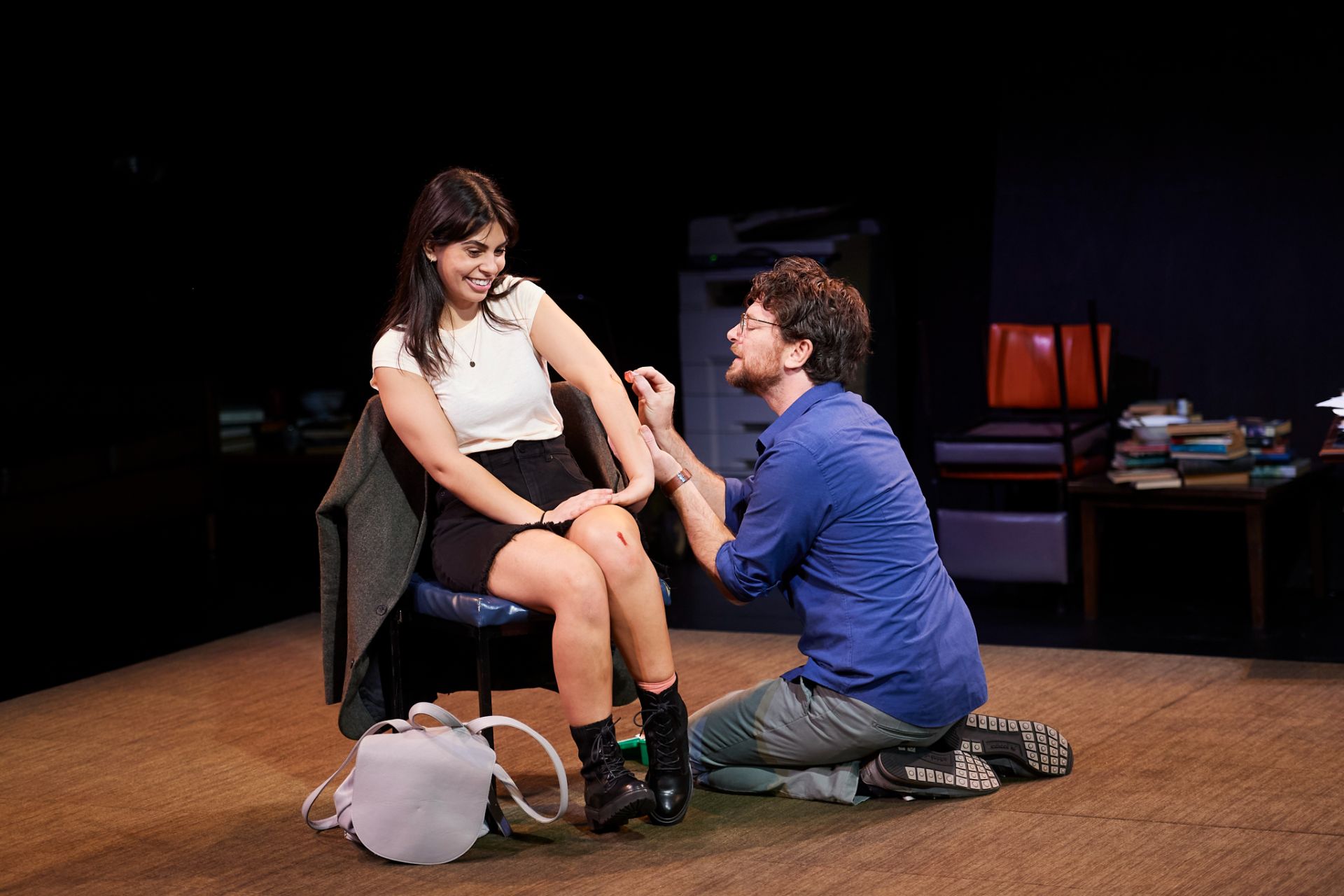
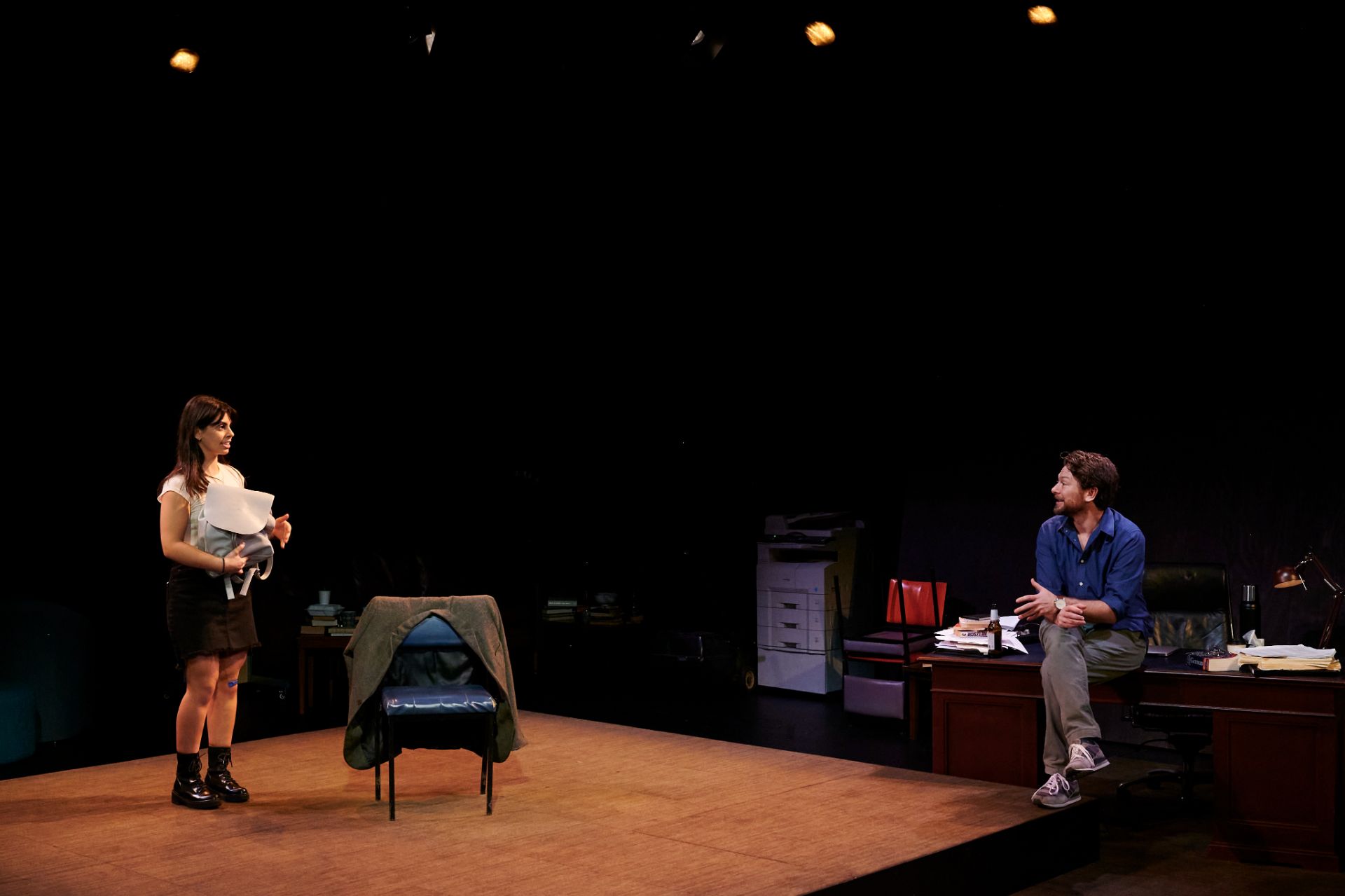
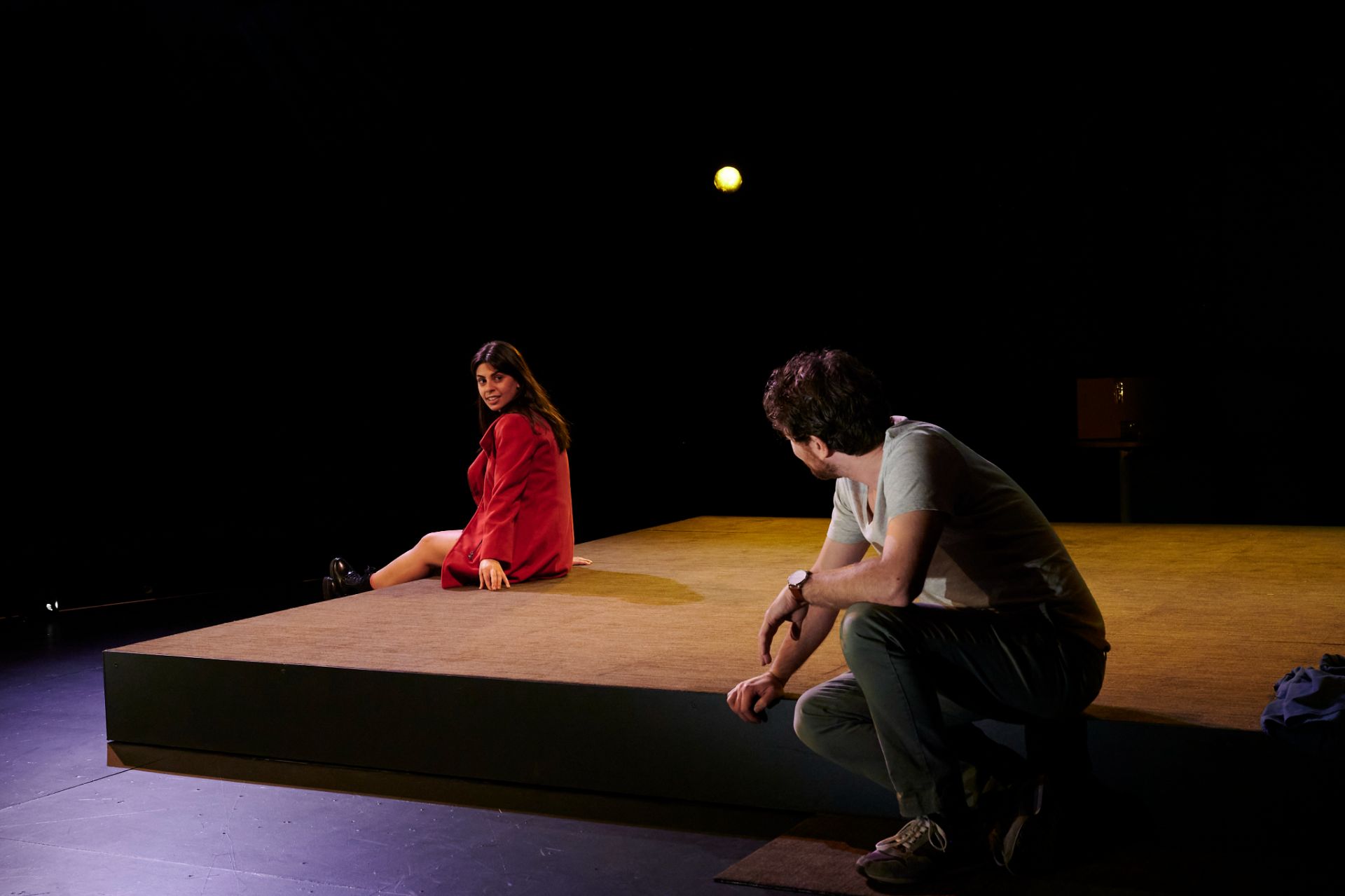
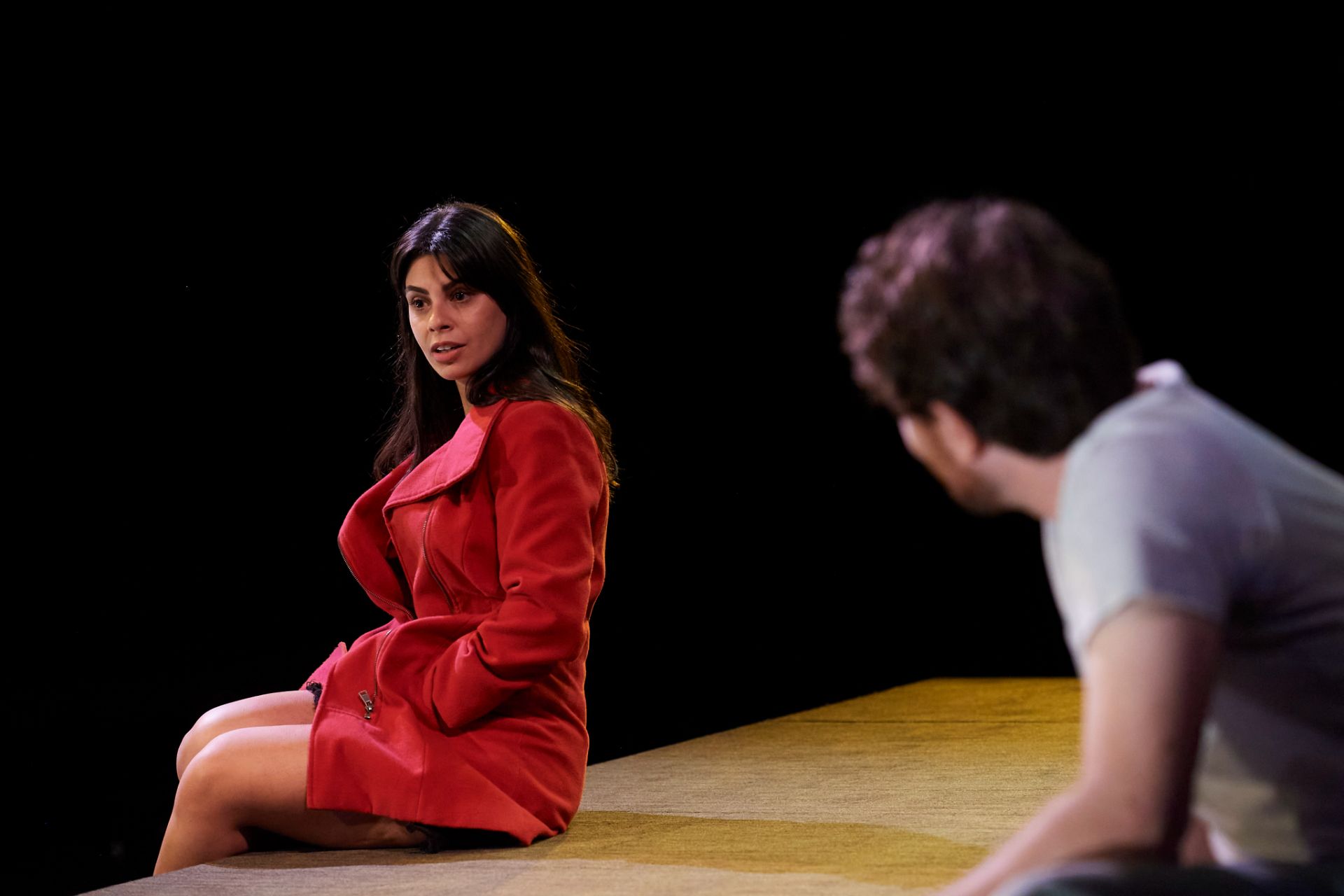
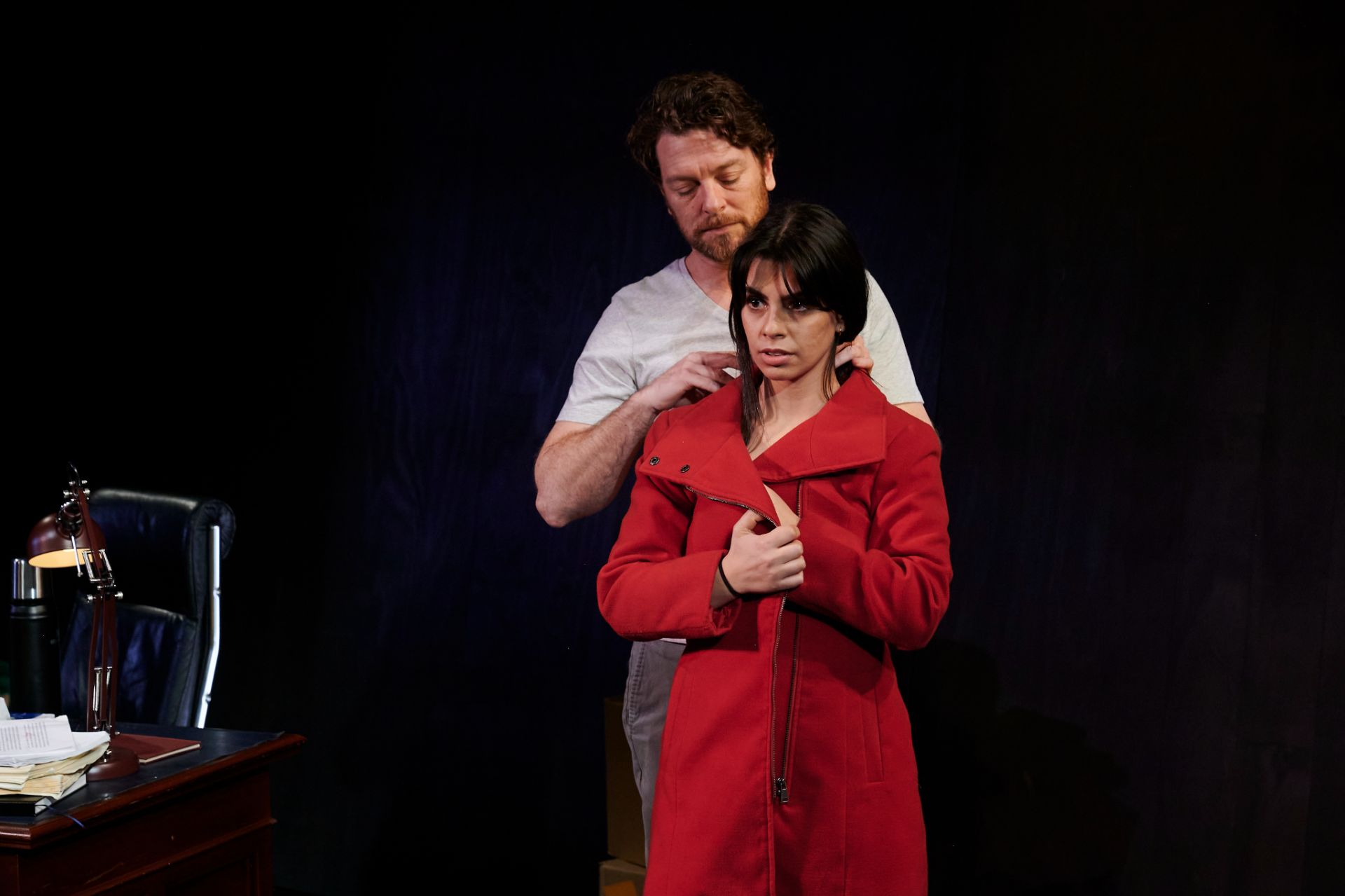
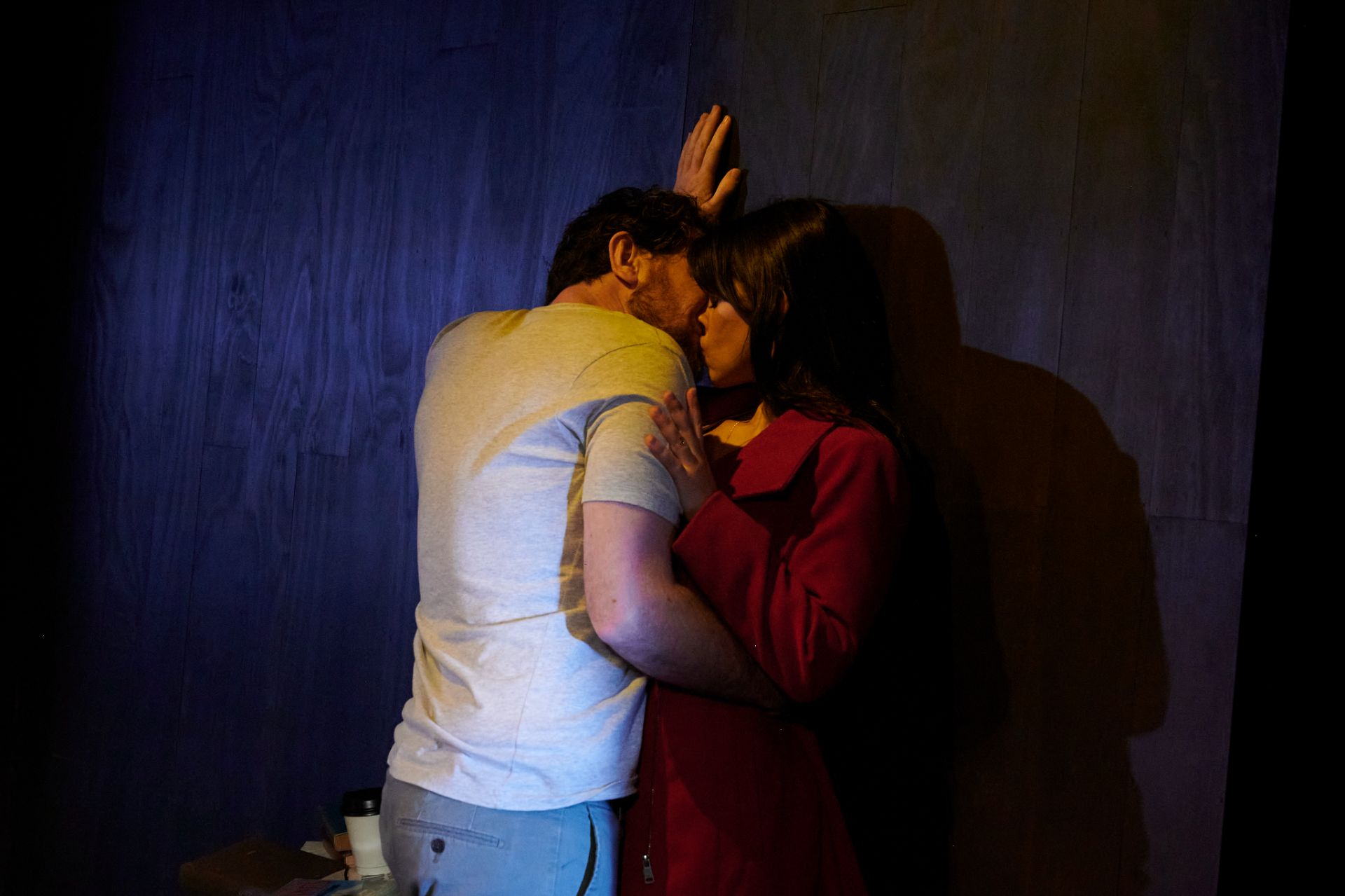
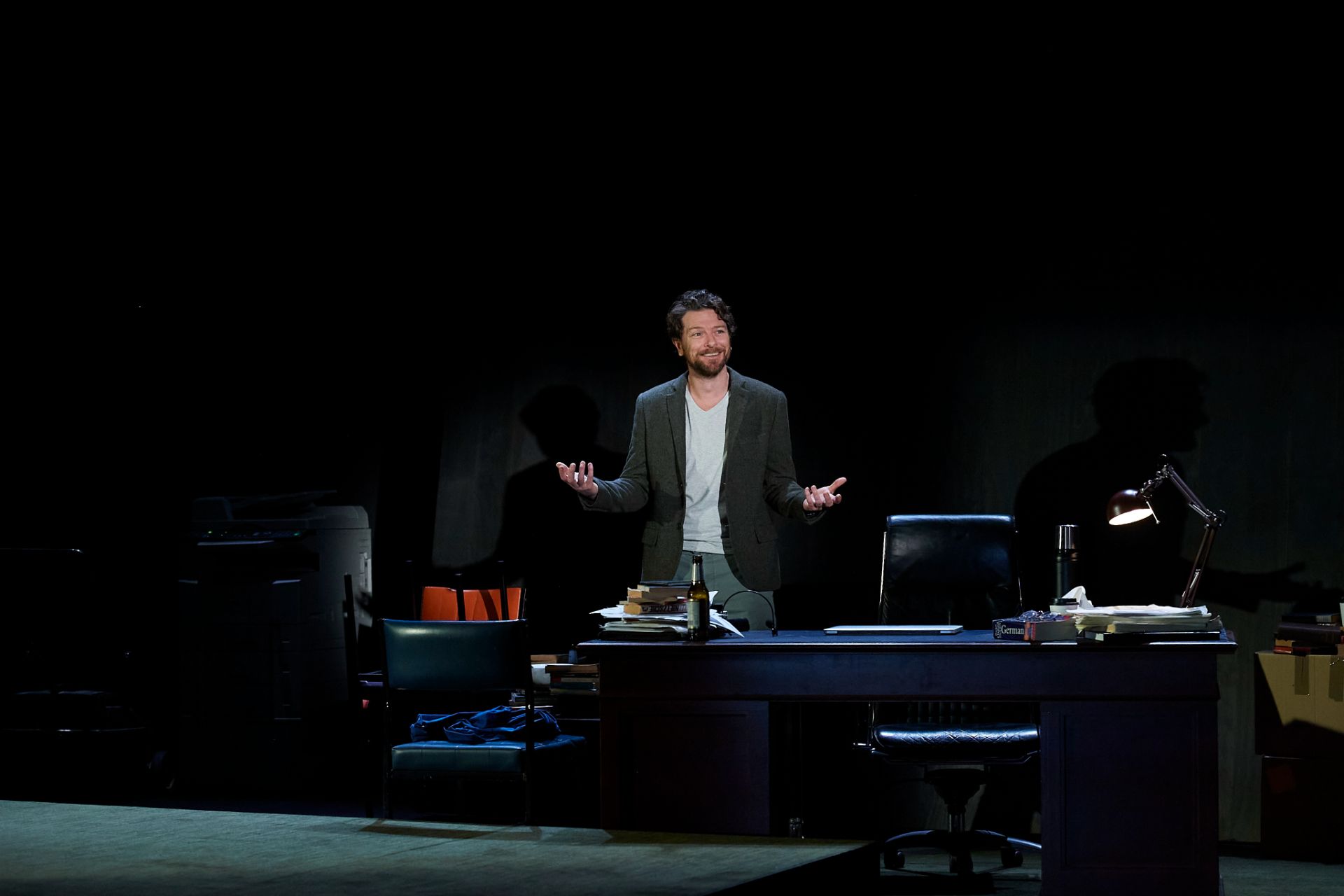
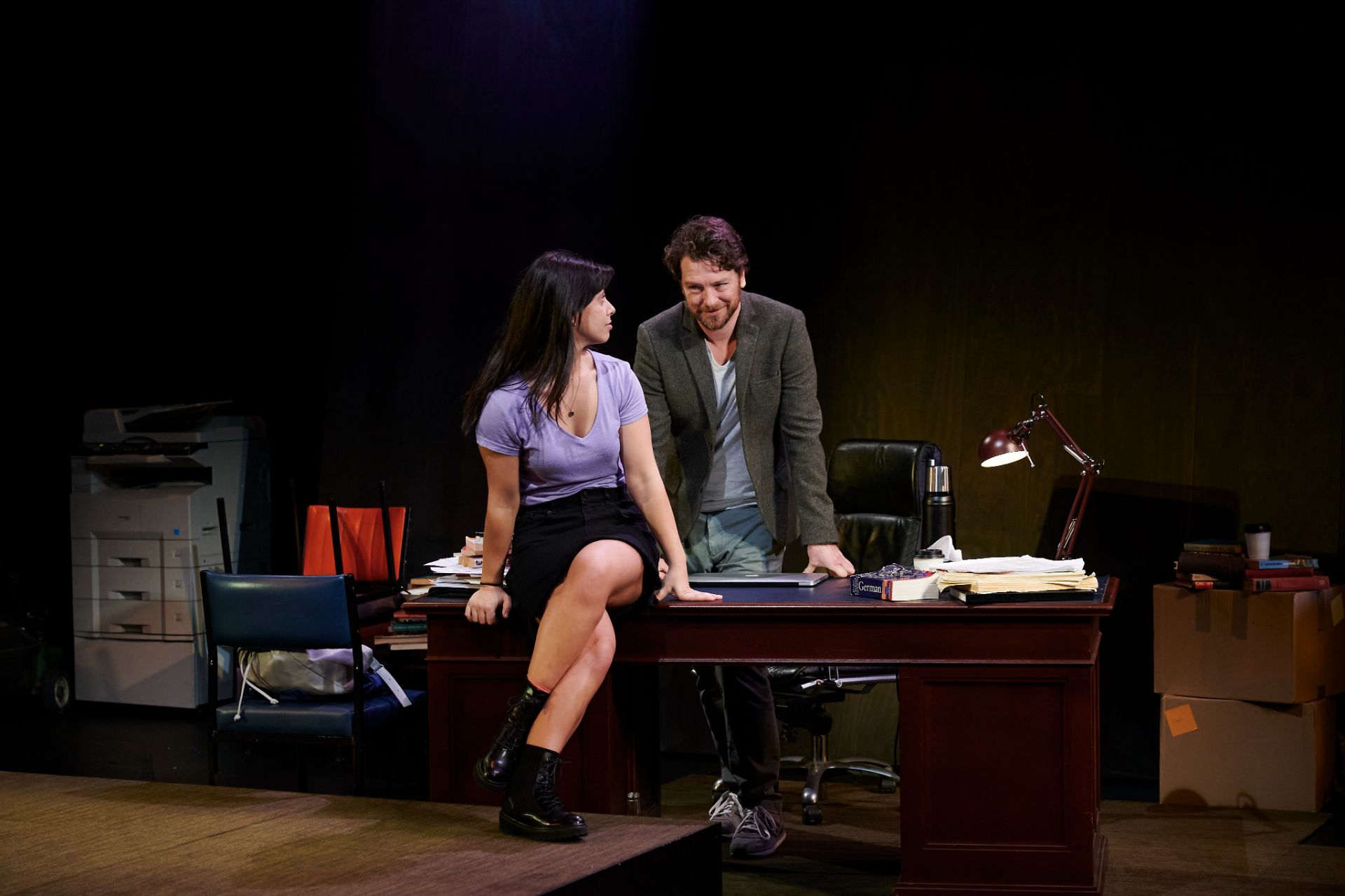
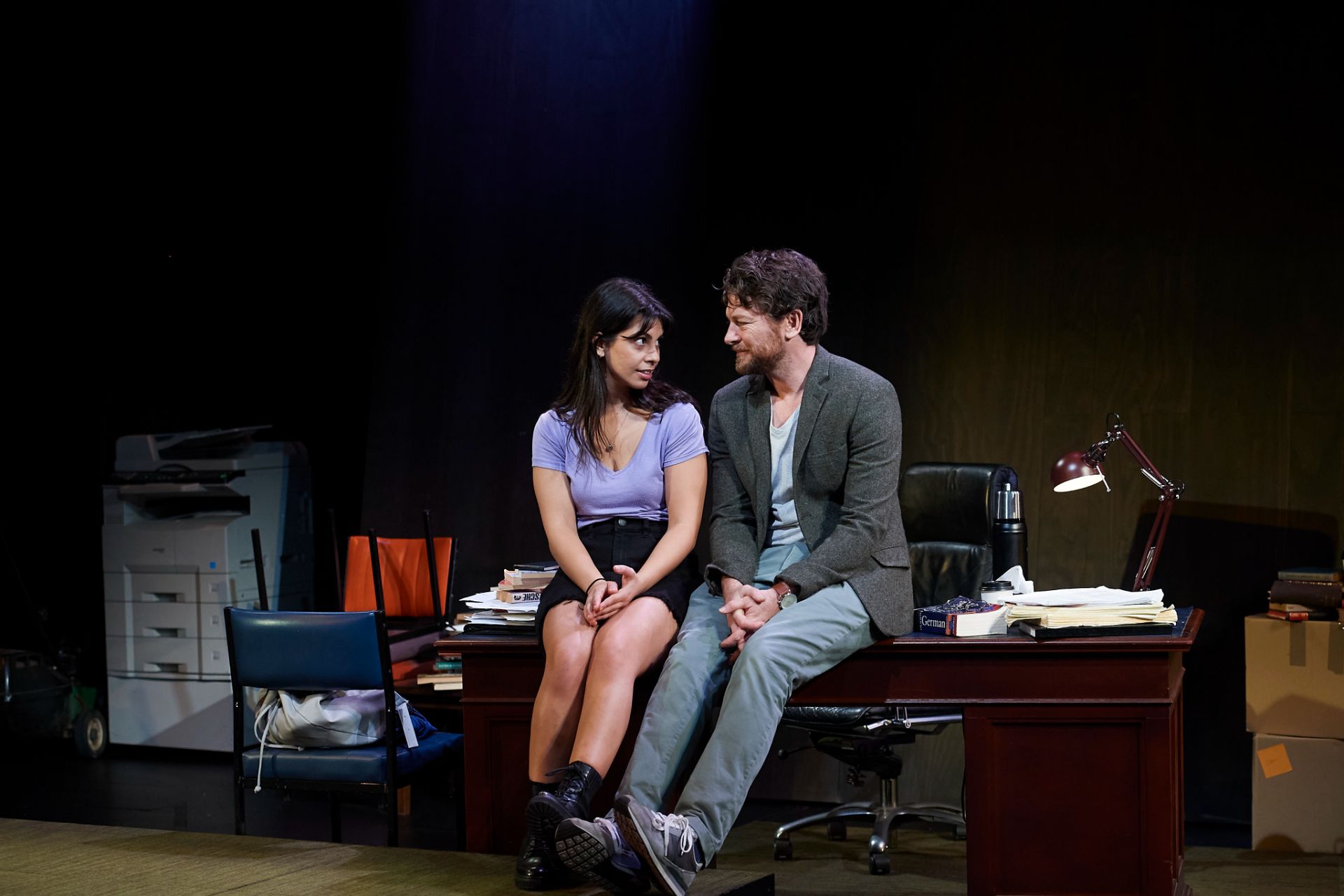
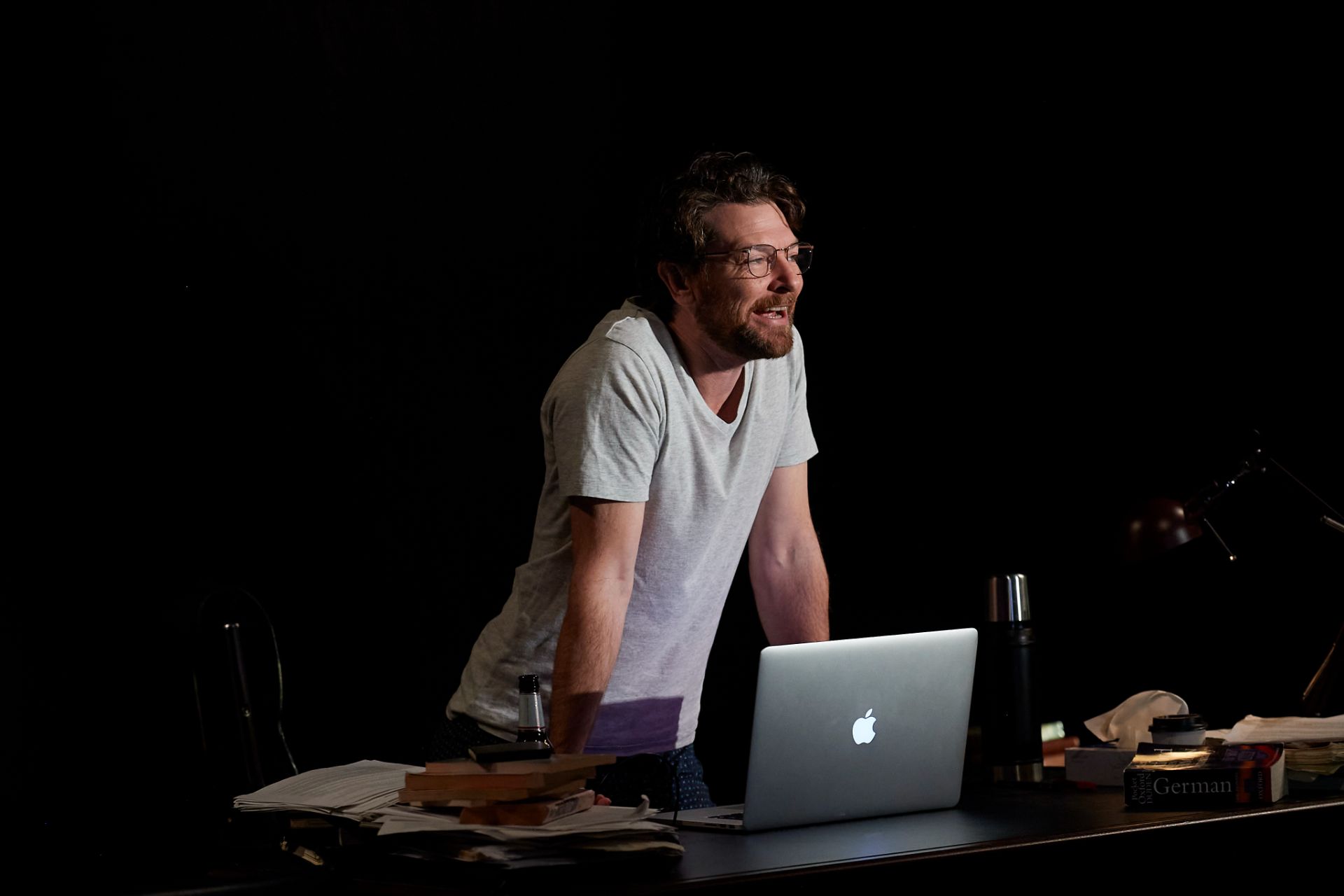
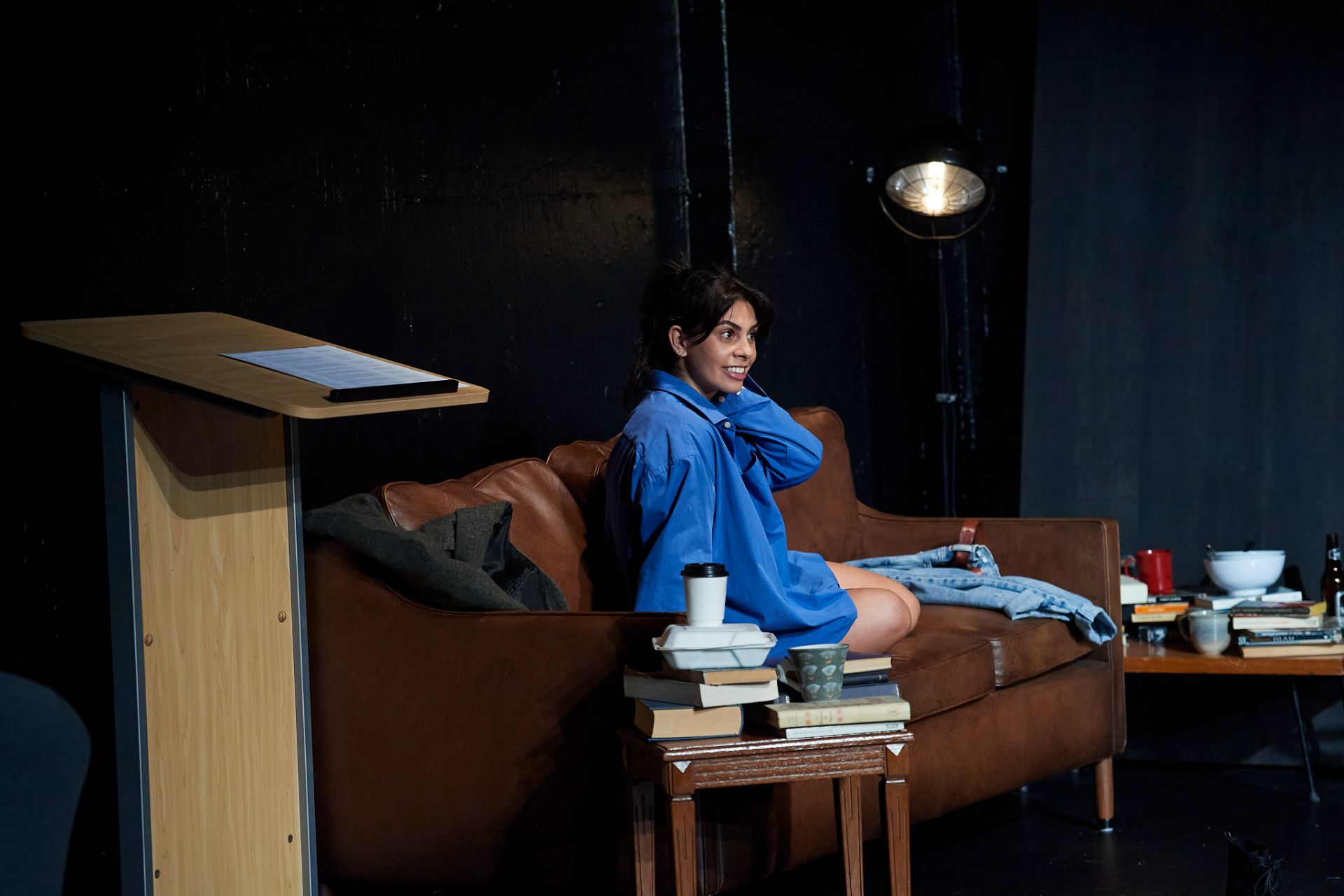
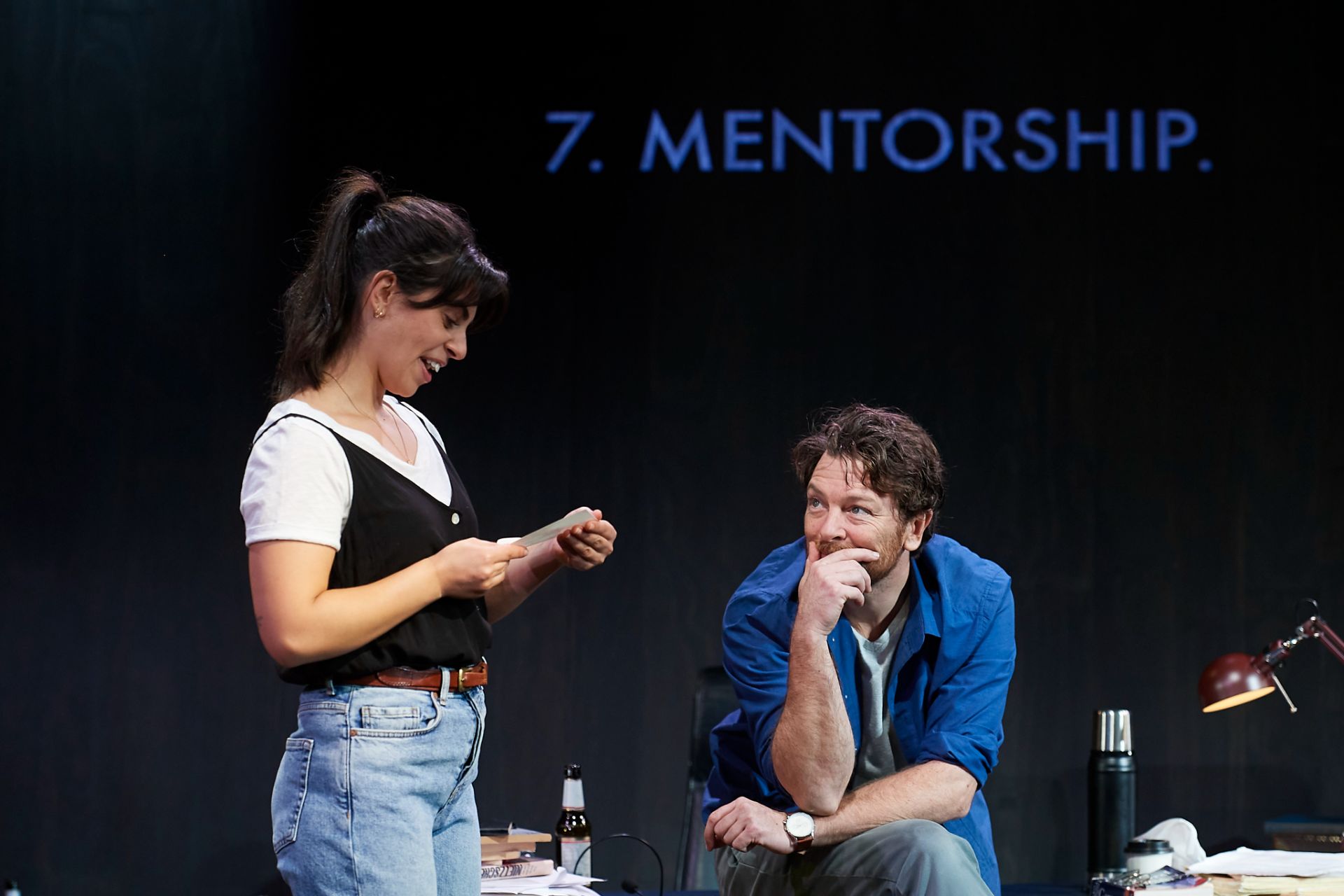
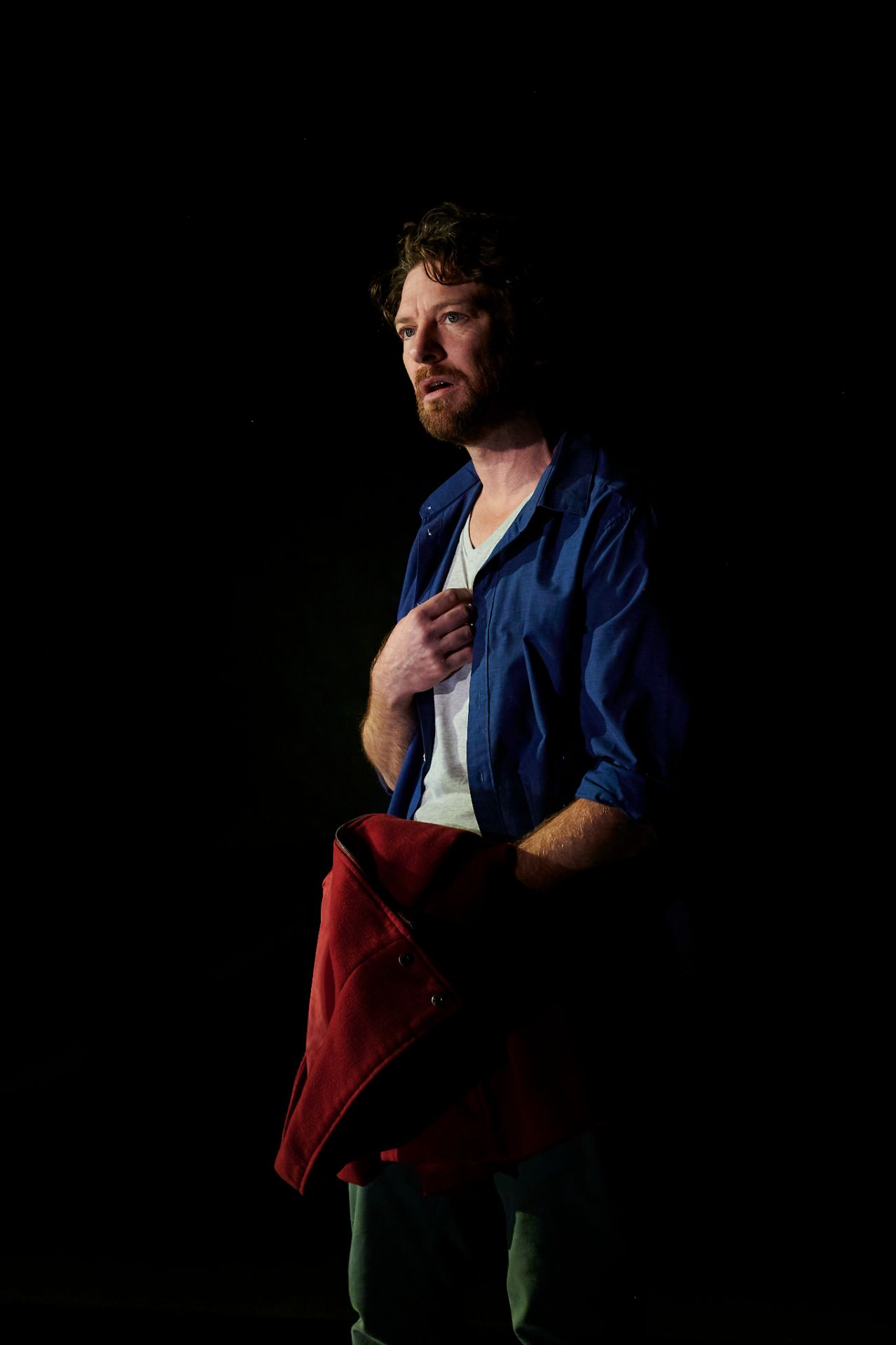
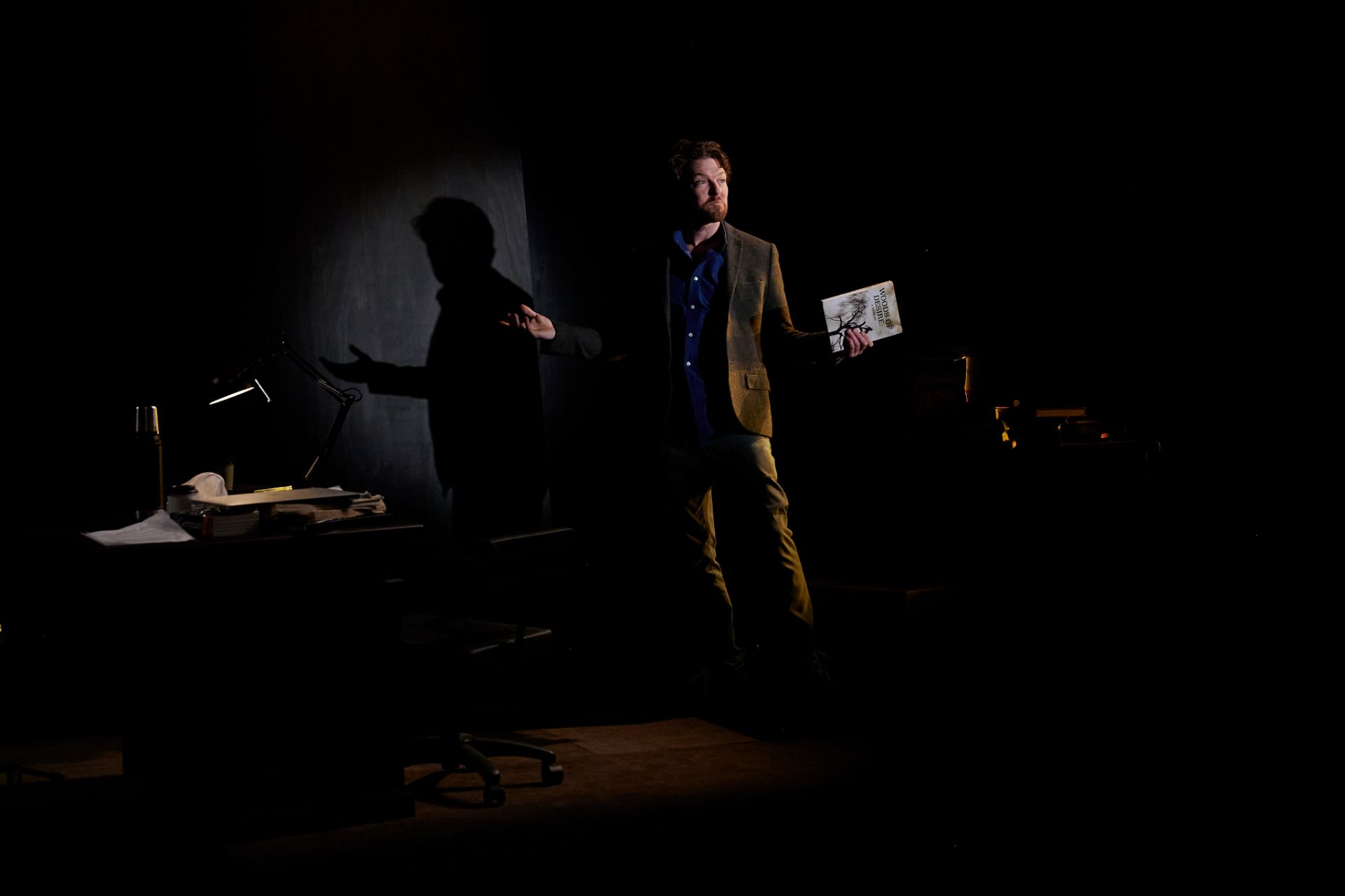
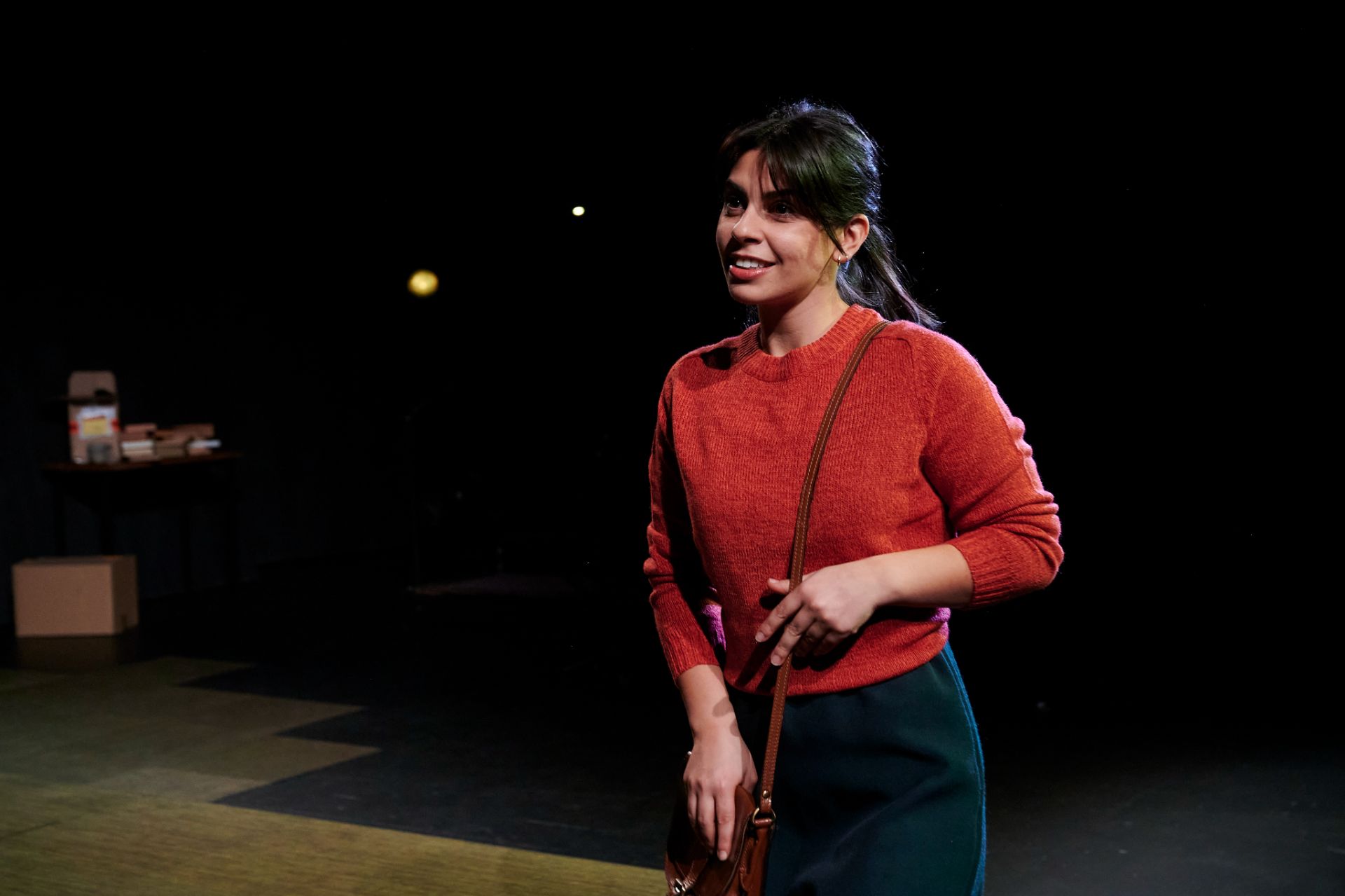
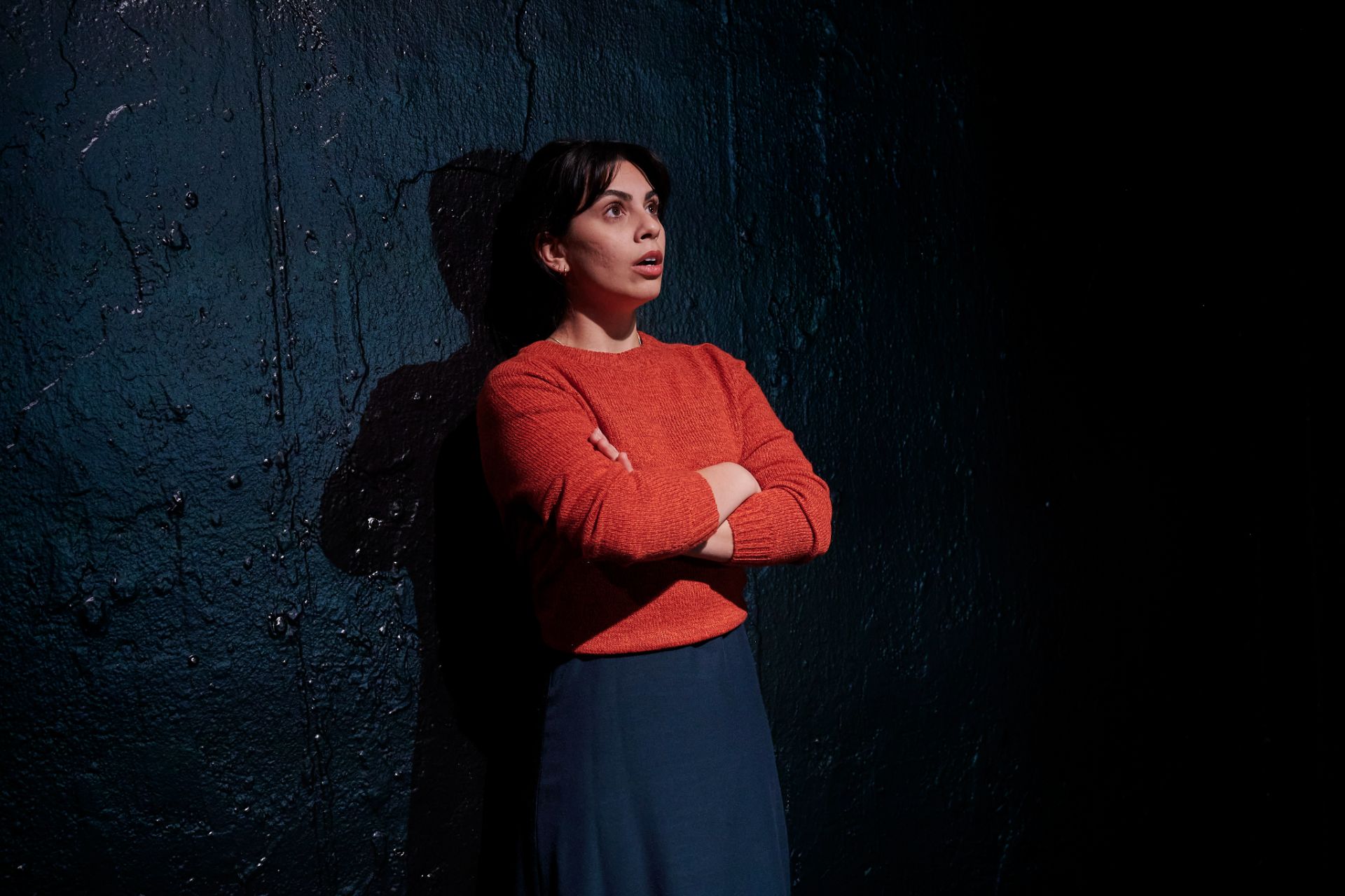
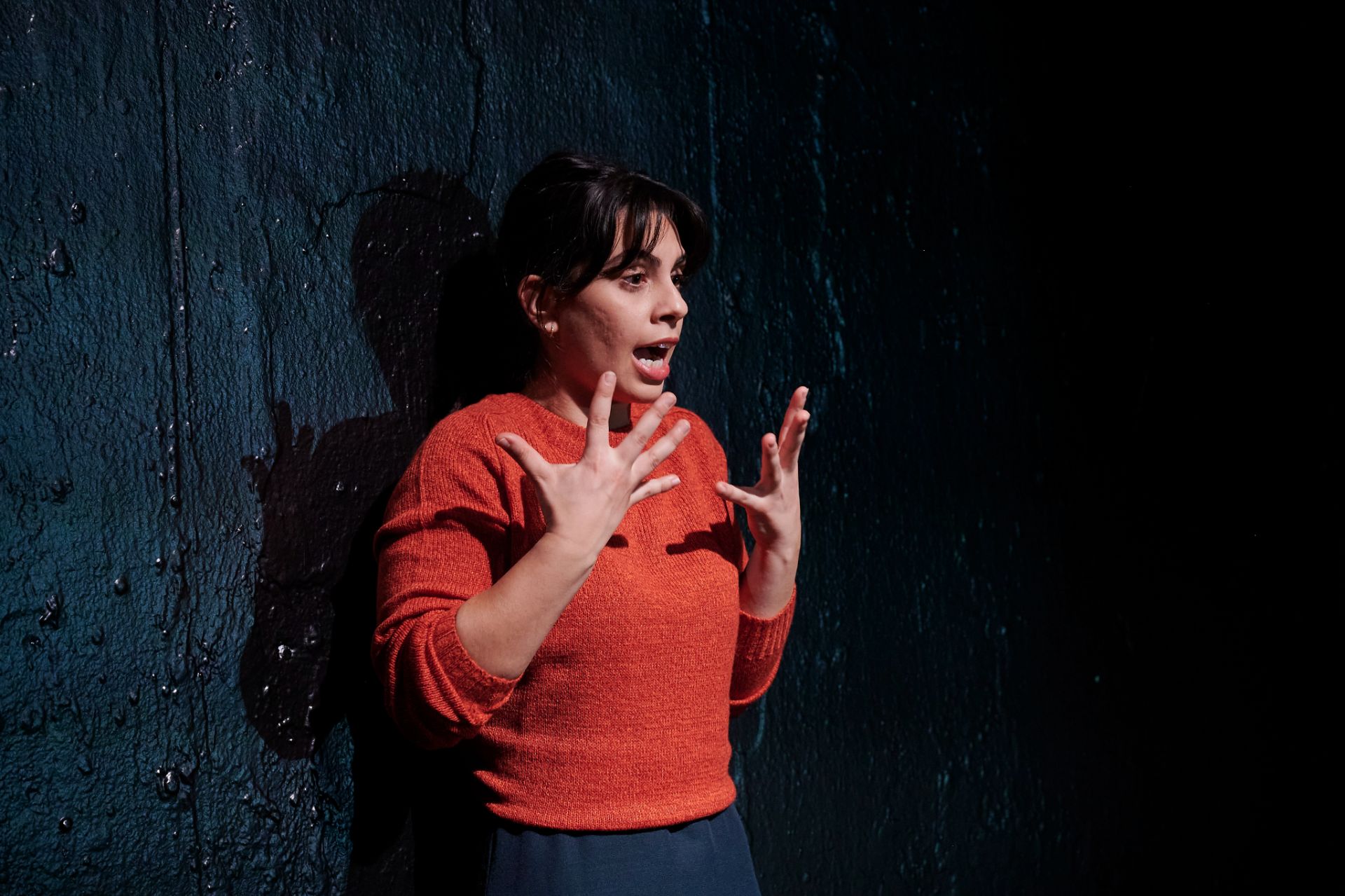
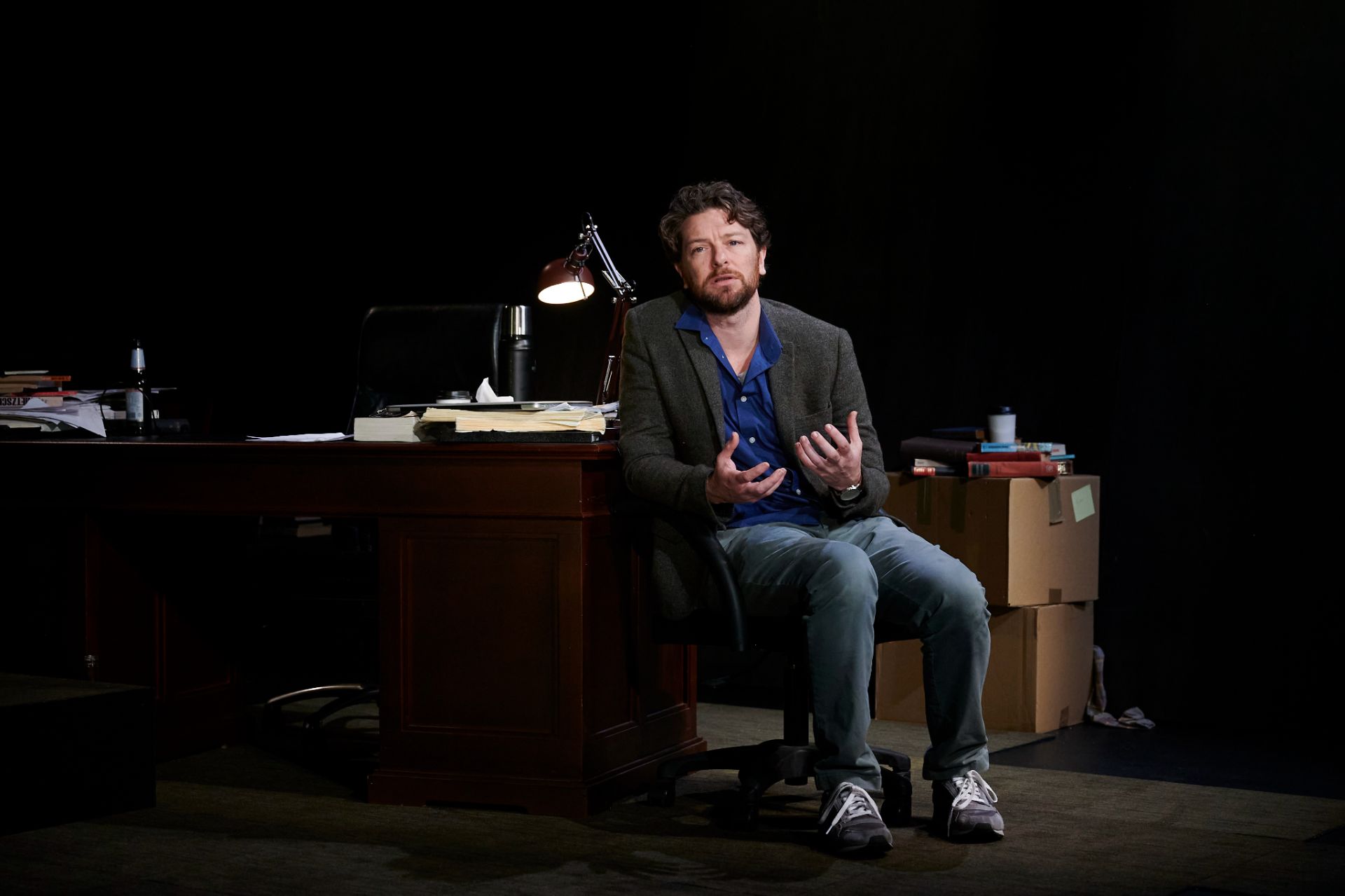
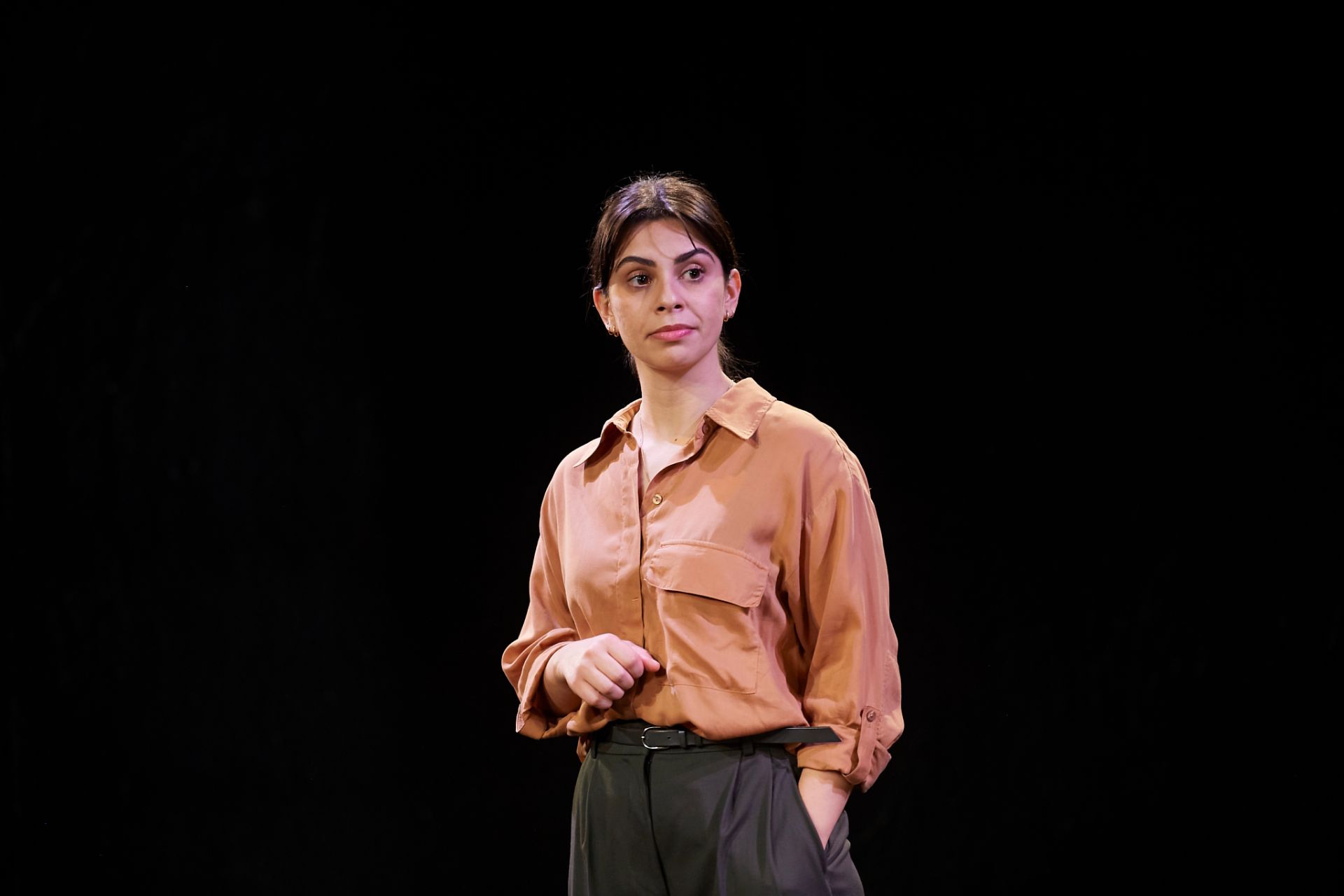
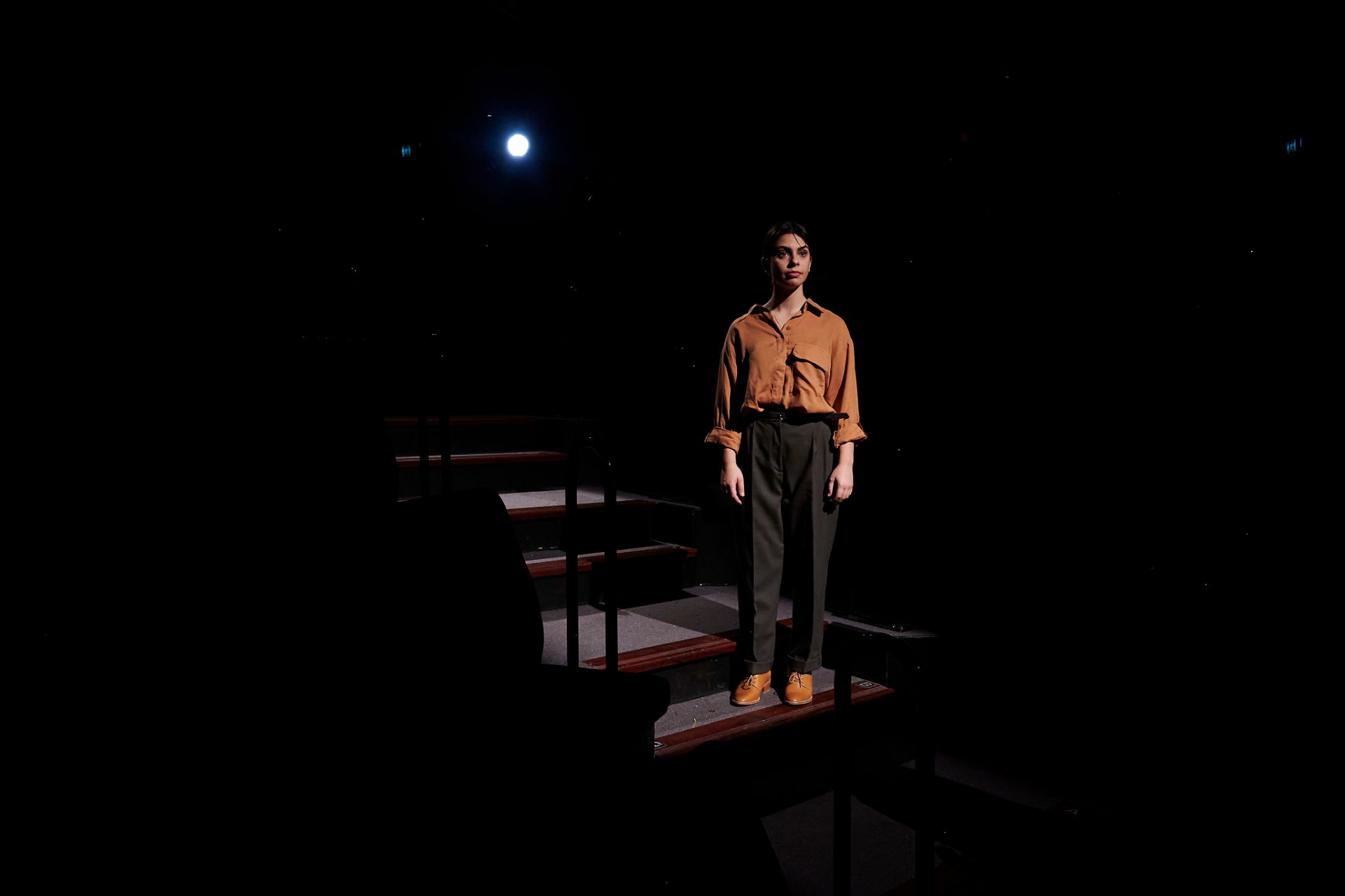
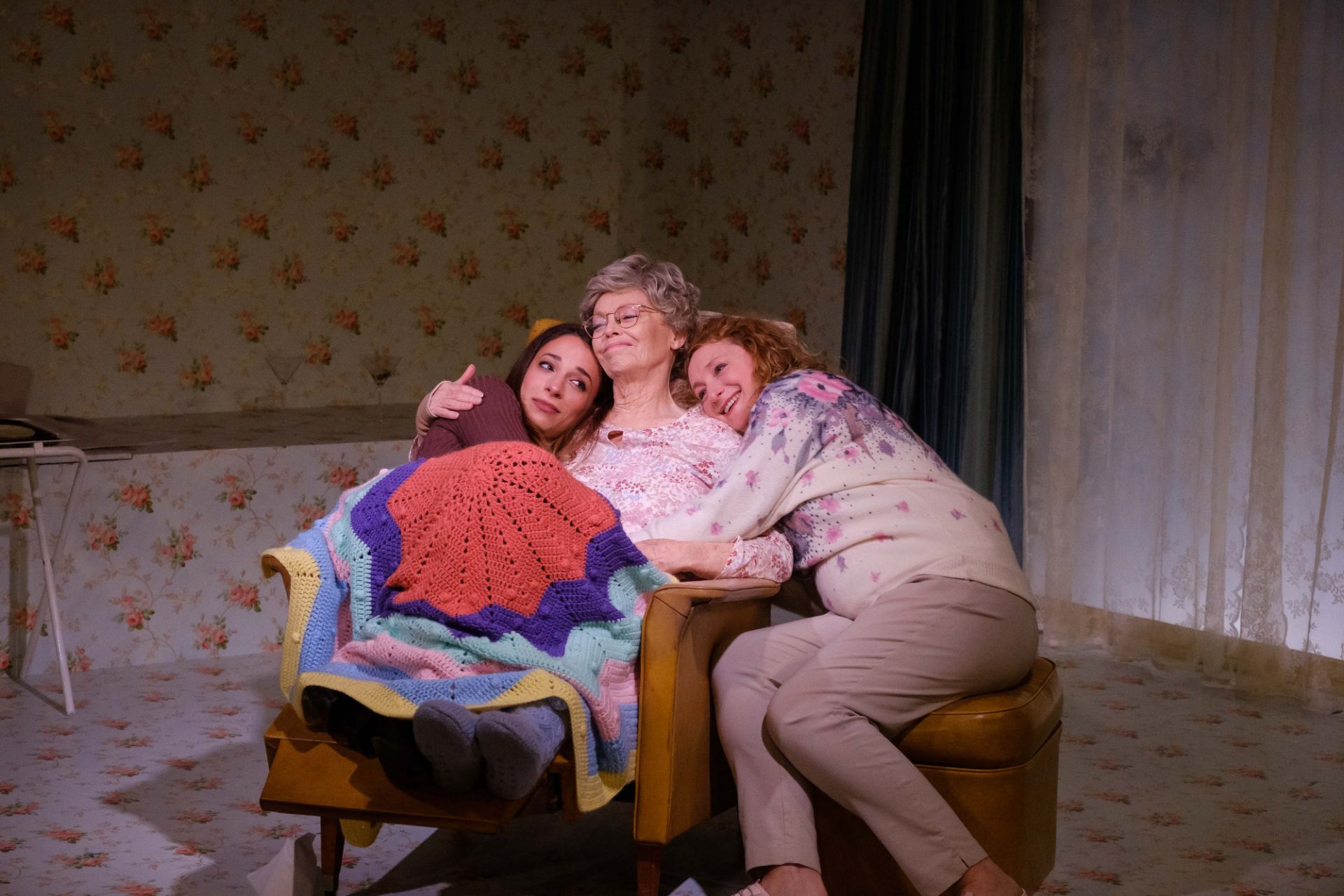
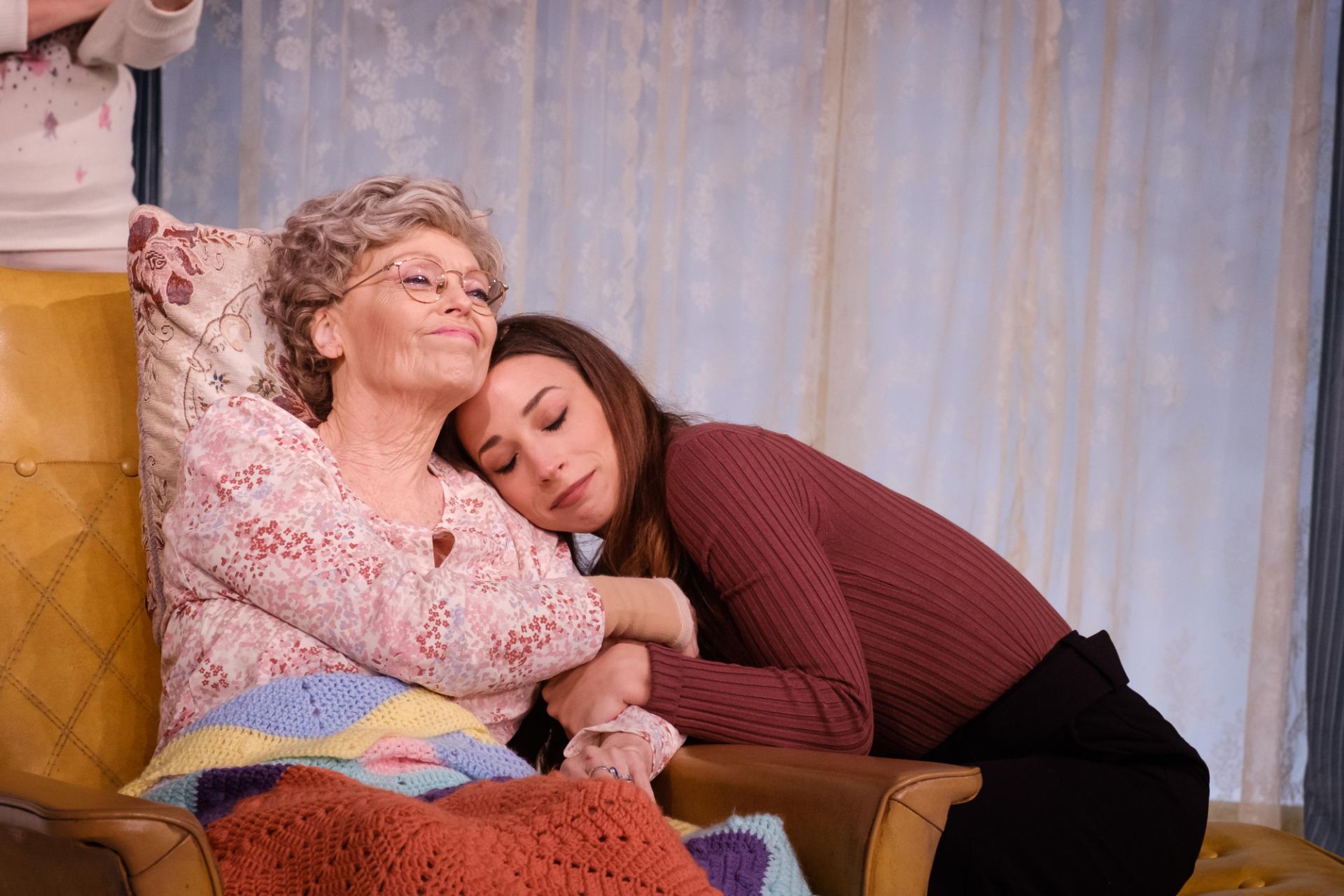
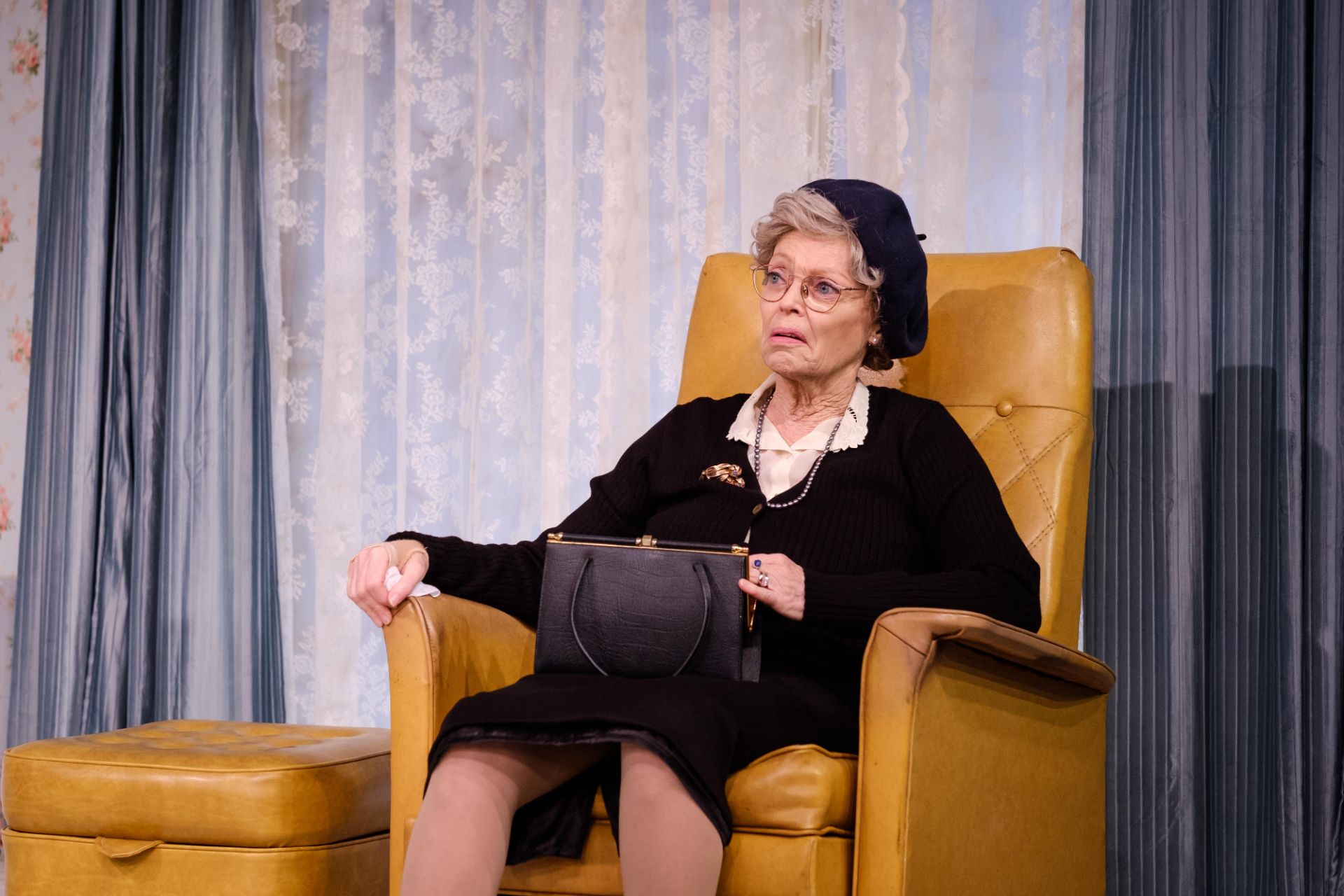
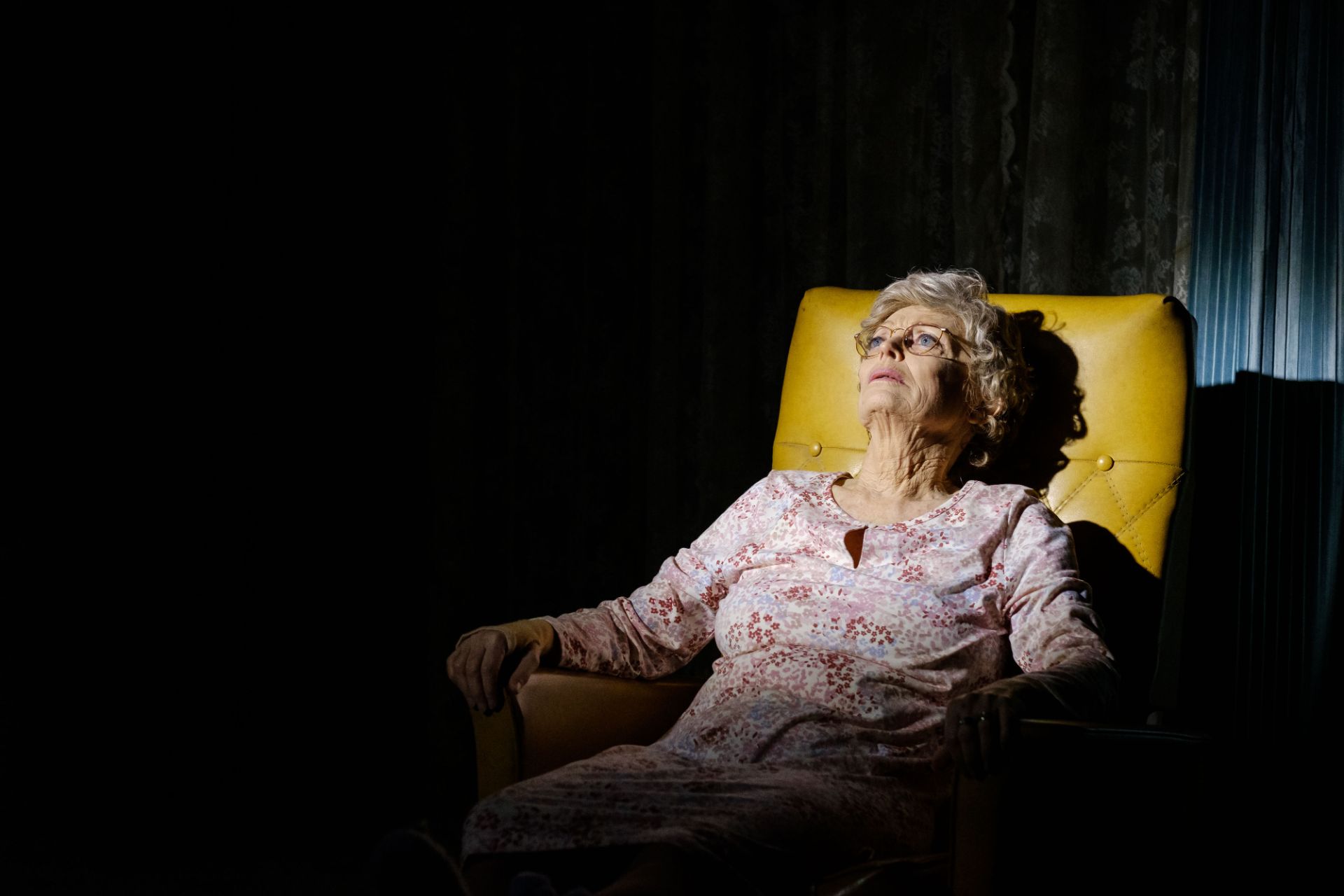
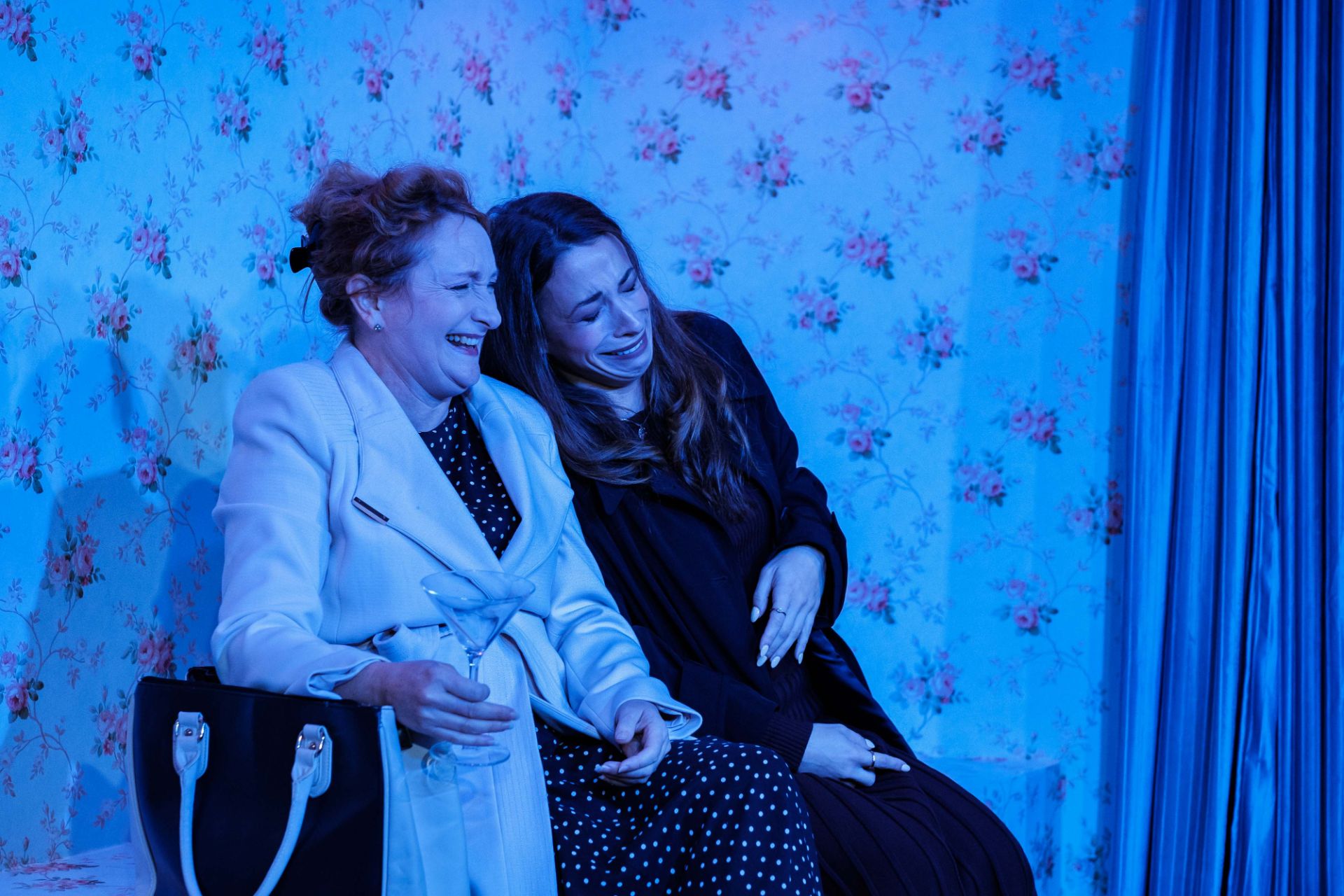
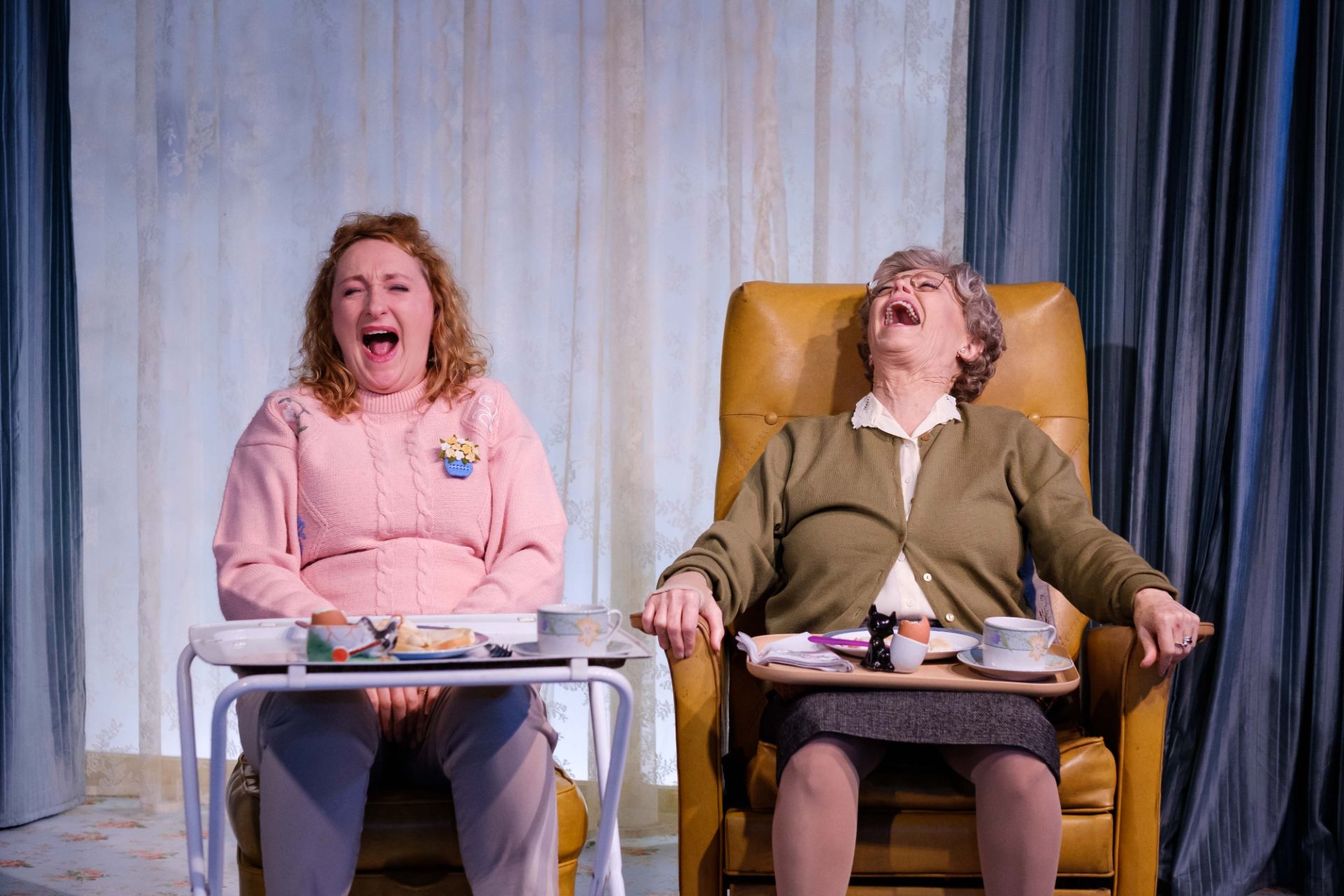
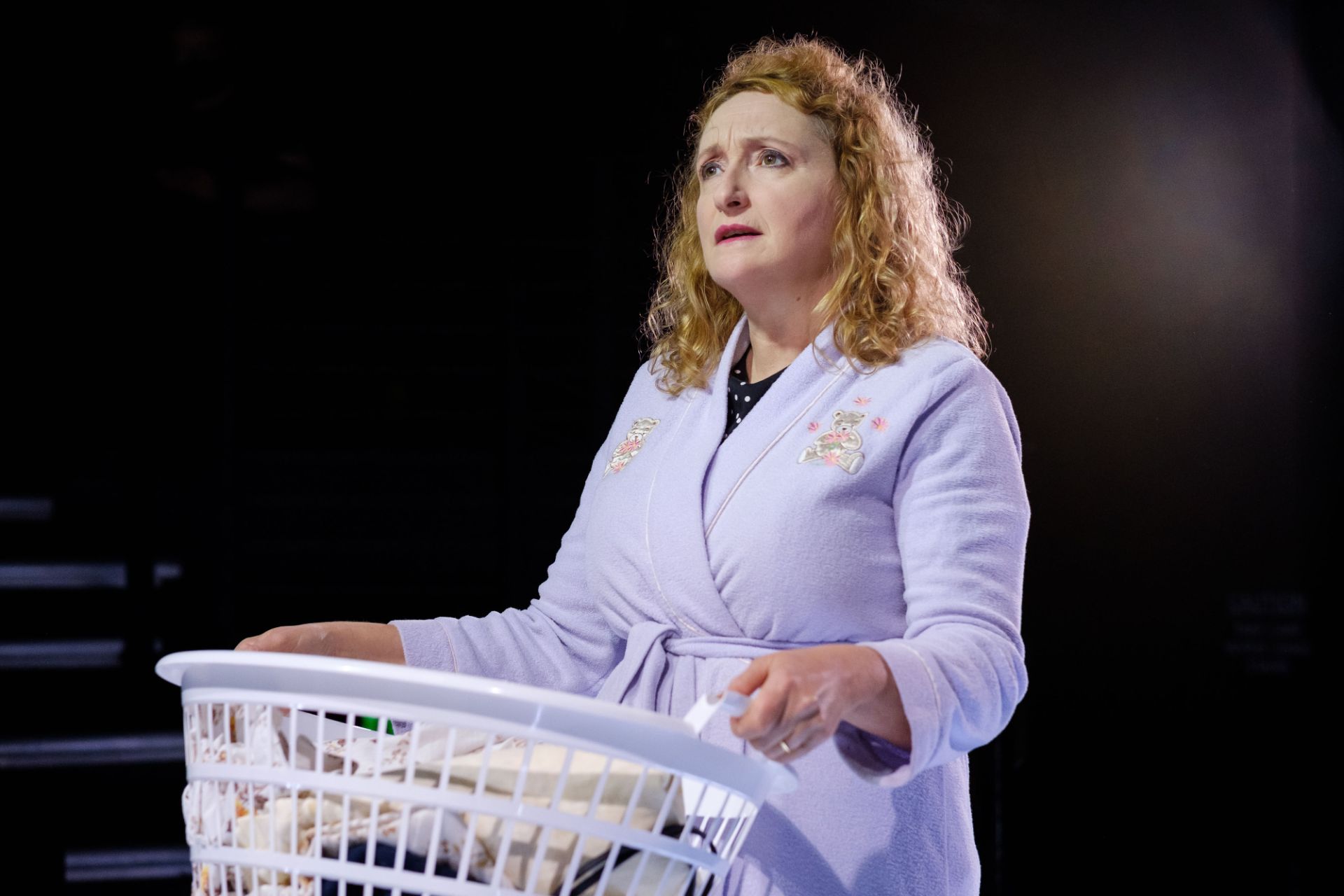
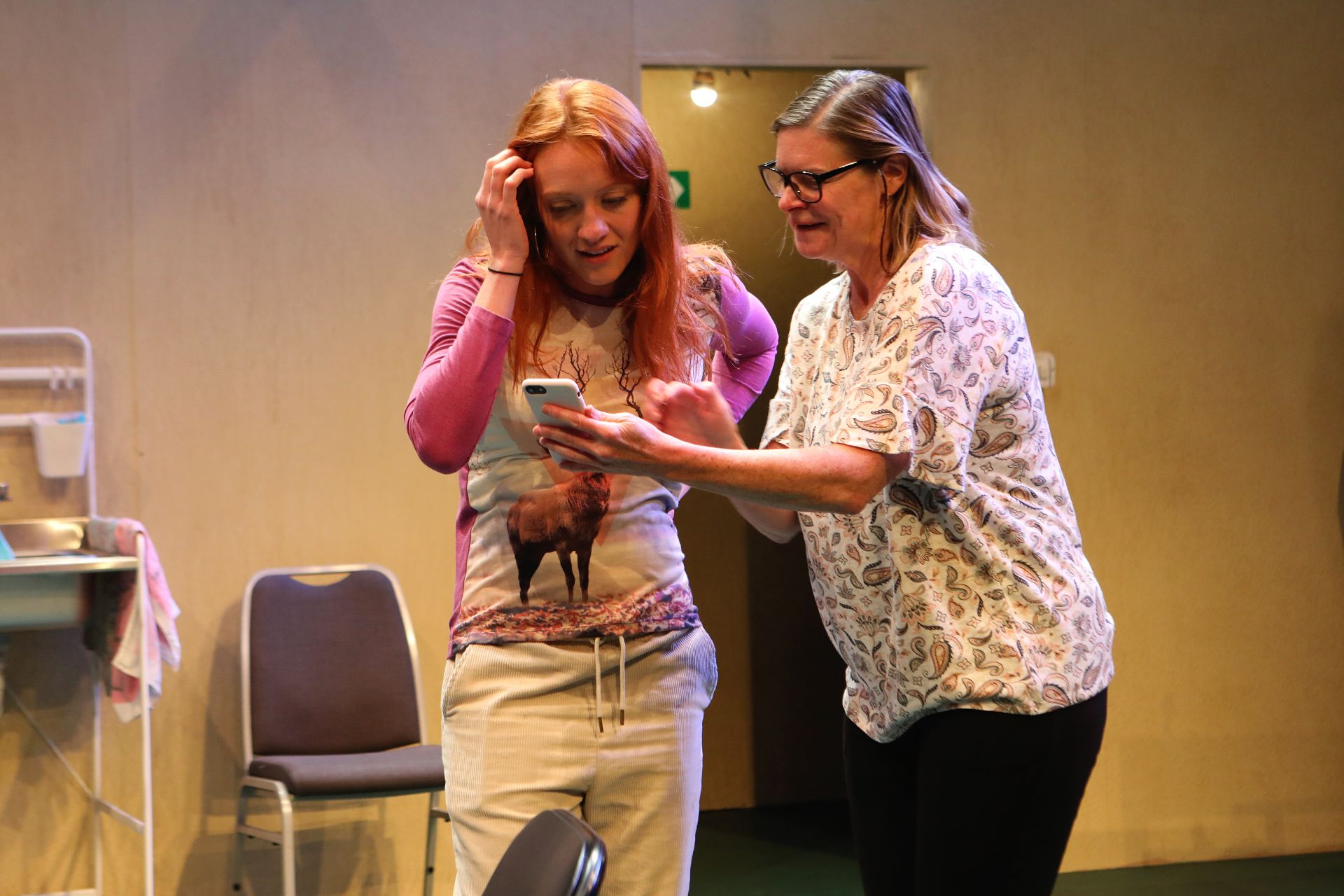
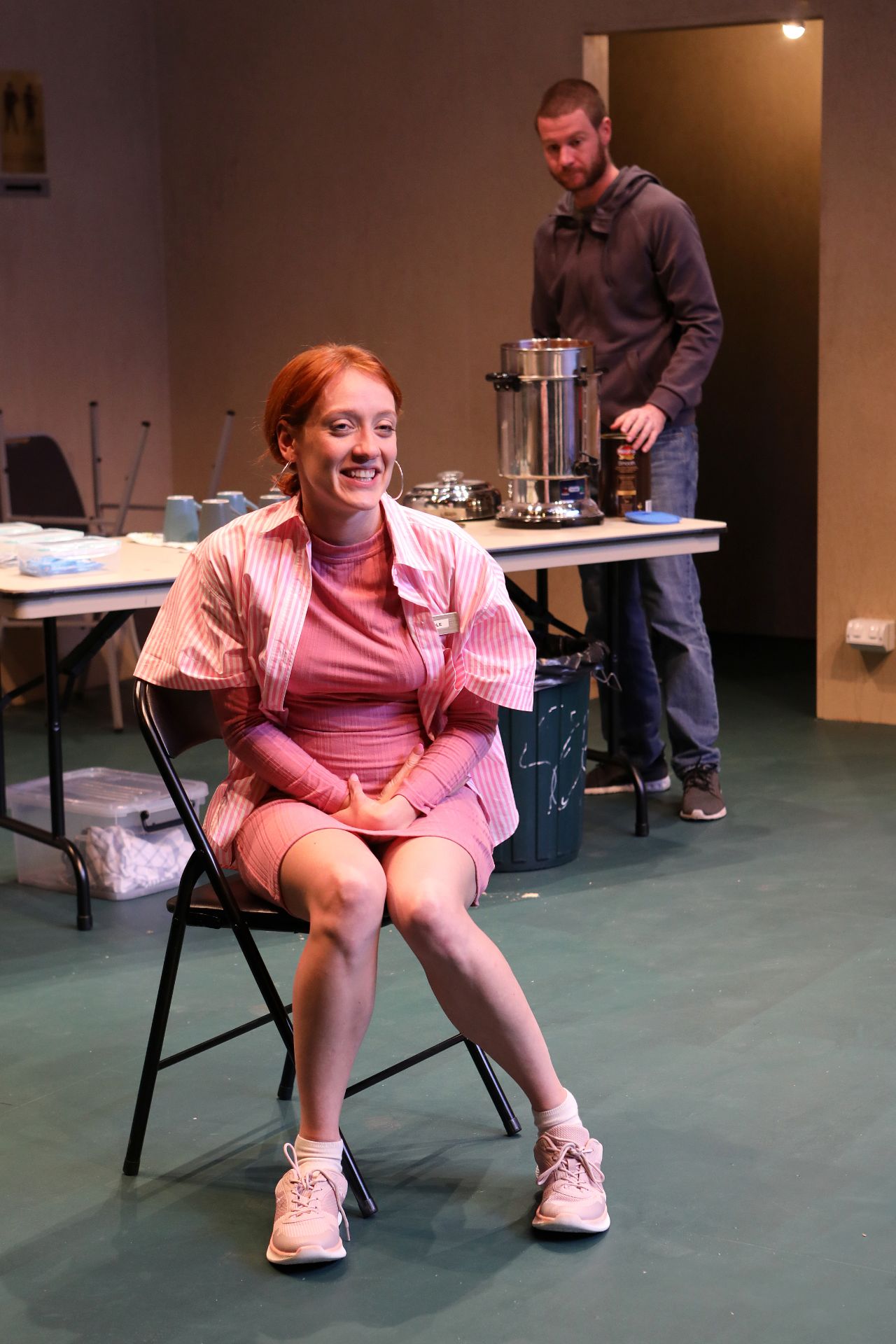
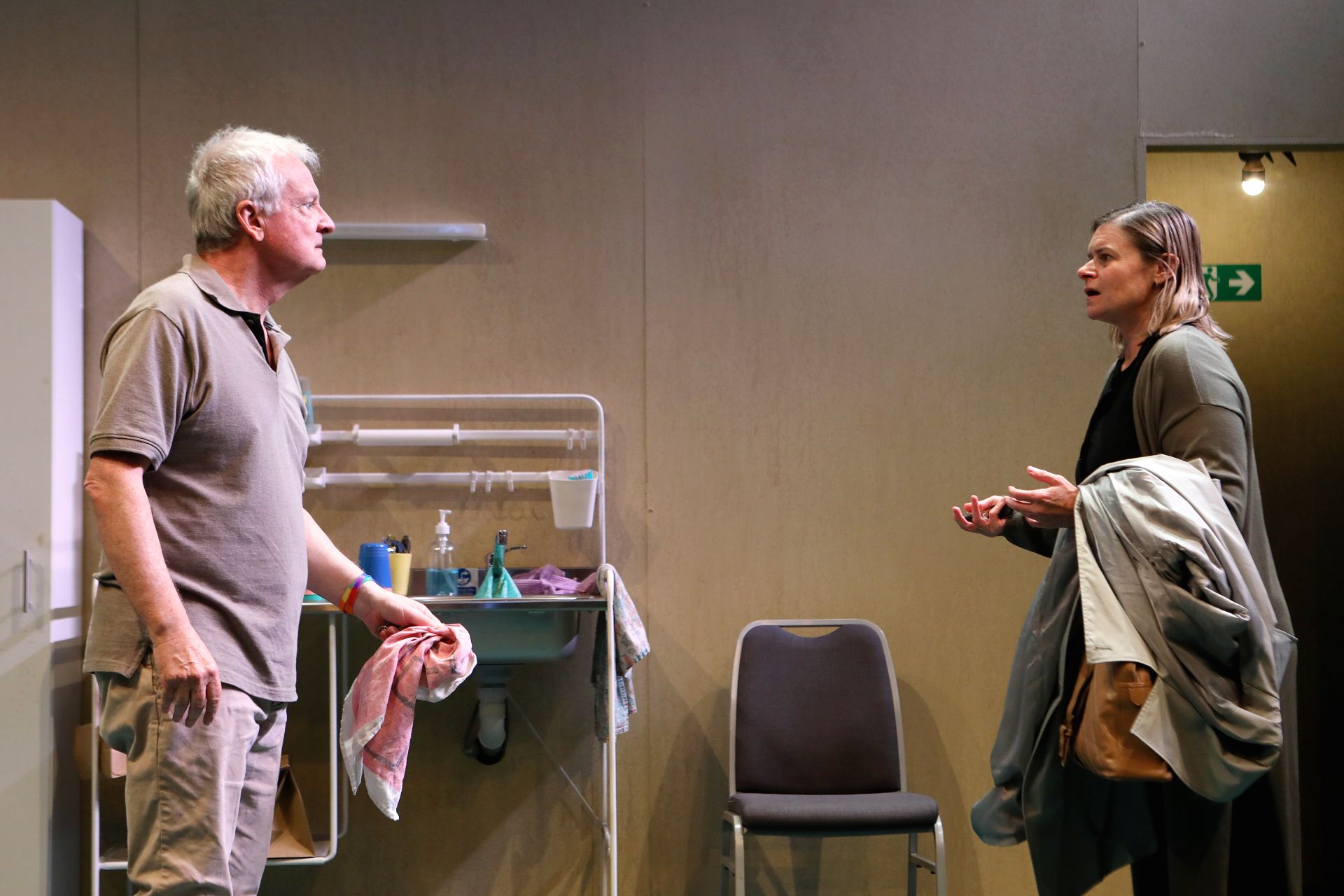
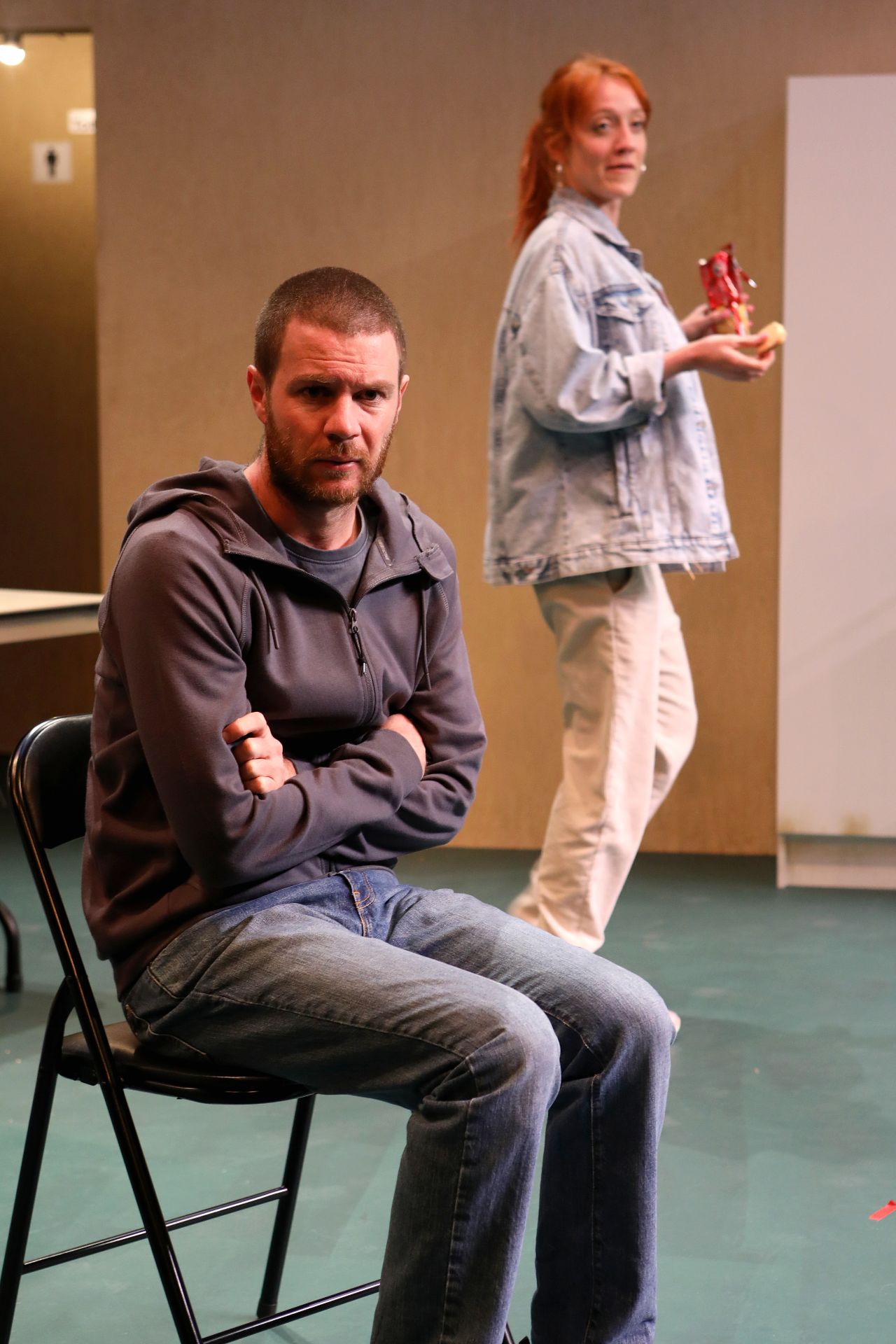
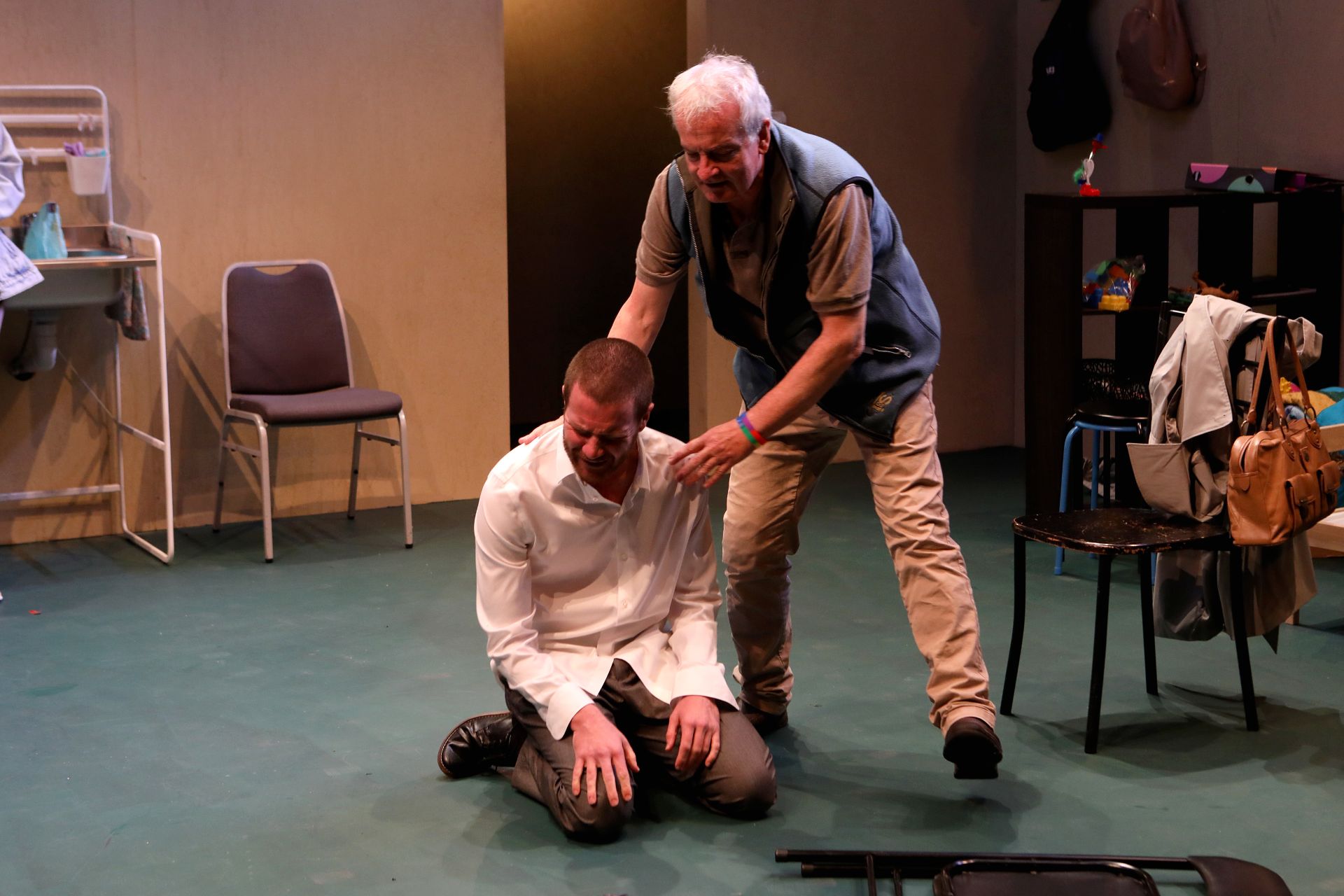
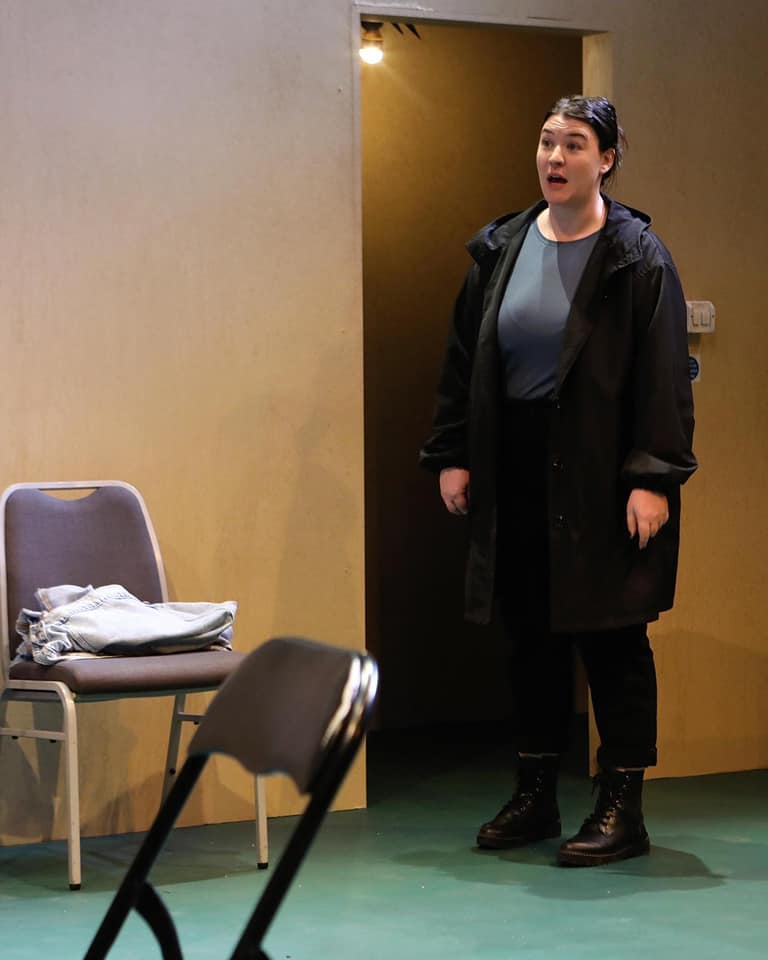
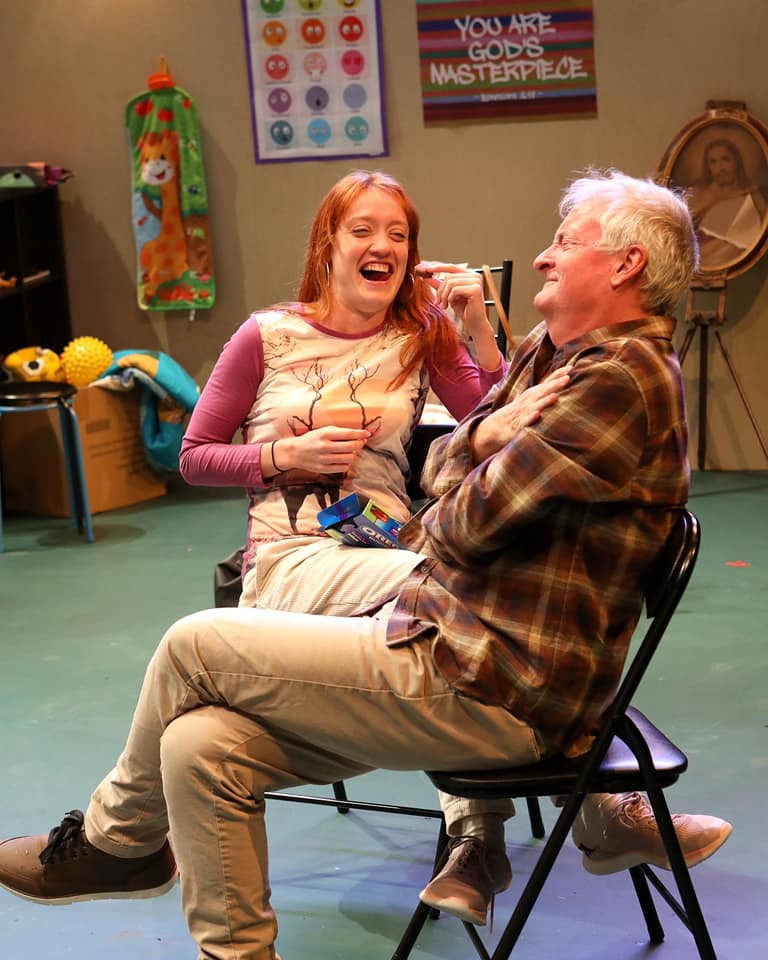
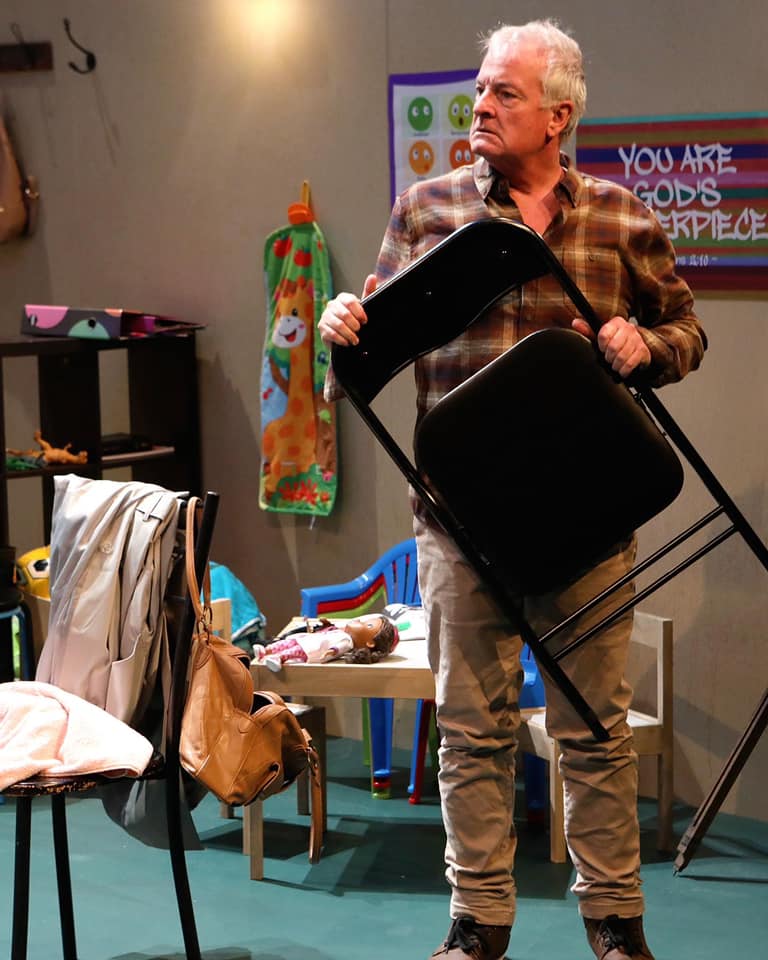
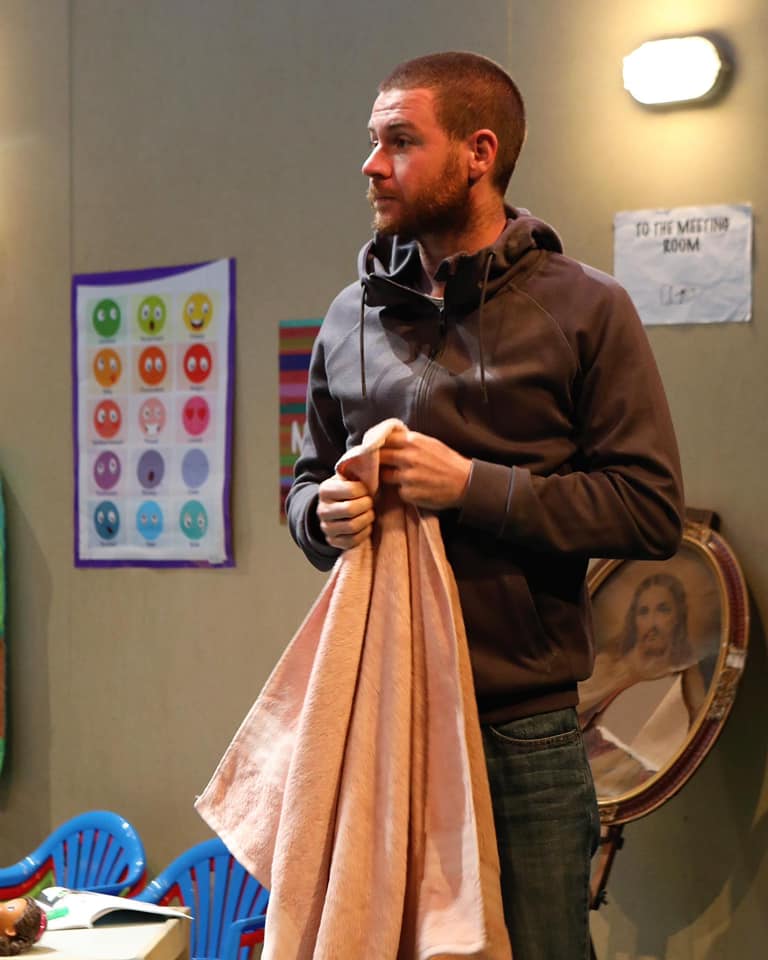
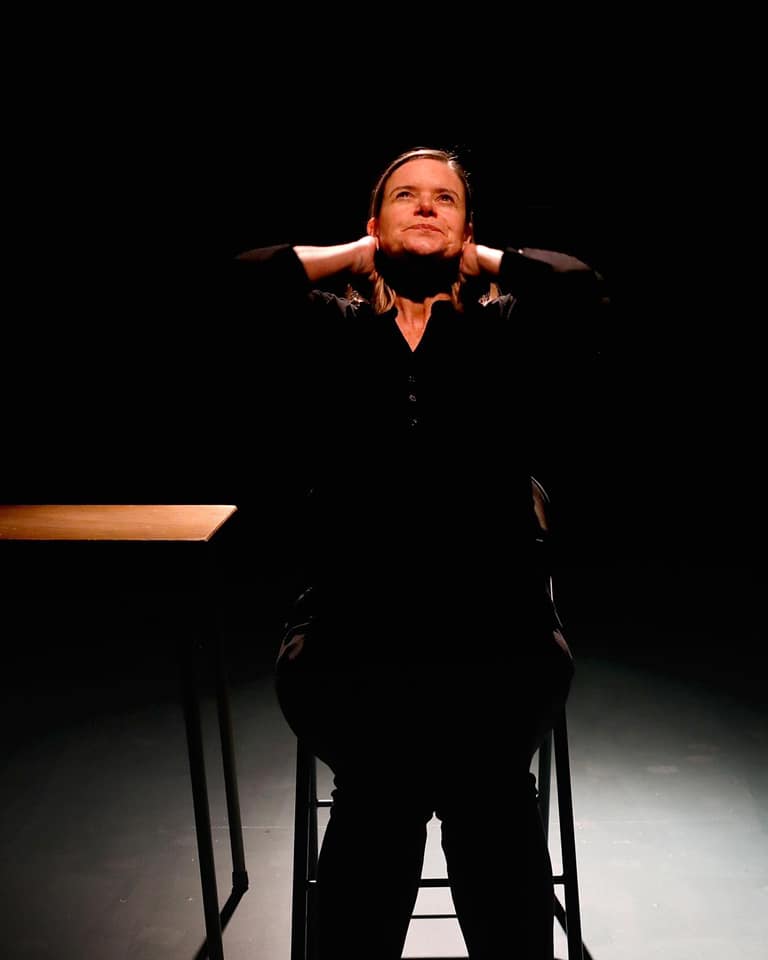
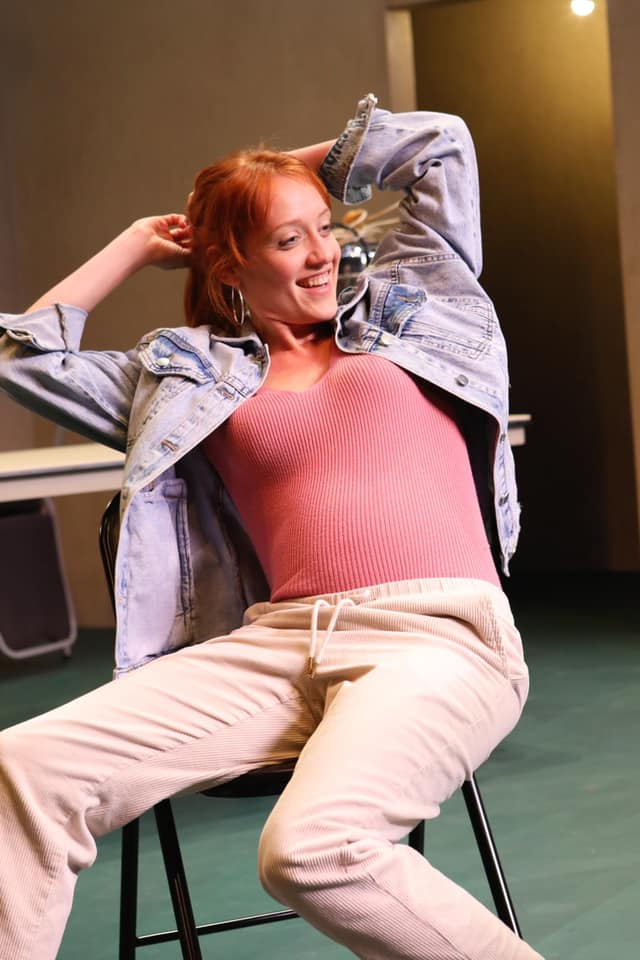
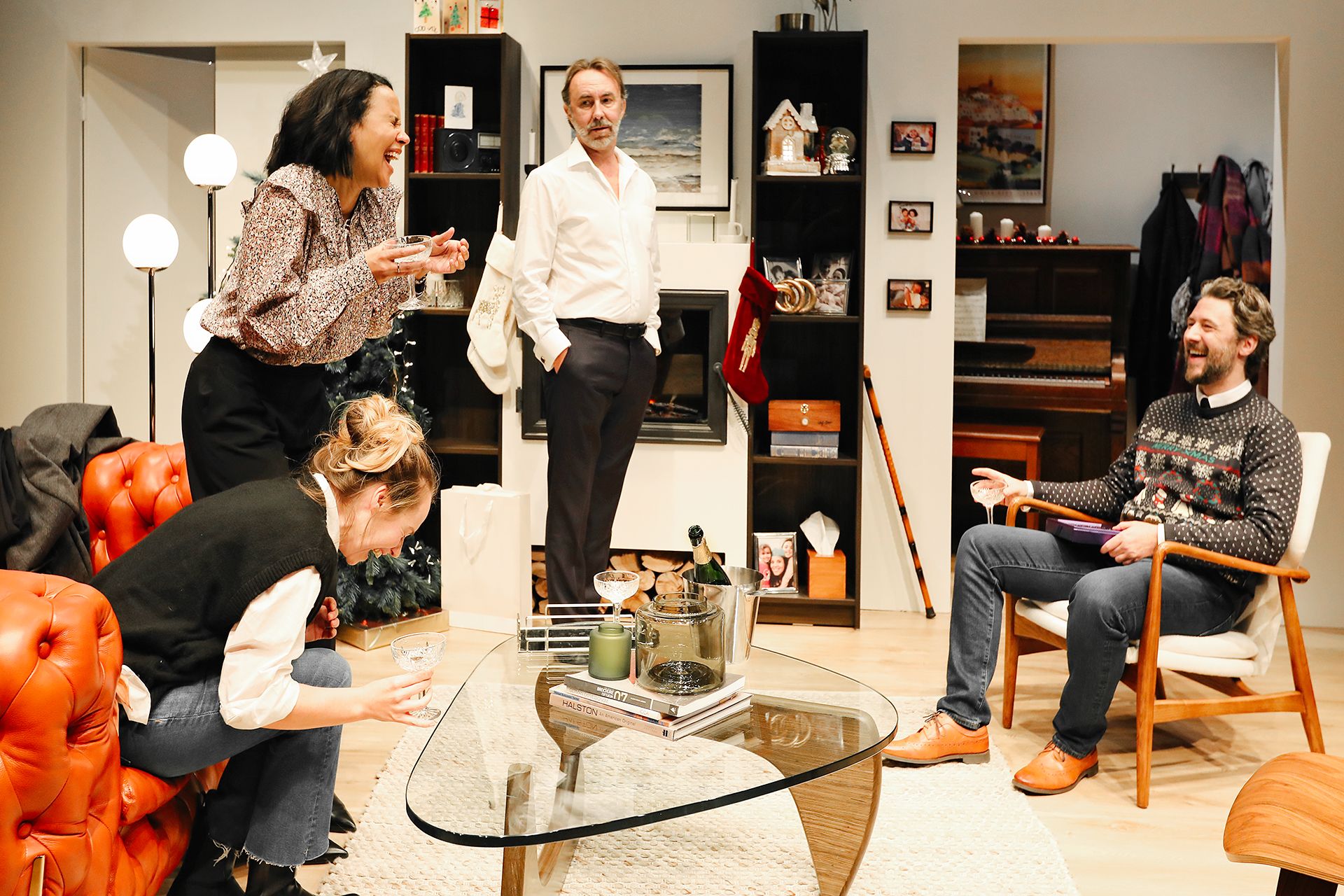
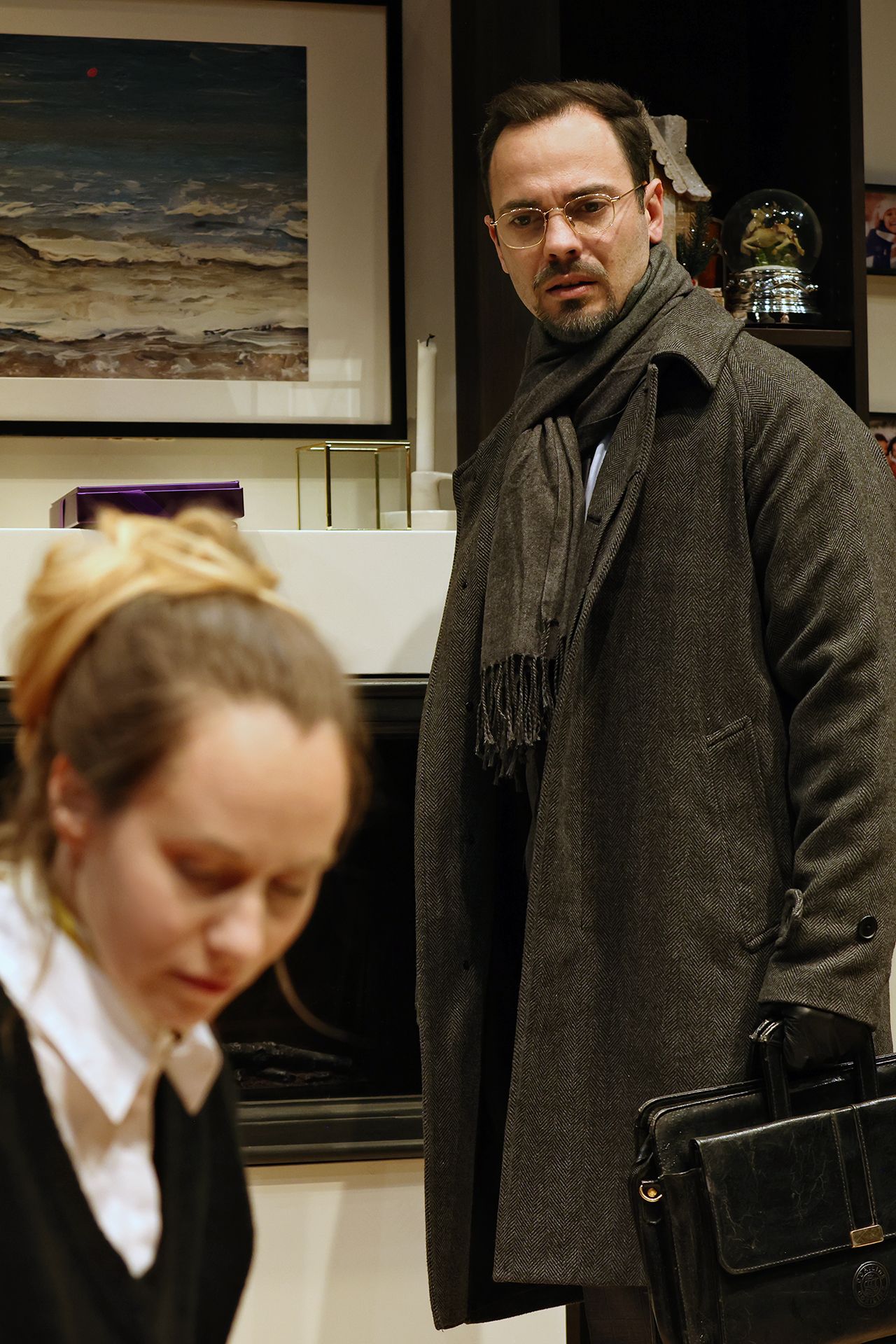
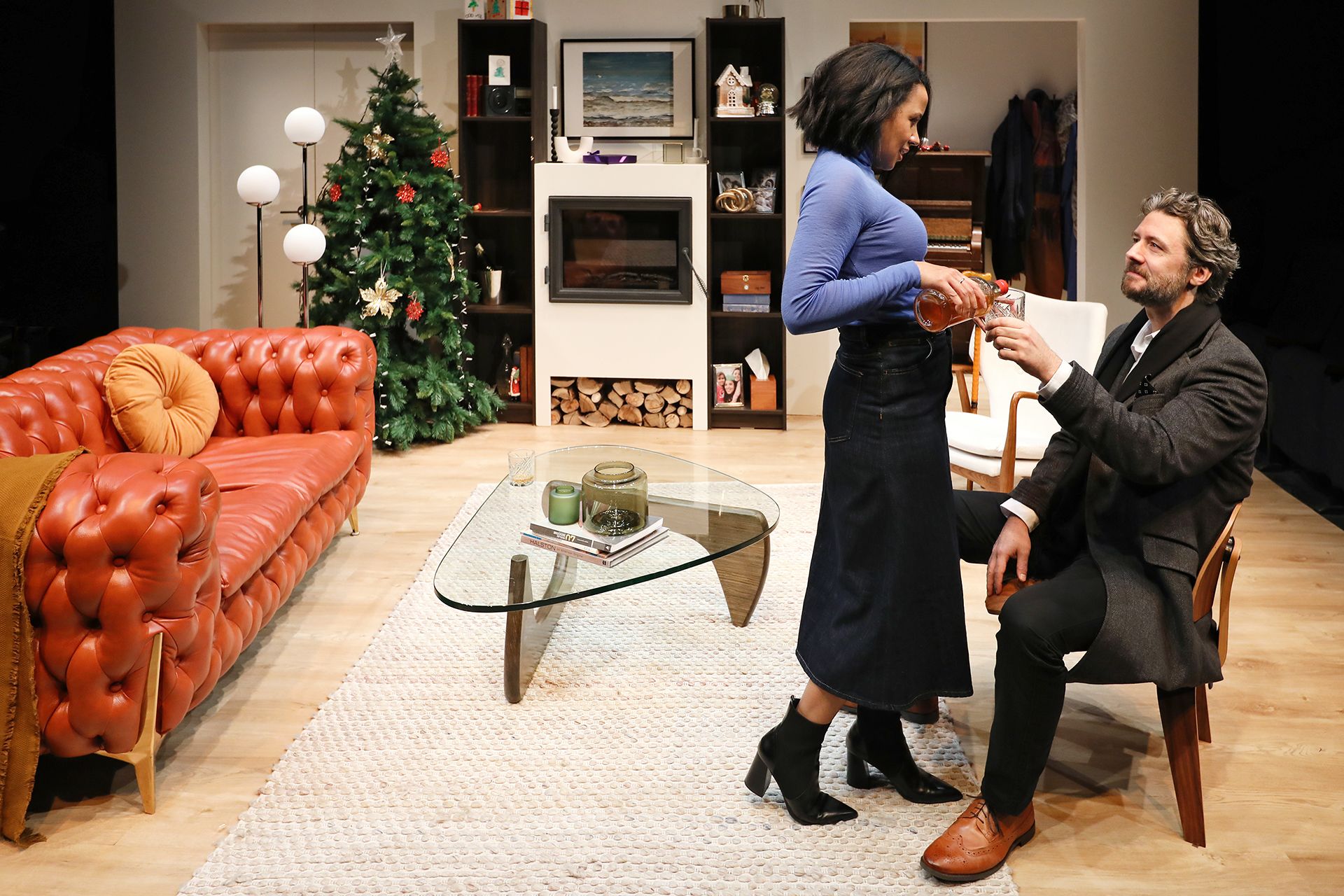
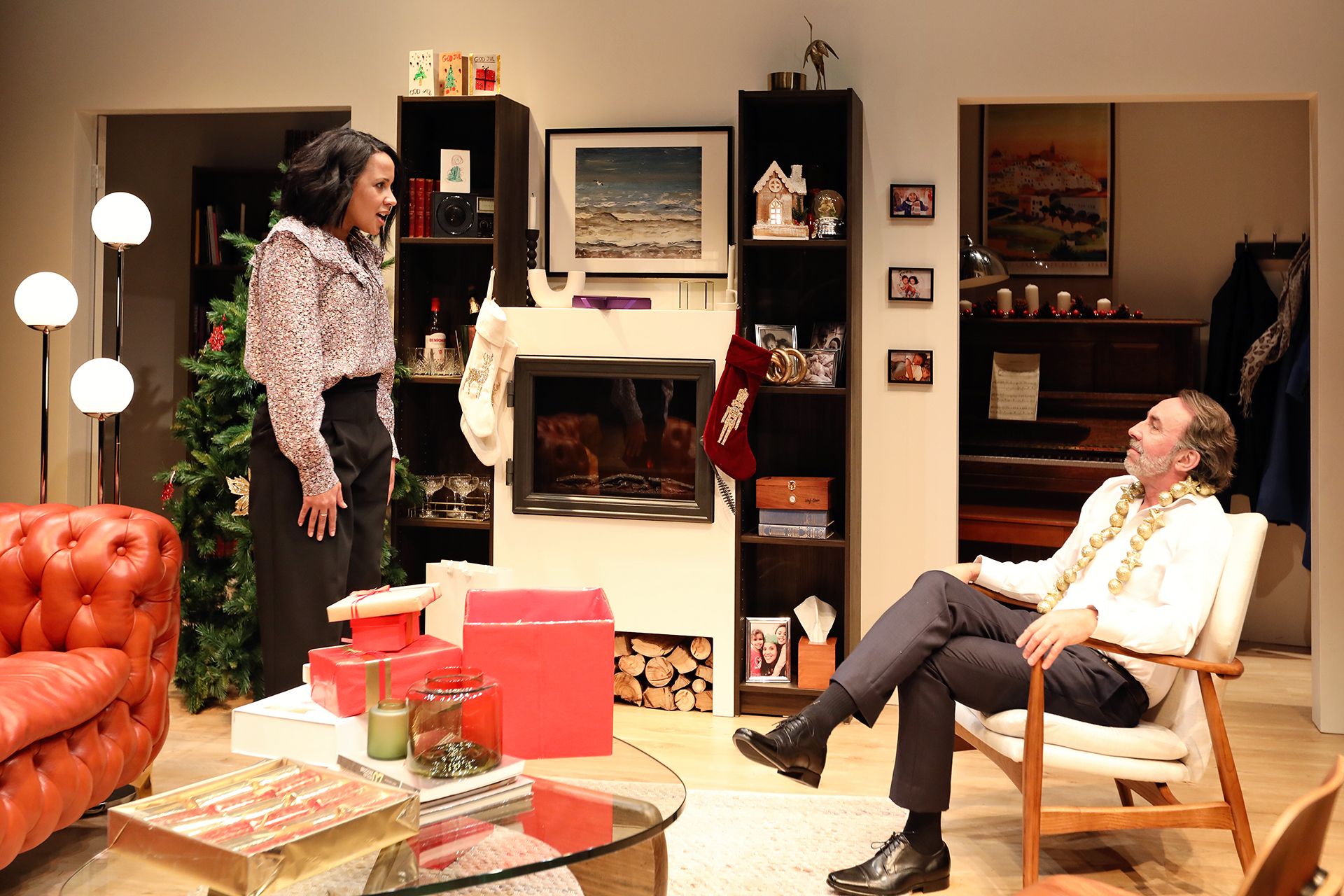
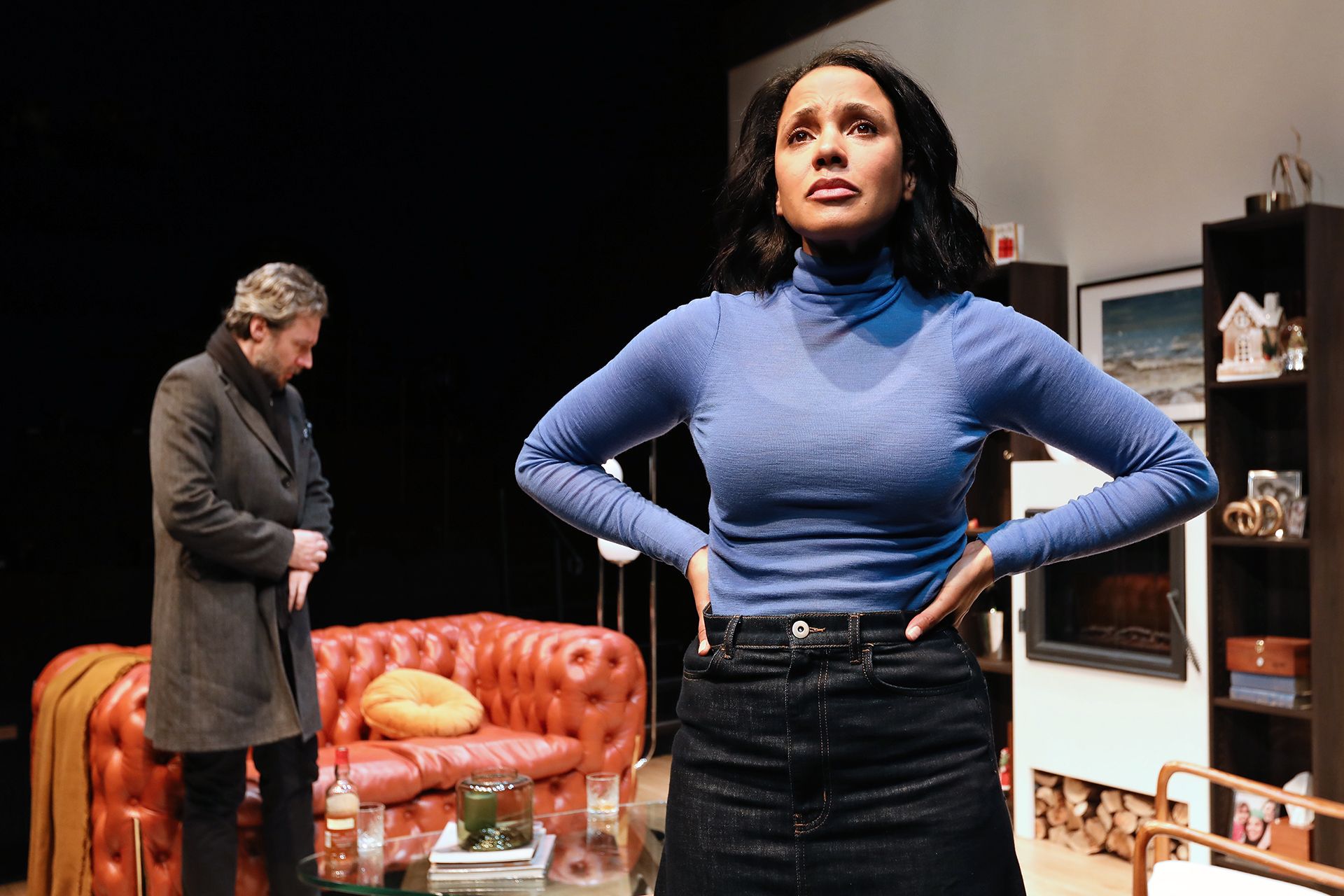
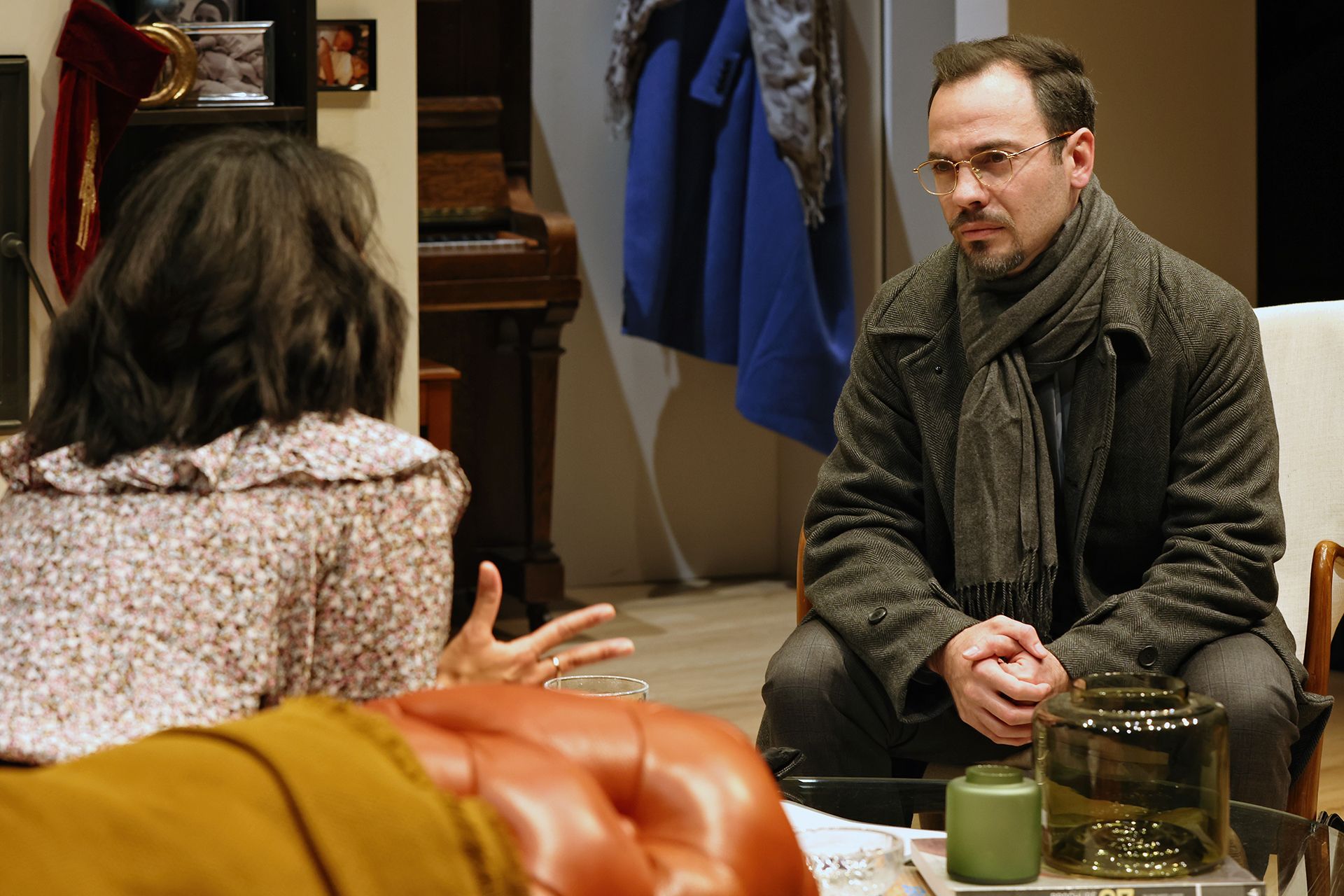
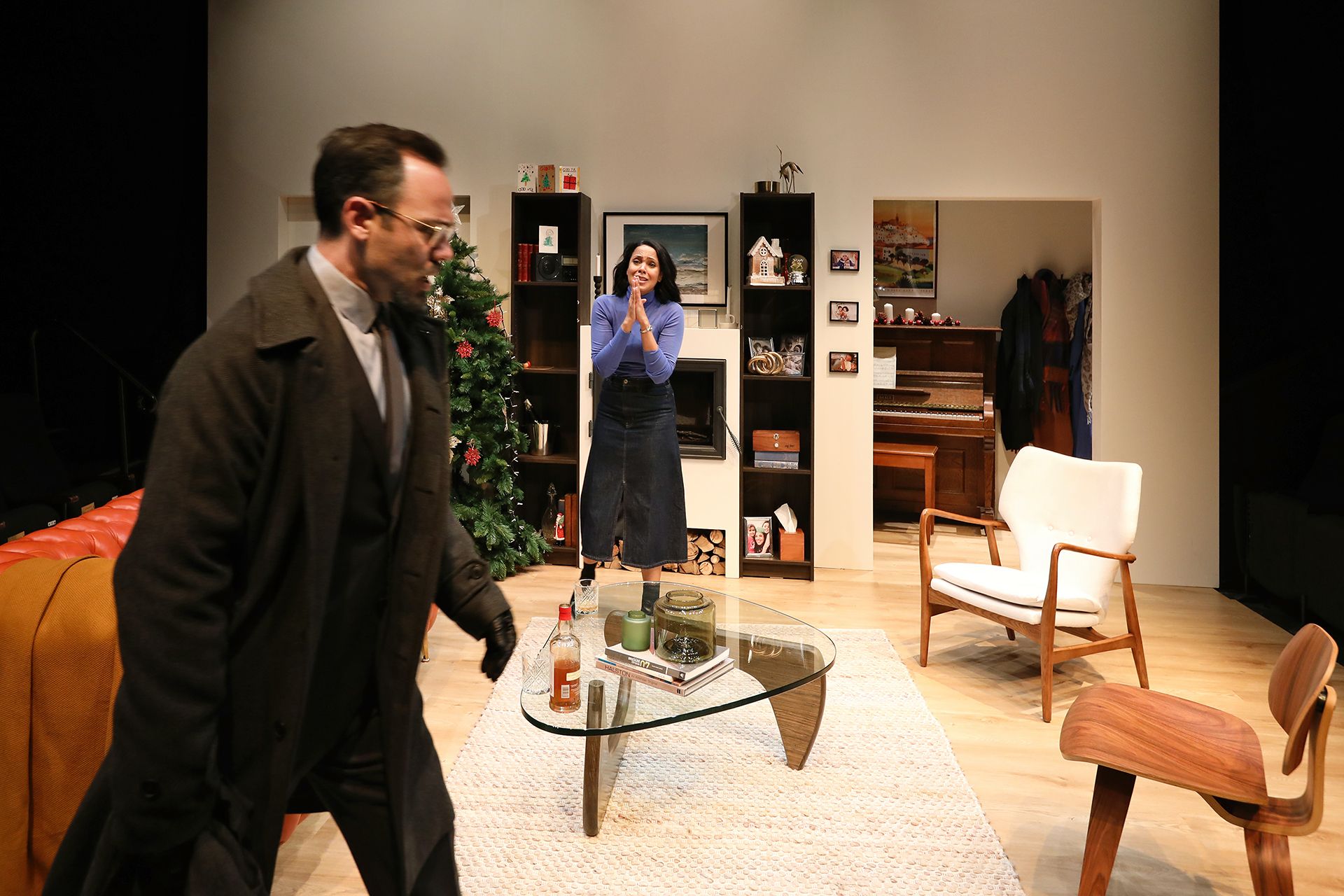
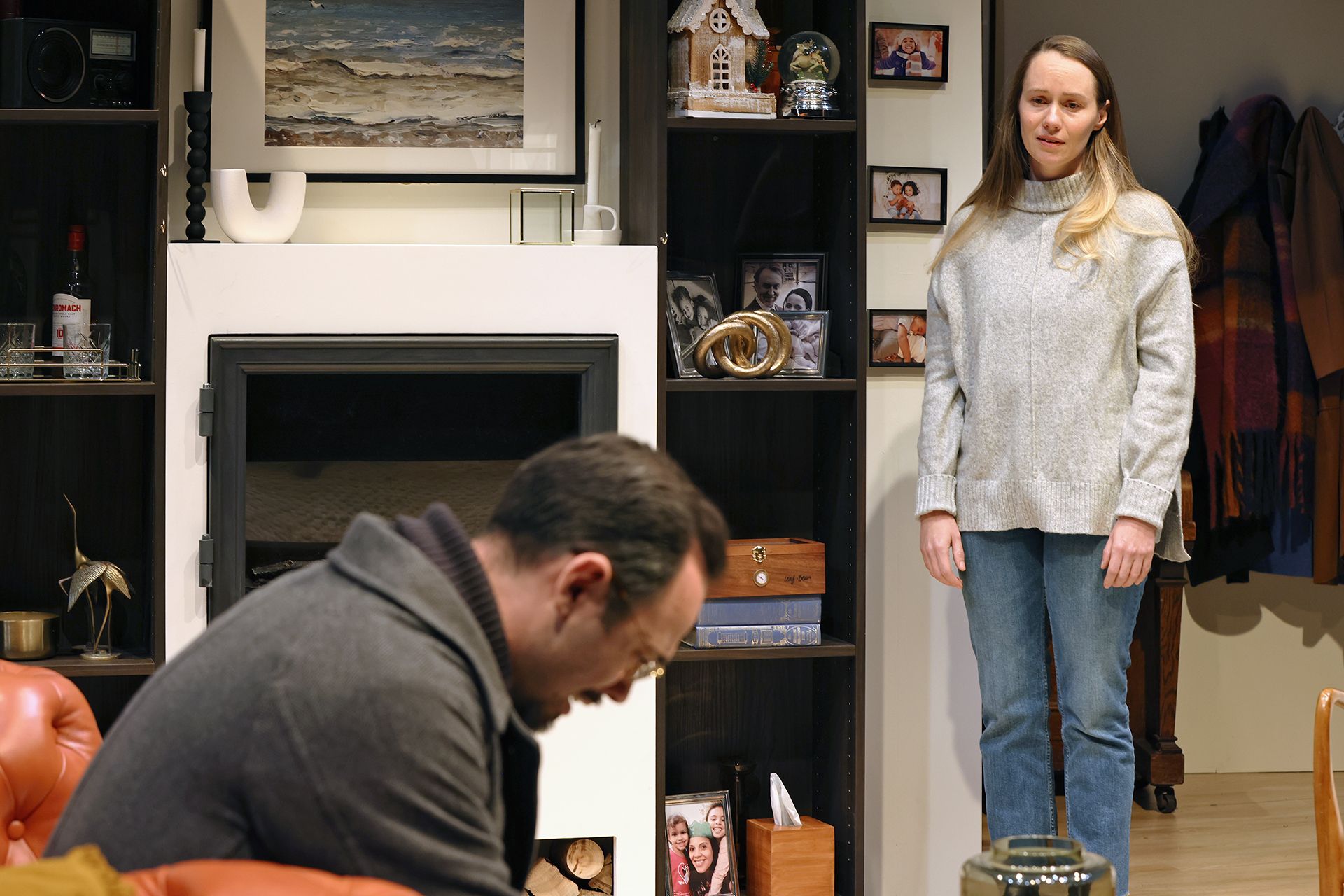
Myrtle is having serious problems with the role she had signed on for; the show is about to open, but she is still unable to make sense of the play she had agreed to star in. In the meantime, the director and playwright are becoming increasingly abusive, heaping blame on her for not making it work, often saying that she has lost her spark as an actor, and that she has grown too old to be any good. There is nothing subtle about John Cassavetes’ Opening Night, and in this adaptation by Carissa Licciardello, the story does not get any less heavy-handed, in making its point about our reprehensible attitudes regarding women getting older.

Licciardello’s adaptation and direction are certainly enthusiastic in trying to assert the point of the exercise, but the message quickly becomes too simple and obvious. Plenty of effort is put into creating an air of mystery surrounding Myrtle’s behaviour, which provides an updated theatricality for the audience, although it becomes clear, that the plainness of its motivations struggles to sustain our interest for the production’s 100 minute duration.

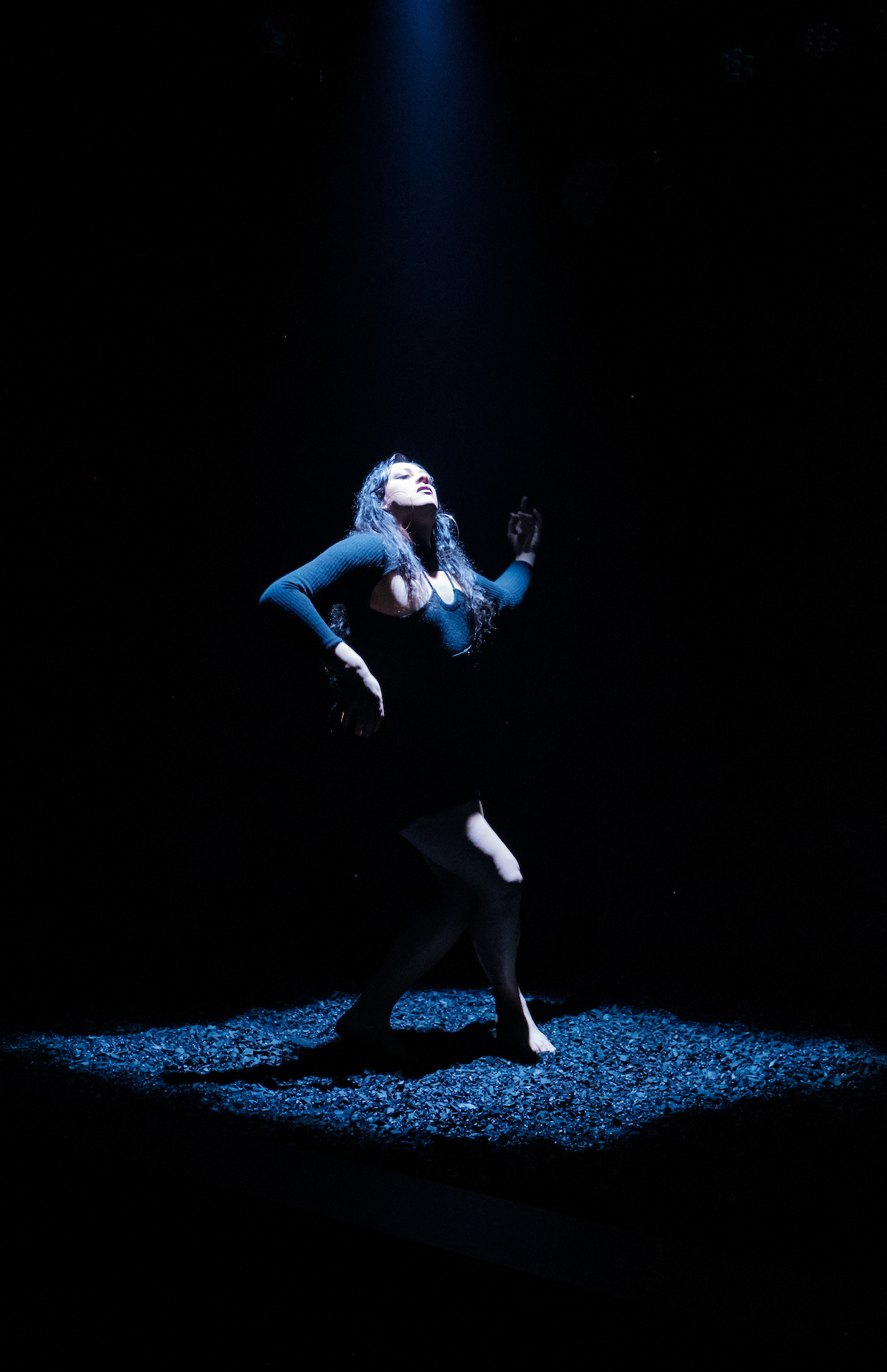
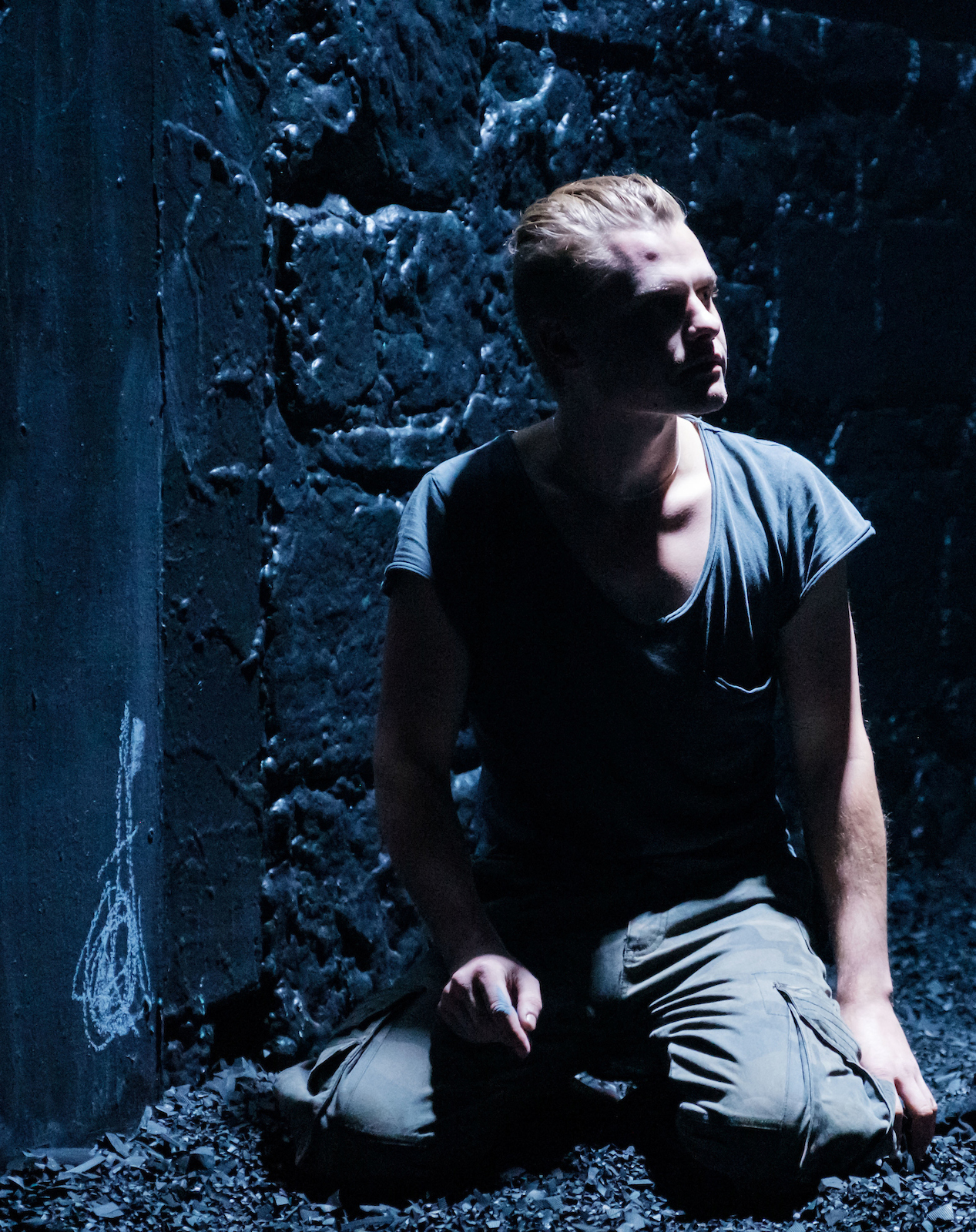
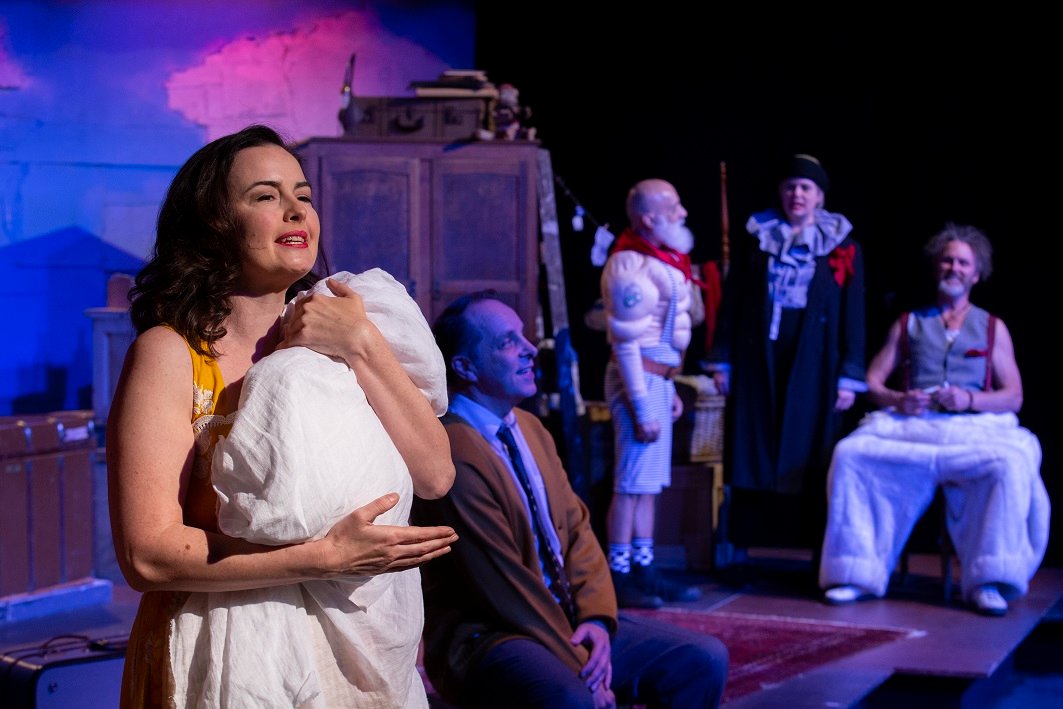
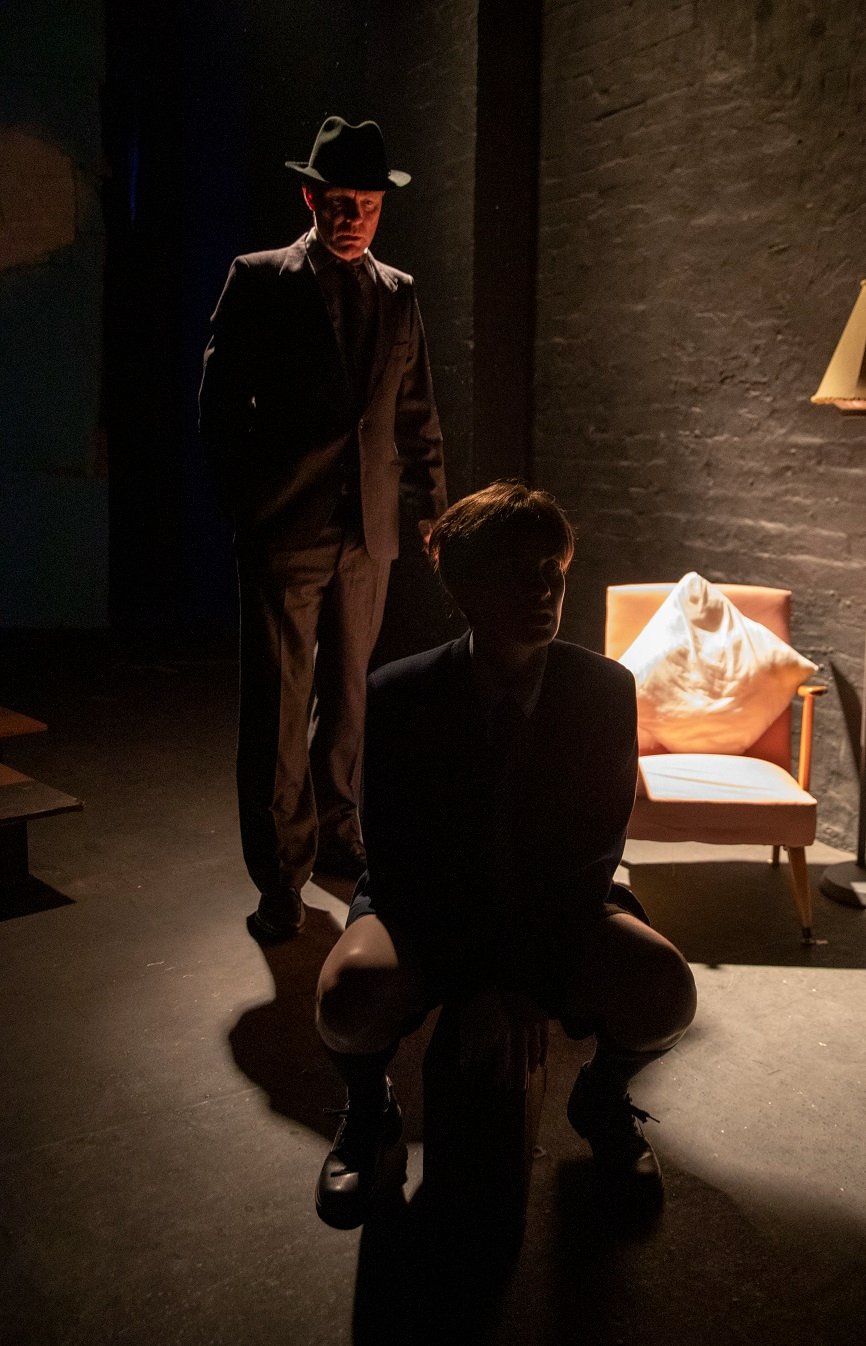
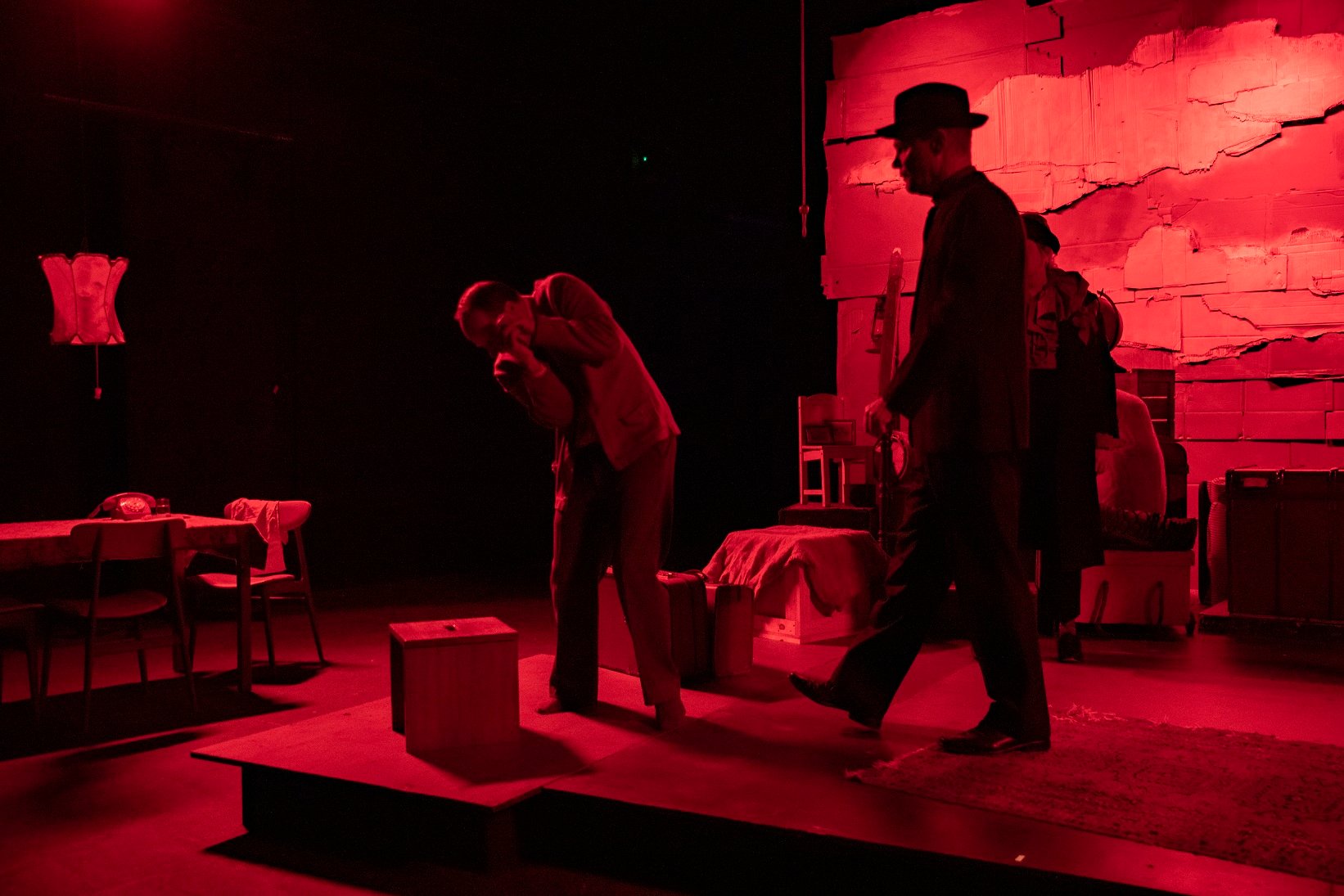
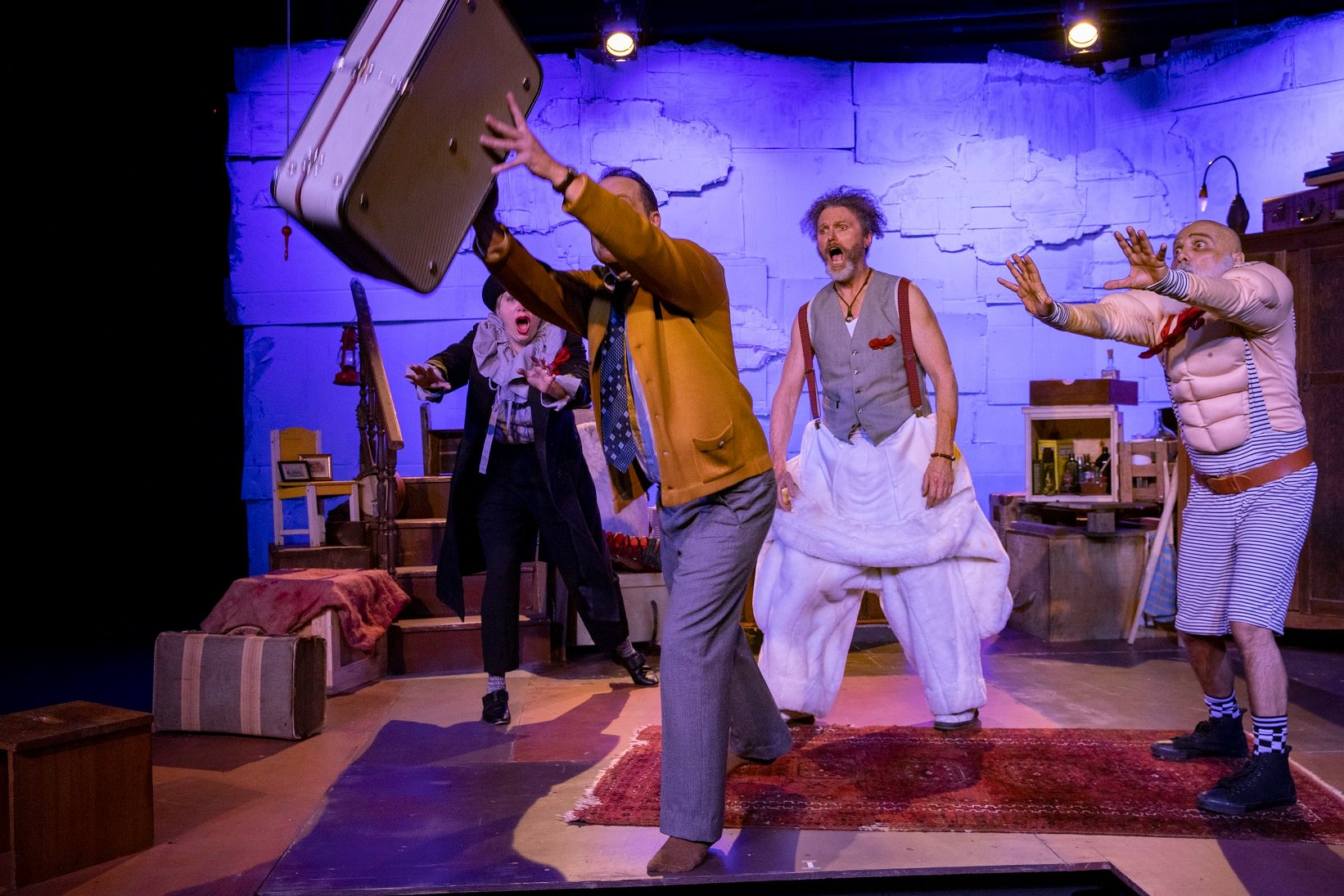
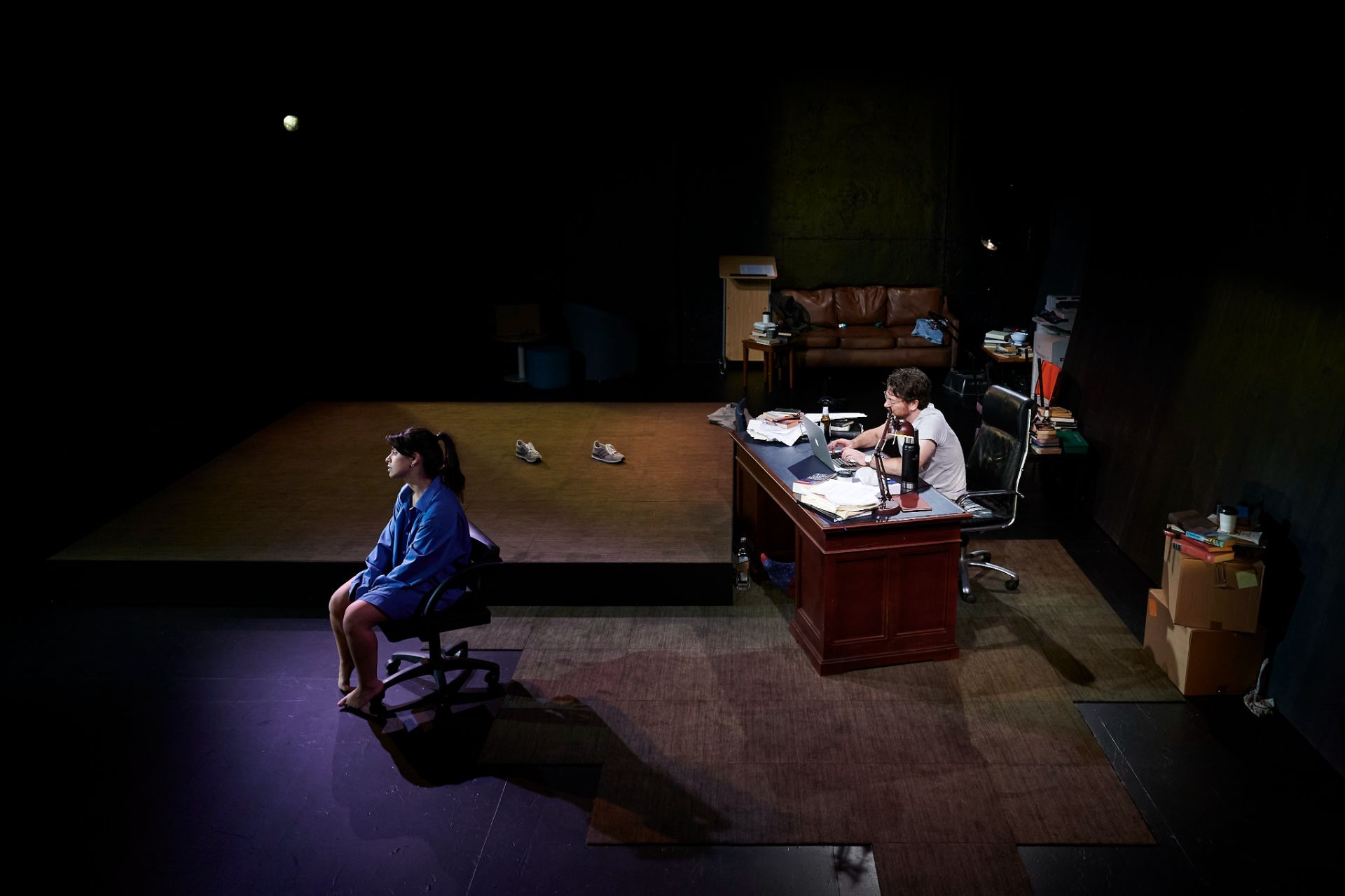
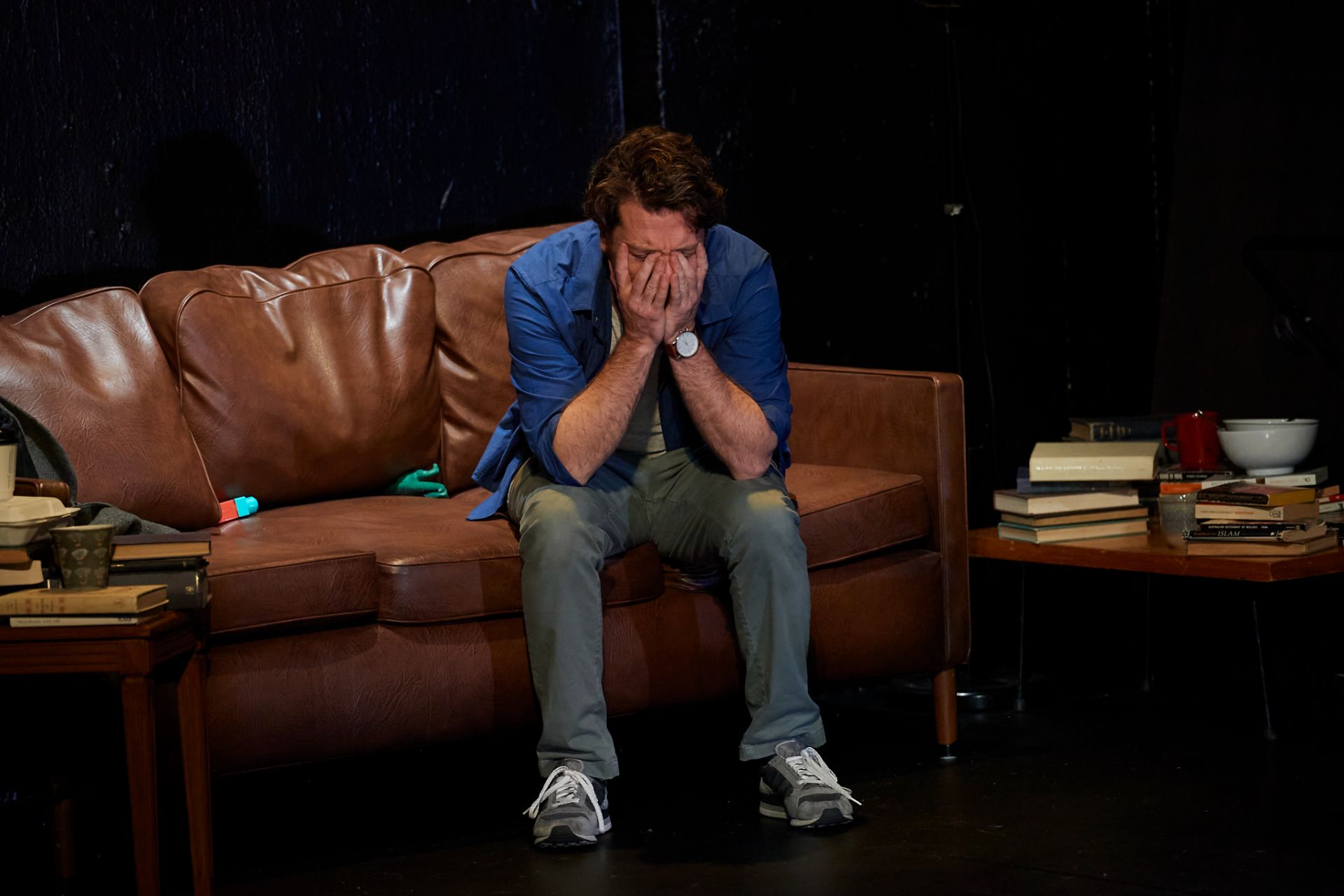
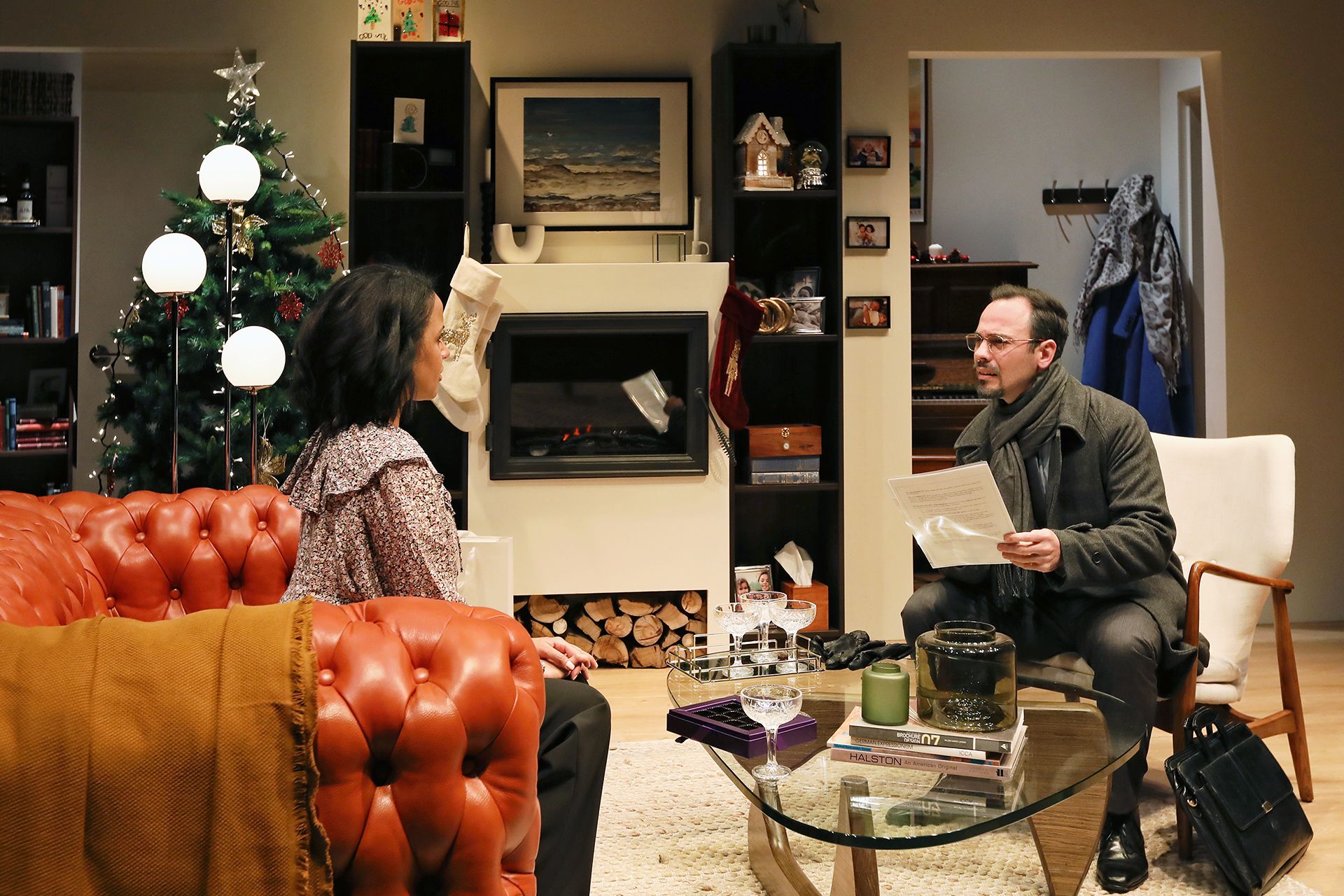
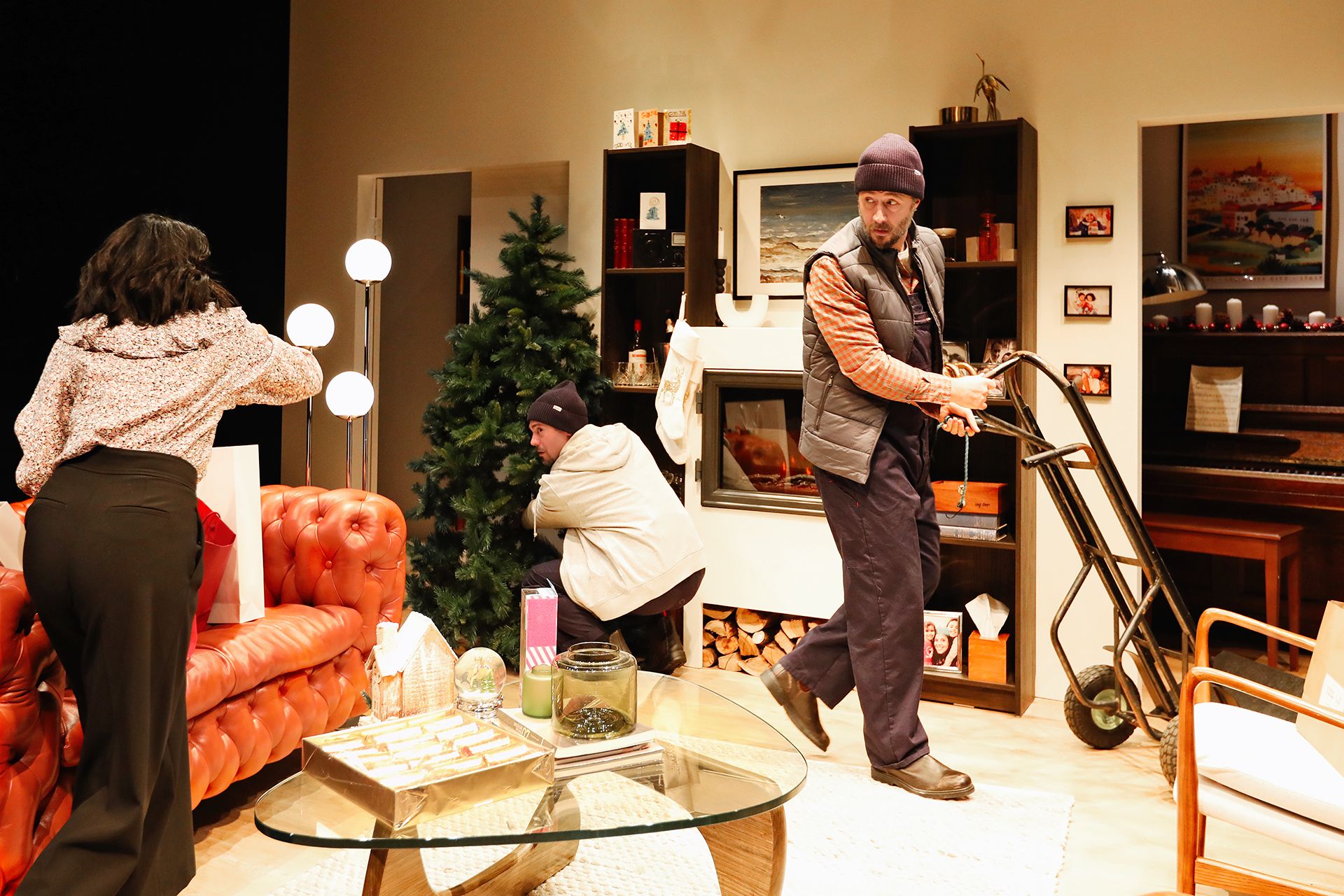
David Fleischer’s set design too is uncomplicated, in its depiction of a masculine and superficially stylish world. Costumes by Mel Page are flattering, and appropriately understated. Nick Schlieper’s lights and Max Lyandvert’s sound are relied upon for dramatic flourishes, to further engage our senses, although those moments of abstract elevation can seem slightly gimmicky, when we fail to decipher enough behind, that could feel substantial.

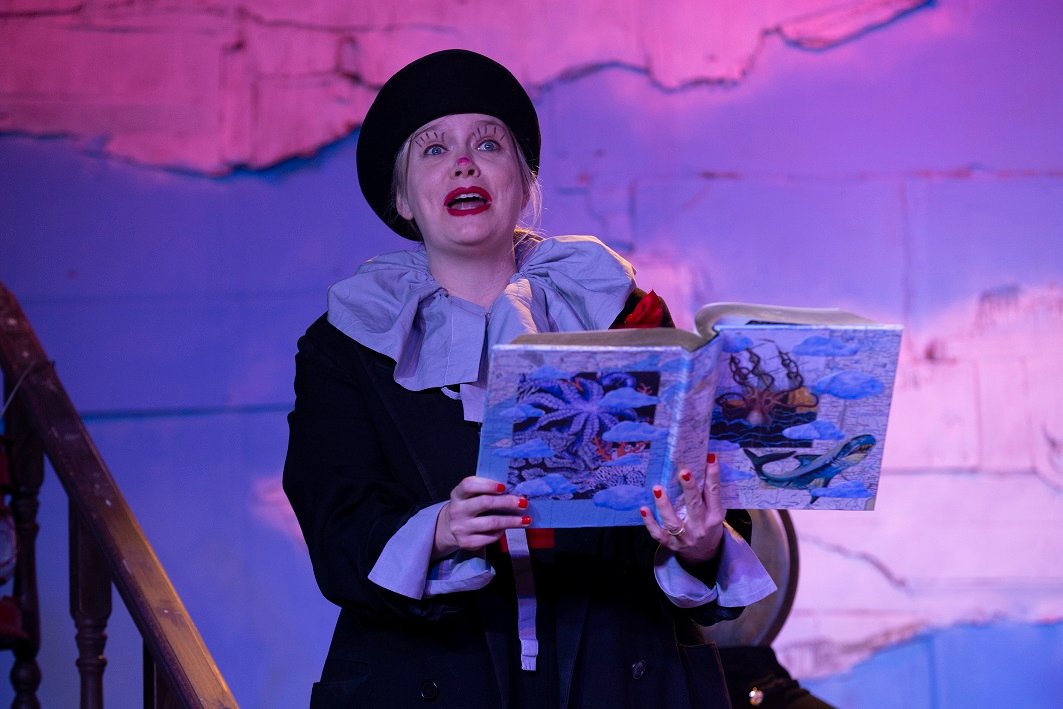
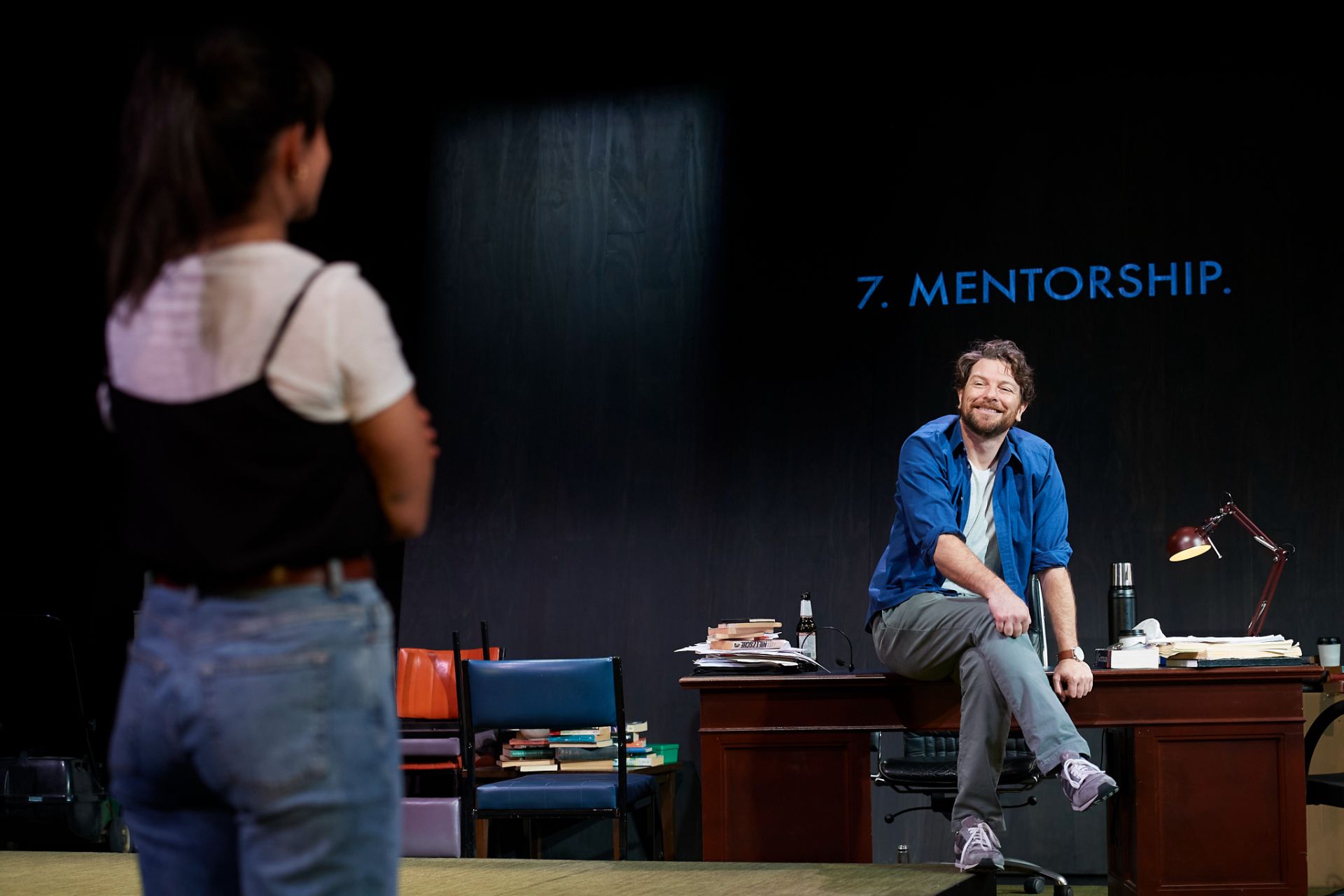
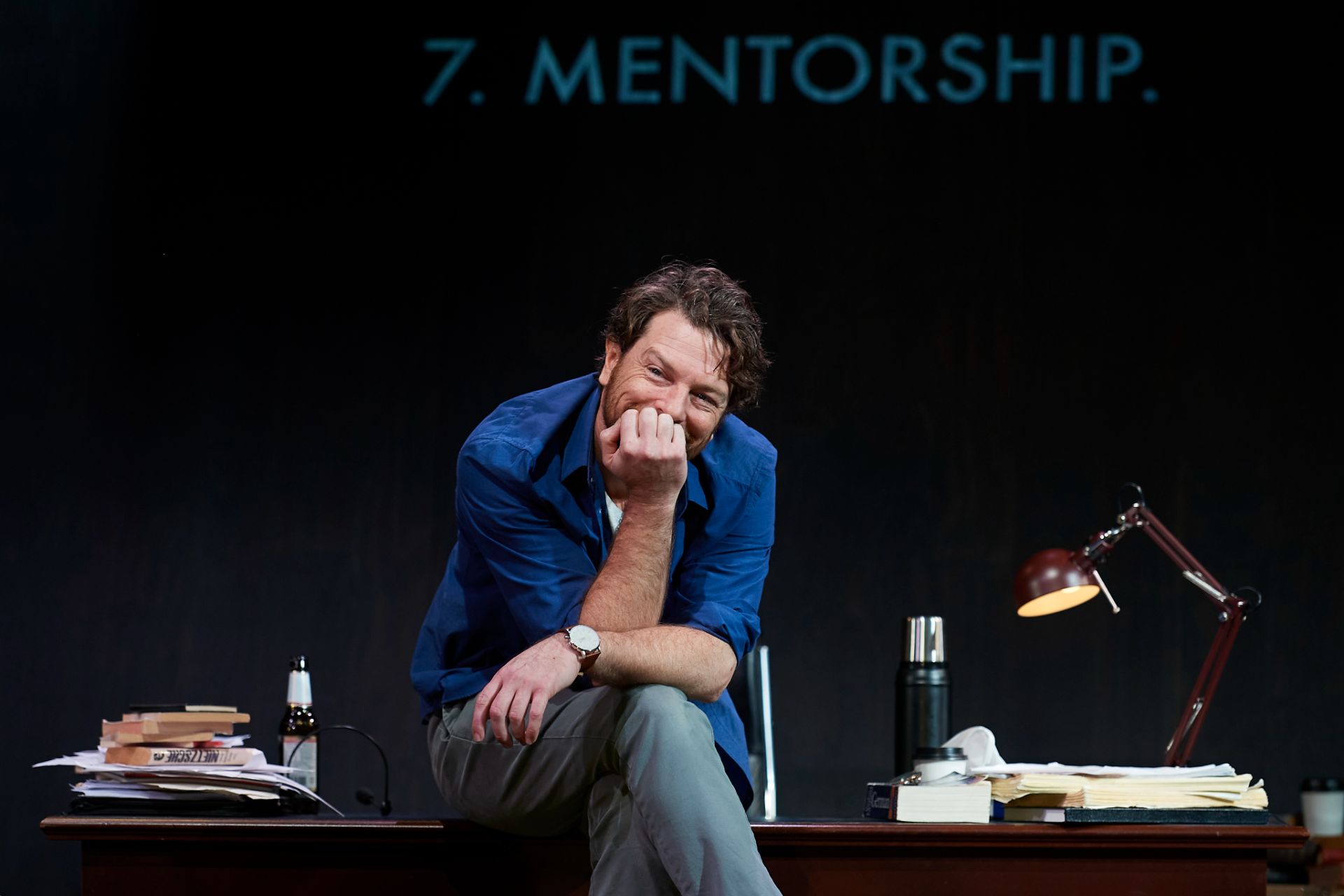
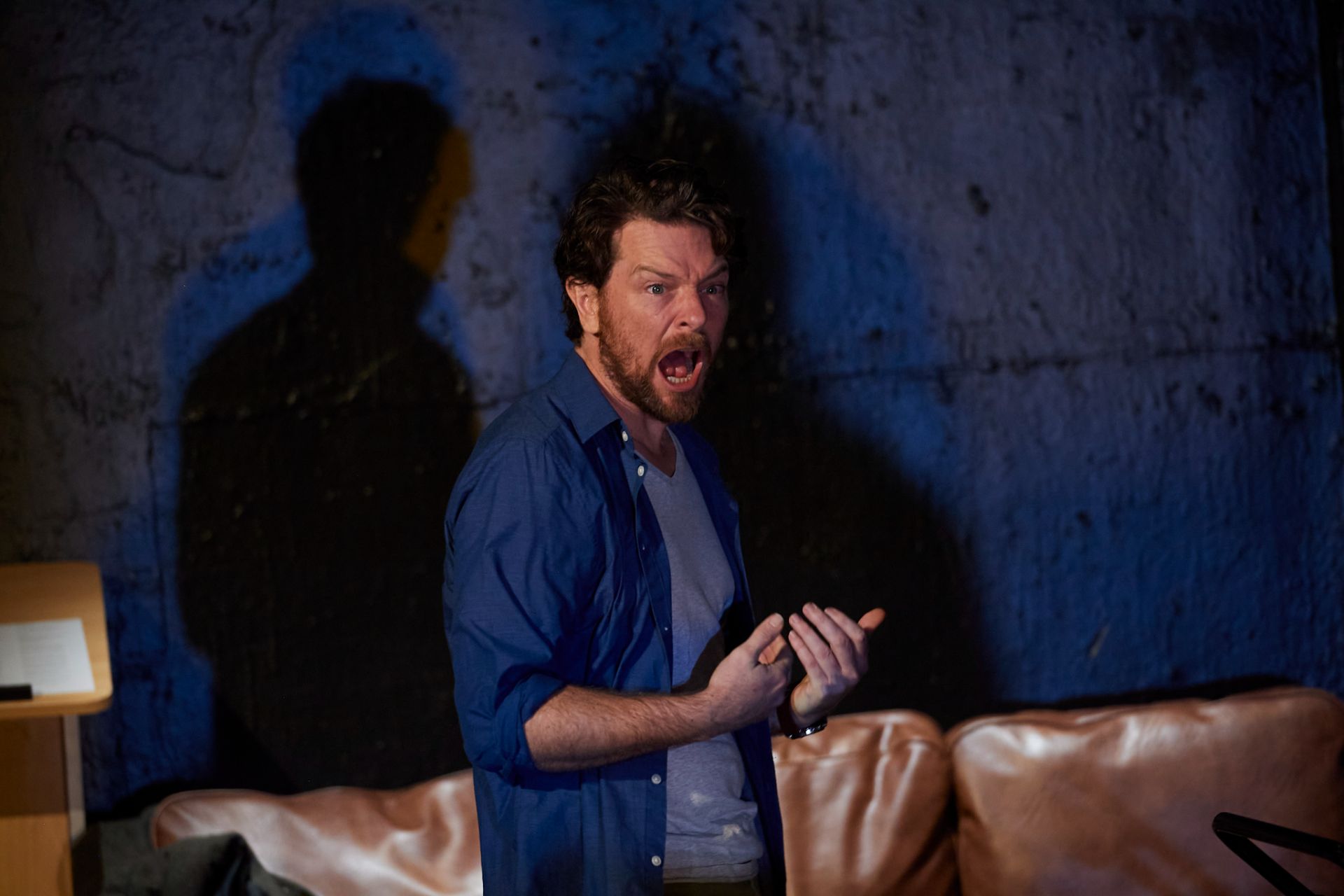
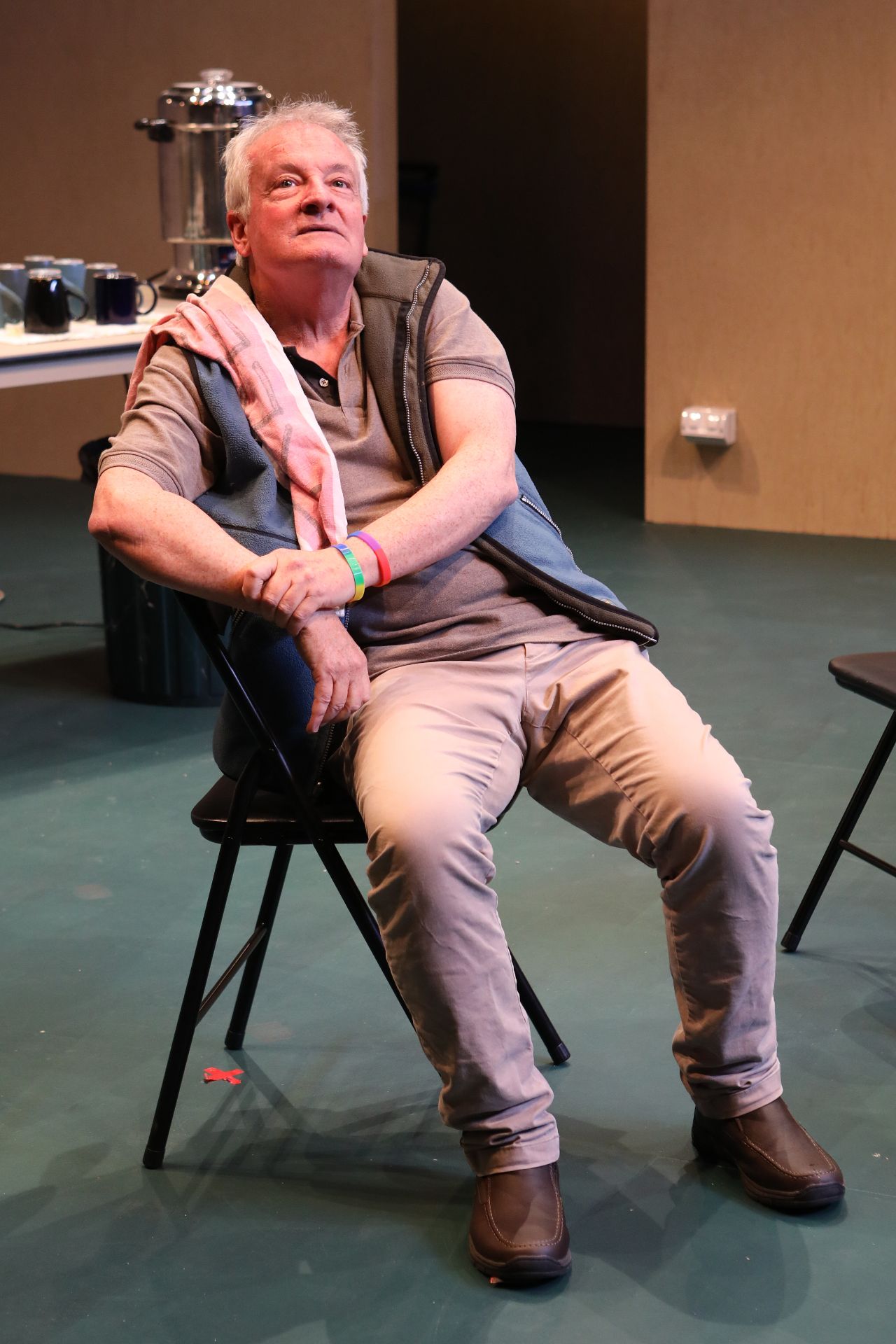
Leading lady Leeanna Walsman conveys the confusion and dreariness of Myrtle’s arduous battles, but it is a conservative performance that offers little to relish. Myrtle’s director is played by Luke Mullins who thankfully injects dynamism into the show, for his part as an uncomplicated villain. Anthony Harkin and Toni Scanlon are Myrtle’s co-star and playwright respectively, both bringing a degree of nuance to their supporting roles. Caitlin Burley and Jing-Xuan Chan are solid presences in all of their brief appearances, both demonstrating noteworthy commitment.

At the end of Opening Night, we find a satisfying conclusion. In real life, Myrtle’s story could end up either way, good or bad, for real life is anything but predictable, but in a play that wants so much to talk about doing what is right in our storytelling and in our art, it is hard to imagine any other way for things to end. It is of course true that misogyny exists, and it is right that we should see it represented. It is also important that we reiterate again and again, our agency and power as women, to make exhaustive revisions to centuries of indoctrination about us being weak and domitable. We love watching Myrtle triumph, but even if she falters, we know that she is strong enough to get up and try again.

www.belvoir.com.au

Review: Hand To God (Old Fitz Theatre)

Venue: Old Fitzroy Theatre (Woolloomooloo NSW), Feb 24 – Mar 26, 2022
Playwright: Robert Askins
Director: Alexander Berlage
Cast: Gerard Carroll, Merridy Eastman, Philip Lynch, Ryan Morgan, Michelle Ny
Images by Robert Catto

Theatre review
Recently widowed Margery is trying to get her life back together, but it seems her new responsibilities at church, of trying to teach puppetry to young teens, are working out very poorly. Her son Jason especially, is reacting in unimaginably terrifying ways, with his malicious puppet Tyrone seeming to take on a life of its own, to terrorise all and sundry. Robert Askins’ Hand to God toys with ideas around supernatural possession and dissociative disorders, but its greatest concern is trauma, a subject matter that the theatrical arts seem particularly adept at tackling.

Both Margery and Jason act out in highly unedifying ways. In Hand to God, the profane is conveyed through outrageous absurdist comedy. The entertainment that all the jubilant laughter provides, is a guise for valuable observations pertaining to loss, and the destructive behaviour that often ensues in its aftermath.

Director Alexander Berlage uses Askins’ extravagant material to create a work of immense vivacity. It is a very heightened type of theatre, that allows for the most flamboyant flourishes, but Berlage’s insistence on nuance and authenticity, ensures that the wild humour is always partnered with meaningful insight.

Set design by Jeremy Allen and Emma White is replete with sarcasm, in its depictions of religion and superstition, and also remarkable for its transformation of space, effective in providing the sensation of being immersed in parochial Americanness. Lights by Phoebe Pilcher, along with Daniel Herten’s sound design, are relied upon for sensory magnifications for the jokey paranormality, that forms the basis of the play’s pleasures.

Merridy Eastman brings great compassion to the part of Margery, thereby encouraging us to respond similarly. Eastman, like all of the cast, delivers a very funny performance, but it is her subtle renderings in between the comedy, that reveal the beautiful emotional truths behind all the manic manifestations. As the disturbed Jason, Philip Lynch demonstrates incredible skill in splitting mind and body between two vastly different personalities; his work is a fascinating and impressive thing to behold.

The enchanting Michelle Ny offers a critical dimension of purity to the story, even though her most memorable scene as Jessica, is anything but innocent. Ryan Morgan has the happy task of playing the entirely comedic part of Timothy, and is flawless with his bold choices, responsible for creating some of the show’s biggest laughs. Gerard Carroll’s wonderfully satirical take on Pastor Greg too, is hilarious, as he mocks the heart-breaking incapacity and voidness of religion.

So much happens during one’s formative years, but nothing can ever be done, to completely shield a young person from the ravages of life. There are however ways to steer for better outcomes when damage occurs; not everything can be resolved, but processes are always available, to try for improvements. The postscript of Hand to God is surely about healing, or a lifetime of navigating the inevitable hazards of existence. No matter how late one comes to acknowledging these scars, it must be in the essence of our humanity, to want to work towards something better, whether or not there is the possibility of comprehensive rehabilitation. Change is hard, but stagnation may as well be death. 

www.redlineproductions.com.au

Review: Orange Thrower (Griffin Theatre Company / National Theatre of Parramatta)

Venue: SBW Stables Theatre (Darlinghurst NSW), Feb 18 – Mar 26, 2022
Playwright: Kirsty Marillier
Director: Zindzi Okenyo
Cast: Callan Colley, Angela Nica Sullen, Mariama Whitton, Gabriela van Wyk
Images by Brett Boardman

Theatre review
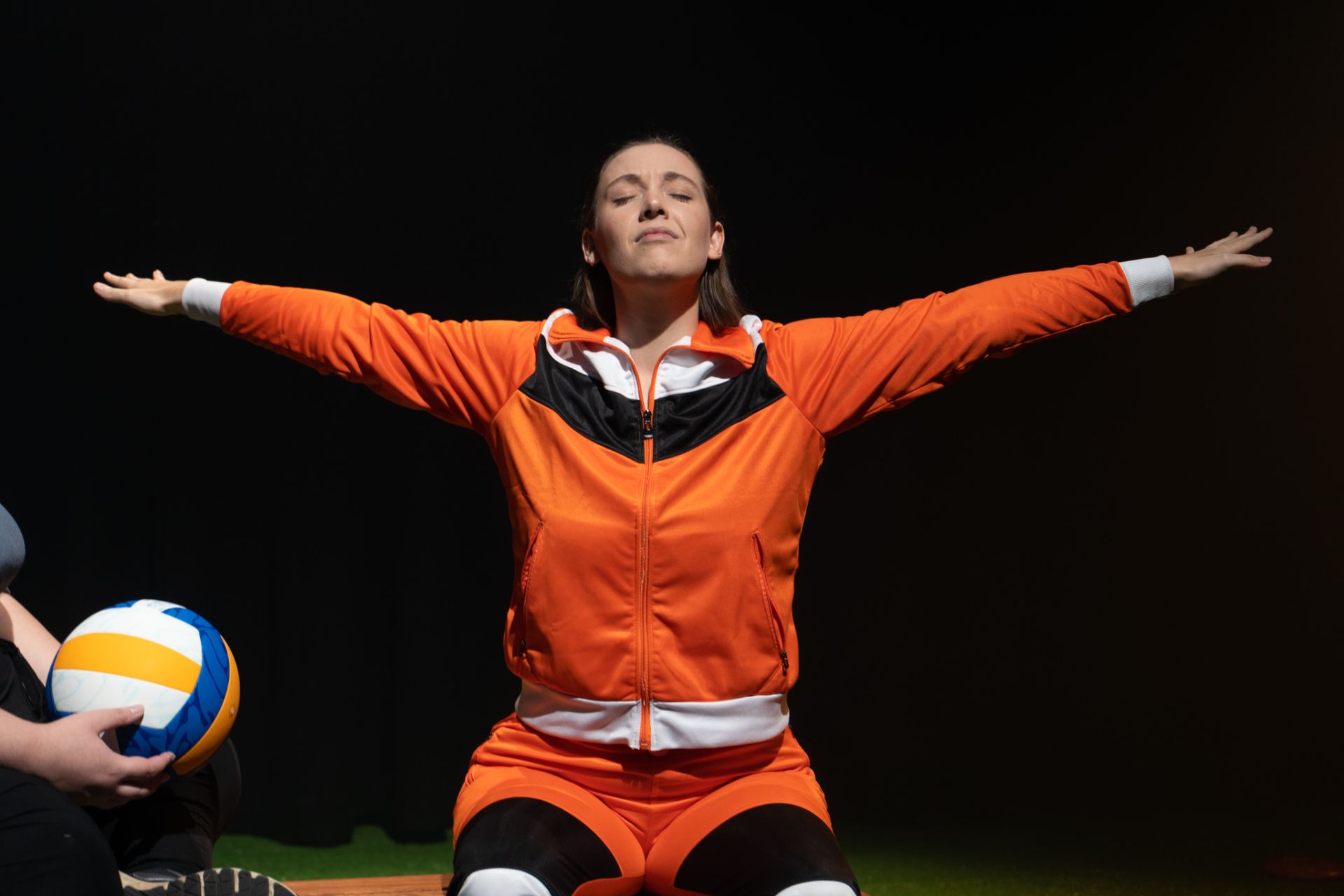
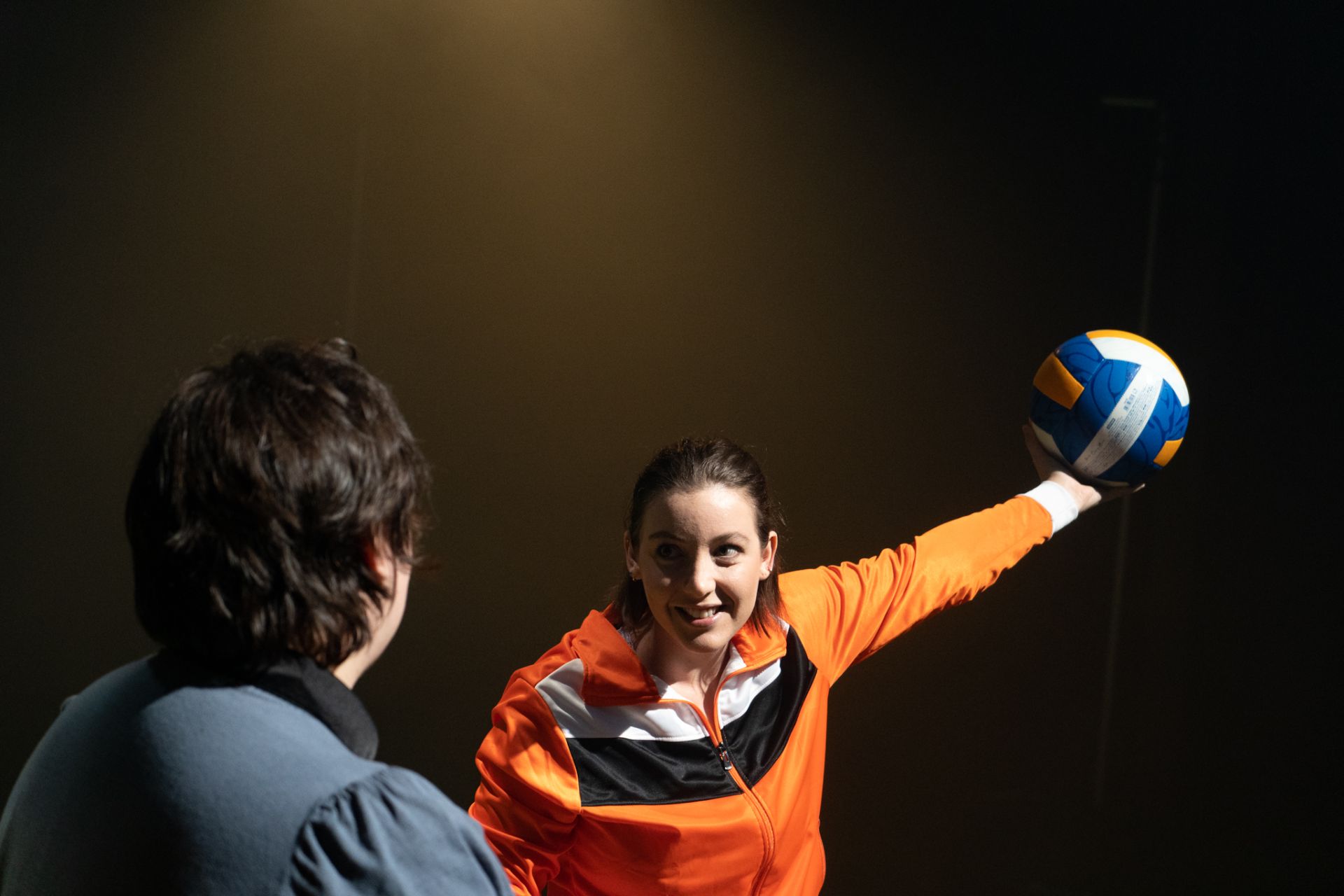
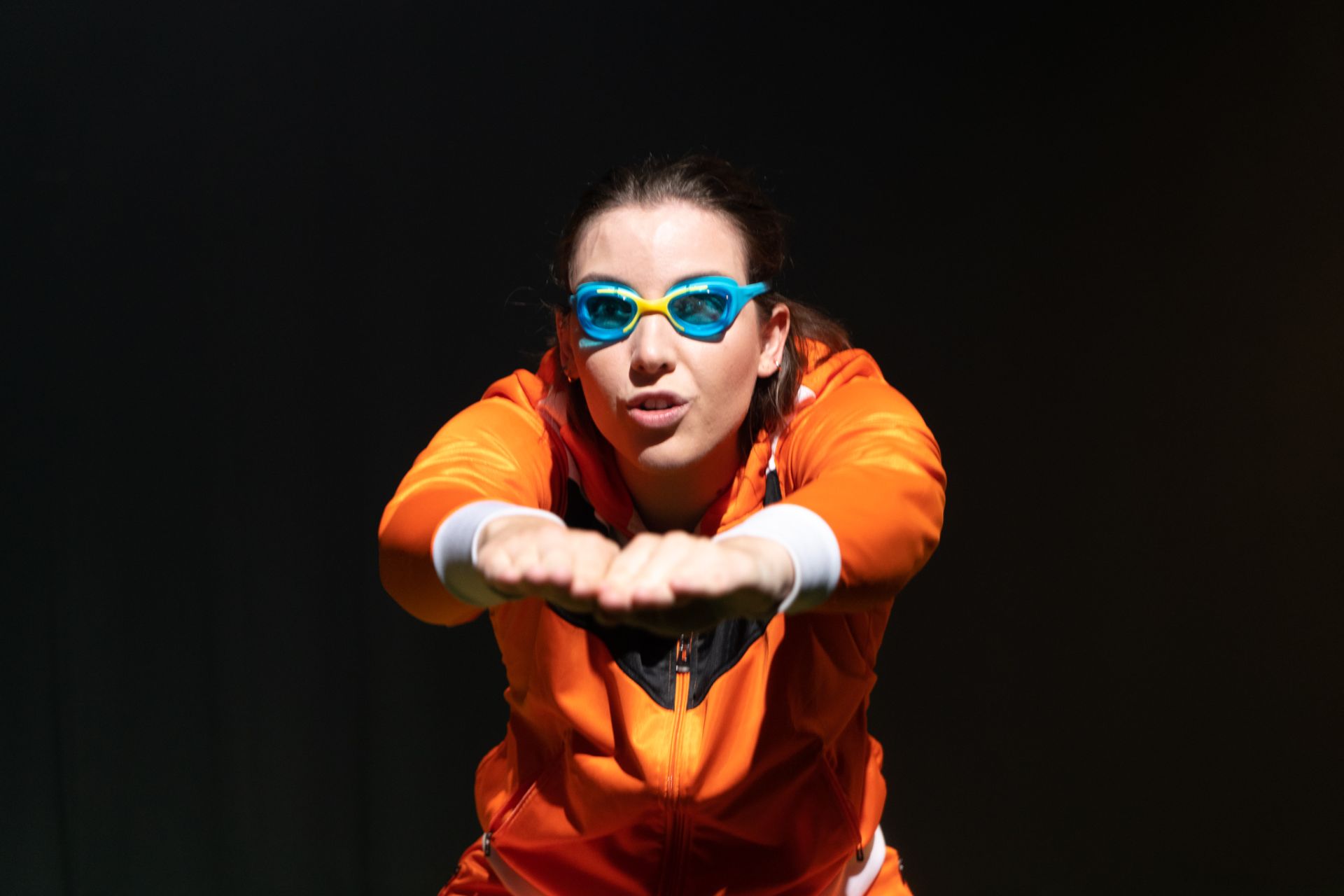
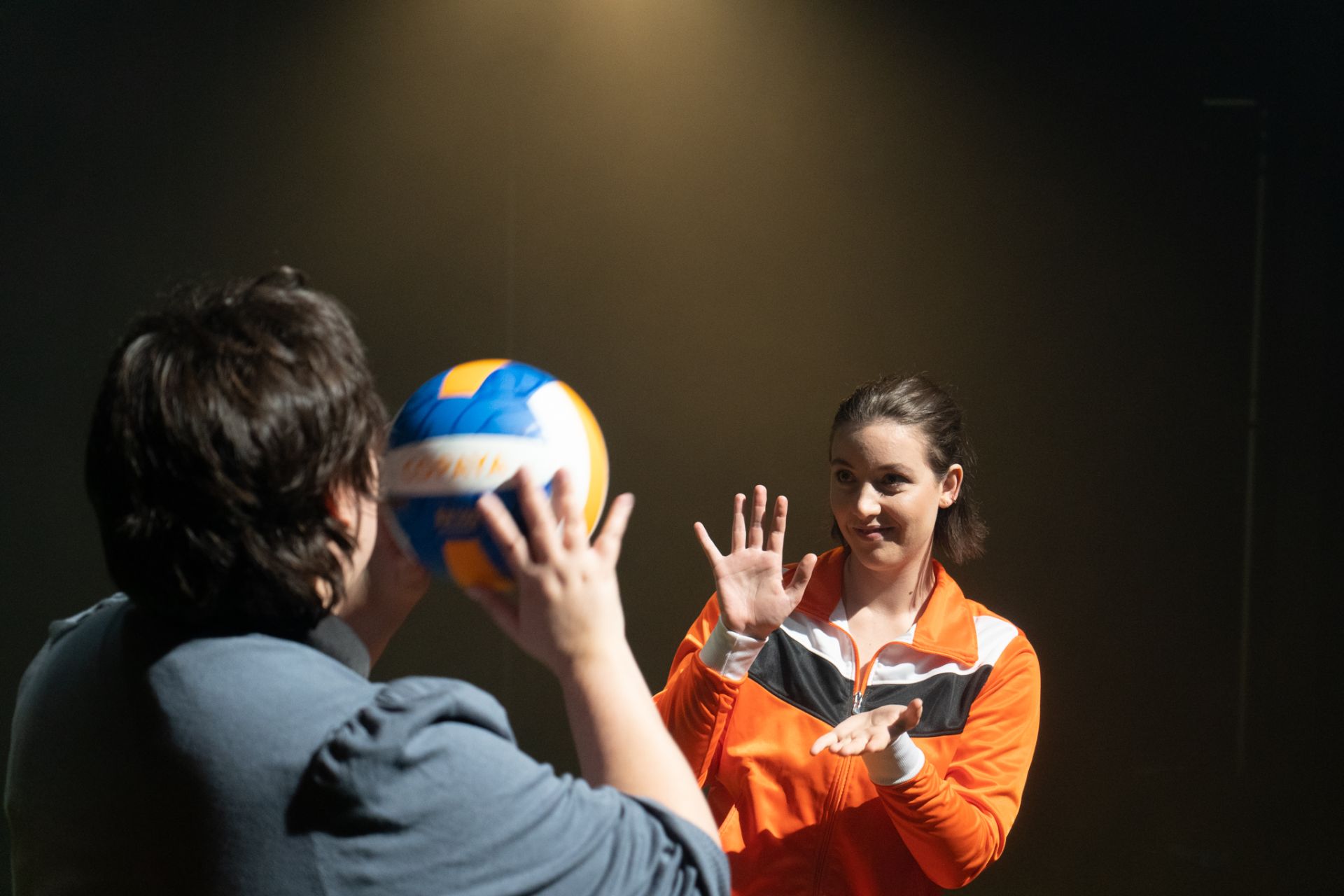
Zadie’s home in an Australian suburb named Paradise, is being pelted with oranges. The cowardly vandals feel no need to explain their actions, because the house belongs to a Black family, and therefore presumably enough of a reason to suffer abuse. Meanwhile, Zadie pays little attention to the repeated humiliation; she has too much on her plate and also, this nonsense happens to minorities all the time. Kirsty Marillier’s Orange Thrower is a whimsical and mysterious work, involving young romance, supernatural phenomena and casual racism.

This unusual blend of genres offered by Orange Thrower is its greatest pleasure, as well as a great challenge that it simultaneously presents. Directed by Zindzi Okenyo, the show is fascinatingly quirky, but its very uniqueness can sit somewhat uncomfortably against more conventional sensibilities. There is something original in Marillier and Okenyo’s mode of storytelling that takes a little getting used to, with an innovative spirit that ultimately proves gratifying.

Production design by Jeremy Allen is vibrant, with a hint of playfulness that provides a sense of visual energy, whilst straddling between spaces real and surreal. Verity Hampson’s lights are bold in its range, able to take us through the wild transformations of atmosphere, that the play so bravely insists upon. Sound and music by Benjamin Pierpoint bears a sense of freedom that traverses a multitude of styles, to coax us into indulging in the play’s complex spatial renderings.

Actor Gabriela van Wyk brings intensity to the lead role, and although detailed in her depictions, the level of authenticity she portrays for Zadie can seem slightly inconsistent. Angela Nica Sullen is striking as cousin Stekkie, with an extraordinary stage presence that can convince us of anything. Younger sister Vimsy is played by a very likeable Mariama Whitton, with excellent zeal and focus. Similarly charming is the compelling and blithely agile Callan Colley who takes on double duty as eye candy love interest Leroy, and as neighbourhood serial pest Sharron, the white lady with a penchant for calling the cops on people of colour.

In spite of the injustices being hurled at her, Zadie goes about her business with passionate glee. She cleans up the mess left behind by her abusers, then goes to work, look after her family, and kisses her boyfriend. It is a kind of joyful resistance that she embodies. Artists of colour on this land too, need to adopt that modus operandi. We must fight, but we must also thrive, and be careful not to always conflate the two. Warriors need love too.

www.griffintheatre.com.au | www.riversideparramatta.com.au/NTofP

Review: 9 To 5 (Capitol Theatre)

Venue: Capitol Theatre (Sydney NSW), Feb 16 – May 1, 2022
Book: Patricia Resnick
Music & Lyrics: Dolly Parton
Director: Jeff Calhoun
Cast: Erin Clare, Casey Donovan, Caroline O’Connor, Eddie Perfect, Marina Prior, Lily Baulderstone, Ana Maria Belo, Zoe Coppinger, Mia Dabkowski-Chandler, Ben Gillespie, Emma Hawthorne, James Haxby, Emma Johns, Jay Johns, Ethan Jones, Antonia Marr, Josh Mulheran, Tom New, Jake O’Brien, Matthew Prime, Jackson Reedman, Jordan Tomljenovic, Jessica Vellucci
Images by David Hooley

Theatre review
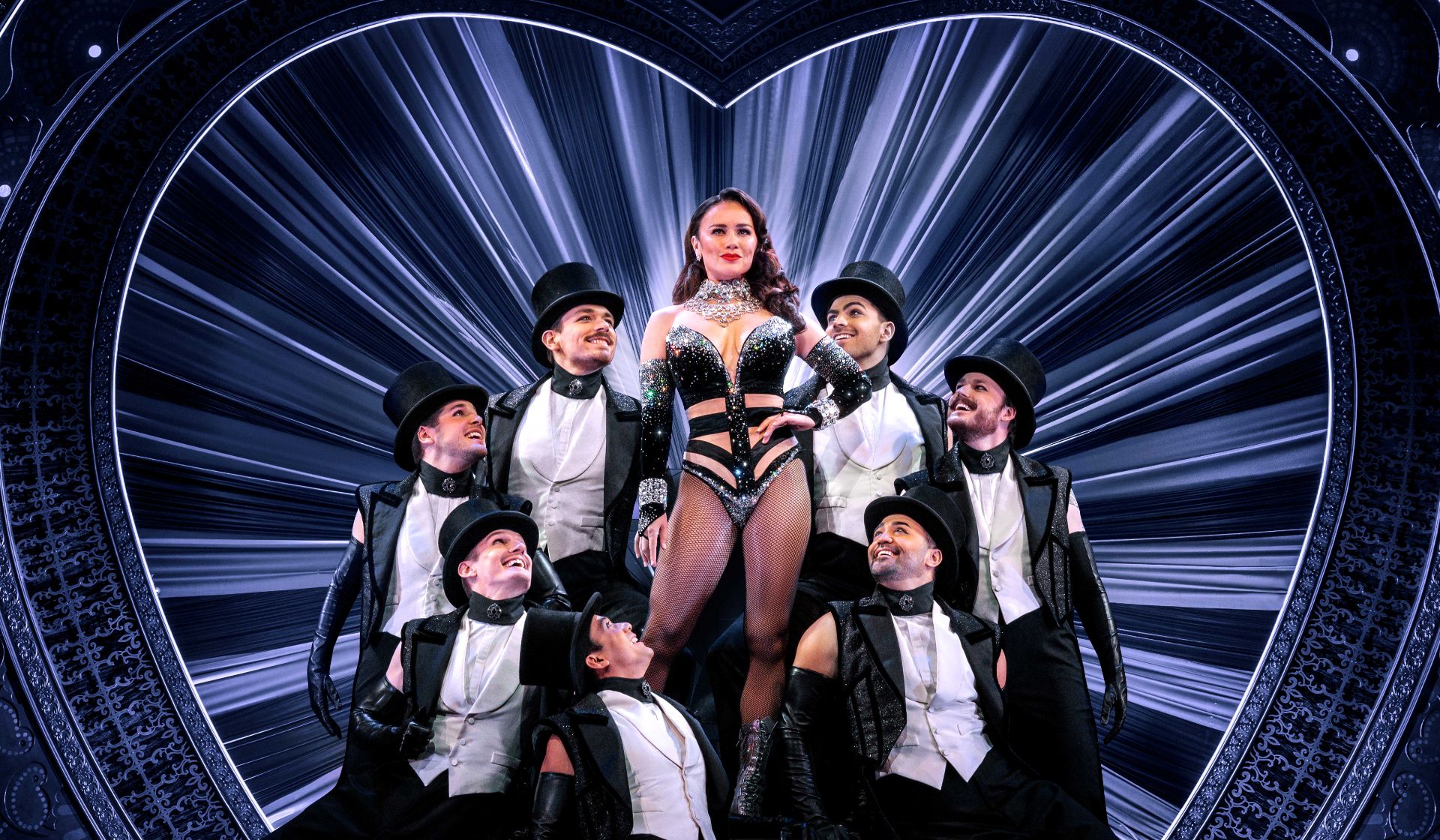
Doralee, Judy and Violet are three very different kinds of women, working in the same office. Their story takes place in 1980 when the glass ceiling was even more impenetrable and belligerent than it is now, and in 9 to 5 we see them having to resort to some extreme high jinks, in order to get somewhere with their professional lives. The musical by Dolly Parton is based on the now legendary 42-year-old film, with a book by Patricia Resnick that cares too much about being family-friendly, to be able to make the show genuinely funny. Its well-meaning depiction of gender politics seems unconsciously outmoded, but will undoubtedly still resonate for many, in a world where women continue to struggle to achieve the most basic, such as childcare and pay equality.

Direction of the work by Jeff Calhoun is of the most conventional kind. There are no surprises, and nothing is particularly inventive, only an attempt to present a wholesome style of commercial theatre that might appeal to the widest of audiences. The musical numbers are exuberant, with choreography that is faithful to the period, relentlessly incorporating innumerable jazz hands and pirouettes. It is inoffensive work, that makes for a frivolous night out, although ultimately uninspiring.

Erin Clare, Casey Donovan and Marina Prior are the leading ladies, all charming and accomplished, able to bring polish to the glamorous staging. Donovan’s performance of the showstopping “Get Out and Stay Out” is a highlight, with some real conviction finally emerging late in the piece. Also memorable is the campy “Heart to Hart” by Caroline O’Connor in the role of Roz, who together with Eddie Perfect as Franklin Hart the despicable CEO, deliver some of the more animated, albeit clumsy, comical dancing that proves equal parts funny and awkward.

The old school feminist tale of 9 to 5 is intent on replacing a man with a woman, at the top of the corporate ladder. Two waves of progress later, we now understand that it matters little, the gender of the person in control. It is the way power is distributed and structured, throughout all aspects of our lives, that is important. Theoretical insight however, does not take us very far. We remain beholden to organisations that insist on few at the top, with the masses kept down below. We continue to hope that having women breaking through to seize power, will lead to some form of regeneration, but the wait for meaningful change, seems never ending.

www.9to5themusical.com.au

Review: A Chorus Line (Darlinghurst Theatre Company)

Venue: Sydney Opera House (Sydney NSW), Feb 13 – Mar 11, 2022
Music: Marvin Hamlish
Lyrics: Edward Kleban
Book: Nicholas Dante, James Kirkwood
Director: Amy Campbell
Cast: Max Bimbi, Molly Bugeja, Angelique Cassimatis, Ross Chisari, Nadia Coote, Tim Dashwood, Lachlan Dearing, Mackenzie Dunn, Maikolo Fekitoa, Adam Jon Fiorentino, Natalie Foti, Ashley Goh, Mariah Gonzalez, Brady Kitchingham, Madeleine Mackenzie, Rechelle Mansour, Natasha Marconi, Rubin Matters, Ryan Ophel, Tony Oxybel, Ethan Ritchie, Suzanne Steele, Harry Targett, Angelina Thomson
Images by Robert Catto

Theatre review
Originally conceived in 1975 by Michael Bennett, the legendary musical A Chorus Line involves an ensemble cast of nineteen, several unforgettable songs, and dance sequences that have become an indelible part of our collective cultural memory. It is the simple story about Broadway director Zach at a casting call, auditioning a throng of dancers, for eight places in his new show. A Chorus Line is a tribute to the innumerable artists who have dedicated their lives to a passion, that never yields commensurate rewards. The show is an opportunity for talents to show their wares, with each member of cast provided individual moments of glory, as well as working in groups for some of the most exciting and complicated choreography in the musical format.

Director and choreographer Amy Campbell’s ambitious revival, is a breath-taking experience. Even though the lacklustre book remains tedious, it is always an unequivocal joy when the performers are in motion. Campbell’s love for the art of performance, and for those who do it, is palpable. Her show is faithful to the look and feel of 1970s New York, complete with slinky modern jazz flourishes that transport us back to a time of decadent glamour. Each second of dance is complex, detailed and powerful, a real sumptuous feast for the eyes.

Peter Rubie’s lights are at least as visually impressive. They enhance perfectly every scene that unfolds, sometimes quiet and subtle, sometimes flamboyantly bombastic, but always stylish and surprising. Whether accompanying bodies active or still, Rubie’s work is consistently imaginative, never settling for the obvious. The beauty he delivers is truly sublime. Christine Mutton’s costumes too, are noteworthy, in bringing both realism, and vibrant, balanced colour, to a staging that will be remembered for its unparalleled resplendence.

The pivotal role of Zach is played by Adam Jon Fiorentino, whose use of voice marvellously regulates atmosphere from start to finish. Angelique Cassimatis delivers the singularly most poignant anecdote, as Cassie, complete with jaw dropping intensity in her iconic number, “The Music and the Mirror”.  We fall for all of the cast, as they are foregrounded one at a time, but it is their work as a cohesive whole, that has us spellbound. Together, they are formidable.

Much has changed over these five decades, since the inception of A Chorus Line. For one, we are no longer tolerant of authority figures like Zach irresponsibly demanding their subordinates, to reveal secrets or to relive trauma, in the company of strangers. Women and men, in the arts especially, have started to reject the delineations between gender constructs, and in the process are learning to meld the false differences of us and them. The theatrical arts however, remain a pure vehicle for communities to congregate, to debate, and to share. Since time immemorial, we have formulated ways to listen to each other, to understand our neighbours, and to reach consensus, hard as it might be, because we always knew that on our own, we are doomed to fail. There are no queens and kings in A Chorus Line, only a united front that can weather anything, and keep the dreams alive.

www.darlinghursttheatre.com

Review: Breaking The Code (New Theatre)

Venue: New Theatre (Newtown NSW), Feb 11 – Mar 5, 2022
Playwright: Hugh Whitemore
Director: Anthony Skuse
Cast: Naomi Belet, Igor Bulanov, Steve Corner, John Grinston, Bridget Haberecht, Jason Jefferies, Leilani Loau, Ewan Peddley, Martin Portus, Dallas Reedman, Harry Reid, Jess Vince-Moin
Images by Bob Seary

Theatre review
Breaking the Enigma code, and therefore effectively ending World War II, was Alan Turing’s greatest achievement, but our memory of him today seems to have a lot more to do with homosexuality, than just his professional triumphs. Hugh Whitemore’s 1986 stage biography Breaking the Code, documents Turing’s parallel lives, that saw him decrypt the Nazi cipher device, and breaking the code of silence around homosexuality in mid-century England.

During investigations into the burglary of Turing’s home in 1952, authorities discovered that Turing had engaged in sexual activity with another man. The punishments that followed were dire, as was the suppression of Turing’s identity, as a gay war hero, that had prolonged for several decades after his death in 1954. Whitemore’s play brings excellent elucidation to that remarkable story of cruel betrayal, enacted by the state upon one of its own.

That indictment of government and of society, is gently implemented by director Anthony Skuse, who brings sensitivity and an immense melancholy to his staging of Breaking the Code. Skuse is also designer for the production, with beautiful work on a set that provides inordinately elegant performance spaces, for every scene. Along with Patrick Phillips’ video projections and Jordan Russell’s lights, the show delivers visual splendour, in many of its moody moments.

Sound aspects too are thoughtfully rendered, with Naomi Belet’s impressive live singing proving a particularly memorable element. Three actors perform the role of Turing. Steve Corner brings scintillating drama, to counteract the often overly languid tone and pace of the staging. The spirited Harry Reid brings valuable vibrancy and agility to the role, and Ewan Peddley’s earnest presence helps engender compassion for the heart-breaking tale. Also noteworthy are Bridget Haberecht and Leilani Loau, both remarkable for the nuance and emotional precision they bring to the parts of Pat and Sara, respectively.

To perpetuate the notion that queerness is bad, so much of our accomplishments and our contributions, as LGBTQIA+ people, are routinely buried and made to be forgotten. With this sanctioned invisibility, heteronormativity expands its dominance. Queer people are conditioned to accept the notion that we are all “just human”, whilst simultaneously having to suffer homophobic and transphobic attacks that simply refuse to end.

Alan Turing was a gay war hero. He played a vital part in obtaining freedom for his countryfolk, who in turn deprived him of his humanity, and drove him to an early grave, all for the sin of homosexuality. That system will only raise him up for helping to win the war, but will not acknowledge the destruction unleashed upon his private life, at least not until half a century later. Turing’s sexuality may not have been relevant in defeating the Nazis, but his sexual identity needs to remain at the fore of our memories, as long as homophobia persists.

www.newtheatre.org.au/

Review: Taz Vs The Pleb (Flight Path Theatre)

Venue: Flight Path Theatre (Marrickville NSW), Feb 9 – 19, 2022
Playwright: Kasia Vickery
Director: Kasia Vickery
Cast: Natali Caro, Jack Mainsbridge, Lou McInnes, Sophie Strykowski
Images by Noni Carroll

Theatre review
It was five years ago, when the same-sex marriage plebiscite, had come to dominate social interactions in Australia. In Taz vs the Pleb by Kasia Vickery, two high schoolers conspire to rig the vote, in their country town of Albury-Wodonga. Convinced that the adults surrounding them are bigoted and certain to vote against equality, Taz and Shontelle, who are only sixteen and therefore disallowed from directly participating in the democratic process, take it upon themselves to do the right thing for Australia’s queer communities.

Vickery’s re-imagination of events aspires to bring a sense of empowerment, to the many of us who had felt powerless and desperate, when our futures hung in the balance those long months, as the nation toyed with our rights and identities. That helplessness is transformed in the hour-long comedy, into exuberant and radical action, as the two young protagonists flout the law, in attempts to claim autonomy over their own destinies.

As writer and director, Vickery brings a palpable earnestness to this story of youthful rebellion. Some details get muddled in the histrionics, but it is the production’s irrepressible energy that really leaves an impression. Actors Natali Caro and Sophie Strykowski play Taz and Shontelle respectively, with excellent chemistry, and an unassailable sincerity that keeps us convinced and impressed, by the shenanigans of these spirited teens. Jack Mainsbridge and Lou McInnes perform a whacky range of support roles, with varying efficacies, although consistently delightful.

Costume and set designs by Kate Beere are appropriately vibrant, with lights by Thomas Doyle correspondingly colourful and flamboyant. Scott Sohrab Majidi’s sound and music are wonderfully ambitious, able to bring considerable soulfulness to the meaningful tale being relayed.

Taz vs the Pleb pays homage to a generation that values justice, and that believes in political action, at a degree that few had done before. It is the first time that we feel as though, conversations are being persuasively influenced, by those who are yet to even commence higher education, and what they say, and how they say it, seems increasingly irrefutable. In truth, we all know that it is in innocence, that we can find the best of humanity. Allowing innocence to guide us, is perhaps a perennial struggle, but this new turning of tides presents an opportunity for a more righteous balance, in these apocalyptic times.

www.flightpaththeatre.org | www.rogueprojects.com.au

Review: At What Cost? (Belvoir St Theatre)

Venue: Belvoir St Theatre (Surry Hills NSW), Jan 29 – Feb 20, 2022
Playwright: Nathan Maynard
Director: Isaac Drandic
Cast: Luke Carroll, Sandy Greenwood, Alex Malone, Ari Maza Long
Images by Brett Boardman

Theatre review
Boyd has a very rich and meaningful life. Not only does he have to make a living to ensure the sustenance of his young family, there are a myriad responsibilities as an Aboriginal leader in Tasmania, that he has to undertake all through the day. The play At What Cost? by Nathan Maynard begins at the point where it is announced, that the remains of an ancestor is being returned to Boyd’s land and family, after being held dishonourably in London for several lifetimes.

The drama intensifies, when the sacred moment is marred by an external entity suddenly claiming to be mob, and insists on being part of rituals meant only for rightful descendants. Maynard’s writing is in a word, explosive. At What Cost? begins with extraordinary vitality, as it establishes the every day existence of its spirited characters, but the profound pain that takes over when Maynard’s real intentions come to the fore, is completely devastating.

It is the story of a colonialism that never ceases; one that morphs and takes by surprise, coming to undermine and subjugate from unpredictable places. Maynard’s searing honesty feels unbearably dangerous, but also absolutely essential. This is art that tells the truth of what routinely happens to our First Nations communities, and art that should shake you to the core as long as you live on this land, regardless of which tribe you belong to.
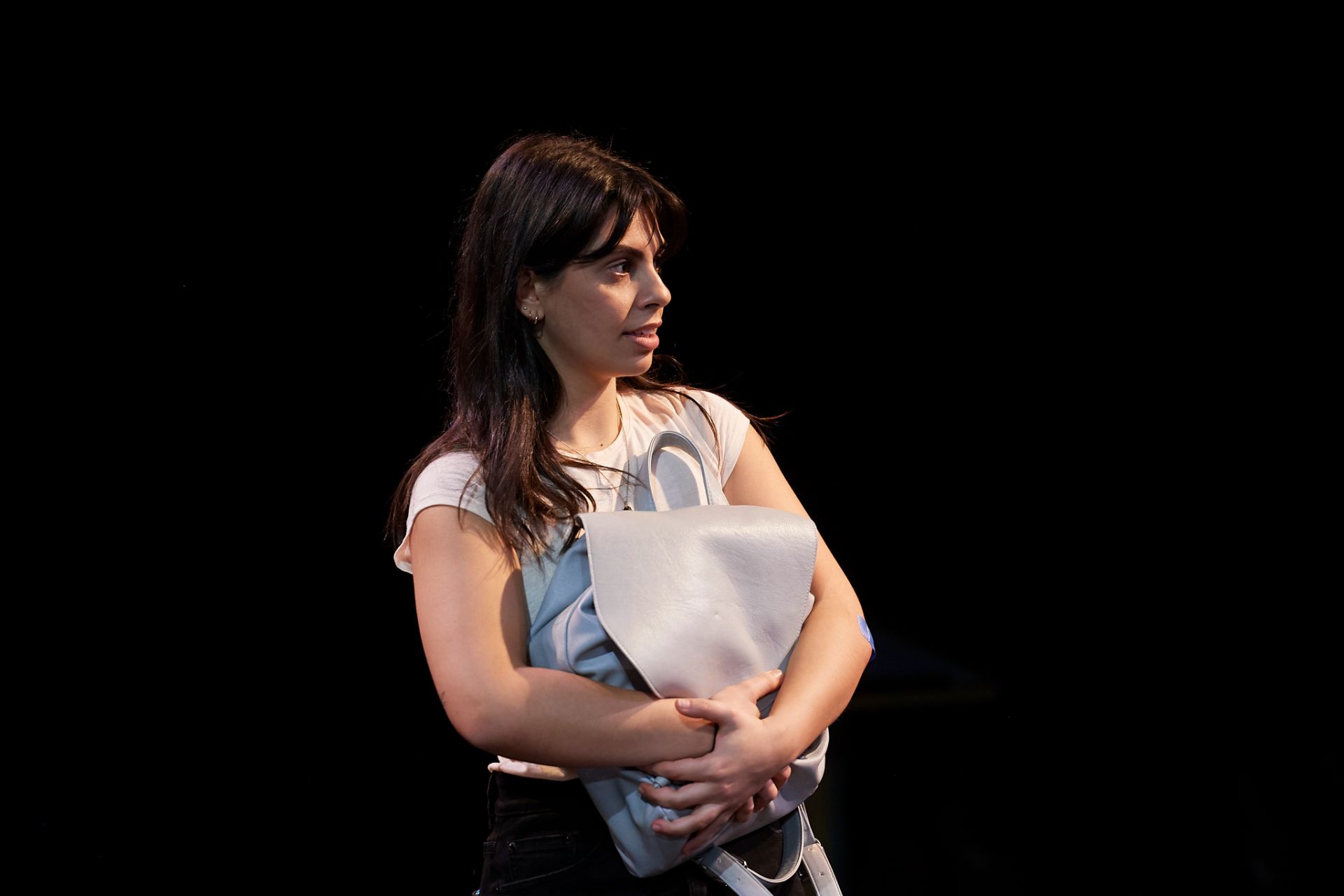
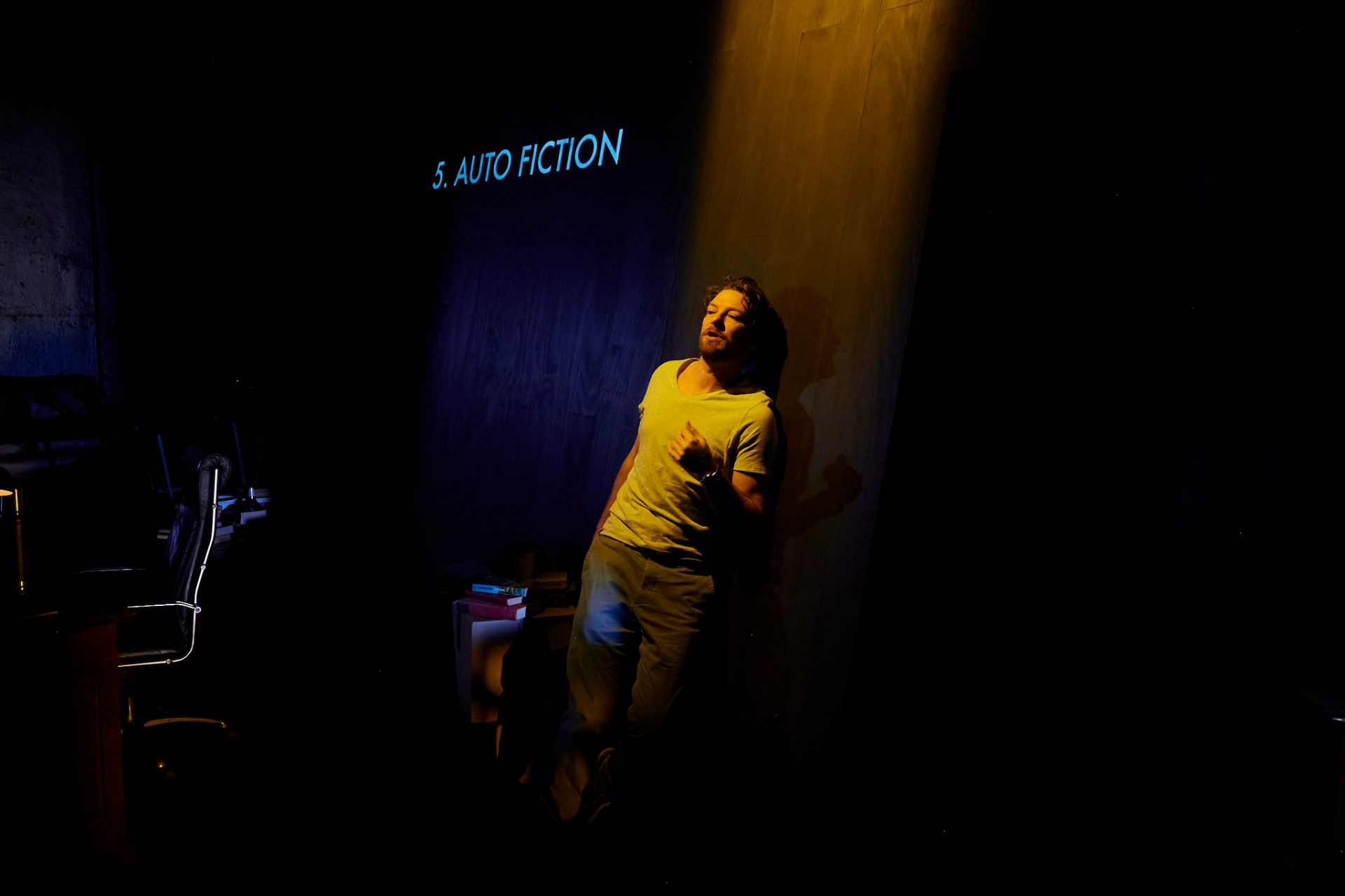
Director Isaac Drandic too, pulls no punches in his delivery of this incandescently political work. Full of pride, and of righteous anger, the staging puts on display not just the ravages suffered by our Indigenous peoples, but more importantly their eternally indomitable spirit. There is a generosity and vulnerability to At What Cost? that is disarmingly moving, with a crucial message about racial violence that needs urgently to be heeded.
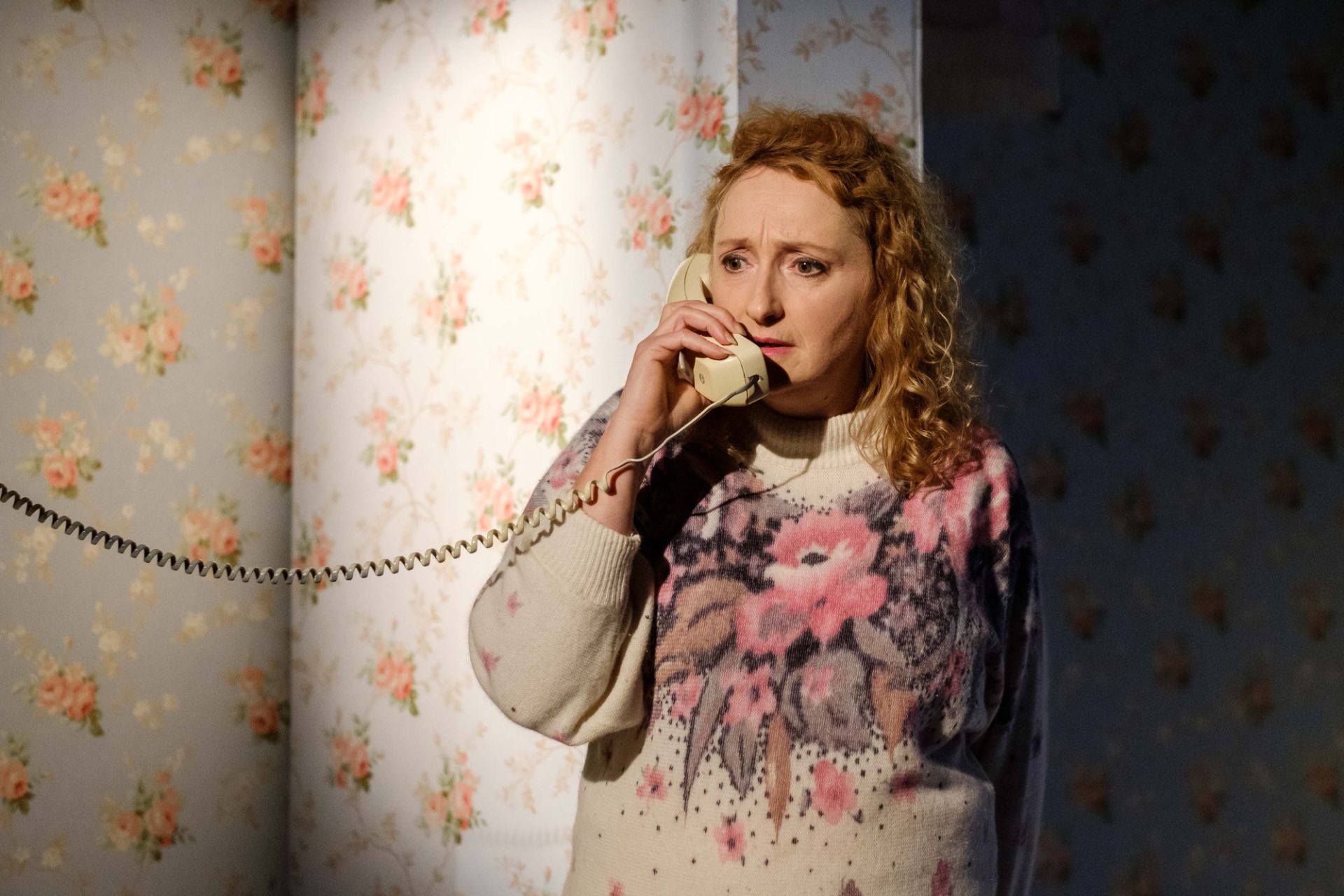
Set design by Jacob Nash succinctly conveys both the material and metaphysical realms of Boyd’s existence, allowing us to, on one hand, identify with the normalcy of his daily life, and on the other, encounter the spirituality that informs all facets of his being. Keerthi Subramanyam’s costumes help provide a sense of immediacy for the personalities we meet, but is especially memorable for a ceremonial cloak that impresses with its beauty and grandeur. Lights by Chloe Ogilvie take us seamlessly from spaces mundane to ethereal, and music by Brendon Boney with sound design by David Bergman, manipulate with precision our emotional responses to each element of the narrative, as it escalates to a feverish pitch.

Actor Luke Carroll brings extraordinary passion to the project. As Boyd, we watch him develop from effortlessly delightful, to frighteningly austere, all while keeping us enchanted. The uncompromising and unapologetic qualities of the play, come through beautifully via Carroll’s powerful delivery. No less affecting is the scintillating Sandy Greenwood, whose embracive naturalism as the effervescent Nala, provides our moral compass with clear guidance, as we navigate trickier portions of the rageful tale. Alex Malone is fantastically excruciating, as the foolish Gracie. It is a courageous and forceful performance that makes its important point, with merciless abandon. Daniel is played by Ari Maza Long, with great charm and humour, for an inspiring portrait of the modern Aboriginal youth, that absolutely teems with compassion.

White supremacy creates racial categories, yet vehemently insists on being blind to their existence. White people often declare ignorance of racial difference, choosing only to believe in the universalities of the species, in an effort to deny the very systems of oppression they have built at the exclusion of others. That is, until aspects of that otherness becomes momentarily appealing, and white people step in to annex it without hesitation, and claim it their own.

In At What Cost?, we see a white person misappropriating and misidentifying cultures, in a way that can only be seen, as a clear extension of racial violence on this land. They feign obliviousness and ignorance, even to the extent of purporting to be doing good for Indigenous lives, but is in fact implementing the perpetual project of colonialism. The continual eradication of Indigenous rights, and removal of the very existence of Indigenous peoples, may not look like the genocide of previous centuries, but is no doubt under way, only in surreptitious guises.

www.belvoir.com.au

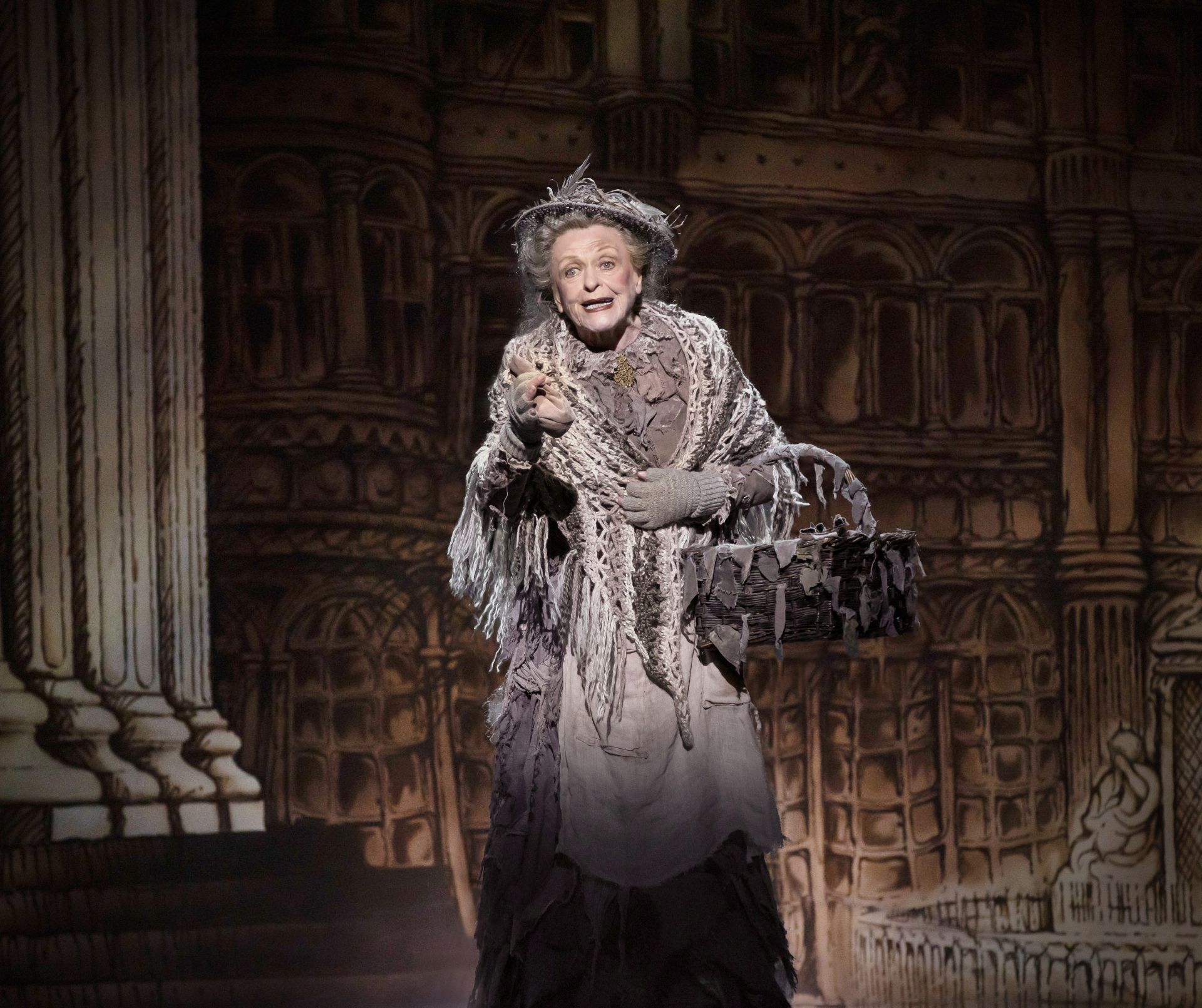
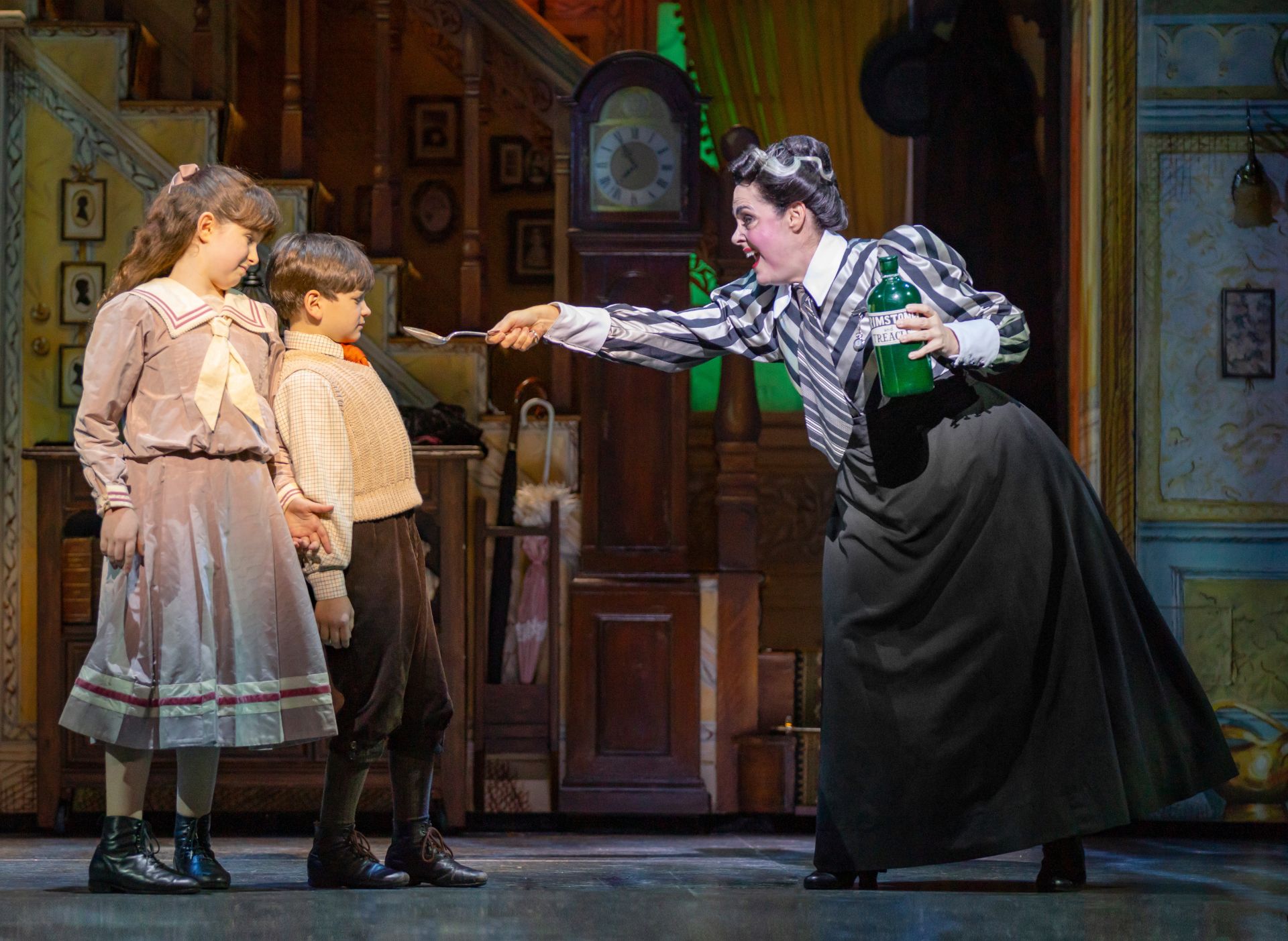
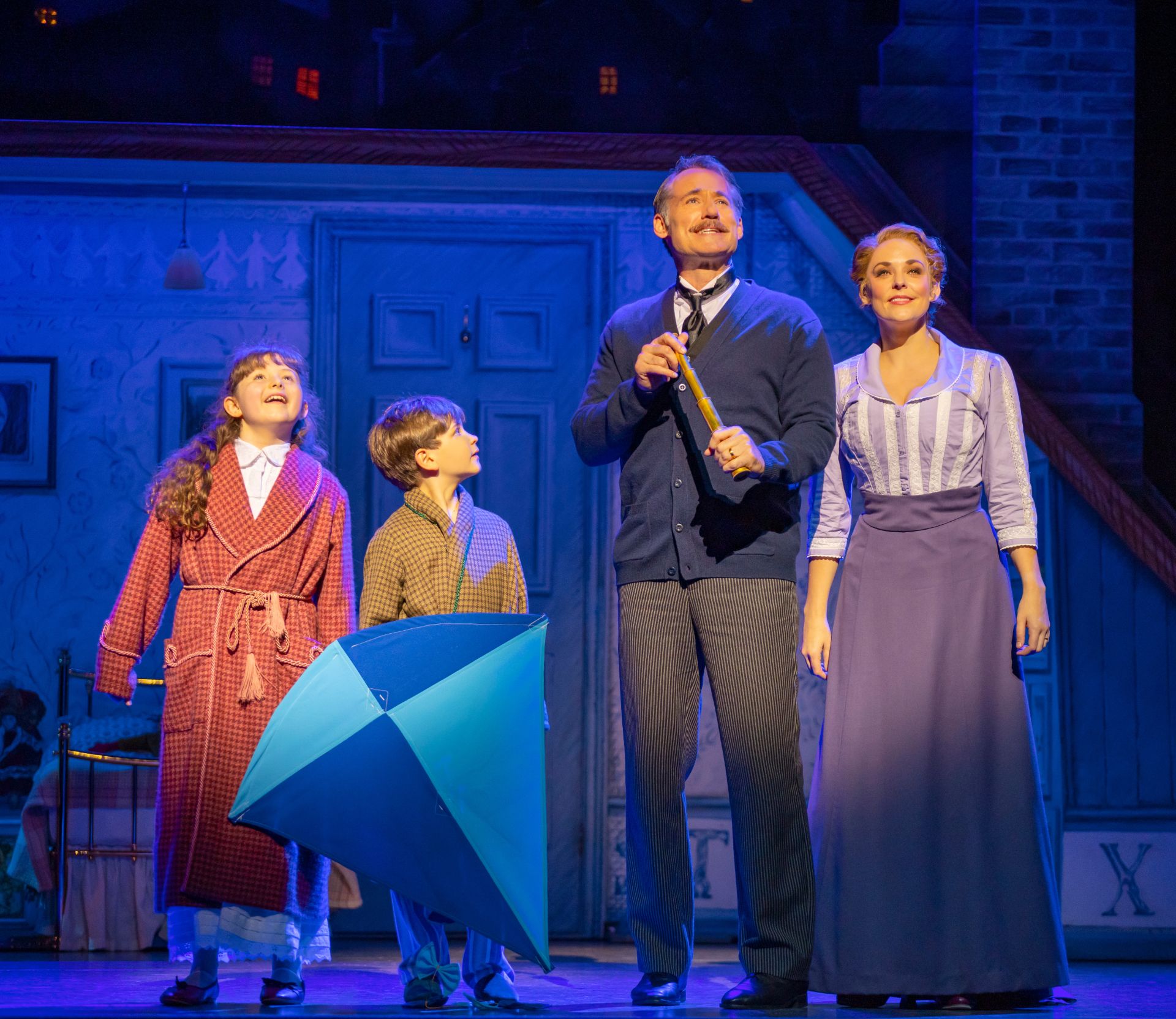
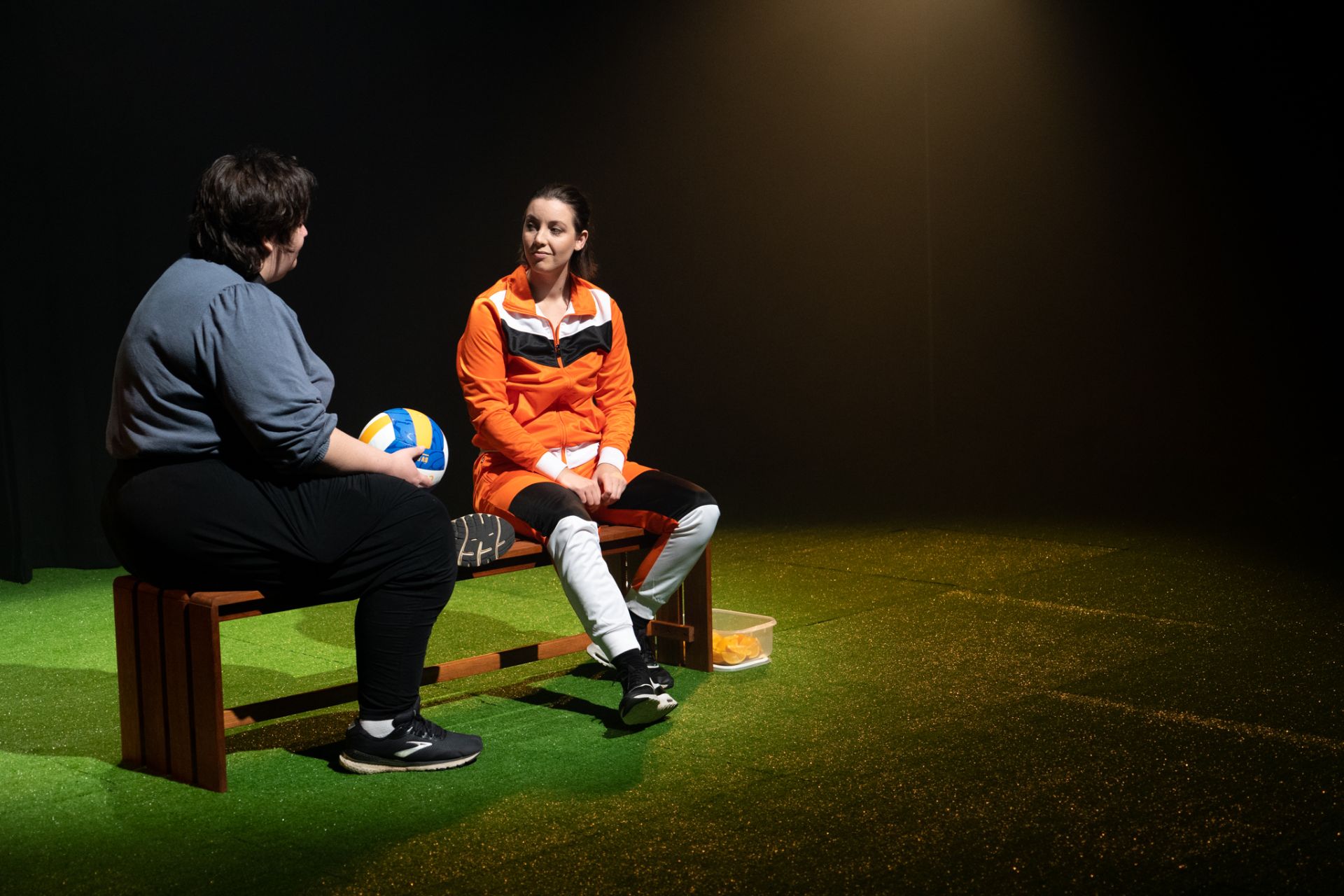
Review: Killing Katie: Confessions of a Book Club (Ensemble Theatre)

Venue: Ensemble Theatre (Kirribilli NSW), Jan 9 – Feb 26, 2022
Playwright: Tracey Trinder
Director: Francesca Savige
Cast: Valerie Bader, Chantelle Jamieson, Bron Lim, Kate Raison, Georgina Symes
Images by Lisa Tomasetti

Theatre review
Katie is the new addition to a small book club, of which Robyn is the unofficial head. The two women are diametric opposites, with Katie being the vivacious and carefree one, and Robyn showing herself to be quite the stodgy, uptight character. In Killing Katie: Confessions of a Book Club, playwright Tracey Trinder does not quite pit women against each other, as much as she tries to portray the challenges in how we are able, or not able, to find inspiration in one another, especially when coming from a range of diverse experiences.

The vast difference in personalities gives rise to immediate conflict, which lends to great humour, but not all of Trinder’s dialogue is consistently witty. The production relies on an unrelenting effervescence, that director Francesca Savige so cleverly manufactures, to keep us in a cheery mood. Tobhiyah Stone Feller’s set and costume designs are suitably whimsical and colourful, proving effective in foregrounding amusing aspects of the story. Kelsey Lee’s lights, along with Daryl Wallis’ sound, provide valuable variation in tone between scenes to sustain our attention, in addition to the many subtle enhancements for when nuance in the text needs to be highlighted.

A wonderfully cohesive ensemble of five, comprising women across three generations, deliver a show that practises exactly what it preaches. The cast’s extraordinary camaraderie demonstrates the successes available to us, when our forces are joined in good faith. Chantelle Jamieson’s natural and confident charm, turns Katie’s grating tendencies into something altogether more appealing; we can see how the unrelenting exuberance is gnawing to Robyn, but Jamieson ensures that her character translates only with joy and glee, to her captive audience. The exasperating Robyn is played by a deeply committed Kate Raison, who brings maddening authenticity to a painful personality we have all encountered.

Bron Lim does marvellously as Linda, with a warm sincerity and an endlessly reliable instinct, that allow everything she offers, to feel believable and immediate. Georgina Symes is quirky as Sam, with an enjoyable intensity that keeps the stage abuzz with energy. Valerie Bader’s flawless comic timing makes unforgettable her turn as Angela, whose pointed quips are counted on, to provoke some of the show’s biggest laughs.

Plurality is surely better than singularity, in how we perceive our identities as women. The more we are able to be appreciative of other women’s idiosyncrasies, the more likely it is for us to be individually self-accepting. Invariably, we have all suffered from having been conditioned into believing that certain women are good and many, many others are not good enough. We are all trained to be convenient, and in turn, we routinely impose those same constrictions on everybody else. Most of those rules are in desperate need to be broken, and the permission to do so, can only come from within.

www.ensemble.com.au

Review: The Museum of Modern Love (Seymour Centre)

Venue: Seymour Centre (Chippendale NSW), Jan 22 – 30, 2022
Playwright: Tom Holloway (based on the novel by Heather Rose)
Director: Timothy Jones
Cast: Justin Amankwah, Julian Garner, Harriet Gordon-Anderson, Sophie Gregg, Glenn Hazeldine, Aileen Huynh, Tara Morice, Jennifer Rani
Images by Ten Alphas

Theatre review
It is 2010 in New York City, and legendary performance artist Marina Abramović is presenting her work of endurance The Artist is Present, in which she sits face to face with random gallery visitors, for a total of over 700 hours, across three months. In Tom Holloway’s play The Museum of Modern Love (based on Heather Rose’s novel), we meet several people in attendance at Abramović’s exhibition, and catch glimpses of their most intimate selves, in what may be considered a snapshot of the people we are, in this moment, in the middle classes of the Western world.

It may be a touch narcissistic to say that these representations of us on stage, are fascinating and surprisingly likeable. In The Museum of Modern Love, we appear to be nice people, full of vulnerability yet passionate, and even at our worst, we seem to always operate from the best of intentions. The writers do not fear the darker parts of being, but all their depictions come with a fundamental sense of hopefulness, that makes the work an ultimately uplifting one.

Directed by Timothy Jones, the production is elegantly rendered, with perhaps a little too much restraint applied onto the expressions of these very human stories. There is a cool and distanced approach to the storytelling (that feels so much like a visit to any modern art museum), but although detached, there are scenes that will certainly resonate, even if their touch can feel too gentle.

The stage is designed by Stephen Curtis, who very effectively recreates the severe and chilly ambience of conventional museums, with plain colours and straight lines. Alexander Berlage’s lights give enhancement to that astringent aura, but also softens at crucial points to draw attention to the inevitable sentimentality of  these human explorations. Costumes by Veronique Bennett look to be appropriately American, principally functional whilst endeavouring to be subtly stylish. David Bergman’s work on sound and video, elevates the production in a manner that helps to disarm the audience, so that we may respond with emotions rather than rationale, as if a reminder that the experience of life, is never only about logic.

Eight performers are positioned on stage for the entirety, including Julian Garner whose Arky opens and closes the show, and therefore seems to be somewhat the centre of proceedings. Garner introduces a captivating volatility, that makes believable his character’s confounding behaviour. The remarkably committed Harriet Gordon-Anderson and Tara Morice play his daughter and wife respectively, with Morice’s enigmatic presence leaving a particularly strong impression. Sophie Gregg and Aileen Huynh too are memorable, for the vibrancy they deliver each time they occupy centre stage. Justin Amankwah, Glenn Hazeldine and Jennifer Rani bring idiosyncrasies that make The Museum of Modern Love feel intensely truthful, as a kind of testimony about our emotional lives in the early parts of this troubled century.

At MoMA, Abramović was resolutely present, but the intimacy she had tried to embody, can over time, appear contrived. In The Museum of Modern Love, Arky and others are hardly present with their loved ones, but it is that portrayal of absence that makes us understand intimacy. To put forward the case that we are essentially masochistic, is not such an overwrought stratagem. It seems that it is our nature to value things the most, only when we have lost possession of them. It is no wonder then, that we do so much that is determined to put happiness in jeopardy.

www.seymourcentre.com