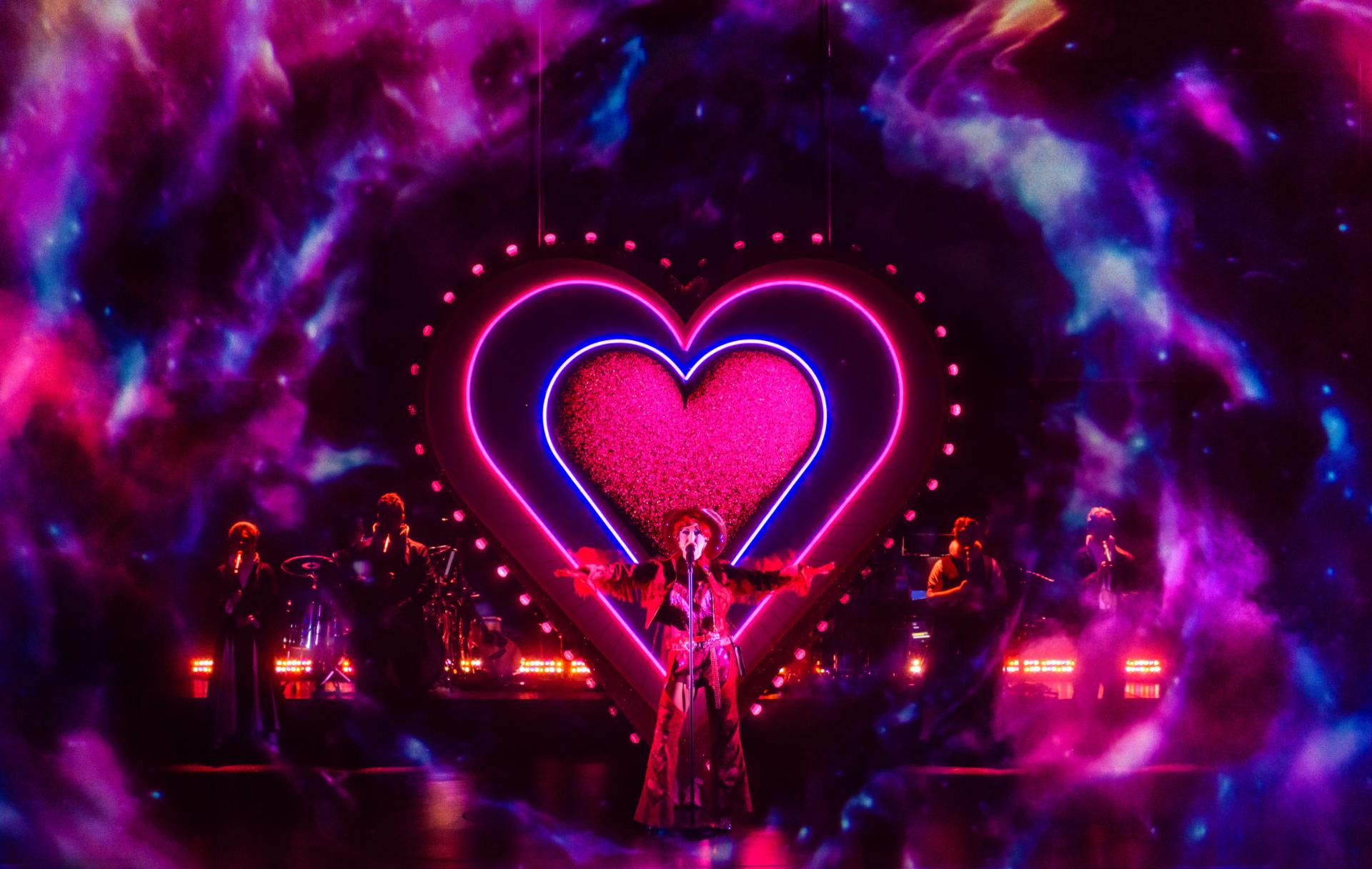
Review: How To Plot A Hit In Two Days (Ensemble Theatre)

Venue: Ensemble Theatre (Kirribilli NSW), Aug 29 – Oct 11, 2025
Playwright: Melanie Tait
Director: Lee Lewis
Cast: Amy Ingram, Genevieve Lemon, Seán O’Shea, Georgie Parker, Julia Robertson
Images by Brett Boardman

Theatre review
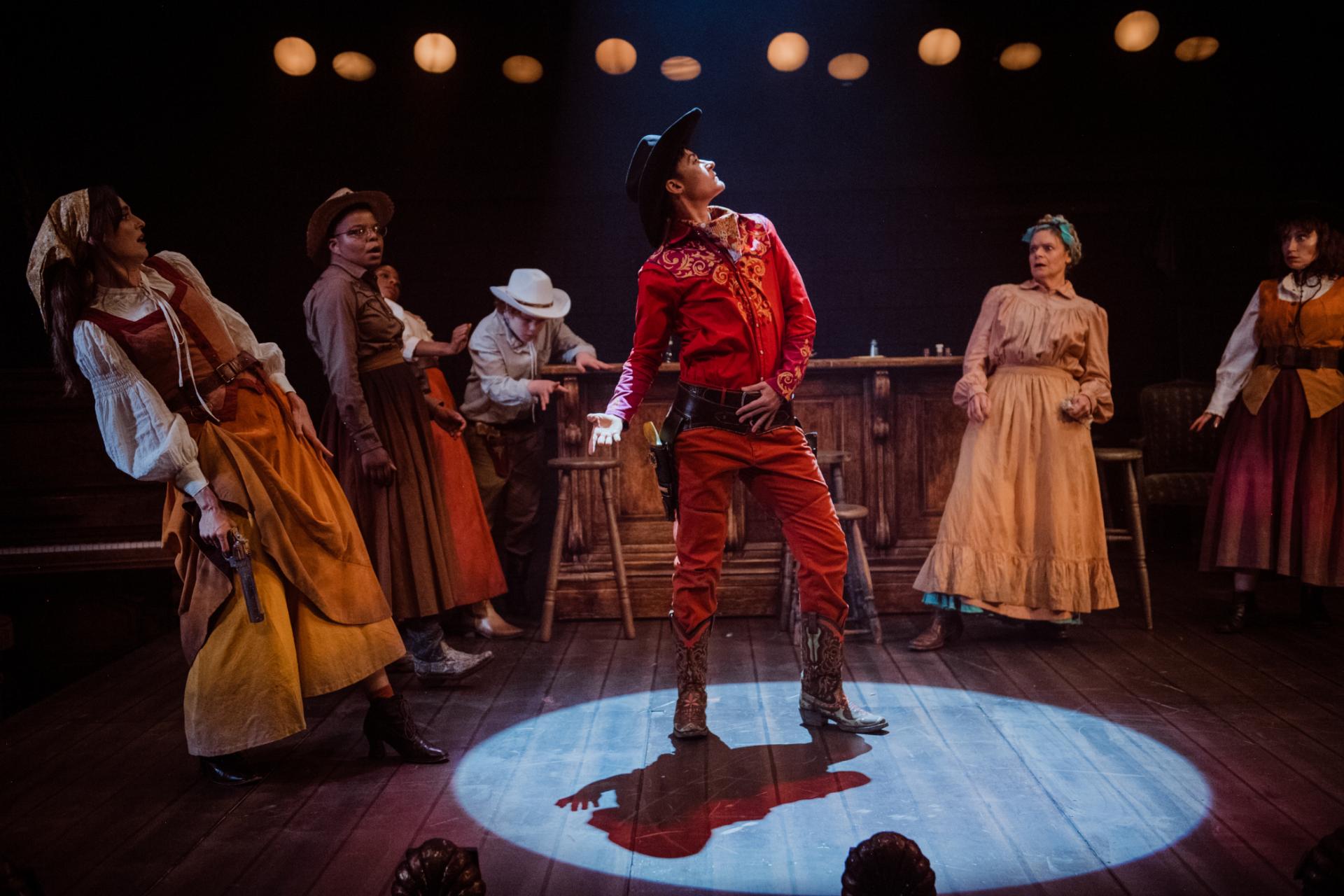
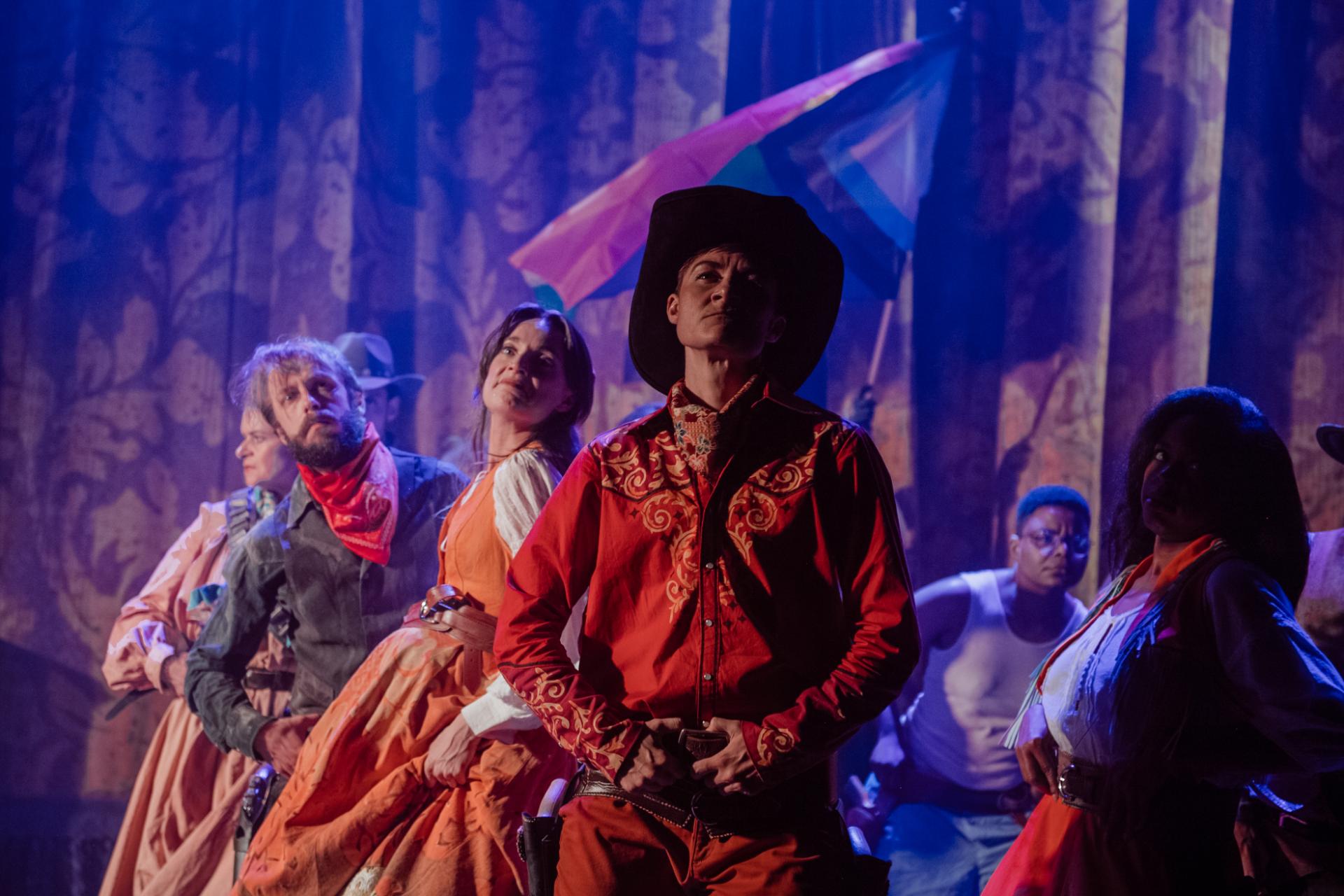
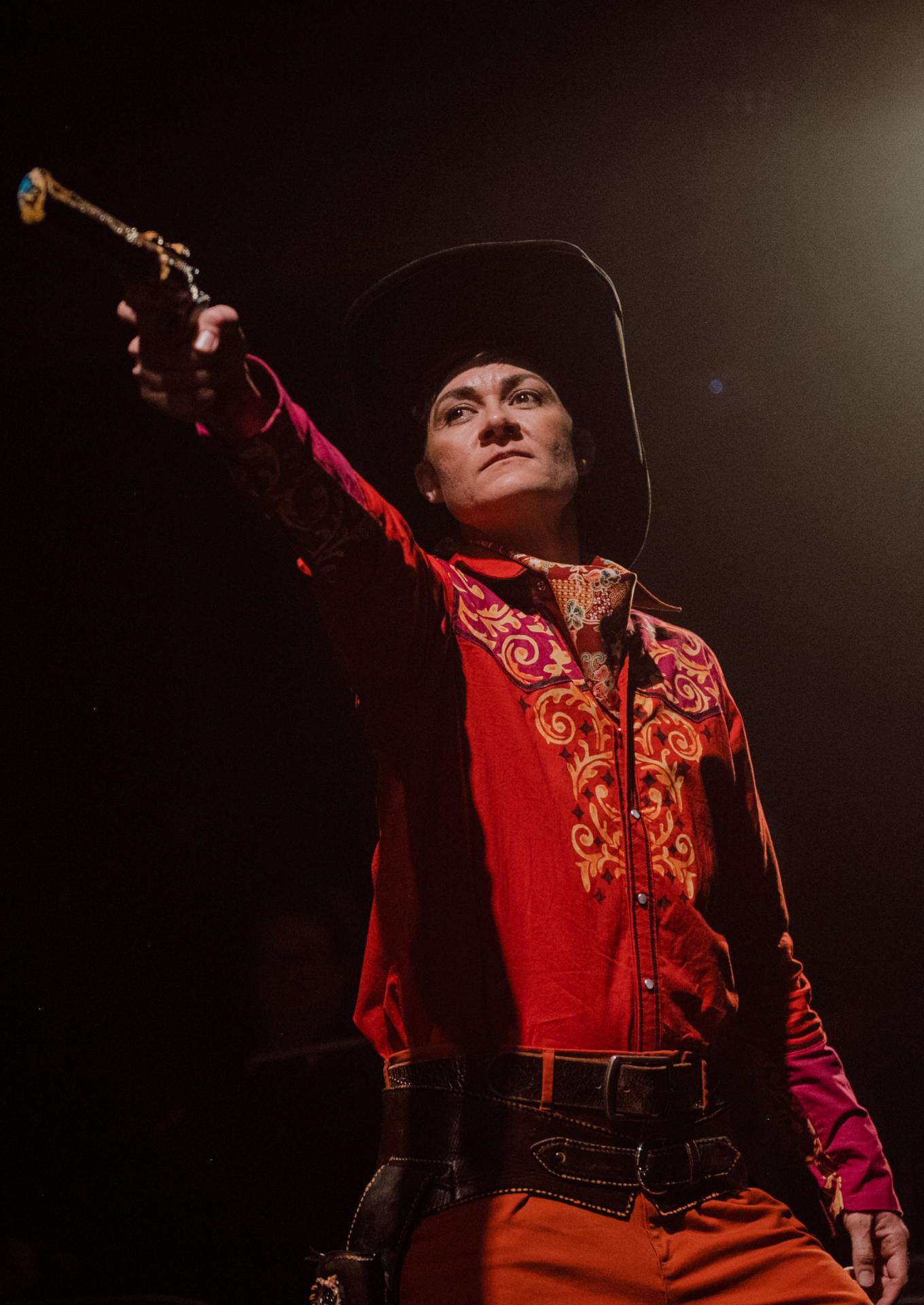
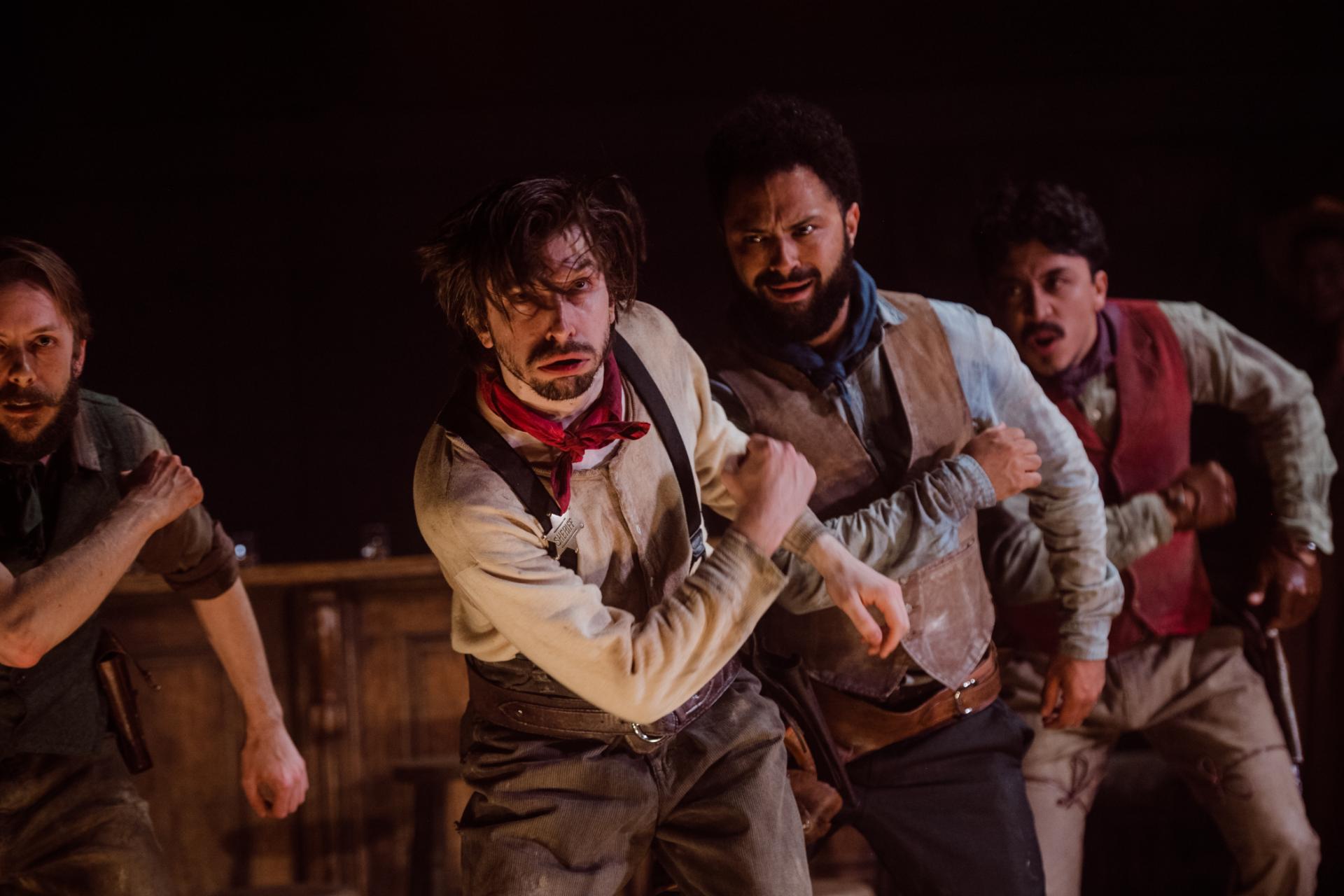
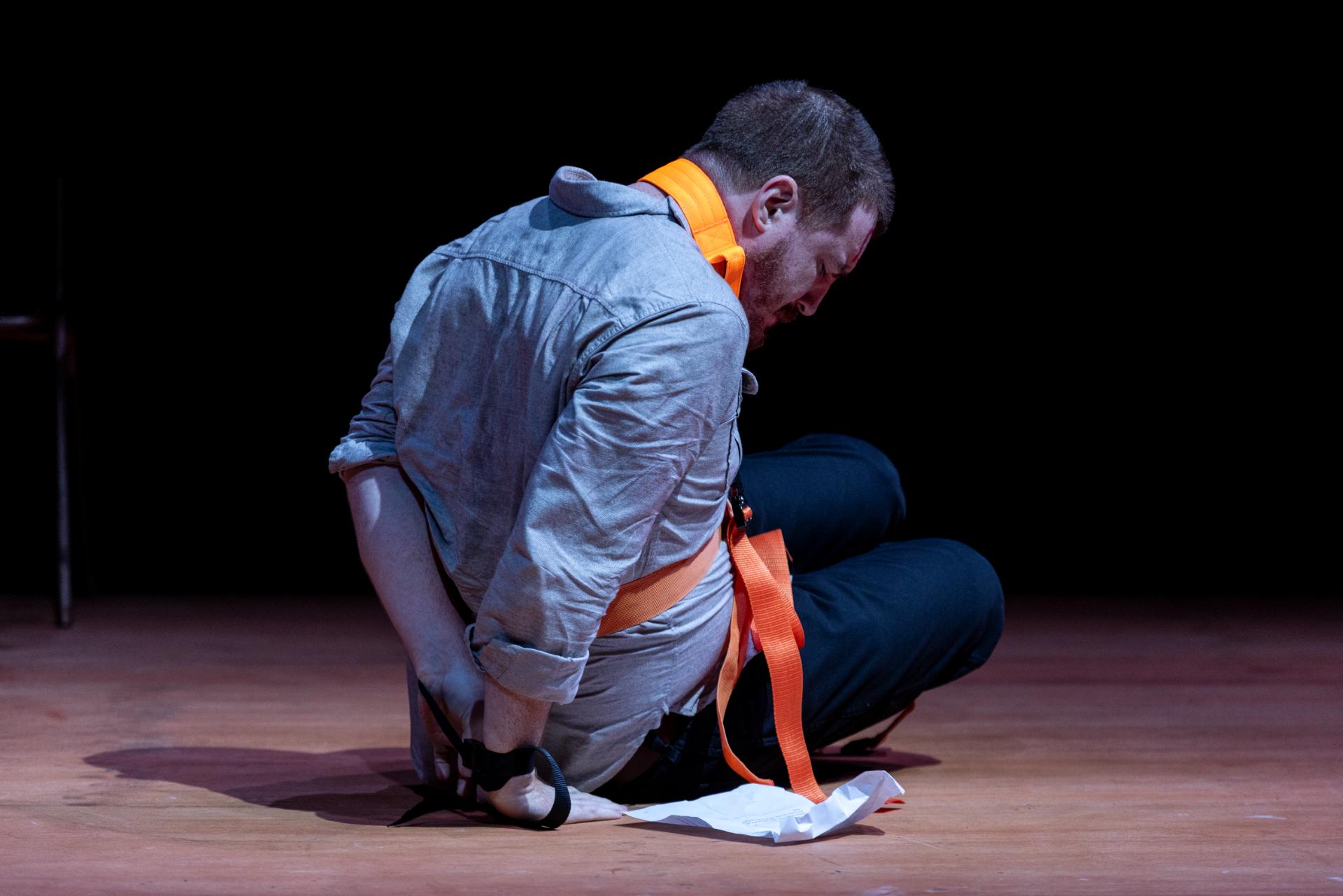
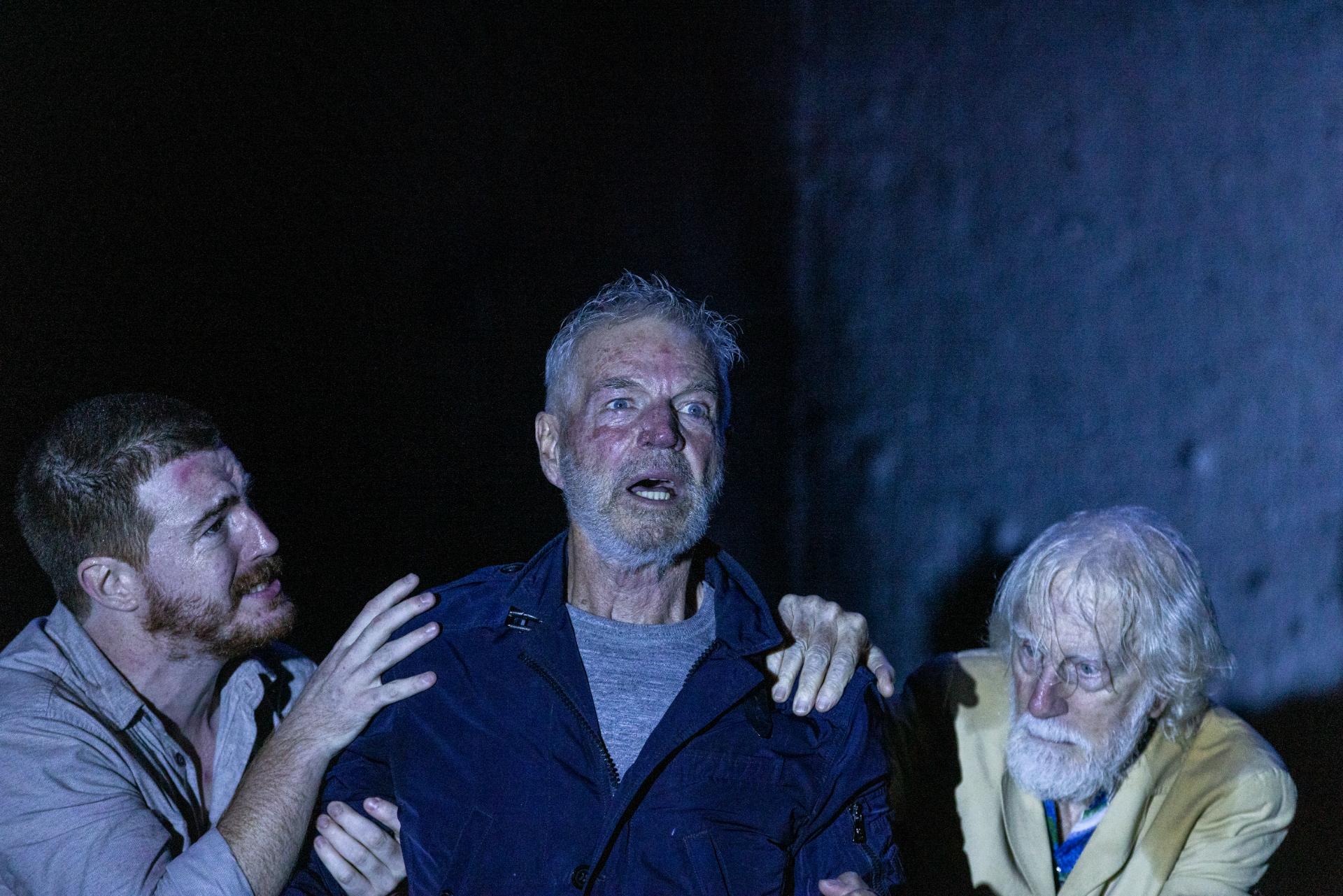
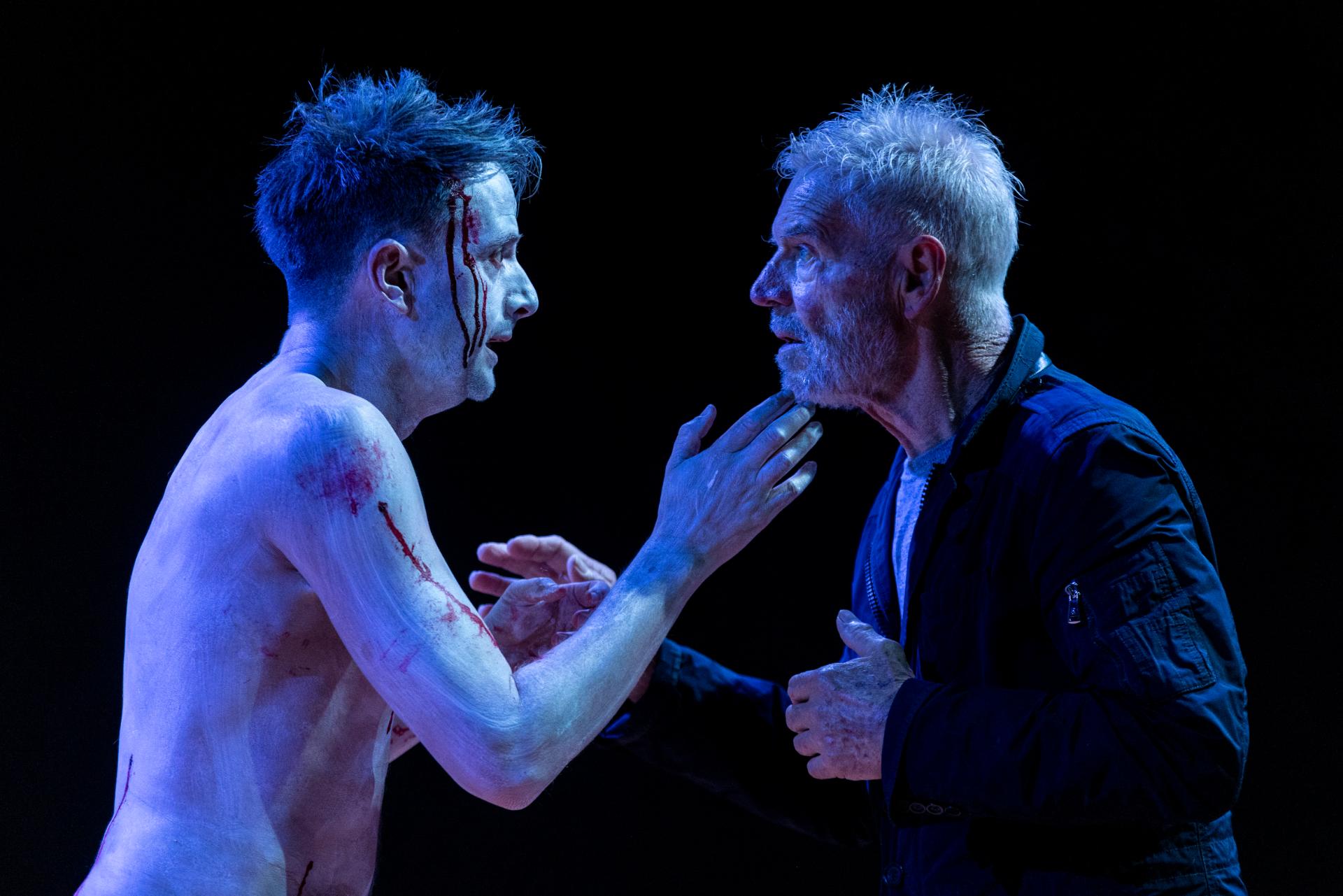
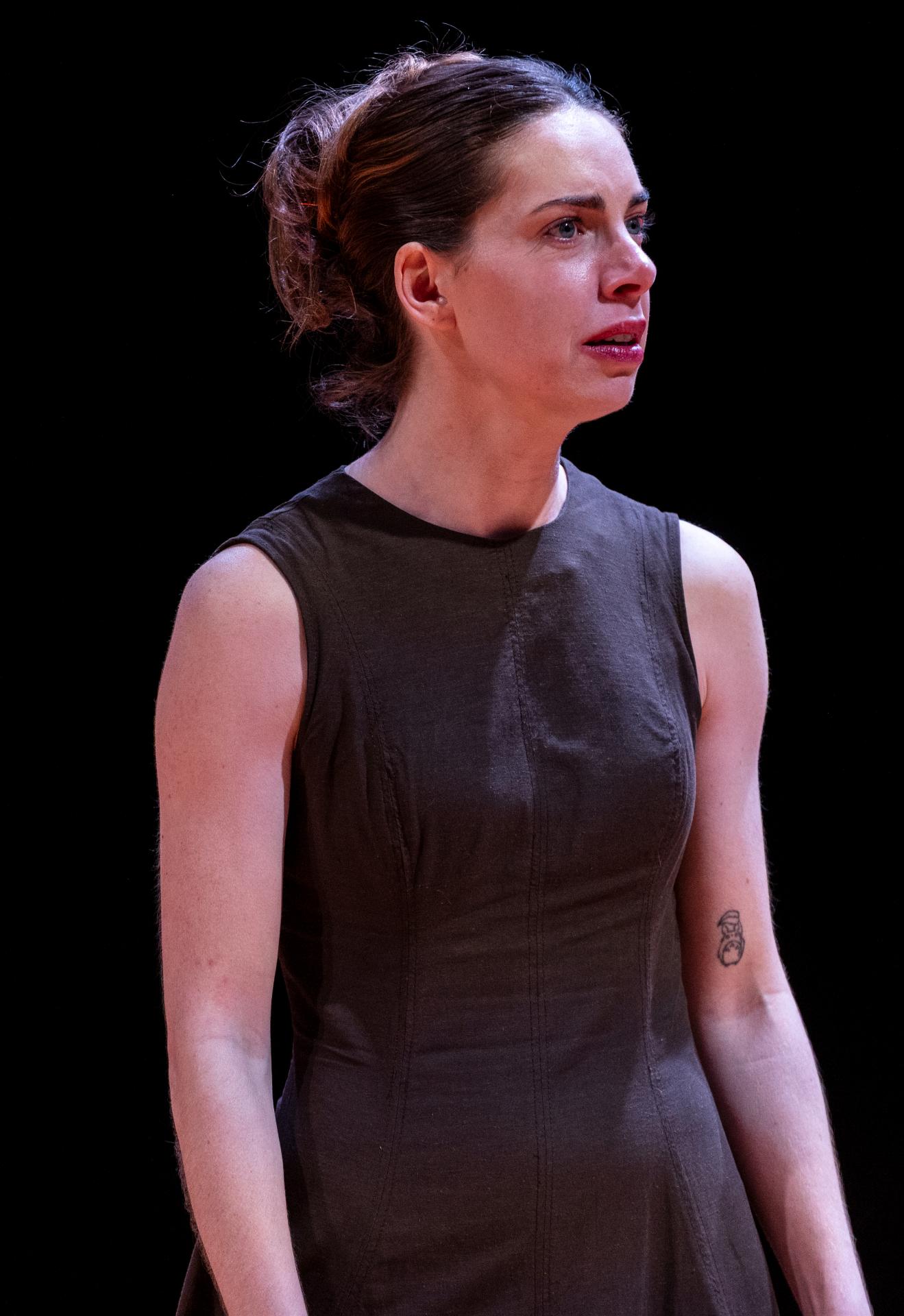
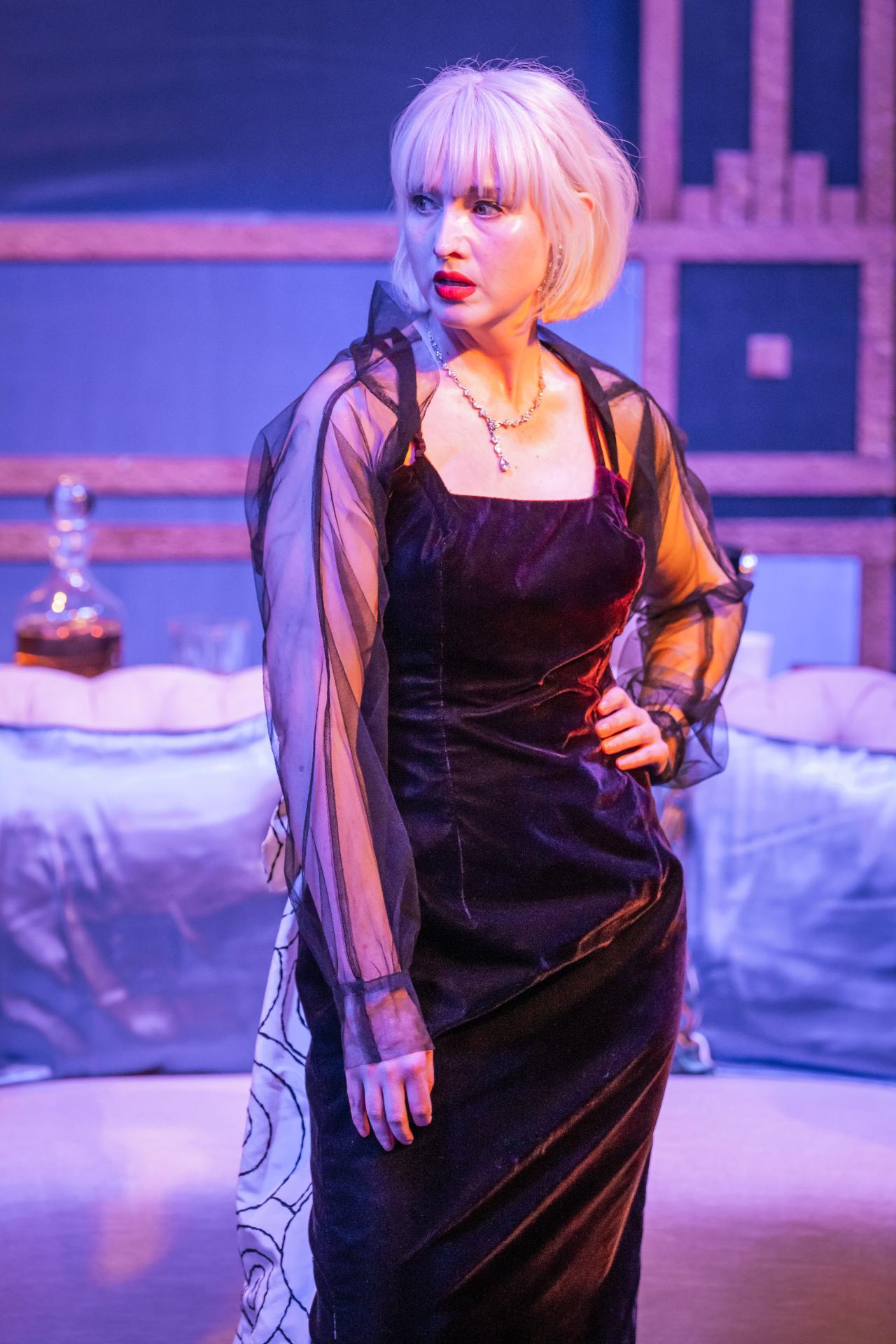
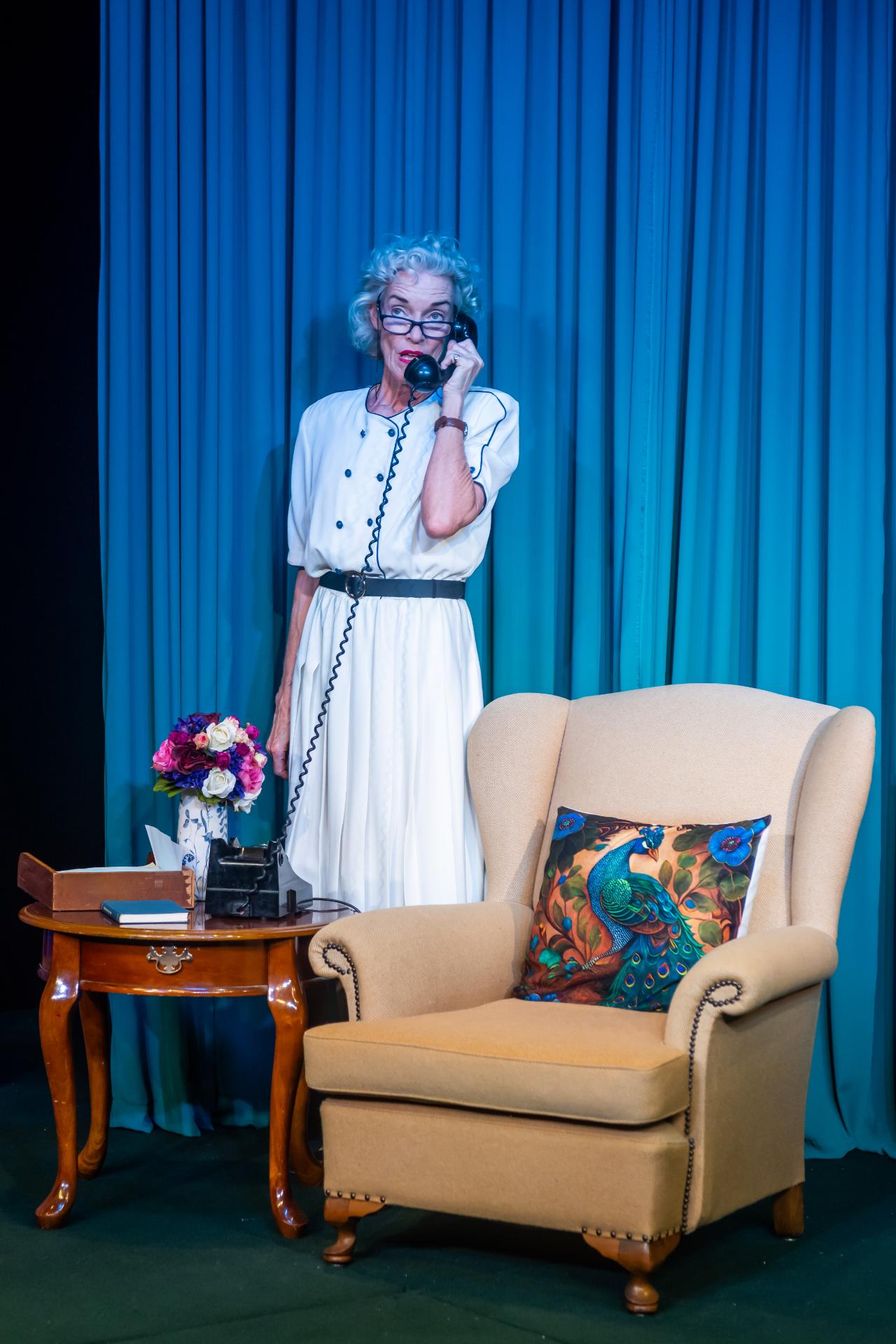
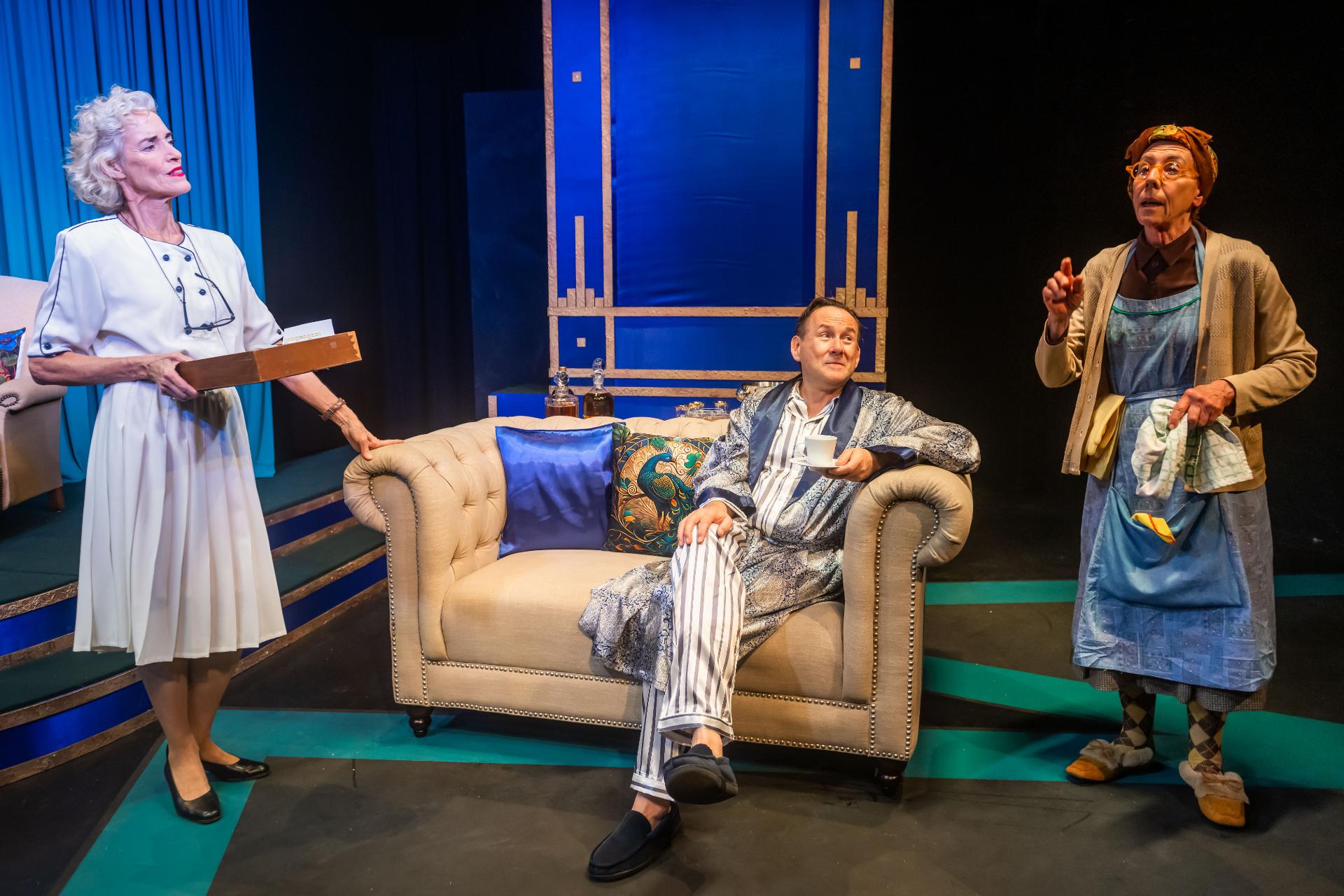
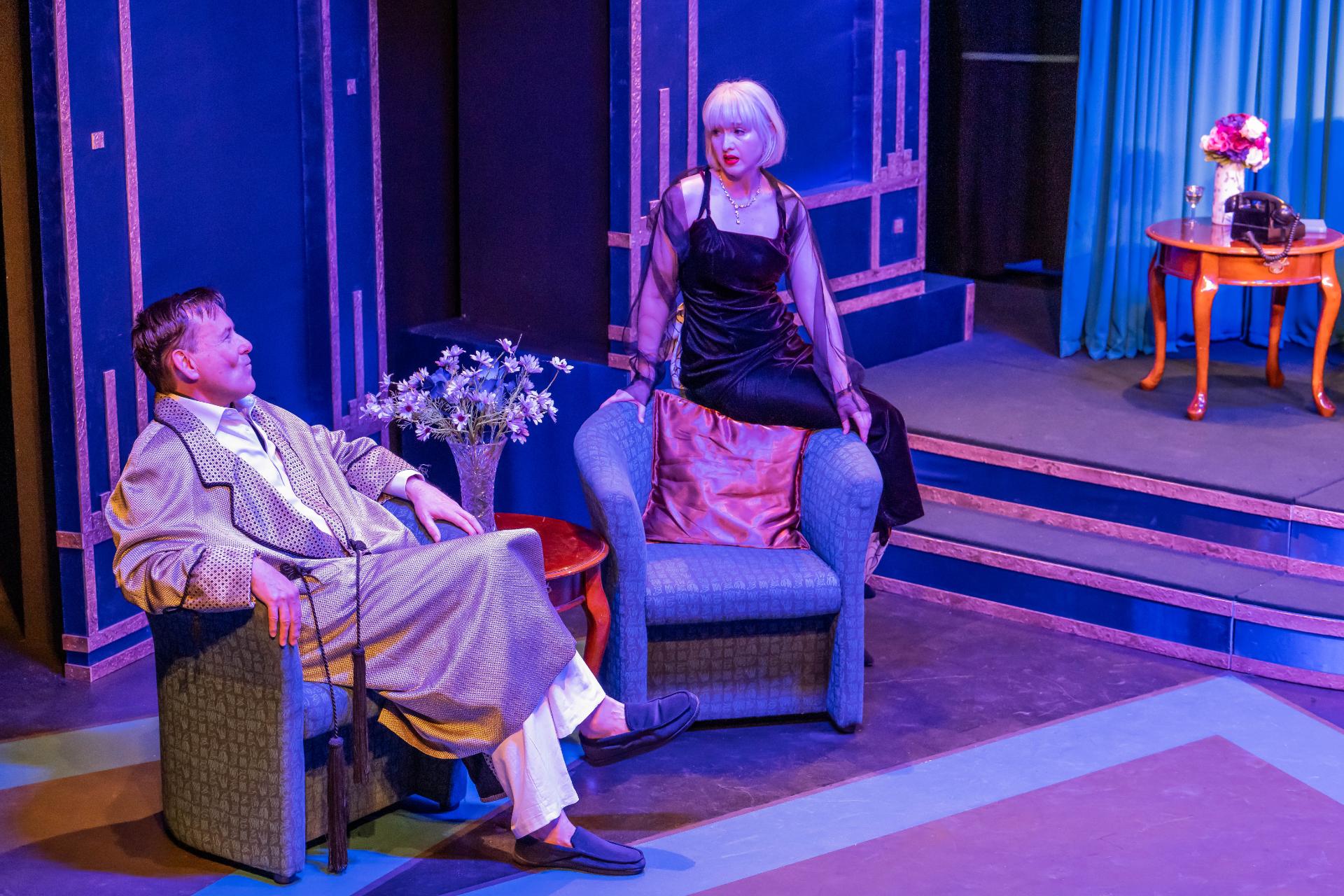
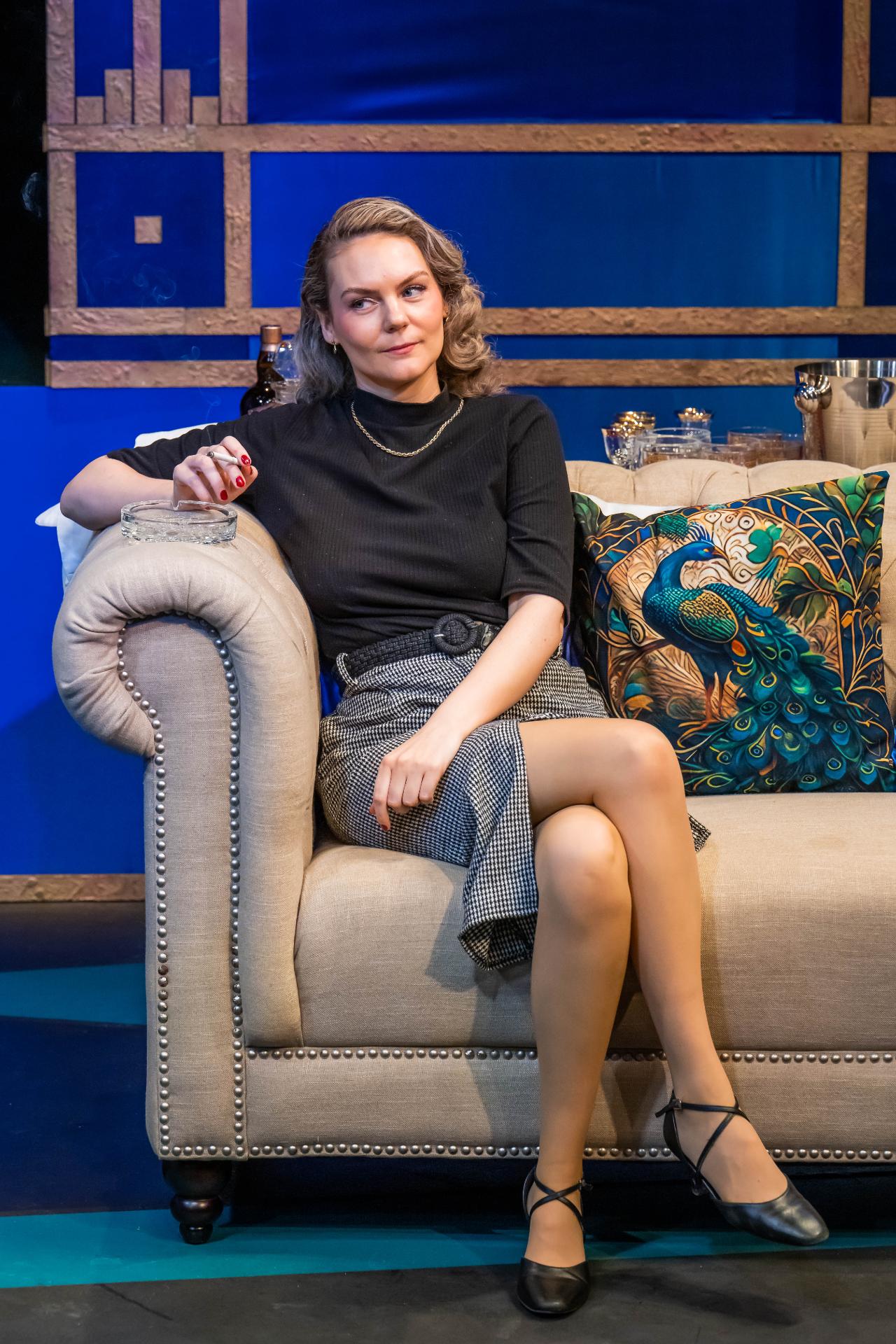
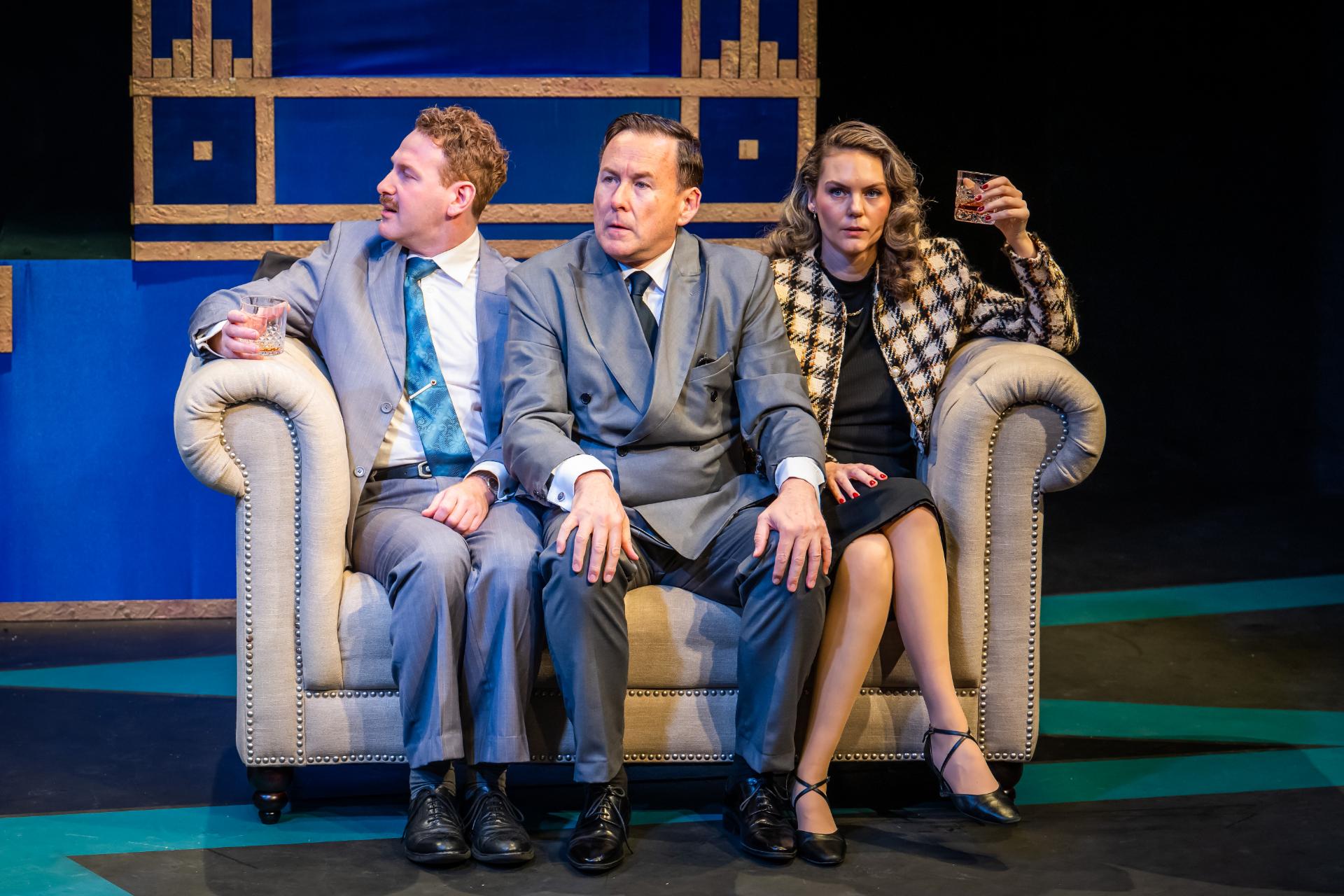
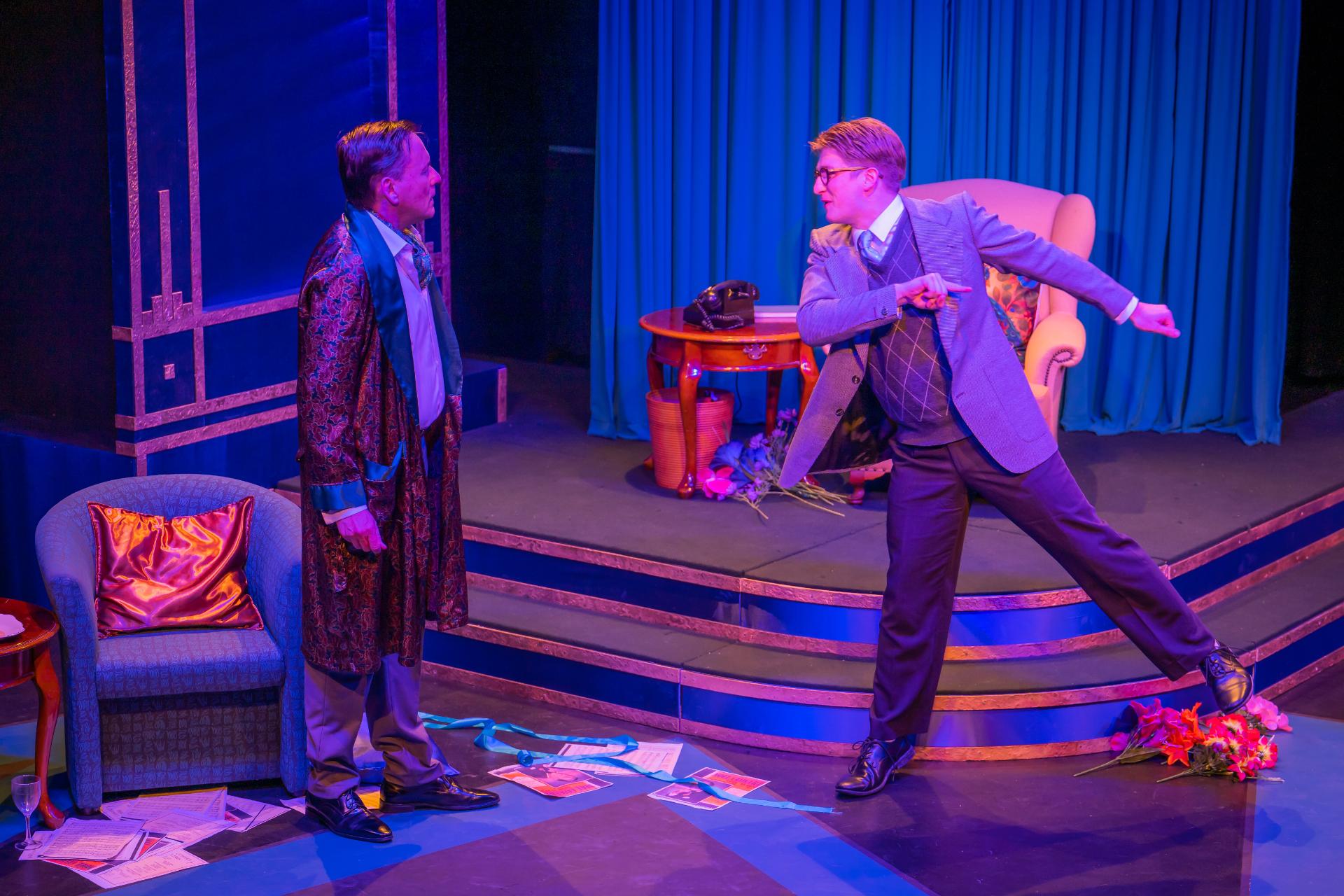
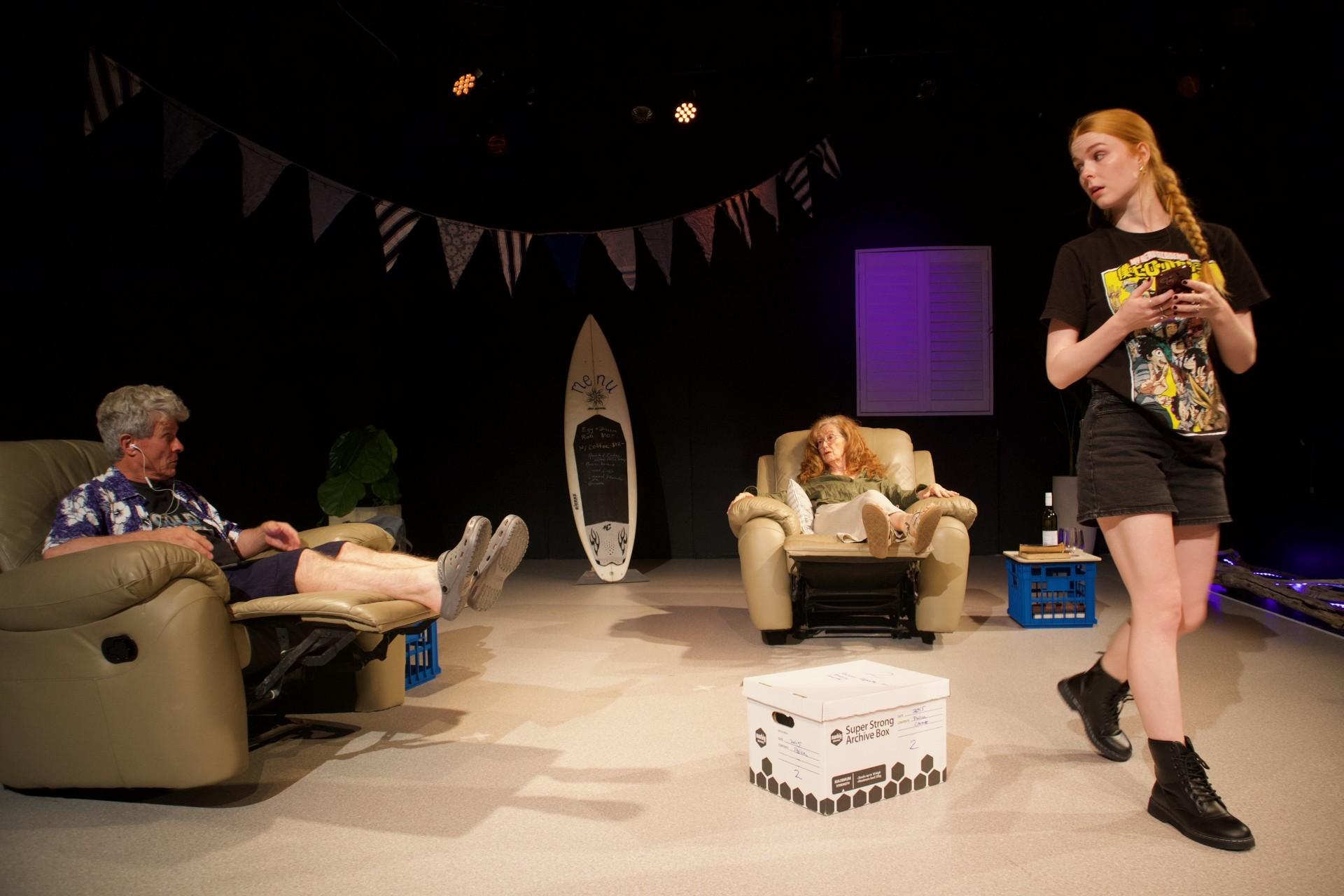
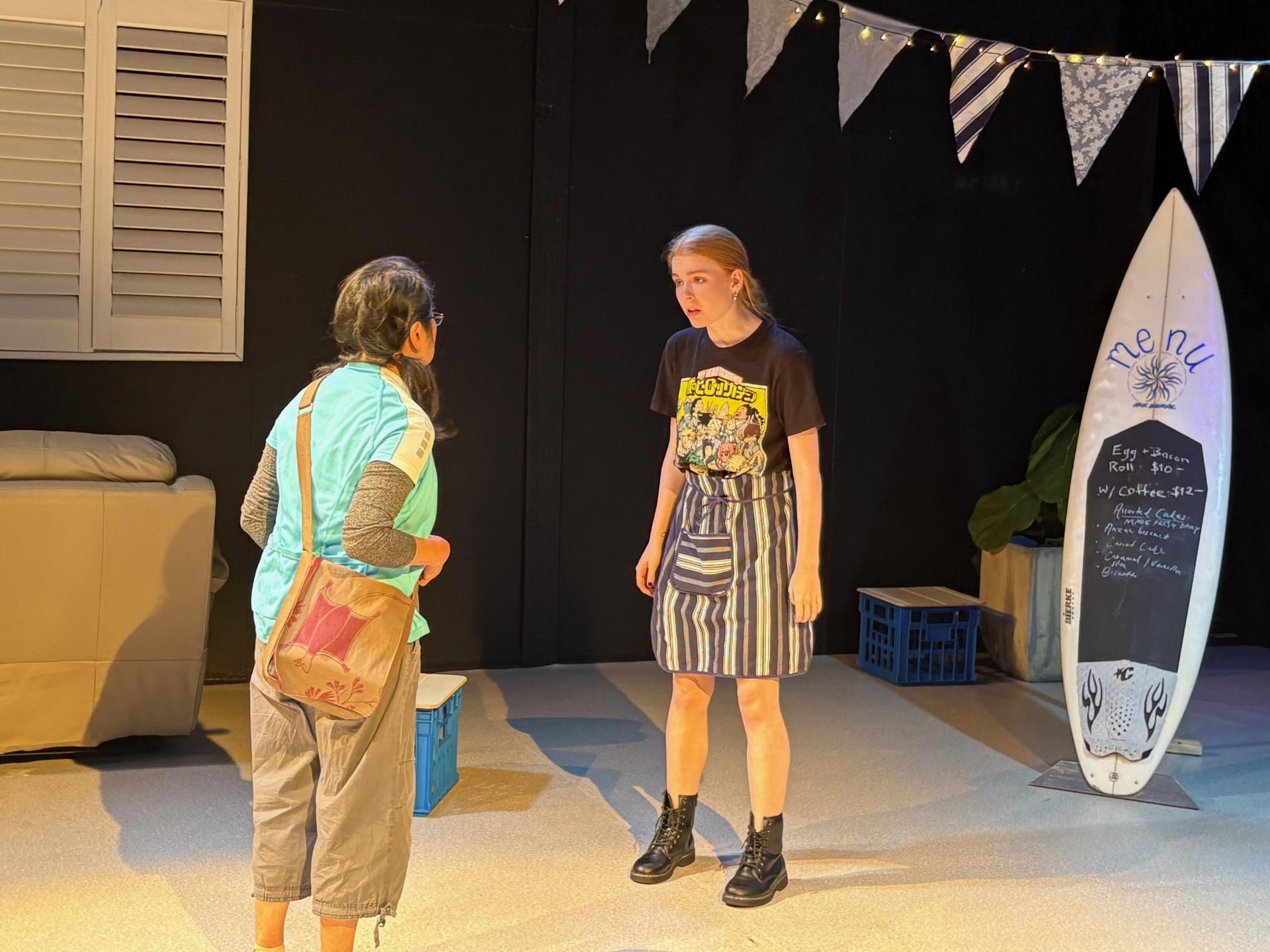
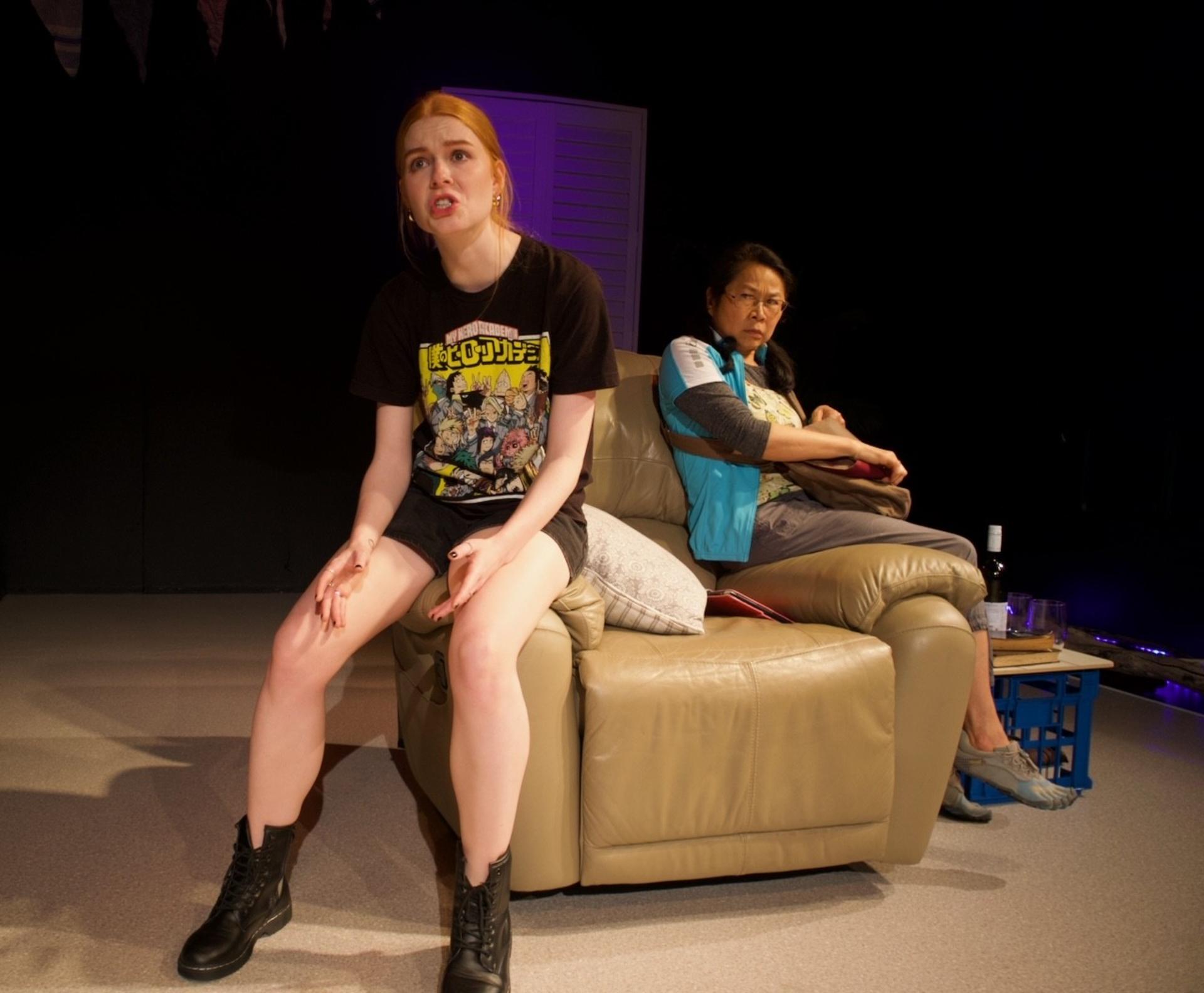
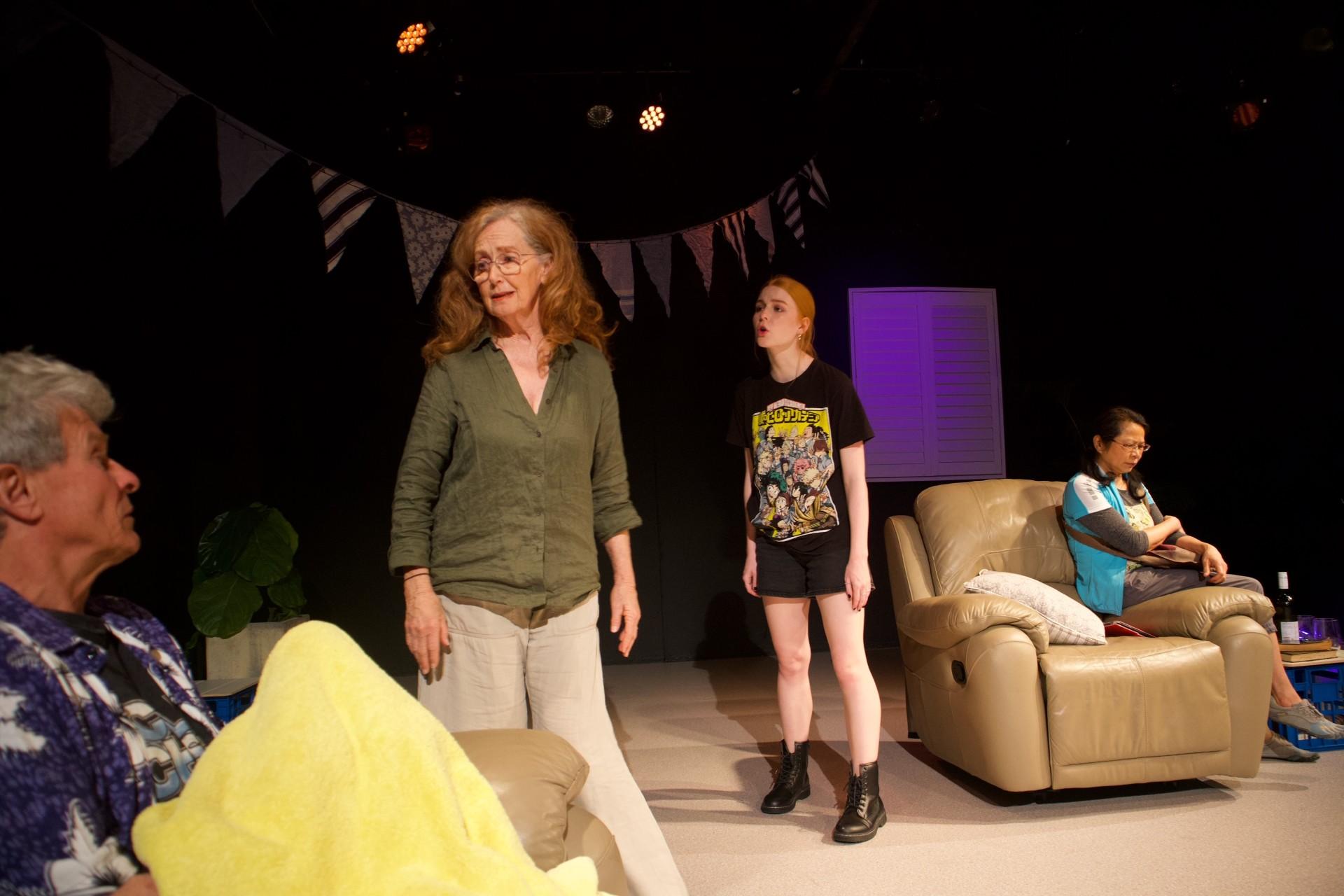
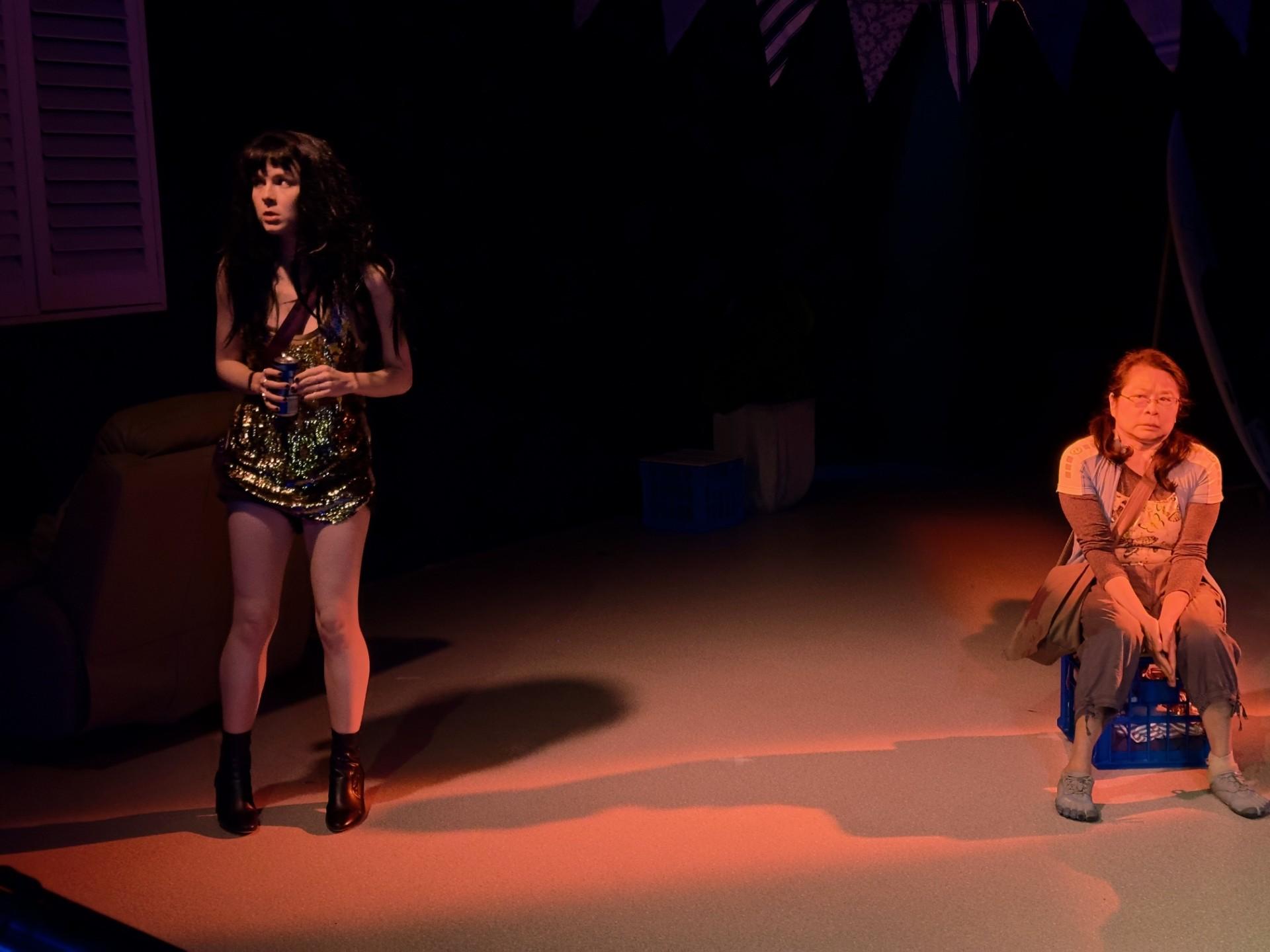
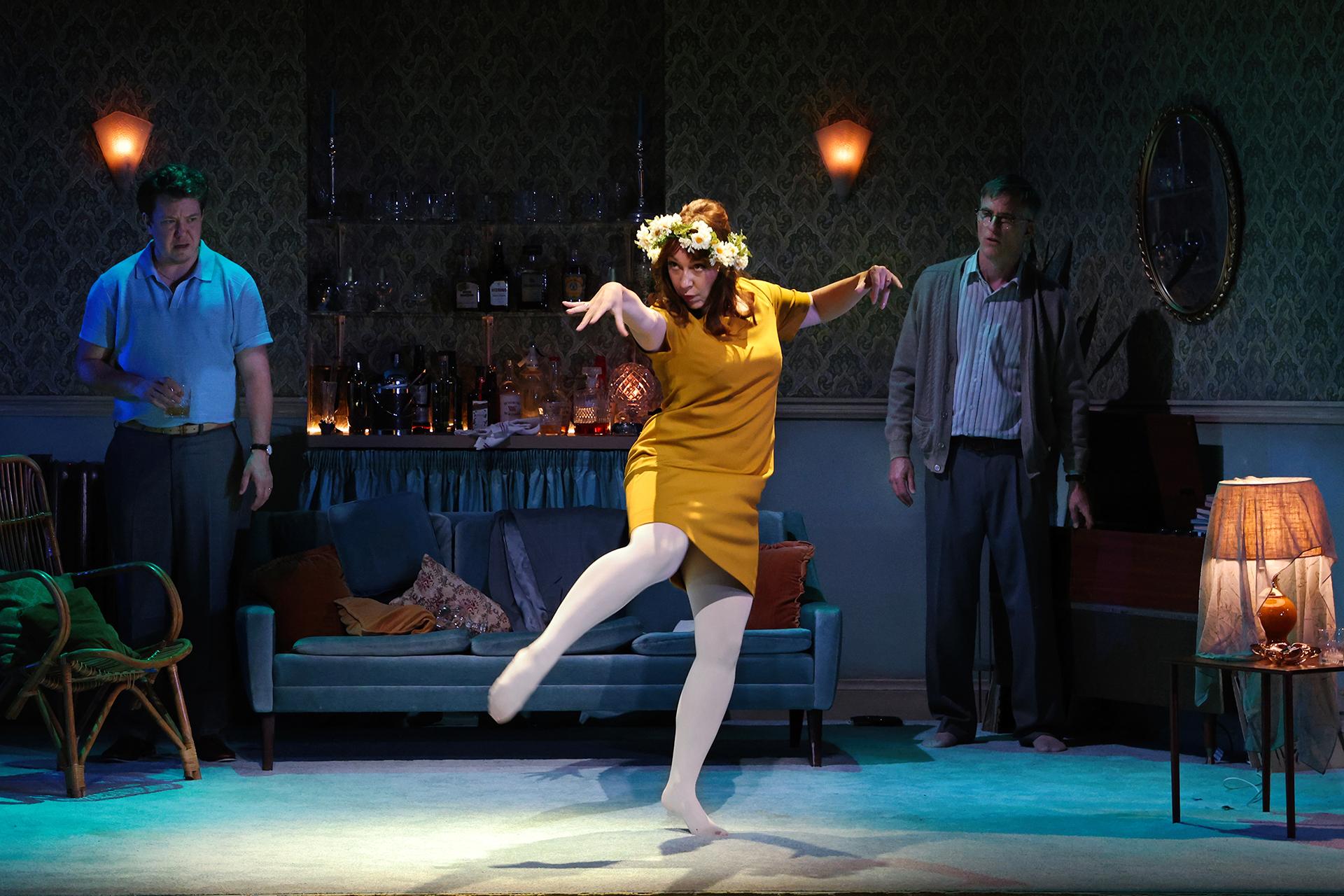
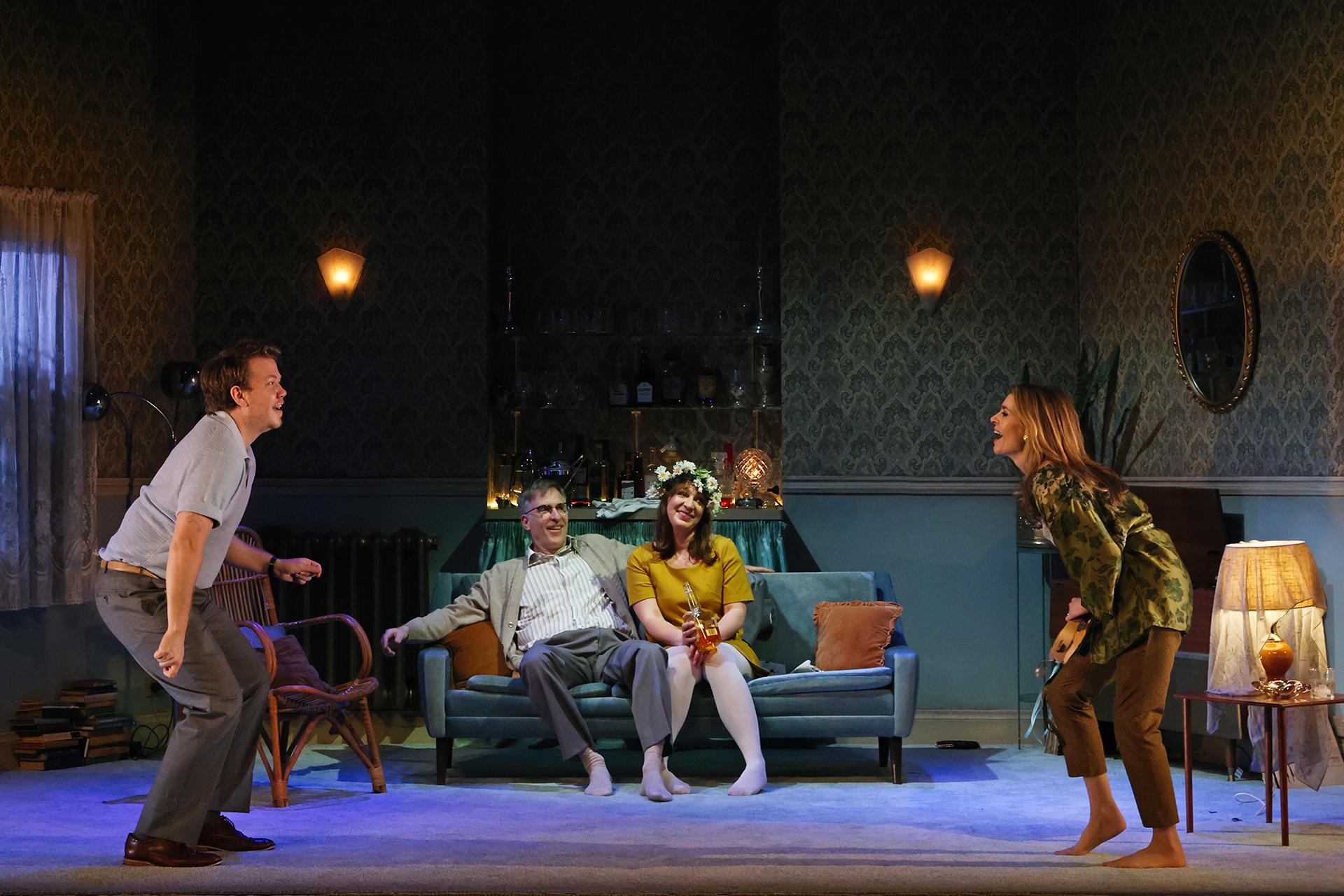
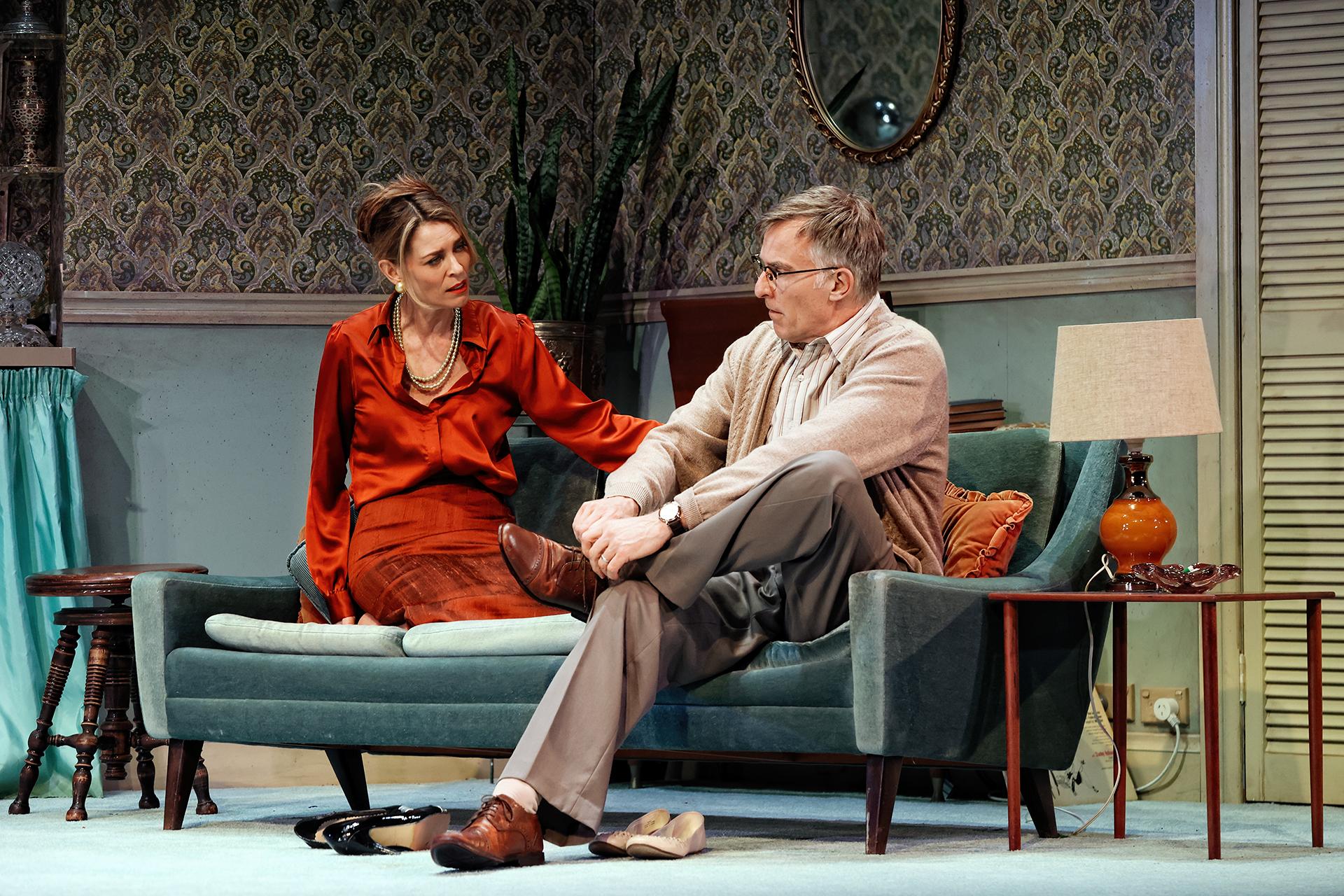
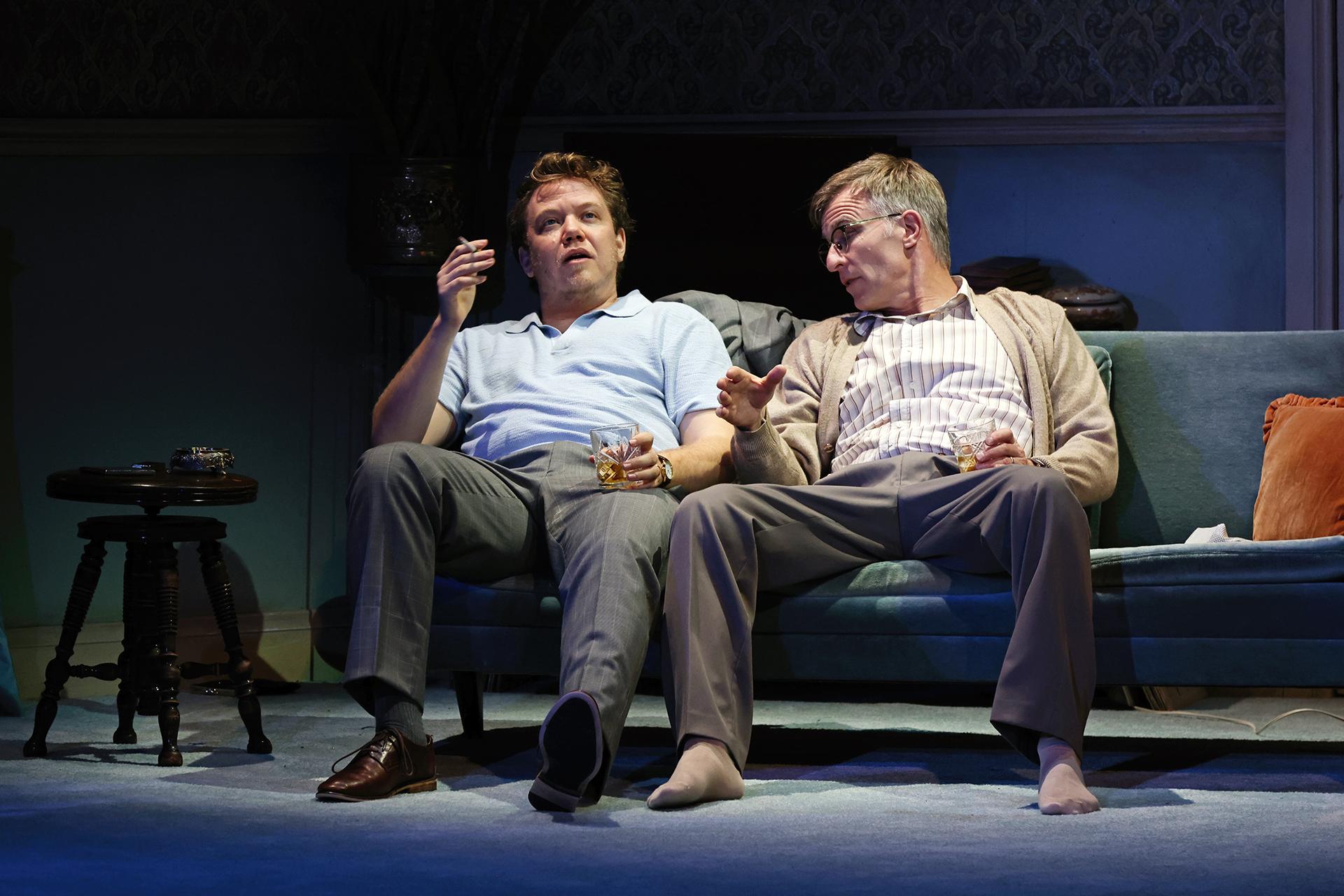
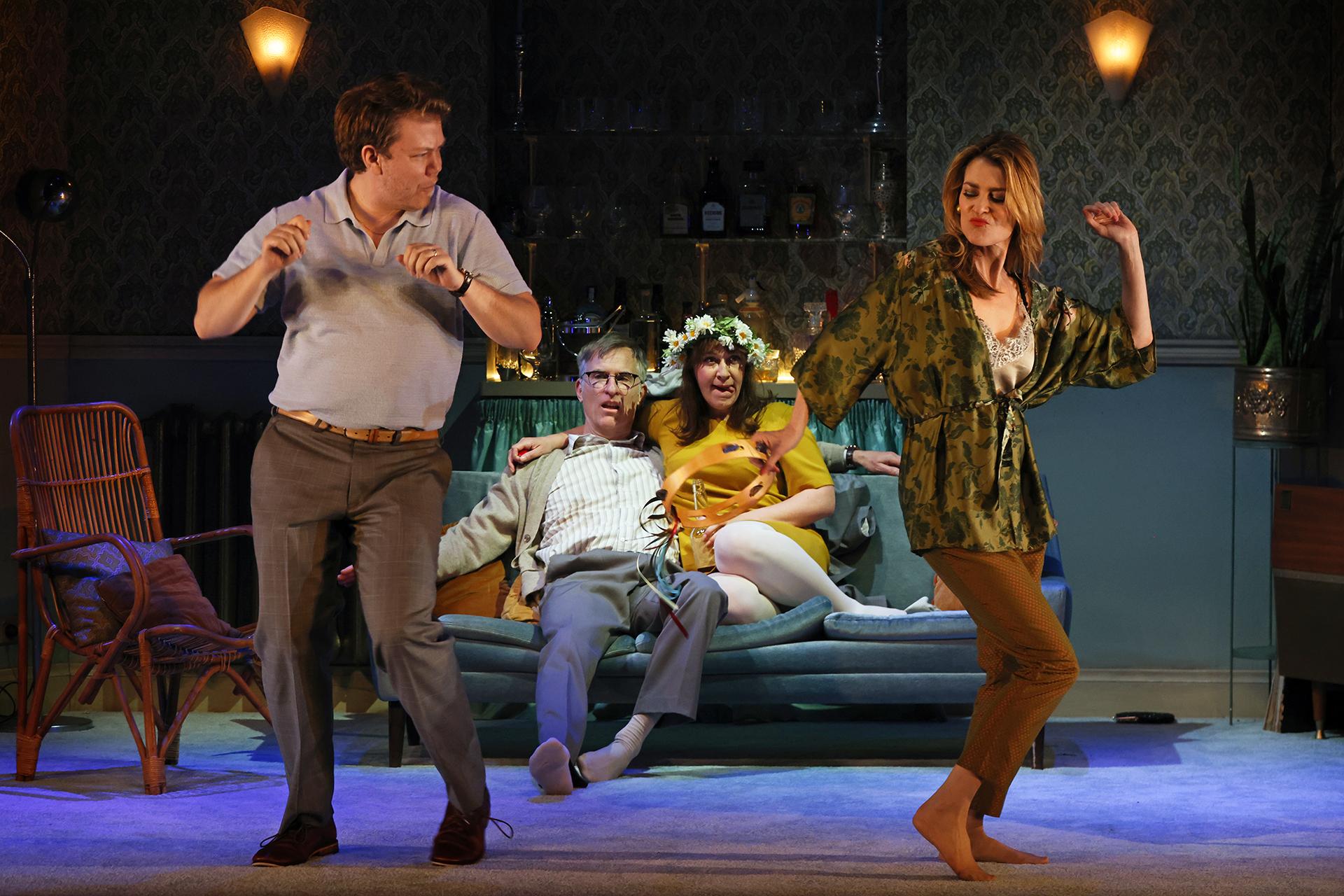
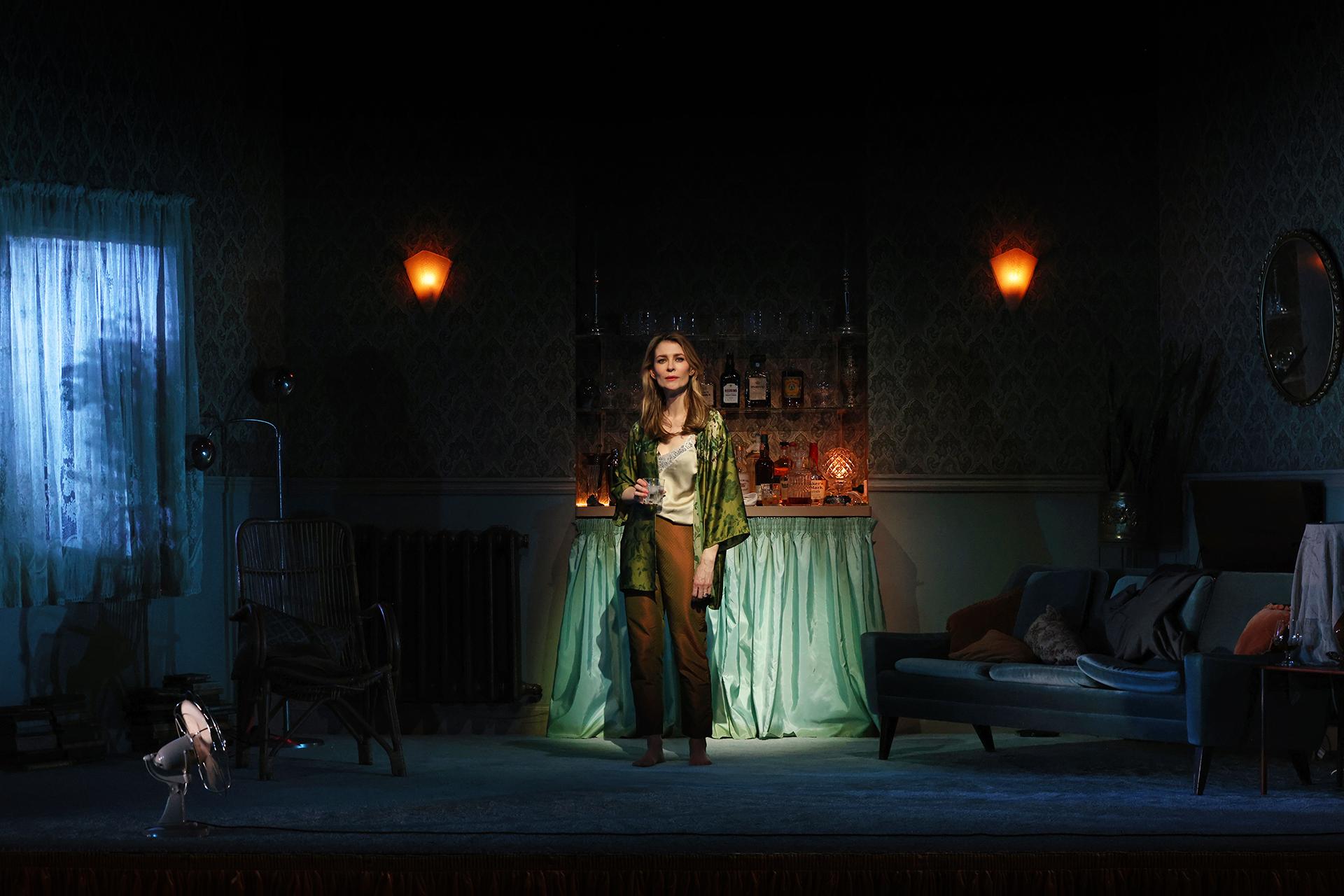
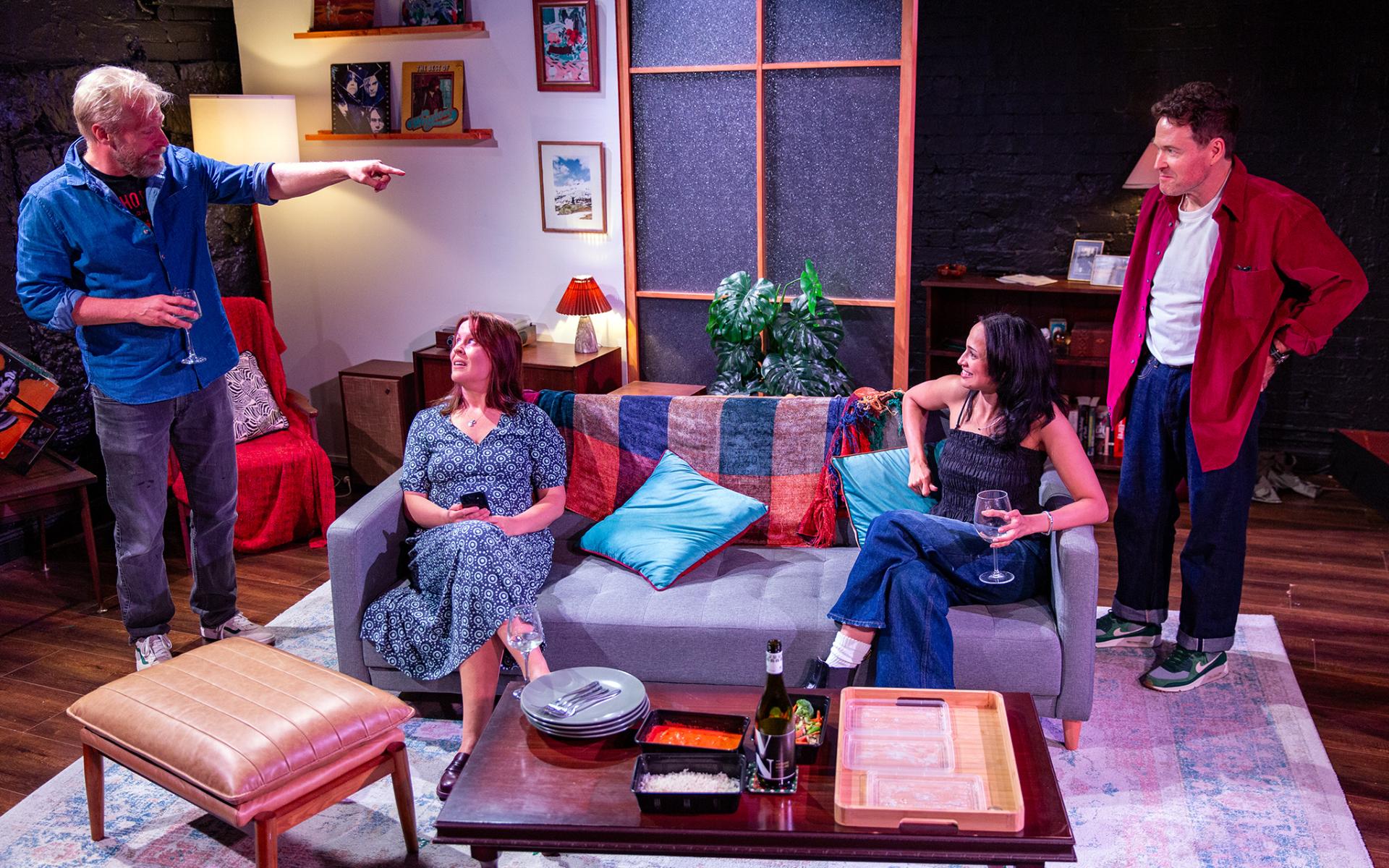
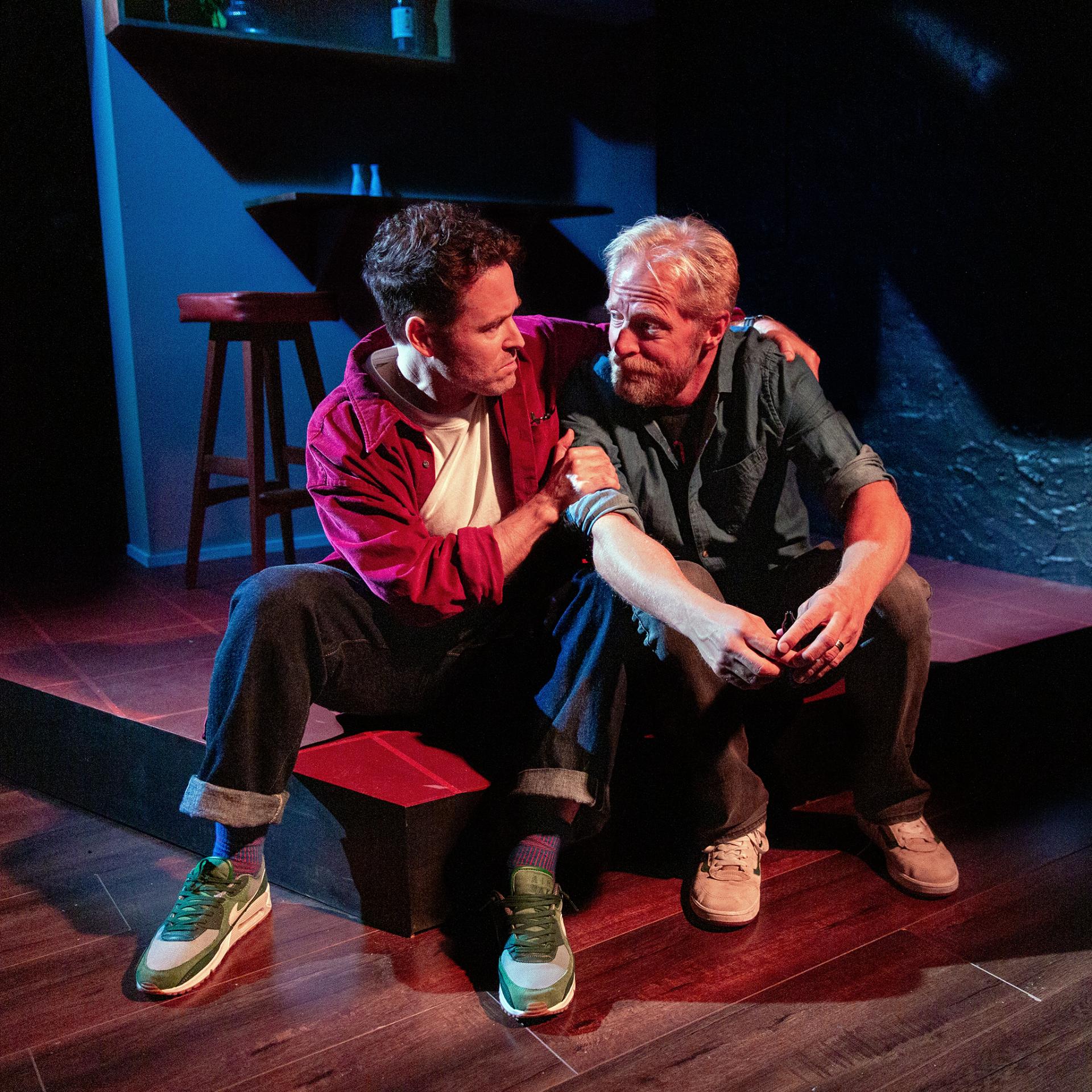
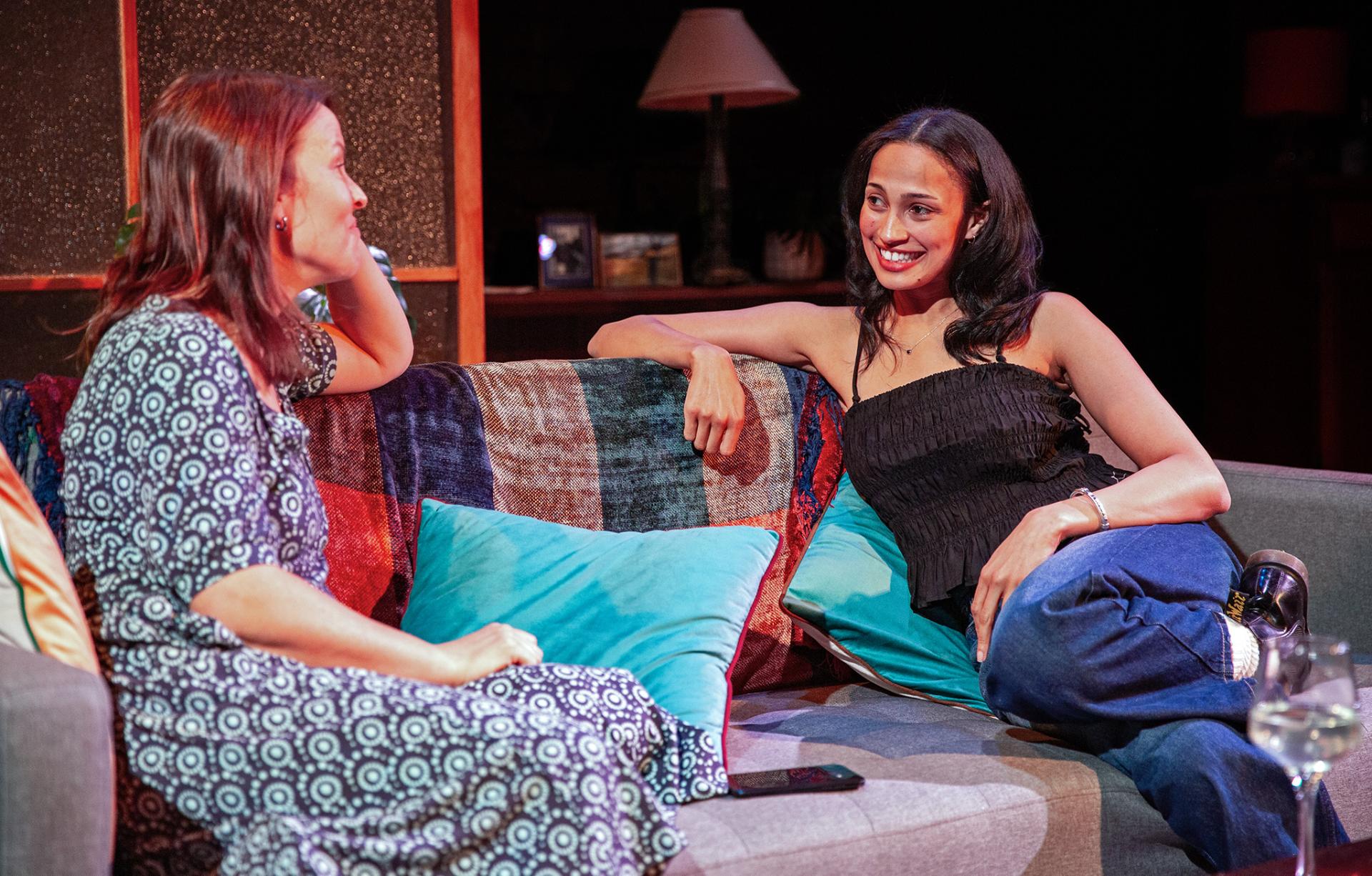
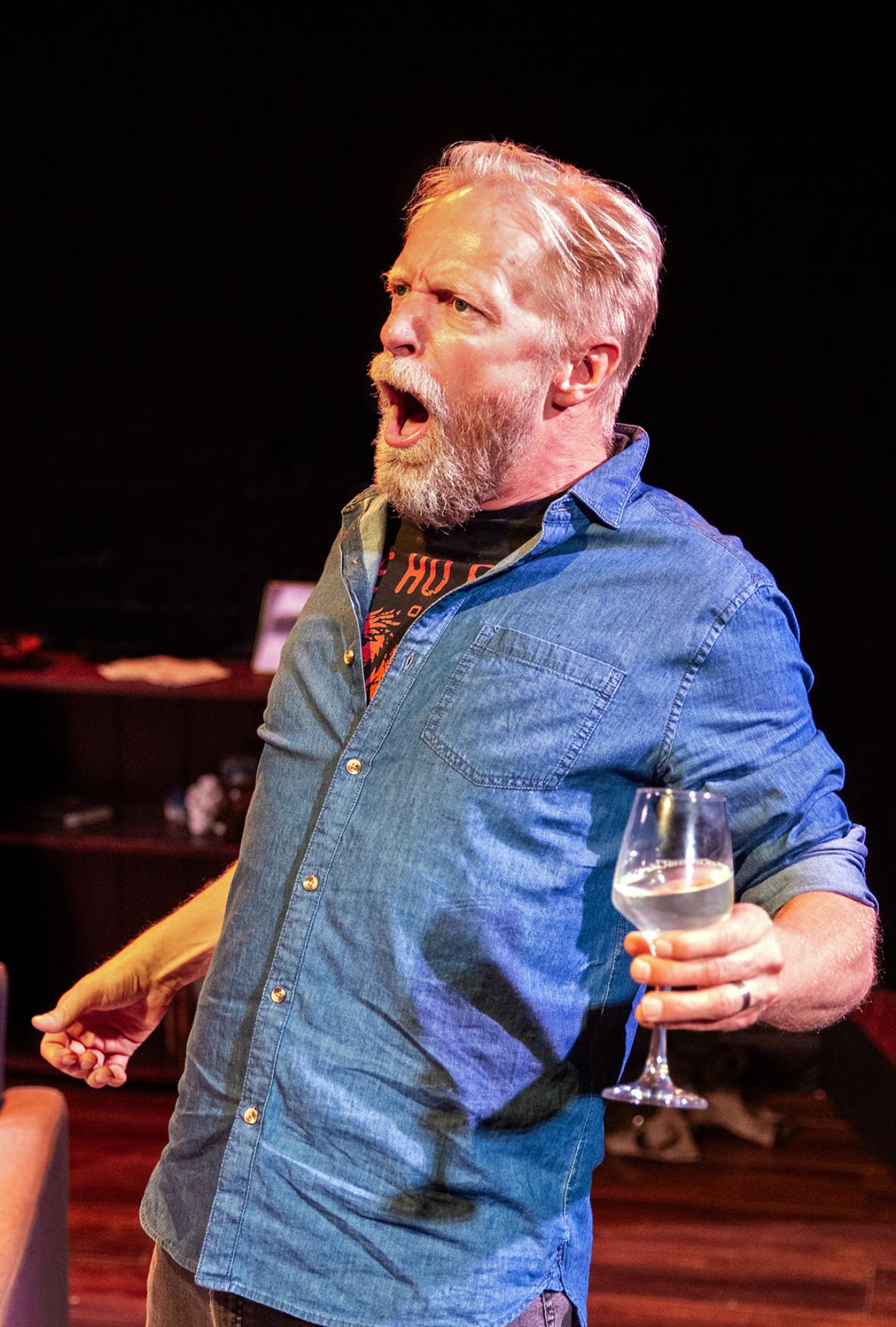
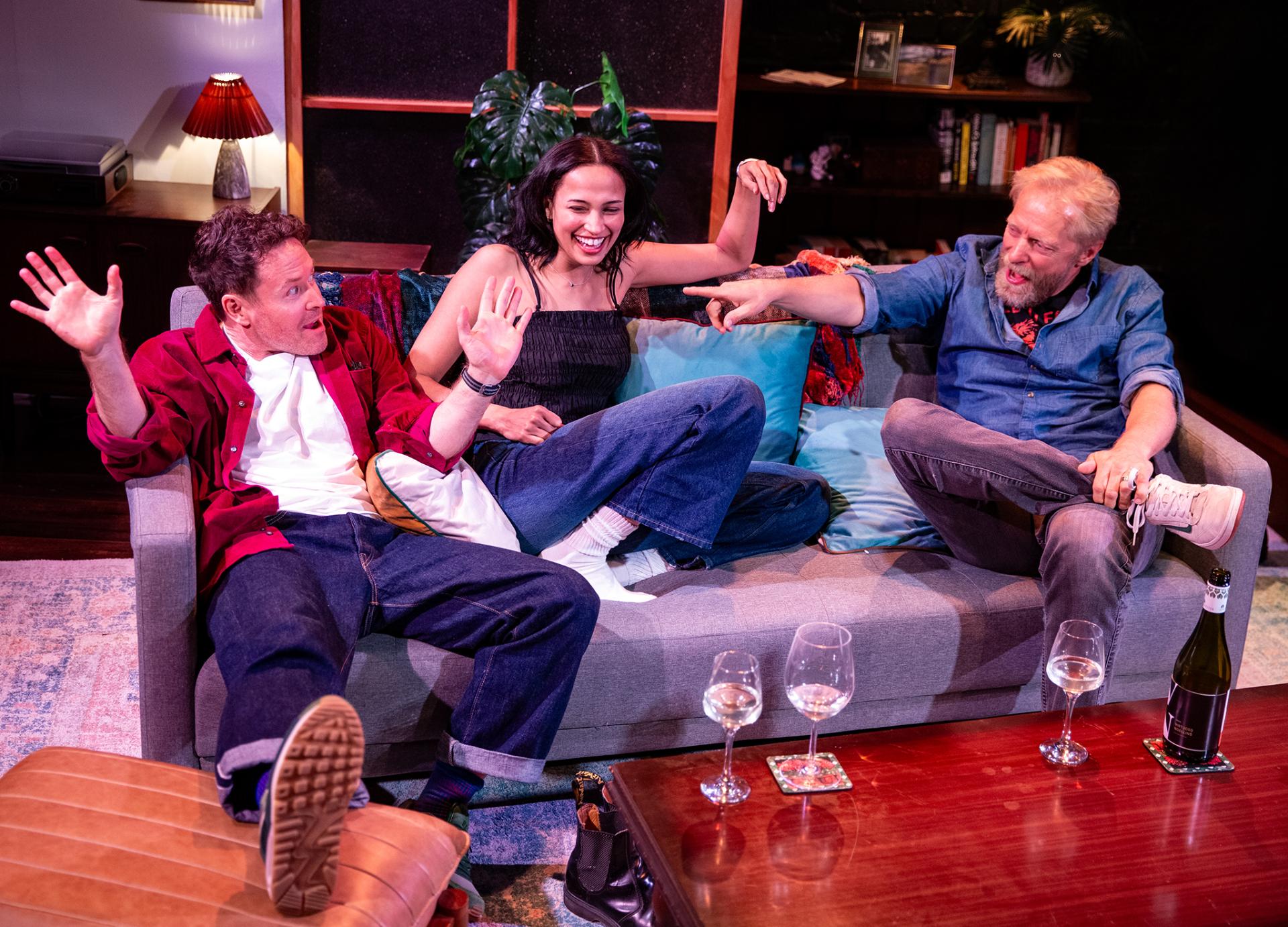
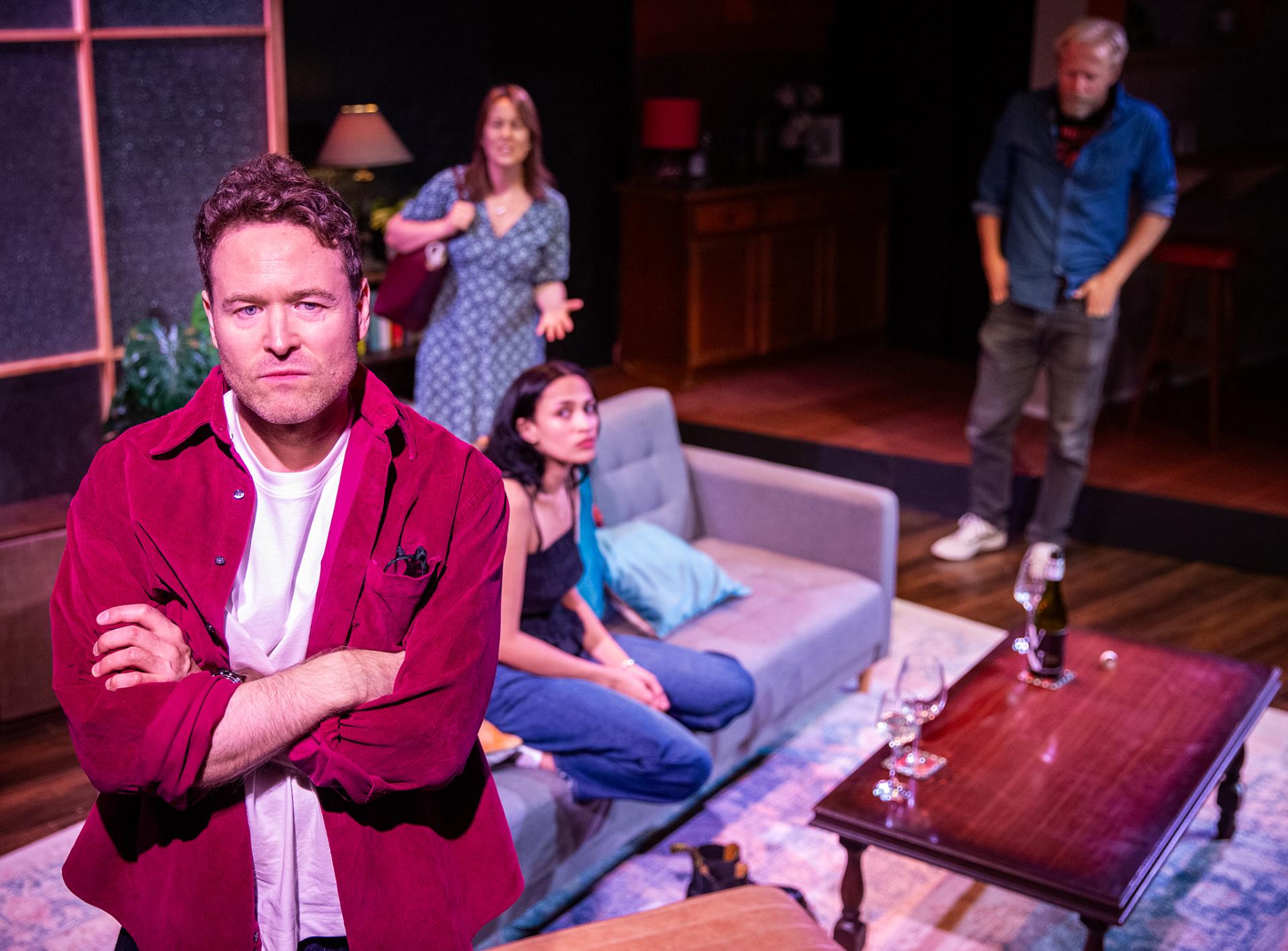
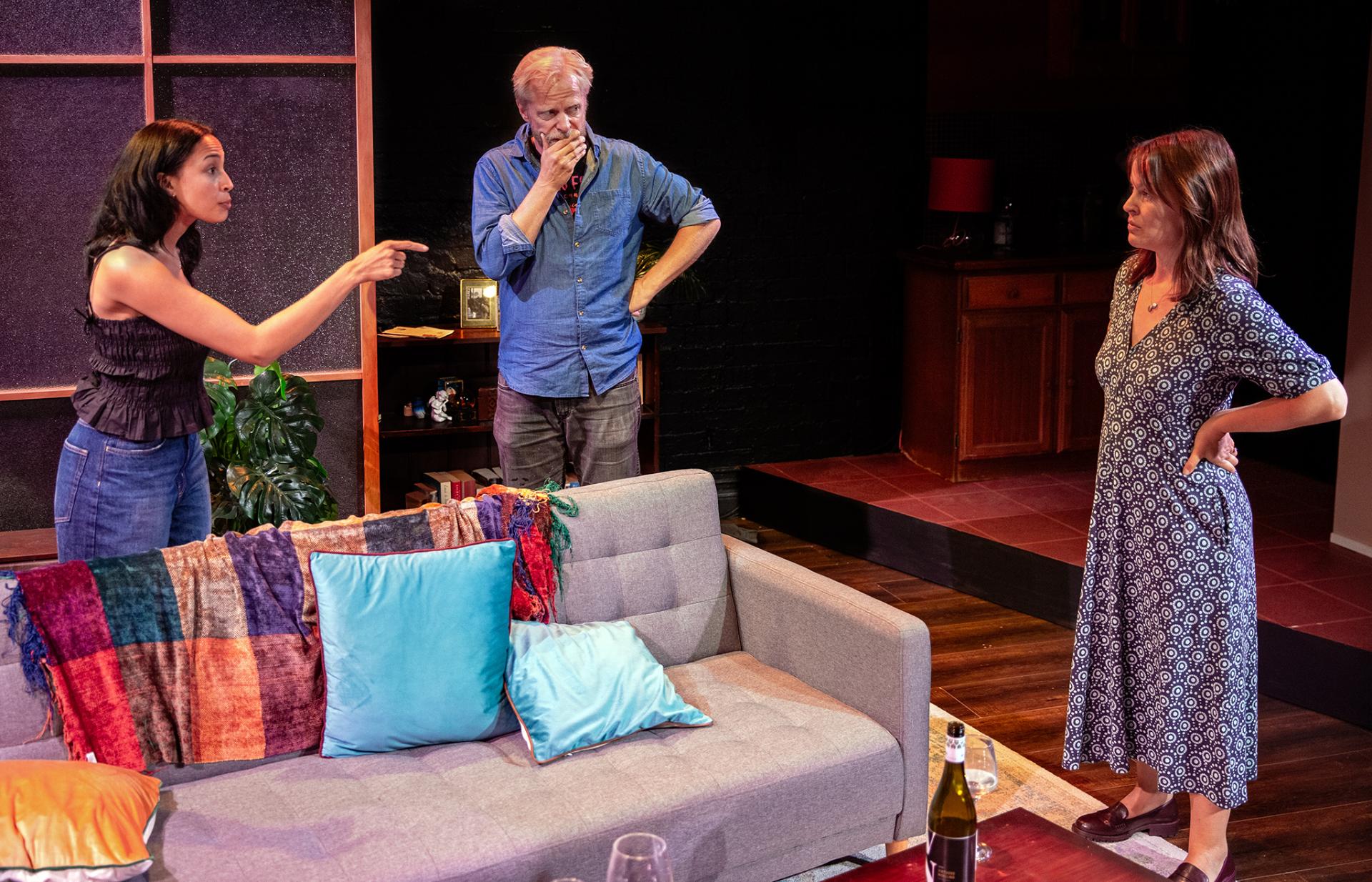
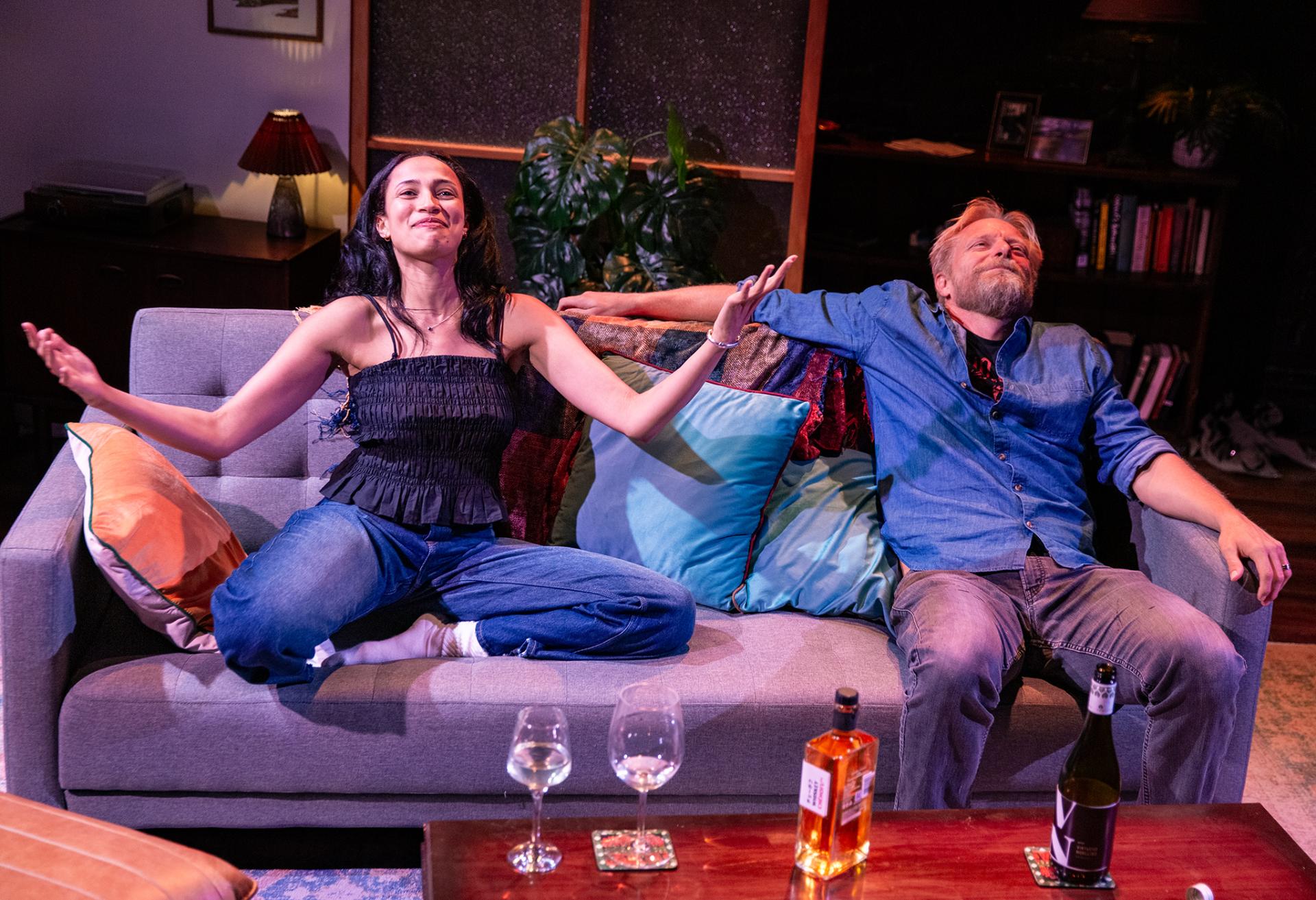
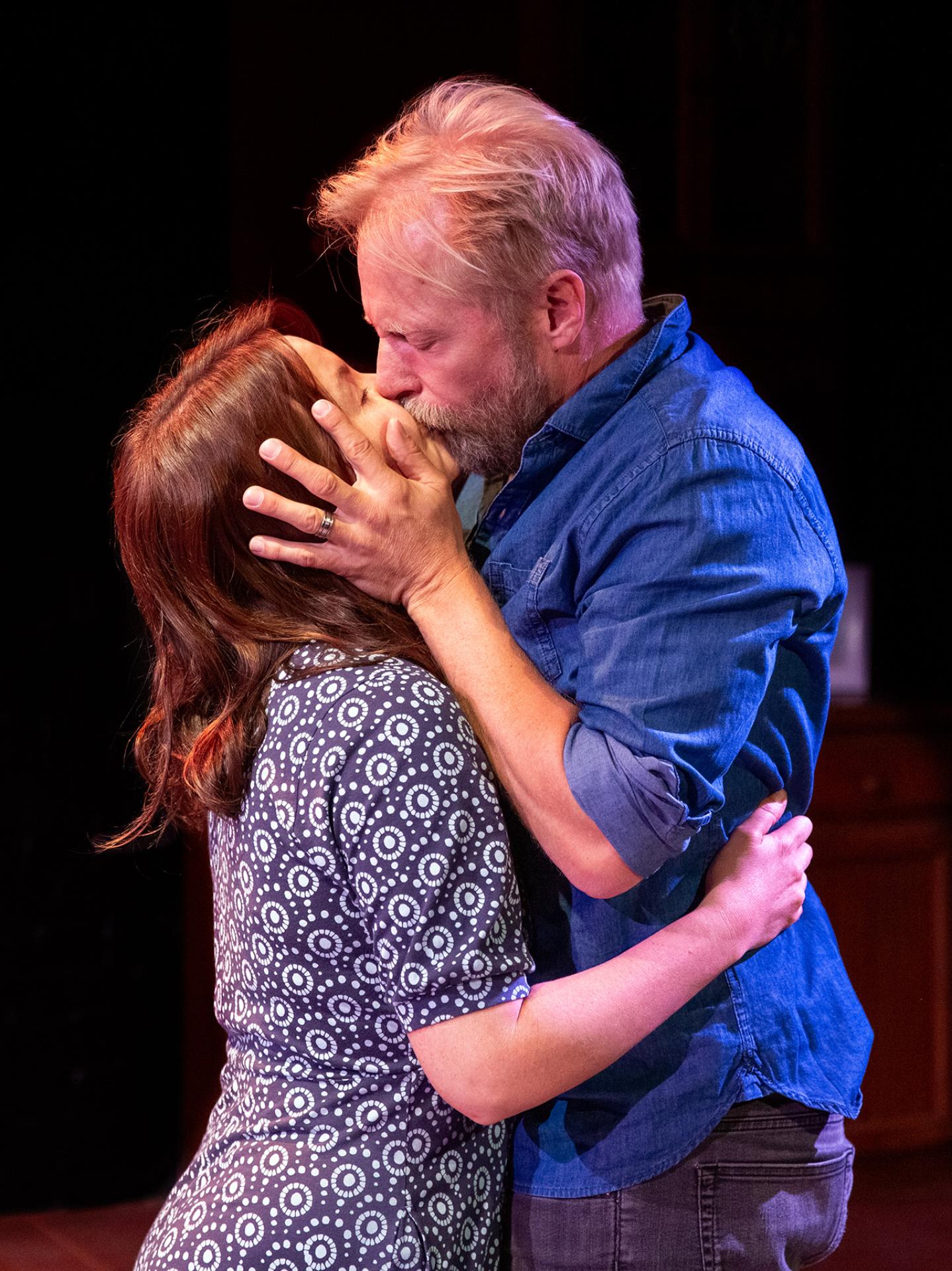
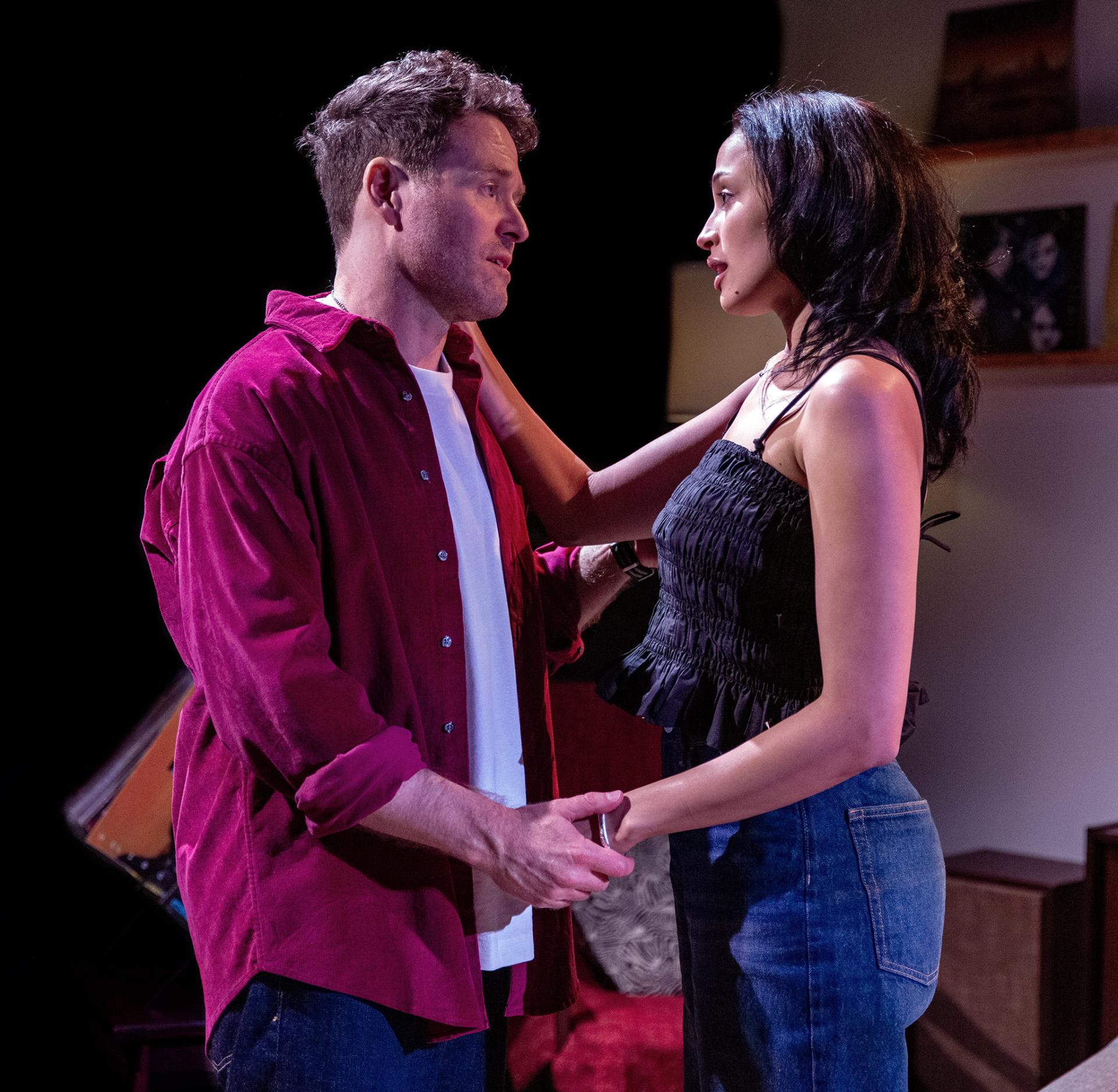
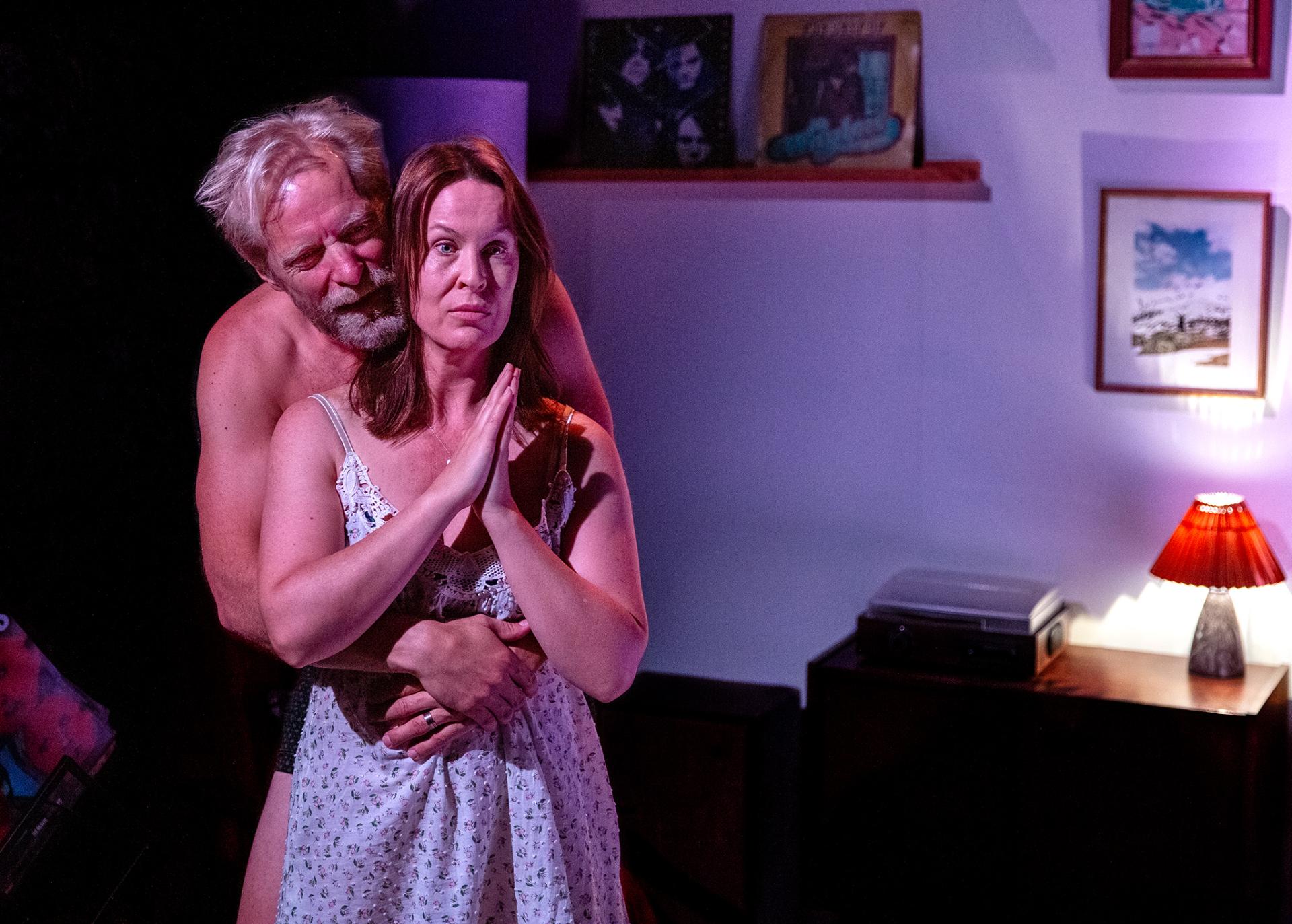
It is 1985, and a key cast member is departing the high-rating Australian soap opera A Country Practice. The writers are tasked with making sense of her exit, not only for themselves as creatives deeply entwined with the show, but also for a public profoundly invested in its characters. How to Plot a Hit in Two Days by Melanie Tait is a charming reimagining of the delicate machinery behind one of the era’s most unforgettable television moments. The play beautifully captures the intricacies of artistic collaboration, resonating with anyone curious about the creative process. Yet its heavy reliance on a very particular vein of cultural nostalgia risks alienating contemporary audiences less familiar with that history.

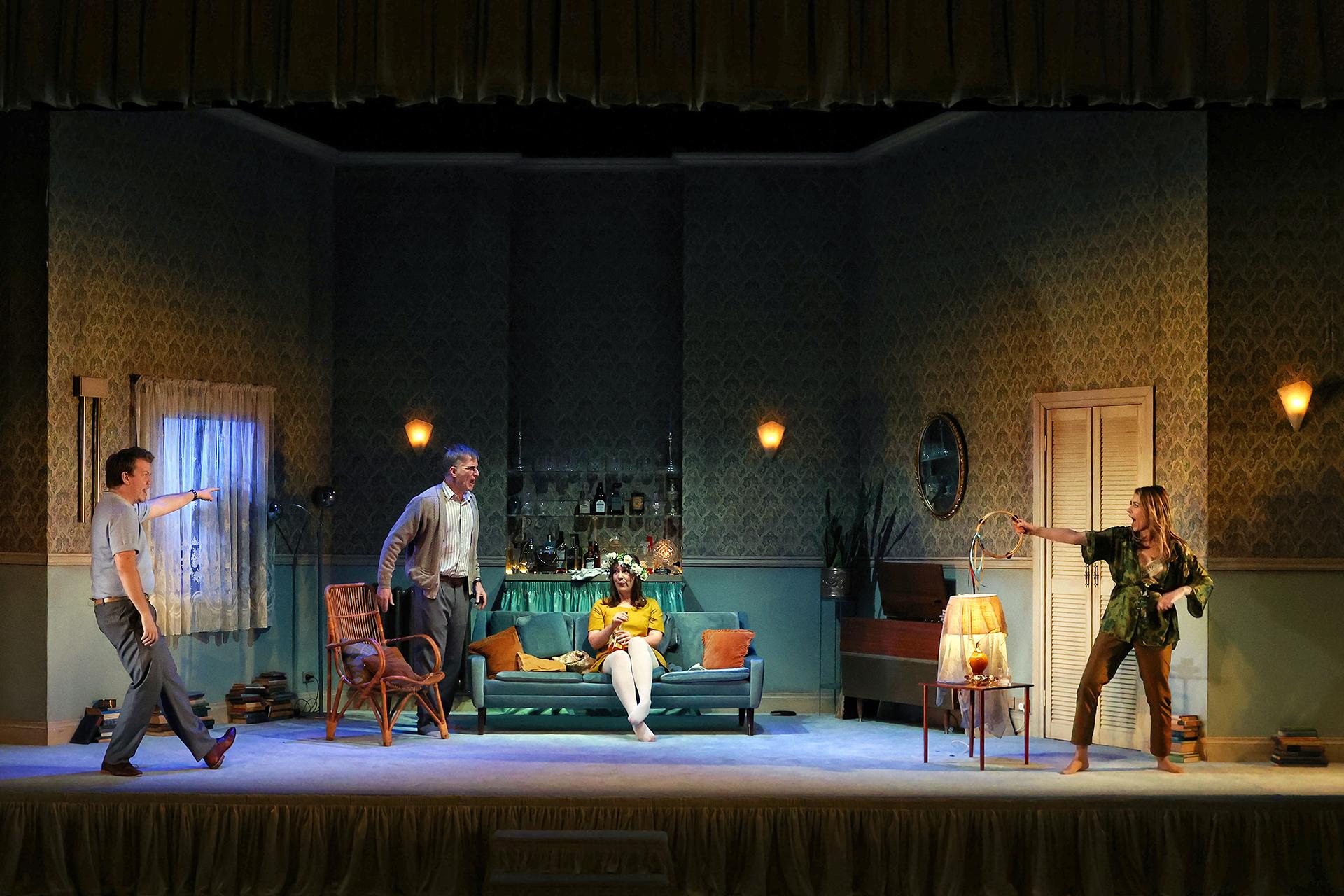
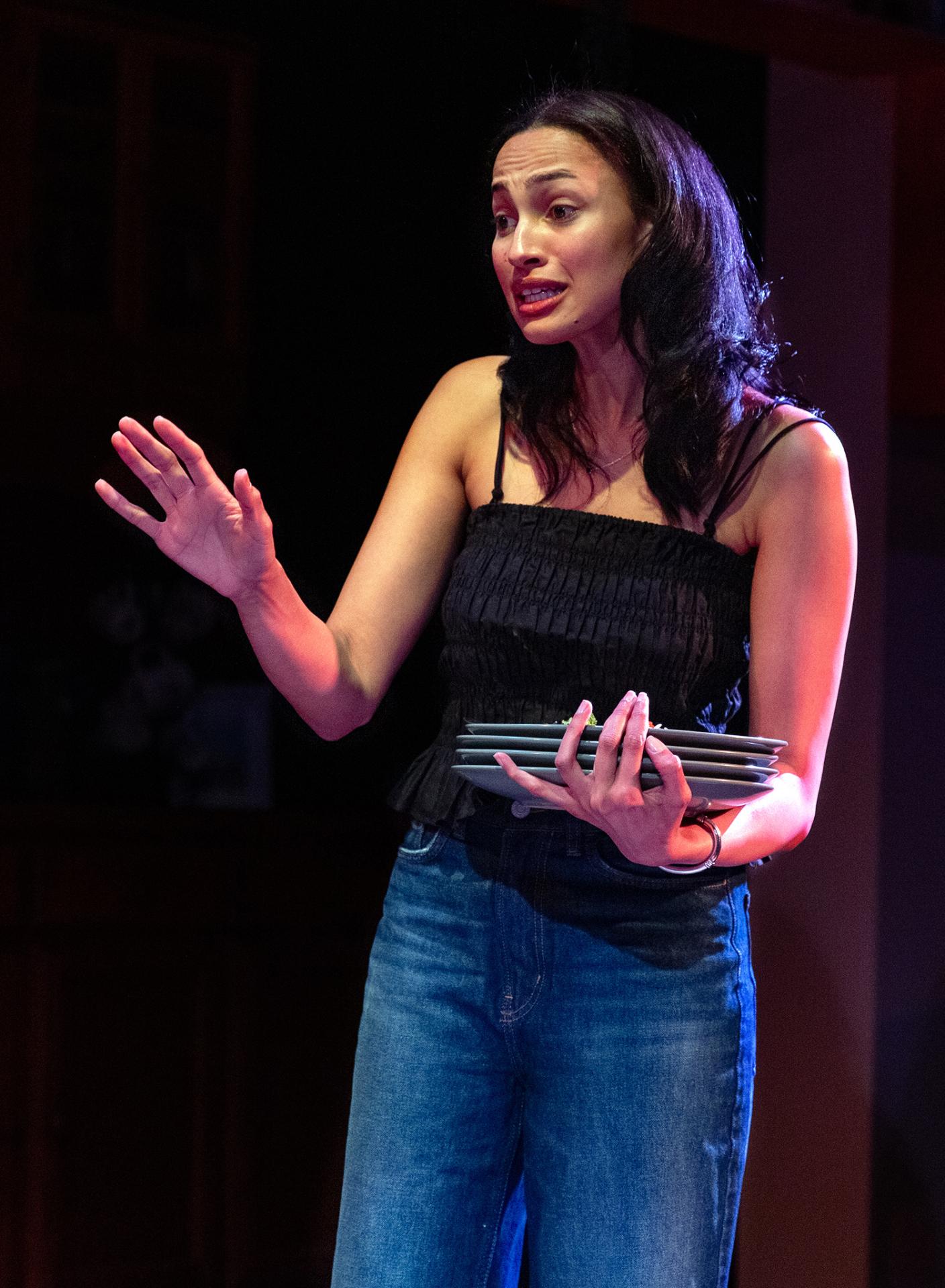
Direction by Lee Lewis yields a staging memorable for the impeccable chemistry of its ensemble. With five richly detailed and impassioned performers—Amy Ingram, Genevieve Lemon, Seán O’Shea, Georgie Parker, and Julia Robertson—the production seizes our attention from the outset and holds us firmly in its grasp throughout. Ingram’s portrayal of ex-jailbird Sharon is particularly winning, her brusque humour shaping much of the production’s tone.

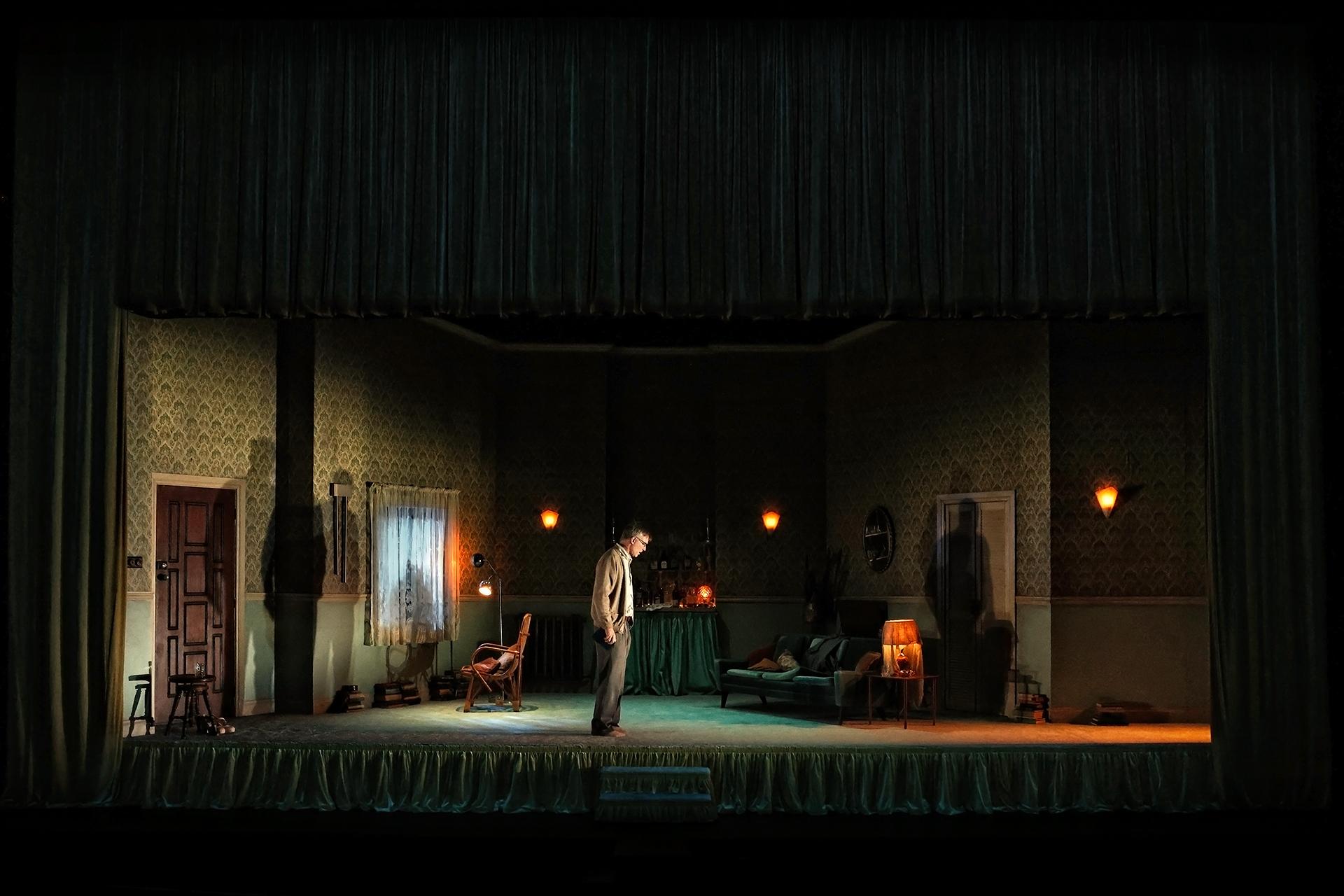
The design is stripped to its essentials, fitting for a work that demands little ornamentation. Simone Romaniuk’s set and costumes reflect the utilitarian realities of artistic work, while Brockman’s lighting and Paul Charlier’s music recede gracefully into the background, surfacing only now and then to deliver moments of flourish.

Only in recent years have we begun to reckon with the fact that we call Australia is not, and never was, a monolith. The twentieth century was steeped in assimilationist ideology, shaped by values imposed by a white patriarchy that governed not only our daily lives but also our very understanding of reality. In 1985, it seemed entirely reasonable to assume that the whole nation might gather around the same television program. Today, we can scarcely agree on the story of how modern life on these lands was forged.

www.ensemble.com.au

Review: The Unreal Housewives Of The Gold Coast (The Grand Electric)

Venue: The Grand Electric (Surry Hills NSW), Aug 26 – 30, 2025
Writer: Trent Owers
Music & Lyrics: Matthew Predny
Director: Tess Hill
Cast: Michael Boyle, Tracie Filmer, Elise Greig, Bebe Gunn, Nick Hardcastle, Naomi Leader, Rhea Robertson, James Vidigal
Images by

Theatre review
The phenomenon of the Real Housewives television franchise began 19 years ago, and continues to thrive stronger than ever. Trent Owers’ musical lampoon The Unreal Housewives of the Gold Coast situates us at the reunion taping of a wholly imagined Australian chapter of the iconic reality empire. The concept is strong, particularly for the legions of fans of the ever-more ubiquitous brand, but weak writing undermines the comedy, leaving it short of its promise.

While direction by Tess Hill is appropriately vivacious, the humour proves strained and ungainly, and the faltering production values compound the show’s shortcomings. Performer Rhea Robertson is a saving grace, imbuing the part of Skye Headbrow with subtlety and a finely calibrated sense of timing that speaks to her confidence. Tracie Filmer leaves a strong impression with her singing in the role of Dianee White, momentarily elevating the staging through her accomplished musicianship.

Often dismissed as a guilty pleasure, the Real Housewives programmes remain virtually unique in foregrounding the lives of middle-aged women on their own terms, rather than tethering their identities exclusively to husbands and offspring. While it is regrettable that the characters are consistently framed by rivalry and strife, we are nonetheless afforded glimpses of them as powerful, self-possessed, and masters of their own fates.

www.instagram.com/theunrealhousewivesgc

Review: Birdsong Of Tomorrow (Griffin Theatre Co)

Venue: Old Fitzroy Theatre (Woolloomooloo NSW), Aug 21 – Sep 13, 2025
Playwright: Nathan Harrison
Director: Emma McManus
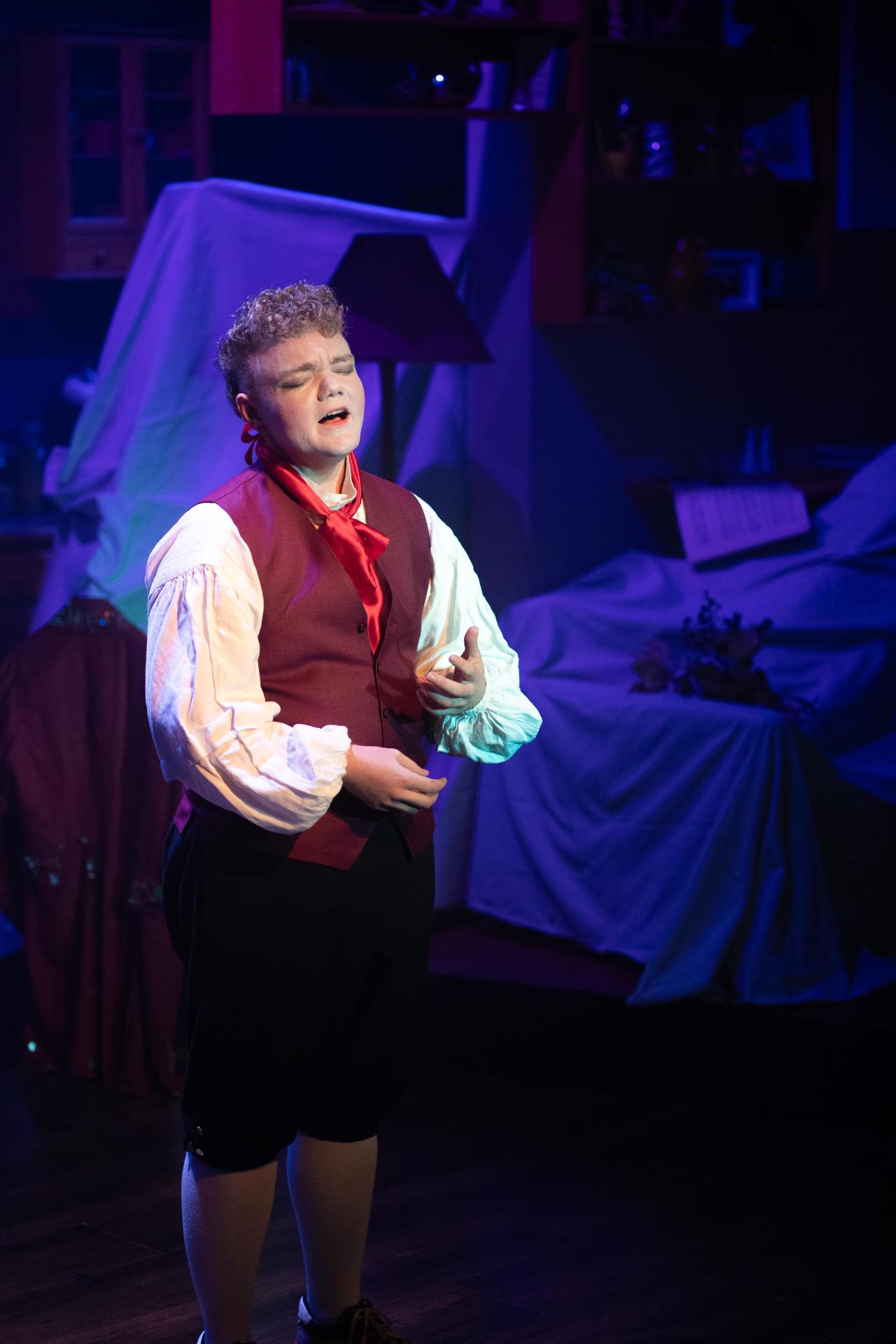
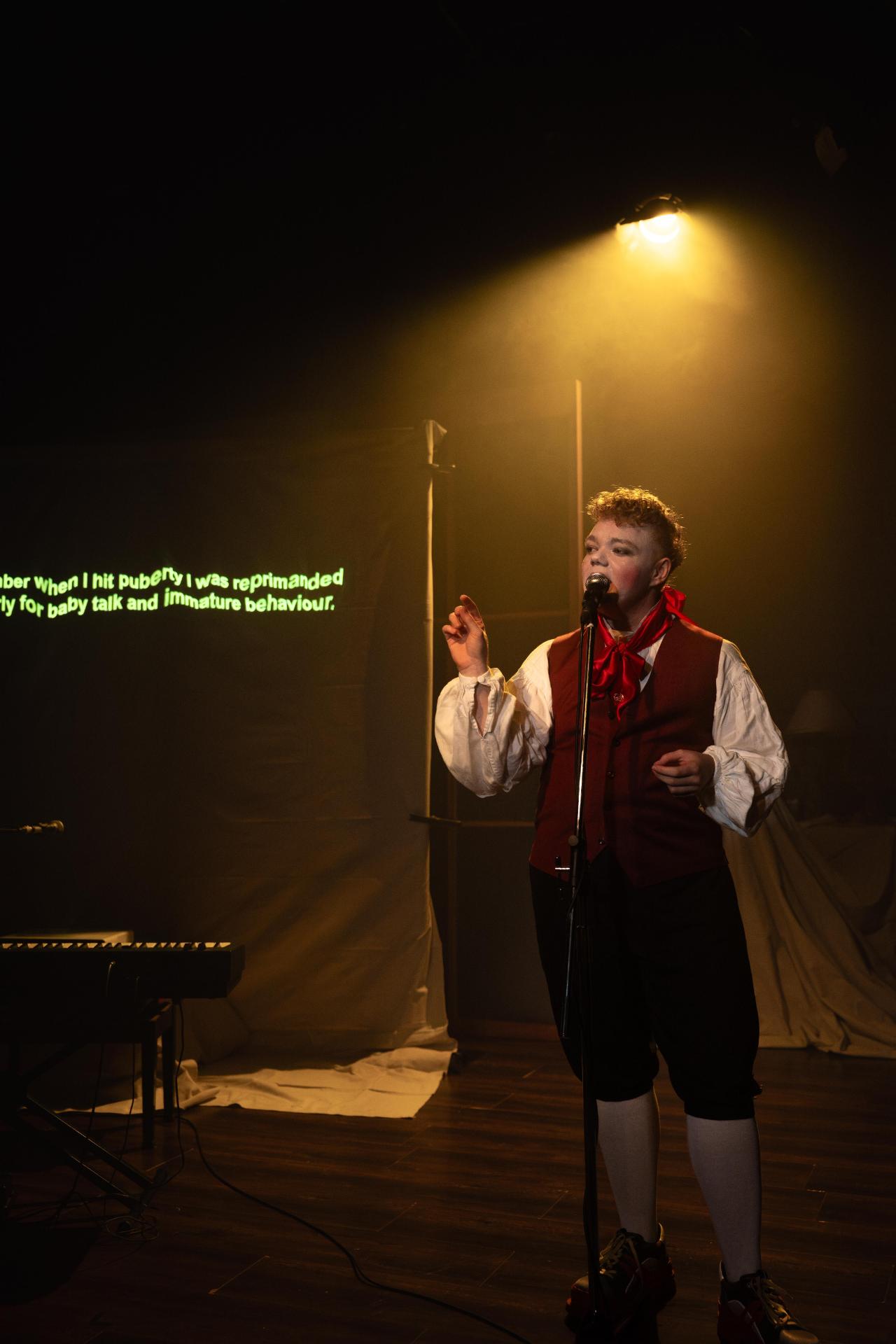
Cast: Nathan Harrison
Images by Lucy Parakhina

Theatre review
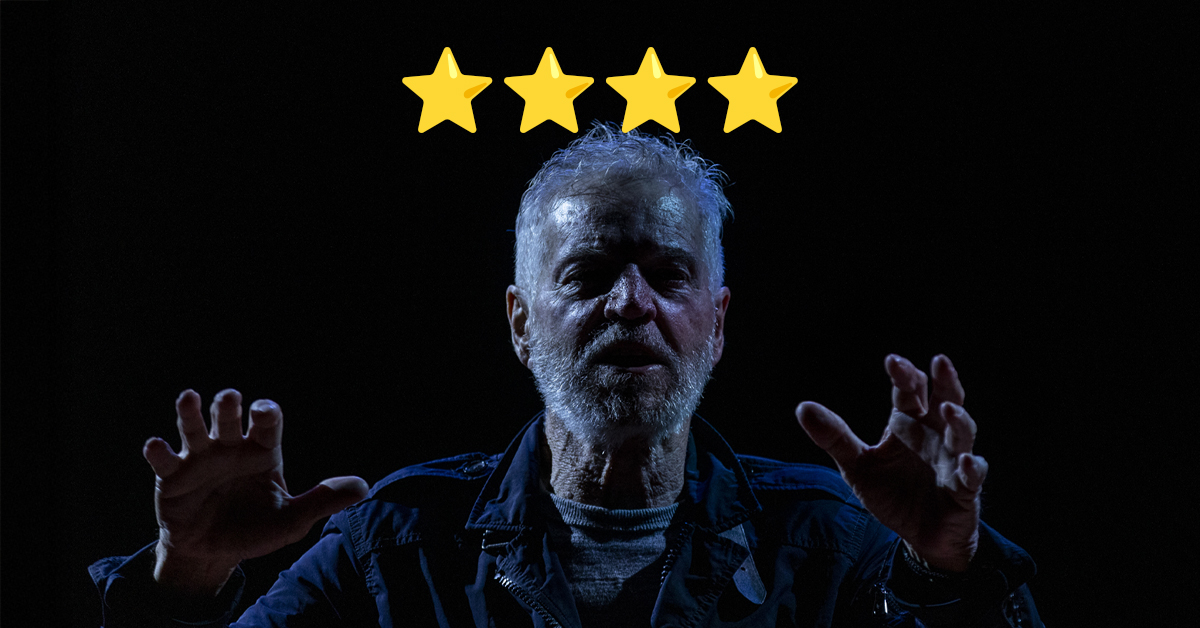
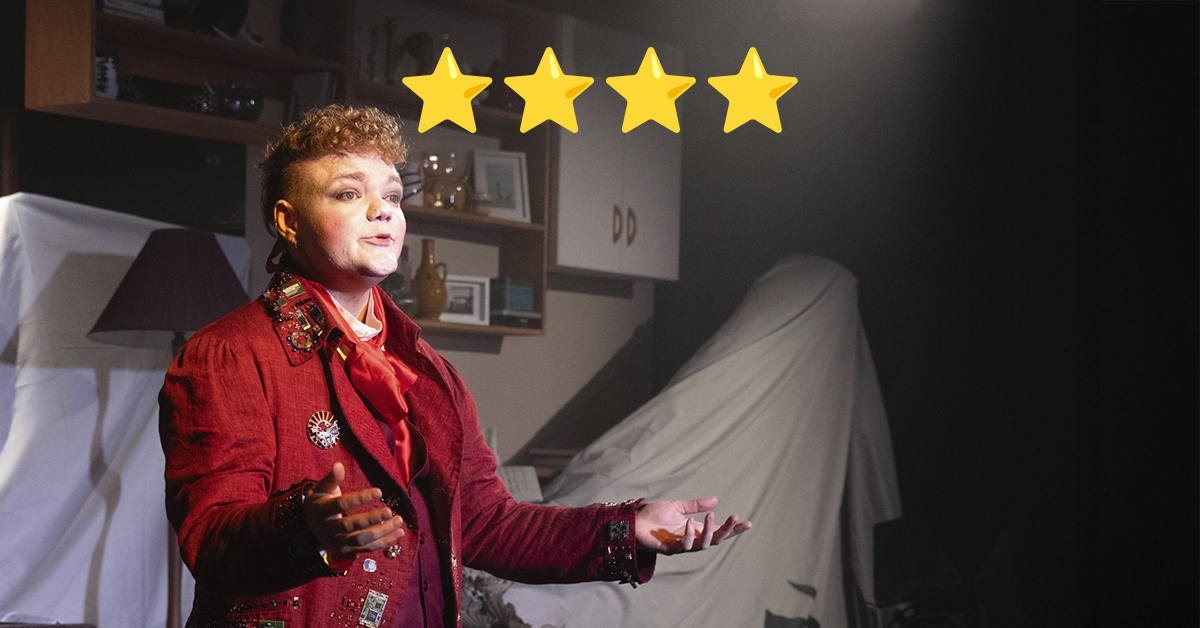
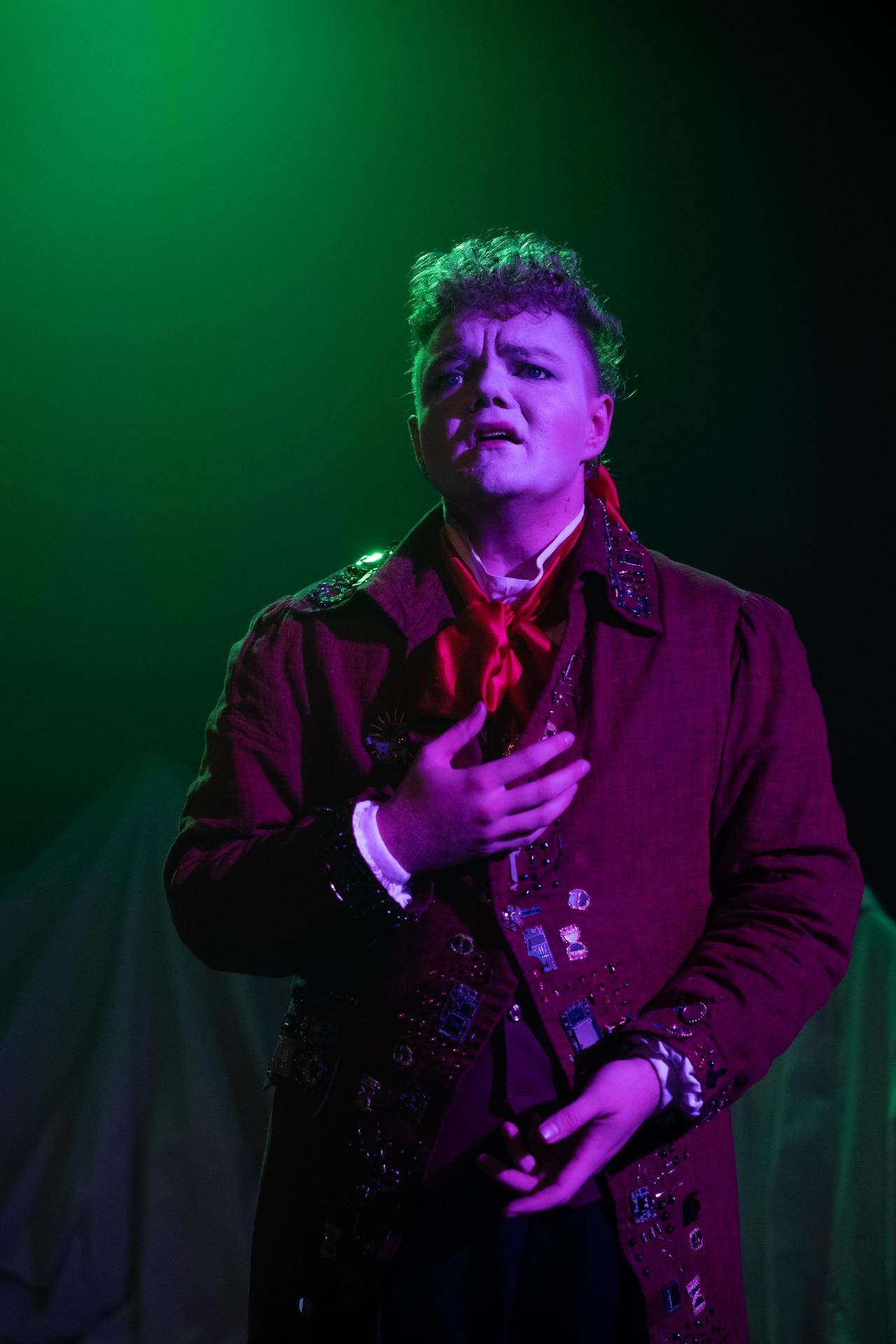
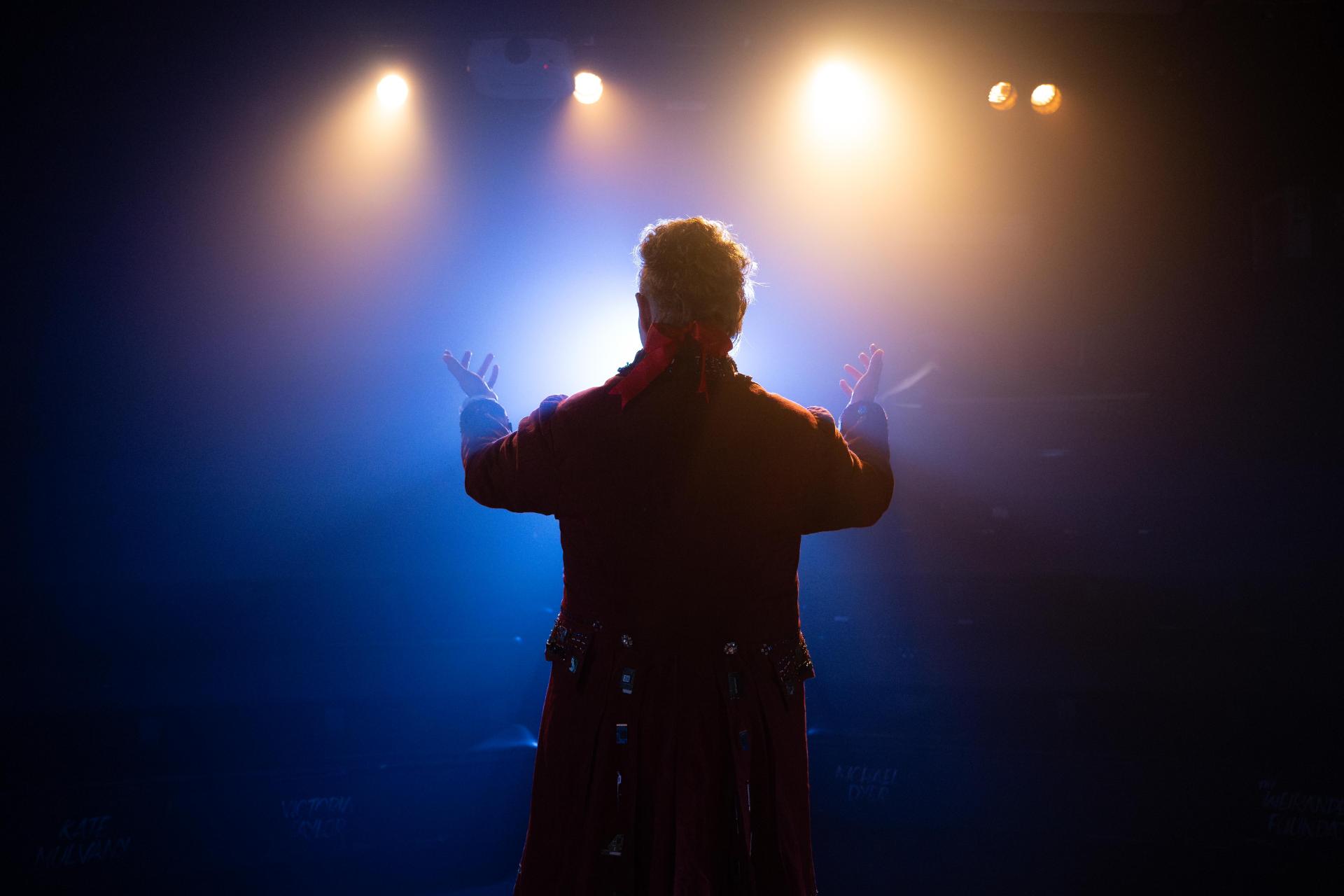
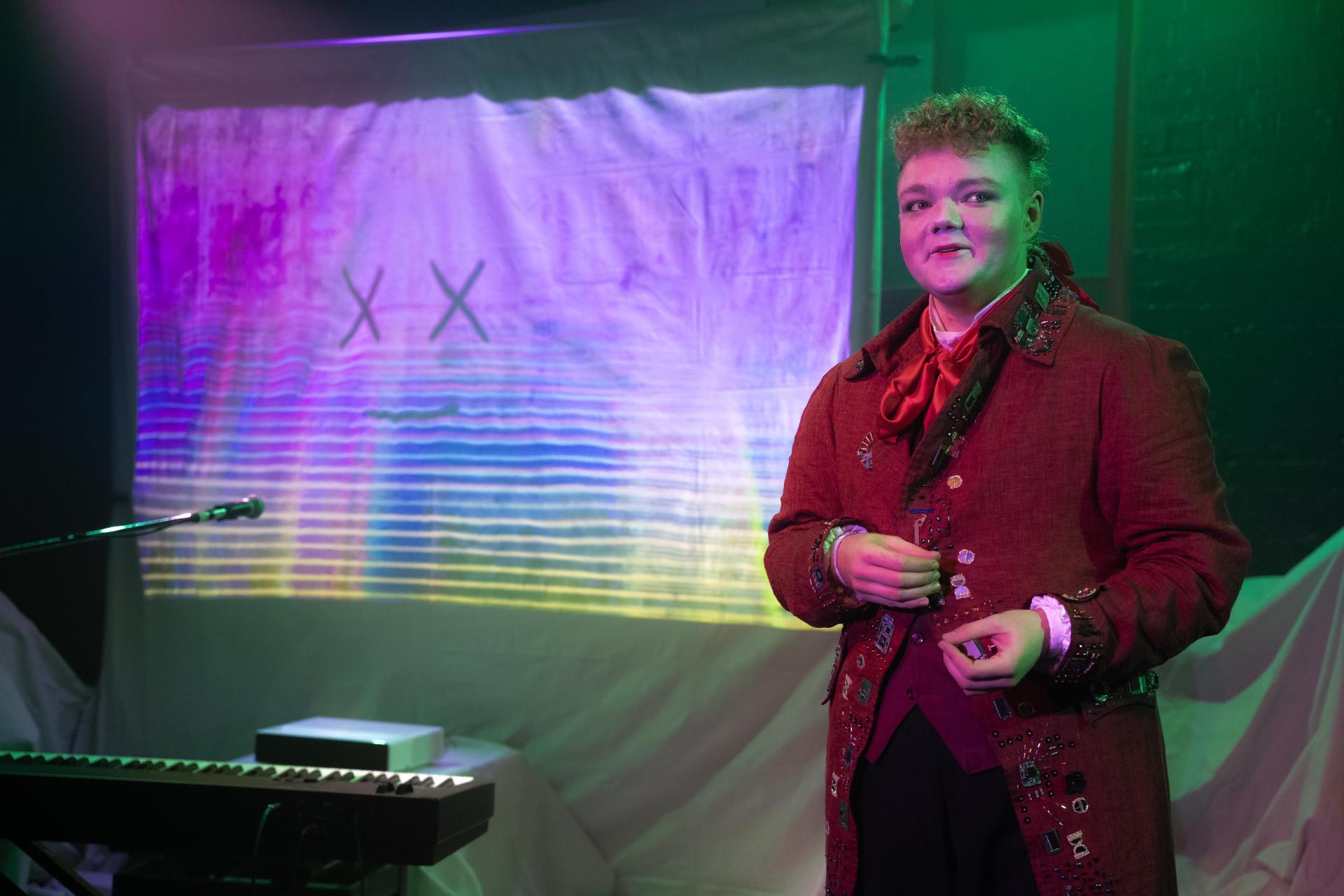
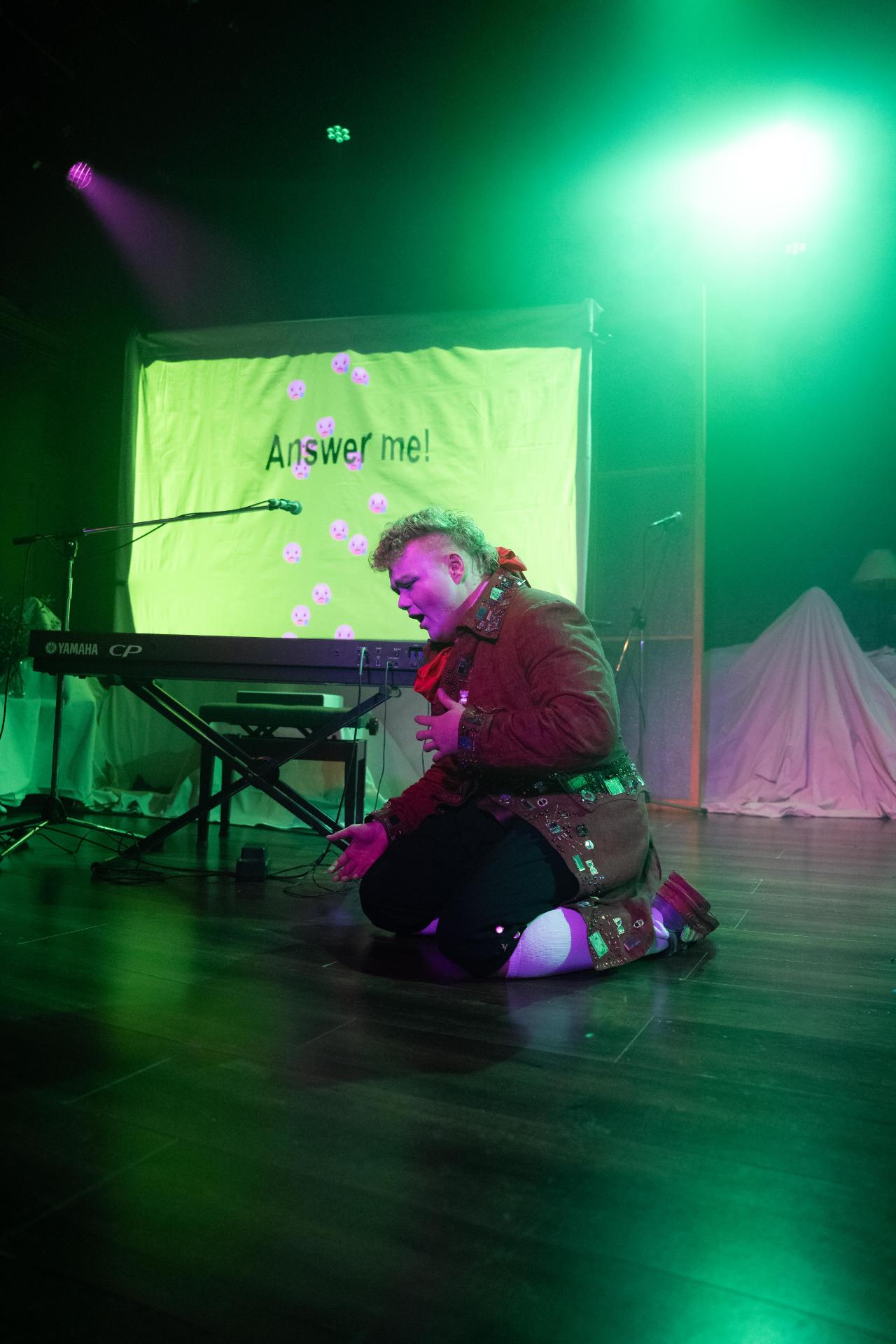
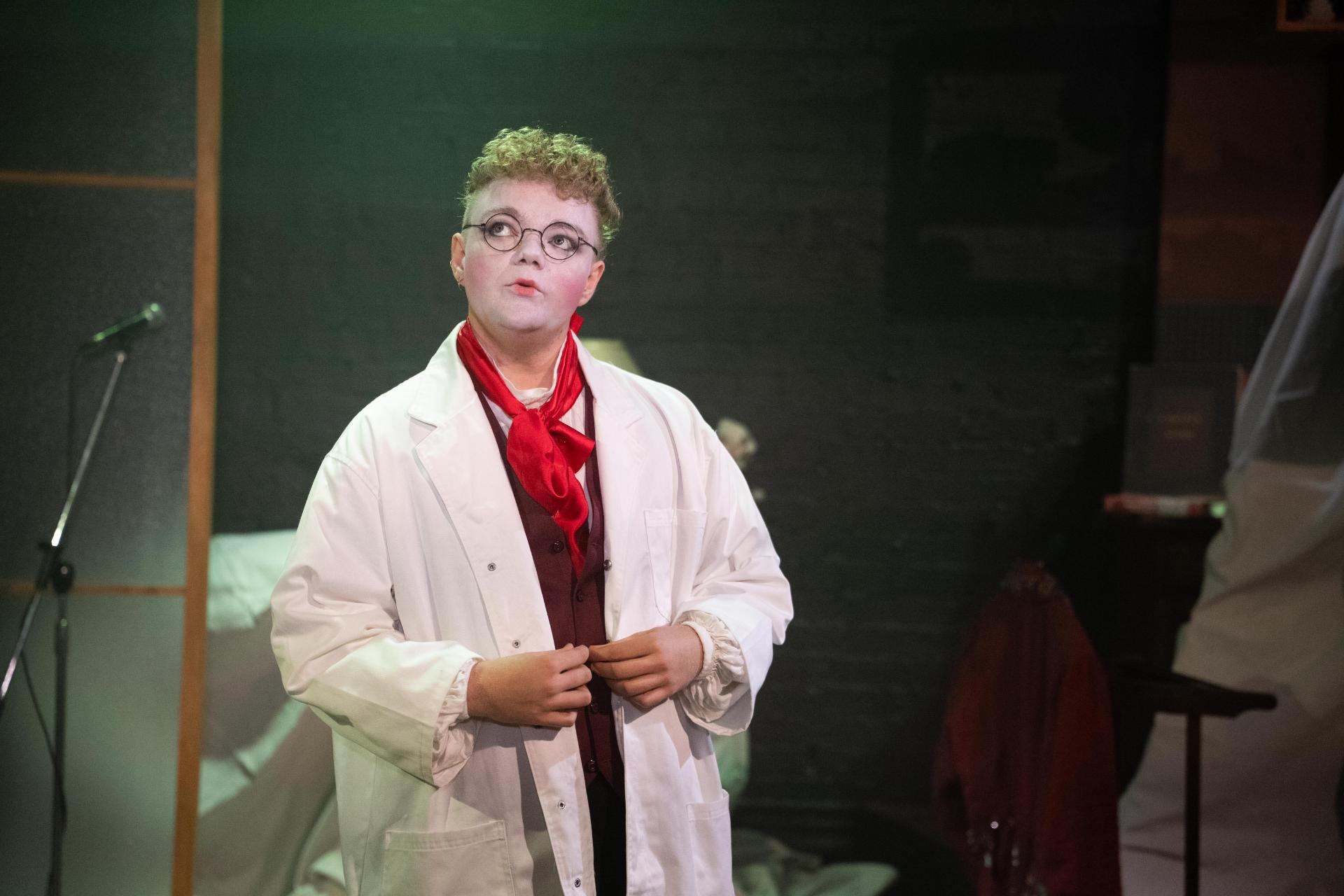
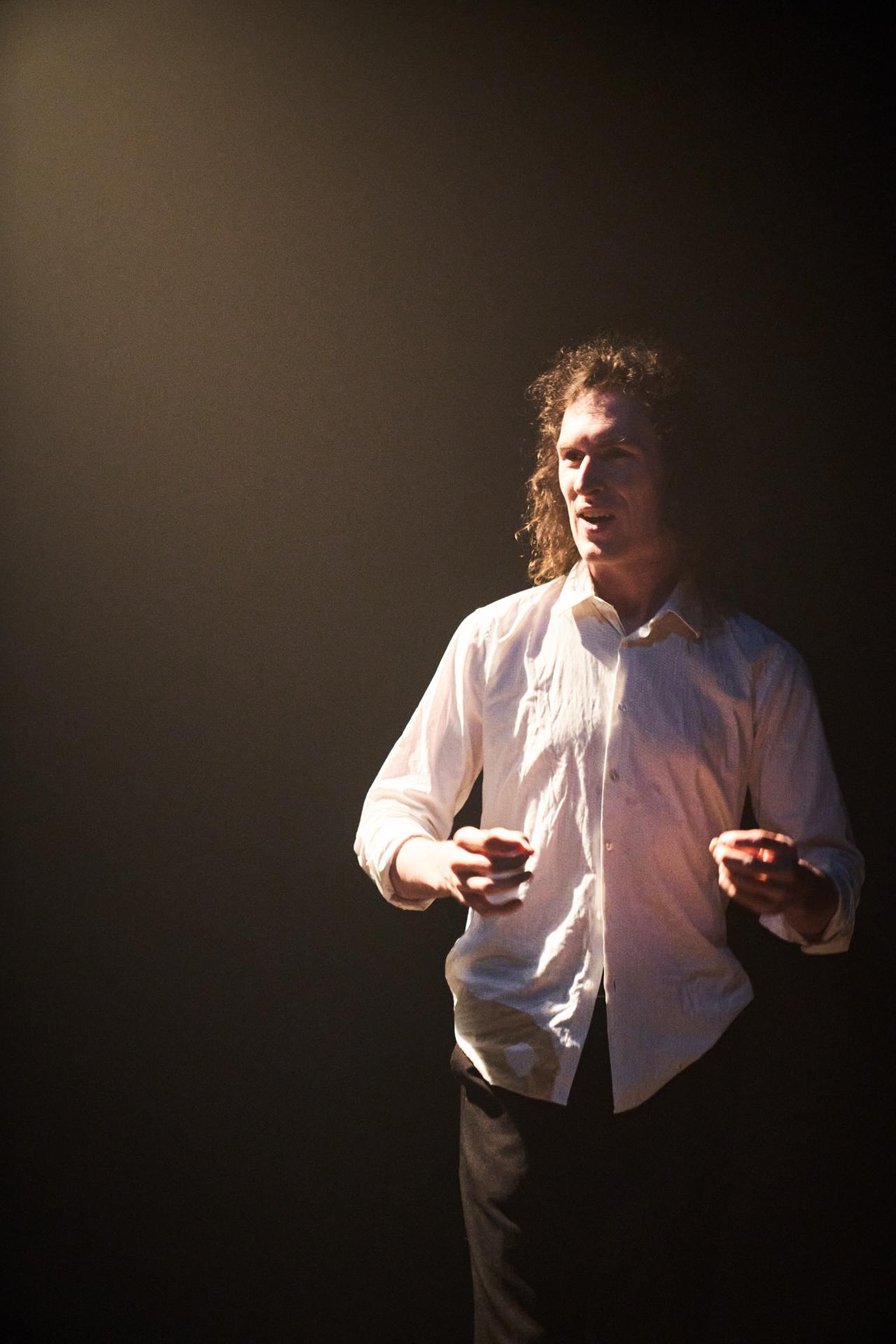
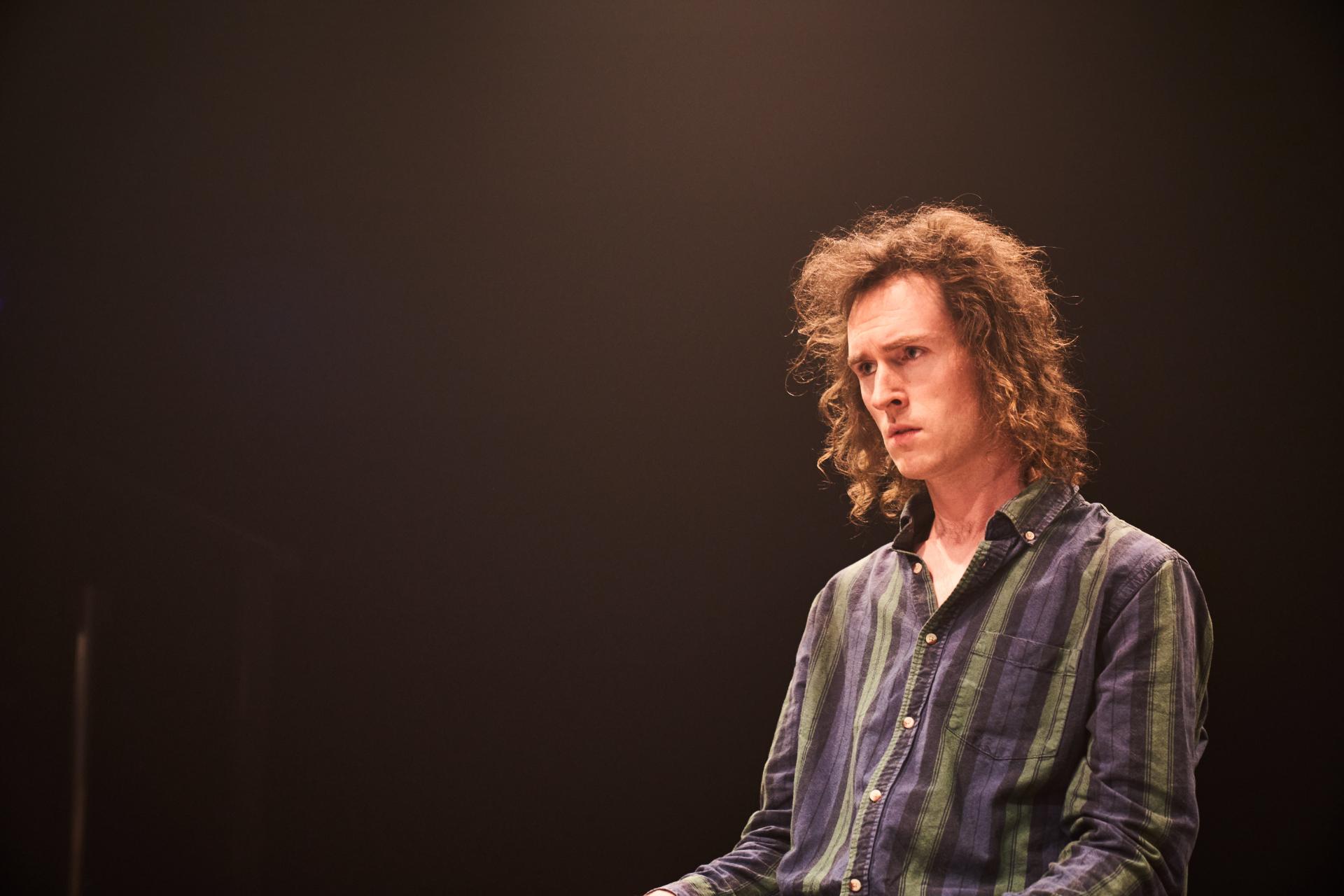
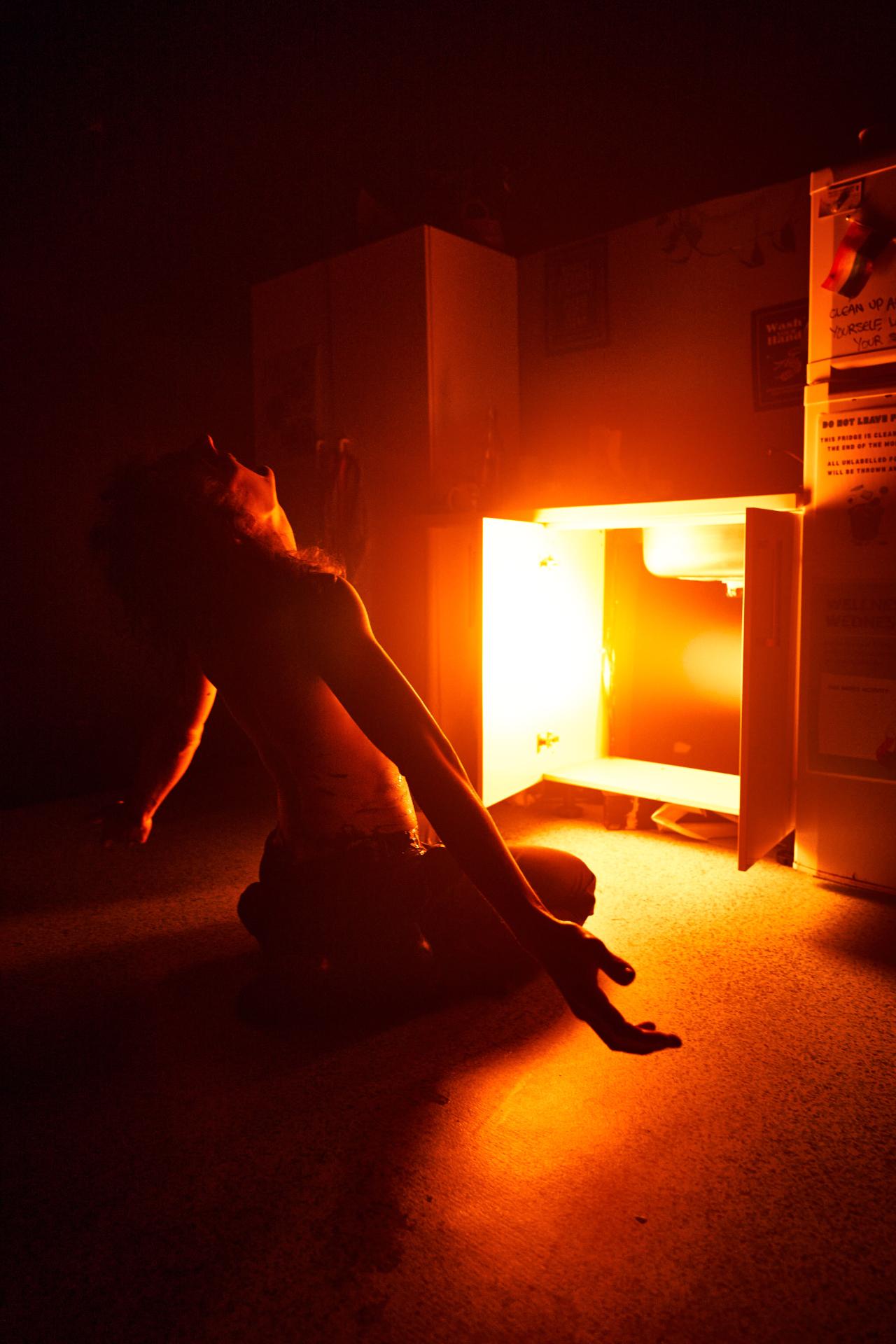
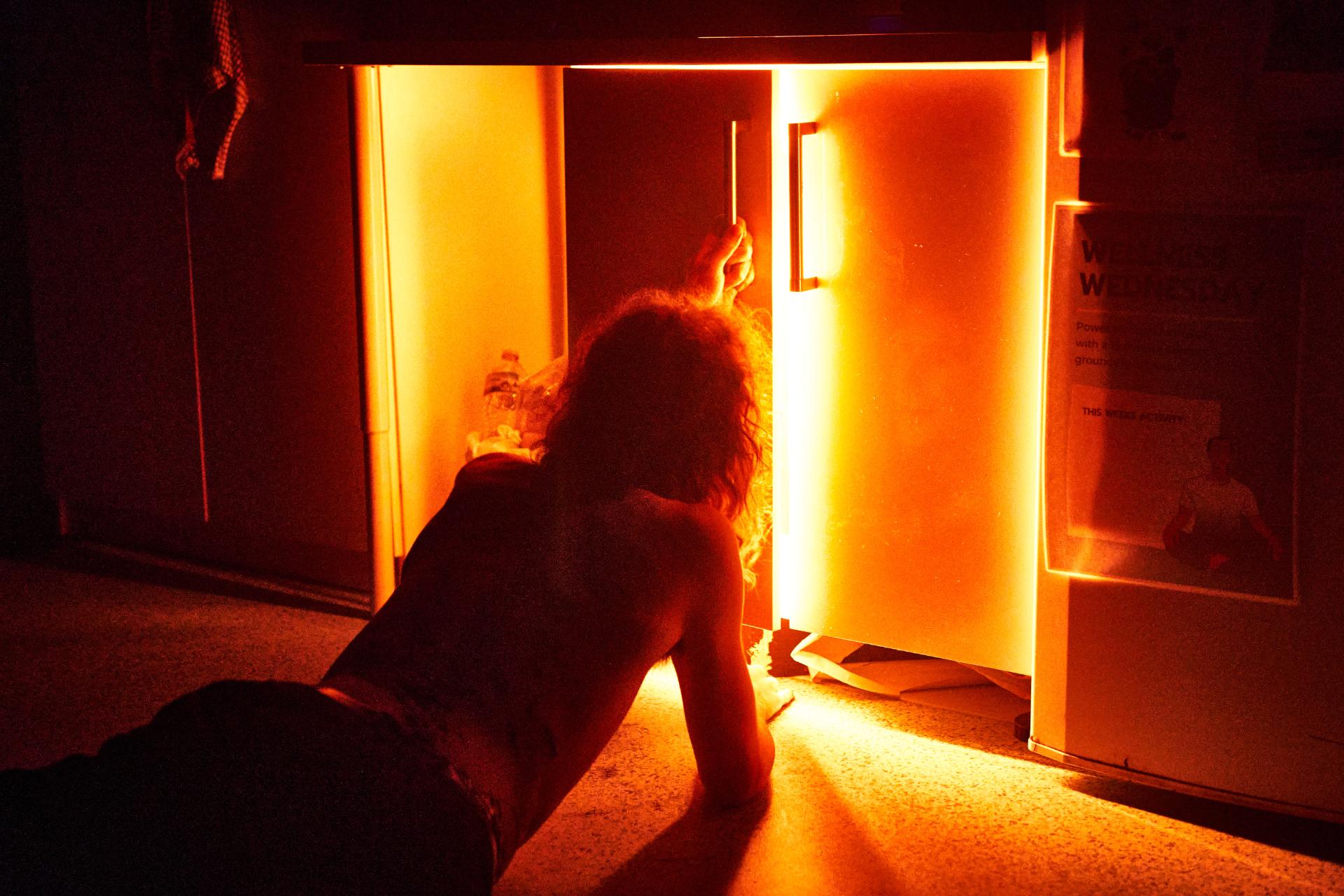
In Birdsong of Tomorrow, Nathan Harrison rhapsodizes about birds that trace their origins to the age of dinosaurs, and about songs that took flight millions of years before humans set foot on the earth. At once a meditation on time and change, on life and death, Birdsong of Tomorrow resounds most urgently as a plea for ecological preservation, emerging at a moment when humanity seems fatigued by its own fight to protect the earth.

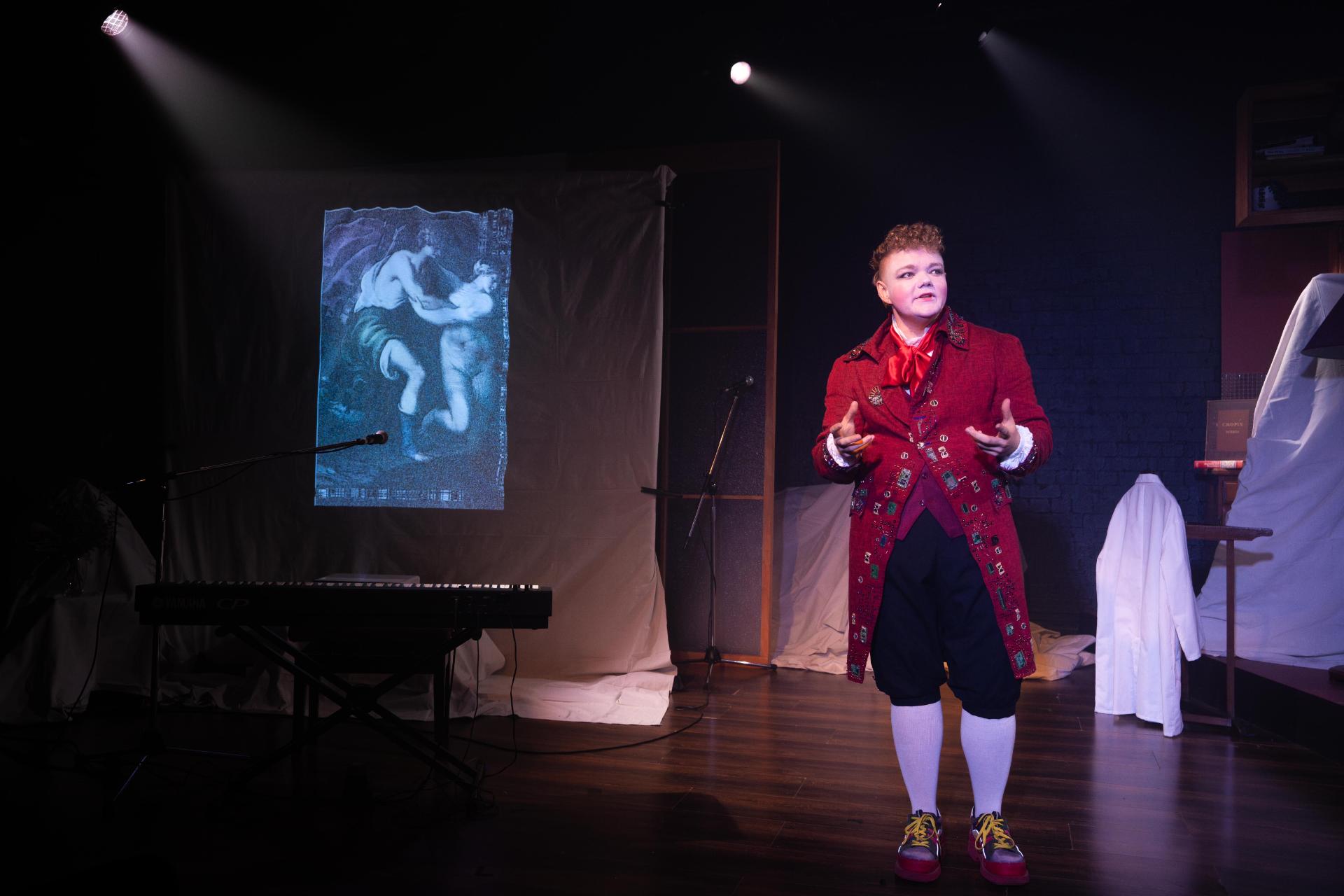
Directed by Emma McManus, the show conveys tenderness and sensitivity, tempered by occasional ironic humour that keeps its earnestness from becoming overbearing. Harrison is an endearing presence, and his command of the text keeps us engaged with his message, even when the specificity of his interests sometimes veers into the overly niche. He is joined by Tom Hogan, whose inventive live musical accompaniment enriches the experience immeasurably.

Lights by Saint Clair ensure warmth, along with small doses of drama that provide a sense of theatricality. Surrounded by archaic forms of media technology, Harrison comments on temporal transformations, and the habitual wastefulness of modern life responsible for the degradation of our environment. Attuning ourselves to the song of nature offers no efficiency, no measurable productivity within a capitalist framework, revealing that the values we so readily embrace will, in the end, be our undoing.

www.griffintheatre.com.au

Review: The Talented Mr. Ripley (Sydney Theatre Company)

Venue: Roslyn Packer Theatre (Sydney NSW), Aug 19 – Sep 28, 2025
Playwright: Joanna Murray-Smith (based on the novel by Patricia Highsmith)
Director: Sarah Goodes
Cast: Faisal Hamza, Raj Labade, Will McDonald, Andrew McFarlane, Johnny Nasser, Claude Scott-Mitchell 
Images by Prudence Upton

Theatre review
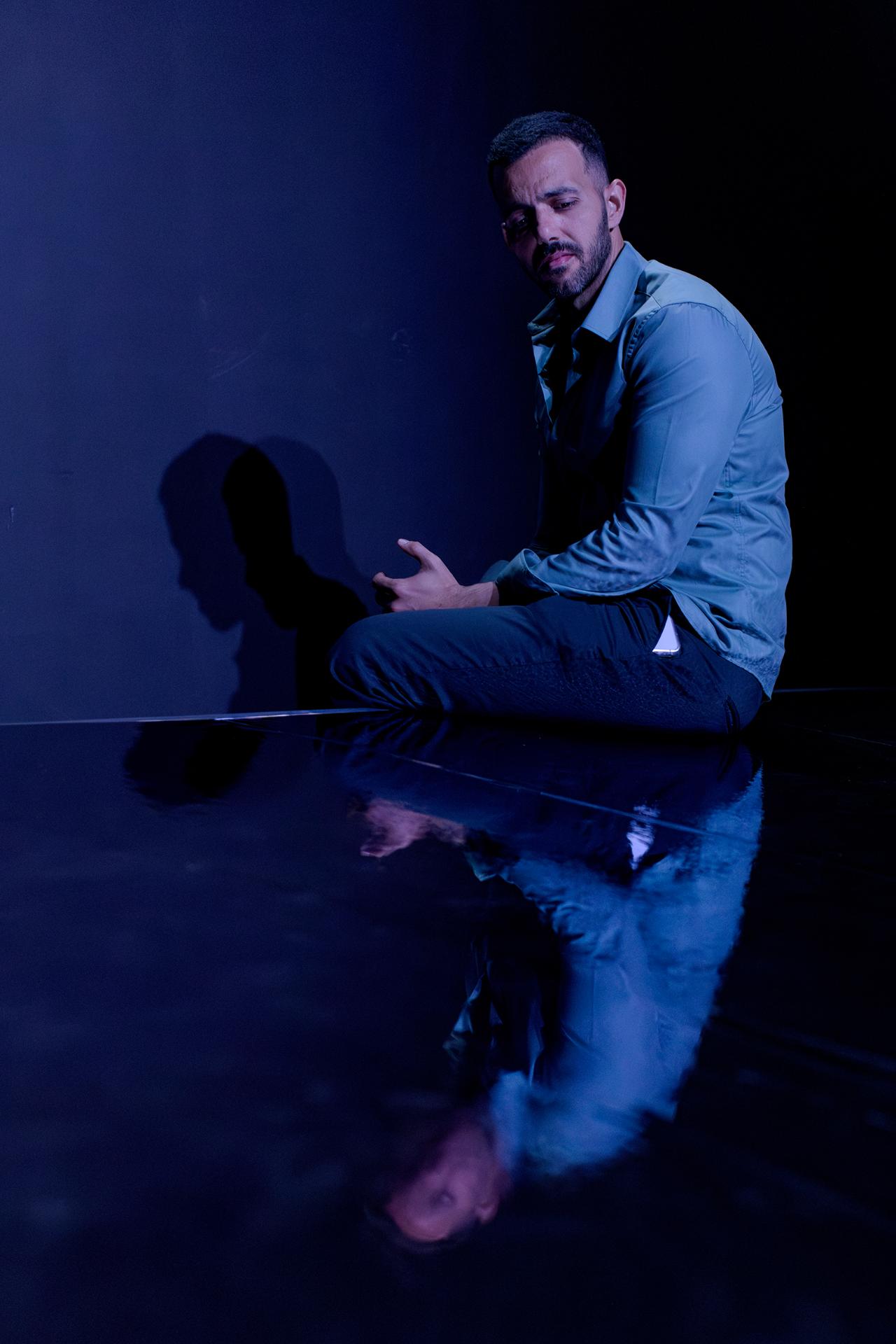
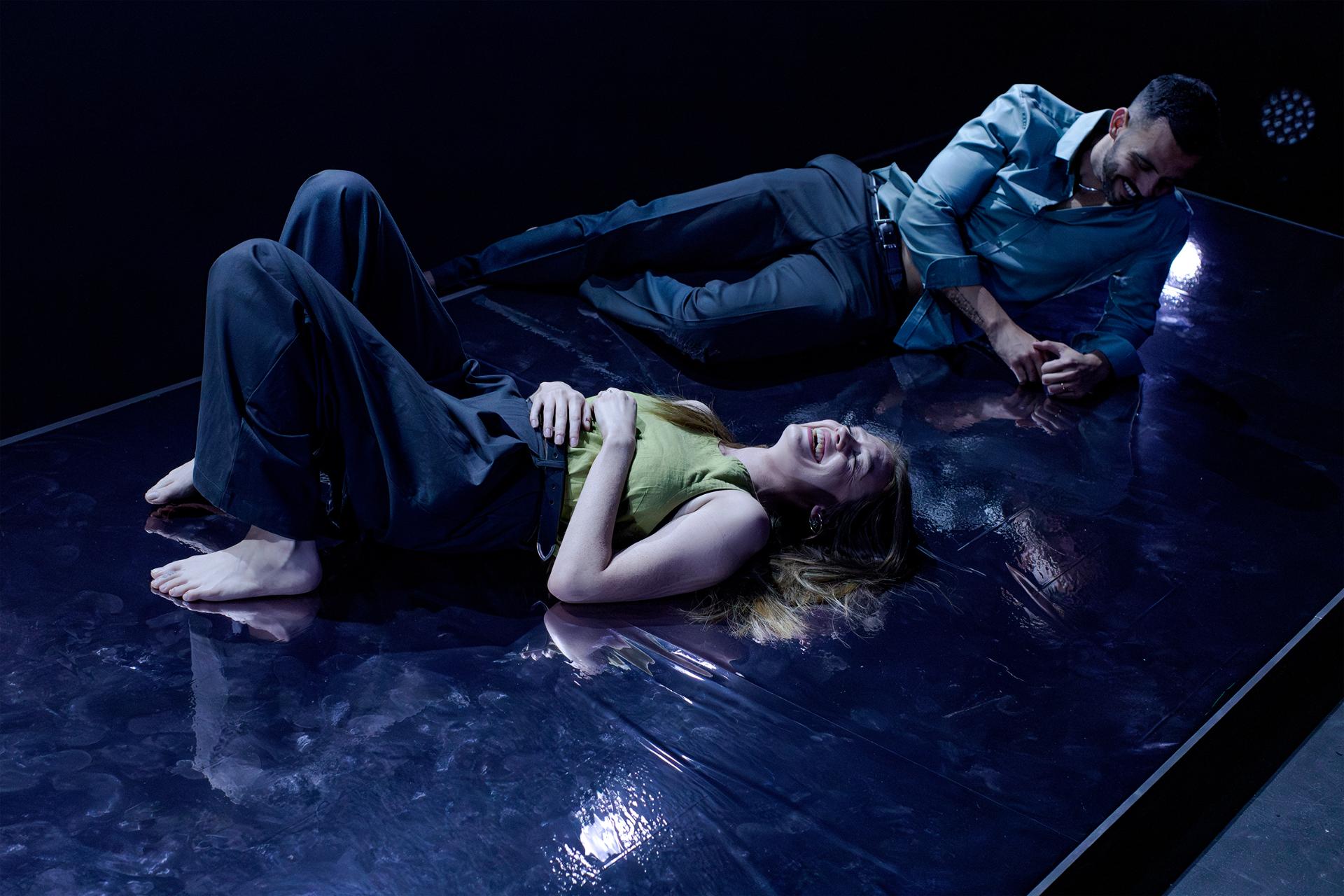
There are many possible reasons for Patricia Highsmith’s famous protagonist making the appalling decisions he does. Without overt explanations of Tom Ripley’s psychological constitution, we are left to observe his actions and to speculate on his motivations, often through notions of humanity that we can only presume to be universal. Joanna Murray-Smith’s adaptation comes 60 years after the novel’s publication, and although The Talented Mr. Ripley is thankfully rendered identifiably queer in this new stage version, we remain seduced by its enigmatic characters and their fundamentally dangerous story.

It is almost always a challenge to condense a work from book to play, but Murray-Smith does wonderfully to retain not only the essence, but also the delicious details of Highsmith’s original narrative. Direction by Sarah Goodes however feels rushed at several key moments, likely a consequence of wishing to keep running time within the conventional two hours. The show prevents itself from sprawling and luxuriating, in something that cannot disguise its tendencies toward indulgence.

Visual aspects too fall short of the extravagance and decadence one might anticipate from a narrative steeped in class and envy, but the crucial scene of Ripley’s first murder, is certainly some of the most beautiful theatre to appear in recent memory. Set design by Elizabeth Gadsby is modern and sparse. Emma White’s costumes subtly represent the distinctions of social stratum. Damien Cooper’s lighting brings dynamism, though it can appear somewhat unnecessarily restrained. Music and sound by Steve Francis is an unequivocal highlight, delivering huge doses of unabashed drama, to match Ripley’s intensifying delusions of grandeur.

Leading man Will McDonald is both compelling and convincing as the disturbed charlatan, brilliantly conveying the unspoken dimensions of Ripley’s inner world, which form the very heart of the production. Object of desire Dickie Greenleaf is performed with charismatic verve by a highly memorable Raj Labade, who strikes a delicate balance between likeable cad and despicable scoundrel. Also noteworthy is Faisal Hamza as Freddie Miles, wonderfully mischievous in his portrayals of nauseating privilege and wanton youth.

There is little reason to admire Ripley, yet despite his heinous crimes, we never for a moment want him to be caught. Every subsequent kill, though met with our derision, remains an irresistible pleasure in the purely artistic sense. That we can find ways to enjoy learning about Ripley’s atrocities, only means that there are parts of our psyche that can somehow appreciate his debauched descent. Though we strive to uphold honour in our personal choices, the sheer talent of those who commit barbarities proves always to exert a relentless, undeniable fascination.

www.sydneytheatre.com.au
Review: The 39 Steps (Sydney Opera House)

Venue: Sydney Opera House (Sydney NSW), Aug 8 – 30, 2025
Playwright: Patrick Barlow (from the John Buchan novel, and the Alfred Hitchcock movie)
Director: Damien Ryan
Cast: David Collins, Shane Dundas, Lisa McCune, Ian Stenlake
Images by Cameron Grant

Theatre review
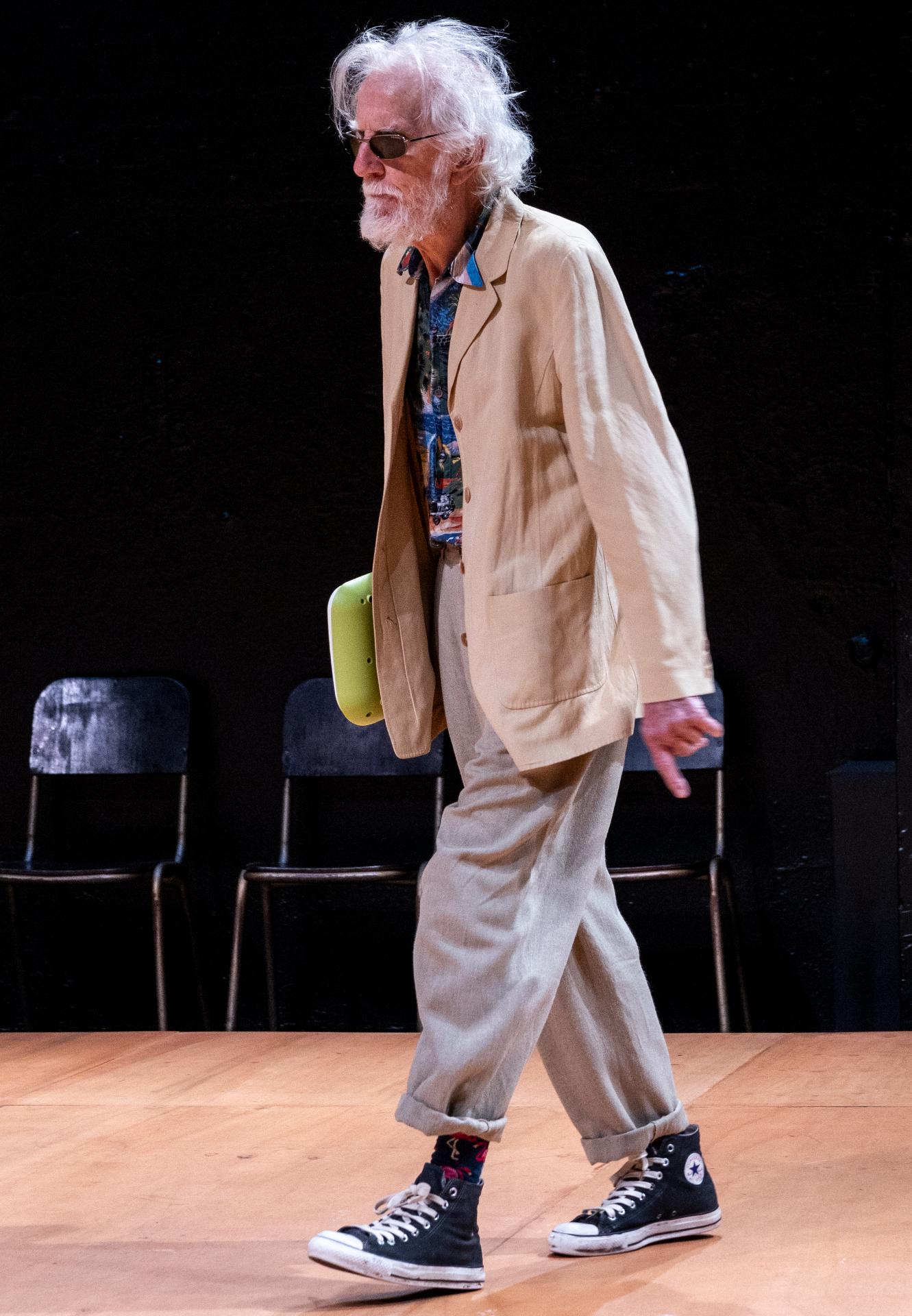
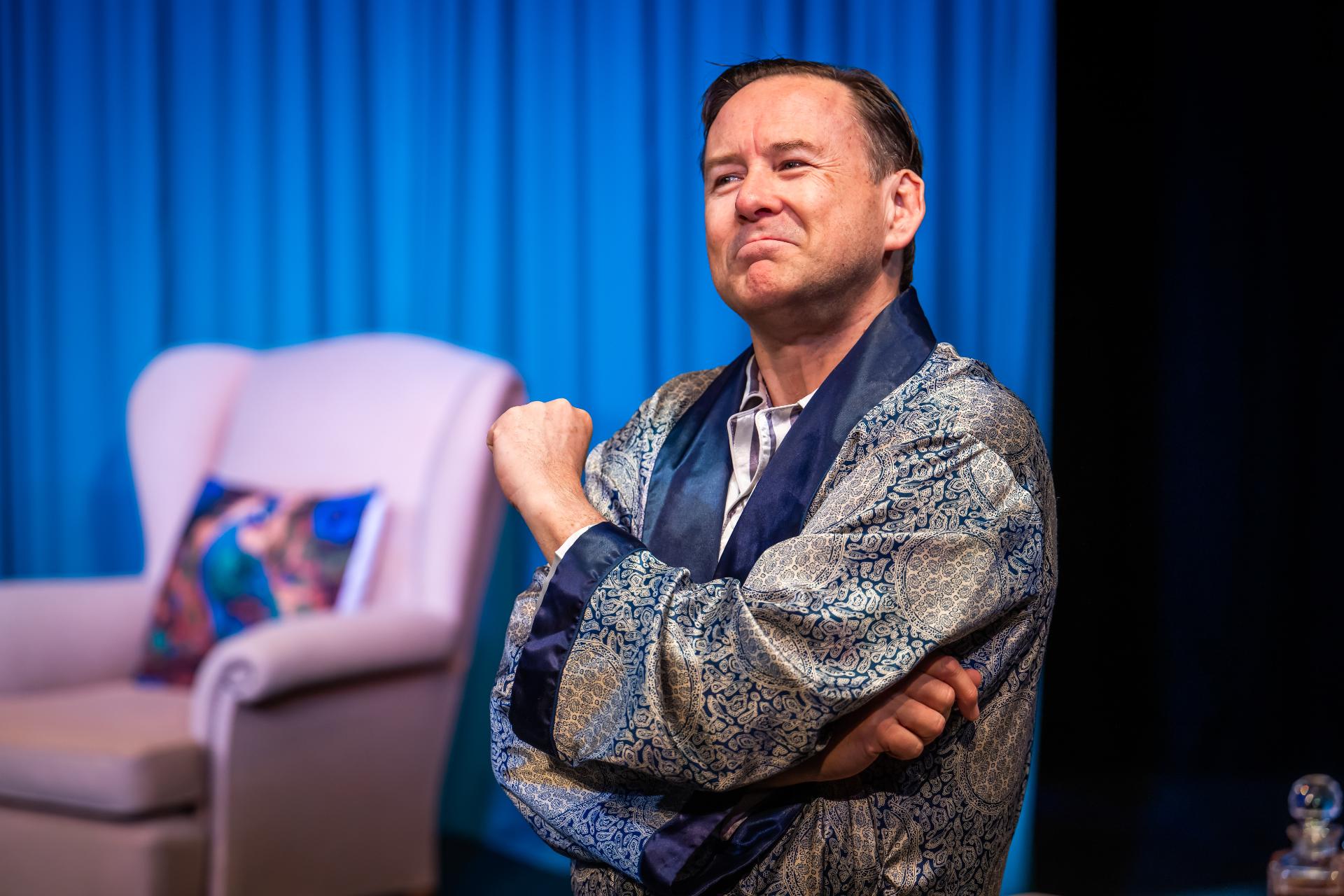
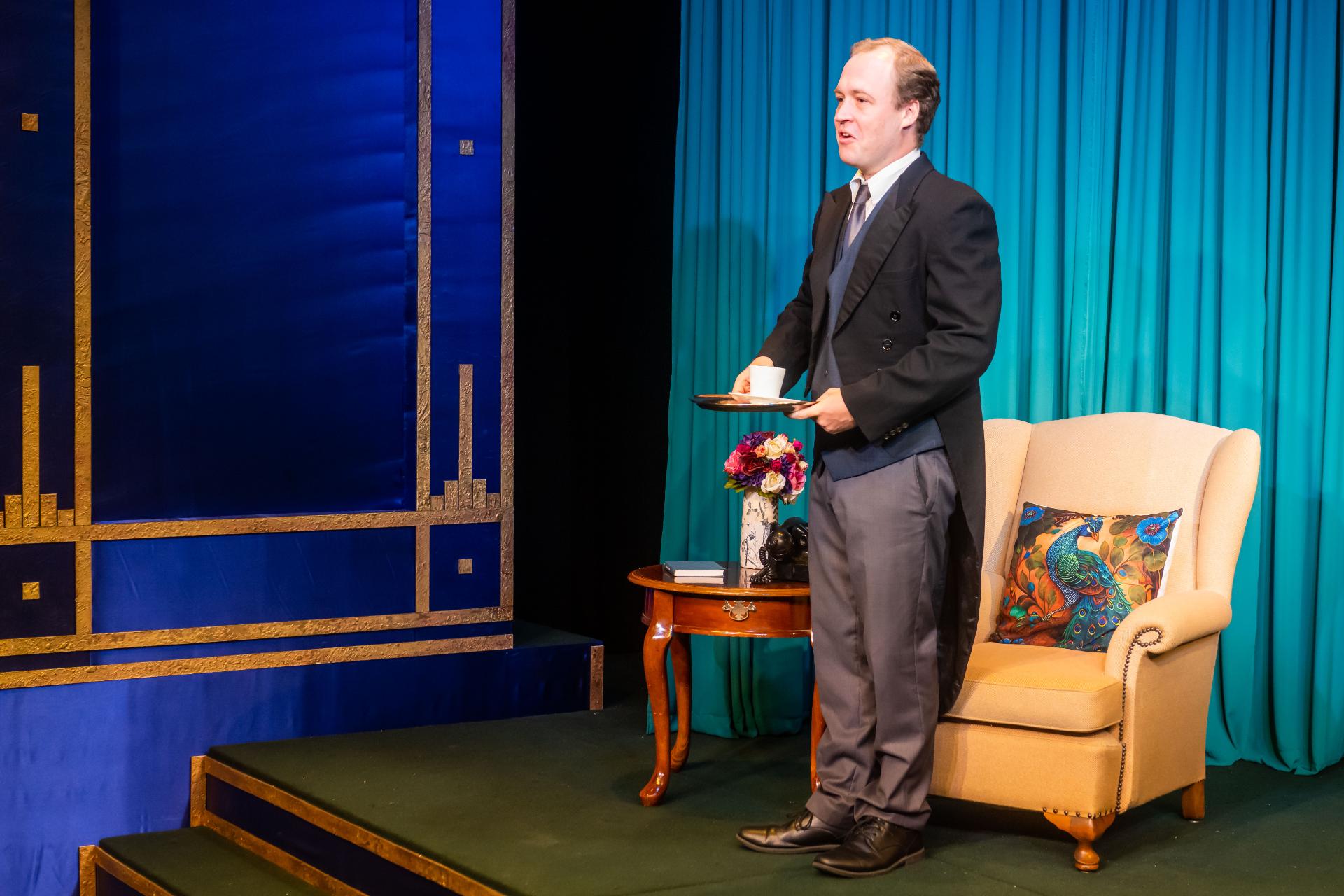
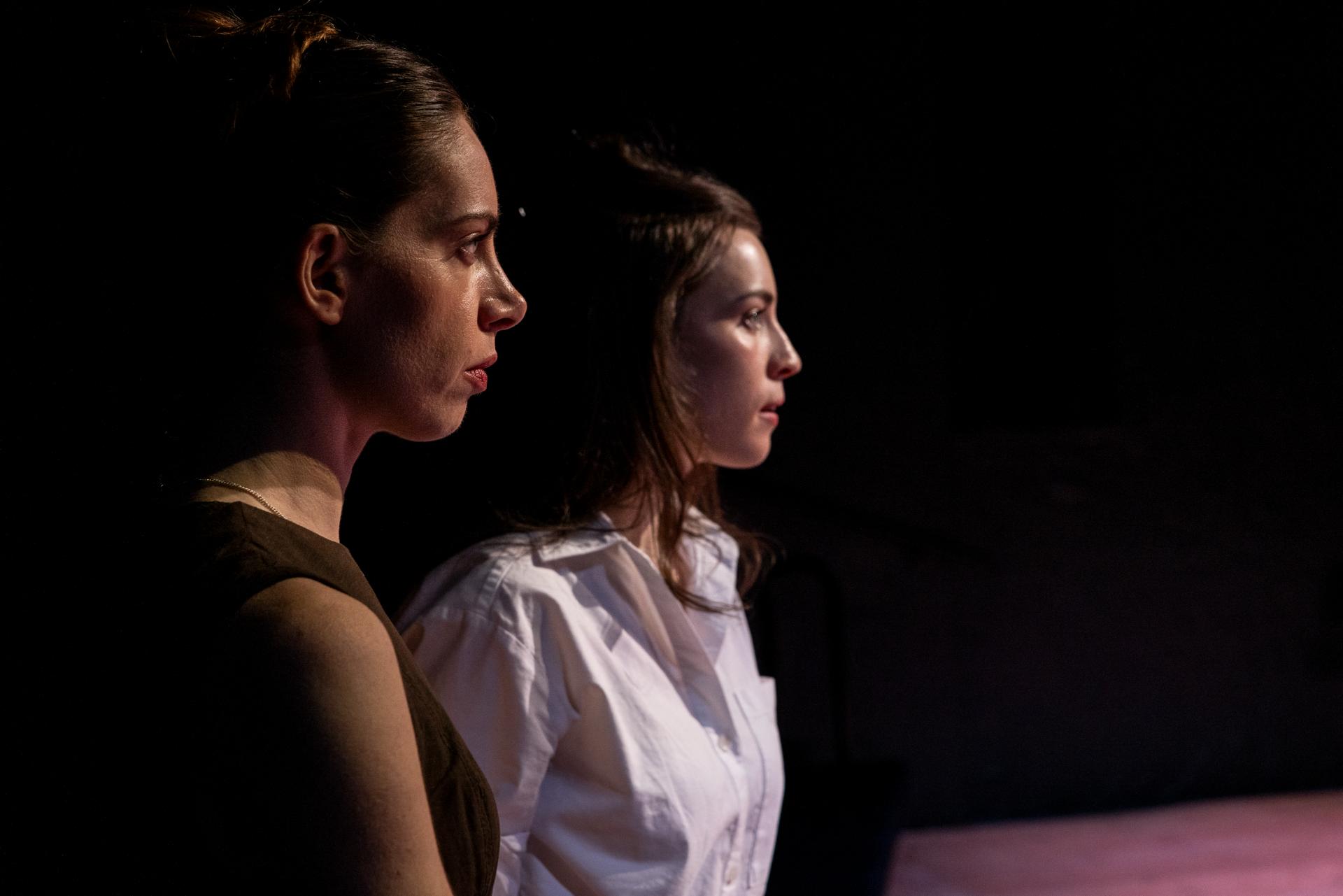
Richard is a man on the run, falsely accused of murder. The 39 Steps is best known as Alfred Hitchcock’s wryly funny 1935 film, adapted from a 1915 adventure-thriller novel. Patrick Barlow’s 2005 stage adaptation transforms the story into a fully comedic work, frequently referencing the movie version to create a postmodern take on the century-old title.

Director Damien Ryan embraces all the parody and pastiche, delivering a bold and extravagant farce, though the nonstop jokes lack the crispness needed to fully land. The production is visually striking, with James Browne’s sets and costumes impressing through their ambitious scale and refined aesthetic. Lights by Matthew Marshall are commensurately sumptuous, and highly evocative in this monochromatic tribute to early filmmaking. Music and sound by Brady Watkins are full of dynamism, adept at sustaining energies, even when the laughs begin to feel laboured.

Actor Ian Stenlake embodies the leading man with commendable dedication, though he exhibits some limitations in agility for a production characterized by its vigorous intensity. Lisa McCune performs multiple roles with skill and accuracy, bringing a level of refinement to a show that easily spirals out of control. David Collins and Shane Dundas, best known collectively as The Umbilical Brothers, make their trademark humour a distinctive feature of the staging, which ultimately detracts from the overall experience. The pair is unequivocally accomplished, but the narrative momentum is hindered by the production’s insistence on highlighting their expertise.

Humour is inherently subjective. Understanding what makes something funny demands an examination of the milieu from which it stems. While we may live in multicultural societies, much of the artistic output—even in the twenty-first century—remains resolutely monocultural. As a result, for many of us in minority communities, witnessing widespread laughter can often feel nothing short of confounding.

www.the39steps.com.au

Review: Foam (Qtopia)

Venue: Qtopia (Darlinghurst NSW), Aug 6 – 23, 2025
Playwright: Harry McDonald
Director: Gavin Roach
Cast: Joshua Merten, Patrick Phillips, Timothy Springs, Chad Traupmann
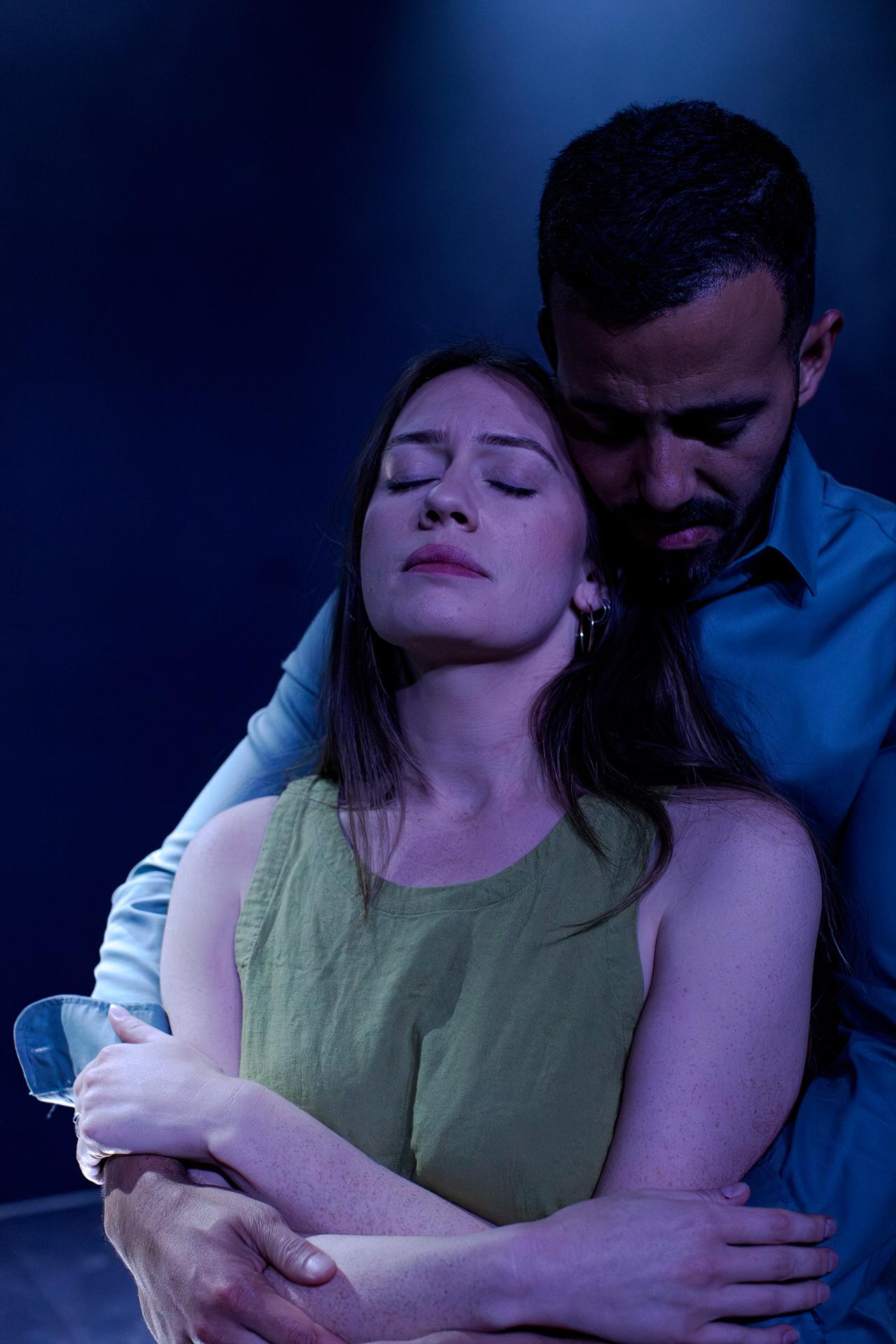
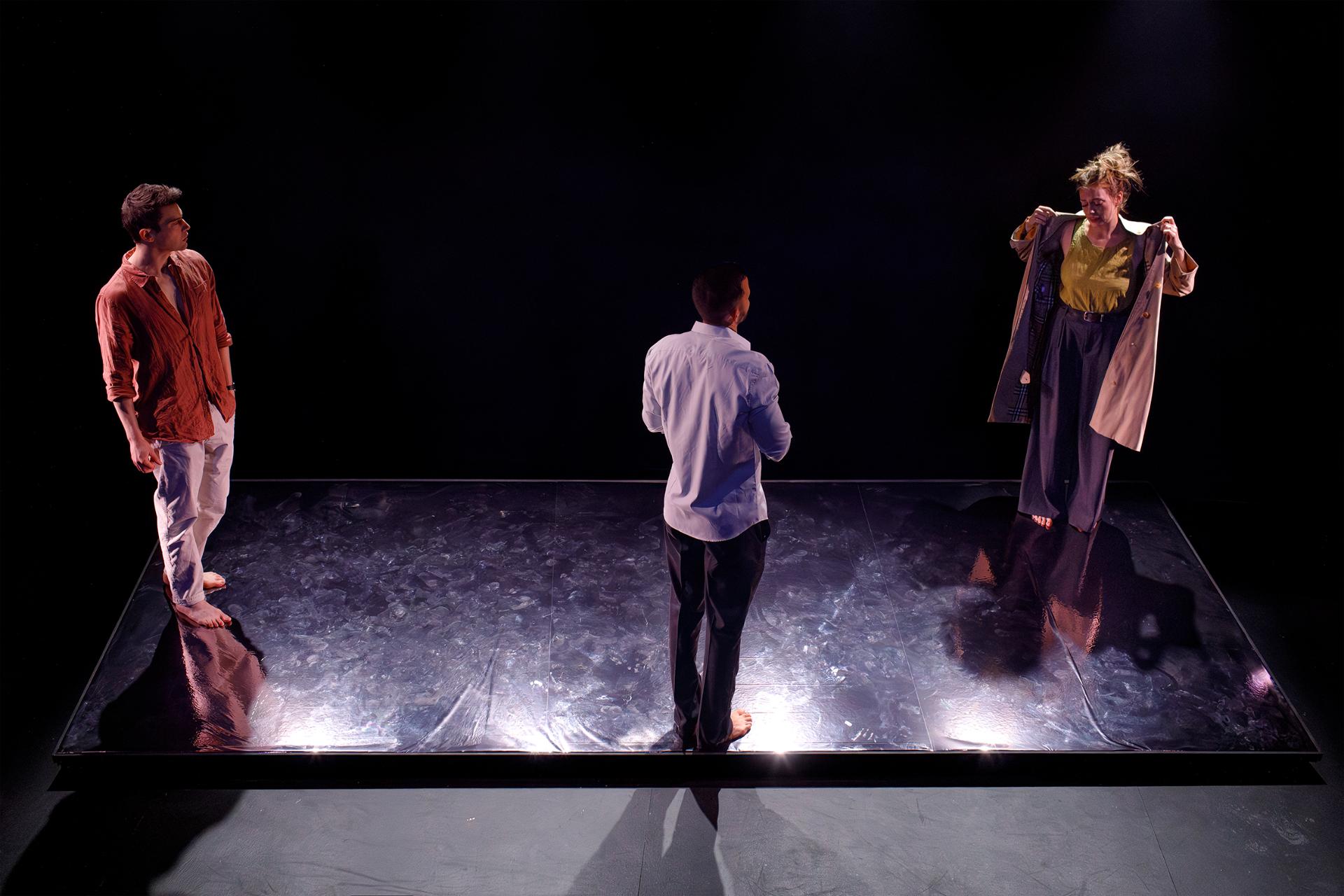
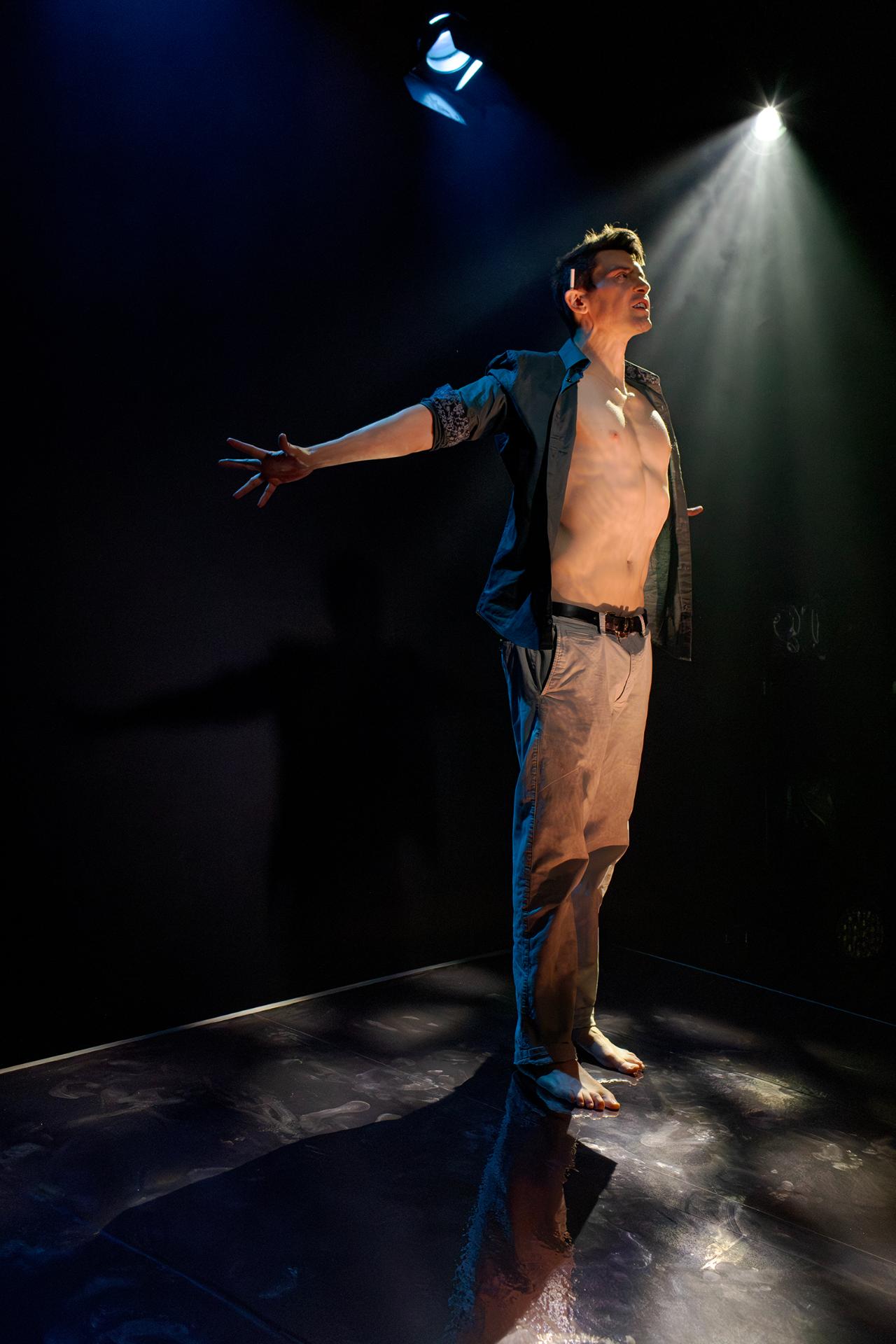
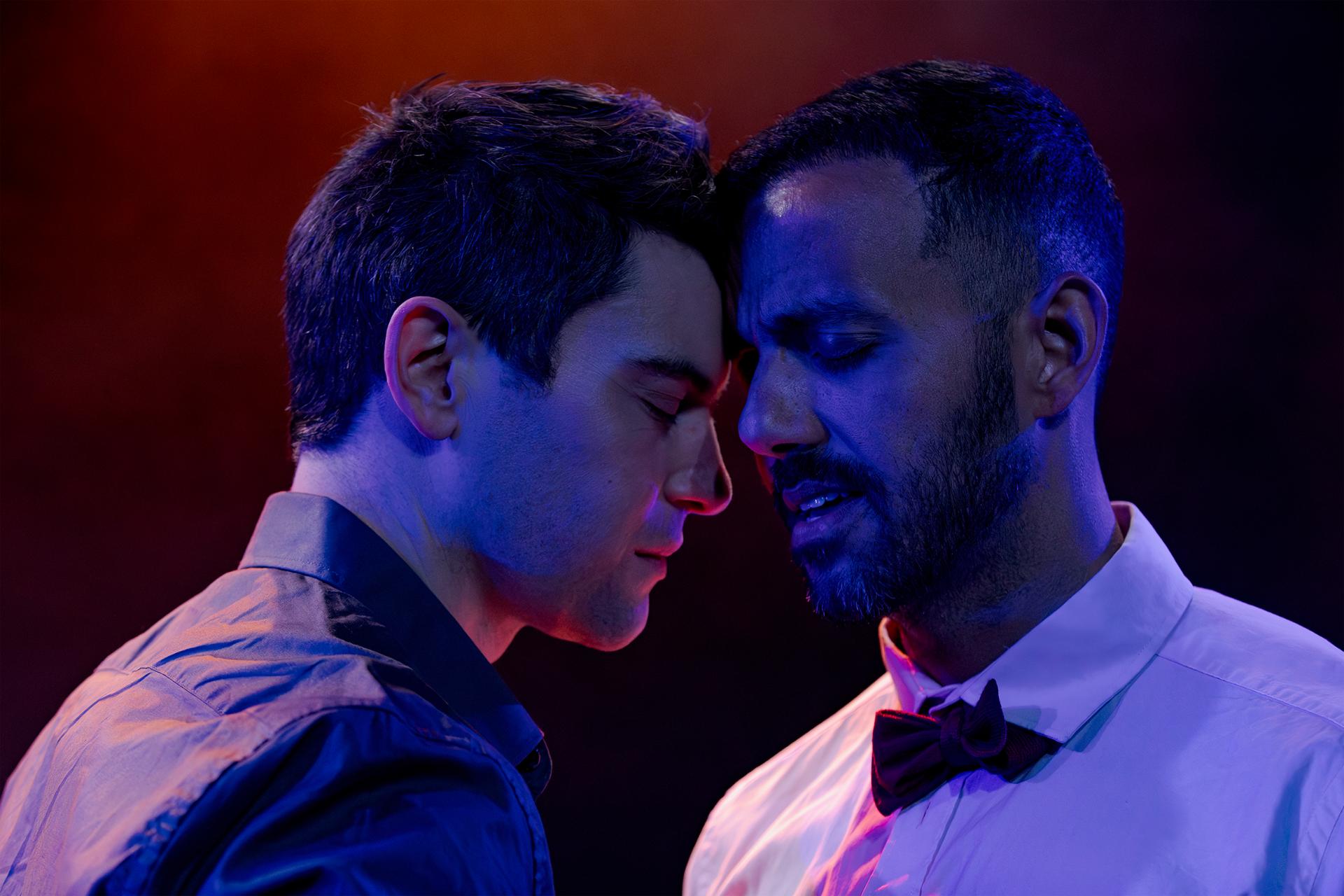
Images by Robert Catto

Theatre review
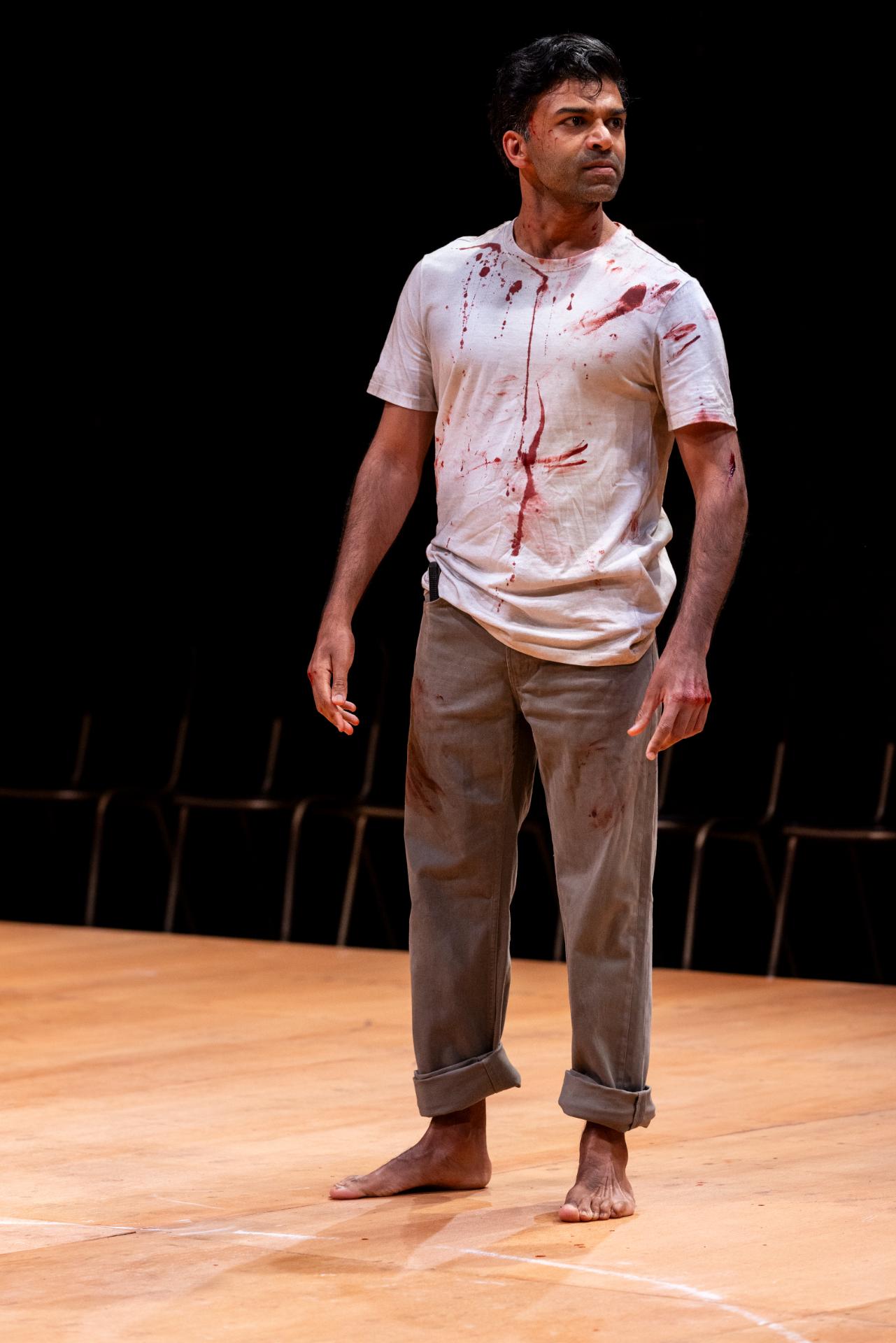
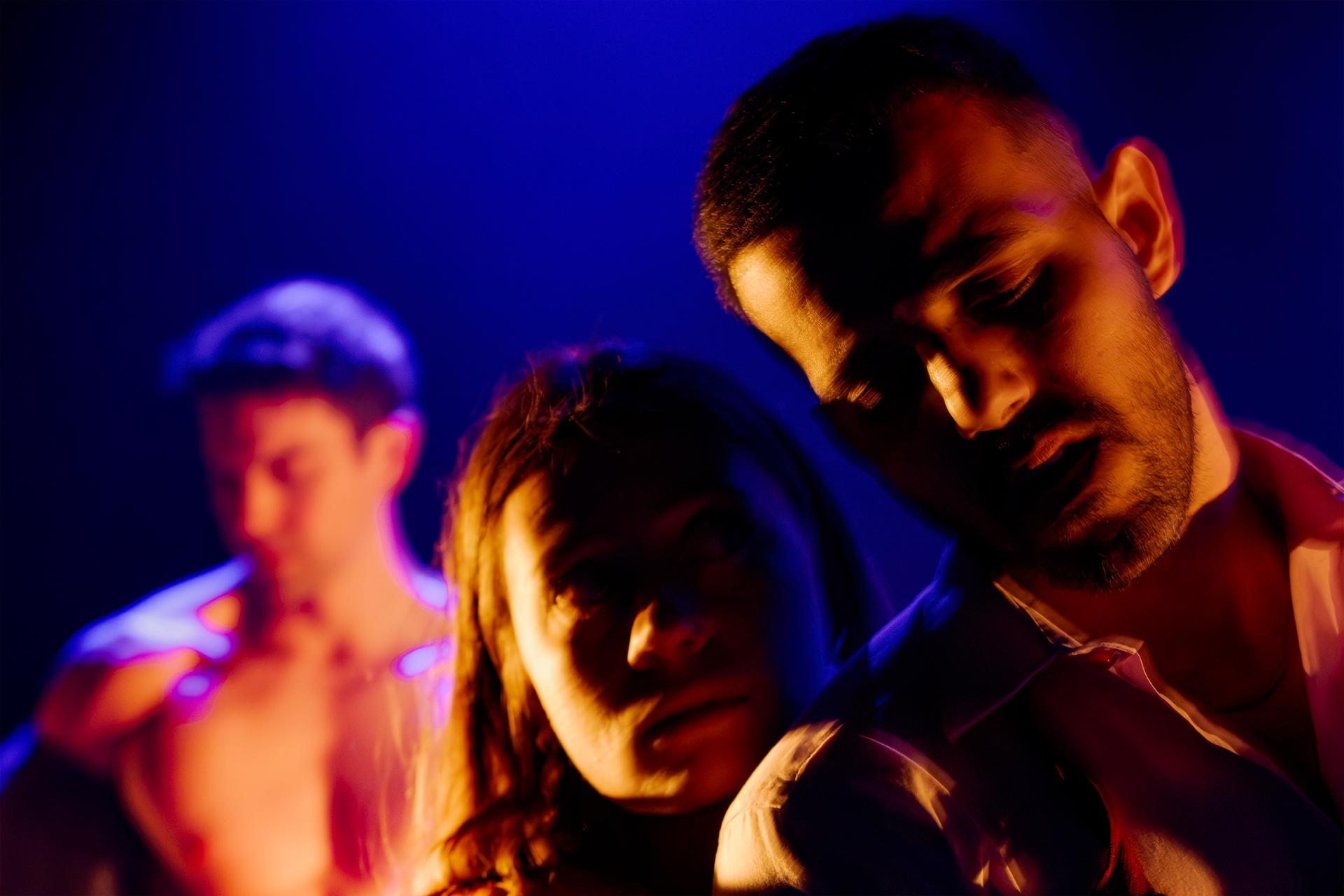
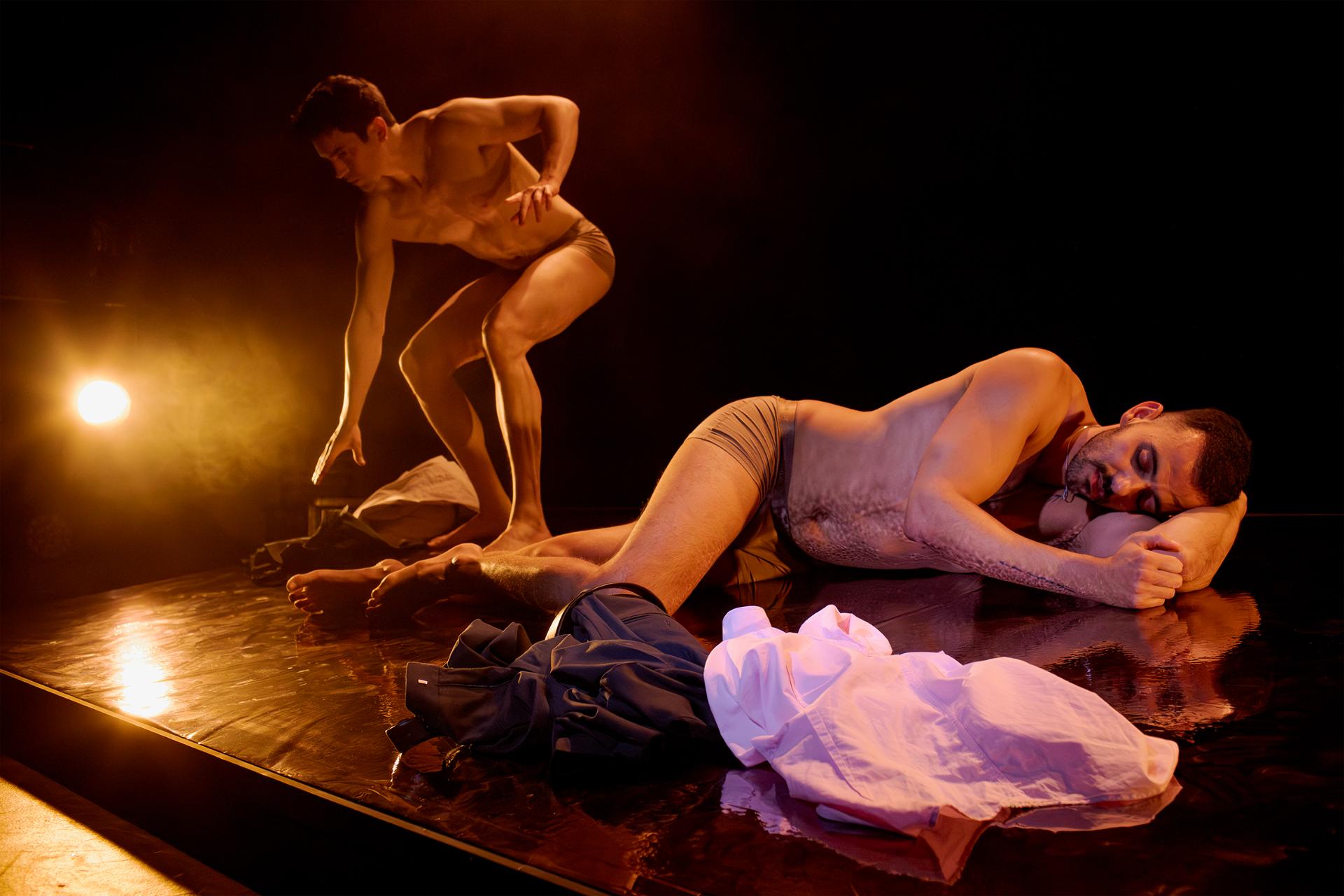
Nicky Crane was British, gay and a neo-Nazi. The play Foam by Harry McDonald chronicles Crane’s life from 1974 at the age of 15, until his AIDS-related death in 1993. While people like Crane may seem best left to oblivion, there is merit in remembering atrocities, if only to guard against their repetition. While McDonald’s writing presents itself as a candid account of the man’s life, it occasionally lapses into sympathy, rendering the show an uneasy experience.

Direction by Gavin Roach embraces an unadorned aesthetic that suits the material, but an absence of a clear political stance and sufficient dramatic tension, leaves the production feeling somewhat inert. Actor Patrick Phillips is noteworthy for the commitment he brings to the lead role. While he struggles to convey the menacing quality essential to the story, his unwavering focus throughout the production’s entire duration remains impressive. 

It is true that we stand upon the shoulders of giants, but it is also true that there are parts of our collective histories that are shameful and deplorable. As a community that has endured immeasurable injustice and persecution, it might seem natural that we would know better than anyone how to reject hatred and oppression. Yet the truth remains, that some will carry that cruelty within, letting it shape the course of their lives.

www.qtopiasydney.com.au

Review: Once On This Island (Hayes Theatre)

Venue: Hayes Theatre Co (Potts Point NSW), Aug 2 – 31, 2025
Book & Lyrics: Lynn Ahrens
Music: Stephen Flaherty
Director: Brittanie Shipway
Cast: Zahrah Andrews, Sara Camara, Paul Leandre Escorrido, Googoorewon Knox, Sione Mafi Latu, Sebastian Nelson, Chaya Ocampo, Paula Parore, Thalia Osegueda Santos, Cypriana Singh, Alexander Tye, Rebecca Verrier
Images by David Hooley

Theatre review
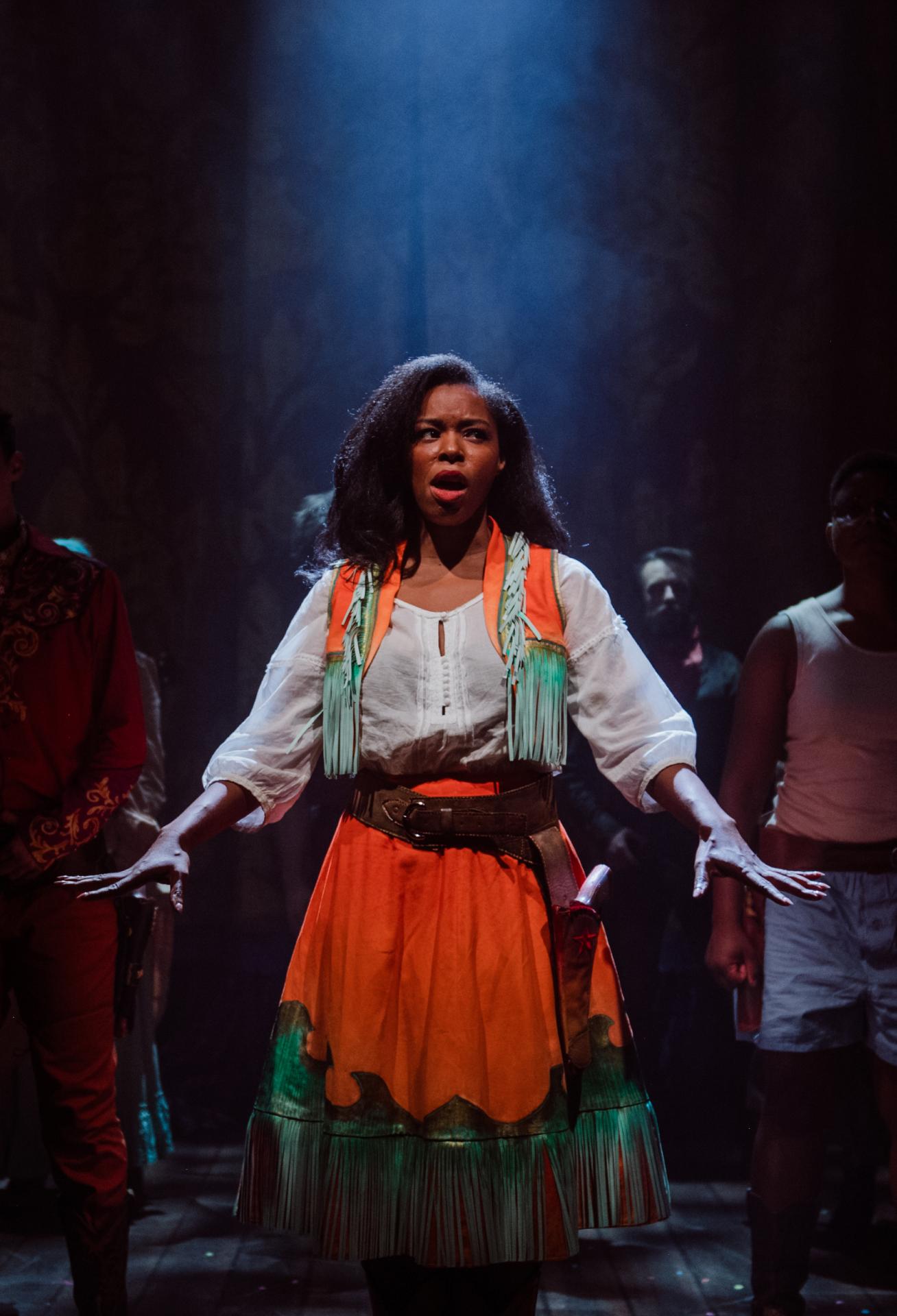
Based on the novella “My Love, My Love” by Rosa Guy, which was in turn inspired by Hans Christian Andersen’s “The Little Mermaid”, the 1990 musical Once on This Island tells the story of Ti Moune, a dark-skinned peasant girl who falls for the pale, upper-class Daniel after rescuing him from the wreckage of a car accident. While the narrative may be simplistic and geared toward a younger demographic, the show’s infectious songwriting by Lynn Ahrens and Stephen Flaherty, resonates across generations.

Brittanie Shipway’s direction embraces the innocence of the piece, and together with Leah Howard’s choreographic talents, delivers an entertaining production that also makes an important statement about social justice. Also enjoyable is music direction by Dylan Pollard, which makes full use of the score’s Caribbean influences to ensure an uplifting experience.

Nick Fry’s set and props effectively transport us to a fabled corner of the French Antilles, while Rita Naidu’s costumes add a delightful touch of fantasy. Veronique Benett’s lighting design contributes to this sense of magic, even if the overall staging occasionally lacks visual exuberance.

Performer Thalia Osecueda Santos is captivating and utterly endearing as Ti Moune, bringing unshakable focus and irrepressible enthusiasm that make her considerable technical abilities all the more admirable. Also memorable is Zahrah Andrews, who sings the role of Mama Euralie with soulful intricacy, complemented by Sione Mafi Latu’s impressive timbre as Tonton Julian.

Things take a dark turn when Ti Moune learns about betrayal. The effects of systemic racism on colonised lands make themselves undeniable, when they come crashing down on our young heroine’s hopes and dreams. Many of us too have been shaken out of that stupor, coming to understand the ubiquitous and insidious nature of those violations. Daniel may not believe he intends to harm Ti Moune, but it is precisely that kind of ignorance that perpetuates the deeply entrenched injustices shaping how we live. He may think he has done nothing wrong — but he has just as clearly done nothing right.

www.hayestheatre.com.au | www.curveballcreative.com
Review: Werkaholics (25A Belvoir)

Venue: Belvoir St Theatre (Surry Hills NSW), Jul 29 – Aug 17, 2025
Playwright: Vivian Nguyen
Director: Nicole Pingon
Cast: Ruby Duncan, Georgia Oom, Shirong Wu
Images by Lucy Parakhina

Theatre review
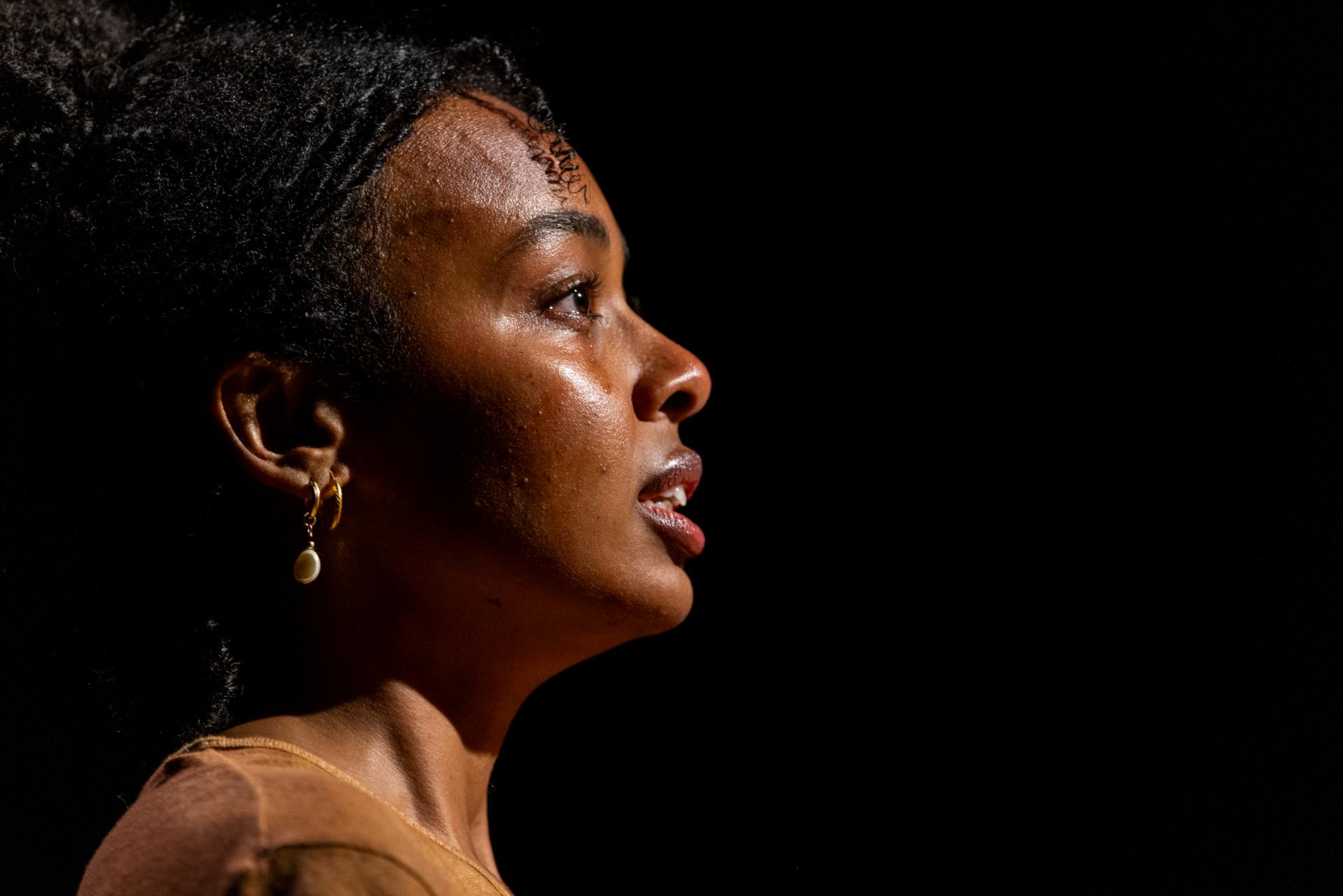
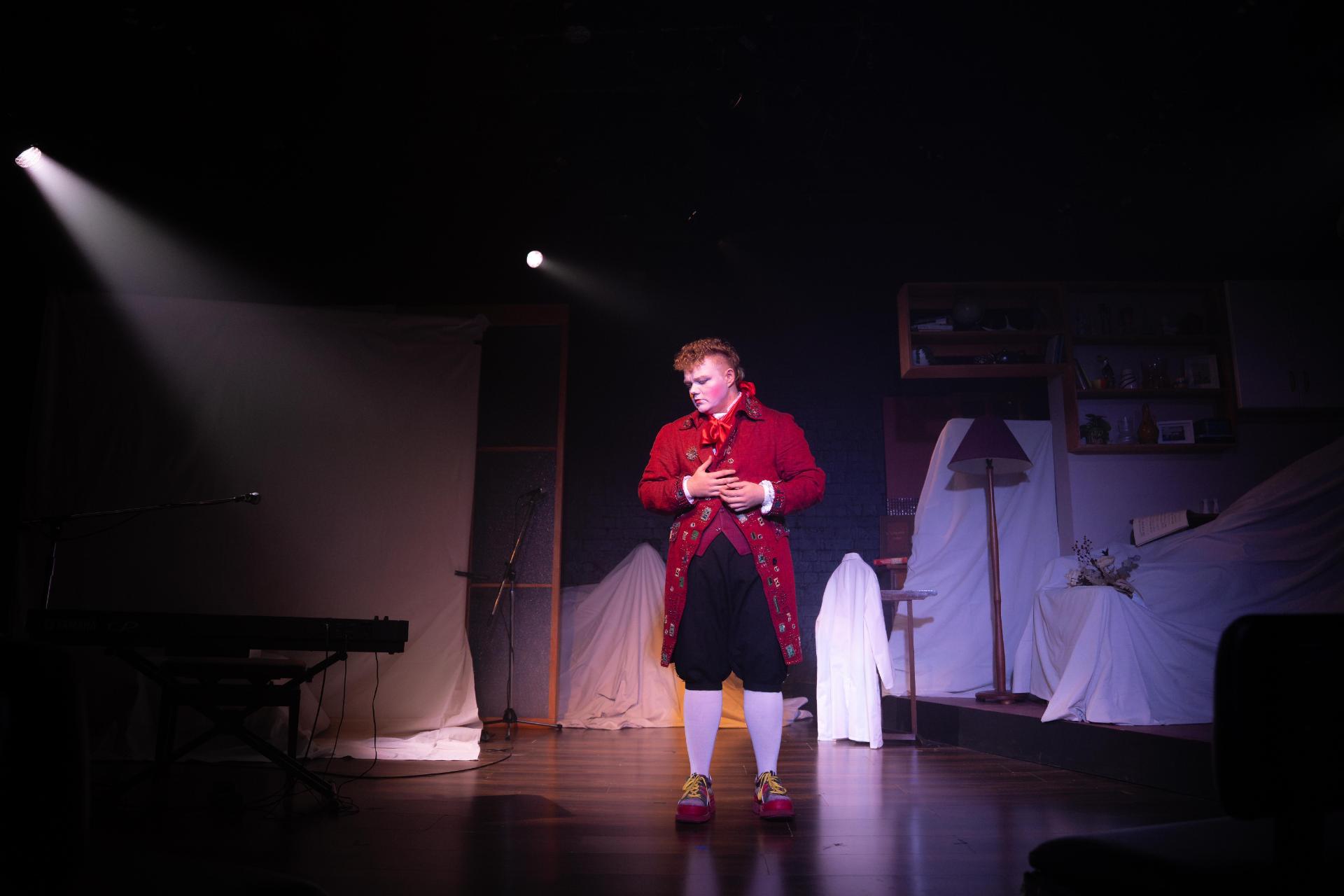
As an influencer, Lilian is bombarded with conflicting signals about her worth. Each piece of digital content that earns her praise also draws criticism for perceived narcissism. In contrast, Jillian, a struggling actor, endures relentless rejection and financial hardship, yet is considered to be leading a life of apparent integrity. Capitalism is the problem, in Vivian Nguyen’s Werkaholics, a play about two Asian-Australian women who can do nothing right. We watch Lilian and Jillian try to attain success, by following various prescribed methods, only to find the rulebook turning against them.

Werkaholics is a clever and exuberant piece of writing that although tends too often to turn convoluted, offers a thoughtful meditation on modern economics in an era defined by digitised social life and the unprecedented commodification of the personal. Direction by Nicole Pingon is memorable for a charming and irreverent playfulness, that allows us to regard the feminist message in a commensurately subversive, and distinctly queer, manner. The show is one that practises what it preaches.

Set and costumes by Ruby Jenkins are rendered with a simplicity that foregrounds the female bodies that tell a story about worth and exploitation. Video projections by Harrison Hall and Daniel Herten offer seamless enticements into realms of artifice, while lights by Frankie Clarke convey emotional complexity. Music and sound by Christine Pan imbue a charged atmosphere, heightening tension in both its comedic and dramatic turns.

Georgia Oom as Lilian and Shirong Wu as Jillian form a compelling duo, drawing us into a sharp interrogation of social structures marked by deep-rooted injustices along lines of gender and race. Each performer radiates infectious energy, leaving a lasting impression with the bold effervescence they bring to the stage. Ruby Duncan is effective as Sage, a duplicitous character who personifies the sinister hypocrisy of those intent on preserving entrenched institutions that profit from marginalisation and exclusion.

Many of us participate in systems that ultimately work against our own interests, simply because they often represent the only means we know to survive. Indeed, their stratagem involves projecting a sense of inevitability, as it conceals the subterfuge of deplorable injustices. Some believe that we can alter its machinations while operating within it. Others argue that history shows how little meaningful change is effected without radical tactics. In any case, we need to be unafraid of disruption and continue finding new ways to create change, believing that every impact, big or small, will contribute to a consequential resistance that moves us toward something better.

www.belvoir.com.au | www.purpletapeproductions.com
Review: Grief Is The Thing With Feathers (Belvoir St Theatre)

Venue: Belvoir St Theatre (Surry Hills NSW), Jul 26 – Aug 29, 2025
Playwrights: Simon Phillips, Nick Schlieper, Toby Schmitz (from the novel by Max Porter)
Director: Simon Phillips
Cast: Philip Lynch, Fraser Morrison, Toby Schmitz
Images by Brett Boardman

Theatre review
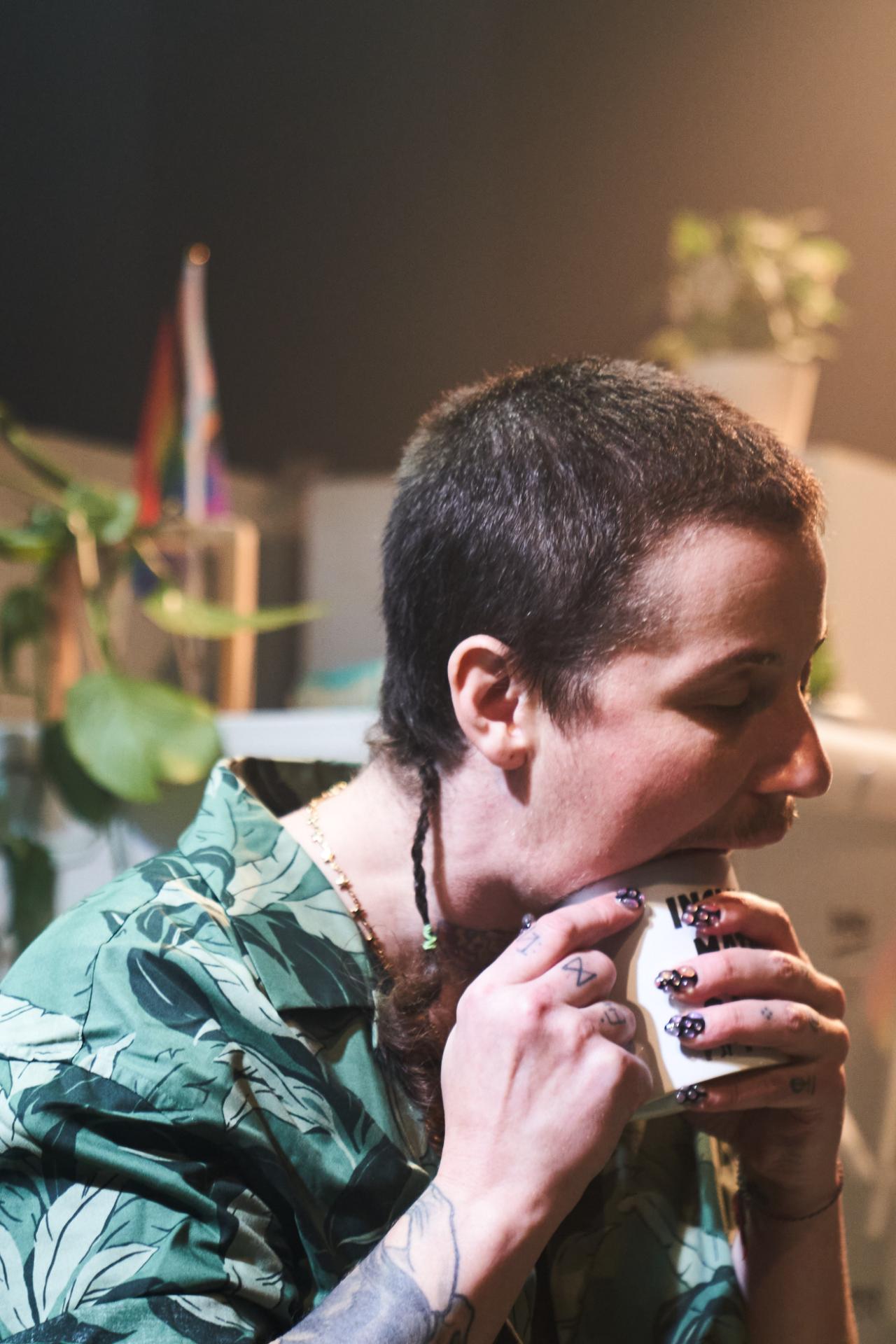
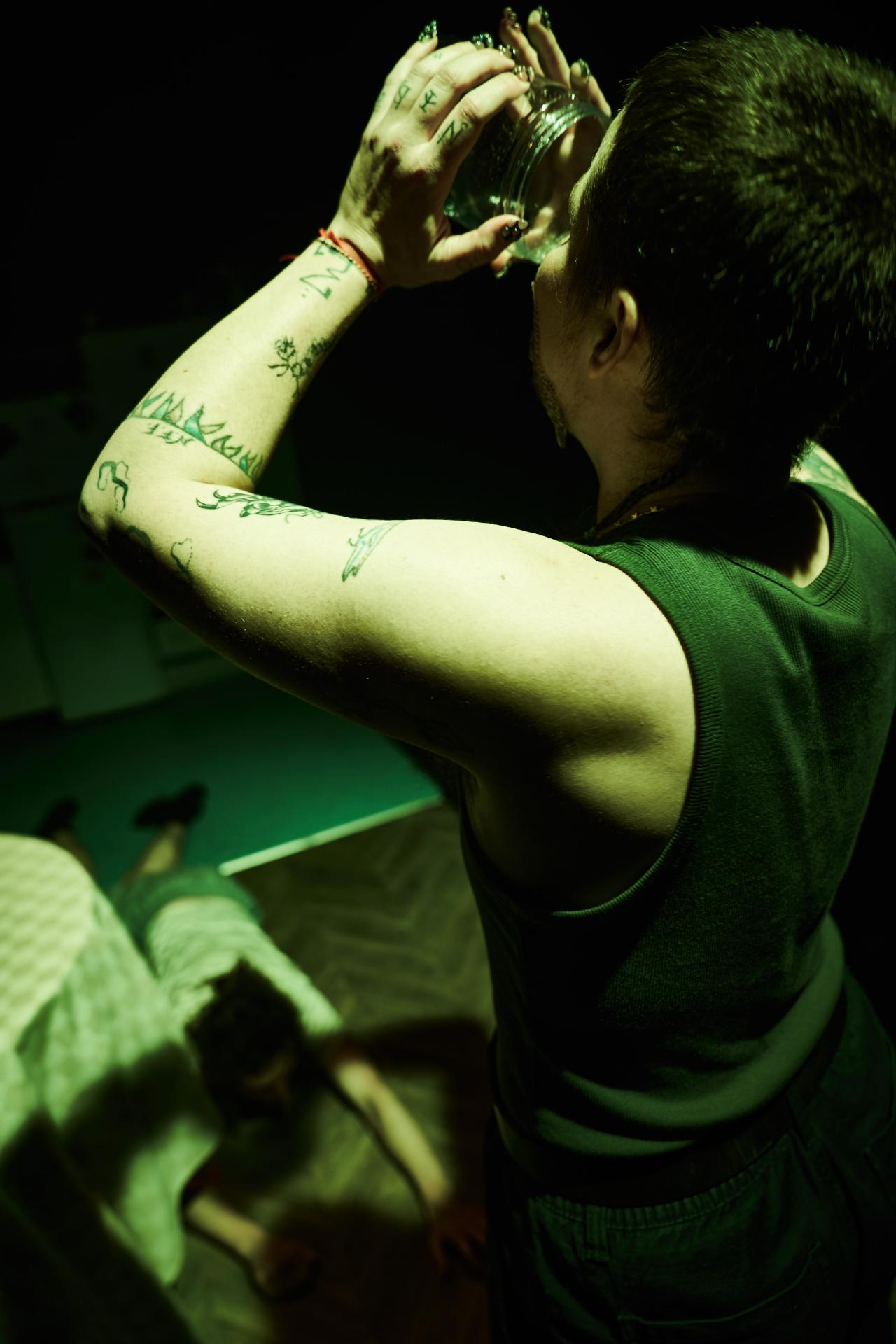
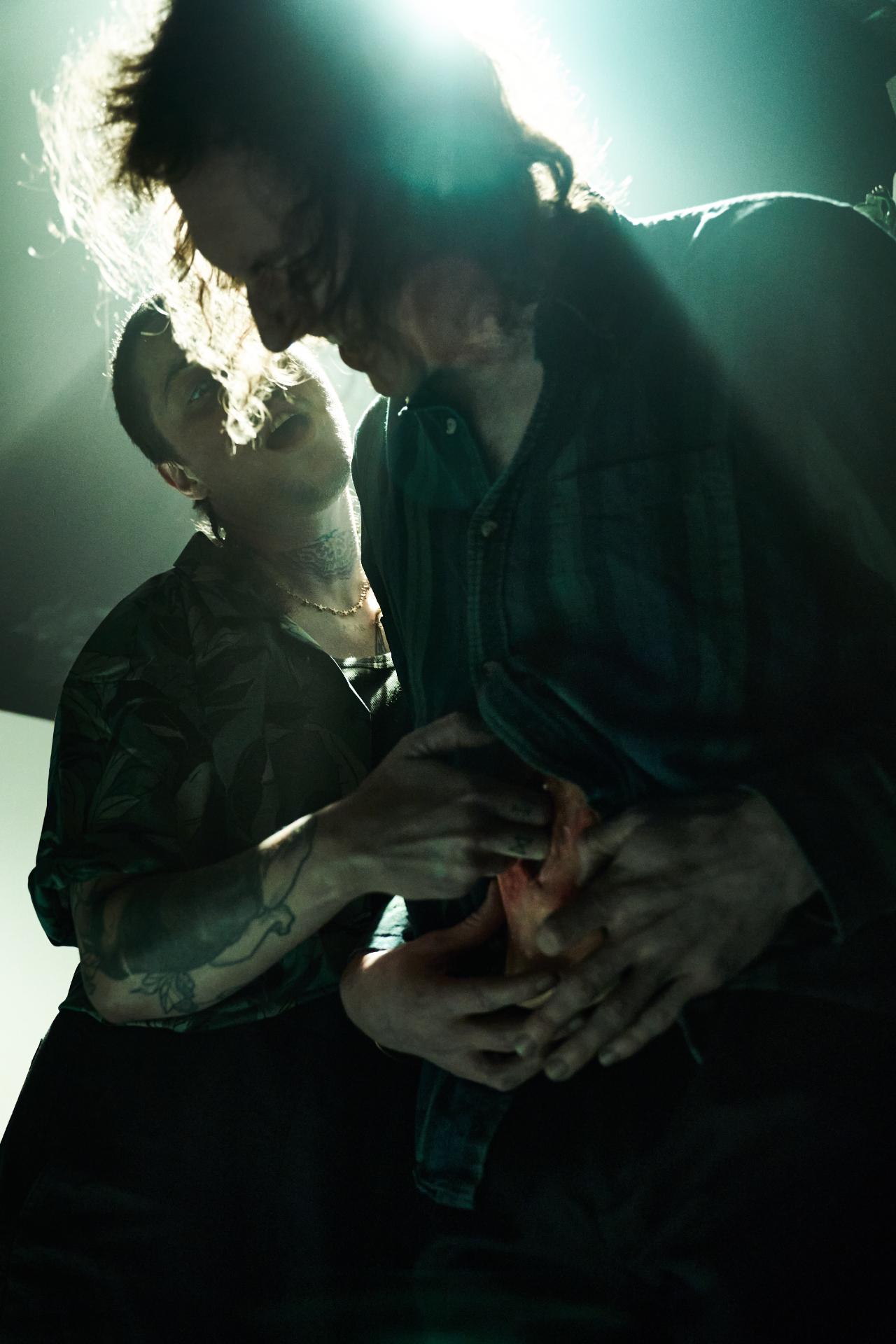
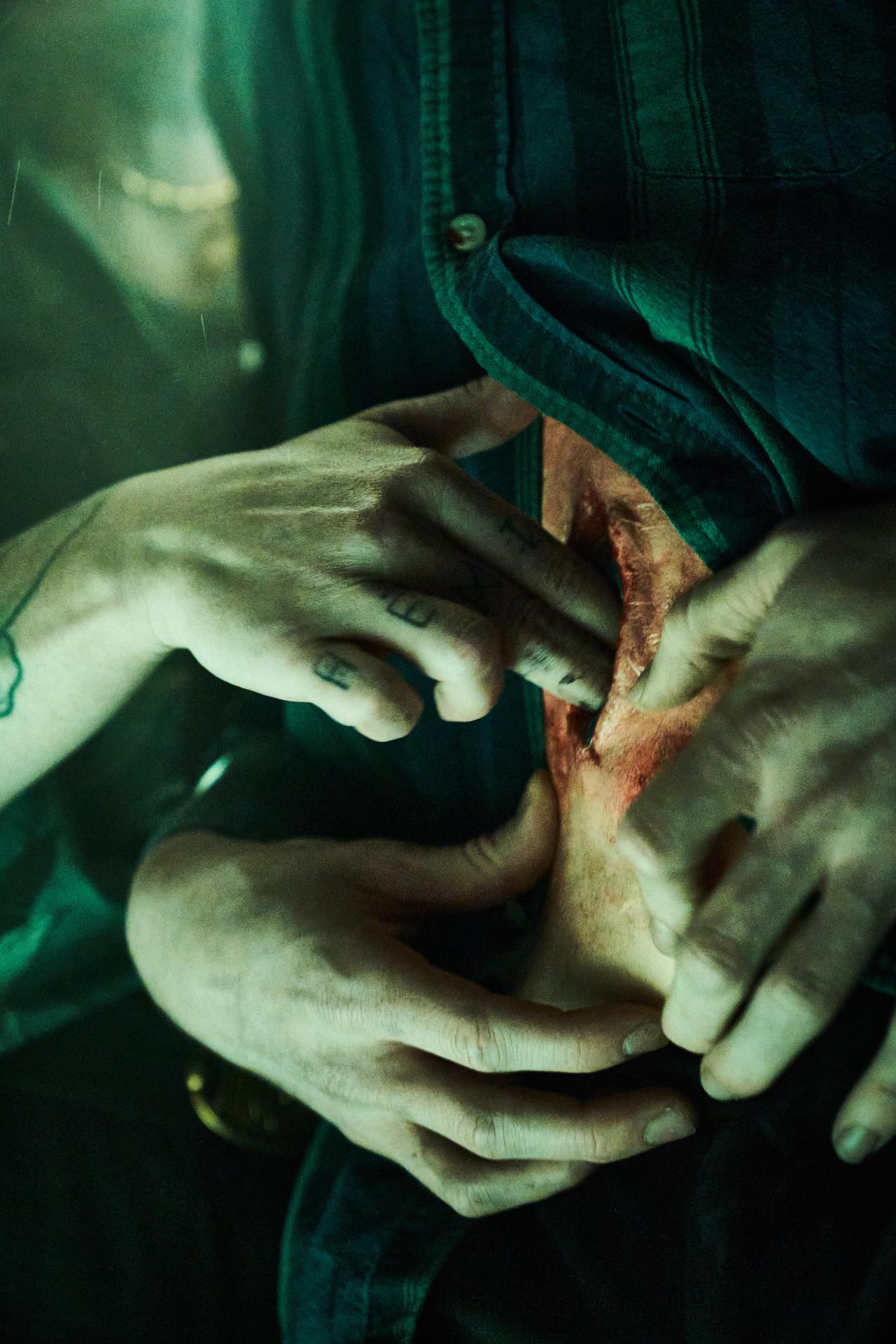
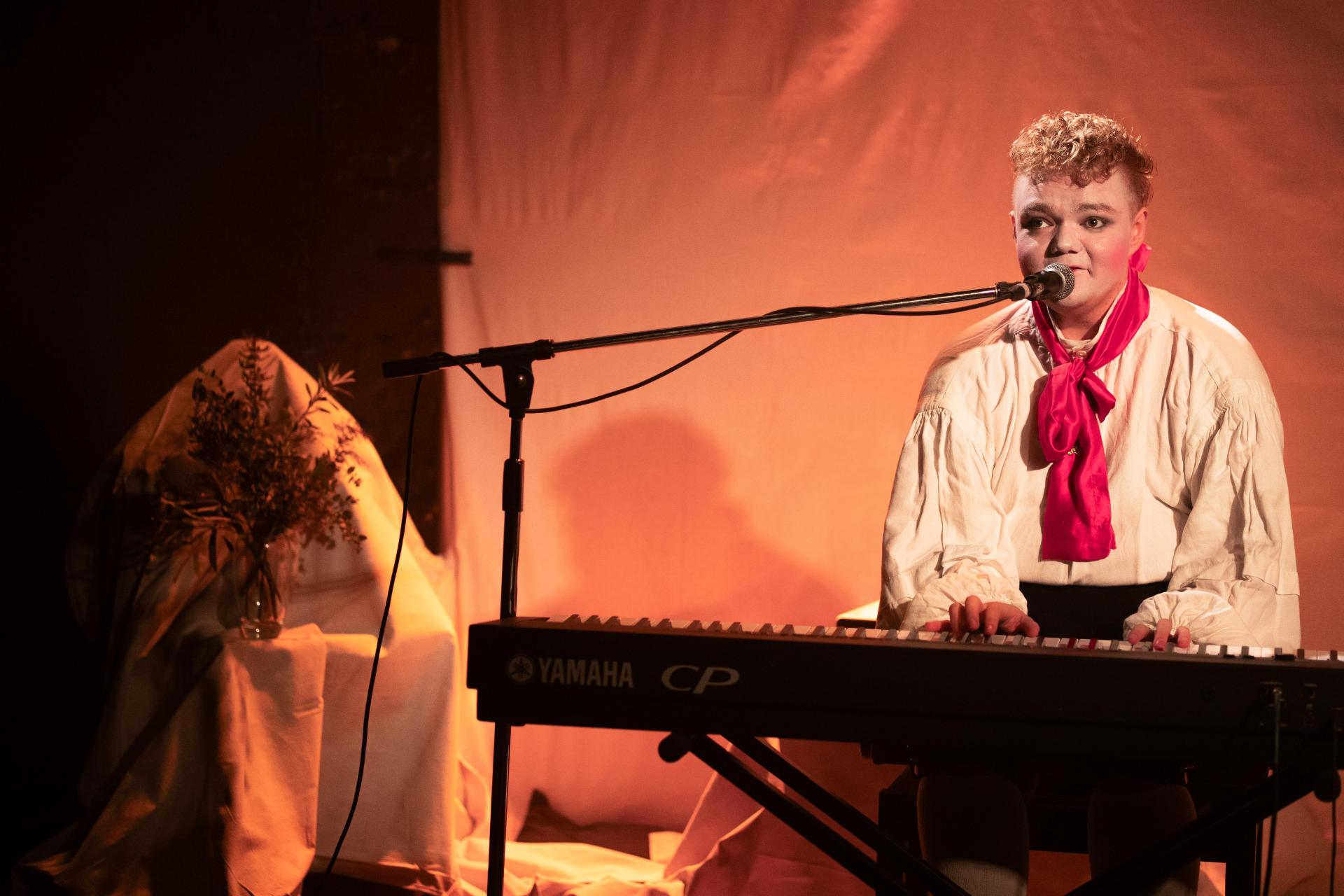
Recently widowed, a scholar finds himself utterly lost, adrift in grief. As a specialist in the work of Ted Hughes, it is perhaps inevitable that a crow—the most iconic figure in Hughes’ oeuvre—should appear, inserting itself into his life as companion and surrogate. Based on the novel by Max Porter, Grief Is the Thing with Feathers captures with striking authenticity both the frustrating stasis and the slow, almost imperceptible progress that inevitably accompanies bereavement.

Adapted for the stage by Simon Phillips, Nick Schlieper, and Toby Schmitz, this transposition pulses with an aggressive rhythm and a tonal grandeur that echoes both the literary references and the visceral experience of sorrow and despair. There is a regrettable emotional distance in its delivery, yet the sheer theatrical ambition of this reimagining of Porter’s novel remains undeniably impressive.

Phillips’ direction is boldly imaginative, capturing the poetic chaos of the widower’s interactions with the crow in a production that is truly dazzling for the senses. Video design by Craig Wilkinson, along with illustrations by Jon Weber, form a highly evocative element of the staging, especially useful in bringing to life its supernatural dimensions. Schlieper’s lighting is endlessly creative and exquisitely beautiful, masterfully evoking a universe of shifting realms. Sound by Daniel Hertern and music by Freya Schack-Arnott add immeasurable power, in their dynamic auditory renderings of this surrealist presentation. 

The widower is played by Schmitz who proves himself a commanding leading man, and a detailed artist who encourages us to regard the work with curiosity and discernment. As his young sons, Philip Lynch and Fraser Morrison deliver wonderfully spirited performances, injecting a vital effervescence into a production that might otherwise risk becoming overly sombre.

Grief is rarely a constant emotional state, but it can leave a lasting imprint, reshaping a person’s disposition into something permanently shadowed. While there are steps one might take to prevent such a descent, the most enduring strategy is often to weather the storm, trusting that its force will eventually subside. It can be a sad thought that those we have lost might one day be forgotten, but there comes a time when their memory must be gently placed in the recesses of the mind, to make room for living.

www.belvoir.com.au | www.andrewhenrypresents.com
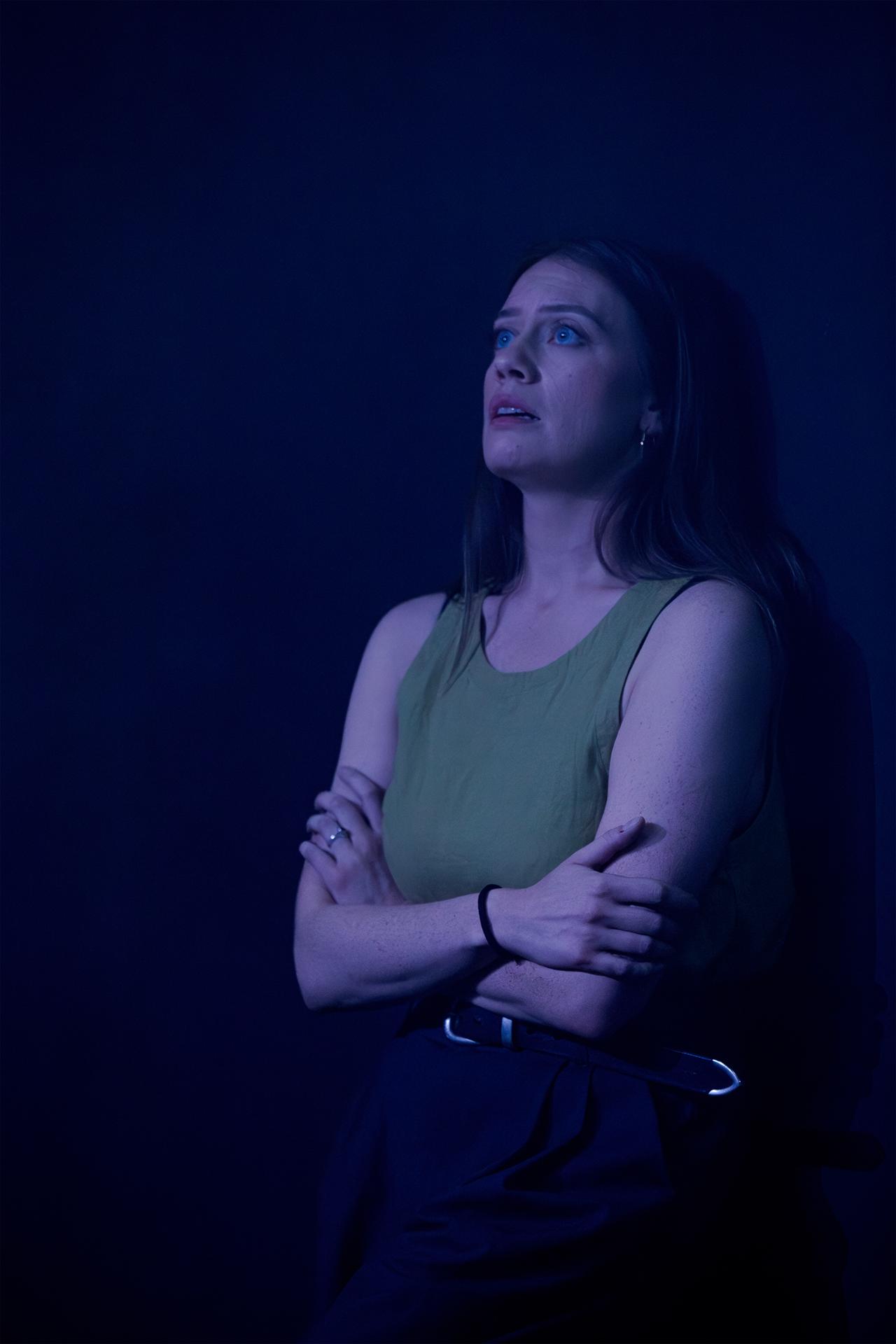
Review: Babyteeth (KXT on Broadway)

Venue: KXT on Broadway (Ultimo NSW), Jul 18 – Aug 2, 2025
Playwright: Rita Kalnejais
Director:
Kim Hardwick
Cast: Jane Angharad, Philip D’Ambrosio, Esha Jessy, Jeda Osorio, Campbell Parsons, James Smithers, Rachel Thomas
Images by Phil Erbacher

Theatre review
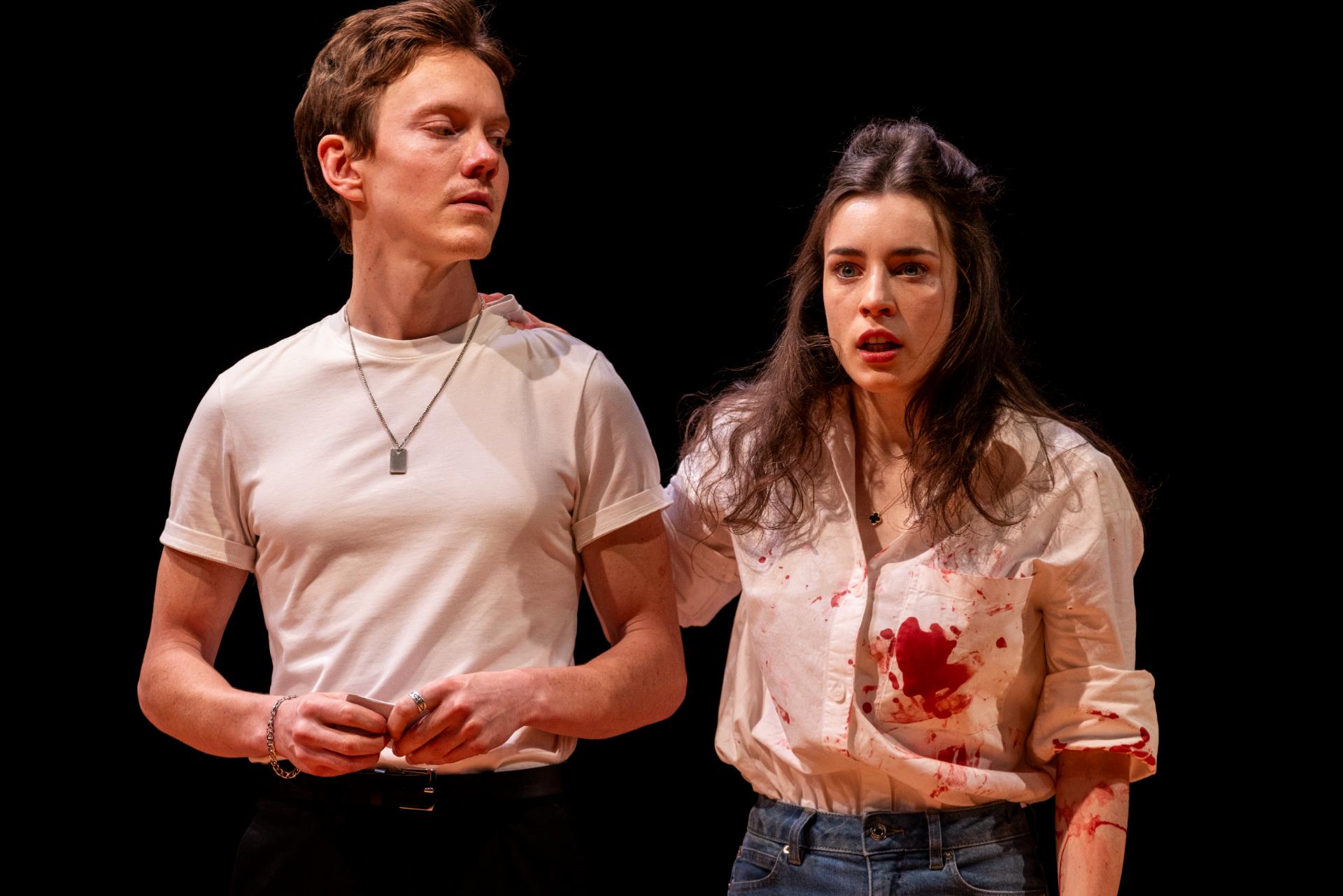
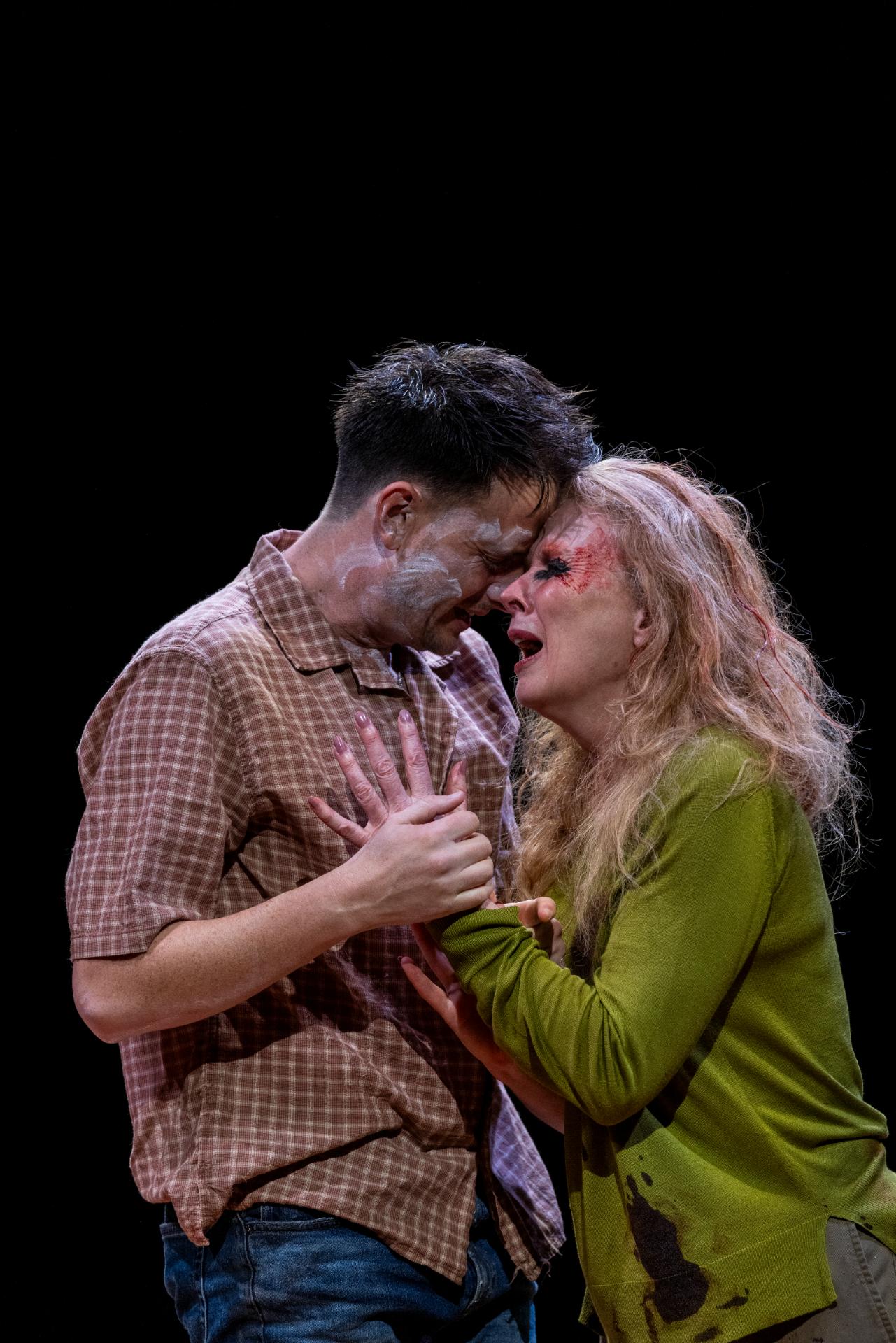
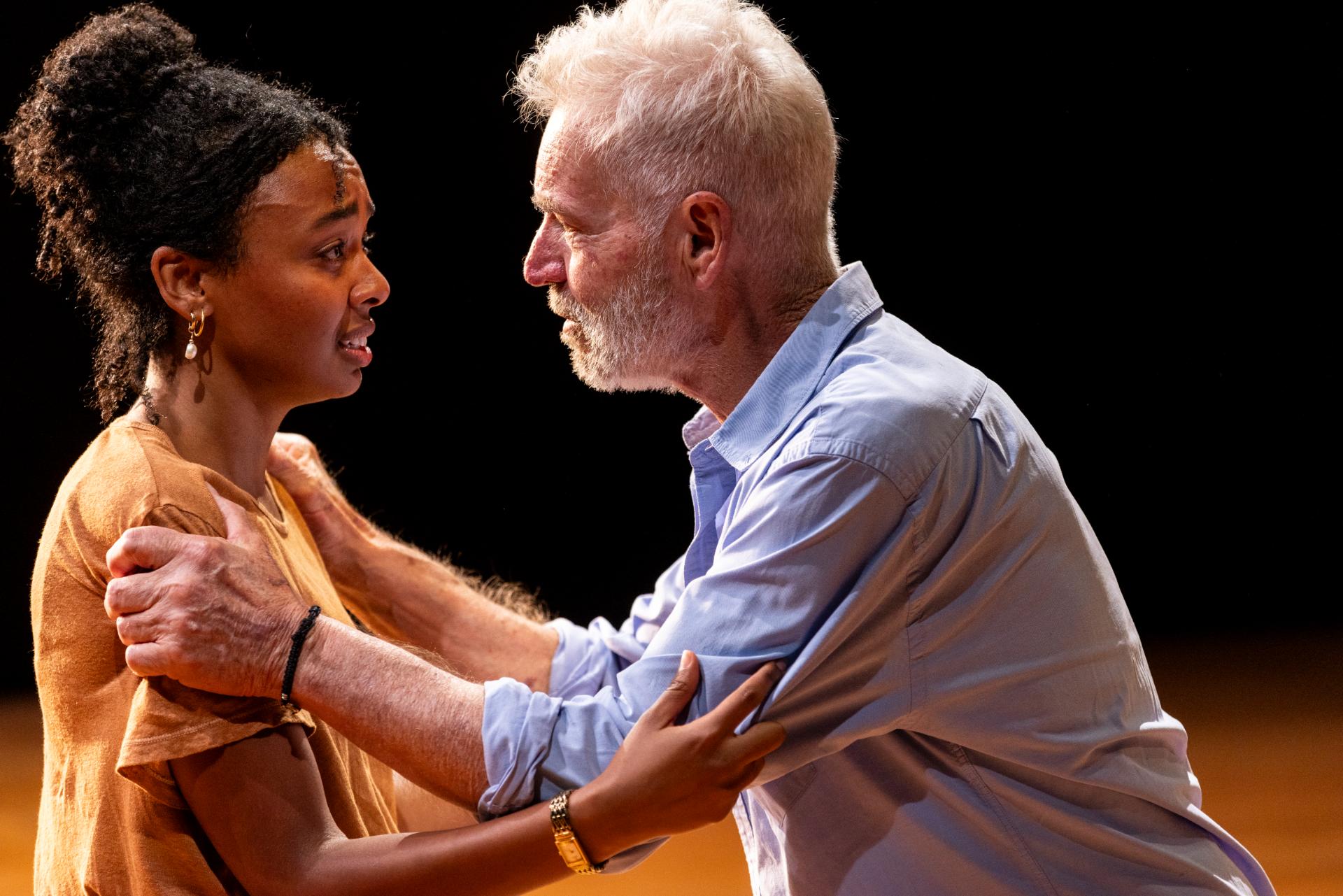
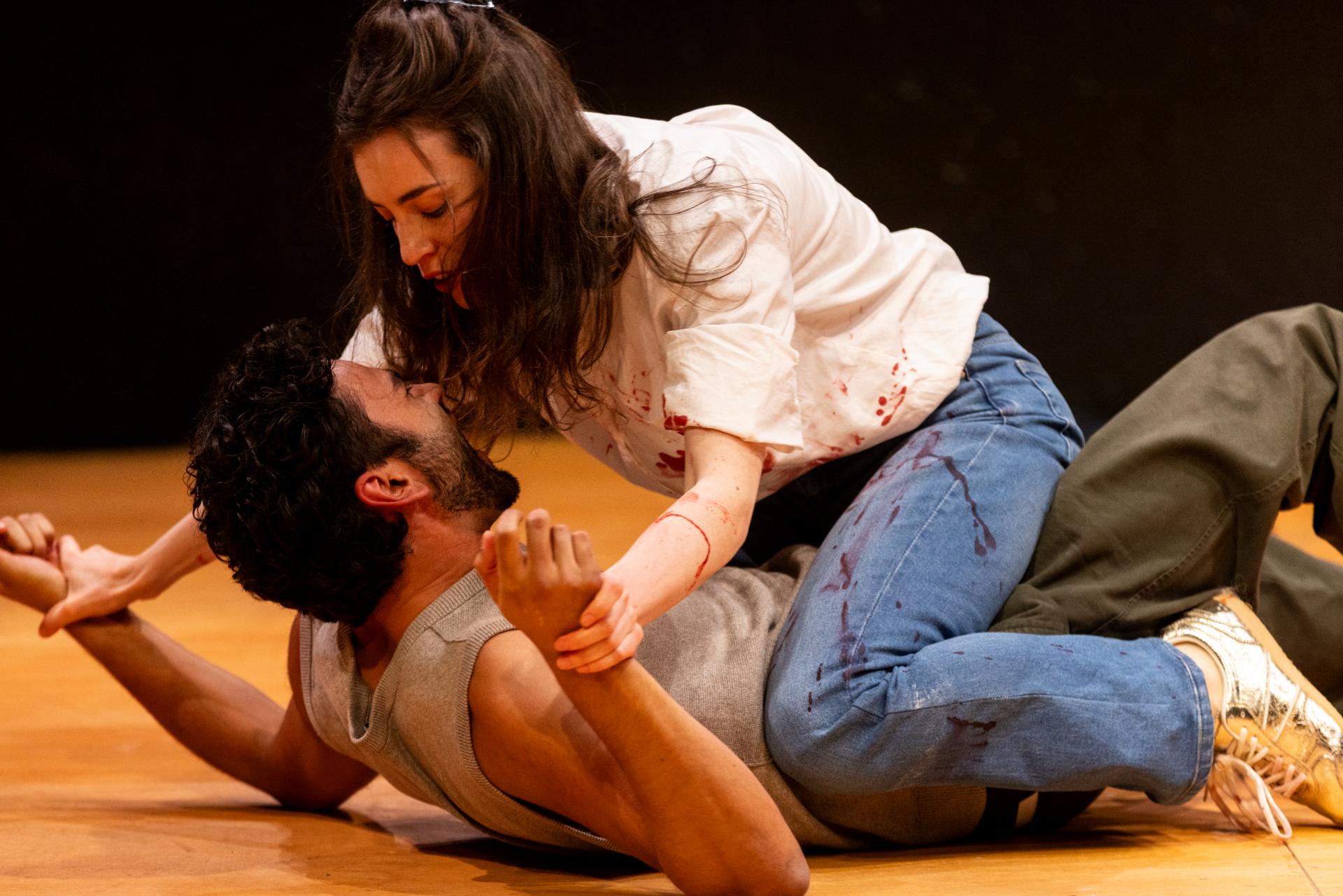
Milla is only 14 and dying of a terminal illness when she meets Moses, a 23-year-old drifter. As their sexual relationship unfolds, her parents, grappling with the imminence of her death, choose to tolerate the dubious romance in the hope it brings her some joy. Babyteeth by Rita Kalnejais may be criticised for courting controversy without adequate justification, but setting aside its arguably precarious moral stance, the play remains an intriguing work.

Kim Hardwick’s direction is marked by a lightness of touch that lends the production a certain grace, though at times this subtlety borders on vagueness, leaving the production’s intentions feeling somewhat unclear. Lights by Topaz Marlay-Cole and sound by Michael Huxley, are both subtle in execution, occasionally striking but generally unobtrusive in how they support the storytelling.

Actor Rachel Thomas is convincing as a teenager, with a vulnerability that makes Milla an endearing personality. Campbell Parsons brings extraordinary naturalism to the role of Moses, coupled with a confident pacing that truly mesmerises. Milla’s parents are played by Jane Angharad and James Smithers, with unassailable commitment. Philip D’Ambrosio and Esha Jessy offer wonderful comedic dimensions that provide much needed uplift to the experience, as does Jeda Osorio who proves a delightful presence.

It is rare to be given an opportunity to examine someone like Moses. Our instinct is to see him vilified and punished, but Babyteeth leaves that act of castigation to the viewers themselves. This of course is a dangerous choice, one that opens the door for the depraved to impose repugnant interpretations, even going so far as to advocate for behaviour that ought to be regarded as unequivocally heinous. Milla dies in Babyteeth, but we can only imagine what Moses moves on to, after the curtain falls.

www.kingsxtheatre.com | www.whiteboxtheatre.com.au