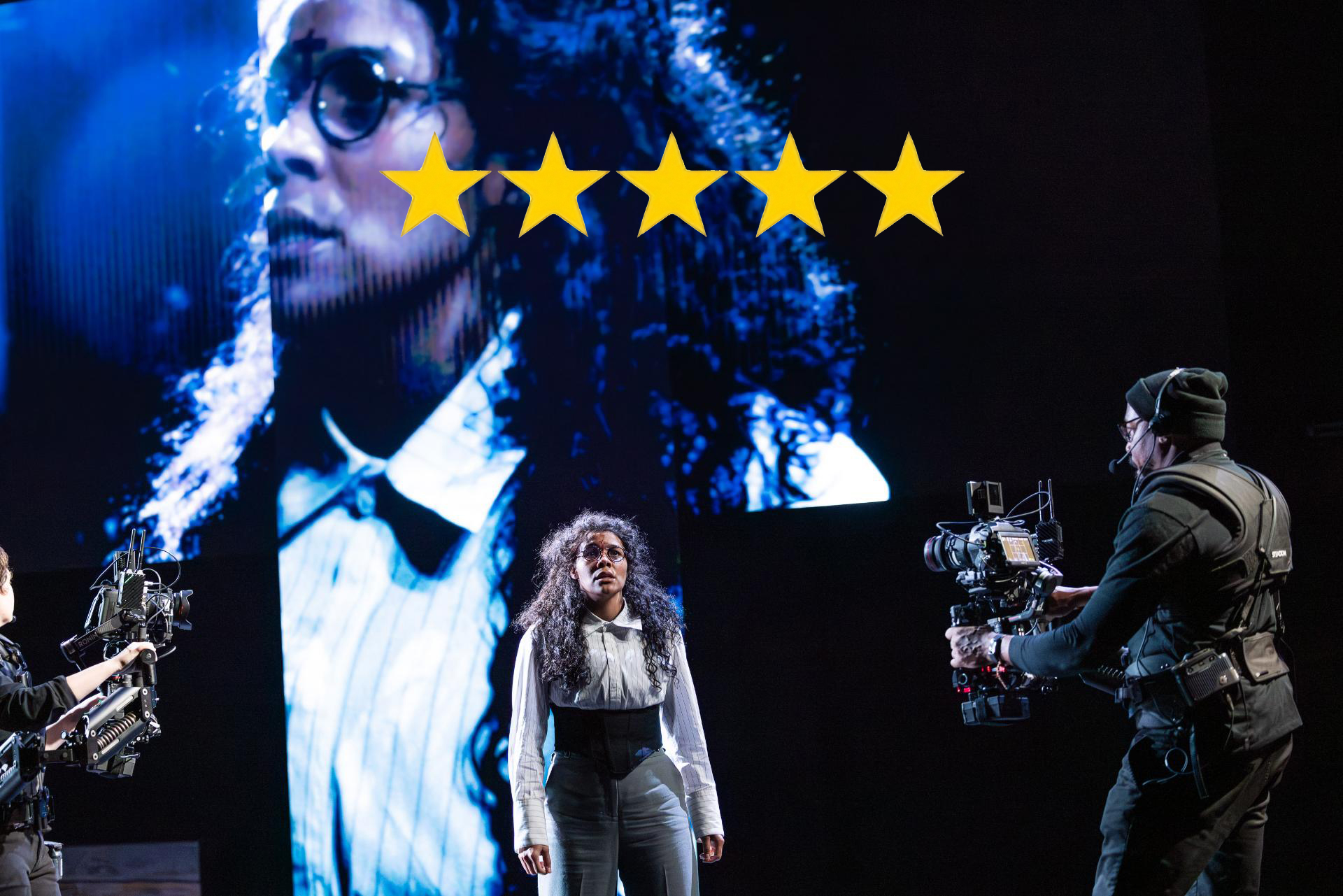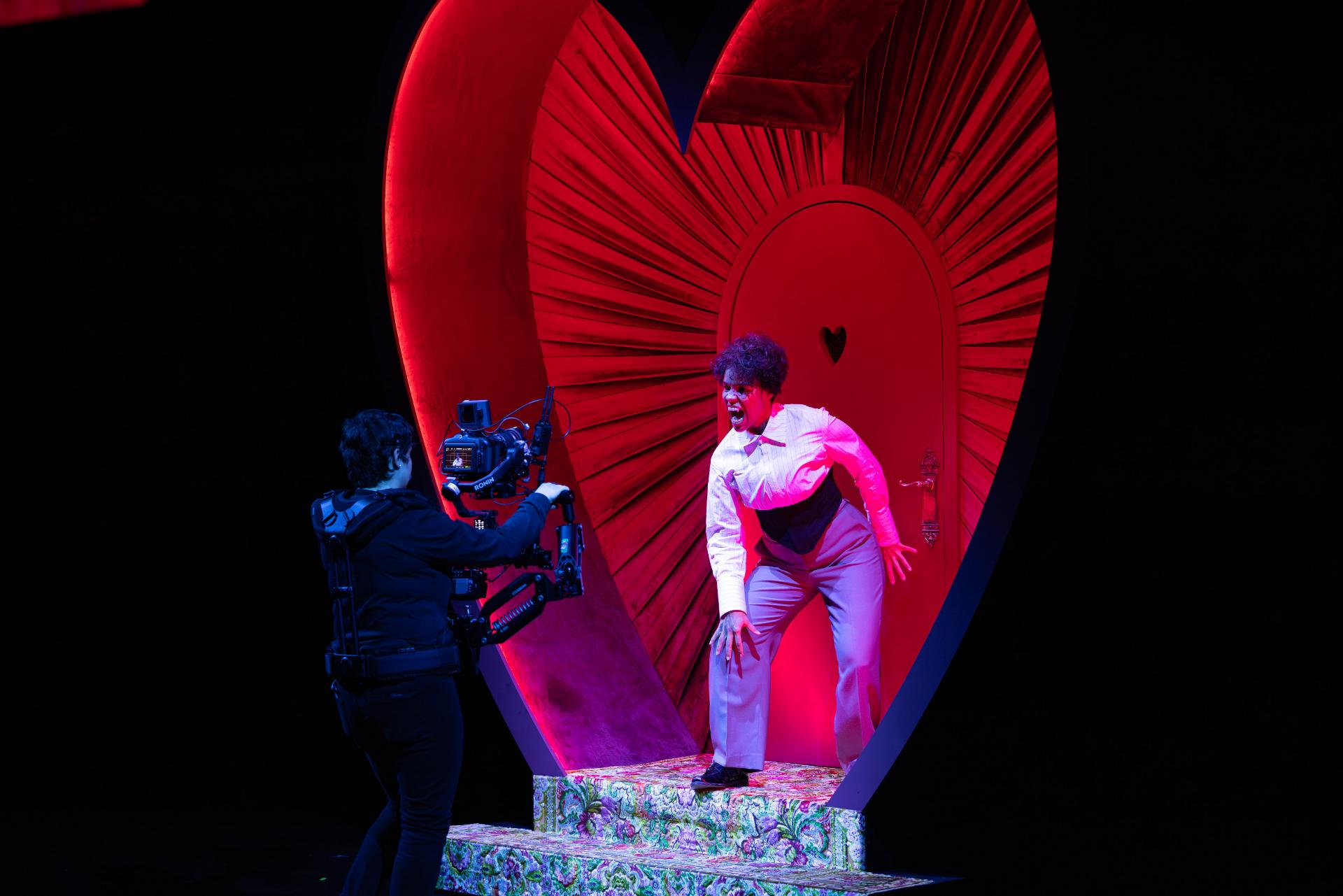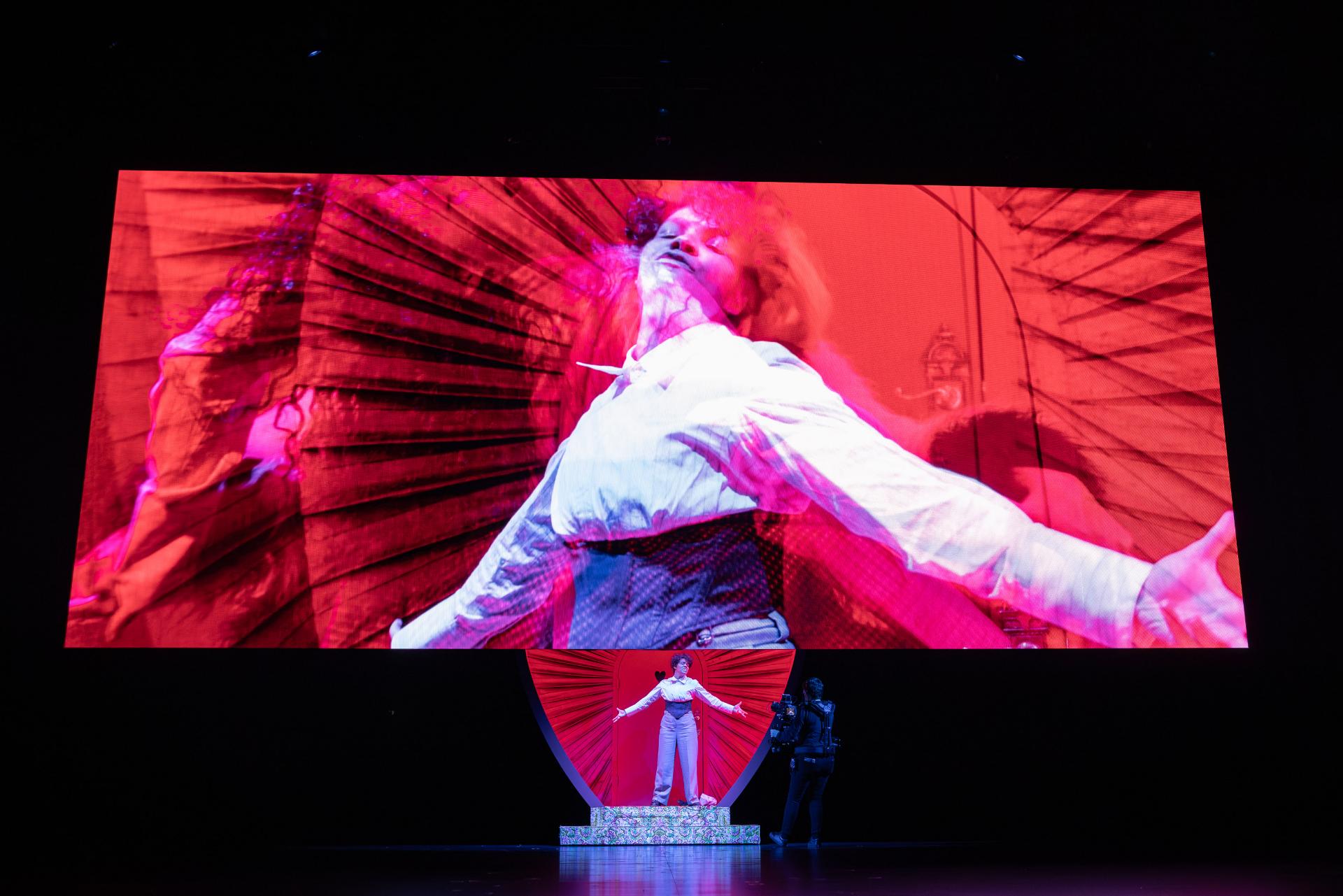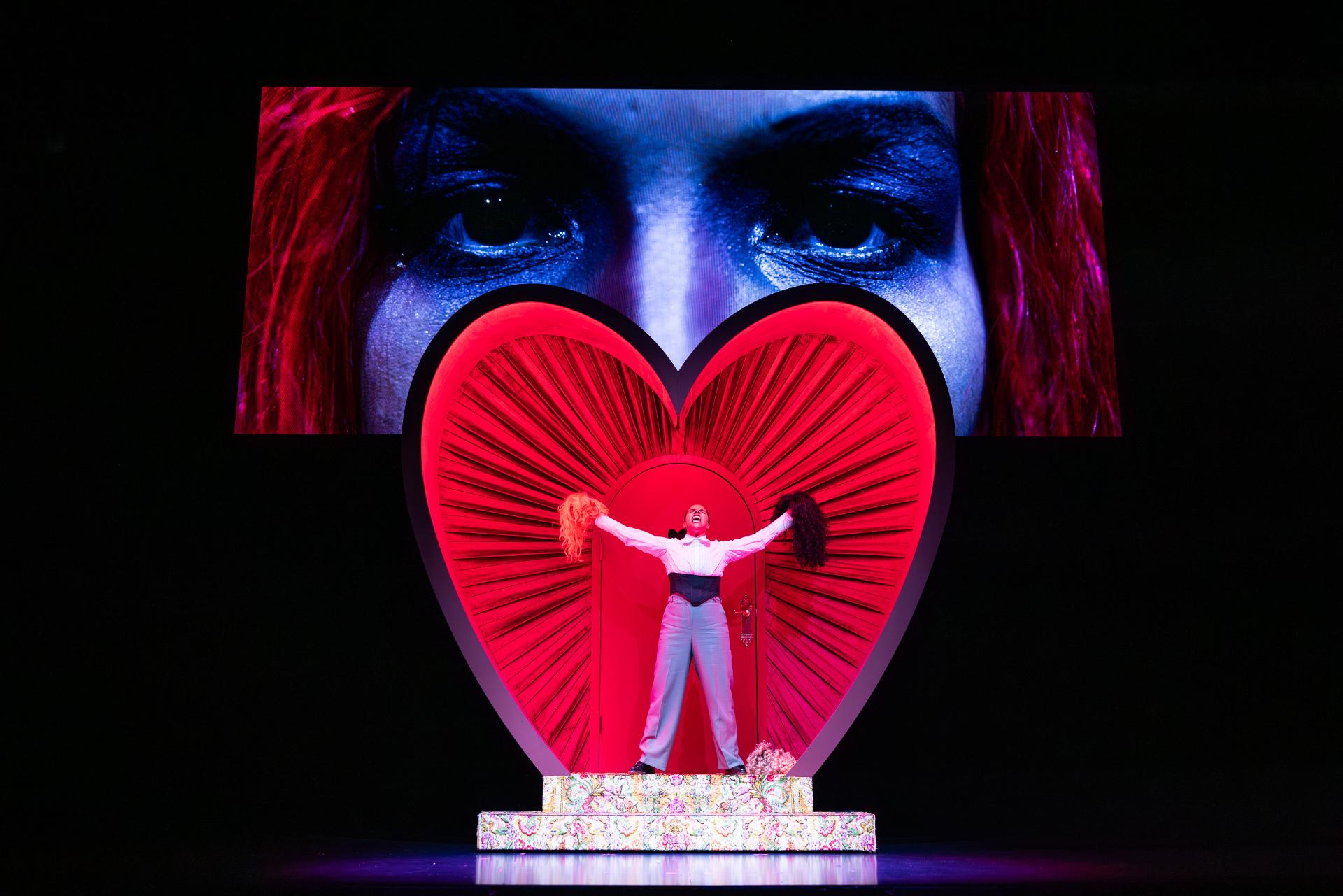
Review: The President (Sydney Theatre Company)

Venue: Roslyn Packer Theatre (Sydney NSW), Apr 13 – May 19, 2024
Playwright: Thomas Bernhard (translated by Gitta Honegger)
Director: Tom Creed
Cast: Danny Adcock, Helmut Bakaitis, Tony Cogin, Alan Dukes, Julie Forsyth, Olwen Fouéré, Kate Gilmore, Hugo Weaving
Images by Daniel Boud

Theatre review
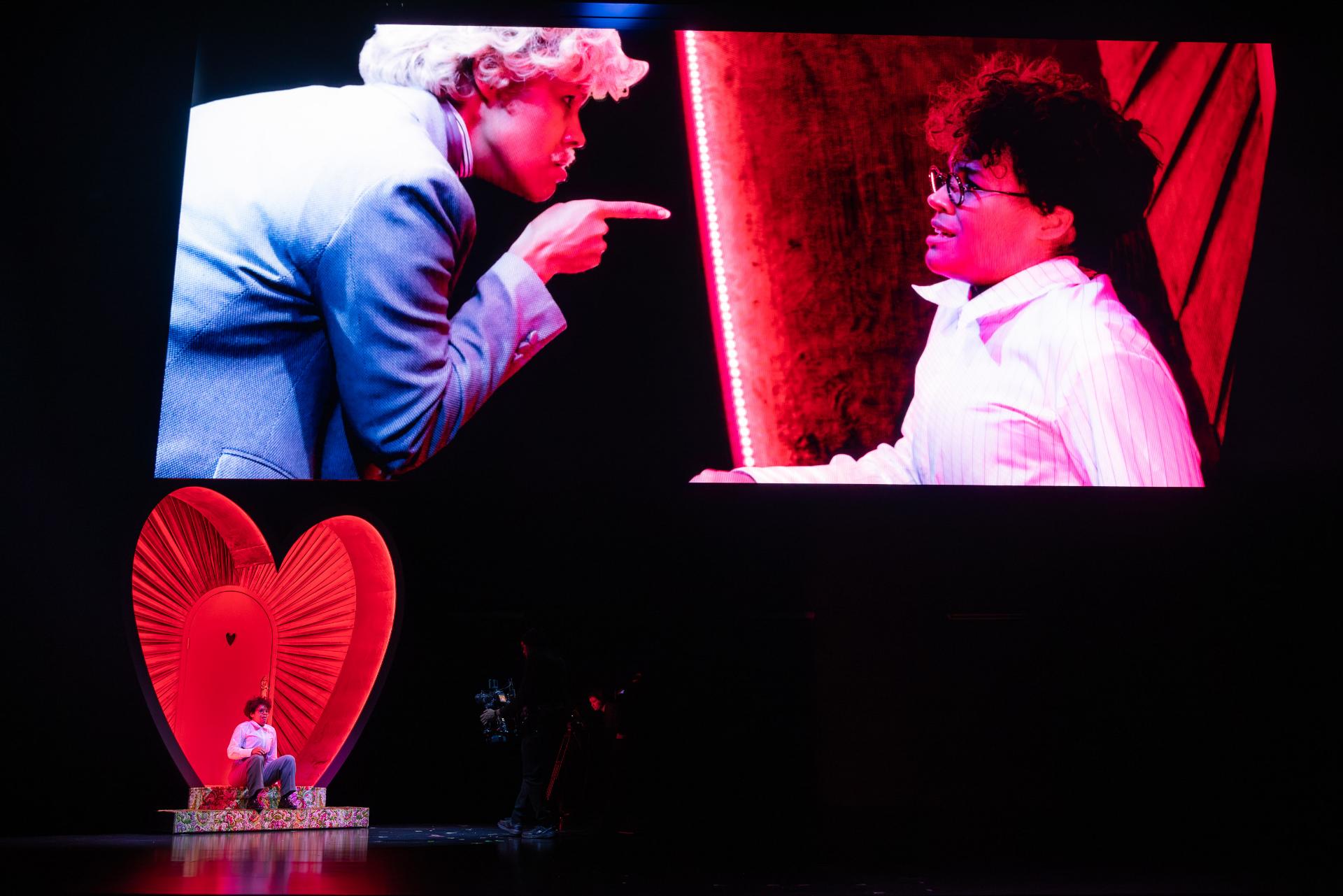
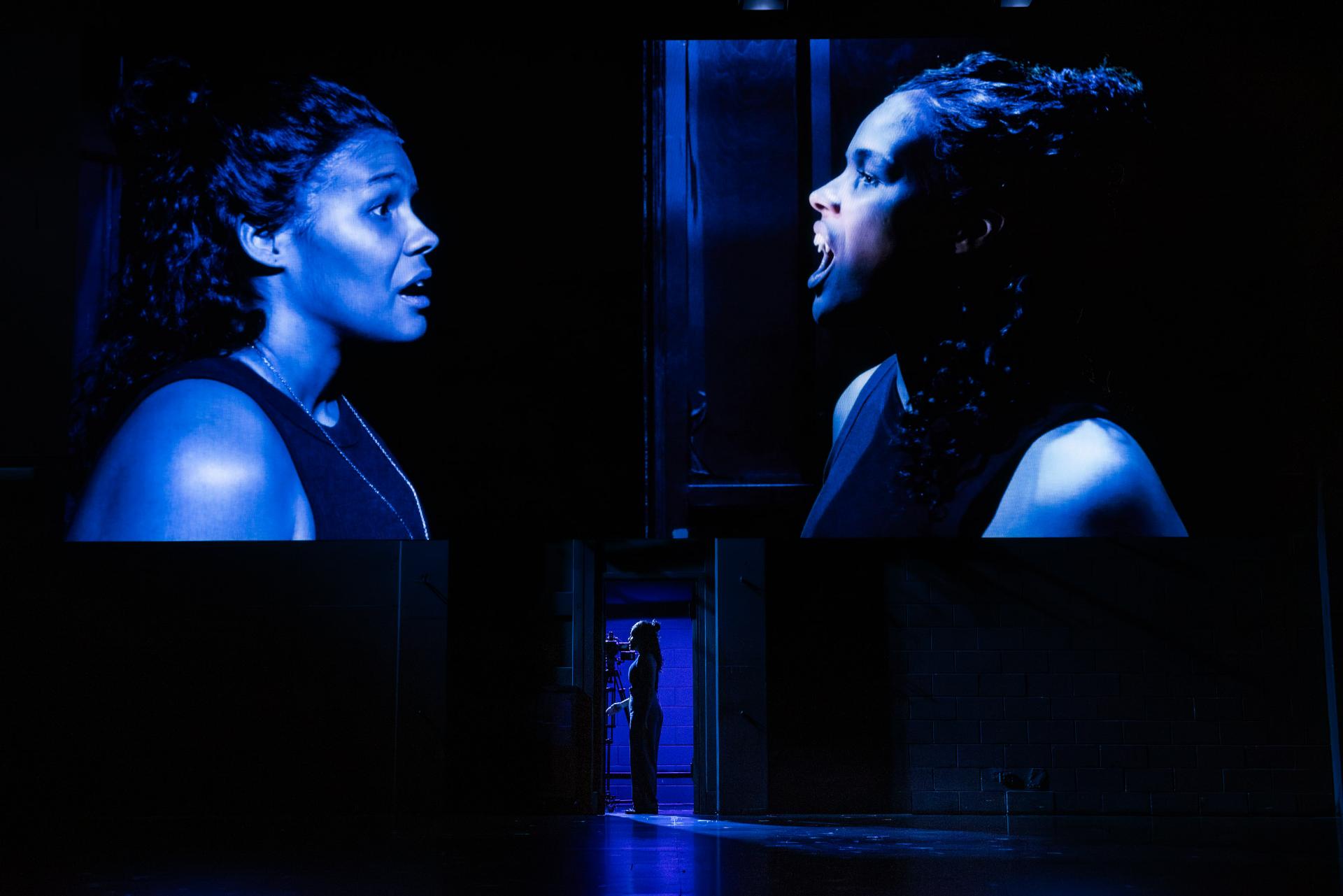
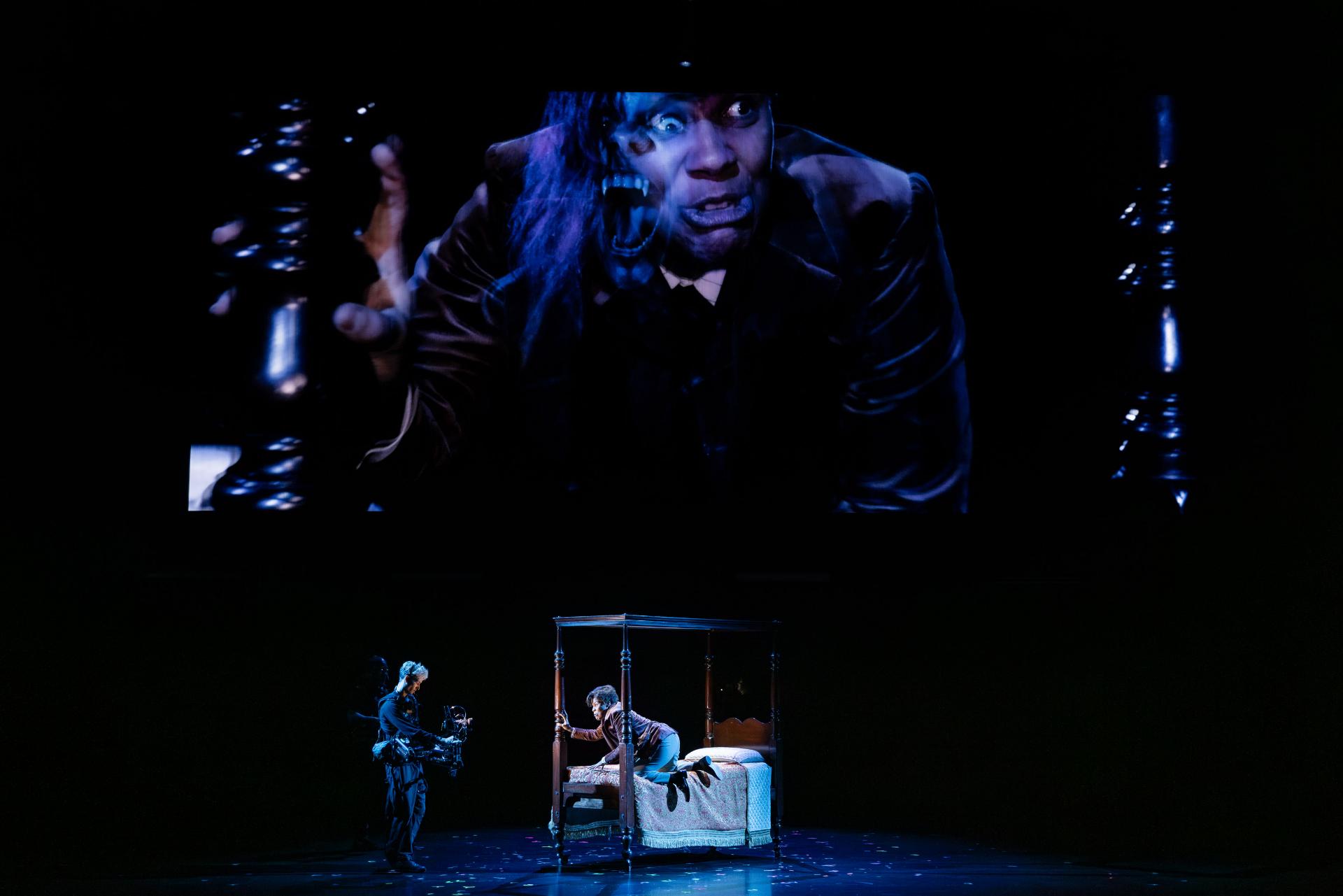
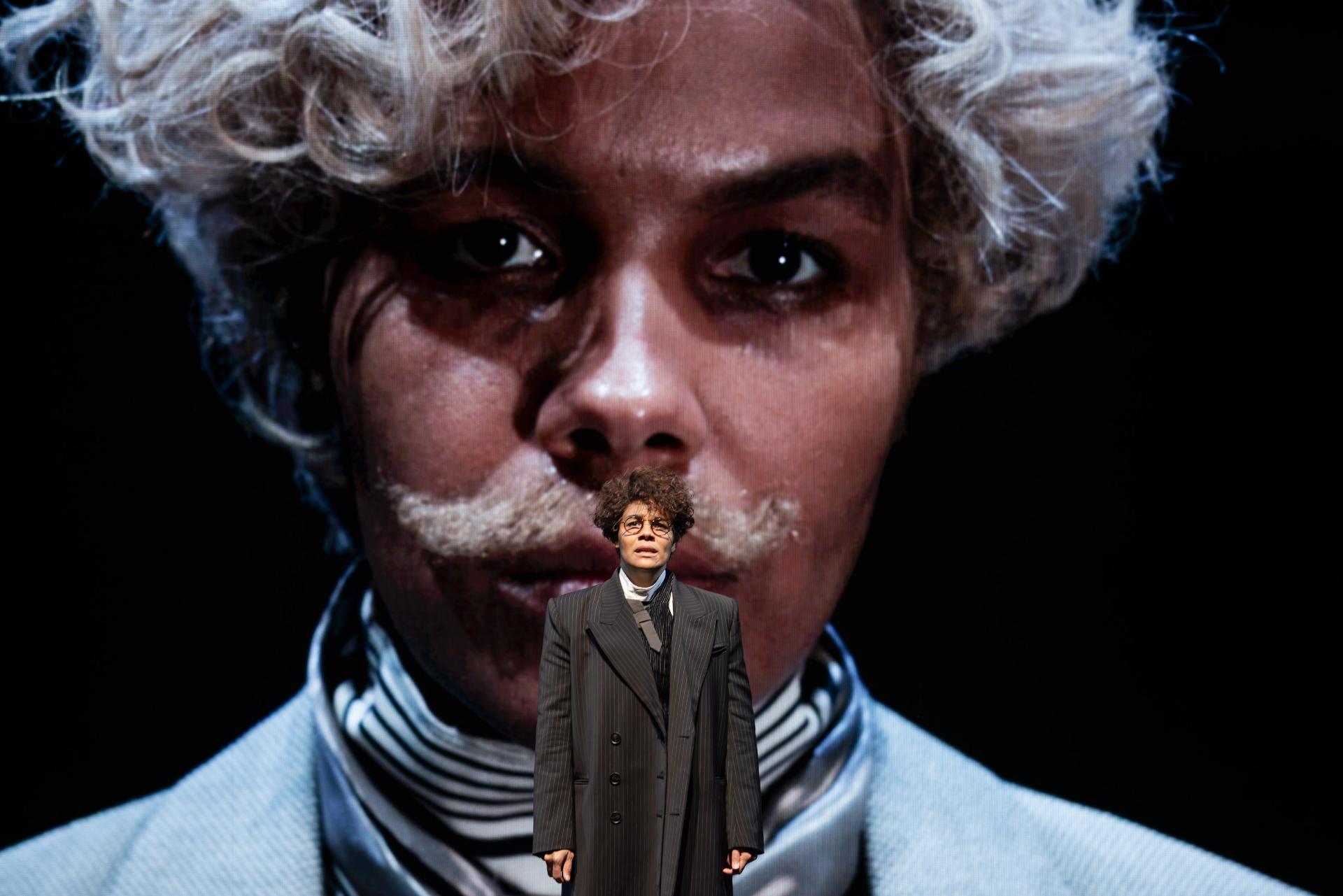
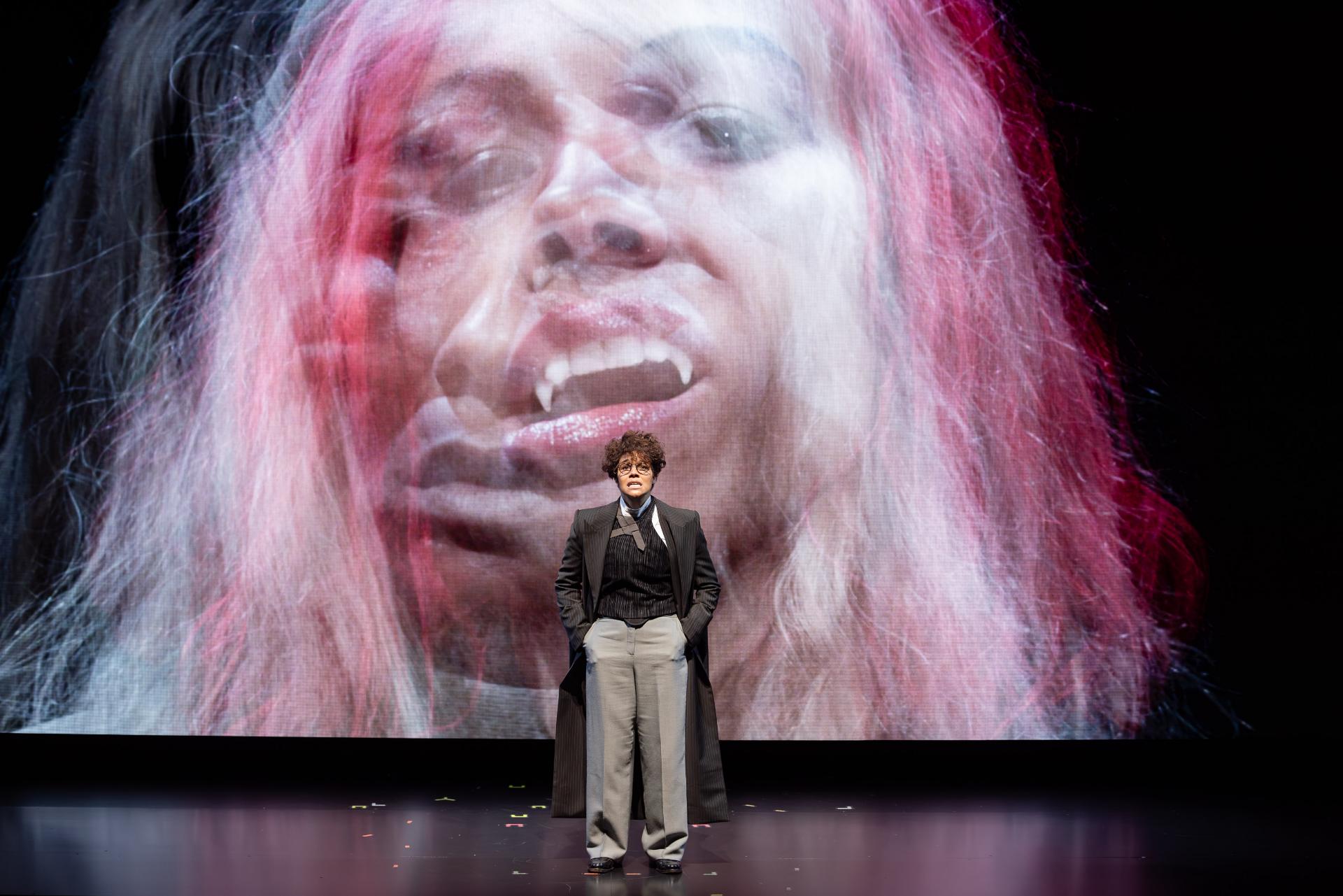
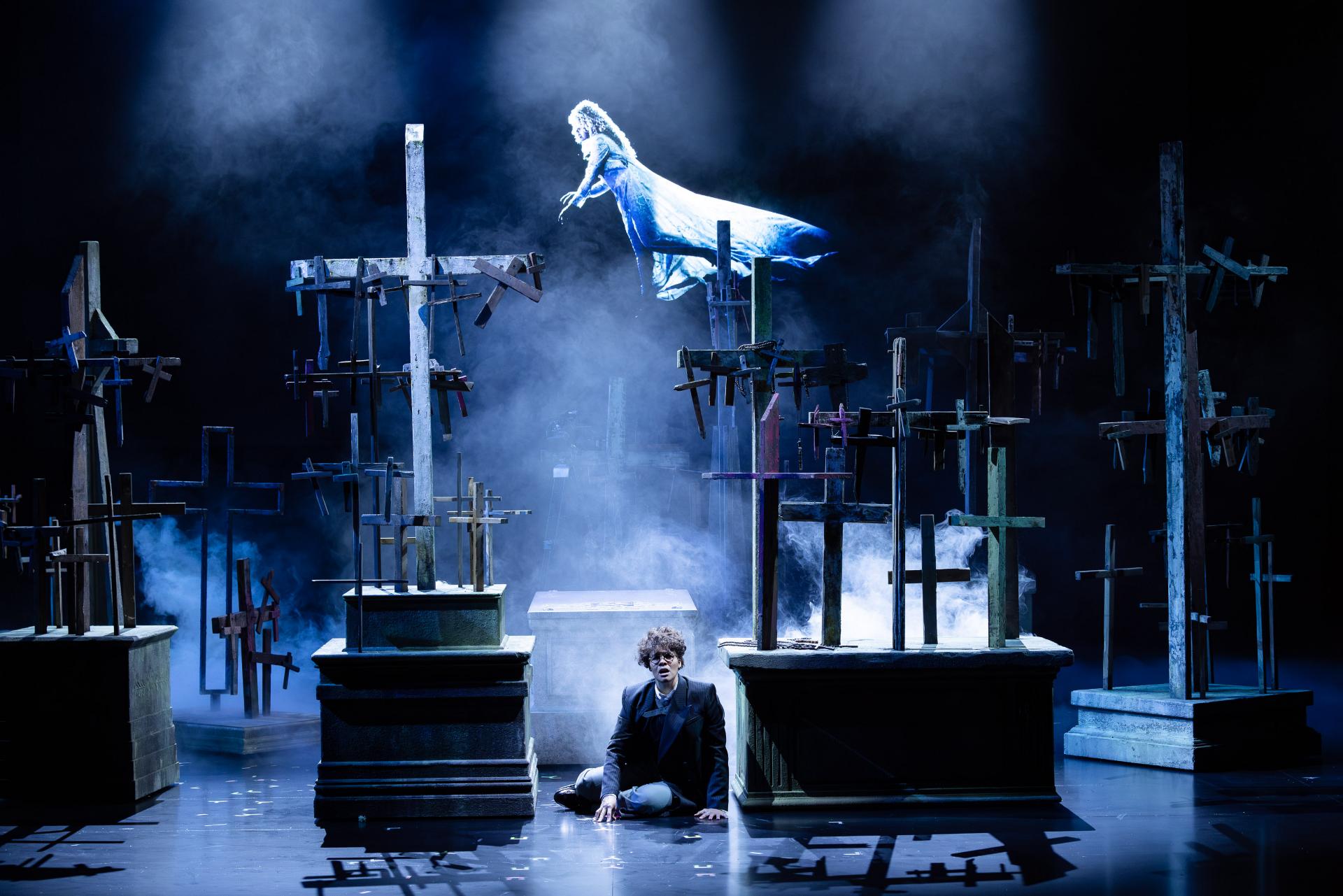
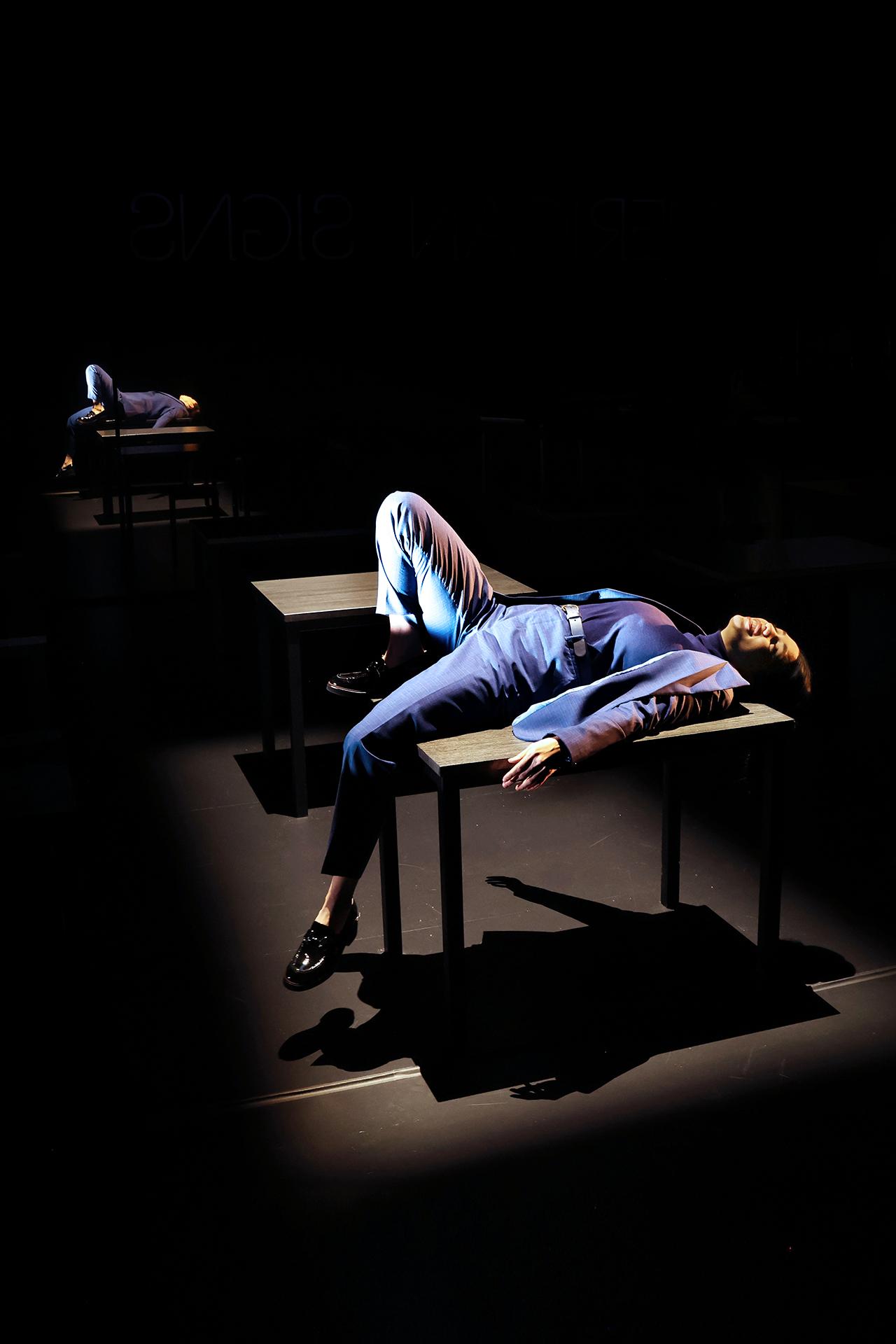
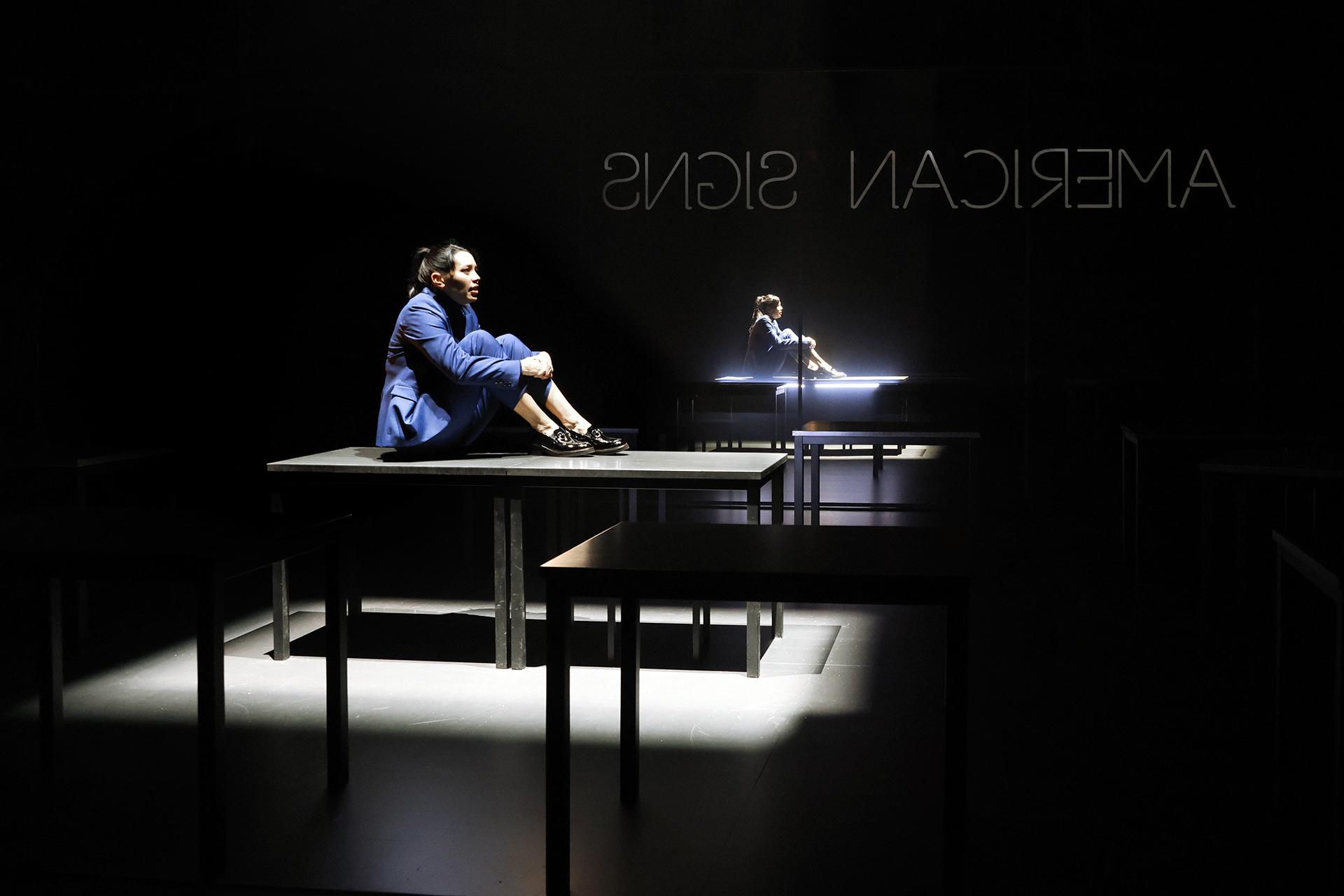
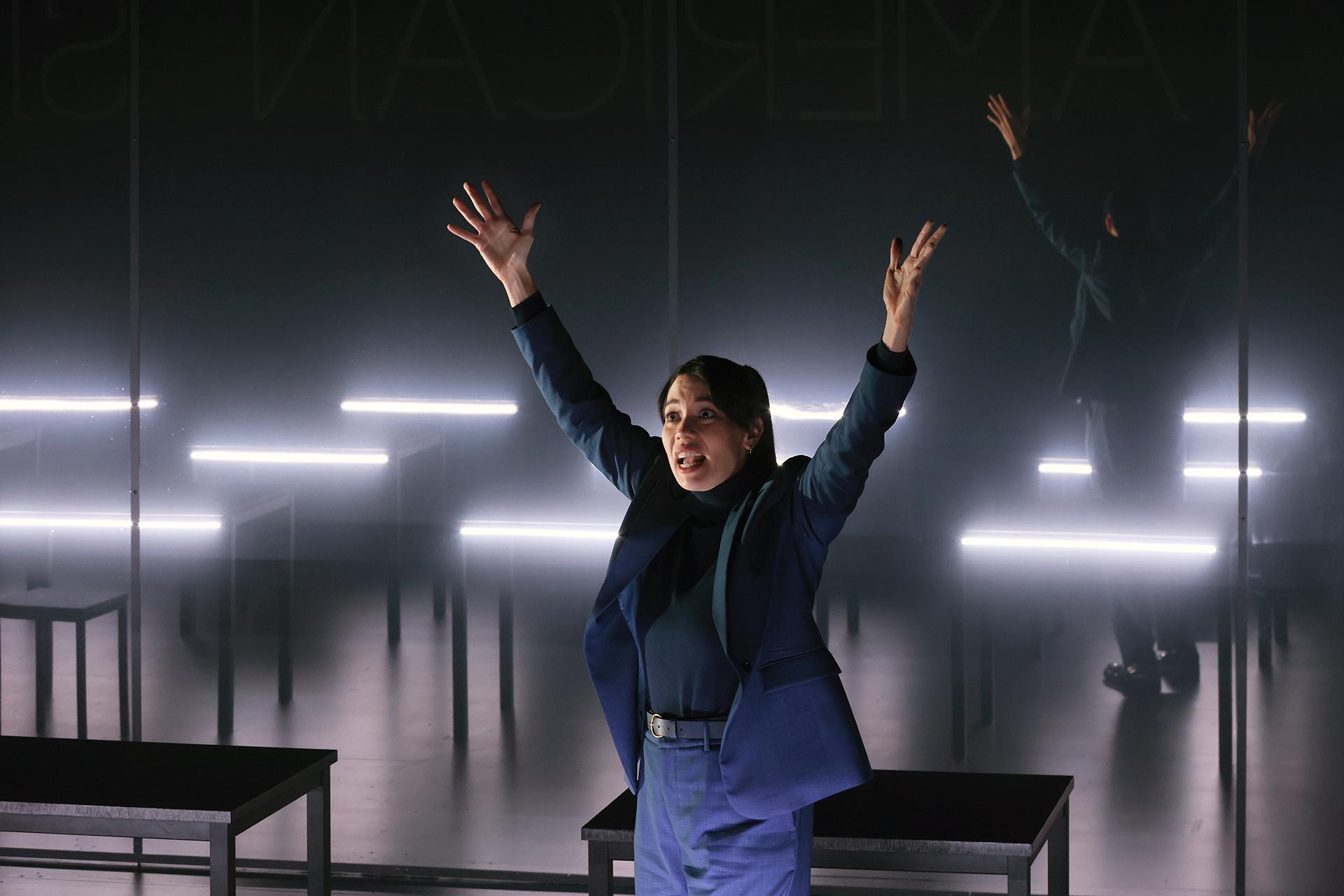
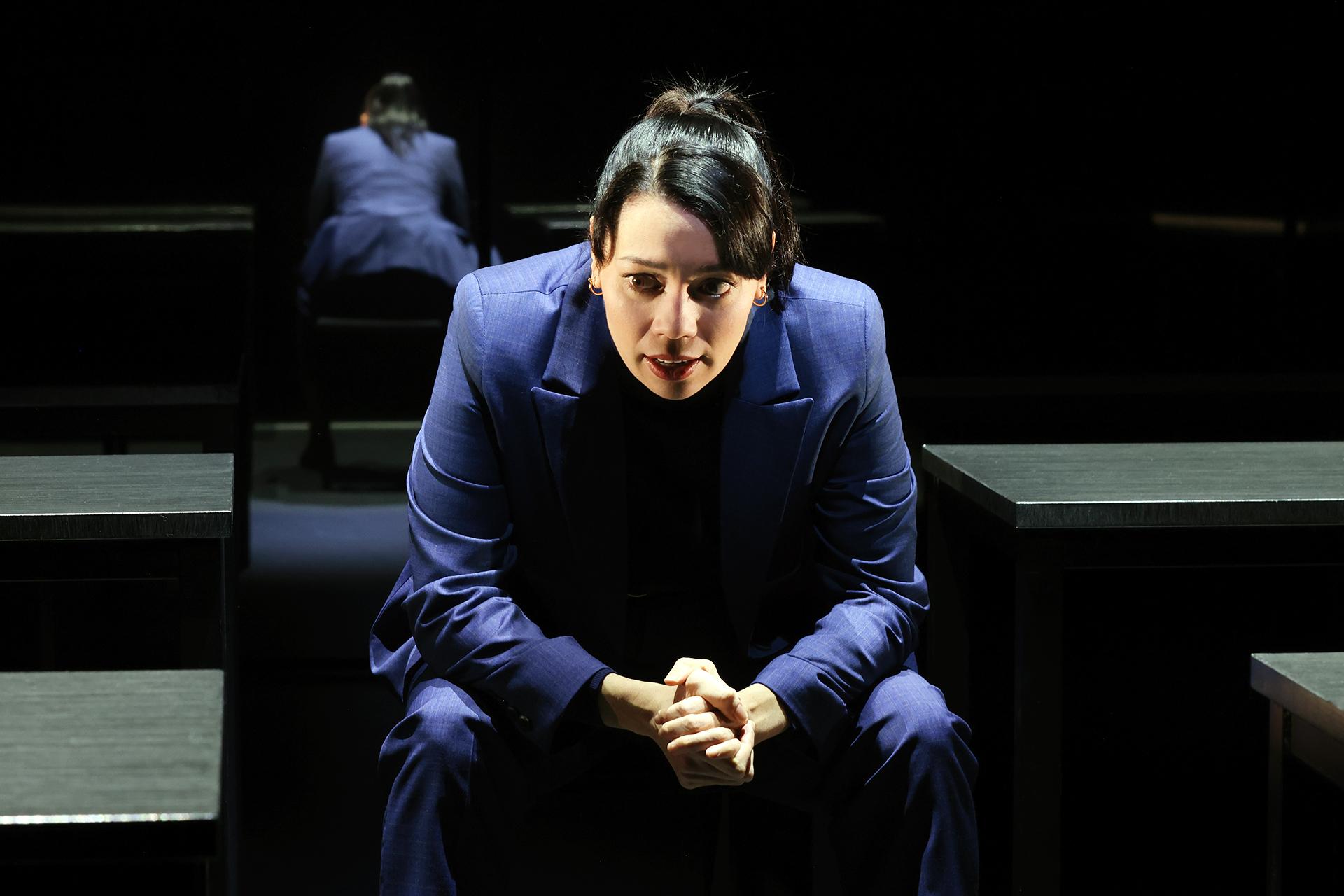
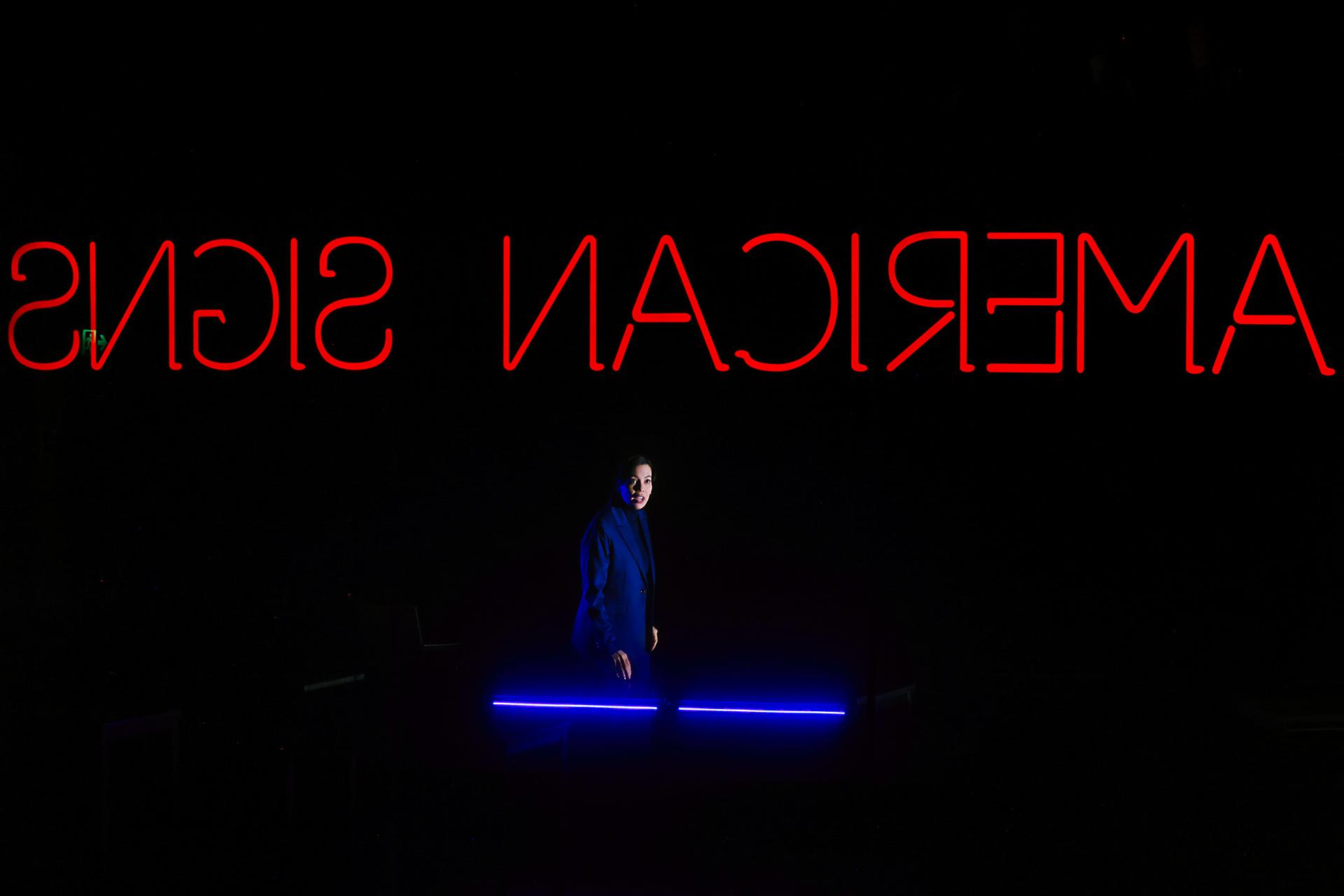
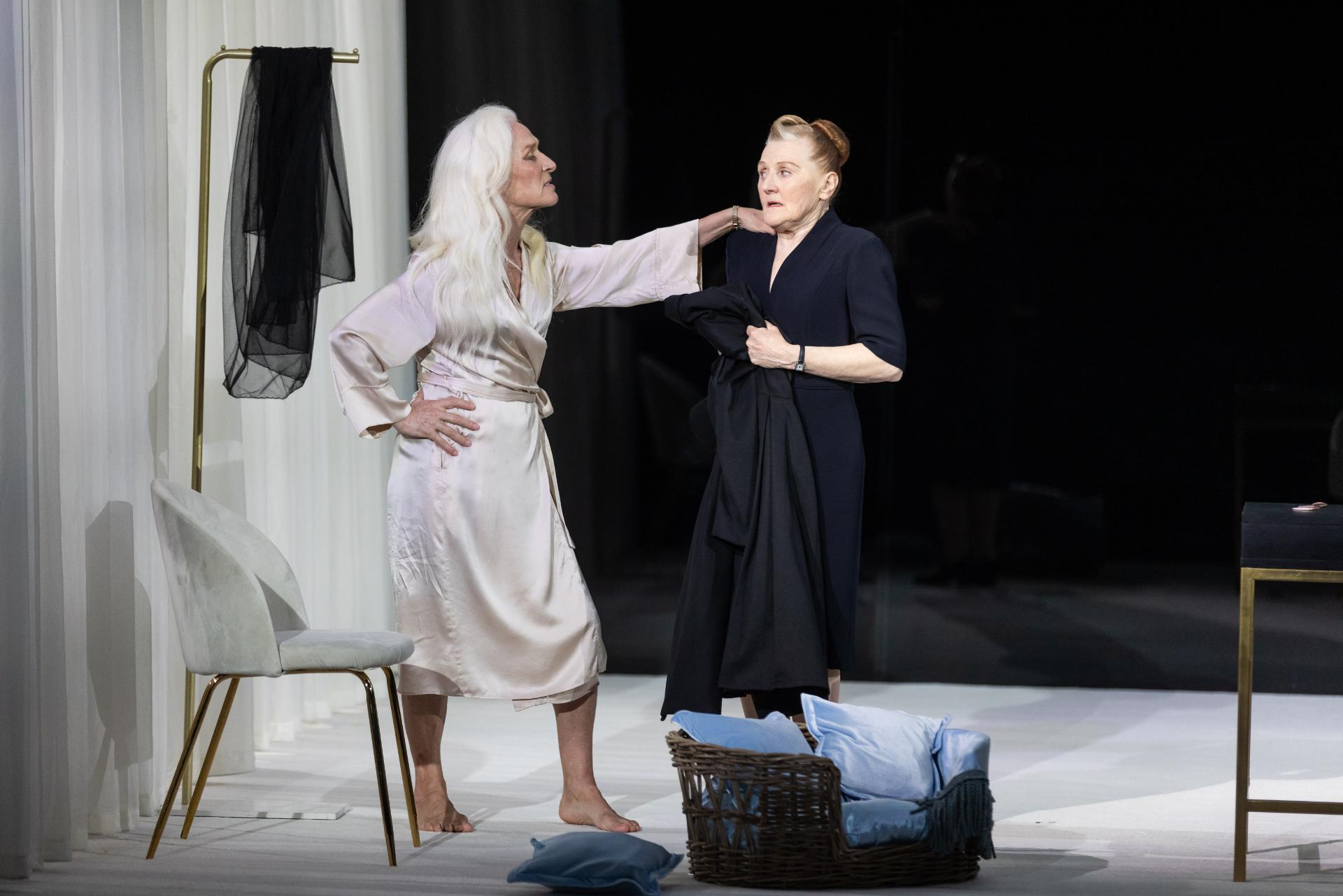
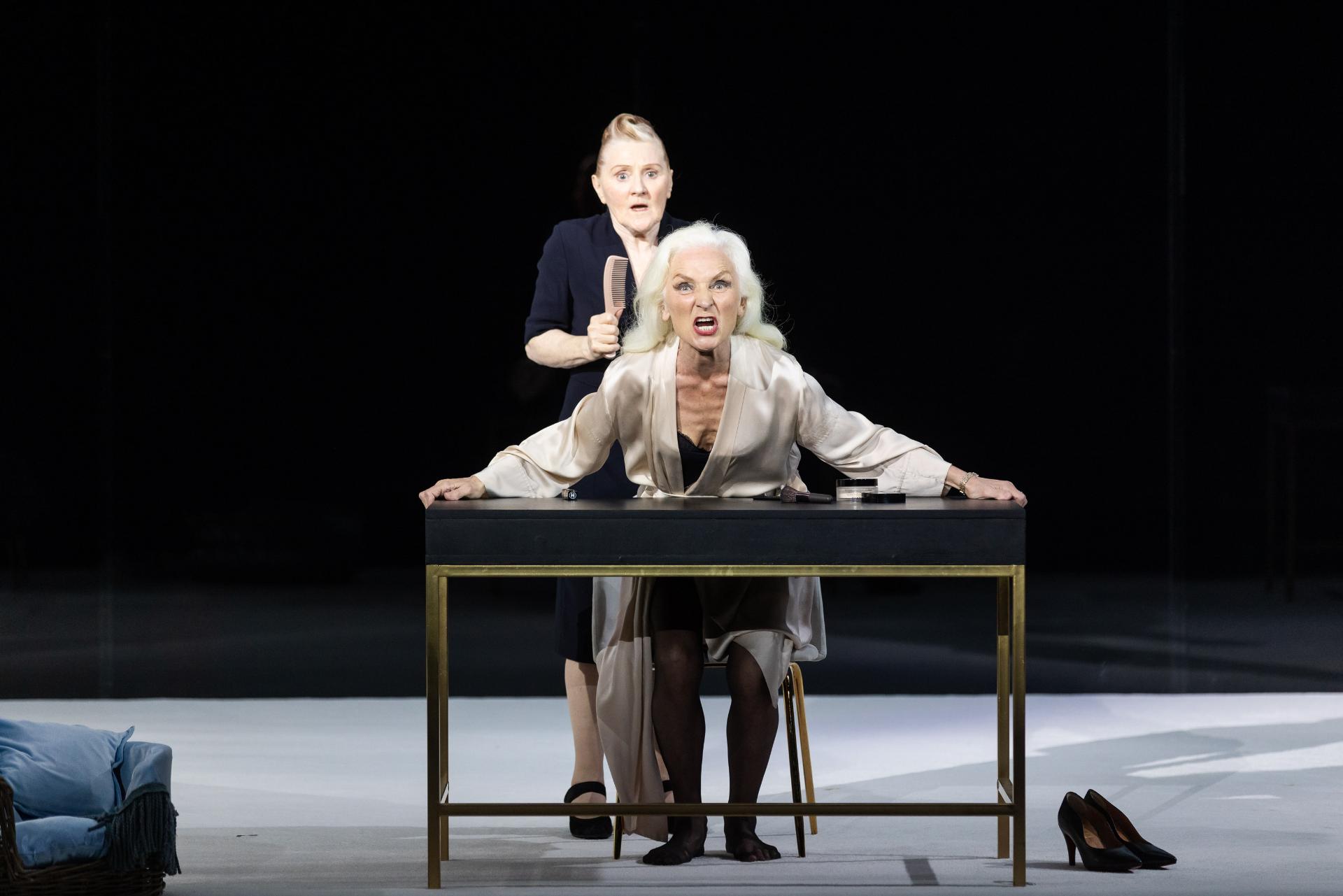
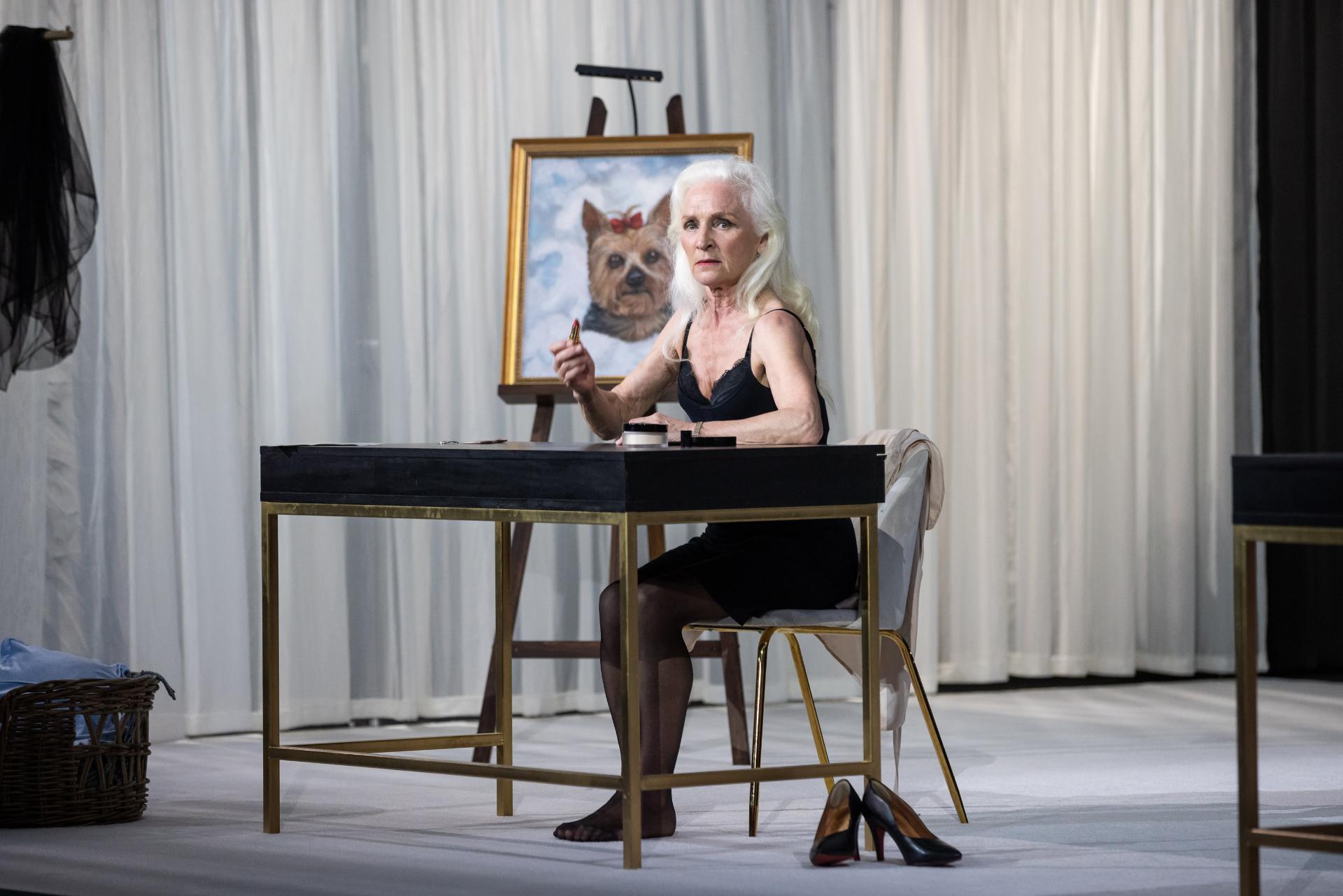
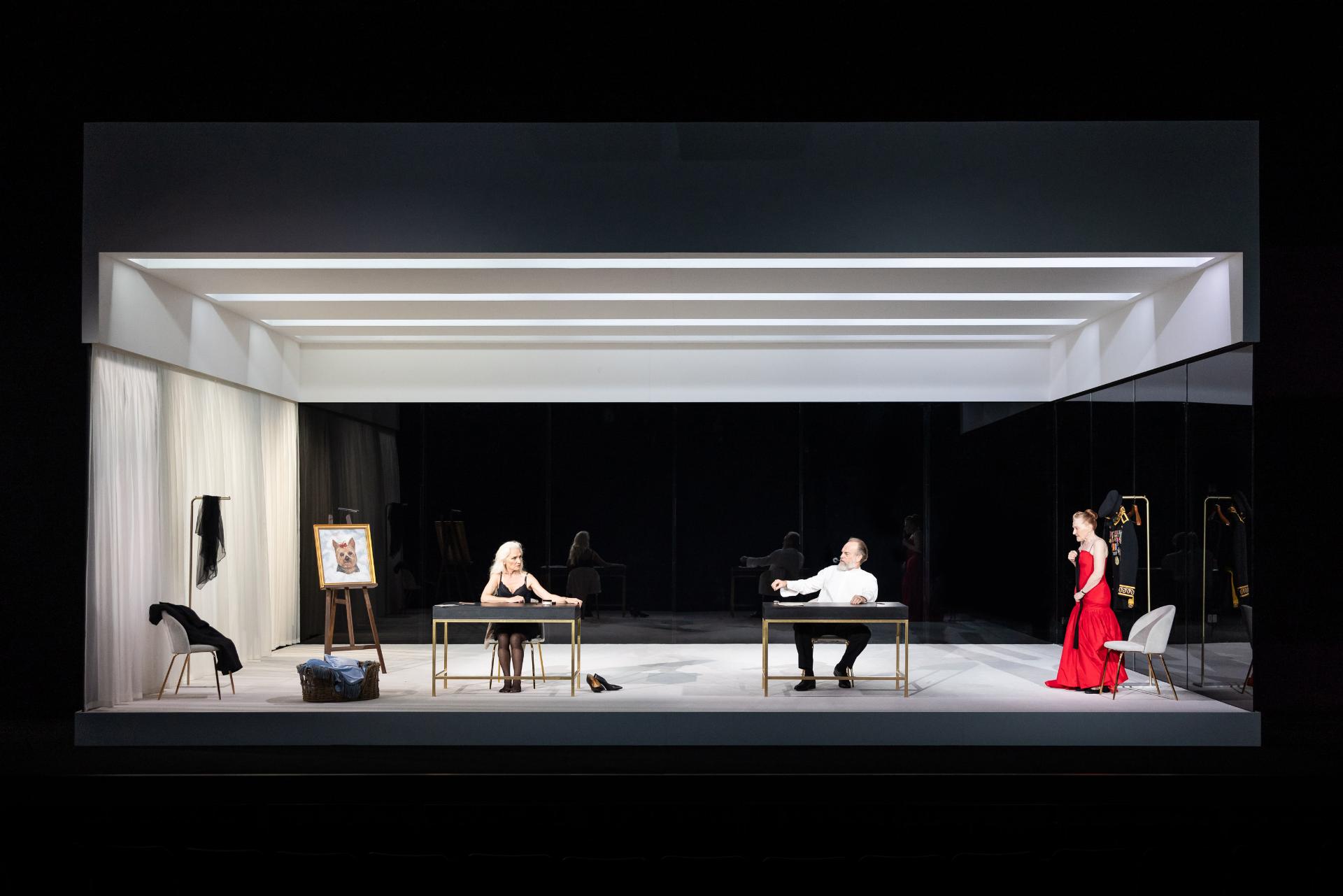
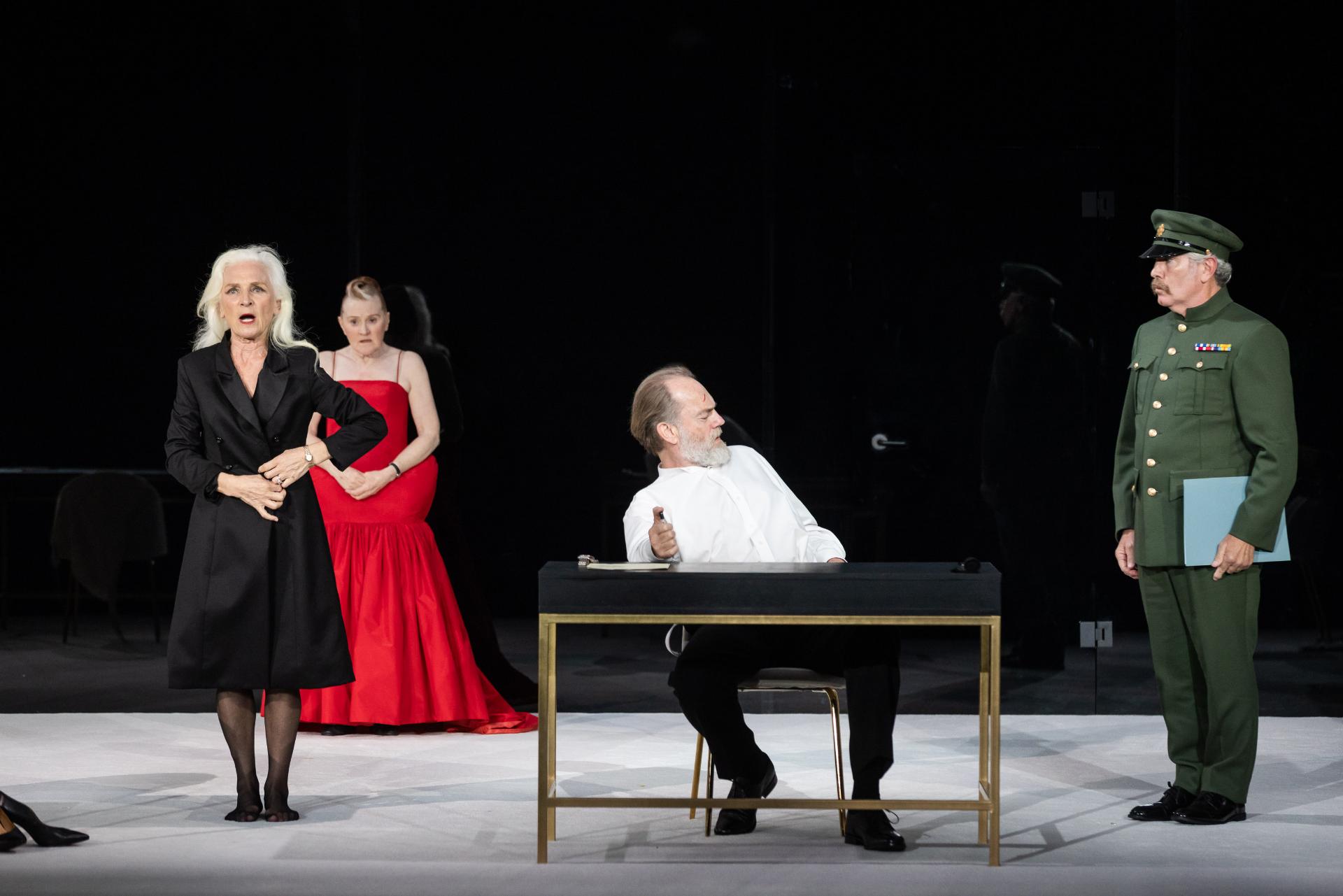
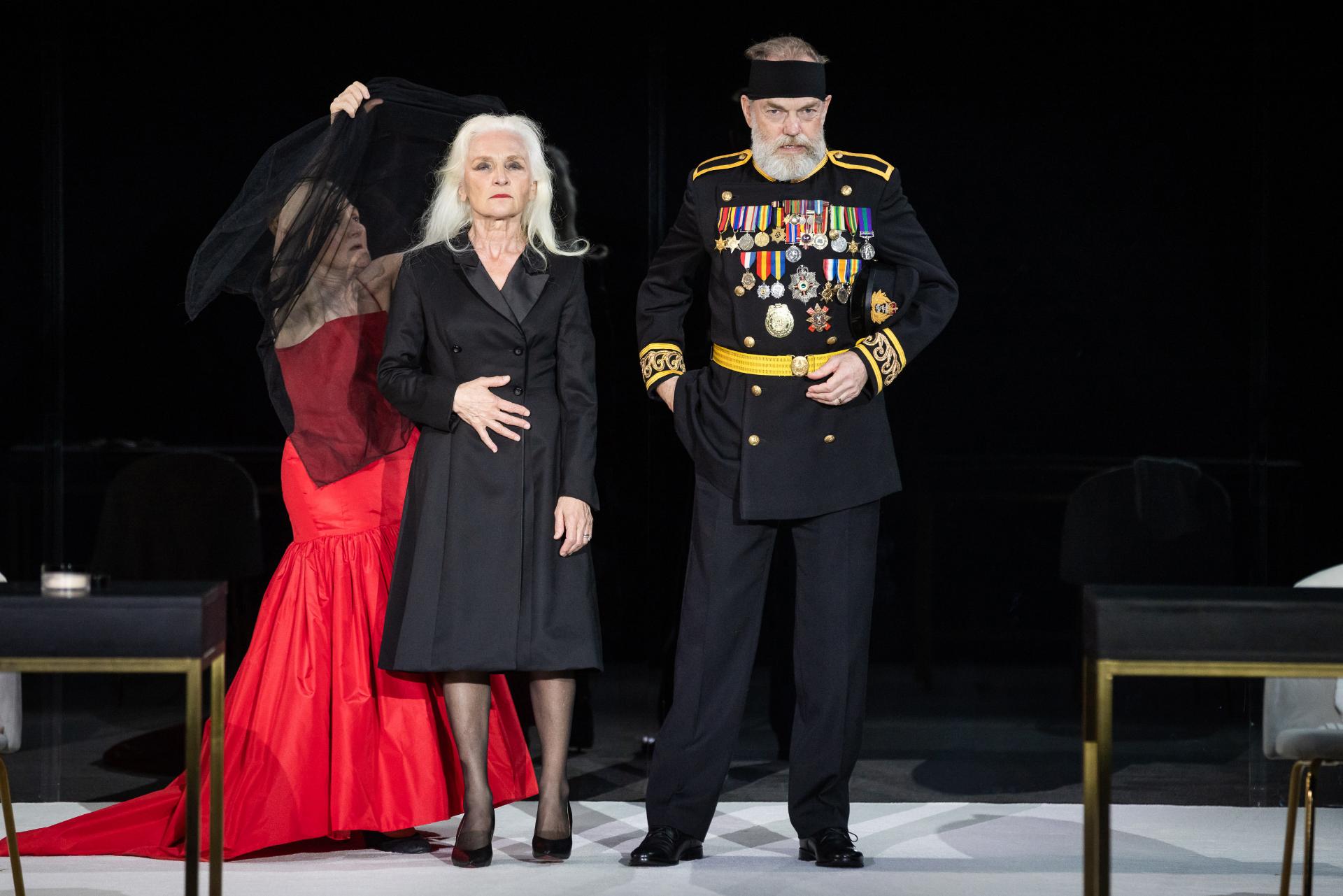
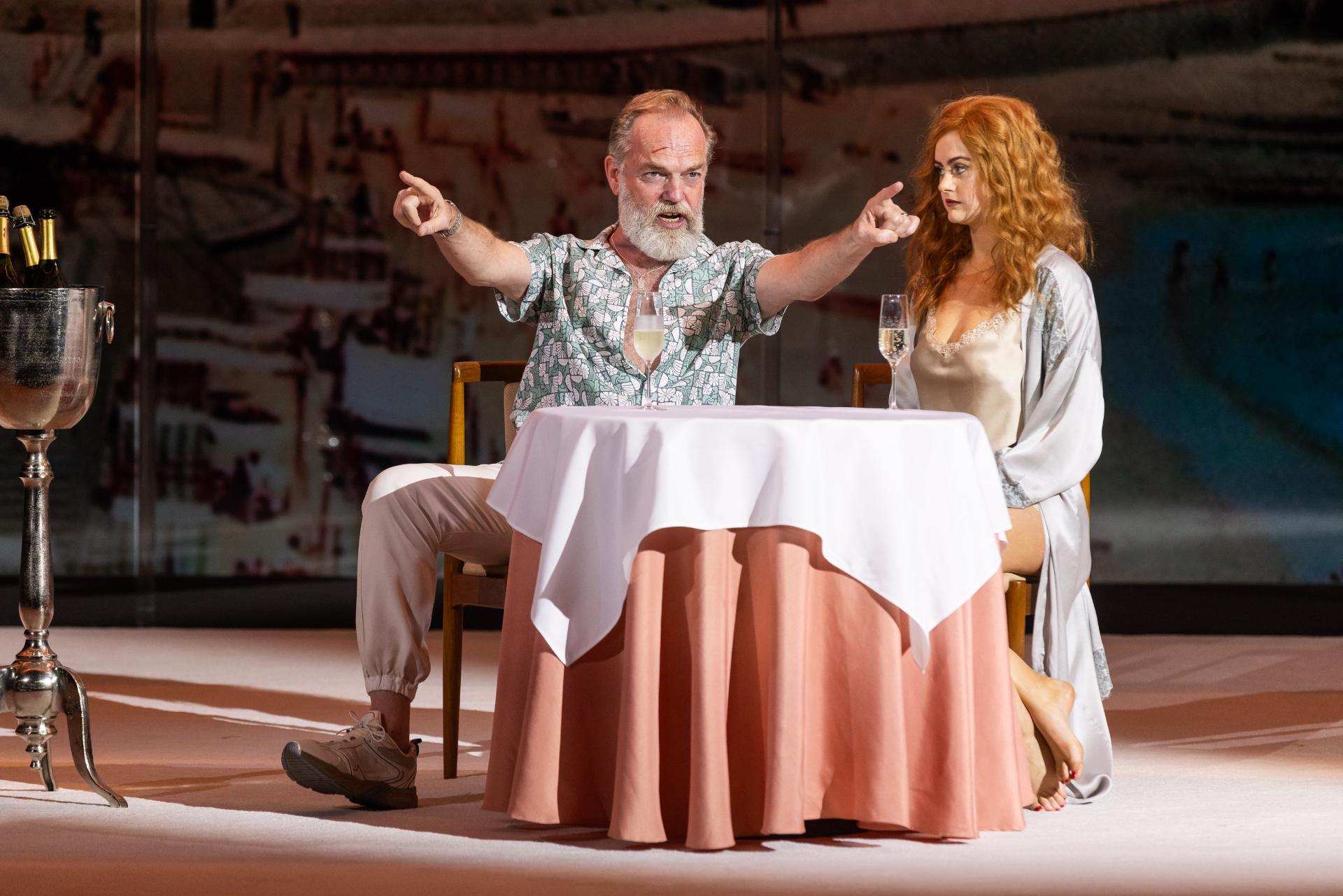
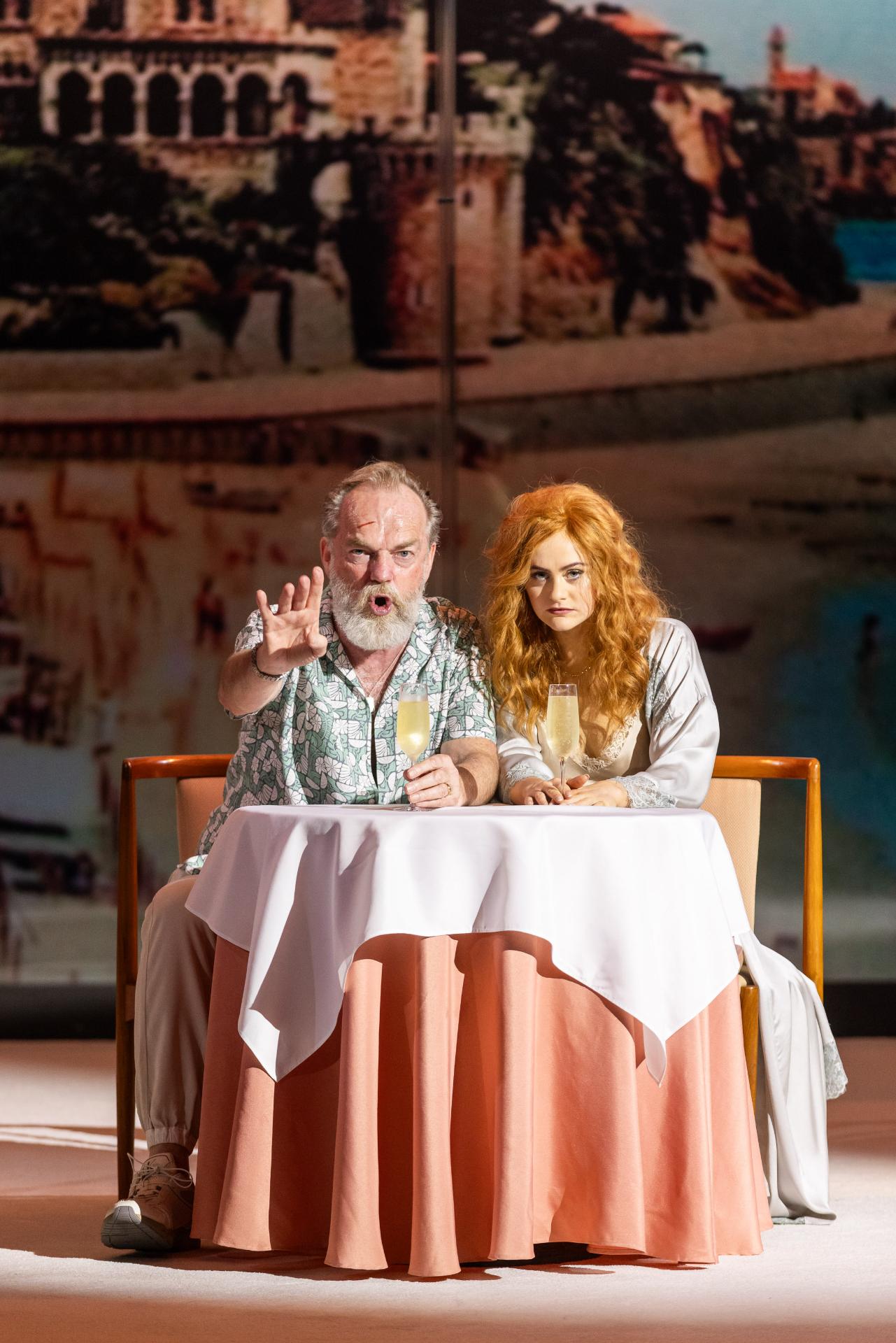
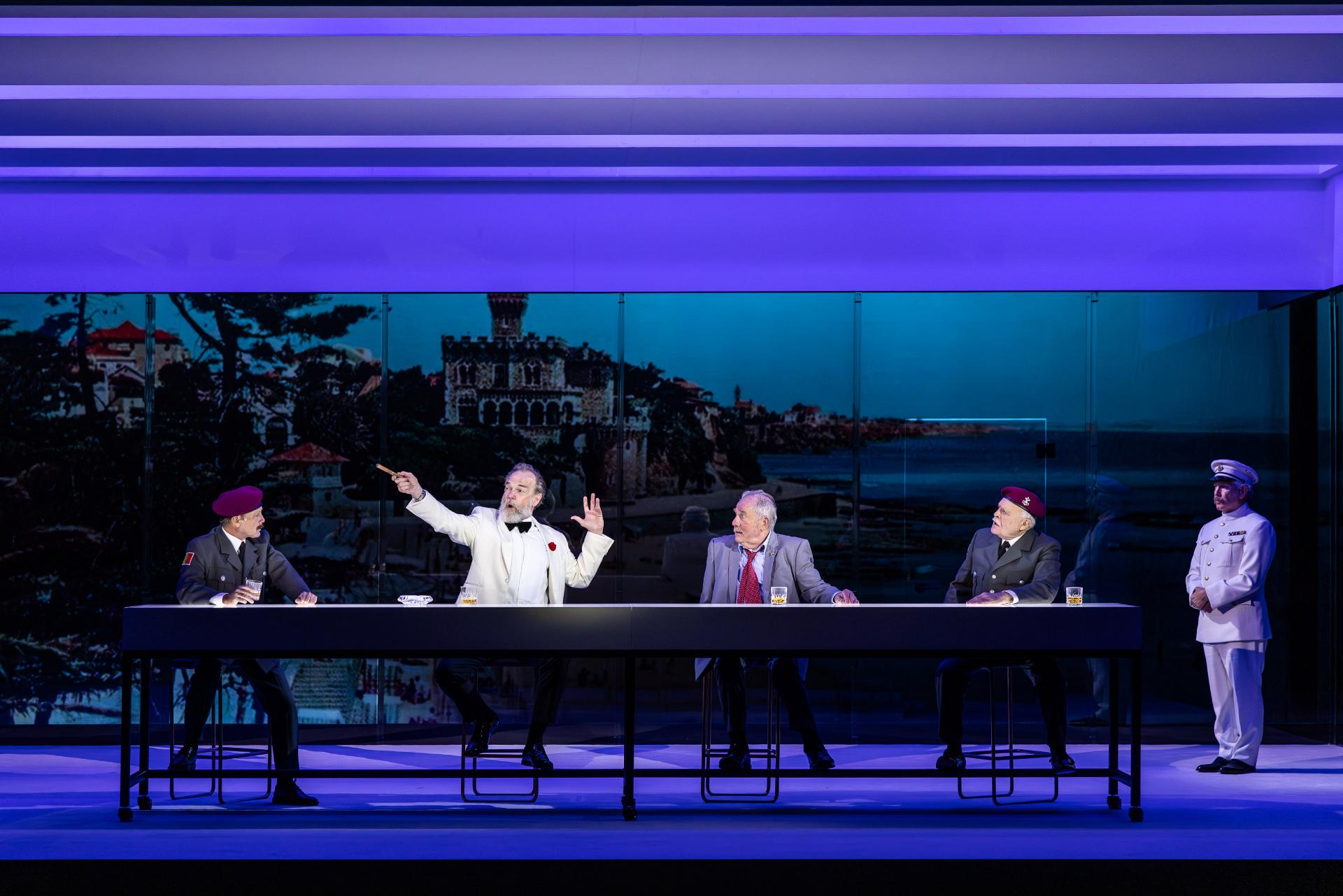
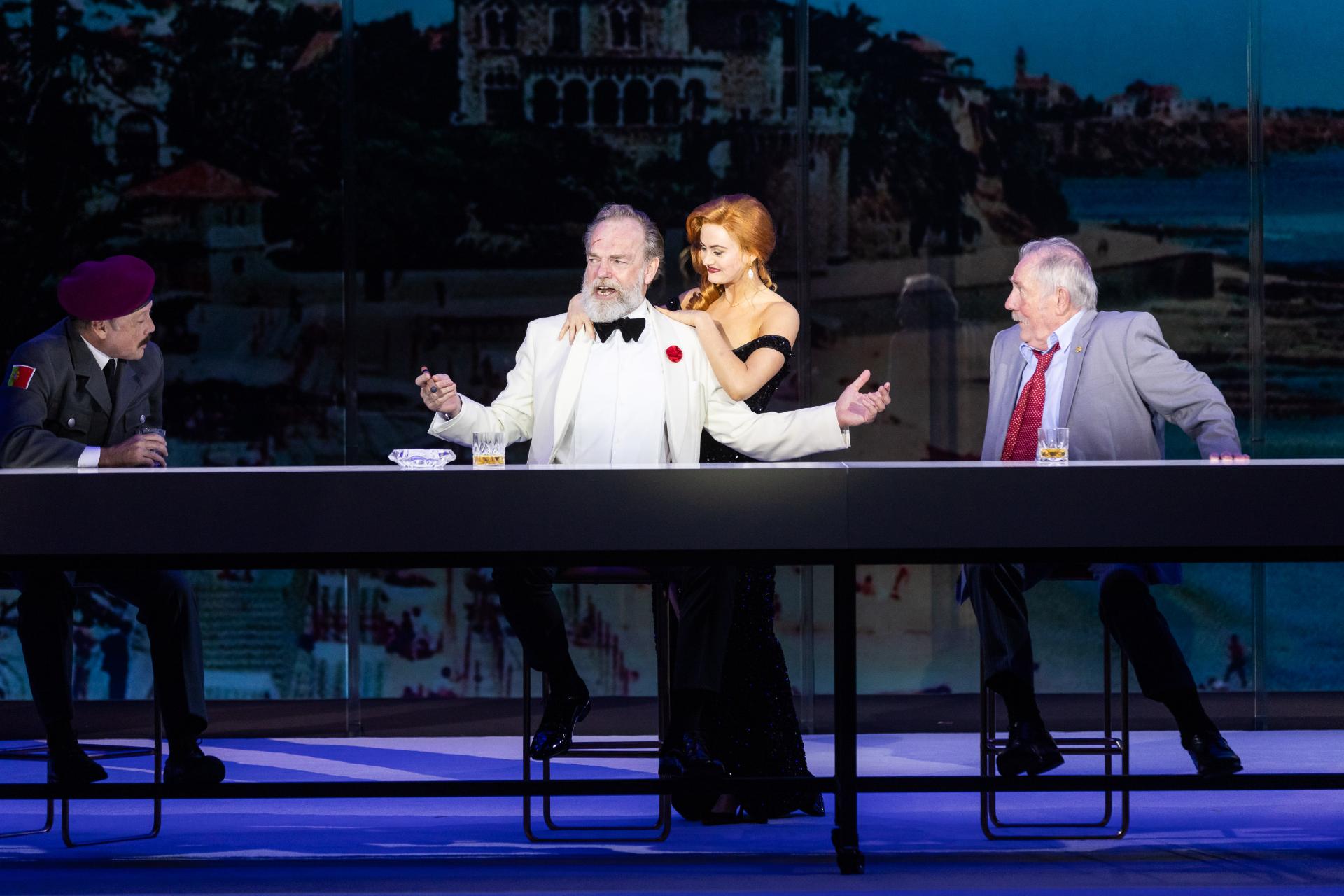
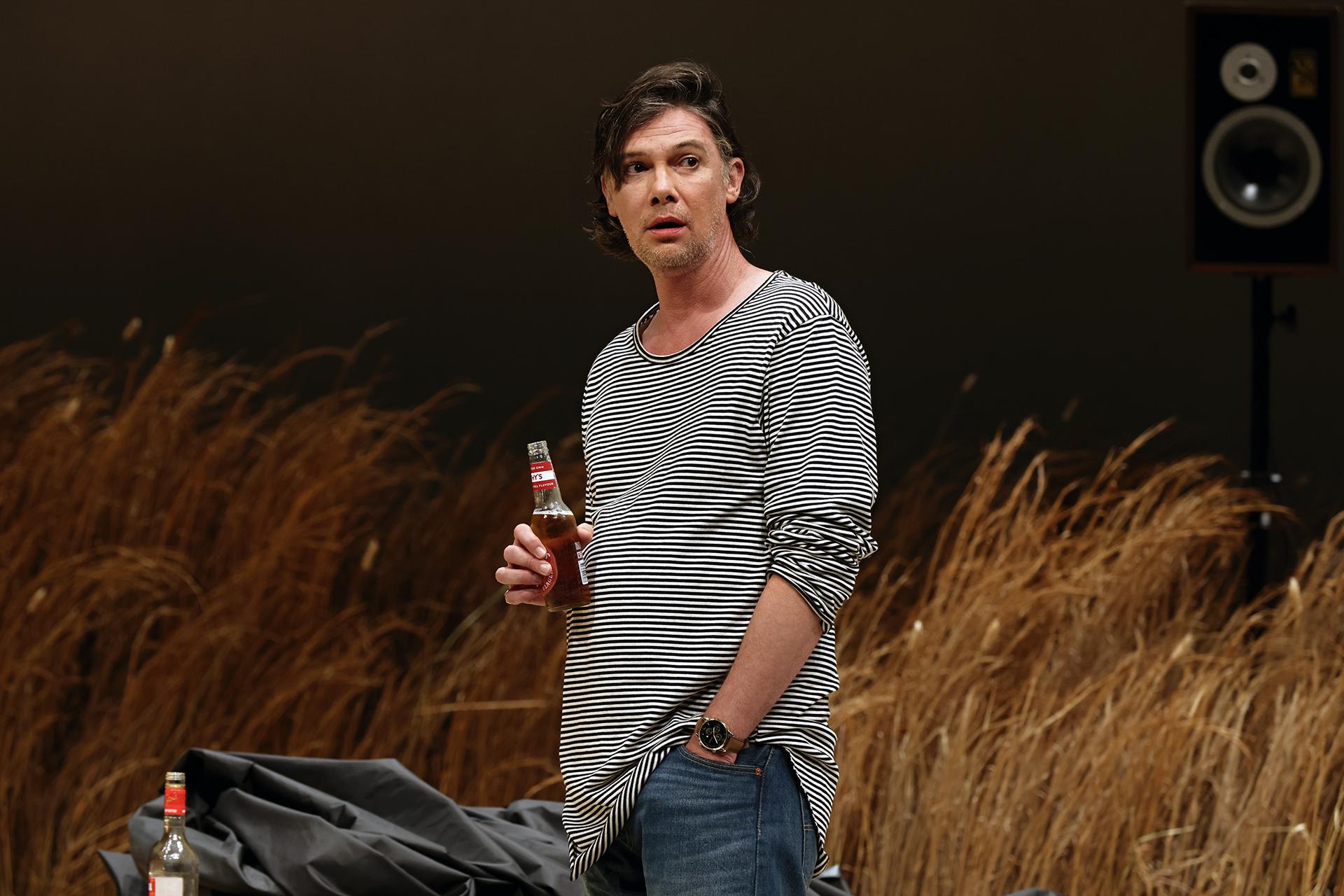
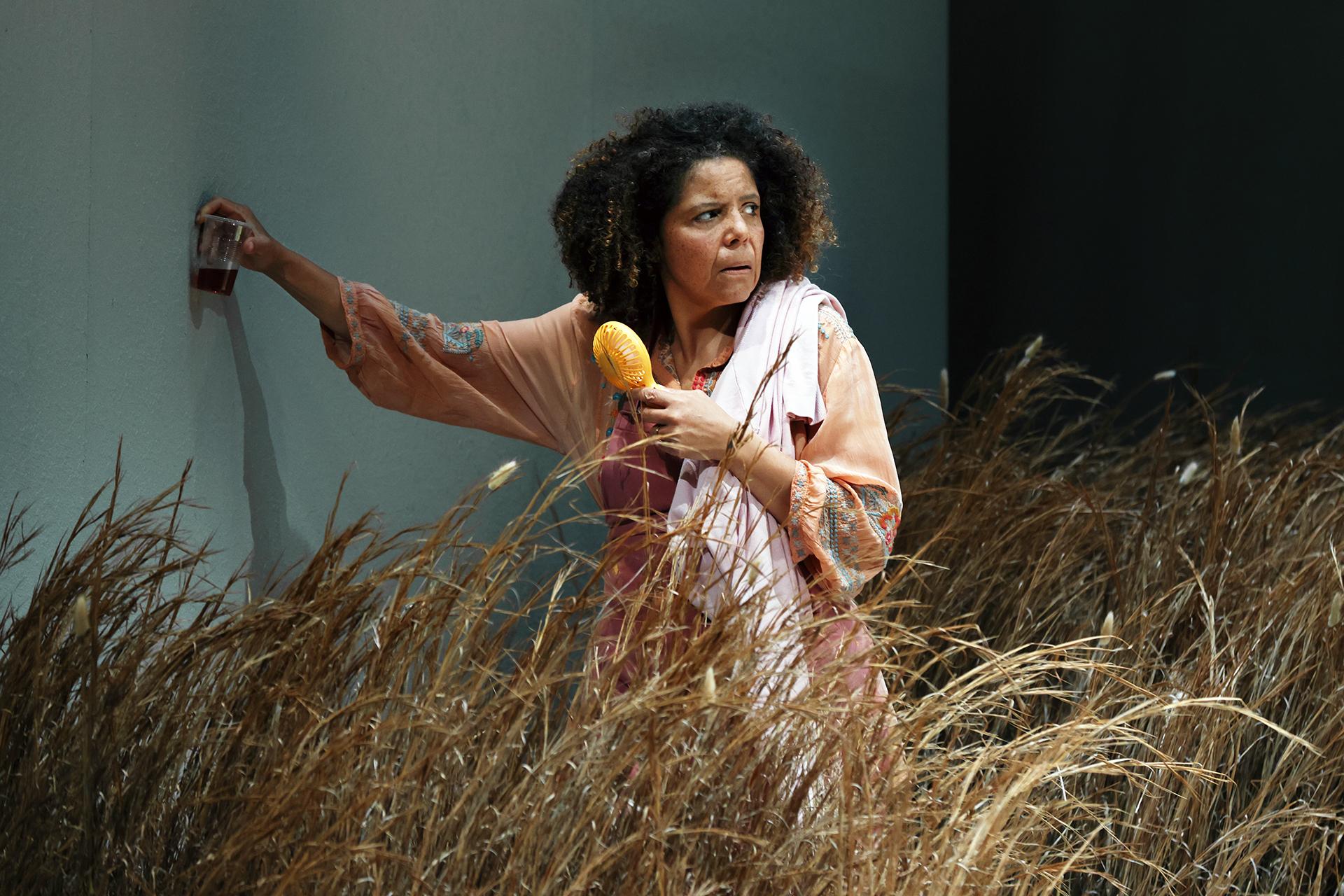
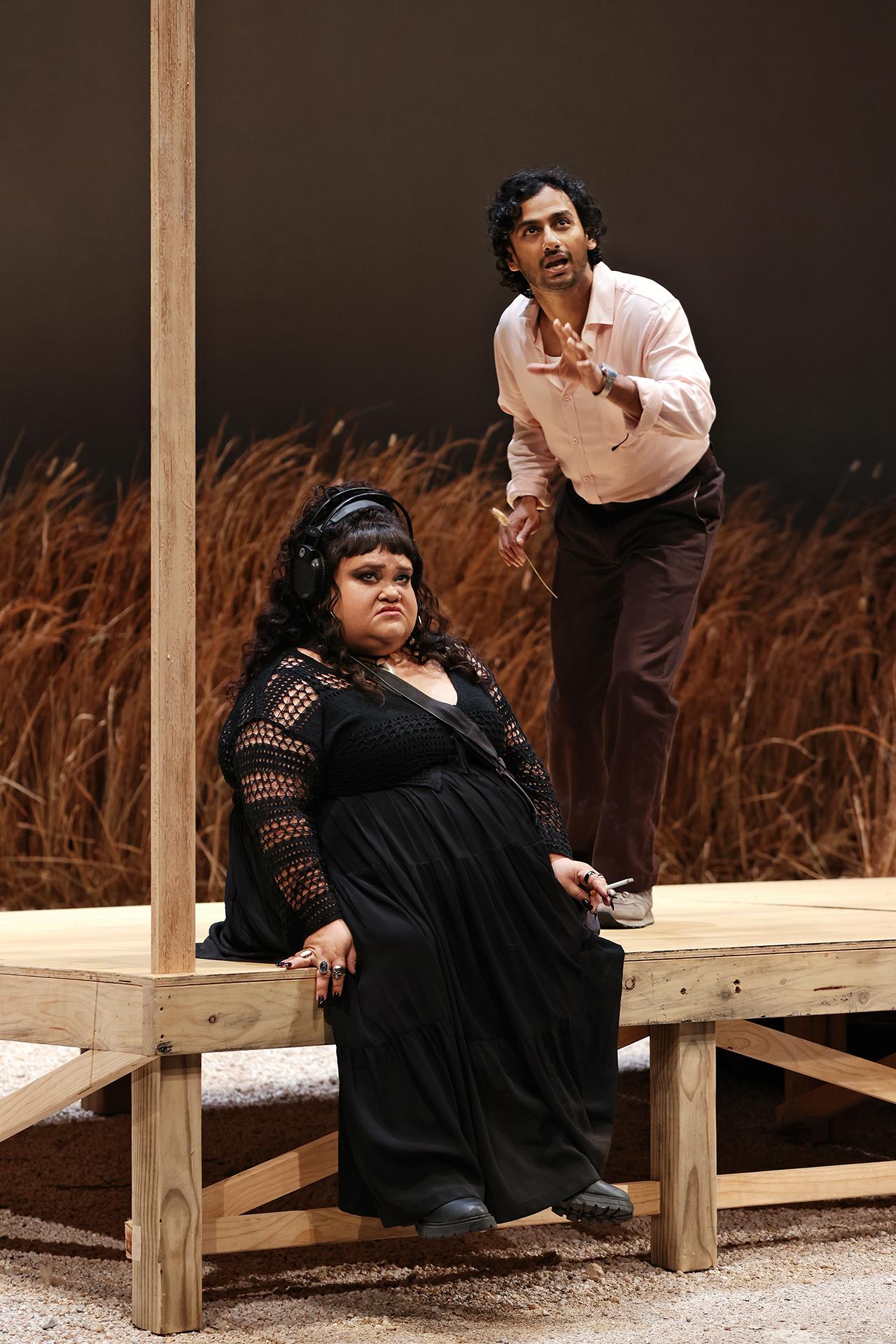
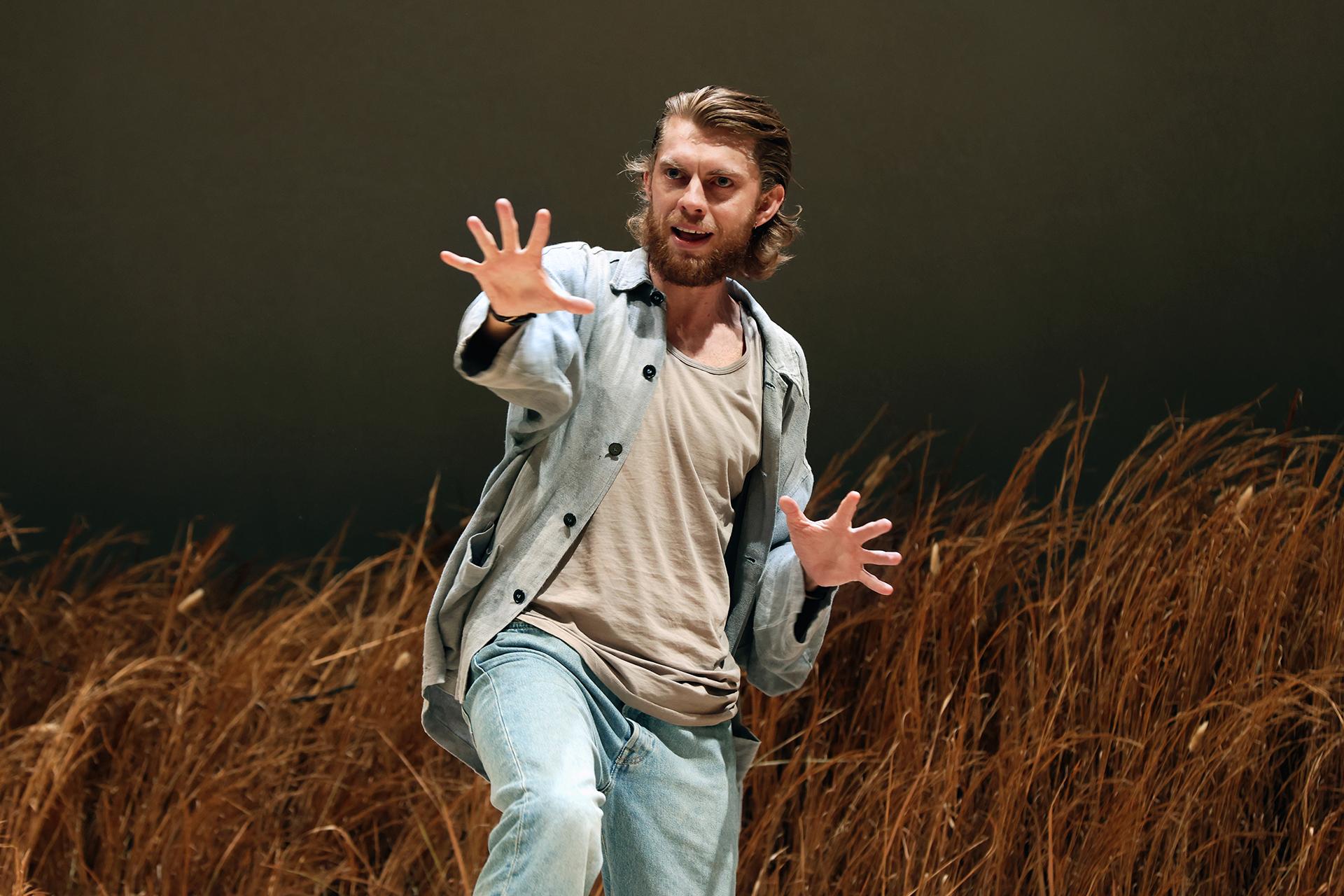
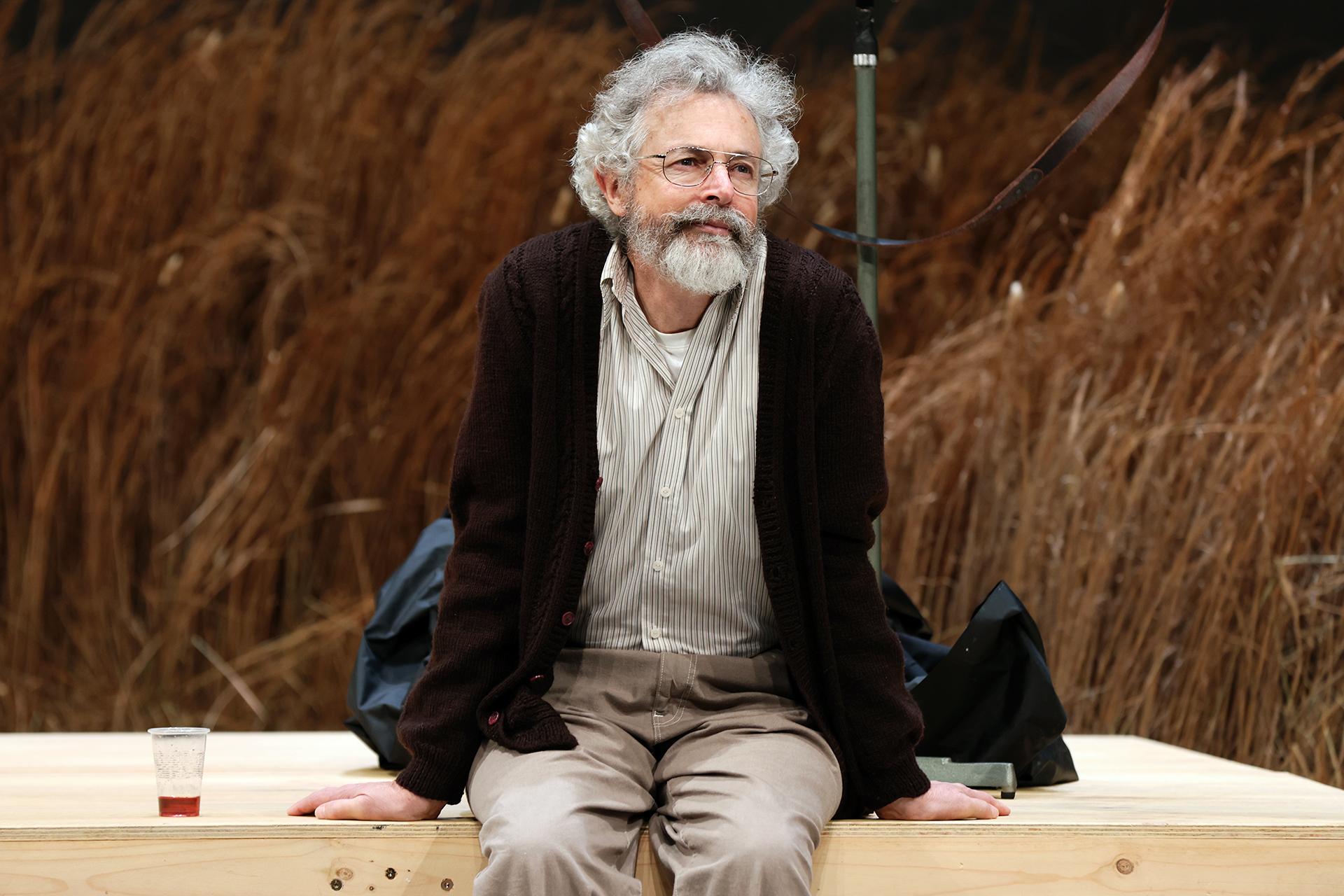
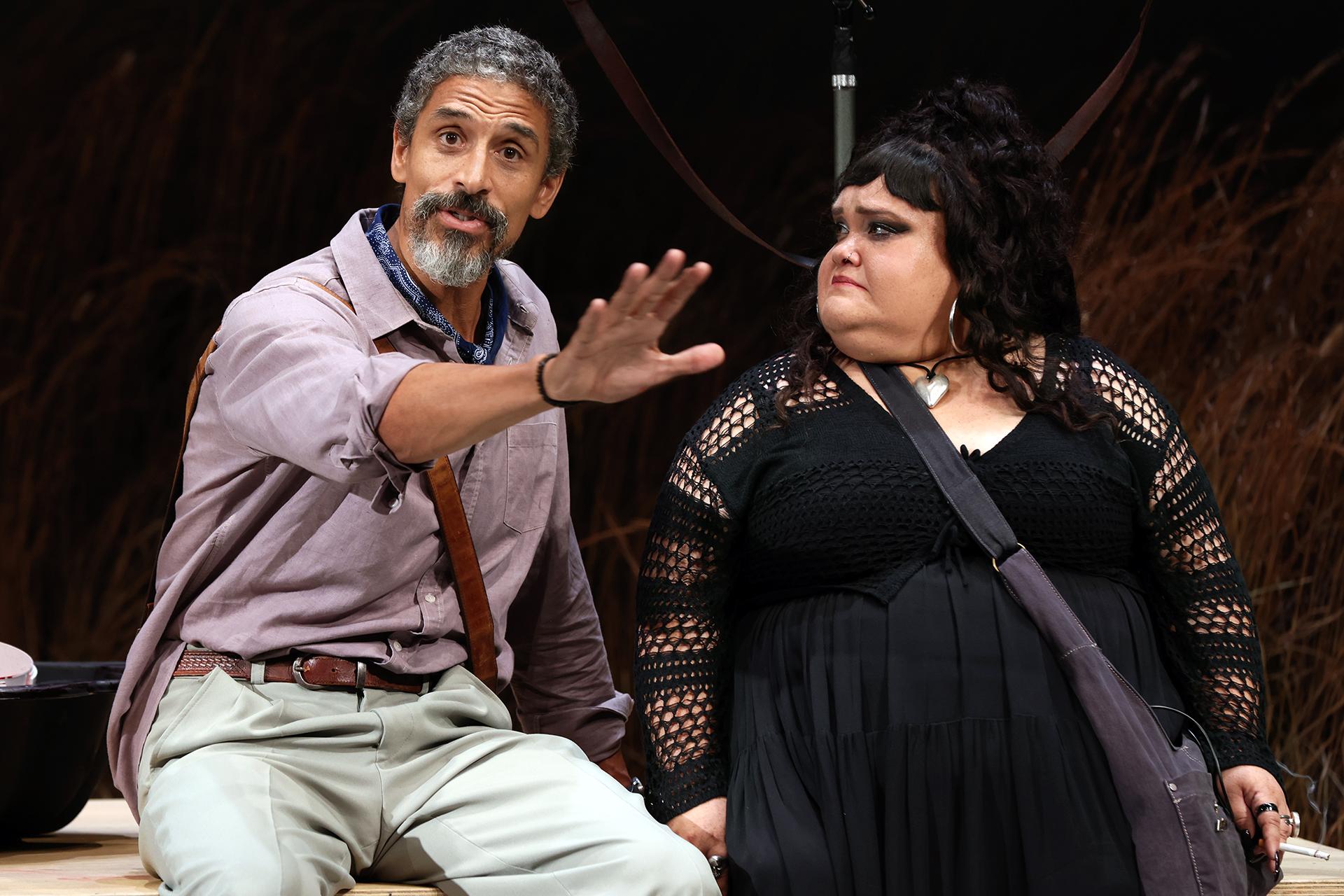
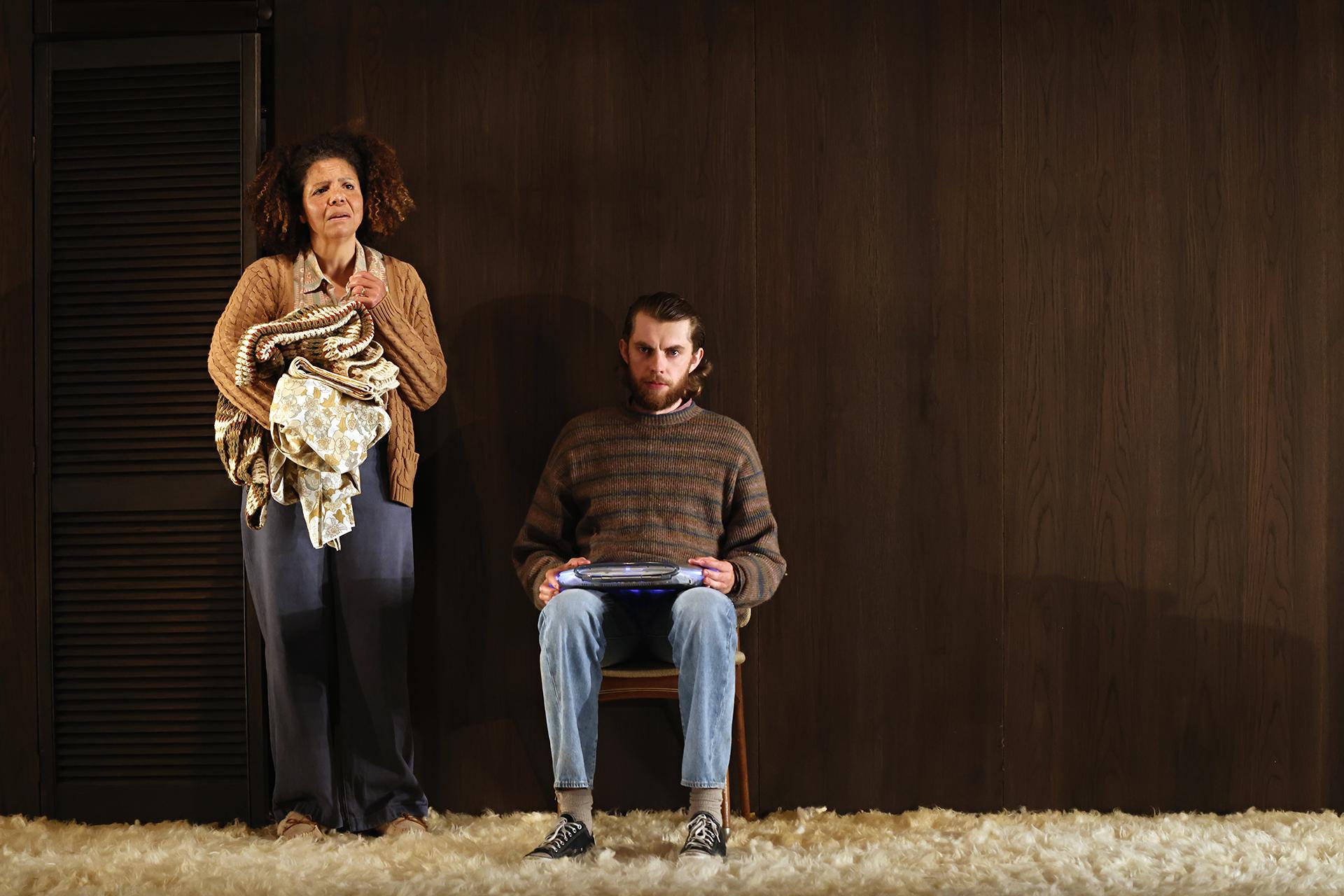
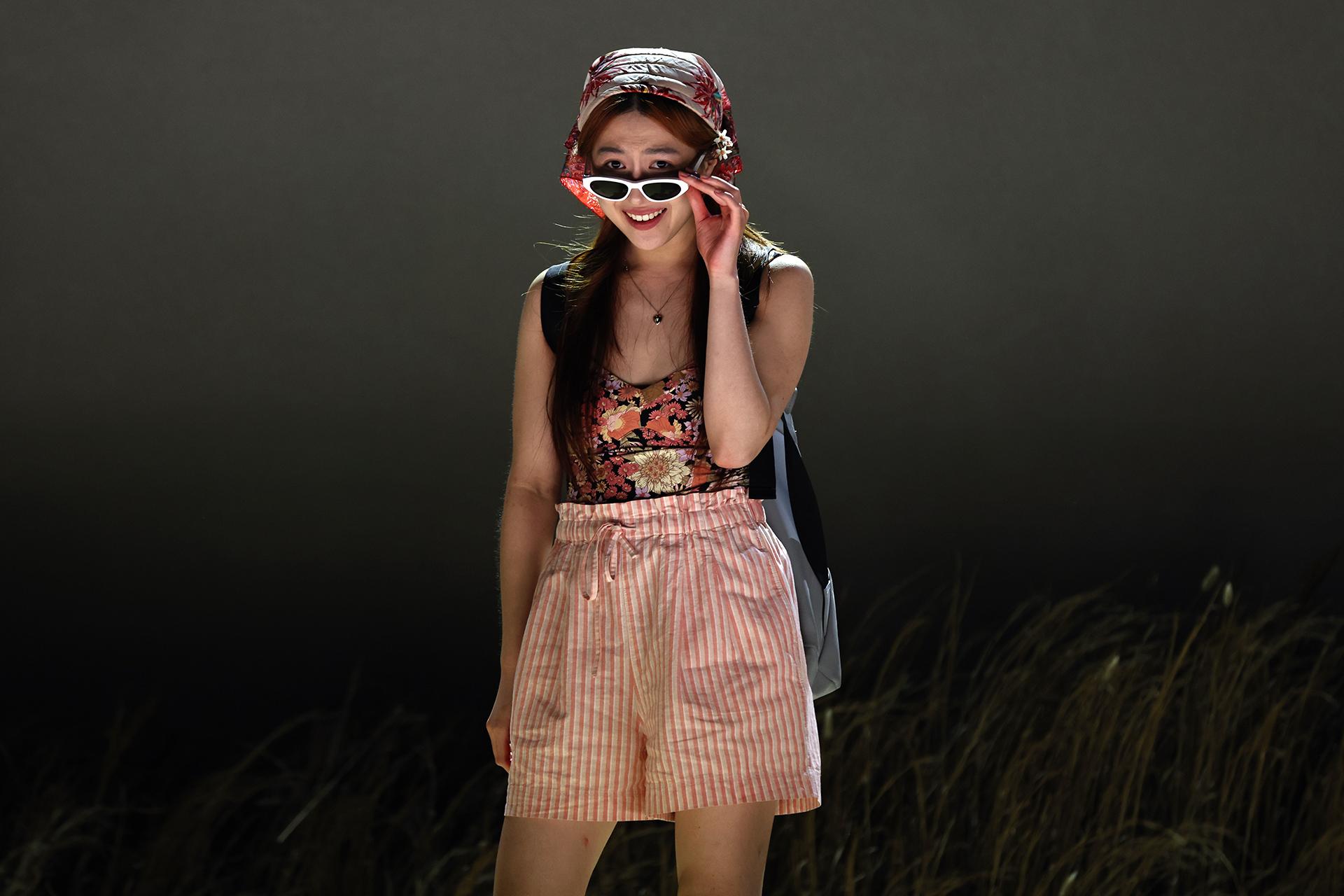
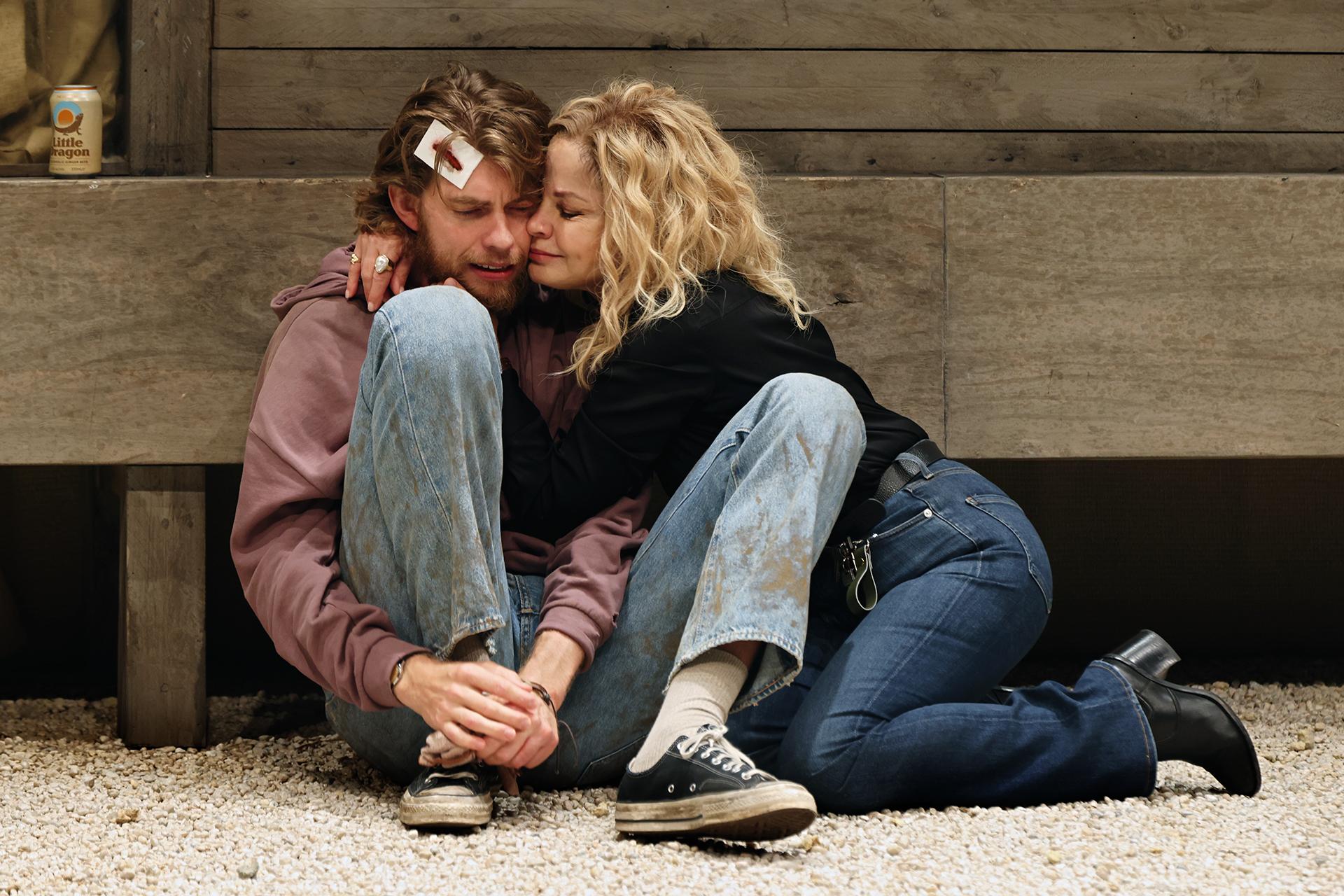
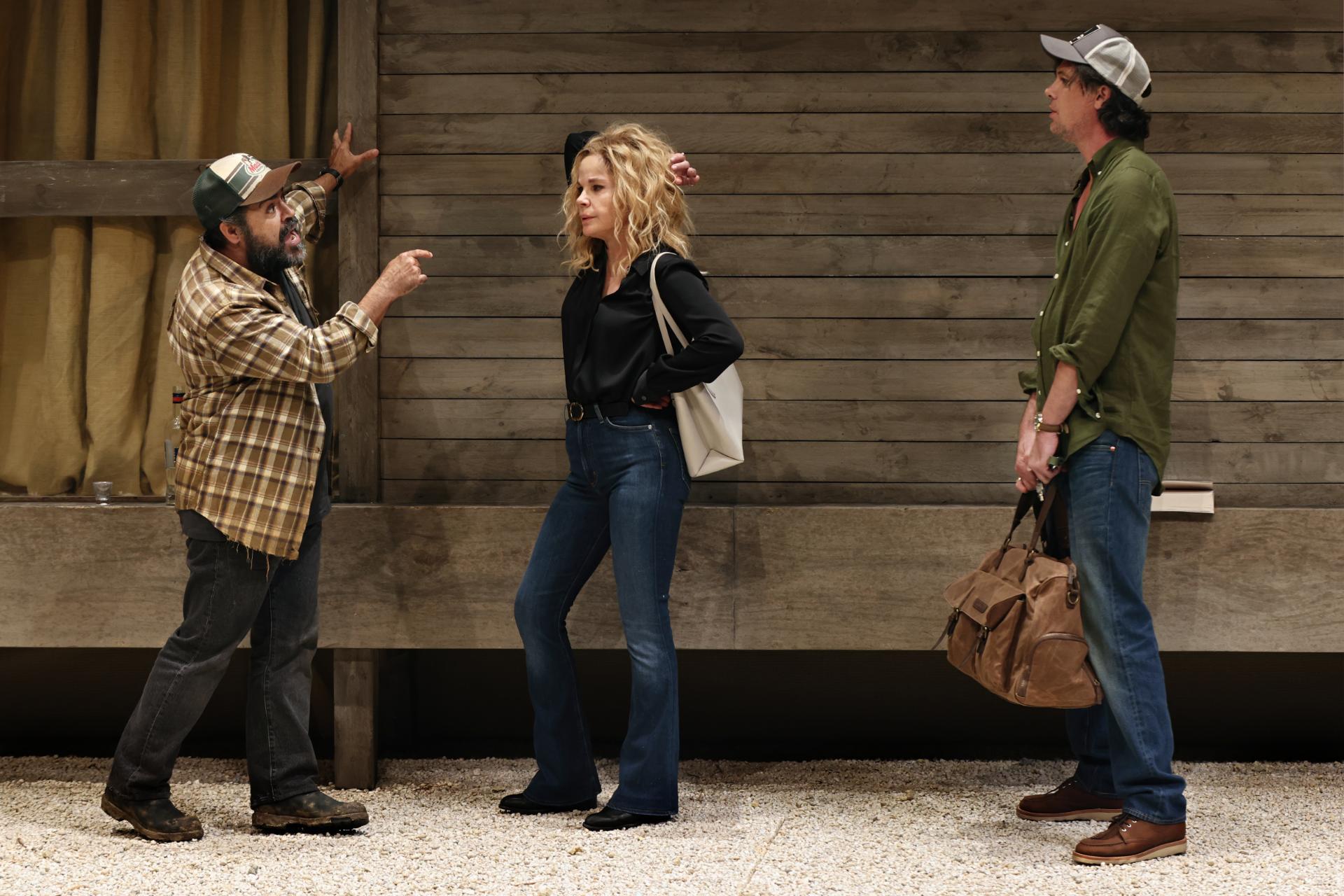
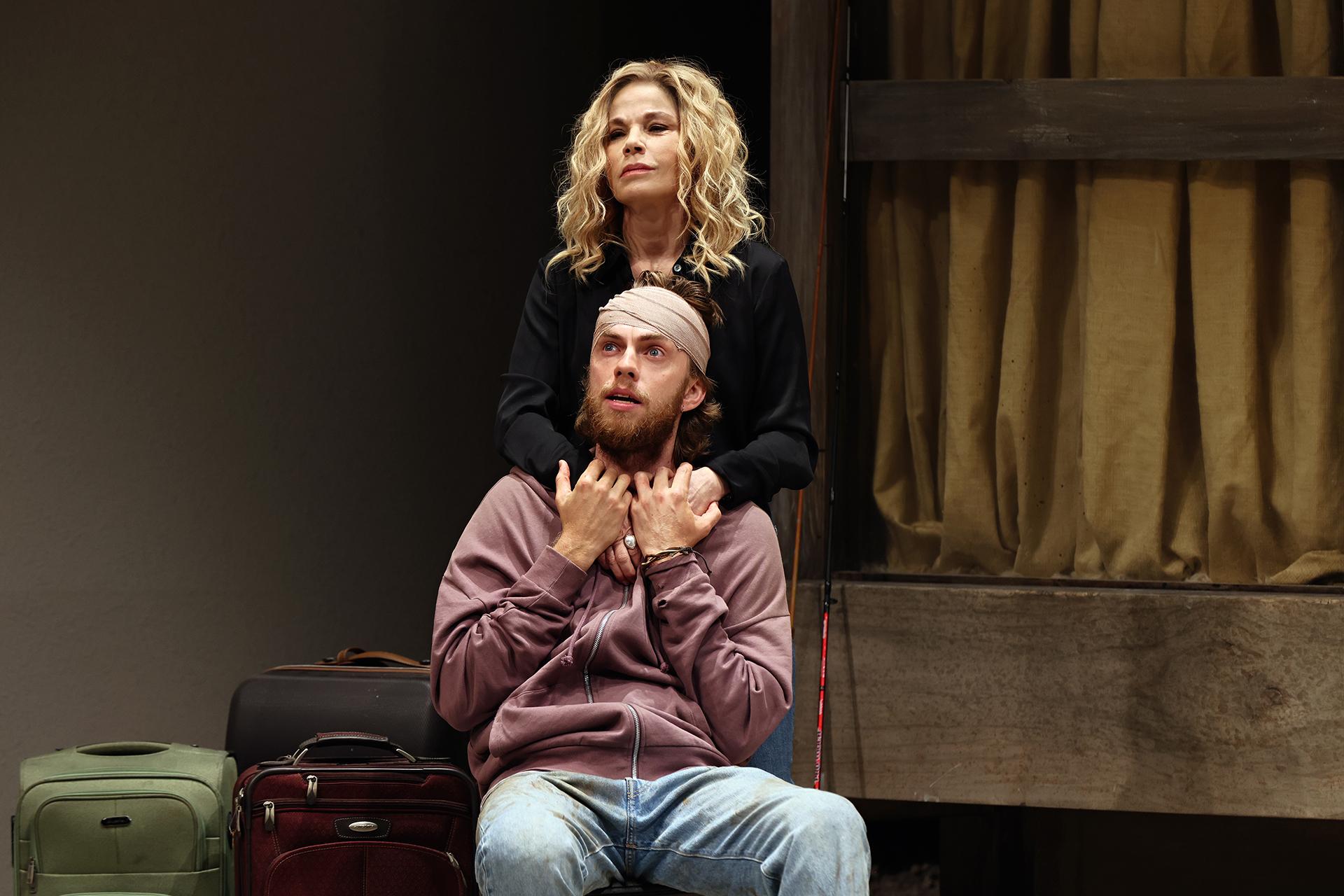
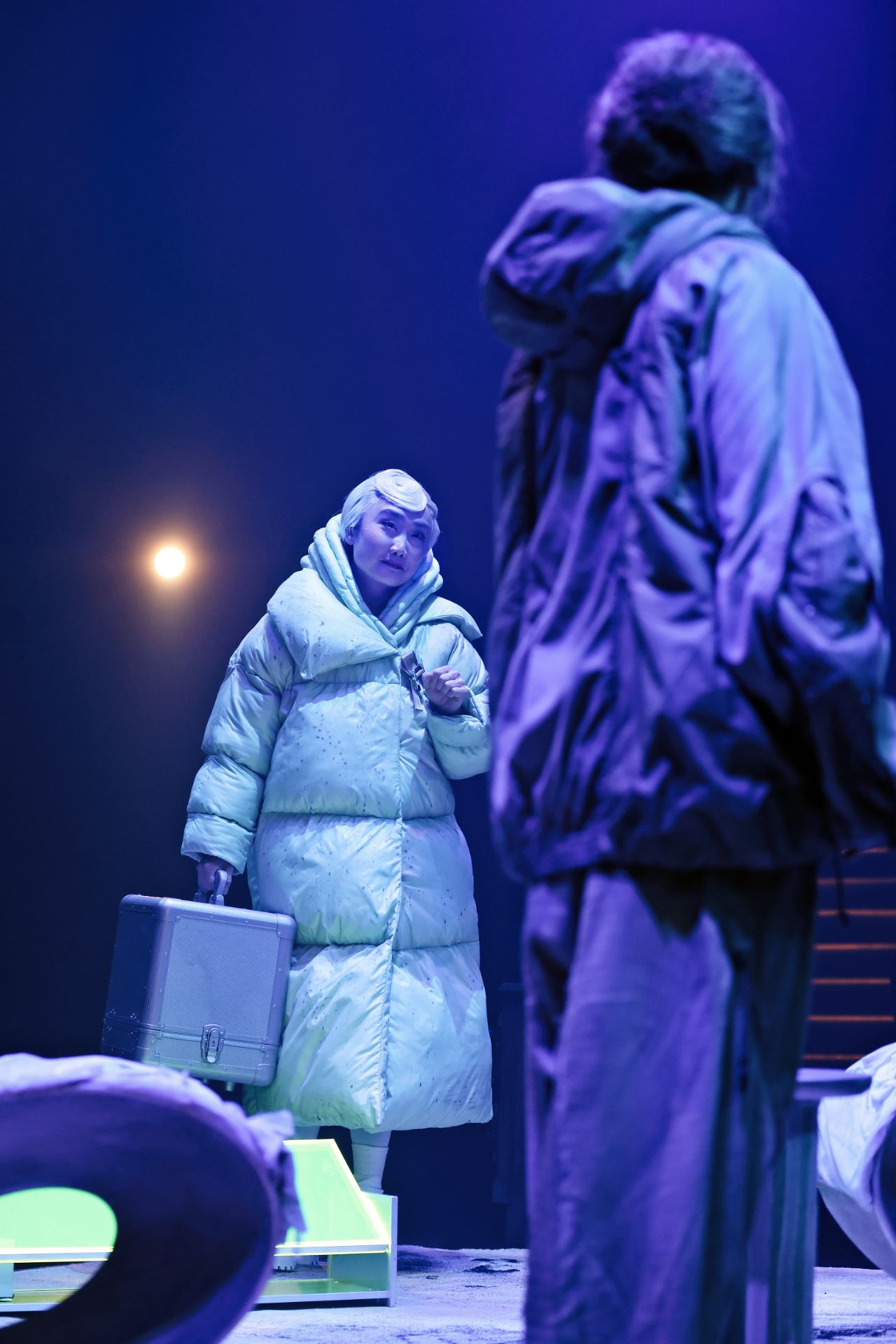
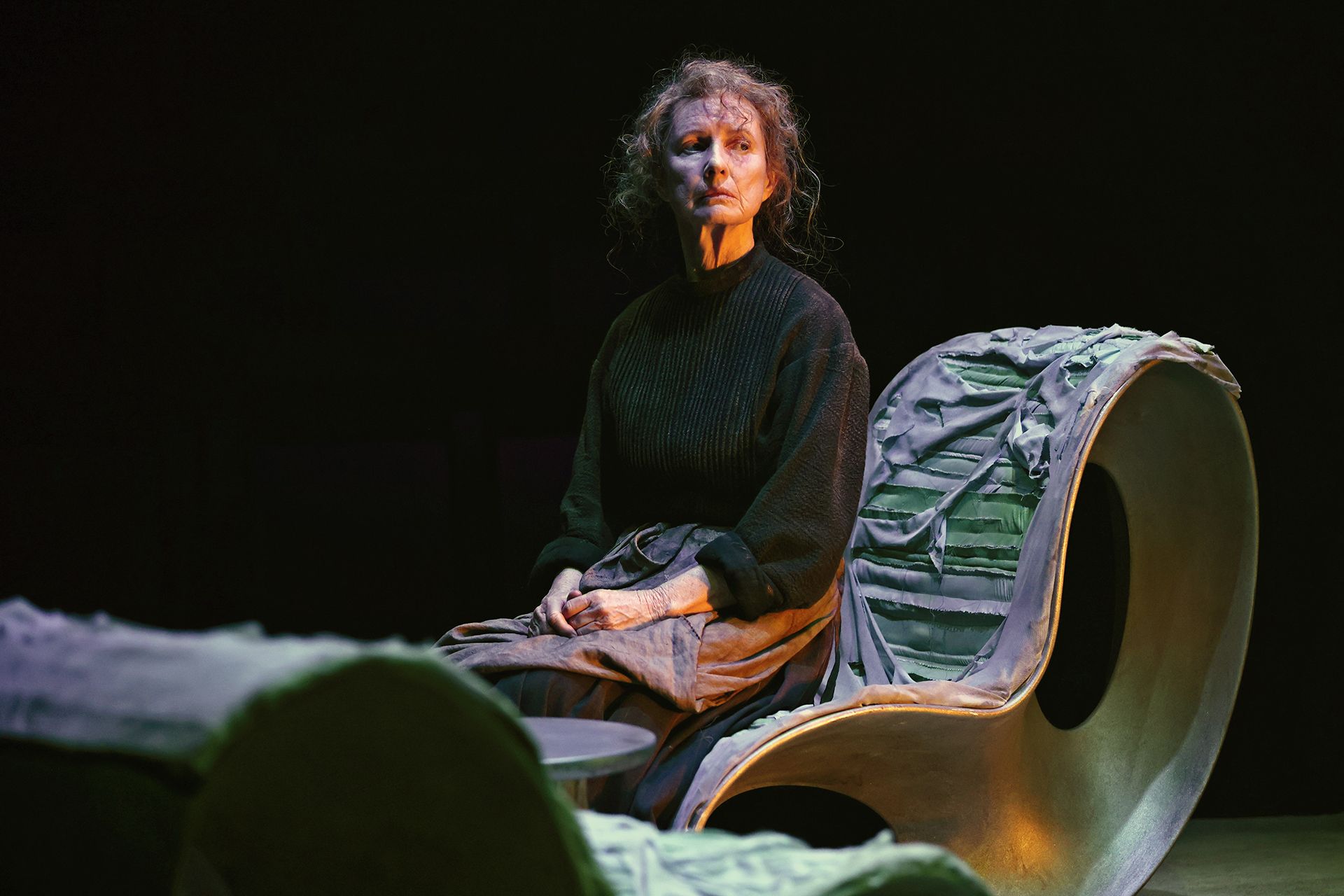
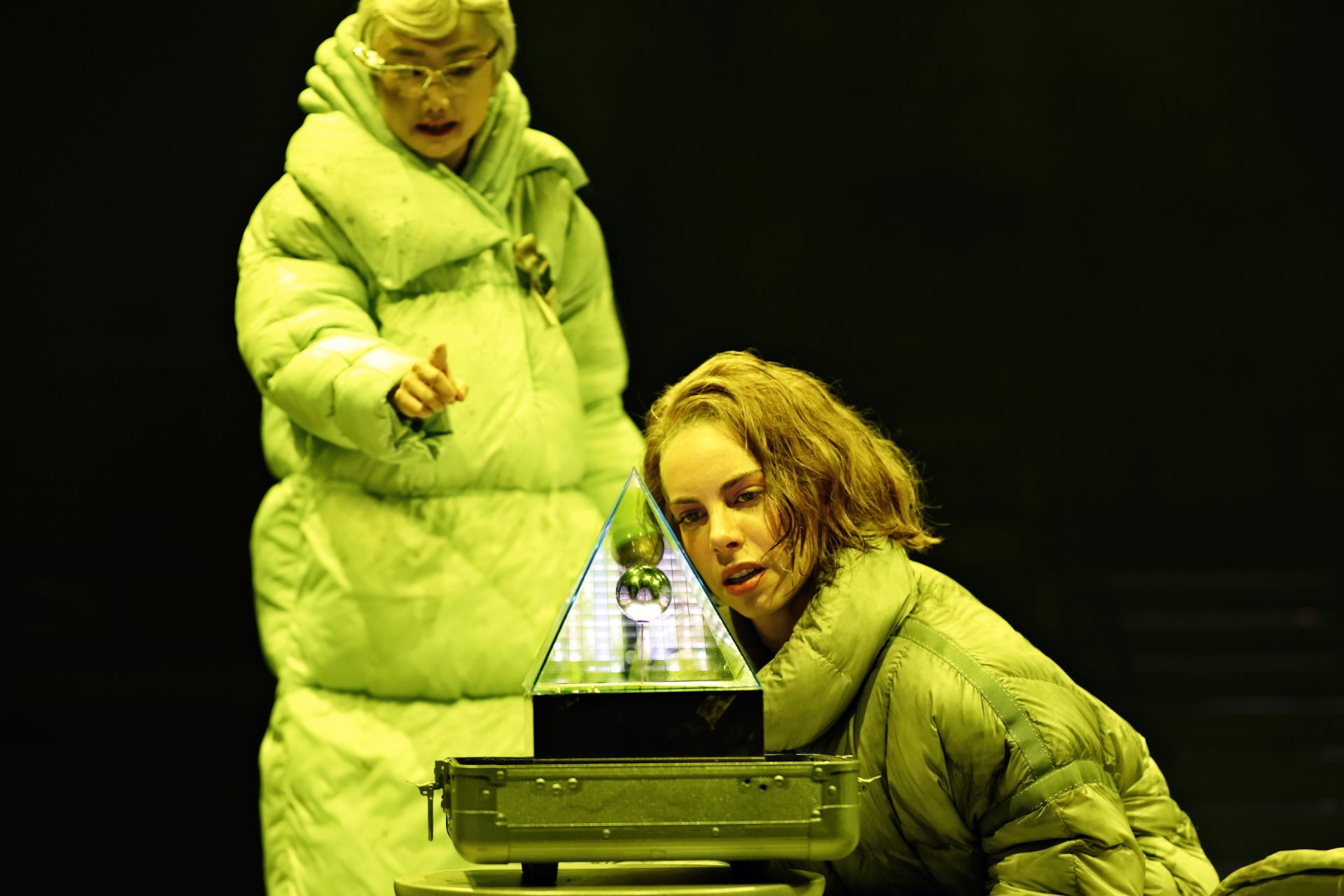
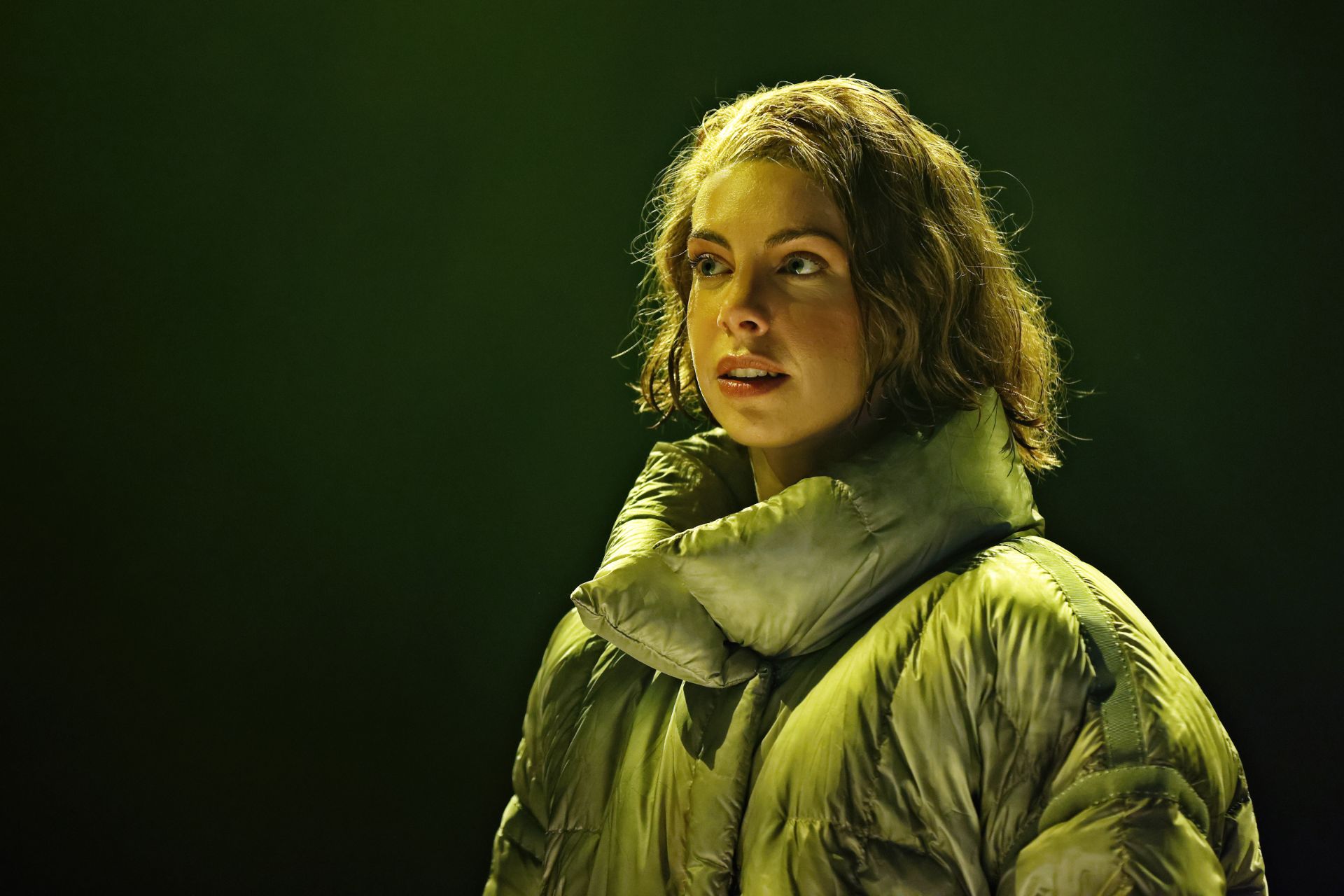
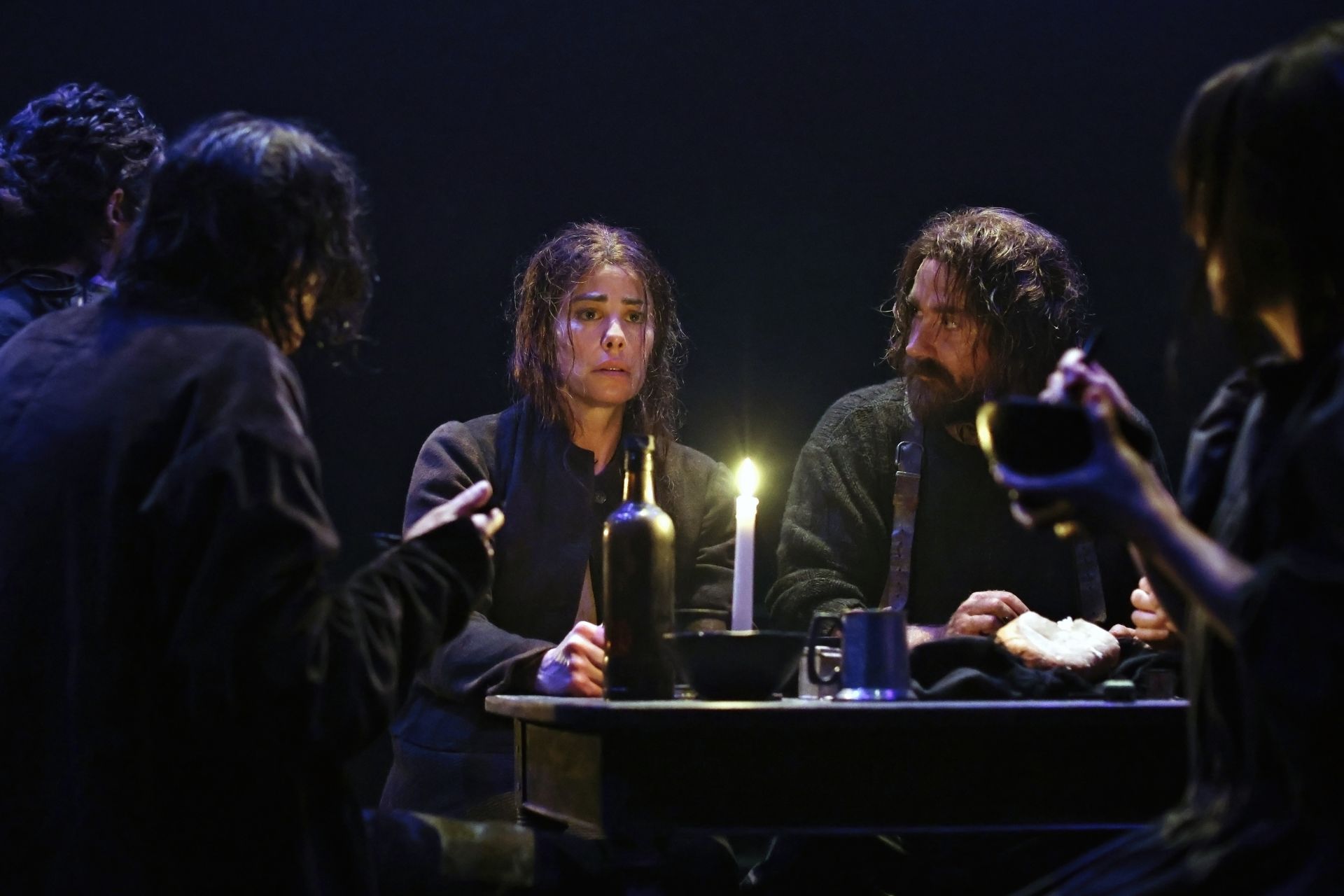
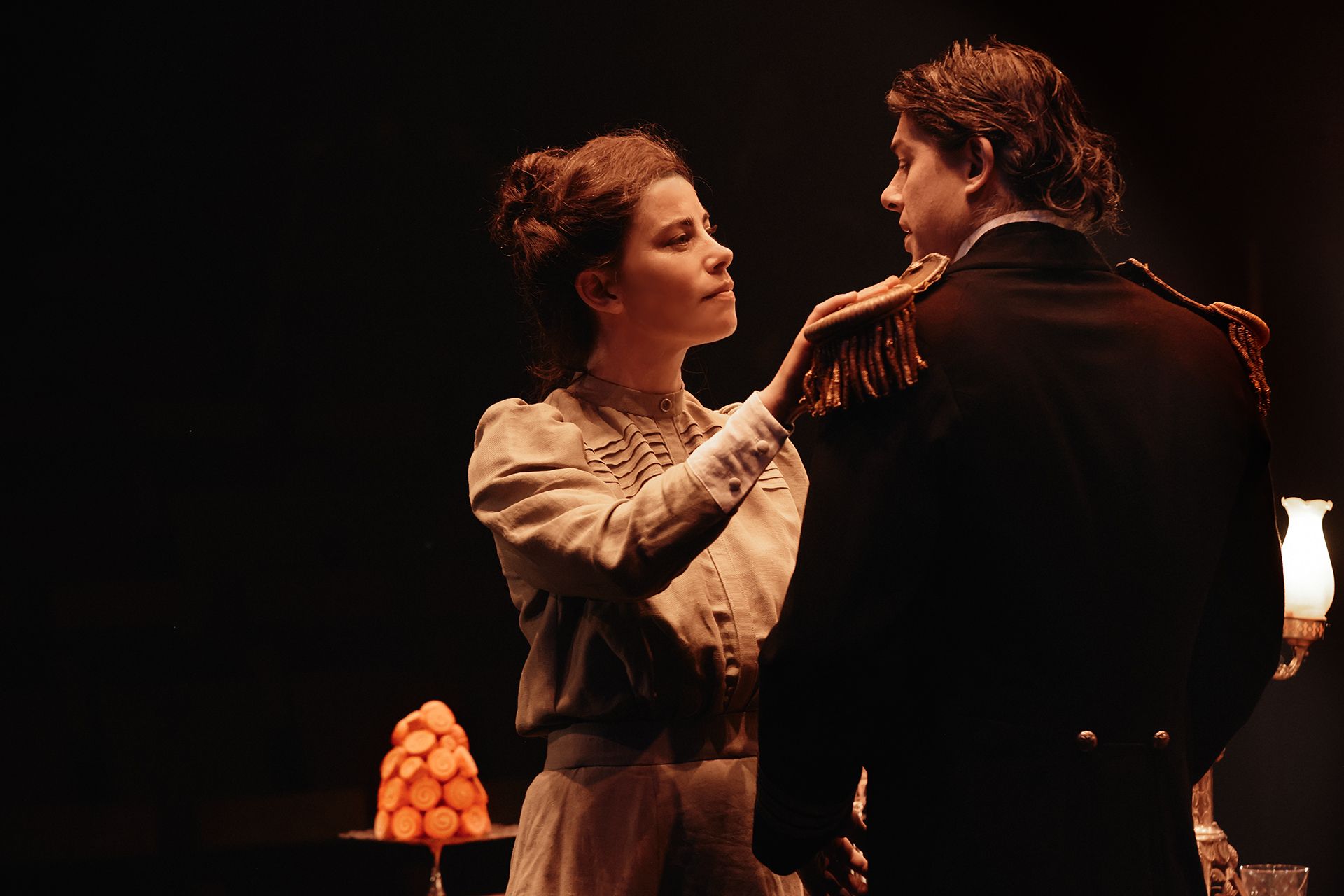
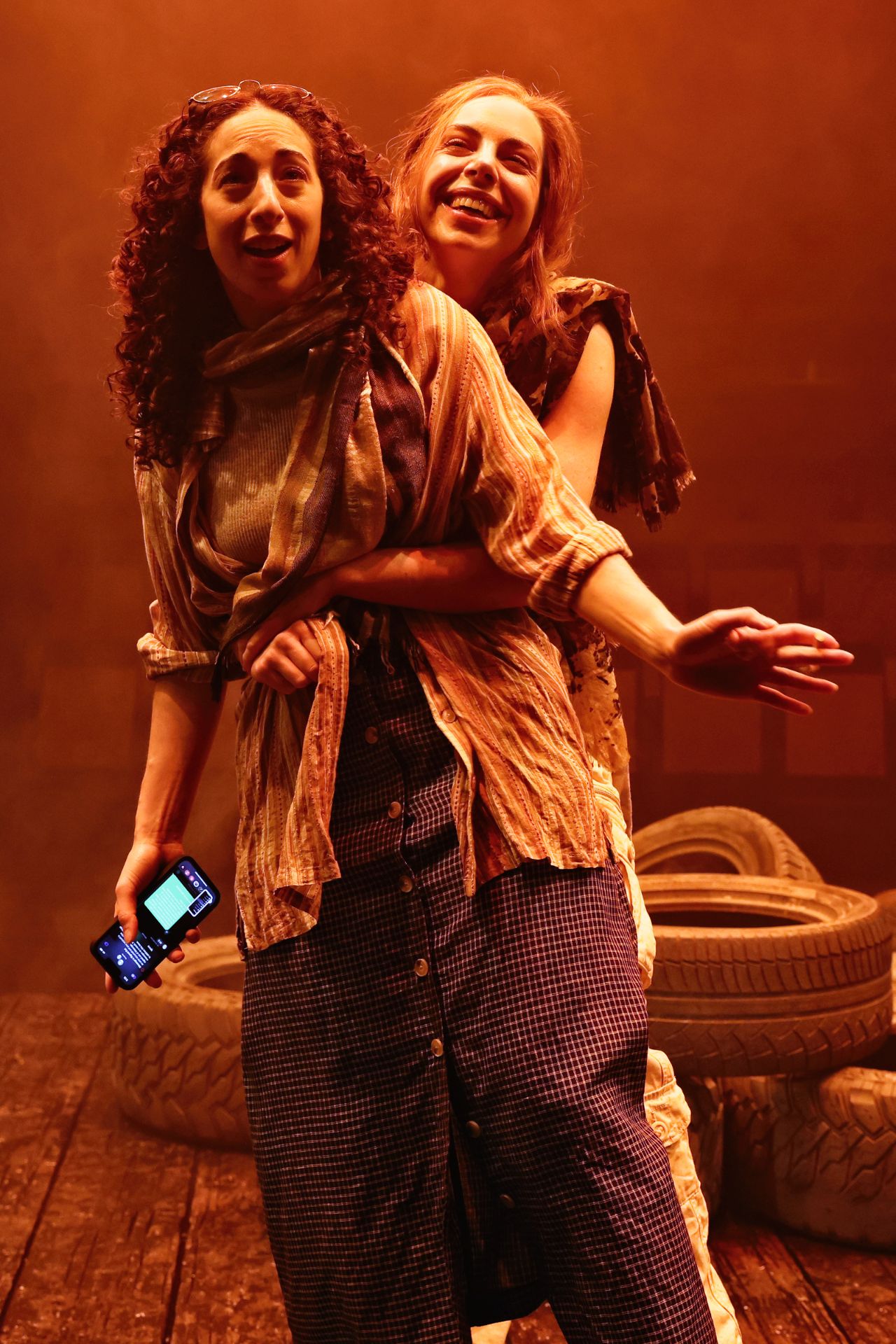
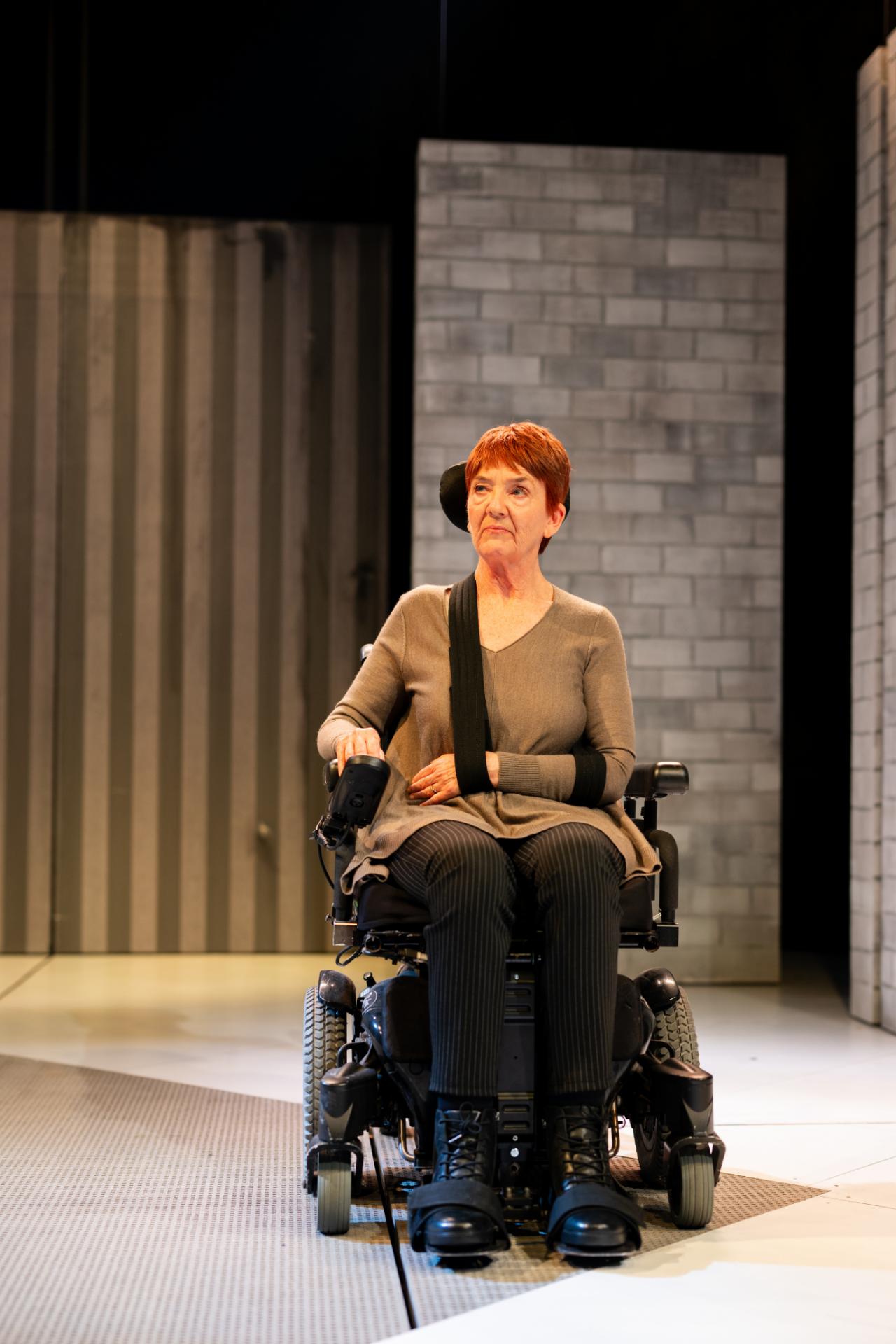
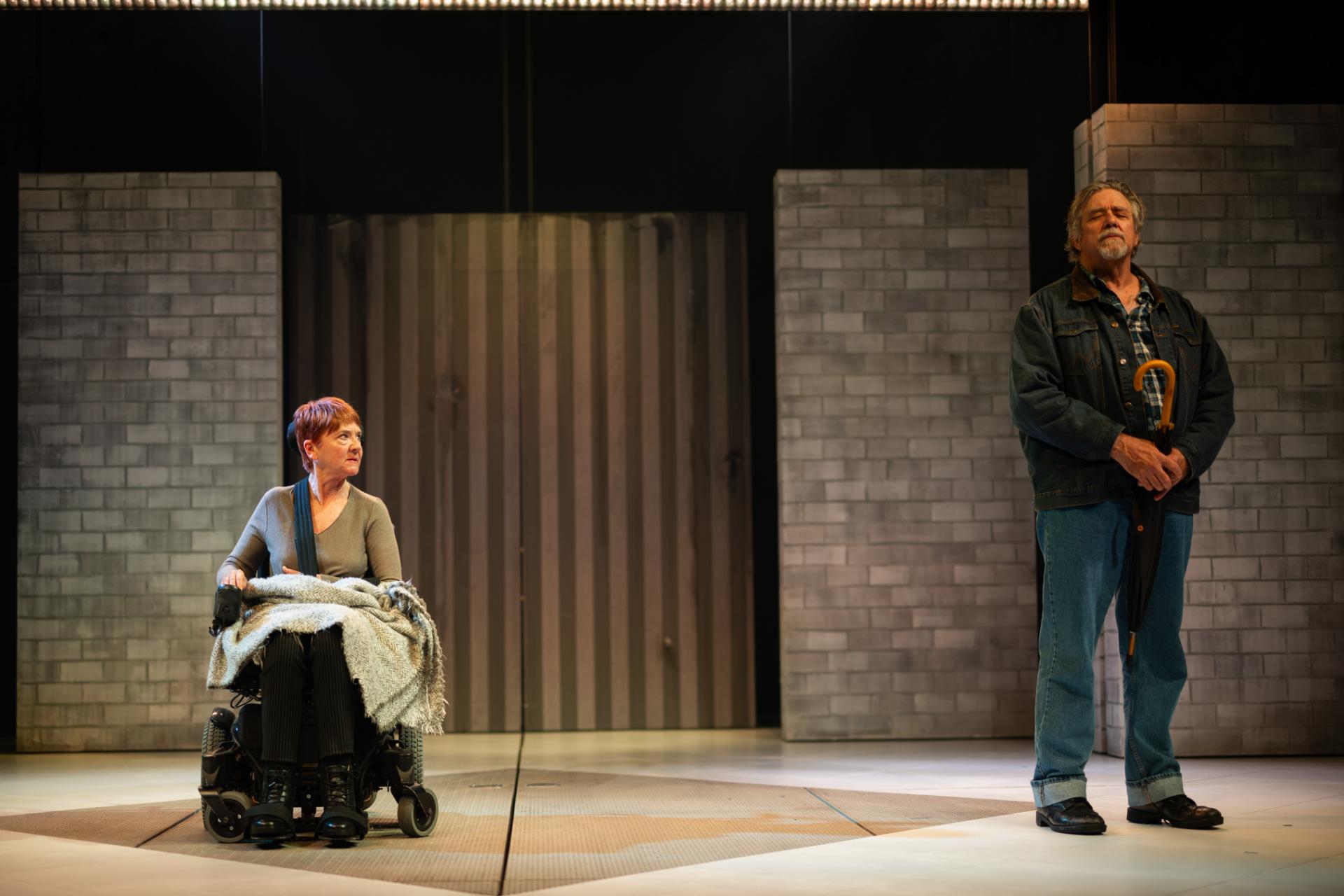
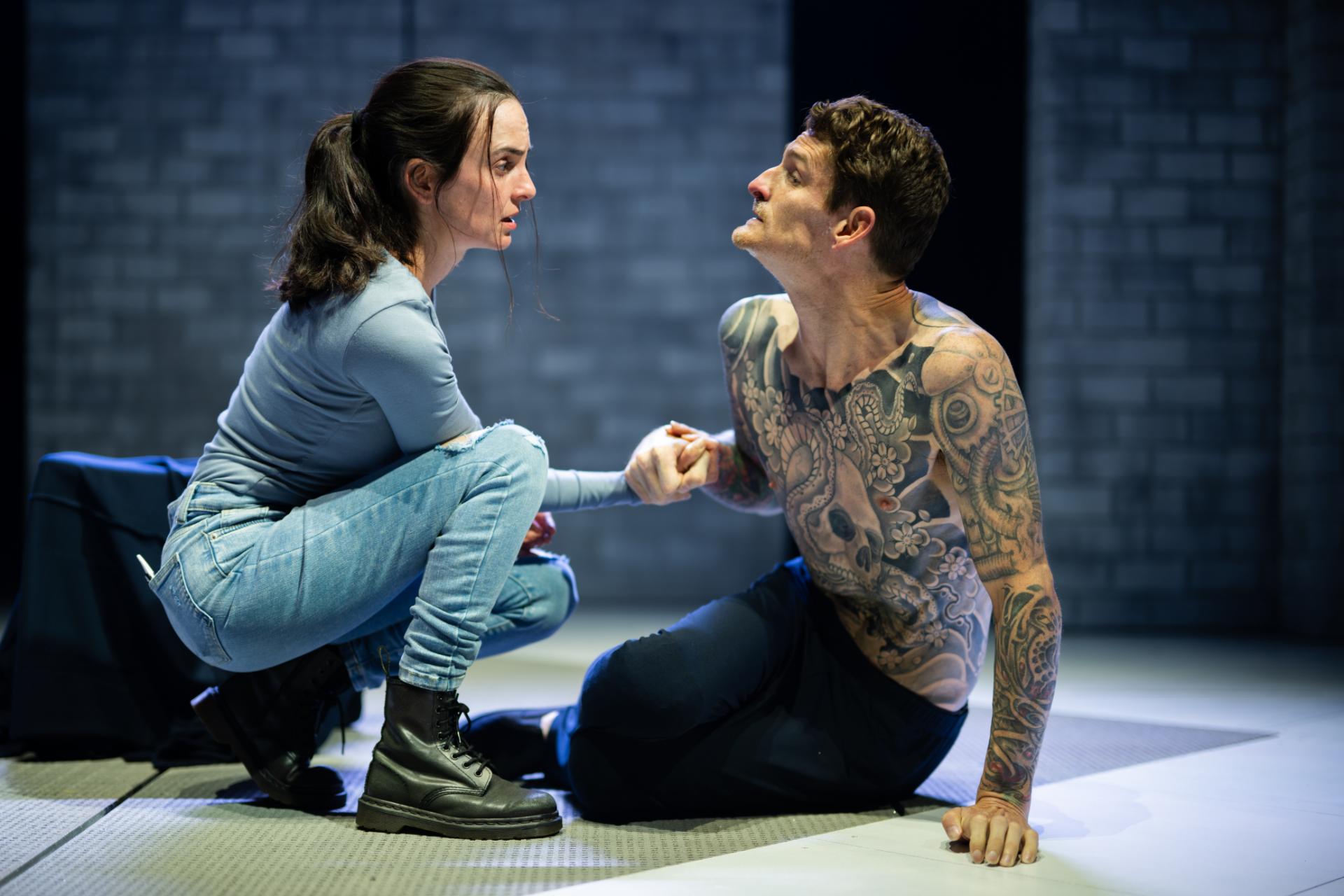
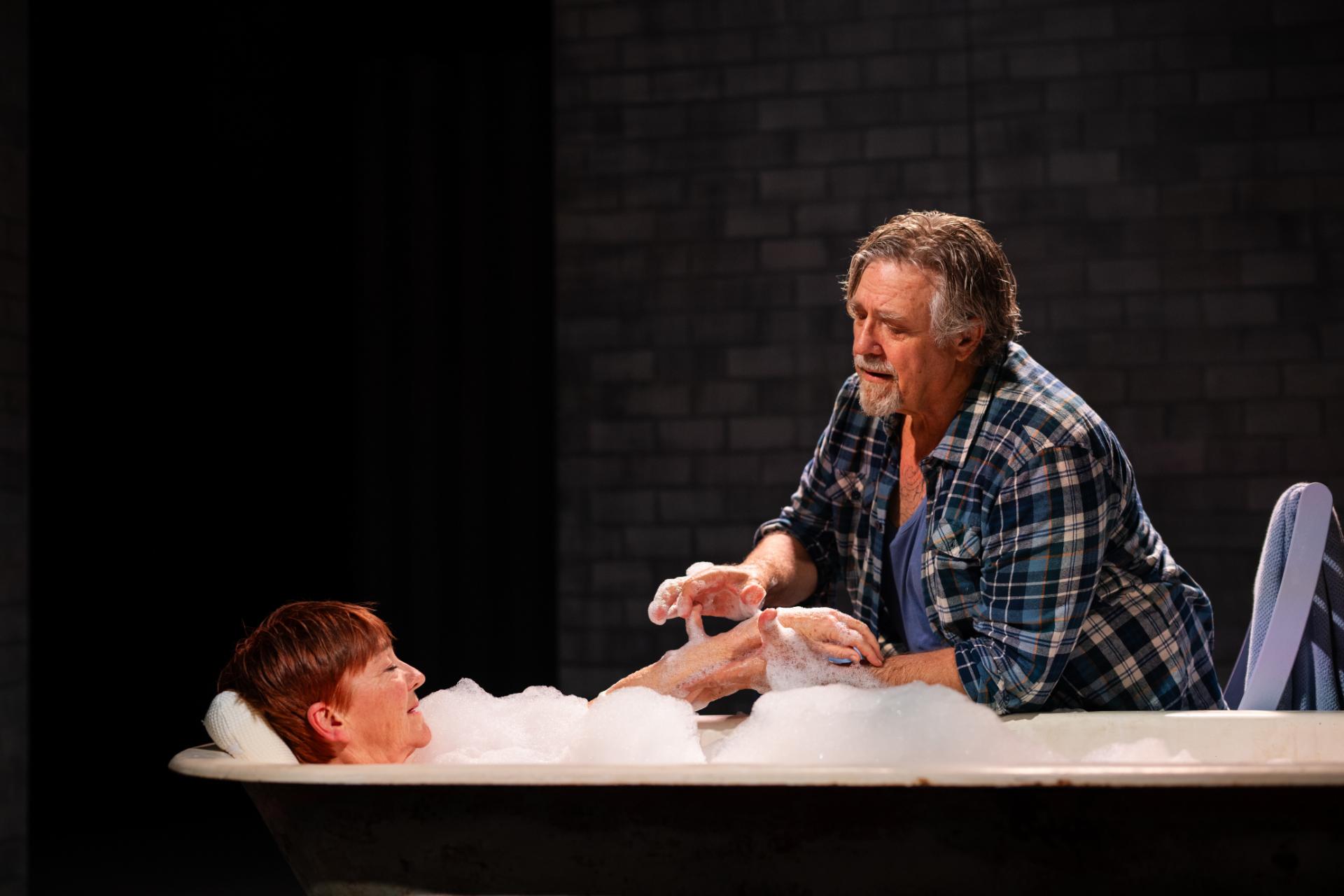
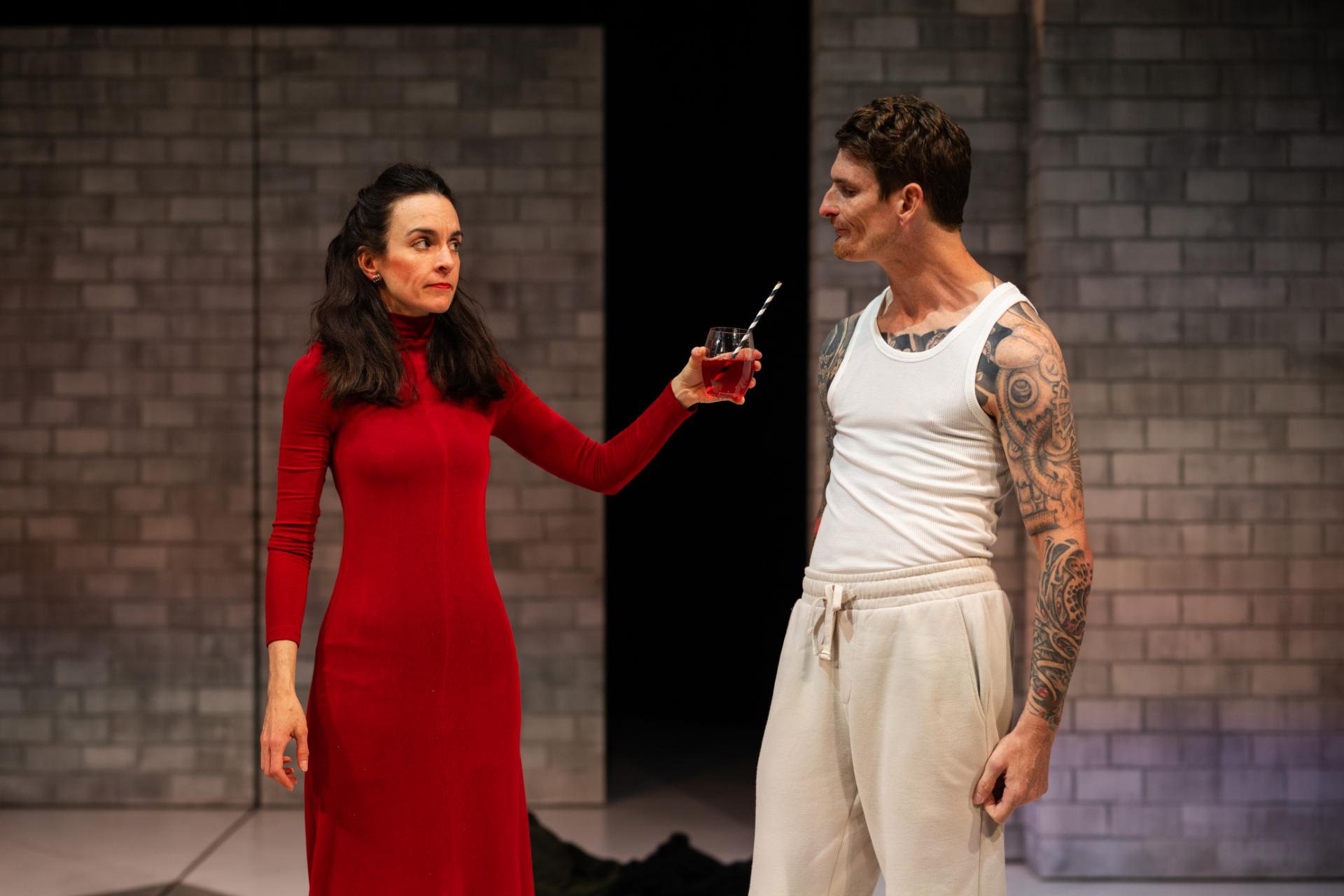
The president and first lady of a small unnamed European country have no one to talk to, even though there is never a shortage of hangers-on. They both go on long, repetitive tirades, clearly having stopped listening a long time ago, to anything but their own voices. The nation is on high alert, with the escalating threat  of anarchic activity, but both the head of state and his wife, are preoccupied with their own laments that are patently irrelevant to anyone but themselves.

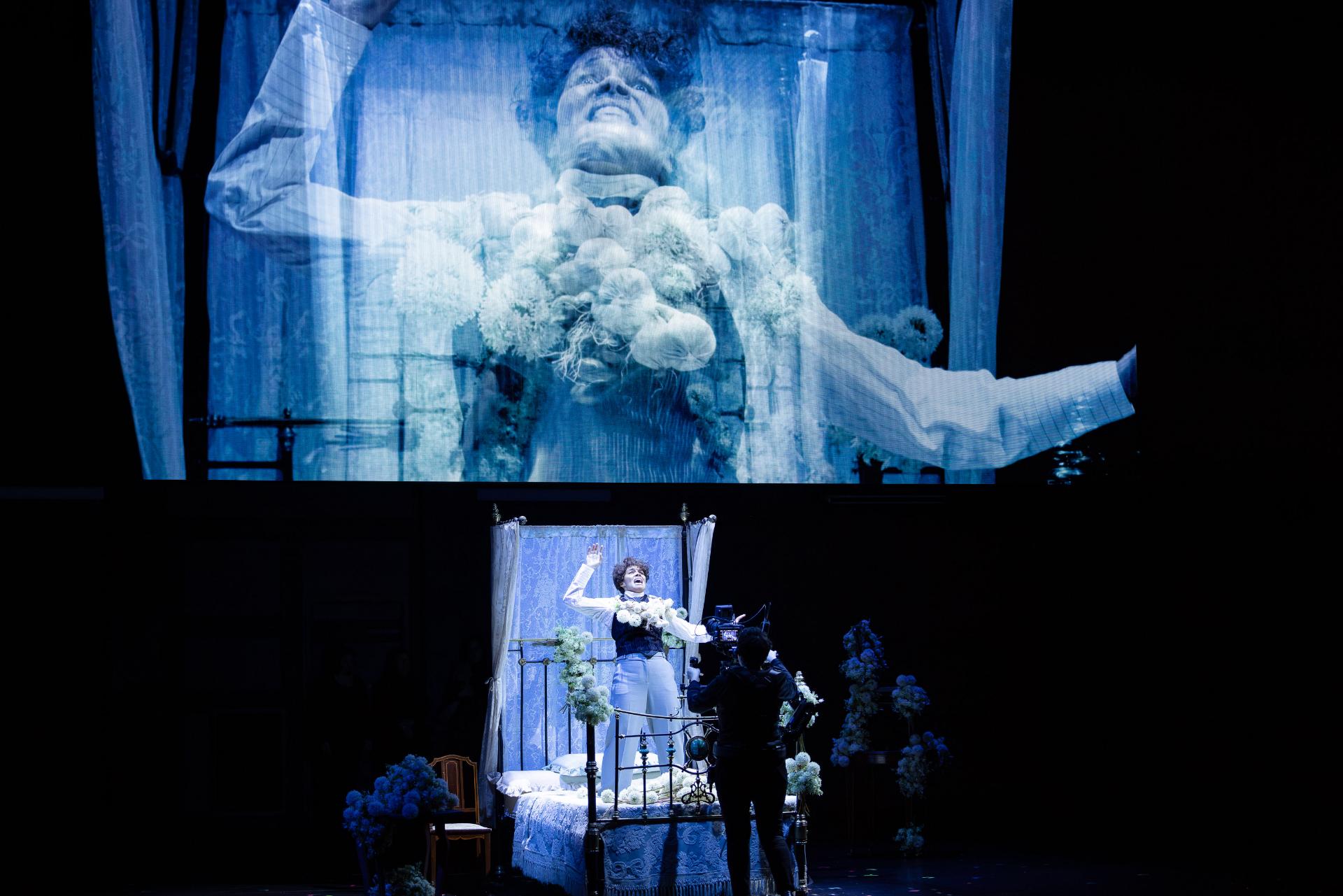
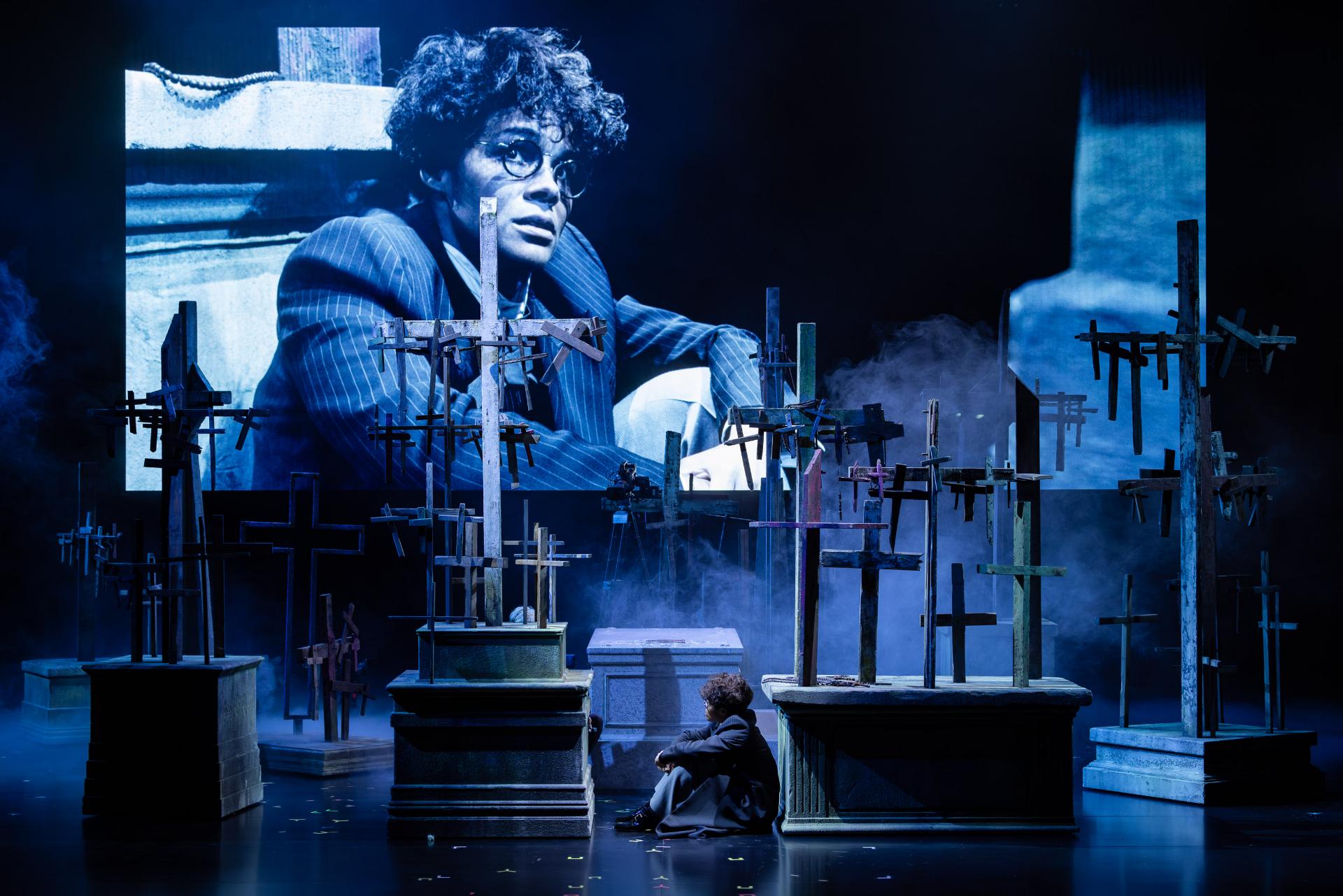
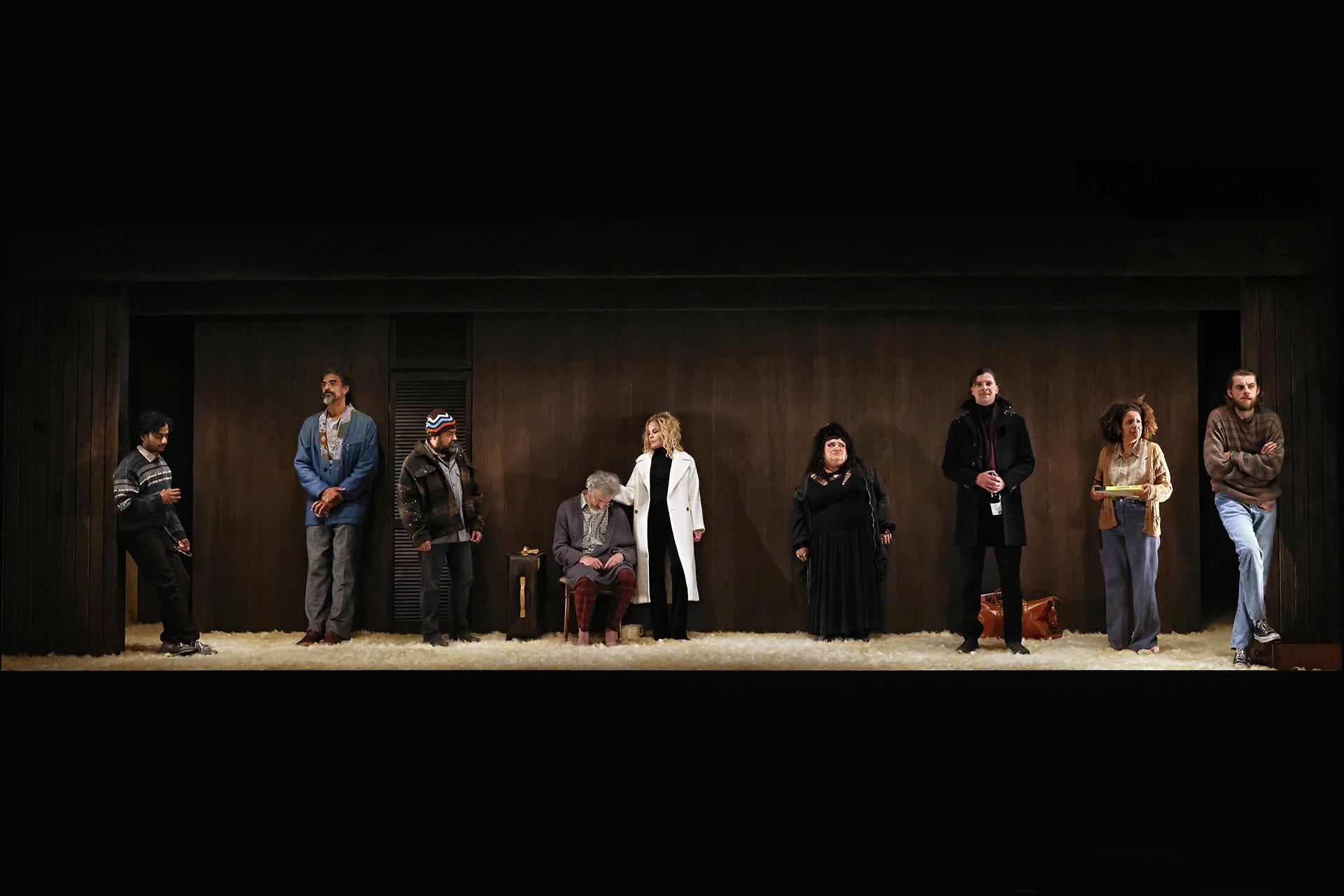
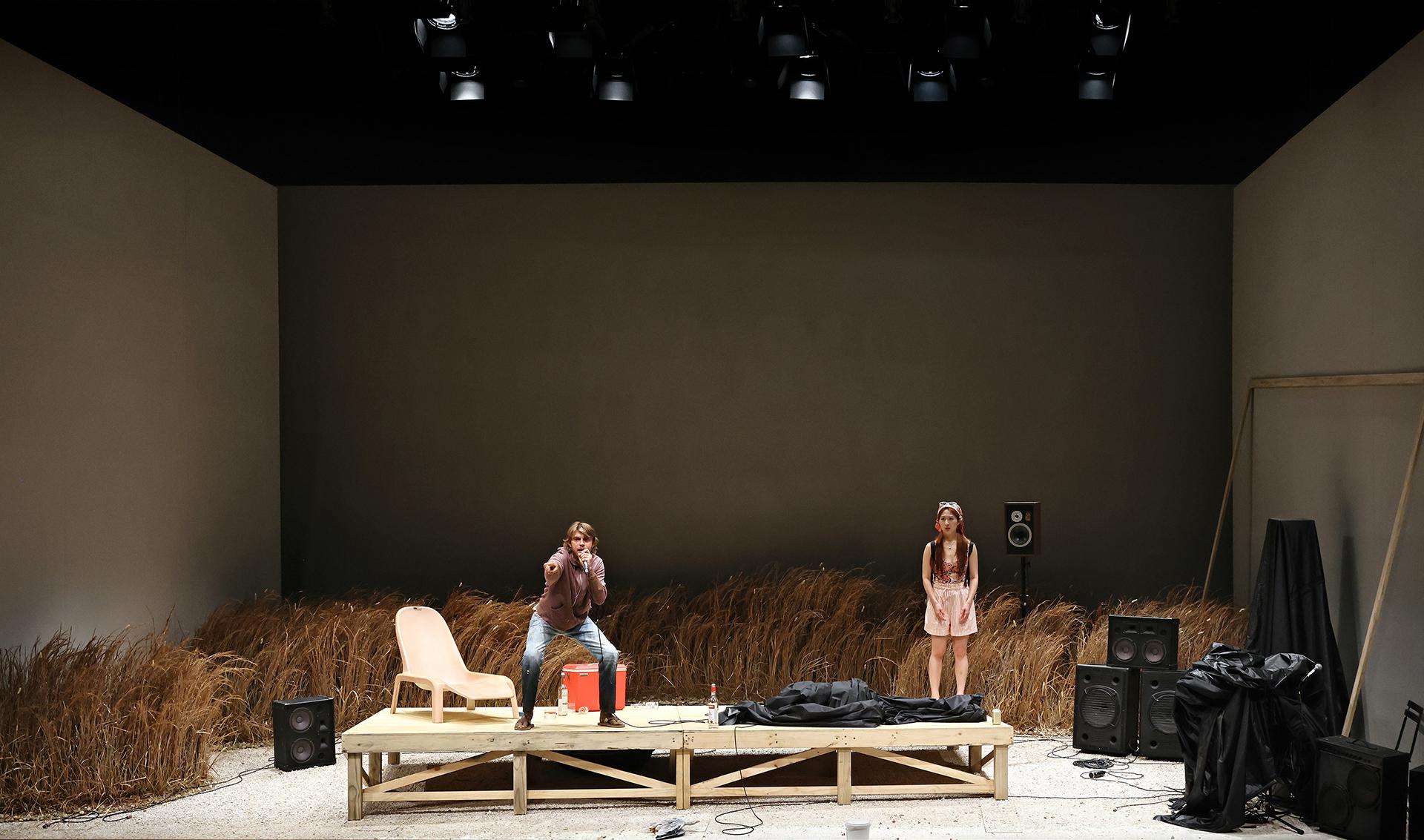
The four acts in Thomas Bernhard’s 1975 play The President feel very much like a series of monologues, although there is always more than one actor present. In a work that is ostensibly about megalomania, Bernhard’s dialogue never sounds like conversation, and what the characters do say, is unlikely to be of great interest to contemporary audiences. What results is something that does not consistently engage, but under the directorship of Tom Creed, the production is certainly curious, if not completely fascinating. Although this half-century-old piece may not bear obvious resonances for our immediate epochal concerns, The President is nonetheless creatively assembled, and ironically refreshing in its presentation of a theatrical style that seems contrary, to what is considered en vogue.

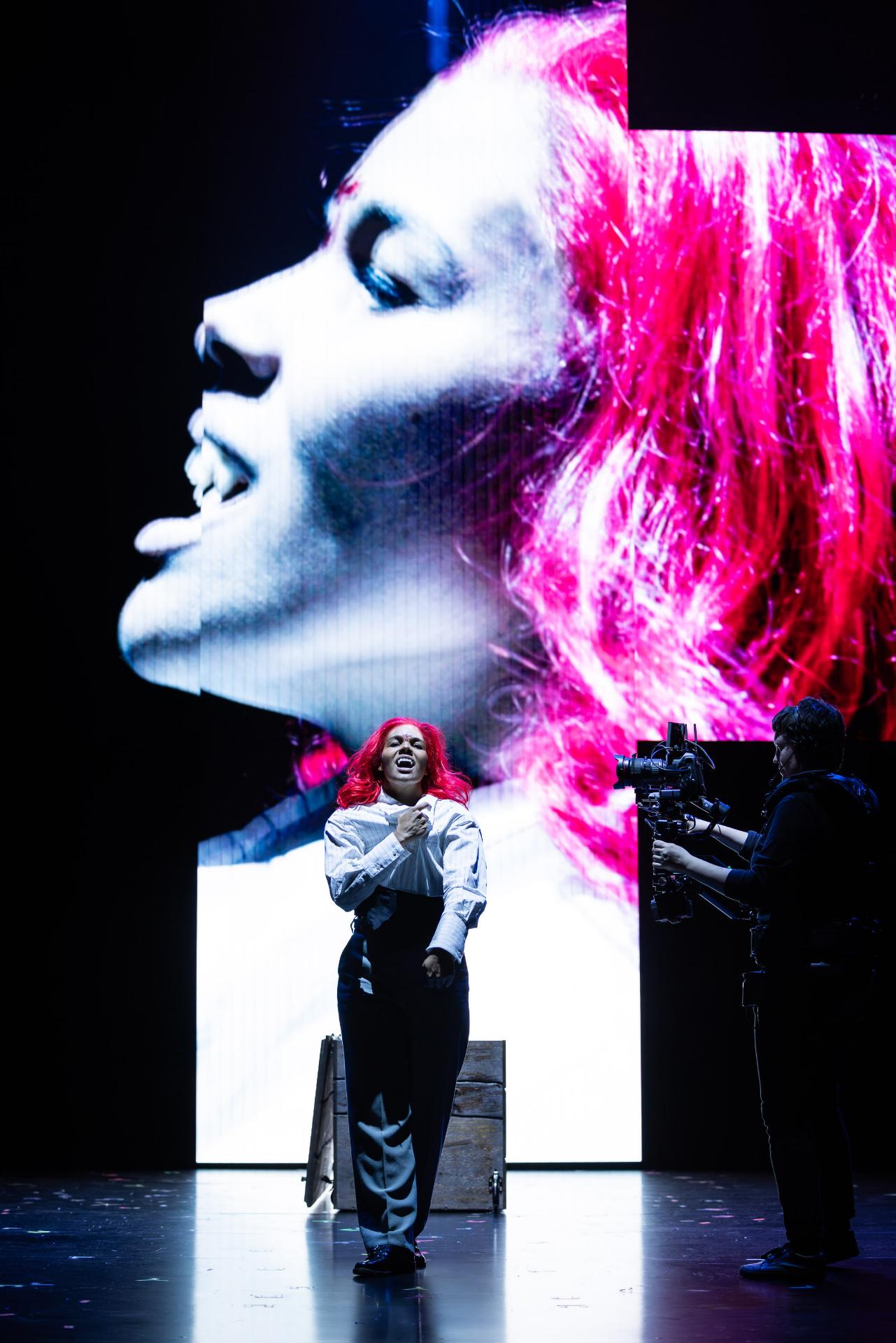
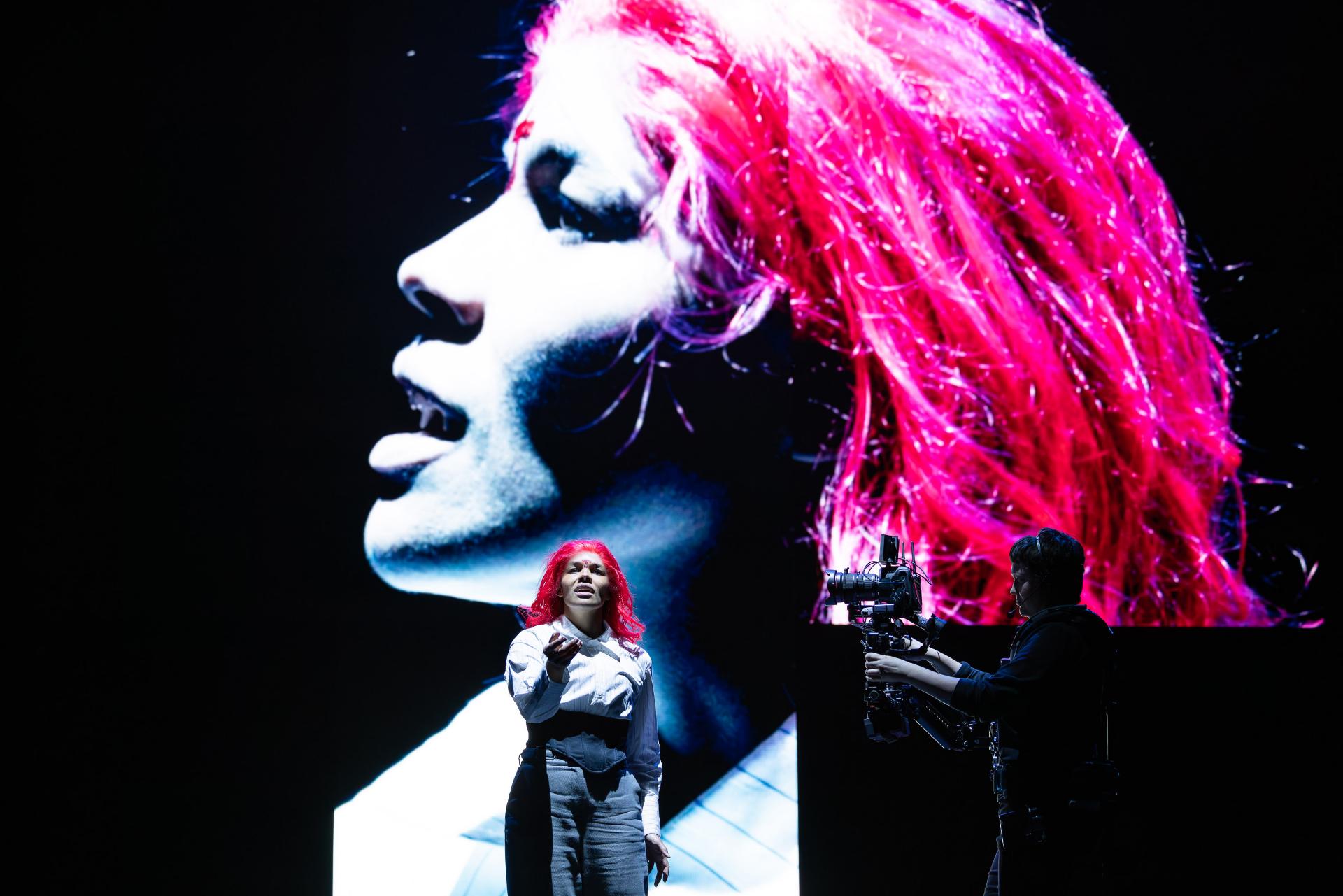
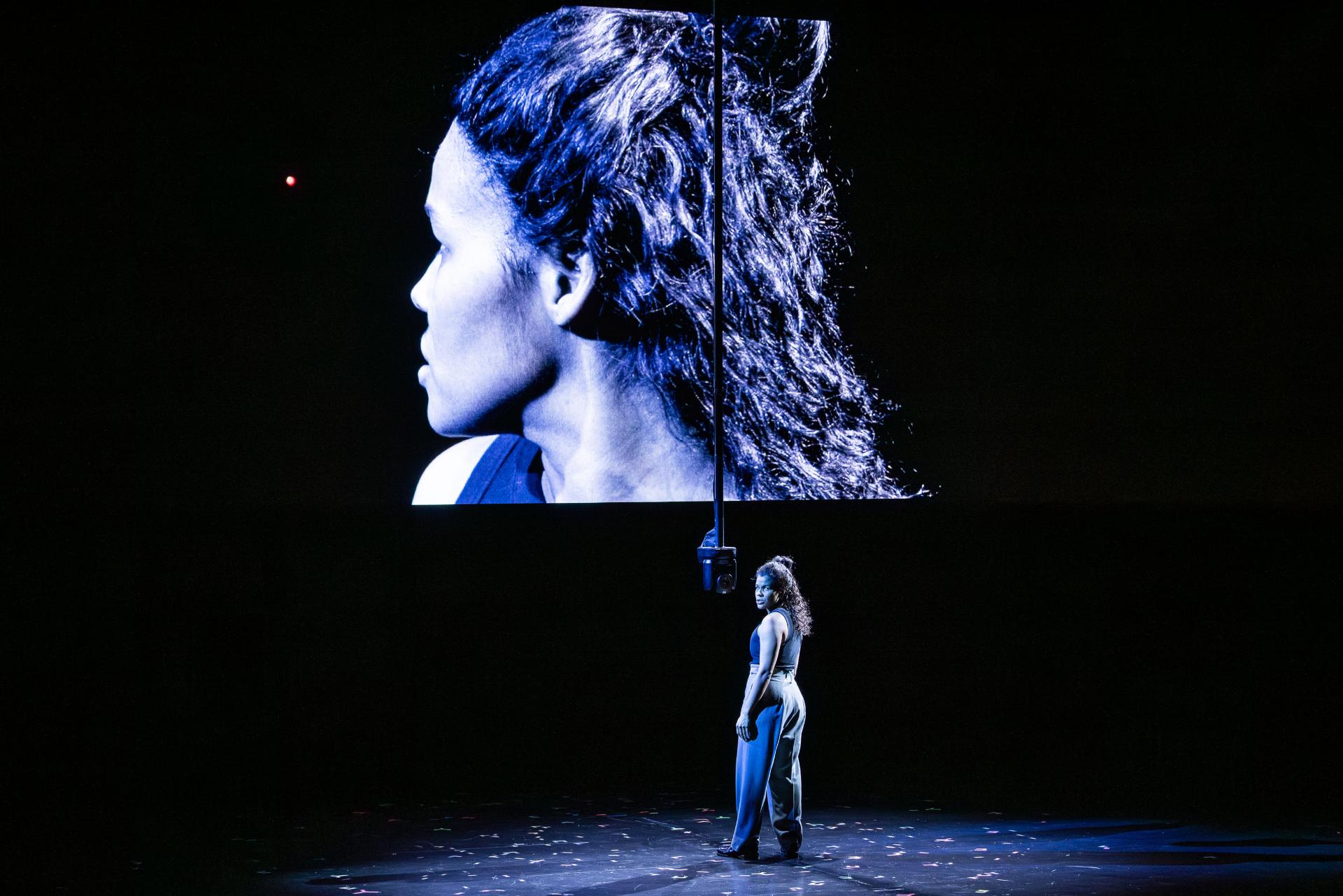
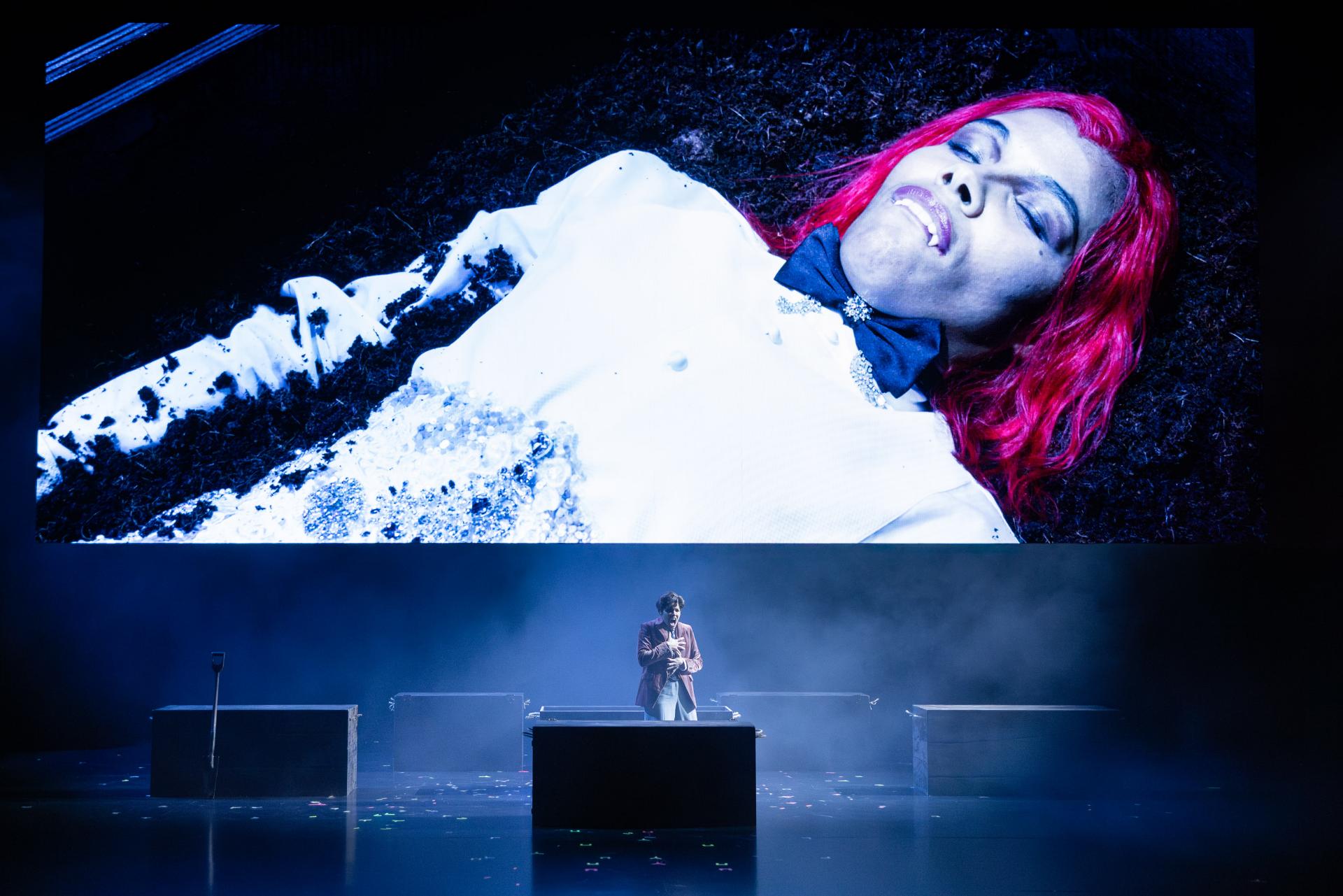
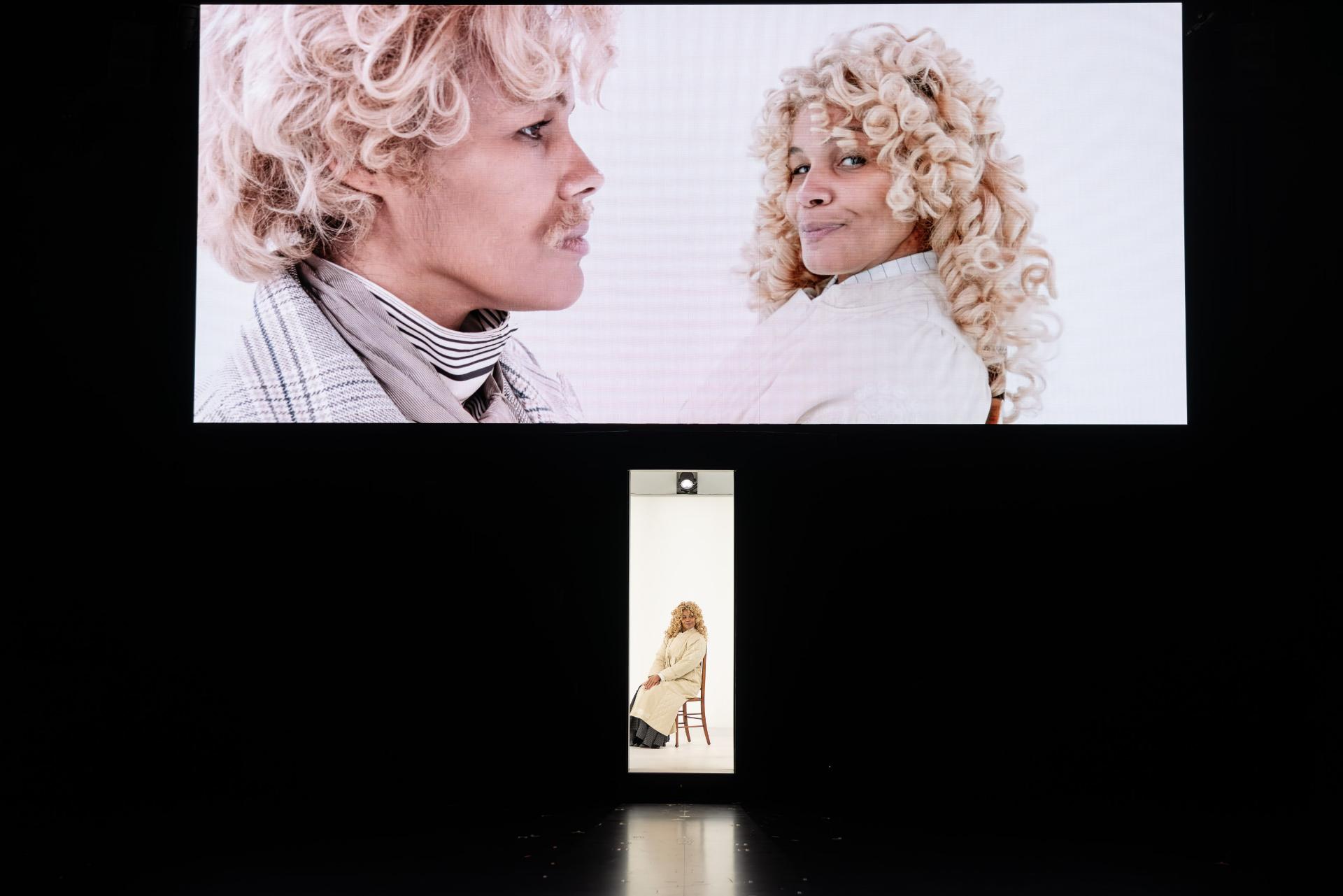
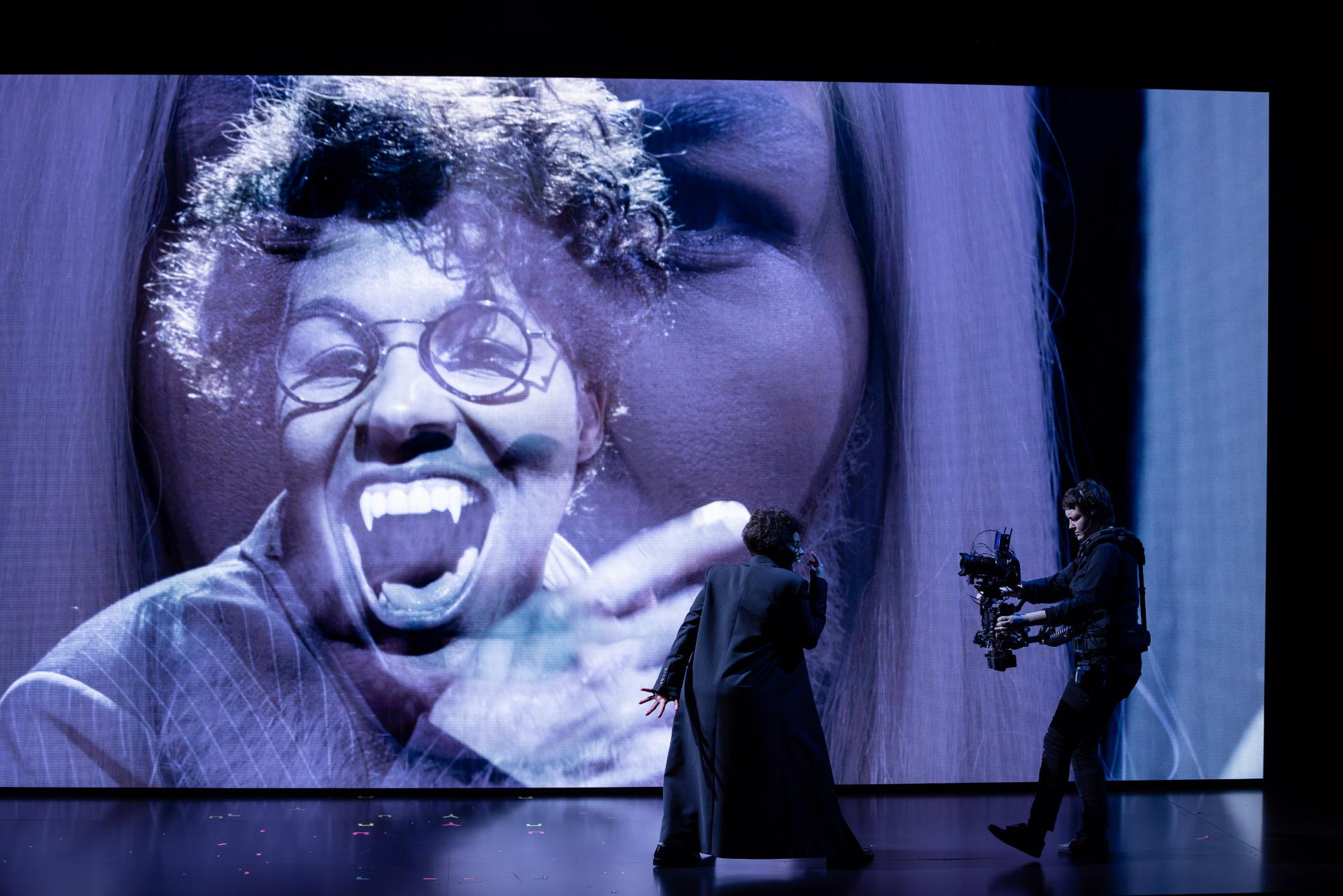
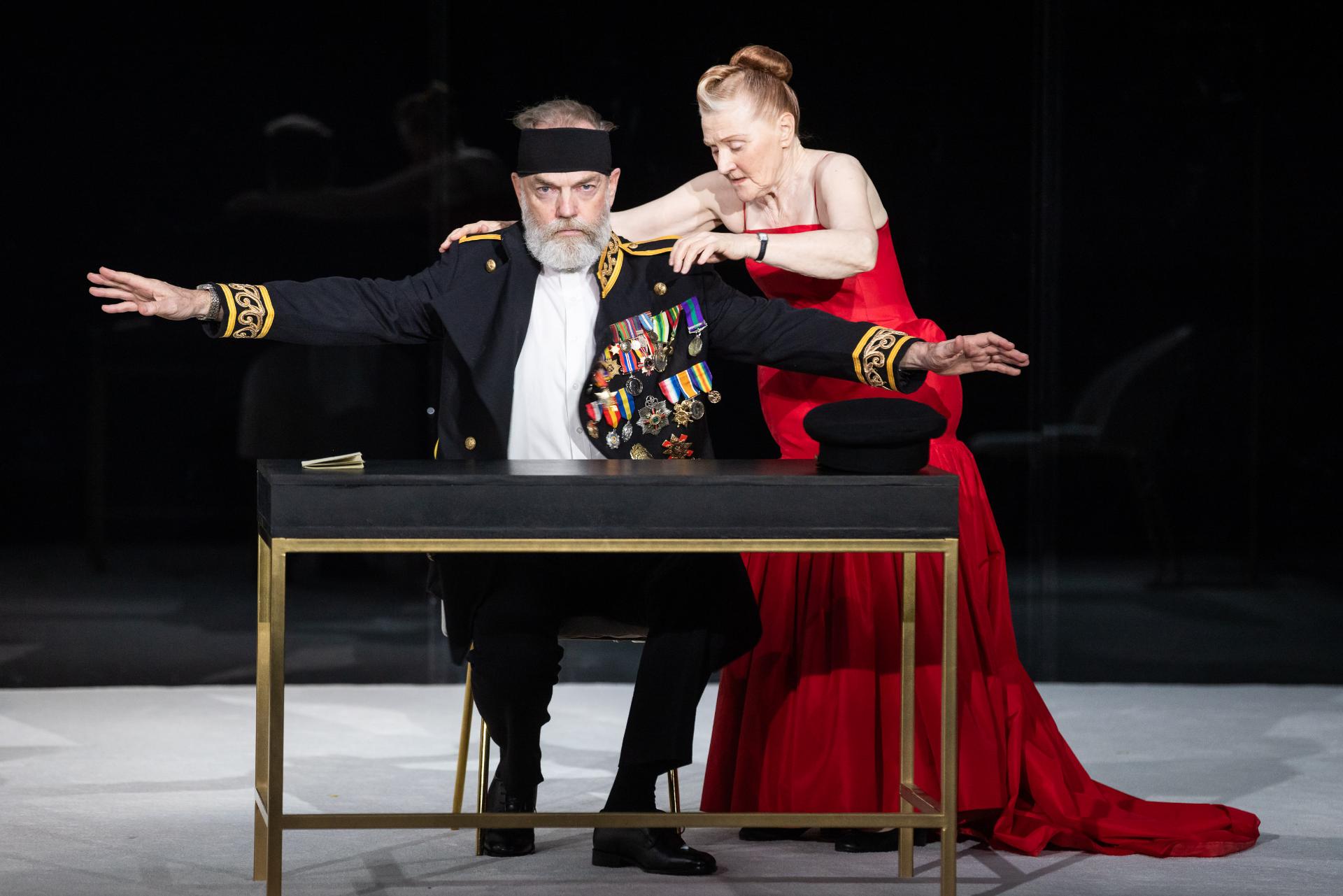
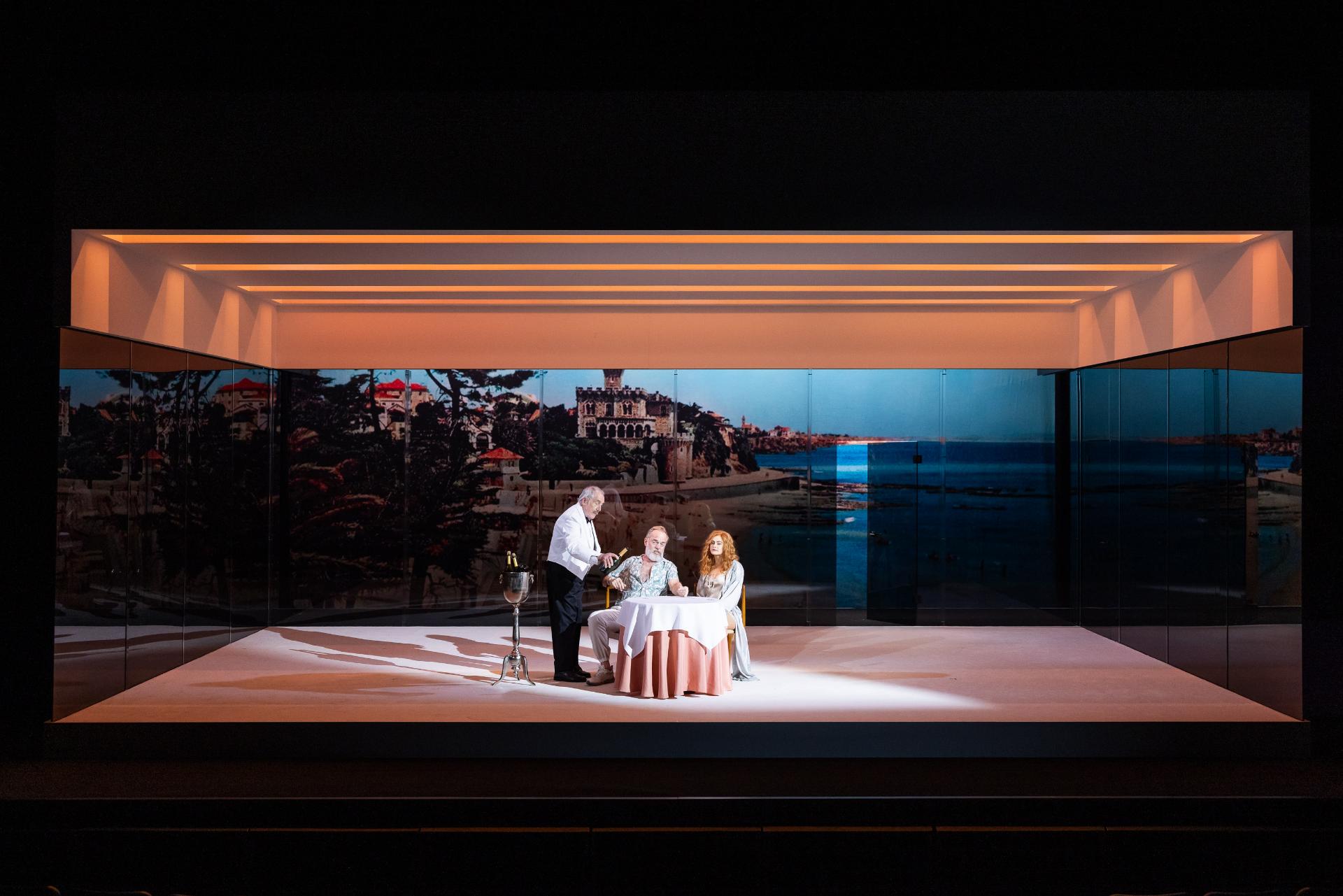
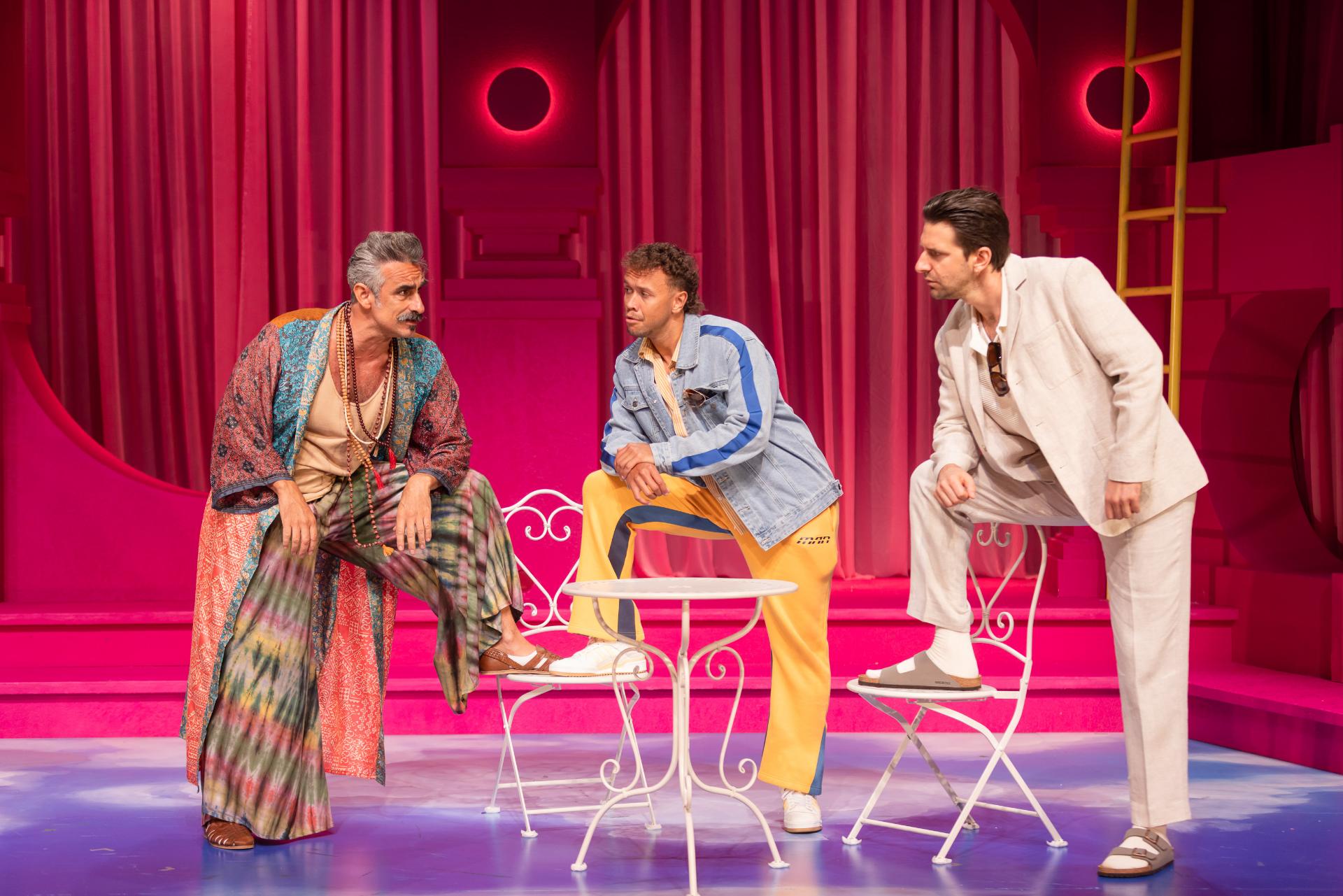
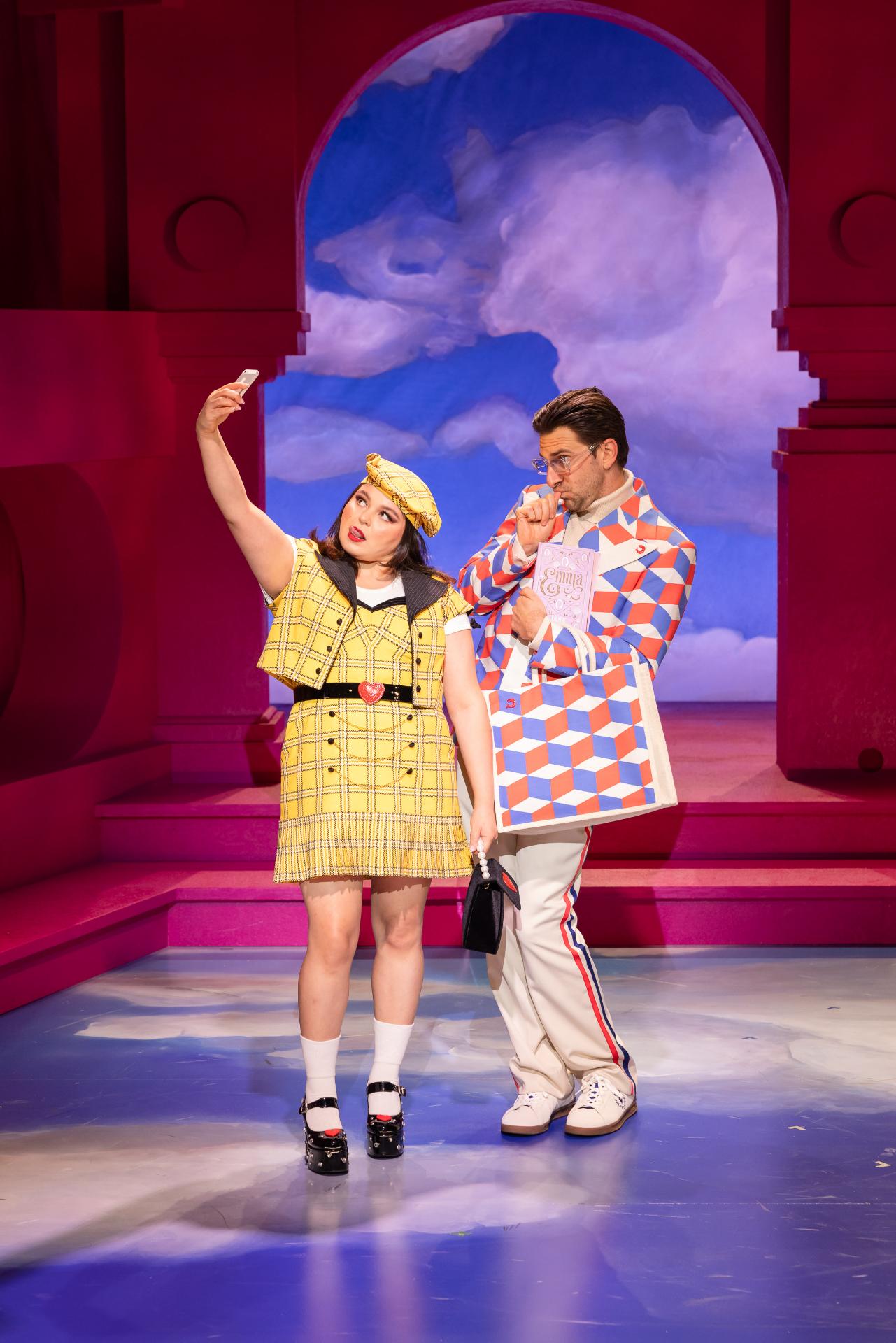
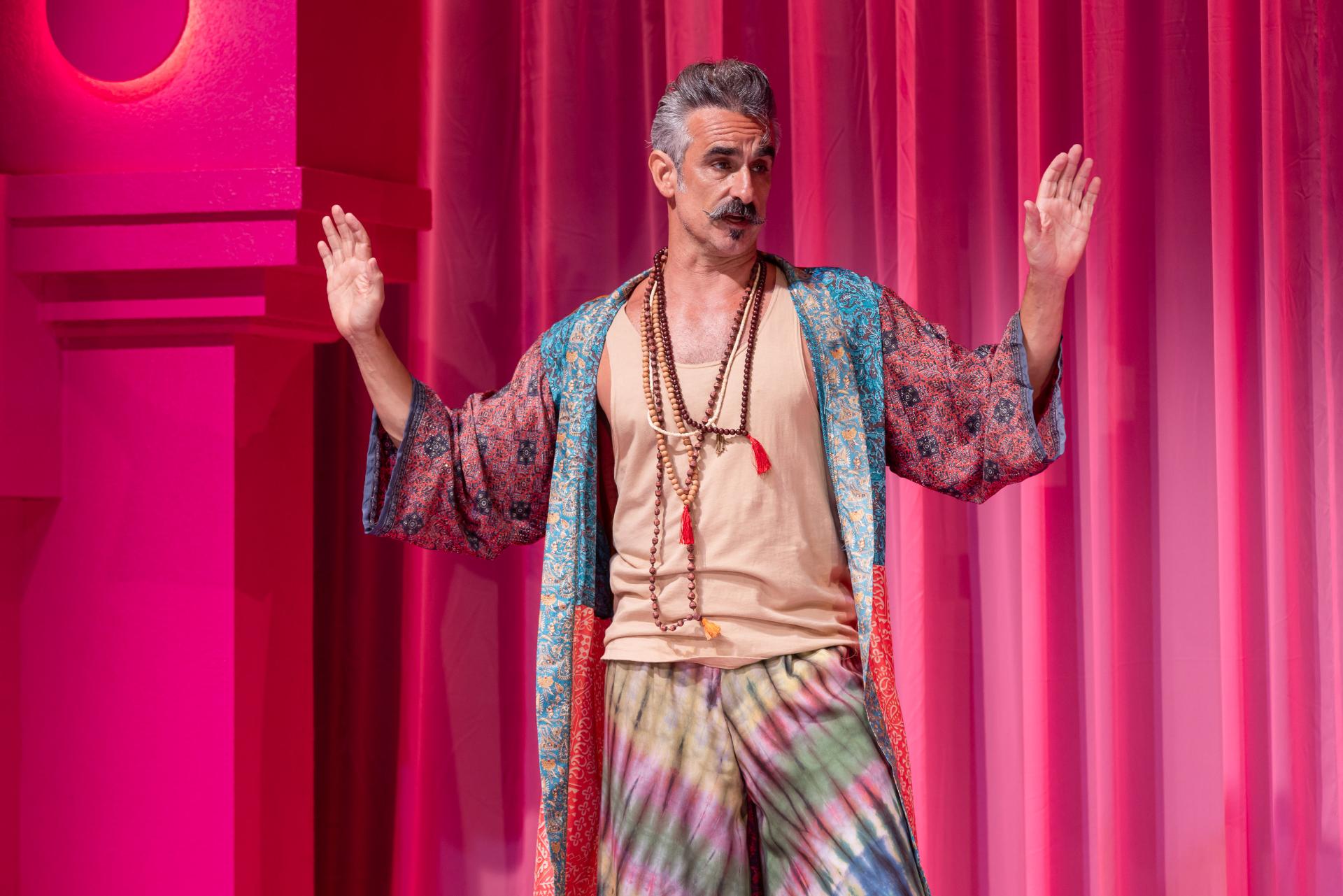
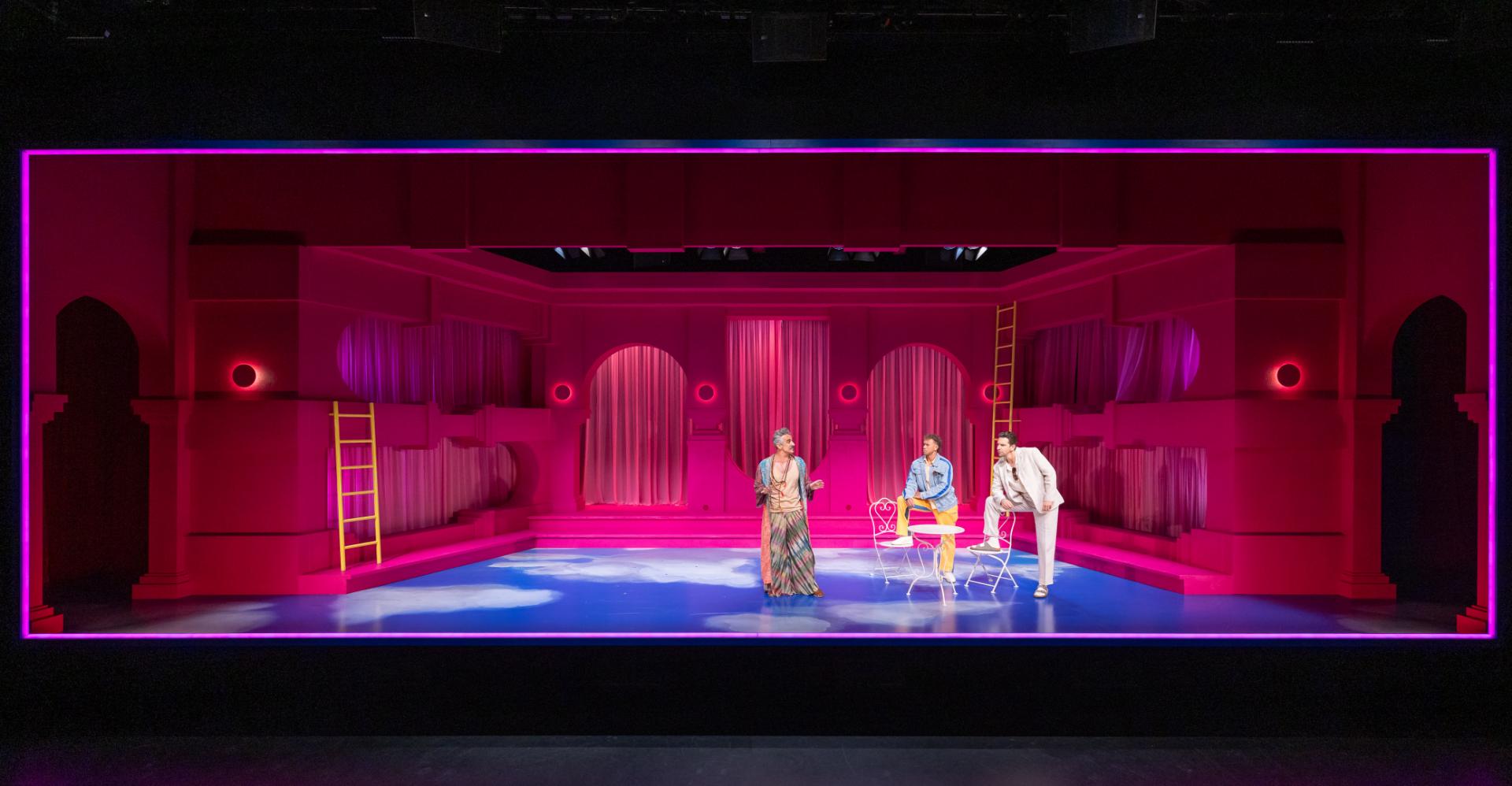
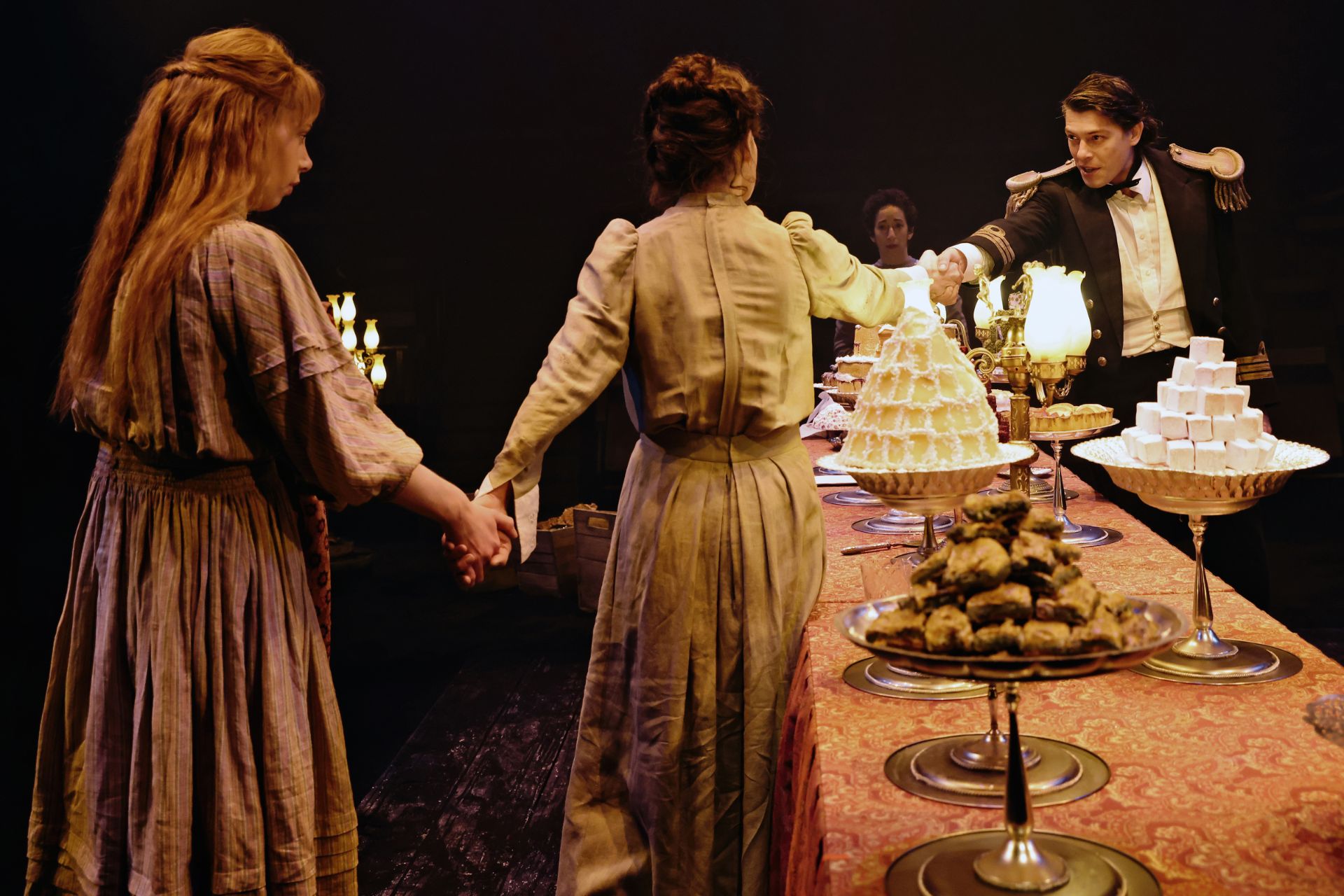
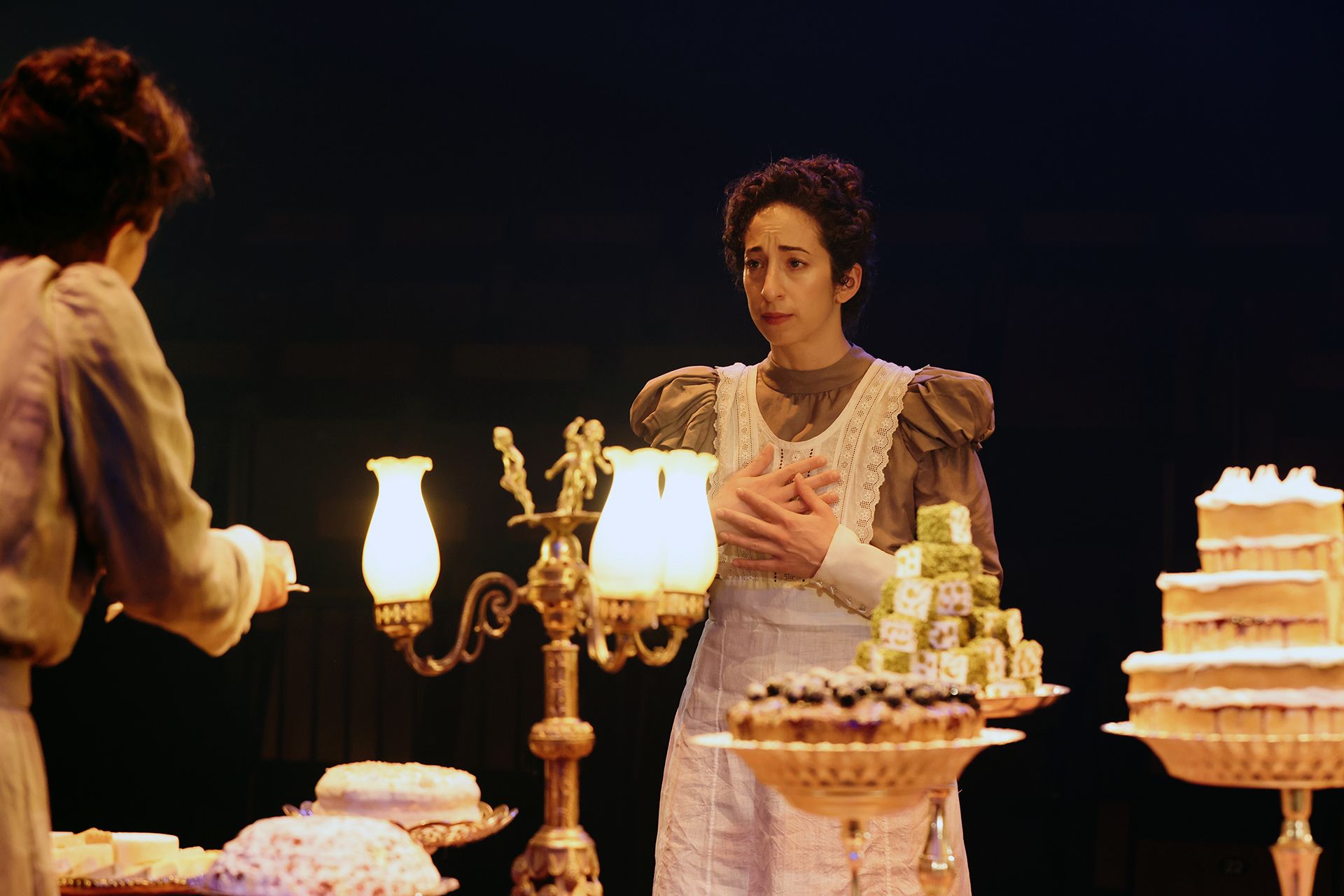
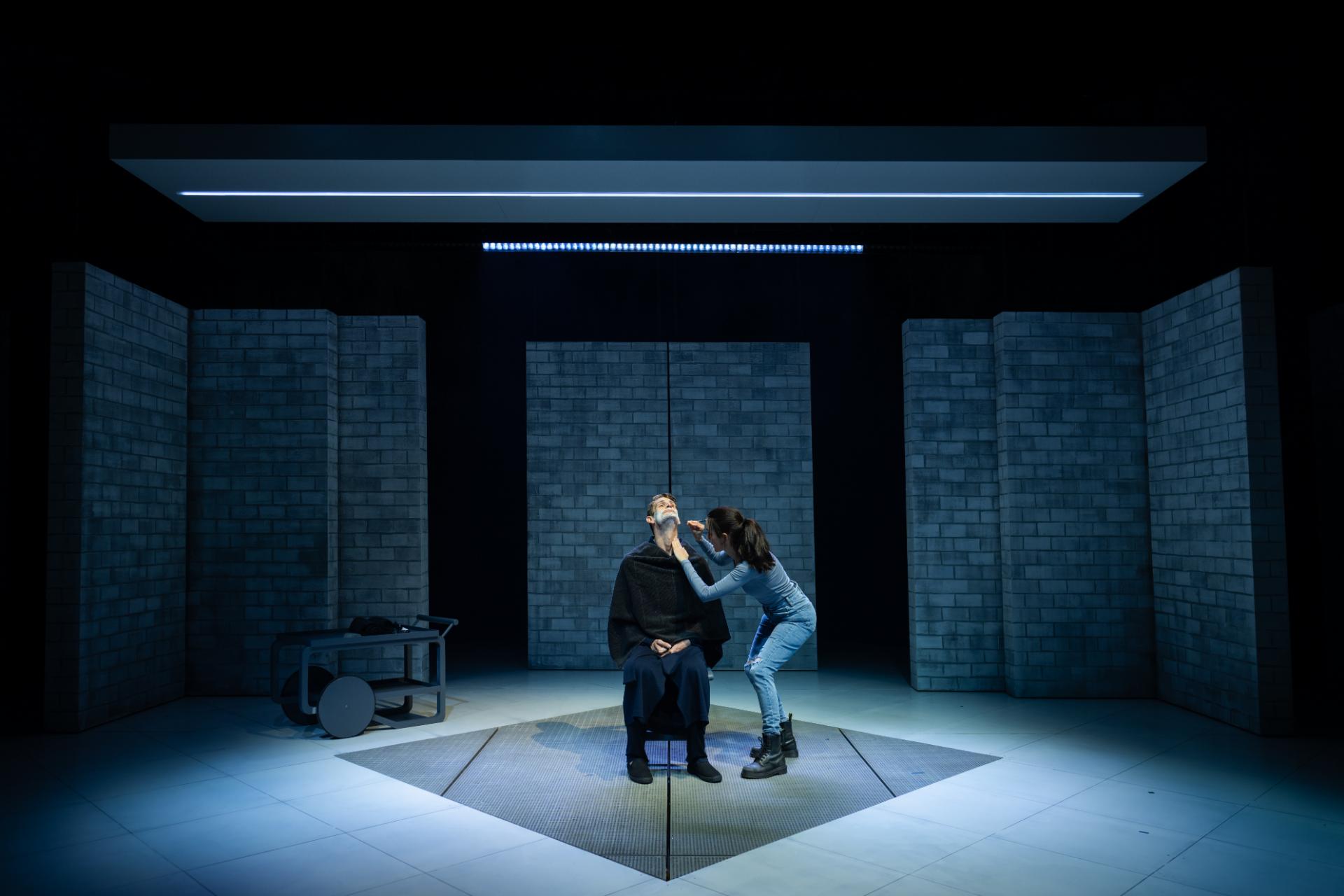
Its visual aesthetic however is very much on trend, with production design by Elizabeth Gadsby offering sumptuous imagery through sets and costumes depicting the rich and rarefied existence of the political elite. Lights by Sinead Mckenna and sound by Stefan Gregory are relatively minimal in approach, never superfluous with their artistic gestures, only delivering elegant solutions for this instance of cerebral satire.

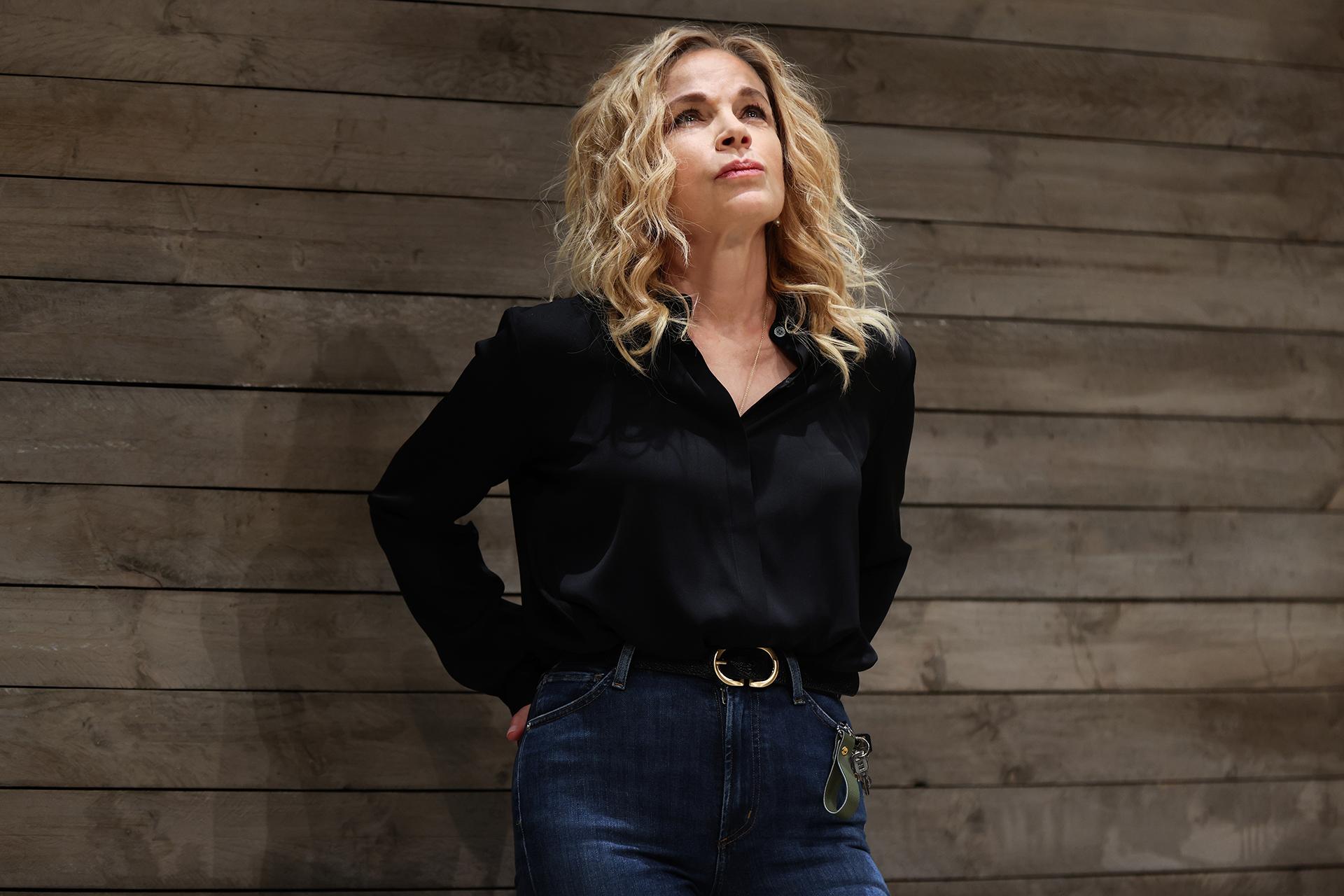
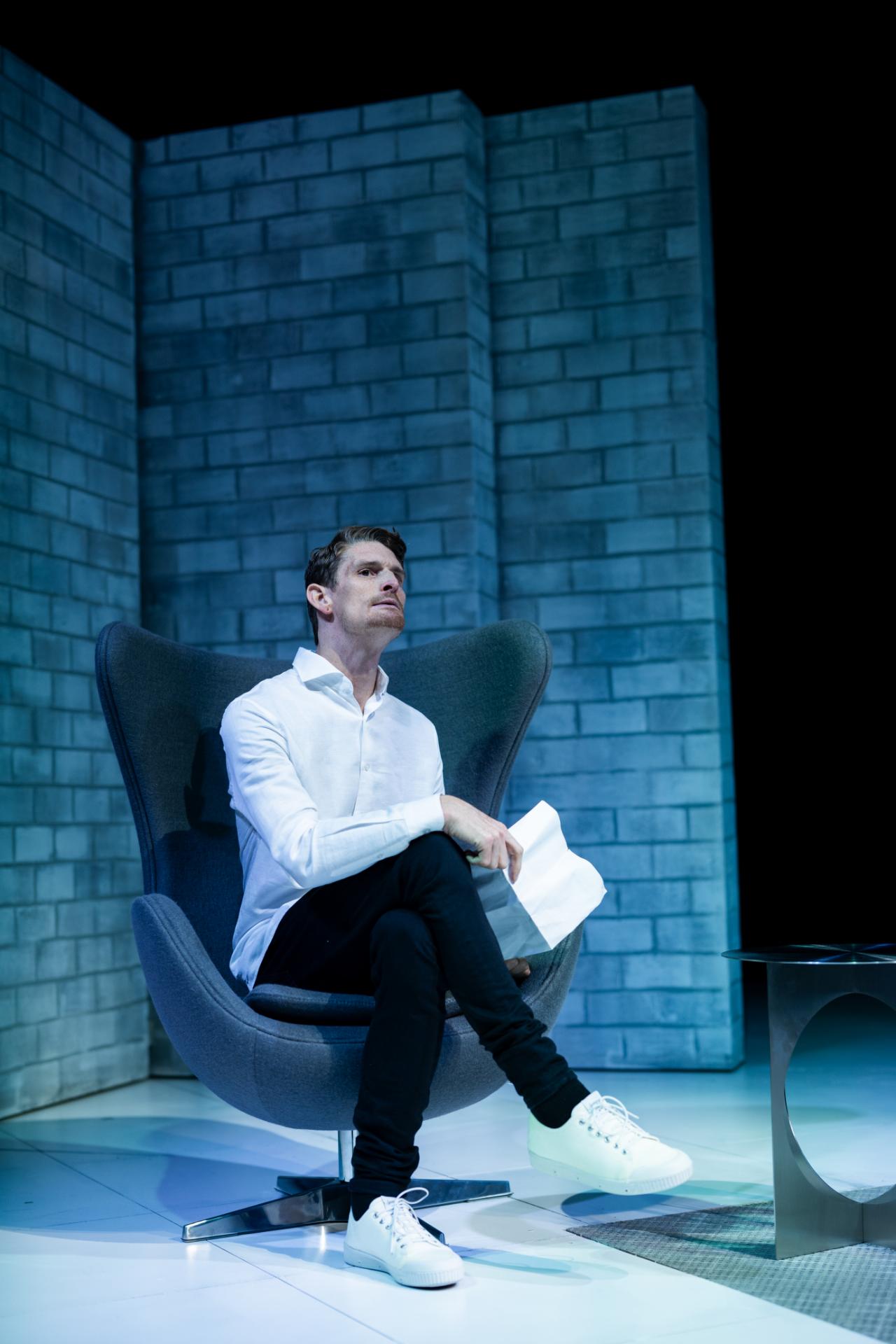
The luminous Hugo Weaving plays the president, commanding and mesmerising, almost able to help us make sense of all the despotic rants and raves inflicted by his part. Weaving’s capacity to portray someone despicable, whilst keeping us thoroughly charmed, is nothing short of masterful. In the role of the first lady is Olwen Fouéré, whose immense energy sustains our attention, and whose talent for blending the surreal with the natural, makes for a fascinating study of a woman unravelling, almost having us overlook the misogyny in Bernhard’s legacy.

So much of politics have changed since the original staging of The President, but it seems that the need to regard the powerful with suspicion, is eternal. Power affords those who wield it, secrecy and inconsequence, so that they may abstain from accountability, and act with no consideration for morality. Humans are susceptible to corruptibility; anyone can imagine themselves accorded unchecked authority, and understand that to withstand temptation requires extraordinary, or perhaps impossible, integrity. This can only mean that our leaders must be kept under constant scrutiny, even when we do entrust them with all our greatest hopes.

www.sydneytheatre.com.au | www.gatetheatre.ie

Review: Into The Shimmering World (Sydney Theatre Company)

Venue: Wharf 1 Sydney Theatre Company (Walsh Bay NSW), Apr 2 – May 19, 2024
Playwright: Angus Cerini
Director: Paige Rattray
Cast: Kerry Armstrong, Colin Friels, Renee Lim, James O’Connell, Bruce Spence
Images by Daniel Boud

Theatre review
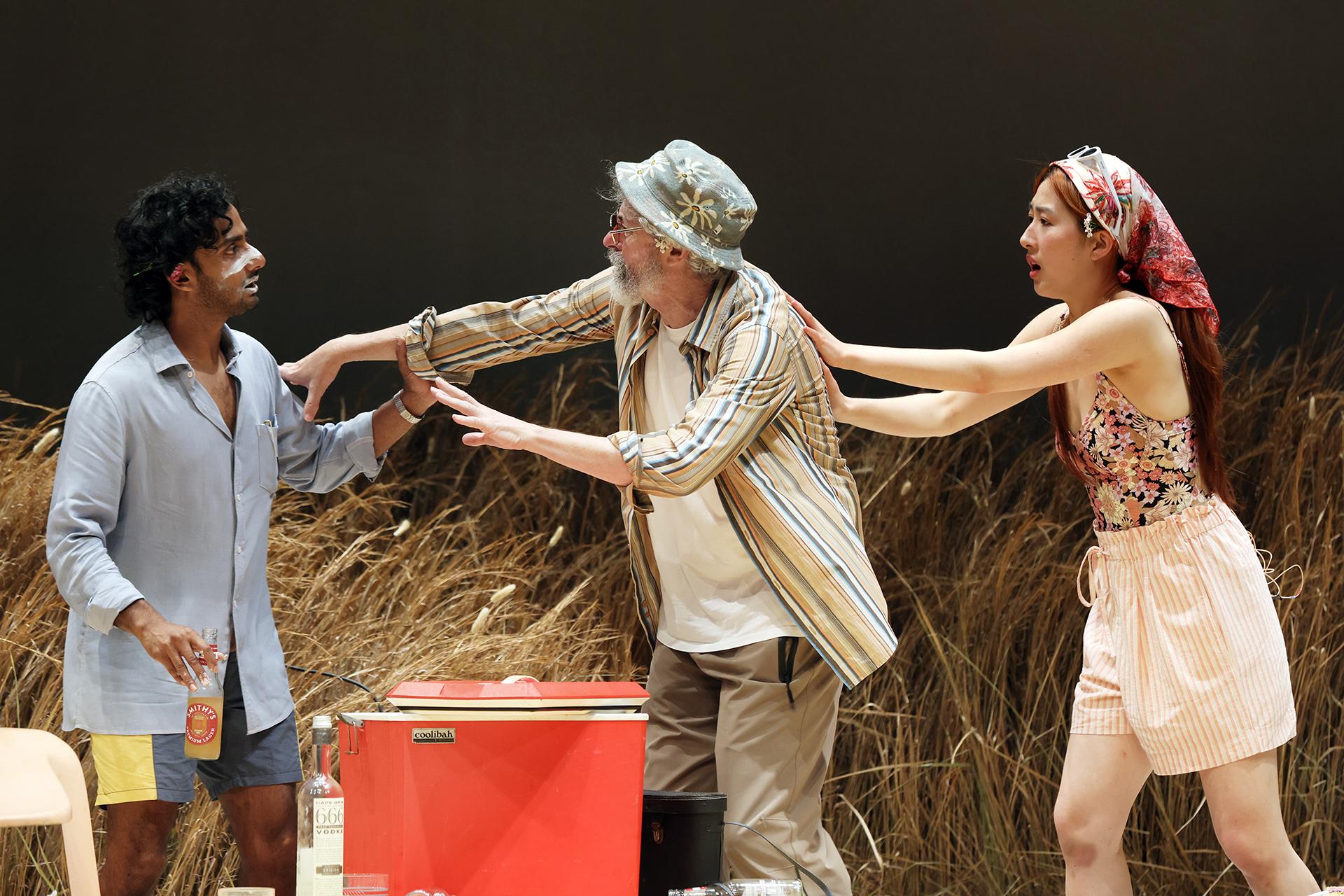
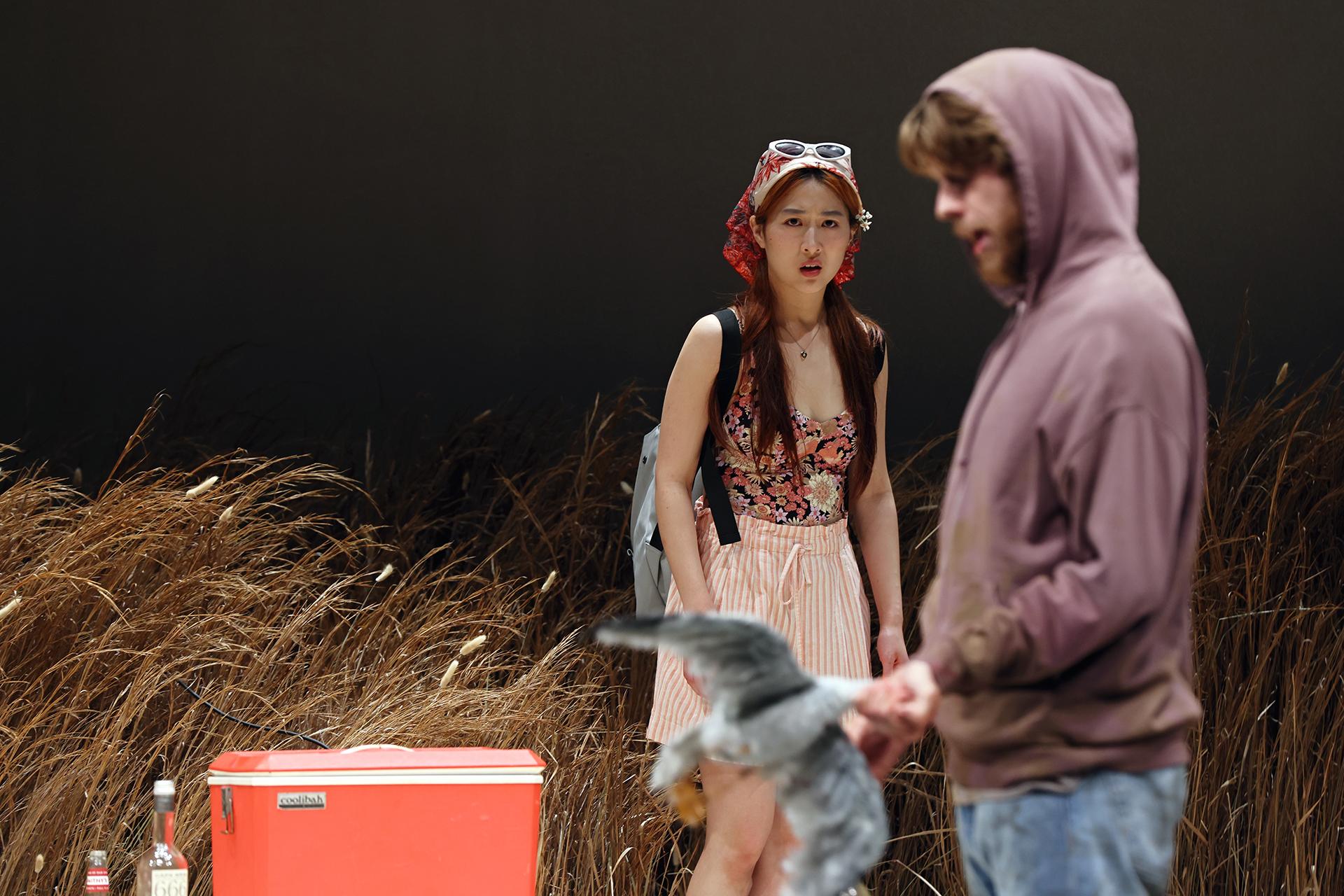
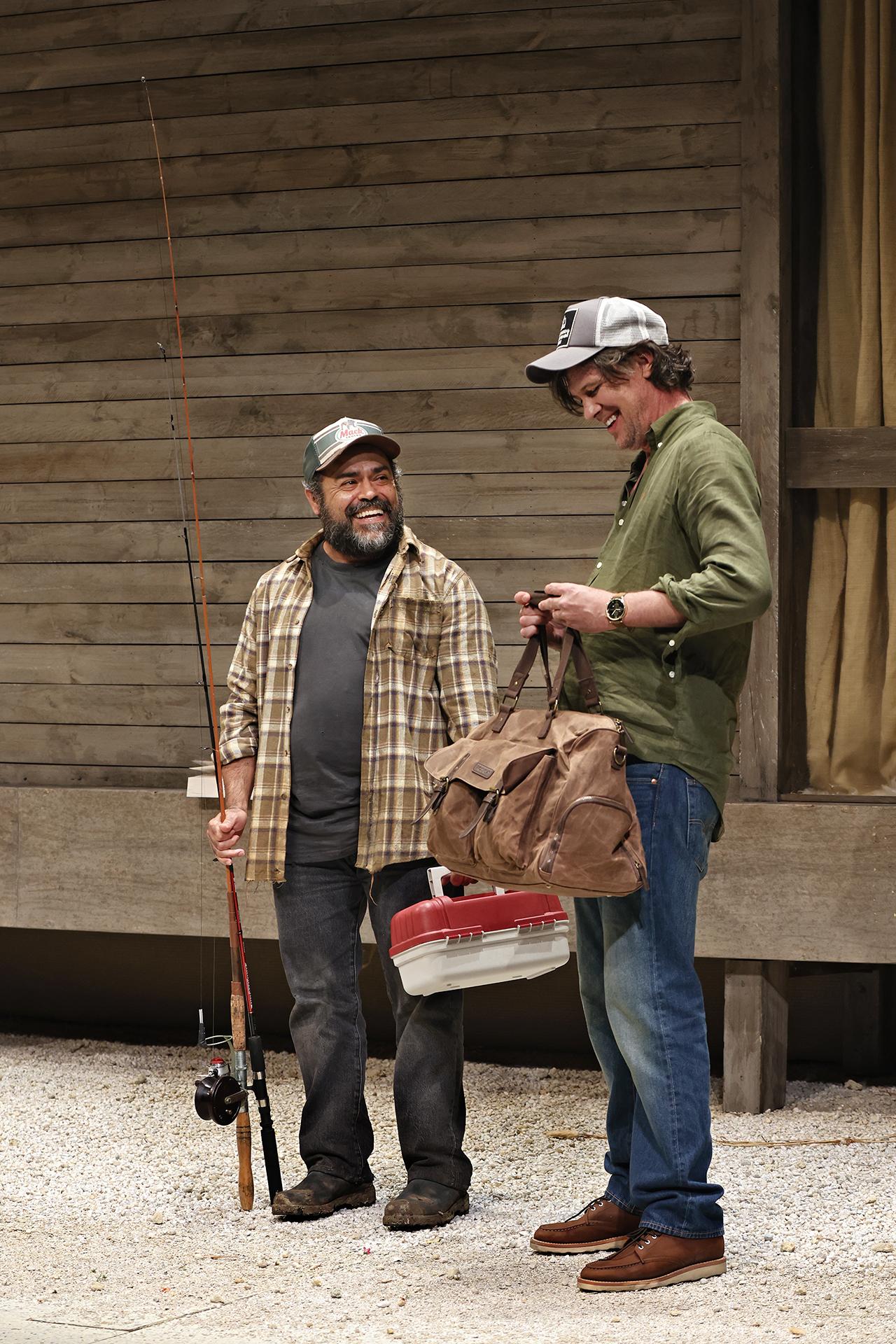
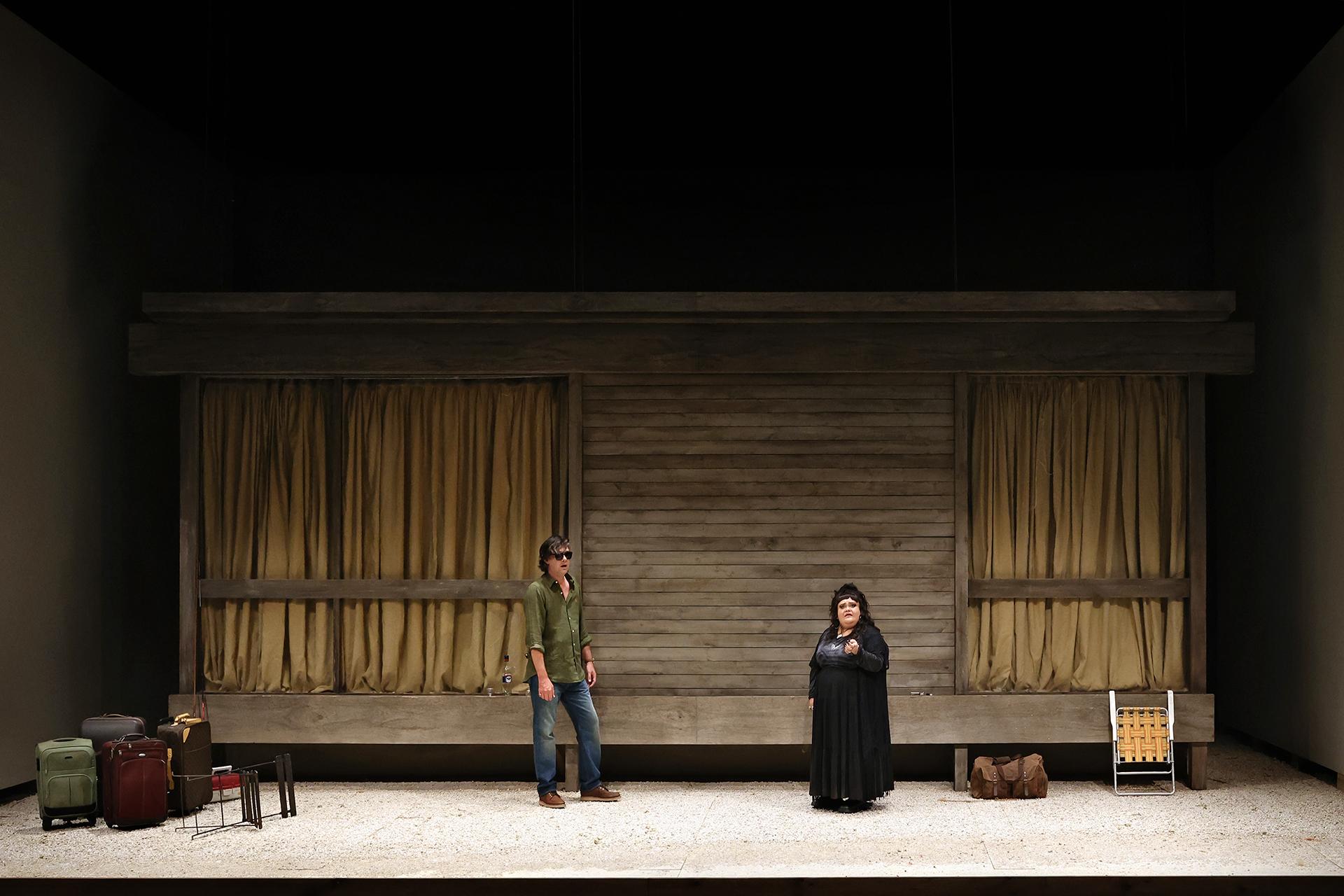
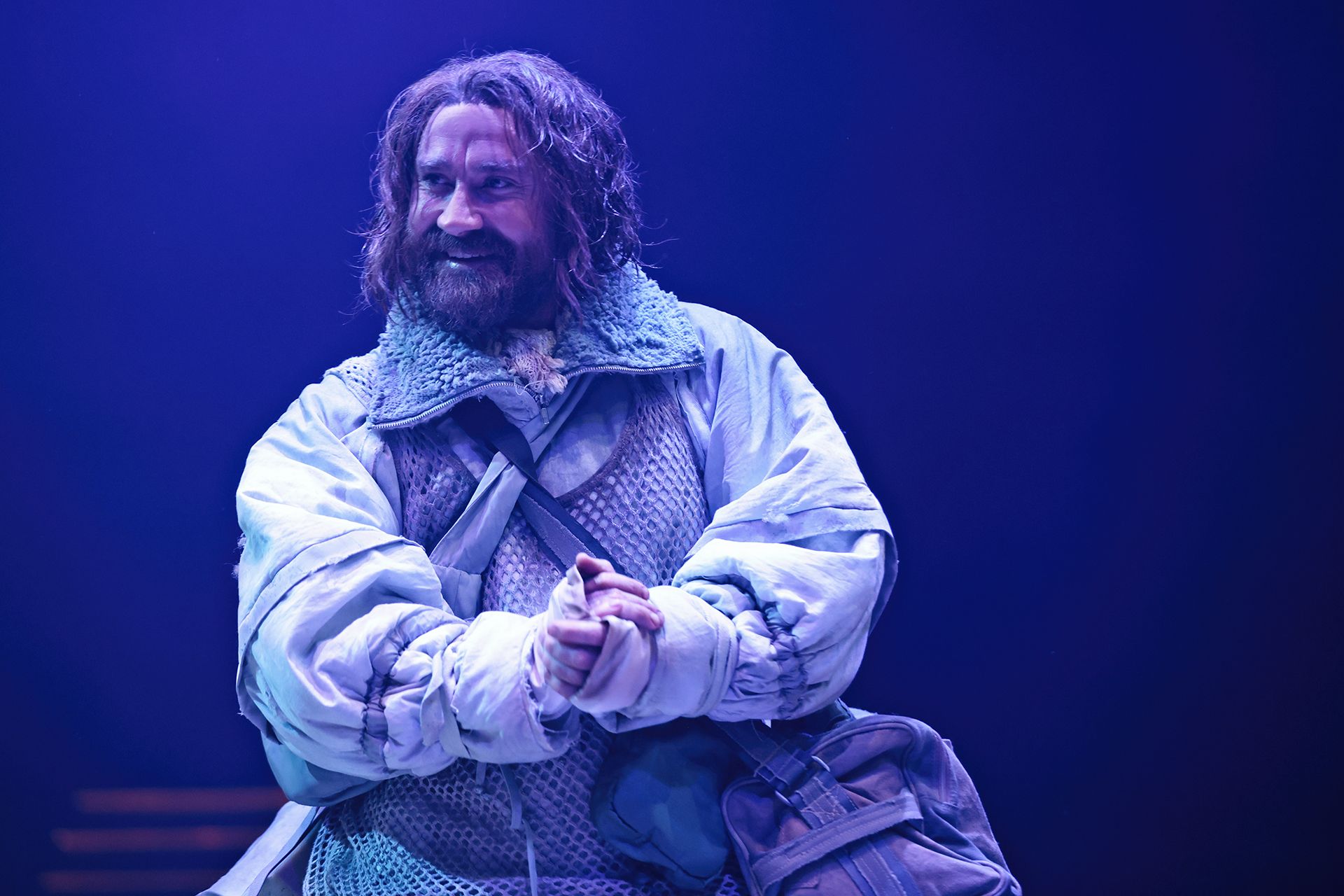
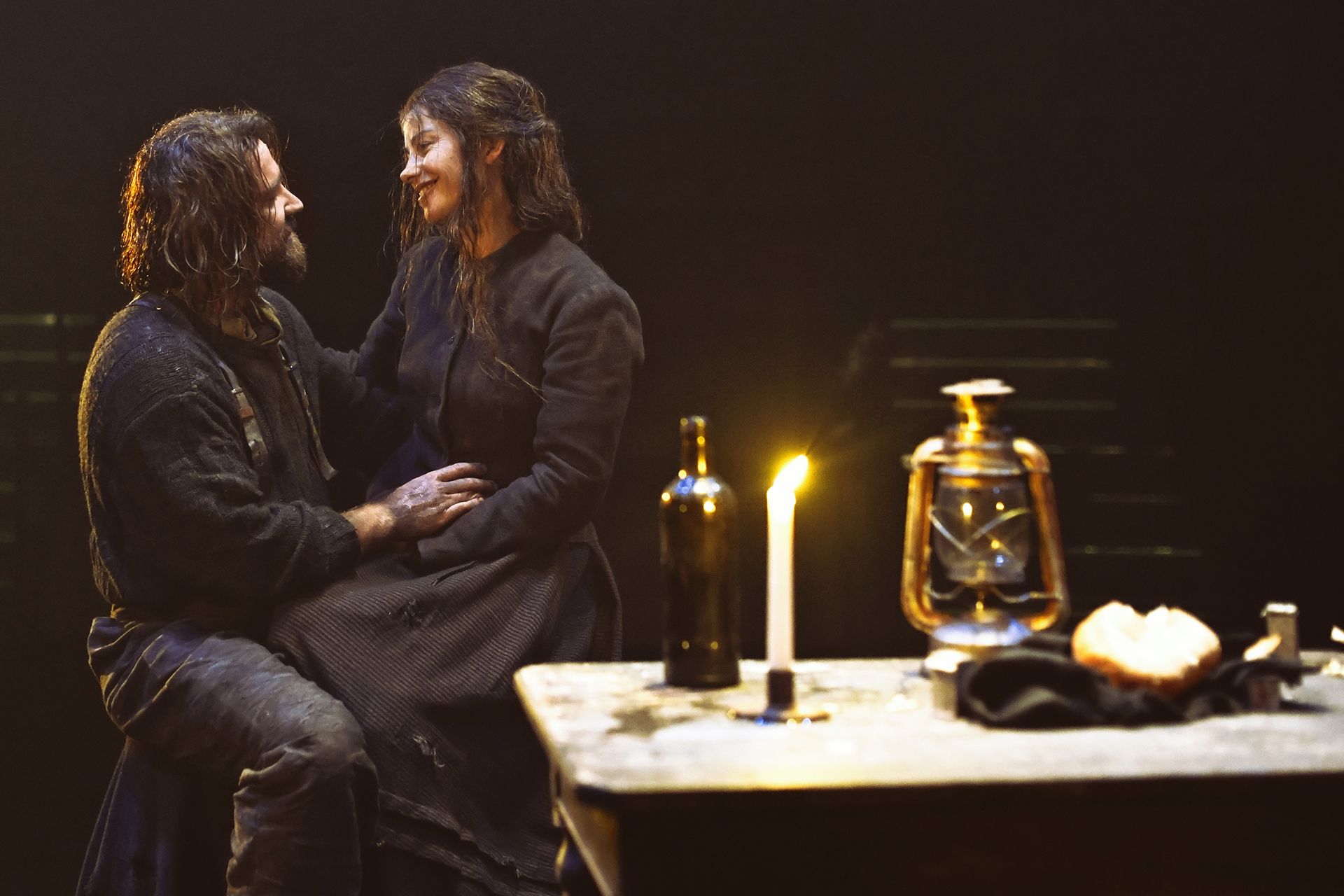
Ray is older now, but the life of a humble farmer means a conventional retirement is never quite within reach. In addition to his ailing health, the persistent drought seems determined to only make things harder. His wife Flossy, along with their sons, are however reliable sources of emotional support, and in Angus Cerini’s Into the Shimmering World, we see Ray’s last years becoming increasingly meaningful, even if the struggles never subside.

It seems a simple existence that Cerini’s play depicts, but it speaks profoundly from a space of thorough authenticity. There are no frills to Ray and Flossy’s days in the bush, so our explorations can only be about the essential and important qualities, of what makes a life worth living. Direction by Paige Rattray insists we pay attention to the minutiae, so that we come to an understanding, that it is in the details, that we can discover something truly significant, or even eternal, within fleeting moments that usually feel inconsequential. Into the Shimmering World takes us away from so much that is time-wasting and petty, and for 90 minutes, provides an opportunity to meditate on that which is real and noble.
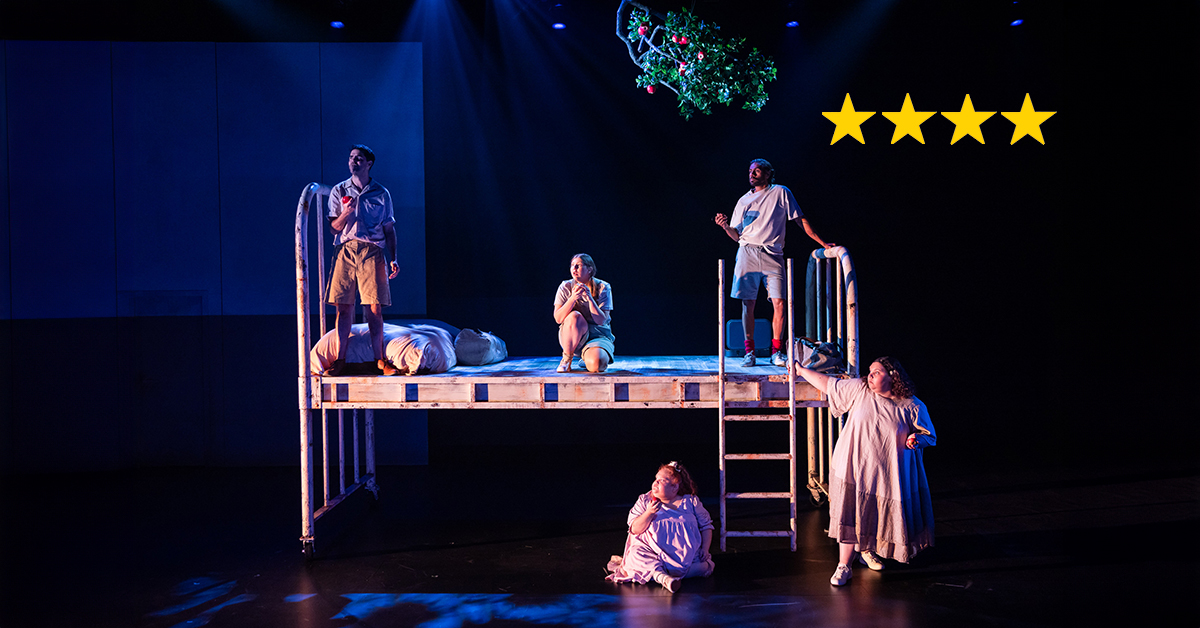
That virtuousness pertaining to notions of simplicity, is reflected in a production design by David Fleischer, that functions purely to facilitate storytelling. There is nothing extraneous in Ray’s life, so there is nothing frivolous to be found in the set and costumes. Lights by Nick Schlieper do however manufacture instances of theatrical elevation, most notably during scenes that venture into the metaphysical. Music and sound by Clemence Williams are crucial in helping calibrate our temperament, in a show that is full of constant, but subtle, shifts in tone.

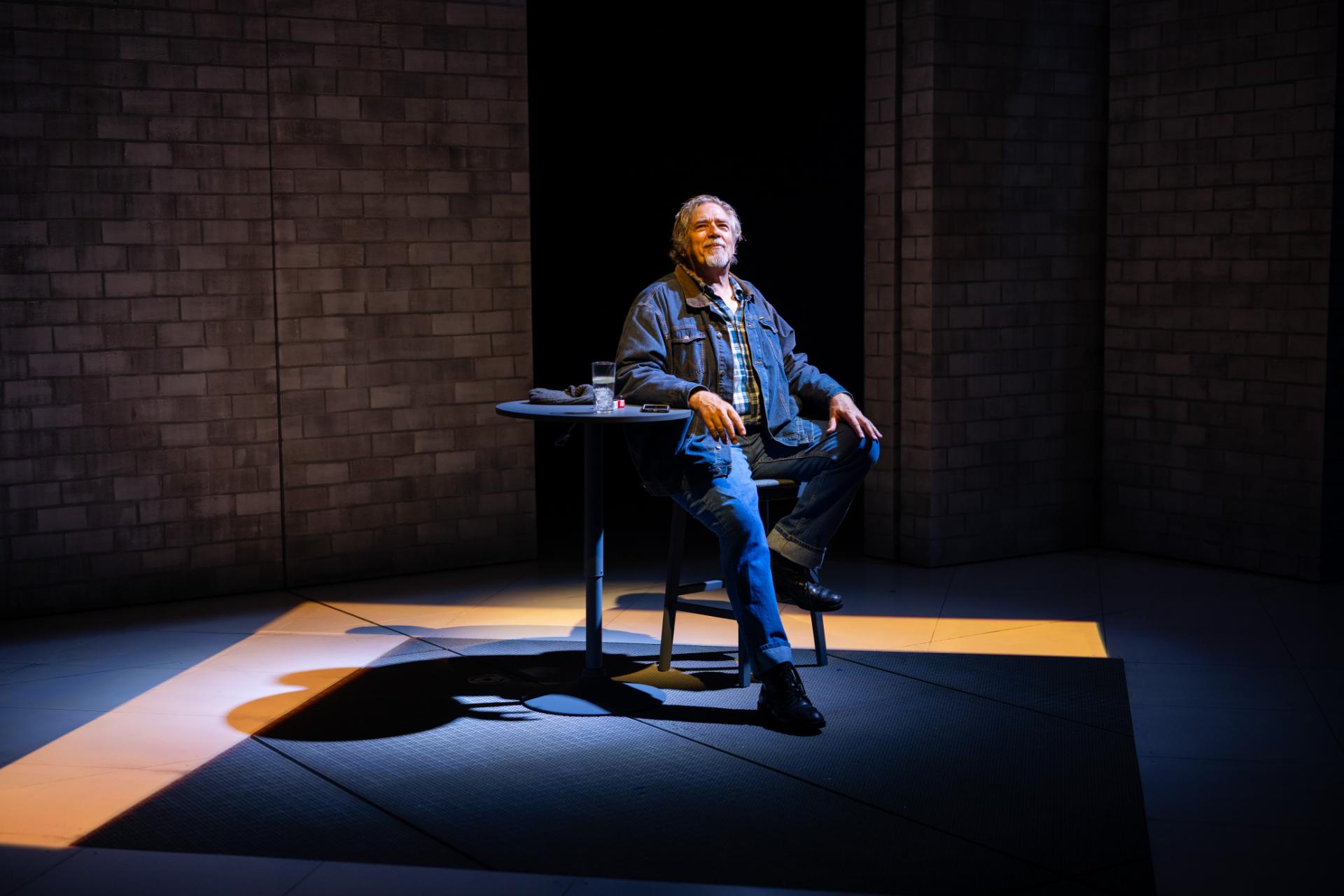
It is a deceptively quiet presentation, memorable for its stillness, but always with a submerged rumbling, that feels very much like the unabating sensation of human upheaval. Actor Colin Friels embodies that contained drama, in a portrayal of Ray that is remarkable for its integrity and hence, believability. Like most Australian men of his generation, Ray is not one for words, but Friels does excellently at conveying the textures of turmoil, that are so crucial to our appreciation of the work. Kerry Armstrong plays Flossy with warmth and tenderness, so that we may approach the tale with sensitivity. Other members of cast include Renee Lim, James O’Connell and Bruce Spence, all of whom bring thoughtfulness that help deliver valuable insights inherent in Cerini’s writing.

Legacy is not about vanity, but responsibility. We can deliberate endlessly about the meaning of life, but a commitment to leaving the world a better place than how one had found it, is the key to existential fulfilment.

www.sydneytheatre.com.au

Review: A Fool In Love (Sydney Theatre Company)

Venue: Wharf 1 Sydney Theatre Company (Walsh Bay NSW), Feb 6 – Mar 17, 2024
Playwright: Van Badham (after Lope de Vega)
Director: Kenneth Moraleda
Cast: Arkia Ashraf, Alfie Gledhill, Melissa Kahraman, Johnny Nasser, Contessa Treffone, Aaron Tsindos, Megan Wilding
Images by Daniel Boud

Theatre review
Phynayah is on the verge of turning 30, and unless she marries soon, a substantial inheritance will be forfeited. There is no shortage of suitors, but her serious lack of intellect means that the men are only in it for the money, and even Phynayah knows that love cannot be built solely on greed. Van Badham’s A Fool in Love, is an ultramodern adaptation of Lope de Vega’s 1613 play La dama boba, in which we explore matters of the heart and mind.

Badham’s work is further concerned with archetypal portrayals of women, and with Phynayah’s foolishness juxtaposed against her sister Vanessa’s book smarts, A Fool in Love wants us to consider the ways in which we are accustomed to talking about women, and the repercussions of those conventions. This is all done however, through a great deal of humour, in a production that labours too hard perhaps, to get the laughs.

The story is thought-provoking, and even though Badham succeeds at earning our investment into Phynayah’s plight, there is an obscure quality to the dialogue, probably derived from the age of the original, that provides a conversational style that is slightly rigid. Direction by Kenneth Moraleda is wonderfully flamboyant, and even though overzealous with its comedy, delivers a show that deeply engages our senses.

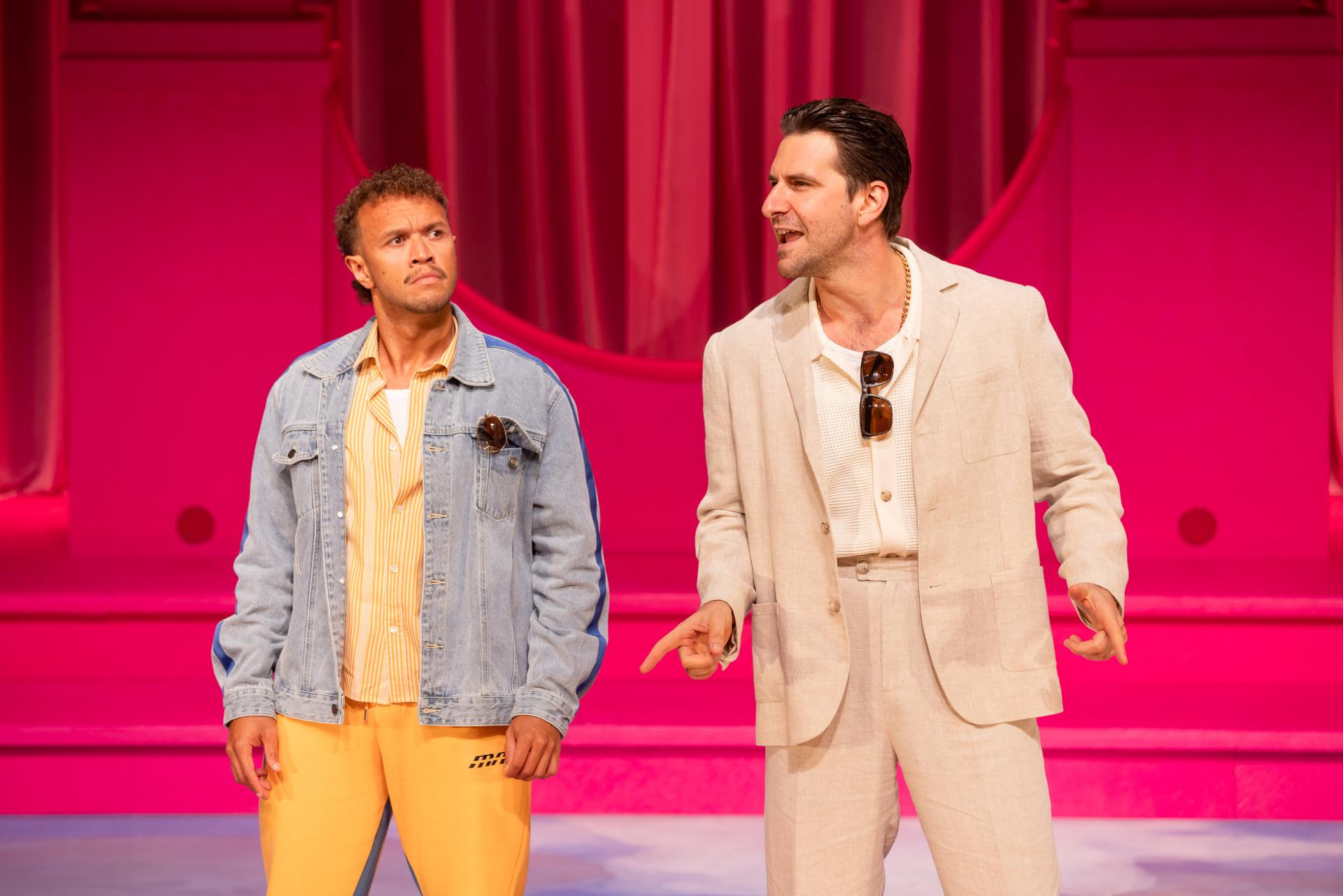
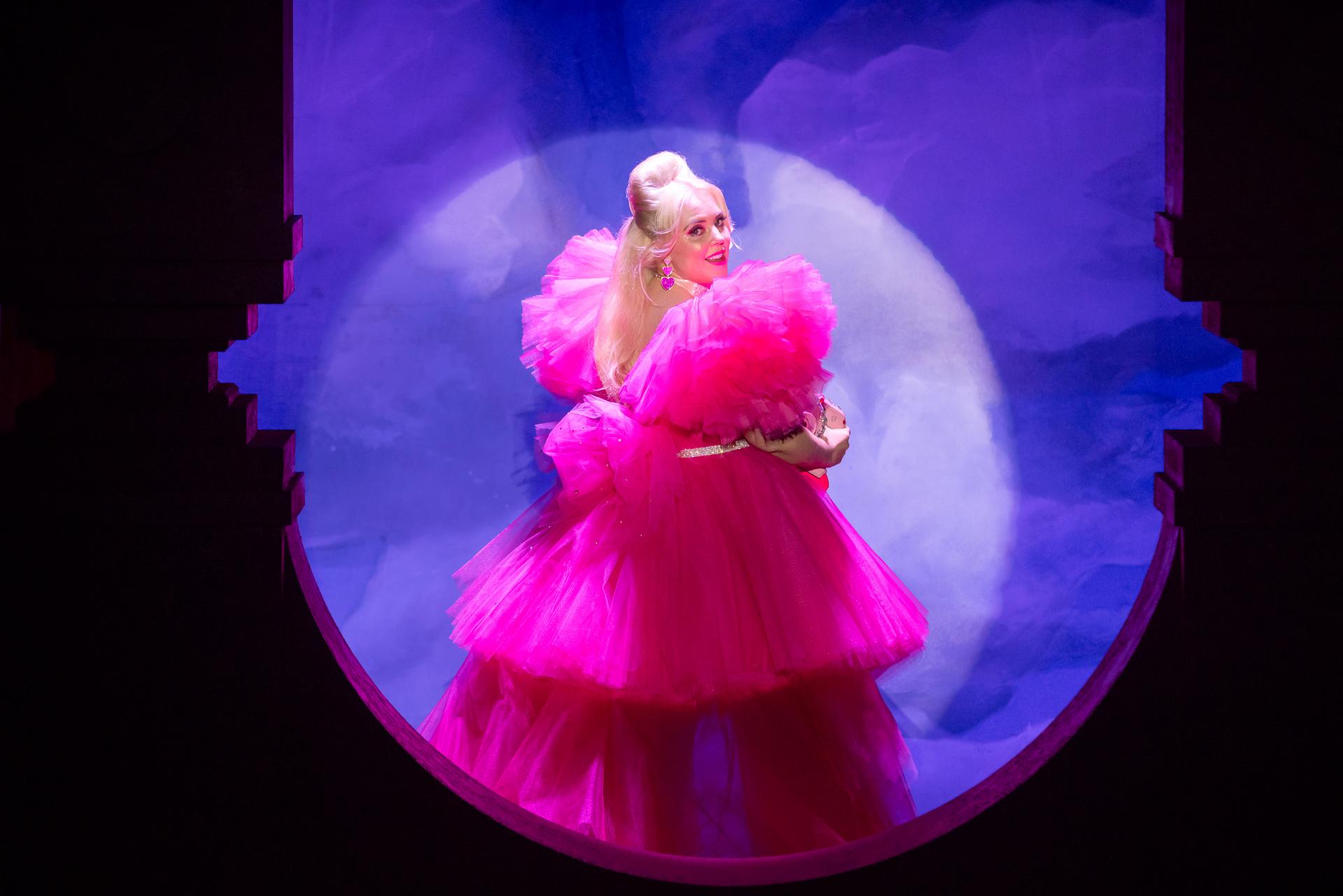
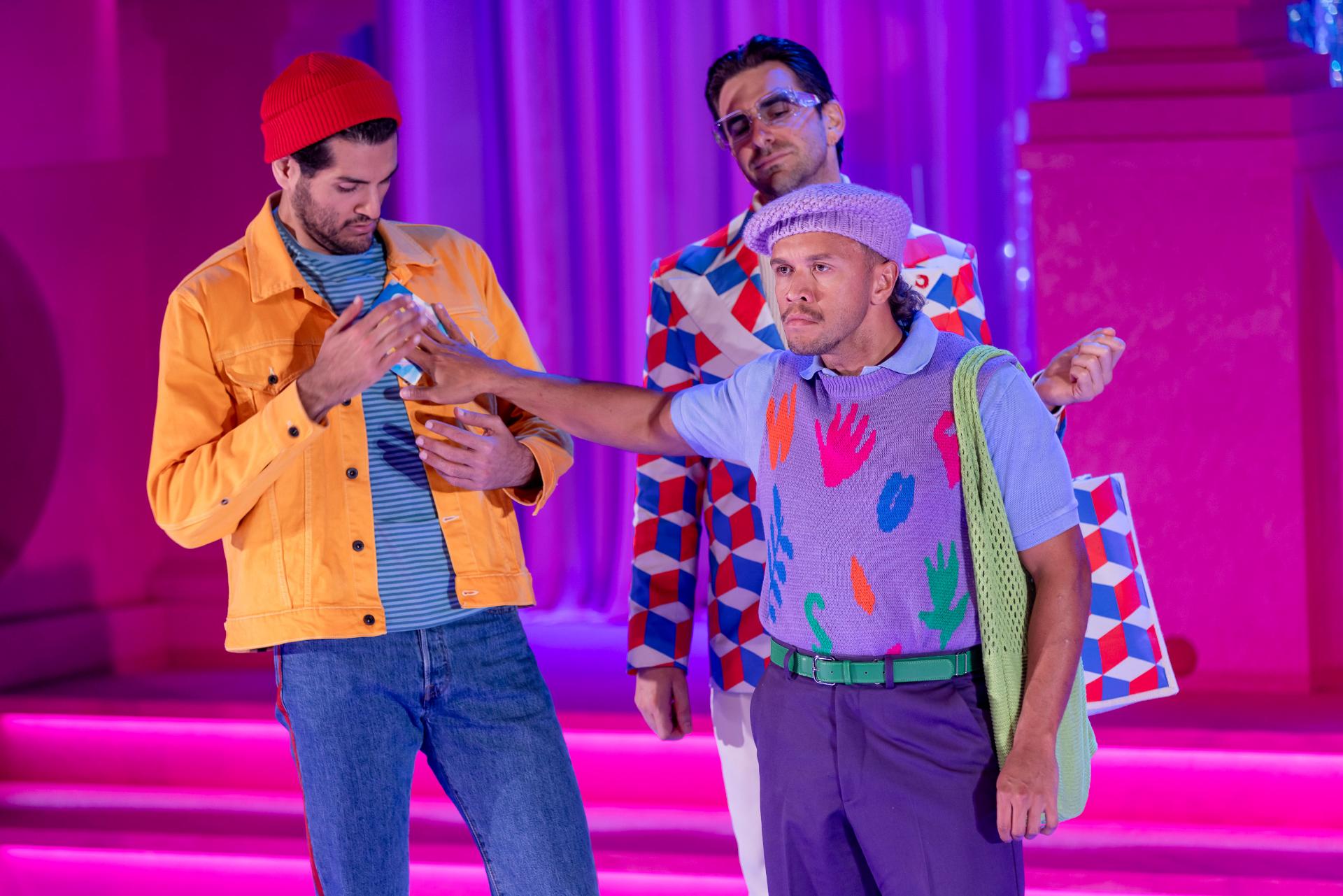
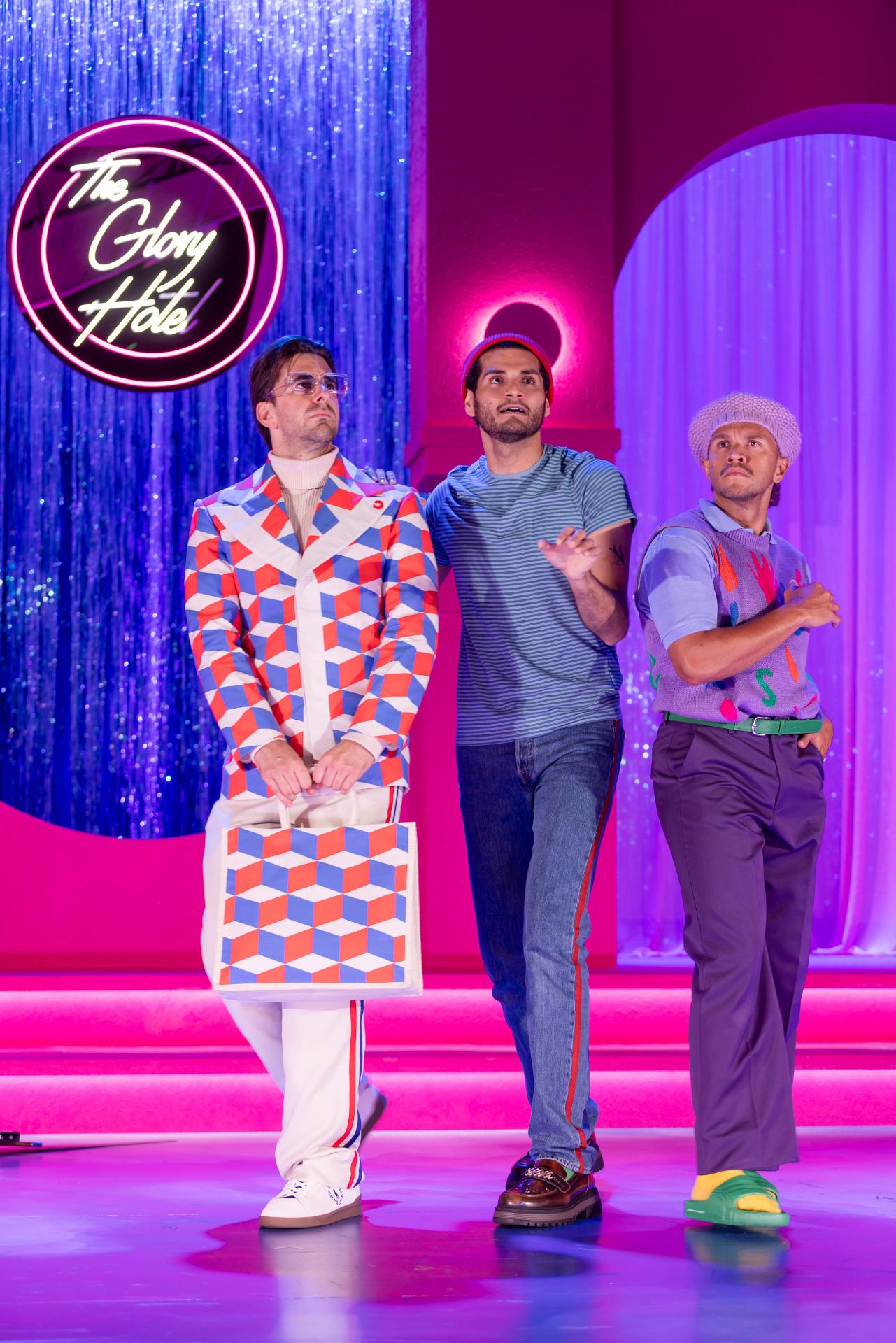
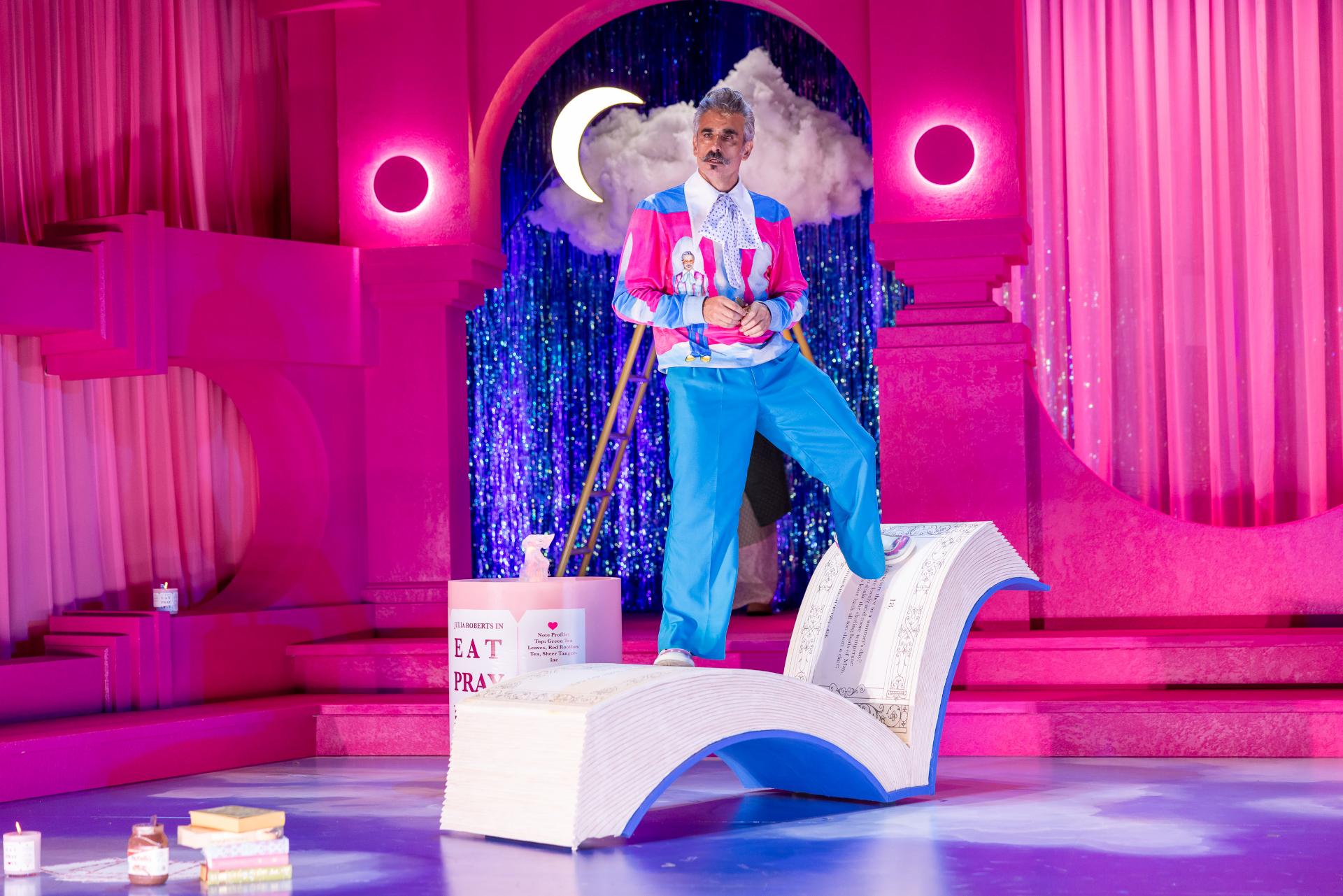
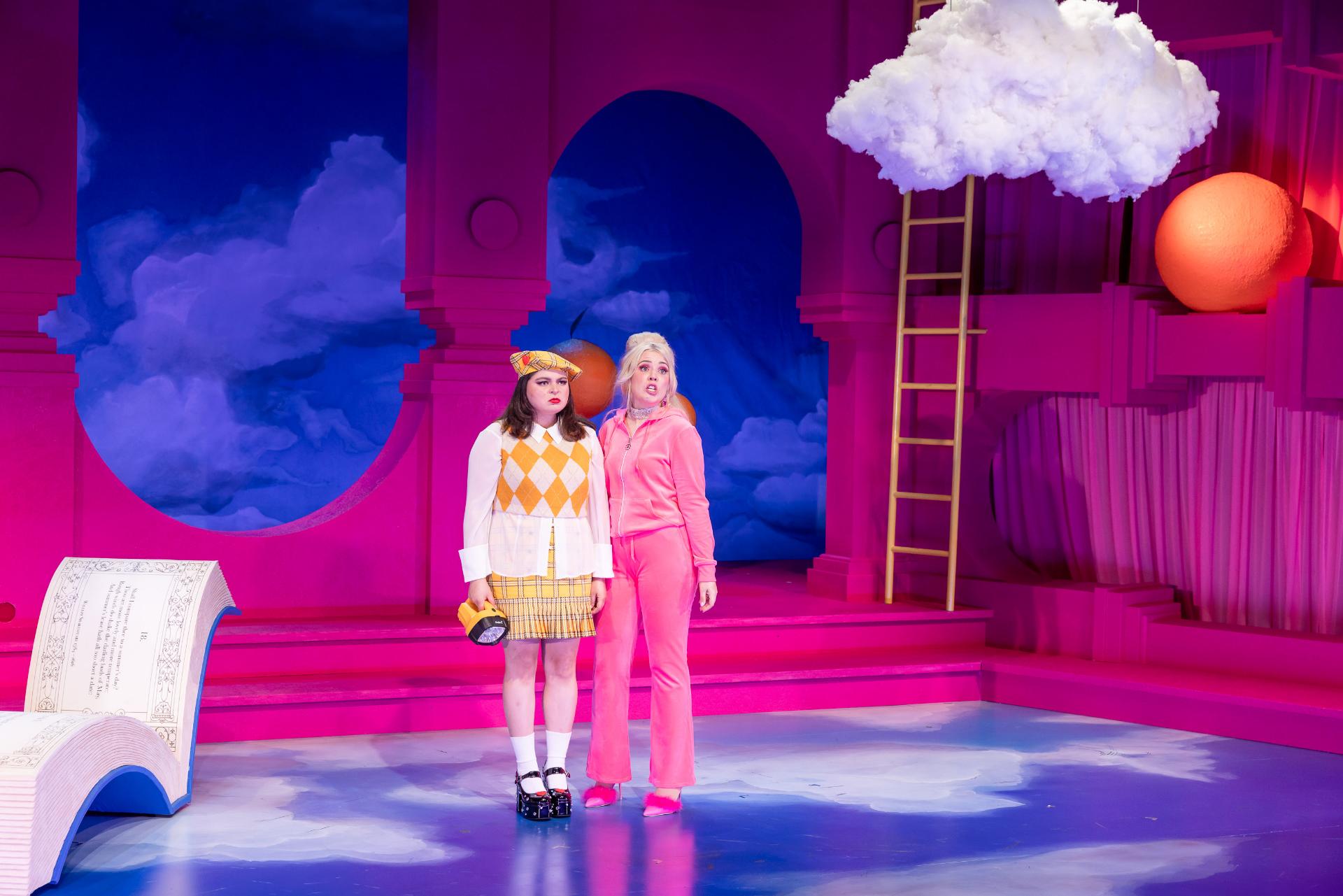
Set and costumes by Isabela Hudson revel in an unambiguous campness, as though indicating a queer attitude overlaying this feminist retelling of an old tale. Hudson too pokes fun wherever she can, especially in reference to how we perceive gender and class in the present moment. Benjamin Brockman’s lights add to the flamboyance, taking many opportunities to induce excitement in a production that is unafraid of being flashy. Sounds and music by Michael Toisuta could demonstrate greater sensitivity for the atmosphere being manufactured, but bears a dynamism nonetheless, that adds to the vibrancy of the piece.

Actor Contessa Treffone is a splendid Phynayah, genuinely hilarious but also unequivocally poignant when we need her to dial up the tension. Also extremely comical is Aaron Tsindos who as Lee and Neeson, never misses a beat with his jokes, yet offering consistent clarity to the intentions of both his roles. Johnny Nasser and Megan Wilding are equally fabulous with their timing and sensibilities, able to keep things believable, whilst convincingly inhabiting very heightened spaces. Arkia Ashraf, Alfie Gledhill and Melissa Kahraman are manifestly committed to all their parts, in a staging that is never short of manic energy.

It could be true that no woman is truly stupid, that it could just be that some of us make poor choices. In a world that often restricts us to inferior options, and that keeps us in disagreeable situations, many women can appear to make bad decisions, when in fact we are simply disallowed to live out our full potential. There is so much of what we are capable of, that is deemed inappropriate, repugnant or ruinous, by systems that only thrive when we are subjugated. Whether Phynayah develops her intellect, grows in courage, or stays the very same, she is always already divine.

www.sydneytheatre.com.au

Review: The Seagull (Sydney Theatre Company)

Venue: Roslyn Packer Theatre (Sydney NSW), Nov 21 – Dec 16, 2023
Playwright: Anton Chekhov (adapted by Andrew Upton)
Director: Imara Savage
Cast: Arka Das, Michael Denkha, Harry Greenwood, Markus Hamilton, Mabel Li, Sean O’Shea, Toby Schmitz, Sigrid Thornton, Megan Wilding, Brigid Zengeni
Images by Prudence Upton

Theatre review
Constantine’s angst remains resolute, even though he no longer lives in 1896 Russia. Andrew Upton’s adaptation of Chekhov’s The Seagull takes place in current day Australia, refreshed with modernised dialogue that effervesces amusingly, but is otherwise entirely faithful to the original. It is arguable whether these characters would think and behave the same, having moved continents and centuries. Even though human nature can be disconcertingly rigid, the dramatic (and iconic) conclusion of Chekhov’s play, feels too characteristic perhaps of an olden Russia. It is however certainly possible that that despondence is in fact no different, wherever and whenever the story takes place. Upton could be making the point, that we are in fact deluded, should we consider ourselves evolved and improved.

Nevertheless, the update feels somewhat tenuous, even though the contemporarised humour of the piece is an unequivocal pleasure. Directed by Imara Savage, the show is at its most appealing when moments are drenched in irony, as we watch persons of a certain privilege, unable to evade nihilistic despair. Reflecting on Chekhov’s times, we can associate The Seagull with impending revolutions, and explain that malaise within a context of disquietude and a thirst for upheaval. Watching the same tale unfold in our here and now, is a confronting proposition. That unflinching pessimism could be saying something appalling about the people we are, or we could simply regard this transposition to be somehow inauthentic.

All the same, drama is delicious. Actor Harry Greenwood as Constantine is less sympathetic than is traditionally portrayed, but renders an unassailable sense of truth and integrity, to persuade us of his narrative. Other notable performers include Mabel Li, equally impressive in comedic and tragic portions of Nina’s exploits, able to make convincing the drastic shift in temperaments, for this classic showcase of lost innocence. Sean O’Shea’s highly idiosyncratic turn as Peter proves thoroughly delightful, very extravagant in style but unquestionably charming with his interpretations of an ageing invertebrate. Playing Boris the cad is Toby Schmitz, wonderfully inventive and unpredictable, in his thrilling explorations of self-absorption and immorality. On stage, Schmitz’s impulsiveness is a real joy.

Set design by David Fleischer conveys a rustic sensibility, but always with a quiet sophistication that reminds us of the social class being depicted. Costumes by Renée Mulder emphasise the modernity of characters, keeping them accurately within the current generation. Lights by Amelia Lever-Davidson, along with sounds and music by Max Lyandvert, are extremely subtle until the final climactic scenes, when we are treated to a greater theatricality, as the show approaches its inevitable melodramatic conclusion.

The world tells Constantine that by virtue of his biological and social distinctions, that he is destined to be a leader and a winner. In the microcosm of his daily existence however, he only feels belittled and disgraced. Males account for three-quarters of suicide in Australia today. We can diverge in our understandings of that statistic, but it is a clearly a question of gender that cannot be ignored. We are all vulnerable beings. It is the quixotic notion that some of us have to be impervious to human fallibilities, that can drive a person to the brink.

www.sydneytheatre.com.au

Review: Oil (Sydney Theatre Company)

Venue: Wharf 1 Sydney Theatre Company (Walsh Bay NSW), Nov 4 – Dec 16, 2023
Playwright: Ella Hickson
Director: Paige Rattray
Cast: Saif Alawadi, Violette Ayad, Jing-Xuan Chan, Callan Colley, Charlotte Friels, Josh McConville, Benedict Samuel, Brooke Satchwell, Damien Strouthos, Anne Tenney
Images by Prudence Upton

Theatre review
Ella Hickson’s Oil begins in 1889 with young May falling pregnant with Amy, whilst navigating abject poverty in Cornwall, England. With each subsequent chapter, May and Amy jump decades ahead theatrically, allowing us to see an evolution of English womanhood in parallel with the industrial revolution and, more specifically, the modern history of petroleum. It is a complex, although surprisingly comprehensible, work that deals with environmental degradation, along with providing an evaluation of the trajectory of Western feminism, as well as a meditation on human nature.

Oil talks about our survival, including both our ingenuity and our incapacities, for a narrative on our progress, and perhaps regressions, to offer new reflections on human propensities, benevolent and otherwise, that may inspire improved methods for how we may forge ahead. Paige Rattray’s remarkable direction of the work captivates with endless intrigue, for something that could have easily become overly intellectual. It asks many questions, and leaves them unanswered, yet we feel sated by the end, nourished by passionate and pointed depictions of our shared pasts and likely futures.

Actor Brooke Satchwell brings scintillating intensity and focus to May, the maternal figure who always intends to do her best, but who is never safe from making errors. Satchwell’s confidence helps gain our trust in the unpredictable storytelling, taking us on a confronting ride that proves to be thoroughly thought-provoking. Amy is played by Charlotte Friels, spirited and purposeful with her creative choices, admirable for her ability to cultivate excellent chemistry with all she partners with. The leads are supported by a highly proficient ensemble, with each performer leaving a strong impression, in a detailed and refined presentation of an urgent message.

Set design by Emma White is wonderful in its versatility, cleverly adapting to the requirements of each era, as the play takes inordinately big leaps through the years. The creation of props for the show are especially commendable, completely fascinating in the ways they embellish the space for a series of imagery to manufacture an absorbing realism. David Fleischer’s costumes are commensurately believable, adorning the cast with a persuasive sense of naturalism, even when we step into the realm of science fiction. The stage, in the round, is illuminated meaningfully by Paul Jackson, who demonstrates great care with how we perceive lights, in a tale based on the immense repercussions of our relationship with crude oil. Sound and music by Clemence Williams are intricately rendered, whether with their subtle influence or through bigger dramatic gestures, all effective in keeping our psyche deeply invested.

May wants always to make noble decisions, but there is something about her dedication to her own family unit that eventually appears selfish. We see May’s struggles for survival, and her earnest efforts in providing for Amy, and learn about the ignorance and the carelessness, in how we have conceived of the future. Oil encourages us to imagine alternatives, where we had perhaps previously believed that none exist. It contextualises existential threat in a way that makes us realise the inevitability of shifting our lives, and makes us want the notion of sustainability to henceforth become essential and unyieldingly ubiquitous.

www.sydneytheatre.com.au

Review: The Dictionary Of Lost Words (Sydney Theatre Company)

Venue: Sydney Opera House (Sydney NSW), Oct 26 – Nov 16, 2023
Playwright: Verity Laughton from the novel by Pip Williams
Director: Jessica Arthur
Cast: Brett Archer, Rachel Burke, Tilda Cobham-Hervey, Raj Labade, Ksenja Logos, Angela Mahlatjie, Chris Pitman, Anthony Yangoyan
Images by Daniel Boud

Theatre review
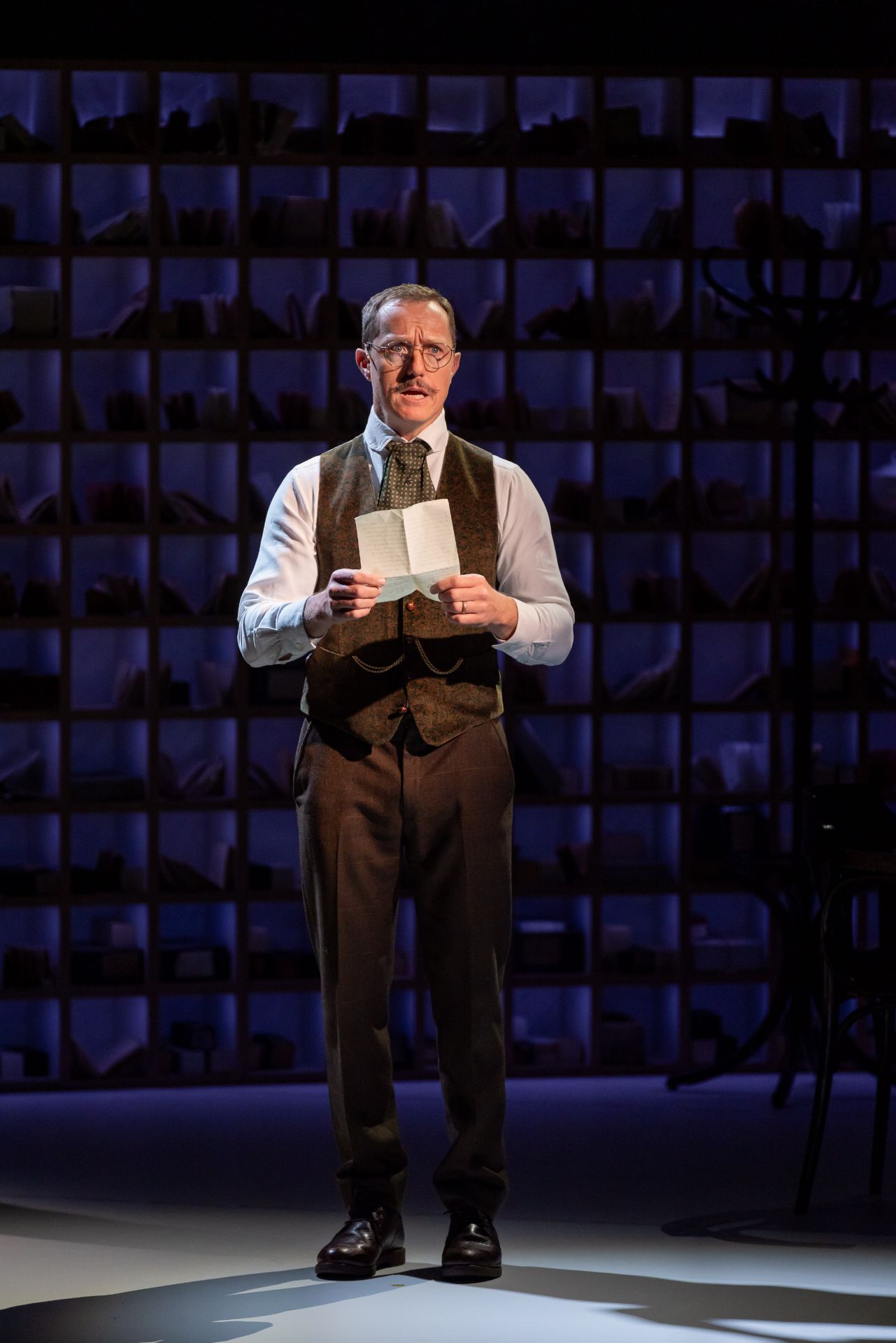
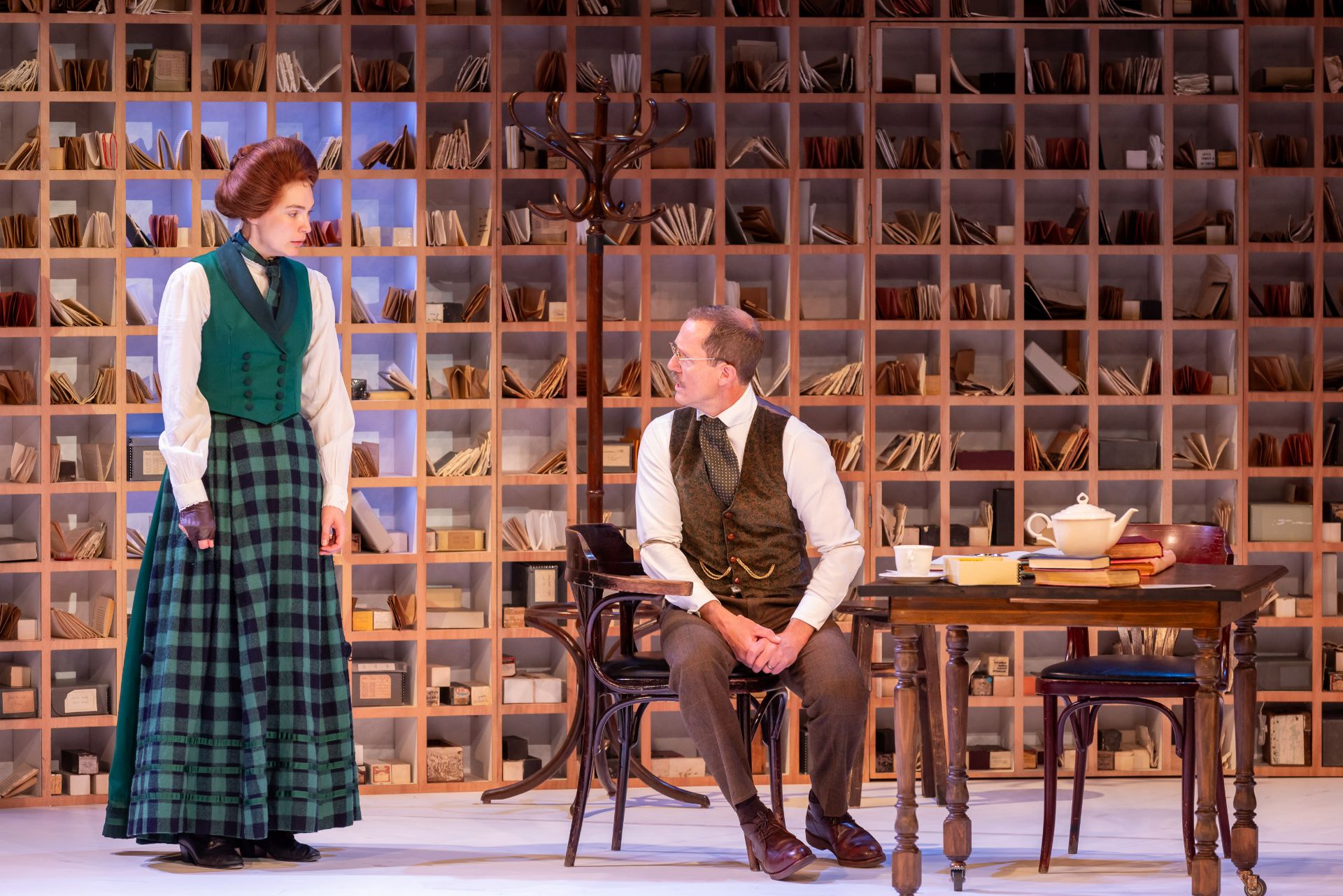
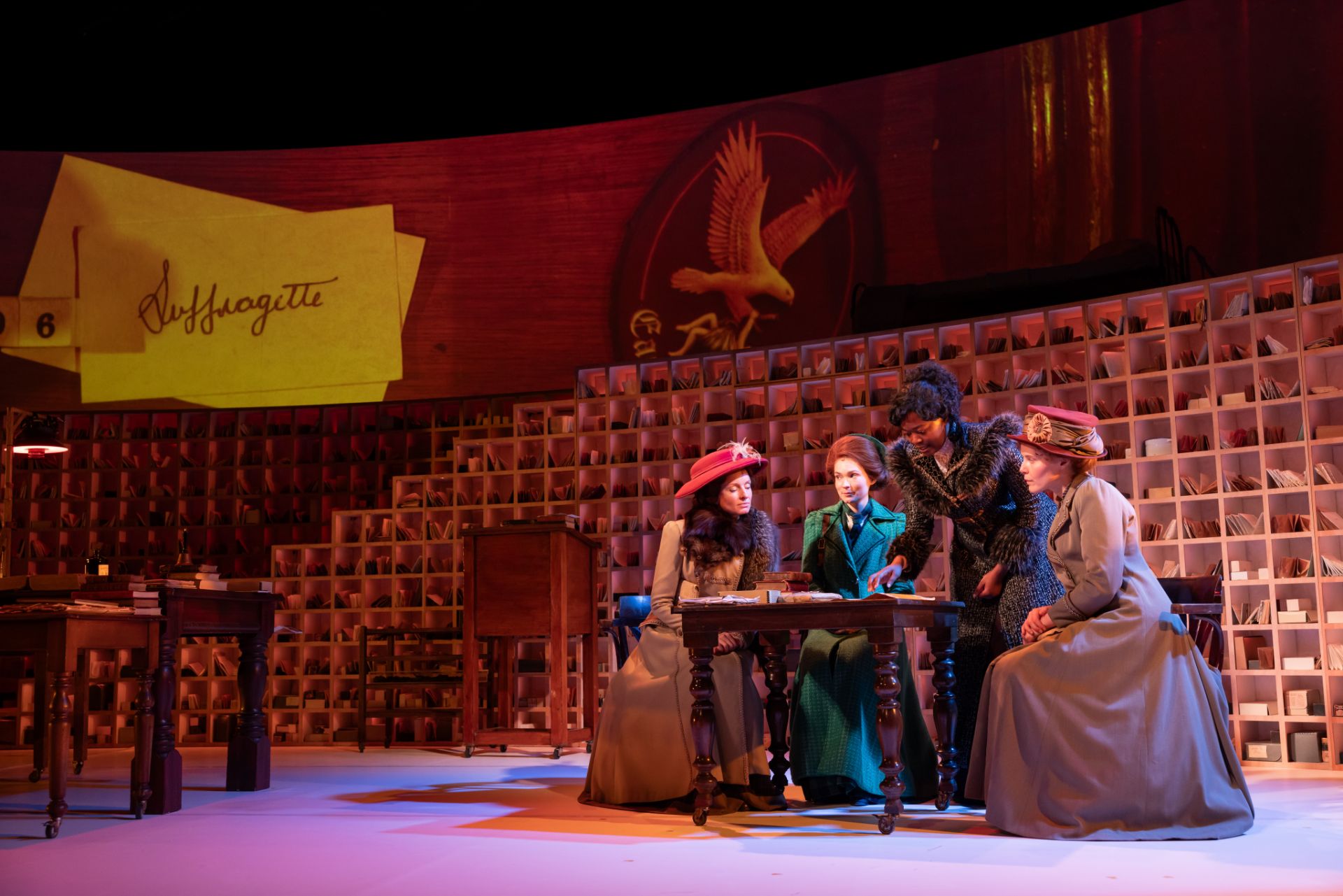
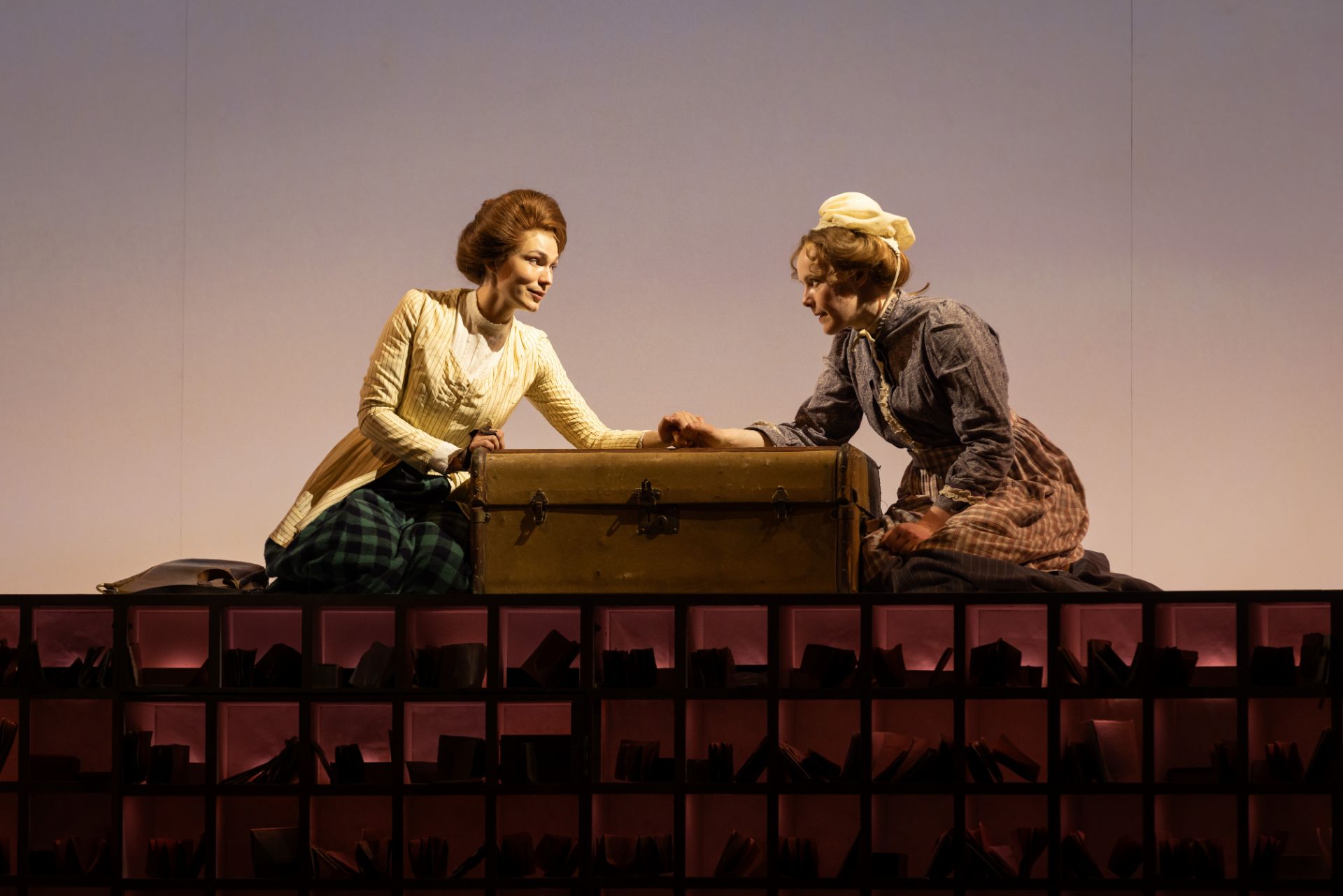
It was the end of the 19th Century when Esme began cultivating a passion for collecting words. She had observed her father working with a team editing the Oxford Dictionary, and felt compelled to save the many words, familiar only to women of the lower classes, but neglected in that process of authoritative evaluation and screening. It is no accident that Esme’s narrative in the novel The Dictionary of Lost Words by Pip Williams coincides with women’s suffrage and their historic campaign for the right to vote.

It is certainly a meaningful work that examines the culture of exclusion in our institutions, and proffers an example of radical acceptance by those in positions of power and privilege. This stage adaptation by Verity Laughton retains the valuable message of the original, but is overly faithful to the form and style of the book. It is unfortunately a transposition that often feels staid, with insufficient liveliness and wit to truly excite or inspire.

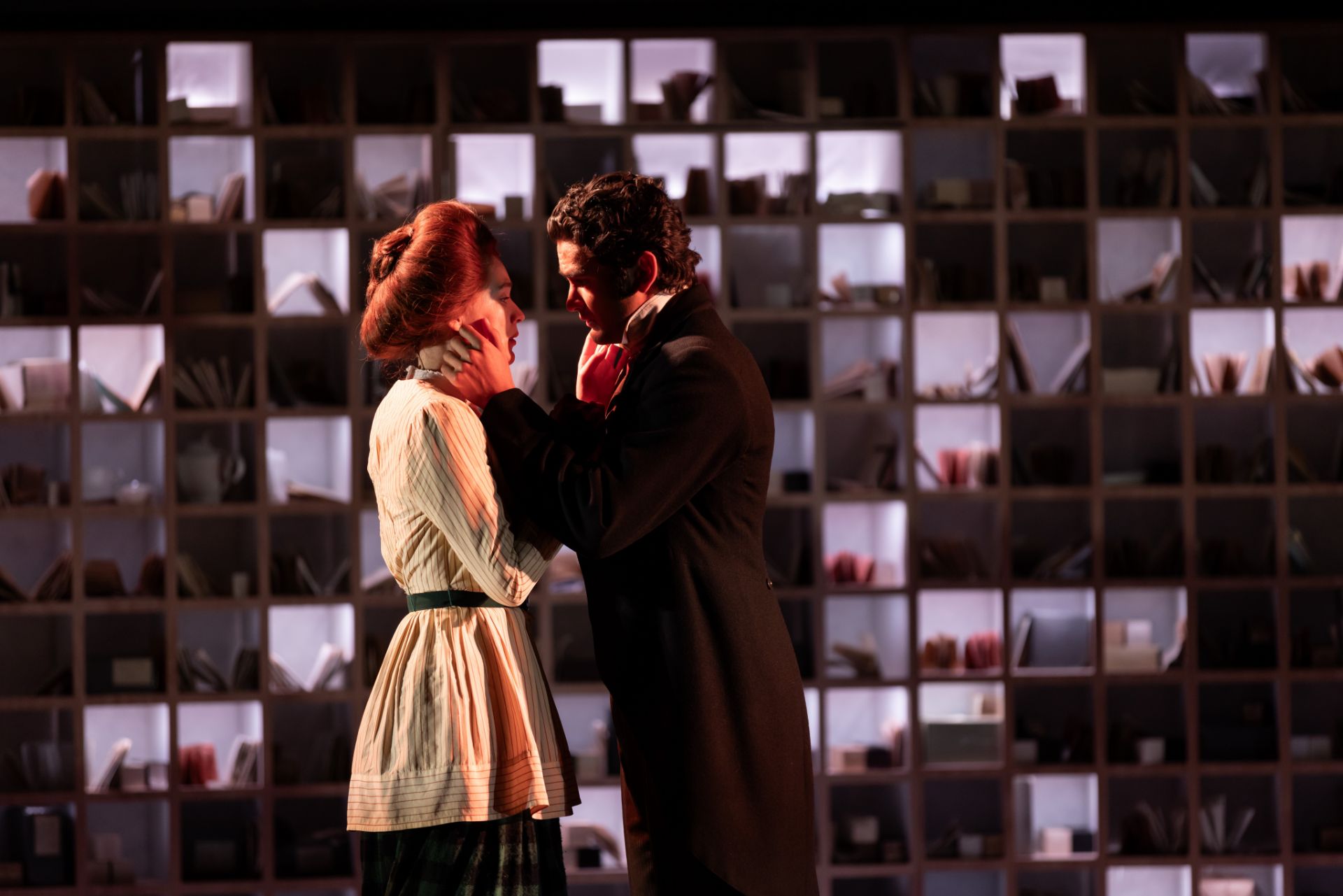
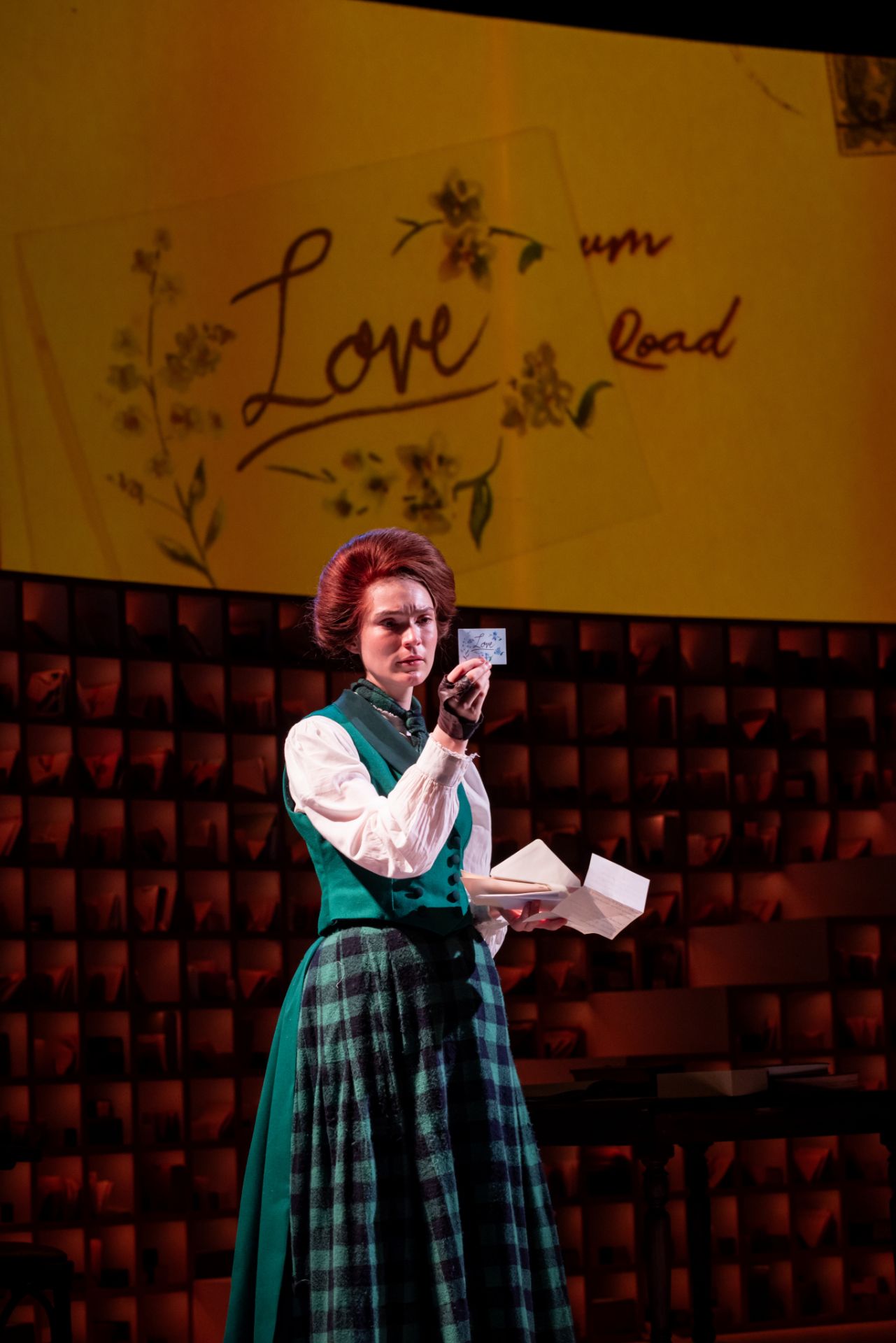
Direction by Jessica Arthur too is missing elements of joy or playfulness, in a production that proves to be needlessly serious. The story is worthy of its creators’ earnestness, but at three hours, a greater variance and theatricality in its tone is required, as the audience tries to invest into Esme’s journey of two decades. Actor Tilda Cobham-Hervey plays the lead role with integrity, able to convey the character’s benevolence persuasively, and with a distinct vulnerability that makes us endear to her life story. The cast of eight is warm and cohesive, admirable for keeping us attentive, even if their message is relayed too gently.

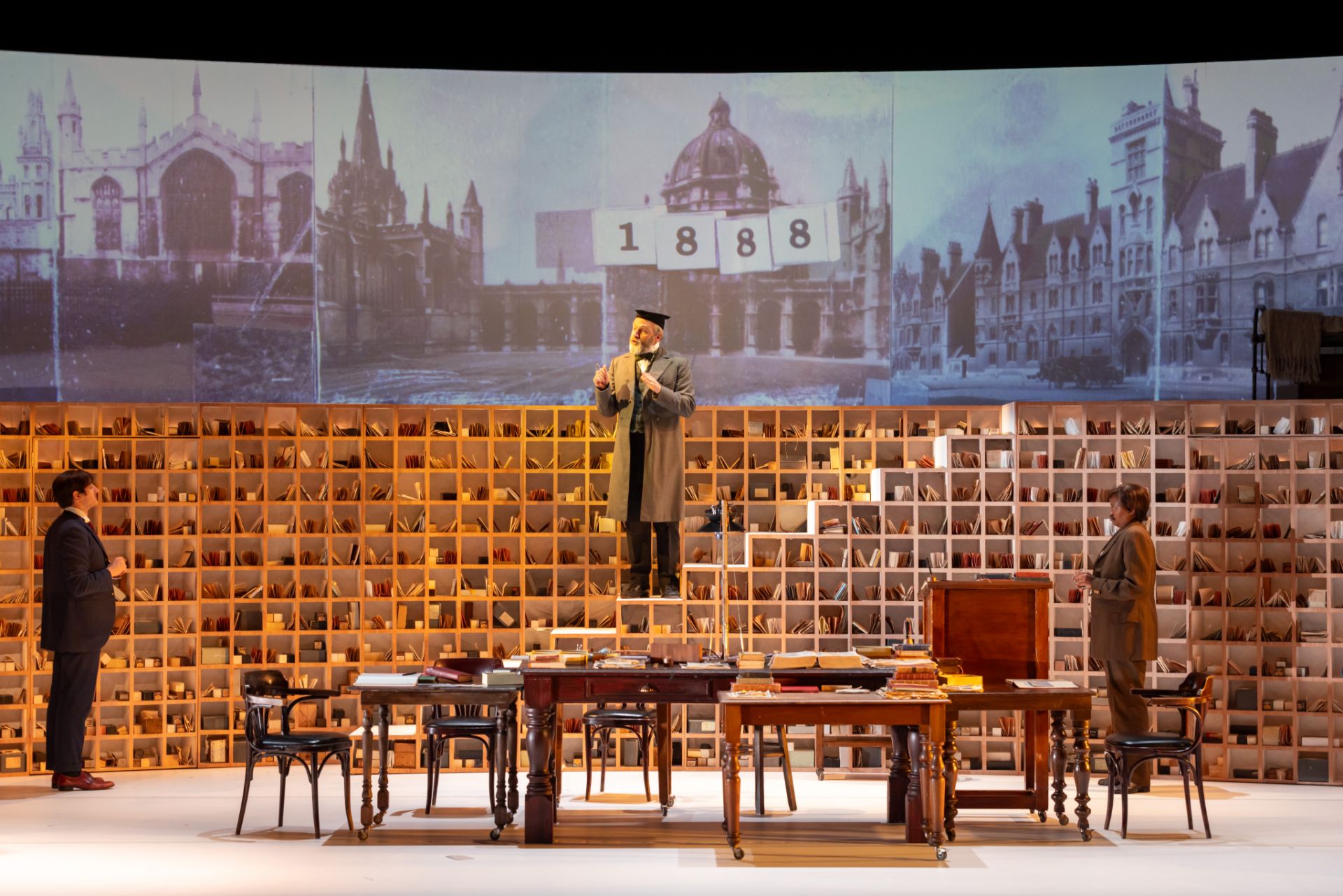
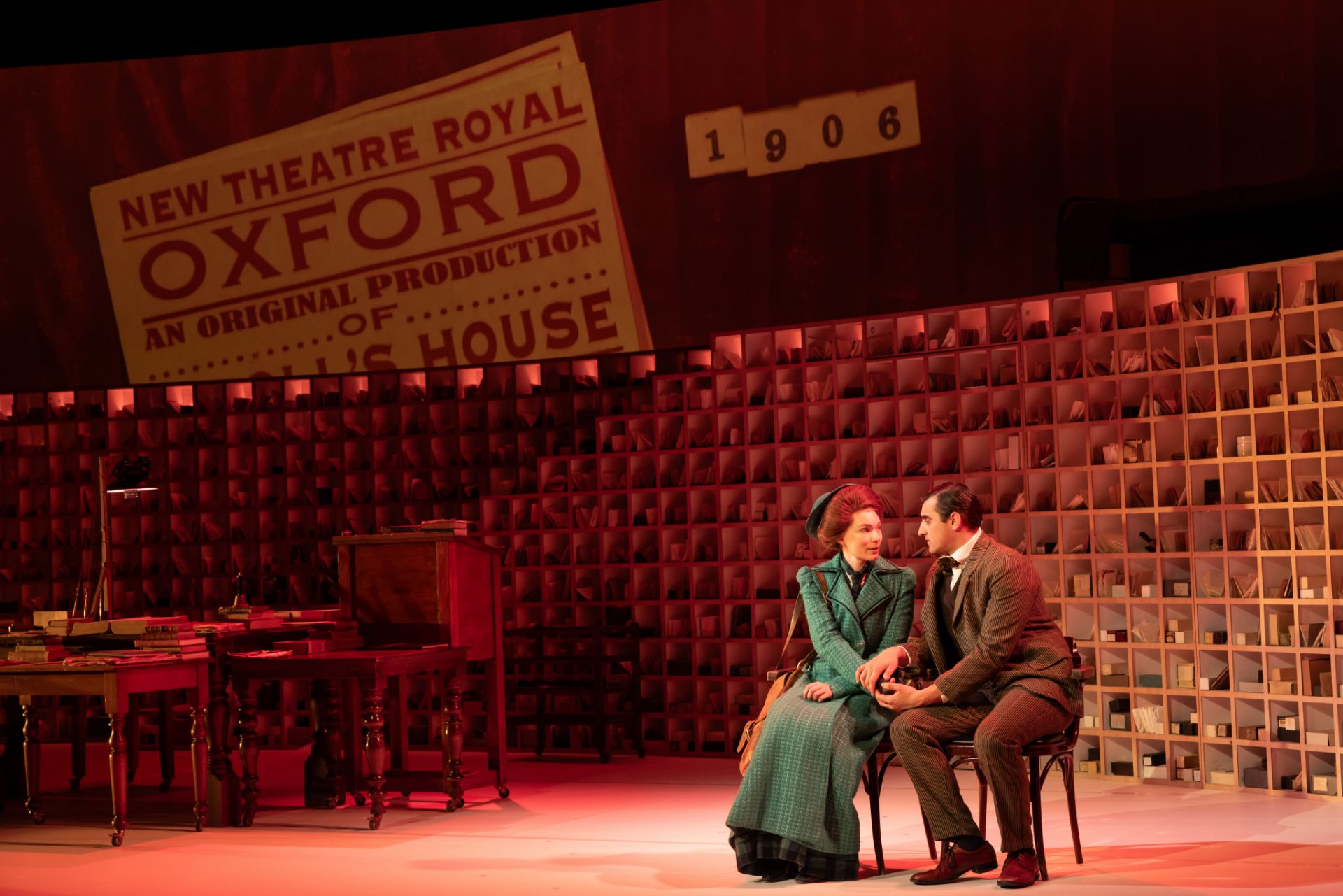
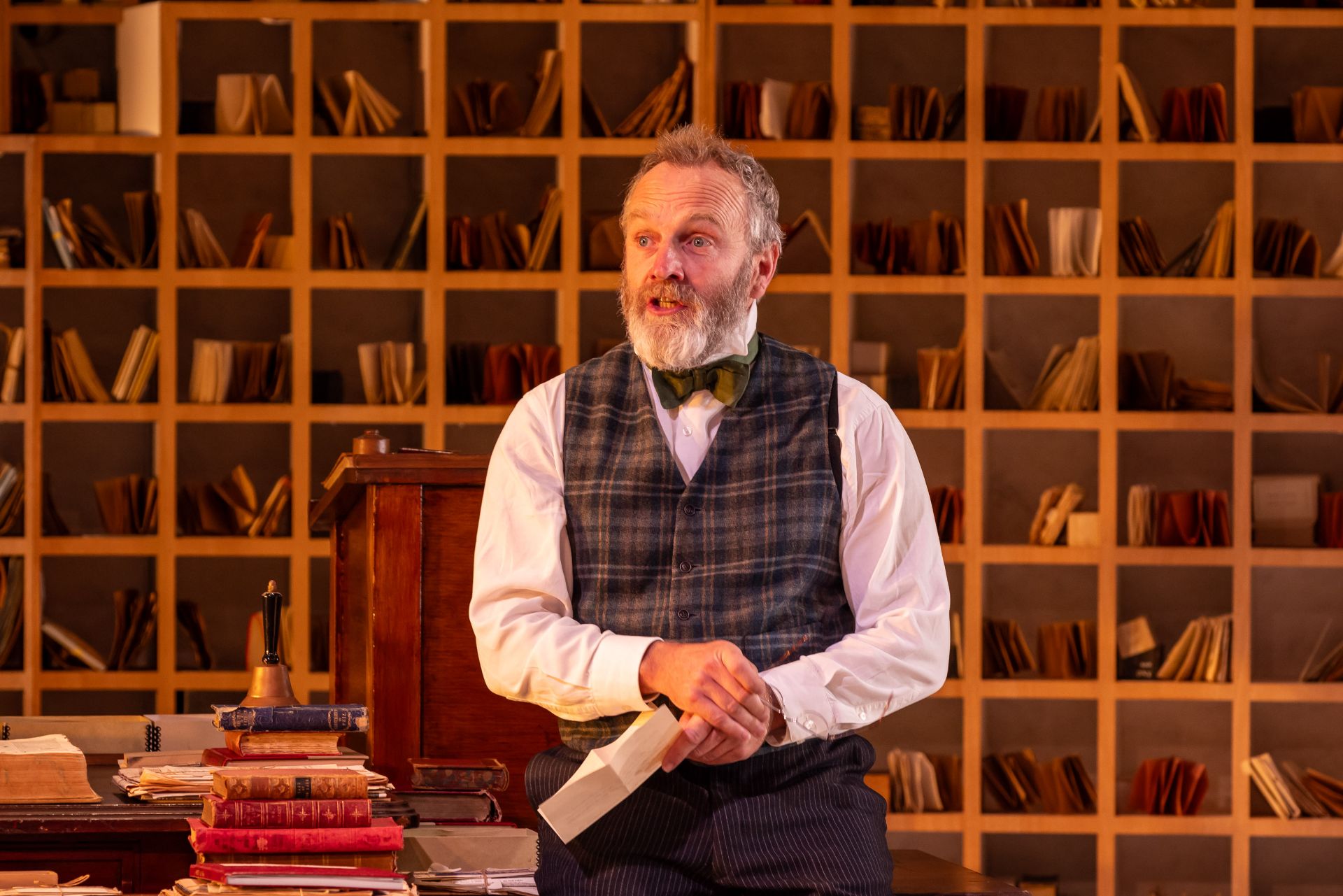
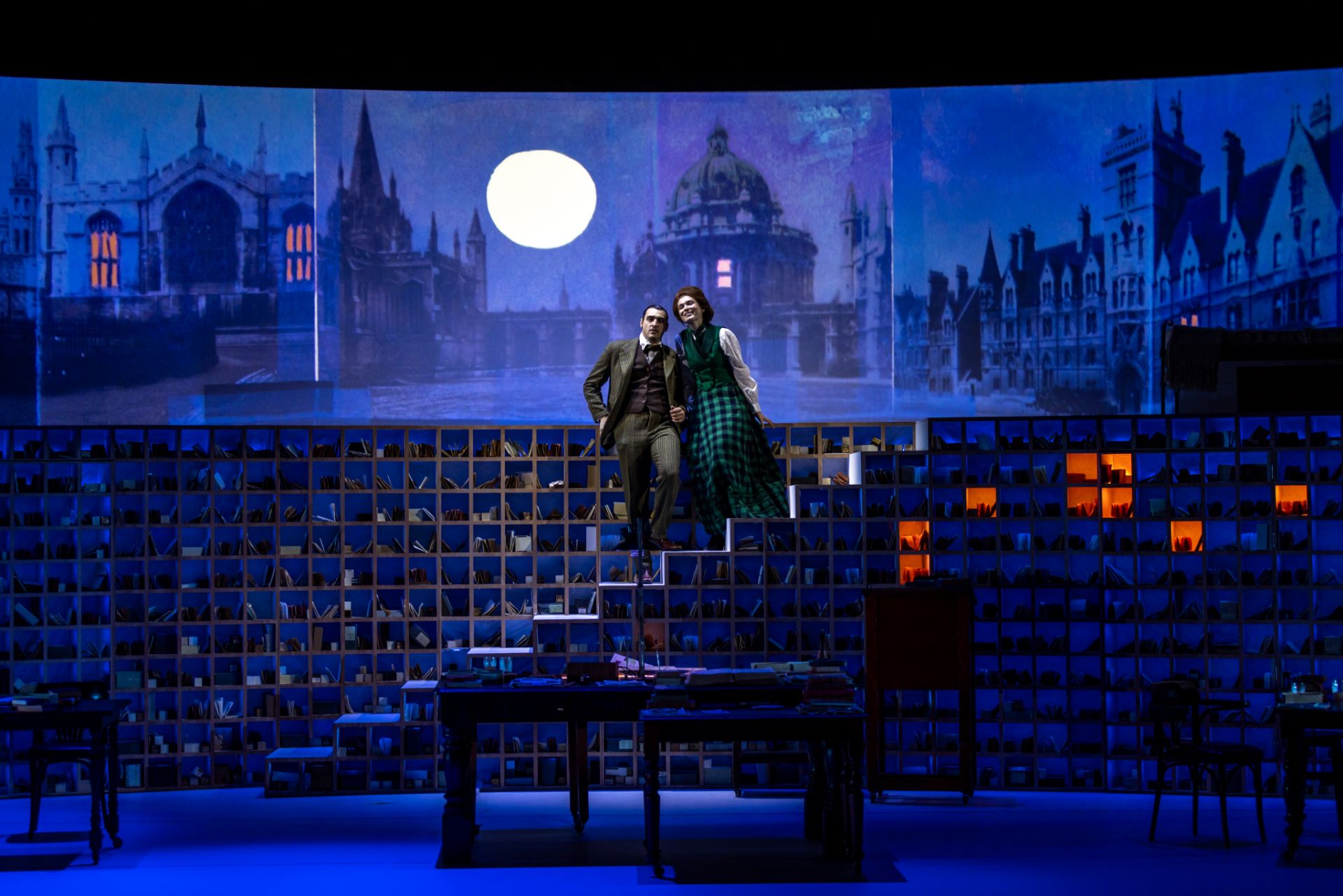
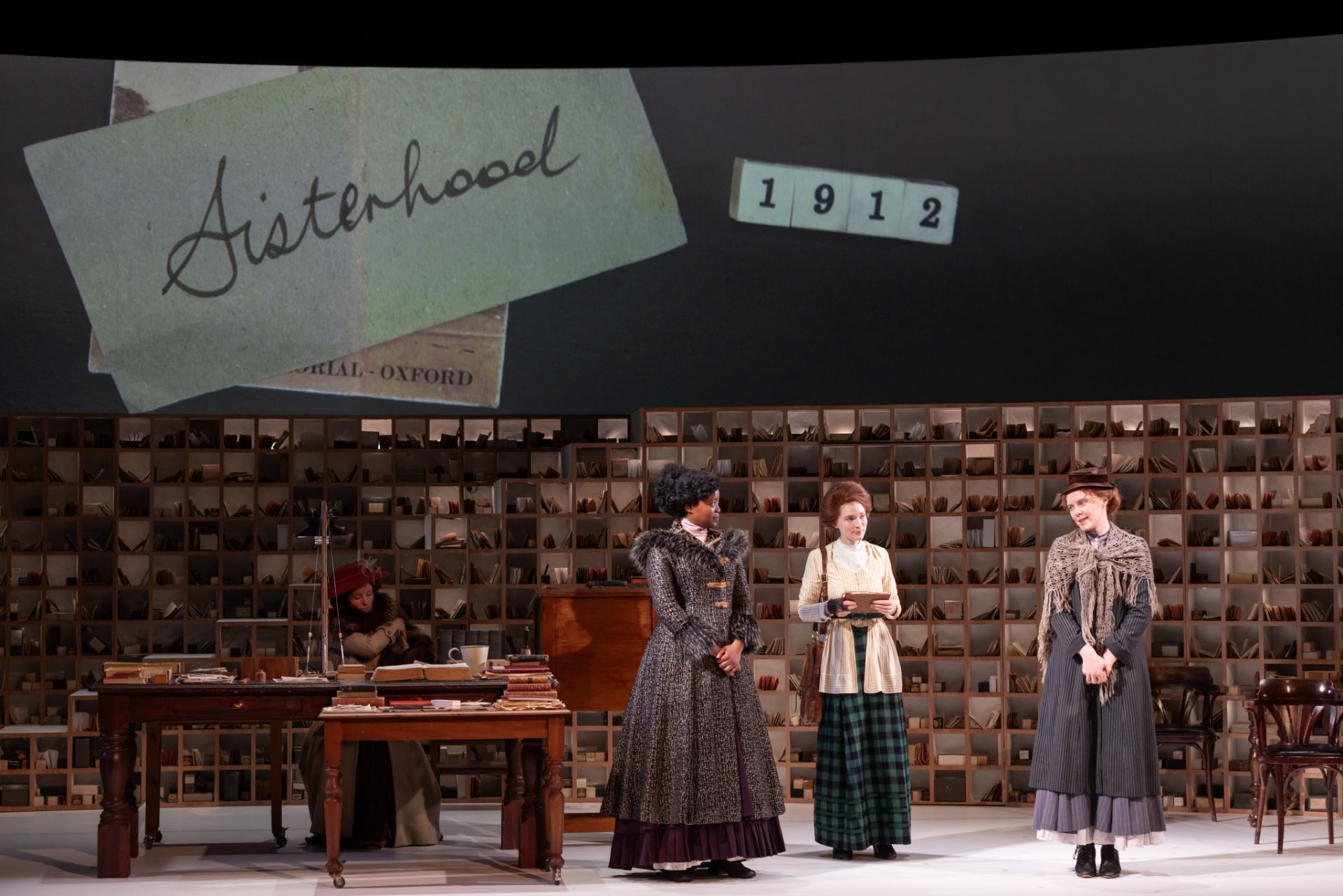
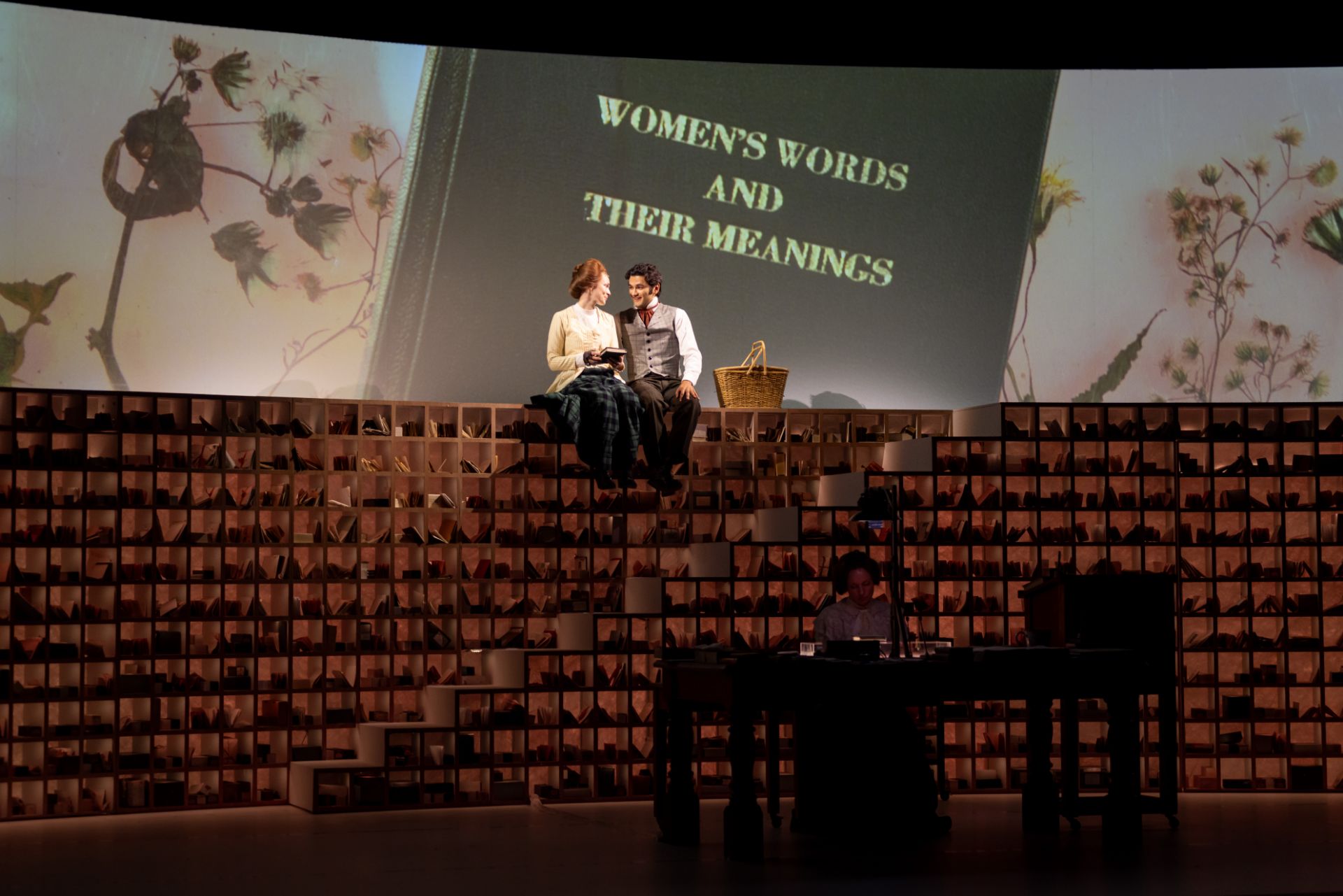
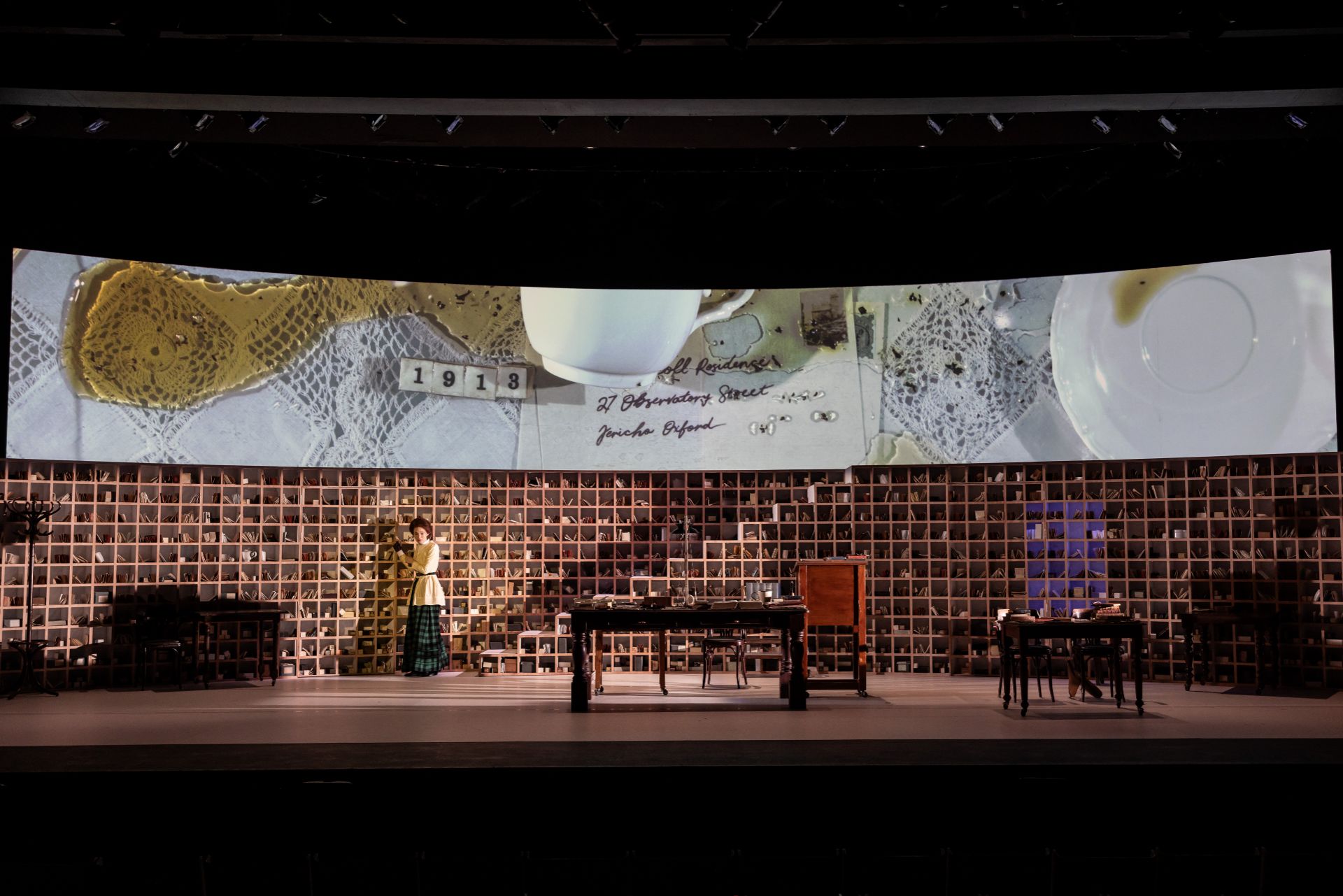
Set design by Jonathon Oxlade features hundreds of pigeon holes, guided by a narrative that discusses the nature of categorisation and organisation, so central to the ways we structure our societies. A projection screen occupies the entire top half of our vista, with helpful (although not always elegantly rendered) video supplementing the action. Ailsa Paterson’s costumes are appropriately conservative in their depictions of life in the Edwardian era. Lights by Trent Suidgeest are flattering and romantic, occasionally injecting a sense of drama to disrupt the general placidity. Music and sounds by Max Lyandvert add to the melancholy, unable to help with the lack of verve, but beautiful nonetheless.

The word “lost” in the title connotes inadvertence, that there is a certain lack of intention when classes and categories of people are excluded. This may be true on some levels, but the persistent refusal to address and amend these inequities only demonstrates a conscious choice of persisting with injustice. Esme does not present herself as a strident activist, she never partook in hunger strikes, or stood next to Emily Davison who in 1913 took to the race tracks in protest, only to be killed by the king’s horse. Regardless, individuals are always capable of making a difference, even if one is resolutely mild in temperament and constitution, every effort to identify our ills and turn them for the better, is how progress can happen.

www.sydneytheatre.com.au | www.statetheatrecompany.com.au

Review: Is God Is (Sydney Theatre Company)

Venue: Wharf 1 Sydney Theatre Company (Walsh Bay NSW), Sep 15 – Oct 21, 2023
Playwright: Aleshea Harris
Directors: Zindzi Okenyo, Shari Sebbens
Cast: Henrietta Enyonam Amevor, Clare Chihambakwe, Kevin Copeland, Masego Pitso, Cessalee Stovall, Darius Williams, Patrick Williams, Grant Young
Images by Pia Johnson

Theatre review

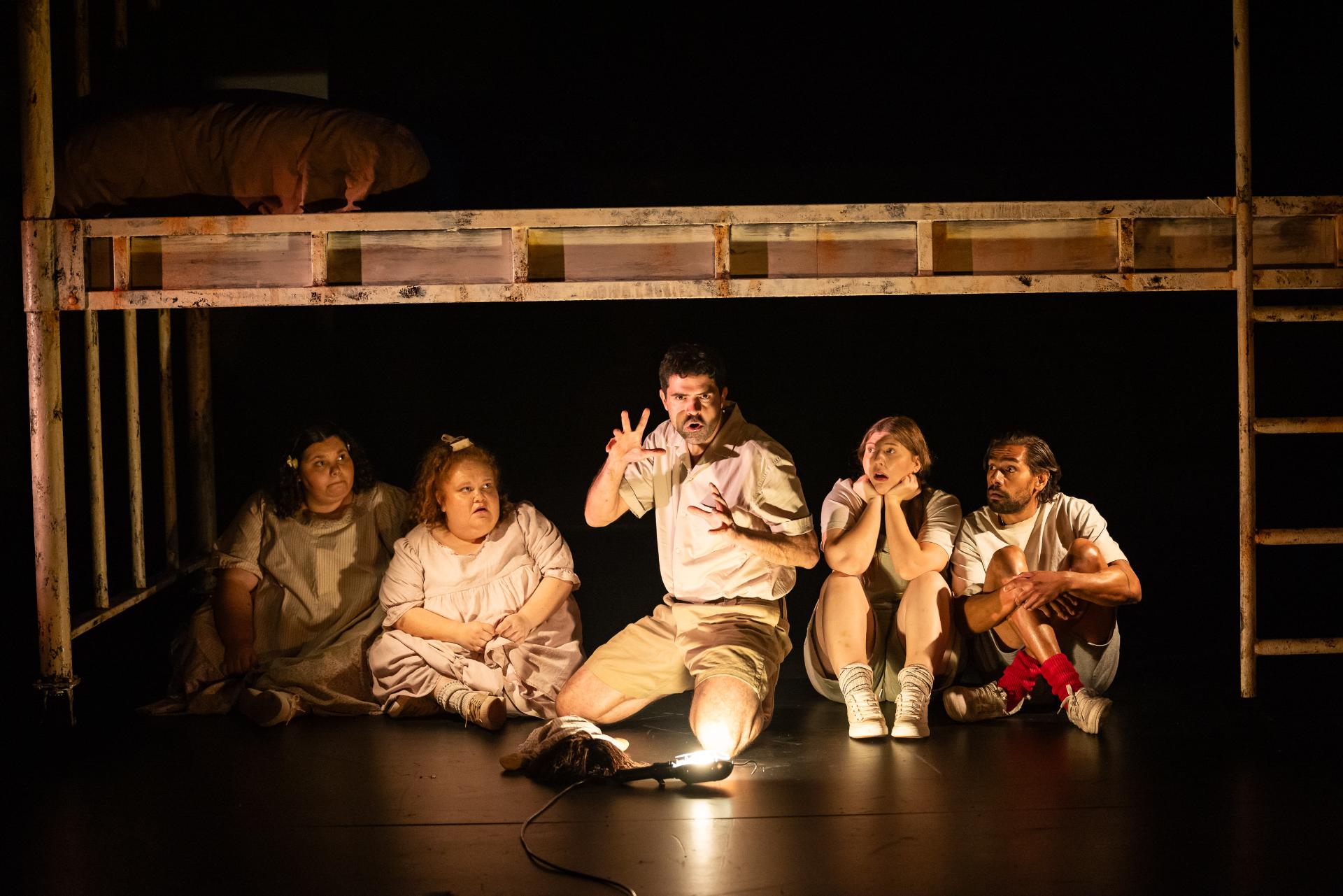
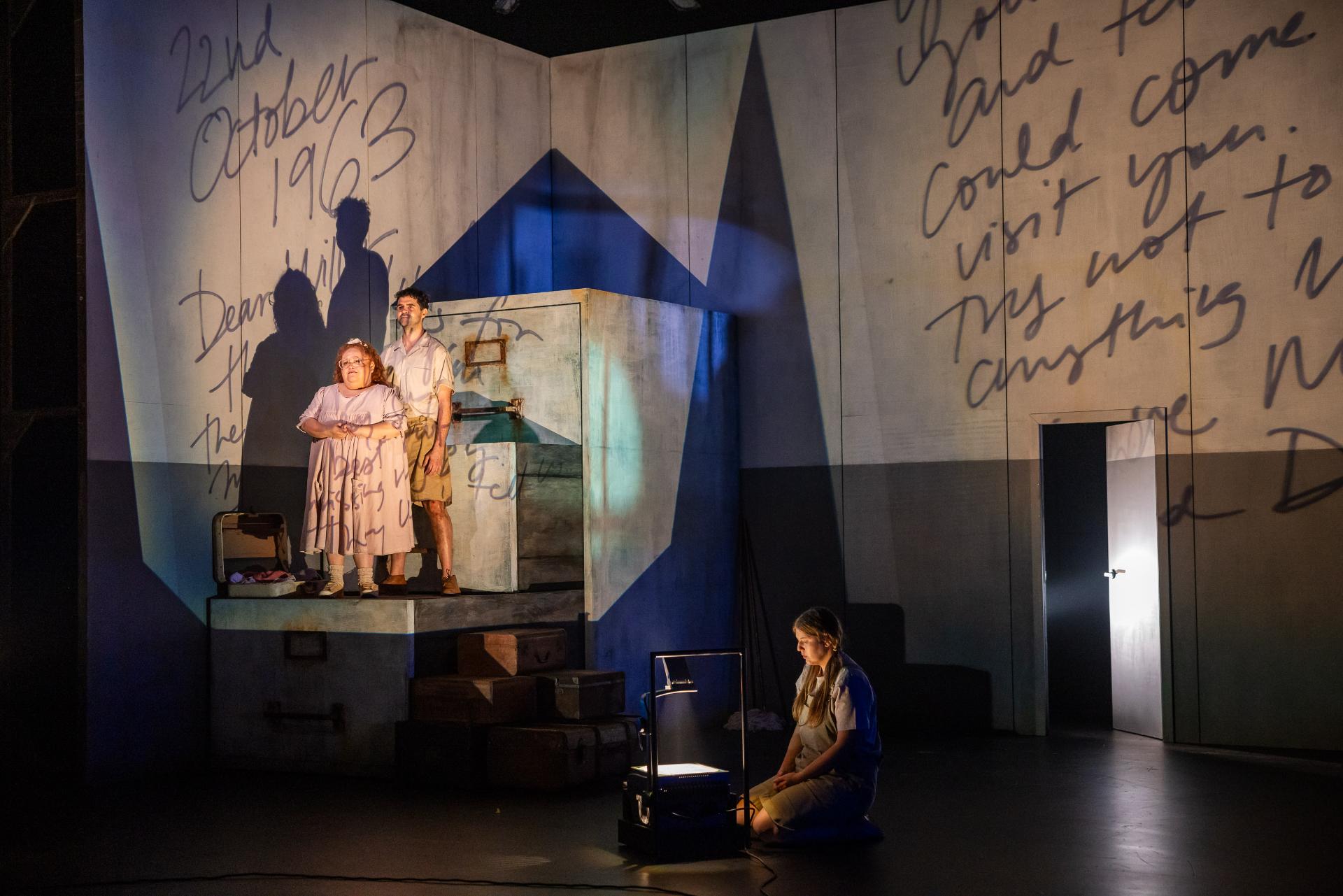
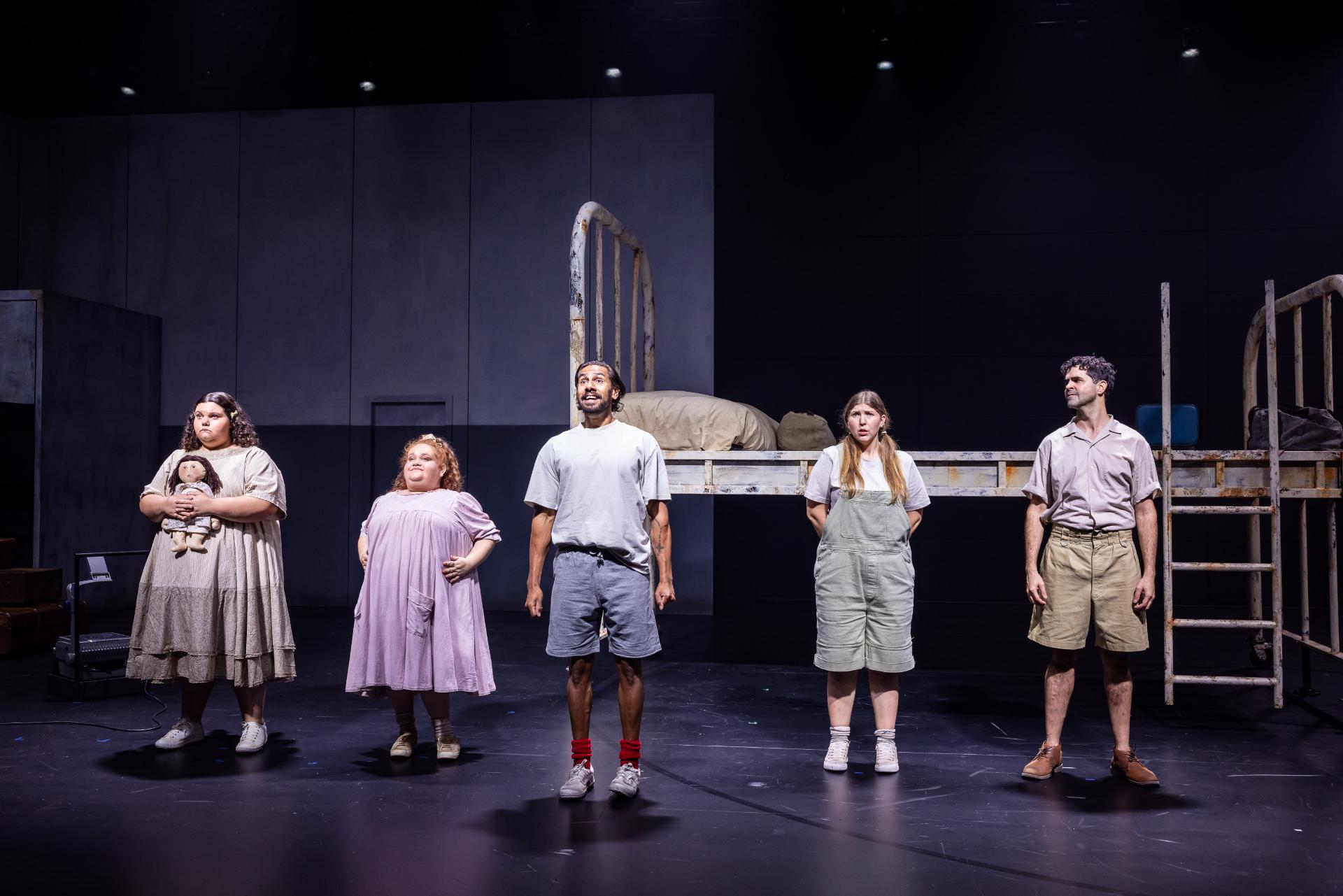
Racine and Anaia are heavily scarred, by cruel and neglectful parents who seem to know nothing about nurturing or caring for their children. Left to their own devices, the twin sisters can only understand the world as violent and savage, as we watch them embark on an odyssey of murder, in Aleshea Harris’ Is God Is. A revenge fantasy filled with wild imagination and scintillating humour, the play is both terrifying and hilarious, in its portrayals of wayward youth, unhinged femininity and recalcitrant Blackness. The United States have never looked so subversive.

Directed by Zindzi Okenyo and Shari Sebbens, Is God Is delivers delicious humour, keeping us on the edges of our seats with unpredictable characters, who prove to be truly and thoroughly intriguing. There is nothing normal about Racine and Anaia’s lives, and seeing things through their eyes, means a completely fascinating, and dangerous, experience.

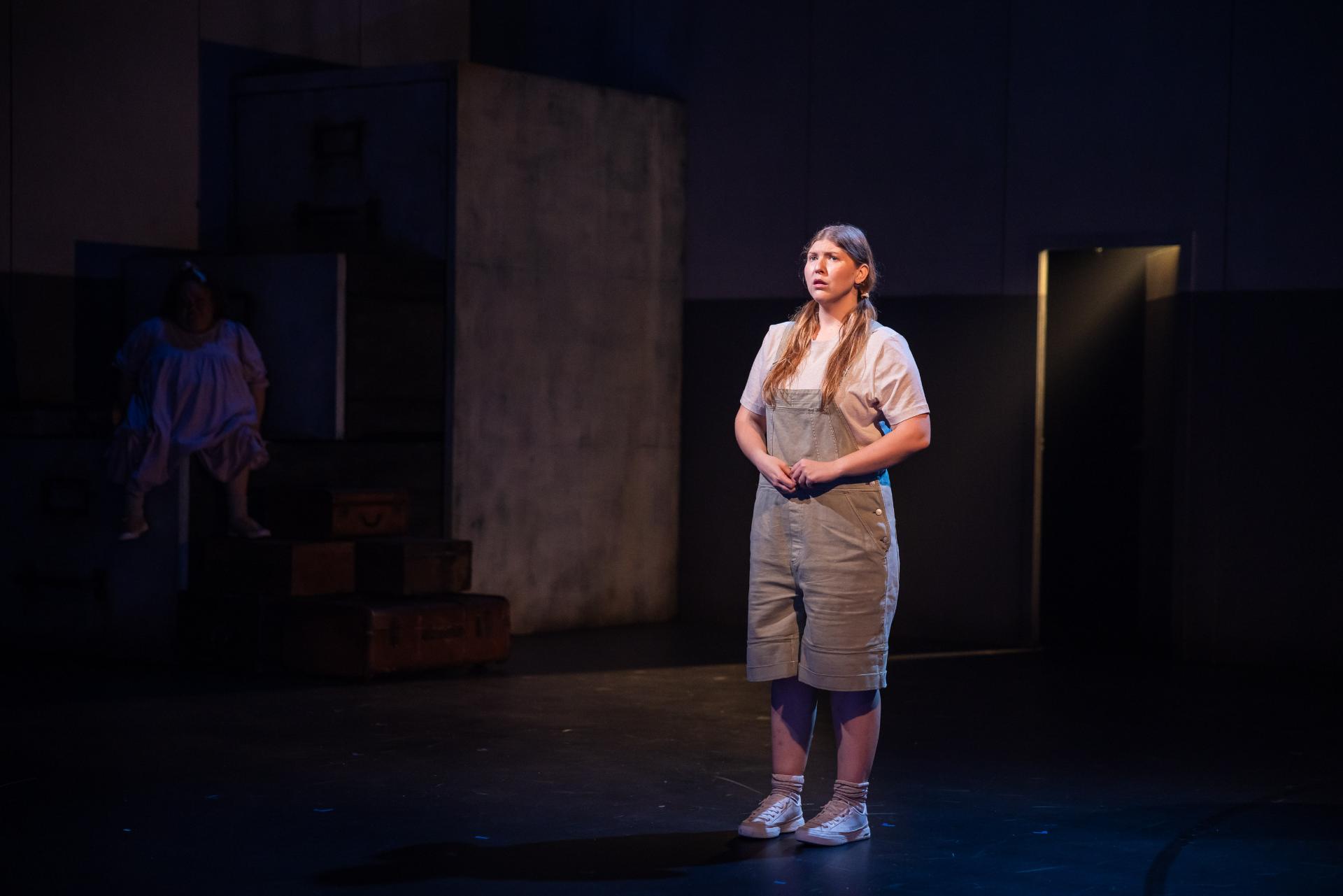
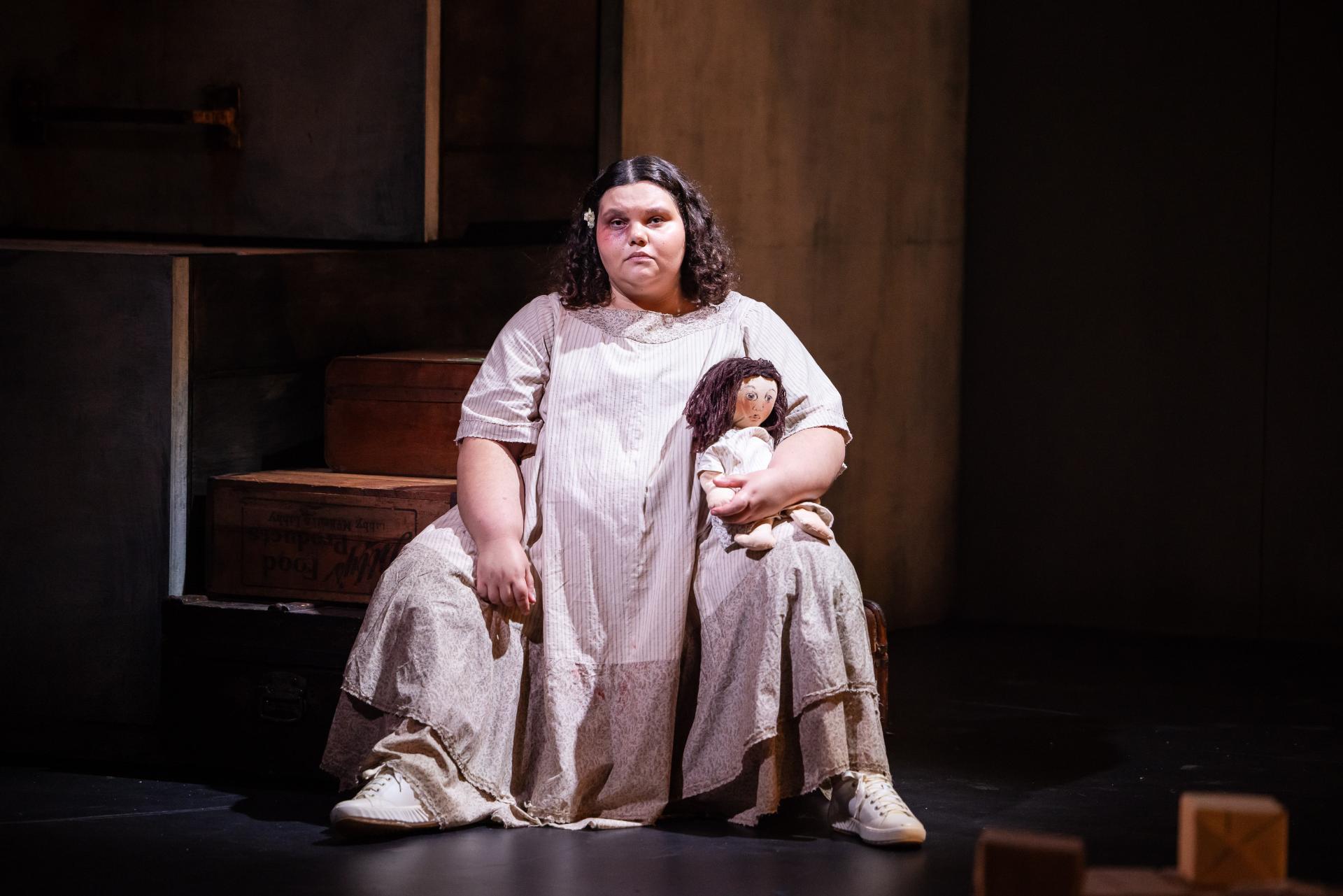
Costumes by Renée Mulder conjure imagery of ruined innocence, offering a childlike perspective, but one in a state of decay, as a constant reminder of the story’s despairing centre. Mulder’s set design involves a protean structure evoking notions of home, establishing for the production a whimsical style that draws parallels with the much more wholesome fare of juvenile television programming. Lights by Jenny Hector help manufacture drama, but is somewhat lacking when required to convey a sense of macabre during key moments of repugnance, for this occasion of genre theatre. Sounds and music are effectively rendered, by Joe Paradise Lui, to ensure that we navigate the varying tones of the production, as it slips and slides ever so subtly between comedy and horror.

Henrietta Enyonam Amevor and Masego Pitso play Anaia and Racine respectively, both actors vivacious and charismatic, able to blend naivety with brutality, for their confronting depictions of civilisation in disarray. The troubling pair’s mother is performed by Cessalee Stovall, who guides us to the truthful core of Is God Is, without sparing us the necessary discomfort of having to acknowledge the pain in that truth. Also remarkable is Darius Williams, who as the grandiose poet Scotch, gives us some of the biggest laughs, in a fabulous acerbic take on youthful and misguided masculinity. It is a marvellous cast, with each individual leaving an excellent impression with the complexities they introduce, along with the sheer entertainment they manufacture, for this very dark tale.

It only makes sense, that the most audacious fantasies should come from the most marginalised. Young, Black women are routinely underestimated, diminished and shunned. Being the very antithesis and embodiment of that which is pale, male, stale and therefore most highly valued, their perspective from a position diametrically opposite to the hegemony, is what will reveal the most of our ills. Is God Is may not choose to engage directly or explicitly with all our social issues, but just to have art of this nature materialise, is an indication of our capacity to shift, and a reminder that culture is always malleable.

www.sydneytheatre.com.au | www.mtc.com.au

Review: The Visitors (Sydney Theatre Company)

The Visitors is at the Opera House Drama Theatre from Sep 11 to Oct 14;
Riverside Theatres from Oct 19 to 21; and Illawarra Performing Arts Centre from Oct 25 to 28.

Venue: Sydney Opera House (Sydney NSW), Sep 11 – Oct 14, 2023
Playwright: Jane Harrison
Director: Wesley Enoch
Cast: Joseph Wunujaka Althouse, Luke Carroll, Elaine Crombie, Kyle Morrison, Guy Simon, Beau Dean Riley Smith, Dalara Williams
Images by Daniel Boud

Theatre review
Foreign boats have been making increasingly frequent trips to these shores, and our inhabitants are beginning to worry about their intentions. Seven clans have sent representatives to a meeting, to decide on a course of action; they must consider whether to be hospitable, or to demand the intruders’ departure. Jane Harrison’s extraordinary The Visitors can be thought of as a seminal work, undeniably important in its reflections about our final fateful days before colonialism.

Instead of abject despondency, which is an entirely appropriate attitude for this subject, Harrison’s play is dignifying, replete with intelligent humour, and often charmingly wistful in its depictions of an Aboriginal past. It takes us on a meditation of our history and its consequences, reaching a powerful conclusion that affirms and honours Indigenous sovereignty. There are endless themes we can explore in our art, but this issue of land ownership and of First Nations independence, must surely be paramount, in any of our discourse upon these terrains.

Wesley Enoch’s salient direction of the piece, makes the action feel as though it all happened just yesterday. The point being made is unambiguous and robust, and the show is emphatically inclusive of every viewer, in these pertinent investigations about the people we are. An outstanding cast of zealous actors demonstrate unequivocally the resilience and the indomitability of the communities that they represent so gloriously. Their chemistry is immaculate, in a show that speaks with a beautifully harmonious sense of solidarity. Especially noteworthy is Luke Carroll, who as Gordon, brings the production to a riveting emotional peak, so that we leave with absolute certainty about how we are to proceed, with out private and political lives.
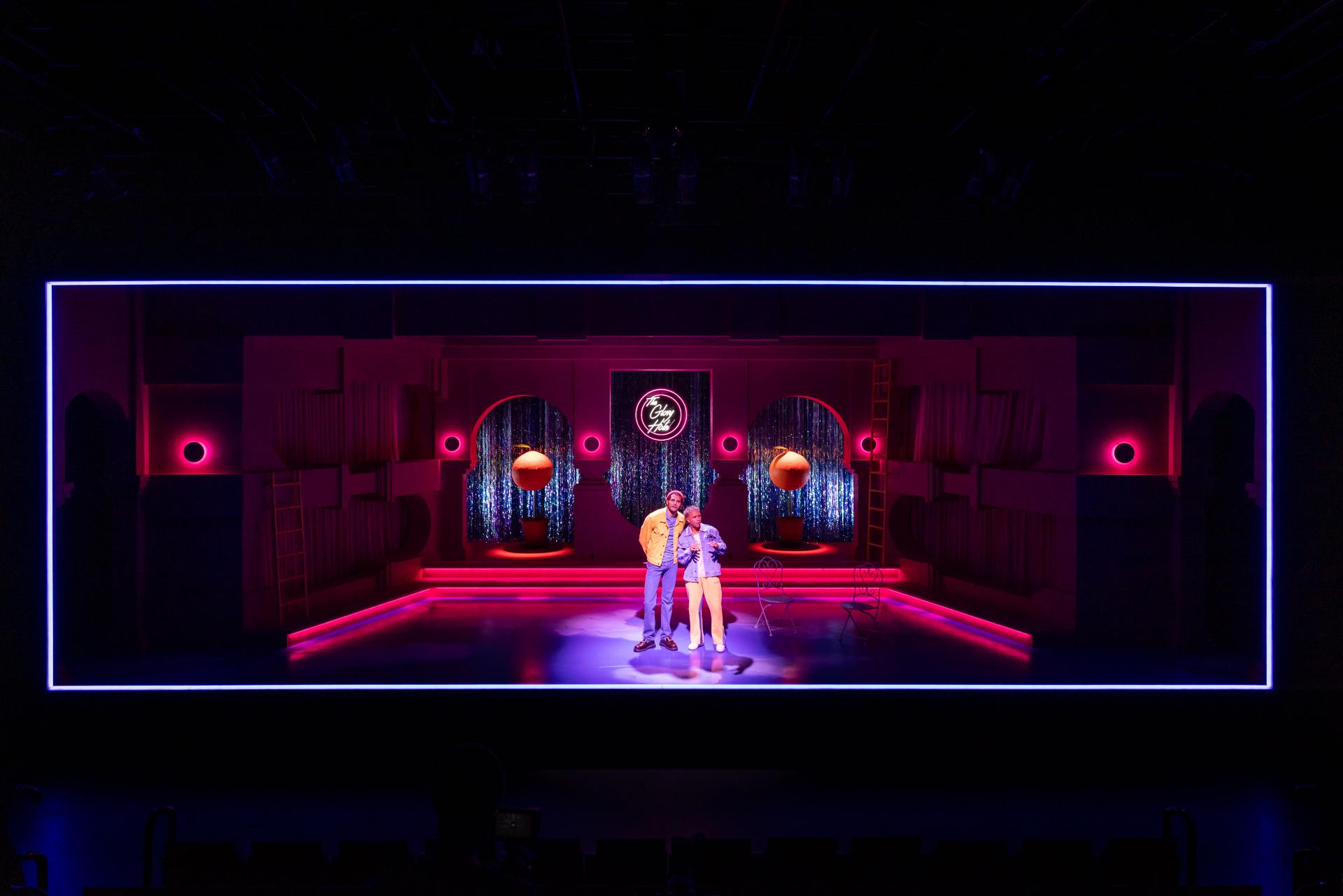
Production design by Elizabeth Gadsby provides a juxtaposition of native and alien, in a way that inspires greater complexity to how we may choose to conceive of this iteration of the colonial experience. The unmistakably Western mode of dress is challenging, but valuable as a reminder of the hegemony under which we are conducting these discussions. The set pays tribute to the sacred quality of our landscape, persistent and eternal. Lights by Karen Norris take us somewhere ethereal, satisfying in the lyricism it evokes, to have us longing for a place that is magical in its simultaneity of being both distant and immediately accessible. Brendon Boney’s sounds and music are restrained to start, effective at facilitating our imagination of a precursive, more natural existence, but gains in intensity for the final minutes, to ensure our exhaustive investment into The Visitors‘ core intentions.

We may not be able to revert to a moment of origination, to undo every injustice, but we can always choose to forge better paths ahead. Our trajectory if left unchecked, will continue with its project of dispossession and division, exacerbating the many regretful situations we currently find ourselves. Humanity is capable of both benevolence and malevolence, and either way we choose to make our decisions, we must know that harm unto others, will always have unwitting reverberations that return to those determined to be callous and mercenary.
www.sydneytheatre.com.au | www.moogahlin.org

Review: The Importance Of Being Earnest (Sydney Theatre Company)

Venue: Roslyn Packer Theatre (Sydney NSW), Sep 5 – Oct 14, 2023
Playwright: Oscar Wilde
Director: Sarah Giles
Cast: Gareth Davies, Melissa Kahraman, Lucia Mastrantone, Brandon McClelland, Sean O’Shea, Emma O’Sullivan, Bruce Spence, Helen Thomson, Megan Wilding, Charles Wu
Images by Daniel Boud

Theatre review
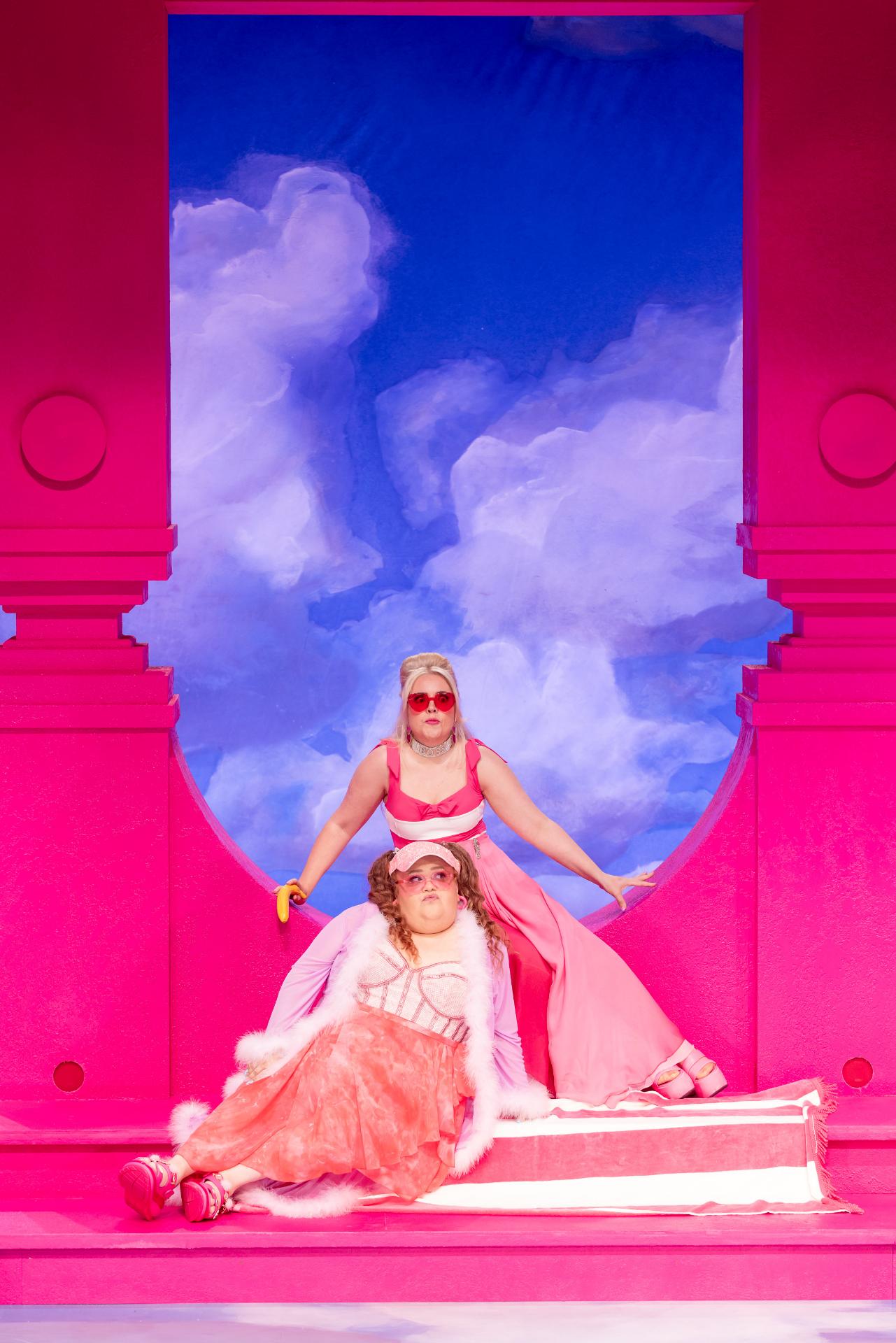
Gwendolen and Cecily have waited all their lives to marry a man, any man, named Earnest. That peculiar requirement for a beau is taken very seriously by both young women in Oscar Wilde’s The Importance of Being Earnest, not only for the absurd comedy that ensues, but also for the ways in which heteronormativity is exposed for the preposterous standards it imposes on a person’s worth, and the irrational priorities it proliferates for how people are supposed to conduct their affairs. It attacks the very notion of marriage as the foundation of family and of society, from a queer perspective, at a time when queer voices could only be heard when disguised as harmless fun.
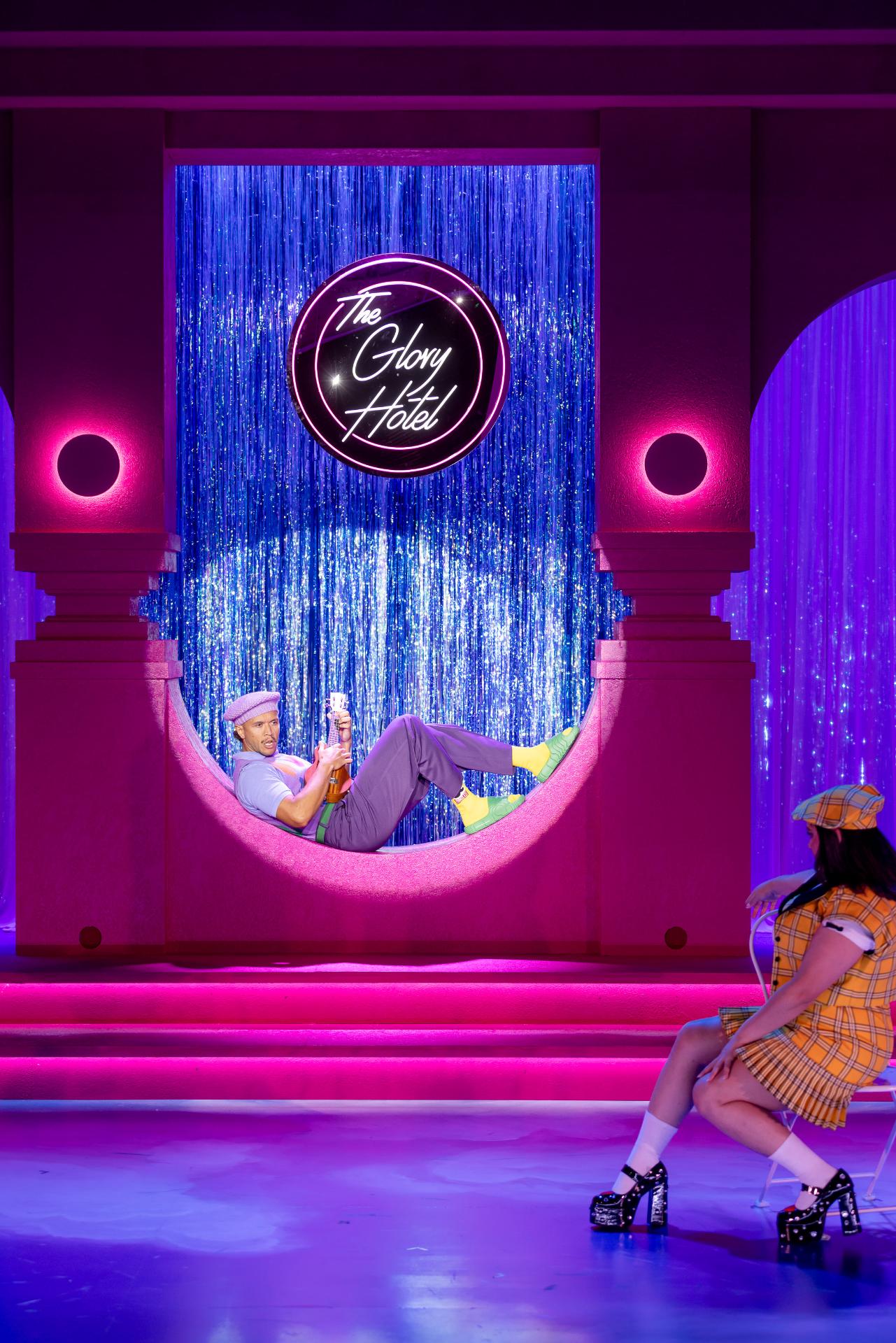
Indeed, the politics of Wilde are surreptitiously concealed in his work, not quite able to chastise or subvert in overt ways, the values of a culture that cause immeasurable harm to those it marginalizes, but certainly successful at ridiculing beneficiaries of inequitable power structures, who insist on presenting benign or even benevolent fronts. Director Sarah Giles takes inspiration from the furtive implications of Wilde’s writing, and gives meaningful amplification to the subtext that underscores Earnest, thereby imbuing the production with unexpected substantiveness. It seems Earnest always did contain consequential depth, but it takes someone of Giles’ calibre to help us perceive it.

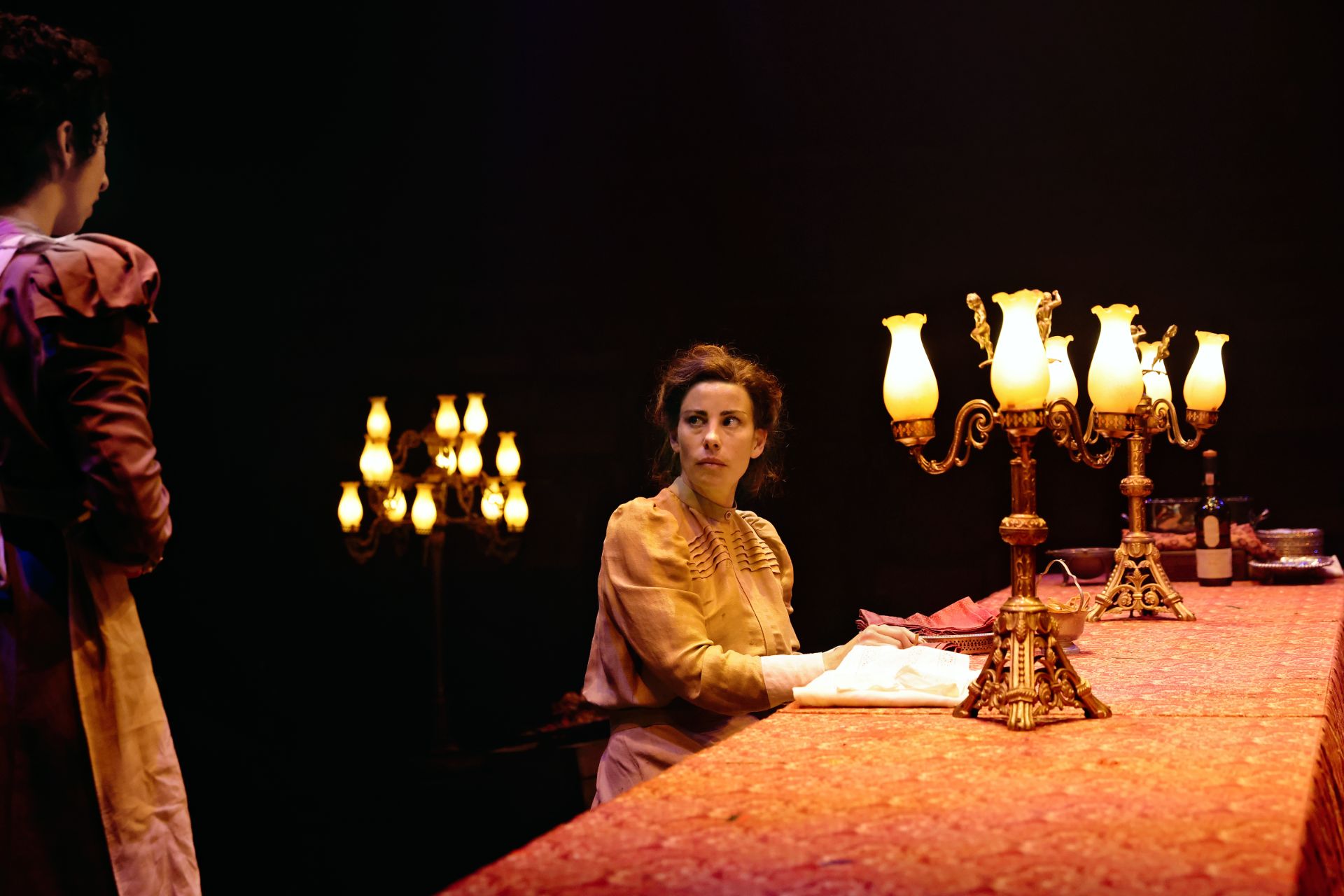
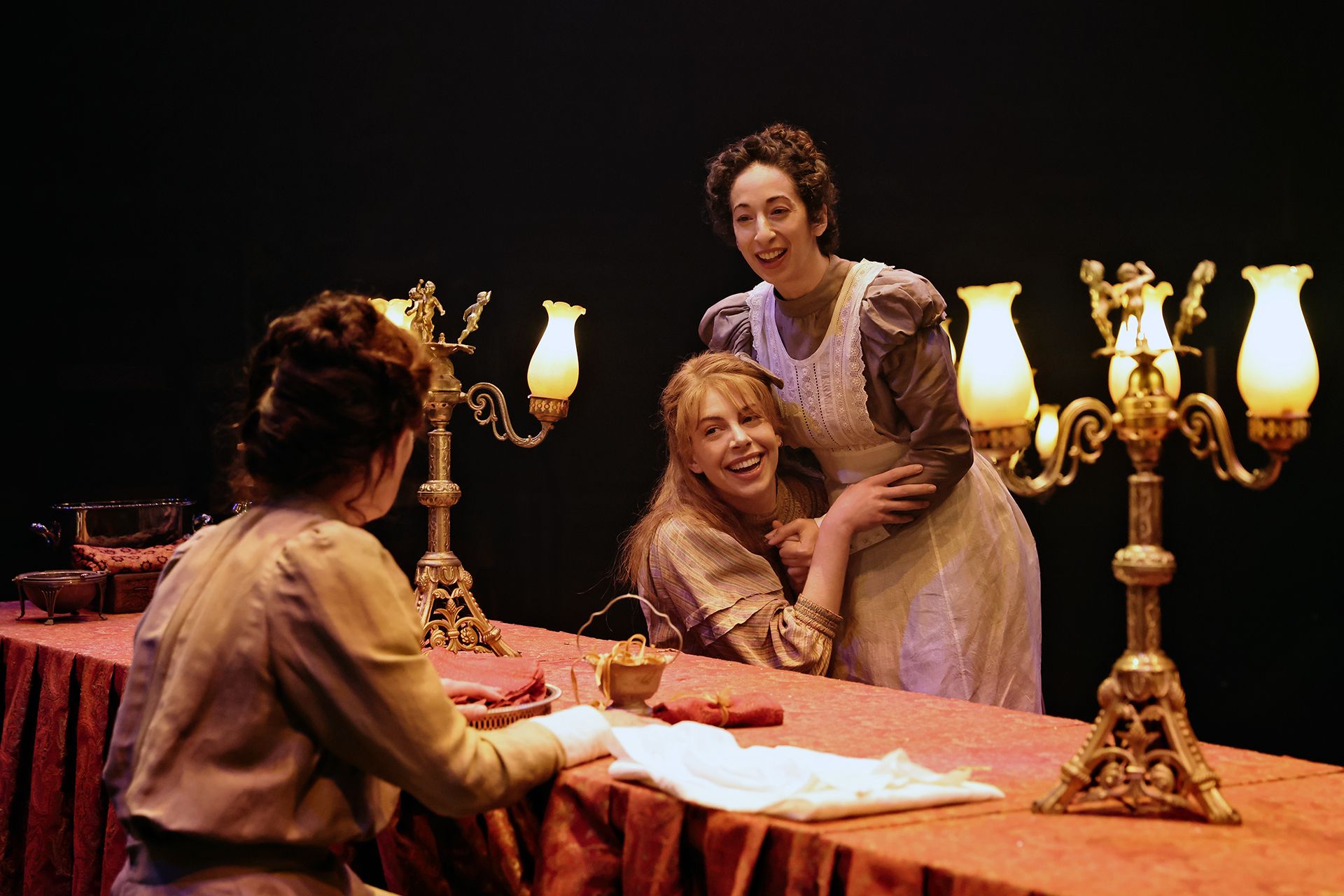
Set design by Charles Davis incorporates the “downstairs” of Victorian stately homes, boldly revealing that which is traditionally and routinely suppressed. There is a grandeur to the imagery Davis has created that is quite breathtaking, with a memorable transition from town house to country estate, that proves absolutely spellbinding. Costumes by Renée Mulder too are unforgettable, extreme in their indulgence with visual flamboyance to deliver simultaneously, the theatrical joys of humour and of glamour, giving further expression to the fundamental queer sensibility that informs Earnest. Lights by Alexander Berlage and sounds by Stefan Gregory are more restrained, but no less measured, in a production that scores top marks with its design elements.

Actor Megan Wilding is a sensation as Gwendolen, infinitely creative and unequivocally hilarious with all the meticulous considerations she brings to the stage. Every inflection of voice and every perfectly timed gesture, not only induce fits of laughter, they serve to illustrate marvellously the personality being portrayed, and to ensure our engagement with the overall narrative. Lady Bracknell is played by Helen Thomson whose awe-inspiring sense of grandiosity is both comical and convincing, in order that we may stay firmly within the story, whilst we relish in her effortless manipulations of allure, sass and wit. The eponymous Earnest is appropriately sincere and passionate, as performed by an eminently compelling Brandon McClelland, who is as adept at making the role believable, as he is at giving us a funny character. There is however a glaring discrepancy in levels of hilarity being rendered, between members of this ten-player cast; all are undoubtedly accomplished, but some are clearly disproportionately persuasive, in a presentation that seems to turn into a competition for amusement.

Camp, as a style and as a political symbol, takes centre stage in this version of Earnest. It is not merely a device that emerges in opportune moments. It is pivotal to how we experience the show, and how we make sense of the same machinations undergirding the personalities on stage, that also rule our real lives. The illogicality of Wilde’s characters is heightened, and camp is thereby used to force an unmasking of the many things representing esteem and privilege, that are truly hollow. We are made to perceive concurrently that which is bad, along with how it is perversely favoured, in so much of how we live. In campness we can pretend to adhere and obey, as though we are laughing with, but in fact some of us in the gutter, are laughing at.

www.sydneytheatre.com.au

Review: Constellations (Sydney Theatre Company)

Venue: Wharf 1 Sydney Theatre Company (Walsh Bay NSW), Jul 29 – Sep 2, 2023
Playwright: Nick Payne
Director: Ian Michael
Cast: Johnny Carr, Catherine Văn-Davies
Images by Prudence Upton

Theatre review

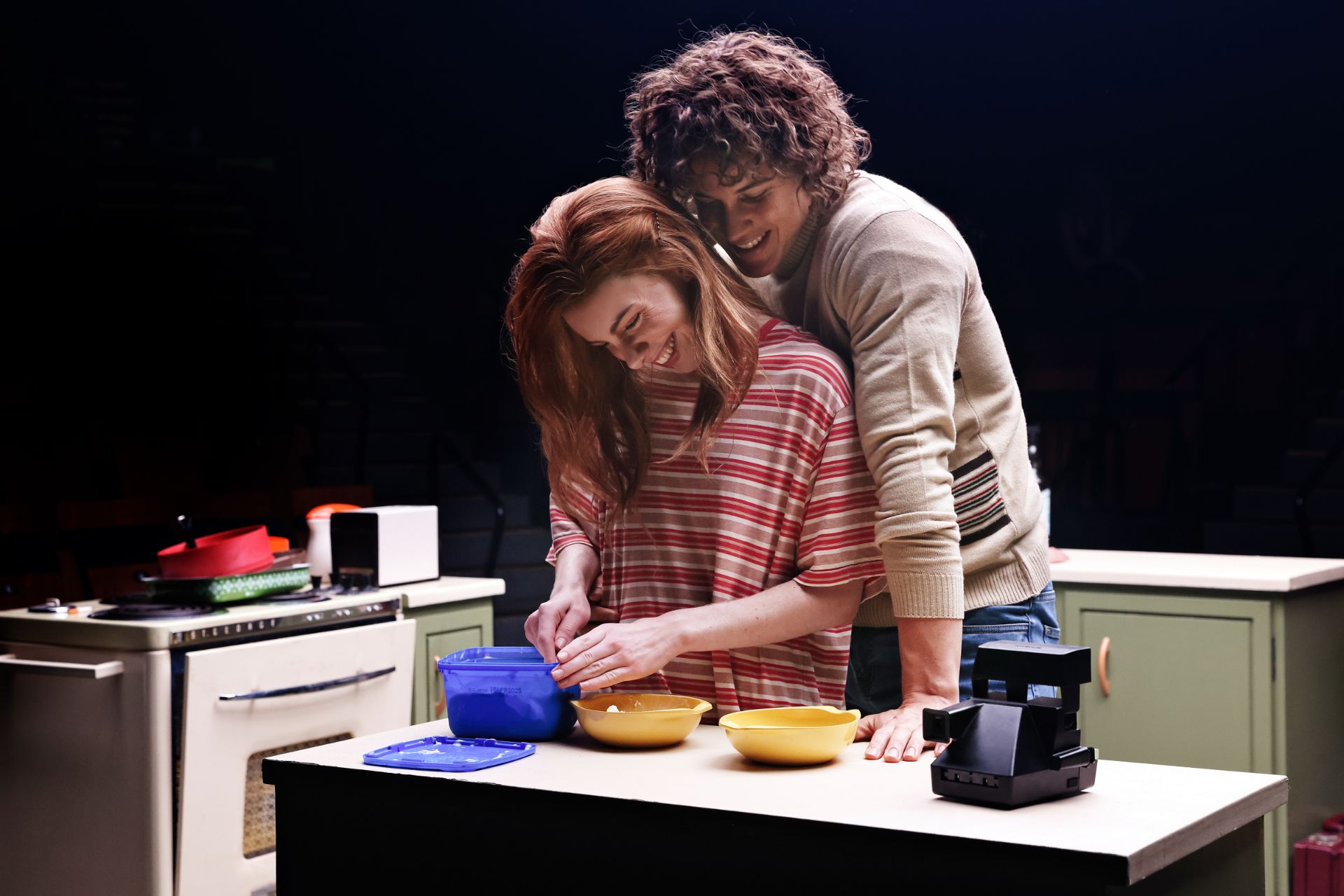
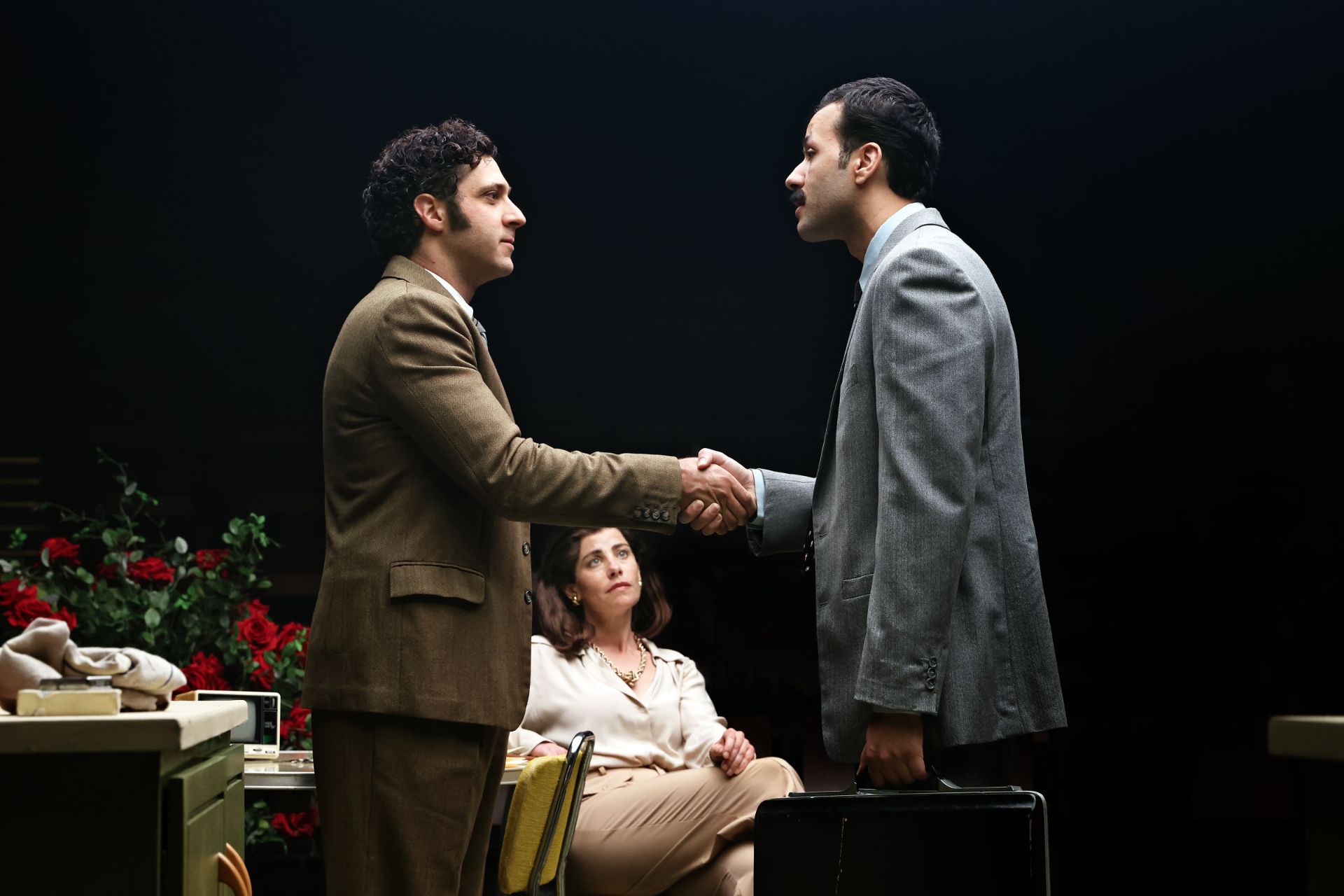
The one certainty in Nick Payne’s Constellations, is that Marianne and Roland met one fateful day. Whatever happened thereafter, becomes a series of infinite and random configurations, in a play that explores the nature of consequence, and the idea of boundless possibilities. Things could have ended between the two after a single exchange, or a lifetime of connectedness could have eventuated, or indeed a myriad of combinations in between. Maybe all that can be imagined, does in fact take place simultaneously, in a world that is much bigger, much less ordered and linear, than we usually believe to be true.

Unequivocally intellectual, Payne’s writing is also witty and heartrending, offering the stage opportunities for a theatre that engages both mind and soul. Directed by Ian Michael, all of Constellations‘ immense potentialities are realised, in a production that absolutely captivates, to deliver an experience satisfying on every level, and leaving its audience deeply contented yet full of wonderment, newly curious about our planes of existence. Furthermore, as a work of classic drama, Constellations is intensely moving in its rendering of a love story, but also consistently and effortlessly funny, in many comedic moments that Michael instils exactingly, yet with an unmistakable lightness of touch.

Designed to perfection, the show features a glorious set by Isabel Hudson that is sure to take one’s breath away, from the very first encounter upon entering the auditorium. Dark gleaming surfaces depict characters in timelessness, floating as though representing both the material and immaterial, in a play that ventures inevitably into esoteric spaces. Benjamin Brockman’s spectacular lights coax responses from our emotions and senses, in the most detailed ways, ensuring  that heads and hearts follow each step of the complex plot, never for a moment disengaging from the presentation. Music and sounds by James Brown bring sublime beauty to the show, along with depths of profundity that the body understands more than the cerebrum, allowing enjoyment and appreciation of the show to extend viscerally.

The seamless collaboration between all aspects of the staging, is incredible to witness, including the two extraordinary performers, whose unsurpassed generosity and integrity, make Constellations unforgettable. As Roland, actor Johnny Carr brings interpretations and impulses that feel entirely natural, to a text notable for its abstractions. Every vacillating scenario is made believable and rational, with an unabating charisma that keeps us endeared to each mutation of the story. The mesmerising Catherine Văn-Davies is interminably dynamic in the role of Marianne, brilliantly inventive with each refreshed delivery of dialogue, physically manifesting the infinitude that is so resolutely central to the text. The sentimental dimensions of the play are crucial to sustaining our engrossment, and Văn-Davies’s commitment to portrayals of human vulnerability keeps us riveted to the unusual storytelling. Above all, it is the extraordinary chemistry between both players that makes this theatrical moment a special one, with a partnering that invites us to perceive love as an entity beyond conventional prescription. We are as magnificent as we allow ourselves to envision.

The gravity we bear in navigating life is partially tangible, and partially in the mind’s eye; there are portions more real and portions mutable. Finding ways to dissolve the boundaries that constitute meanings of selves, or in other words, to free oneself from definitions that necessarily impose constrictions, is to release the self to an expansiveness that must mean exaltation and peace. Constellations could be seen as a meditation on zen doctrines, or at least be a key to one instance of bliss.

www.sydneytheatre.com.au