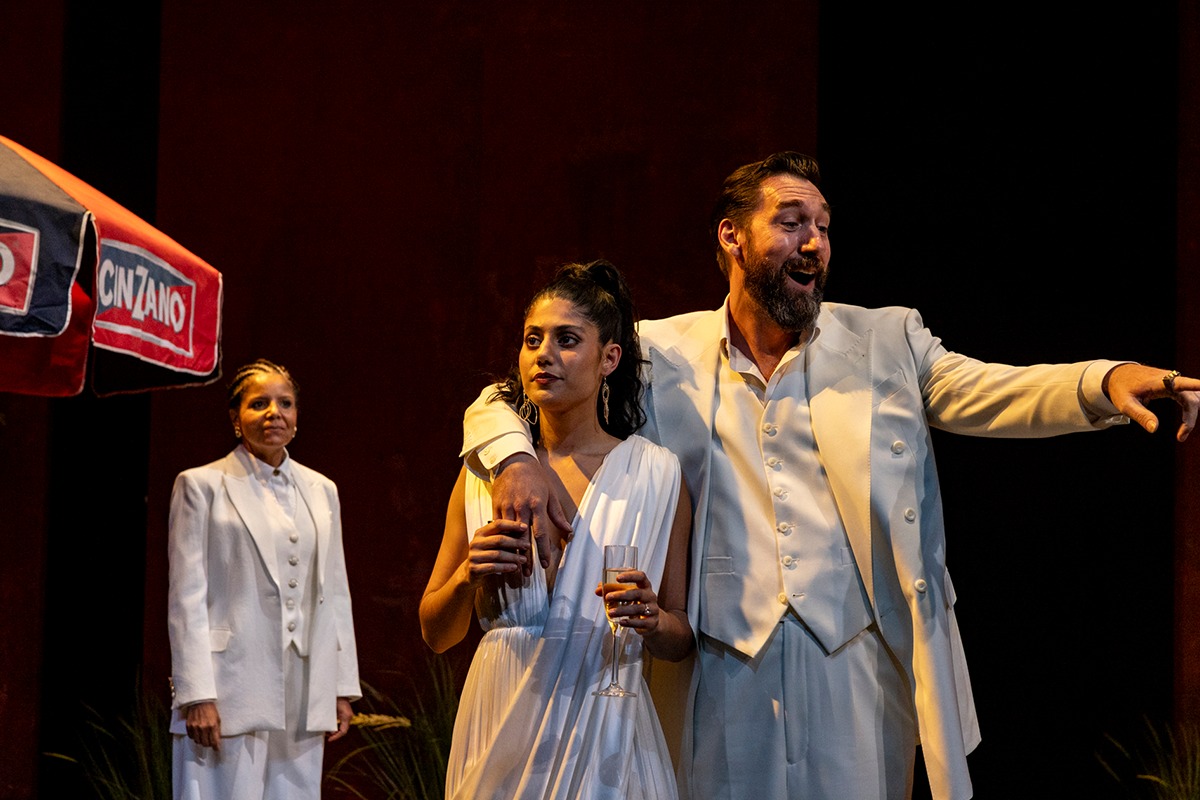
Review: The Shiralee (Sydney Theatre Company)

Venue: Sydney Opera House (Sydney NSW), Oct 6 – Nov 29, 2025
Playwright: Kate Mulvany (from the novel by D’Arcy Niland)
Director: Jessica Arthur
Cast: Stephen Anderson, Paul Capsis, Lucia Mastrantone, Josh McConville,  Kate Mulvany, Aaron Pedersen, Ziggy Resnick, Catherine Văn-Davies
Images by Prudence Upton

Theatre review
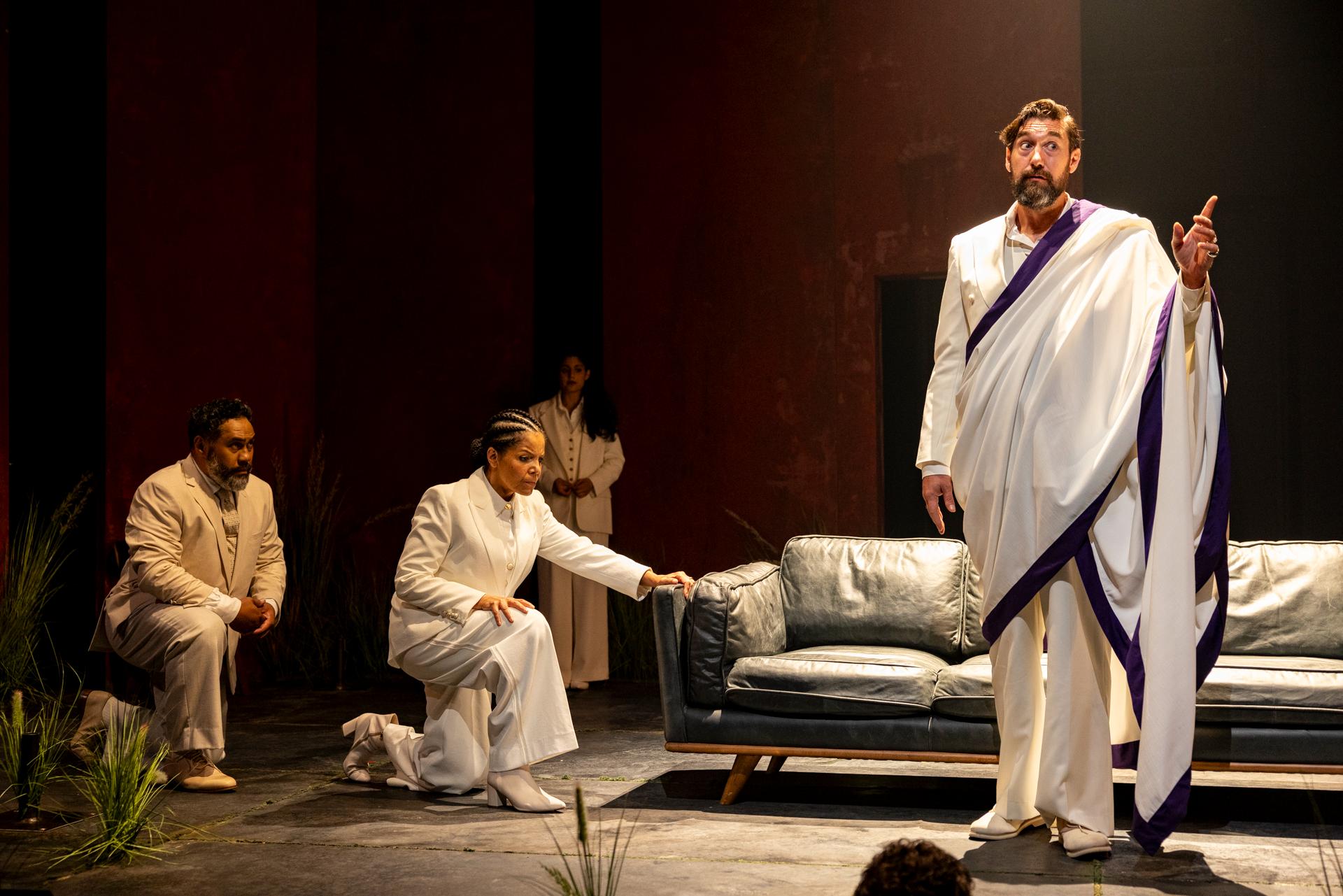
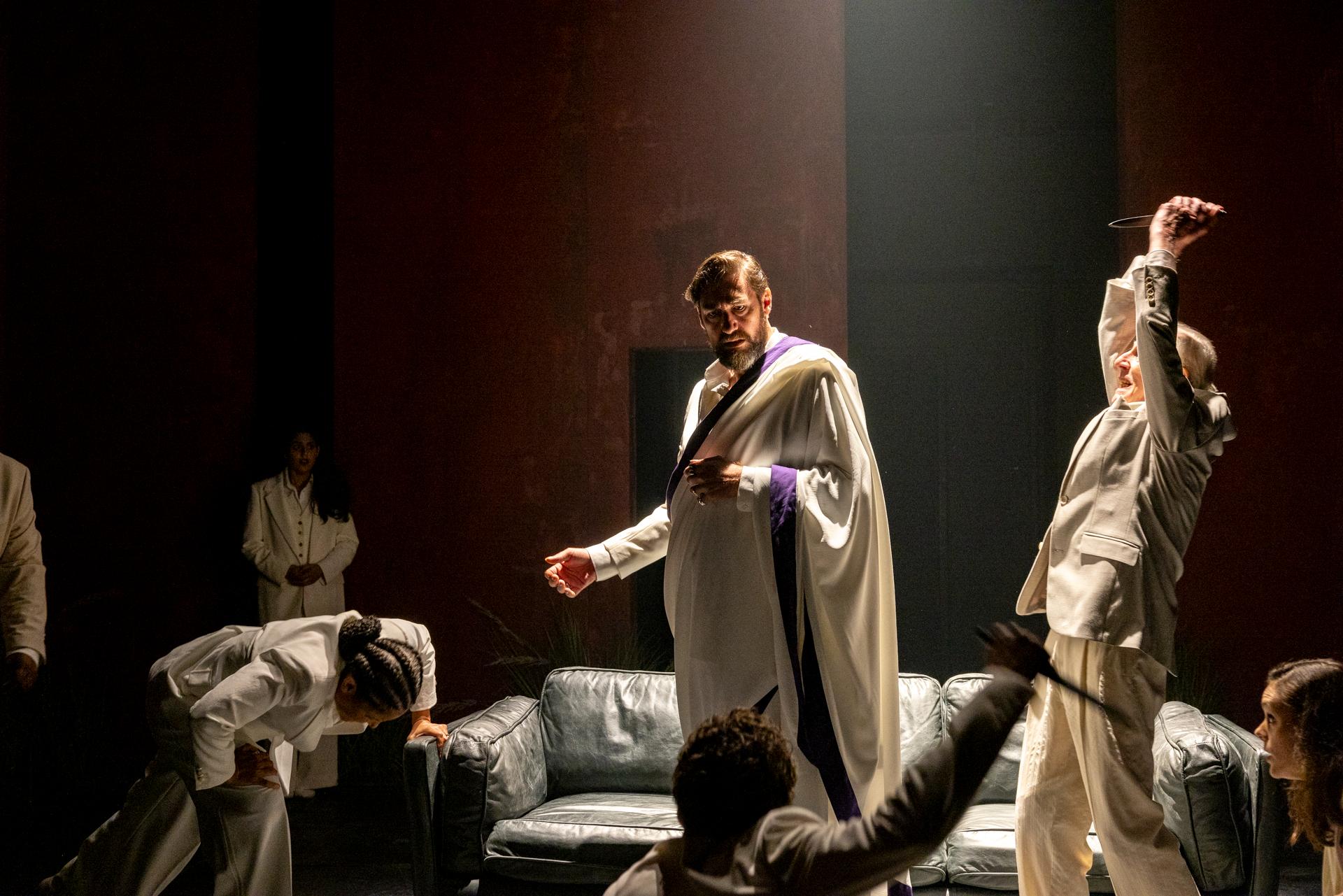
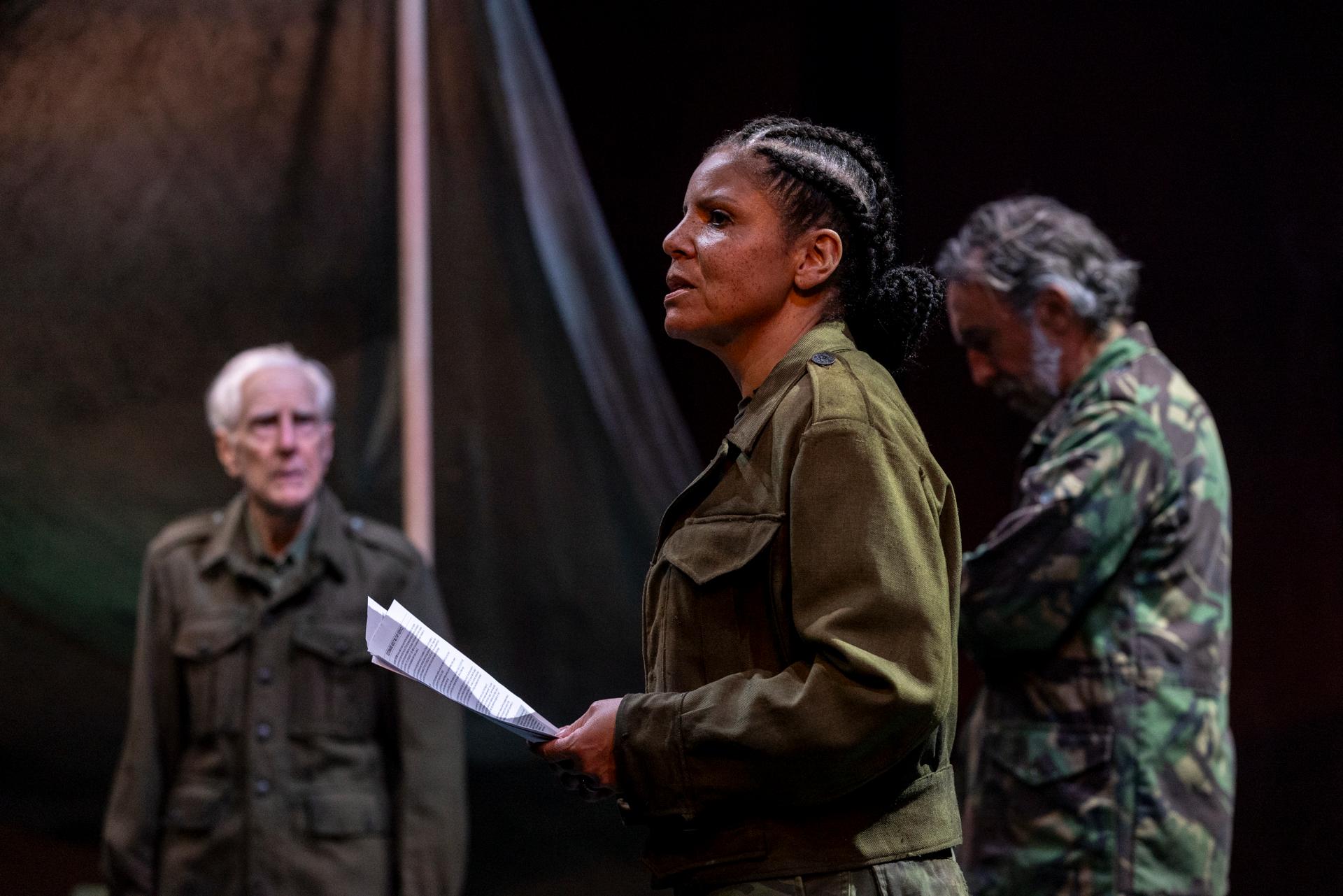
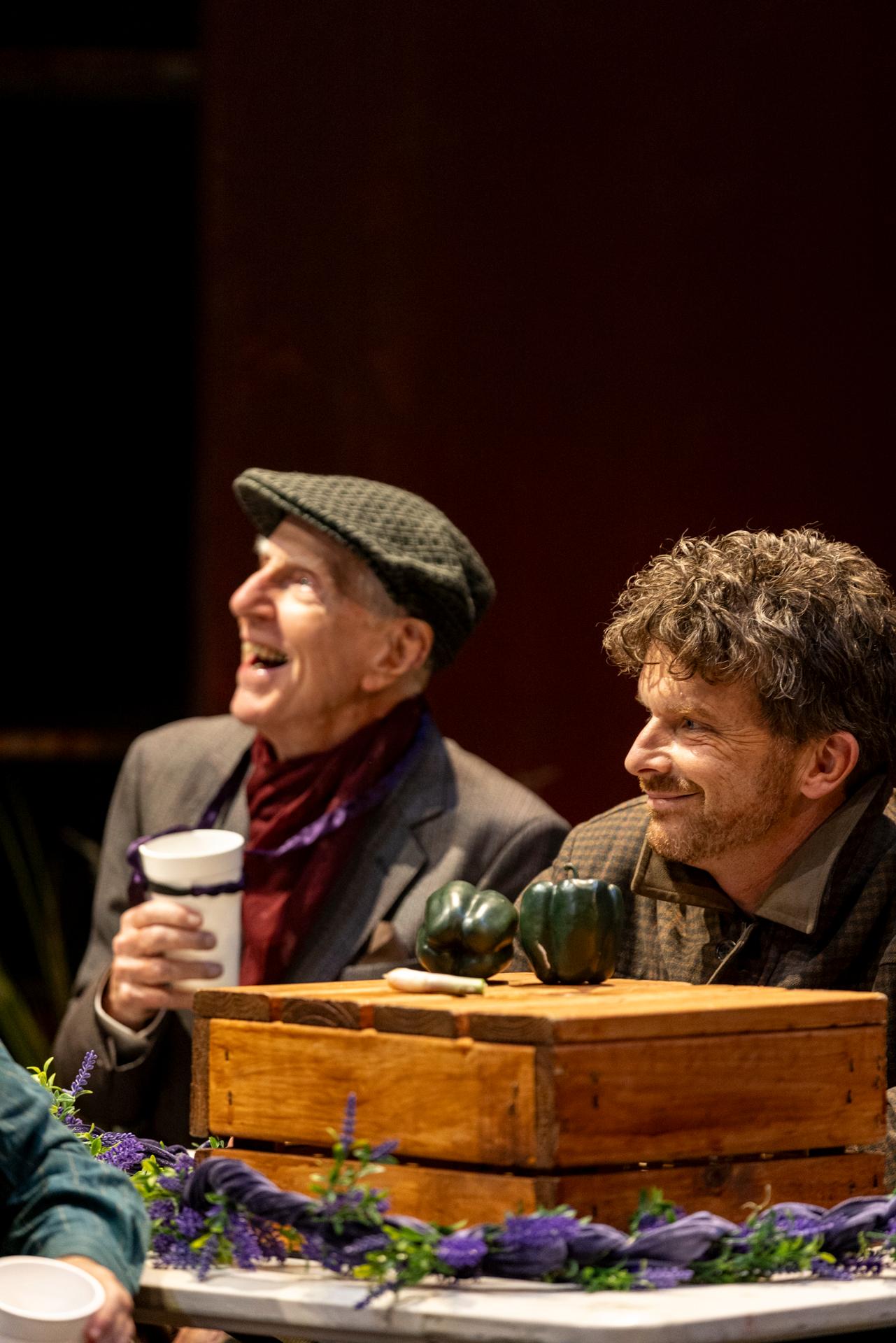
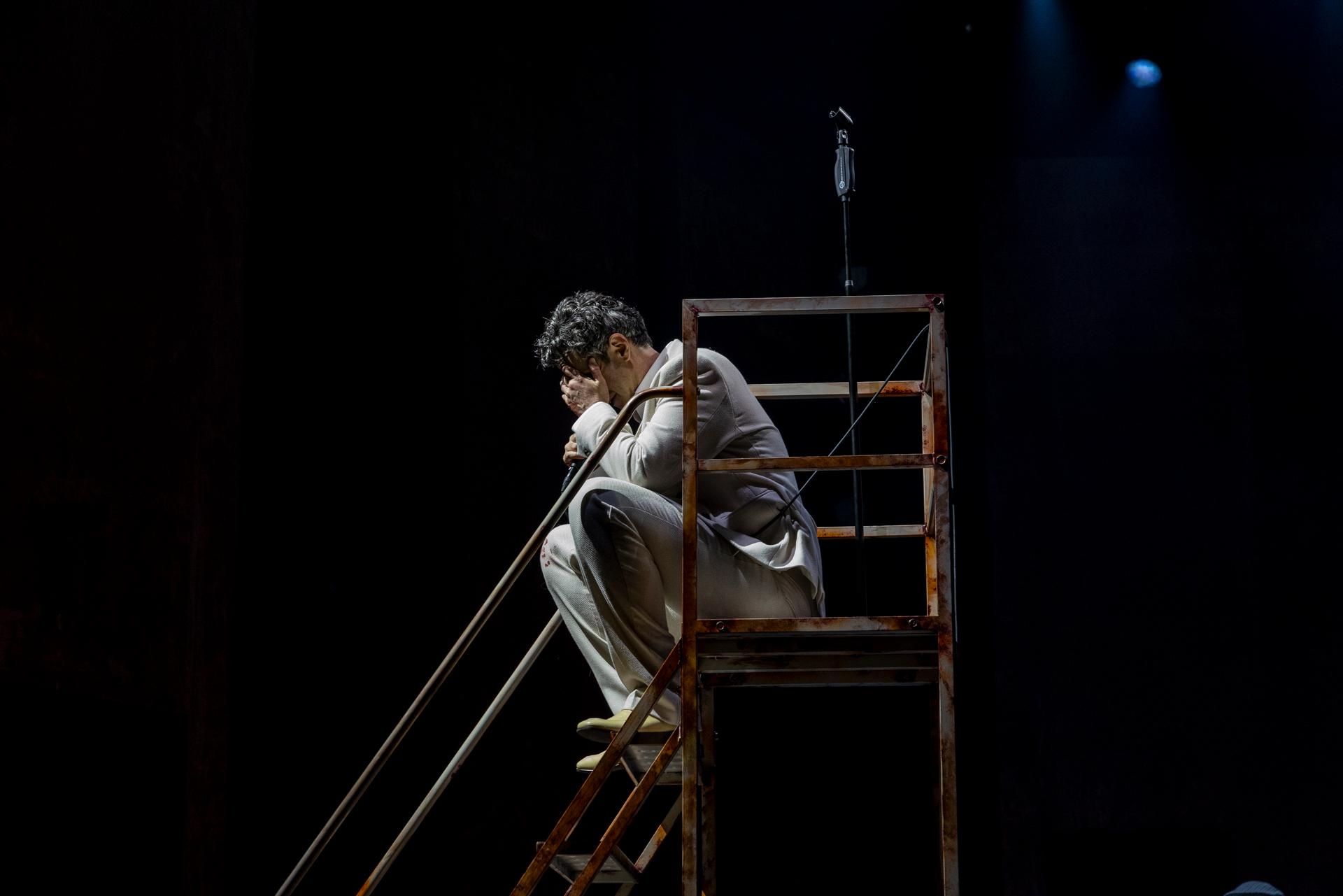
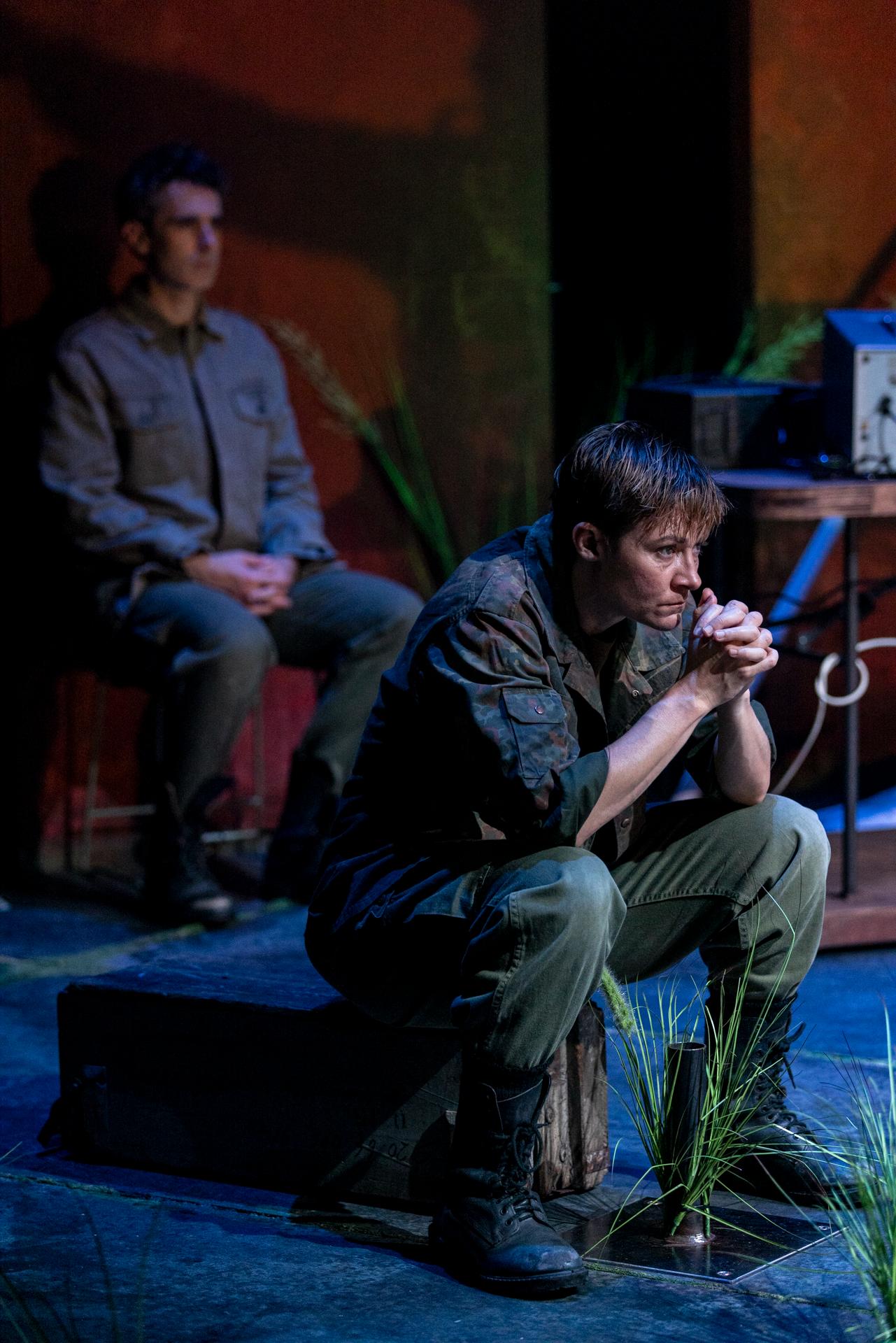
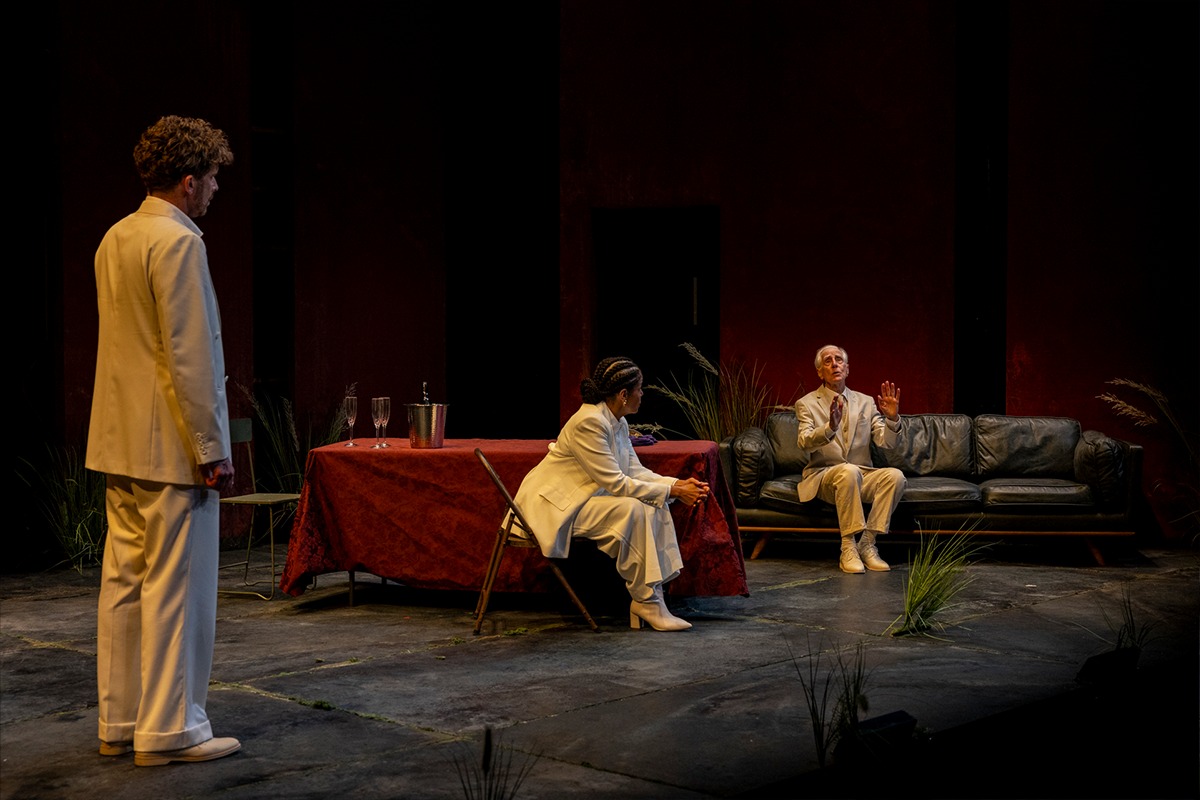
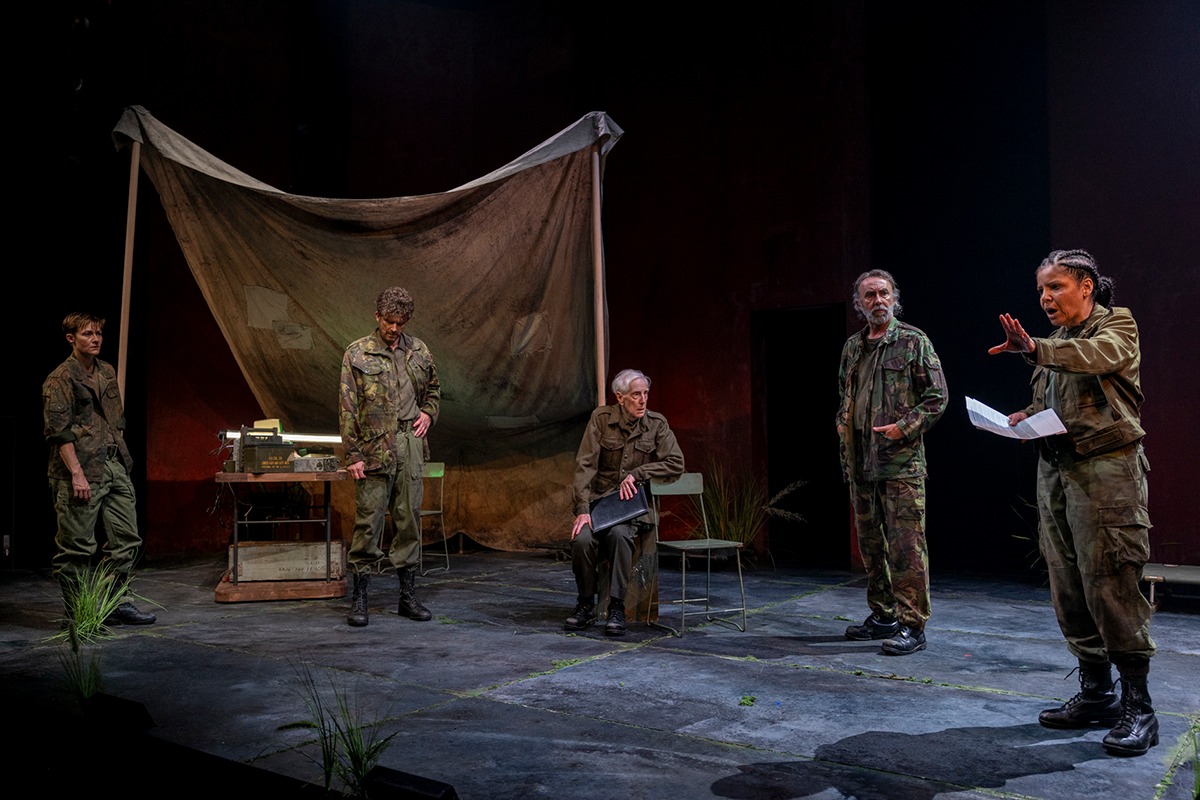
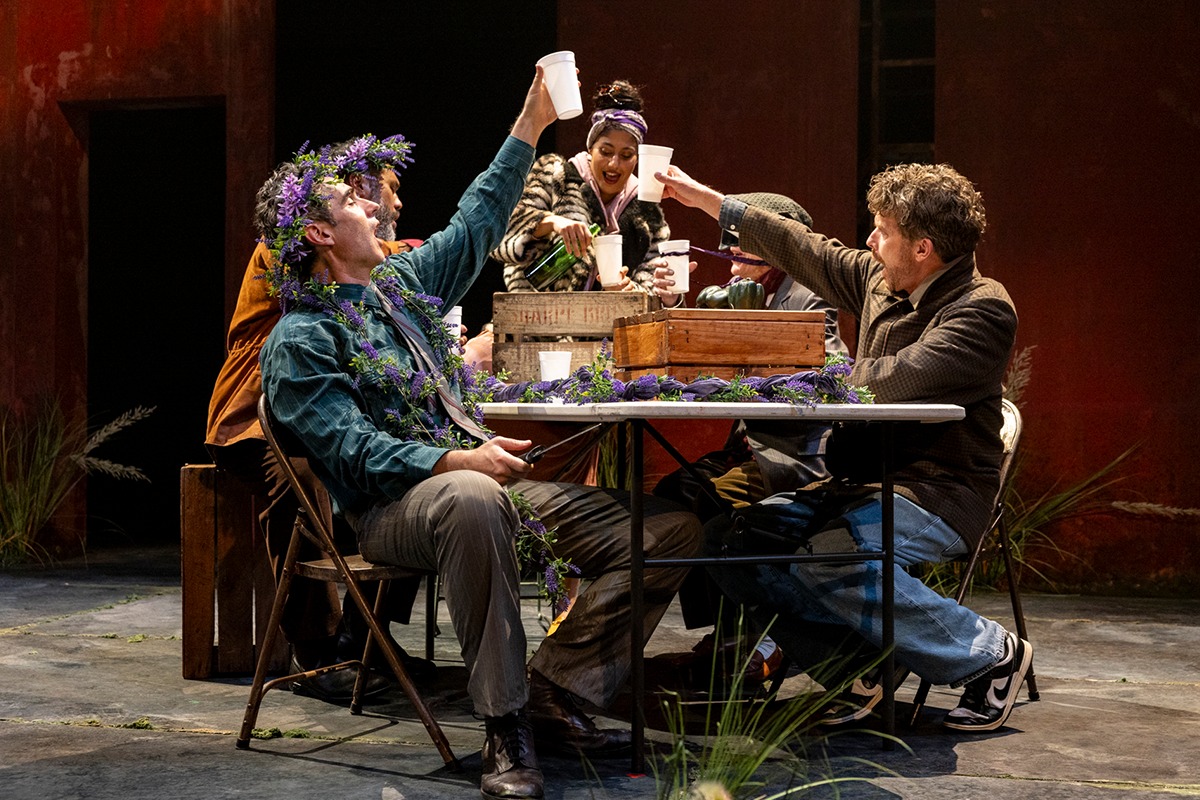
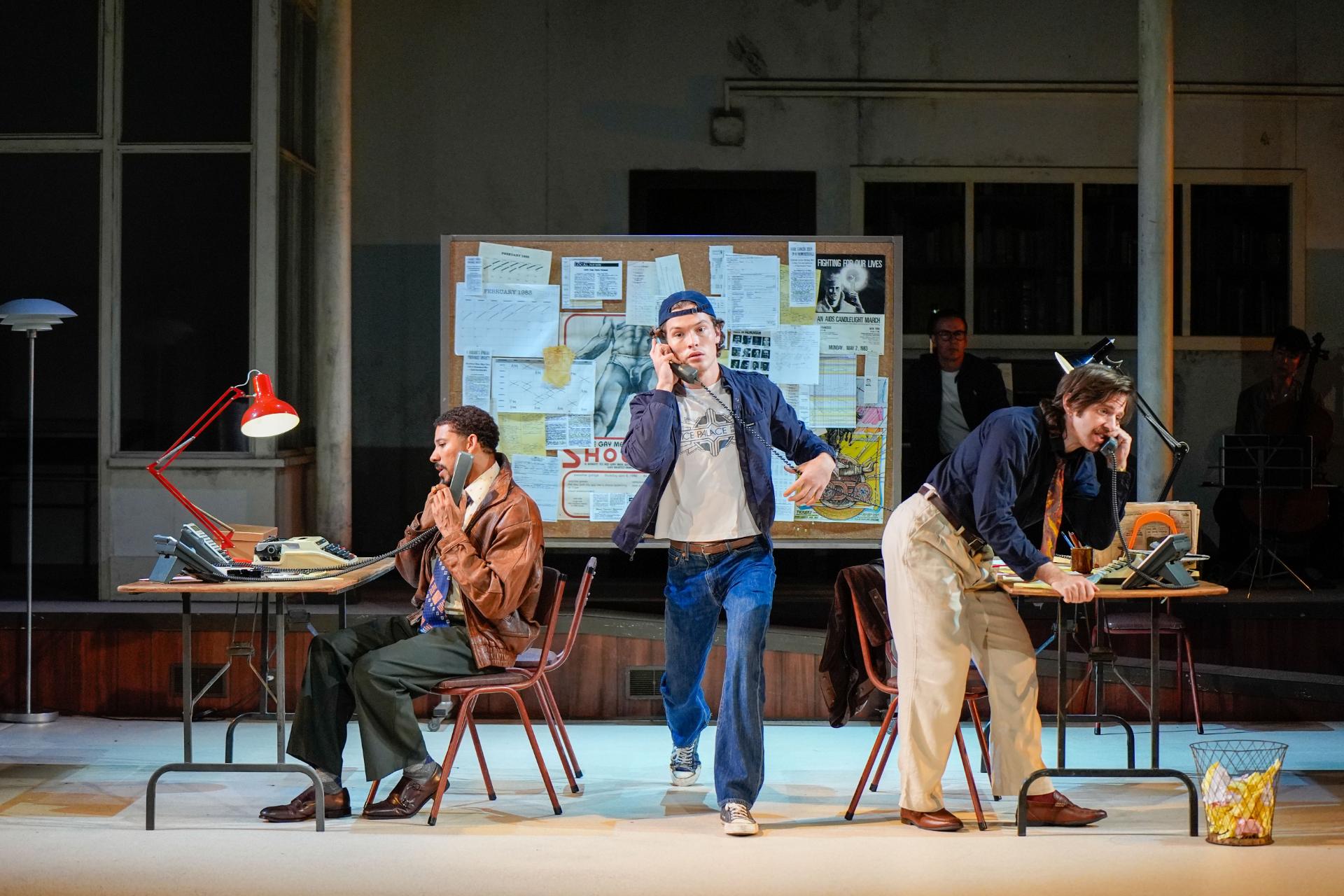
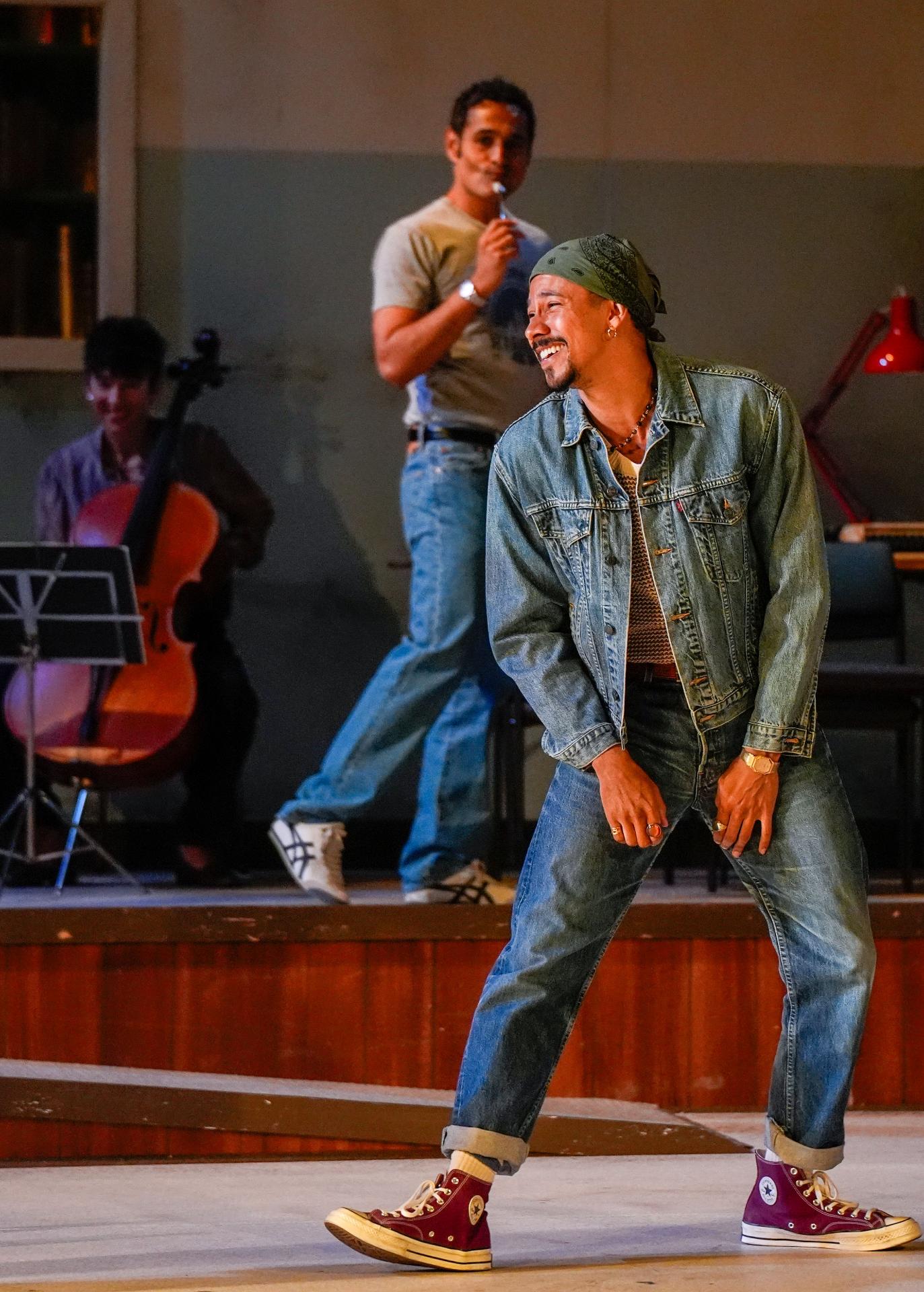
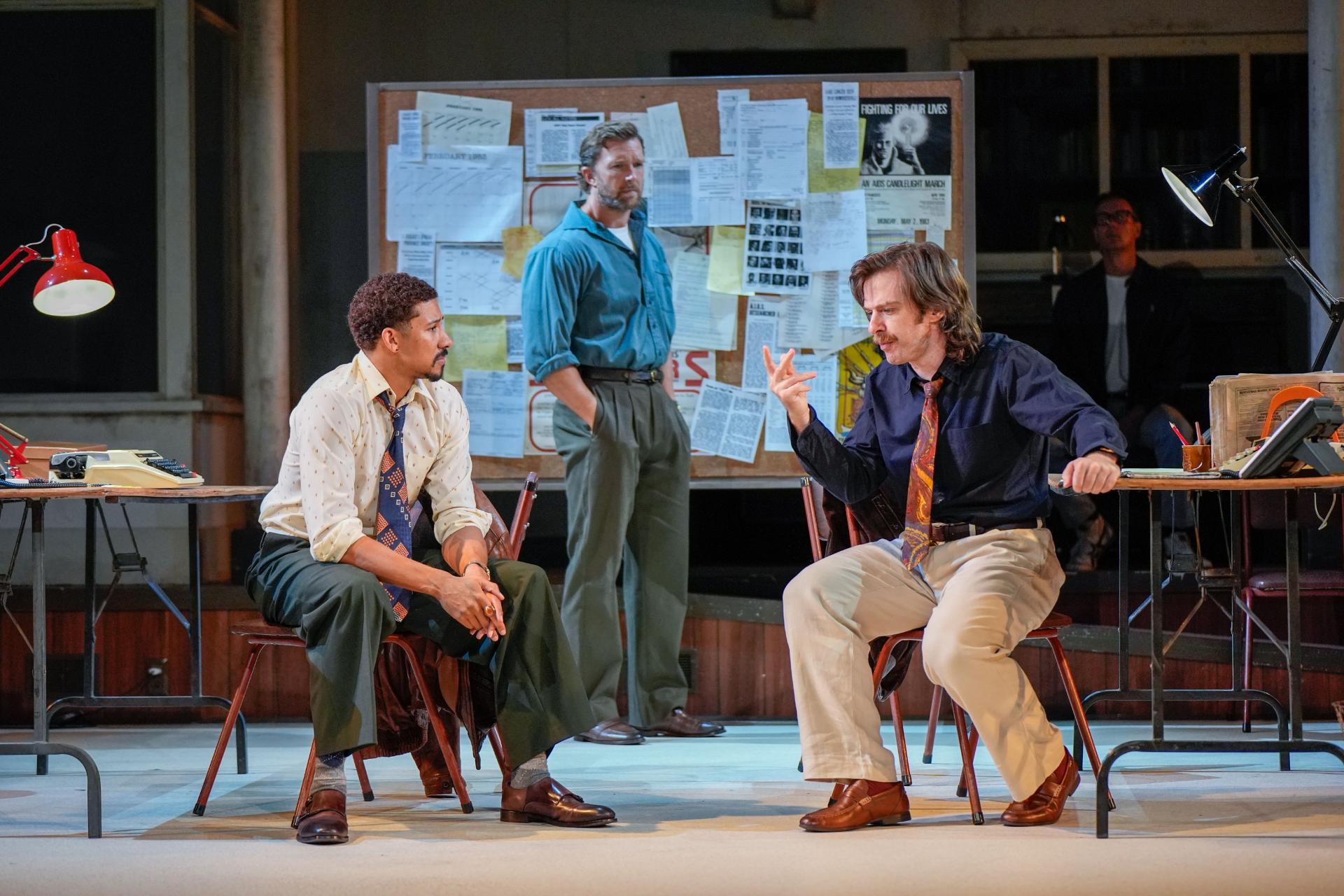
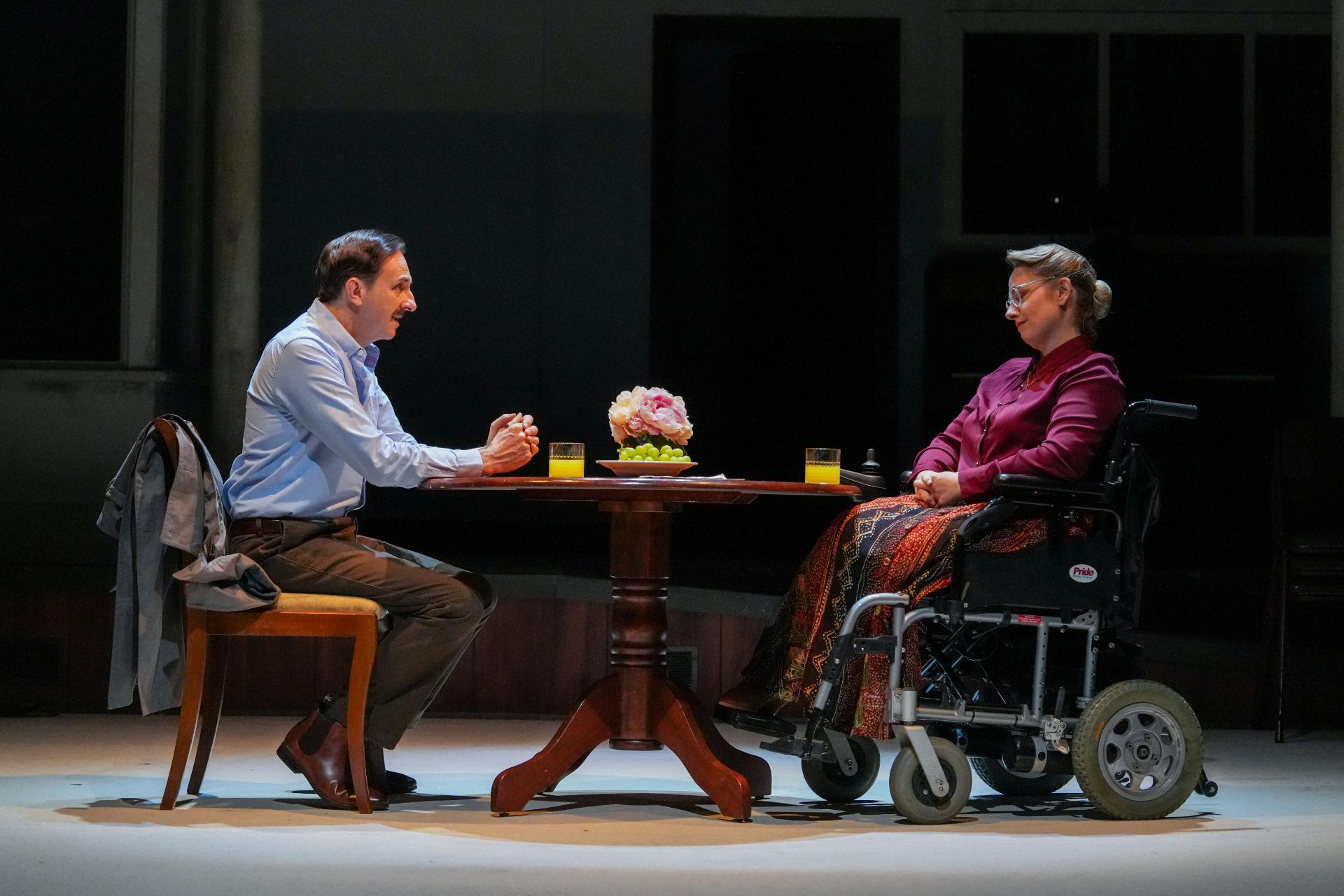
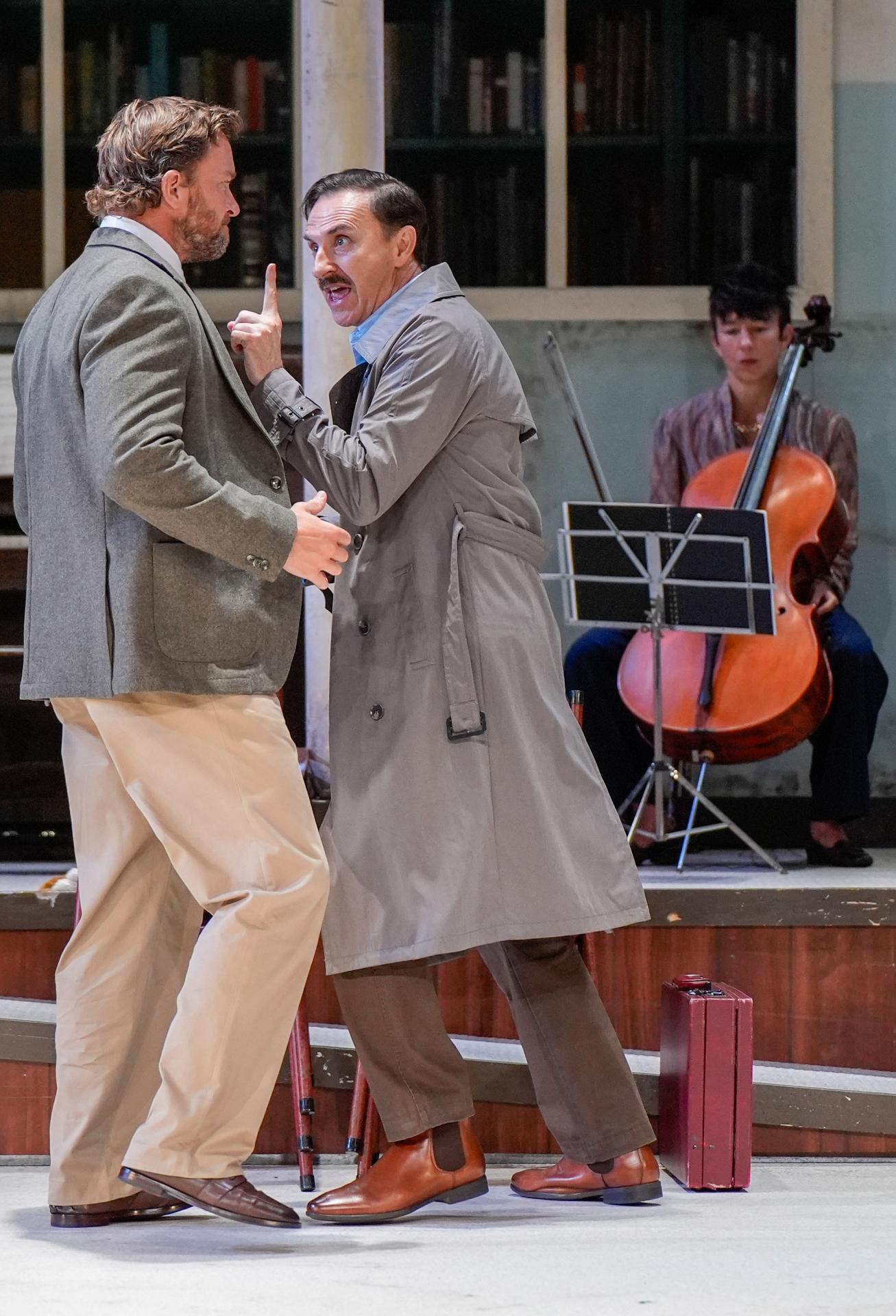
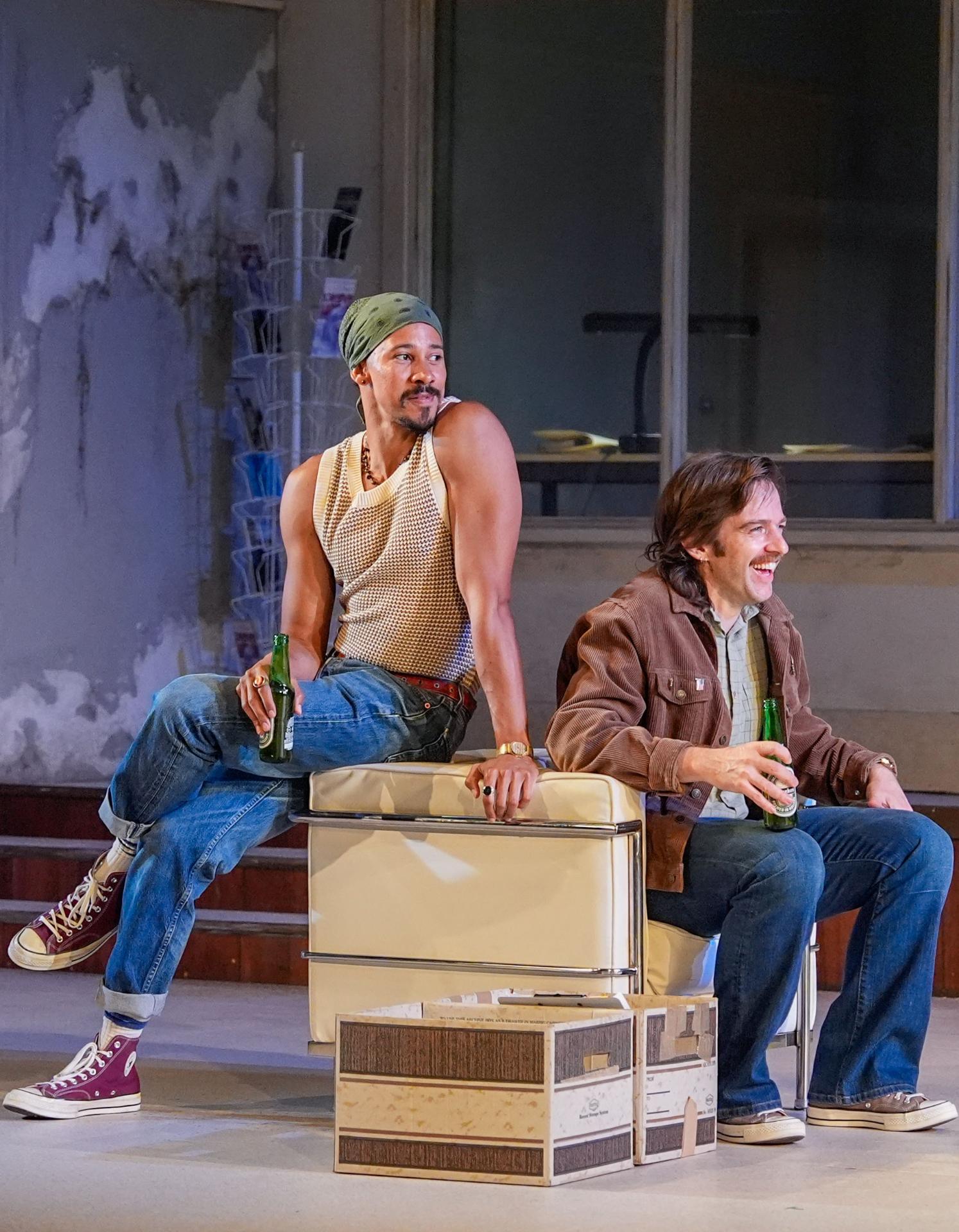
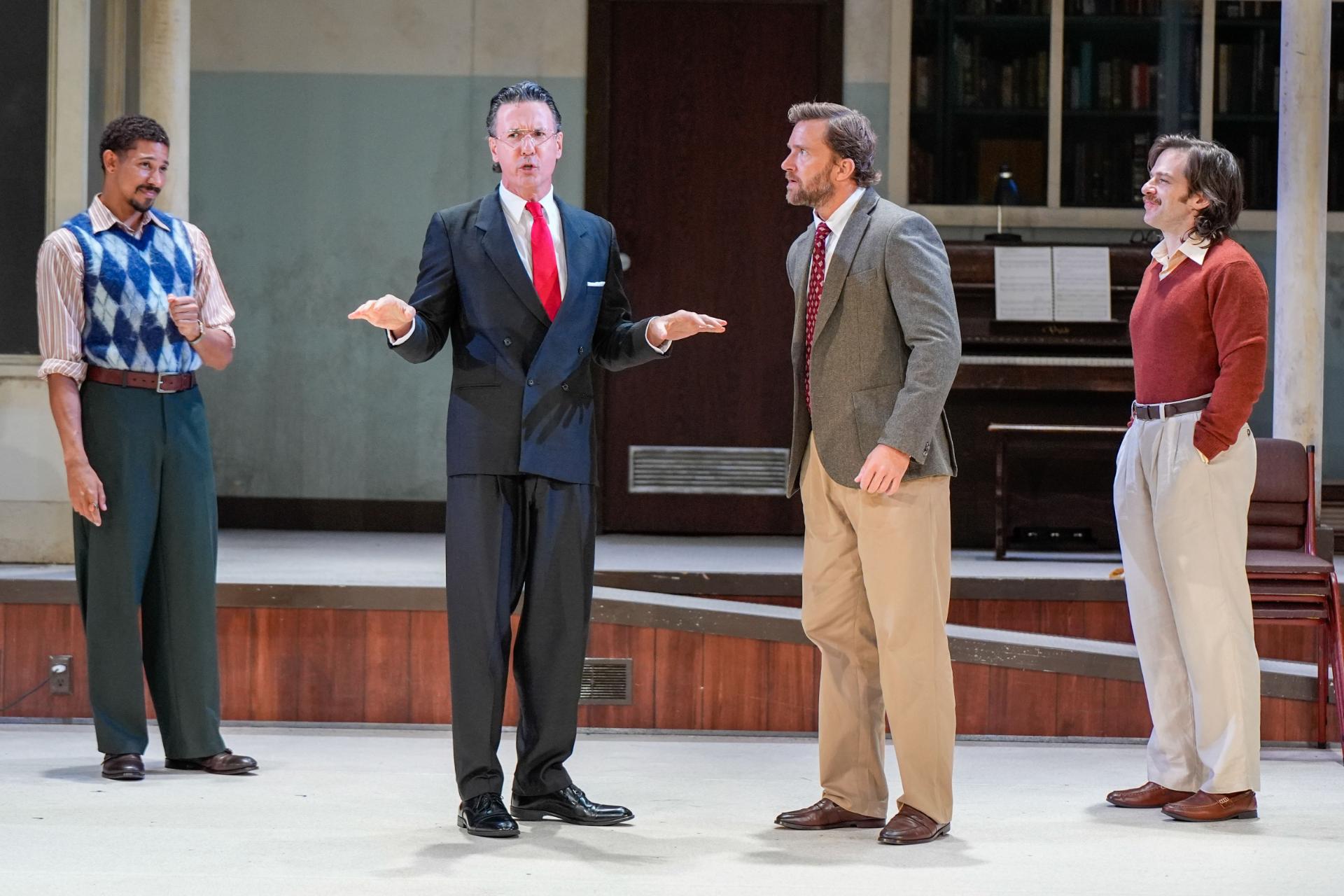
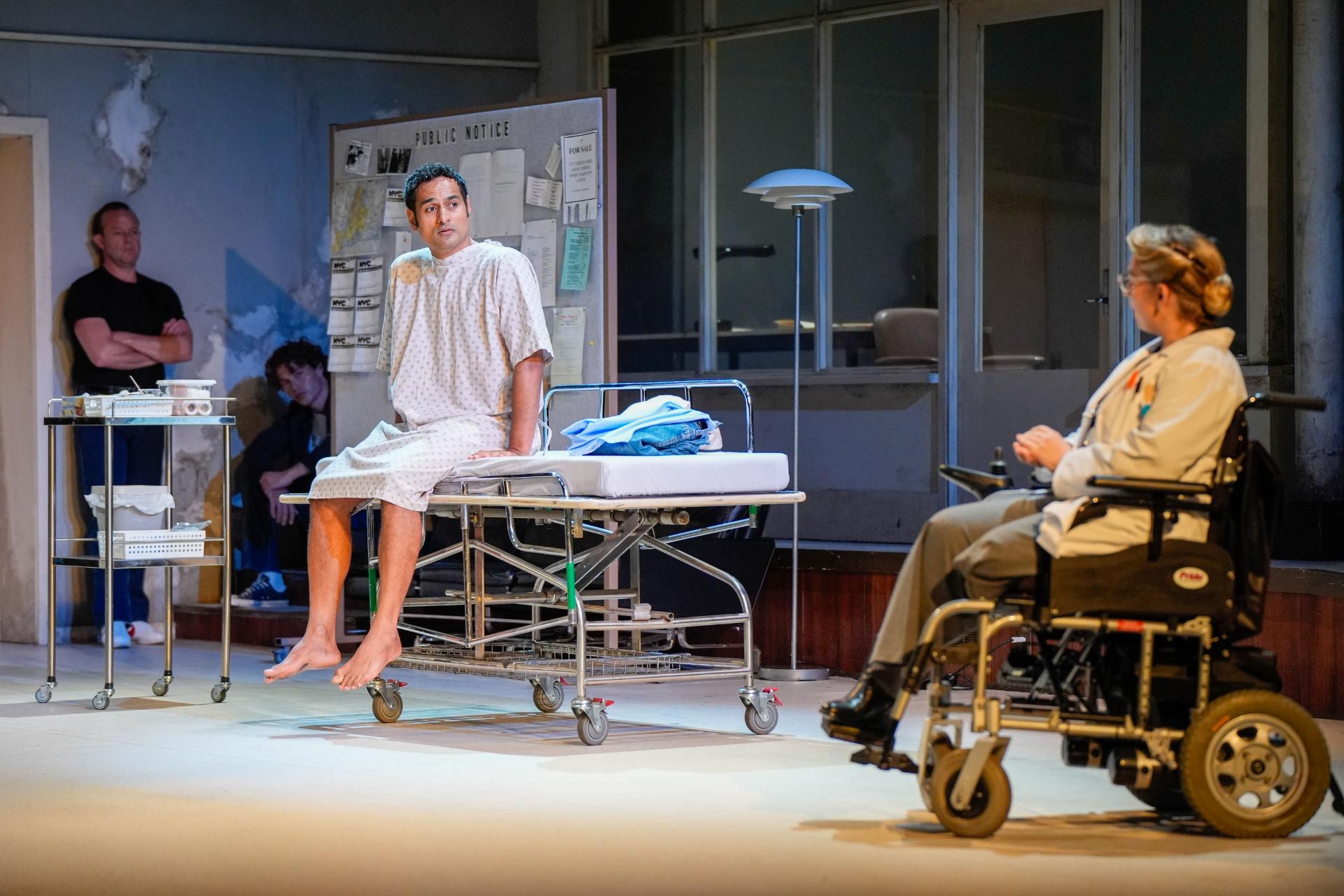
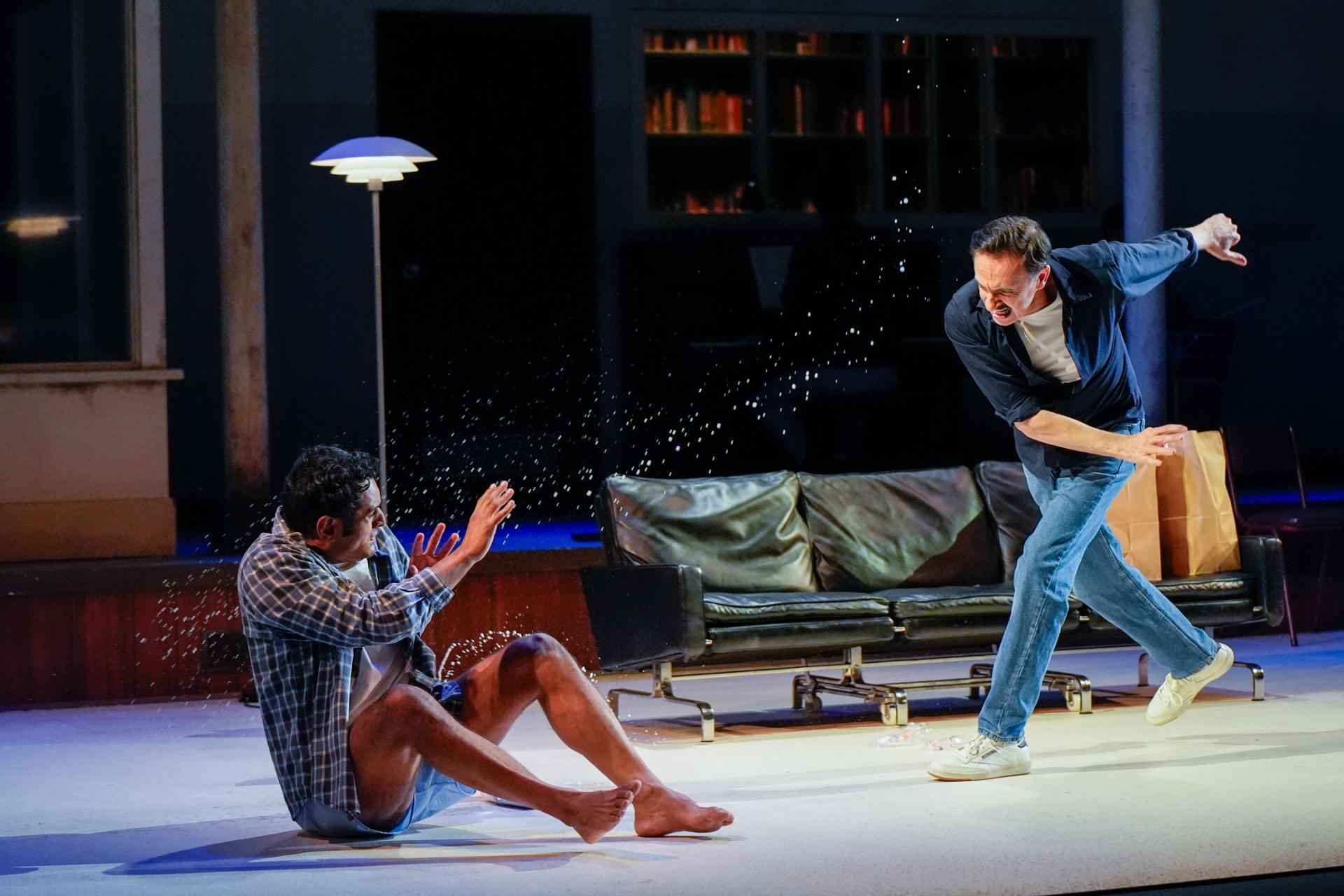
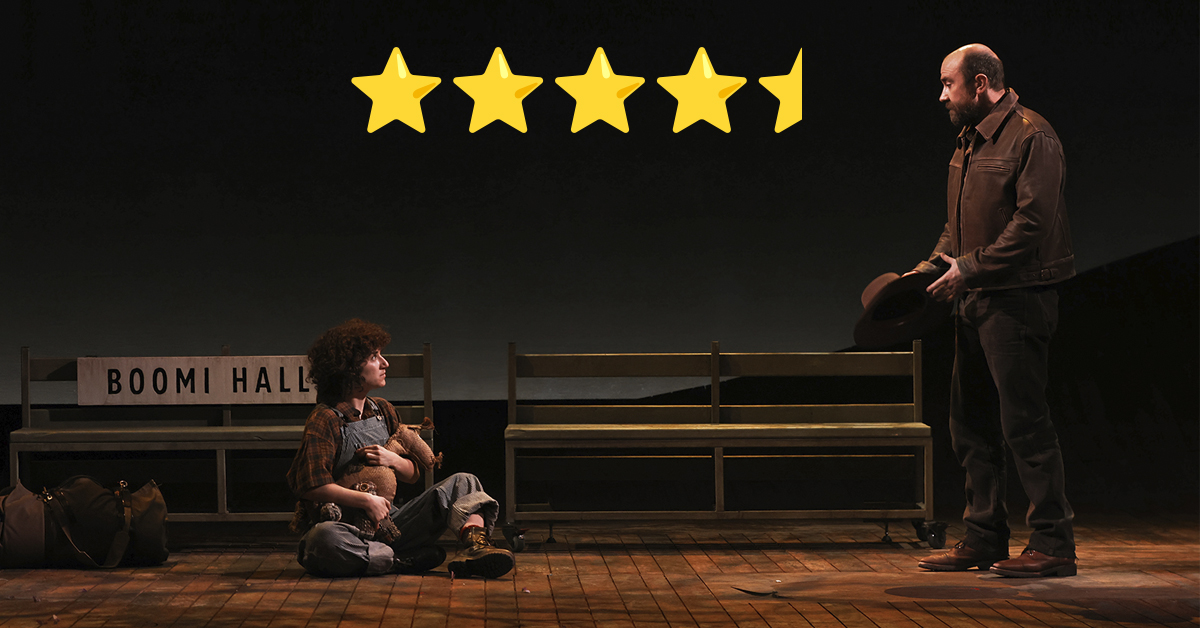
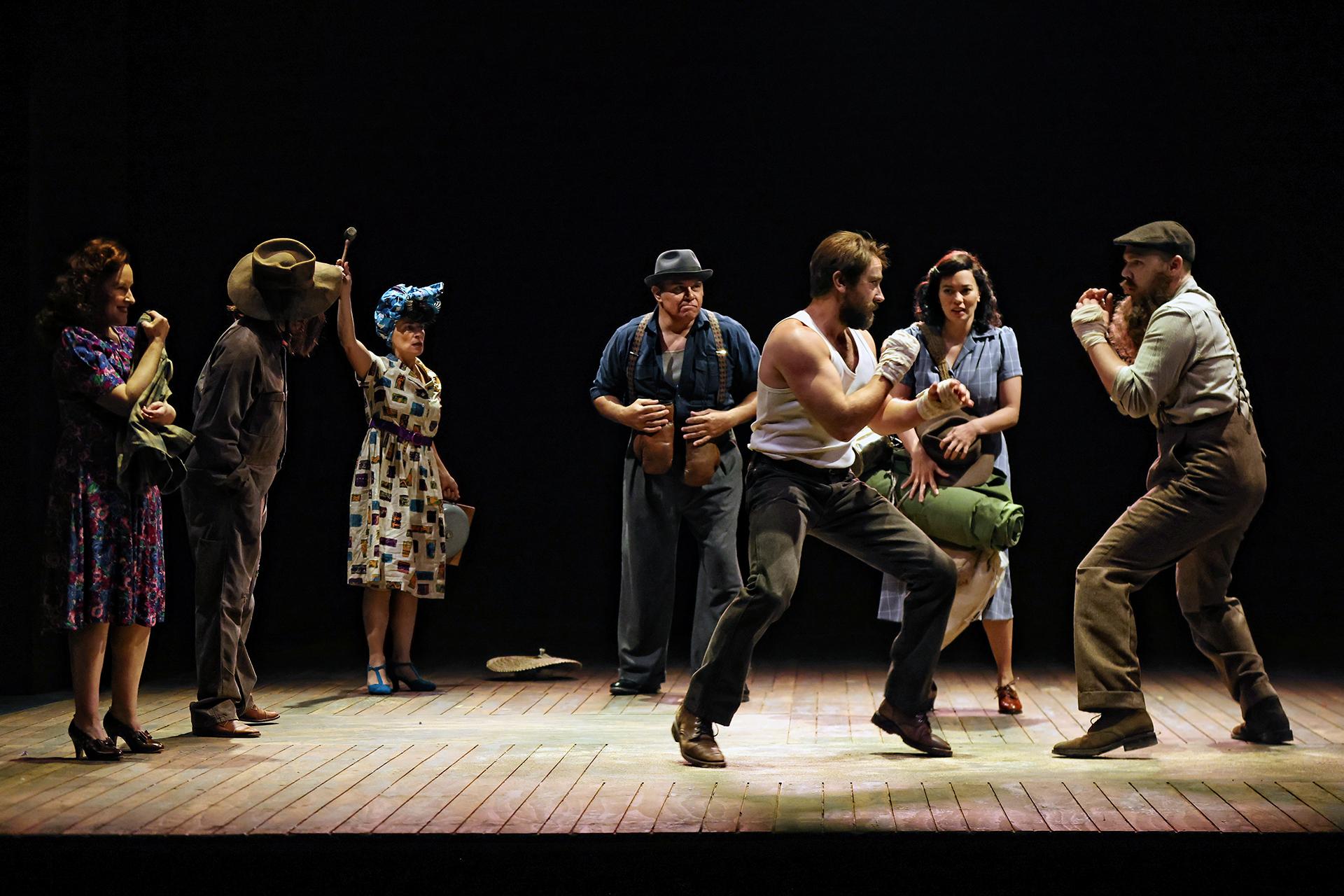
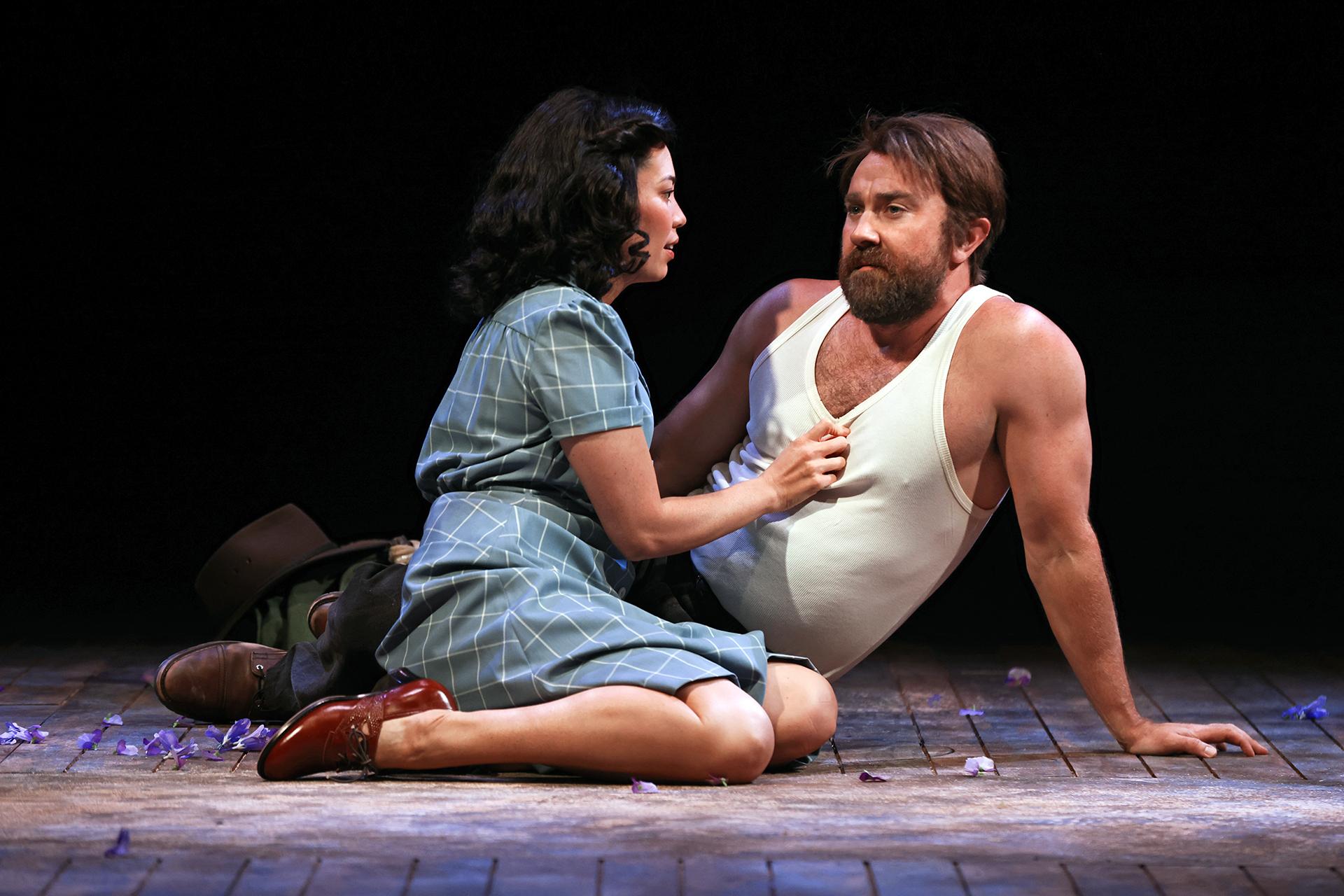
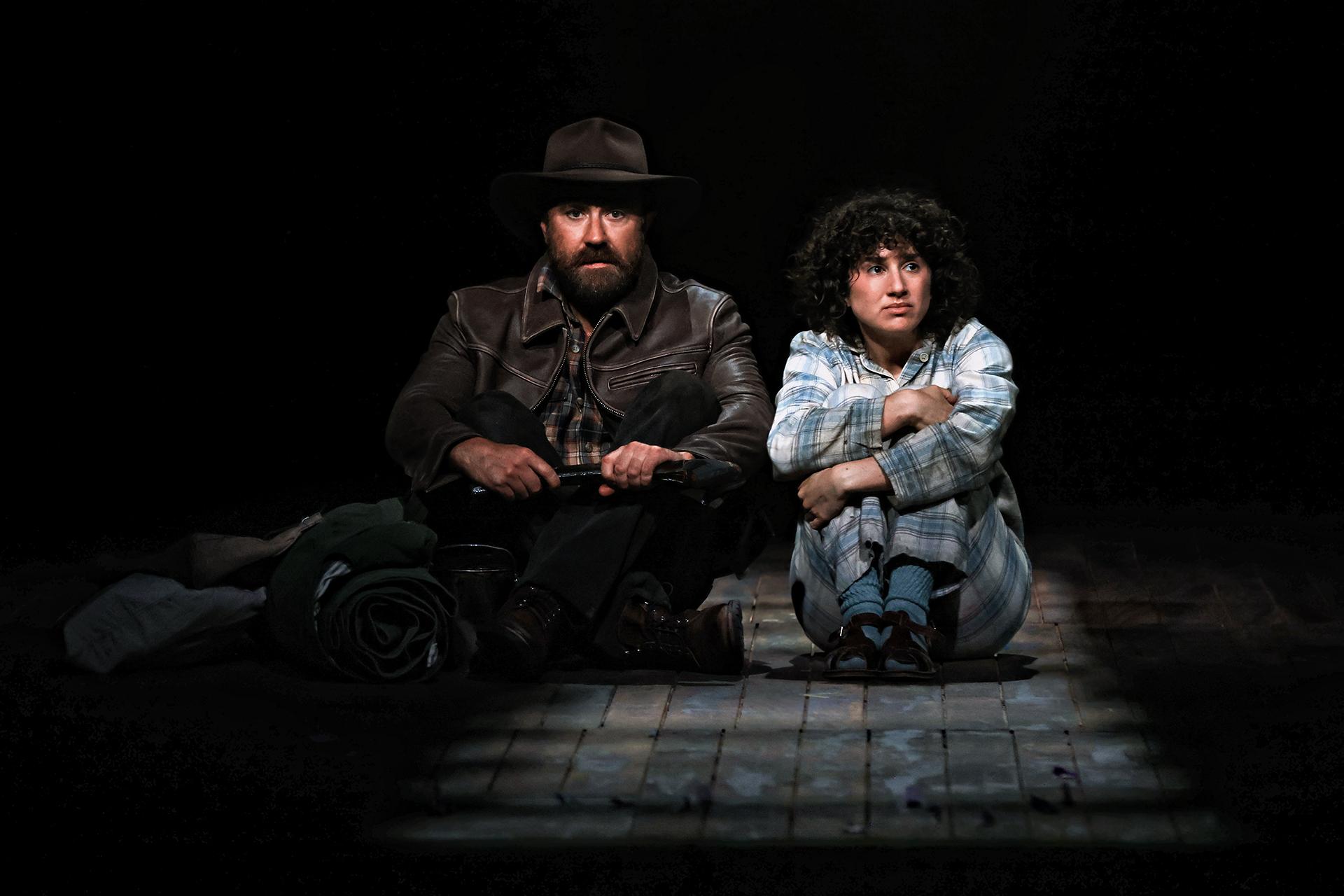
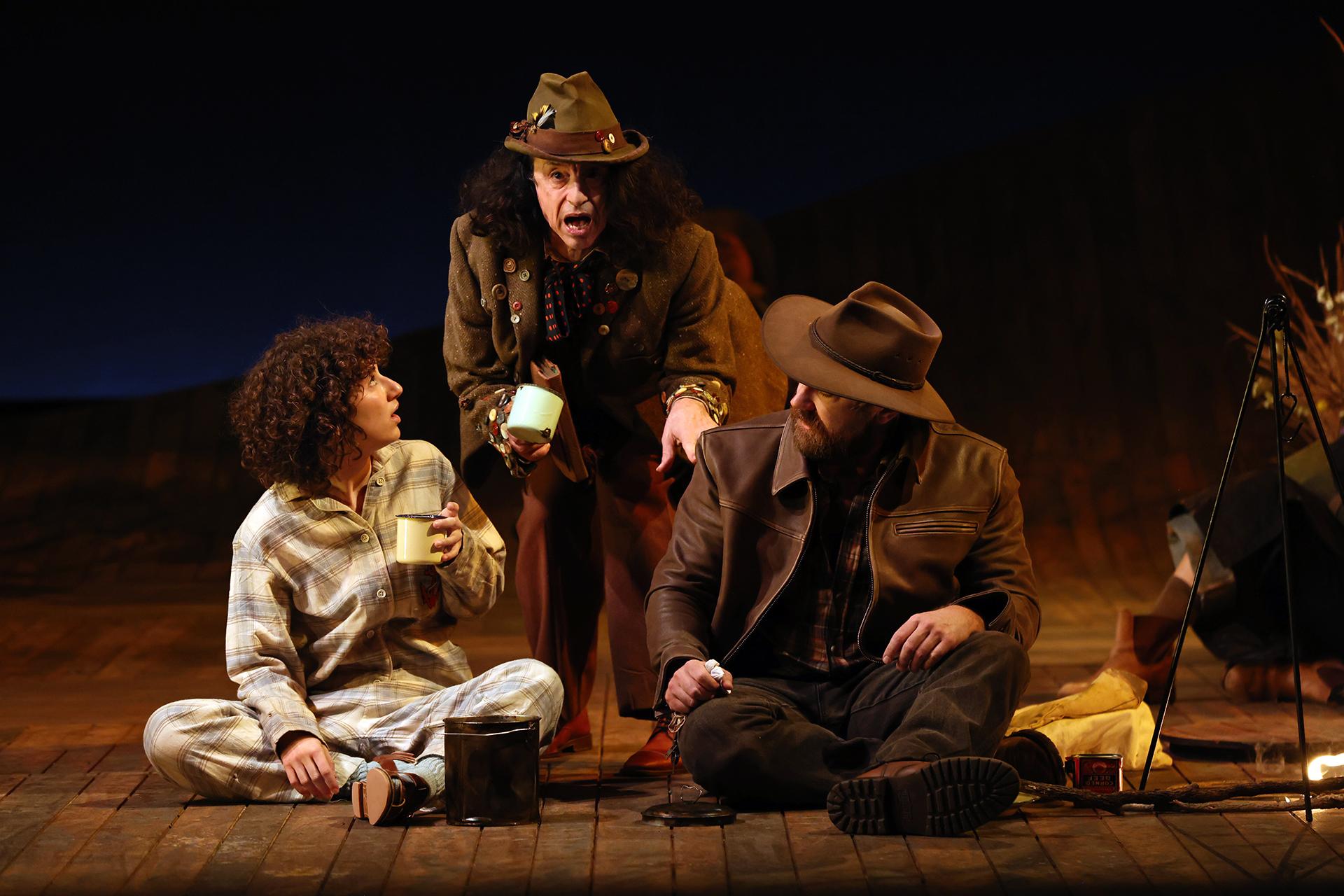
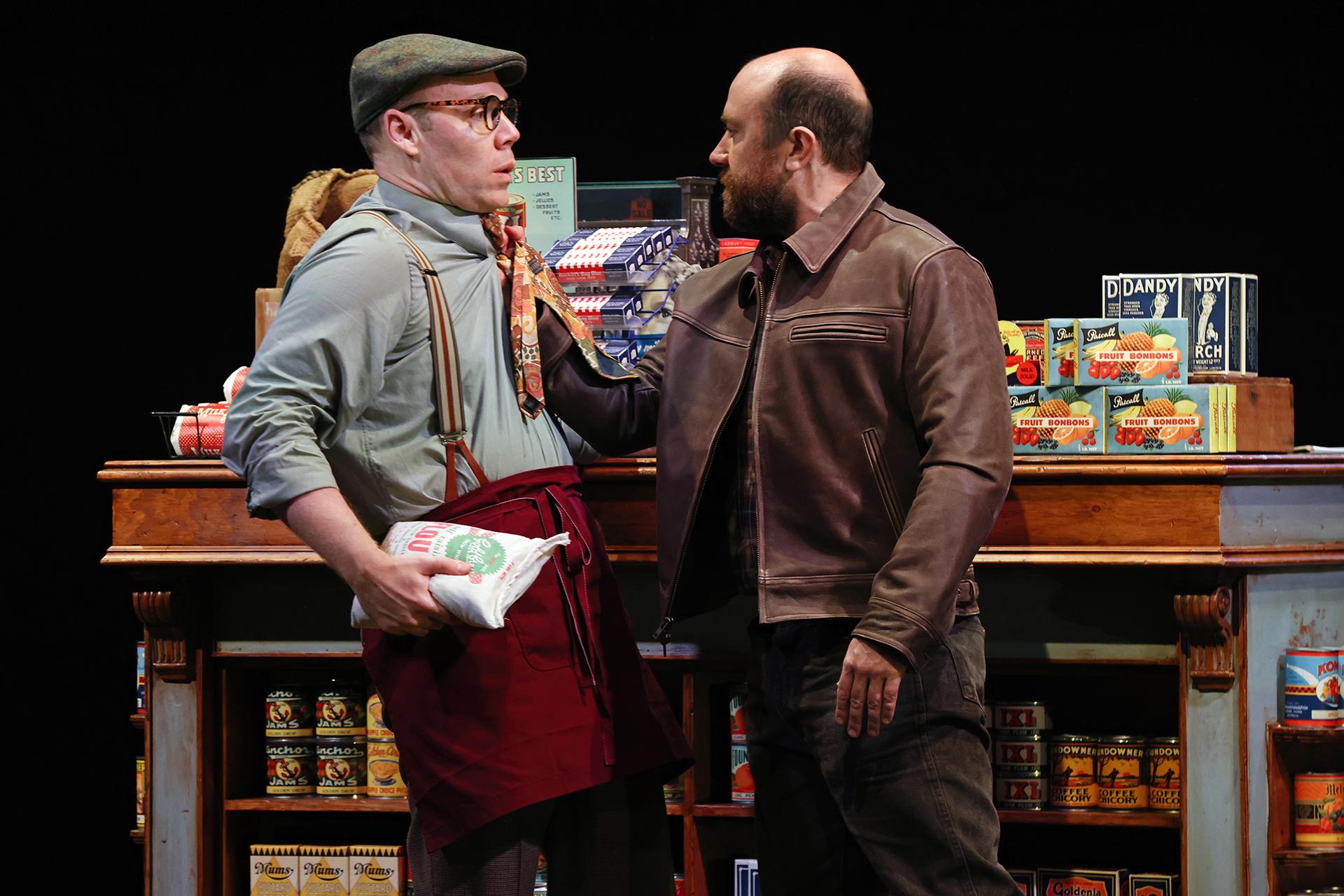
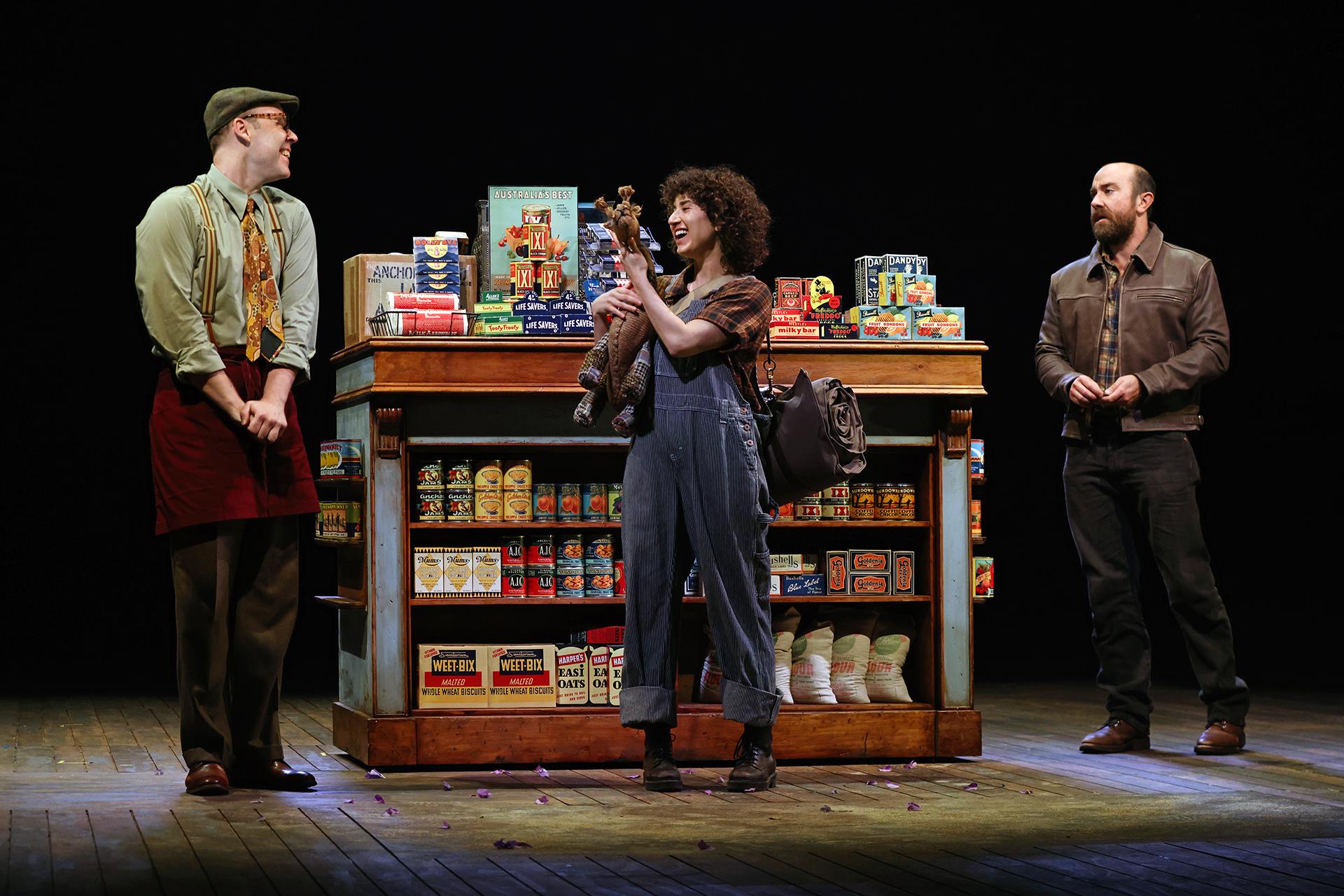
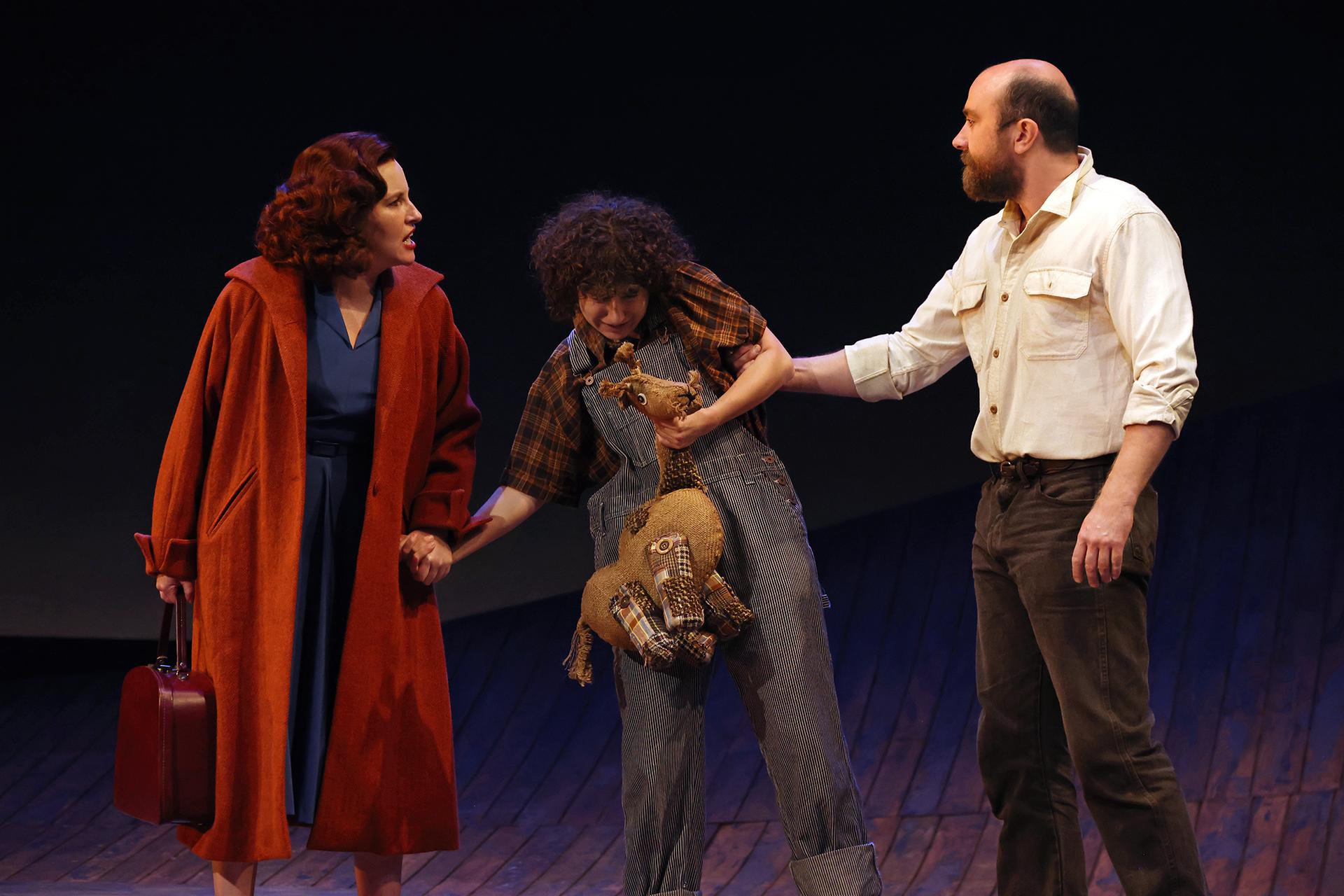
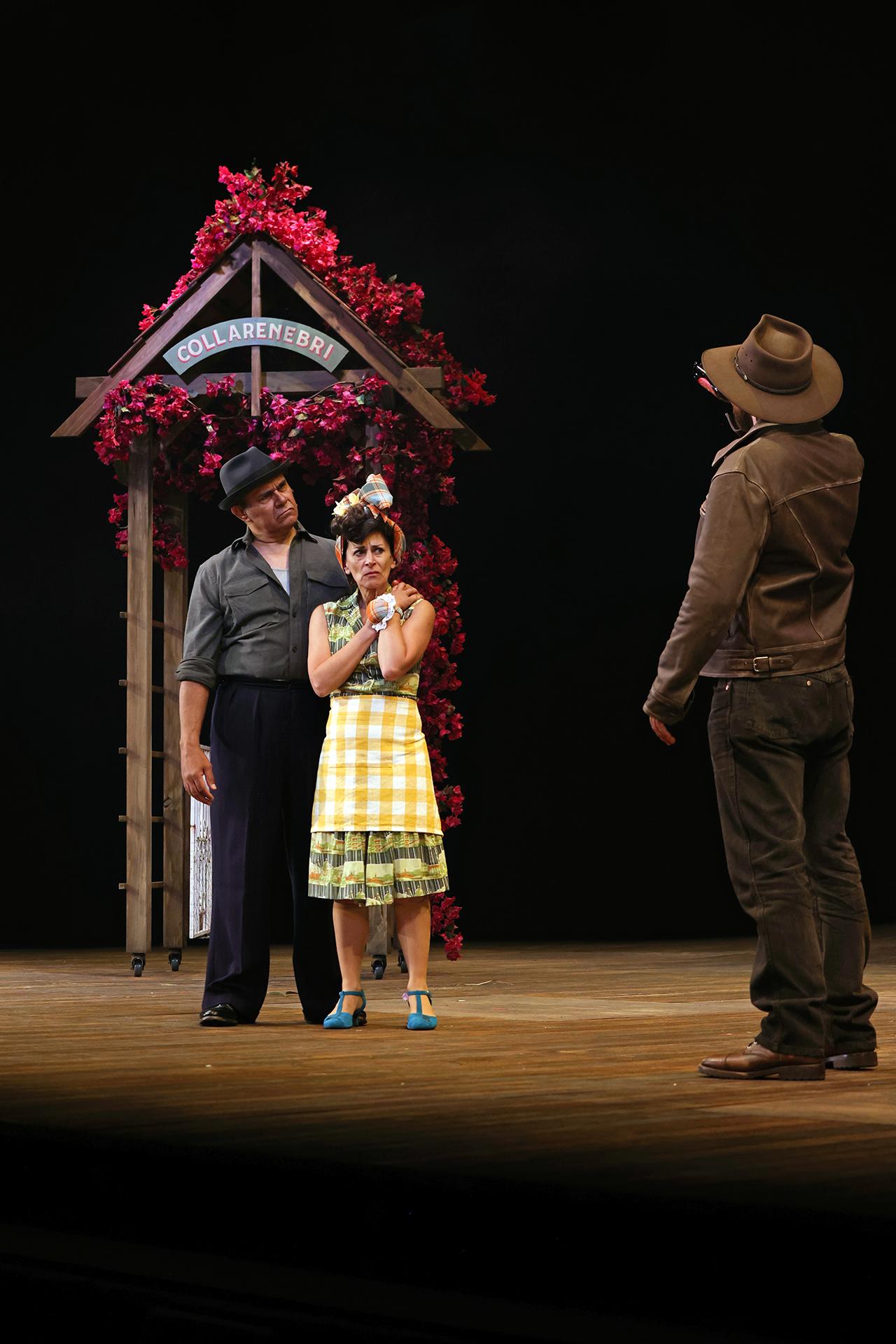
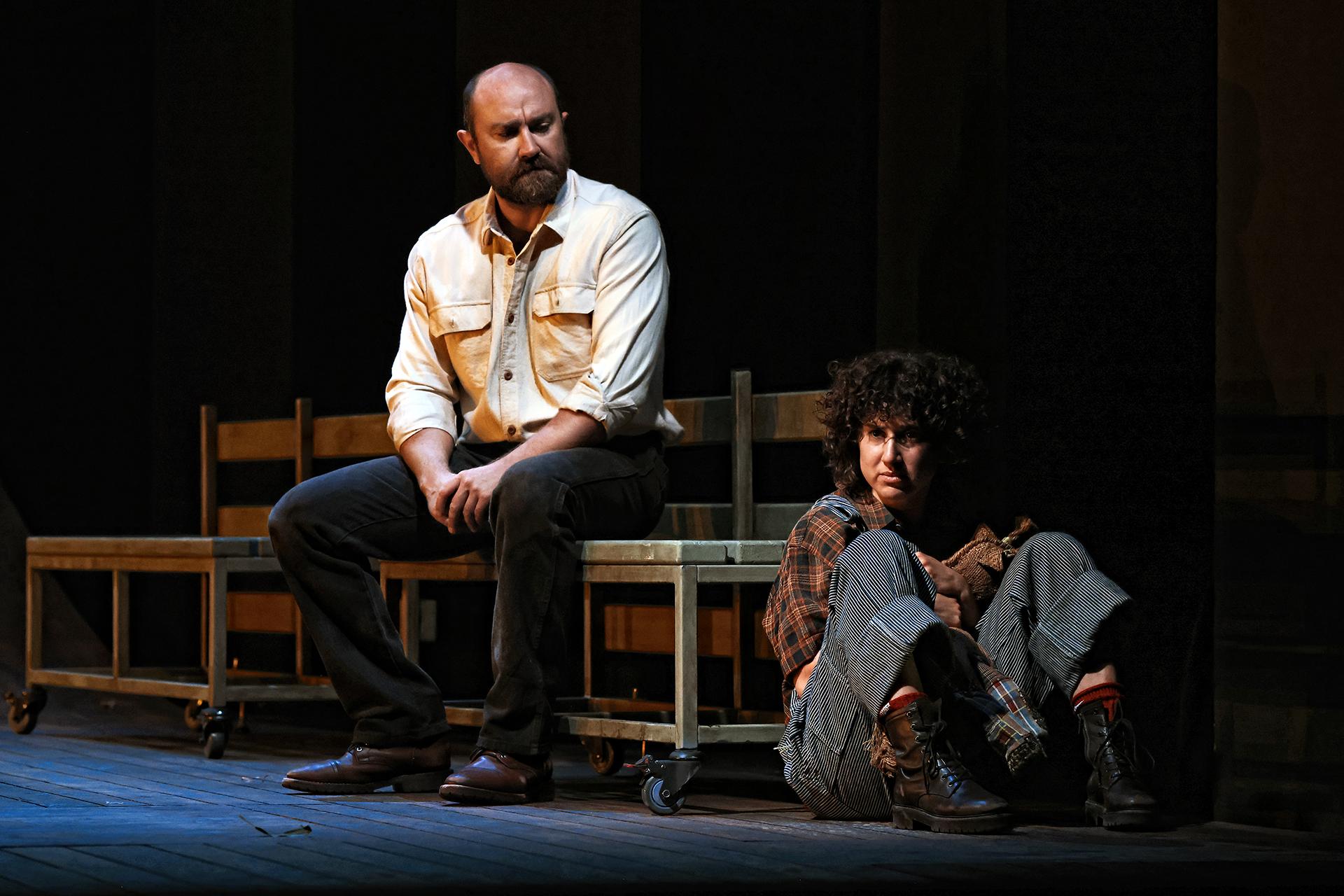
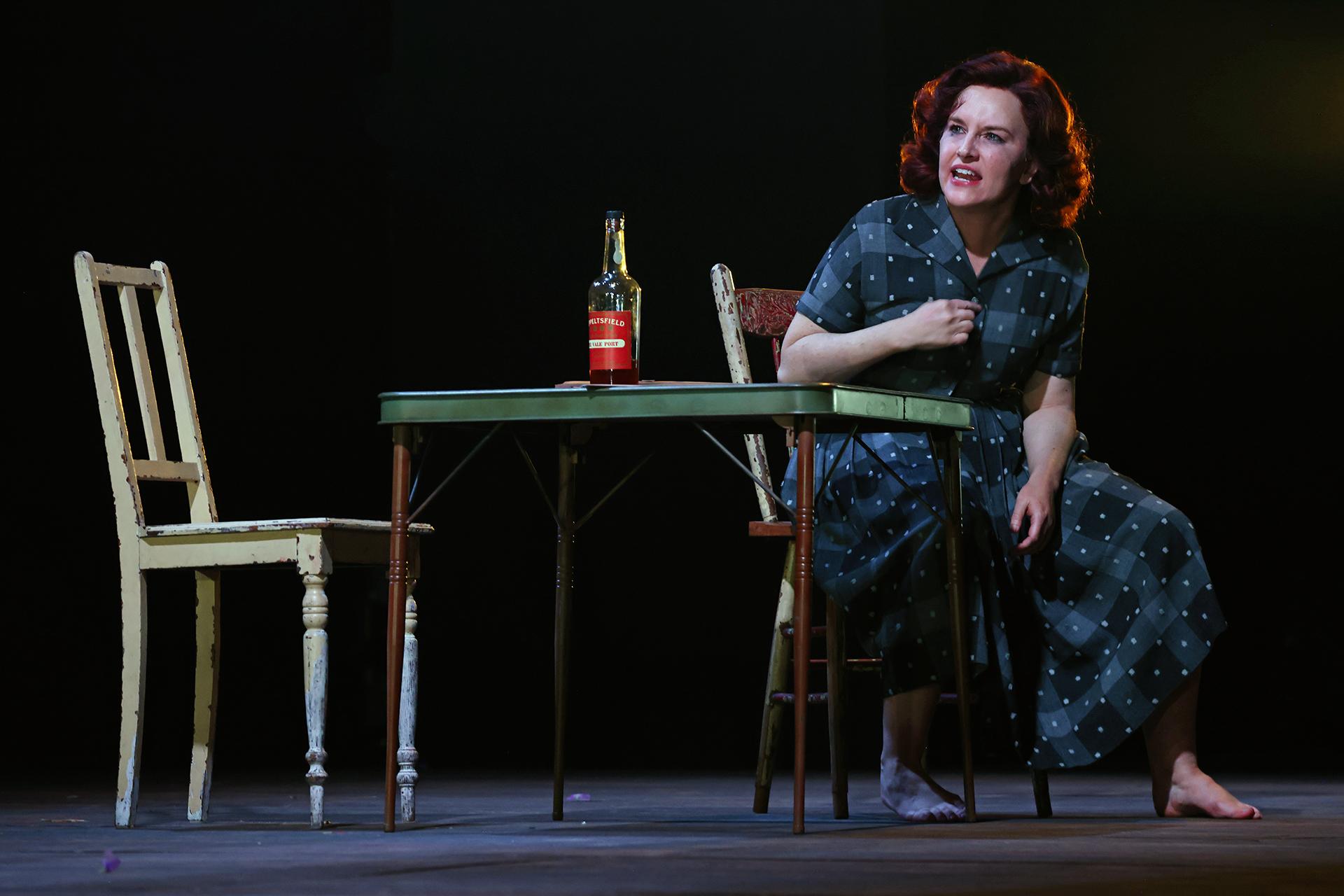
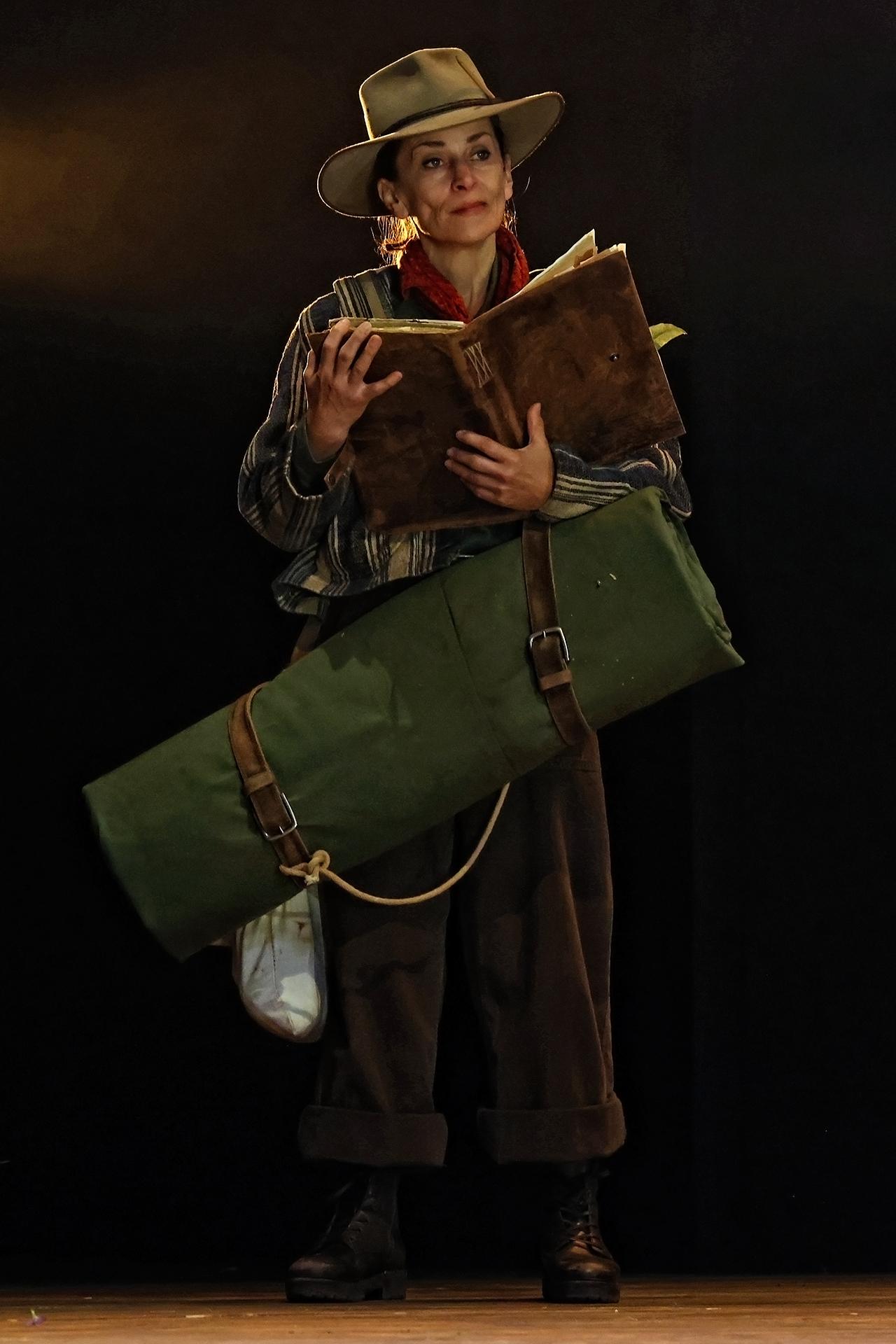
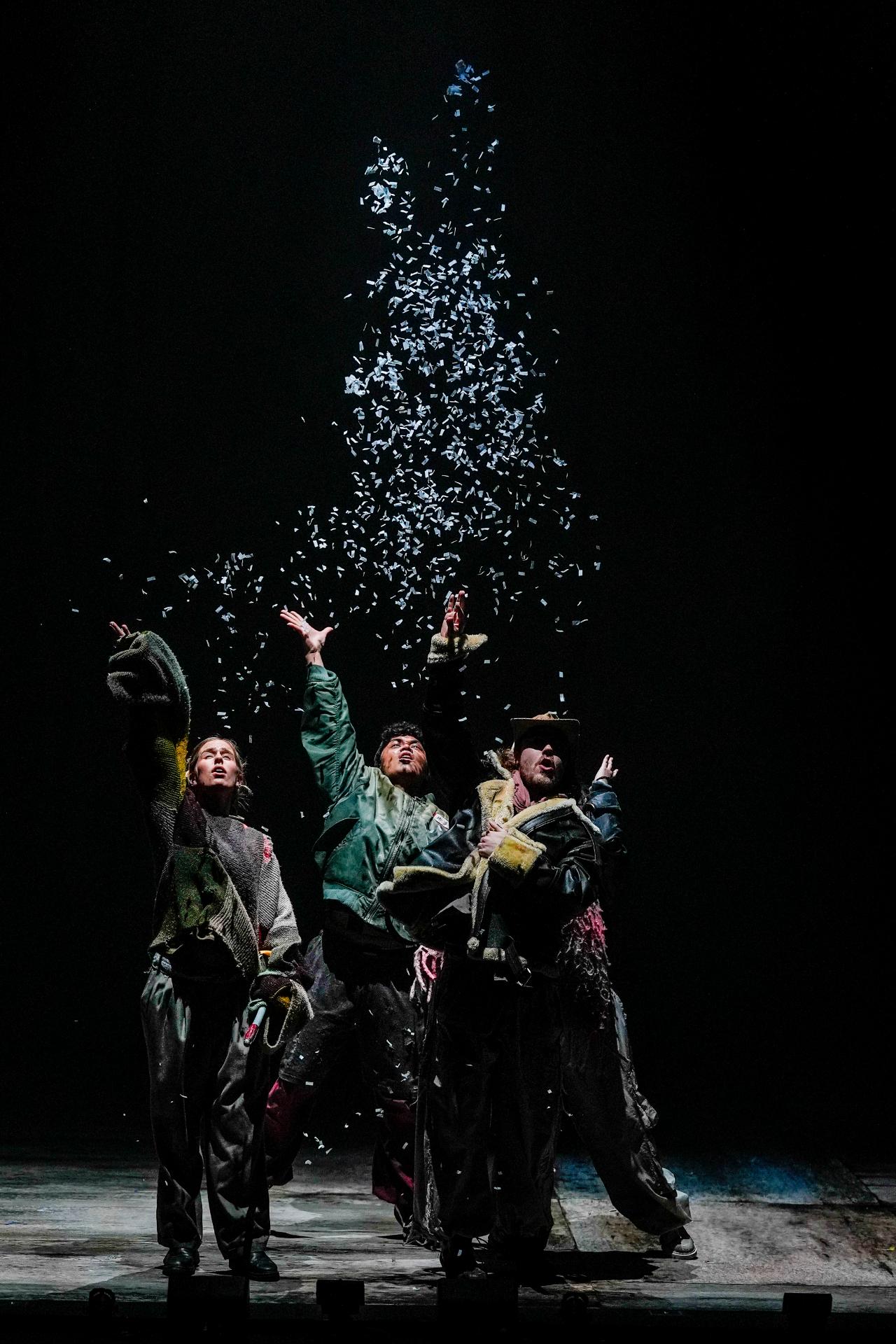
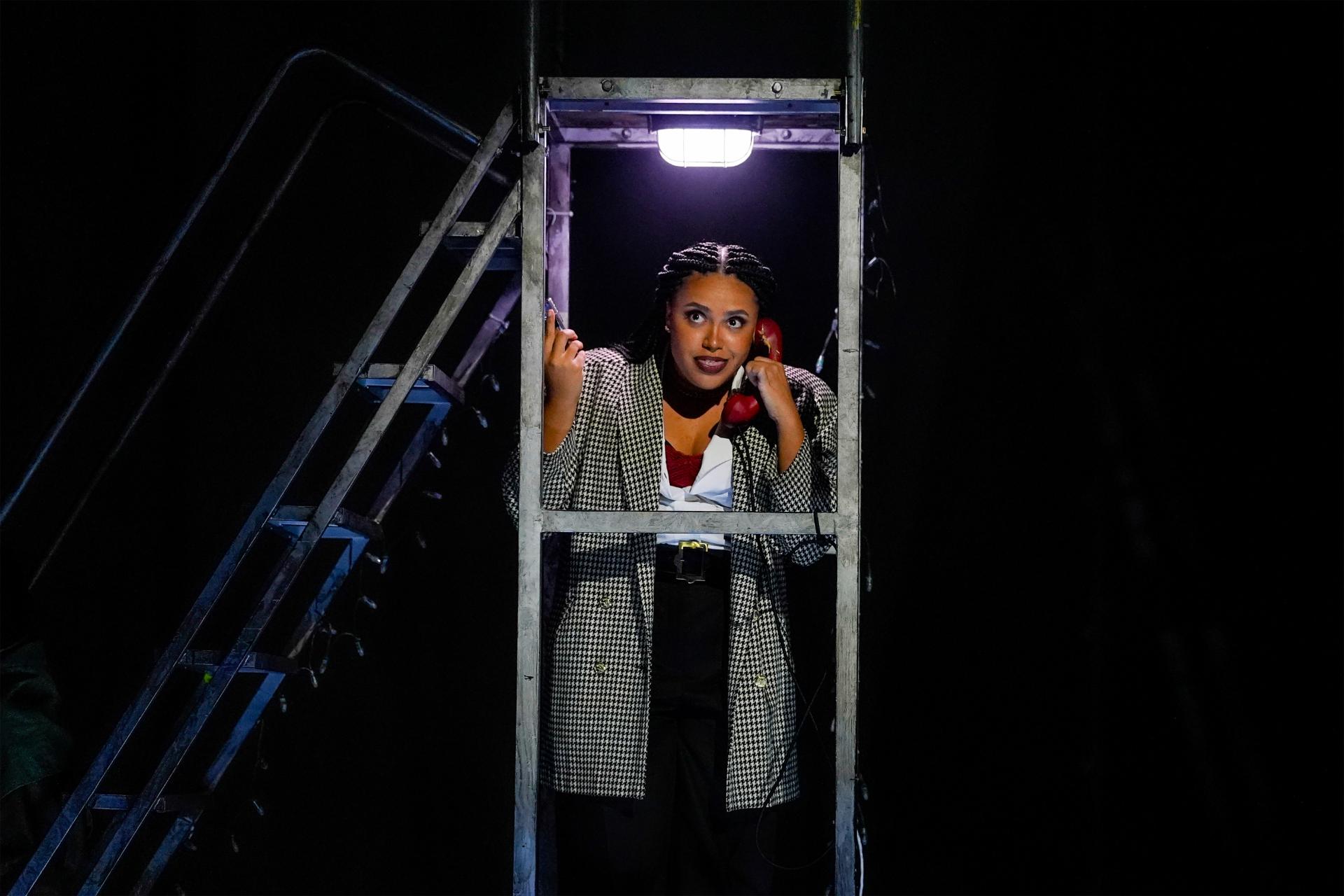
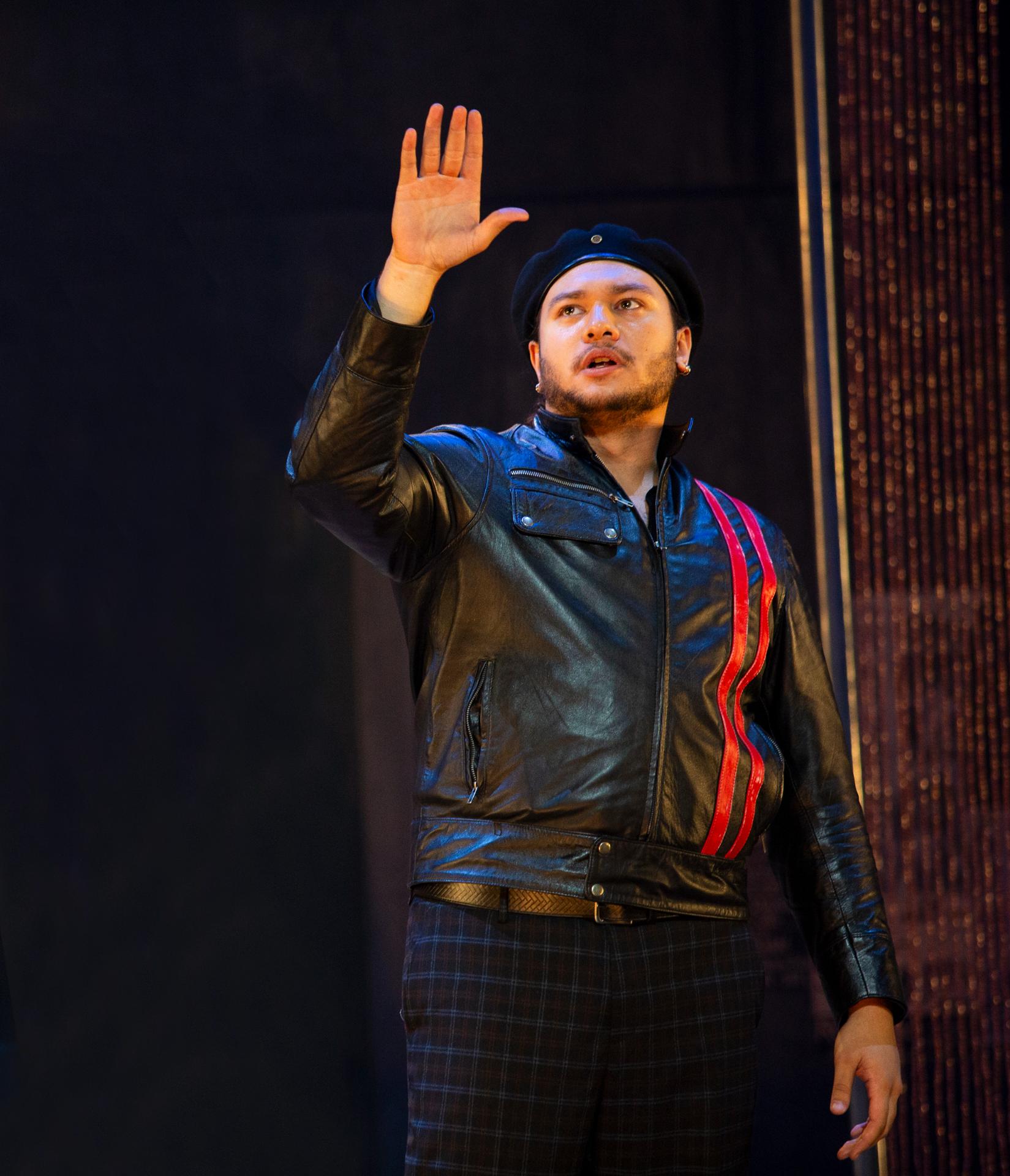
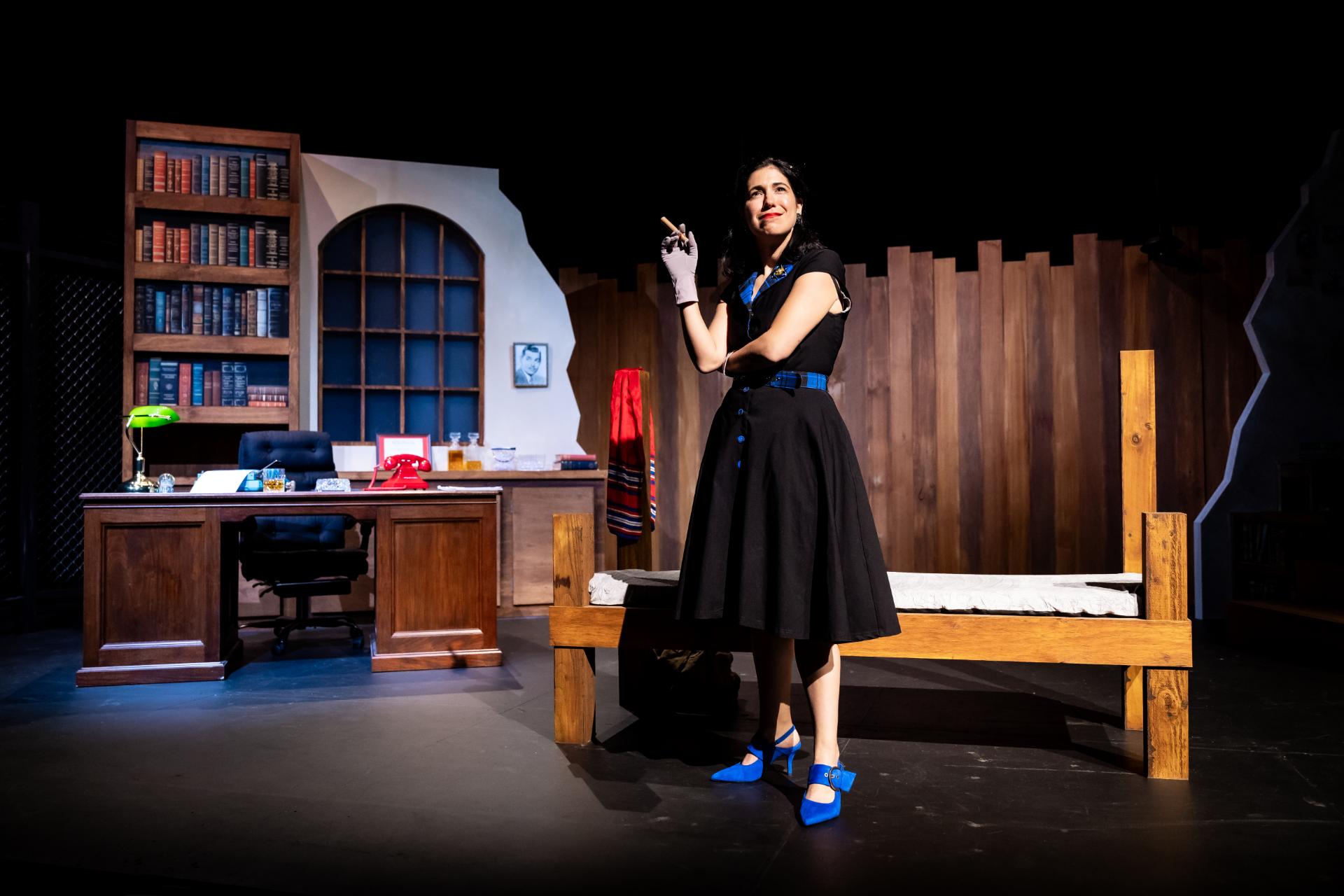
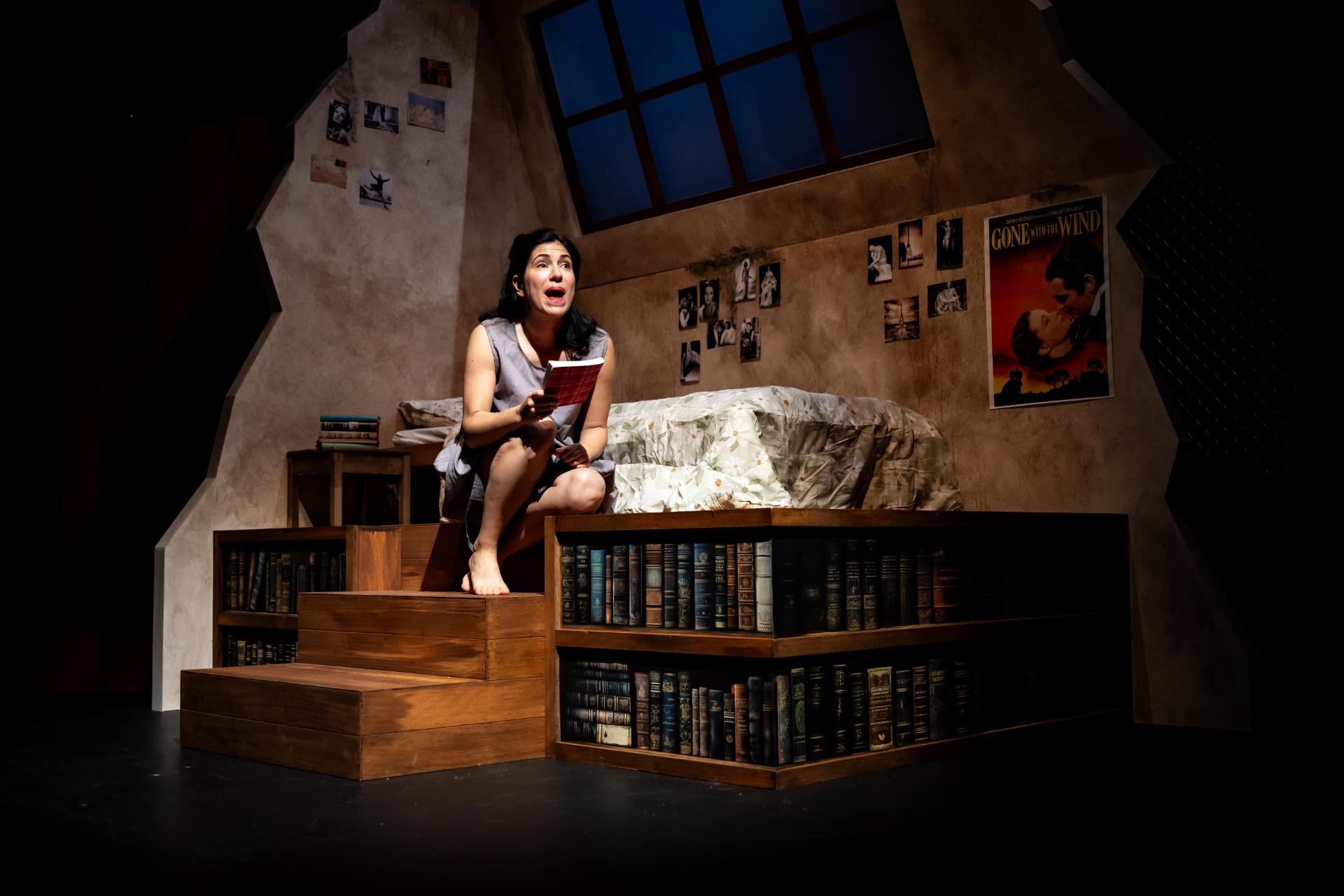
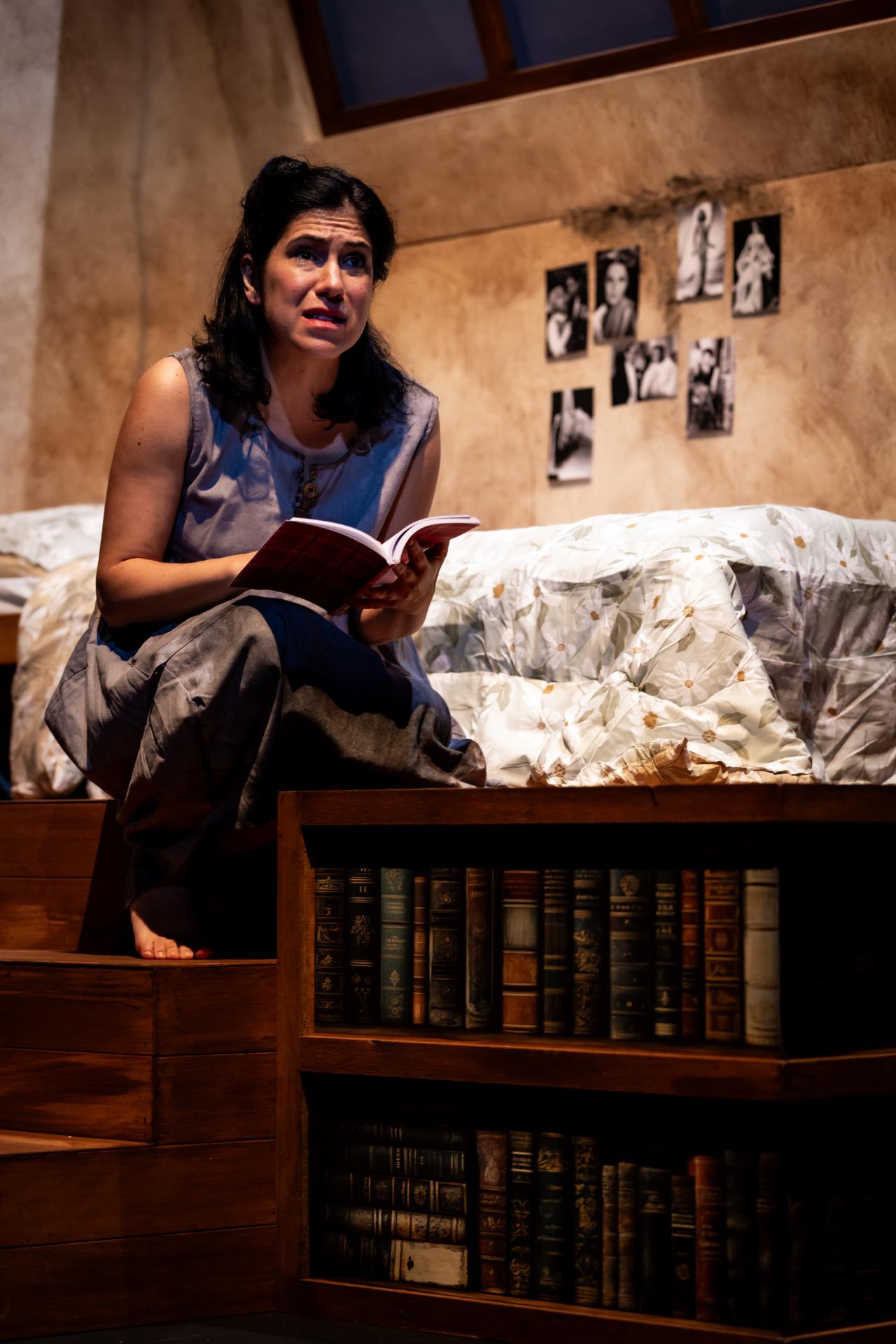
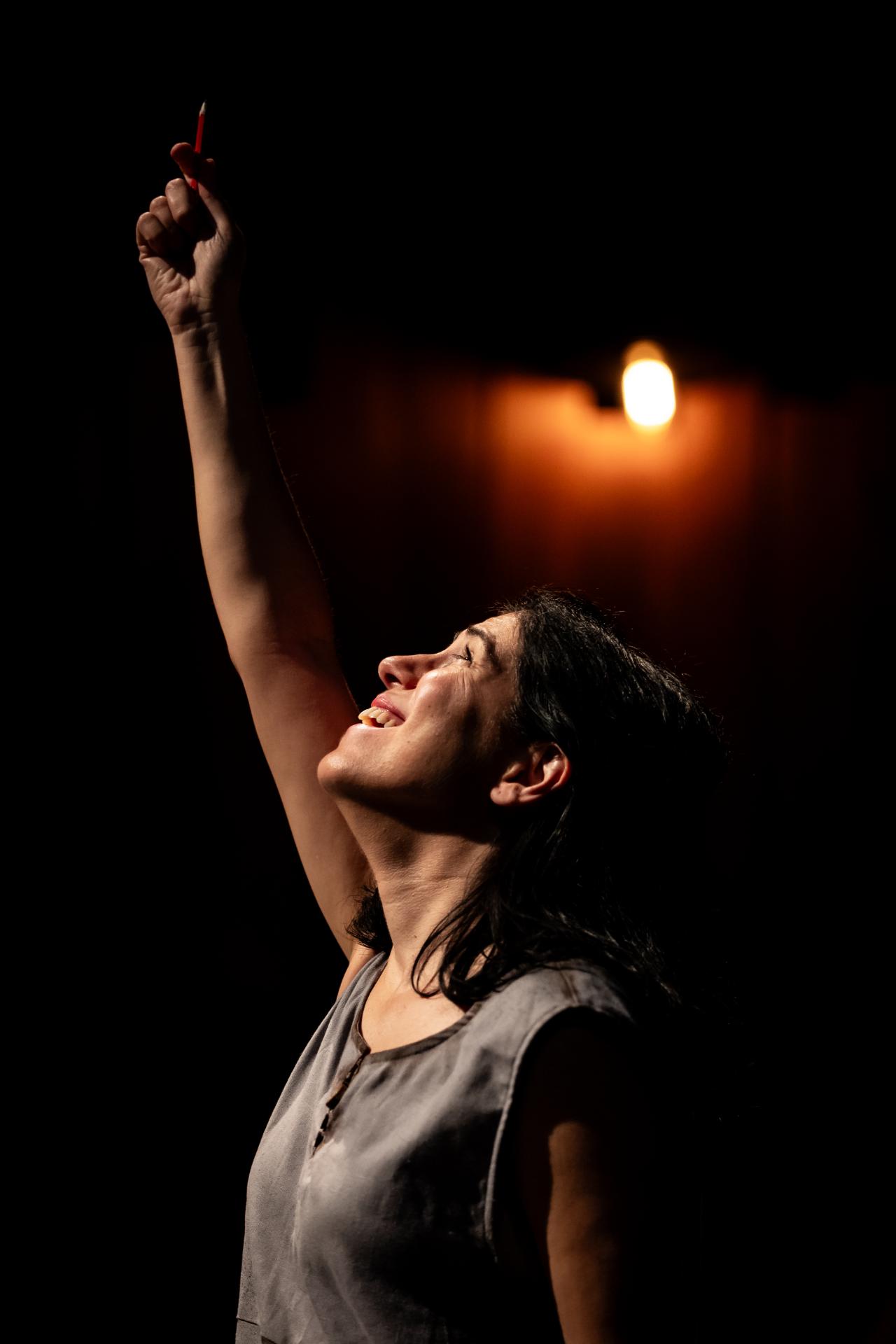
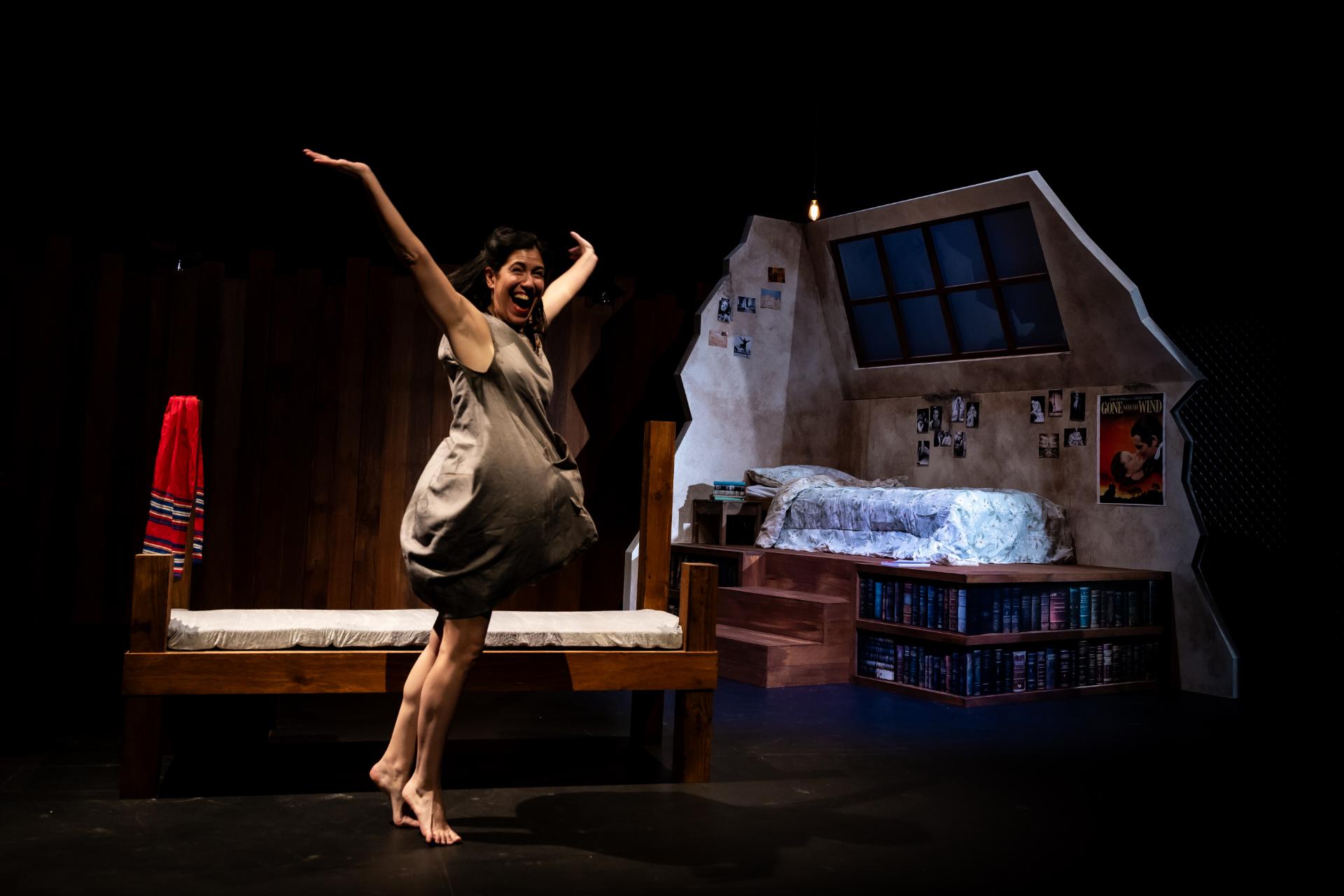
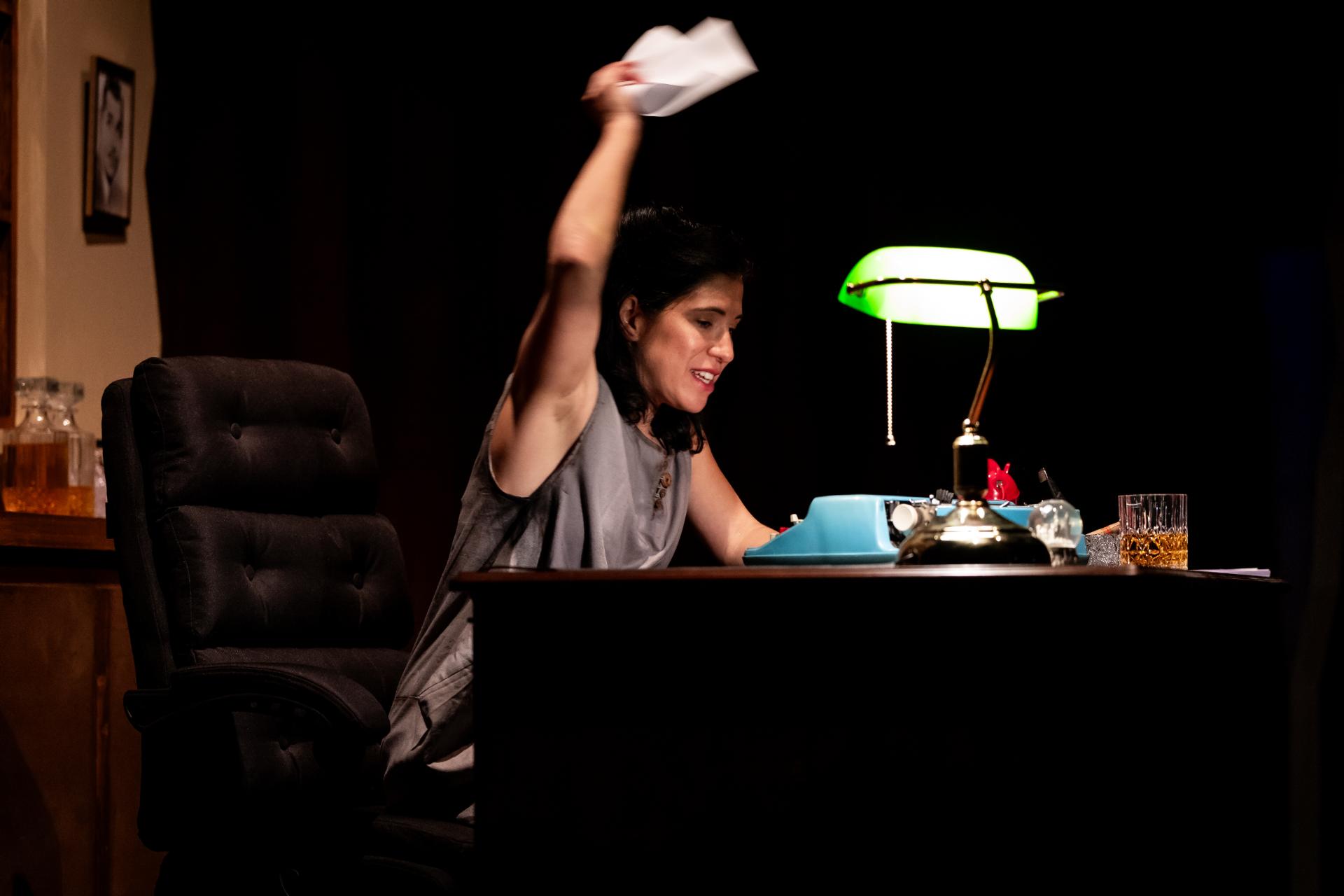
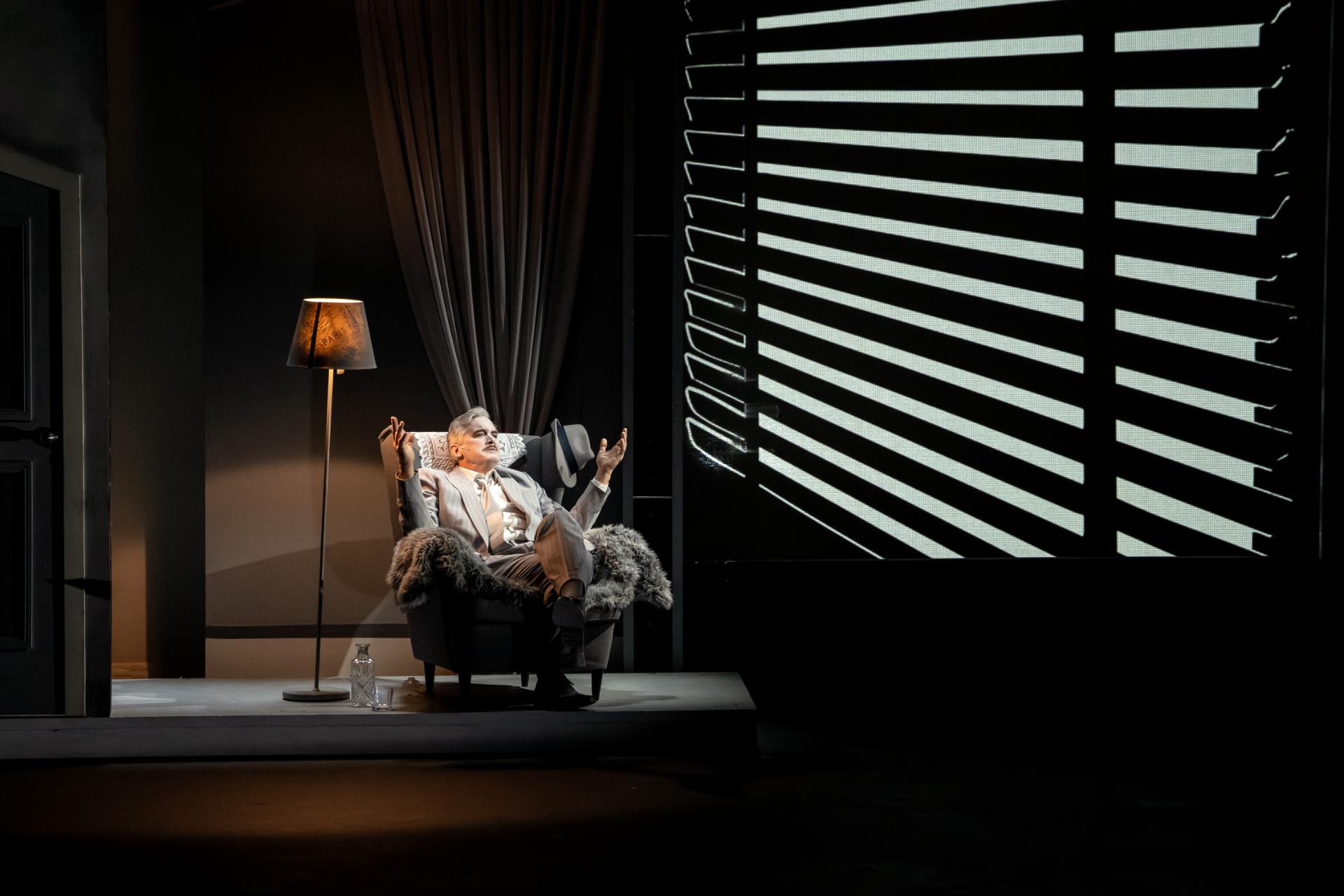
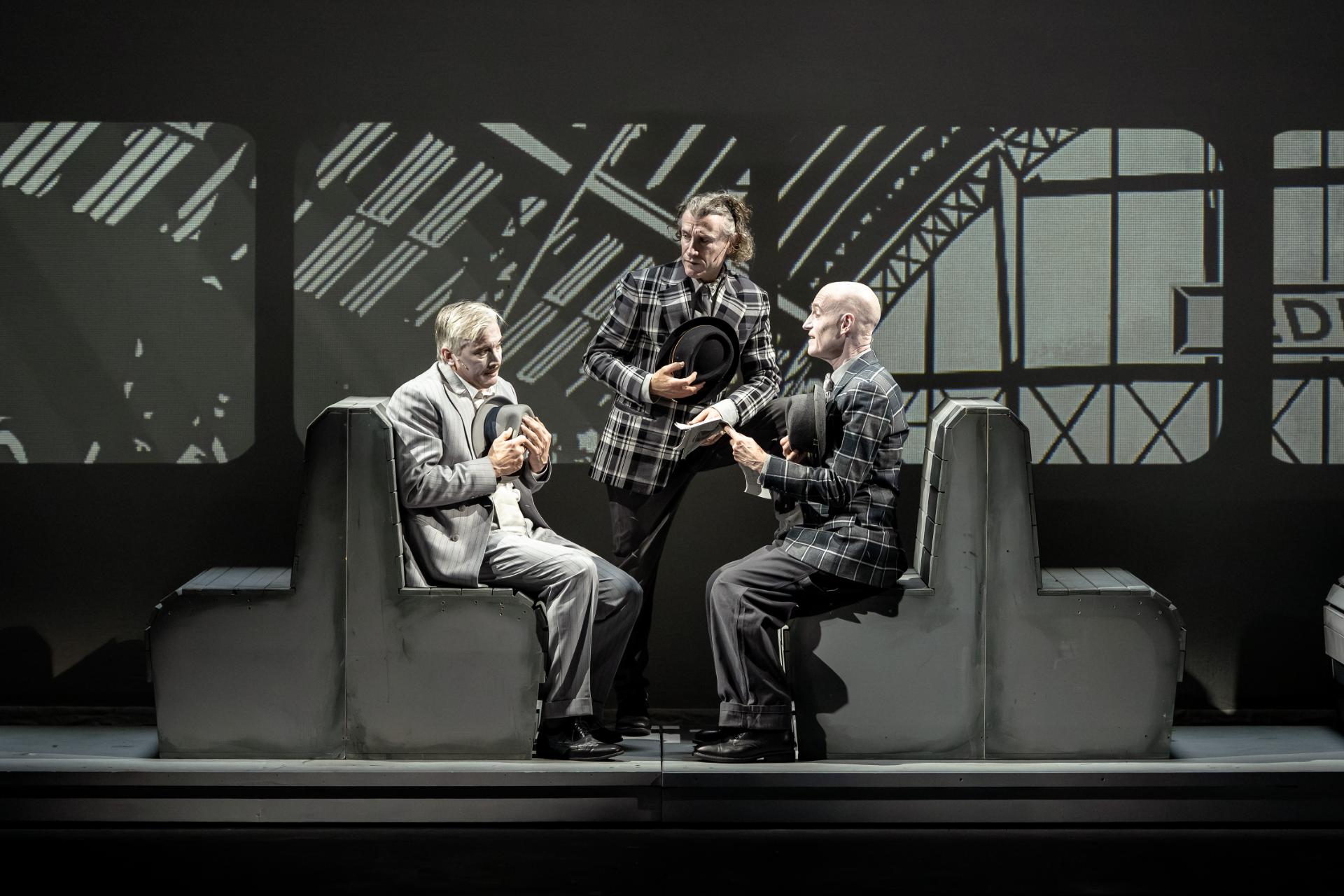
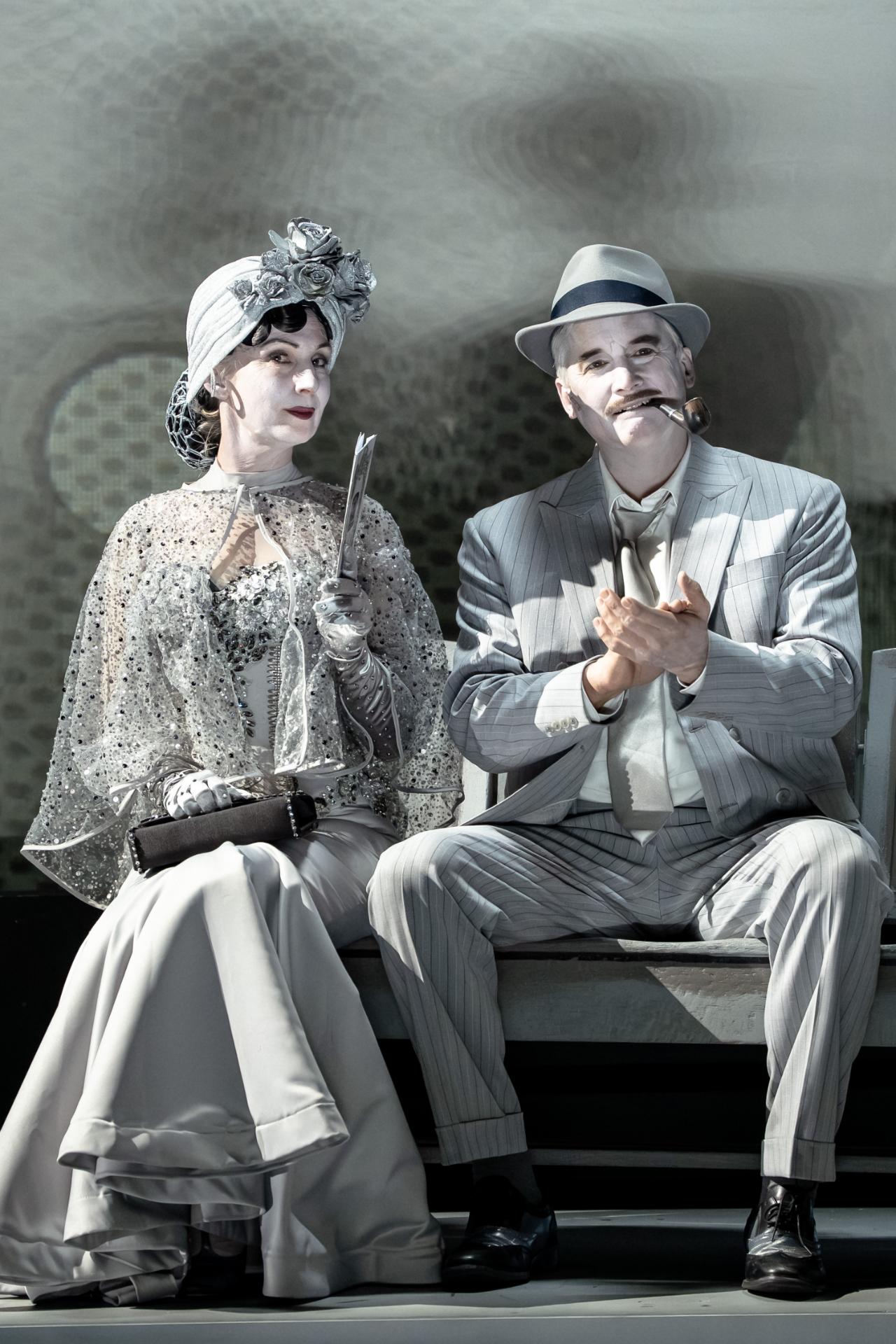
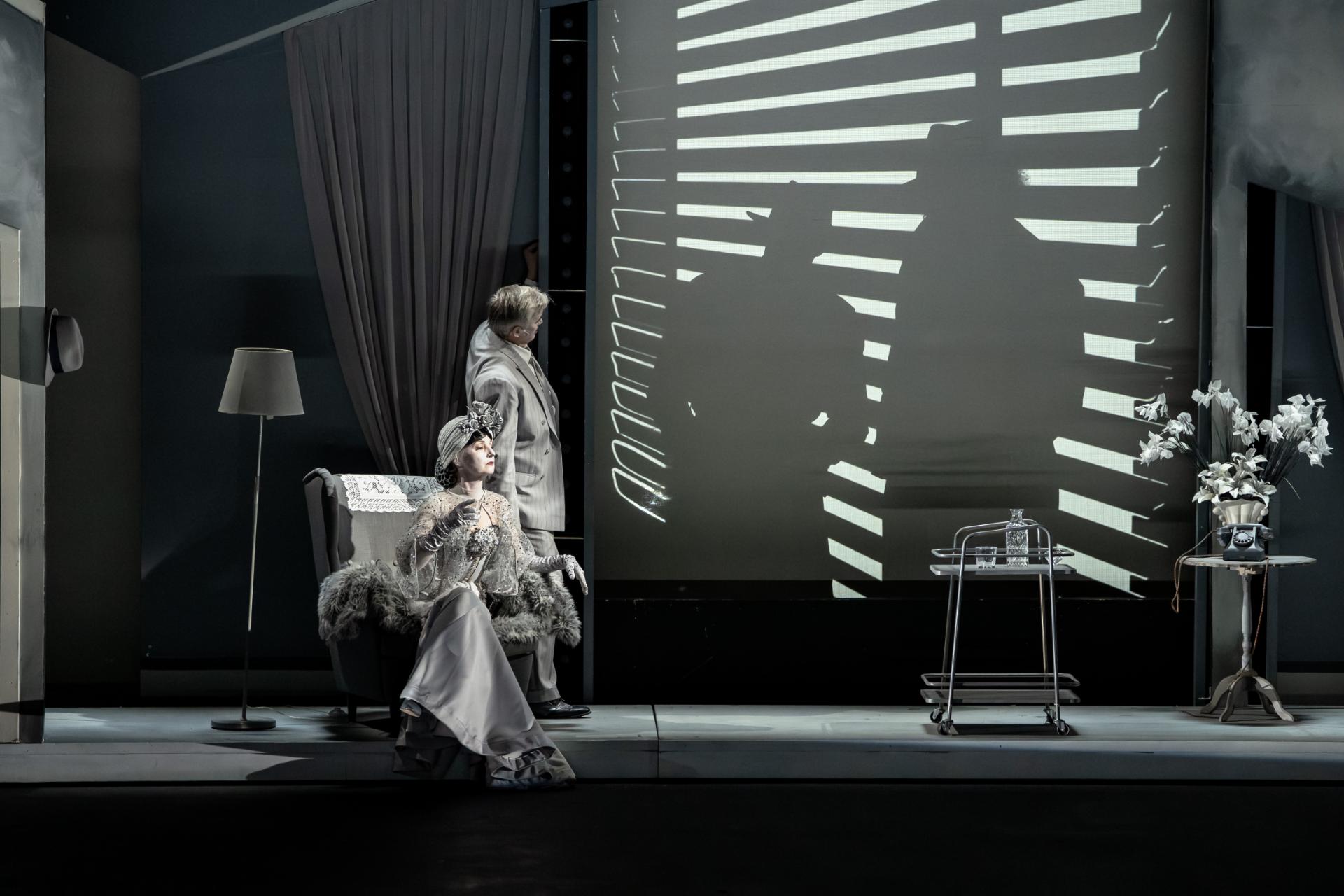
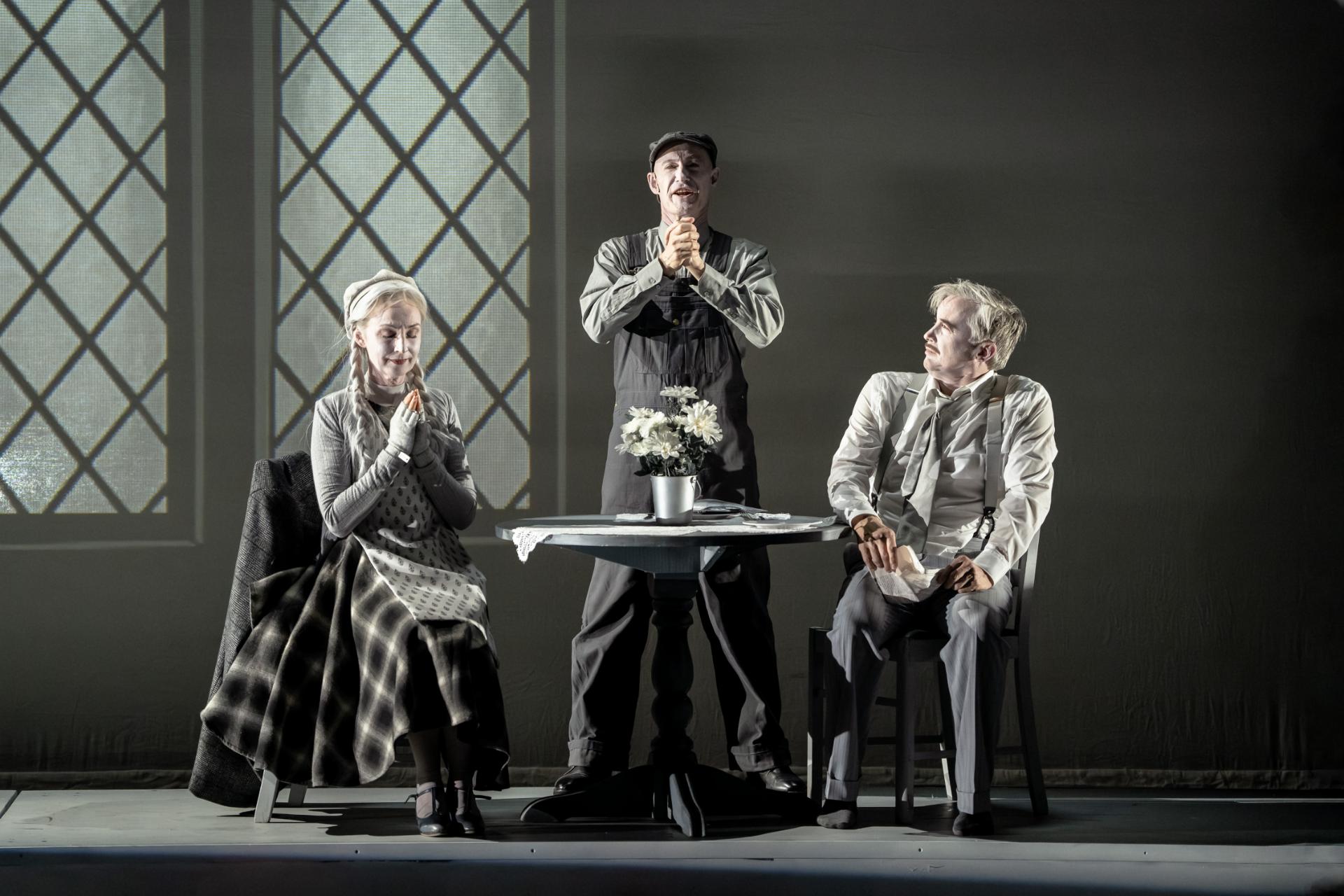
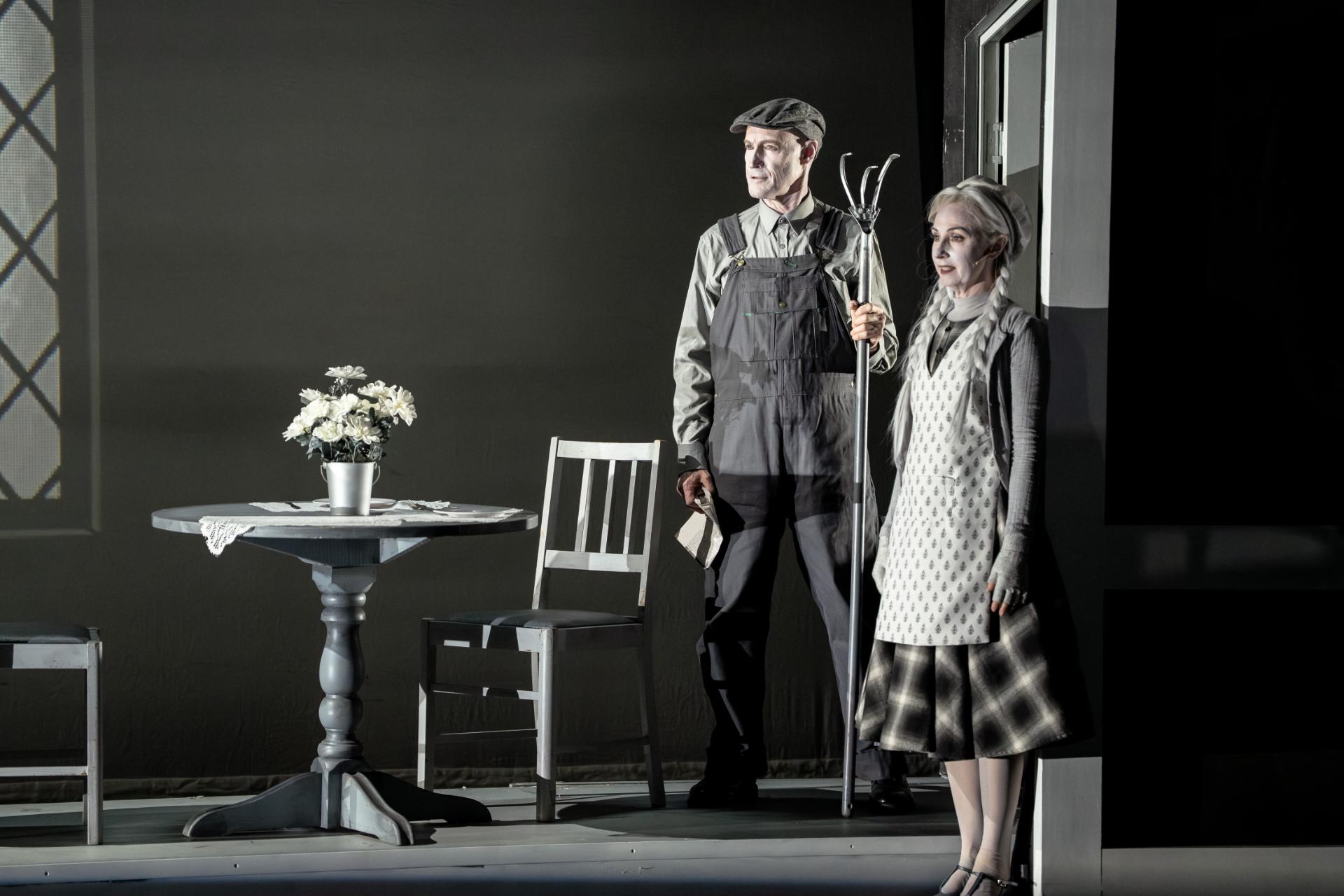
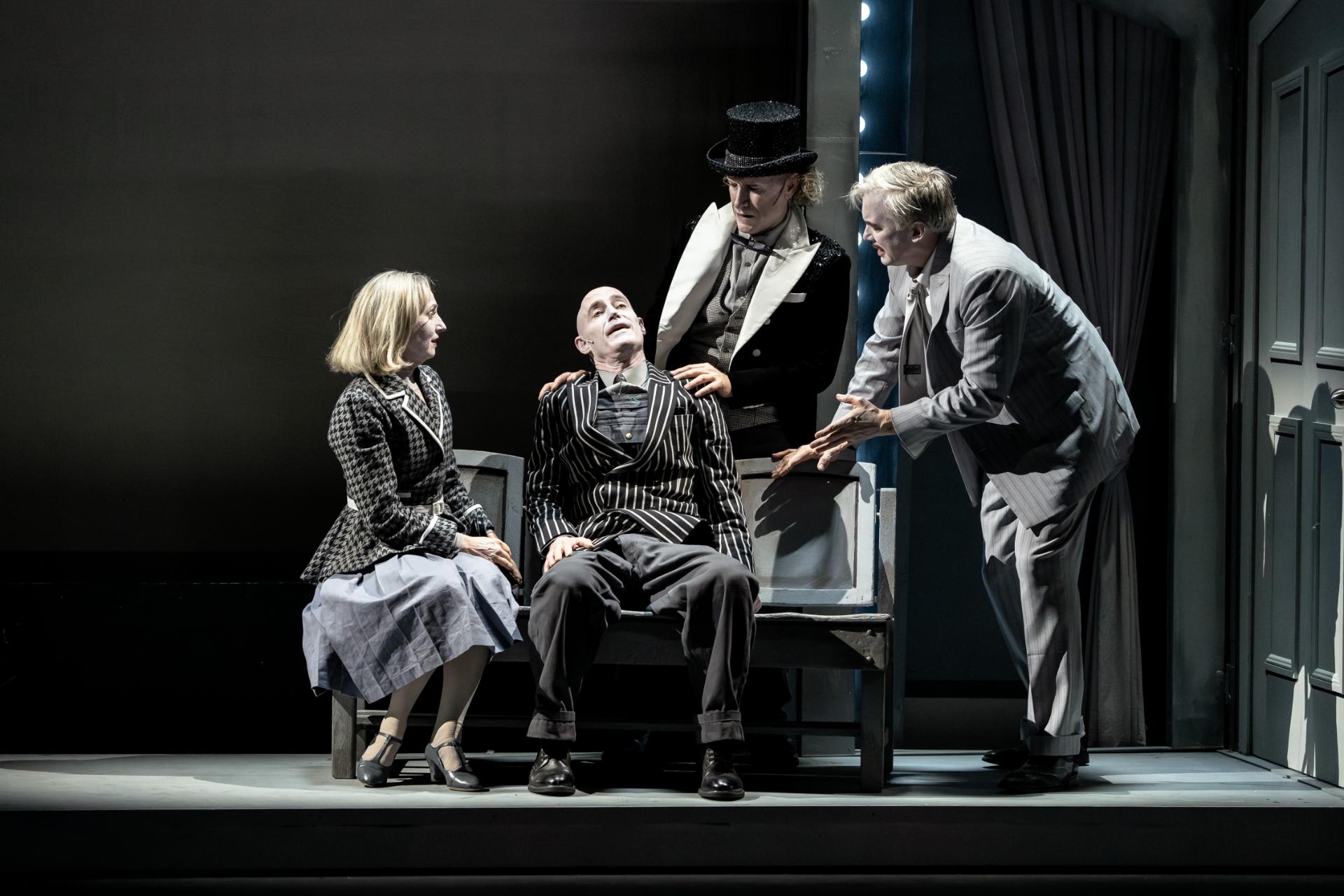
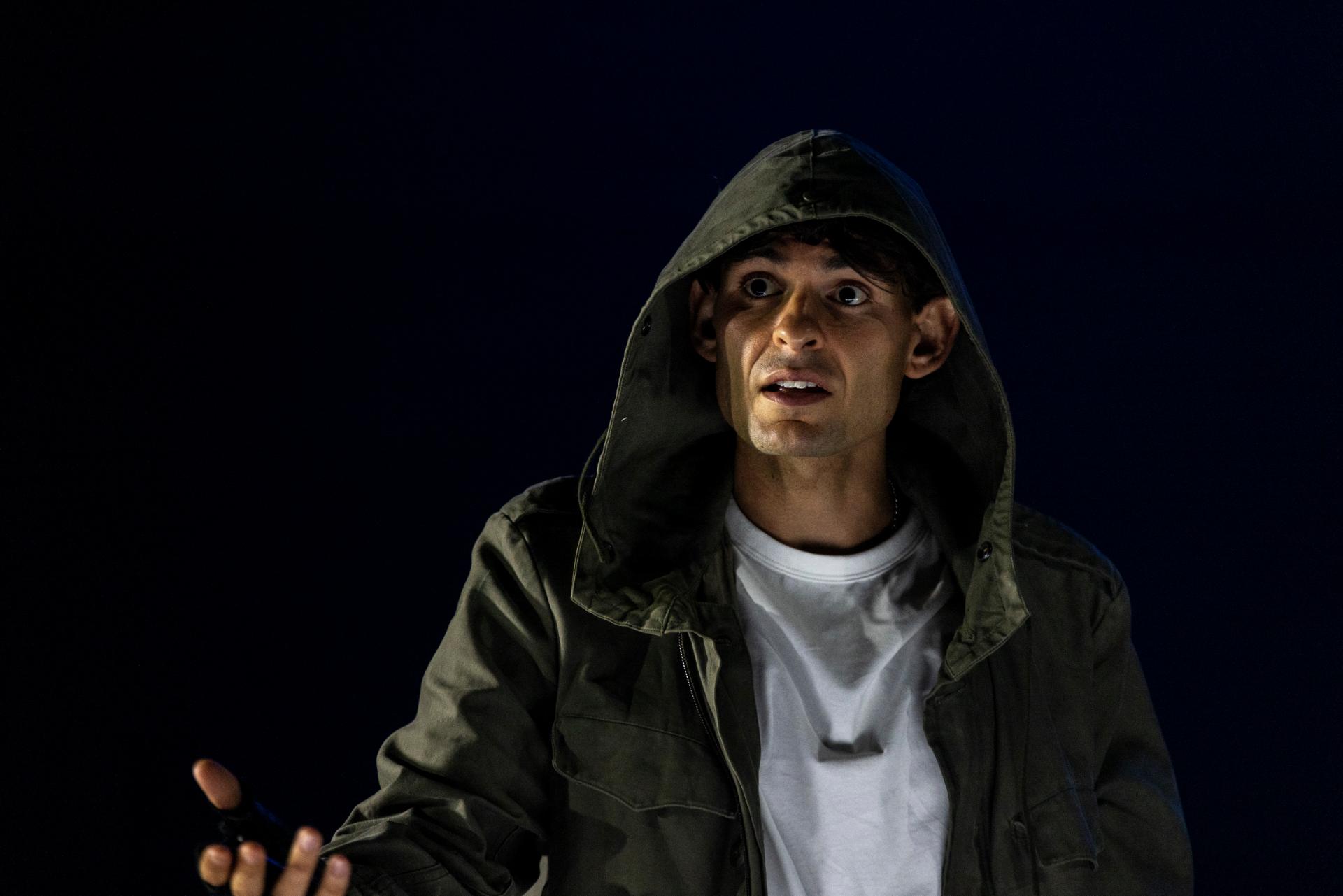
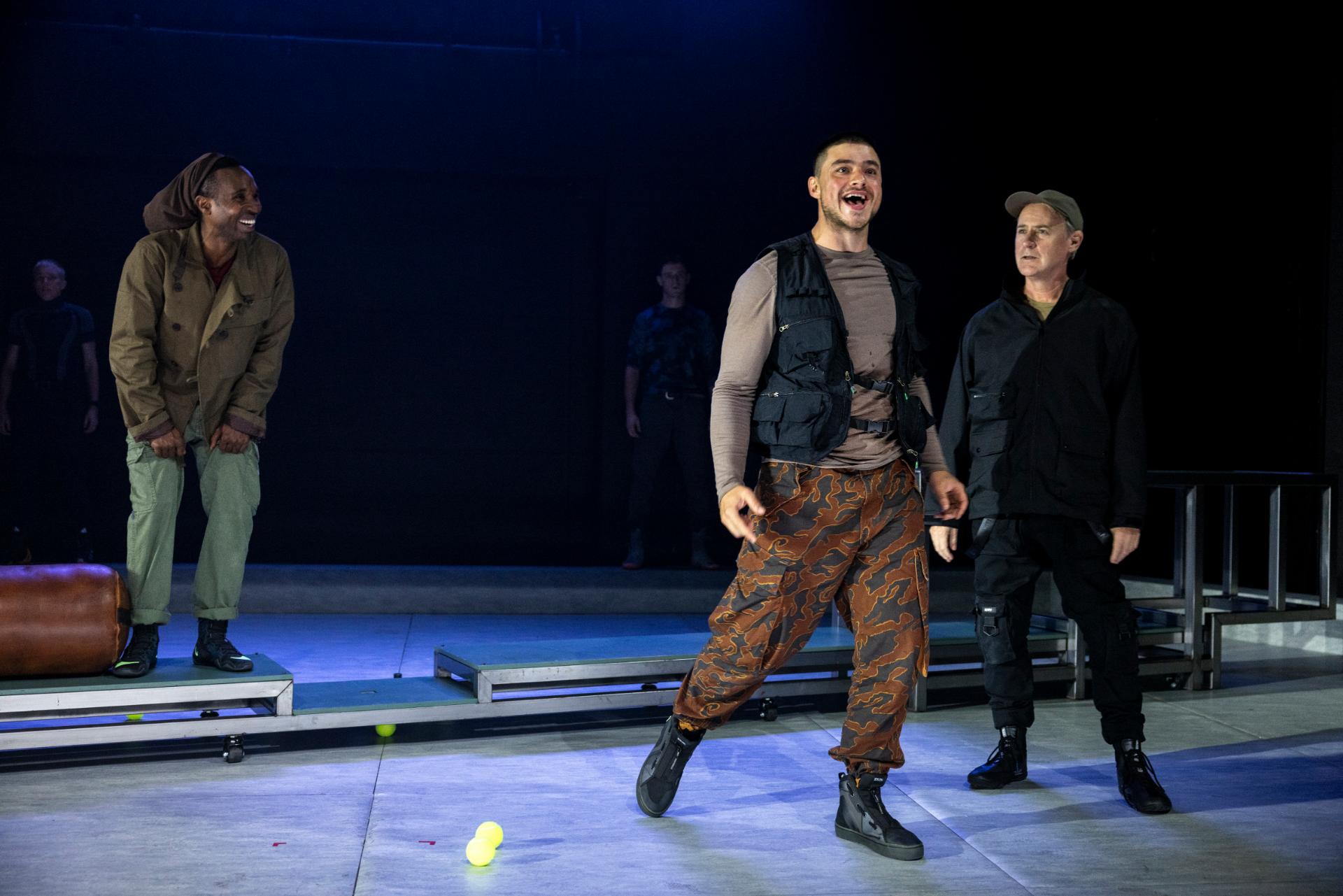
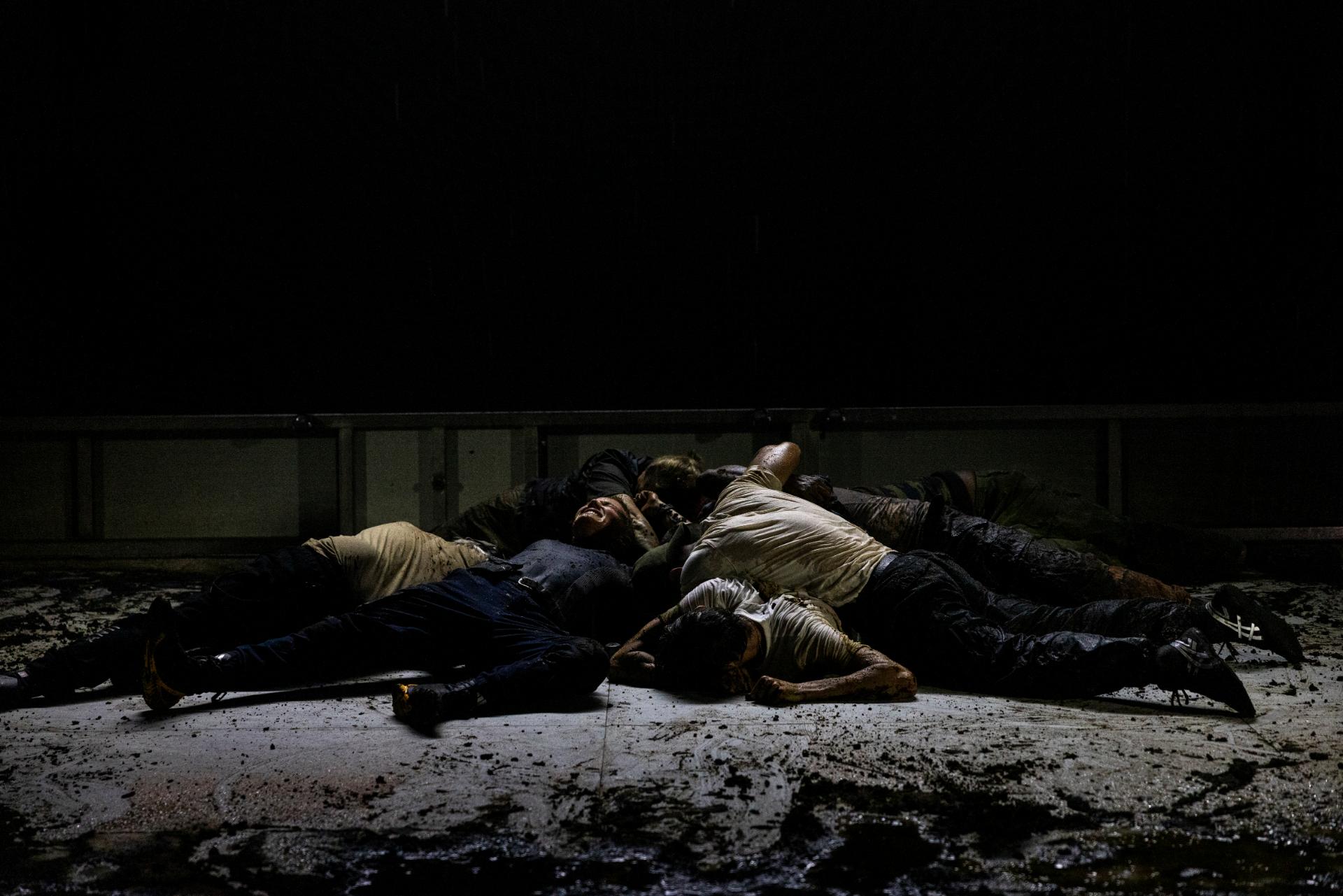
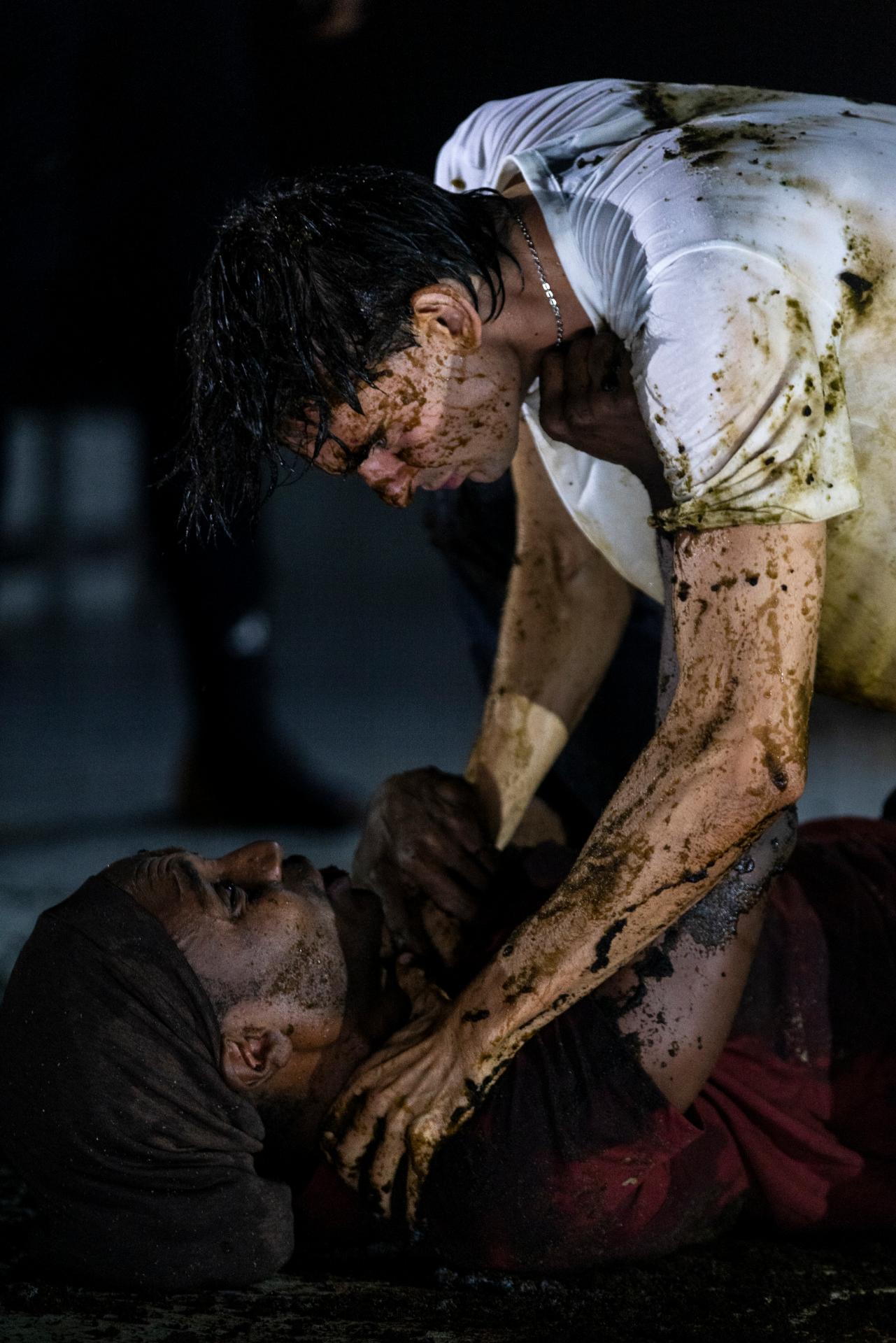
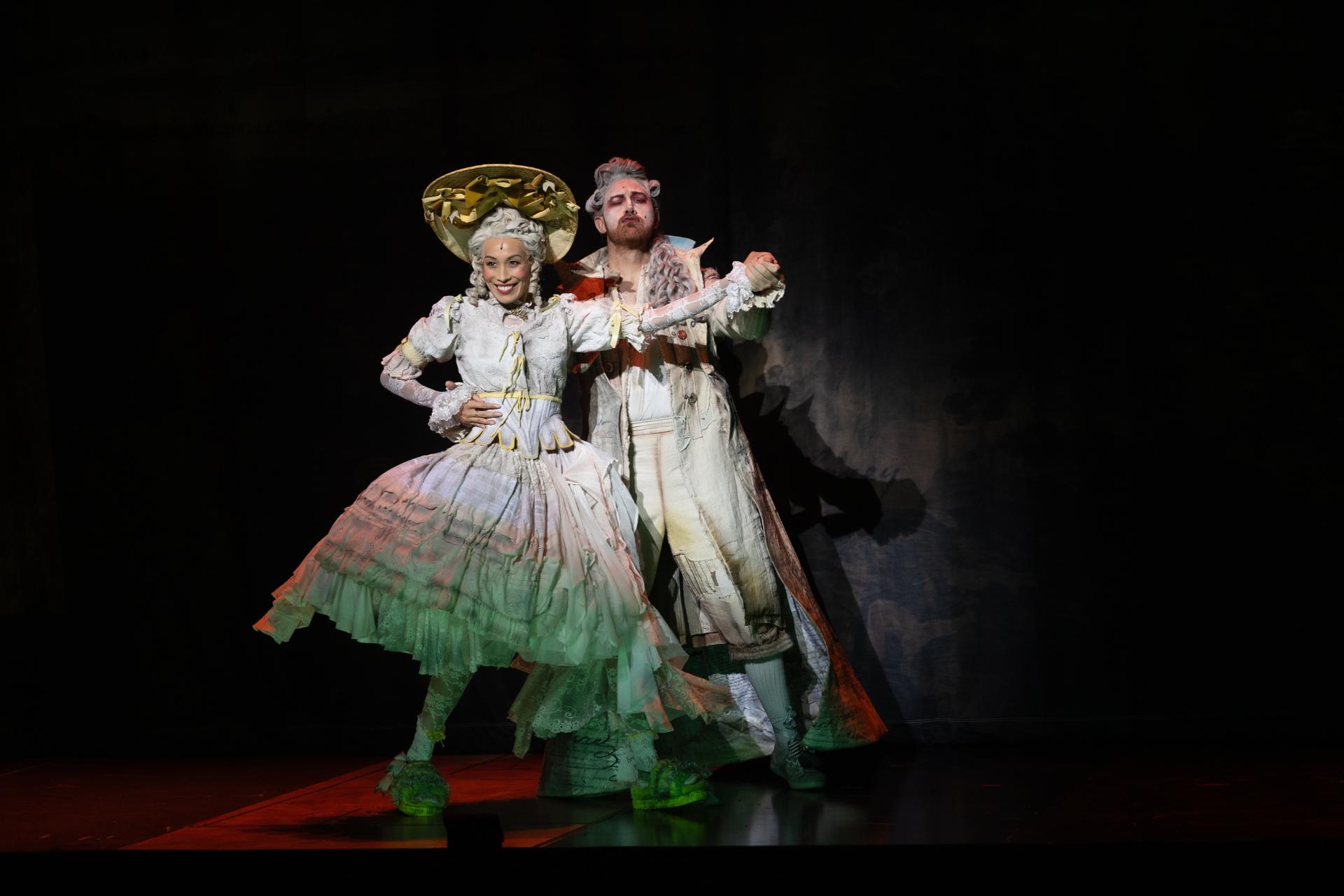
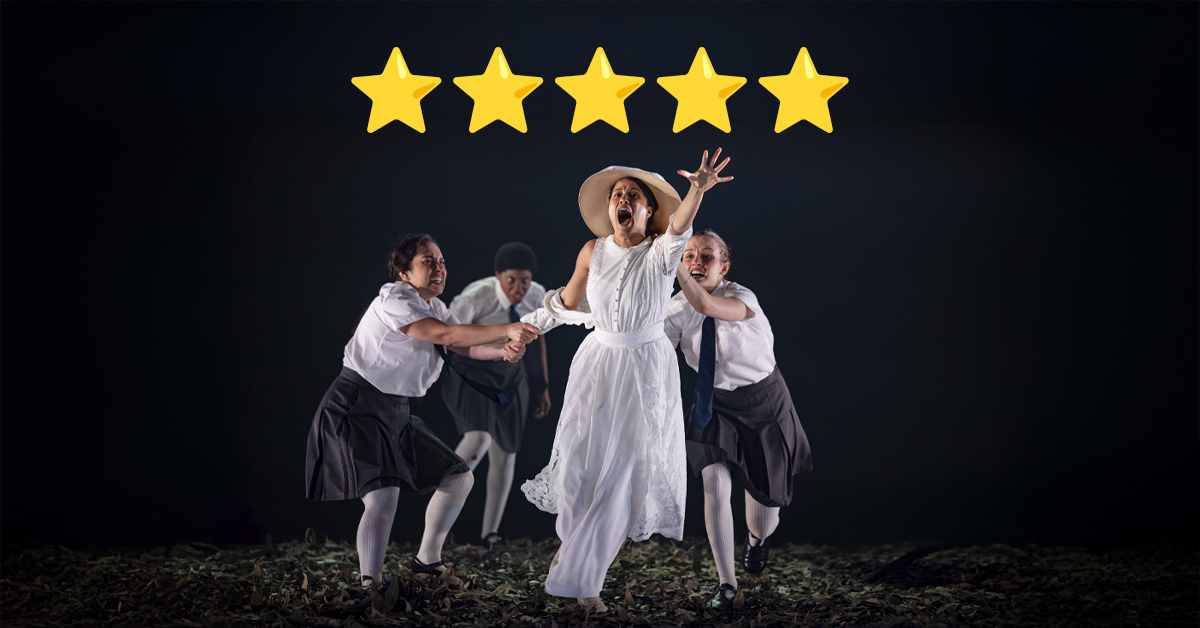
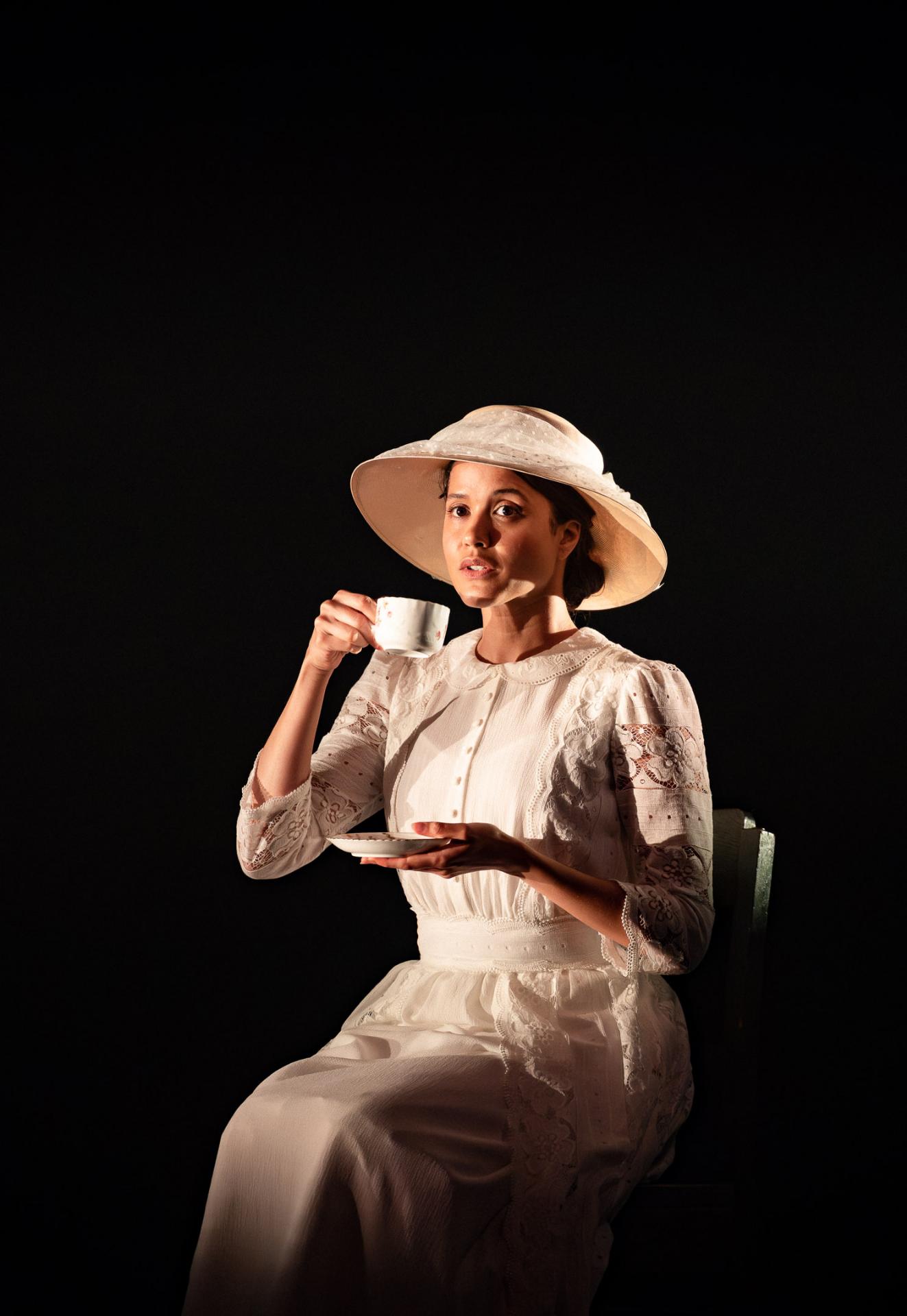
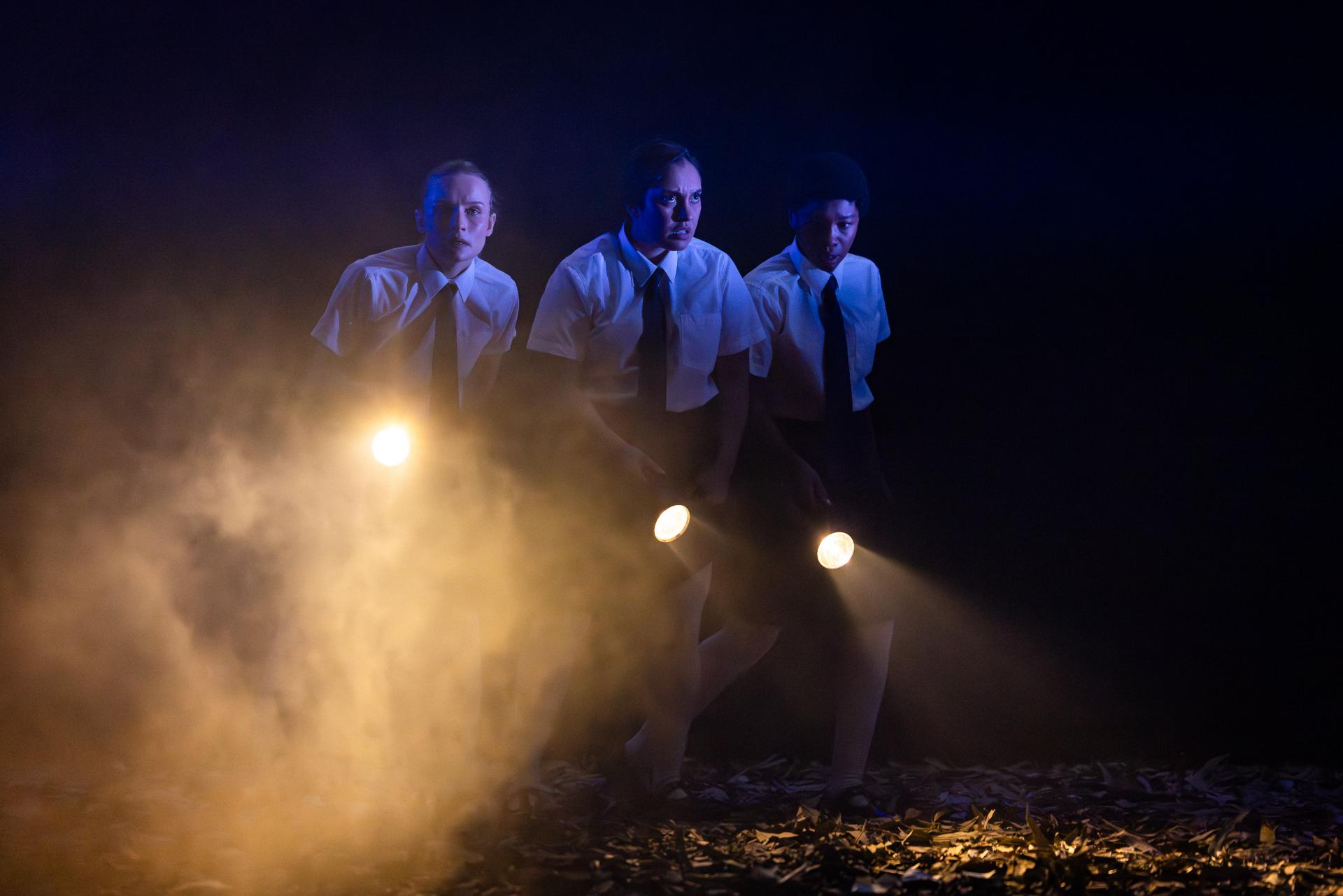
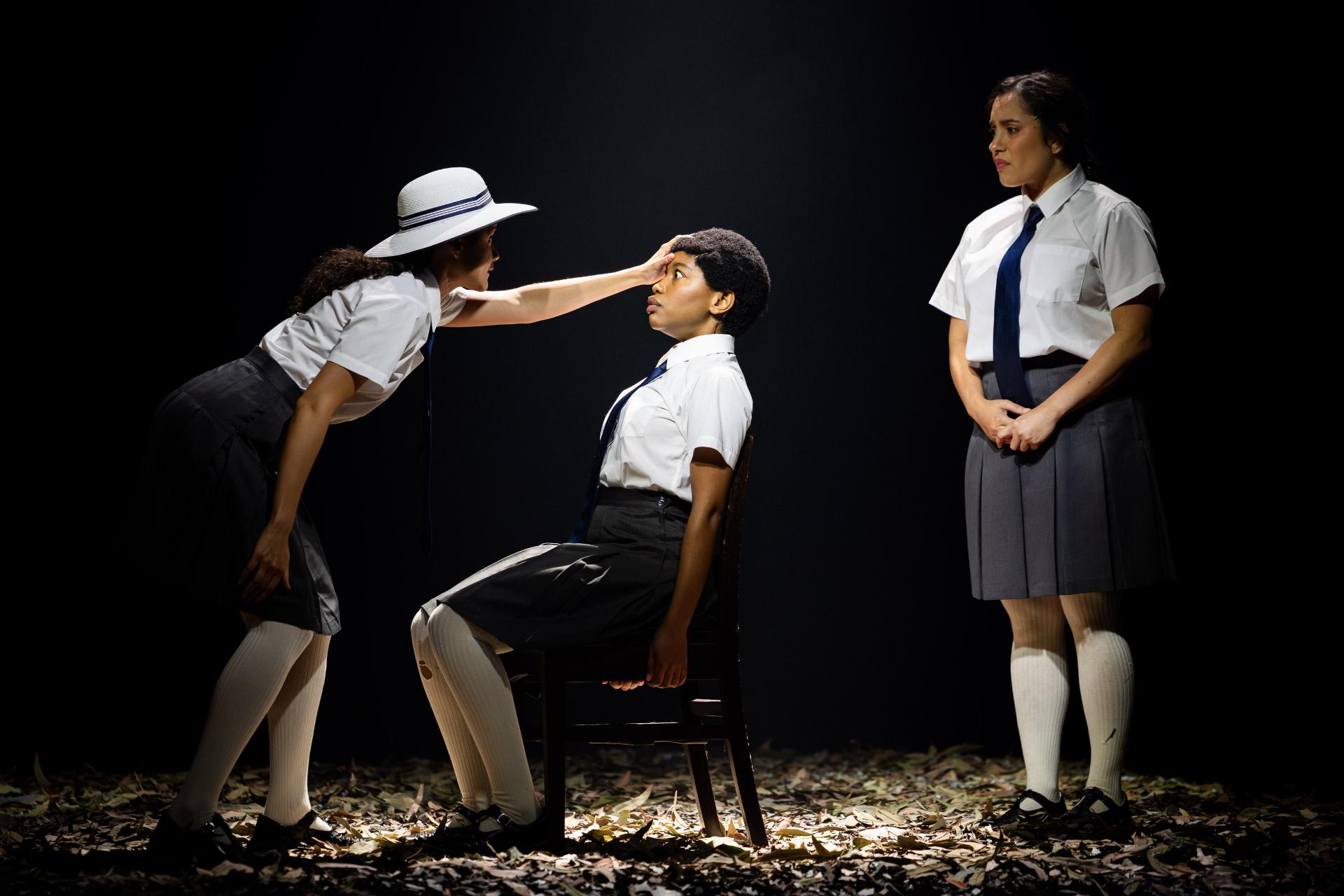
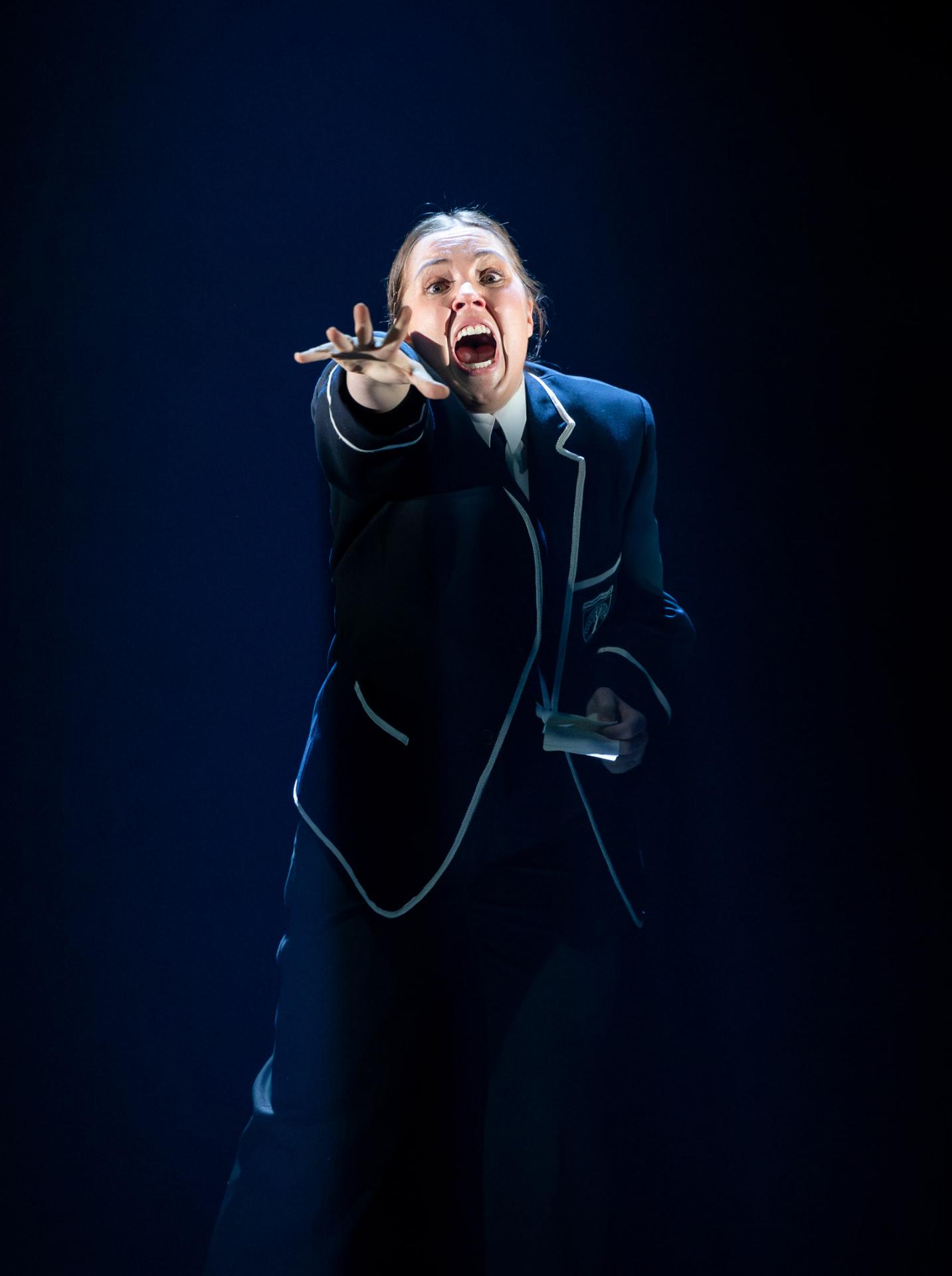
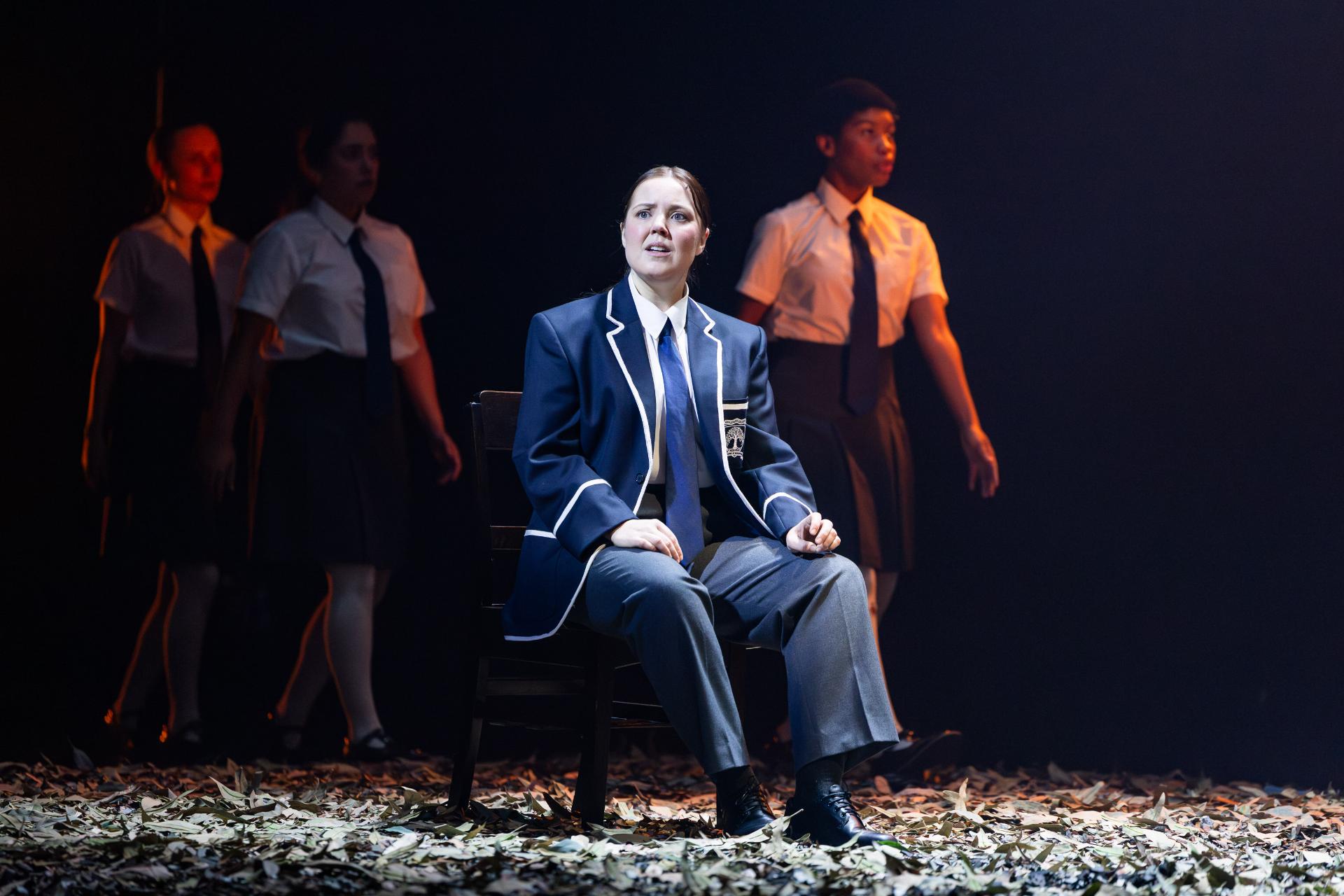
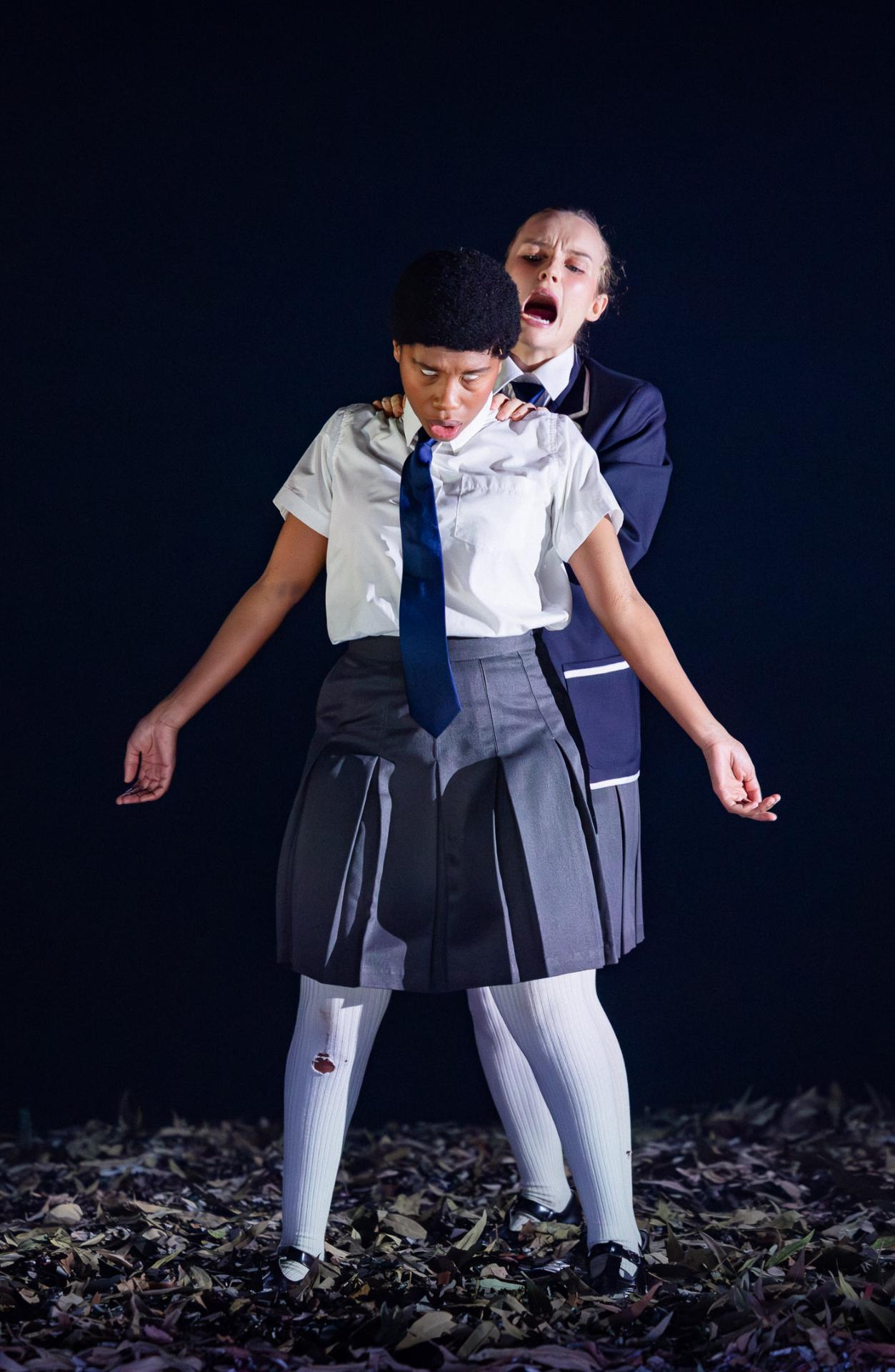
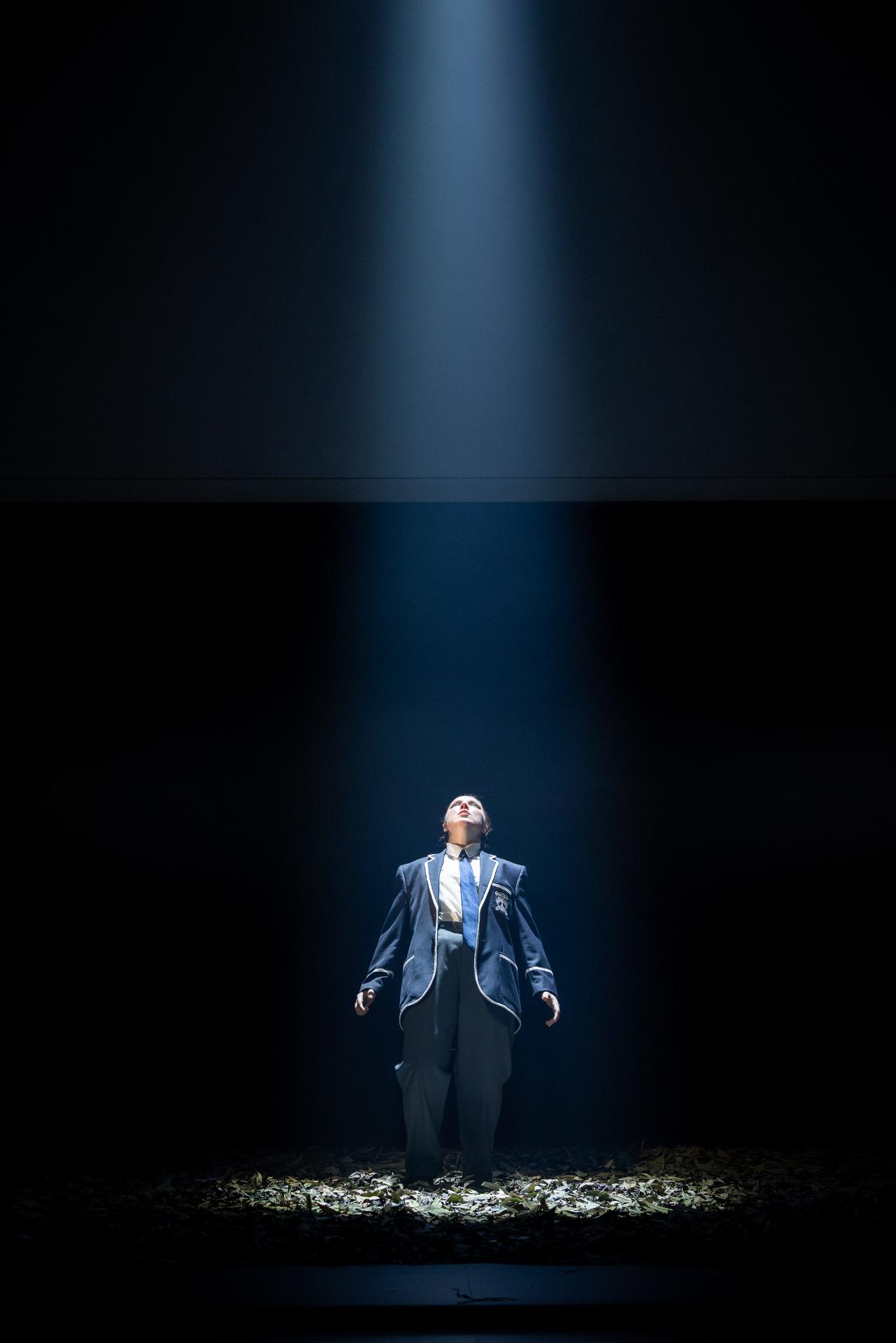
In Kate Mulvany’s retelling of The Shiralee, D’Arcy Niland’s 1955 novel, the swagman Macauley finds purpose only when he chooses to embrace his parental responsibilities as his daughter Buster approaches her tenth birthday. Together they walk through the shadow of the Great Depression, where dust and hunger become the measure of endurance. The hardships they face quickly draw them close, allowing both to flourish in unexpected ways.

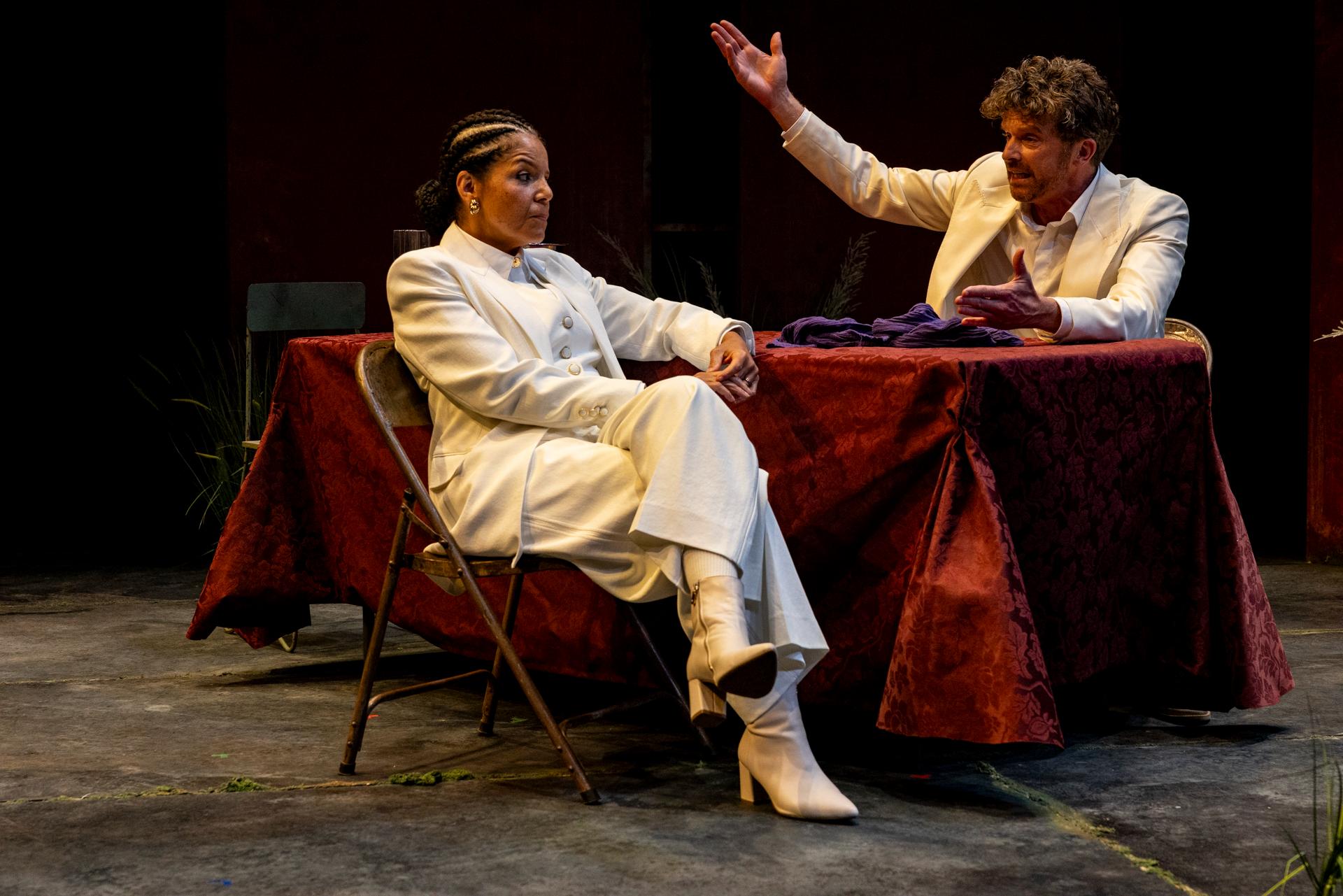
What was once a folksy tale of toil and redemption is transformed by Mulvany’s deft writing into something vibrantly humorous and sharply contemporary. Her play is delightful, charming, and consistently hilarious — a thoroughly entertaining reimagining that recontextualises a classic story for modern sensibilities.

Directed by Jessica Arthur, the production leans wholeheartedly into its comedic potential, unearthing every possible moment of laughter to create a show brimming with joy and playfulness. Driven by an expansive imagination and free-spirited inventiveness, Arthur’s work is a profound uplift, offering sincere explorations of love, belonging, and the meaning of home.

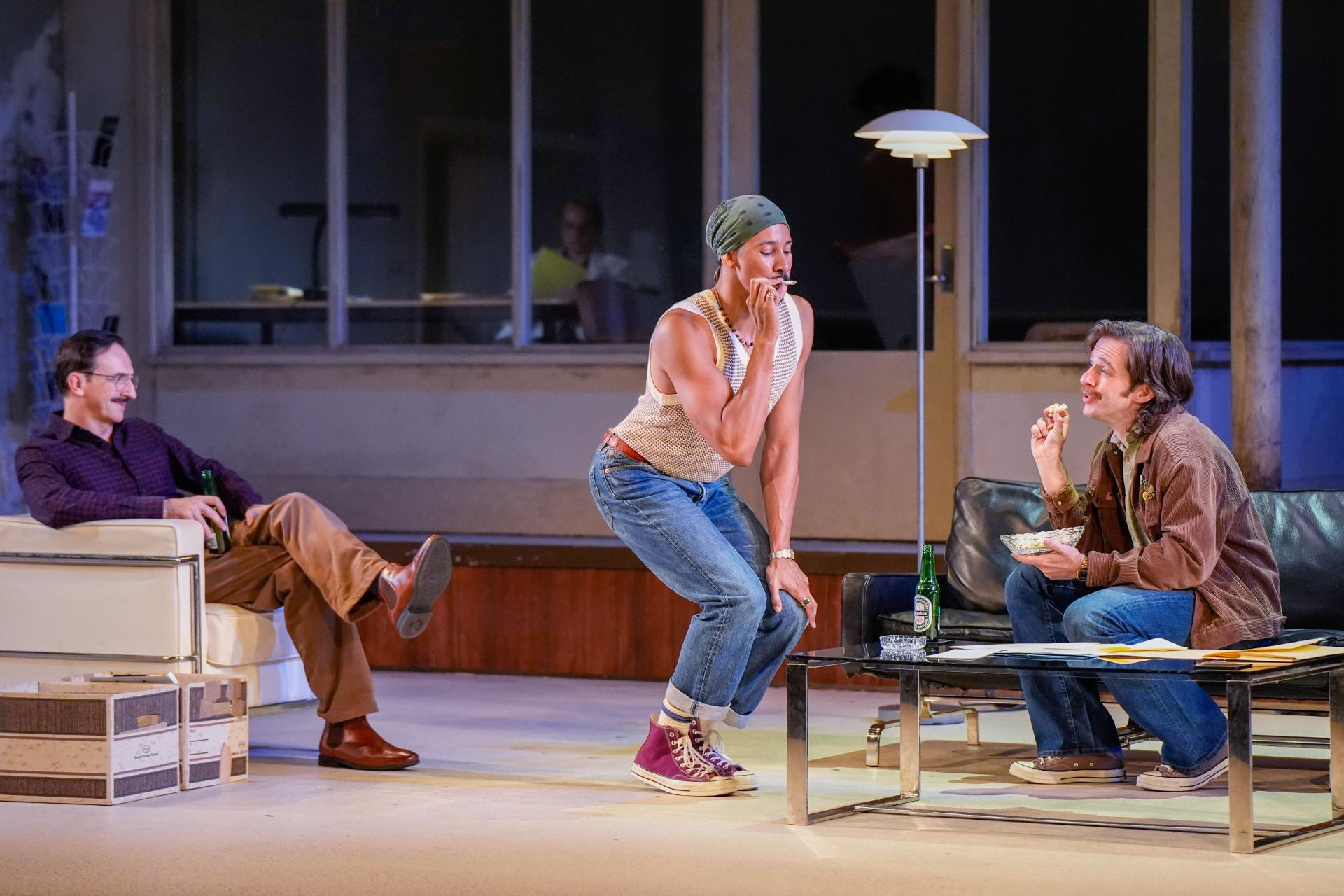
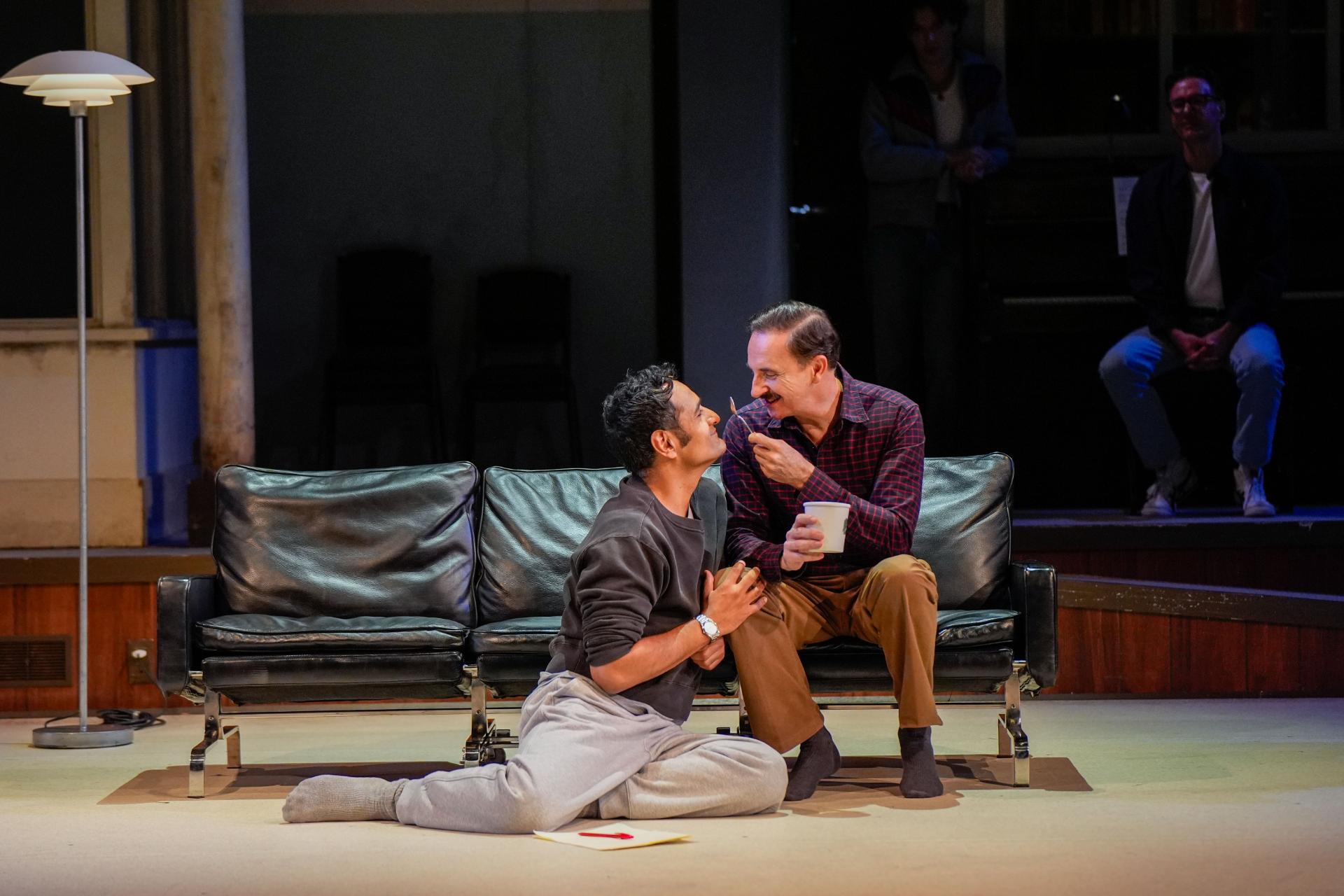
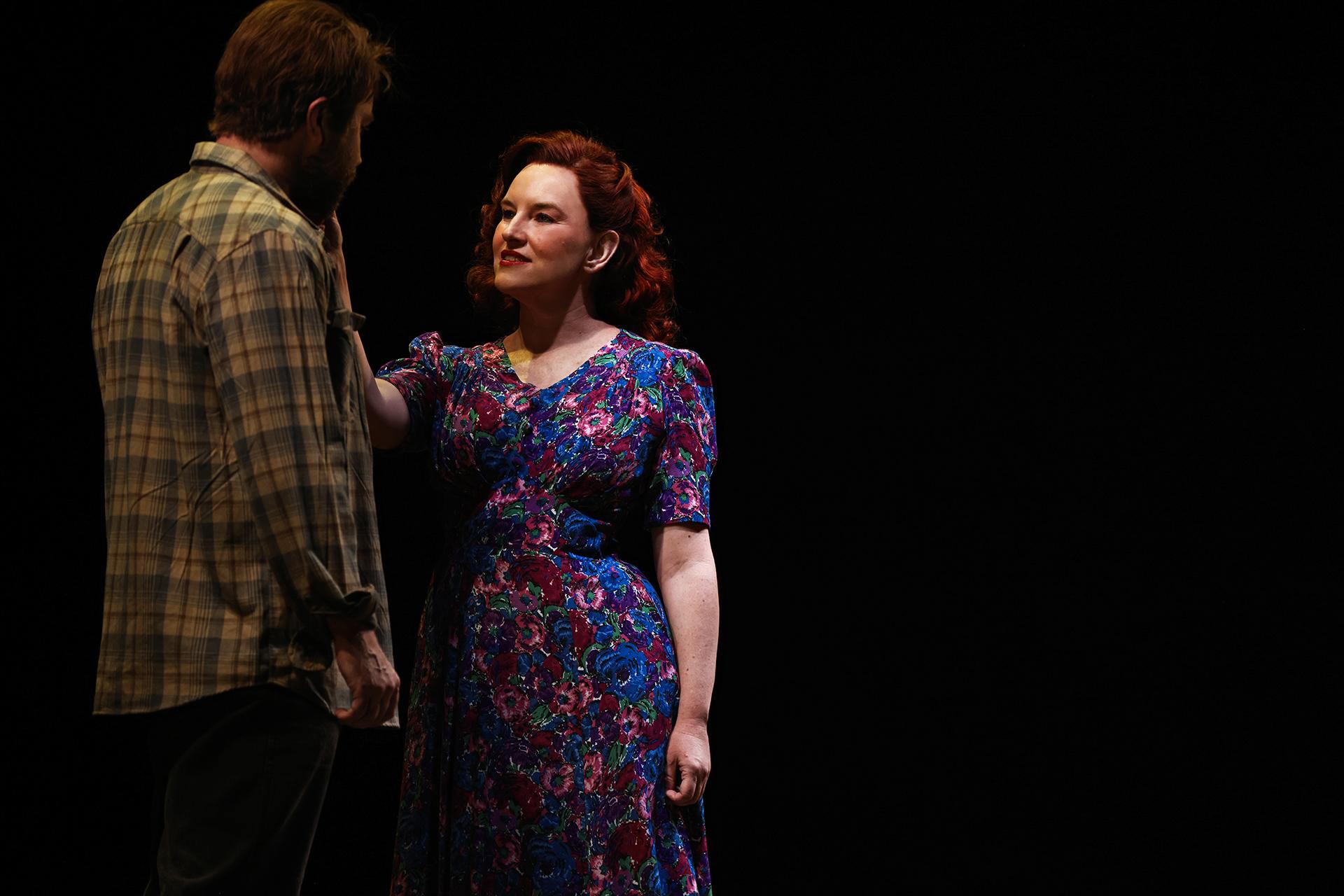
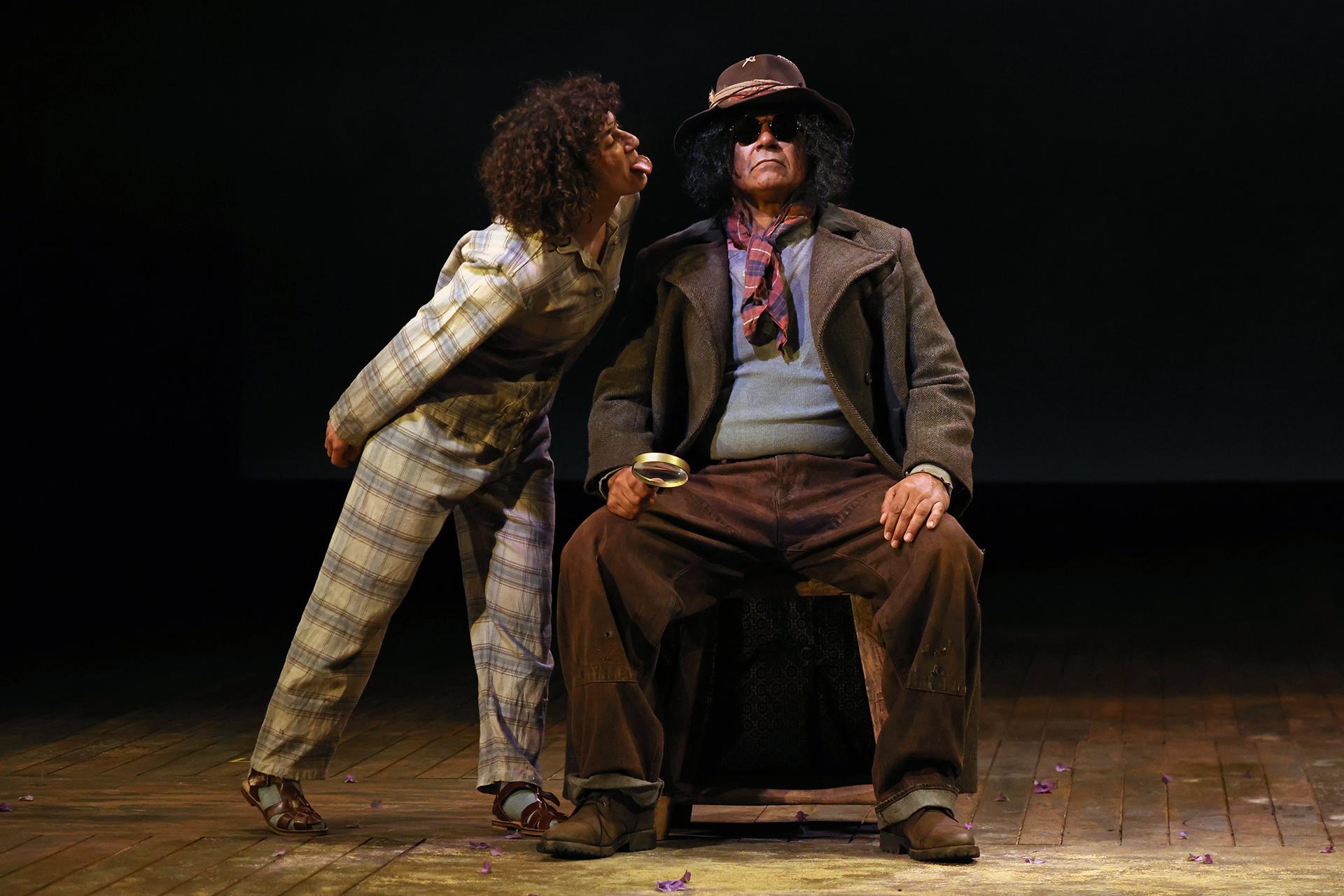
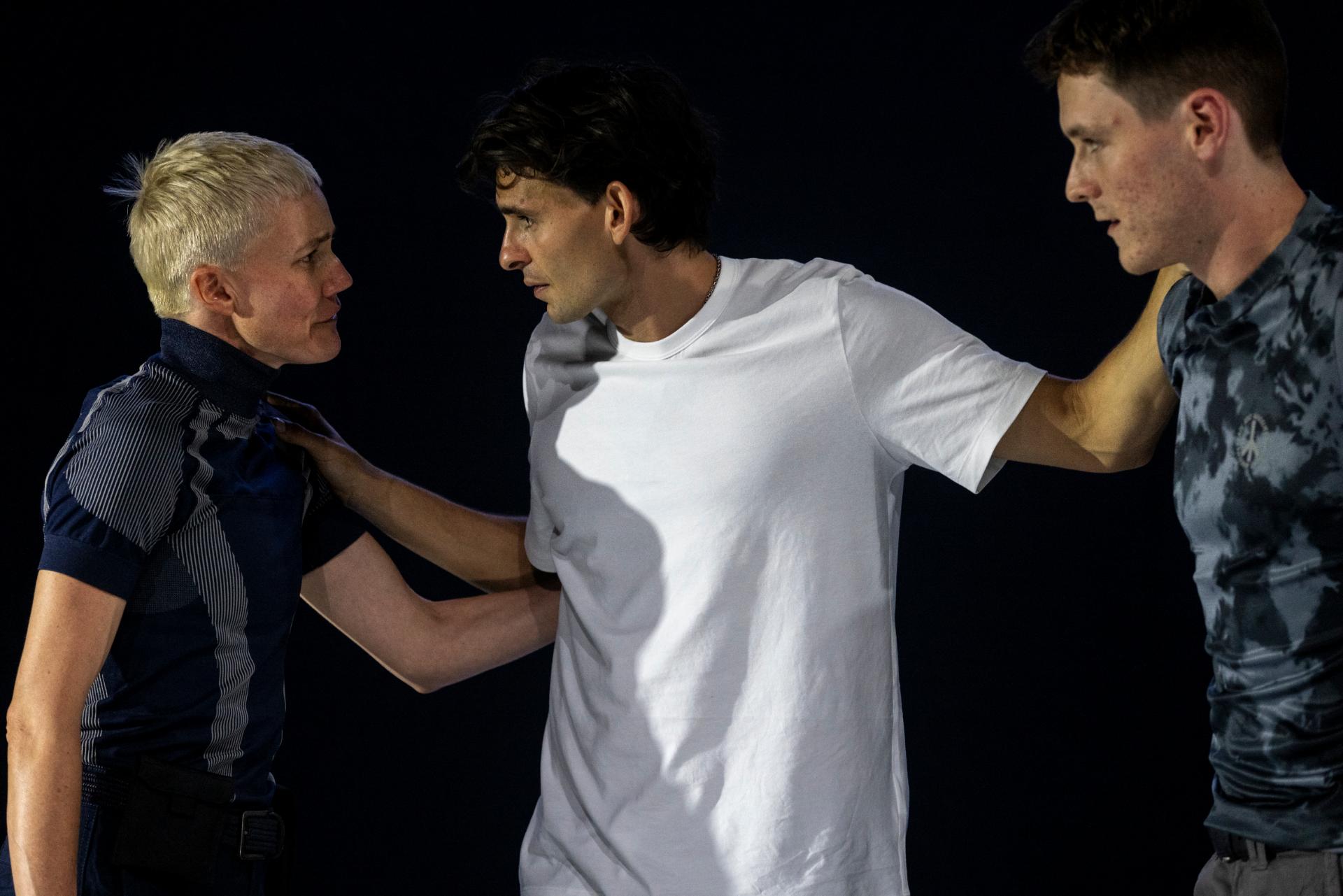
The cast glows with an irresistible warmth — each performer uncovering fresh, idiosyncratic ways to awaken an old tale for our restless, modern hearts. They play to our weariness with laughter, coaxing joy from every line, finding light in even the smallest turns of phrase.

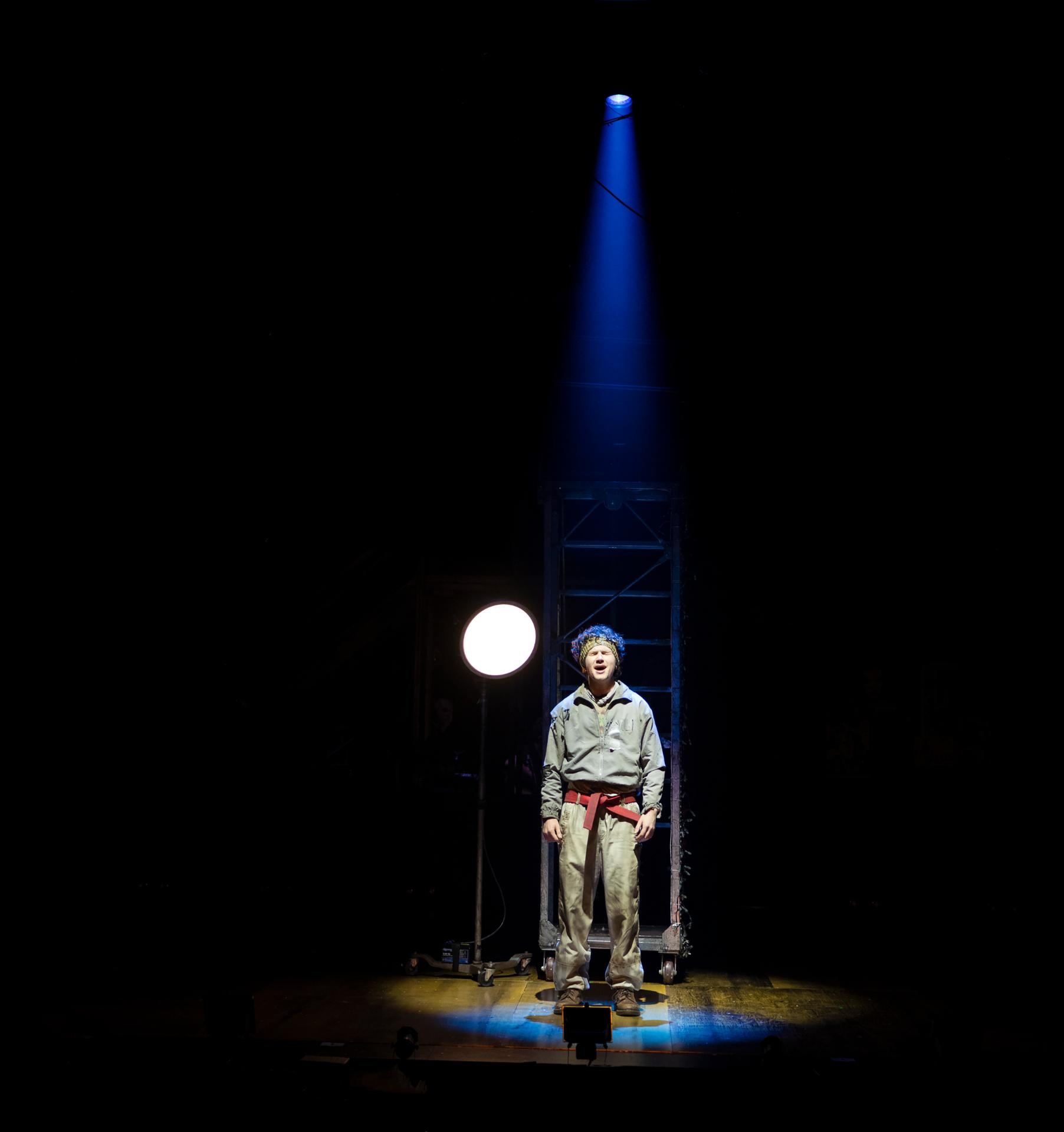
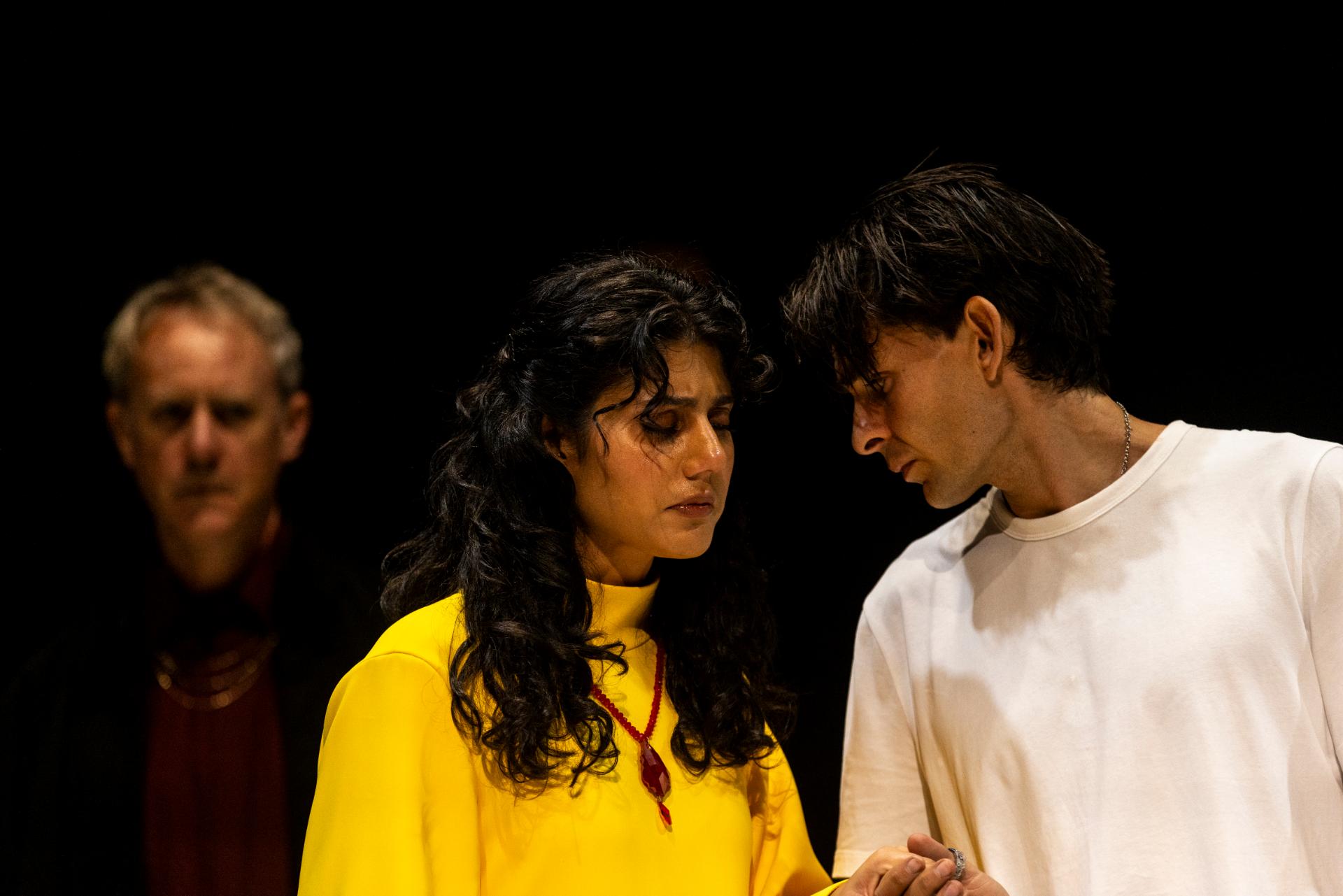
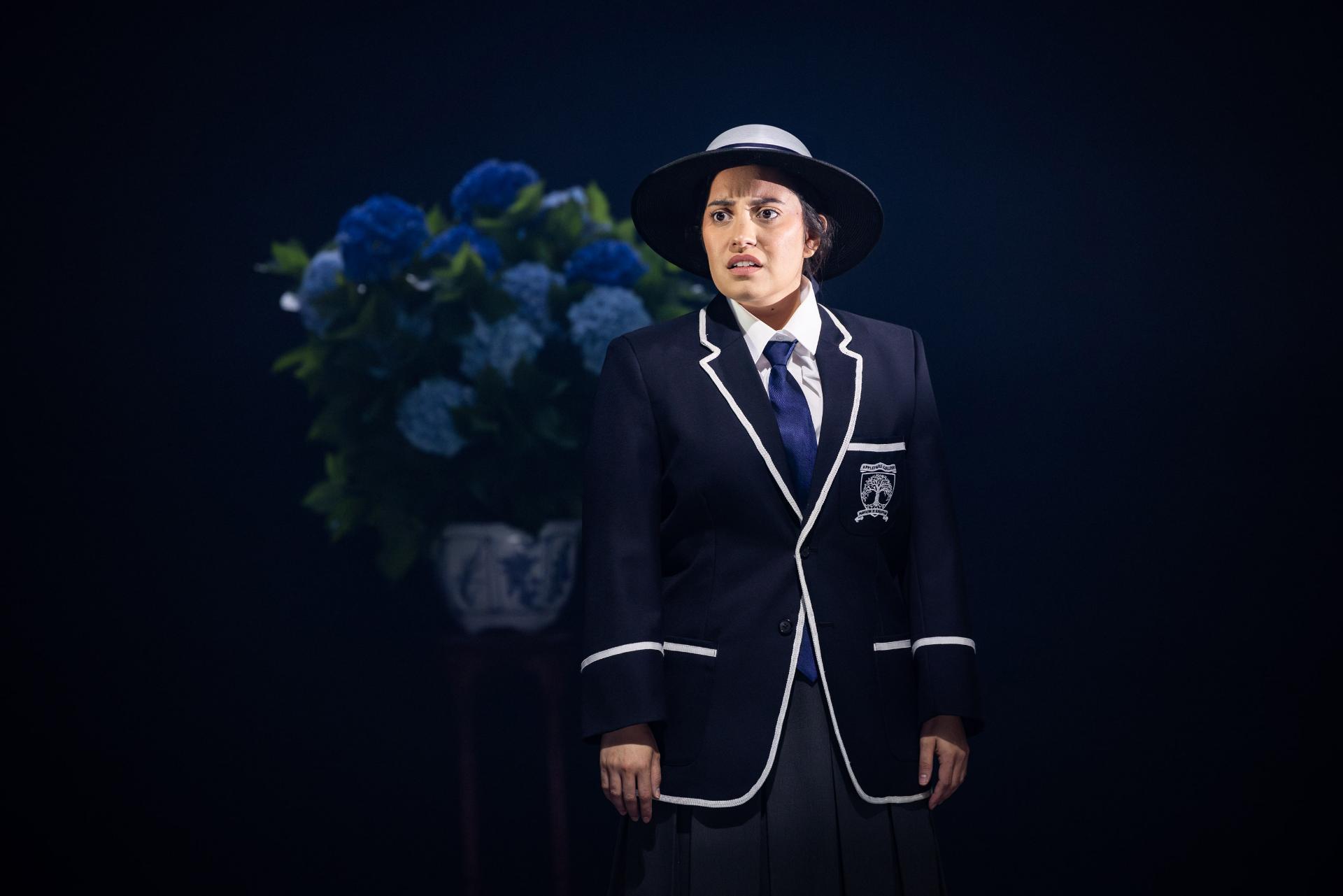
As Macauley, the magnetic Josh McConville strikes a perfect balance between gruff masculinity and raw vulnerability, allowing us to see both the archetypal Aussie bloke and the tender humanity that quietly resides beneath the façade. The endlessly endearing Ziggy Resnick radiates pure exuberance as Buster, delivering a performance that is both impeccably timed and deeply sensitive — a portrait of a child wise beyond her years.

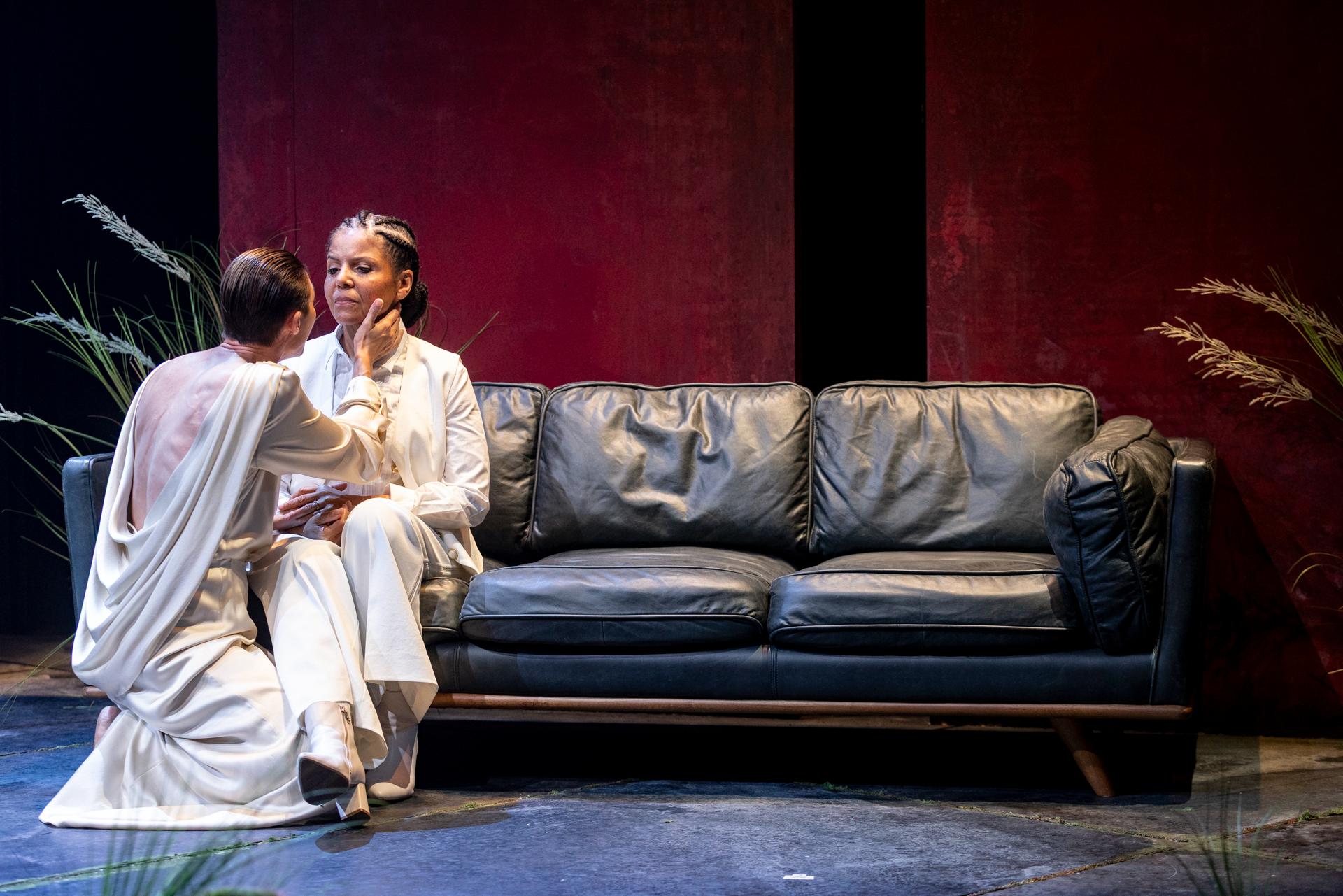
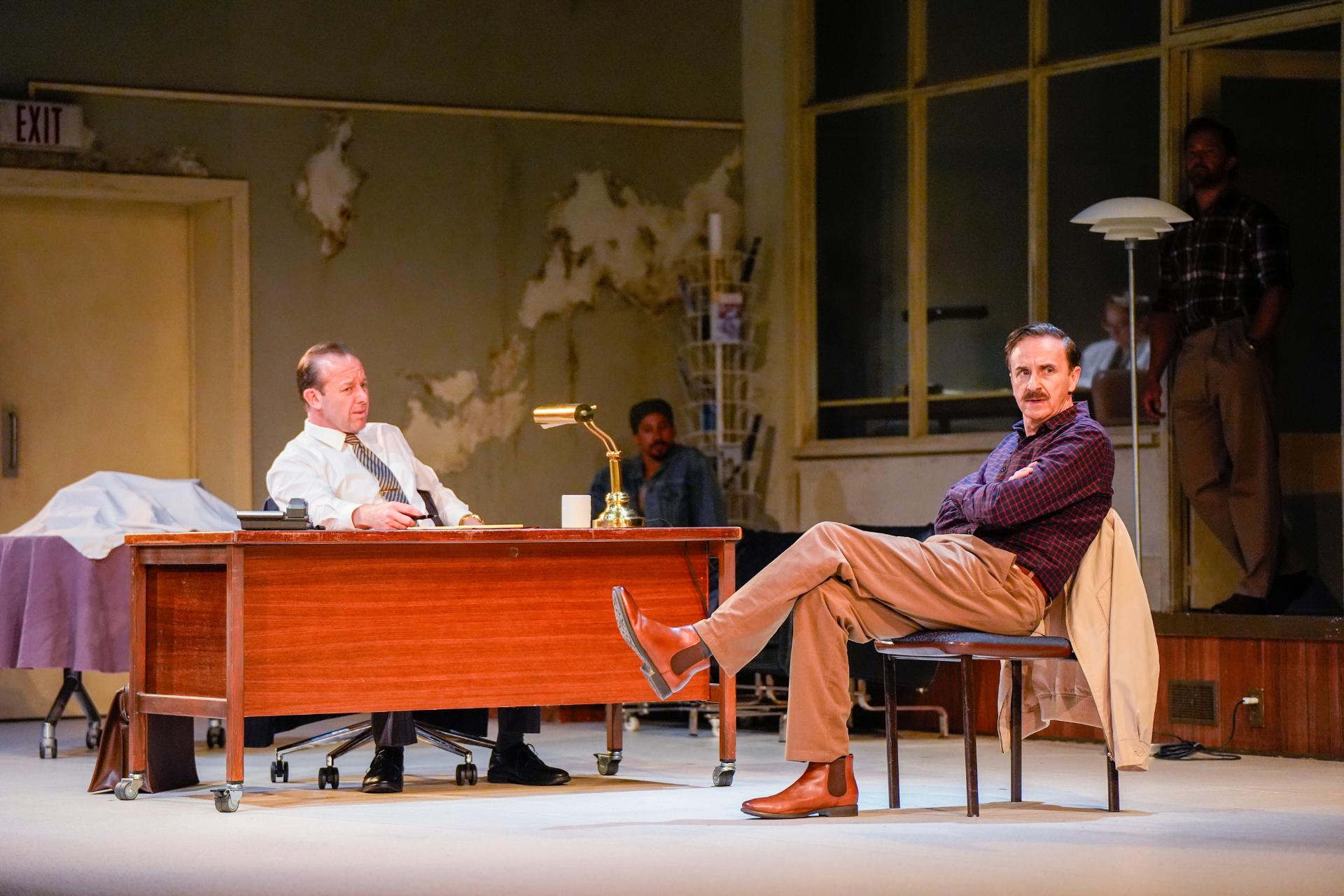
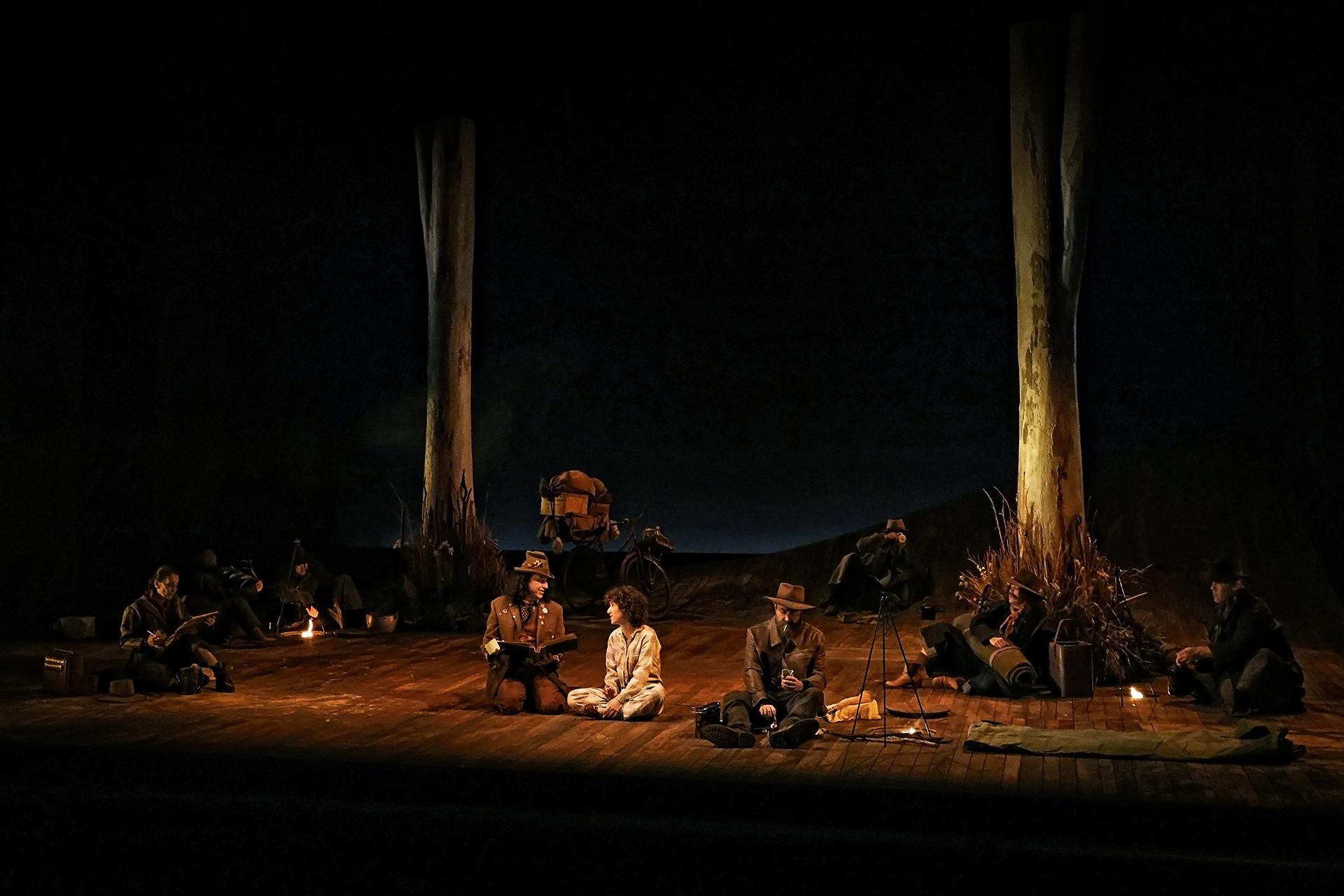
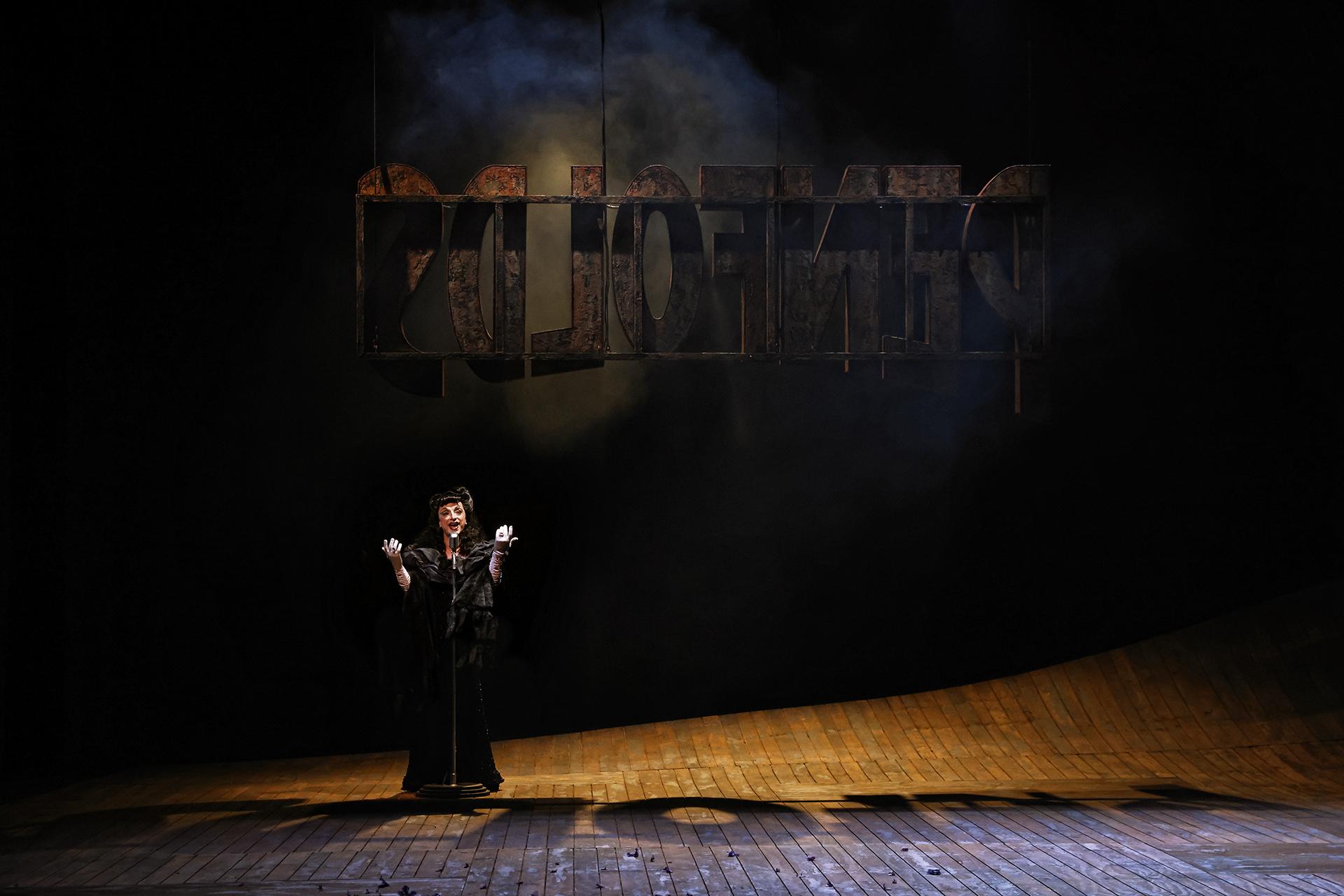
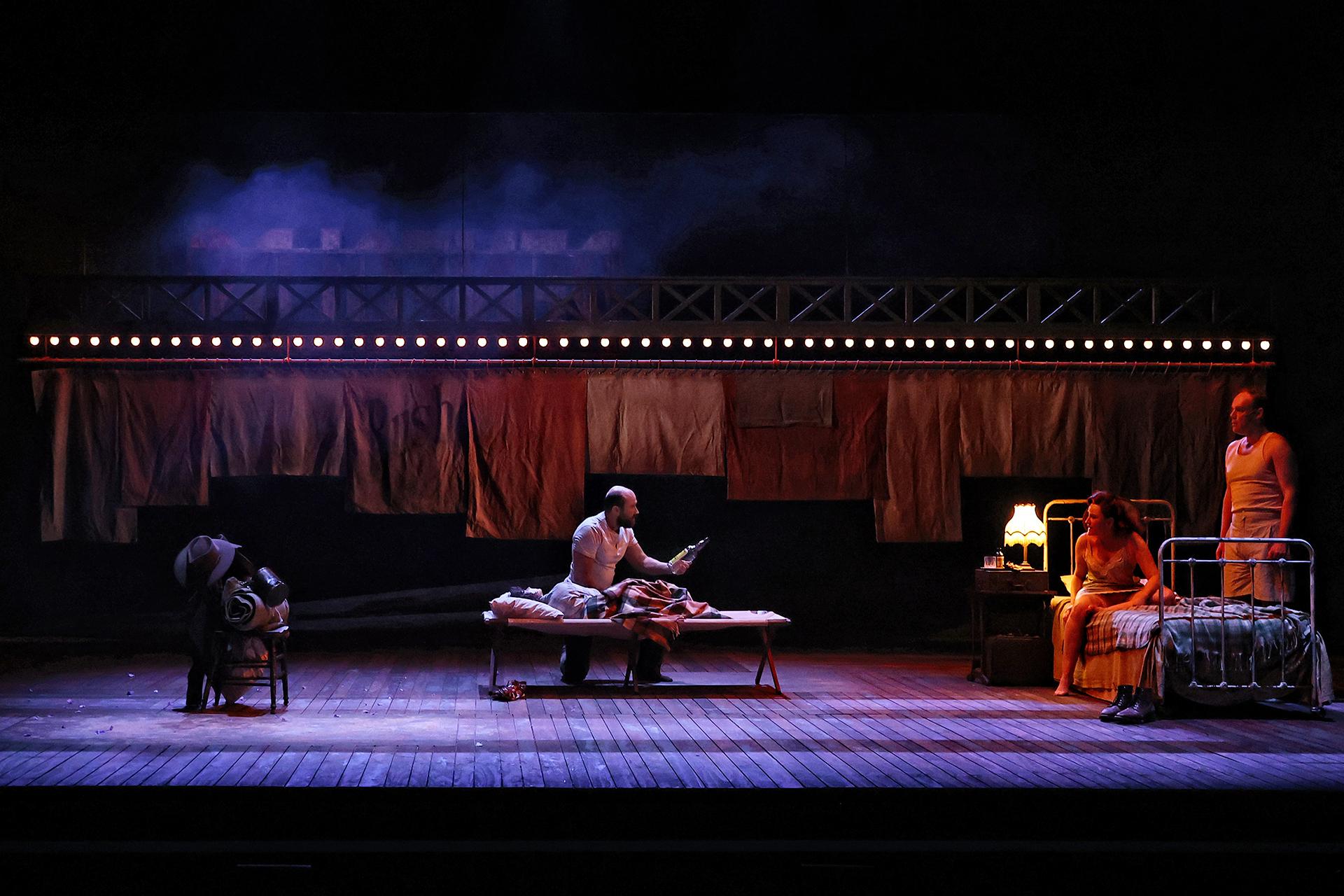
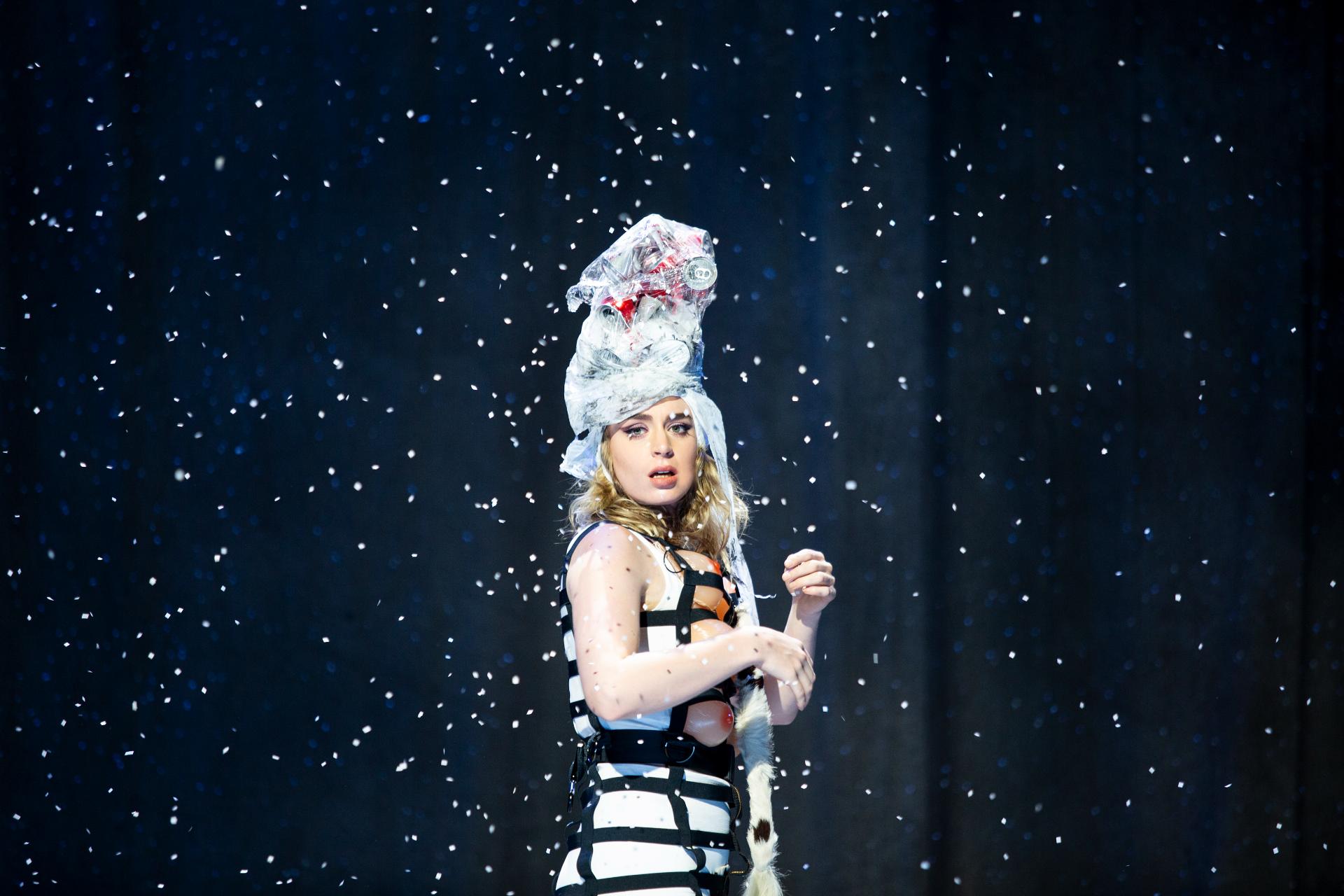
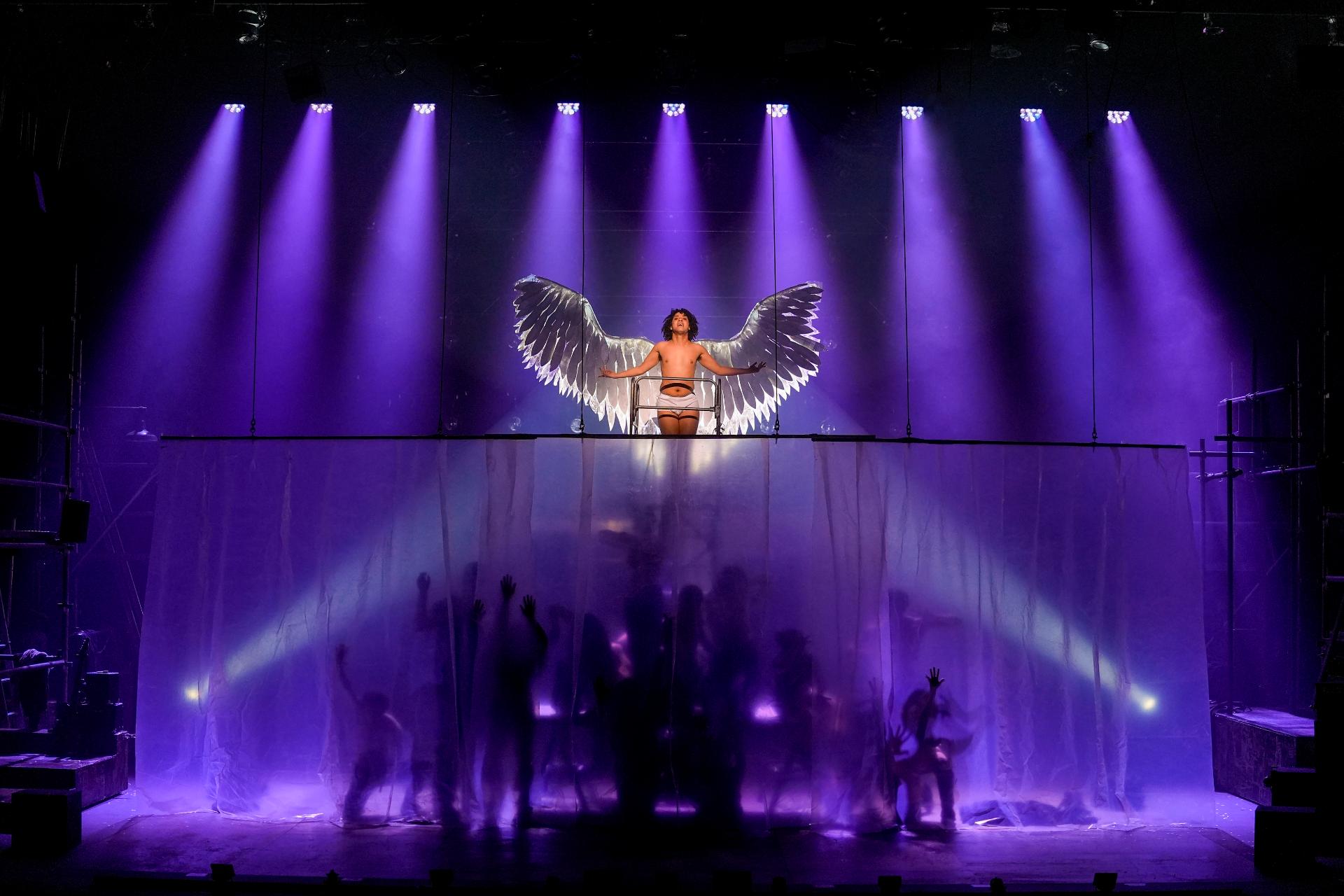
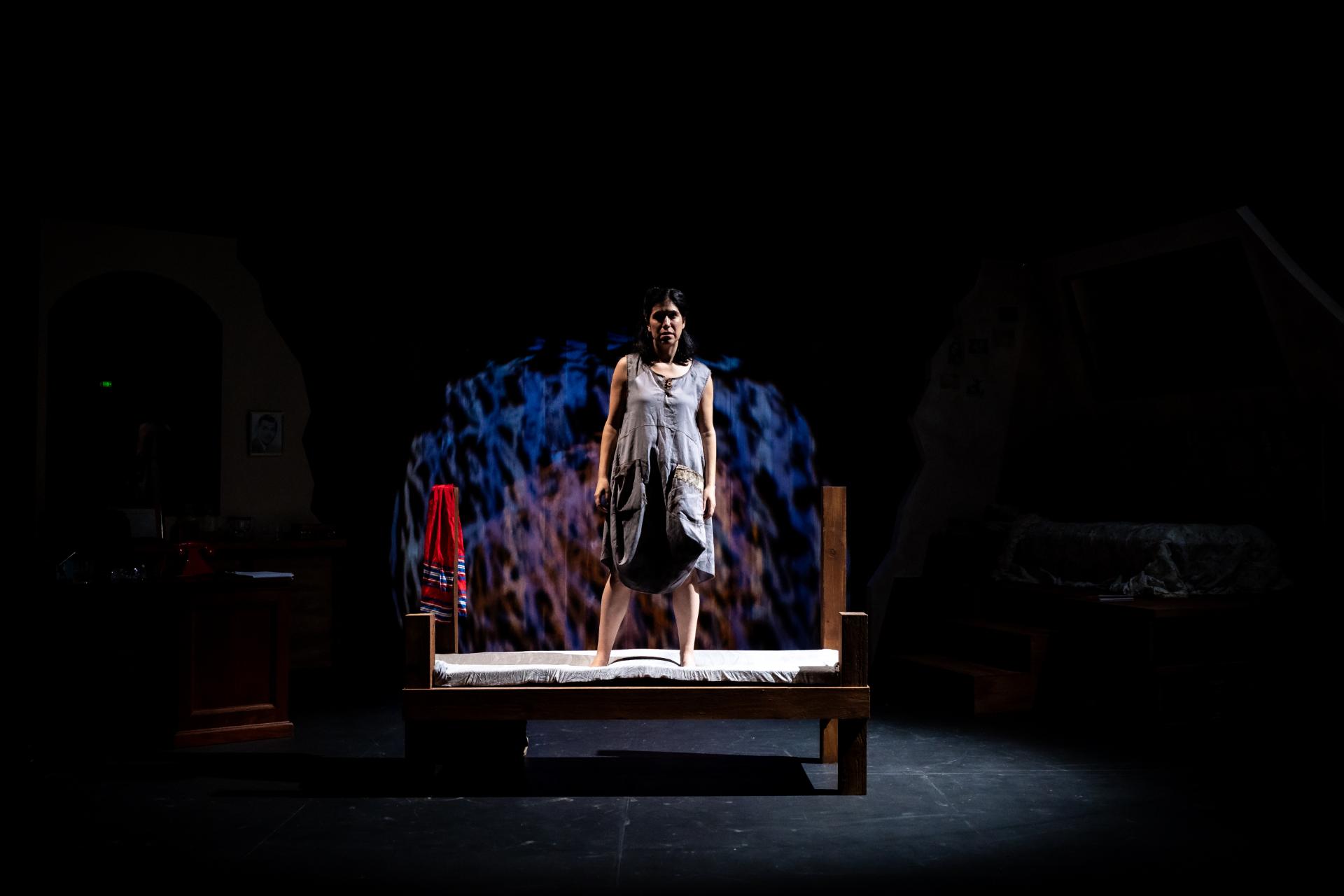
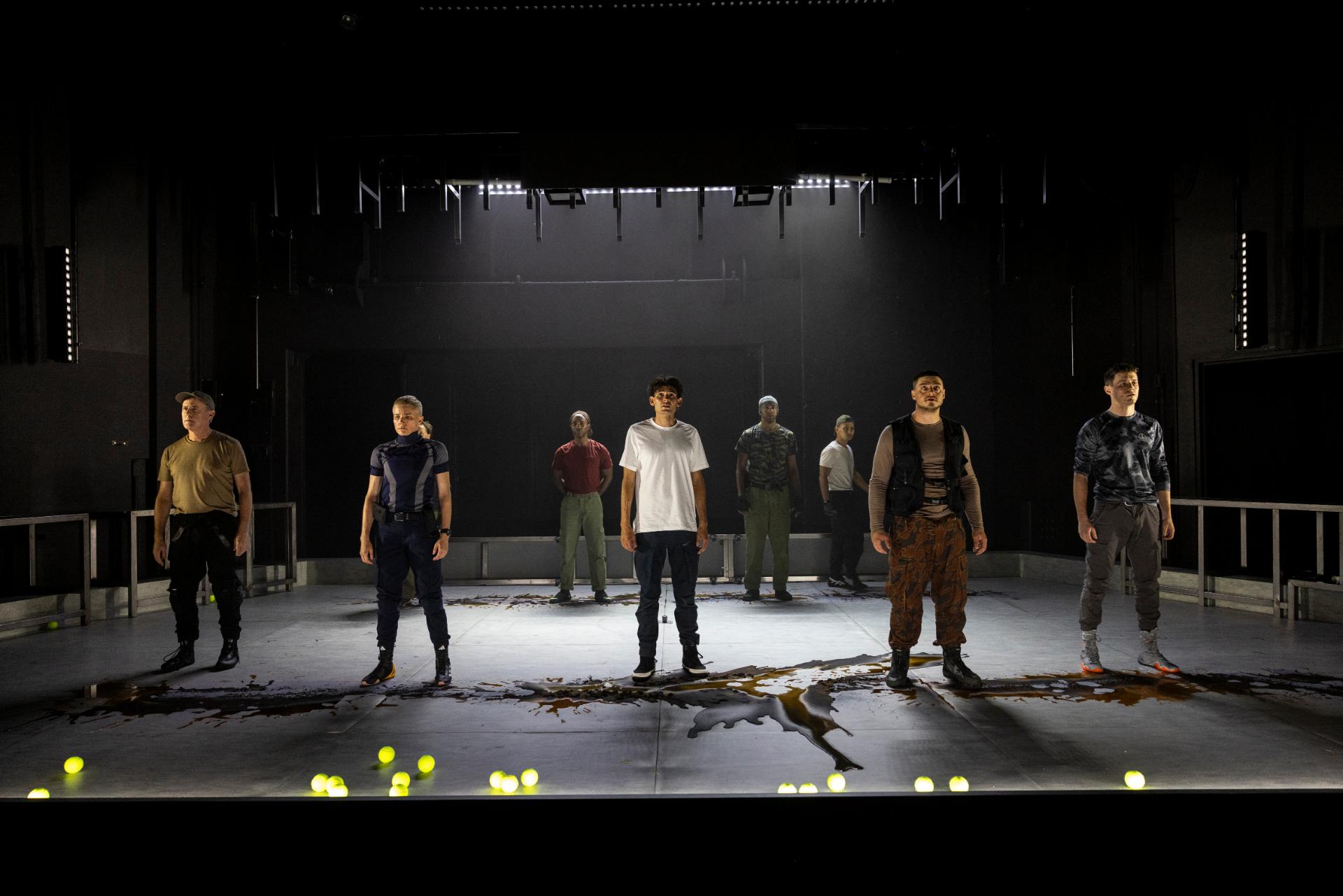
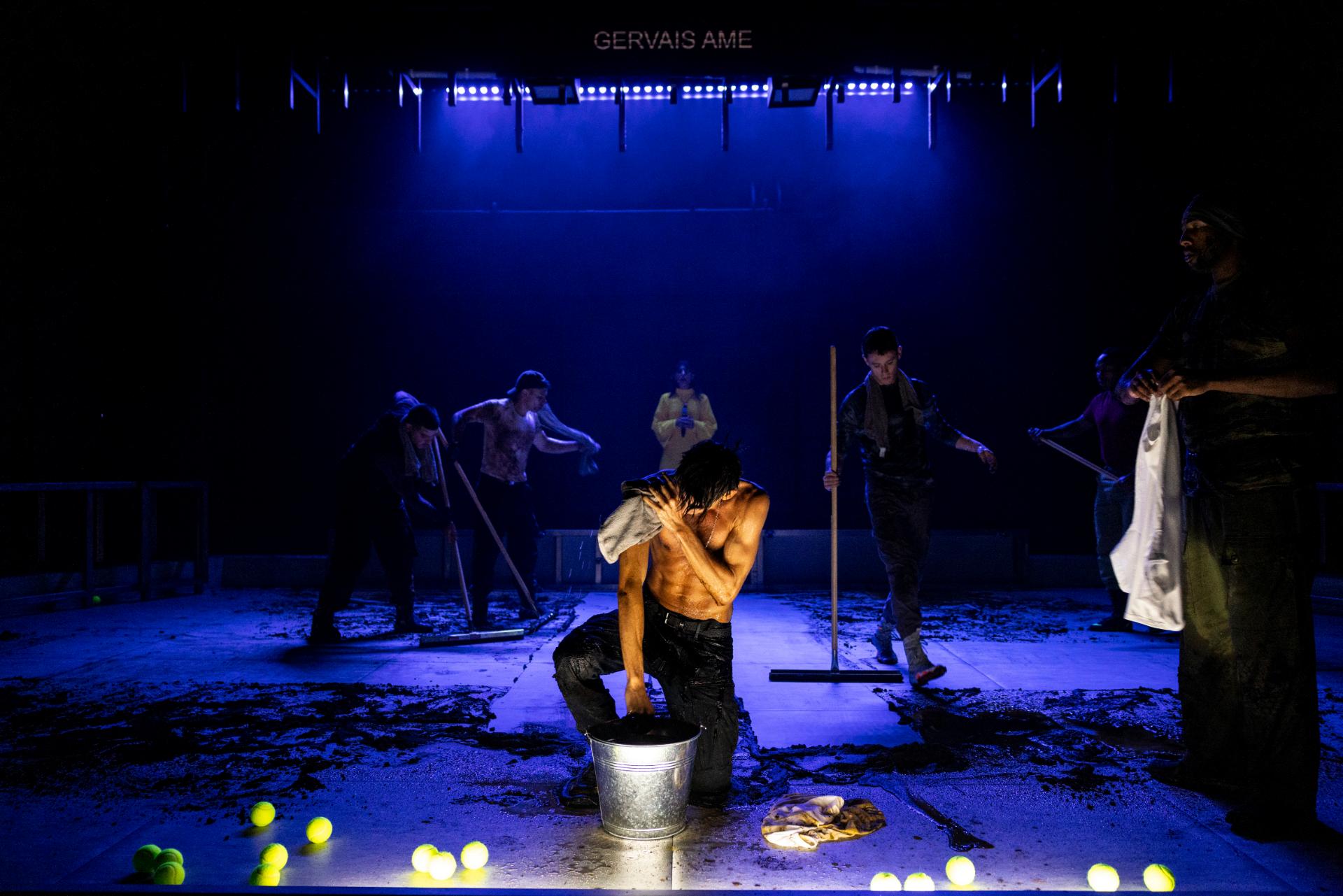
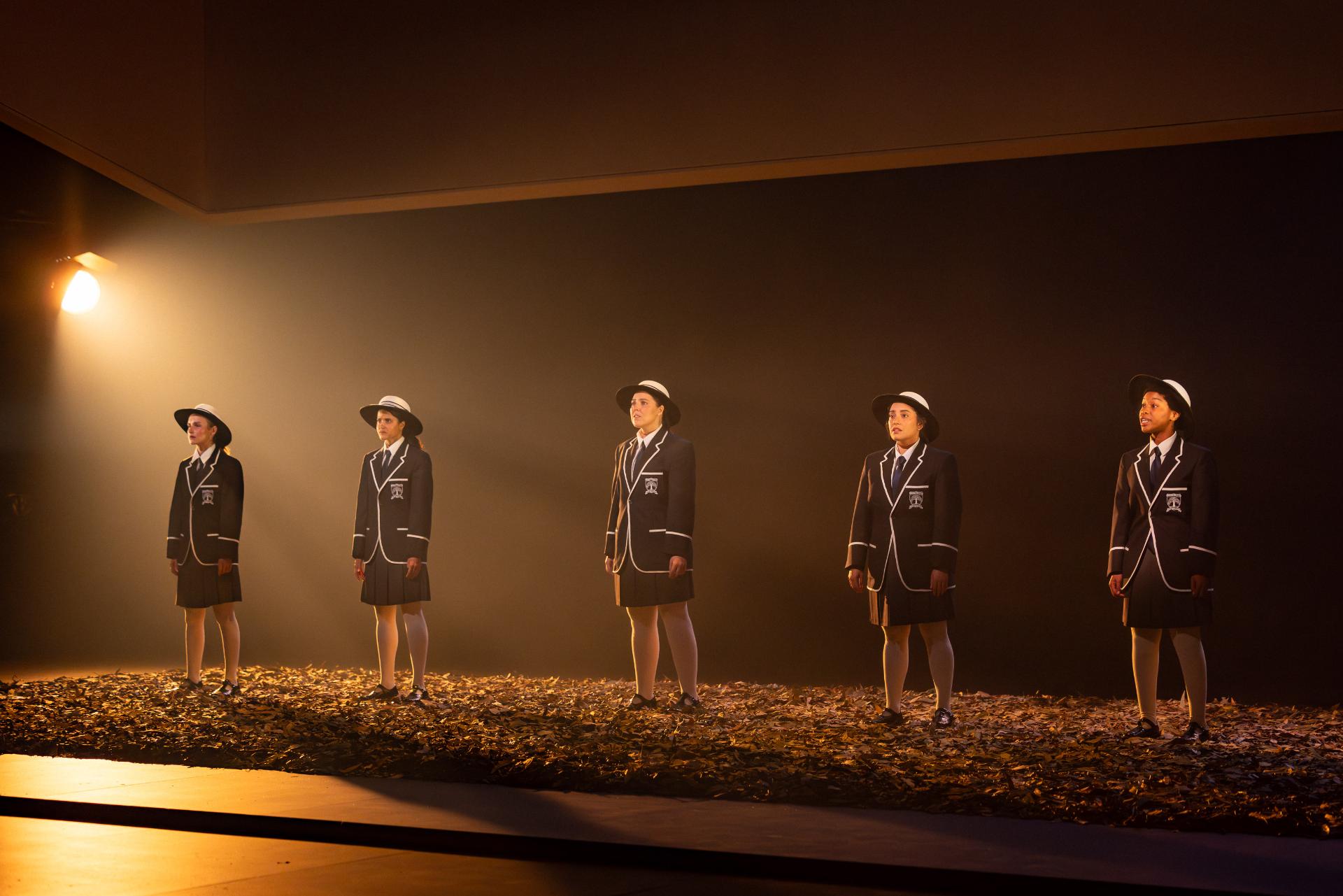
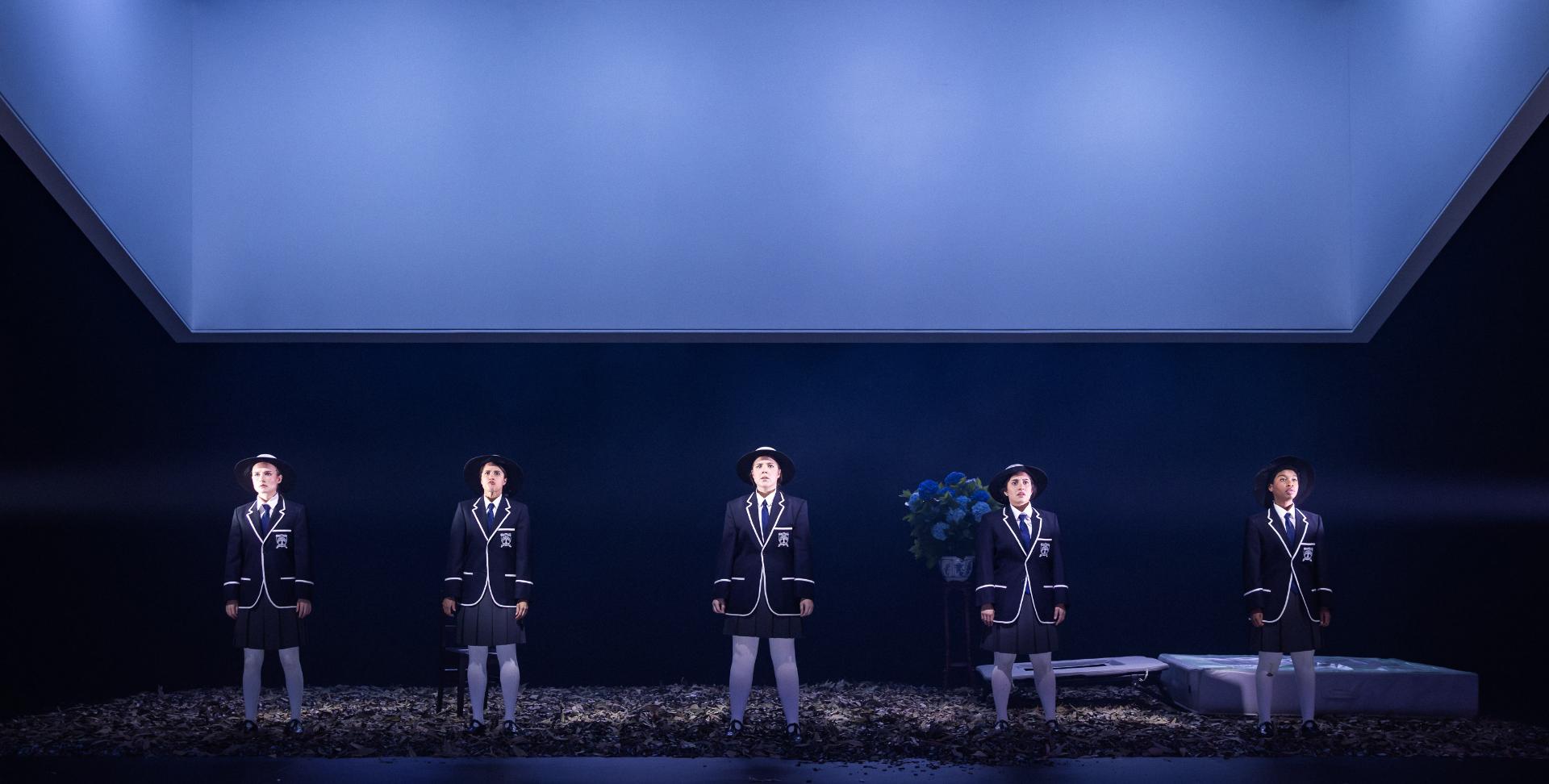
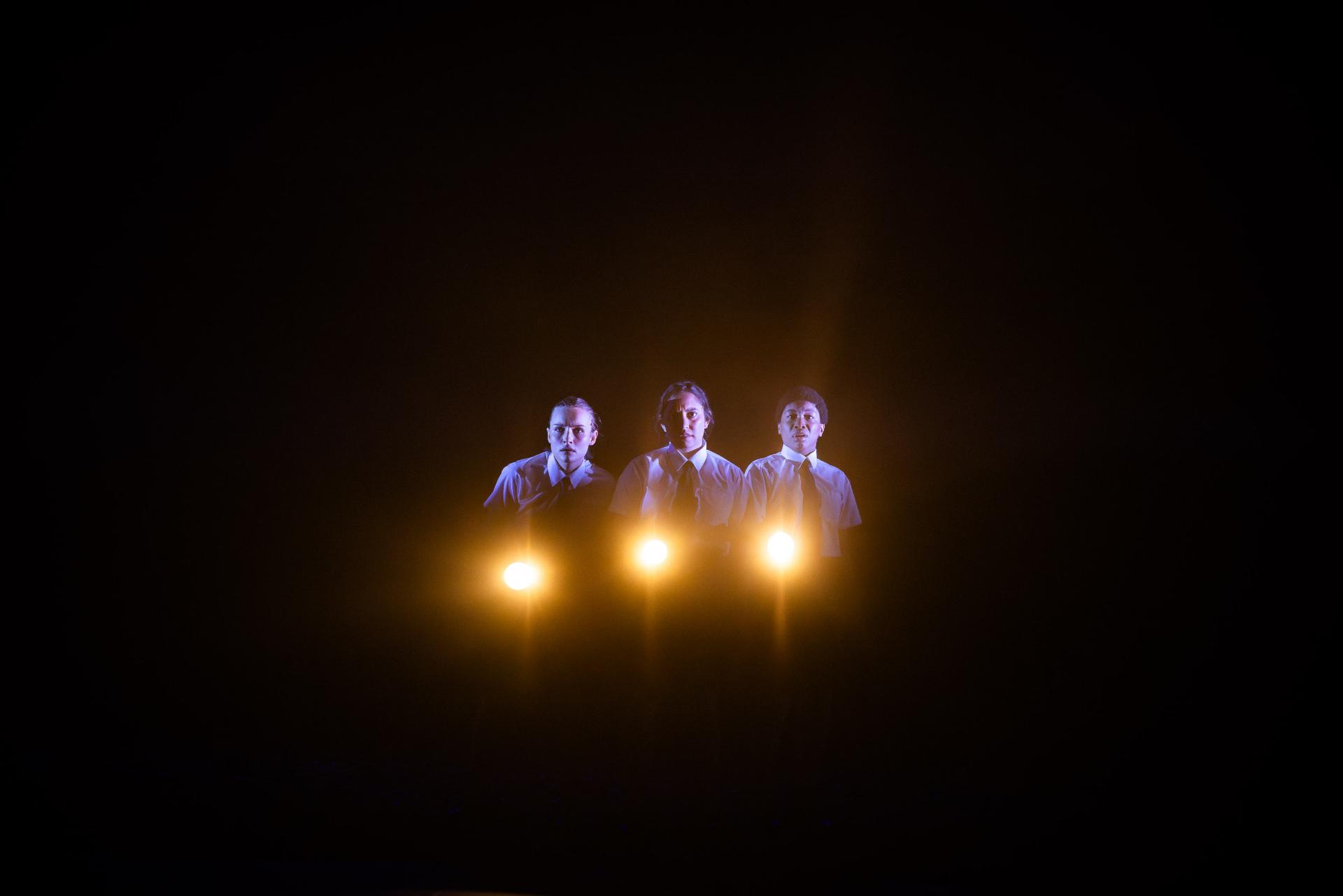
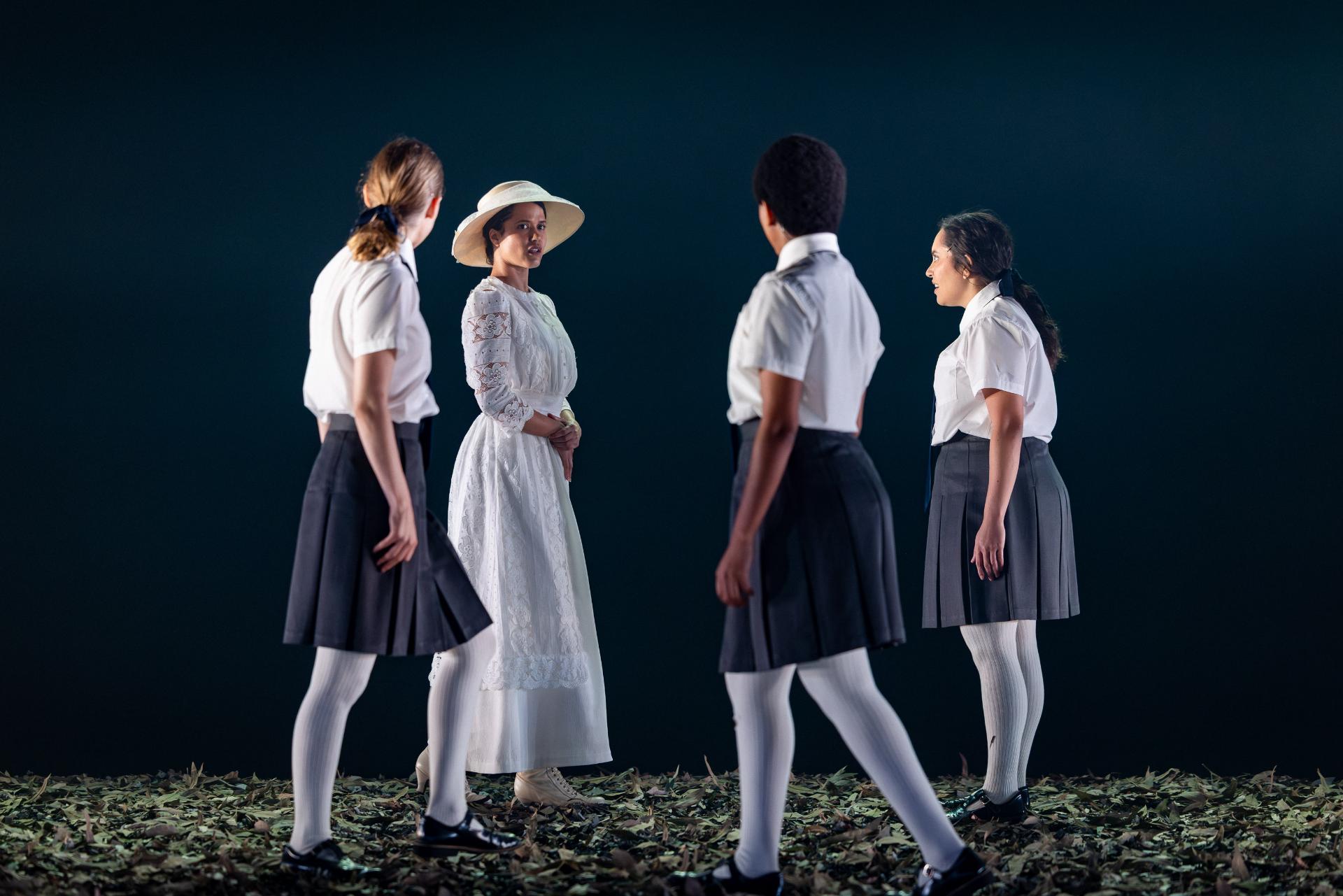
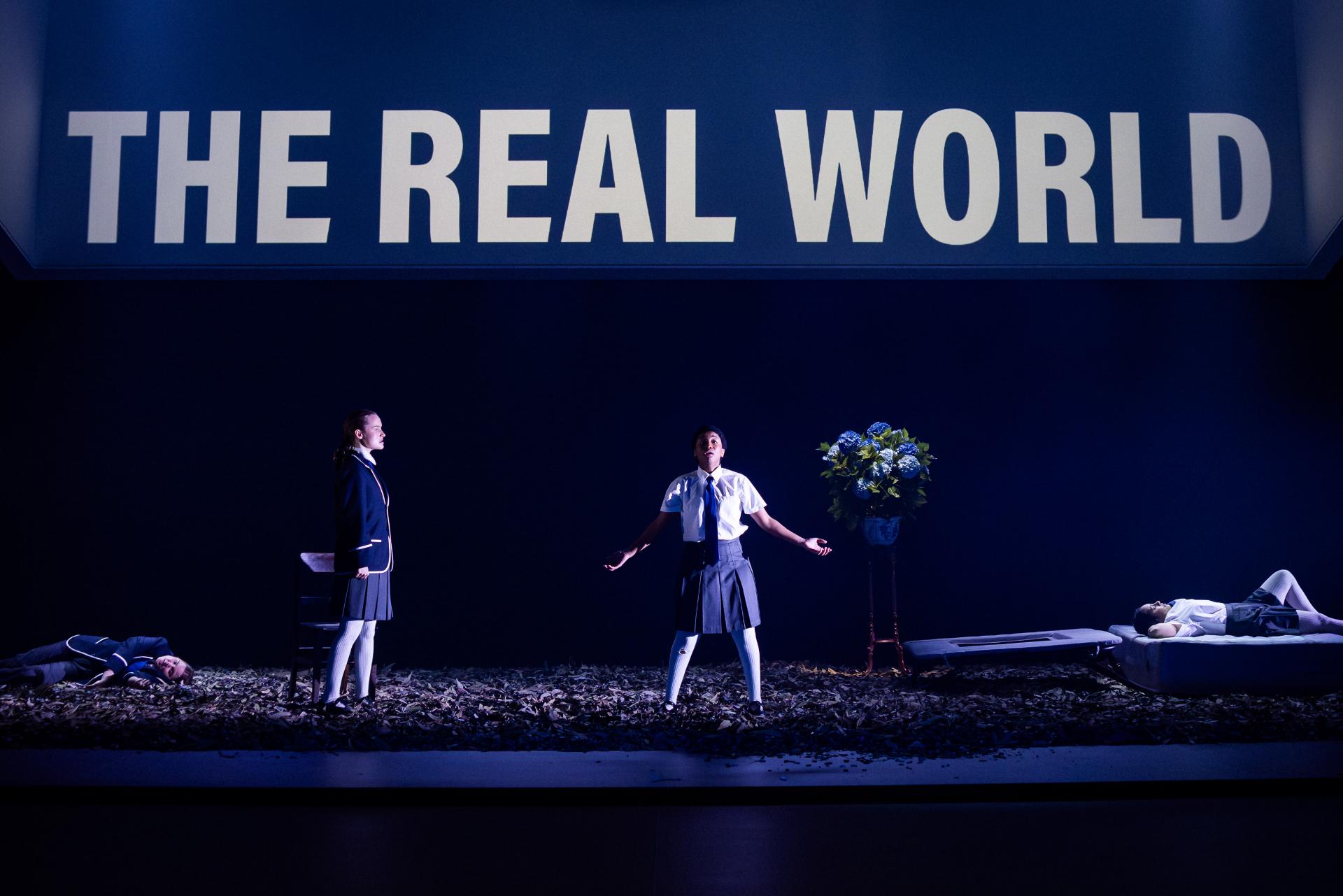
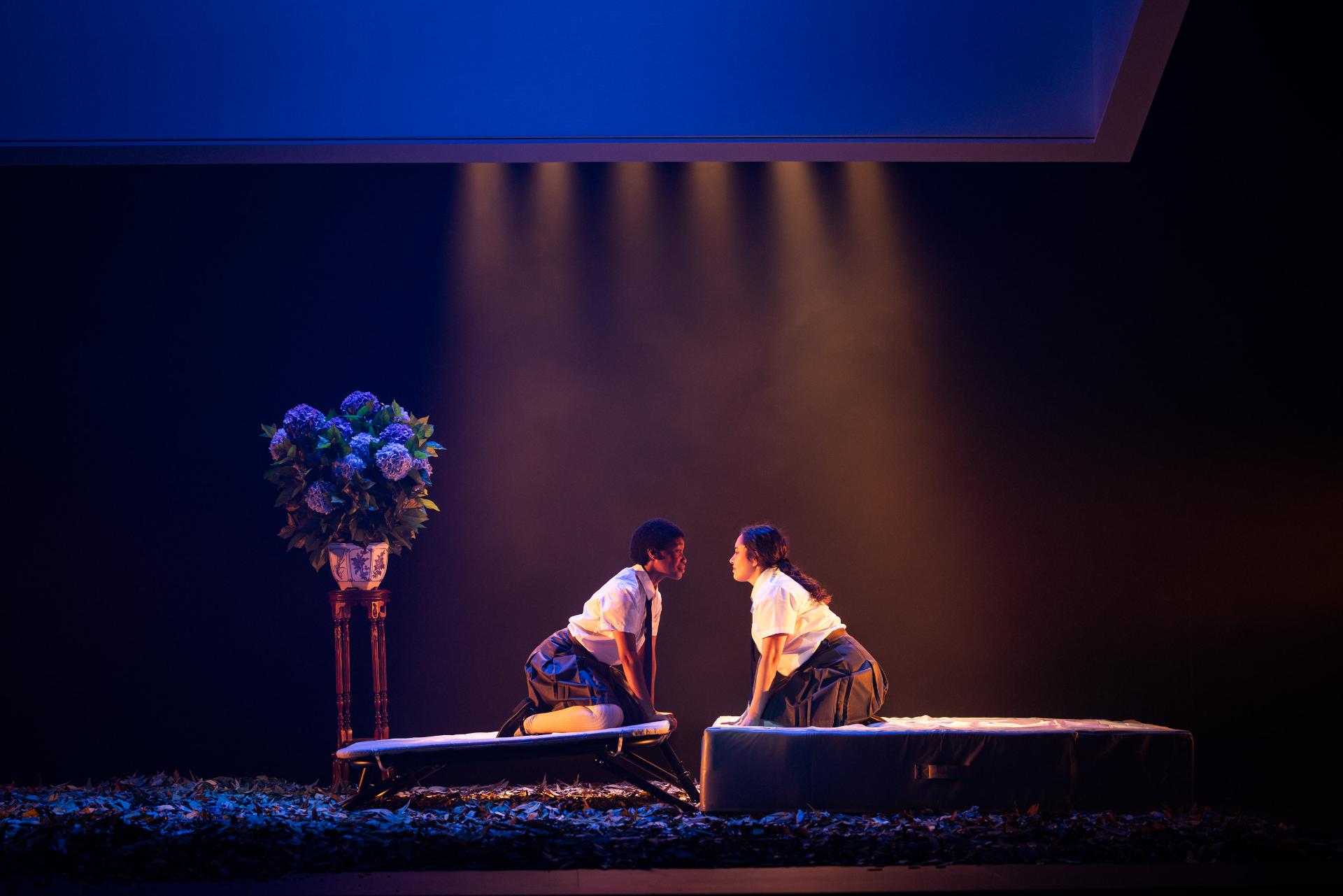
Jeremy Allen’s production design is elegantly spare, mirroring the harshness and austerity of the Australian outback. His use of gumtrees, at once iconic and nostalgic, evokes a landscape that feels both mythic and deeply personal. Trent Suidgeest’s lighting design is remarkable, seamlessly transforming the stage into a multitude of imagined places while crafting moments of sheer visual poetry that satisfy our longing for beauty. Equally striking is Jessica Dunn’s sound and composition, which capture both the vast, unforgiving sweep of the land and the tender intimacy of this unlikely father and daughter bond. Dunn’s work brims with feeling, but her sentimentality is never cloying; it moves us because it is always saying something true.

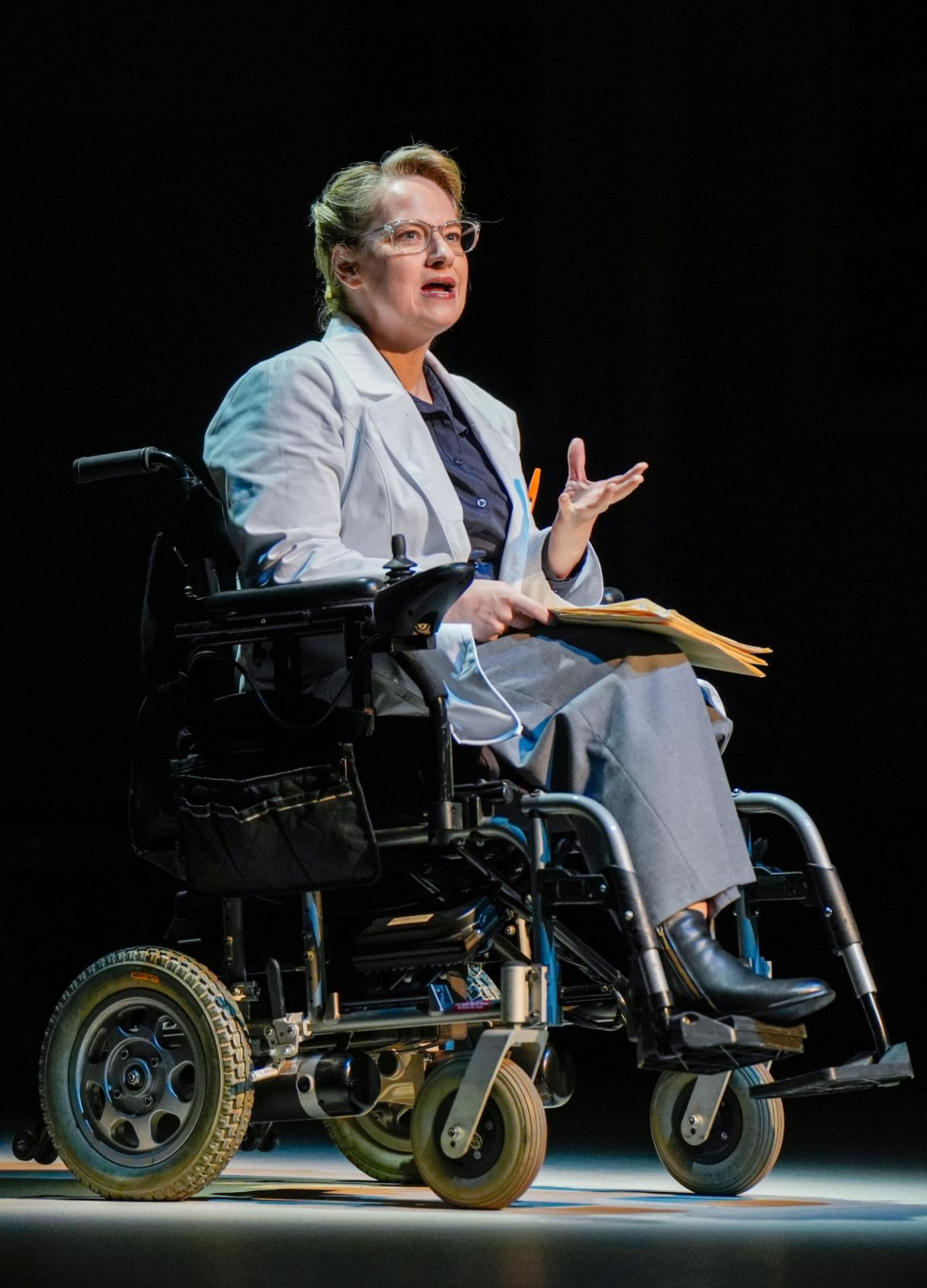
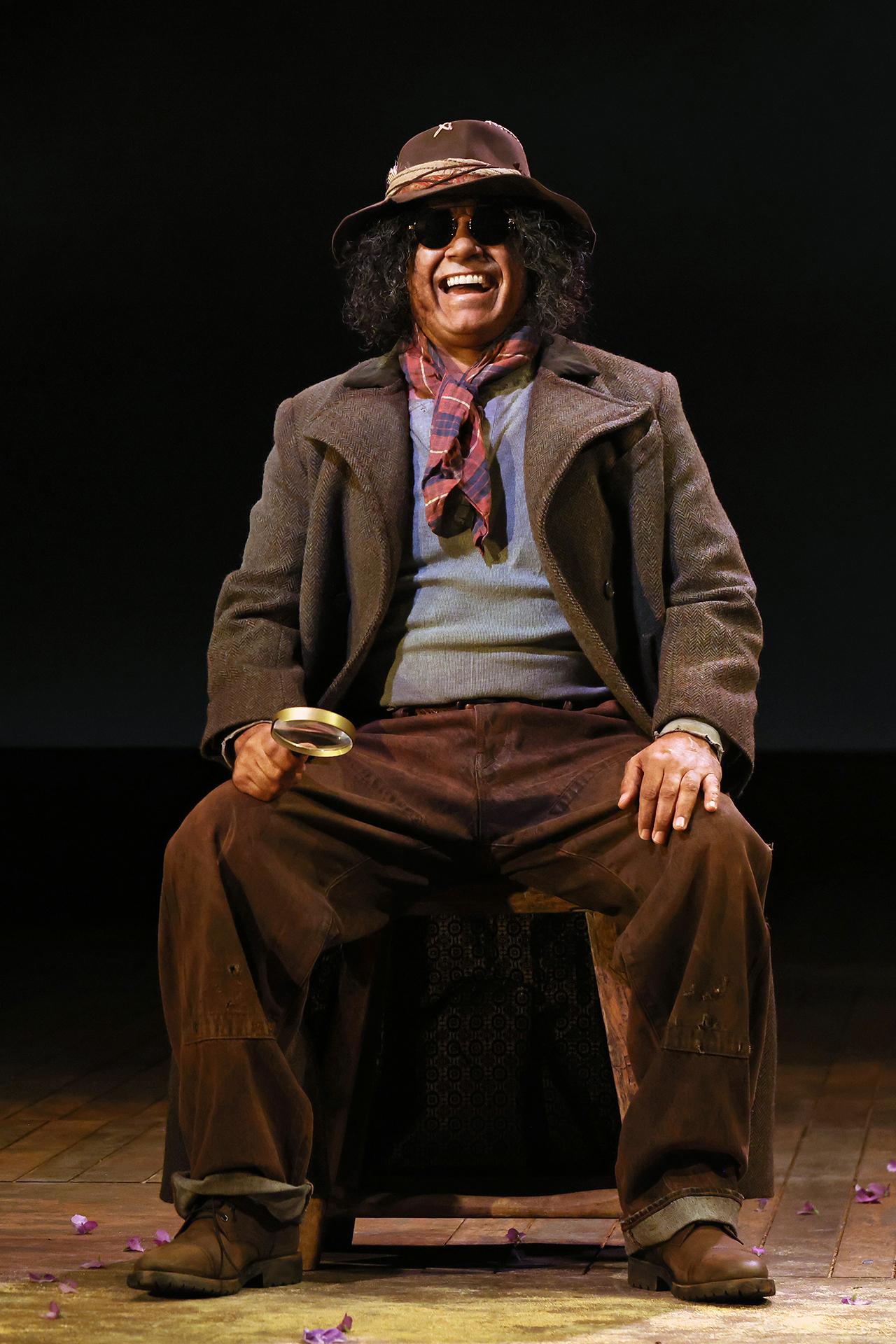
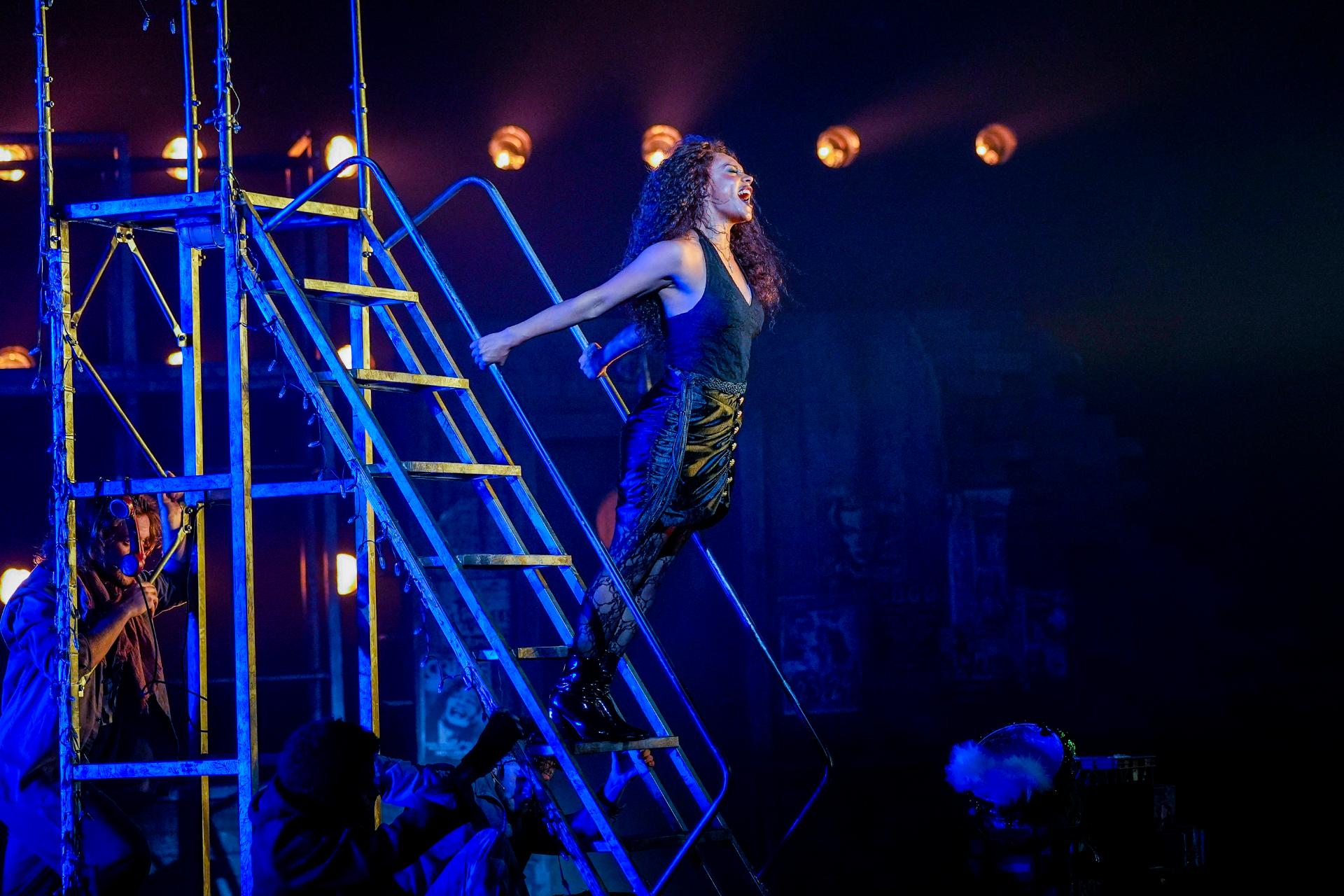
In this 2025 reiteration of The Shiralee, are unforgettable encounters with Indigenous and other people of colour, alongside multiple queer identities and unapologetic women of substance. Beneath the lively retelling of a story about familial bonds and traditional maleness lie subtle but profound redefinitions of the marginalised, insisting that we see ourselves not as outsiders but as integral threads woven into the tapestry of the Australian myth, forever reshaping it with our resolute presence and undaunted voices.

www.sydneytheatre.com.au

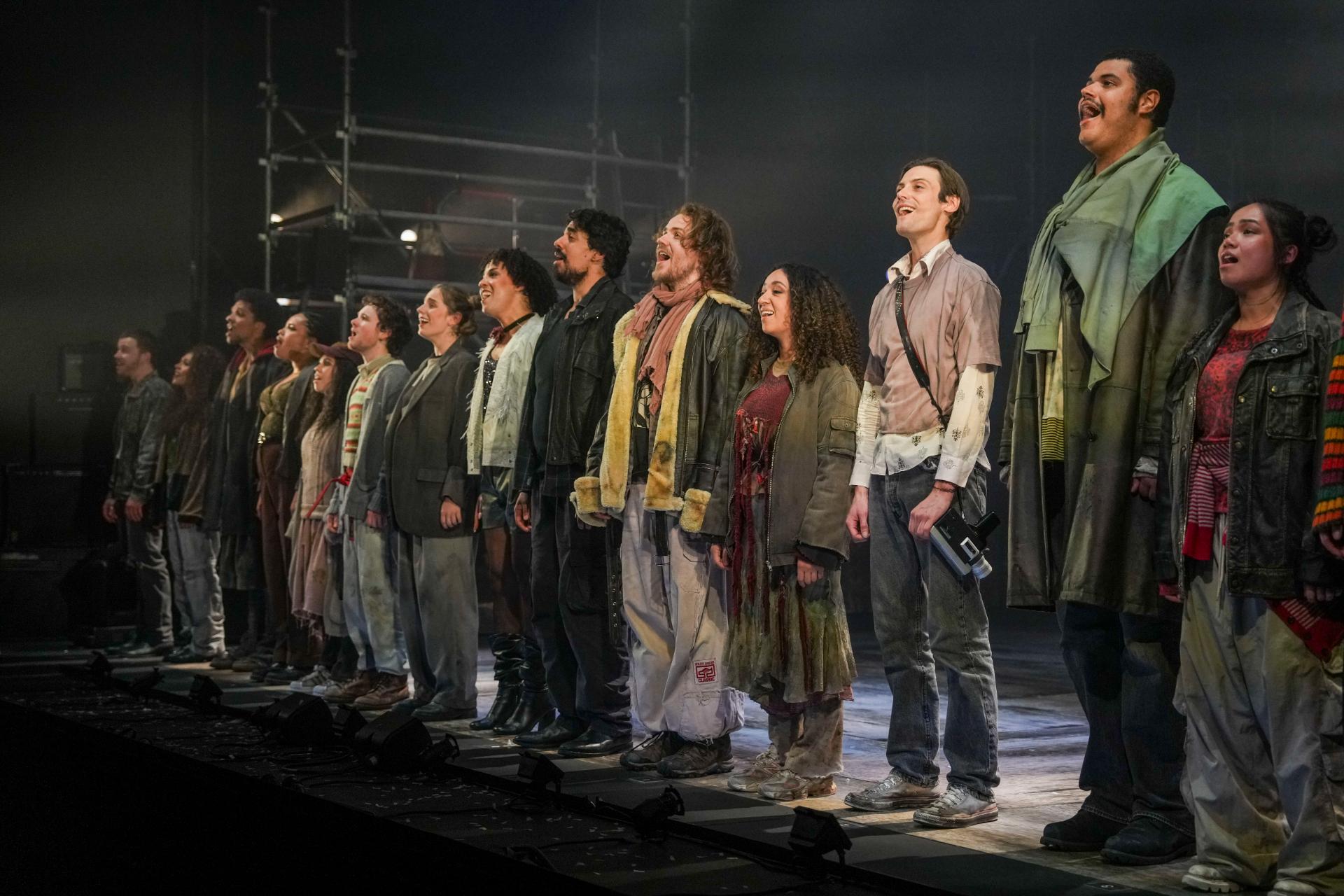
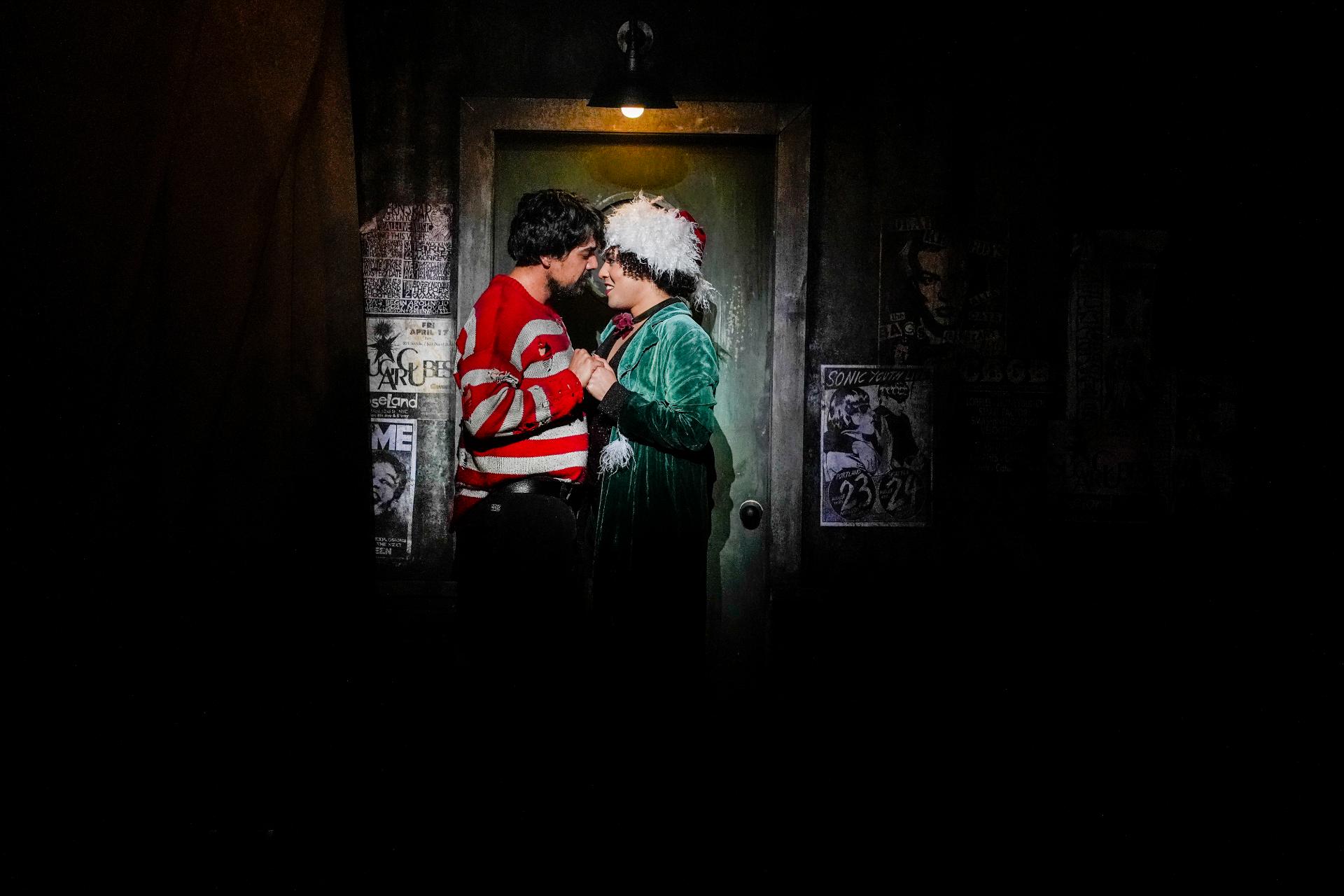
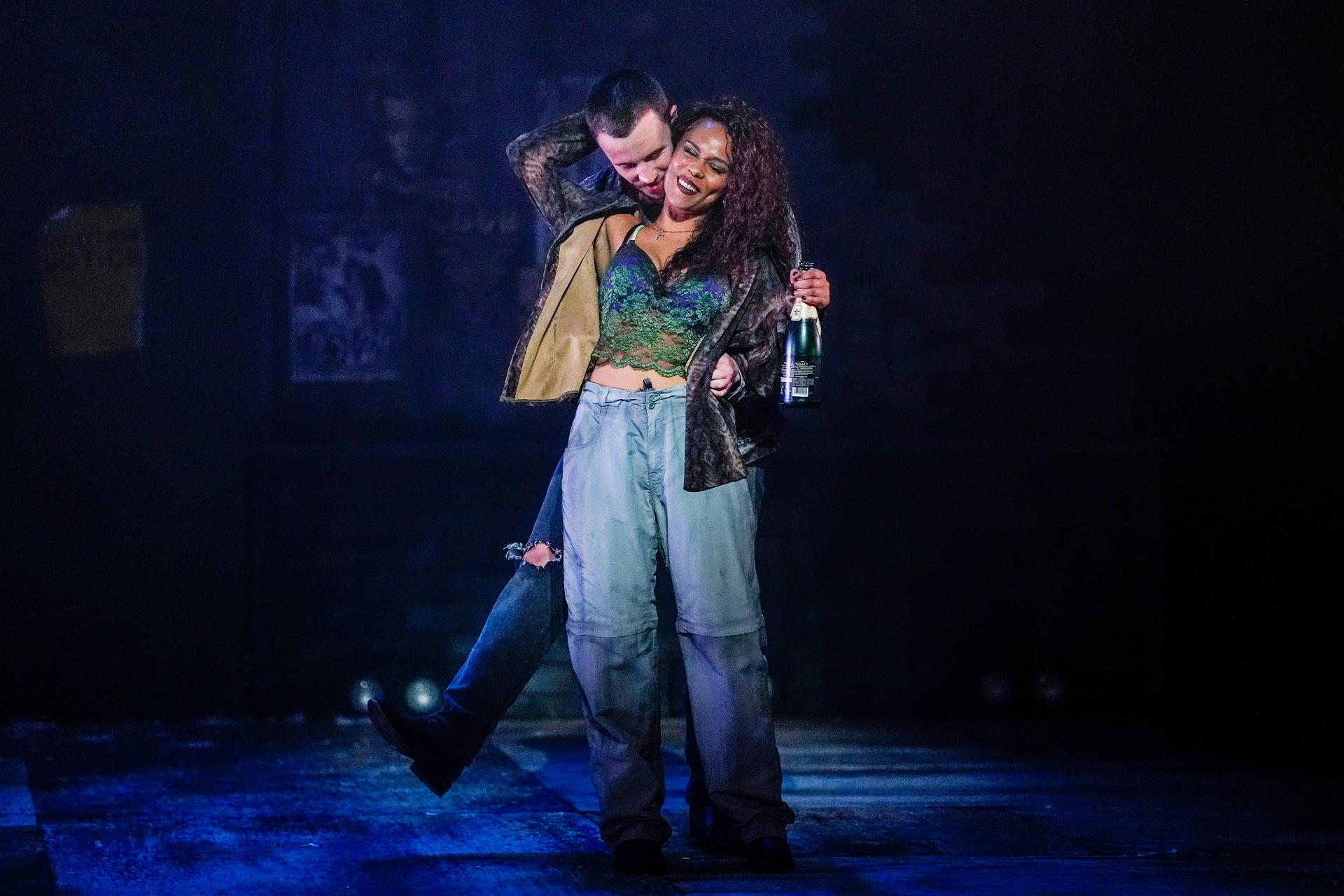
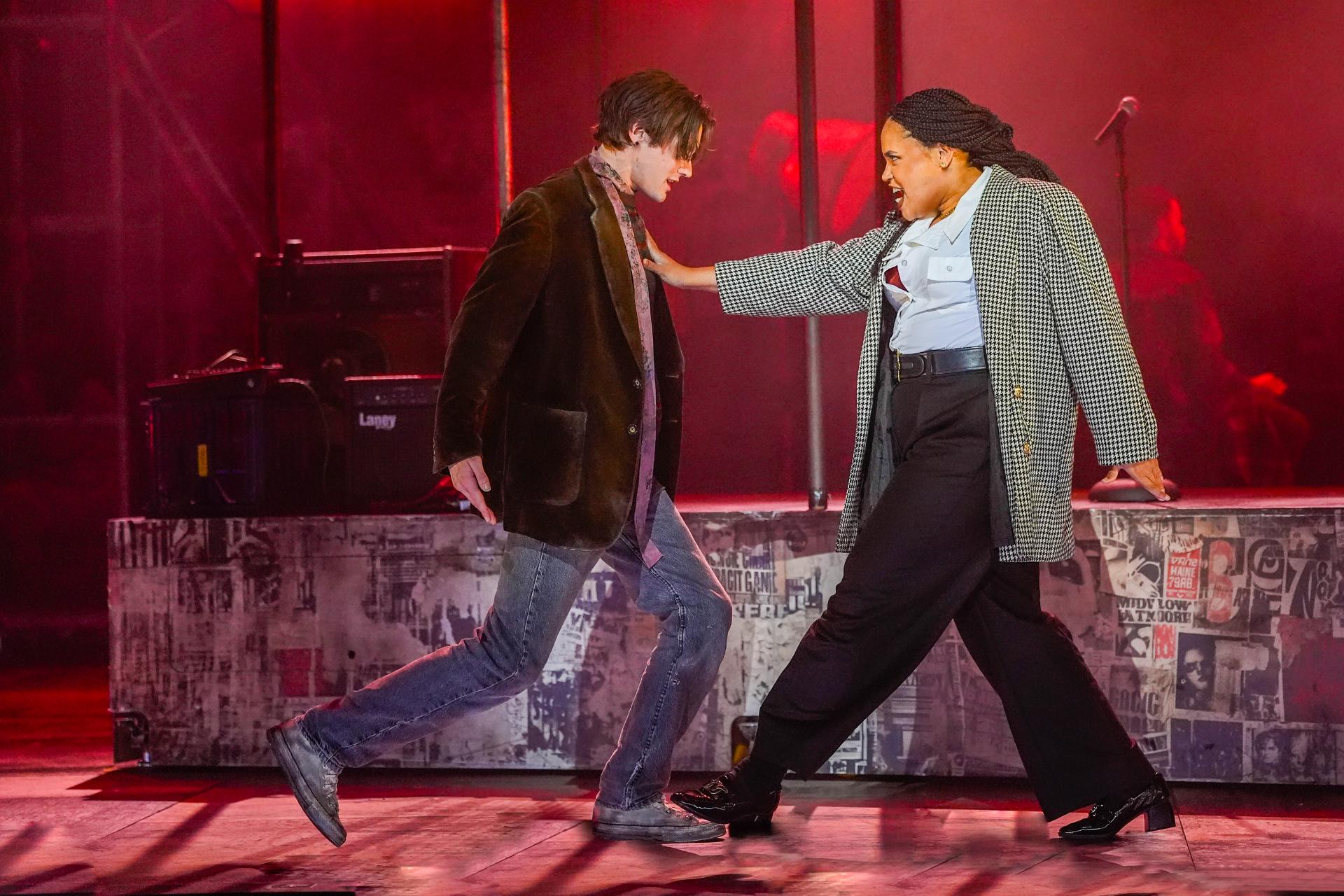
Review: Rent (Sydney Opera House)

Venue: Sydney Opera House (Sydney NSW), Sep 27 – Nov 1 2025
Book, Music & Lyrics: Jonathan Larson
Director: Shaun Rennie
Cast: Jesse Dutlow, Googoorewon Knox, Tana Laga’aia, Calista Nelmes, Kristin Paulse, Henry Rollo, Harry Targett, Imani Williams
Images by Pia Johnson, Neil Bennett

Theatre review
When Jonathan Larson completed his magnum opus Rent in 1996, he could not have foreseen that the bohemian enclave of New York City he celebrated was already in its twilight. Within a year, Rudy Giuliani’s iron-fisted mayorship would begin reshaping the city, erasing the fragile counterculture that had given Rent its heartbeat. Nearly three decades on, some of its echoes have softened, but the core refrain remains. The story of an underclass ignored by a complacent American mainstream feels newly pertinent in an era marked by authoritarian politics and cultural division.
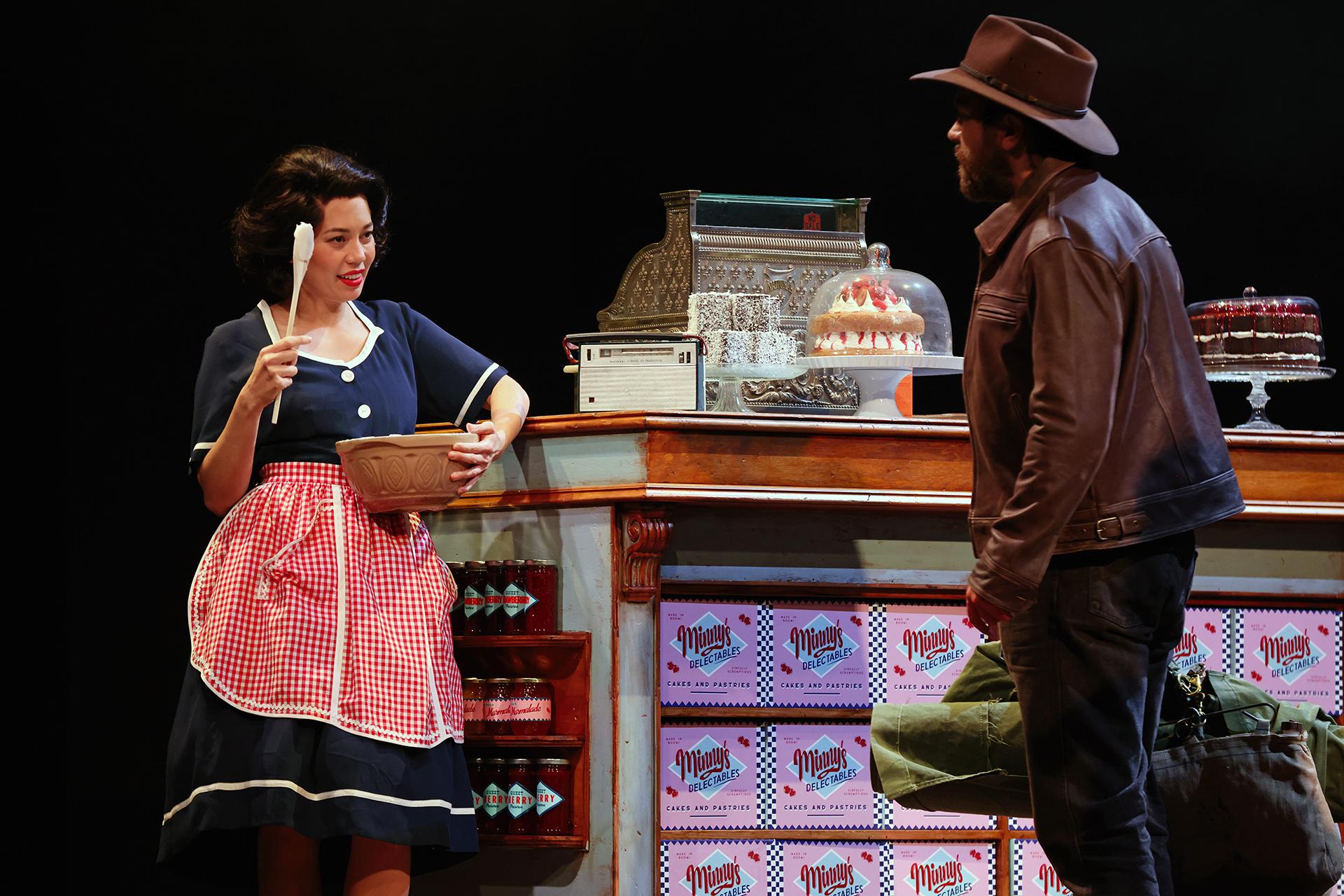
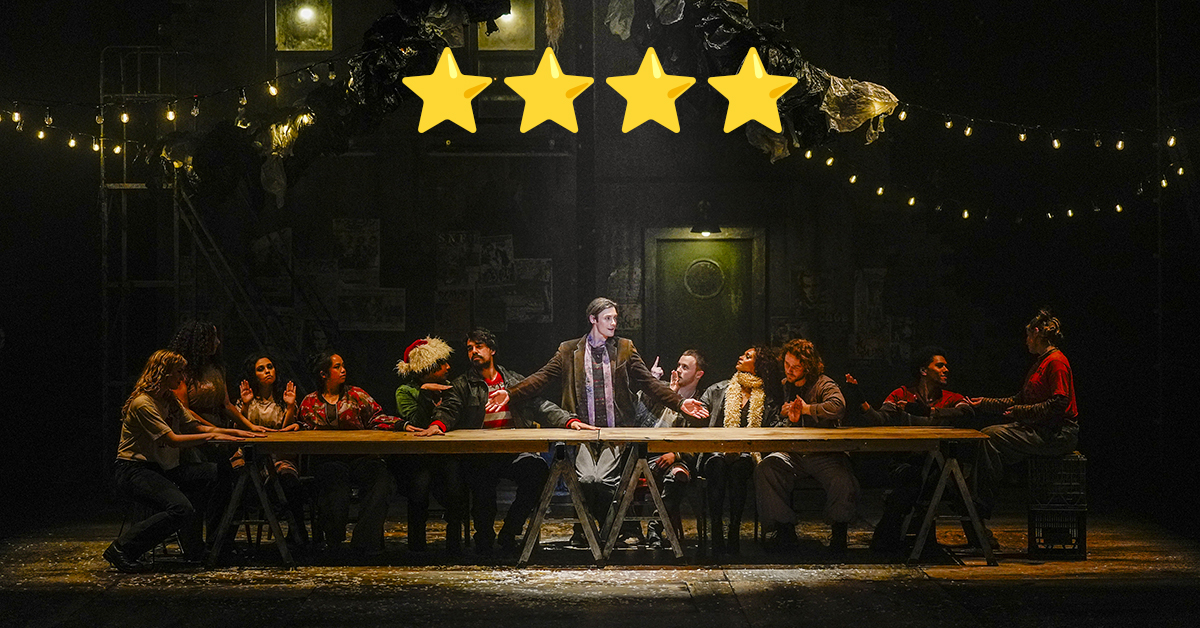
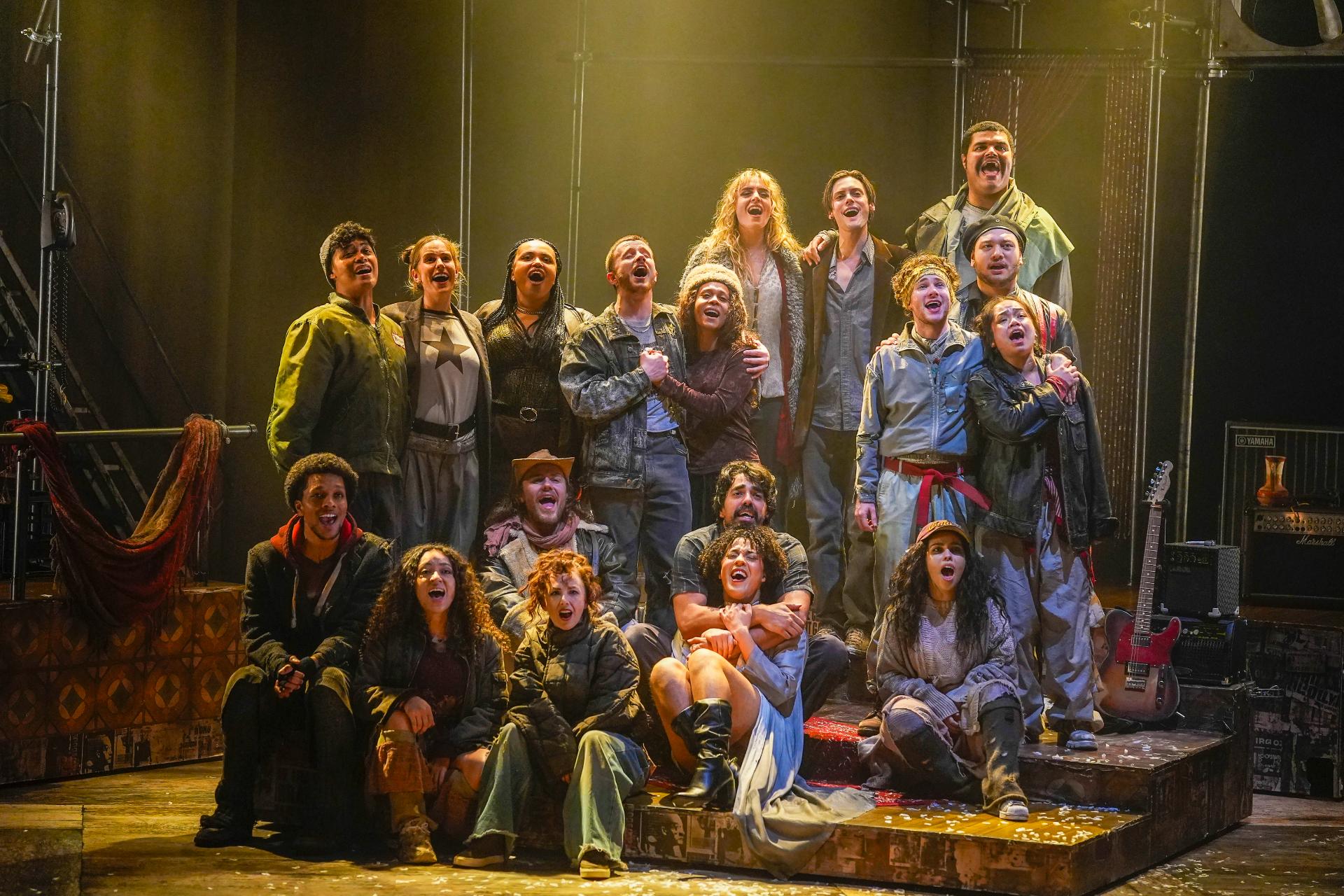
Whether Larson’s writing truly earns its lofty reputation is open to debate, but Shaun Rennie’s direction in this revival is beyond question. His staging shimmers with a visual splendour that conjures spectacle without betraying the grit of a neighbourhood on the margins. What once risked sounding trite in Rent is here imbued with unexpected sincerity, the familiar refrains lifted into something that feels palpably meaningful.
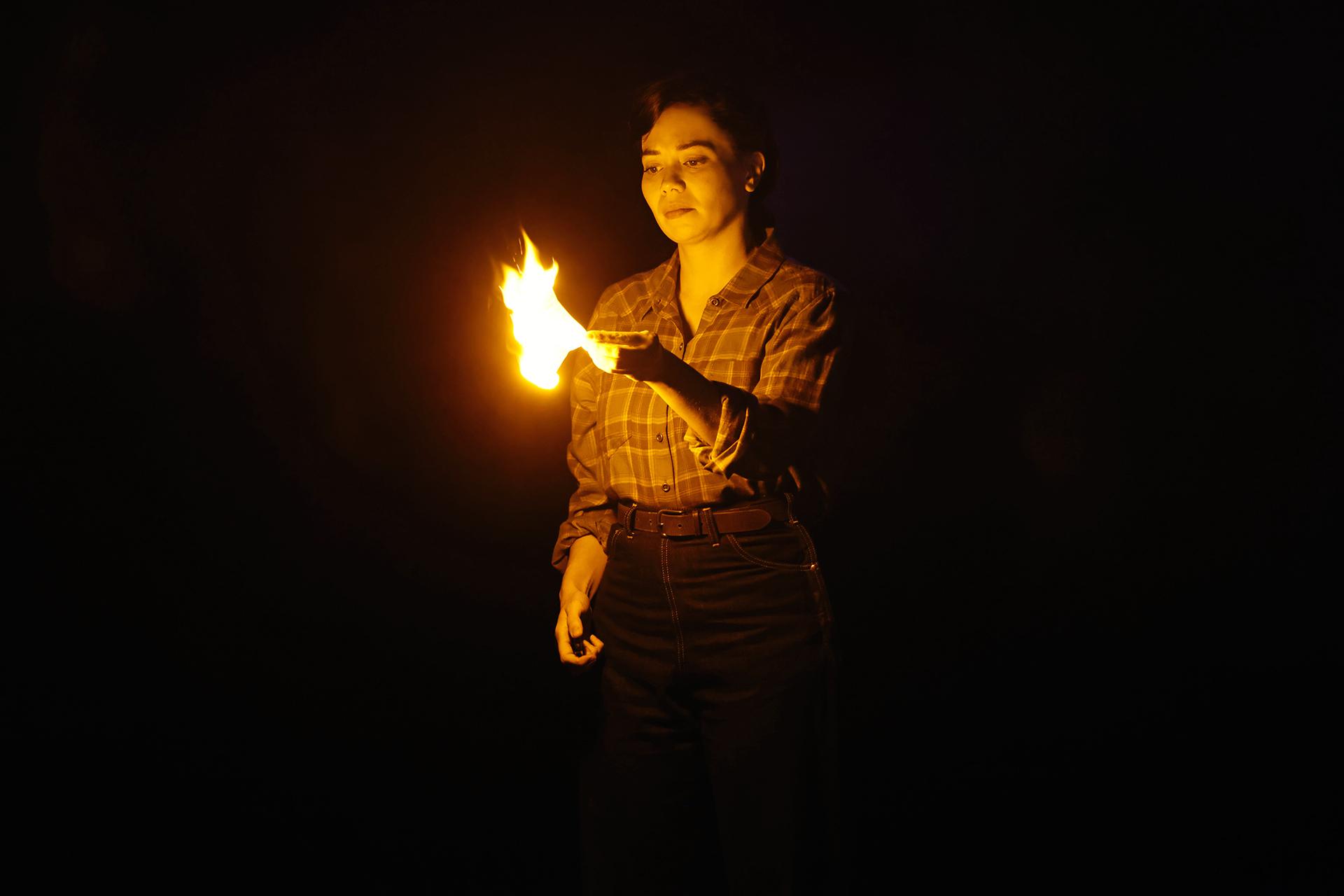
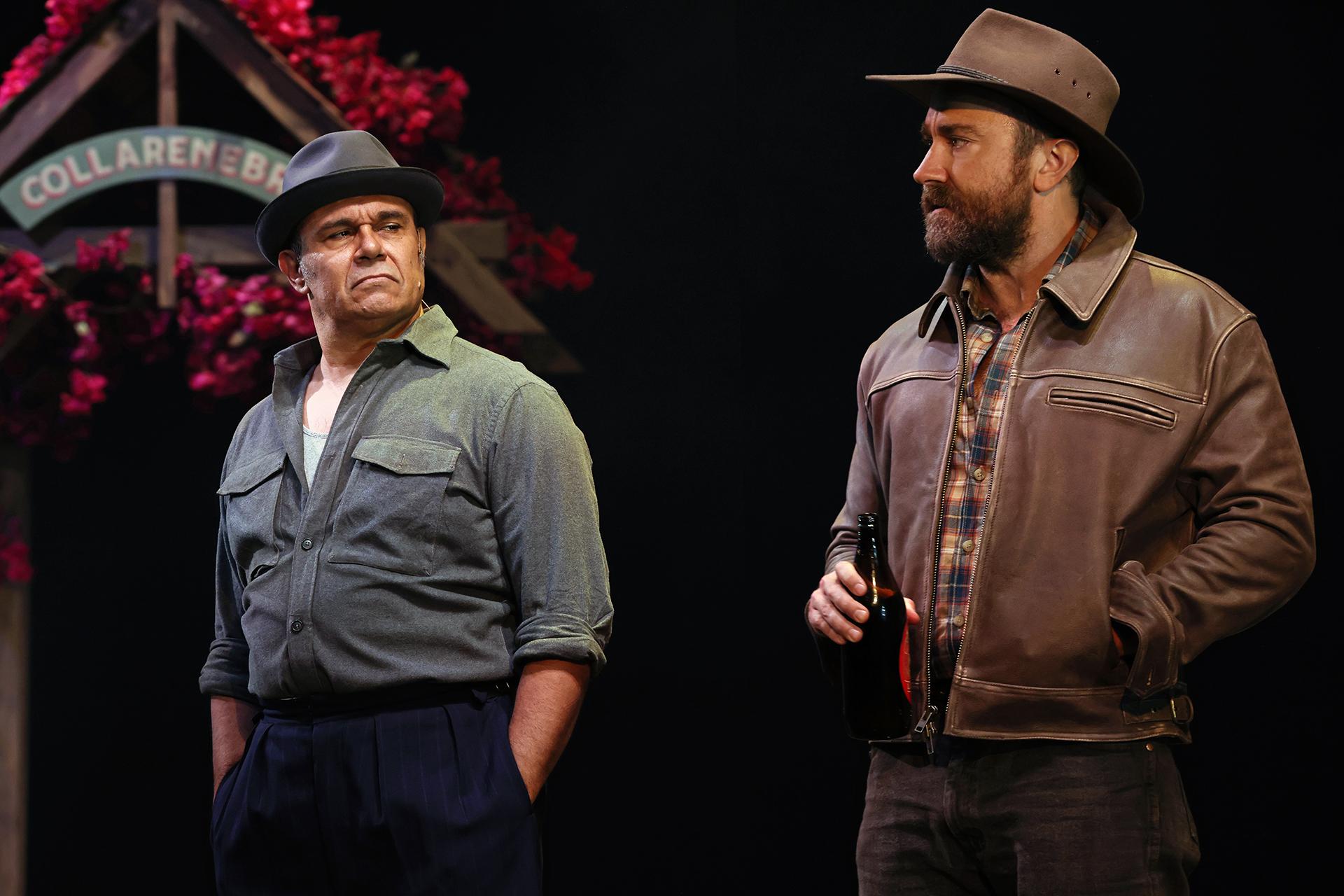
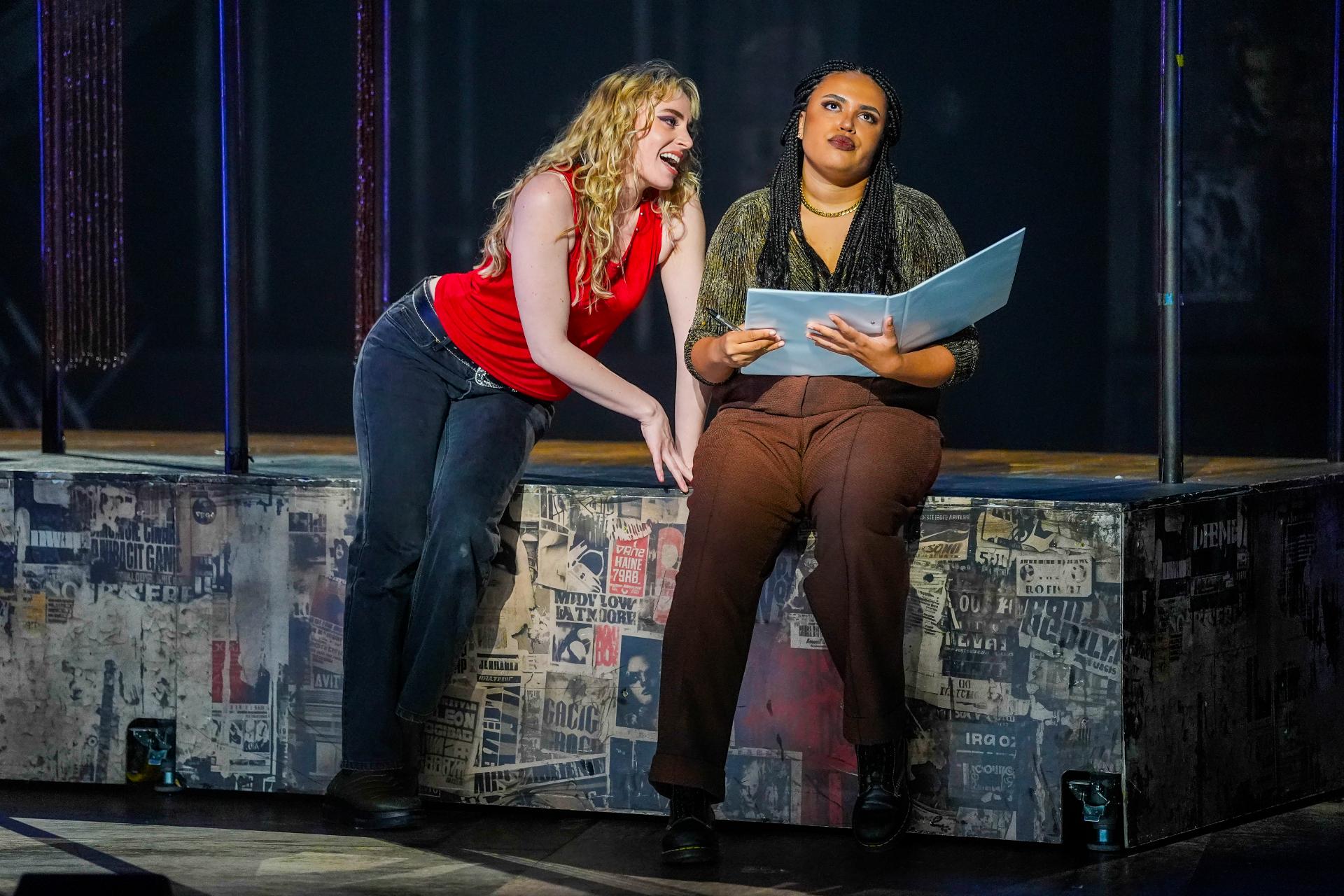
Dann Barber’s set design astonishes in its detail and completeness, evoking both the era and the grunge locale with unflinching accuracy, while offering theatricality that never ceases to enthral the eye. Ella Butler’s costumes bring striking authenticity to a multitude of characters, yet always sustain a visual harmony across the stage. Paul Jackson’s lighting is profoundly evocative, conjuring memory and emotion in equal measure, and captivating us with an endless stream of potent imagery.

The cast is uniformly endearing, each performer delivering not only exceptional vocal power but also a sincerity that grounds the musical’s sweeping emotions. Calista Nelmes all but stops the show with her riotous, electric turn as Maureen in “Over the Moon,” while Harry Targett imbues Roger with an actorly intensity that lends the production its beating heart. Equally praiseworthy are Luca Dinardo’s choreography and Jack Earle’s musical direction—both infused with passion and executed with polish, their work bold in vision and shimmering with invention, breathing new vitality into a show that has long lived in the cultural imagination.
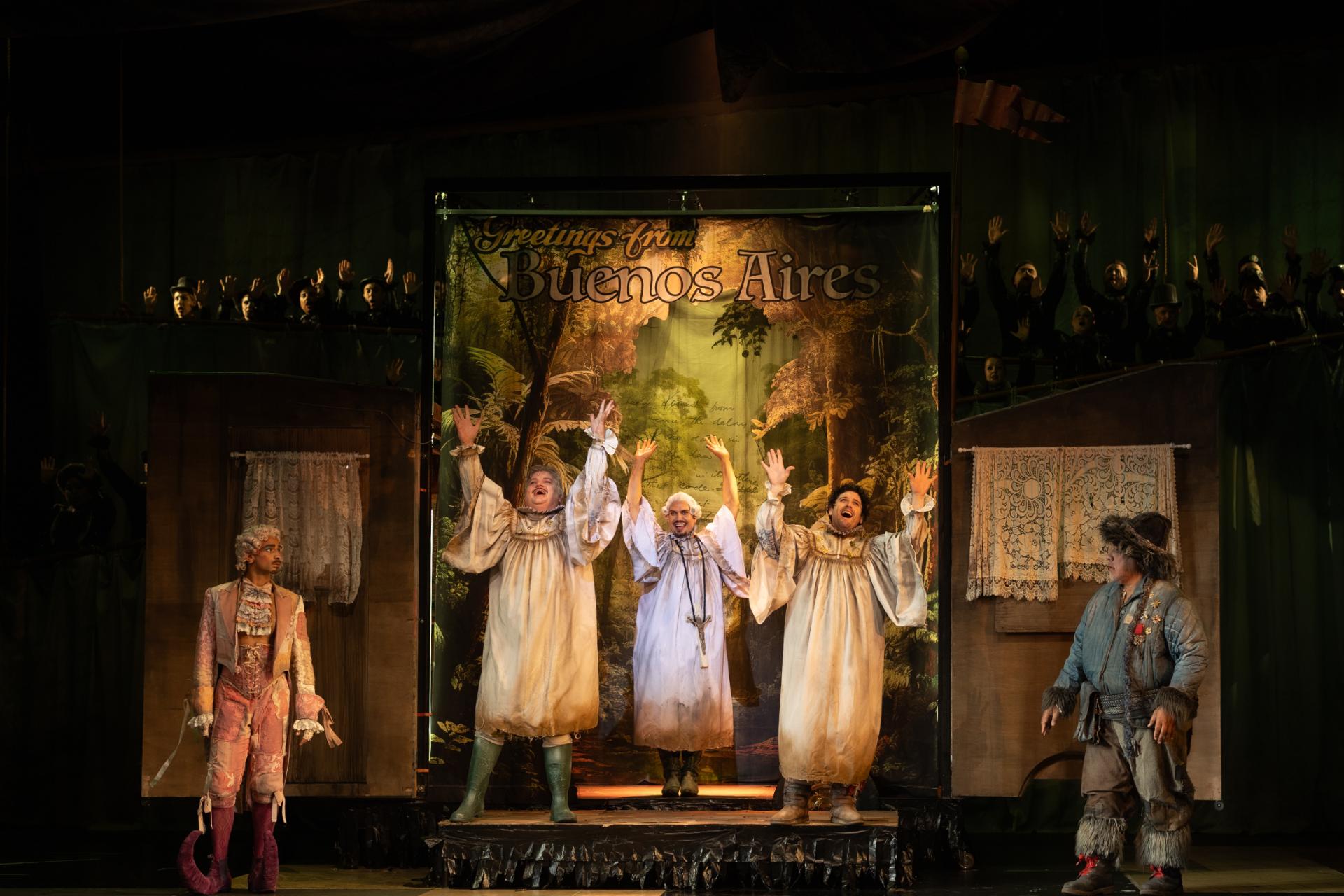
Perhaps the most crucial truth that Rent represents is that, in much of American culture and tradition, those at the bottom rungs are deemed undesirable—or even expendable. The AIDS crisis laid bare the ease with which Americans could turn on one another, exploiting capitalist values or religious fervour as justification for prejudice and cruelty. Today, the same currents ripple through a new era of fascism, as communities are singled out, scapegoated, offered up as sacrificial lambs to feed the hunger for false promises and hollow triumphs. The musical’s story, though decades old, pulses with uncanny relevance, a mirror to a society still grappling with whom it chooses to value and whom it casts aside.

rentmusical.au

Review: Anne Being Frank (Sydney Opera House)

Venue: Sydney Opera House (Sydney NSW), Sep 13 – 21, 2025
Playwright: Ron Elisha
Director: Amanda Brooke Lerner
Cast: Alexis Fishman
Images by Grant Leslie

Theatre review
Anne Frank’s story did not end with her famous diary. For months after the final entry, she endured the harrowing journey through camps in the Netherlands, Poland, and Germany. Ron Elisha’s play Anne Being Frank reimagines those lost chapters while daring to add a fictional path in which Anne survives the war, is discovered by a publisher, and returns to her memoirs with the voice of a survivor.

To call the piece thoughtful is an understatement. At a time when wars are escalating across the globe, Anne Being Frank urges us to confront the senseless loss of human life, across nations, faiths, and identities. Under Amanda Brooke Lerner’s direction, the work compels an empathetic response to profound questions, even if certain moments of the staging fall can feel somewhat dry or staid.

The production is rendered with care. Set, costumes, lighting, and sound are all handled with sensitivity, offering a degree of theatricality without breaking new ground. At its centre, Alexis Fishman delivers a commanding performance as Anne. Her intimacy with the material is unmistakable, and she is at her most affecting when the narrative reaches its deepest poignancy.

It may feel trite to denounce the evils of war, yet it is a truth that demands endless repetition. Again and again humanity plunges into conflict, deaf to the countless stories etched across history that plead with us to turn away. Most bitter of all is the sight of those once crushed beneath its weight rising, in time, to be amongst its fiercest perpetrators. Such is the cruel cycle we seem powerless to break.
www.monstroustheatre.com.au

Review: The 39 Steps (Sydney Opera House)

Venue: Sydney Opera House (Sydney NSW), Aug 8 – 30, 2025
Playwright: Patrick Barlow (from the John Buchan novel, and the Alfred Hitchcock movie)
Director: Damien Ryan
Cast: David Collins, Shane Dundas, Lisa McCune, Ian Stenlake
Images by Cameron Grant

Theatre review
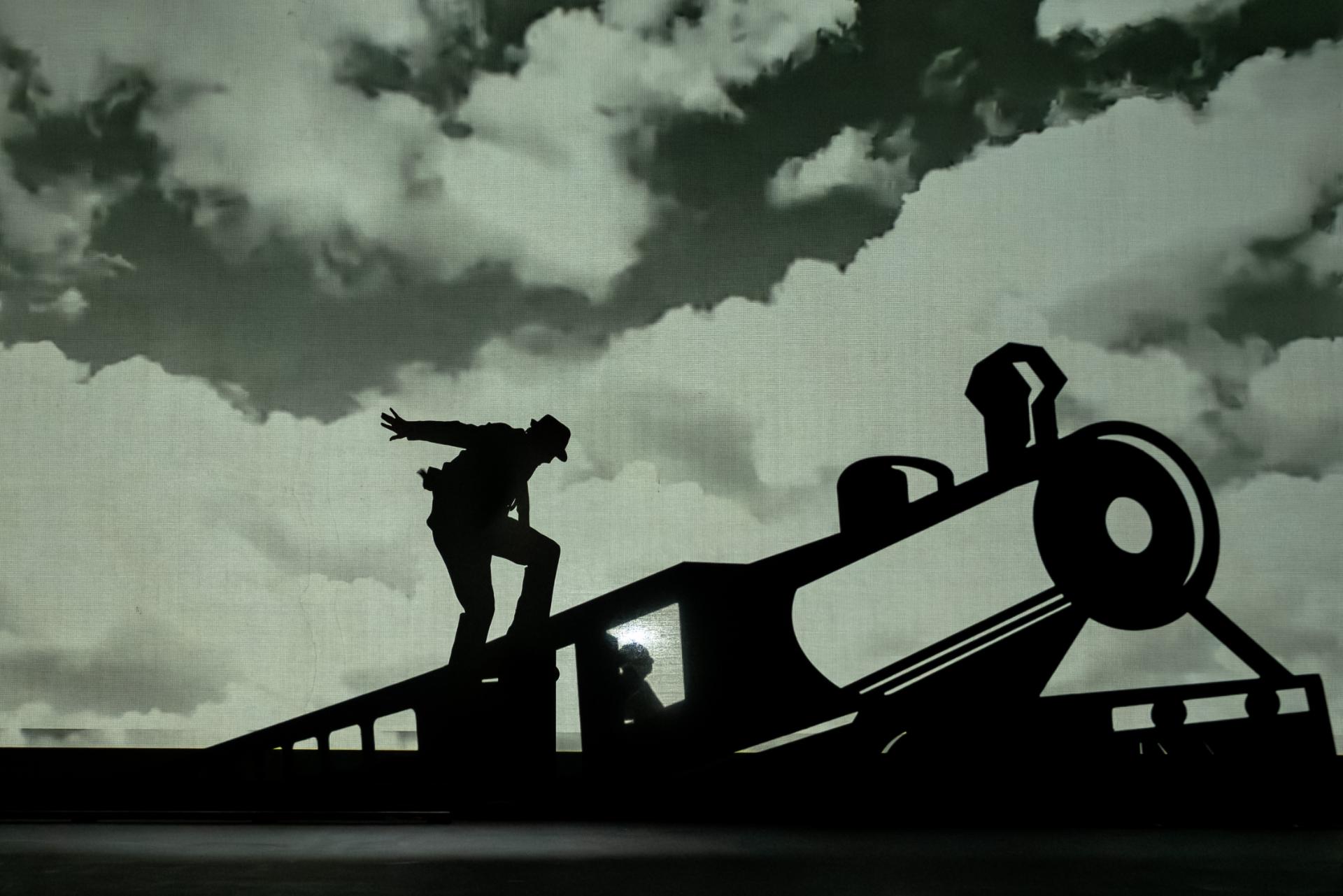
Richard is a man on the run, falsely accused of murder. The 39 Steps is best known as Alfred Hitchcock’s wryly funny 1935 film, adapted from a 1915 adventure-thriller novel. Patrick Barlow’s 2005 stage adaptation transforms the story into a fully comedic work, frequently referencing the movie version to create a postmodern take on the century-old title.

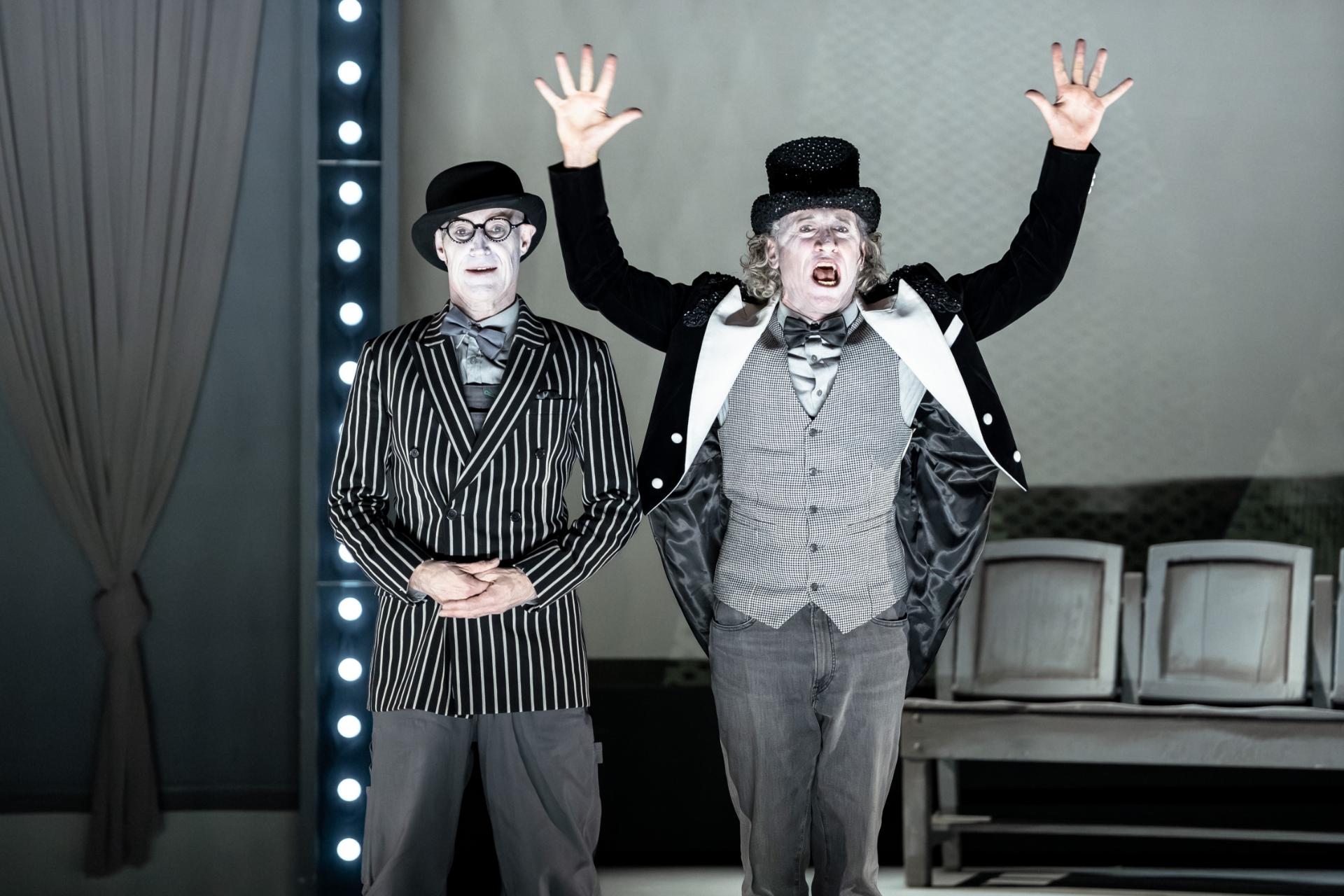
Director Damien Ryan embraces all the parody and pastiche, delivering a bold and extravagant farce, though the nonstop jokes lack the crispness needed to fully land. The production is visually striking, with James Browne’s sets and costumes impressing through their ambitious scale and refined aesthetic. Lights by Matthew Marshall are commensurately sumptuous, and highly evocative in this monochromatic tribute to early filmmaking. Music and sound by Brady Watkins are full of dynamism, adept at sustaining energies, even when the laughs begin to feel laboured.

Actor Ian Stenlake embodies the leading man with commendable dedication, though he exhibits some limitations in agility for a production characterized by its vigorous intensity. Lisa McCune performs multiple roles with skill and accuracy, bringing a level of refinement to a show that easily spirals out of control. David Collins and Shane Dundas, best known collectively as The Umbilical Brothers, make their trademark humour a distinctive feature of the staging, which ultimately detracts from the overall experience. The pair is unequivocally accomplished, but the narrative momentum is hindered by the production’s insistence on highlighting their expertise.

Humour is inherently subjective. Understanding what makes something funny demands an examination of the milieu from which it stems. While we may live in multicultural societies, much of the artistic output—even in the twenty-first century—remains resolutely monocultural. As a result, for many of us in minority communities, witnessing widespread laughter can often feel nothing short of confounding.

www.the39steps.com.au

Review: Henry V (Bell Shakespeare)

Venue: Sydney Opera House (Sydney NSW), Mar 1 – Apr 5, 2025 | Merrigong Theatre Company (Illawarra Performing Arts Centre) Apr 30 –May 3, 2025
Playwright: William Shakespeare
Director: Marion Potts
Cast: Jack Halabi, JK Kazzi, Alex Kirwan, Odile le Clézio, Ava Madon, Harrison Mills, Ella Prince, Jo Turner, Mararo Wangai, Rishab Kern
Images by Brett Boardman

Theatre review
It could be argued that Shakespeare had intended for the play Henry V to remain ambiguous, in its attribution of heroism to the titular role. Thousands die as a result of Henry’s war, yet there is no significant disparagement of the king’s character. We may like to think that changes have occurred over these four centuries, and our attitudes about war are no longer what they used to be, but in this very moment of political reversion, it appears that efforts to normalise aggression between nations, are back again.

Director Marion Potts however takes a decidedly anti-conflict stance, in a staging that makes no bones about the brutality that inevitably ensues, when soldiers are required to do their leaders’ bidding. There is no glorification of the battlefield, even if the king does retain his air of majesty. Movement and fight direction by Nigel Poulton is a memorable feature, as we watch the troops’ kineticism being expressed with an enjoyable poetic quality.

Lead actor JK Kazzi demonstrates strong focus and commitment, if slightly deficient in charisma. It is overall a cohesive cast, effective at manufacturing dramatic tension for key moments. Set and costume design by Anna Tregloan are contemporarised with a pleasing sleekness, and are appropriately masculine in style. Lights by Verity Hampson depict a severity necessary for this exploration of violence, but could benefit from a greater embrace of the story’s heightened sentimentality. Sounds by Jethro Woodward are wonderfully theatrical, and impressive for the rigour that allows us to detect every shift in time and space.

In the west these recent years, wartime had begun to seem a distant past. Today there is a shift afoot, and peace is again under threat, as powerful leaders disrupt old alliances, in favour of new arrangements that undermine democracy. It is a shameless power grab, the nature of which is so alien to current generations, that we feel ill-equipped to fight against. So much is lost by the end of Henry V, but they still call it a victory.

www.bellshakespeare.com.au

Review: Candide (Sydney Opera House)

Venue: Sydney Opera House (Sydney NSW), Feb 20 – Mar 14, 2025
Composer: Leonard Bernstein
Librettist: Richard Wilbur
Director: Dean Bryant
Cast: Annie Aitkin, Euan Fistrovic Doidge, Alexander Lewis, Dominica Matthews, Andrew Moran, Eddie Muliaumaseali’i, Eddie Perfect, Lyndon Watts, Cathy-Di Zhang
Images by Carlita Sari

Theatre review
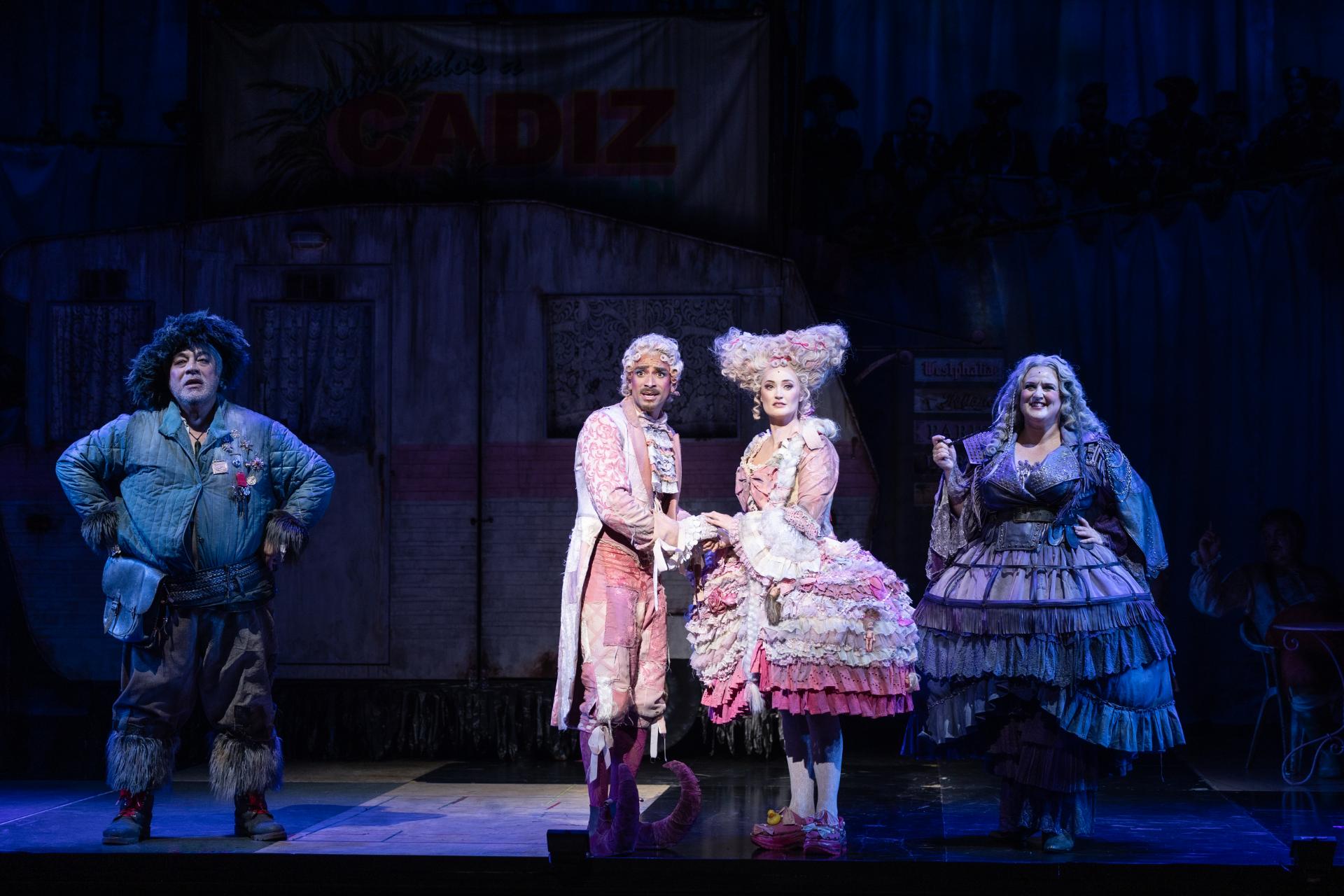
Voltaire’s 1759 novella “Candide, ou l’Optimisme” sees its protagonist travelling the world, learning many of life’s big lessons before finally landing on solid ground. Leonard Bernstein’s musical operetta, simply named Candide, takes that big journey and transforms it into a wild fantasia, filled with colourful characters and comically bizarre scenarios.

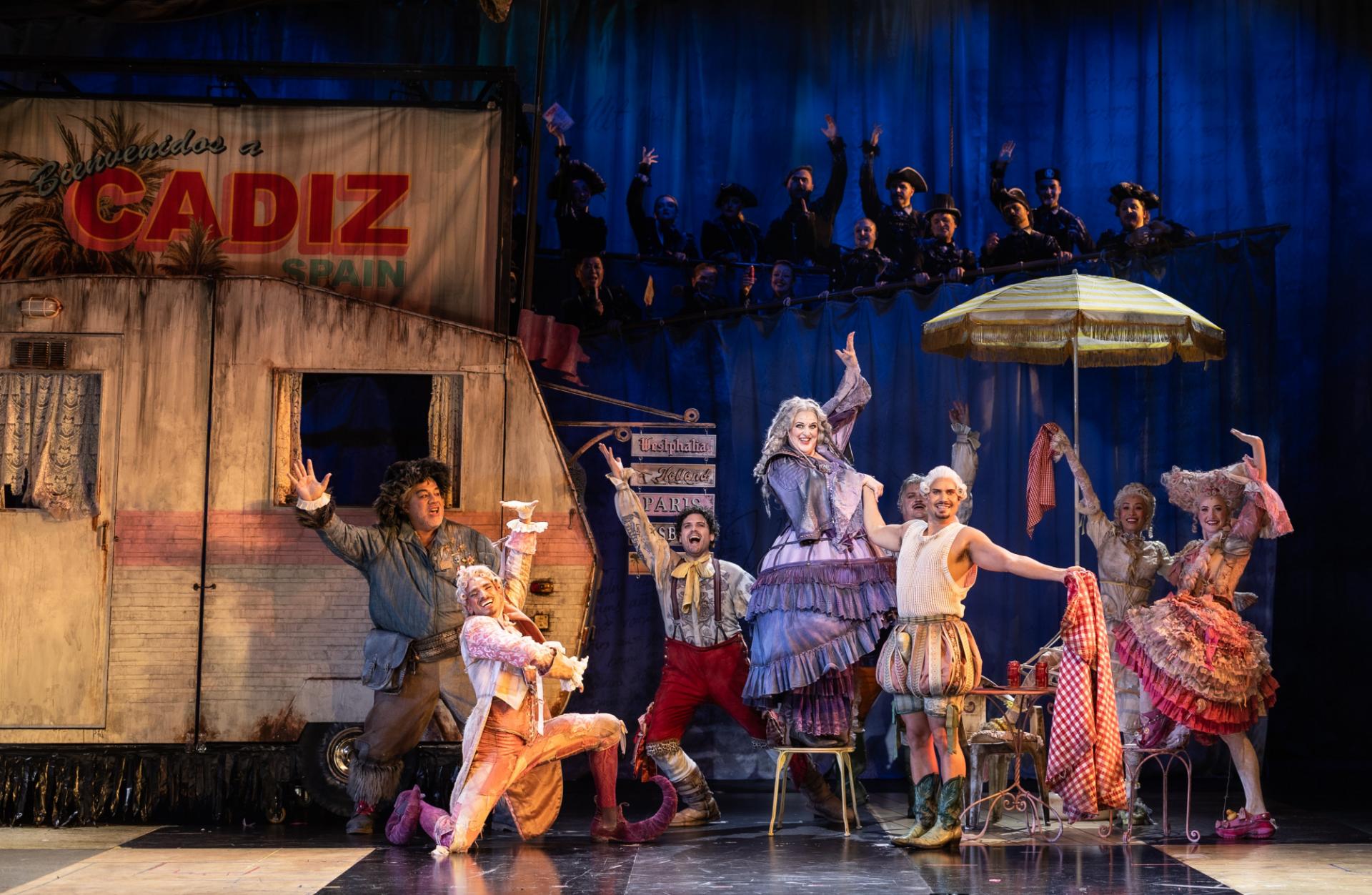
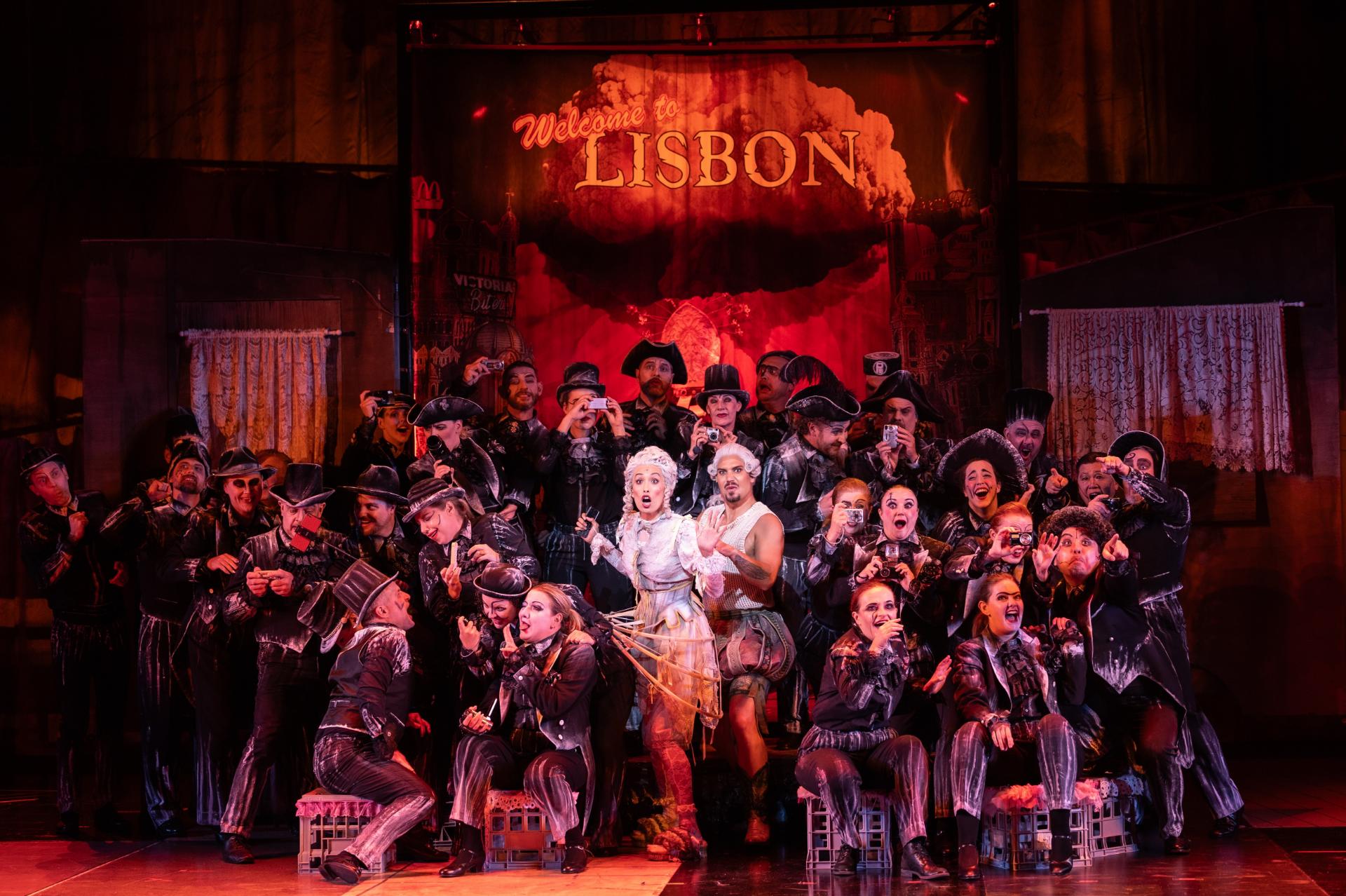
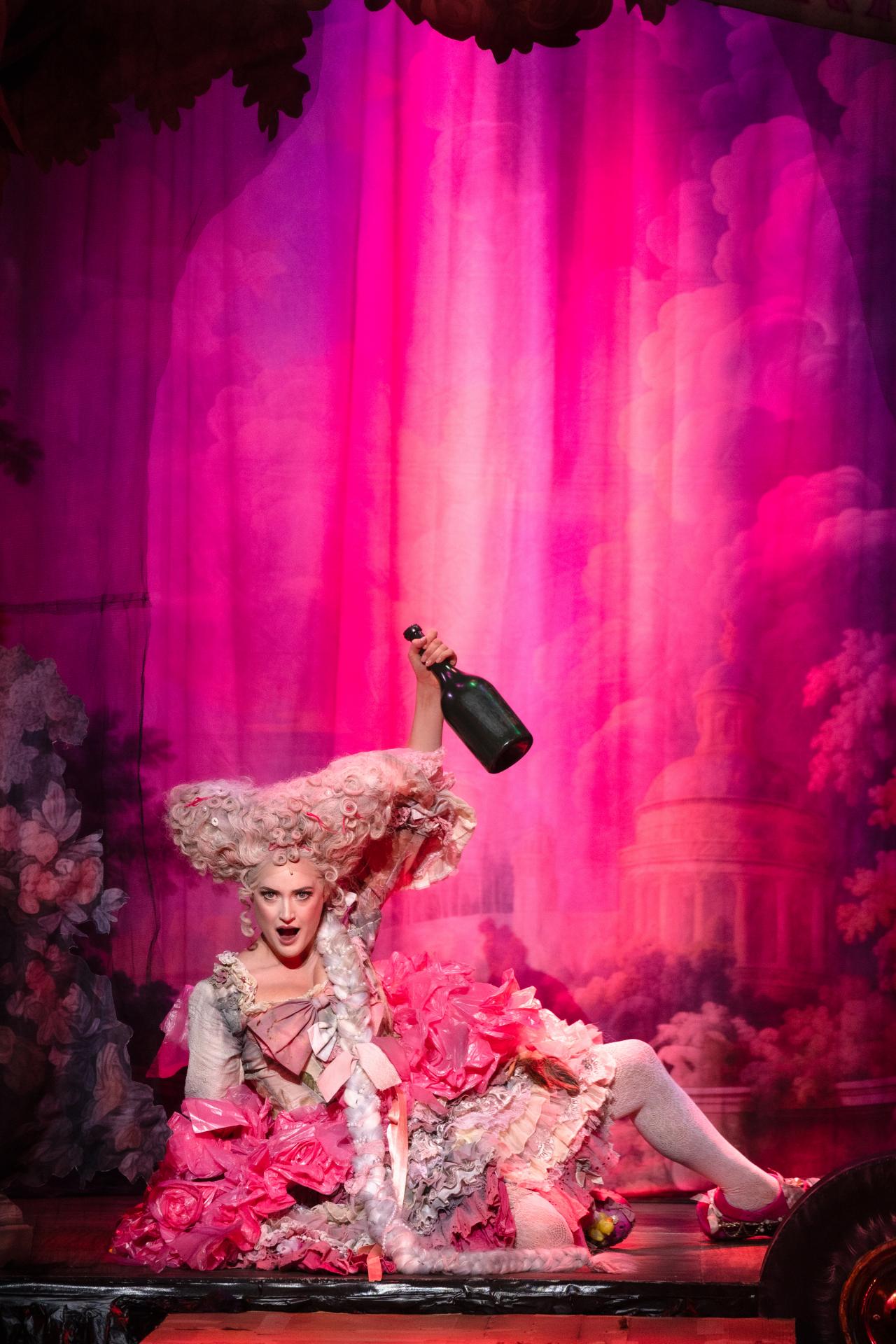
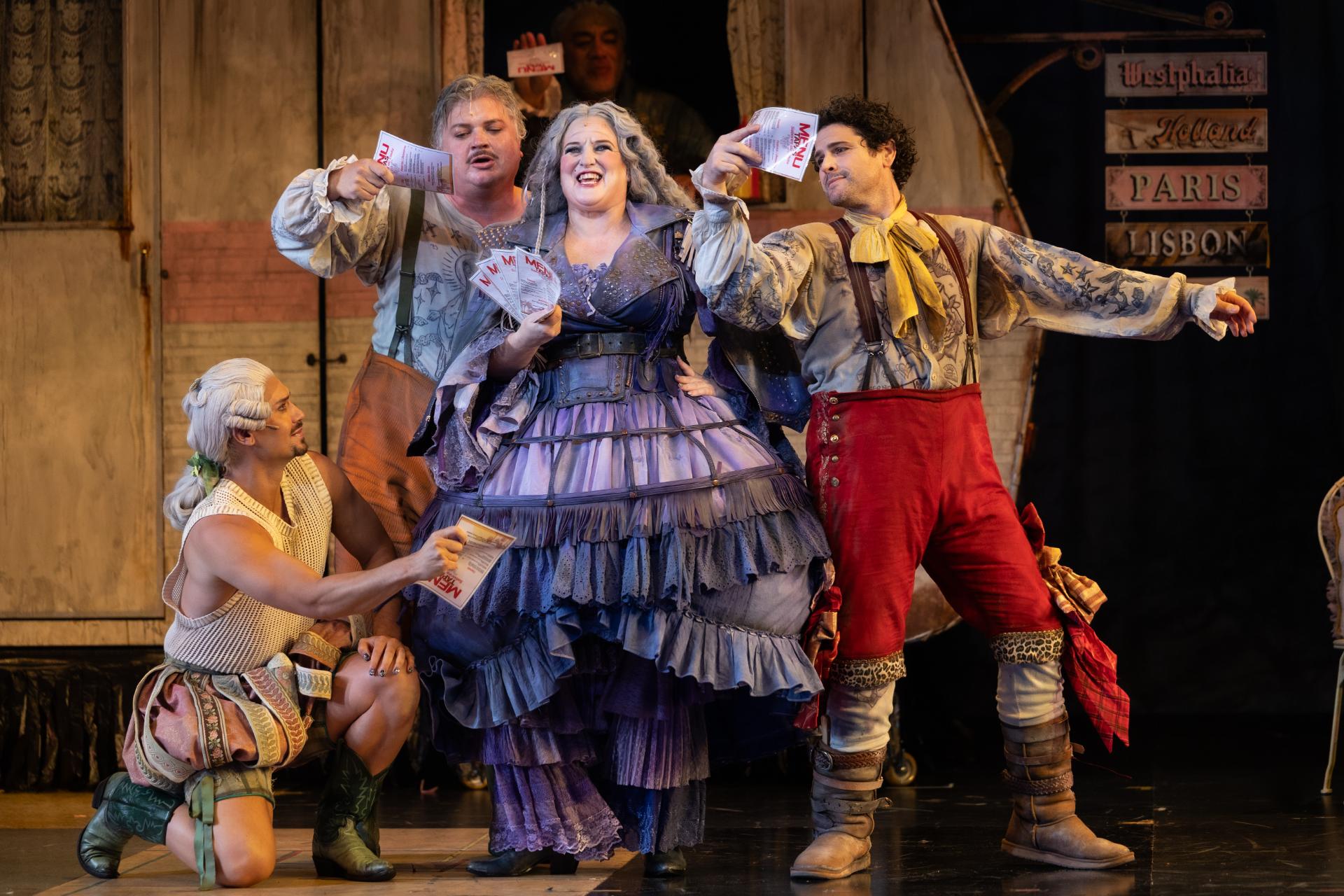
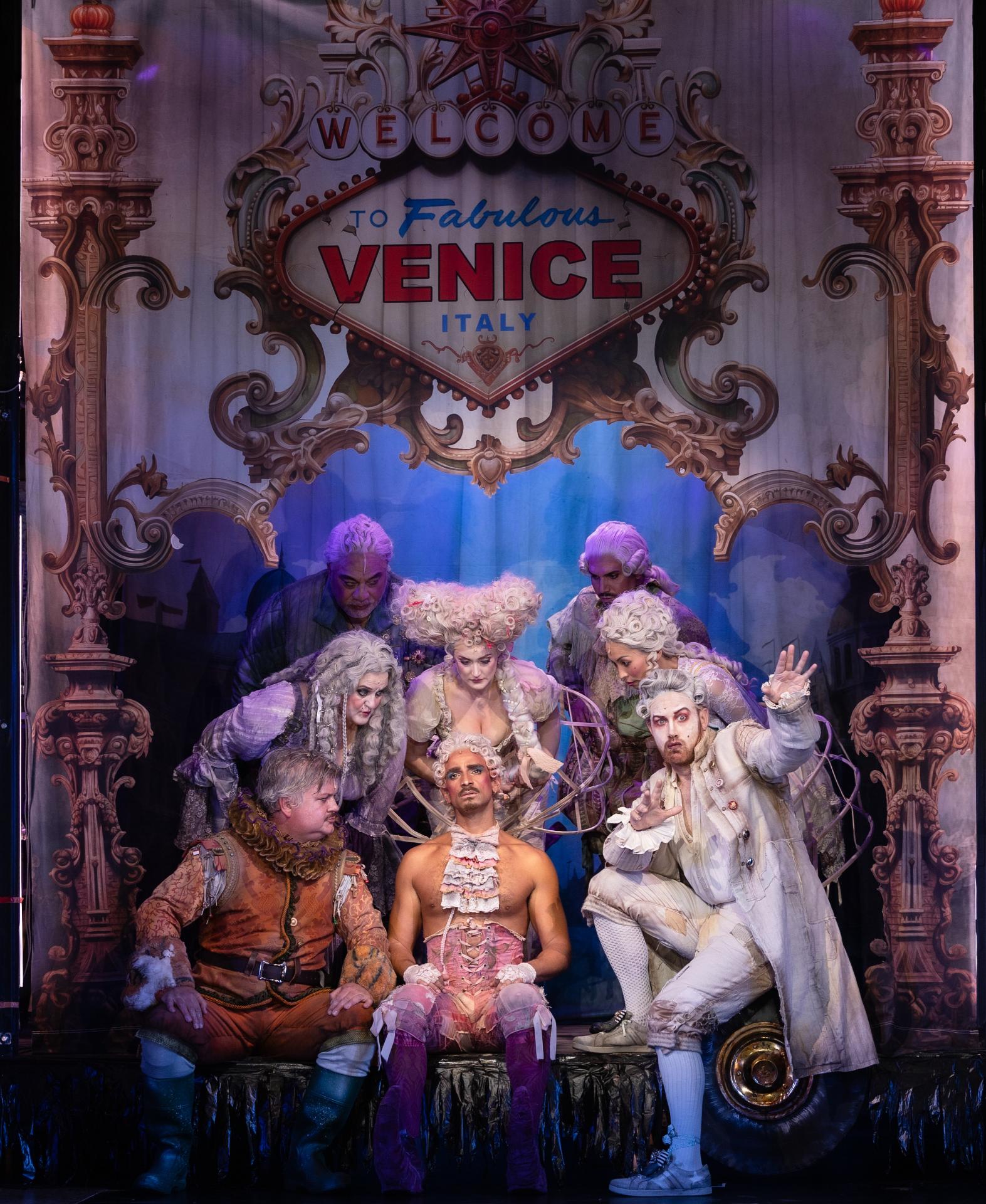
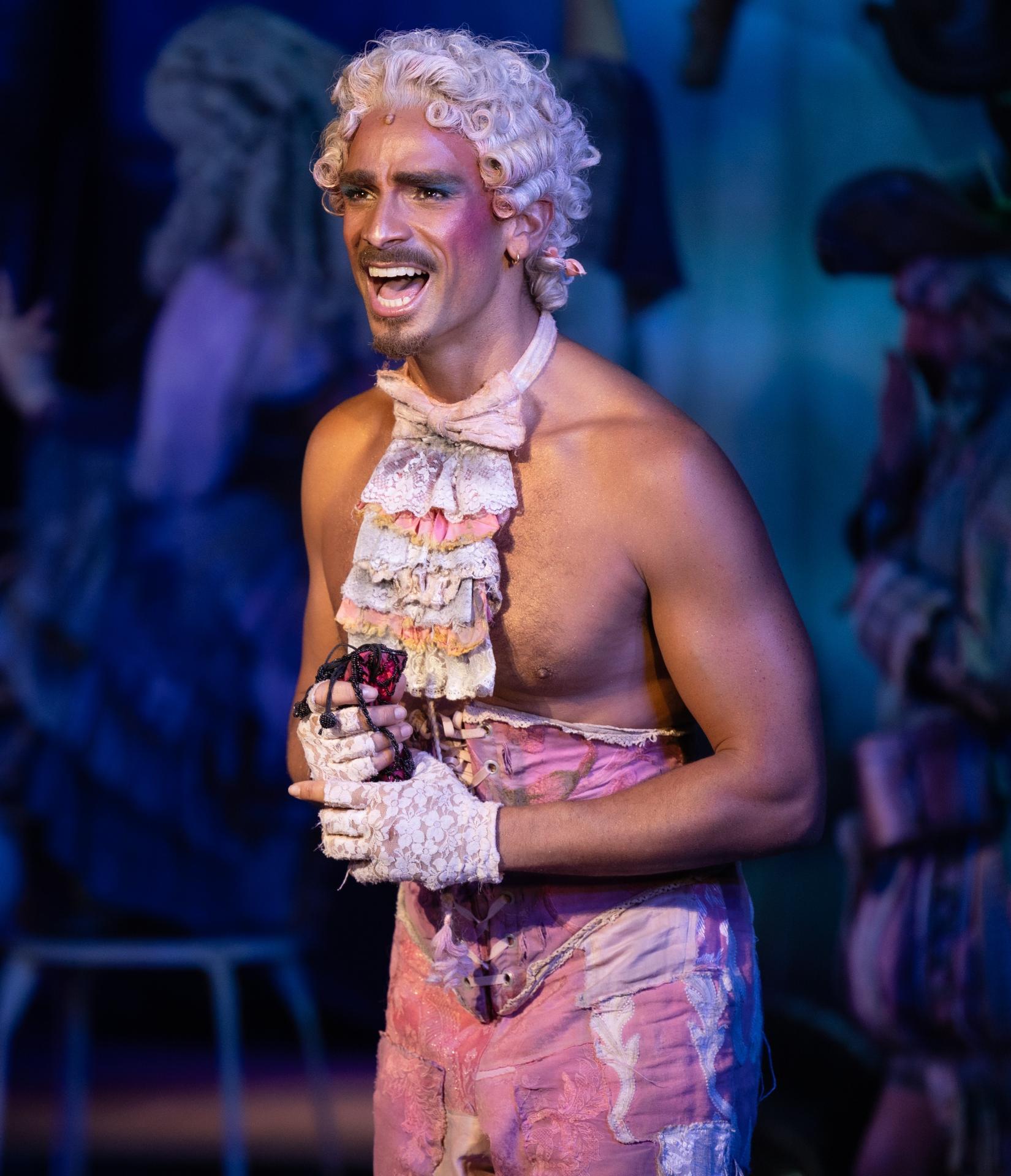
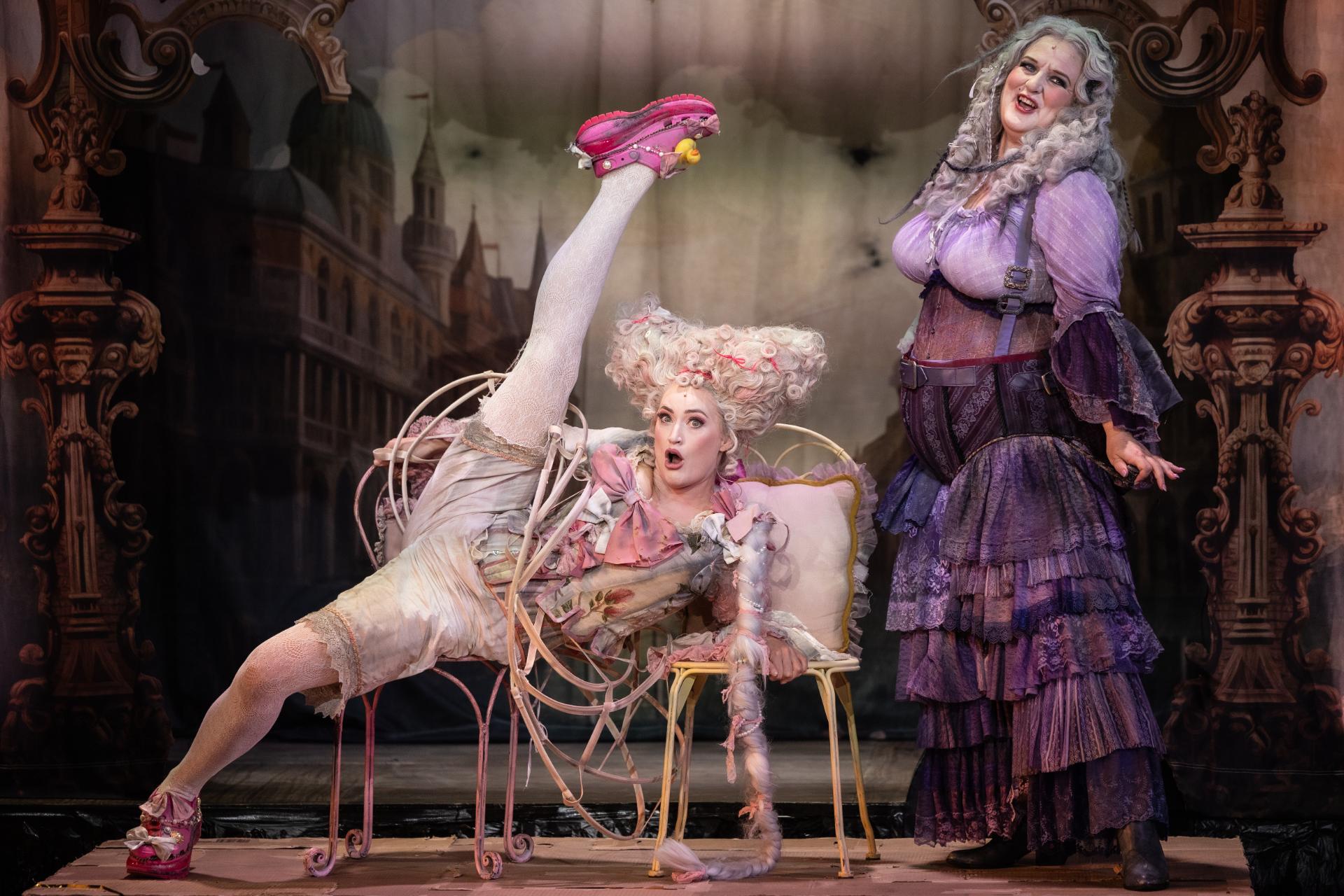
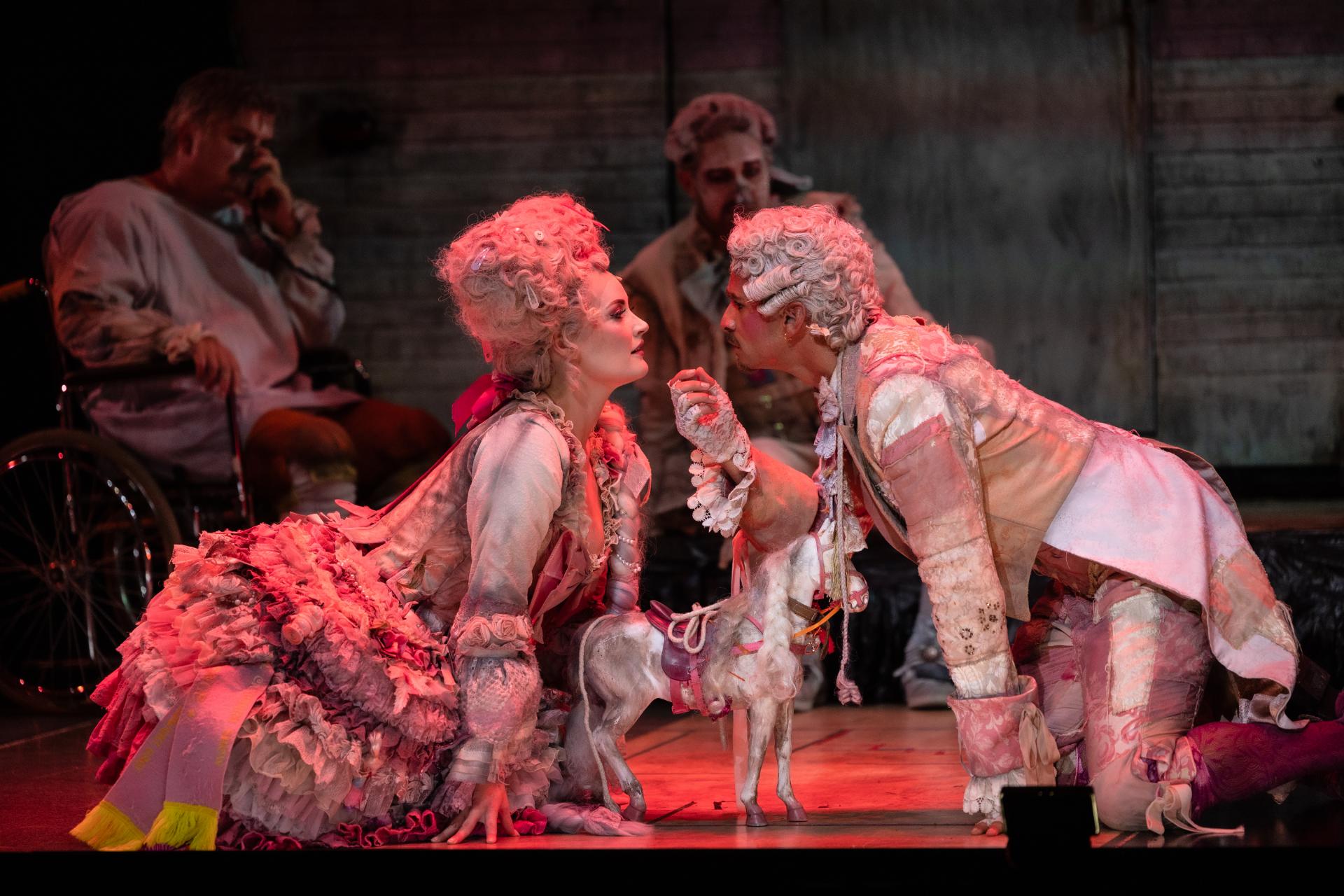
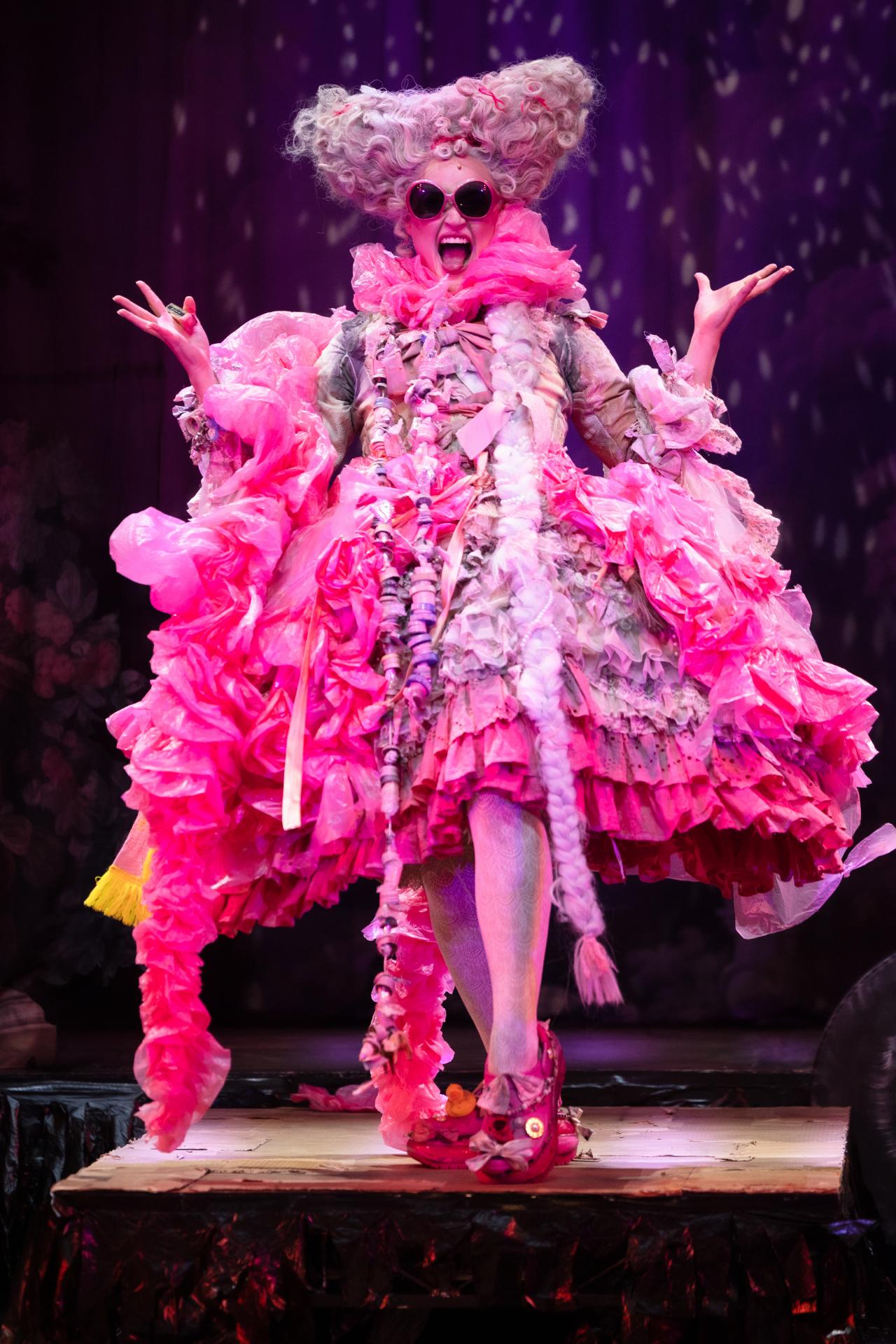
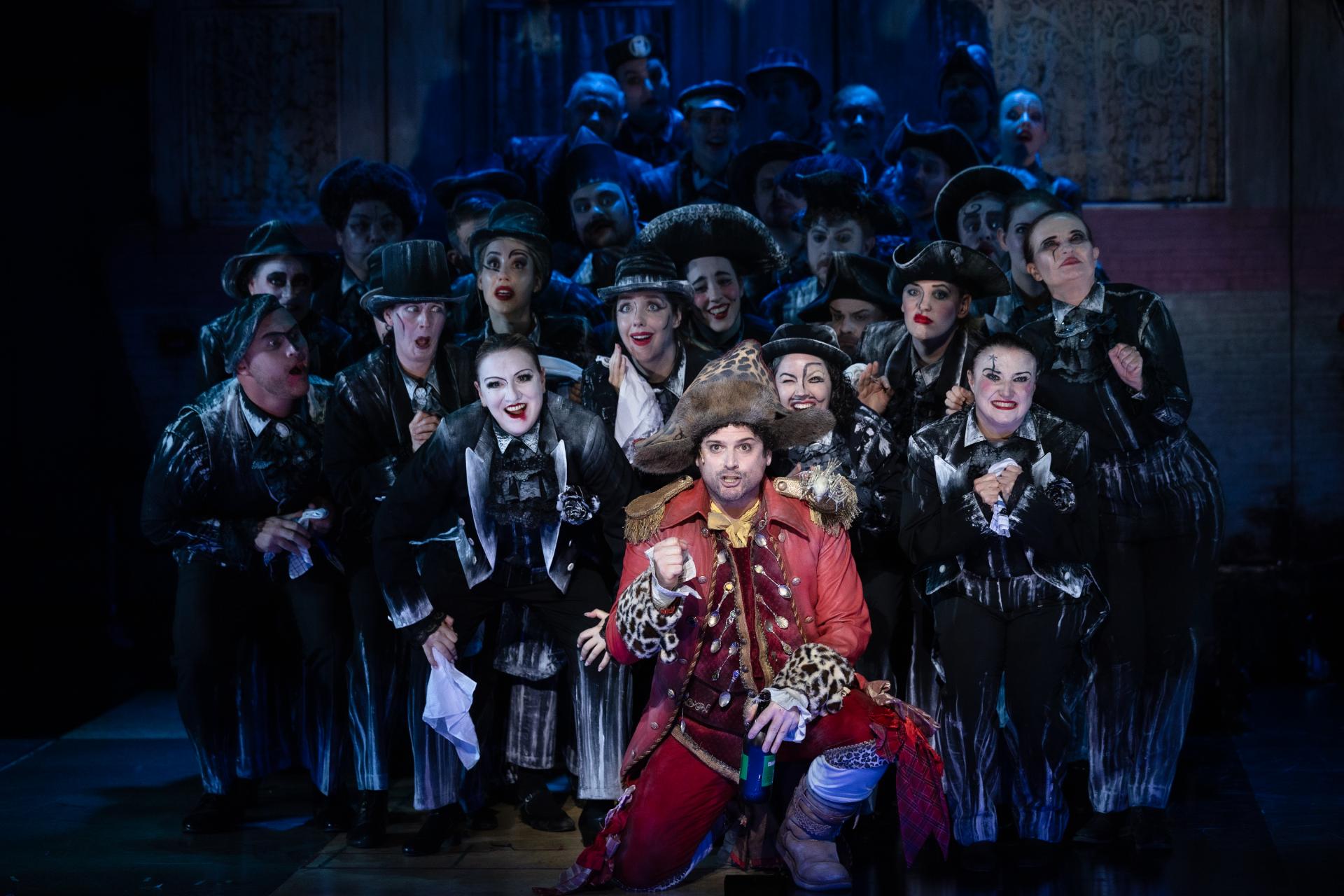
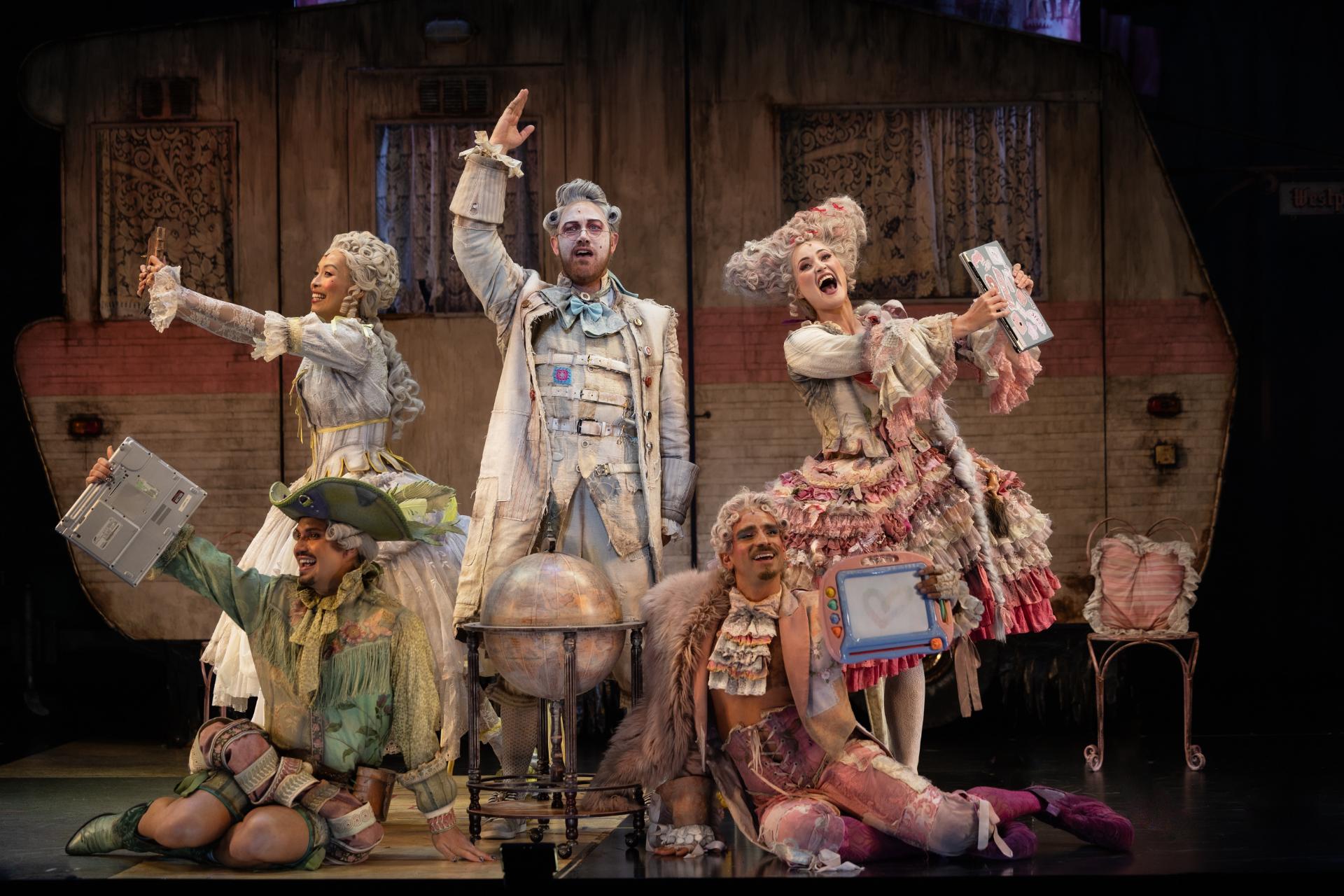
Direction by Dean Bryant makes full use of the work’s absurd elements to manufacture a vivacious experience, chaotic and rambunctious in its imaginative renderings for theatrical amusement. Dann Barber’s ironic set design features a recreational trailer as centrepiece, magically unfurling scenic designs that represent the many cities in Candide’s journey. Barber’s costumes are extravagantly campy, and a clear highlight of the production. Lights by Matthew Scott imbue a sense of lavishness, effective at delivering enchantment, if slightly lacking in poignancy for the show’s concluding moments.

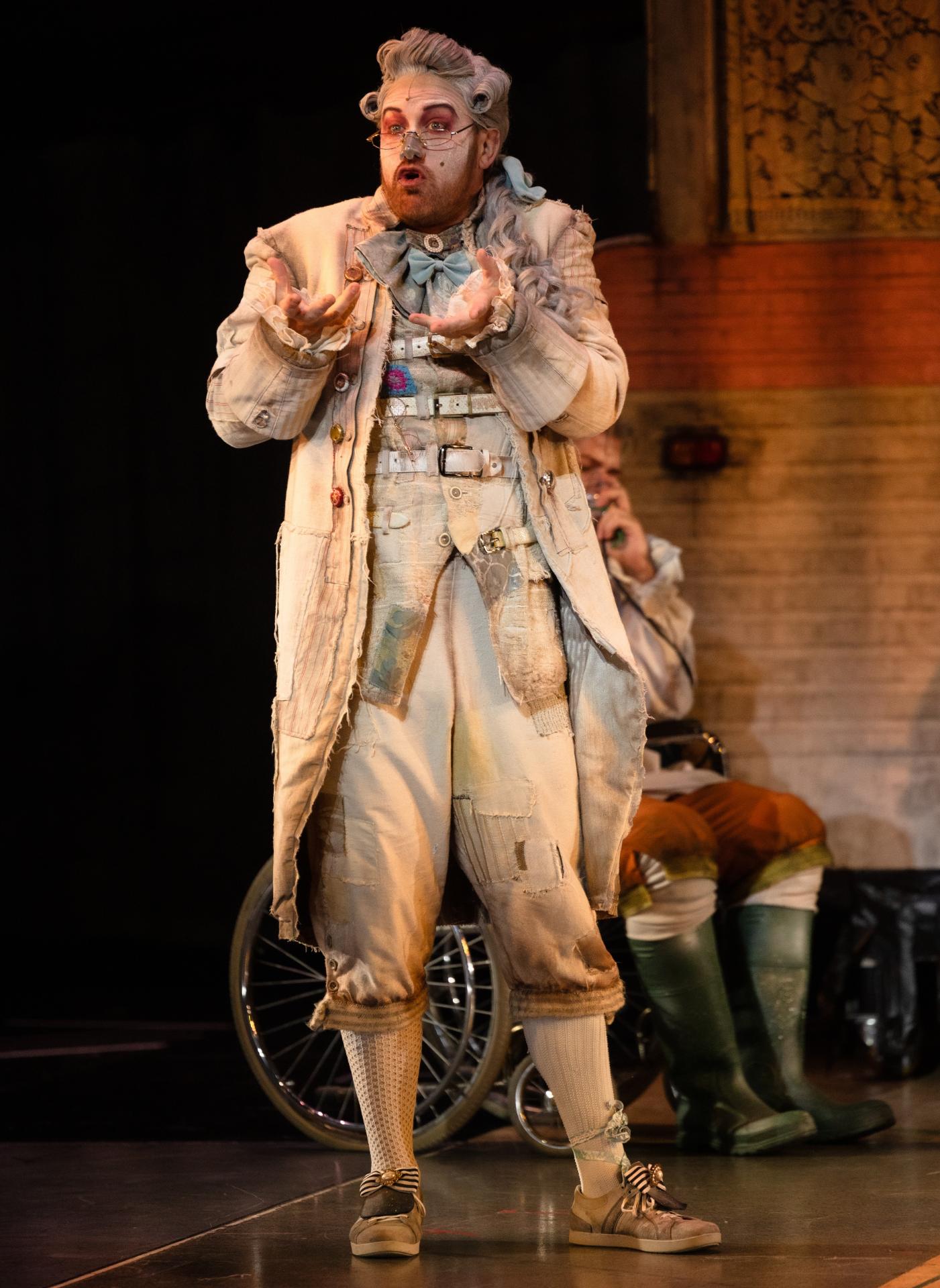
Leading man Lyndon Watts displays unequivocal technical proficiency in the role of Candide, but it is his charisma that many will find memorable. Annie Aitken is a delight as Cunégonde, offering exquisite vocals along with some truly splendid humour. Playing Voltaire (and Dr. Pangloss) is Eddie Perfect, whose affability and confidence provide for the staging additional polish.

On this occasion, Candide seems a celebration of frivolity and little else. Certainly there is space in the arts for lightness, but in any performance, surely an audience needs to feel some level of personal investment, to be held attentive in meaningful ways. It can be argued that little of Candide remains resonant, even though it is observable that people are meant to be having fun.

www.opera.org.au | www.victorianopera.com.au

Review: Picnic At Hanging Rock (Sydney Theatre Company)

Venue: Sydney Opera House (Sydney NSW), Feb 17 – Apr 5, 2025
Playwright: Tom Wright (from the novel by Joan Lindsay)
Director: Ian Michael
Cast: Olivia De Jonge, Kirsty Marillier, Lorinda May Merrypor, Masego Pitso, Contessa Treffone 
Images by Daniel Boud

Theatre review
Joan Lindsay’s Picnic at Hanging Rock, is likely the most famous story ever told about this land exacting revenge on its inhabitants. Since the time colonisers deemed it fit to declare terra nullius and named her Australia, European settlers and their descendants, have always borne a pang of guilt in their conscience. They know something is not quite right about the ways they have claimed this their own, and much as they often try to deny the unjust displacement of Indigenous peoples, the truth always finds a way to strike back.

In Tom Wright’s magnificently theatrical stage adaptation of Lindsay’s novel, we are able to observe tangibly, the concurrent effects of both metaphysical and psychological consequences, of land being stolen. The monolith at the centre of Picnic at Hanging Rock serves as symbolic projection, for those unable to acknowledge the actual dilemma, and therefore enact a series of horrors onto their own bodies, as though emanating from that geological feature. Also valid however, is the interpretation that the monolith is in fact sentient, and is executing tactics of protection, in attempts to right those historical wrongs.

Ian Michael’s direction offers all the possibilities, enabling viewers to draw personalised conclusions that would resonate most intimately. Built into the production are a great variety of sensorial textures and psychic dimensions, resulting in a work ambitiously vast, not just in its sheer experiential capacity to leave us breathless and overwhelmed, but also in its scale of representations. Michael’s artistry ensures that everything is laid out to be seen, yet nothing is ever forced; we are presented all the details, and left to consume what we can. Picnic at Hanging Rock is as horrifying as you would allow, as funny as you want, and as political as you are ready to accept.

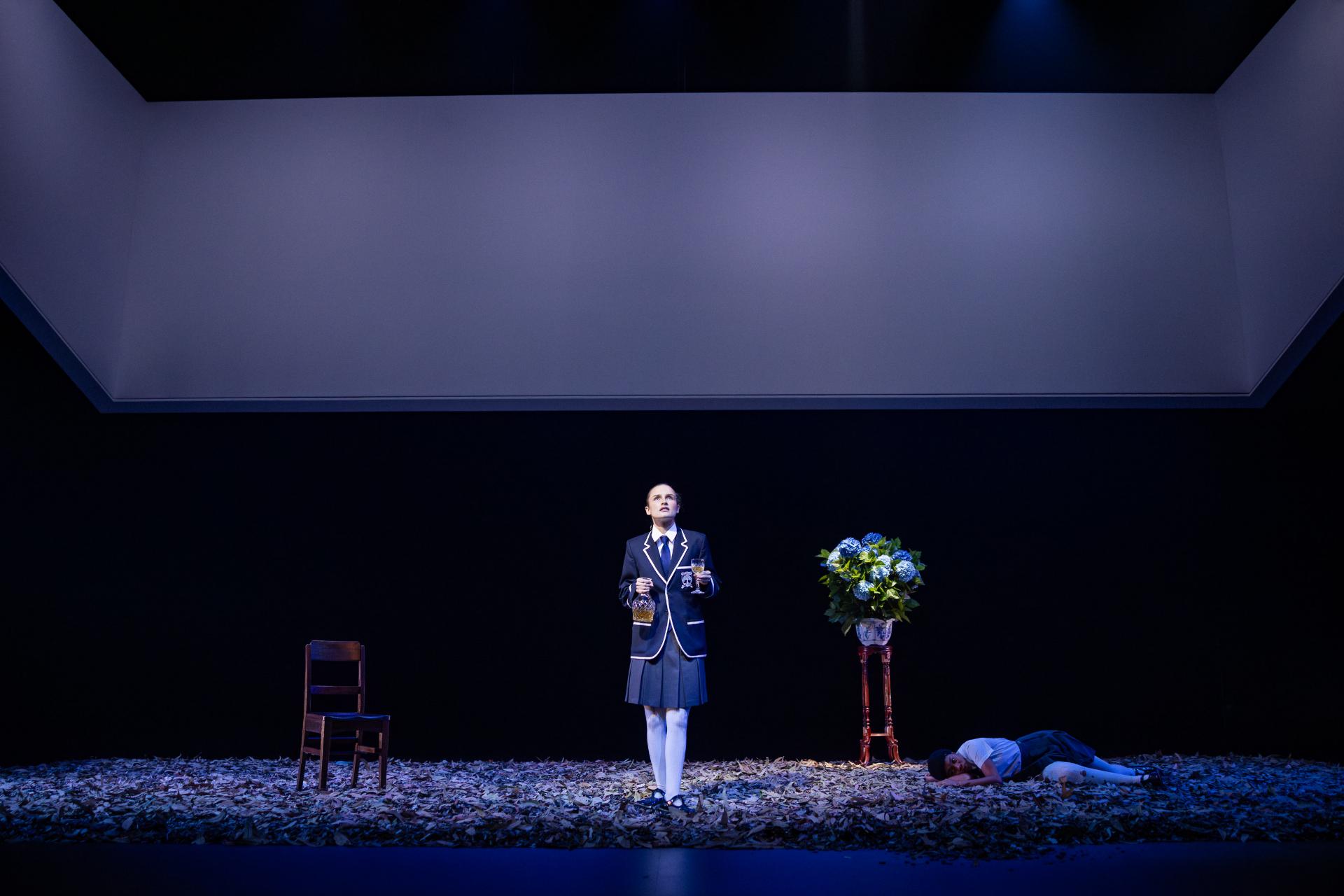
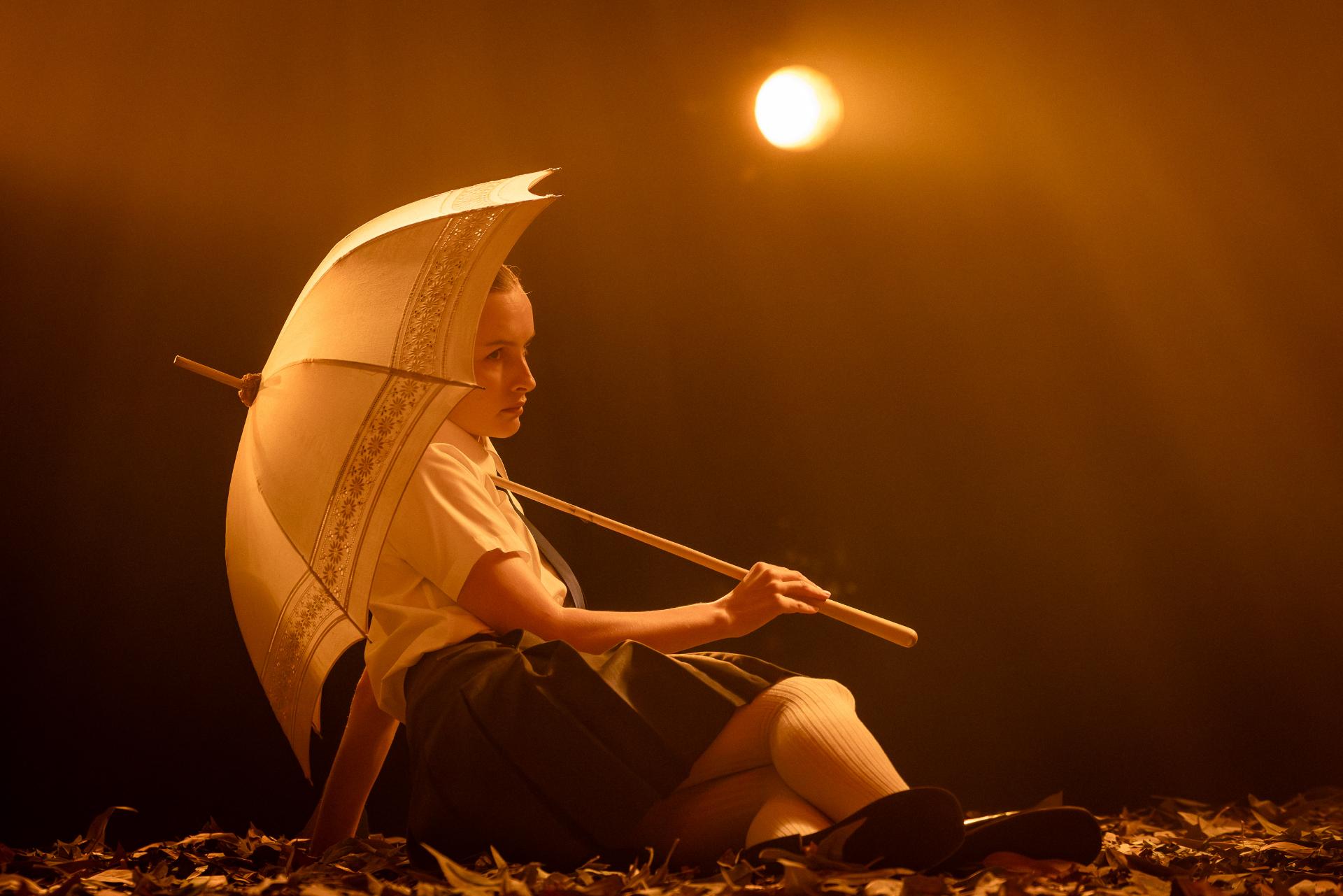
Dominant in the set design by Elizabeth Gadsby is a raised and tilted structure, that looks as though a proscenium arch has eerily shifted upward, subsequently pouring its contents onto the earth. Imposing like the rocks of Dja Dja Wurrung country, whilst demonstrating the vexing presence of Western structures that cannot hold. Lighting by Trent Suidgeest is an exciting element, extravagant in sensibility but consistently tasteful in execution, and memorable for being absolutely electrifying at the most dramatic instances. Exquisite sounds by James Brown are flawlessly orchestrated to usher us not only to the year 1900, but also through various membranes of reality, so that we encounter realms beyond the mundane, that seem to have always existed, but are rarely accorded due attention. Picnic at Hanging Rock is greatly concerned with what we cannot see, all of which is translated on this occasion, into everything that we can hear.

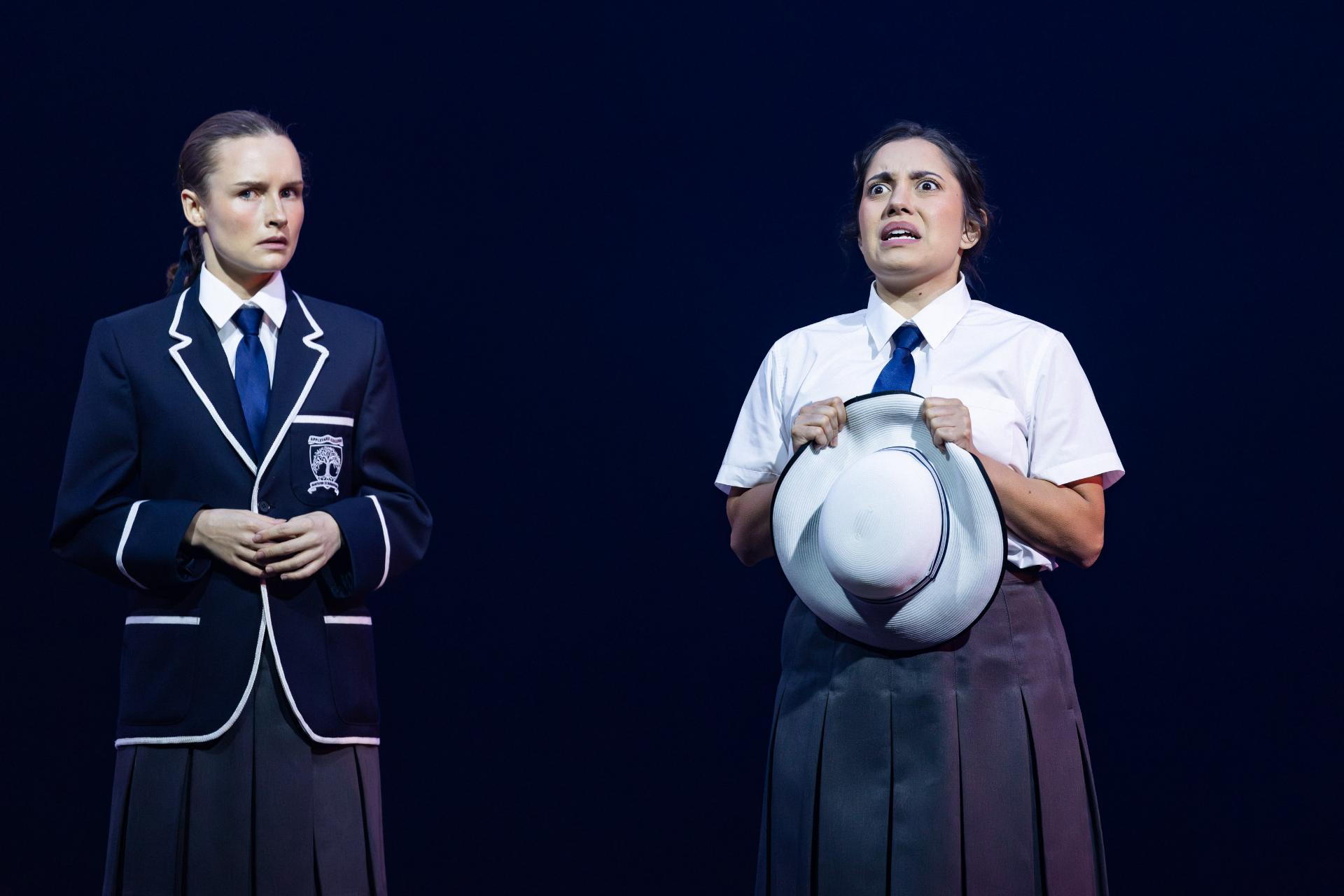
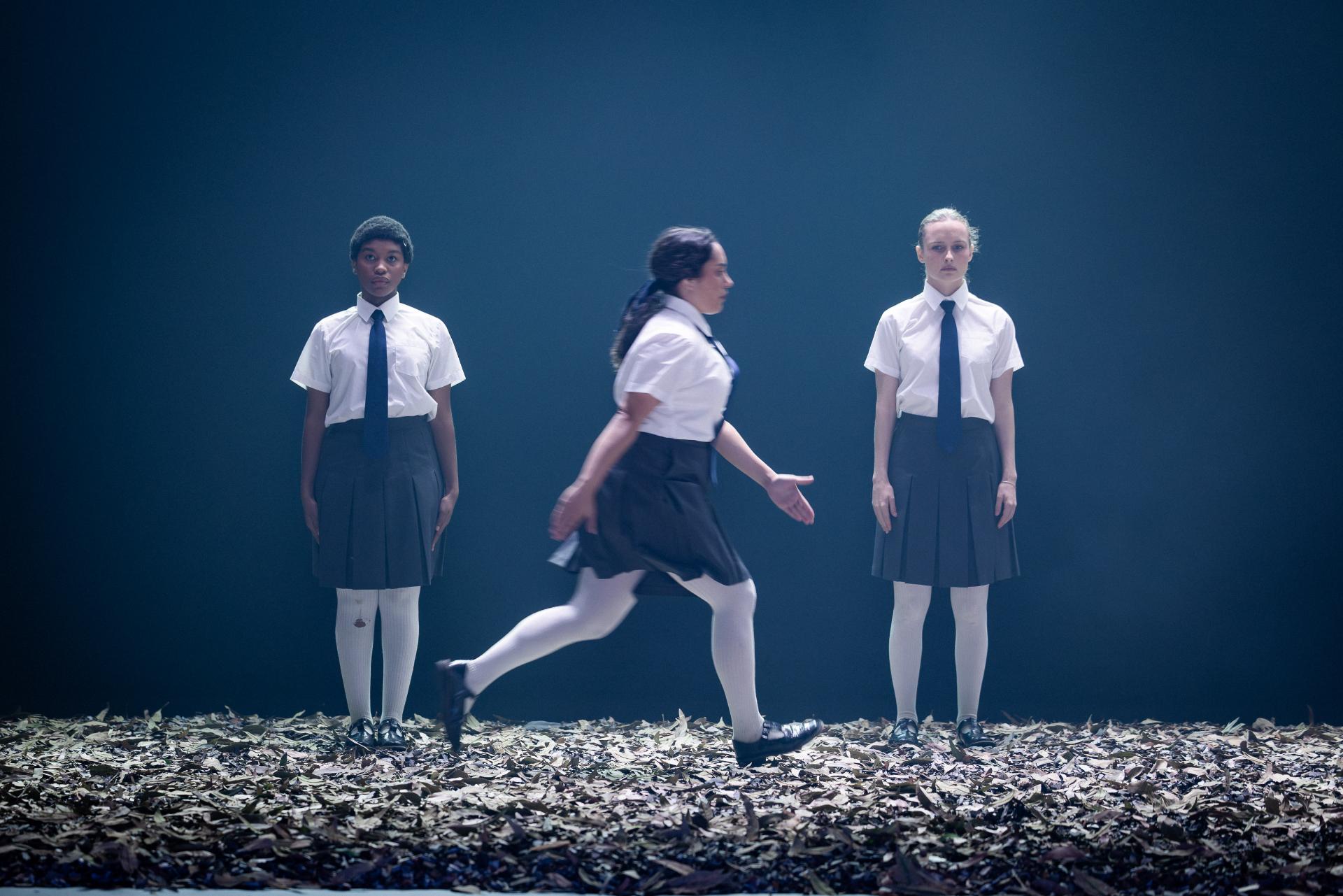
An astonishing ensemble of five extraordinary performers, namely Olivia De Jonge, Kirsty Marillier, Lorinda May Merrypor, Masego Pitso and Contessa Treffone, deliver a 90-minute show that is always urgent, and never predictable. They play naturalism one moment, then seamlessly transition to the most heightened of expressions the next, fully embodying both the sociological and the macabre aspects of their narrative. The women’s thrilling inventiveness is awe-inspiring, and the depth and gravity they reveal for this important instalment of our modern literary canon, is likely paradigmatic.

Something magical occurs when art precipitates transcendence. Call it healing, catharsis, or even exorcism, art can offer enlightenment in ways beyond the capacities of conventional language. This staging of Picnic at Hanging Rock leaves one feeling like they had been grabbed tight and shaken vigorously. An intense sensation is instilled, but what it communicates may not be immediately clear or explicitly understandable. Art will change people, and when it stokes the fire of human conscience, is when it serves its most noble purpose.

www.sydneytheatre.com.au

Review: Elf: The Musical (Sydney Opera House)

Venue: Sydney Opera House (Sydney NSW), 19 – 29 Dec, 2024
Book: Bob Martin, Thomas Meehan
Music:
 Matthew Sklar
Lyrics: Chad Beguelin
Director: Eric Giancola
Cast: Brianna Bishop, Oscar Bridges, Simon Burke, Andrew Dunne, Gareth Isaac, Madeleine Mackenzie, Lara Mulcahy, Katrina Retallick
Images by Daniel Boud

Theatre review
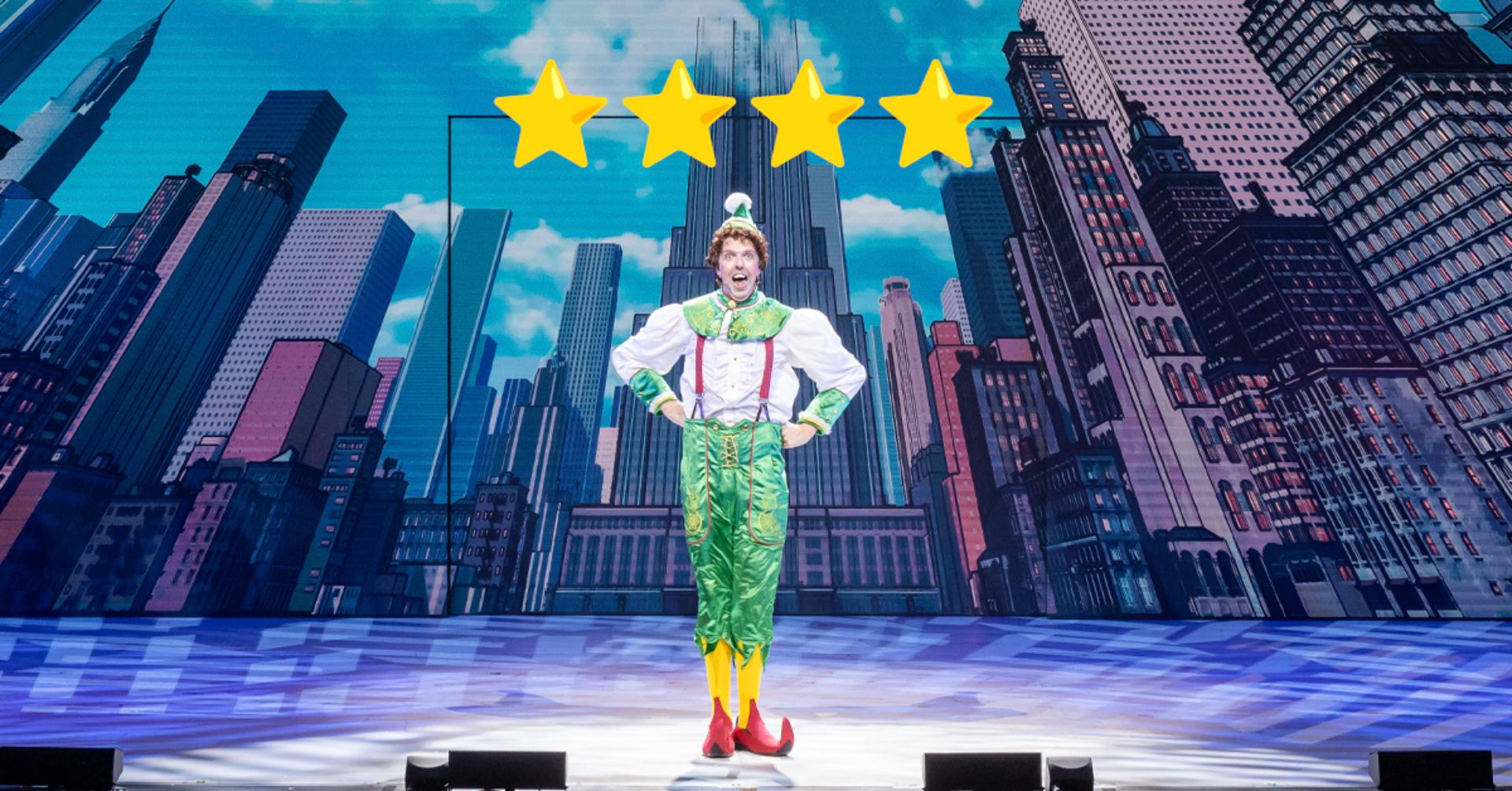
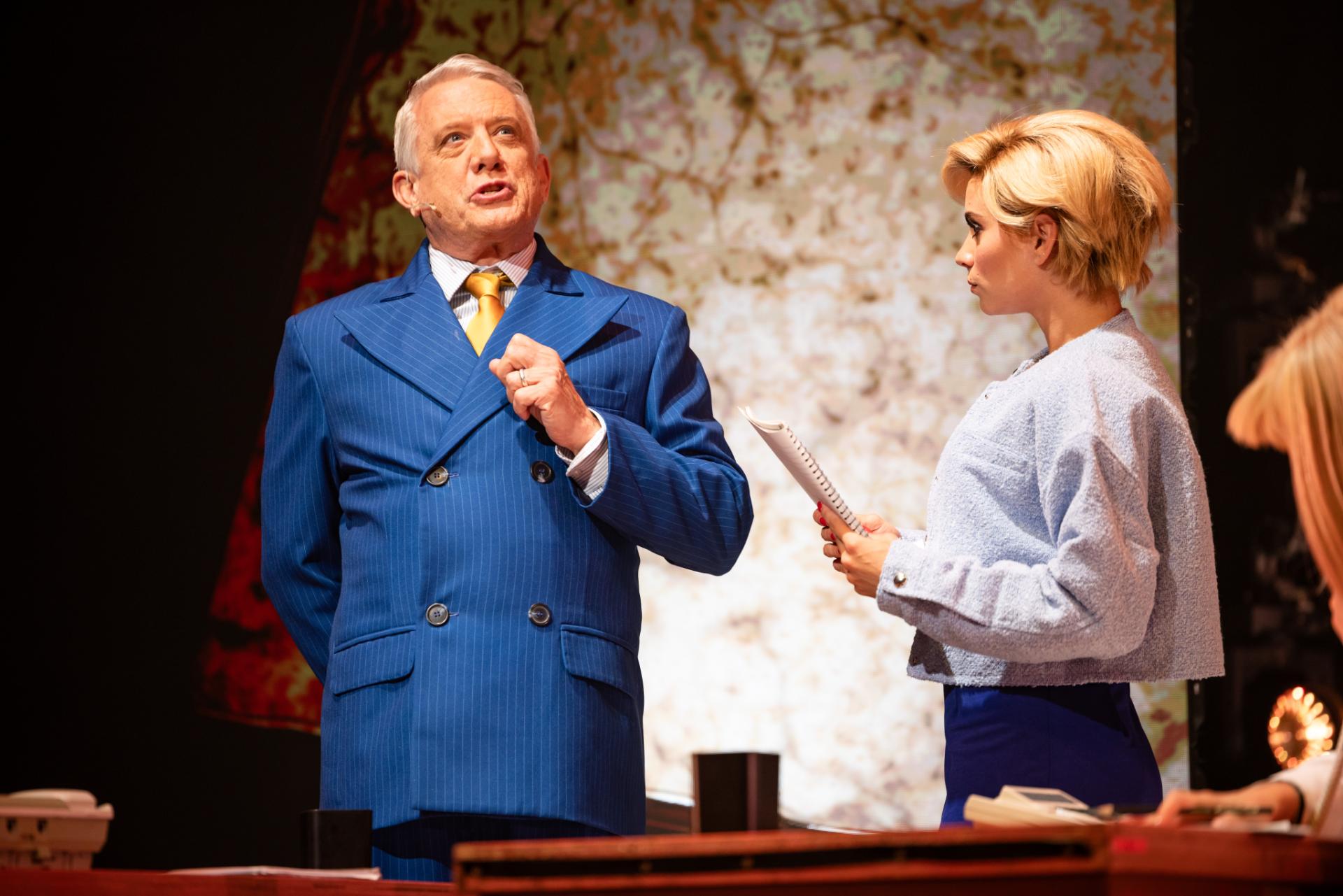
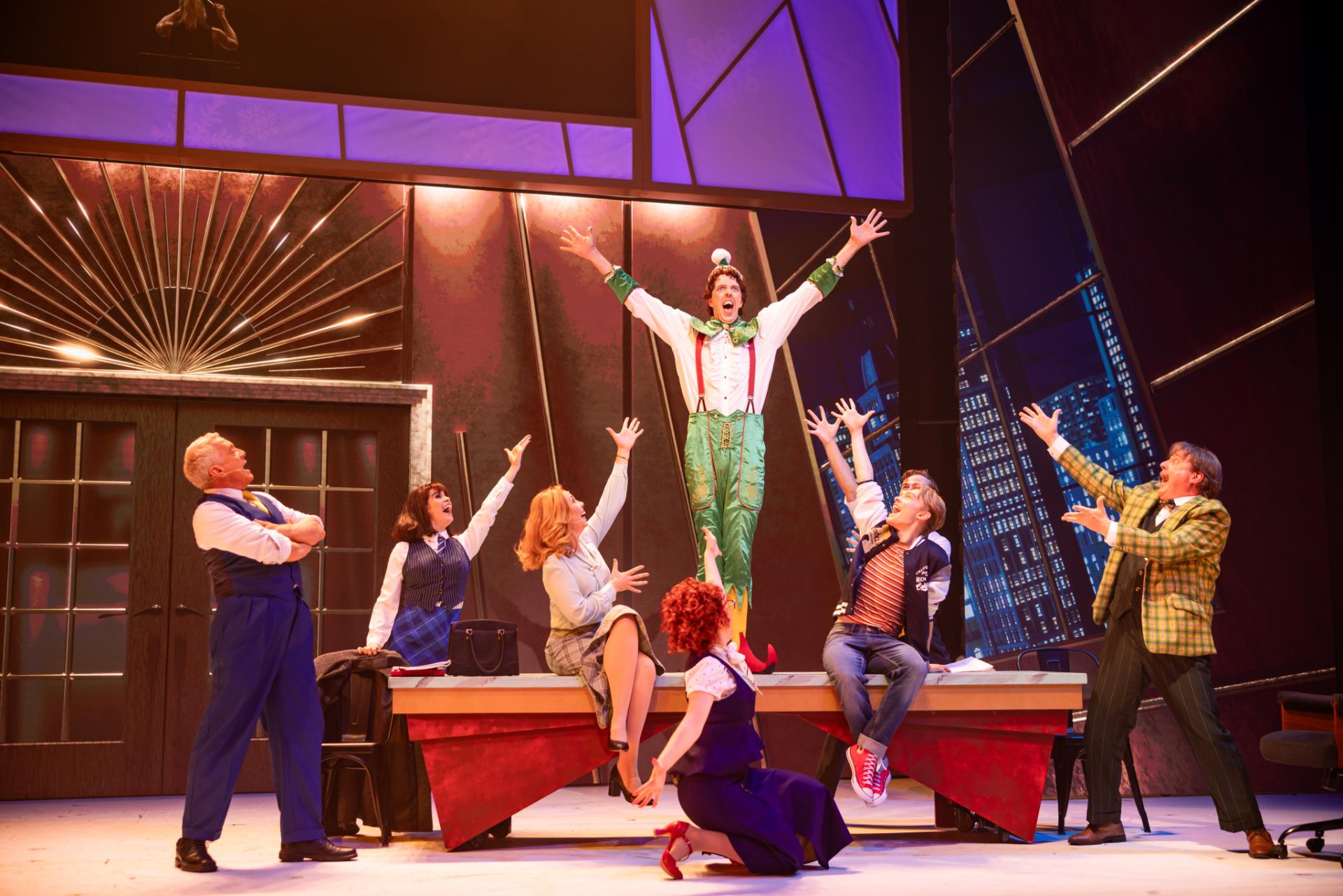
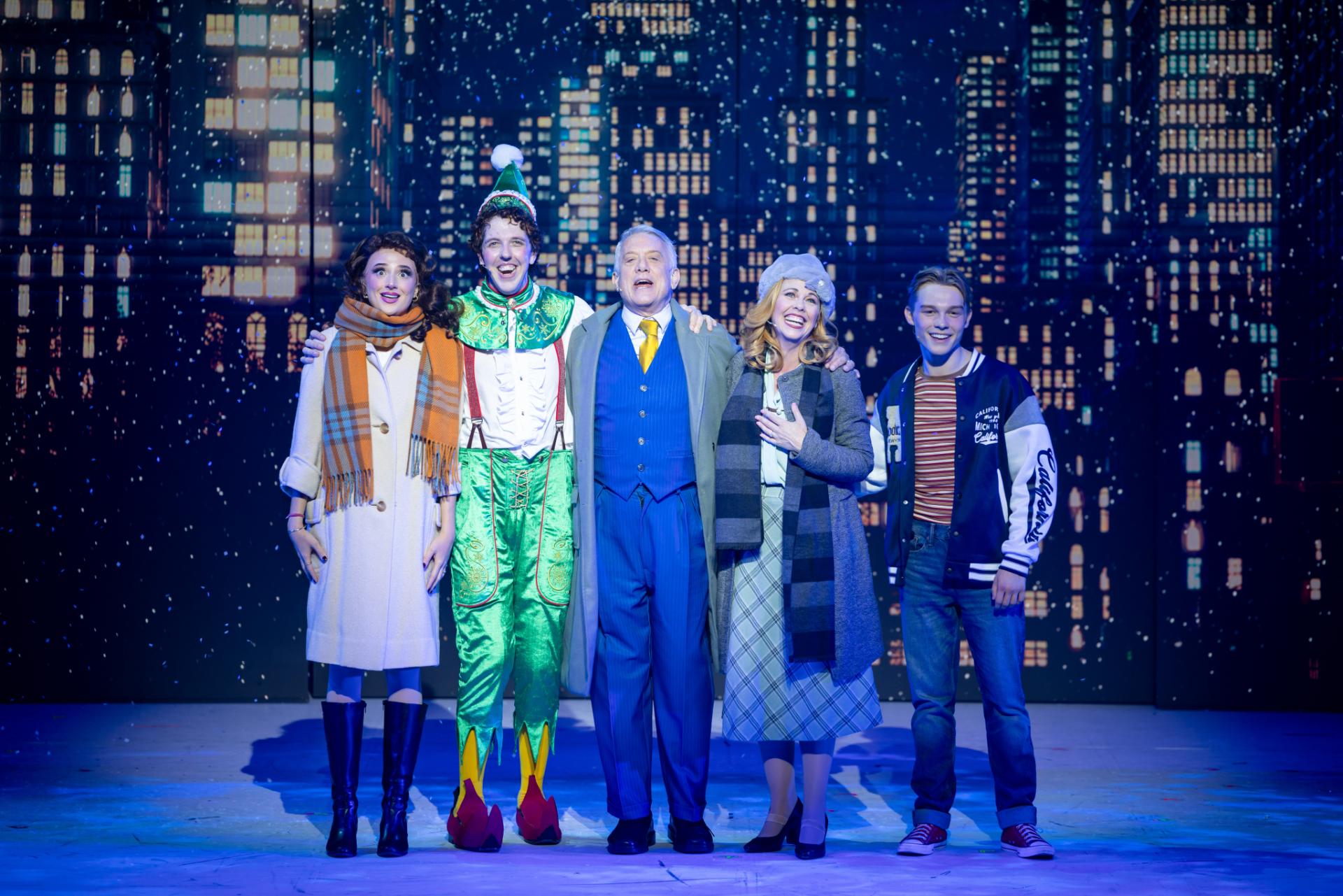
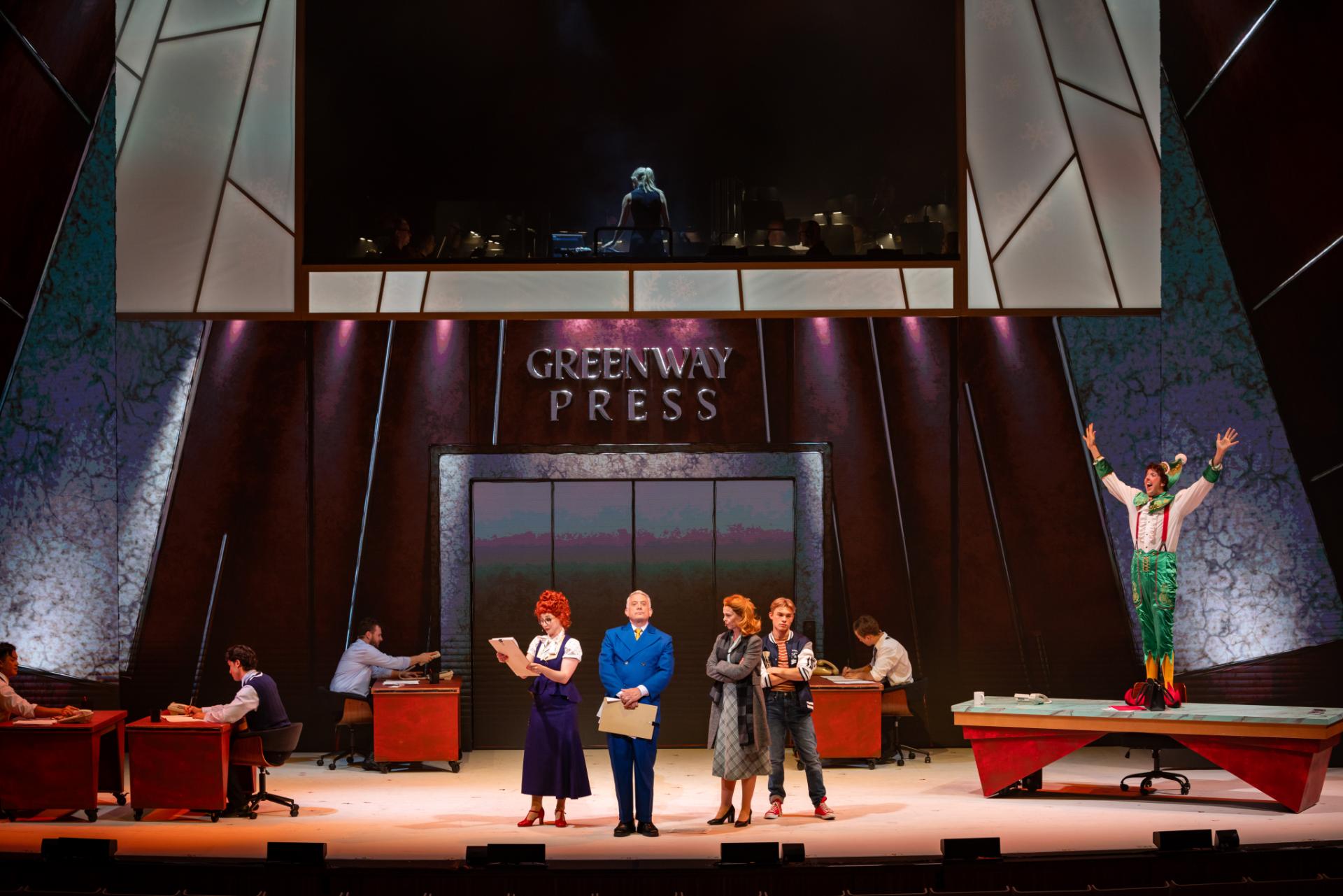
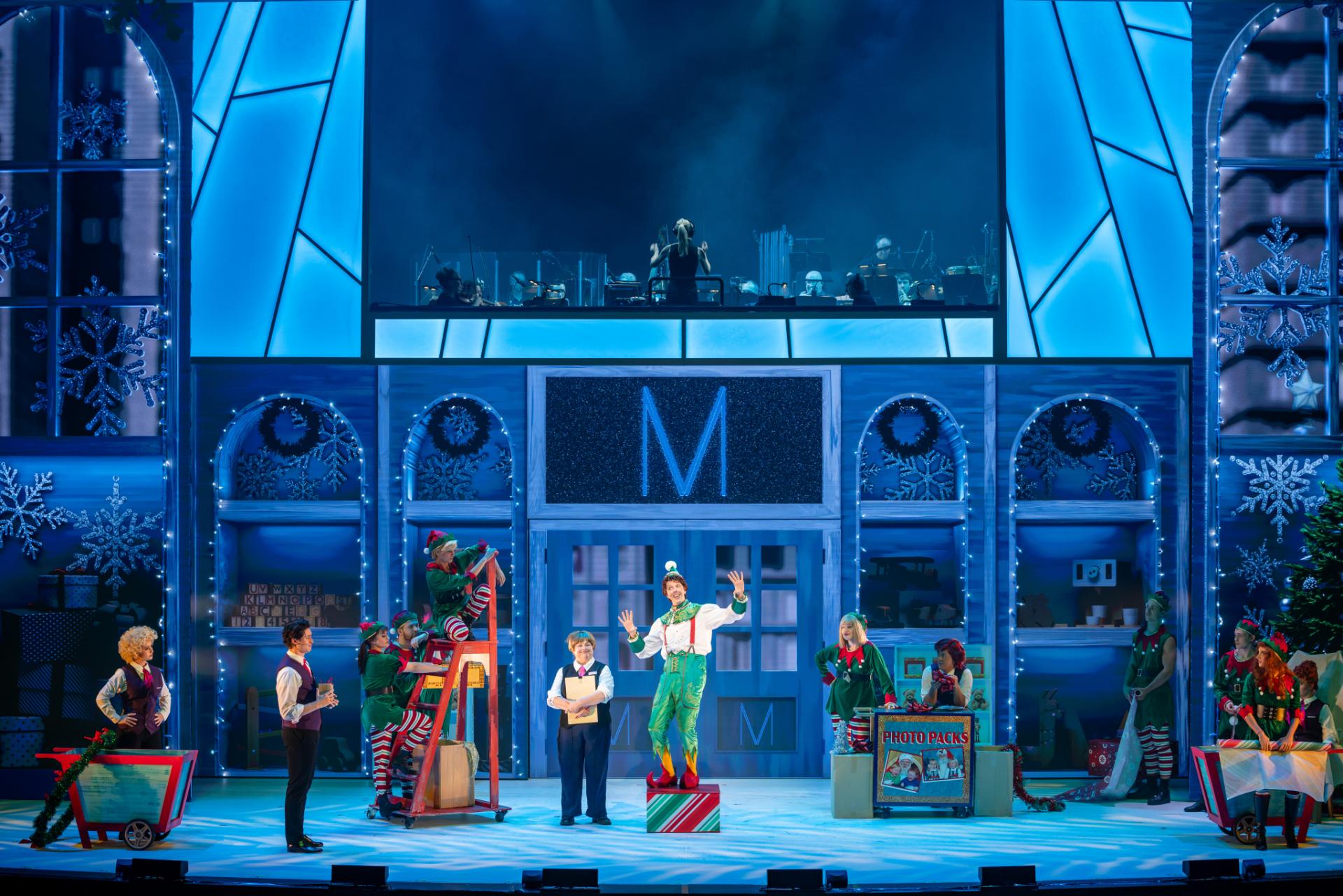
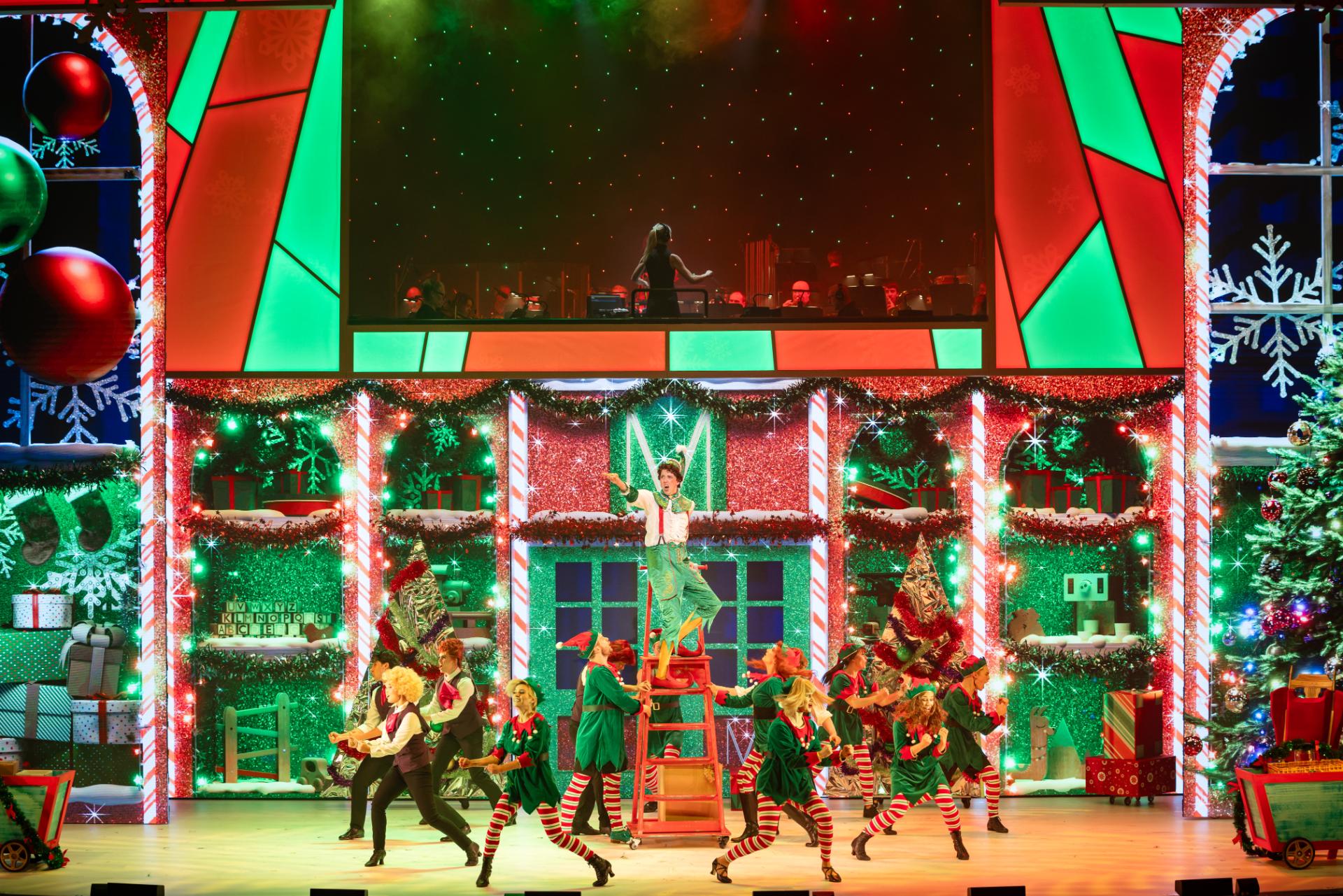
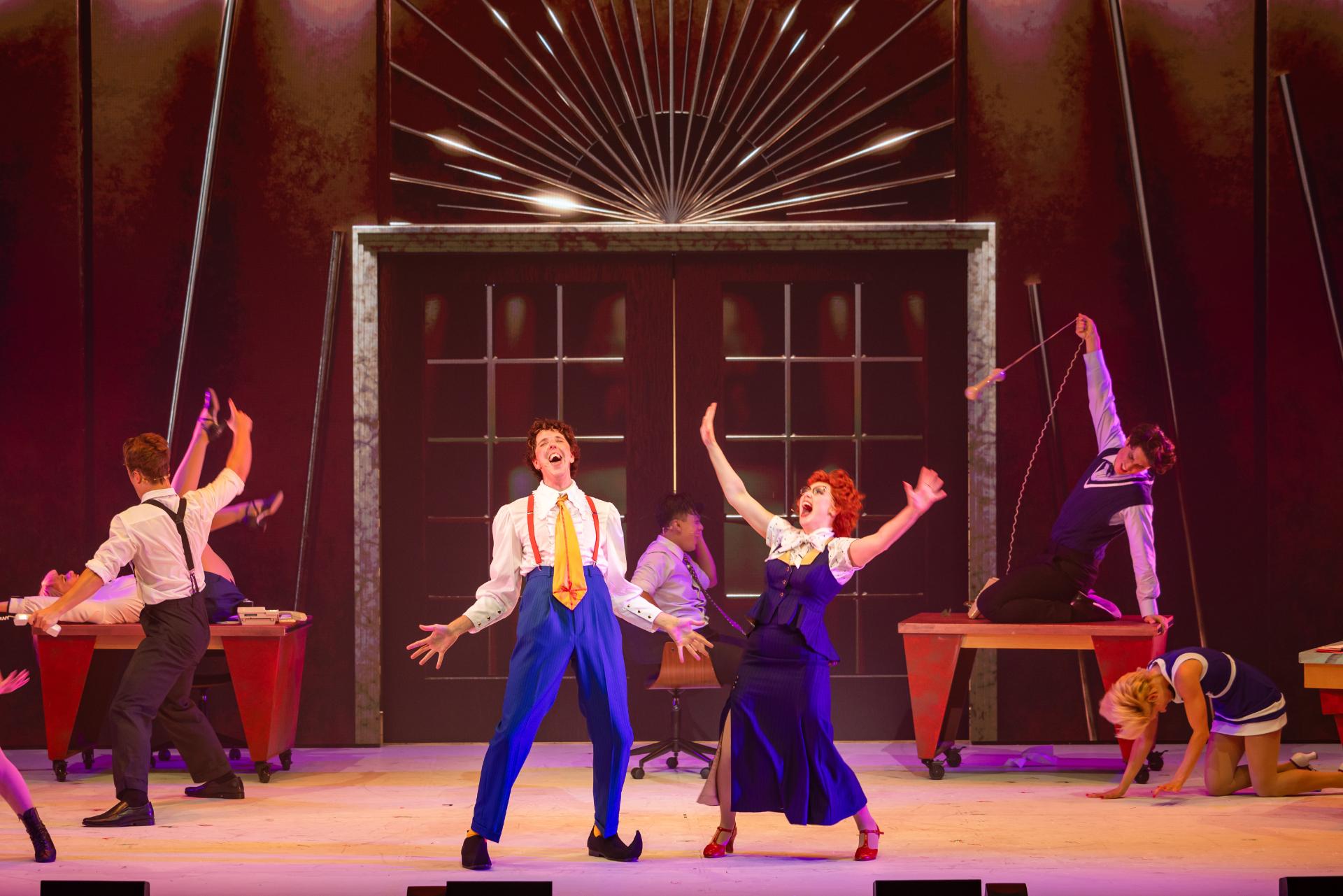
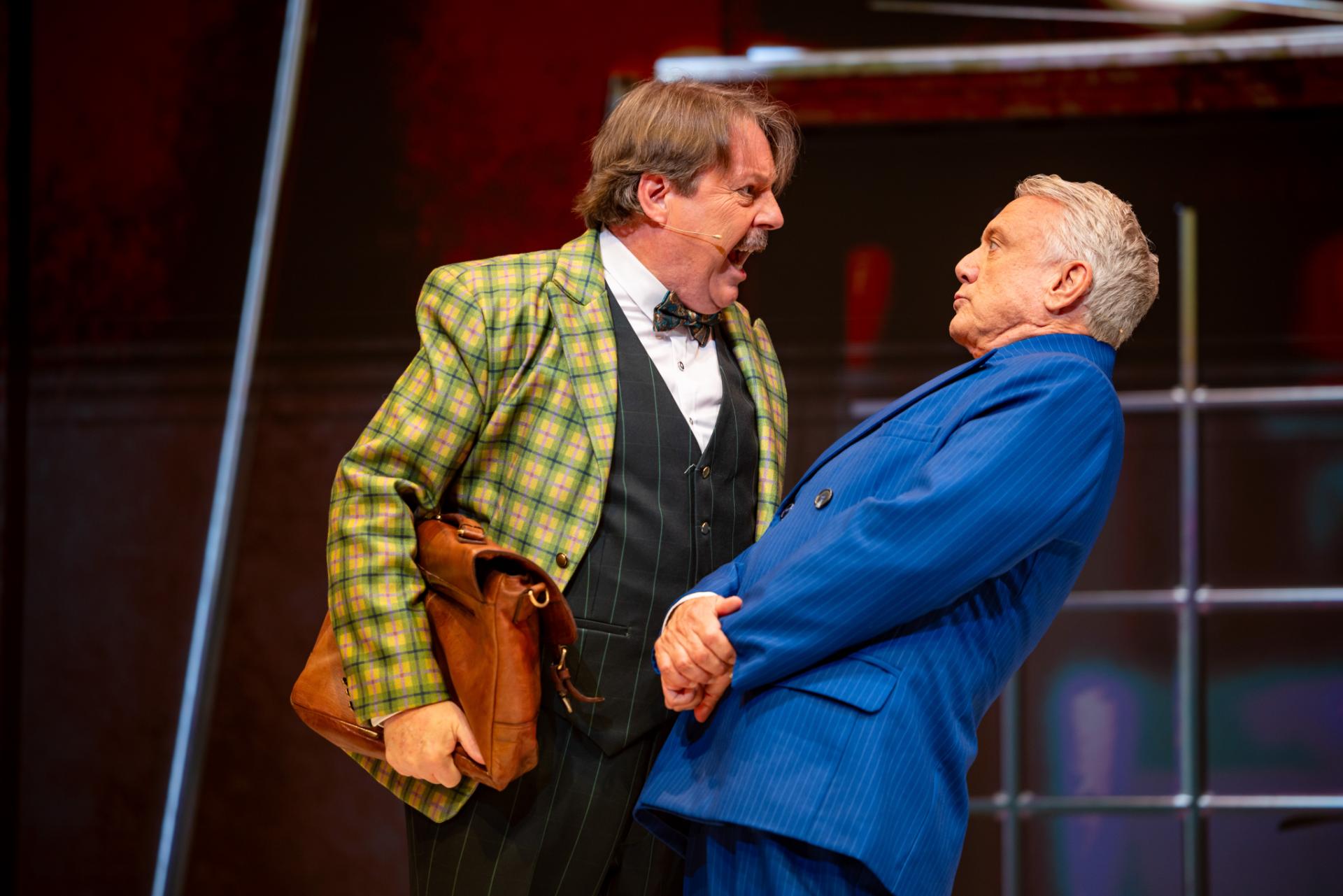
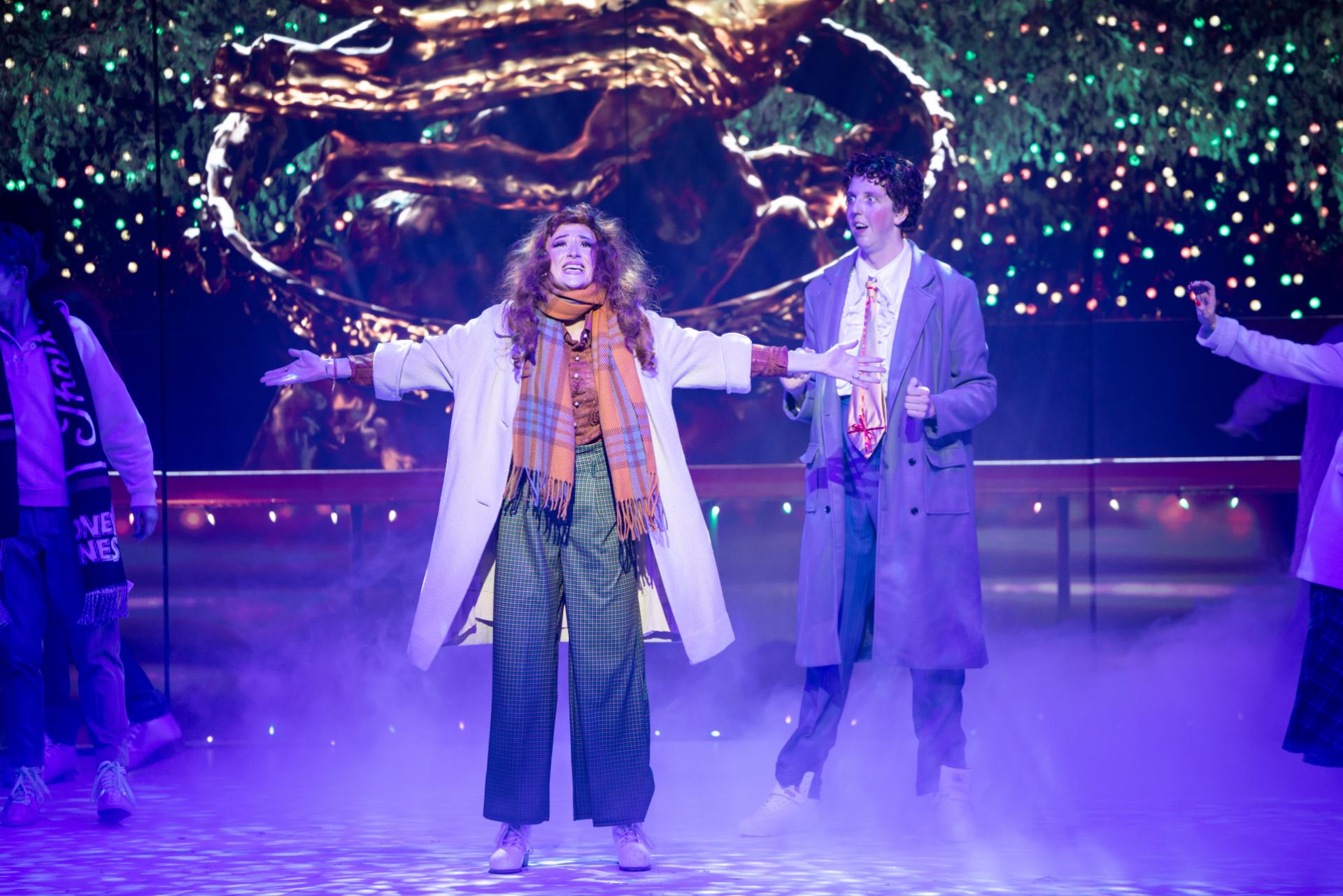
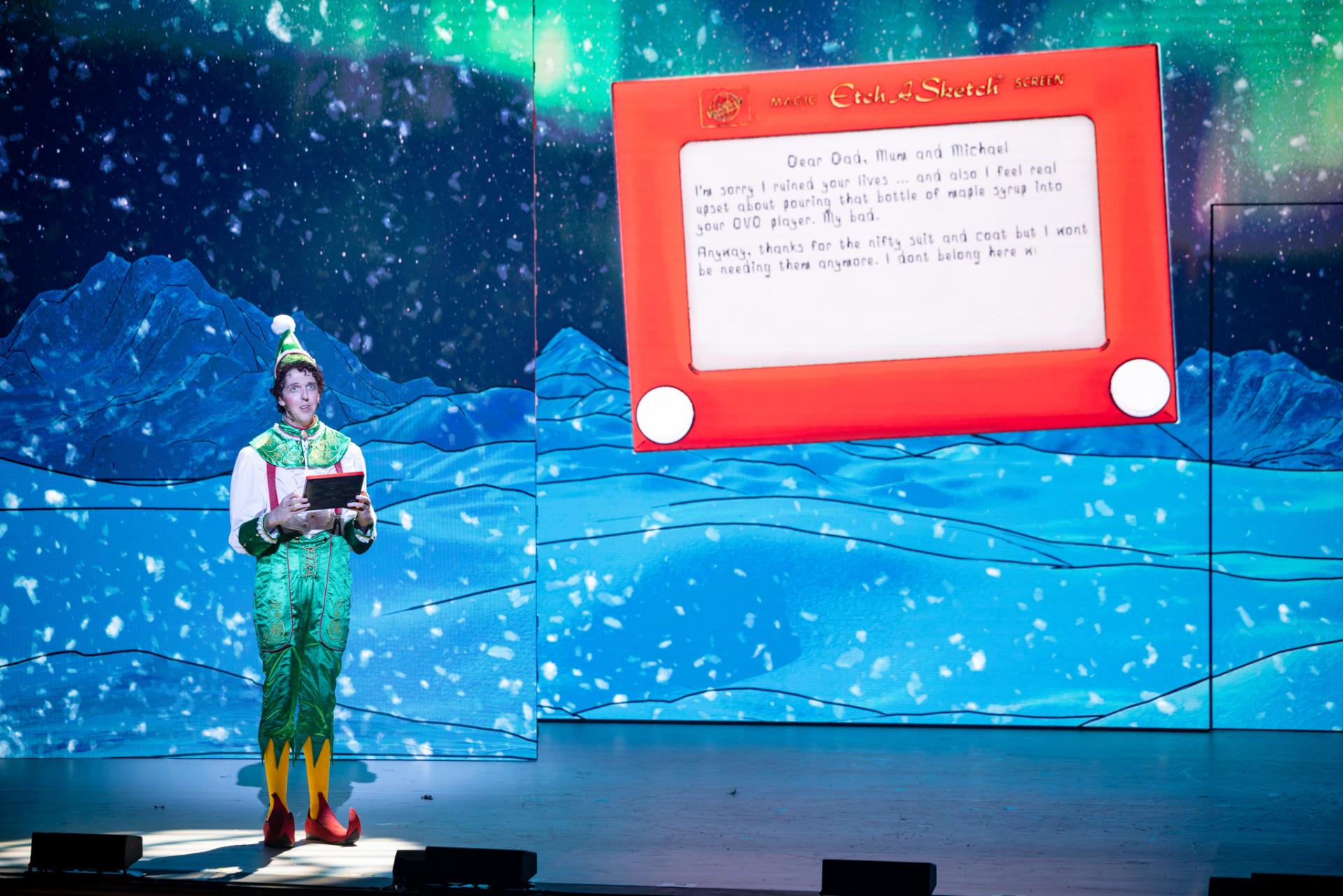
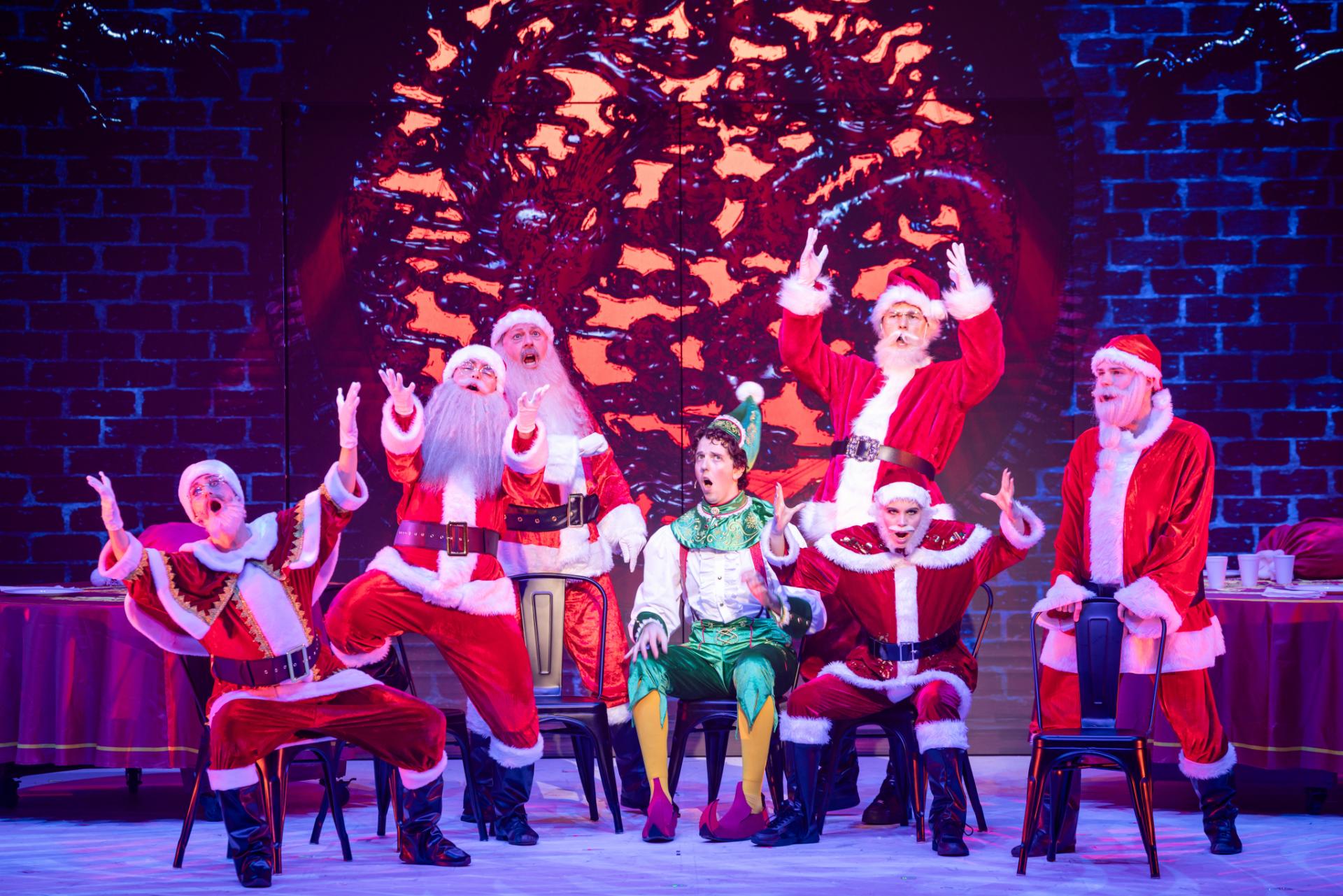
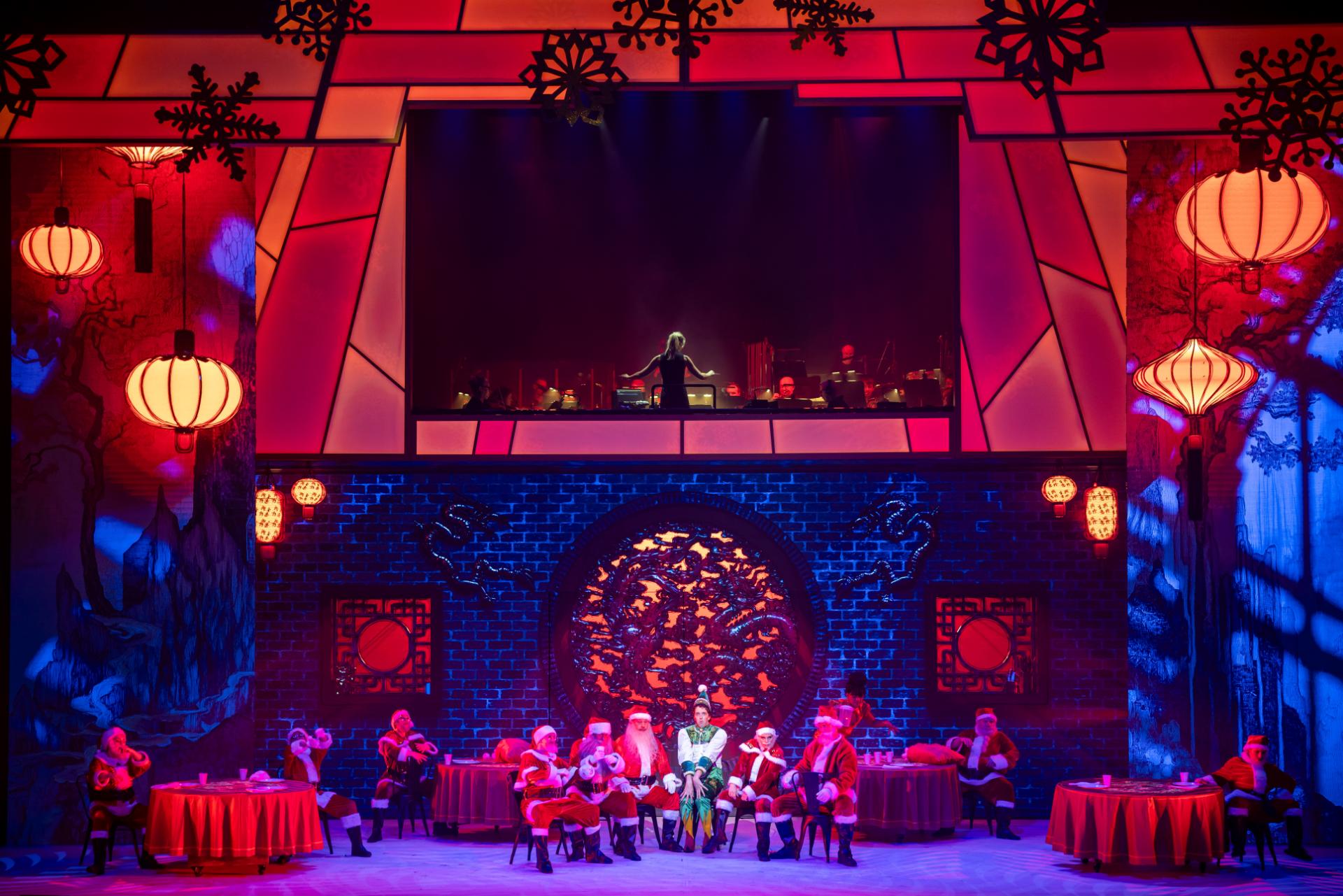
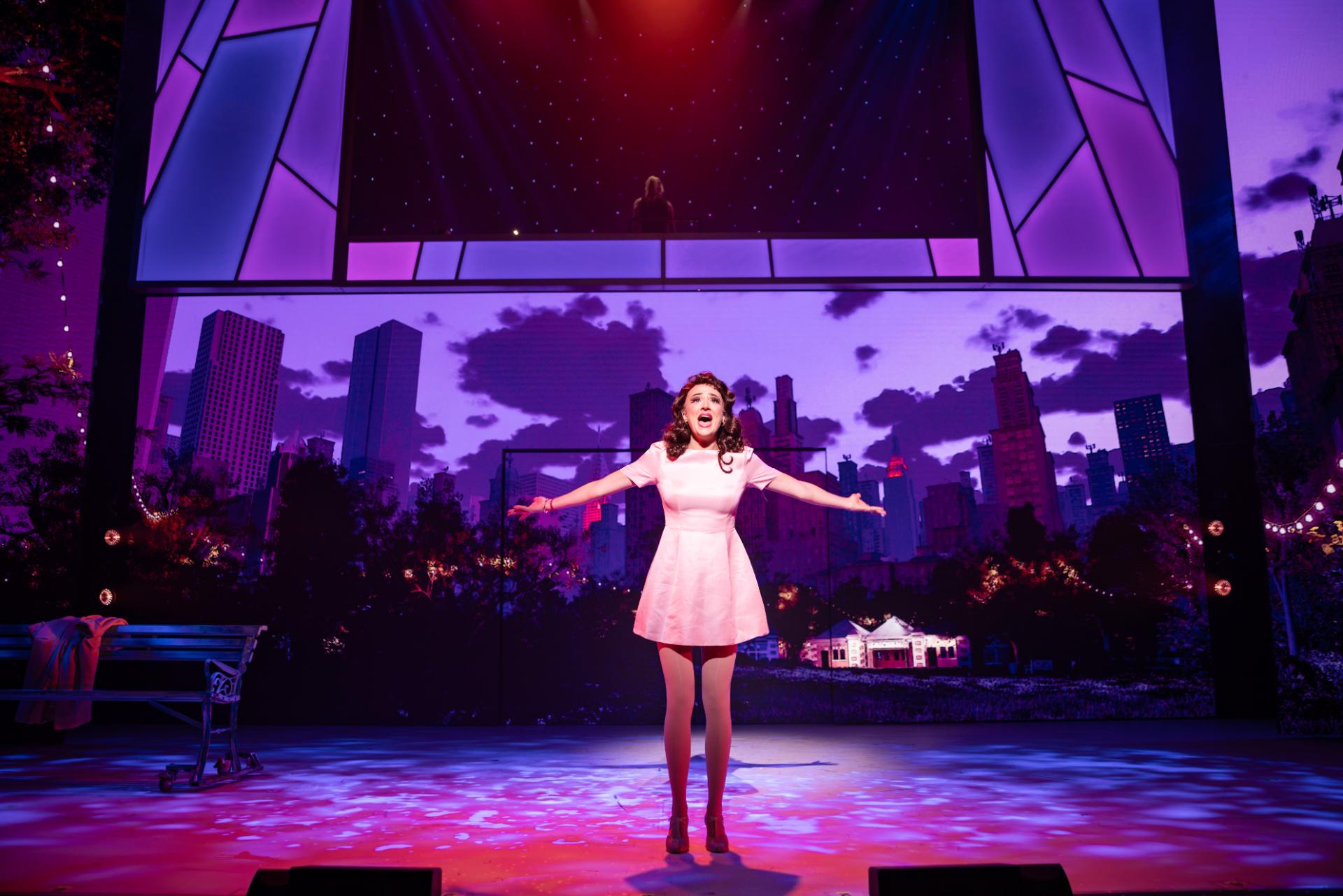
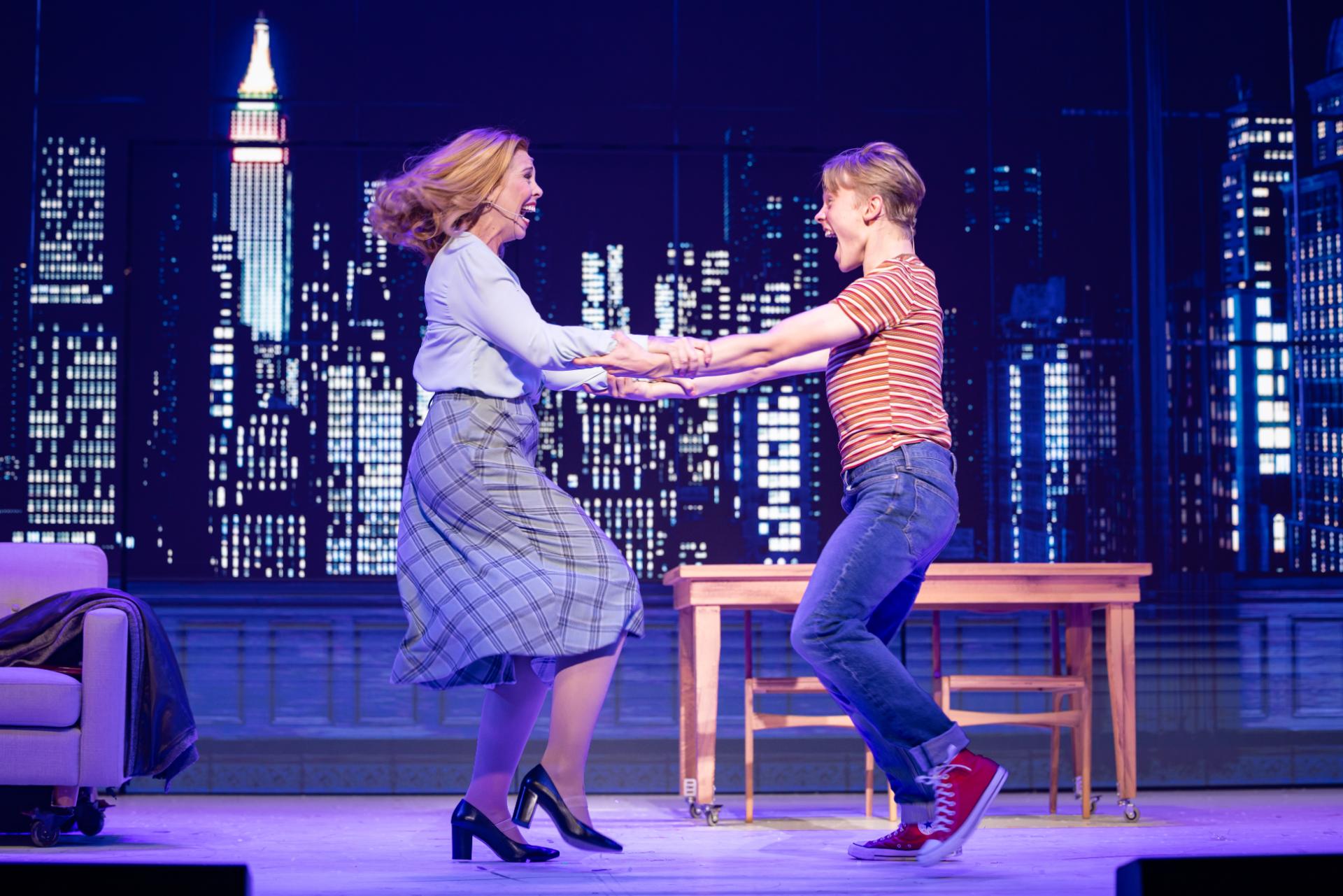
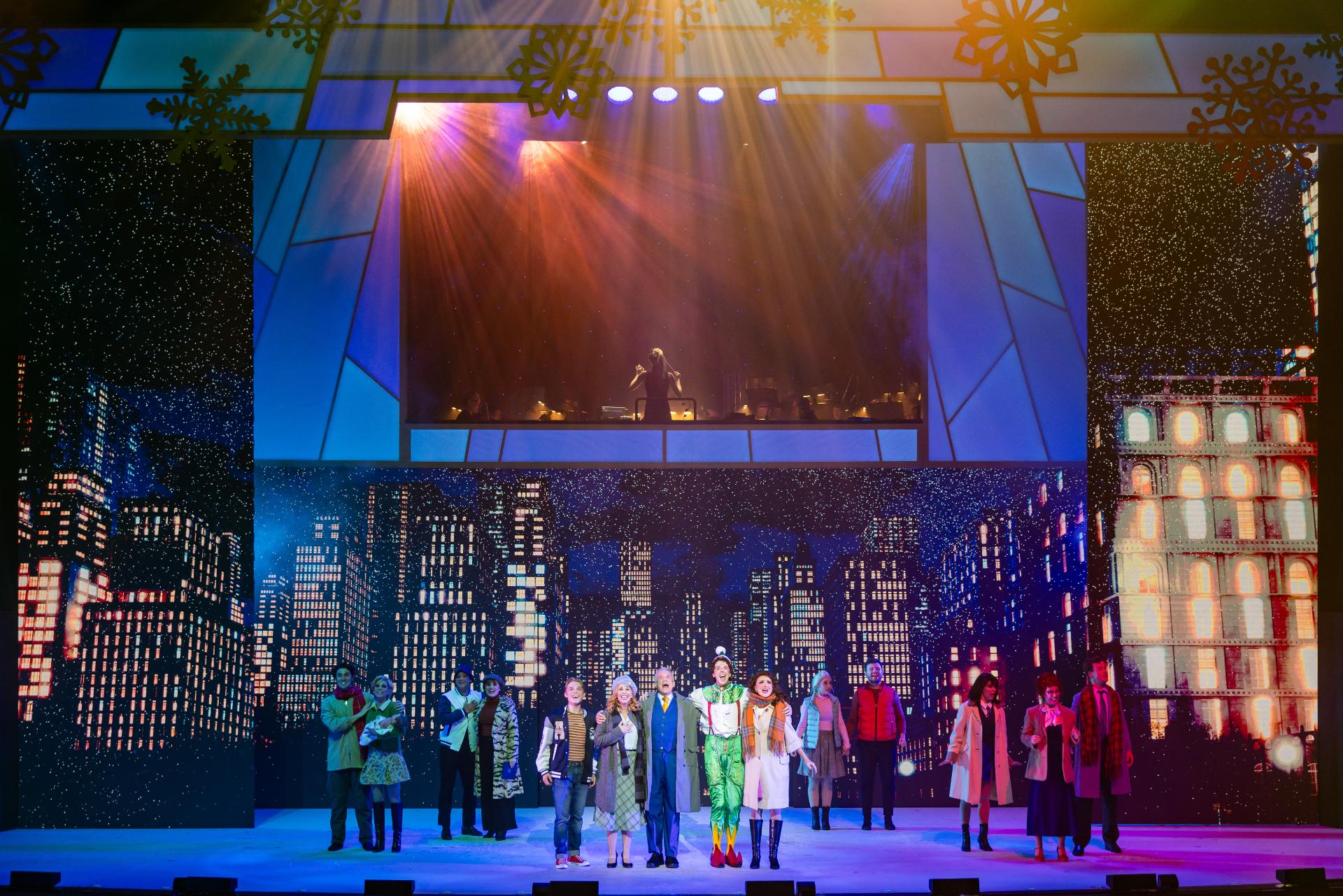
Buddy embarks on a journey to New York to find his biological father, having recently learned that he is not a natural-born elf. Elf: The Musical was created several years after the success of the 2003 motion picture on which it is based, bringing further joy to the holiday season for audiences of all ages.

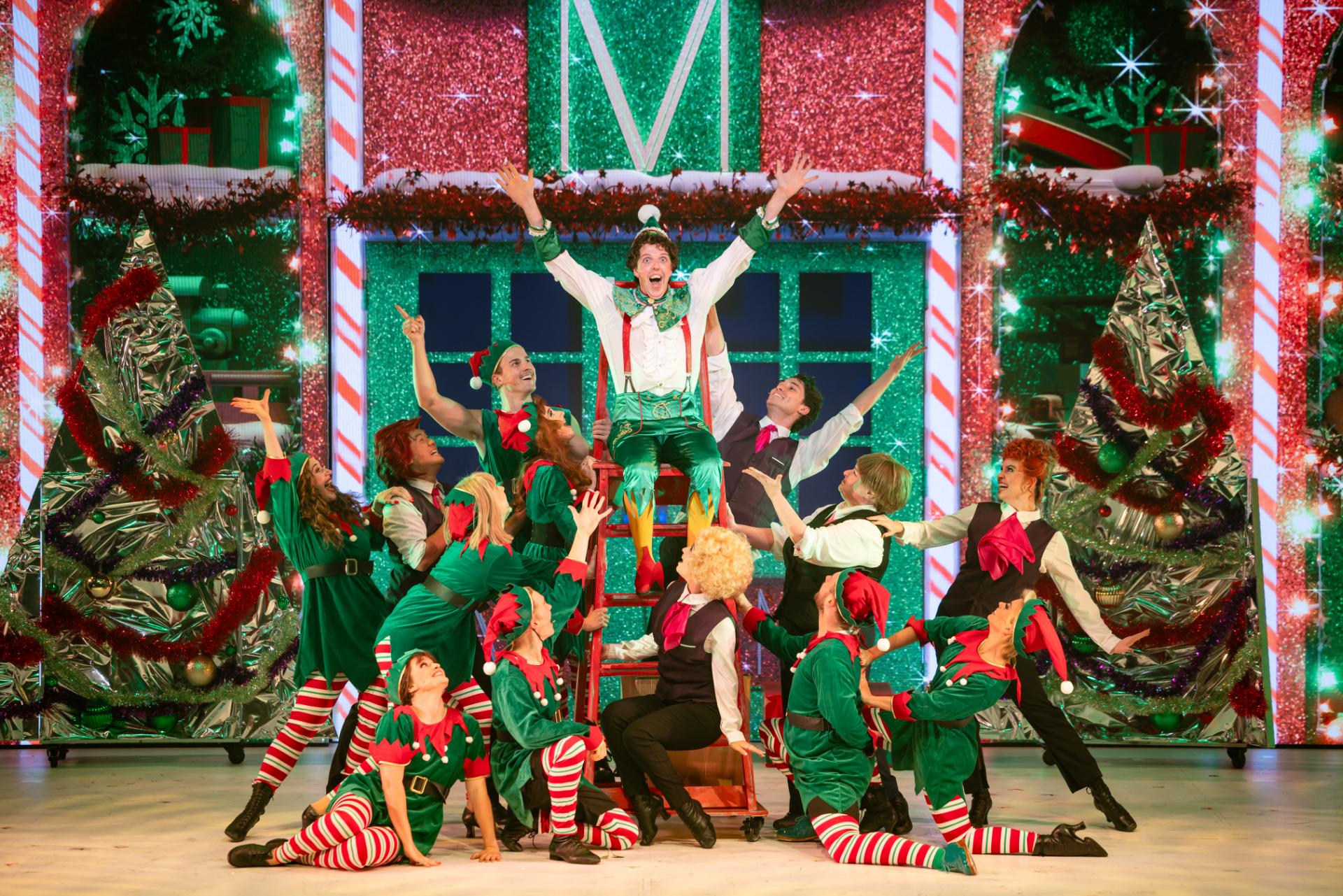
Under Eric Giancola’s effervescent direction, this stage version emerges as a comedic delight determined to leave crowds beaming with pleasure. Charming choreography by Mitchel Woodcock is a memorable feature, adding richness and dynamism to the narrative’s inherent momentum. Splendid video design by David Bergman increases the kineticism of the experience, working with our imagination to render believable a wide range of locations, as it delivers irrepressible colour and movement to have us mesmerised.

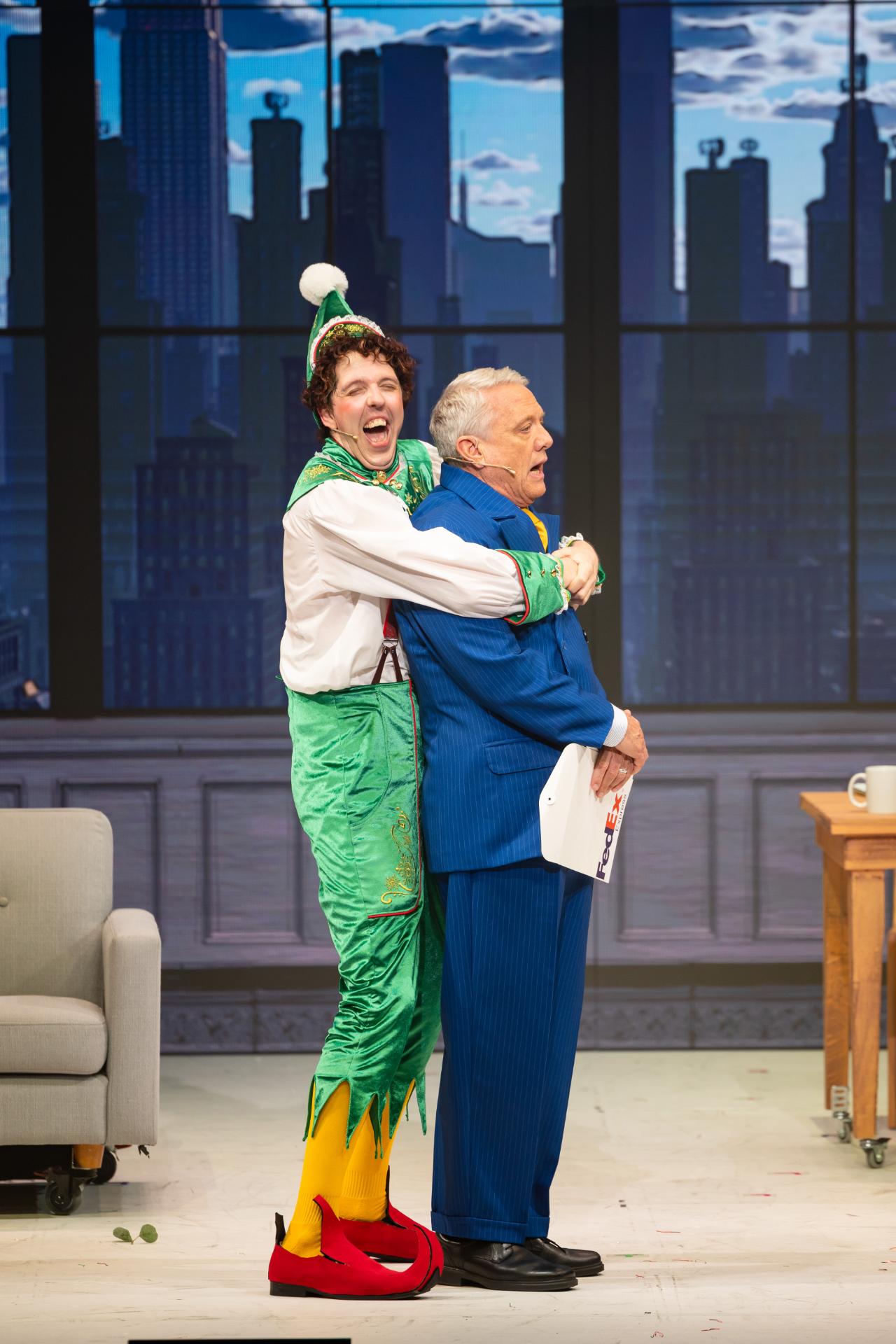
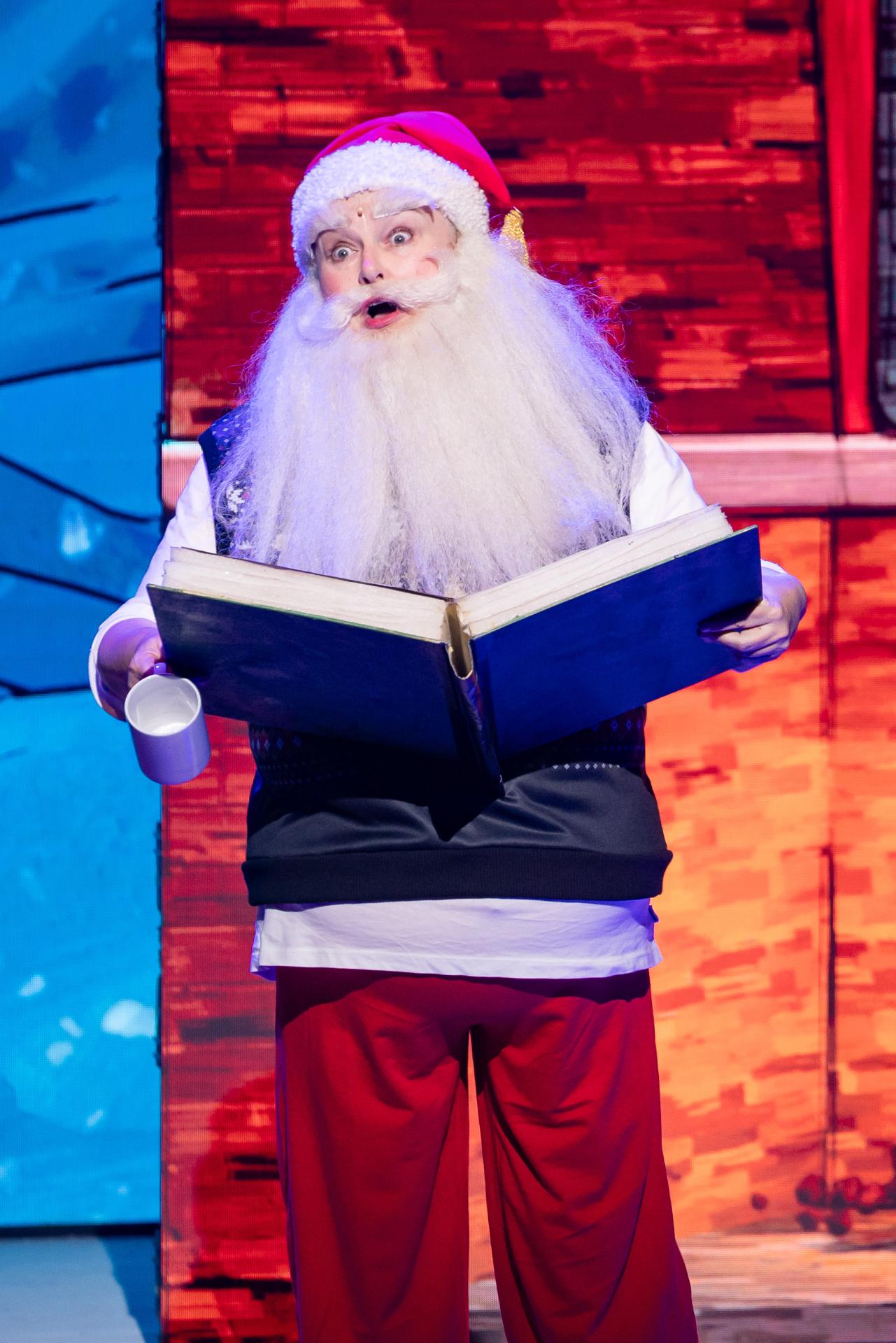
Performer Gareth Isaac plays Buddy with an appealing naivety, and along with his vibrant ebullience,  convinces us to invest in this story about an oversized Santa’s helper. As Santa, Laura Mulcahy’s natural charisma shines to great effect, completely enchanting with the confidence and humour she introduces. Simon Burke and Katrina Retallick are notable for their magnetism in the roles of Mr and Mrs Hobbs, both effortlessly captivating, as parental figures in Buddy’s search for belonging.

Christmas may always be first and foremost about the birth of a deity, but increasingly we regard it to simply be a time for togetherness and harmony. No matter our beliefs, it becomes a greater possibility during these festivities to lay down the arms, and to hold sacred a moment, if only for remembering to hope for peace on earth, and mercy mild.

www.sydneyoperahouse.com

Review: Sunday (Sydney Theatre Company/Melbourne Theatre Company)

Venue: Sydney Opera House (Sydney NSW), Nov 28 – Dec 7, 2024
Playwright: Anthony Weigh
Director: Sarah Goodes
Cast: Matt Day, Jude Hyland, Ratidzo Mambo, James O’Connell, Nikki Shiels
Images by Prudence Upton

Theatre review
It was the 1930s and Sunday Reed wore trousers. Obviously unafraid of controversy, she had courted a life of affluent bohemia, at a time when being a patron of the arts did not preclude one from more unconventional or perhaps, scandalous pursuits. No doubt her ménage à trois with husband John Reed and now legendary painter Sidney Nolan would have raised more than a few eyebrows, the Reeds were nonetheless celebrated for supporting the careers of prominent artists through their establishment of the Heide Circle.

Anthony Weigh’s Sunday offers a glimpse into the heady days of our heroine’s life as philanthropist and muse, paying particular attention to the years during which Nolan had played a significant part. Weigh’s writing is passionate and incisive, for a sprawling tale spanning more than two decades. Sections venture into the granularity of art philosophy that may not appeal to wider audiences, but Sunday‘s explorations of an unorthodox romance is certainly fascinating.

Directed by Sarah Goodes, the staging is a spirited showcase of a woman’s experience of privilege and autonomy, at a time when gender roles remained strictly prescribed. It is in many ways an inspiring portrait, not only of the daring choices made by a woman, but also of the tacit acceptance of her radical approach to life, by the men around her. Sunday Reed is presented as brilliant, but also flawed, which somewhat perversely makes her story all the more intriguing.

Nikki Shiels is our marvellous leading lady, authoritative and robust in her depictions of a complex personality, rigorously persuasive with all that she manifests. Highly dramatic but also irreproachably detailed, it is a performance that is as provocative as it is captivating, demanding both our focus and intellect. Matt Day brings relentless charm to the part of John Reed, memorable for a lightness of touch that conveys a great deal of sophistication, in a play that communicates with gratifying maturity. In the role of Sidney Nolan is James O’Connell, whose journey from naivety to self-assuredness is charted with evident diligence alongside an admirable grace. Jude Hyland and Ratidzo Mambo as Sweeney Reed and Joy Hester respectively, surprise with the gravity they introduce, notwithstanding the brevity of their appearances.

Set design by Anna Cordingley is appropriately painterly with the textures it incorporates, and paired with lights by Paul Jackson, there is an unmistakeable delicacy to the beauty being harnessed, for a tale that often talks about aesthetics as a central value defining our ways of being. Impressively detailed costumes by Harriet Oxley transports us in time and in sensibility, to invite contemplation on our recent history, especially in terms of class and gender. Sublime work by composer Jethro Woodward includes unforgettable moments in the most exquisite of jazz forms, as well as some truly entrancing sound effects that get us completely invested in all the delicious tumult of Sunday.

The wealthy will always have inordinate influence on the architecture of our collective lives. The Reeds were a dominant force in our artistic landscape in a modern and colonised Australia, not only making decisions about who to foreground, but also on what the agenda looks like. Along with the ability to circumvent societal norms, it is that insidious impact on others, that defines power. One imagines that rich white women can do anything, and Sunday Reed certainly dared to reach for the stars.

www.sydneytheatre.com.au

Review: Yentl (Sydney Opera House)

Venue: Sydney Opera House (Sydney NSW), Oct 17 – Nov 10, 2024
Playwrights: Gary Abrahams, Elise Hearst, Galit Klas (based on a short story by Isaac Bashevis Singer)
Director: Gary Abrahams
Cast: Amy Hack, Nicholas Jaquinot, Genevieve Kingsford, Evelyn Krape
Images by Jeff Busby

Theatre review
Regarded female, the young adult in Isaac Bashevis Singer’s 1962 short story has to don disguise as male, in order to obtain a formal Jewish education. It was early 20th-century Poland in Yentl the Yeshiva Boy, when the rigidity of gender roles was even more pronounced than they are today. The dominance of religion had meant that many were not able to live their true selves, but adhere instead to strict prescriptions of teachings and texts, that were too often concerned with the constraint of people.

In this 2024 stage adaptation of Yentl, the central character’s zeal to abandon their old garments in exchange for those of the opposite gender, is clearly seen to be more than a matter of access. Not only are Yentl’s desires about enlightenment, they are in fact about an actualisation of identity. Yentl takes the big step of taking public, their previously secret dressing up in their father’s clothing. This appropriation of gender represents for Yentl an opportunity to penetrate an oppressive system, as well as to assume an identity closer to their natural essence.

In 2024, the proliferation of terminology like genderqueer, nonbinary and transness, along with a greater understand of their accompanying definitions and perspectives, means that we see Yentl in a new and clearer light. Of course, they had known themselves for decades, but it may be that we are only now catching up, and it is to the credit of playwrights Gary Abrahams, Elise Hearst and Galit Klas, and their rigorous work, that we can have this restored and truer knowledge of who Yentl was.

Directed by Abrahams, this mesmerising update delivers for its audience, delicious intellectual engagement, along with fabulous entertainment. It is as amusing as it is informative, with an admirable sophistication in both style and thought, that makes Yentl an exceptional work of theatre.

Charming production design by Dann Barber carves out a time and place that looks to be specific and accurate, with manipulations of depth that help us imagine the various locations in which the story resides. Rachel Burke’s lights offer sensitive enhancement to the exalting visual beauty being presented, with a sensual intensity that makes the conveyance of ideas in Yentl feel tender and intimate. Max Lyandvert’s sounds and music keep us attentive to the shifting temperaments for the piece, able to bring the drama when the moment calls for it.

Actor Amy Hack is entirely convincing in the titular role, marvellously precise in voice and physicality for her embodiment of a person both pretending to be something other, whilst simultaneously becoming closer to their real self. Hack’s technical proficiency may prove astonishing, but it is her manifest empathetic acuity for the inner world of Yentl that is really moving.  Other members of cast too are highly impressive; Nicholas Jaquinot, Genevieve Kingsford and Evelyn Krape can be remembered for bringing artistic brilliance to a staging replete with intelligence, generosity and soul.

It is Yentl’s soul that eventually comes to the fore. The show commences with a simple understanding about sex and relevant biological constitutions, and how our societies are determined to create categories according to those perceived differences, often for the purposes of marginalisation and disenfranchisement. Yentl the play reminds us however that if gender is indeed a real thing, it can only exist where a person’s soul is, knowing that it was always the whole person and not just particular portions of their anatomy, that those notions apply.

A soul is mostly resolute. Just as we need to believe that the human soul is essentially good, we have to believe that its other aspects too bear fundamental qualities that can never be truly disguised or transmuted. Some souls come gendered one way or the other, independent of bodily realities, and other souls simply do not play by those rules. Our wish is for Yentl to finally accept, and love, their own soul, just as we must always see one another for only who we are.

www.yentl.com.au