Review: Mama Does Derby (Sydney Festival)


Venue: Sydney Town Hall (Sydney NSW), Jan 15 – 22, 2026
Playwright: Virginia Gay
Director: Clare Watson
Cast: Benjamin Hancock, Calliope Jackson, Antoine Jelk, Aud Mason-Hyde, Annabel Matheson, Amber McMahon, Dylan Miller, Elvy-Lee Quici (with the Sydney Roller Derby League)
Images by 

Theatre review
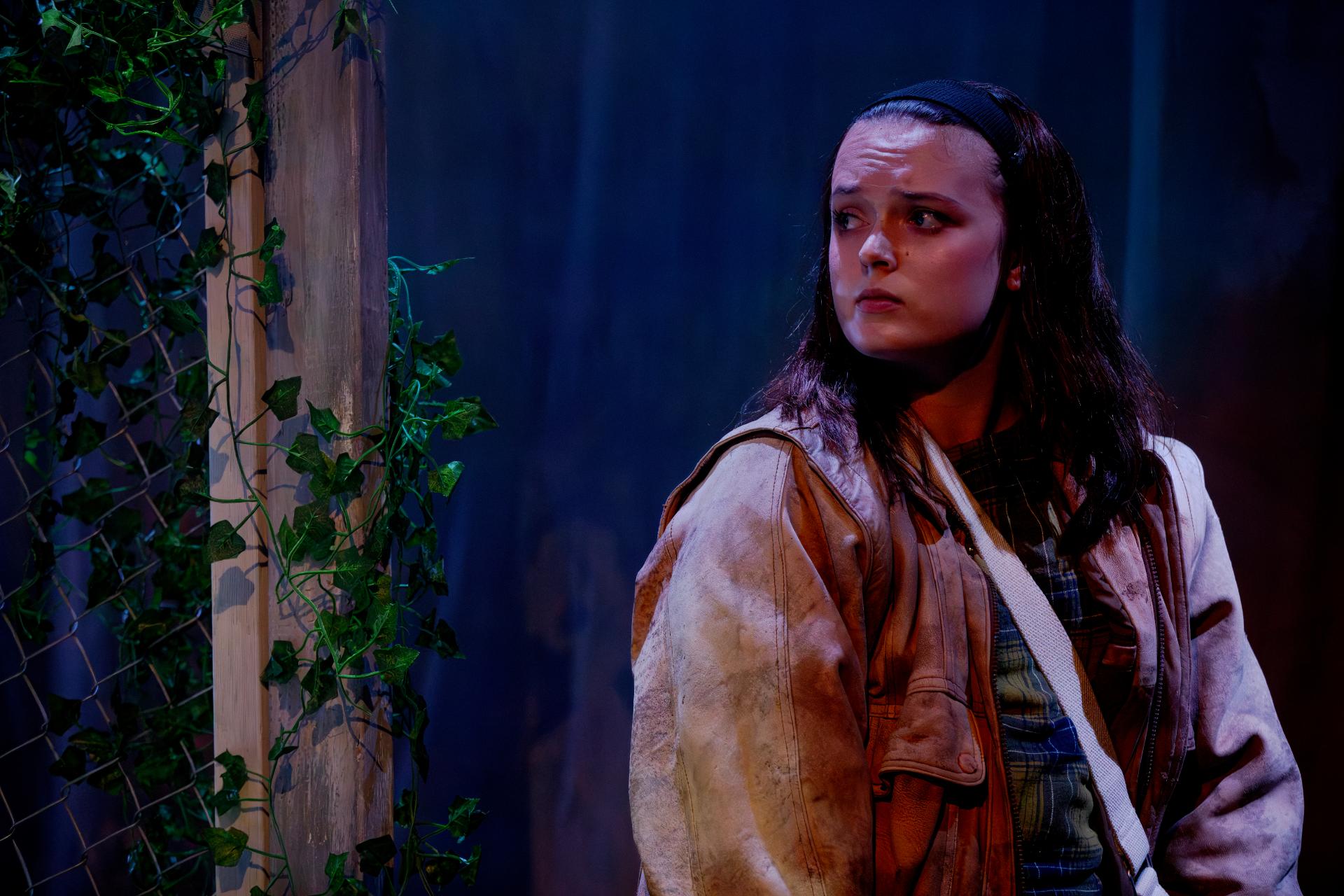
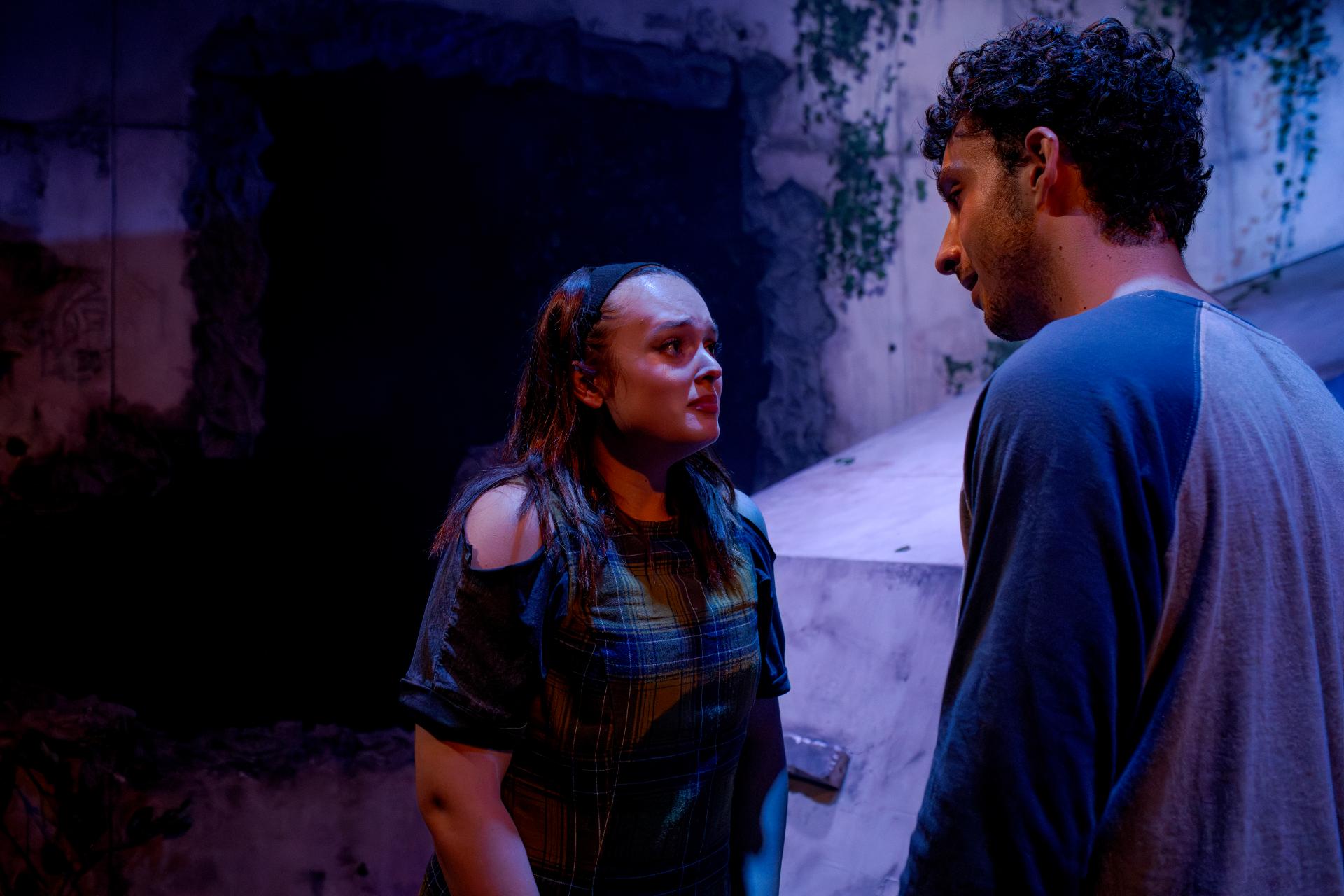
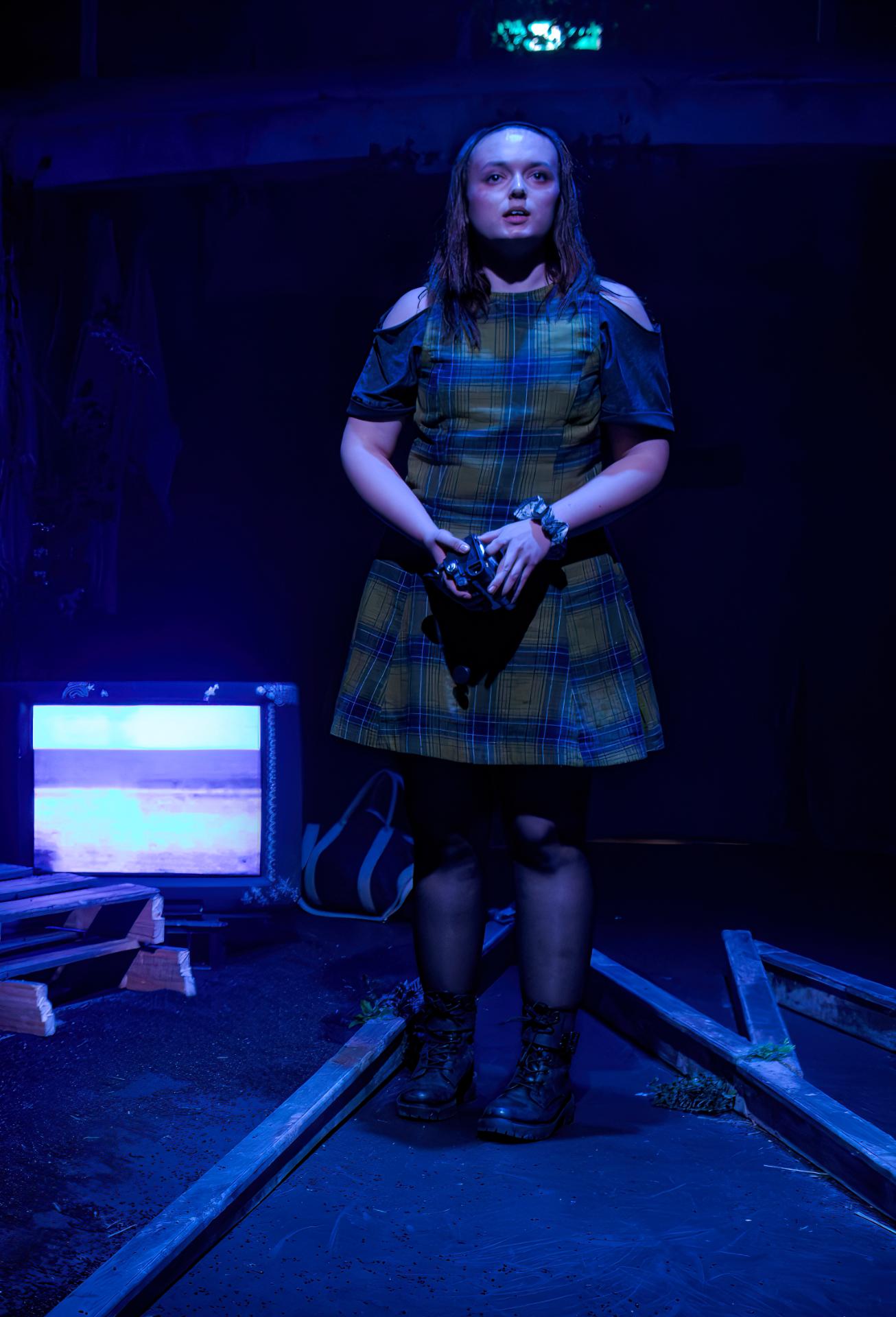
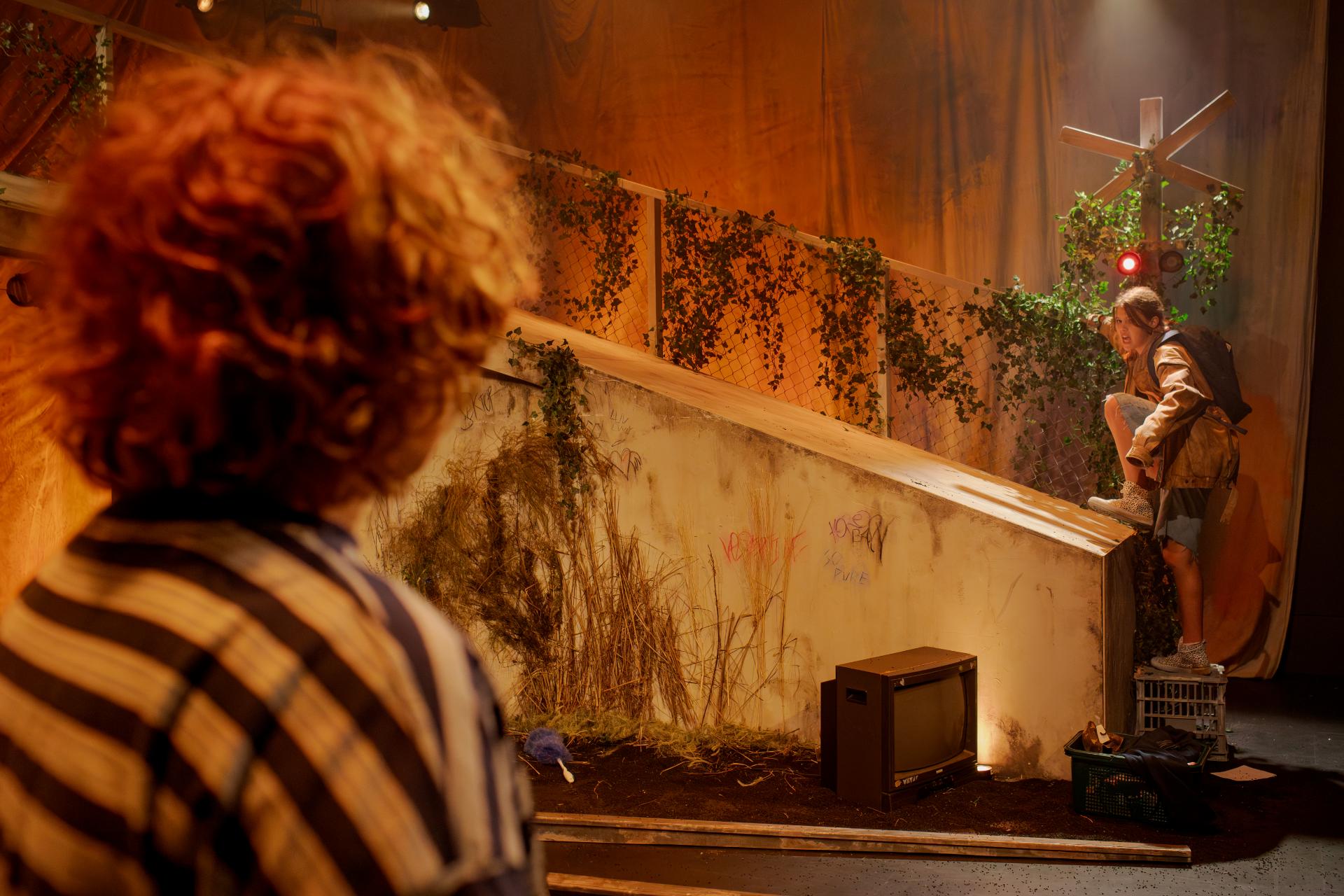
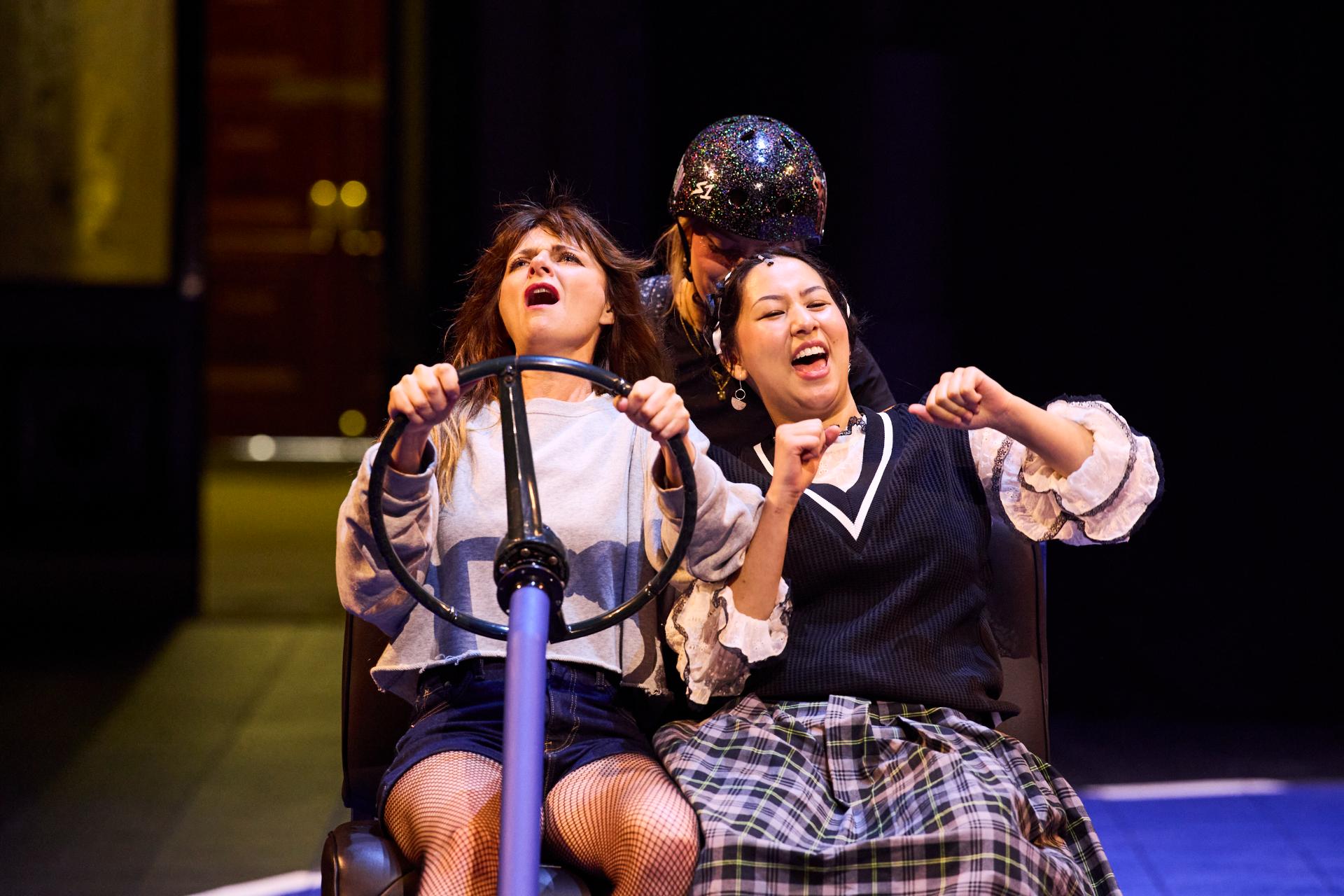
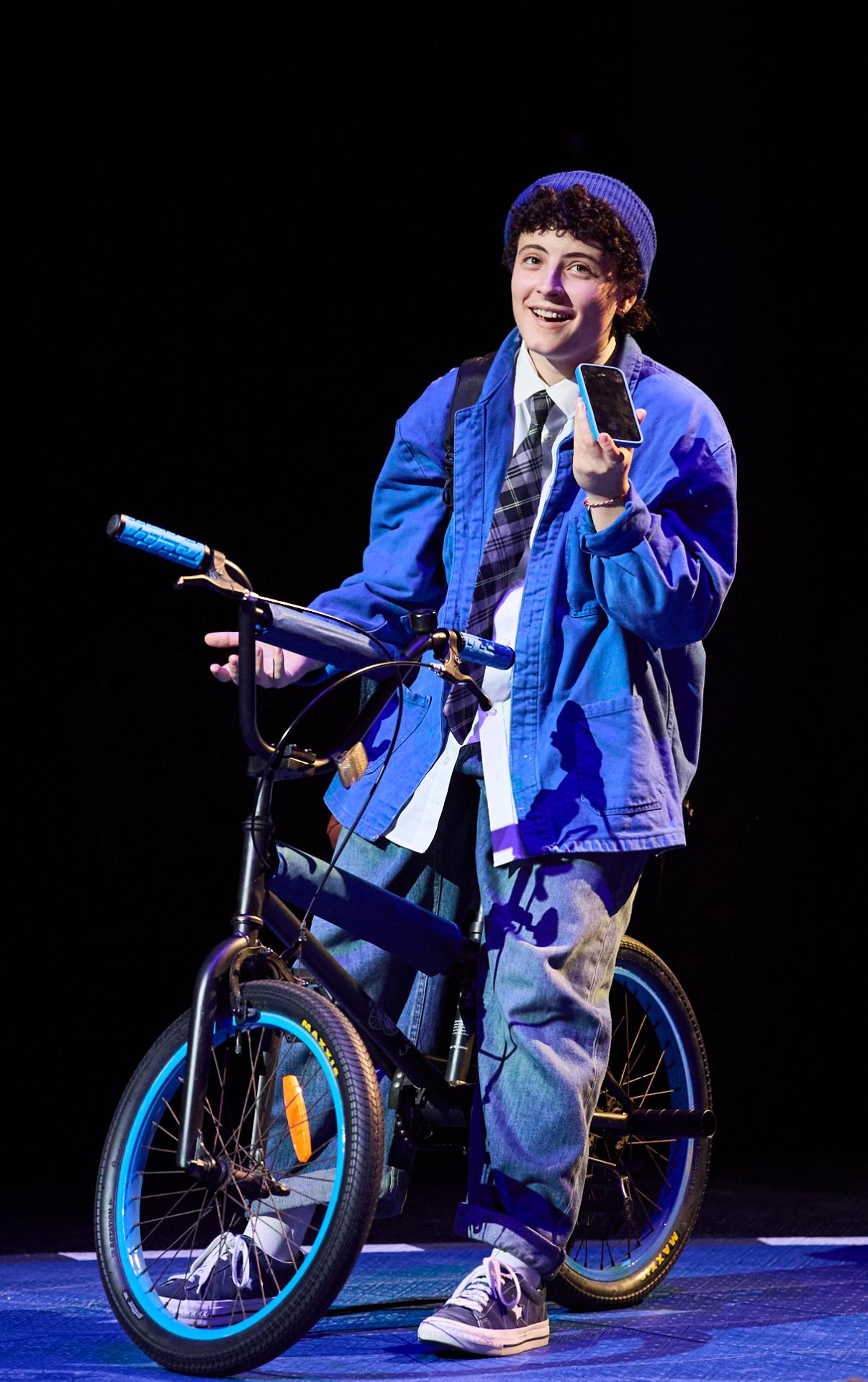
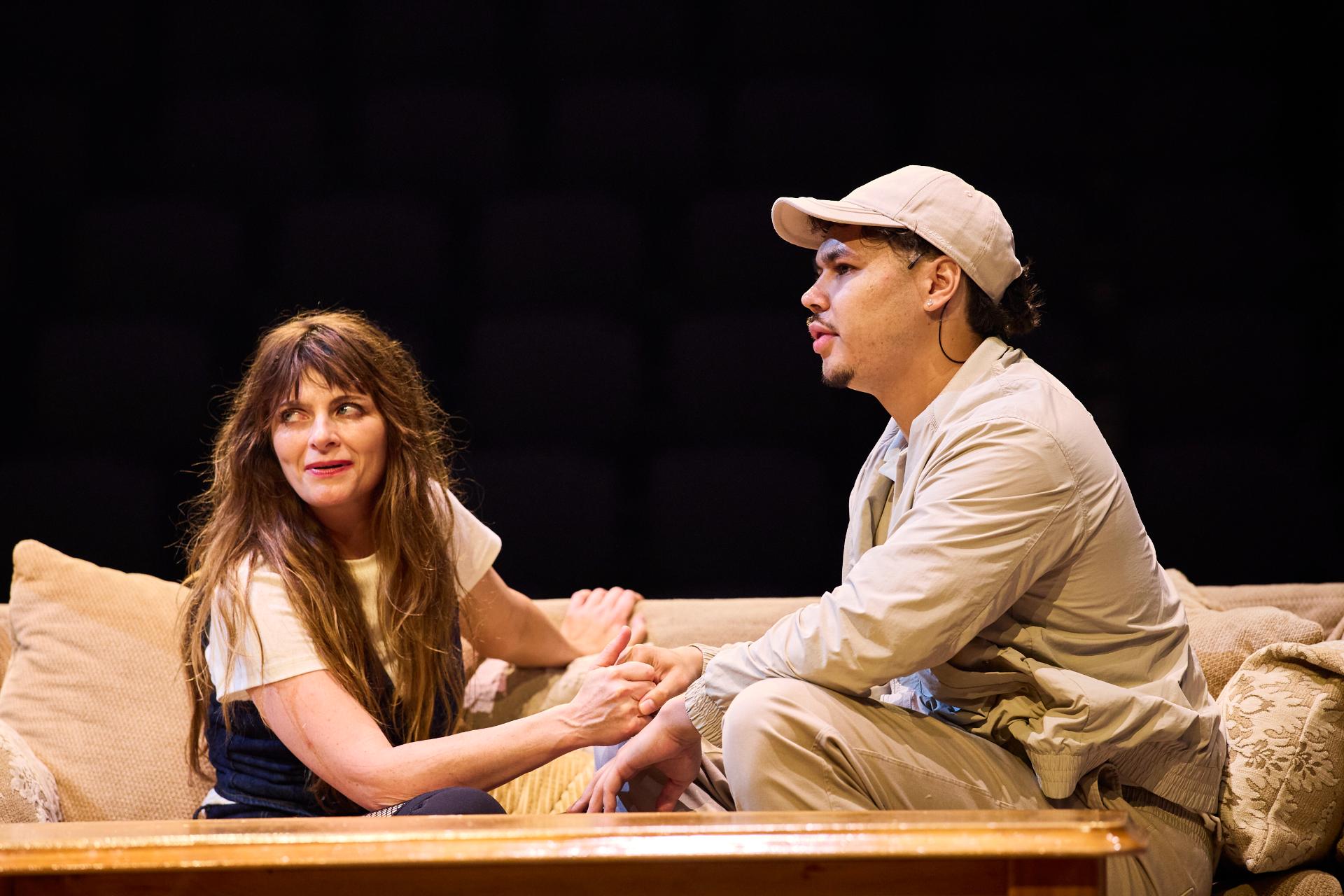
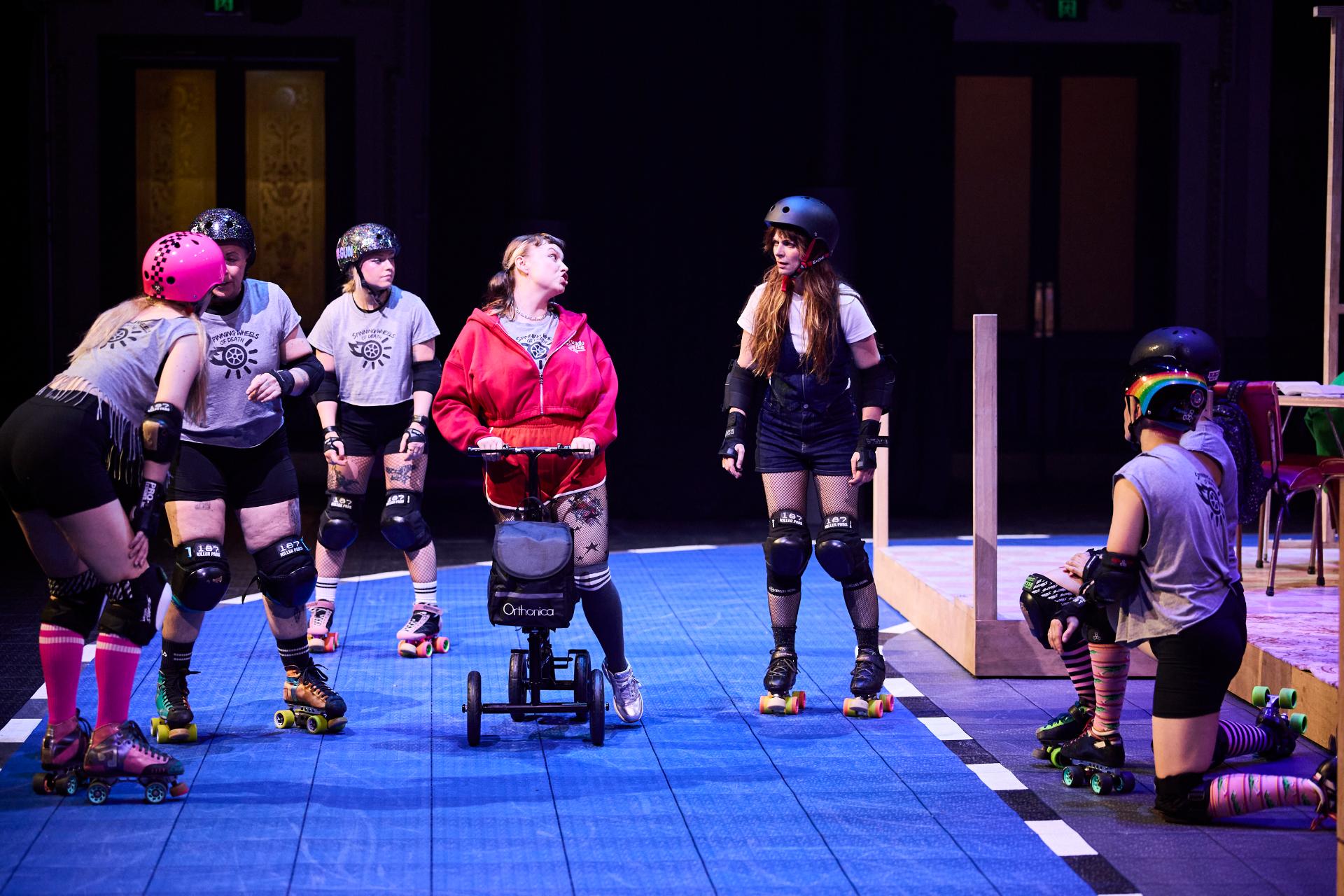
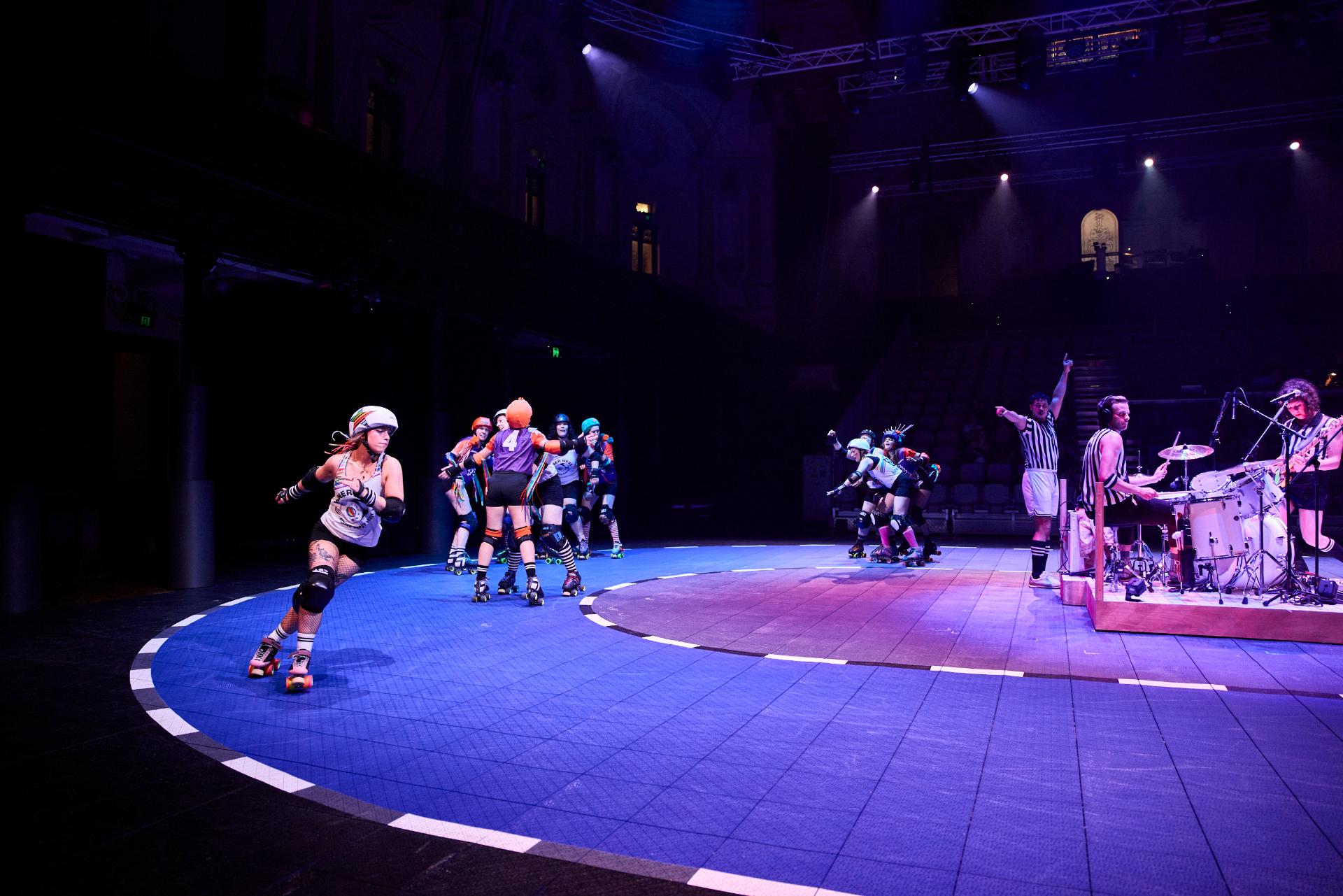
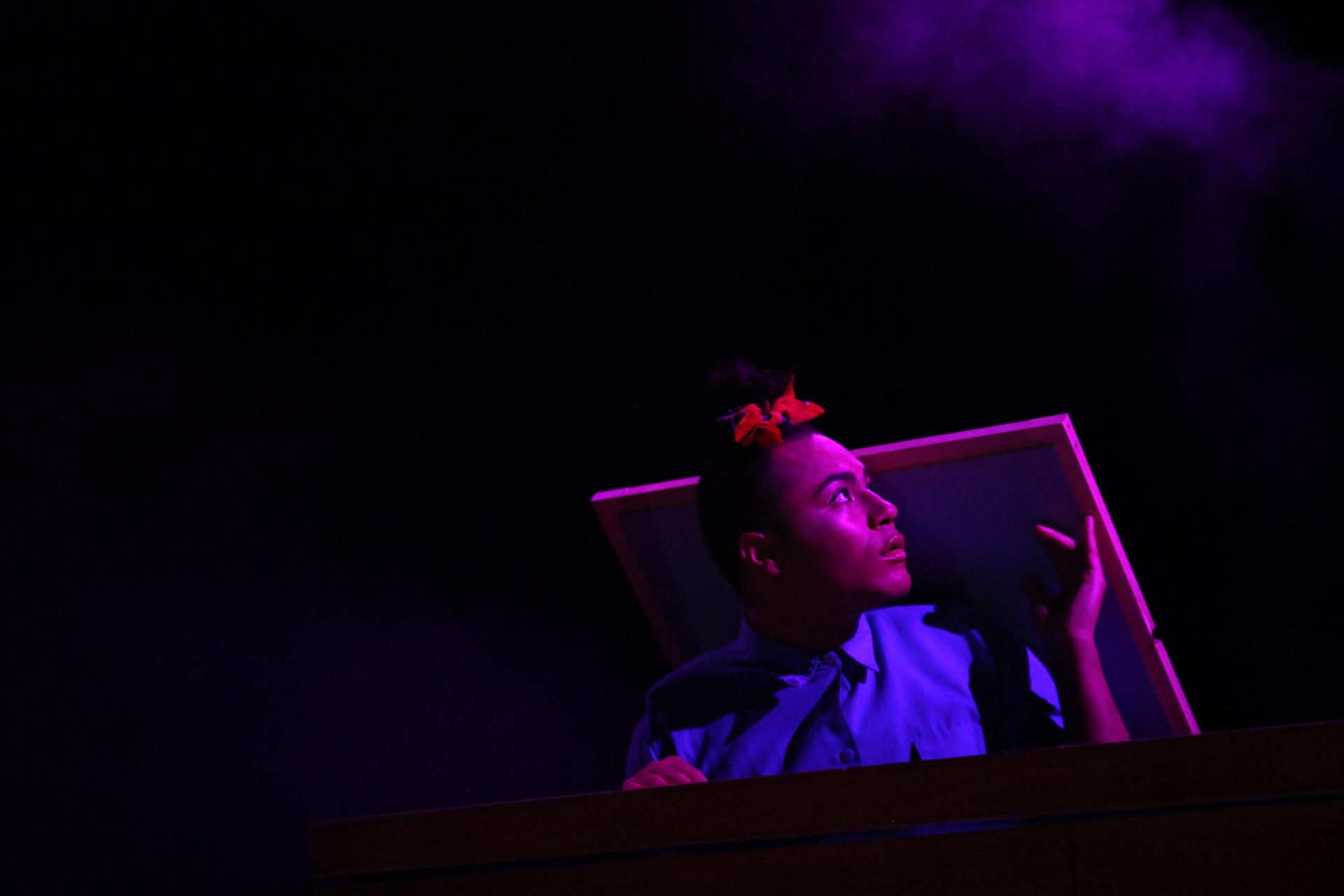
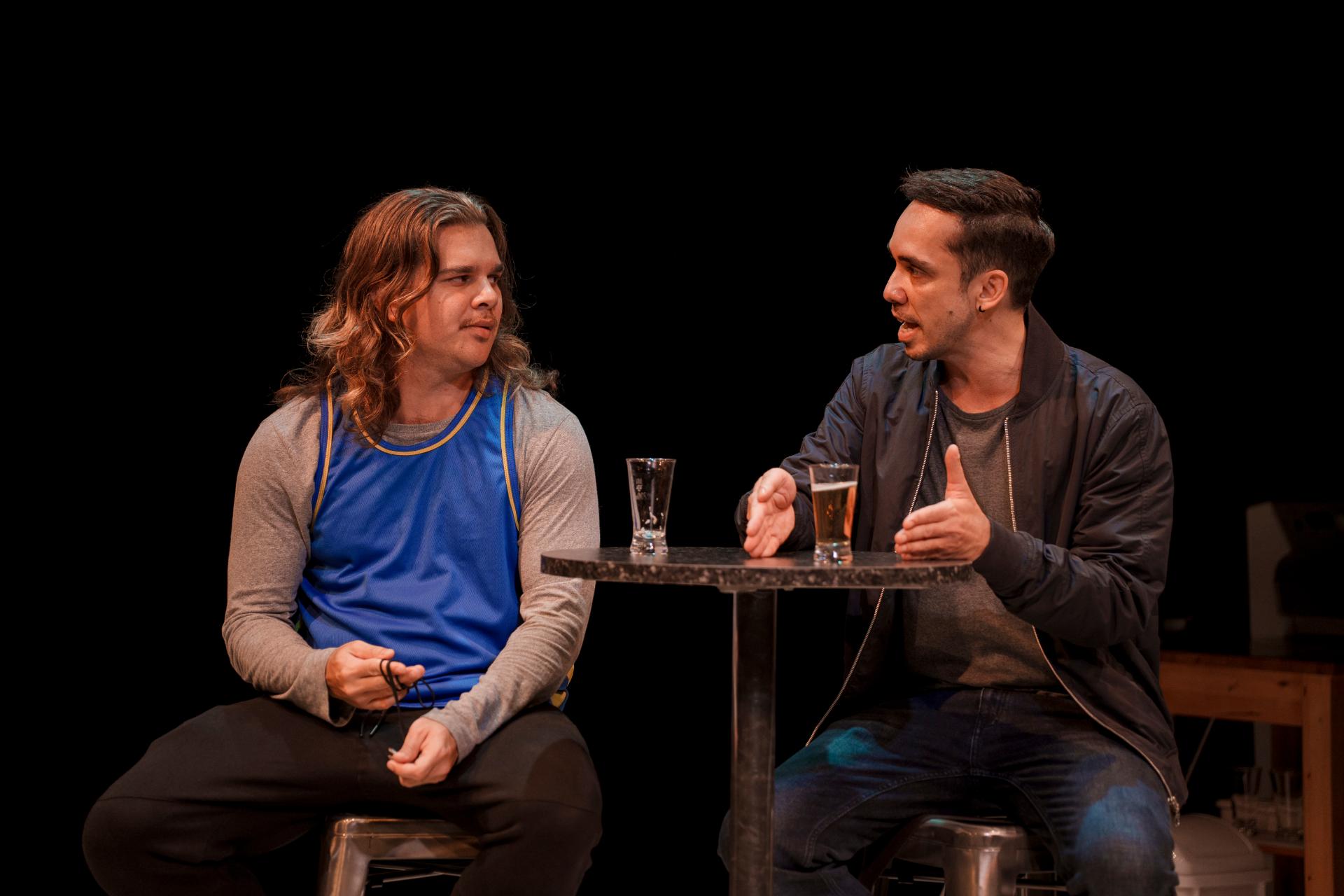
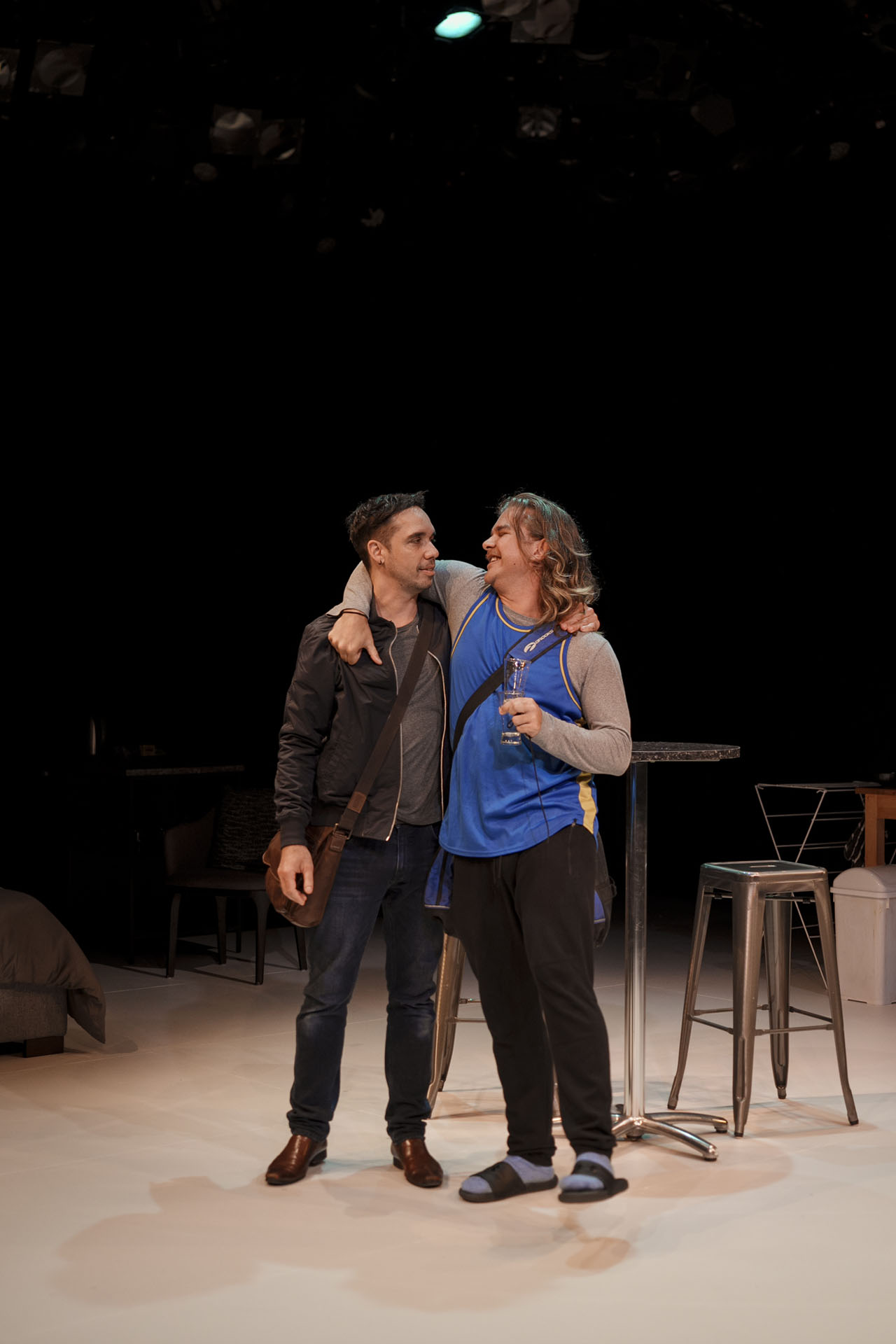
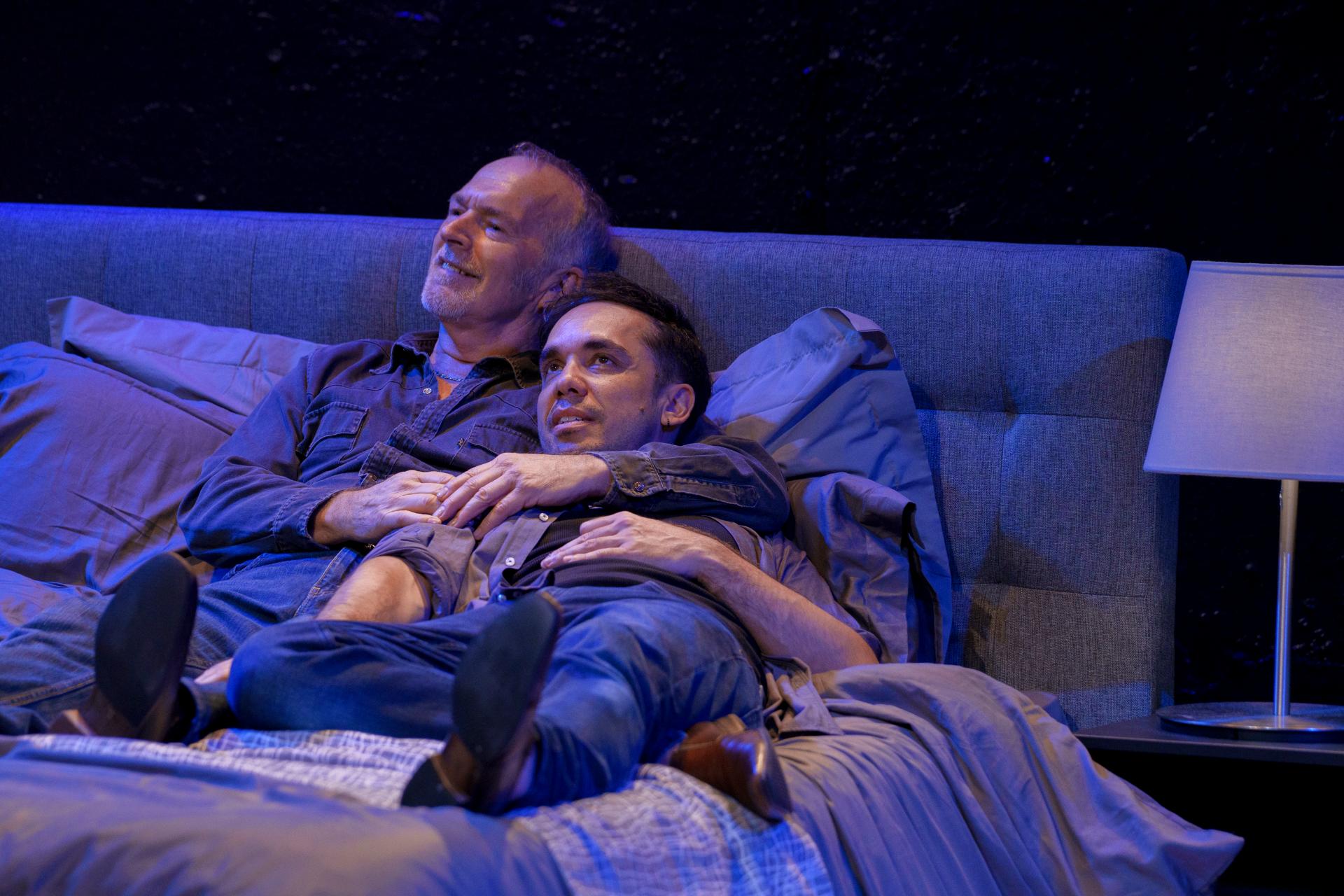
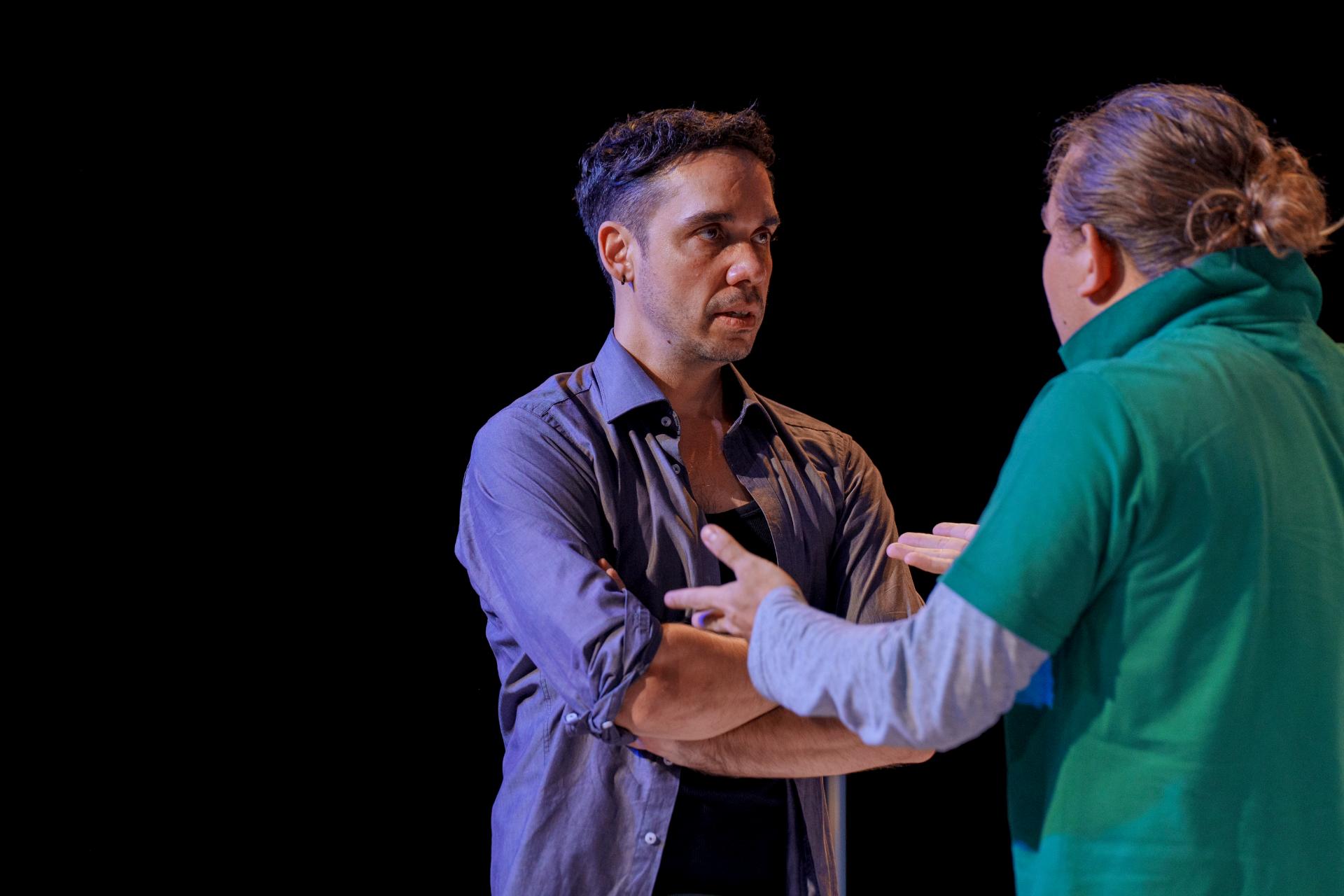
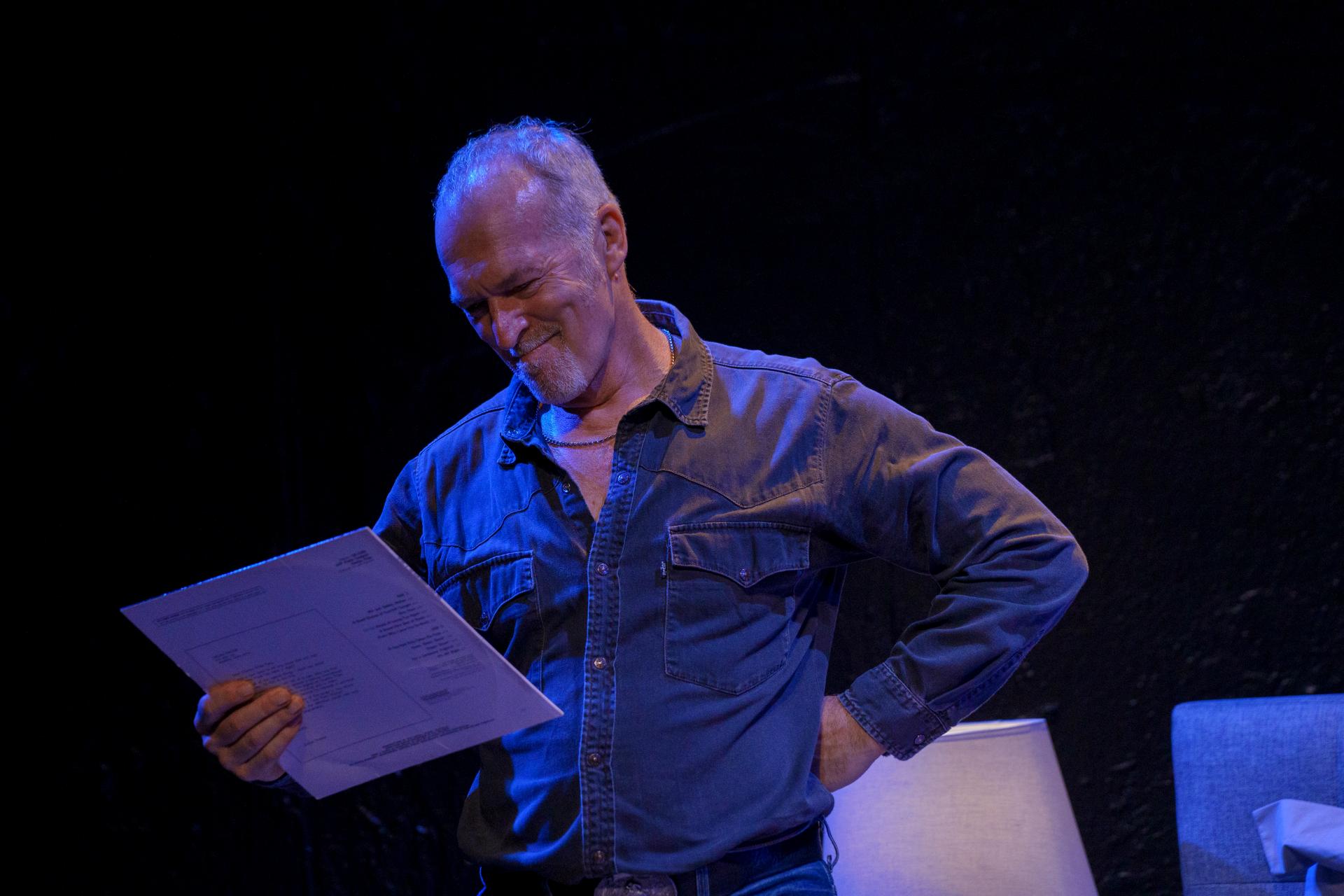
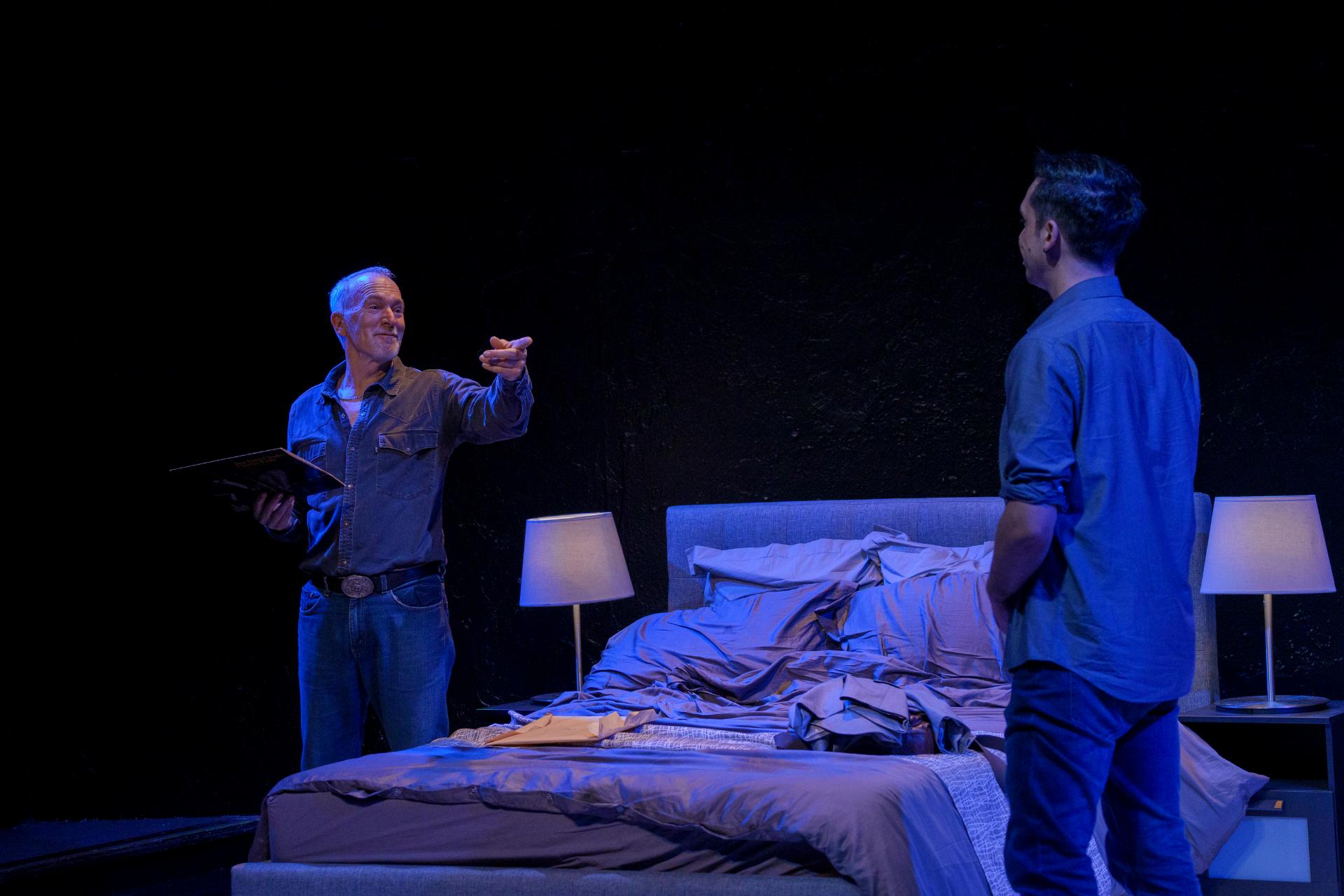
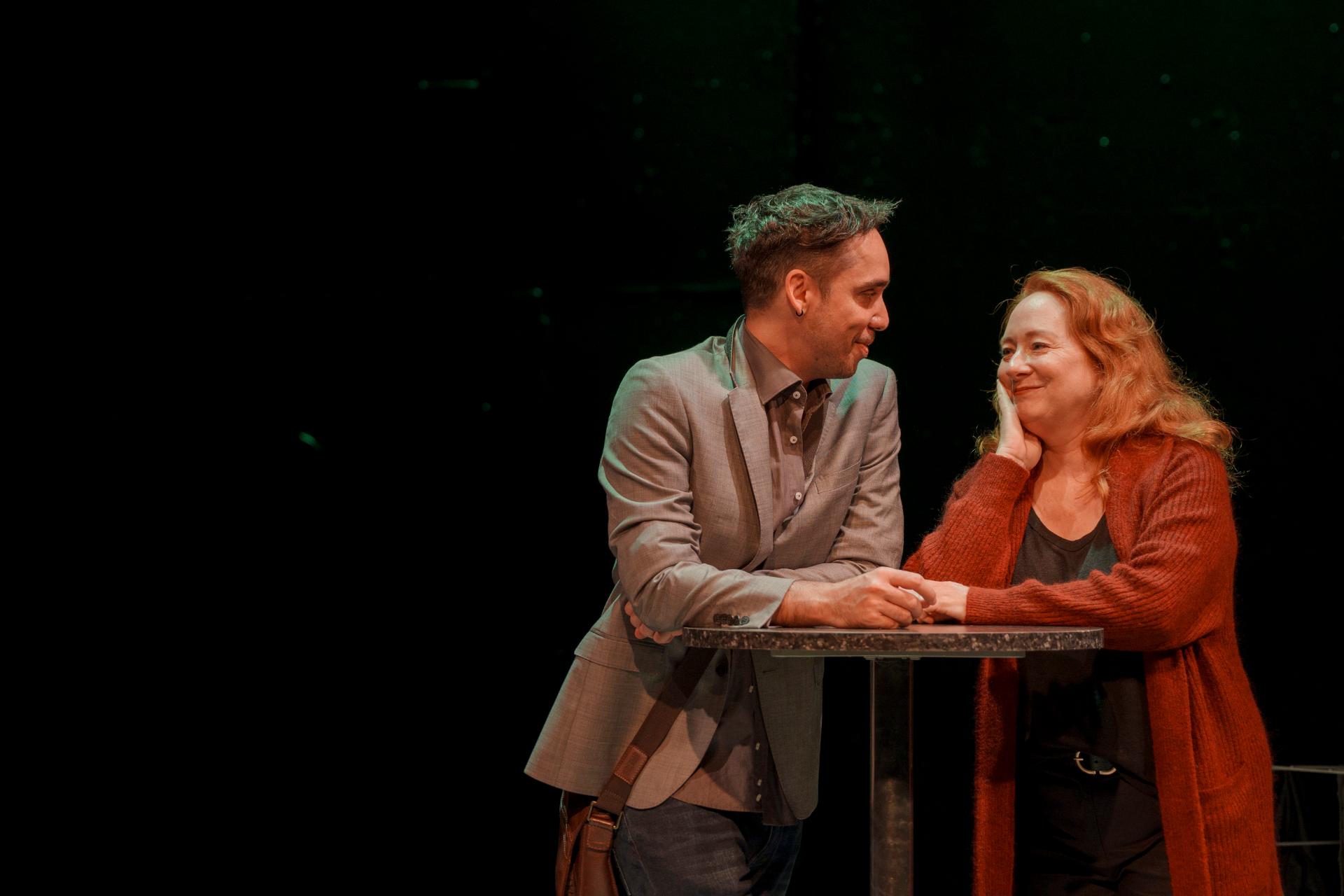
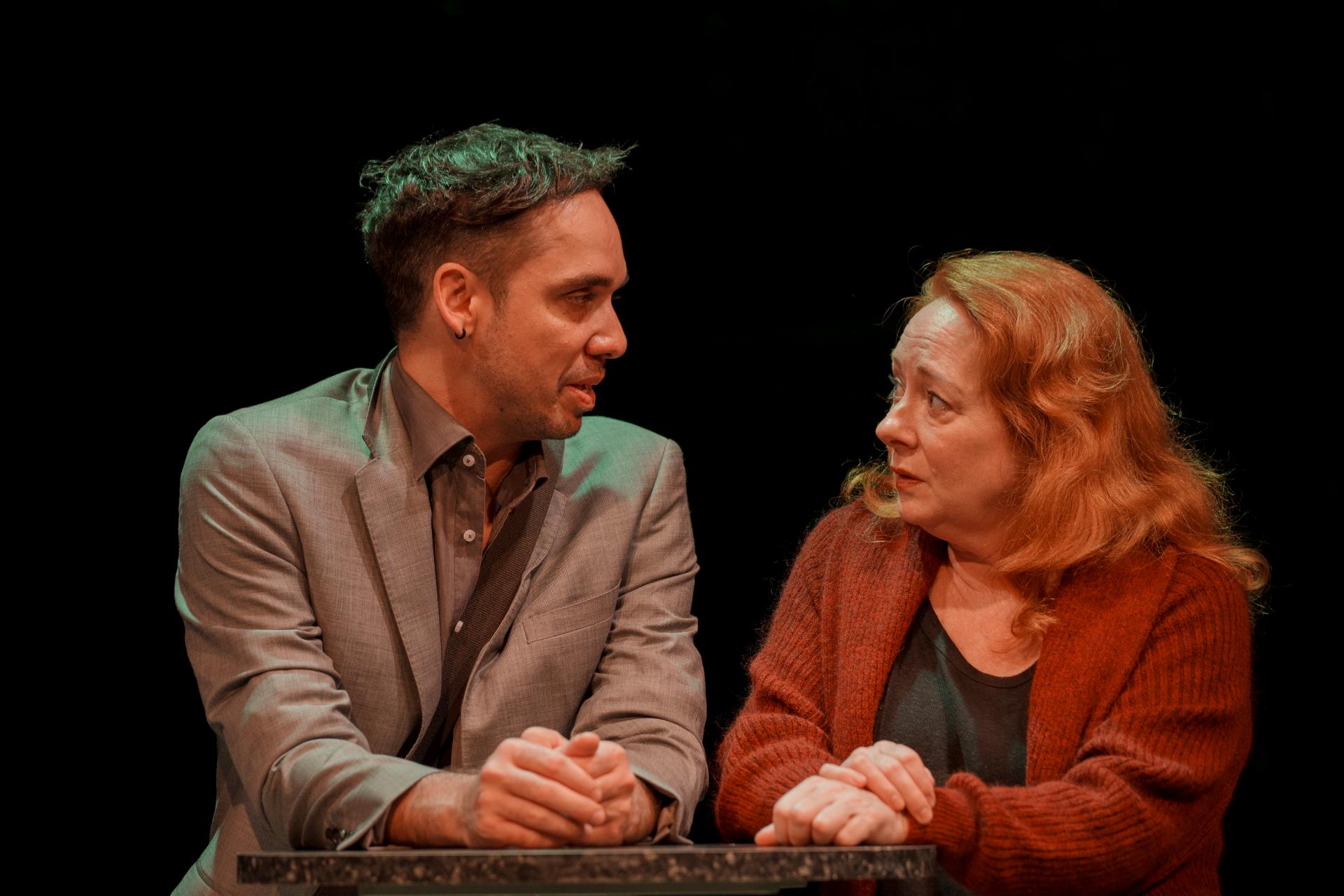
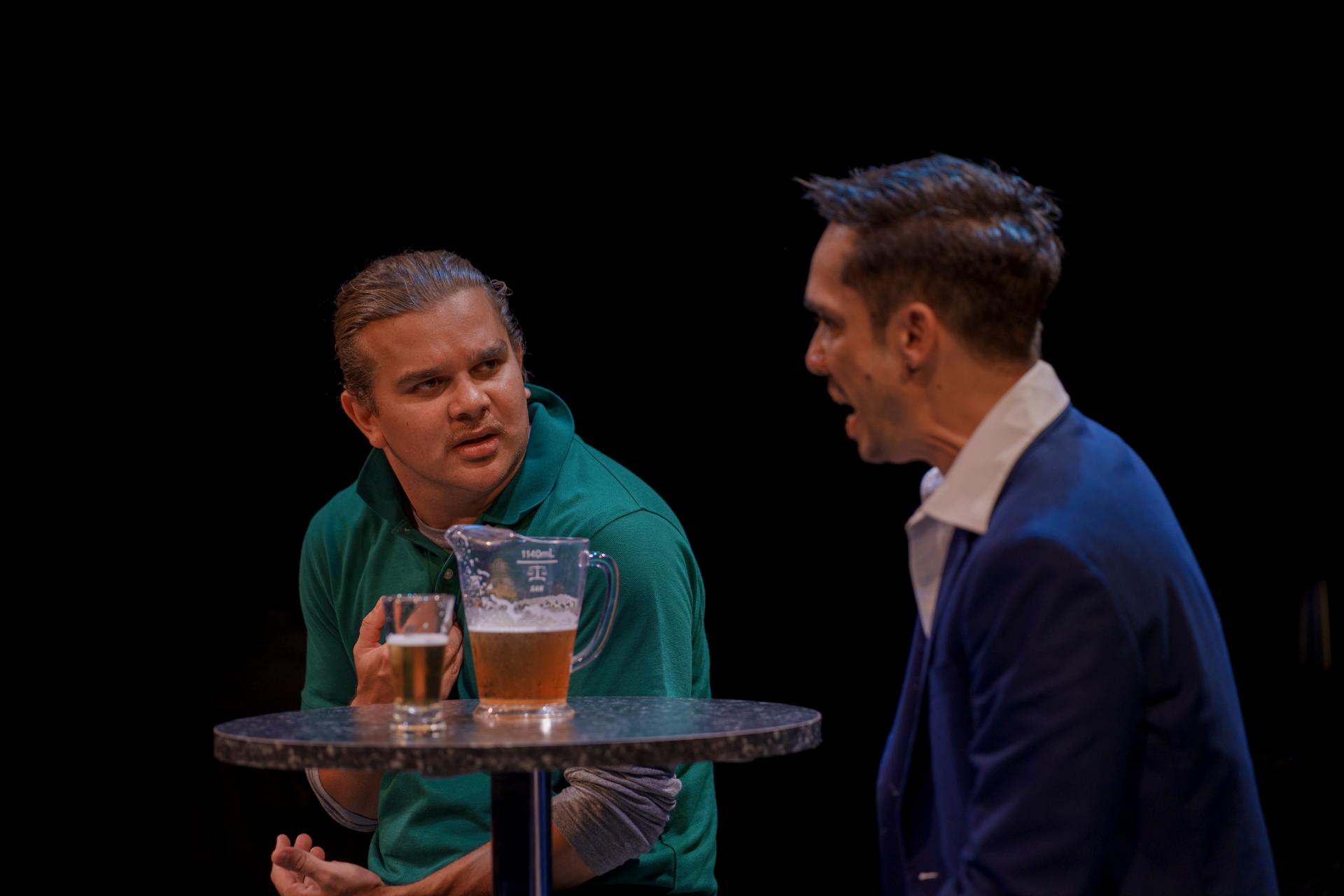
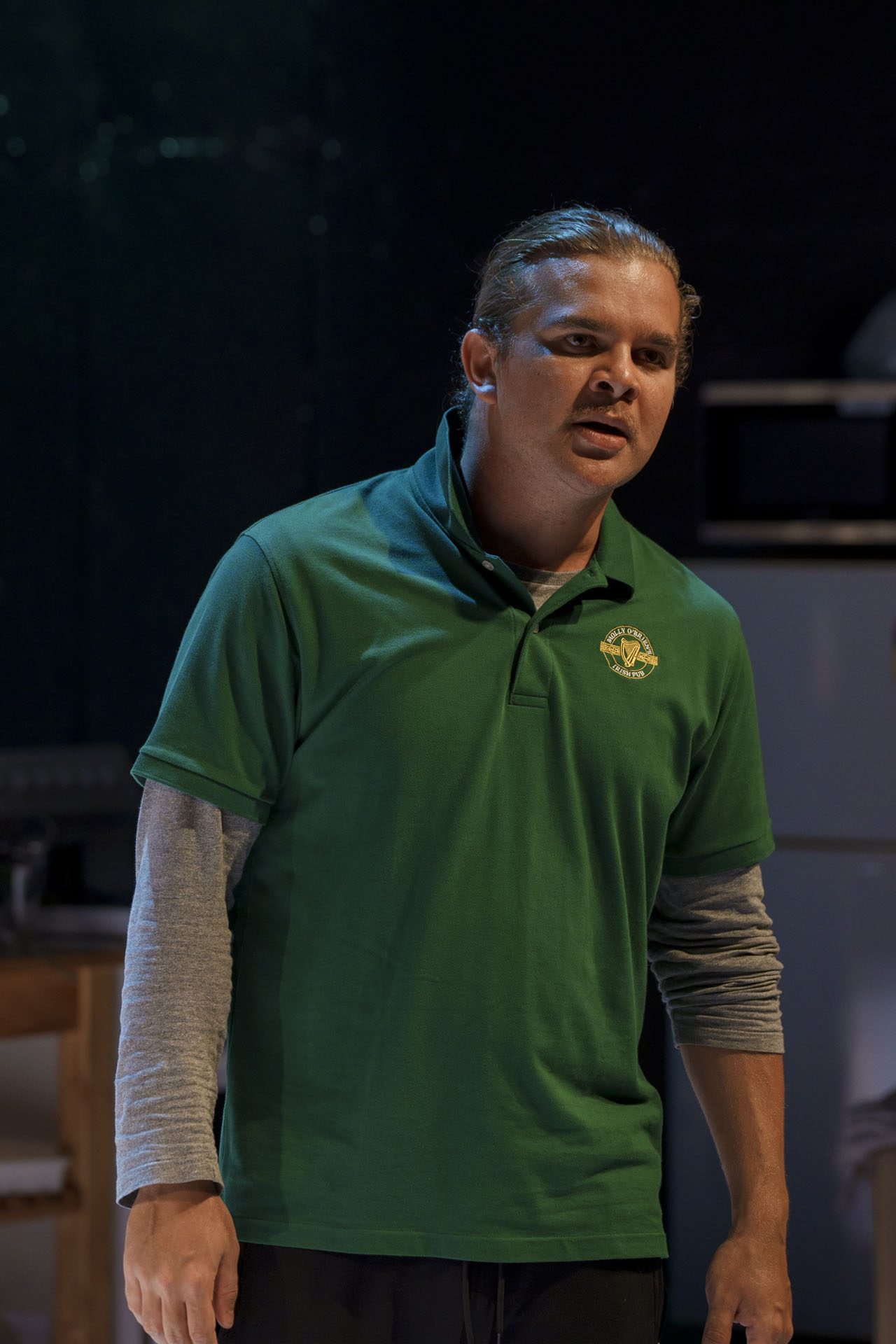
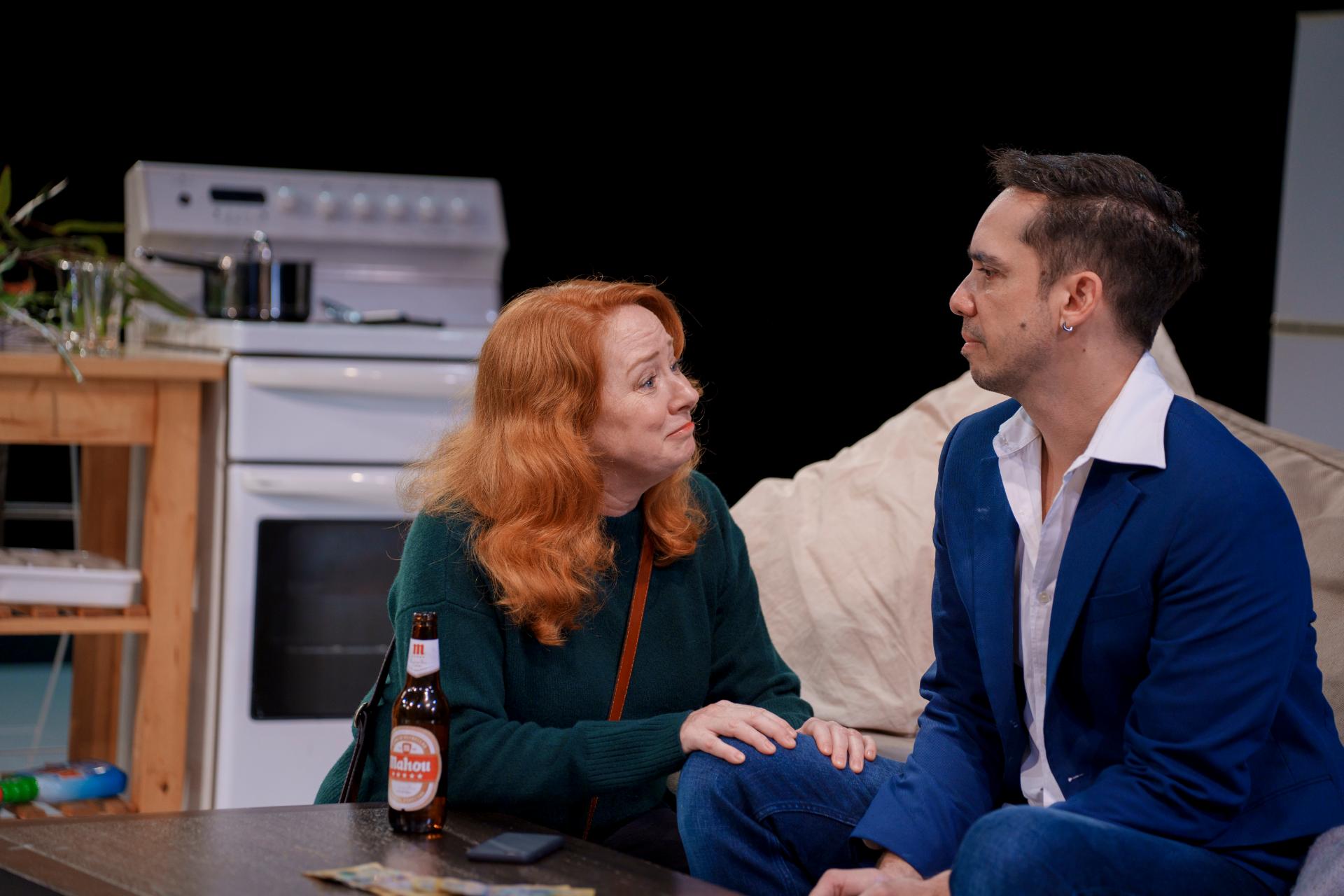
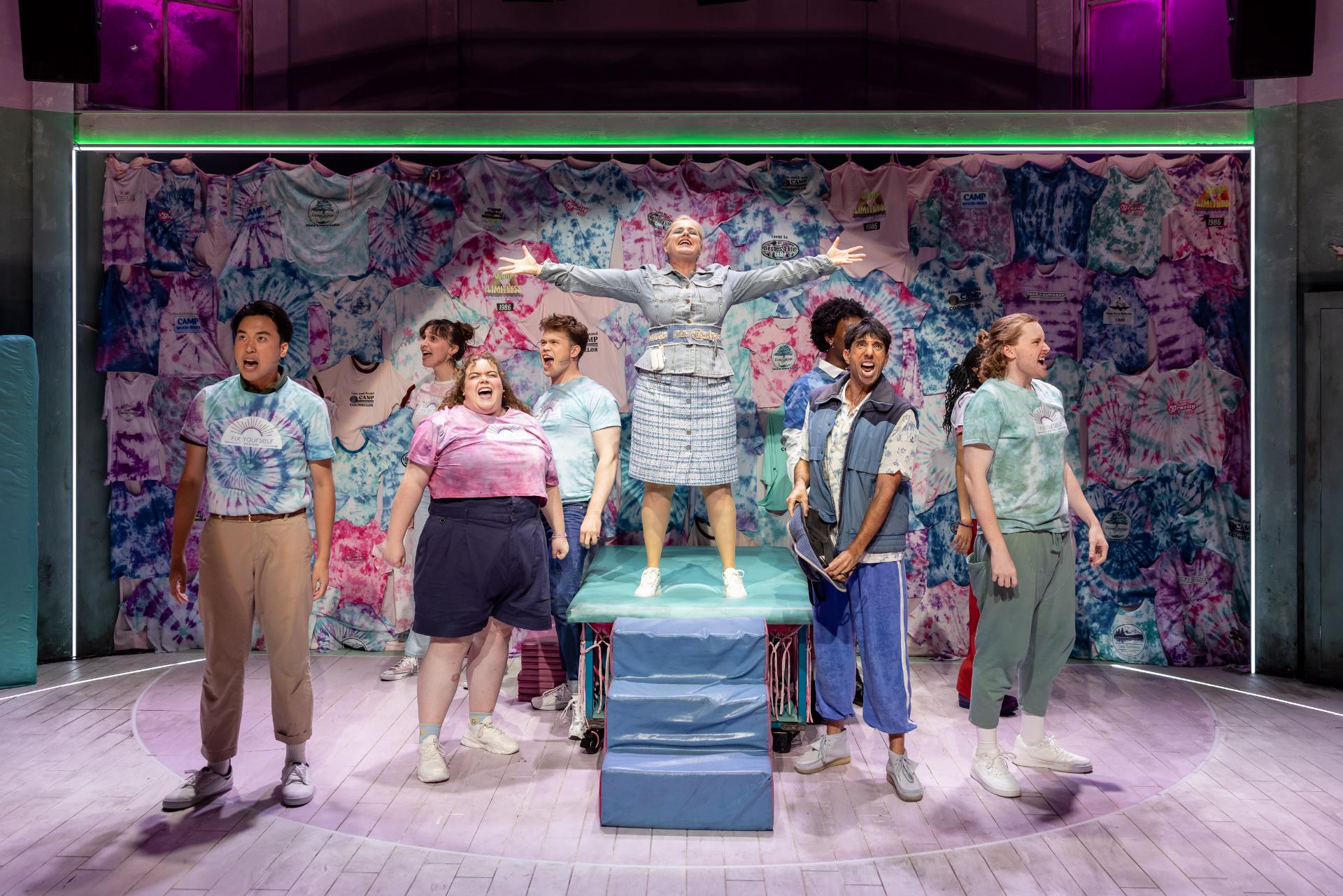
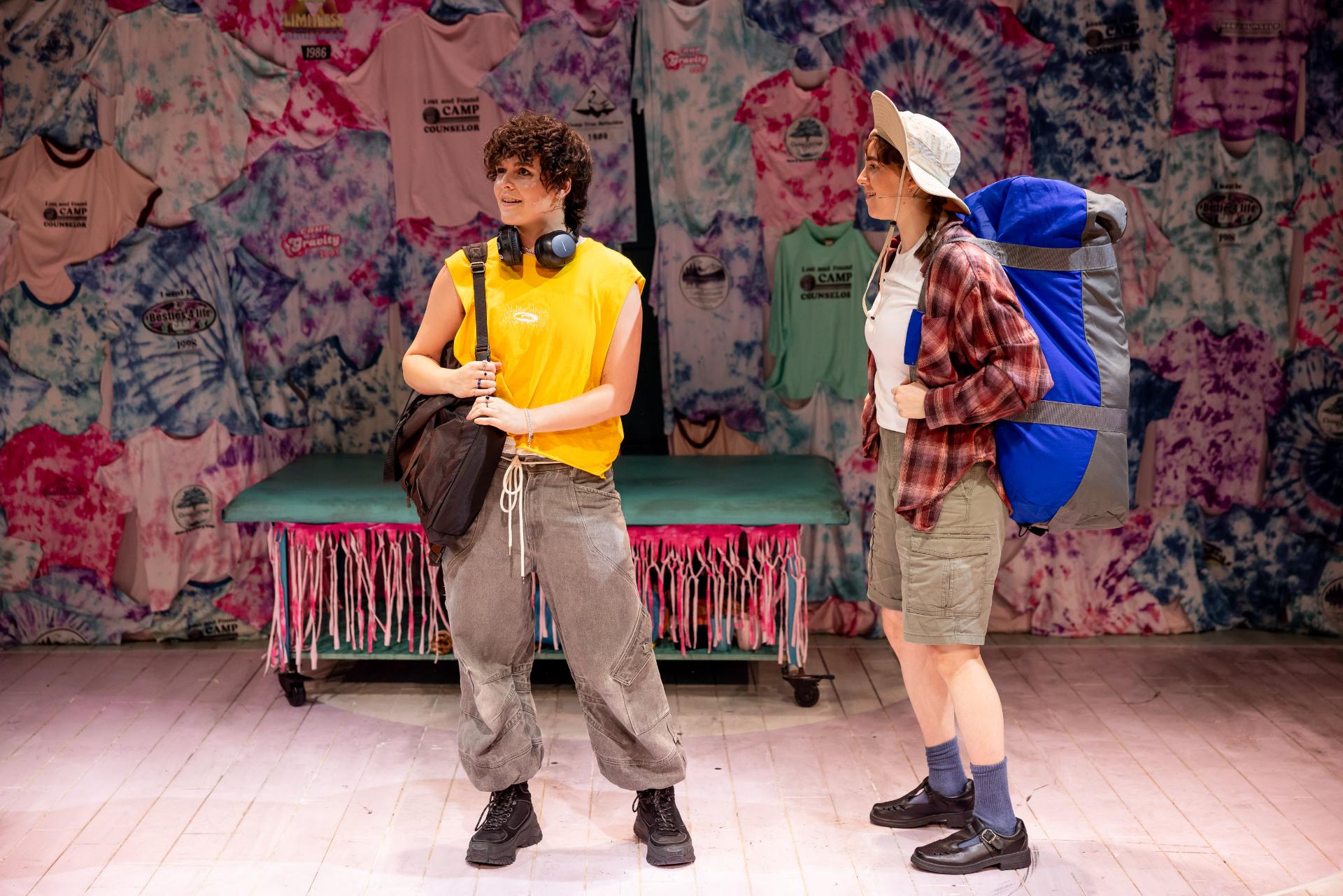
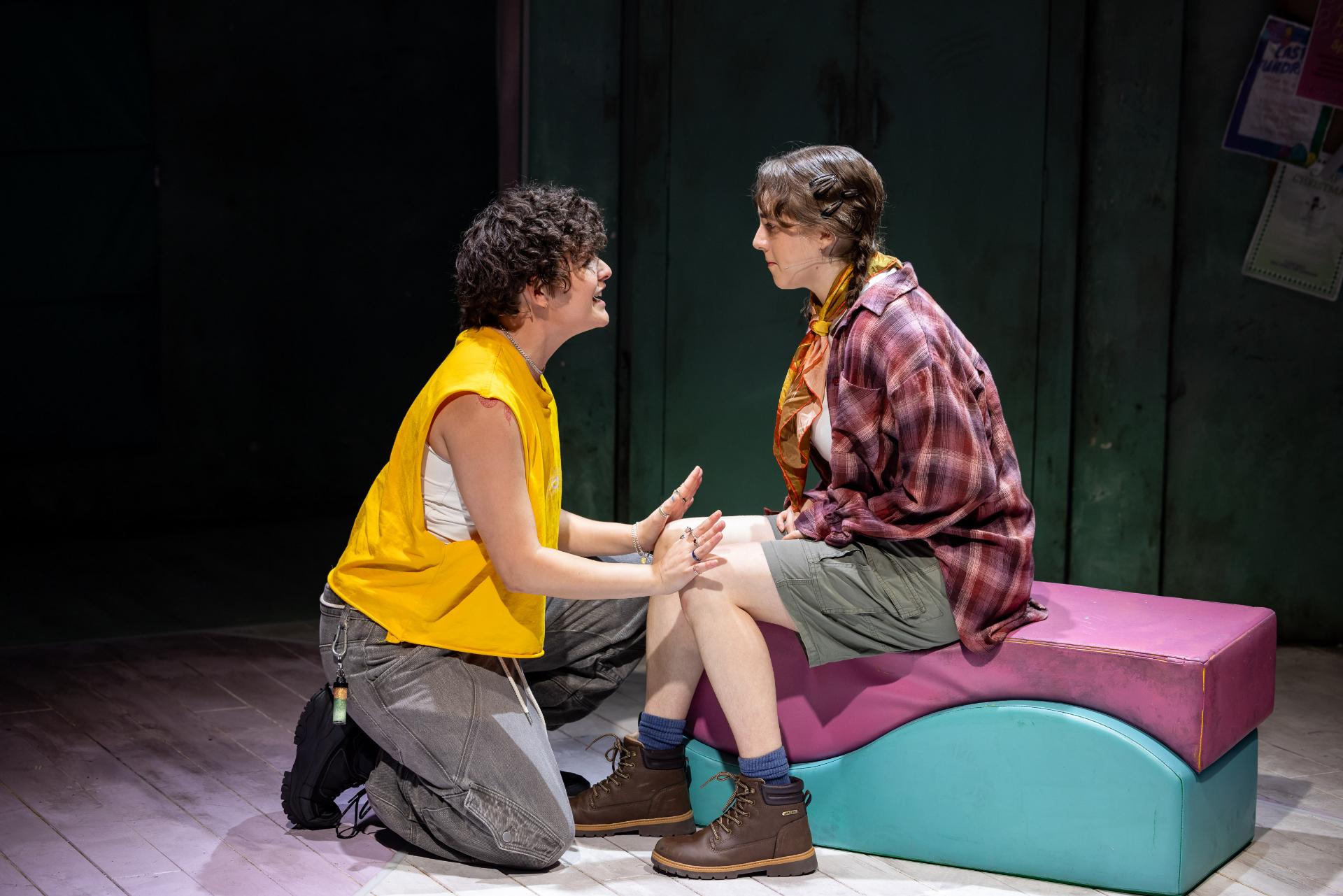
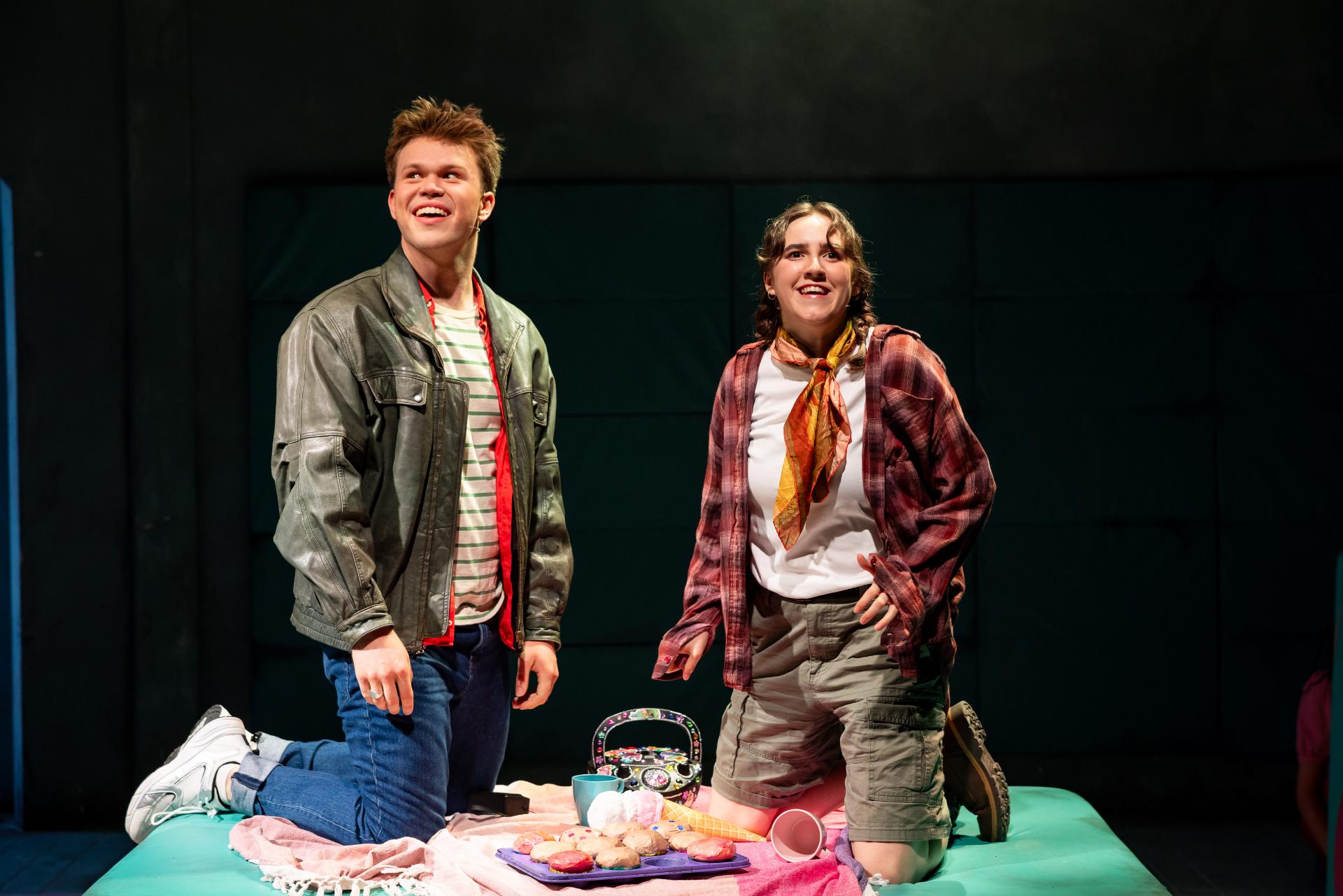
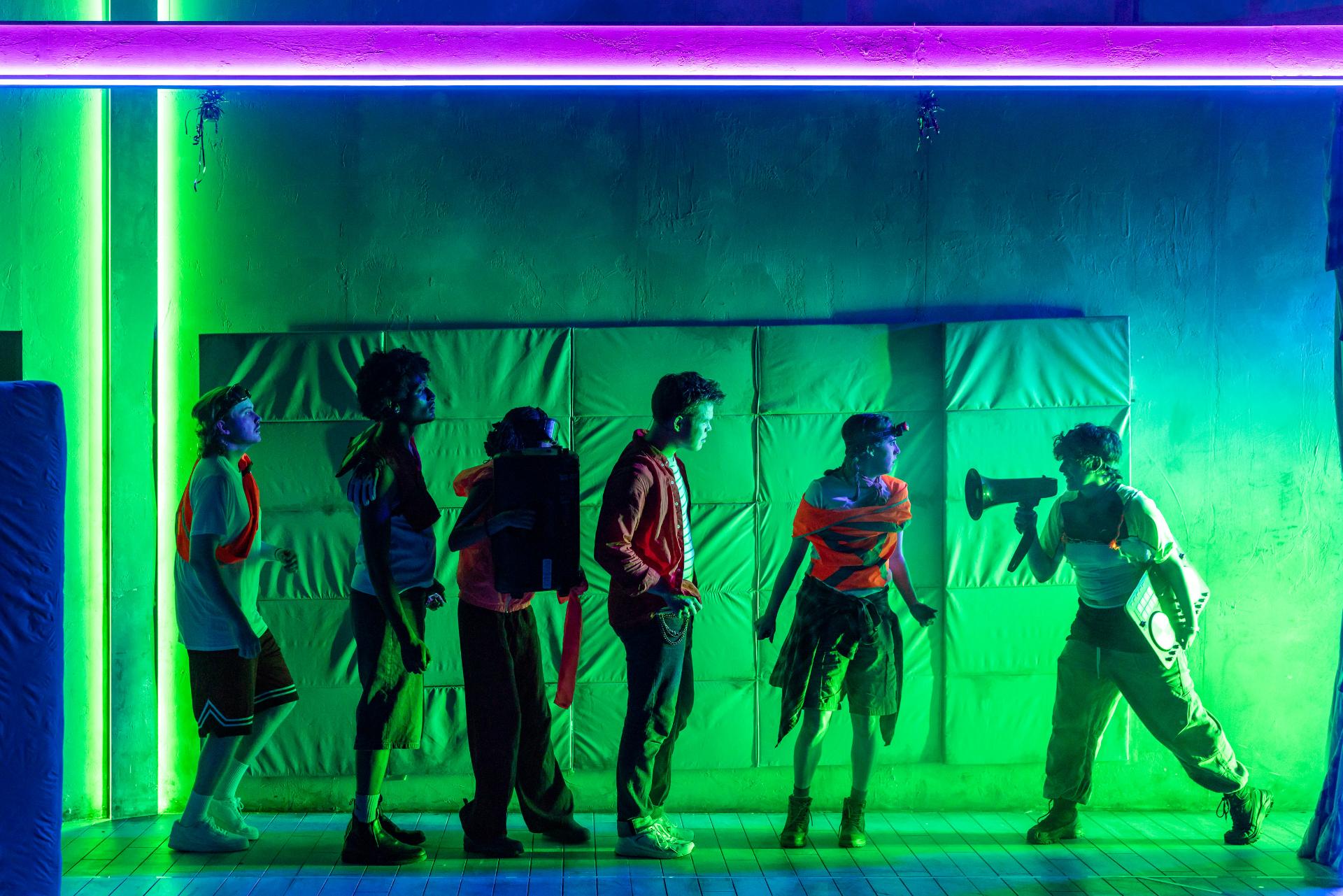
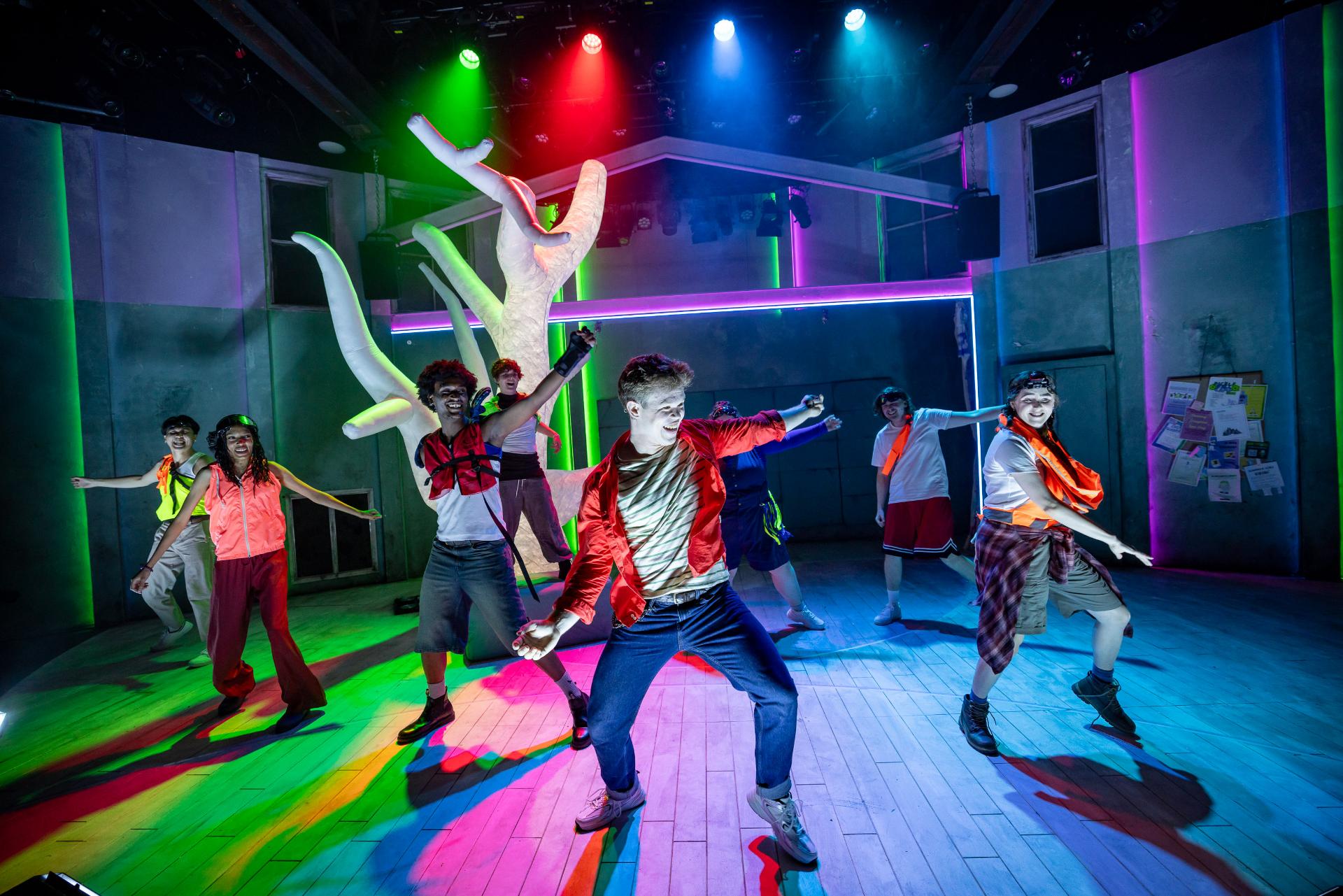
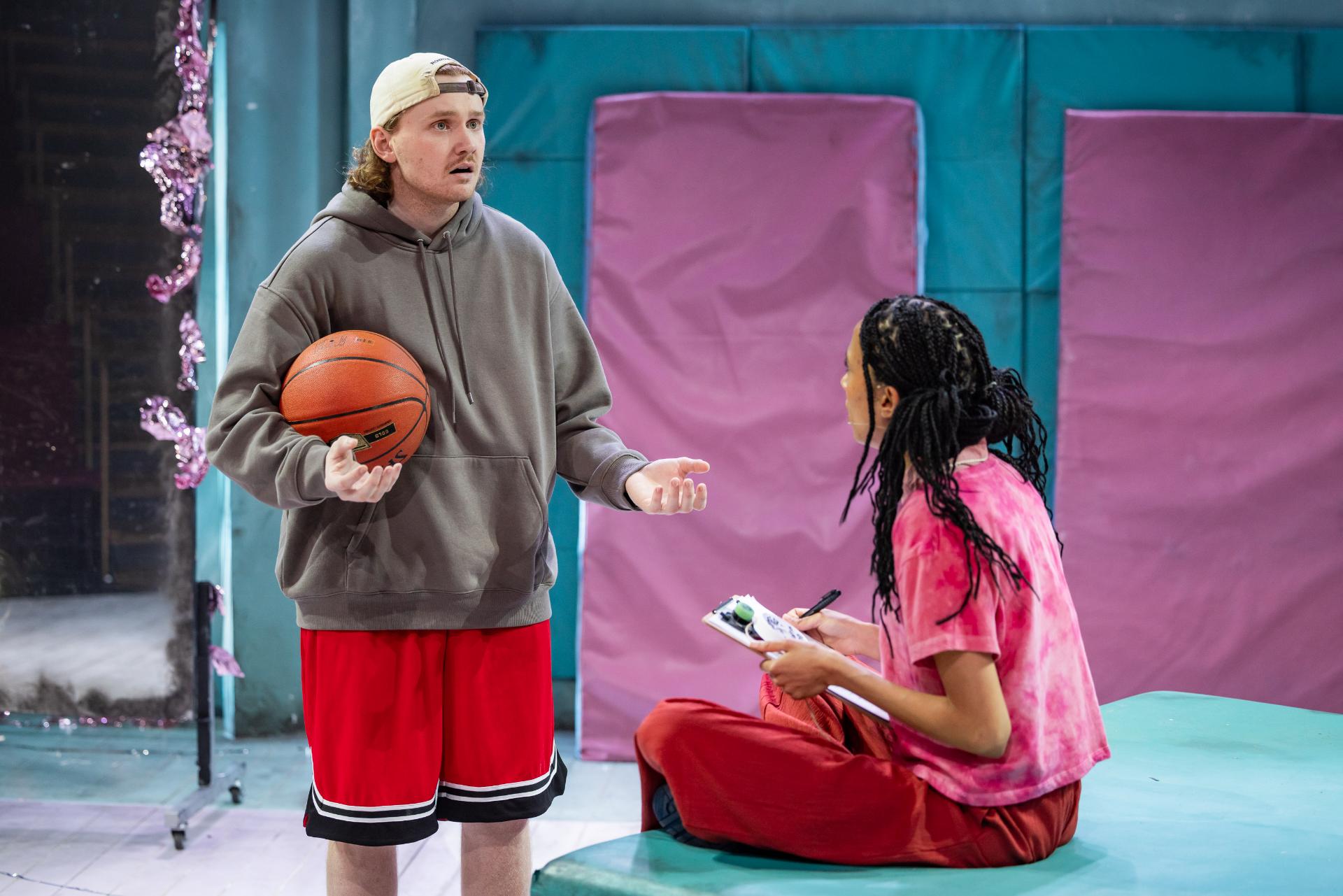
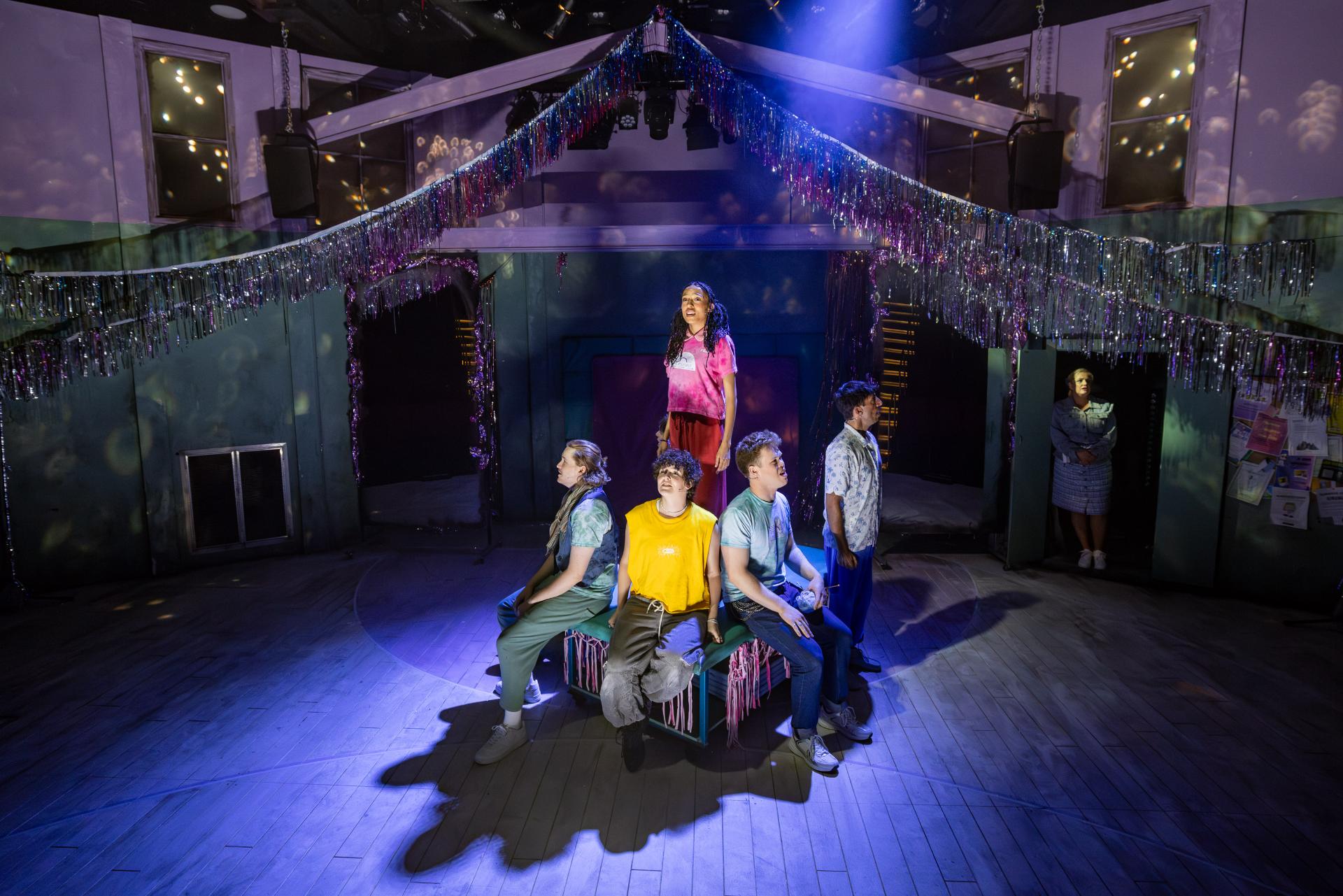
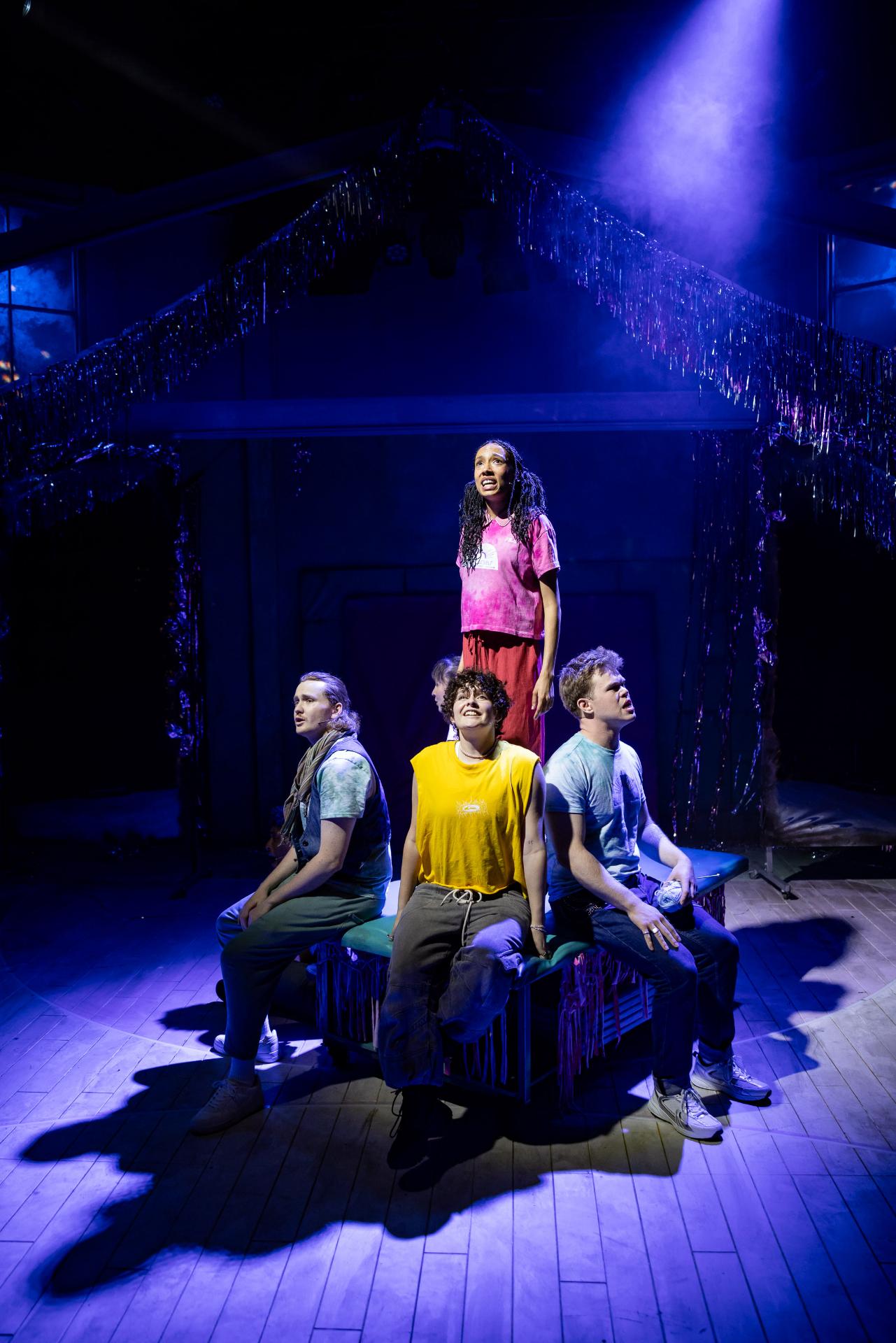
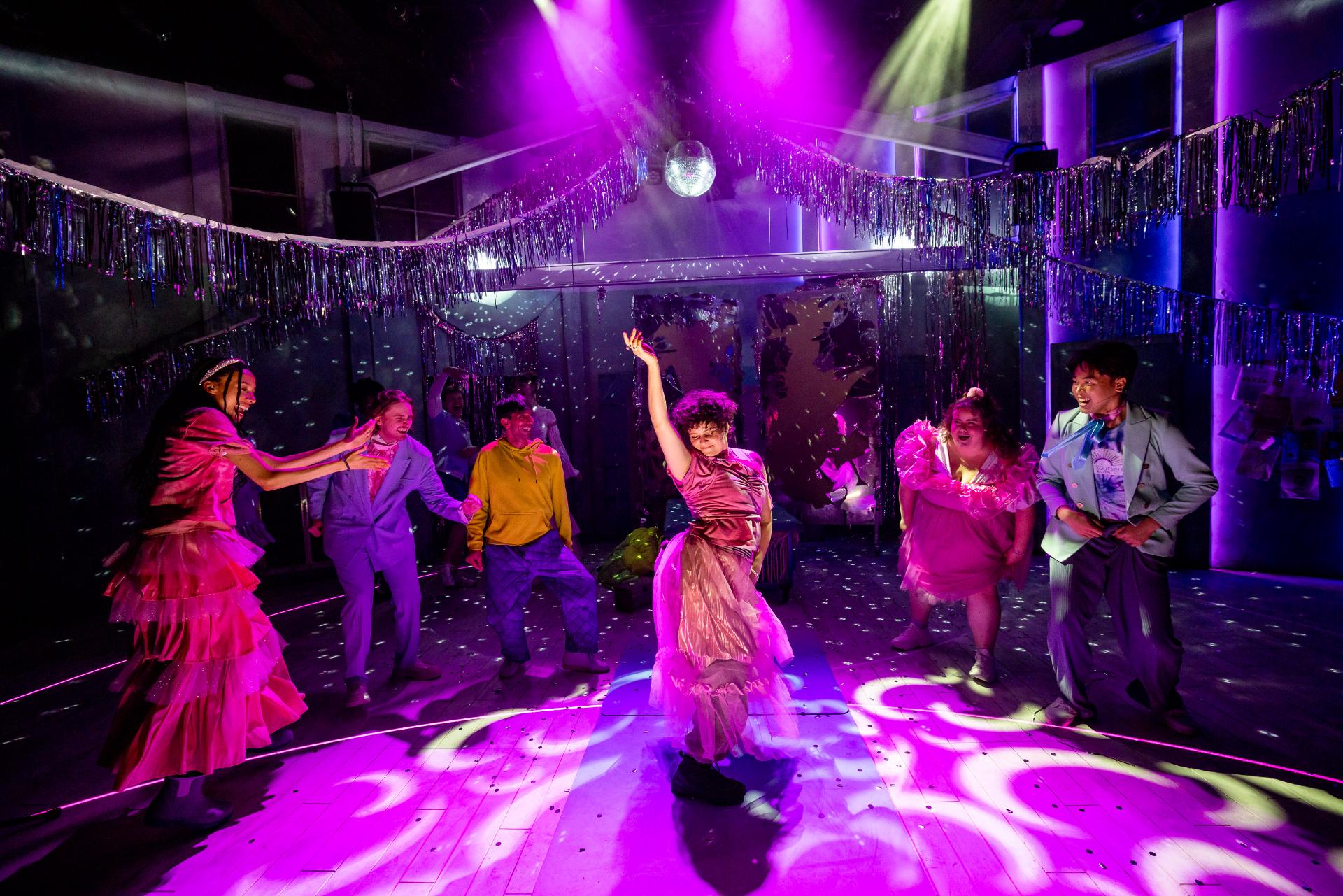
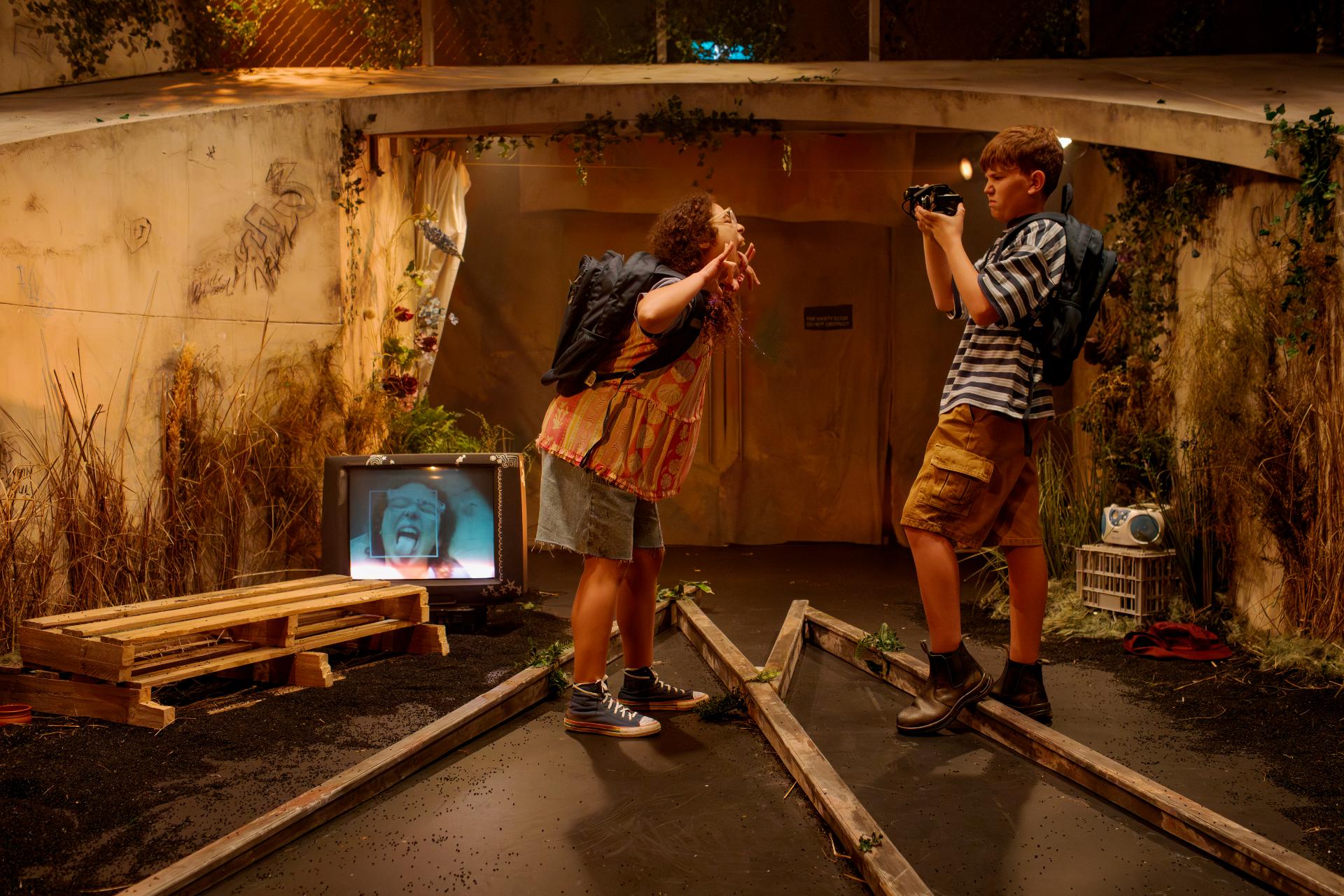
Billie is only sixteen, yet she is already grappling with significant mental health challenges, including night terrors. Much of her distress stems from her mother Maxine who, despite her good intentions, has struggled to provide stability, never quite finding her footing as an adult. This changes when she stumbles upon the world of roller derby. Mama Does Derby, co-created by Virginia Gay and Clare Watson, unfolds with an engaging premise and a thoughtfully constructed plot populated by well-defined characters, though much of its early humour feels strained and overly explicit. Thankfully, the compulsion to elicit laughter recedes in the later sequences, allowing the work to settle into its emotional core and to land with greater resonance when it matters most. 
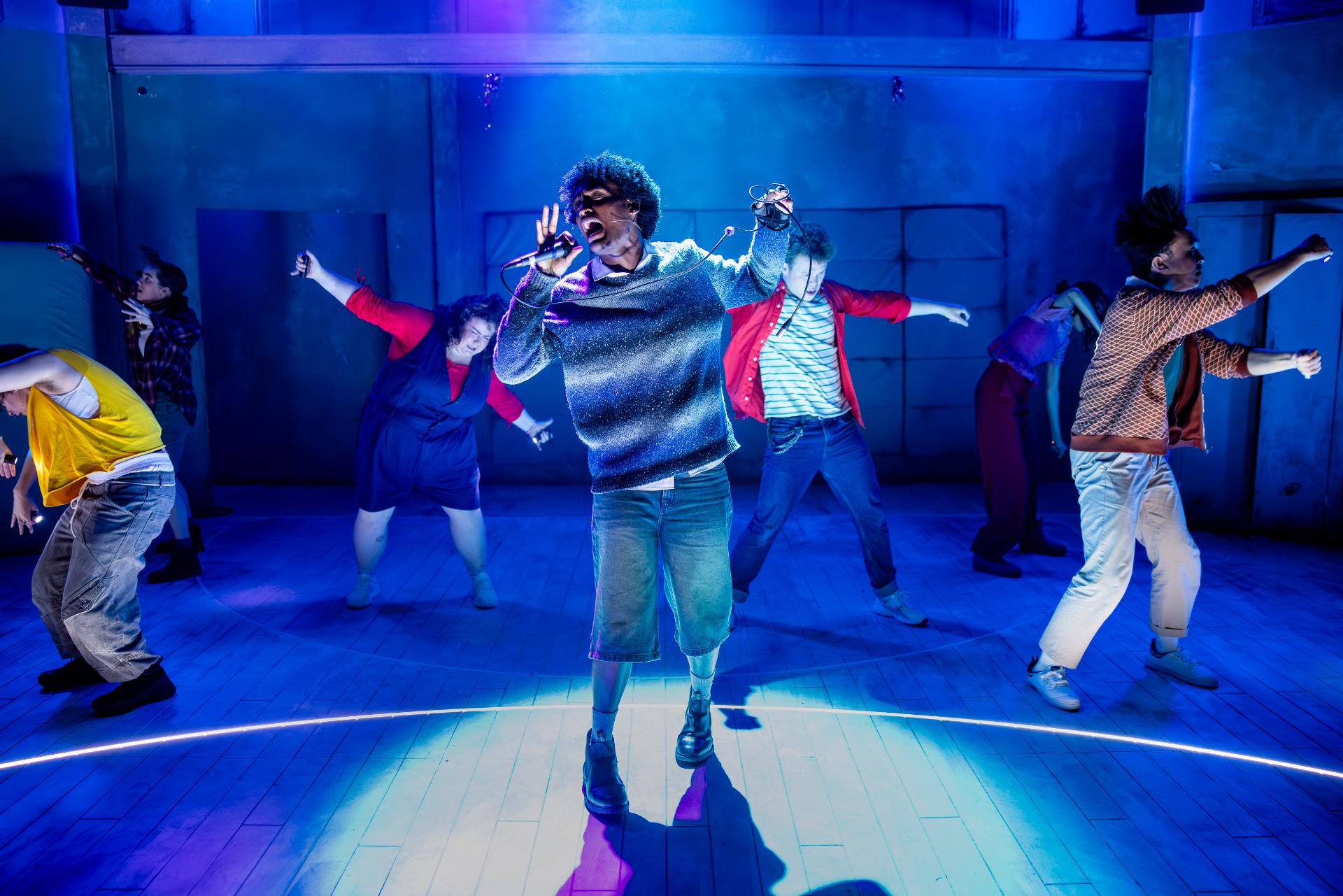
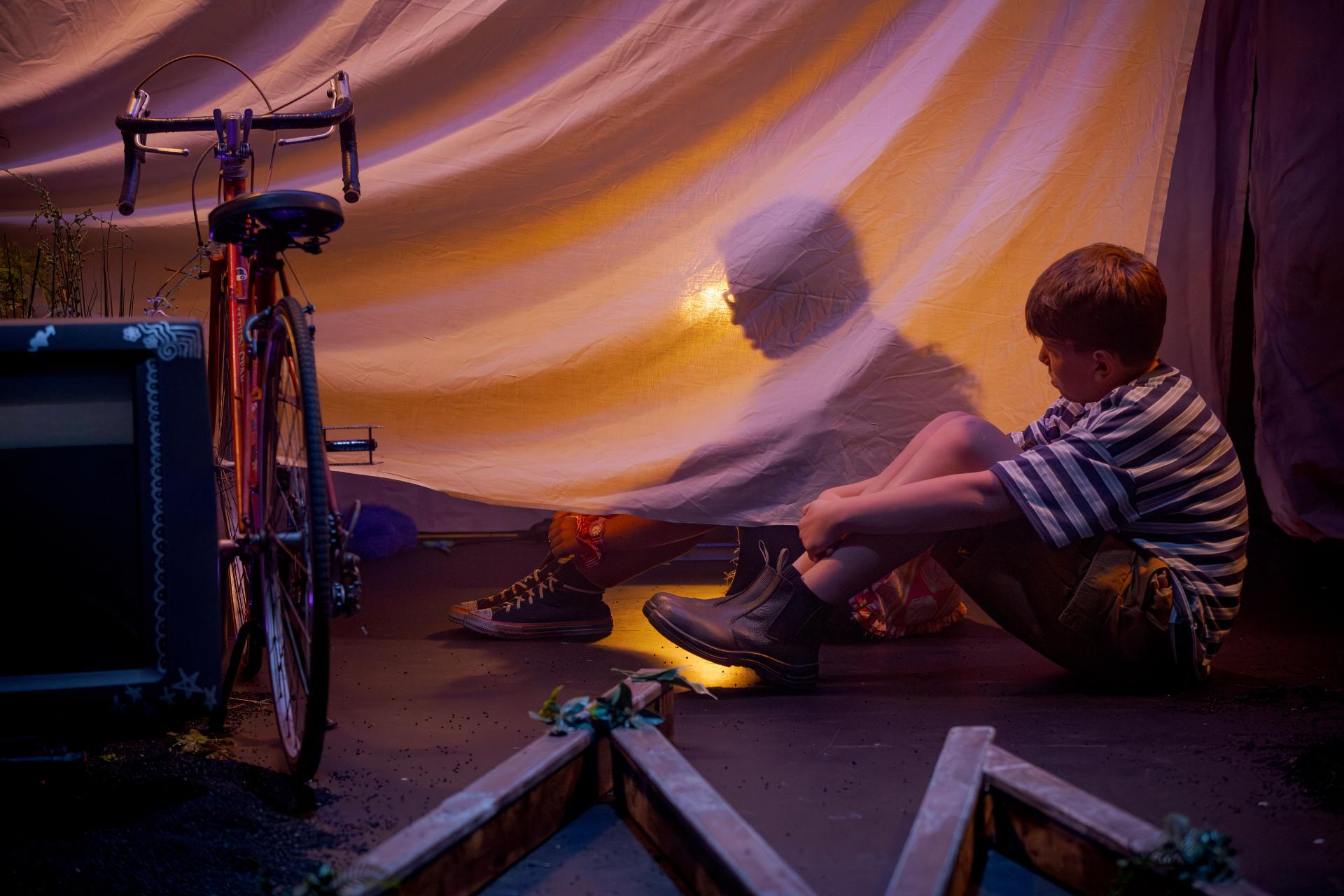
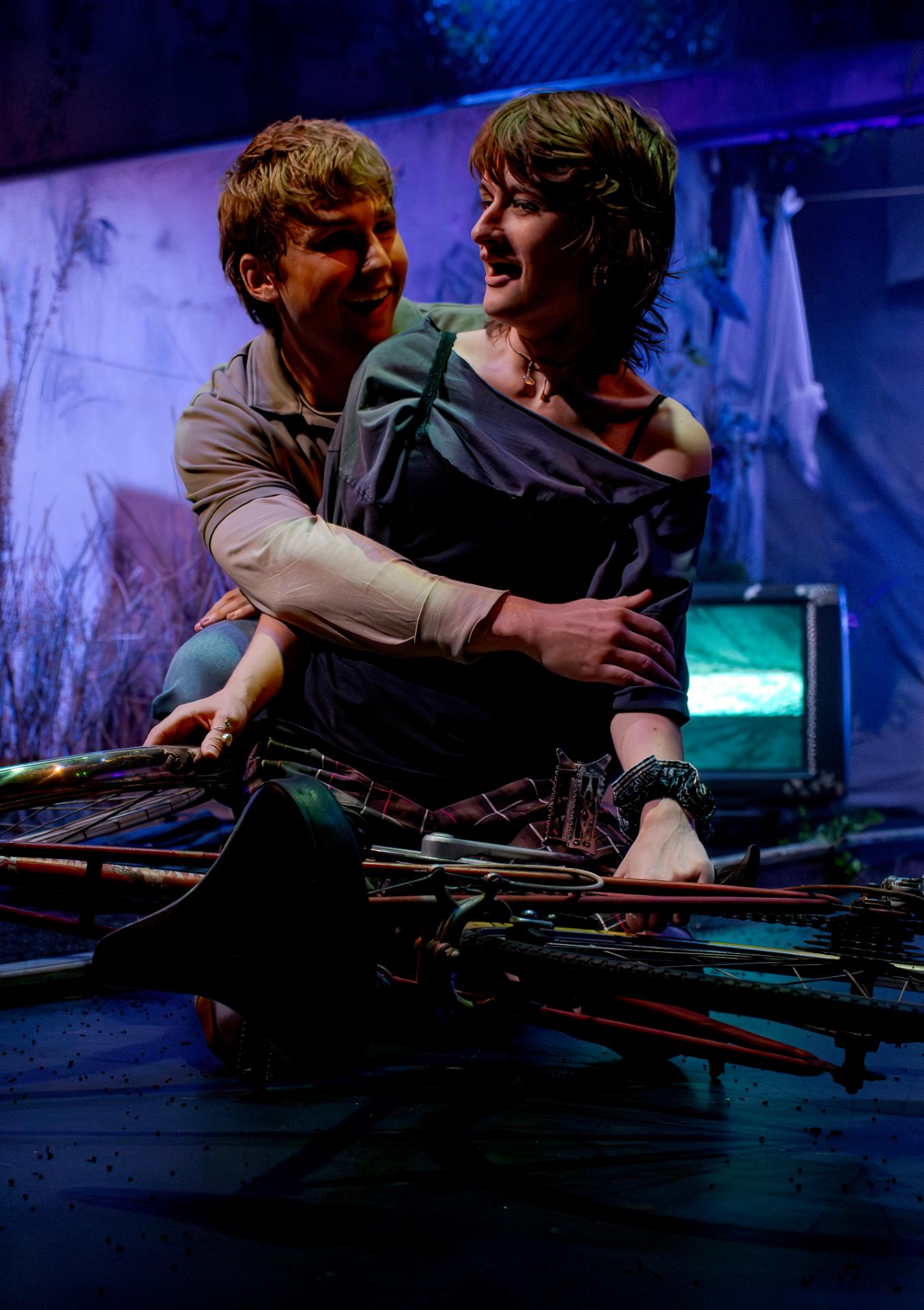
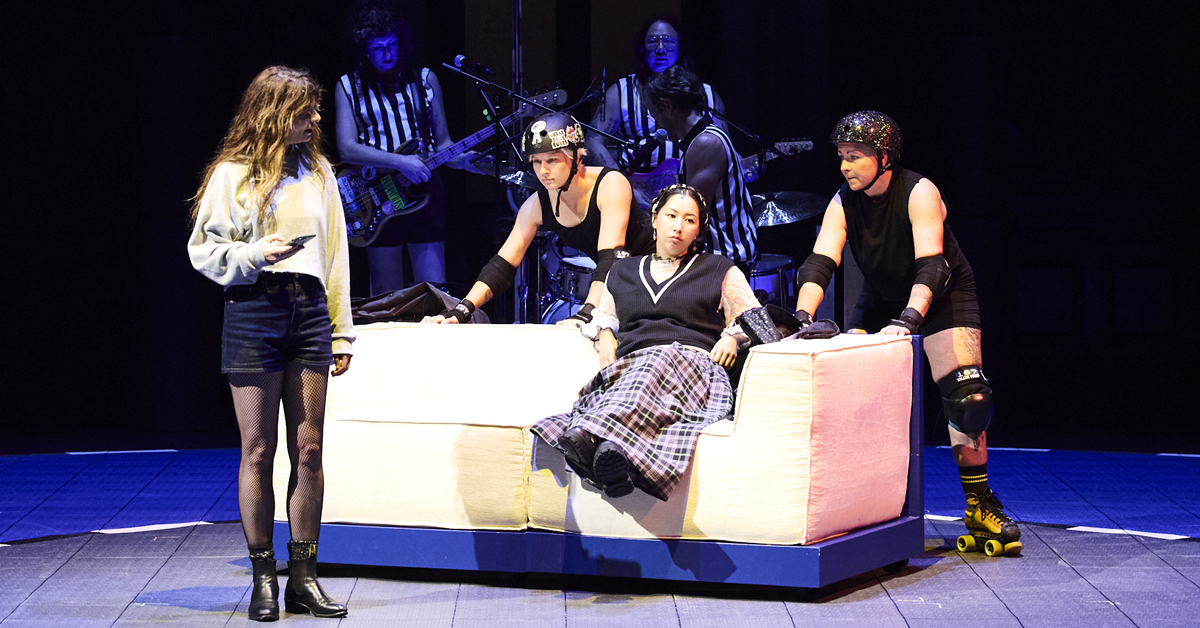
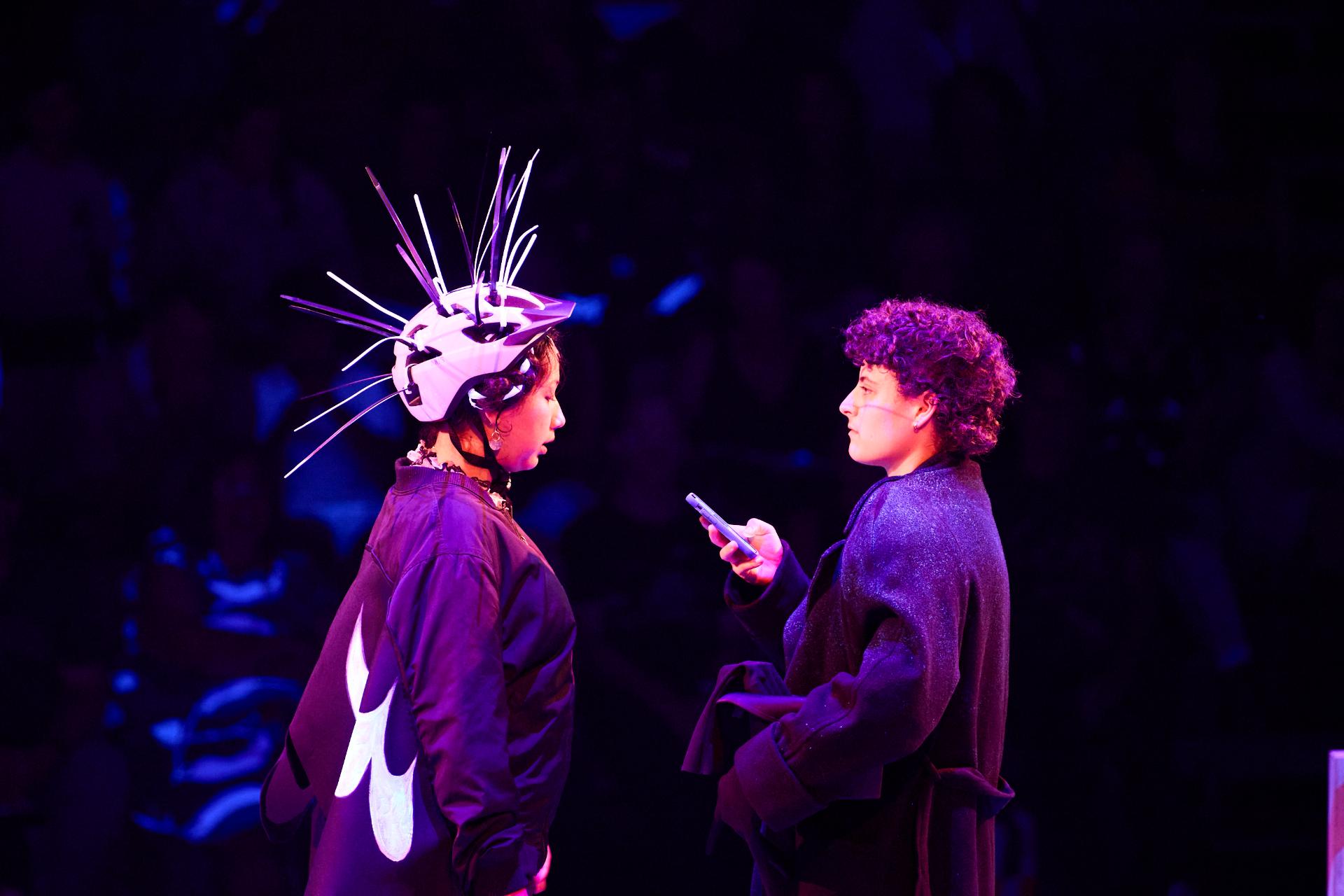
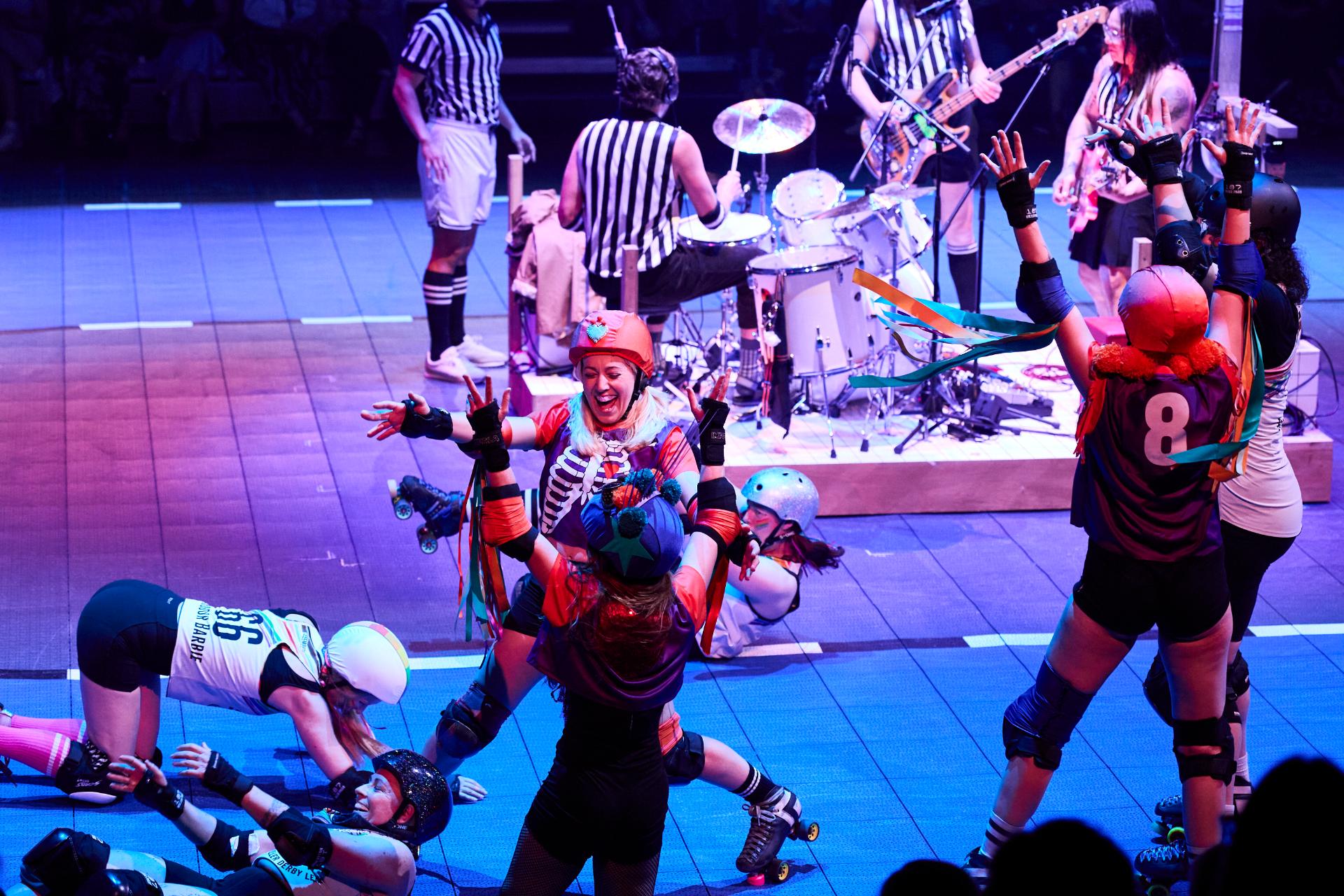
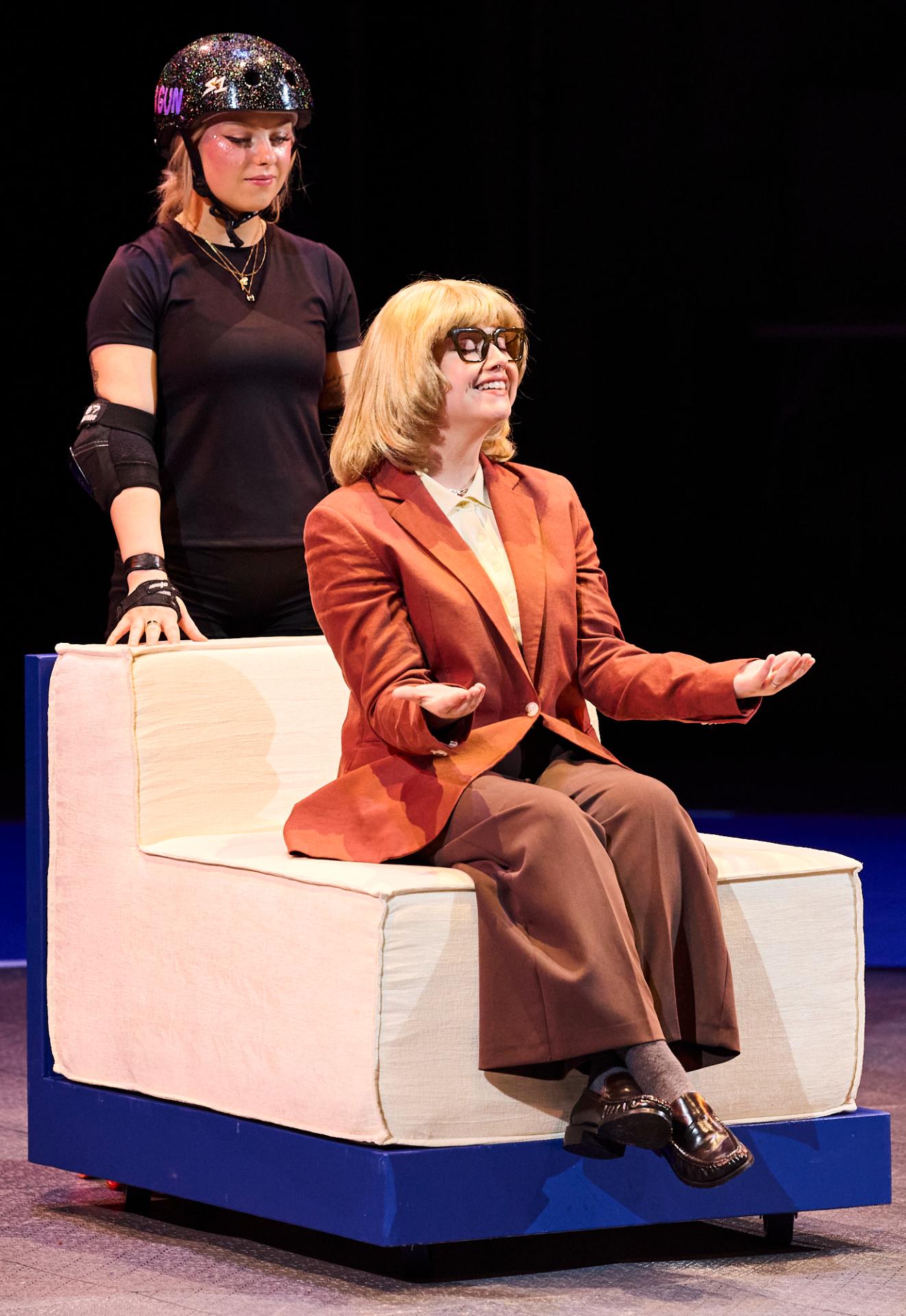
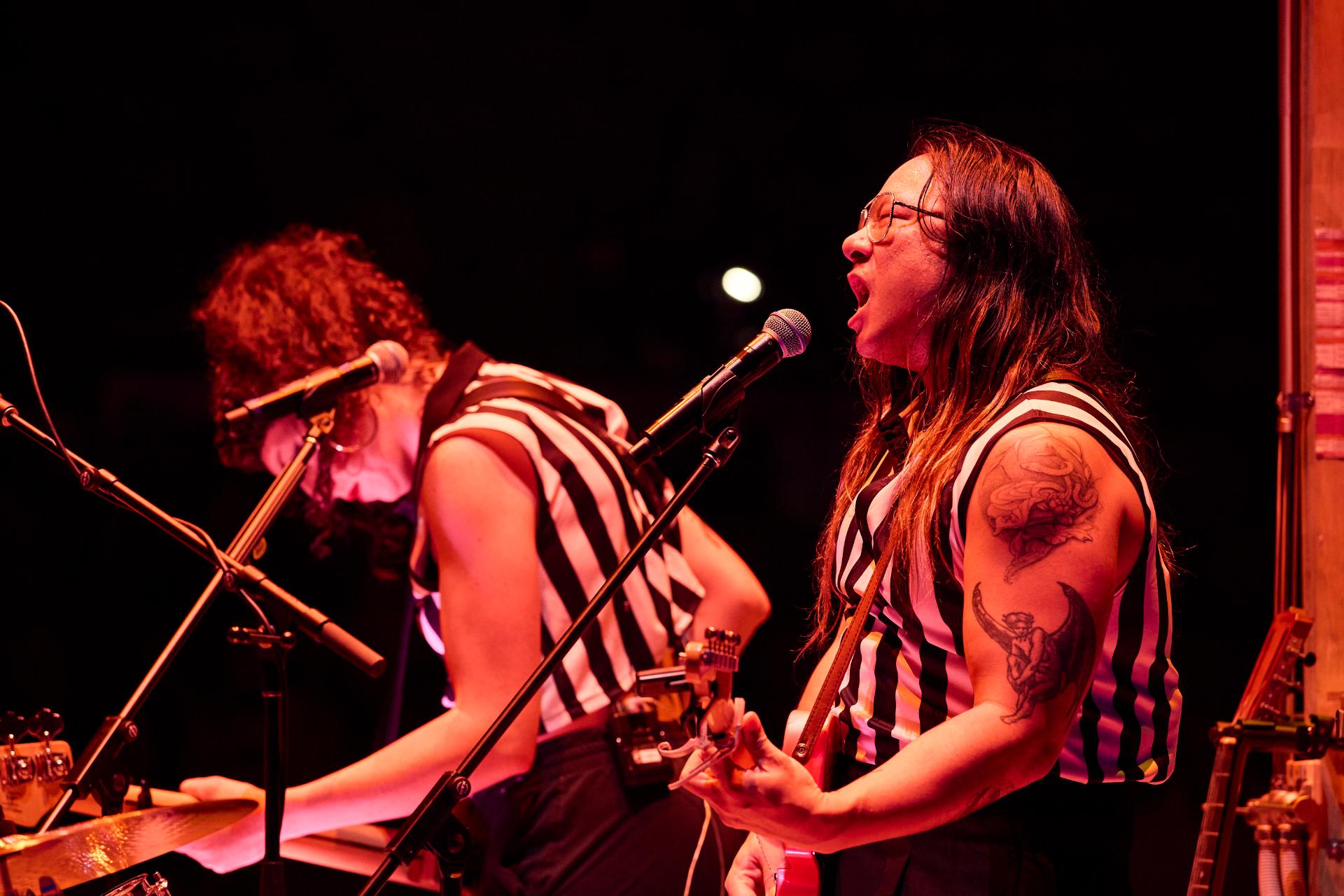
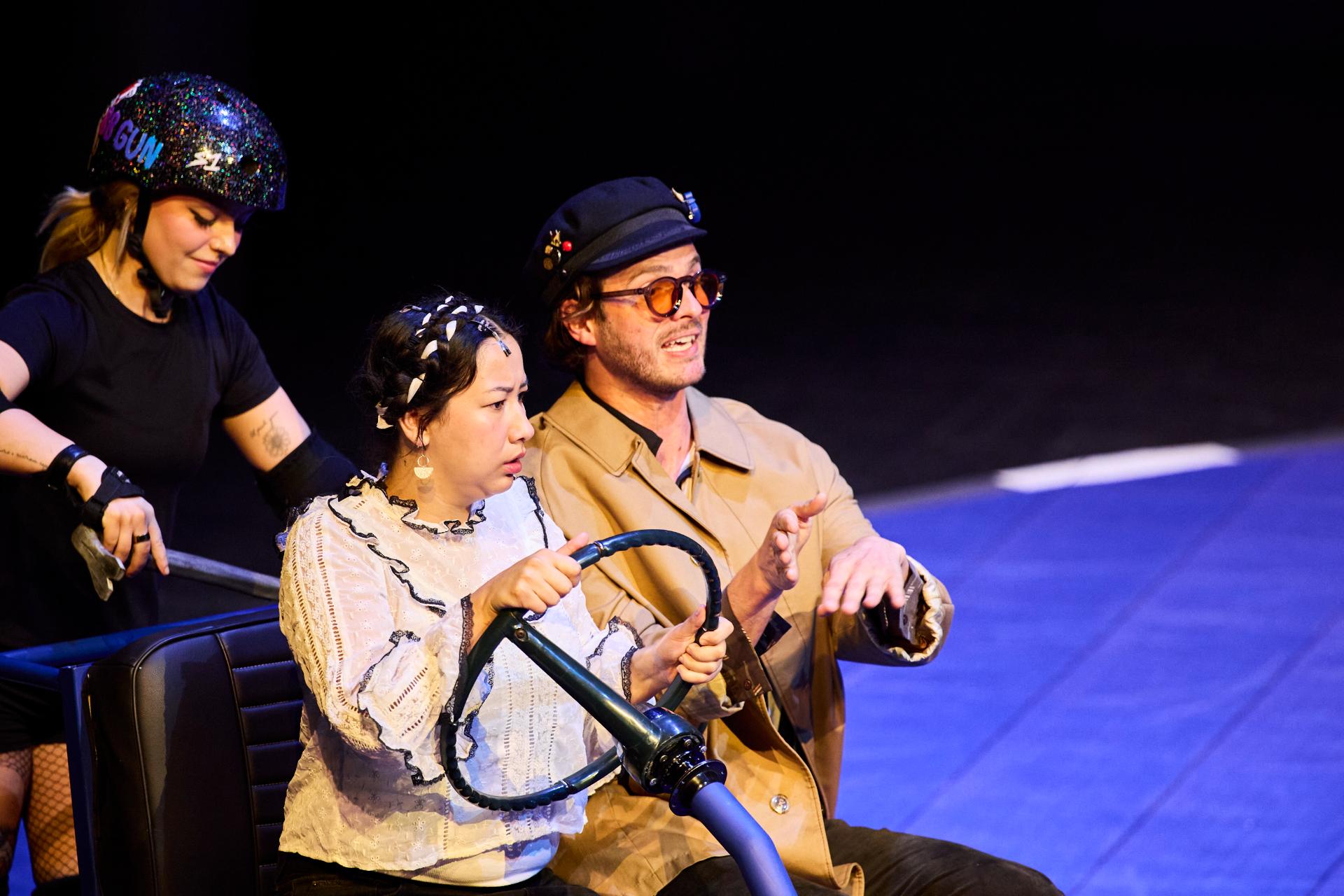
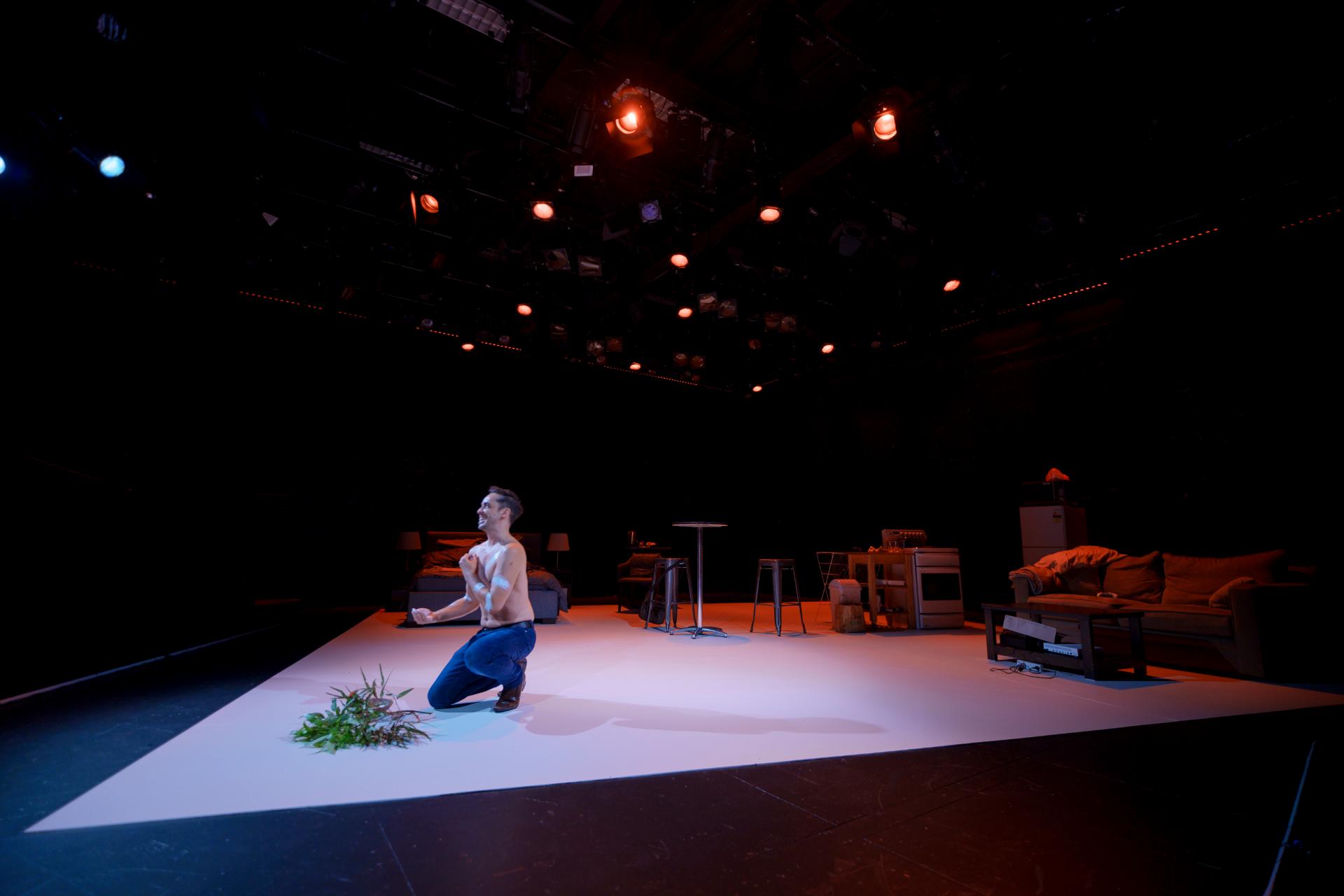
Watson’s direction makes imaginative and dynamic use of space, generating a sense of theatrical play that enlivens a story which might otherwise risk feeling overly static or confined to the domestic. Jonathan Oxlade’s production design cleverly draws on the world of roller derby, introducing wheeled elements that allow the set to transform fluidly and with considerable visual pleasure. His costume design for Nathan—the corporeal manifestation of Billie’s night terrors—is, moreover, a striking and memorable creation. Lucy Birkinshaw’s lighting is richly textured, further engaging the eye, and while Luke Smiles’s sound design at times feels overwrought and unduly intrusive, Joe Lui’s music direction—realised through a live three-piece punk band—proves an unequivocal delight and a standout feature of the production.

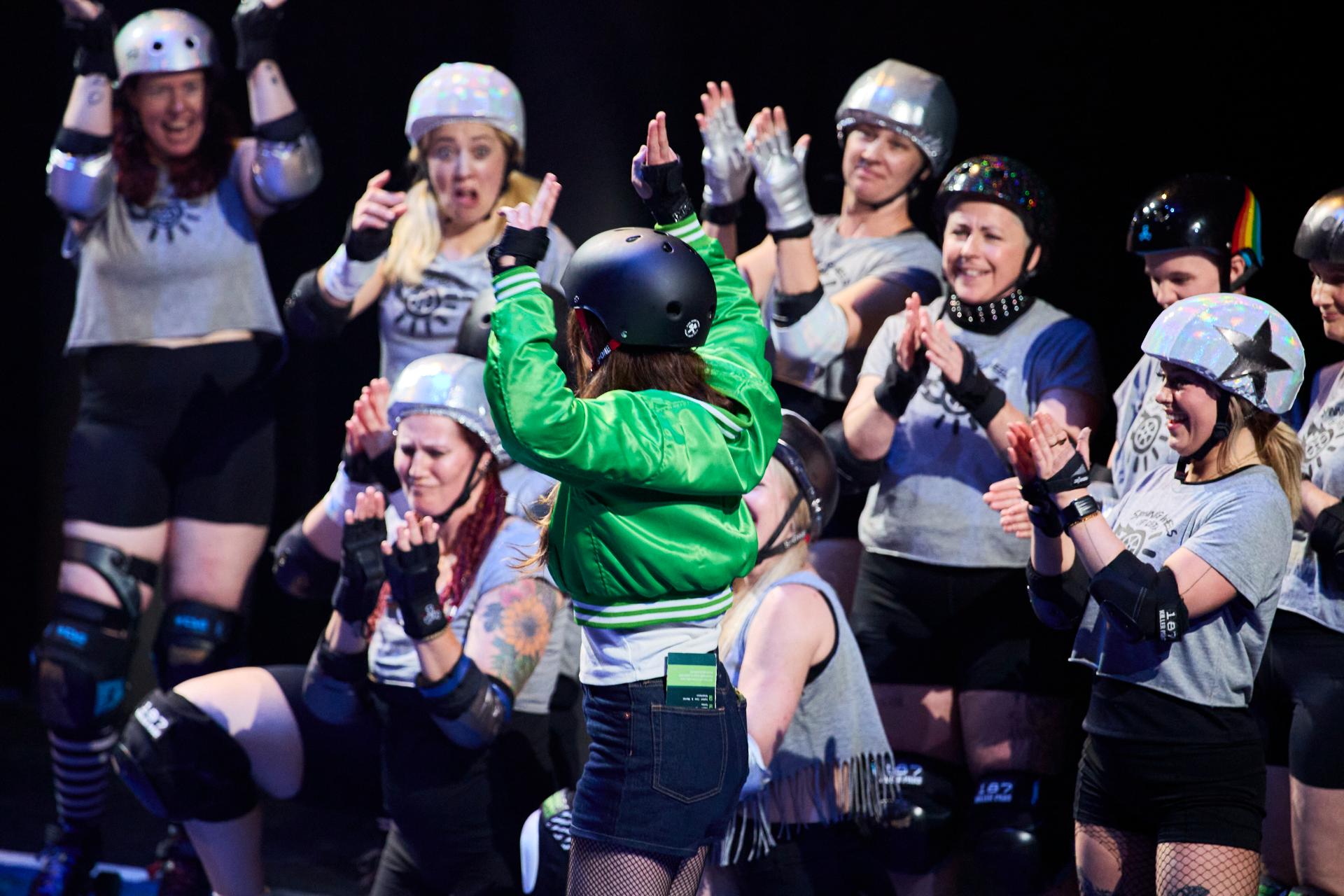
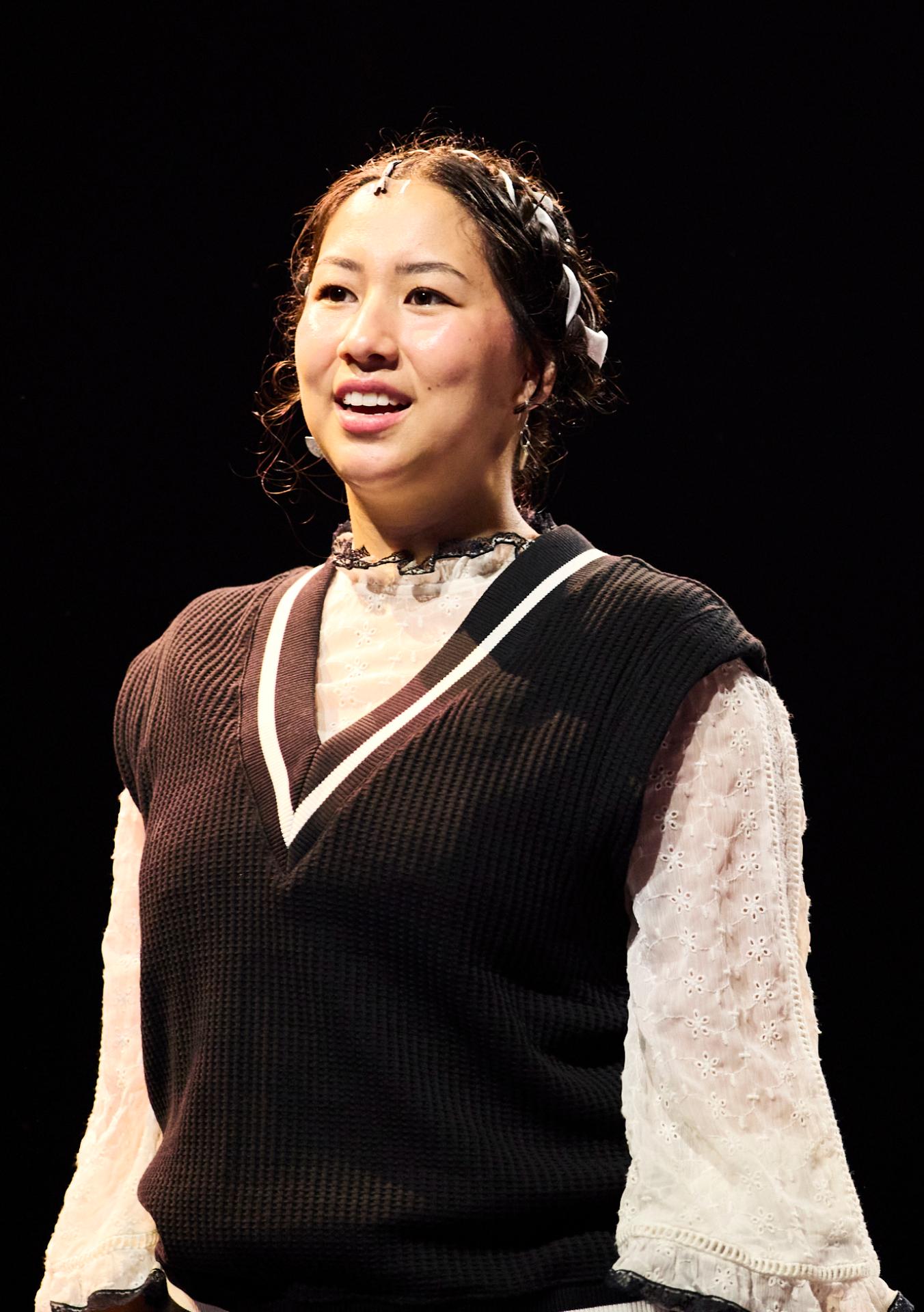
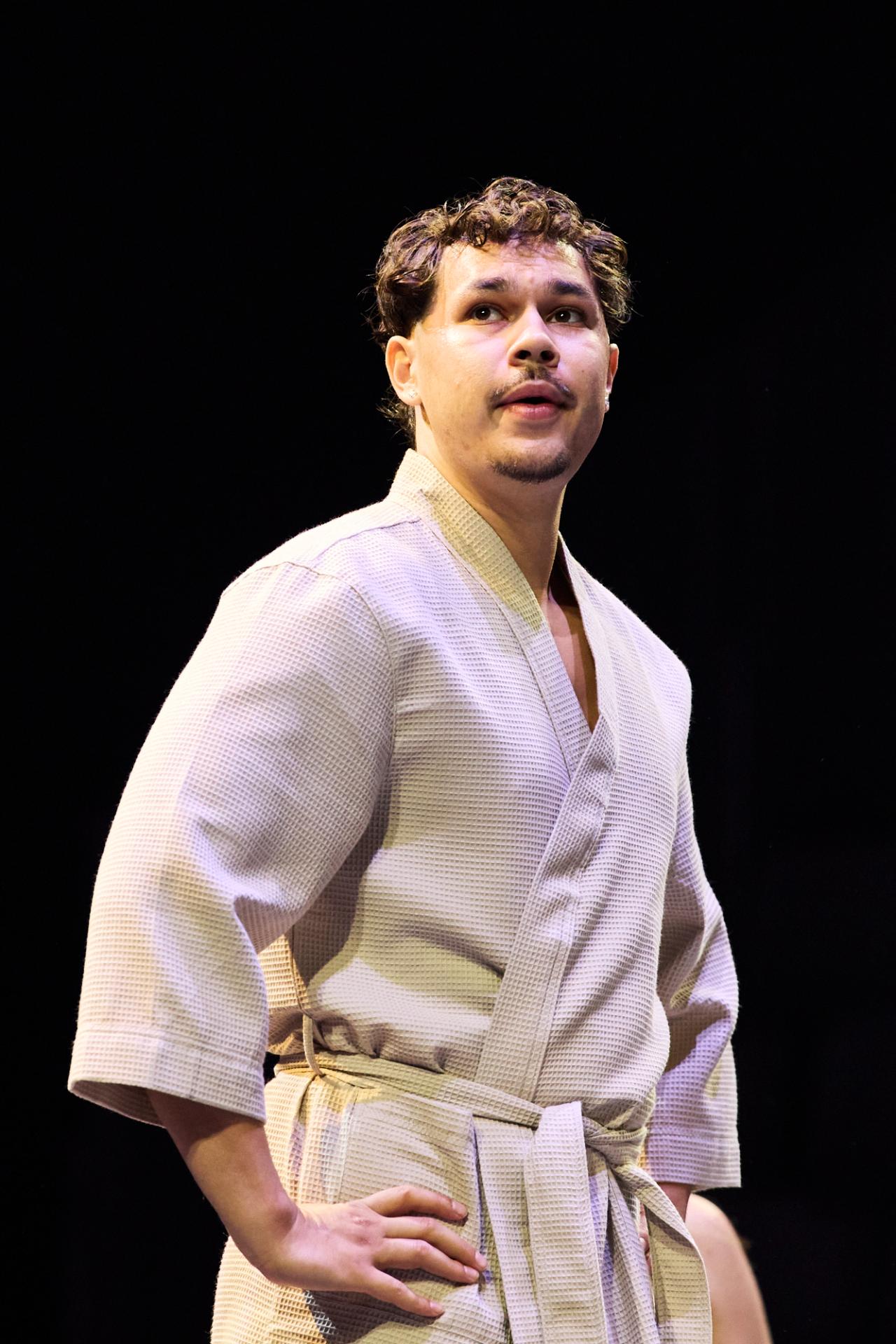
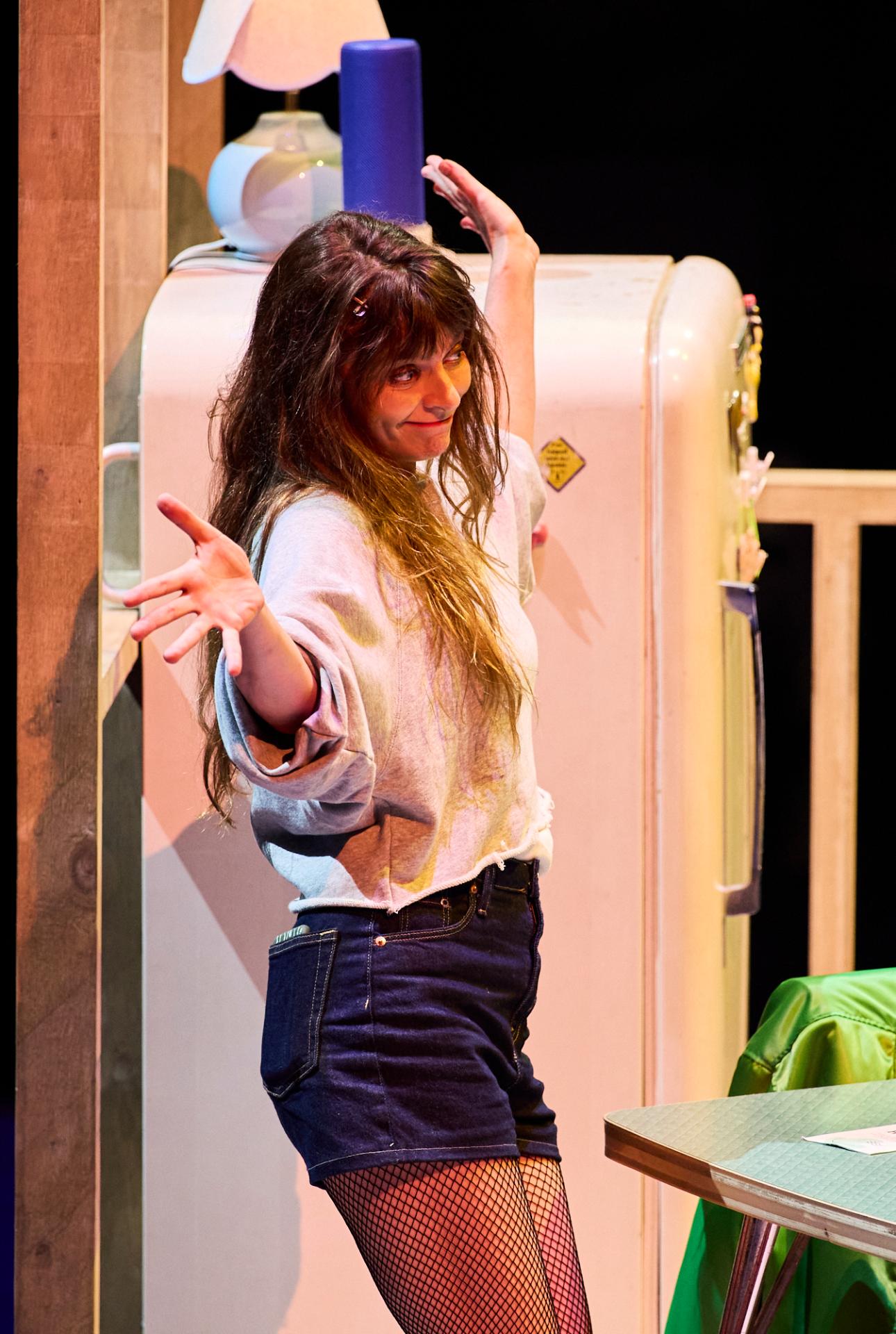
Elvy-Lee Quici, as Billie, is surprisingly convincing in capturing the rhythms of adolescence, but it is the emotional authenticity she brings to moments of heightened feeling that proves most impressive. As Maxine, Amber McMahon crafts a compelling portrait of a flawed mother, never inviting judgement, but instead allowing compassion for a woman who requires time to find her way. Benjamin Hancock is unforgettable as Nathan, imbuing his athletic embodiment of a metaphysical presence with theatrical extravagance and an exquisite measure of camp, adding a vivid and memorable dimension to the production. Crucially, the inclusion of a ten-strong derby team drawn from the Sydney Roller Derby League is, in itself, a meaningful and impactful presence within the work.

In Mama Does Derby, lives are depicted as complex and challenging, yet persistently threaded with joy. Billie and Maxine may continue to strive for better circumstances, and while a measure of harmony feels attainable, life is never presented as an unbroken state of perfection. As a coming-of-age story, the work reminds us that it is the capacity to navigate obstacles—and to locate humour within moments of setback—that gradually lightens the passage of time, making each successive year more bearable, and more delightful.

www.windmill.org.au

Review: Opera for the Dead 祭歌 (Sydney Festival)

Venue: The Neilson Nutshell (Sydney NSW), Jan 15 – 18, 2026
Creators: Monica Lim, Mindy Meng Wang
Images by Jacquie Manning

Theatre review
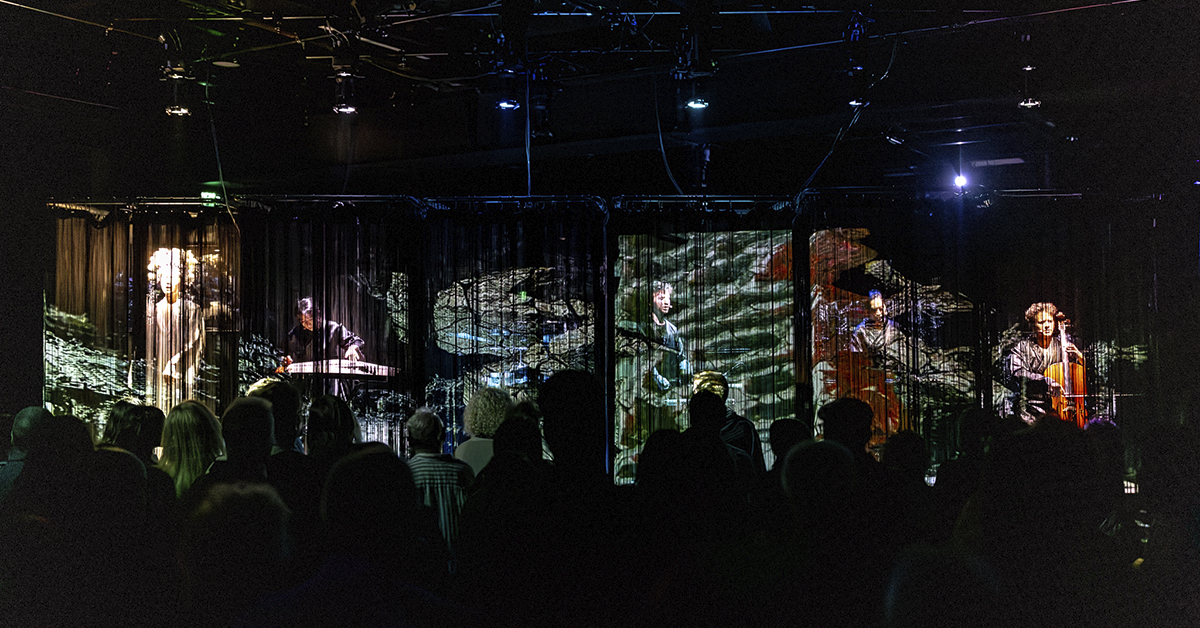
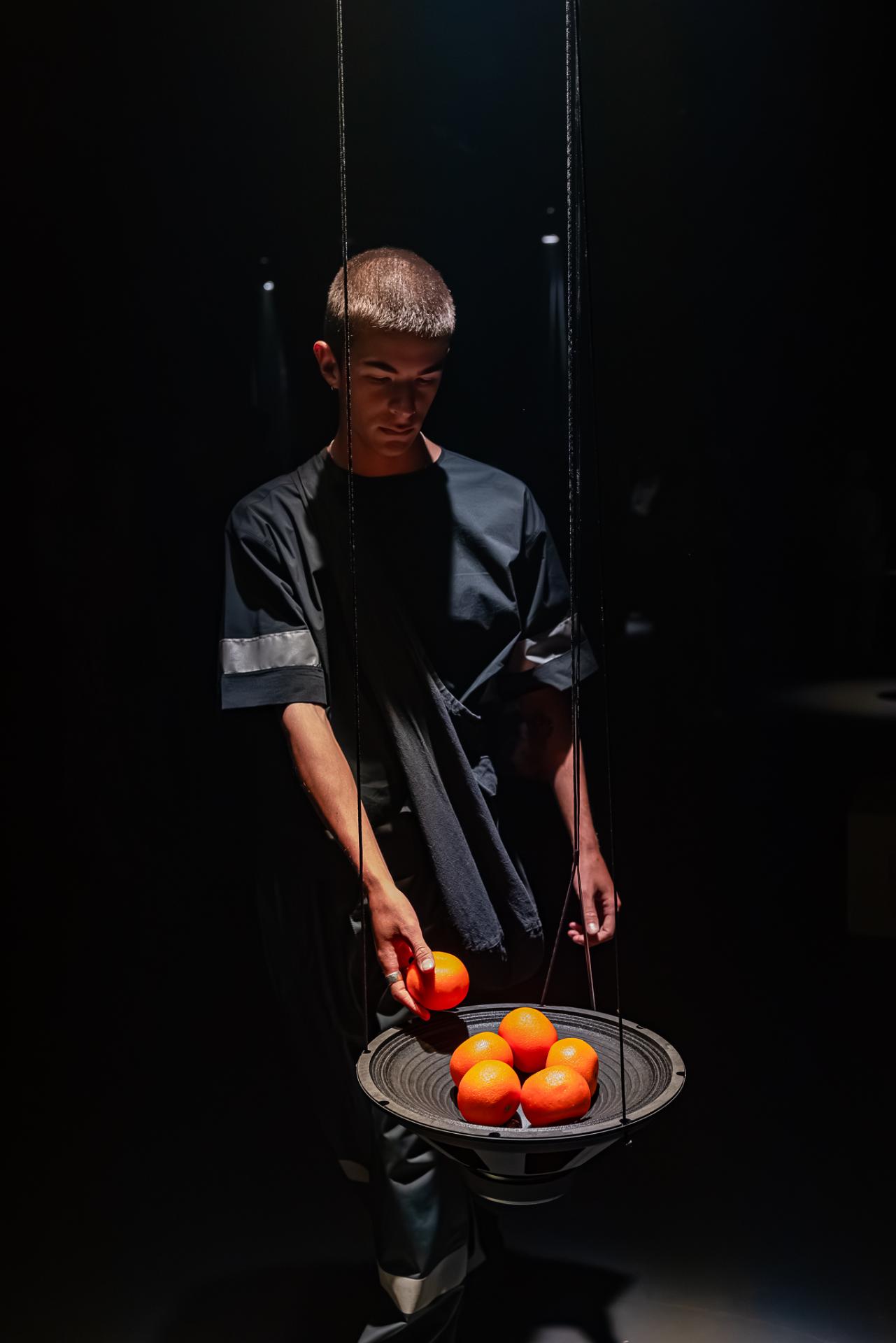
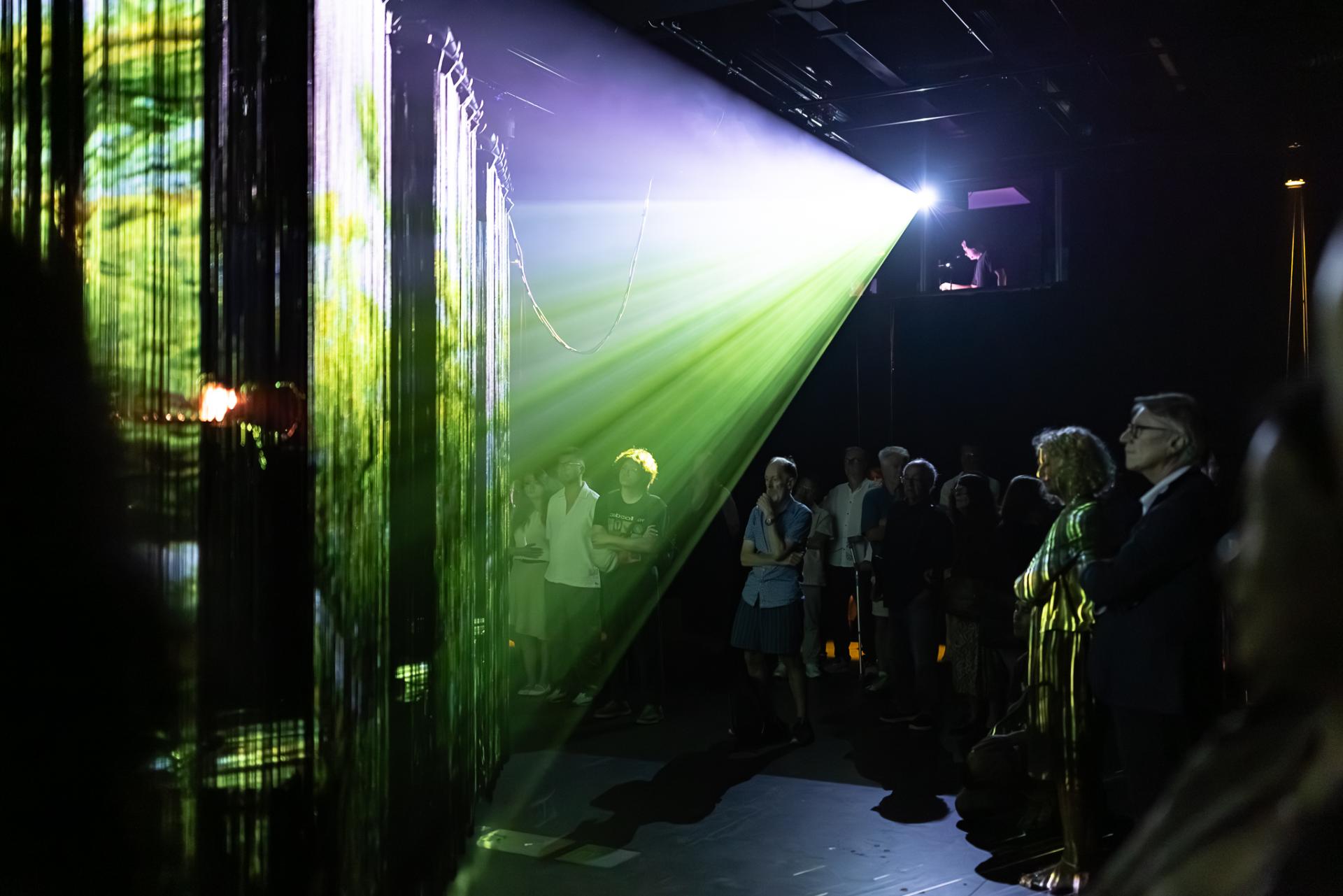
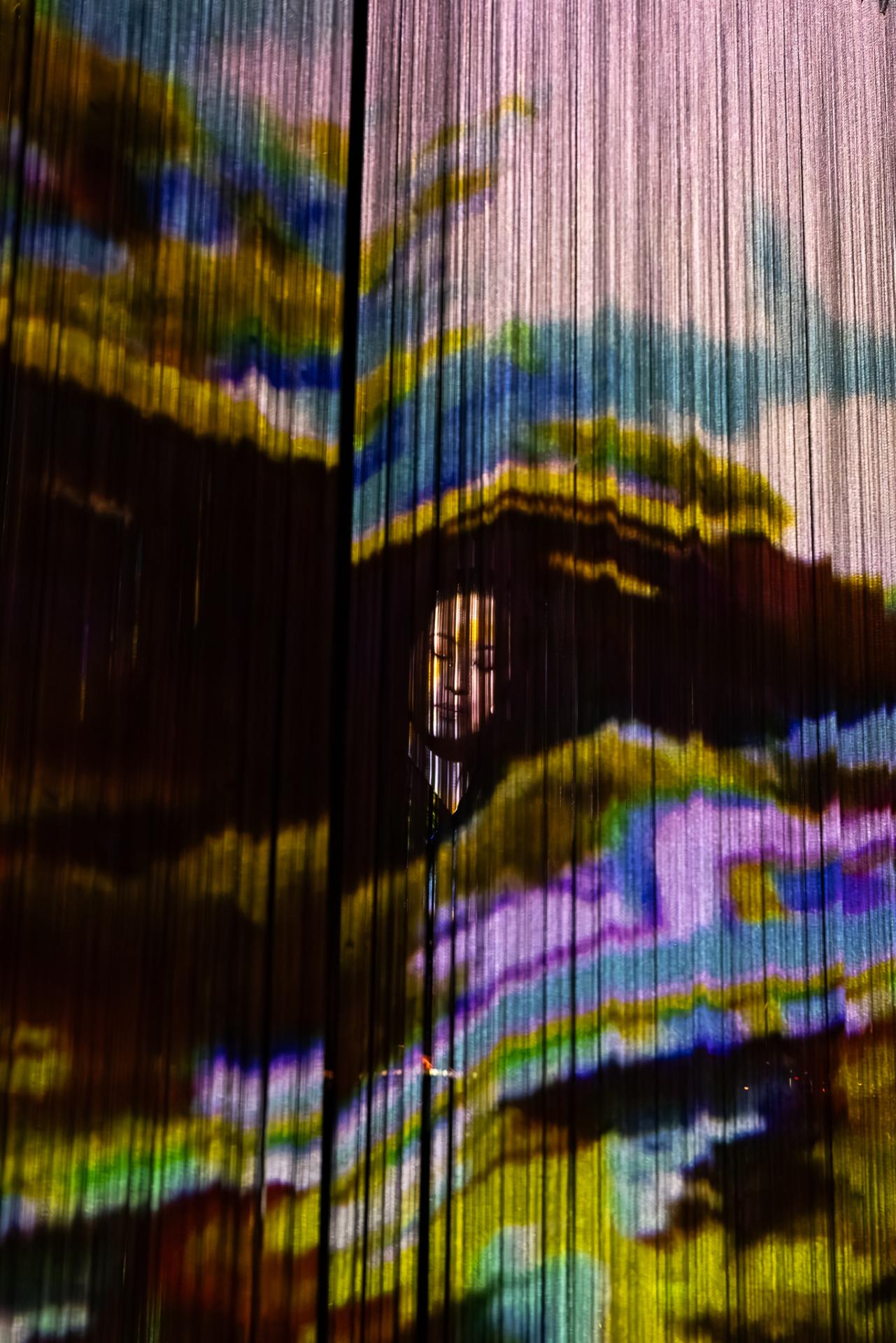
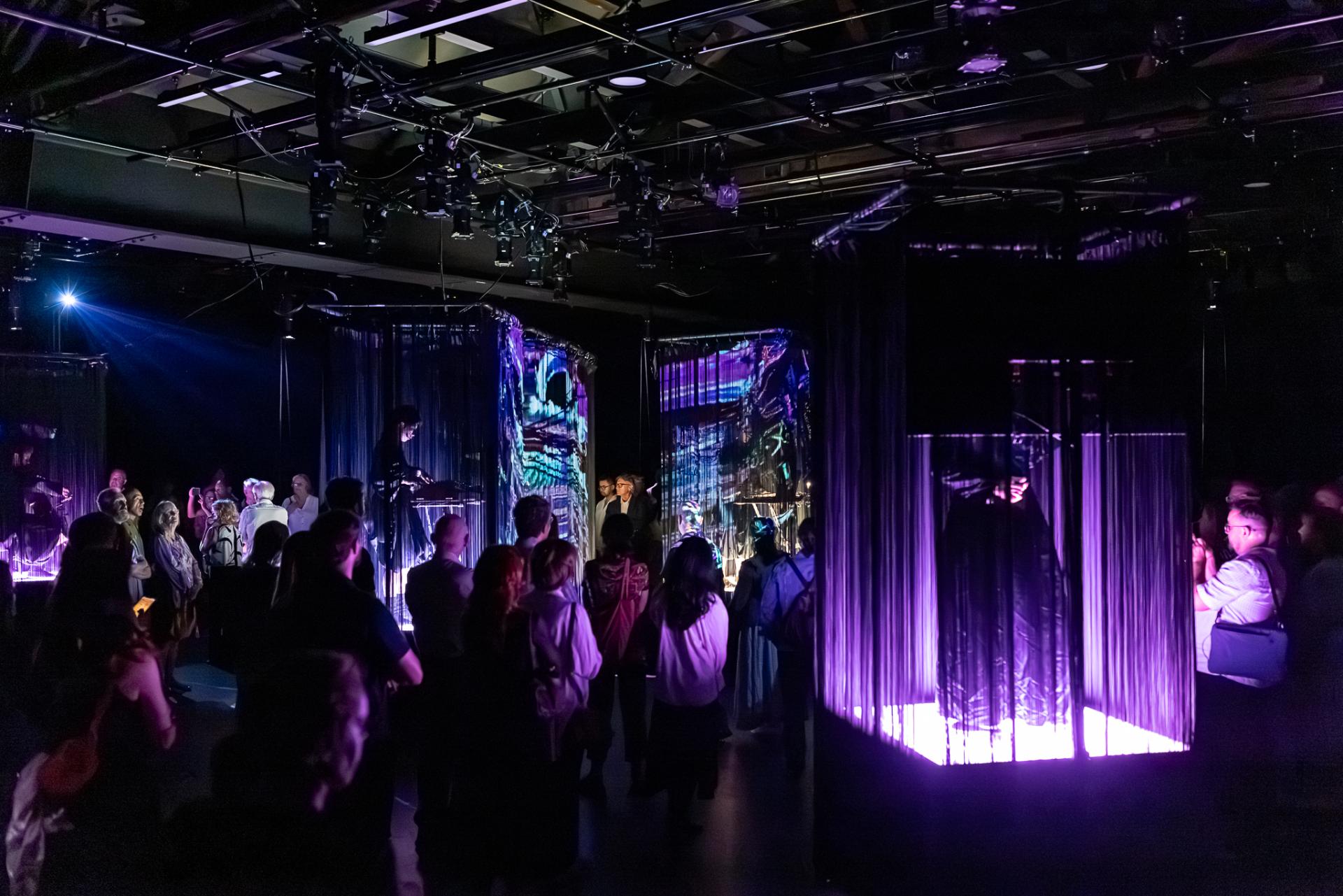
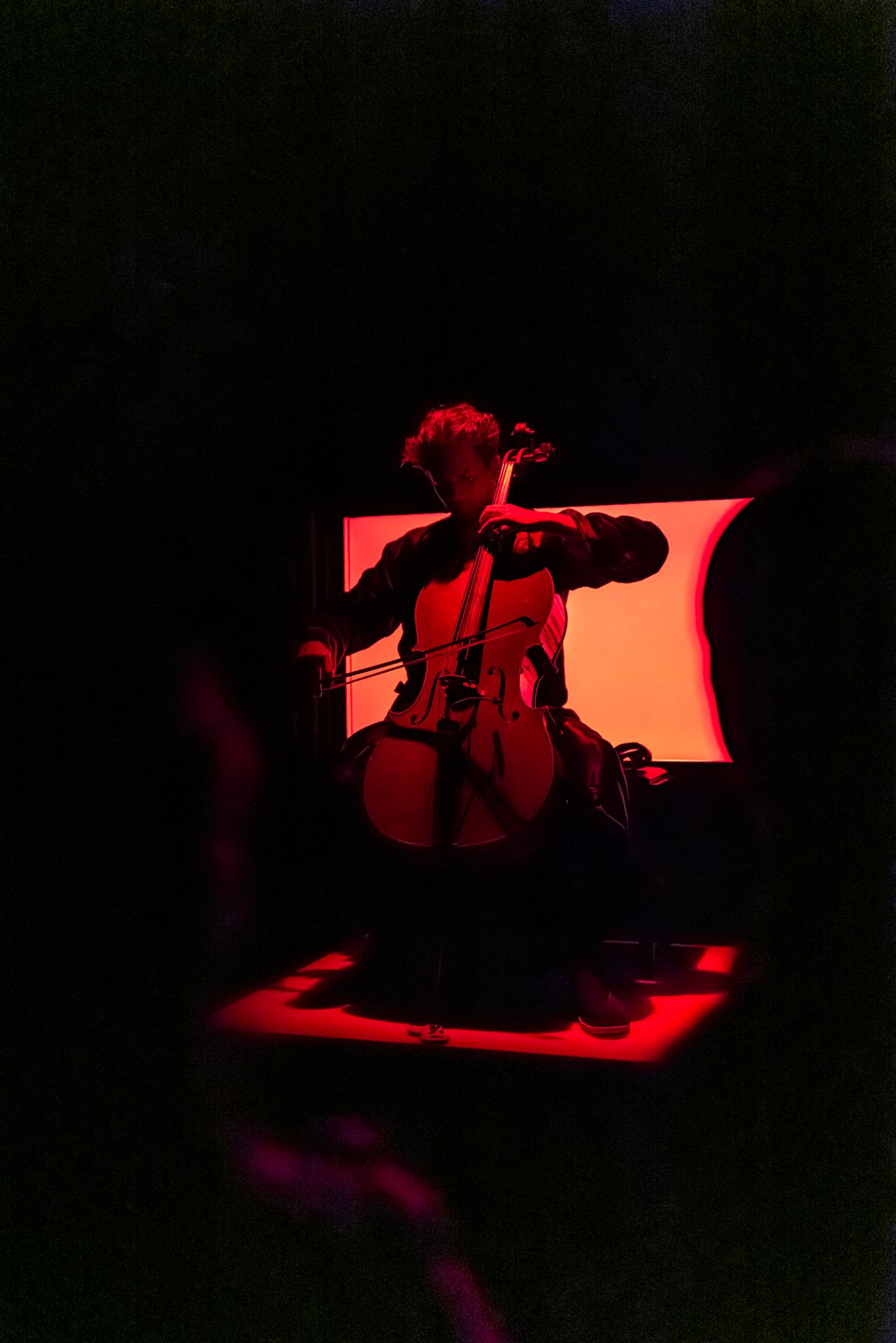
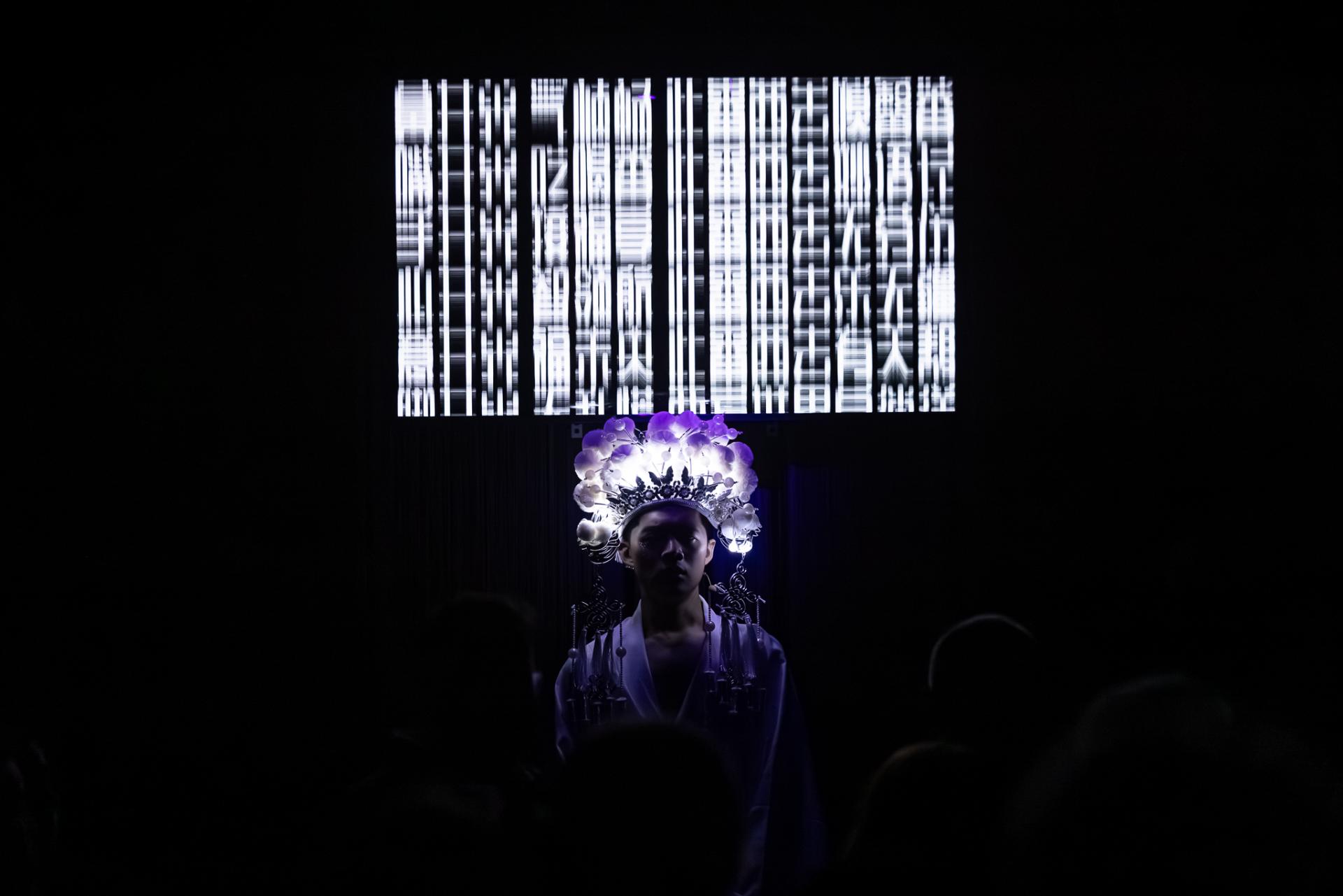
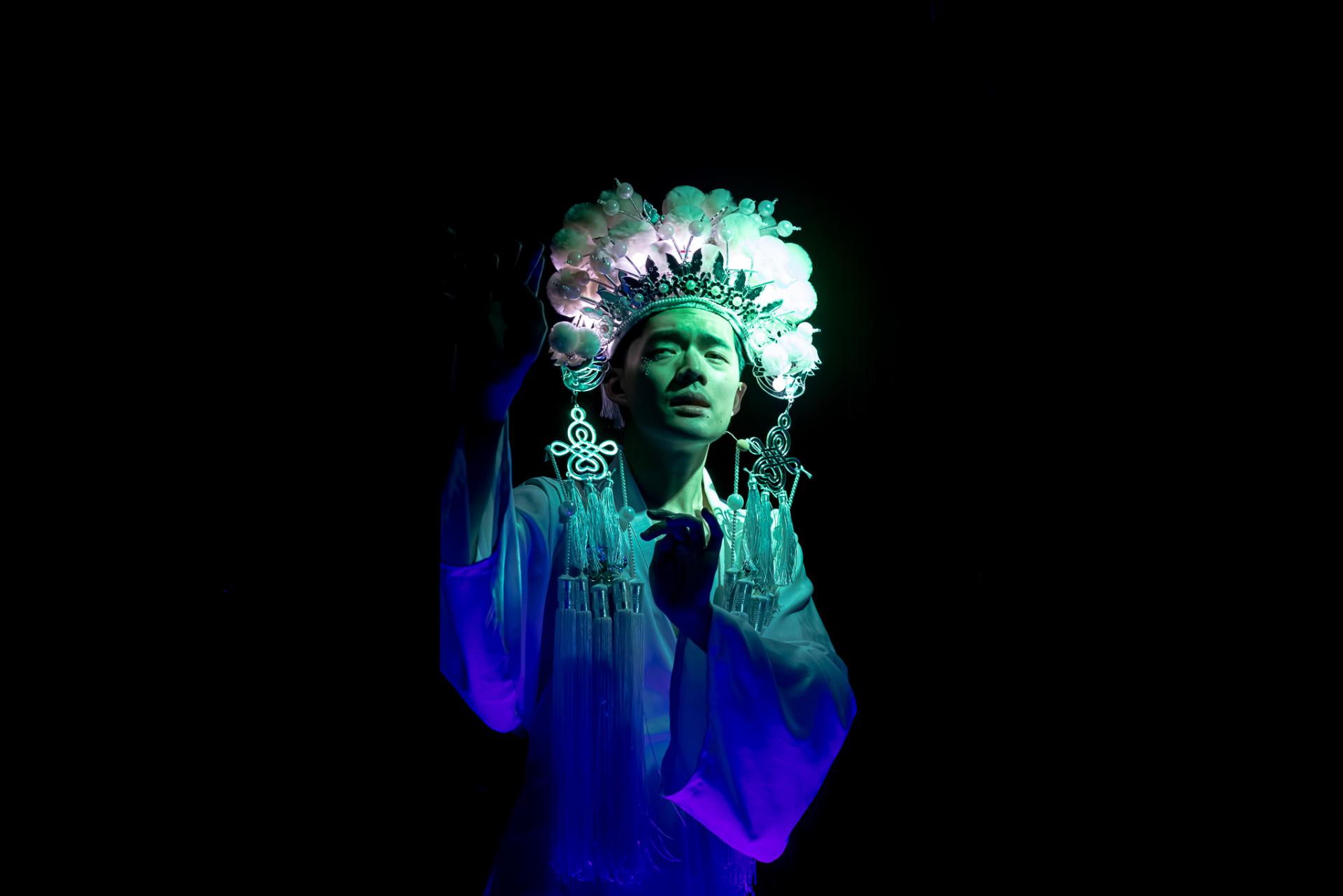
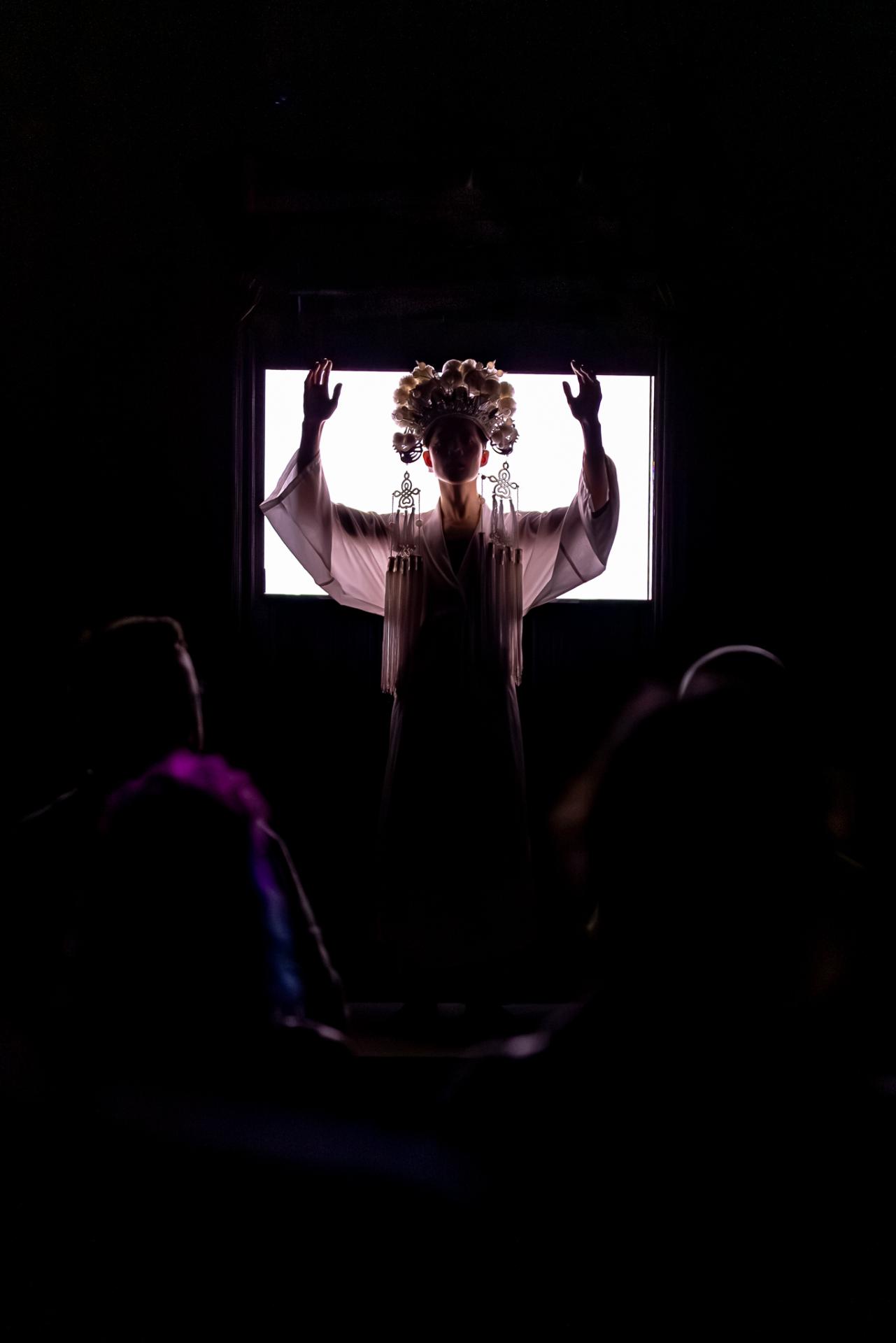
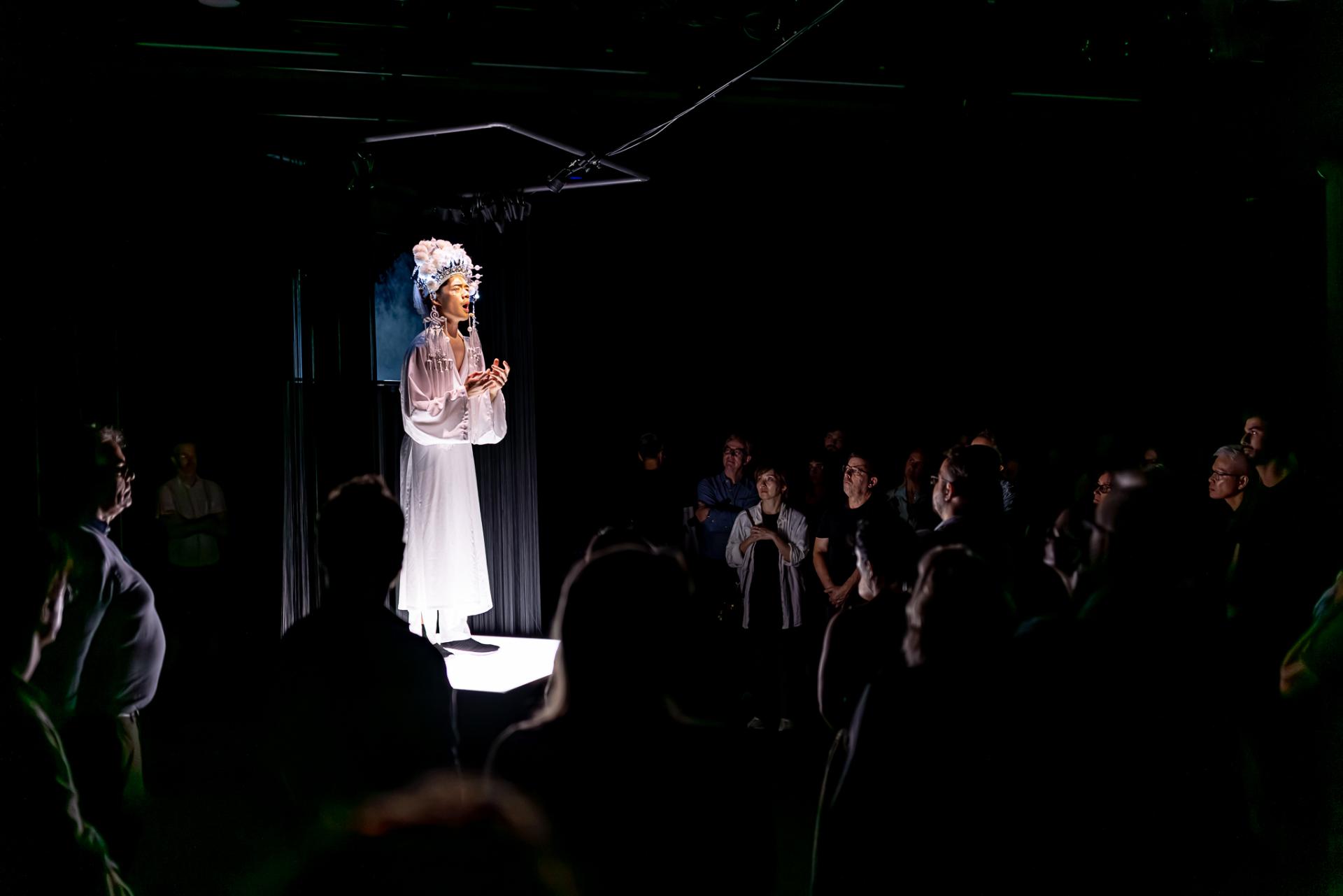
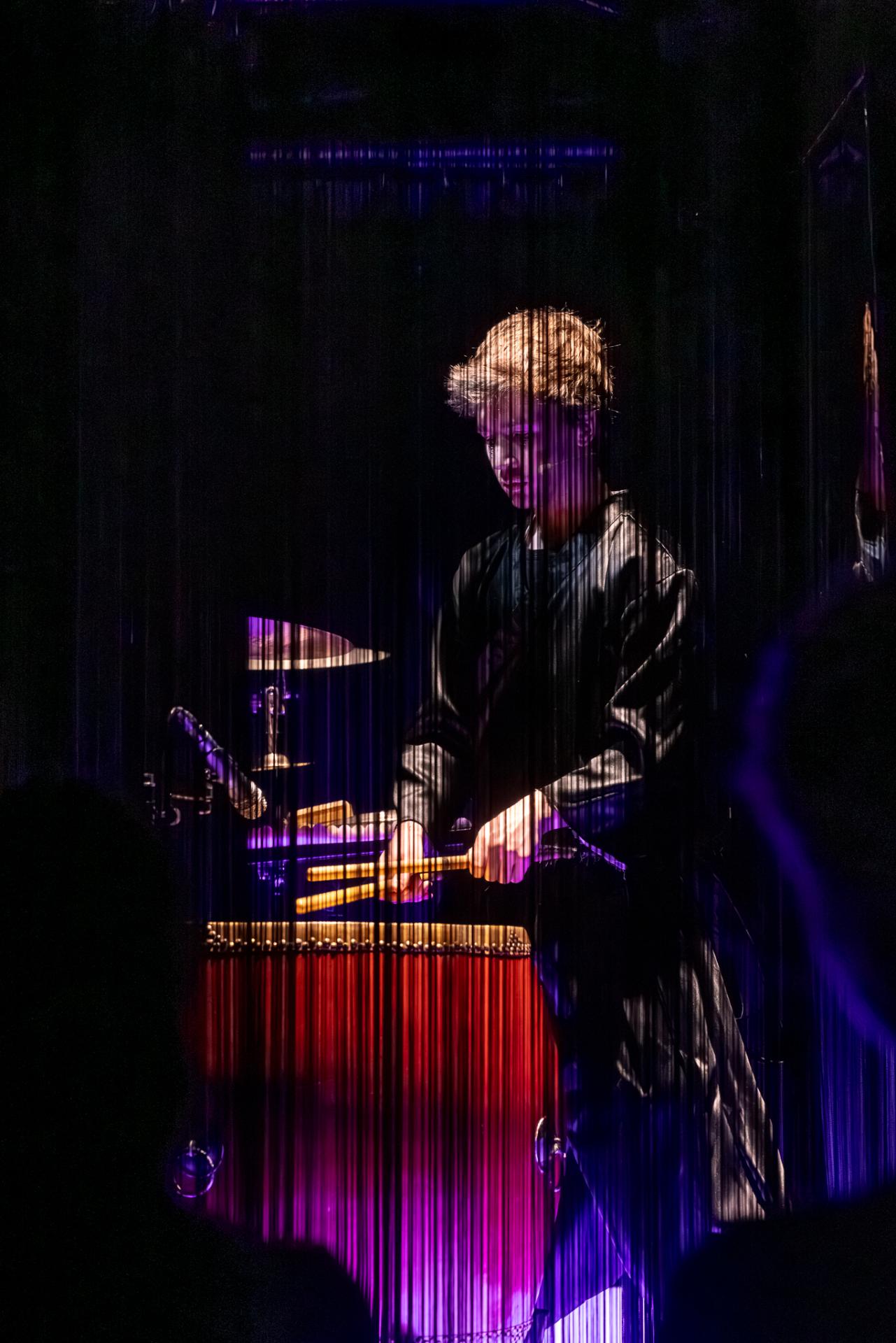
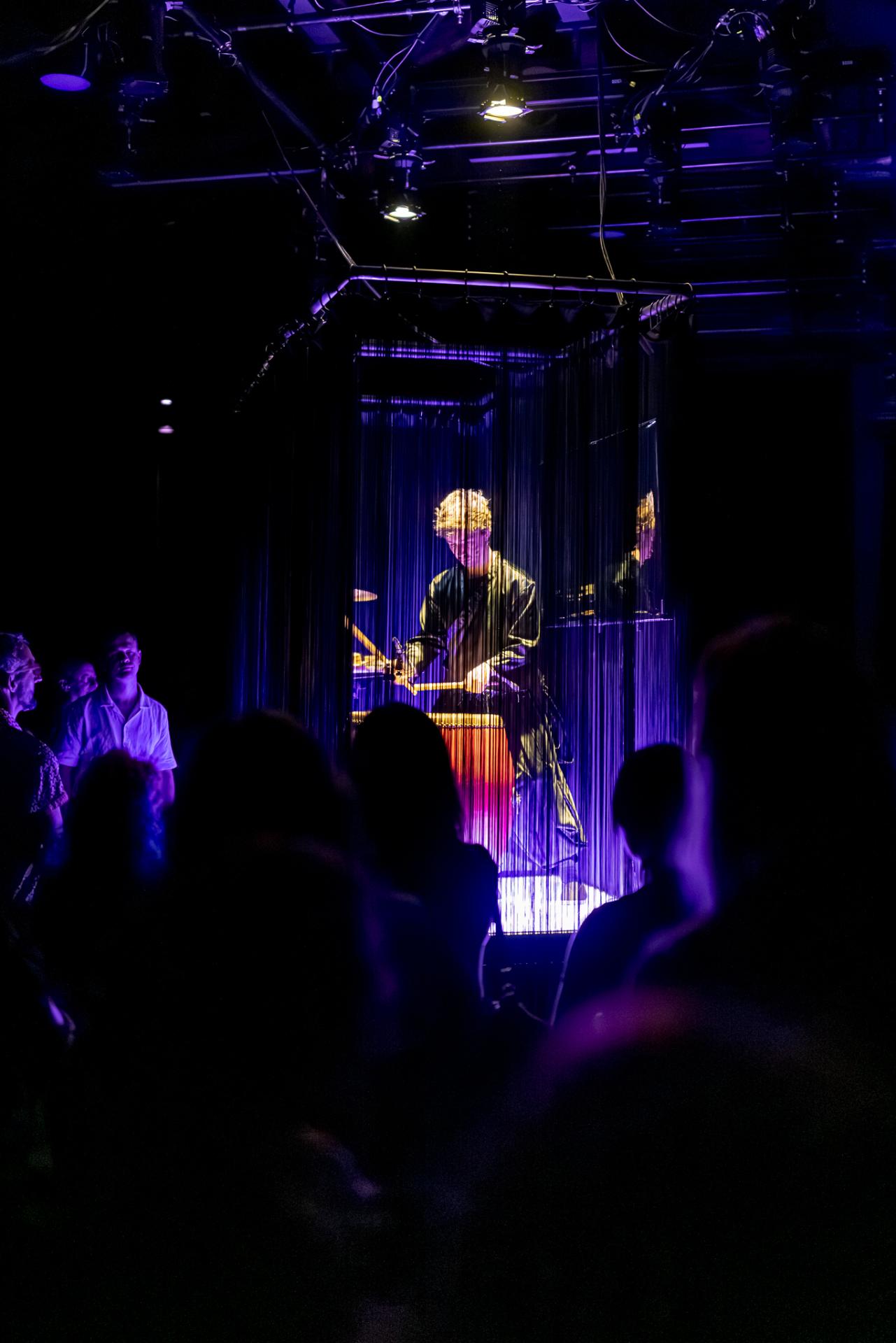
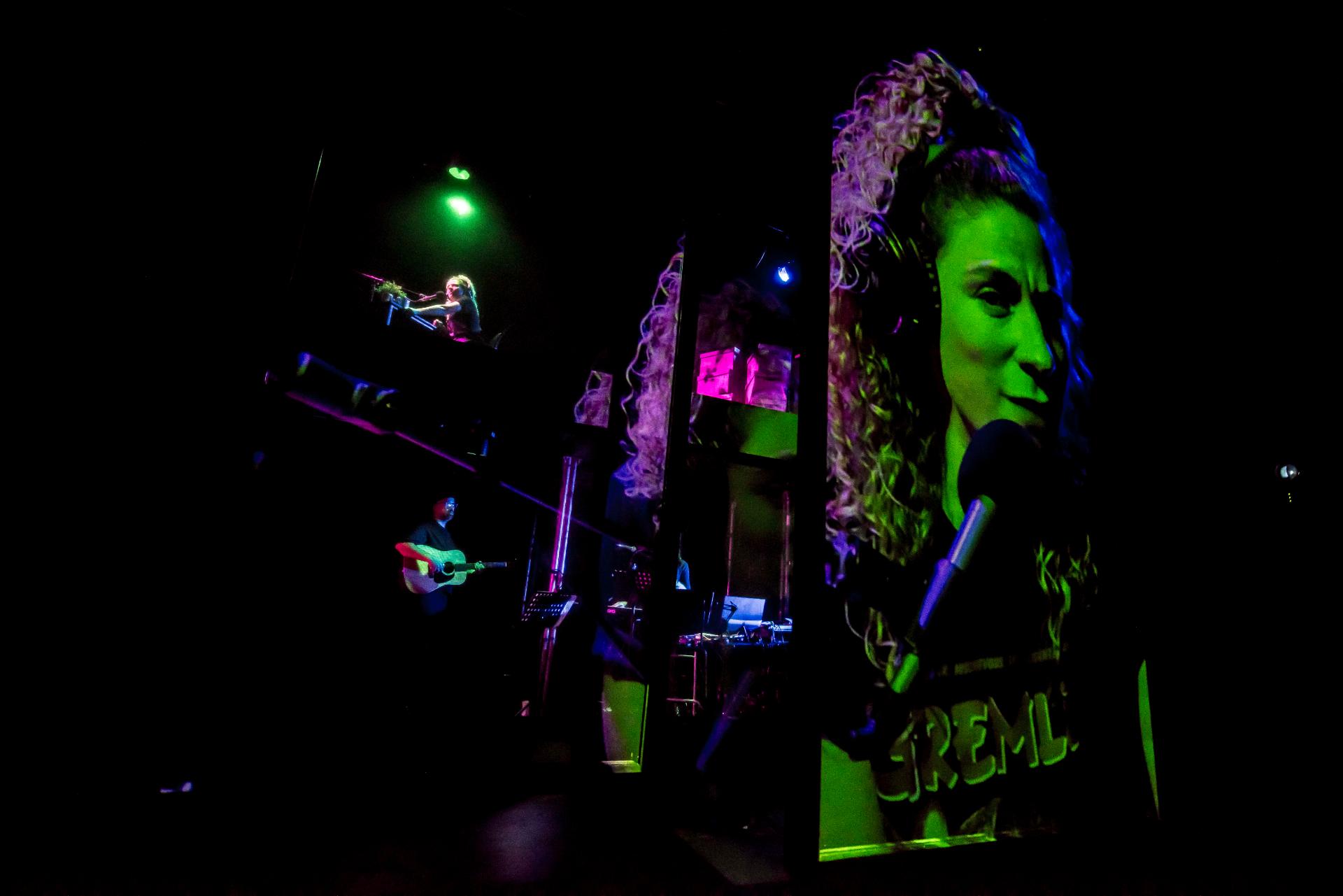
The show opens with a disembodied voice recounting a daily ritual: waking each morning, drinking tea, smoking a cigarette, and encountering the apparition of someone lost. Fittingly, Opera for the Dead 祭歌 by Mindy Meng Wang and Monica Lim unfolds as a work of abstraction—an exploration of mourning and remembrance grounded in Chinese conceptions of death and ancestral veneration. Rather than advancing a conventional plot or narrative, the piece offers a theatrical meditation shaped by resplendent music and carefully wrought visual elements, which together seek not to explain grief but to summon it, to evoke and to resonate.

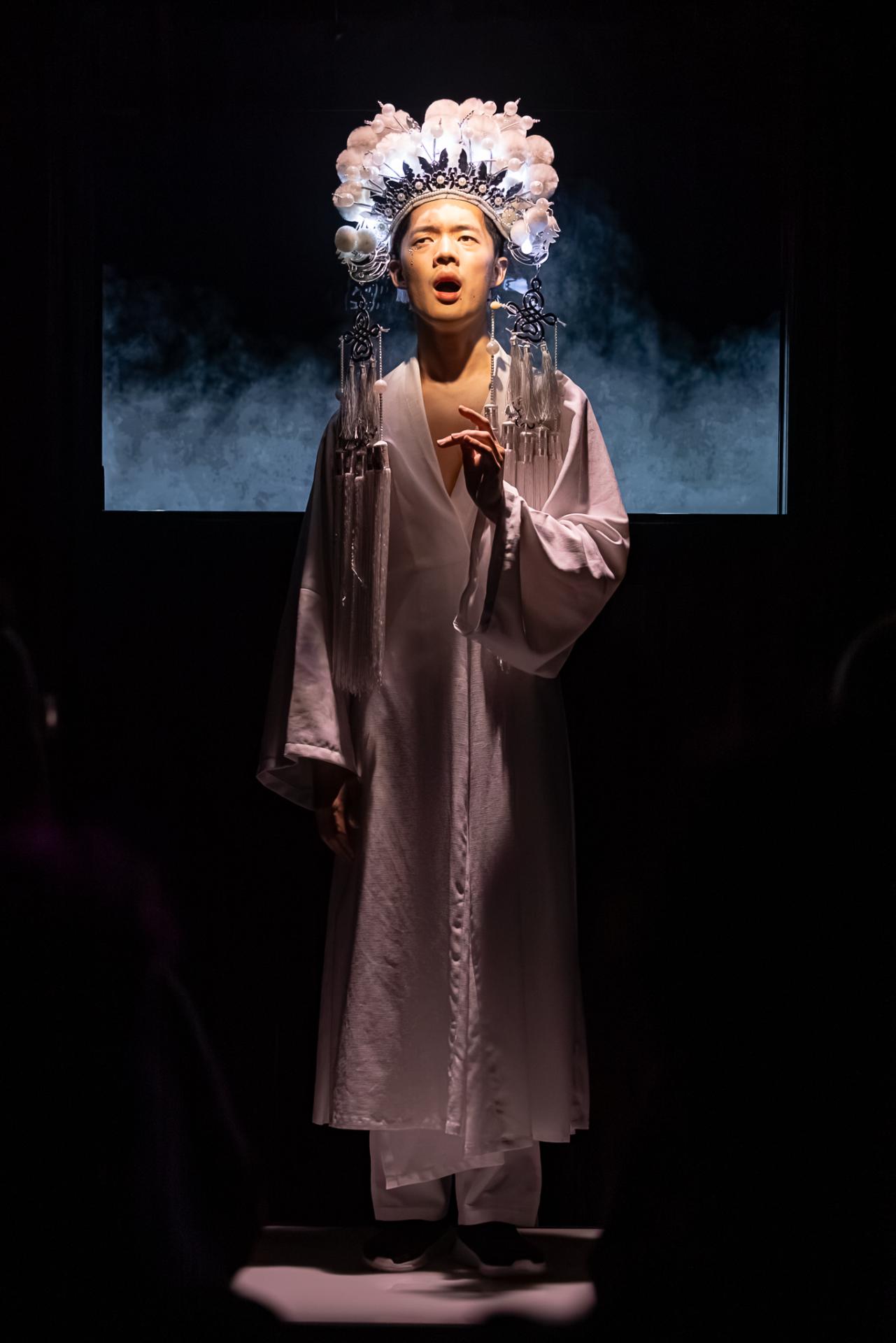
Singer Yu-Tien Lin leaves an indelible impression, commanding the stage with formidable vocals that move effortlessly between traditional and contemporary idioms. Lin’s extraordinary ability to inhabit the score’s gender-fluid demands—both in technical execution and in spirit, whether 小生 or 花旦—is nothing short of mesmerising, at times genuinely jaw-dropping. Leonas Panjaitan’s costuming lends the work a stately grandeur, ingeniously repurposing operatic and mourning attire drawn from Chinese traditions. Meanwhile, Nick Roux’s video design and Jenny Hector’s lighting permit themselves moments of greater extravagance; what they deliver, however, remains unequivocally captivating.

The music of Wang and Lim is anchored in something unmistakably ancient, yet it never feels ossified; instead, it emerges as modern, invigorating and alive. For those shaped by diasporic experience, relationships to cultural origins are often fraught. We cling to memories of a homeland as though these points of origin were immutable, even as we negotiate new lives and attempt to reconcile identities that perpetually straddle two or more paradigms. Opera for the Dead 祭歌 approaches tradition not as a binary between past and present, but as a circular continuum—one that speaks not only to those with ties to China, but to anyone bound, inevitably and universally, to the condition of death.

www.insitearts.com.au

Review: Dear Son (Belvoir St Theatre)

Venue: Belvoir St Theatre (Surry Hills NSW), Jan 8 – 25, 2026
Playwrights: Isaac Drandic, John Harvey (adapted from the anthology by Thomas Mayo)
Director: Isaac Drandic
Cast: Jimi Bani, Waangenga Blanco, Isaac Drandic, Kirk Page, Tibian Wyles
Images by Stephen Wilson Barker

Theatre review
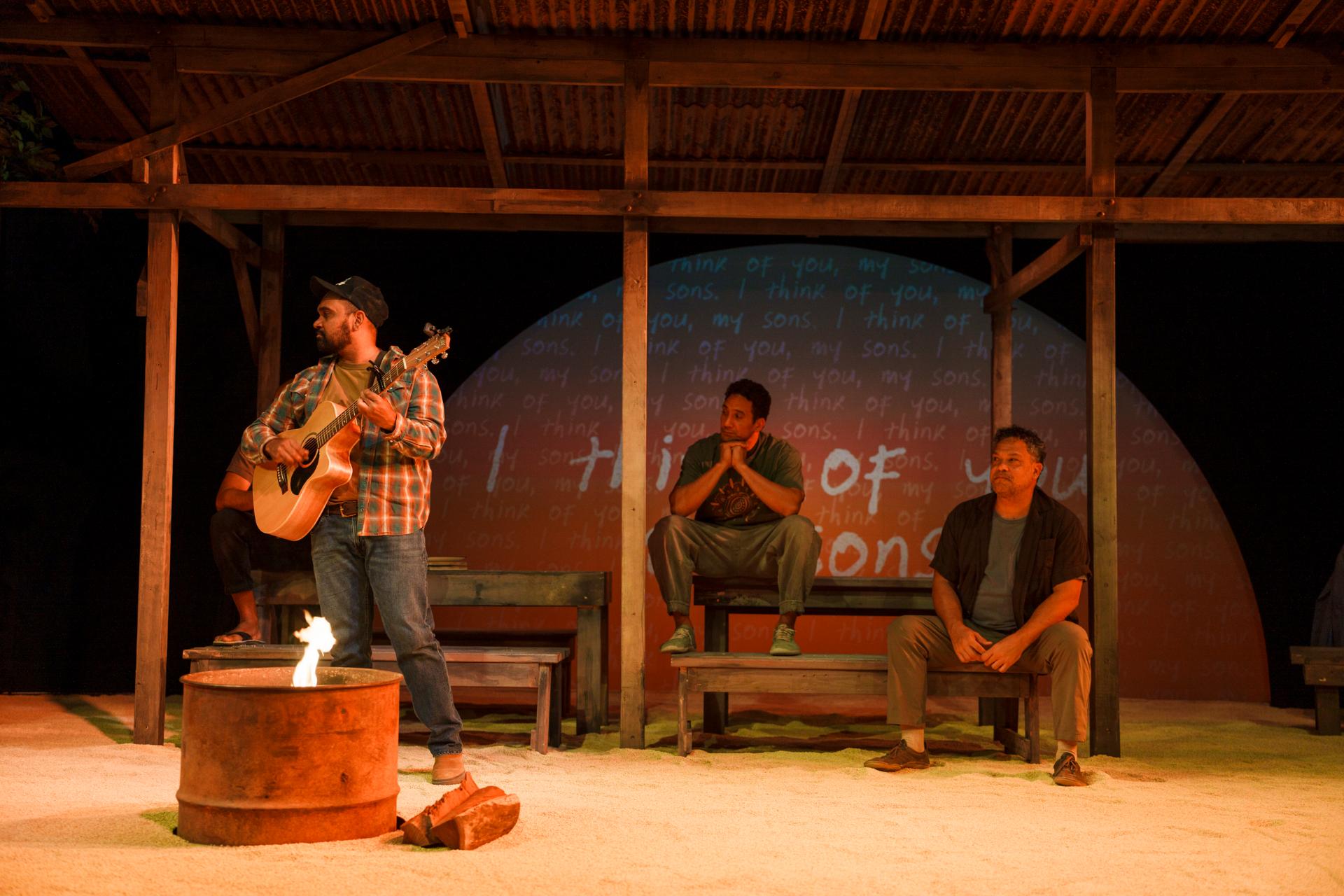
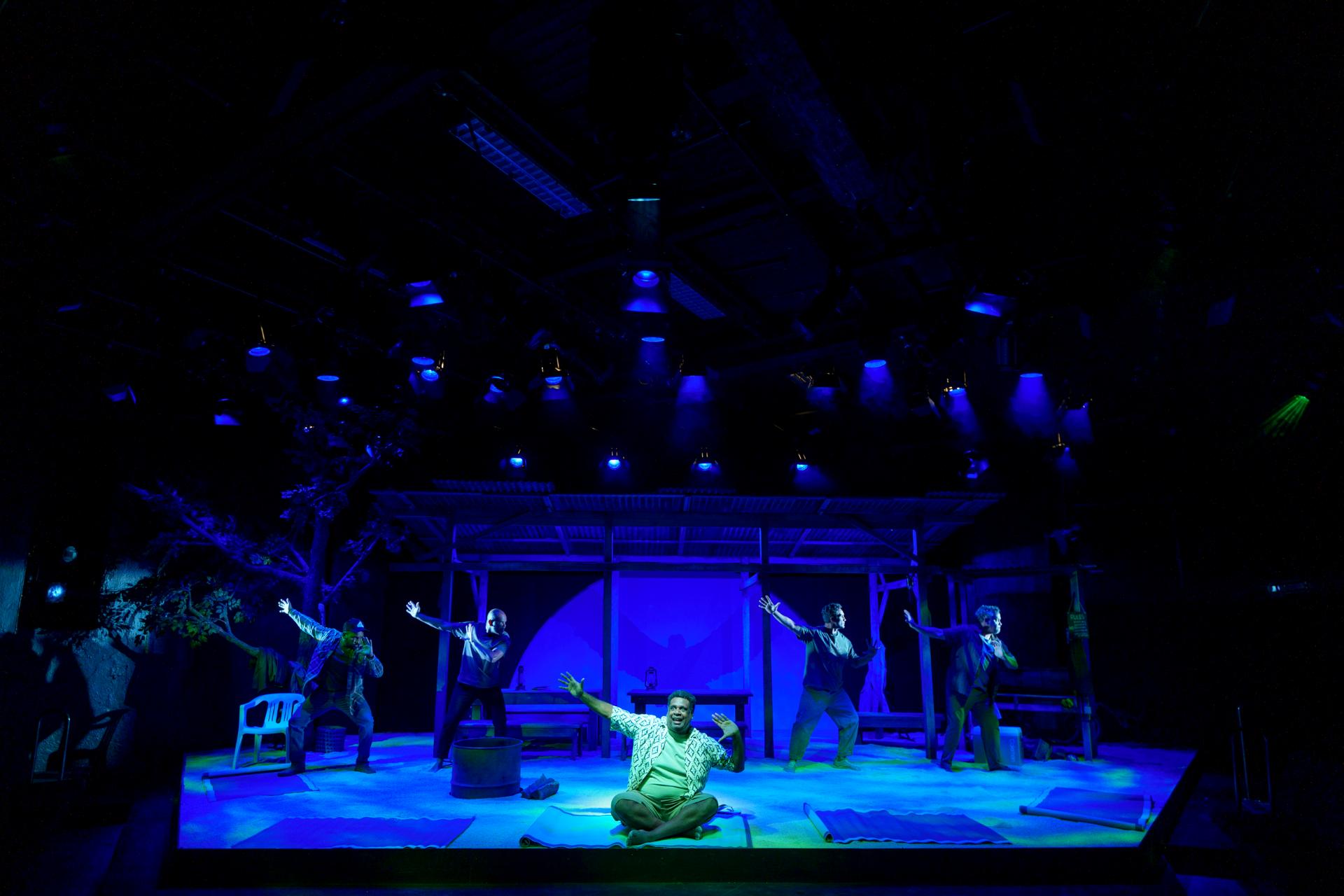
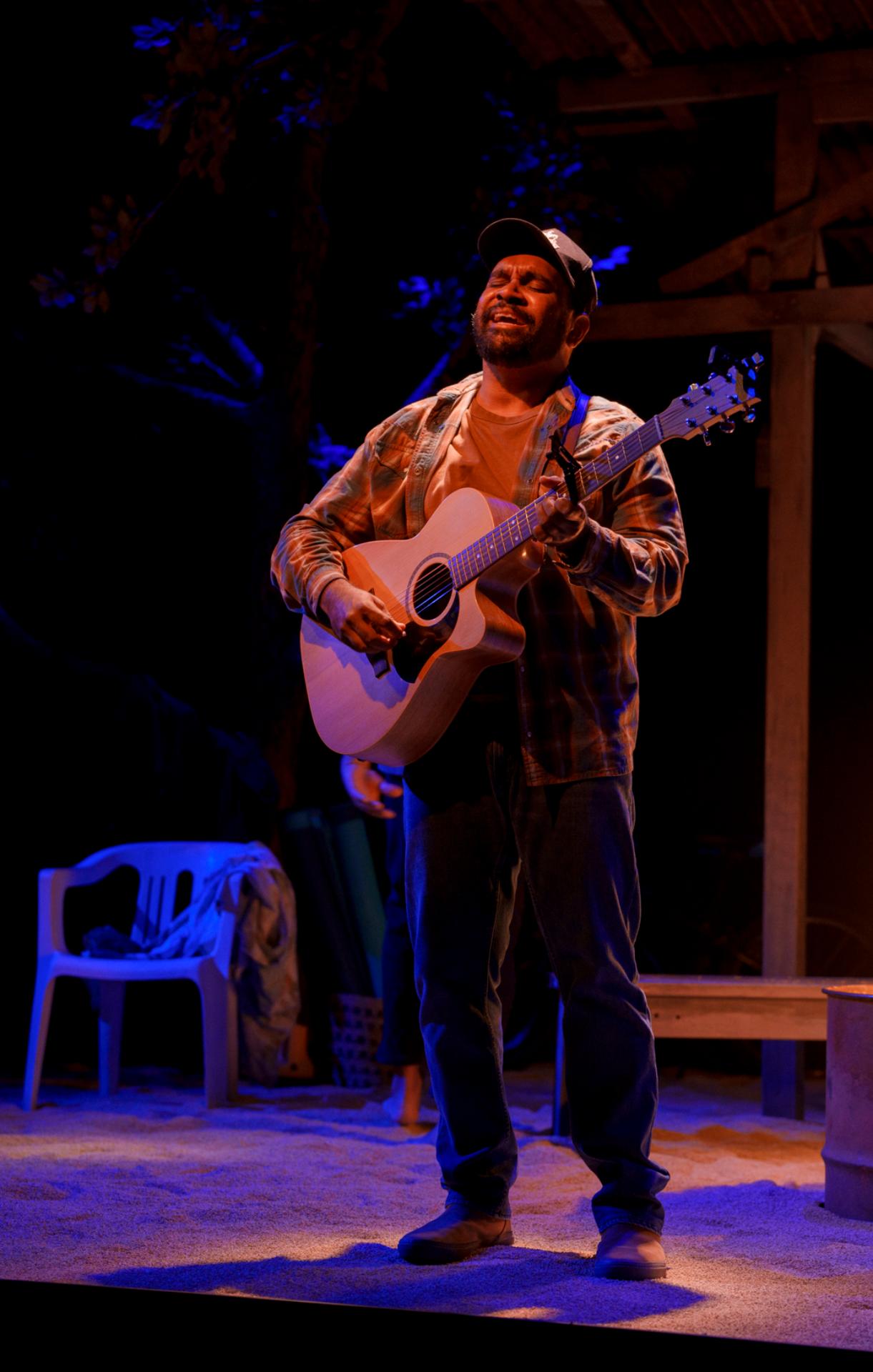
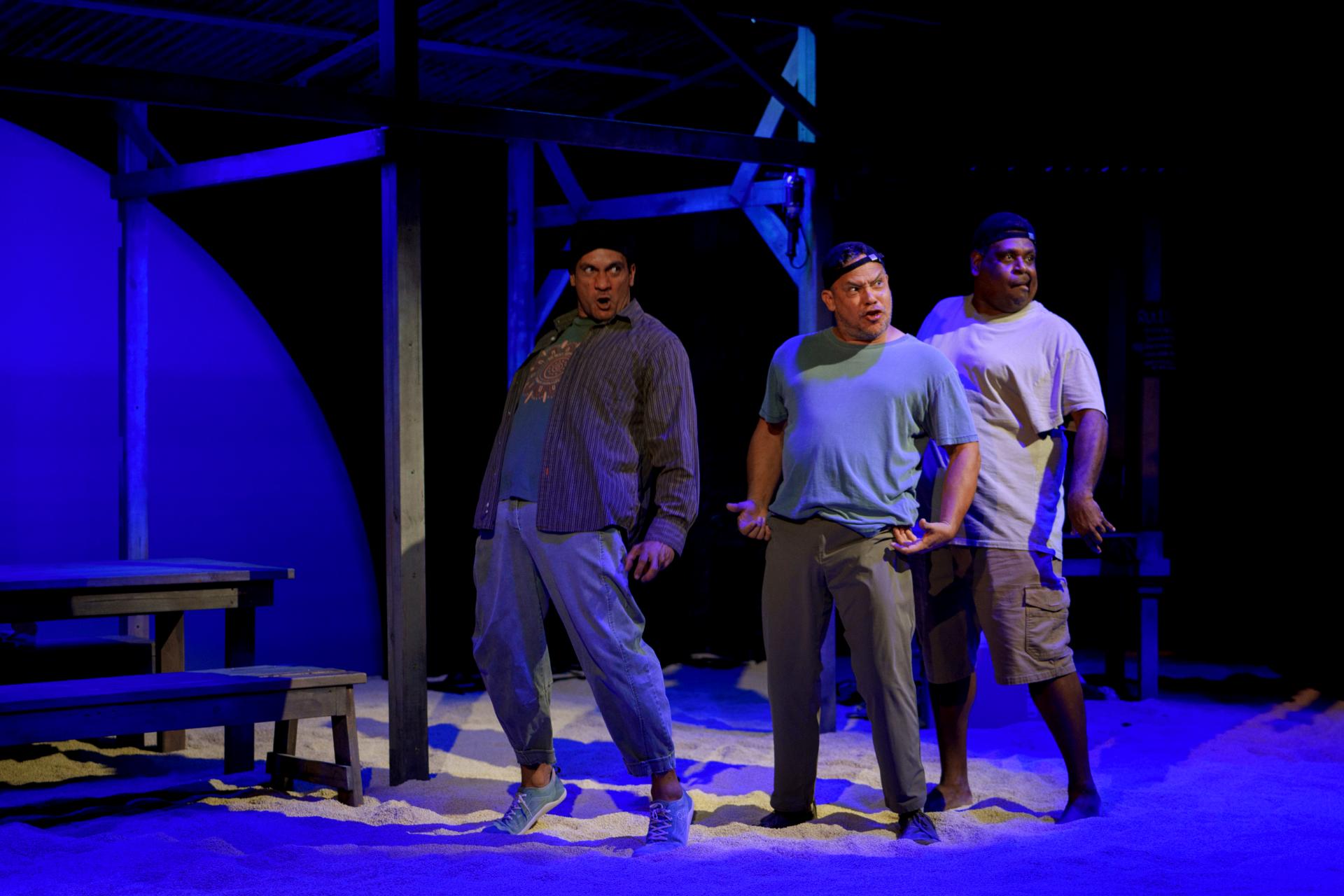
Based on Thomas Mayo’s 2021 book of the same name, this stage adaptation of Dear Son brings to life twelve letters written by Indigenous men to their sons and fathers. Adapted by Isaac Drandic and John Harvey, the work translates Mayo’s exploration of love and vulnerability into theatrical form, extending his interrogation of modern masculinity beyond the page. In doing so, it reimagines how men on these lands might speak to one another—seeking to dismantle the harmful and toxic norms that have too often underpinned traditional models of male behaviour.

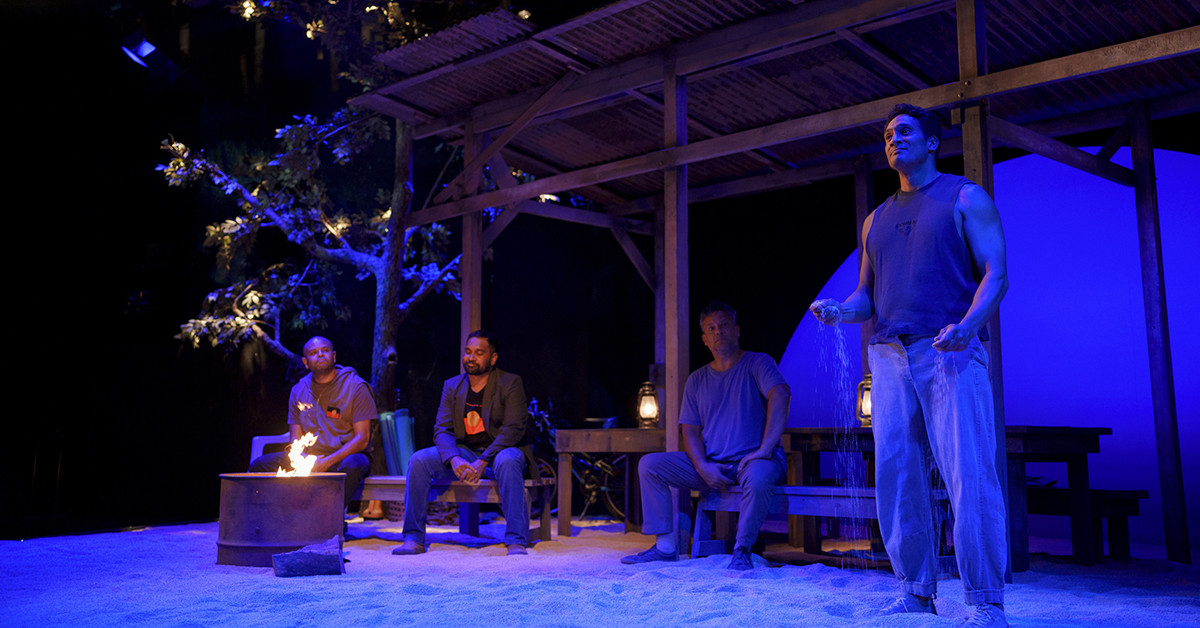
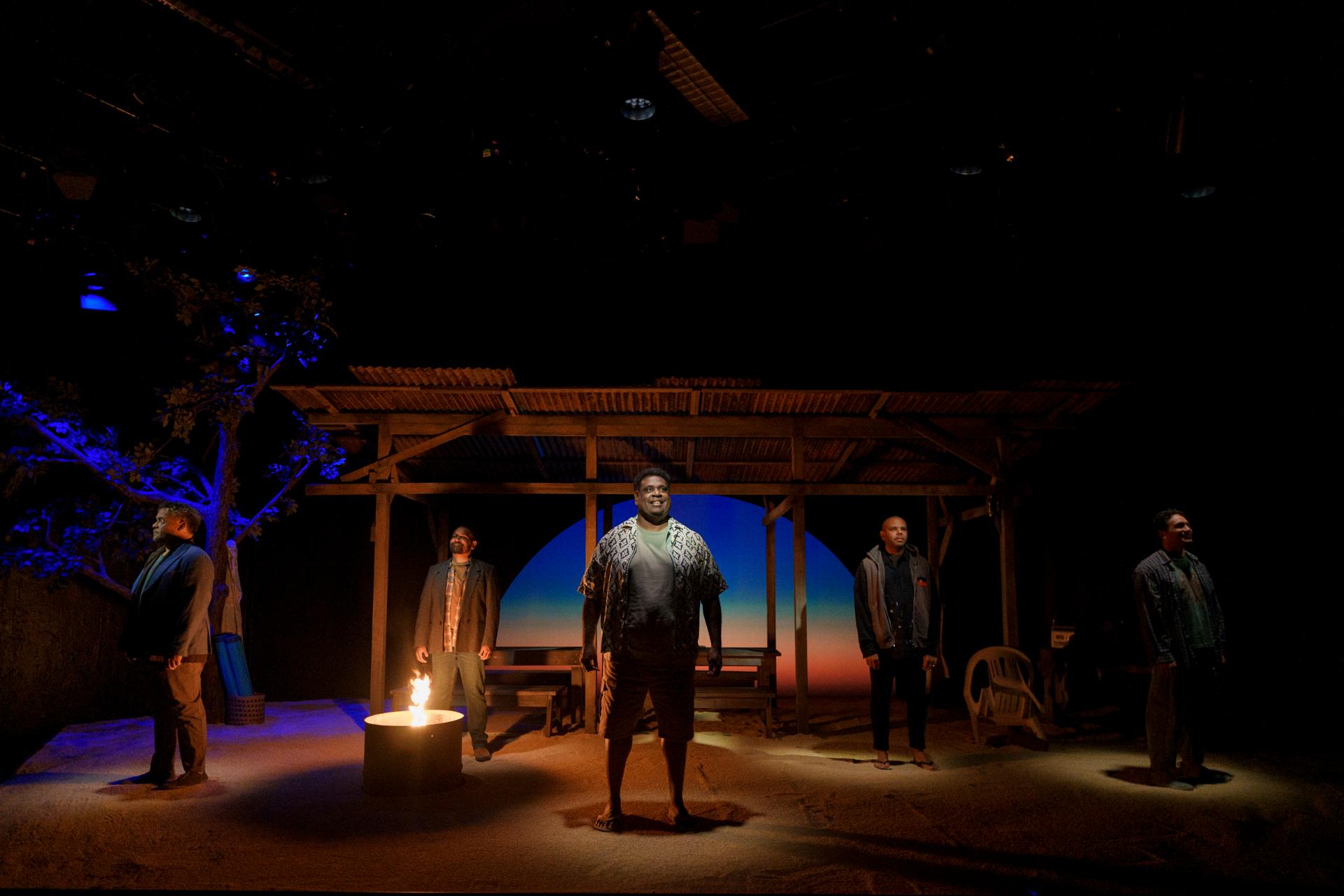
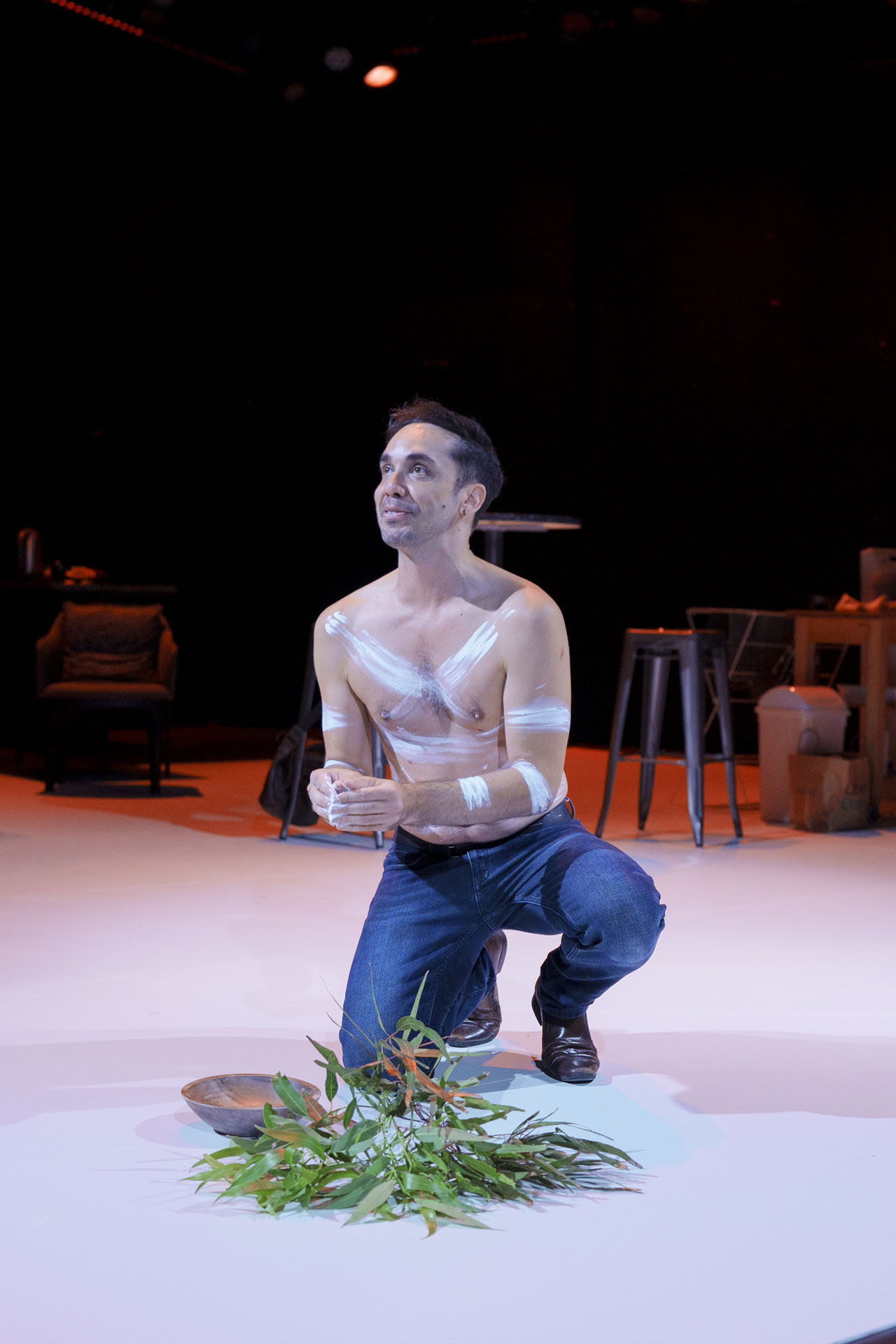
Framed as a men’s group gathered around a campfire, with the letters spoken into lived, embodied presence, Drandic’s direction of Dear Son foregrounds the intimacy that can exist between men. The production reveals the depth of emotional support made possible when fear, shame, and embarrassment are set aside, allowing connection and care to take their place.

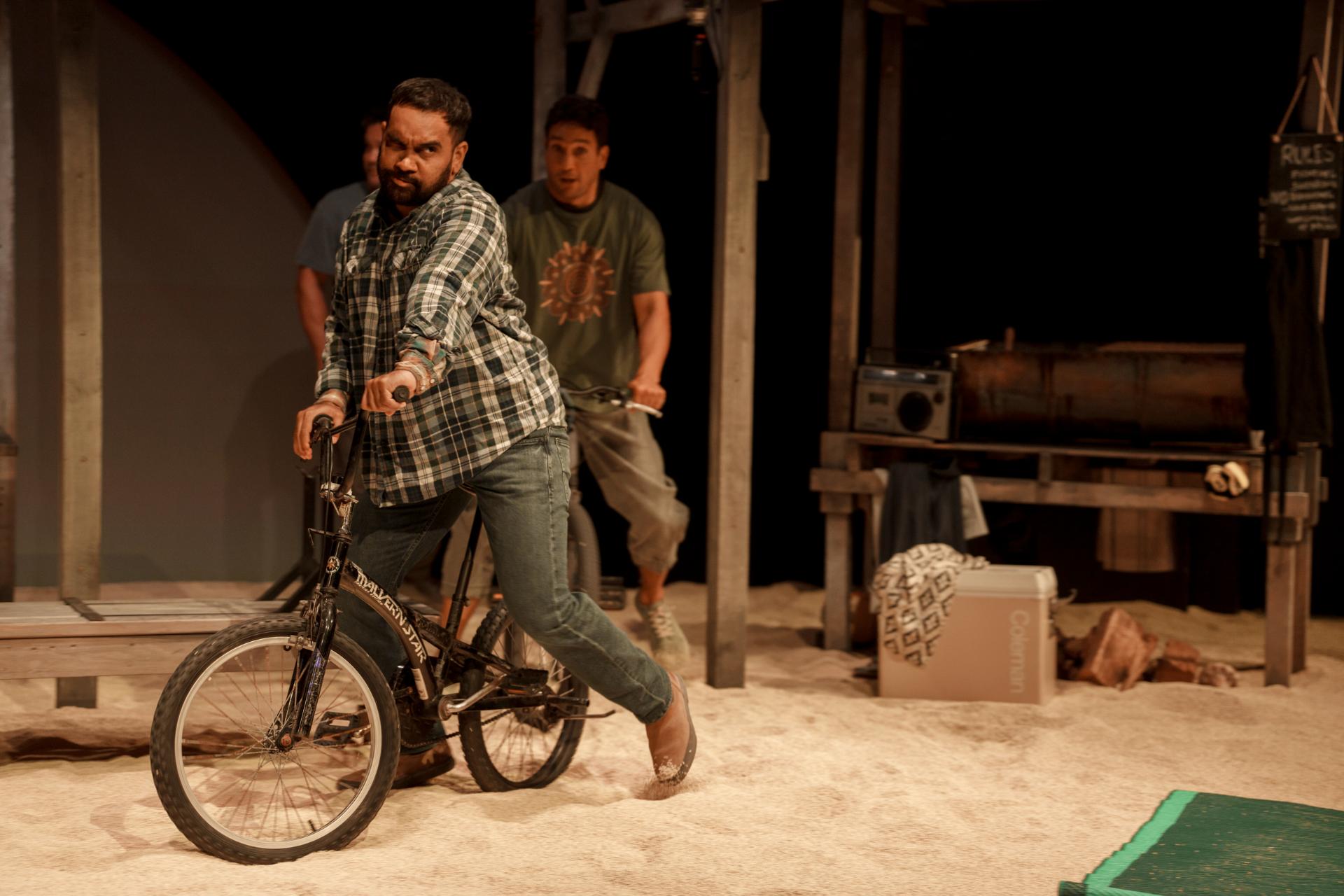
Kevin O’Brien’s set design anchors the production in an earthy, grounded sensibility, while Delvene Cockatoo-Collins’s costumes lend each character a sense of everyday authenticity. David Walters’s lighting is emotionally resonant throughout, shaping each moment with care, and Wil Hughes’s sound design infuses the work with a quiet tenderness that gently guides and deepens our empathetic response.

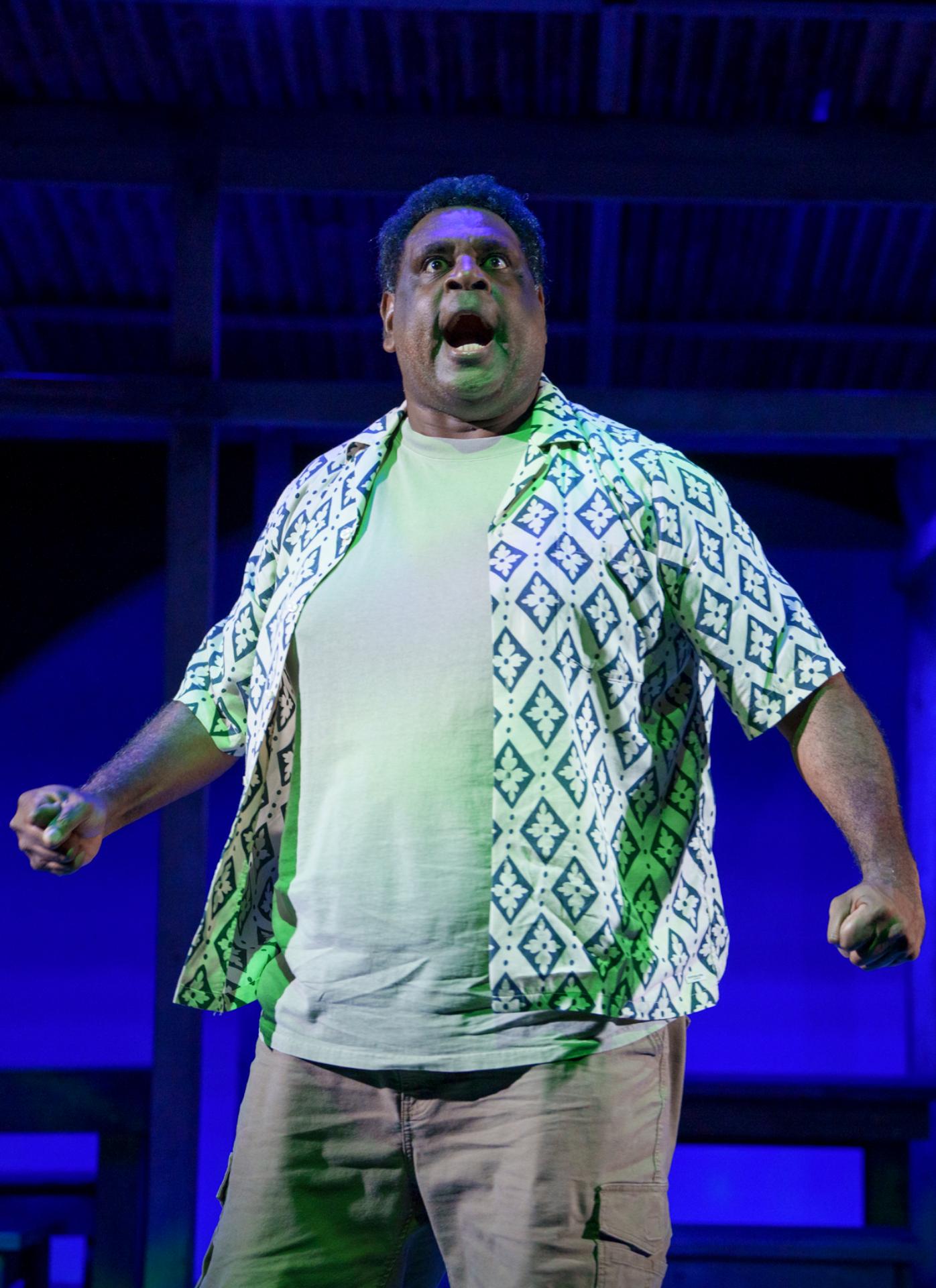
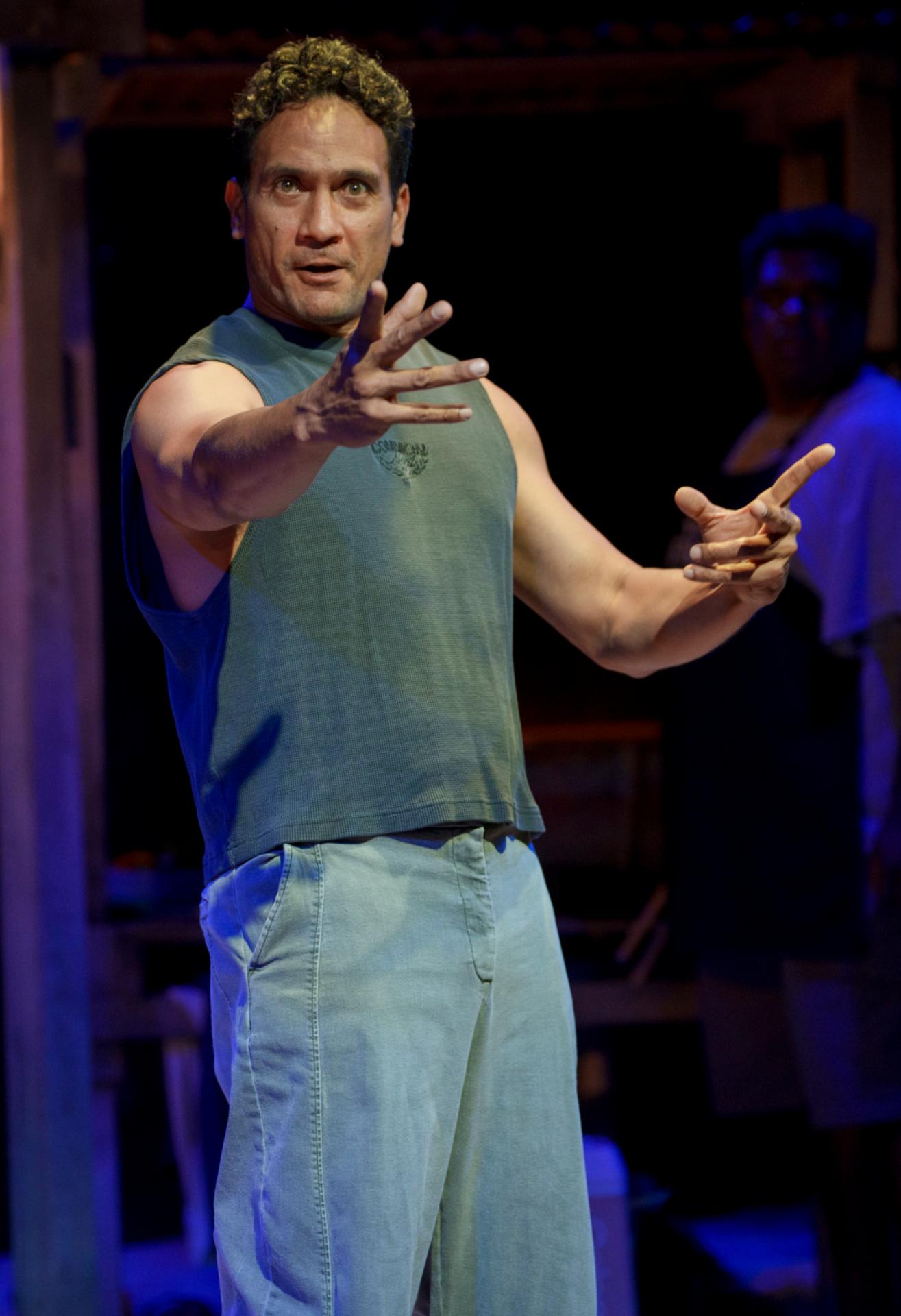
Jimi Bani, Waangenga Blanco, Isaac Drandic, Kirk Page and Tibian Wyles comprise an ensemble representing First Nations men from across the continent. Each performer brings dignity and clarity of intention, and together their easy chemistry renders these portrayals of aspirational masculinity wholly convincing—models grounded in care, accountability, and a shared commitment to healing, both personal and communal. In their hands, healing is not an abstract ideal but a lived, generous practice—one that reaches outward, inviting audiences to imagine its possibilities for themselves.

www.belvoir.com.au

Review: Burgerz (Trans Theatre Festival)

Venue: Carriageworks (Eveleigh NSW), Jan 7 – 18, 2026
Playwright: Travis Alabanza
Director: Sam Curtis Lindsay
Cast: Travis Alabanza
Images by Dorothea Tuch

Theatre review
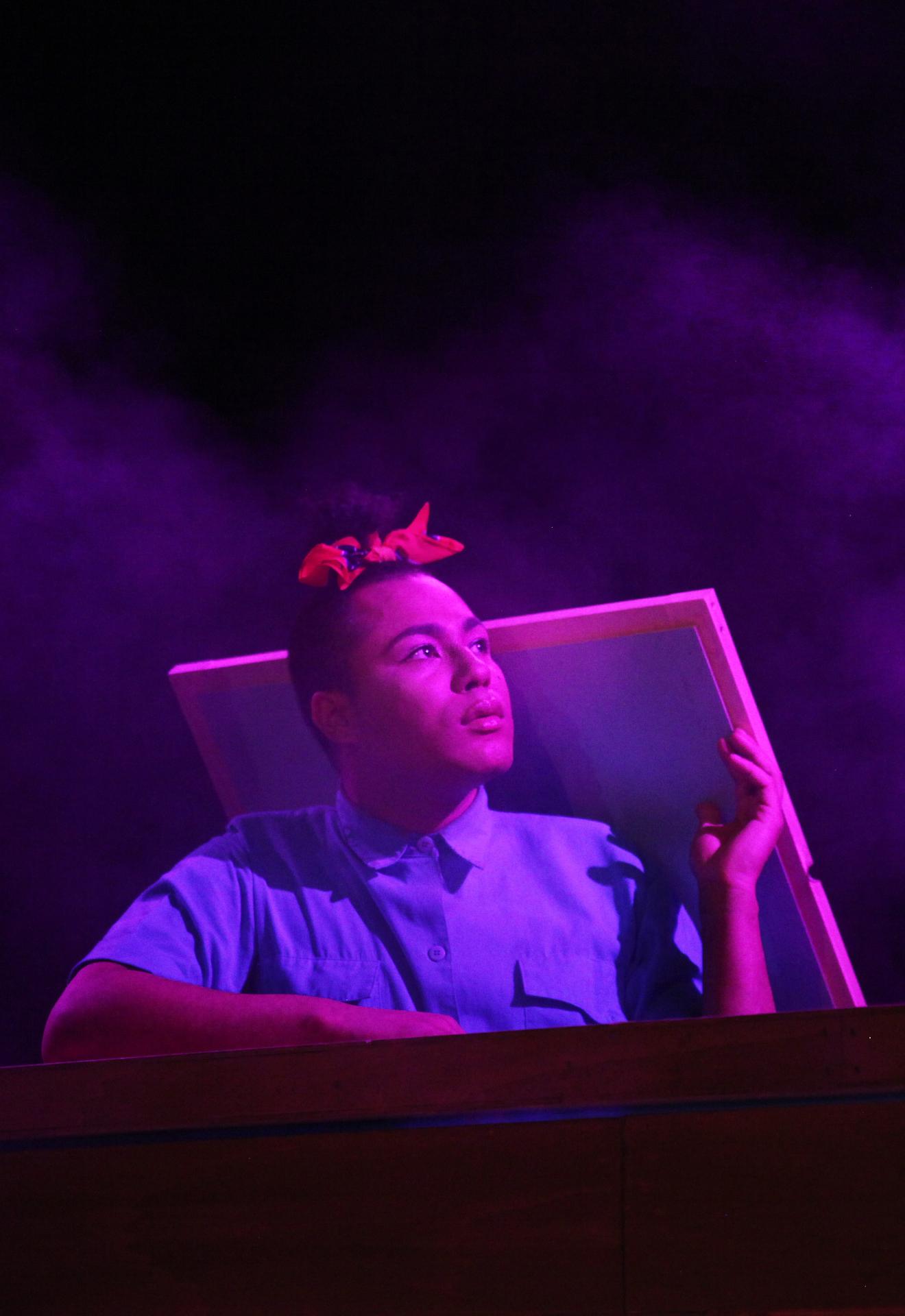
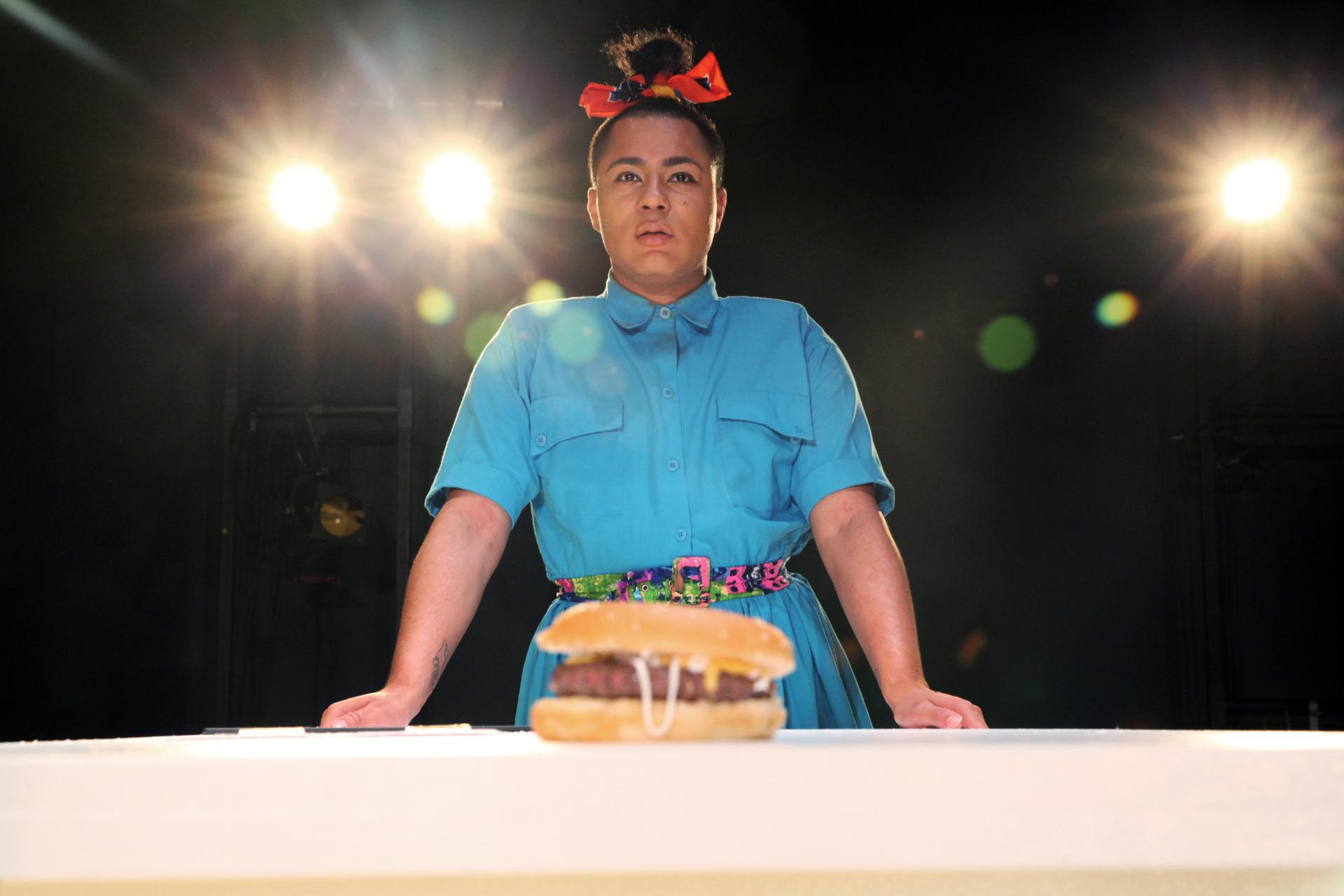
Travis Alabanza embarks on the deceptively simple task of making their first burger, a venture that is daunting from its very inception. Expectations loom large: rules to be followed, standards to be met, and a destination already mapped out for a journey that has barely begun. Conscious of the weight of these prescriptions, Alabanza invites a volunteer to join them on stage—specifically a straight white man. The choice is pointed rather than incidental, reflecting the reality that so many of the rules governing our lives, both in the UK where the work originated and here in Australia, are institutionalised by those who fit precisely that description.

A work that confronts both trans identity and lived experience as a person of colour, Burgerz is scintillating theatre that embeds danger at its very core. The volunteer does not appear briefly for light-hearted audience interaction; instead, he remains on stage alongside Alabanza for a substantial duration of the performance. This sustained presence heightens a palpable sense that “anything could happen”—a tension that lies at the heart of compelling theatre. More crucially, it mirrors the lived precarity of navigating heteronormative spaces as a trans person of colour, where the possibility of violence is never abstract, but ever-present, hovering in the background of even the most mundane encounters.

The risks Alabanza takes pay off emphatically. Immersed in an unrelenting atmosphere of vulnerability, the audience is held rapt, invested from the opening moments to the final beat. Alabanza’s exquisite wit and disarming charm ensure an unwavering alignment with them, while their intimate command of the material allows each unrehearsed moment of spontaneity—prompted by the surprise presence of a volunteer—to be met with razor-sharp sass and impeccable comic timing. Their capacity to generate genuine chemistry with a stranger is unequivocally extraordinary, resulting in a performance that is both singular and indelibly memorable.

Under Sam Curtis Lindsay’s direction, the work unfolds with instinctive precision, shaping a journey of unexpected texture and continual surprise, one that proves quietly and deeply emotional. The production remains consistently delightful while keeping audiences alert to its shifting rhythms and tonal turns. Soutra Gilmour’s production design embraces a pop-inflected sensibility that complements Alabanza’s signature, calculated flippancy. Lighting by Lee Curran and Lauren Woodhead, together with sound design by XANA, steers the staging through finely calibrated transitions of mood and atmosphere, reinforcing the work’s emotional and theatrical dexterity.

A man once hurled a burger at Alabanza in a public space, an act intended as humiliation and degradation. Alabanza can do everything within their power to reclaim and reframe the incident and its significance, yet a harder truth remains: it is not personal reckoning alone that must shift, but the conditions that permit such acts to occur. We watch Alabanza sink into deep contemplation, meticulously interrogating and dismantling the forces that render the world both resolutely and insidiously exclusionary.

What ultimately comes into focus is an irrefutable understanding that meaningful change requires collective responsibility. We are bound together by the inevitability of shared existence, and the work of recognising—let alone sustaining—one another’s humanity remains the most profound challenge of simply being here.

www.greendoortheatrecompany.com

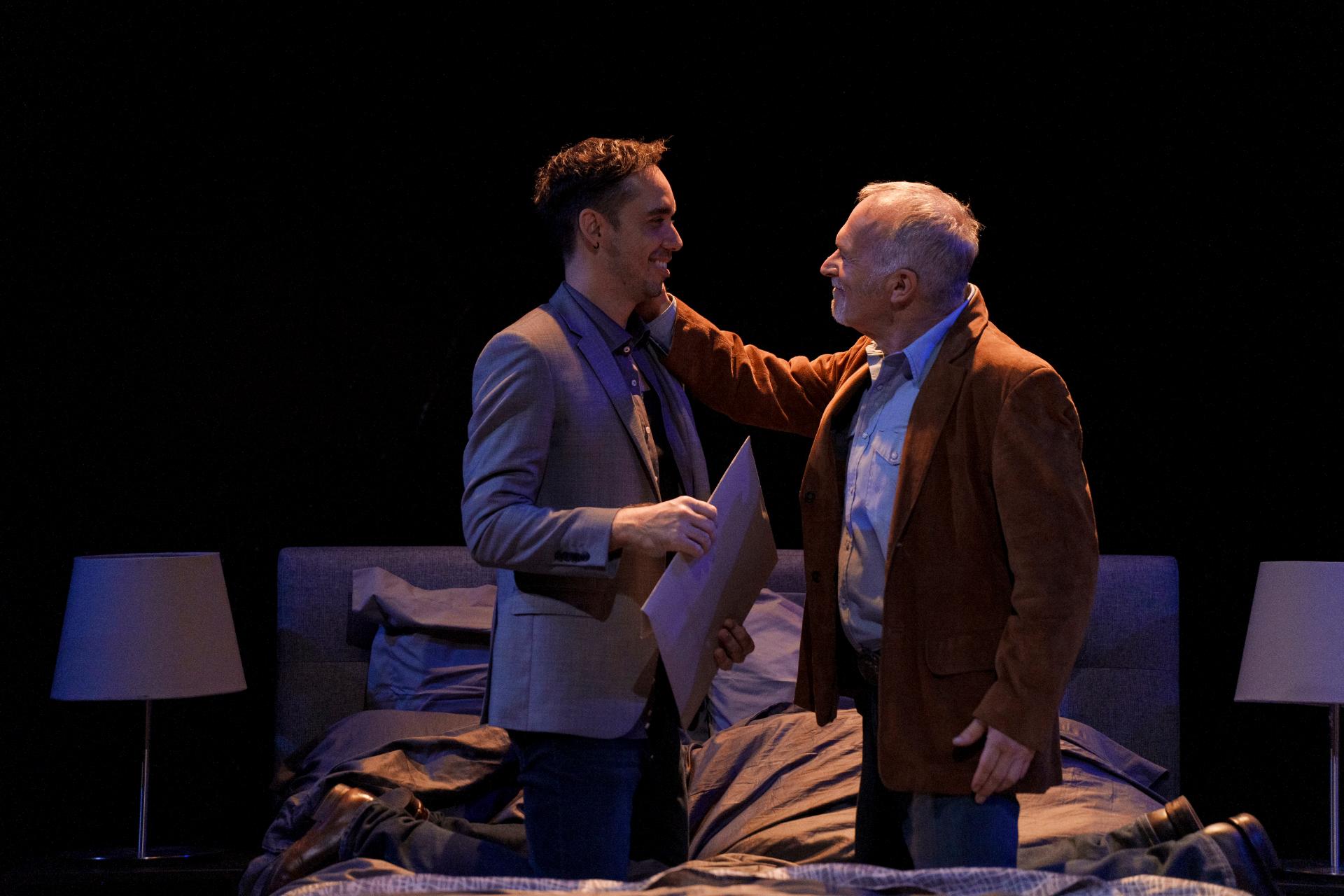
Review: A Model Murder (Sydney Festival)

Venue: Darlinghurst Courthouse (Darlinghurst NSW), Jan 4 – 25, 2025
Playwright: Sheridan Harbridge
Director: Sheridan Harbridge
Cast: Blazey Best, Marco Chiappi, Amber McMahon, Ryan Morgan, Maverick Newman, Sofia Nolan, Anthony Taufa 
Images by Neil Bennett

Theatre review
It was 1954 when Shirley Beiger shot and killed her boyfriend in Sydney. The story quickly became a media sensation, with the trial attracting inordinate amounts of public attention and scrutiny. In Sheridan Harbridge’s theatrical retelling A Model Murder, named after the perpetrator’s profession, the simple open and shut case is expanded to provide a nostalgic perspective of the celebrity criminal, a phenomenon which has only increased in prominence through the years.

The show is immensely entertaining, made captivating at every juncture by Harbridge’s imaginative renderings of a brief moment in time. There may not be substantive explorations into Beiger’s psychology leading up to the catastrophic incident, but A Model Murder proves a charming and approachable examination of an intriguing morsel of our city’s history.

Staged within an actual courthouse, with production design by Michael Hankin taking care to accentuate the authenticity of the surrounds, and enhanced by striking costuming that adds considerable visual flair. Lights by Phoebe Pilcher are thoroughly considered, not only to deliver dramatic effect, but also a sense of sumptuousness to this biography about someone renowned for her physicality. Sounds by Zac Saric and music by Glenn Moorhouse, fill the space not only with tension, but also an unmistakeable glamour befitting the subject matter. Also elevating proceedings is Vi Lam’s alluring movement direction, for the many musical interludes that pay tribute to our city’s nightlife and entertainment industry.

Actor Sofia Nolan is appropriately enigmatic as Beiger, with an inscrutability that only makes her presence more compelling. The supporting cast is highly endearing, especially Blazey Best and Amber McMahon who bring magnetism along with wonderful idiosyncrasies, to their meticulous embodiments of some very colourful characters.

We are shaped by endless tales of this city. Whether remembered or forgotten, we live in the midst of the countless infinitesimal narratives that have made Sydney and Gadigal what it is, connected through time that is cyclic yet amorphic. Human skin provides the illusion of our disconnectedness, but the truth is that this place determines so much of who we become. The stuff that we make manifest, seeps into one another. Our decisions will always be born out of culture, much as the current epoch exalts notions of individuality. The truth remains that humans can only survive through care, even though our natural inclinations so often seem to push us the other way.

www.sydneyfestival.org.au | www.lpdprod.com

Review: Jacky (Belvoir St Theatre)

Venue: Belvoir St Theatre (Surry Hills NSW), Jan 16 – Feb 2, 2025
Playwright: Declan Furber Gillick
Director: Mark Wilson
Cast: Danny Howard, Mandy McElhinney, Guy Simon, Greg Stone
Images by Stephen Wilson Barker

Theatre review
Having moved to the city, and now starting to put down roots, Jacky is hoping to finally be able to buy his home. Even though he is of Indigenous background living on unceded lands, he accepts that the prevailing system requires a lot of jumping through hoops, before he can be granted approval for a loan. In Declan Furber Gillick’s marvellous play Jacky, we watch as the titular character twists and contorts himself into all manner of awkward and humiliating states, in order that he may feel like he is getting ahead in life.

Jacky strives for success and is willing to compromise endlessly his own integrity to attain his dreams. However, the realities of a colonized existence gradually reveal demands that extend beyond his personal sacrifices. Furber Gillick’s writing makes an exceptionally powerful statement about injustice, through a narrative of normative modernity, contextualising contemporary politics in a way that resonates with all. His work is blisteringly spirited, whilst being consistently witty and entertaining, effortlessly holding our attention as it drives home some of the hardest truths about the foundations of our communal life.

Direction by Mark Wilson is commensurately daring, memorable for pushing the delicious but agonising drama to the edge of our nervous limits. Difficult discussions are presented unvarnished, allowing us to consider these matters of national importance with absolute candour. Although unyieldingly serious, the show is often very funny, filled with ironic humour for an experience nothing less than scintillating.

Design elements of the production are all rendered with efficacious simplicity. The set by Christina Smith delivers logical demarcations of performance space. Emily Barrie’s costumes help create believable personalities from everyday life. Lights by Matt Scott, along with sounds by James Henry, offer uncomplicated solutions that signal movements in time and space.

Leading man Guy Simon sets the tone with restraint and charisma. His minimalist style of presentation is thoroughly mesmerizing, perhaps due to the contrast with the many provocative situations Jacky finds himself in. Simon articulates perfectly the immense complexities involved, when Indigeneity has to navigate structures that are fundamentally about the entrenchment of white supremacy. 

Danny Howard plays Jacky’s brother Keith, with wonderful effervescence and disarming depth. An admirably nuanced Mandy McElhinney in the role of Linda confronts the values of our white middle class, asking troubling questions about whether a person can survive the economy, without furthering racist agendas. Greg Stone is fearless as Glen as he demonstrates most convincingly, the extent to which racism can appear so benign yet be so damaging.

Linda and Glen are entirely oblivious to the hurt and harm they cause, in fact they only ever think of themselves as being generous and helpful. We see in them, the familiar intention to do good, followed by a painful observation of devastating results. We are reminded of the famous words from American activist Audre Lorde, that “the master’s tools will never dismantle the master’s house”. In Jacky it can be seen so clearly, the very real problems that hold us back, and only if we really want to, we can detect the solutions that Jacky provides.

www.belvoir.com.au | www.mtc.com.au

Review: Siegfried & Roy: The Unauthorised Opera (Wharf 1 Theatre)

Venue: Wharf 1 Sydney Theatre Company (Walsh Bay NSW), Jan 8 – 25, 2025
Composer: Luke Di Somma
Libretto: Luke Di Somma, Constantine Costi
Director: Constantine Costi
Cast: Christopher Tonkin, Kanen Breen, Cathy-Di Zhang, Simon Lobelson, Louis Hurley, Danielle Bavli, Russell Harcourt, Thomas Remali, Kirby Myers 
Images by 

Theatre review
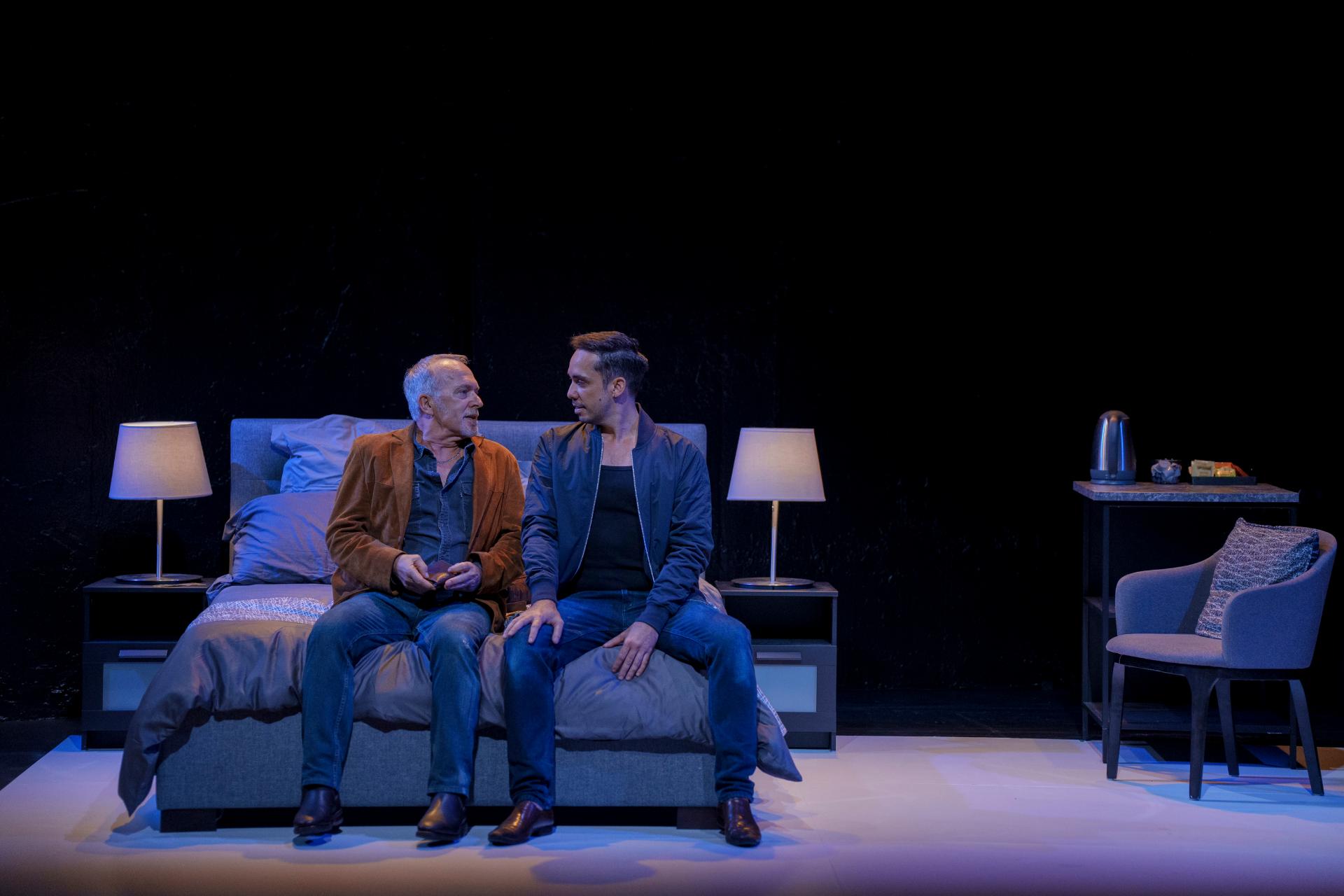
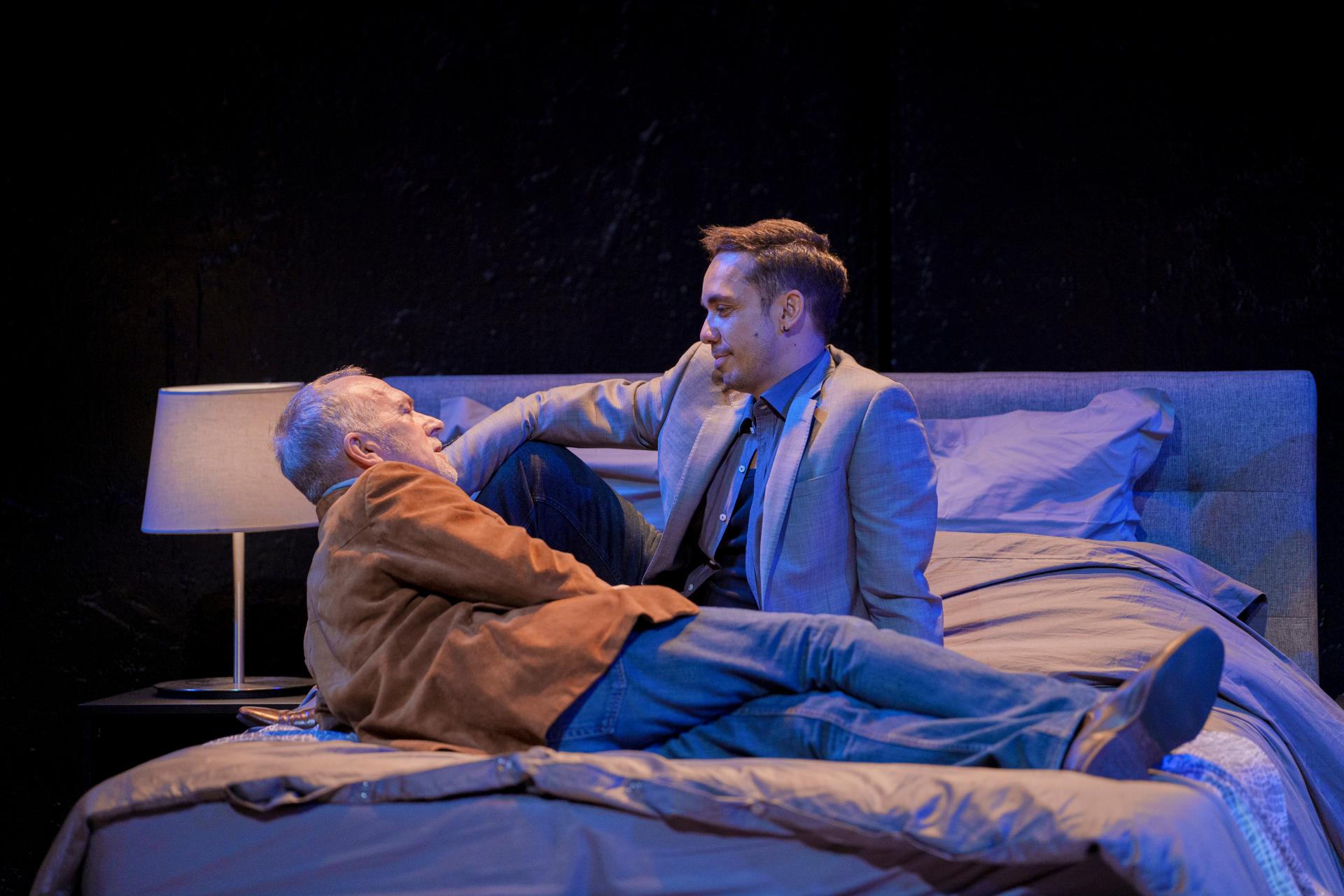
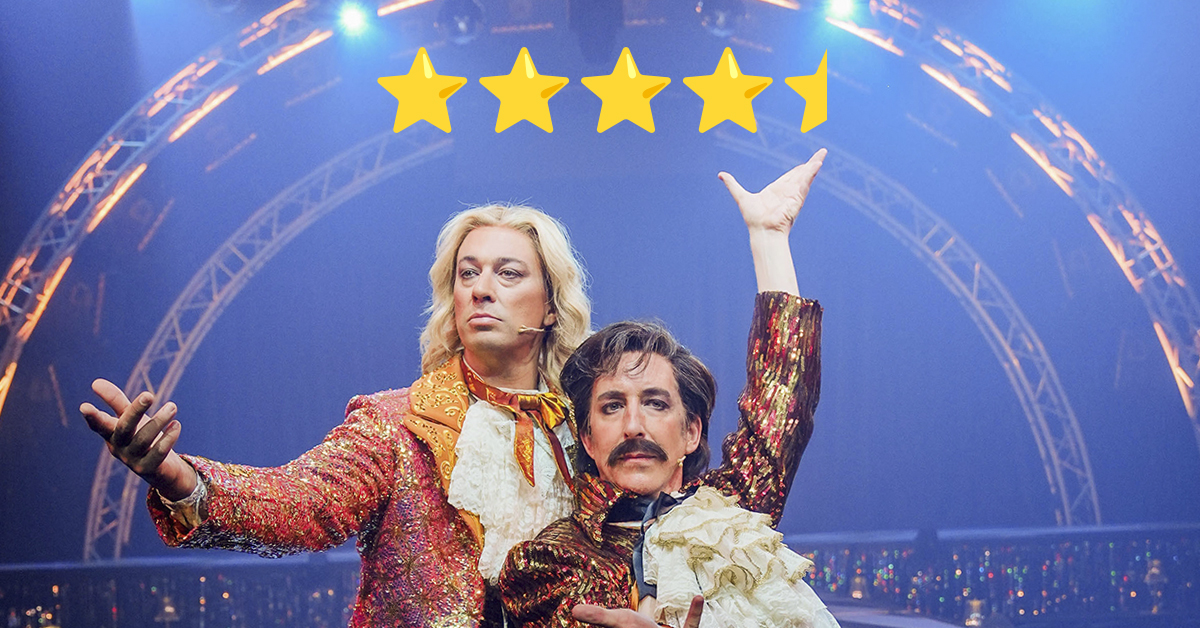
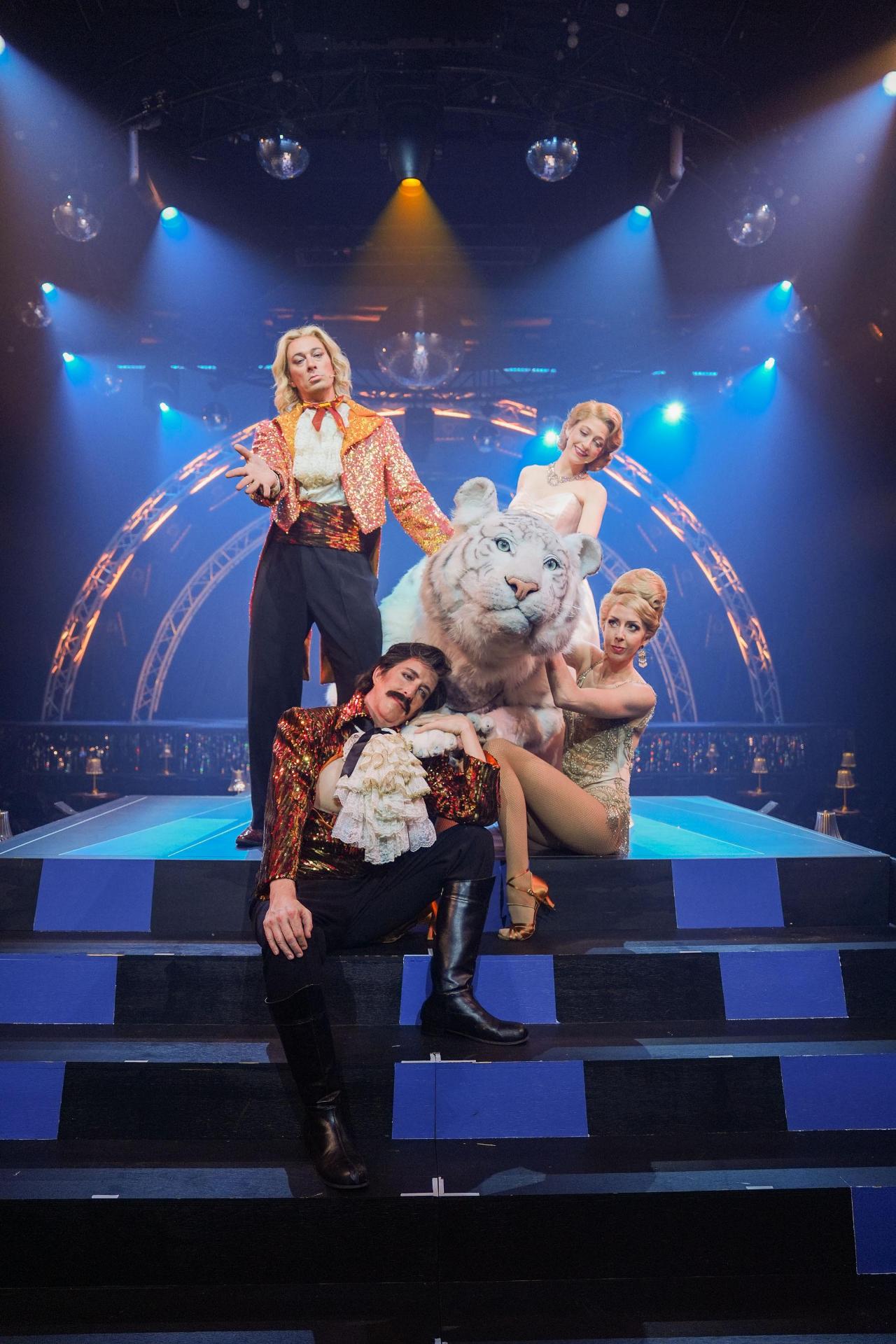
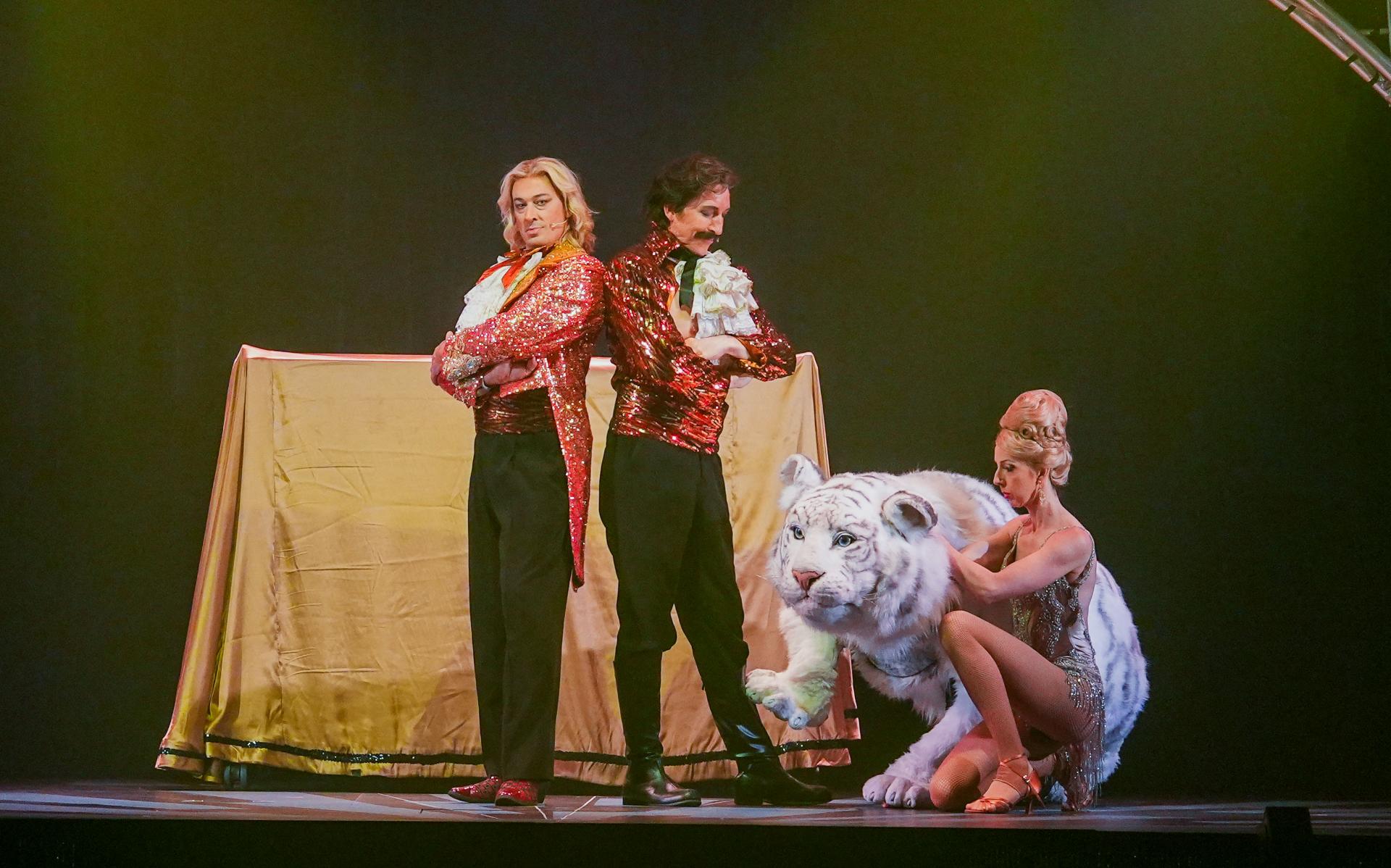
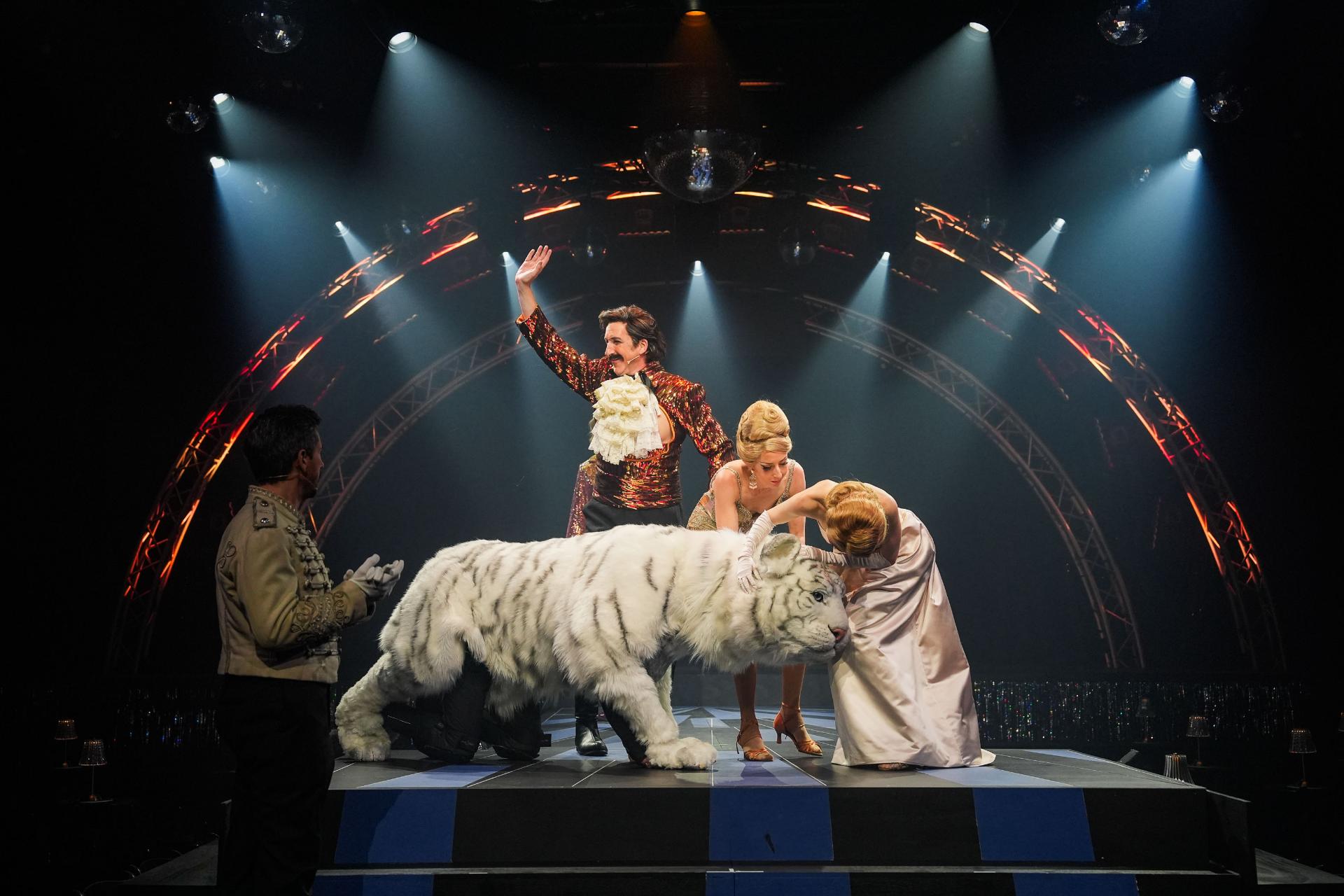
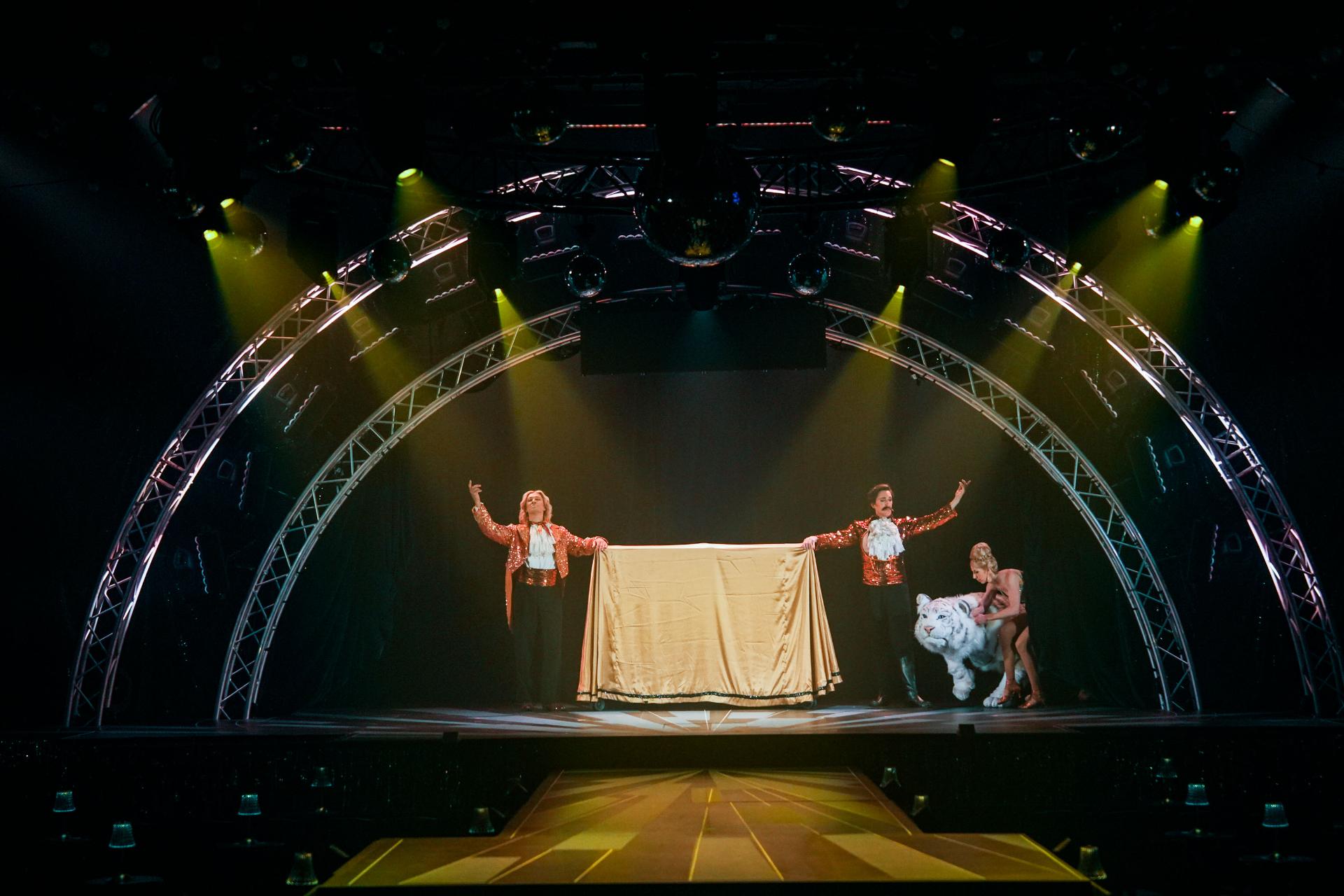
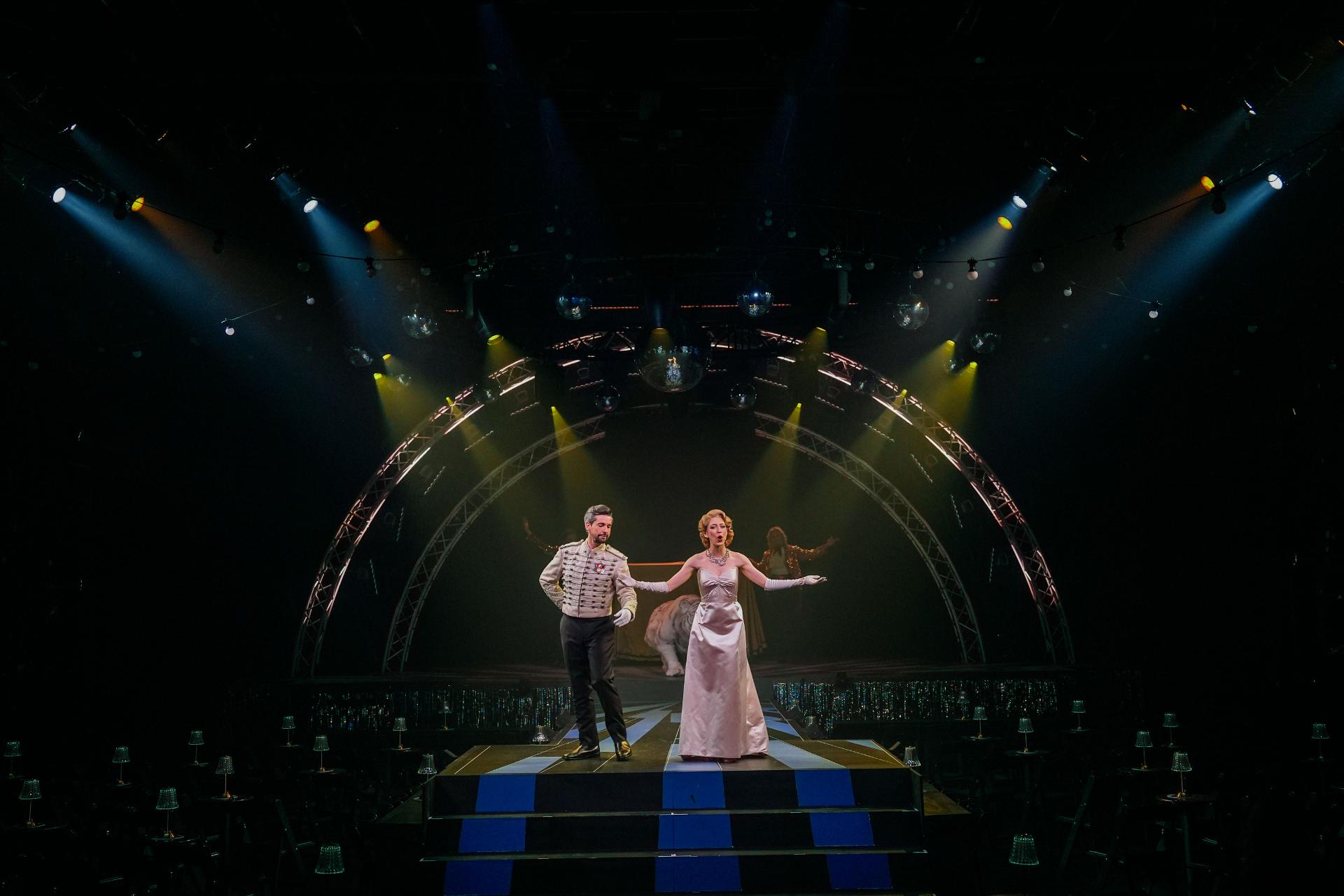
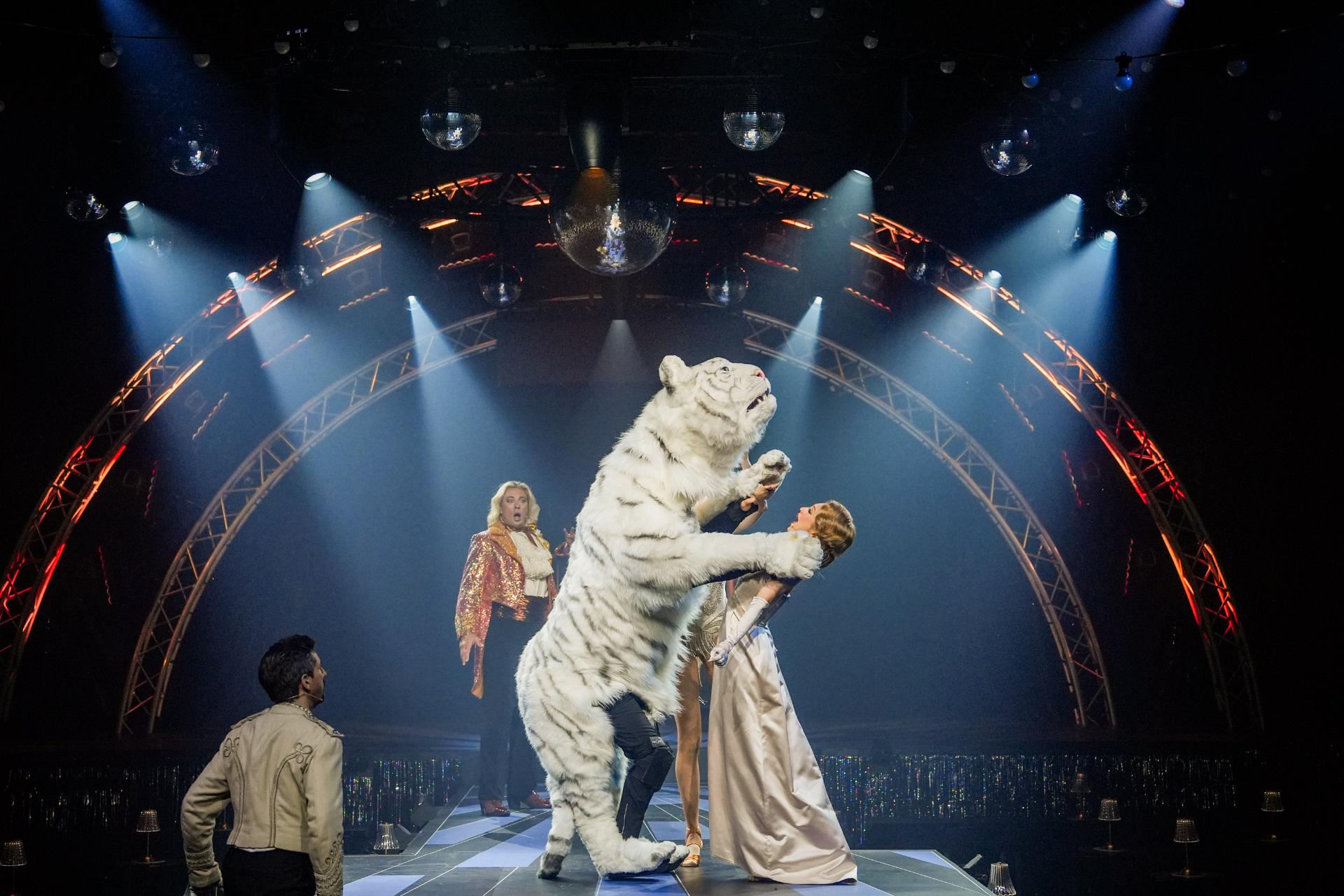
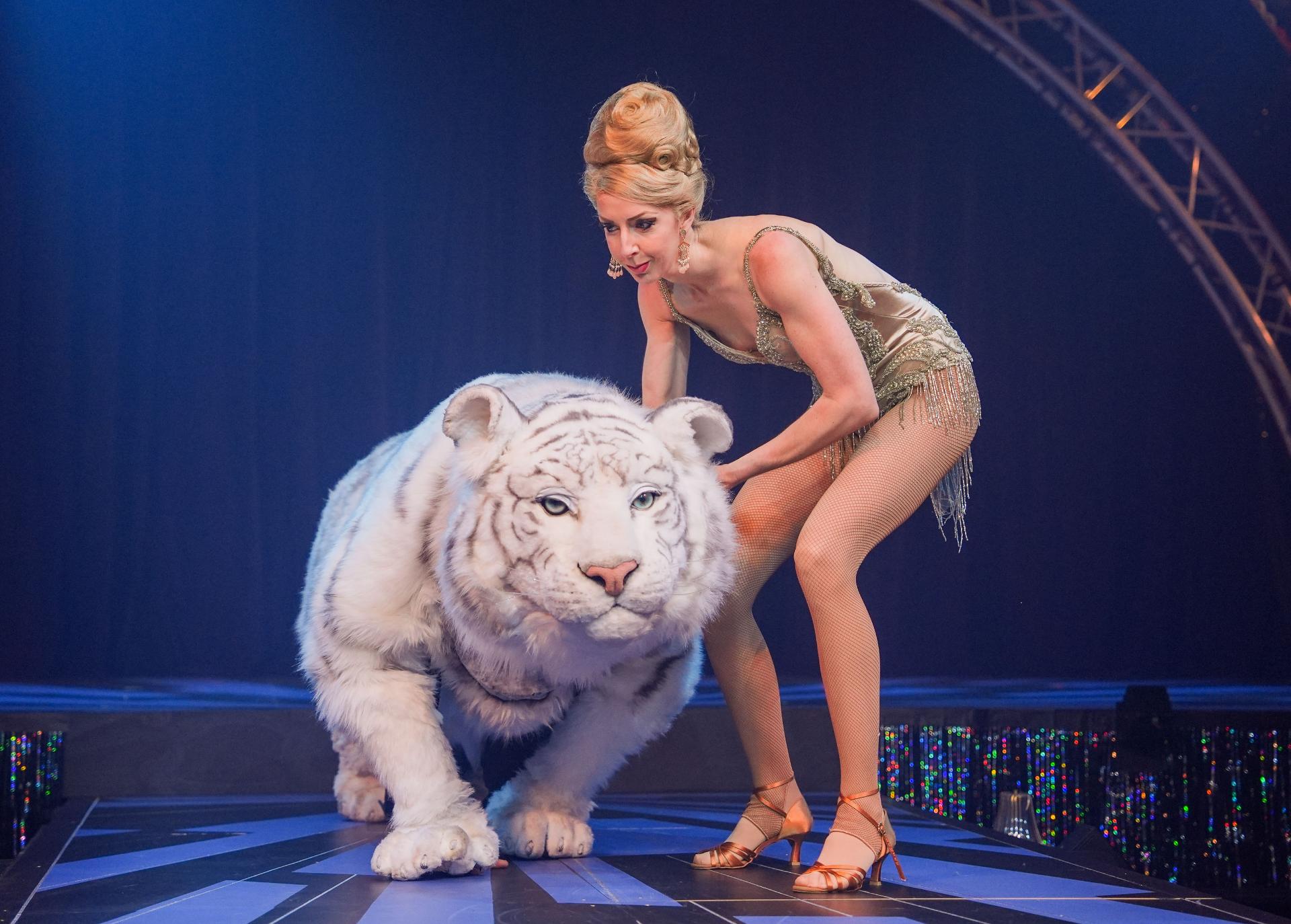
Siegfried & Roy: The Unauthorised Opera by Luke Di Somma and Constantine Costi chronicles, with both reverence and sardonicism, the life and times of the infamous Las Vegas stalwarts from Bavaria. Icons of magic and of queer culture, Siegfried & Roy have left an indelible mark with almost half a century in showbusiness. Their signature aesthetic, characterised by unmitigated flamboyance and camp, thoroughly inform Di Somma and Costi’s work, that we discover to be a sincere tribute to the trailblazers, albeit replete with comedic irony.

Directed by Costi, the show is a remarkably enjoyable look into the condensed history of the couple, not only as stars of entertainment, but also as covert figureheads of gay identities from a time before liberation. There is a wonderful tenderness to the portrayal of the pair, with performers Christopher Tonkin and Kanen Breen (as Siegfried and Roy respectively), delivering palpable chemistry alongside their individually brilliant interpretations of these enigmatic characters. We perceive the superficiality that is characteristic of these pop luminaries, but also feel invested in their humanity without requiring the storytelling to delve into exploitative renderings of their biography.

Set design by Pip Runciman provide just enough visual cues for imagery that recalls the excess of both Las Vegas and of Siegfried & Roy, but it is Damien Cooper’s lights that imbue a sense of opulence that transports us to that space of farcical extravagance. Costumes by Tim Chappel too are appropriately outlandish in style, with an unmistakeable wit that really makes an impression. All of this grandiosity is perhaps most effectively epitomised in the music, conducted by Di Somma to bring an immense spiritedness that has us absolutely riveted.

Siegfried & Roy never wanted to give us more than the surface, but it is the persistence and the longevity of that obsession with artificiality, that ultimately forms something paradoxically meaningful. They have become unwitting symbols of kitsch, of escapism, of dedication and of defiance. Their story is one of personal triumph, a rare example of queer forebears attaining stratospheric success with seemingly little compromise on authenticity. Perhaps their legacy can now contribute to their rainbow community, in ways they were unable during the cruelly oppressive epoch of the previous century.

www.sydneyfestival.org.au

Review: Converted! (ATYP)

Venue: The Rebel Theatre (Sydney NSW), Jan 3 – 25 , 2025
Book: Vic Zerbst
Music & Lyrics: Vic Zerbst, Oliver John Cameron
Director: Hayden Tonazzi
Cast: Helen Dallimore, Paul Leandre Escorrido, Ashley Garner, Cassie Hamilton, Nat Jobe, Melody Kiptoo, Scarlet Lindsay, Teo Persechino, Megan Robinson, Redd Scott, Teo Vergara
Images by Daniel Boud

Theatre review
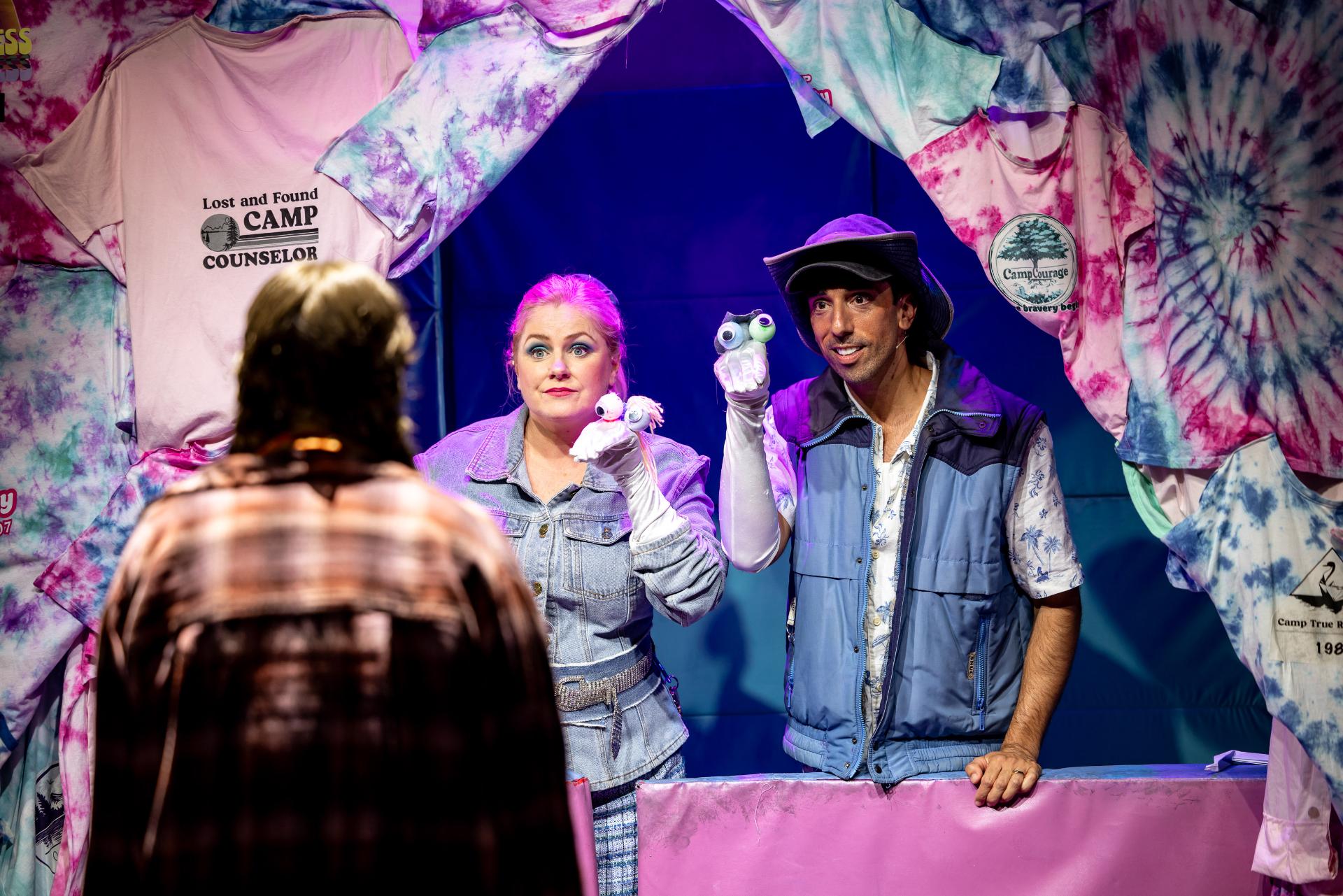
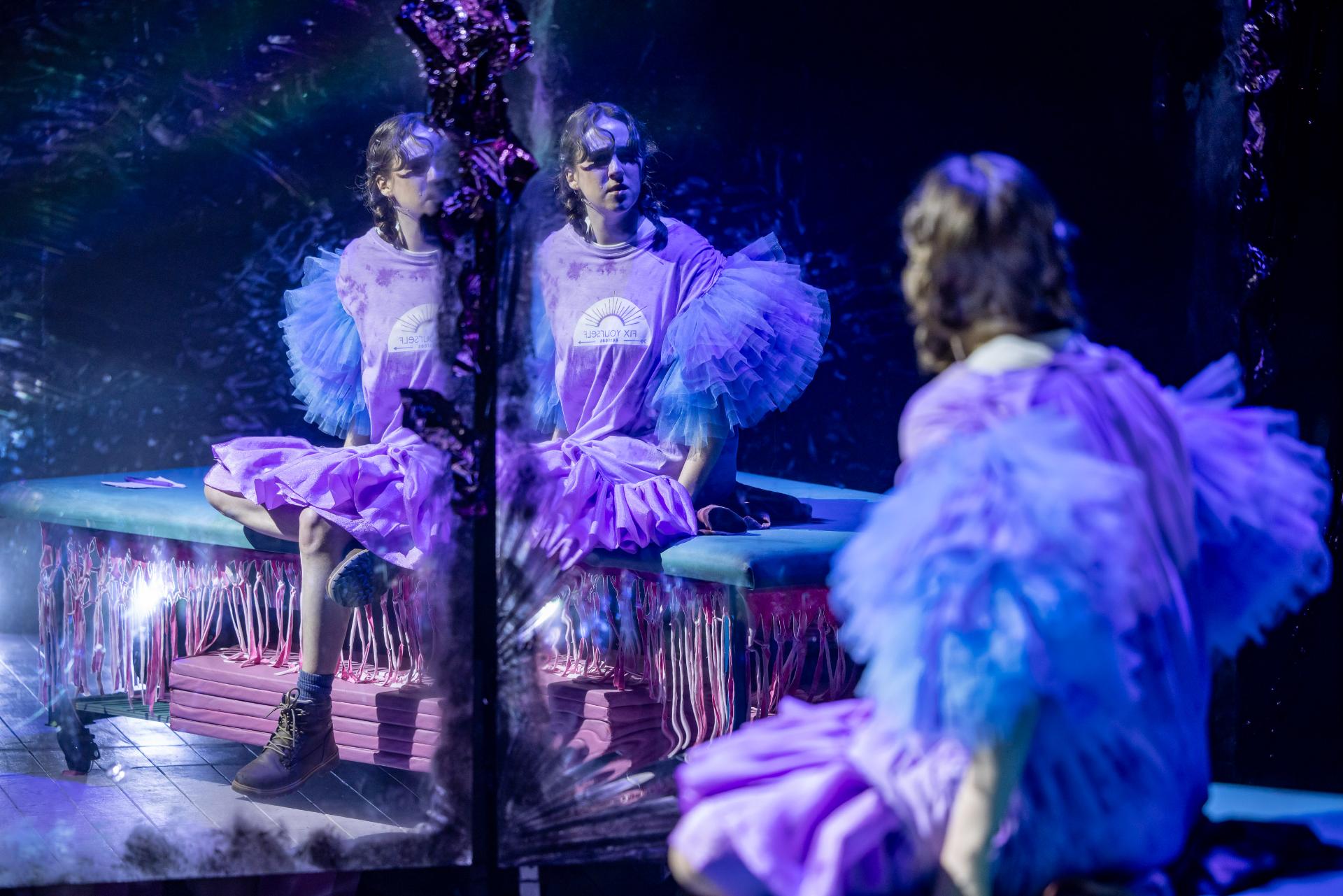
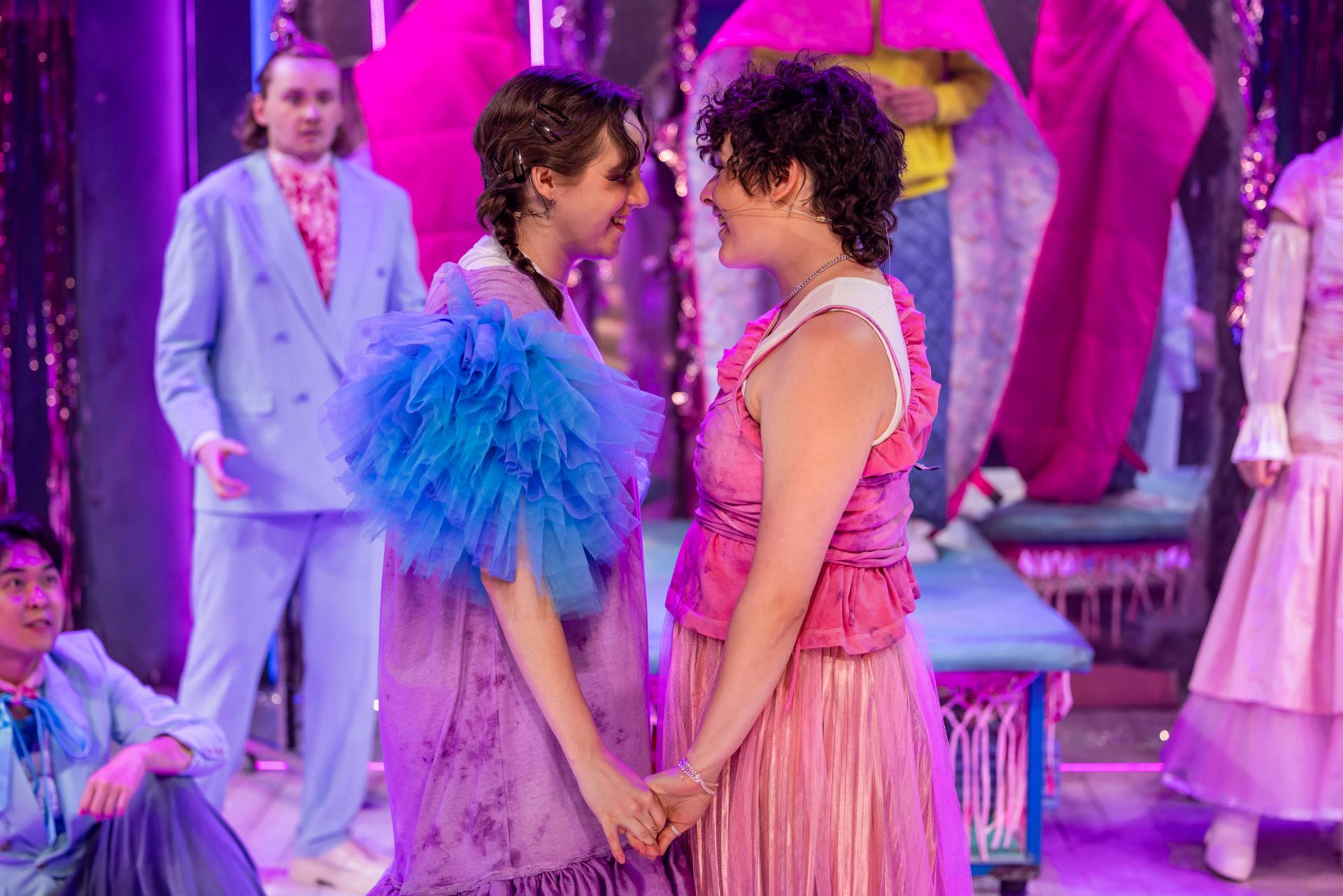
Teenagers at the “Fix Yourself!” camp are hoping to improve their self-esteem, but like most other places, an overbearing and stifling emphasis on heteronormative values, is instead deteriorating their sense of self worth. Converted! by Vic Zerbst and Oliver John Cameron is an often charming musical about queer youth, and their struggles in a world determined to negate and change their nature. The plot may on occasion be incoherent, but its idiosyncratic style and array of spirited tunes, help to keep us amused and attentive.

Vibrant direction by Hayden Tonazzi ensures that the show is consistently energetic and irrepressibly quirky. A cast brimming with sincerity passionately imparts its story, including performers Helen Dallimore and Nat Jobe who stand out for the comedic nuance they bring to their roles as camp counsellors. Music direction by Mark Chamberlain introduces variation to our experience of songs that could otherwise feel formulaic. Uncomplicated choreography by Jeremy Lloyd ensures a theatricality without compromising the natural movement of characters.

Whimsical set and costume designs by Savanna Wegman set the tone for this cheeky and cheerful presentation. Lights by Brockman give the production its polish, along with a captivating colourfulness that represents perfectly queer culture, and the tradition of defiance against banality that it exemplifies.

Pride is not only about individuals overcoming challenges. It pertains to the continuation of legacies, and the understanding that freedoms that have been won, remain under constant threat. Pride necessitates that we remember the monumental sacrifices that had been made, and that we are prepared to extend victories to all others who still have to fight for justice. Queers are fervent in celebrating our authenticities, if only to demonstrate that truth and integrity are never to be feared. 

www.atyp.com.au

Review: Things Hidden Since The Foundation Of The World (Sydney Opera House)

Venue: Sydney Opera House (Sydney NSW), Jan 19 – 21, 2024
Playwright: Javaad Alipoor, Chris Thorpe
Director: Javaad Alipoor
Cast: Javaad Alipoor, Raam Emami, Asha Reid
Images by Chris Payne

Theatre review
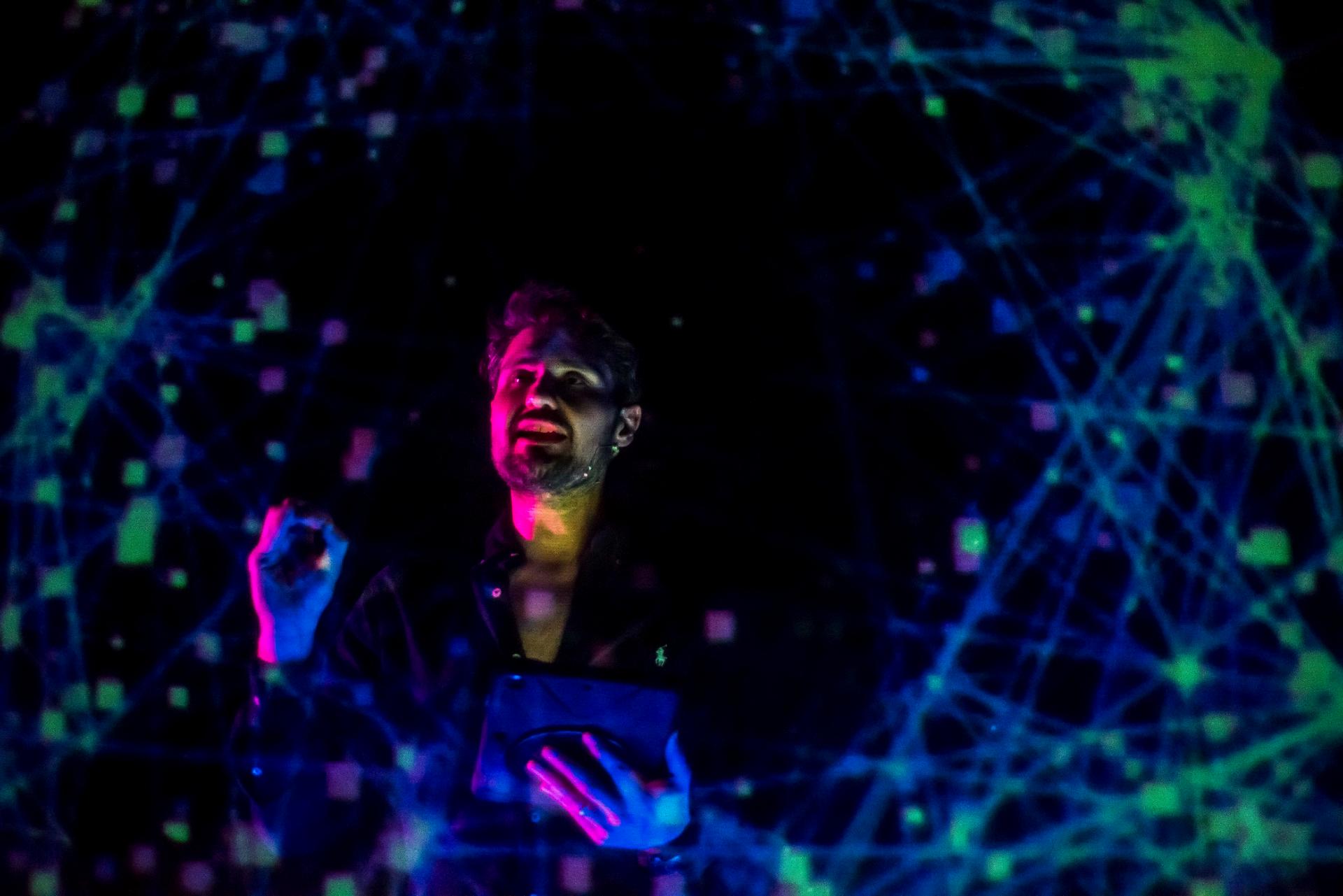
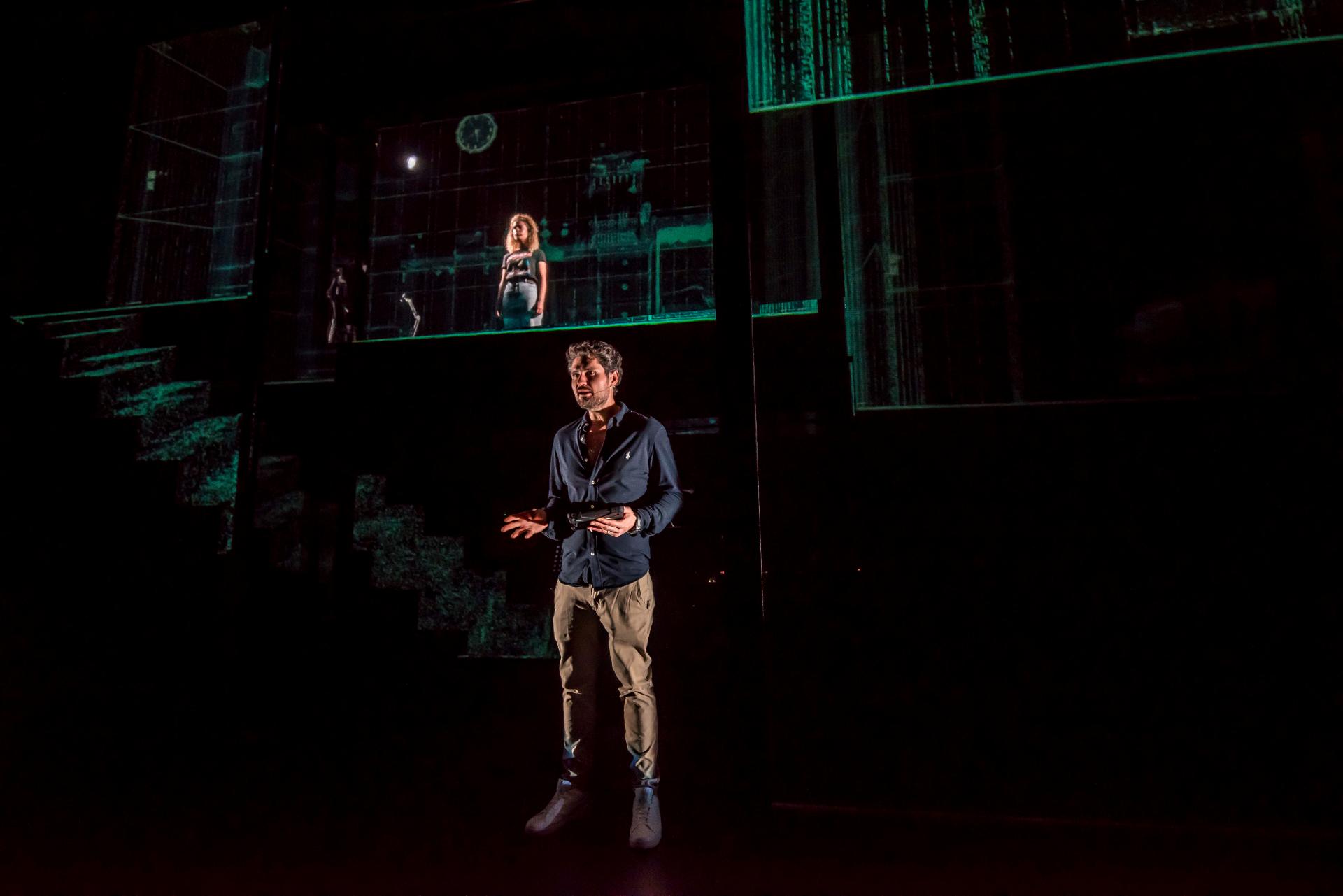
It was 1992 when queer Iranian popstar Fereydoun Farrokhzad was found murdered in exile. To the English-speaking world, theatre maker Javaad Alipoor would describe Farrokhzad as Iran’s answer to Tom Jones, but that description is of course fraught with inaccuracies. Being Persian-English and child of an immigrant, Alipoor is sensitive to his existence as being simultaneously two things, and being in-between. It is a colonised experience of never really being whole, described by the term “subalternity”, which Alipoor introduces at the beginning of his show Things Hidden Since the Foundation of the World.

When in a position of subordination, one is keenly aware of the futility and impotence, of not just translations across boundaries, but also of the very phenomenon of meaning creation itself, especially in the current moment, when the availability of information seems to exist only as chains of replication on the internet. Alipoor talks a lot about Wikipedia, as a model of how we try to understand things in the modern age, and the rabbit holes that our venerated technologies engender. There is an inexhaustibility to the representation of facts, but truth is elusive. His concepts for Things Hidden are valuable, but they are expressed in complicated ways, which pose a real challenge for our minds, and one can be fairly certain that to attain a high level of concurrent comprehension for the wordy (and speedy) text, is probably an impracticable exercise.

Alipoor’s intricate and perplexing expressions are however, unquestionably theatrical. Things Hidden is an entrancing work. With stage, costume and lighting design by Benjamin Brockman, we observe a sophistication and confidence, that underpin the characteristic abstruseness of the show. Along with Limbic Cinema’s correspondingly complicated video projections, the overall visual effect is kaleidoscopic and quite beguiling. Music by Raam Emami, performed live by Me-Lee Hay (along with other members of cast), is consistently gripping, always on hand to manufacture an air of urgency. Sound design by Simon McCorry adds to the general flamboyance, for a production that insists on our attentiveness, even when we feel unable to absorb enough of the goings on.

As performer, Alipoor’s august presence maintains a believability for his material, which he offers with great conviction, in a somewhat instructional style. The previously mentioned Emami charms the audience with his personal anecdotes, delivered with exceptional affability, in sections of the show that feel more accessible. Asha Reid, completely convincing in the role of a podcaster, impresses with the velocity and precision, with which she attacks the density of the text, written by Alipoor and Chris Thorpe.

In watching Things Hidden Since the Foundation of the World, one experiences something that can probably de described as the visceral effects of knowing. This happens with so much of art, when our brains feel like they might be drawing a blank, but other aspects of our corporeality go through their own processes of ingestion and interpretation. With time, we discover a certain growth, one that might appear much later than perhaps anticipated. The nature of knowledge might be deeply byzantine, but within this existence, there are few things more gratifying, than when we know.

www.nationaltheatreofparramatta.com.au | www.homemcr.org

Review: Tiddas  (Belvoir St Theatre)

Venue: Belvoir St Theatre (Surry Hills NSW), Jan 12 – 28, 2024
Playwright: Anita Heiss
Directors: Nadine McDonald-Dowd, Roxanne McDonald
Cast: Lara Croydon, Sean Dow, Jade Lomas-Ronan, Nadine McDonald-Dowd, Roxanne McDonald, Anna McMahon, Perry Mooney
Images by Stephen Wilson Barker

Theatre review
Having been childhood friends for thirty years, this group of five women has nothing to hide from one another. In Anita Heiss’ Tiddas, it is the frankness of these characters, that guide us to a meditation on some of the deeper aspects of life on this land. Most of the people we meet in the play are Aboriginal, and we benefit from their socially resonant discussions about identity and sovereignty. On more intimate levels, there are explorations into topics such as motherhood, romance and friendship; all dealt with in a fiercely authentic way, that enables us to examine some of the central elements of our shared humanity, with admirable clarity and honesty.

Directed by Nadine McDonald-Dowd and Roxanne McDonald, Tiddas is consistently engaging, always an entertaining watch, whilst keeping our minds attentive to the sensitive subjects being explored. There is a gentle beauty being rendered by aesthetical aspects of the show, a softness perhaps that is commensurate with the diversity of feminine qualities we encounter. Set and costumes by Zoe Rouse are vibrant, colourful and with a sense of sumptuousness that puts us at ease, so that we remain open to the ideas being studied. Lights by Jason Glenwright and sounds by Wil Hughes, are both intricately consistent with every ebb and flow of the drama and the comedy, ensuring that the atmosphere is in complete harmony with each stage of the storytelling.

The cast of seven is exceptionally warm,  with a wonderful chemistry that makes every interchange believable. There are however moments in their performance that can be excessively declarative in style, in ways that move our involvement as an audience away from instinct and emotion, to somewhere a little too logical. It is when the personalities are convincingly natural, that we can really sink our teeth into all the richness that Tiddas intends. Roxanne McDonald (aforementioned as co-director) and Perry Mooney are particularly strong with the level of naturalism they introduce, allowing us to relate meaningfully, to the many worthy concerns of the show.

There is so much in modern life that prevents us from being real. It is only in the presence of close friends and family that we can be who we truly are. It is also in art, that we can be encouraged to peel away pretences and mendacities, to understand our truest natures. In Tiddas we can see what are most important to the five women, and decide for ourselves, how much in common we have with their bliss.

www.belvoir.com.au | www.laboite.com.au