Review: Coriolanus (Bell Shakespeare)

Venue: The Neilson Nutshell (Sydney NSW), Jun 20 – Jul 19, 2025
Playwright: William Shakespeare
Director: Peter Evans
Cast: Jules Billington, Peter Carroll, Septimus Caton, Marco Chiappi, Suzannah McDonald, Ruby Maishman, Joshua Monaghan, Gareth Reeves, Matilda Ridgway, Hazem Shammas, Anthony Taufa, Brigid Zengeni
Images by Brett Boardman

Theatre review
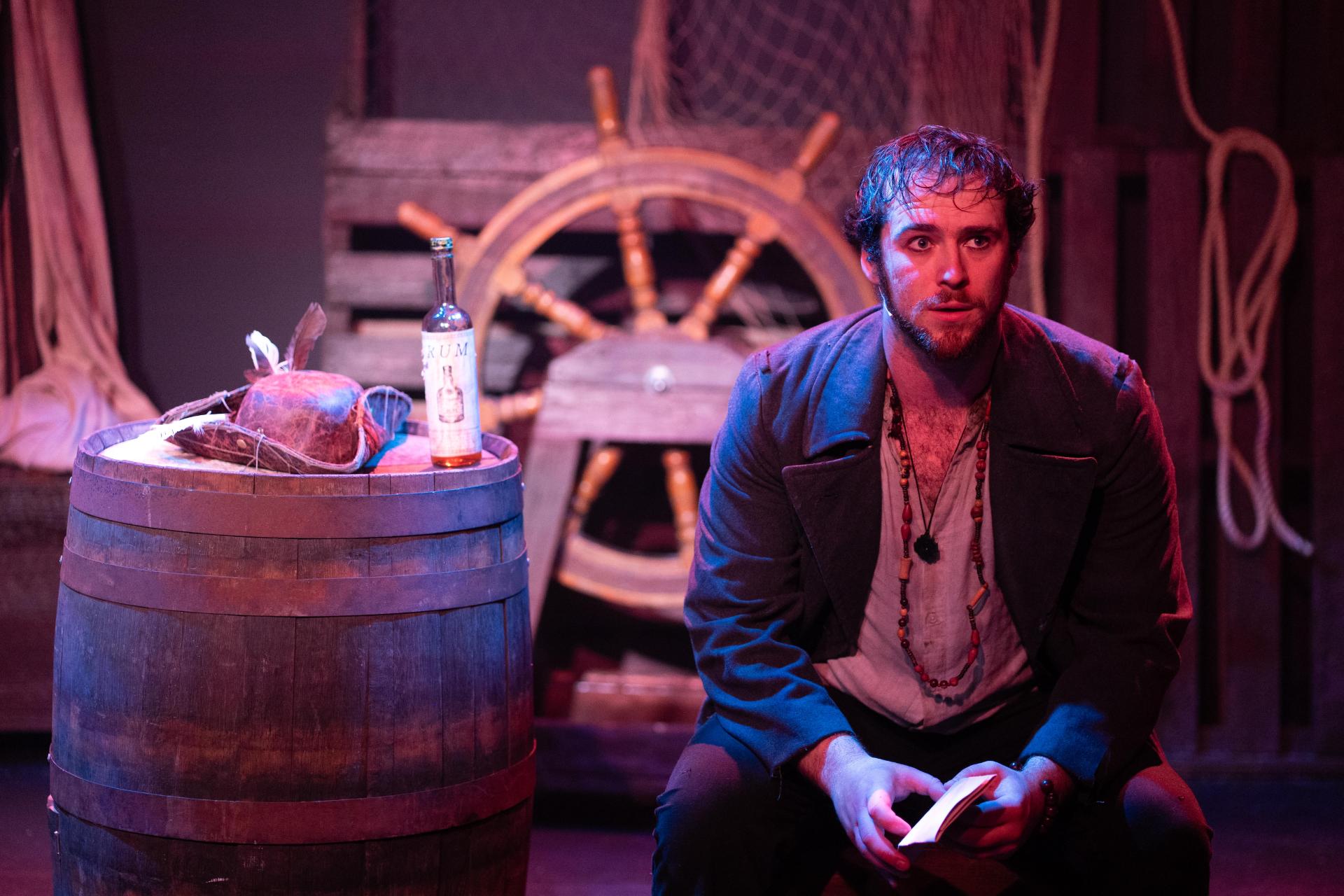
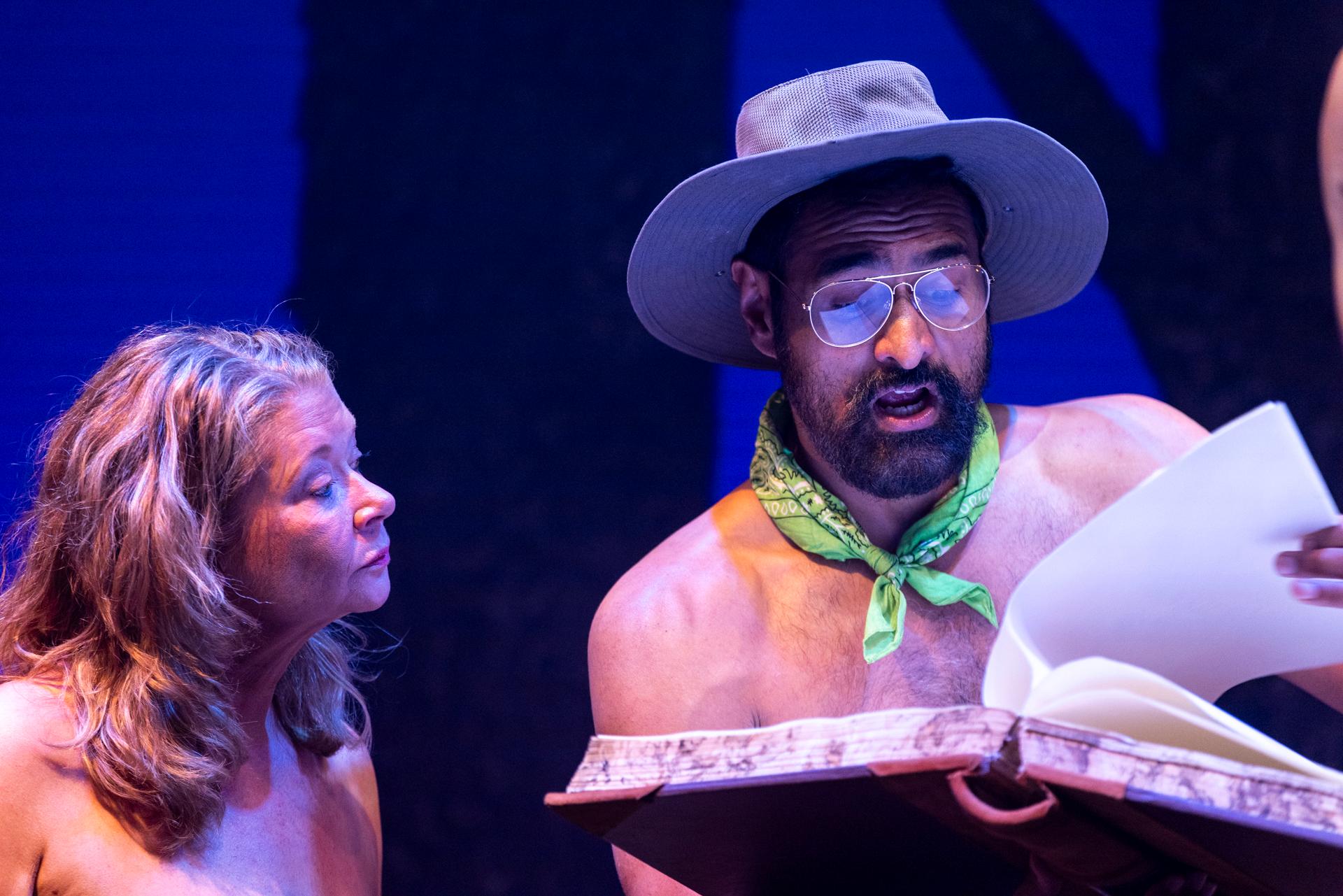
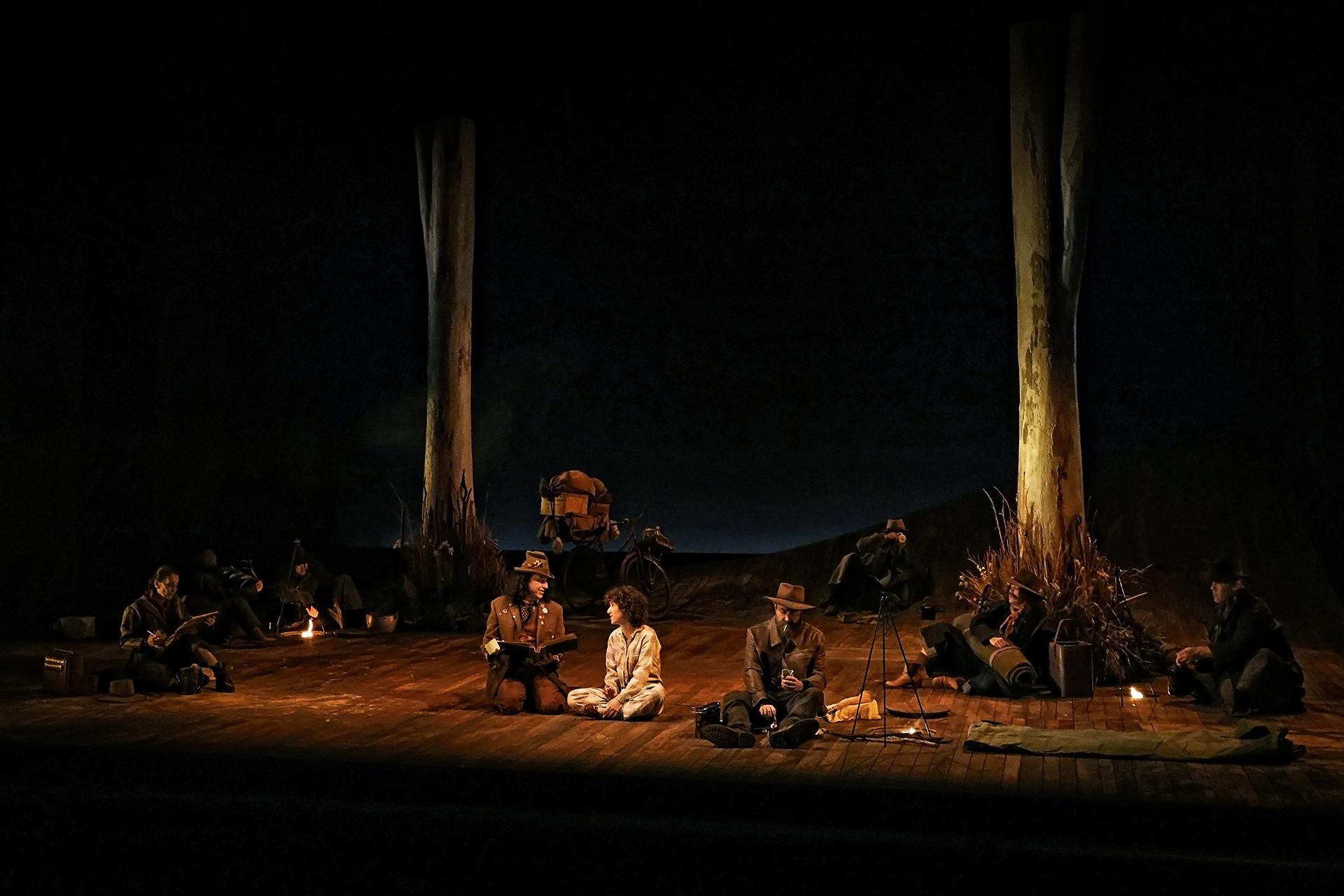
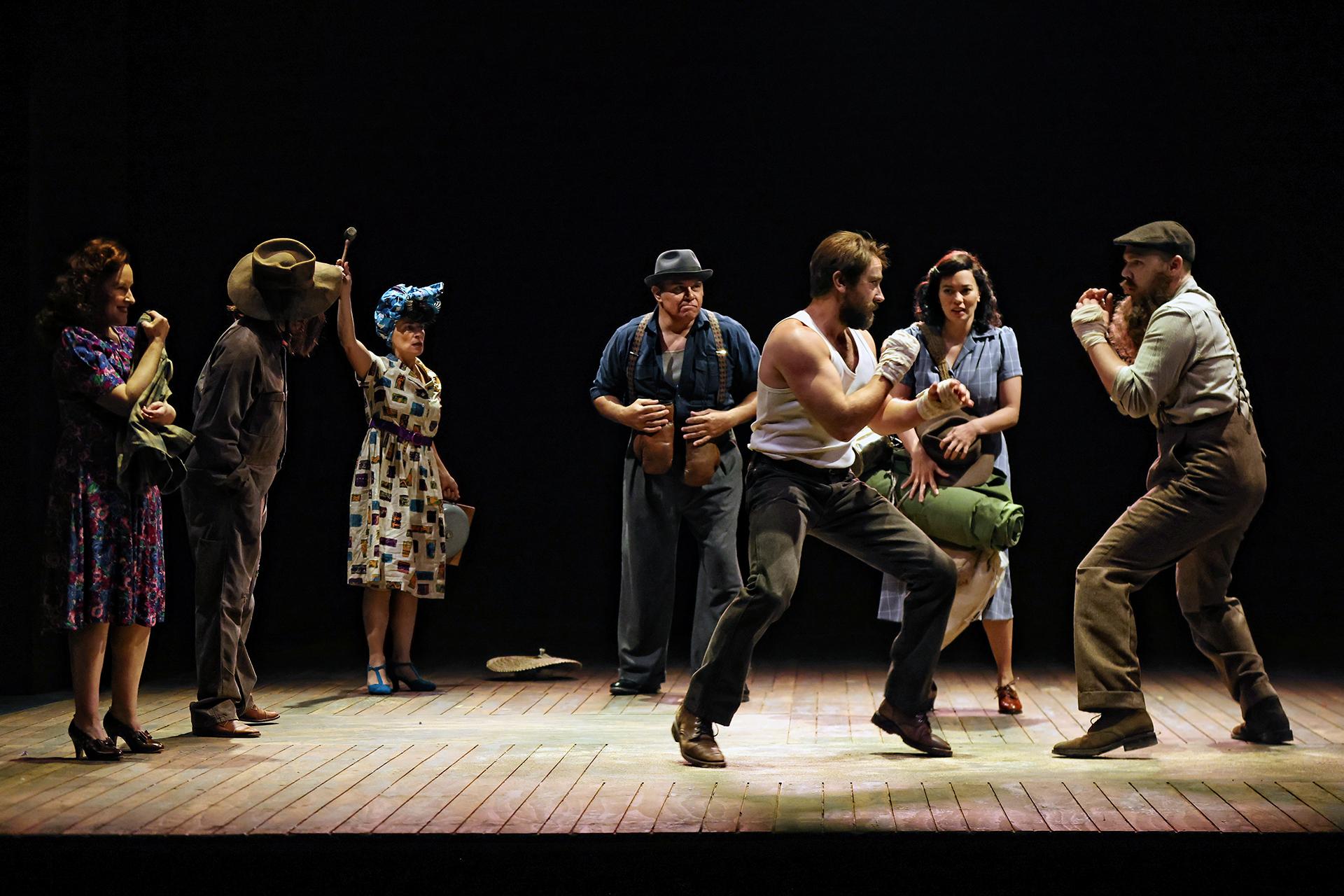
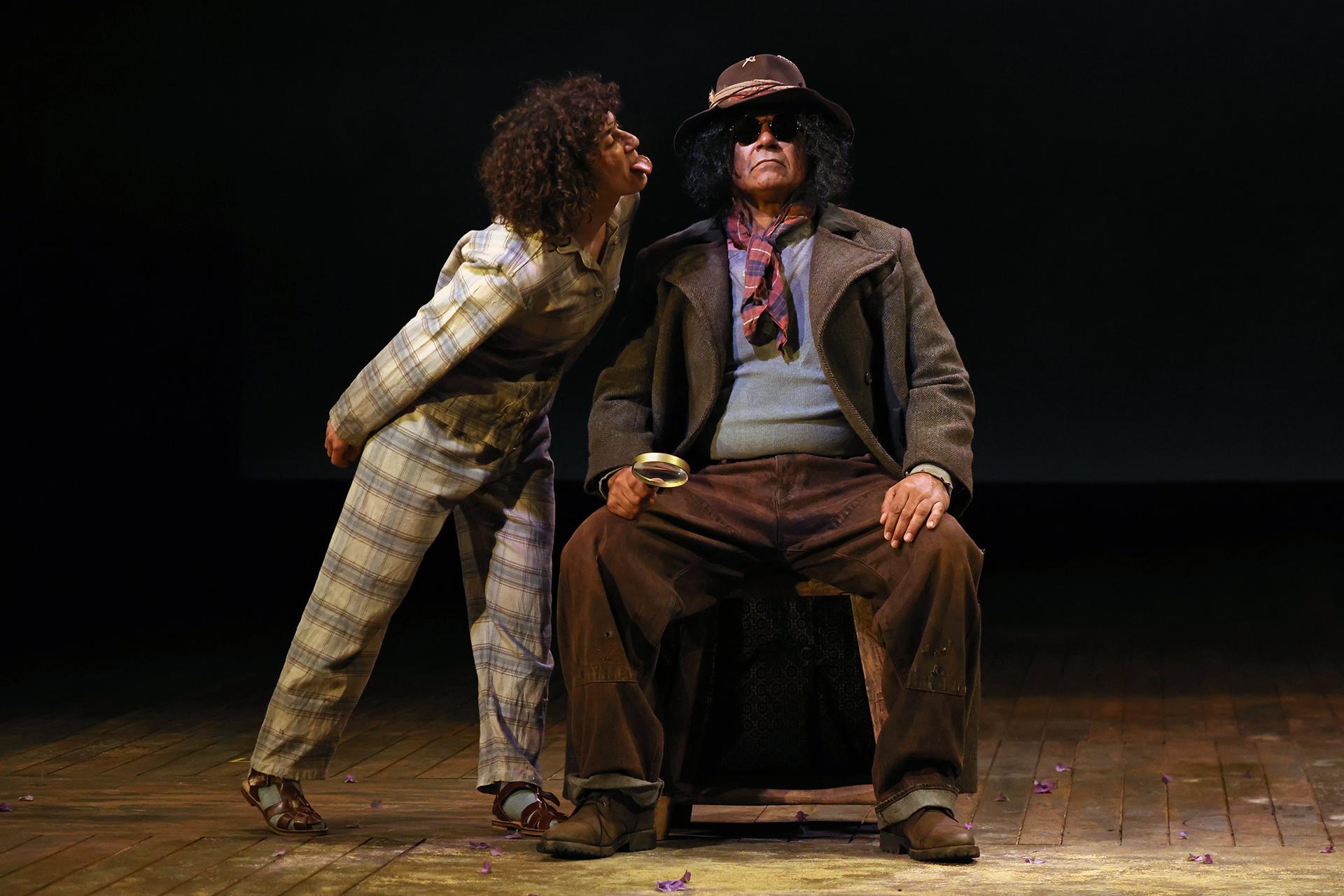
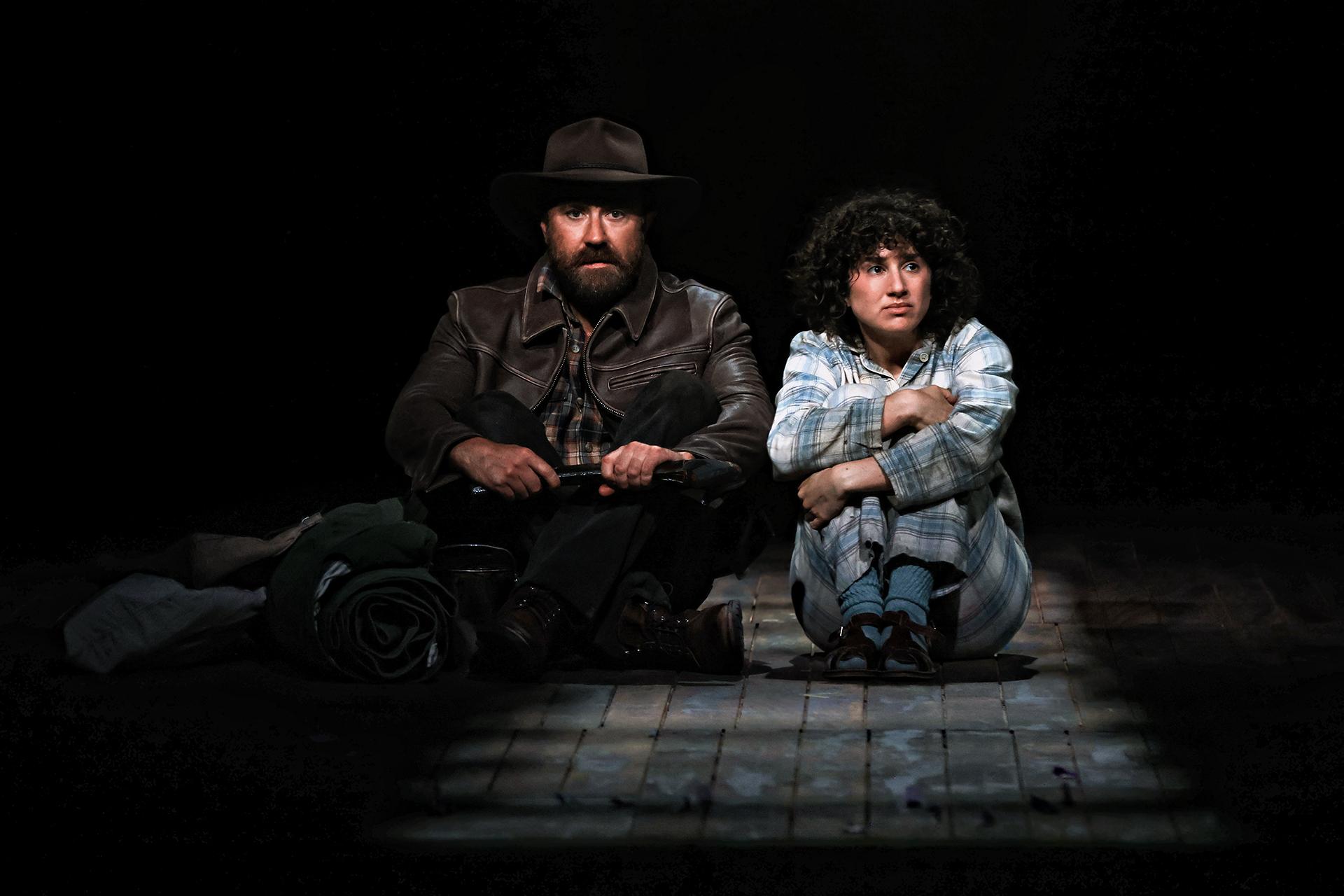
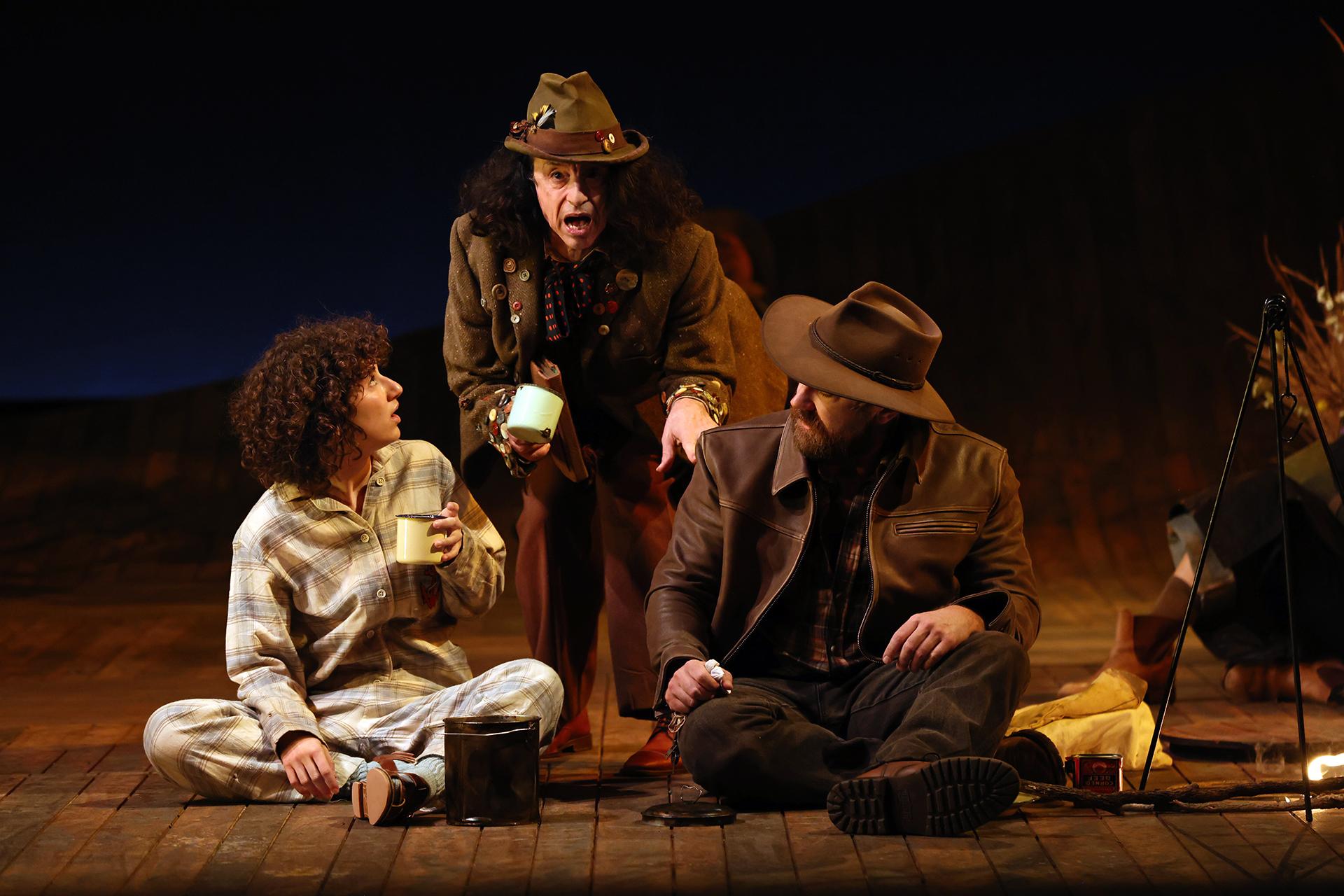
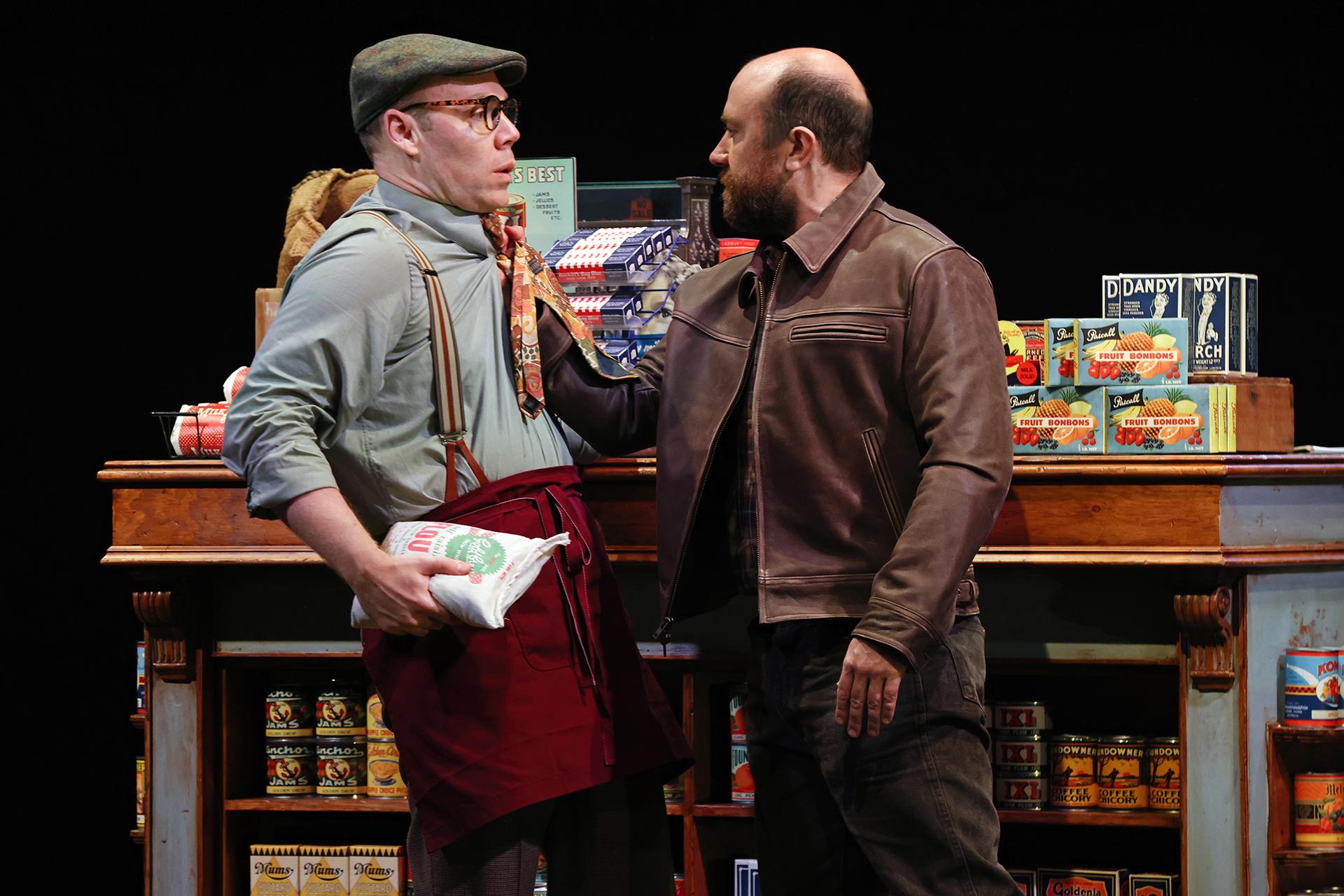
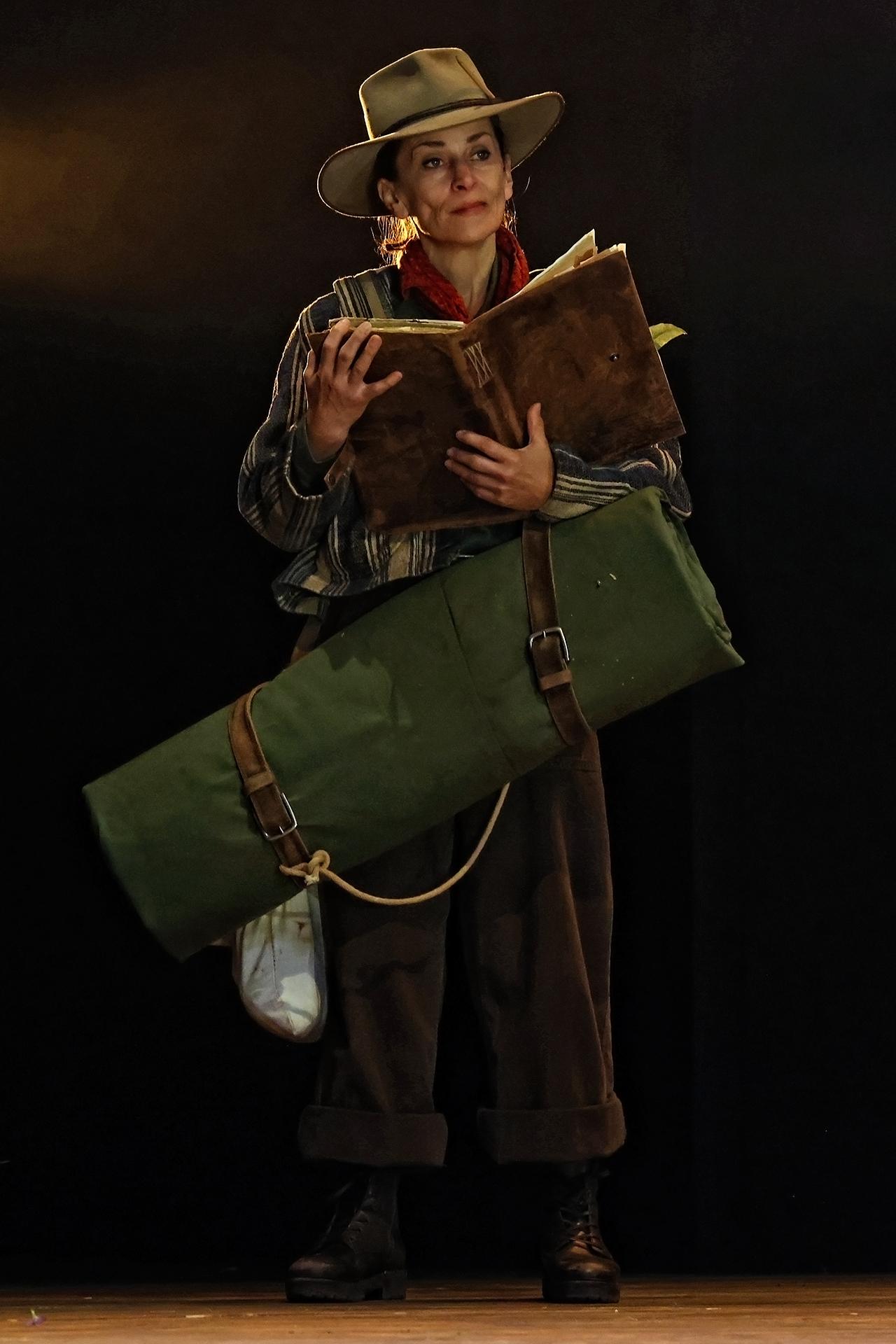
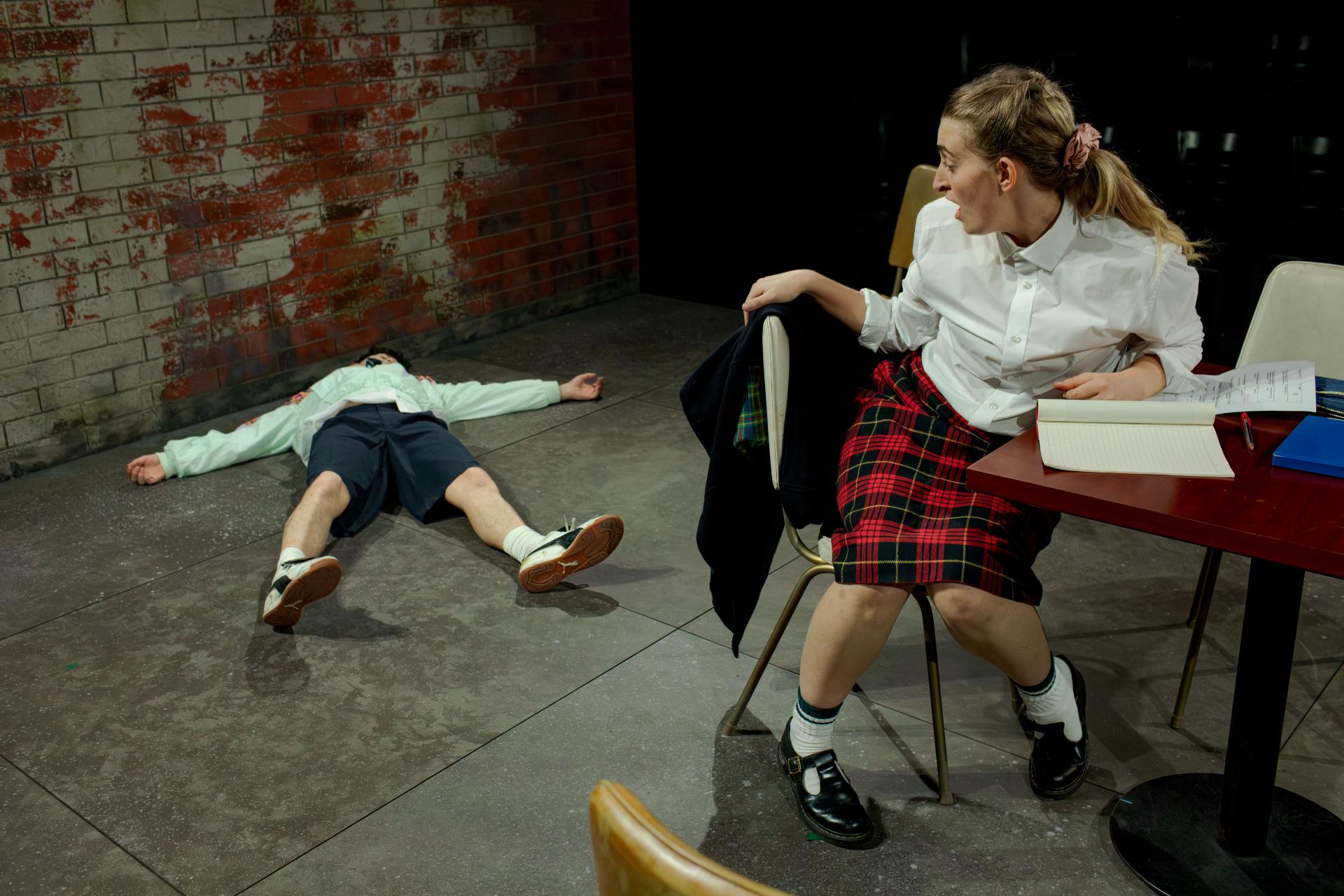
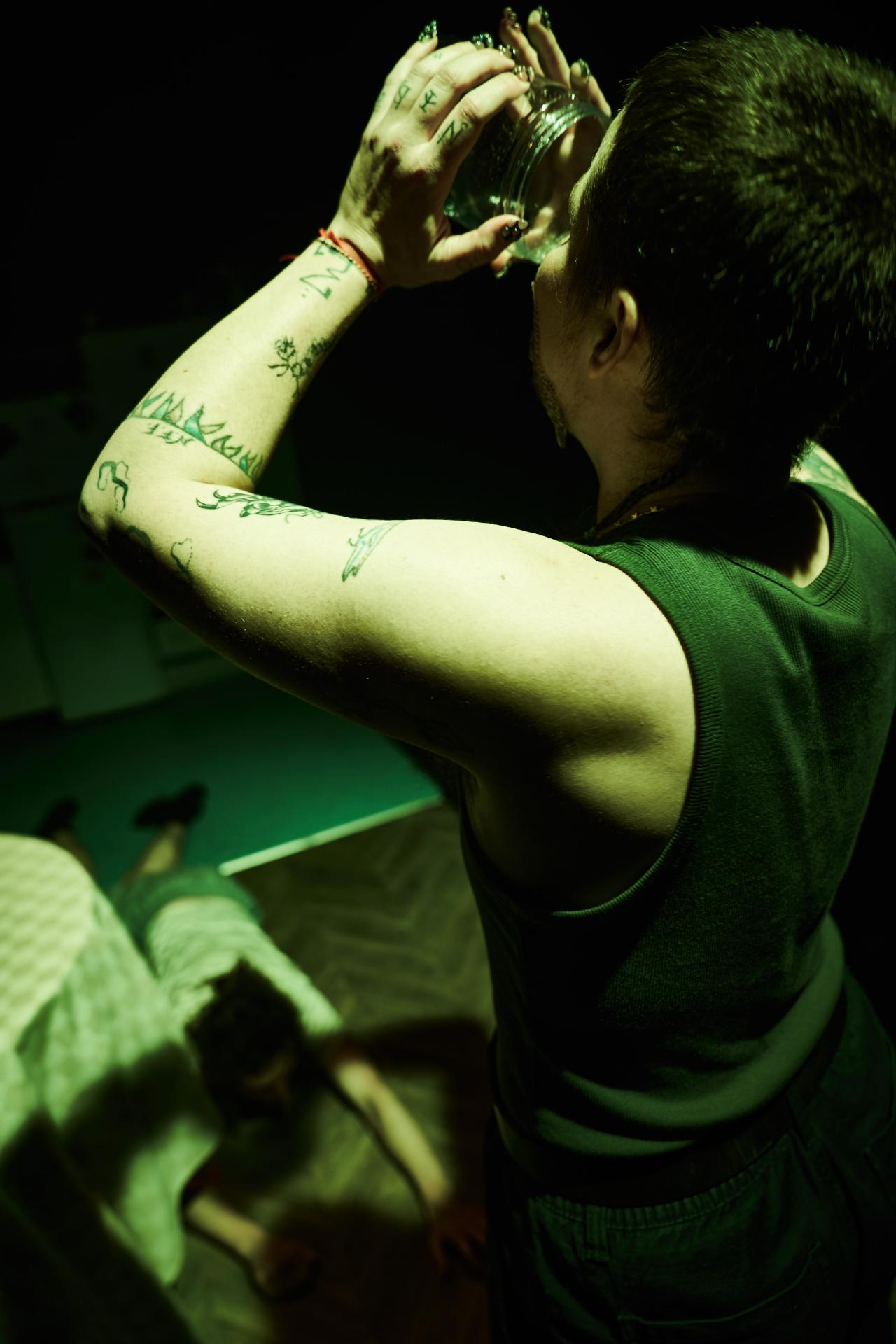
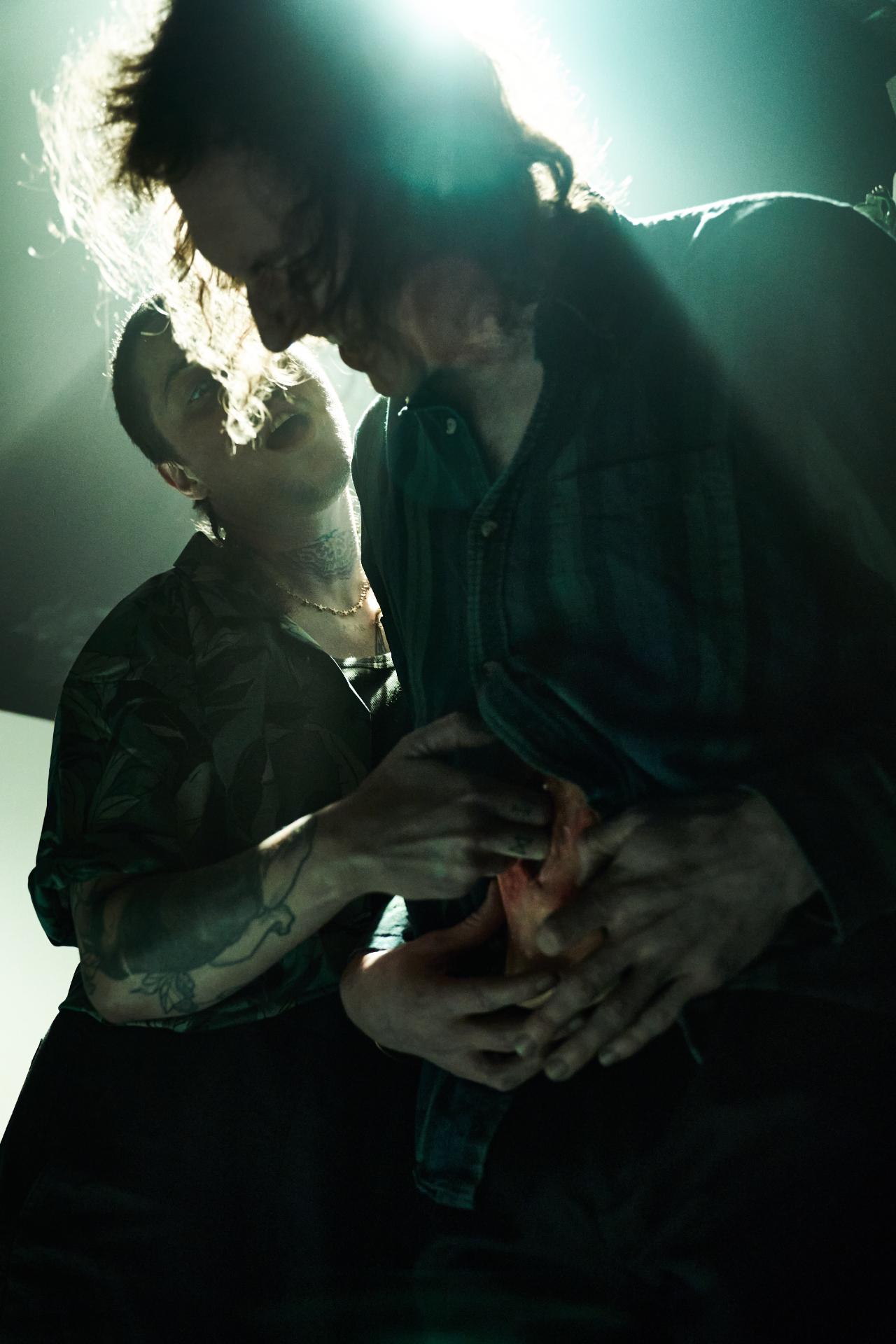
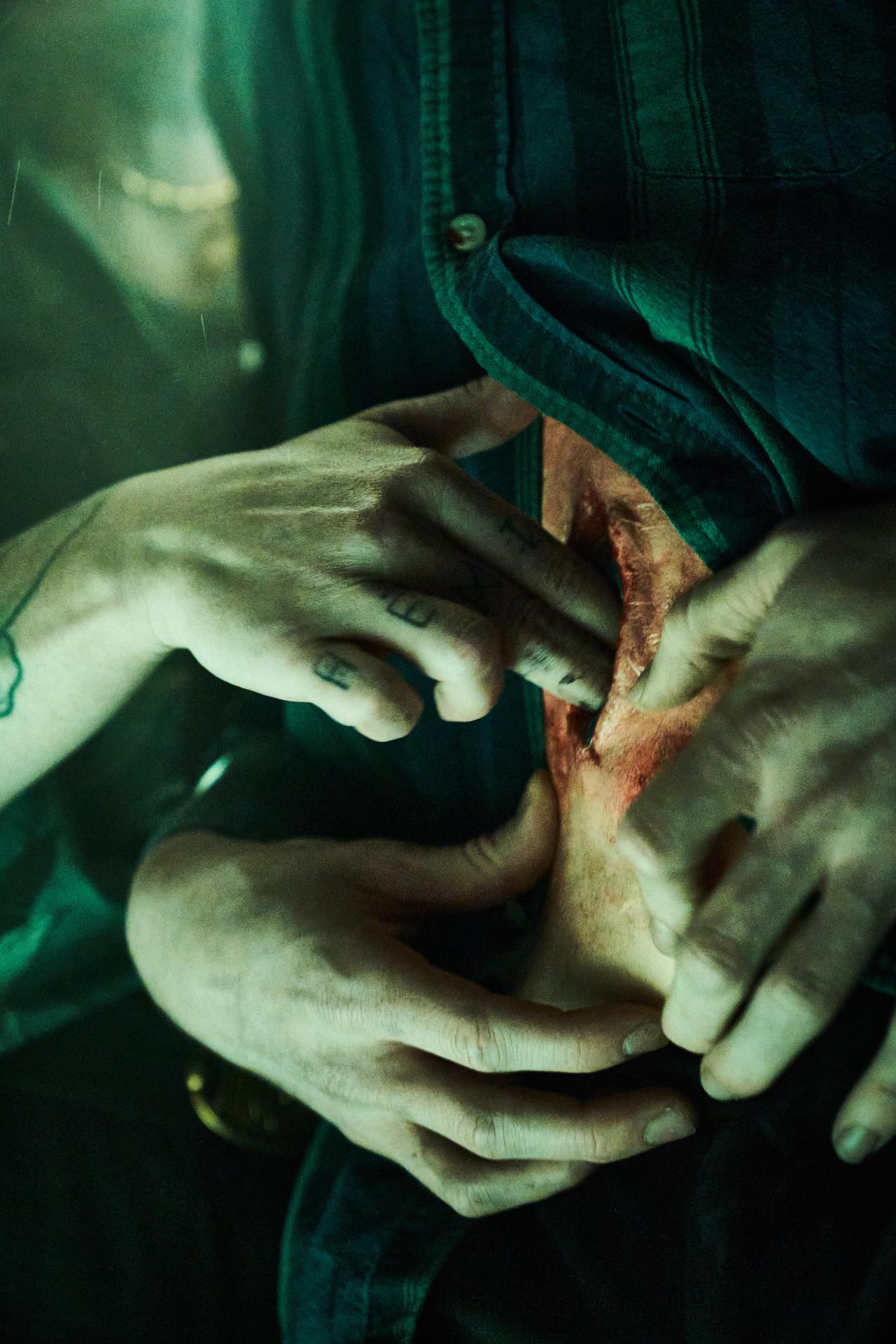
The protagonist in Shakespeare’s Coriolanus may appear every bit the triumphant warrior, but the play reveals that true heroism cannot exist without integrity. Driven by a hunger for status and glory, Coriolanus engages in political manoeuvres to attain the consulship, giving little consideration to the greater good. While the Roman people hold the power to vote in their own interest, the knowledge they are given is seldom complete, and often shaped by manipulation rather than truth.

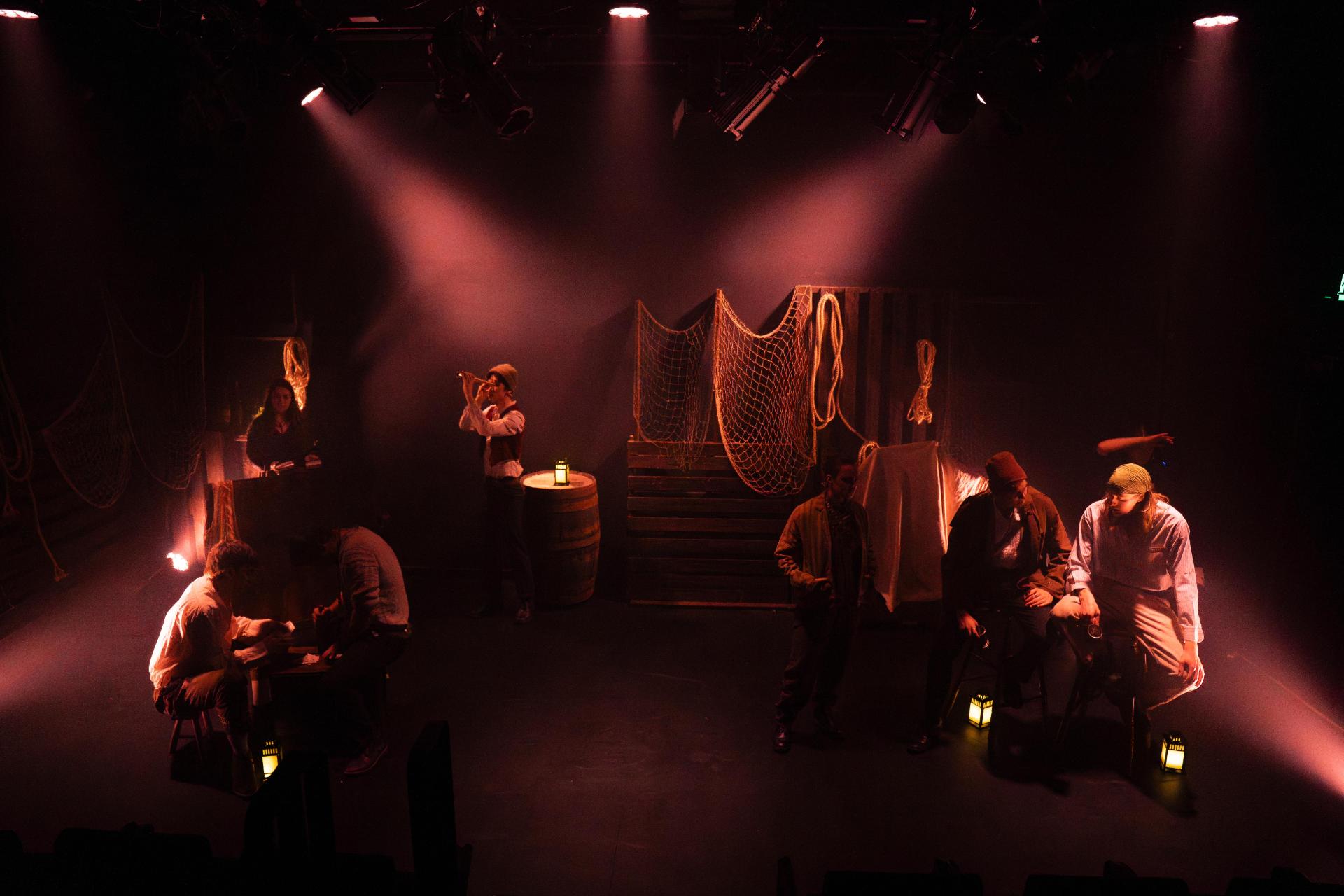
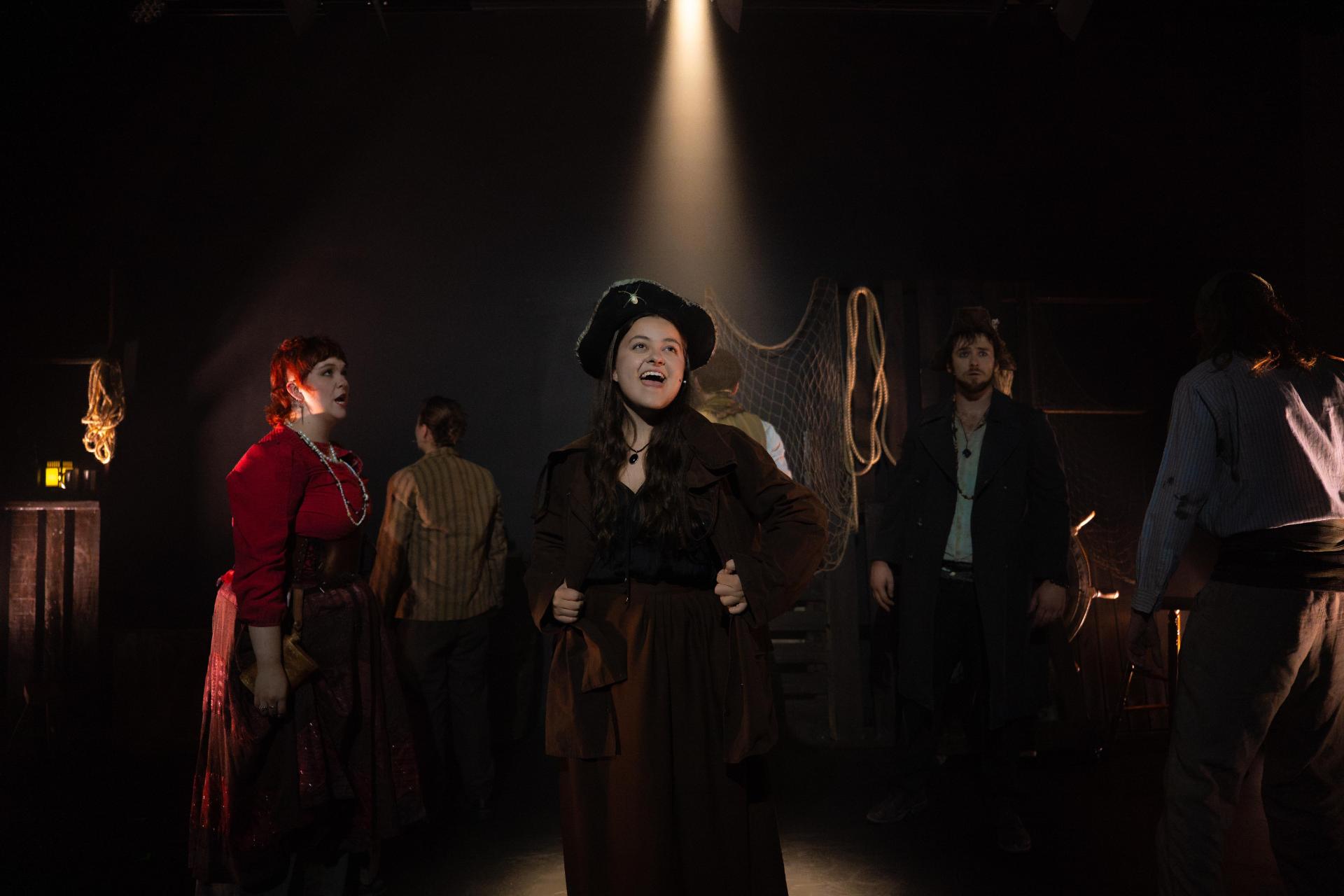
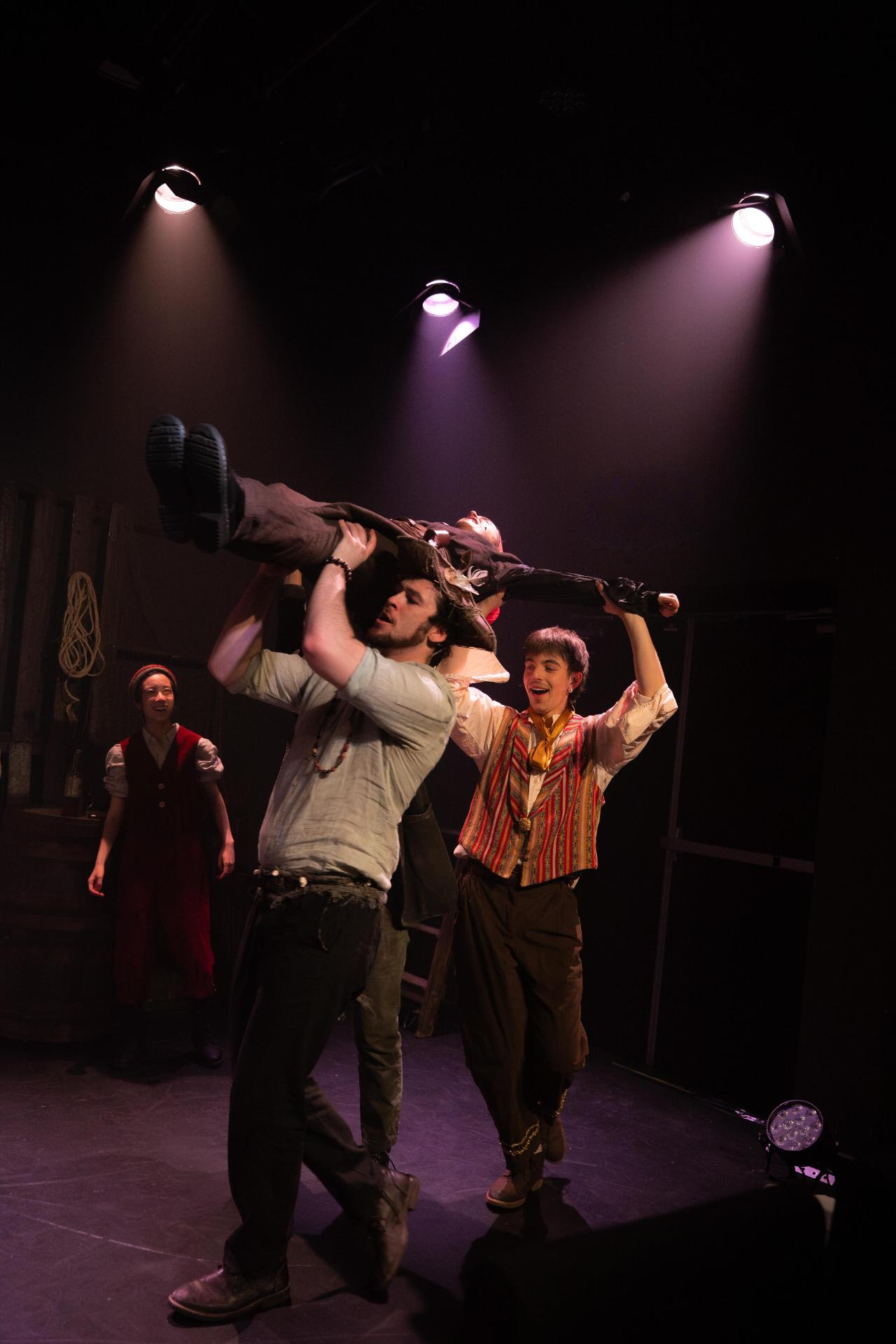
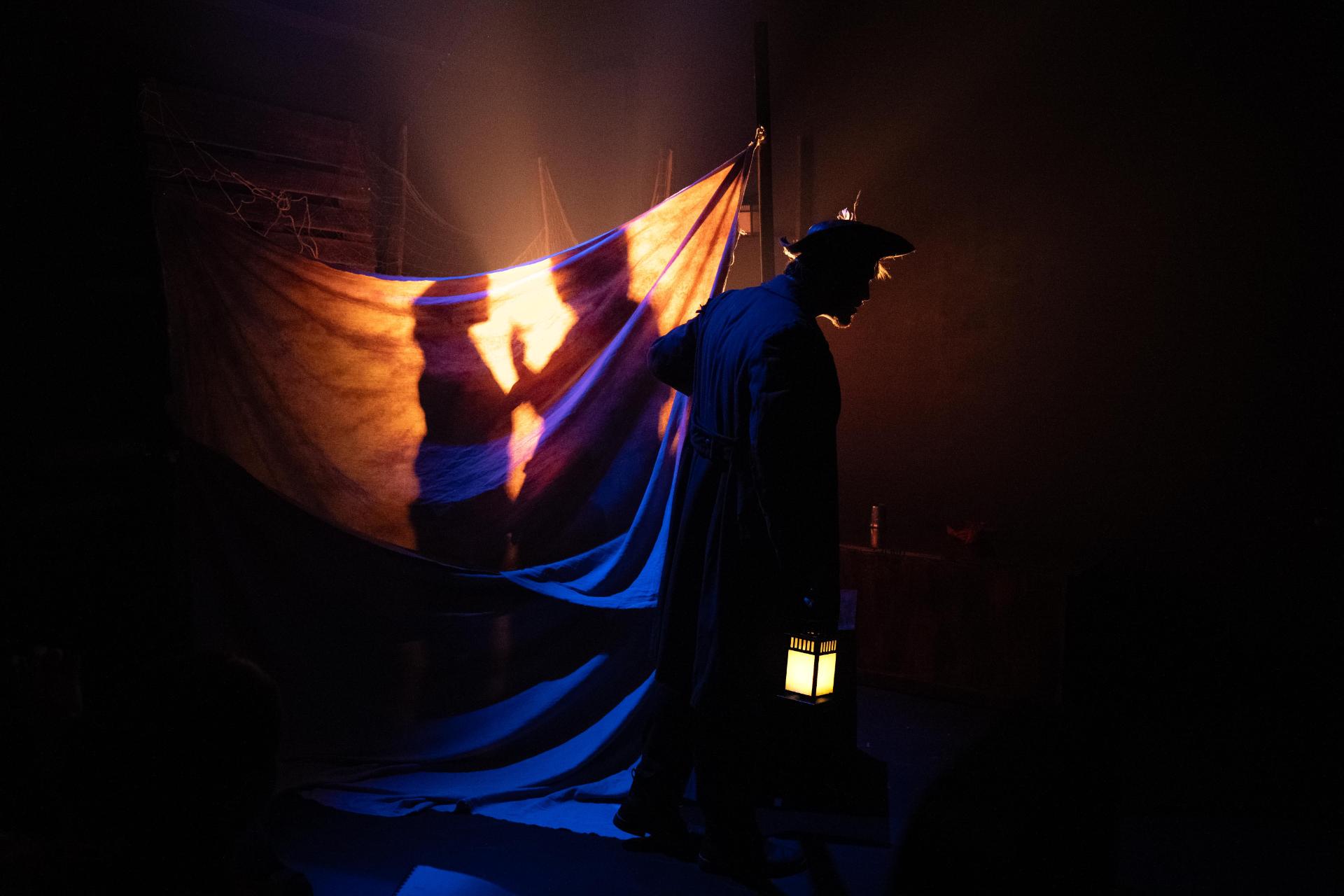
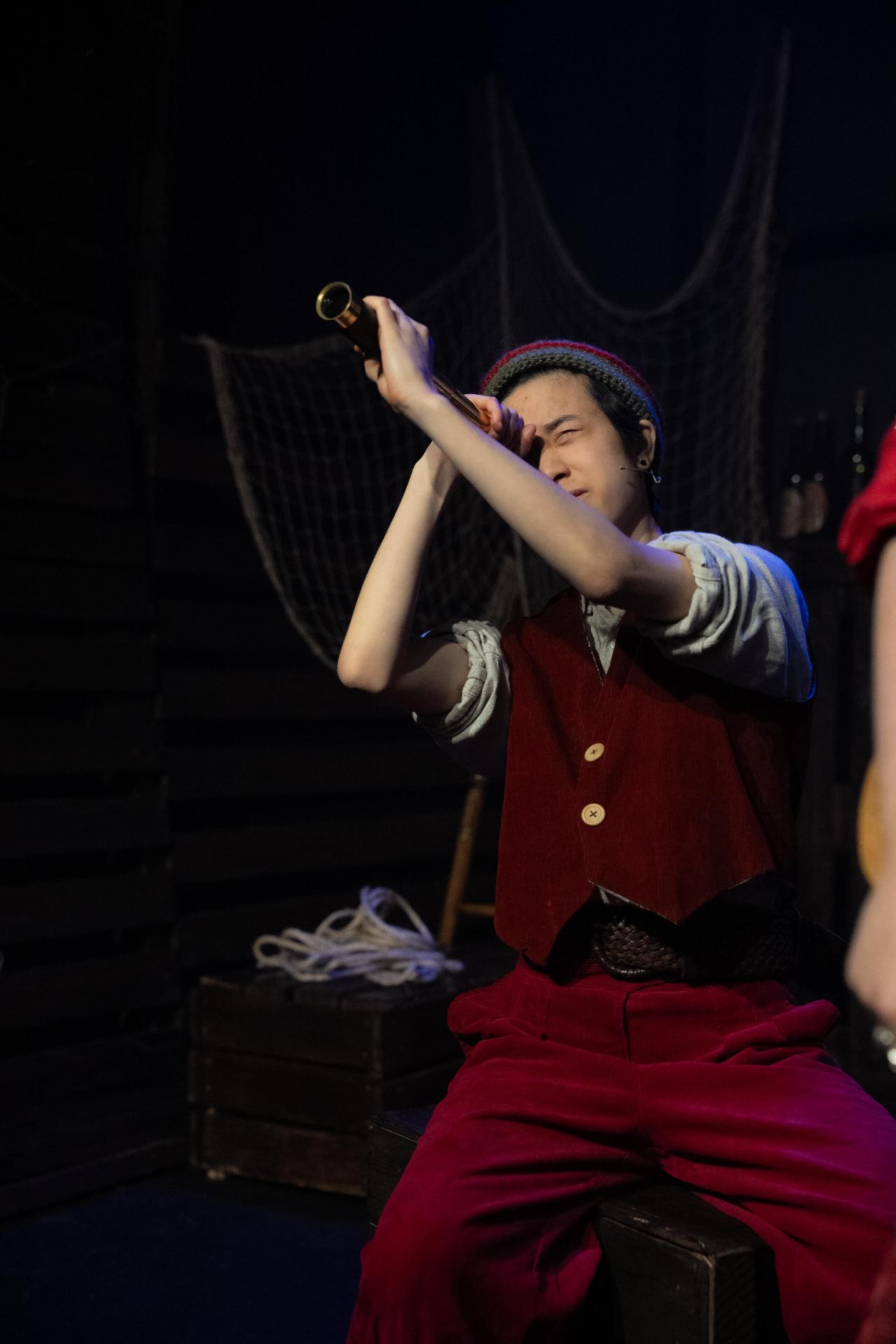
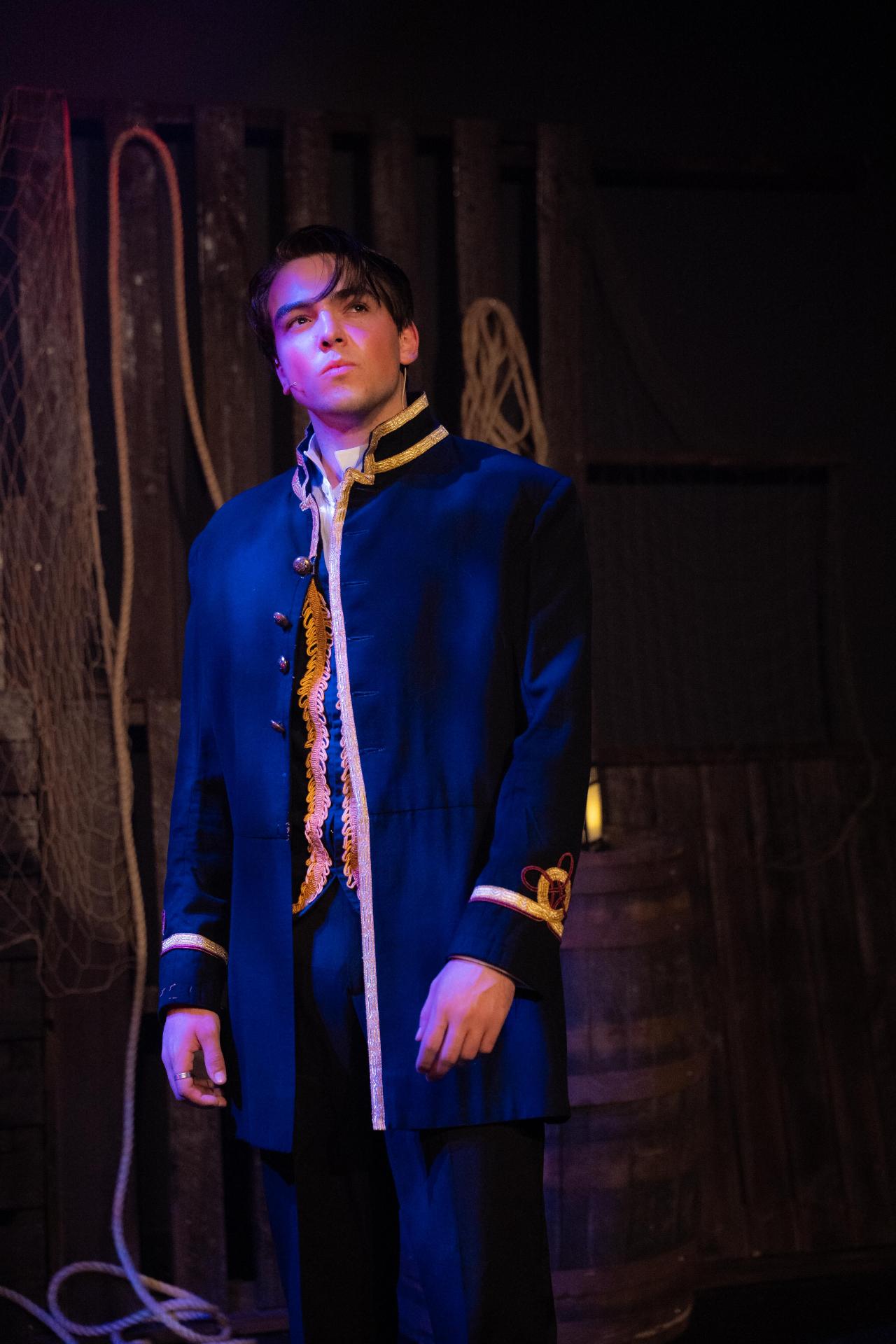
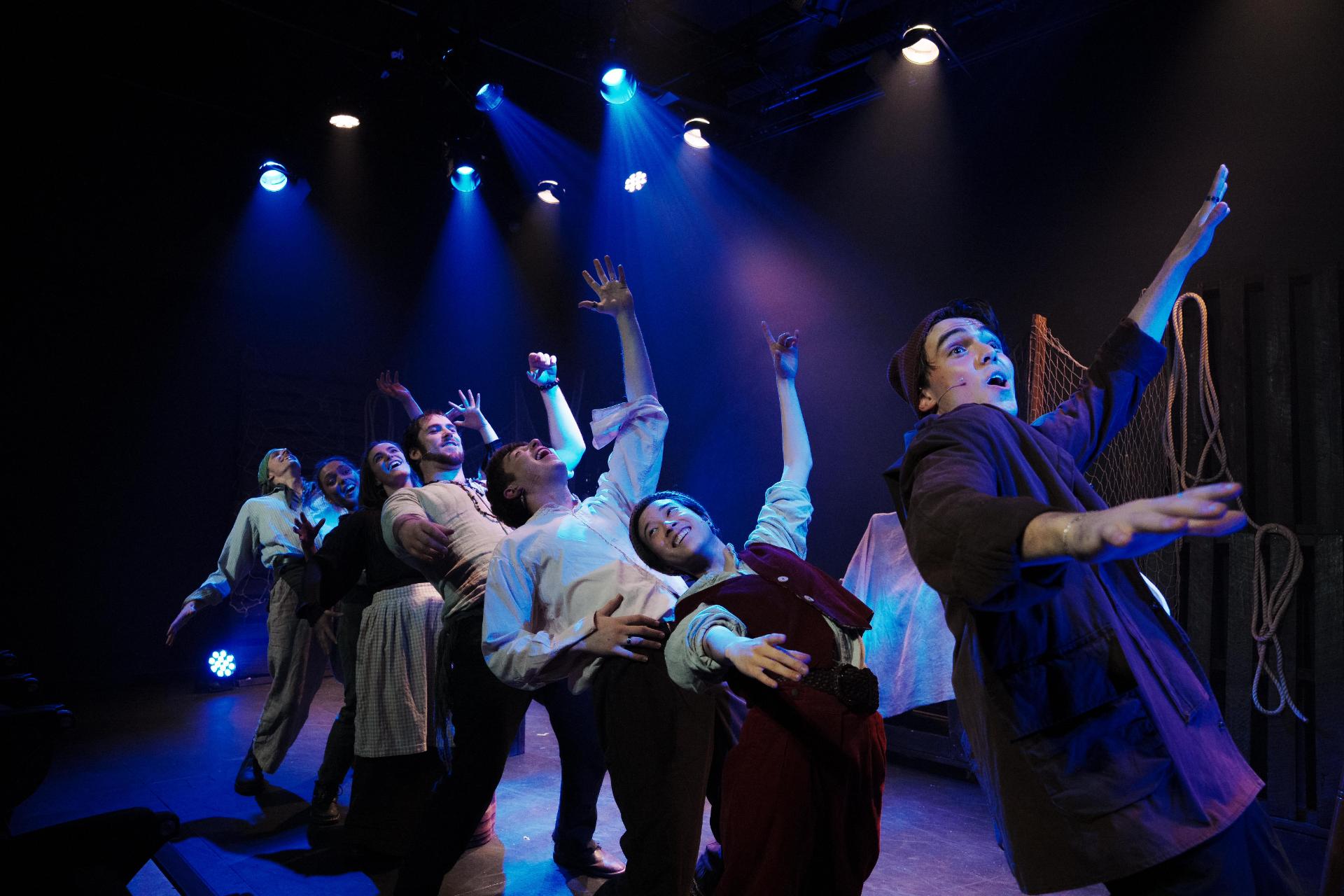
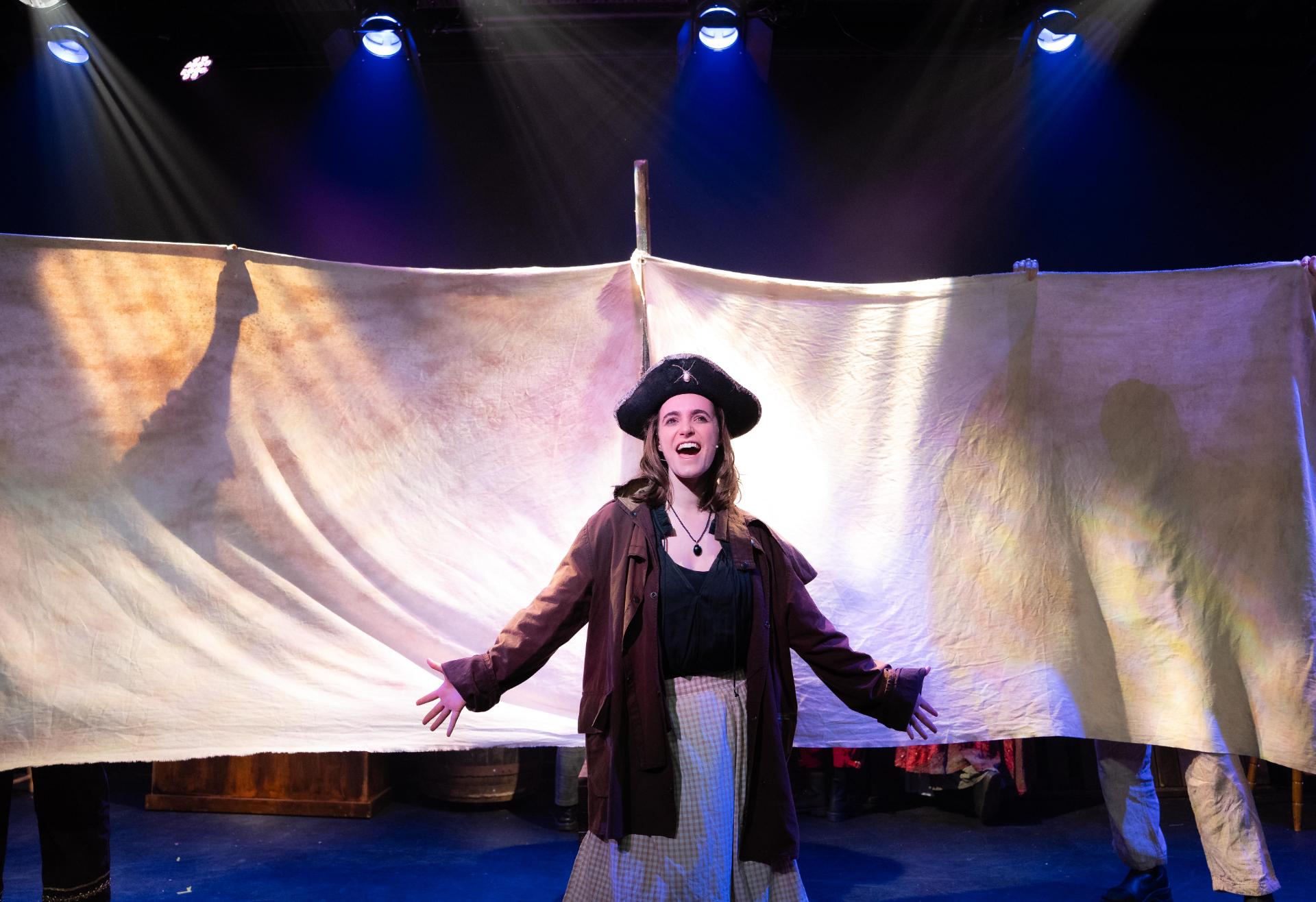
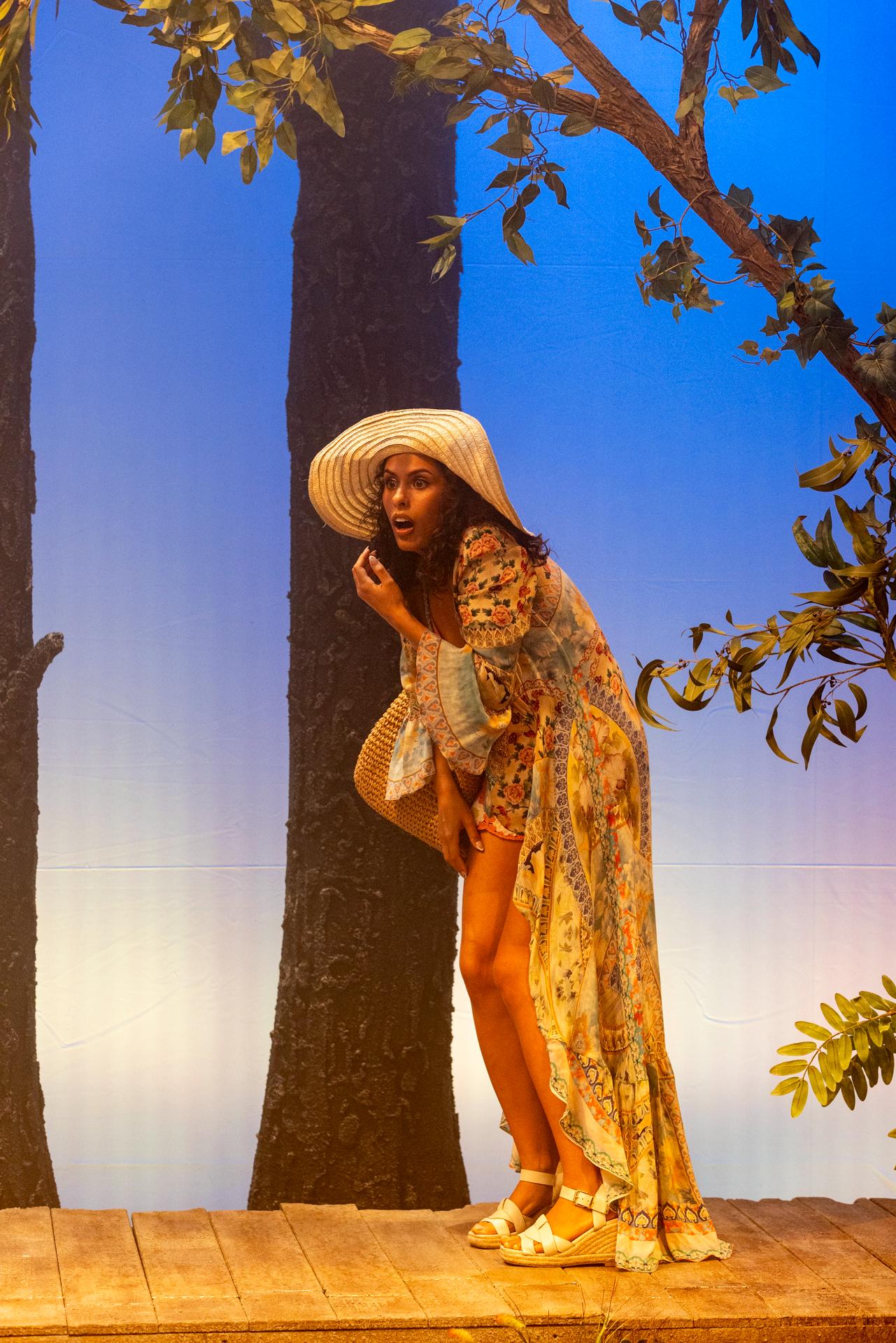
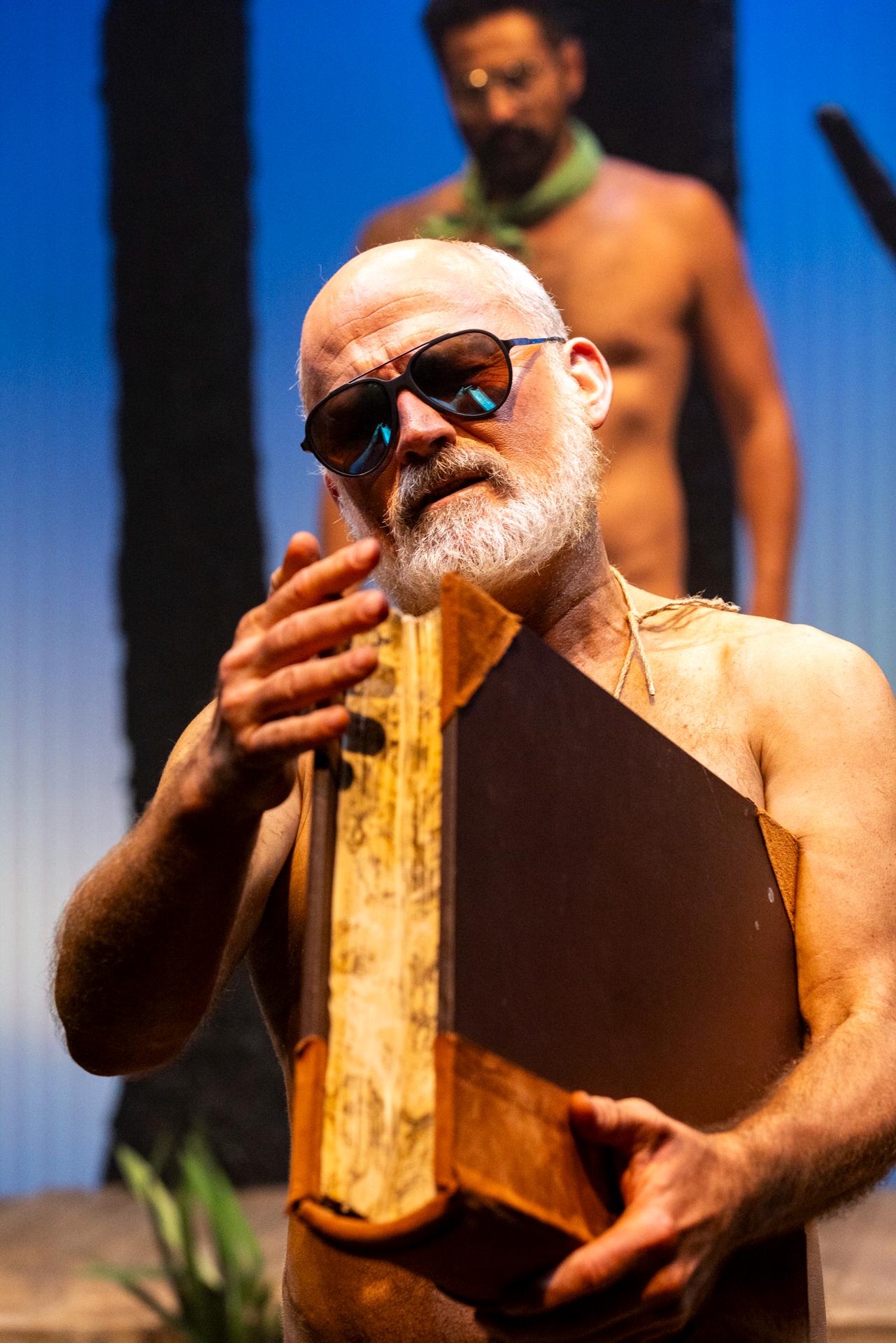
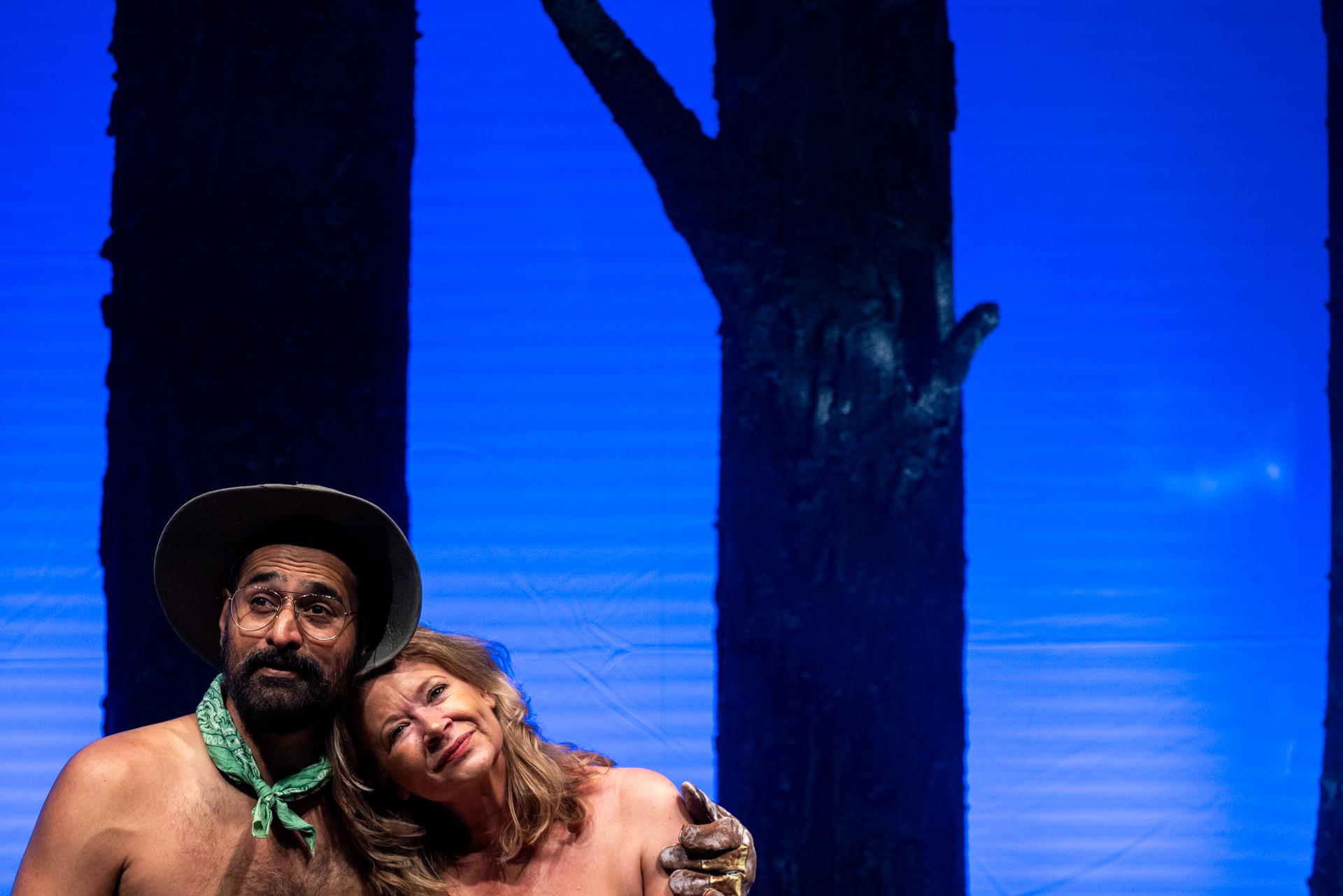
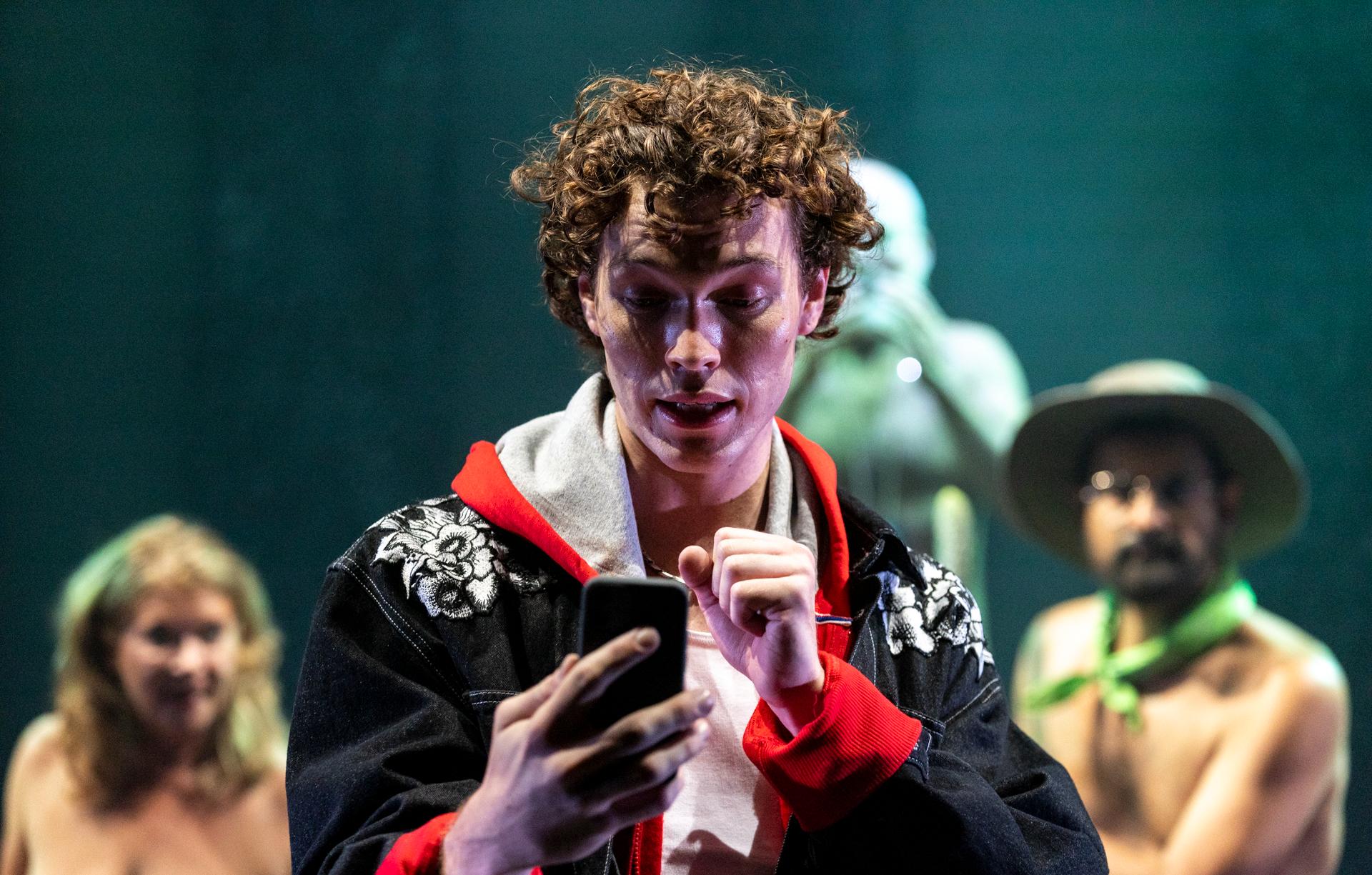
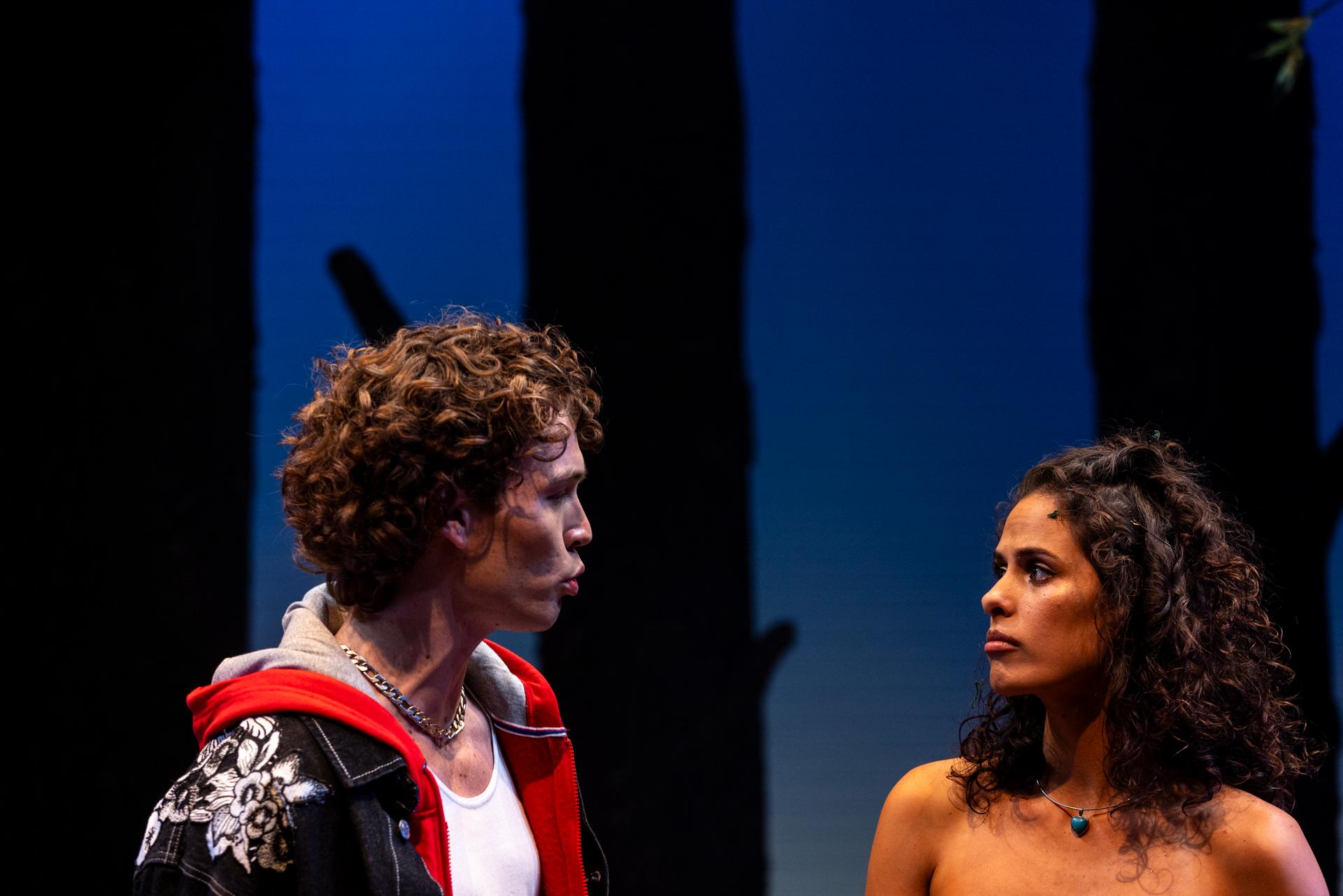
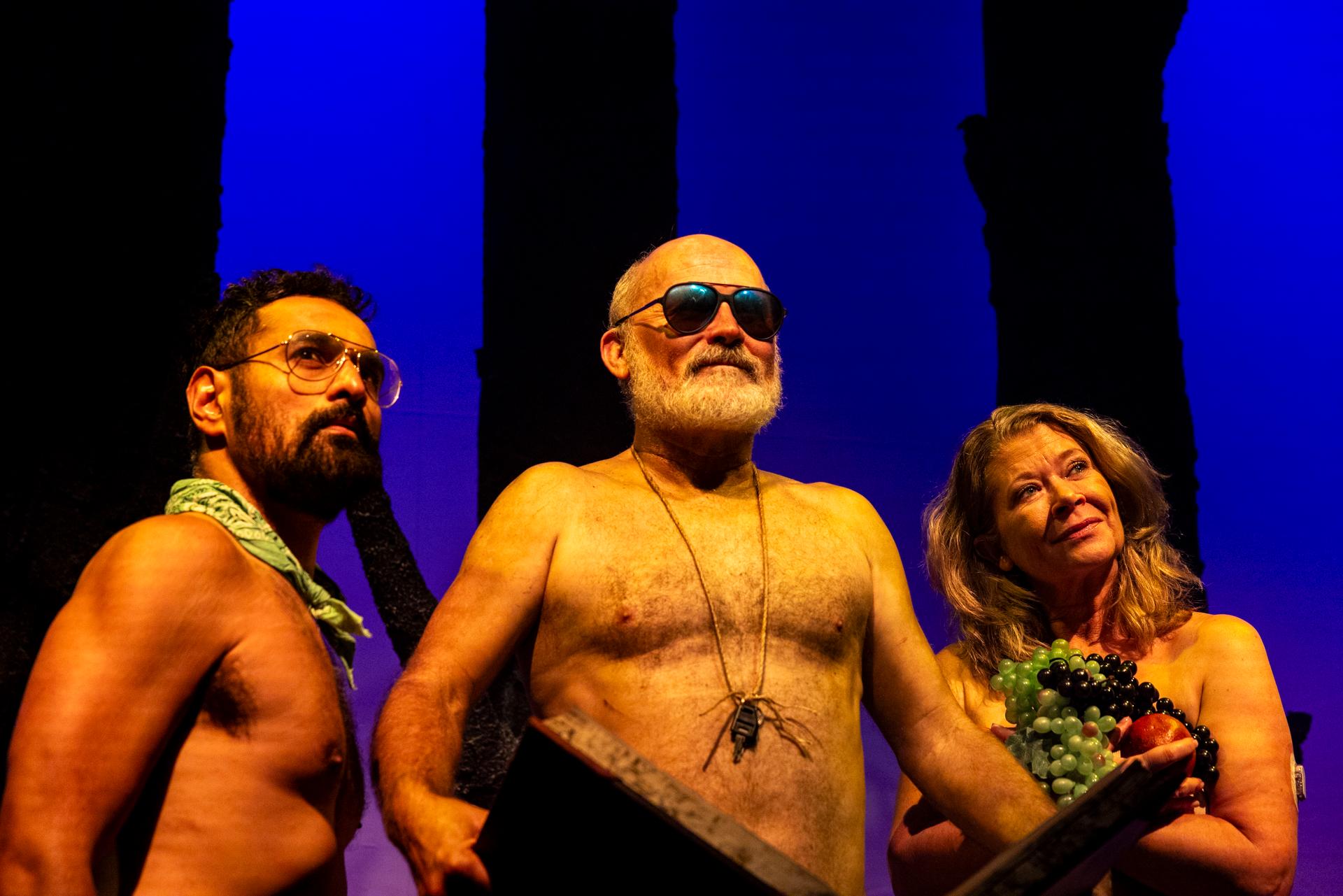
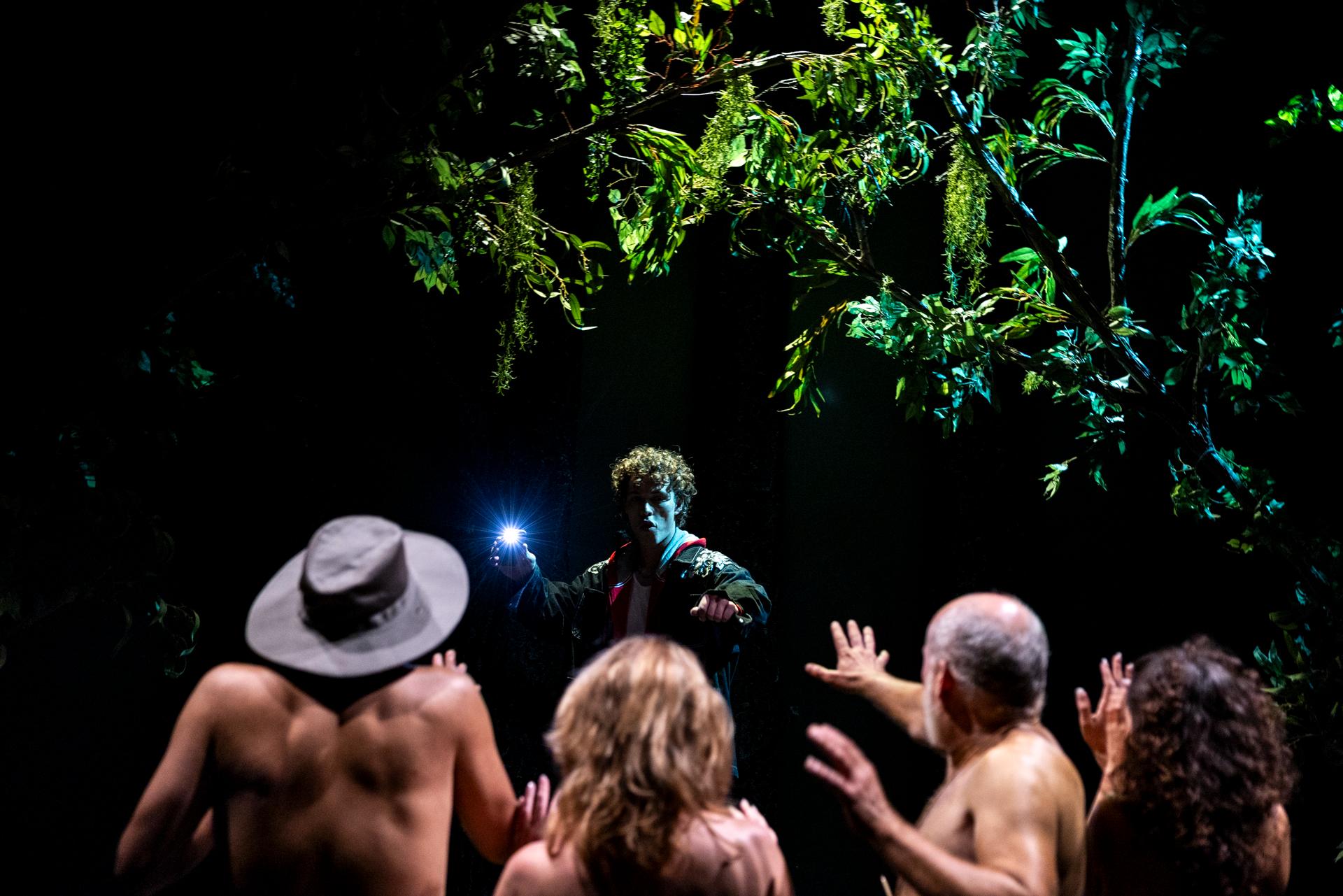
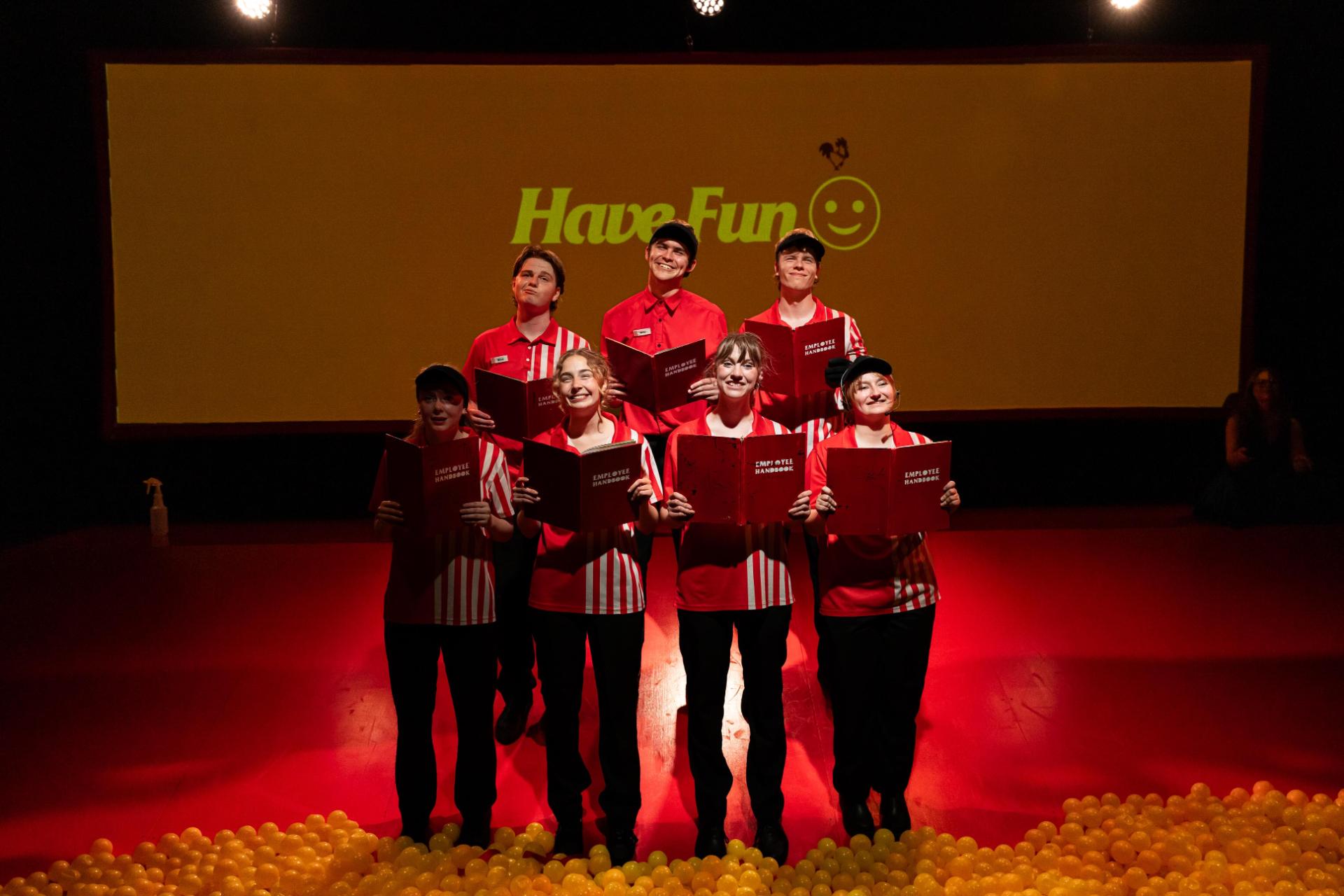
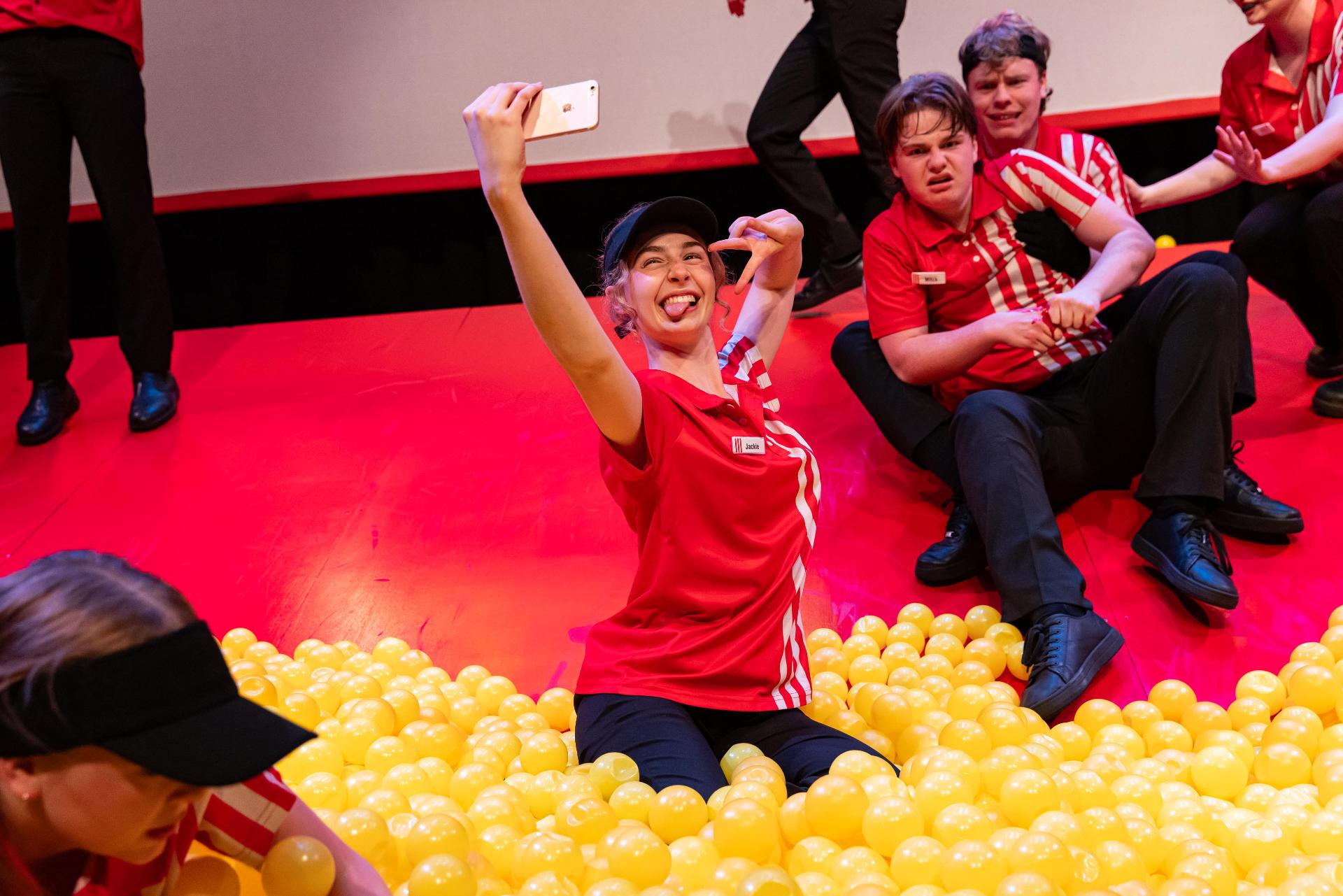
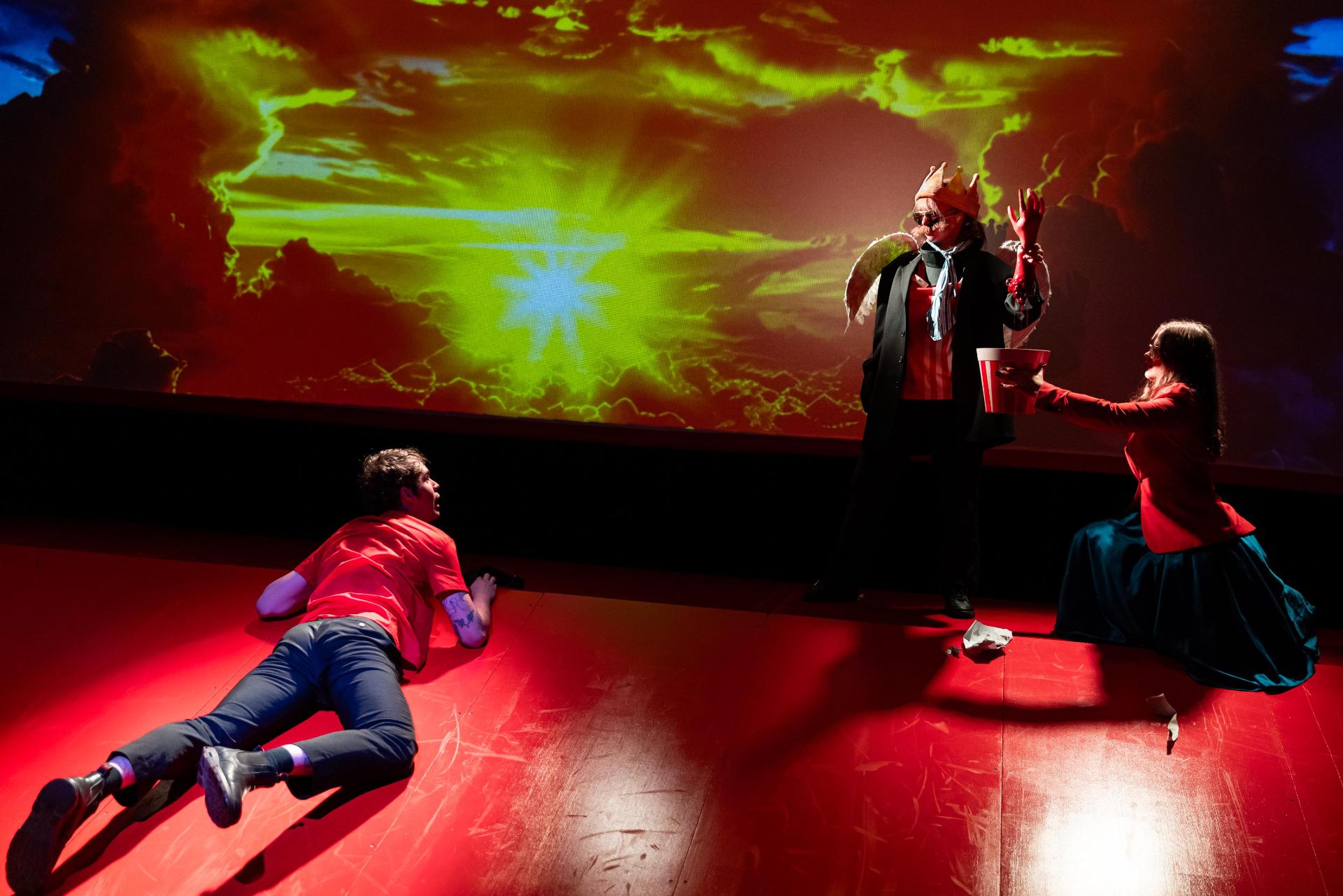
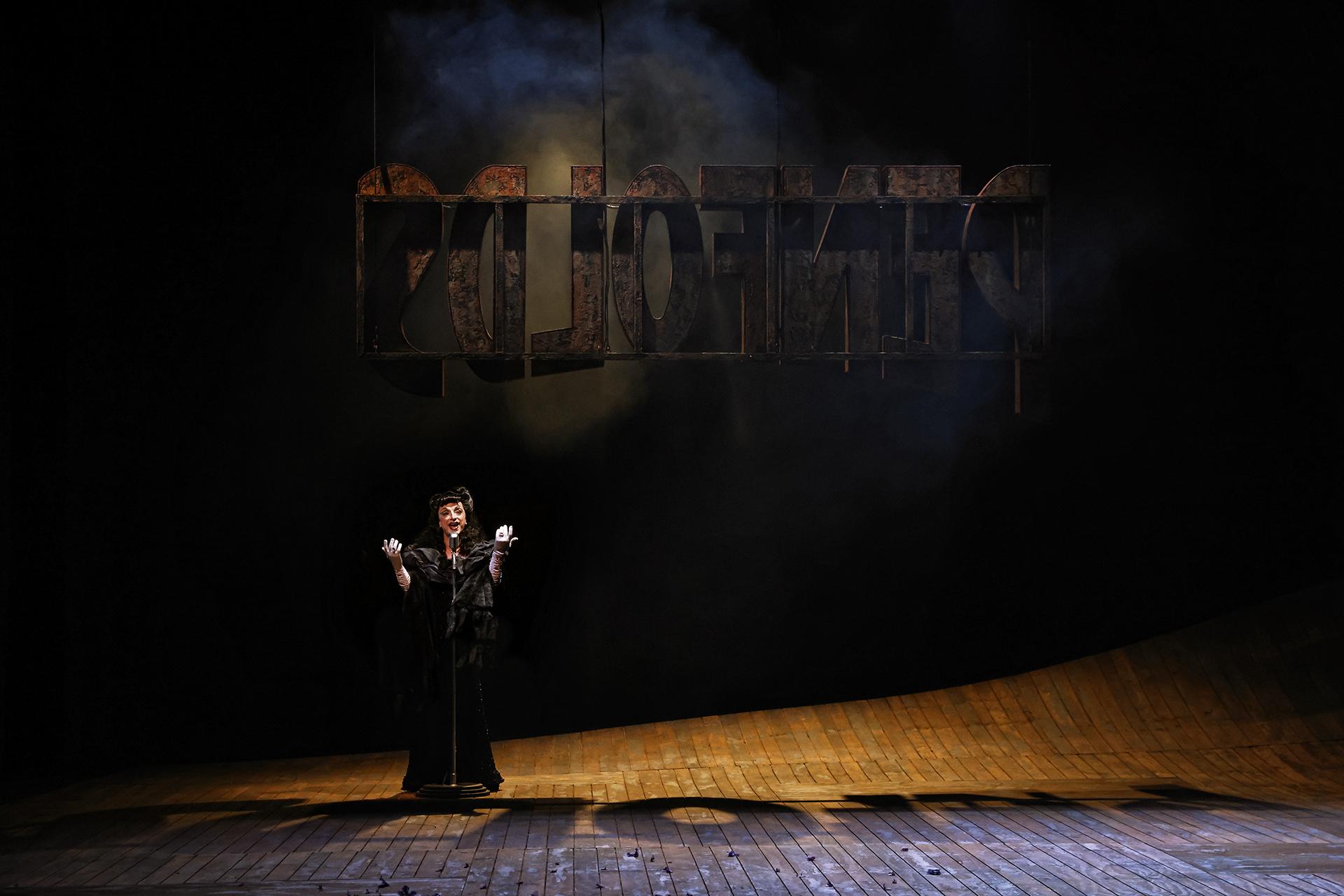
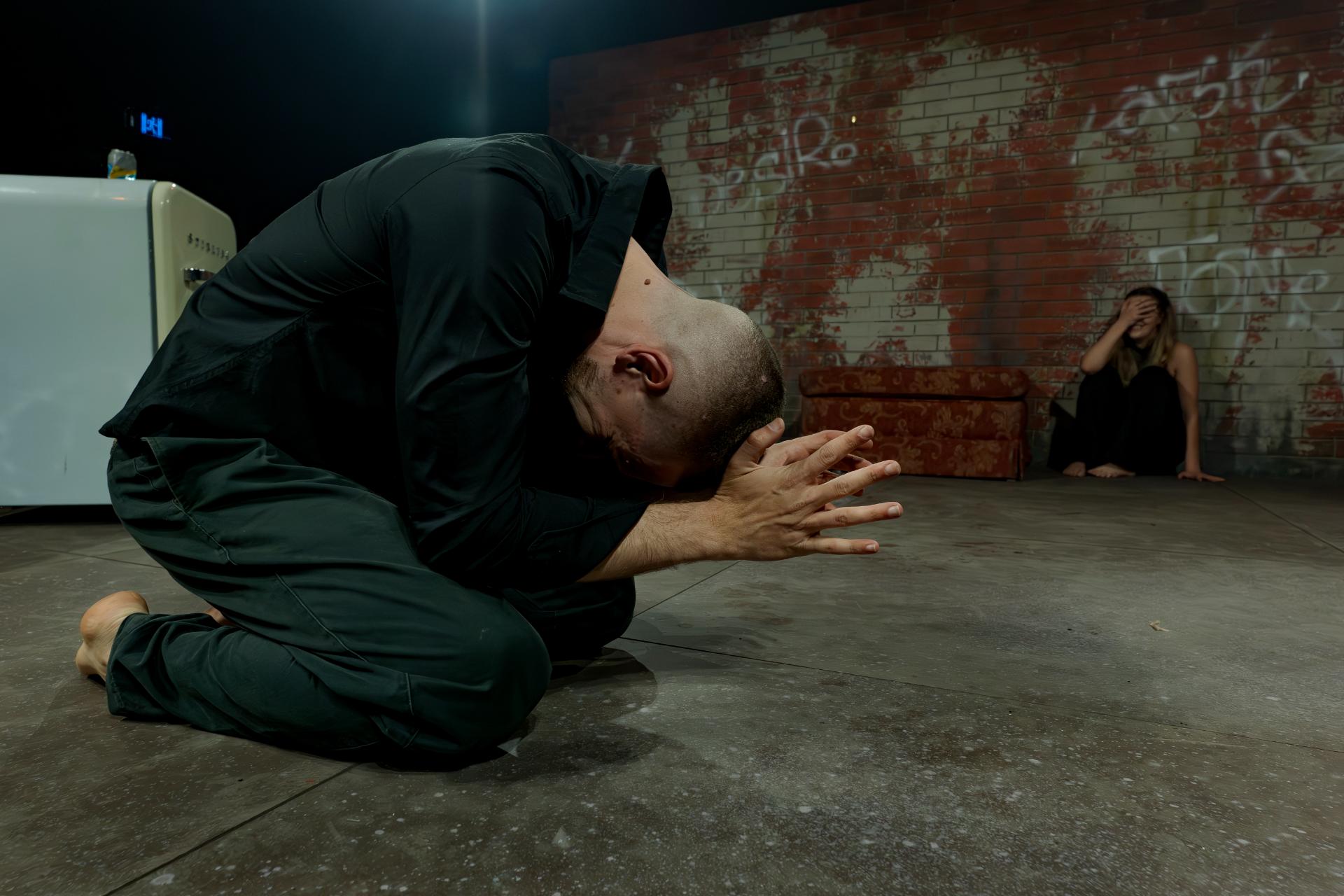
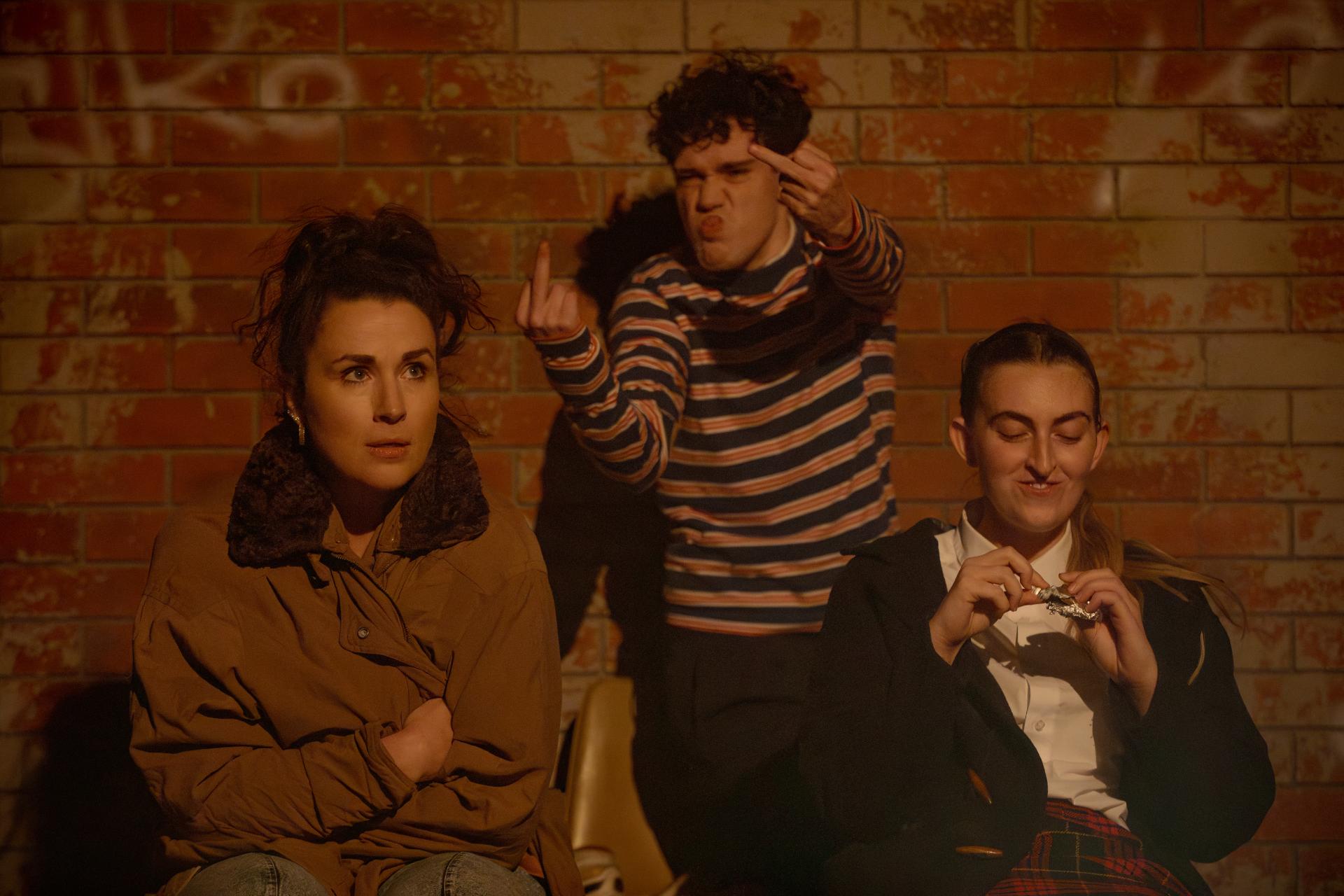
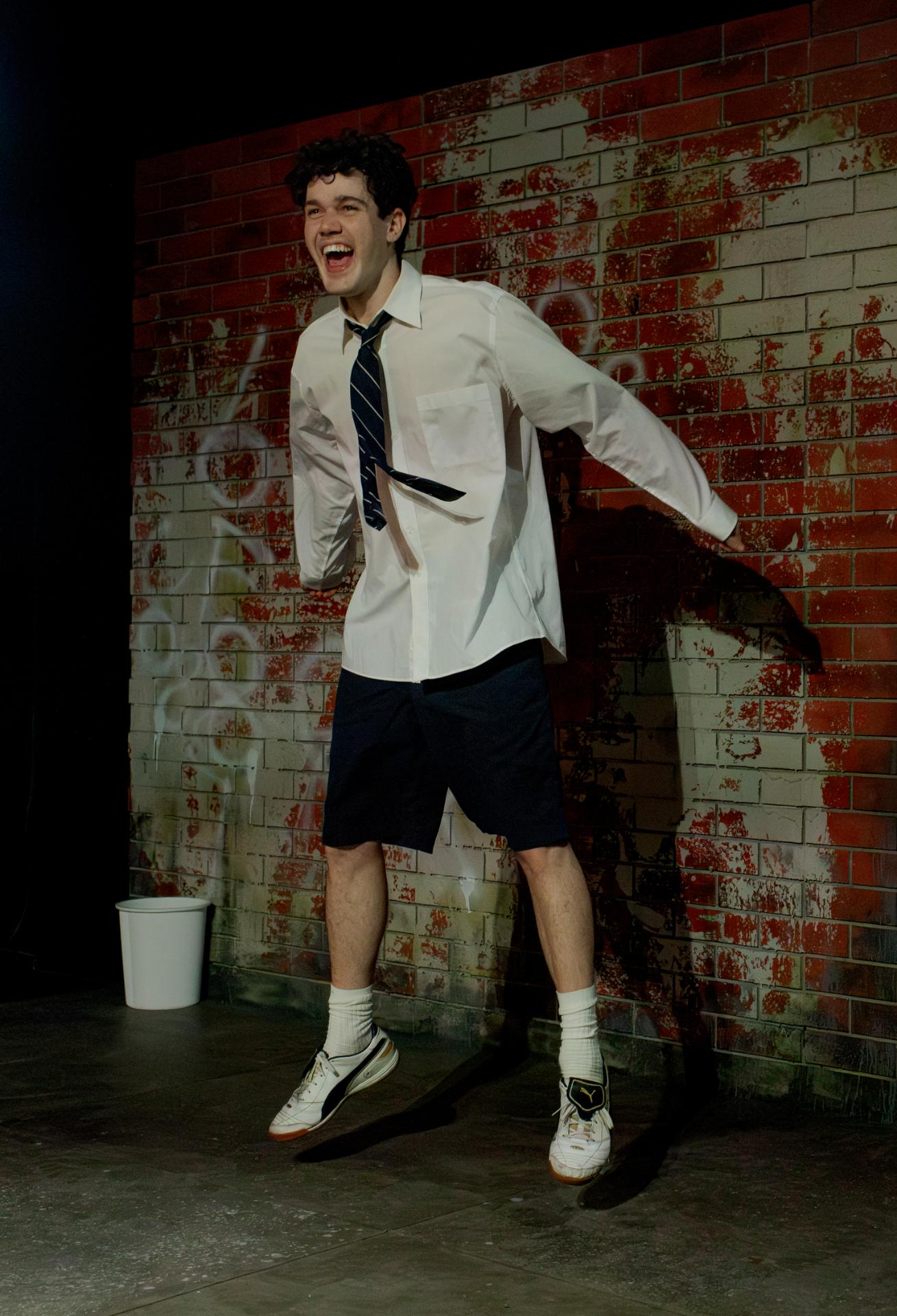
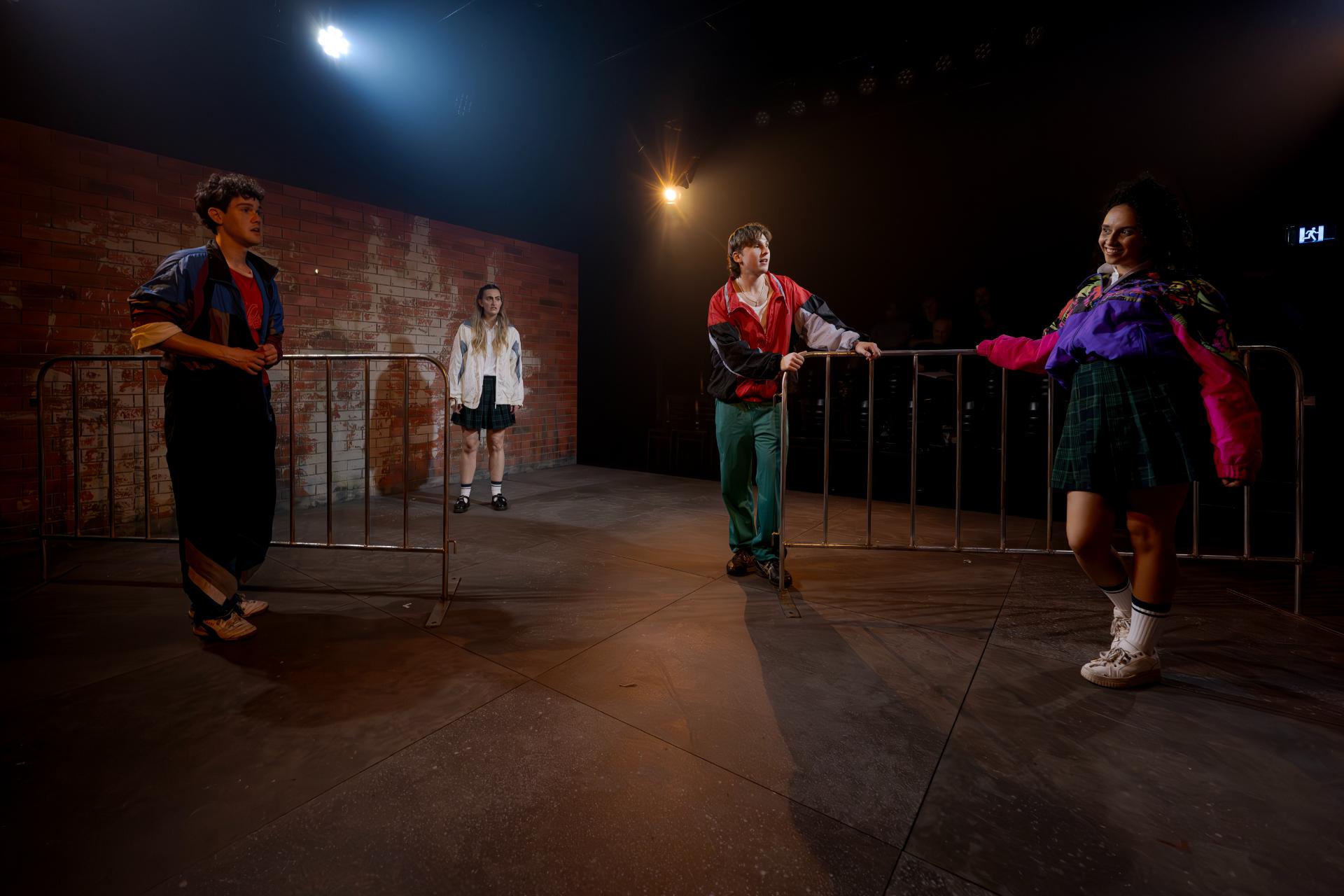
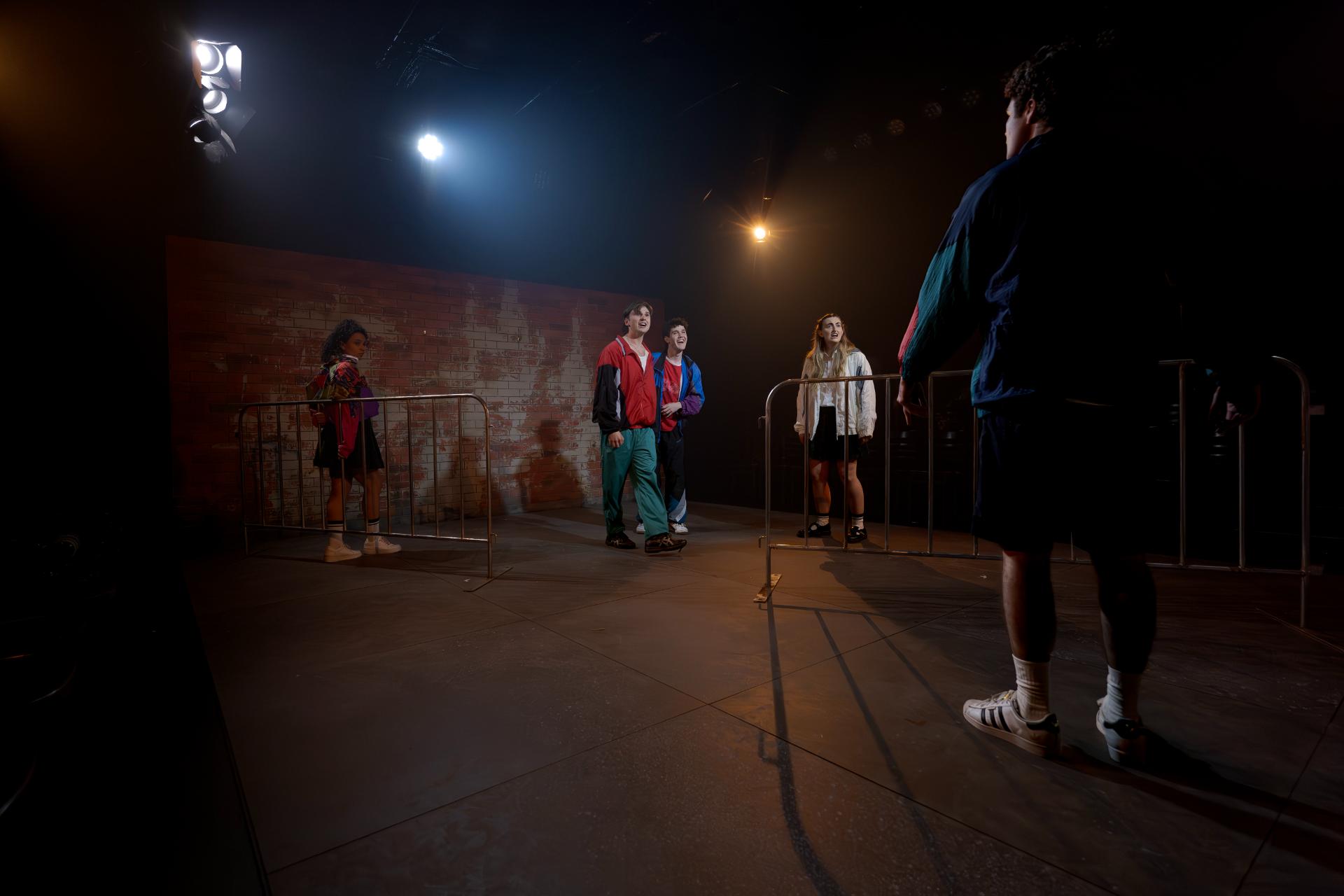
It is an important message no matter the epoch, even as Shakespeare’s work grows increasingly alienating through the centuries. Director Peter Evans takes on the challenge of recontextualising the piece, attempting to give it a modern sheen. A somewhat contemporised sensibility is paired with a distinctly 21st-century set design—complete with a sliding platform that is repositioned slightly too often. Costumes by Ella Butler are well-fitted, and intentionally dour in style. Lights by Amelia Lever-Davidson and sound by Max Lyandvert, offer elegant enhancements to the drama, in a production that always looks sharp.

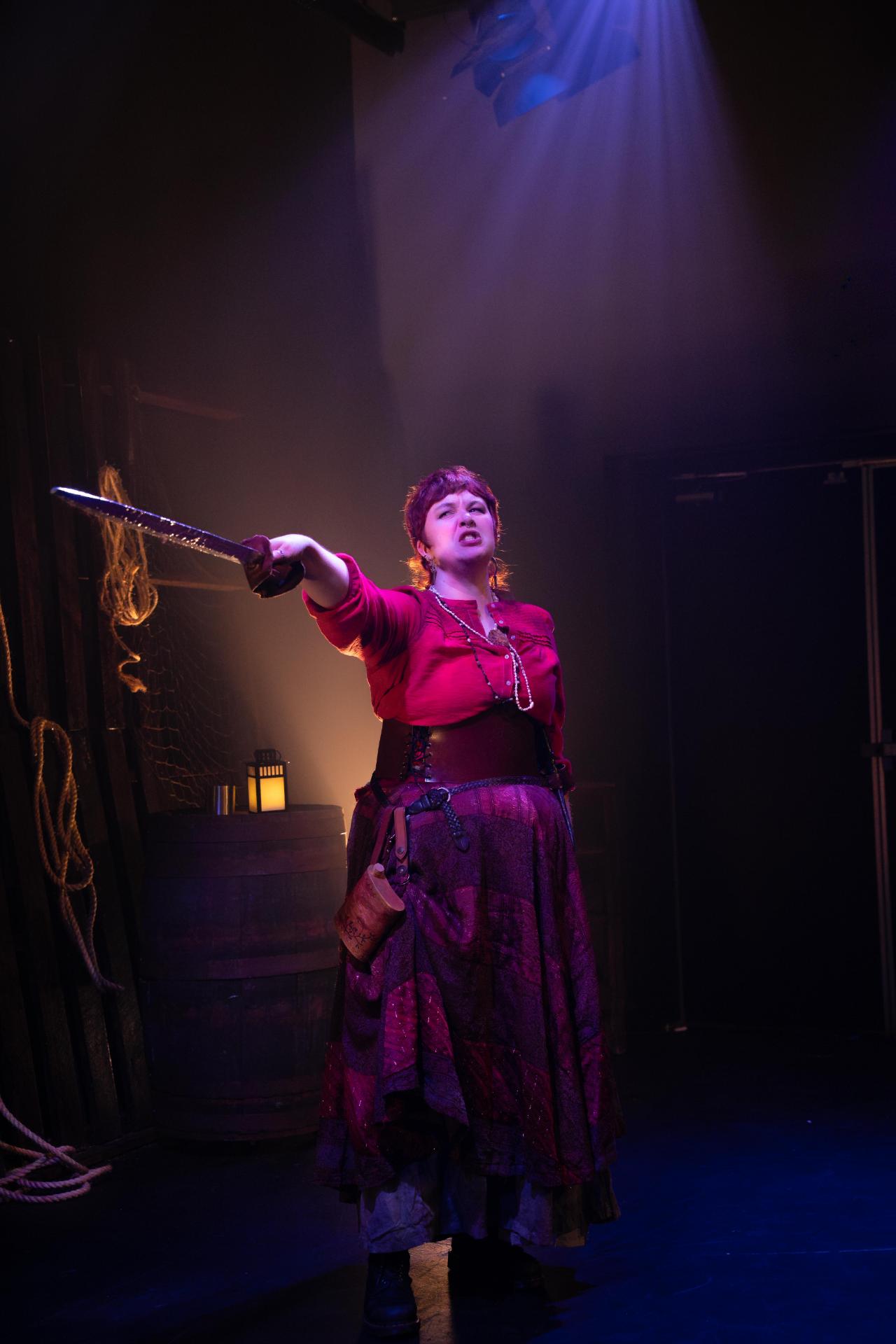
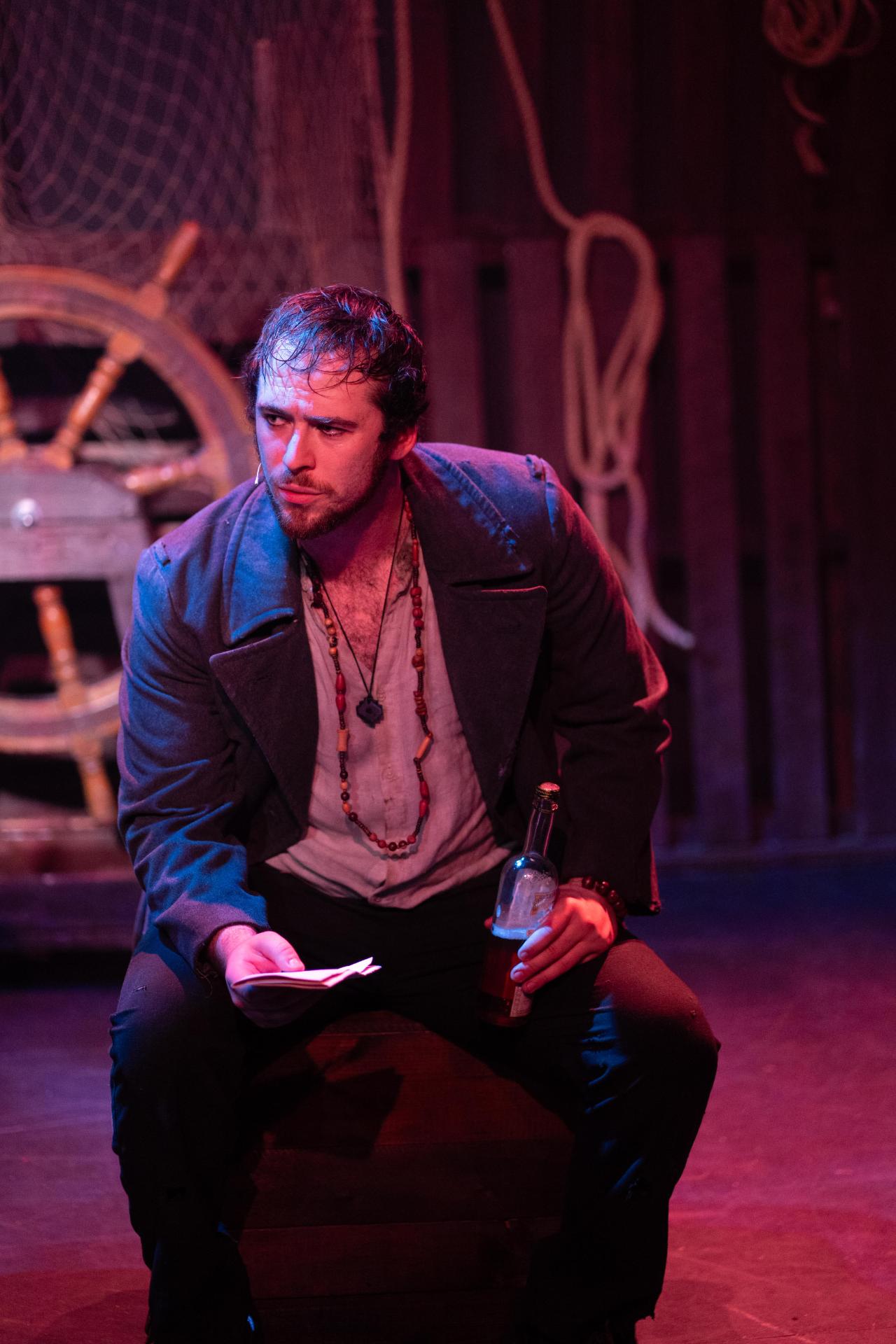
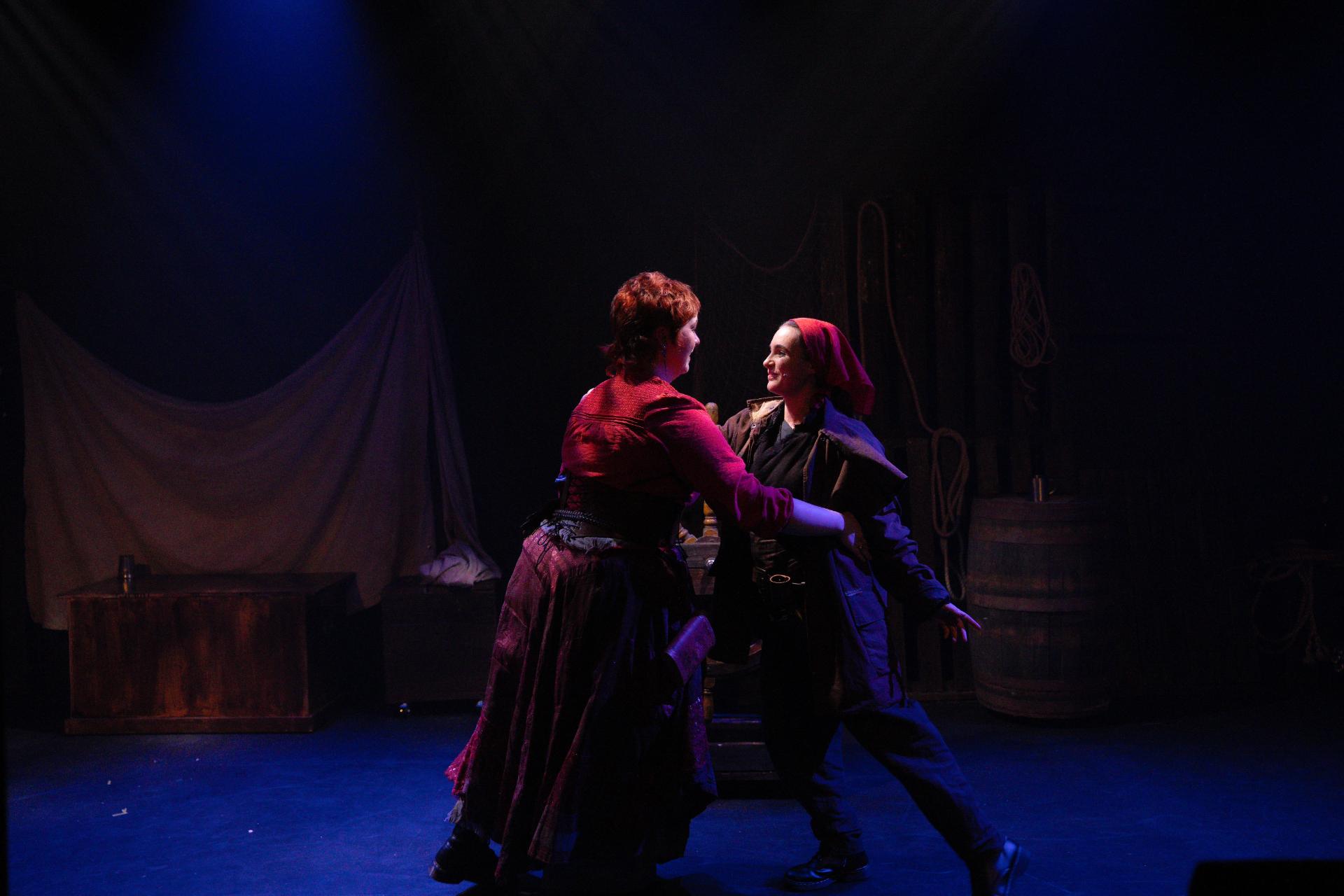
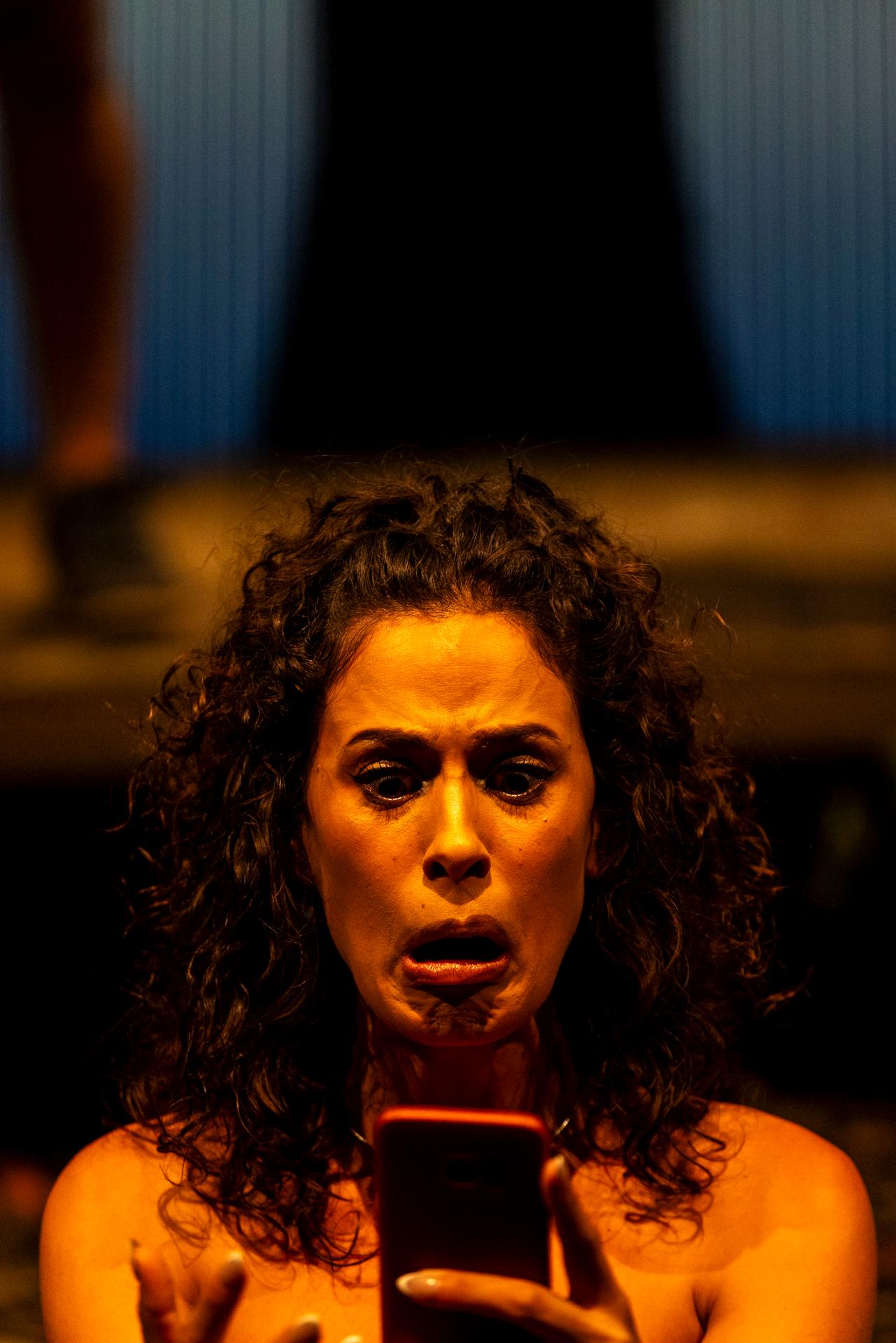
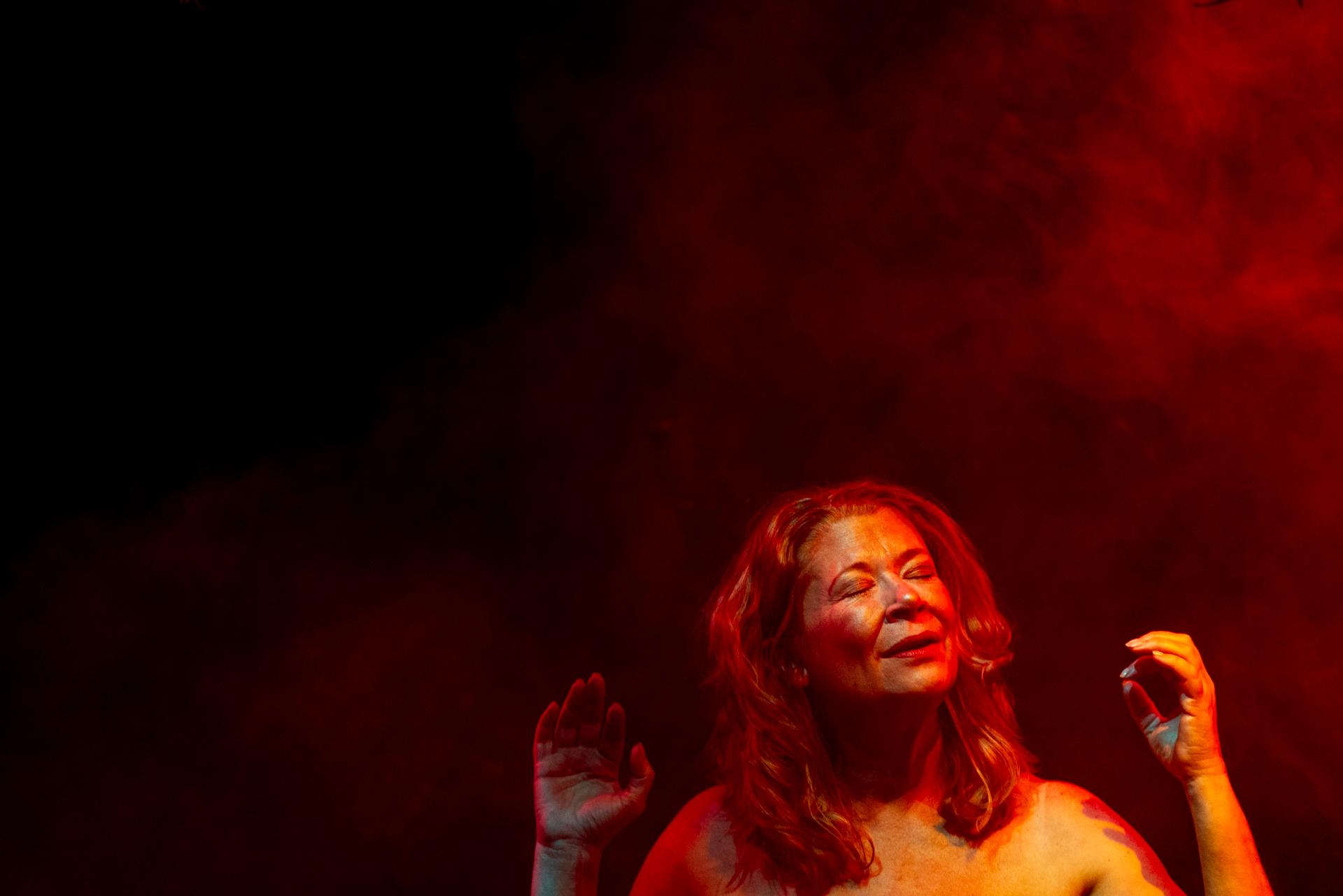
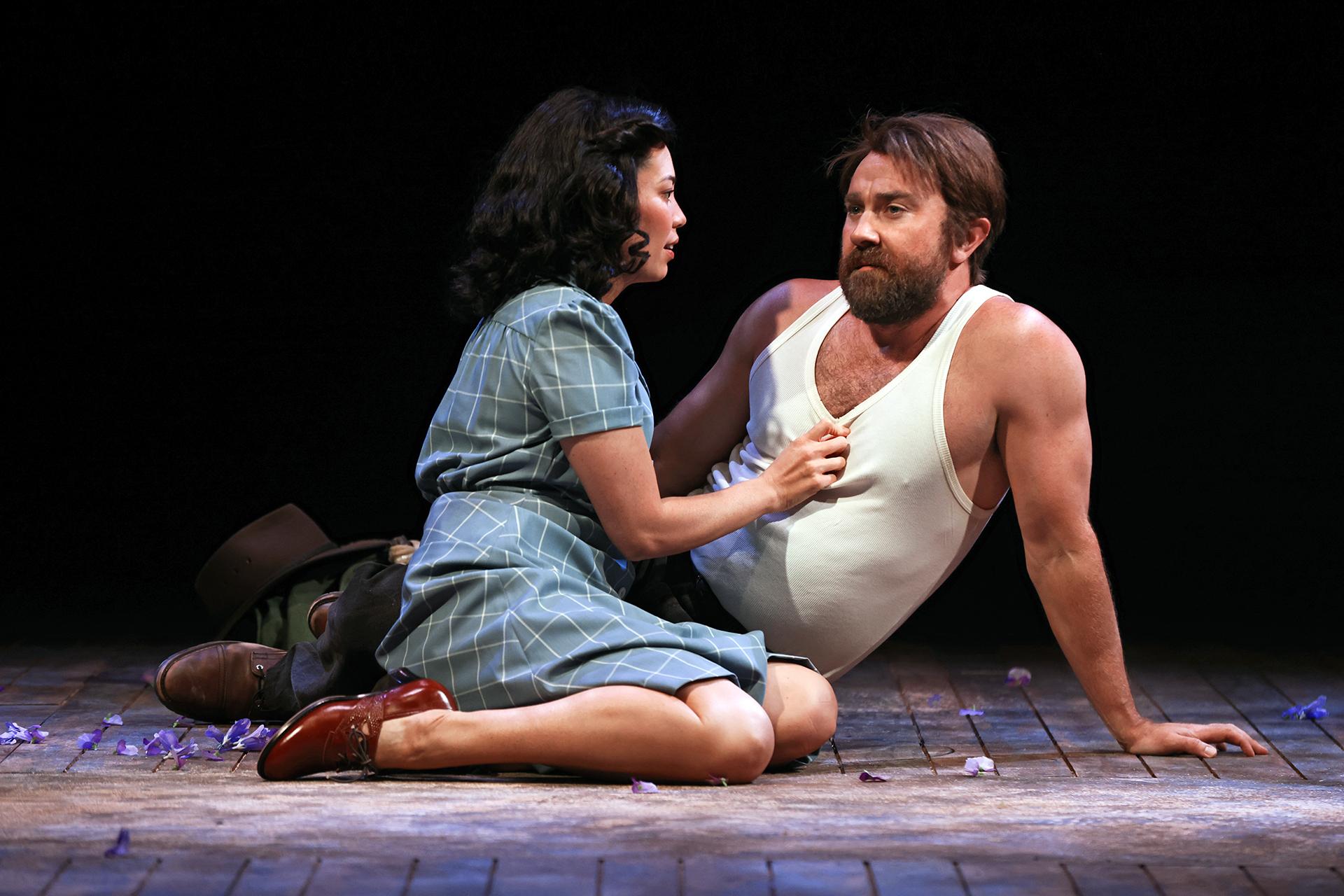
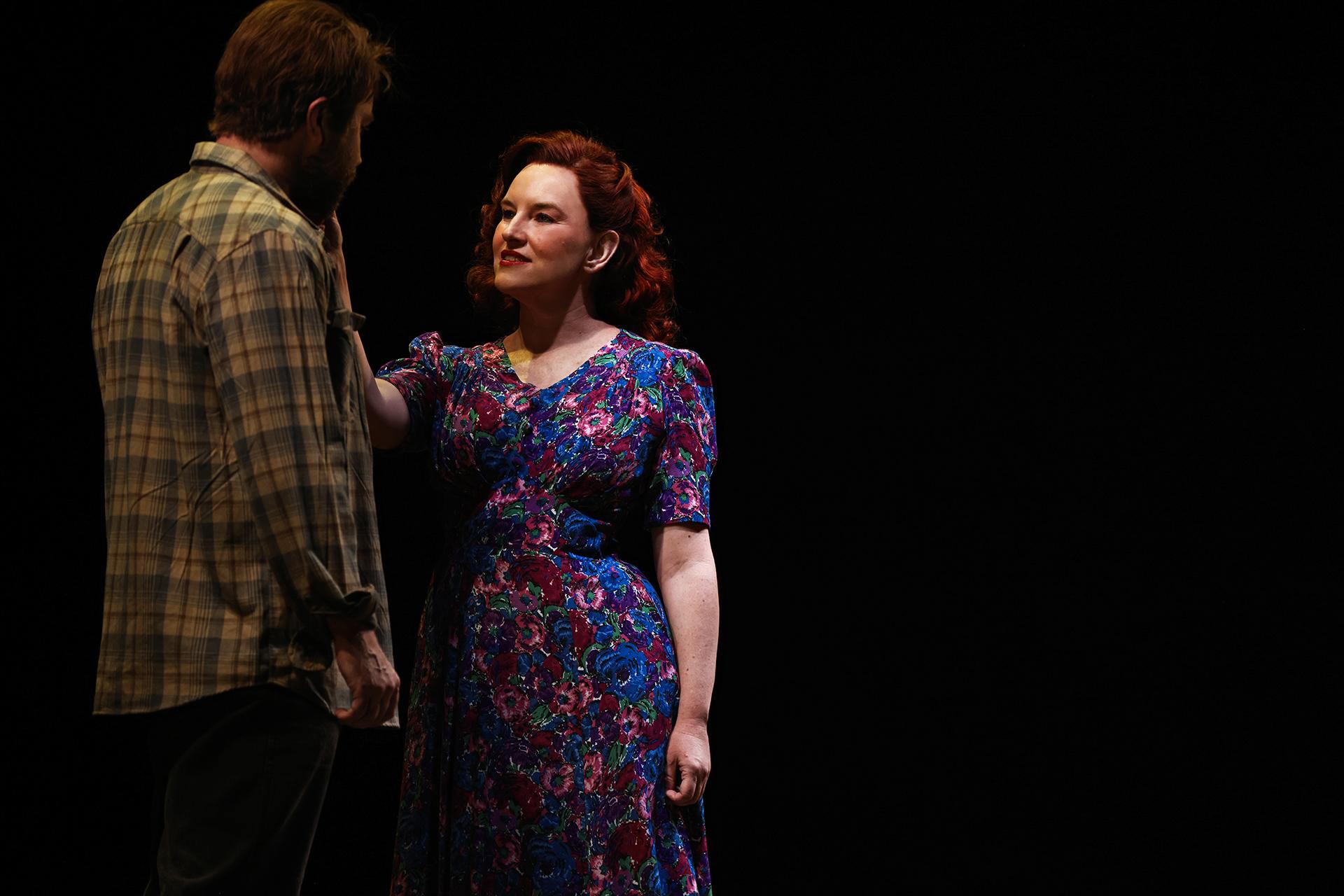
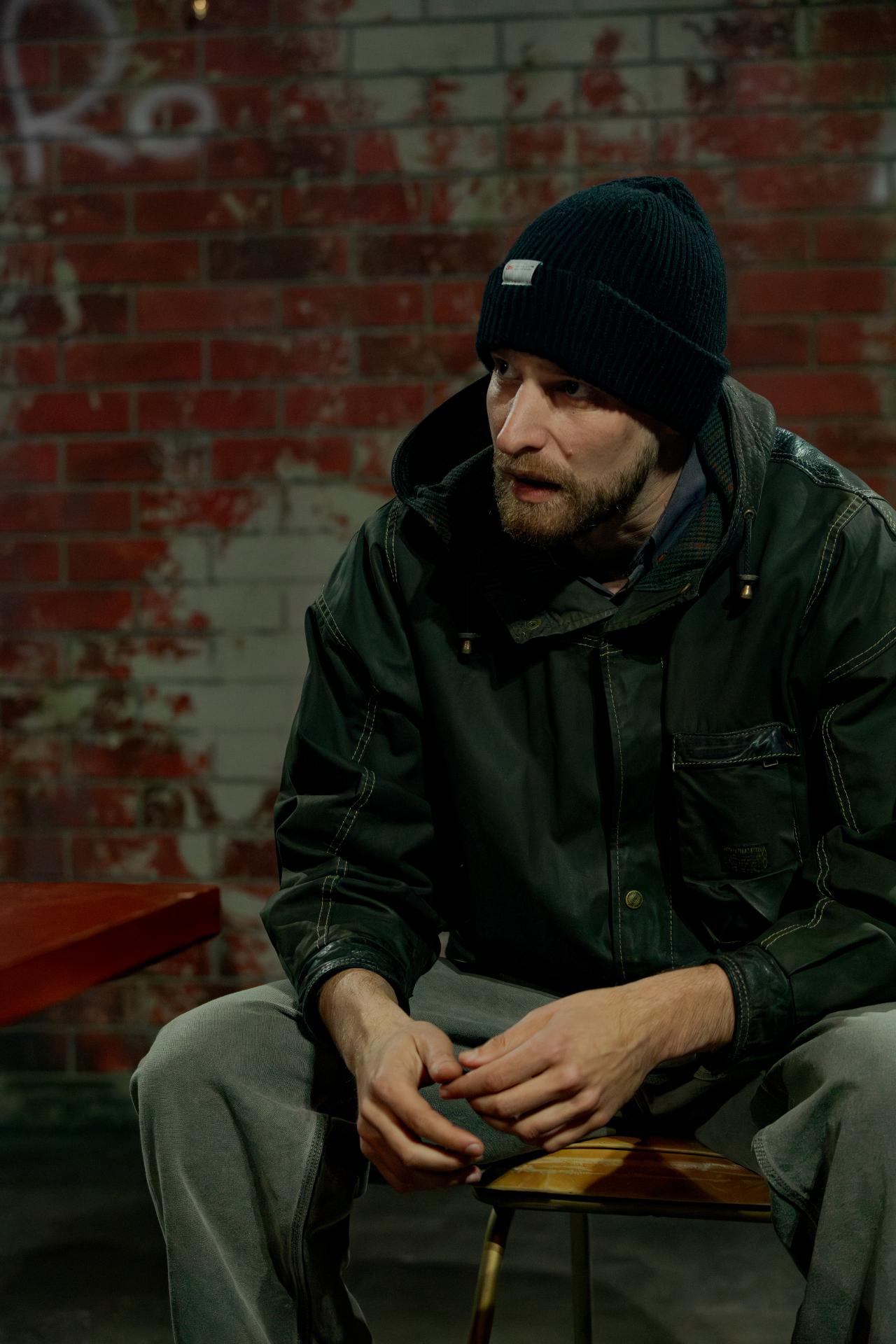
Such is the charisma of leading man Hazem Shammas that, even in the face of Coriolanus’s failings, we are never entirely disdainful of the character, and are held in thrall by his sleek, high-voltage performance. Also captivating are Matilda Ridgway as Sicinius and Brigid Zengeni as Volumnia, both actors impressive with their verve and intensity, able to hold our attention effortlessly even when we struggle to keep up with the archaic language.

Much as the voting public intends to choose the right representatives, the information on which those decisions are based rarely seems reliable. In the current climate of pessimism, it is all the more alarming that—even when candidates openly reveal their deficiencies—the body politic can still be persuaded to embrace them. More disappointing than being misled is to witness the celebration of a clear lack of virtue, when making decisions about our collective future. Evil exists, and it is rarely inadvertent.

www.bellshakespeare.com.au

Review: Primary Trust (Ensemble Theatre)

Venue: Ensemble Theatre (Kirribilli NSW), Jun 19 – Jul 12, 2025
Playwright: Eboni Booth
Director: Darren Yap
Cast: Charles Allen, Peter Kowitz, Angela Mahlatjie, Albert Mwangi
Images by Prudence Upton

Theatre review
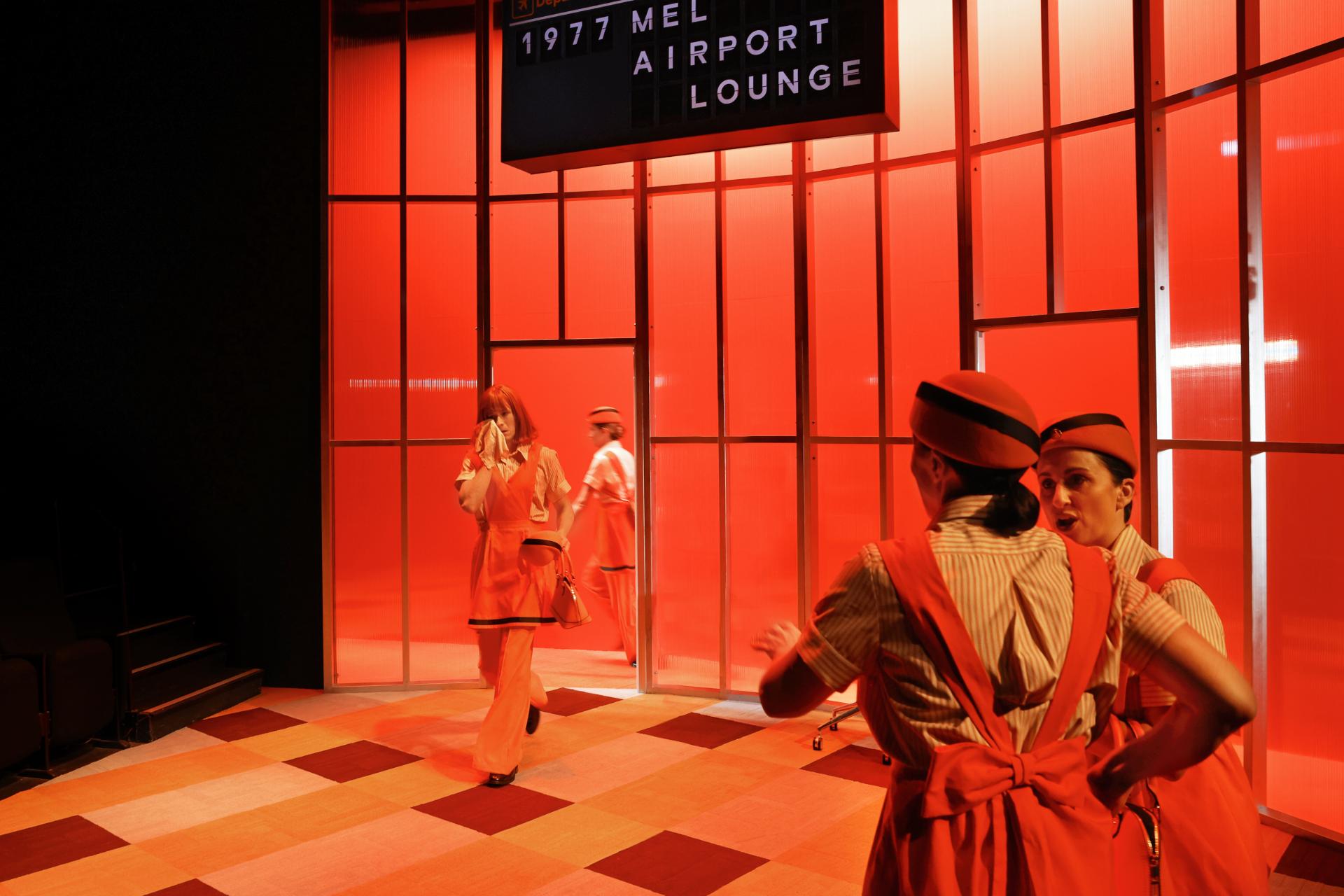
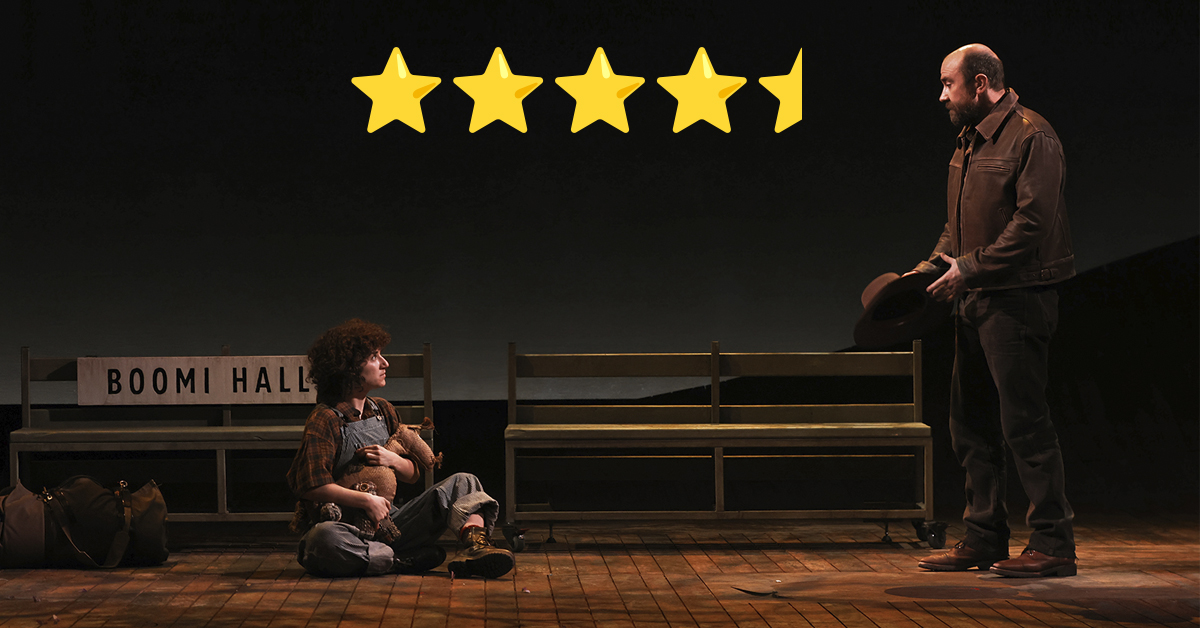
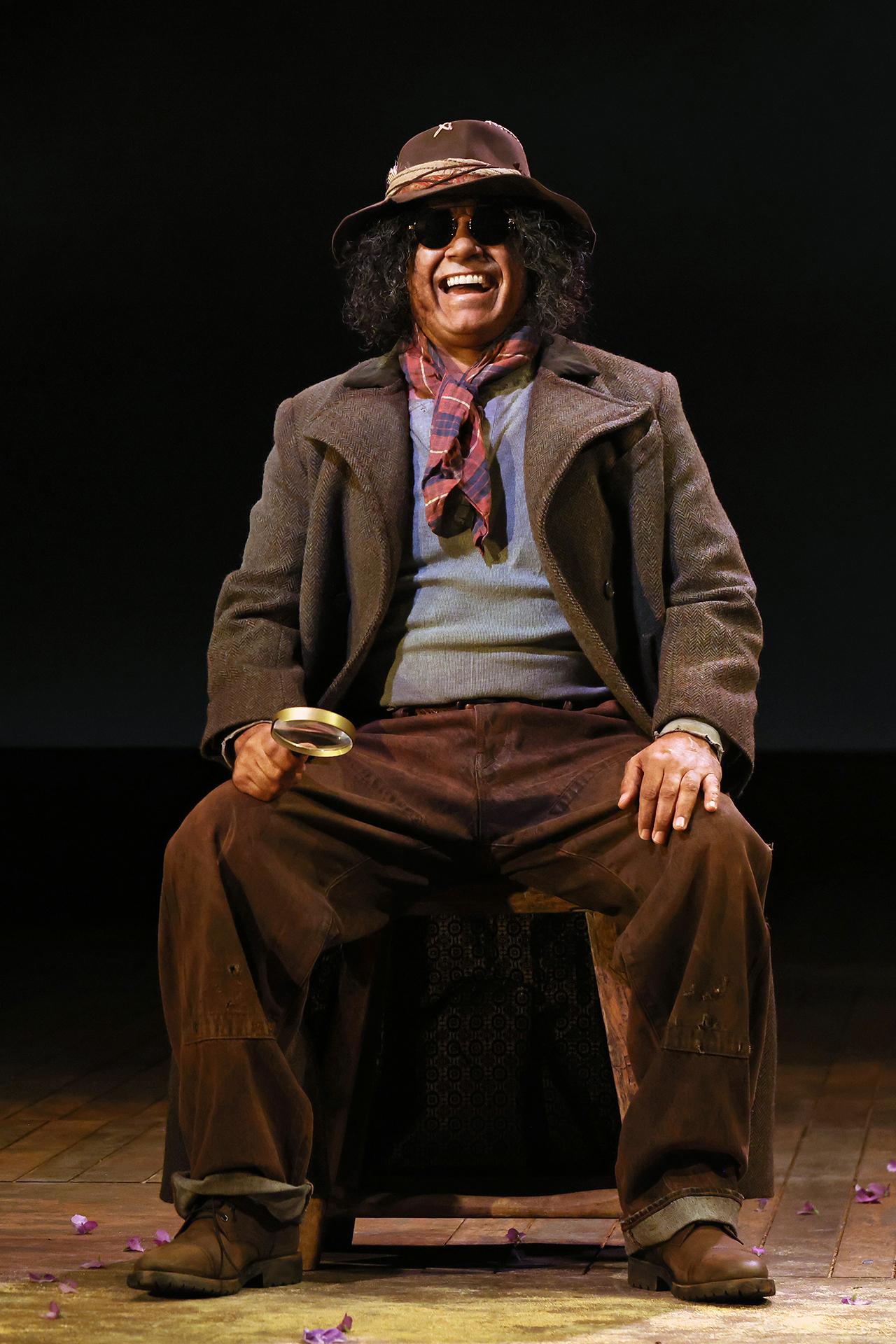
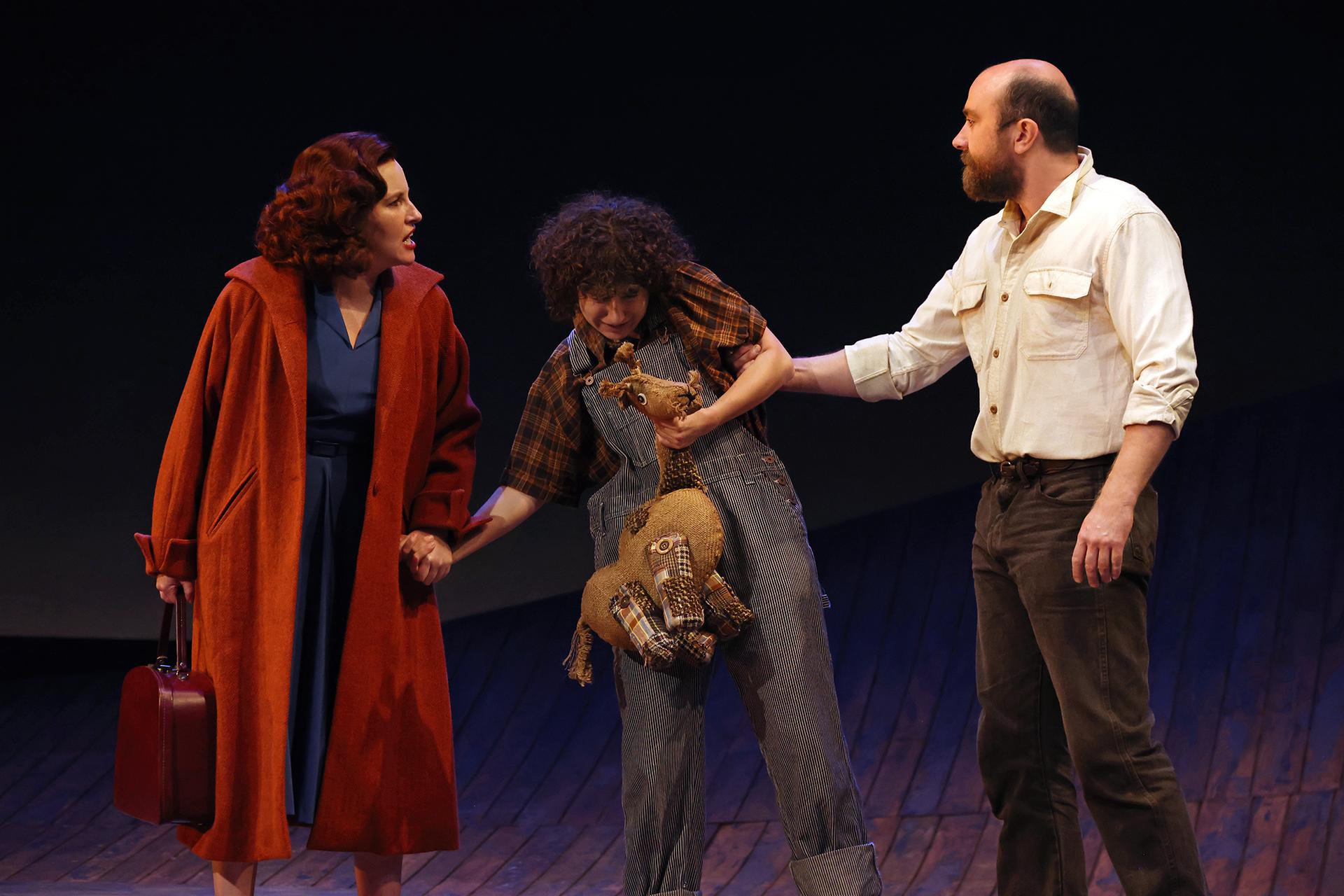
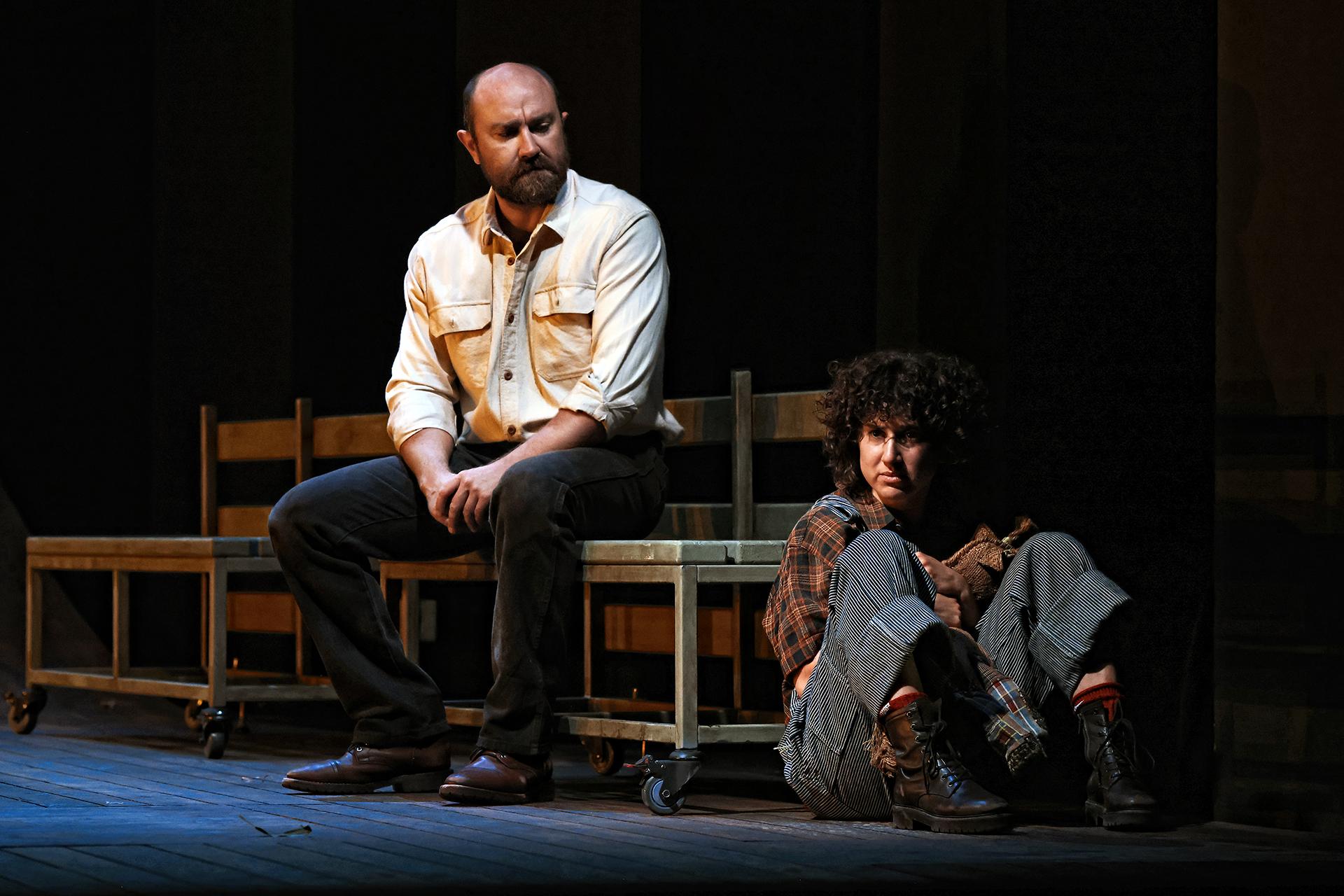
Kenneth talks all day to his imaginary friend Bert, which is highly unusual for a man of 38. Primary Trust by Eboni Booth, is about the defence mechanisms and trauma responses, that a person develops after suffering a devastating incident. Mental health is unquestionably worthwhile as subject matter for any discussion, but its rendering on this occasion, involving a slightly simplistic narrative, has a tendency to feel somewhat surface.

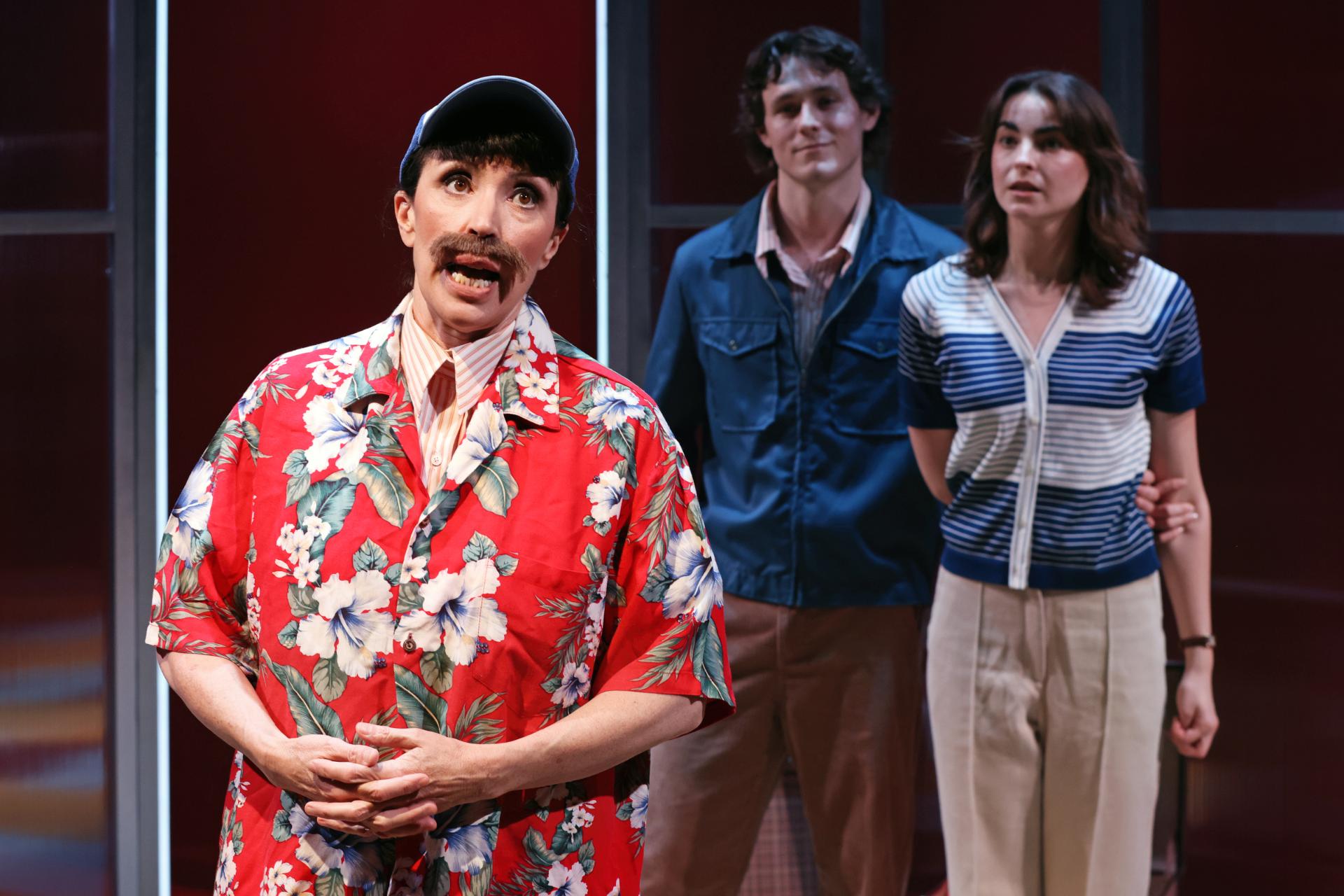
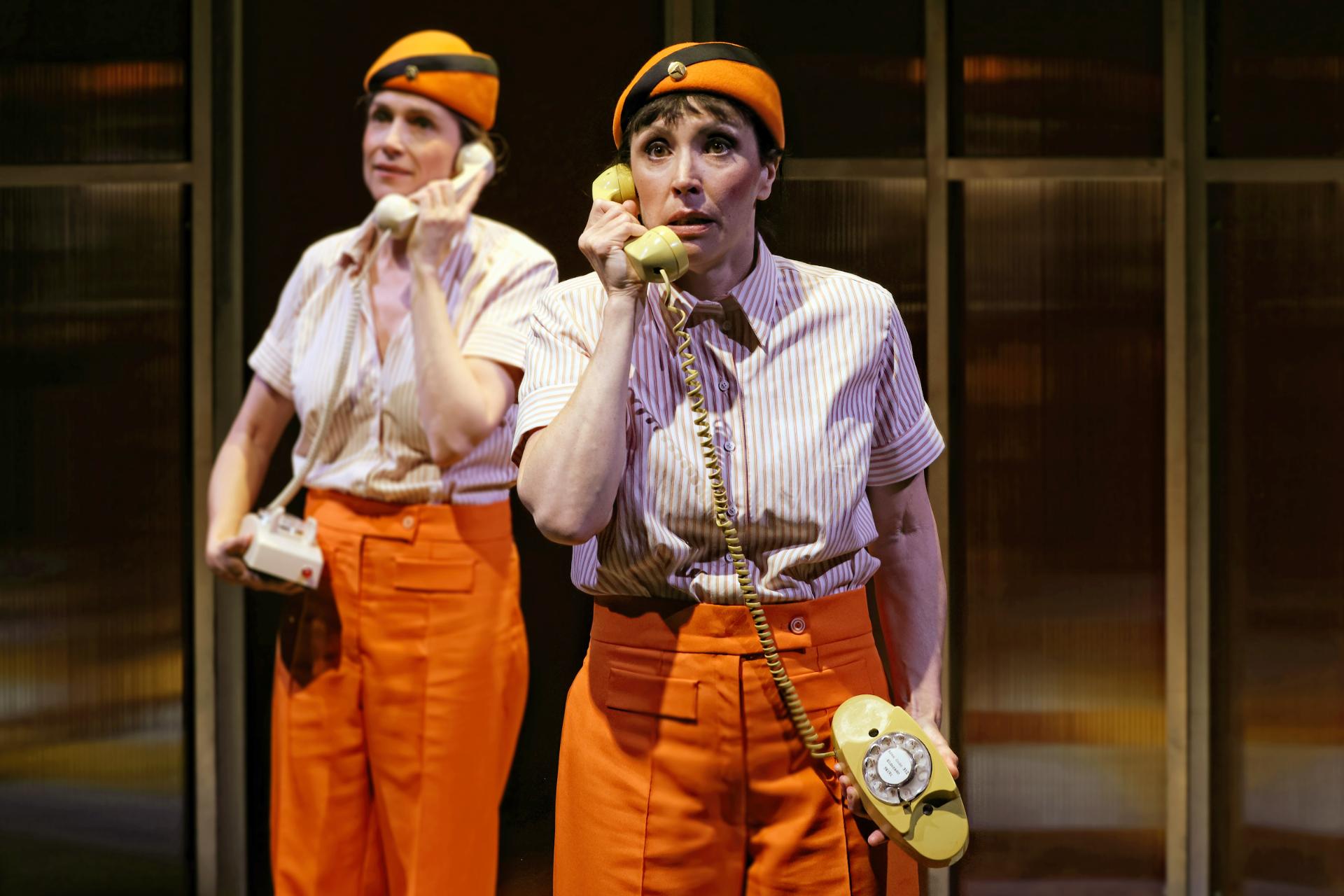
This exploration of psychological deficiency is accomplished with dignity by director Darren Yap, who is also noteworthy for his deft hand at comedy that makes effective, the light humour of Booth’s writing. Characters in the play are wonderfully charming. Leading man Albert Mwangi brings appropriate innocence to Kenneth’s story of arrested development, along with a joviality that keeps us entirely on his side. Mwangi’s knack for naturalist authenticity sets the tone for the production, making everything believable and compelling.

Charles Allen embodies a glow of warmth in the fatherly role of Bert and is commendable for establishing a wonderful chemistry with Mwangi, ensuring that the central relationship always feels substantial. Angela Mahlatjie plays more than a few parts in Primary Trust, and is splendid in all of them. Her timing is immaculate, and her charisma, undeniable. Also memorable and very funny is Peter Kowitz, especially imaginative as the quirky bank manager Clay.

Music by Max Lambert and Roger Lock is a strong feature of the production, adding considerable verve to Kenneth’s emotional journey. Production design by James Browne offers simple solutions that help transport us to small town America, while Verity Hampson’s lights and Cameron Smith’s video projections attune us to tonal shifts that reflect the troubling psychological landscape being explored. 
The fantastical Bert can be seen partly as symptomatic of what has been termed an epidemic of loneliness. In the modern age, real connections have proven to be increasingly difficult. We resort to surrogates, rather than to fix problems, that we either fail to understand, or are incapable of surmounting. Imaginary friends, technological obsessions, substance abuse, and so on are just some of the ways in which we soothe our selves, in the absence of the wherewithal to make actual human connections. Isolation can often feel a solution, but the degradation of civility presently witnessed on all fronts, suggests that being in touch with each other’s humanity will always be necessary.
www.ensemble.com.au

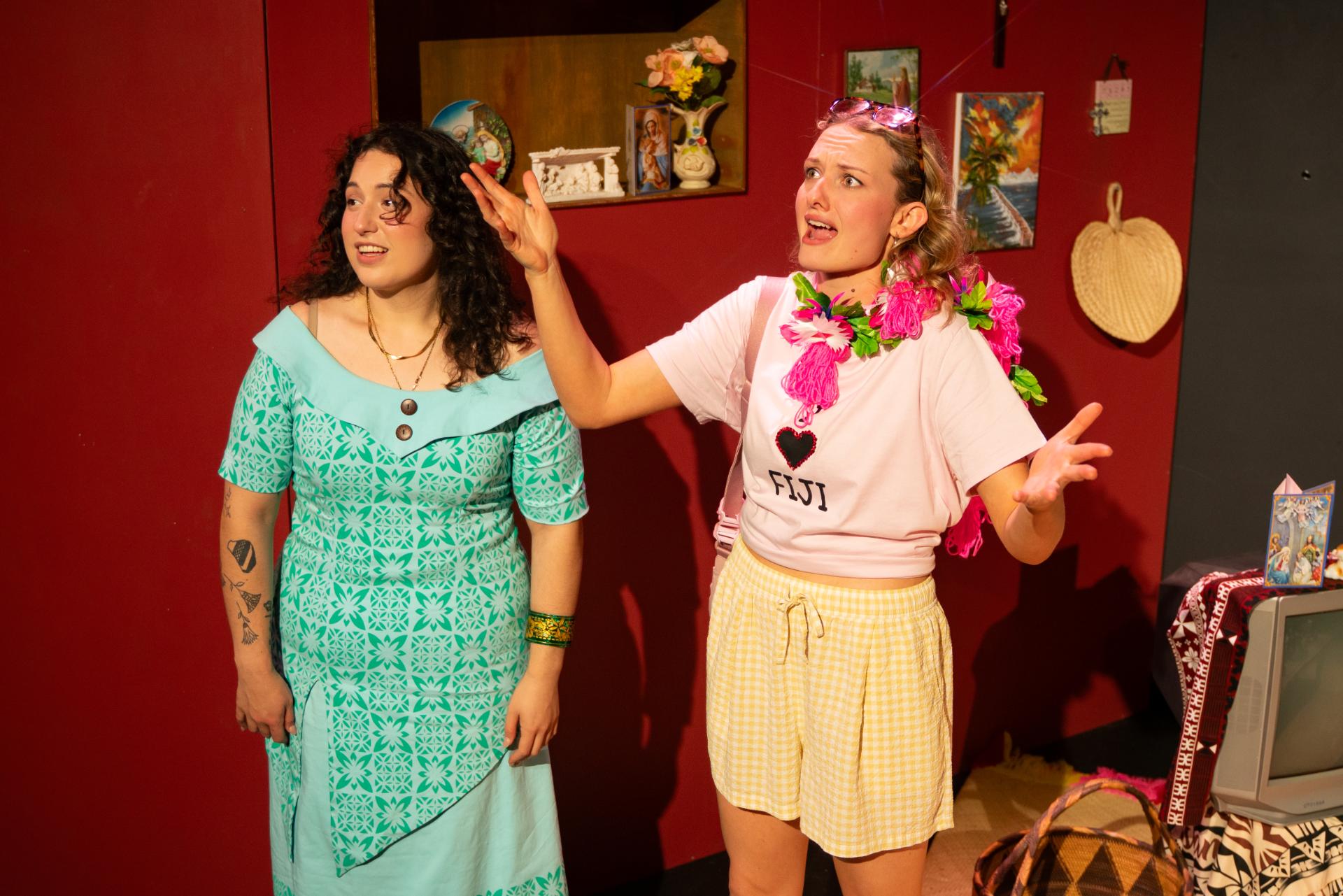
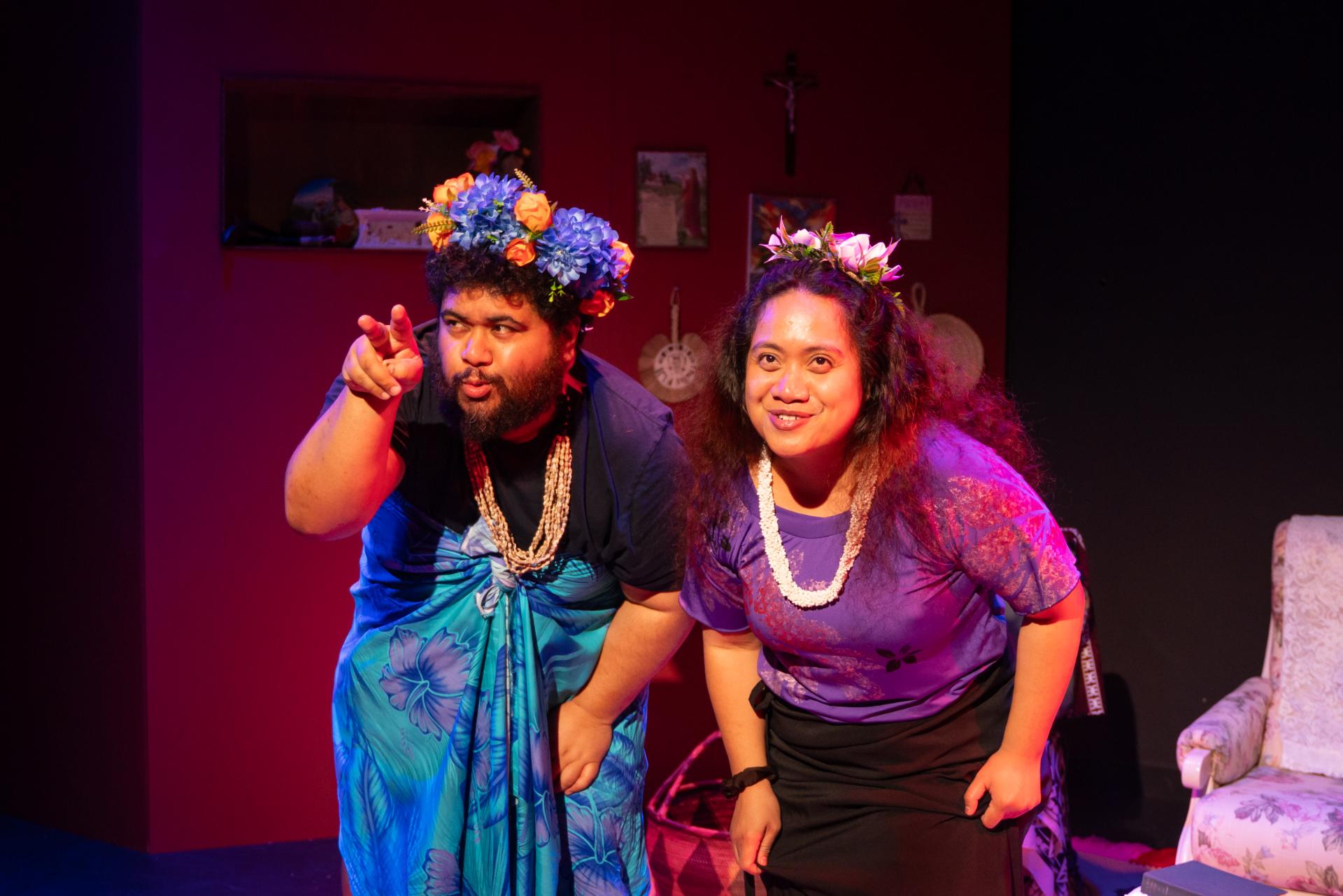
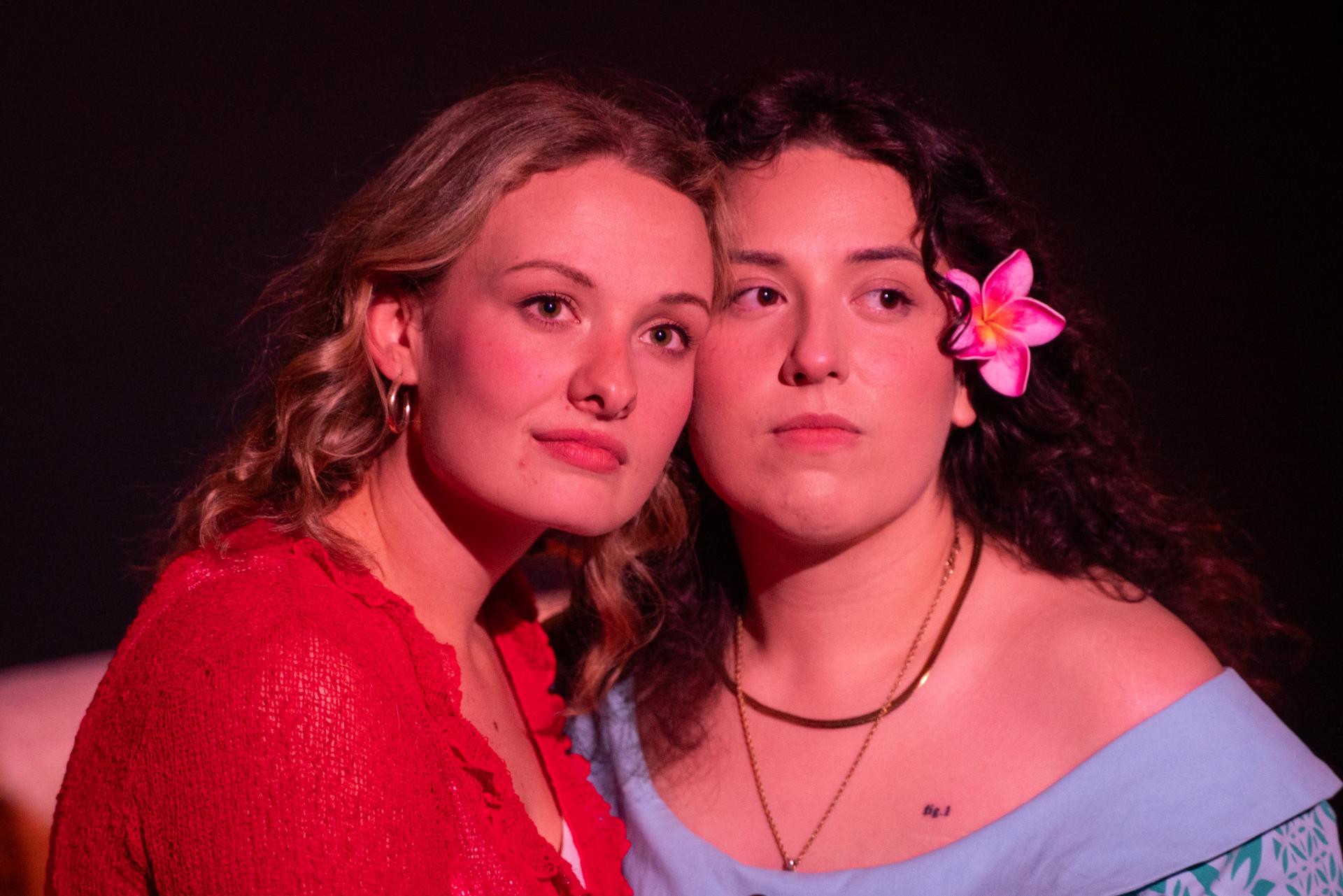
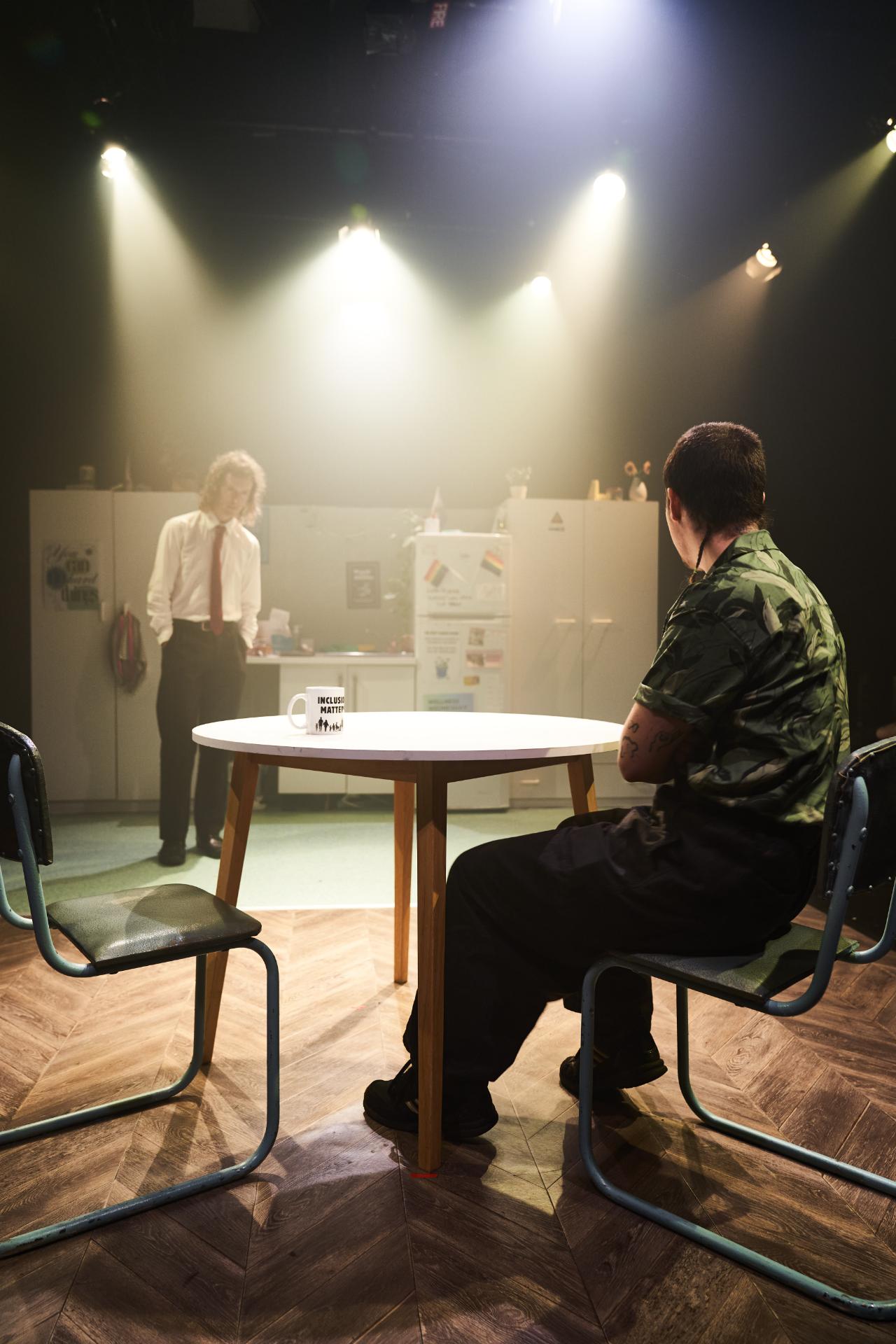
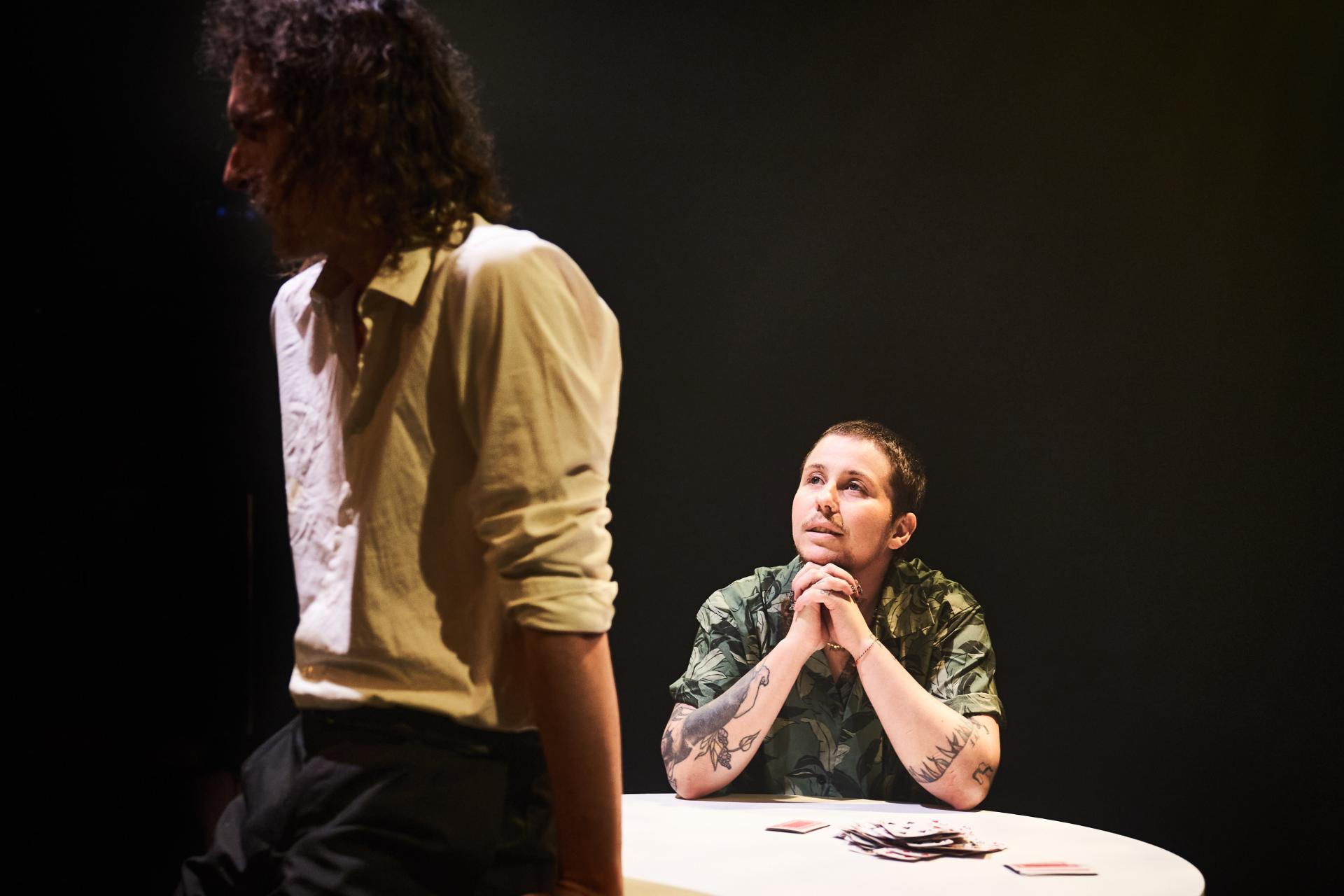
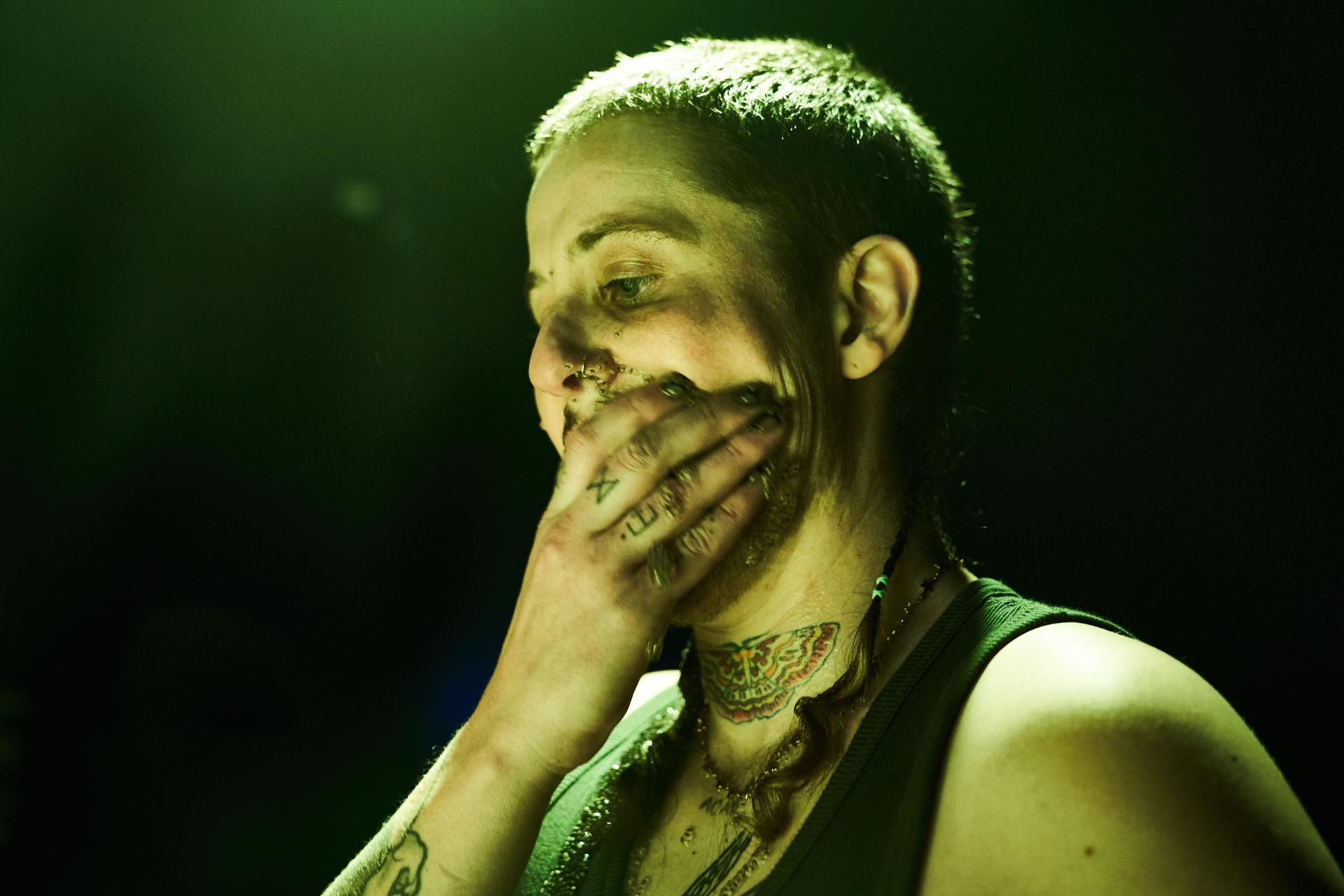
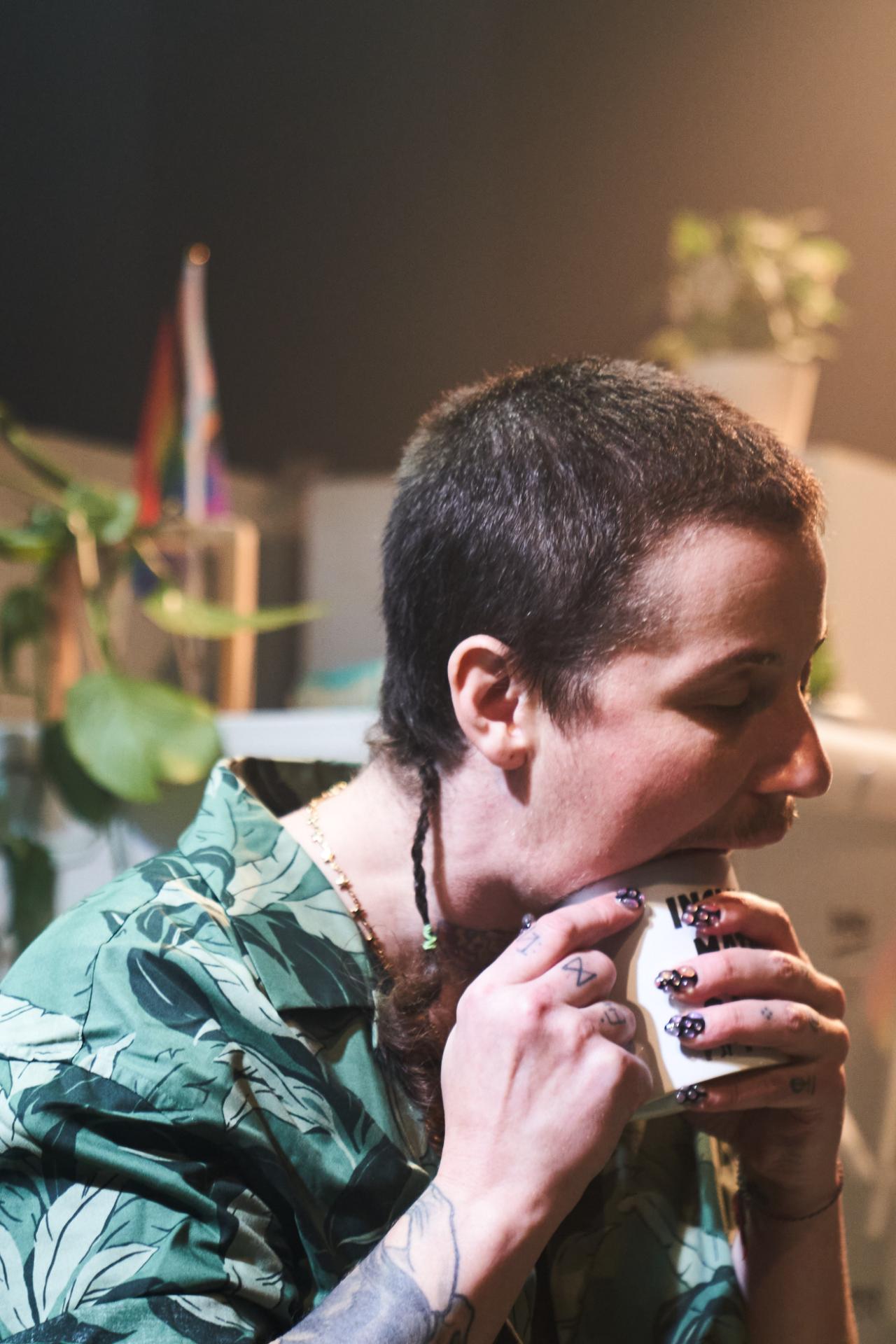
Review: Koreaboo (Griffin Theatre Company)

Venue: Belvoir St Theatre (Surry Hills NSW), Jun 14 – Jul 20, 2025
Playwright: Michelle Lim Davidson
Director: Jessica Arthur
Cast: Heather Jeong, Michelle Lim Davidson
Images by Brett Boardman

Theatre review
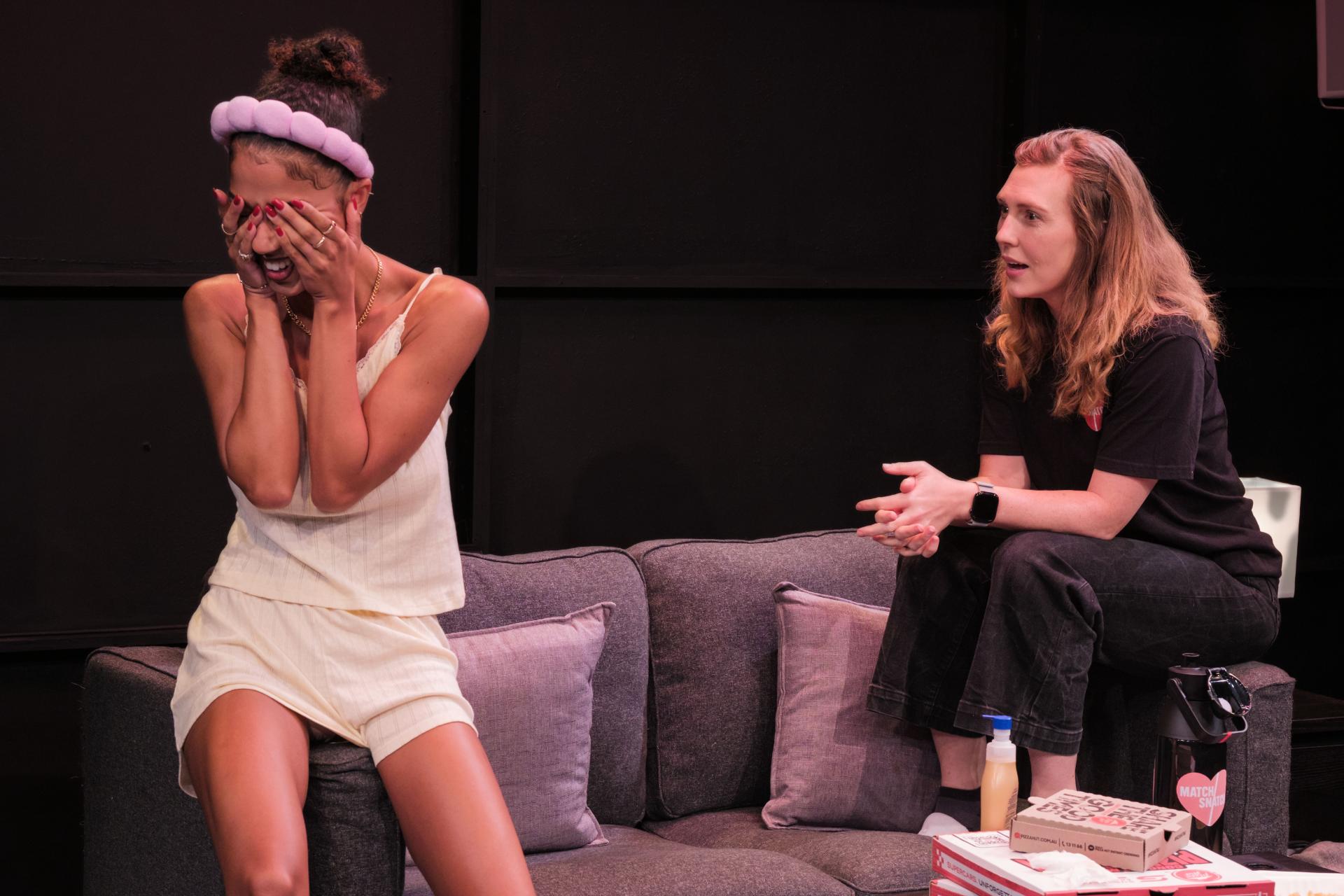
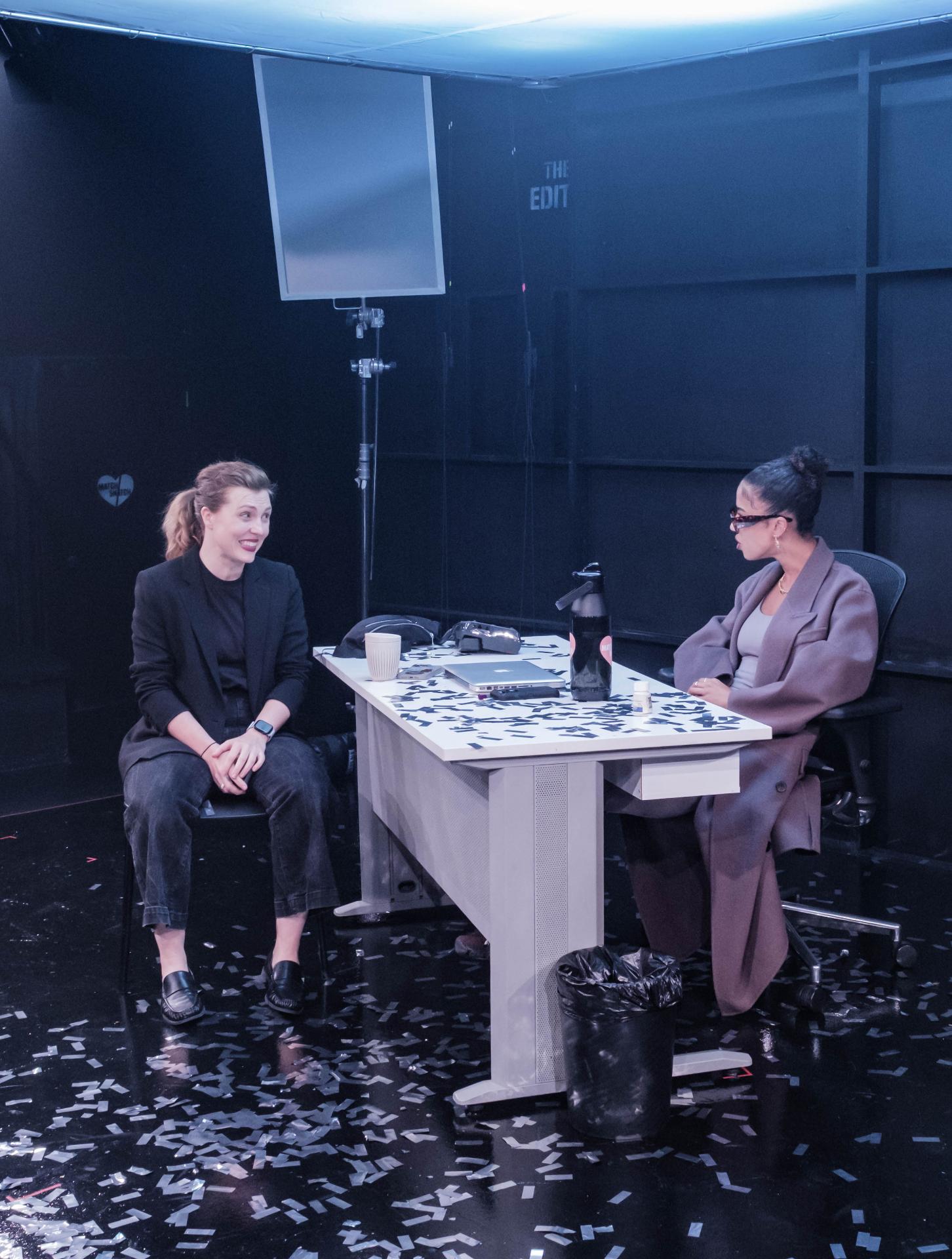
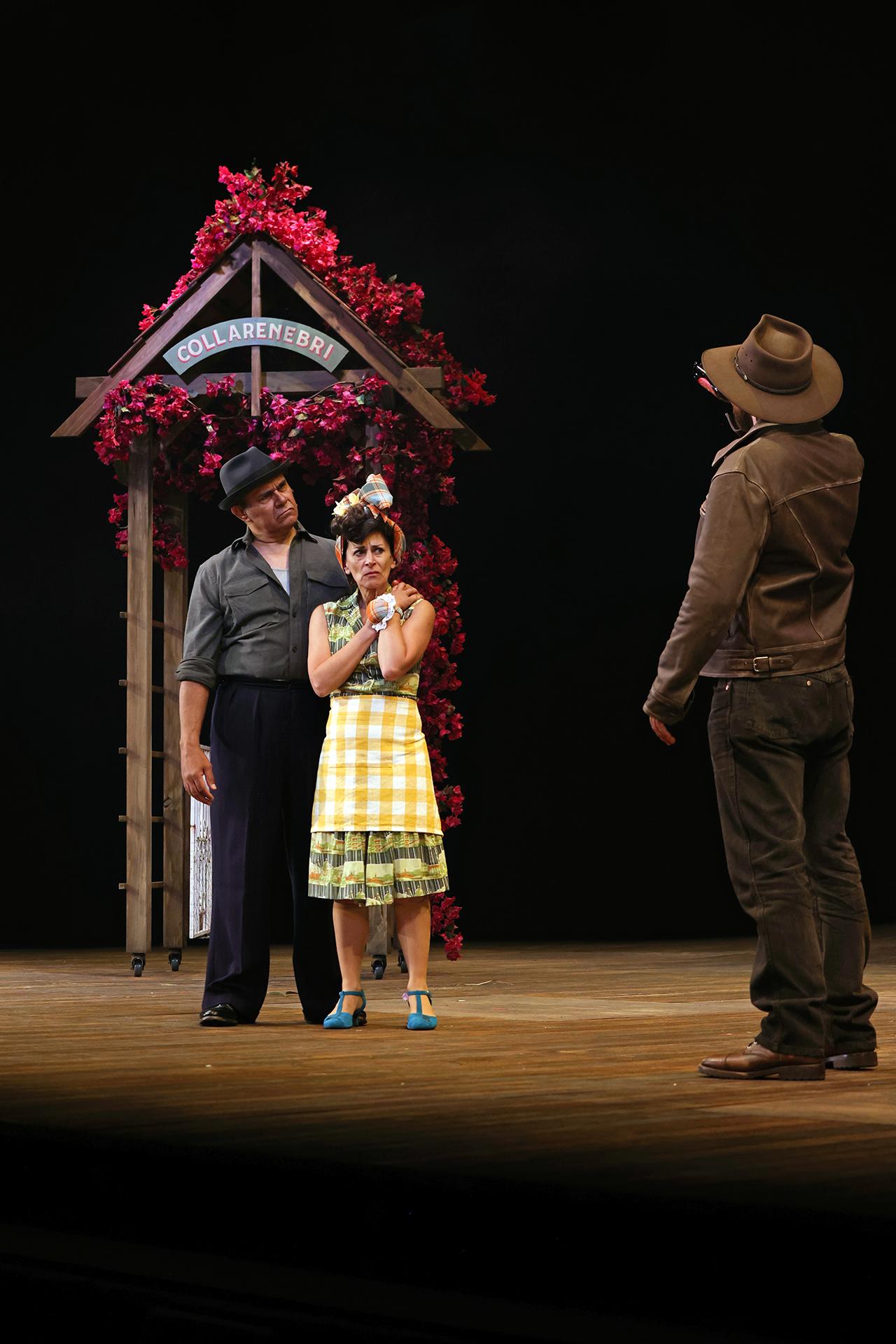
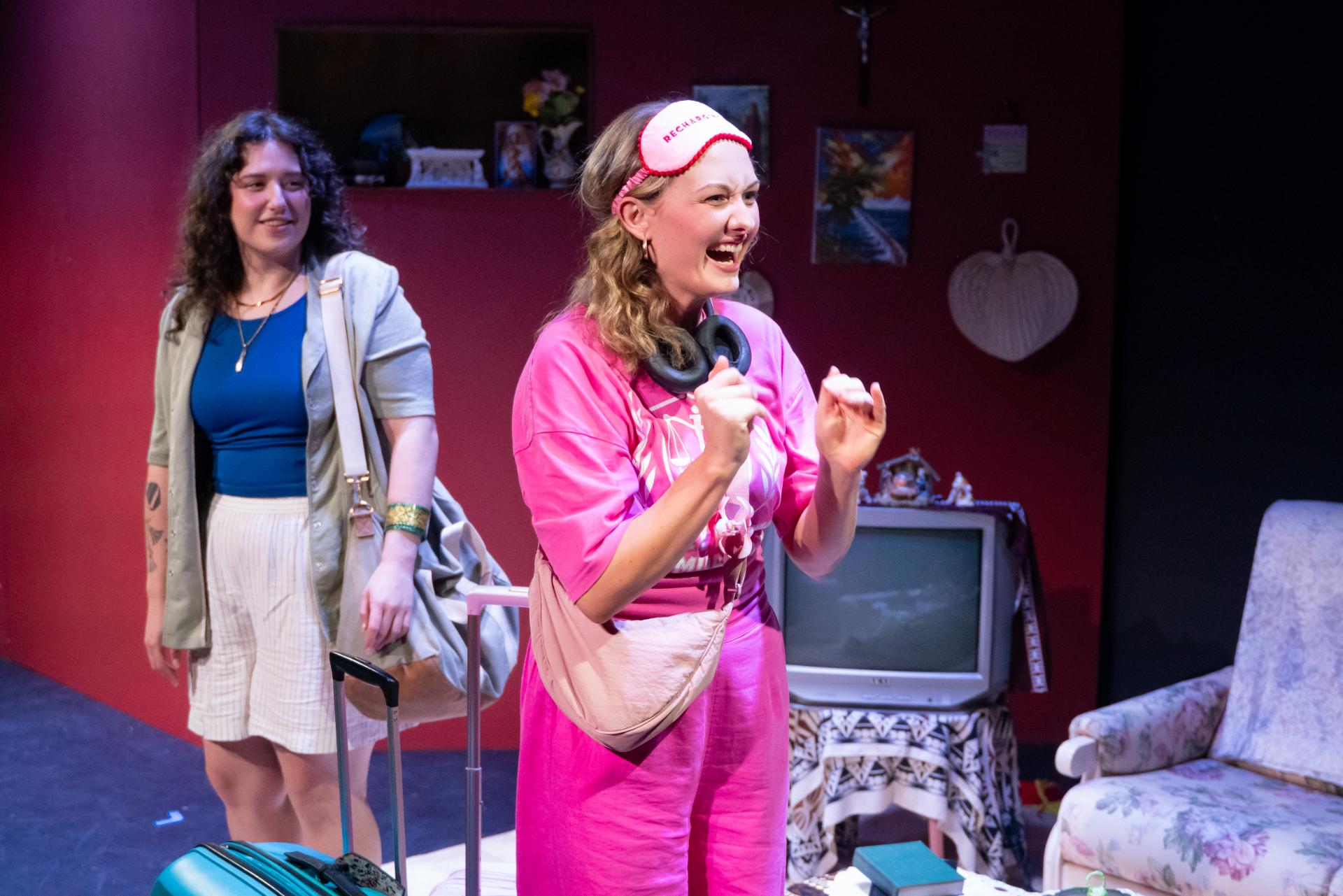
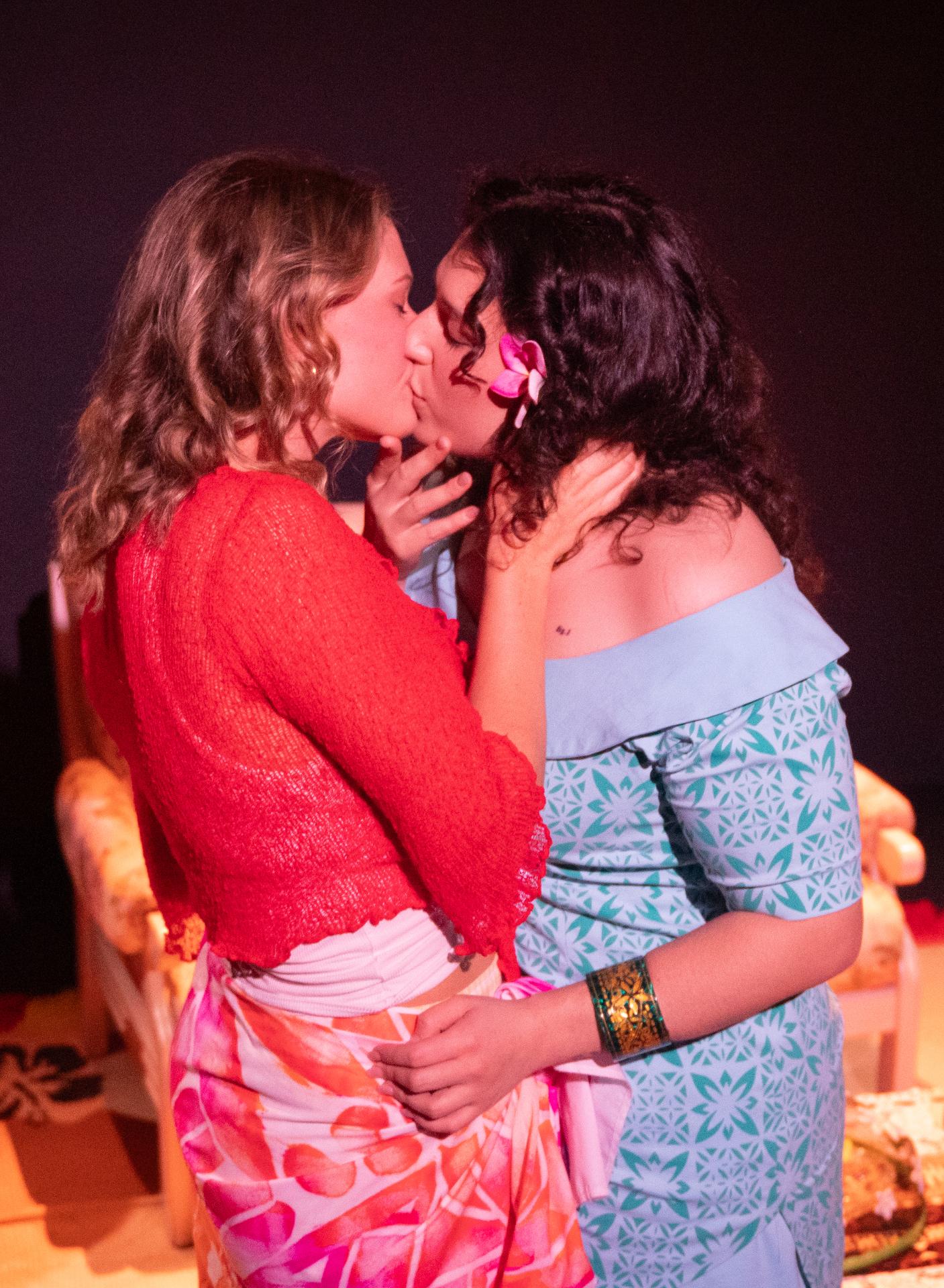
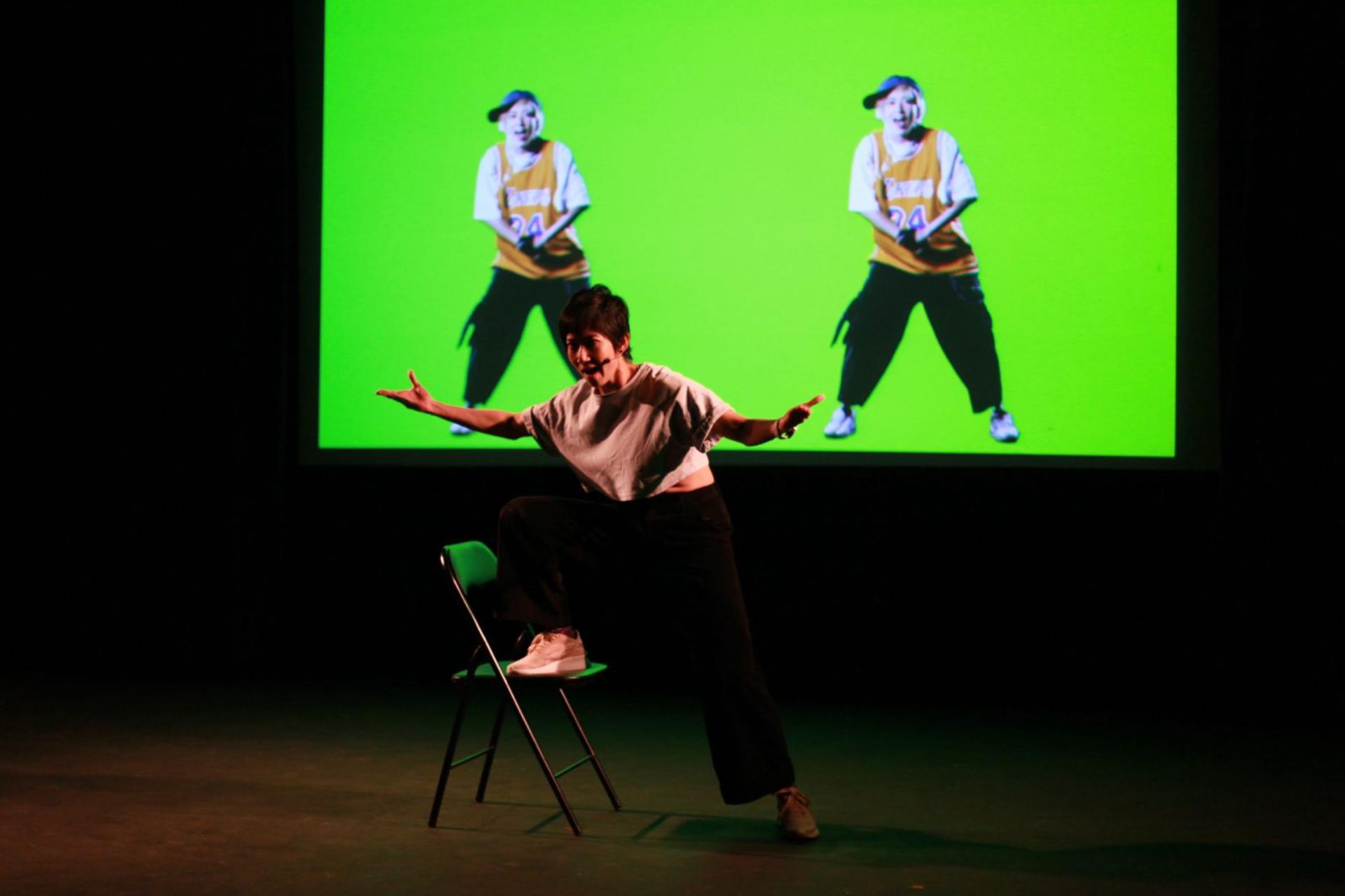
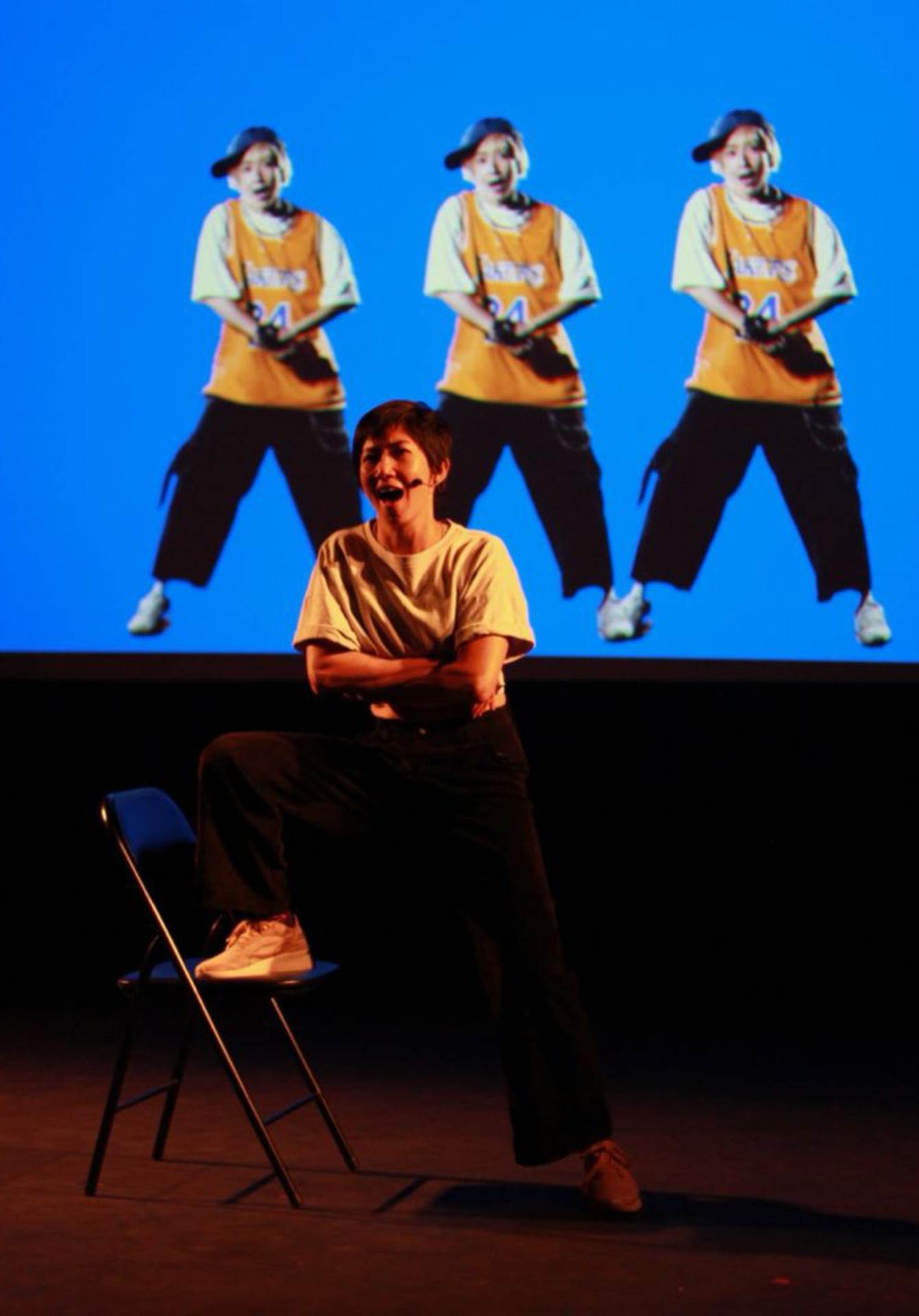
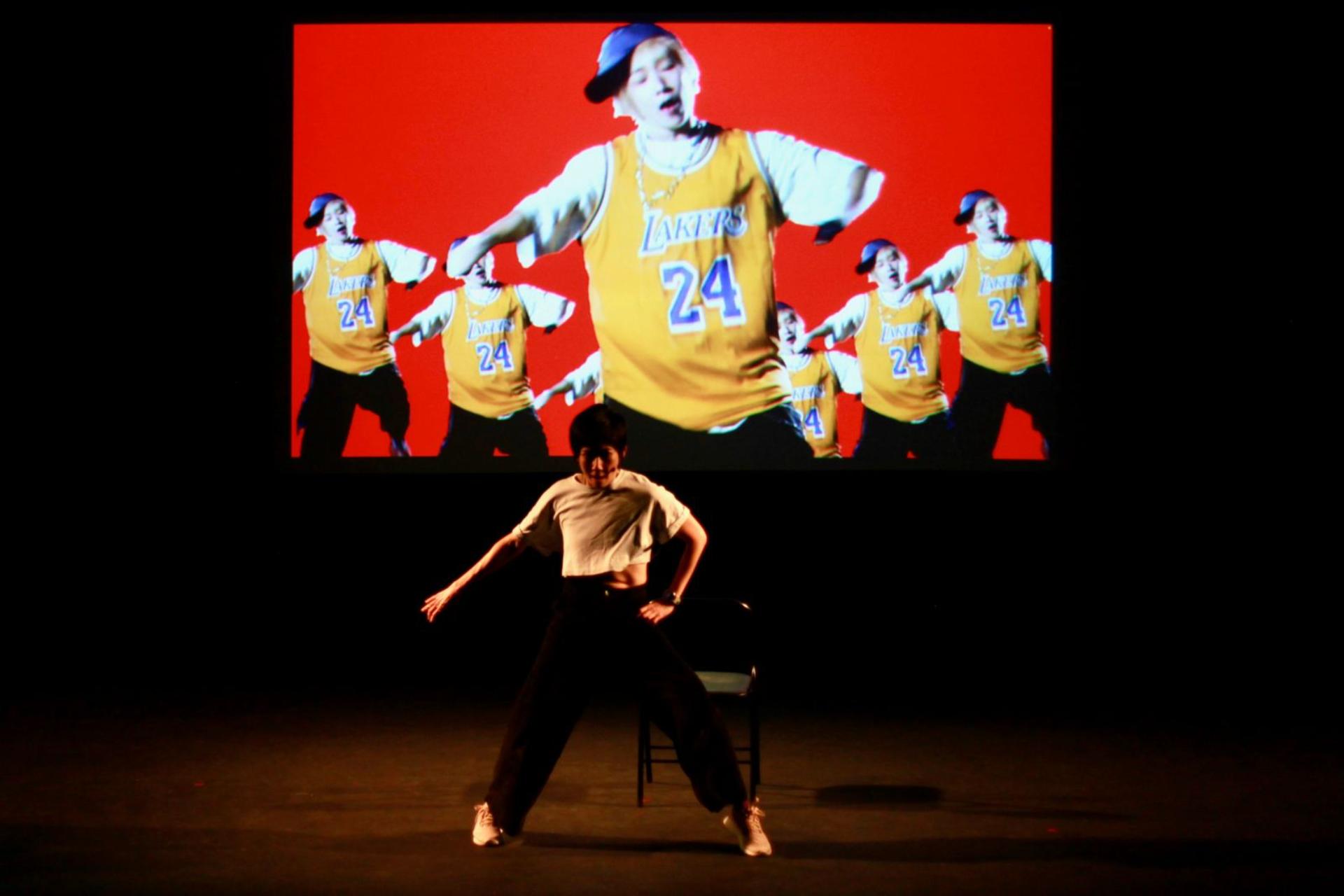
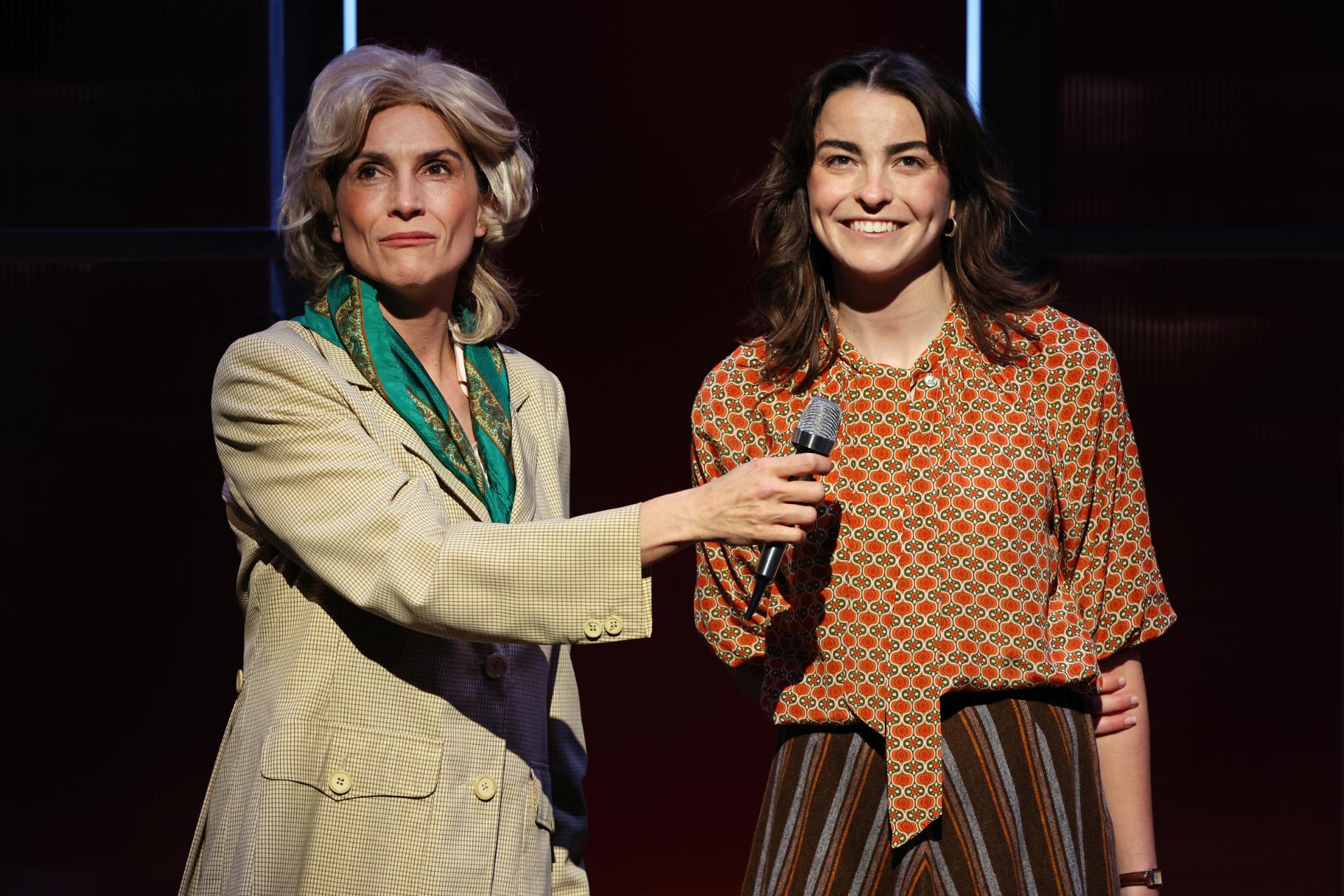
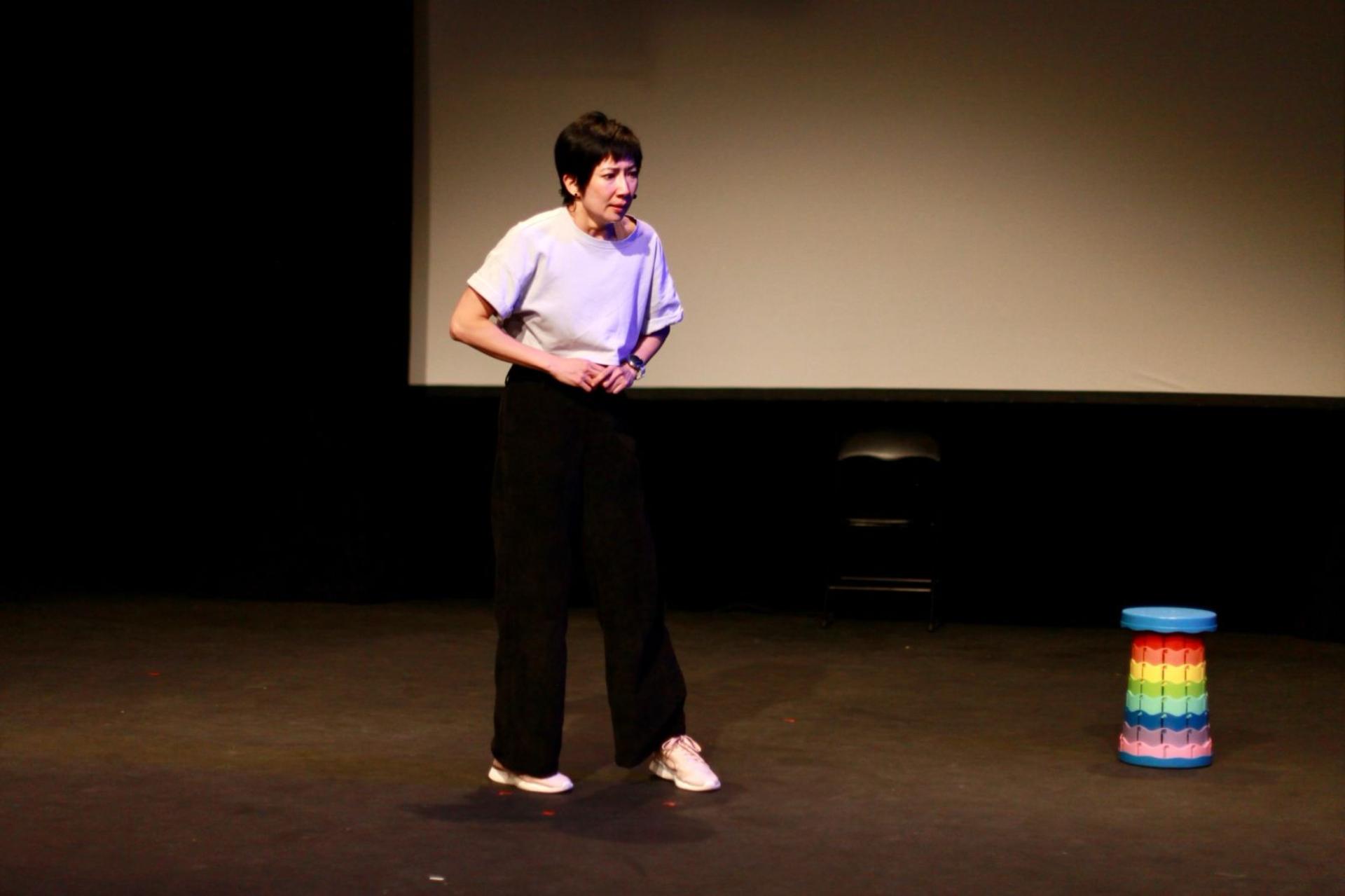
Hannah has flown to South Korea, hoping for a successful reunion with her birth mother. However, Soon Hee’s response falls far short of Hannah’s expectations. Koreaboo by Michelle Lim Davidson explores the phenomenon of transnational and transracial adoption, from the perspective of a person caught between cultures. Sharply observed and finely nuanced, Koreaboo proves to be as insightful as it is entertaining.

Davidson plays Hannah the naïve Australian, with exceptional effervescence. Heather Jeong brings admirable authenticity, to the role of shopkeeper Soon Hee. Both performers are wonderfully comedic, demonstrating excellent timing along with a persuasive chemistry. Directed by Jessica Arthur, the presentation is compulsively engaging at every moment, memorable for its sparkling humour. Scenes of poignancy could be provided more gravity, but they remain effective, in this story about unconventional kinship.

Production design by Mel Page accomplishes an extraordinary level of naturalism, to have us connecting immediately with visual cues that convey all we need to know, about these people and places. Lights by Kate Baldwin are commensurately accurate, in portraying a heightened ordinariness. Music by Brendon Boney offers a full-bodied expression of the playful spirit underpinning Koreaboo‘s humour, punctuating the show with gleeful joy throughout.

Parents are rarely, if ever, ideal beings. Admittedly some are more flawed than others, but a substantial part of any person’s maturation, involves coming to terms with disappointments around our parents’ deficiencies. Hannah longs for her mother’s love, but we discover that Soon Hee’s affections take a form quite different from what Hannah had hoped for. Like all adults, Hannah will learn eventually, that she simply has to make do.
www.griffintheatre.com.au

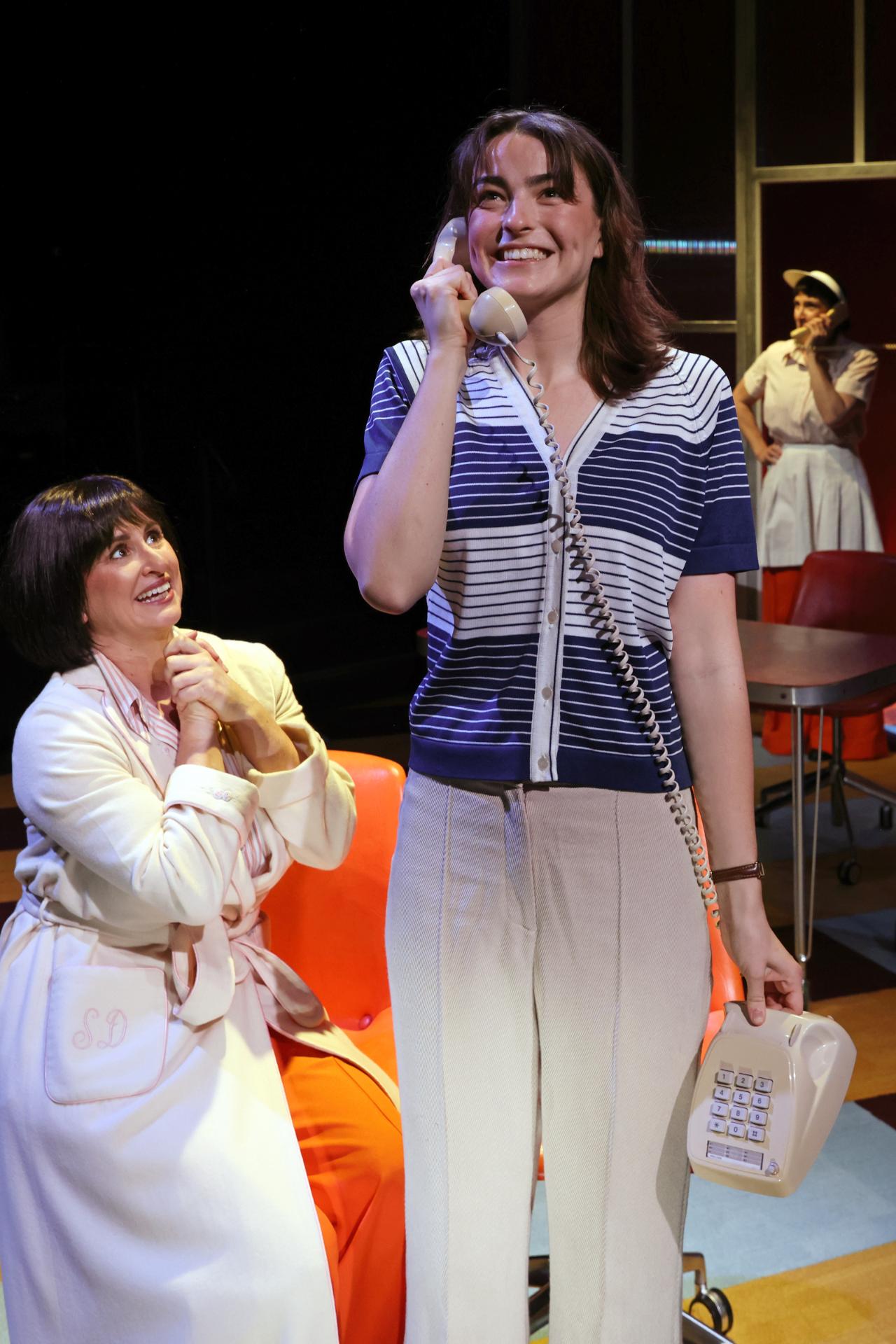
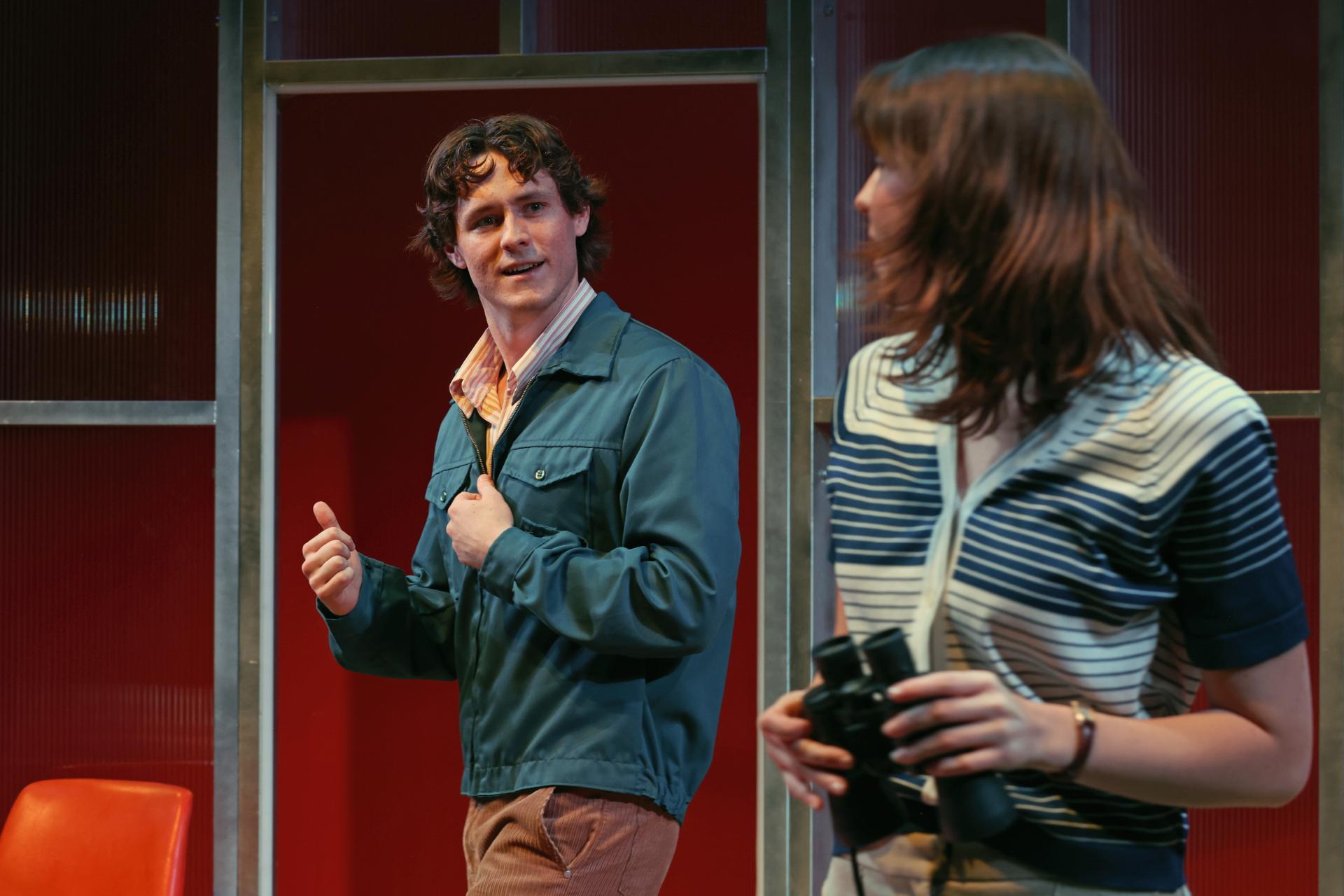
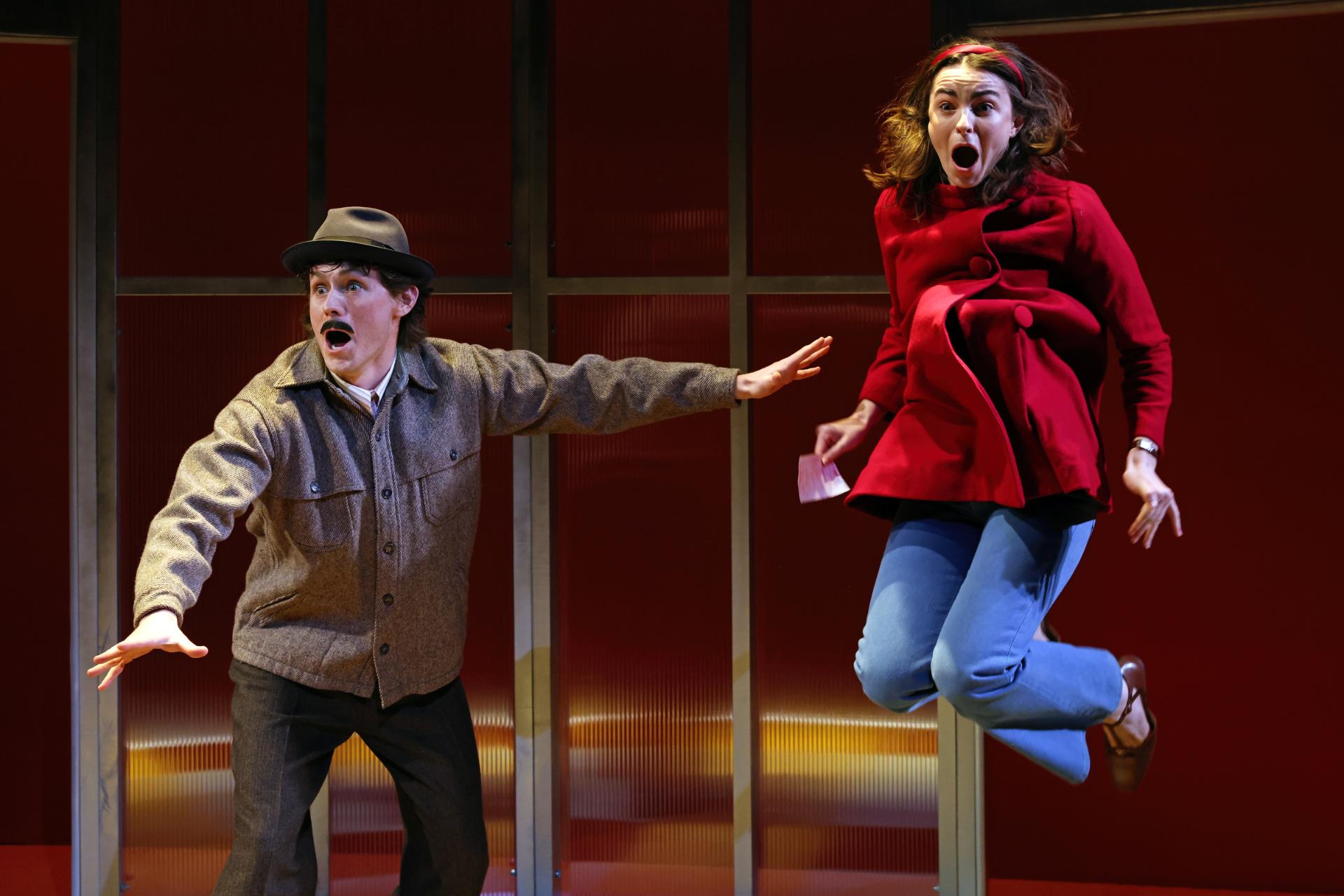
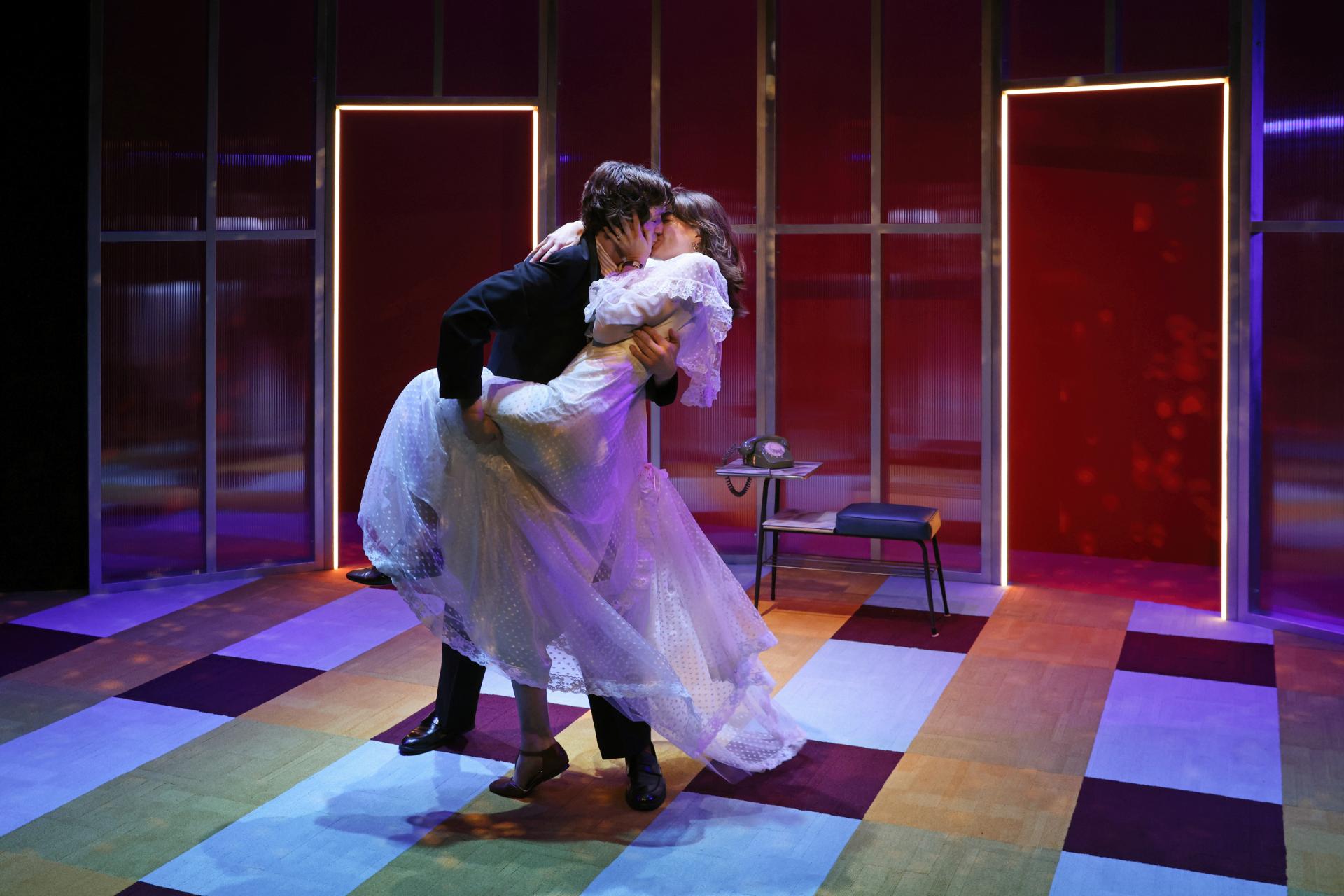
Review: The Half-Life Of Marie Curie (Ensemble Theatre)

Venue: Ensemble Theatre (Kirribilli NSW), Jun 13 – Jul 12, 2025
Playwright: Lauren Gunderson
Director: Liesel Badorrek
Cast: Rebecca Massey, Gabrielle Scawthorn
Images by Prudence Upton

Theatre review
It was 1911 when Marie Curie won her second Nobel Prize, but her monumental contribution to science was overshadowed by the public outcry over her scandalous relationship with a married man. In her agony, she takes refuge under the wing of fellow scholar Hertha Ayrton, who is determined to be a source of strength and inspiration. Lauren Gunderson’s The Half-Life of Marie Curie is a work that not only pays tribute to women trailblazers, but also highlights the importance of female friendship in a world that so often prefers to pit women against each other.

Vivaciously directed by Liesel Badorrek, the production is surprisingly comedic, despite the titular character’s unrelenting misery. Actor Gabrielle Scawthorn’s representations of Curie’s pain and suffering are almost unbearable in their believability, but the sublime Rebecca Massey is pure joy as Ayrton, offering a marvellous counterpoint to the dominant narrative of hardship.
Production design by James Browne is effective in taking us back to the appropriate time and space, whilst providing a charming theatricality to the experience. Lights by Verity Hampson take every opportunity to dial up the drama, while video projections by Cameron Smith deliver persuasive renderings of evanescent visions. Music by Daniel Hertern is at times beautifully transcendent, for a show that is as much about the past as it is about our future.
There are many forms of resistance, but the revolution will only endure, if the sisterhood remains unbreakable in its unity.

www.ensemble.com.au

Review: Eureka Day (Seymour Centre)

Venue: Seymour Centre (Chippendale NSW), May 29 – Jun 21, 2025
Playwright: Jonathan Spector
Director: Craig Baldwin
Cast: Deborah An, Christian Charisiou, Branden Christine, Jamie Oxenbould, Katrina Retallick
Images by Richard Farland

Theatre review
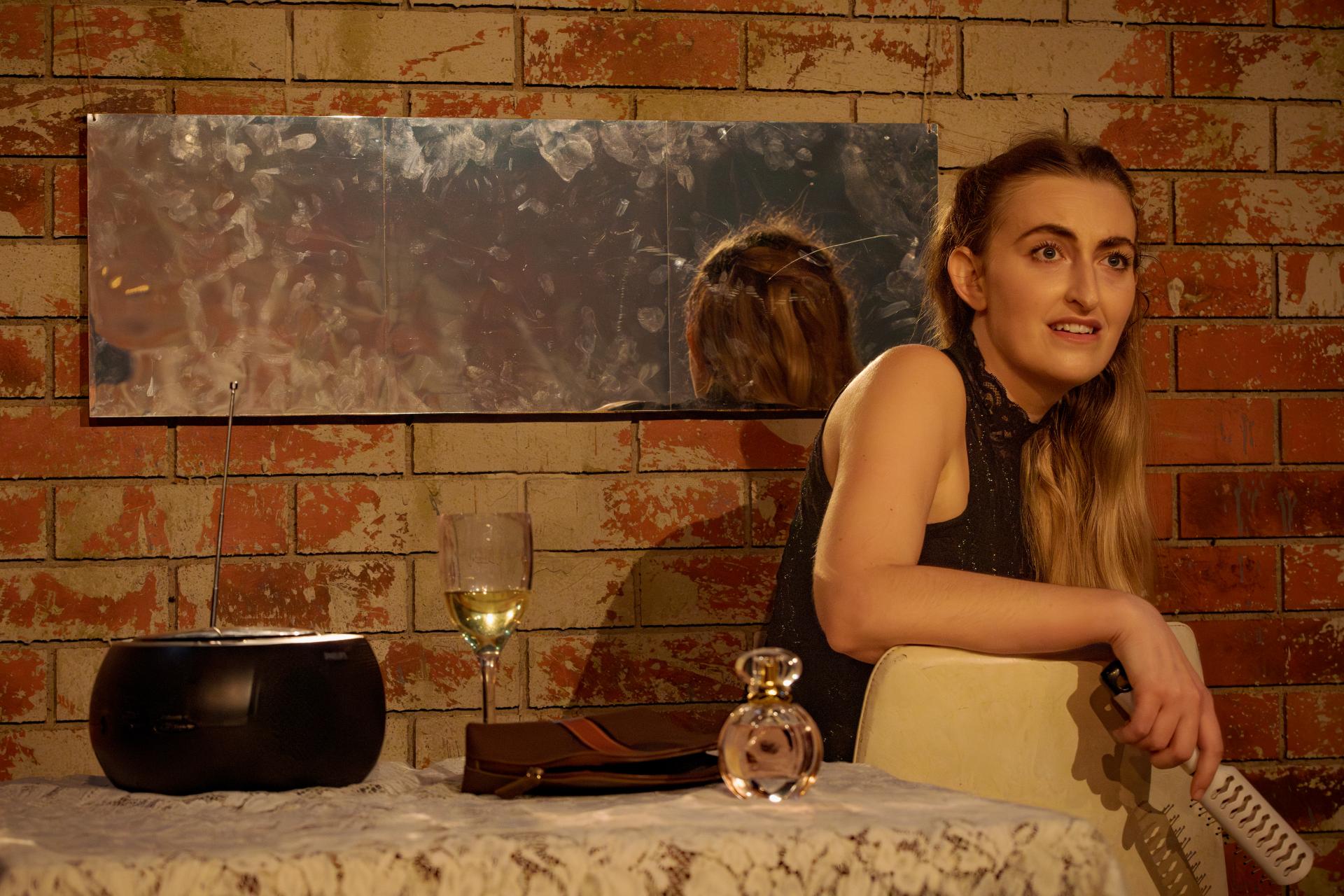
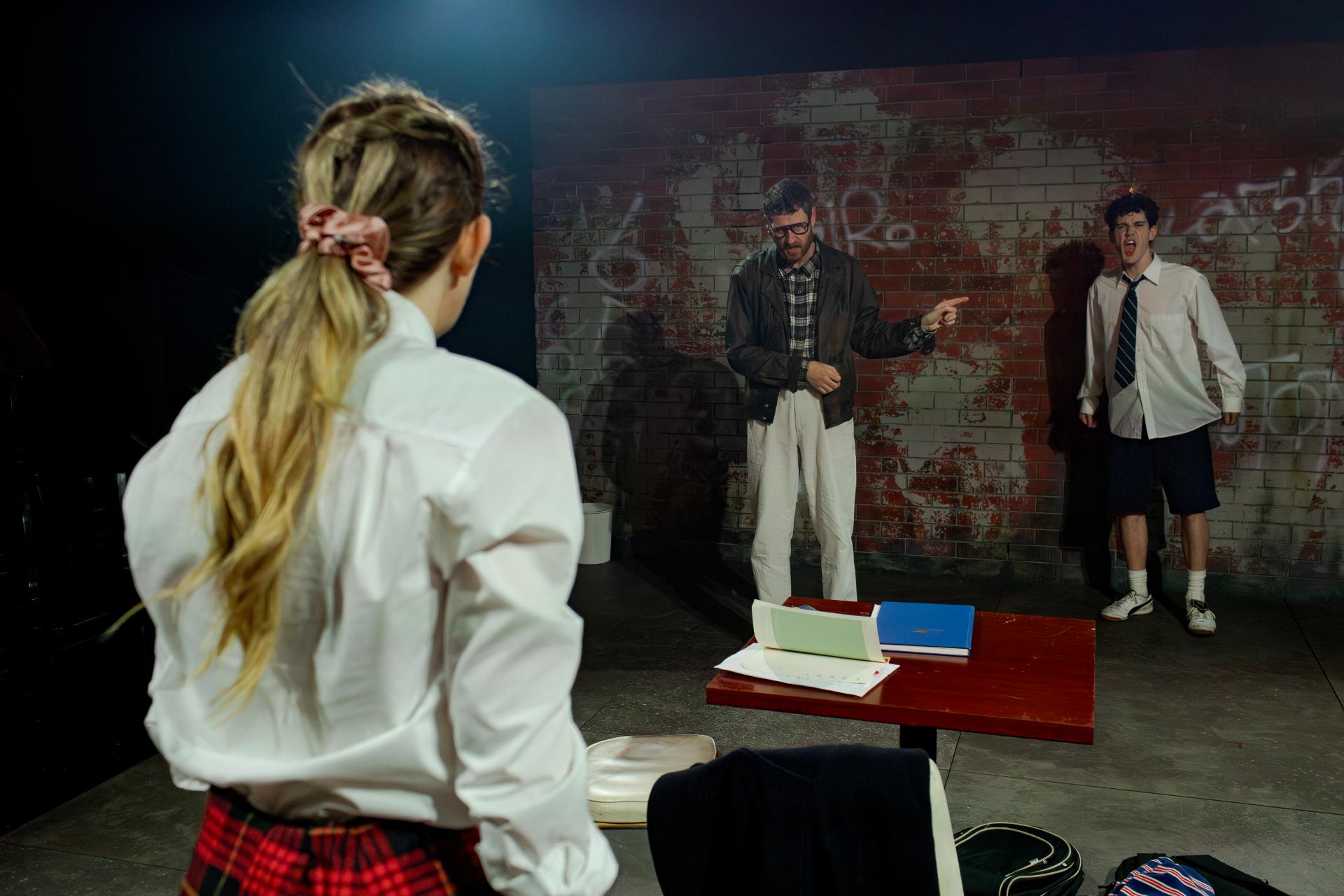
It is the 2018-19 school year, and a child comes to their Californian school with mumps, and sends everyone into a tailspin, when it is discovered that a substantial number of families have refused the MMR vaccine.

The comedy Eureka Day by Jonathan Spector emerged slightly before the pandemic, when it had become clear that conspiracy theories were more popular than ever, due to their unchecked proliferation on the internet. An unequivocally pertinent discussion for our times, Spector’s play encourages reflections on the phenomenon of parallel truths and fake news. It is thoughtful writing, and certainly worthwhile of attention, even if its generosity for those deceived and deluded, can often feel deeply frustrating.
Direction by Craig Baldwin makes use of that difficult conflict between ideological tribes, to create a stimulating work of theatre. Anger and exasperation might not be pleasurable emotions, but they are certainly powerful ones, that the production rouses for a communal experience that resonates with marvellous authenticity and familiarity.

An evenly dazzling cast of five delivers with urgent immediacy, a story that touches all in the modern age. Each actor is engaging, with palpable empathy and with sardonic humour, to earn our complete investment, if not for finding real solutions to the problem, then at least to simply commiserate about our sad state of affairs. Also noteworthy is production design by Kate Beere, offering simple yet colourful solutions that make believable, Eureka Day‘s explorations of a very upper middle class sanctuary.
A few short years since the original premiere of Eureka Day, we find ourselves in the preposterous position of fearing for the demise of science. Investigative, regulatory, and tertiary institutions in the USA are being systematically undermined, by a new kleptocracy determined to bankrupt any concept of the common good. Until very recently we have been able to “defer to science” in debates involving personal choice and public interest, but it seems that venerable authorities are being stripped of their credibility and efficacy, leaving us in an immensely troubling precarity.

www.seymourcentre.com | www.outhousetheatre.org

Review: The Anarchy 1138-53 (KXT on Broadway)

Venue: KXT on Broadway (Ultimo NSW), May 22-31, 2025
Creators: Pat Fielding, Chelsea Hickman, Kerith Manderson-Galvin, Tobias Manderson-Galvin, Dr Tom Payne
Cast: Kerith Manderson-Galvin, Tobias Manderson-Galvin
Images by Skye Gellmann

Theatre review
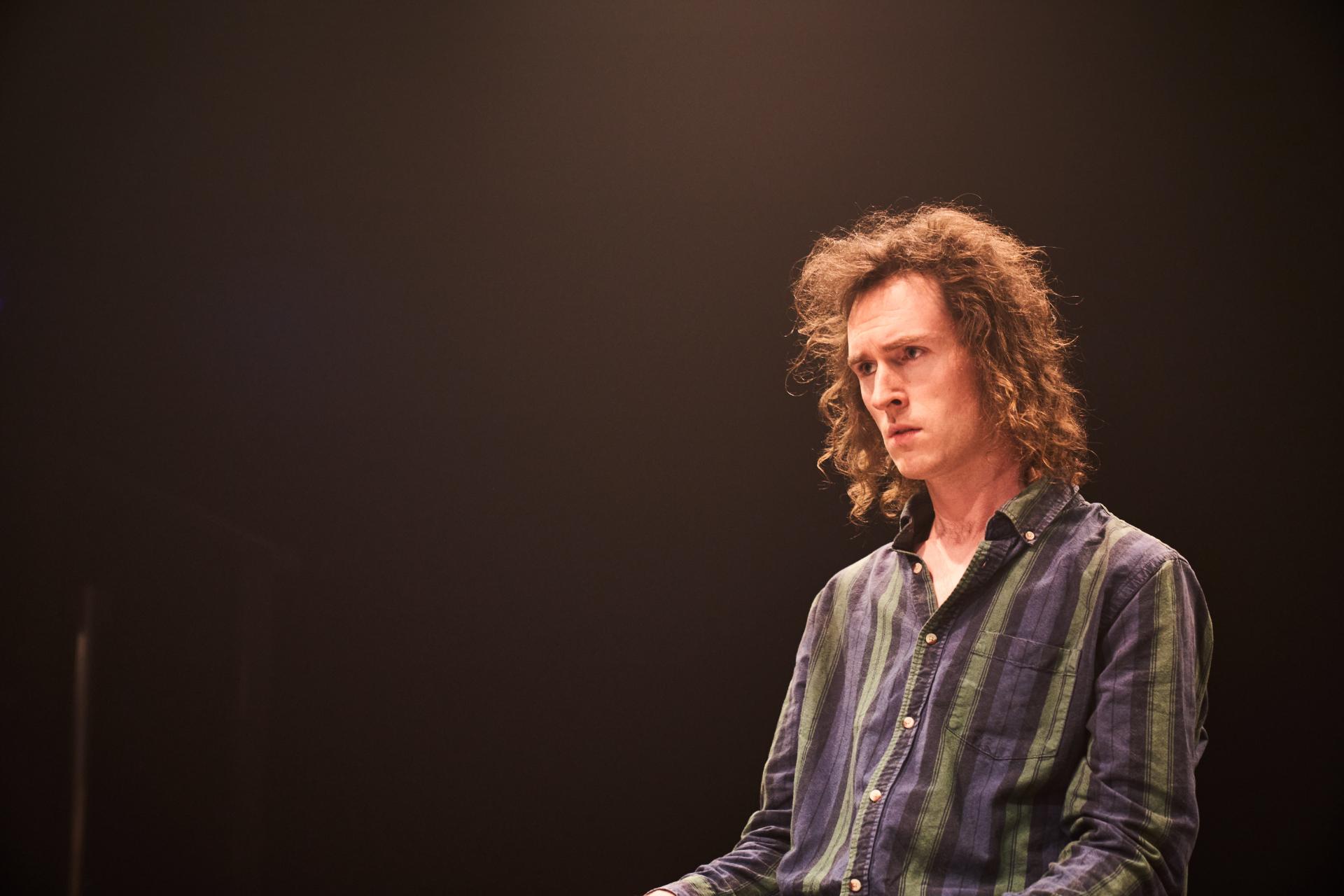
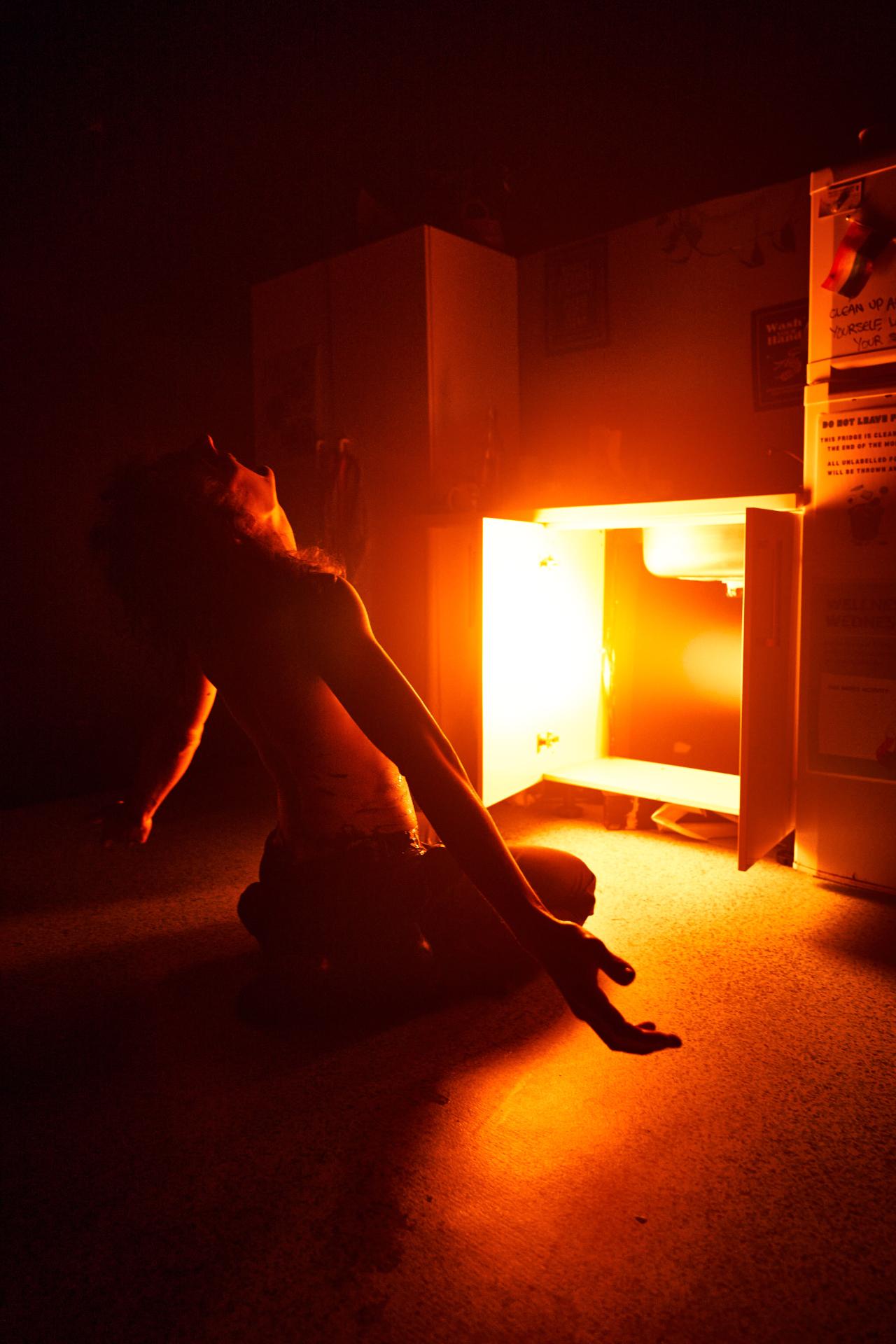
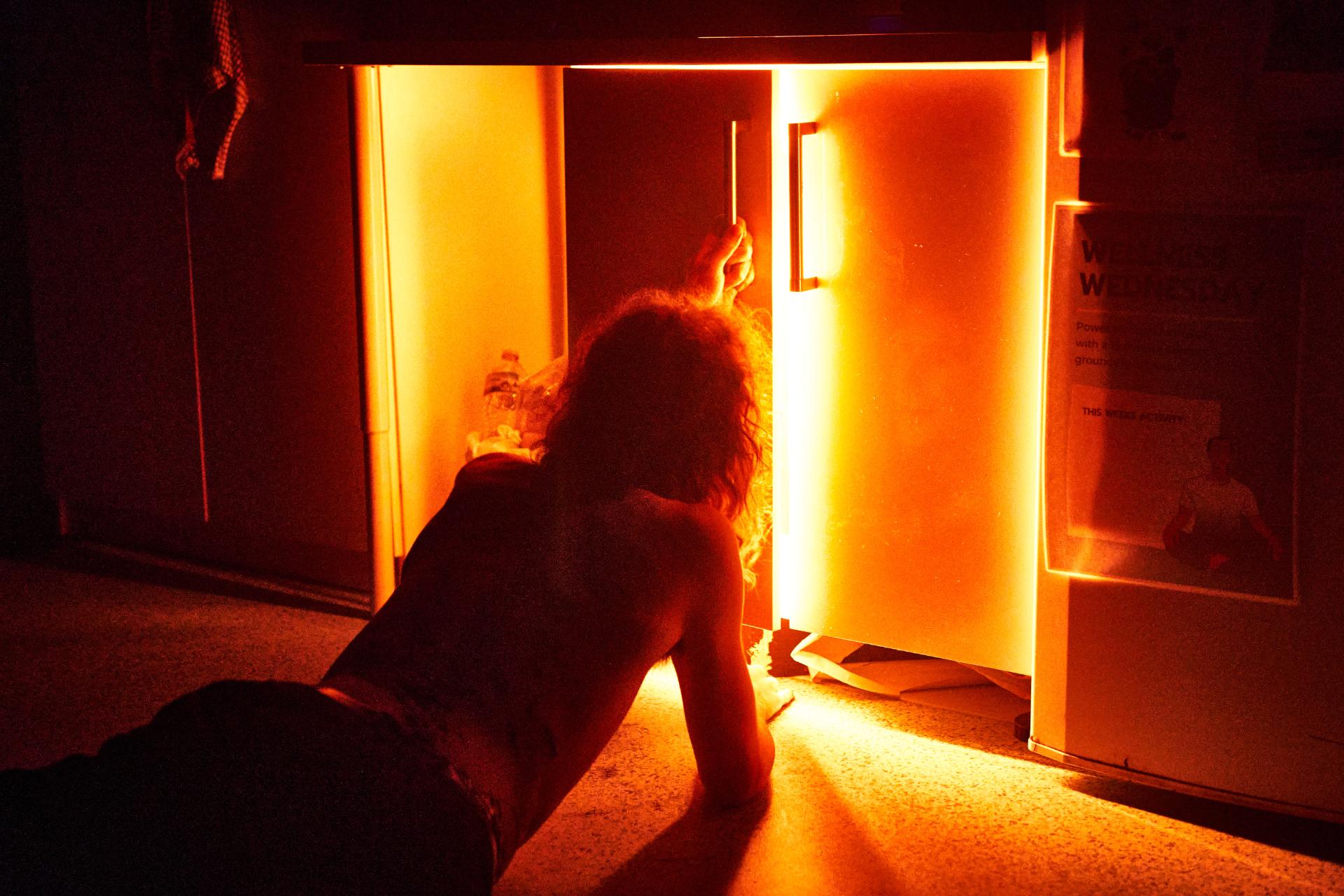
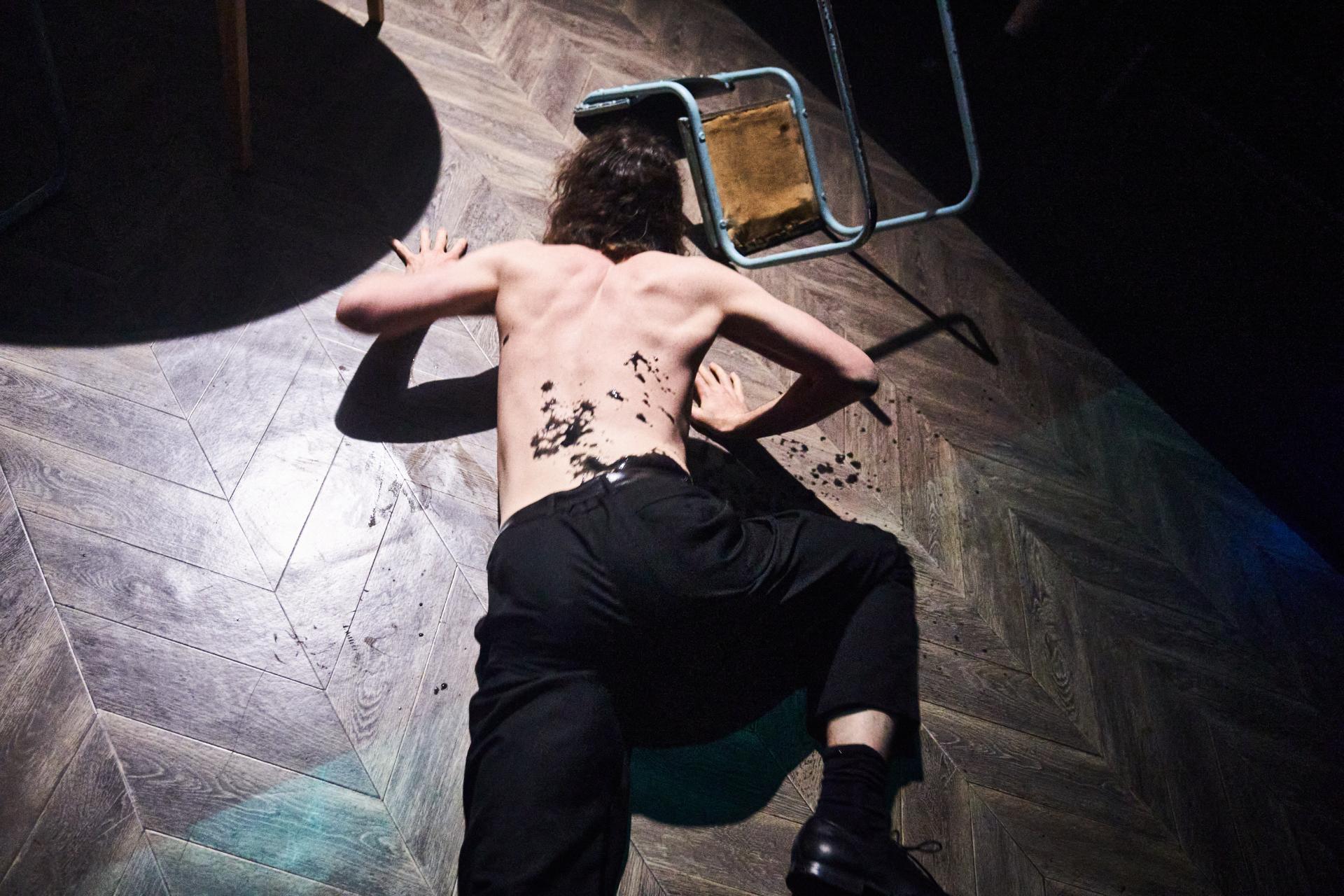
It is ostensibly a show about a civil war in 12th century England and Normandy. The very many words written for the verbose script of The Anarchy (1138-53), however, seem not to be of great importance in this telling of a story, that proves much more to be about the act of telling, than it is about the story itself. Kerith and Tobias Manderson-Galvin have prepared a great amount of copy, but their performance wants us almost to ignore their verbal regurgitations, and instead find alternative ways to pay attention, to a work of theatre determined to create unusual resonances.

Inevitable in this experience perhaps, are recollections of the Dadaist ethos, with its rejection of bourgeois aesthetics, its embrace of absurdity, and its simultaneous construction and deconstruction of artistic form. This can all be tiresome, academic and dry, but the Manderson-Galvins are so resolutely present as theatre-makers, that we find ourselves delighted and apprehensive, in equal measure, as they keep us riveted to their every bizarre manoeuvre. Theatre is ancient, but it can still communicate through new languages. For The Anarchy (1138-53), we keep finding different ways to ingest this abstract presentation, testing how our humanity can interact with stimuli of this nature. We explore the meaning of meaning, in a strange work like this, wondering where the phenomenon of understanding begins and ends.

When art is bewildering, it is rarely engaging. Thankfully, with its chaotic magnetism, The Anarchy (1138-53) proves itself to be curious but enjoyably so. Its charisma insists that we stay attentive, even if the payoff at every juncture, feels unfamiliar. When things are predictable and always the same, we stop questioning it. That which is uninterrogated holds power over us. Undoubtedly, it is comforting to encounter circumstances that feel natural, normal or ordinary, even if we know that nefarious elements will try to make themselves invisible and undetectable. So much of our ills is buried under the guise of blandness, which must be partly why James Baldwin declared, that “artists are here to disturb the peace.”

www.kingsxtheatre.com | www.doppelgangster.com

Review: Heaven (Qtopia)

Venue: Qtopia (Darlinghurst NSW), May 14 – 31, 2025
Playwright: Eugene O’Brien
Director: Kate Gaul
Cast: Noel Hodda, Lucy Miller
Images by Alex Vaughan

Theatre review
Mairead and Mal are attending a wedding, but we see them spend all of their time apart, even though they are themselves a married couple. Heaven by Eugene O’Brien comprises two interweaving monologues, about people who are “fifty-plus” in age. It explores ideas of finality and potential, for those who have lived prescribed lives, exhausting all rules and expectations, only to find so much more that can be experienced.

A gently humorous work, directed by Kate Gaul with elegant conciseness, Heaven speaks with simplicity, about notions of personal fulfilment, especially for middle-aged individuals who tend to be characterised as being past their prime. Convincing performances by the cast inspire meditations on the meanings of freedom and selfhood.

Noel Hodda as Mal is compelling with his cheeky charm, and Lucy Miller’s effortless sass for the role of Mairead conveys the possibilities, of attaining something greater, if only one would allow themselves that liberty. Also noteworthy is Topaz Marlay-Cole, whose subtle lighting design provides appropriate enhancements at every atmospheric shift.

Central to the story are the character’s sexualities, and how Mairead and Mal are incompatible on that front. They take time apart to discover what it is that excites them, and therefore find versions of selves that are deeper and more authentic. Never for a moment in Heaven do wife and husband see or speak with each other. All of this happens at a wedding, which only serves to make us feel more than a little sceptical about that ancient tradition.

www.qtopiasydney.com.au | www.bitchenwolf.com

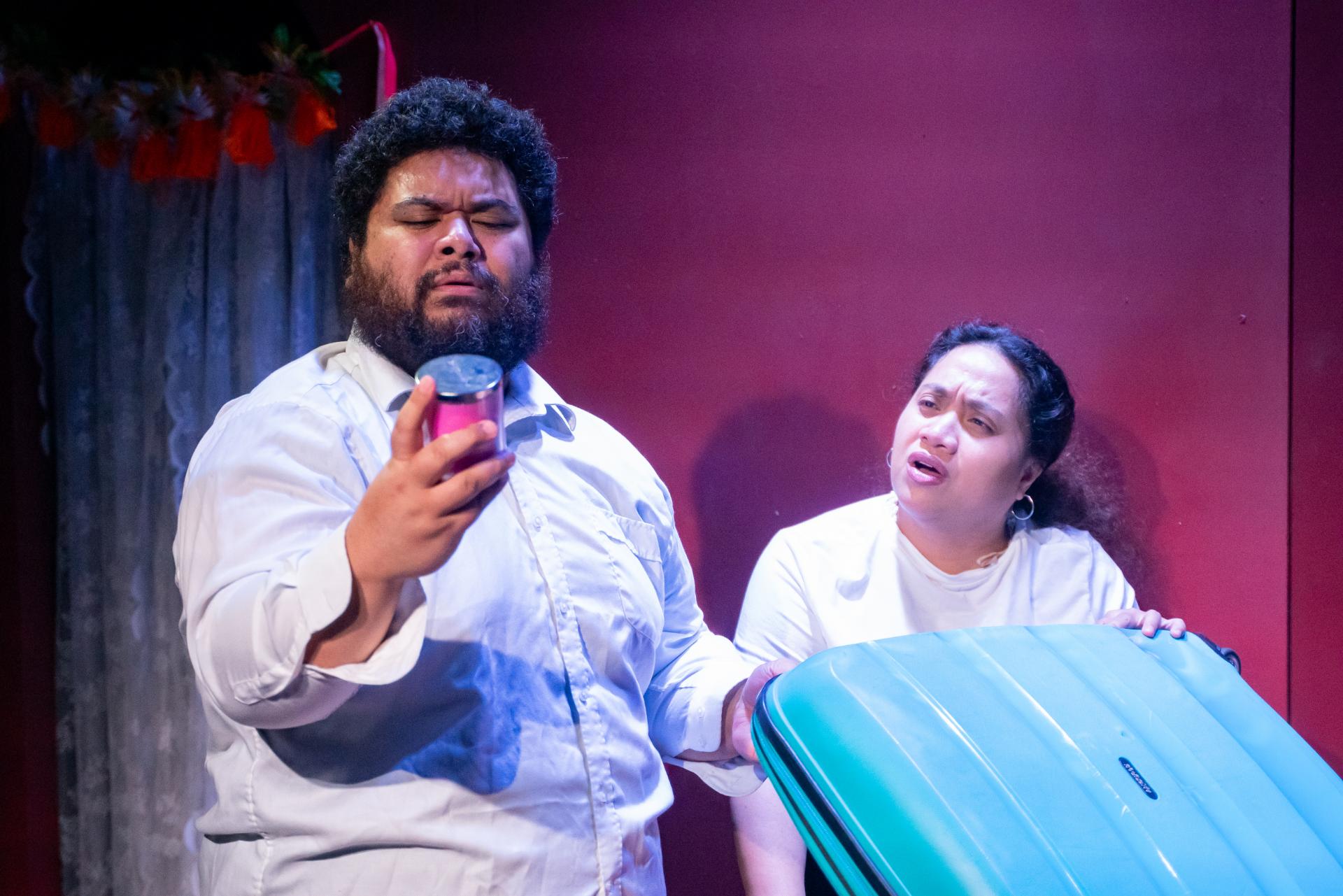
Review: I & You (25A Belvoir)

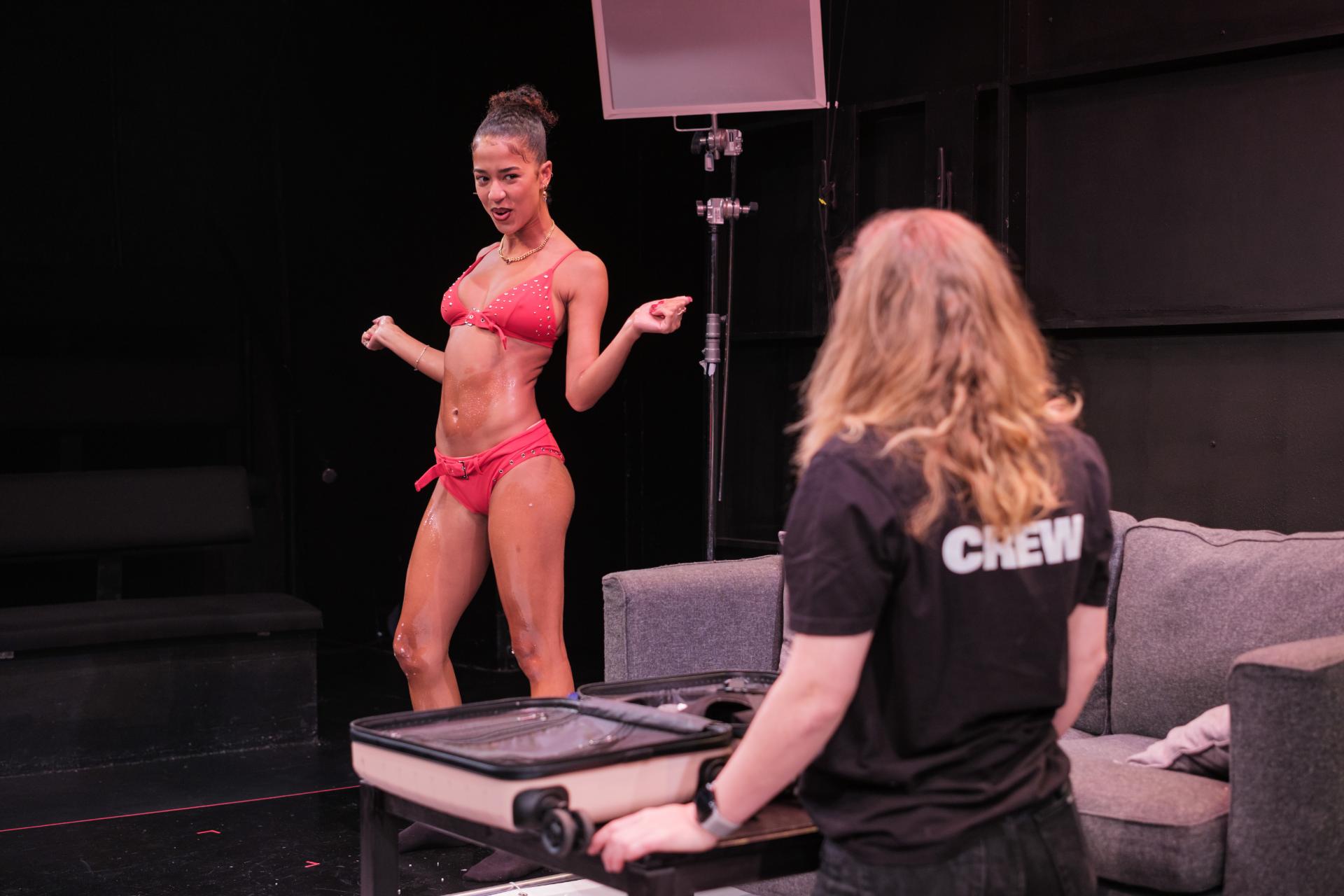
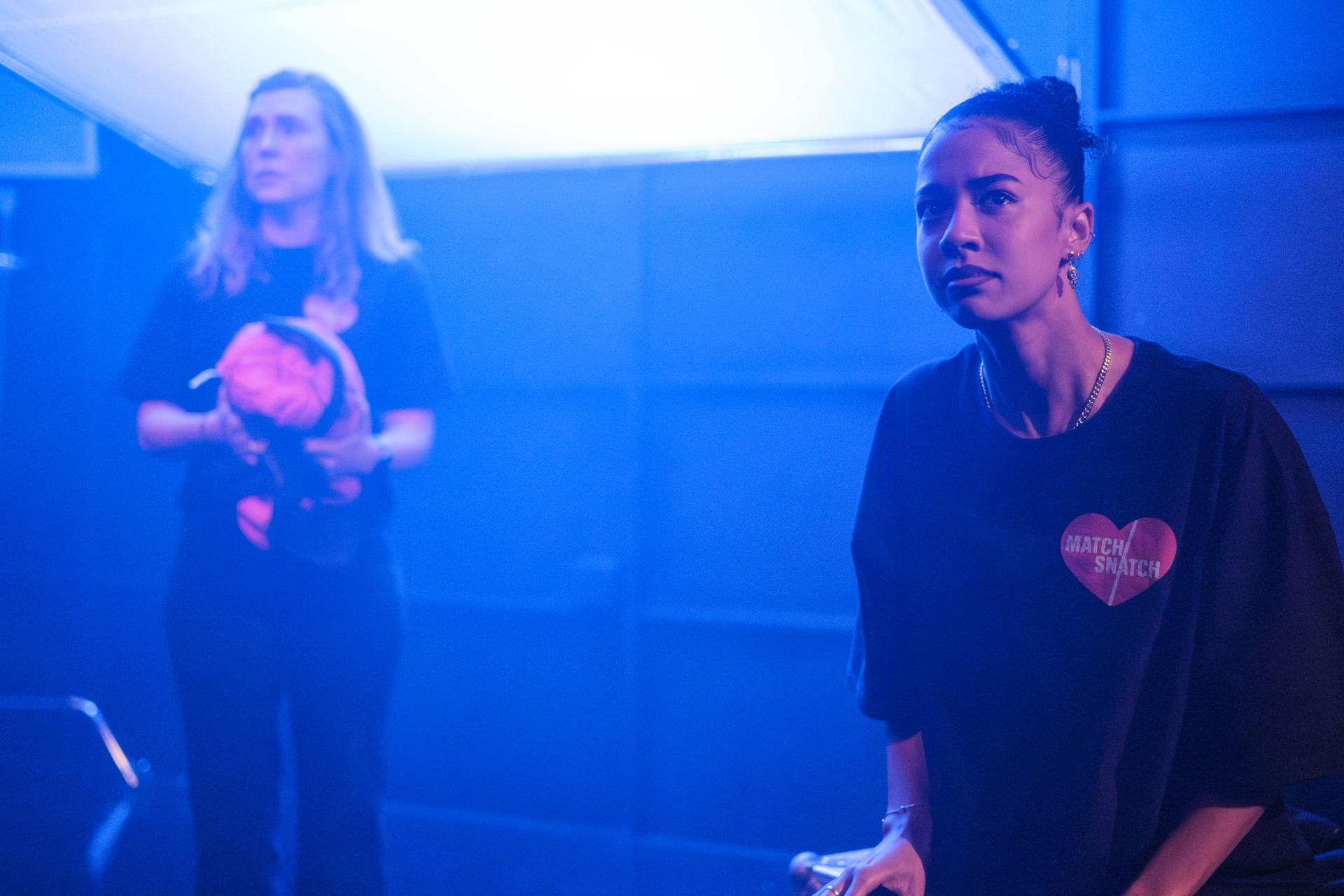
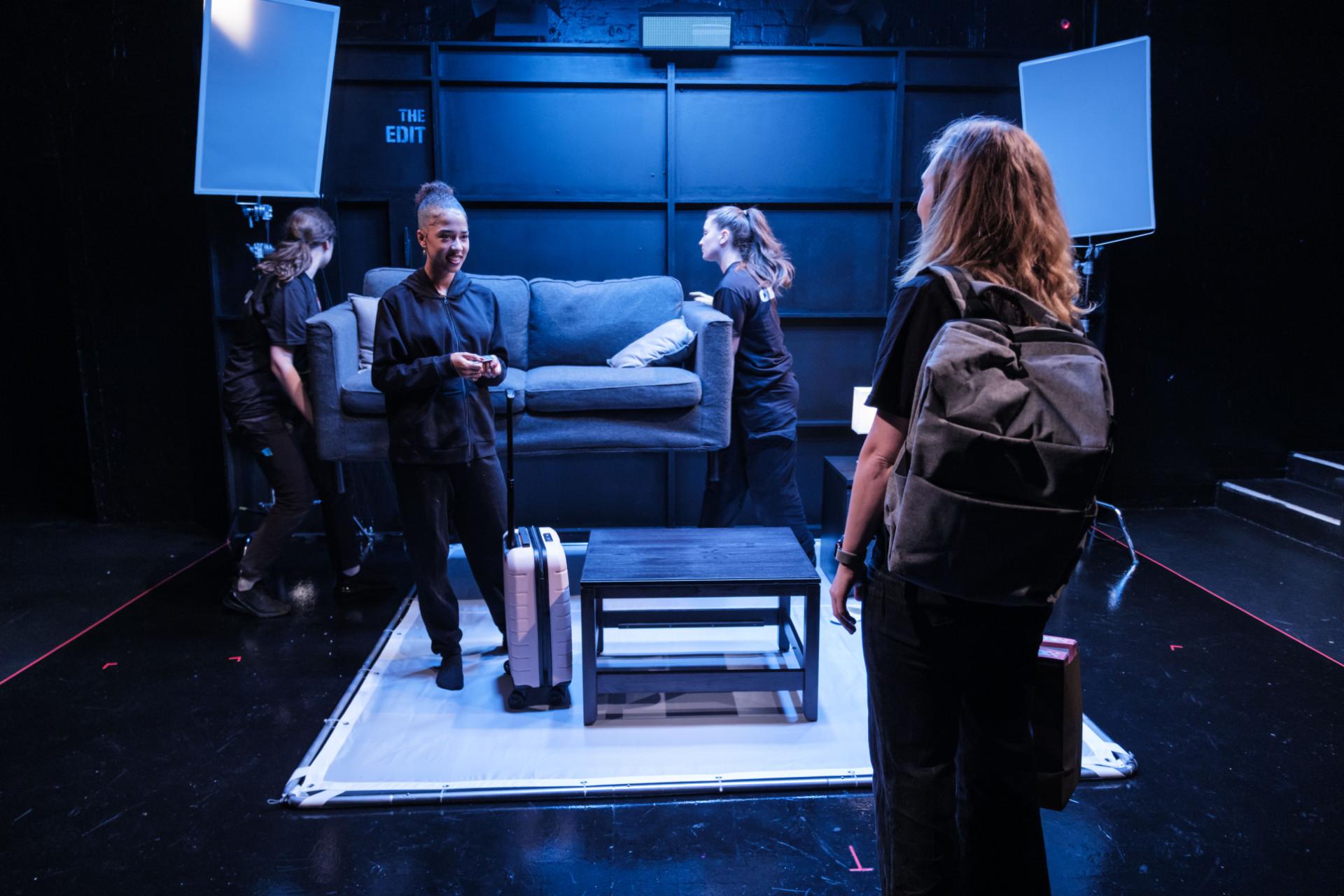
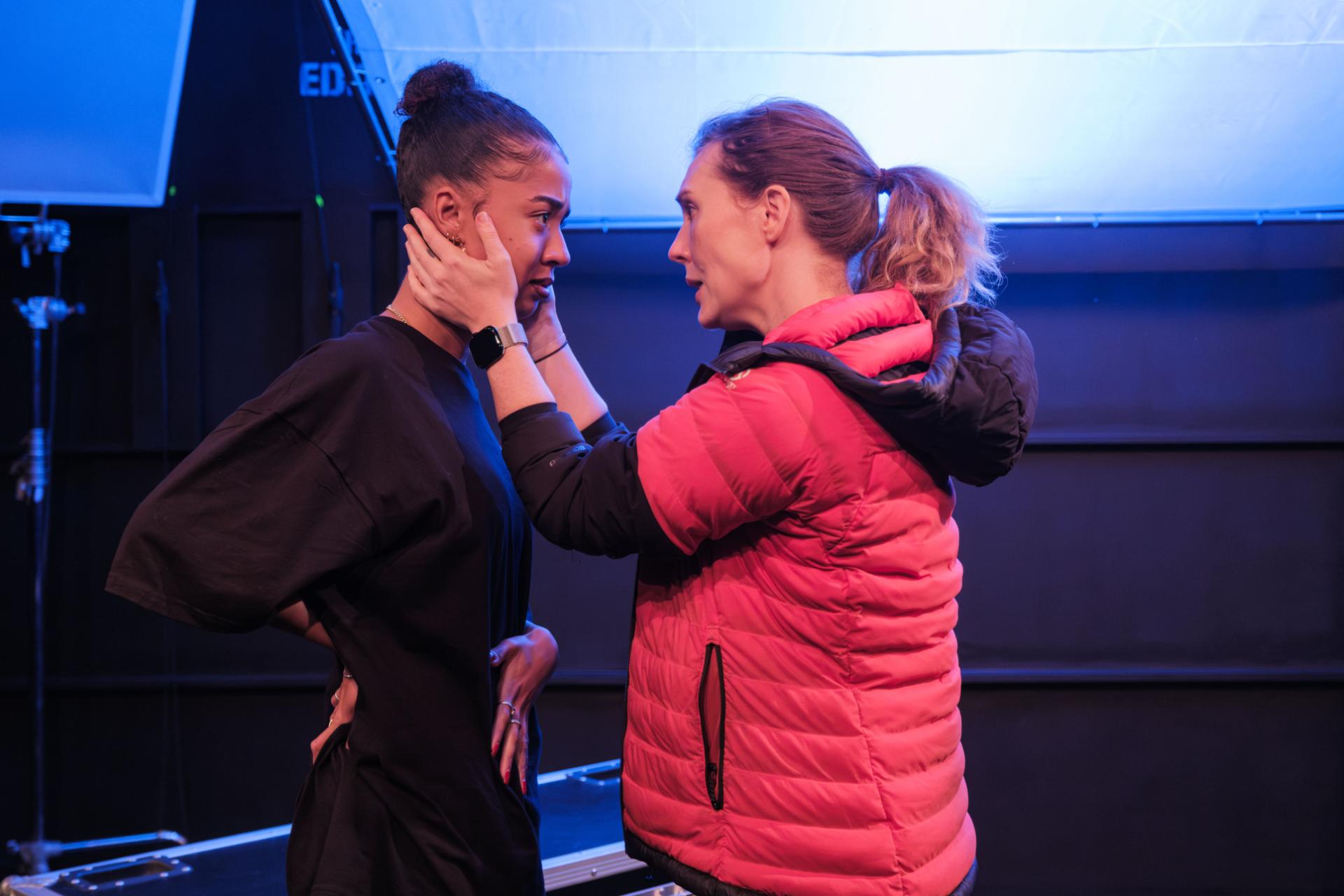
Venue: Belvoir St Theatre (Surry Hills NSW), May 6 – 18, 2025
Playwright: Lauren Gunderson
Director: Claudia Barrie
Cast: Josh Hammond, Alyssa Peters
Images by Phil Erbacher

Theatre review
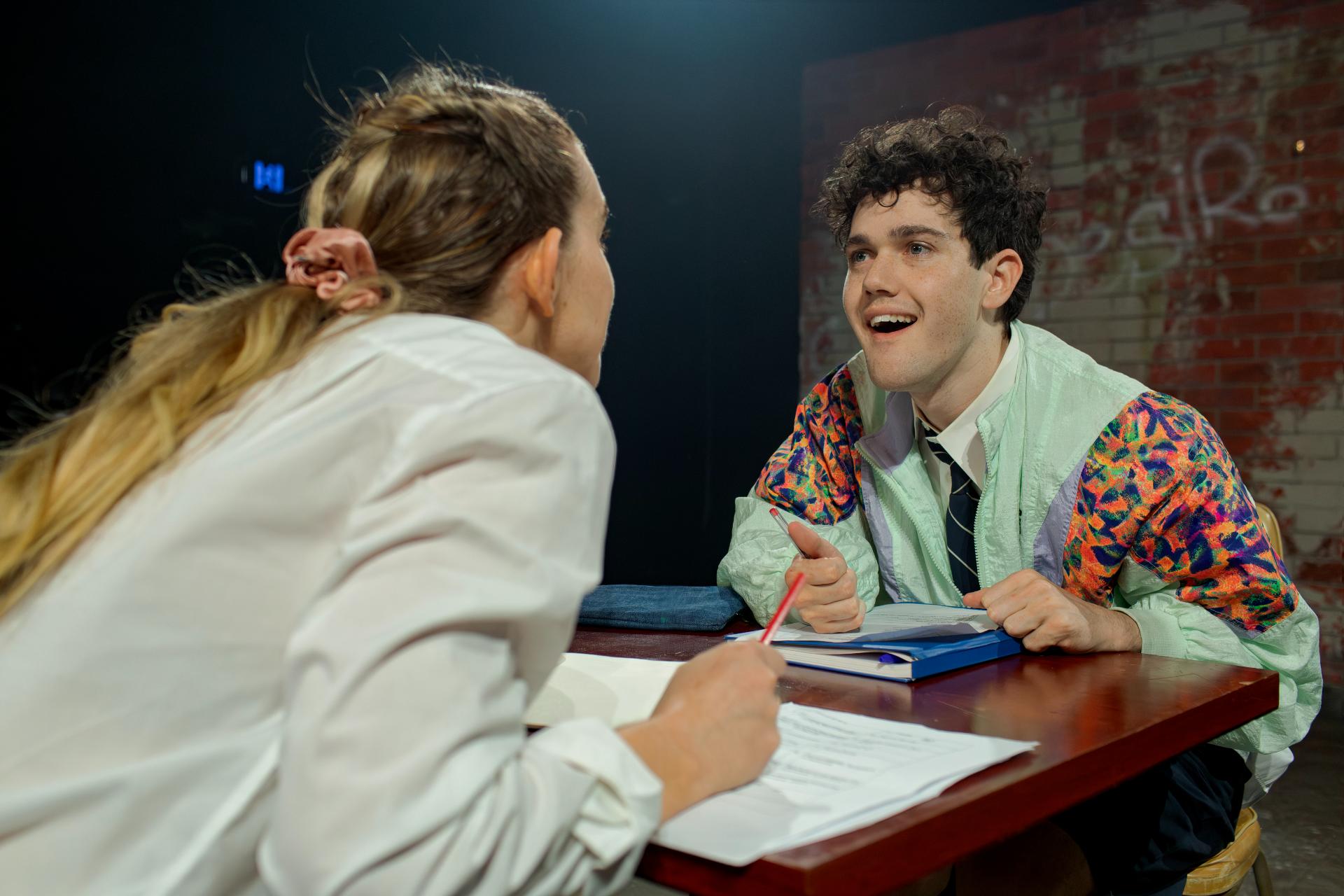
Caroline is confined to her home due to a chronic illness. When Anthony drops by from school to work on an assignment, they become fast friends, bonding over the artistic legacies of Walt Whitman, John Coltrane and Jerry Lee Lewis. In the play I & You by Lauren Gunderson, we not only observe the burgeoning relationship between two teens, but also meditate on the nature and meaning of death, in the presence of someone who has to grapple with mortality every day.

Gunderson’s writing is relentlessly optimistic, allowing director Claudia Barrie to place emphasis on comedic elements for an effervescent experience, that should prove particularly resonant for younger audiences. Performed by a highly endearing team of two, Josh Hammond and Alyssa Peters make their magical world sparkle with believability and tangibility. Their cohesiveness is a joy to witness, both actors keeping us completely at ease with the authenticity they so effortlessly bring to the stage.

Also noteworthy are lights by Saint Clair, that always feel considered in their approach, whether subtly modulating or dramatically embellishing. The set is designed by Saint Clair along with Masone Browne, to provide an elegant solution for specific requirements of the text. Emily Brayshaw’s costumes portray with accuracy, the style of regular teens who could reside either in Australia or America, whilst maintaining a flattering appearance for the cast.

There is real beauty in the fundamental truth of death, yet we try so hard to deny its existence.  The fact that time is limited, from the perspective of each individual perishable organism, should mean that moments big and small must be cherished, but all humans seem to do, is to imagine new ways to defy the inevitable. Life is already eternal, we only need to be appreciative of the infinite tiny encounters that materialise, from simply being here.

www.belvoir.com.au | www.madmarchtheatreco.com

Review: The Lover & The Dumb Waiter (Ensemble Theatre)

Venue: Ensemble Theatre (Kirribilli NSW), May 2 – Jun 7, 2025
Playwright: Harold Pinter
Director: Mark Kilmurry
Cast: Nicole da Silva, Gareth Davies, Anthony Taufa
Images by Prudence Upton

Theatre review
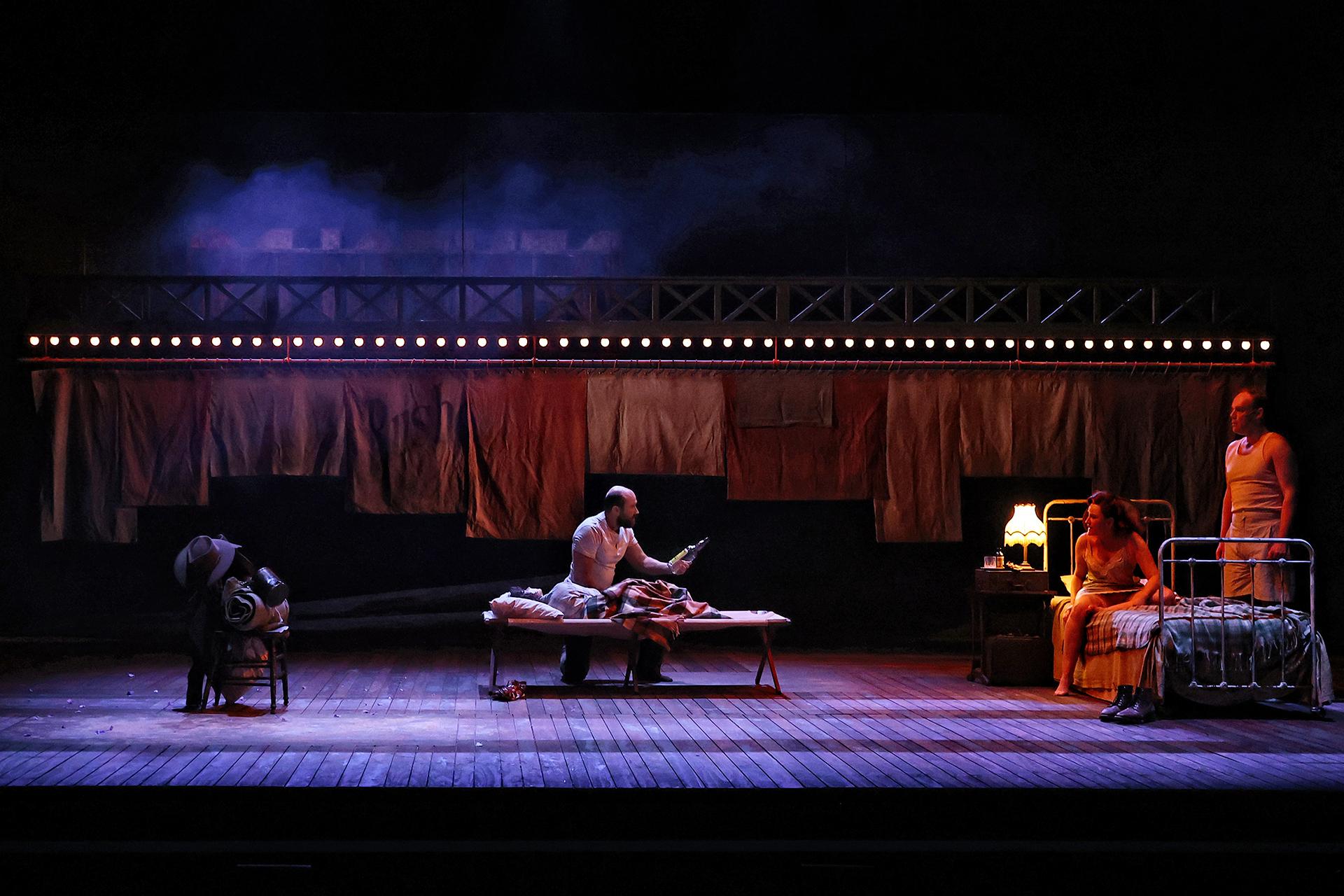
The Lover and The Dumb Waiter are one-act plays by Harold Pinter, currently being presented as a double bill. Both bear the dramatist’s characteristic absurdism, not only in their theatrical style but also in terms of what they say about the human experience. The former delves into the concept of monogamy, and the latter explores the idea of a person’s occupation. Pinter’s knack for making the ordinary appear strange, as can be seen in this pair of works, is perhaps one of his greatest contributions to art.

Direction by Mark Kilmurry locates for Pinter’s bizarre inclinations, a space of realism that allows us to see ourselves in characters who behave in unpredictable ways. The production tends to be excessively subdued in tone, which unfortunately diminishes its entertainment value. It is however a handsome staging, with Simone Romaniuk demonstrating commendable ingenuity and taste, in set and costume designs that are as transportive as they are appealing.

Actor Gareth Davies takes on key roles in both stories with a glint in his eye, charming us with the quiet mischievousness he brings to his interpretations. Nicole da Silva and Anthony Taufa are strong presences who keep us engaged, but can be somewhat understated in approach where bolder choices would be more effective. 

Questioning the very state of normalcy, is one of the biggest responsibilities of any artist. Even in abnormal times, when kleptocracy is taking hold in full view of populaces in previously democratic parts of the world, we need to be reminded of the differences between what is human, and what is manmade.

www.ensemble.com.au

Review: Happy Days (Sydney Theatre Company)

Venue: Wharf 1 Sydney Theatre Company (Walsh Bay NSW), May 5 – Jun 15, 2025
Playwright: Samuel Beckett
Director: Nick Schlieper, Pamela Rabe
Cast: Markus Hamilton, Pamela Rabe
Images by Brett Boardman

Theatre review
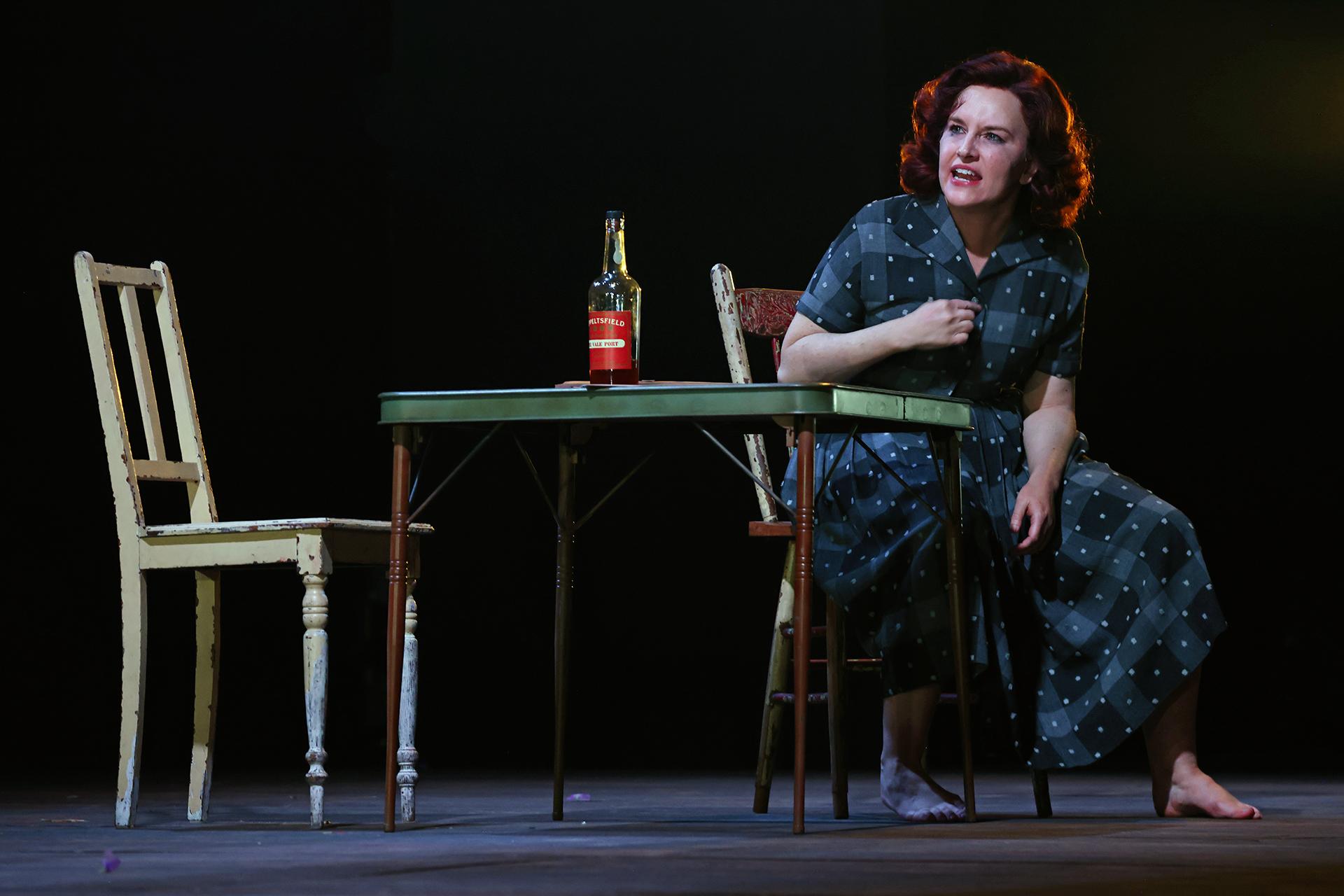
Winnie is submerged up to her waist, living in a state of constant suspension. The paralysis stems from circumstance, although it is never clear why or how Winnie finds herself thus. There appears nothing much to live for, yet she strives for optimism, in Samuel Beckett’s Happy Days, a work that could be considered allegorical for any number of things, although there is no mistaking its ruminations about the human condition.

Direction by Nick Schlieper and Pamela Rabe embraces wholeheartedly the central abstraction of the piece. Reluctant to make obvious gestures that would provide convenient indications about the meanings of Happy Days, the audience is left to its own devices. The experience is often confounding. The extent to which individuals can engage, or indeed feel alienated, likely depends on one’s own constitution and temperament. Even if it leaves us cold, there is no questioning the integrity of this interpretation of Beckett’s 1961 masterpiece.

Schlieper’s set and lighting design for the production, although minimalist in approach, convey a certain grandeur. There is a stillness being rendered that is key to the very essence of Happy Days, but we are always cognisant of a much wider context. Although the play seems a lot to be about Winnie’s isolation, Schlieper reminds us of the greater world that exists, beyond the confines of her monologue. Costumes by Mel Page talk of a faded glory, and Stefan Gregory’s restrained sound design becomes prominent in conclusion moments, to imbue a dramatic crescendo to the piece.

Rabe performs the part of Winnie with admirable gusto, impressive with the intricacy of her textual analysis. The laconic Willie is played by Markus Hamilton who brings a strong presence, to his depiction of a secondary character. The pair embody a mysterious world that is often impenetrable, but we never doubt the honesty they bring to their parts.

It is the stasis in Happy Days that should scare us. Death will surely come, and to deny it is foolish. To sit around waiting for the inevitable, is worse.

www.sydneytheatre.com.au