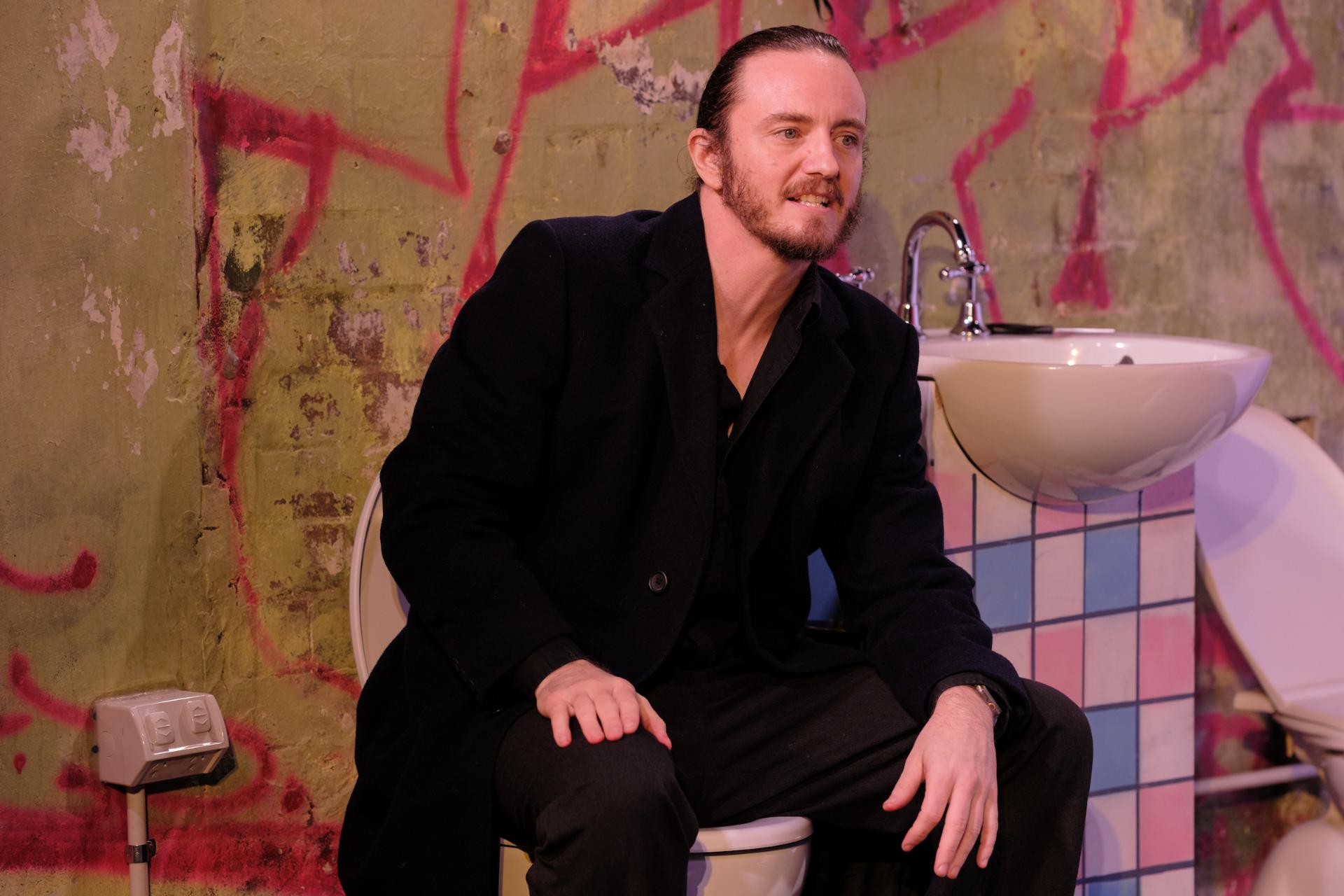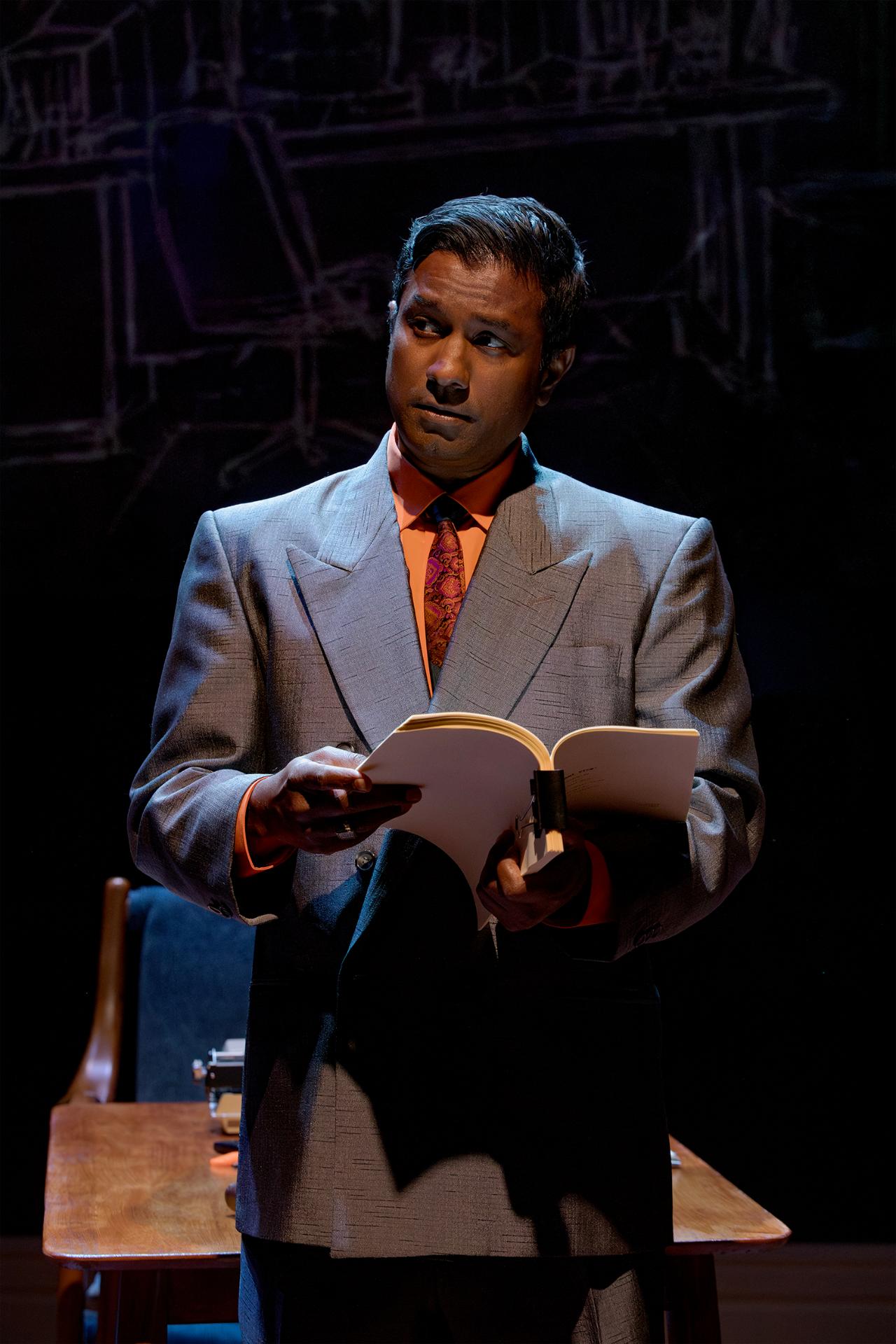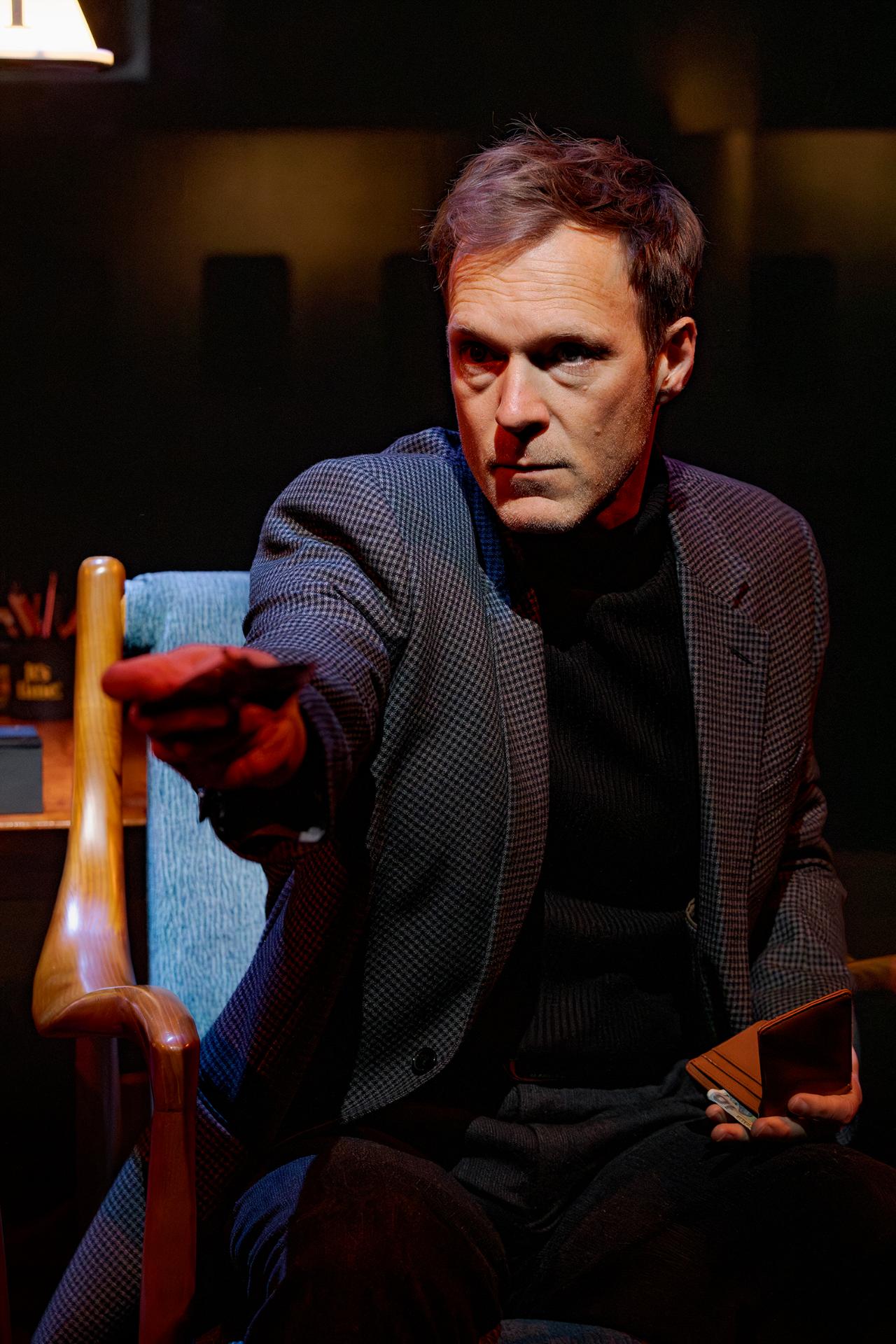
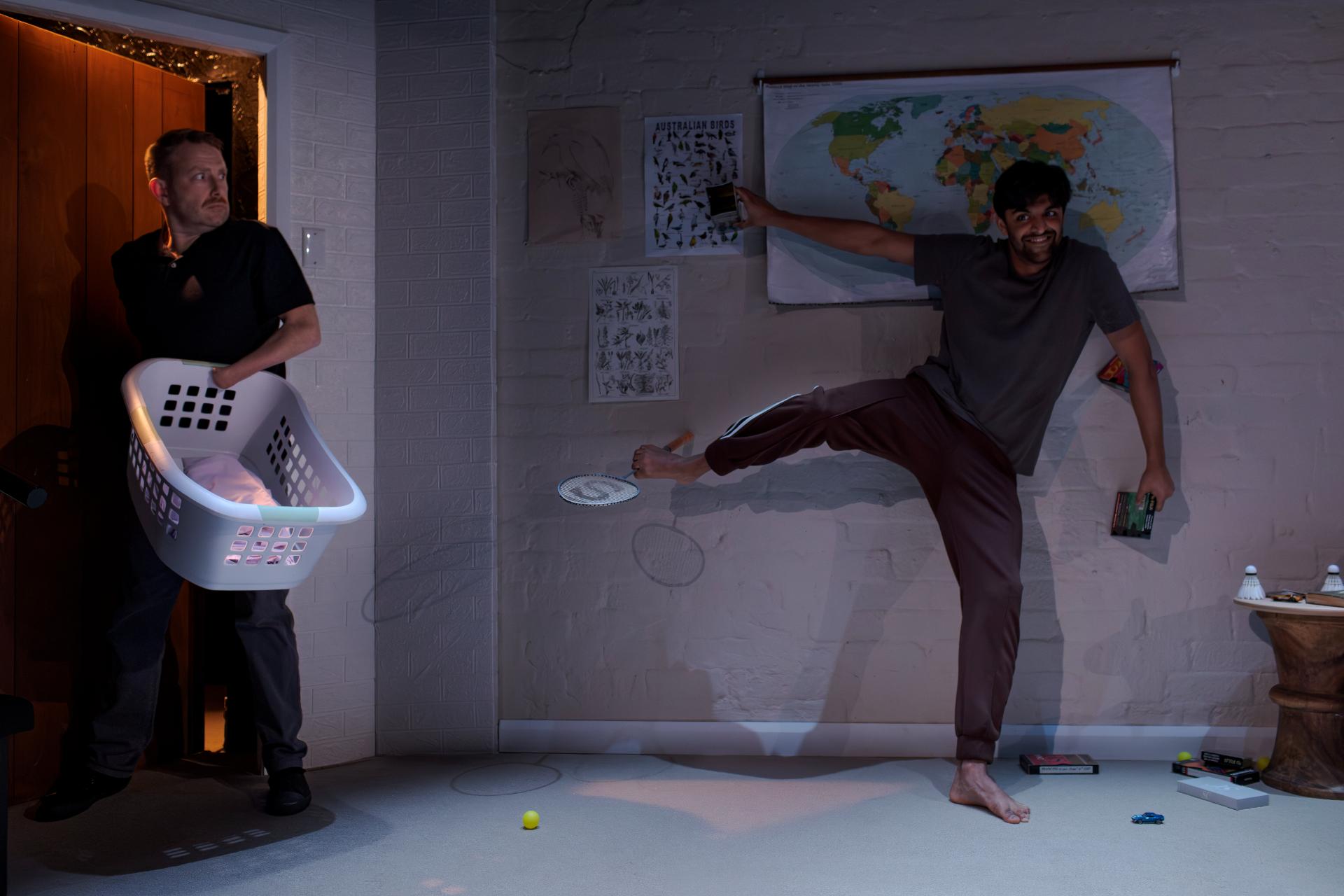
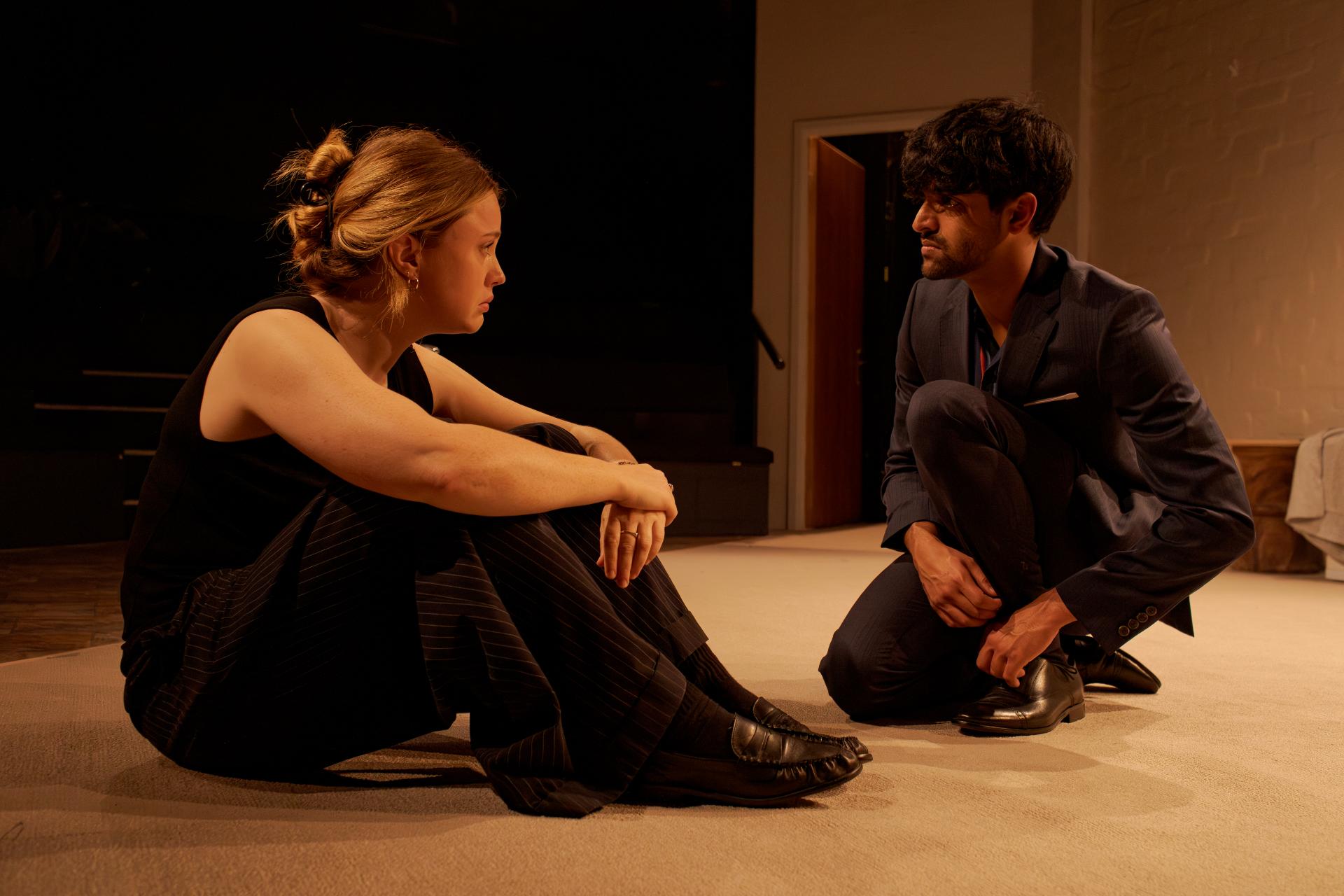
Review: The Book Of Mormon (Capitol Theatre)

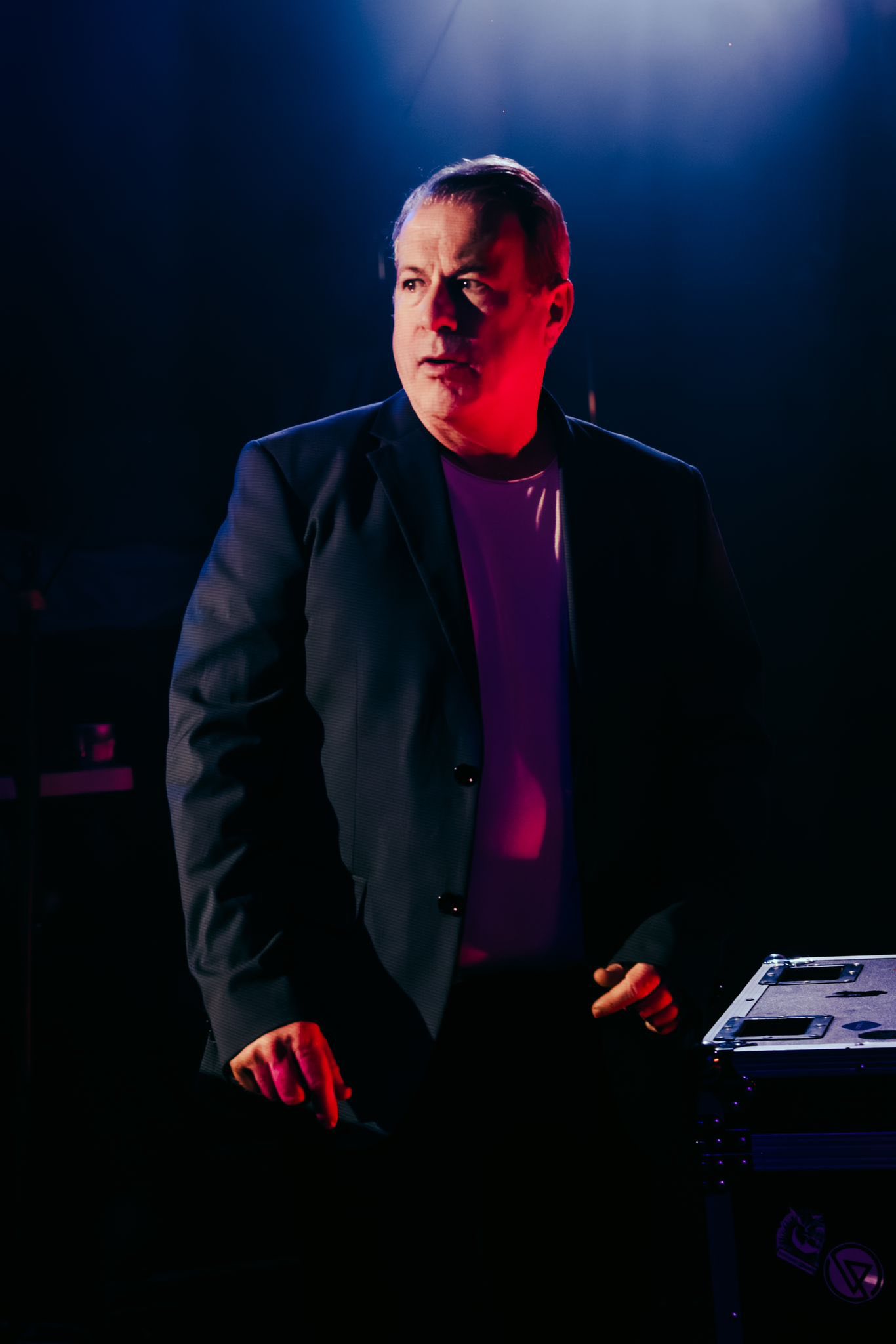
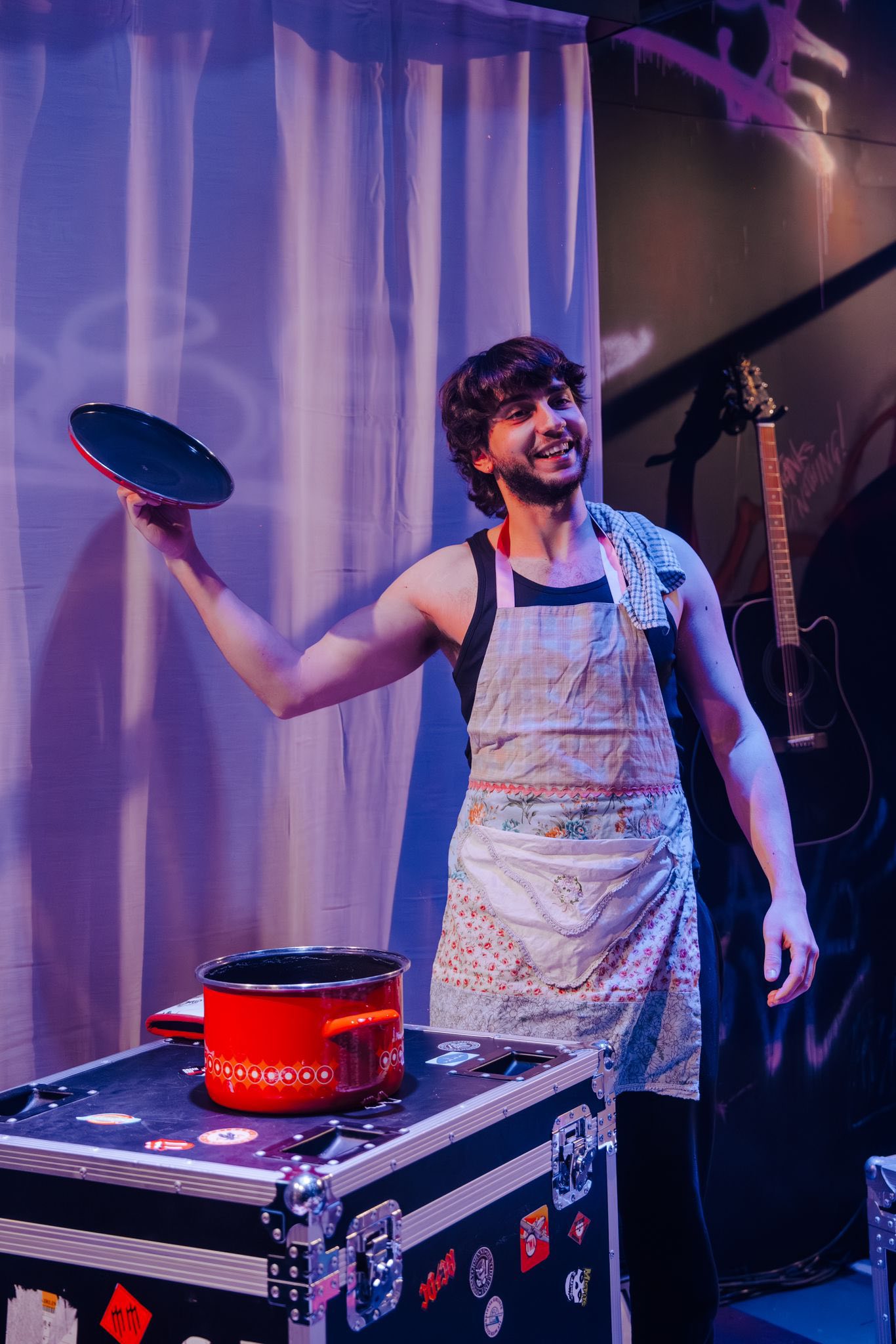
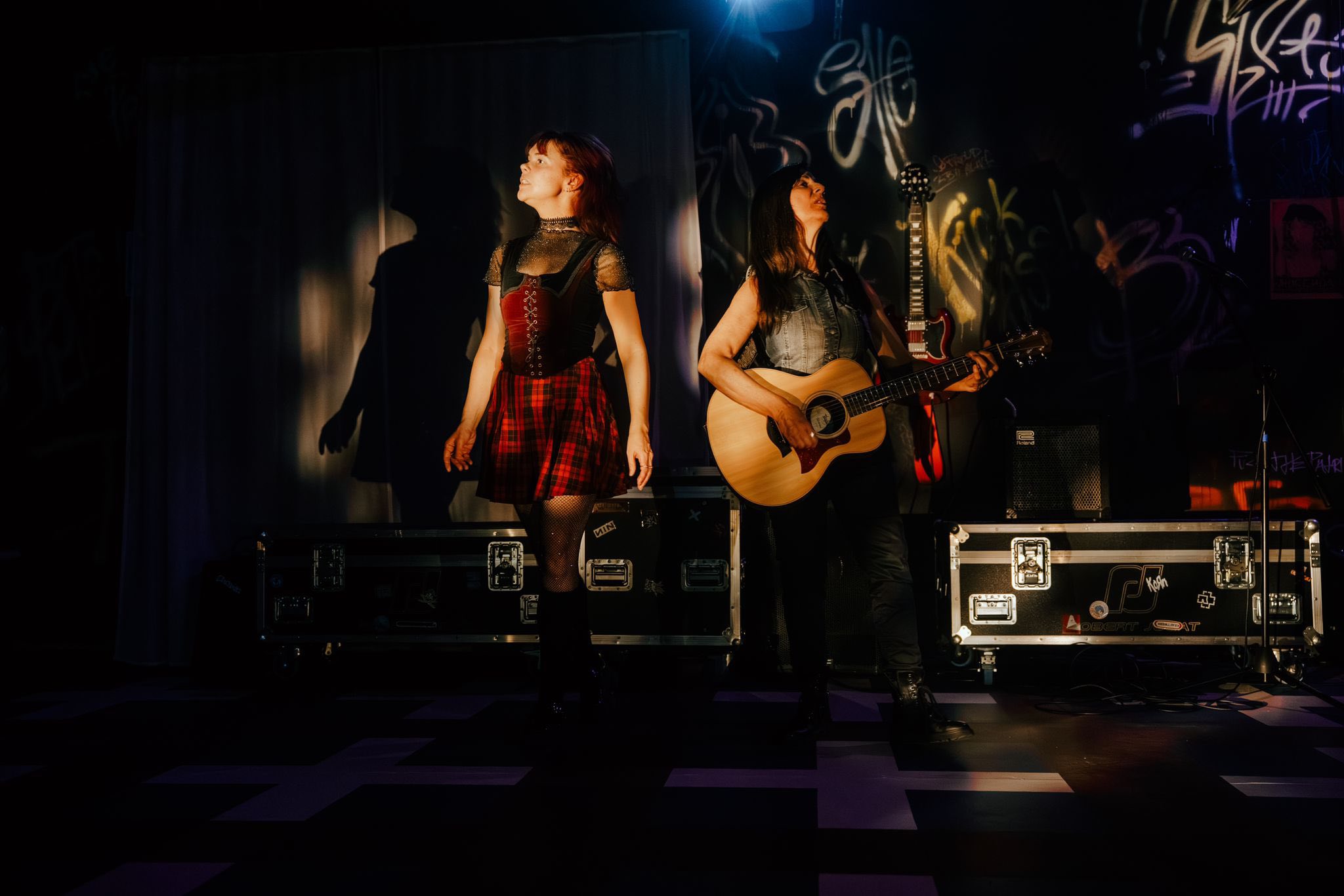
Venue: Capitol Theatre (Sydney NSW), Jul 15 – Dec 31, 2025
Book, Music & Lyrics: Trey Parker, Robert Lopez, Matt Stone
Directors: Casey Nicholaw, Trey Parker
Cast: Nick Cox, Matthew Hamilton, Sean Johnston, Paris Leveque, Simbarashe Matshe, Callum Rigg, Tom Struik, Augie Tchantcho
Images by Daniel Boud

Theatre review
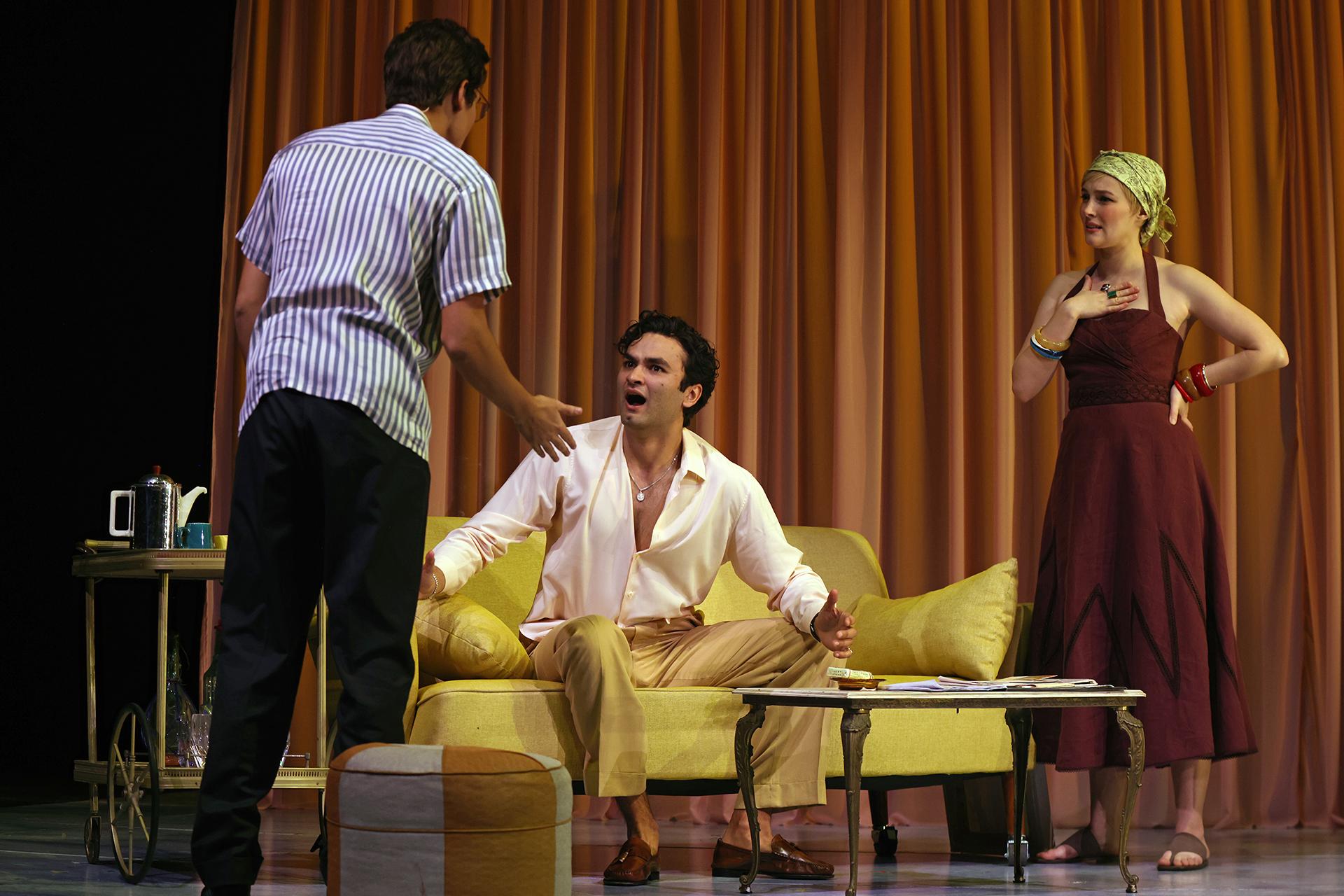
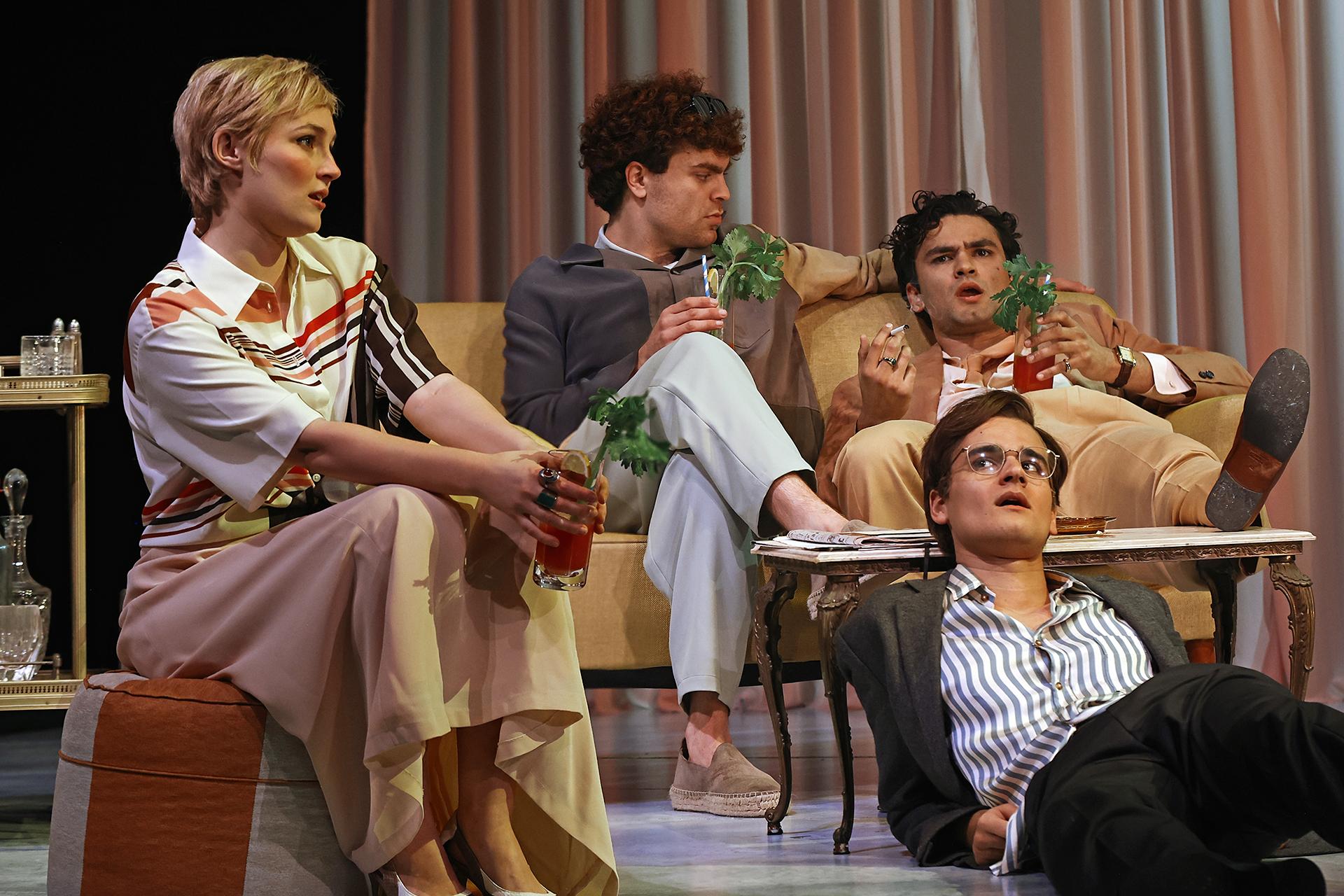
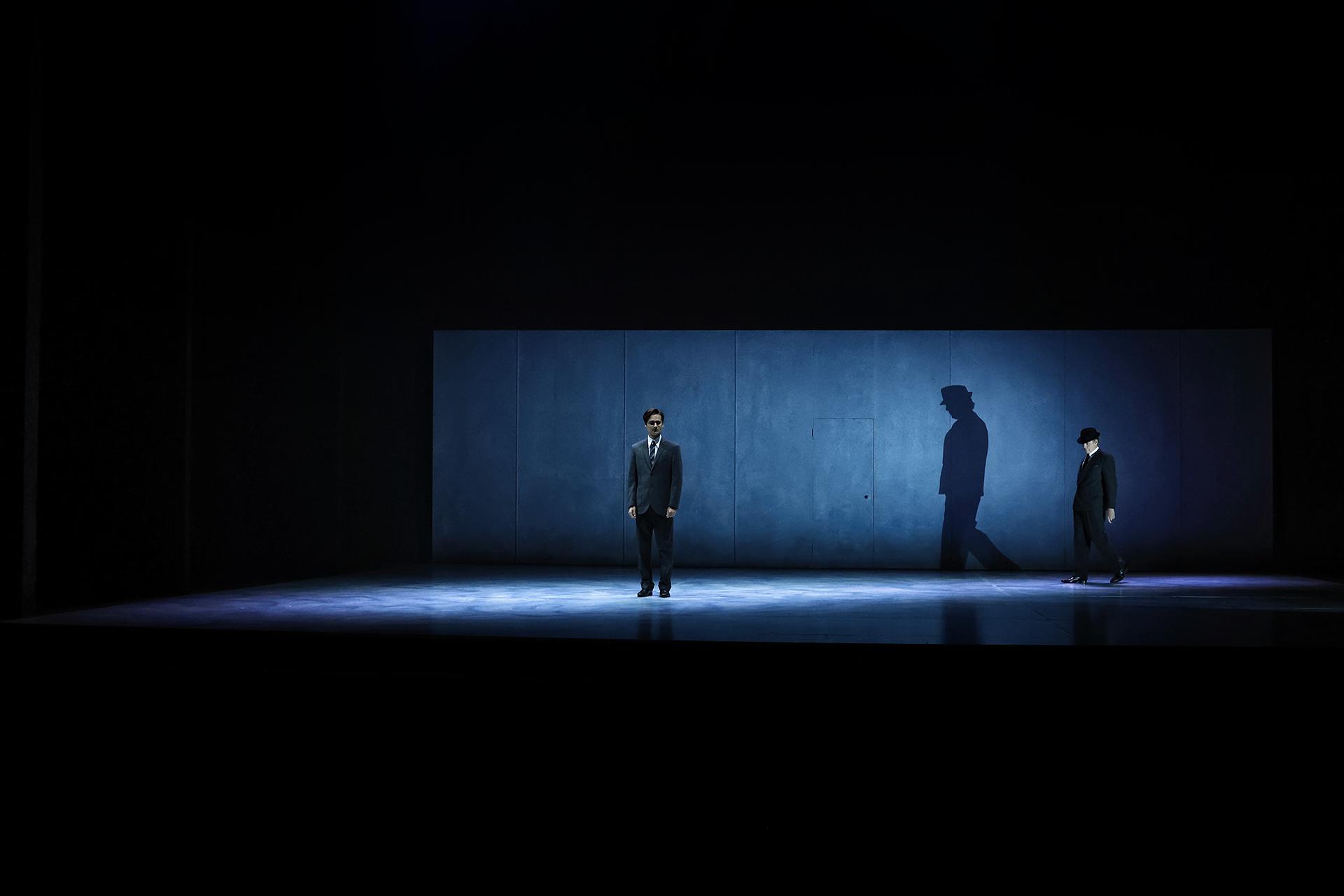
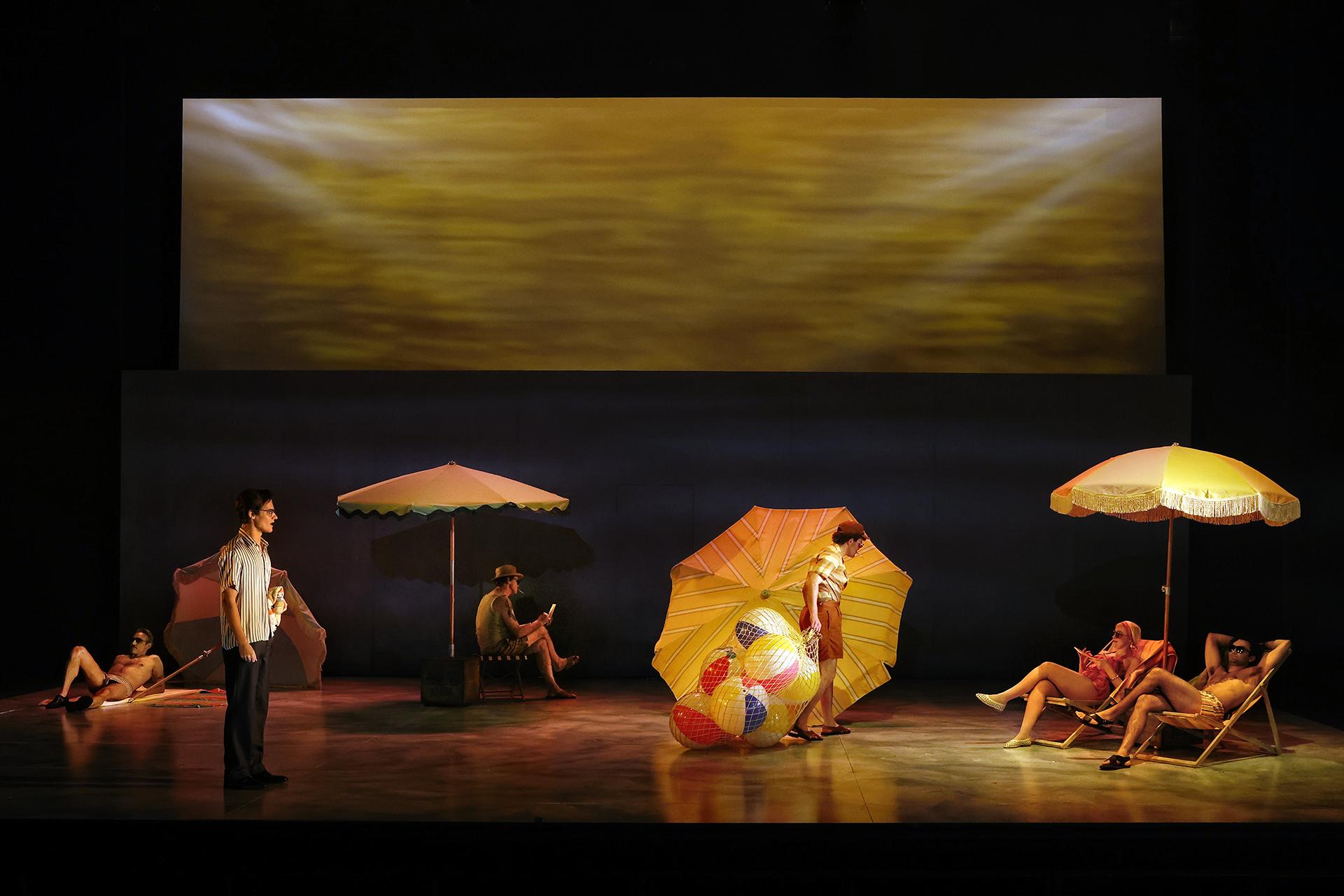
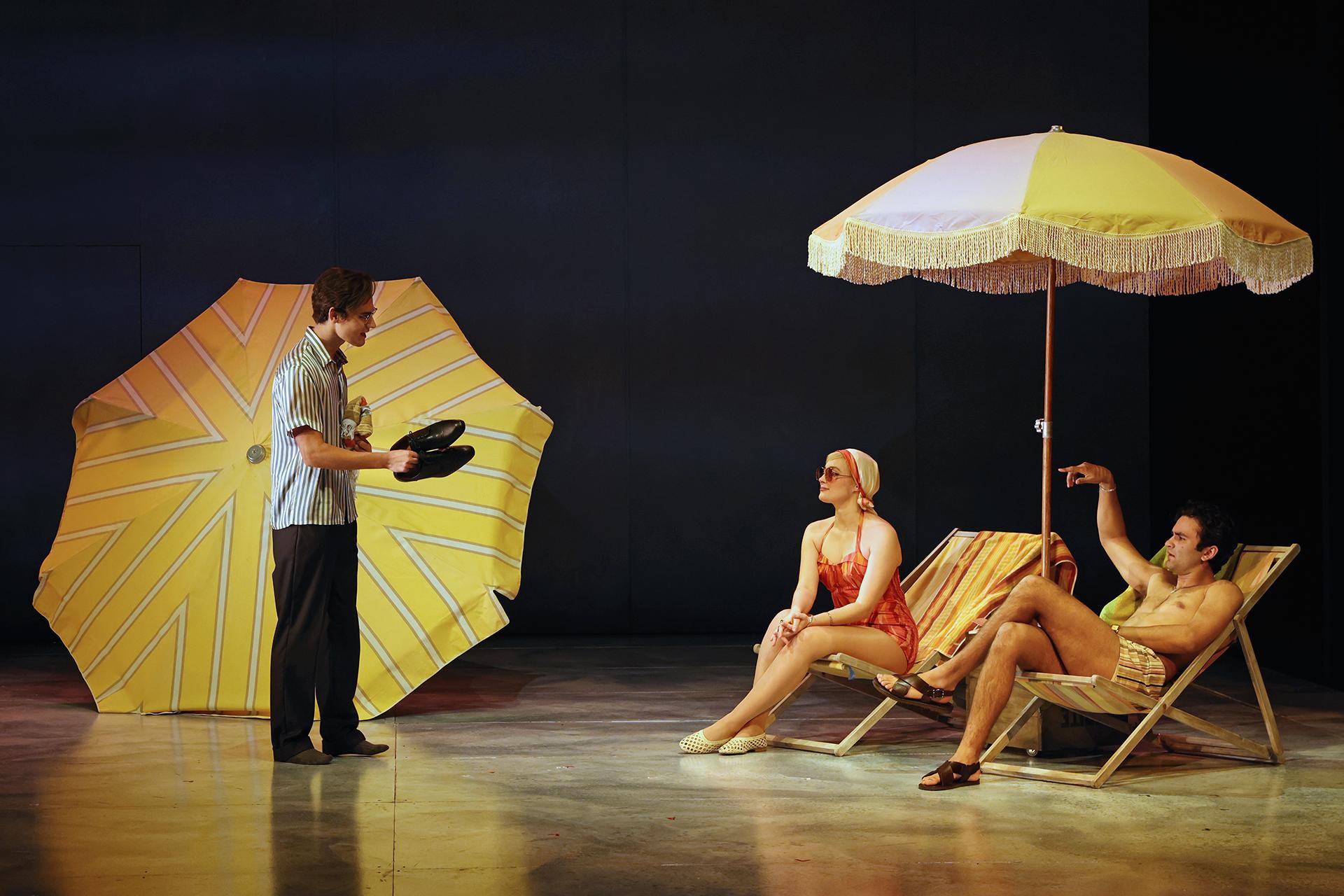
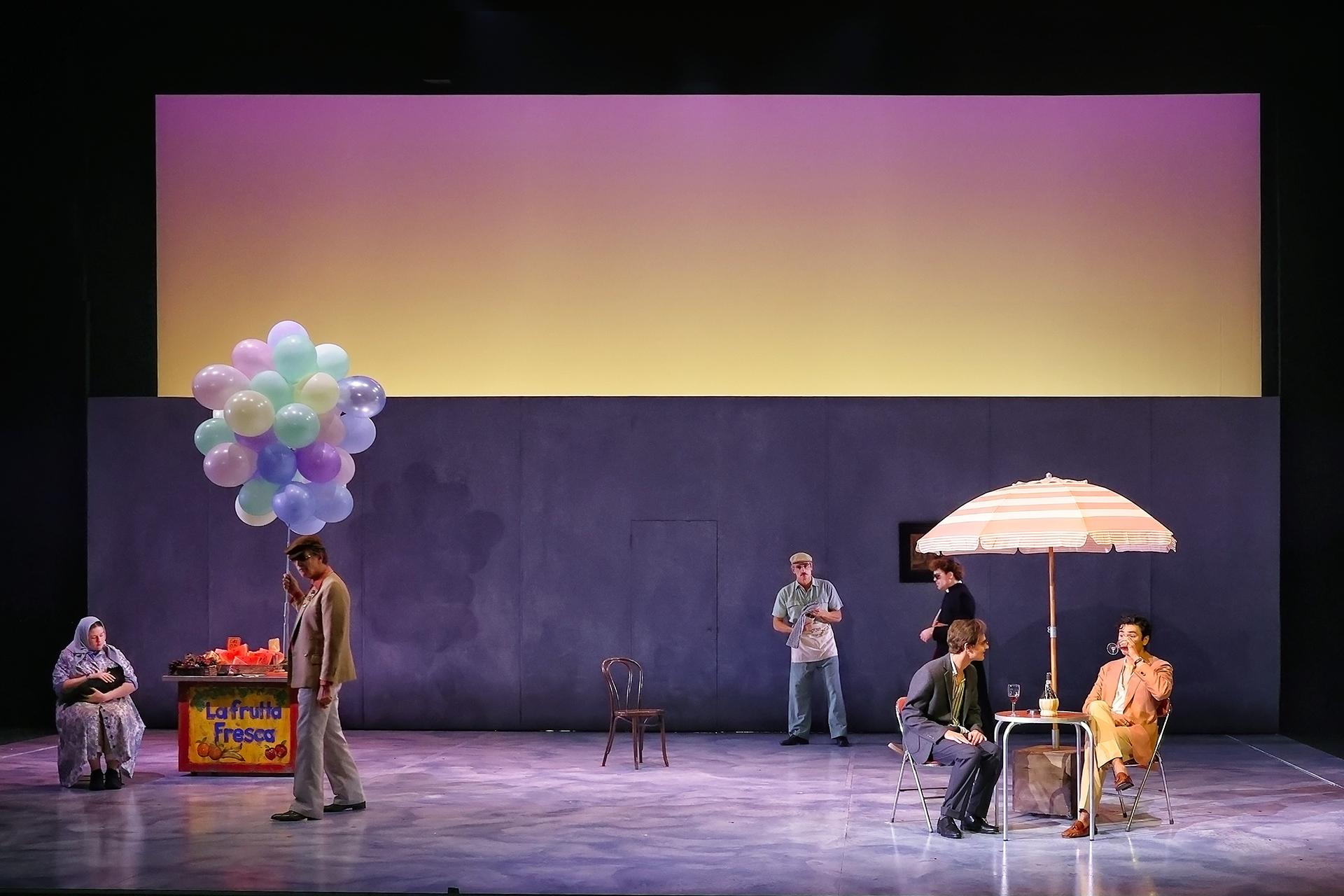
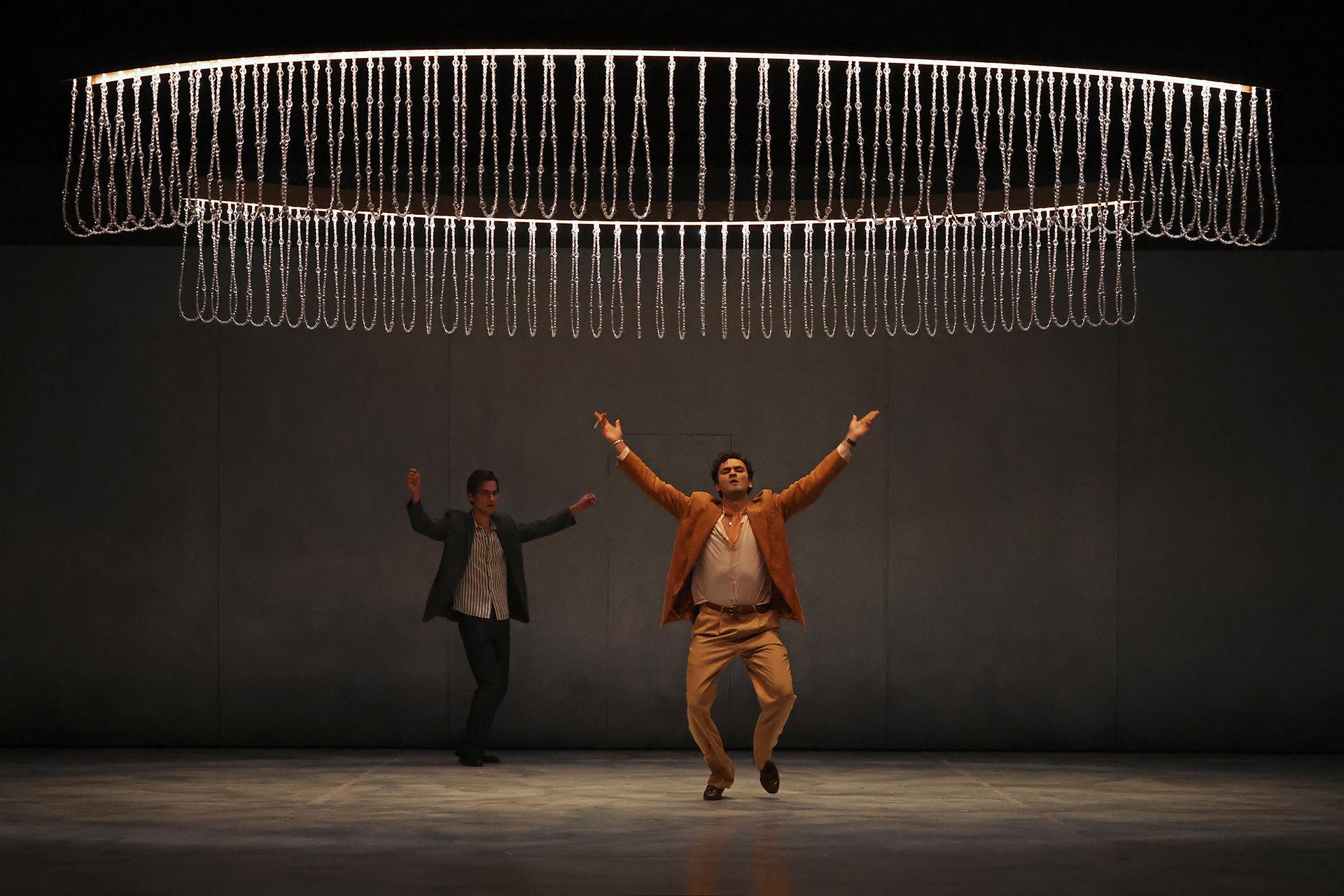
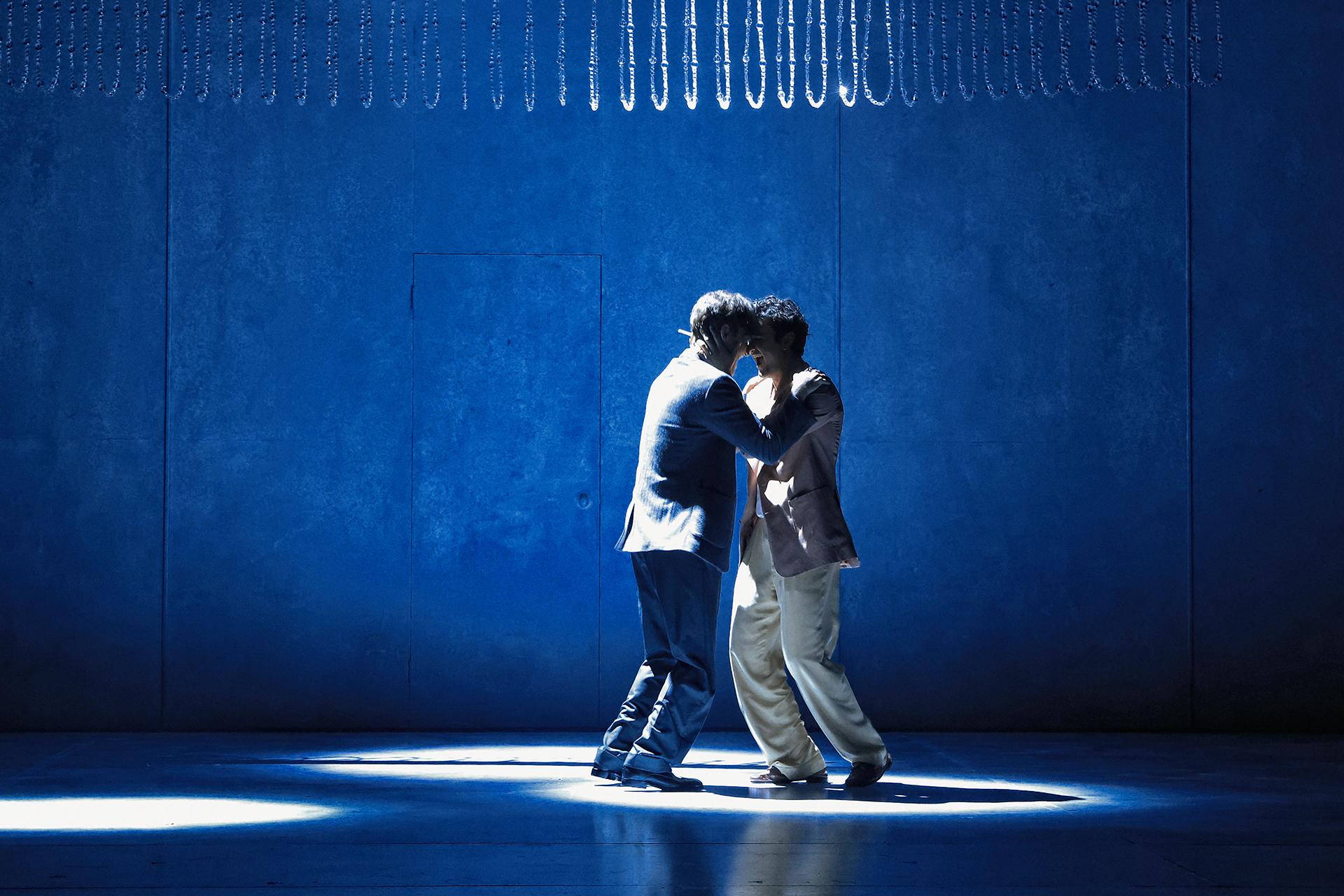
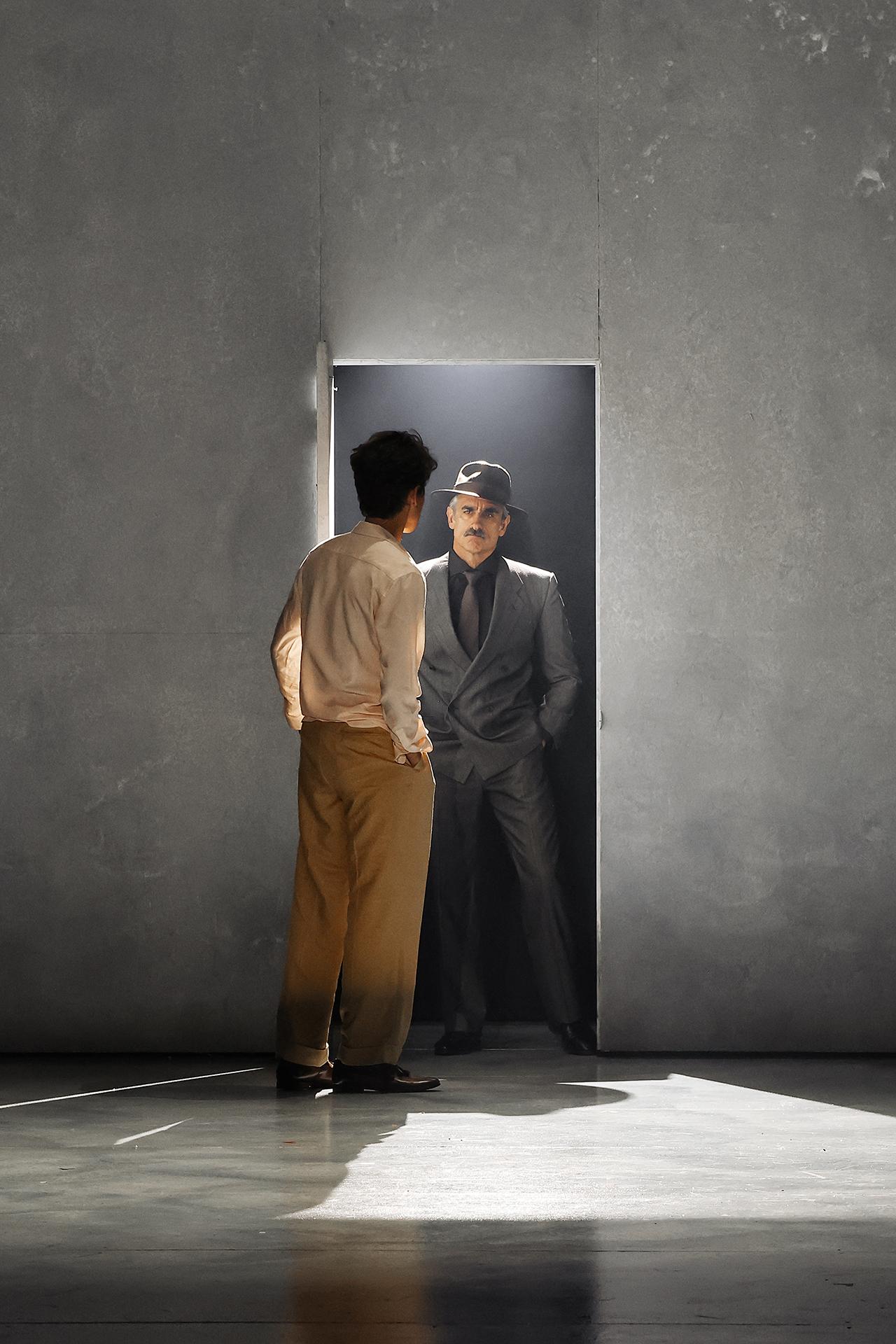
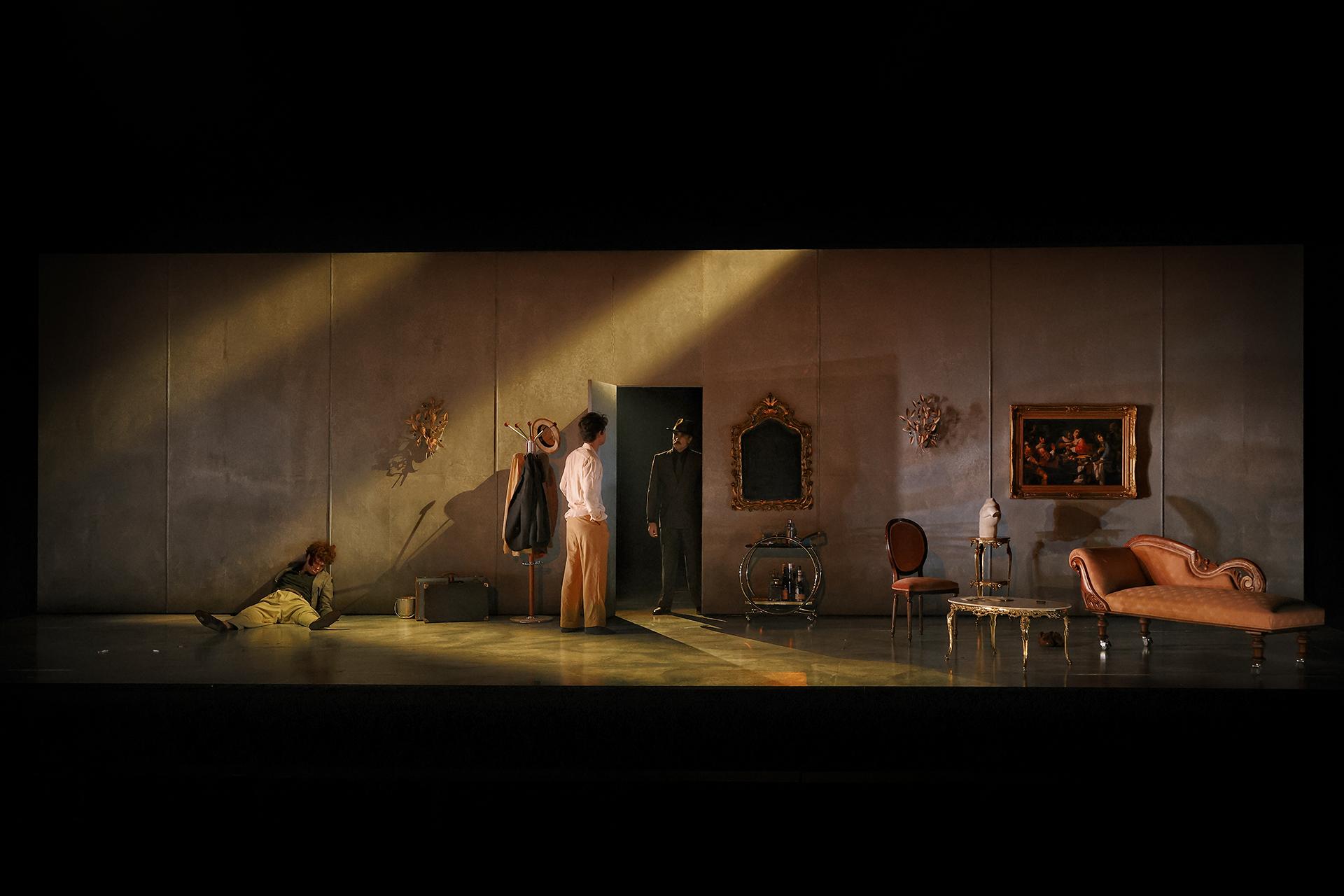
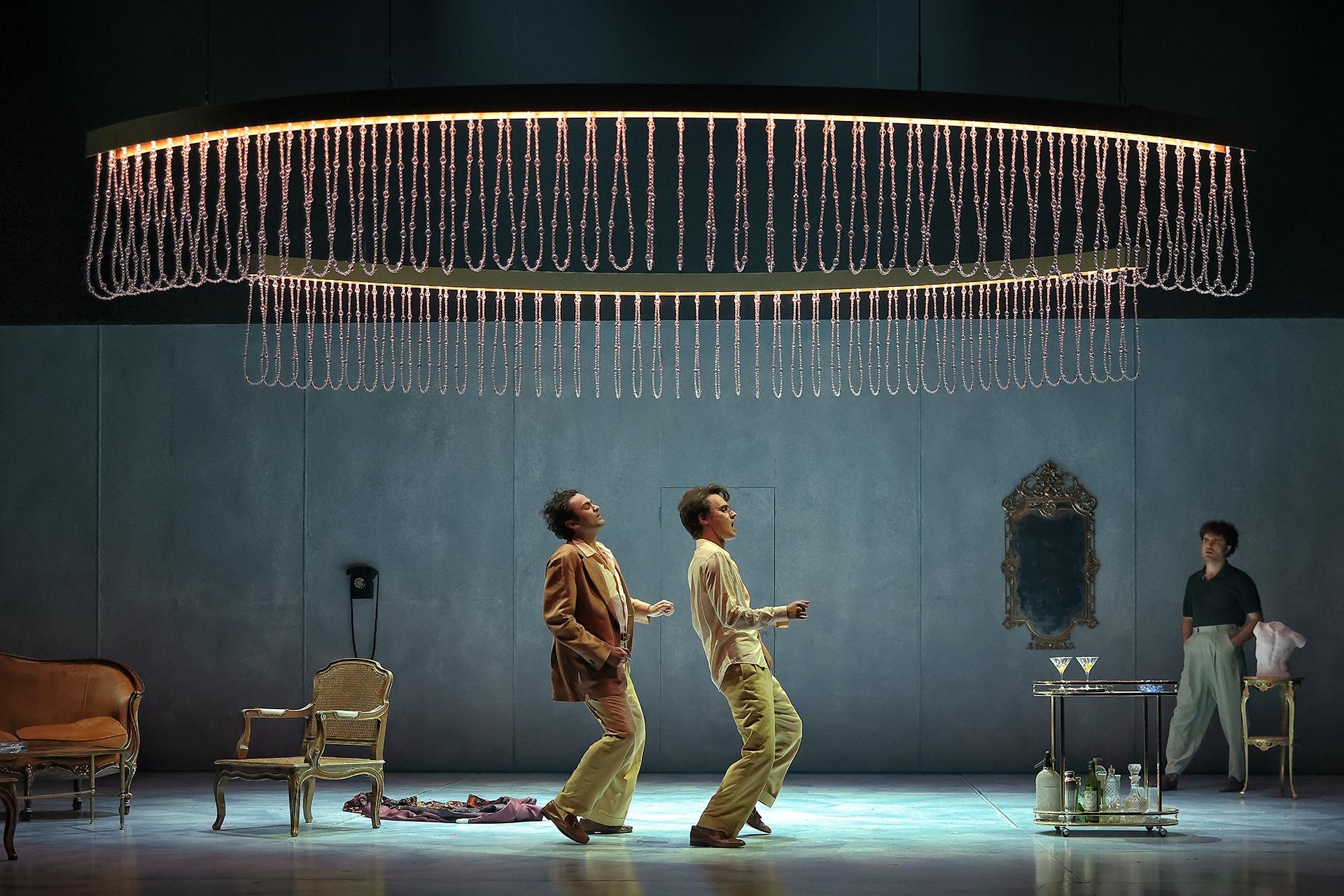
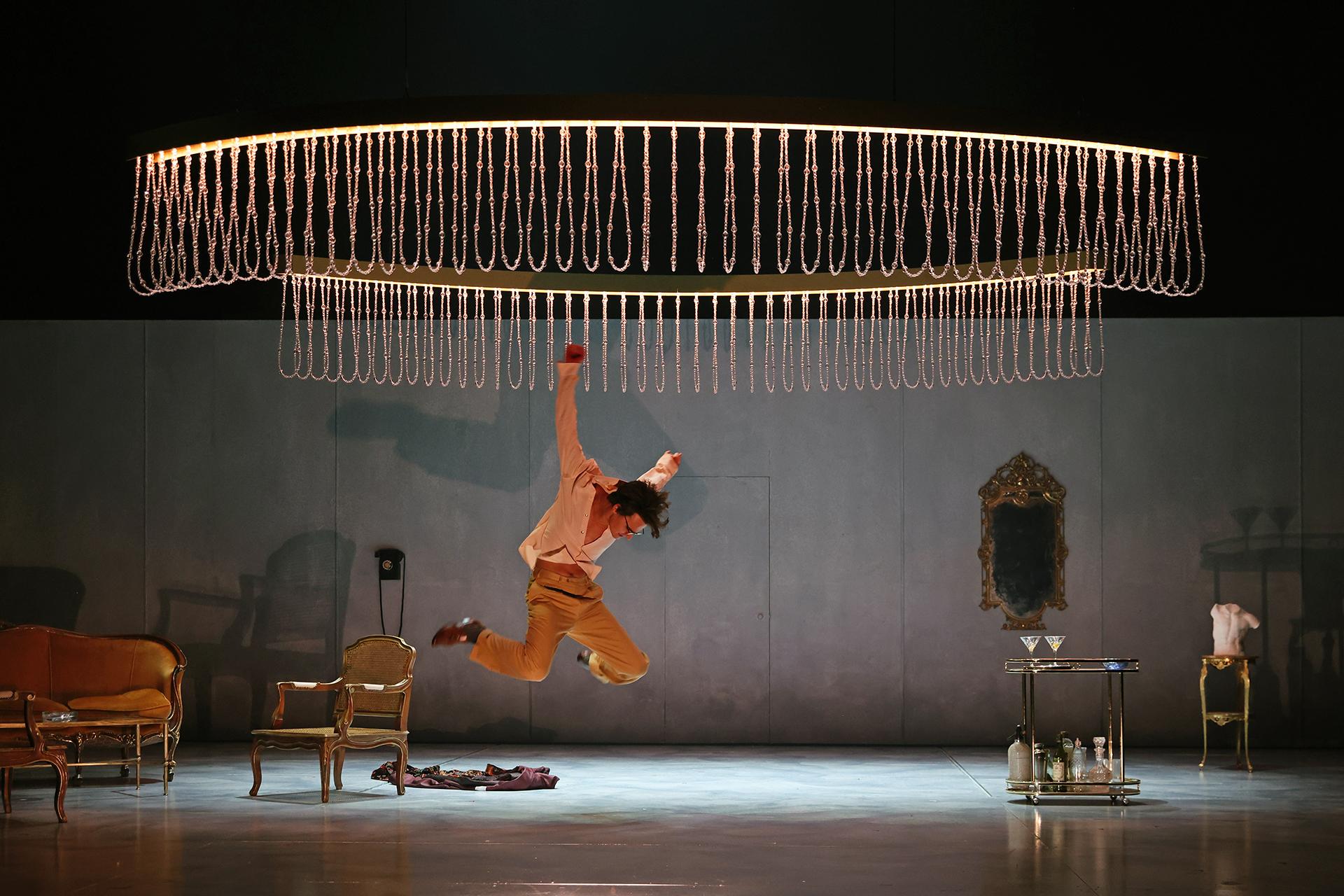
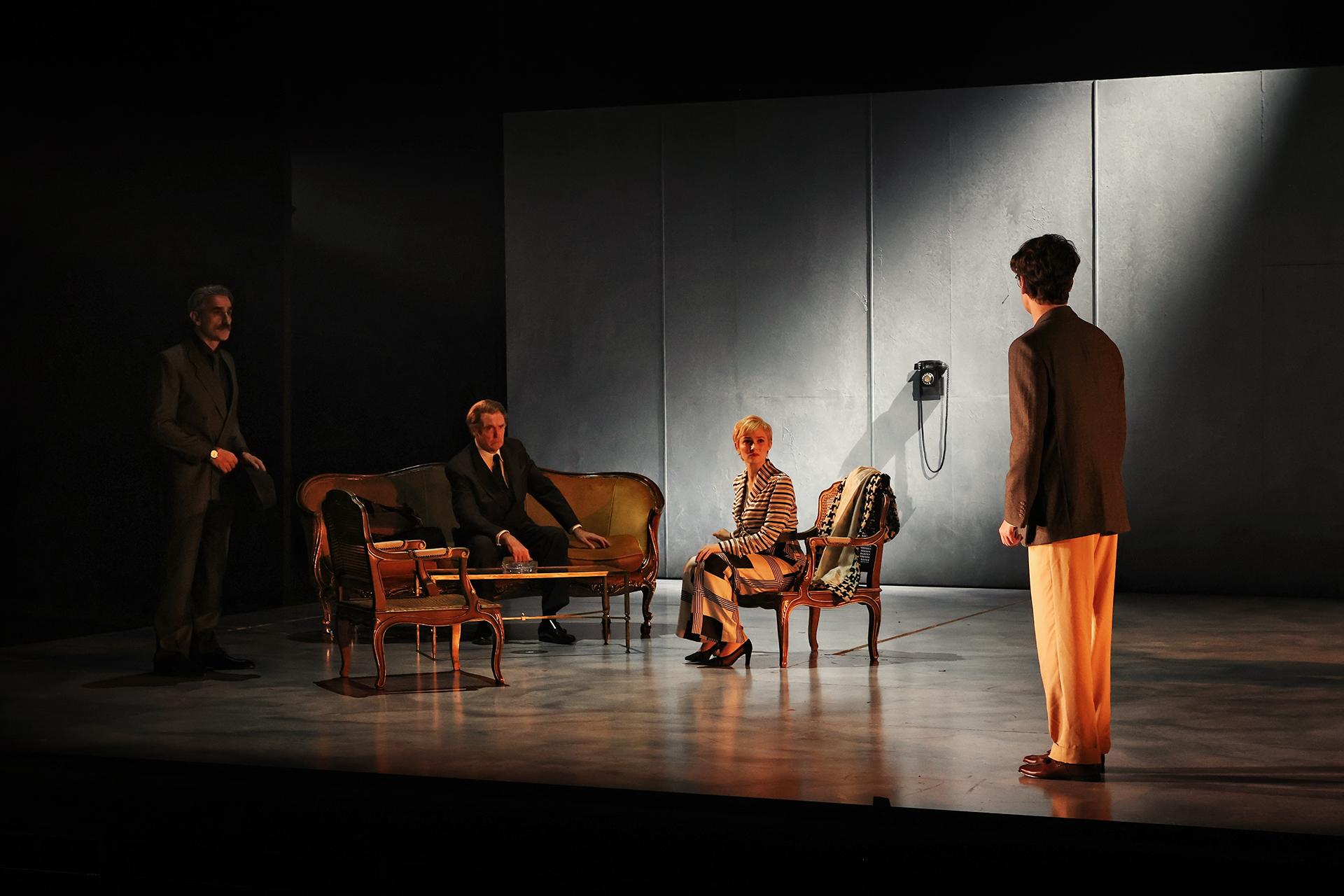
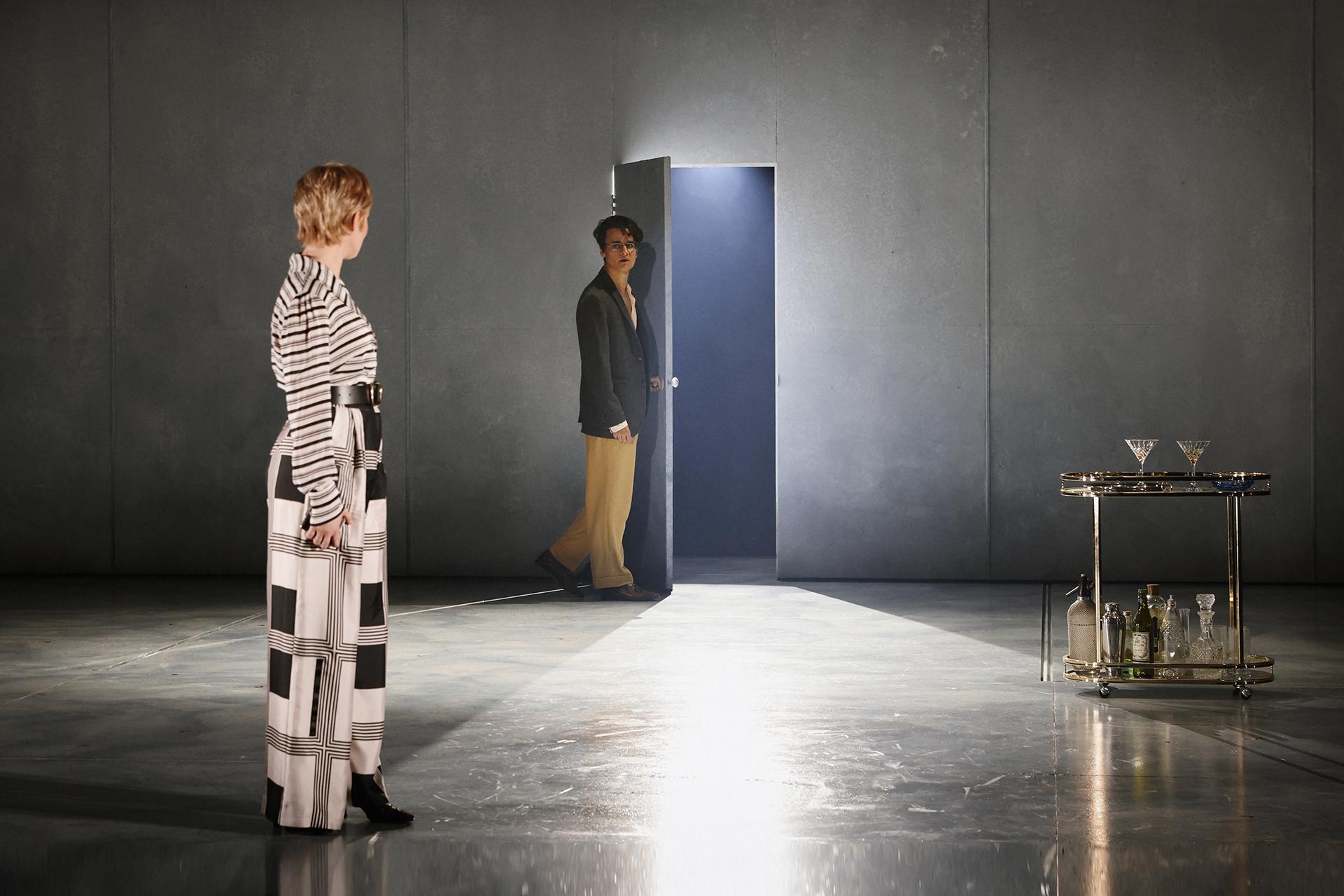
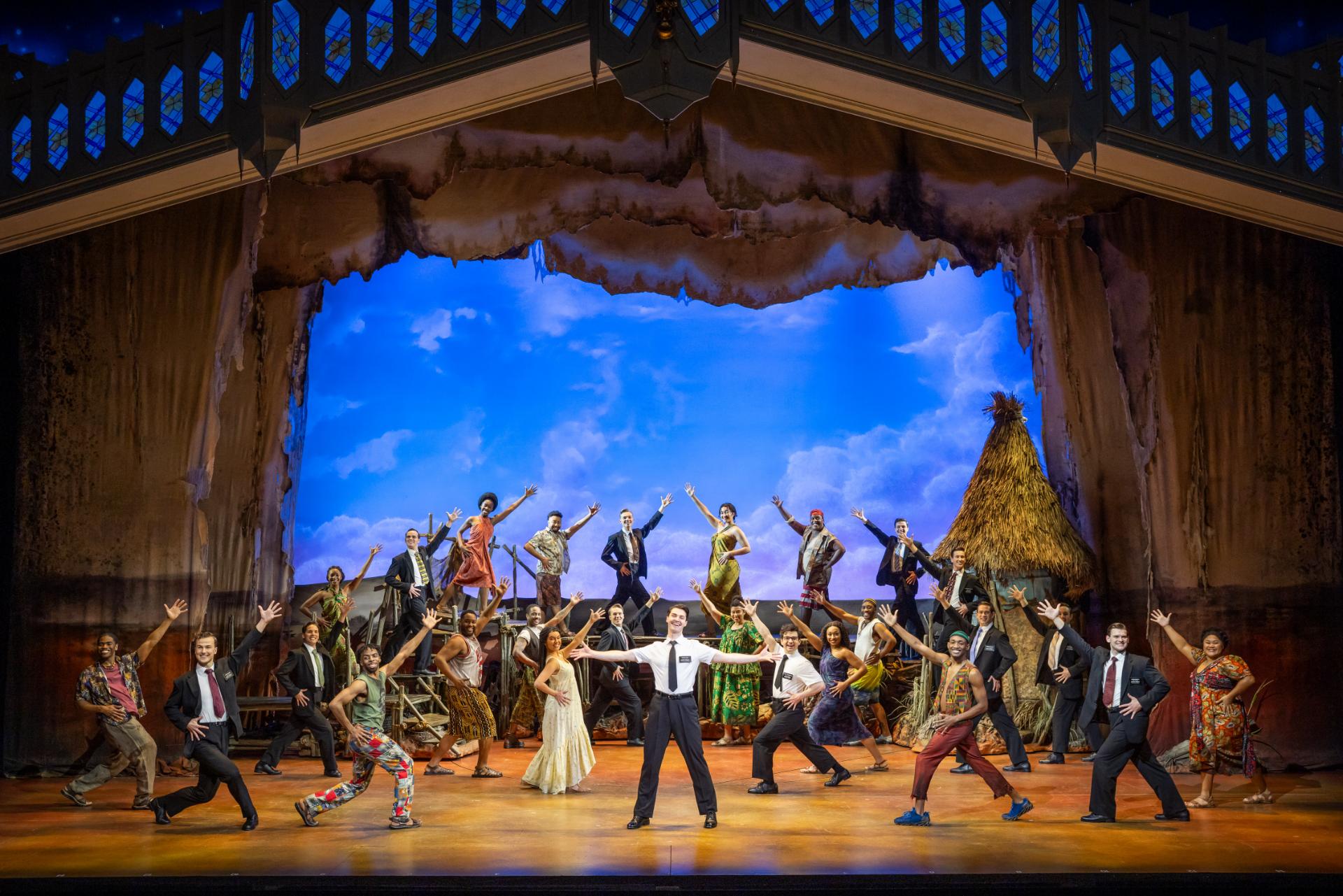
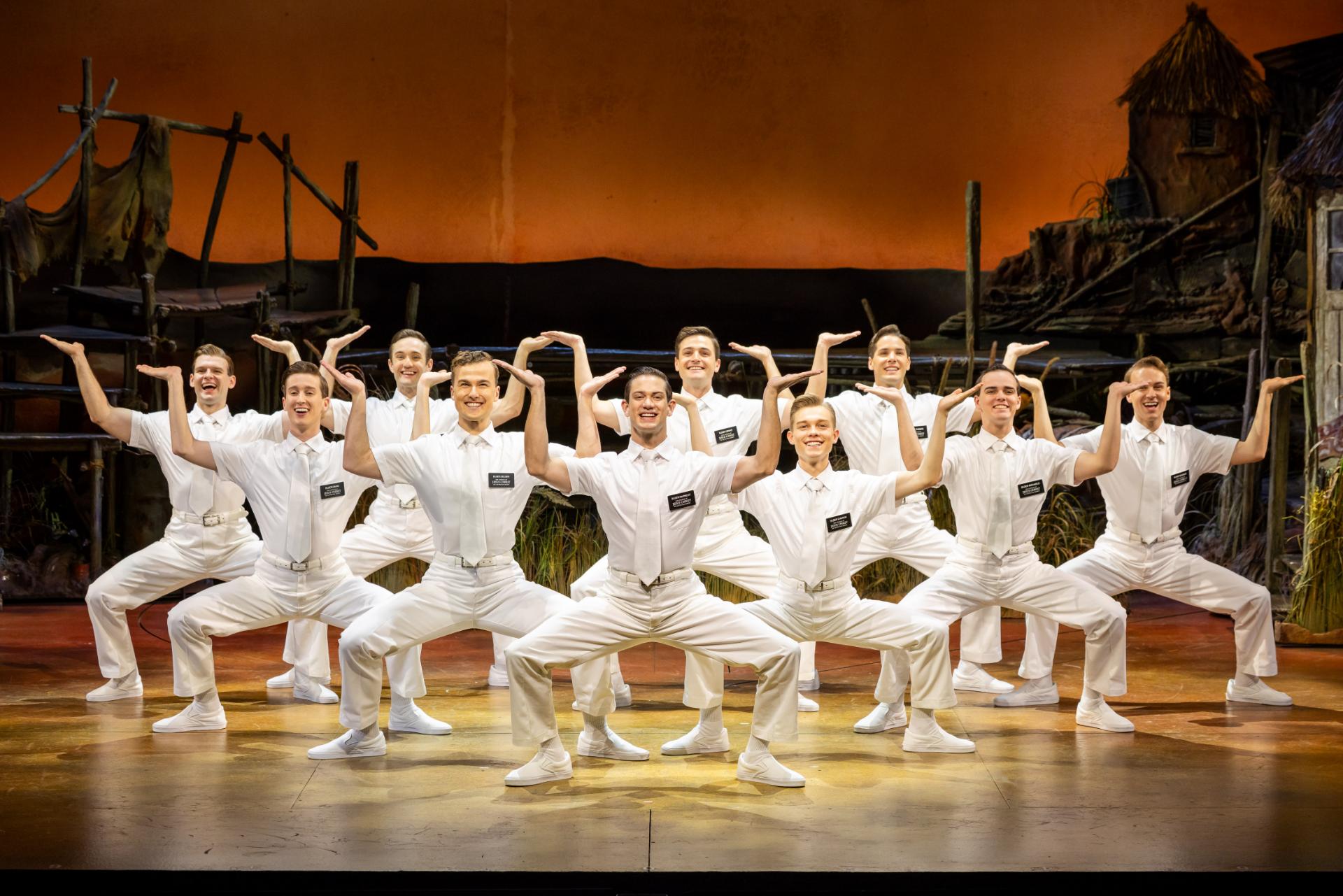
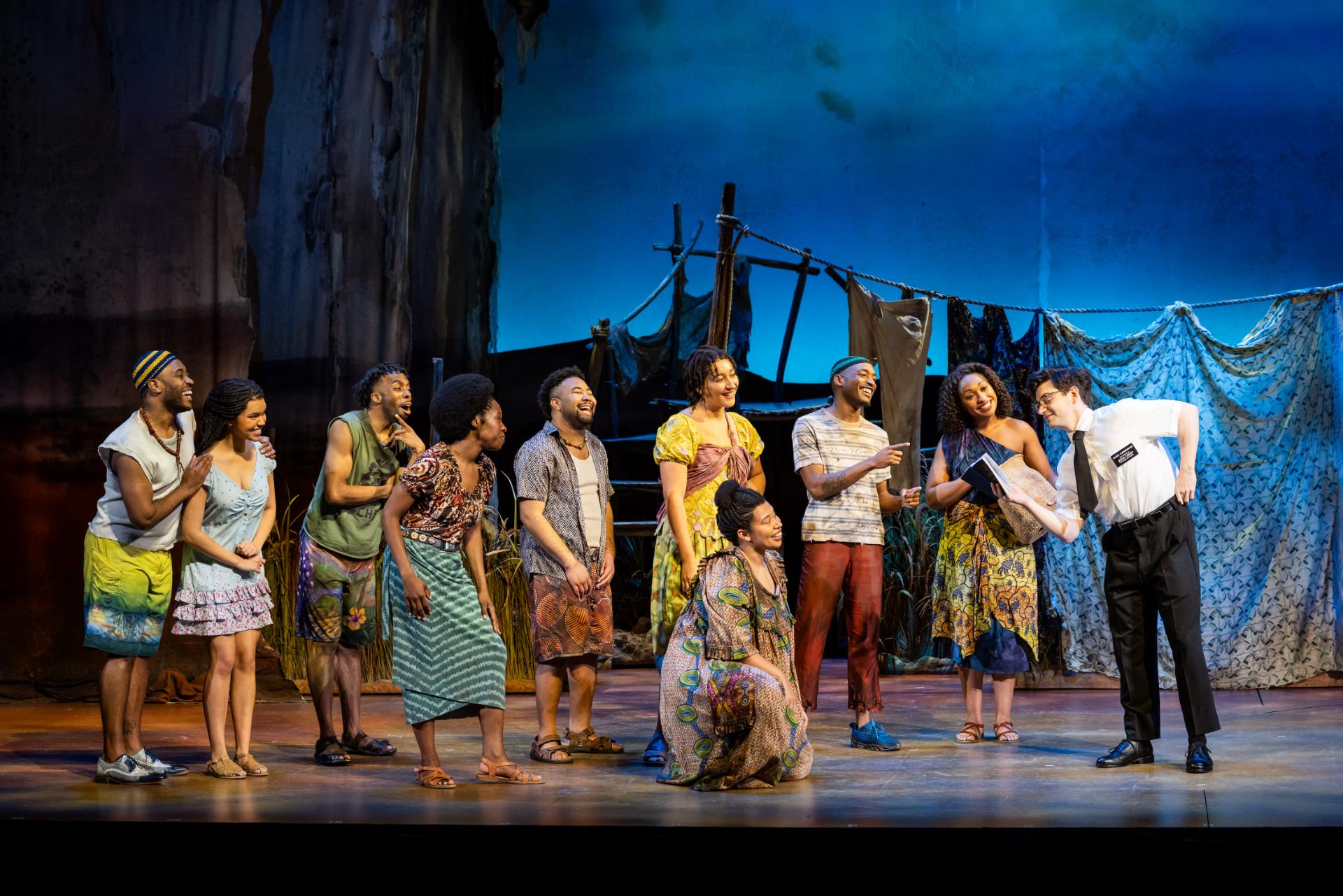
Given its divisive and often problematic influence on politics, religion today can be seen as a troubling force in the United States. Things were markedly different in 2011 when The Book of Mormon first premiered. Those now feel like more innocent times, when lampooning theology was able to seem almost good-natured by comparison. Also different is how the musical’s depiction of Uganda now feels. What once came across as cheeky and daring is increasingly veering toward the objectionable.
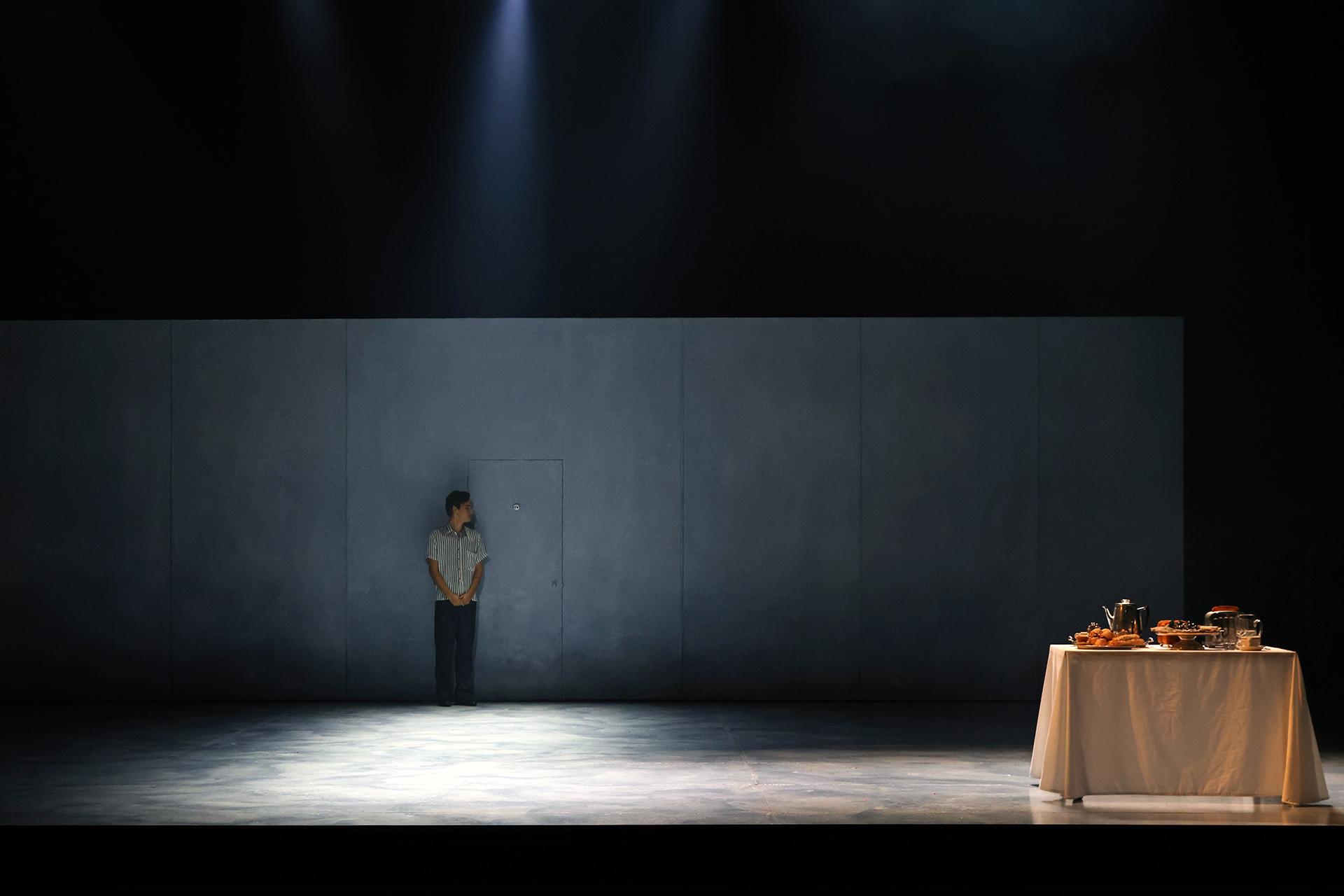
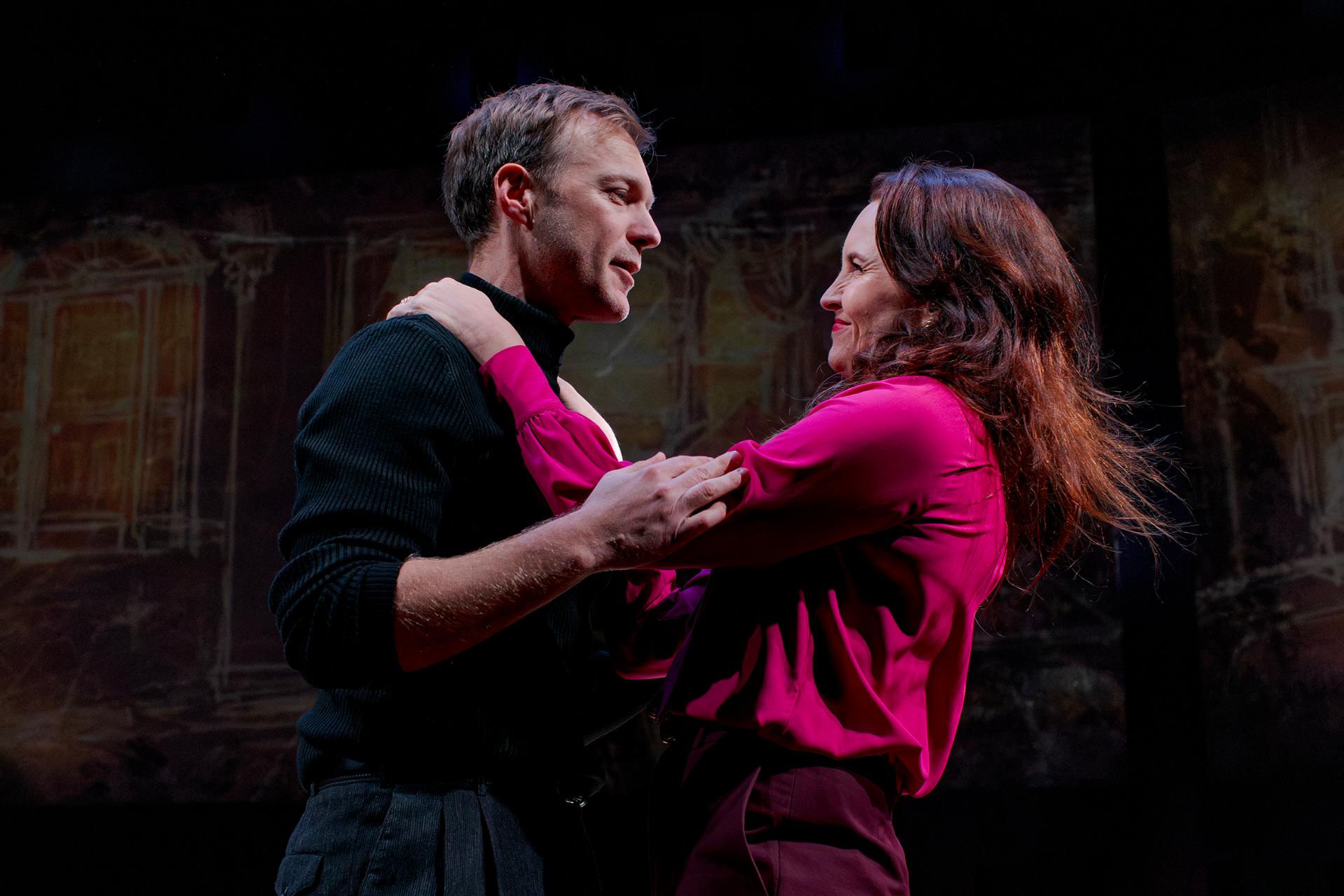
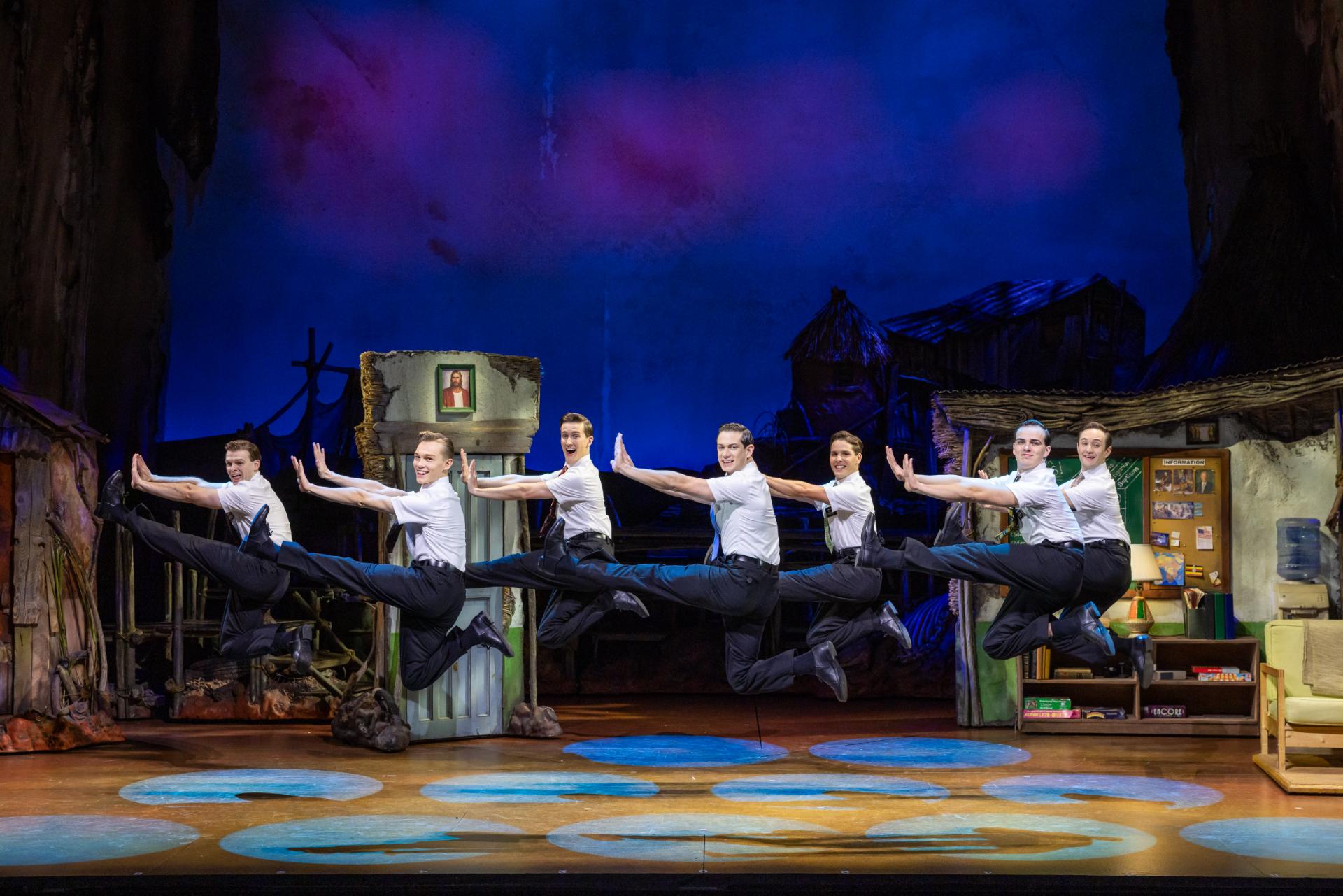
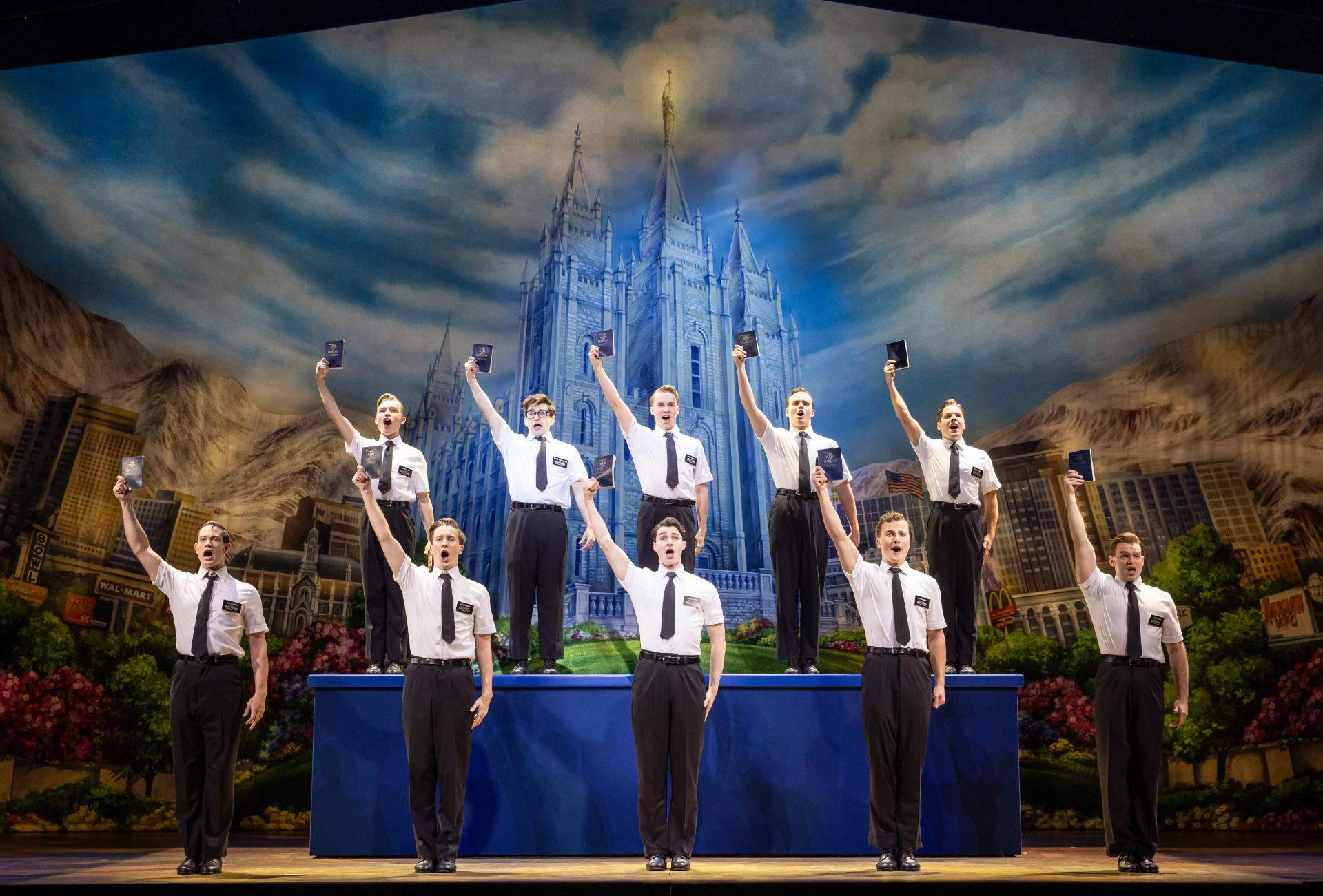
It could therefore be argued that the show’s appeal has diminished, yet its unique irreverence and playful lack of earnestness still allow The Book of Mormon to stand out in a crowded marketplace. Although somewhat outdated and no longer the fresh or shocking revelation it once was, the production remains tremendously entertaining, offering an edginess that musical theatre lovers will find hard to match elsewhere.

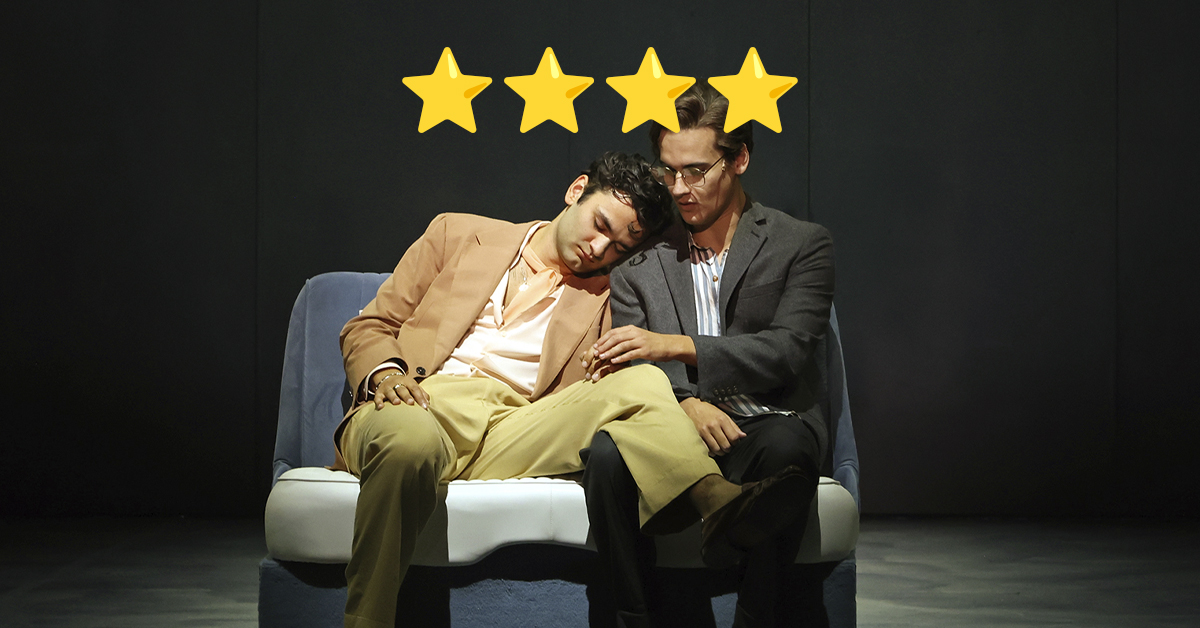
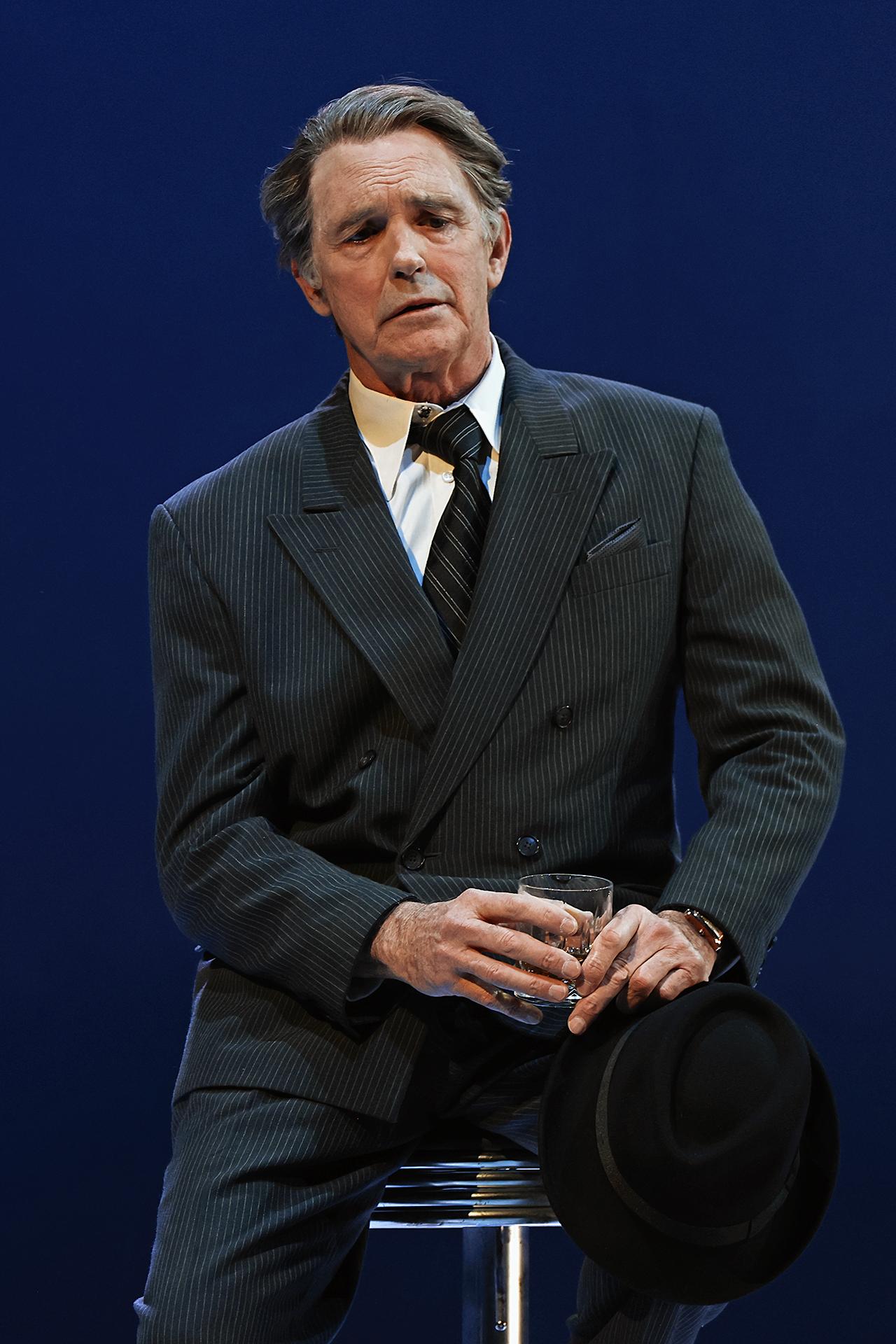
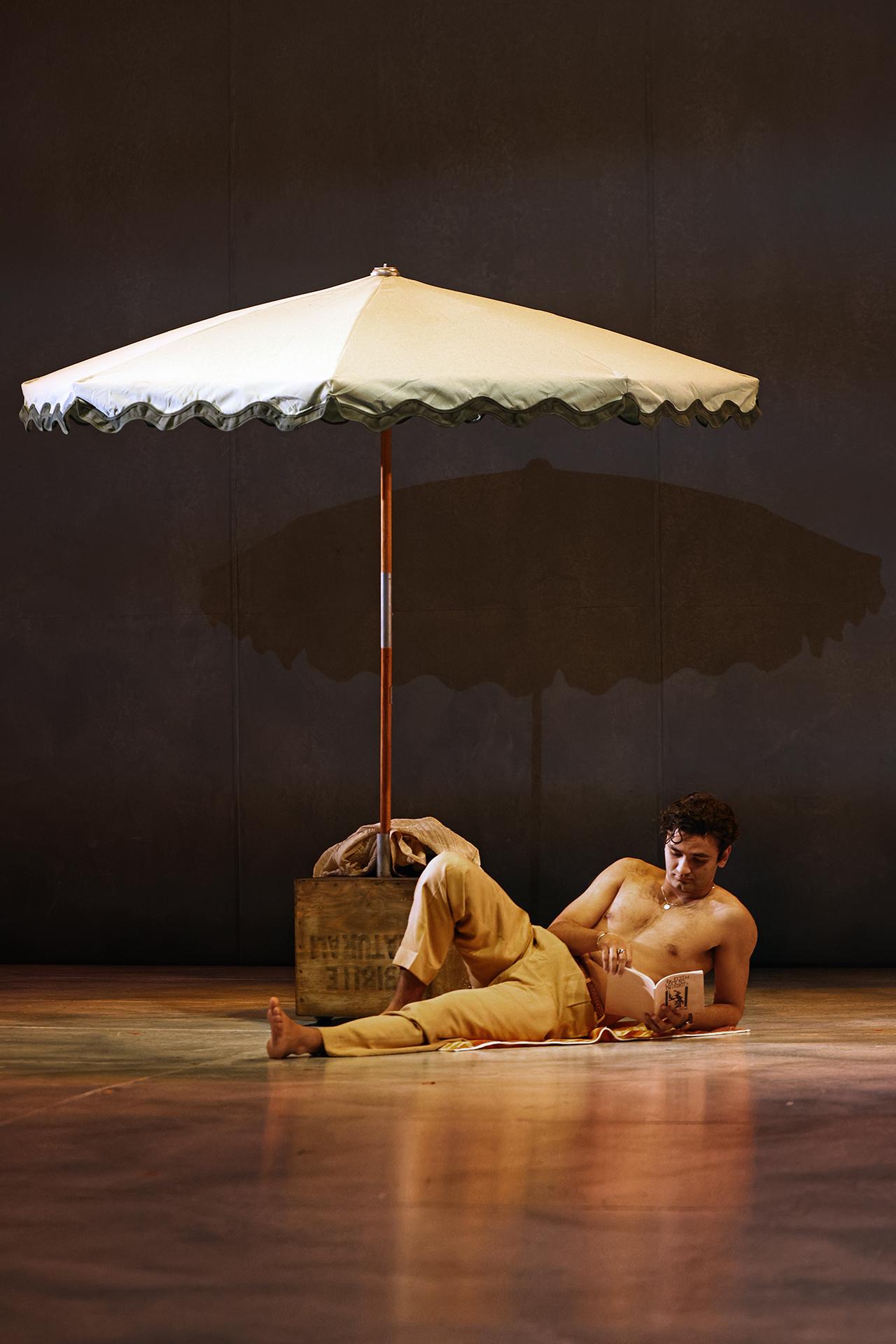
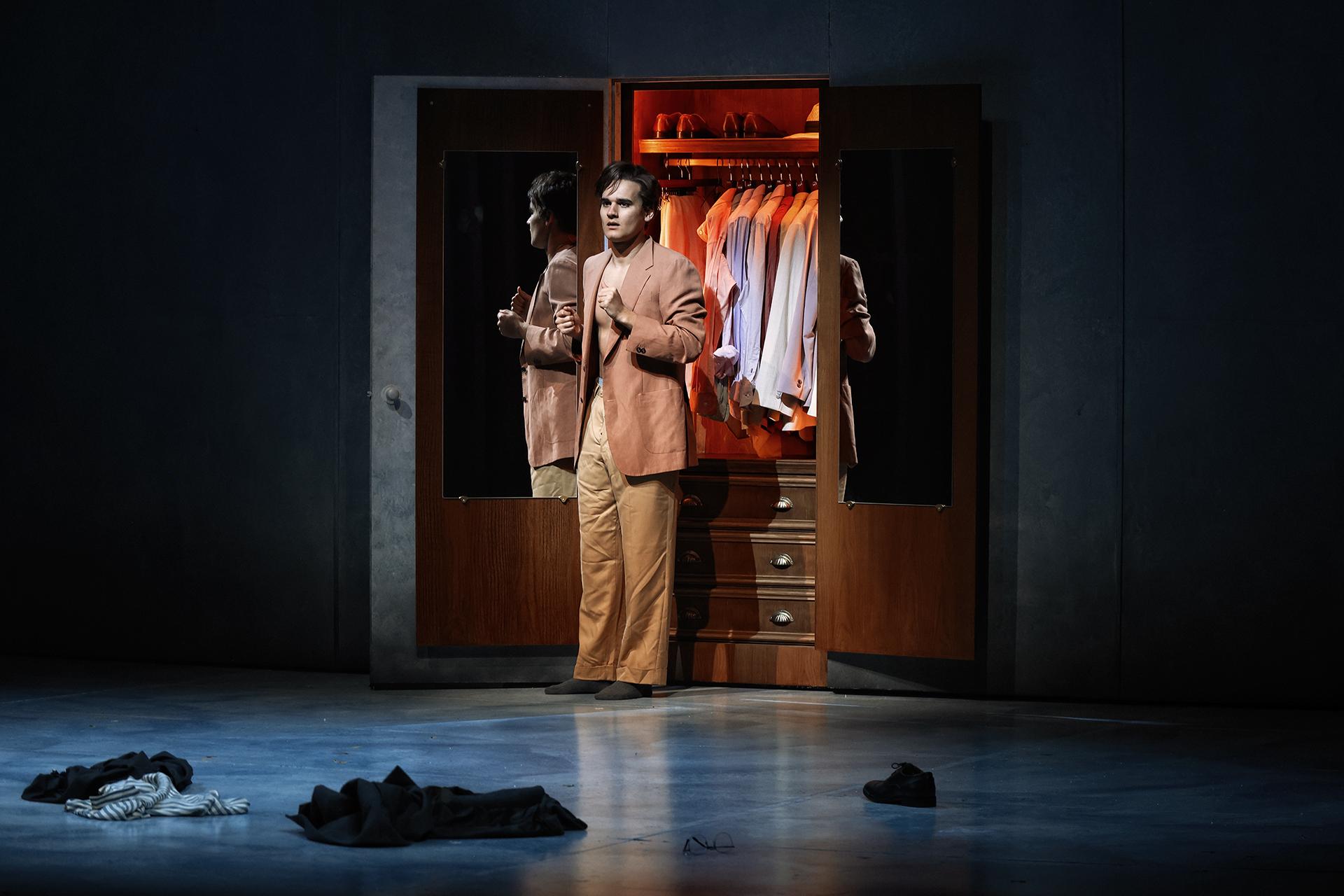
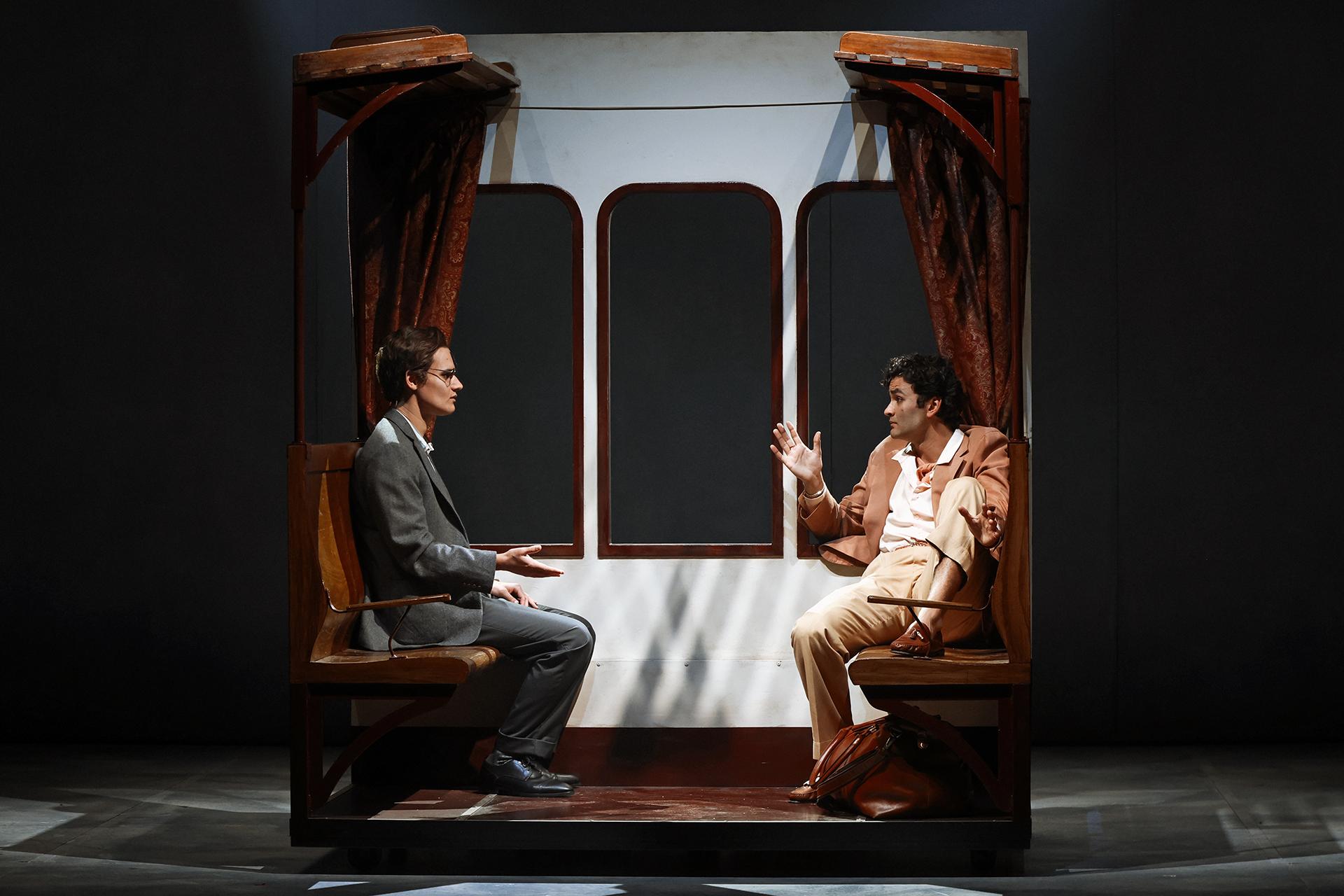
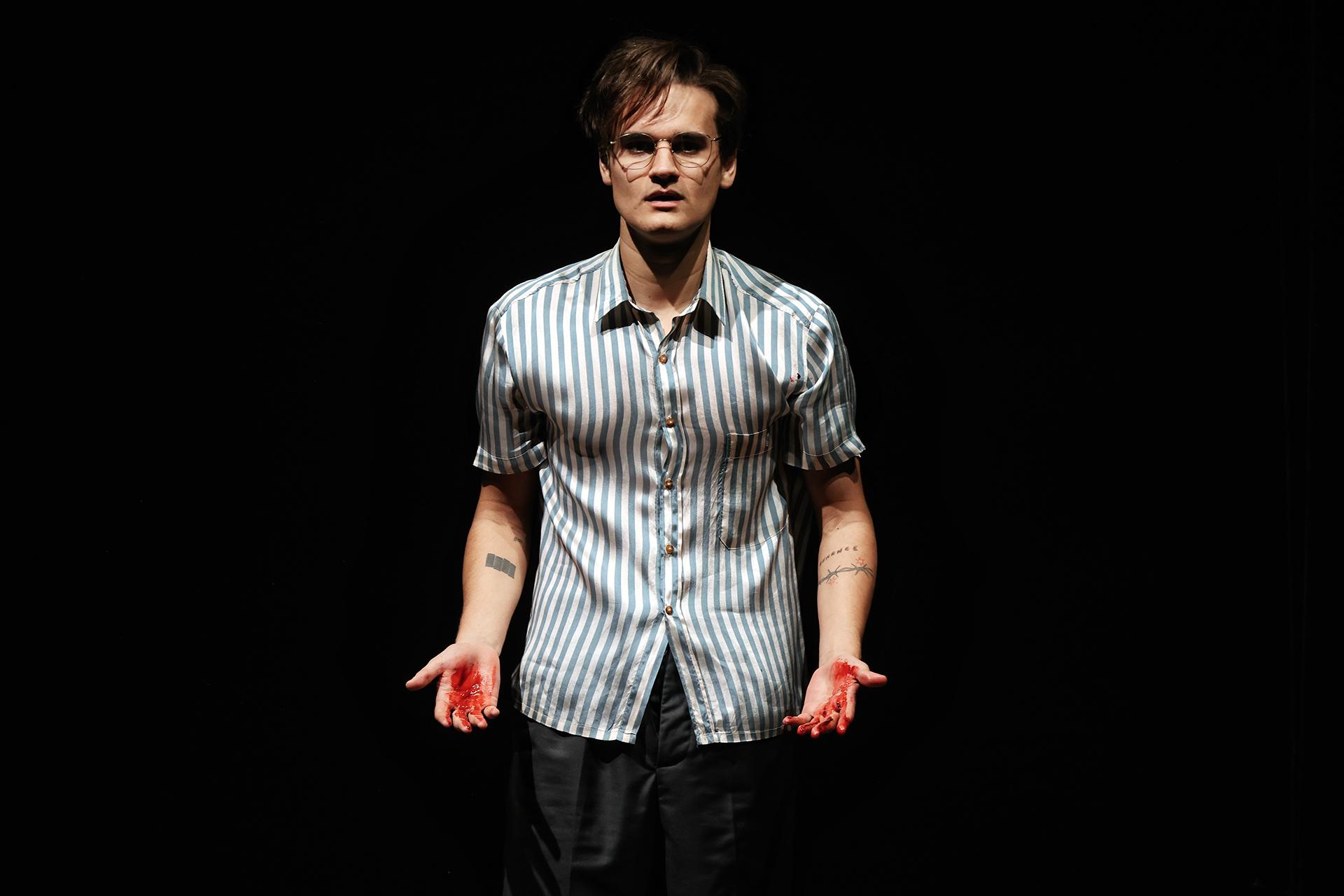
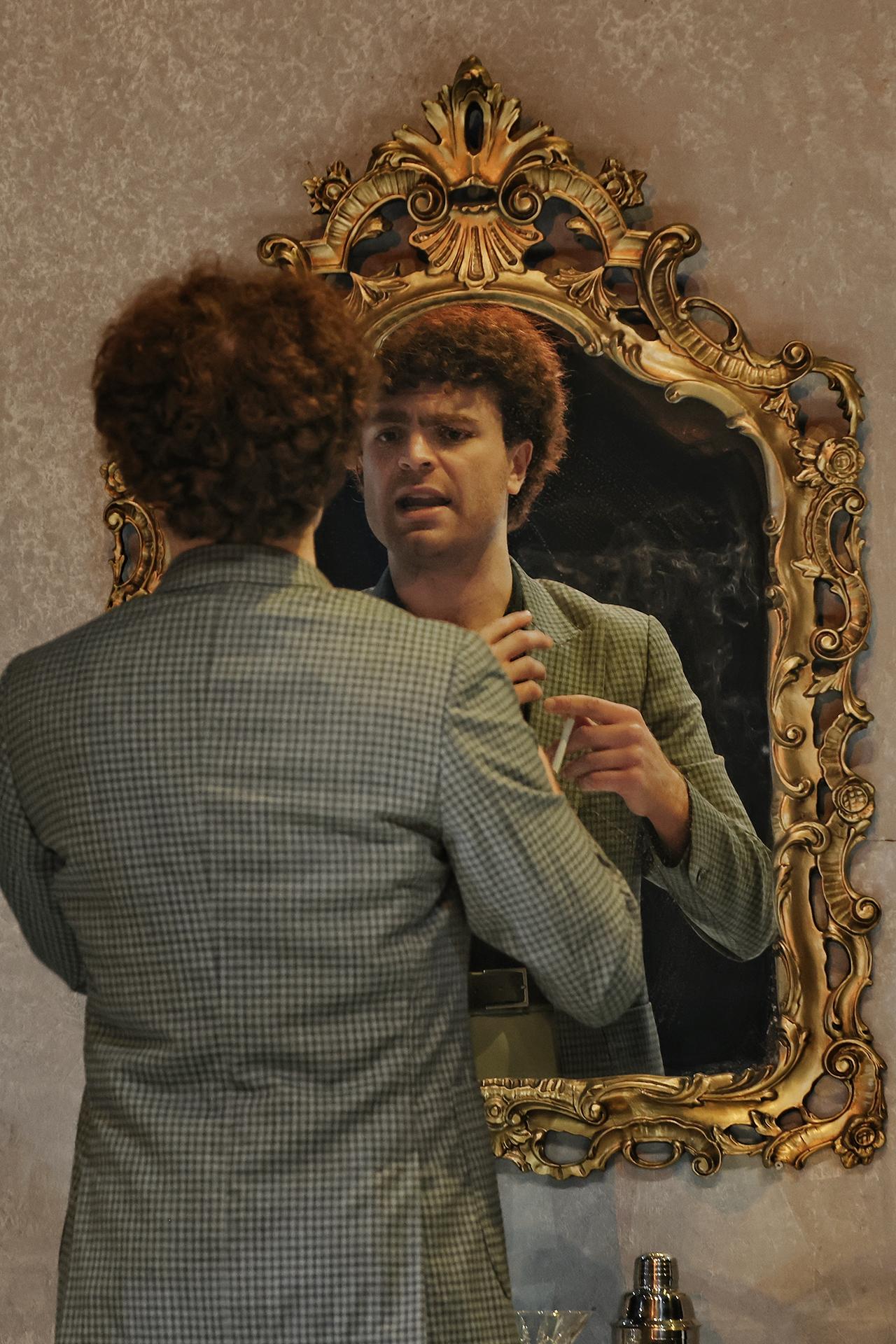
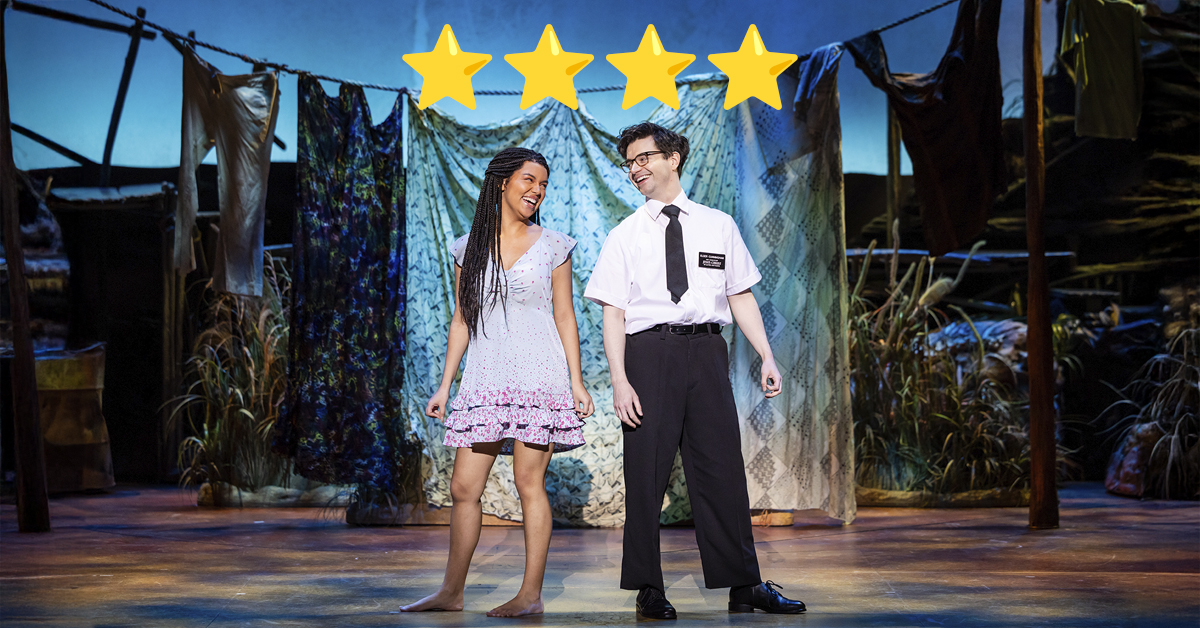
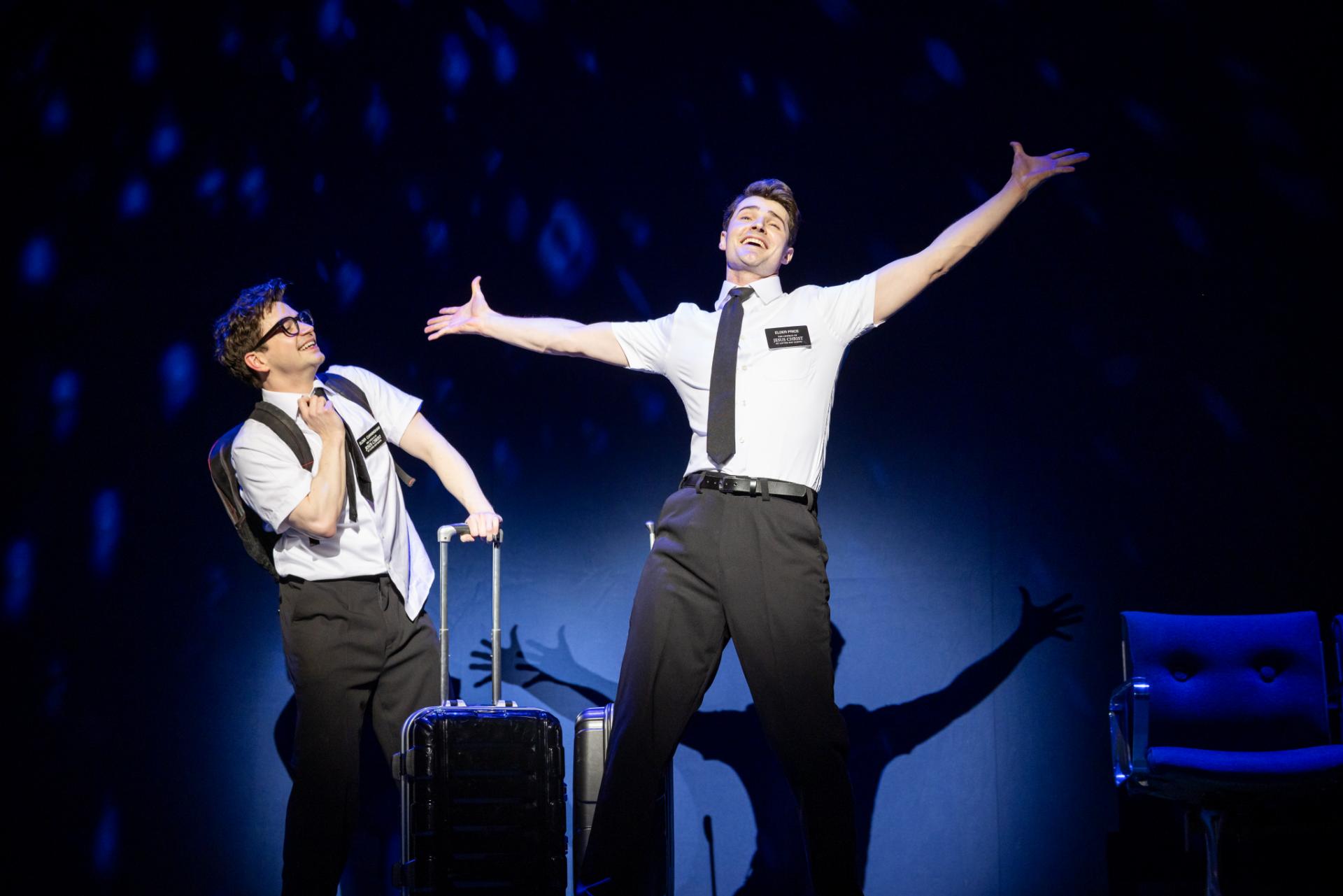
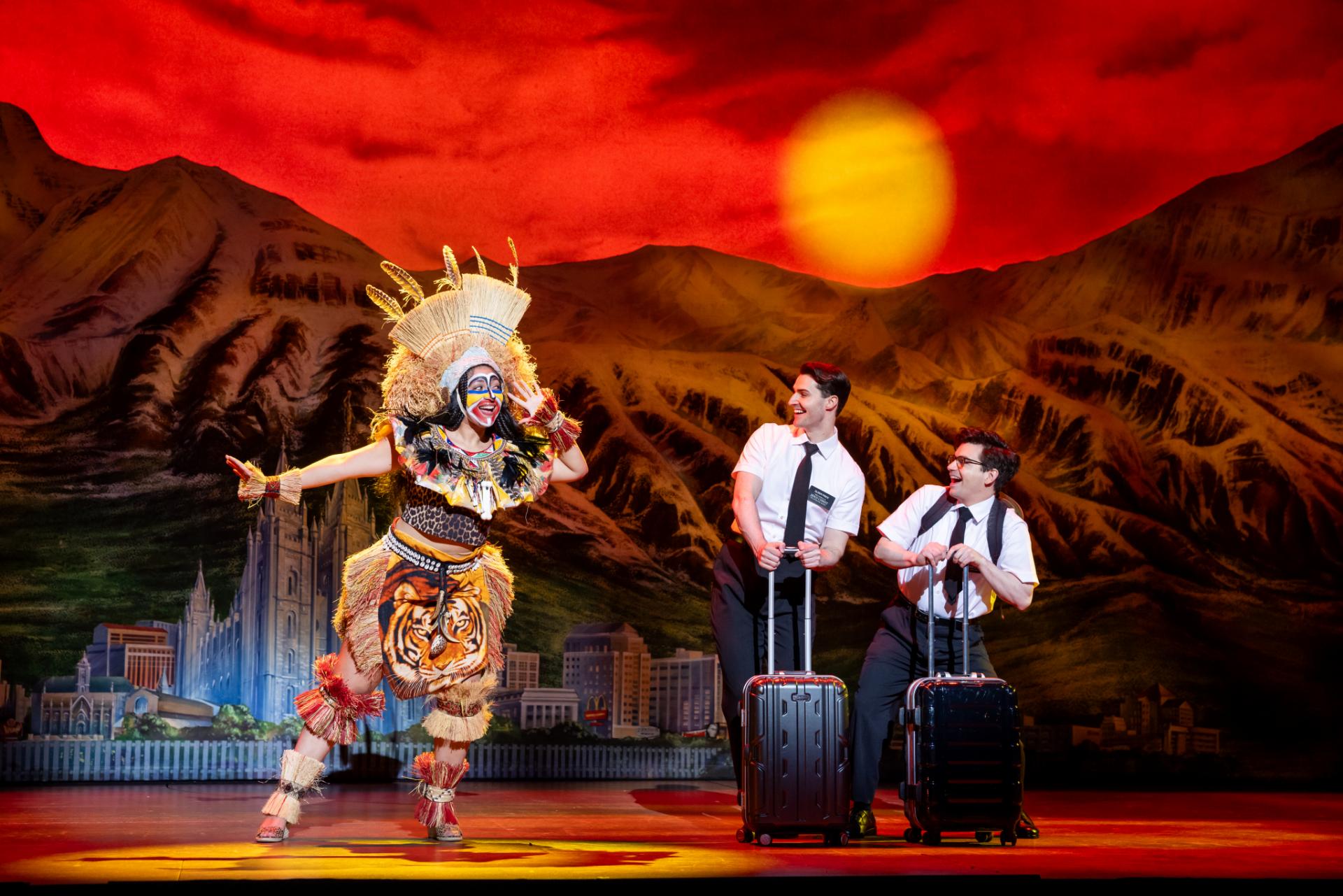
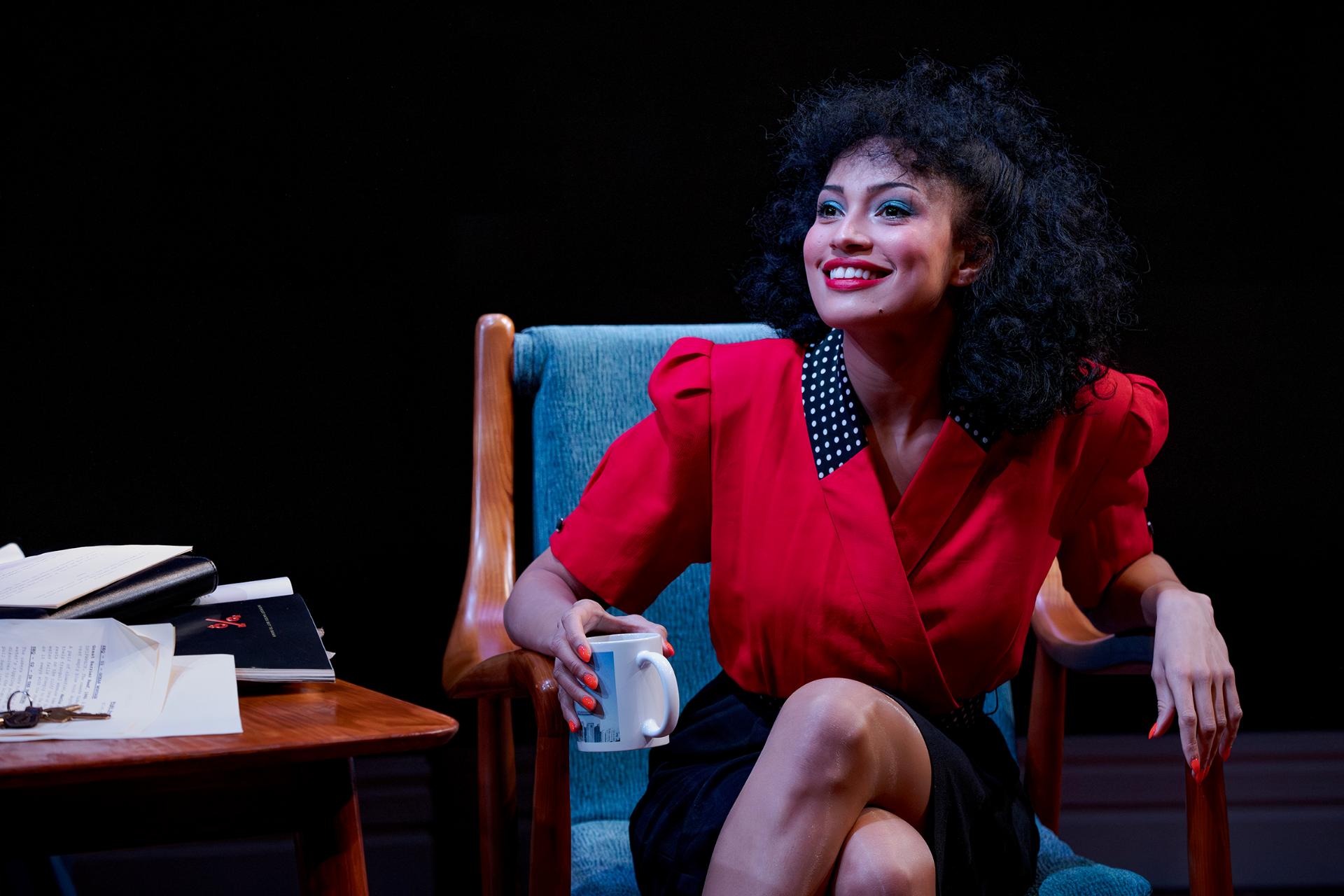
This return season features an excellent new cast, with performers like Nick Cox making a remarkable impression as Elder Cunningham—animated and precise in his approach, delivering some of the biggest laughs in what is surely one of Broadway’s funniest shows. Sean Johnston brings great energy and unequivocal vibrancy to the role of Elder Price, though he could benefit from dialling up the camp factor to embrace a more satirical style. The wonderful Paris Leveque is extremely charming as Nabulungi, with believable expressions of emotion and a stunning voice, that really help to sell the story.

In 2025 there is no longer anything whimsical or indeed cute, about those who reject critical thinking in favour of bizarre doctrines and conspiracy theories. The so-called ‘religious right’ continues to expand its influence, demanding that government policies align with beliefs rooted in supernatural thinking, often at odds with the broader public good. The Book of Mormon reminds us of a time when churches could be met with light-hearted derision, when we were perhaps oblivious to the harm they were willing to inflict, often even upon their own. While the cultural climate has undeniably shifted, one truth remains: we need laughter now more than ever.

www.thebookofmormonmusical.com.au

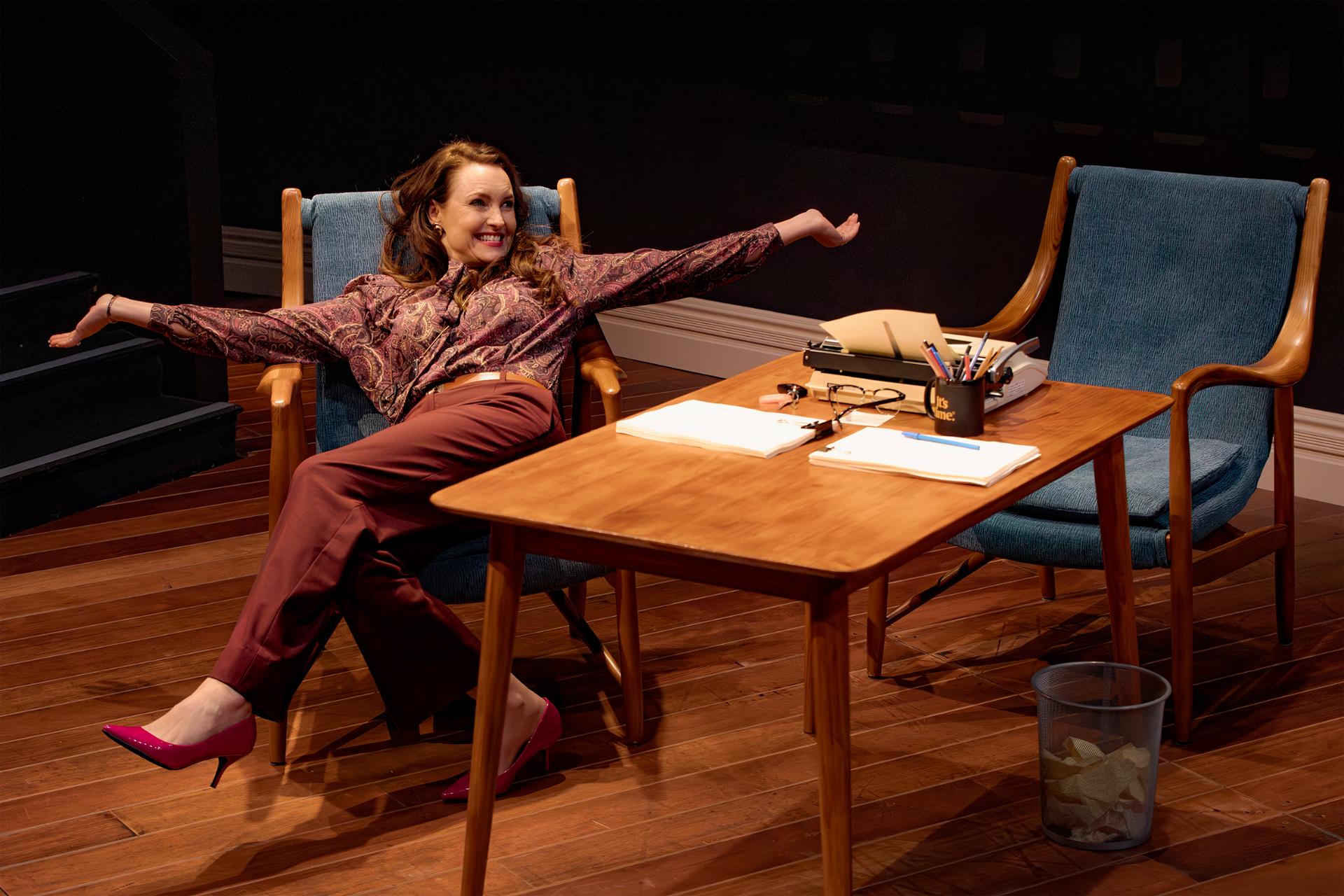
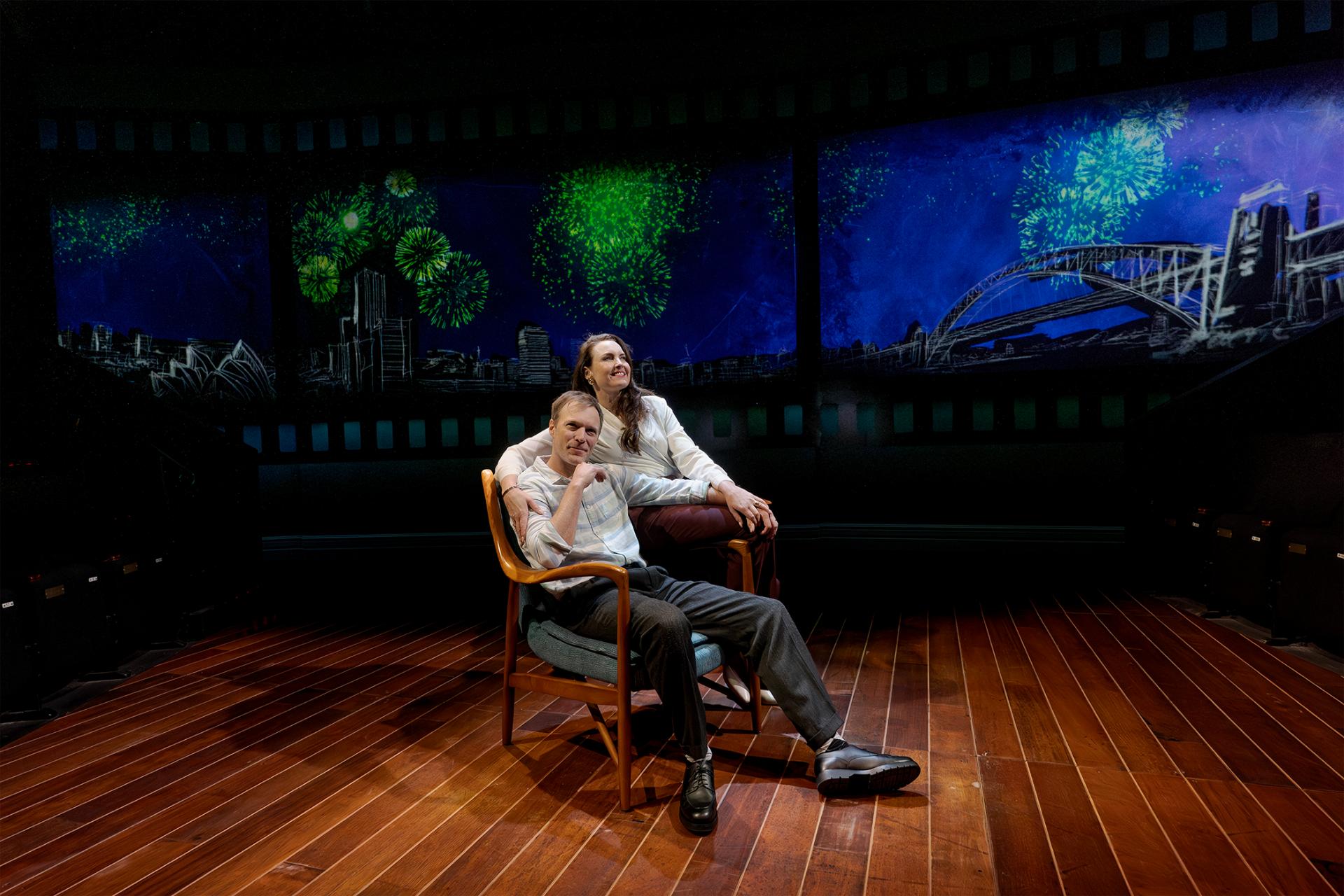
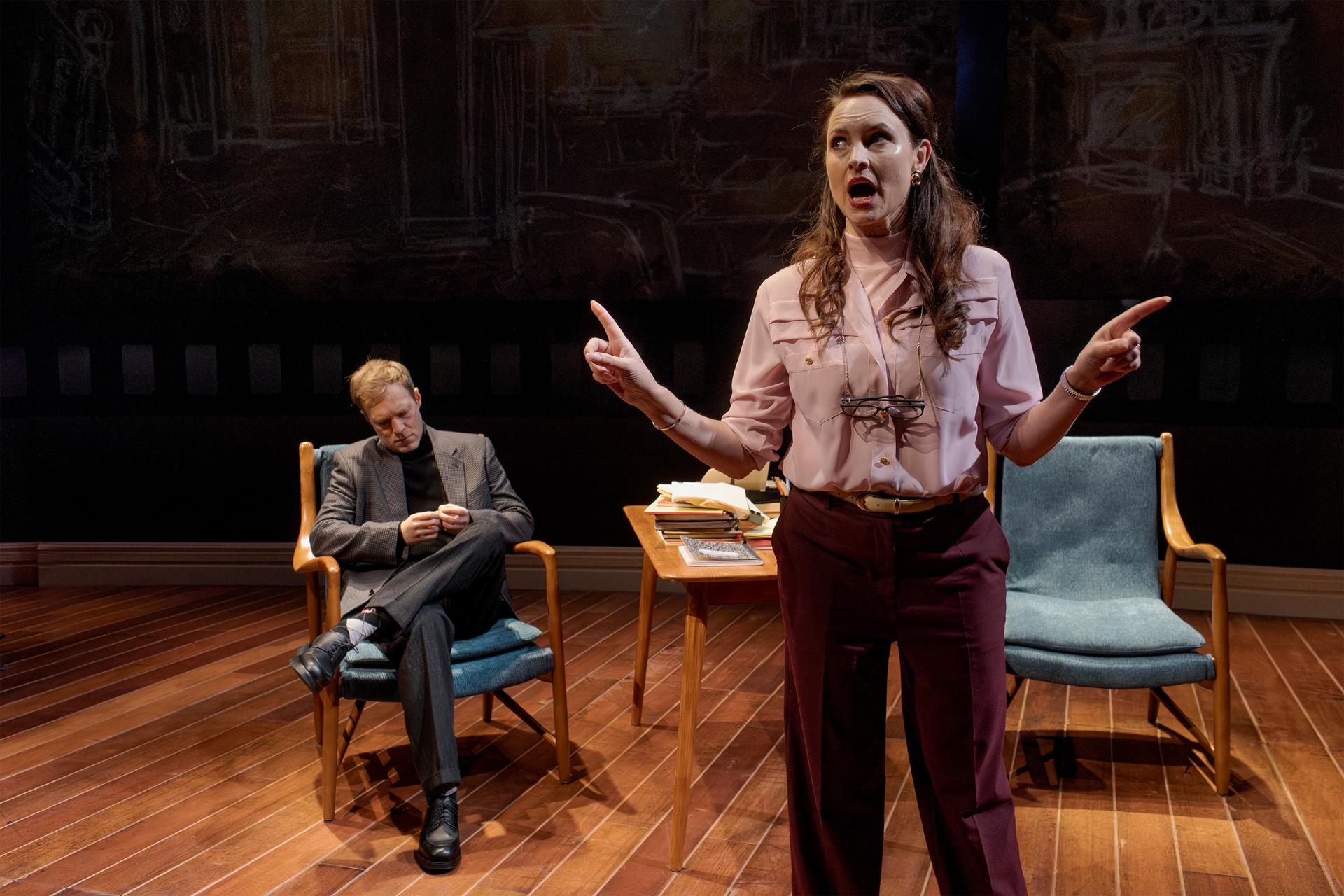
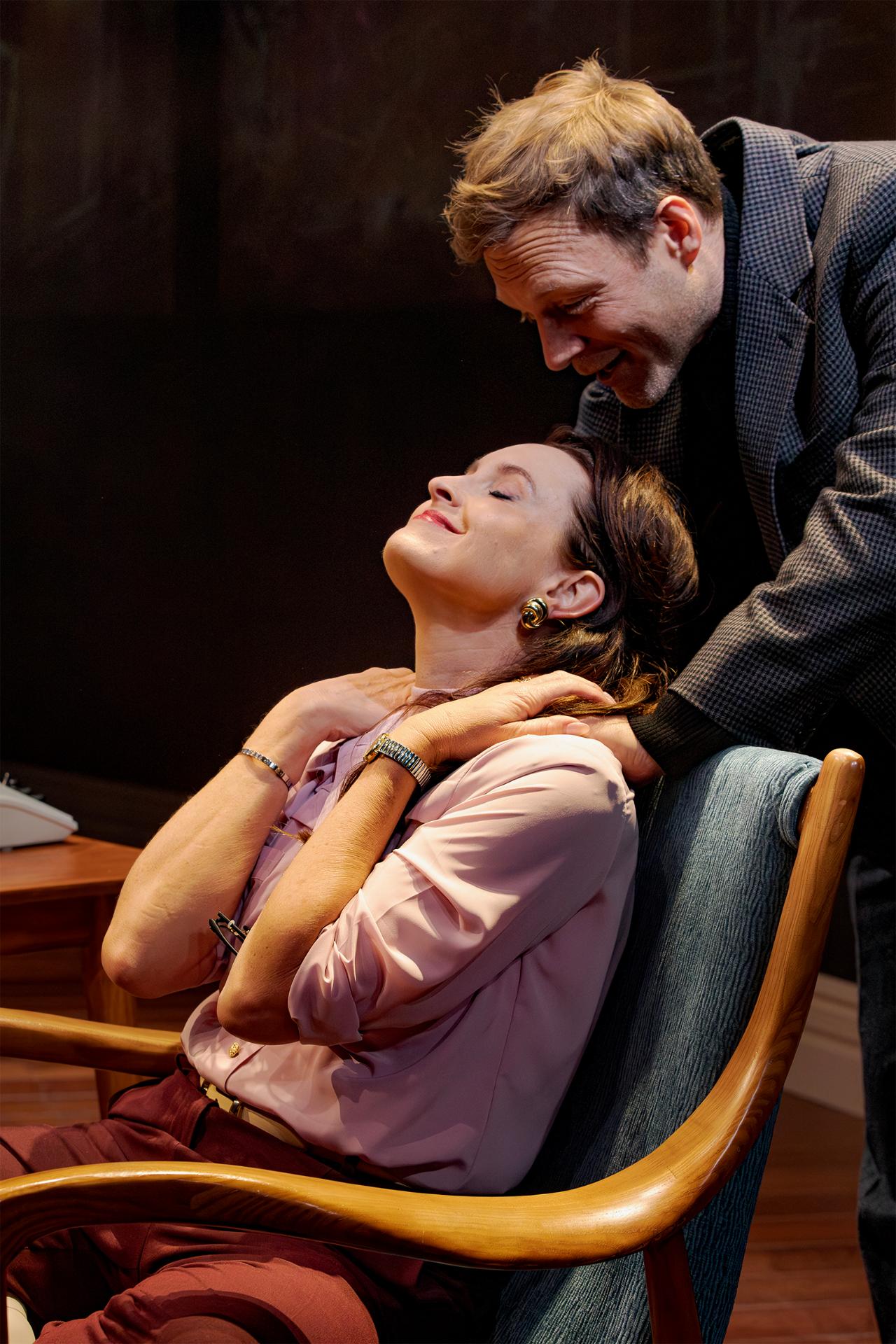
Review: Emerald City (Ensemble Theatre)

Venue: Ensemble Theatre (Kirribilli NSW), Jul 18 – Aug 23, 2025
Playwright: David Williamson
Director: Mark Kilmurry
Cast: Aisha Aidara, Danielle Carter, Rachel Gordon, Matt Minto, Tom O’Sullivan, Rajan Velu
Images by Phil Erbacher

Theatre review
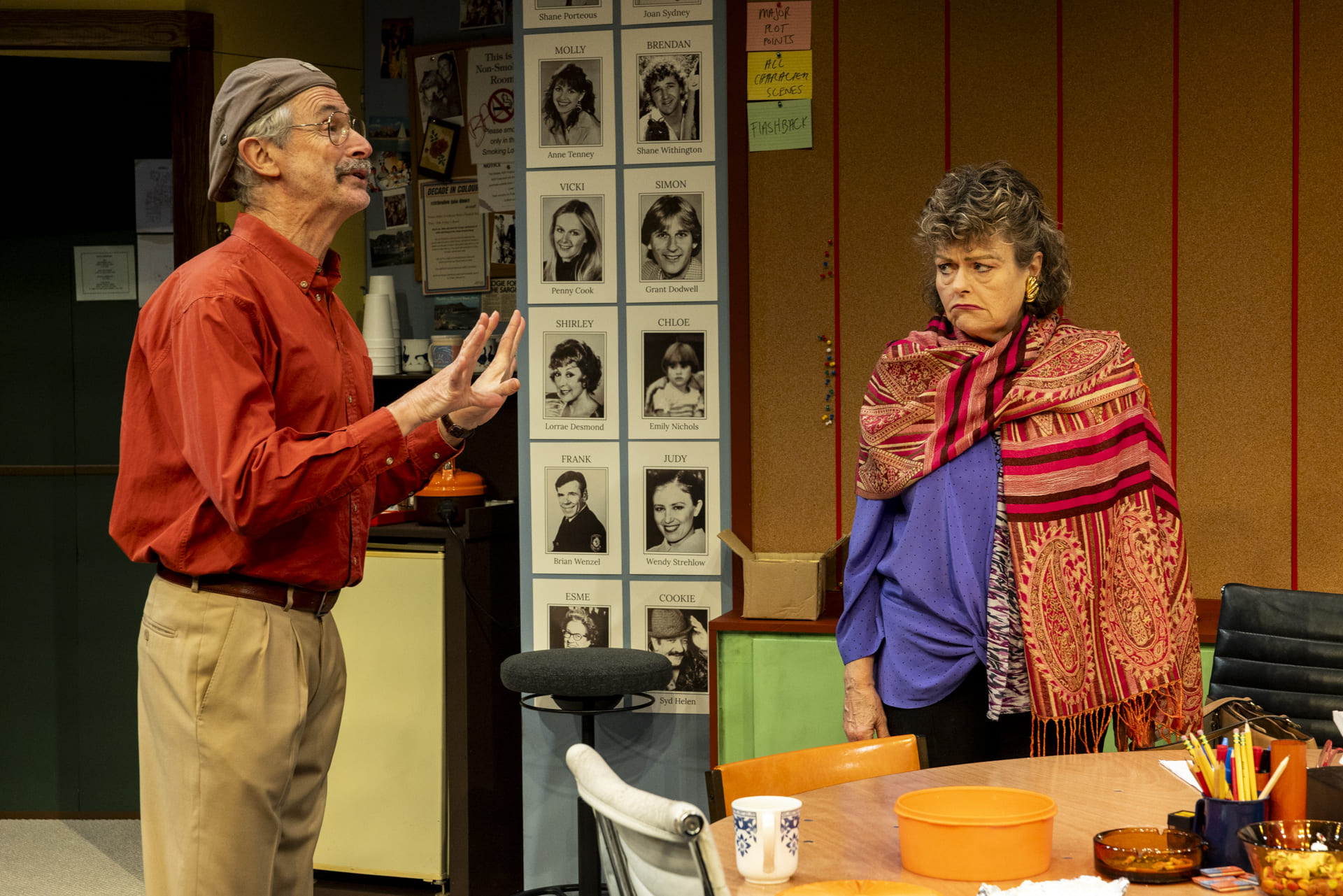
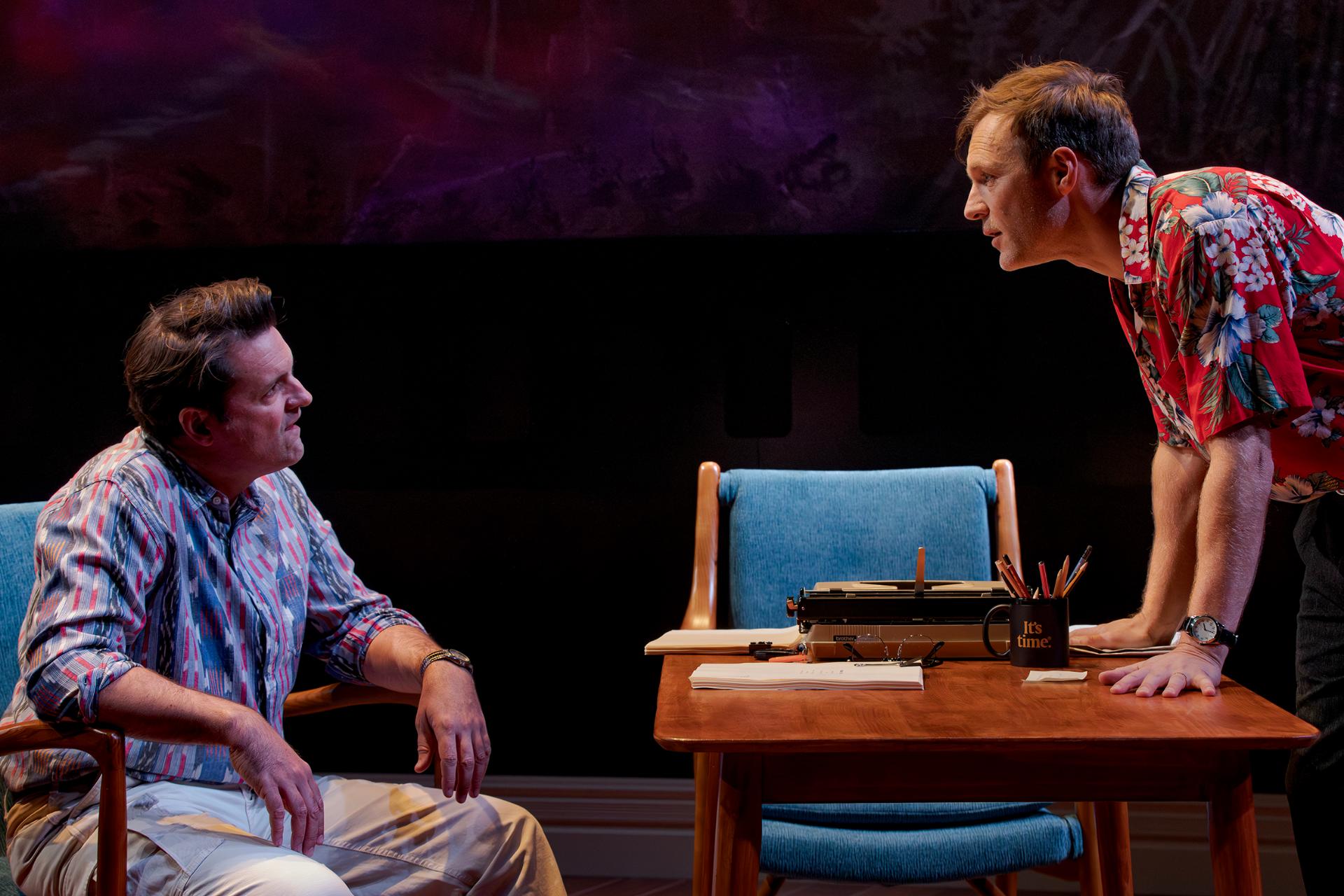
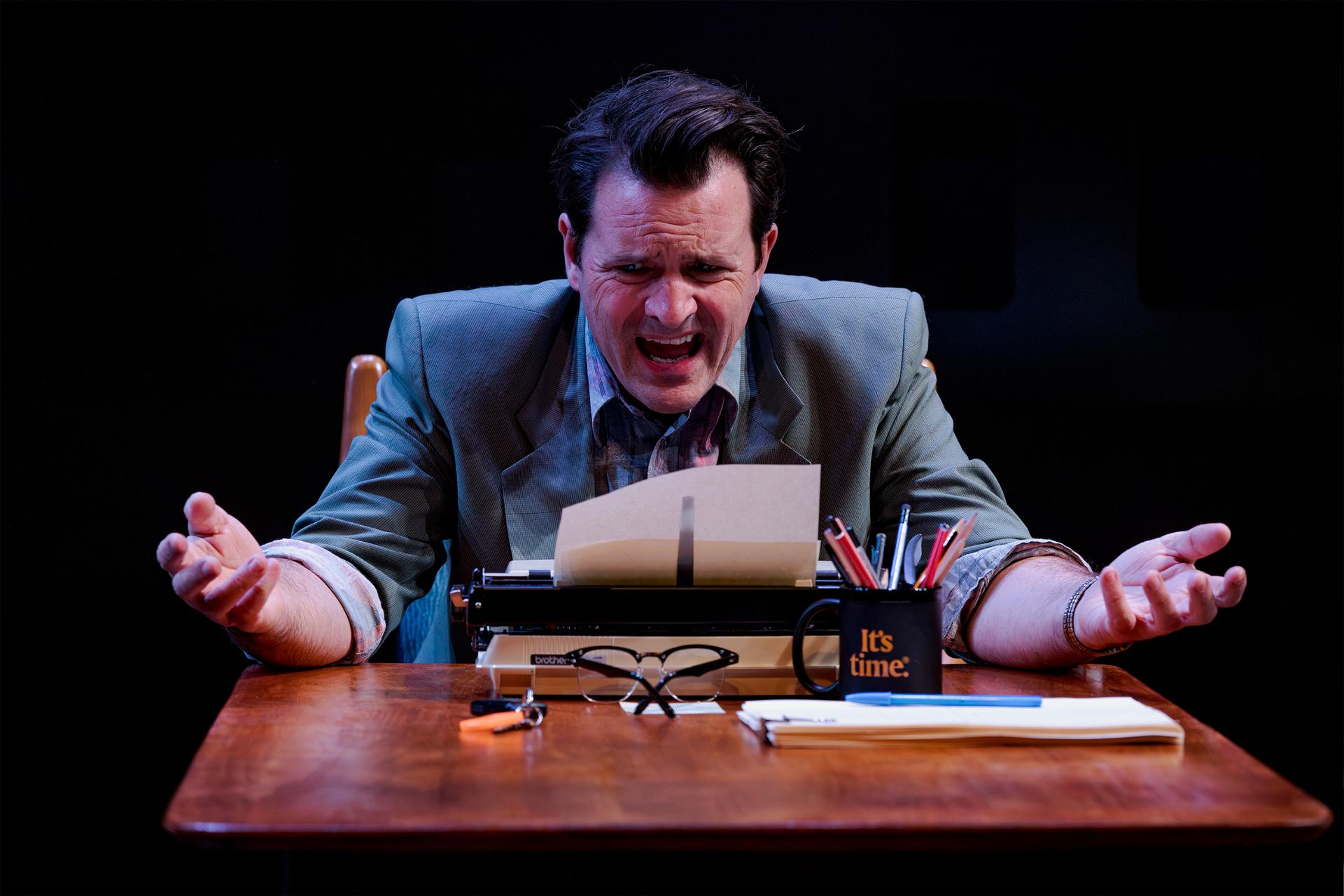
Reaganomics and Thatcherism were in full force when David Williamson’s Emerald City first emerged—a play in which a screenwriter grapples with his artistic integrity in a world determined to commodify everything. Almost four decades on, the conflict between art and commerce remains and has become so subsumed into our daily realities that watching an artist navigate those old quagmires now seems strangely quaint.

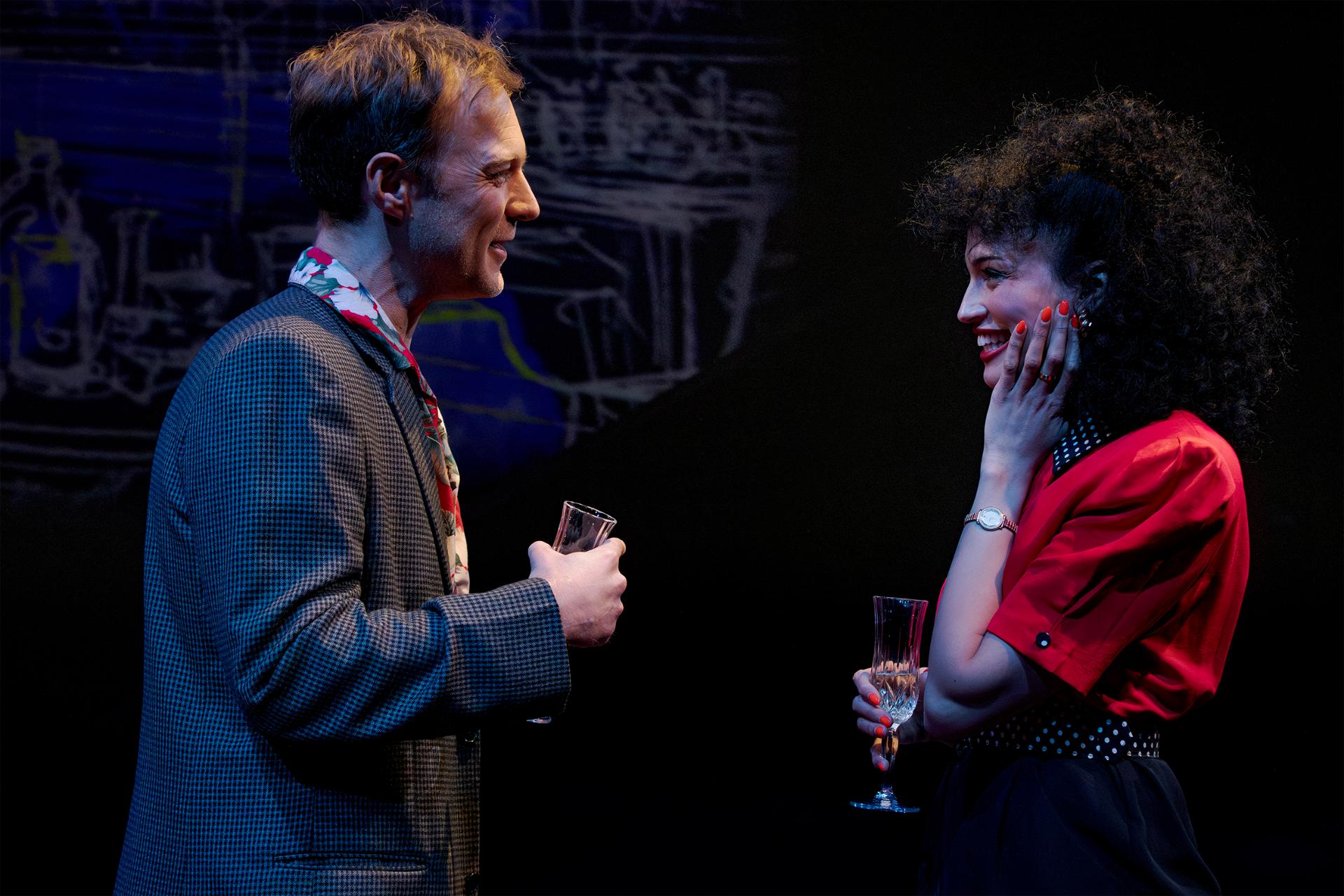
Direction by Mark Kilmurry is thankfully taut and energetic, with leading man Tom O’Sullivan bringing commitment and valuable charisma to the not-always-likable role of Colin. His wife Kate is made a powerful figure by Rachel Gordon’s confidence and panache. Matt Minto is appropriately dubious as the opportunistic Mike, while Aisha Aidara’s portrayal of his partner Helen surprises with warmth and a compelling naturalism.

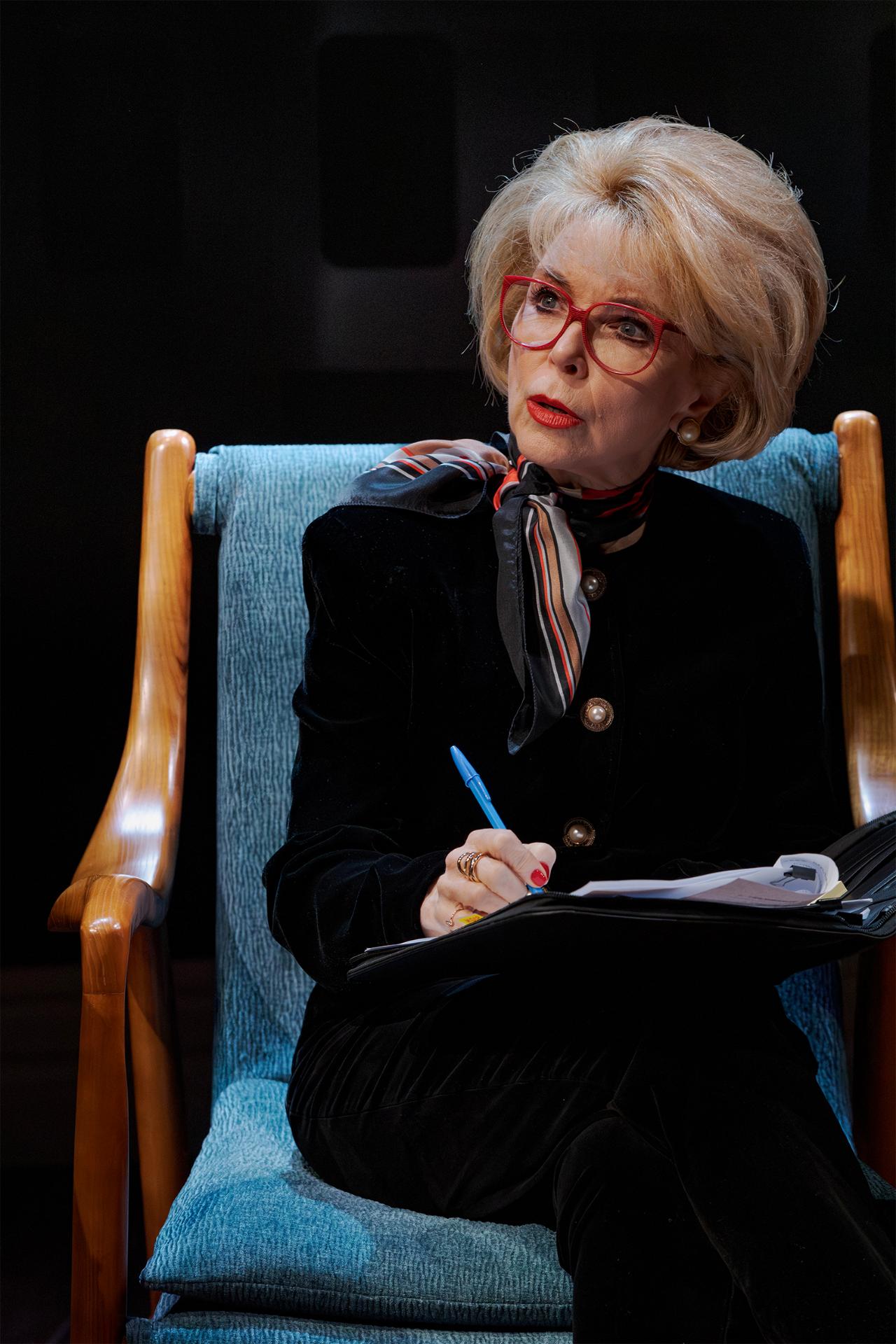
Production design by Dan Potra depicts the era with some accuracy, but can appear somewhat simplistic in approach. Lights by Morgan Moroney improve the viewing experience by effecting subtle shifts as the production transforms in tone and temperament. Music by Madeleine Picard add a dimension of ephemerality to the way we feel about this straightforward story.

The city of Sydney serves as a fitting backdrop for this reflection on commercialism and its entanglement with human life. Money, undeniably, shapes much of who we are here—as it does in any city—and while we recognise that ‘the love of money is the root of all evil,’ it is equally true that our relative affluence underpins many of the pleasures we associate with life in this frankly magnificent place.

www.ensemble.com.au

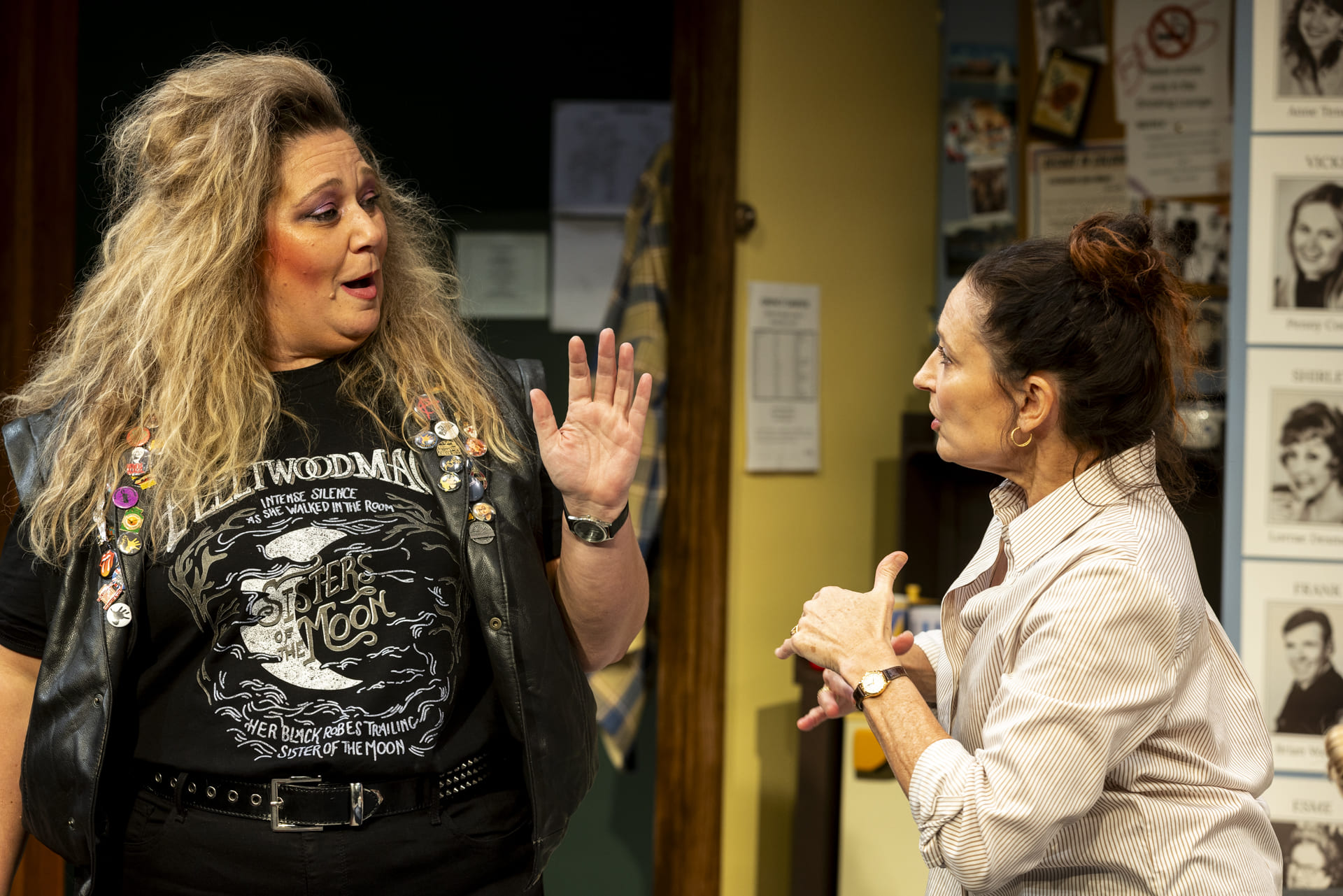
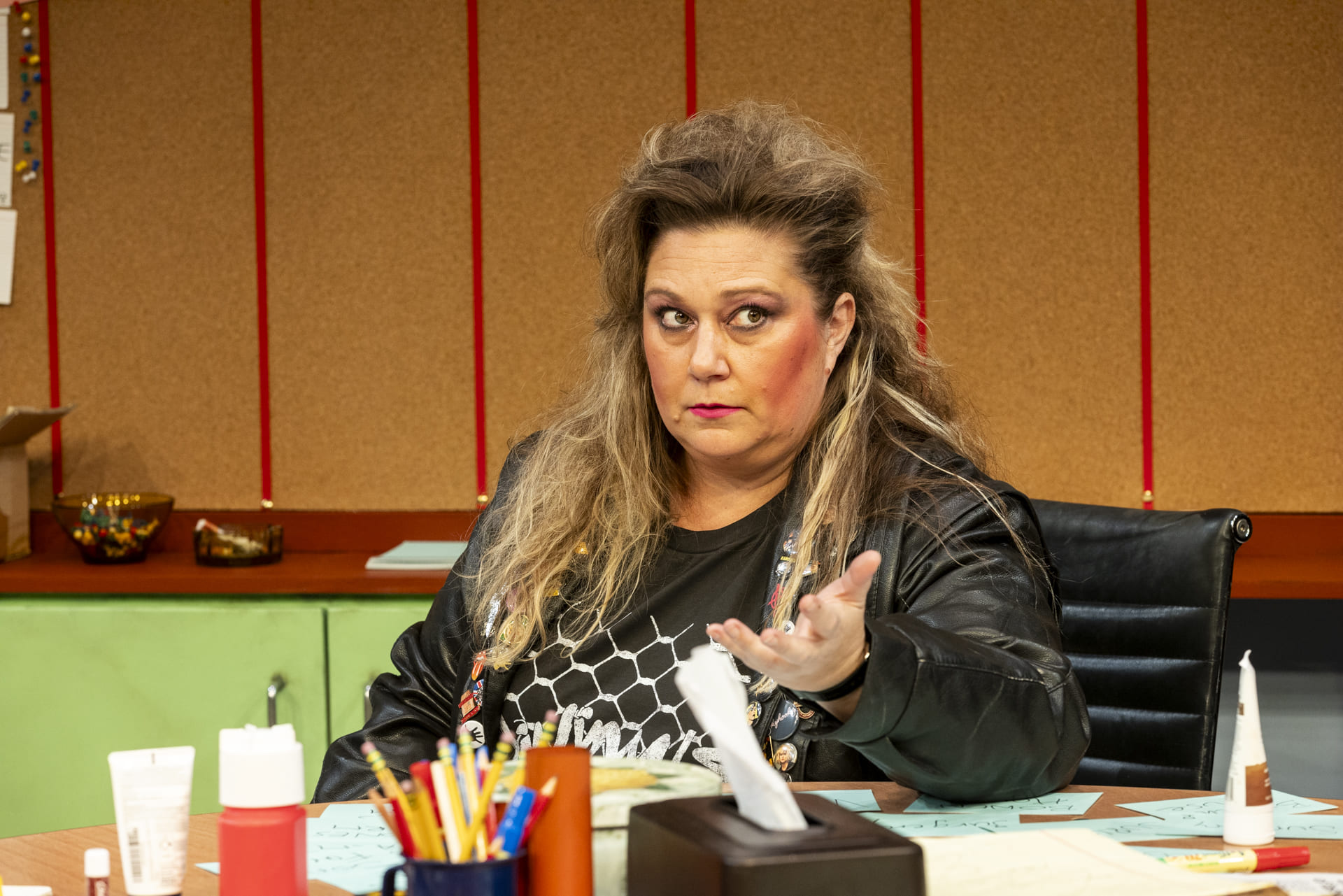
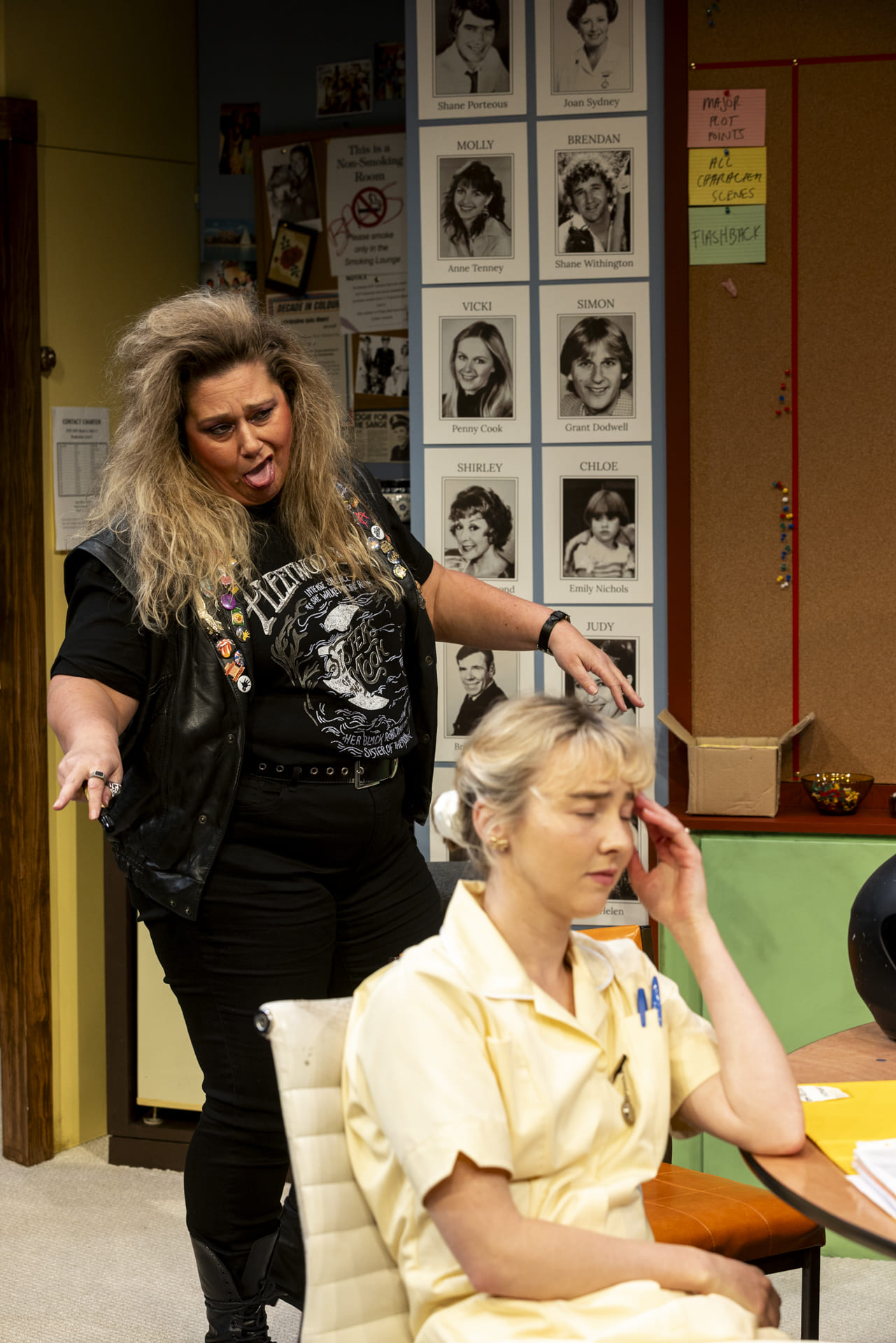
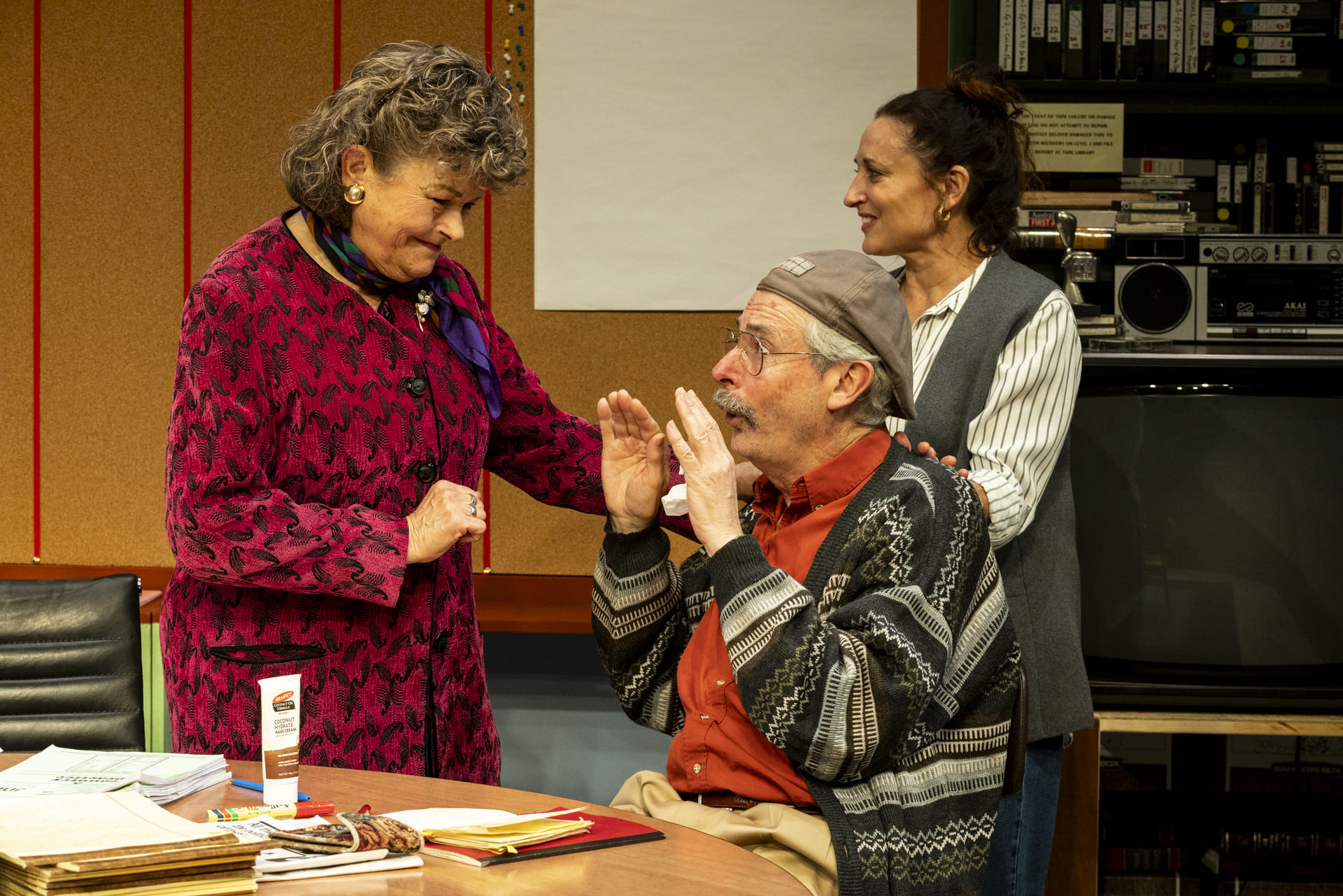
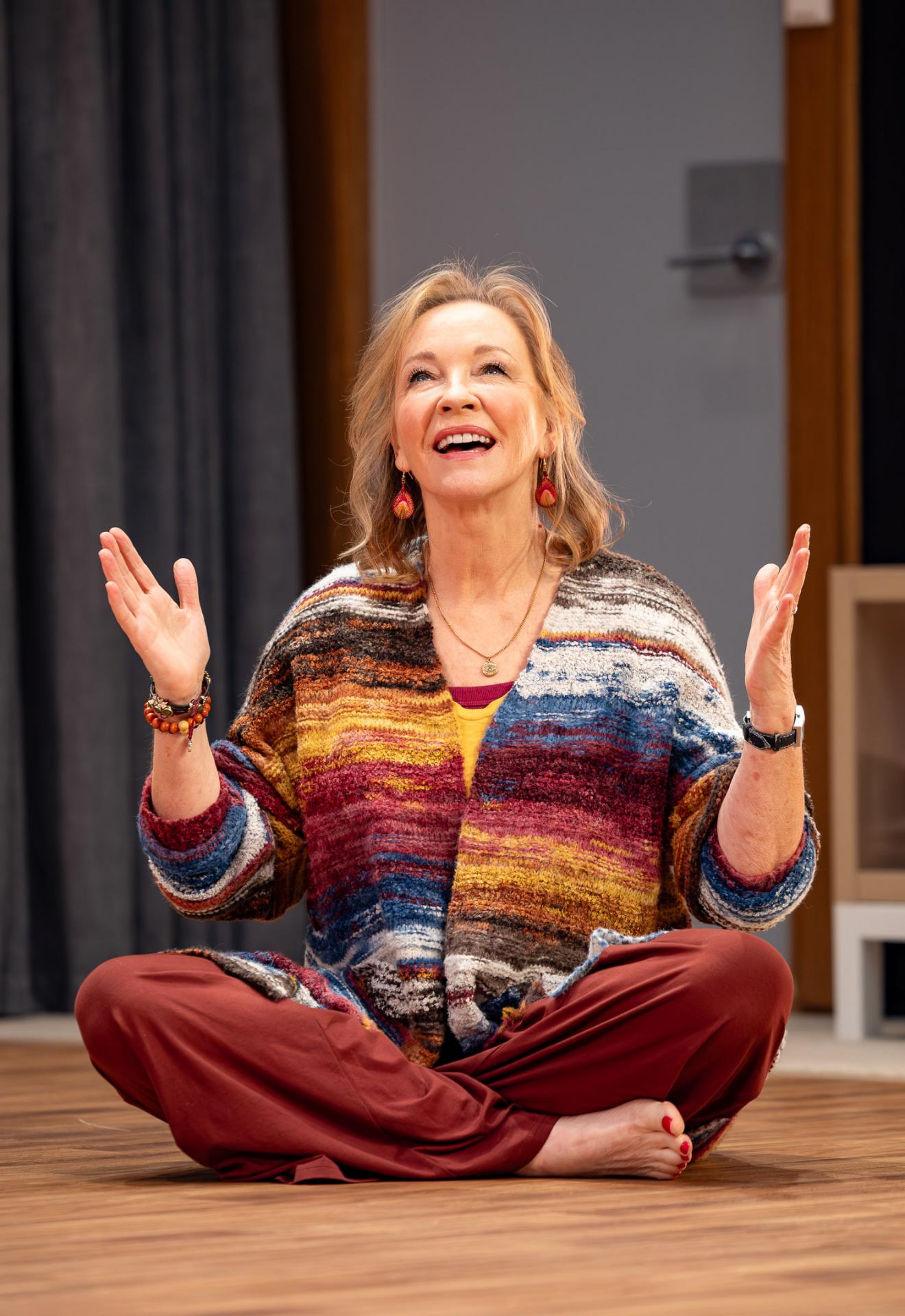
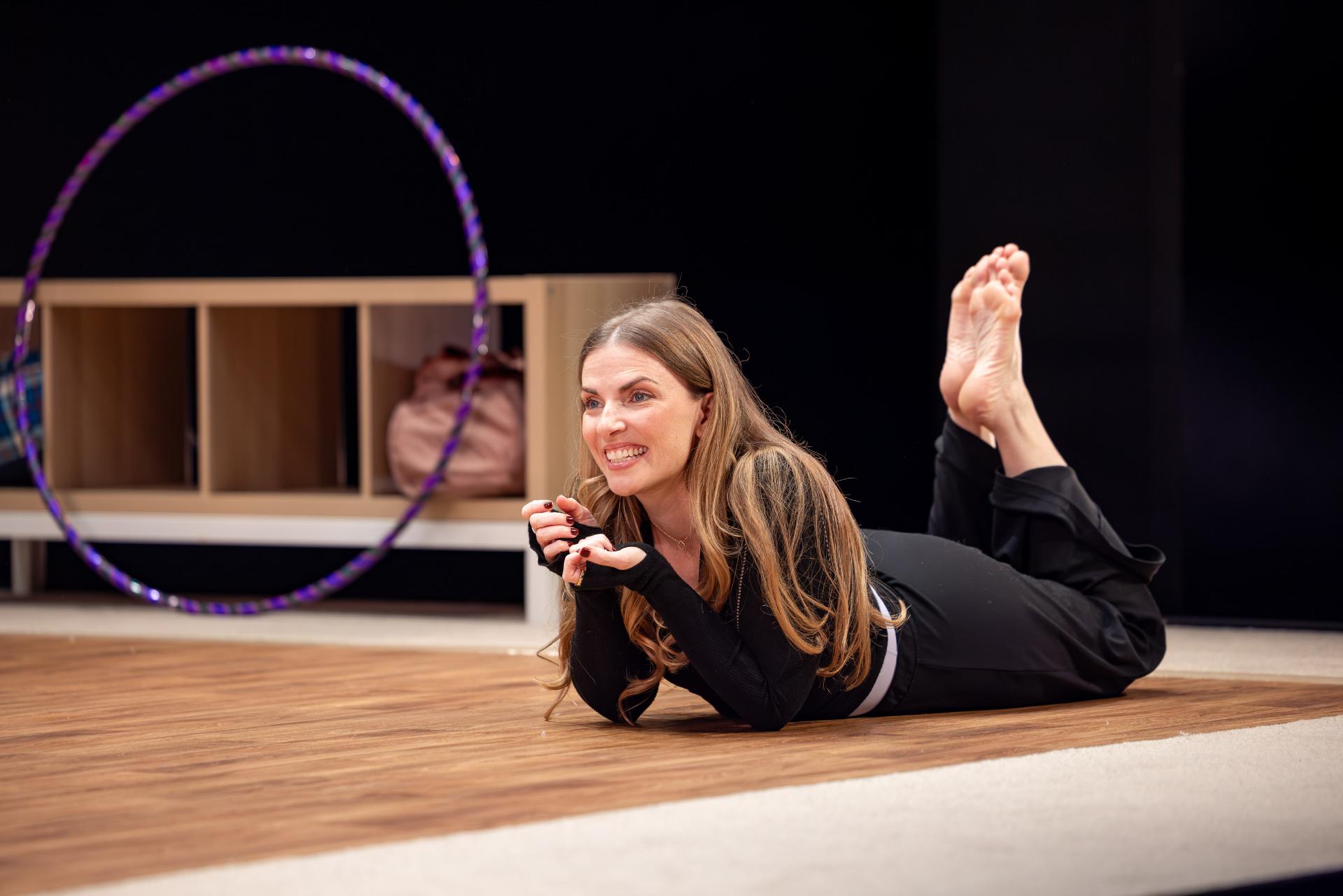
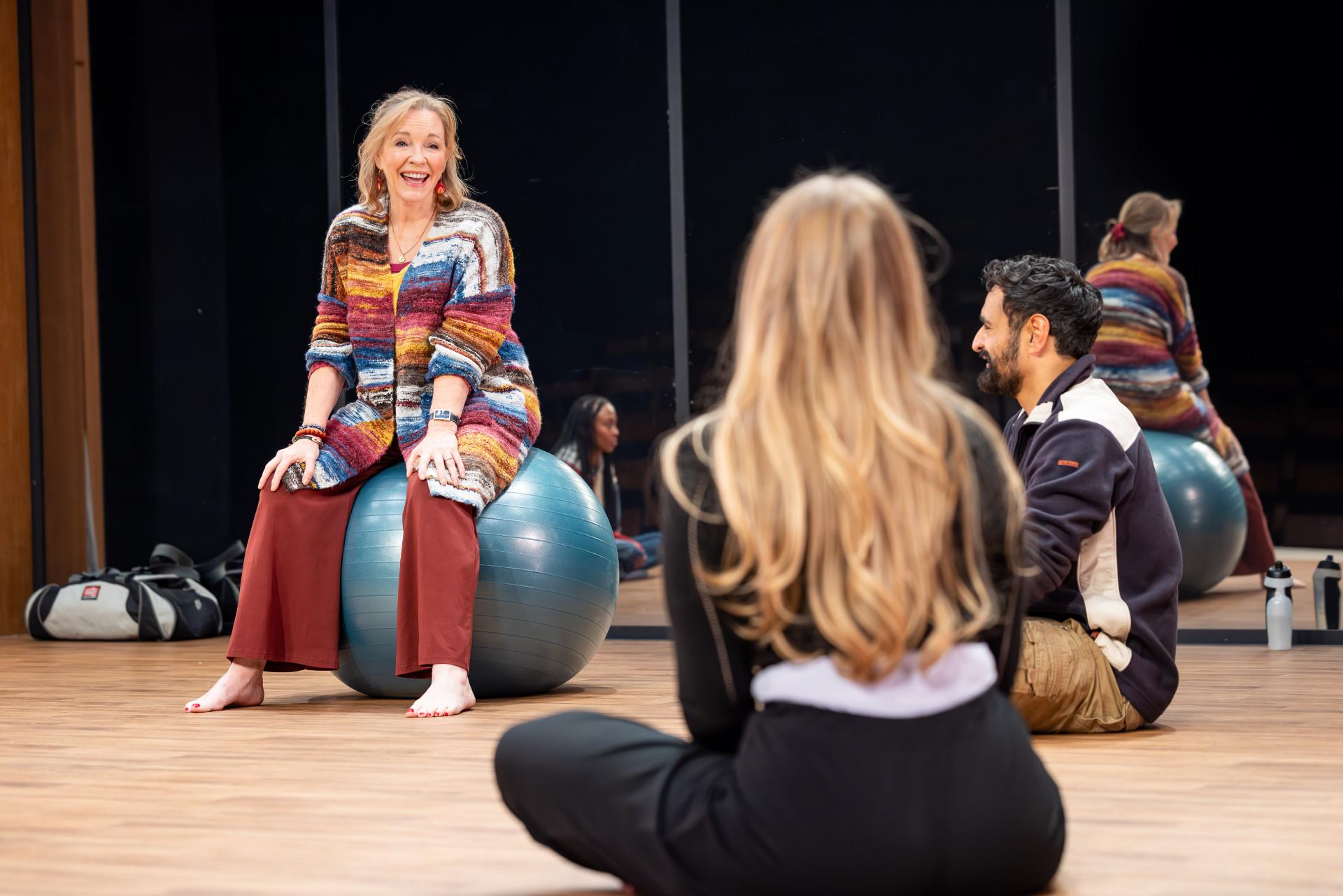
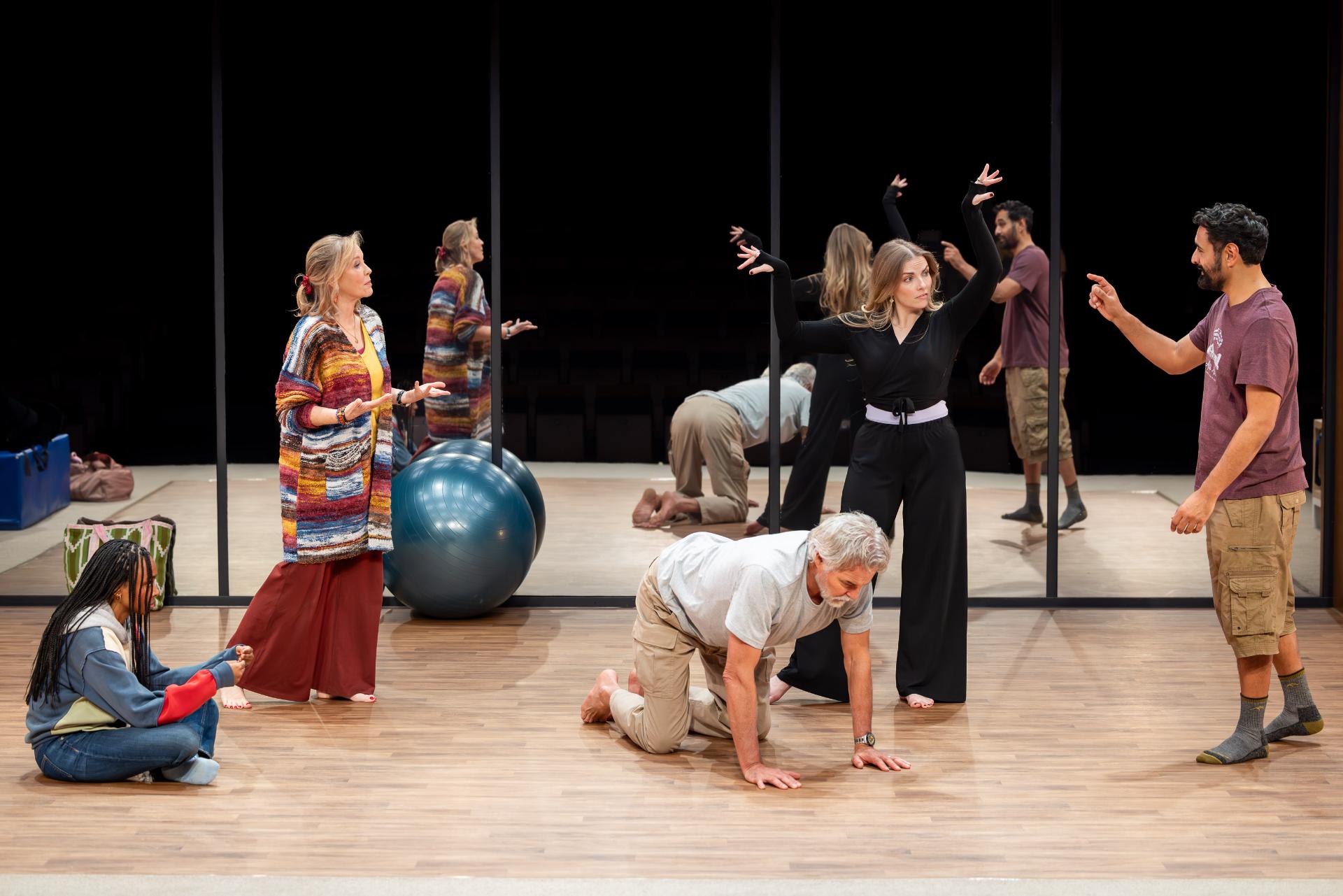
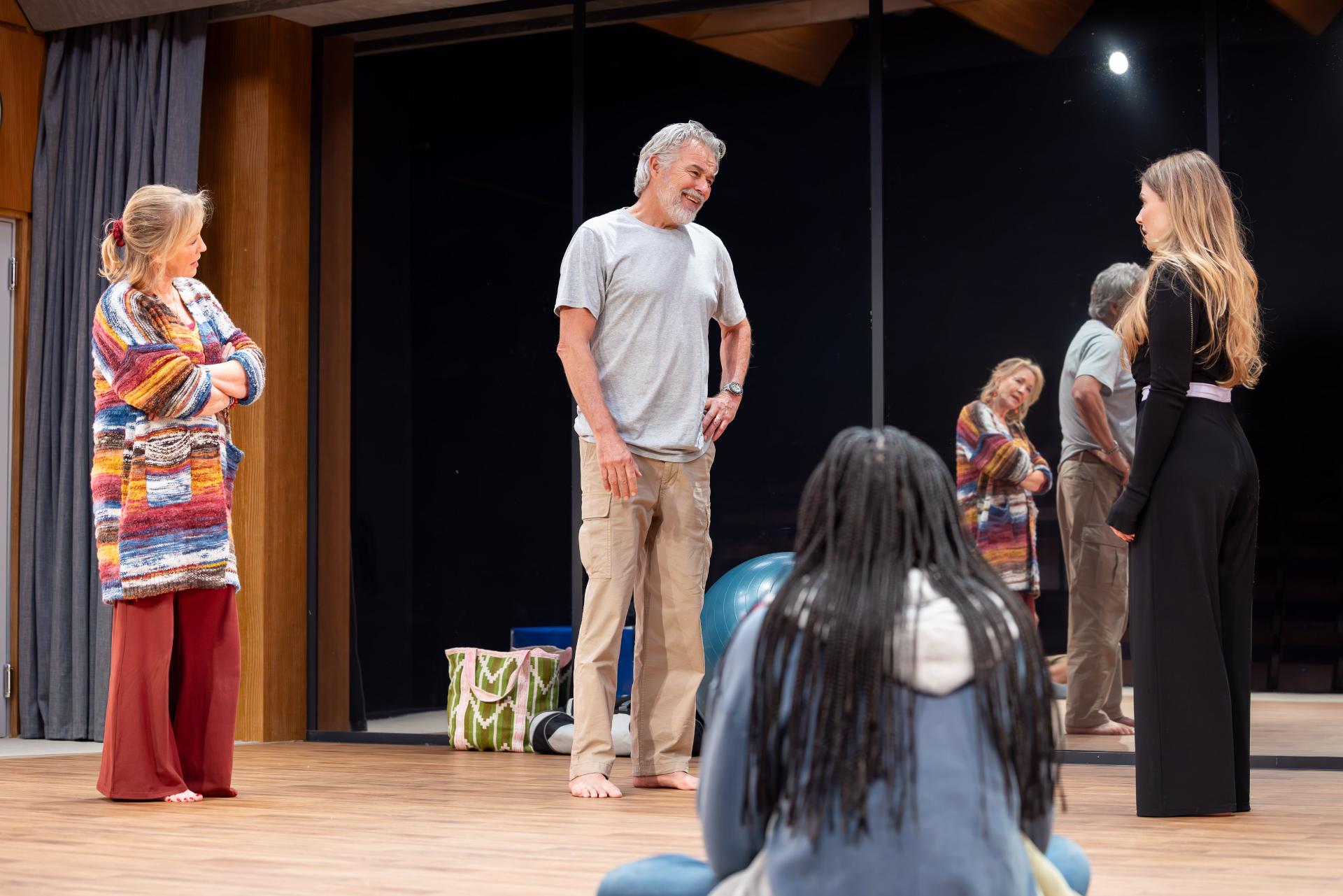
Review: Circle Mirror Transformation (Sydney Theatre Company)

Venue: Wharf 1 Sydney Theatre Company (Walsh Bay NSW), Jul 12 – Sep 7, 2025
Playwright: Annie Baker
Director: Dean Bryant
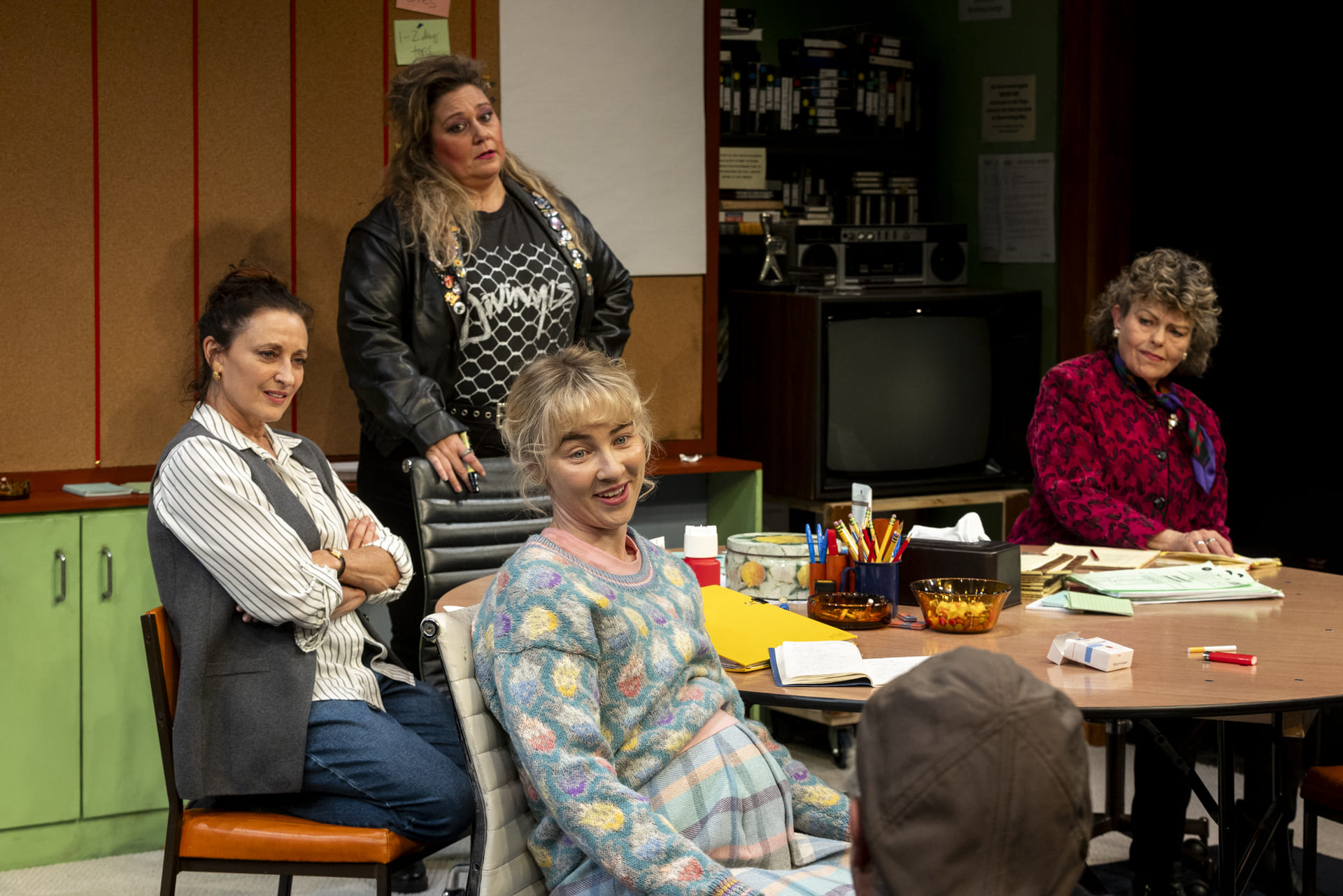
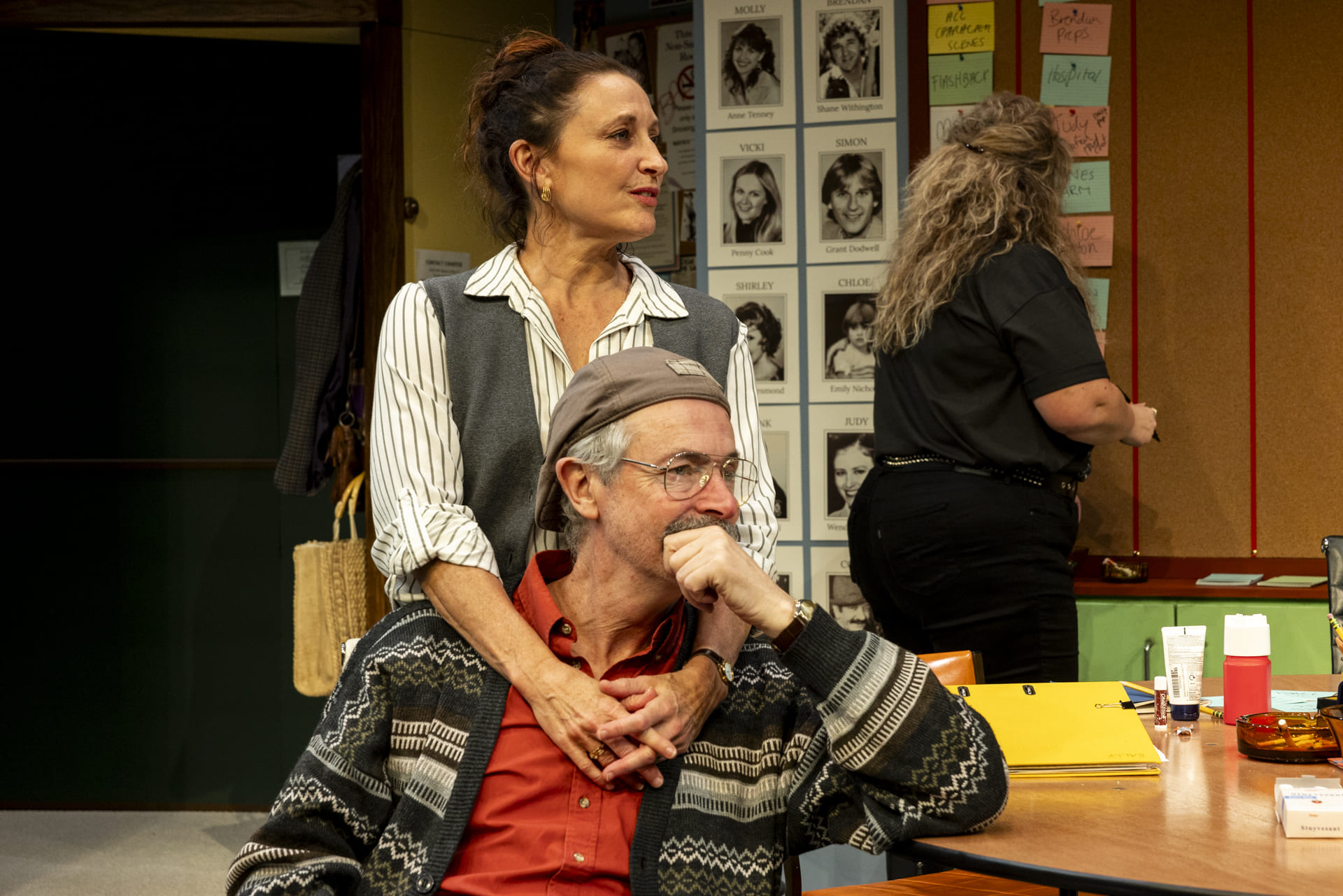
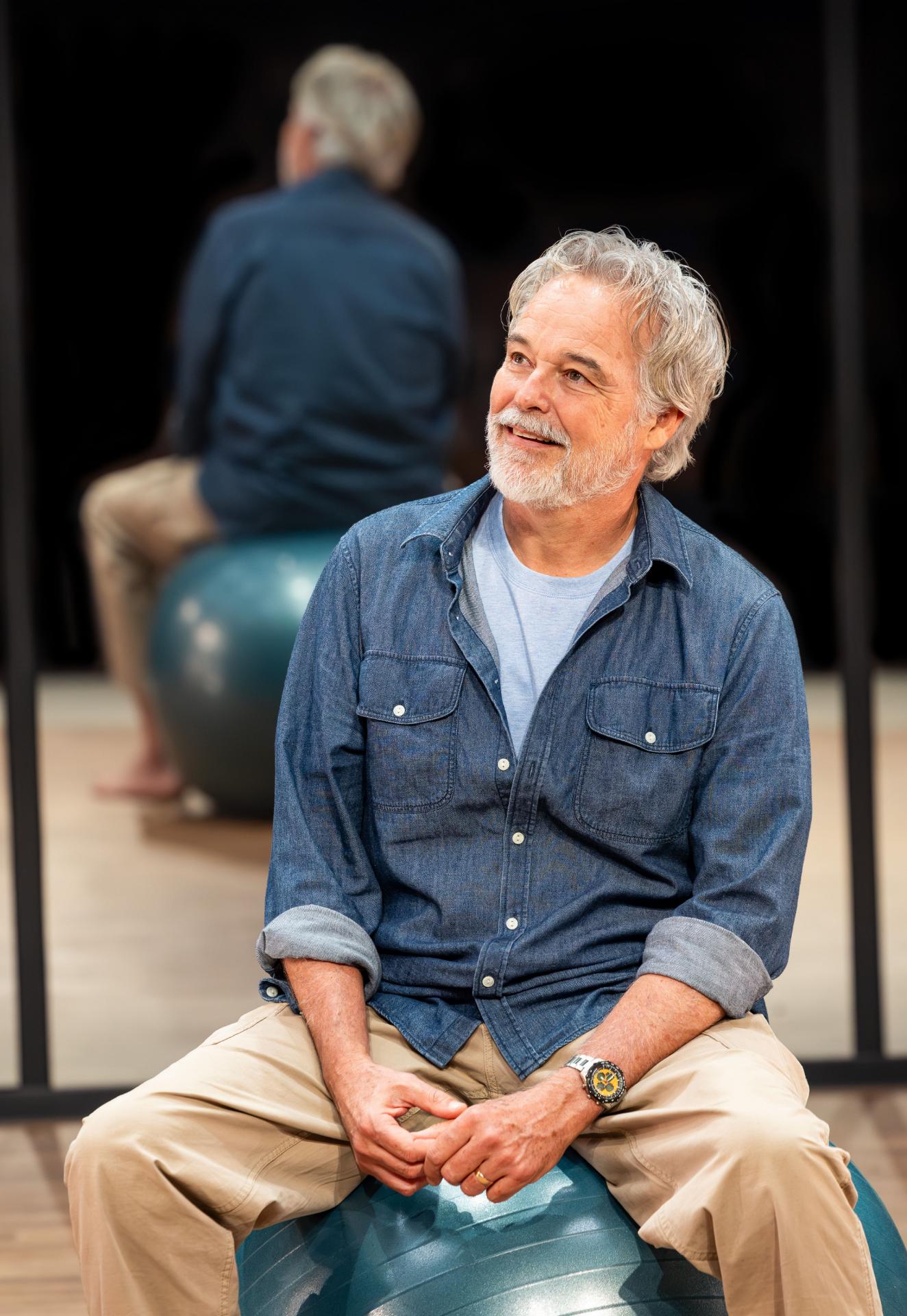
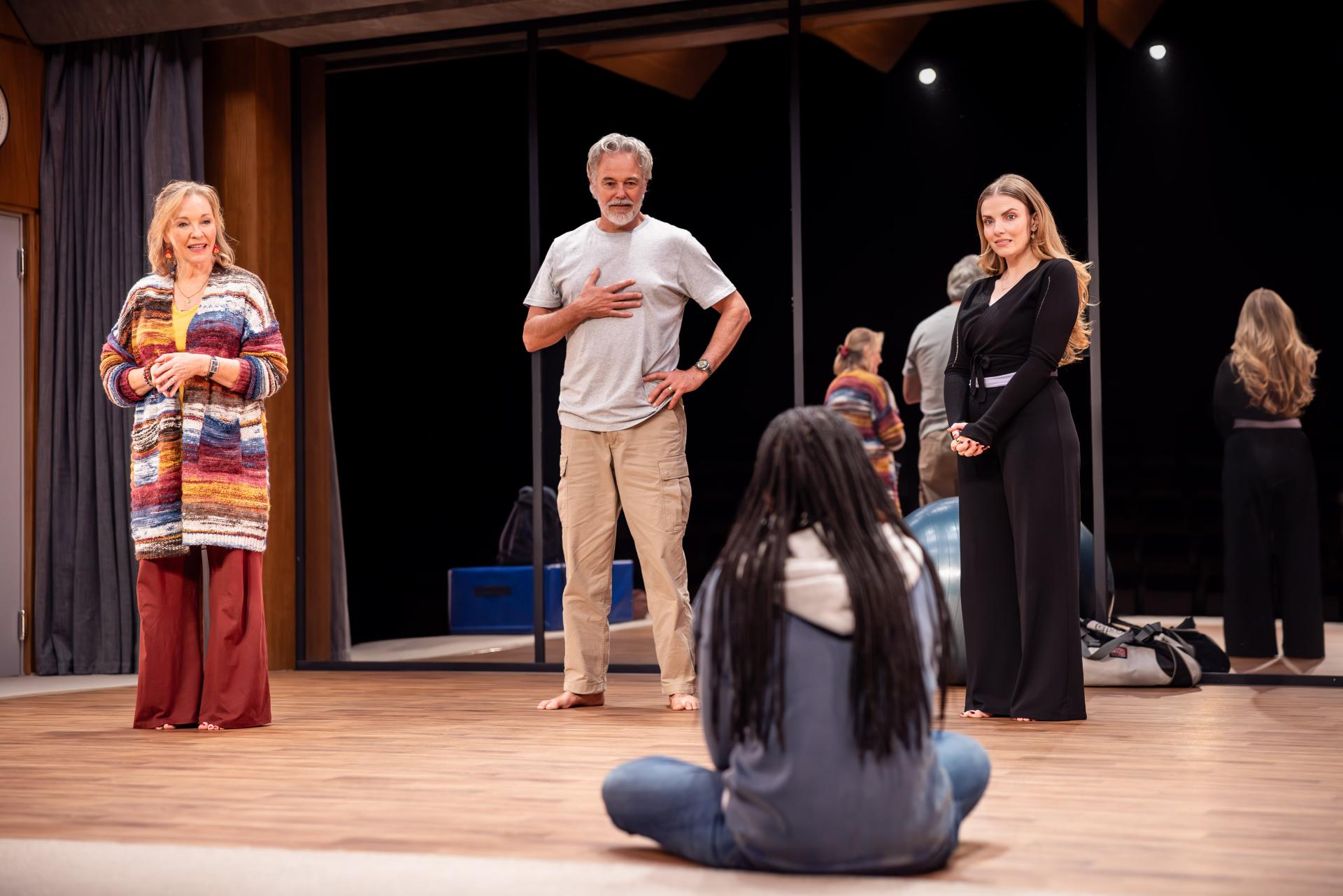
Cast: Ahunim Abebe, Nicholas Brown, Cameron Daddo, Rebecca Gibney, Jessie Lawrence 
Images by Daniel Boud

Theatre review
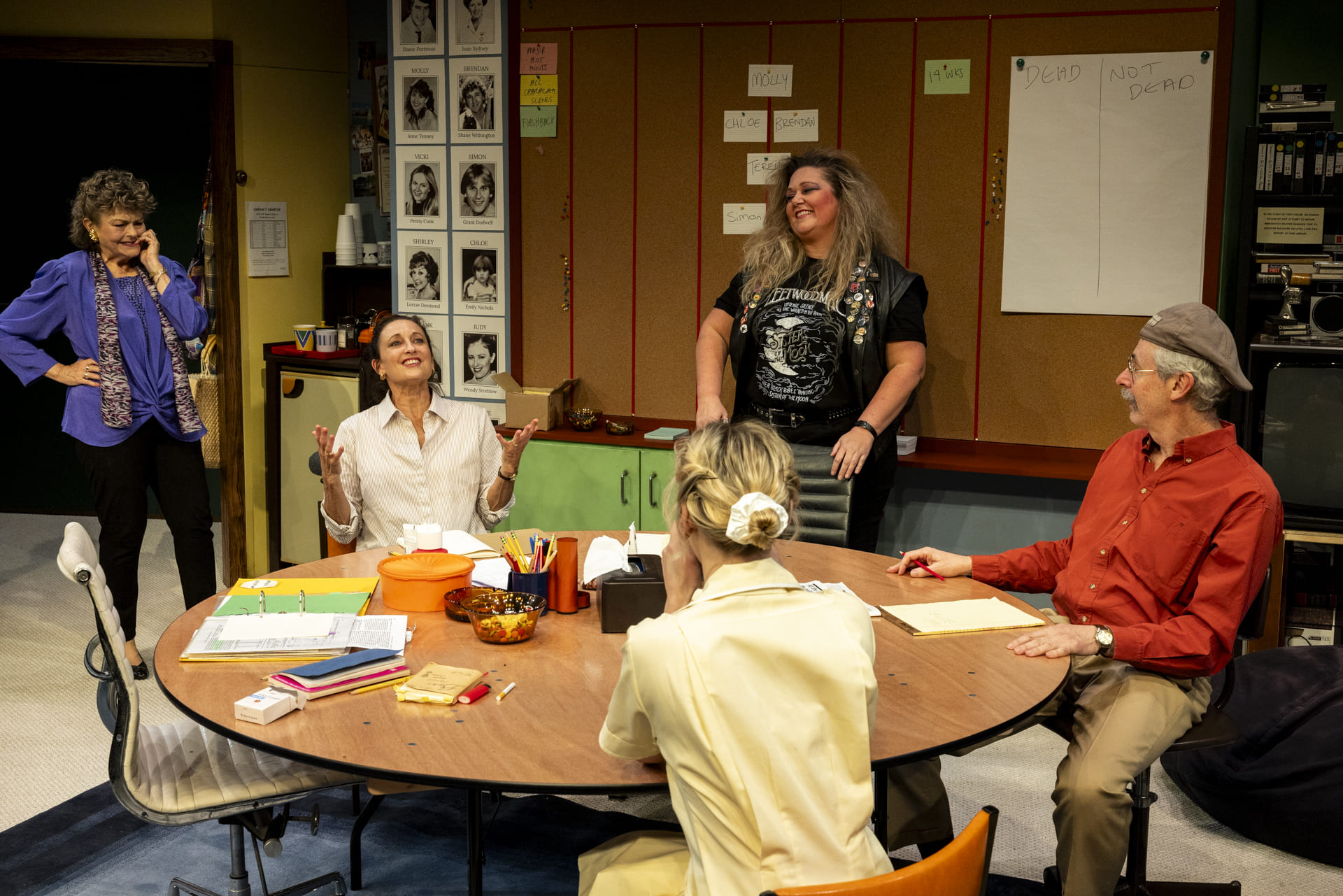
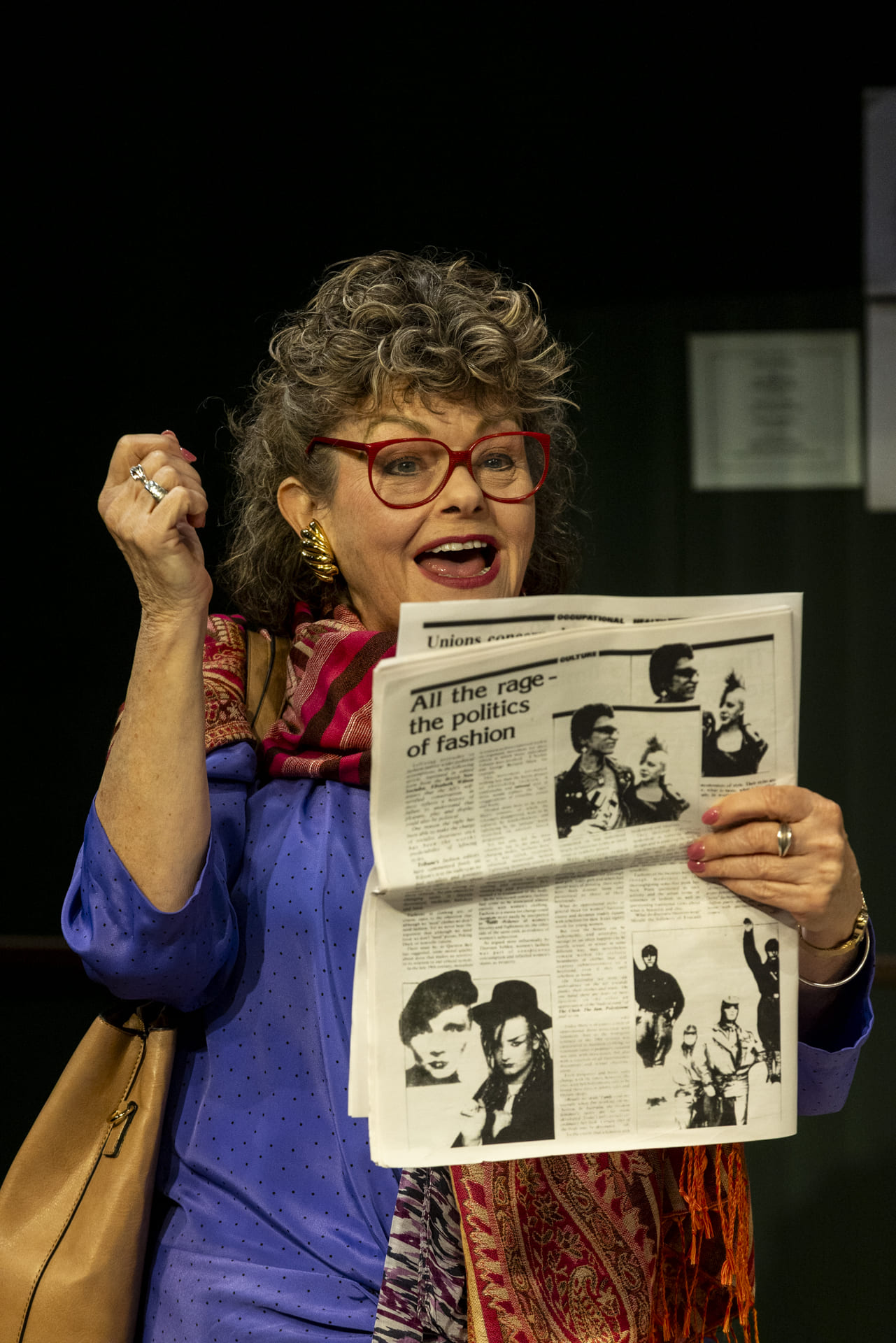
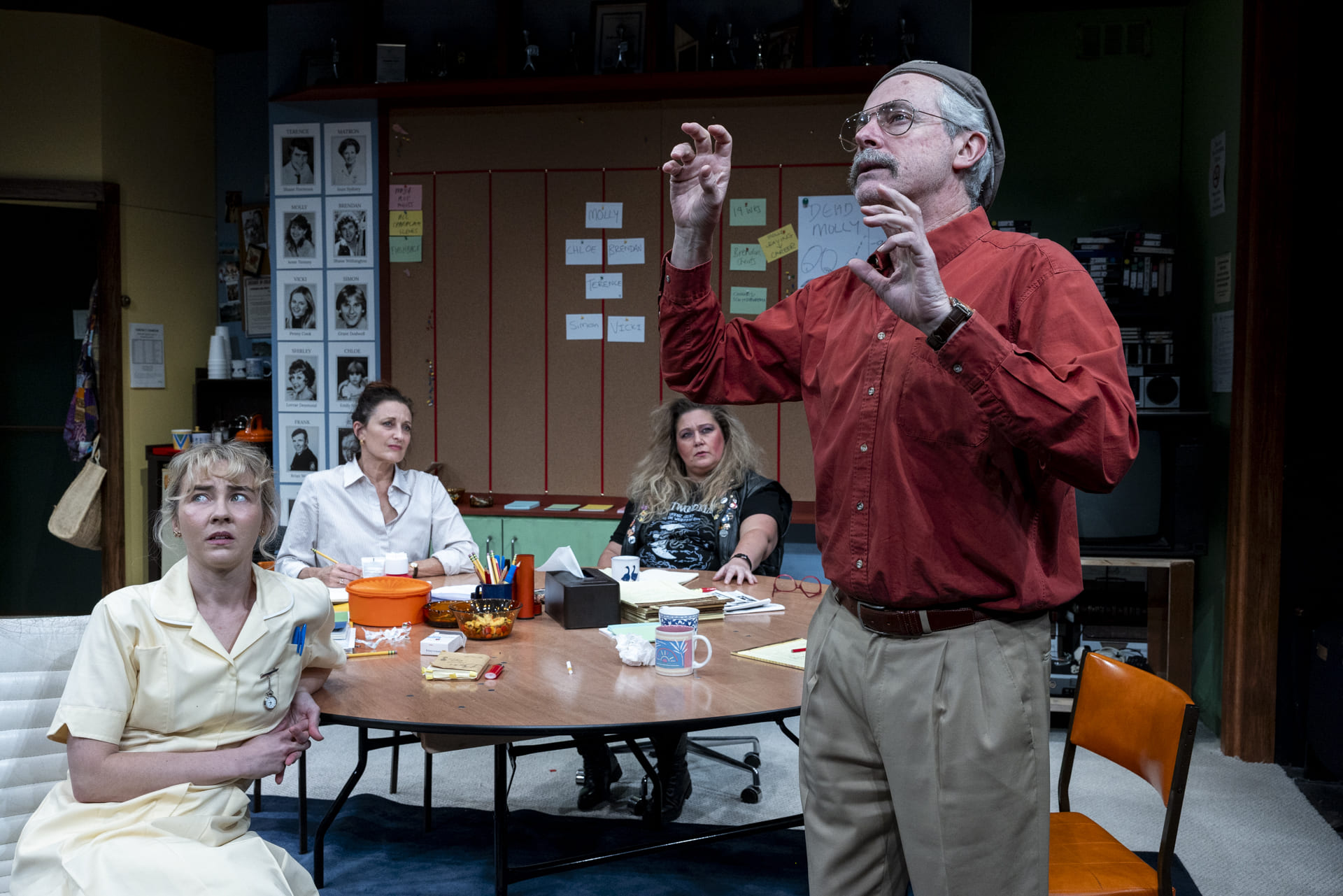
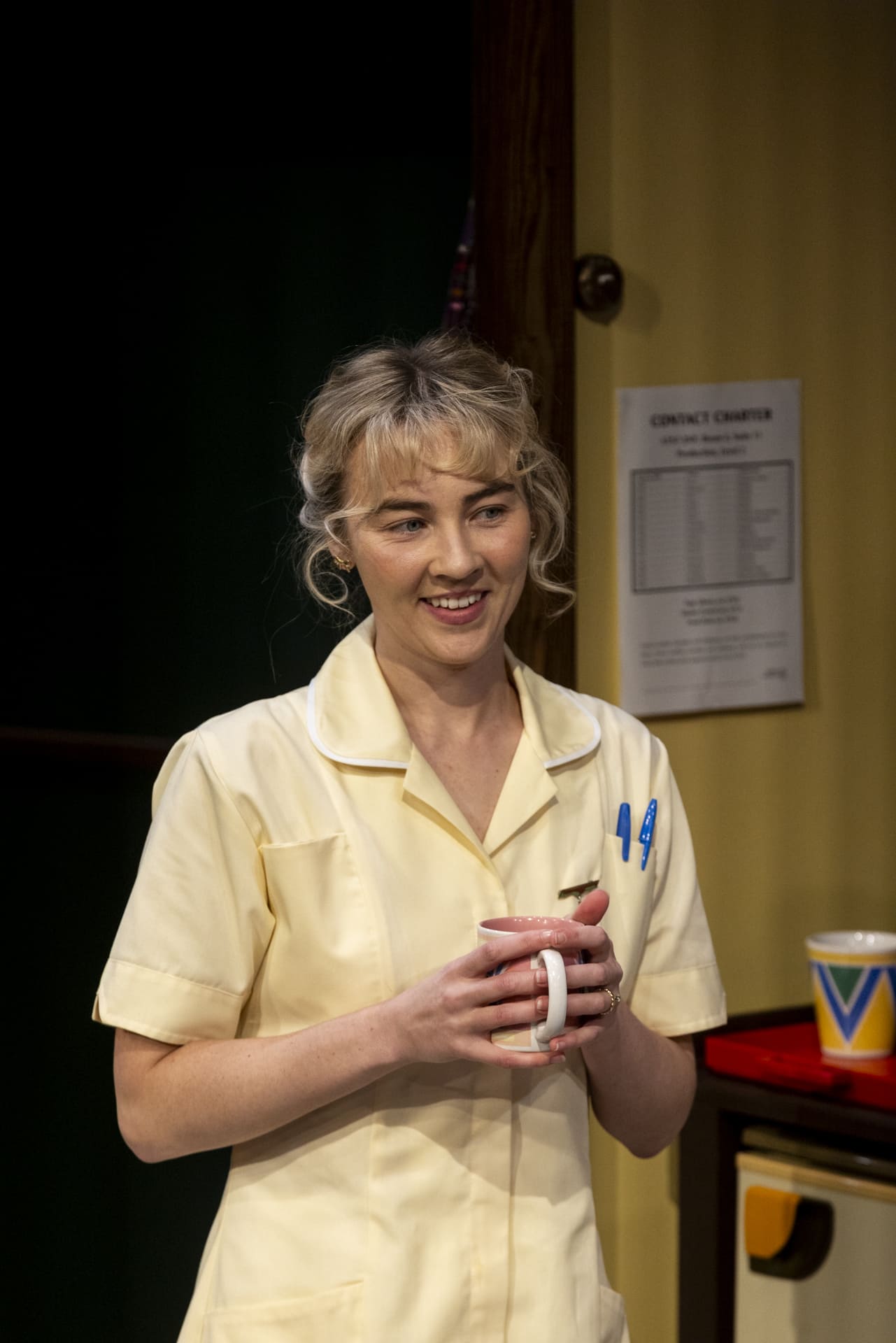
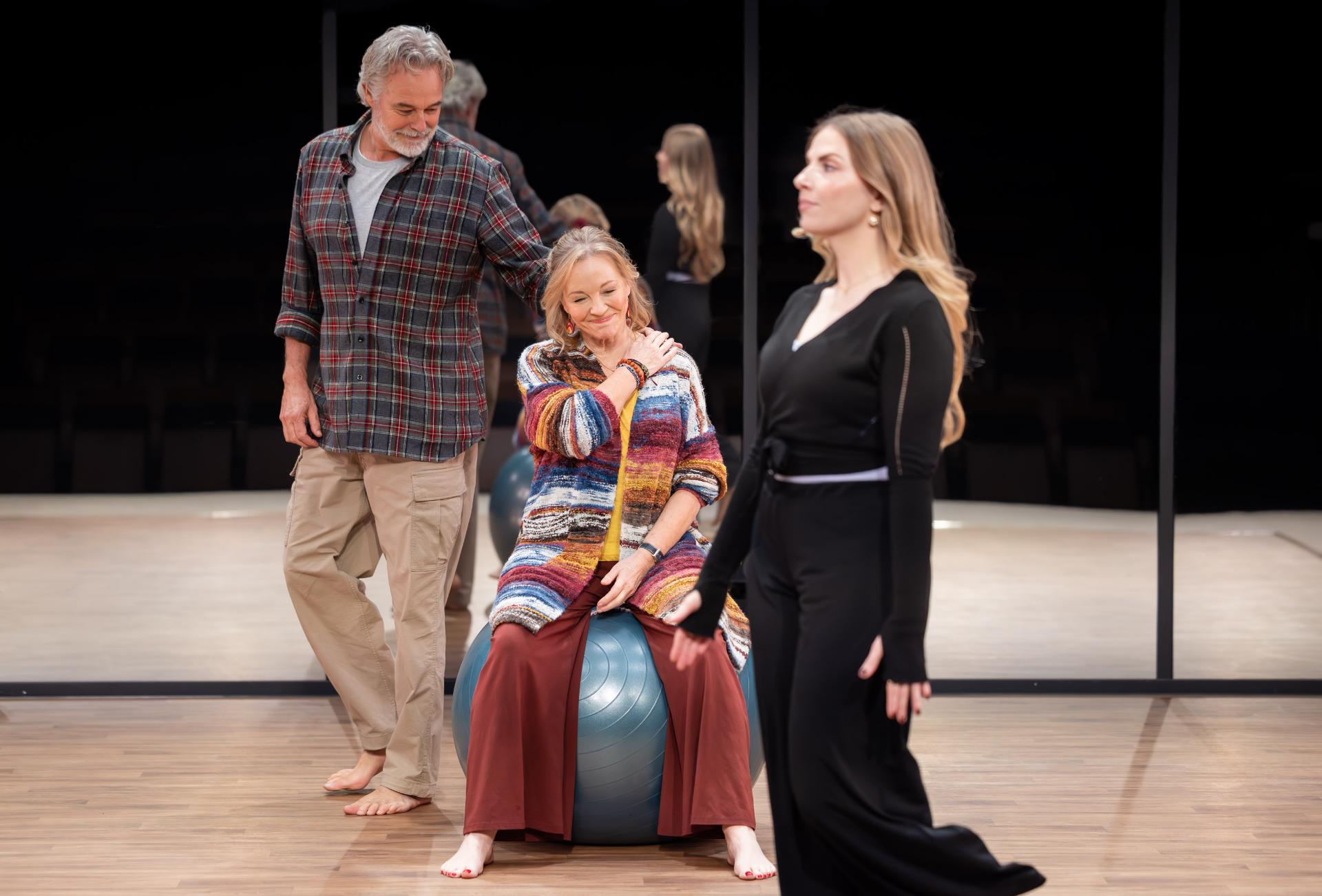
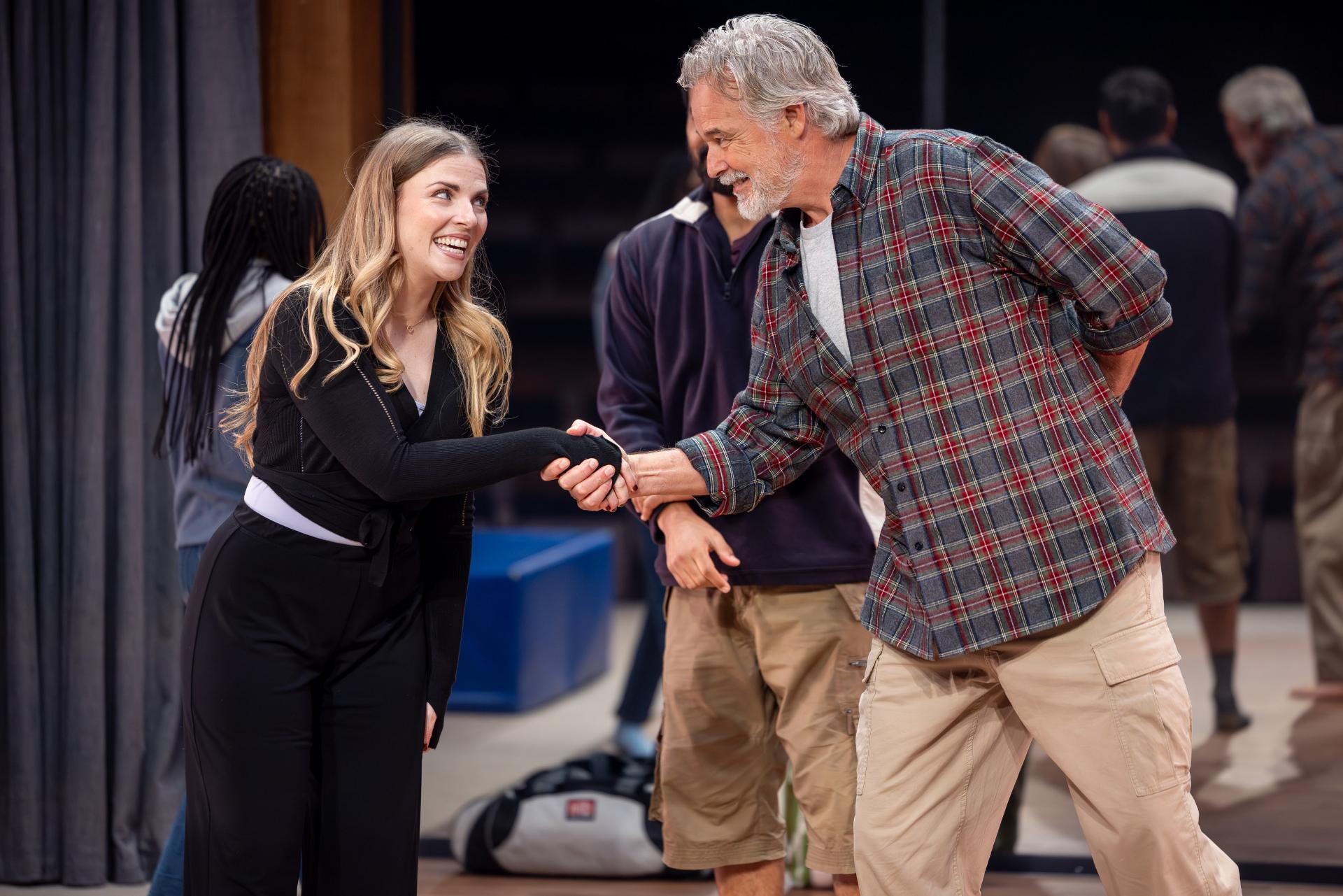
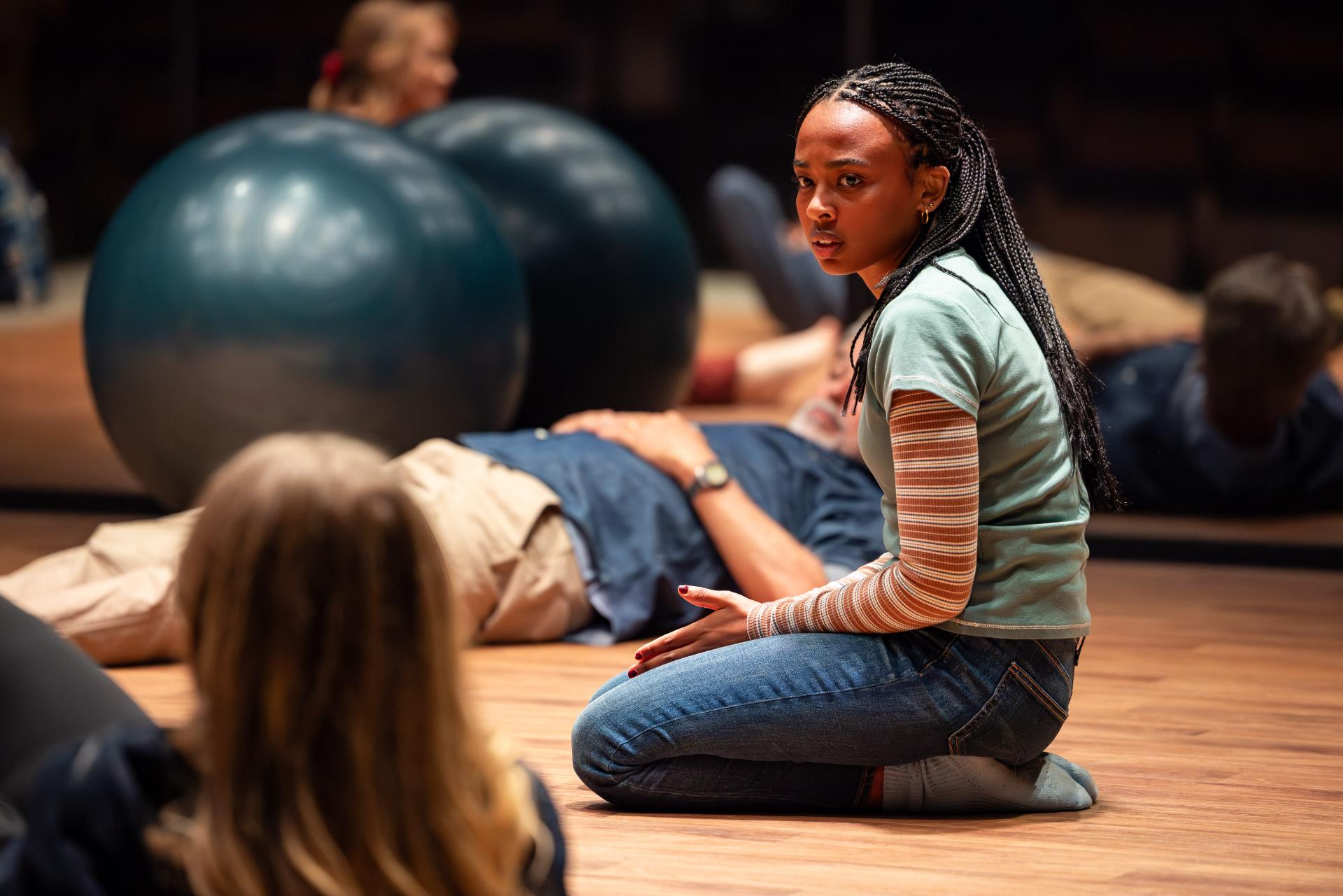
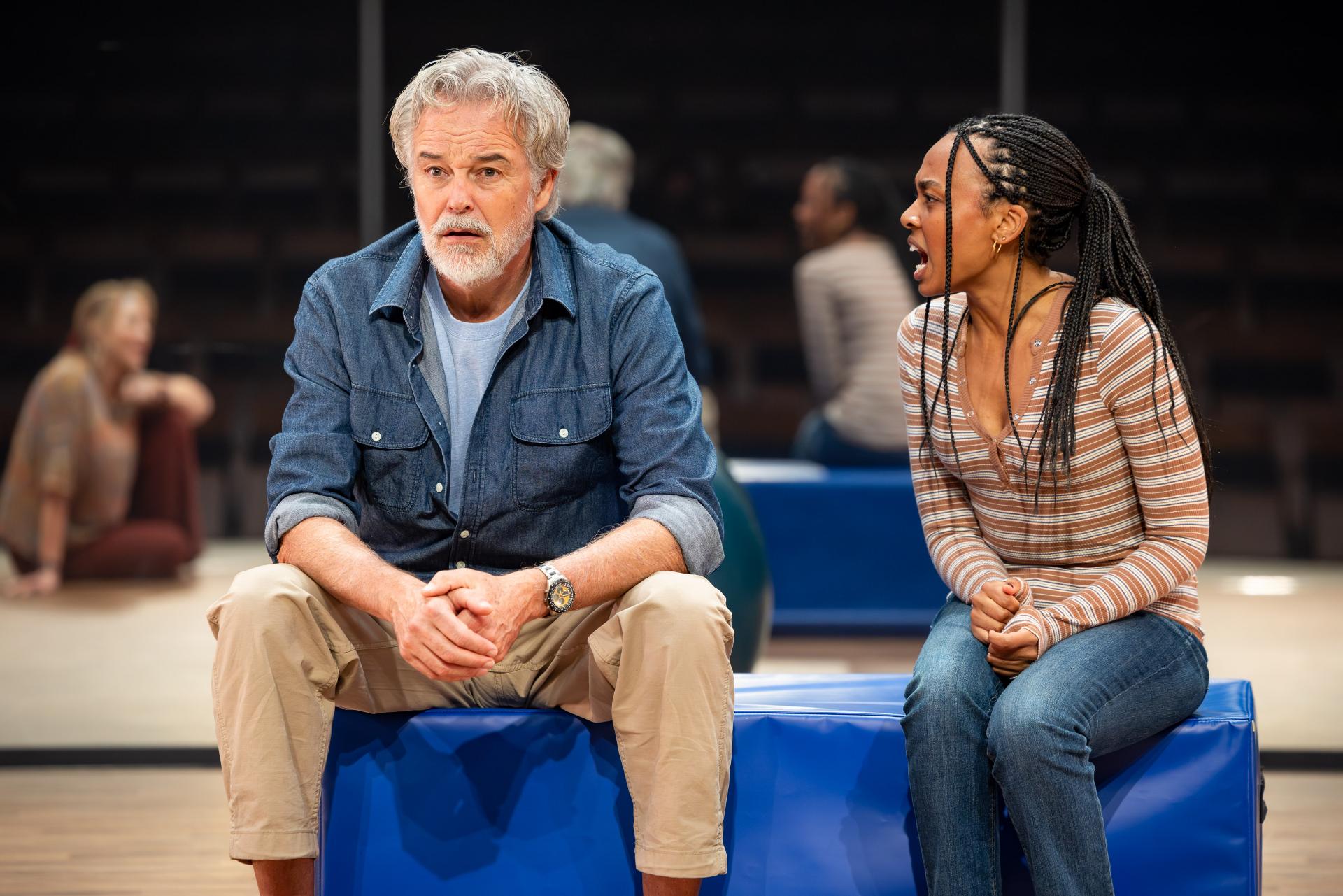
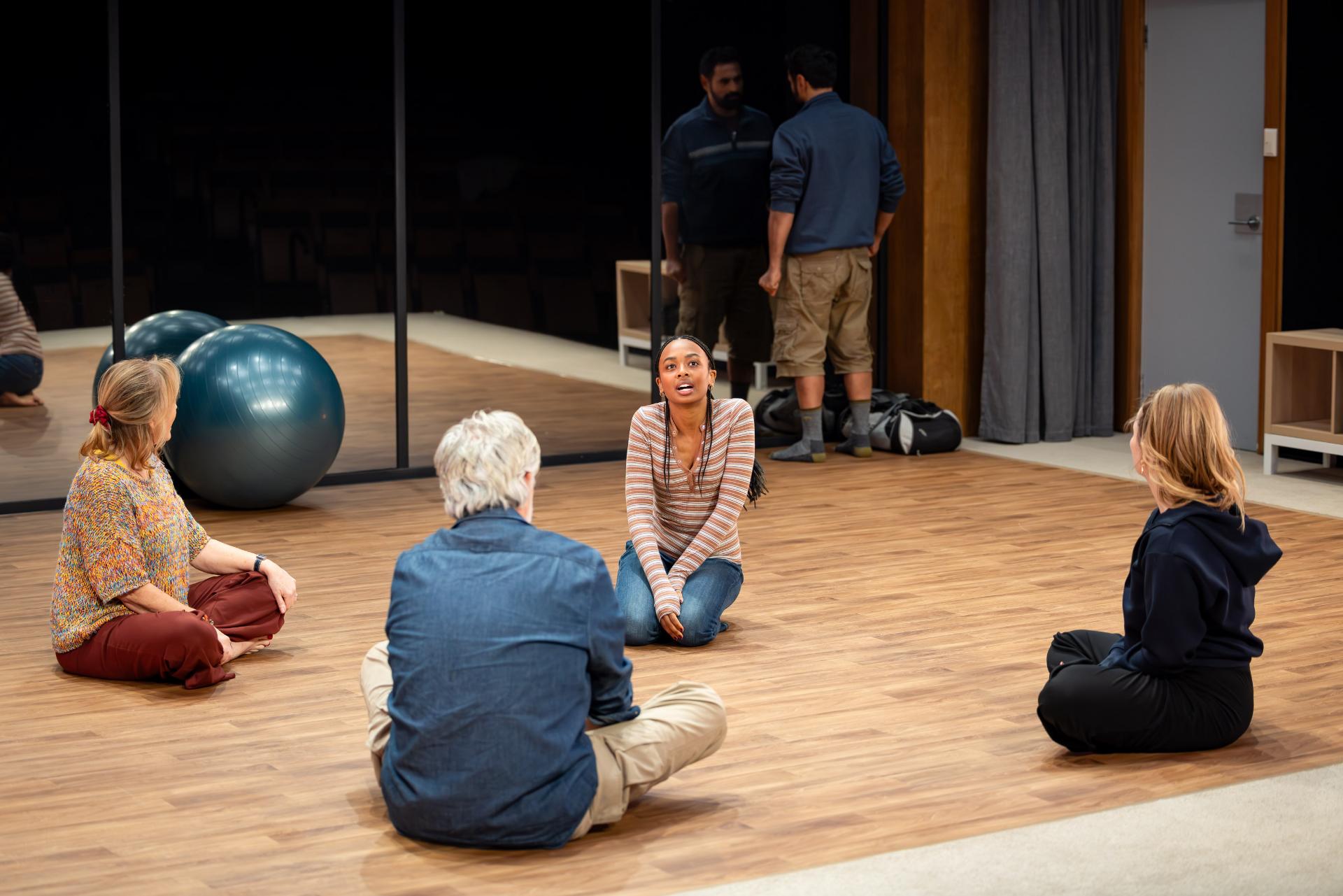
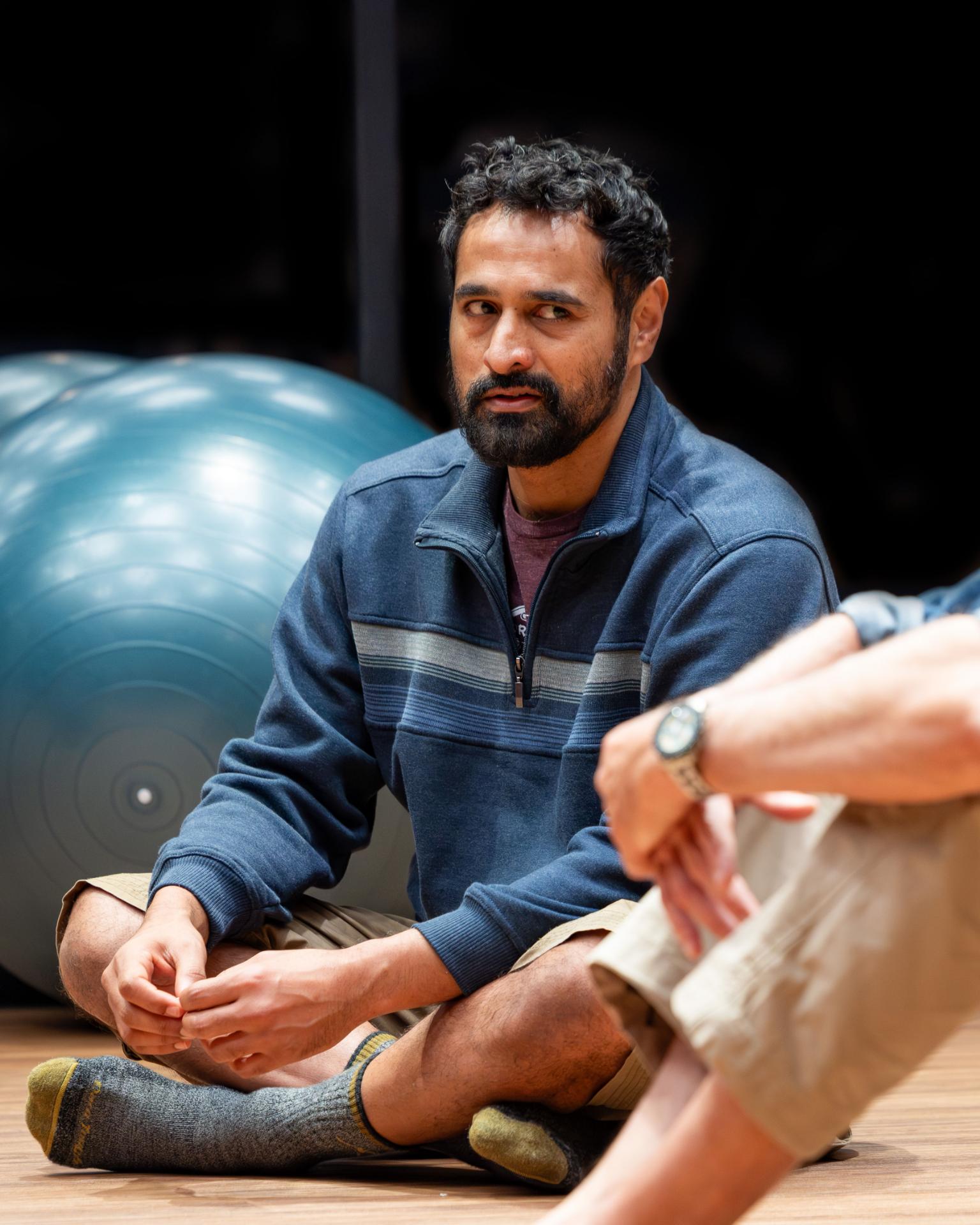
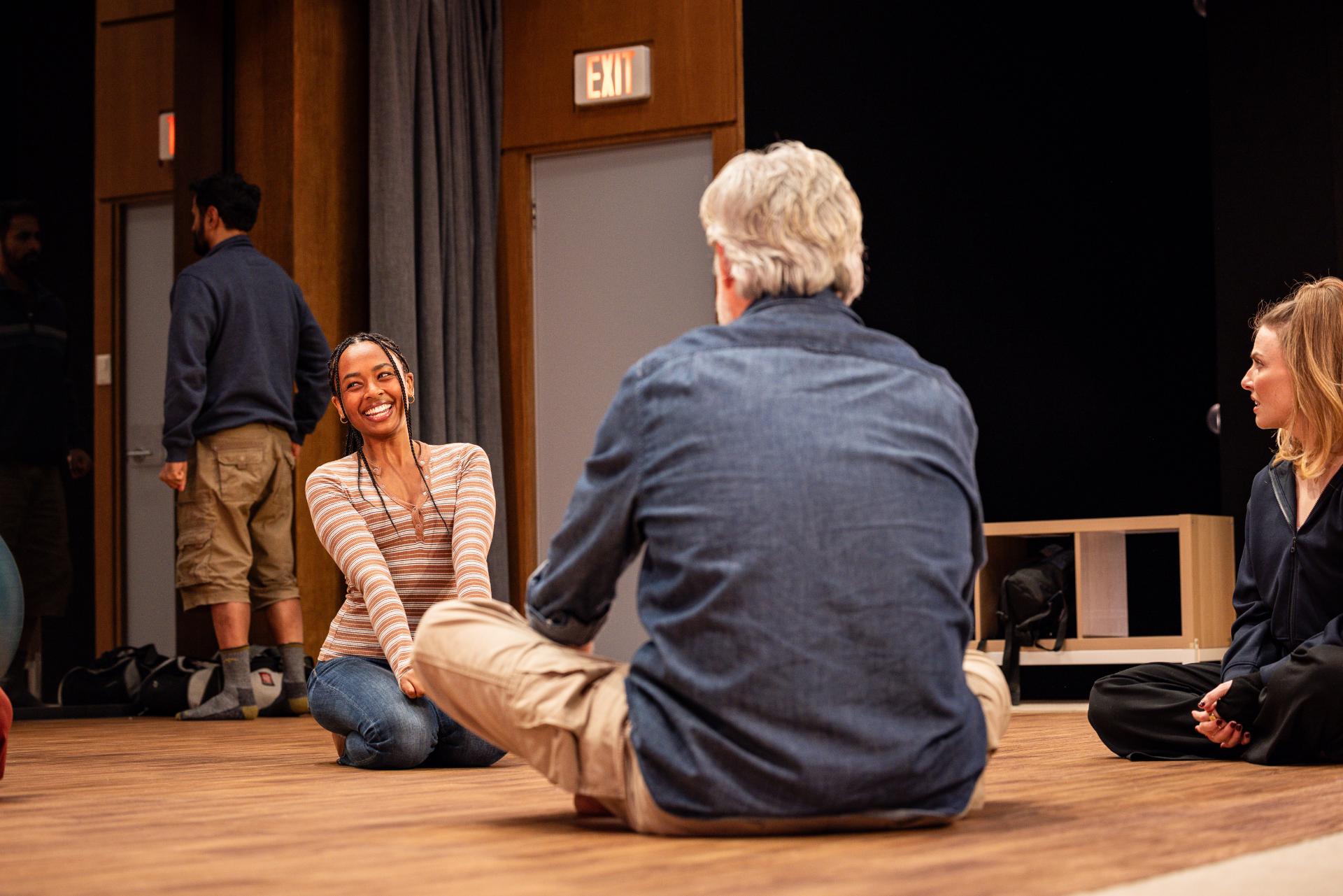
A small group convenes over six weeks, for drama lessons at a rural community centre. They focus on acting exercises, which look initially to be incredibly inane, but they lead to deep discoveries of a personal nature. Annie Baker’s Circle Mirror Transformation takes us into a microcosm of North American ordinariness. It is a quiet portrait of the middle class from 2009, years before any hint of the current pandemonium could even be detected. 

If there are any socio-political implications in Baker’s play, they are deeply subsumed and open to all manner of interpretation. Direction by Dean Bryant provides no indication to wider connotations of the story, making for a somewhat pedestrian experience, but the intricacy he puts into the unfurling of subjective narratives, reflects an admirable level of integrity.

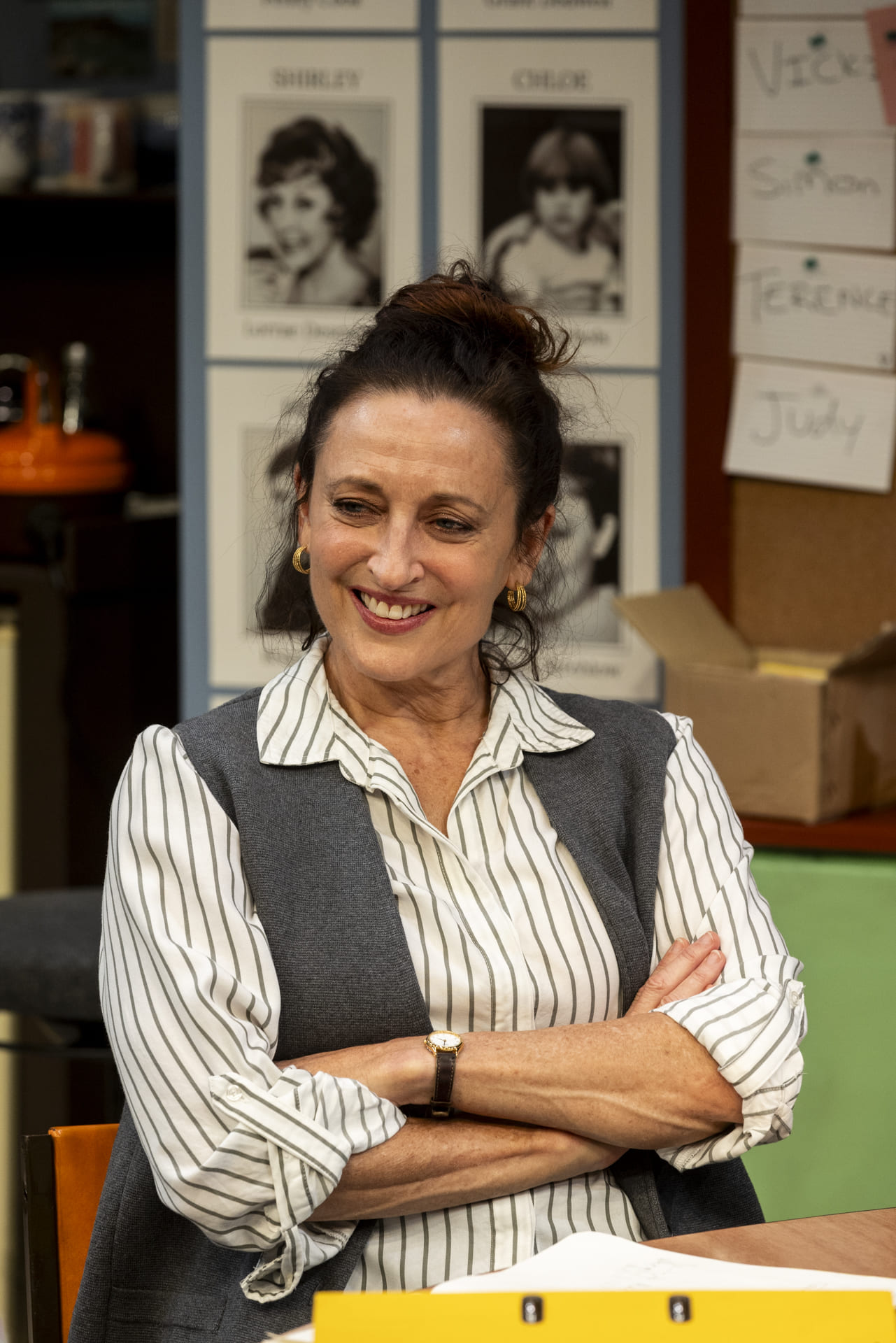
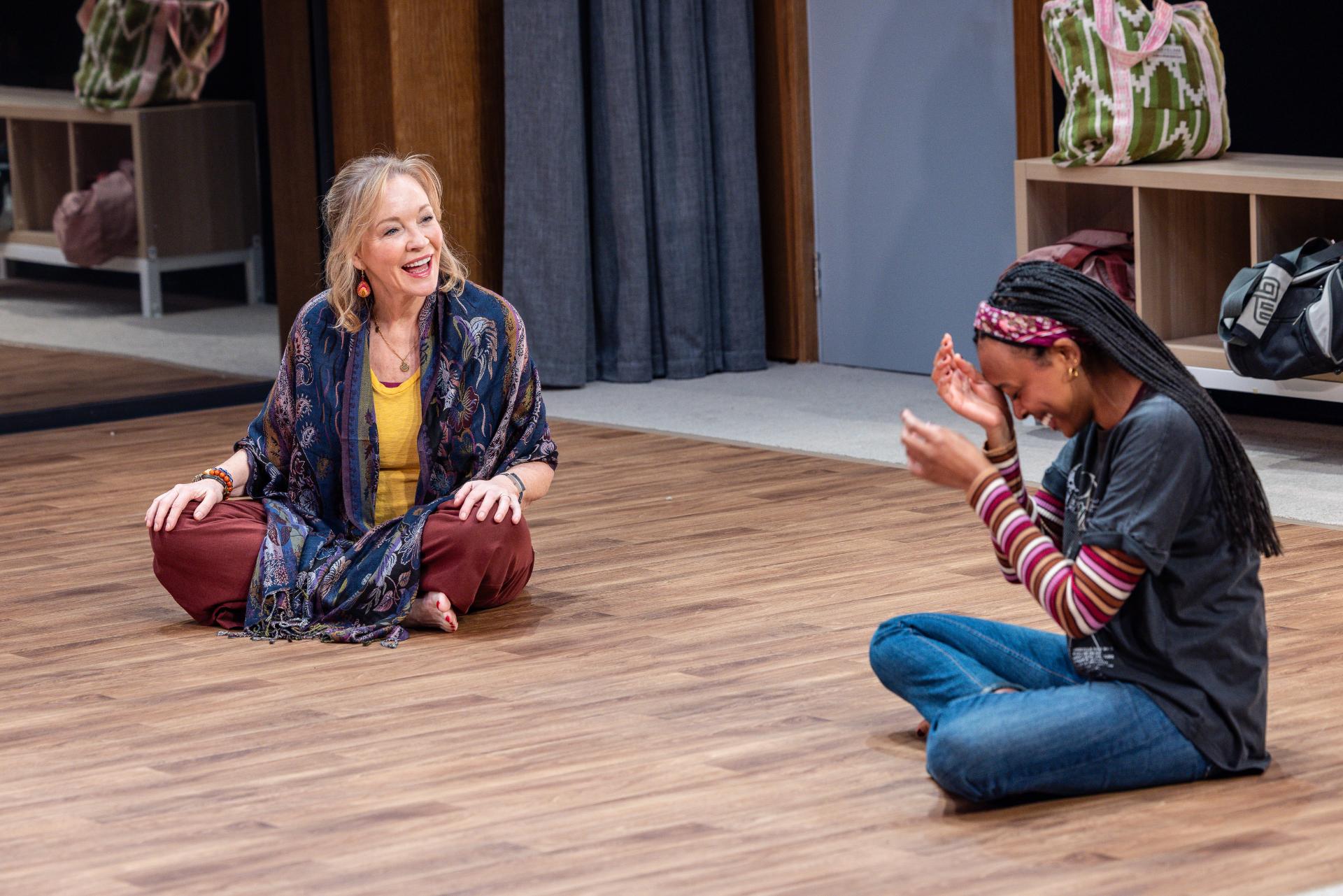
The very accomplished actor Rebecca Gibney grounds the work in a hyper naturalistic space as group leader Marty, making for a completely believable depiction of daily life at the dawn of the Obama years. There is a conspicuous blandness to the presentation which, although understandable within context, makes viewing somewhat challenging due to its lack of theatricality.

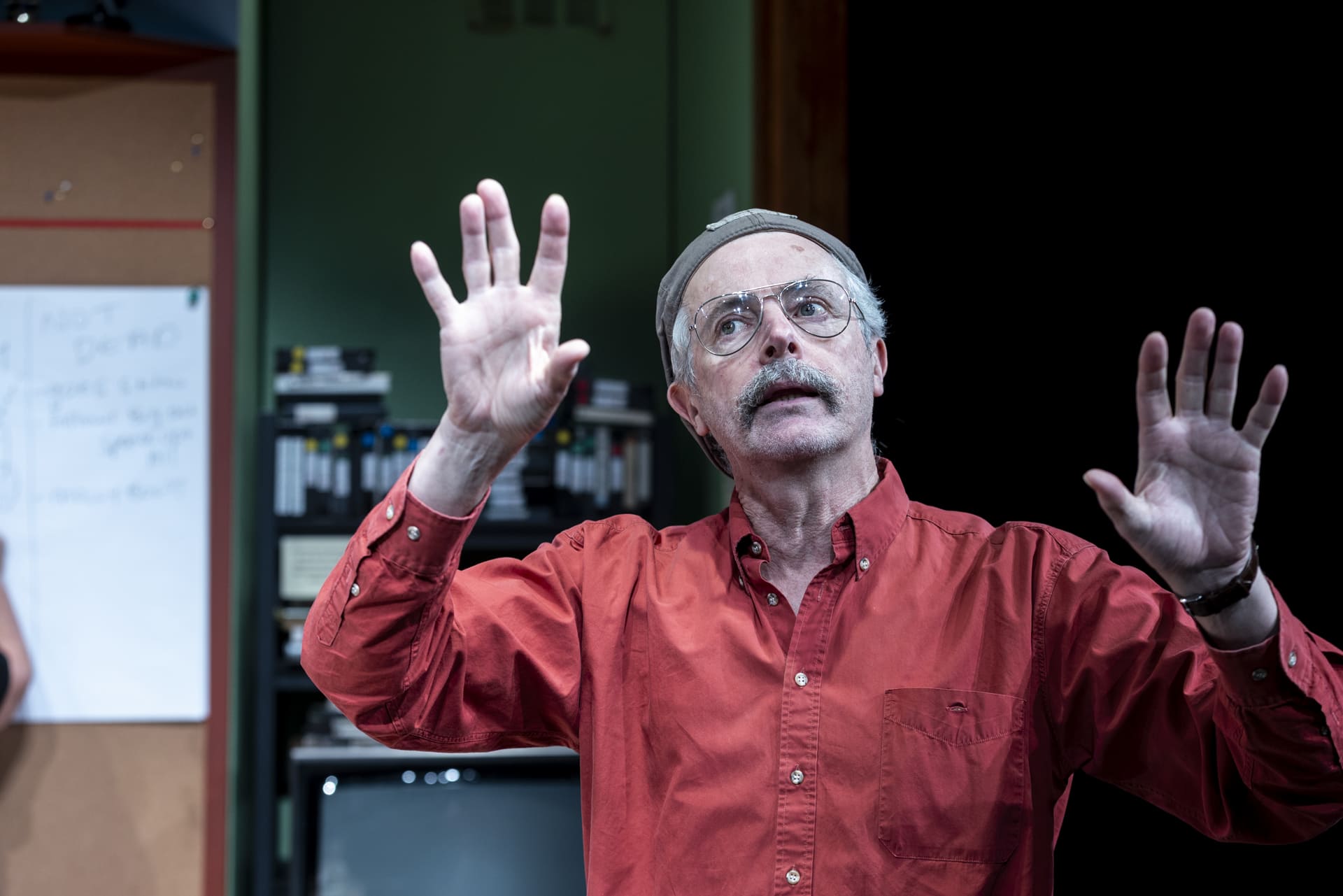
Fortunately Nicholas Brown and Jessie Lawrence are on hand to dial up the idiosyncrasy. As Schultz and Theresa, both performers bring exceptional depth and colour to the show, allowing us to enjoy more than the mundanity being explored. Ahunim Abebe brings a valuable richness to the humanity that her character Lauren reveals in later sections, and Cameron Daddo leaves an impression with his understated authenticity as James.

Designer Jeremy Allen brings unexpected texture to otherwise nondescript scenic requirements. Lights by Brockman and sound by Clemence Williams, are understandably operative rather than ornamental, rarely attention grabbing but certainly effective.

It is almost peculiar to return to a time when Americans could simply worry about their individual foibles, rather than having to grapple with unrelenting chaos and the impending collapse of their social structures. Circle Mirror Transformation may not even be a score of years old, but the vast changes that we witness the USA undergoing, make the play seem quaint, almost unrecognisable in its representation of modern normalcy.

www.sydneytheatre.com.au

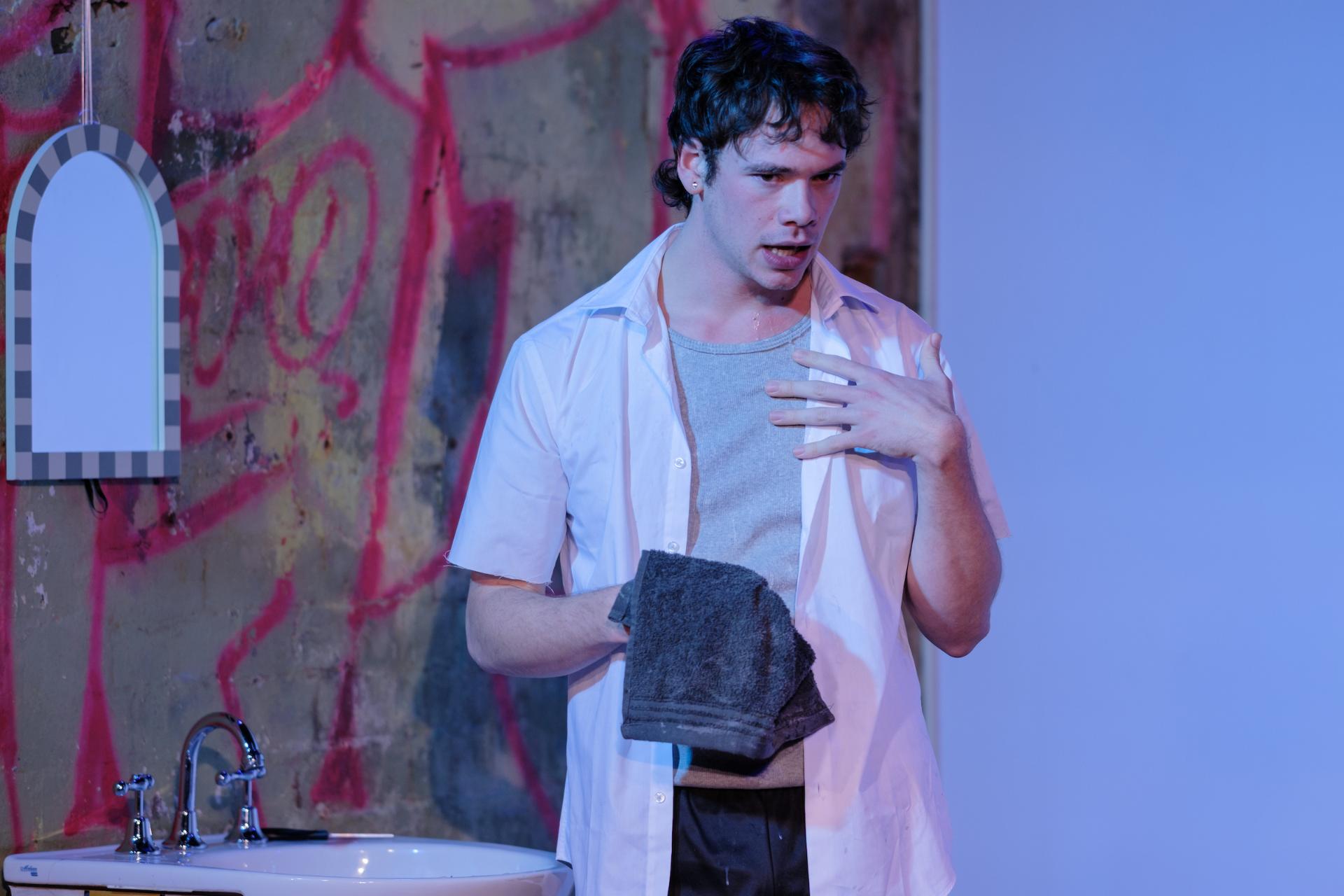
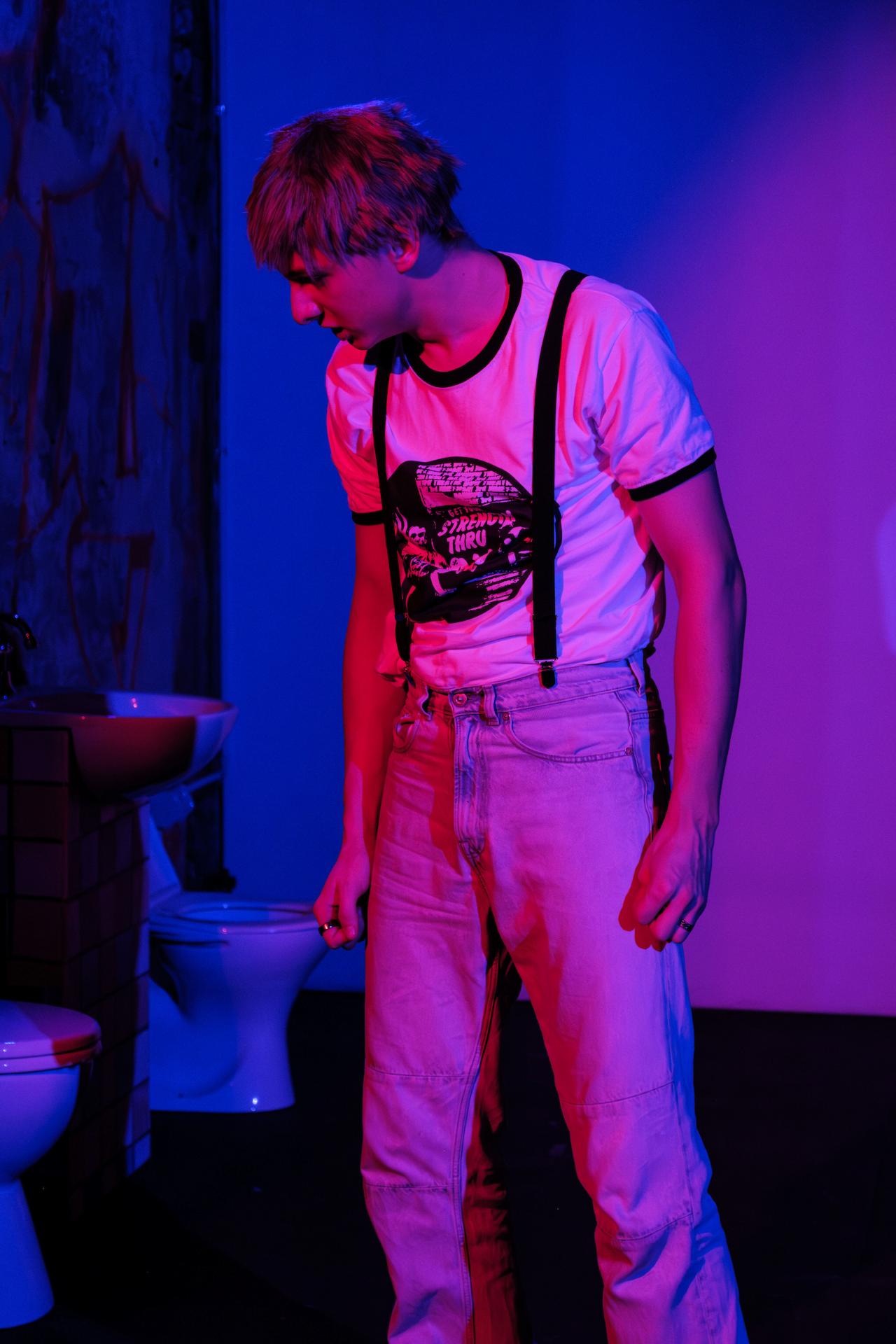
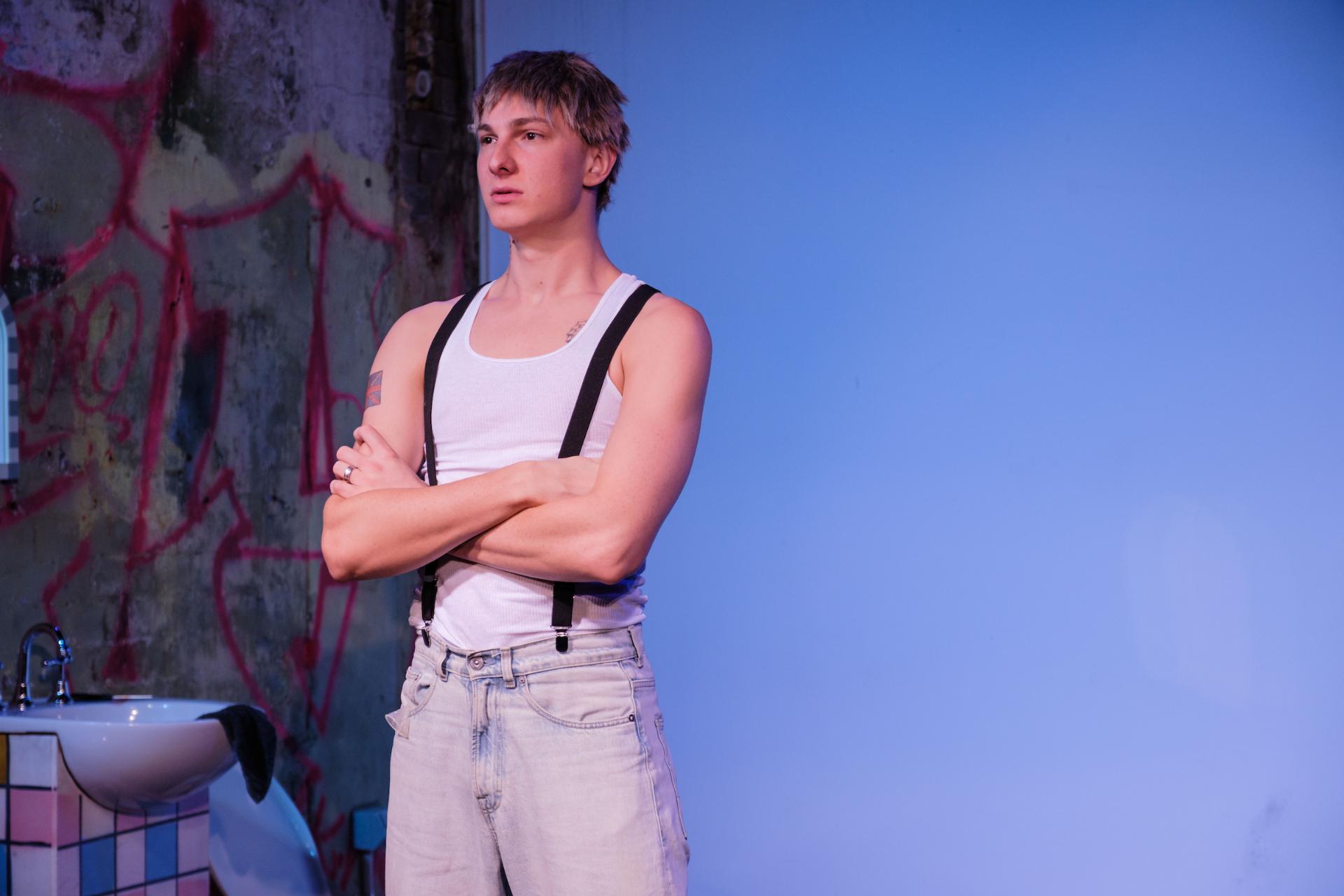
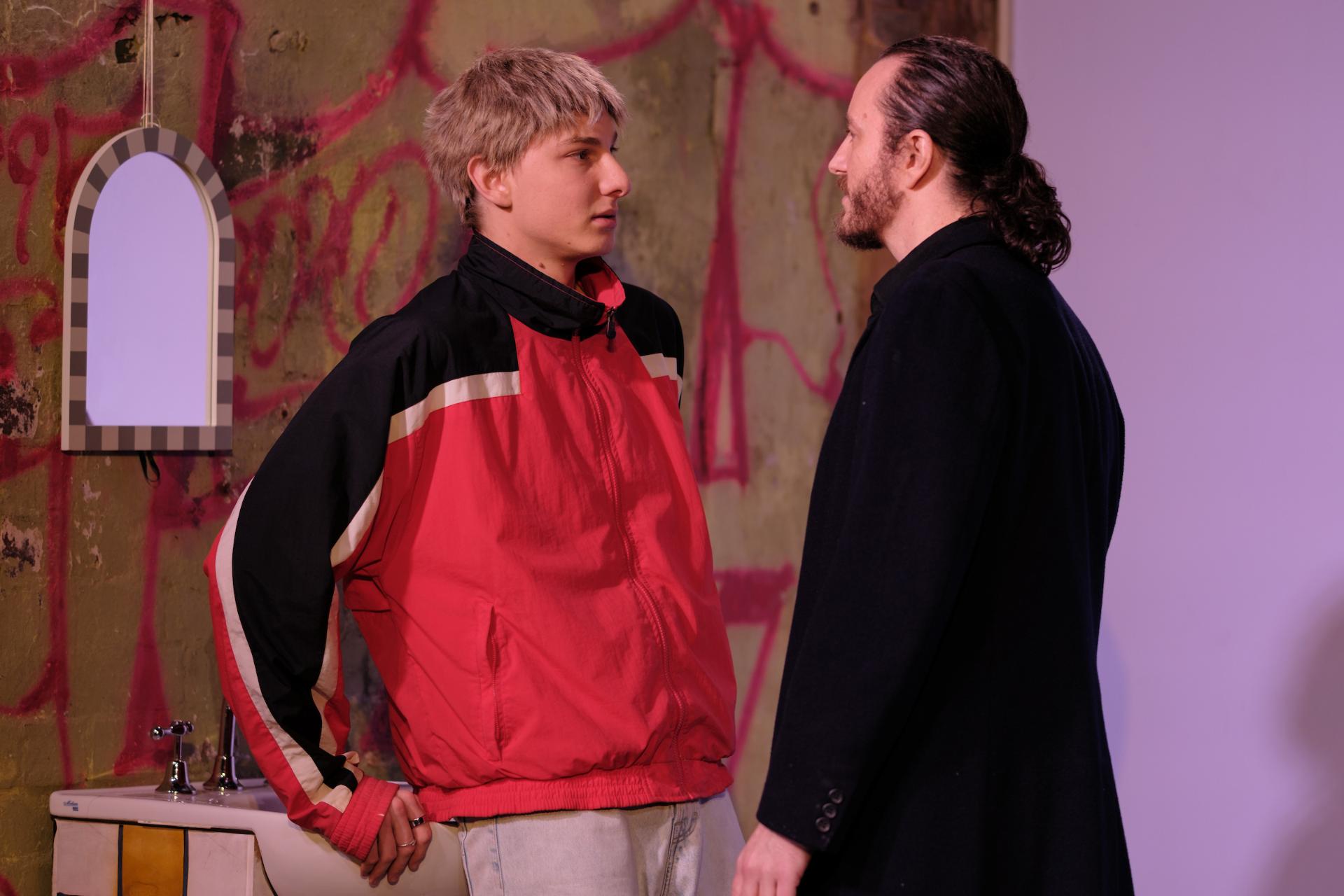
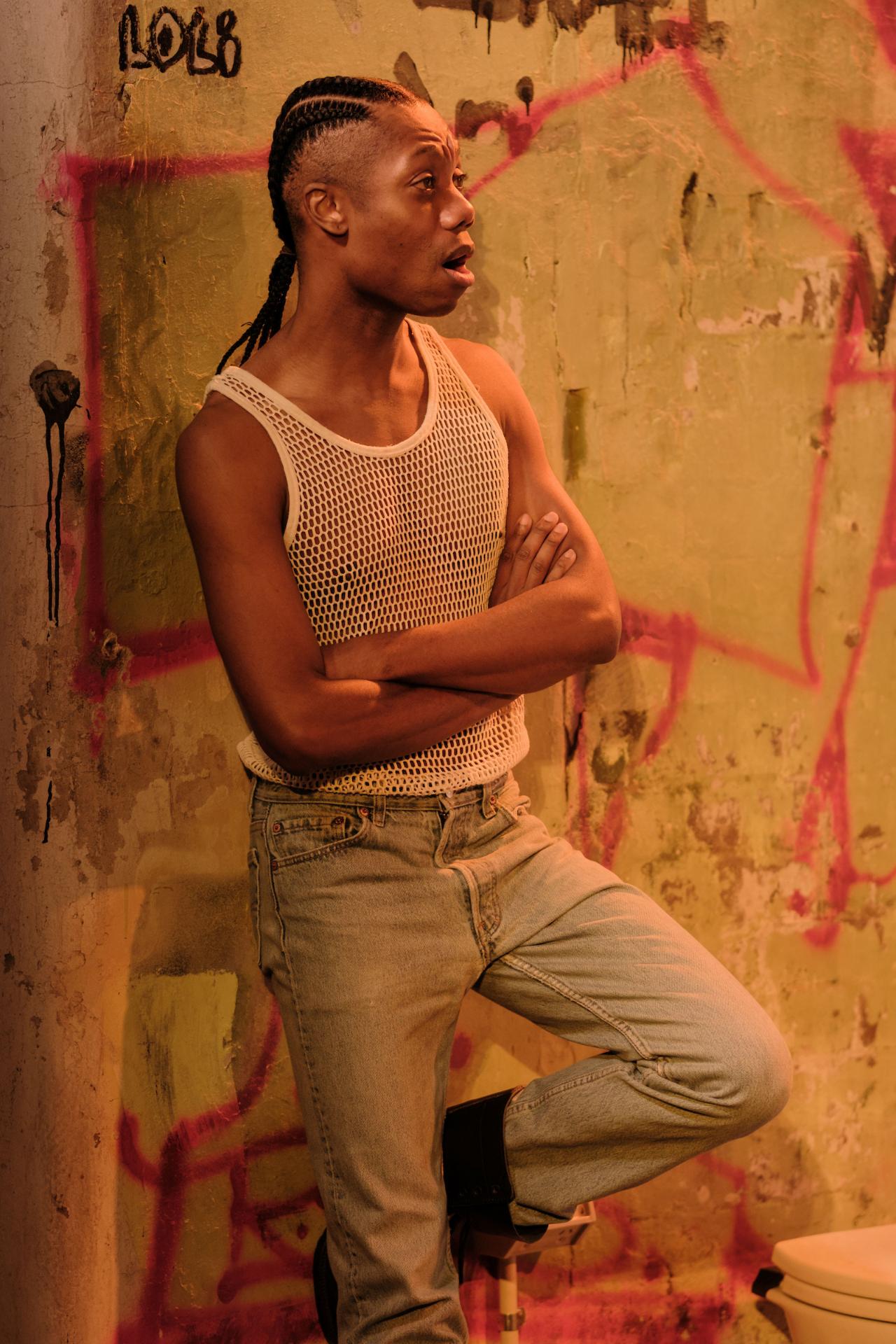
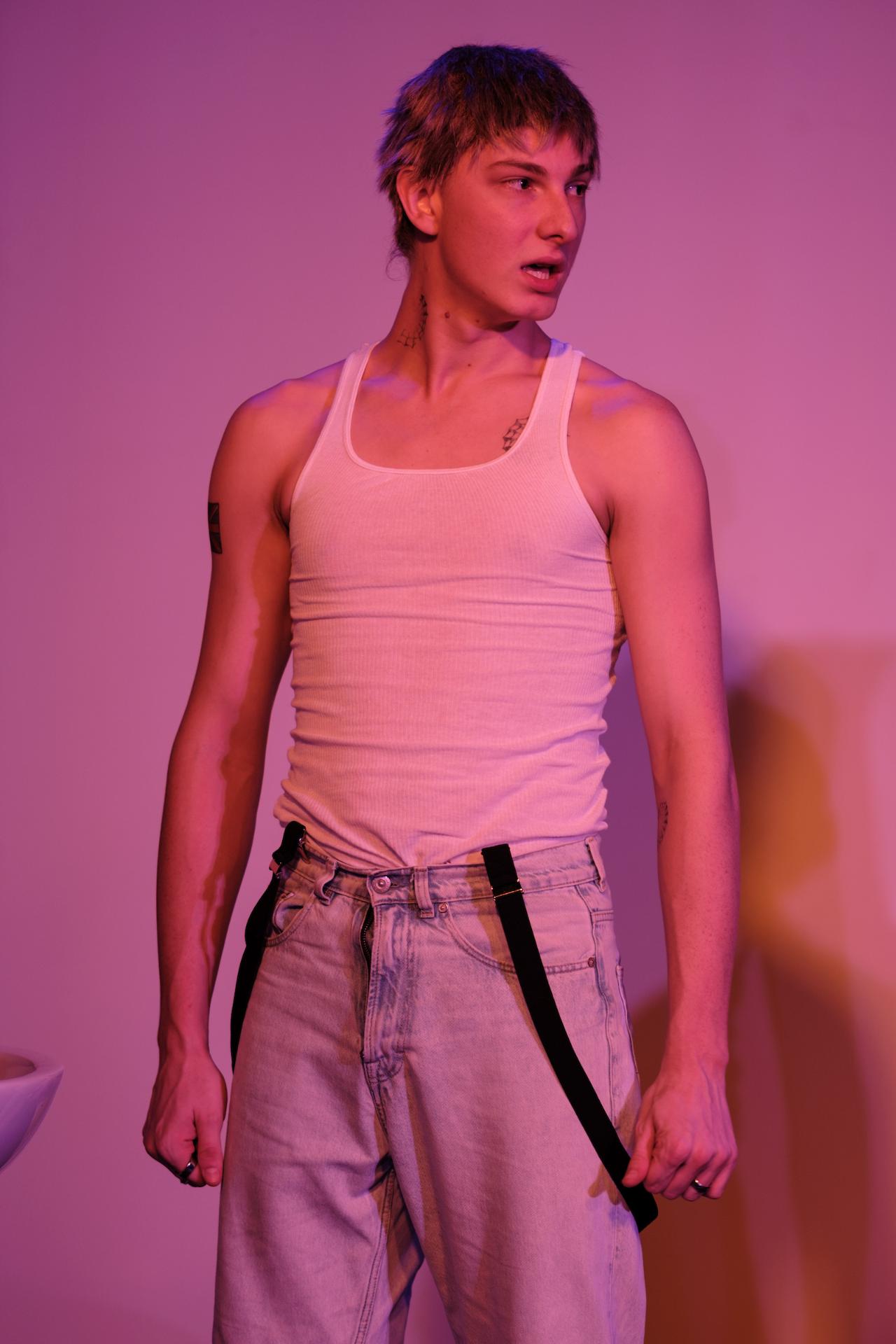
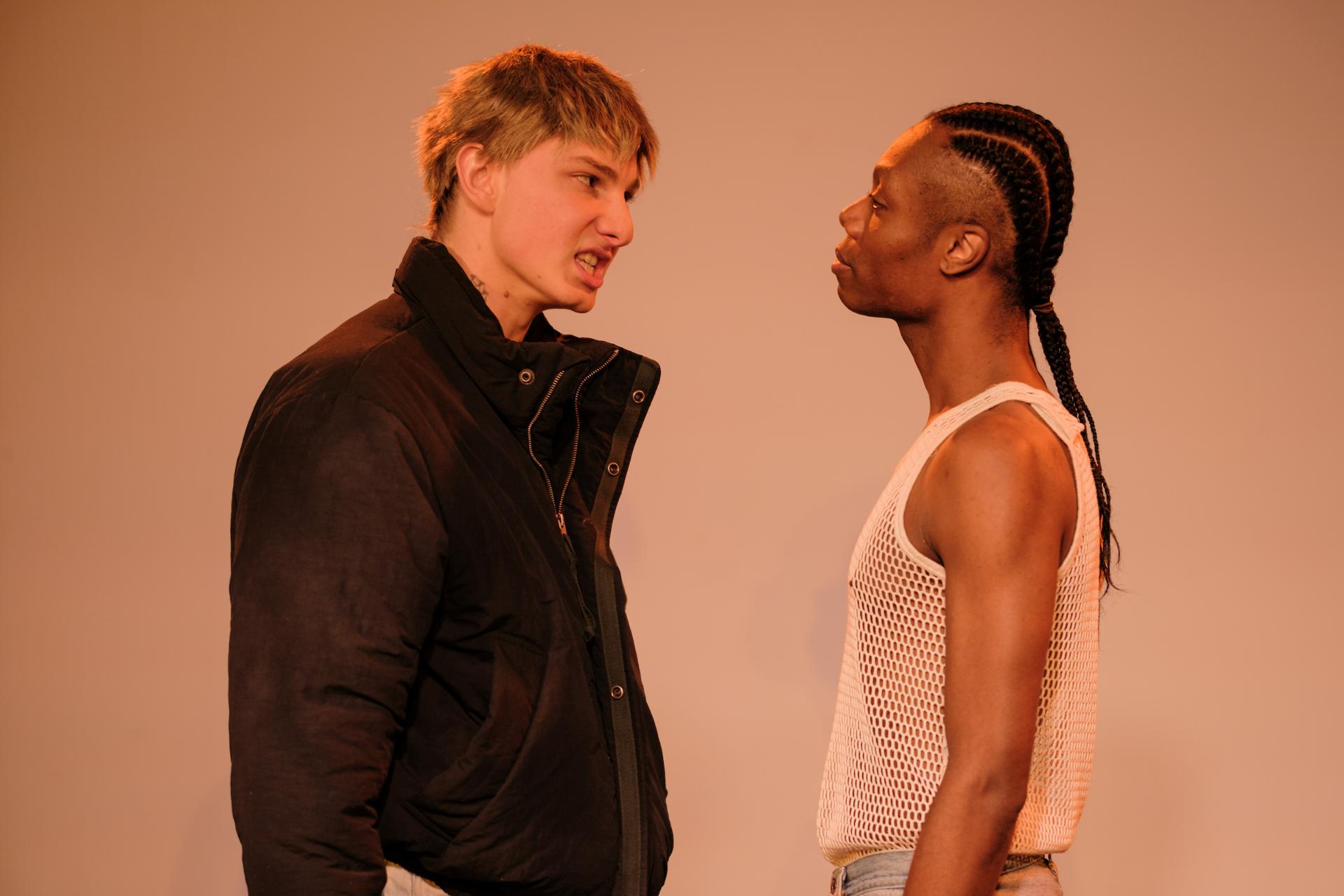
Review: Hir (New Theatre)

Venue: New Theatre (Newtown NSW), Jul 8 – Aug 2, 2025
Playwright: Taylor Mac
Director: Patrick Howard
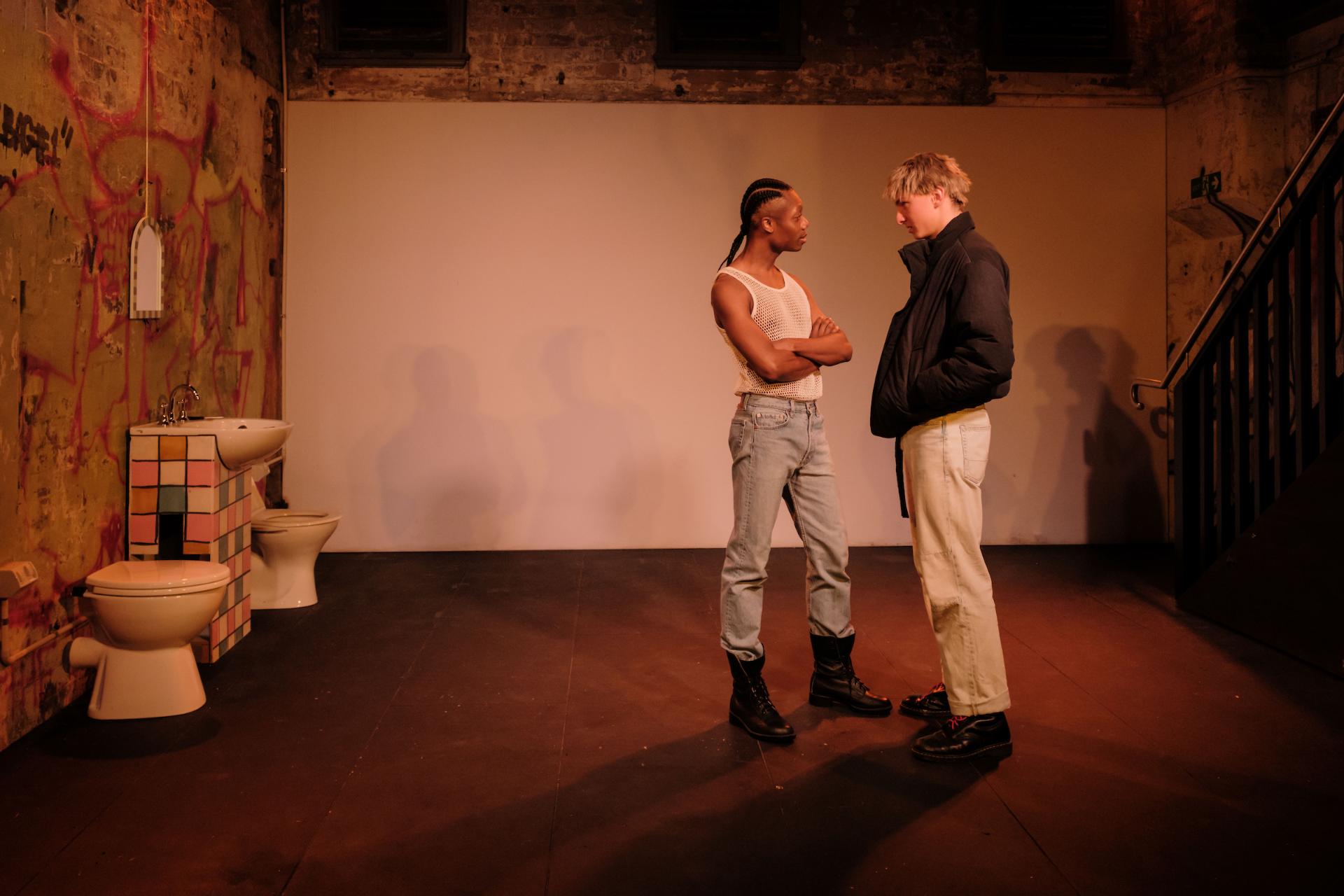
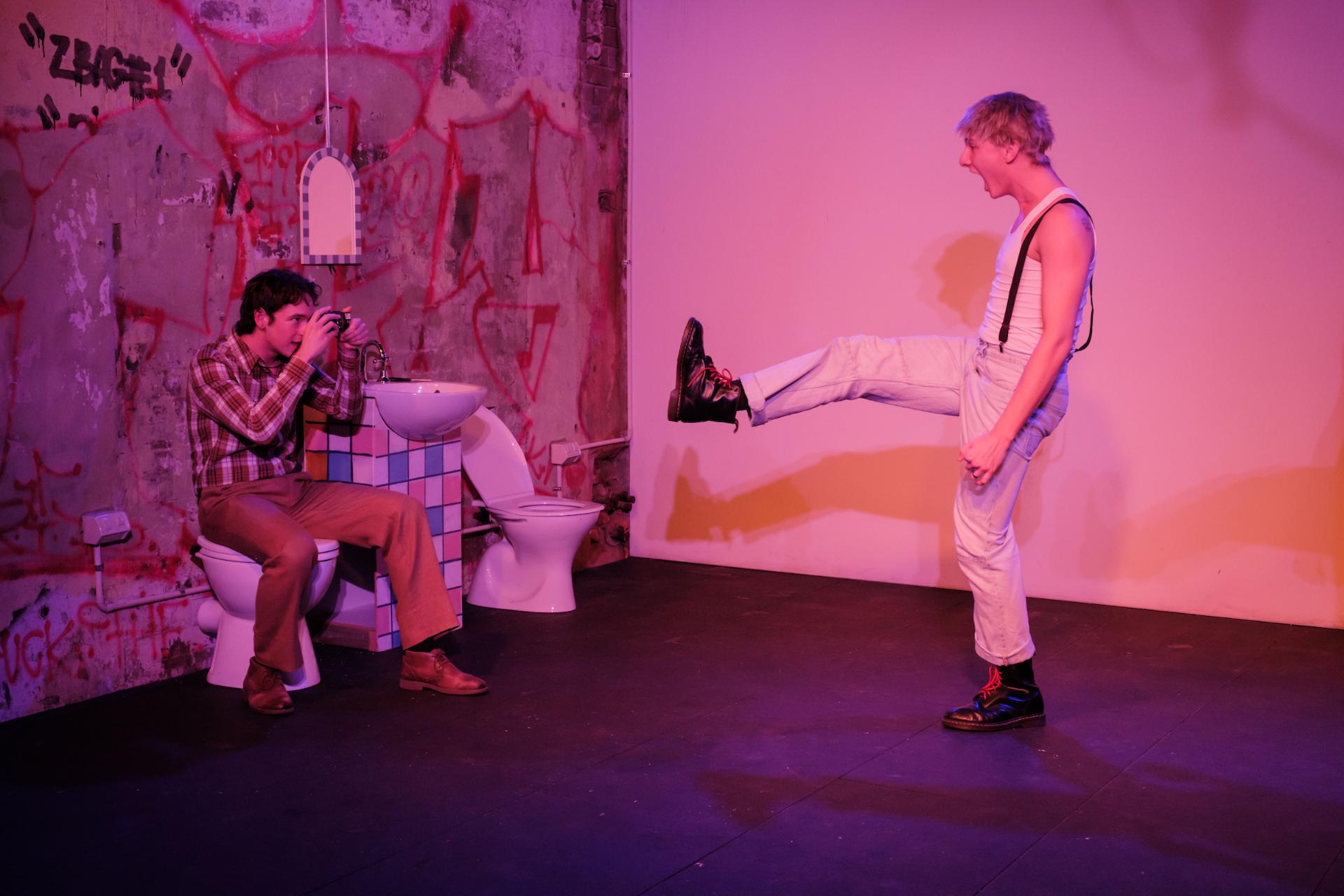
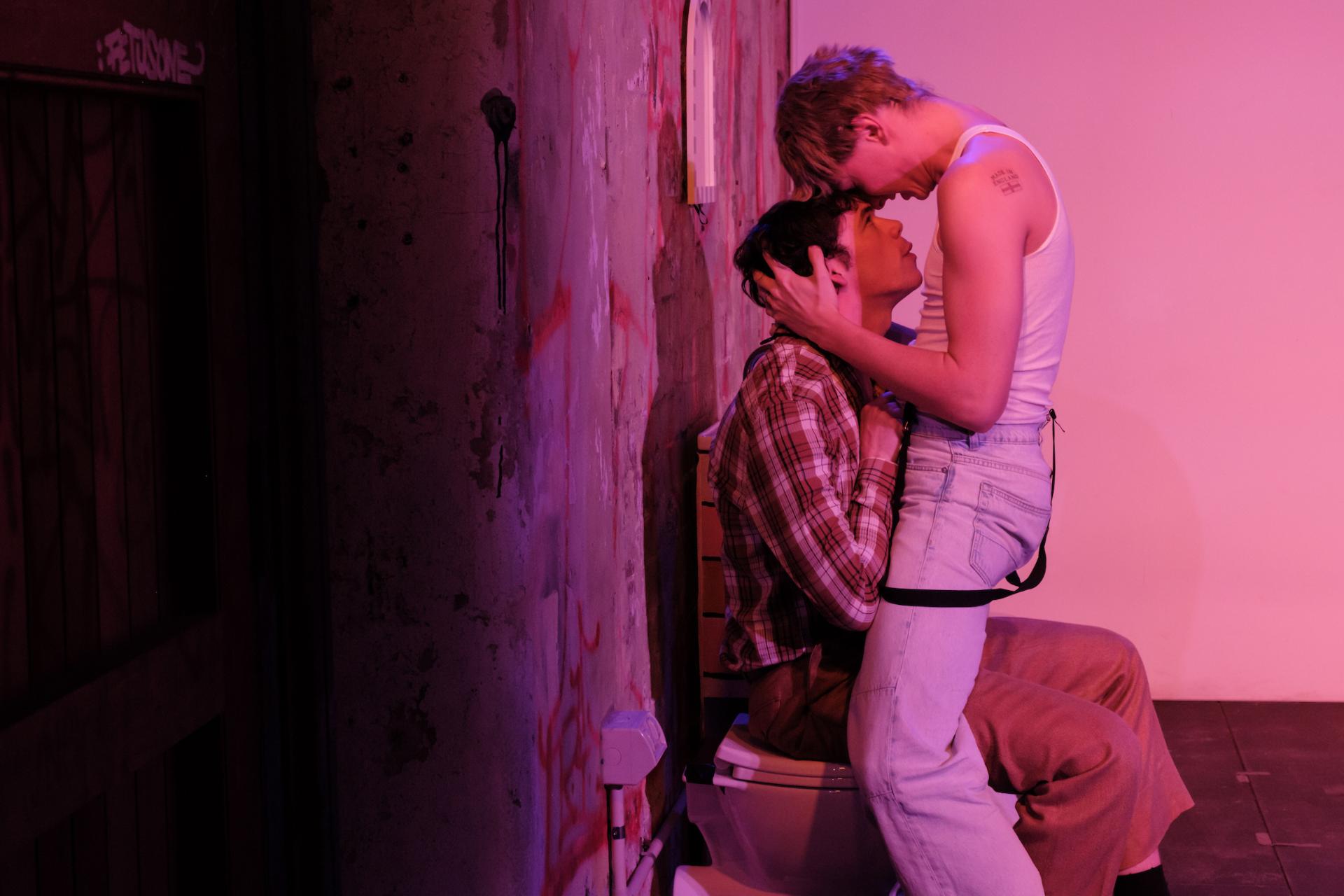
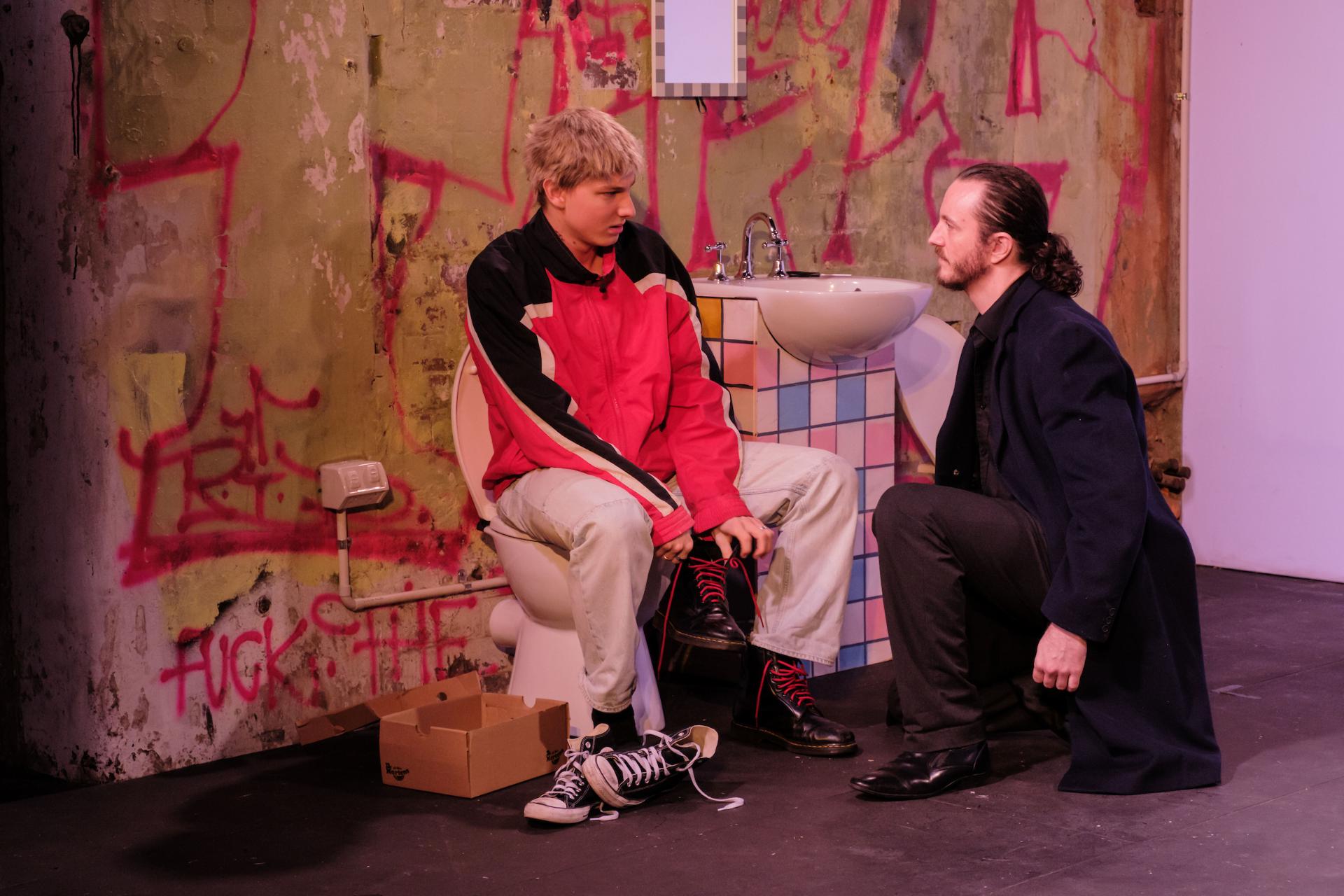
Cast: Lola Kate Carlton, Rowan Greaves, Jodine Muir, Luke Visentin
Images by Chris Lundie

Theatre review
Paige has had enough of the patriarchy. Since her abusive husband’s stroke and her teenage child’s gender transition, Paige has educated herself with progressive literature, and is now a new woman. When her firstborn returns from being dishonourably discharged by the Marines, Paige finds herself dealing with someone unwilling to adapt to her rigidly radical beliefs, and the family unit completely disintegrates.

Taylor Mac’s 2014 comedy Hir remains a wild and potent fantasy of feminist resistance. 11 years on, the play’s message still feels consequential and pointed, with direction by Patrick Howard demonstrating genuine affiliation with the spirit of the writing, making the production a captivating one.

The chaos and destruction that Paige experiences is made manifest through a thoughtful set design by Victor Kalka. Xan Hardman’s costumes bring vibrancy to the staging, along with a macabre humour that accentuates the provocative qualities of Hir.

The indignation at the core of Paige’s story may not always emerge with sufficient ferocity, but actor Jodine Muir is commendable for bringing polish to an often verbose text. While the cast could delve more intricately into the politics and interpersonal dynamics of the work, their commitment and energy are undeniable.

After a lifetime of subjugation, Paige has become immovably staunch with her reclaimed integrity. She no longer bends for anything or anyone, because she has learned that all her capitulations have been in vain. A woman used to sacrifice, she now refuses to yield any ground. Misery may come again, yet now it is not hers alone, and she holds the reins.

www.newtheatre.org.au

Review: Prima Facie (Carriageworks)

Venue: Carriageworks (Eveleigh NSW), Jul 2 – 12, 2025
Playwright: Suzie Miller
Director: Kate Champion
Cast: Sof Forrest
Images by Daniel Boud

Theatre review
When we first meet Tessa, she is a criminal defence barrister fully invested in the legal system. Handsomely rewarded for her talent and skill in courtrooms, Tessa never has reason to question her faith in the status quo. However, when she finds herself on the other side as a victim of sexual assault trying to obtain justice, we see that her beliefs can no longer hold. Suzie Miller’s one-woman play Prima Facie is a powerful interrogation of the pervasive structures underpinning our lives, ones that are often laced with prejudice and inequity.

It exposes the intentional elusiveness of those shortcomings and demonstrates how a small number of beneficiaries work hard to sustain it. The meanings of the text are all elucidated unequivocally by director Kate Champion, even if the staging does not always speak with enough urgency or gravity. Actor Sof Forrest is very effective in the show’s final poignant moments, and is admirable for the polish they brings to the production, but their performance rarely deviates from the cerebral. Prima Facie should engender intense feelings, but we seem to engage with it almost entirely intellectually.

Bruce McKinven’s set design is sharp and sophisticated, highly effective in shrinking the performance space to accommodate a single character. Costumes by Lynn Ferguson appropriately convey the rising status of a young lawyer. Lights by Peter Young offer a grandeur that reflects the importance of ideas being explored. Jessica Russell’s video projections are skilfully assembled, even if their necessity within the work remains open to question. Also gratuitous, is some of the overwrought embellishments in the sound design by Melanie Robinson, that proves distracting at several moments.

Tessa’s ordeal can be interpreted as one woman’s grappling with her awakening, to the flaws of white feminism. After investing exhaustively in a system she so desperately wants to succeed in, all the while turning a blind eye to glaring failings that she only made more egregious, Tessa finds herself inadvertently and devastatingly at its most brutal whim. It remains to be seen how she emerges from this tribulation—whether she learns that radical upheaval is required, or if she ends up believing that piecemeal improvements preserving the overarching schema will solve our problems.

www.blackswantheatre.com.au | www.carriageworks.com.au

Review: Blackbird (KXT on Broadway)

Venue: KXT on Broadway (Ultimo NSW), Jun 25 – Jul 5, 2025
Playwright: David Harrower
Director: Pippa Thoroughgood
Cast: Charlotte De Wit, Lilly Kime, Phil McGrath
Images by Ravyna Jassani

Theatre review
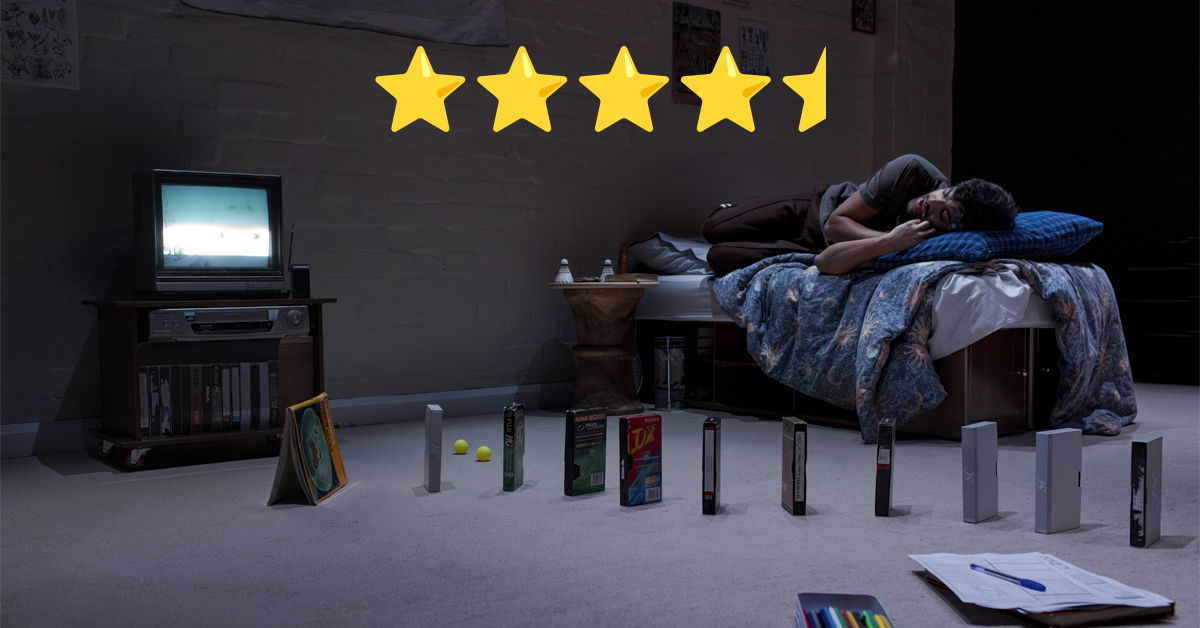
Una goes to confront her perpetrator Ray, years after being sexually assaulted as a 12-year-old. There may be no moral ambiguity as to what wrong has been committed, but human emotions are complicated, and the meeting reveals unexpected layers to their illicit relationship.

Blackbird by David Harrower is a disturbing and dangerous work, taking an honest look at child sexual abuse which involves real feelings that are often overlooked. Direction by Pippa Thoroughgood emphasises the naturalism of the piece, but has a tendency to lack nuance, for the highly complex situation being interrogated. 

Performers Charlotte De Wit and Phil McGrath are convincing in their roles, both demonstrating admirable commitment to the experience. While greater intricacy and specificity could enhance their interpretation of characters and story, they nonetheless present moments of undeniable excellence on stage.

We are shocked by Una’s behaviour, yet we understand the person she has become. There needs always to be clear-cut rules around the violation of innocence, but we must also be able to acknowledge the myriad consequences that are inconvenient and troubling. The severity of harm suffered by our young is such that its effects often endure lifelong and remain deeply disquieting.  Survivors deserve support, especially when situations seem unreasonably difficult.

www.kingsxtheatre.com | www.herproductions.com.au

Review: Coriolanus (Bell Shakespeare)

Venue: The Neilson Nutshell (Sydney NSW), Jun 20 – Jul 19, 2025
Playwright: William Shakespeare
Director: Peter Evans
Cast: Jules Billington, Peter Carroll, Septimus Caton, Marco Chiappi, Suzannah McDonald, Ruby Maishman, Joshua Monaghan, Gareth Reeves, Matilda Ridgway, Hazem Shammas, Anthony Taufa, Brigid Zengeni
Images by Brett Boardman

Theatre review
The protagonist in Shakespeare’s Coriolanus may appear every bit the triumphant warrior, but the play reveals that true heroism cannot exist without integrity. Driven by a hunger for status and glory, Coriolanus engages in political manoeuvres to attain the consulship, giving little consideration to the greater good. While the Roman people hold the power to vote in their own interest, the knowledge they are given is seldom complete, and often shaped by manipulation rather than truth.

It is an important message no matter the epoch, even as Shakespeare’s work grows increasingly alienating through the centuries. Director Peter Evans takes on the challenge of recontextualising the piece, attempting to give it a modern sheen. A somewhat contemporised sensibility is paired with a distinctly 21st-century set design—complete with a sliding platform that is repositioned slightly too often. Costumes by Ella Butler are well-fitted, and intentionally dour in style. Lights by Amelia Lever-Davidson and sound by Max Lyandvert, offer elegant enhancements to the drama, in a production that always looks sharp.

Such is the charisma of leading man Hazem Shammas that, even in the face of Coriolanus’s failings, we are never entirely disdainful of the character, and are held in thrall by his sleek, high-voltage performance. Also captivating are Matilda Ridgway as Sicinius and Brigid Zengeni as Volumnia, both actors impressive with their verve and intensity, able to hold our attention effortlessly even when we struggle to keep up with the archaic language.

Much as the voting public intends to choose the right representatives, the information on which those decisions are based rarely seems reliable. In the current climate of pessimism, it is all the more alarming that—even when candidates openly reveal their deficiencies—the body politic can still be persuaded to embrace them. More disappointing than being misled is to witness the celebration of a clear lack of virtue, when making decisions about our collective future. Evil exists, and it is rarely inadvertent.

www.bellshakespeare.com.au

Review: Primary Trust (Ensemble Theatre)

Venue: Ensemble Theatre (Kirribilli NSW), Jun 19 – Jul 12, 2025
Playwright: Eboni Booth
Director: Darren Yap
Cast: Charles Allen, Peter Kowitz, Angela Mahlatjie, Albert Mwangi
Images by Prudence Upton

Theatre review
Kenneth talks all day to his imaginary friend Bert, which is highly unusual for a man of 38. Primary Trust by Eboni Booth, is about the defence mechanisms and trauma responses, that a person develops after suffering a devastating incident. Mental health is unquestionably worthwhile as subject matter for any discussion, but its rendering on this occasion, involving a slightly simplistic narrative, has a tendency to feel somewhat surface.

This exploration of psychological deficiency is accomplished with dignity by director Darren Yap, who is also noteworthy for his deft hand at comedy that makes effective, the light humour of Booth’s writing. Characters in the play are wonderfully charming. Leading man Albert Mwangi brings appropriate innocence to Kenneth’s story of arrested development, along with a joviality that keeps us entirely on his side. Mwangi’s knack for naturalist authenticity sets the tone for the production, making everything believable and compelling.

Charles Allen embodies a glow of warmth in the fatherly role of Bert and is commendable for establishing a wonderful chemistry with Mwangi, ensuring that the central relationship always feels substantial. Angela Mahlatjie plays more than a few parts in Primary Trust, and is splendid in all of them. Her timing is immaculate, and her charisma, undeniable. Also memorable and very funny is Peter Kowitz, especially imaginative as the quirky bank manager Clay.

Music by Max Lambert and Roger Lock is a strong feature of the production, adding considerable verve to Kenneth’s emotional journey. Production design by James Browne offers simple solutions that help transport us to small town America, while Verity Hampson’s lights and Cameron Smith’s video projections attune us to tonal shifts that reflect the troubling psychological landscape being explored. 

The fantastical Bert can be seen partly as symptomatic of what has been termed an epidemic of loneliness. In the modern age, real connections have proven to be increasingly difficult. We resort to surrogates, rather than to fix problems, that we either fail to understand, or are incapable of surmounting. Imaginary friends, technological obsessions, substance abuse, and so on are just some of the ways in which we soothe our selves, in the absence of the wherewithal to make actual human connections. Isolation can often feel a solution, but the degradation of civility presently witnessed on all fronts, suggests that being in touch with each other’s humanity will always be necessary.

www.ensemble.com.au

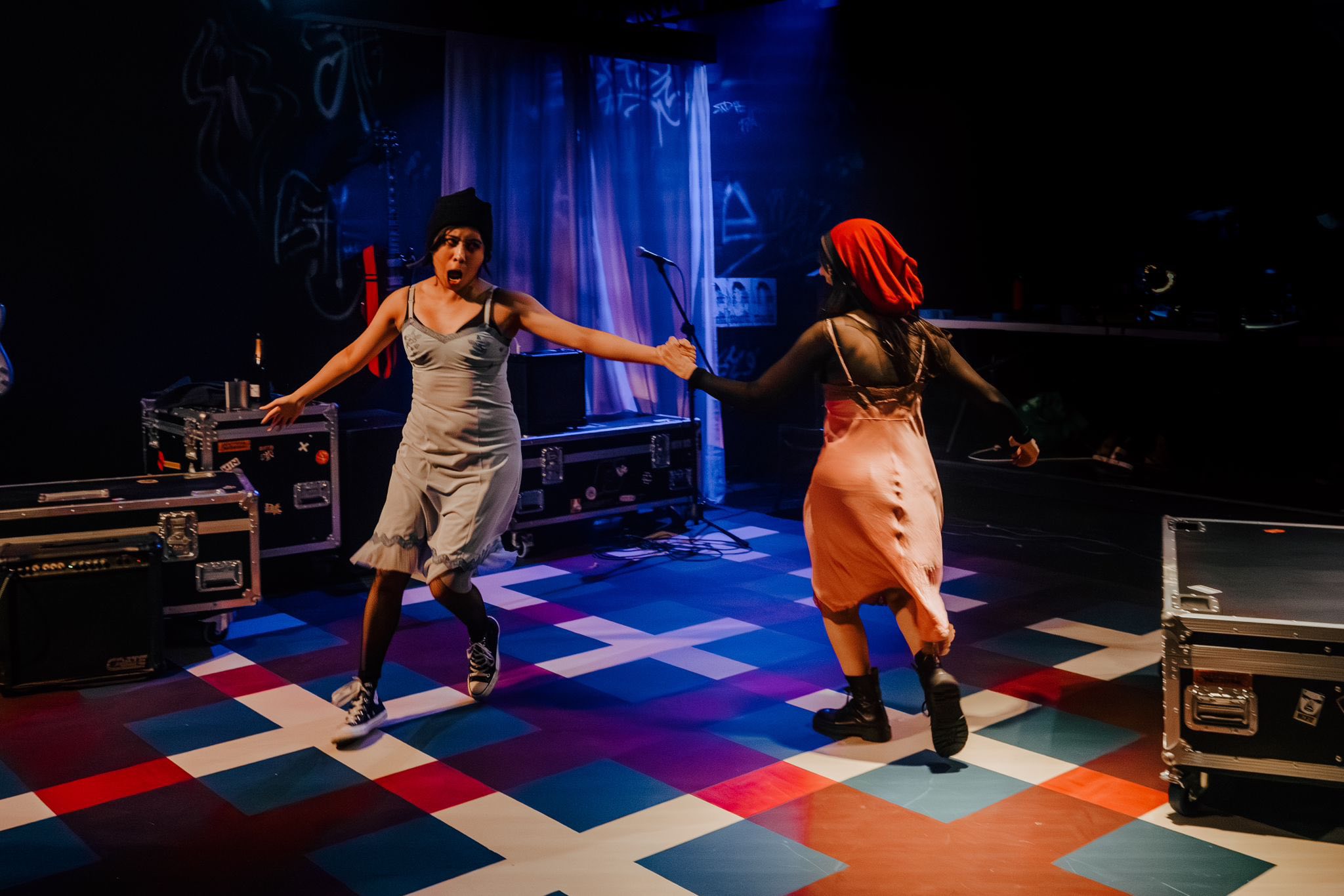
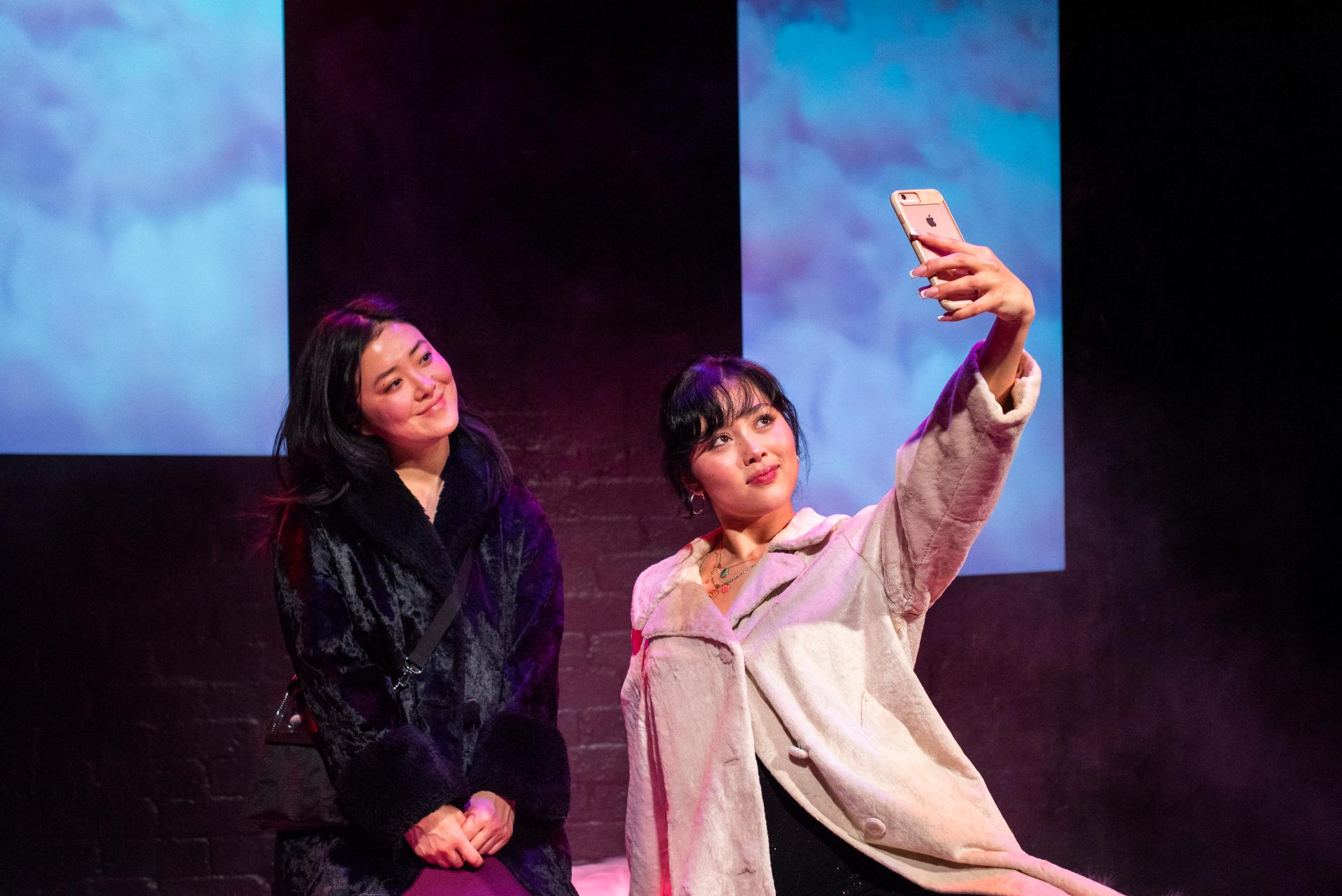
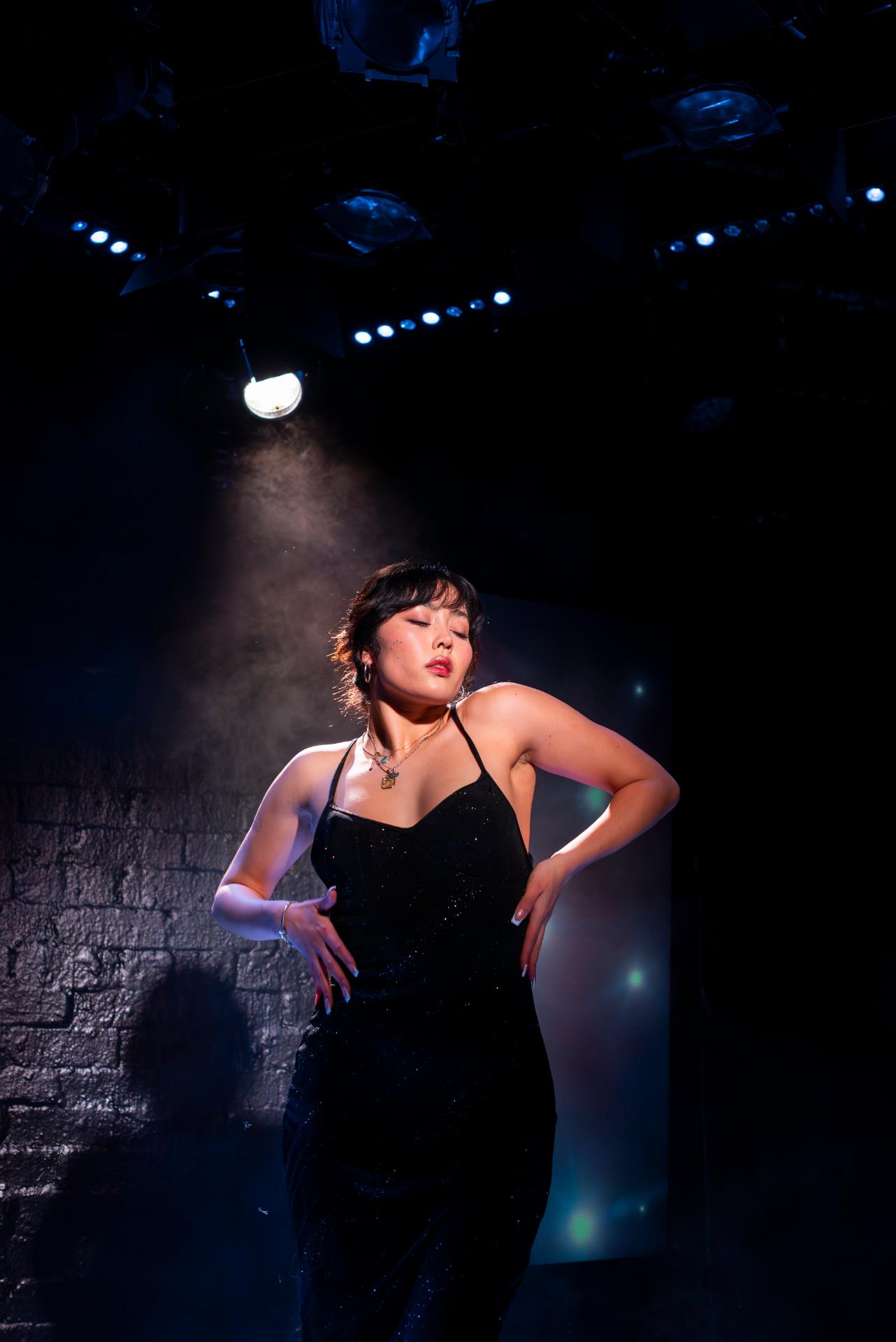
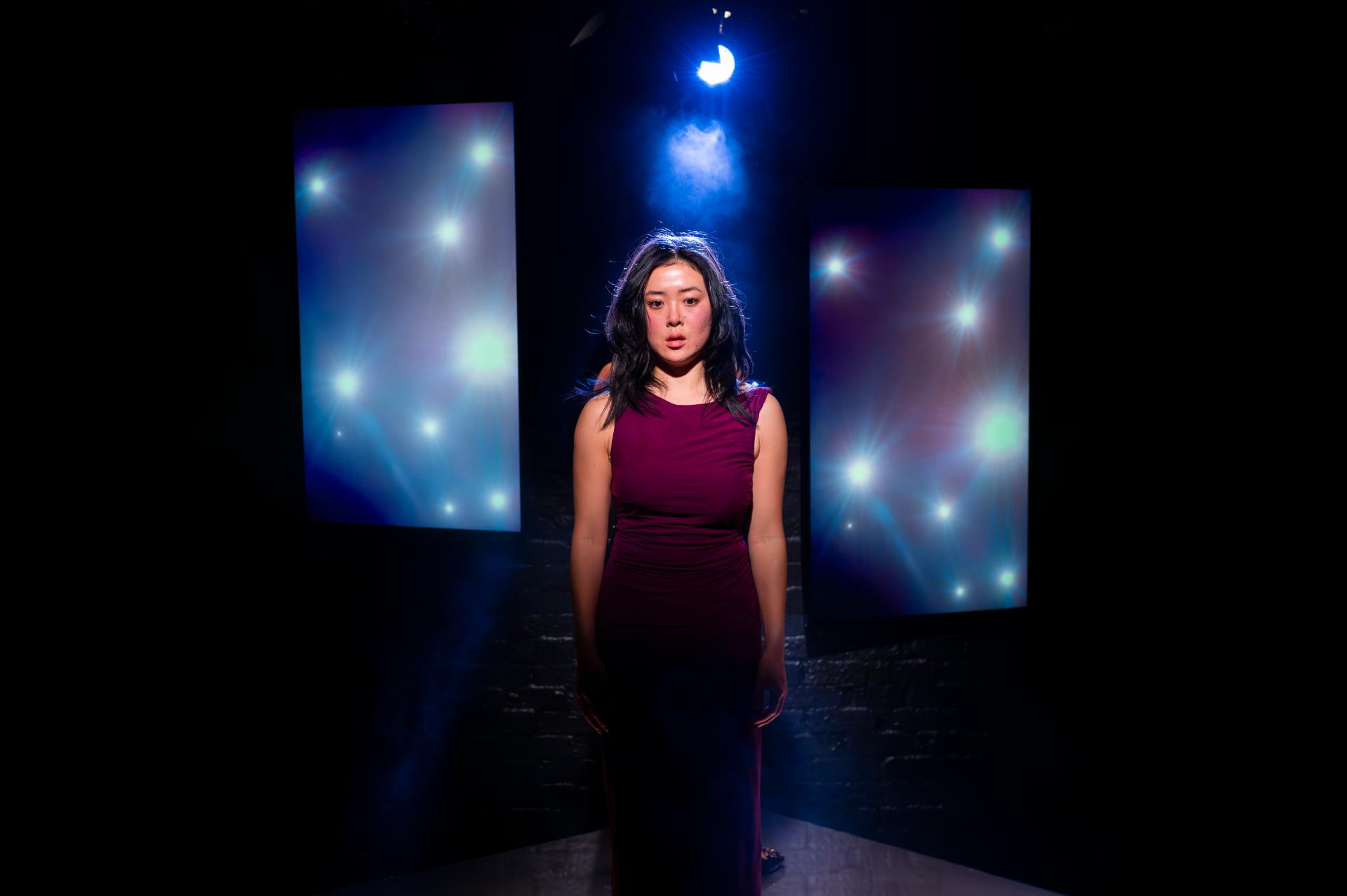
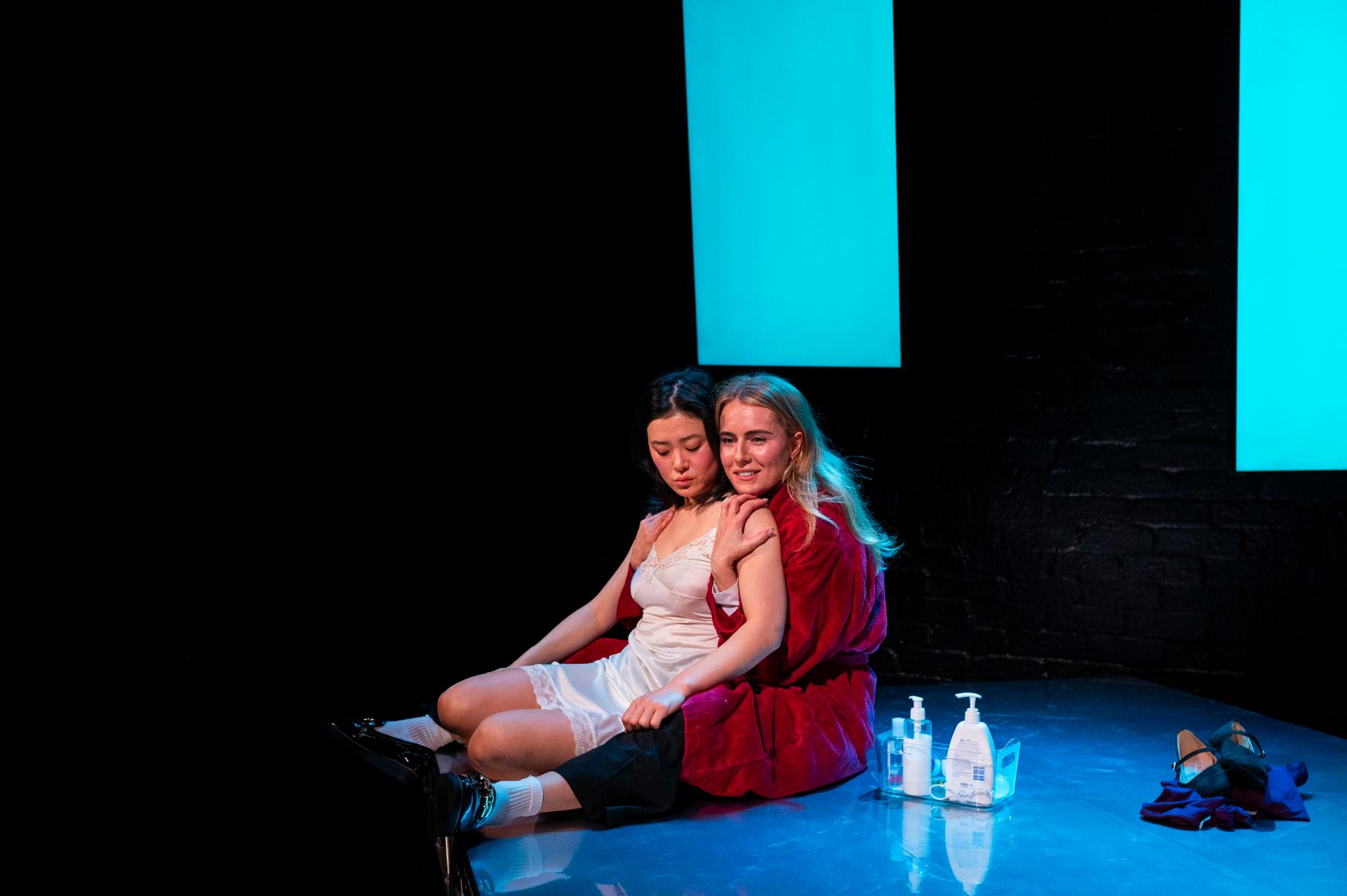
Review: Koreaboo (Griffin Theatre Company)

Venue: Belvoir St Theatre (Surry Hills NSW), Jun 14 – Jul 20, 2025
Playwright: Michelle Lim Davidson
Director: Jessica Arthur
Cast: Heather Jeong, Michelle Lim Davidson
Images by Brett Boardman

Theatre review
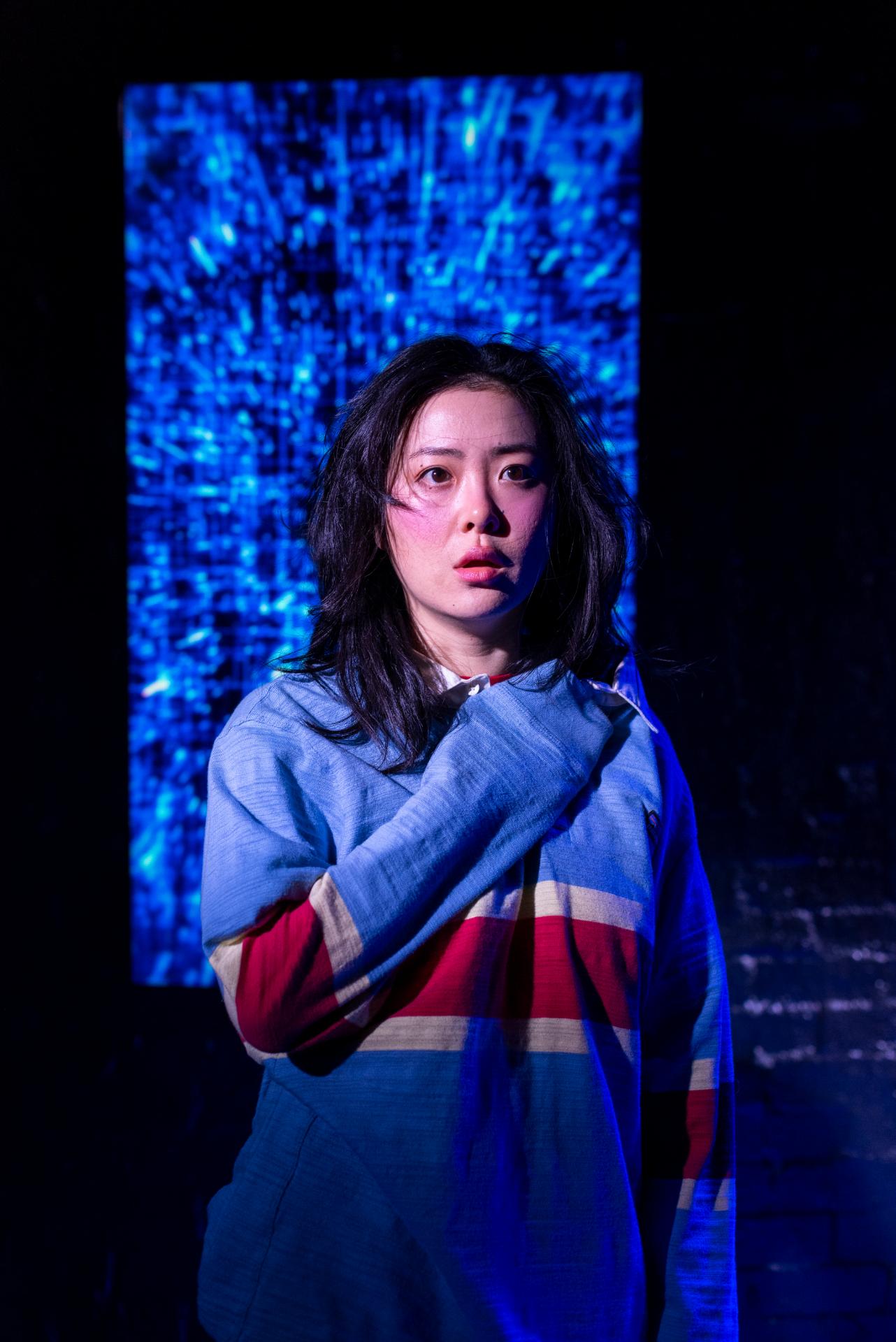
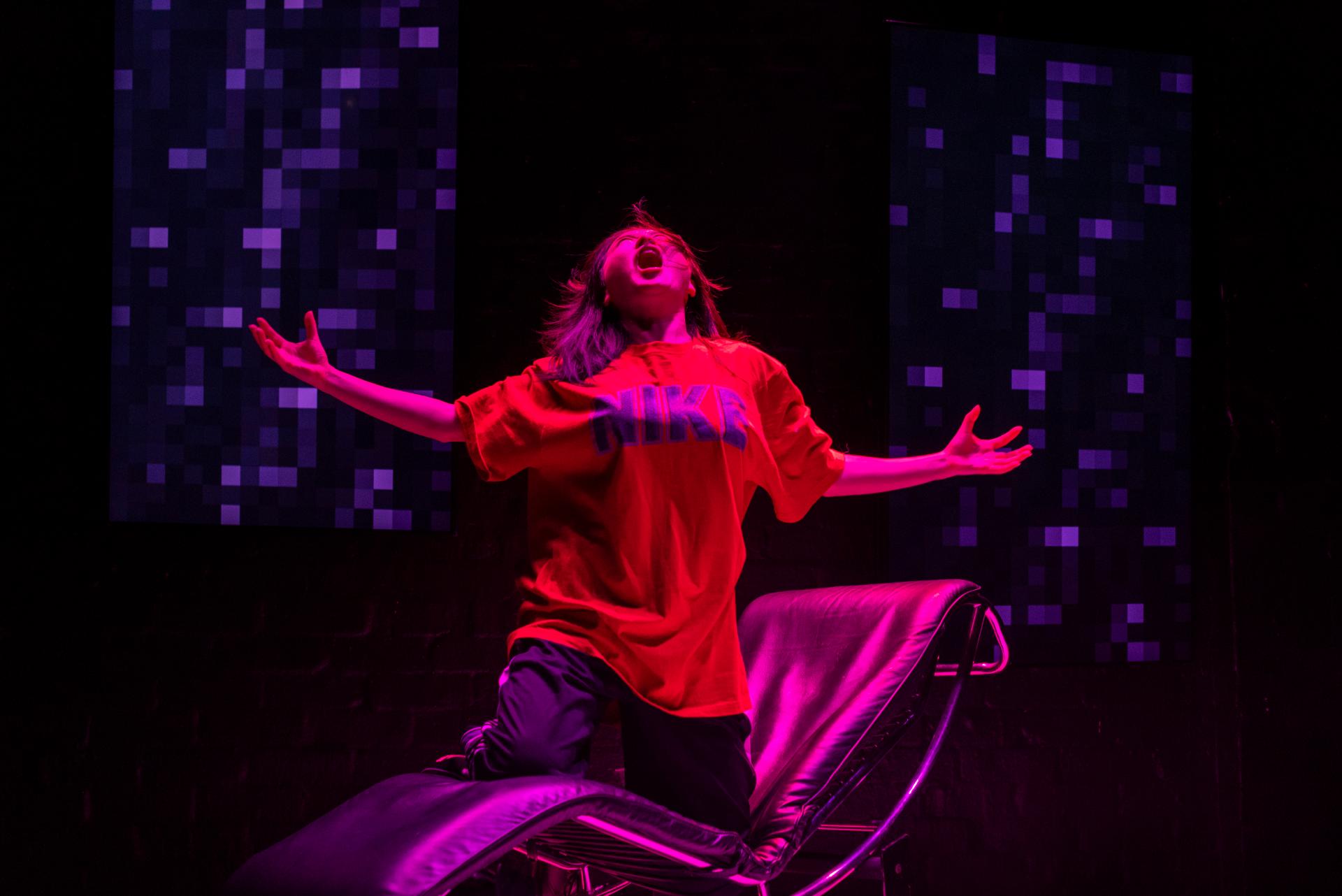
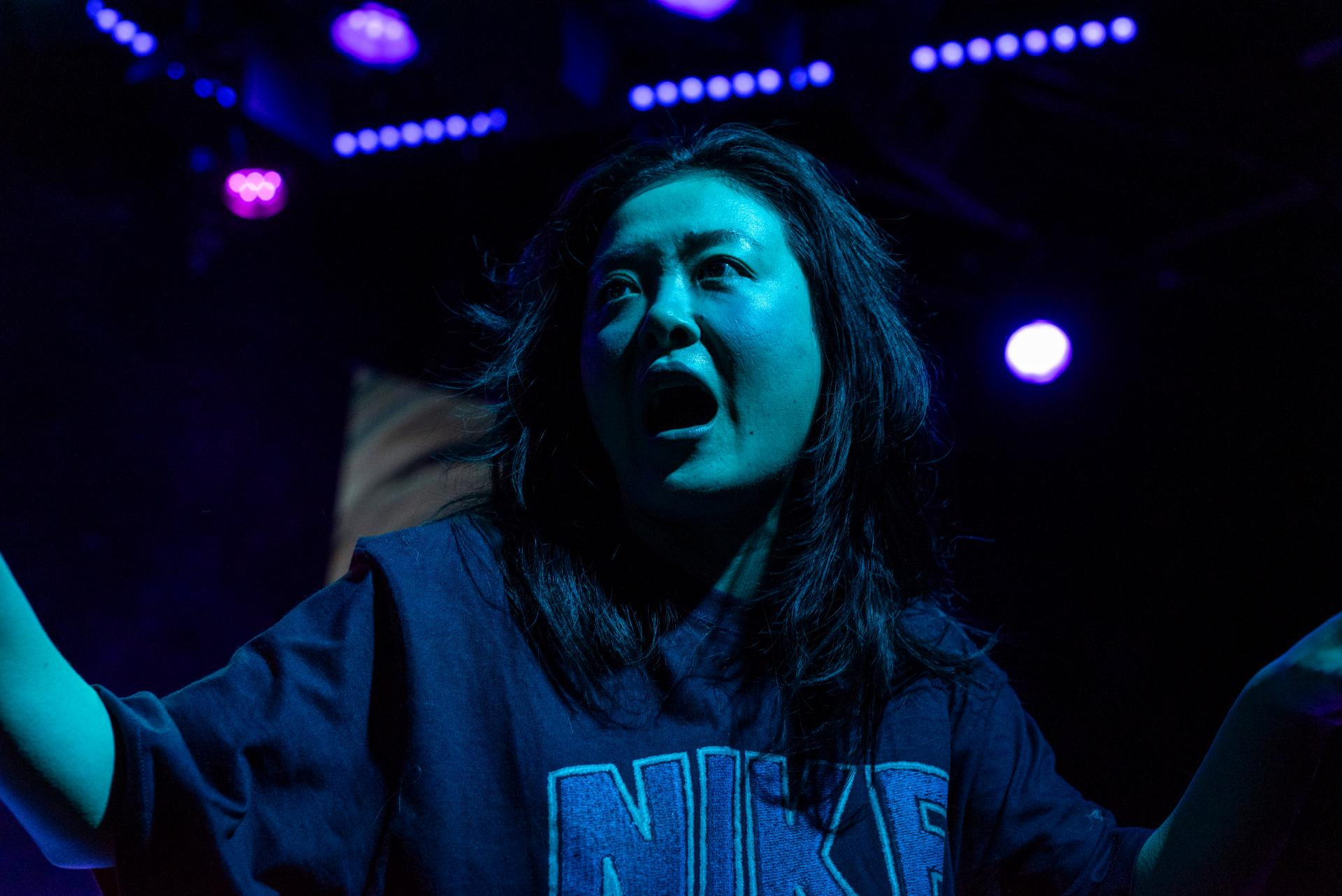
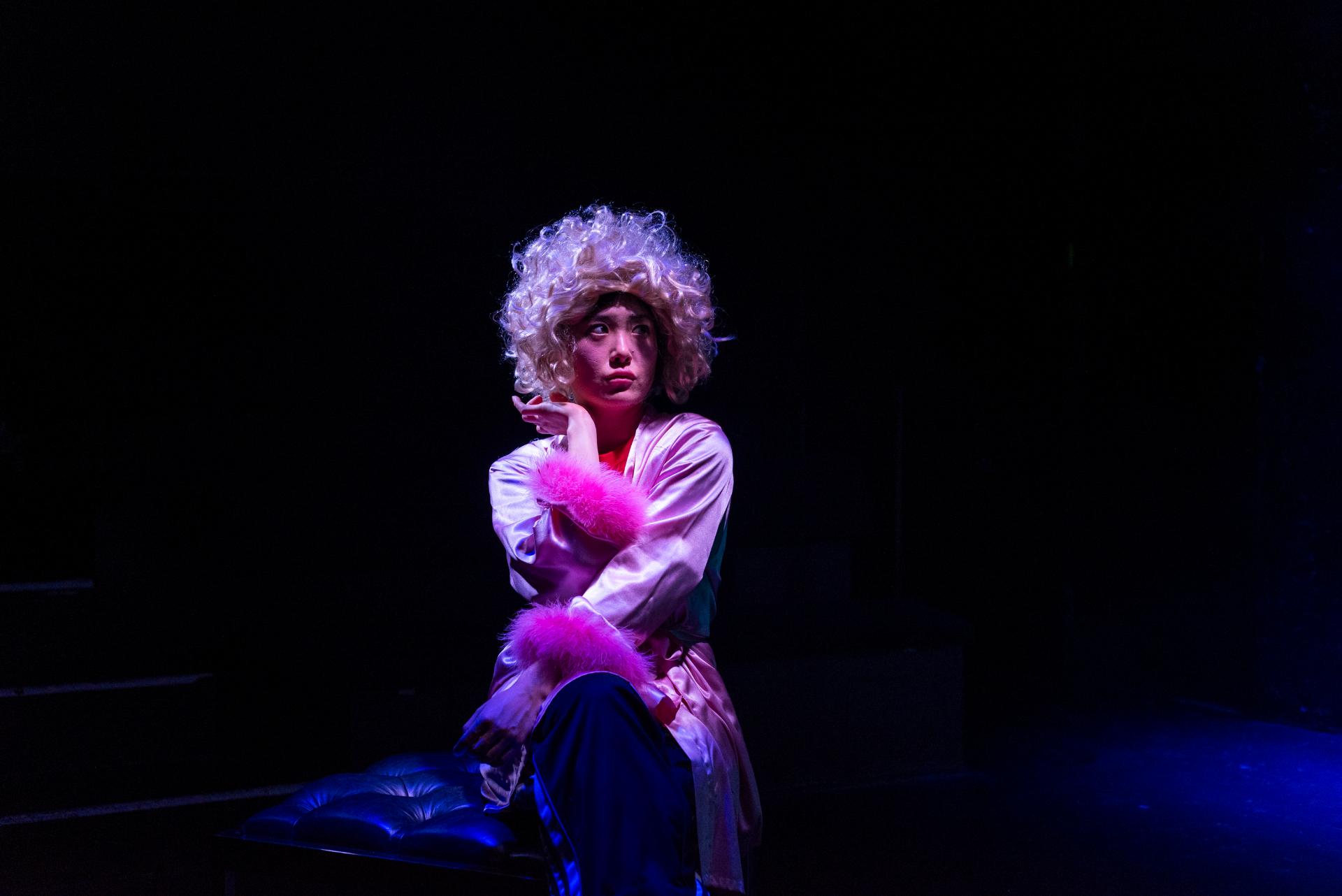
Hannah has flown to South Korea, hoping for a successful reunion with her birth mother. However, Soon Hee’s response falls far short of Hannah’s expectations. Koreaboo by Michelle Lim Davidson explores the phenomenon of transnational and transracial adoption, from the perspective of a person caught between cultures. Sharply observed and finely nuanced, Koreaboo proves to be as insightful as it is entertaining.

Davidson plays Hannah the naïve Australian, with exceptional effervescence. Heather Jeong brings admirable authenticity, to the role of shopkeeper Soon Hee. Both performers are wonderfully comedic, demonstrating excellent timing along with a persuasive chemistry. Directed by Jessica Arthur, the presentation is compulsively engaging at every moment, memorable for its sparkling humour. Scenes of poignancy could be provided more gravity, but they remain effective, in this story about unconventional kinship.

Production design by Mel Page accomplishes an extraordinary level of naturalism, to have us connecting immediately with visual cues that convey all we need to know, about these people and places. Lights by Kate Baldwin are commensurately accurate, in portraying a heightened ordinariness. Music by Brendon Boney offers a full-bodied expression of the playful spirit underpinning Koreaboo‘s humour, punctuating the show with gleeful joy throughout.

Parents are rarely, if ever, ideal beings. Admittedly some are more flawed than others, but a substantial part of any person’s maturation, involves coming to terms with disappointments around our parents’ deficiencies. Hannah longs for her mother’s love, but we discover that Soon Hee’s affections take a form quite different from what Hannah had hoped for. Like all adults, Hannah will learn eventually, that she simply has to make do.

www.griffintheatre.com.au

Review: The Half-Life Of Marie Curie (Ensemble Theatre)

Venue: Ensemble Theatre (Kirribilli NSW), Jun 13 – Jul 12, 2025
Playwright: Lauren Gunderson
Director: Liesel Badorrek
Cast: Rebecca Massey, Gabrielle Scawthorn
Images by Prudence Upton

Theatre review
It was 1911 when Marie Curie won her second Nobel Prize, but her monumental contribution to science was overshadowed by the public outcry over her scandalous relationship with a married man. In her agony, she takes refuge under the wing of fellow scholar Hertha Ayrton, who is determined to be a source of strength and inspiration. Lauren Gunderson’s The Half-Life of Marie Curie is a work that not only pays tribute to women trailblazers, but also highlights the importance of female friendship in a world that so often prefers to pit women against each other.

Vivaciously directed by Liesel Badorrek, the production is surprisingly comedic, despite the titular character’s unrelenting misery. Actor Gabrielle Scawthorn’s representations of Curie’s pain and suffering are almost unbearable in their believability, but the sublime Rebecca Massey is pure joy as Ayrton, offering a marvellous counterpoint to the dominant narrative of hardship.

Production design by James Browne is effective in taking us back to the appropriate time and space, whilst providing a charming theatricality to the experience. Lights by Verity Hampson take every opportunity to dial up the drama, while video projections by Cameron Smith deliver persuasive renderings of evanescent visions. Music by Daniel Hertern is at times beautifully transcendent, for a show that is as much about the past as it is about our future.

There are many forms of resistance, but the revolution will only endure, if the sisterhood remains unbreakable in its unity.

www.ensemble.com.au