Review: Life Is A Dream (25A Belvoir)

Venue: Belvoir St Theatre (Surry Hills NSW), Sep 2 – 21, 2025
Playwright: Claudia Osborne (after Pedro Calderón de la Barca)
Directors: Claudia Osborne, Solomon Thomas
Cast: Thomas Campbell, Mark Lee, Shiv Palekar, Essie Randles, Shikara Ringdahl, Ariadne Sgouros, Ariyan Sharma
Images by Phil Erbacher

Theatre review
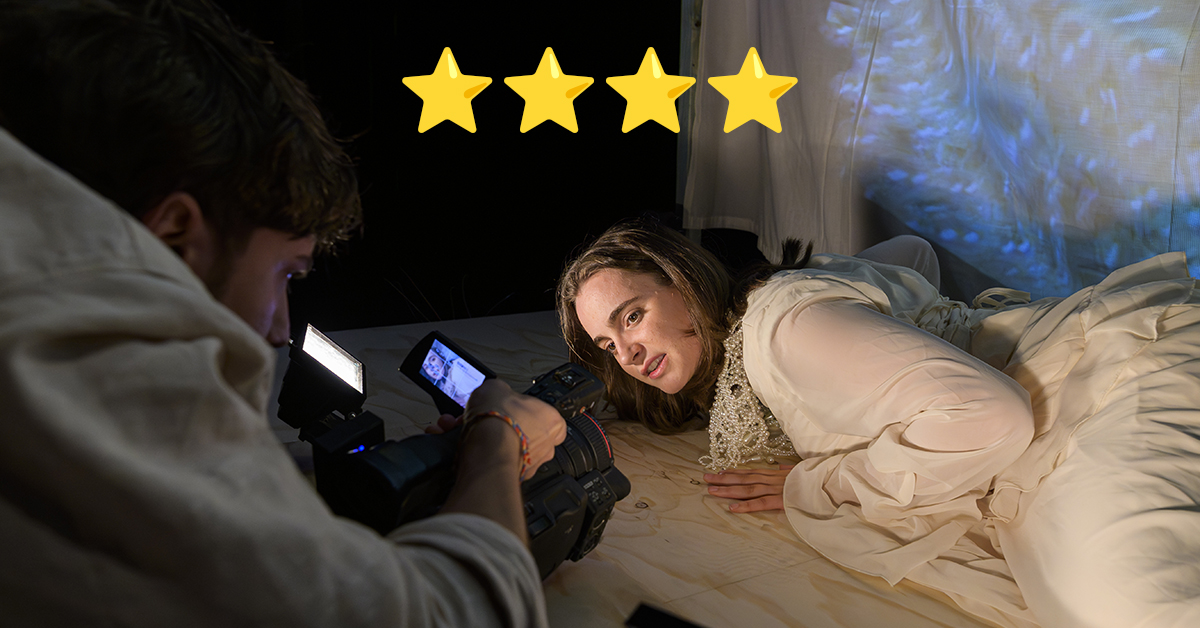
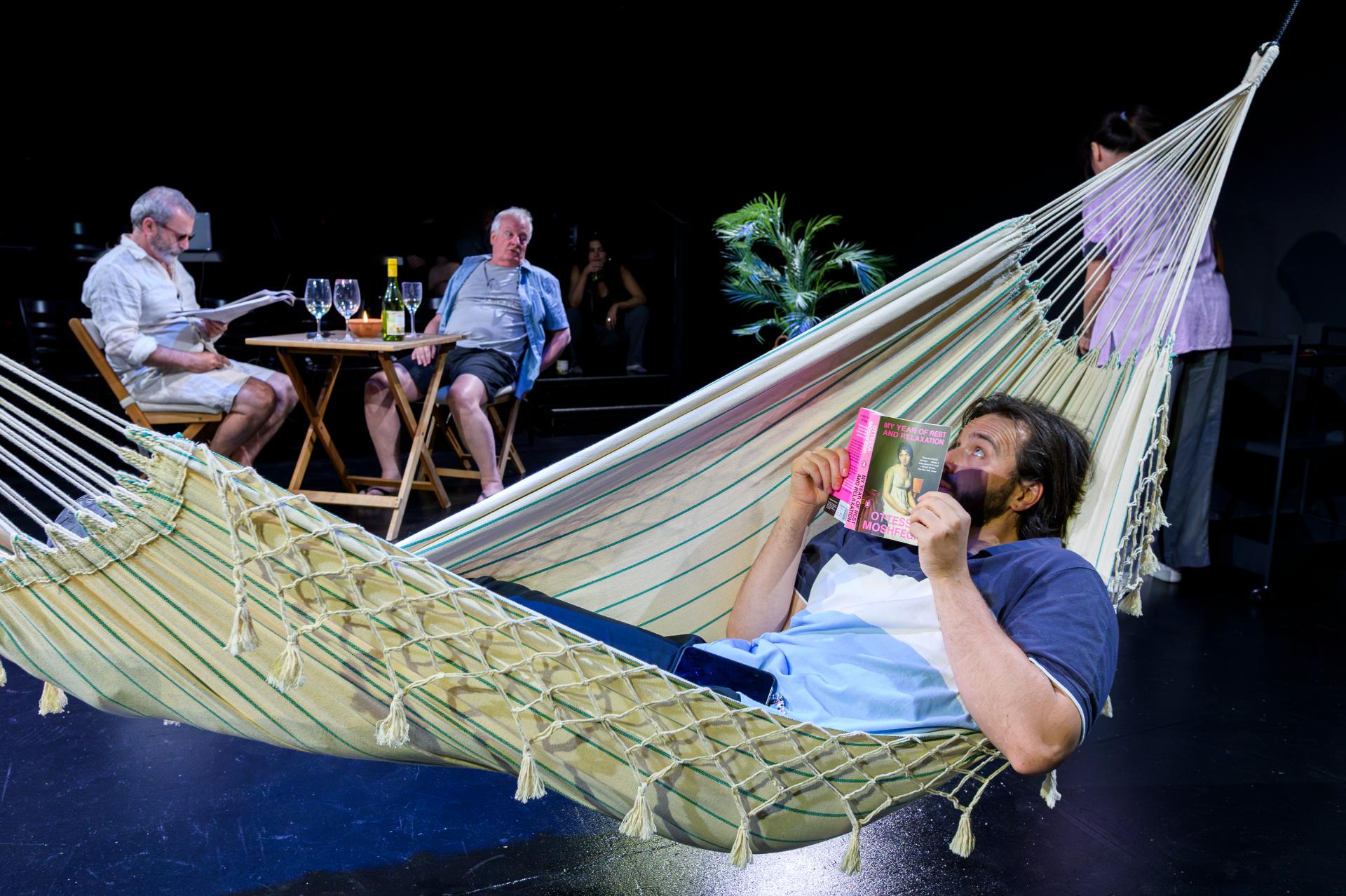
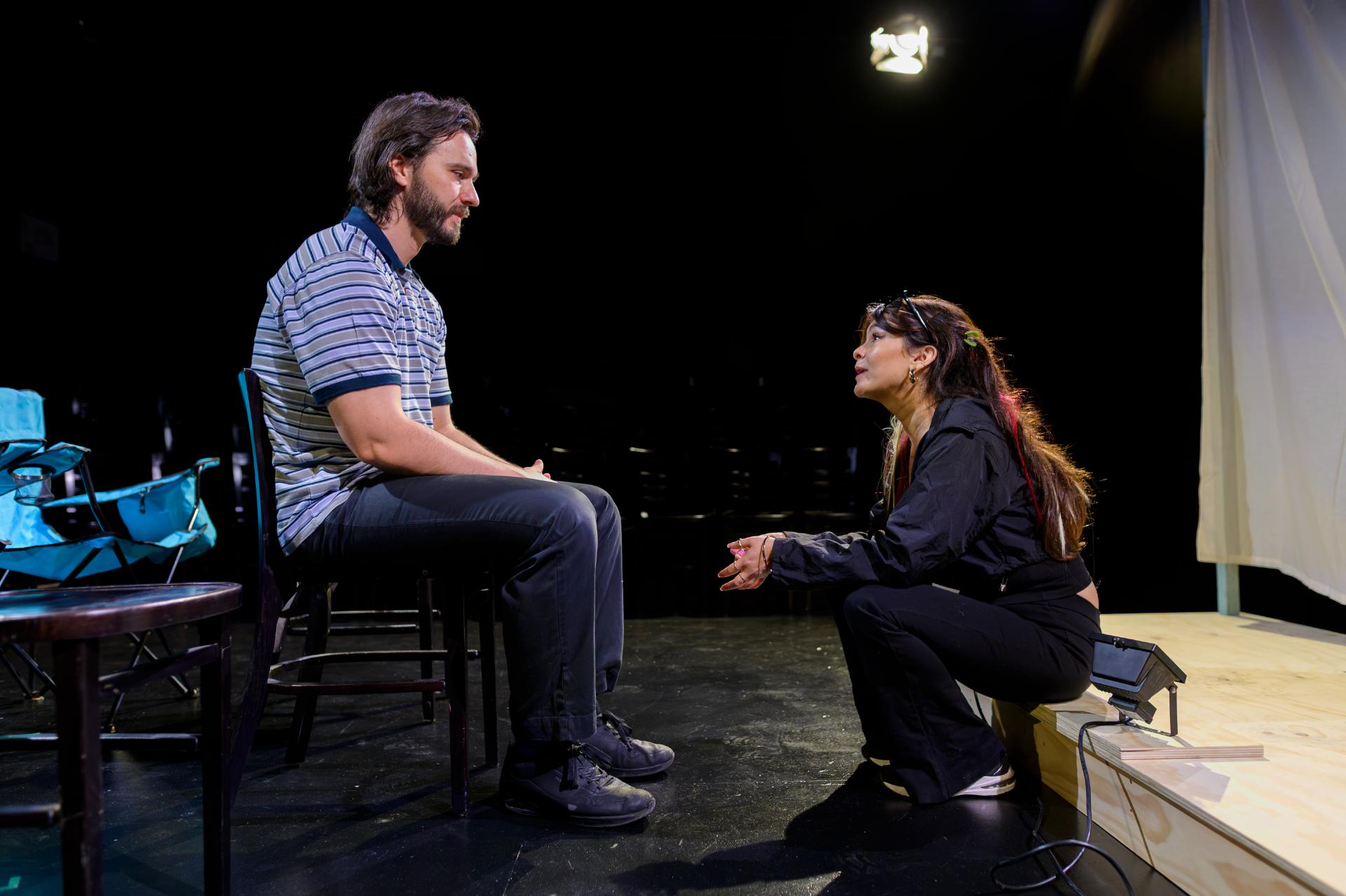
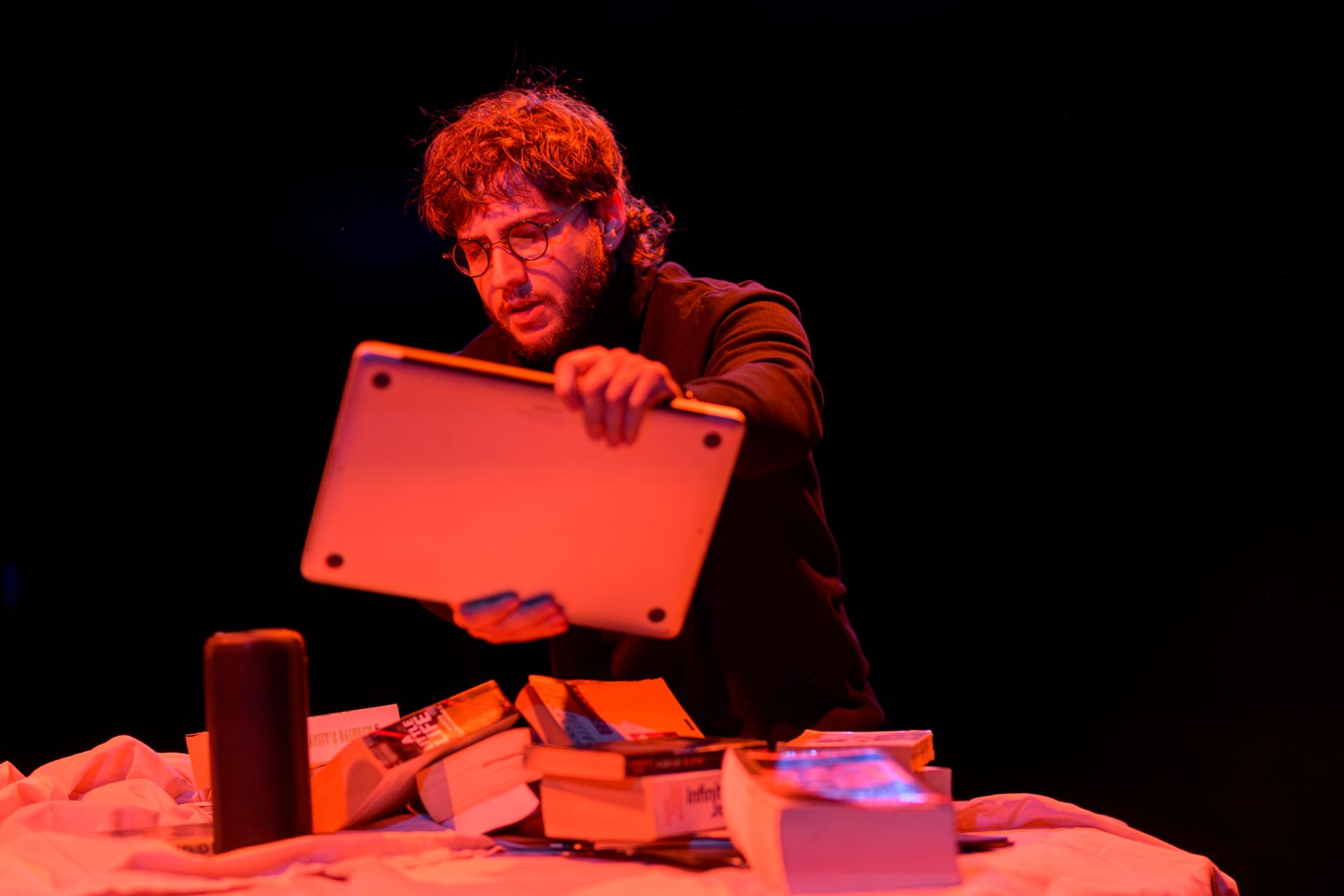
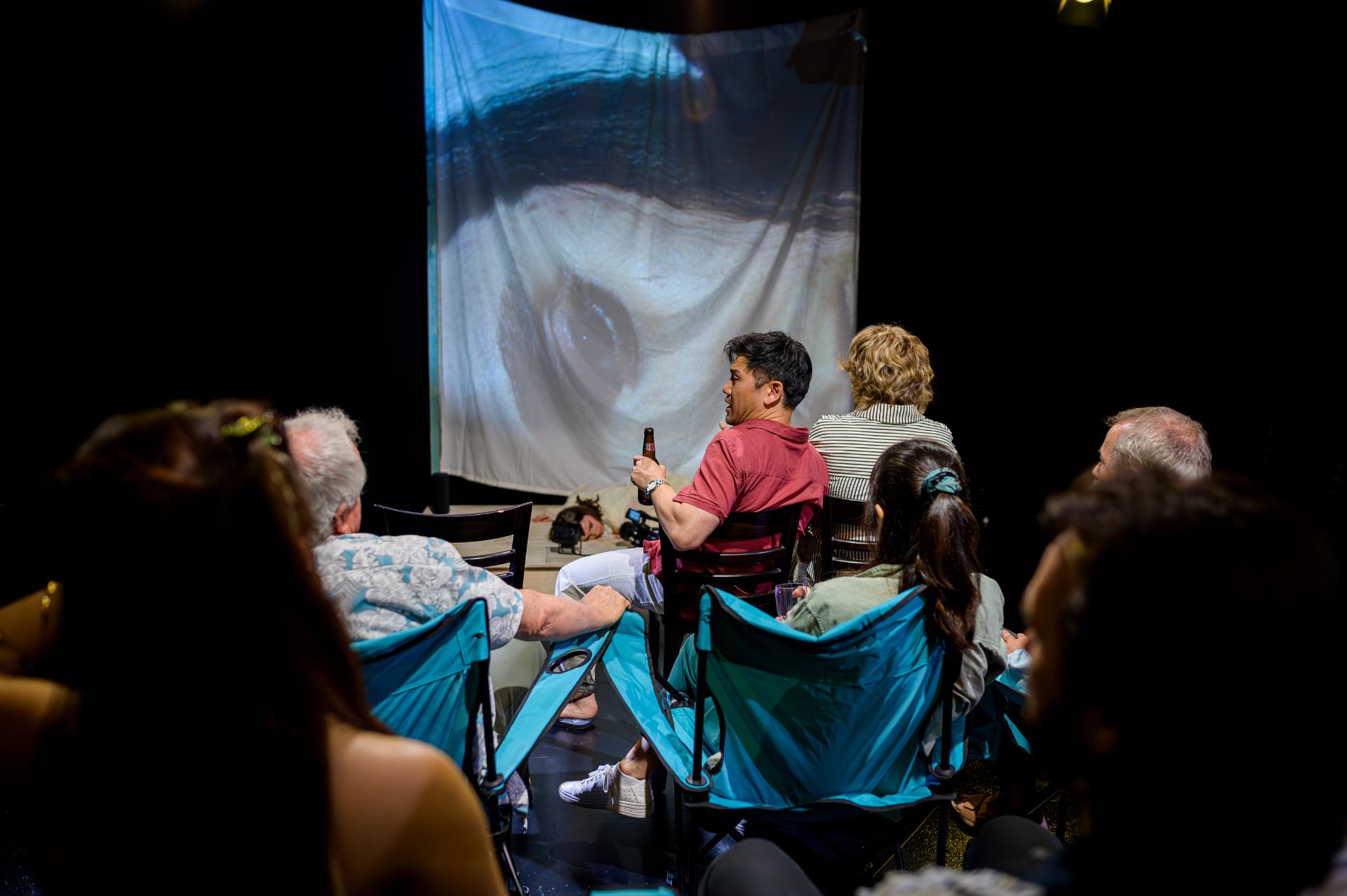
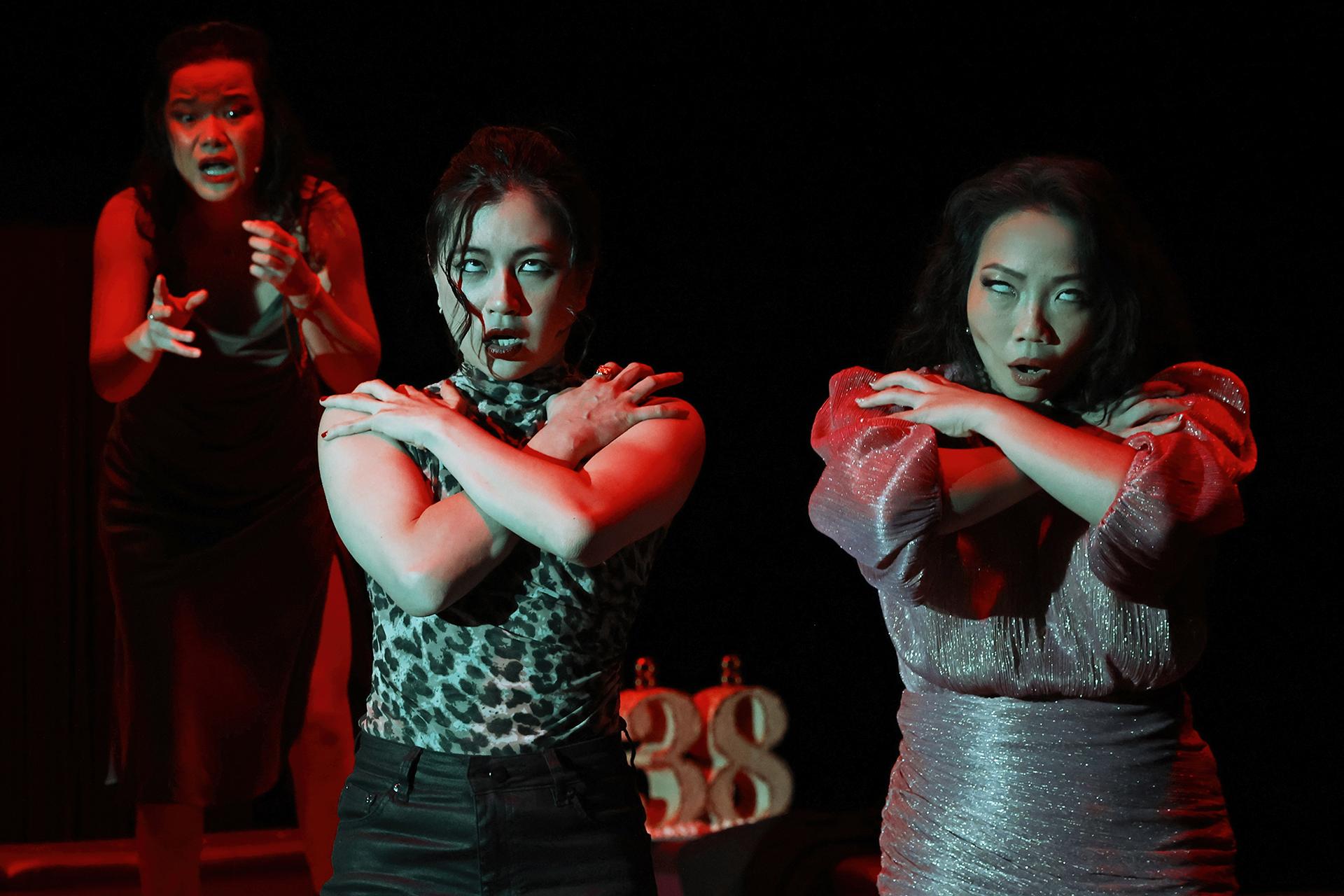
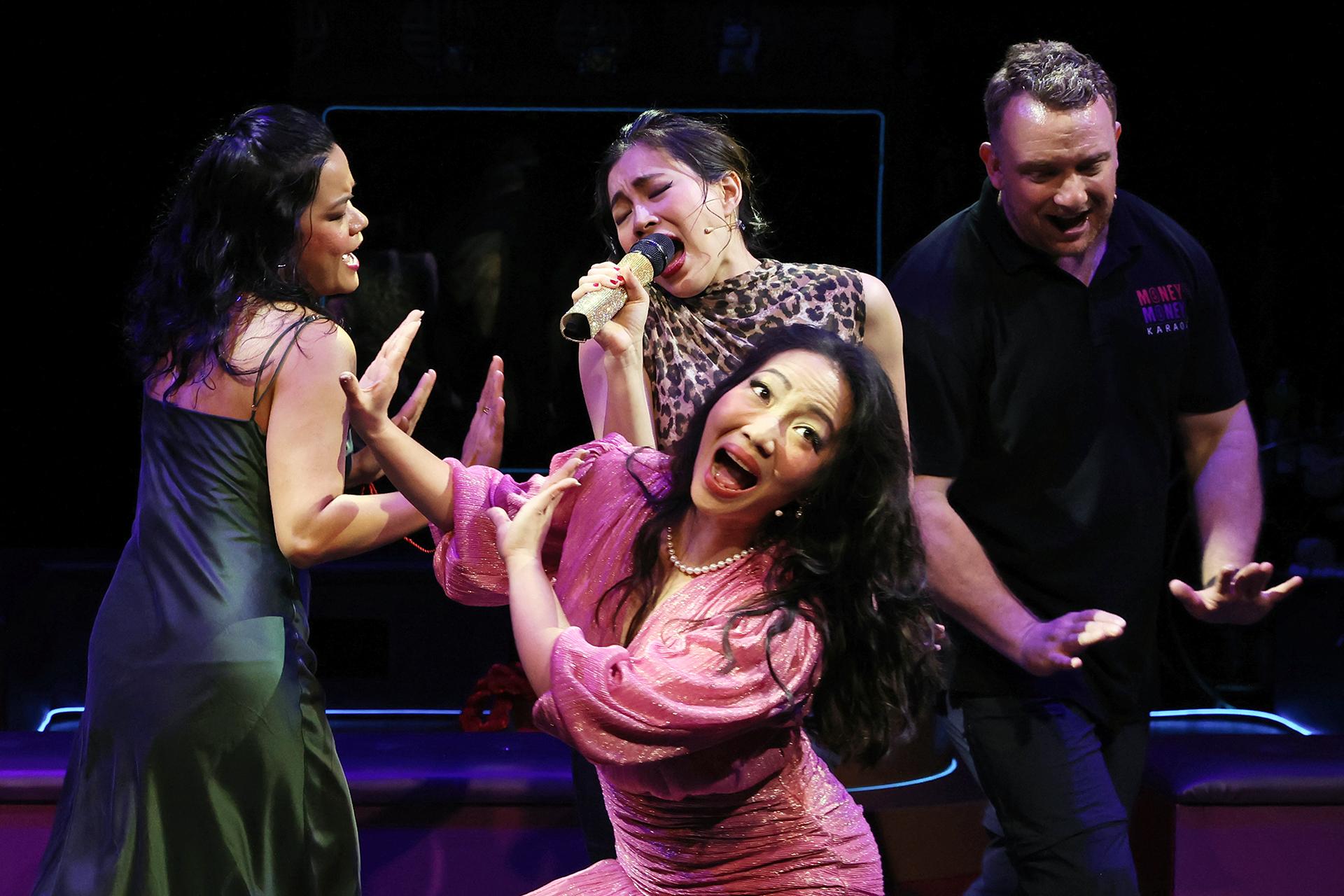
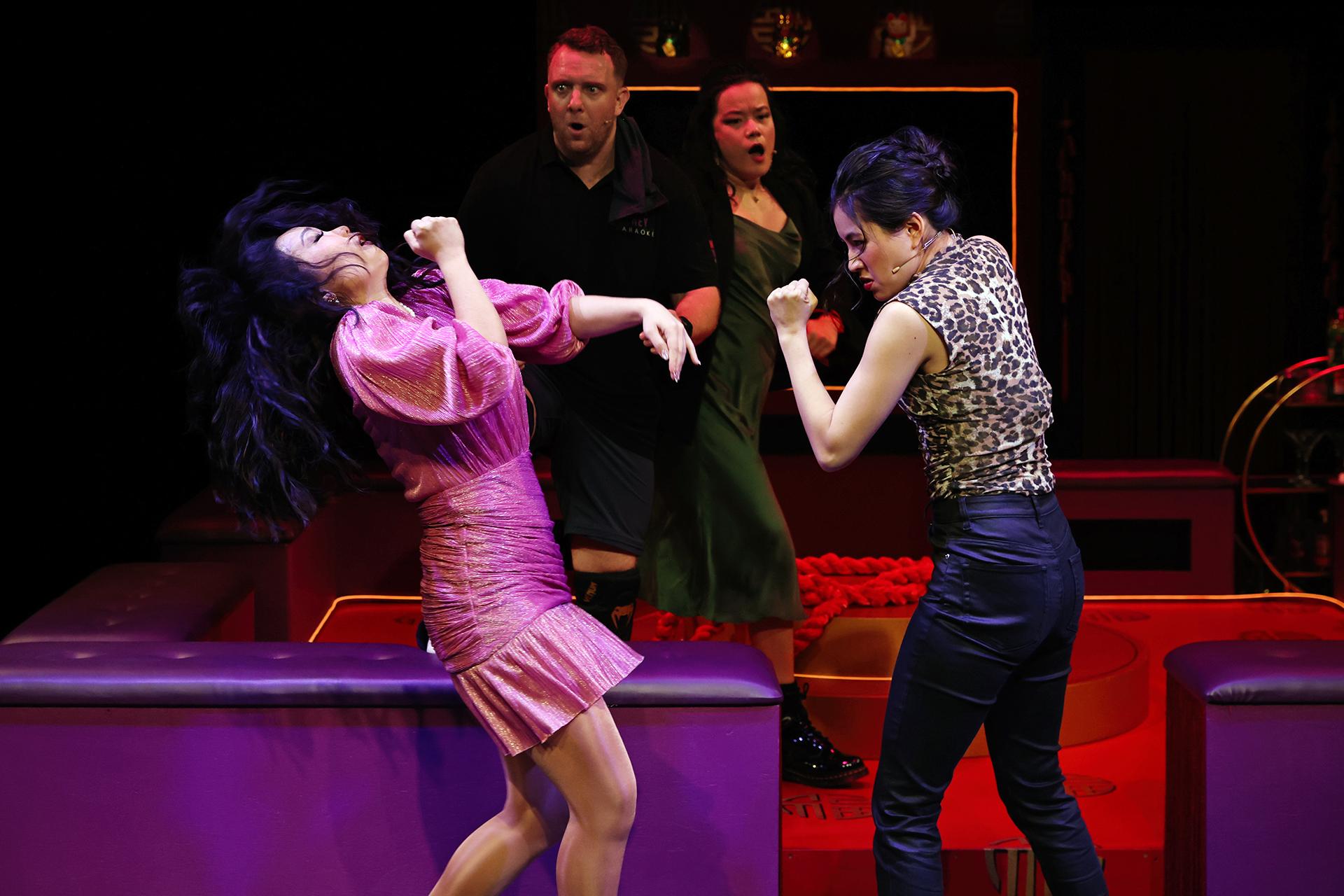
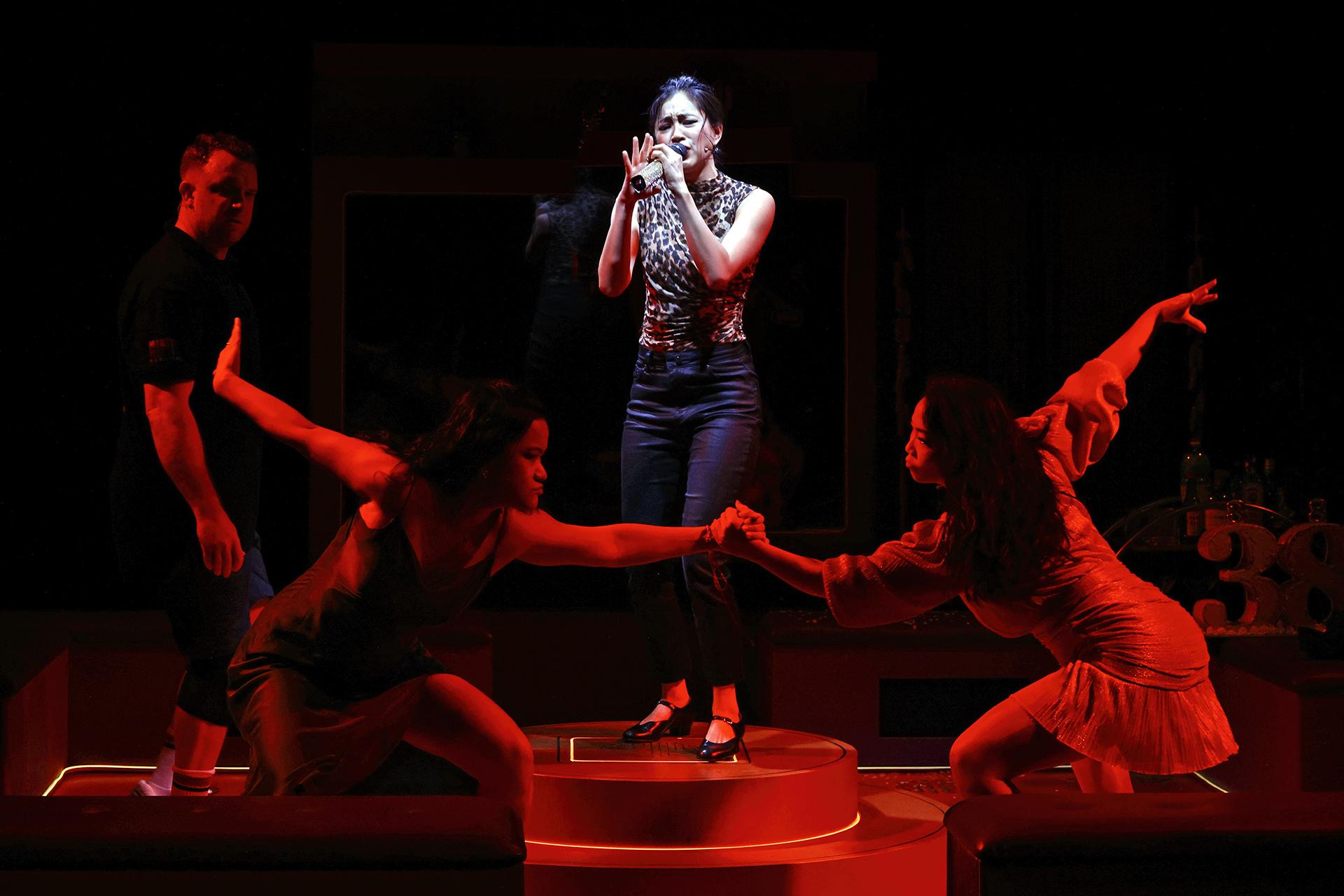
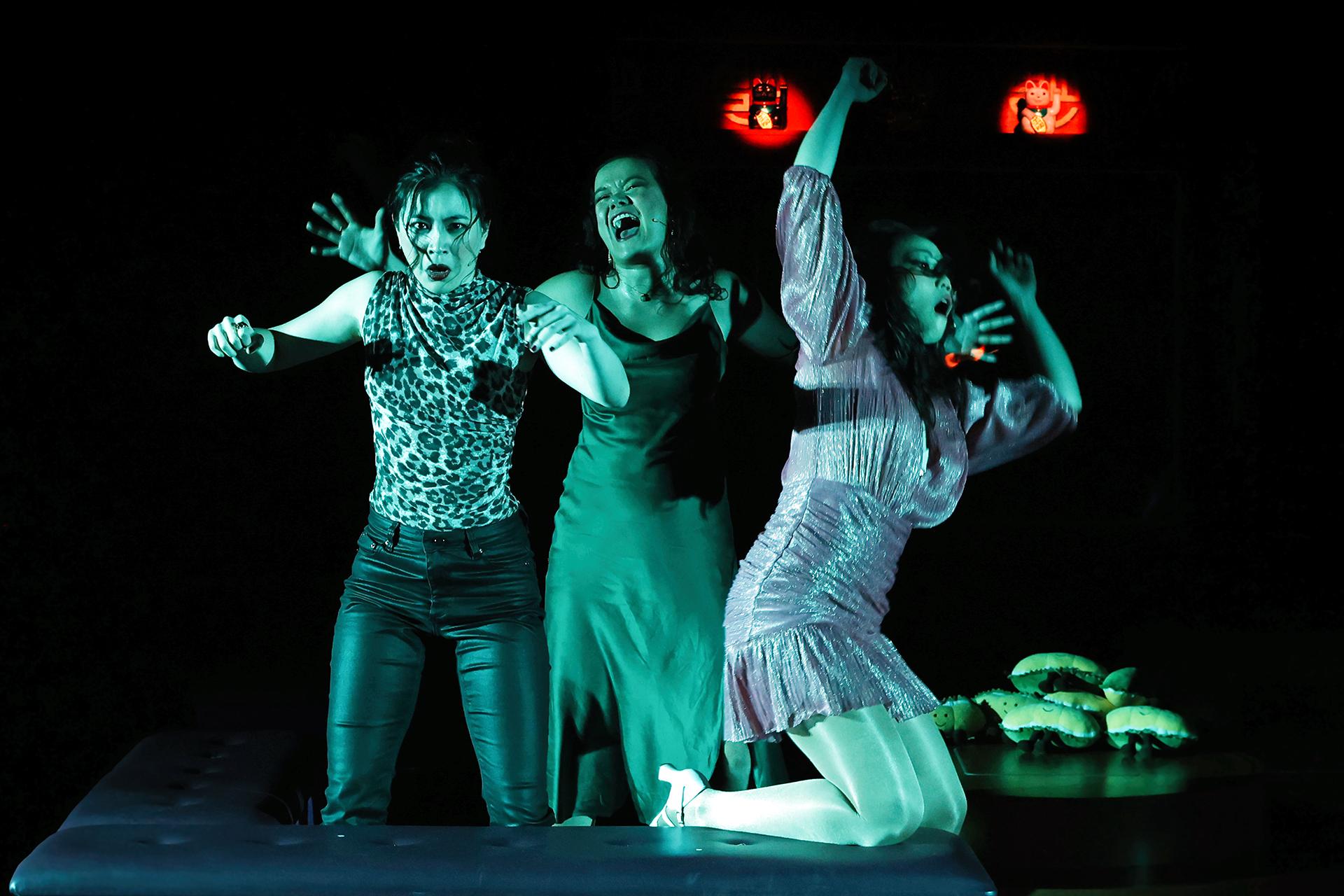
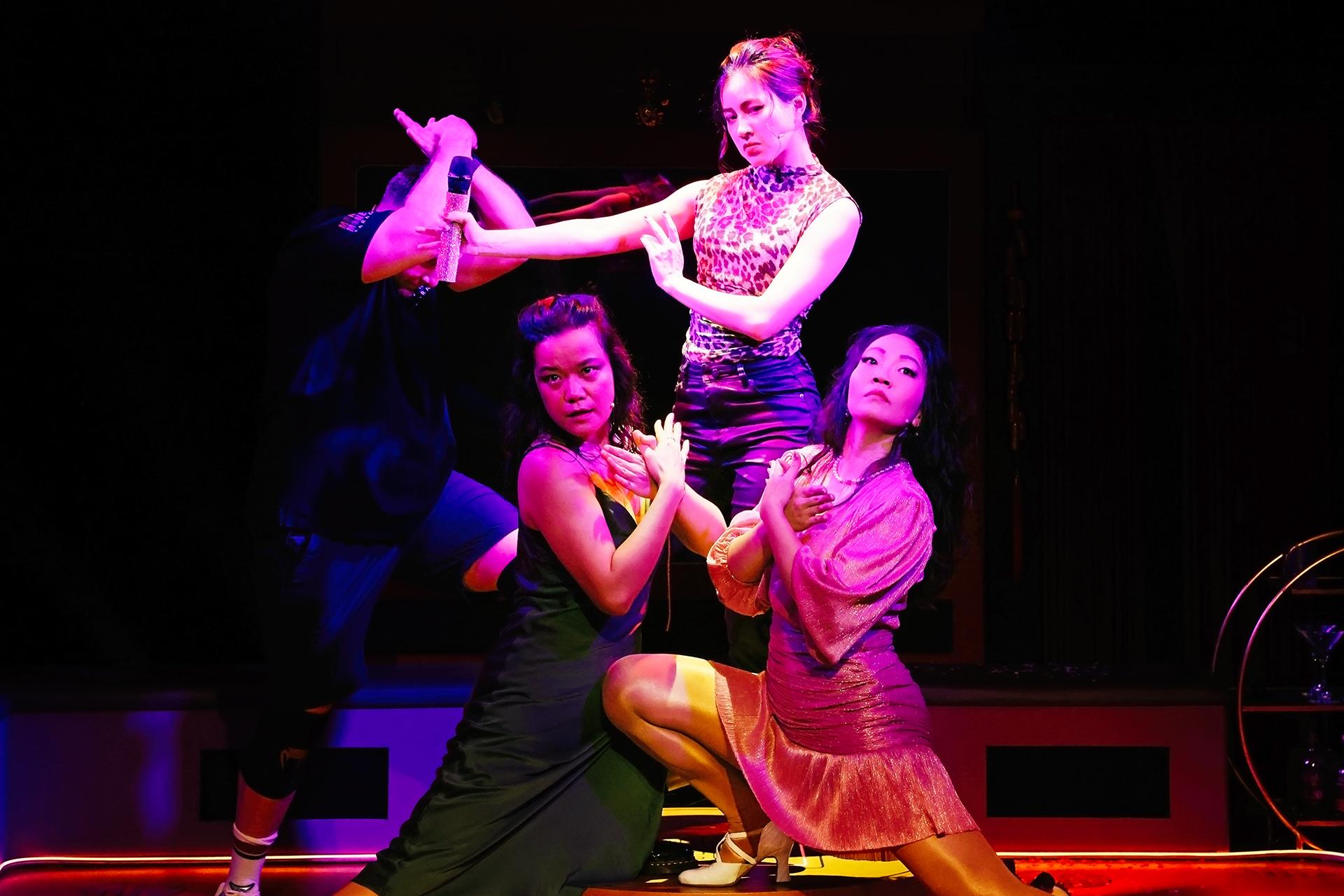
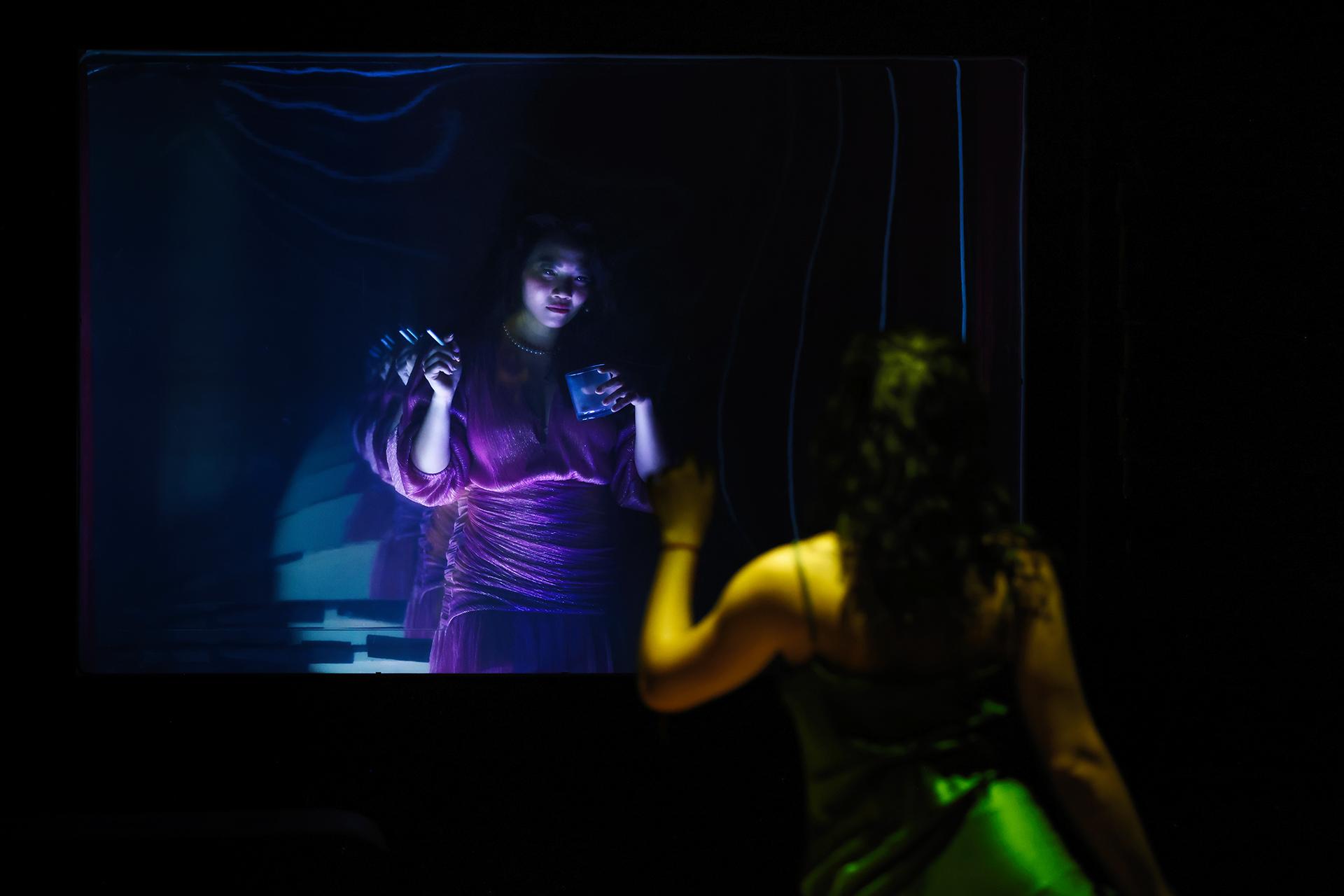
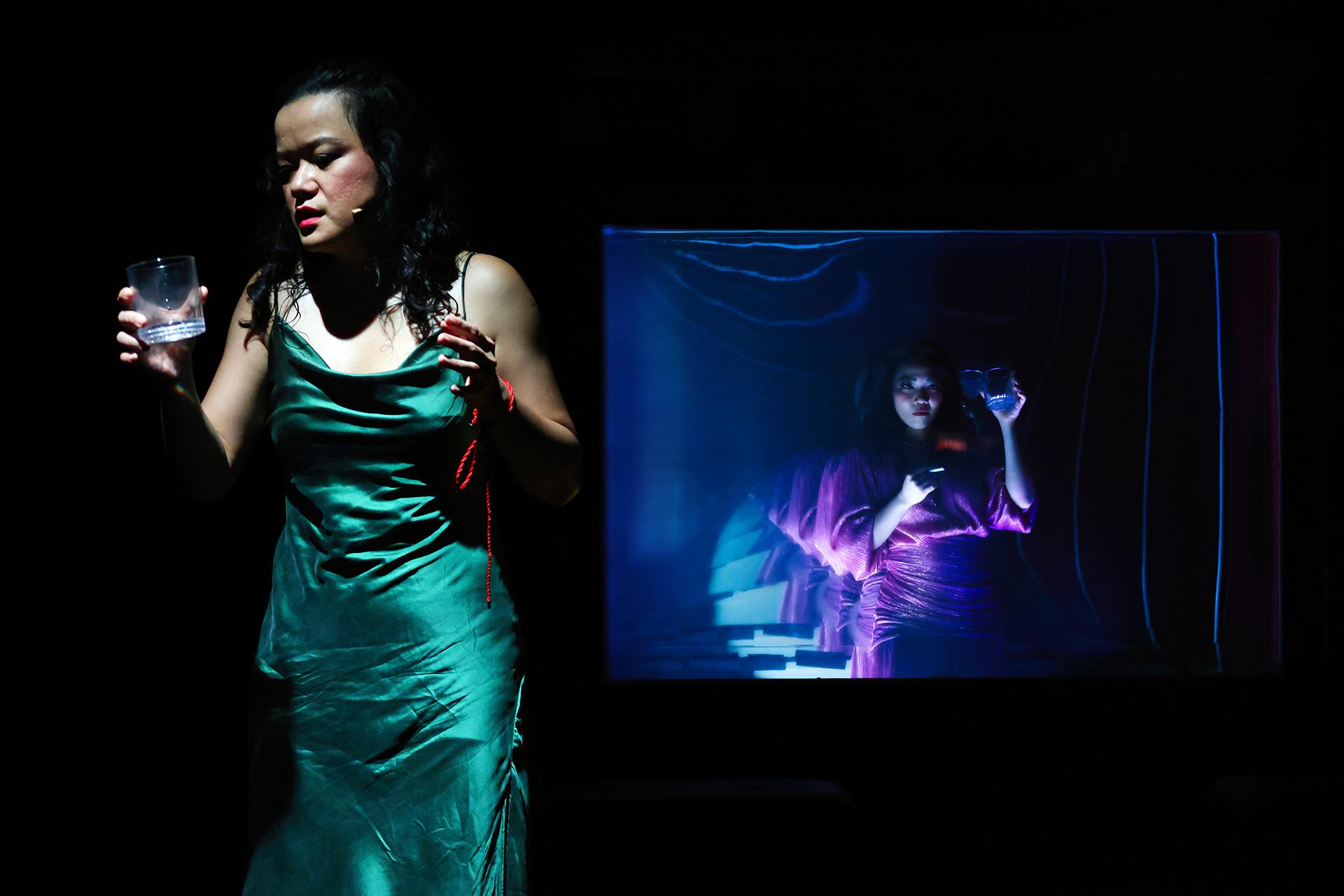
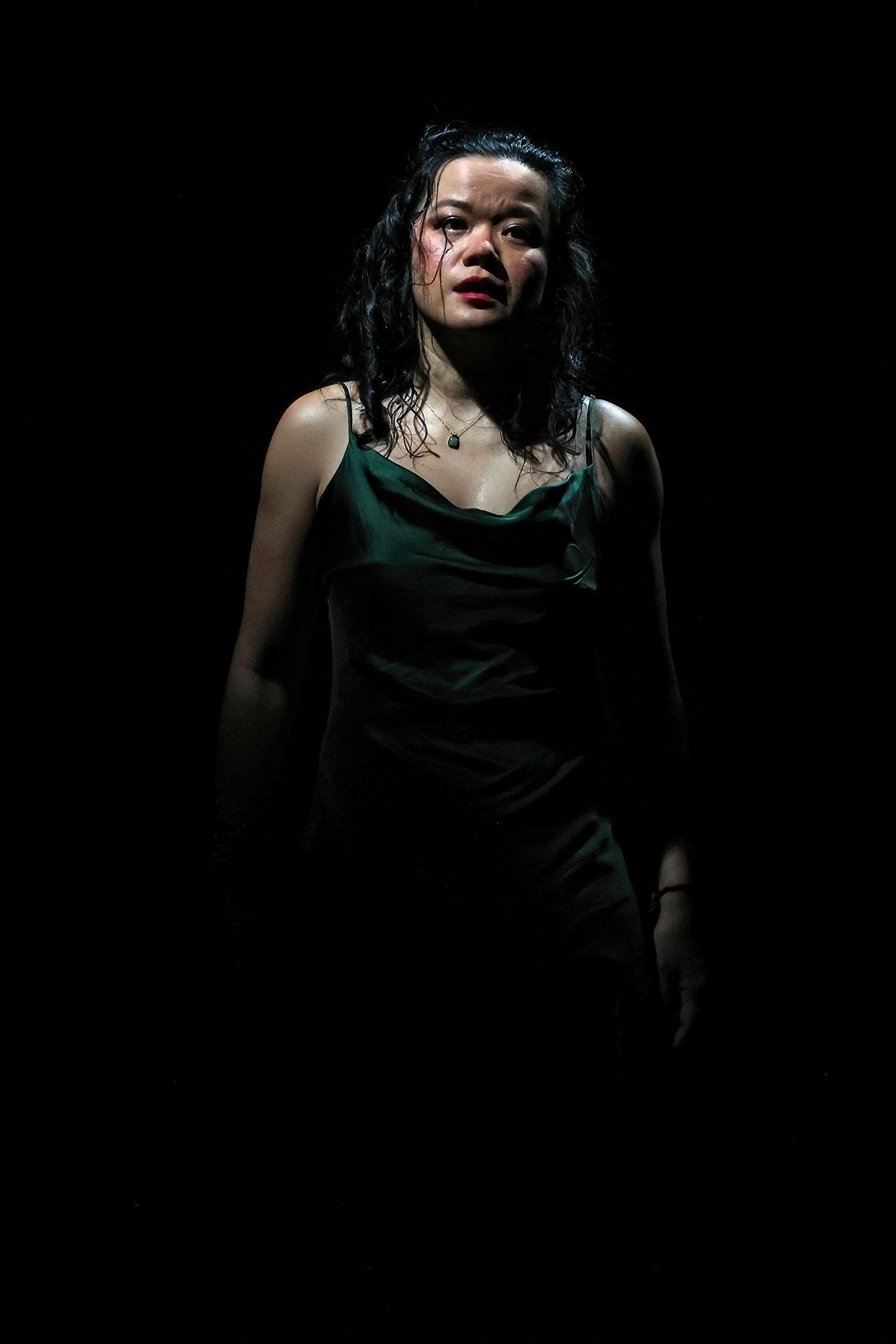
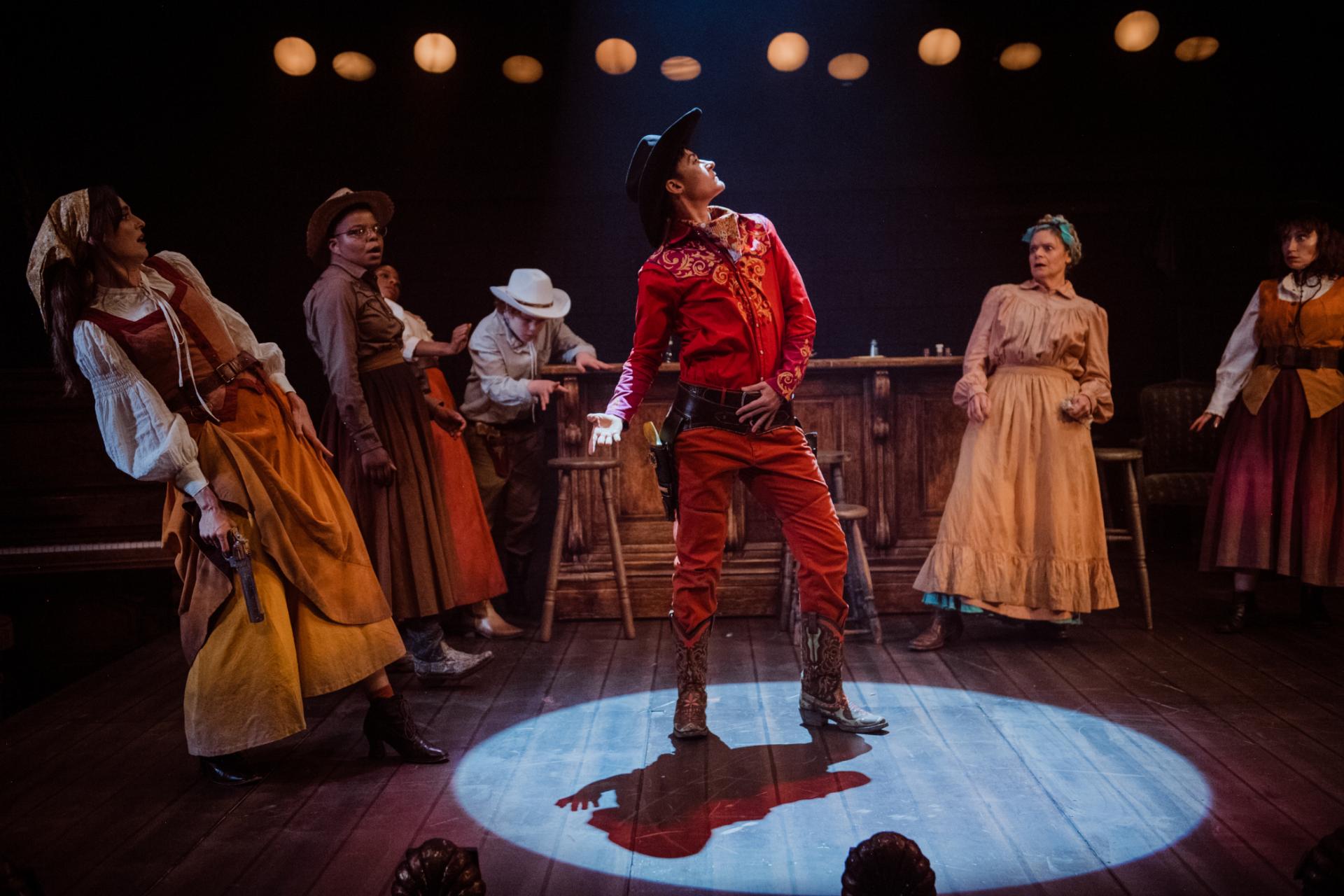
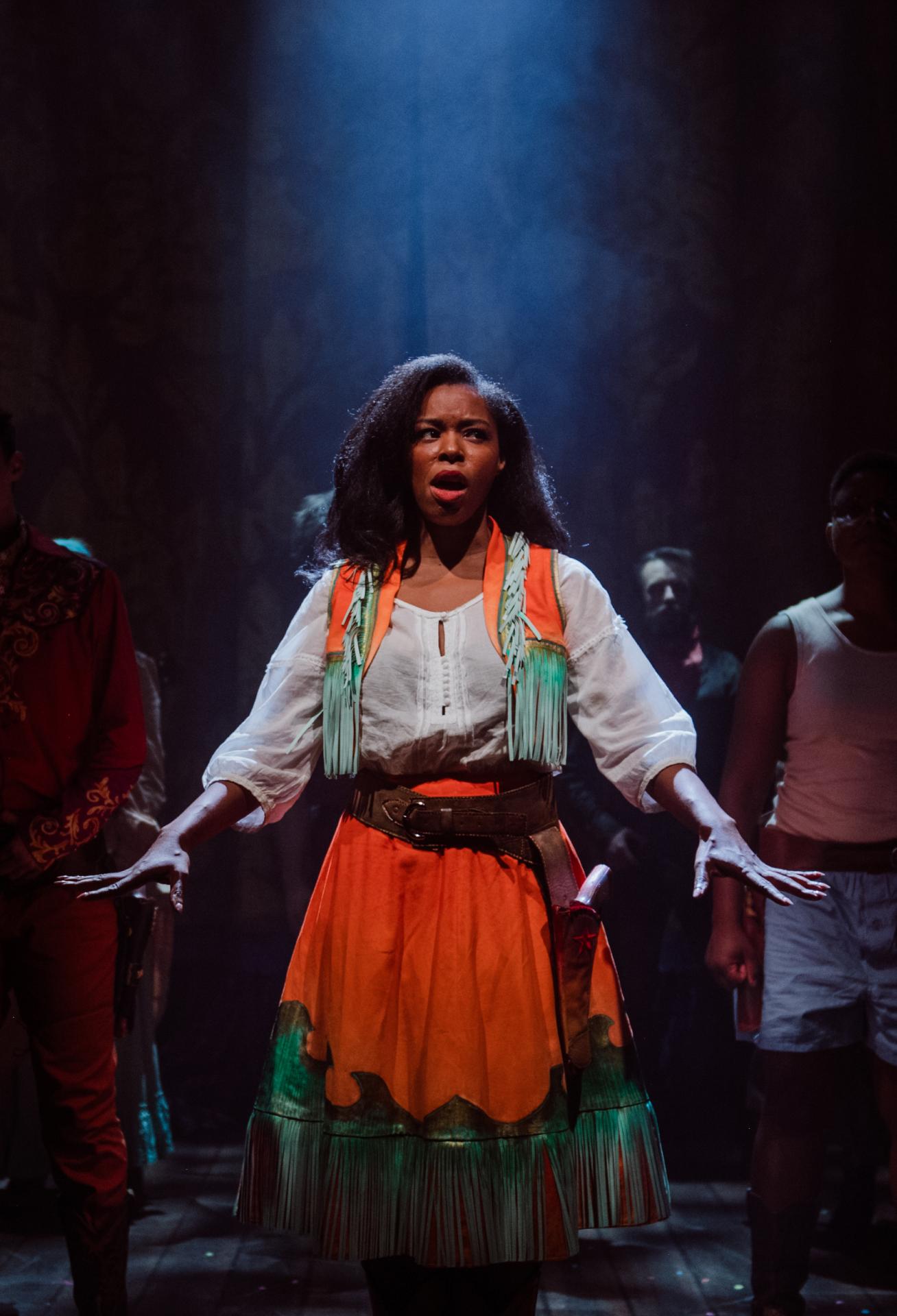
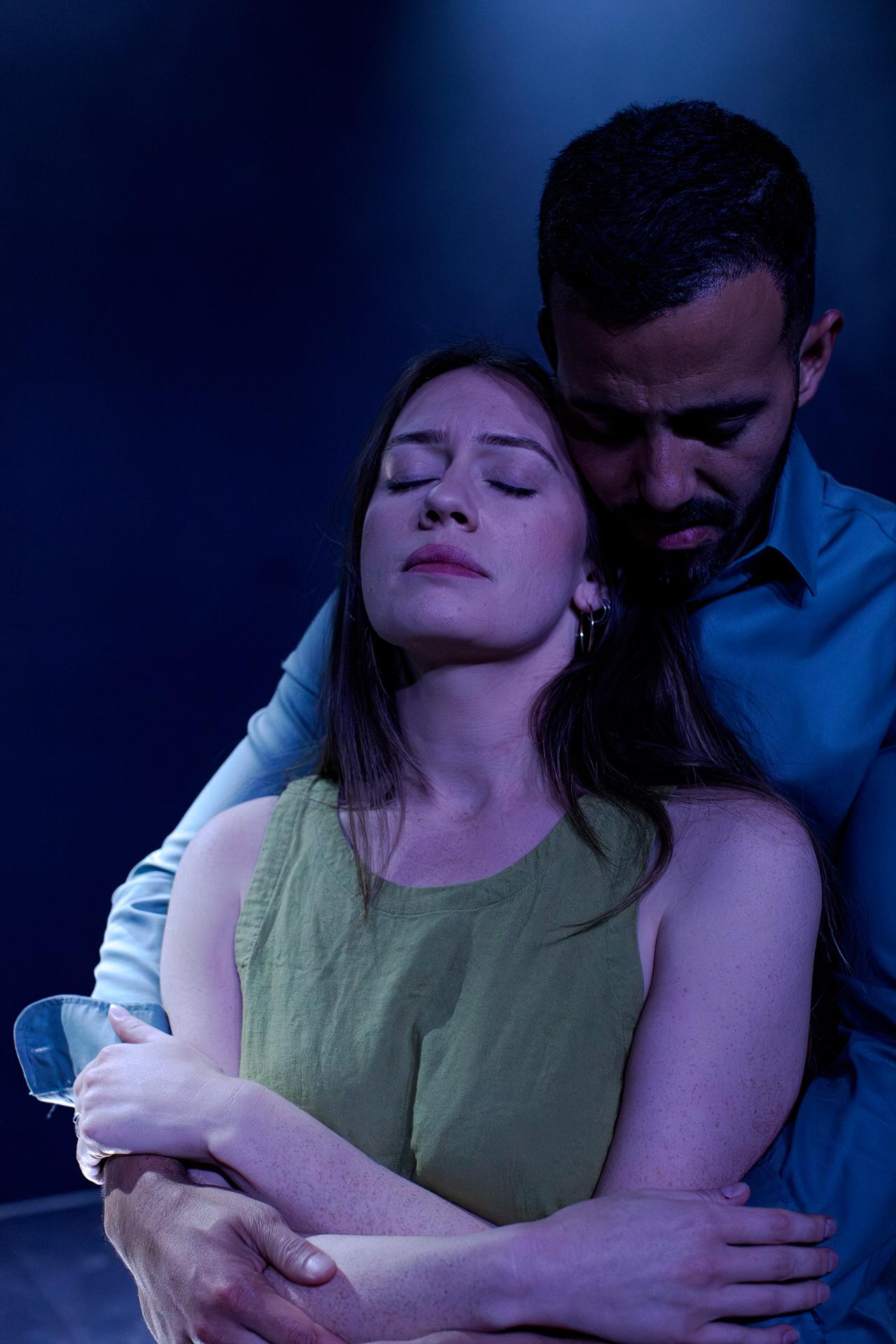
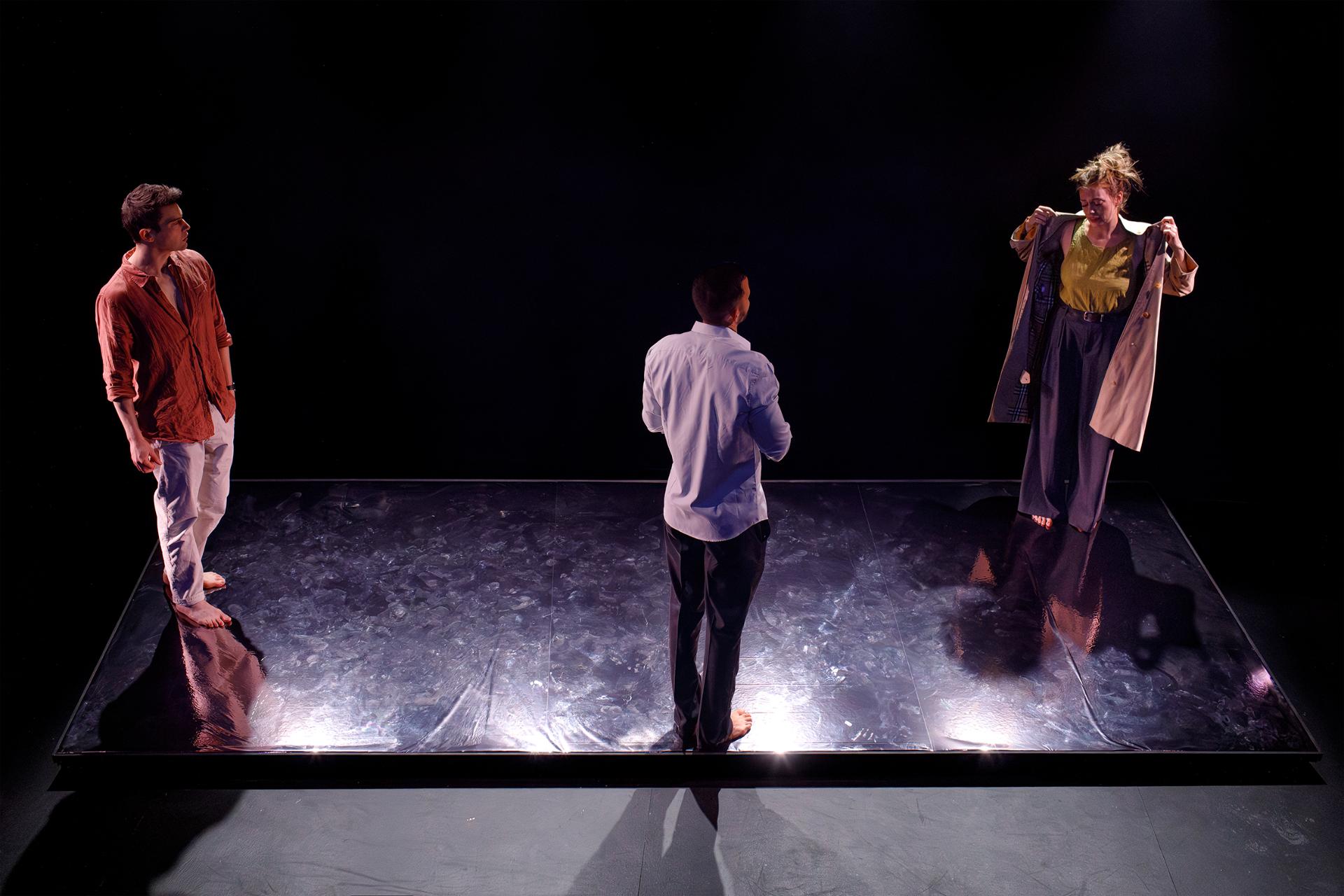
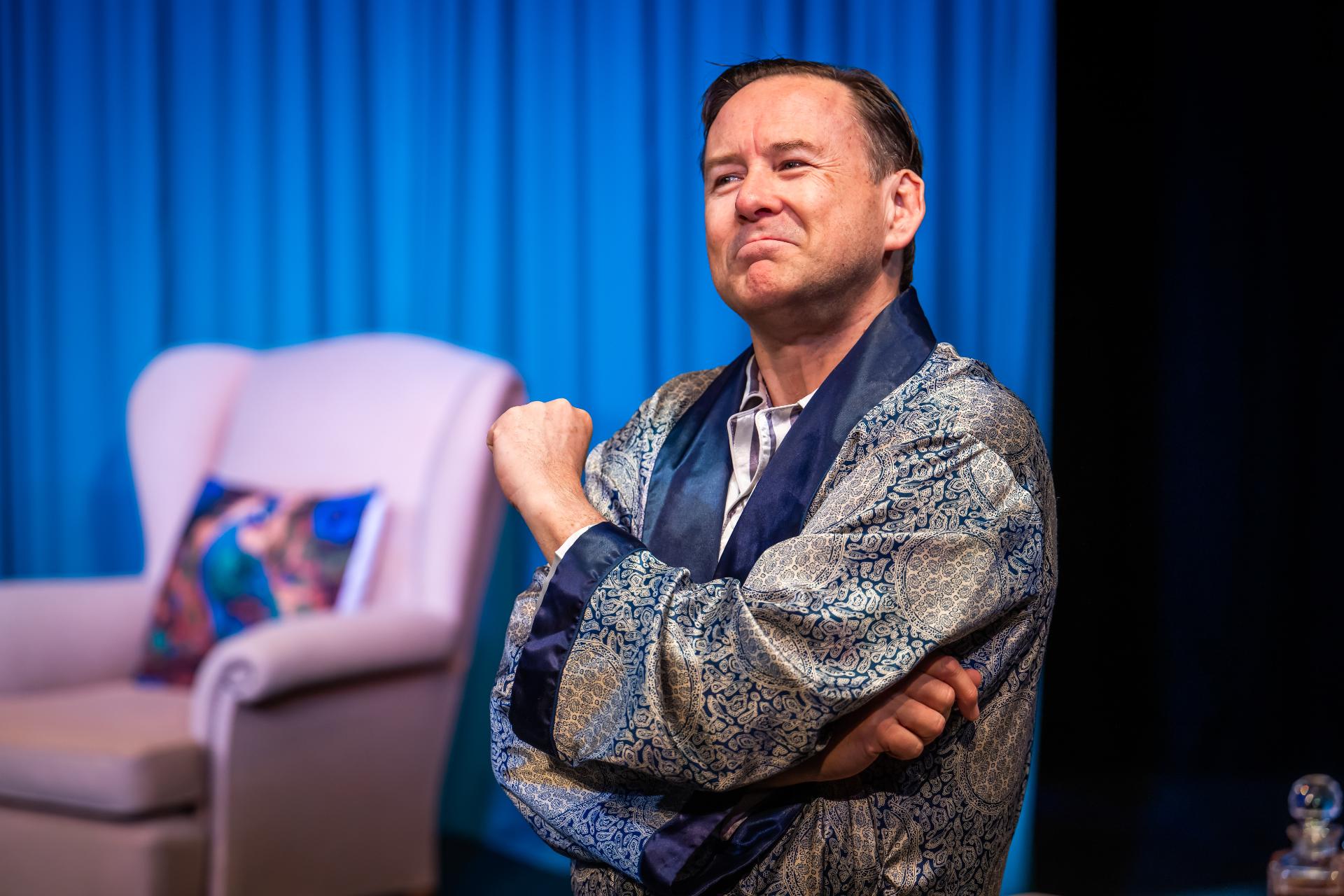
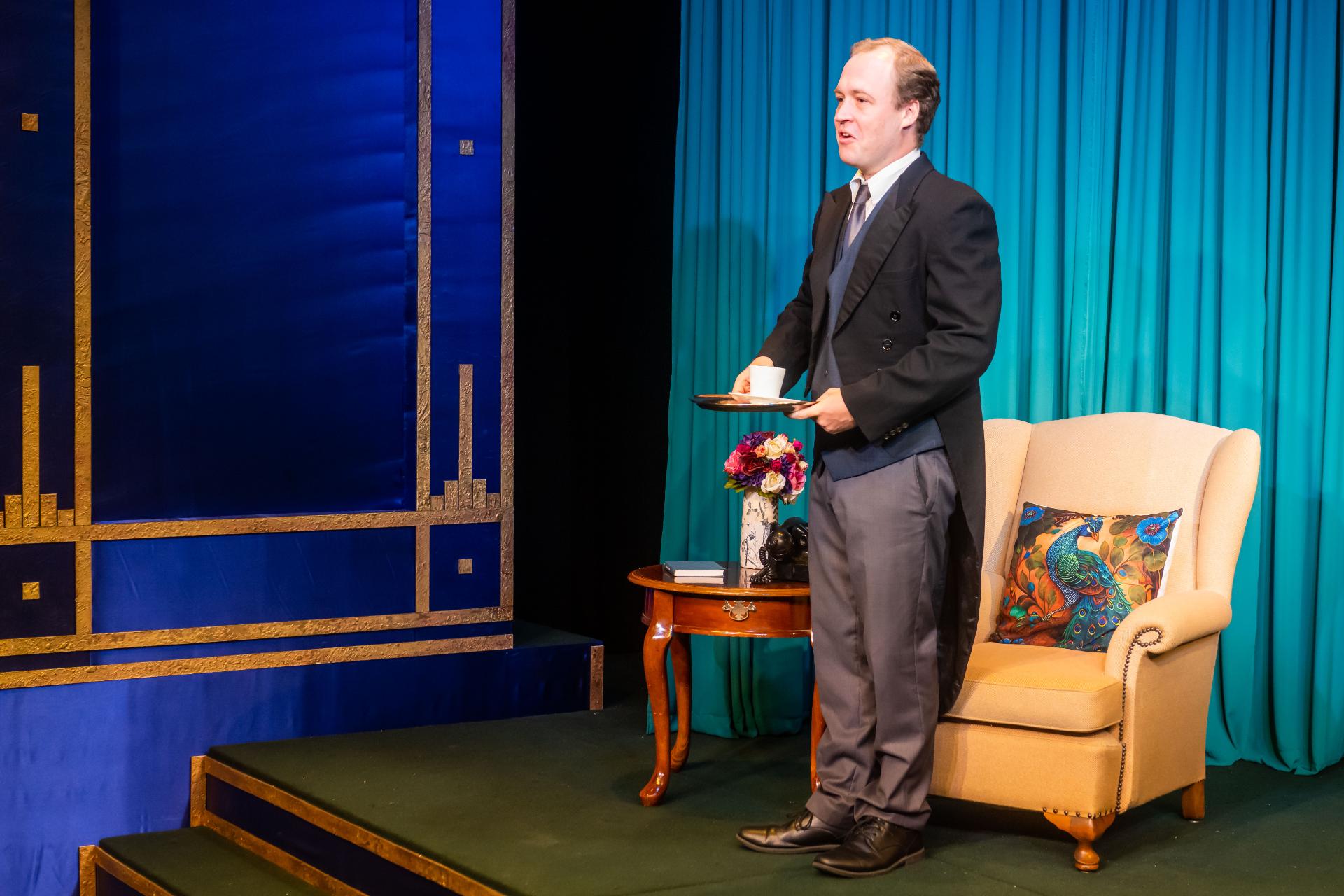
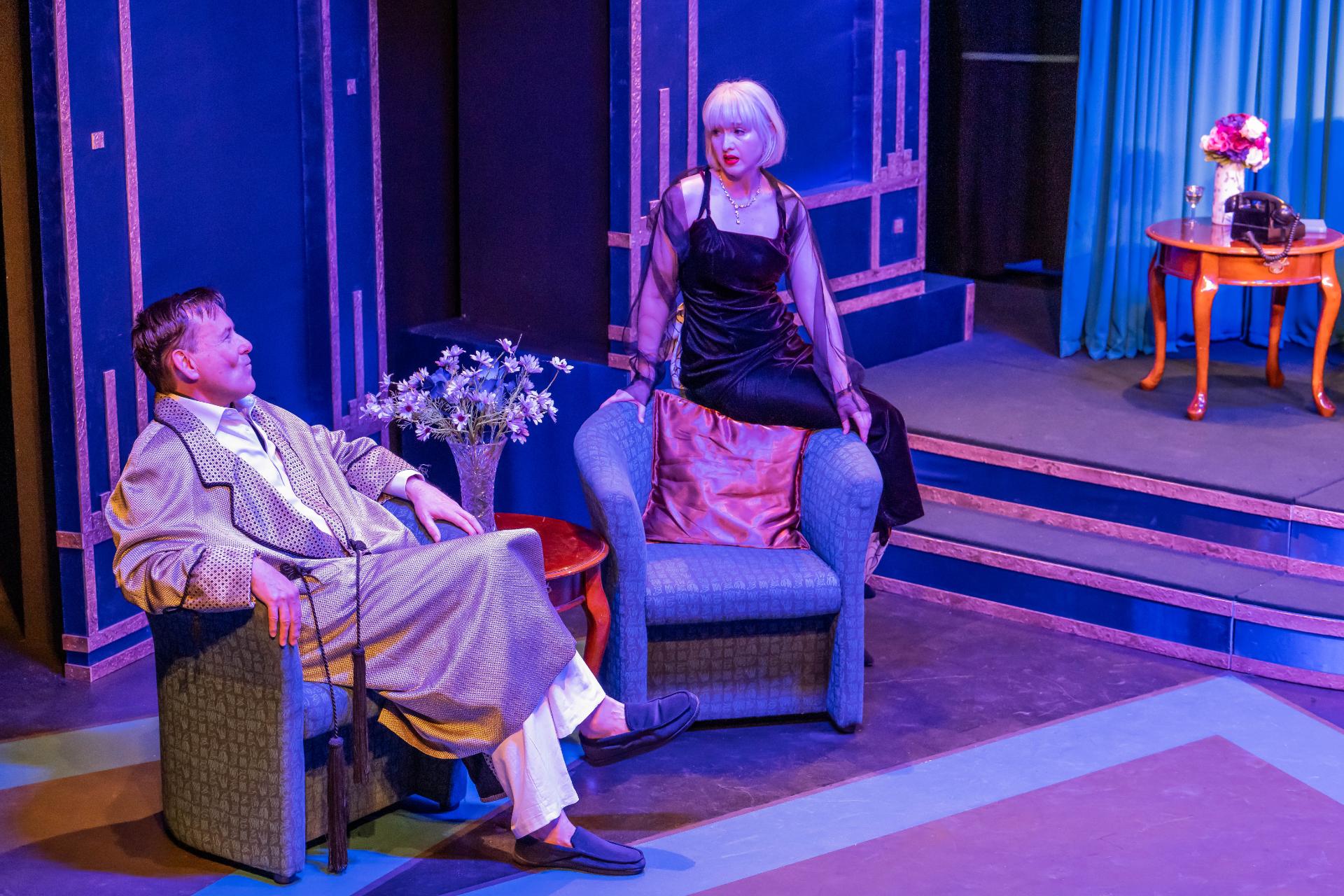
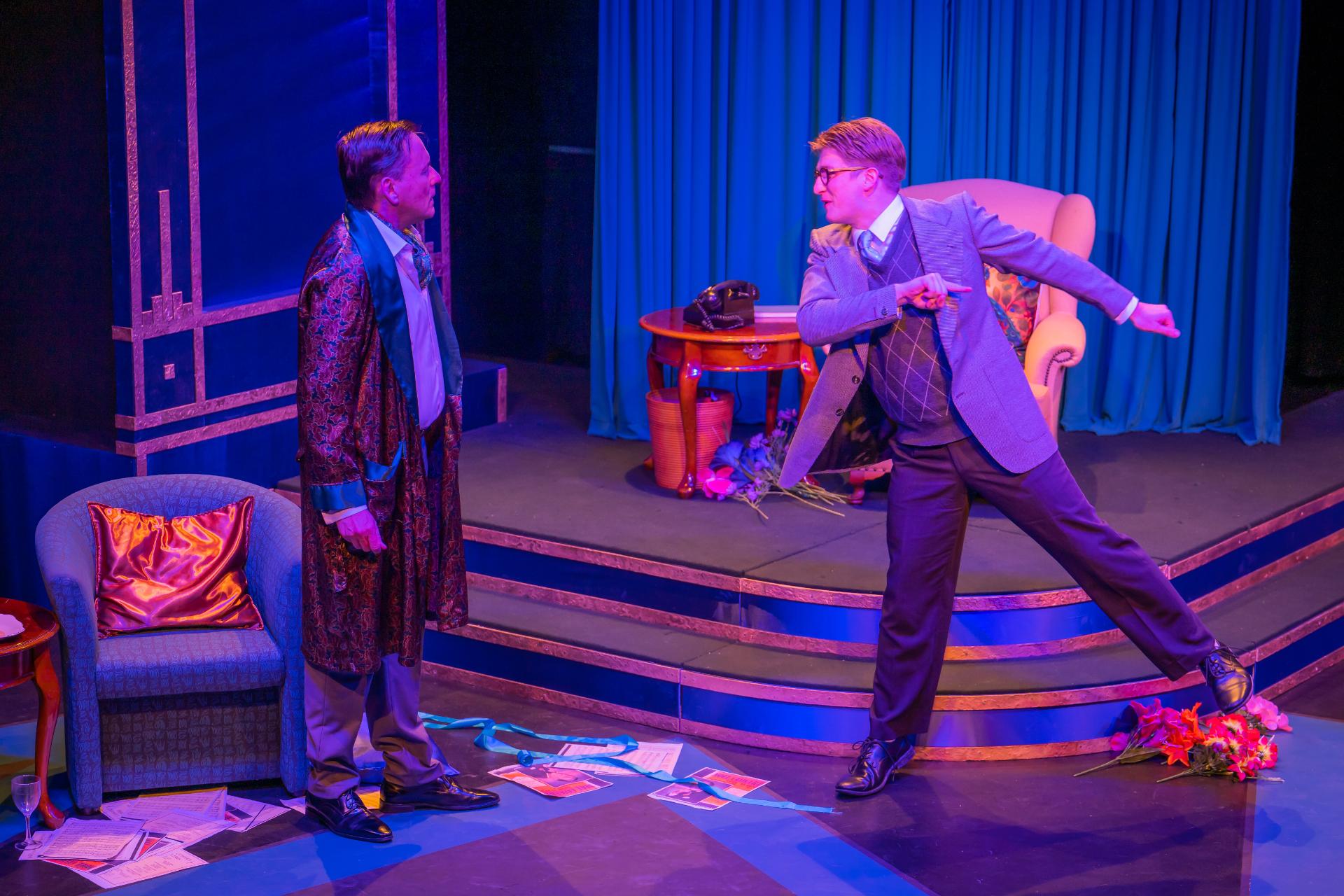
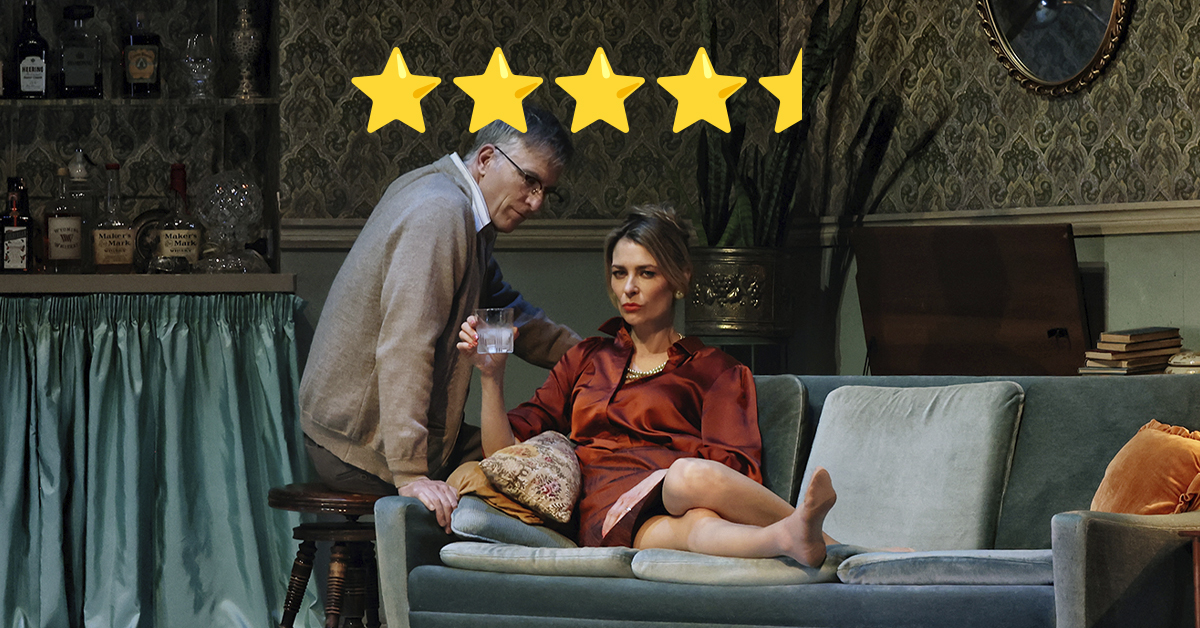
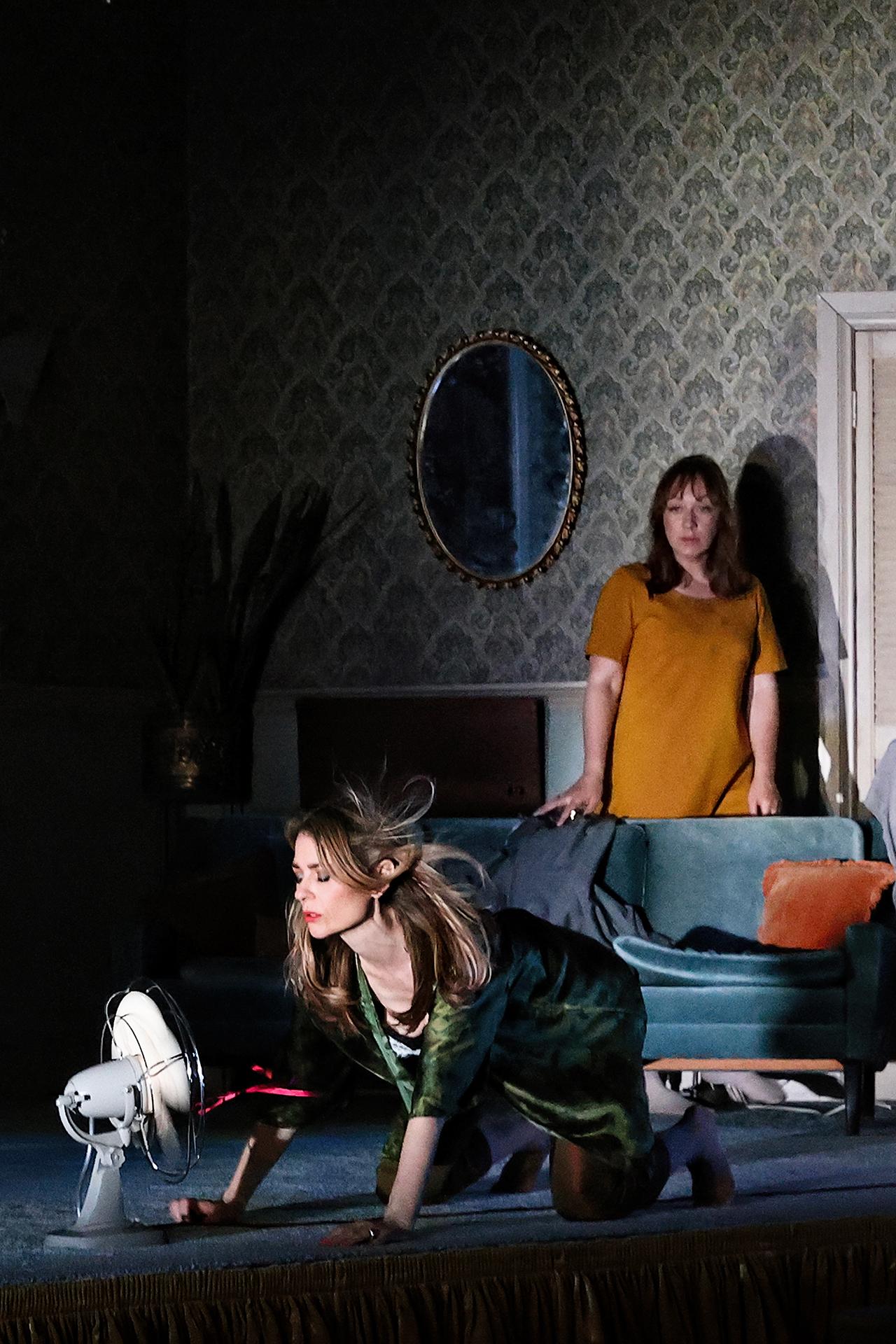
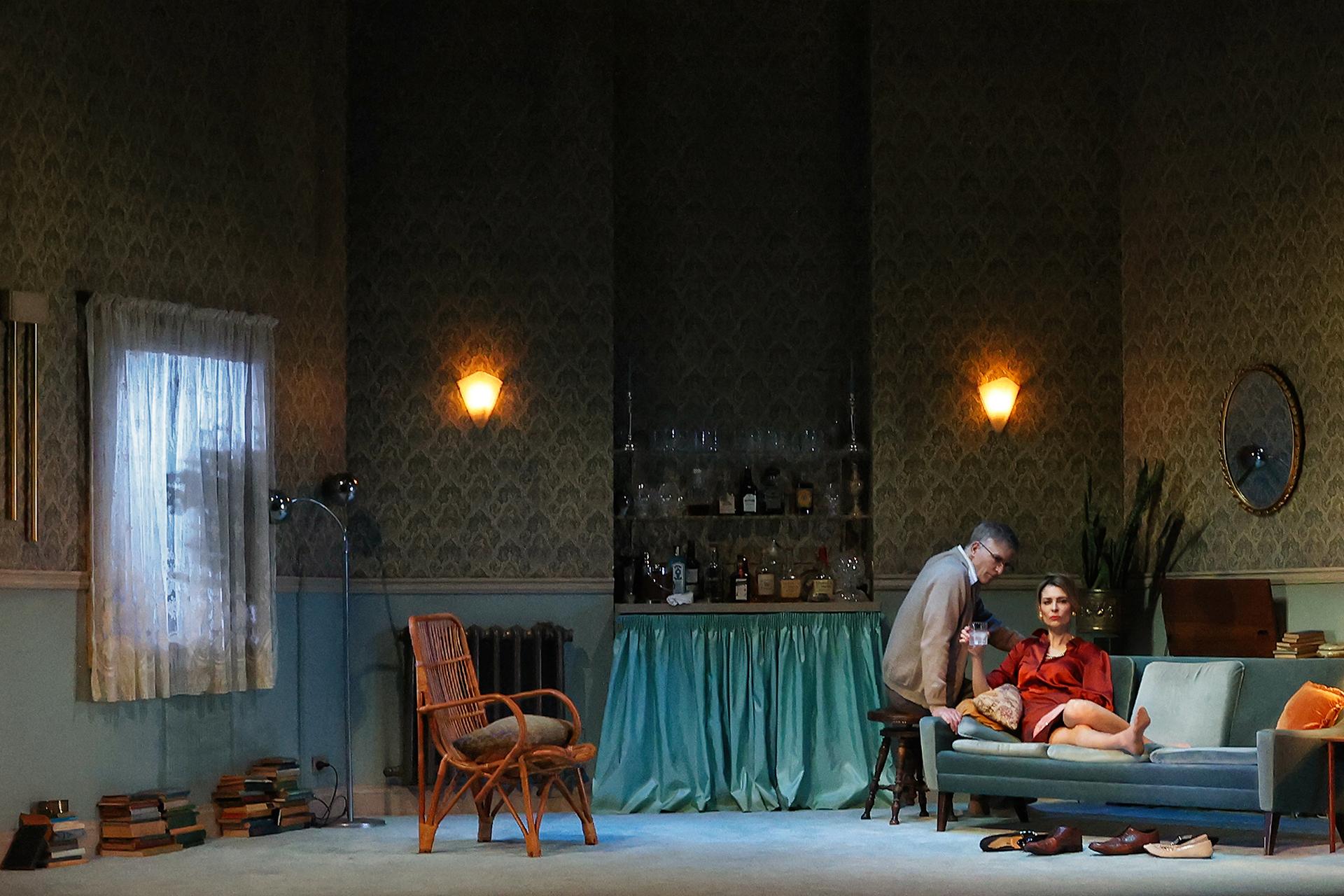
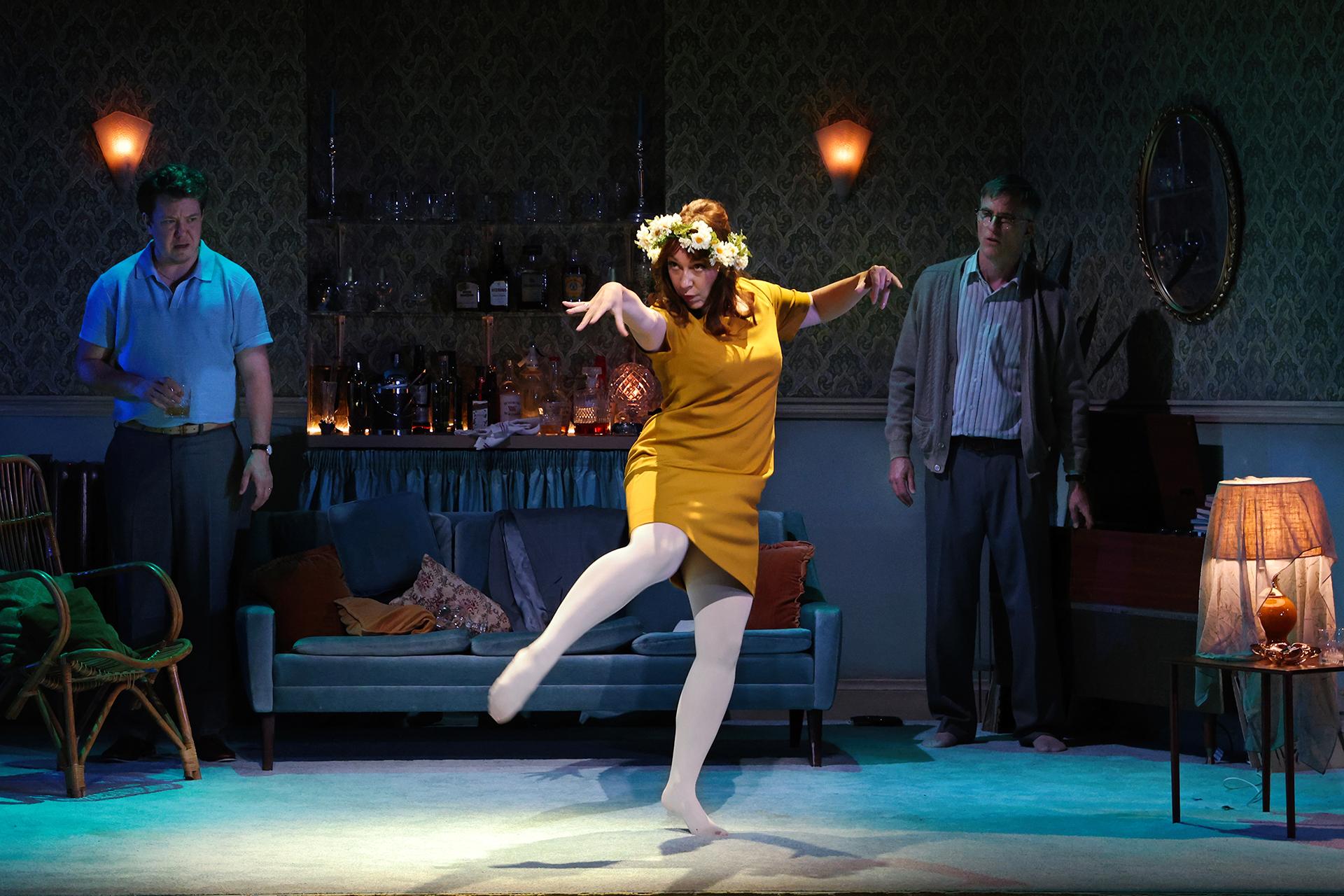
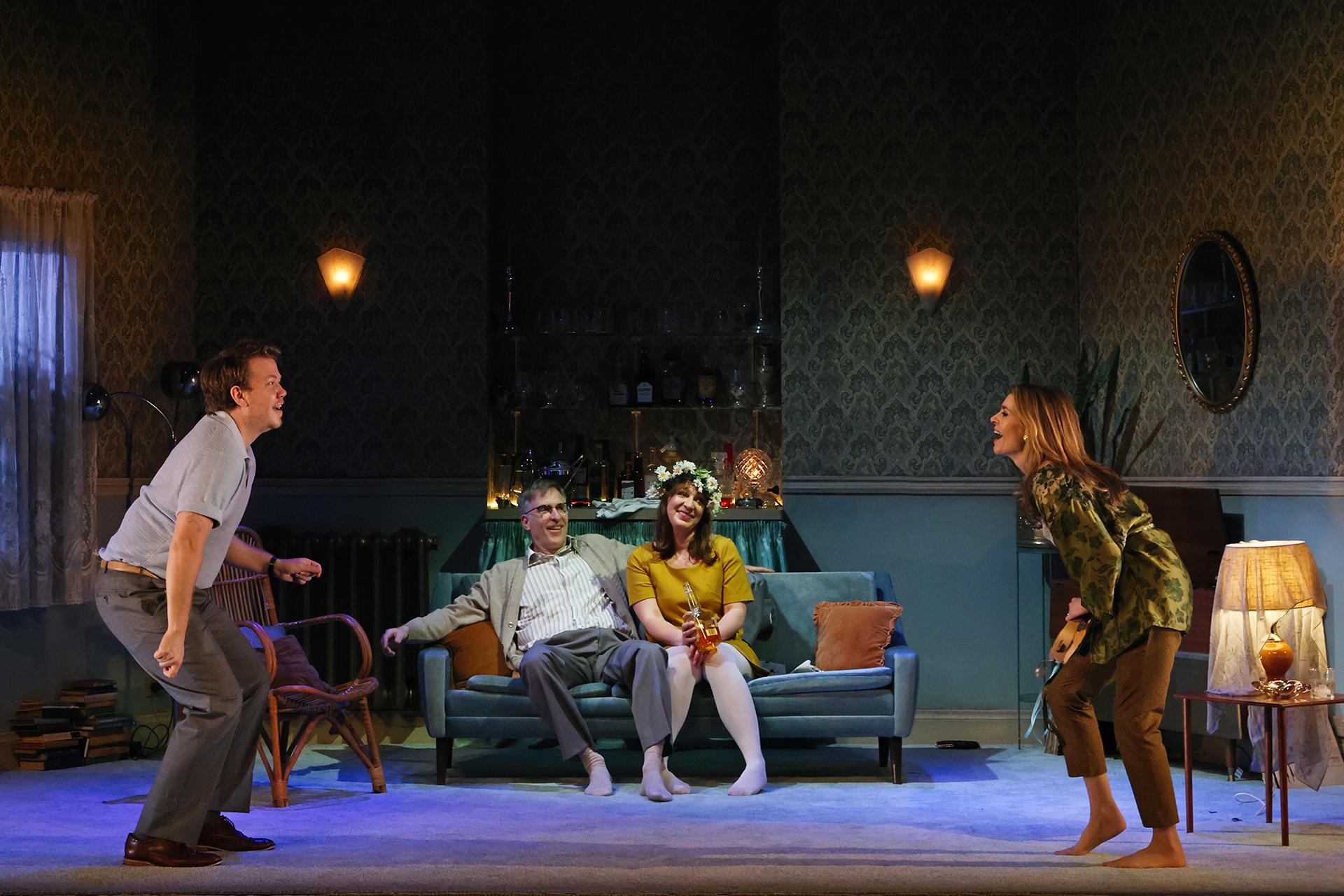
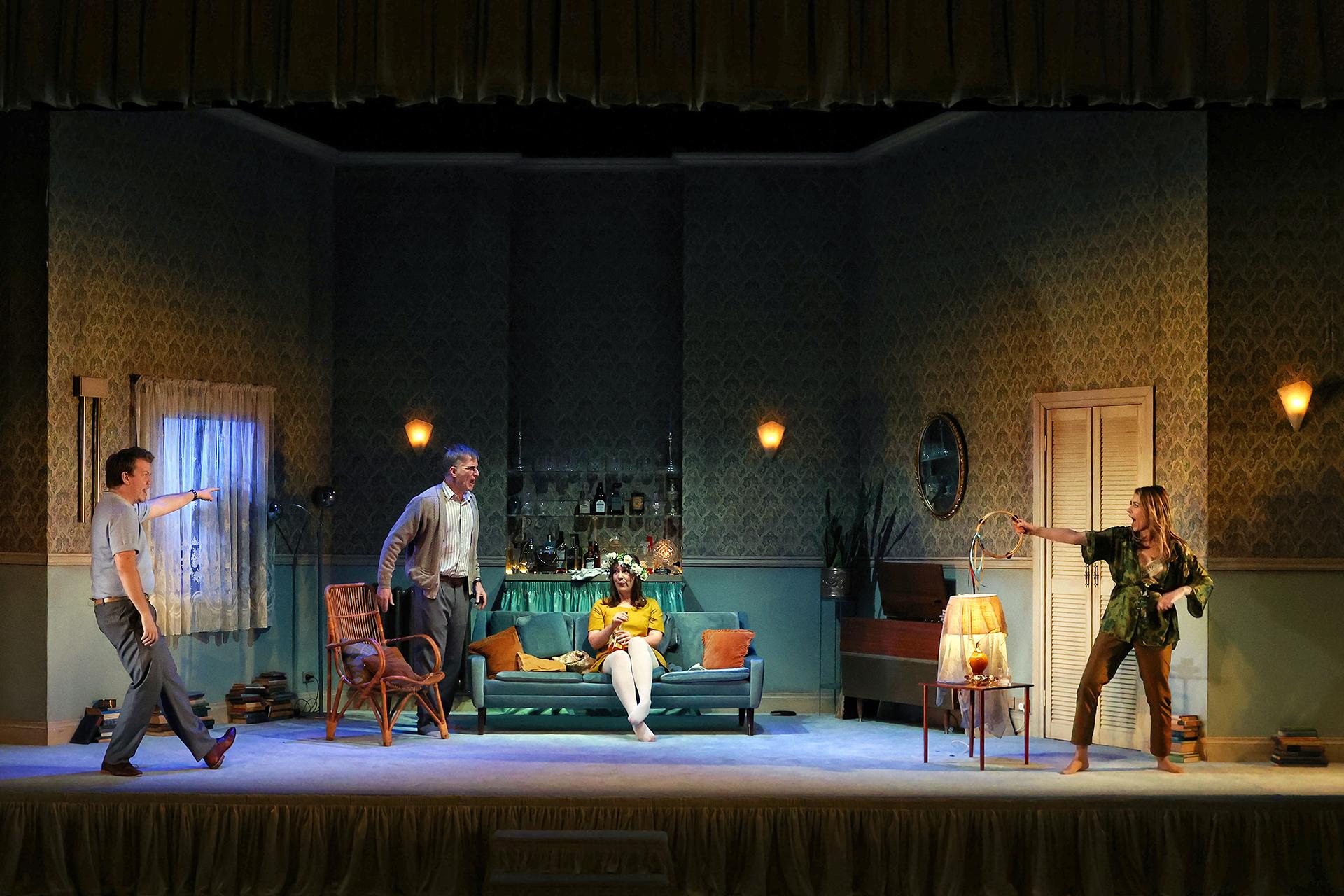
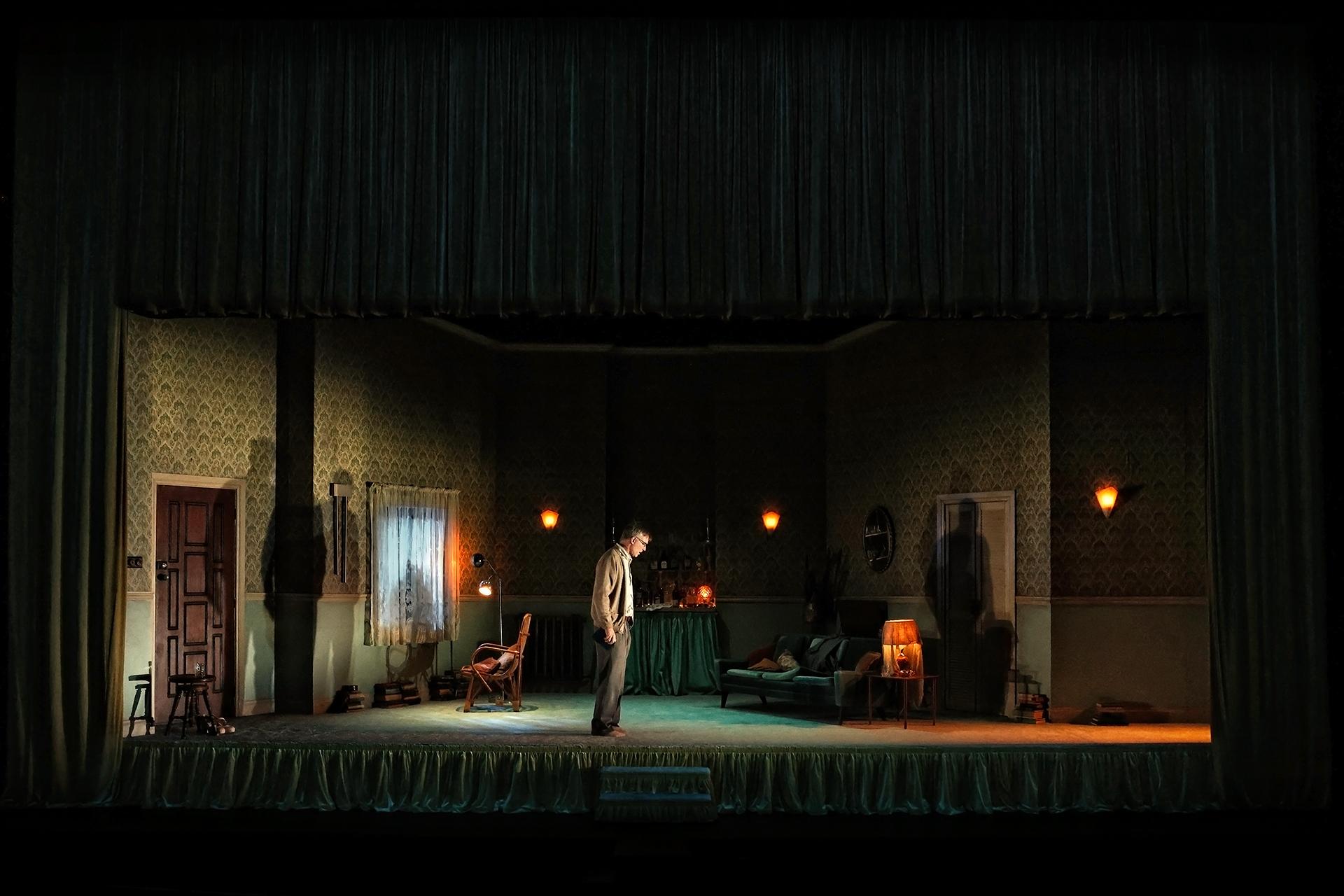
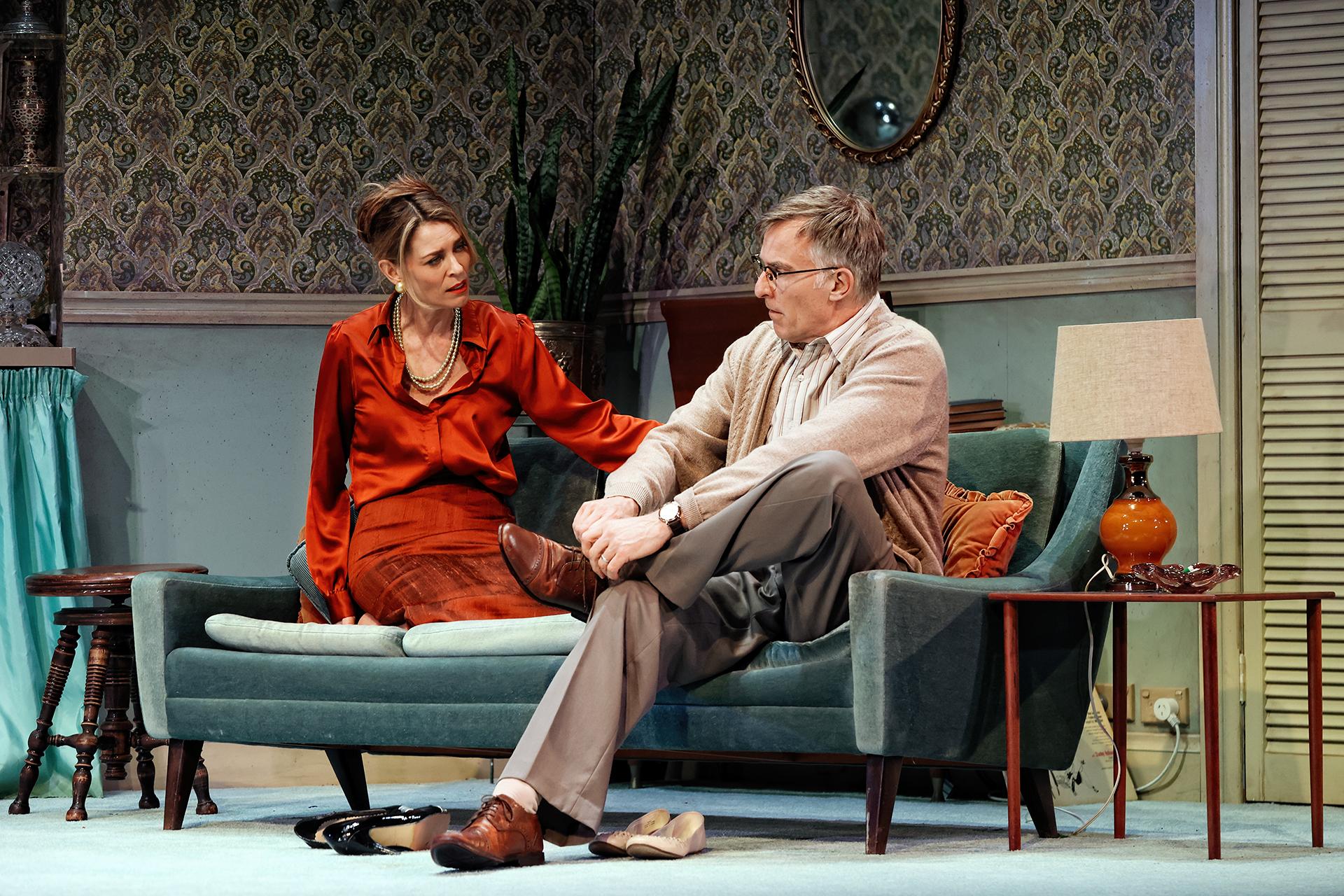
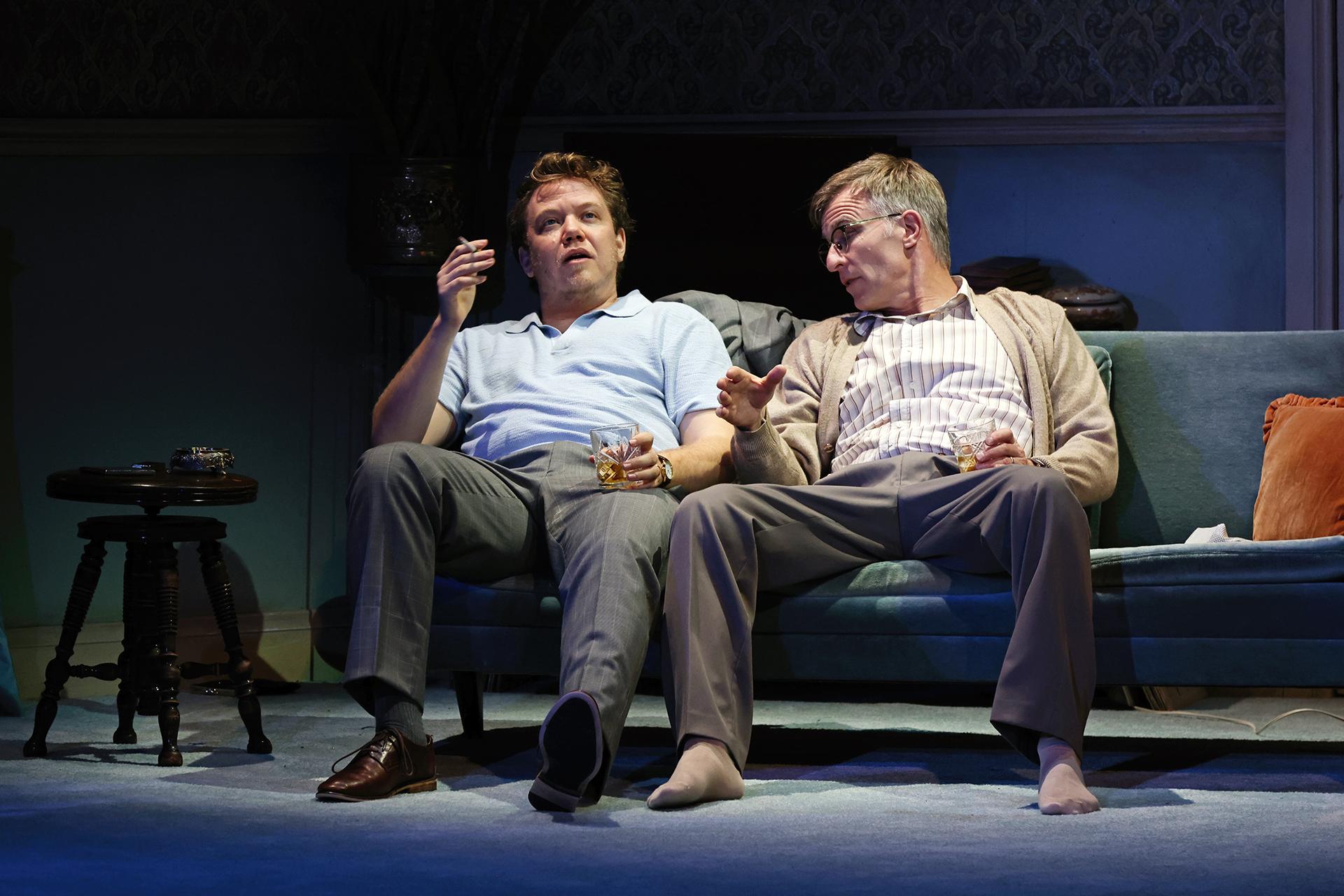
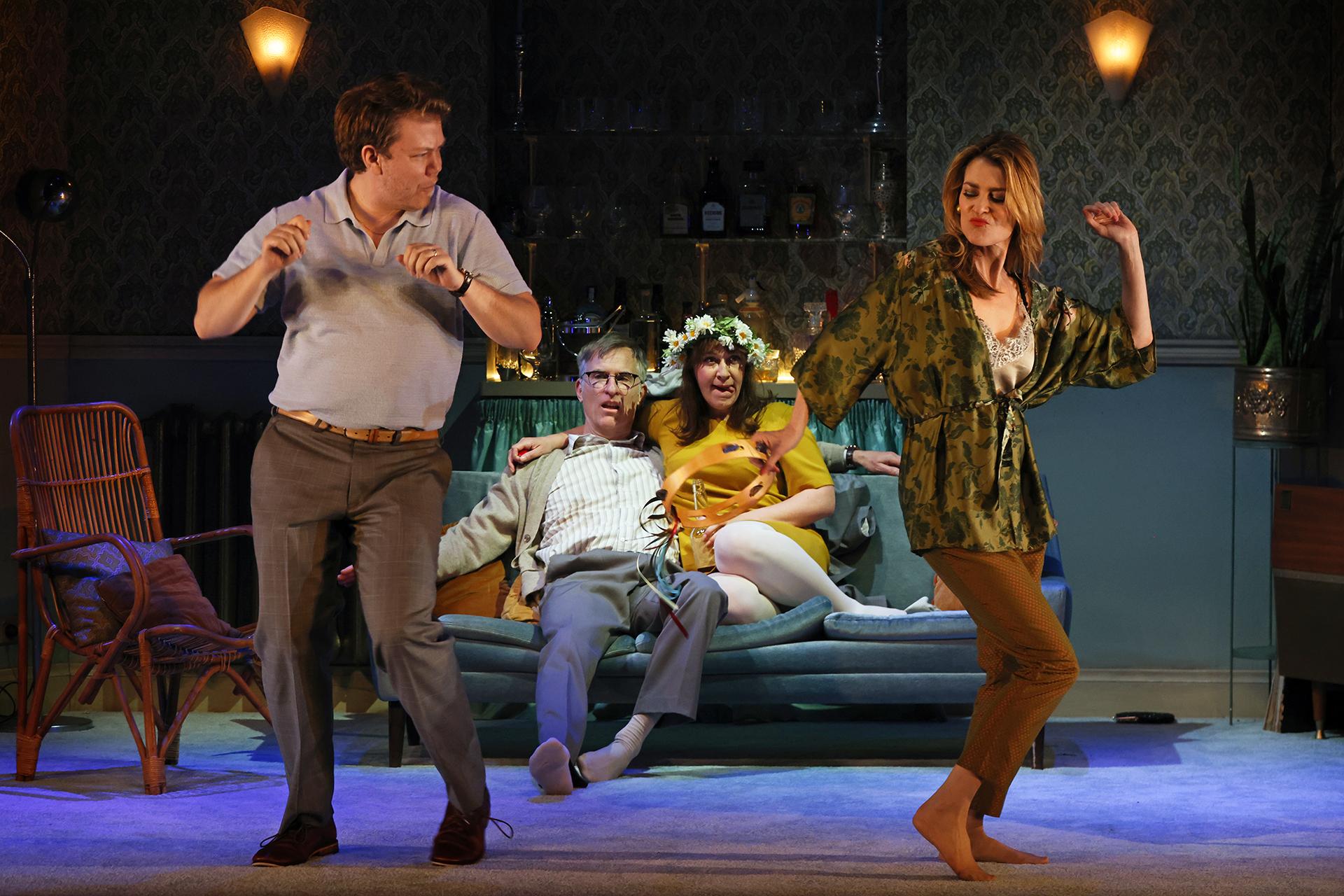
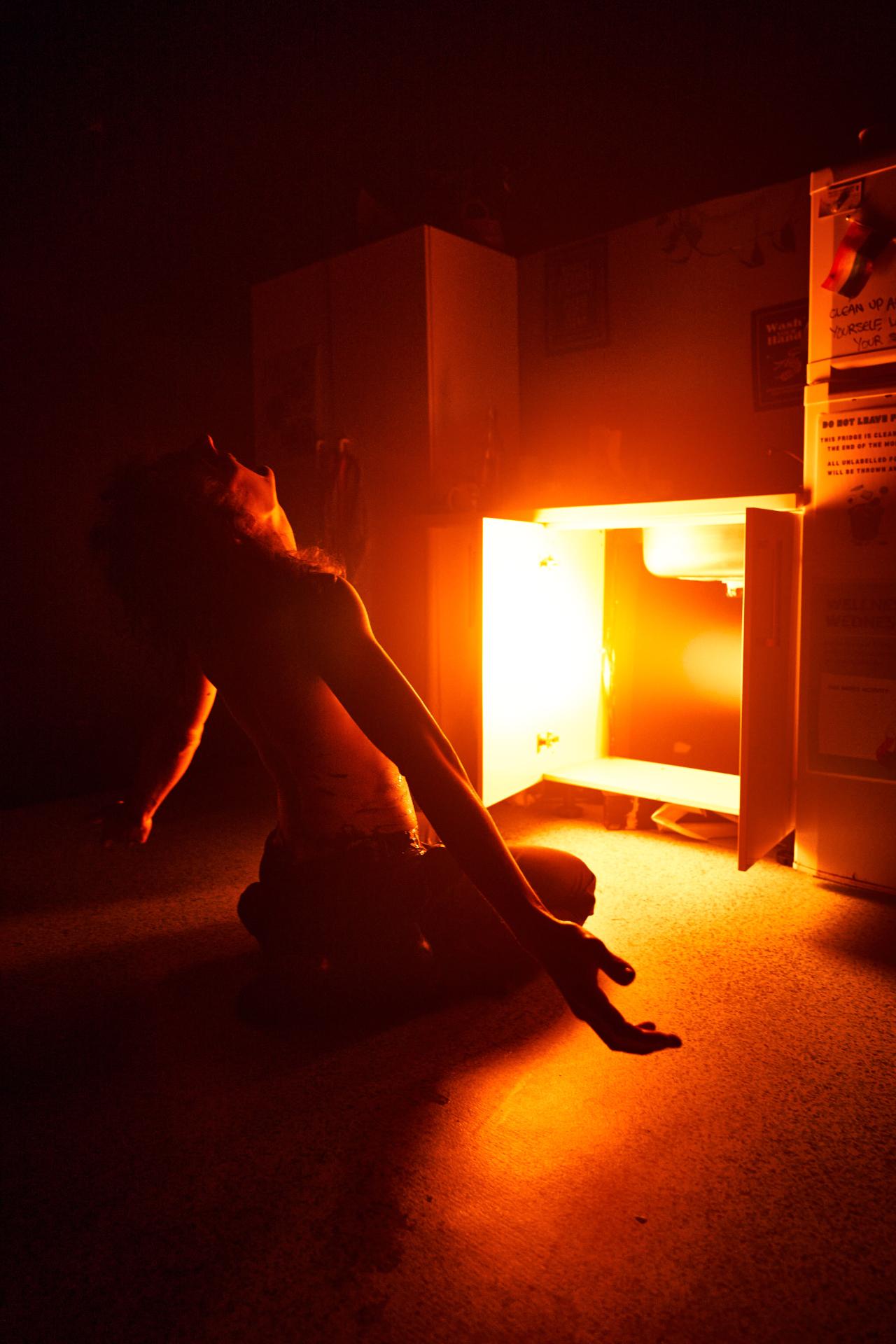
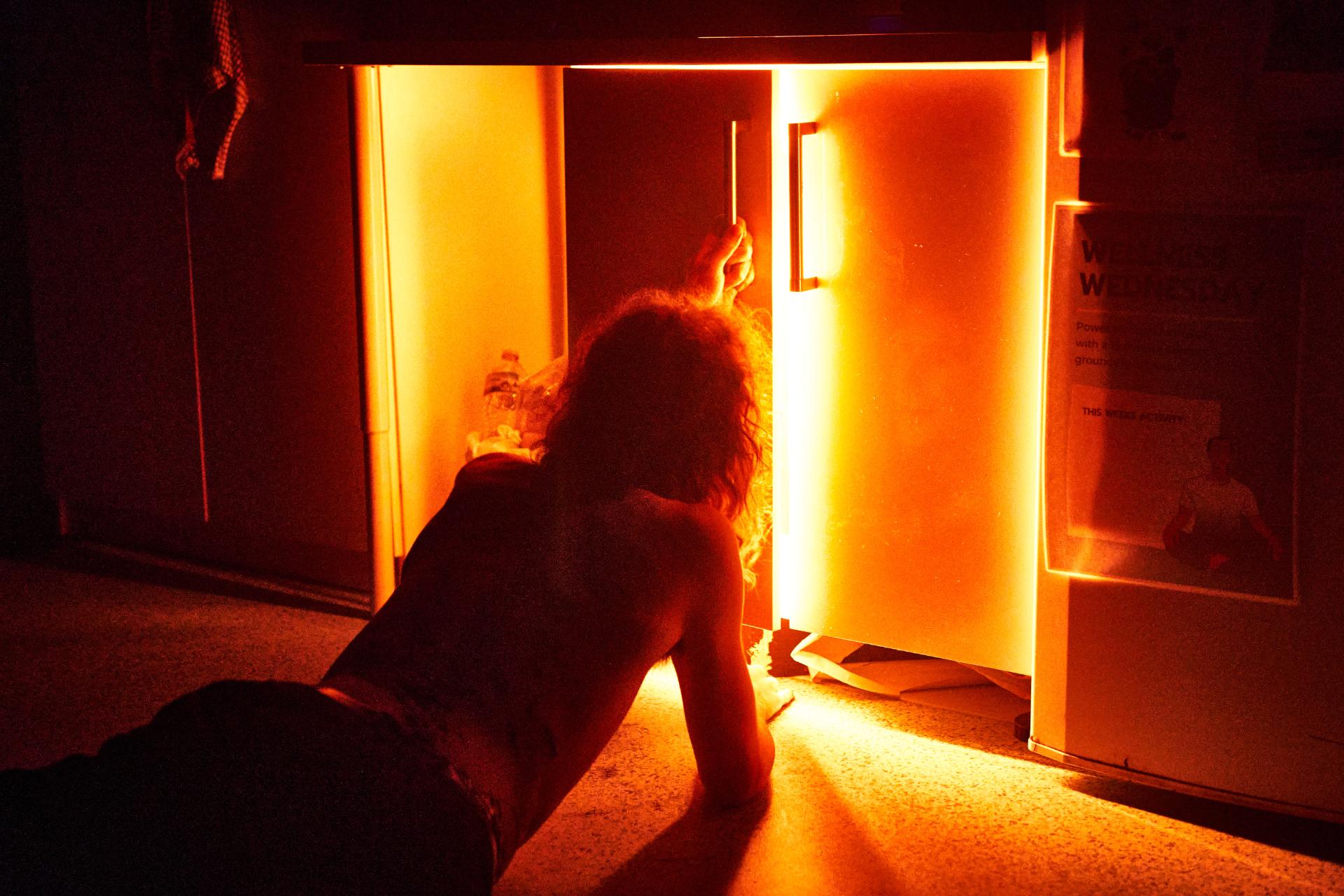
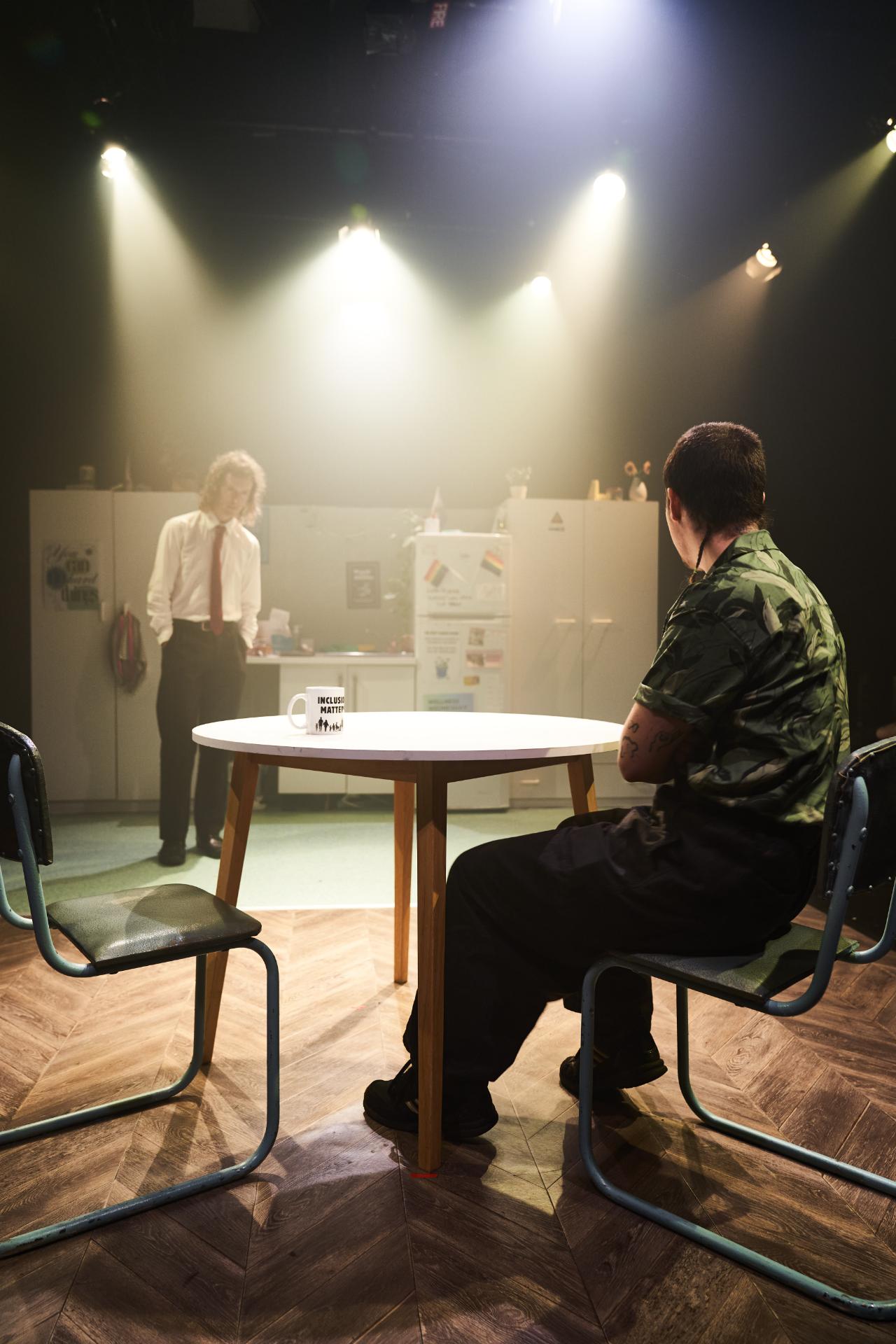
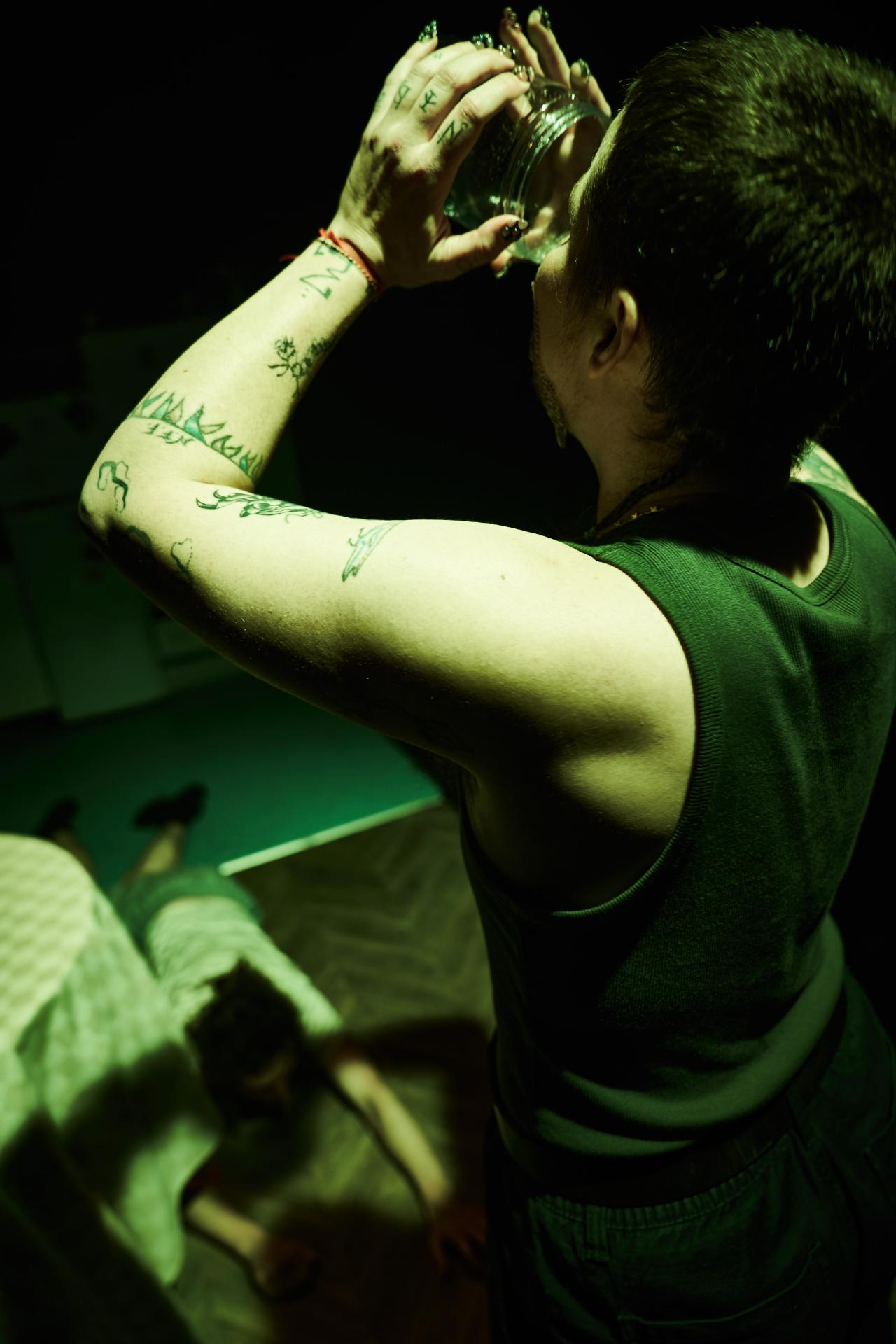
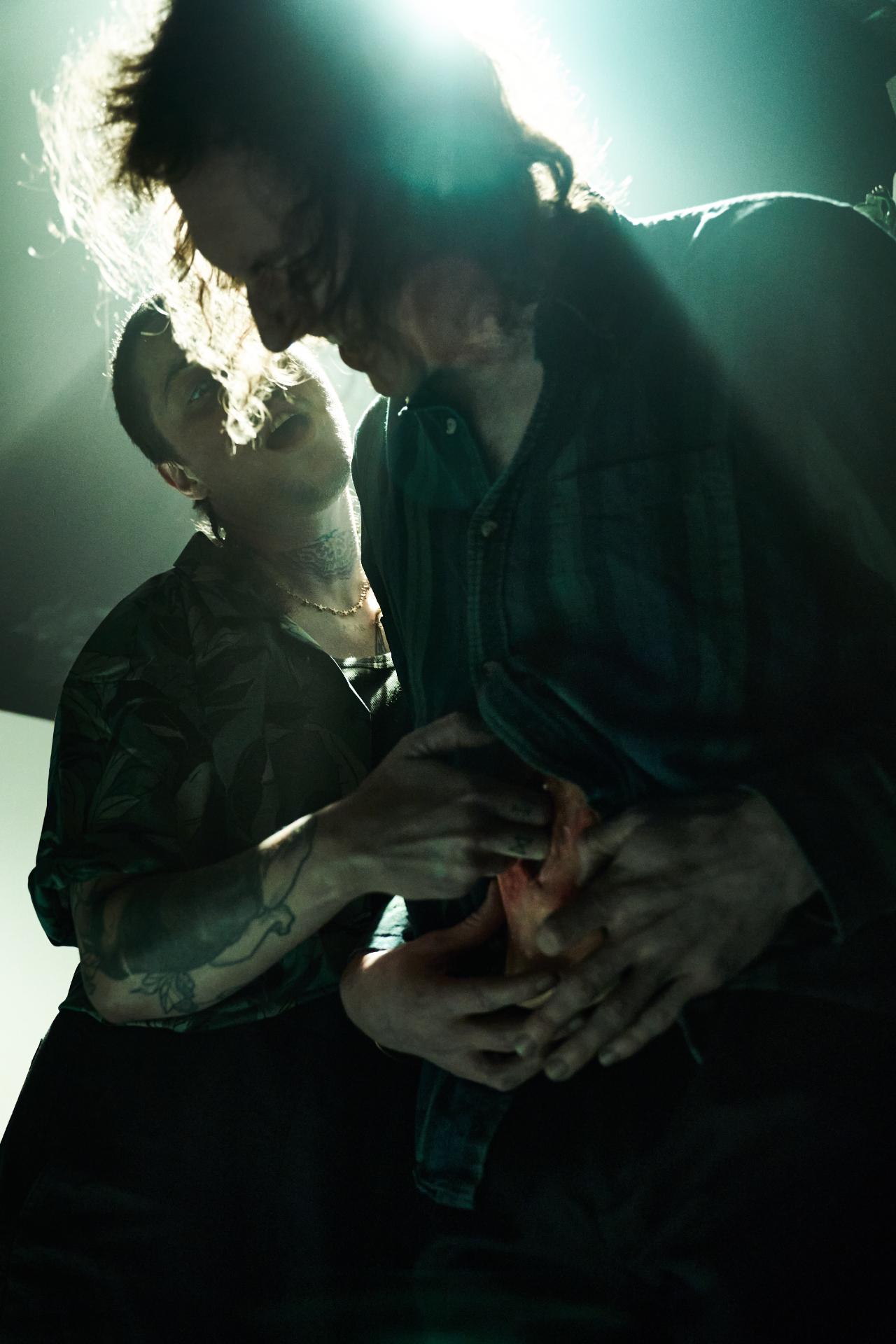
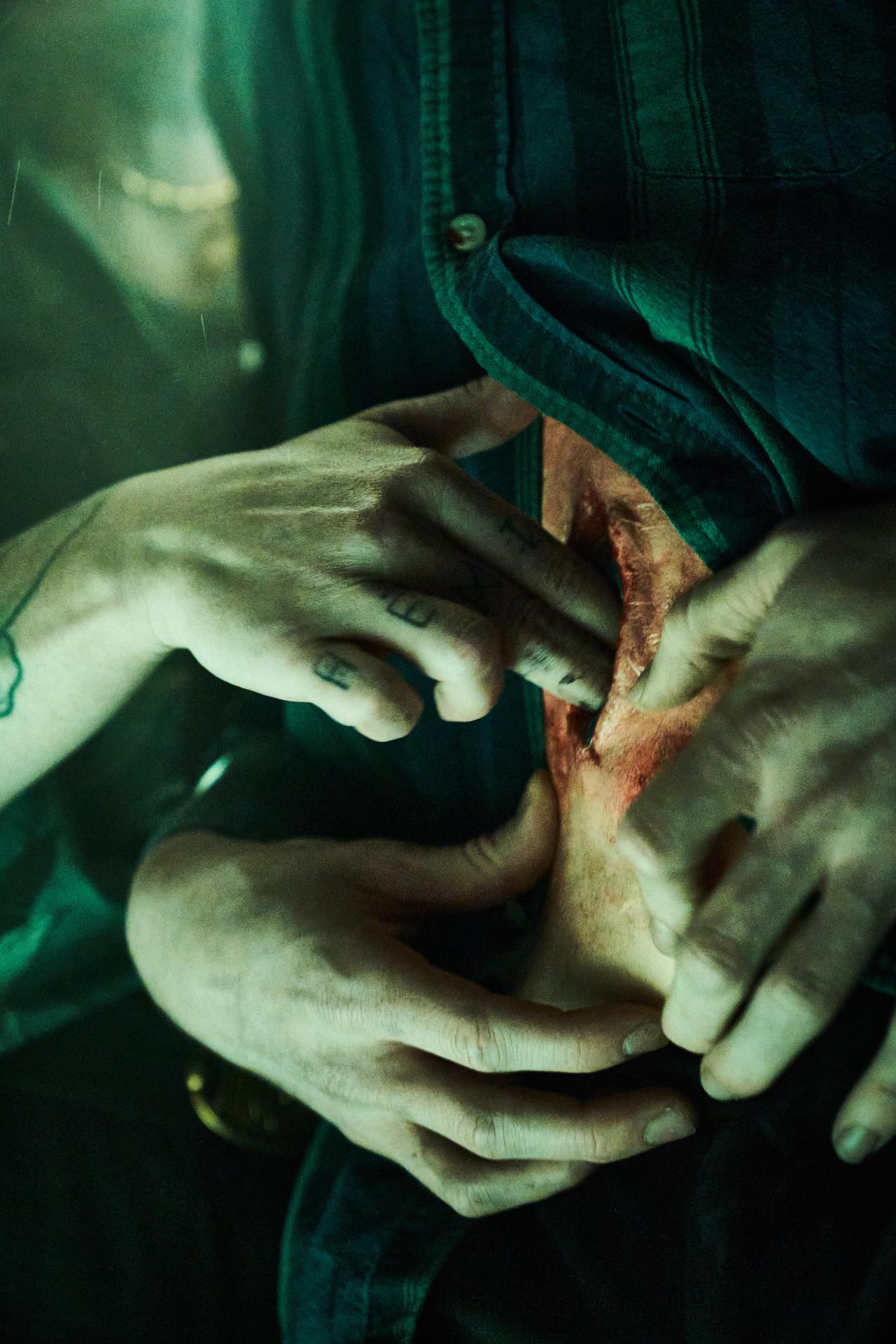
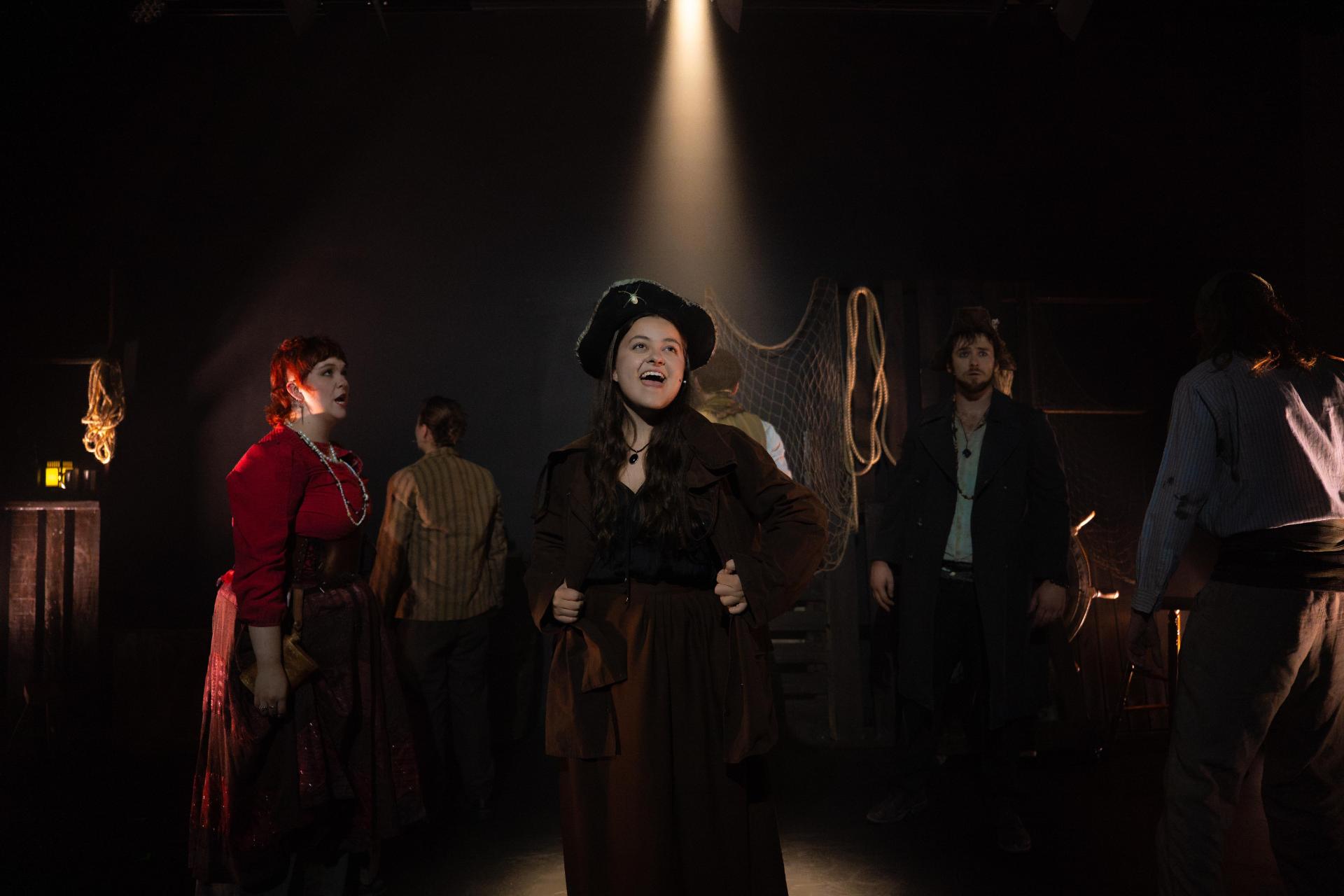
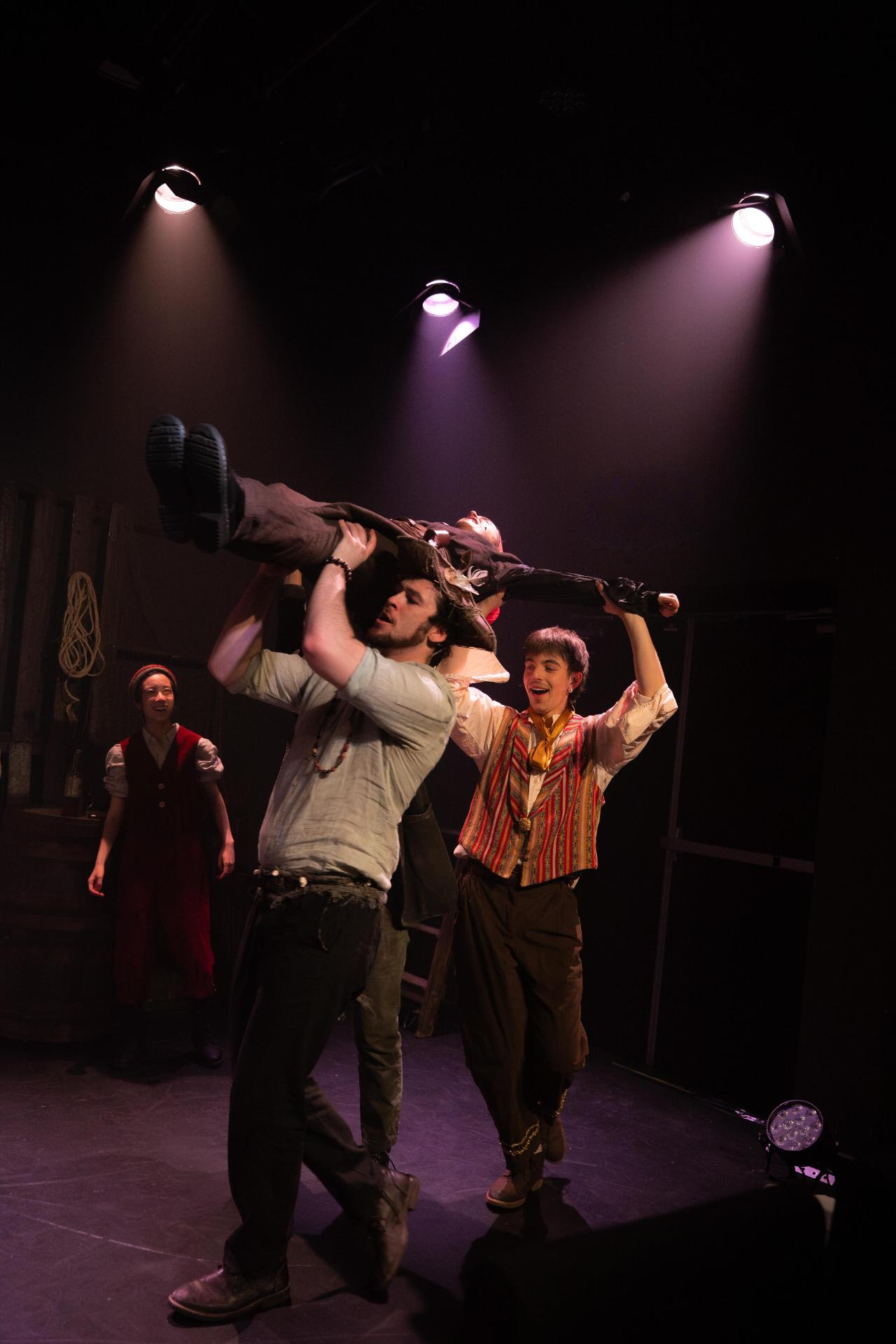
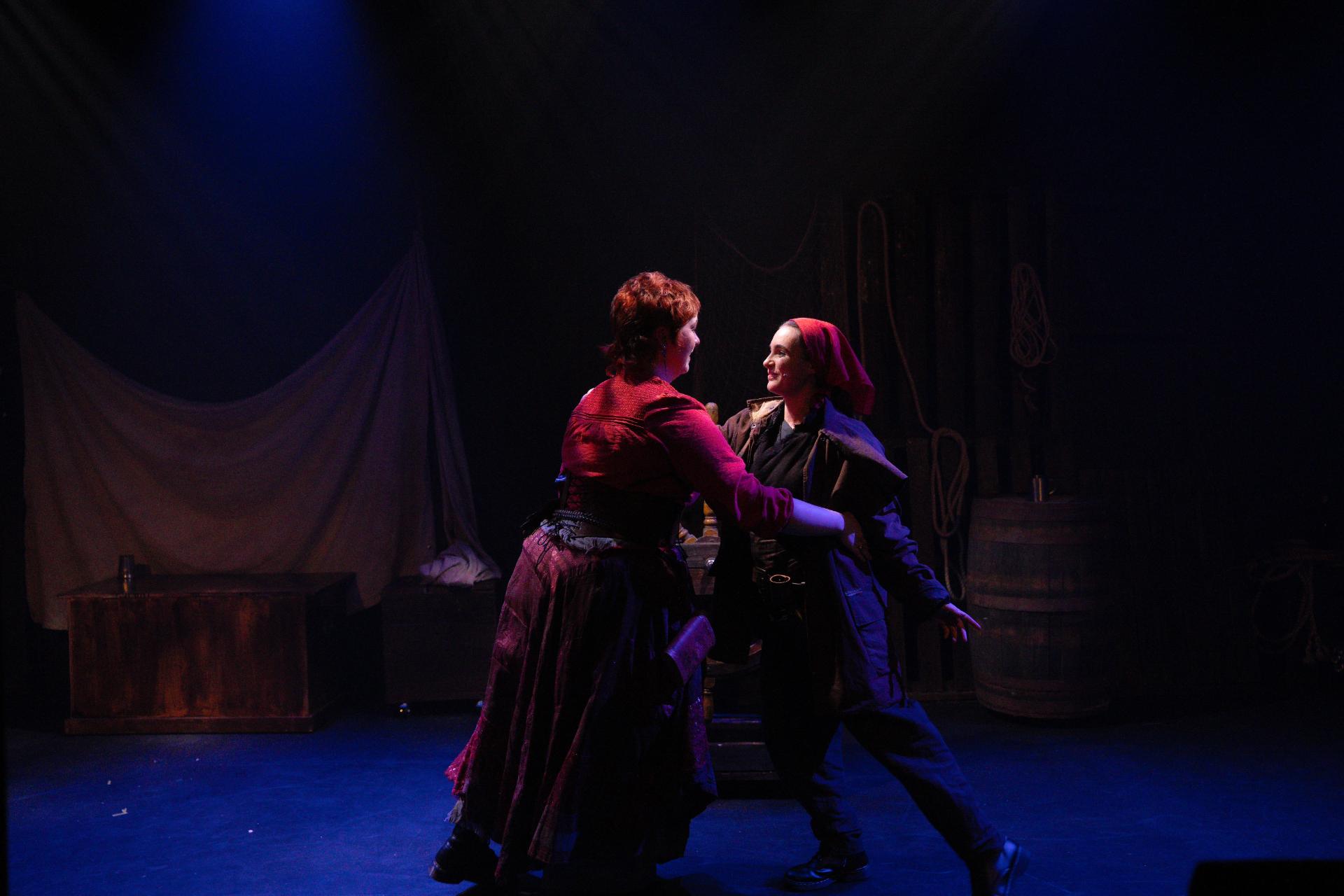
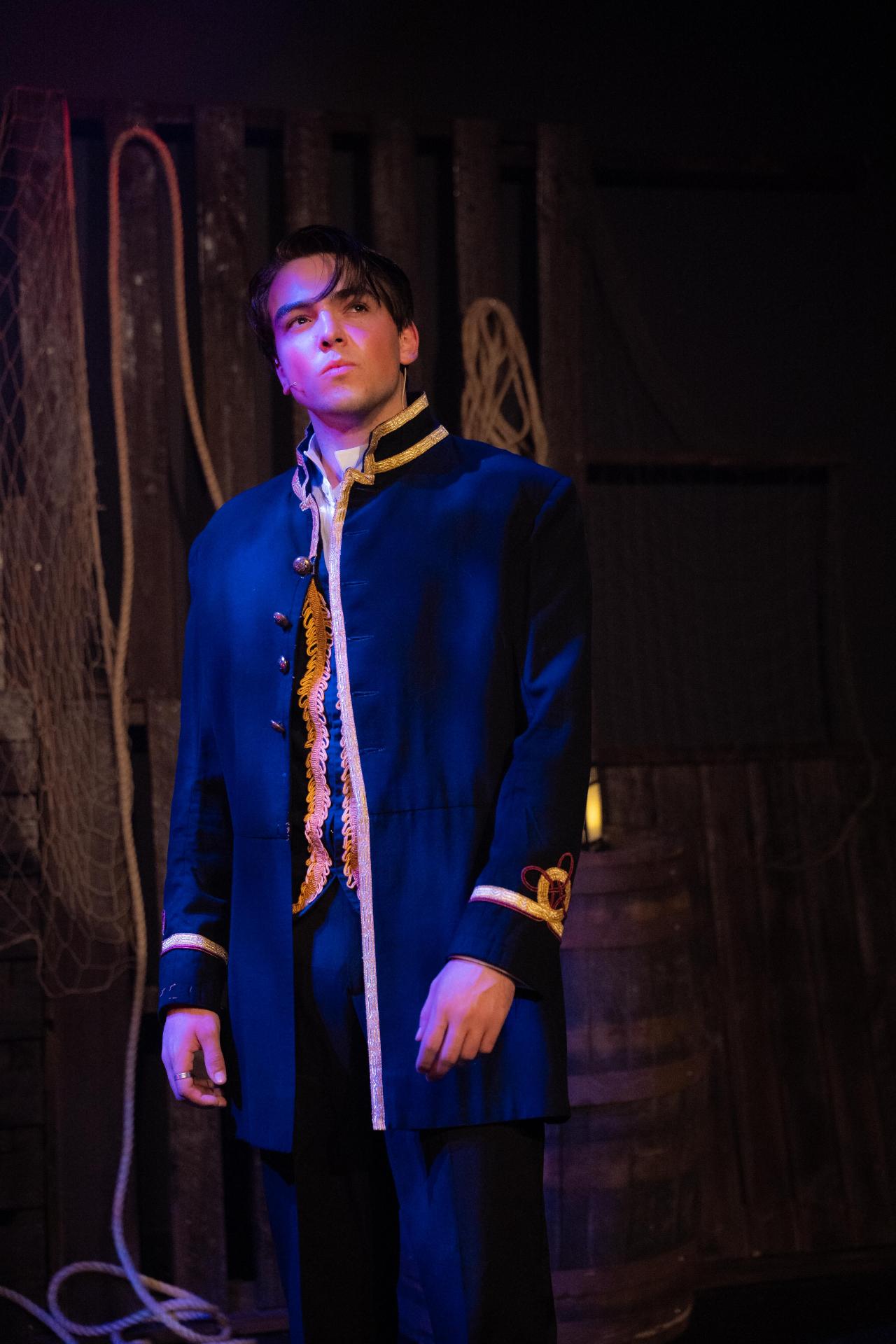
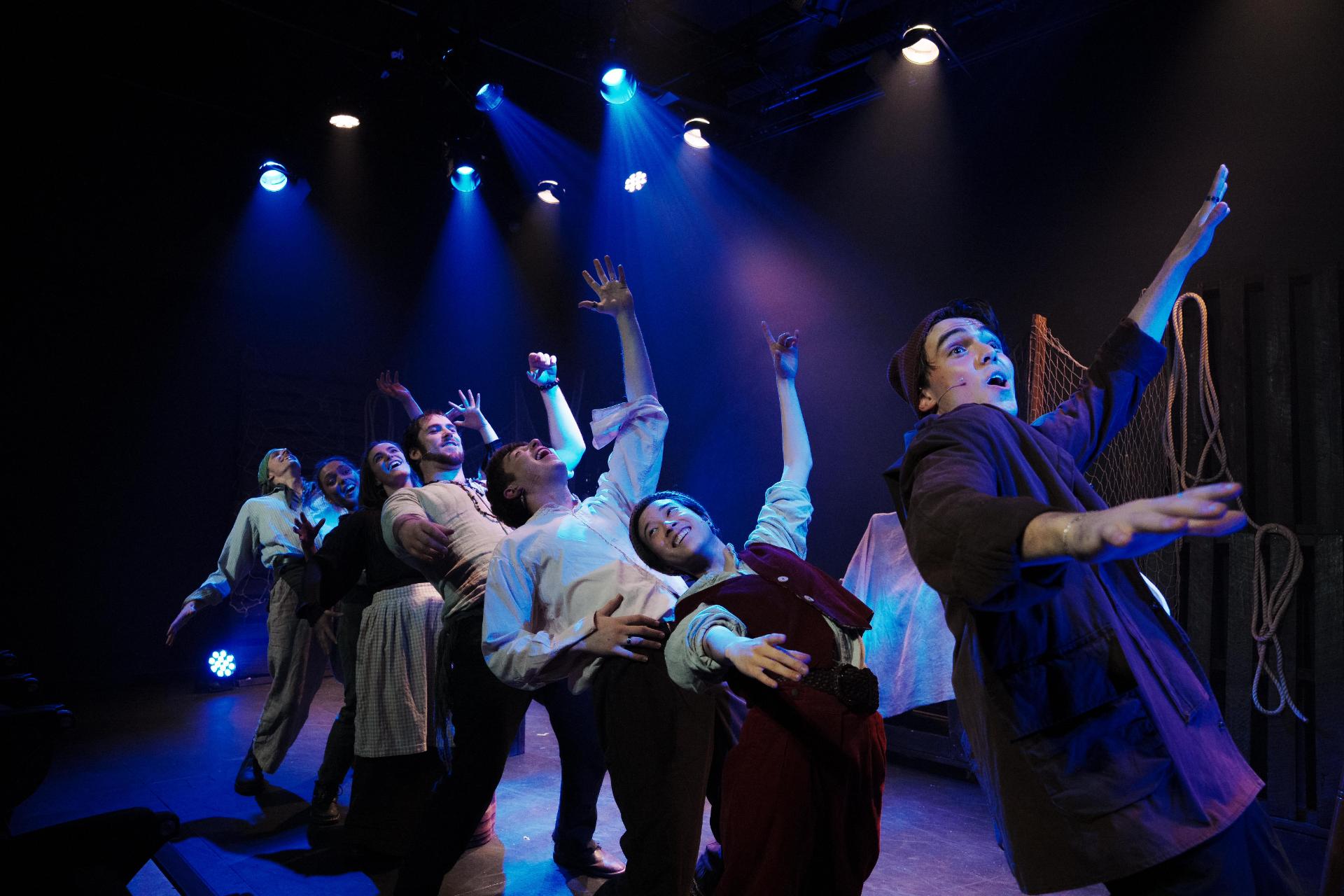
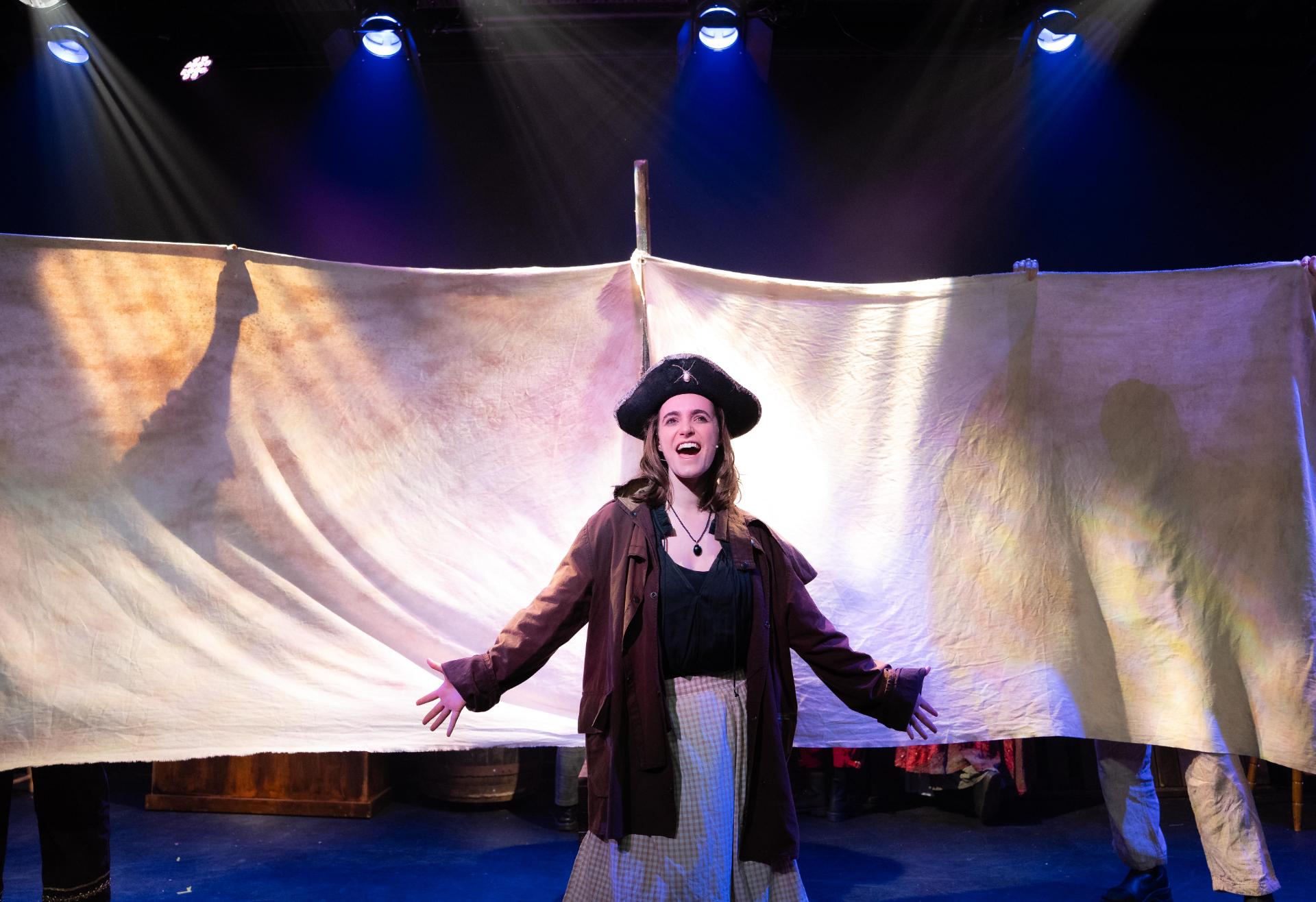
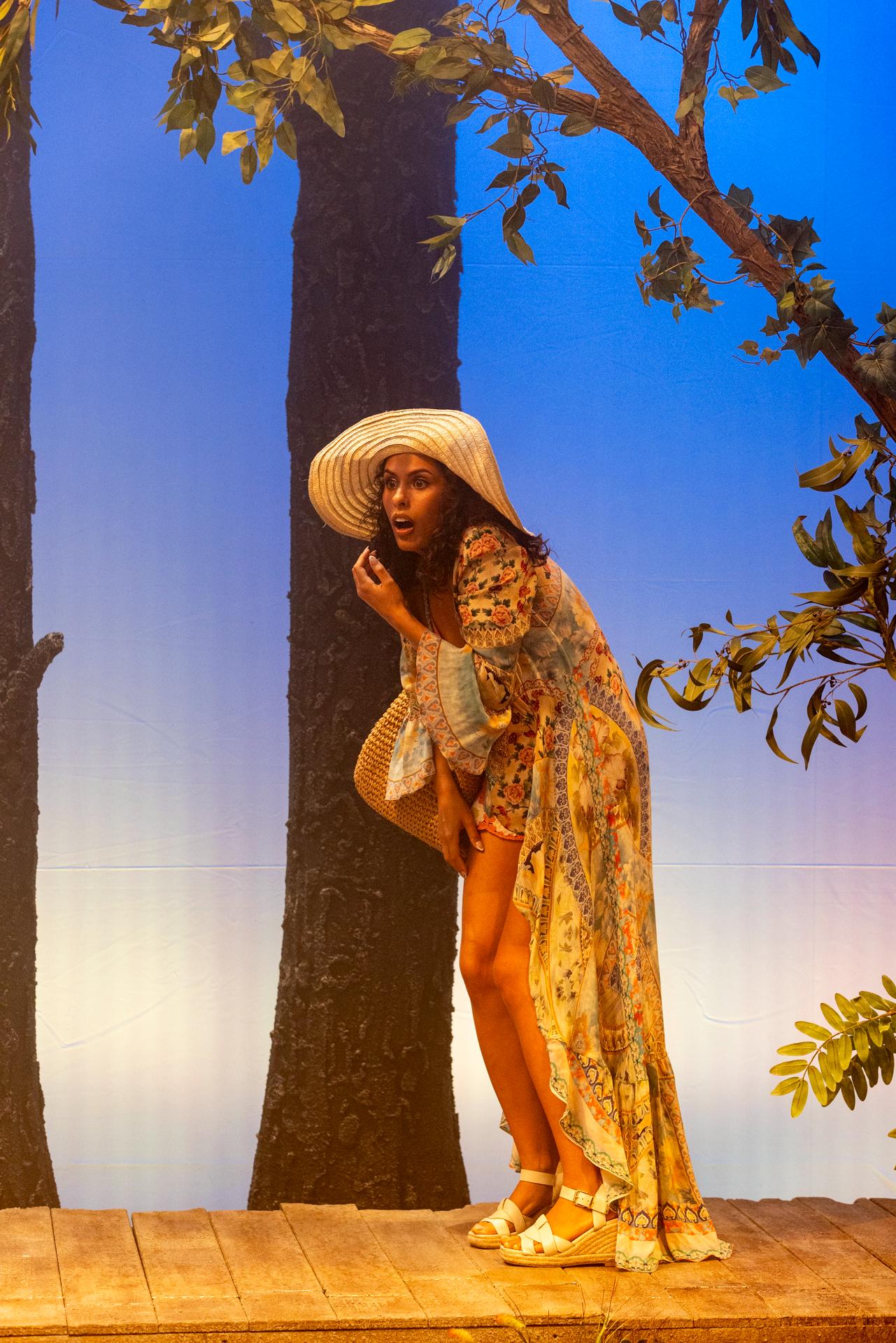
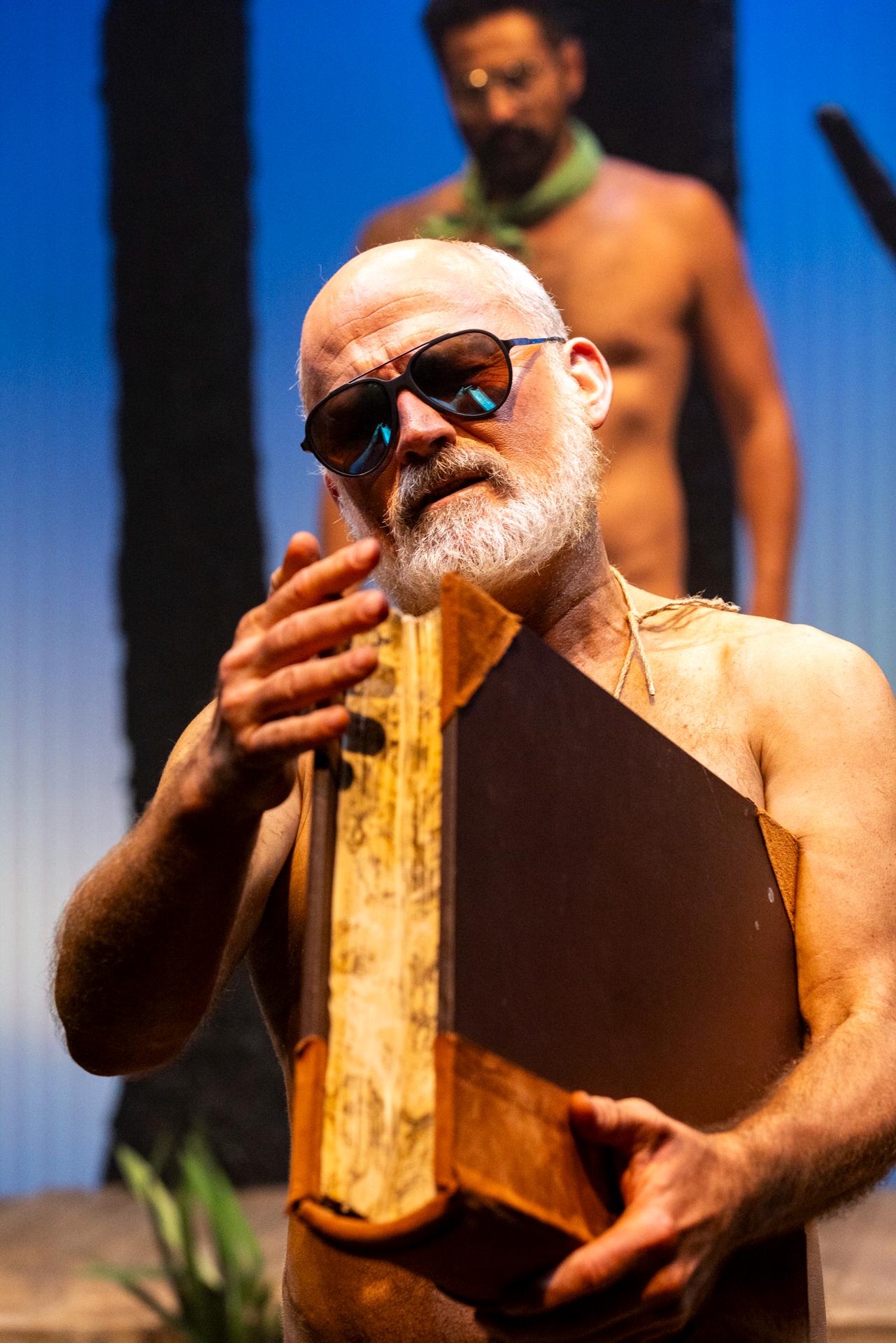
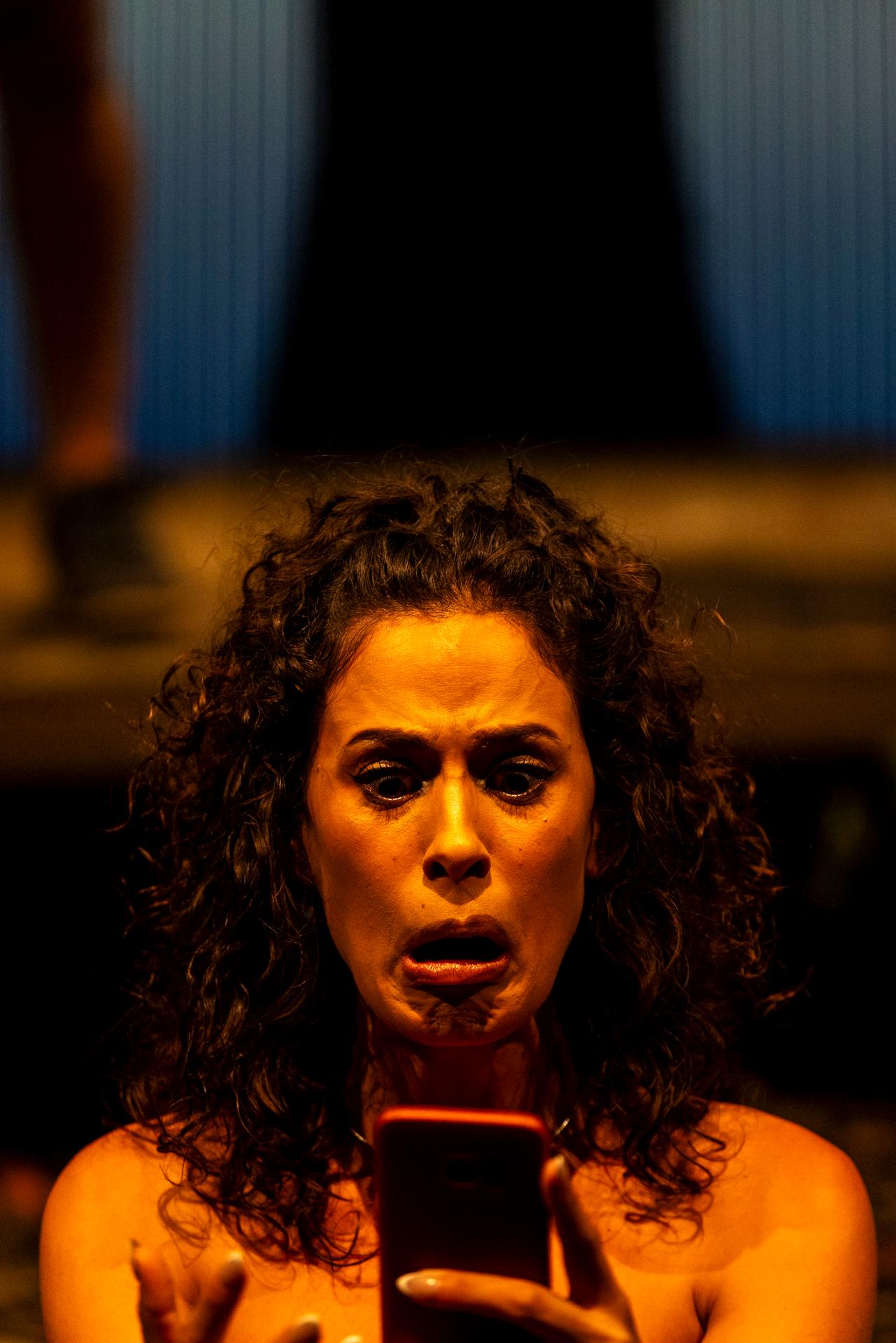
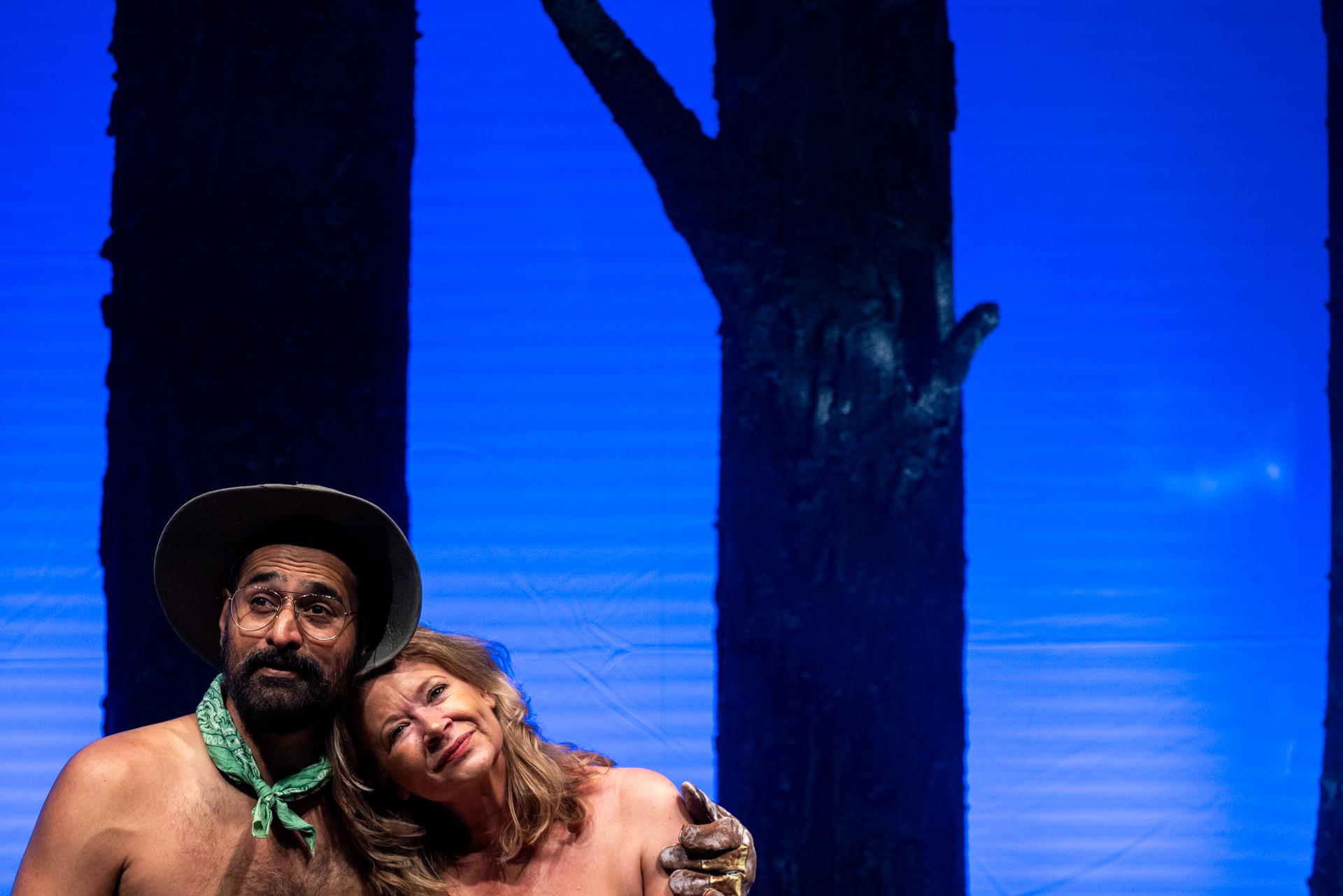
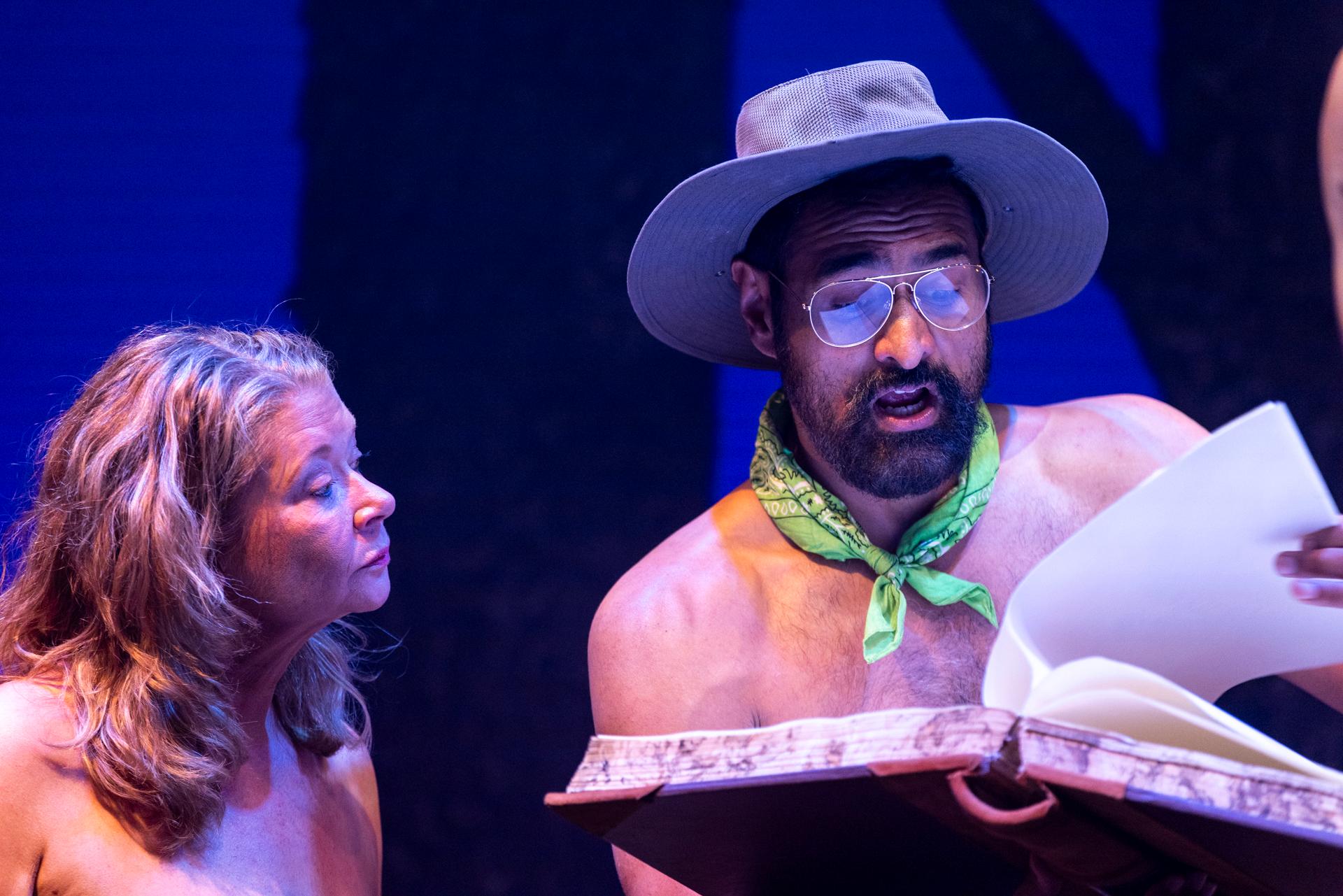
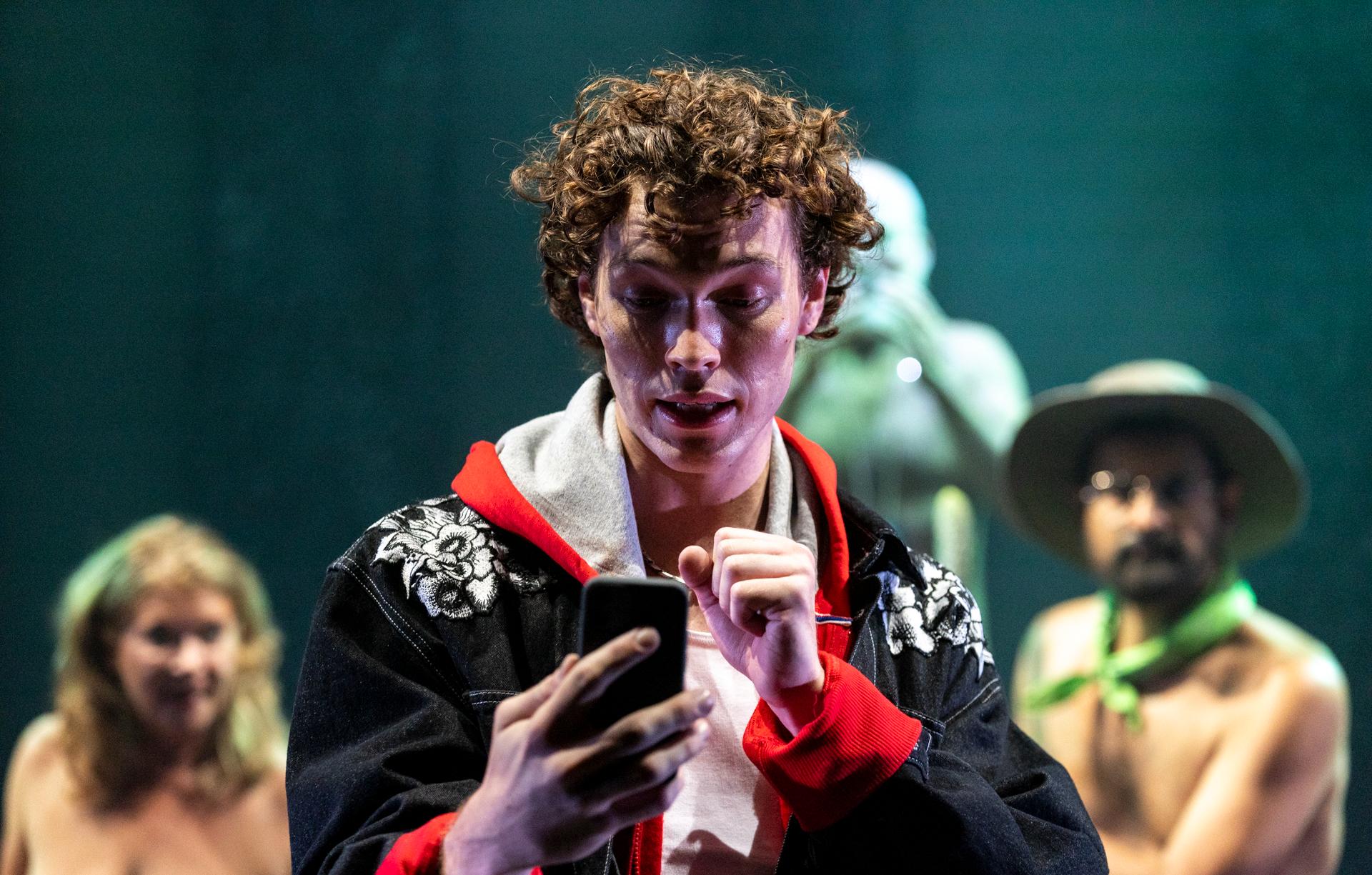
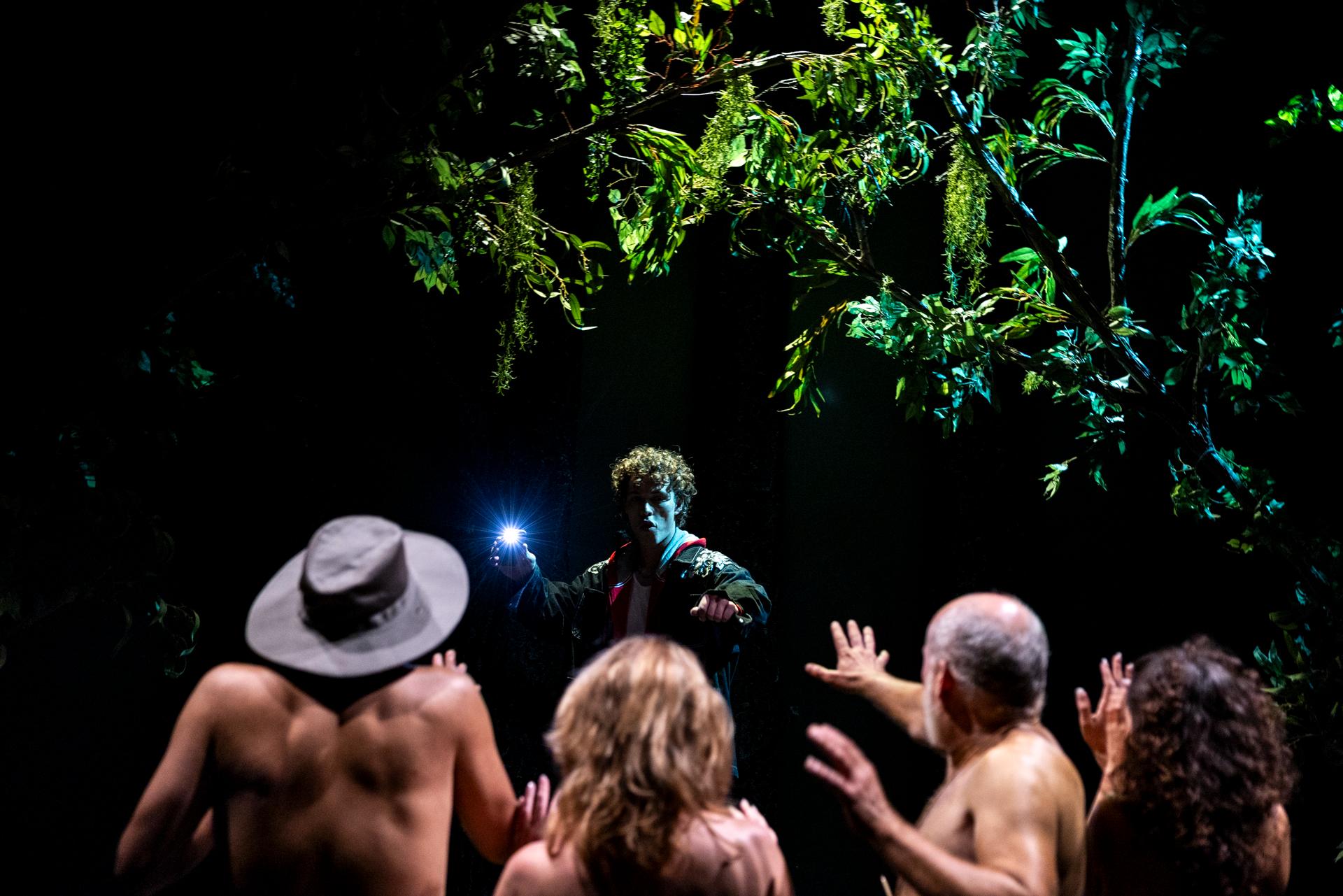
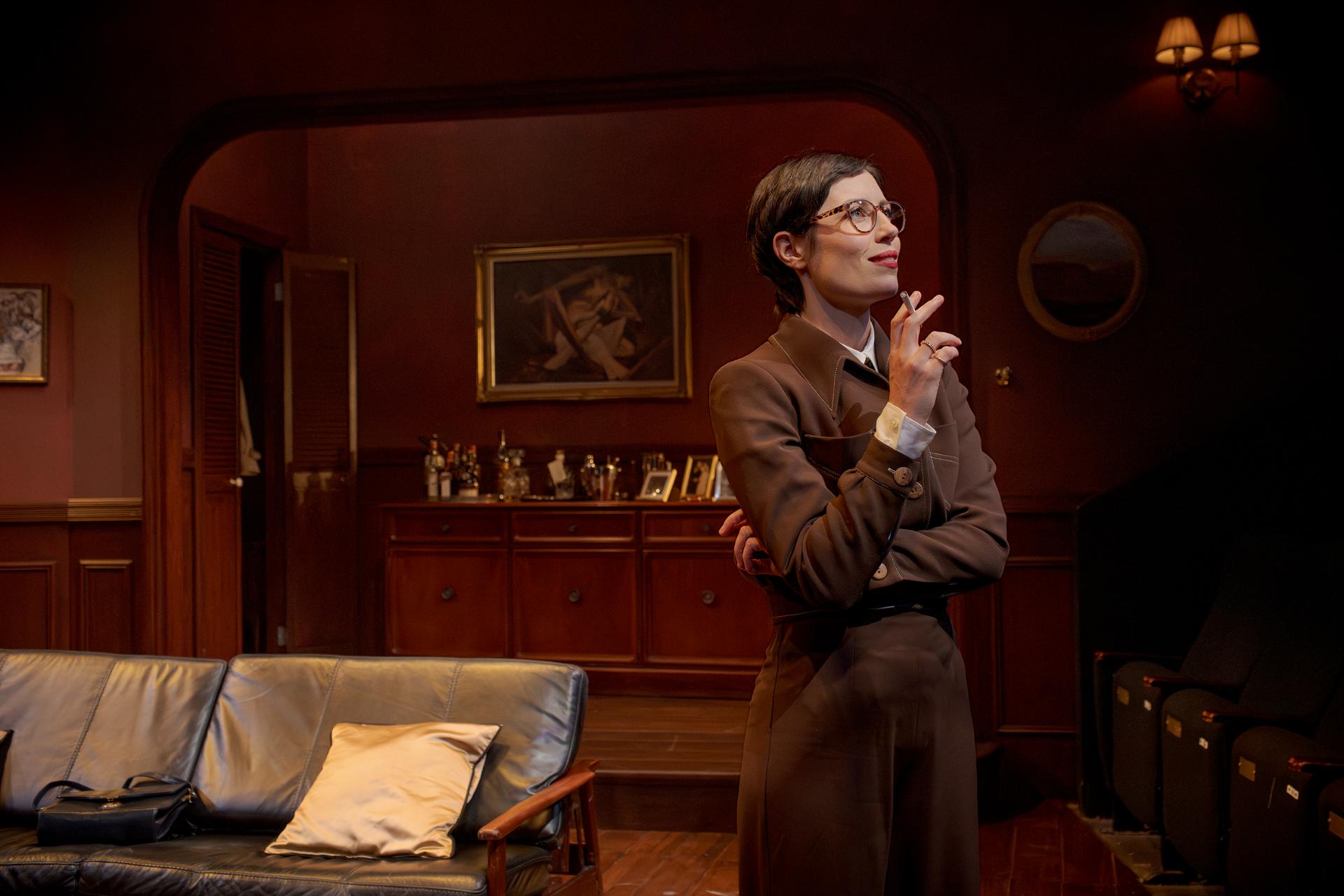
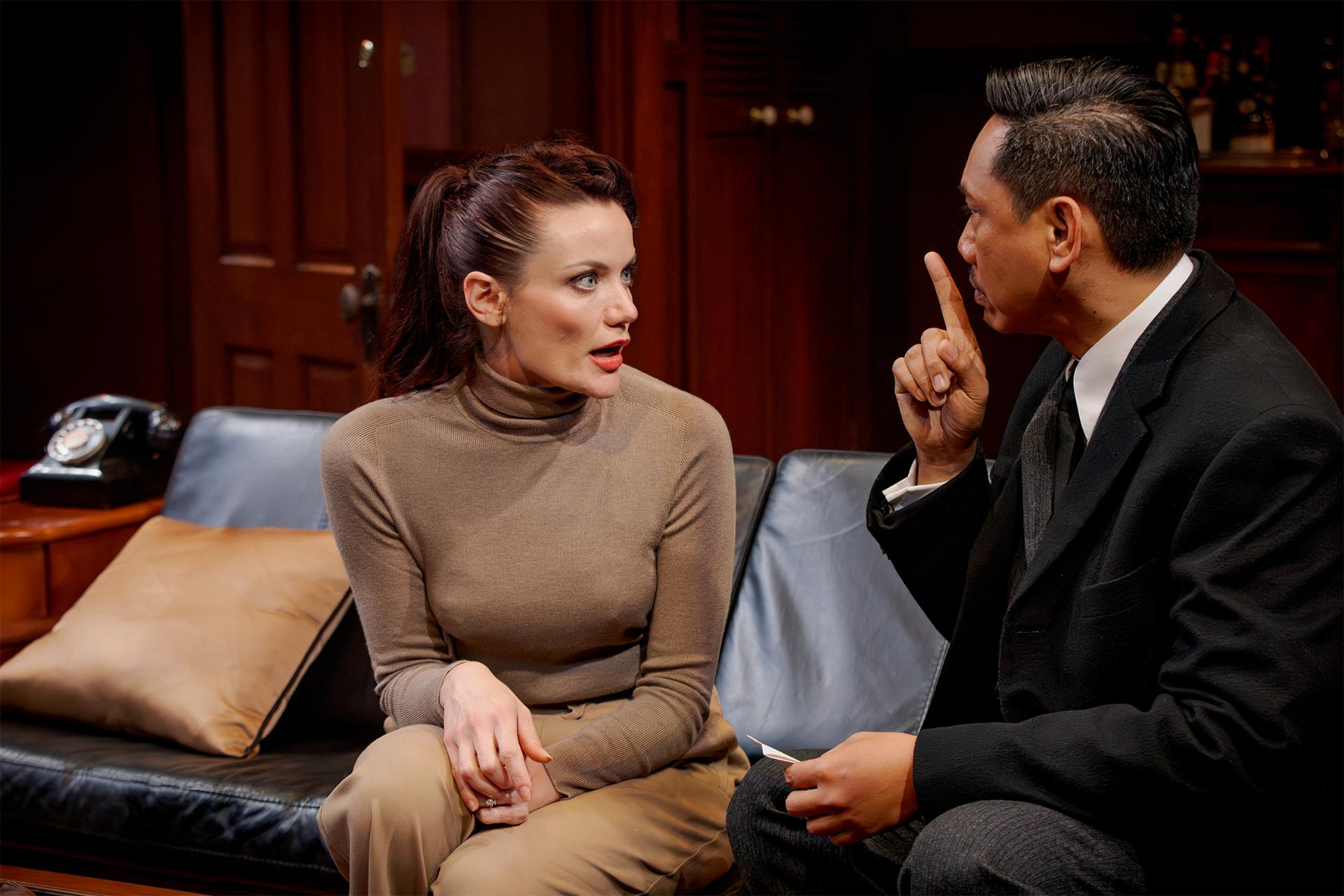
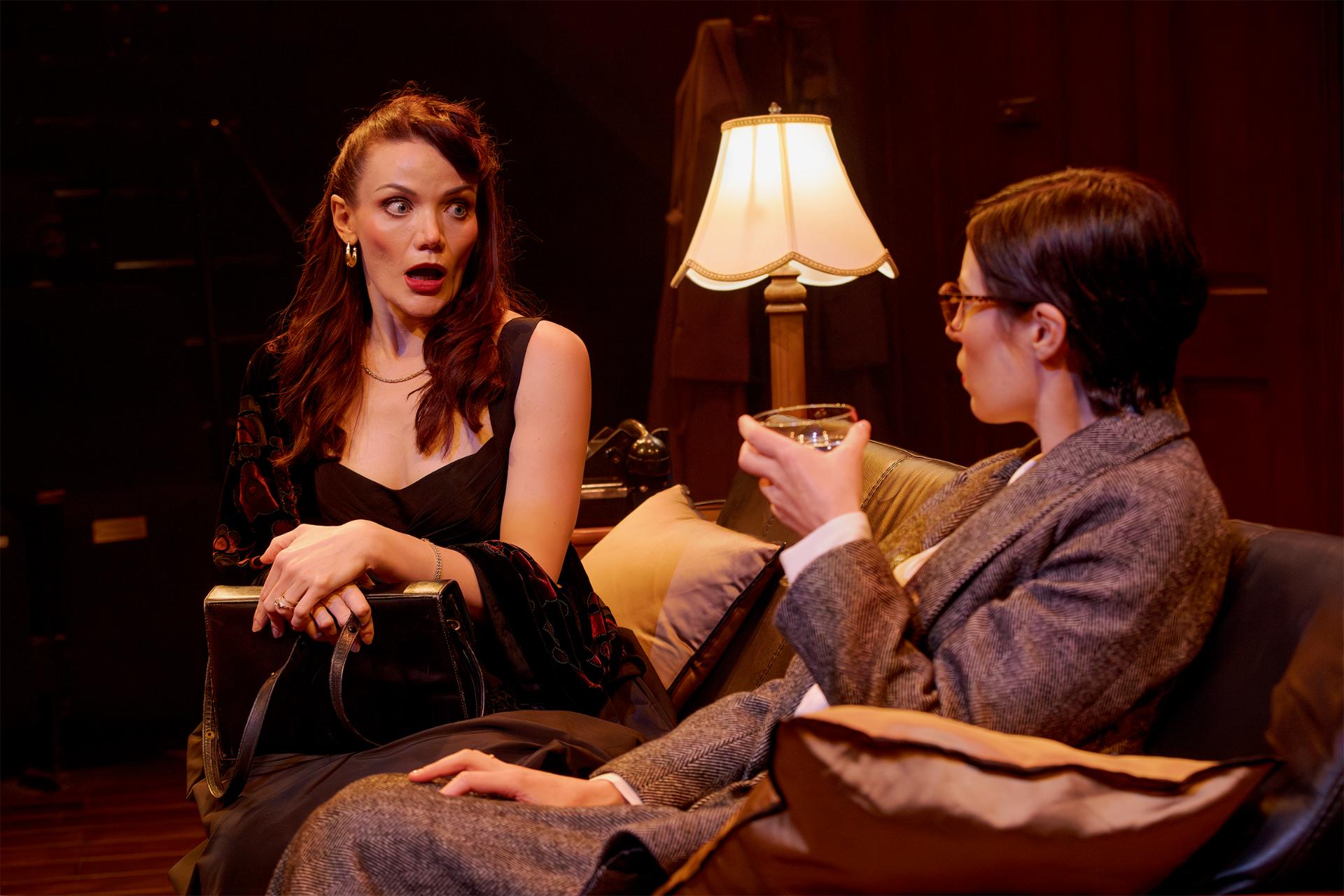
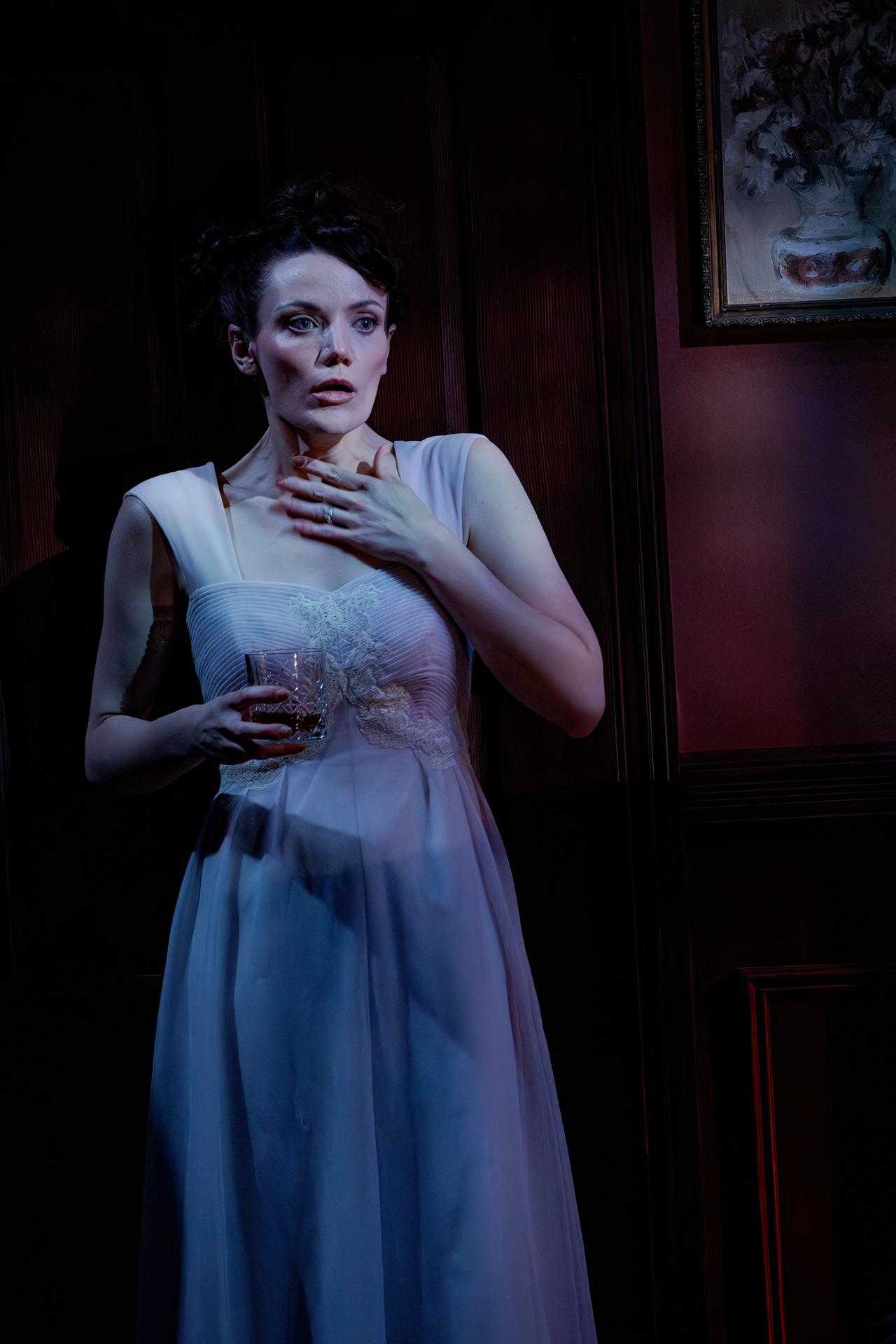
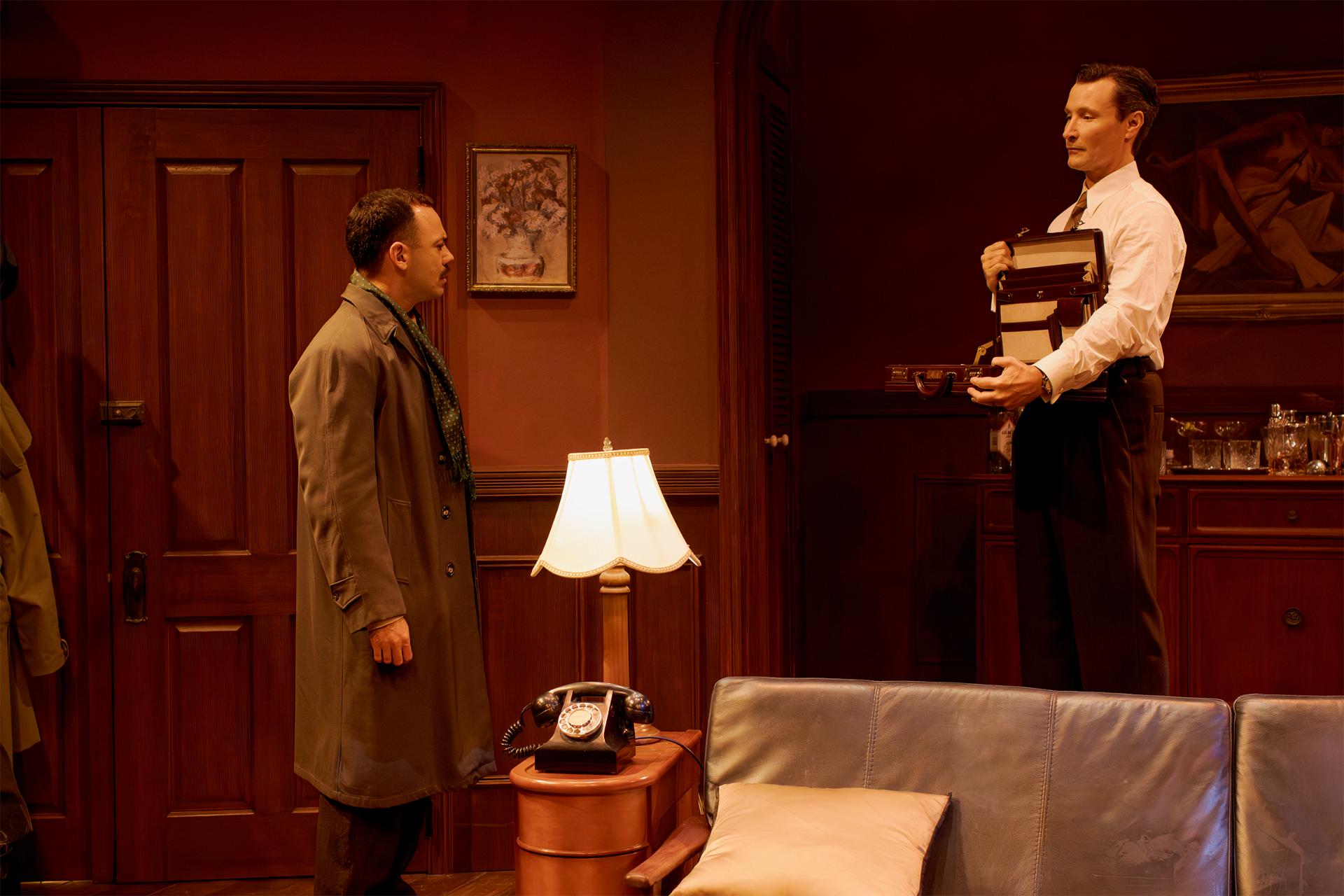
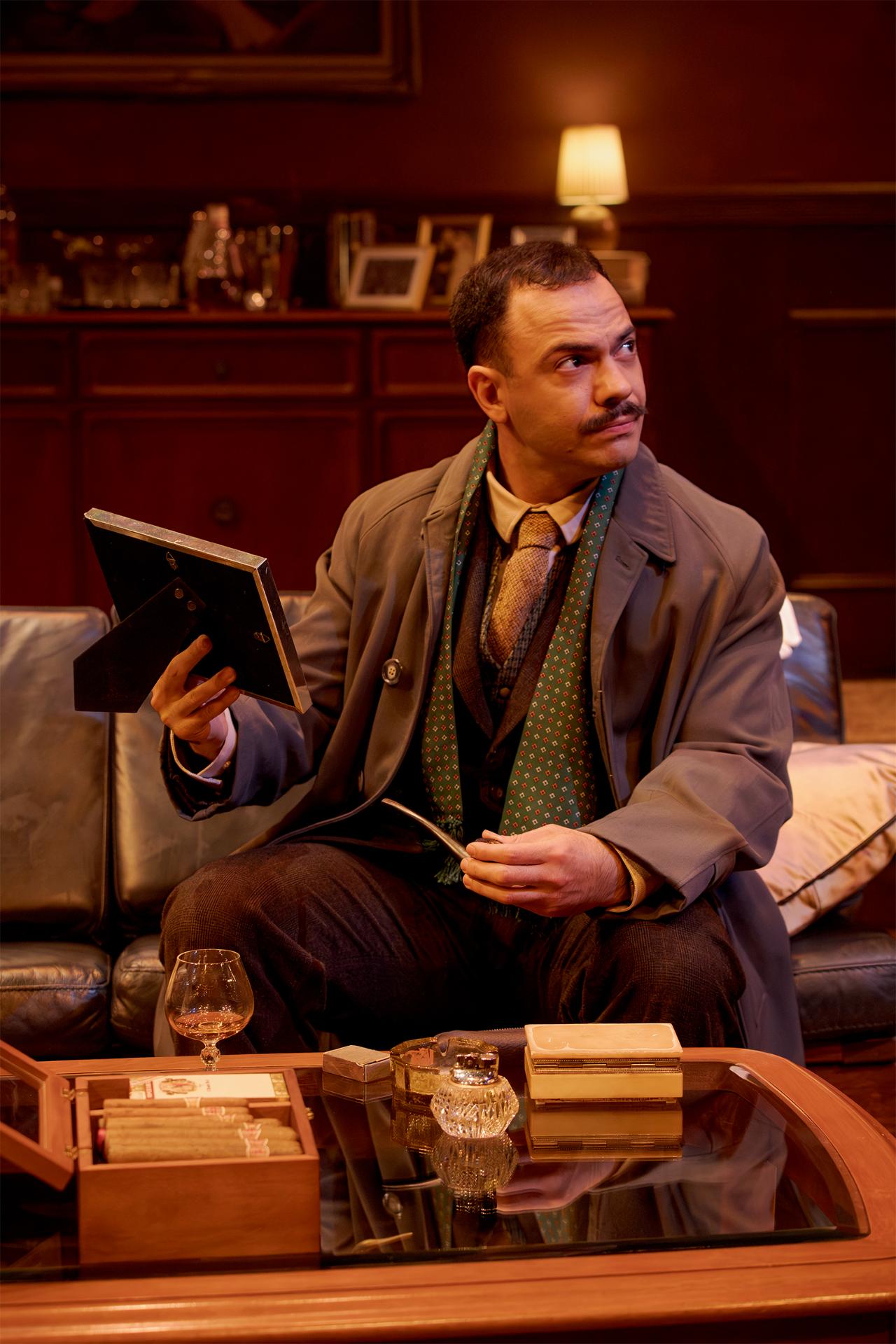
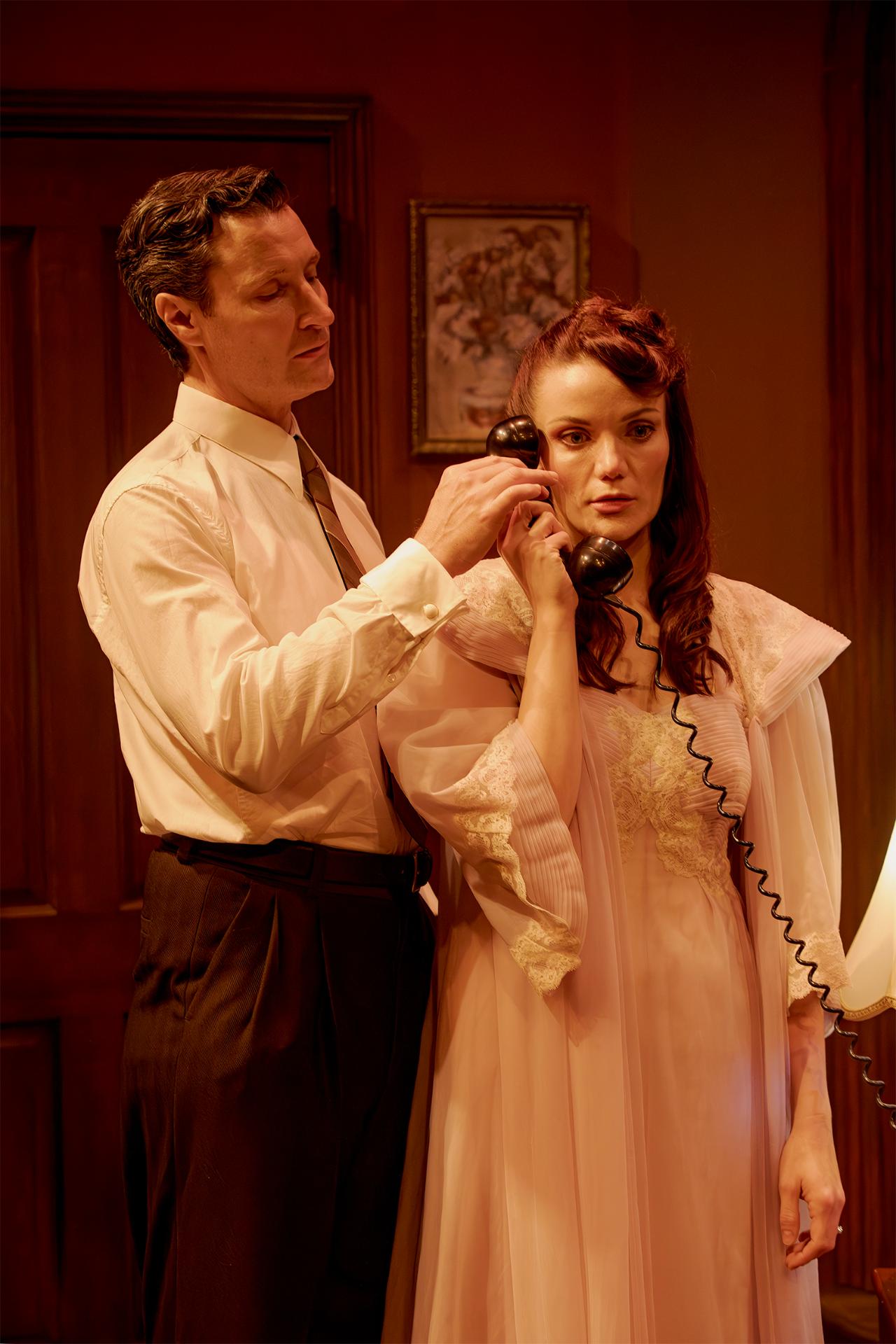
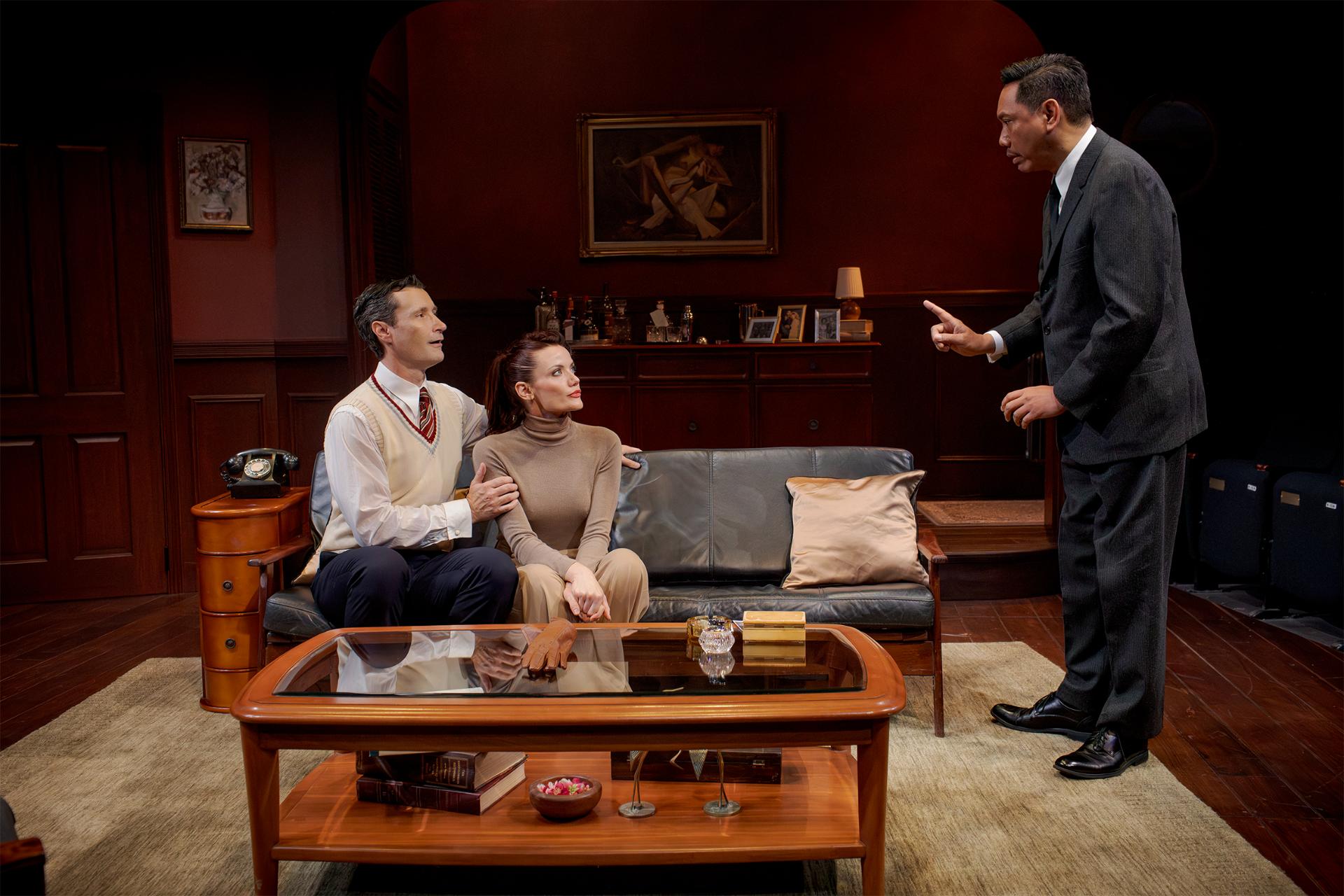
For his entire life, 22-year-old Segismundo has been confined to a room, conditioned by Astolfo’s daily refrain that he is “dangerous and destructive, but not in this room.” Claudia Osborne’s Life is a Dream, inspired by Pedro Calderón de la Barca’s 1636 masterpiece, reimagines this tale of captivity and destiny for a contemporary audience. The production balances quirky charm and moments of playful wonder with a grounded exploration of the human condition. Osborne’s version points to the enduring dictum that our choices carry consequences, and that, ultimately, we reap what we sow.

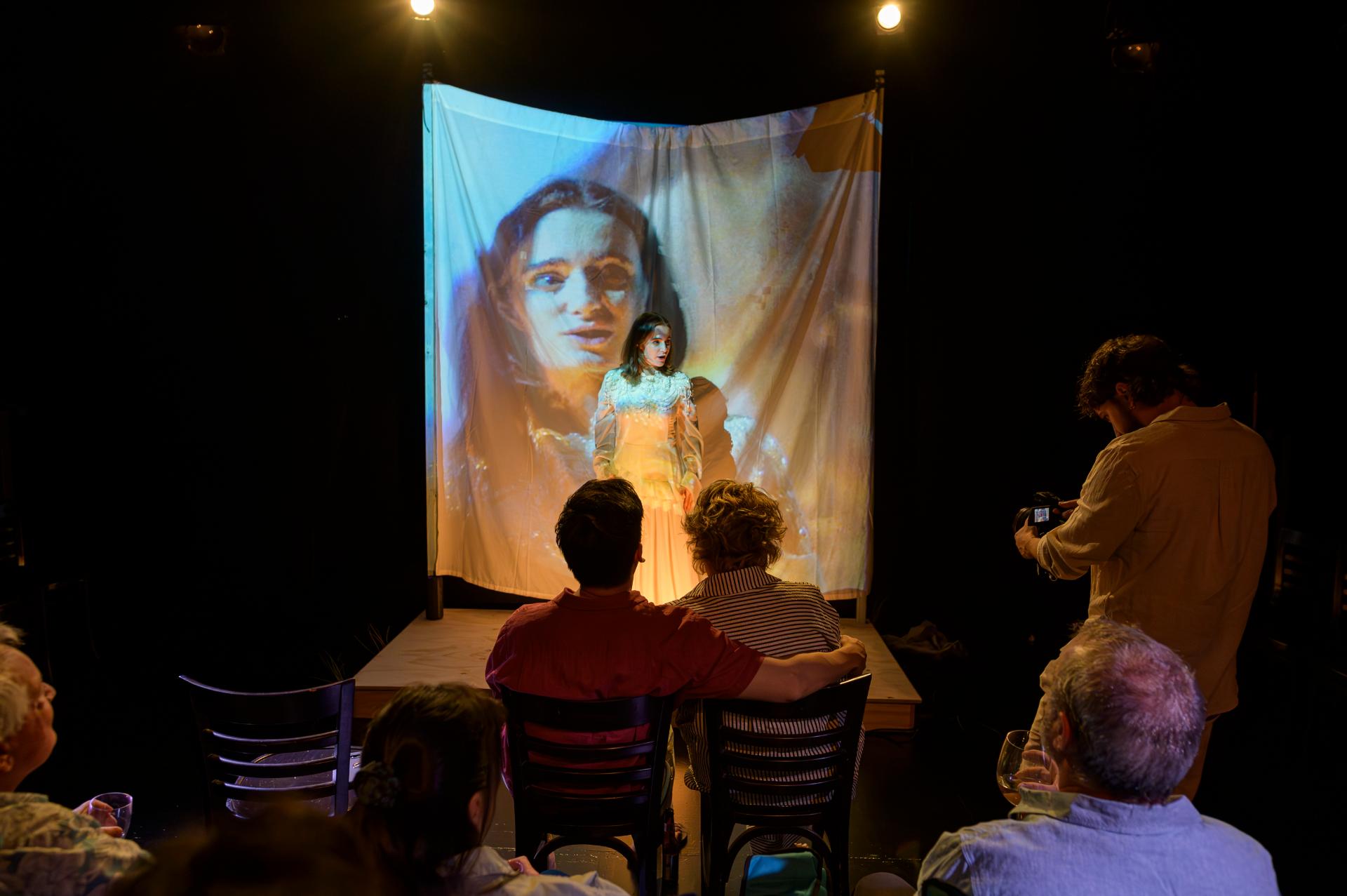
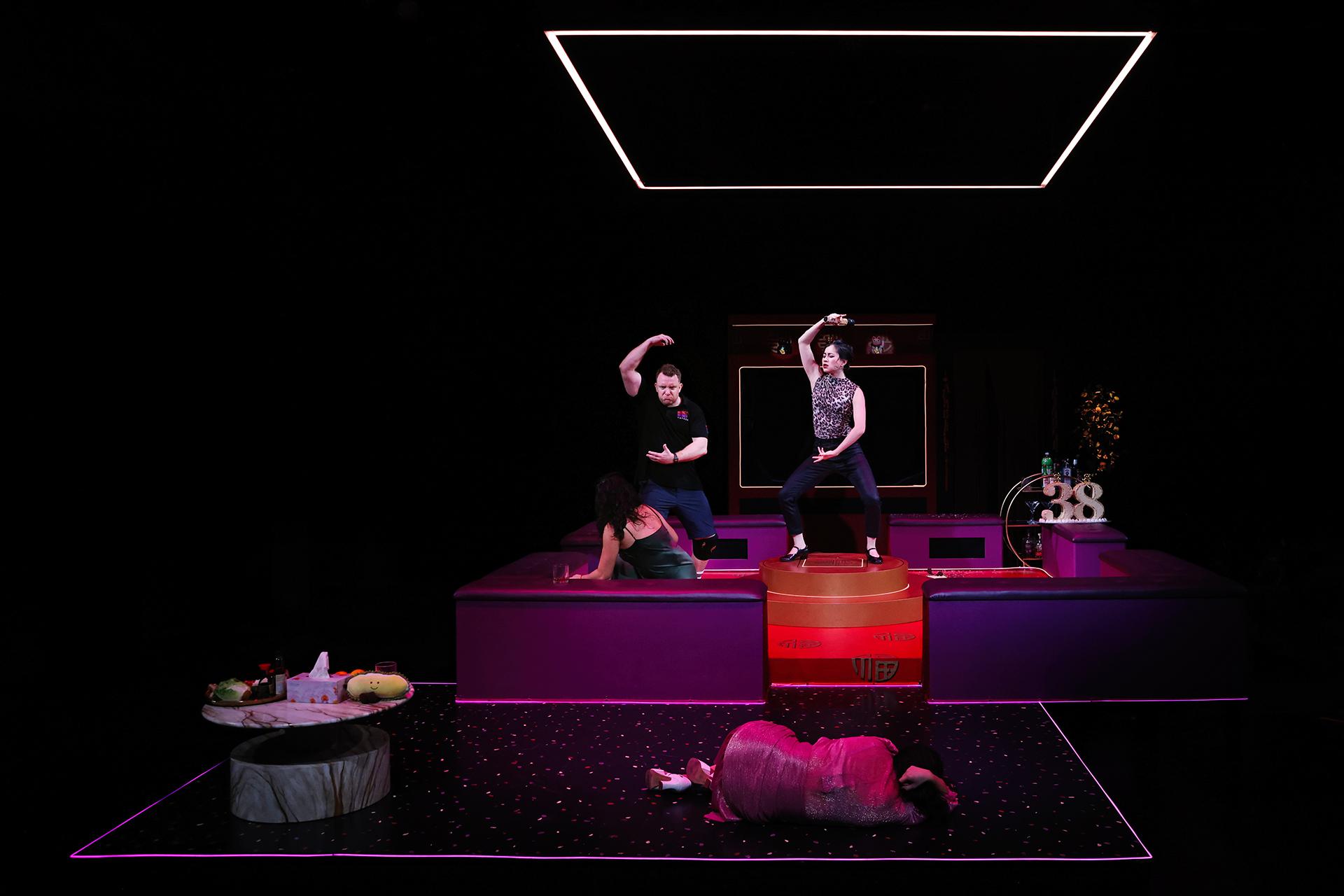
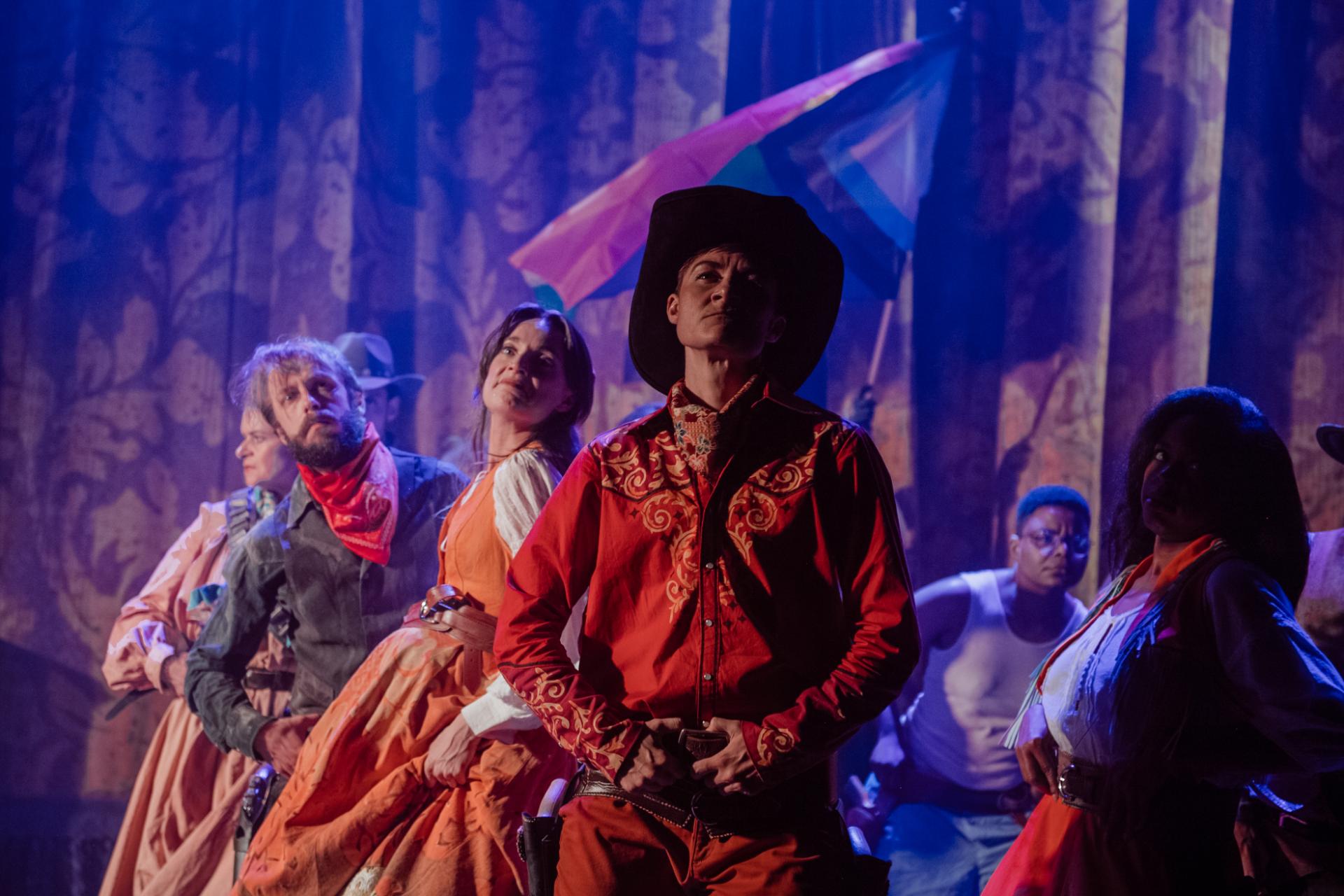
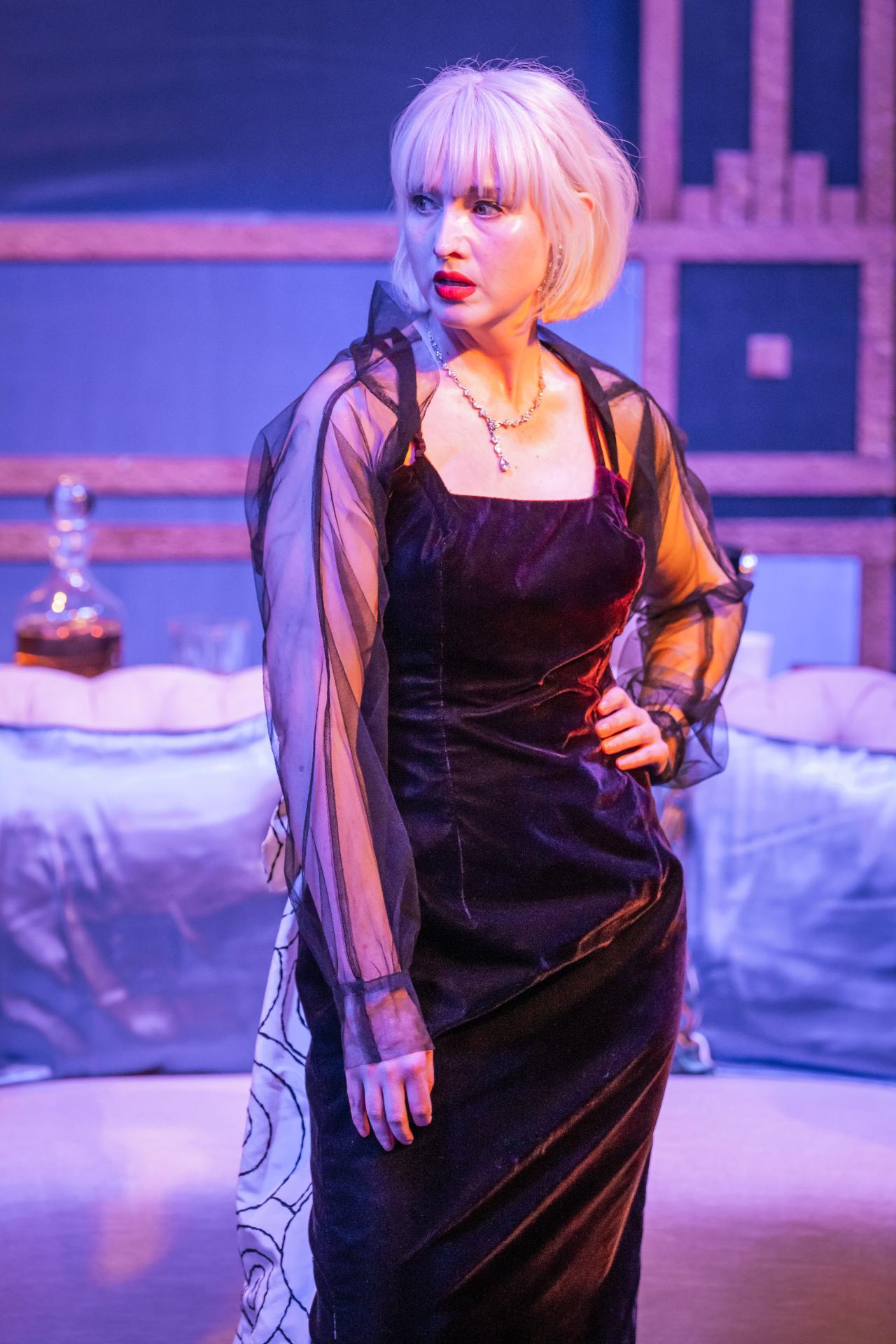
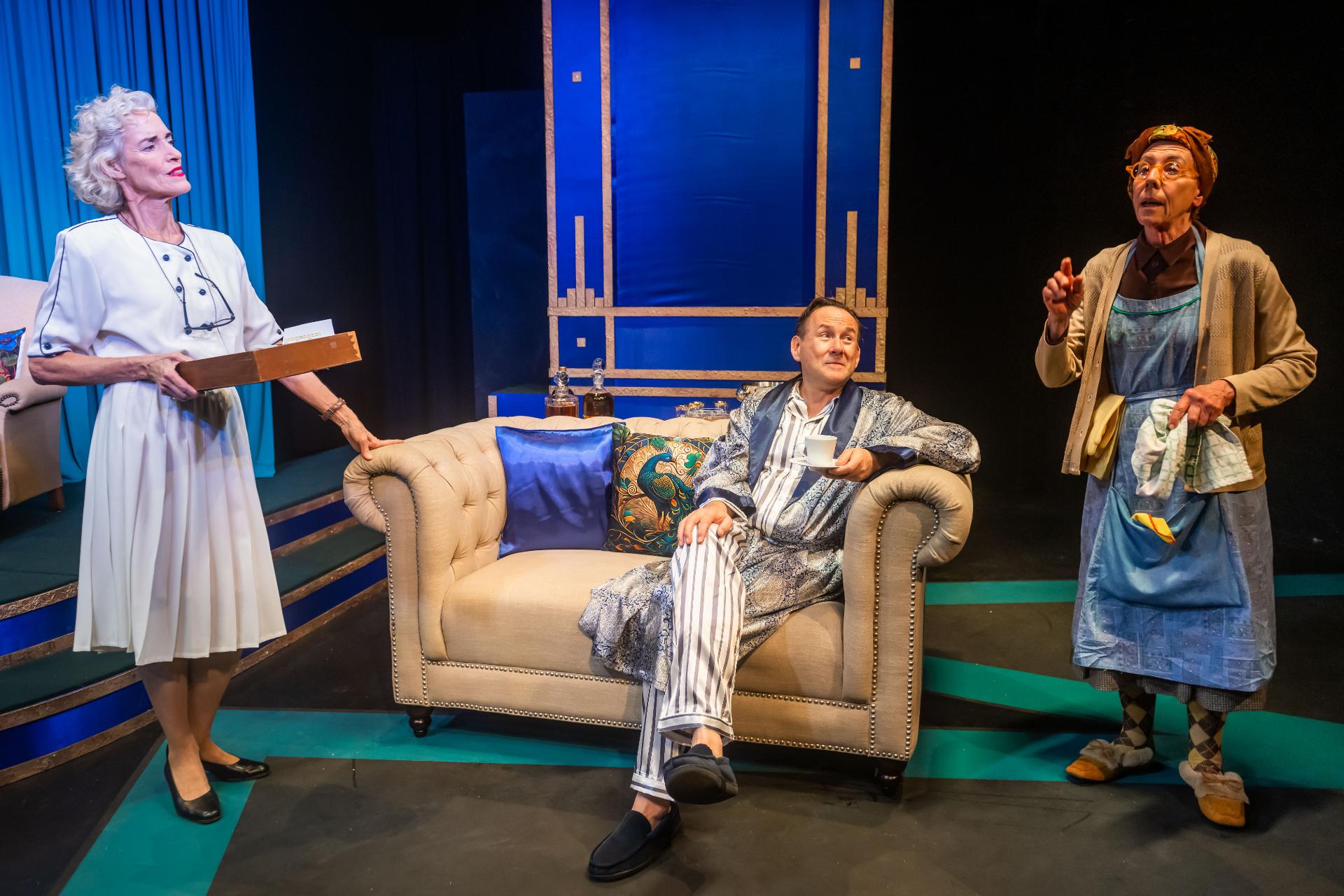
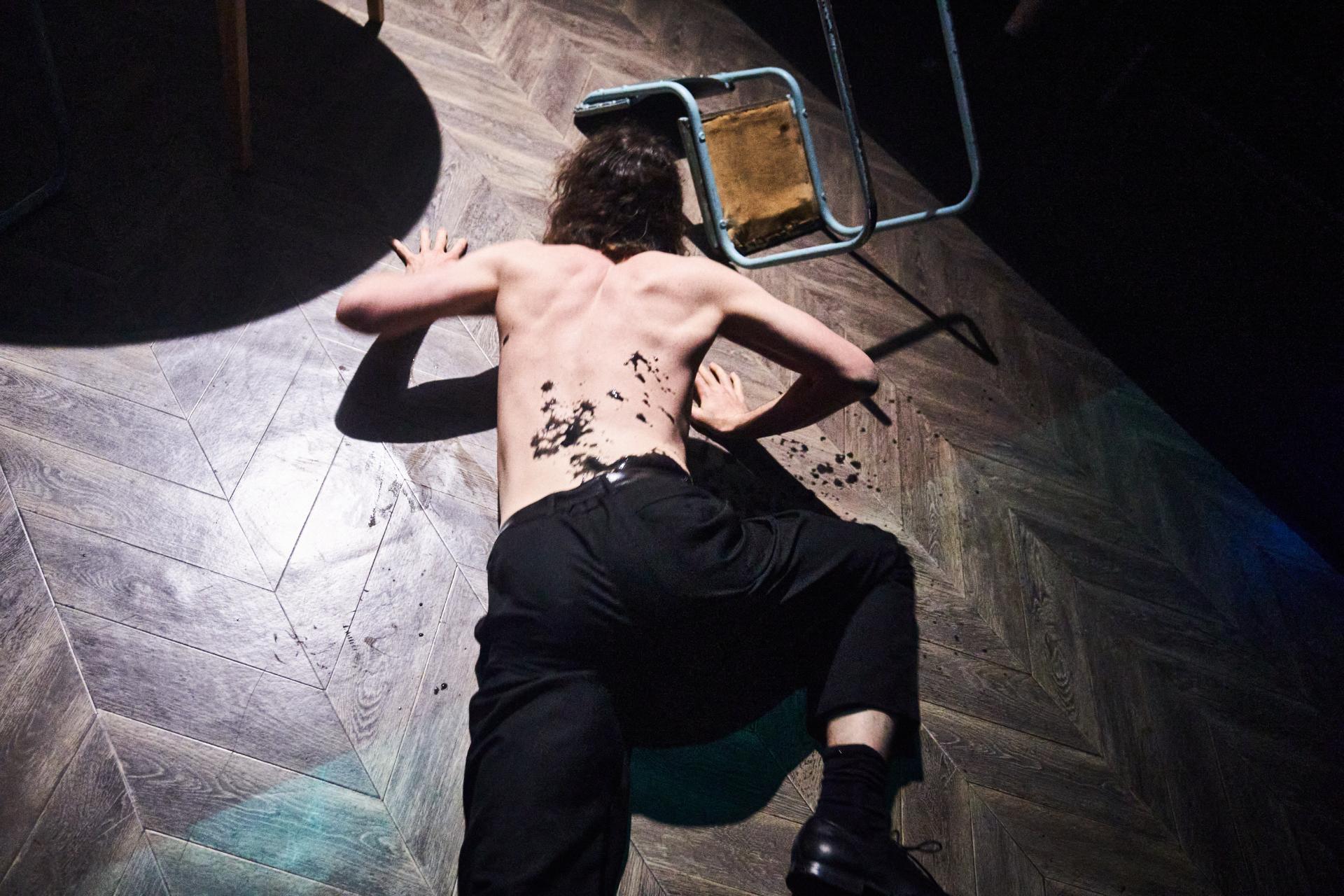
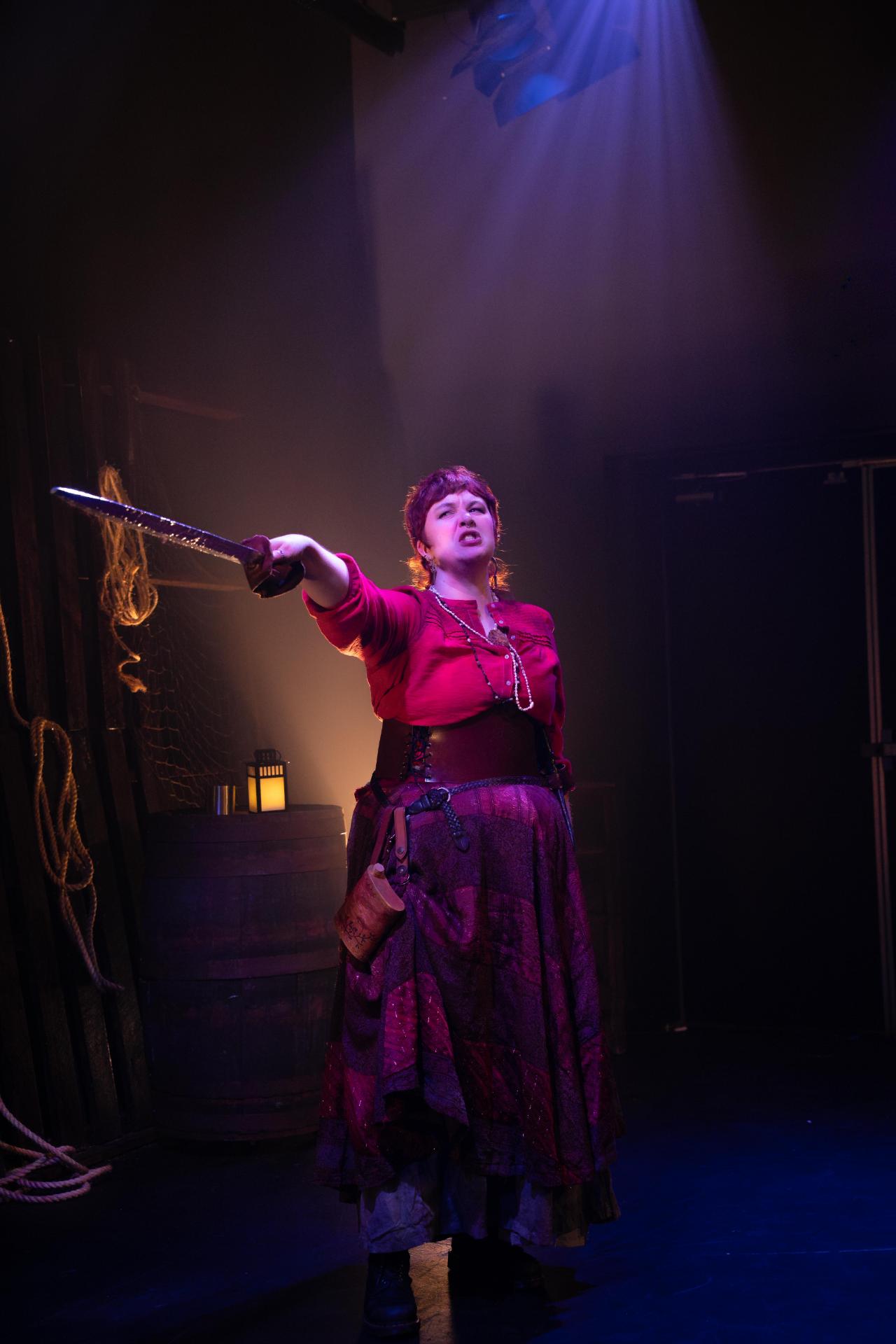
Under the direction of Osborne and Solomon Thomas, Life is a Dream achieves a rare balance. Its offbeat humour keeps the work buoyant and unpredictable, while its underlying seriousness lends the production weight and resonance. The staging stands out for its distinctive style and inventive sensibility, which not only sustain engagement but also encourage the audience to grapple with its themes while remaining open to curiosity.

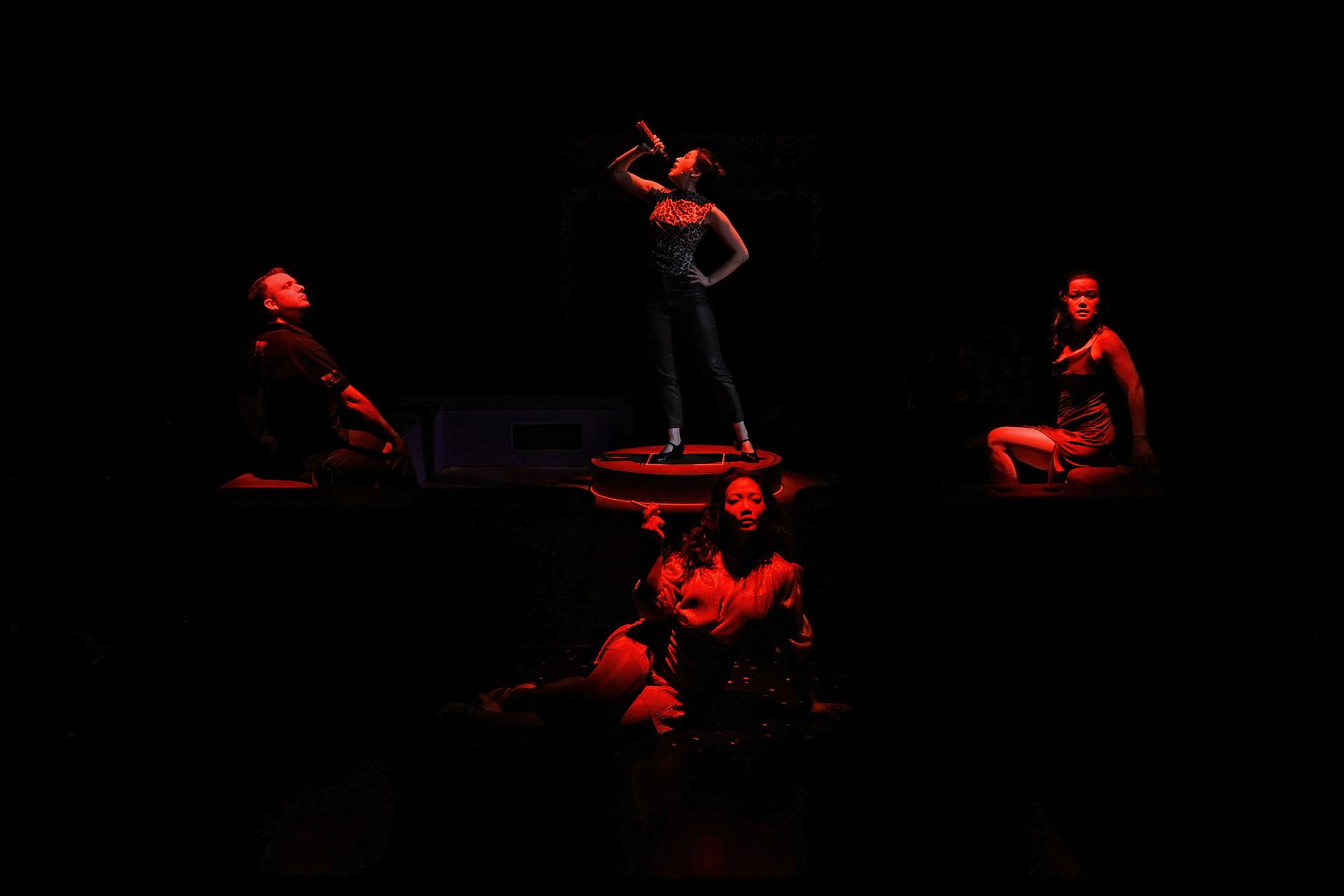
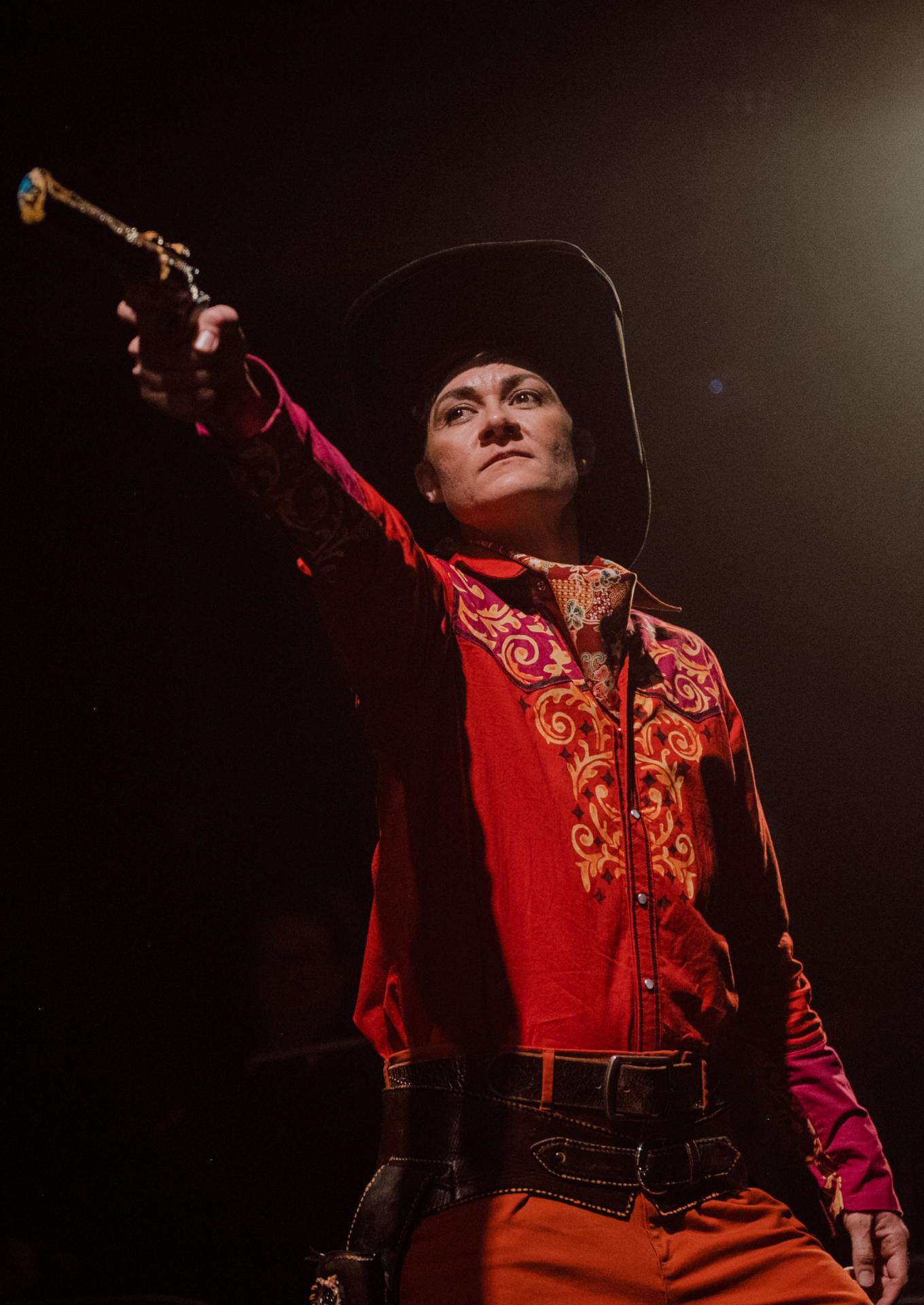
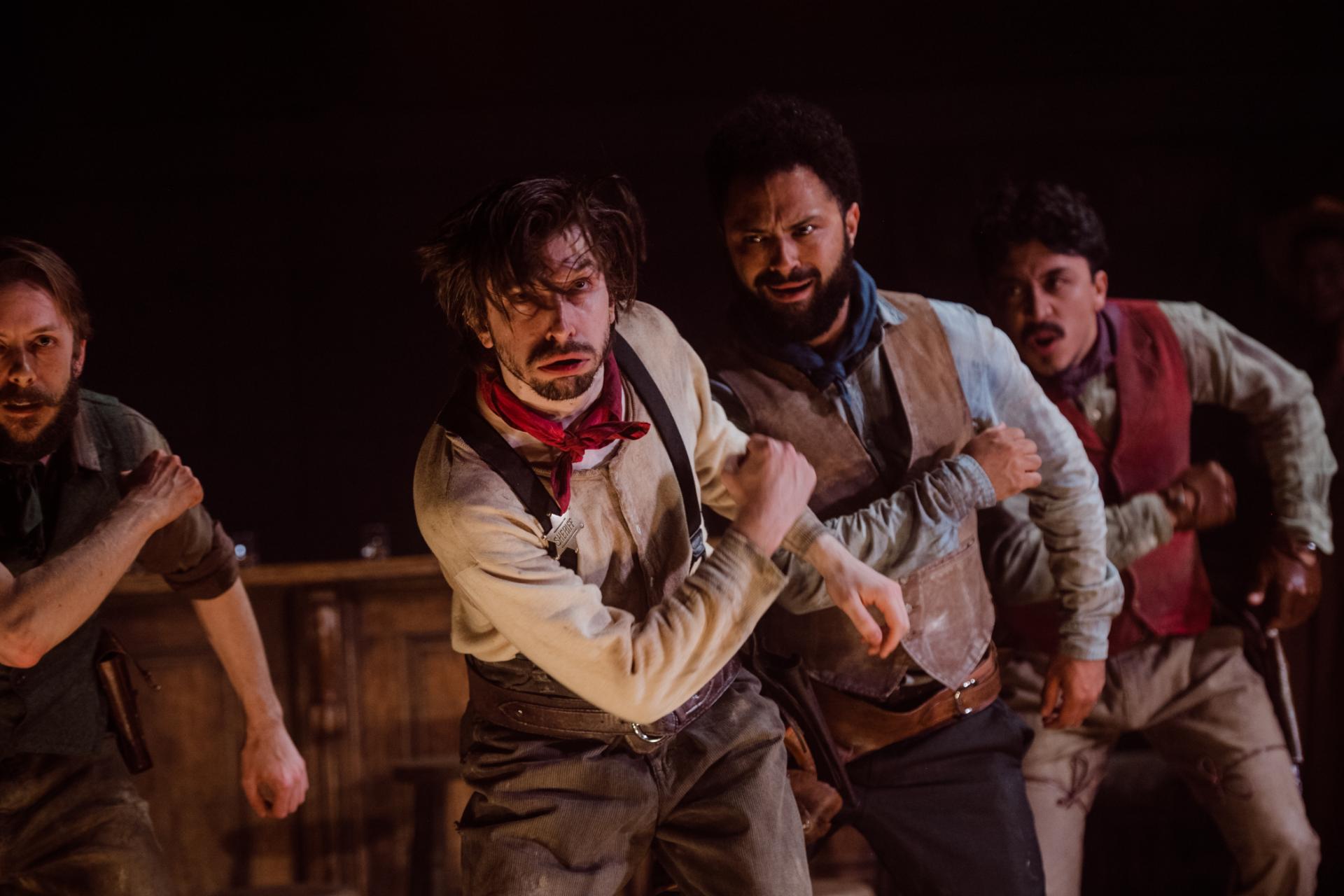
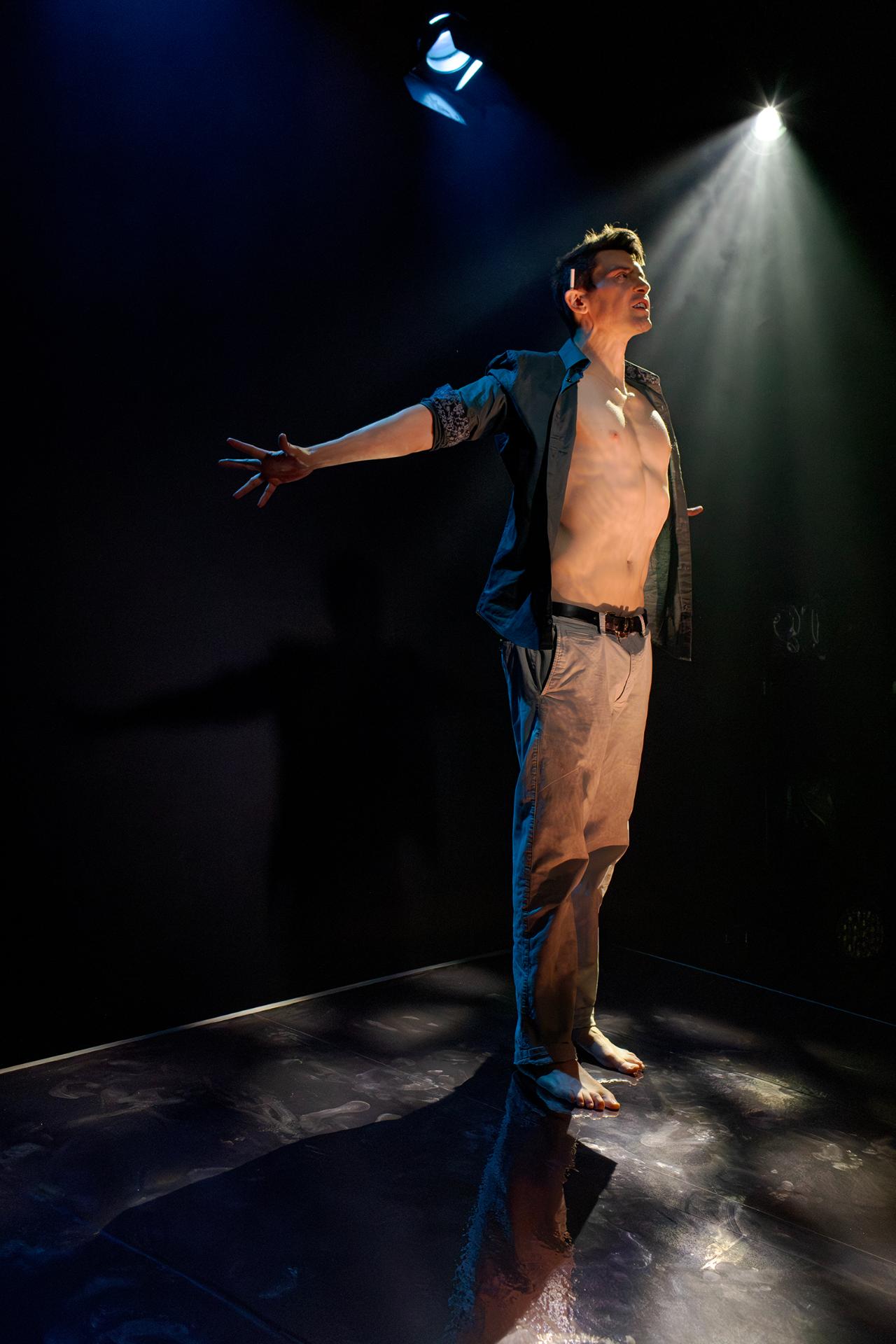
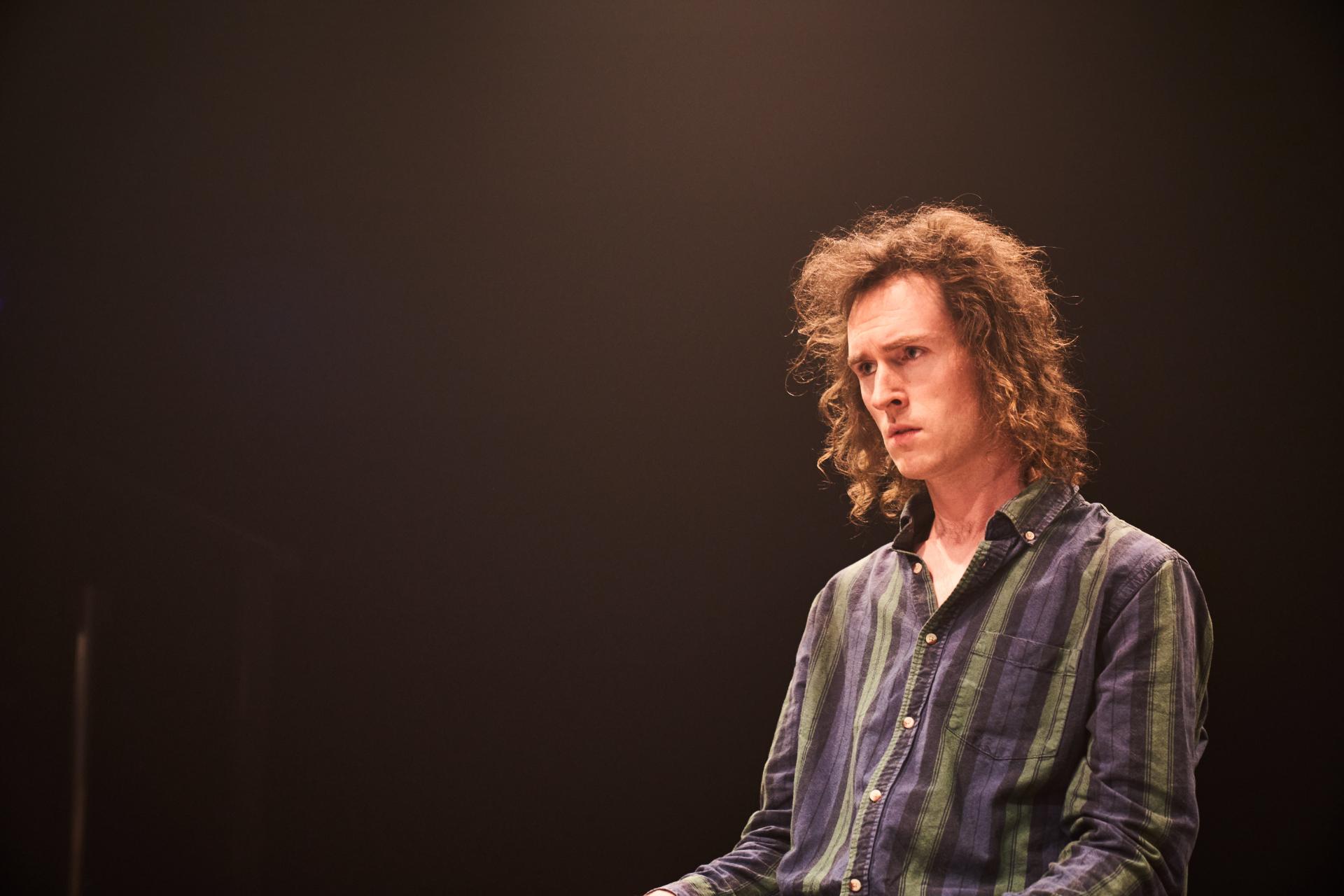
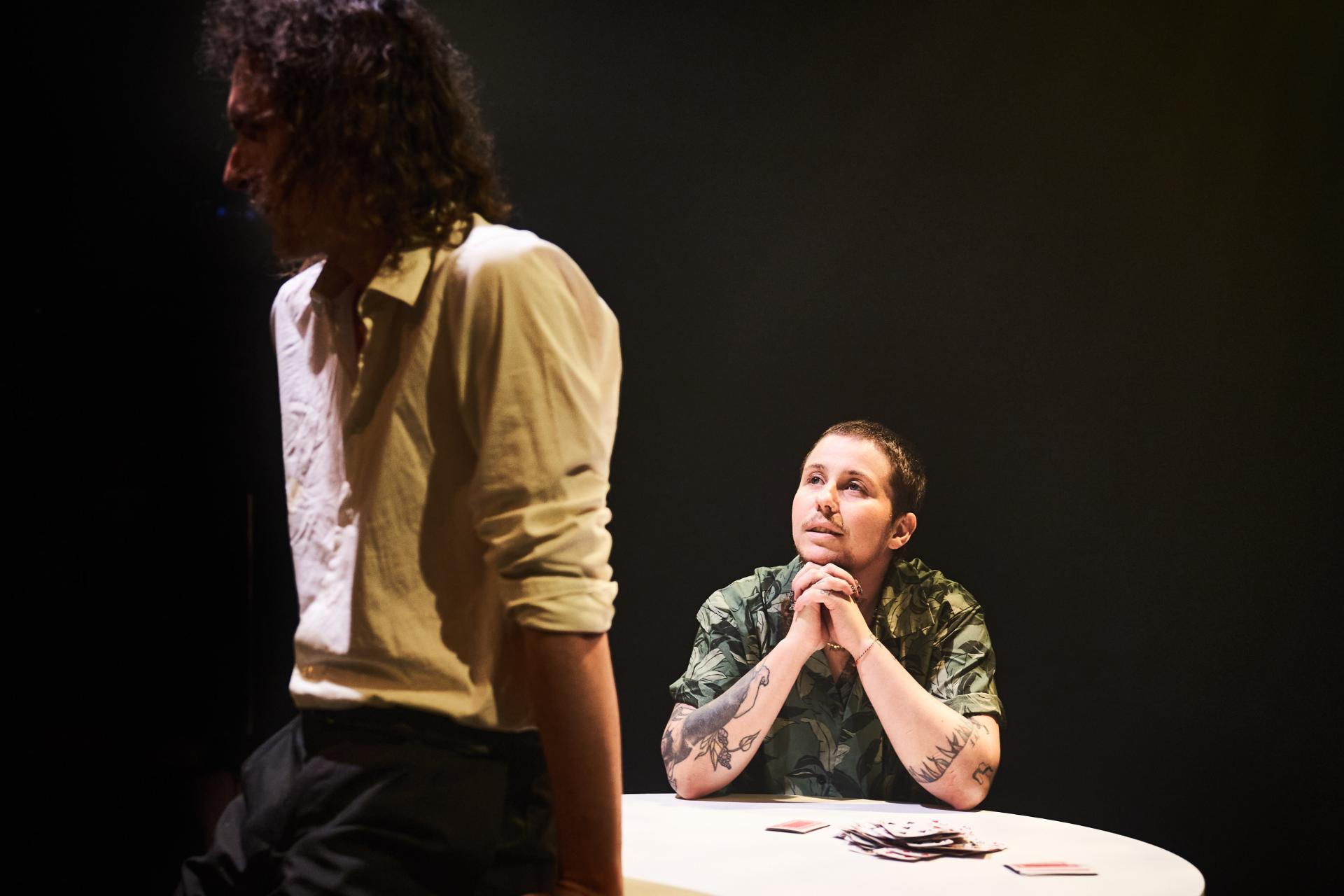
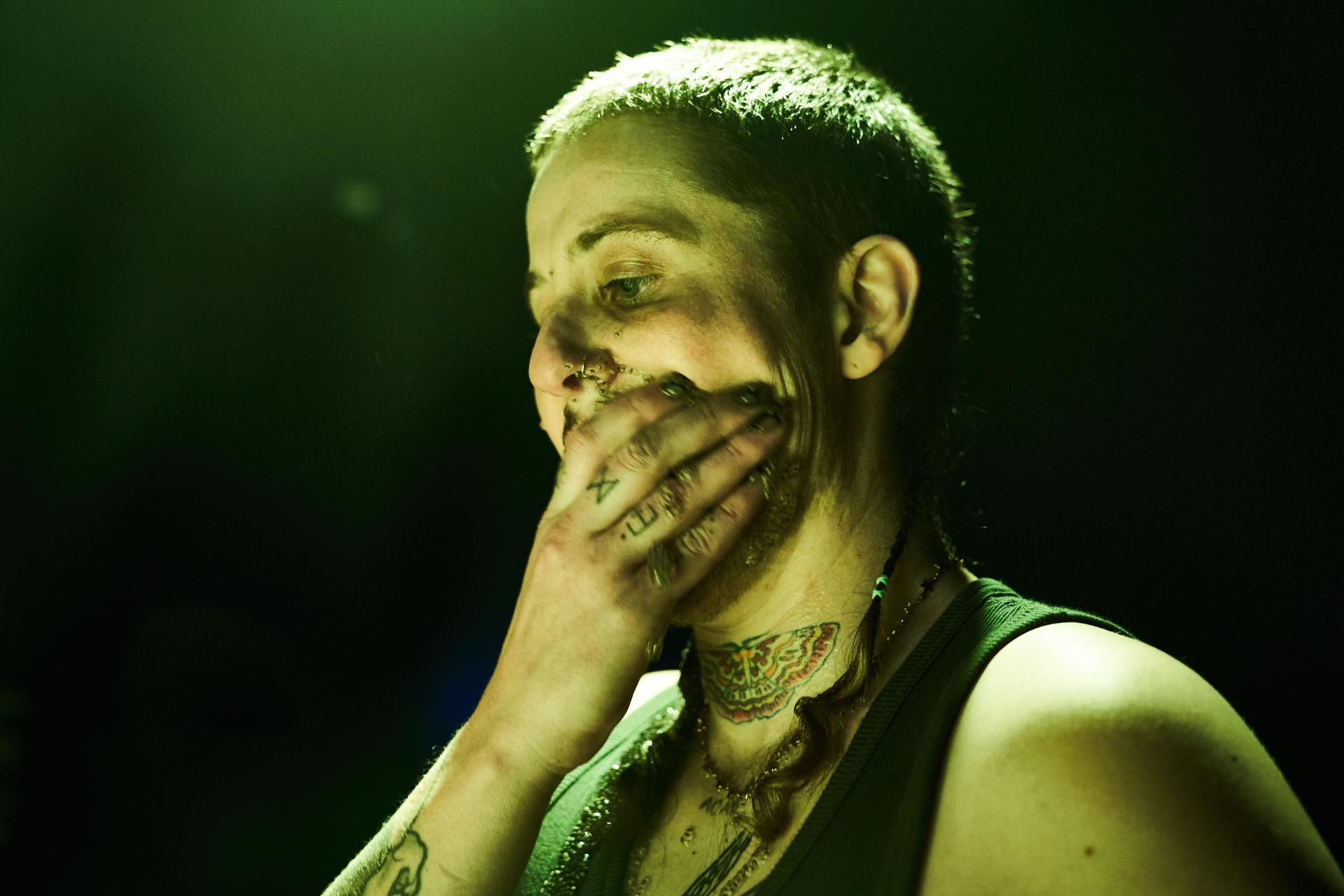
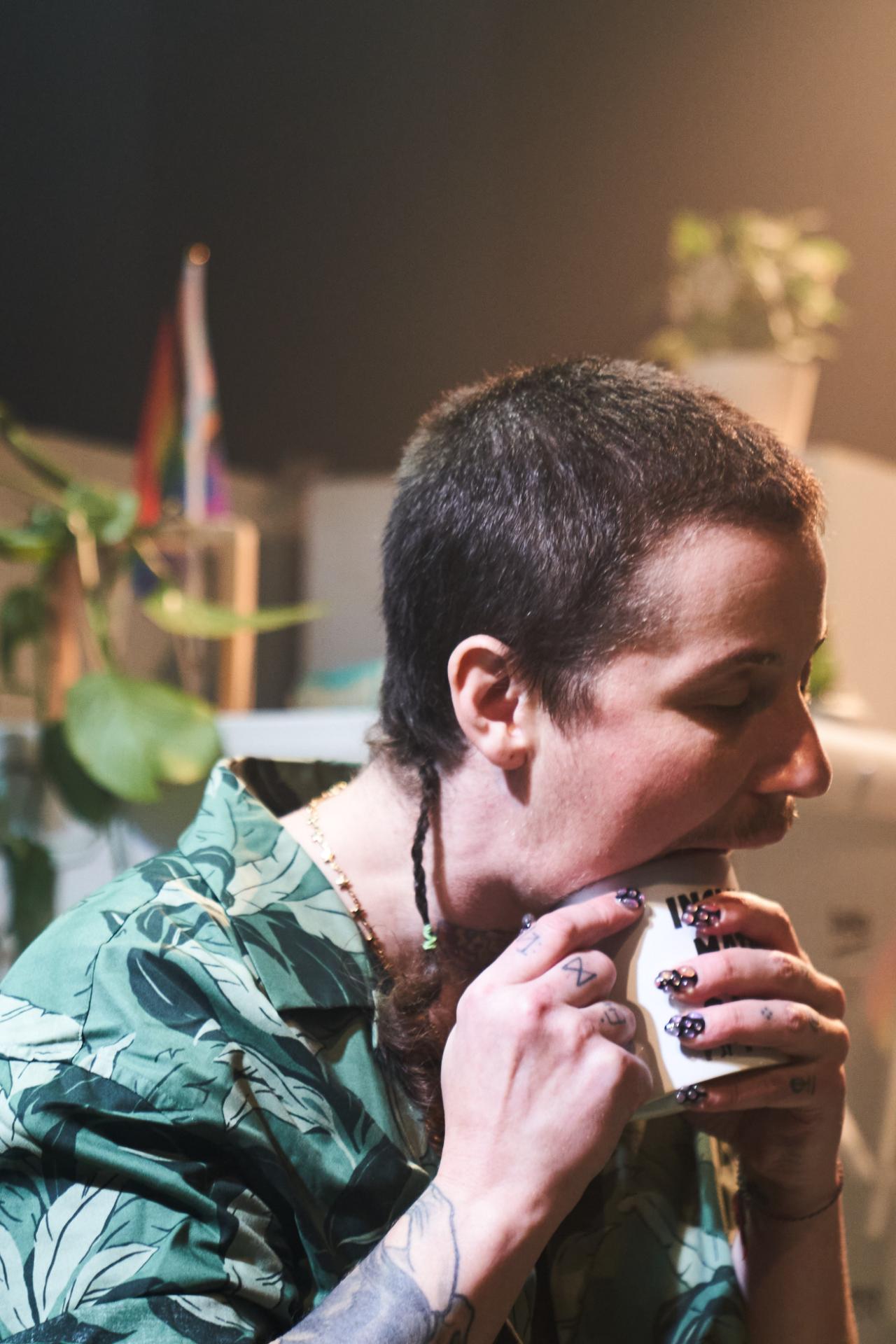
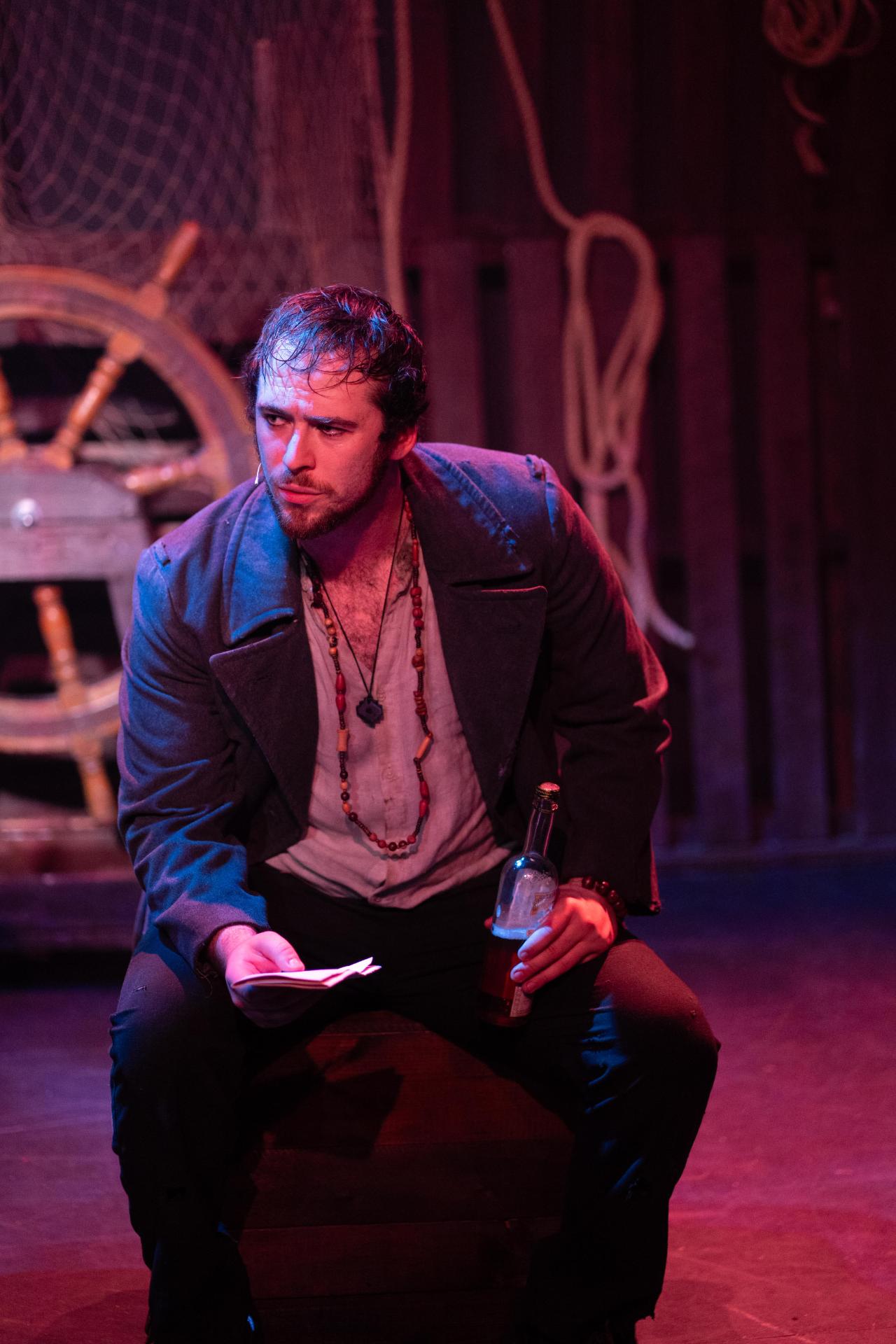
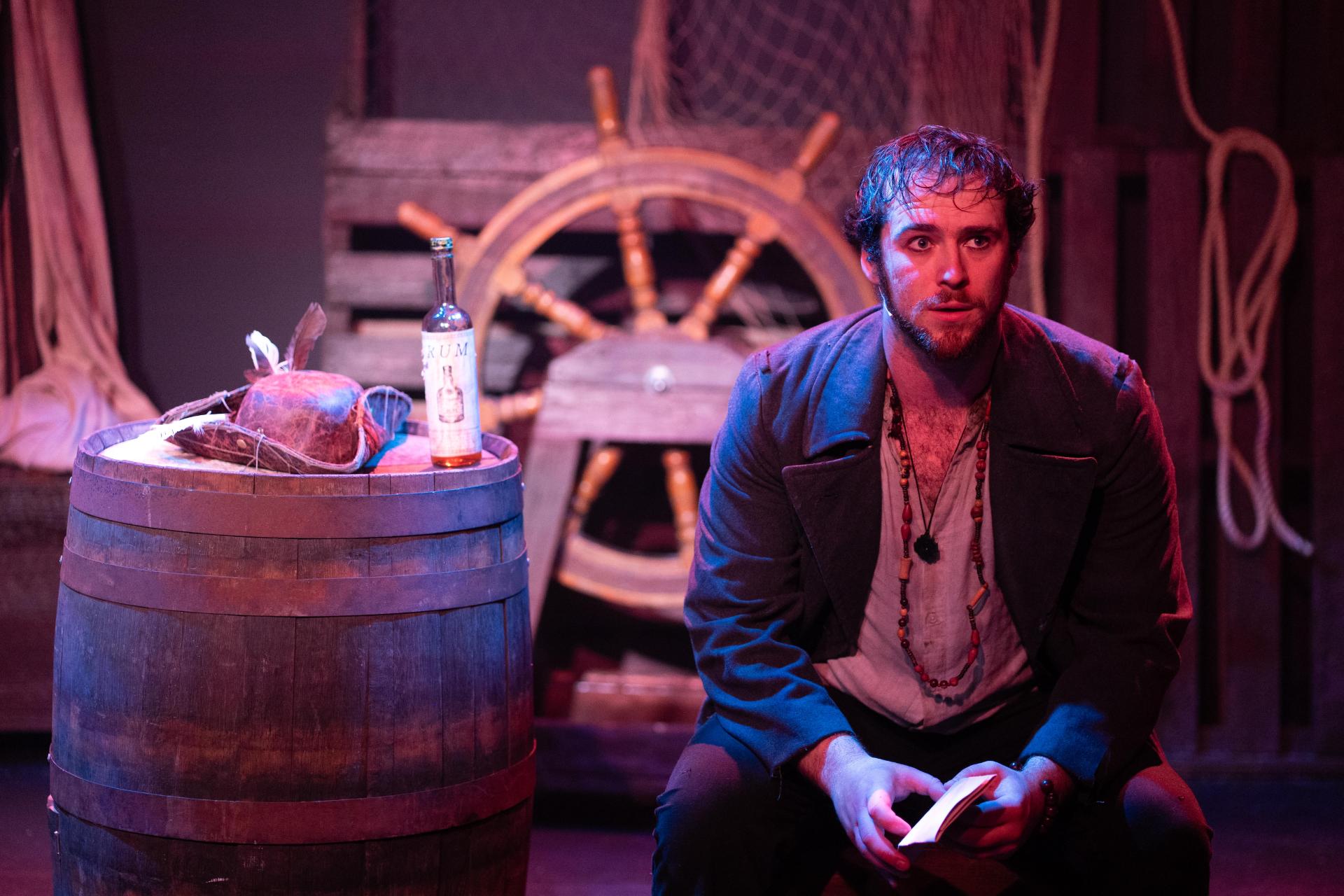
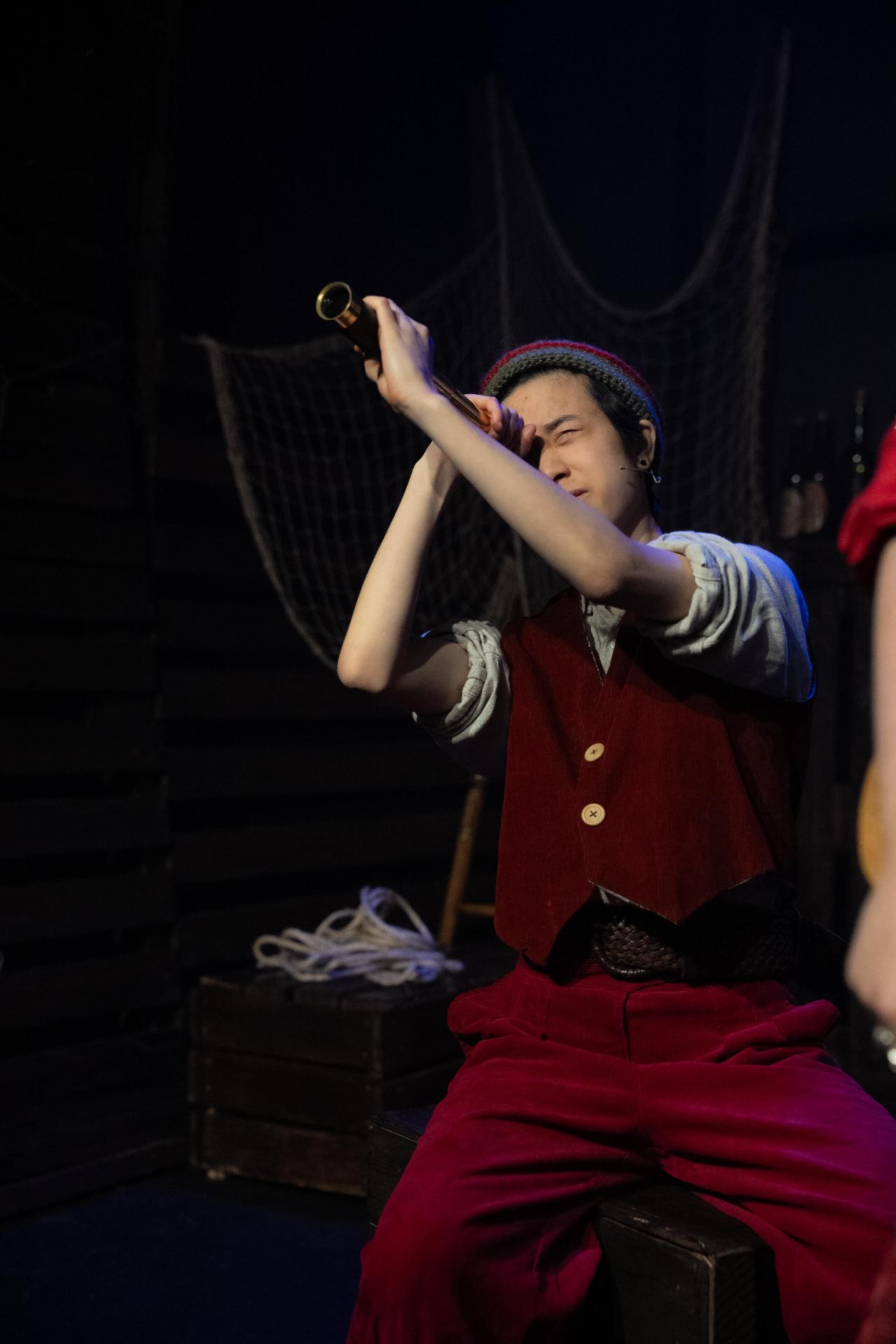
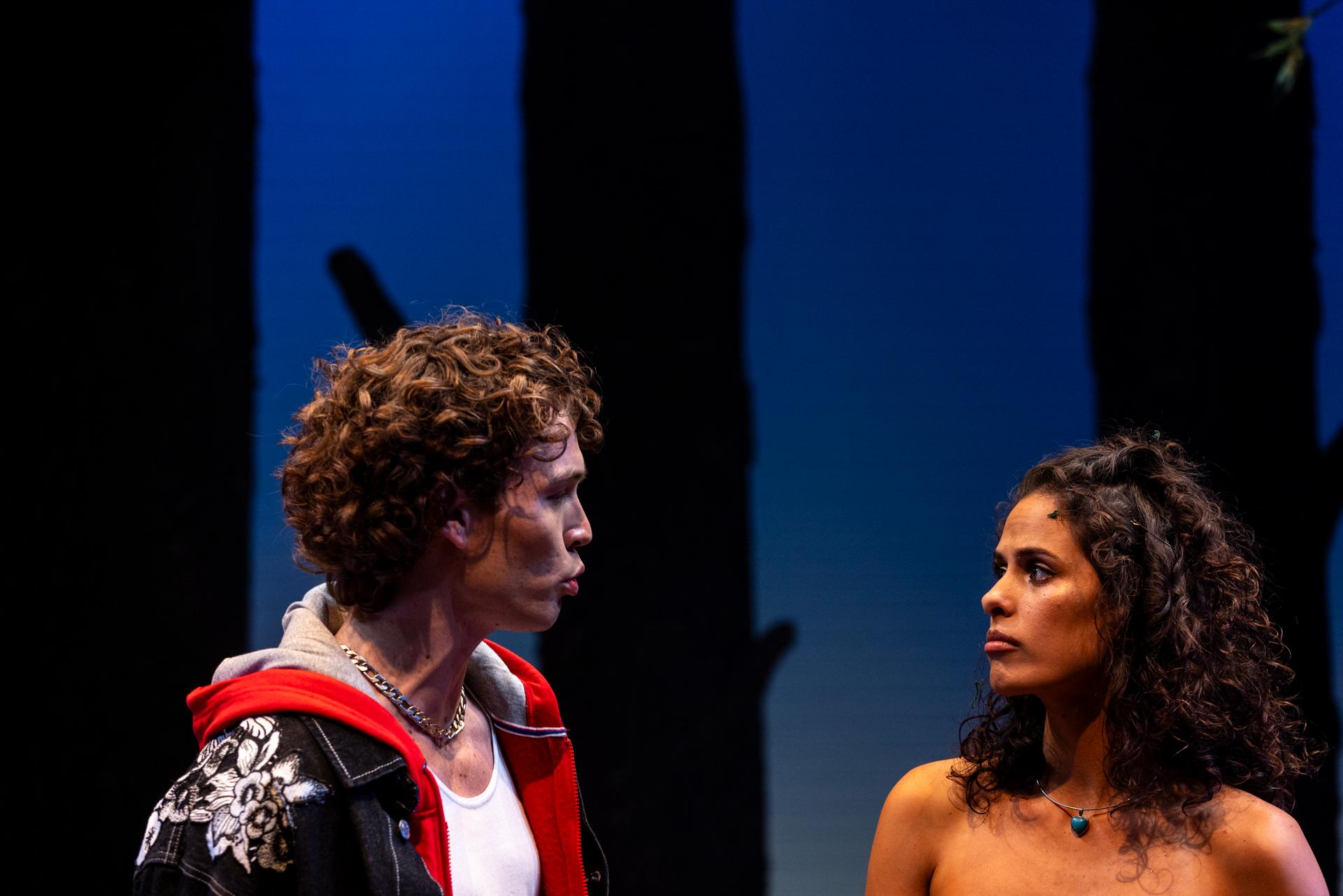
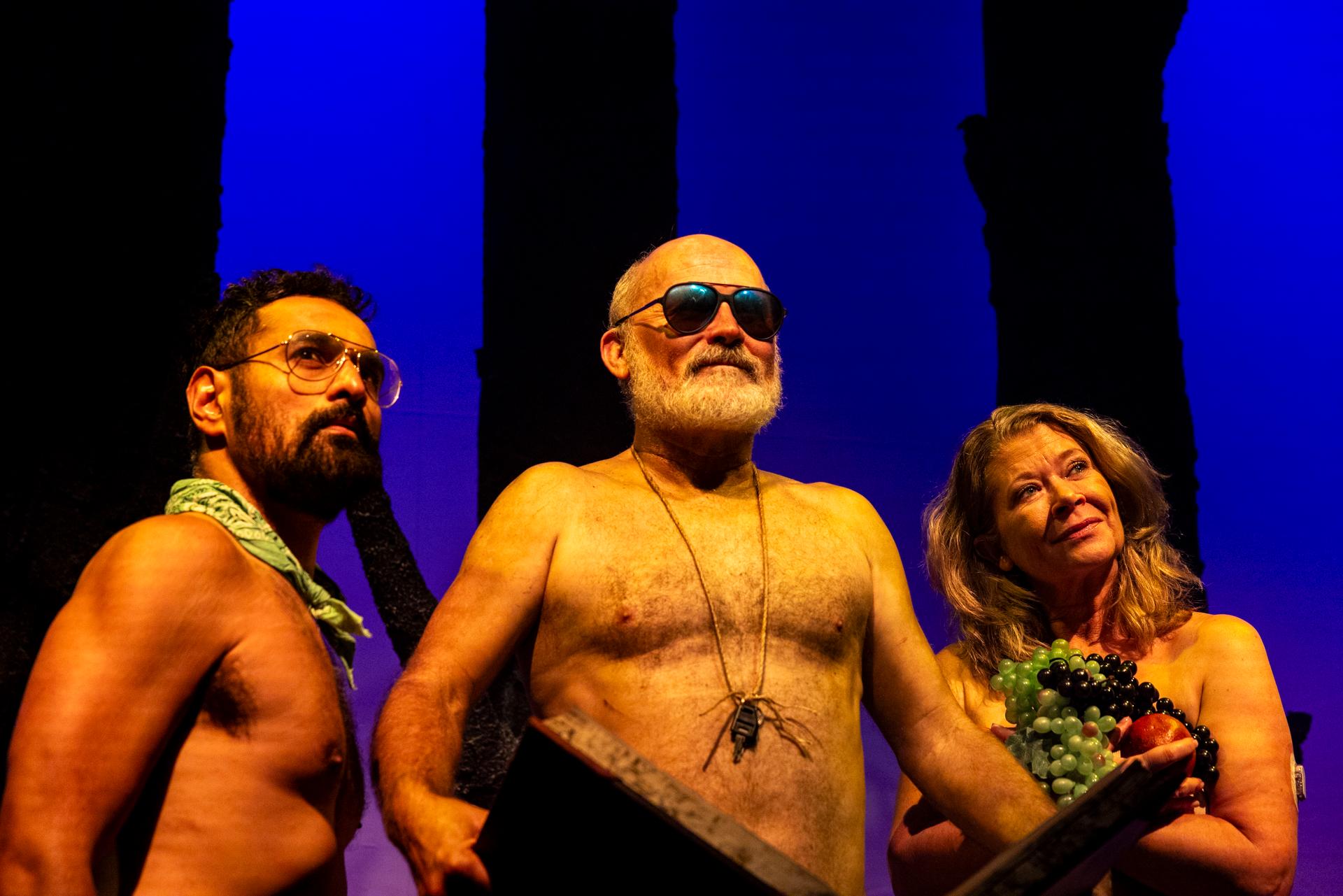
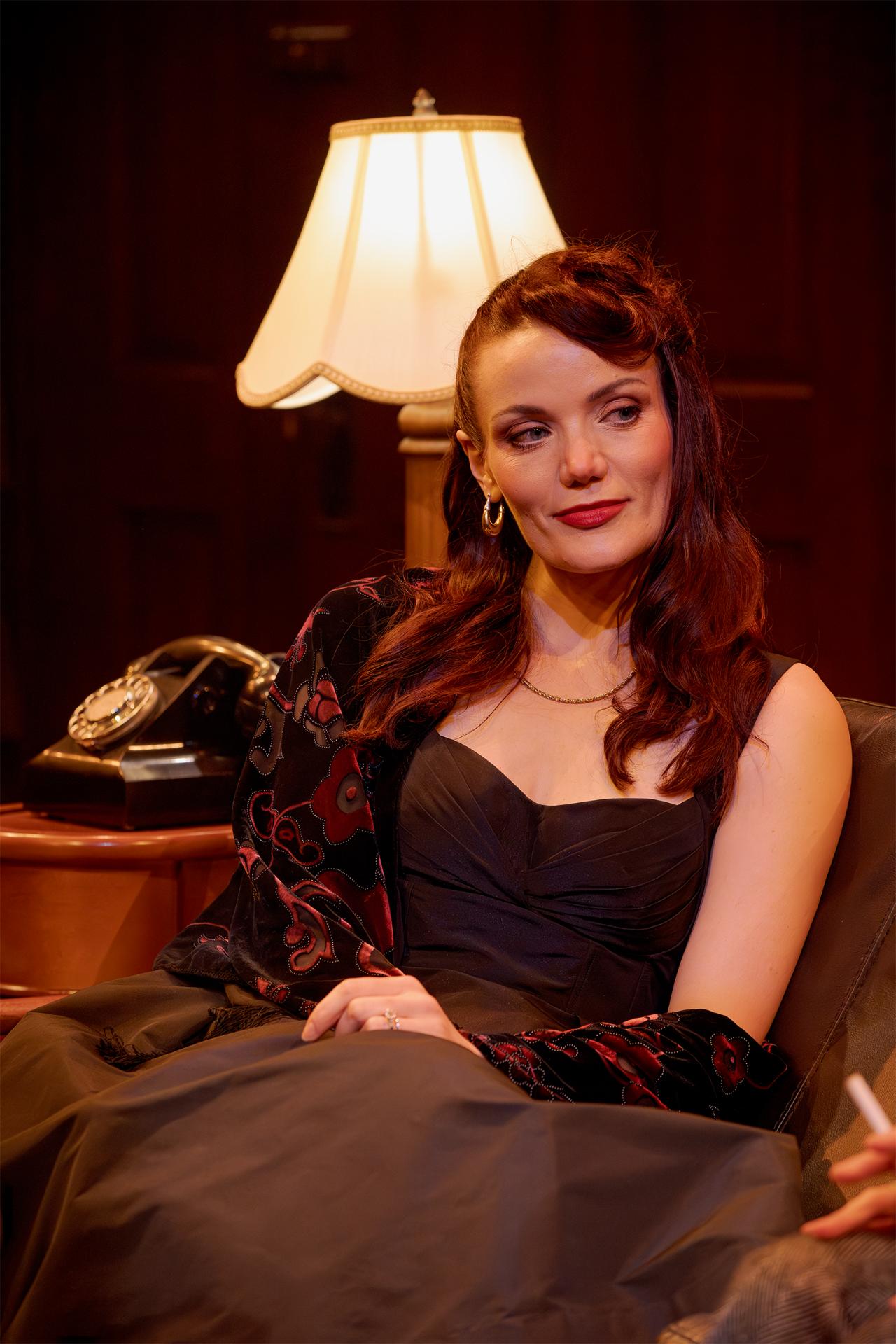
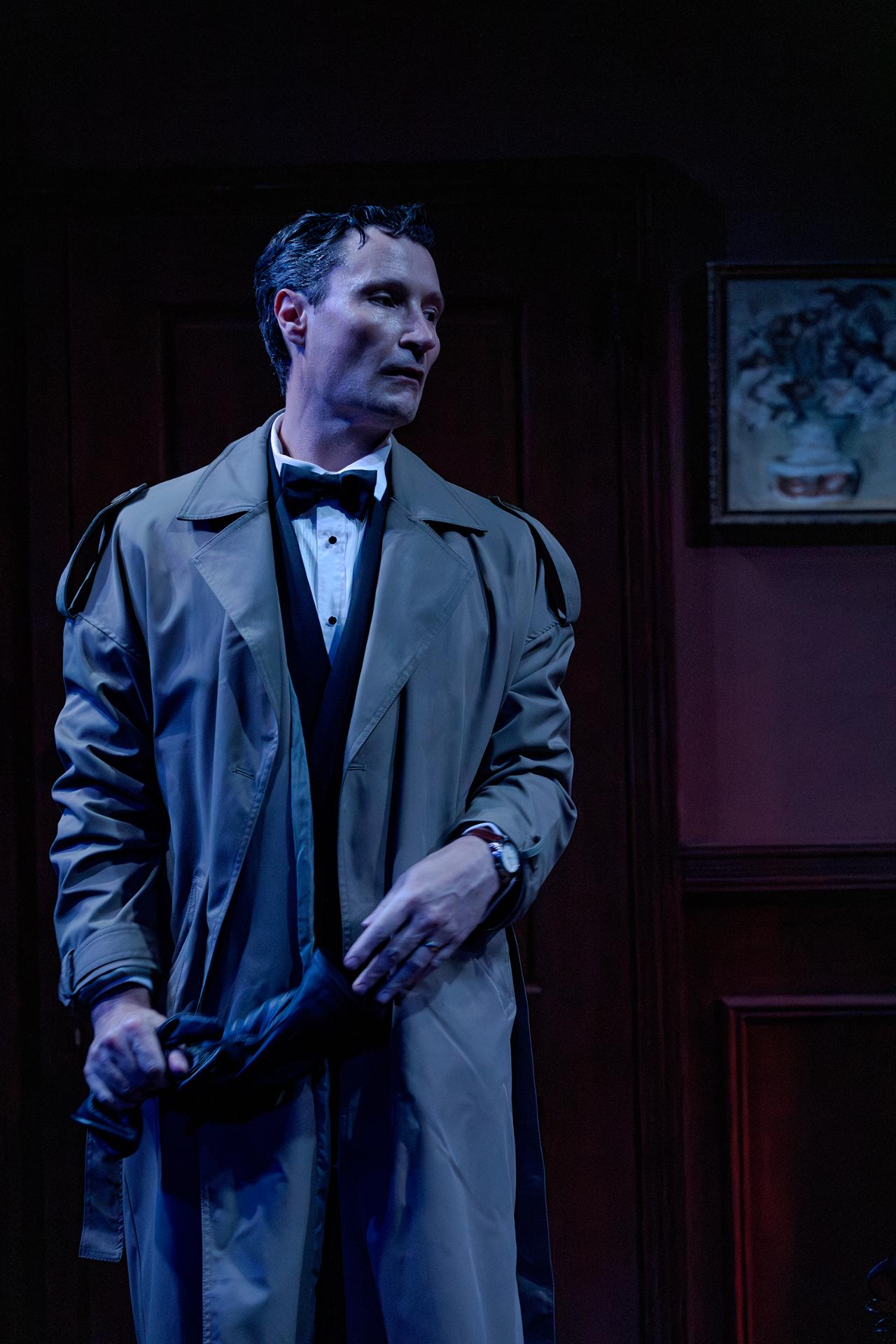
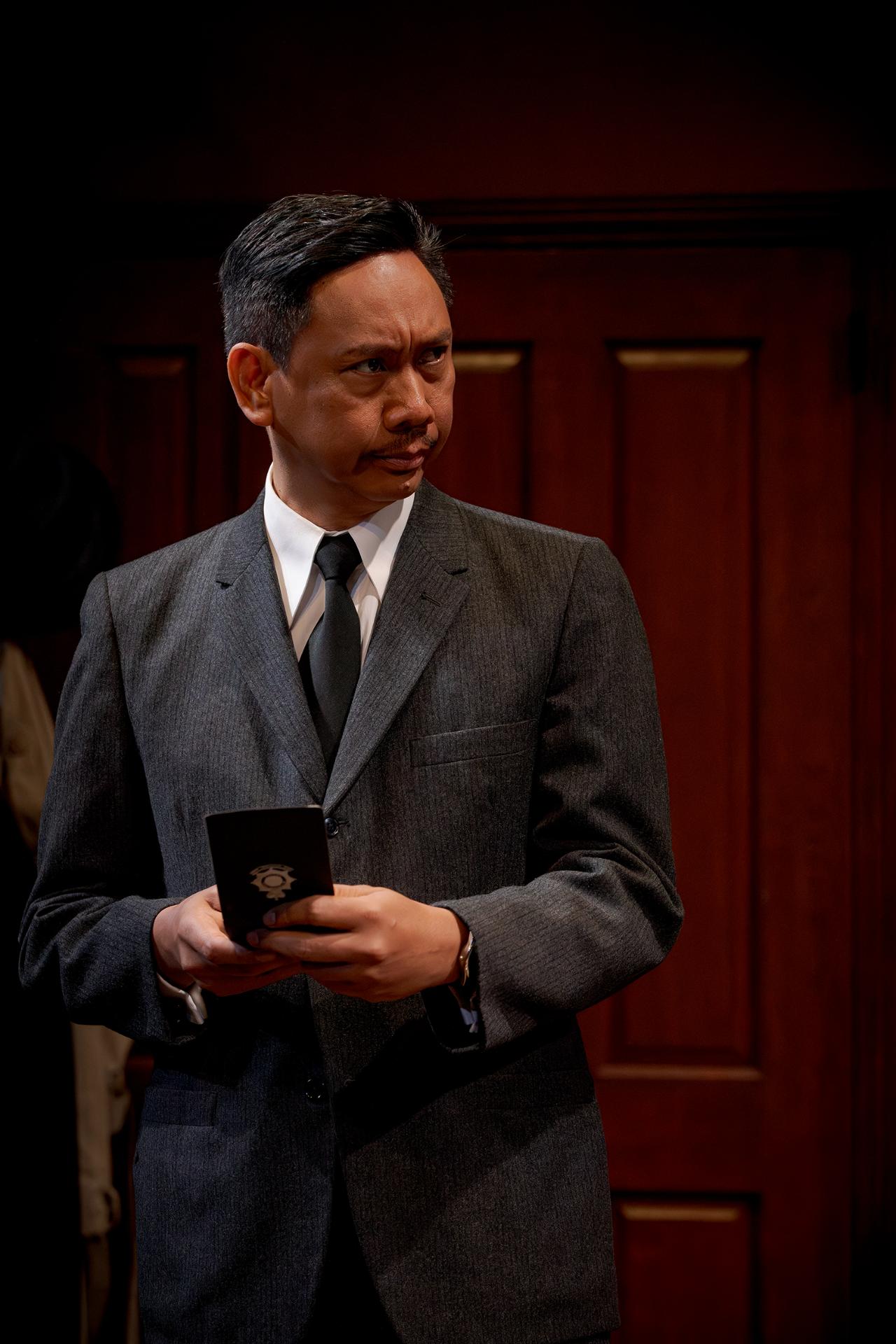
Ariyan Sharma shines as Segismundo, capturing a sheltered innocence that feels wholly authentic while subtly conveying the hidden truths his character has yet to grasp. He is a thoroughly endearing presence, remarkable for an artistry that combines keen intellect with expressive physicality. Thomas Campbell’s Astolfo brings tension and intrigue, his clever rendering of ambiguity opening up a world of imagined backstories that lead to this extraordinary moment. The rest of the cast add layers of psychological complexity and emotional richness, and together their chemistry transforms Life is a Dream into a fully immersive and enthralling theatrical experience.

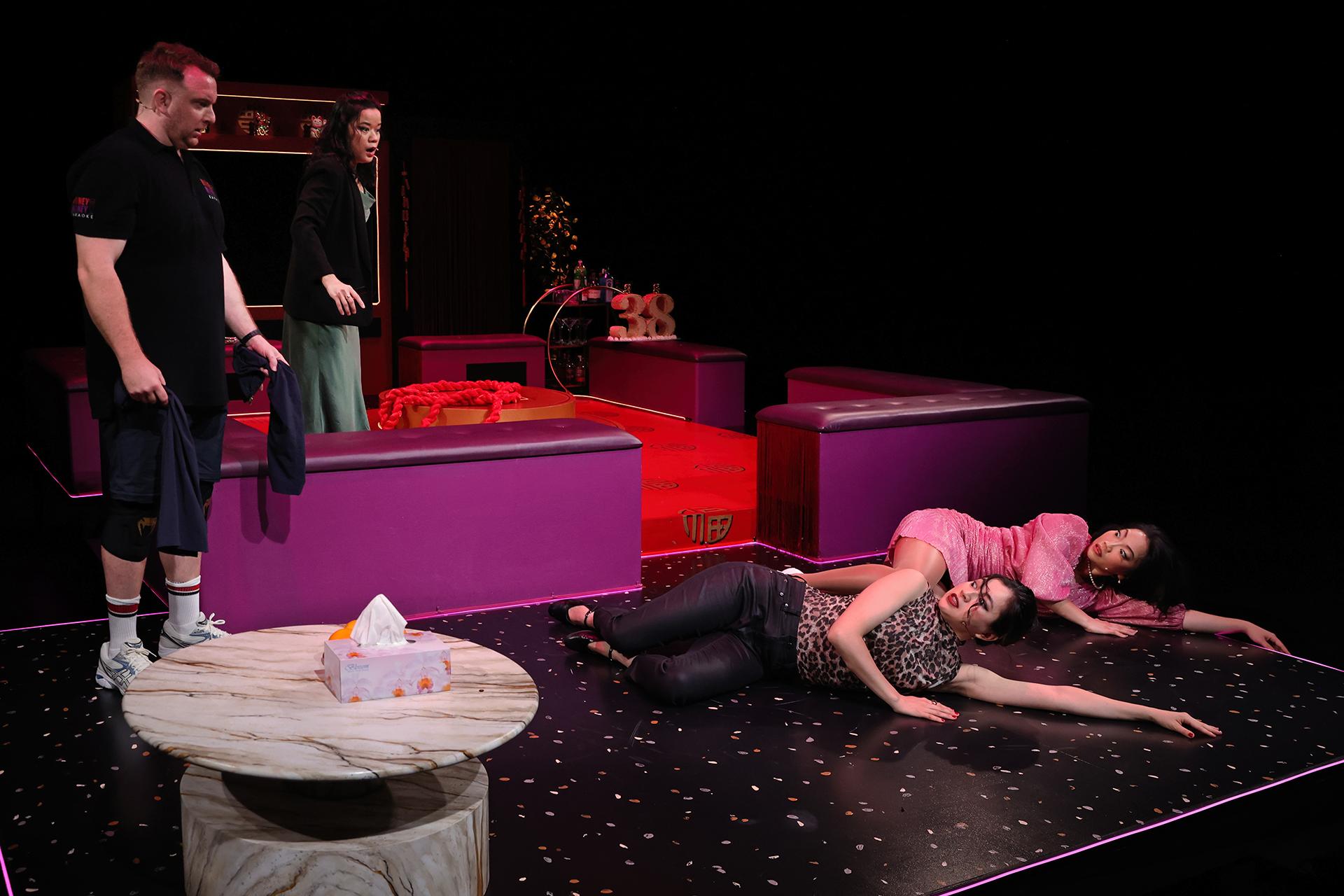
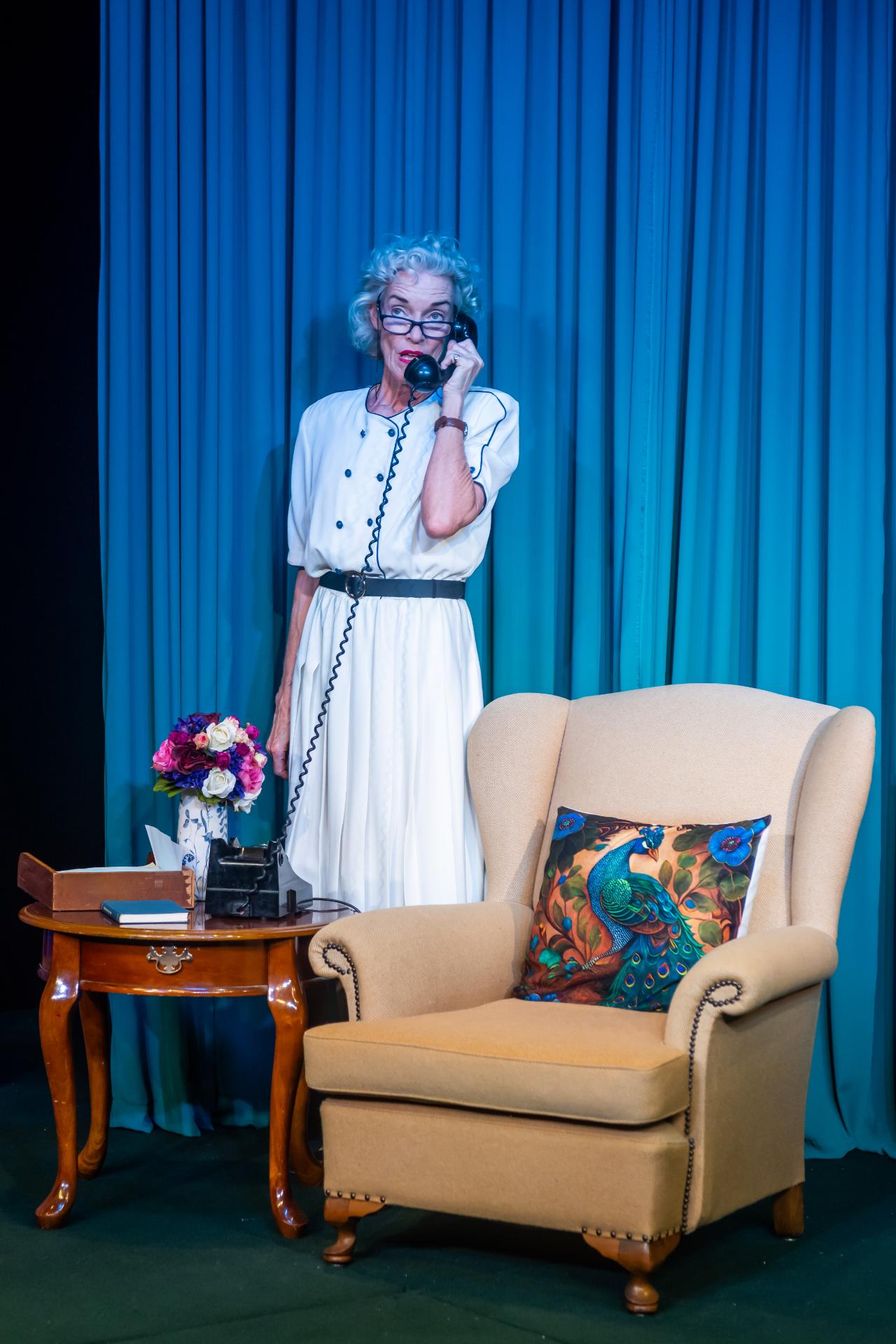
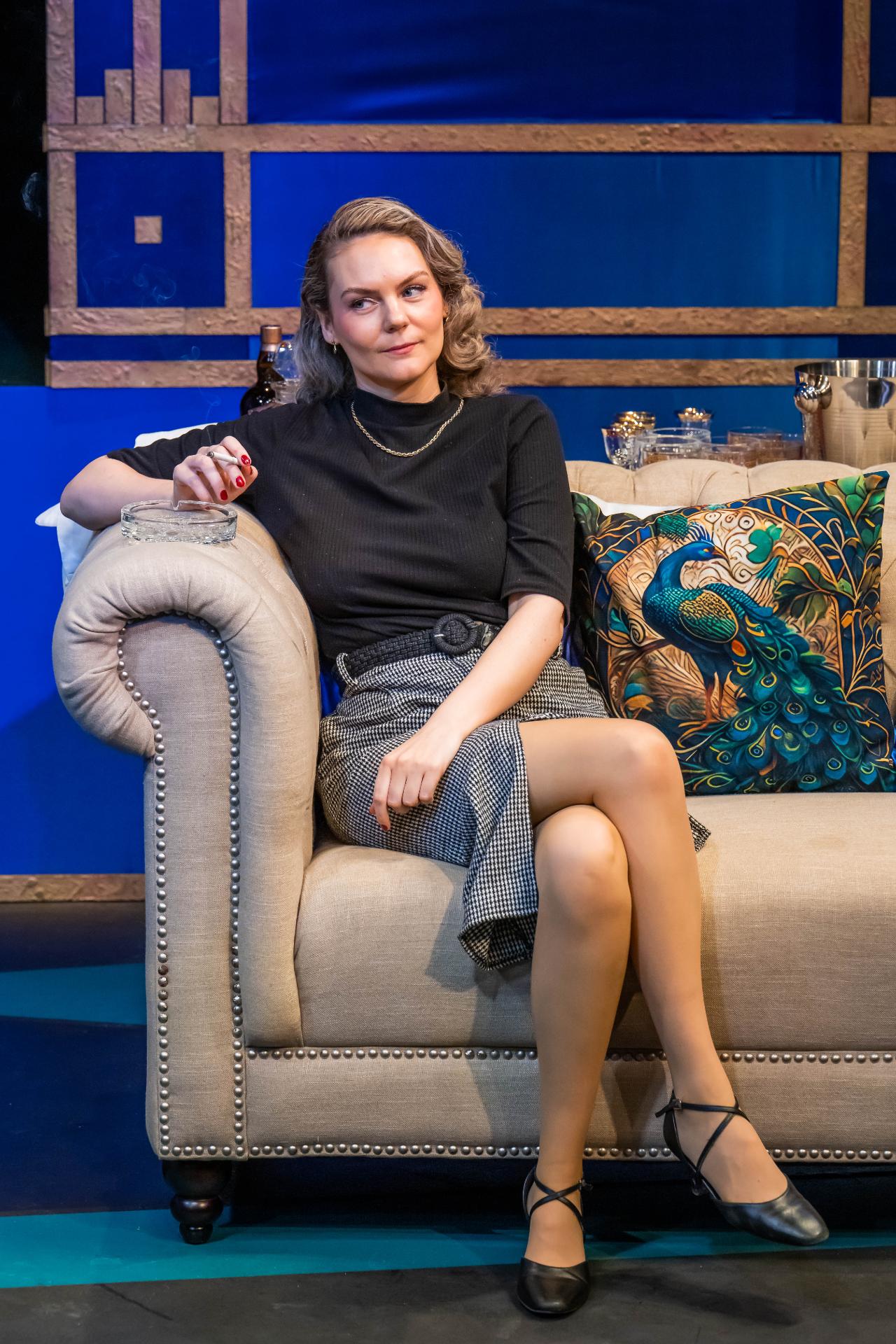
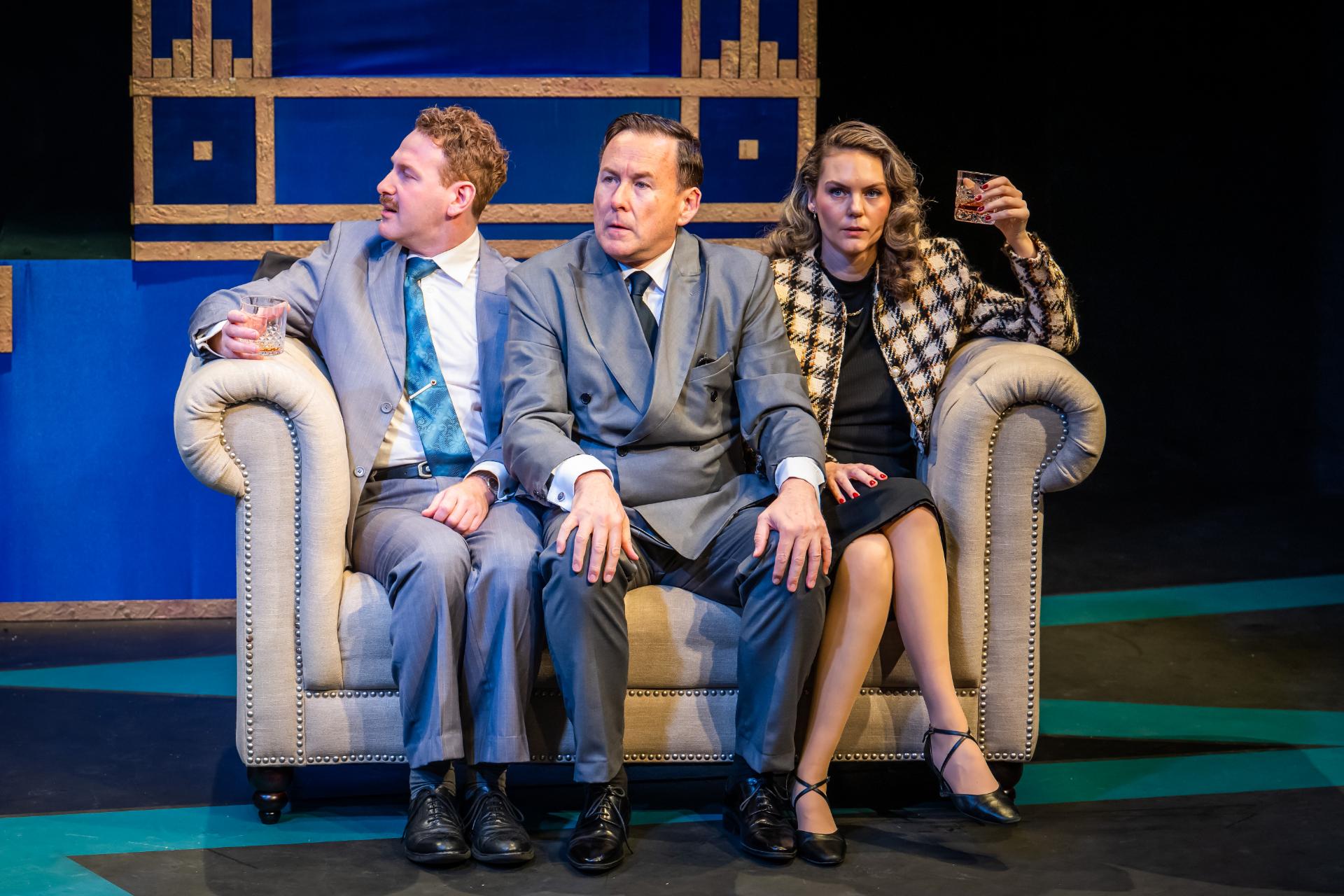
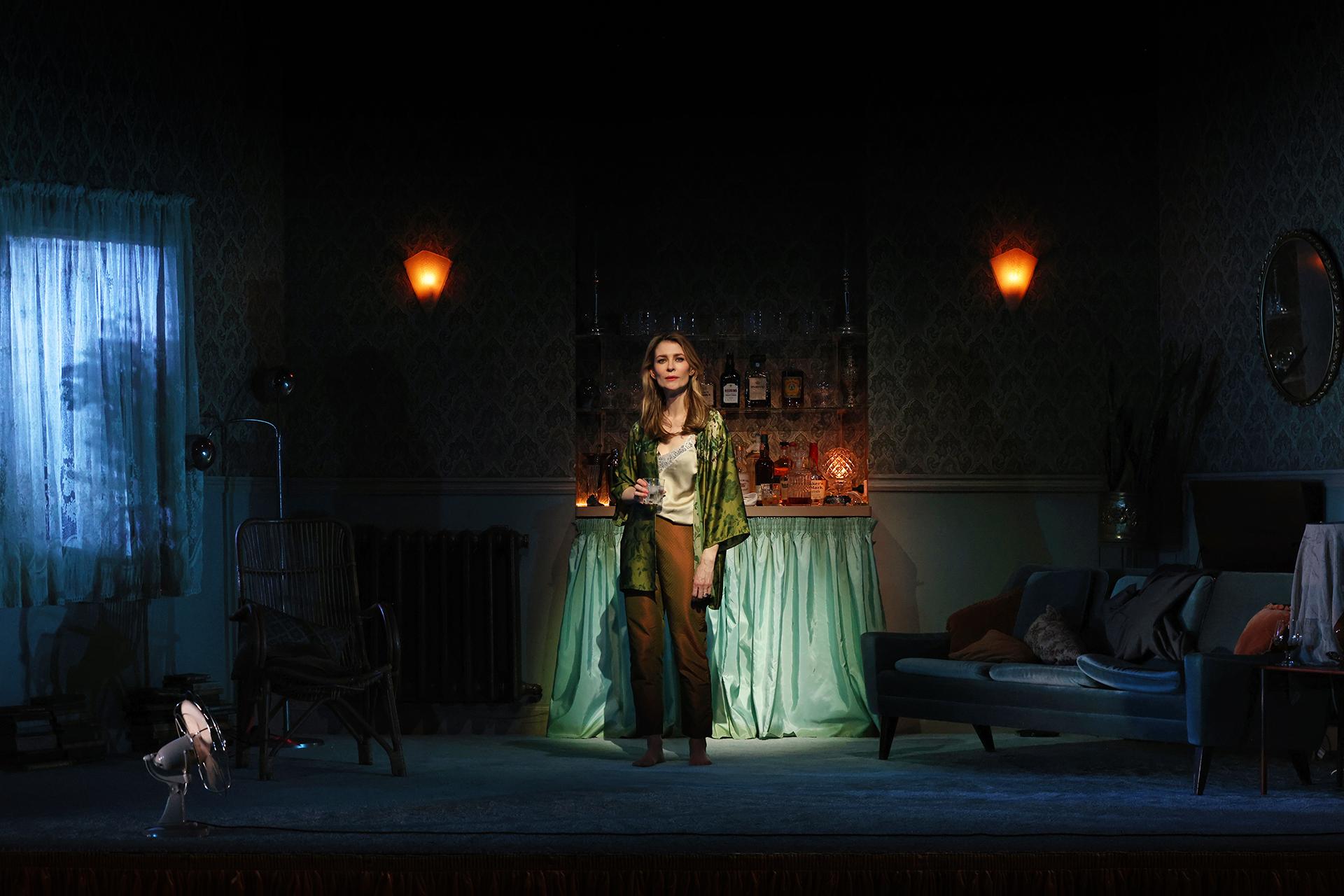
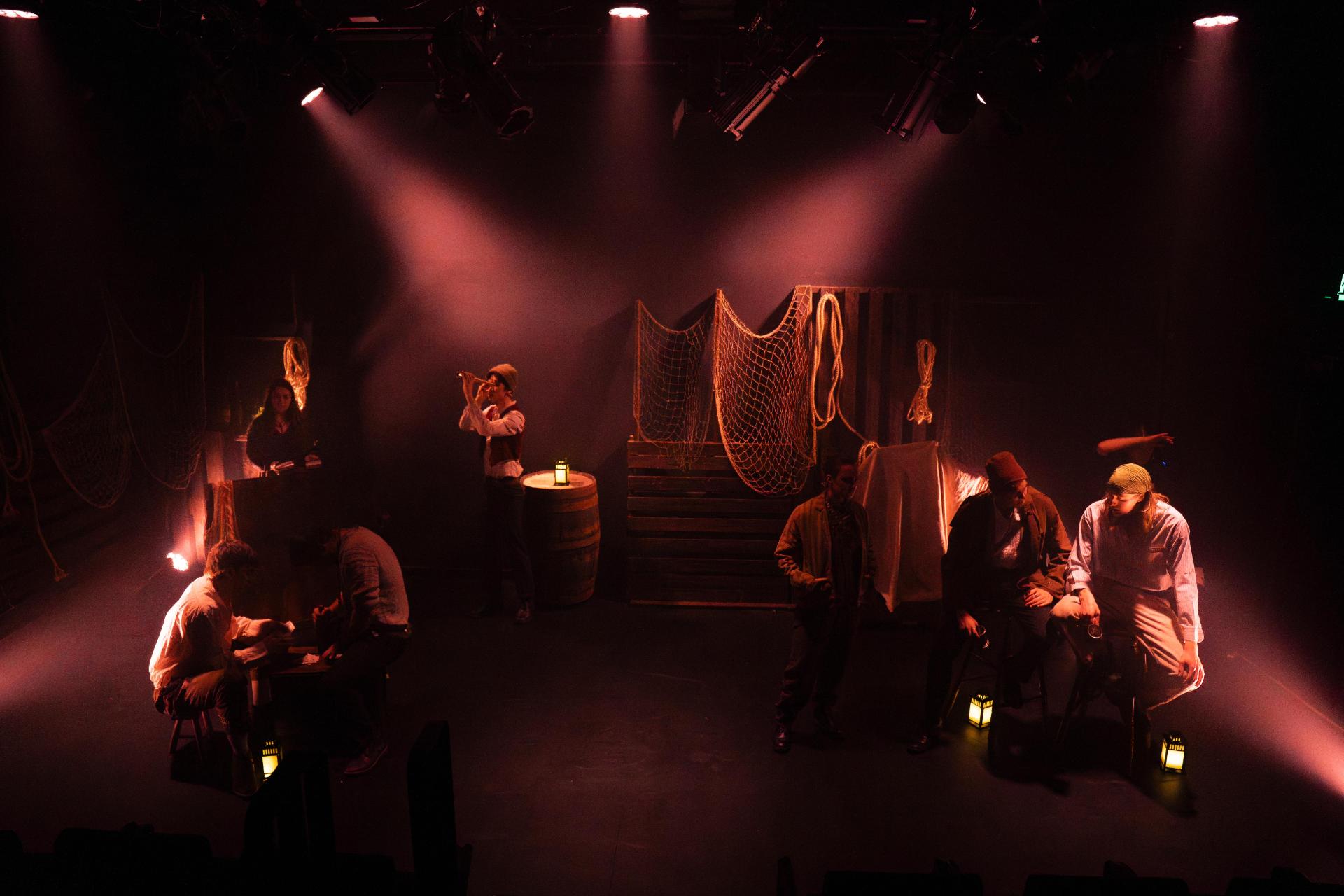
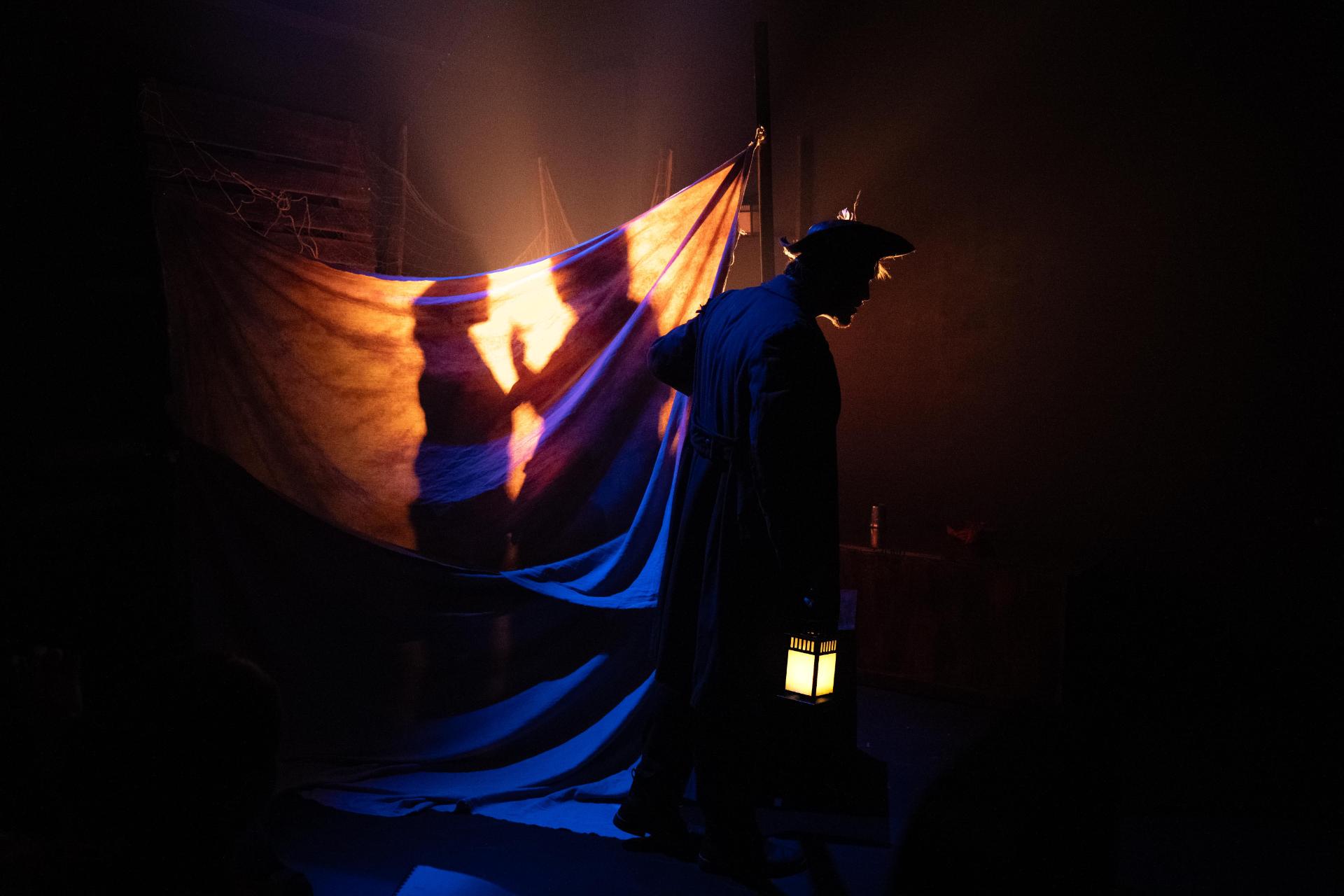
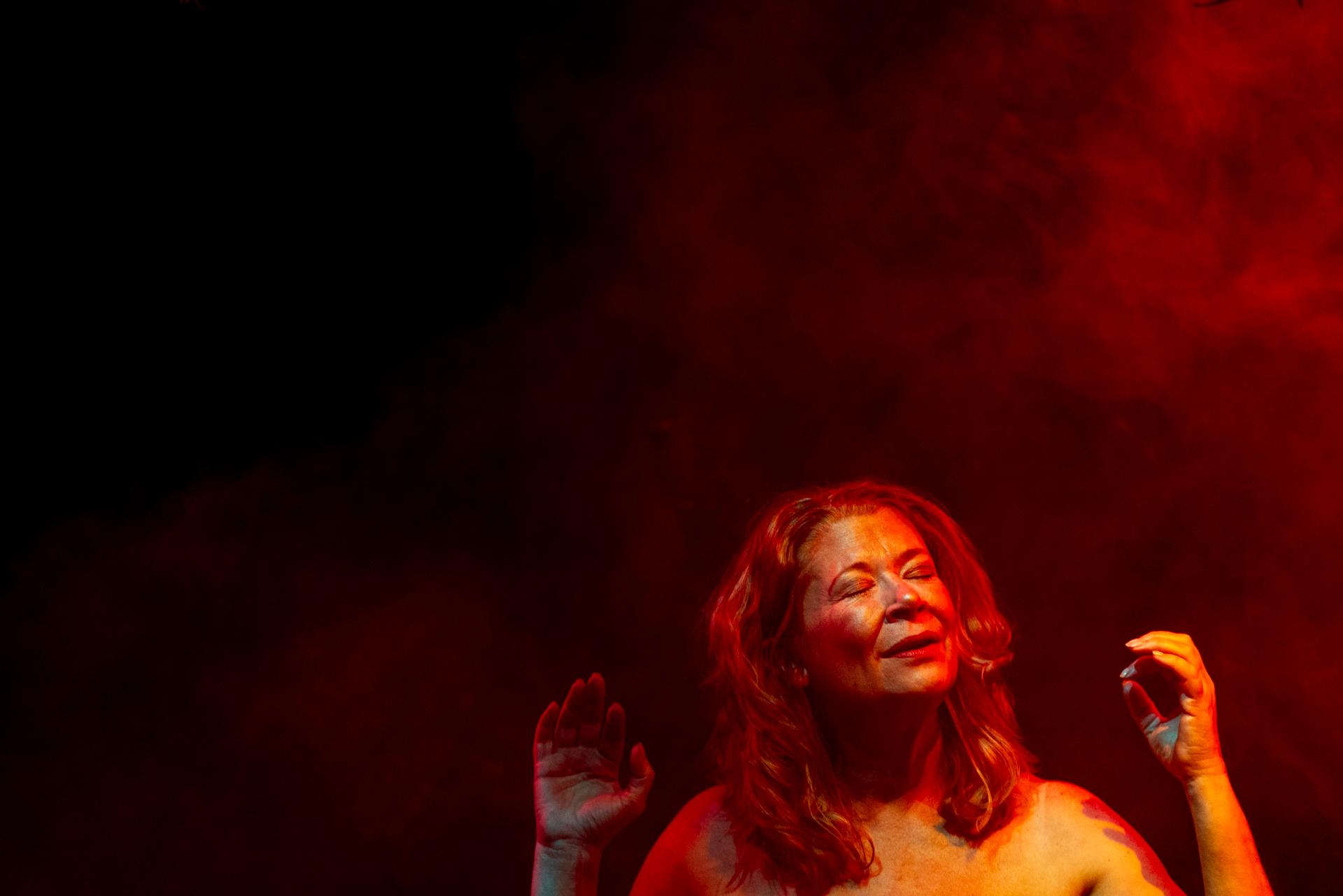
Set and costume design by Cris Baldwin evokes a contemporary space, grounded in a sense of normalcy that keeps the audience connected to the action. Kelsey Lee’s lighting and Madeleine Picard’s sound design weave the atmosphere with quiet finesse, lending the production an elegant rhythm that draws us deeper into the story and the emotional lives of its characters.

This updated Life is a Dream resonates as a warning: when we withhold kindness from those over whom we hold power, it is our own cruelty that breeds further cruelty. Amidst all the political turmoil of 2025, we are compelled to approach this centuries-old tale not with innocence, but with clear eyes, aware of the dangers we continue to create, and the responsibility we bear to break these tragic cycles.

www.belvoir.com.au | www.fervour.net.au | www.regroupperformancecollective.org

Review: The Bridge (KXT on Broadway)

Venue: KXT on Broadway (Ultimo NSW), Aug 29 – Sep 13, 2025
Playwrights: Sunny Grace, Clare Hennessy, Richie Black
Director:
Lucinda Gleeson
Cast: Zoe Carides, Clare Hennessy, Saro Lepejian, Andrea Magpulong, Brendan Miles. Matt Abotomey
Images by Ravyna Jassani

Theatre review
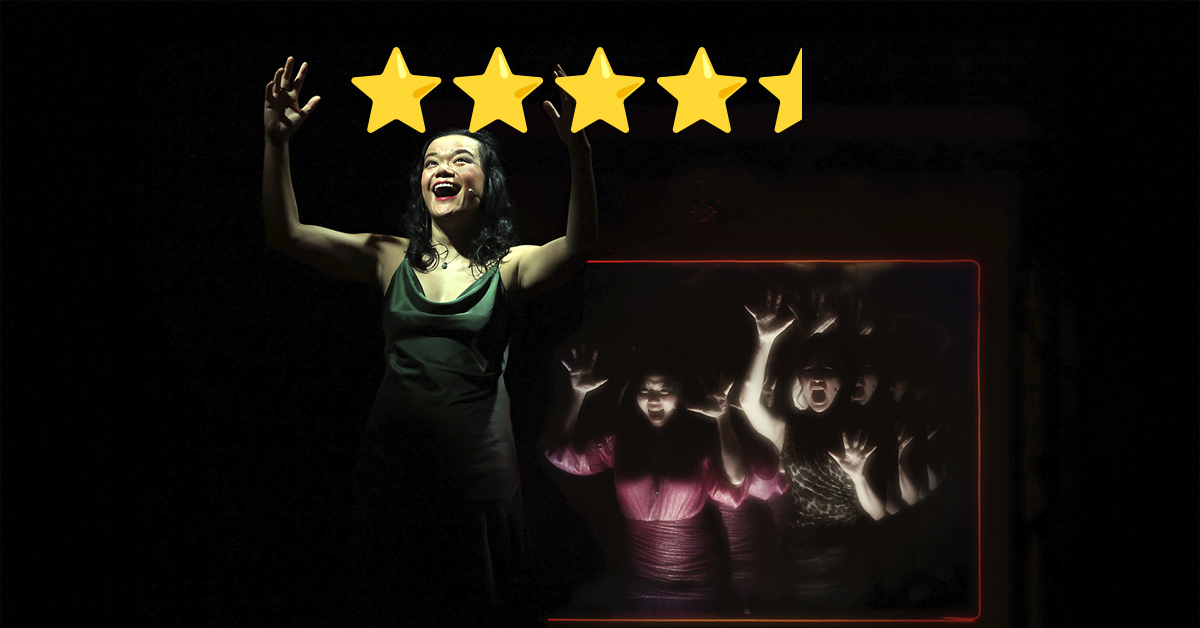
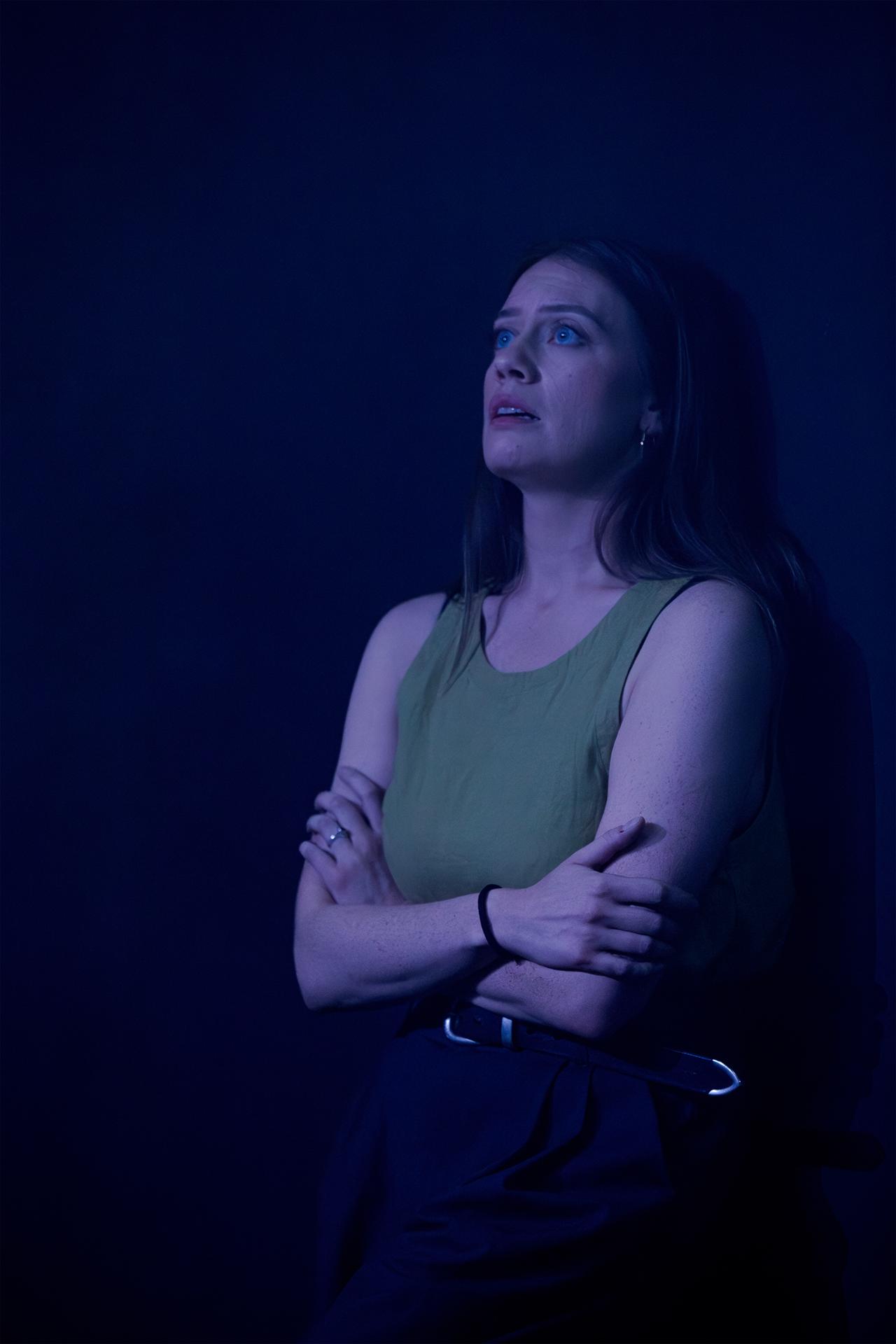
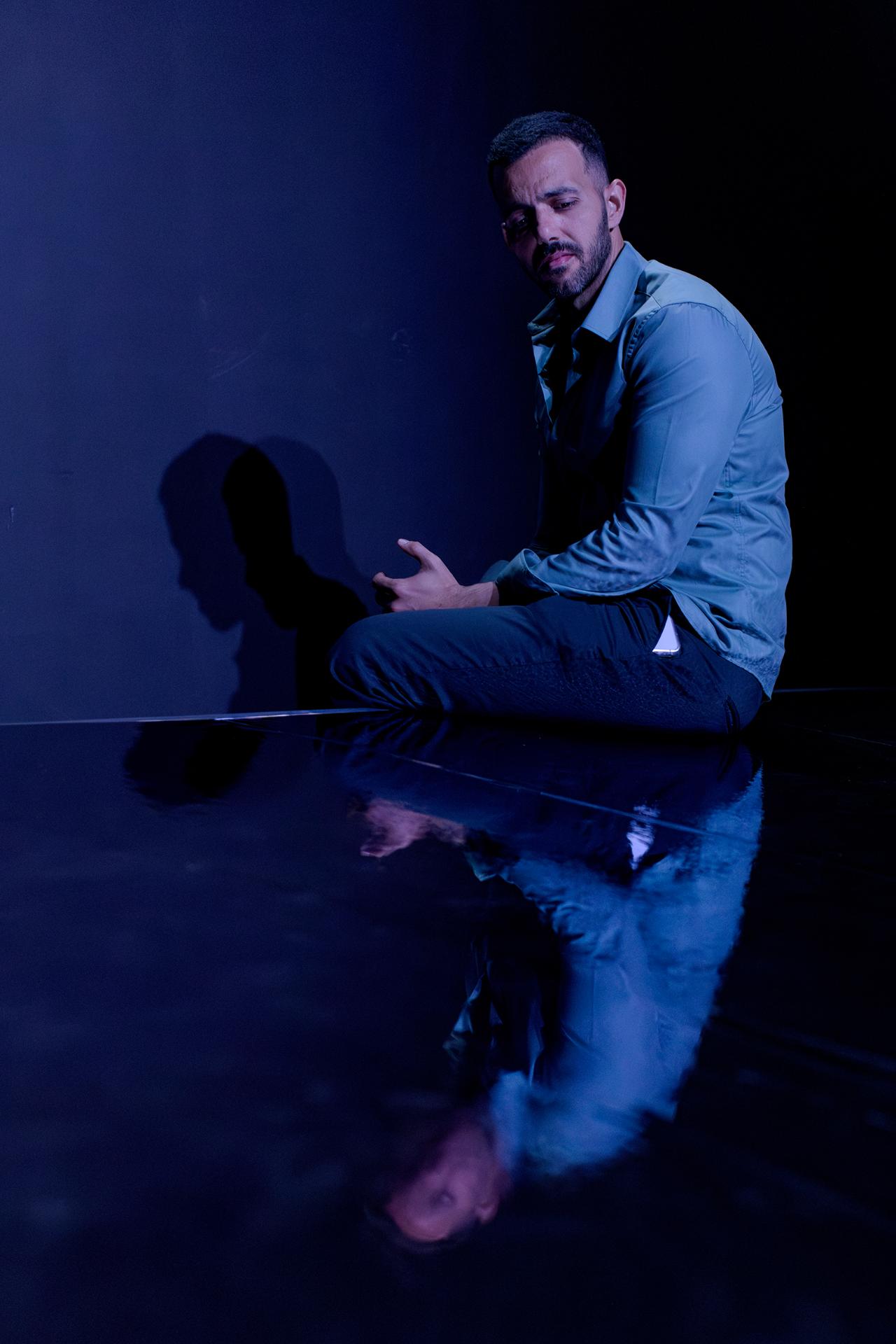
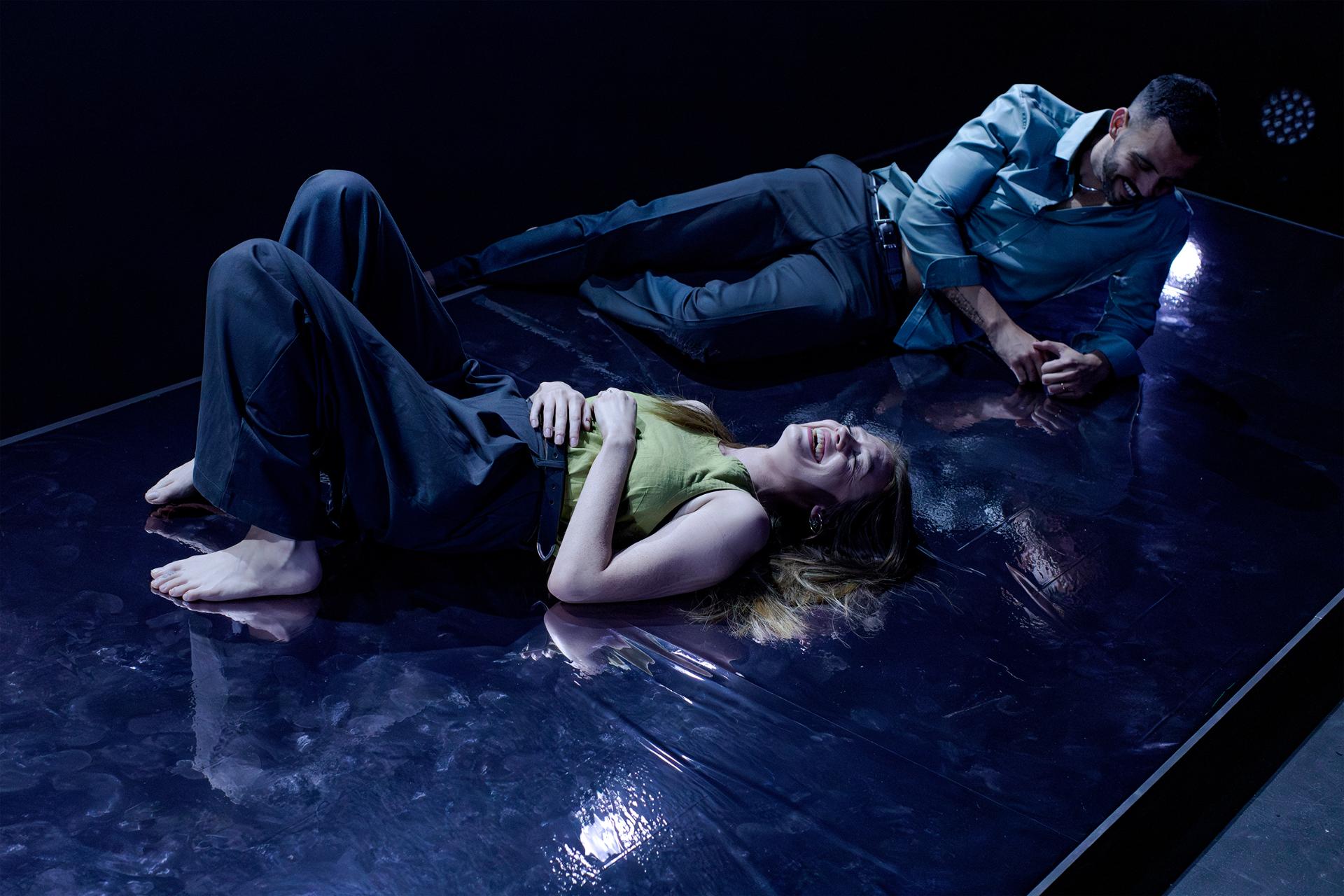
Amber was a fleeting rock sensation of the early ’90s, her career abruptly derailed by the ruthless grip of patriarchy. Decades later, when Alyssa goes viral on TikTok with a cover of one of Amber’s long-forgotten songs, the forgotten musician emerges—not to celebrate the revival, but to chastise the influencer, mirroring the very silencing forces that once destroyed her own career.

With The Bridge, writers Sunny Grace, Clare Hennessy and Richie Black set out with admirable intentions, crafting a work that seeks to highlight how women can unite across generations to resist the enduring forces of subjugation. The play’s ambition is clear, but its execution falters: the structure is clumsy, the nuance underdeveloped, and the characters too often collapse into flat archetypes rather than fully realised figures.

Lucinda Gleeson’s direction may lack elegance, but it is driven by a palpable passion that translates to the stage. The original music by Zoe Carides and Clare Hennessy stands out as a highlight, with the added delight of live performance from several cast members. Sound design by Rowan Yeomans and Elke reaches ambitiously, though it occasionally draws focus away from the action. Aron Murray’s lighting brings welcome dynamism, even if it is not always flattering to the performers, while Kate Beere’s costumes suffer from the same problem, her set design captures the intended mood.

As Amber, Zoe Carides delivers energy and focus, though the performance never fully convinces as that of a late-20th-century rebel hellraiser. Clare Hennessy is more persuasive as Alyssa, the ambitious newcomer, yet her portrayal of a contemporary media personality leans a touch too heavily on flippancy. The chemistry between the two requires greater development, and the progression of their relationship would benefit from being drawn with more care and less abruptness.

While it is unrealistic to expect women to always share affinity with one another, the pursuit of radical inclusivity and acceptance remains essential in resisting patriarchal and colonial systems. Such structures are sustained by division, repeatedly manufacturing wedges that isolate individuals and diminish their collective agency. Feminism, therefore, must be understood as a project of expansion—drawing in as many voices as possible in order to constitute a force capable of meaningful opposition.

www.kingsxtheatre.com | www.instagram.com/crisscross_productions

Review: How To Plot A Hit In Two Days (Ensemble Theatre)

Venue: Ensemble Theatre (Kirribilli NSW), Aug 29 – Oct 11, 2025
Playwright: Melanie Tait
Director: Lee Lewis
Cast: Amy Ingram, Genevieve Lemon, Seán O’Shea, Georgie Parker, Julia Robertson
Images by Brett Boardman

Theatre review
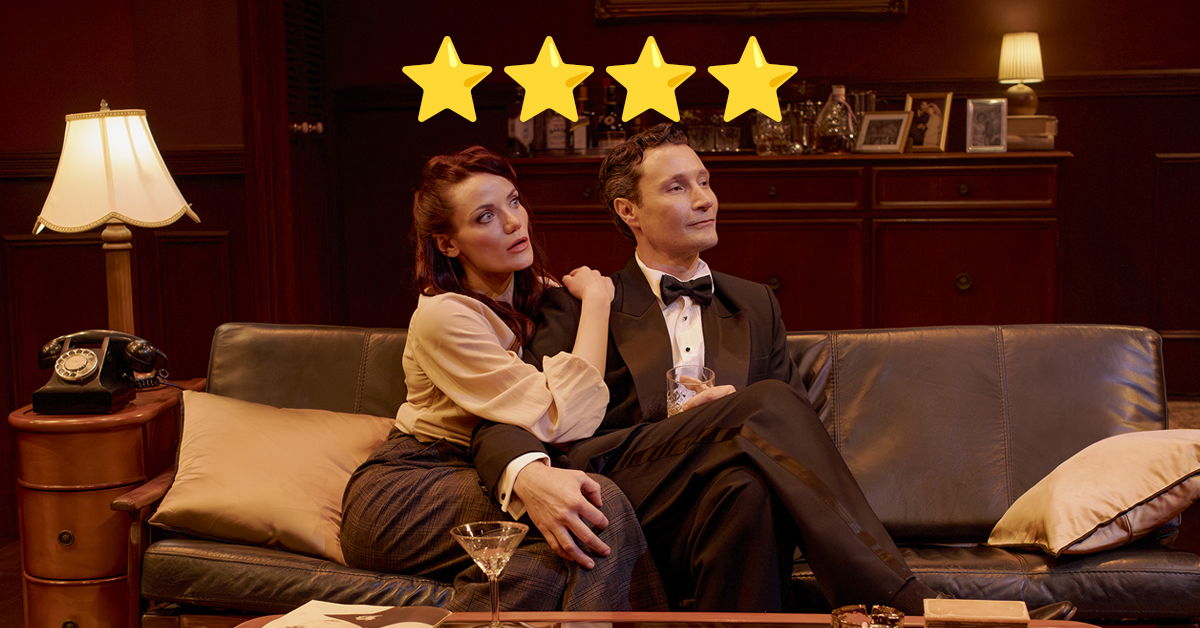
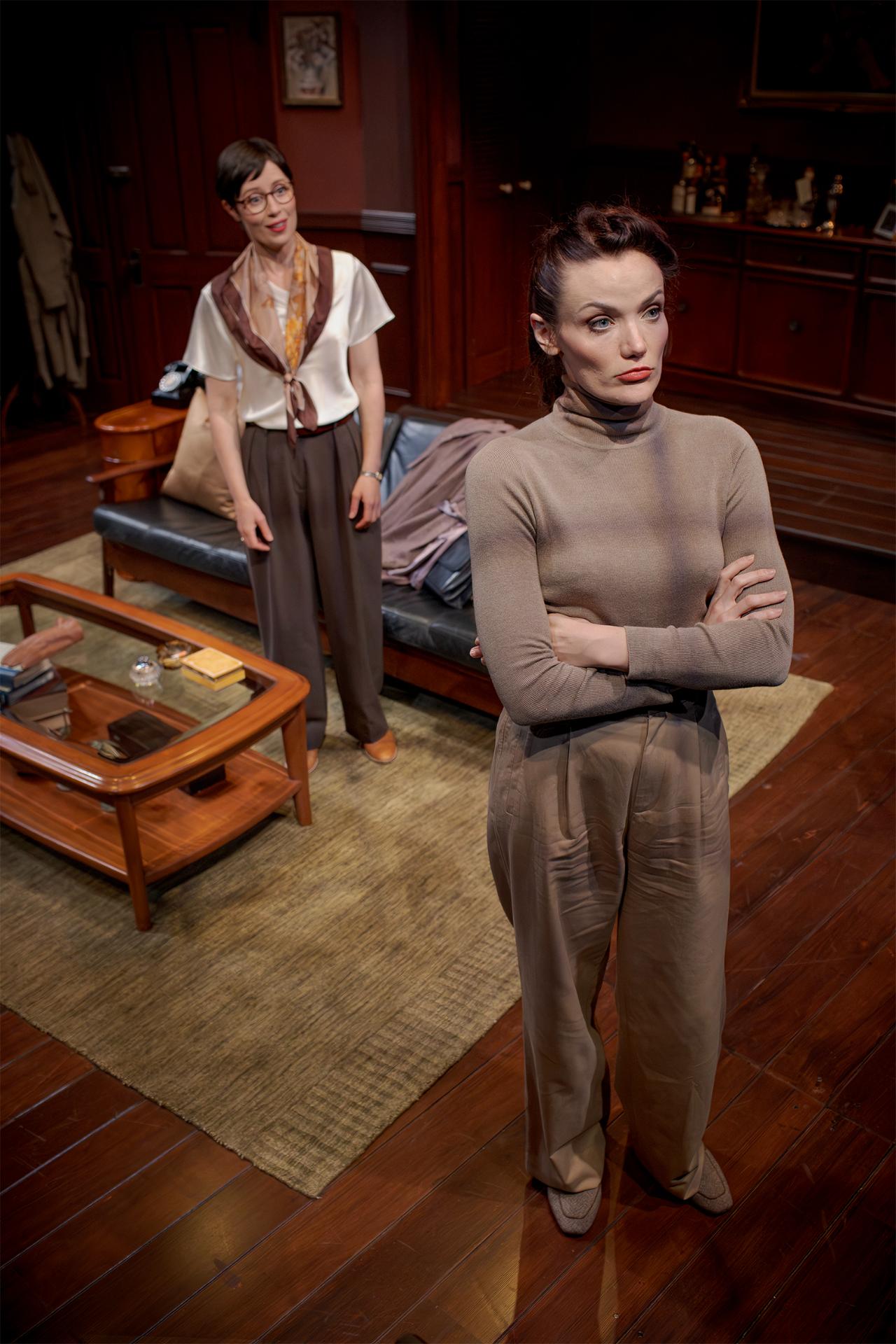
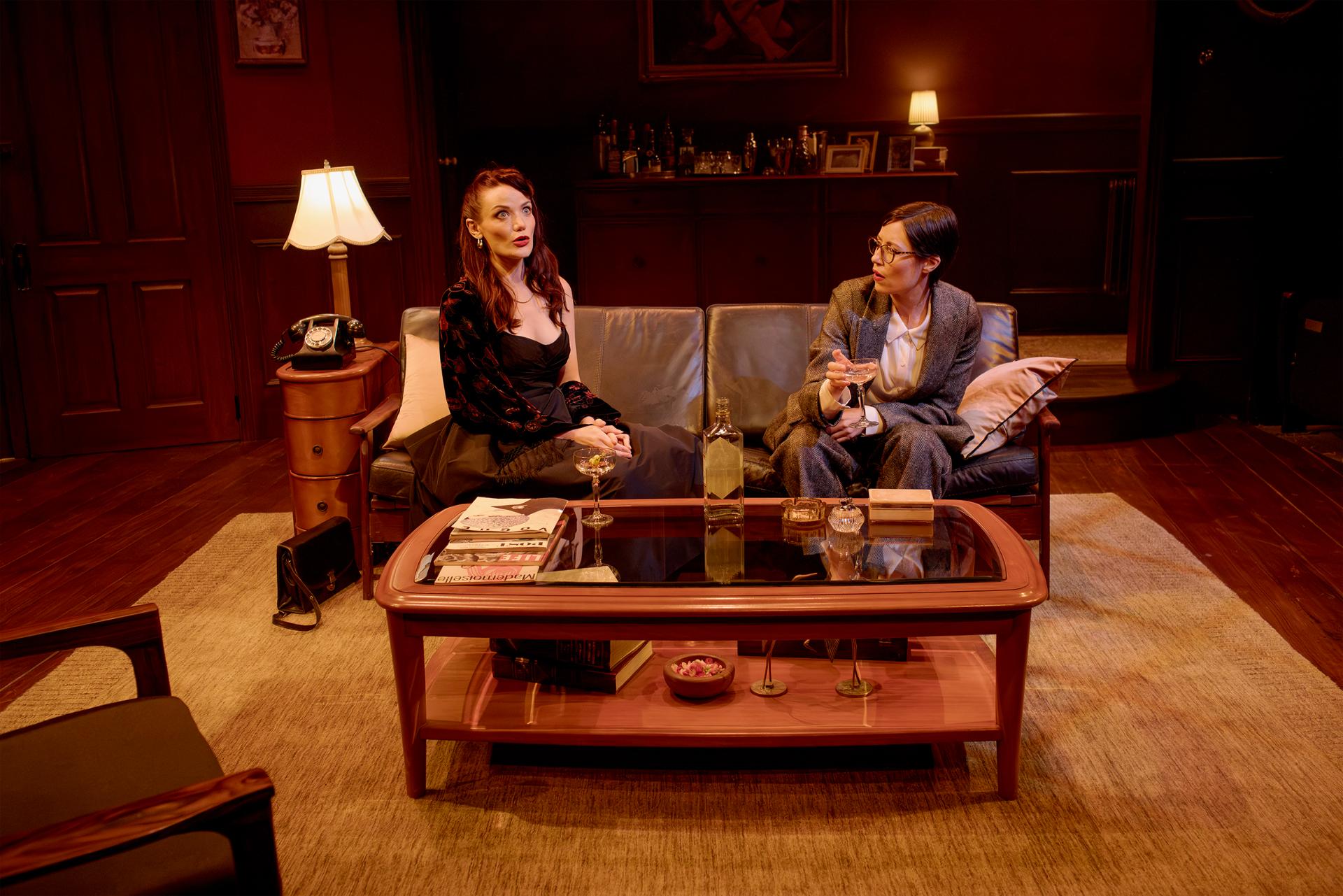
It is 1985, and a key cast member is departing the high-rating Australian soap opera A Country Practice. The writers are tasked with making sense of her exit, not only for themselves as creatives deeply entwined with the show, but also for a public profoundly invested in its characters. How to Plot a Hit in Two Days by Melanie Tait is a charming reimagining of the delicate machinery behind one of the era’s most unforgettable television moments. The play beautifully captures the intricacies of artistic collaboration, resonating with anyone curious about the creative process. Yet its heavy reliance on a very particular vein of cultural nostalgia risks alienating contemporary audiences less familiar with that history.
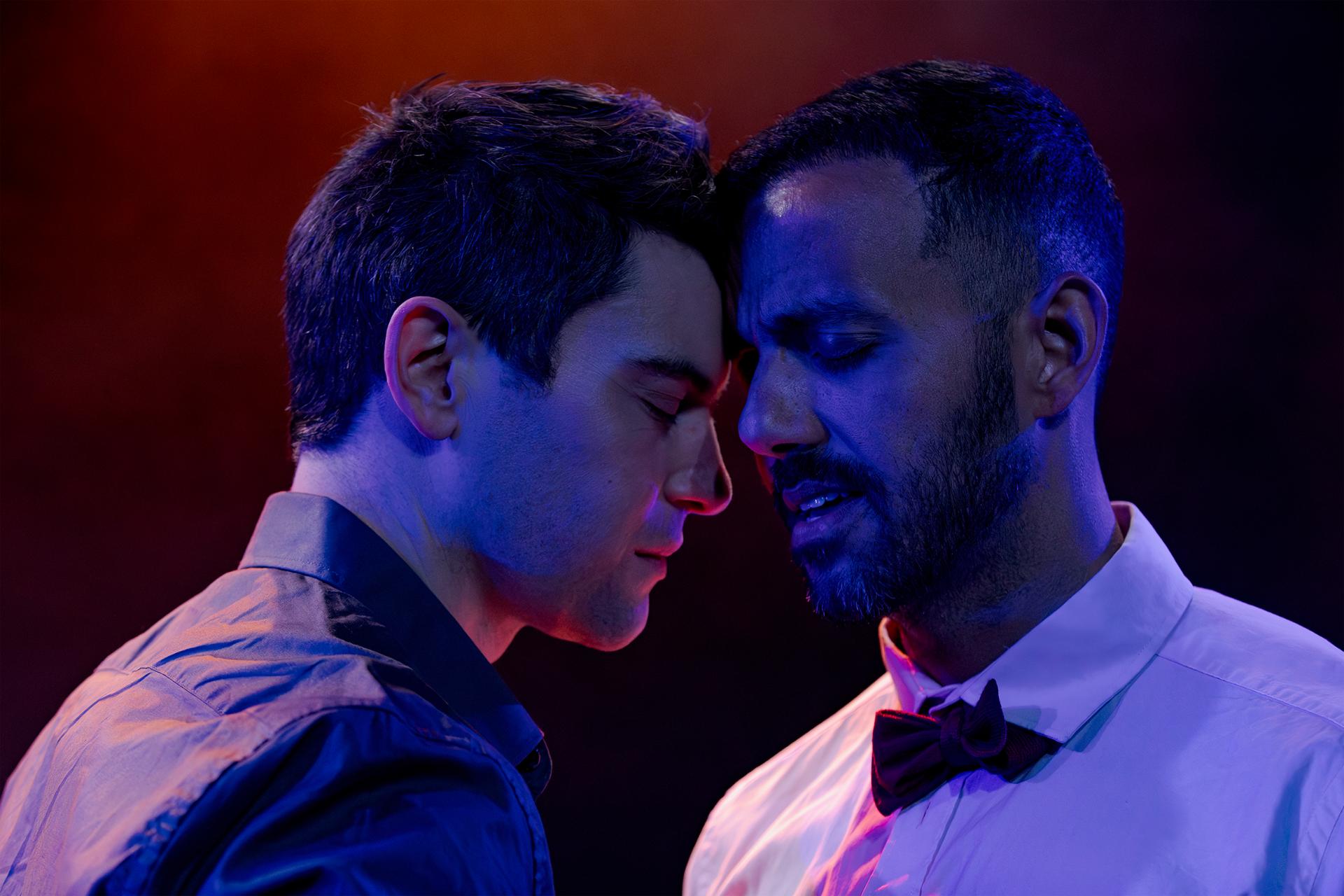
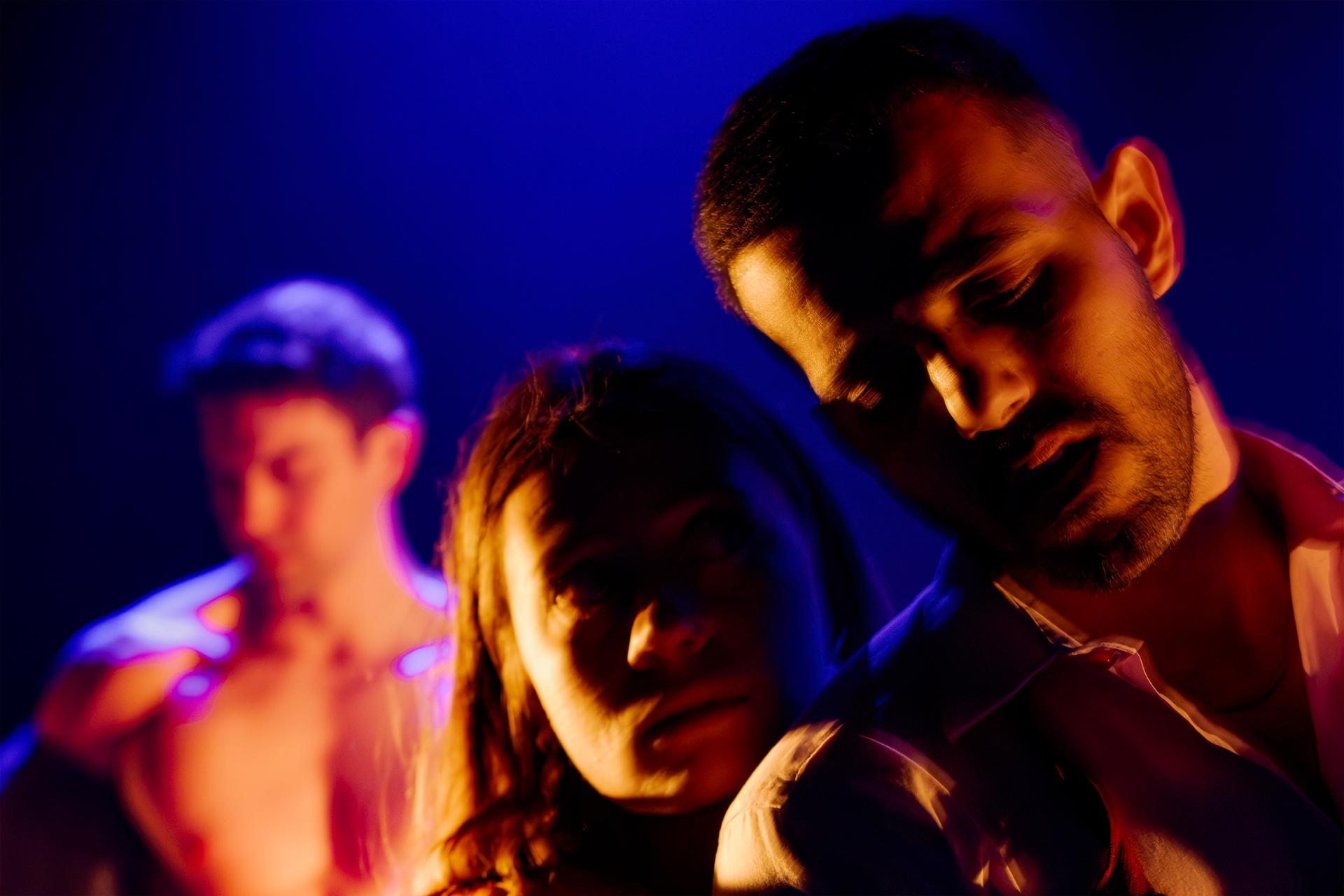
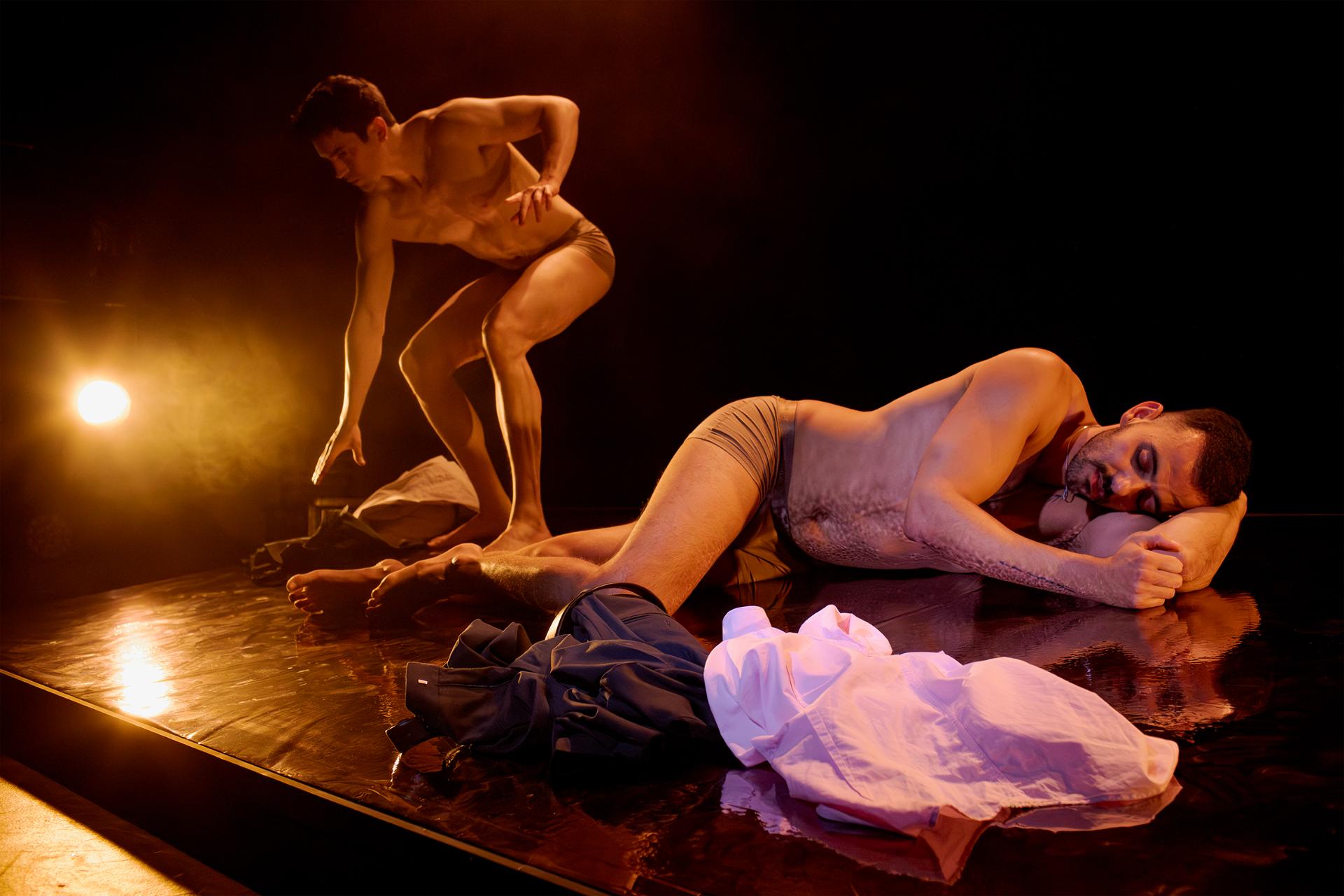
Direction by Lee Lewis yields a staging memorable for the impeccable chemistry of its ensemble. With five richly detailed and impassioned performers—Amy Ingram, Genevieve Lemon, Seán O’Shea, Georgie Parker, and Julia Robertson—the production seizes our attention from the outset and holds us firmly in its grasp throughout. Ingram’s portrayal of ex-jailbird Sharon is particularly winning, her brusque humour shaping much of the production’s tone.

The design is stripped to its essentials, fitting for a work that demands little ornamentation. Simone Romaniuk’s set and costumes reflect the utilitarian realities of artistic work, while Brockman’s lighting and Paul Charlier’s music recede gracefully into the background, surfacing only now and then to deliver moments of flourish.

Only in recent years have we begun to reckon with the fact that we call Australia is not, and never was, a monolith. The twentieth century was steeped in assimilationist ideology, shaped by values imposed by a white patriarchy that governed not only our daily lives but also our very understanding of reality. In 1985, it seemed entirely reasonable to assume that the whole nation might gather around the same television program. Today, we can scarcely agree on the story of how modern life on these lands was forged.

www.ensemble.com.au

Review: The Talented Mr. Ripley (Sydney Theatre Company)

Venue: Roslyn Packer Theatre (Sydney NSW), Aug 19 – Sep 28, 2025
Playwright: Joanna Murray-Smith (based on the novel by Patricia Highsmith)
Director: Sarah Goodes
Cast: Faisal Hamza, Raj Labade, Will McDonald, Andrew McFarlane, Johnny Nasser, Claude Scott-Mitchell 
Images by Prudence Upton

Theatre review
There are many possible reasons for Patricia Highsmith’s famous protagonist making the appalling decisions he does. Without overt explanations of Tom Ripley’s psychological constitution, we are left to observe his actions and to speculate on his motivations, often through notions of humanity that we can only presume to be universal. Joanna Murray-Smith’s adaptation comes 60 years after the novel’s publication, and although The Talented Mr. Ripley is thankfully rendered identifiably queer in this new stage version, we remain seduced by its enigmatic characters and their fundamentally dangerous story.

It is almost always a challenge to condense a work from book to play, but Murray-Smith does wonderfully to retain not only the essence, but also the delicious details of Highsmith’s original narrative. Direction by Sarah Goodes however feels rushed at several key moments, likely a consequence of wishing to keep running time within the conventional two hours. The show prevents itself from sprawling and luxuriating, in something that cannot disguise its tendencies toward indulgence.

Visual aspects too fall short of the extravagance and decadence one might anticipate from a narrative steeped in class and envy, but the crucial scene of Ripley’s first murder, is certainly some of the most beautiful theatre to appear in recent memory. Set design by Elizabeth Gadsby is modern and sparse. Emma White’s costumes subtly represent the distinctions of social stratum. Damien Cooper’s lighting brings dynamism, though it can appear somewhat unnecessarily restrained. Music and sound by Steve Francis is an unequivocal highlight, delivering huge doses of unabashed drama, to match Ripley’s intensifying delusions of grandeur.

Leading man Will McDonald is both compelling and convincing as the disturbed charlatan, brilliantly conveying the unspoken dimensions of Ripley’s inner world, which form the very heart of the production. Object of desire Dickie Greenleaf is performed with charismatic verve by a highly memorable Raj Labade, who strikes a delicate balance between likeable cad and despicable scoundrel. Also noteworthy is Faisal Hamza as Freddie Miles, wonderfully mischievous in his portrayals of nauseating privilege and wanton youth.

There is little reason to admire Ripley, yet despite his heinous crimes, we never for a moment want him to be caught. Every subsequent kill, though met with our derision, remains an irresistible pleasure in the purely artistic sense. That we can find ways to enjoy learning about Ripley’s atrocities, only means that there are parts of our psyche that can somehow appreciate his debauched descent. Though we strive to uphold honour in our personal choices, the sheer talent of those who commit barbarities proves always to exert a relentless, undeniable fascination.

www.sydneytheatre.com.au

Review: Foam (Qtopia)

Venue: Qtopia (Darlinghurst NSW), Aug 6 – 23, 2025
Playwright: Harry McDonald
Director: Gavin Roach
Cast: Joshua Merten, Patrick Phillips, Timothy Springs, Chad Traupmann
Images by Robert Catto

Theatre review
Nicky Crane was British, gay and a neo-Nazi. The play Foam by Harry McDonald chronicles Crane’s life from 1974 at the age of 15, until his AIDS-related death in 1993. While people like Crane may seem best left to oblivion, there is merit in remembering atrocities, if only to guard against their repetition. While McDonald’s writing presents itself as a candid account of the man’s life, it occasionally lapses into sympathy, rendering the show an uneasy experience.

Direction by Gavin Roach embraces an unadorned aesthetic that suits the material, but an absence of a clear political stance and sufficient dramatic tension, leaves the production feeling somewhat inert. Actor Patrick Phillips is noteworthy for the commitment he brings to the lead role. While he struggles to convey the menacing quality essential to the story, his unwavering focus throughout the production’s entire duration remains impressive. 

It is true that we stand upon the shoulders of giants, but it is also true that there are parts of our collective histories that are shameful and deplorable. As a community that has endured immeasurable injustice and persecution, it might seem natural that we would know better than anyone how to reject hatred and oppression. Yet the truth remains, that some will carry that cruelty within, letting it shape the course of their lives.

www.qtopiasydney.com.au

Review: Werkaholics (25A Belvoir)

Venue: Belvoir St Theatre (Surry Hills NSW), Jul 29 – Aug 17, 2025
Playwright: Vivian Nguyen
Director: Nicole Pingon
Cast: Ruby Duncan, Georgia Oom, Shirong Wu
Images by Lucy Parakhina

Theatre review
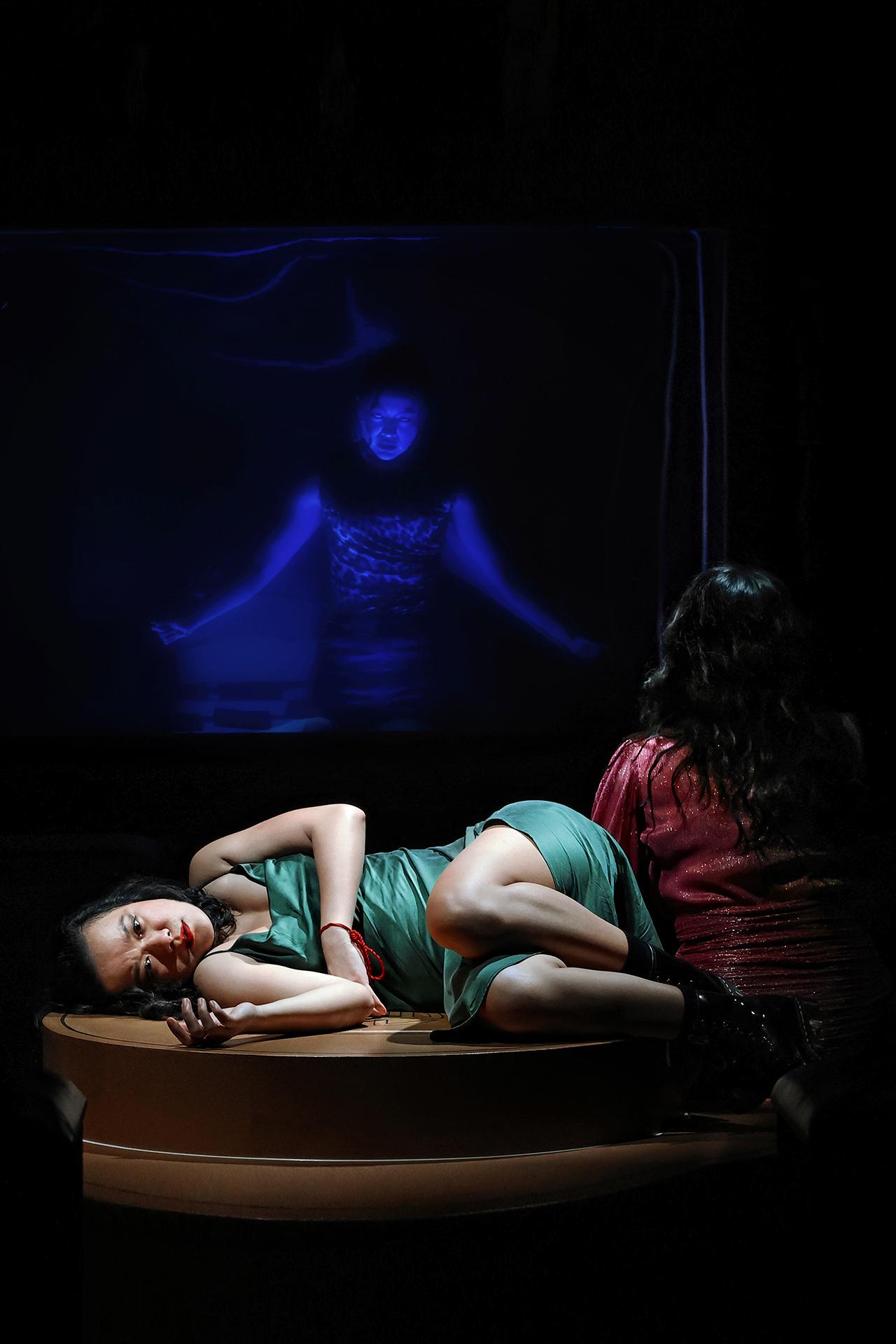
As an influencer, Lilian is bombarded with conflicting signals about her worth. Each piece of digital content that earns her praise also draws criticism for perceived narcissism. In contrast, Jillian, a struggling actor, endures relentless rejection and financial hardship, yet is considered to be leading a life of apparent integrity. Capitalism is the problem, in Vivian Nguyen’s Werkaholics, a play about two Asian-Australian women who can do nothing right. We watch Lilian and Jillian try to attain success, by following various prescribed methods, only to find the rulebook turning against them.

Werkaholics is a clever and exuberant piece of writing that although tends too often to turn convoluted, offers a thoughtful meditation on modern economics in an era defined by digitised social life and the unprecedented commodification of the personal. Direction by Nicole Pingon is memorable for a charming and irreverent playfulness, that allows us to regard the feminist message in a commensurately subversive, and distinctly queer, manner. The show is one that practises what it preaches.

Set and costumes by Ruby Jenkins are rendered with a simplicity that foregrounds the female bodies that tell a story about worth and exploitation. Video projections by Harrison Hall and Daniel Herten offer seamless enticements into realms of artifice, while lights by Frankie Clarke convey emotional complexity. Music and sound by Christine Pan imbue a charged atmosphere, heightening tension in both its comedic and dramatic turns.

Georgia Oom as Lilian and Shirong Wu as Jillian form a compelling duo, drawing us into a sharp interrogation of social structures marked by deep-rooted injustices along lines of gender and race. Each performer radiates infectious energy, leaving a lasting impression with the bold effervescence they bring to the stage. Ruby Duncan is effective as Sage, a duplicitous character who personifies the sinister hypocrisy of those intent on preserving entrenched institutions that profit from marginalisation and exclusion.

Many of us participate in systems that ultimately work against our own interests, simply because they often represent the only means we know to survive. Indeed, their stratagem involves projecting a sense of inevitability, as it conceals the subterfuge of deplorable injustices. Some believe that we can alter its machinations while operating within it. Others argue that history shows how little meaningful change is effected without radical tactics. In any case, we need to be unafraid of disruption and continue finding new ways to create change, believing that every impact, big or small, will contribute to a consequential resistance that moves us toward something better.

www.belvoir.com.au | www.purpletapeproductions.com

Review: Babyteeth (KXT on Broadway)

Venue: KXT on Broadway (Ultimo NSW), Jul 18 – Aug 2, 2025
Playwright: Rita Kalnejais
Director:
Kim Hardwick
Cast: Jane Angharad, Philip D’Ambrosio, Esha Jessy, Jeda Osorio, Campbell Parsons, James Smithers, Rachel Thomas
Images by Phil Erbacher

Theatre review
Milla is only 14 and dying of a terminal illness when she meets Moses, a 23-year-old drifter. As their sexual relationship unfolds, her parents, grappling with the imminence of her death, choose to tolerate the dubious romance in the hope it brings her some joy. Babyteeth by Rita Kalnejais may be criticised for courting controversy without adequate justification, but setting aside its arguably precarious moral stance, the play remains an intriguing work.

Kim Hardwick’s direction is marked by a lightness of touch that lends the production a certain grace, though at times this subtlety borders on vagueness, leaving the production’s intentions feeling somewhat unclear. Lights by Topaz Marlay-Cole and sound by Michael Huxley, are both subtle in execution, occasionally striking but generally unobtrusive in how they support the storytelling.

Actor Rachel Thomas is convincing as a teenager, with a vulnerability that makes Milla an endearing personality. Campbell Parsons brings extraordinary naturalism to the role of Moses, coupled with a confident pacing that truly mesmerises. Milla’s parents are played by Jane Angharad and James Smithers, with unassailable commitment. Philip D’Ambrosio and Esha Jessy offer wonderful comedic dimensions that provide much needed uplift to the experience, as does Jeda Osorio who proves a delightful presence.

It is rare to be given an opportunity to examine someone like Moses. Our instinct is to see him vilified and punished, but Babyteeth leaves that act of castigation to the viewers themselves. This of course is a dangerous choice, one that opens the door for the depraved to impose repugnant interpretations, even going so far as to advocate for behaviour that ought to be regarded as unequivocally heinous. Milla dies in Babyteeth, but we can only imagine what Moses moves on to, after the curtain falls.

www.kingsxtheatre.com | www.whiteboxtheatre.com.au

Review: The Book Of Mormon (Capitol Theatre)

Venue: Capitol Theatre (Sydney NSW), Jul 15 – Dec 31, 2025
Book, Music & Lyrics: Trey Parker, Robert Lopez, Matt Stone
Directors: Casey Nicholaw, Trey Parker
Cast: Nick Cox, Matthew Hamilton, Sean Johnston, Paris Leveque, Simbarashe Matshe, Callum Rigg, Tom Struik, Augie Tchantcho
Images by Daniel Boud

Theatre review
Given its divisive and often problematic influence on politics, religion today can be seen as a troubling force in the United States. Things were markedly different in 2011 when The Book of Mormon first premiered. Those now feel like more innocent times, when lampooning theology was able to seem almost good-natured by comparison. Also different is how the musical’s depiction of Uganda now feels. What once came across as cheeky and daring is increasingly veering toward the objectionable.

It could therefore be argued that the show’s appeal has diminished, yet its unique irreverence and playful lack of earnestness still allow The Book of Mormon to stand out in a crowded marketplace. Although somewhat outdated and no longer the fresh or shocking revelation it once was, the production remains tremendously entertaining, offering an edginess that musical theatre lovers will find hard to match elsewhere.

This return season features an excellent new cast, with performers like Nick Cox making a remarkable impression as Elder Cunningham—animated and precise in his approach, delivering some of the biggest laughs in what is surely one of Broadway’s funniest shows. Sean Johnston brings great energy and unequivocal vibrancy to the role of Elder Price, though he could benefit from dialling up the camp factor to embrace a more satirical style. The wonderful Paris Leveque is extremely charming as Nabulungi, with believable expressions of emotion and a stunning voice, that really help to sell the story.

In 2025 there is no longer anything whimsical or indeed cute, about those who reject critical thinking in favour of bizarre doctrines and conspiracy theories. The so-called ‘religious right’ continues to expand its influence, demanding that government policies align with beliefs rooted in supernatural thinking, often at odds with the broader public good. The Book of Mormon reminds us of a time when churches could be met with light-hearted derision, when we were perhaps oblivious to the harm they were willing to inflict, often even upon their own. While the cultural climate has undeniably shifted, one truth remains: we need laughter now more than ever.

www.thebookofmormonmusical.com.au

Review: Emerald City (Ensemble Theatre)

Venue: Ensemble Theatre (Kirribilli NSW), Jul 18 – Aug 23, 2025
Playwright: David Williamson
Director: Mark Kilmurry
Cast: Aisha Aidara, Danielle Carter, Rachel Gordon, Matt Minto, Tom O’Sullivan, Rajan Velu
Images by Phil Erbacher

Theatre review
Reaganomics and Thatcherism were in full force when David Williamson’s Emerald City first emerged—a play in which a screenwriter grapples with his artistic integrity in a world determined to commodify everything. Almost four decades on, the conflict between art and commerce remains and has become so subsumed into our daily realities that watching an artist navigate those old quagmires now seems strangely quaint.

Direction by Mark Kilmurry is thankfully taut and energetic, with leading man Tom O’Sullivan bringing commitment and valuable charisma to the not-always-likable role of Colin. His wife Kate is made a powerful figure by Rachel Gordon’s confidence and panache. Matt Minto is appropriately dubious as the opportunistic Mike, while Aisha Aidara’s portrayal of his partner Helen surprises with warmth and a compelling naturalism.

Production design by Dan Potra depicts the era with some accuracy, but can appear somewhat simplistic in approach. Lights by Morgan Moroney improve the viewing experience by effecting subtle shifts as the production transforms in tone and temperament. Music by Madeleine Picard add a dimension of ephemerality to the way we feel about this straightforward story.

The city of Sydney serves as a fitting backdrop for this reflection on commercialism and its entanglement with human life. Money, undeniably, shapes much of who we are here—as it does in any city—and while we recognise that ‘the love of money is the root of all evil,’ it is equally true that our relative affluence underpins many of the pleasures we associate with life in this frankly magnificent place.

www.ensemble.com.au

Review: Circle Mirror Transformation (Sydney Theatre Company)

Venue: Wharf 1 Sydney Theatre Company (Walsh Bay NSW), Jul 12 – Sep 7, 2025
Playwright: Annie Baker
Director: Dean Bryant
Cast: Ahunim Abebe, Nicholas Brown, Cameron Daddo, Rebecca Gibney, Jessie Lawrence 
Images by Daniel Boud

Theatre review
A small group convenes over six weeks, for drama lessons at a rural community centre. They focus on acting exercises, which look initially to be incredibly inane, but they lead to deep discoveries of a personal nature. Annie Baker’s Circle Mirror Transformation takes us into a microcosm of North American ordinariness. It is a quiet portrait of the middle class from 2009, years before any hint of the current pandemonium could even be detected. 

If there are any socio-political implications in Baker’s play, they are deeply subsumed and open to all manner of interpretation. Direction by Dean Bryant provides no indication to wider connotations of the story, making for a somewhat pedestrian experience, but the intricacy he puts into the unfurling of subjective narratives, reflects an admirable level of integrity.

The very accomplished actor Rebecca Gibney grounds the work in a hyper naturalistic space as group leader Marty, making for a completely believable depiction of daily life at the dawn of the Obama years. There is a conspicuous blandness to the presentation which, although understandable within context, makes viewing somewhat challenging due to its lack of theatricality.

Fortunately Nicholas Brown and Jessie Lawrence are on hand to dial up the idiosyncrasy. As Schultz and Theresa, both performers bring exceptional depth and colour to the show, allowing us to enjoy more than the mundanity being explored. Ahunim Abebe brings a valuable richness to the humanity that her character Lauren reveals in later sections, and Cameron Daddo leaves an impression with his understated authenticity as James.

Designer Jeremy Allen brings unexpected texture to otherwise nondescript scenic requirements. Lights by Brockman and sound by Clemence Williams, are understandably operative rather than ornamental, rarely attention grabbing but certainly effective.

It is almost peculiar to return to a time when Americans could simply worry about their individual foibles, rather than having to grapple with unrelenting chaos and the impending collapse of their social structures. Circle Mirror Transformation may not even be a score of years old, but the vast changes that we witness the USA undergoing, make the play seem quaint, almost unrecognisable in its representation of modern normalcy.

www.sydneytheatre.com.au