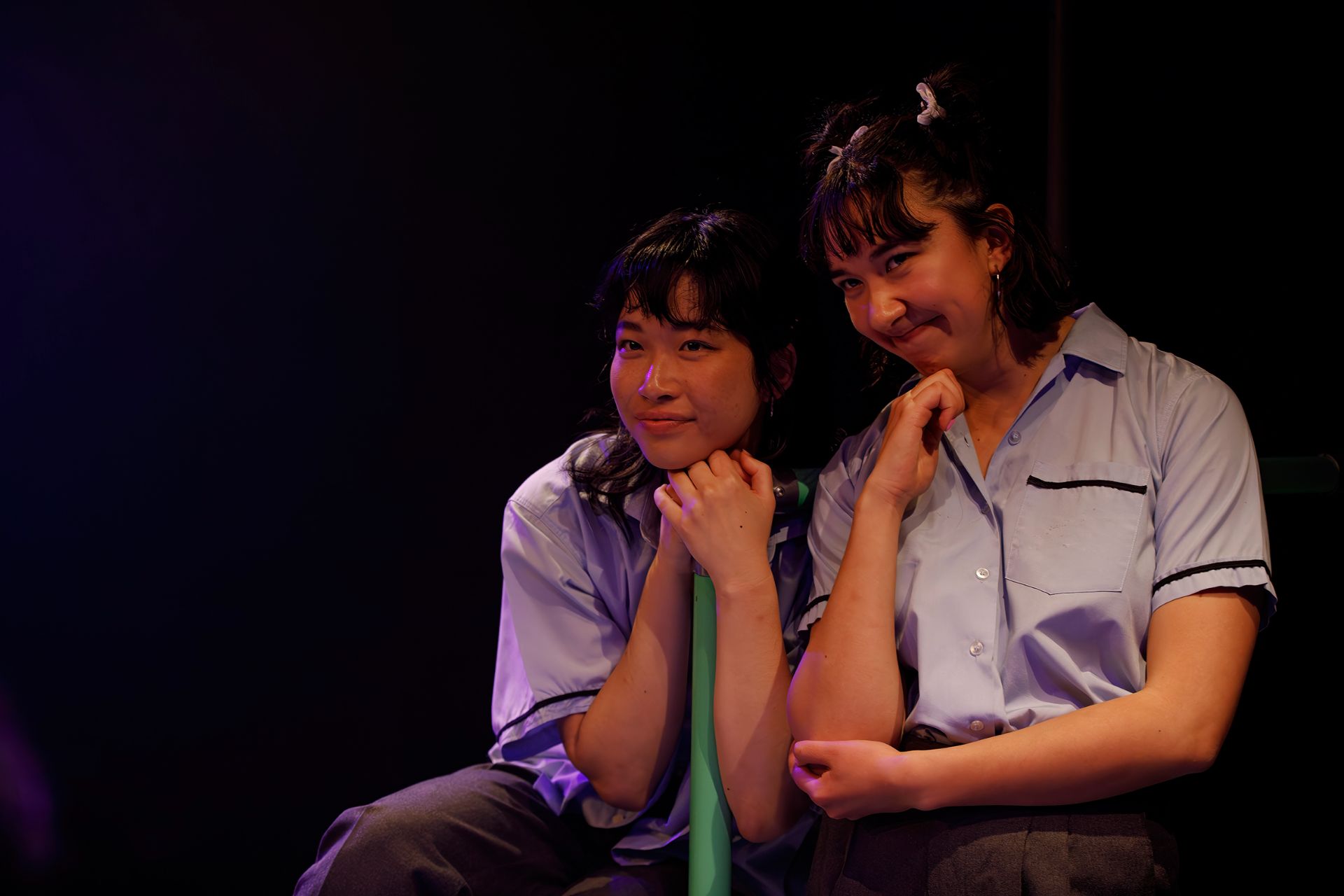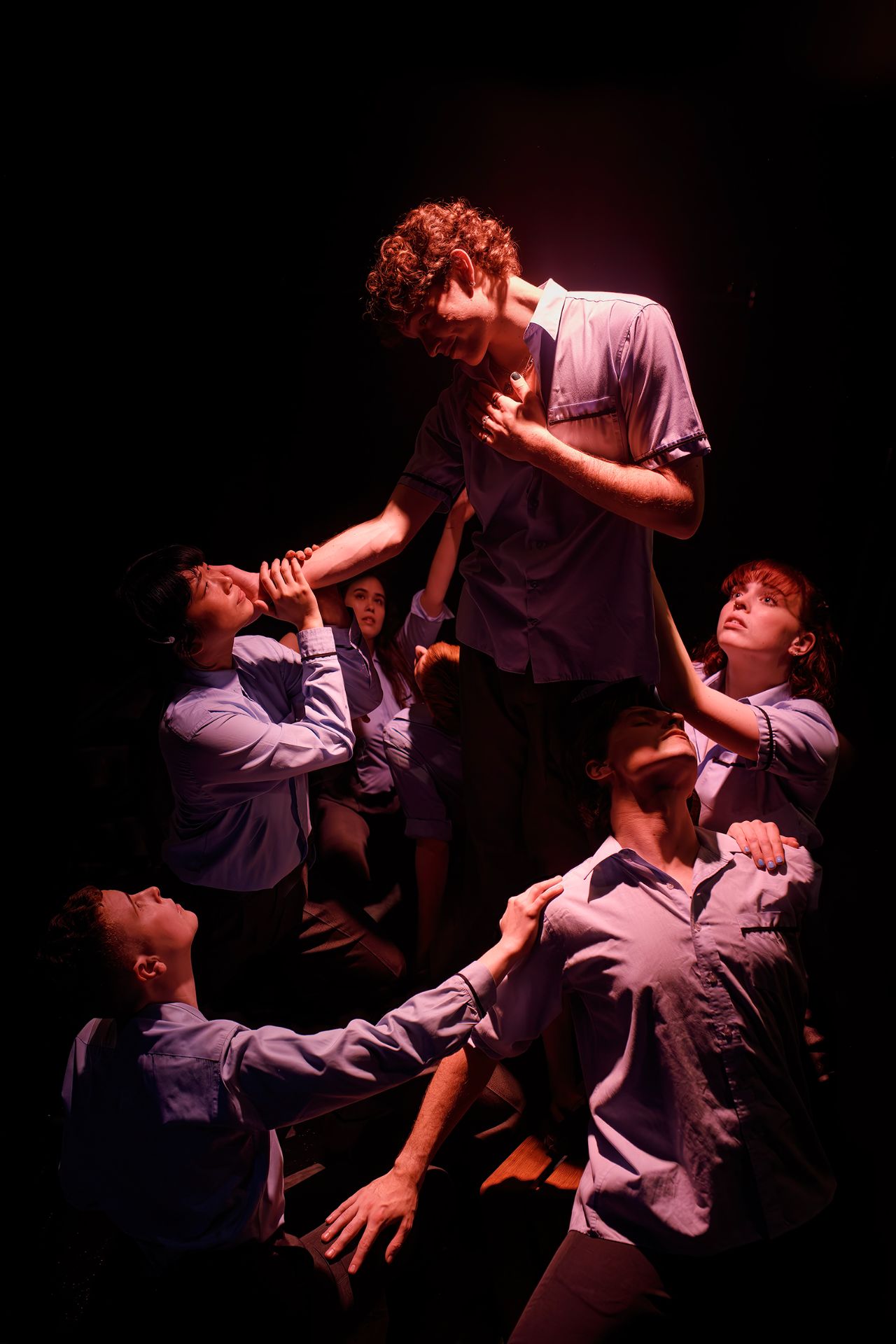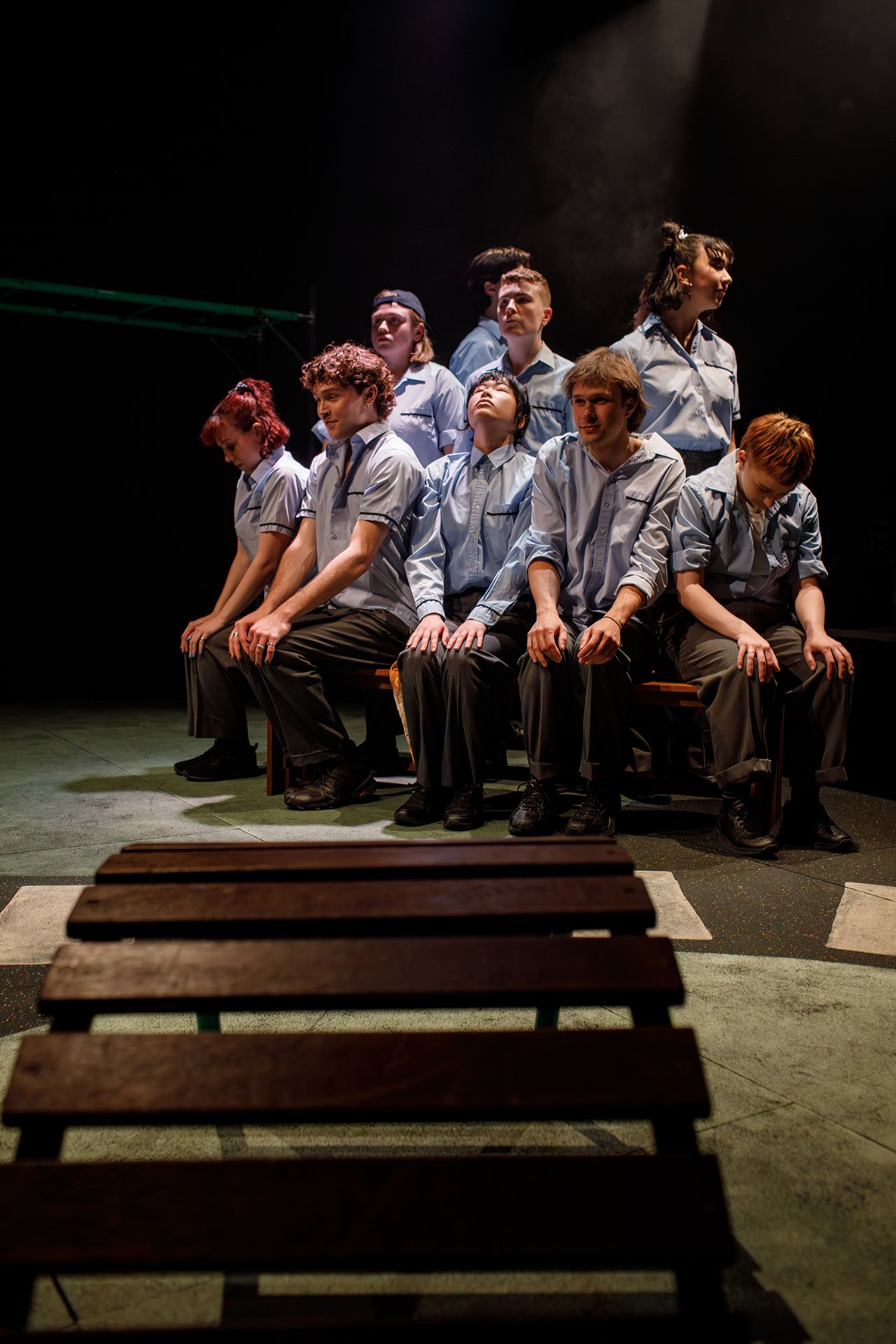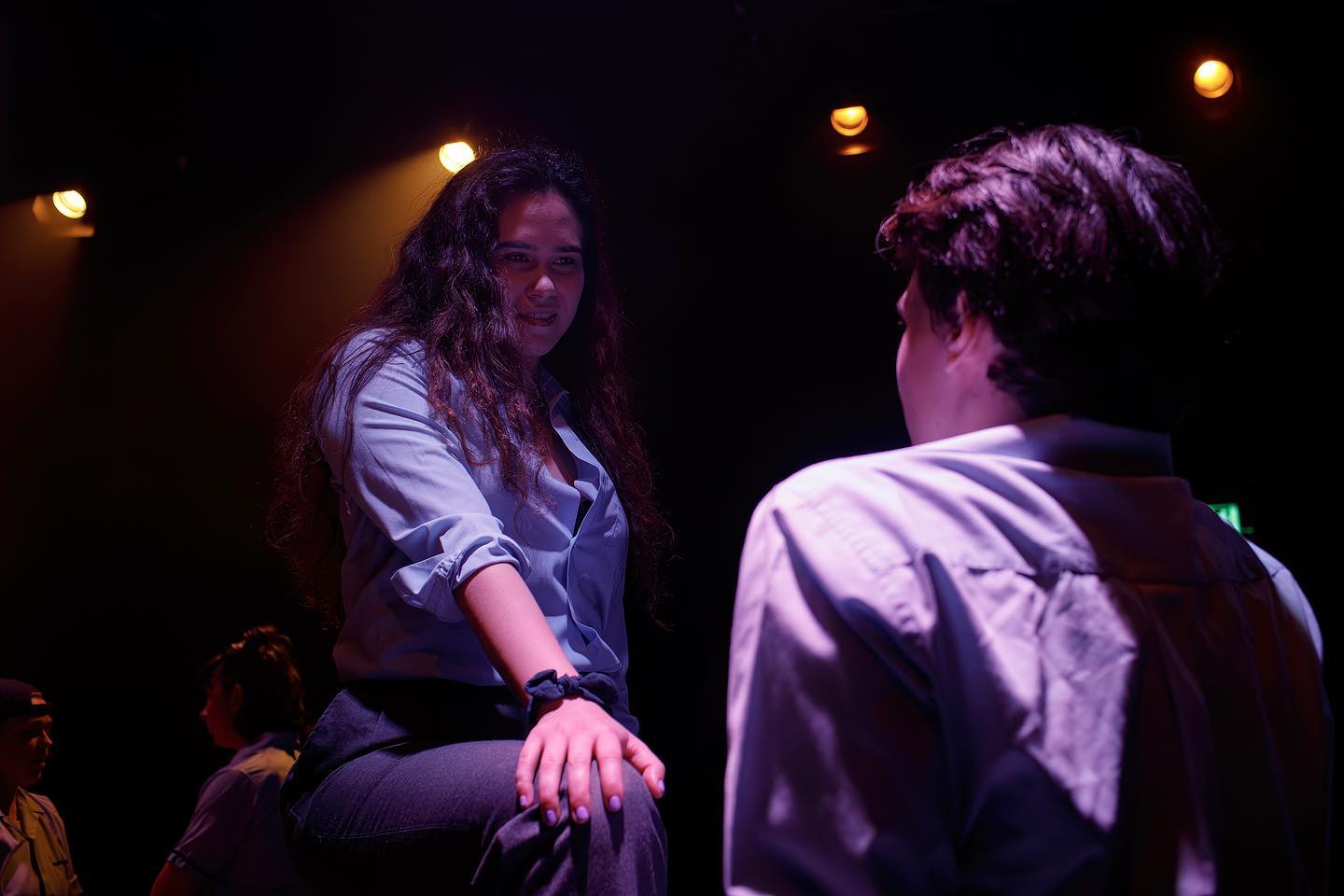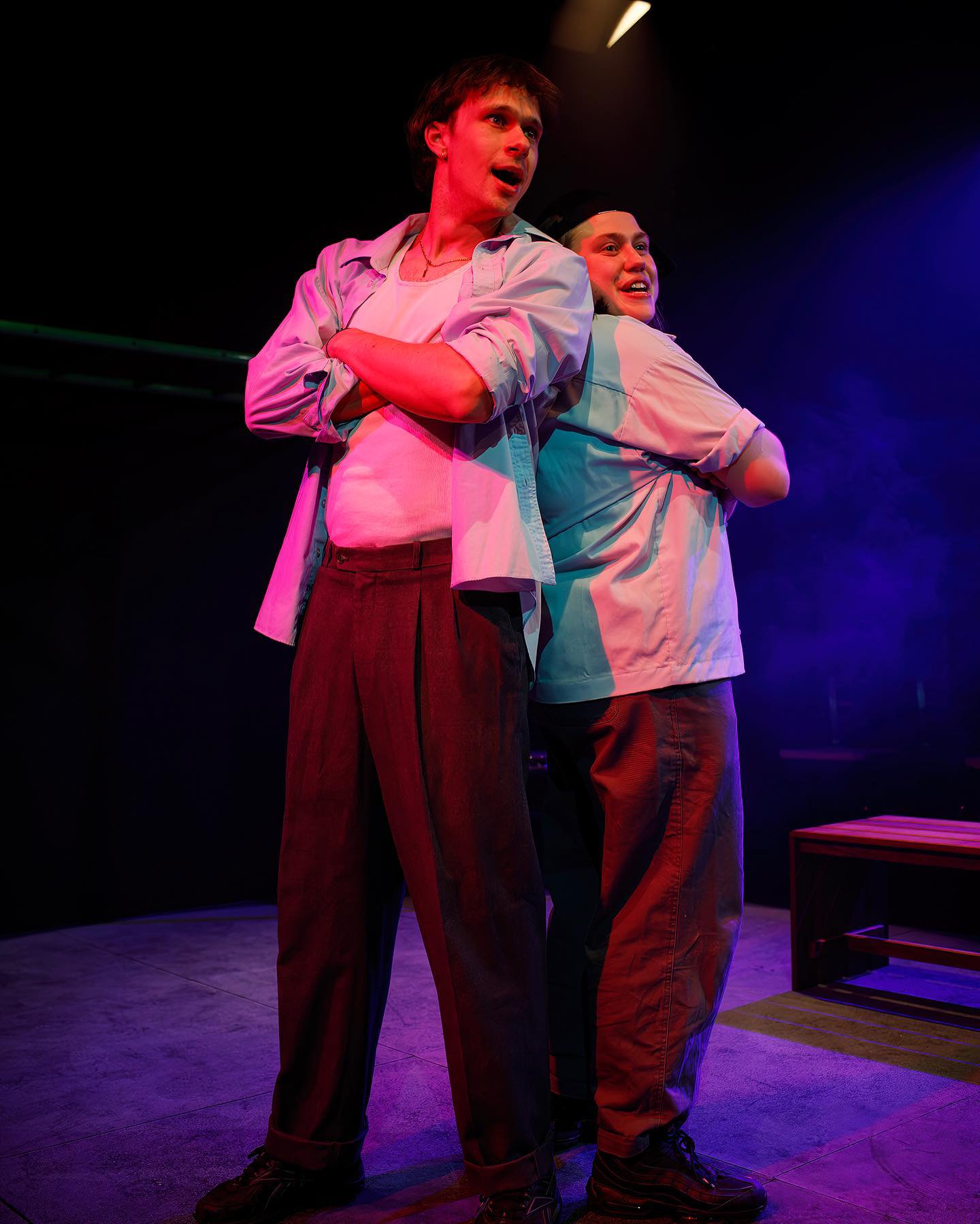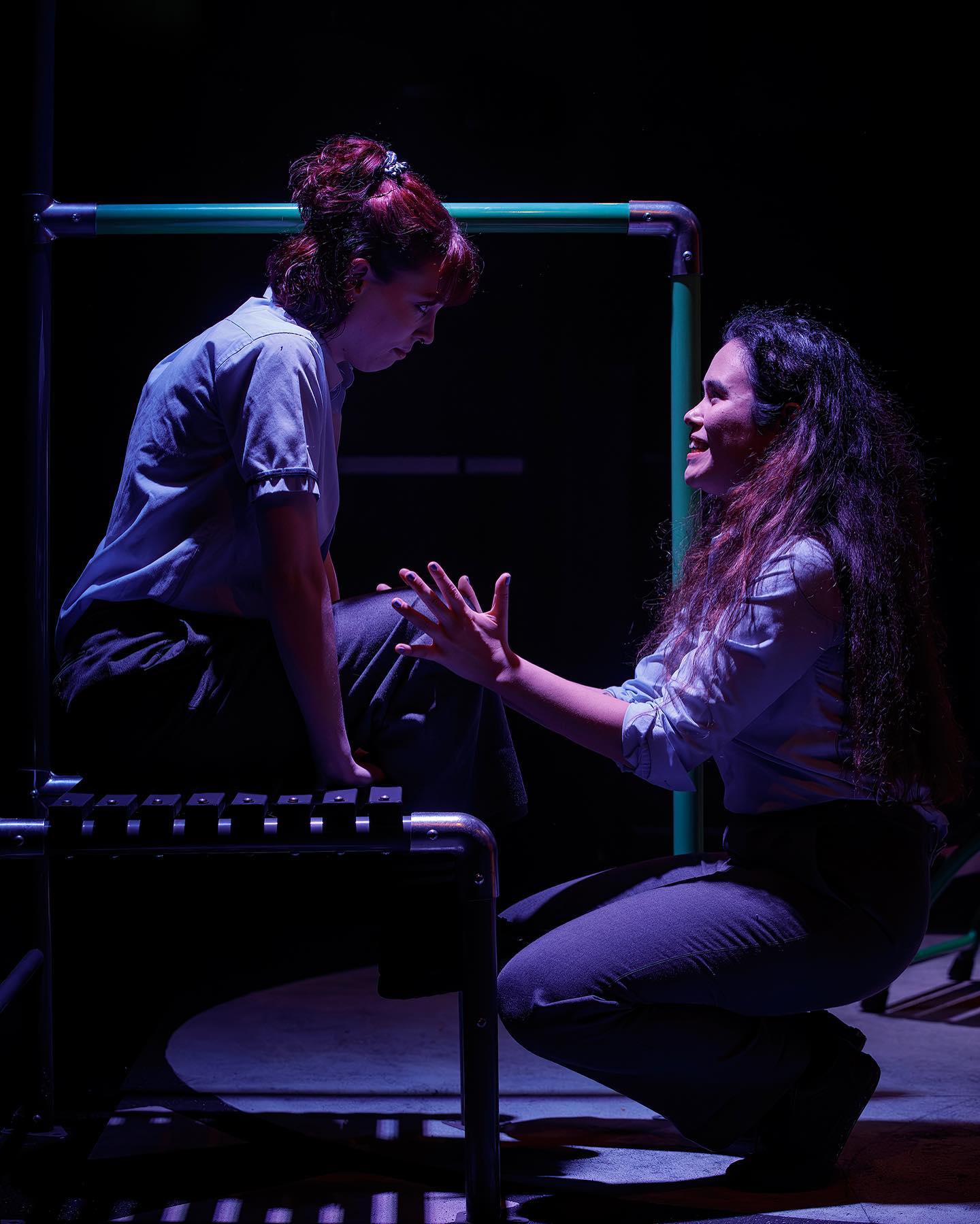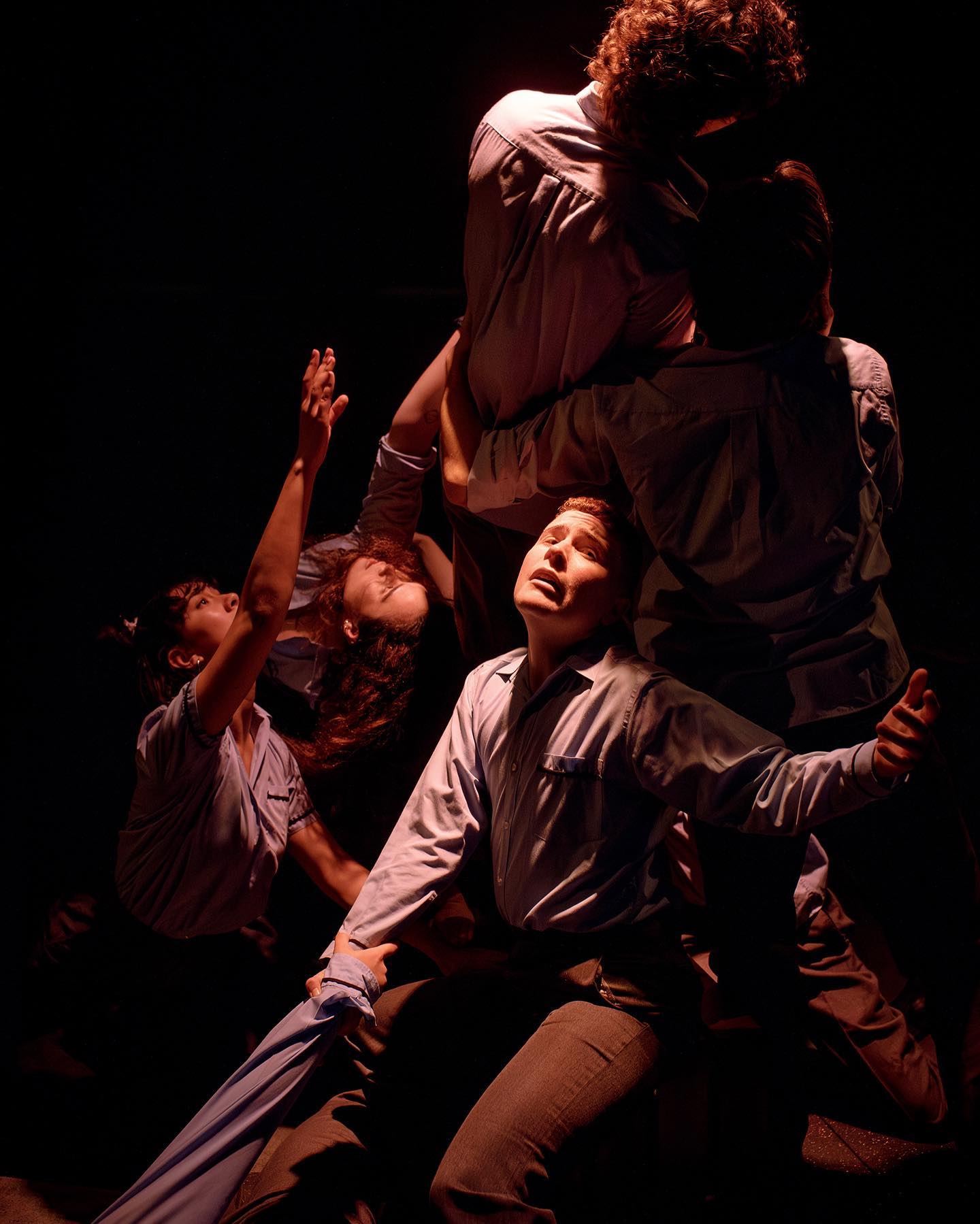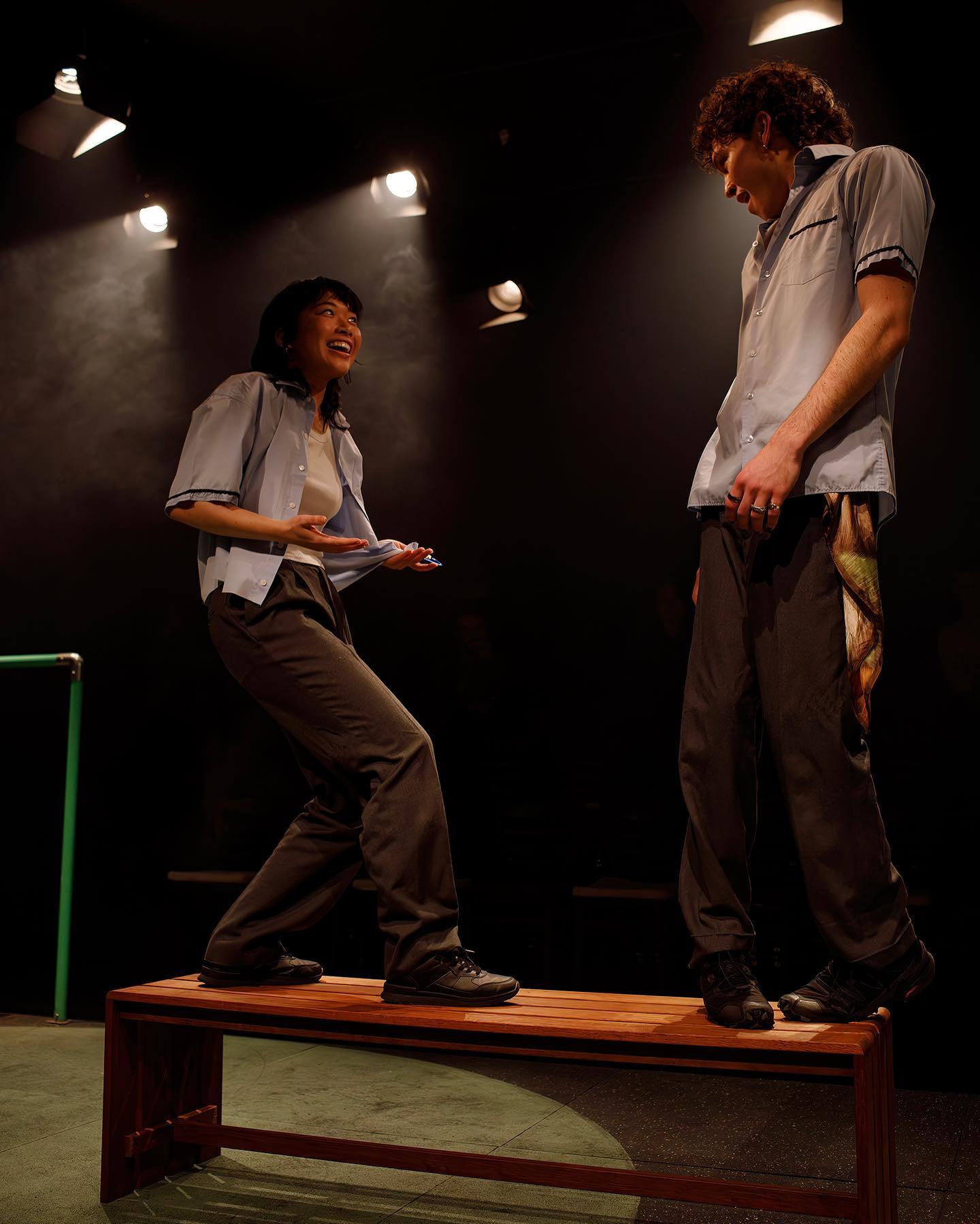
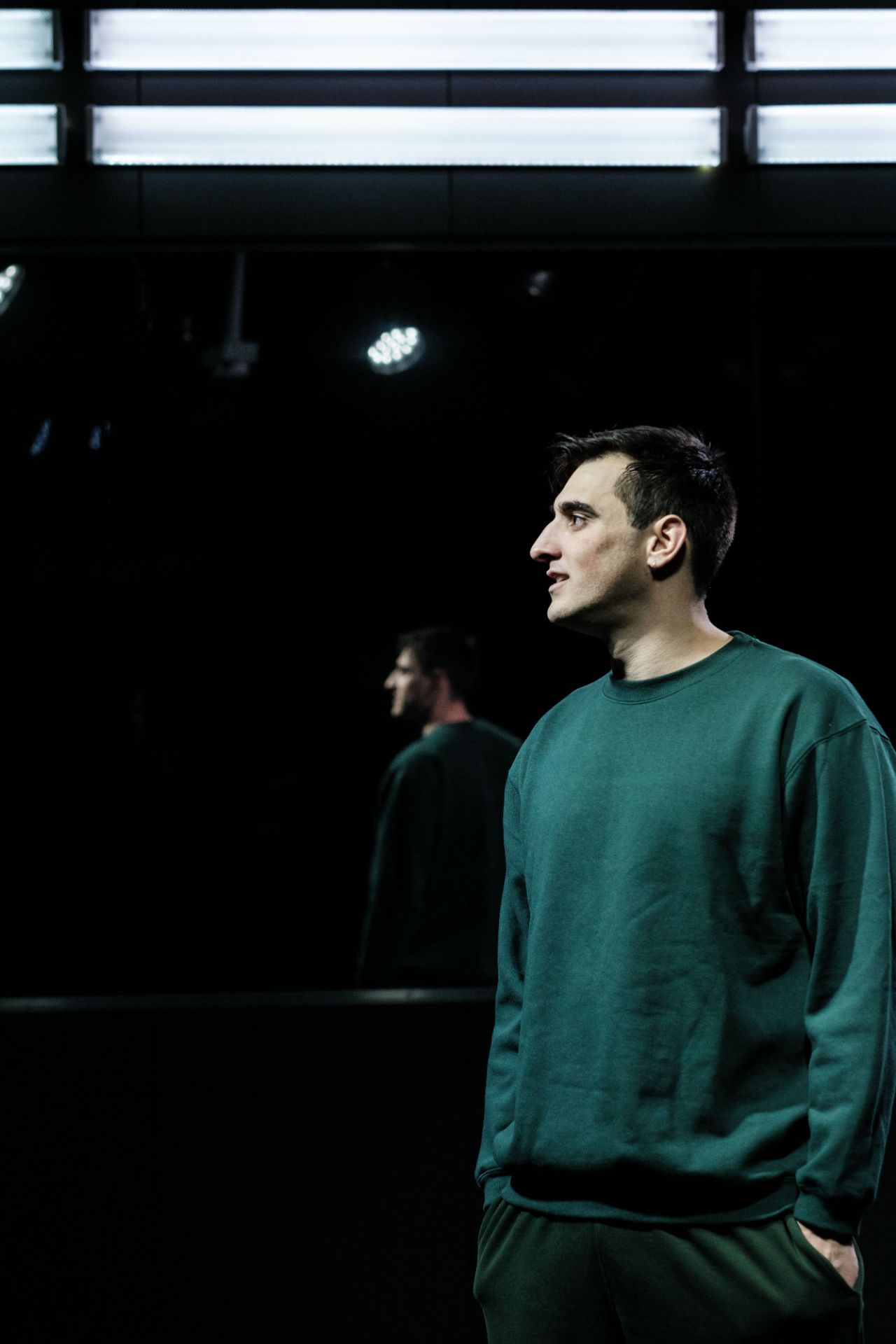
Review: Julia (Sydney Theatre Company)

Venue: Sydney Opera House (Sydney NSW), Mar 31 – May 20, 2023
Playwright: Joanna Murray-Smith
Director: Sarah Goodes
Cast: Jessica Bentley, Justine Clarke
Images by Prudence Upton

Theatre review ⭐️⭐️⭐️⭐️ 
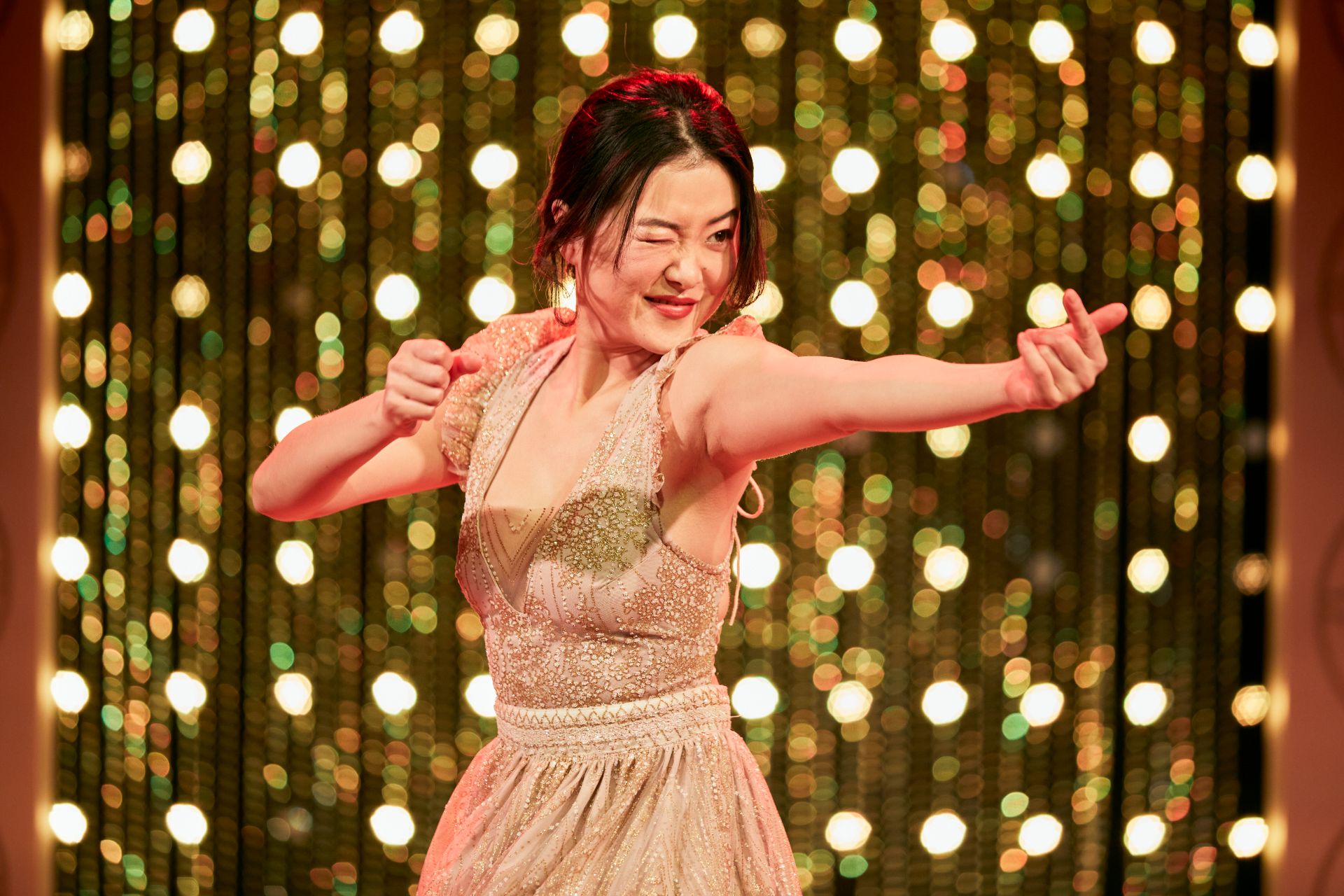
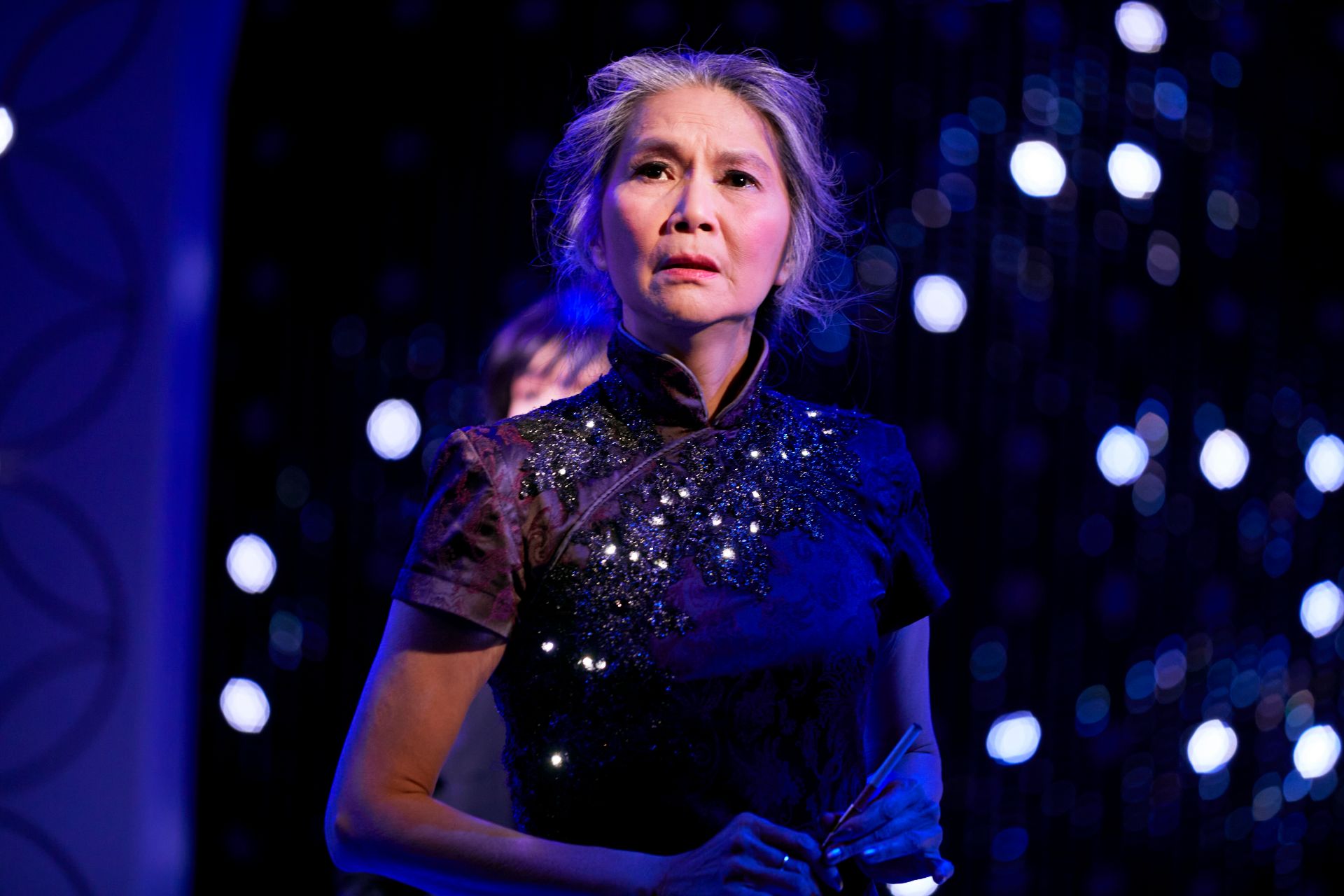
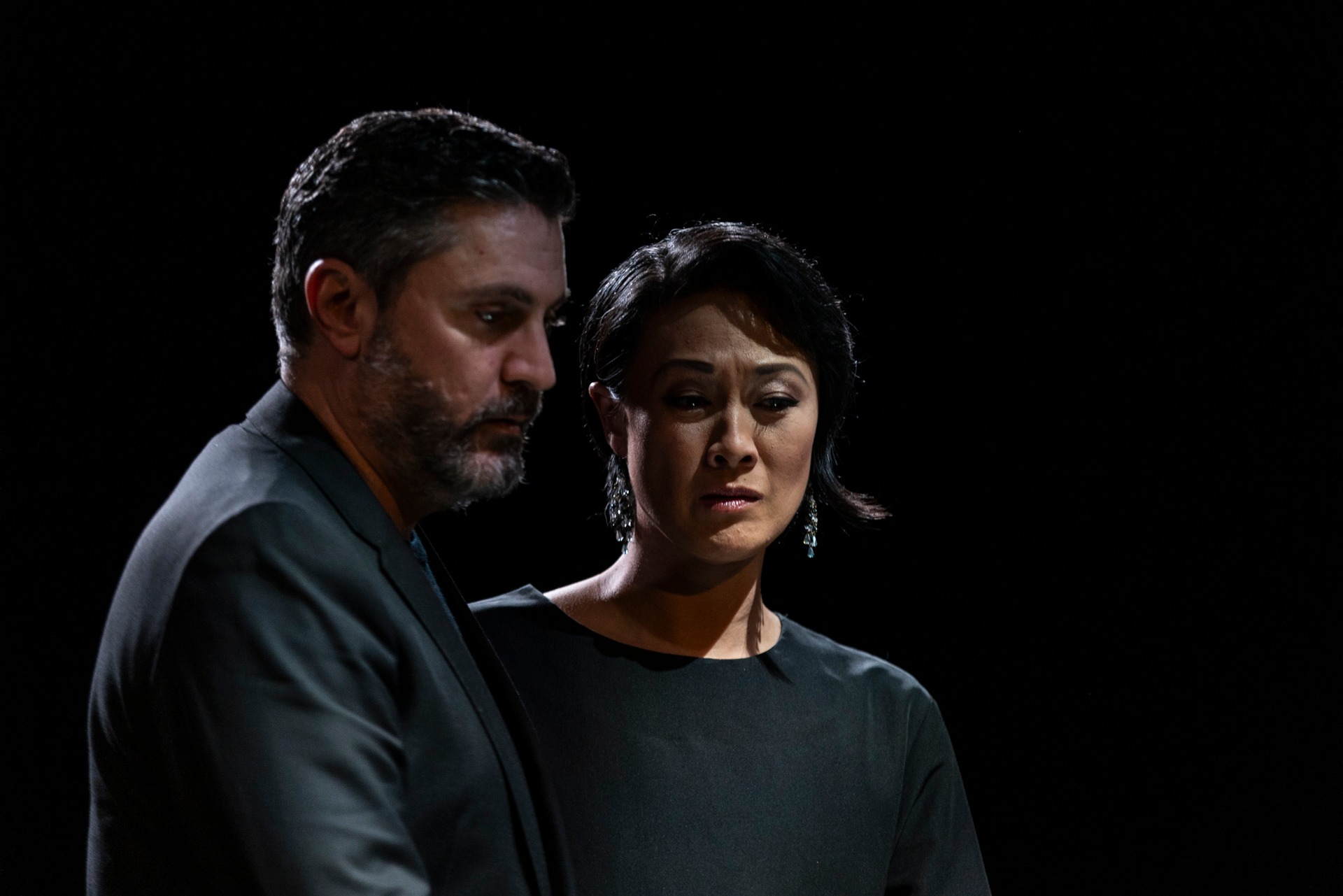
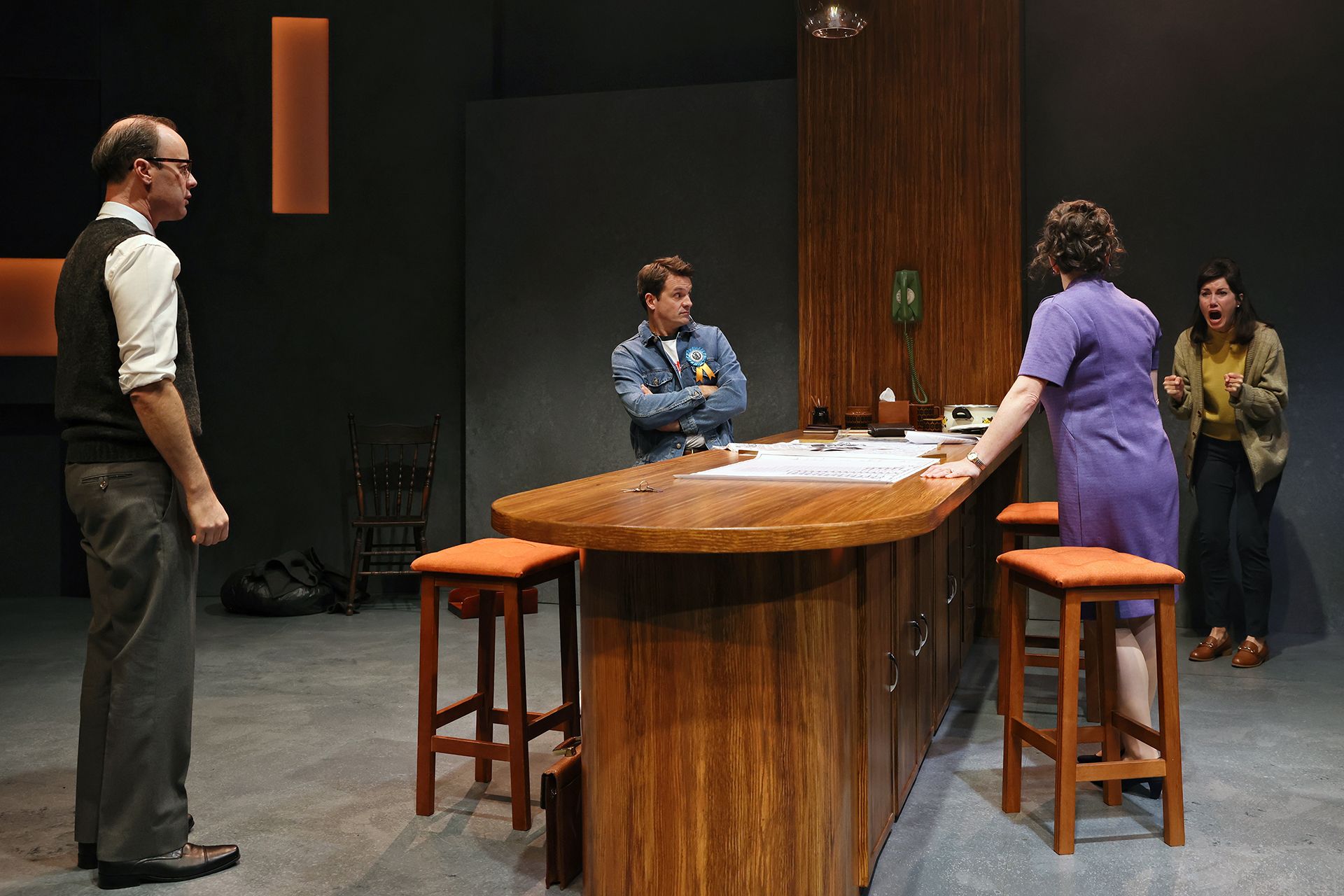
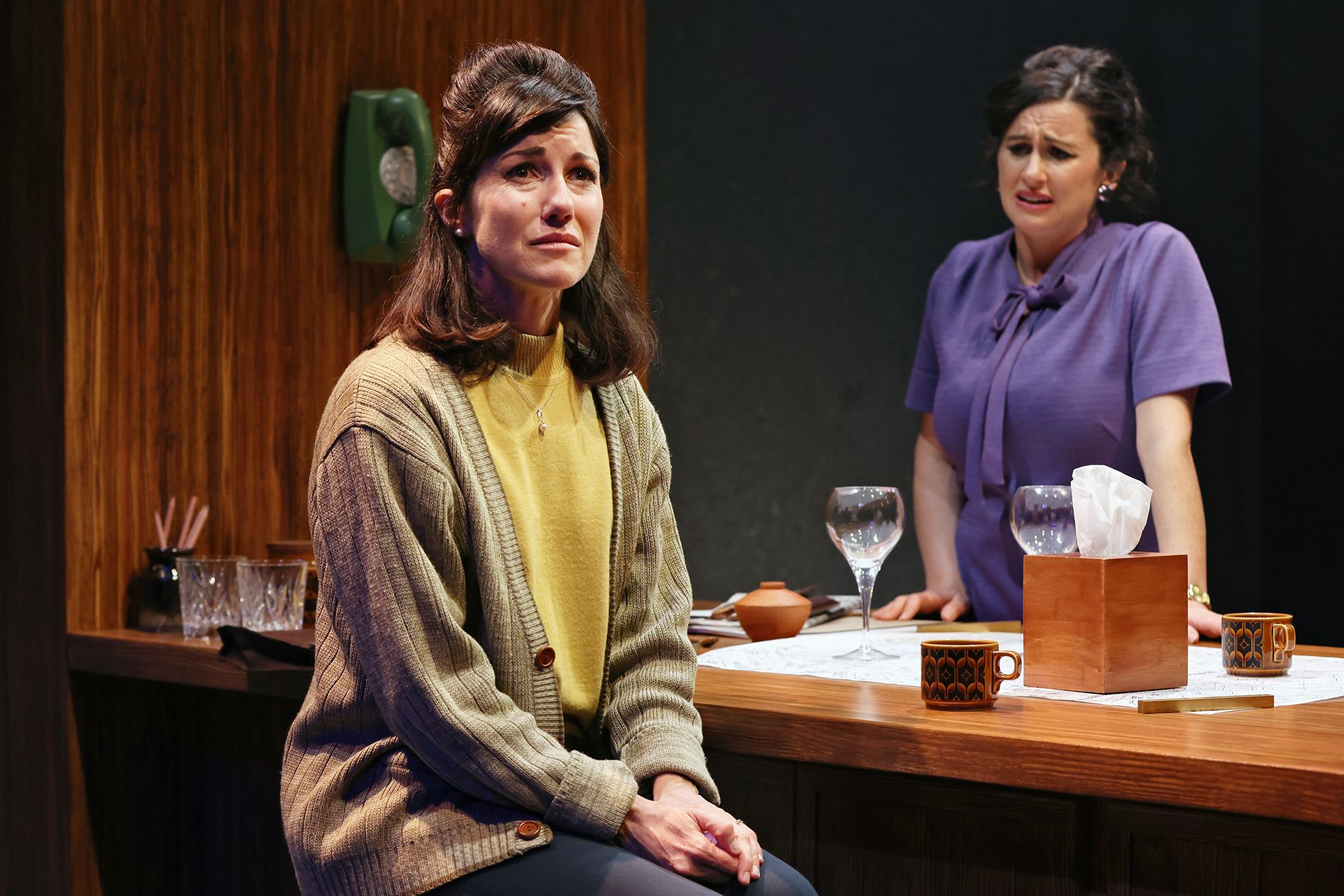
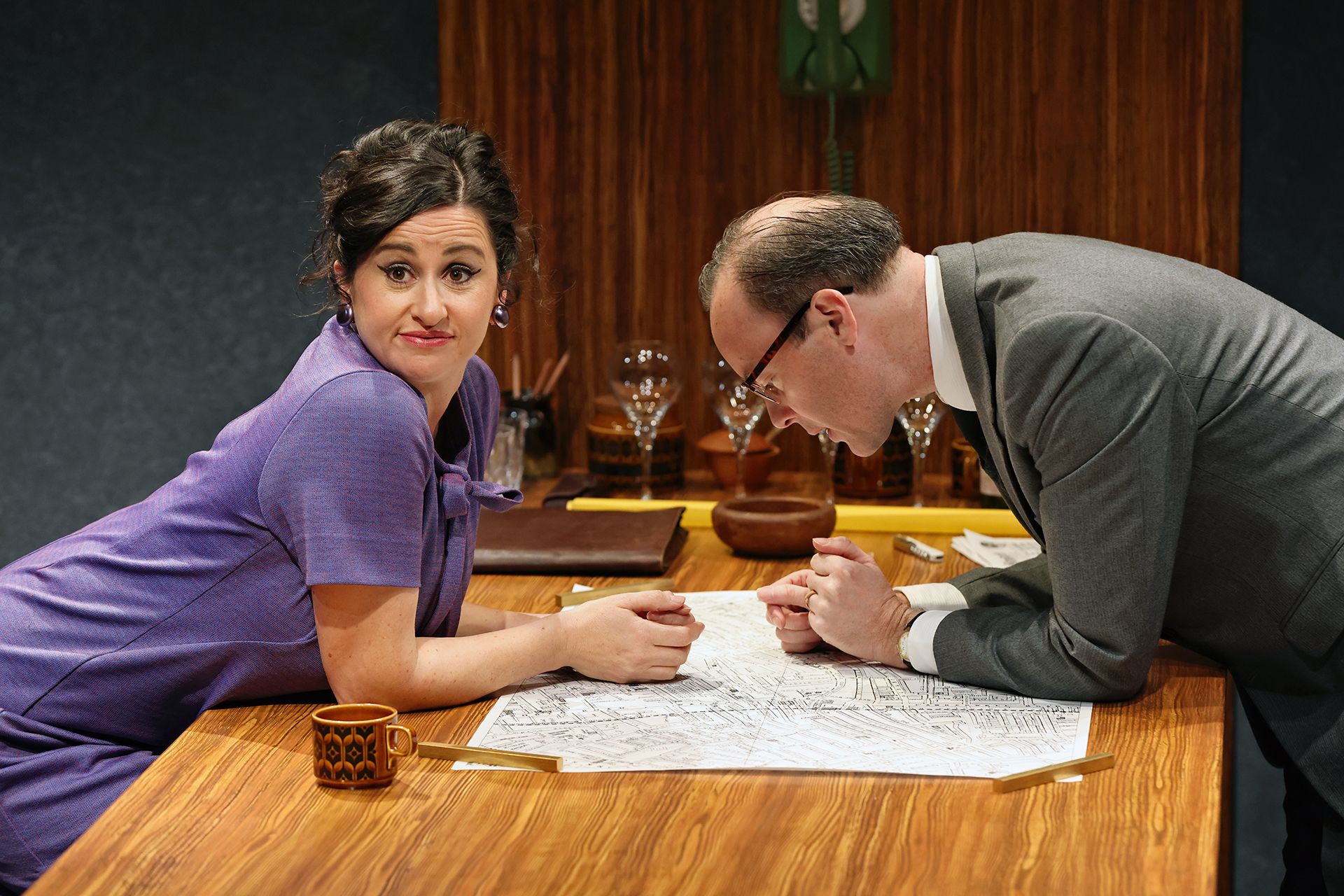
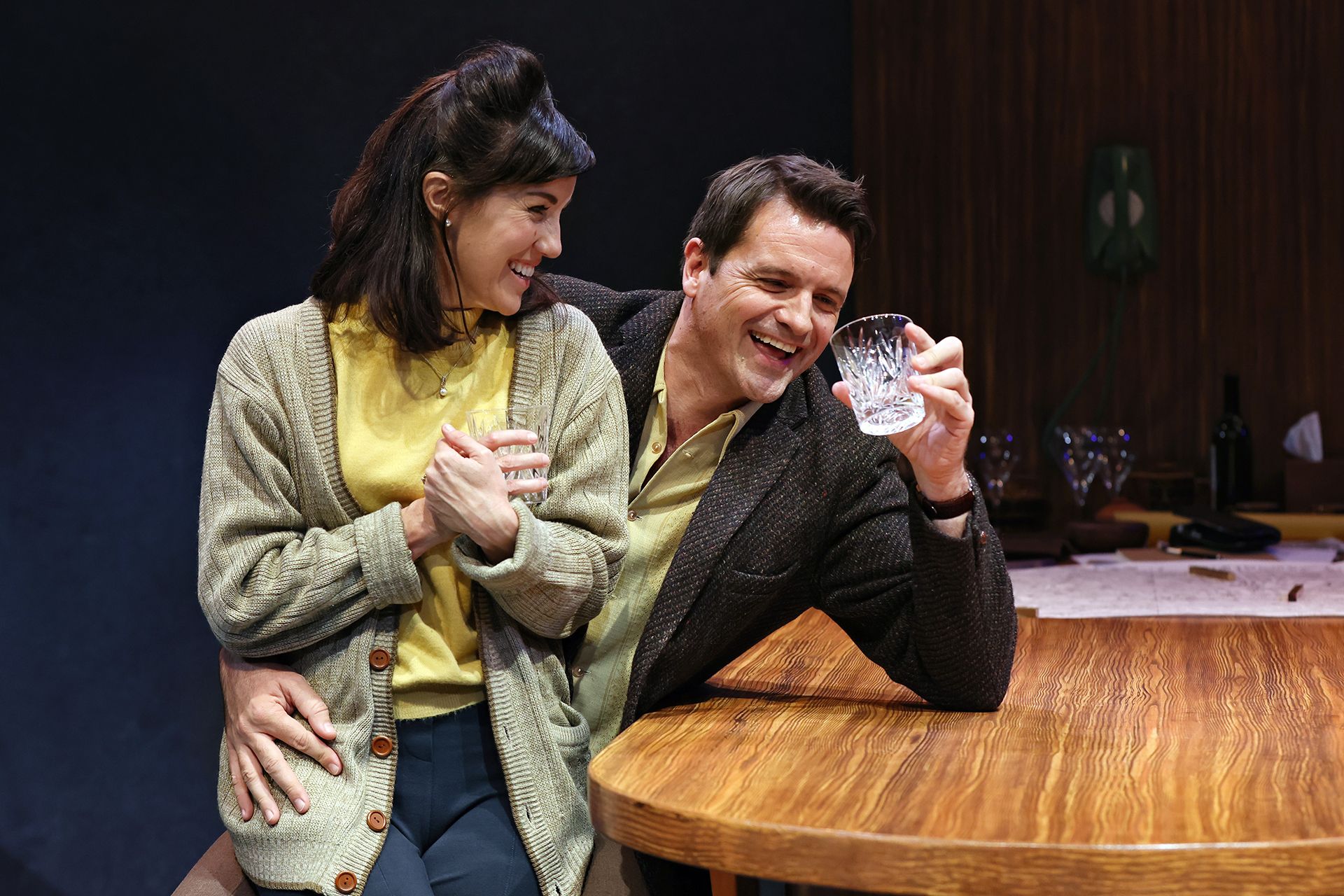
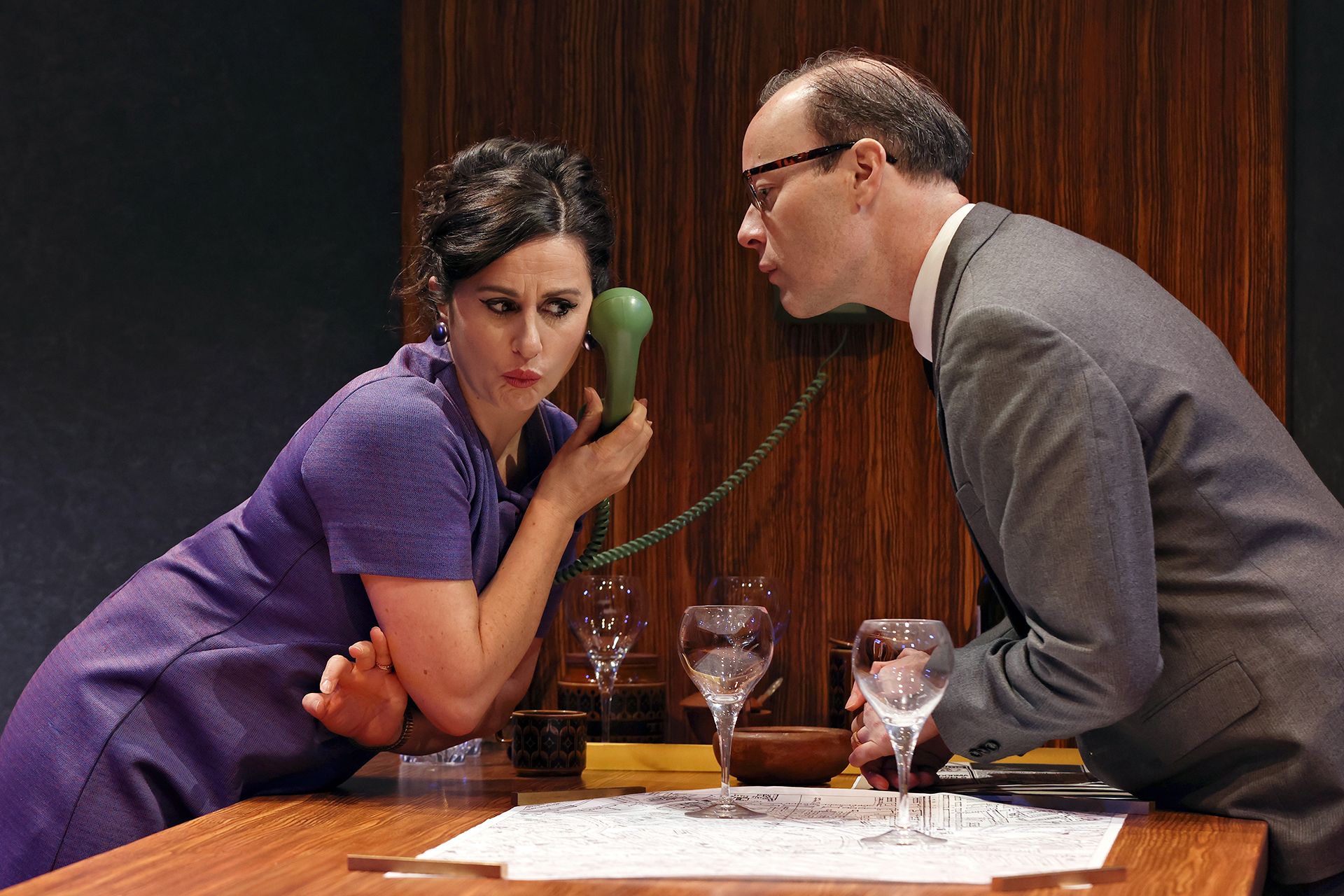
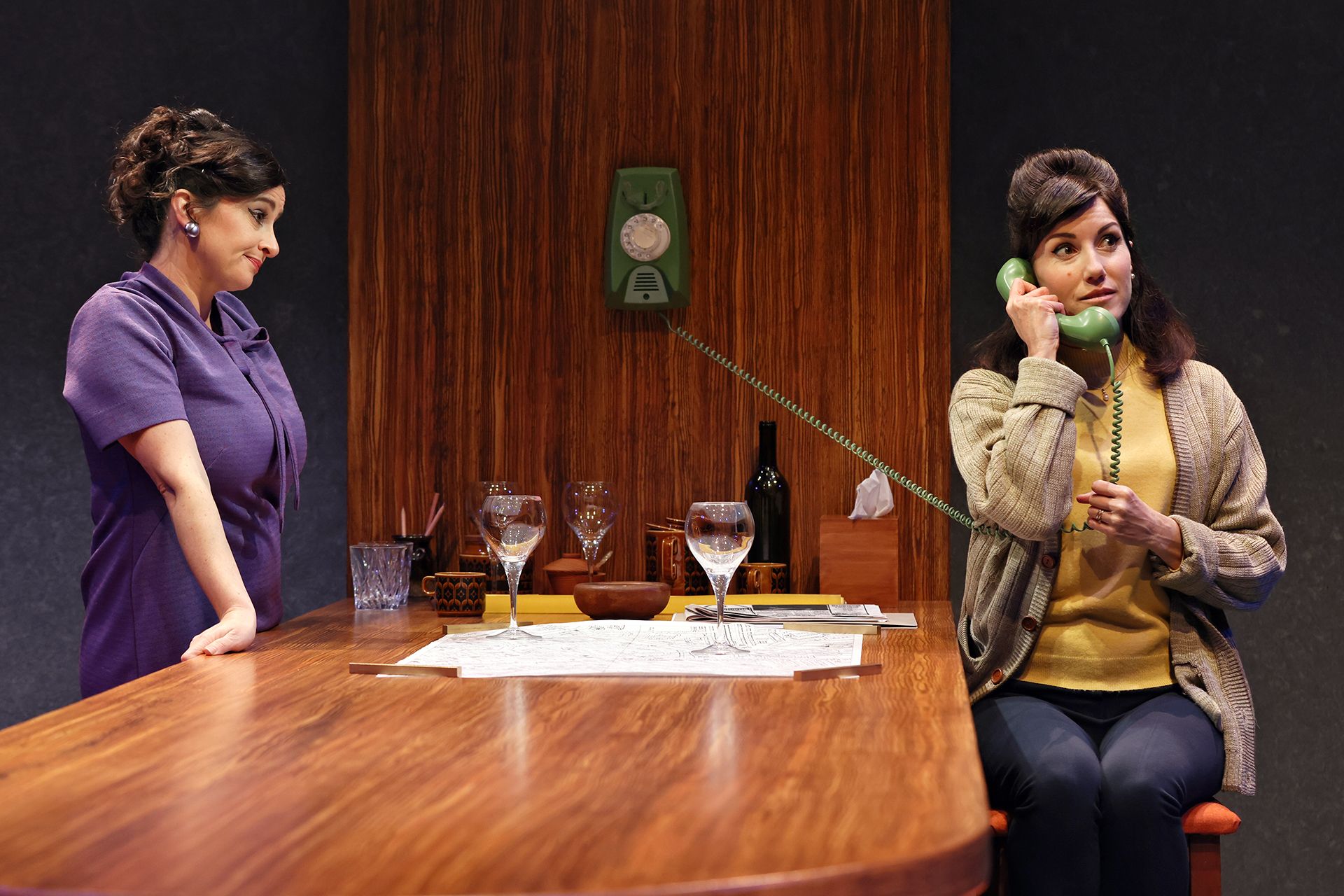
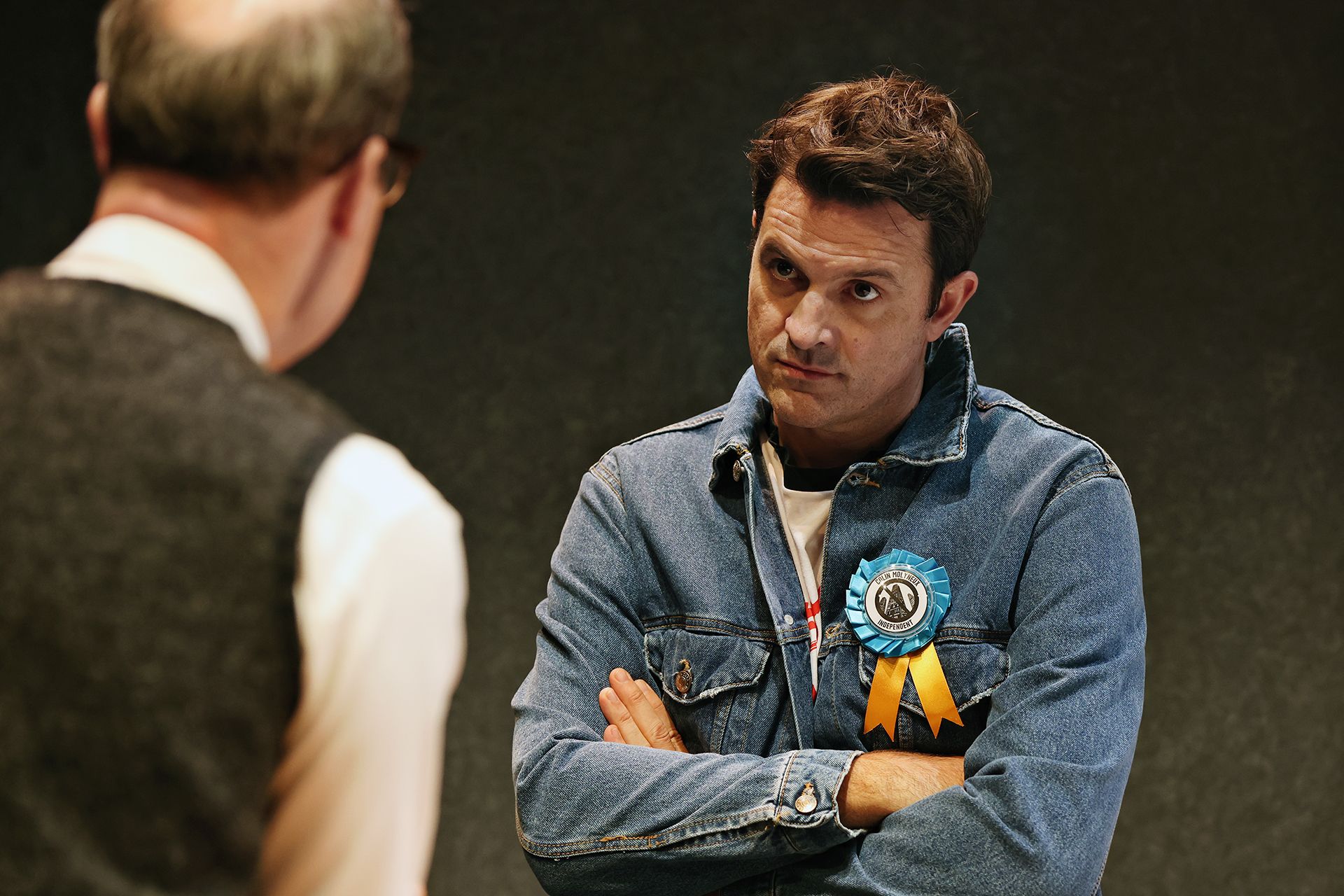
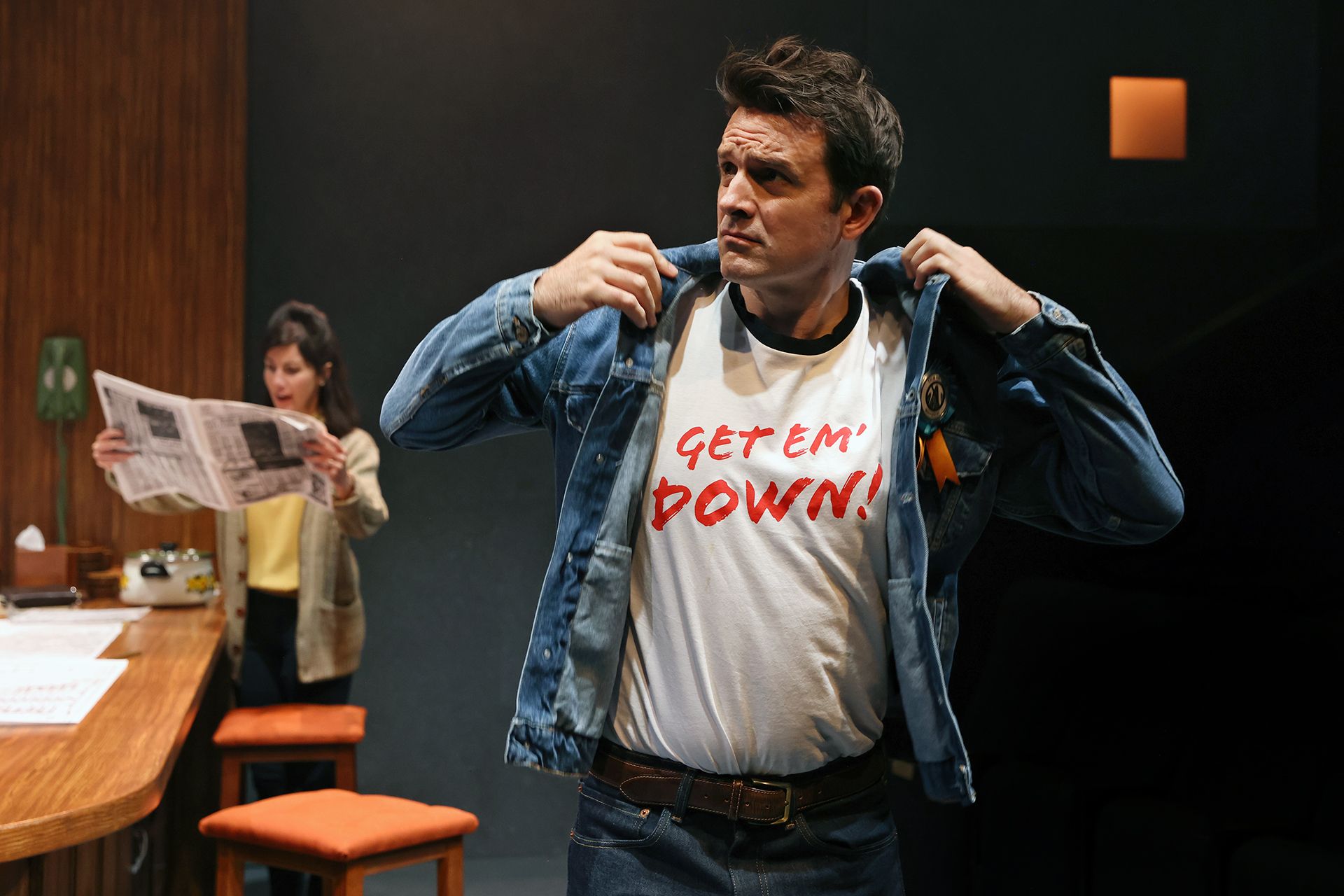
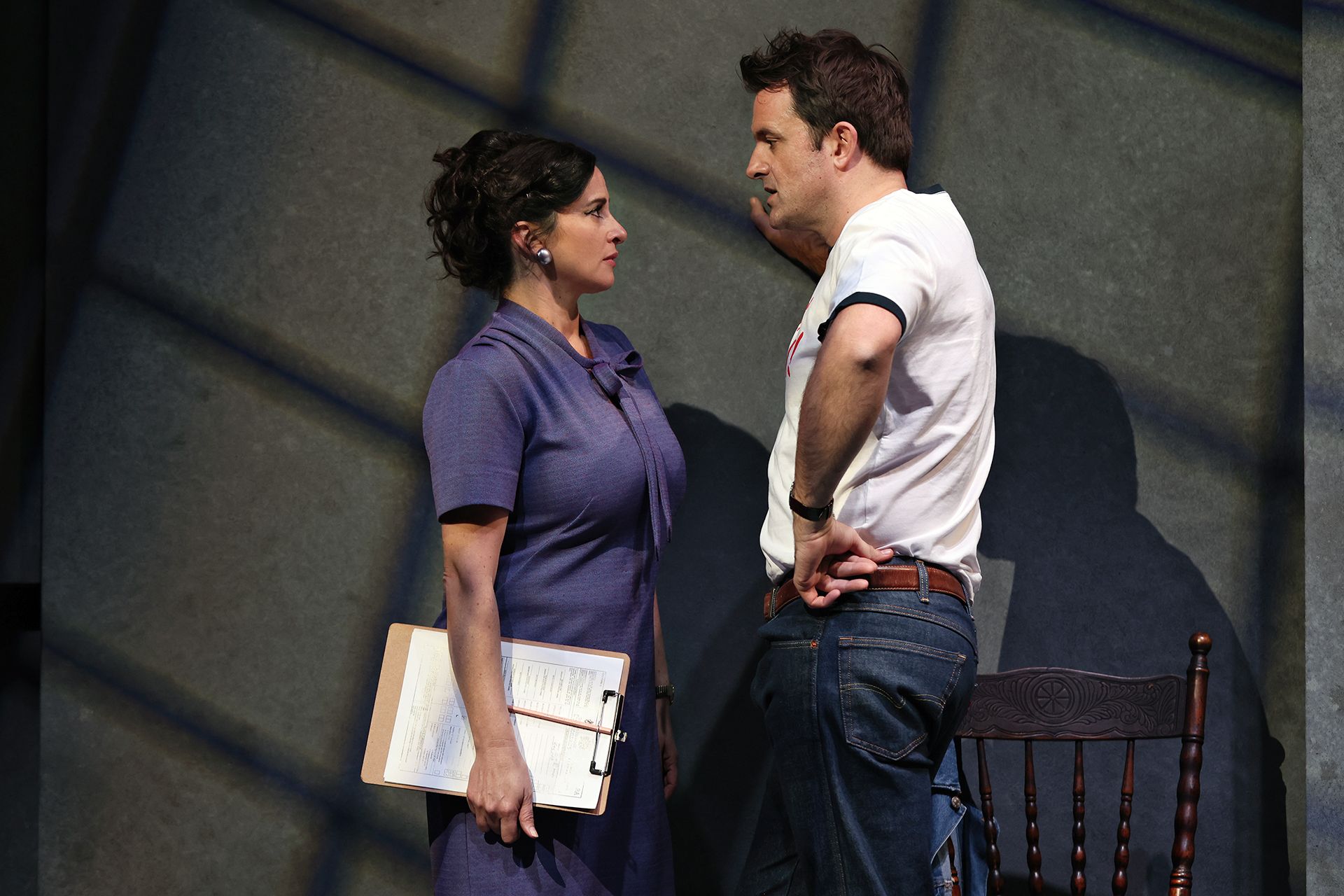
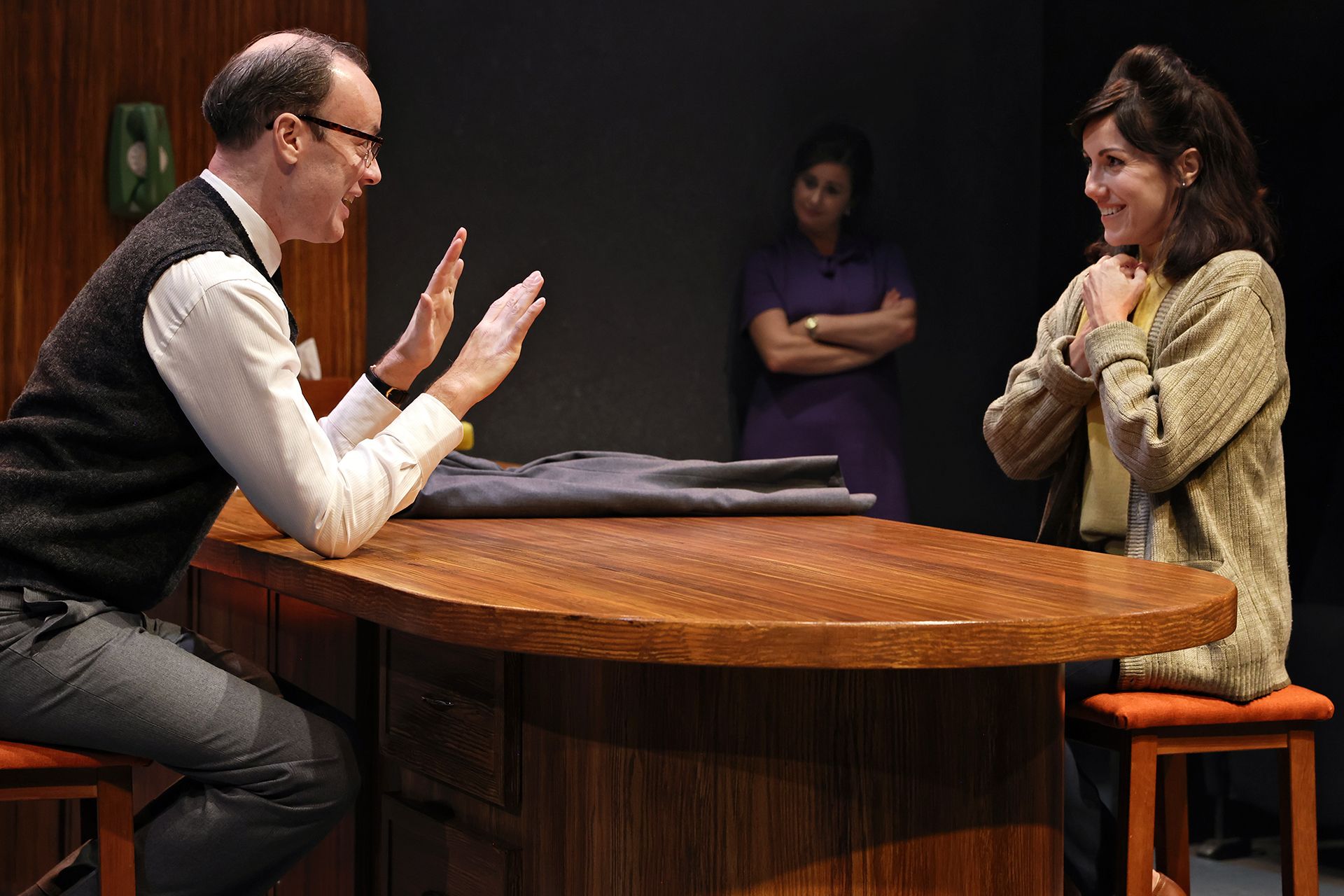
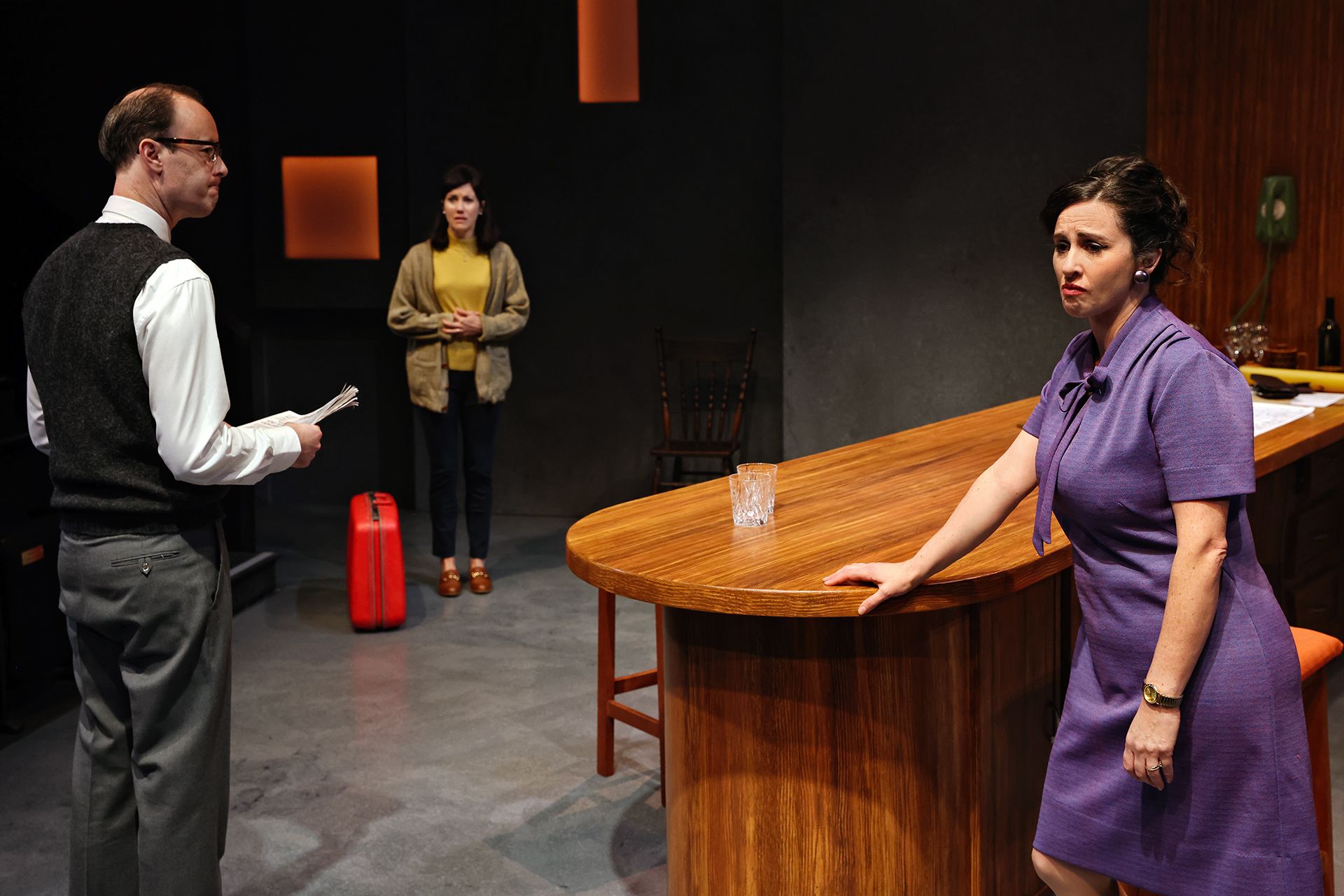
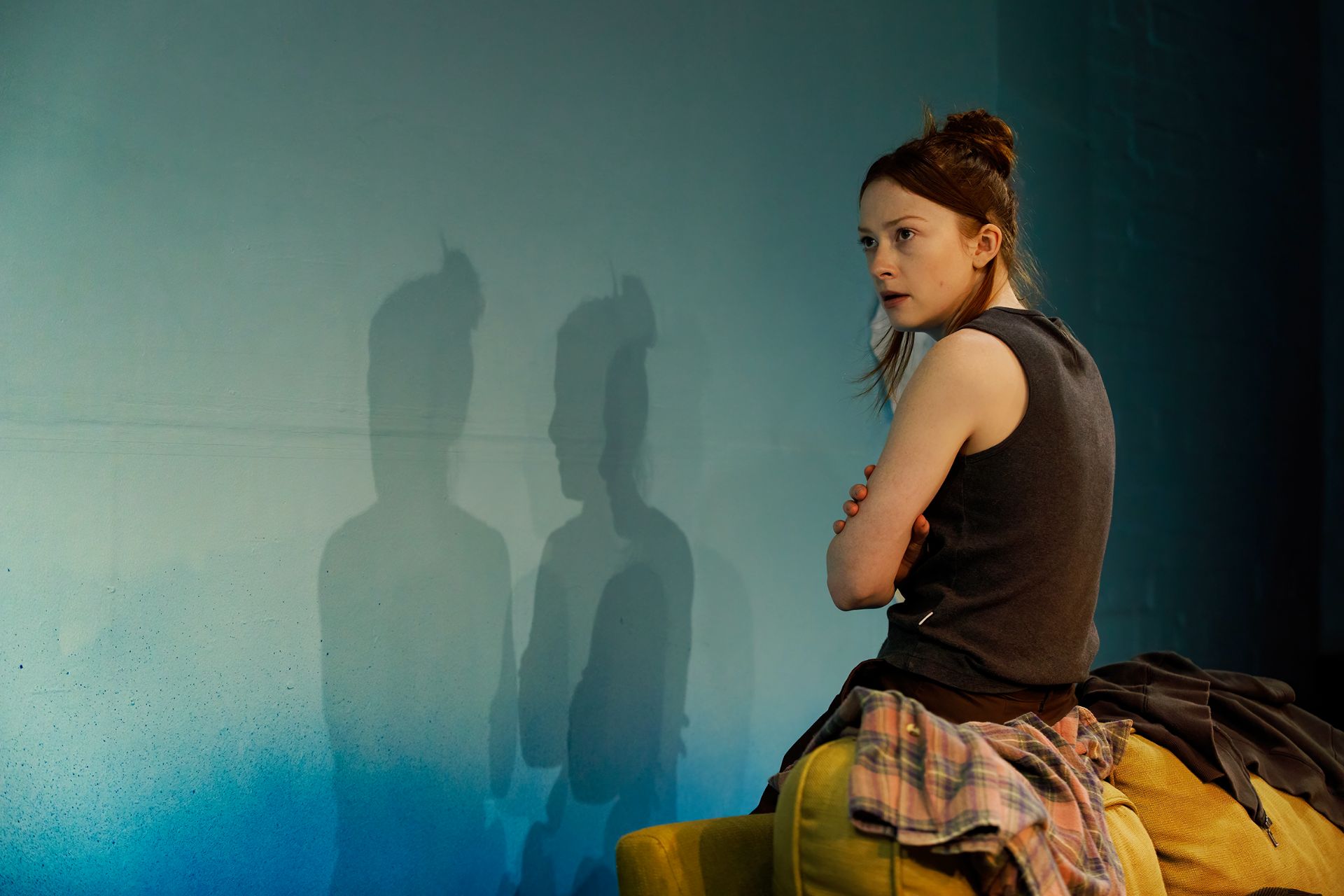
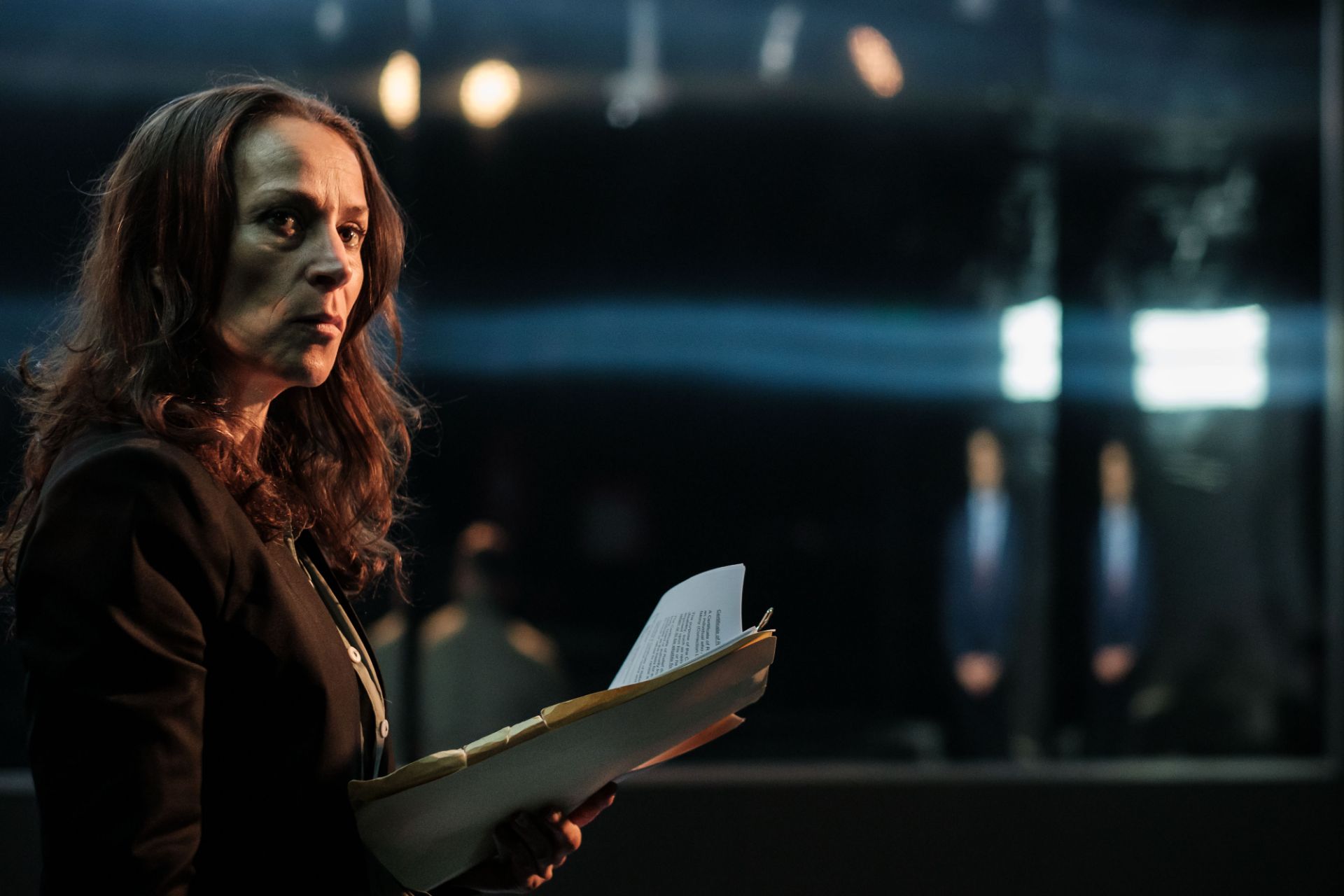
We know that Julia Gillard, our 27th Prime Minister, is made of some truly formidable stuff, simply for being the first woman to attain that coveted position. In Joanna Murray-Smith’s play simply named Julia, evidence of all her incredible grit and gumption, is consolidated into a 90-minute piece, telling a story not only of Gillard’s virtues, but also of the immense culture of sexism and misogyny, so fundamentally entrenched in Australian life. Holding office from 2010 to 2013, Gillard’s experiences as the most high-profile woman on these lands, meant that she had to navigate some of the worst abuse ever witnessed in the public sphere, at a time even more hostile to female leaders than today,  before the prior to the 2016 watershed #MeToo movement.

Murray-Smith’s writing is undeniably powerful, valuable both as documentation of a deeply significant moment of our history, and as a feminist work that proves enormously inspiring. Julia can at times feel excessively deferential, and can be charged with having minimised Gillard’s weaknesses and faults (in particular, her handling of issues pertaining to asylum seekers and to marriage equality), but its theatricality, structured around the celebration of a genuinely consequential personality, is one of rare exaltation.

The show is directed by Sarah Goodes, whose judicious sensitivity ensures that we see beyond the personal achievements of a remarkable woman, to consider the wider meanings of Gillard’s prominence. Goodes makes us think about the contexts of the ex-PM’s relentless mistreatment, along with the trails she had blazed, so that Julia becomes more than a tribute to one. 

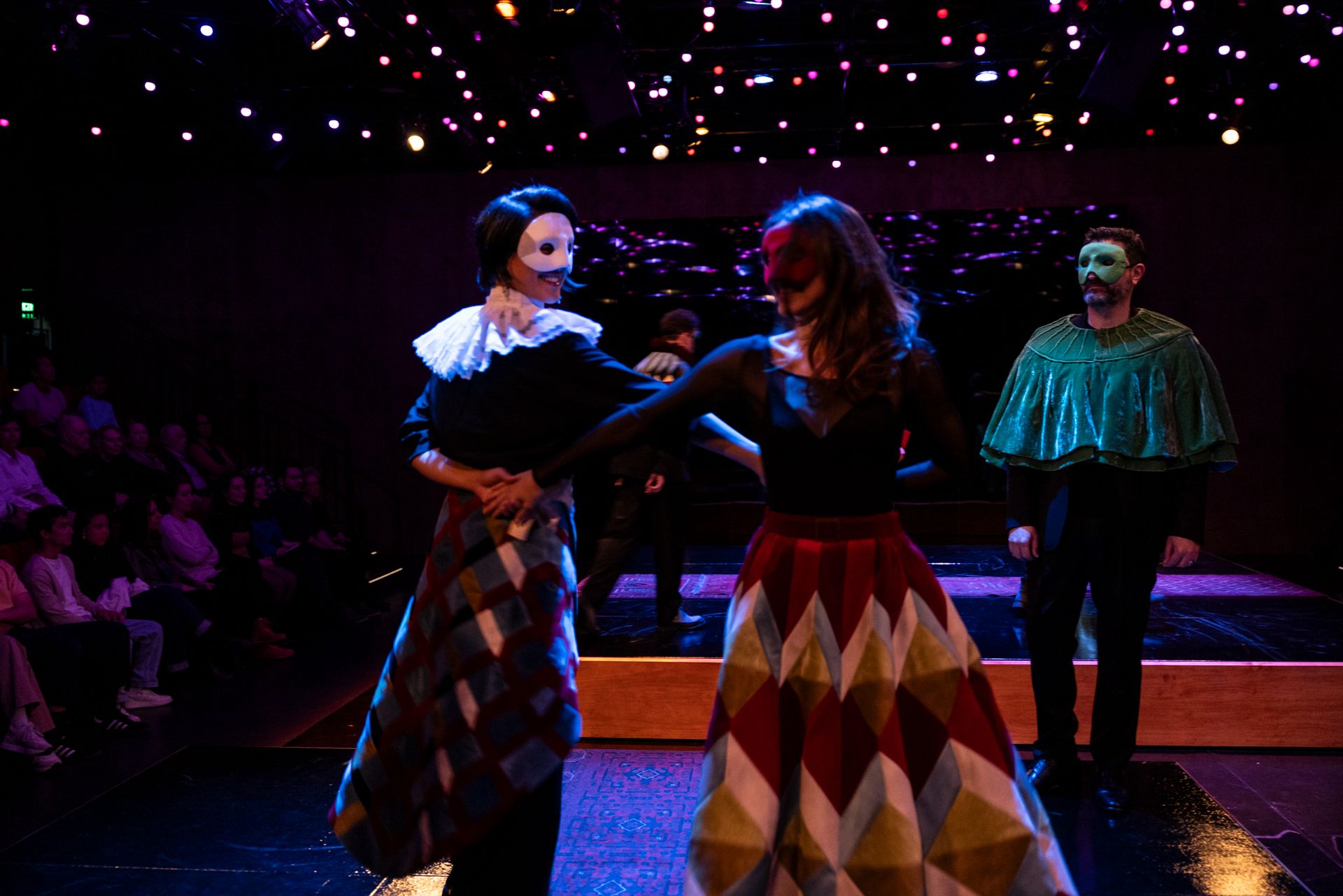
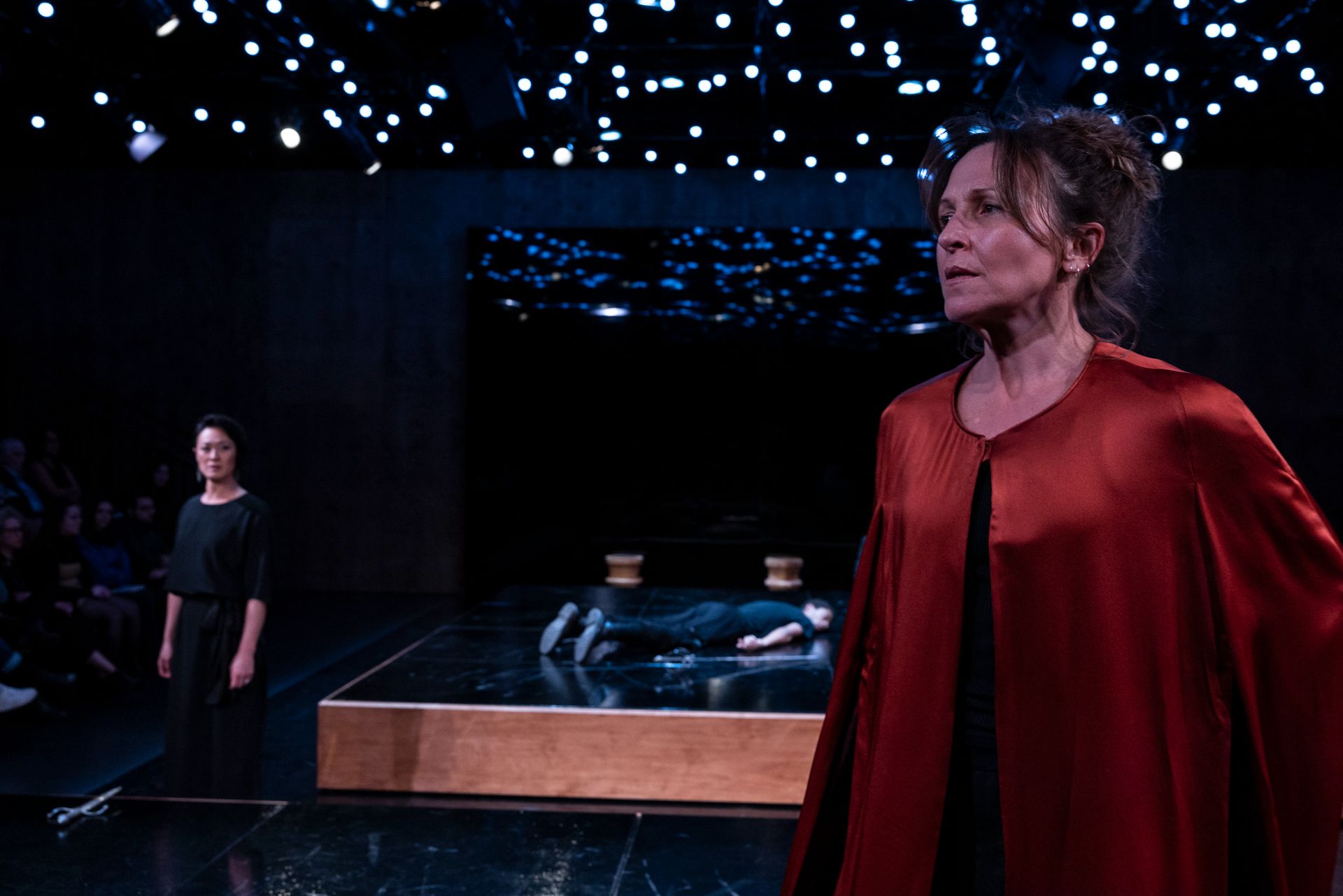
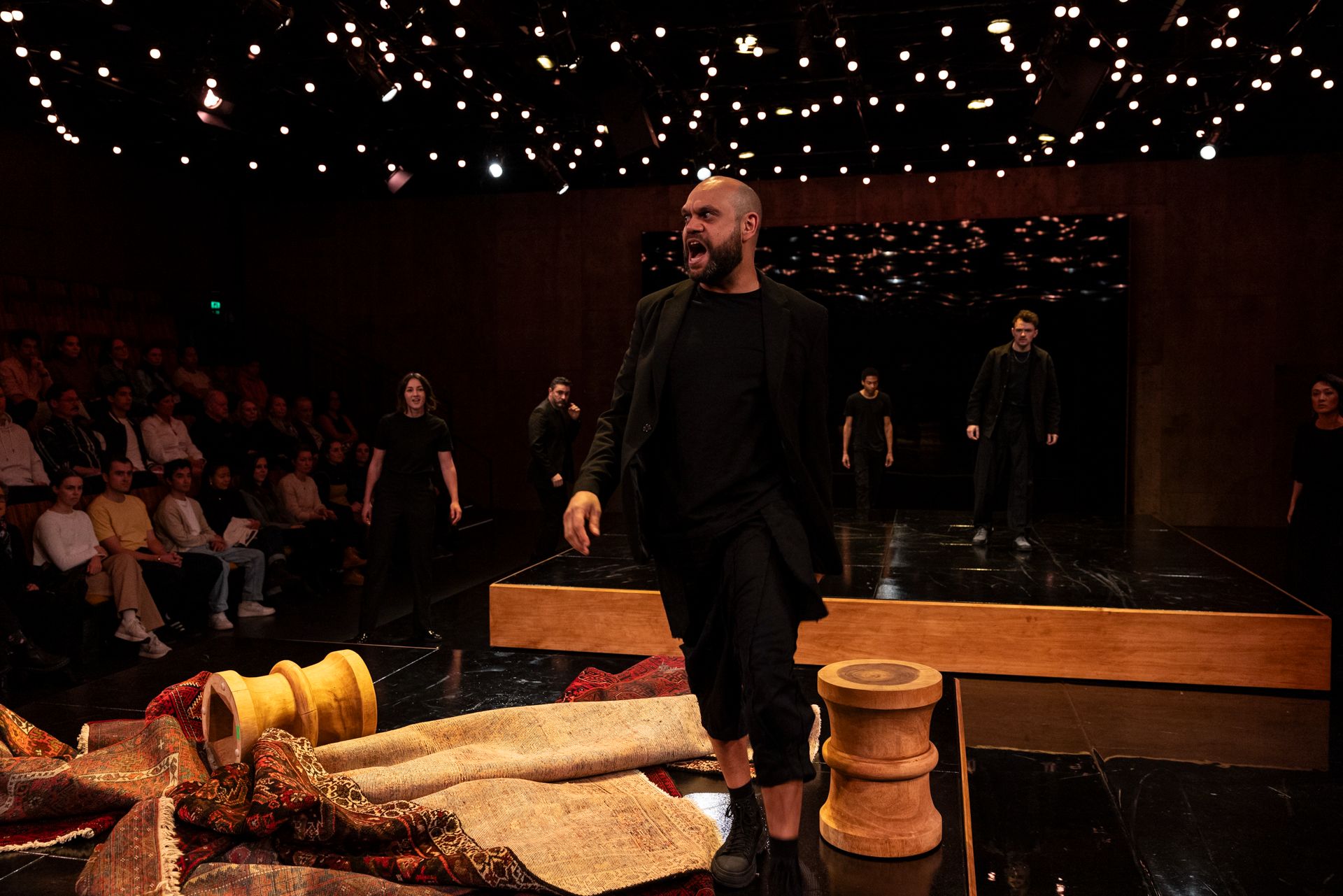
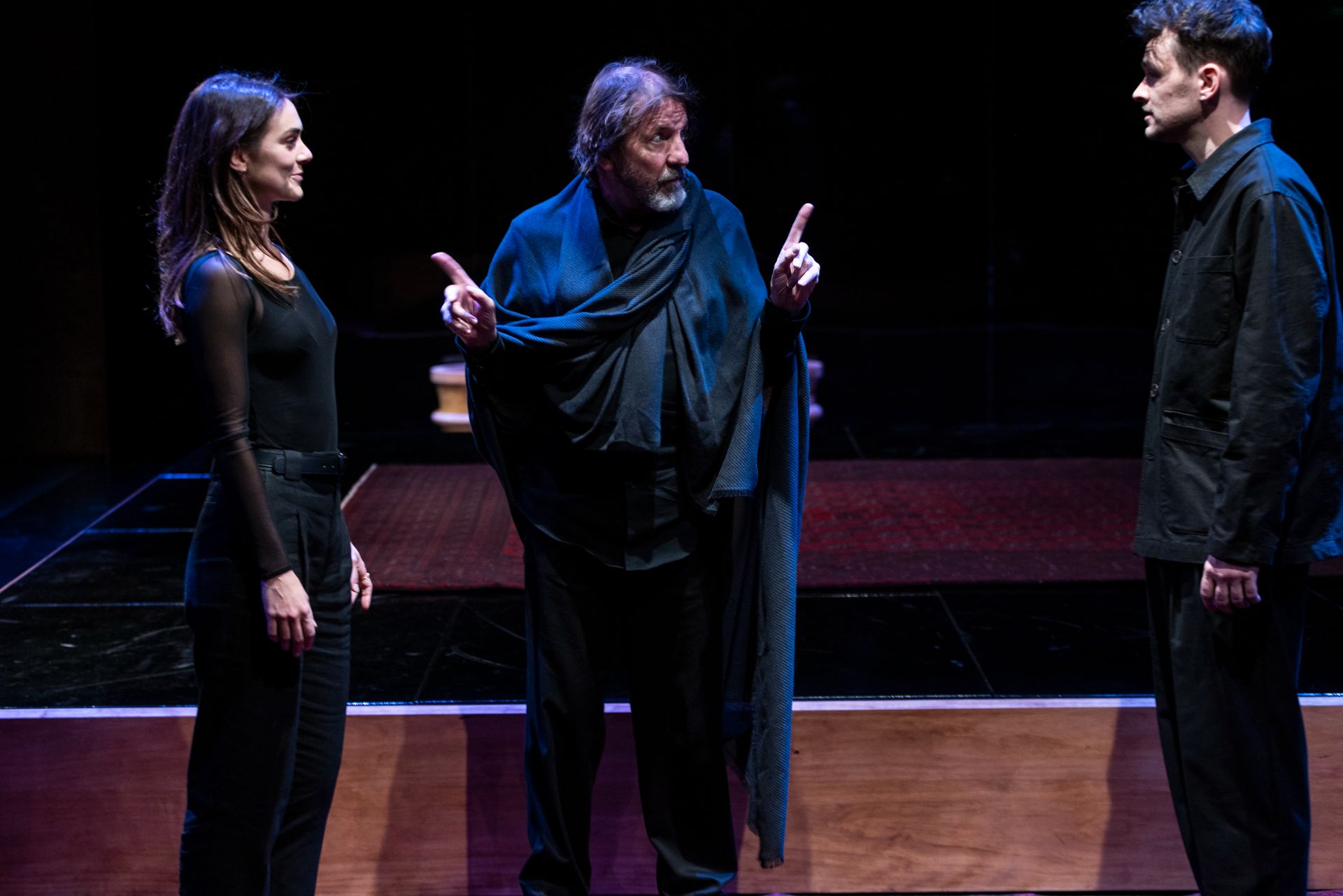
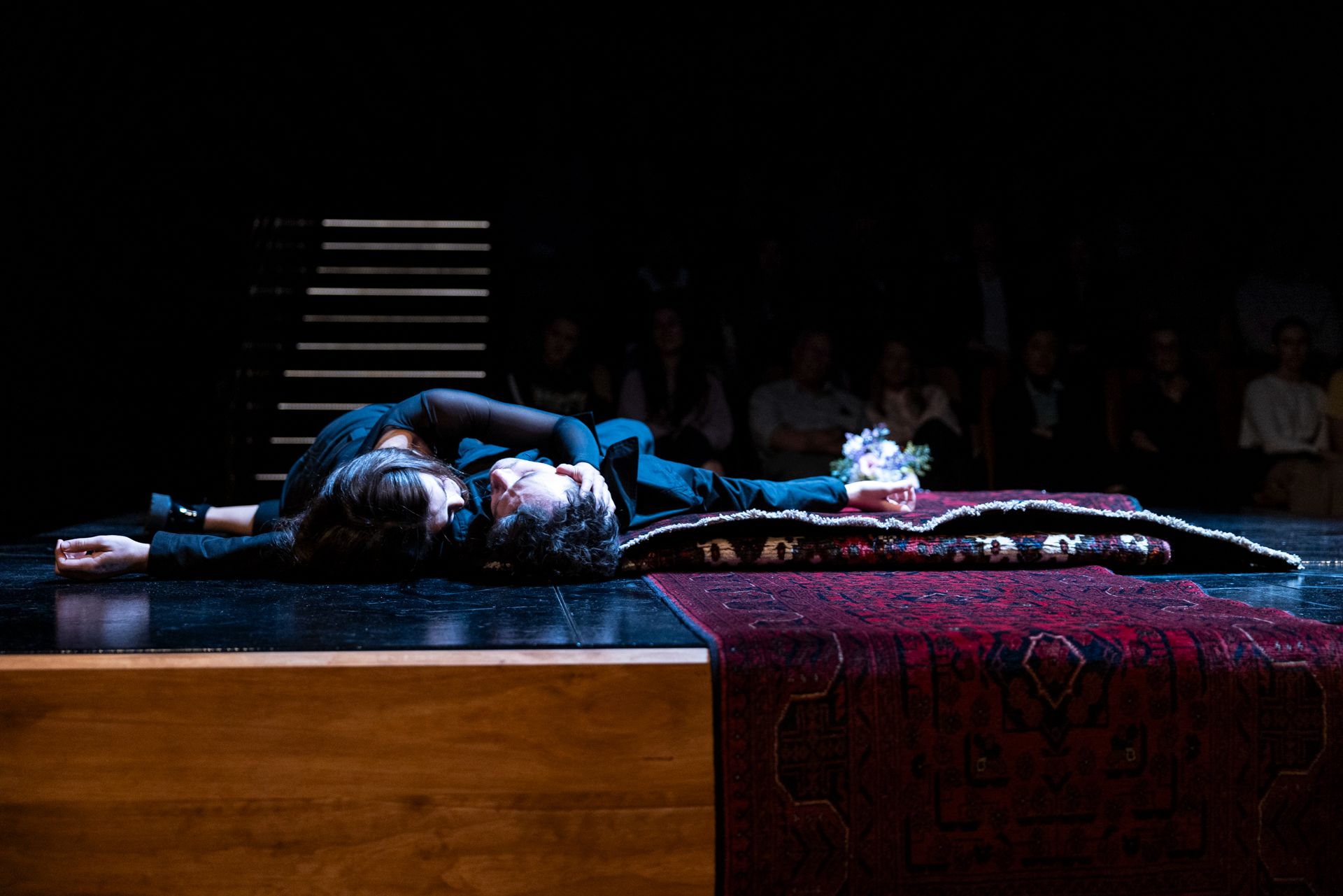
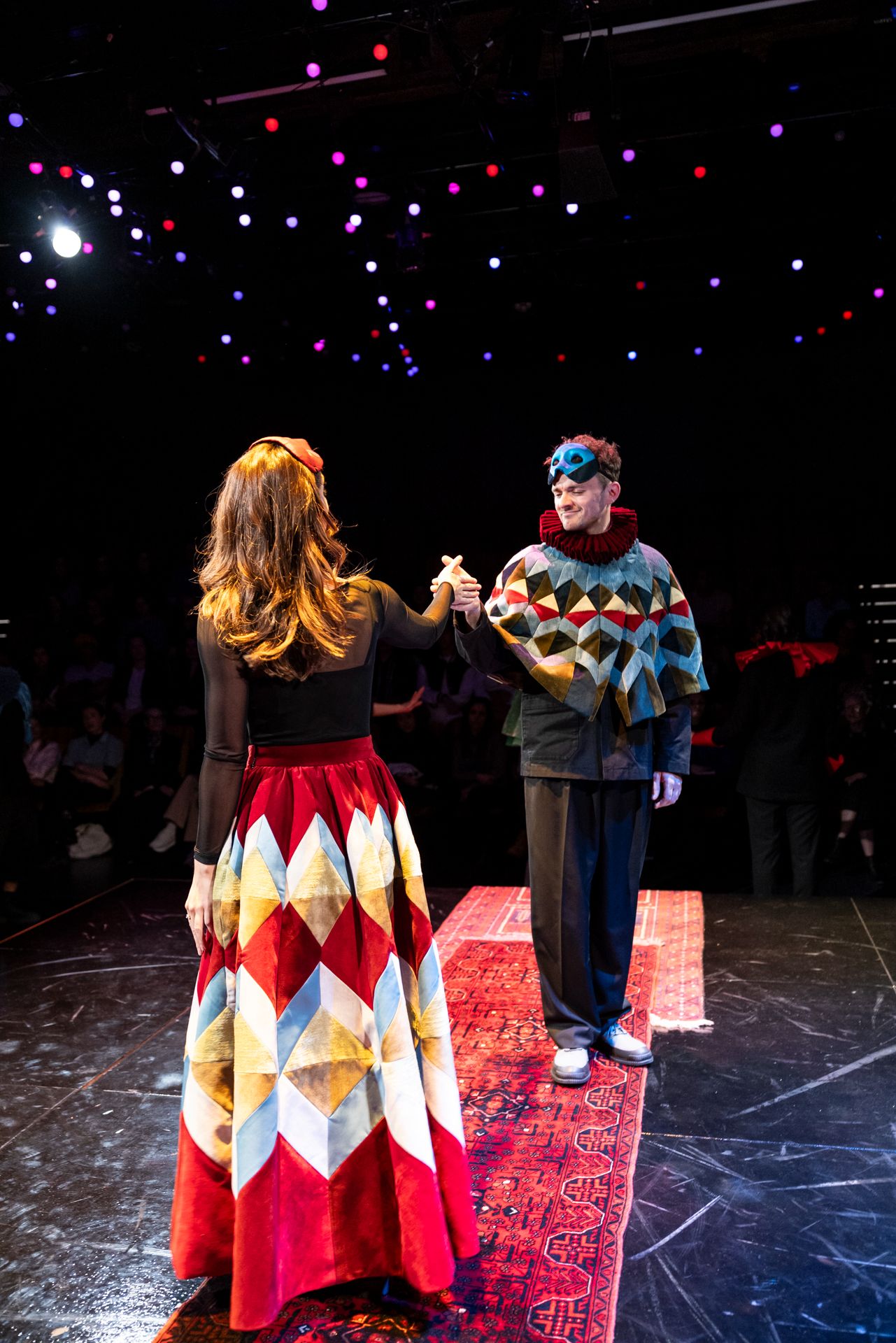
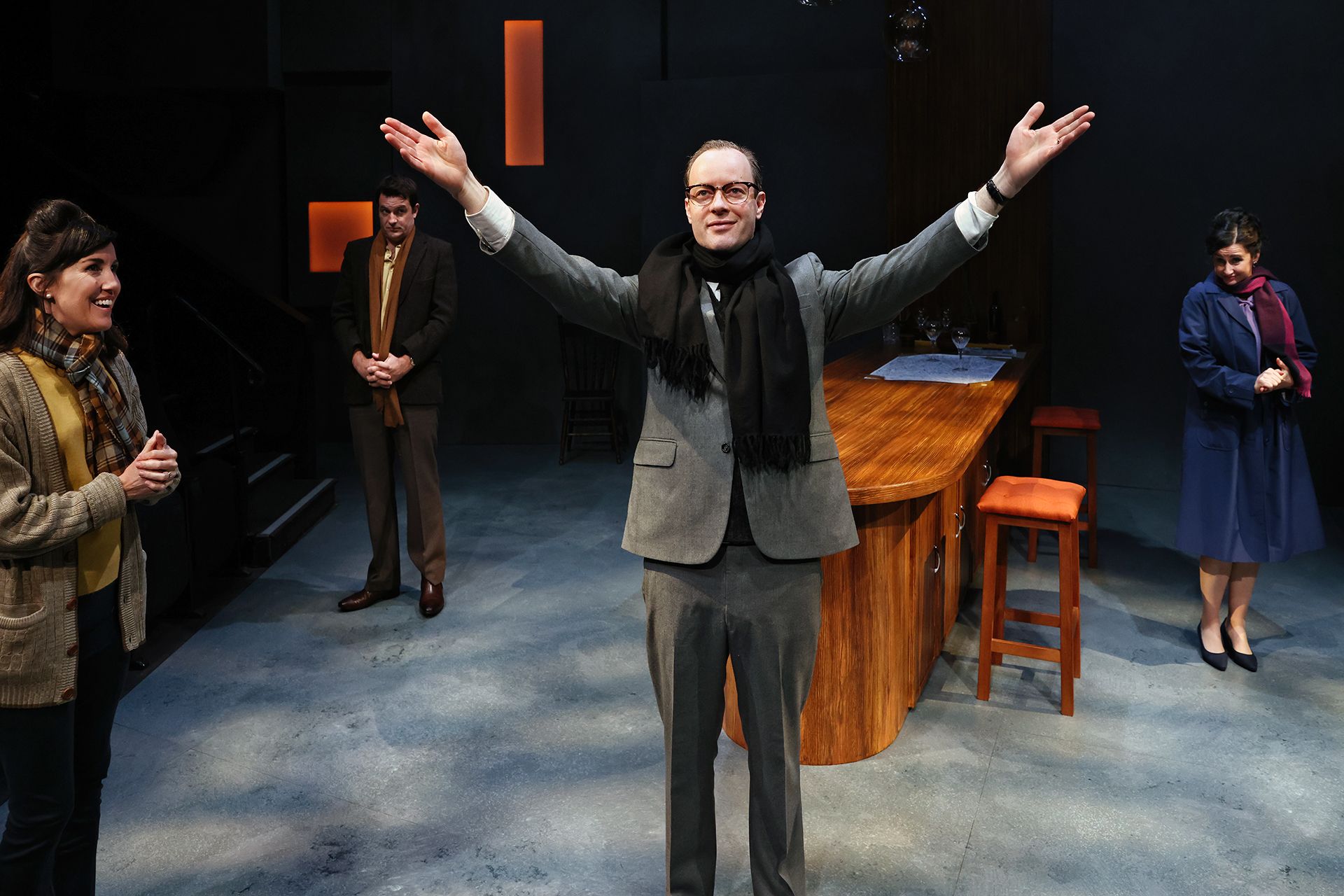
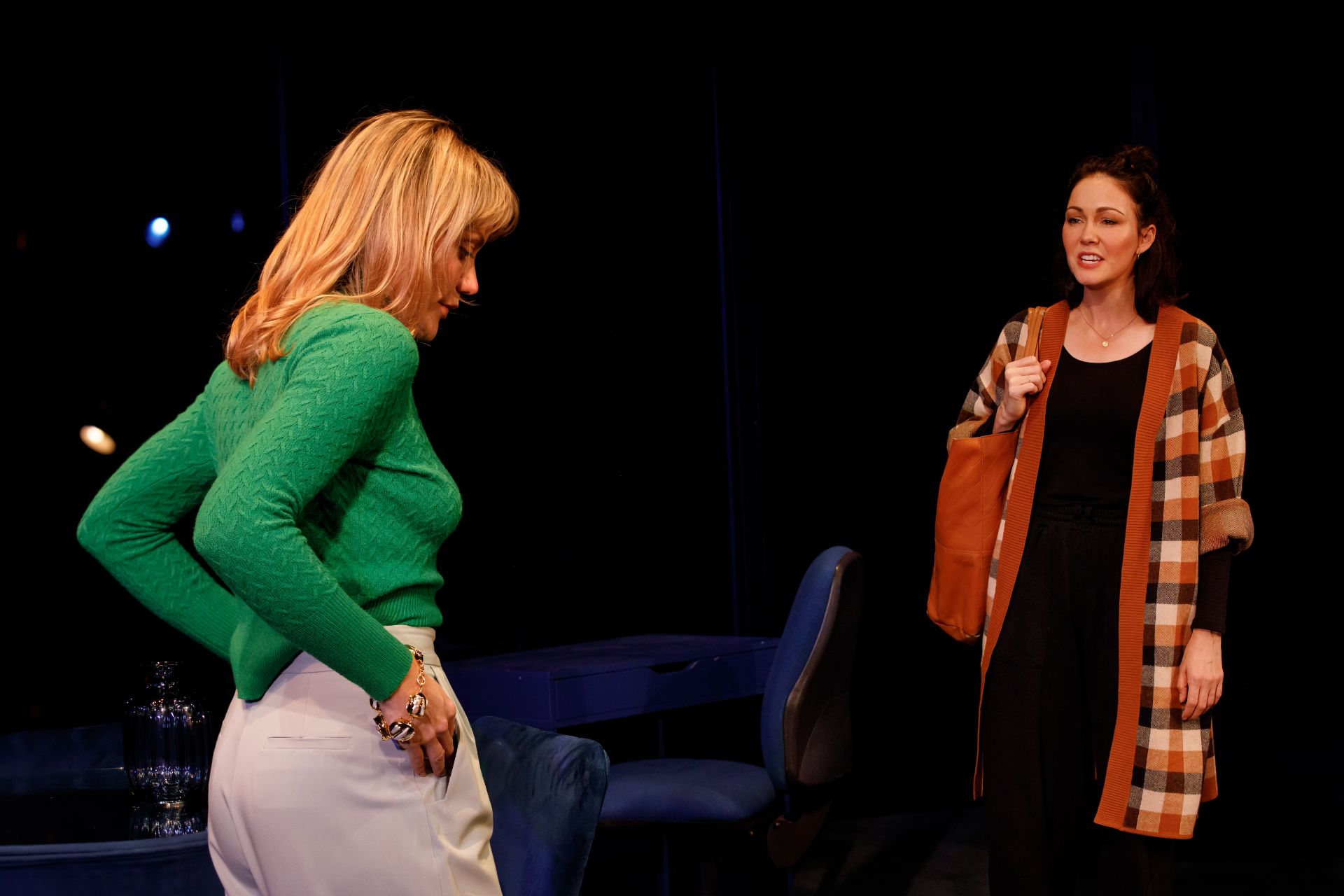
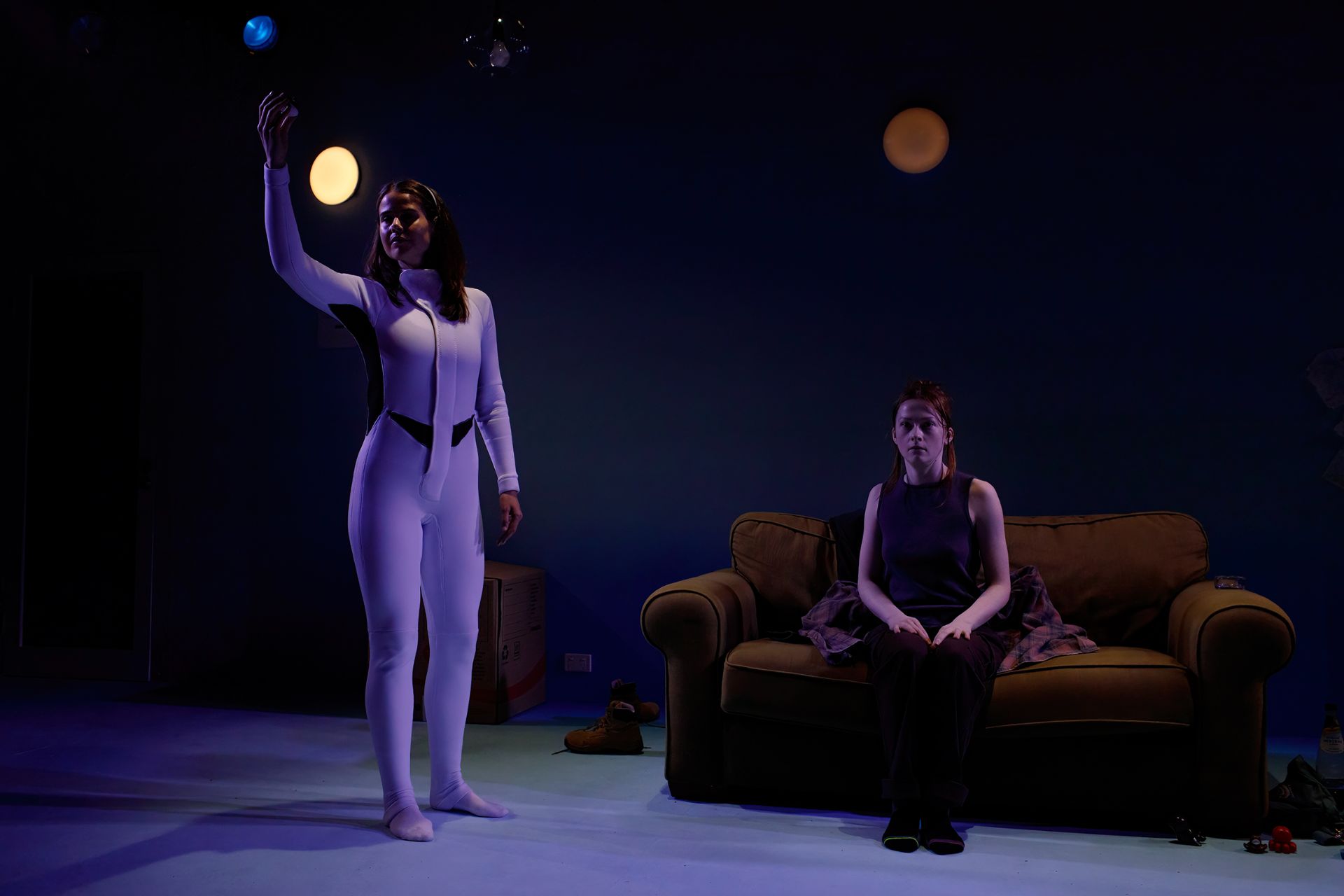
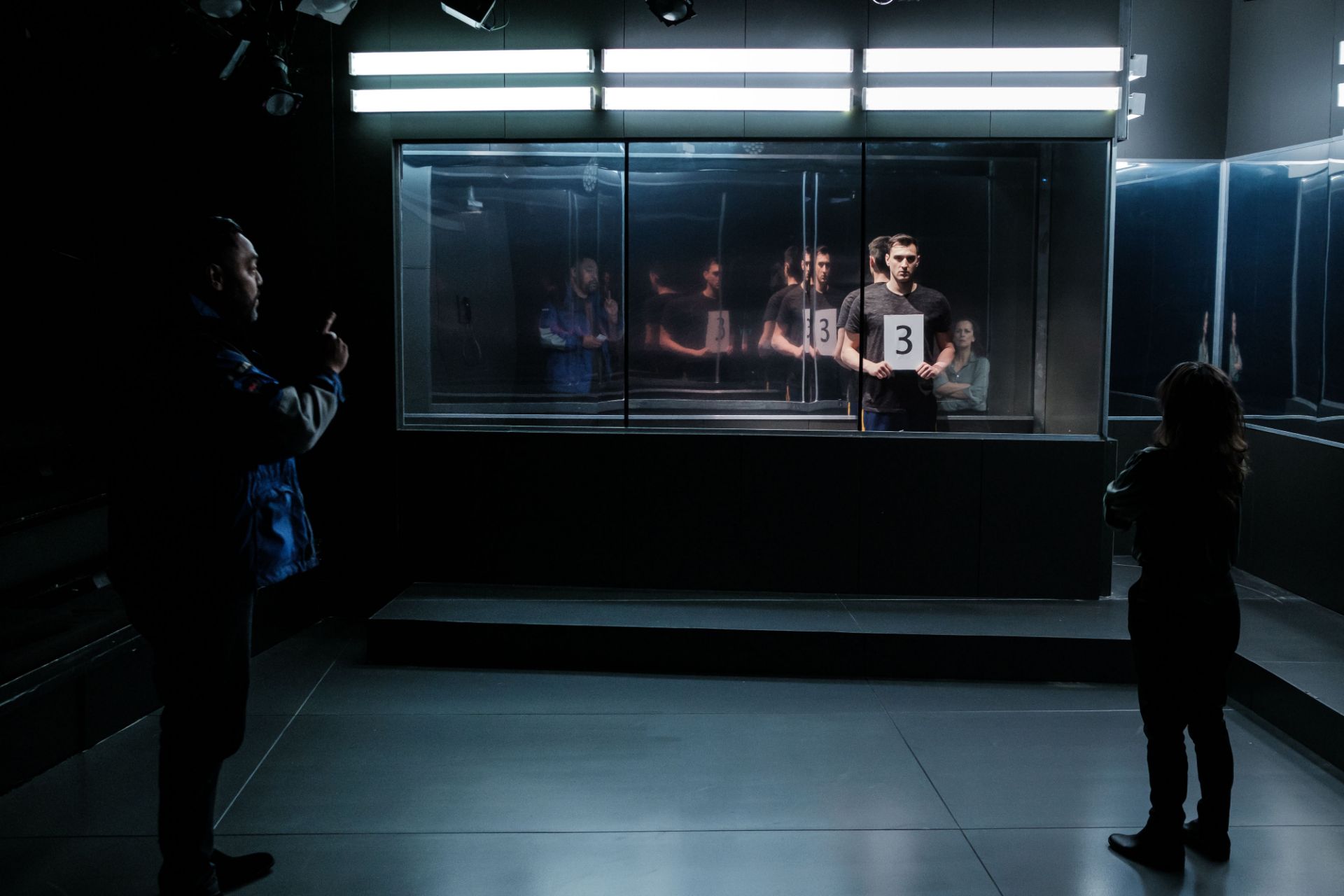
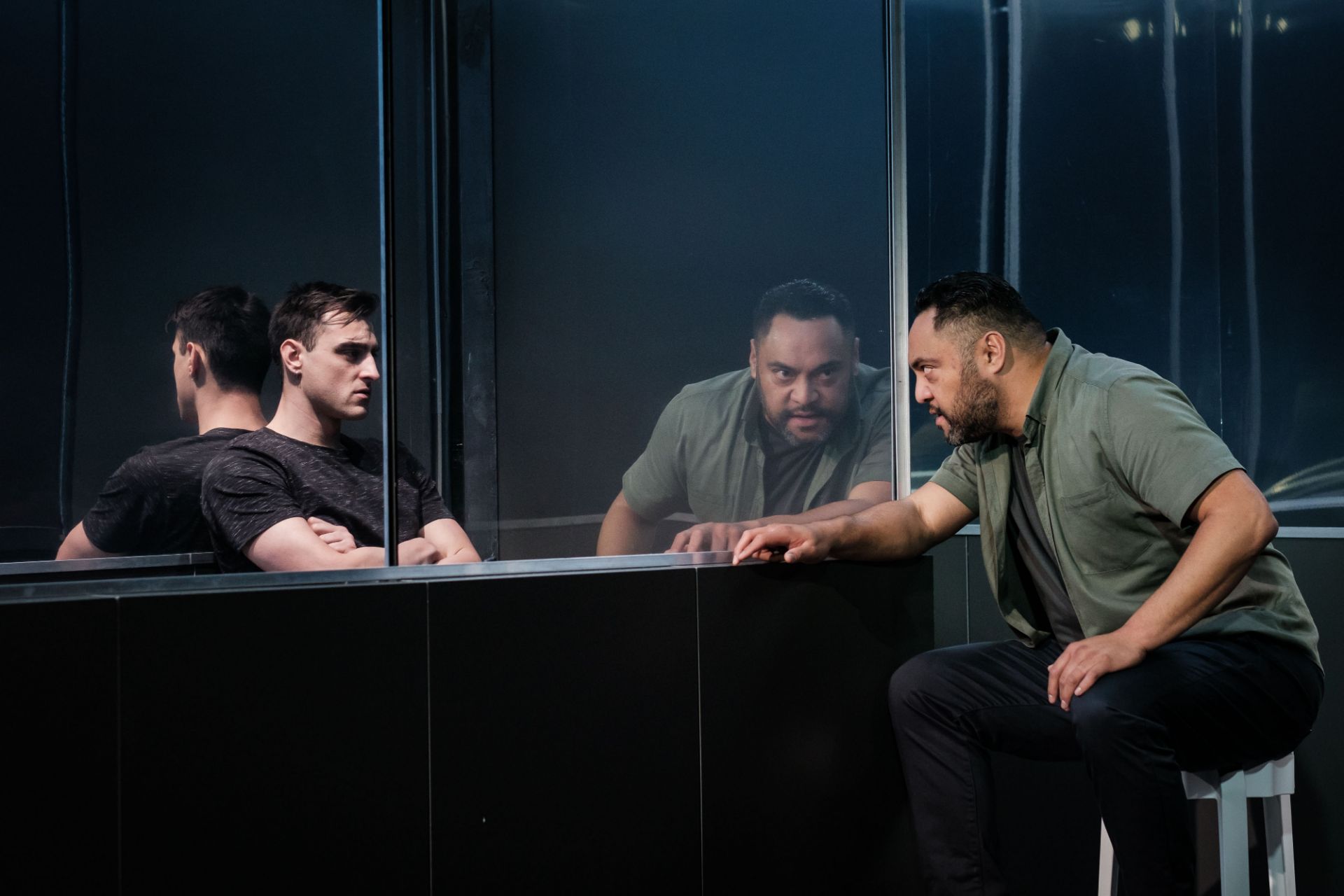
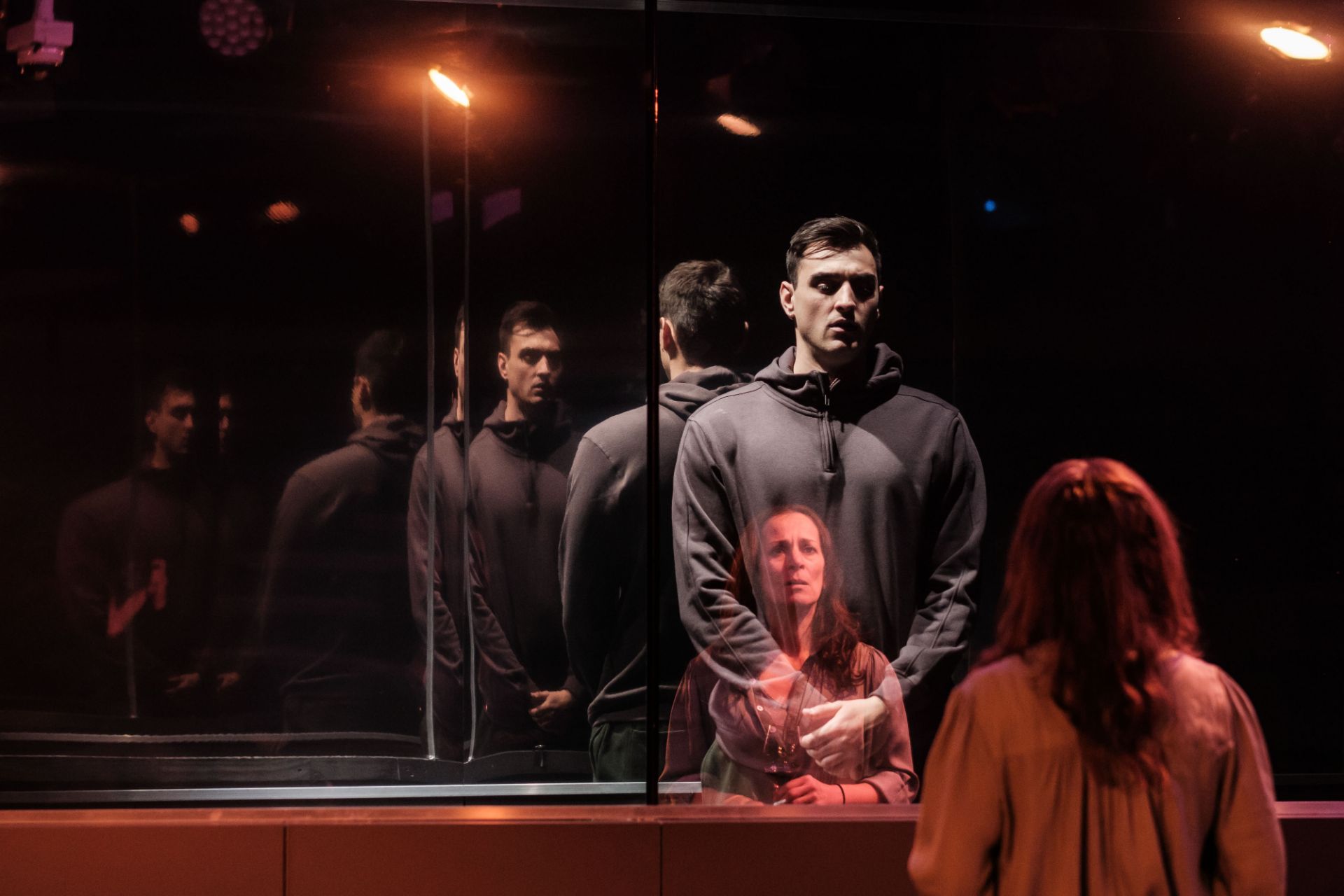
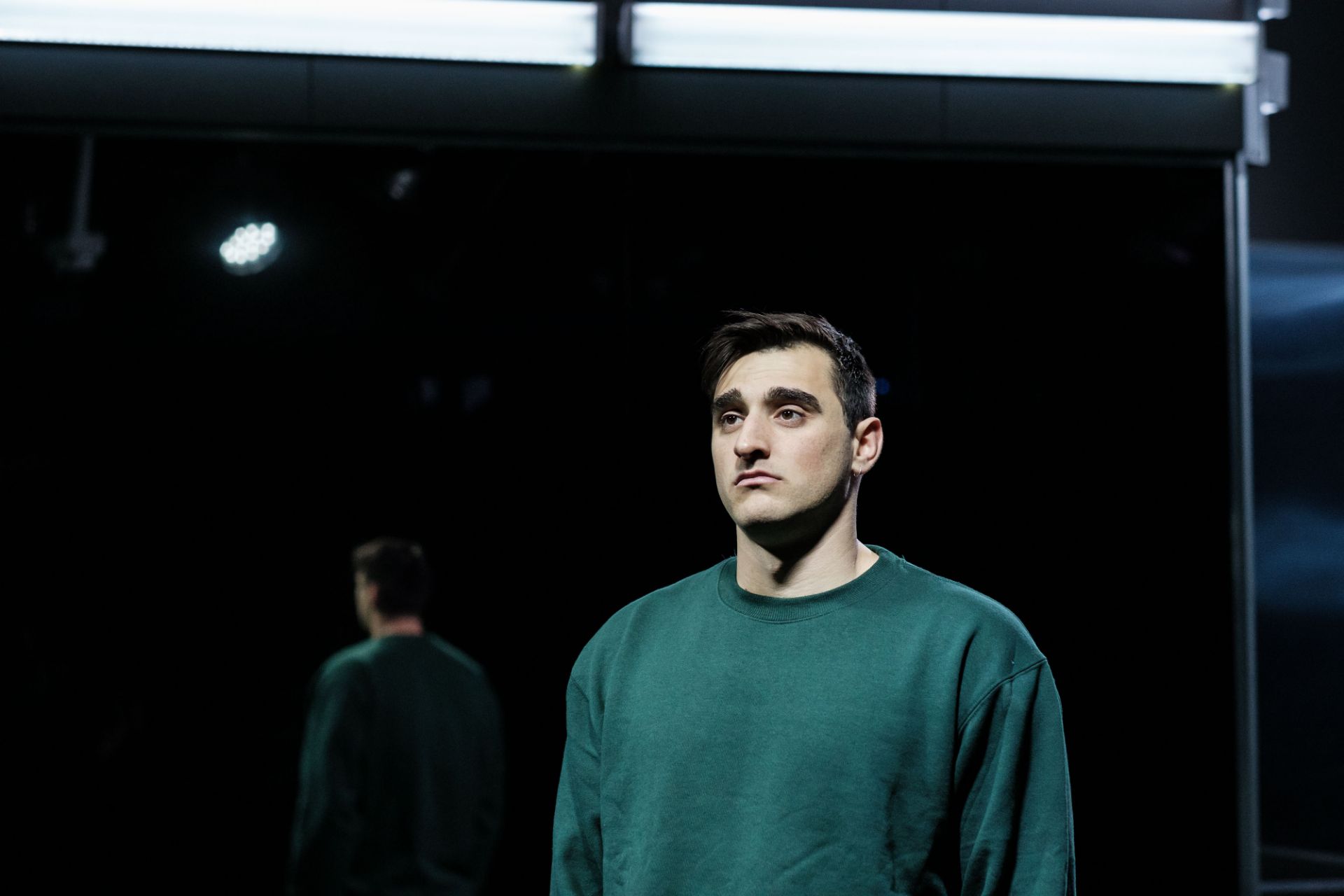
Set design by Renée Mulder features mirrored surfaces that remind us of the infinitely far-reaching effects of Gillard’s accomplishments. Lights by Alexander Berlage are gently rendered to keep unwavering focus on the protagonist. Video projections by Susie Henderson offer elegant augmentation, to the simple imagery being presented. Music and sound by Steve Francis, enhance the gravitas being explored, in the feminist themes that are so intrinsic to how we understand the story of Julia.

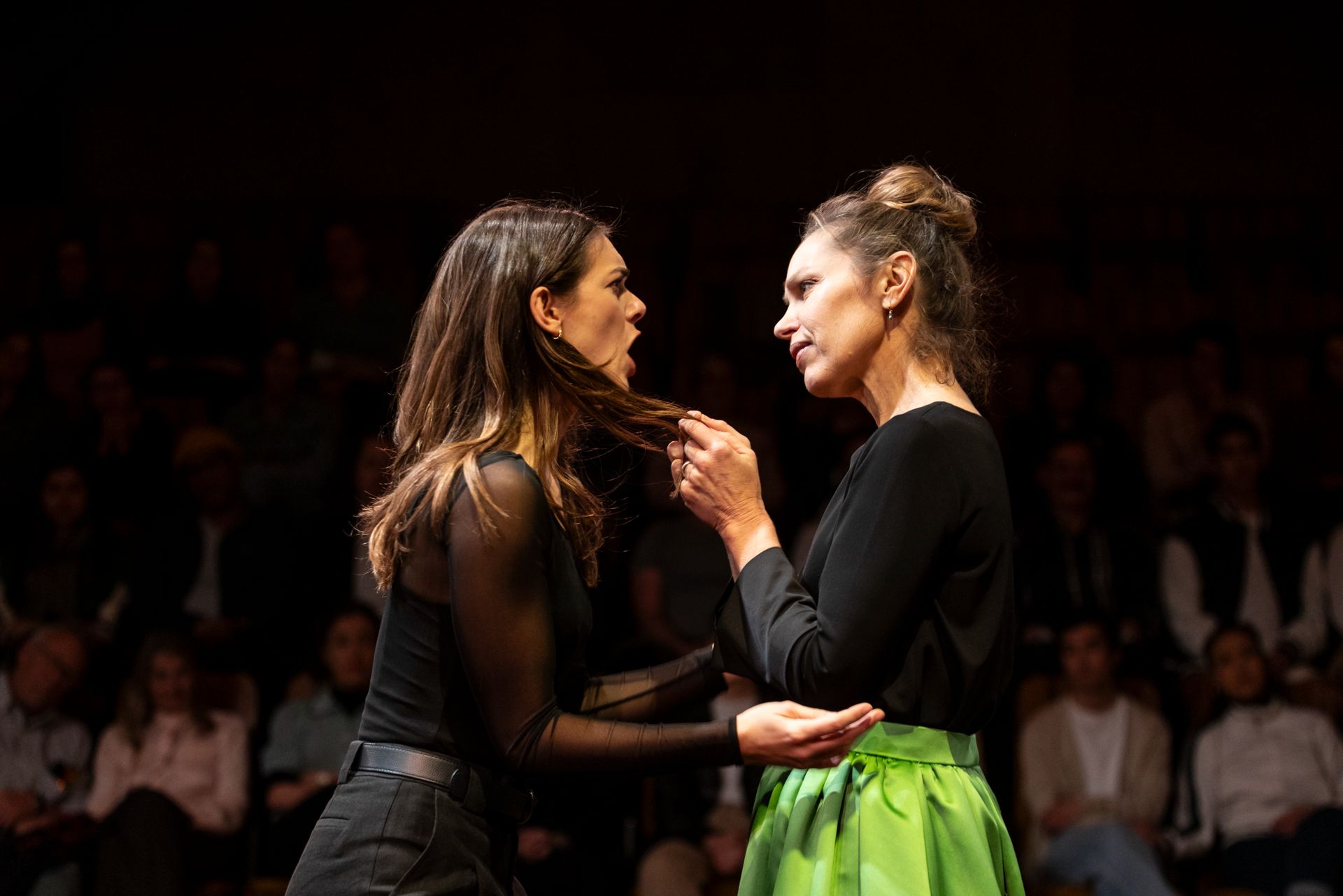
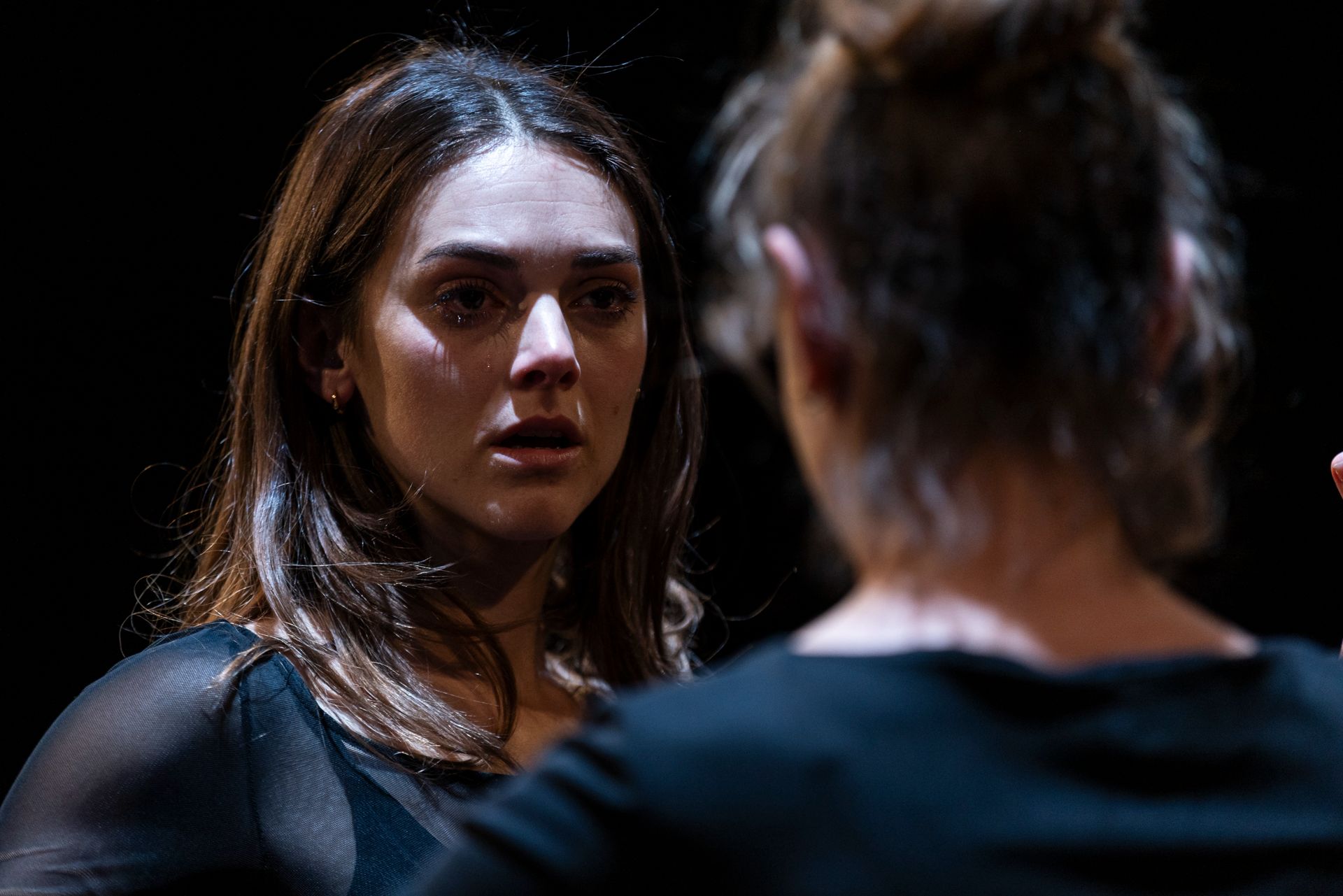
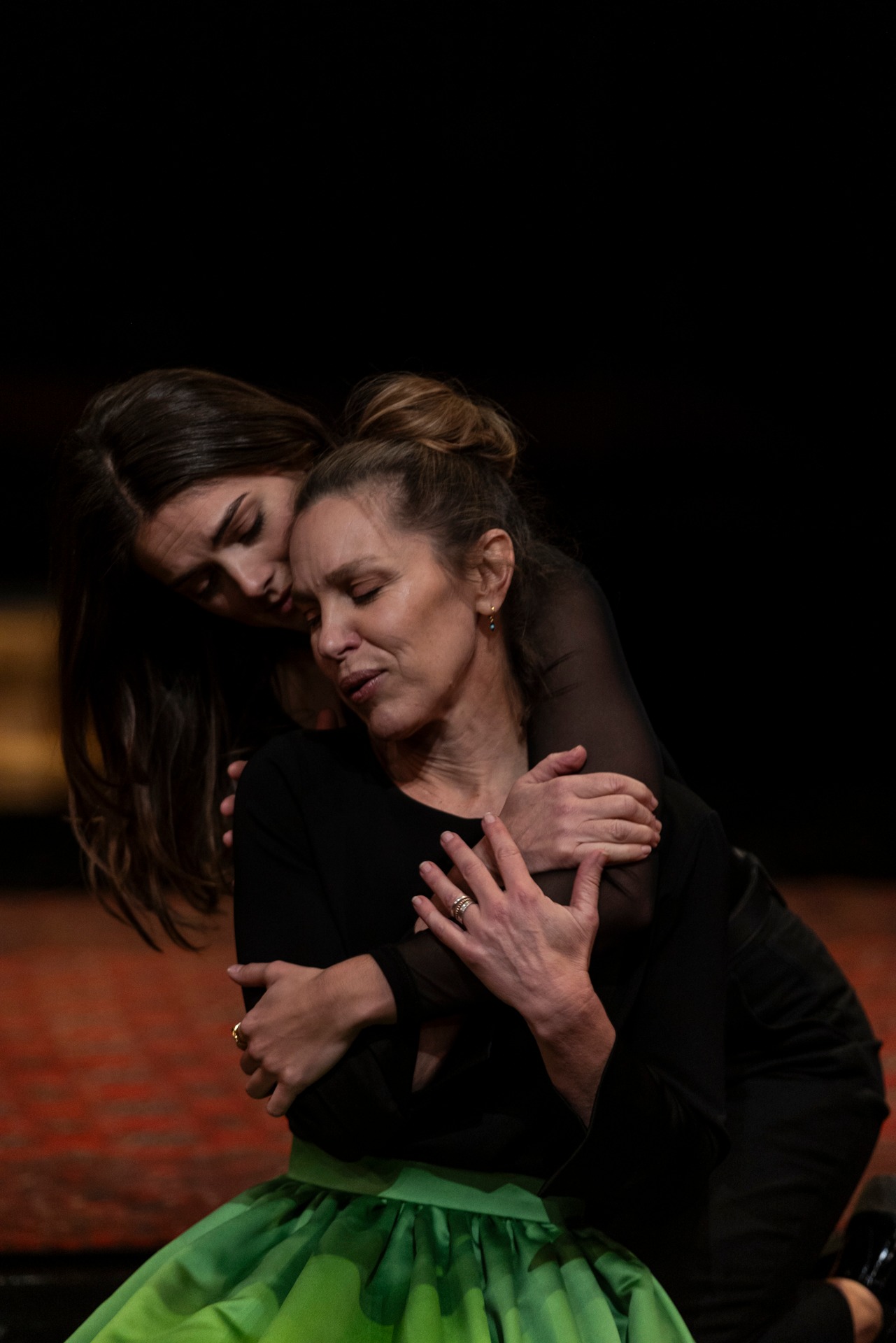
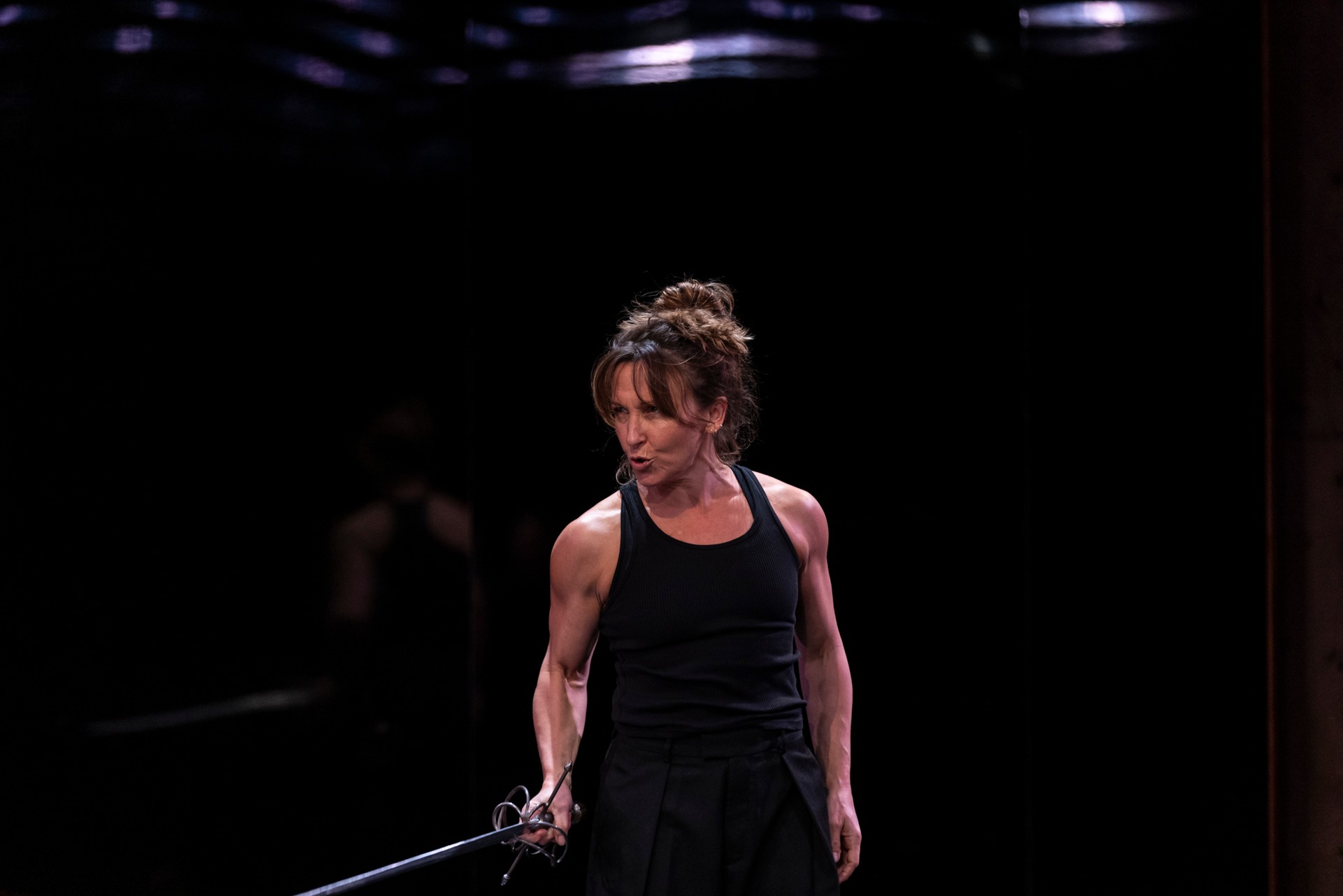
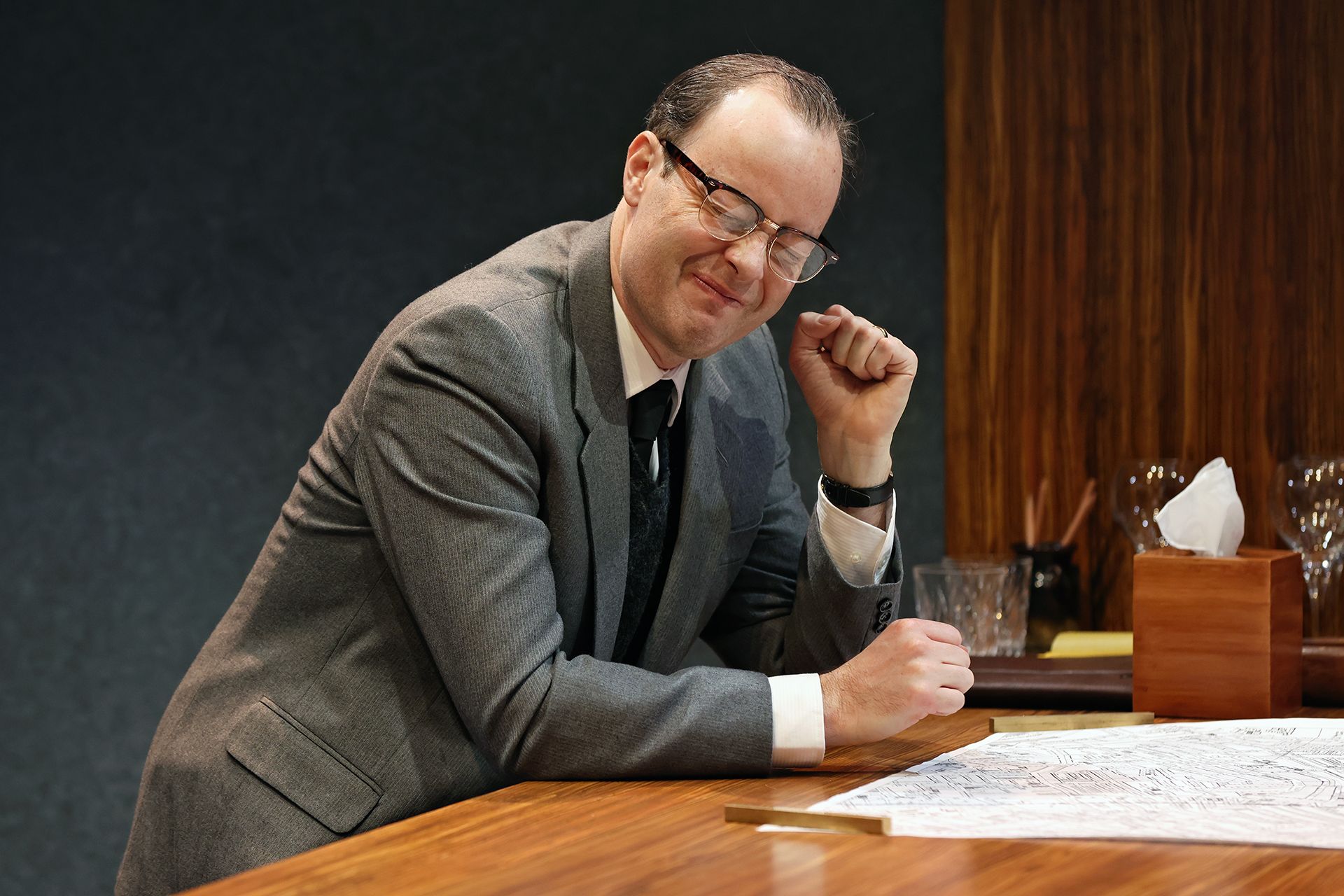
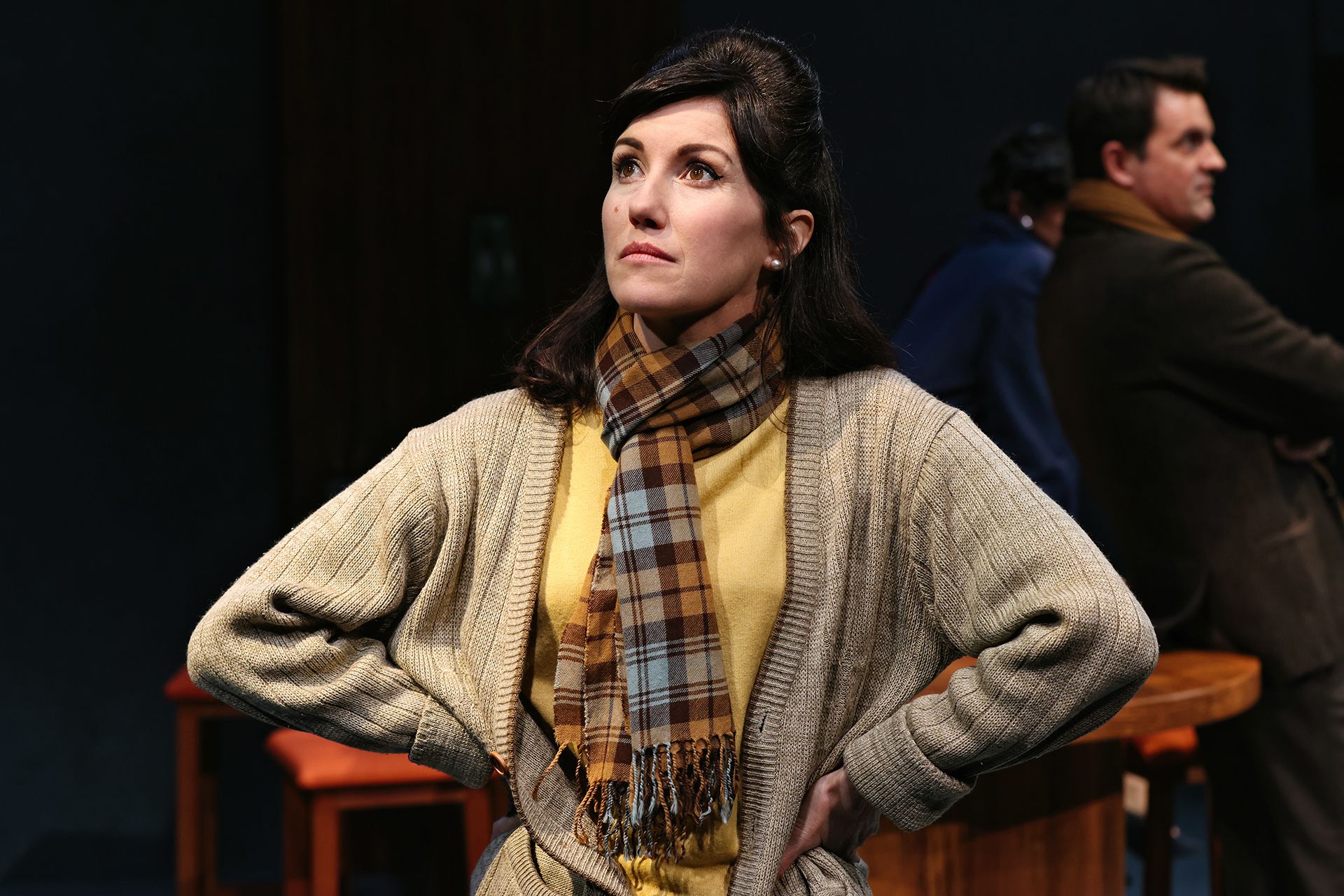
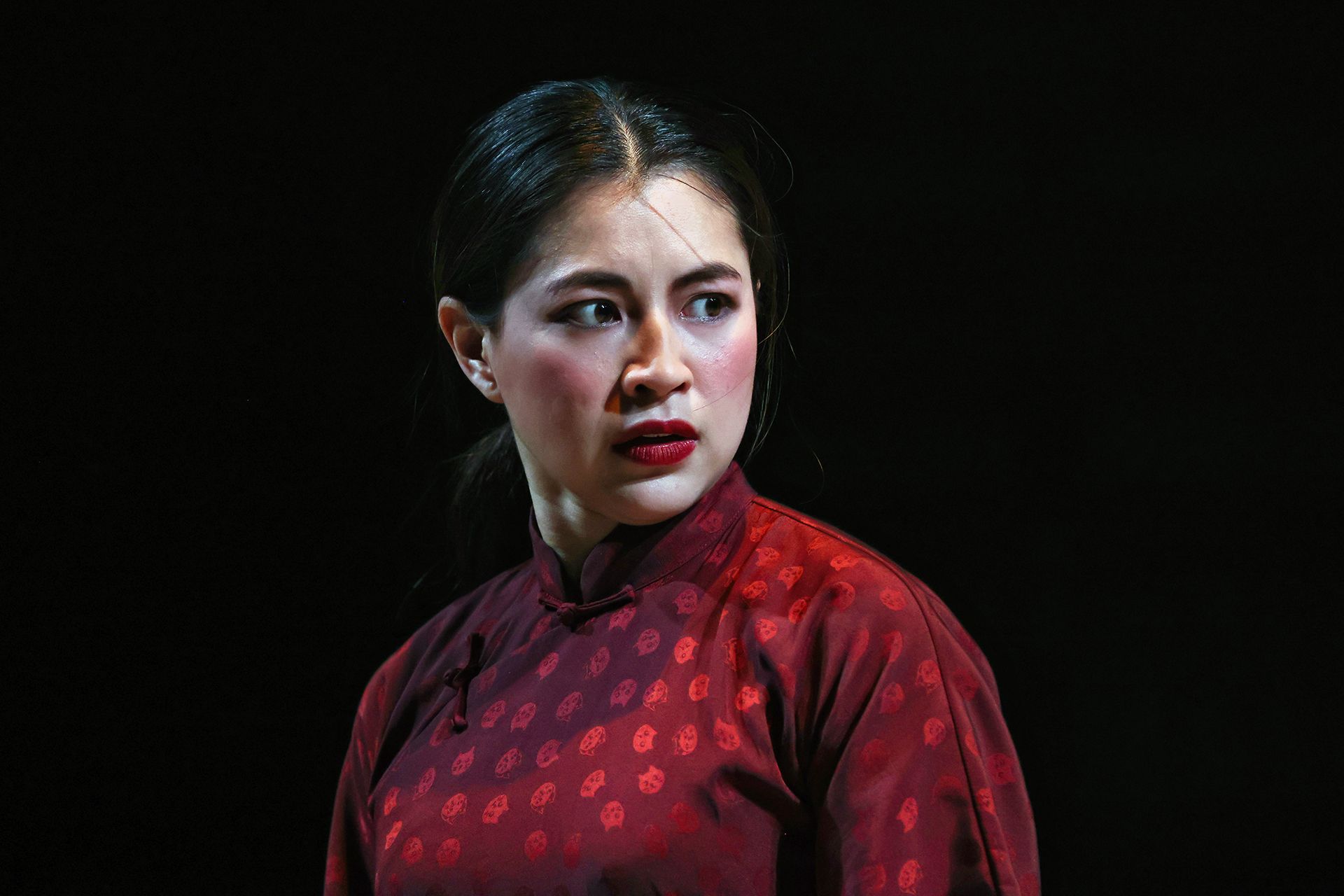
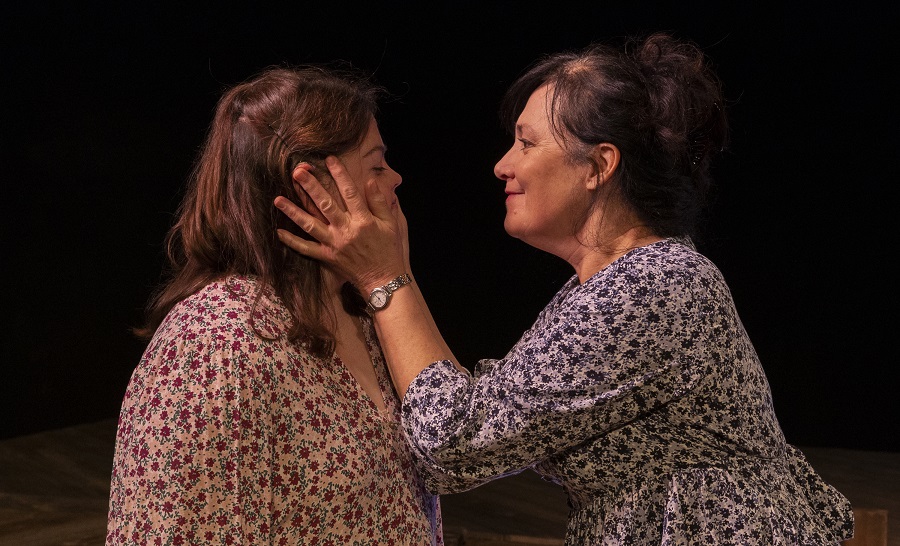
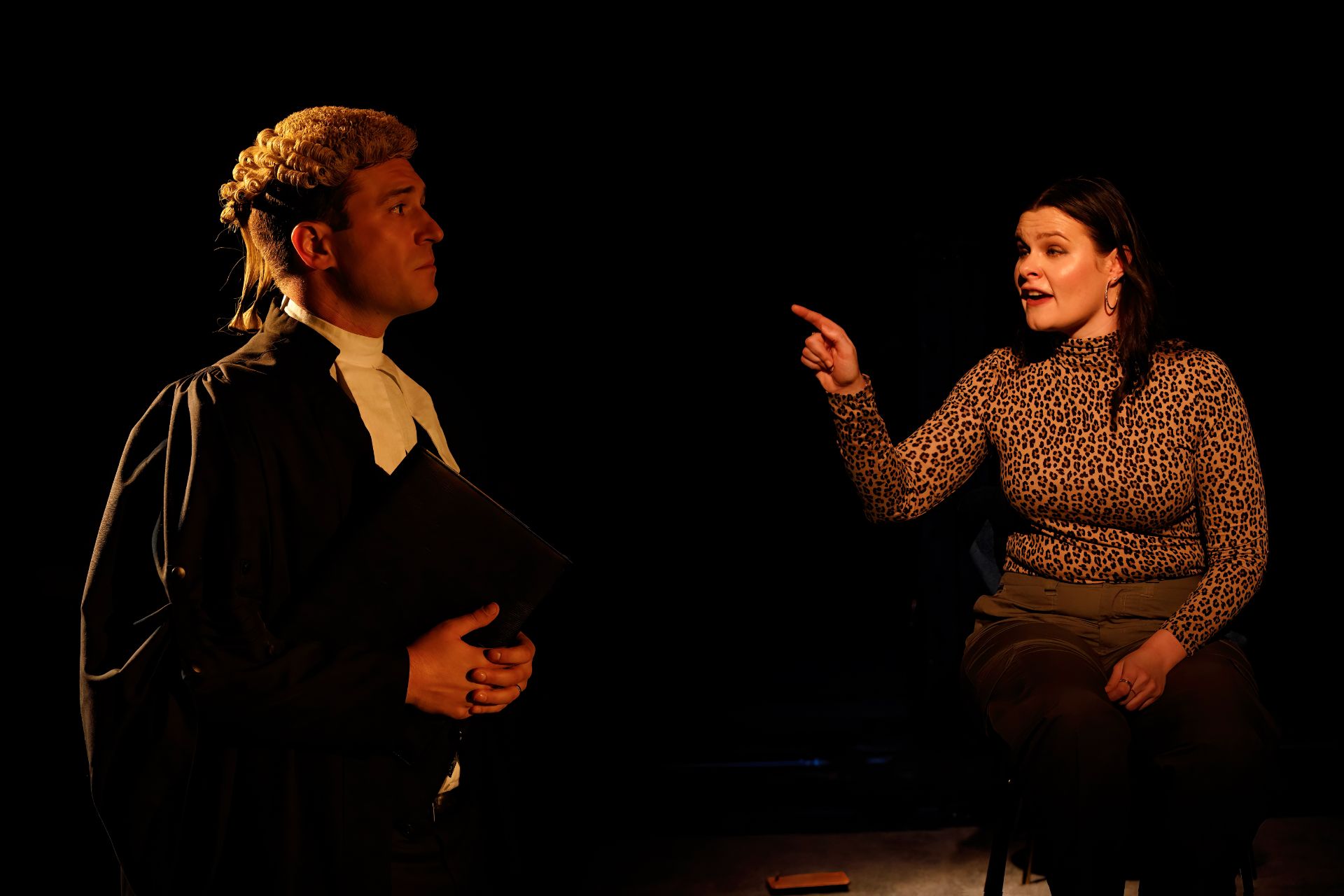
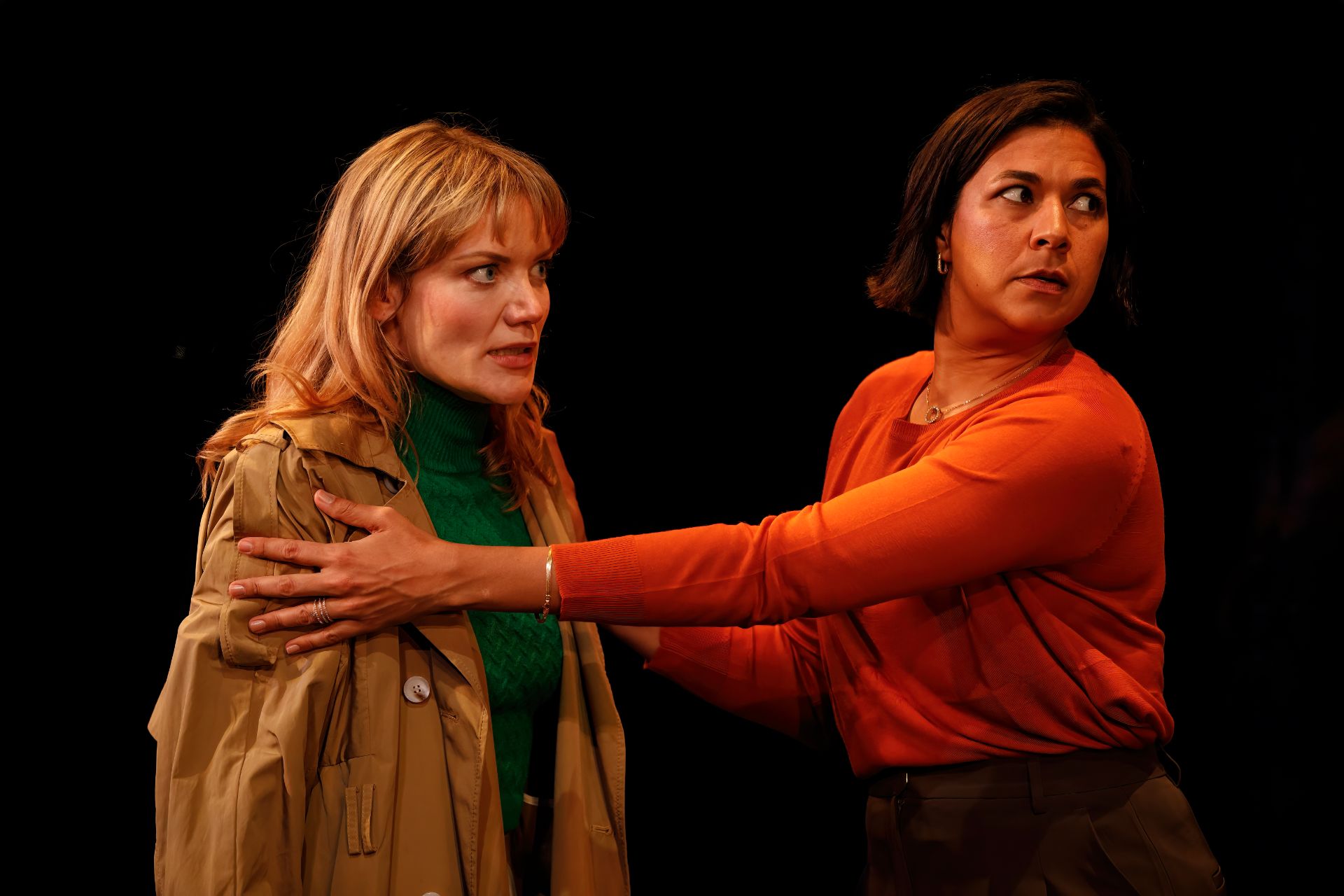
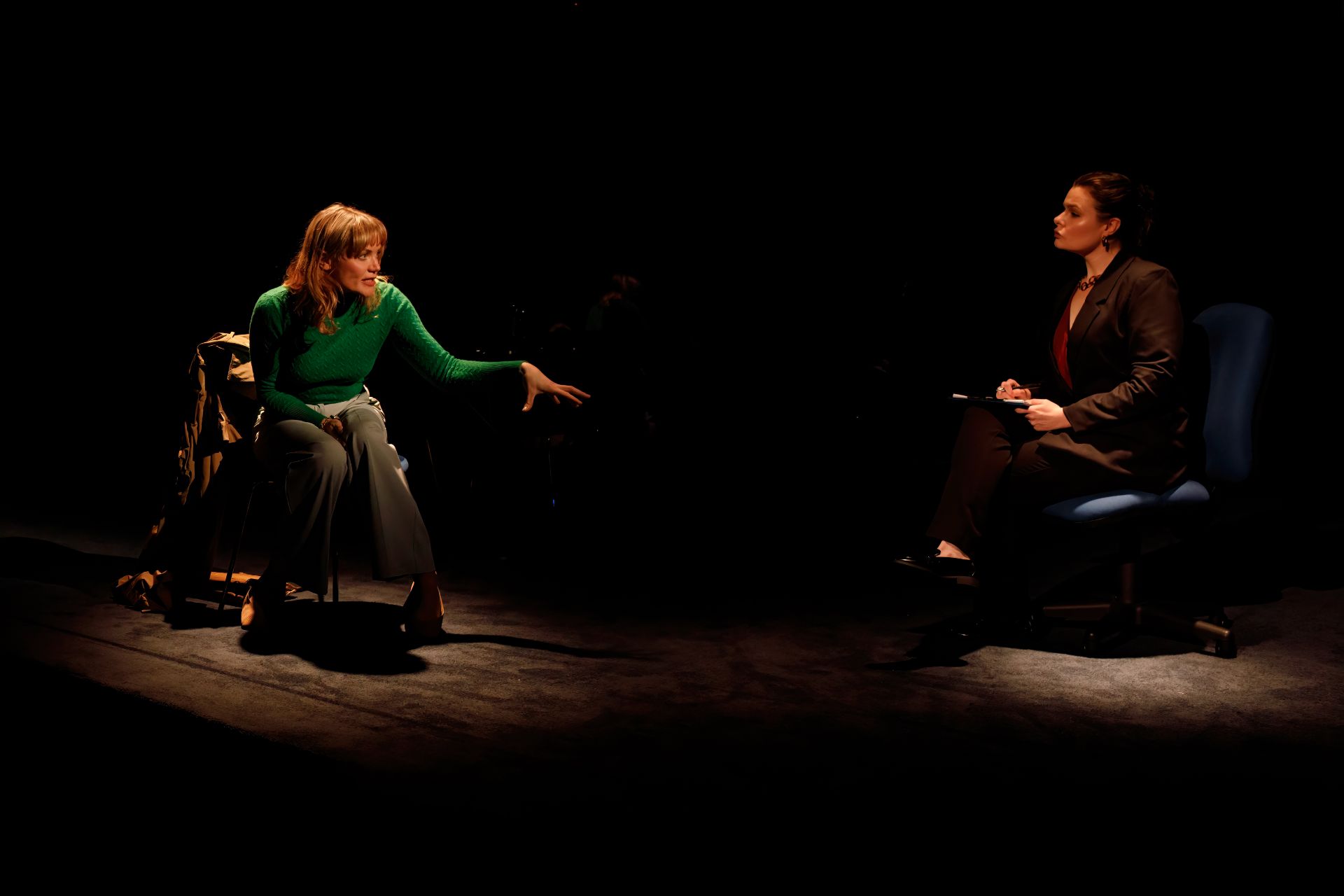
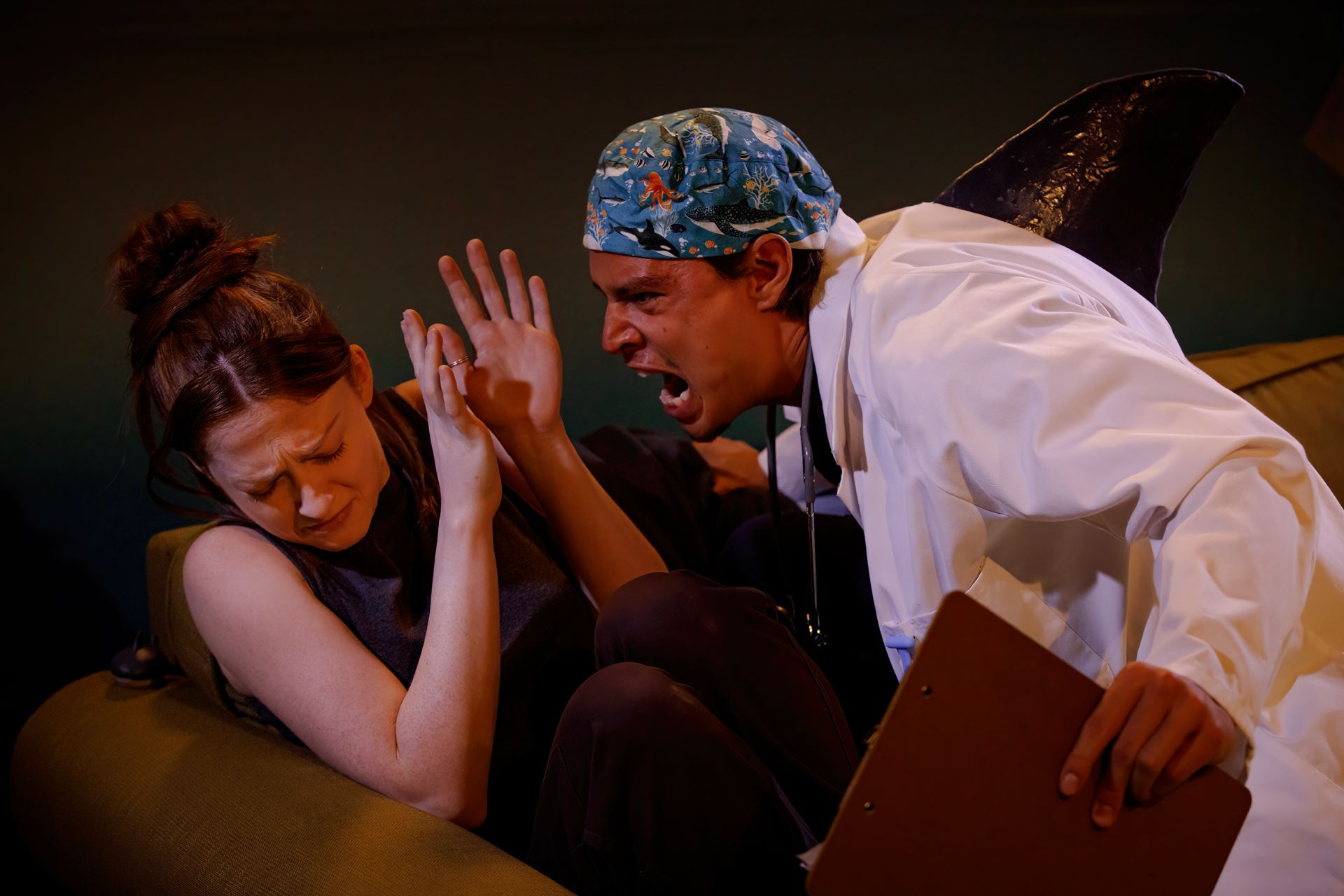
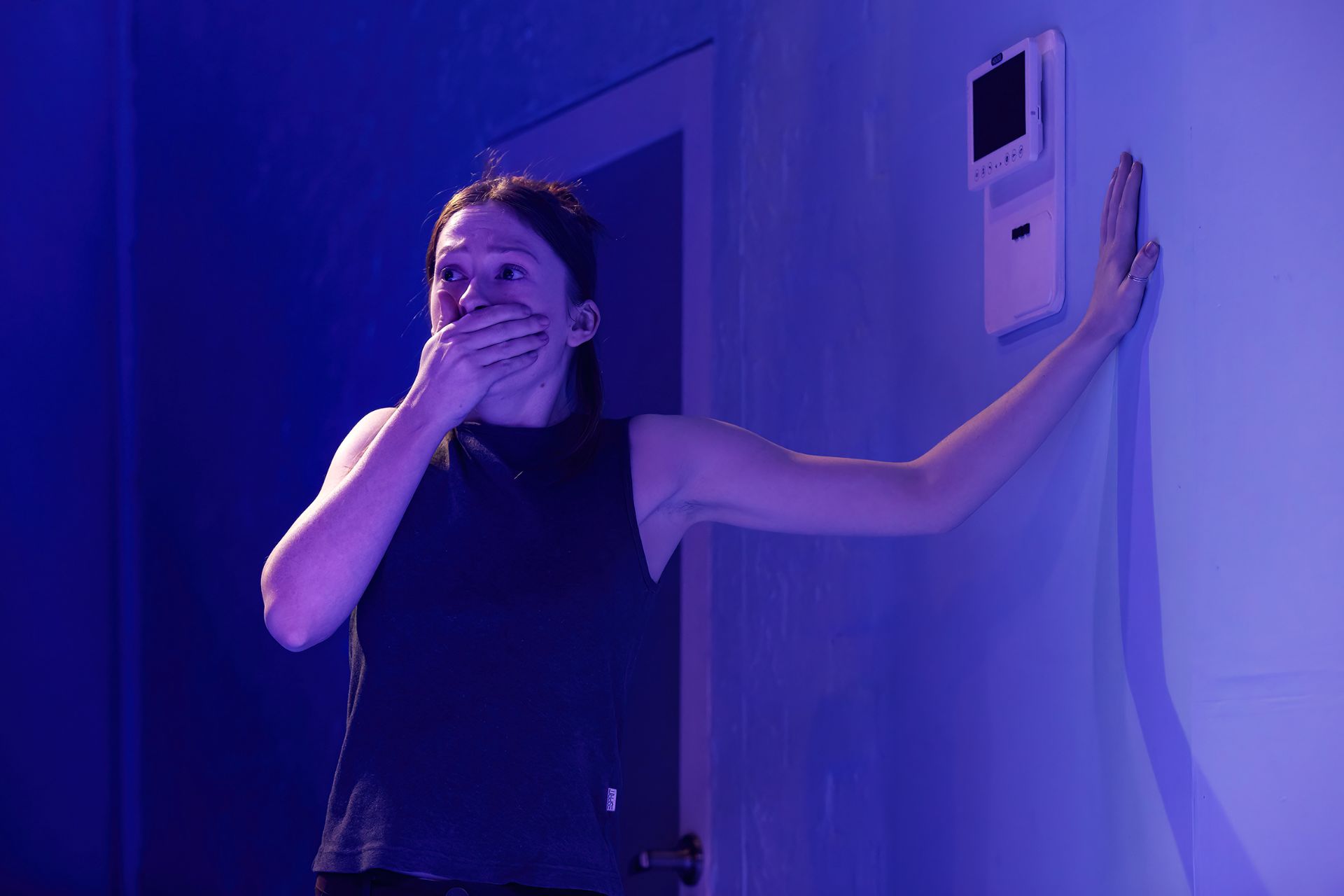
Actor Justine Clarke is electric as our national hero, exceedingly precise with her delivery of every line, and resolutely present, in every moment of her compelling embodiment of this much-loved character. Vigorously poignant, yet dazzlingly splendid with her humour, Clarke’s is a faultless performance on technical levels, but more importantly, a marvellously enchanting creation, that reminds us of what it means to lead with morality and integrity.

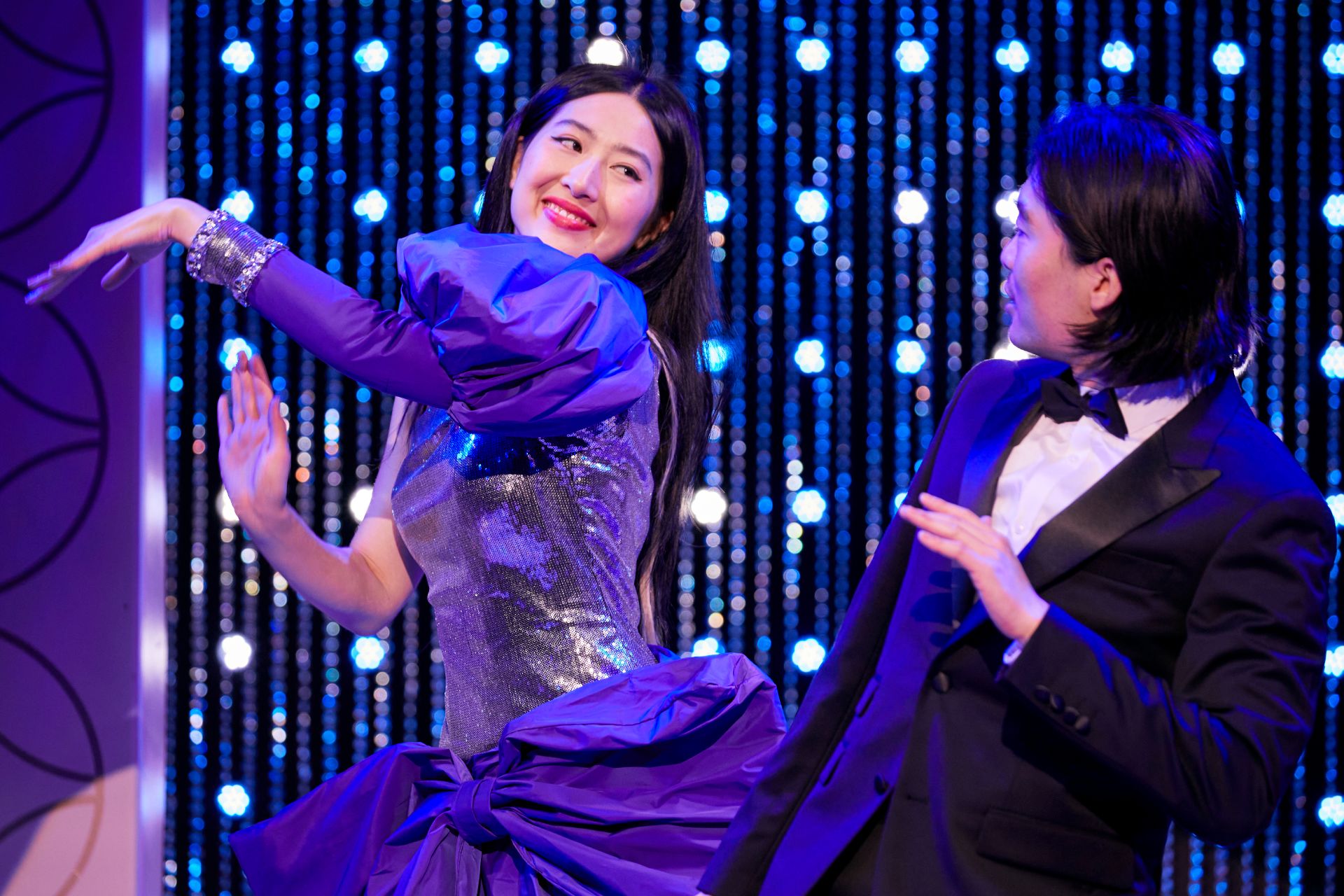
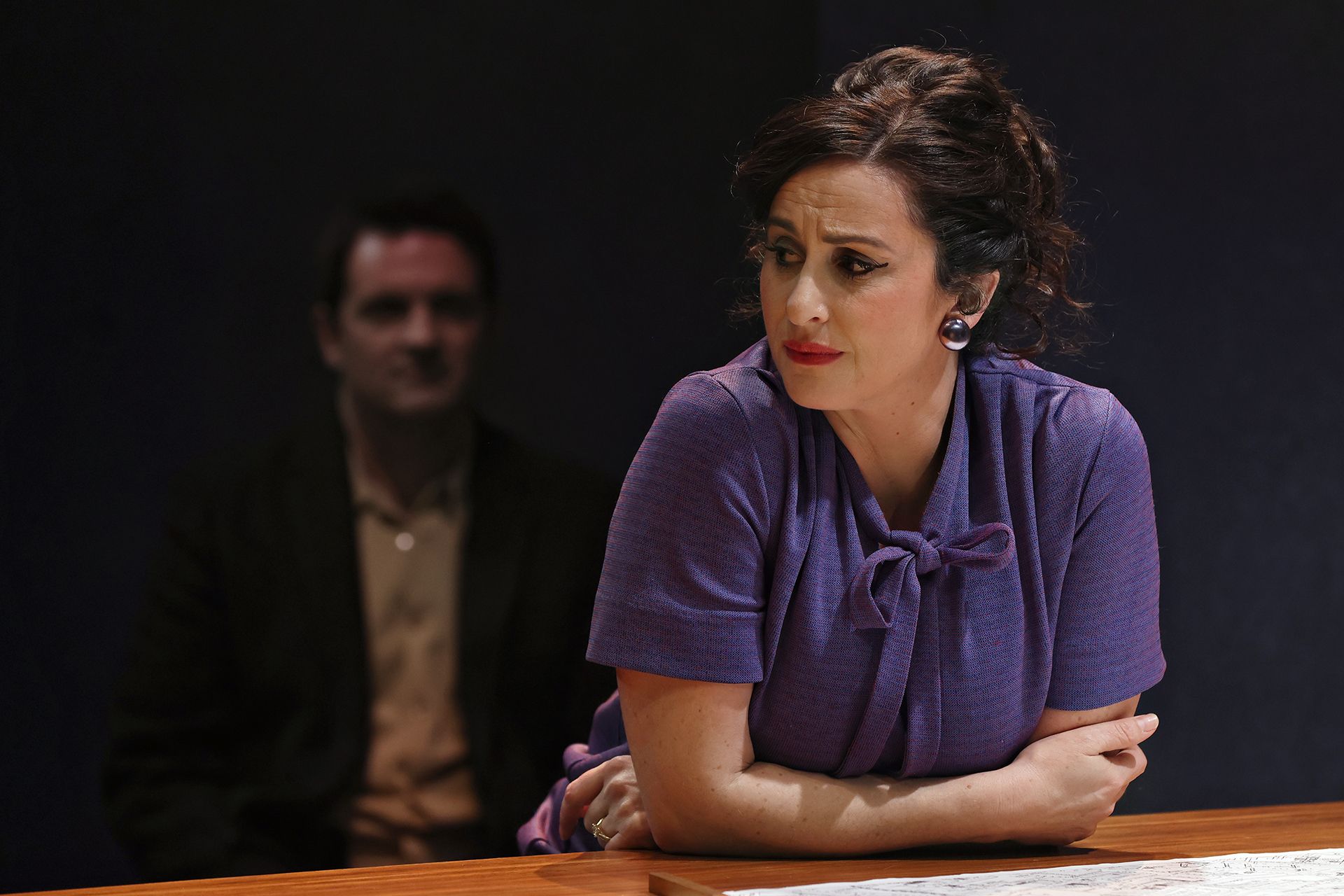
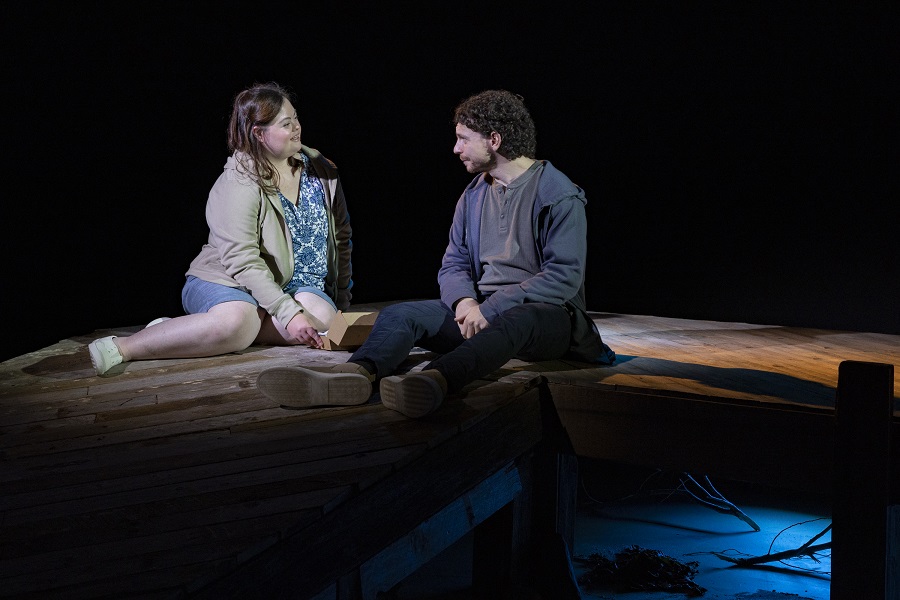
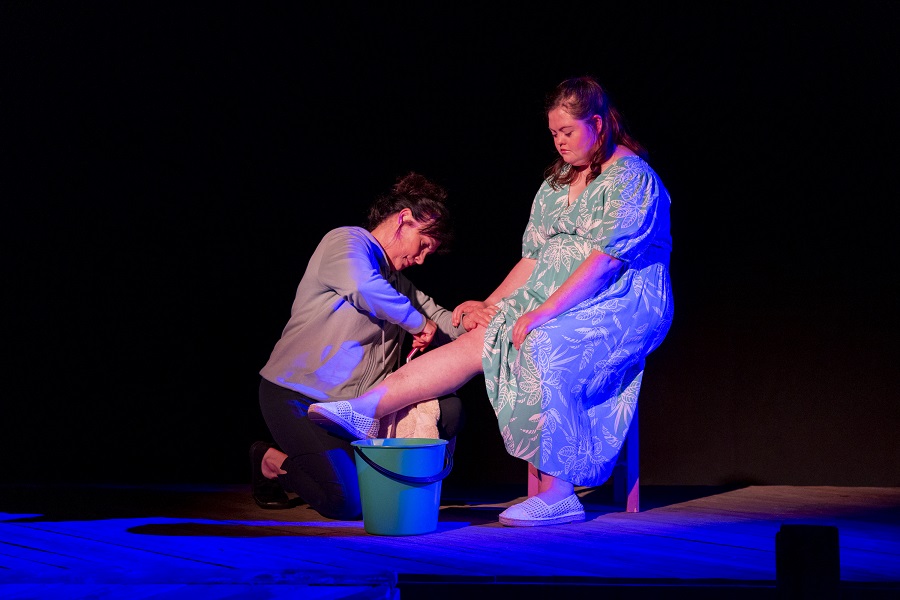
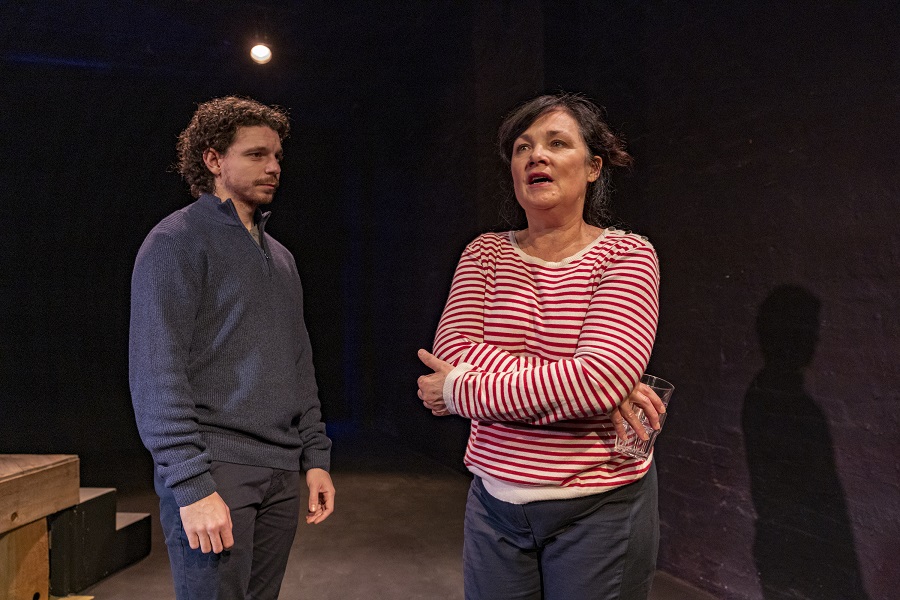
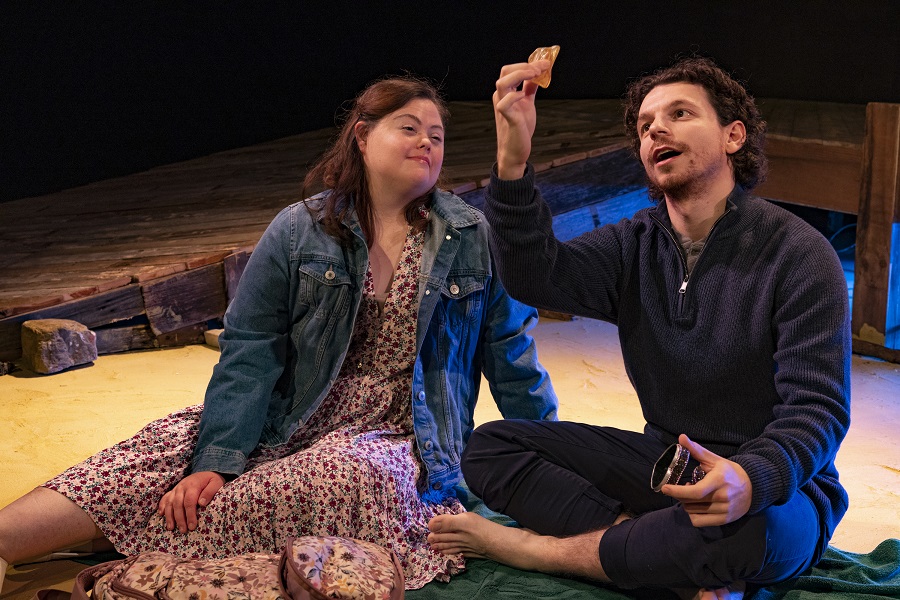
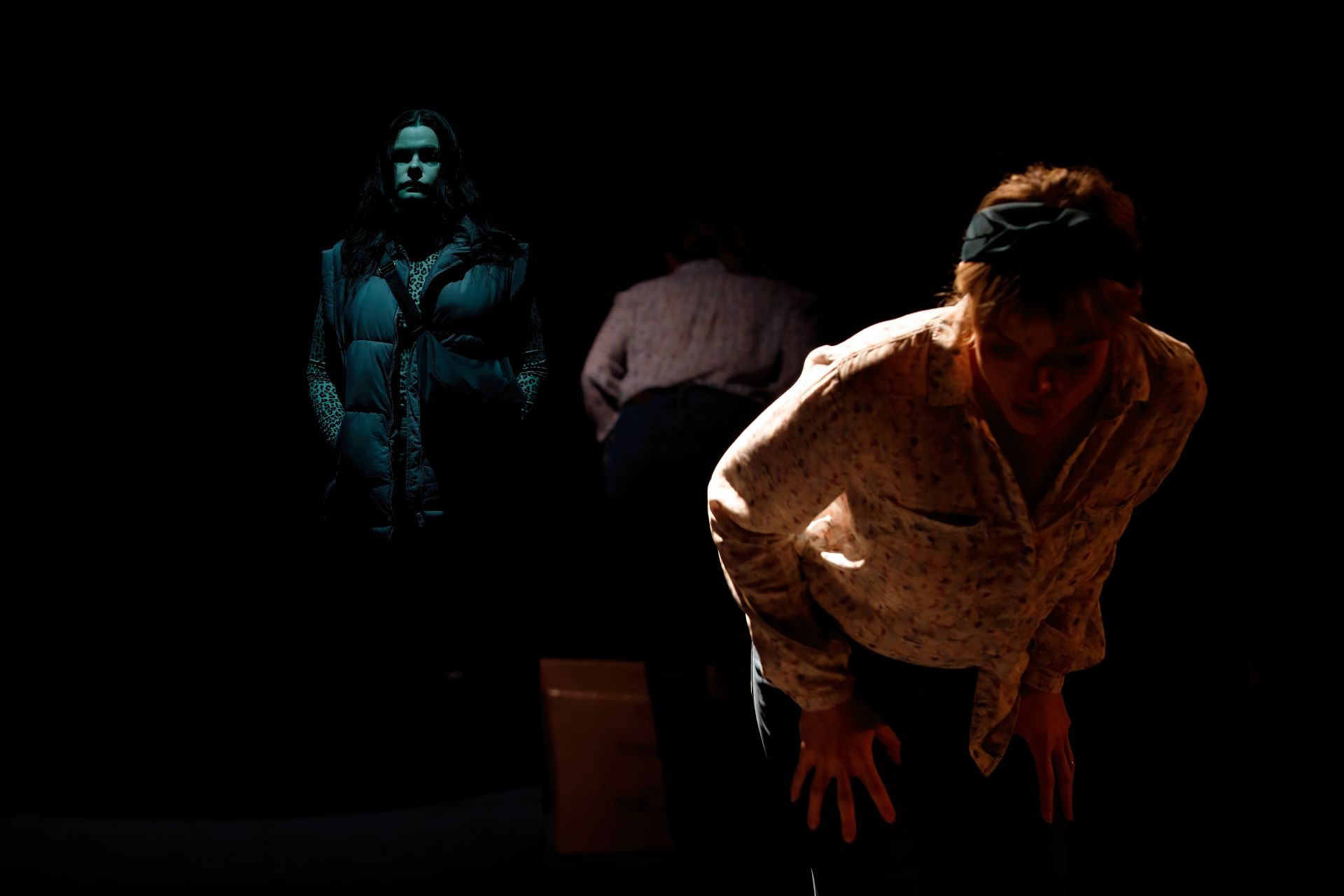
Jessica Bentley plays a subsidiary role, as a person of few words, but nonetheless omnipresent as a woman of lower status, to whom Gillard’s efforts are dedicated, and without whom Gillard was unable to rise. This incorporation of a secondary personality,  one performed by a person of colour reveals quite importantly, an awareness around issues of racism in representations of Gillard’s legacy. Narratives of this nature frequently fall into traps of “white feminism”, and whilst this theatrical device is clearly well intentioned, there is a persistent discomfort in witnessing Bentley occupying various positions of silent servitude, all through the production.

It was certainly a momentous occasion when Gillard demonstrated that women too, are capable of ascending to the very pinnacle of positions. Whether or not it was a revolutionary event, is however debatable. If we concede that Gillard was an exception to the rule, we admit that little has changed, in the systems that we allow to run the world. On the other hand, to say that Gillard has not left behind permanent improvements, is manifestly inaccurate. Relying on any singular effort to change the world, is naïve and absurd. Heroes are gratifying as objects of admiration, but their greater purpose is to spur bigger numbers into action, when they have shown without ambiguity, what can be done when we believe in the good of our species.

www.sydneytheatre.com.au | www.canberratheatrecentre.com.au

Review: Fences (Sydney Theatre Company)

Venue: Wharf 1 Sydney Theatre Company (Walsh Bay NSW), Mar 25 – May 6, 2023
Playwright: August Wilson
Director: Shari Sebbens
Cast: Bert LaBonté, Markus Hamilton, Damon Manns, Molly Moriarty, Zahra Newman, Dorian Nkono, Darius Williams
Images by Daniel Boud

Theatre review

In 1950s Pittsburgh USA, Troy and Rose try their level best at making a life for themselves and their children. Harsh conditions as evidenced most concretely in discriminatory Jim Crow laws of the time however, means that the couple’s dreams were always going to be dashed, no matter their effort. August Wilson’s Fences deals with the effects of racial subjugation, from the microcosmic perspective of a single family unit, and its inevitable disintegration. As with all great tragedies, we find ourselves rooting for characters, but also simultaneously anticipating their demise. In Fences, we understand that it is not the playwright’s manipulations that prevent the Maxsons from thriving, but the very realities of racism and its accompanying systemic reverberations, that have kept generations of African-Americans from fulfilling their greatest potential.

Powerfully directed by Shari Sebbens, the production speaks pointedly on both the intimate and the broader social contexts, of the Maxson family’s story. The drama works poignantly whether one is concerned with the personal aspects of Fences, or the implications on community, of a far-reaching story like this. Sebbens’ work feels beautifully organic, yet its intricacies are honed with great detail, resulting in a meticulously rendered presentation that always sings naturally and connects profoundly.

Set design by Jeremy Allen transports us somewhere thoroughly believable. Even though the Maxsons’ front yard from 70 years ago only exists in our imagination, what our eyes encounter is something that seems replete with verisimilitude, as are Allen’s costumes, similarly accurate in their depictions of Black life in mid-century Pennsylvania. Verity Hampson’s lights are conservatively, but thoughtfully, calibrated to engender an intense sentimentality, for a play that requires of us, emotional as well as intellectual investment. Sensual and soulful music by Brendon Boney draws from American Blues traditions, so that our sensibilities remain firmly in that historic time and place, one comprising the complex embroilment of bittersweet nostalgia and despicable oppression.

Actor Bert LaBonté delivers sensationally as Troy, with unremitting authenticity and disarming passion. He is heartbreaking yet reprehensible, sympathetic yet frustrating, in his noble portrayals of emasculation and righteous indignation. Zahra Newman brings great vigour to her interpretation of Rose, allowing the feminine half of the Fences story to make an almost comparable impact. Highly engaging is Darius Williams as son Cory, impressively nuanced and exquisitely tender, in a devastating narrative of circular histories. Markus Hamilton too, has us captivated as the mirthful Bono, with perfect timing and an extraordinary presence. Other cast members are Damon Manns, Molly Moriarty and Dorian Nkono, each one more charming than the other, in a show full of persuasive and likeable personalities.

Troy is fixated on his shattered hopes of becoming a professional baseball player of great renown. It is true that no person’s life can be guaranteed happiness ever after, based on the reversal of a singular precedent circumstance. It is also true however, that if racism is not the annihilating force pervasive in so many of our lives, Troy would have achieved not only his heart’s desire, but also a significantly improved existence overall, for himself and for his loved ones. Like Troy, many of us are conditioned to think more about personal failures, than to figure out ways to dismantle those harmful systems, within which all have to operate. Despondency is understandable, but those energies can be turned outwards, negative as they may be, to forge new paths that could bend the arc of history.

www.sydneytheatre.com.au

Review: Cherry Smoke (KXT on Broadway)

Venue: KXT on Broadway (Ultimo NSW), Mar 24 – Apr 8, 2023
Playwright: James McManus
Director:
Charlie Vaux
Cast: Alice Birbara, Fraser Crane, Tom Dawson, Meg Hyeronimus
Images by Abraham de Souza

Theatre review
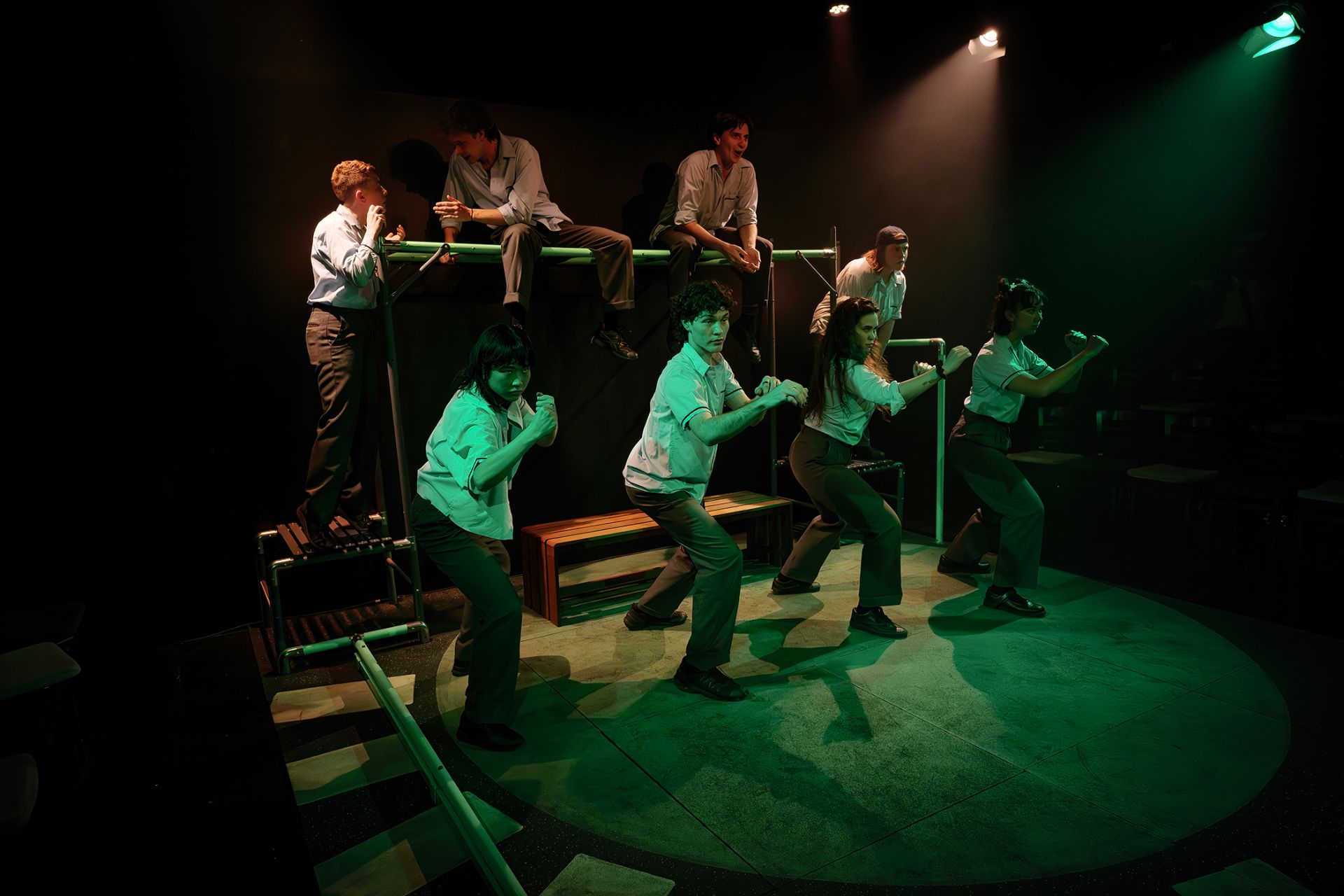
The story takes place somewhere in a godforsaken redneck part of the United States, where girls kiss delinquents and dream of birthing babies, and boys fight each other to prove their manhood. As we see in James McManus’ Cherry Smoke, there is not much one can aspire to, when caught in a cycle of poverty. Even the imagination is restricted, and people can only follow in the footsteps of parents, whose lives have proven completely unworthy of replication.

Directed by Charlie Vaux, the pessimistic story is given a surprising tenderness, with perhaps a deficiency in portrayals of brutality and grittiness, that makes the experience feel insufficiently poignant. Lights by Jasmin Borsovszky are commensurately soft in approach, visually appealing but overly romantic with its renderings of despondency. Soham Apte’s set design offers simple solutions to help facilitate entrances and exits with minimal friction. Sounds by Johnny Yang are a highlight,  working marvellously to alter atmosphere, and to manufacture moments of dramatic tension.

Actor Meg Hyeronimus plays the love-struck Cherry, as a sassy yet stern young woman,  whilst the object of her desire Fish is performed by Tom Dawson, who depicts the boxer with imprudence and a devastating recklessness. Both demonstrate good focus, along with attention to detail, for a challenging piece about a space that seems so far removed, from most of our present realities. Alice Birbara and Fraser Crane, too are diligent with their parts as Bug and Duffy respectively, bringing intensity to the production at key junctures.

The veracity of socio-economic problems being explored in Cherry Smoke, is beyond doubt. Evidence of people falling through the cracks is extensive, should we choose to pay attention. It is meaningless to say that we want these problems to go away, unless we can admit that it is a matter of wealth redistribution that needs to take place, and that some simply have to give up their power and riches, in order that many more can be released from their torment. The disadvantaged should also find ways to divert violence away from themselves, and exert that force instead, on those who are more deserving of pressure and disruption.

www.kingsxtheatre.com

Review: Into The Woods (Belvoir St Theatre)

Venue: Belvoir St Theatre (Surry Hills NSW), Mar 18 – Apr 23, 2023
Book: James Lapine
Music and Lyrics: Stephen Sondheim
Director: Eamon Flack
Cast: Marty Alix, Stefanie Caccamo, Peter Carroll, Tamsin Carroll, Andrew Coshan, Lena Cruz, Tim Draxl, Esther Hannaford, Shubshri Kandiah, Mo Lovegrove, Anne-Maree McDonald, Justin Smith
Images by Christopher Hayles

Theatre review

Truth always finds its way into the stories we tell, although the degree with which it is incorporated, varies wildly. Some truths are hard to bear, so we have them varnished and camouflaged. Other truths are easier understood, when disguised as something adjacent to stone cold facts. There is a danger however, that the human mind can sometimes do all it can, to evade truths that are too bitter, so we spare ourselves the cruelty, and fabricate nonsense for delusory alternatives that might be more tolerable, thereby circumventing any action that could help improve matters.

James Lapine and Stephen Sondheim’s Into The Woods takes aim at the ways in which we explain the world to our children, urging us to consider how much protection to offer them, and how much real understanding we want them to have. By extension, it compels each of us to examine our own capacities to handle the rougher aspects of existence, and questions the veracity with which we navigate the more consequential challenges that inevitably arise.

Exuberant direction by Eamon Flack, along with a sense of indefatigable urgency that sets the pace, makes for a show that has us riveted and amused. A stellar cast brings not only great skill and talent, but also an inspiring sincerity, that draws us deep into the nuances, both sensorial and intellectual, of Lapine and Sondheim’s masterpiece.

Orchestrations by Guy Simpson reduces accompaniment to a couple of pianos, with mixed results. An inviting intimacy is achieved for the production, but the music can on occasion be insufficiently rousing. Fortunately, sound design by David Bergman supplements our need for greater drama, in moments where a more rhapsodic level of emotion is required.

Set design by Michael Hankin is fairly minimal in approach, with an abundance of gleaming black surfaces that deliver timeless visual sophistication. Costumes by Micka Agosta do not veer very far away from the vivid essences of characters as prescribed in the text, but several surprising and extravagant interpretations, leave a remarkable impression. Damien  Cooper’s lights are in constant motion, meticulously and imaginatively illuminating the action, to create endlessly sumptuous imagery, whilst facilitating all the meaningful storytelling.

It is probably with a considerable amount of delusion, that people decide to birth babies into existence. Parents imagine that they can shield their offspring from all manner of harm, and further, they fantasise about creating futures that are brighter and altogether lovelier, in which their children can flourish. It is in moments of passion perhaps, that people forget the unrelenting suffering, intermittent it may be for some, that underscores all our days on this plane. They then dream up fairy tales and enchanting fables, to manufacture sweeter, kinder and more tender realities, for ears that will only be delicate for a short amount of time, before they too have to wake up, to all that is nightmarish, in how we have to traverse this mortal experience.

www.belvoir.com.au

Review: Apocka-wocka-lockalypse (Meraki Arts Bar)

Venue: Meraki Arts Bar (Darlinghurst NSW), Mar 16 – Apr 1, 2023
Playwright: Richard Hilliar
Director:
Richard Hilliar
Cast: Matt Abotomey, Lib Campbell, Zoe Crawford, Nathan Porteus, Nicole Wineberg
Images by Clare Hawley

Theatre review

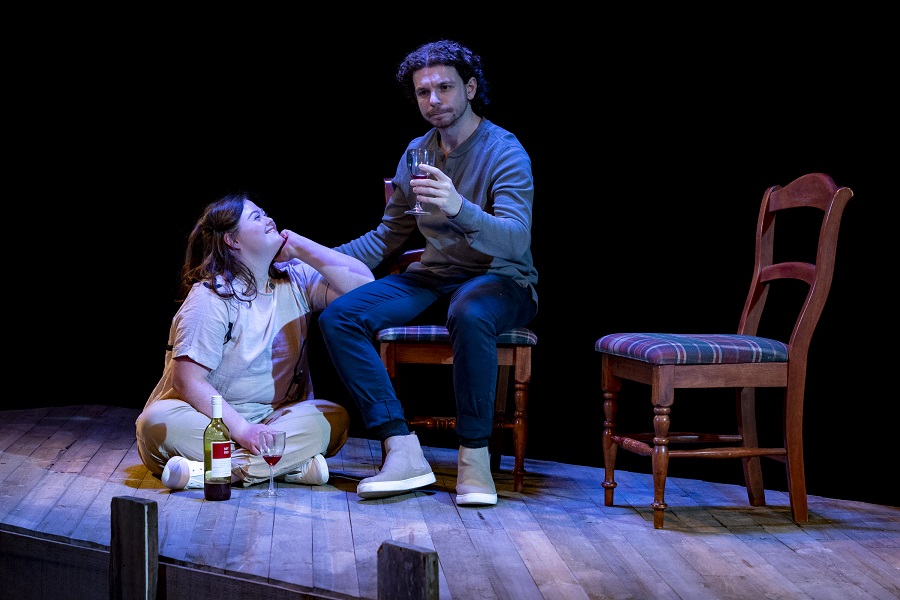
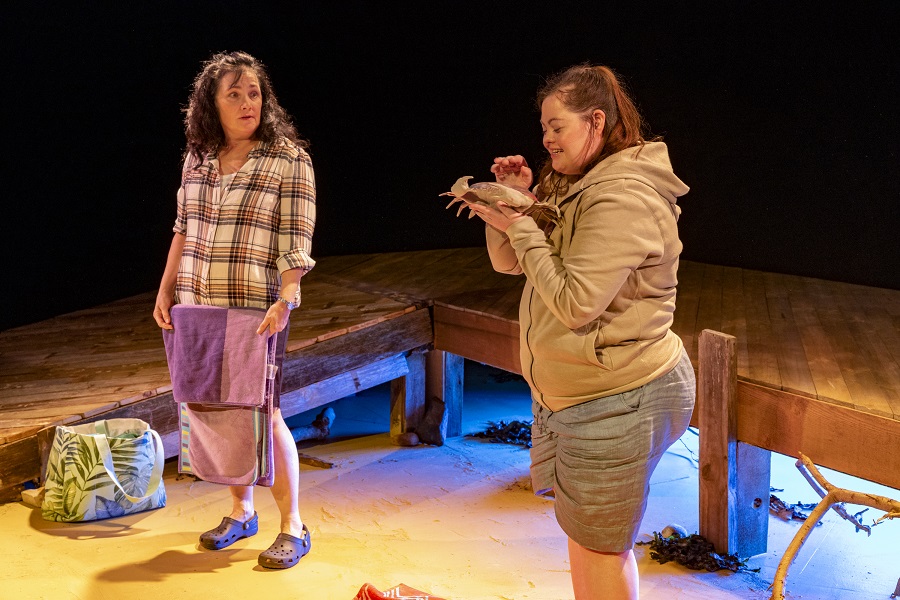
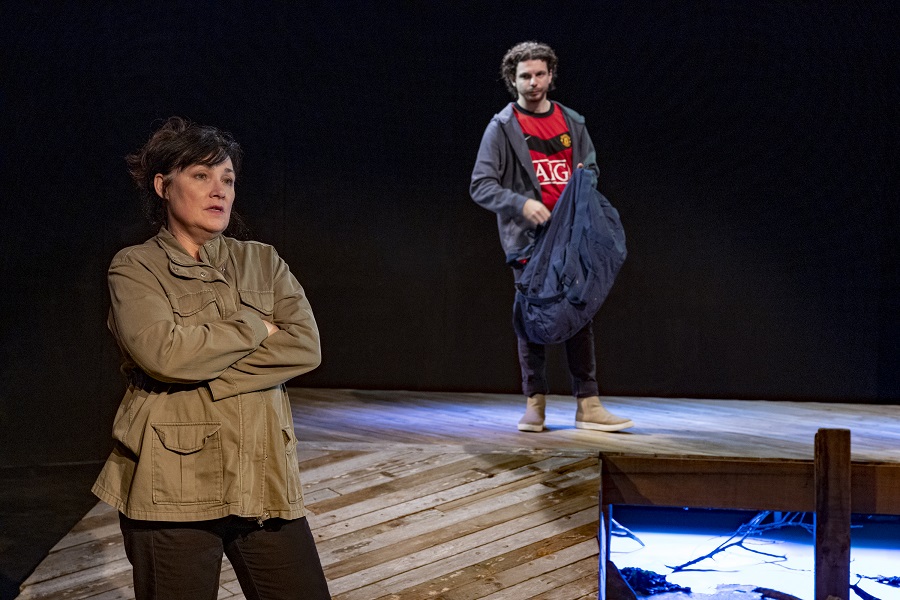
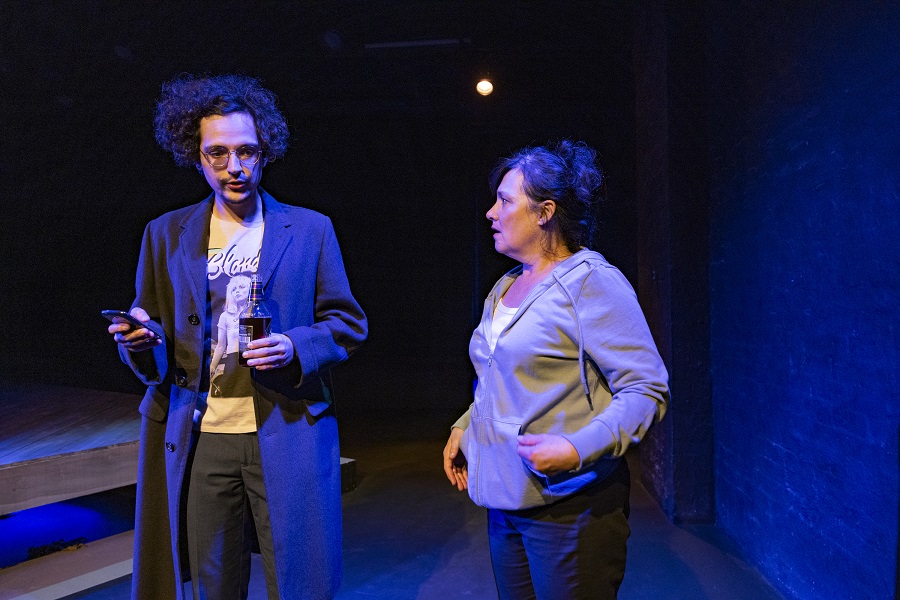
In a bunker beneath what has become known as the Deadlands, Miss Melissa lives with four furry monsters, spending their days together as though in a children’s television programme, singing songs and telling stories. There is no audience of course, for it is the end of the world, and Miss Melissa has quite clearly lost her mind. Written and directed by Richard Hilliar, Apocka-wocka-lockalypse is as mad as its protagonist, but is thankfully a great deal more likeable.

A deeply subversive work, consistently amusing with its irreverent spirit, and its excellent sense of humour, Apocka-wocka-lockalypse satisfies beyond the laughs it so deftly delivers. The show is genuinely funny, but also provocative, determined to make bold statements about a catastrophic future, that we are in the delusory habit of ignoring. Art reveals the truth, even when it seems to spend all its time entertaining and playing the fool.

Hillier’s methodology of incorporating puppetry, allows our sensibilities to venture directly into a space of absurdity. A suspension of disbelief then occurs, along with a diminishment of defences, in order that the show may convey its difficult message, as well as trigger our imagination to participate in something altogether more outlandish and flamboyant.

Matt Abotomey, Lib Campbell, Zoe Crawford and Nathan Porteus are our enthralling puppeteers, a brilliant team of storytellers who bring extraordinary animation and passion, to the production. Inventive and cohesive, they make the experience compelling from beginning to end. Miss Melissa is played by Nicole Wineberg, who inhabits both the sweet and the terrifying qualities of her character with aplomb, in a performance that captivates most when she channels a sense of extravagance, into the eccentric tale.

Production design by Ash Bell is a whimsical take on Miss Melissa’s unnerving world, combining innocence with horror, for visual cues that are truly disarming. Lights by Isobel Morrissey are minimal, but nonetheless effective. Music by Alexander Lee-Rekers brings valuable elevation to the staging, tremendously accurate with all that it wishes to evoke in the viewer, full of humorous insight, to reveal the meanings behind the relentlessly zany darkness.

Our apocalypse can be thought of as preventable, or be regarded with a gloomy inevitability, but it seems we mostly pretend that it is not actually imminent. Indeed, we may already be in the very throes of our end times. Our boundless proficiency at being optimistic, has proven necessary in preventing us from depressive states of paralysed hopelessness, but it appears to also be the Achilles heel, that puts us in perpetual denial and that encourages us to keep repeating the same mistakes. There may be light at the end of the tunnel, but to think that we will arrive at salvation without gargantuan effort, is to sound the death knell of our species.

www.toothandsinew.com | www.meraki.sydney

Review: Rhinestone Rex And Miss Monica (Ensemble Theatre)

Venue: Ensemble Theatre (Kirribilli NSW), Mar 10 – Apr 29, 2023
Playwright: David Williamson
Director: Mark Kilmurry
Cast: Glenn Hazeldine, Georgie Parker
Images by Prudence Upton

Theatre review

David Williamson’s Rhinestone Rex and Miss Monica is a light-hearted 2010 comedy about the romantic attraction between seemingly diametrically opposing personality types. It is on one hand an innocuous work that could not be more pedestrian, yet on the other, it is an absurd fantasy about a woman falling in love with a tradesman she hires, who repeatedly overrides her design decisions thinking he knows better, who goes on radio calling her “crazy”, and who she discovers one morning, had tried to sleep with her the night before, when she was completely intoxicated.

Actors Glenn Hazeldine and Georgie Parker prove themselves extremely endearing, as the eponymous pair, persuasive in having us ignore the inadequacies of the writing almost entirely, to simply enjoy the obvious jokes, in their perfectly timed two-hander. Under Mark Kilmurry’s direction, Hazeldine and Parker present a joyful rom-com, showcasing their talents as consummate performers any audience would be happy to spend time with.

Set design by Veronique Benett lacks versatility, but is beautifully proportioned to allow for a generous and dynamic performance space. Benett’s costumes establish character types with immediacy and accuracy; helping us know instinctively and exactly, who these Sydneysiders are. Lights by Trudy Dalgeish and sound by Daryl Wallis, add simple embellishments, to make an already tight production, feel even more polished.

There is certainly a story to be told about class distinctions in this town, for in our efforts to assert the types of people we are, it seems we habitually and inevitably create systems of exclusion, inside what should be one unified community. Monica and Rex are presented as individuals from different ends of town, but we are expected to believe that love will conquer all, that everything they are associated with, that every incompatibility can be put aside, so that their relationship can flourish.  Lust is an intense force, but every indication is that it does little to ameliorate the social differences we hold so obstinately dear. 

www.ensemble.com.au

Review: Gundog (Kings Cross Theatre)

Venue: Kings Cross Theatre (Kings Cross NSW), Mar 3 – 18, 2023
Playwright: Simon Longman
Director:
Anthony Skuse
Cast: Jane Angharad, Saro Lepejian, Mark Langham, James Smithers, LJ Wilson
Images by Clare Hawley

Theatre review
When immigrant worker Guy stumbles upon a remote farm, he discovers its state of disrepair to be much more than skin deep. English playwright Simon Longman’s Gundog looks at the tribulations of a rural family, and the disquiet that seems so fundamental to being human, no matter how idyllic the surroundings. There is no shortage of drama in Gundog, although the tensions that arise, seem to emerge from nowhere. We find ourselves in a locale where inhabitants cannot help, but go through immense existential angst, even when nothing much seems to happen.

Director Anthony Skuse manufactures an air of austere placidity for the piece, leaving us no doubt about the palpating misery at the centre of these characters’ lives. A persistent humourlessness can make for challenging viewing, especially in the first half where the storytelling feels especially dour. Lights by Travis Kecek and sound by Kieran Camejo are accordingly severe, but with an unmistakeable sophistication that is ultimately an asset for the show. Set by James Smithers features a raked platform adding visual interest, while Aloma Barnes’ costumes demonstrate an attention to detail, that helps keep our attention firmly within this world of agrarian dread.

As actor, the aforementioned Smithers is a source of scarce but gratifying emotional intensity, with the psychological tumult that he so competently portrays, as the immensely distraught Ben. Saro Lepejian brings understated authenticity to Guy, and delivers beautiful poignancy at a crucial concluding moment. Jane Angharad and LJ Wilson play Anna and Becky, sisters struggling to make sense of a crumbling reality, and Mark Langham is grandfather Mick, the withering patriarch offering a reminder of the family’s painful links to land and heritage.

It is true, that we can escape our homes to where the grass is greener, but whatever causes agony is easily transposed at each new destination, as peace is always primarily a condition of a person’s inner welfare. Also true, is that a change of scenery is often useful for triggering changes in the mind. The outside and the inside are intrinsically linked, and sometimes abandonment is the best gift to oneself, when in search of something better.

www.secrethouse.com.au

Review: The Goat, Or Who Is Sylvia? (Sydney Theatre Company)

Venue: Roslyn Packer Theatre (Sydney NSW), Mar 2 – Apr 1, 2023
Playwright: Edward Albee
Director: Mitchell Butel
Cast: Yazeed Daher, Claudia Karvan, Nathan Page, Mark Saturno
Images by Prudence Upton

Theatre review
Martin is obsessed with a goat; the attraction may very well be romantic, but when he tells his wife Stevie about the affair, Martin leaves no room for doubt about the sexual nature of his indiscretions. The Goat, or Who is Sylvia? is Edward Albee’s comedic masterpiece from 2000, notable for a conceit that most would choose to think of as absurd, for to take the play at face value, is unquestionably a real affront to our middle-class sensibilities.

Director Mitchell Butel toys with those precarious boundaries, by injecting a thorough realism into the staging, so that we laugh not only at the preposterous goings on, but also at the deeply uncomfortable disruptions to the bourgeoisie, that Albee so gleefully manufactures. Butel’s ability to make everything believable, gives the show a dangerous edge, so that for 100 minutes, the stakes feel incredibly high, even as the humour of the work makes its presence unmistakably known.

Actor Nathan Page is an astonishing Martin, bringing a hugely surprising measure of emotional truth, to this deliciously ridiculous tale. His expressions of devastation are not to earn our compassion, but to give depth of meaning to our experience of the show, as we laugh heartily at the catastrophe as it develops, with increasing peculiarity. Page’s unexpected fluctuations in tone and intensity, reflect a creative and courageous approach, that proves a perfect match for the play’s subversive humour.

Stevie is played by Claudia Karvan, who indulges in finding for her storytelling, all the authenticity that would make the audience perceive, the intricacies of a marriage in a state of shock. The ebullient Yazeed Daher charms as the couple’s son Billy (pun intended, one would suppose), and Mark Saturno calms our nerves as the normie of the piece, providing a more conventional response to the whole goat affair, although not without substantial hilarity through his excellent comic timing.

The production is a smart looking one, with Jeremy Allen’s set and Ailsa Paterson’s costumes delivering everything that is visually pleasant, of affluent, restrained whiteness. Lights by Nigel Levings, along with sound and music by Andrew Howard, are appropriately minimal in their enhancements of a play, that needs little aesthetic embellishment.

Things can always change in an unforeseen moment. We have learned from the moment of birth, that life has a way of dispensing upon us, one interruption after another, yet we keep on insisting on searching for stability, normalcy and calm. Martin and Stevie bolster their lives with all the comfort and certainty, that wealth seems to guarantee, but we are reminded that things will always descend, upon that which seems the most harmonious and indefectible, as though with the sole intention of wreaking havoc. To exist, is to be rendered defenceless, try as we may, to subsist in the delusion, that we can reach for something like nirvana, on this endlessly farcical plane.

www.sydneytheatre.com.au | www.statetheatrecompany.com.au

Review: Sunderella (ARA Darling Quarter Theatre)

Venue: ARA Darling Quarter Theatre (Sydney NSW), Mar 1 – 4, 2023
Playwright: Kunal Mirchandani
Director: Bali Padda
Cast: Nickin Alexander, Aria, Sheila Dickshit, Mohini Dixit, Kashif Harrison, Adish Jain, Zeenat Parveen, Rani, Shabnam Tavakol
Images by Dusk Devi Vision

Theatre review

In this version of a very familiar story, the prince is left with a bangle instead of a glass slipper, to look for the woman of his dreams. Also different in this new iteration of the tale, is that the woman turns out to be a man, who had gone to the ball, dressed in drag. Kunal Mirchandani’s Sunderella moves the story to Mumbai in 1762, for a queer reframing of a classic love story, that should prove more appealing to the many who are tired of the heterosexual dynamic, so obstinately central to virtually all of our fairy tales.
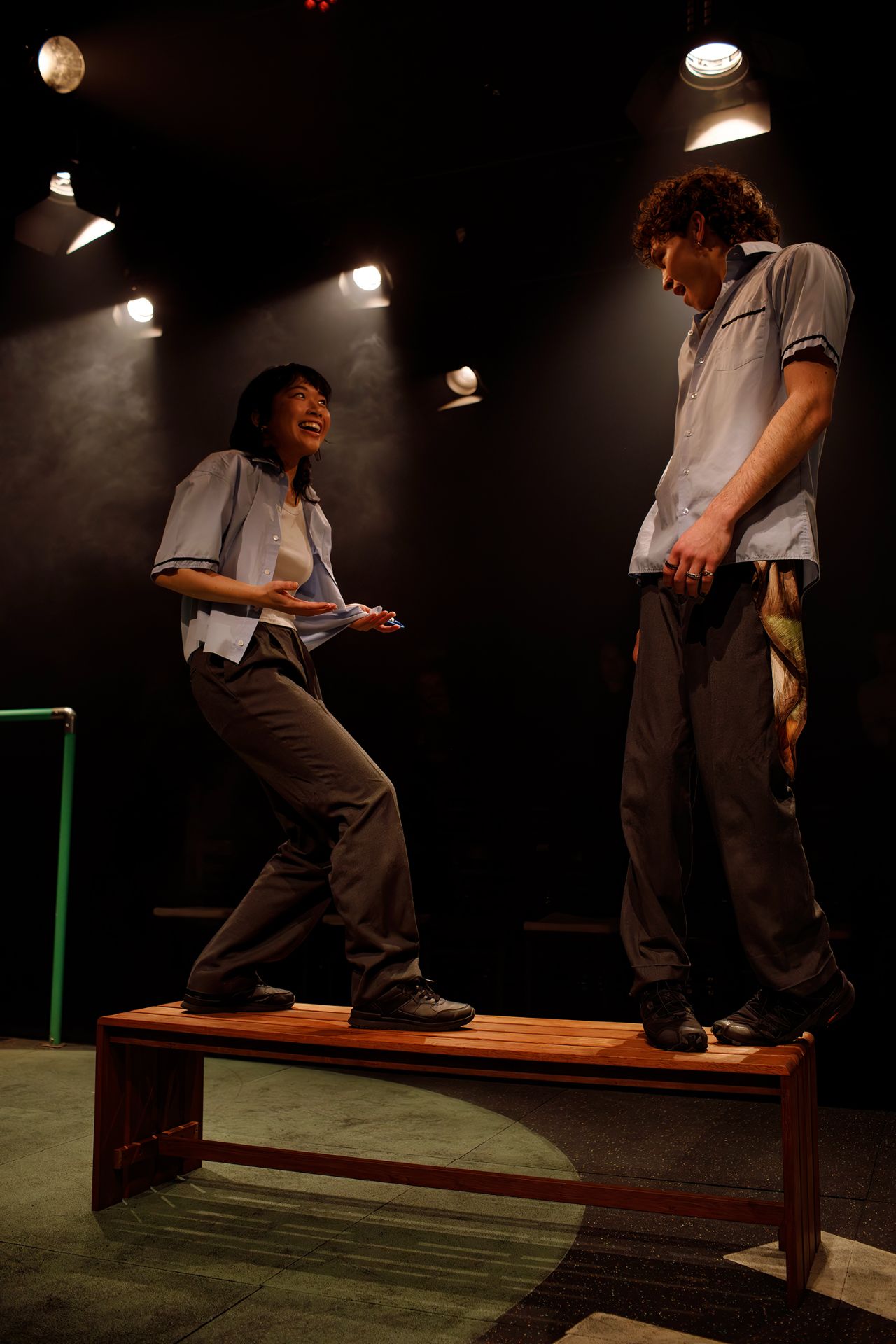
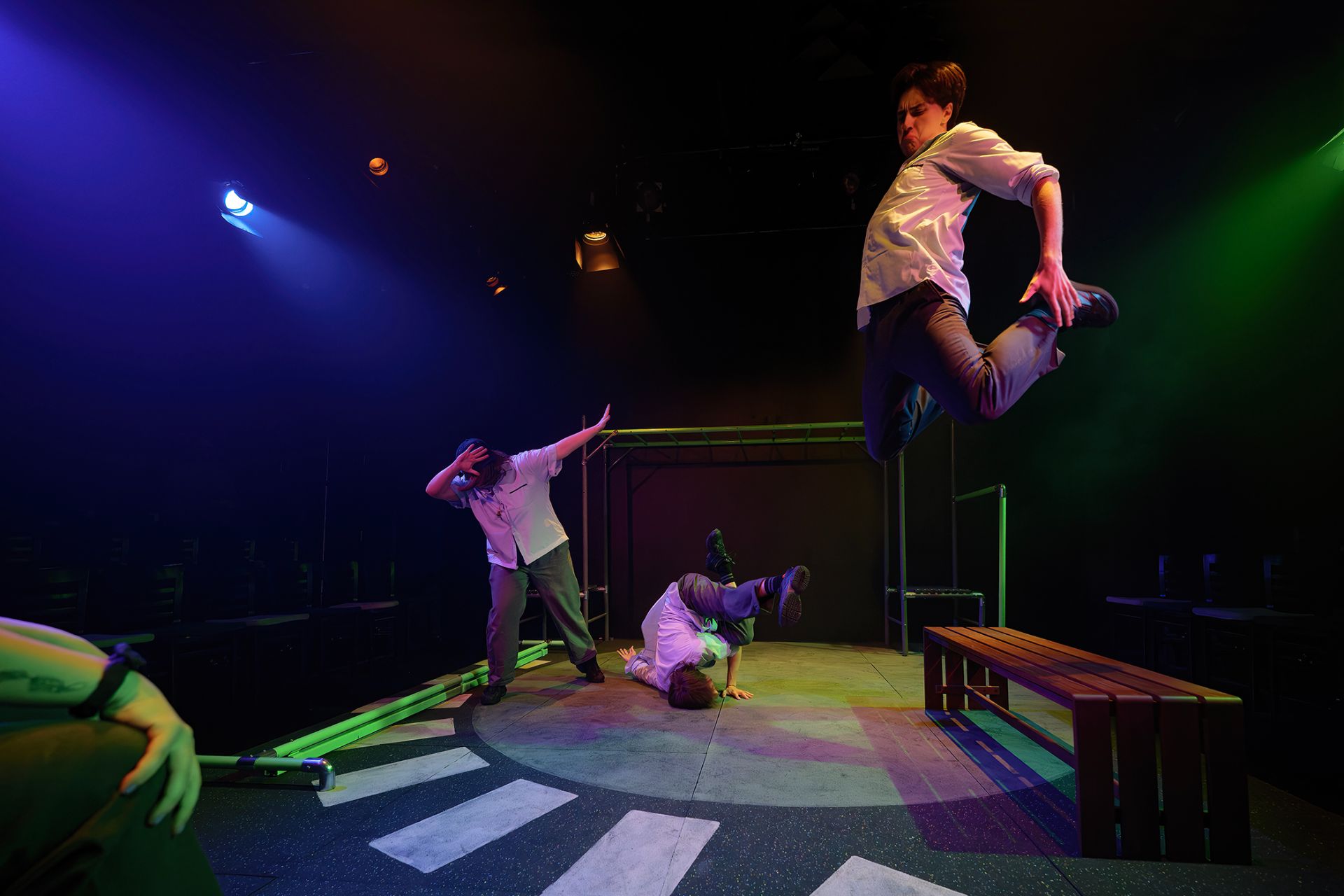
Comical yet tender, Sunderella contains both ironic humour and innocent romance, blended together for a delightful show catering to kids of all ages. Director Bali Padda imbues a delicious camp sensibility throughout the piece, and along with choreographer Zeenat Parveen, deliver something that shimmers reflexively, both on the surface, and from within its vivacious heart. Costumes by Parveen, Shurobhi Banerjee and Mishty Lal, are gloriously assembled, and lights by James Wallis are just as spectacular, for a production that satisfies with its visual sumptuousness.
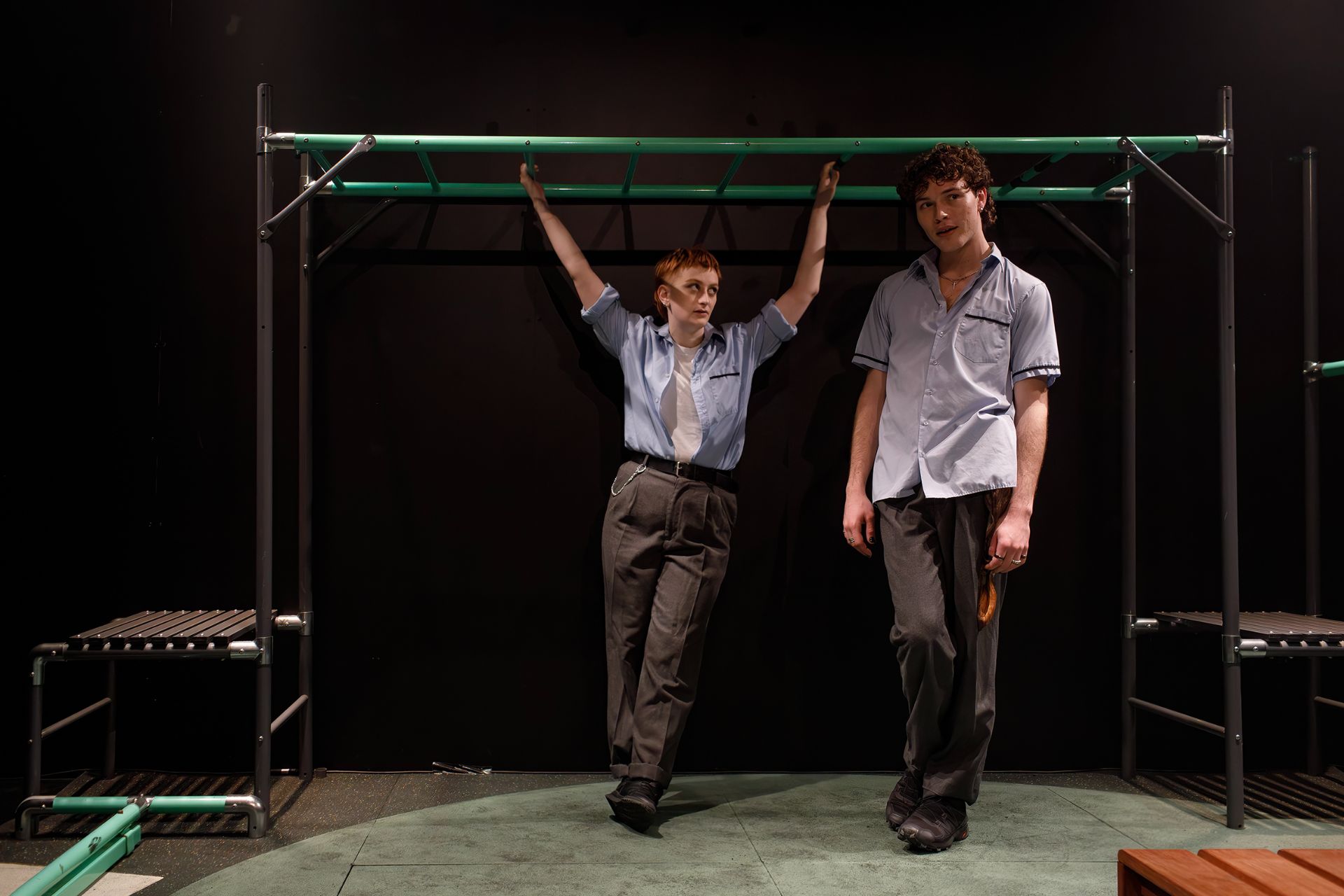
Parveen further impresses, as performer in the role of The Goddess, with sparkling charisma and a marvellously disciplined physicality, that provides some level of polish, to a presentation that is otherwise memorable for its stable of raw talent. Shabnam Tavakol is strong as the vicious Stepmother, leaving no ambiguity regarding her malicious intentions. The handsome Prince Nirad is played by Nickin Alexander, who brings a valuable earnestness that gives the storytelling a believable anchor. The titular part of Sunderella is shared by Mohini Dixit and Adish Jain, both demonstrating good commitment, to elicit our emotional investment into their show.
The ease with which Prince Nirad was able to adjust to the discovery, that his love is more a man, than a woman, is indeed a refreshing change from what feels like a centuries-long fabrication, that the only appropriate response for a situation of this nature, is panic. It may be with Sunderella that we learn to re-classify the prince as pansexual, or it may be that we learn to ameliorate the way we understand gender, so that those who are disadvantaged because of gender disparities, can begin to live reclaim all they deserve.

www.sunderella.com.au

Review: Macbeth (Bell Shakespeare)

Venue: Sydney Opera House (Sydney NSW), Feb 25 – Apr 2, 2023
Playwright: William Shakespeare
Director: Peter Evans
Cast: Rebecca Attanassio, Julia Billington, Isabel Burton, Jeremi Campese, Eleni Cassimatis, James Lugton, Kyle Morrison, Hazem Shammas, Jessica Tovey, Jacob Warner
Images by Brett Boardman

Theatre review

The most timeless element about Shakespeare’s Macbeth, is perhaps its meditations on ambition and guilt. Centuries on, men continue to be ruthless, as they claw their way to the top, but it is not often that we see any evidence of remorse thereafter. The play is concerned with the human conscience, but it is revelatory that most of how its characters experience regret, can only take place in supernatural realms; an indication that much as we wish for the rich and powerful to admit wrongdoing and make amends, it is but a fantasy in our individual and collective minds.

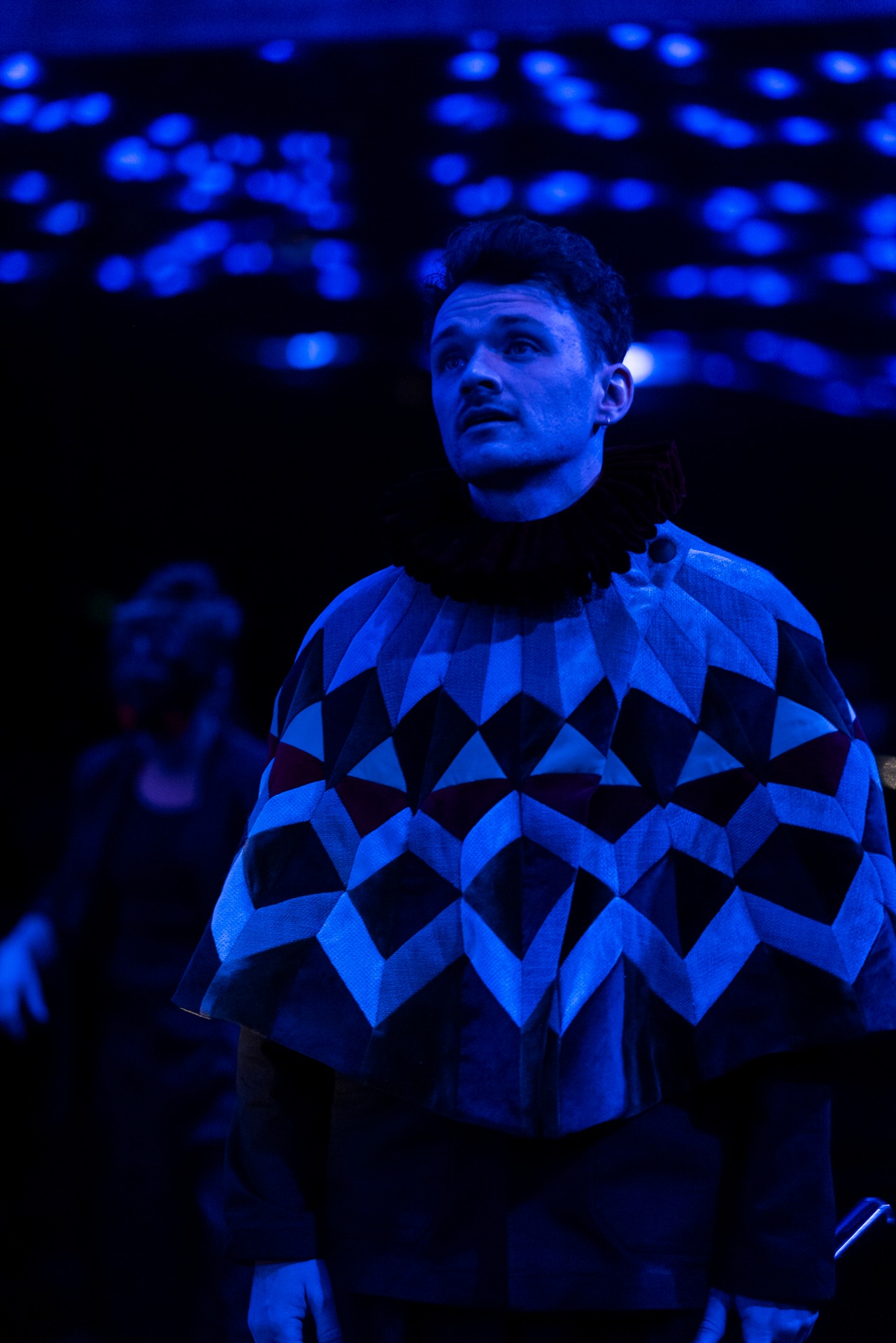
Under Peter Evans’ direction, the production certainly bears a dreamlike quality, inspired by the subconscious goings on, that are mercilessly unleashed throughout the narrative. Designed by Anna Tregloan, the monochromatic space looks to be Twin Peaks meets Art Deco, complete with heavy drapes and patterned floor, sumptuous but nightmarish, in its evocation of the World War I period. Lights by Damien Cooper add to the luxuriant visual style, whilst rumbling music by Max Lyandvert, although not short of tension, is at times strangely hesitant in getting involved, with the drama’s unbridled extravagance.

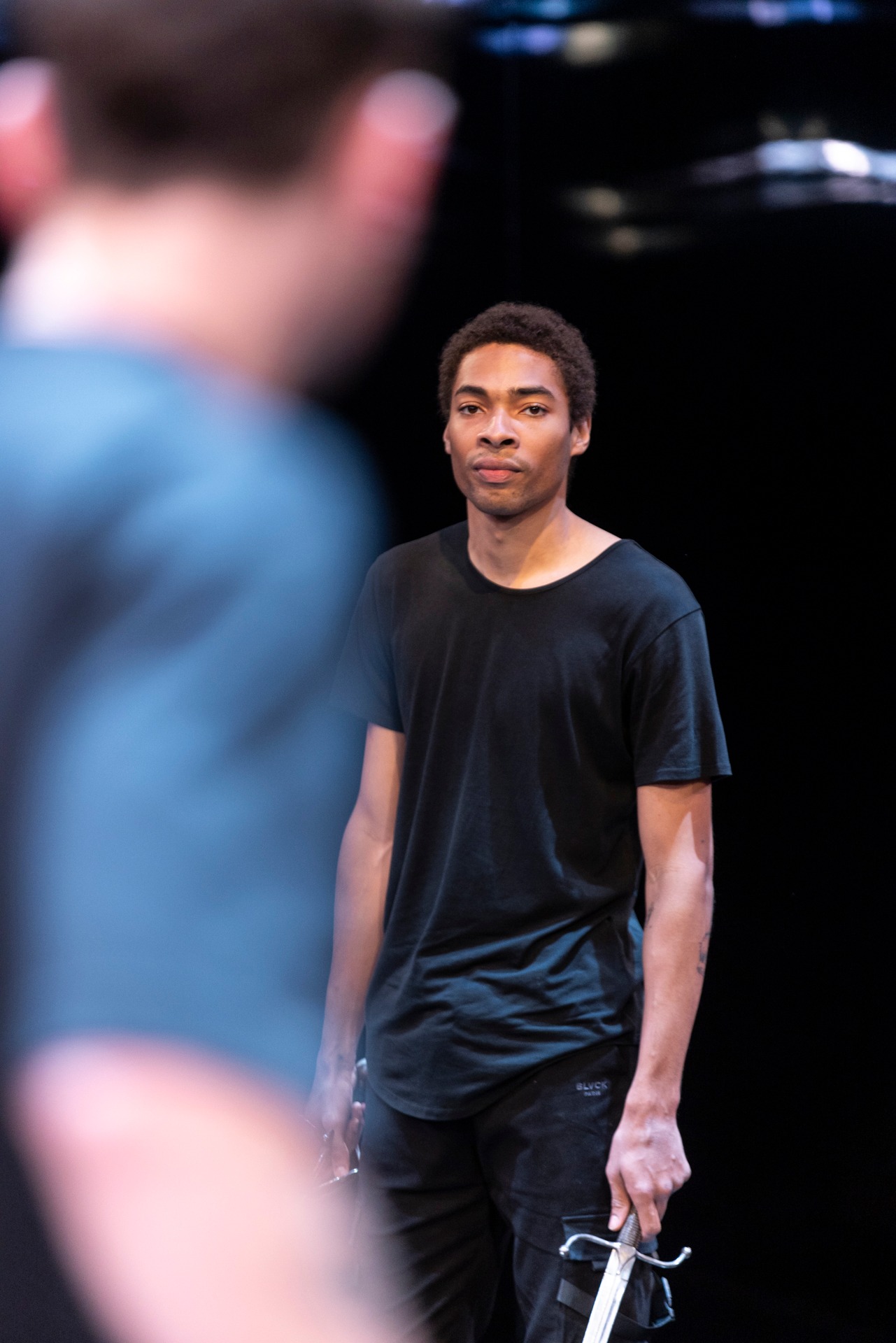
Actor Hazem Shammas is extraordinary in conveying operatic scales of emotions, in a deeply compelling treatment of the titular role.  Shammas’ intensity seems to know no bounds, with an uncanny ability to externalise the dire psychological trauma being investigated, for a performance memorable for its fascinating physicality. Jessica Tovey’s approach for Lady Macbeth is considered, but sanitised, with an unusual degree of restraint applied, to one of the most outrageously imagined women in the Western literary canon.

When Macbeth receives his just desserts at the bitter end, it is both a result of his own unravelling, and of Macduff’s need to seek revenge. Our desire for good to triumph over evil, is repeatedly evidenced in the art that we make. Art provides opportunities for catharsis, when real life fails to deliver what our instincts know to be true and just. In a world that insist on rewarding those who act nefariously, it is only in our storytelling that we can find, the most perfect of resolutions.

www.bellshakespeare.com.au