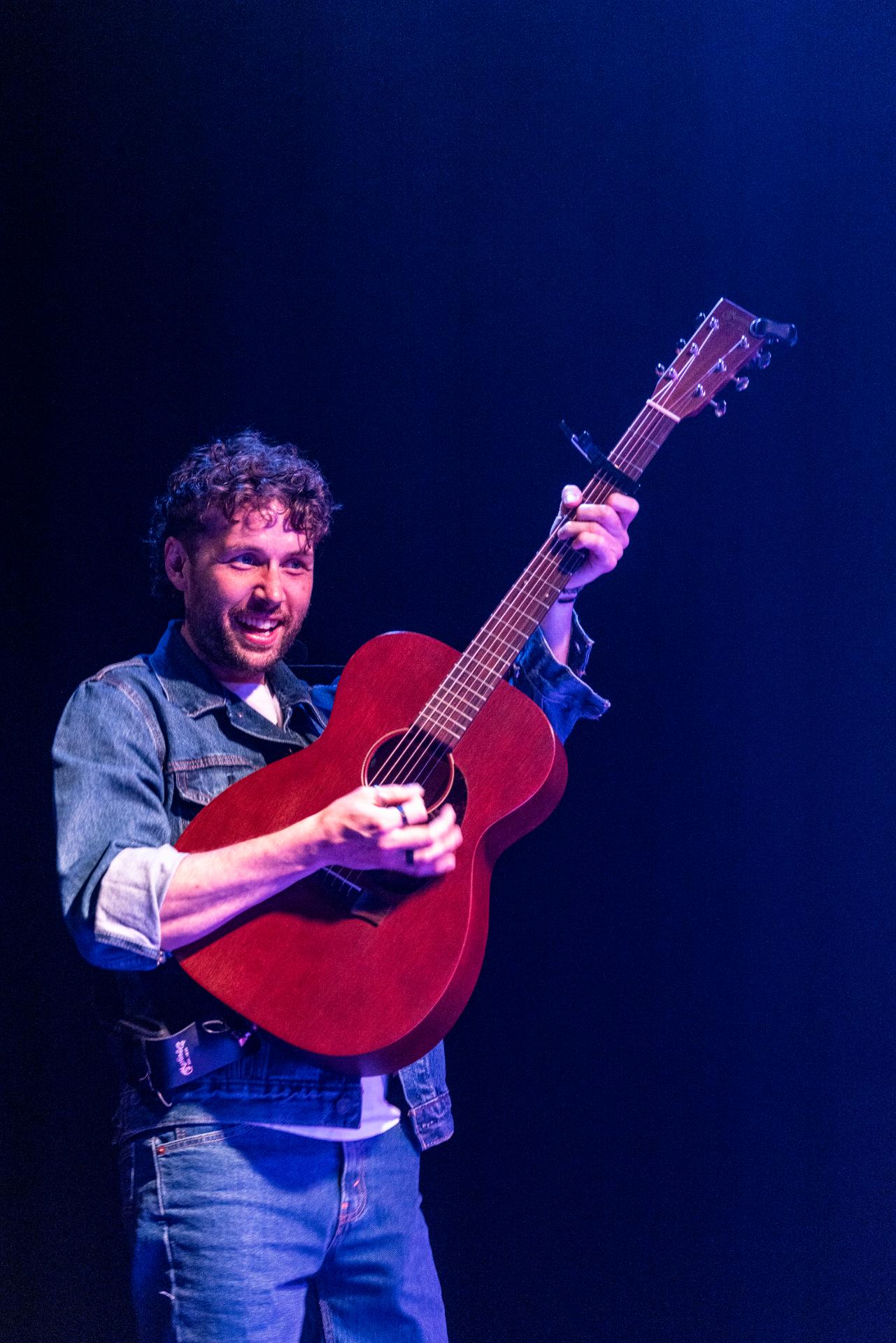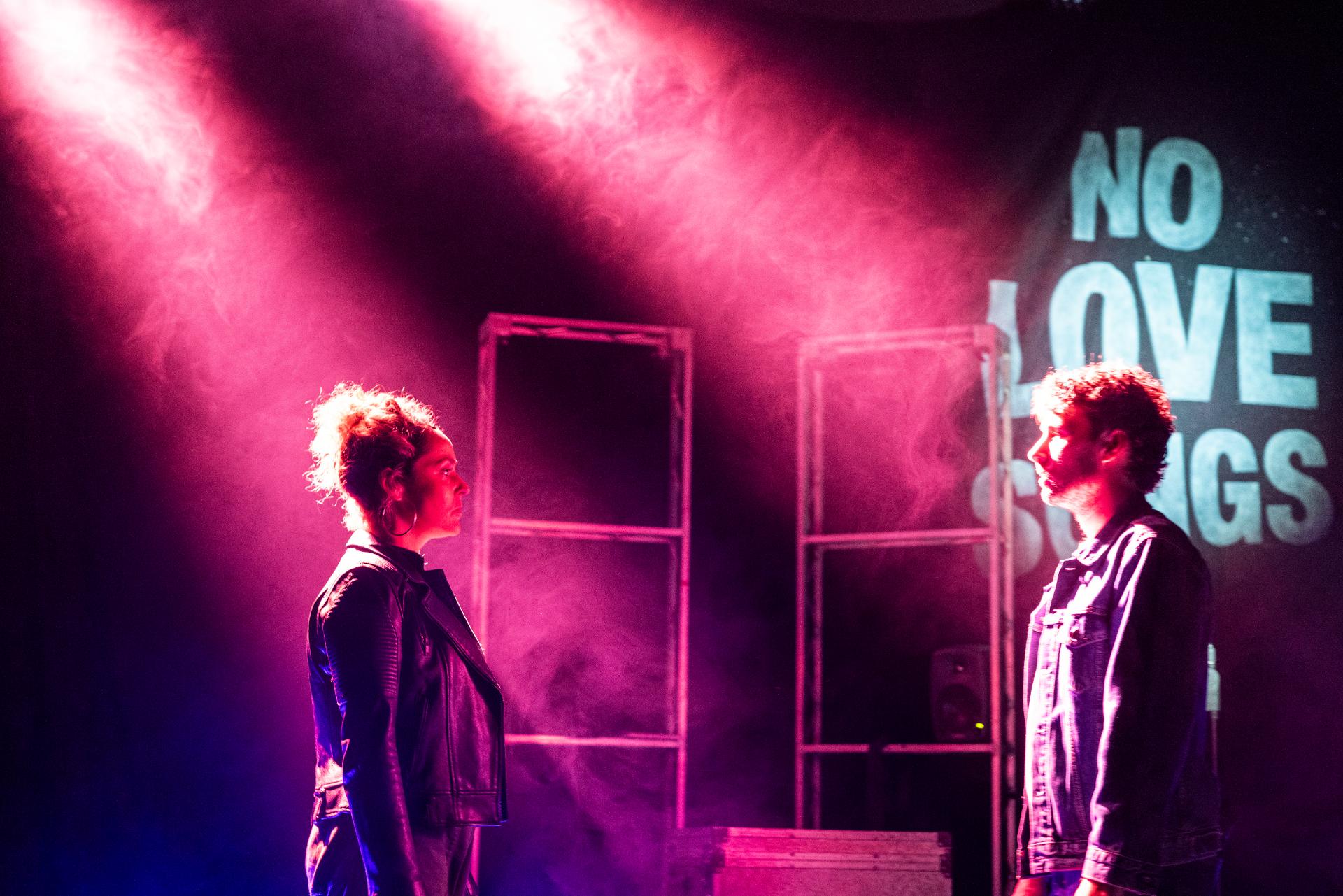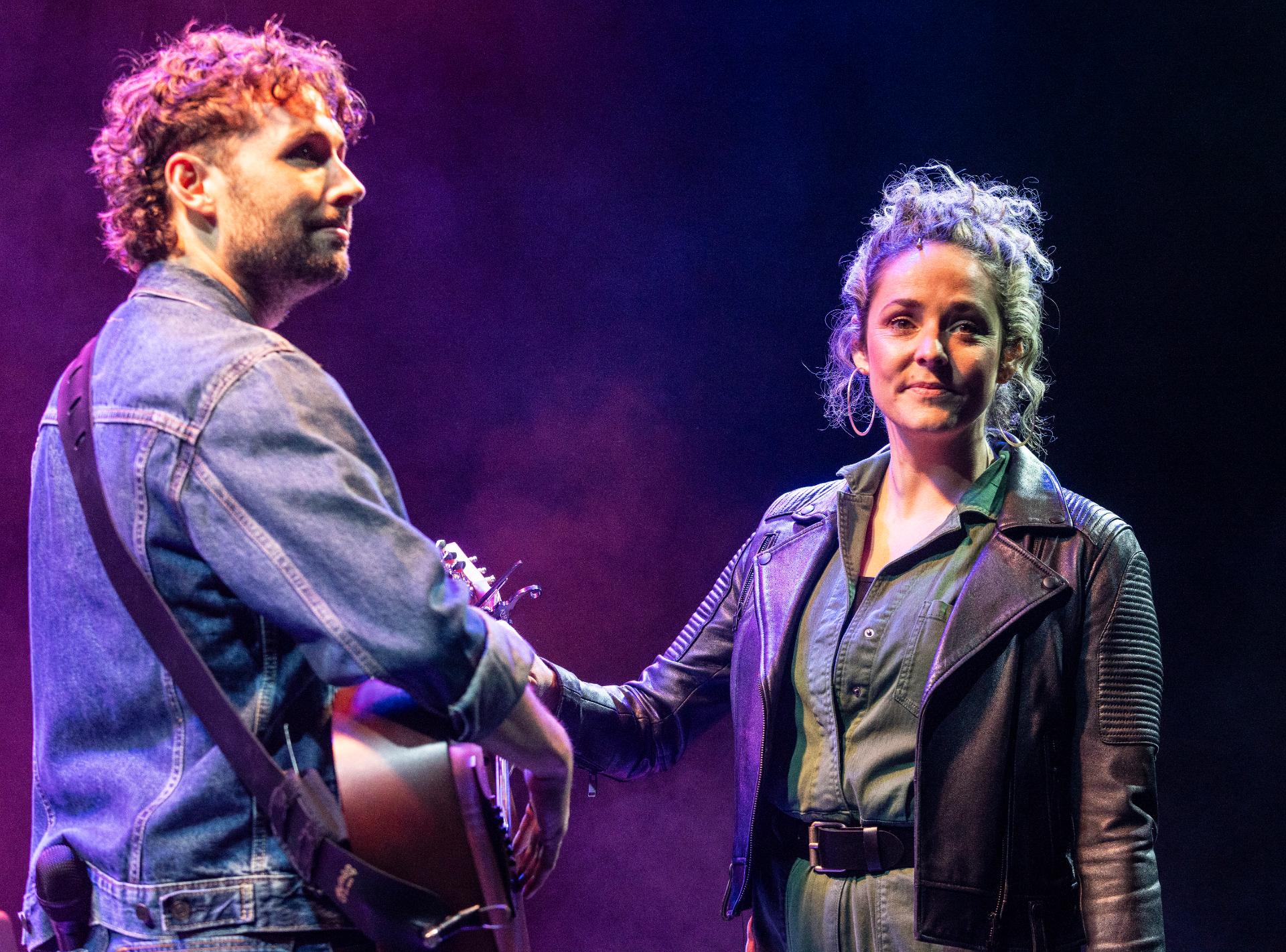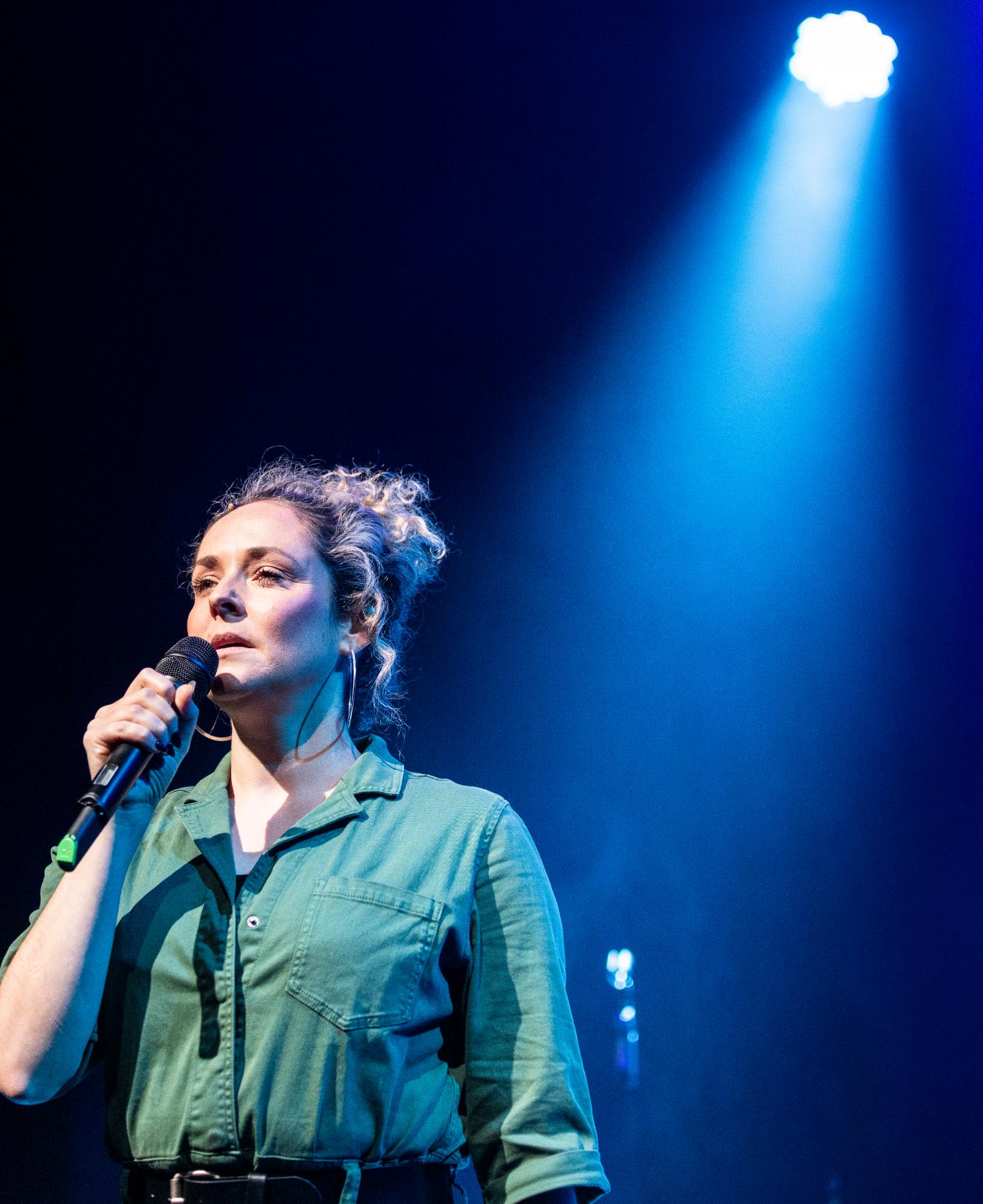
Review: Don’t Save Me (KXT on Broadway)

Venue: KXT on Broadway (Ultimo NSW), Feb 26 – Mar 8, 2025
Playwright: Karina Young
Director:
Nelson Blake
Cast: Raechyl French, Ben Itaba, Holly Mazzola
Images by Phil Erbacher

Theatre review
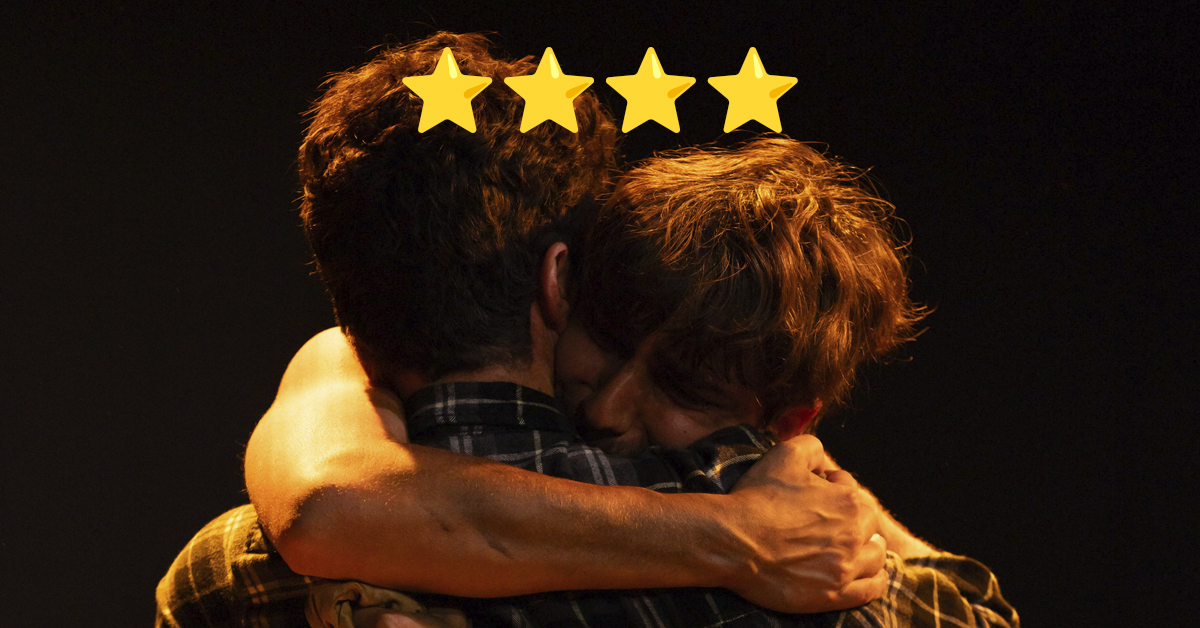
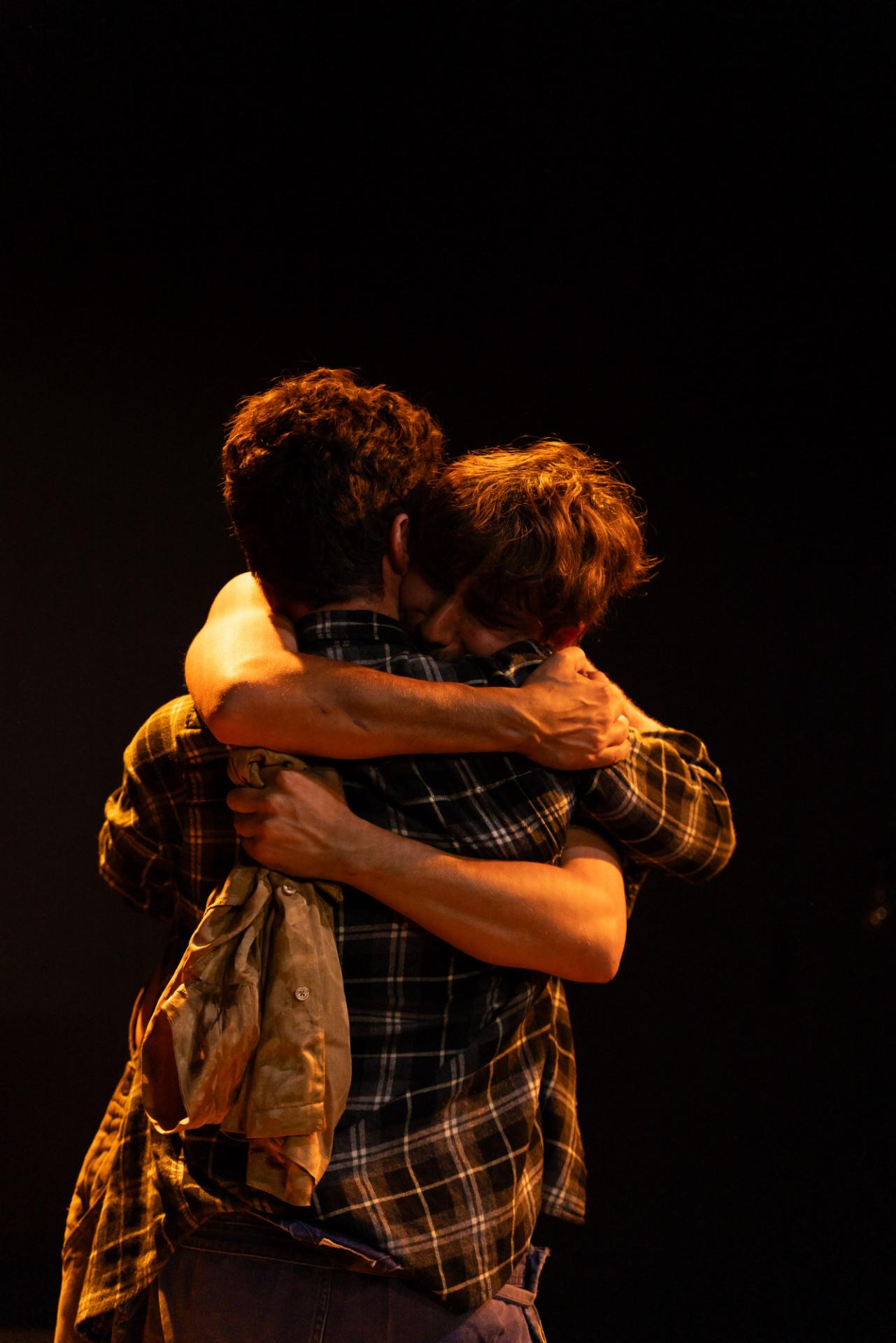
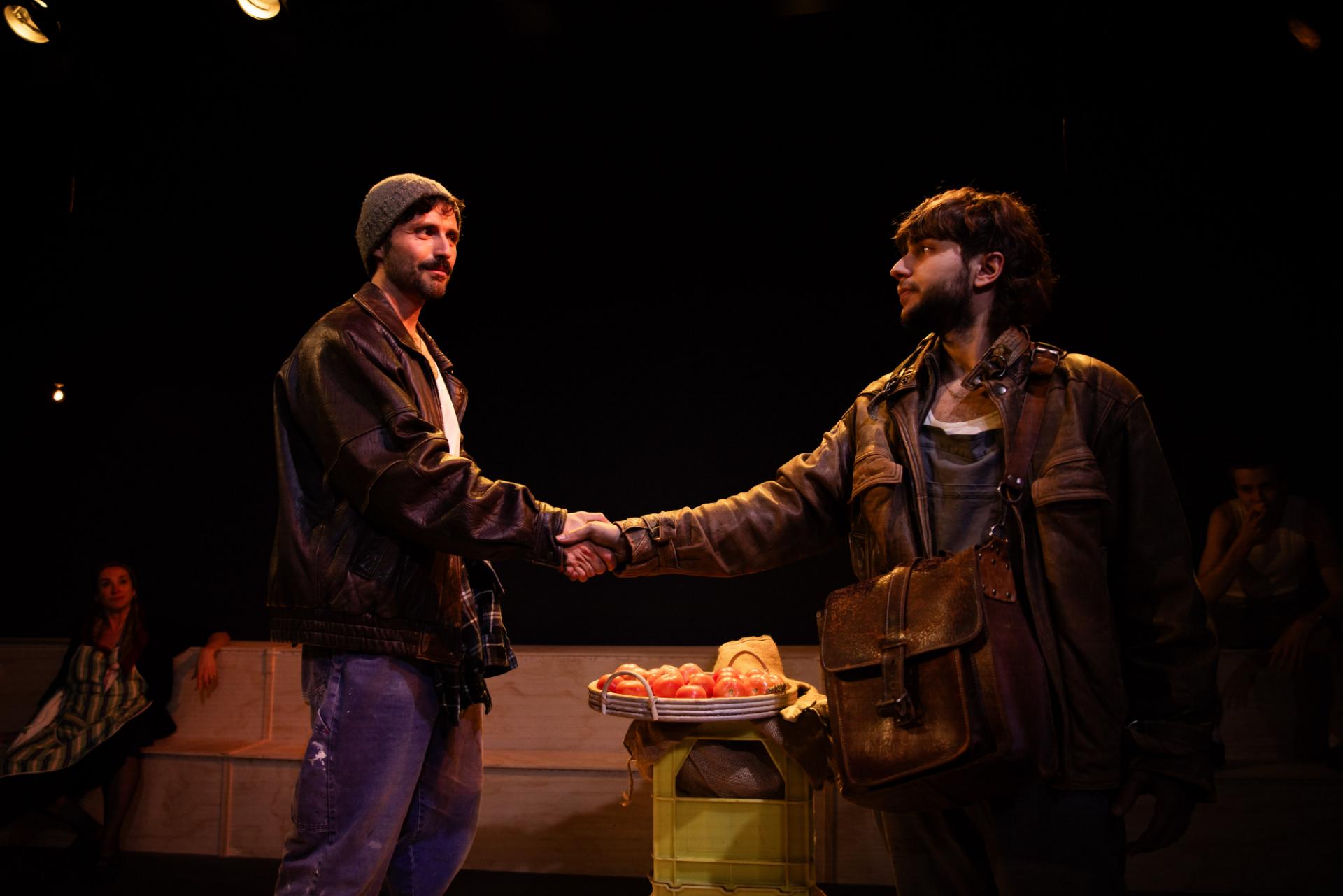
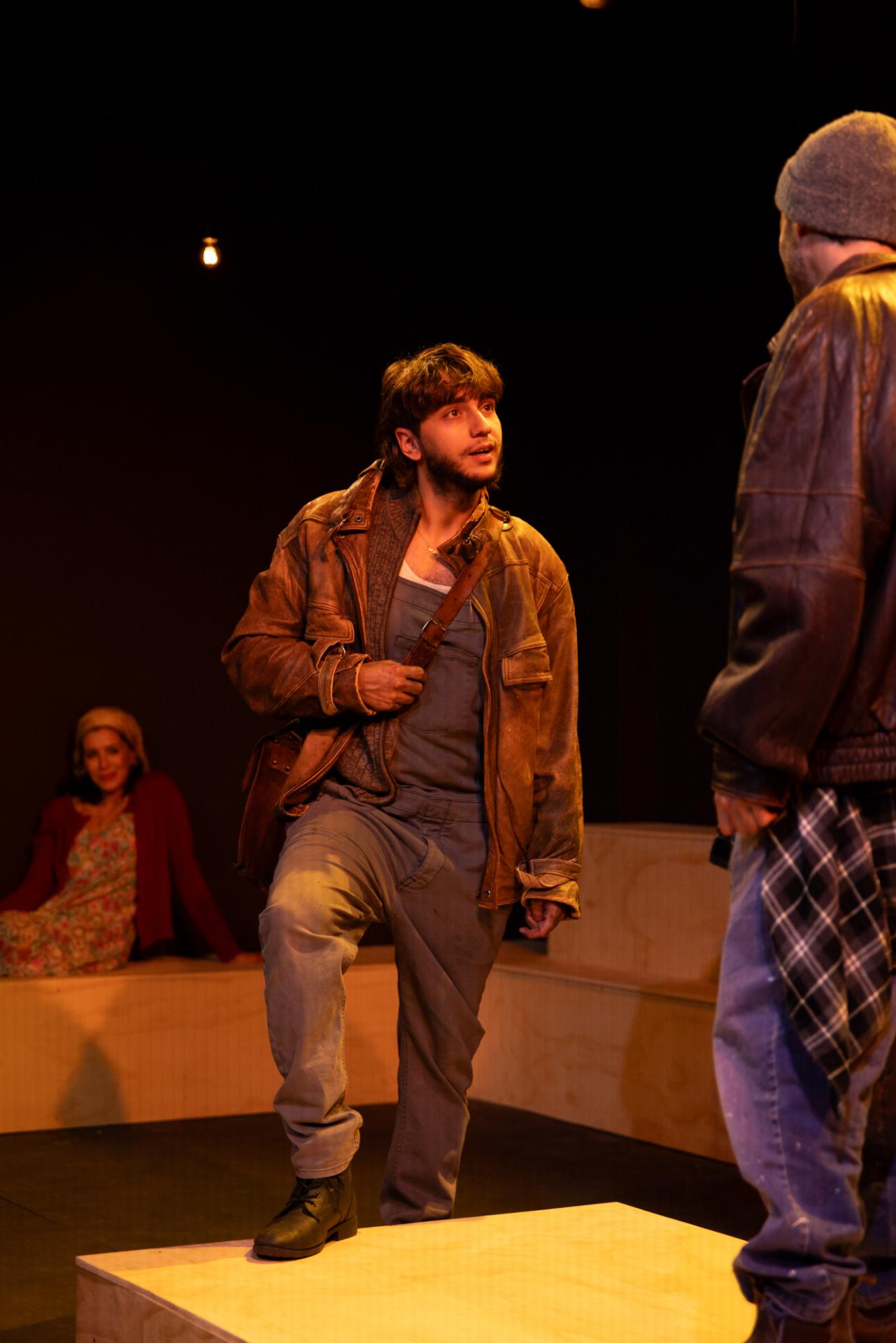
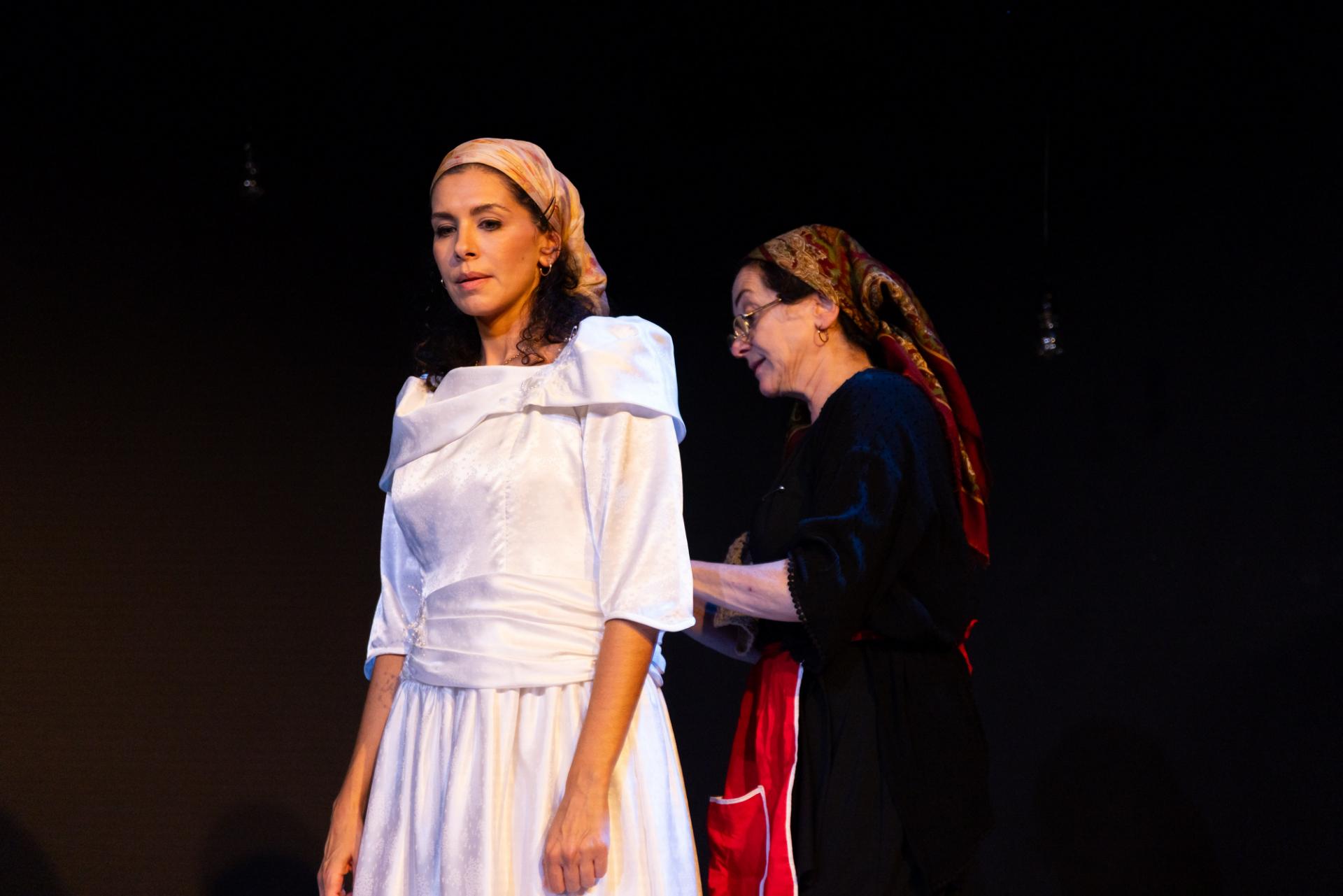
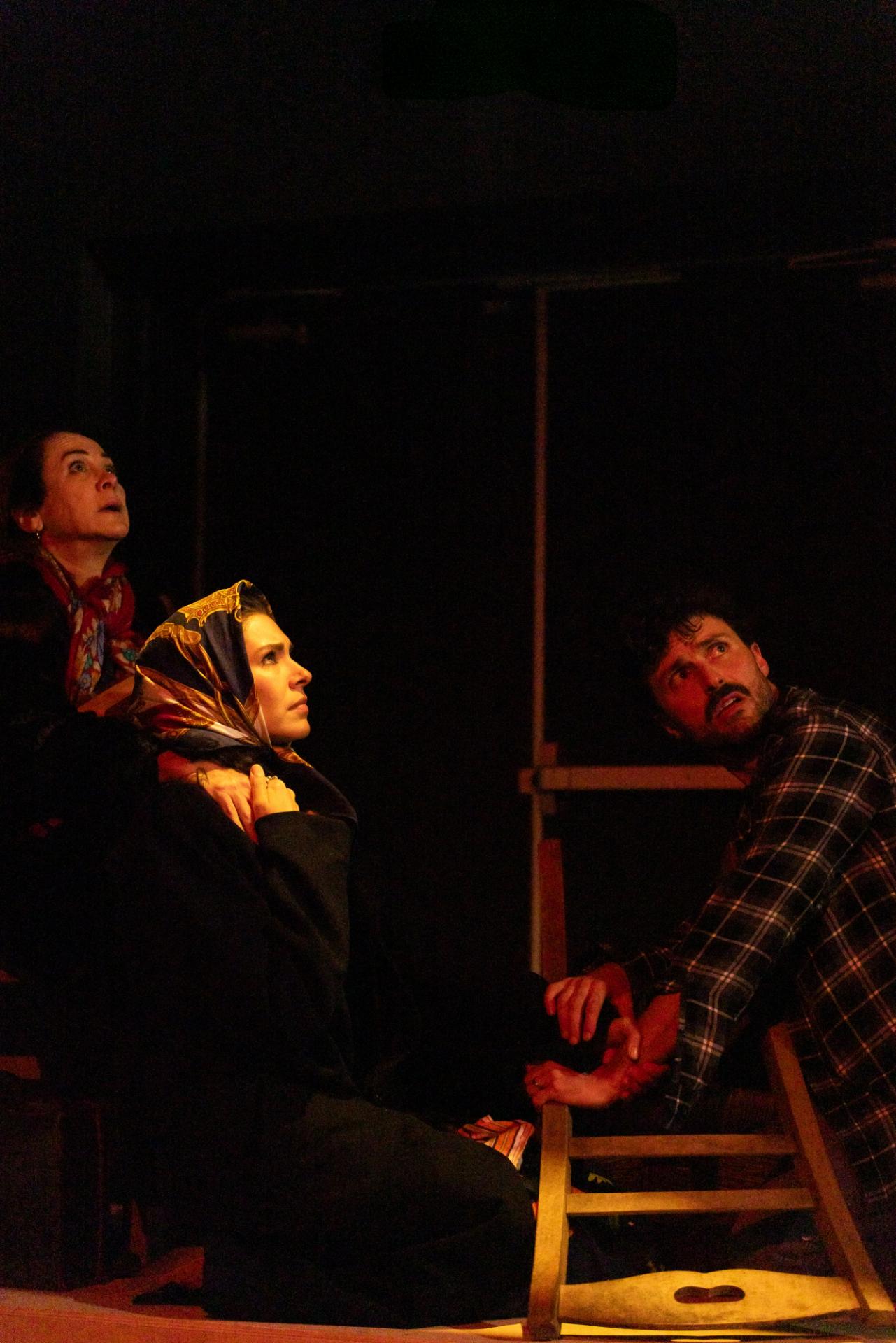
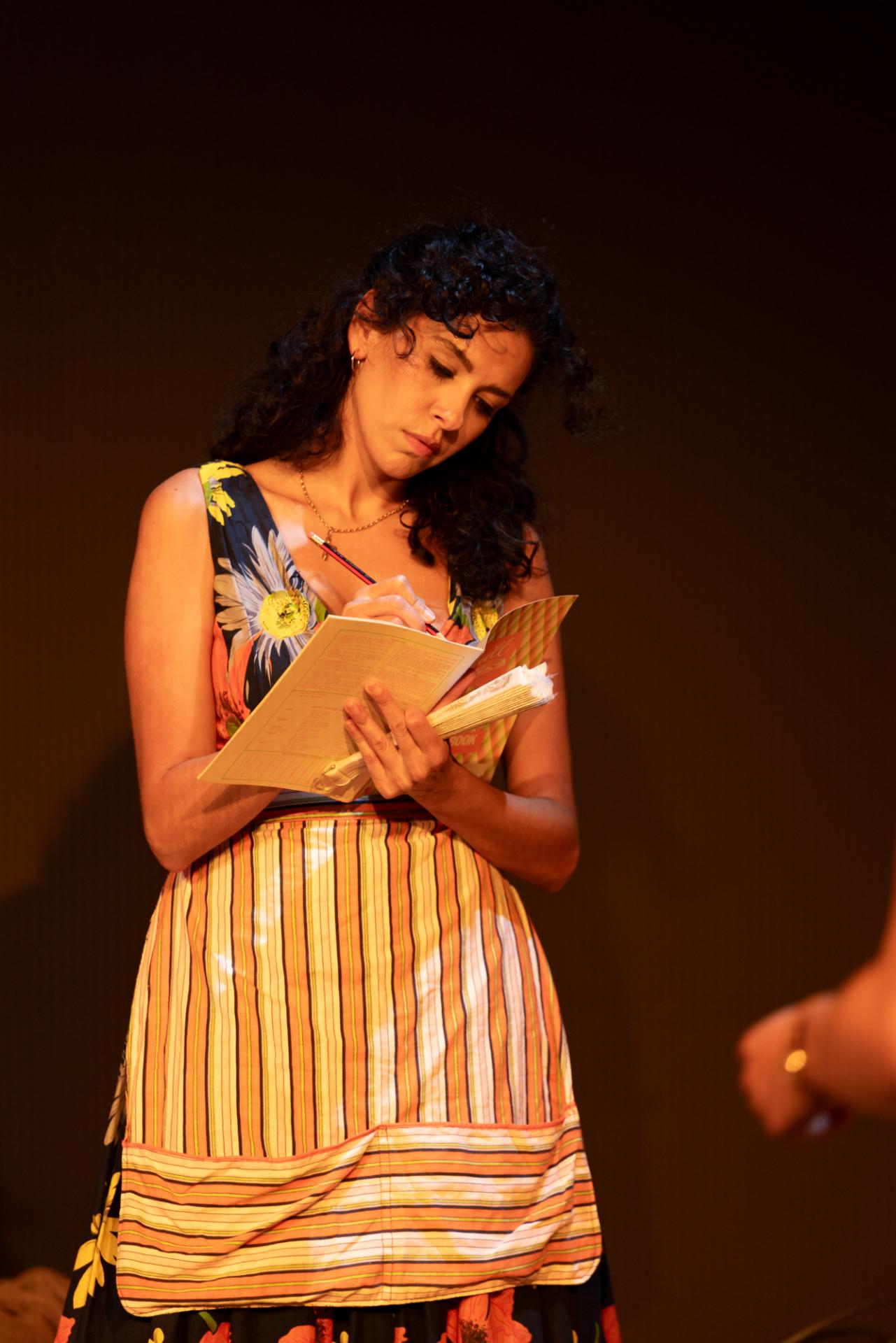
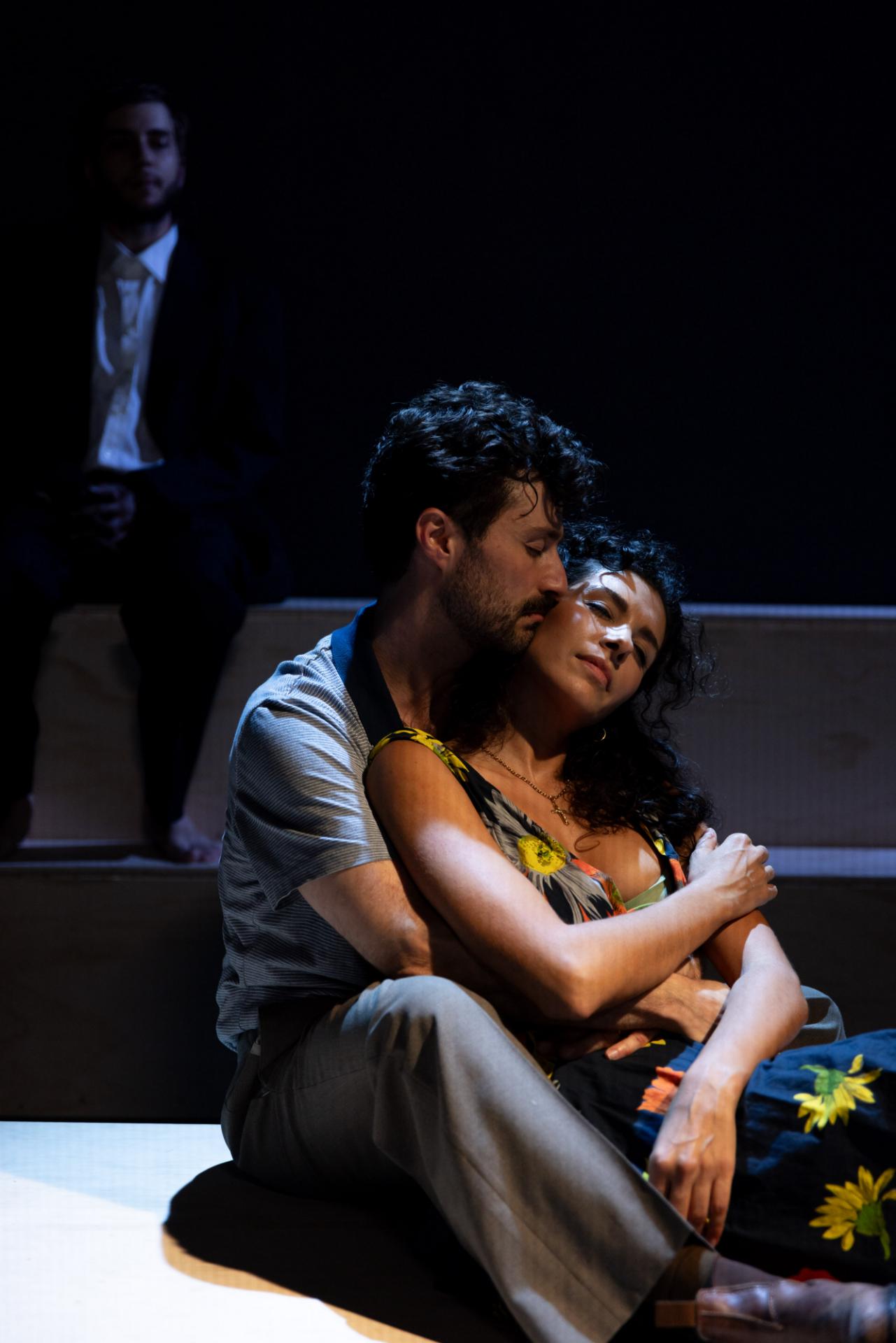
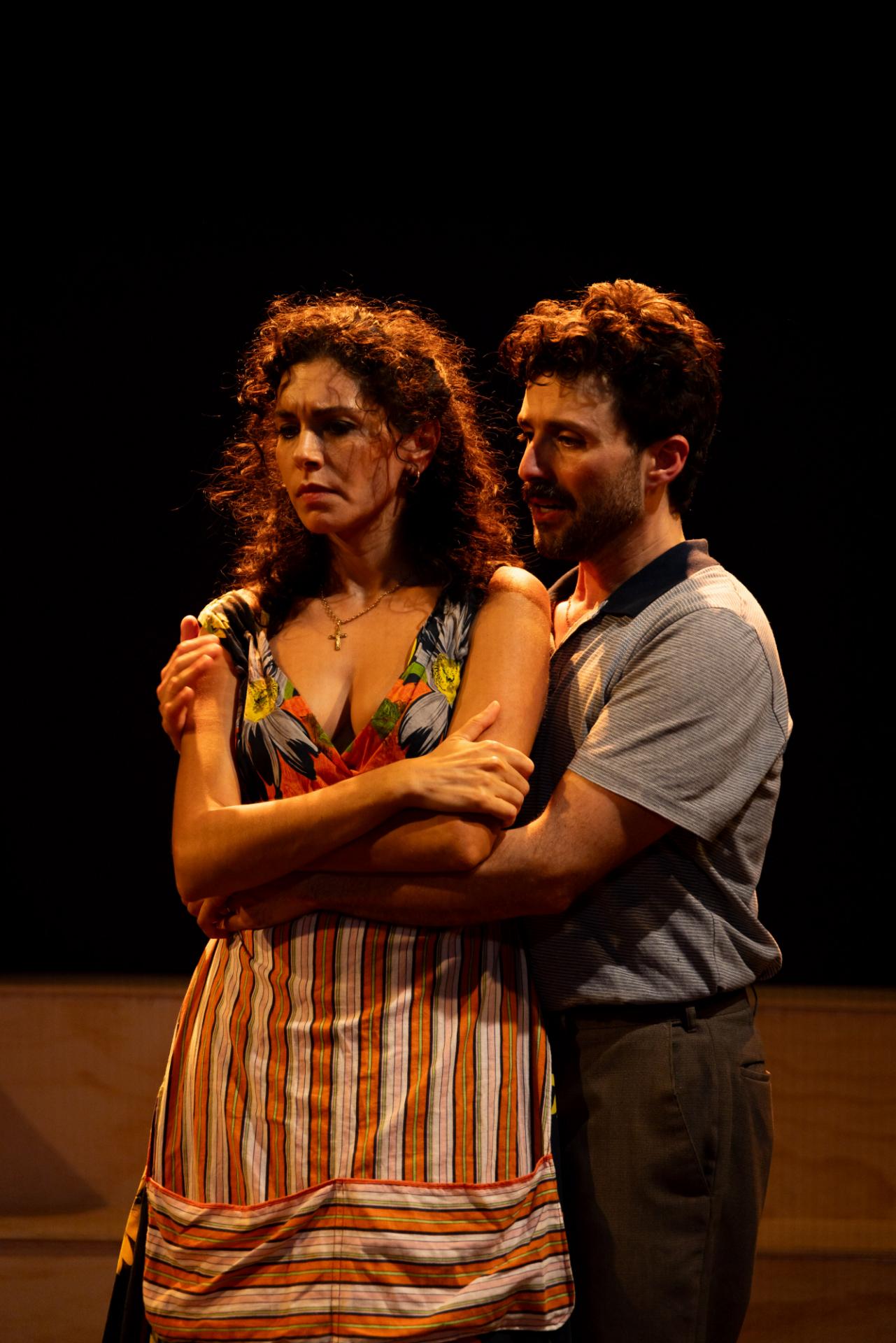
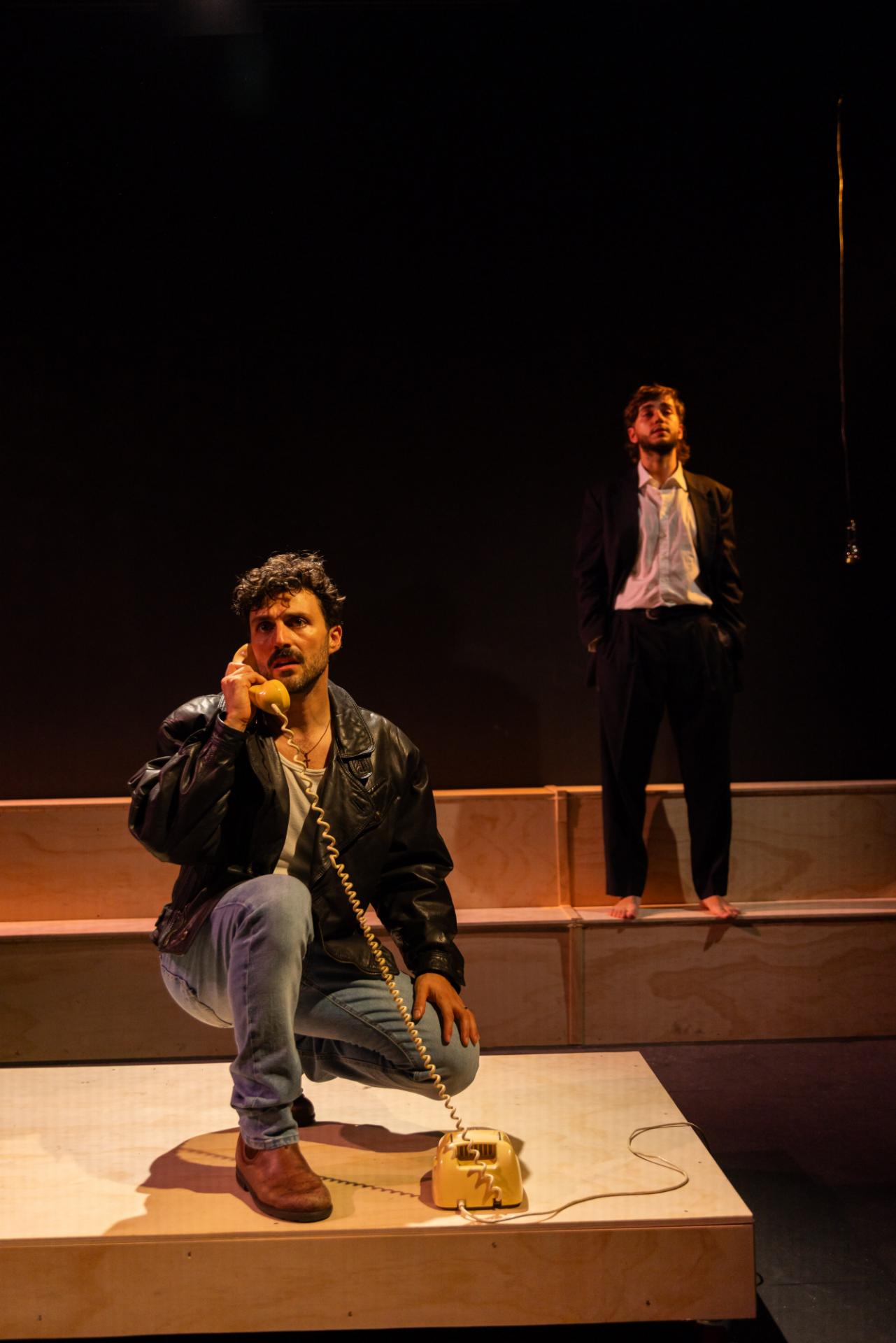
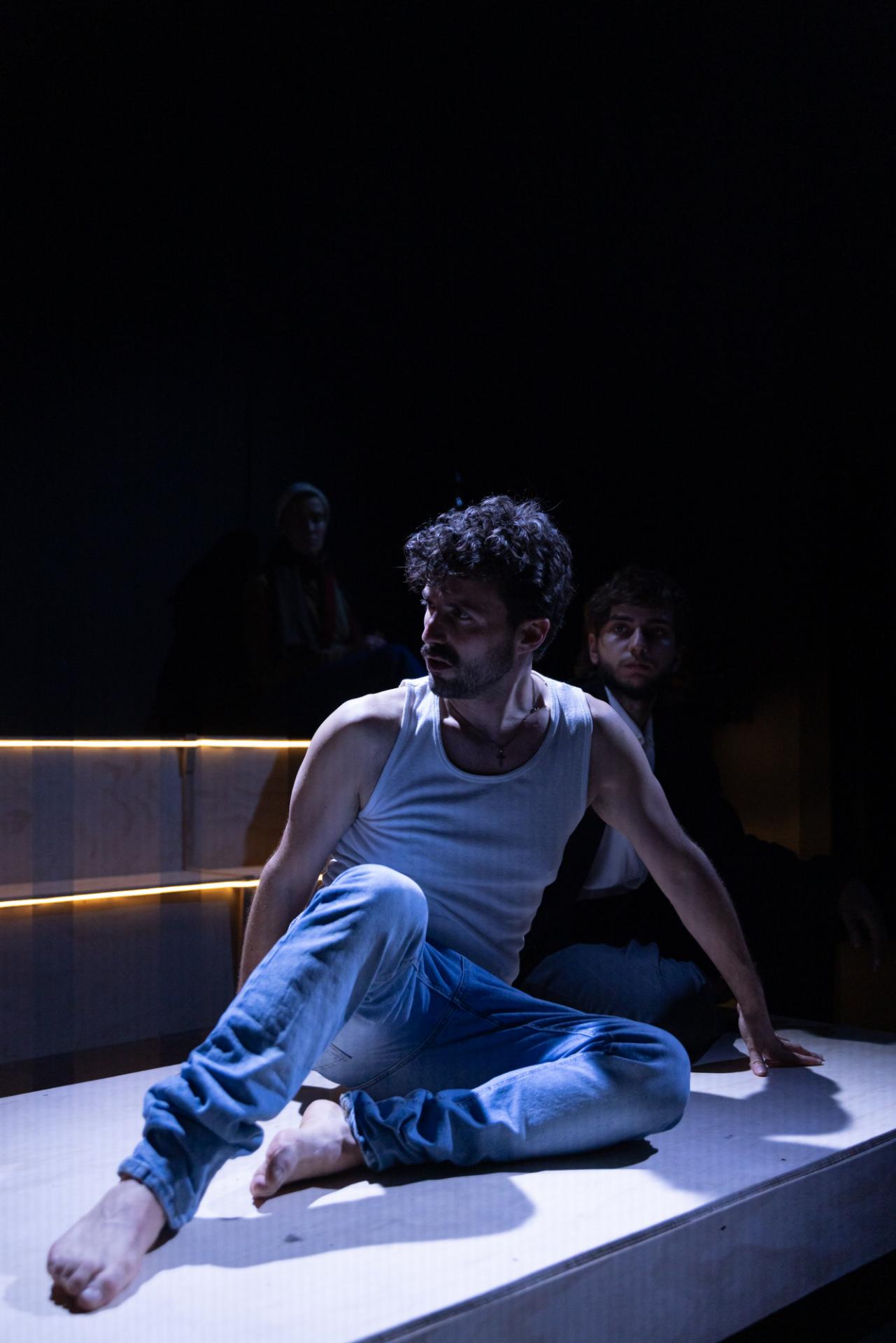
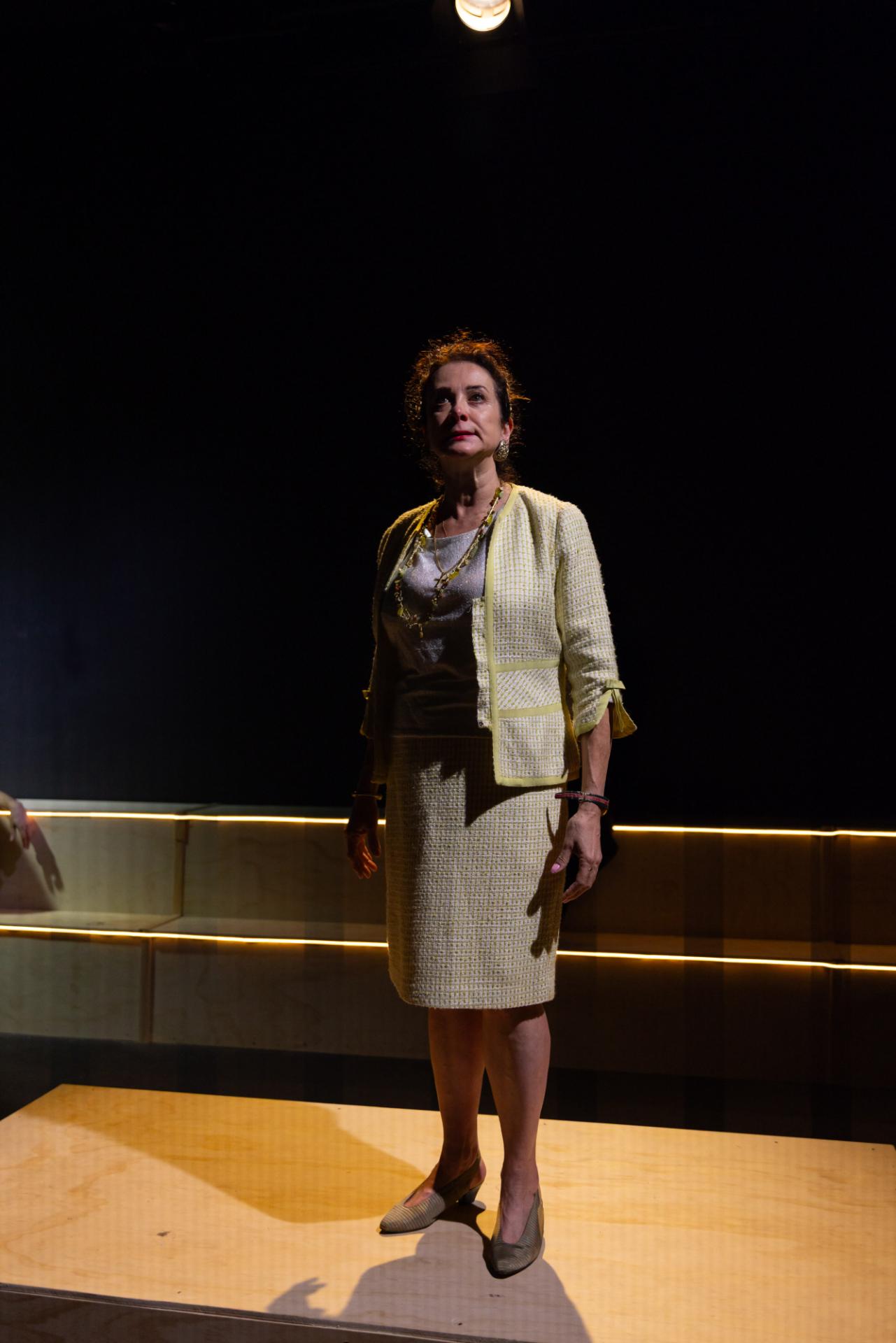
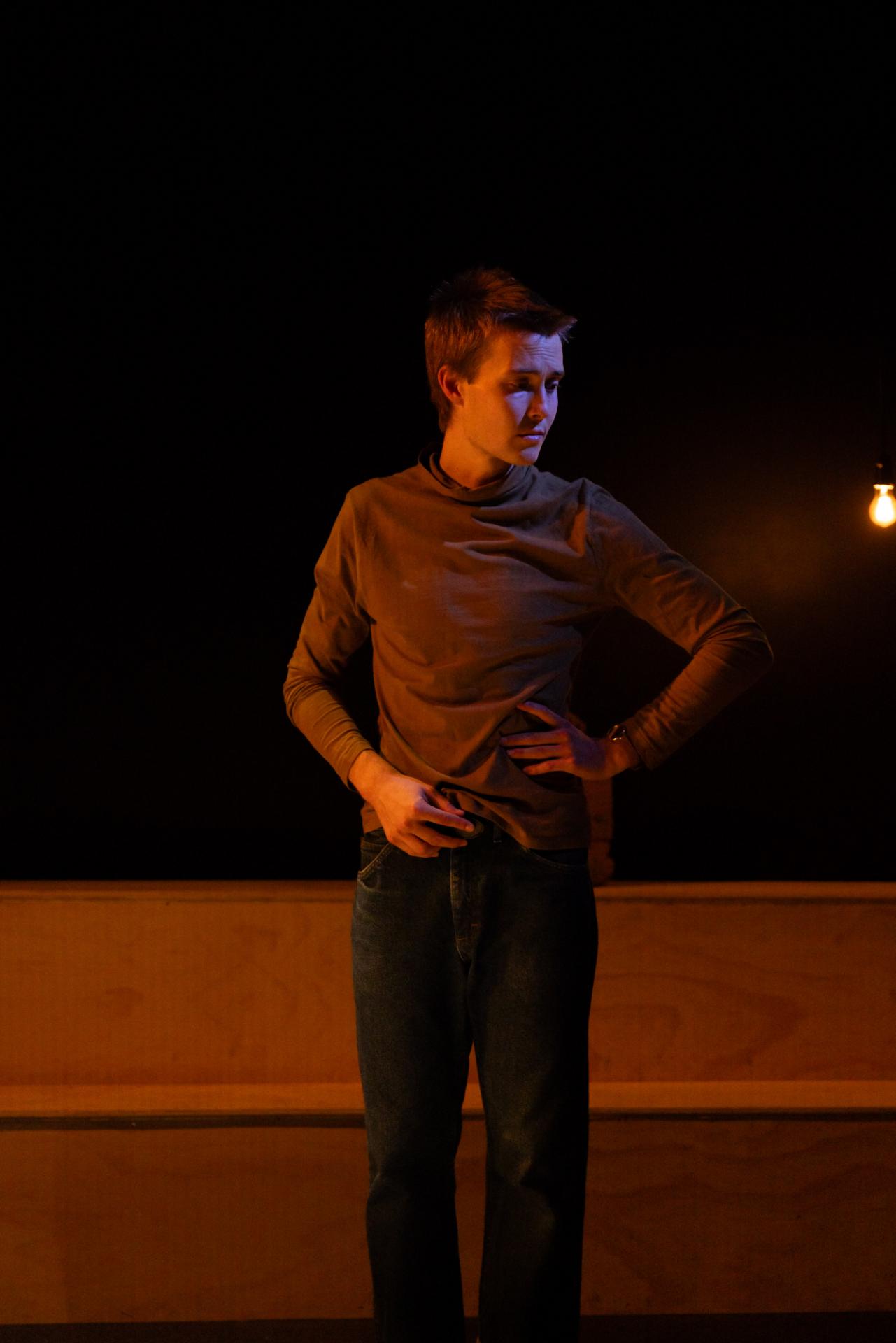
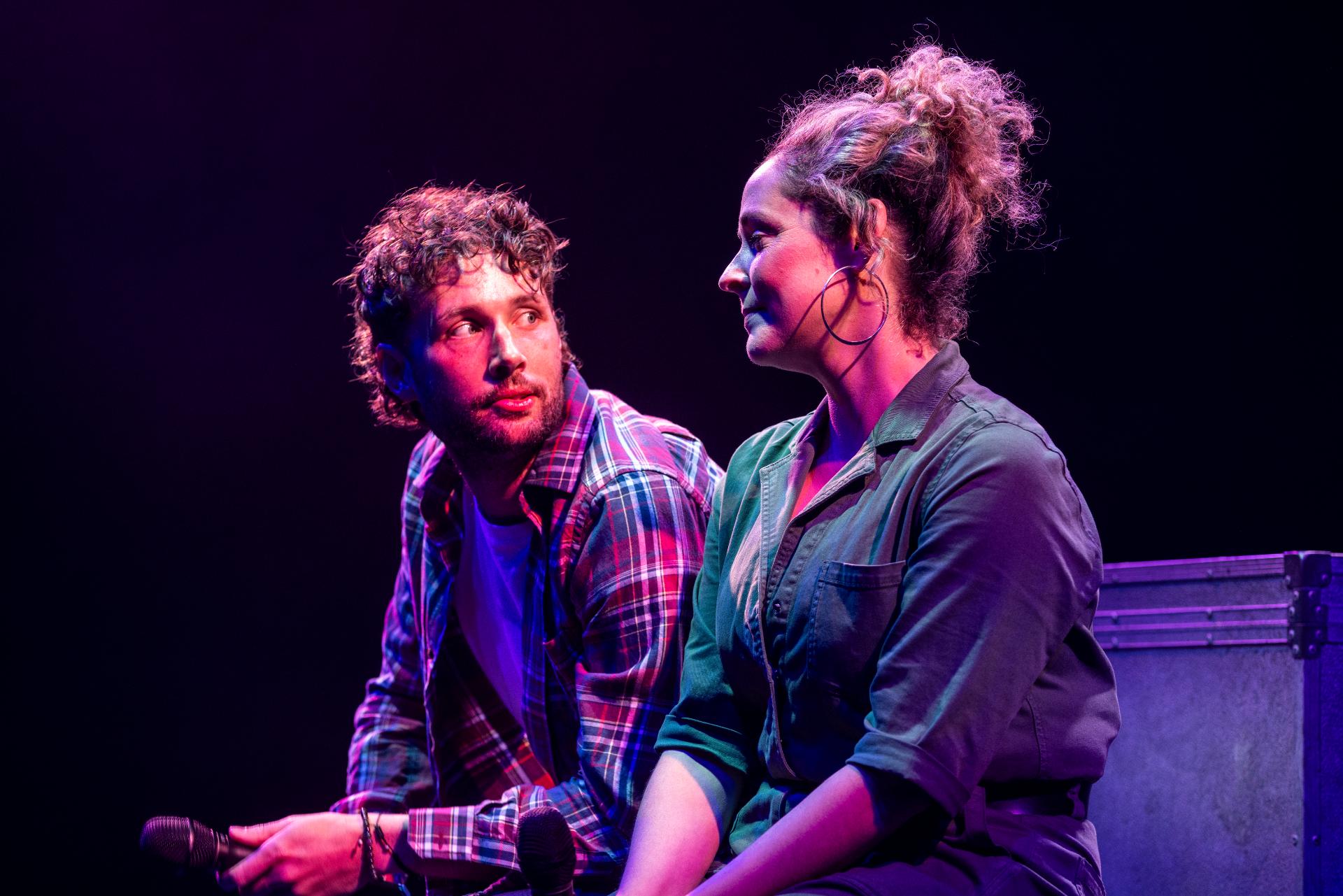
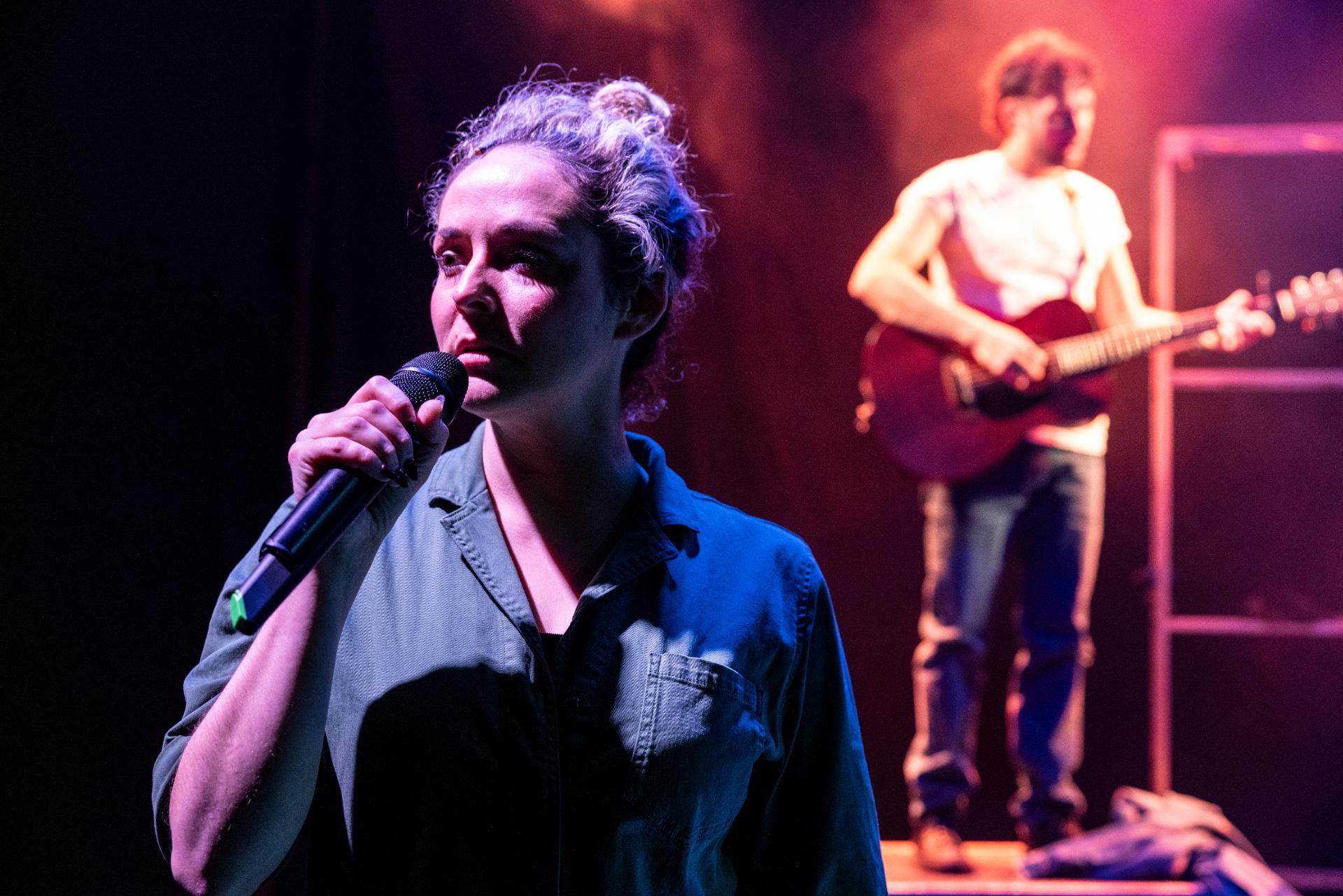
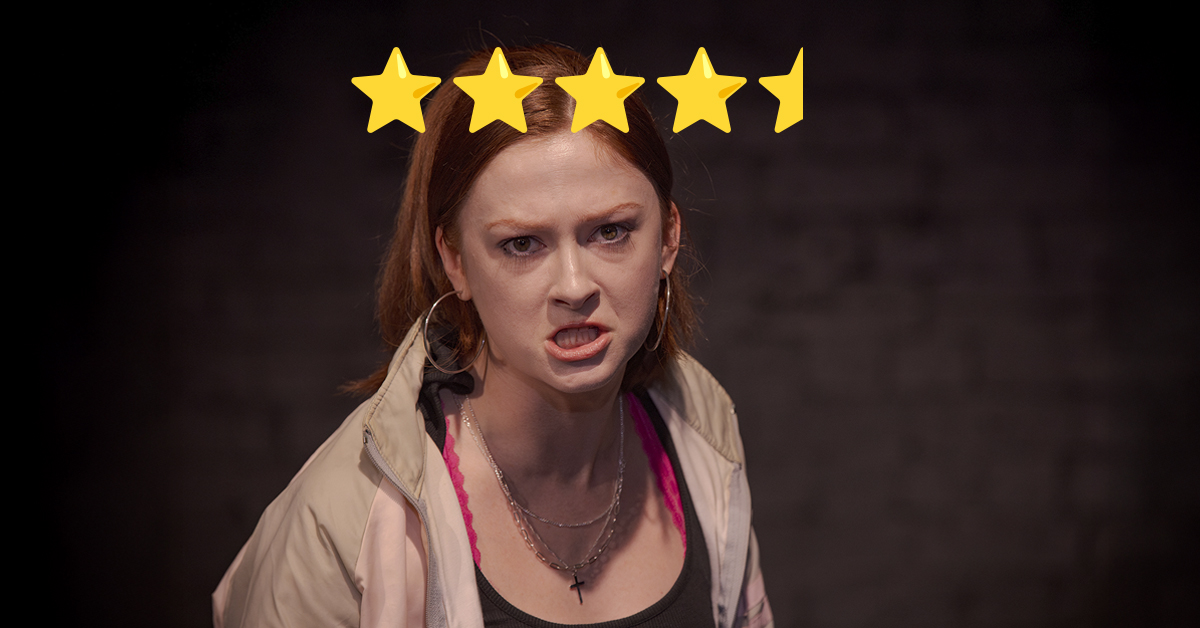
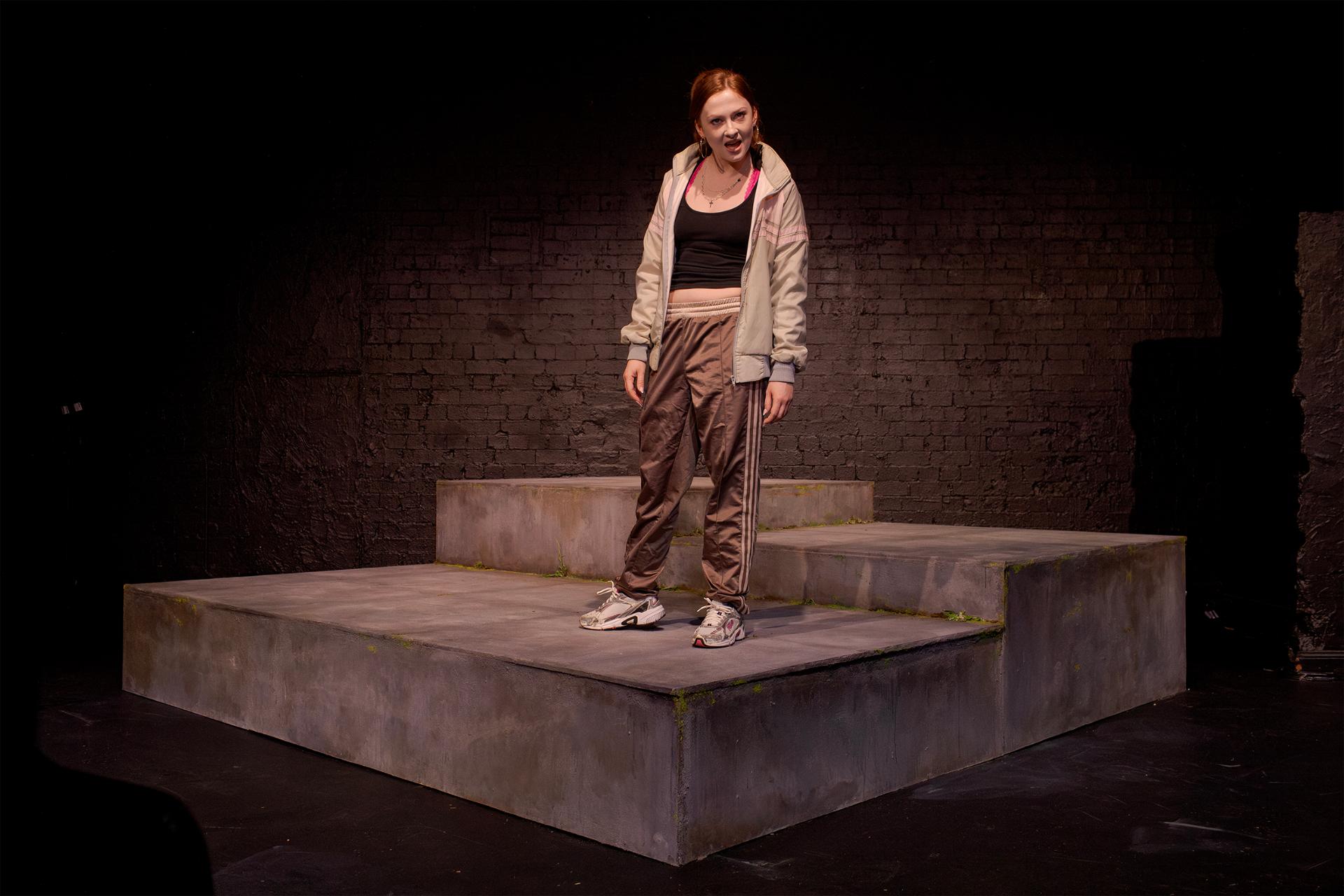
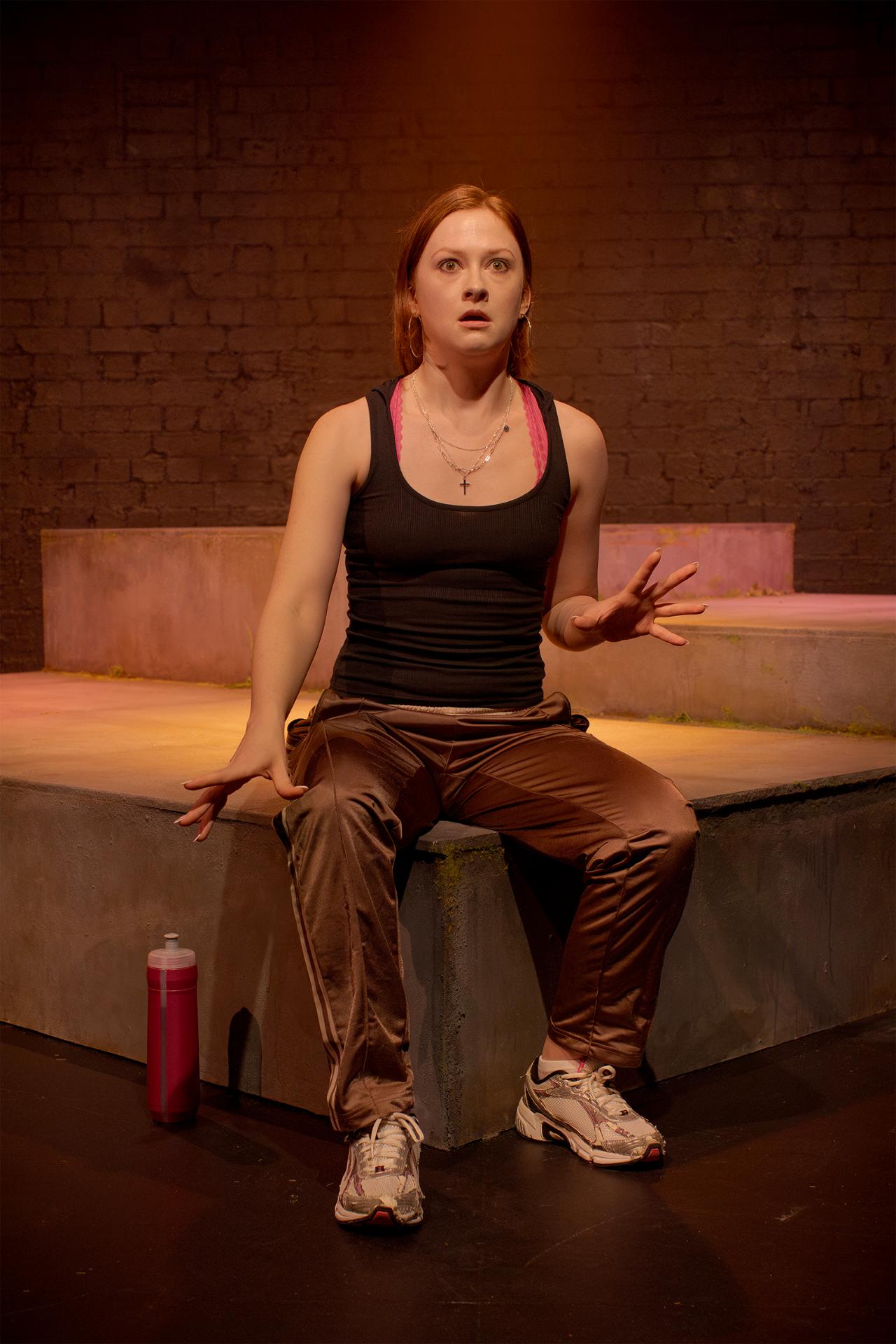
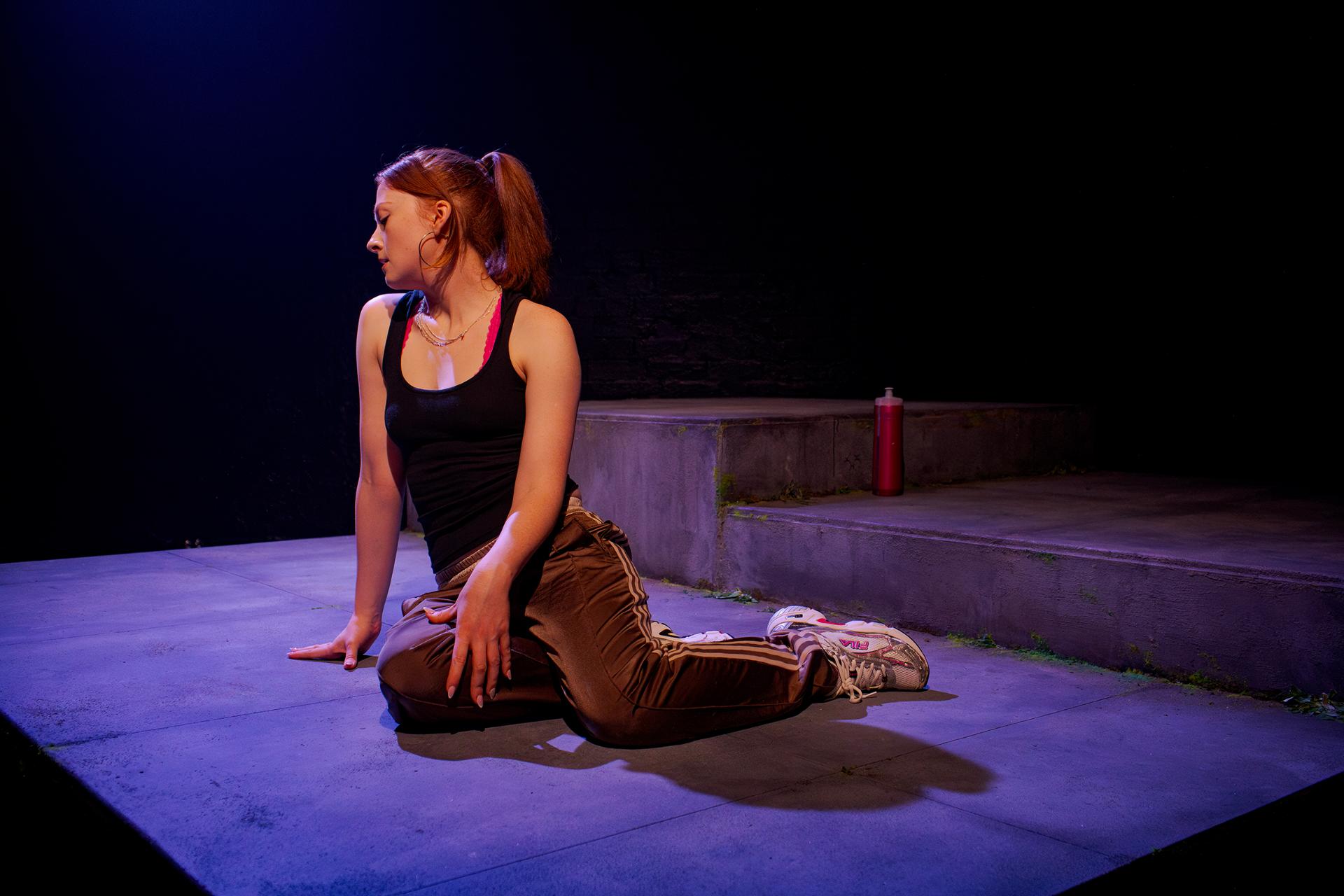
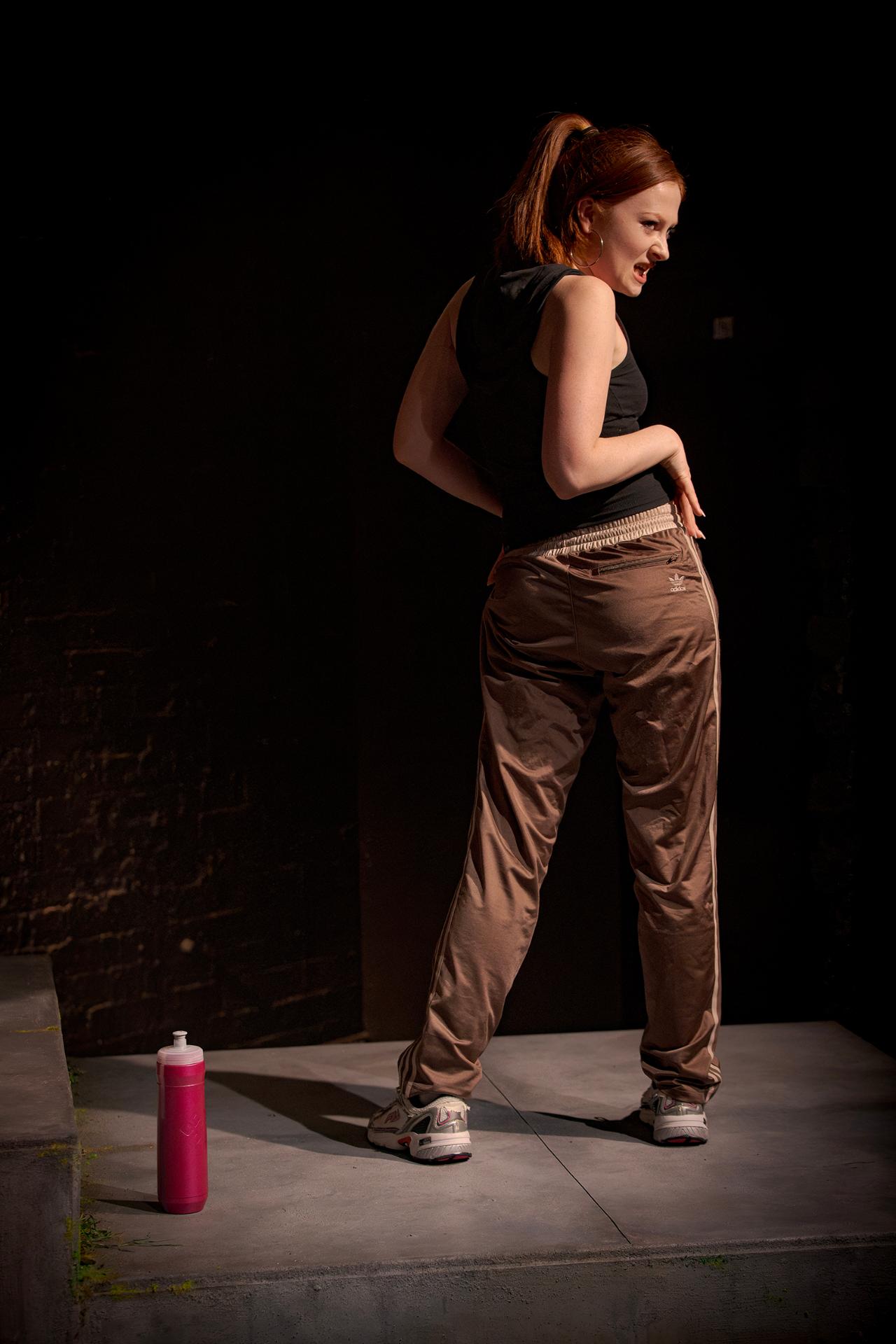
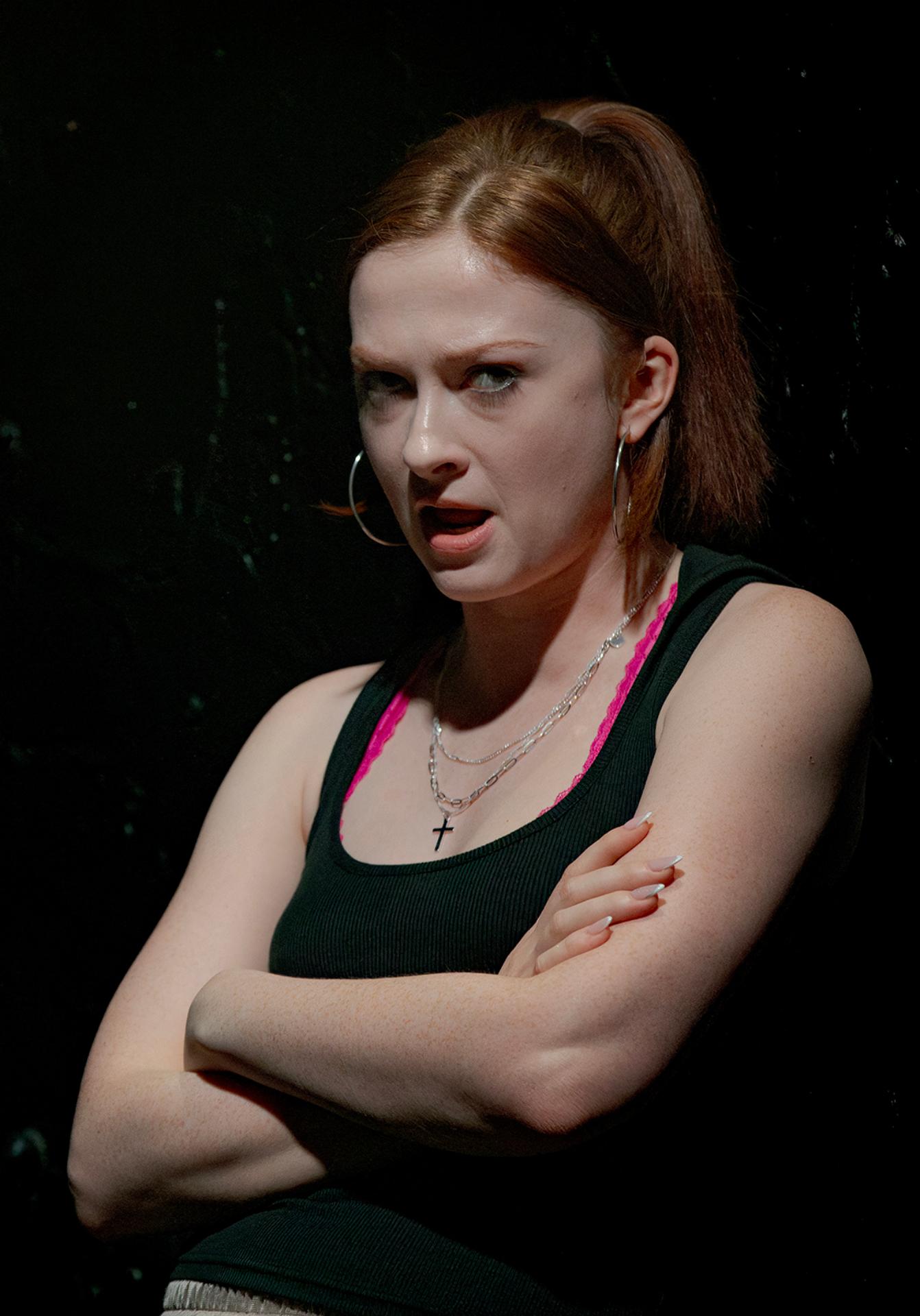
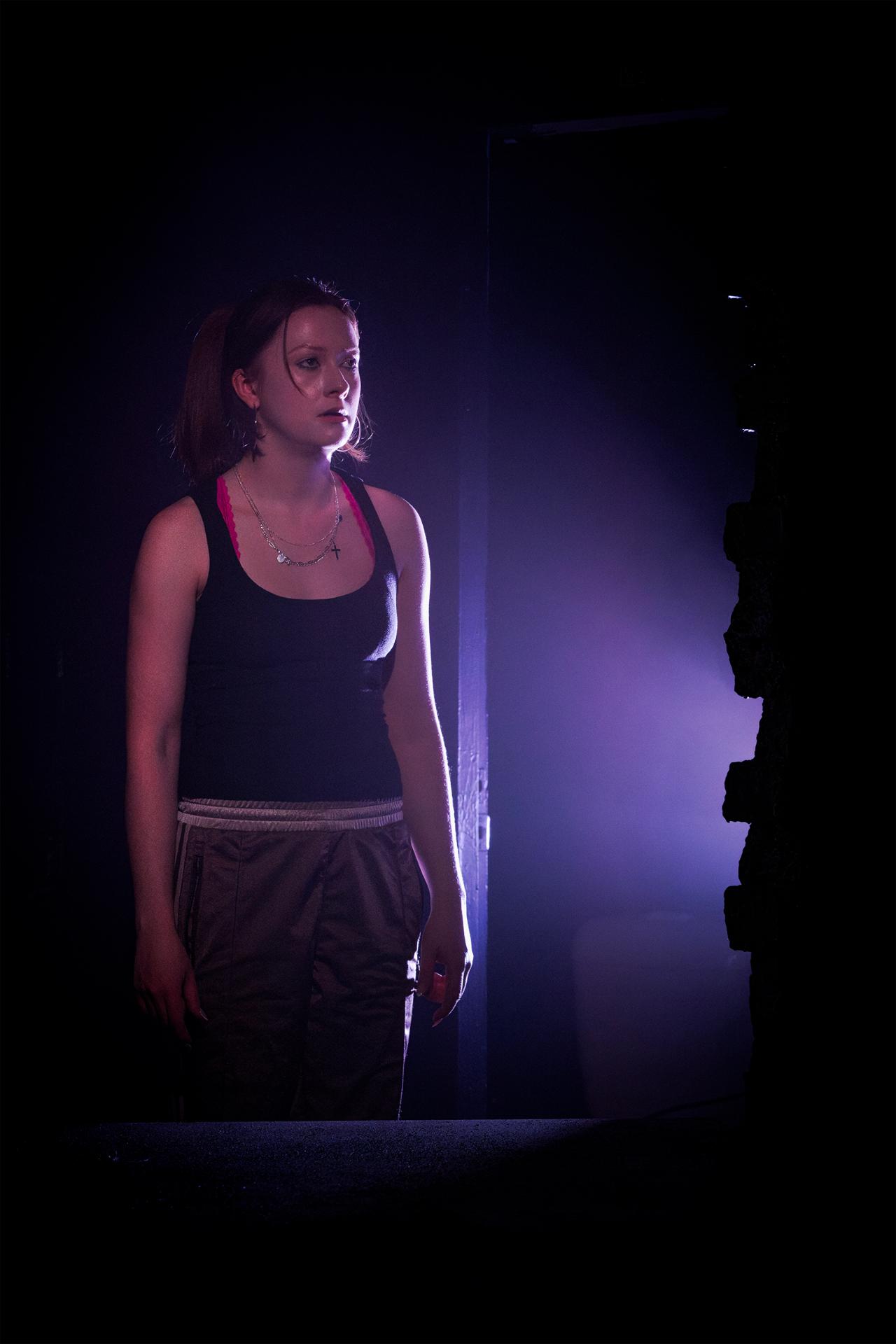
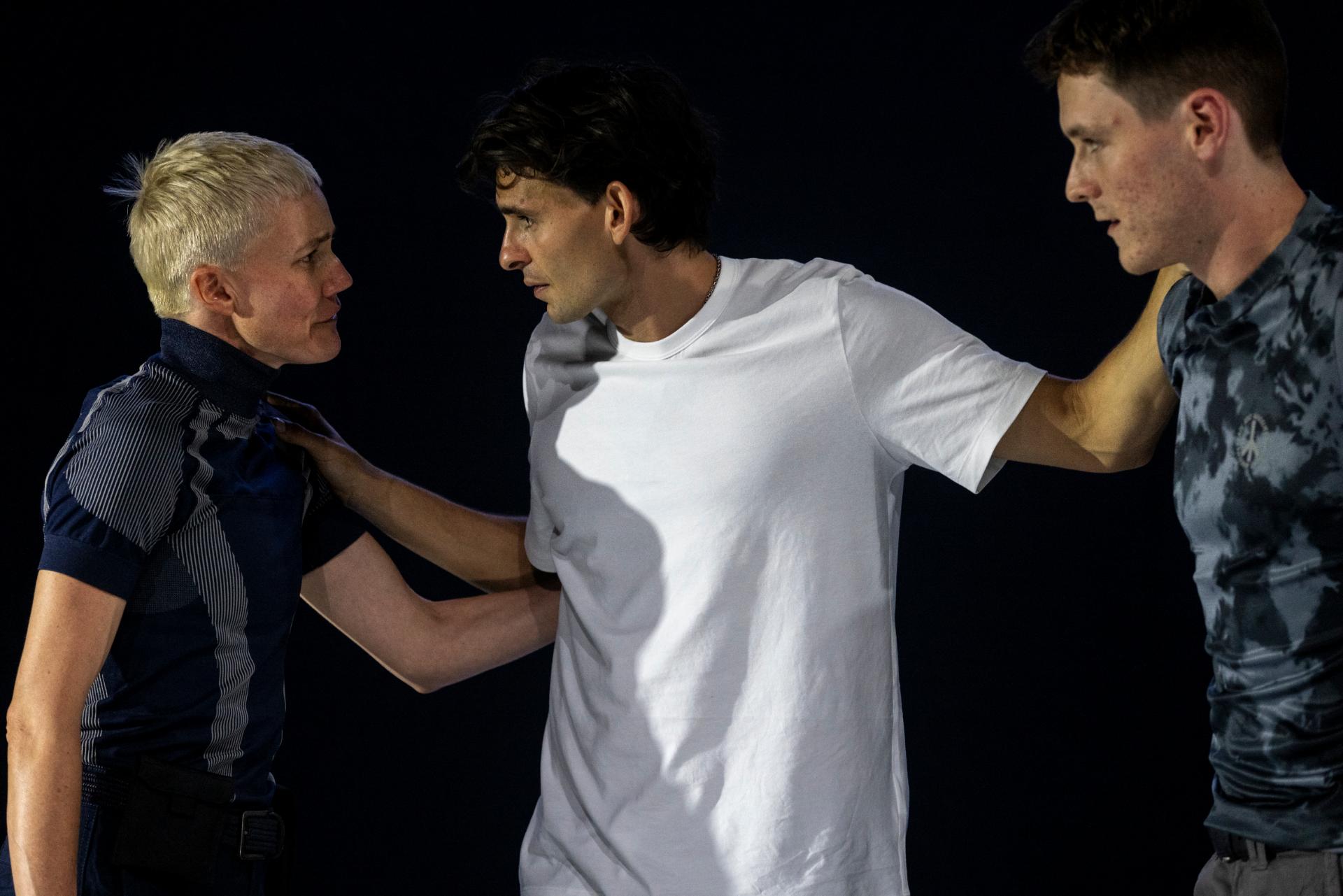
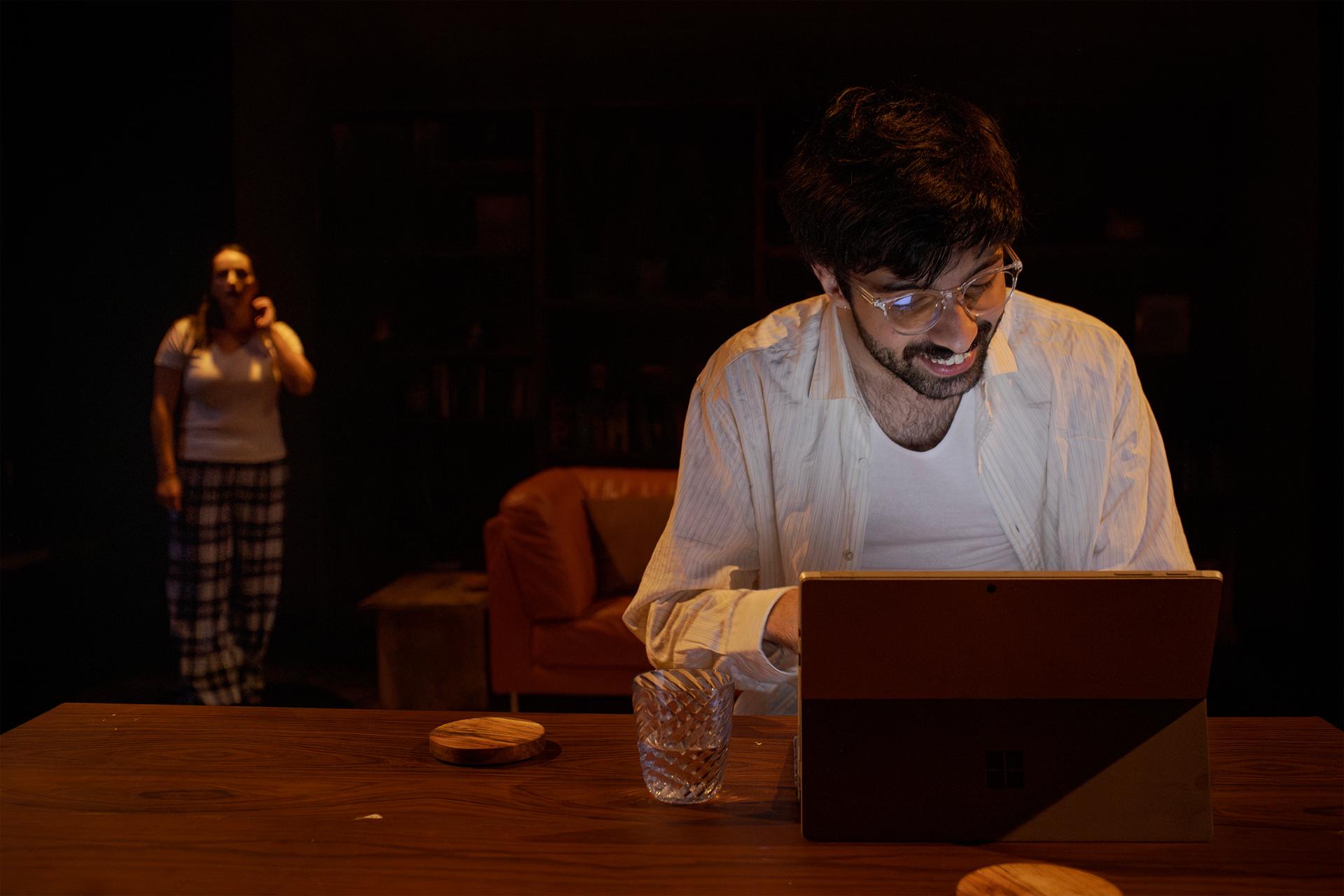
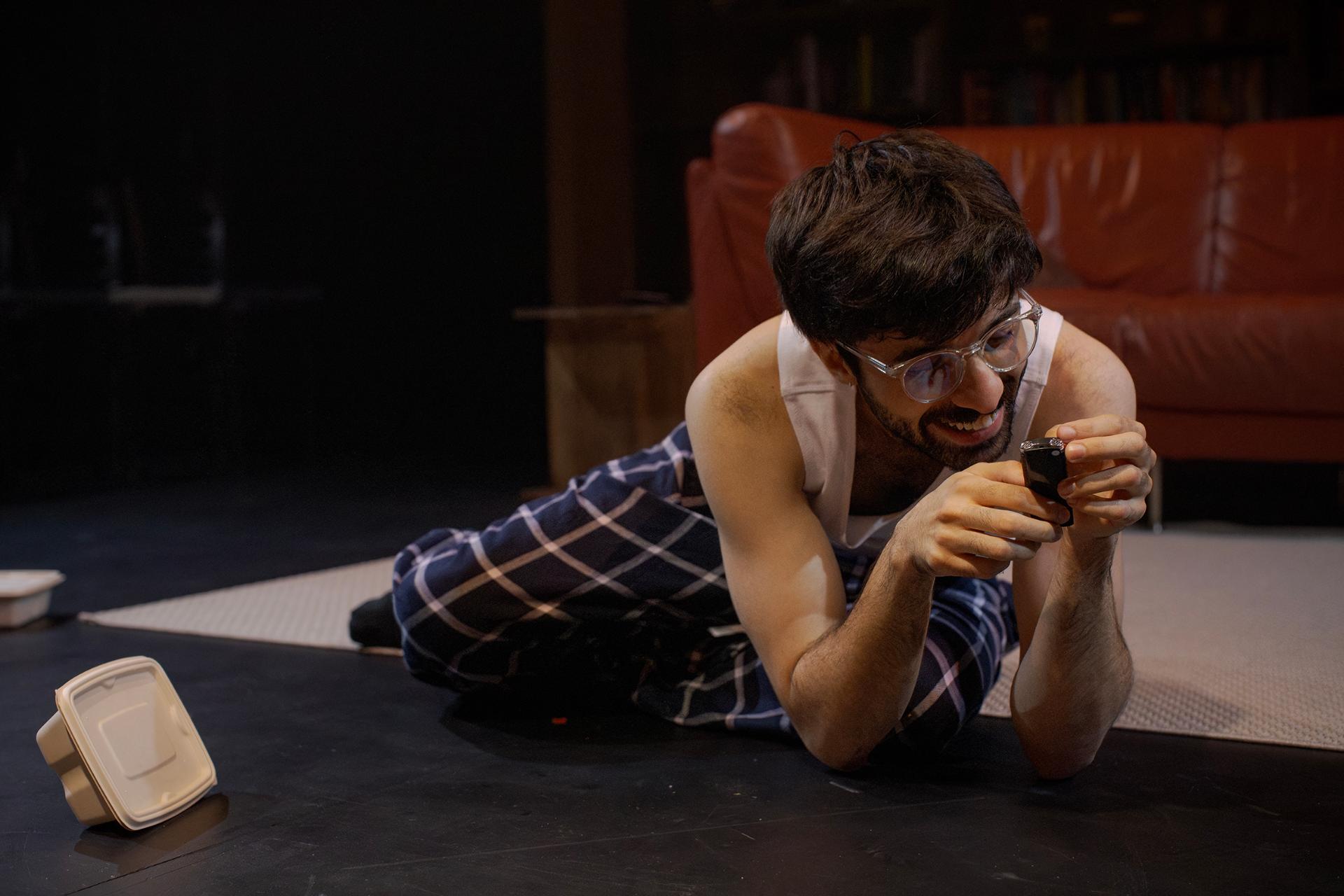
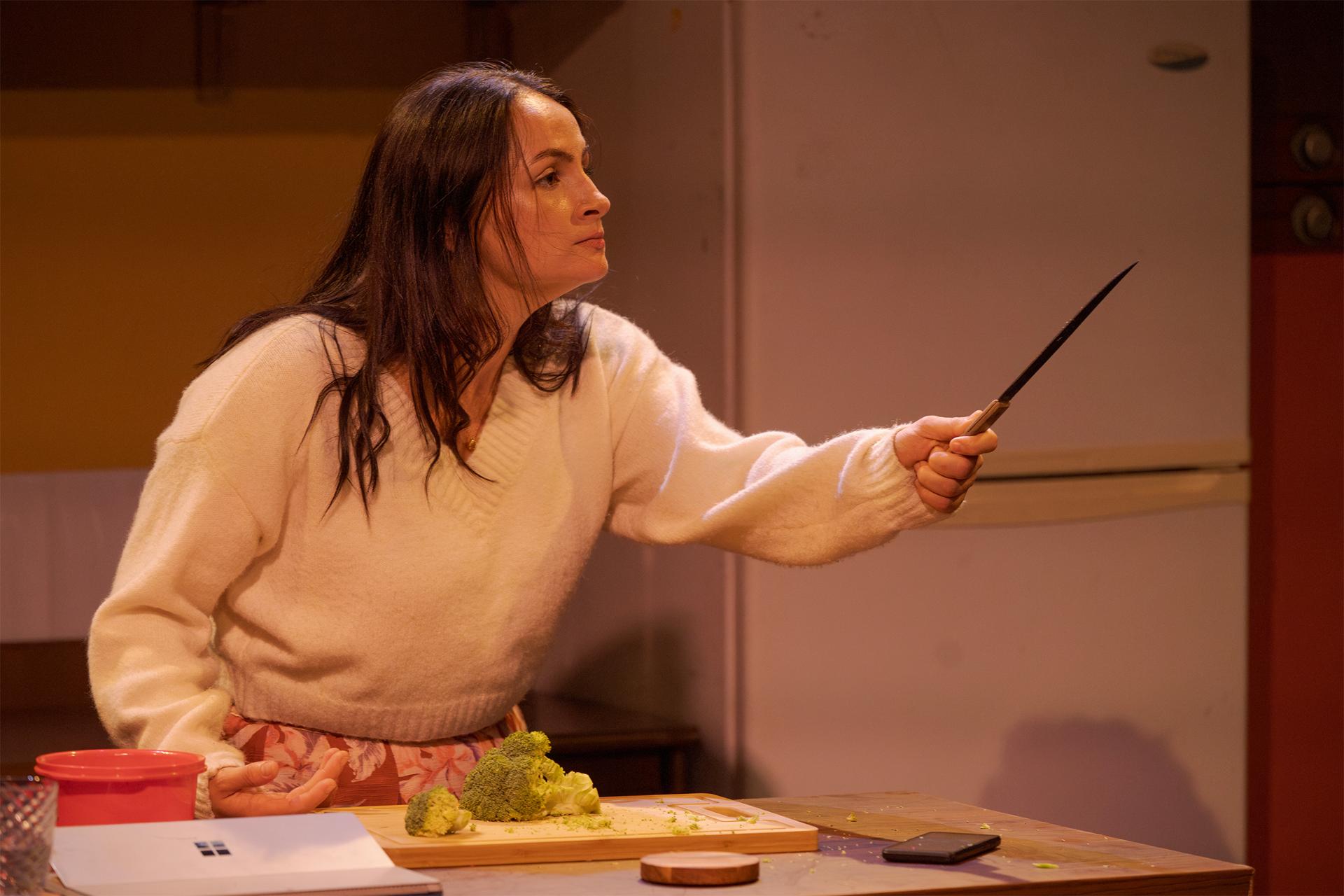
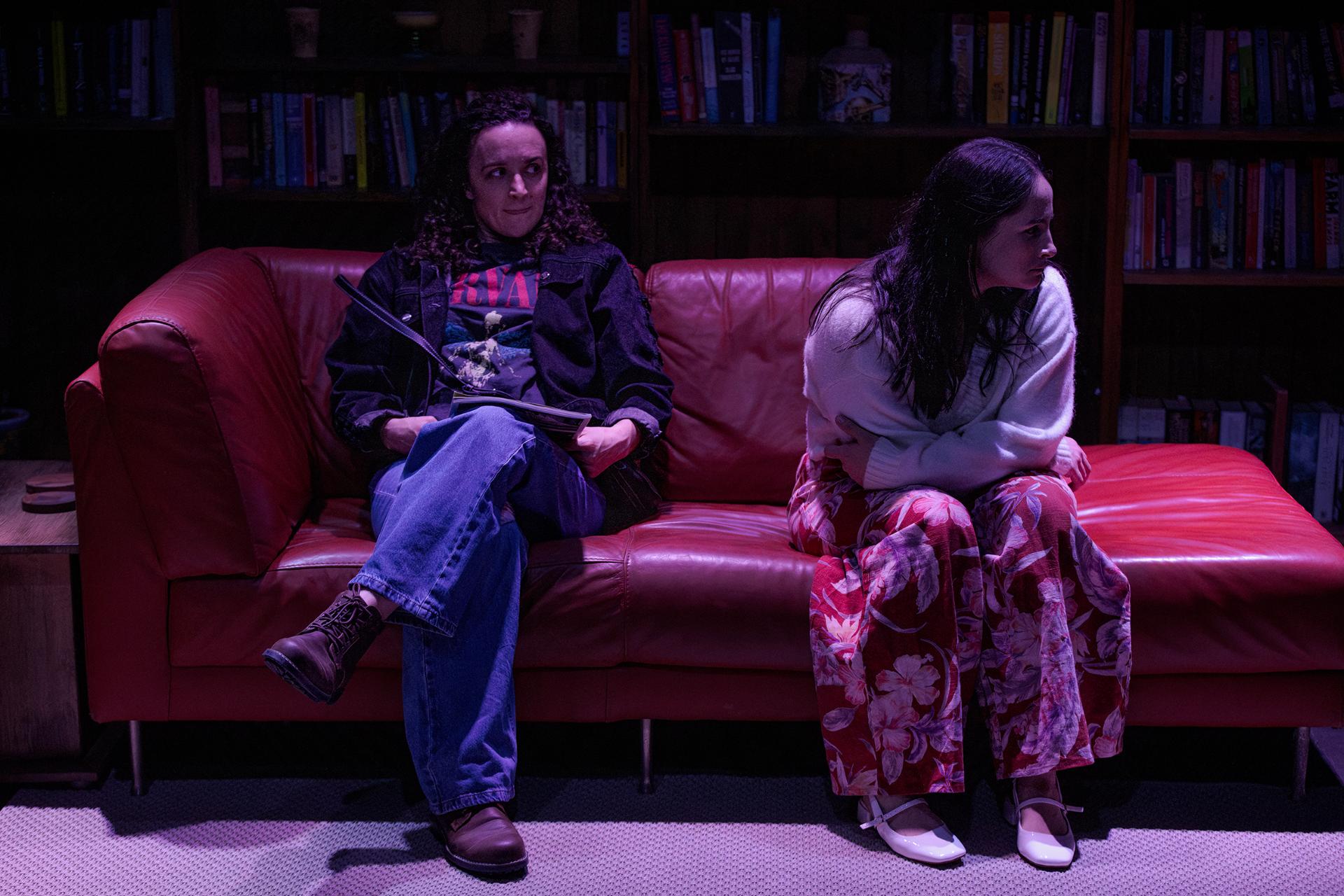
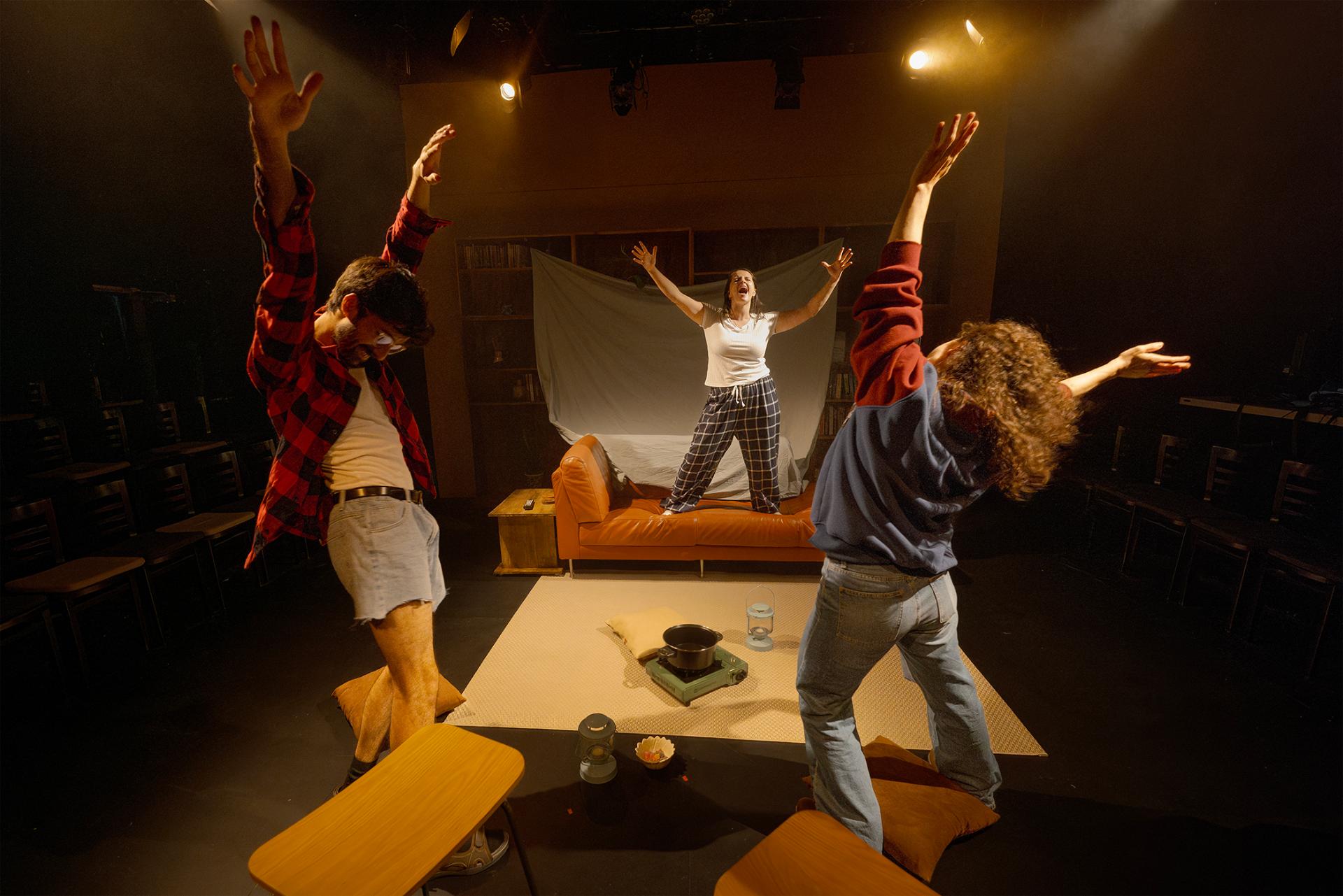
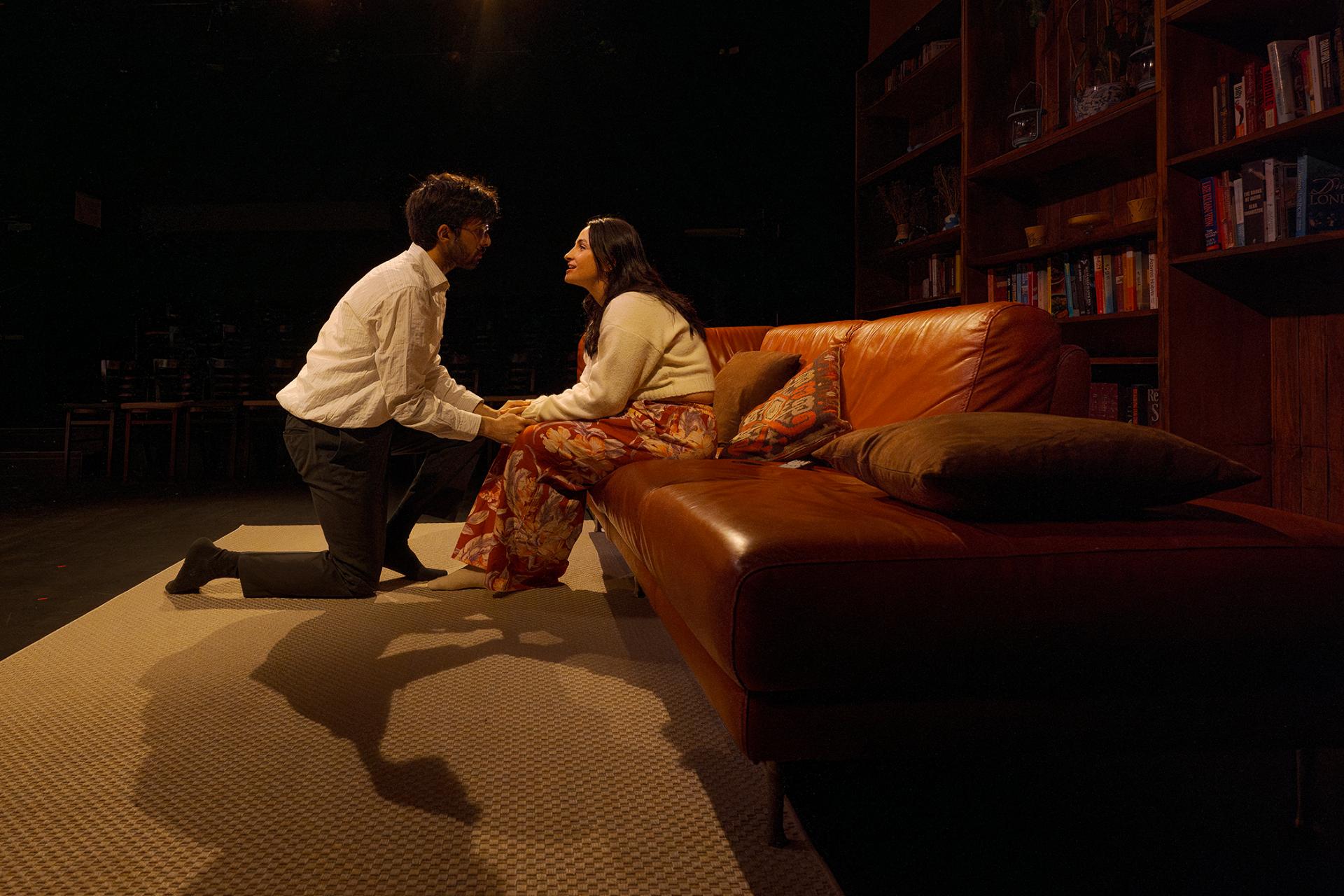
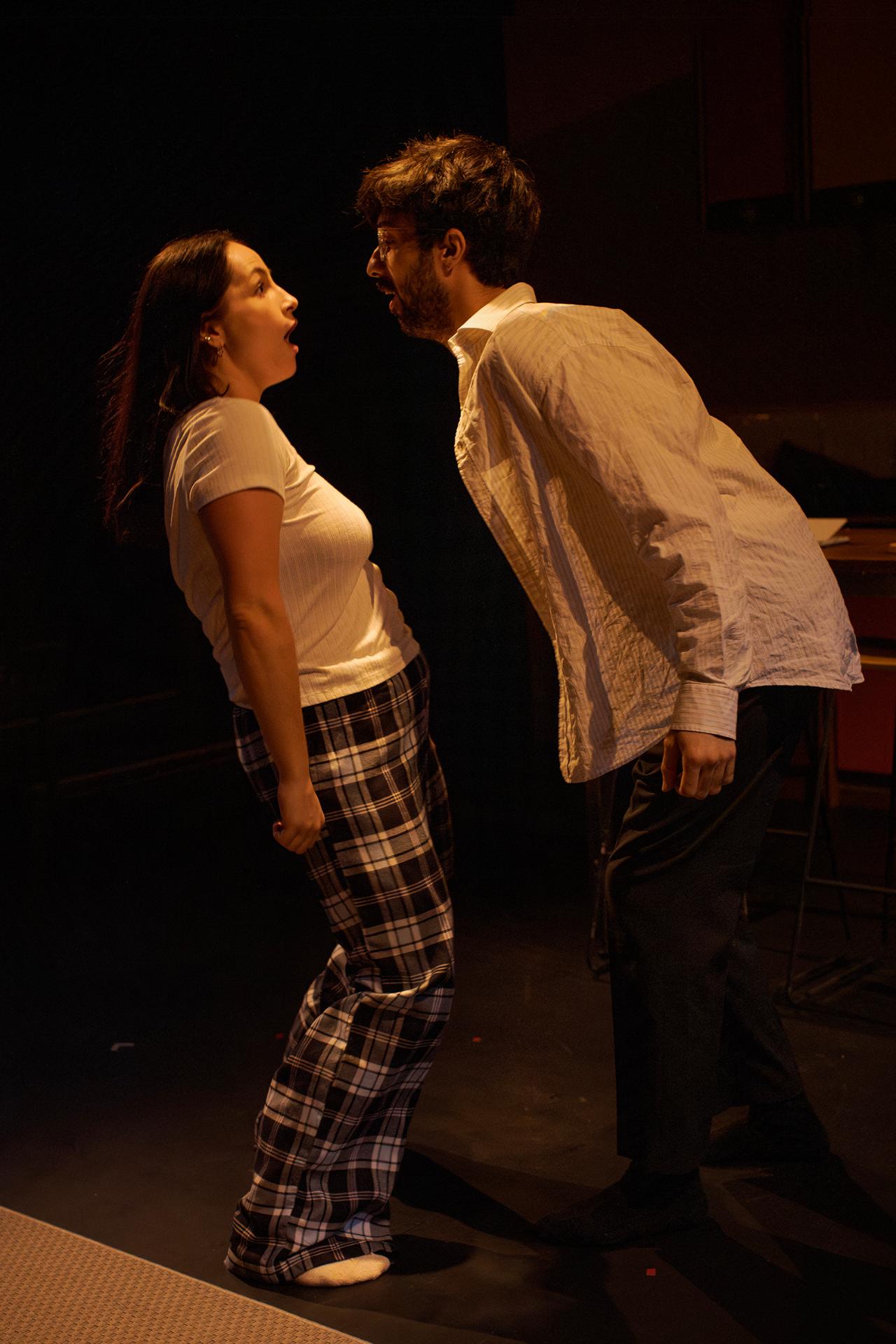
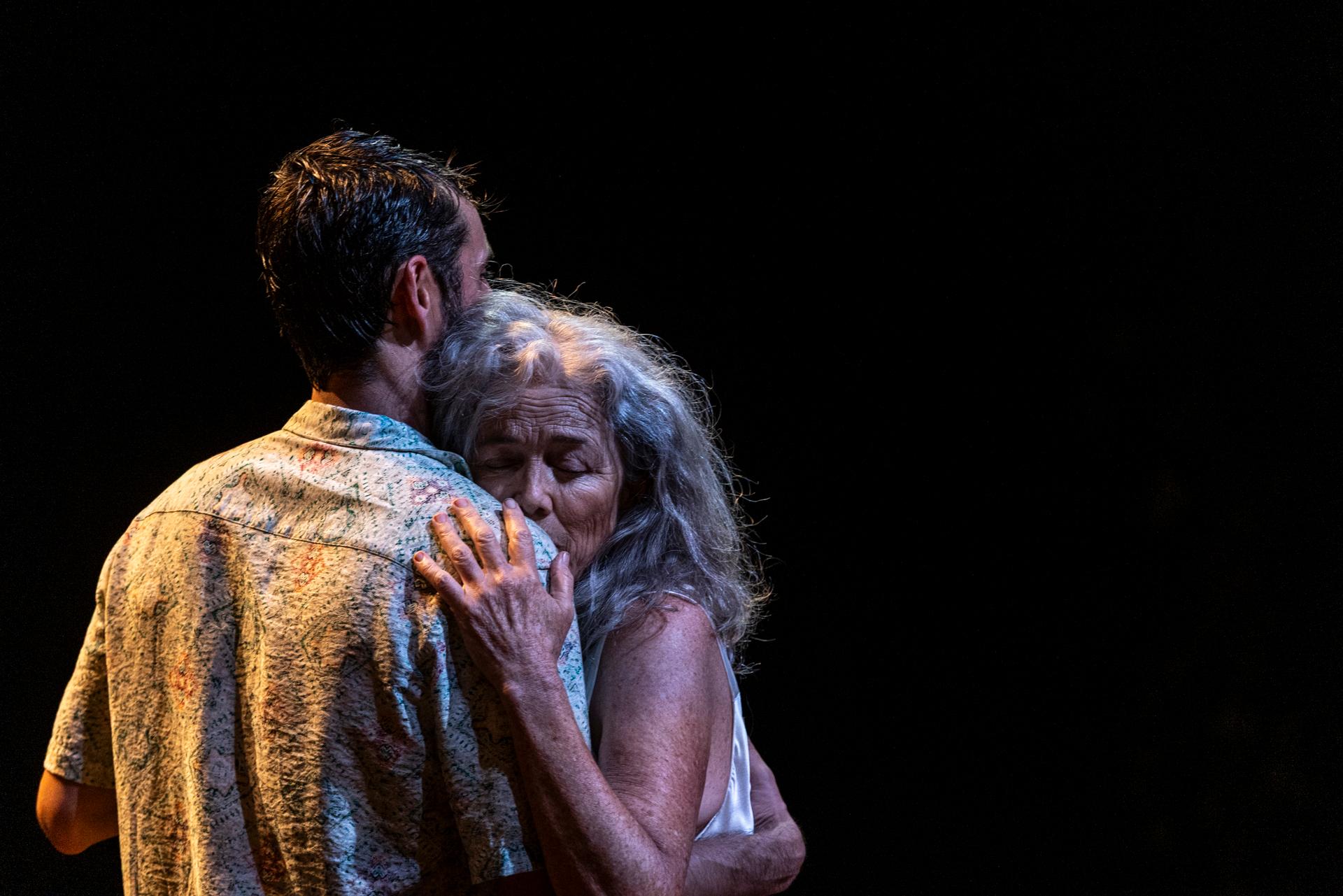
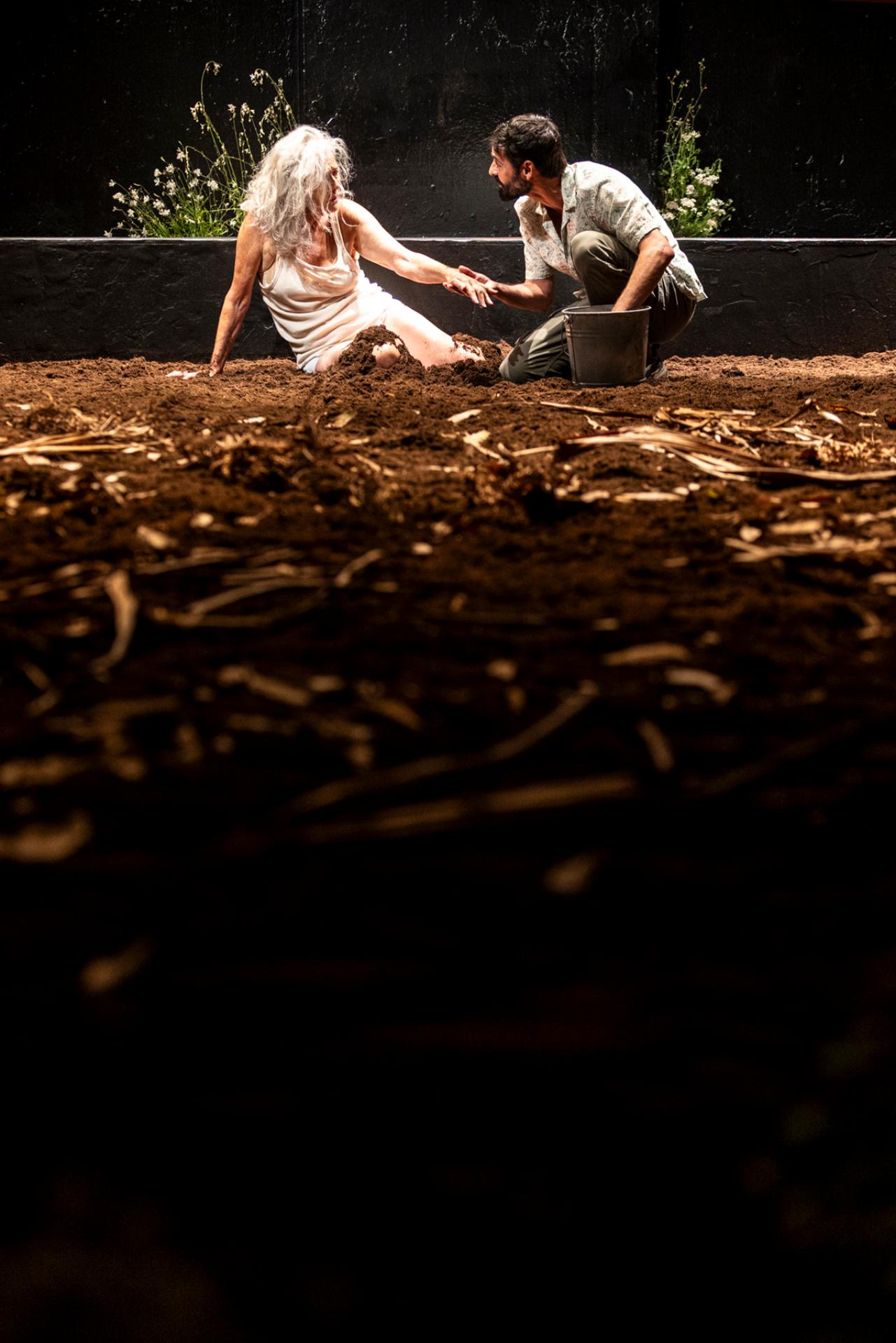
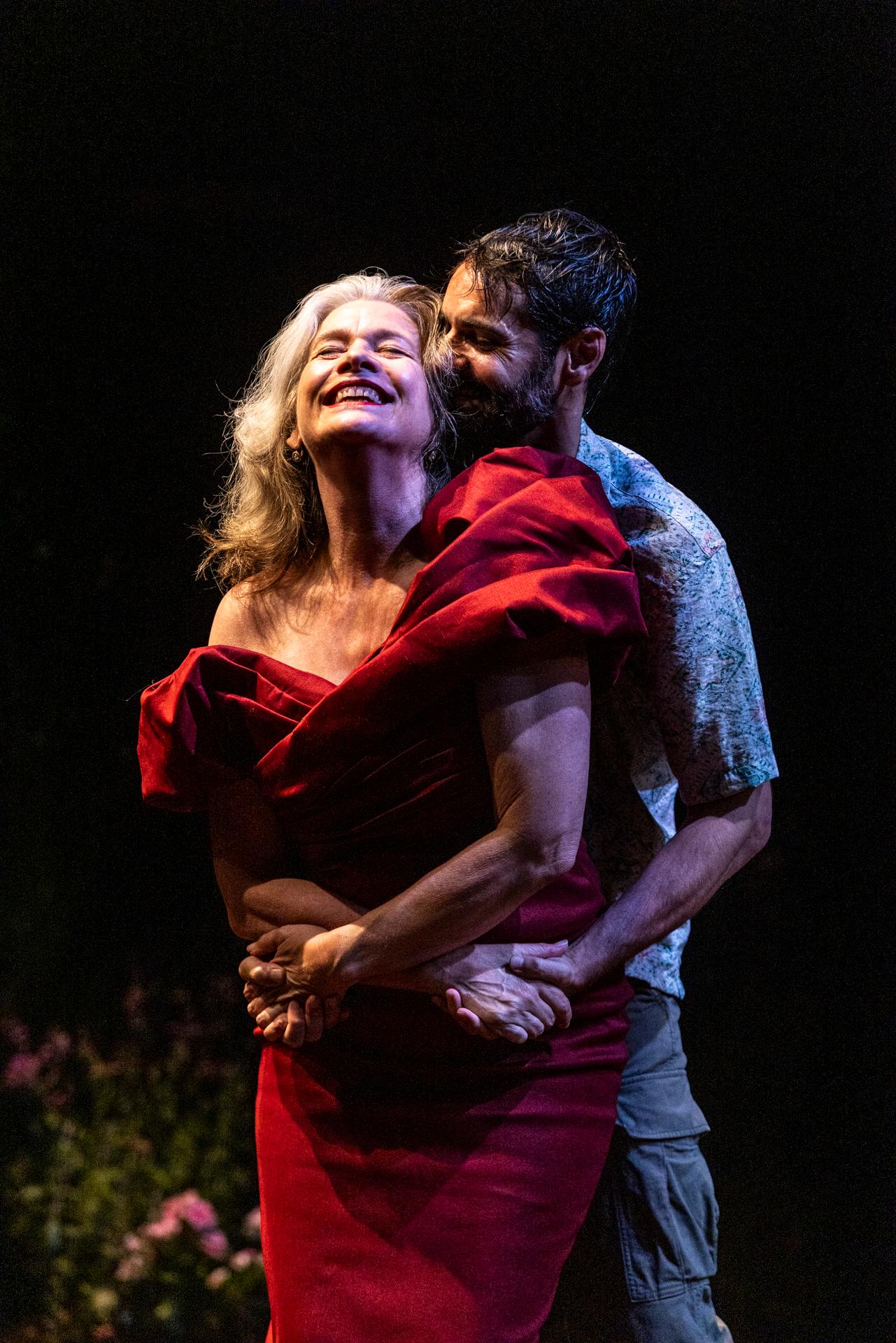
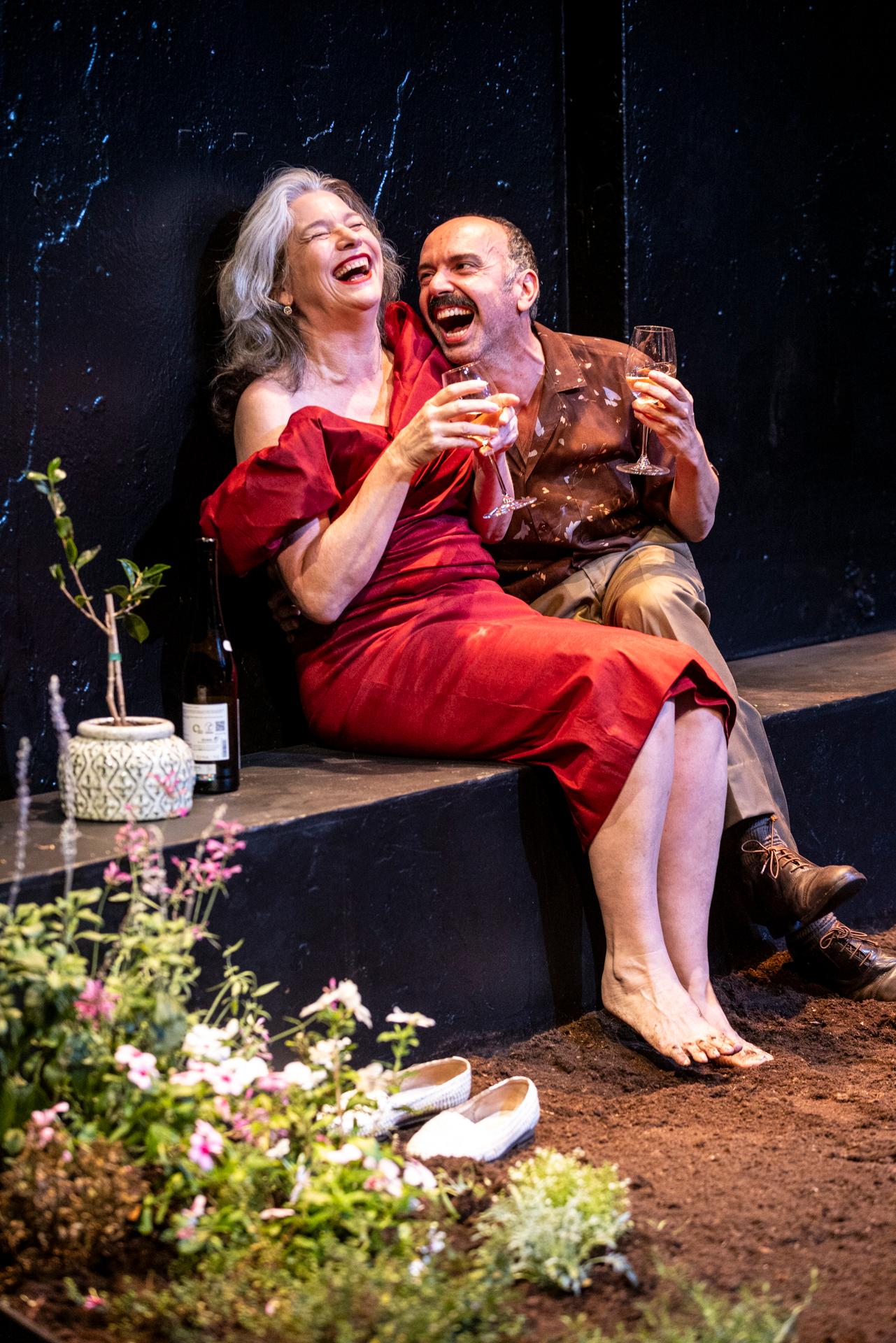
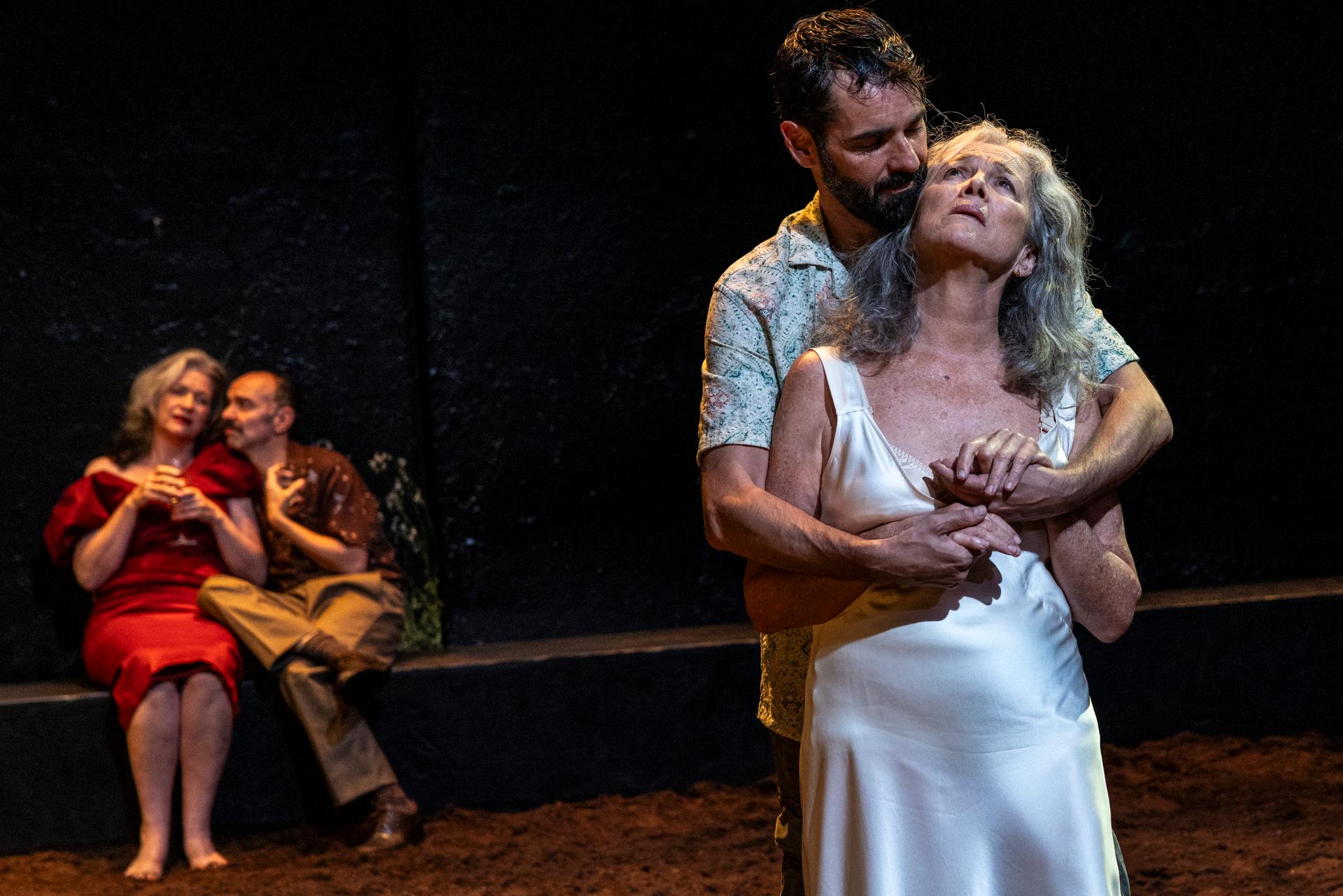
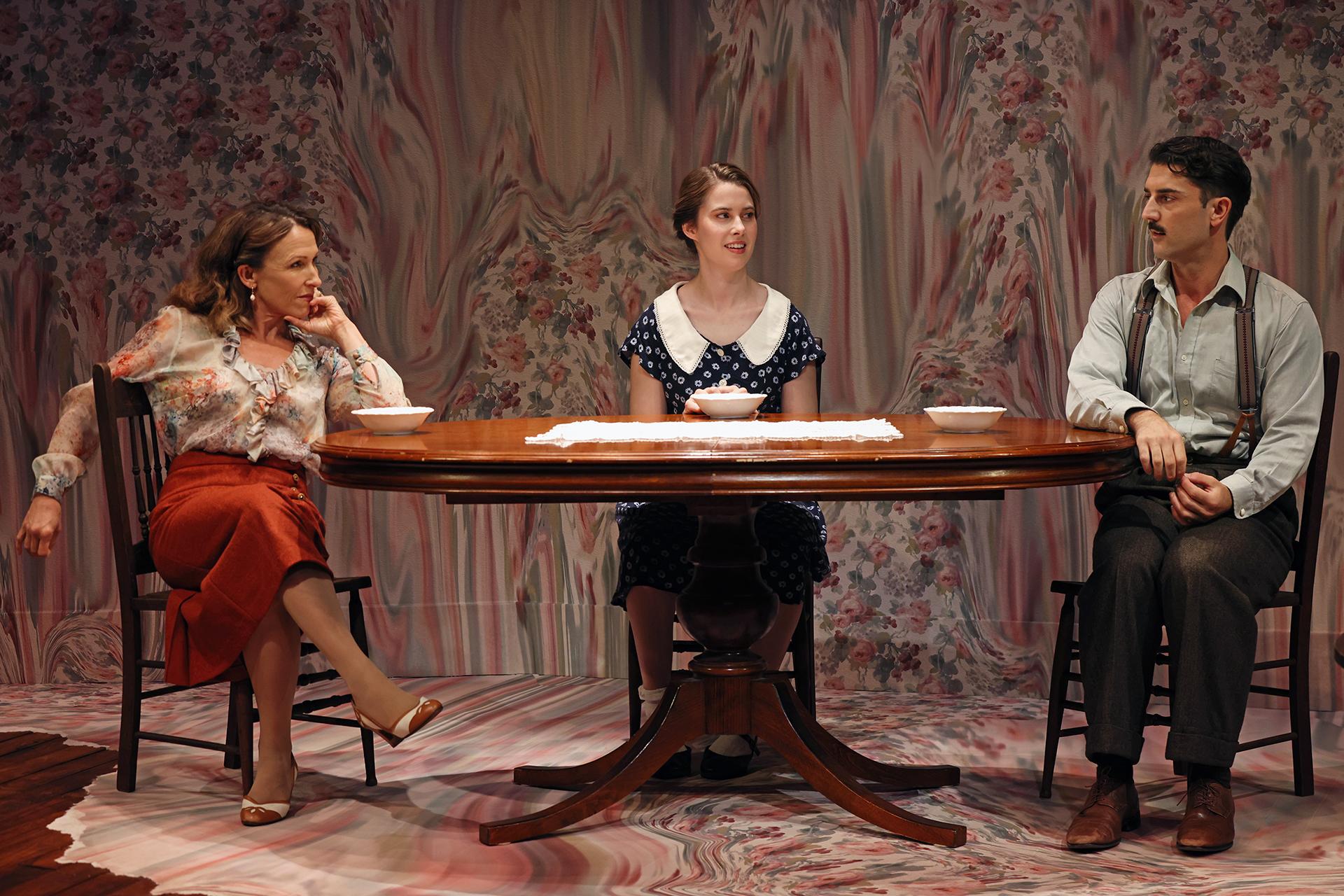
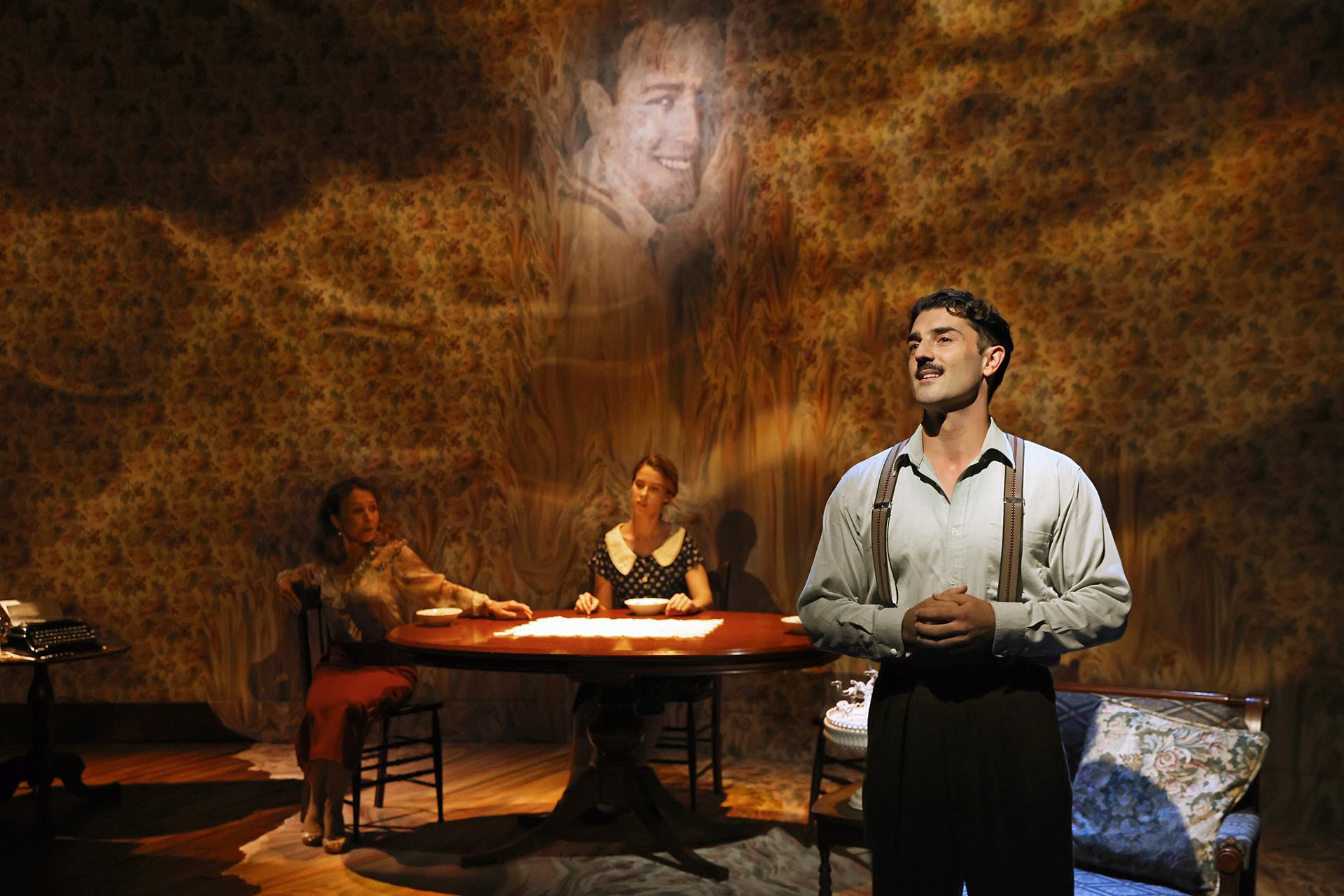
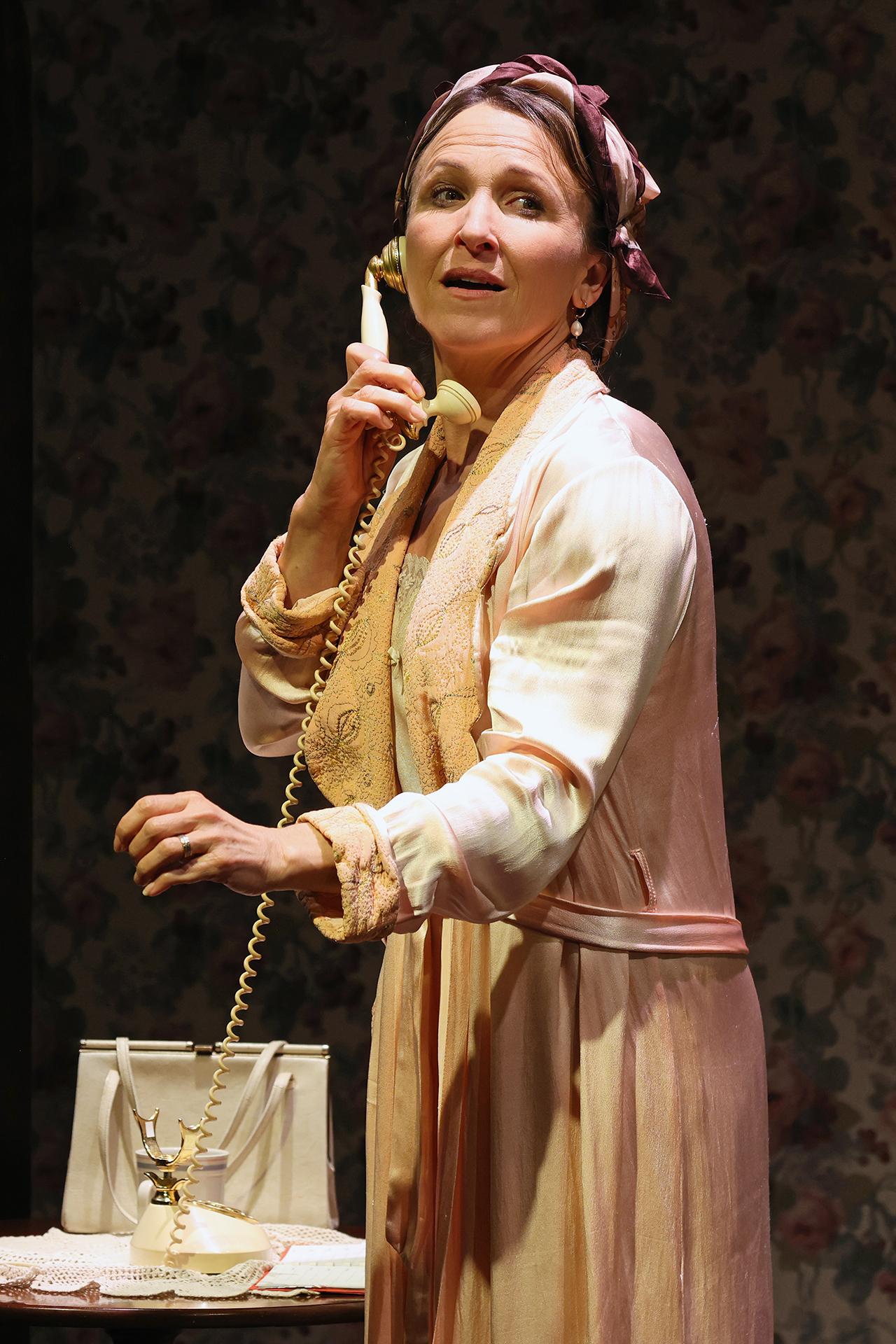
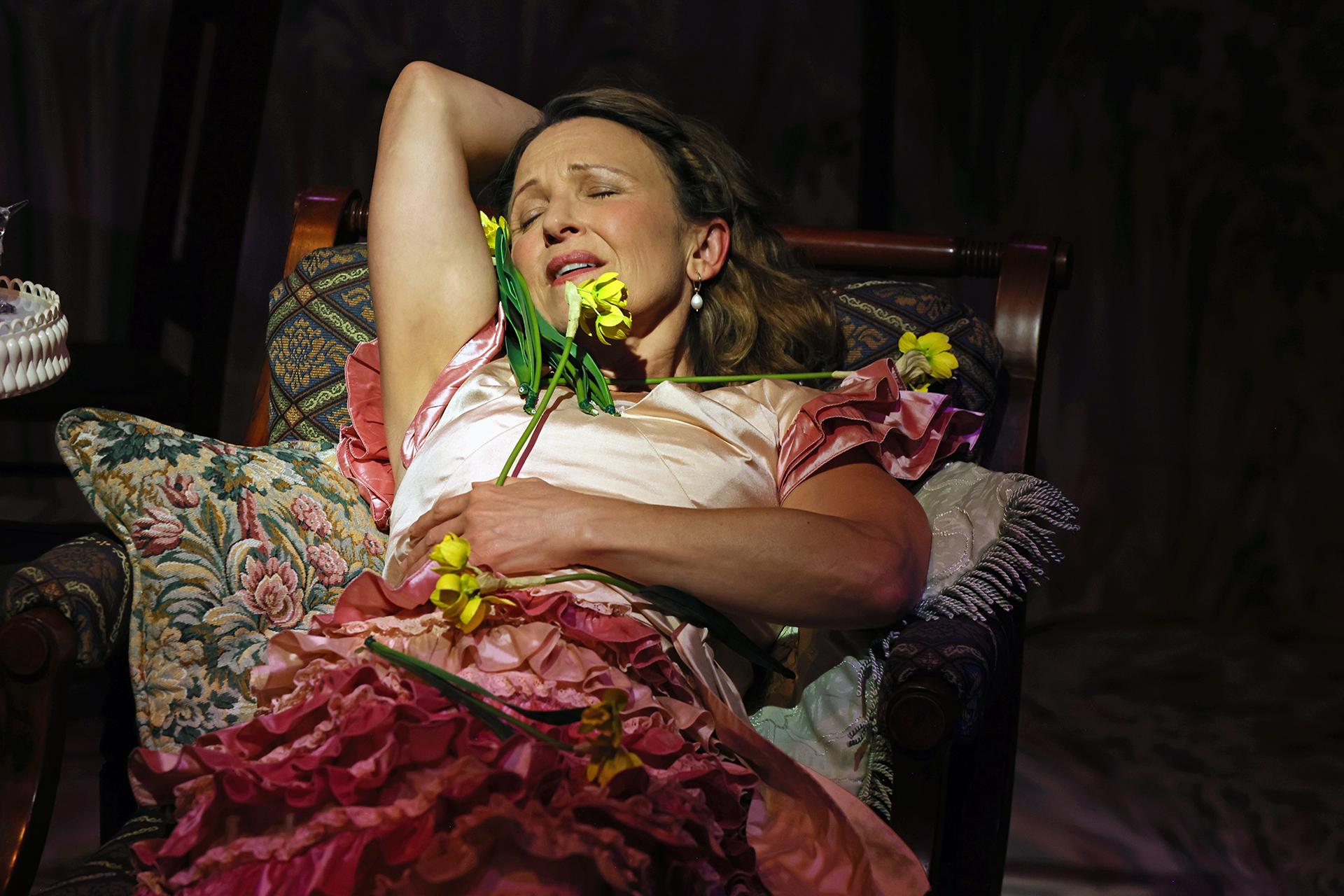
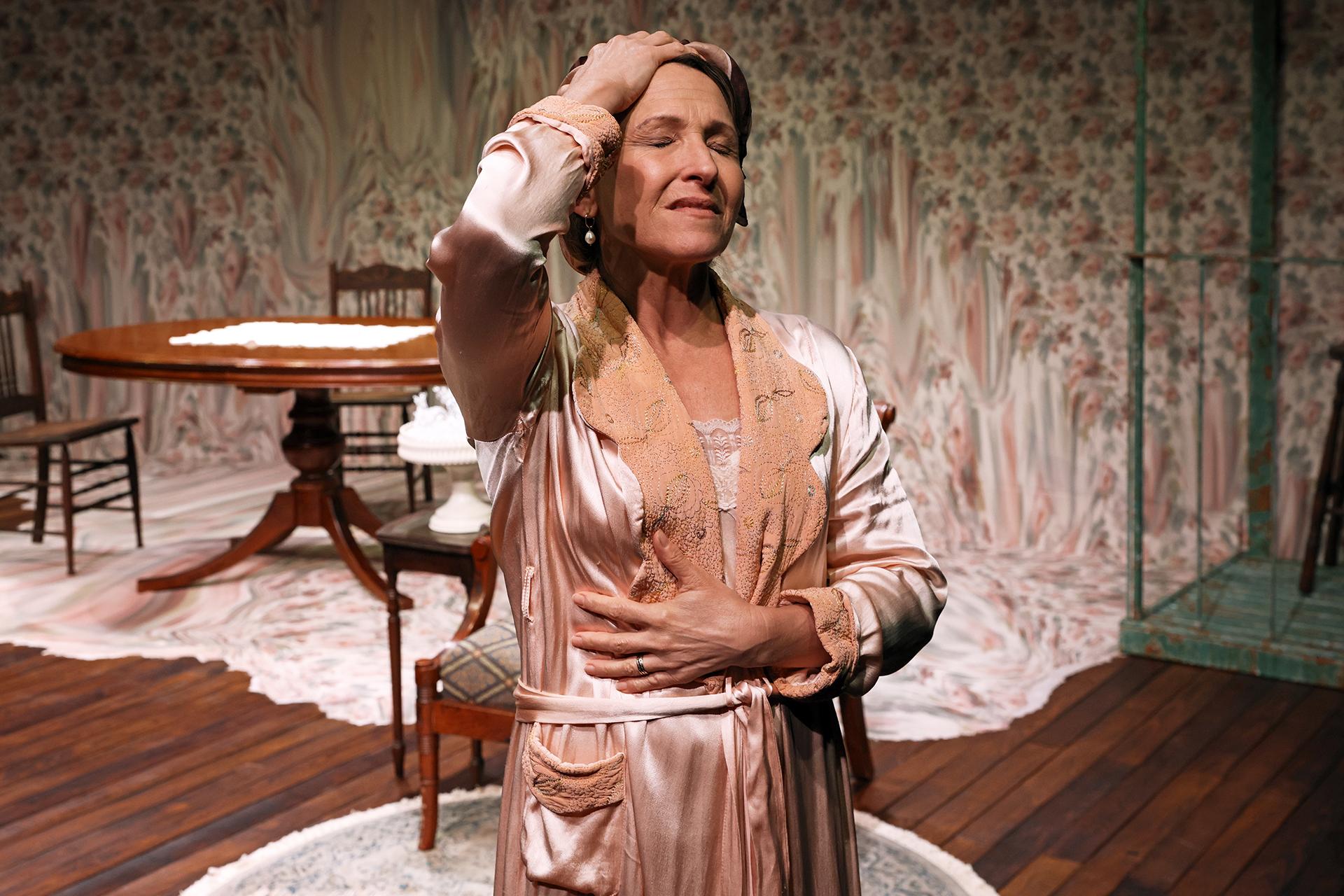
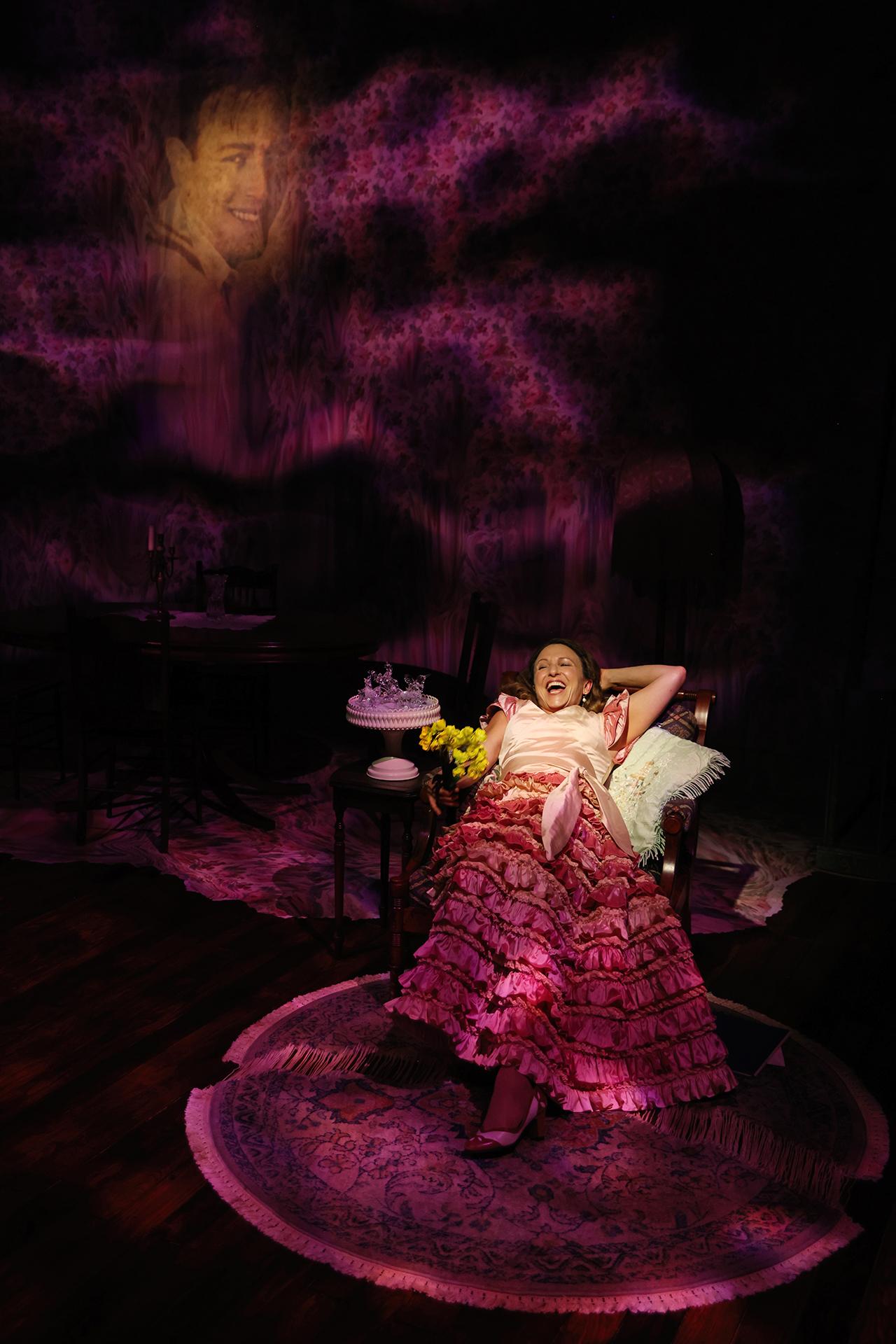
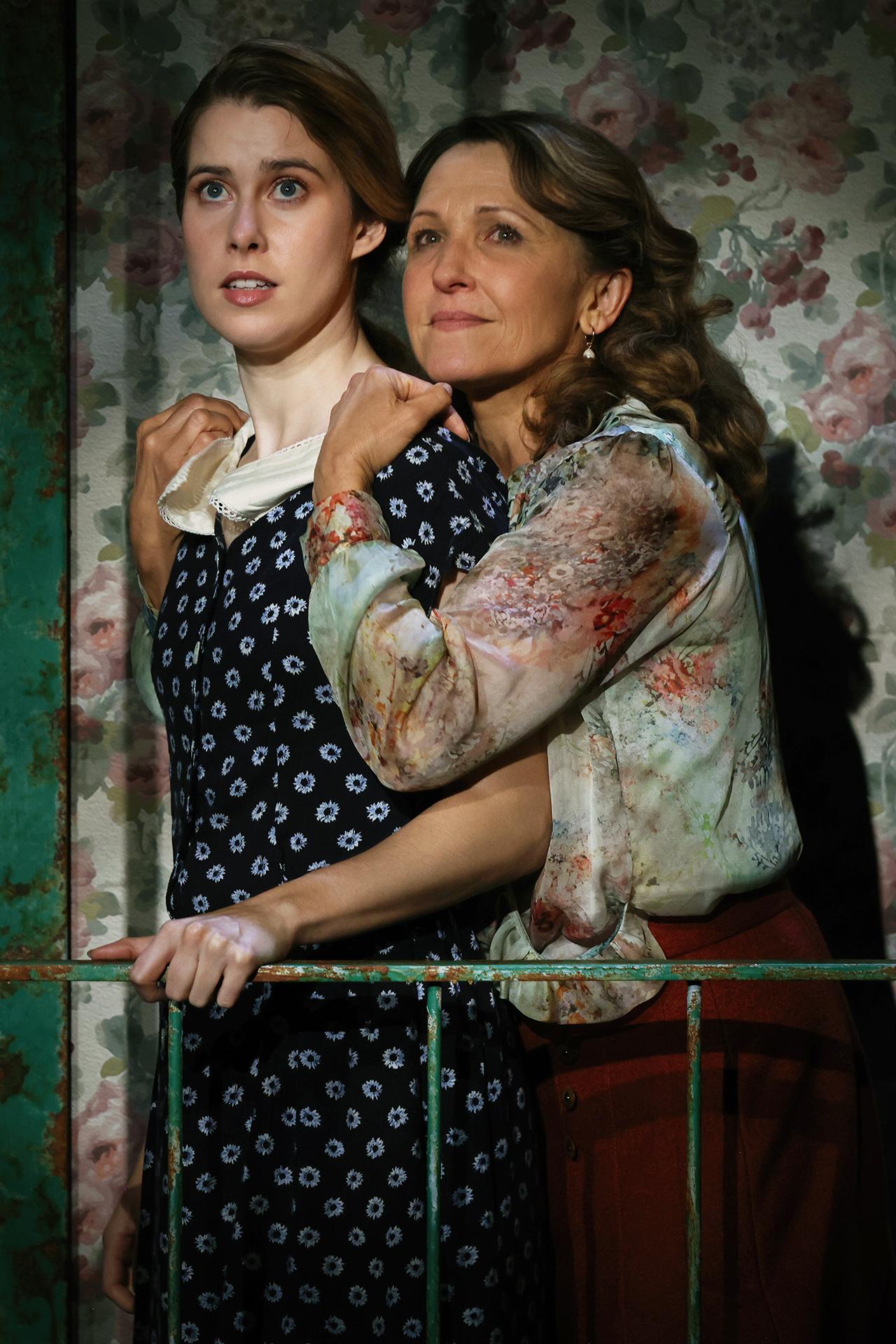
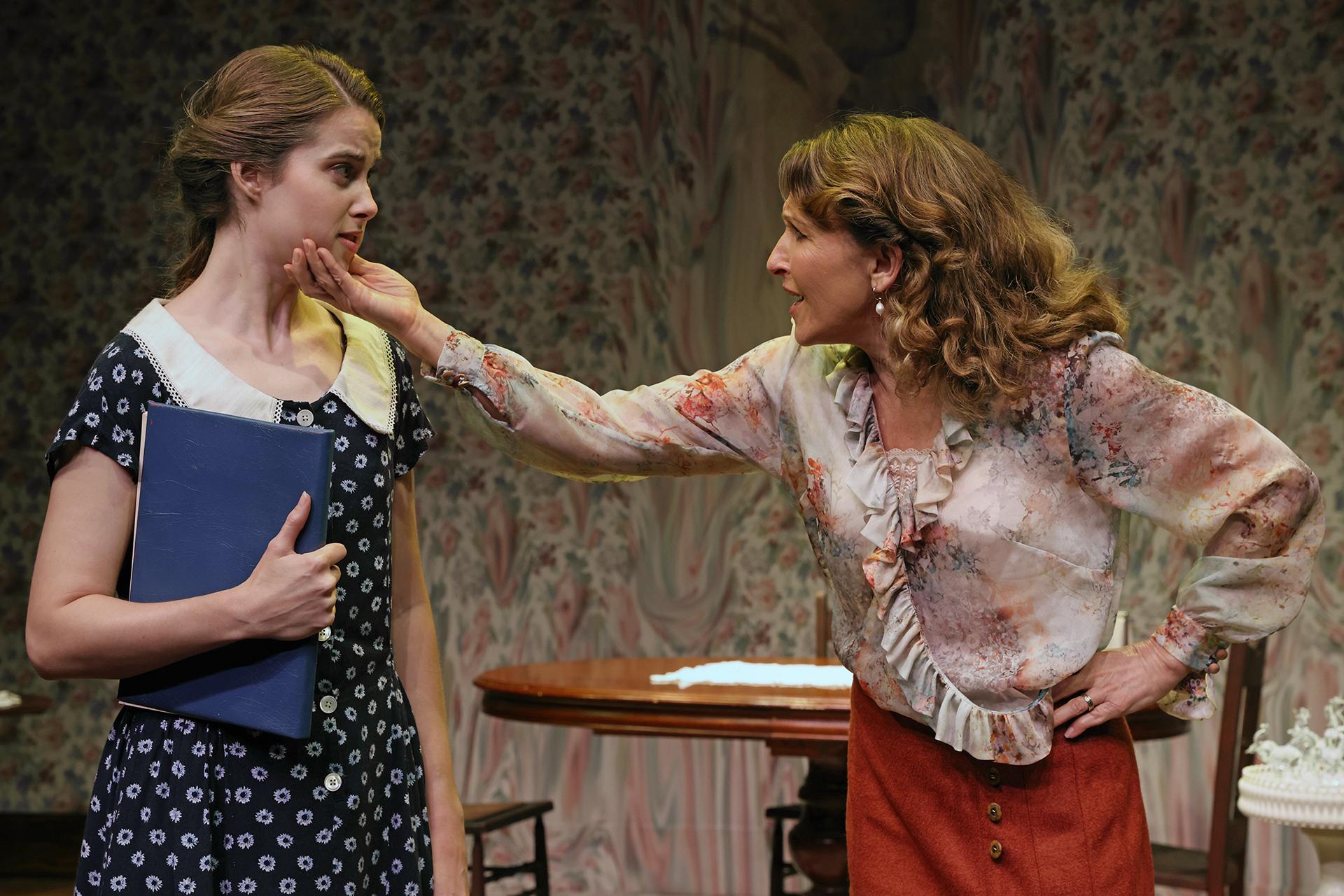
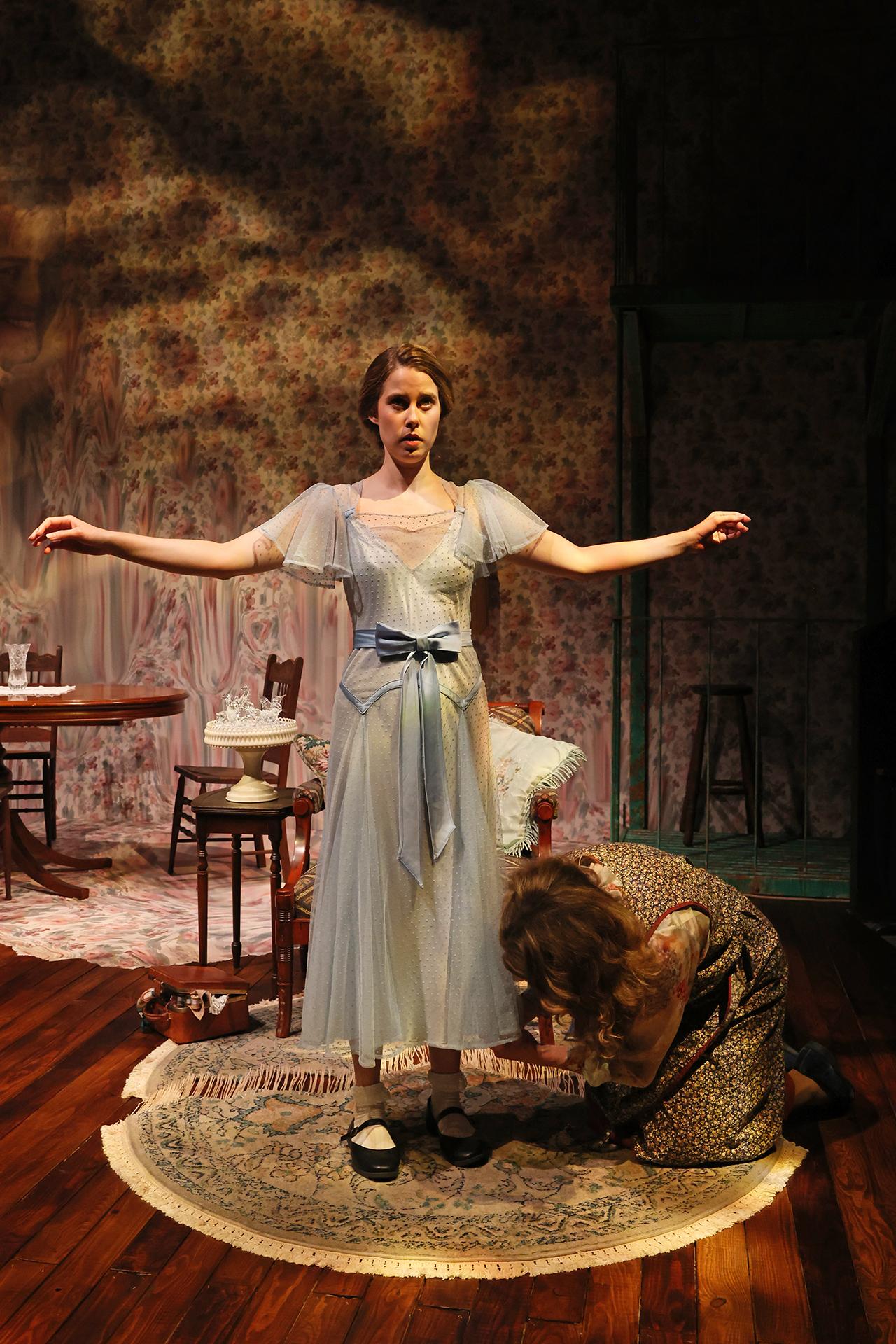
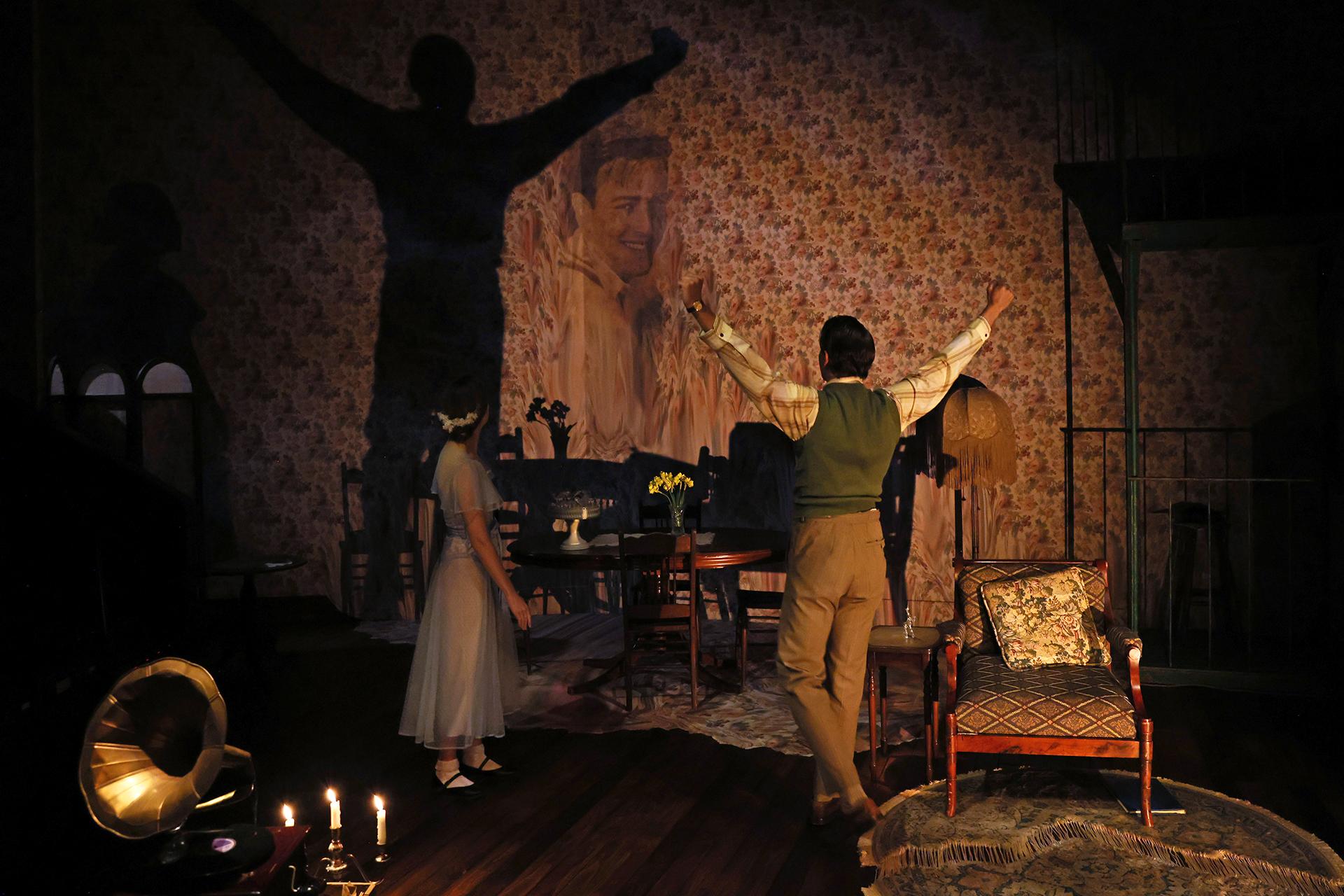
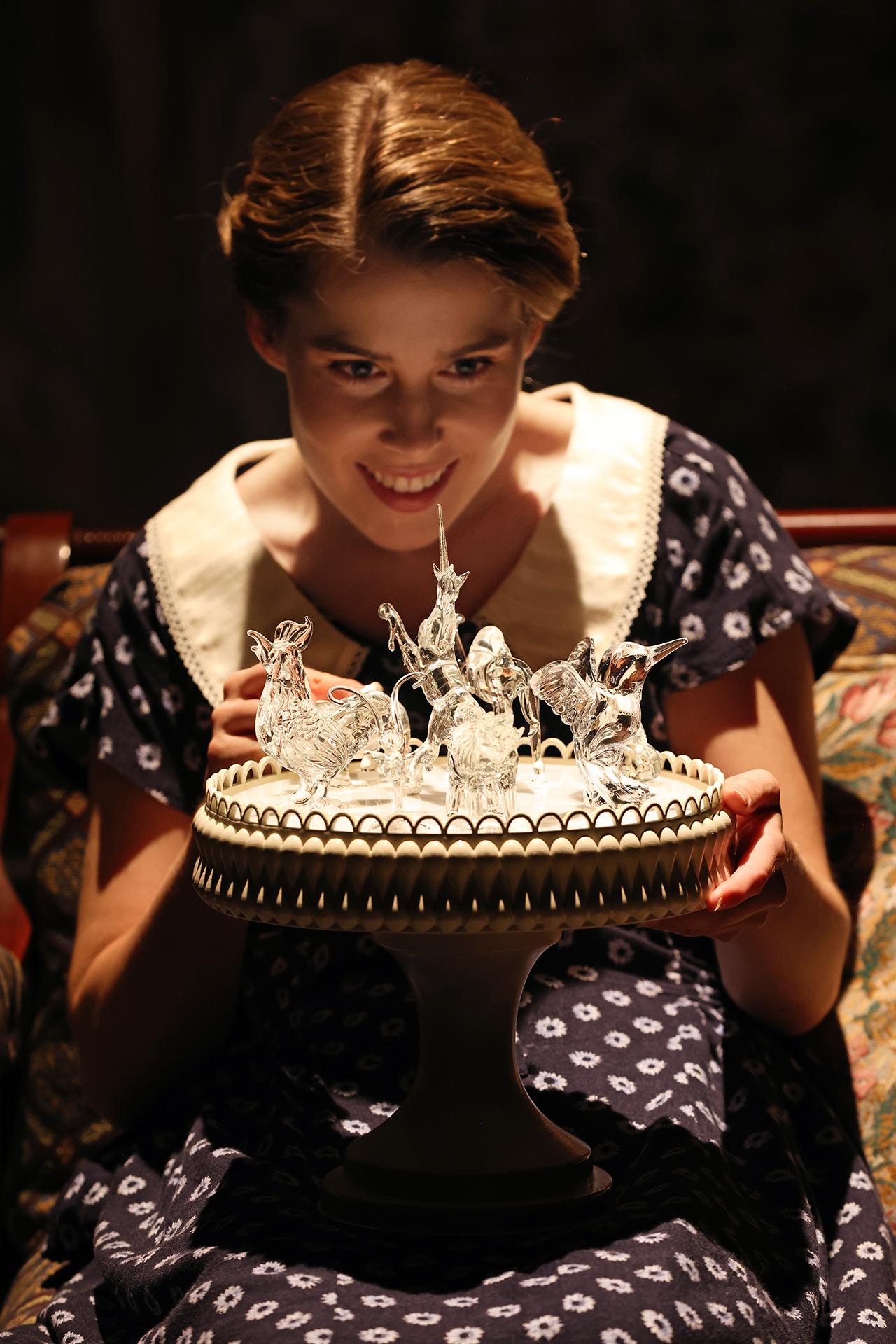
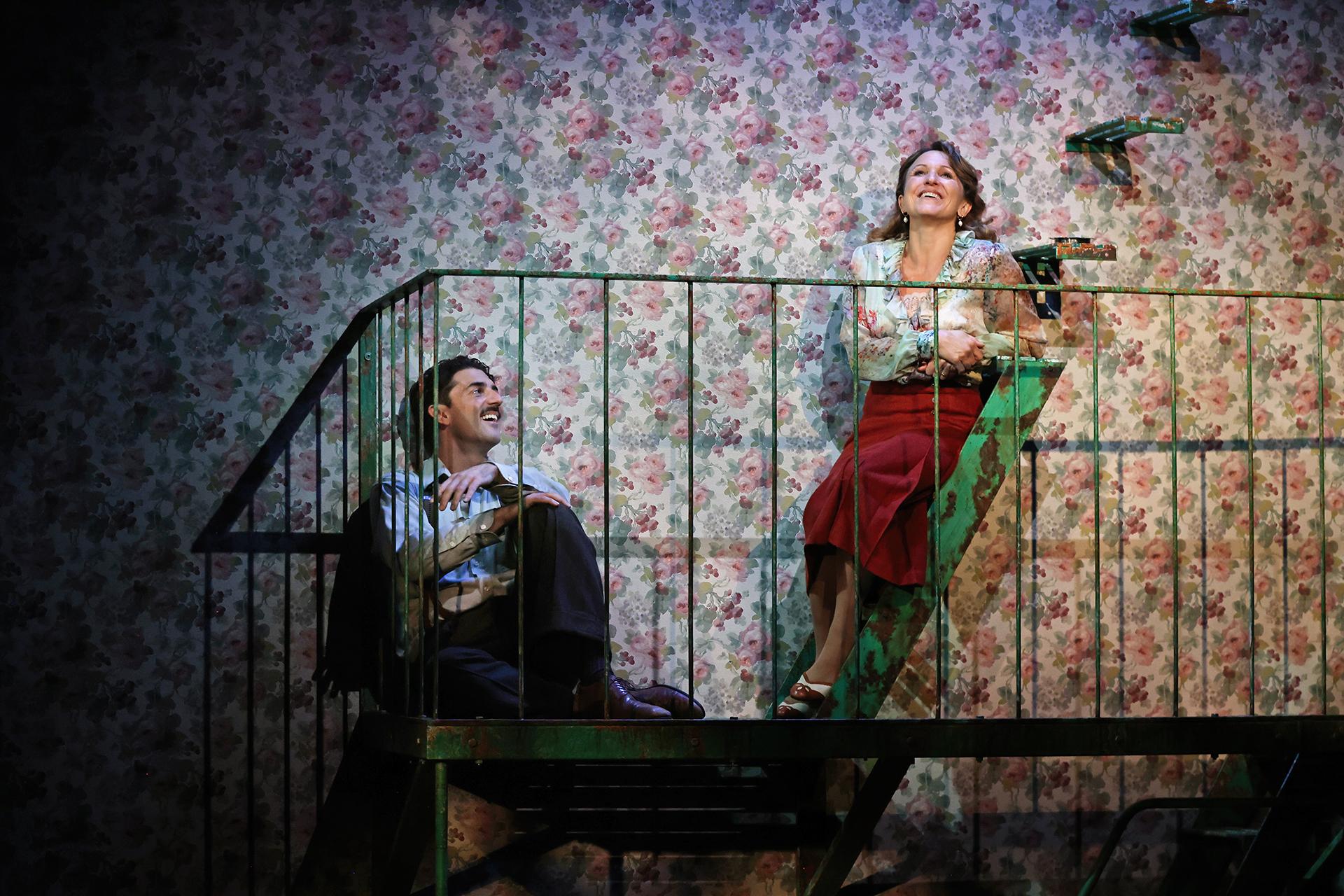
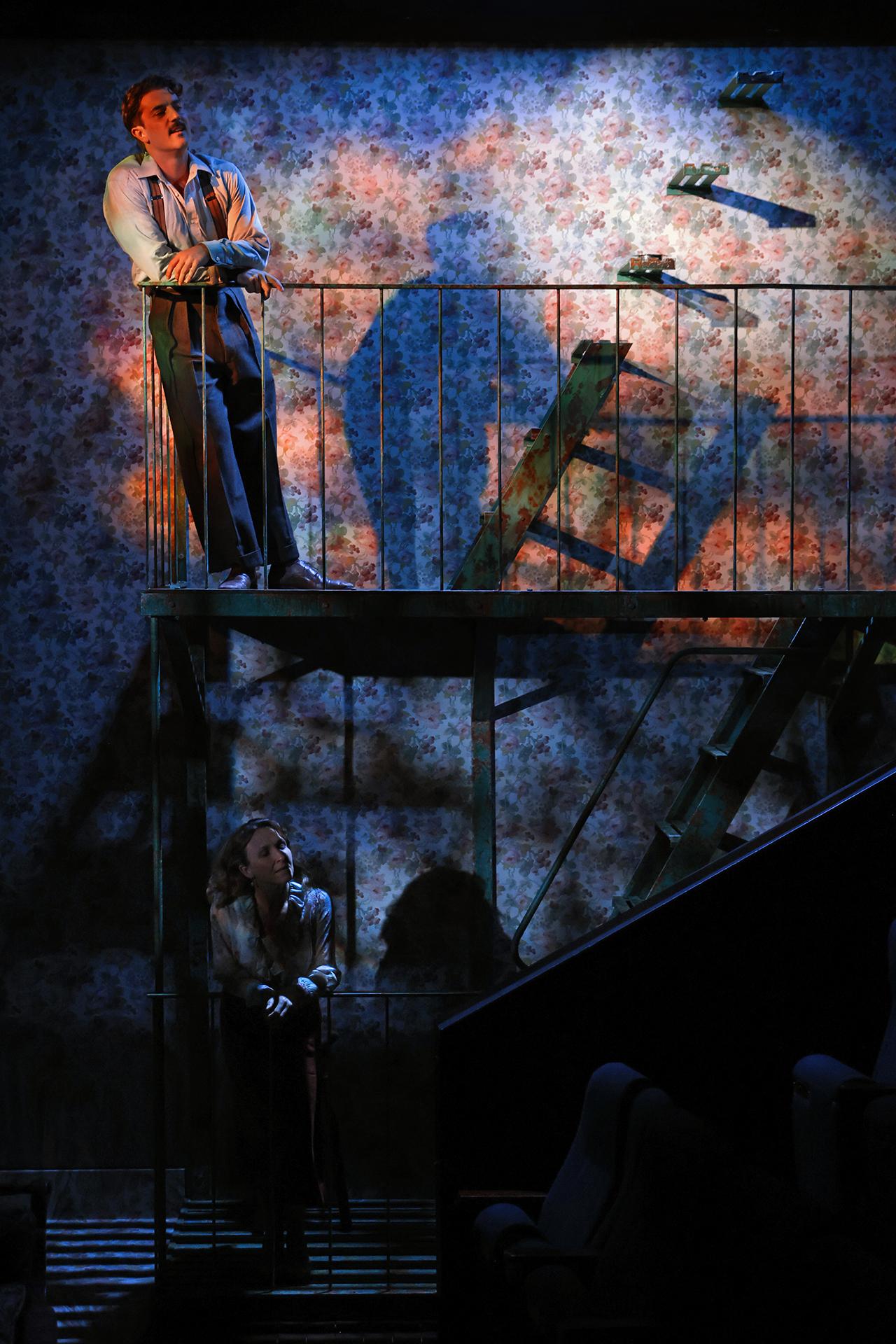
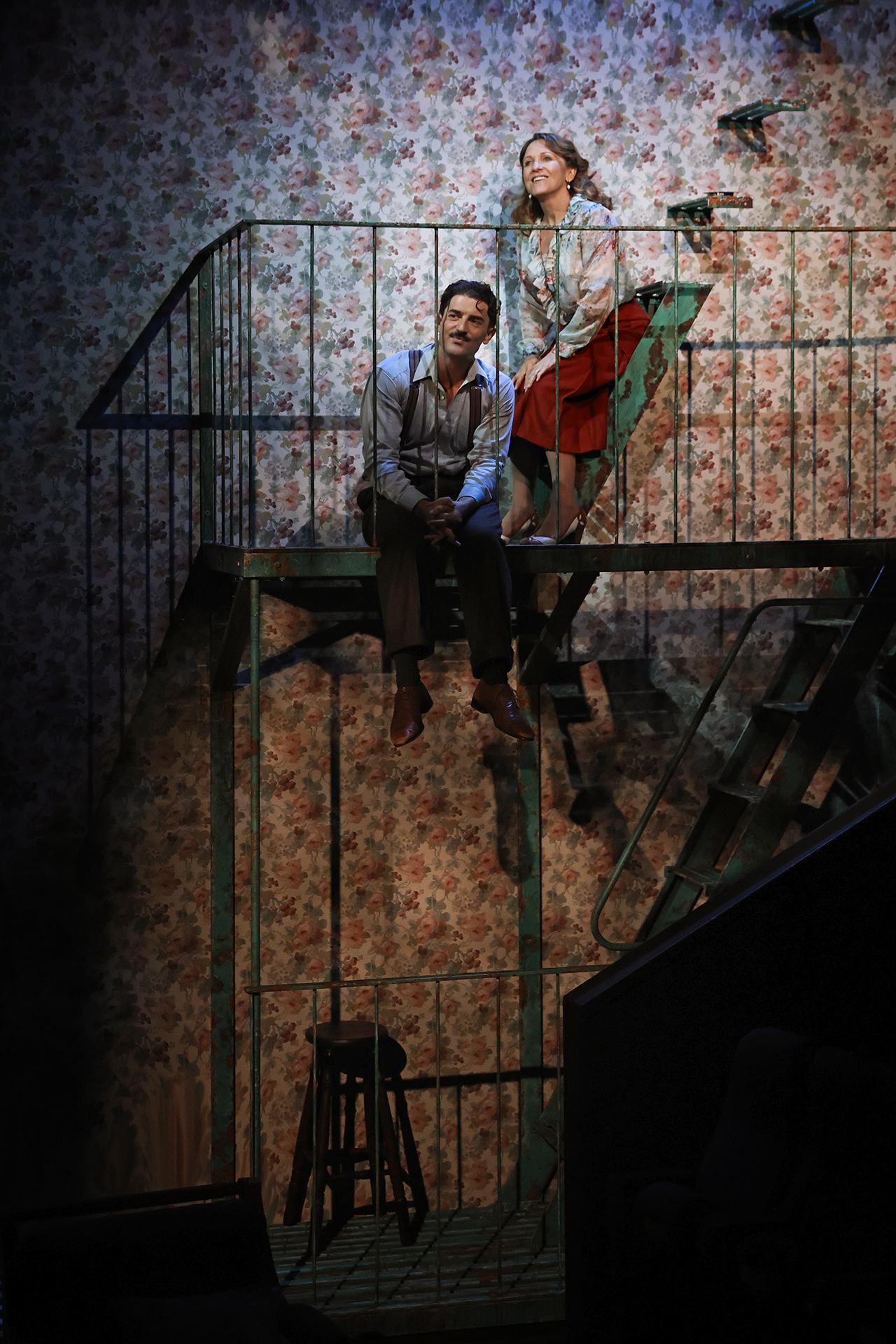
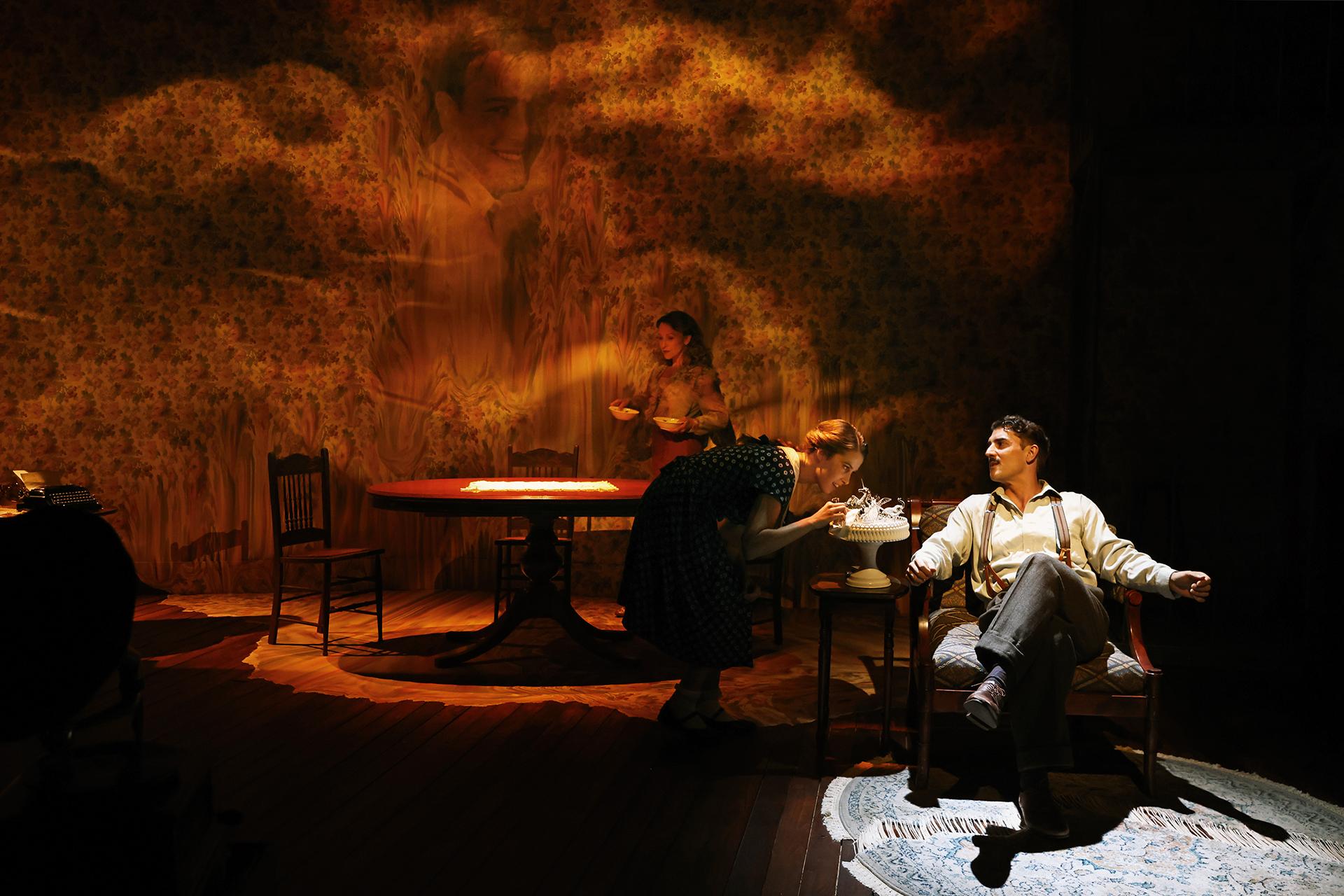
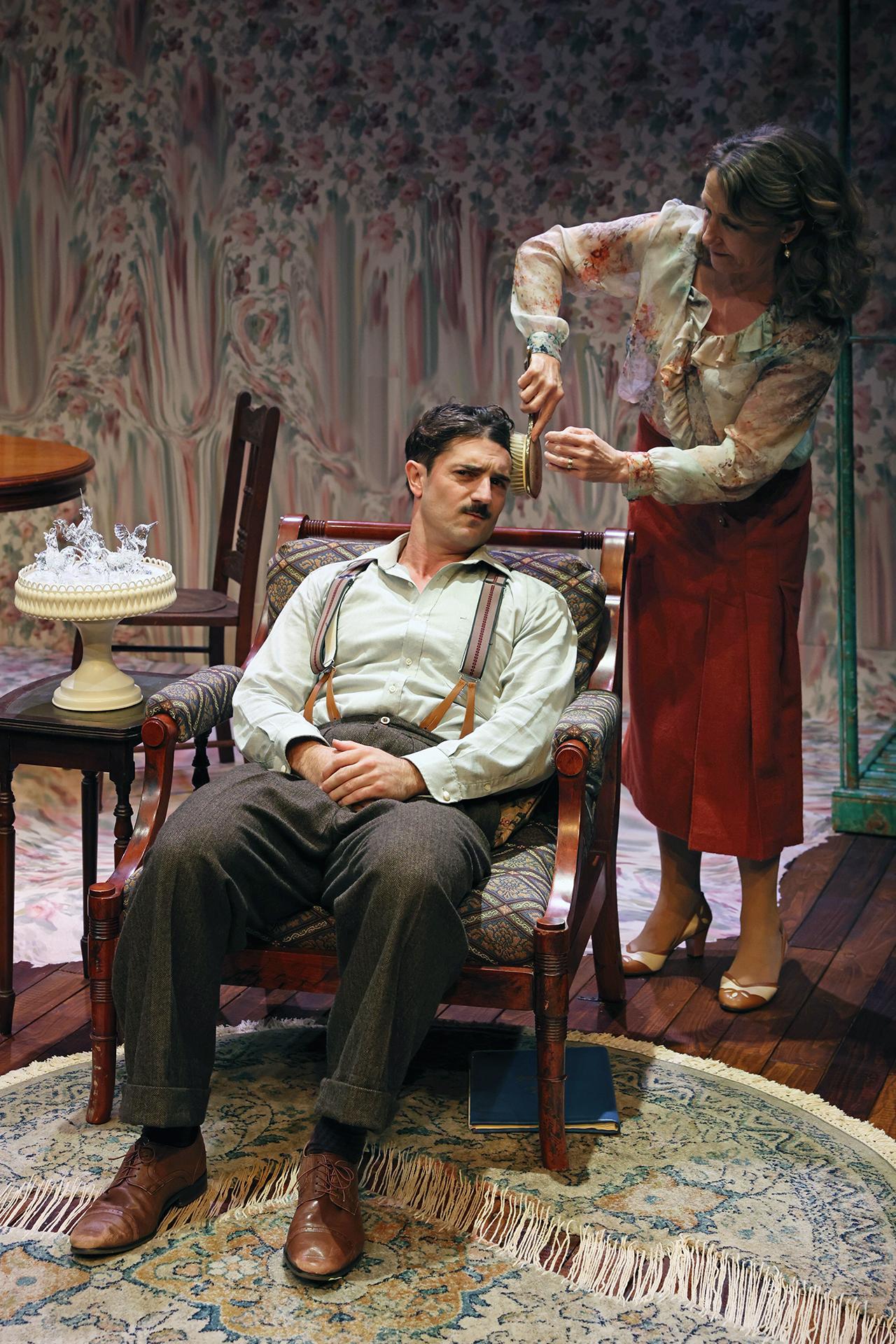
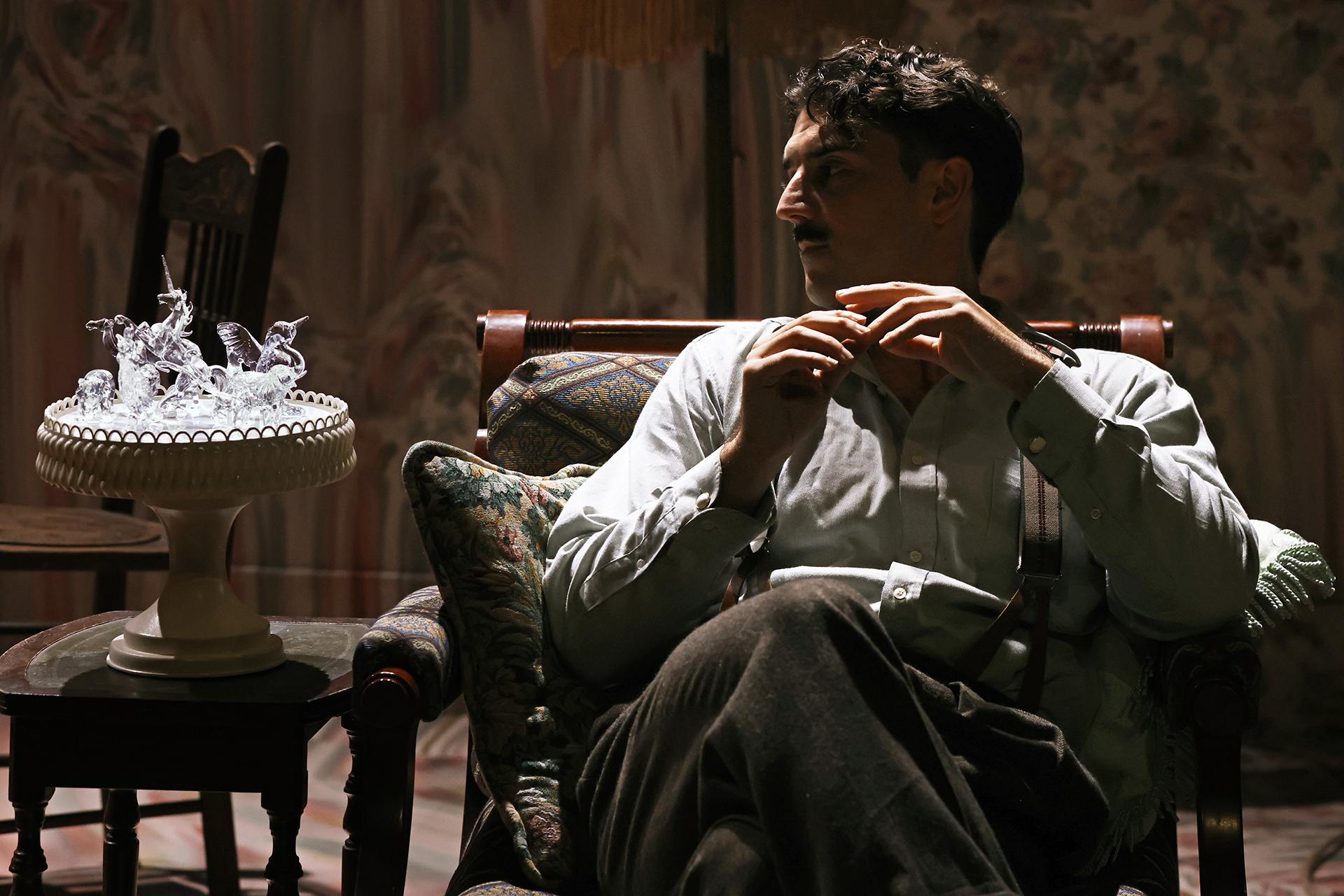
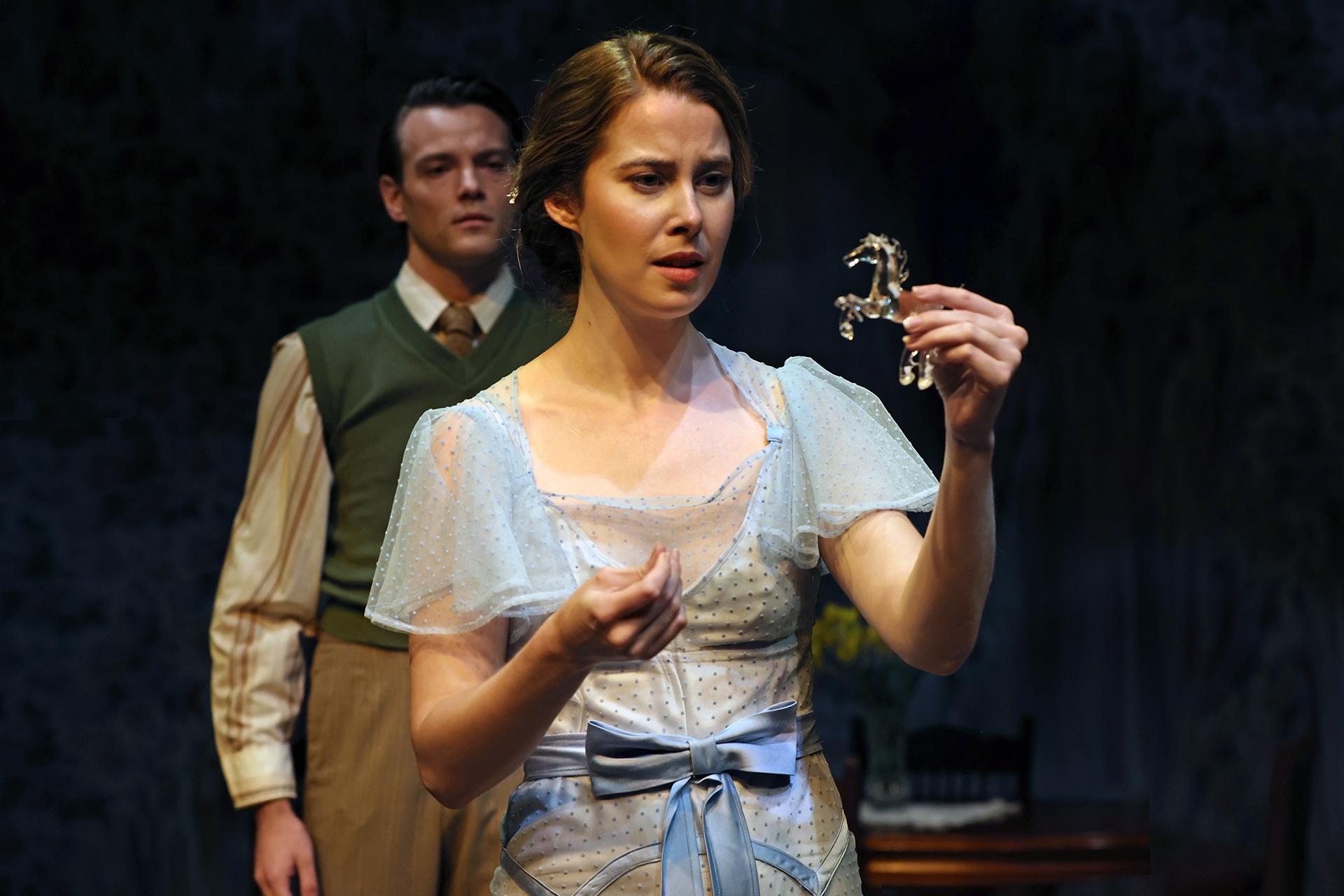
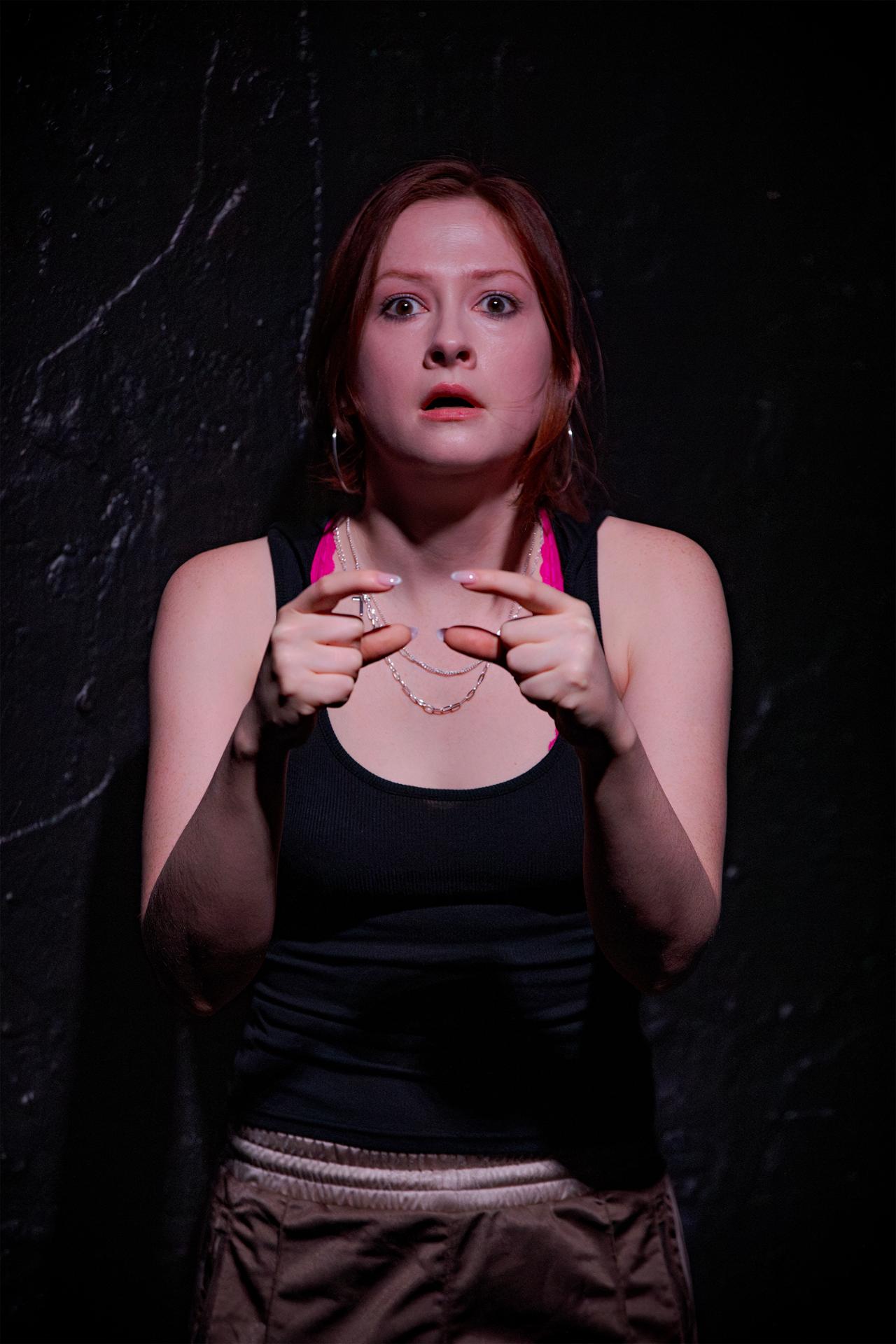
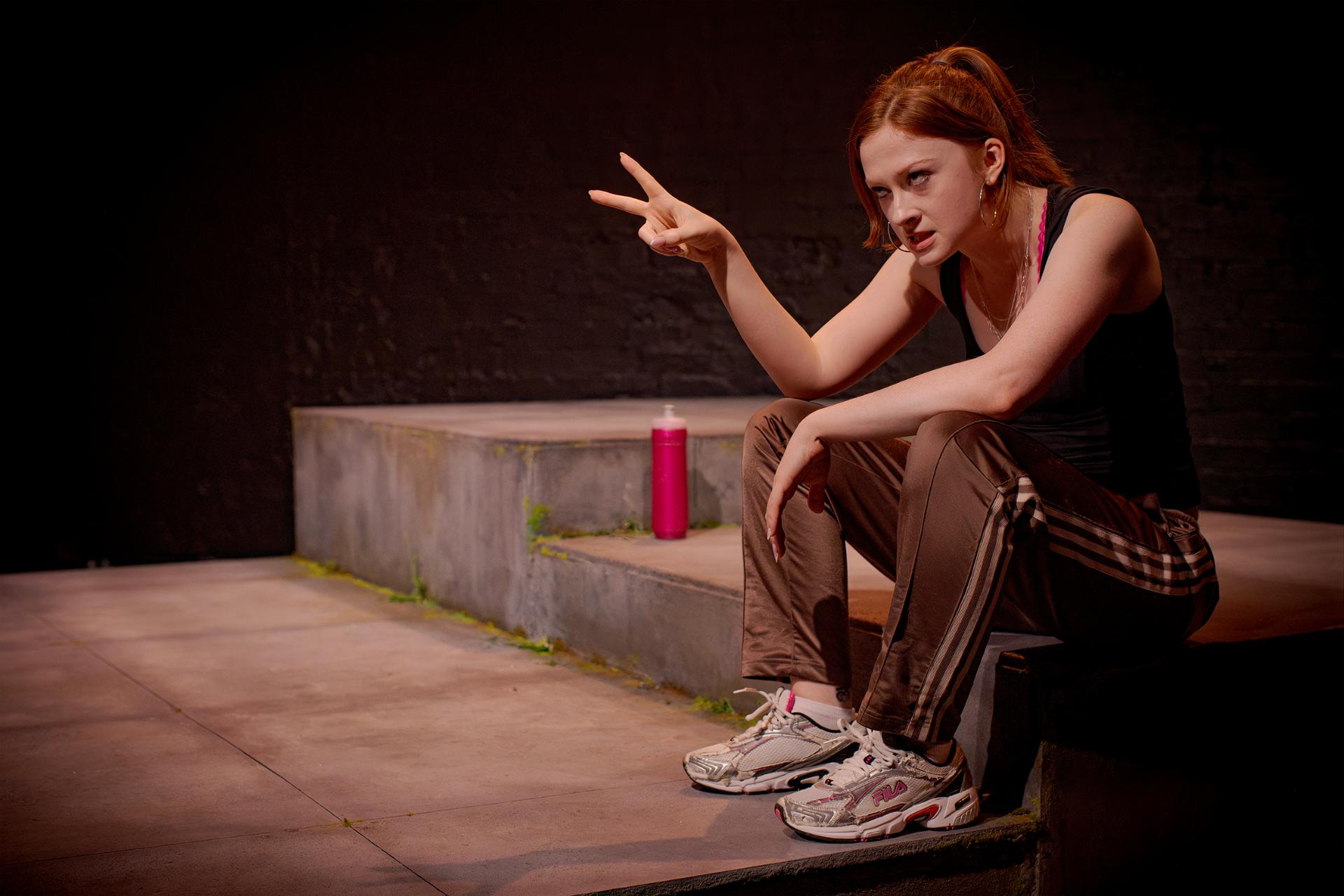
Jade is not only battling a terminal illness, she has to fight her husband Pat who plans to create a digital facsimile of her, using the latest in AI technology. As well as the subject of consent, Don’t Save Me by Karina Young explores the ethics around the replication or simulation of a person after death. Although timely, the play is insufficiently imaginative, with a persistent mundanity to its dialogue that makes a fascinating concept seem almost banal.

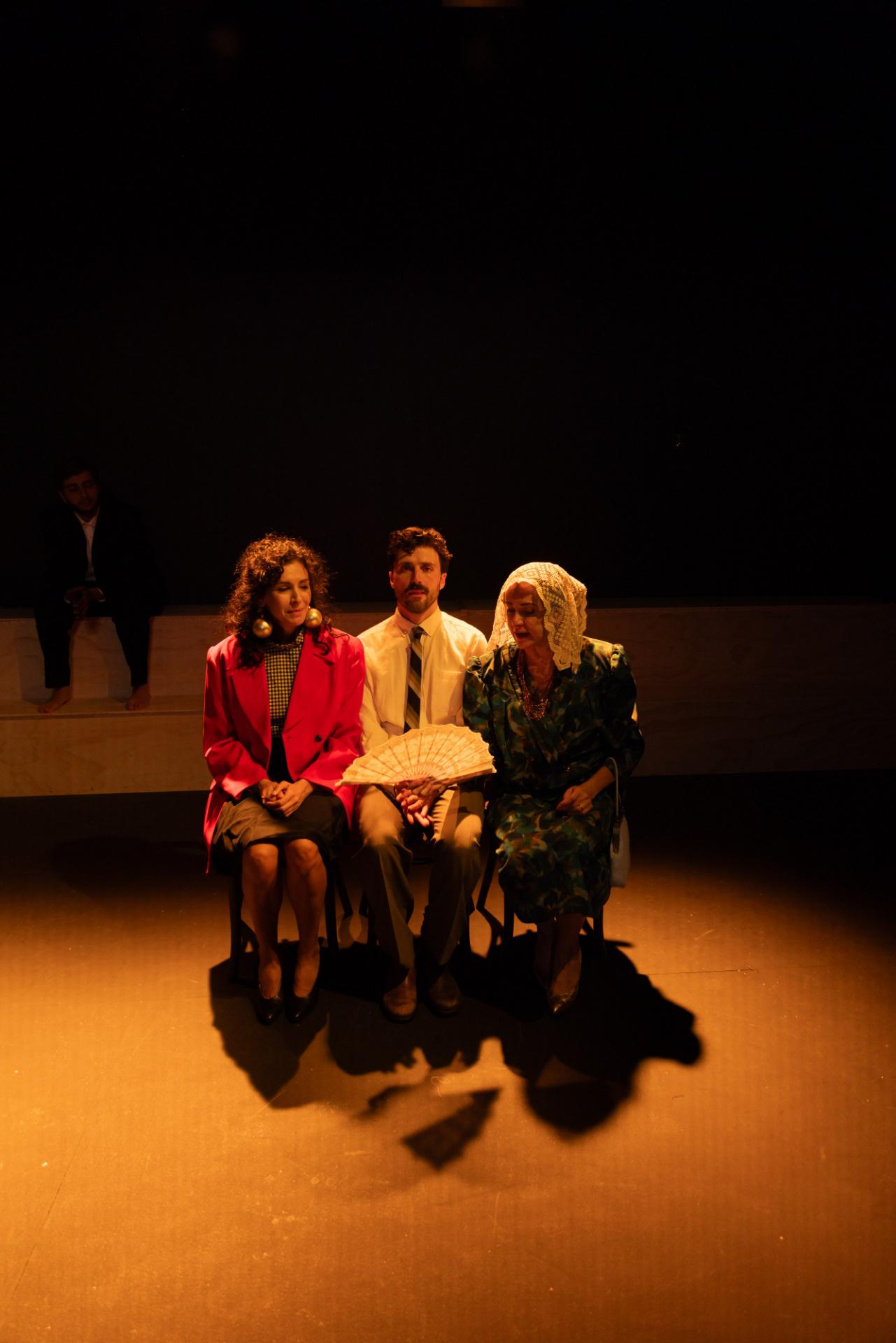
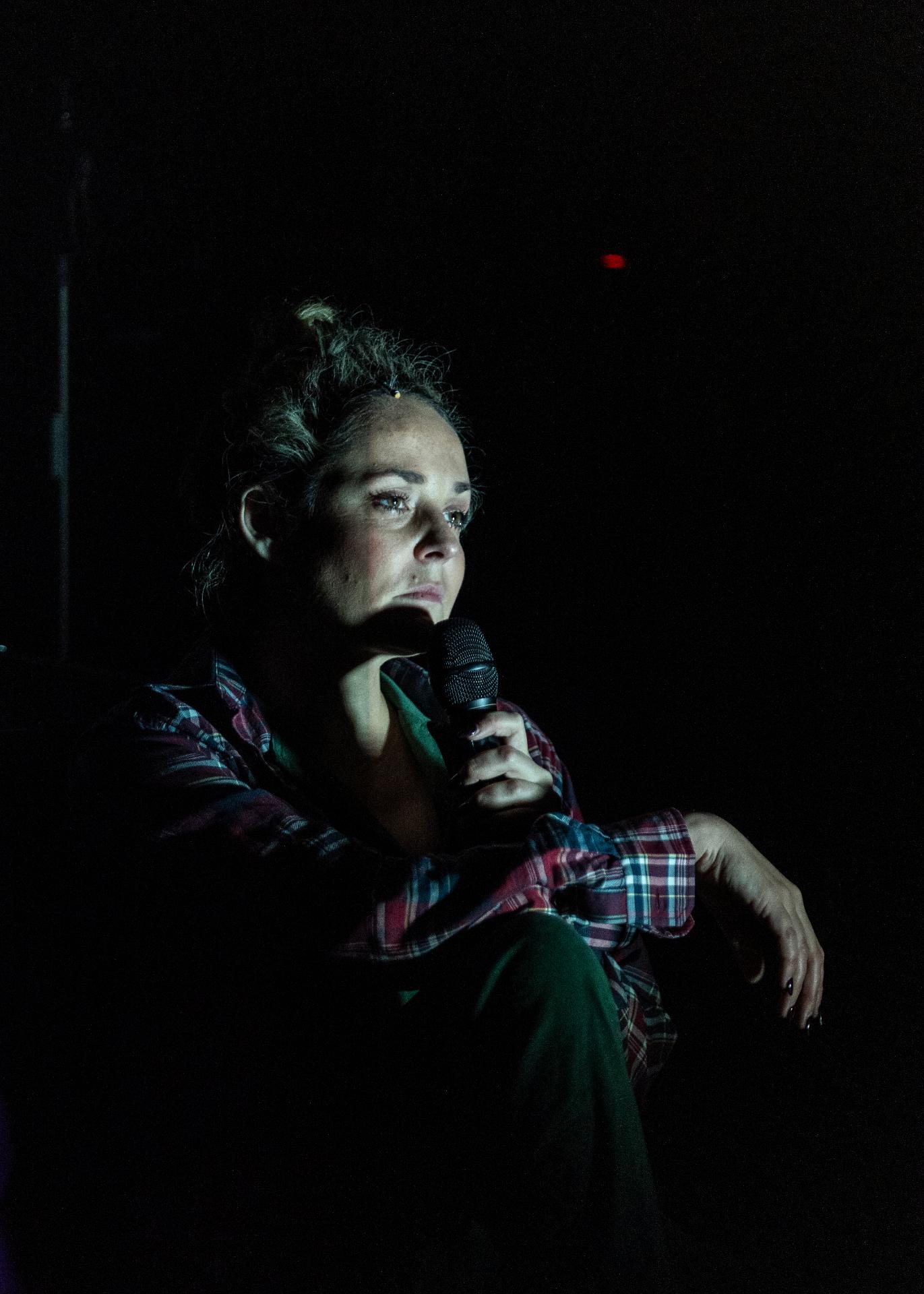
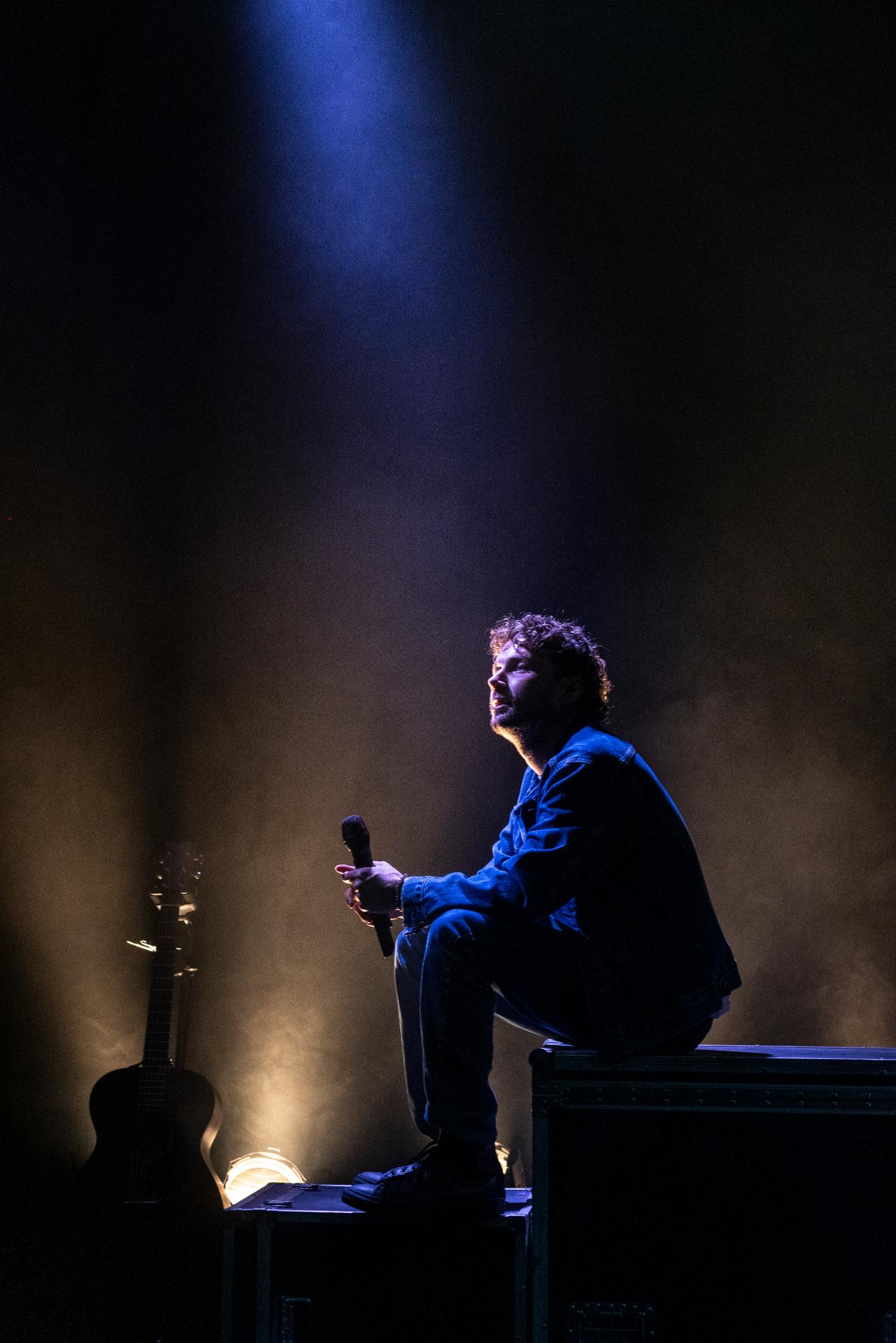
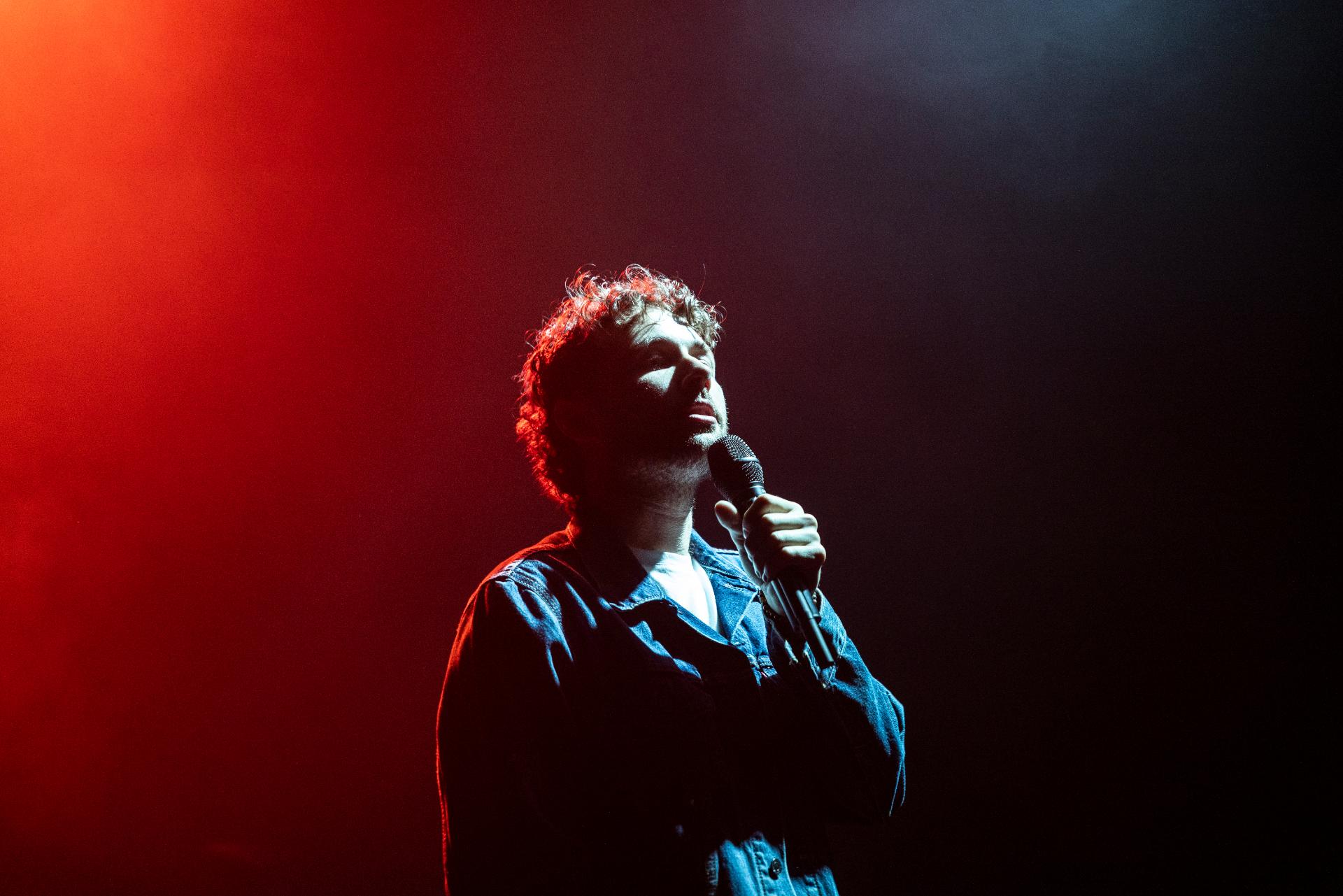
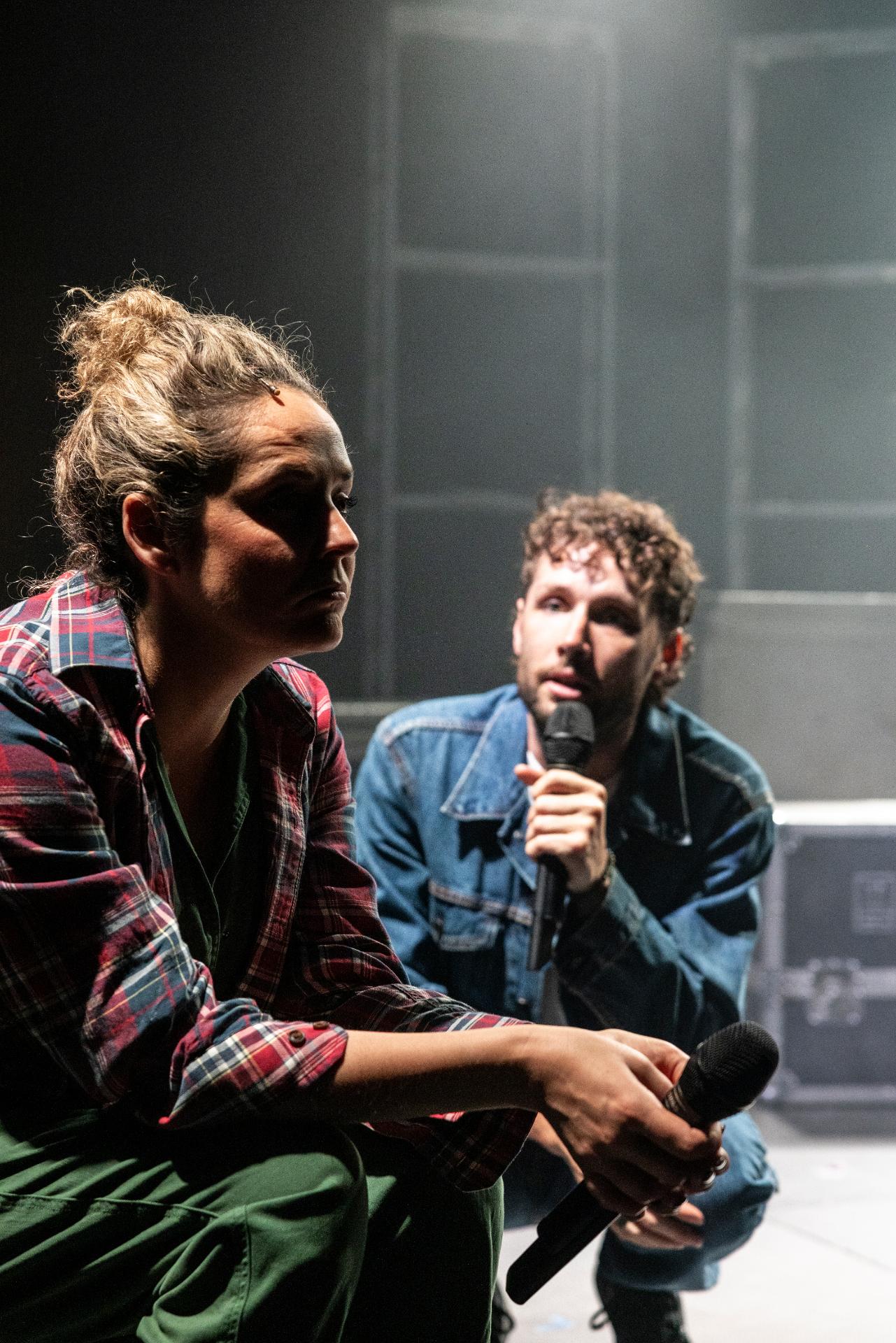
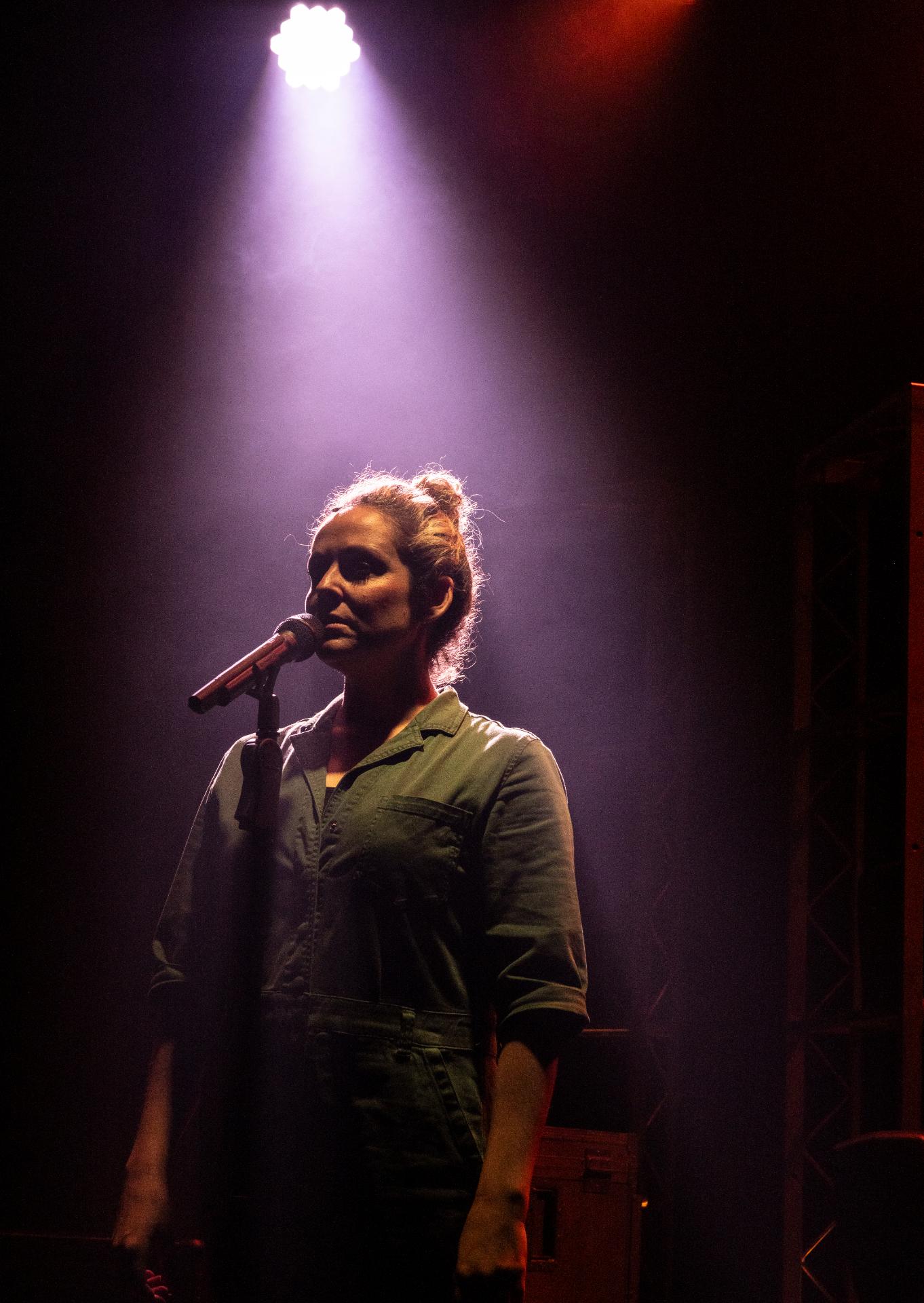
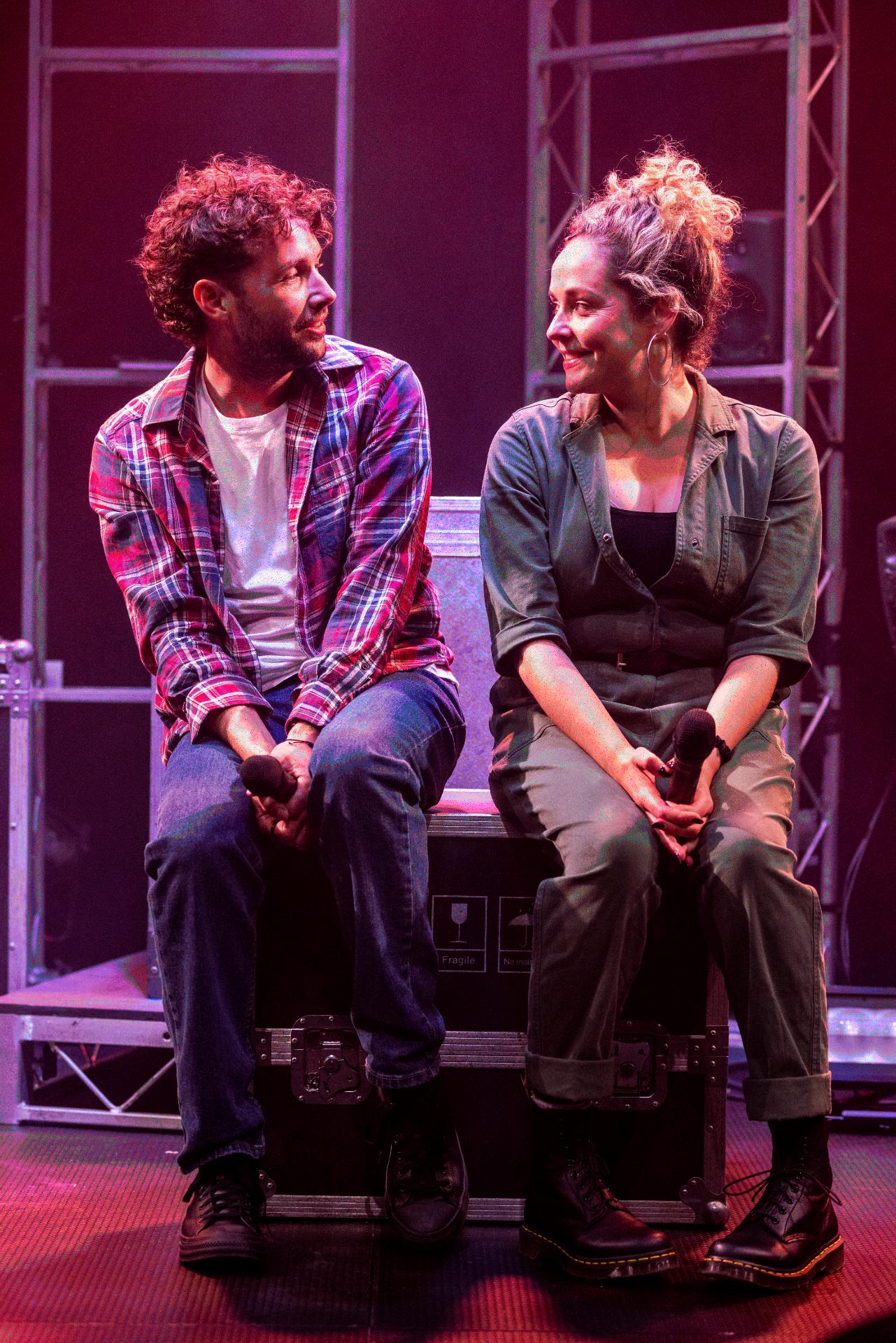
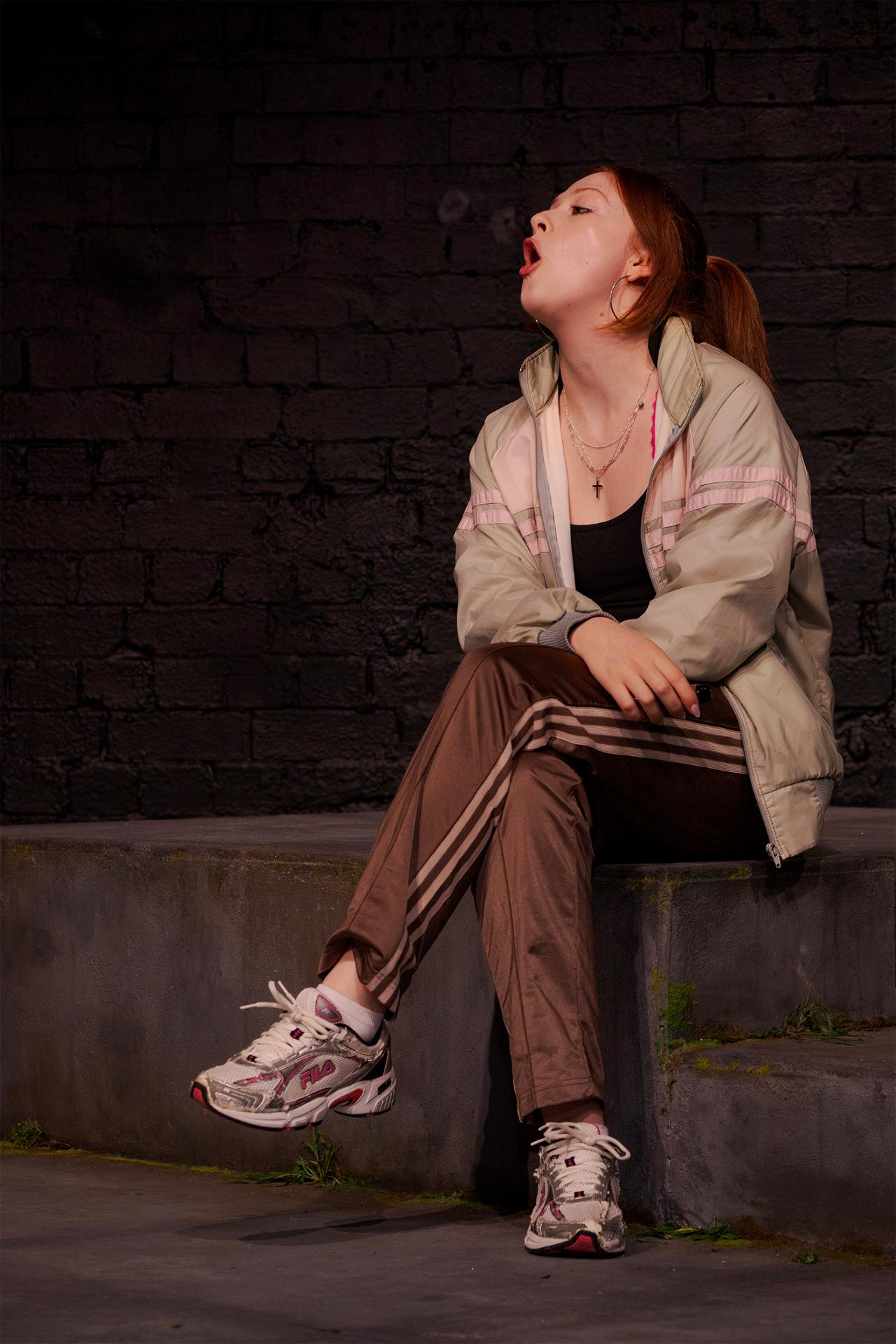
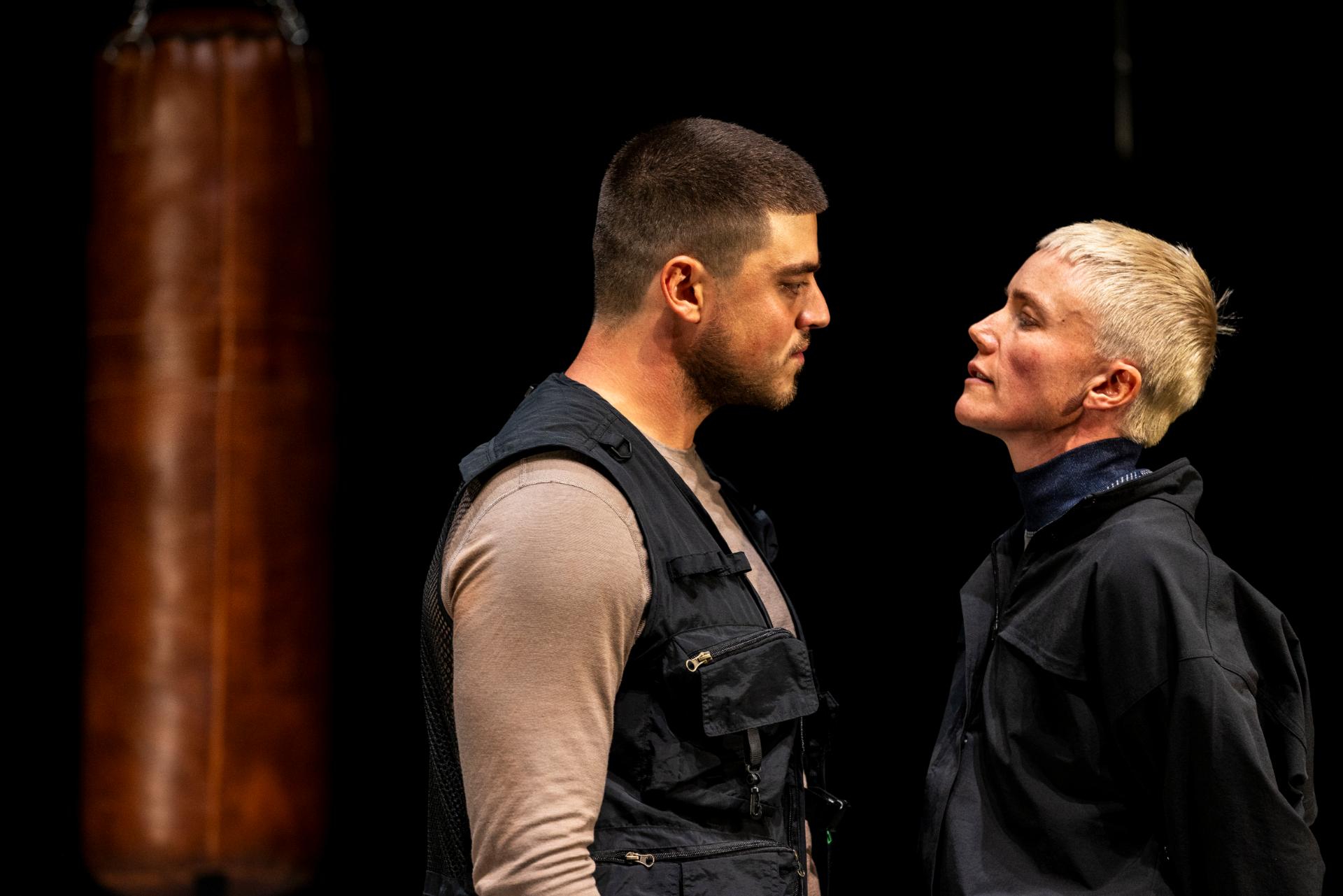
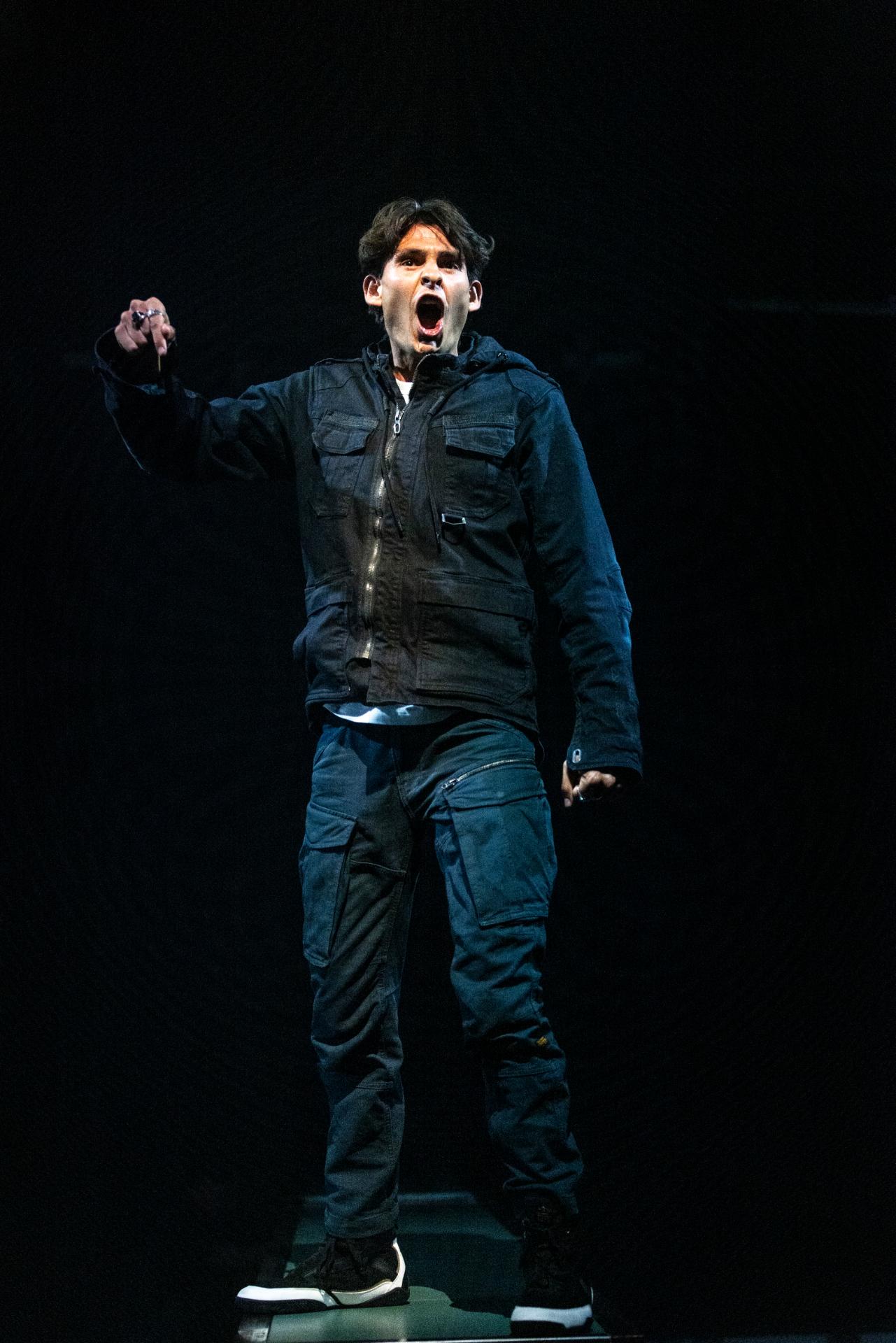
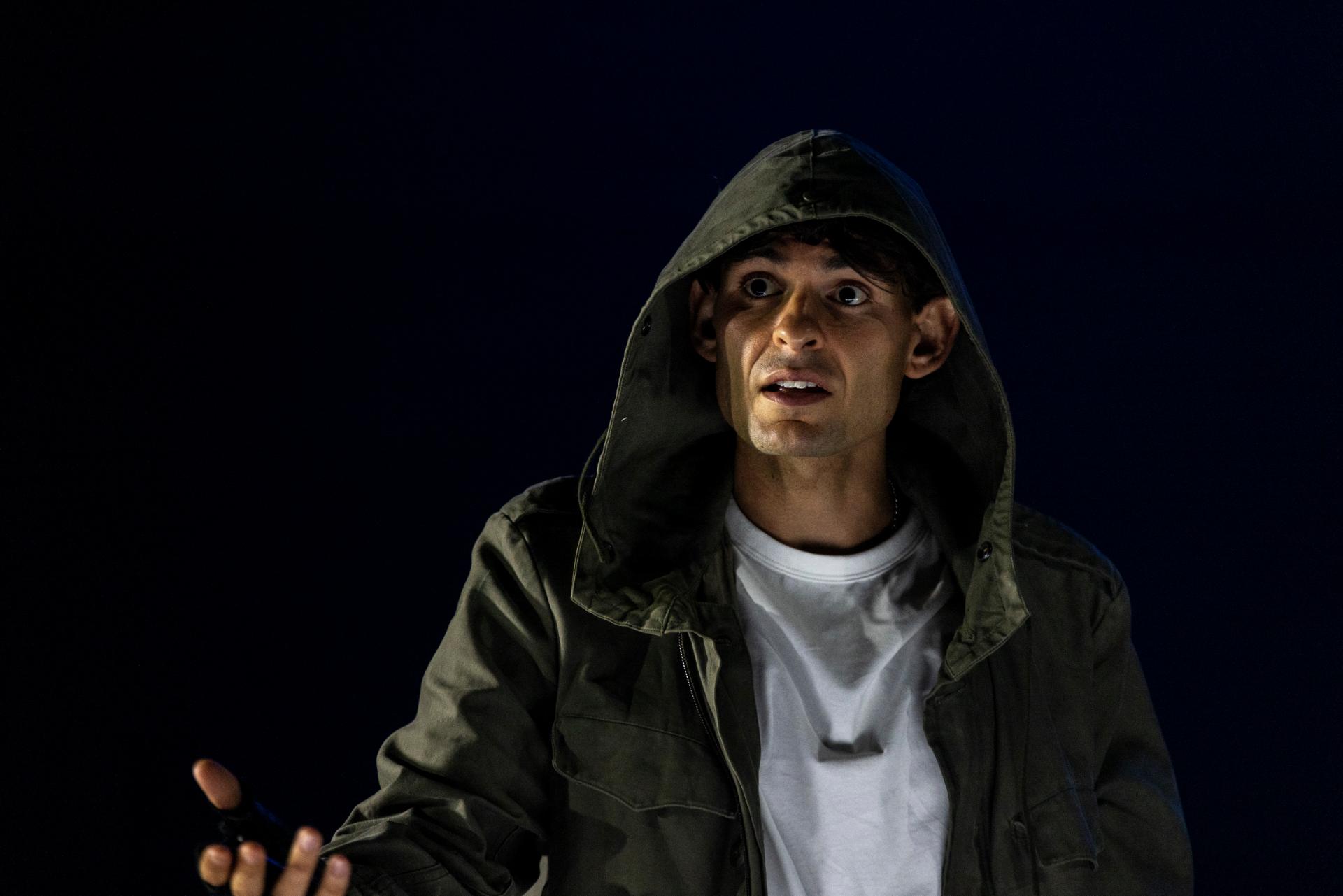
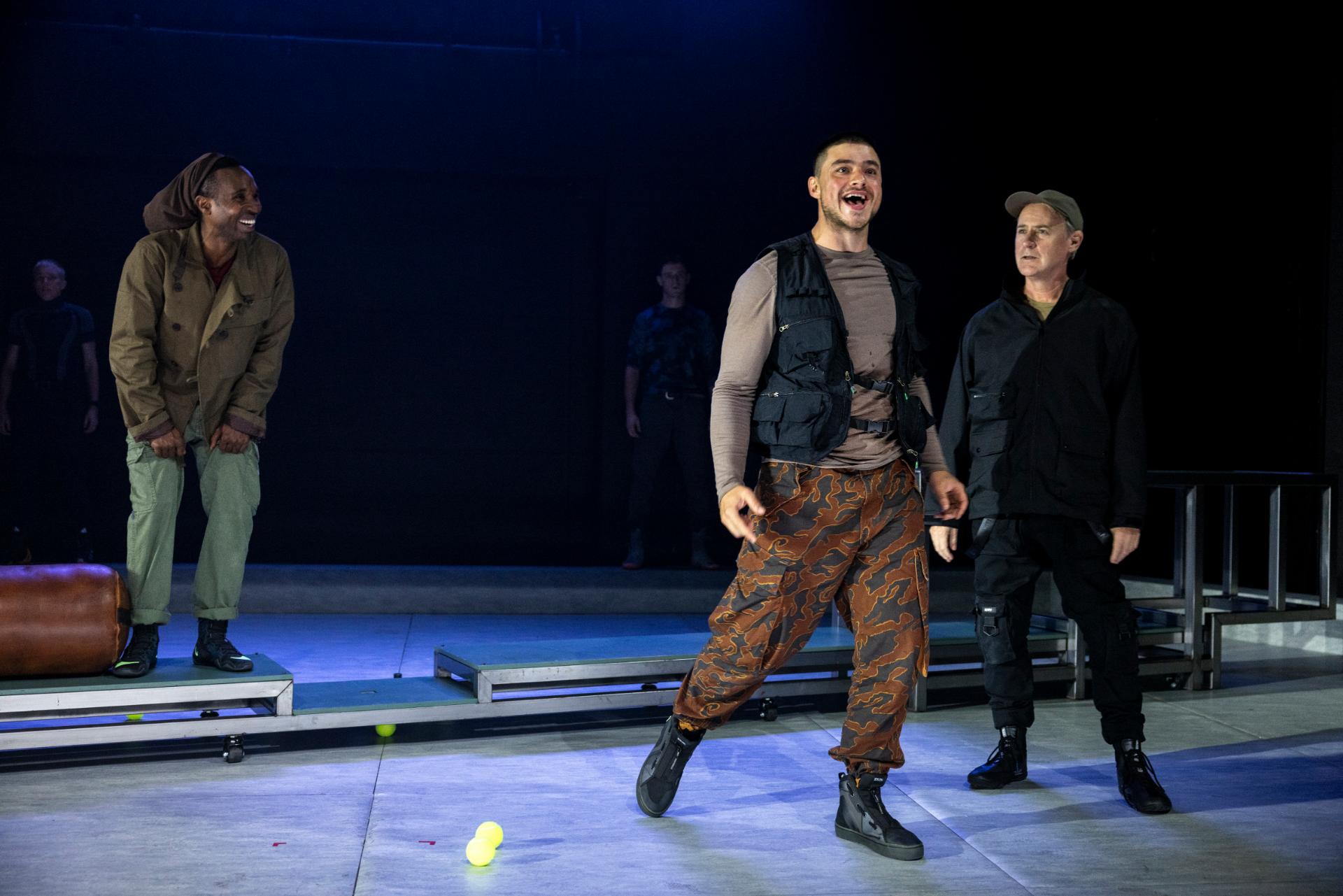
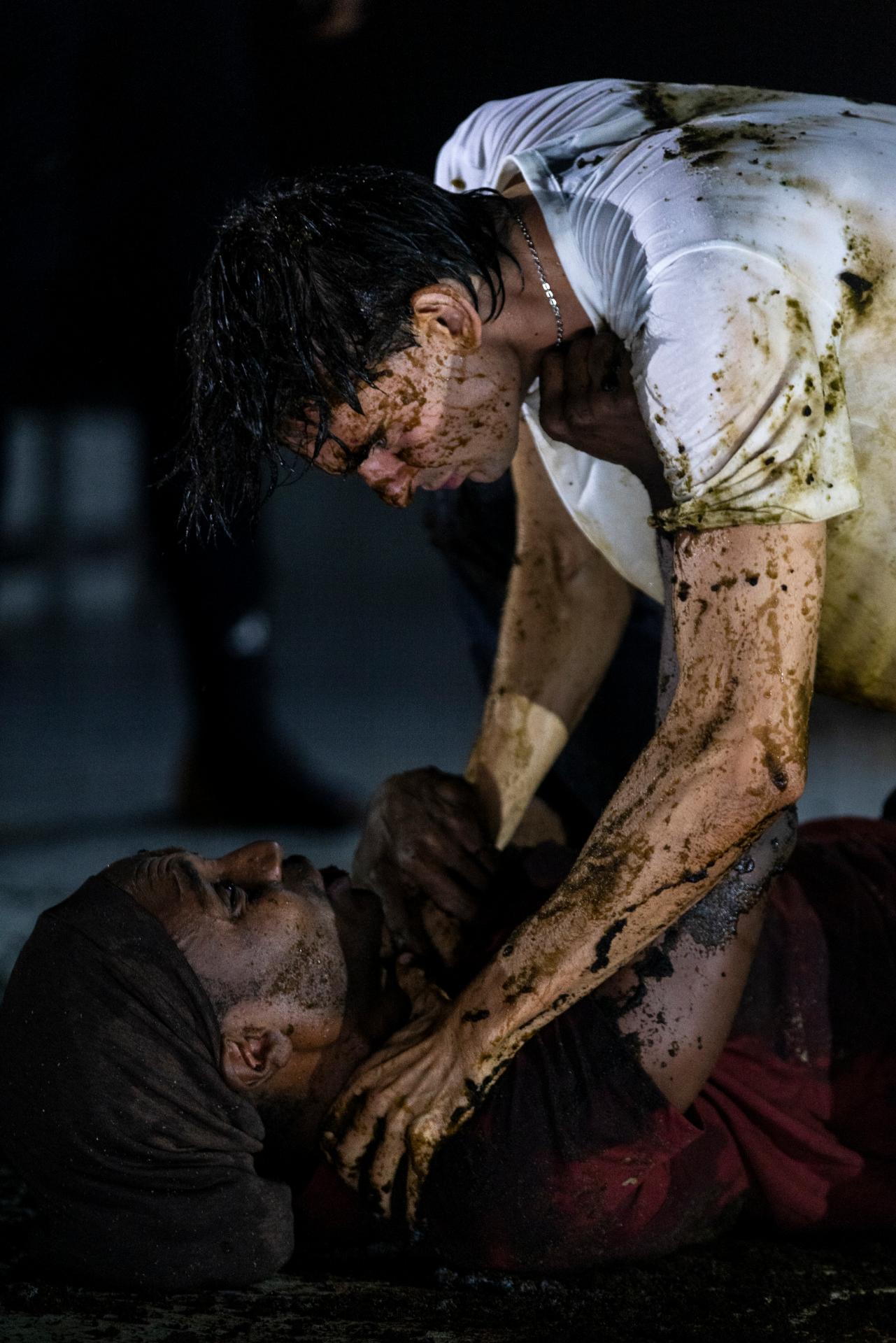
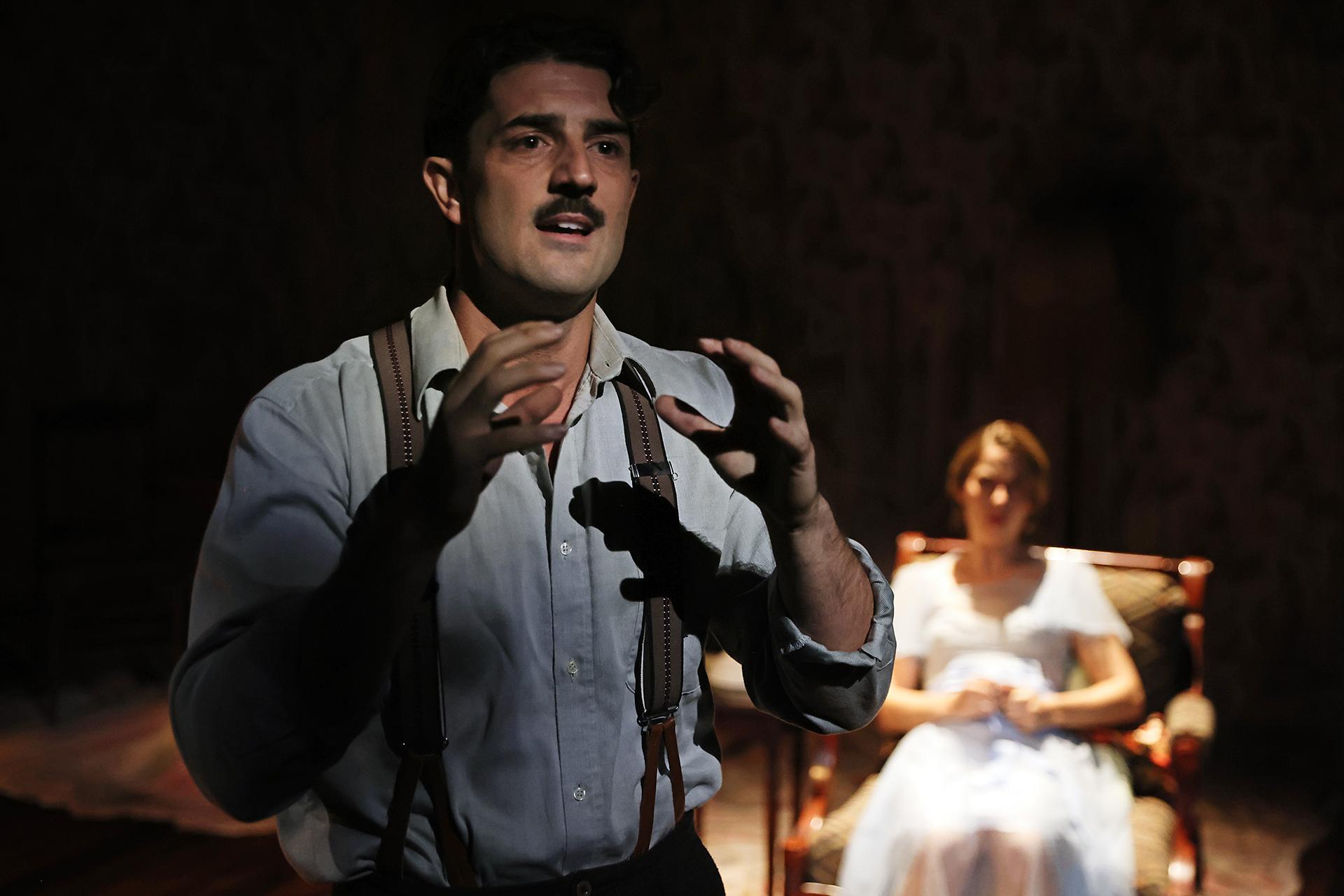
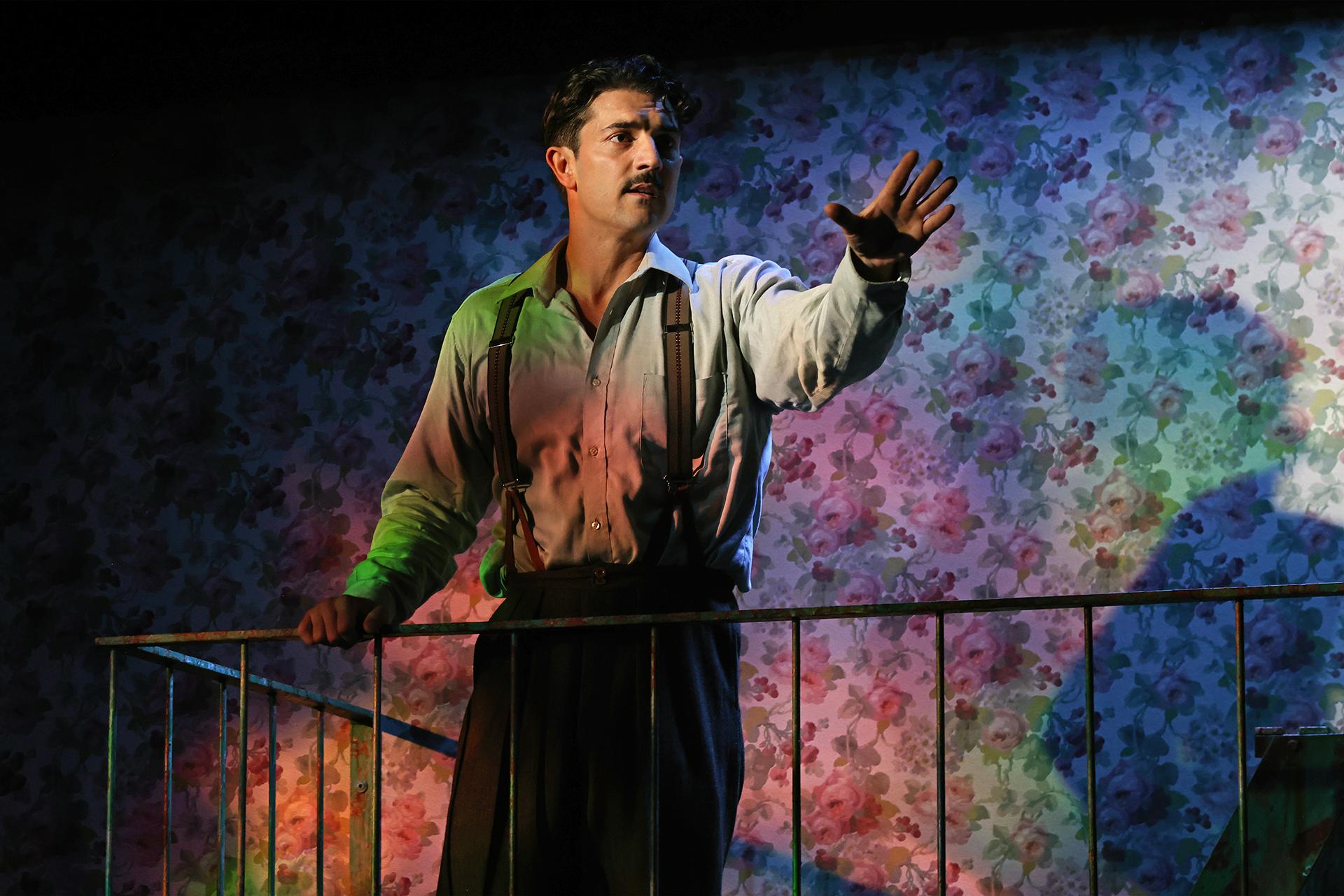
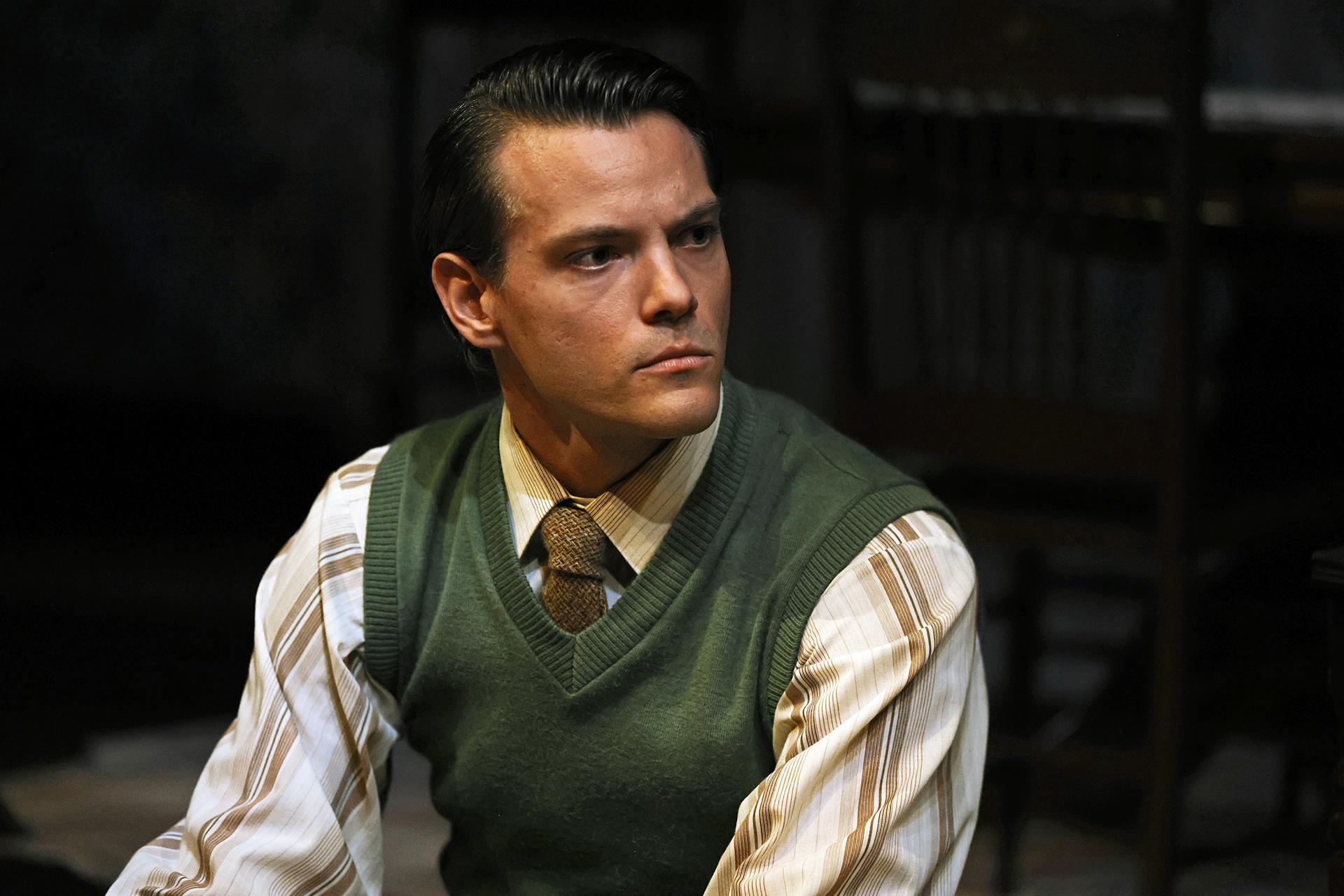
Direction by Nelson Blake places emphasis on locating the emotional truth of the piece, and little more, resulting in an experience that feels somewhat pedestrian. There is however a great sense of commitment on the stage, with cast members Raechyl French, Ben Itaba and Holly Mazzola, bringing diligence to their interpretations of characters.

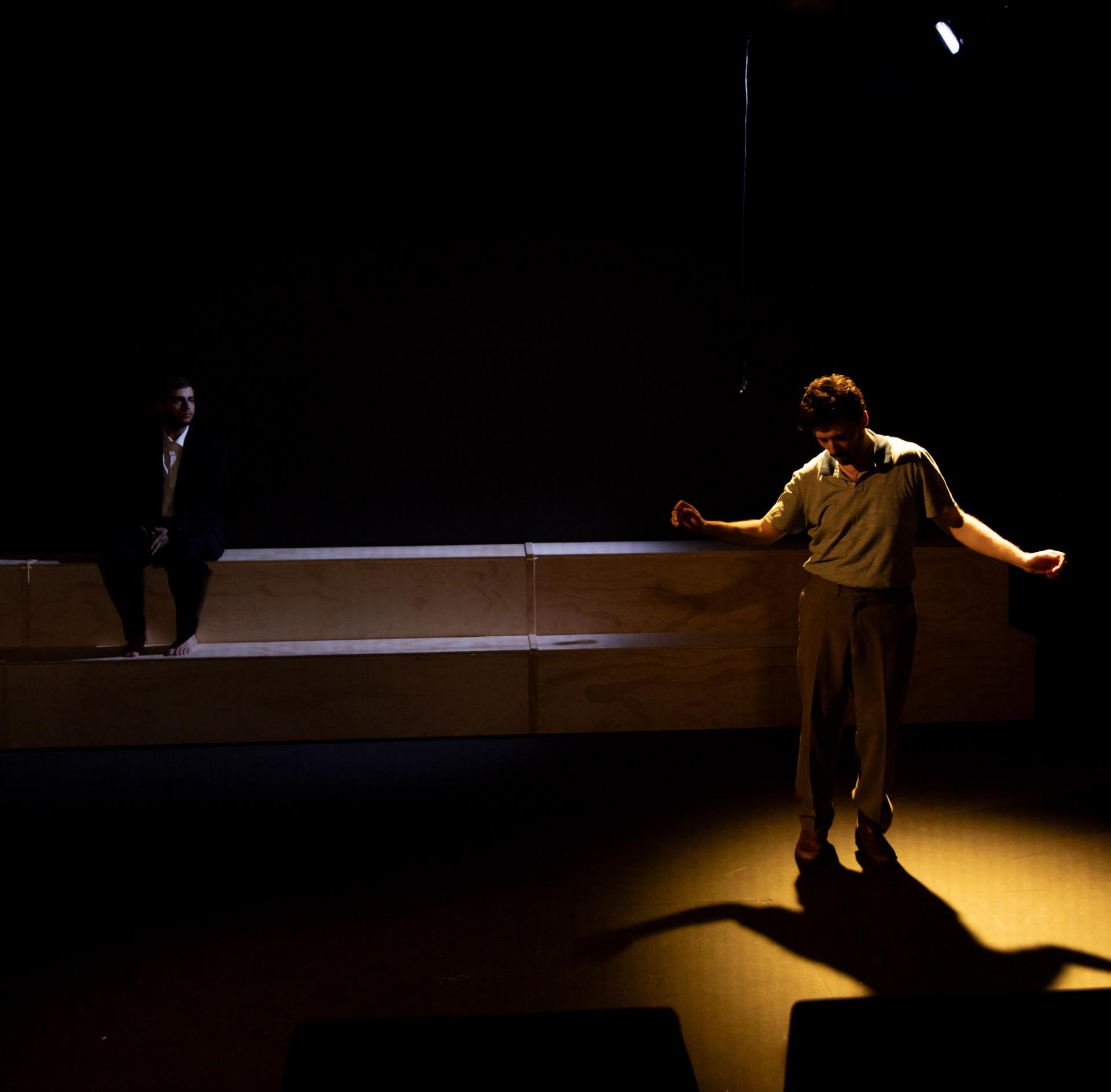
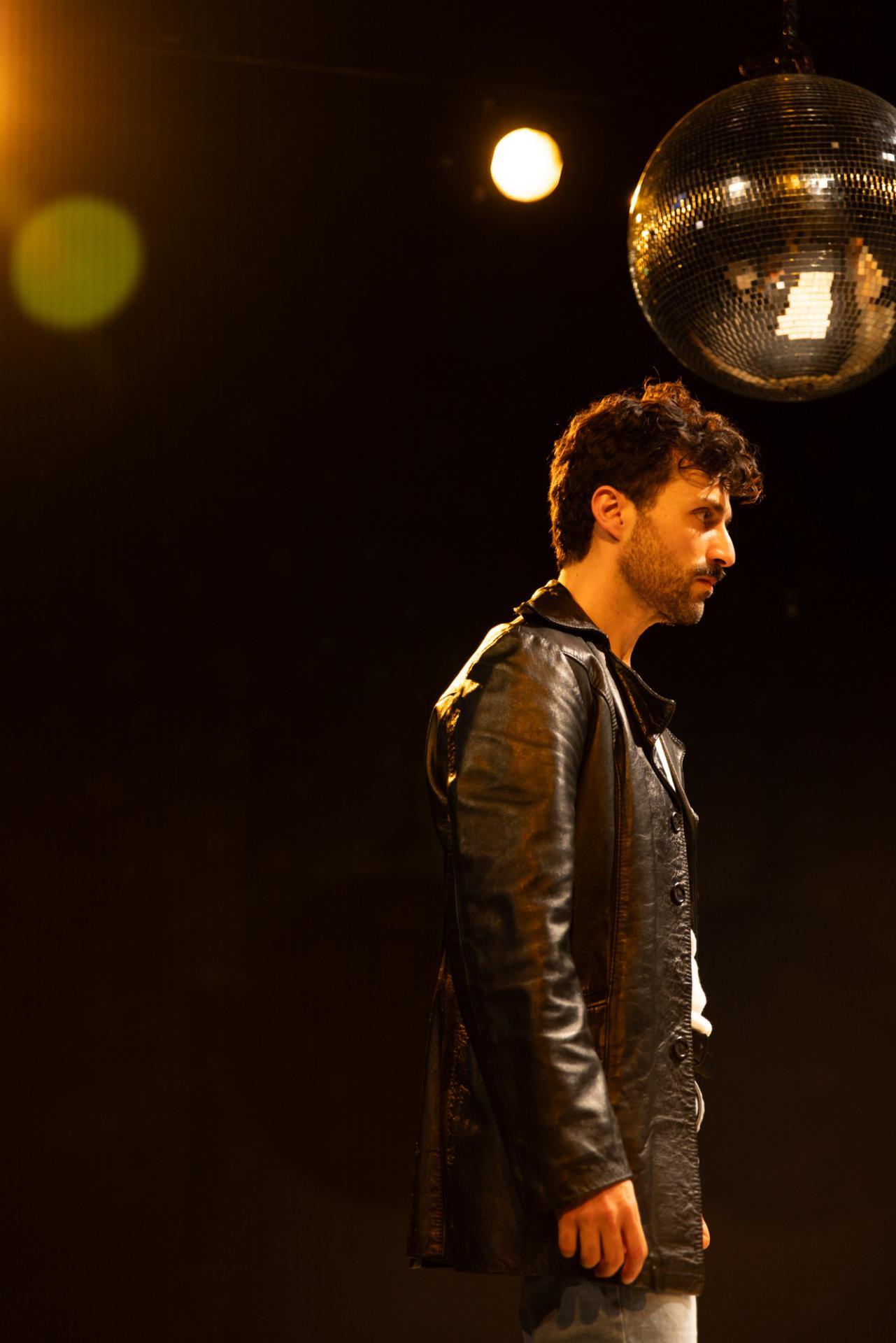
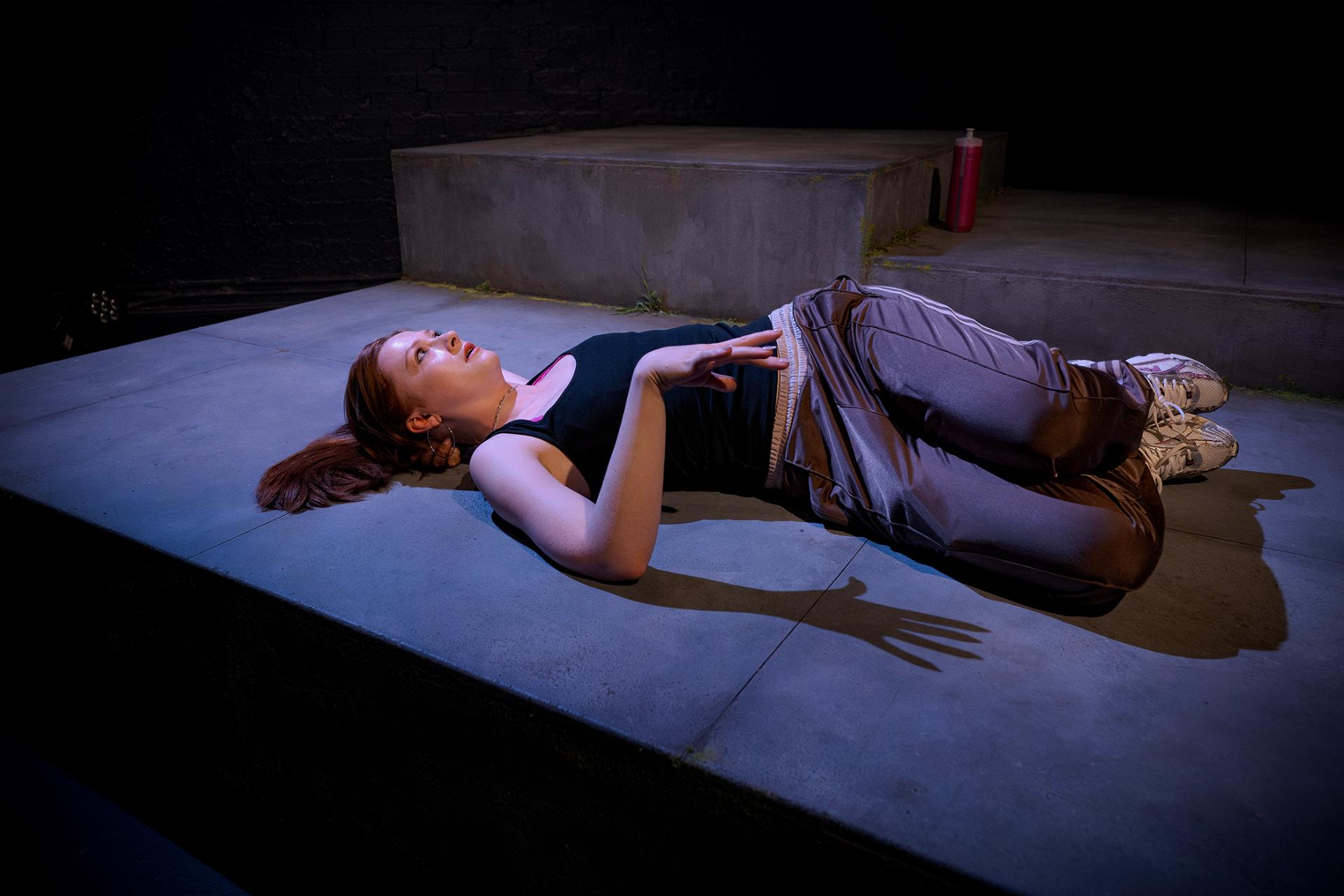
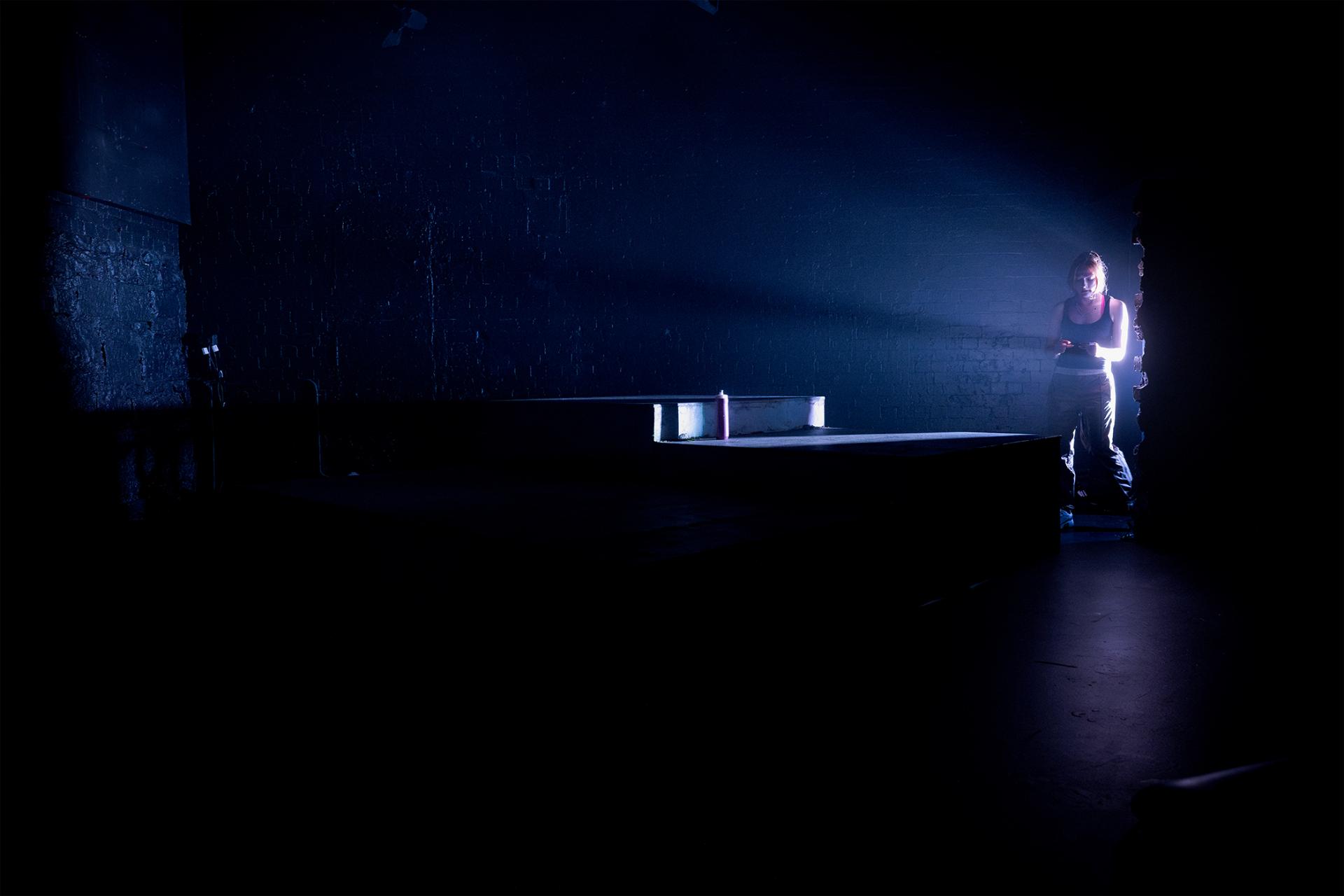
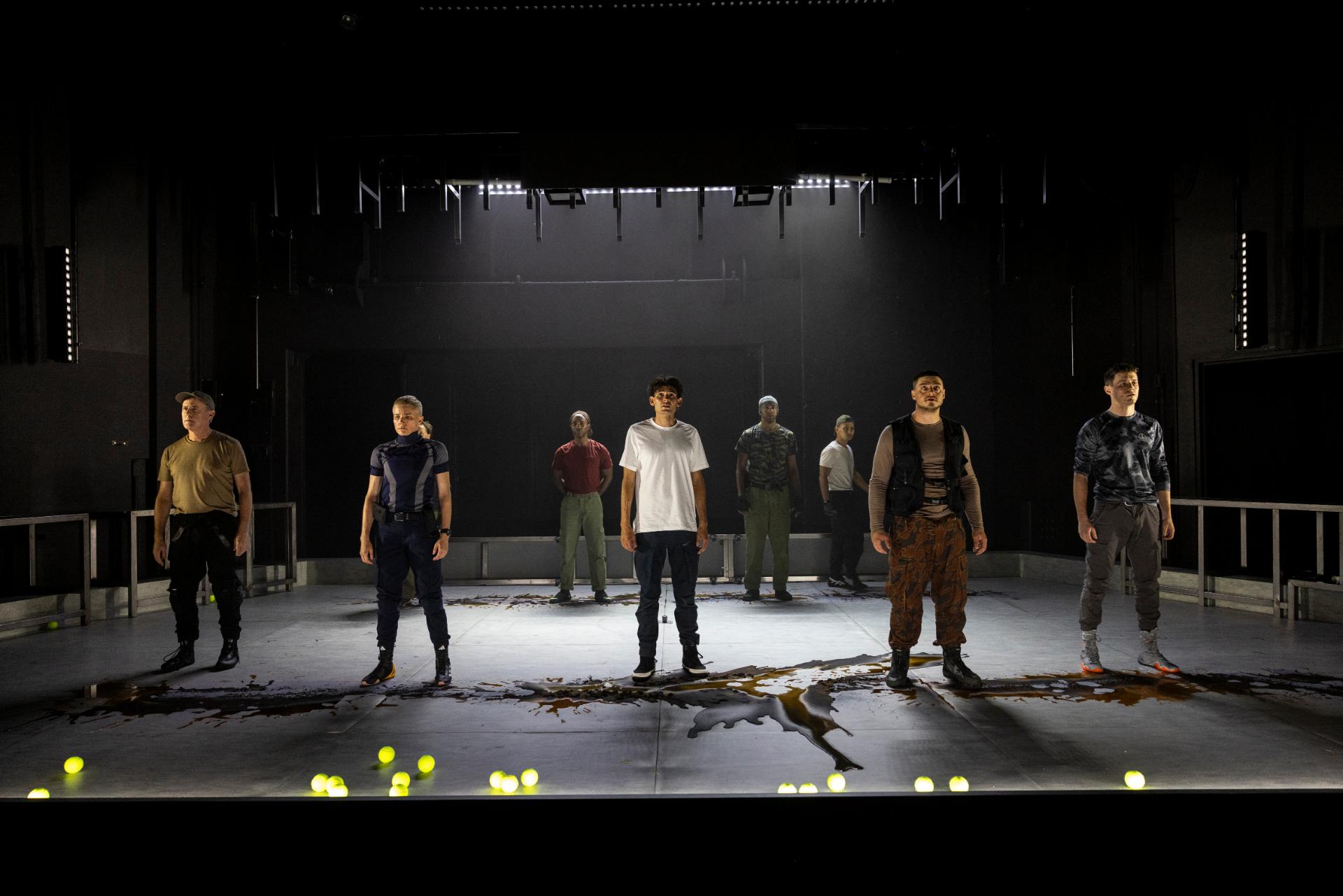
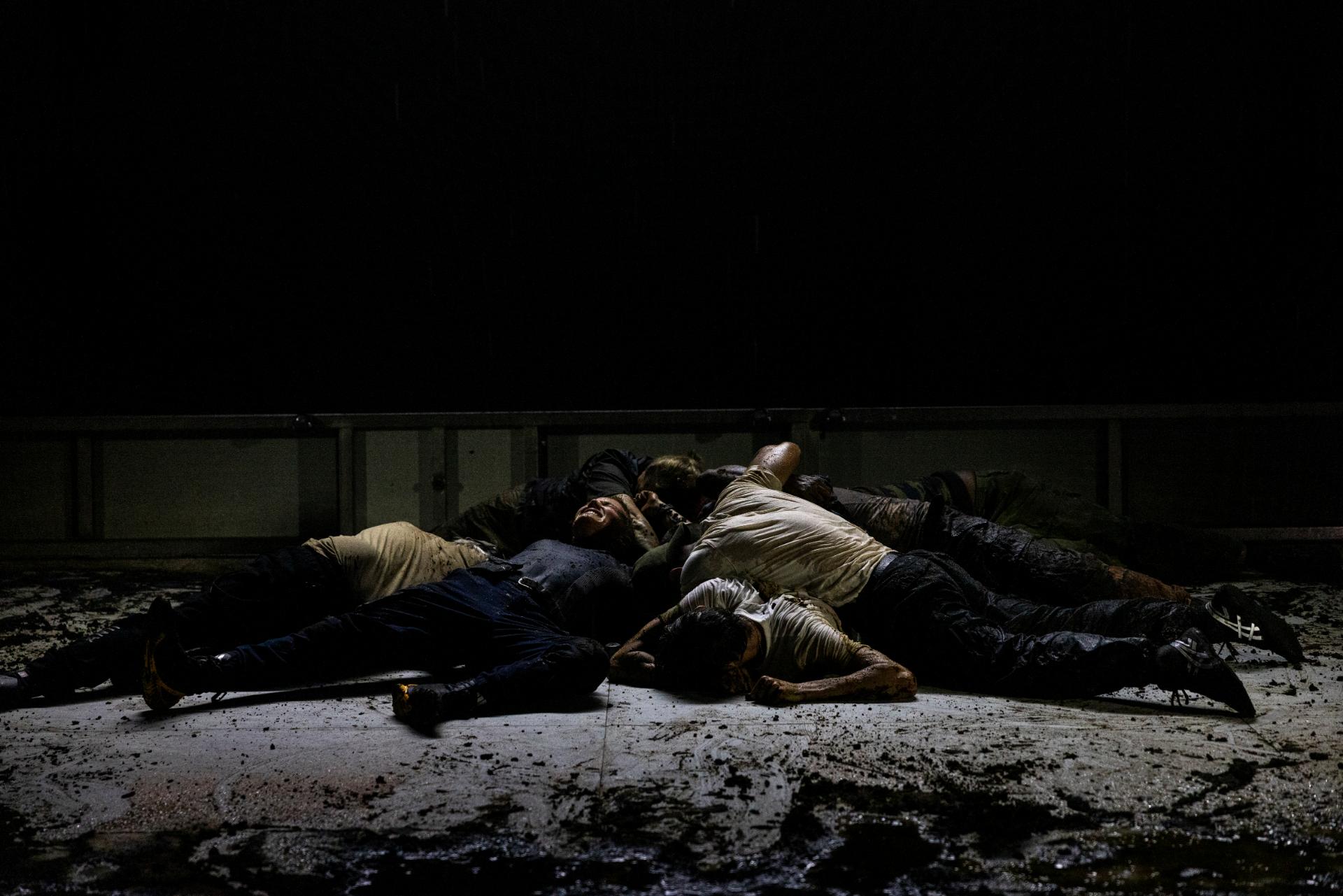
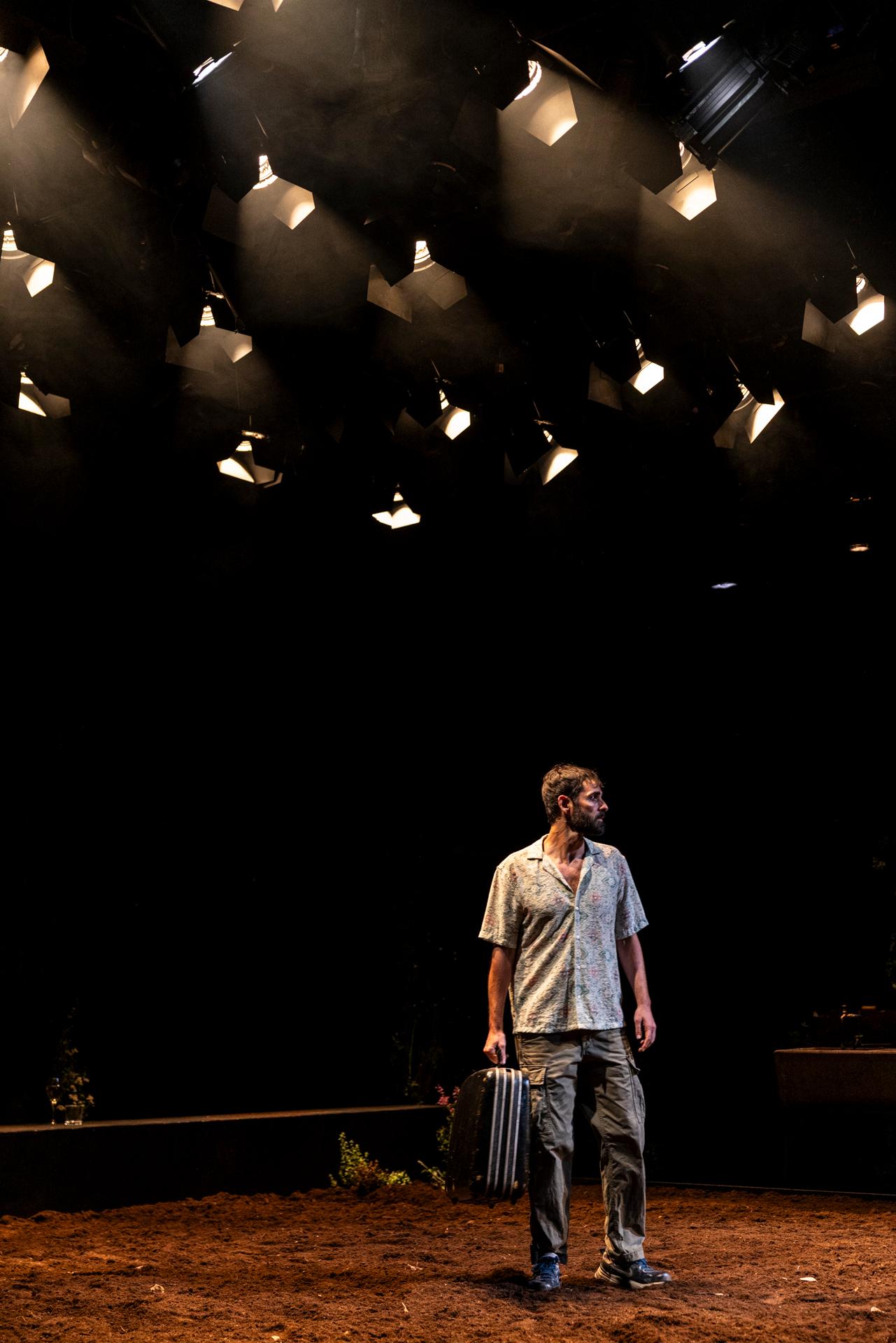
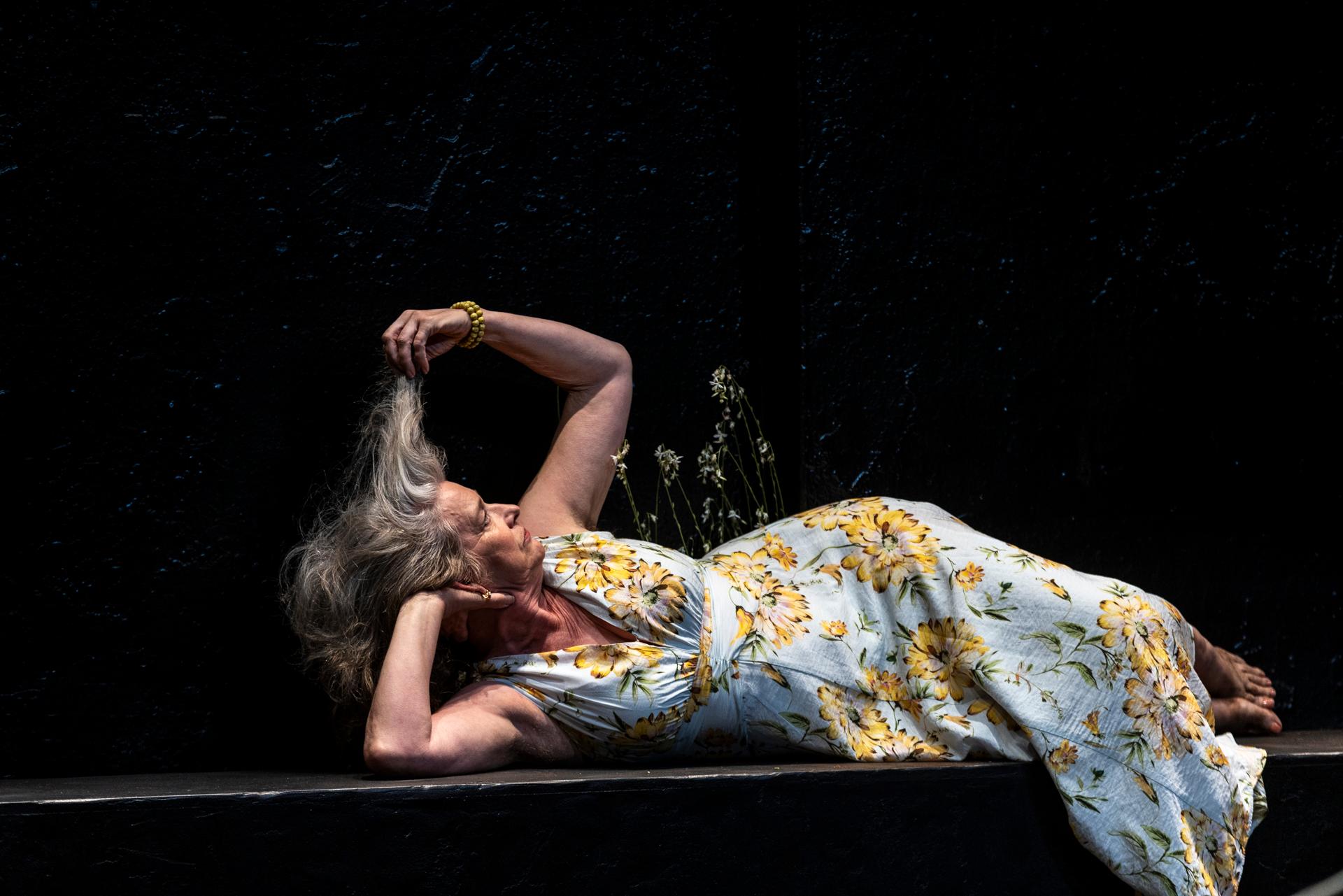
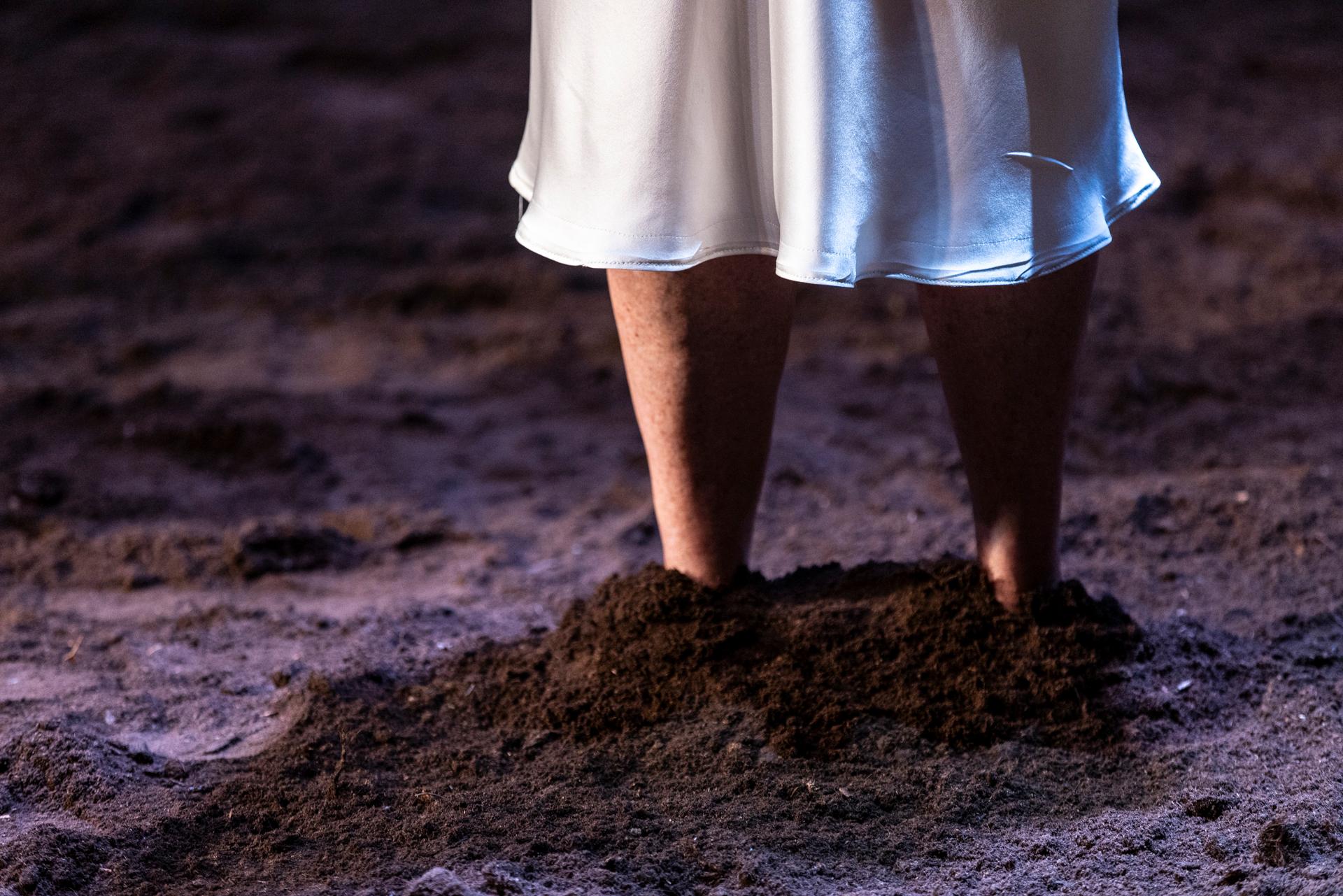
Production design by Andrea Knezevic offers efficient solutions that transform the space into a conventional living room. Lights by Topaz Marlay-Cole help render an elegance to the imagery being presented, and sounds by Felix Partos are introduced at key moments to enhance tension.

Don’t Save Me is not quite science fiction, as the circumstance it depicts has already arrived, yet we are still struggling to grapple with that new reality. Technology forges ahead whether we welcome or resist it. We have in the past been able to shape its development, but in this age of tech autocracy, there is little that our democratic will can do.

The billionaires who rule technology are completely impervious to any of our objections. We continue to think that how we spend our money is able to sway their operations, but it is evident that their wealth has become so immense that any reduction in profit we can effect, no longer means anything. Legal recourses have proven ineffectual, even as they are being taken over by a new era of oligarchy. It is only revolution that remains, but it is doubtful if we can awaken soon enough, from this soporific state of our tech-fuelled stupor.

www.kingsxtheatre.com | www.instagram.com/puncherschanceco/

Review: Song Of First Desire (Belvoir St Theatre)

Venue: Belvoir St Theatre (Surry Hills NSW), Feb 13 – Mar 23, 2025
Playwright: Andrew Bovell
Director: Neil Armfield
Cast: Kerry Fox, Borja Maestre, Jorge Muriel, Sarah Peirse
Images by Brett Boardman

Theatre review
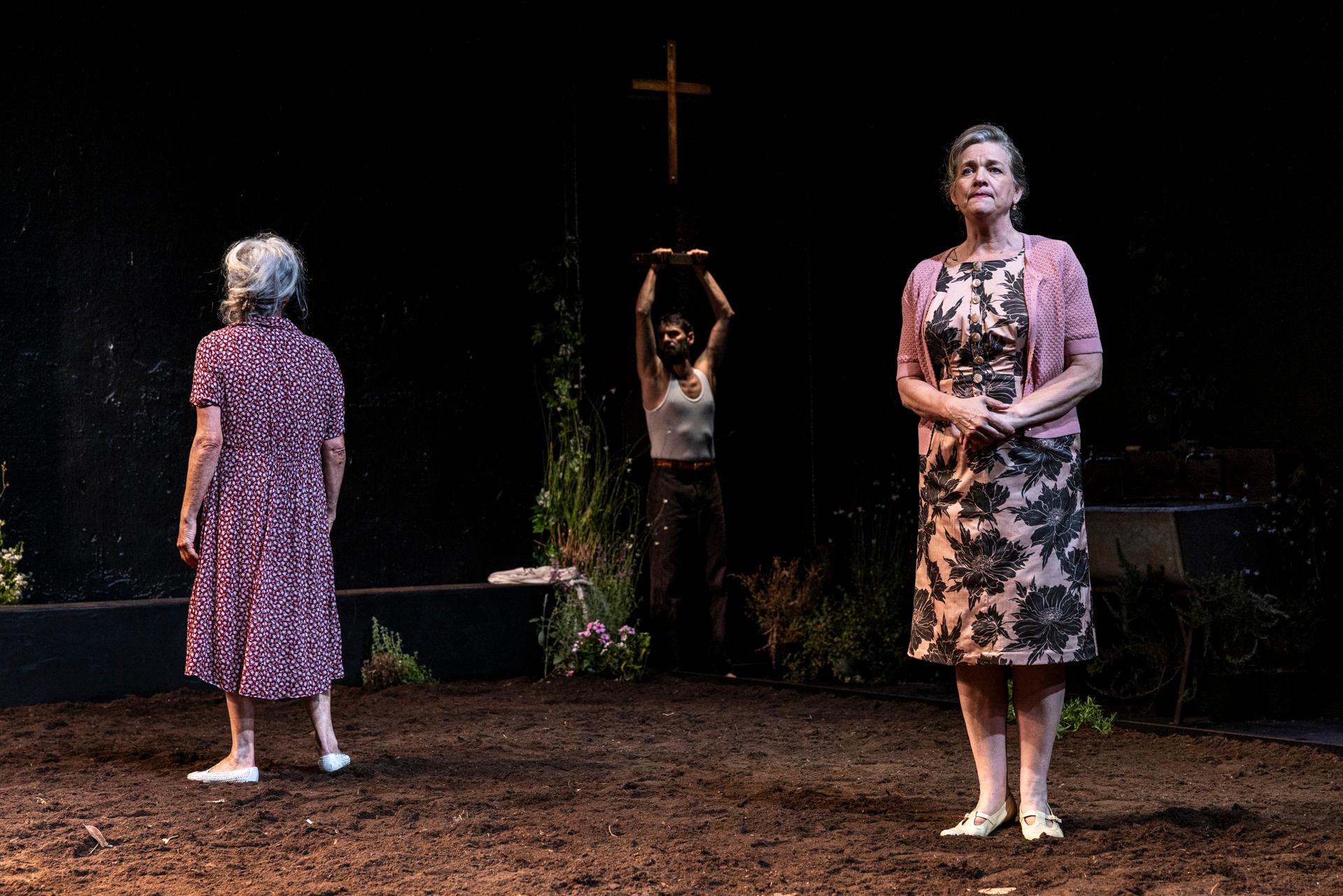
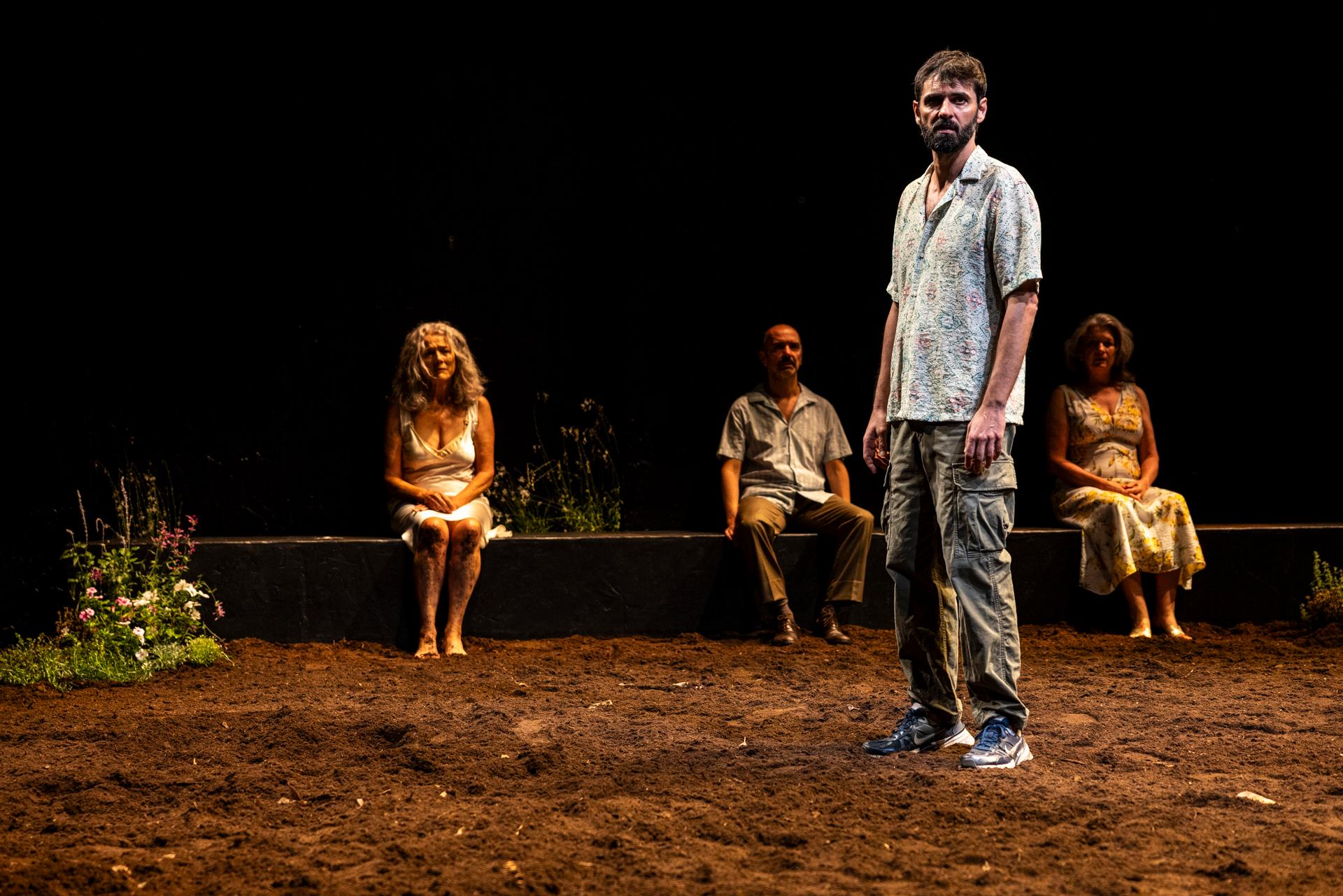
The Spanish Civil War ended officially in 1939, but it appears reverberations from the bloodshed continue to this day. There are two distinct periods in Andrew Bovell’s Song of First Desire, 1968 and the present day. The story of one family spans those decades and three generations, revealing the brokenness of the Spanish soul that continues to seek mending. It is an intricate piece of writing, with cleverly woven fragments that spark intrigue, culminating to plot twists that prove highly satisfying.

Directed by Neil Armfield, the narrative’s sombre sense of gravity is always present, as is the weightiness of the sociological concerns that Song of First Desire wishes to explore. Emotions however do not always run high, in a show that is only occasionally evocative of the essence of a culture it represents.

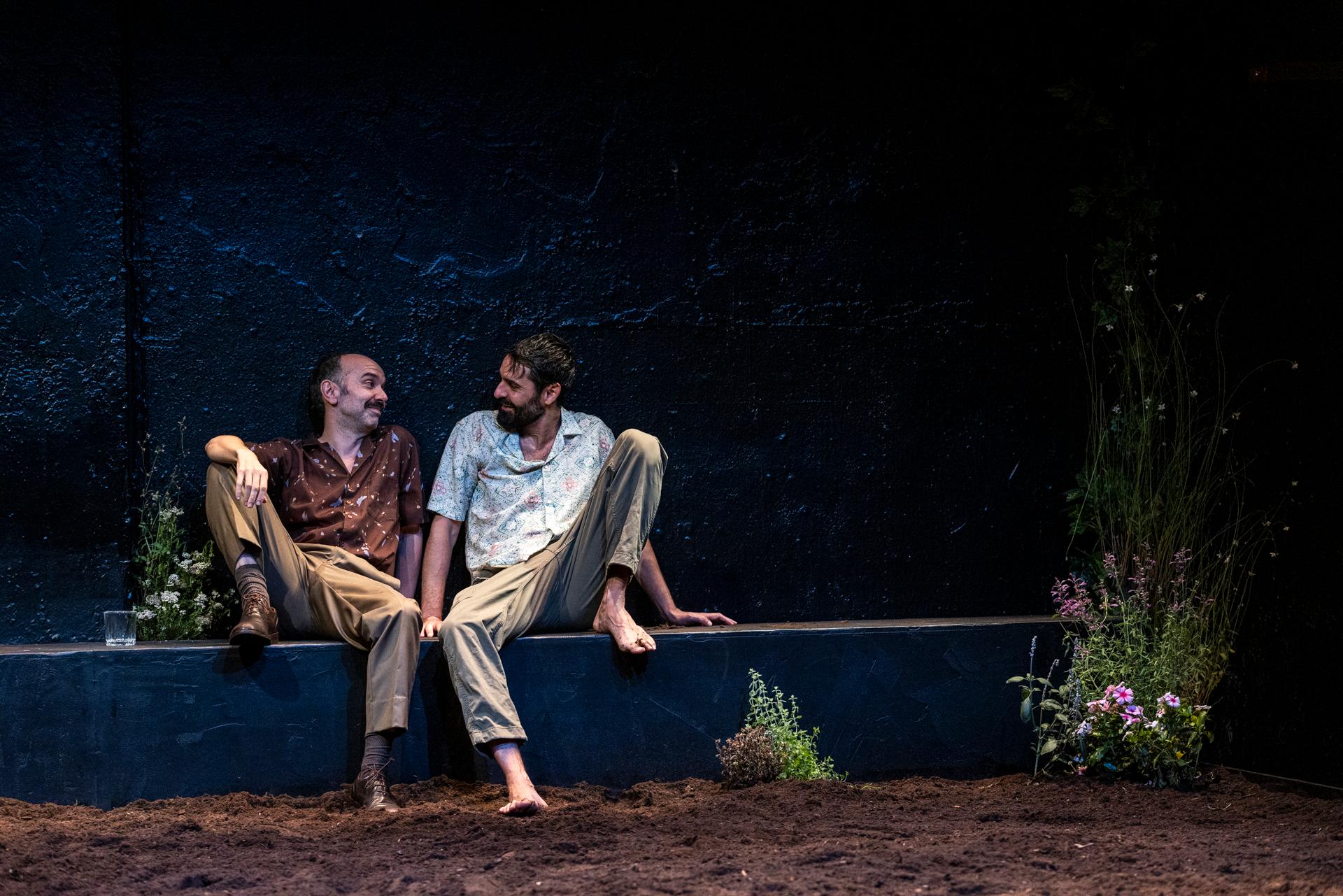
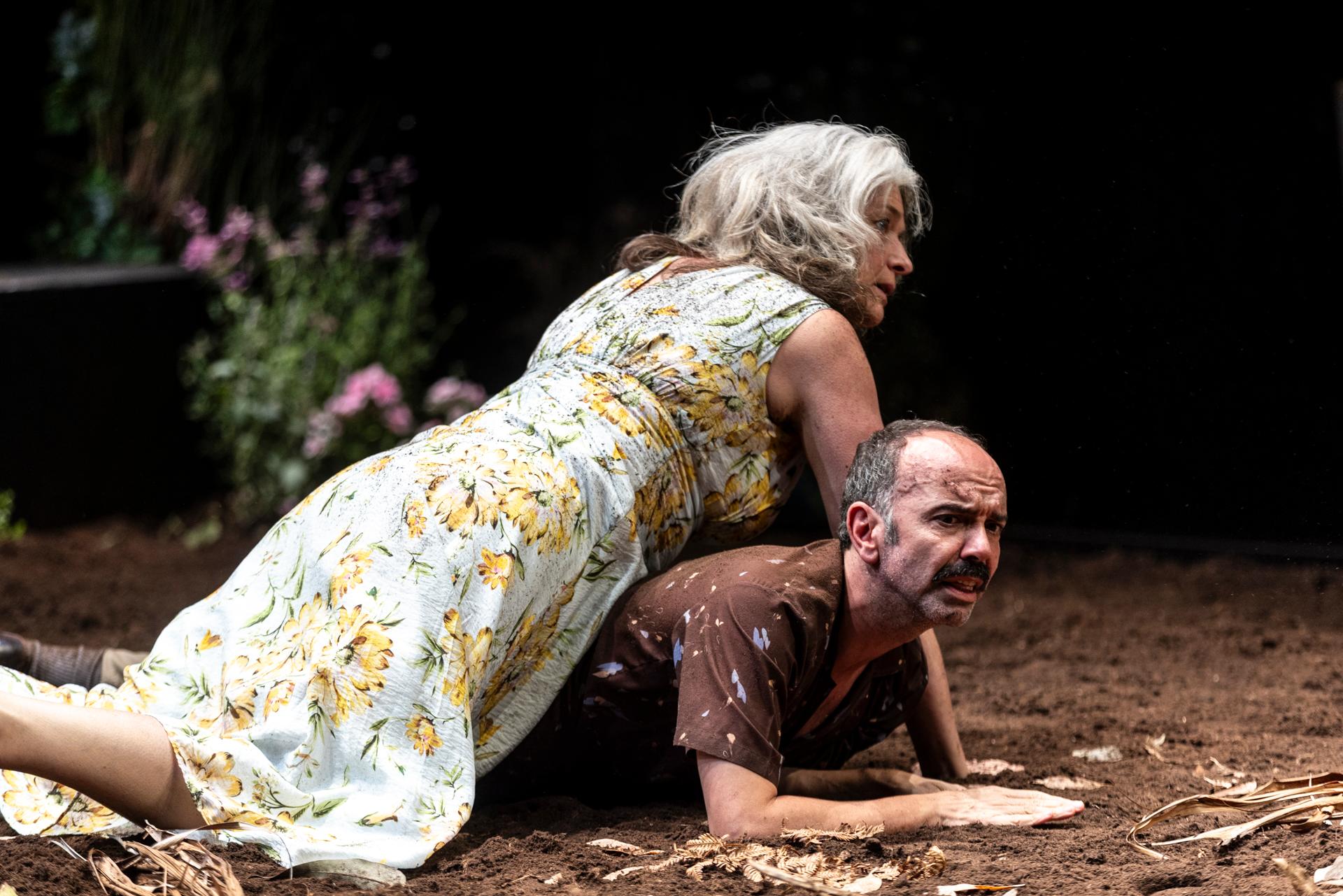
Set design by Mel Page features a striking reference to the barrenness of a nation that struggles to piece itself back together. Lighting by Morgan Moroney, along with sound and music by Clemence Williams, are effective in calibrating a mournful quality for this reflective experience. A more distinct rendering of time and place could make our connection to the work feel richer. Even though the production’s integrity never comes into question, a greater air of authenticity is needed to inspire a more intense visceral response.

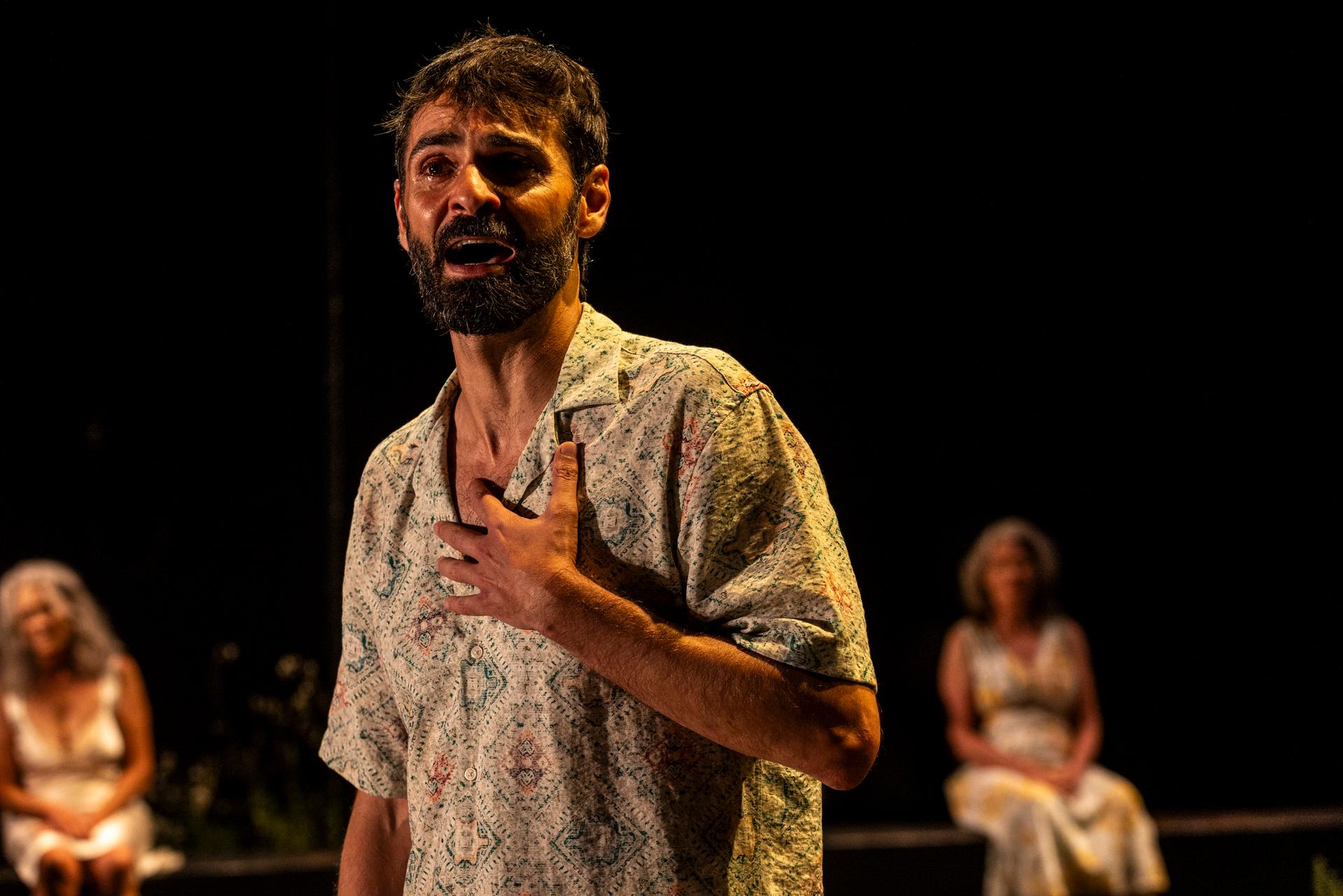
Actor Sarah Peirse sets an elegant tone with her quiet interpretations of Camelia and Margarita. Borja Maestre brings soulfulness to the stage, through his sensitive portrayals of Alejandro and Juan. Playing Julia and Carmen is Kerry Fox, memorable for dialling up the drama at opportune moments. A valuable warmth is contributed by Jorge Muriel as Luis, who then turns chilling as the frightening Carlos.

It is sobering to observe characters in Song of First Desire suffer the consequence of prolonged unrest. We are now in a moment of watching history repeat as despotism begins to take hold, in the most powerful office on earth. The worst has yet to transpire, but damage is already evident. At this time, strategies for survival, are as important as strategies for reconstruction. Choosing between safety and resistance will often seem difficult, but the key is to make it through to the end of this ordeal.

www.belvoir.com.au

Review: Your Silence Will Not Protect You (Qtopia)

Venue: Qtopia (Darlinghurst NSW), Feb 20 – 22, 2025
Playwright: Gavin Roach
Director: Lauren Hopley
Cast: Gavin Roach

Theatre review
In the one-person show Your Silence Will Not Protect You, Gavin Roach reveals details about their own mental health issues, alongside memorable instances of what could be described as bad decisions. It may not be that every one of those misadventures are a consequence of Roach’s illnesses, but as we witness the playwright and performer articulate their stories from a singular vantage point, it becomes inevitable that one should draw correlations between the two.

It can be an awkward experience, listening to Roach’s challenges. They appear eager to entertain and even amuse, but the gravity of the subject matter almost precludes us from responding in any way that might suggest that the information is being received for entertainment purposes. We feel as though the appropriate stance should be somewhat clinical in attitude, that either laughter or excessive empathy could be patronising, or even harmful.

Nonetheless, Roach’s delivery ensures that their psychological condition is being witnessed, that mental illness in general, is seen in Your Silence Will Not Protect You. Their proficiency on stage demonstrates that a person’s suffering is almost always disguised, and that judging a book by its cover is indeed meaningless. Much of illness is not visible. The people we encounter could be harbouring all manner of undetectable maladies, and our first instinct should always be one of kindness.

www.qtopiasydney.com.au | www.gavinroach.com

Review: Picnic At Hanging Rock (Sydney Theatre Company)

Venue: Sydney Opera House (Sydney NSW), Feb 17 – Apr 5, 2025
Playwright: Tom Wright (from the novel by Joan Lindsay)
Director: Ian Michael
Cast: Olivia De Jonge, Kirsty Marillier, Lorinda May Merrypor, Masego Pitso, Contessa Treffone 
Images by Daniel Boud

Theatre review
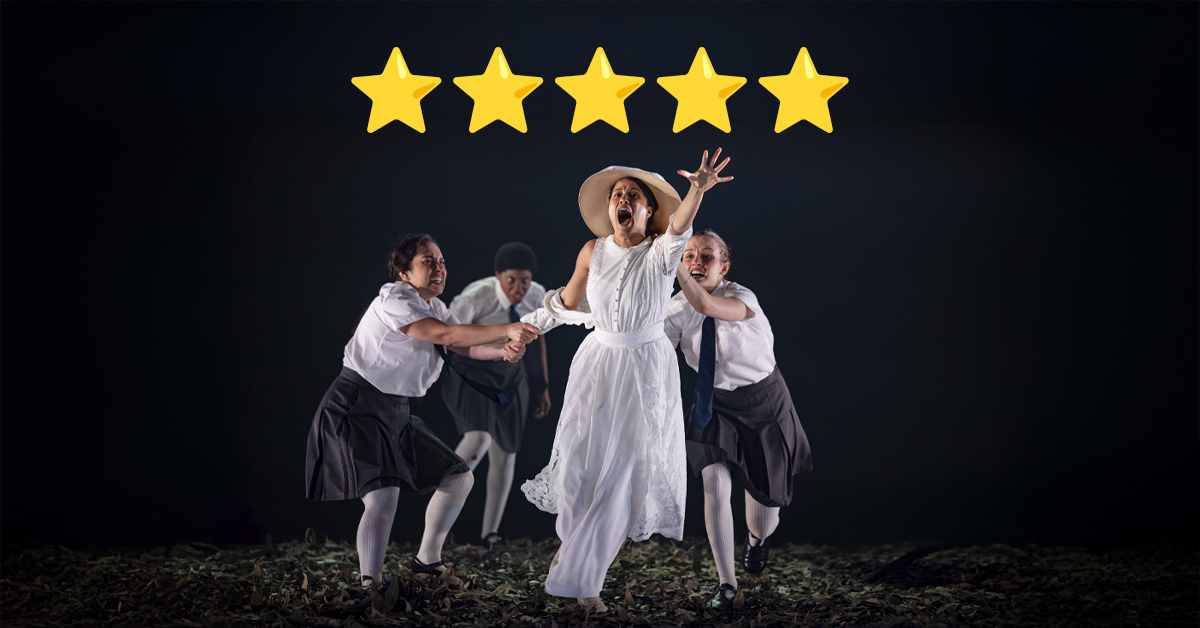
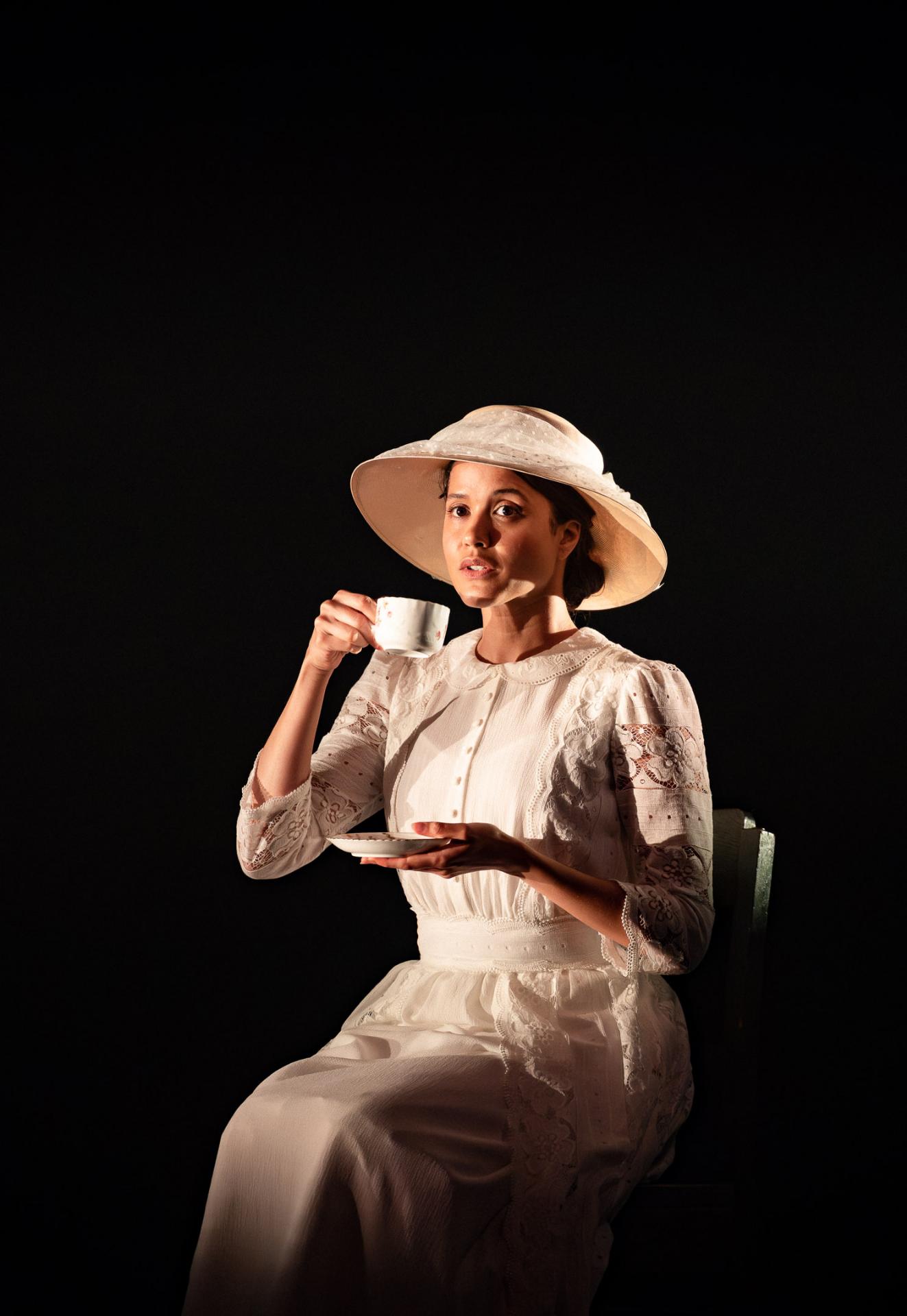
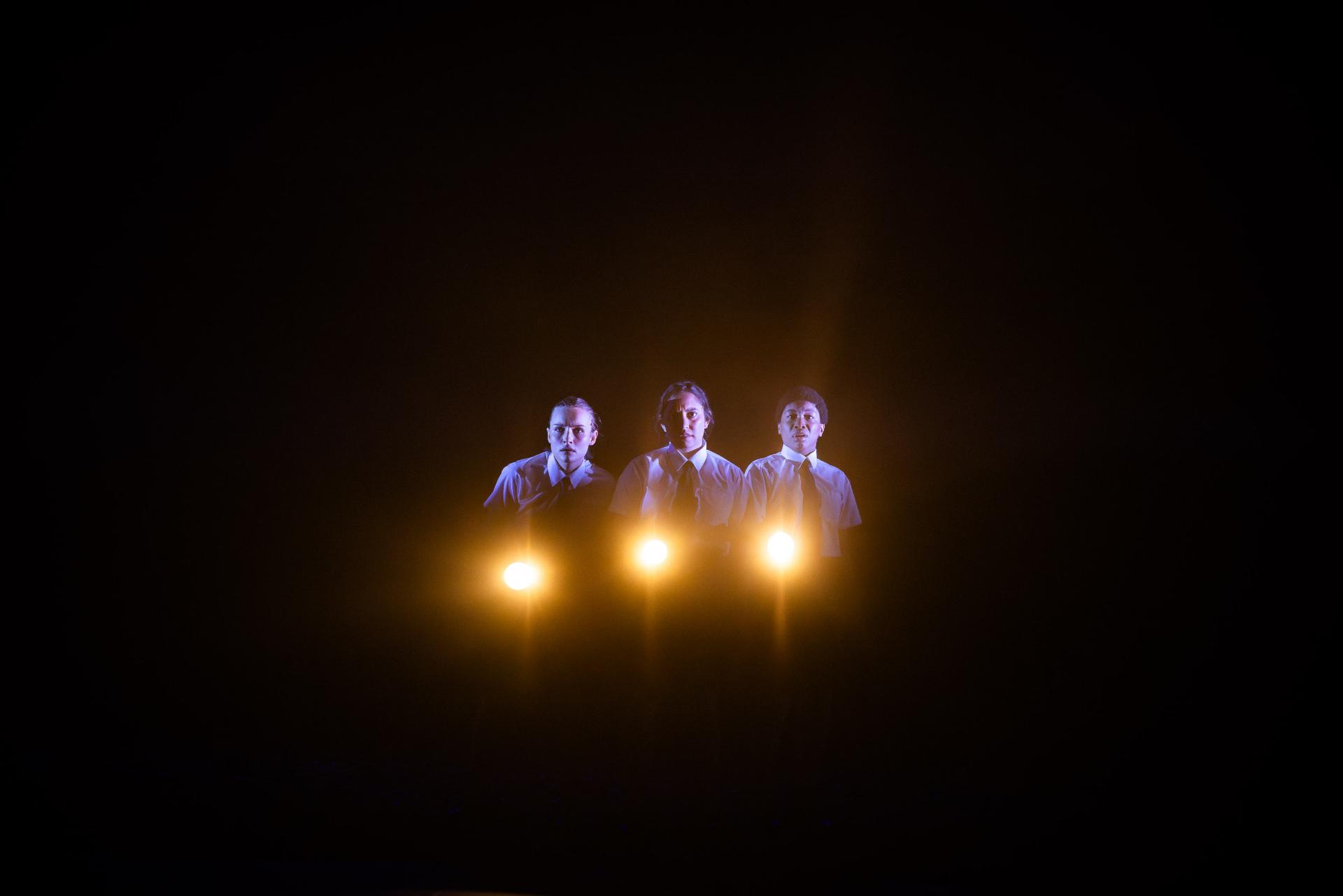
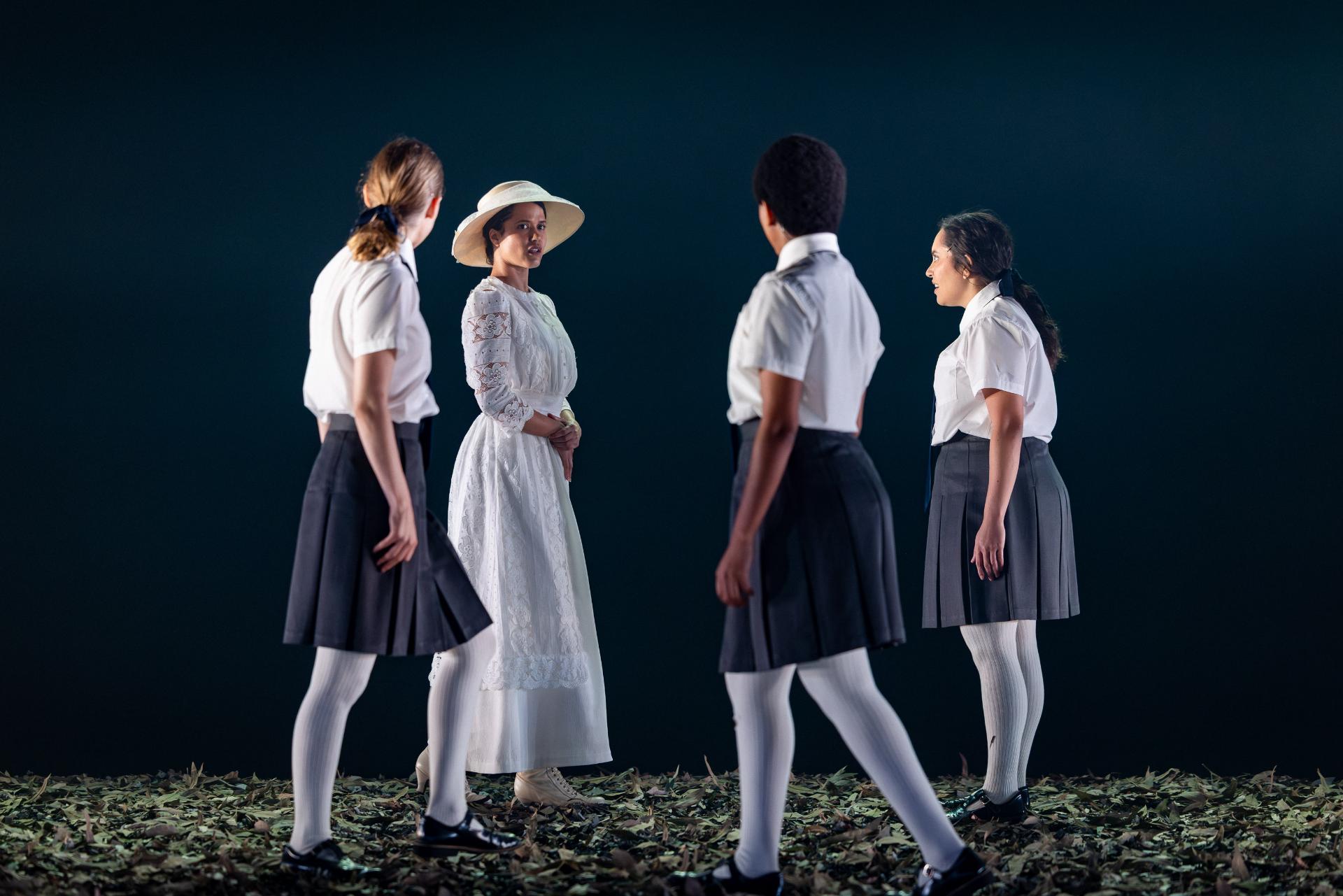
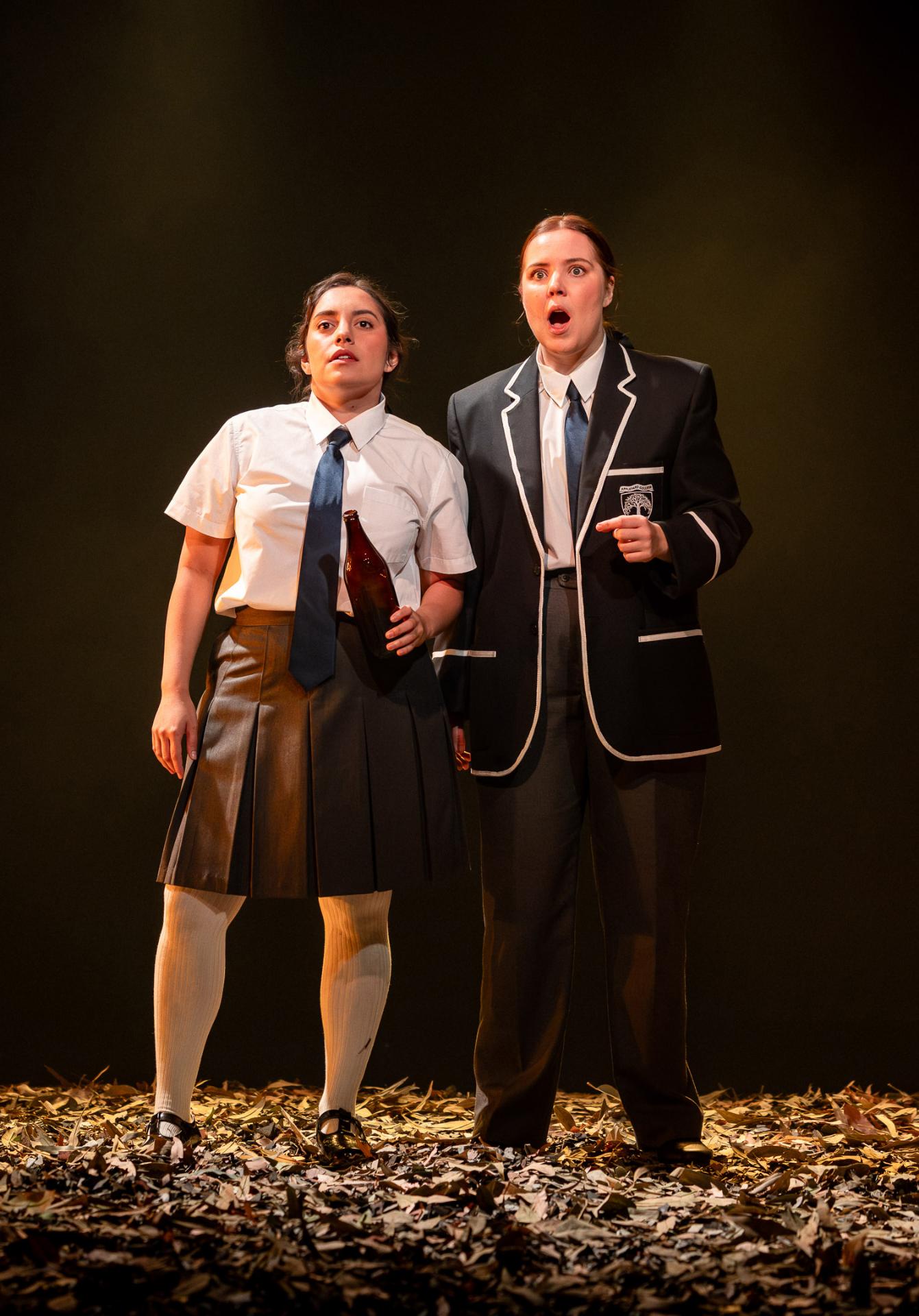
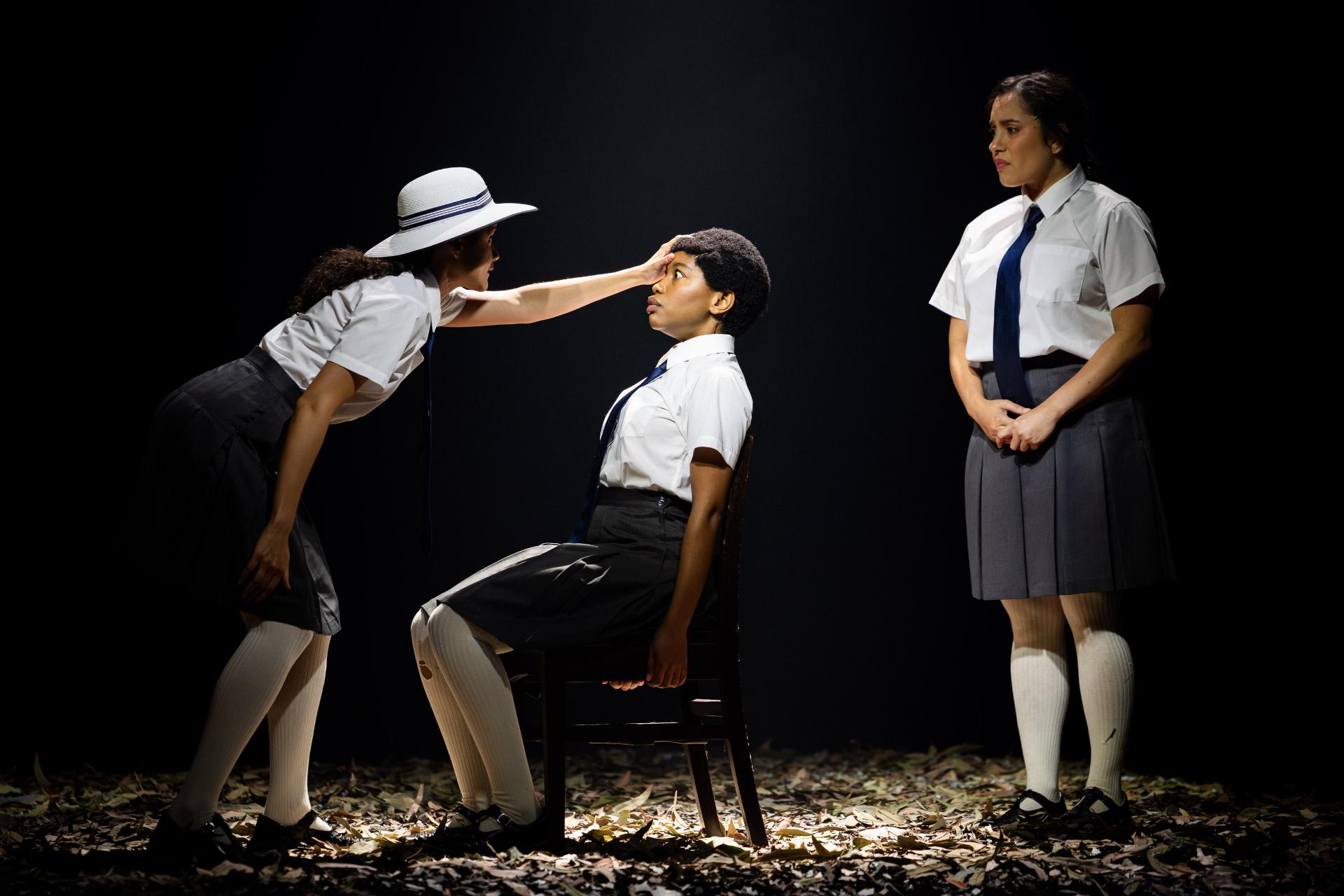
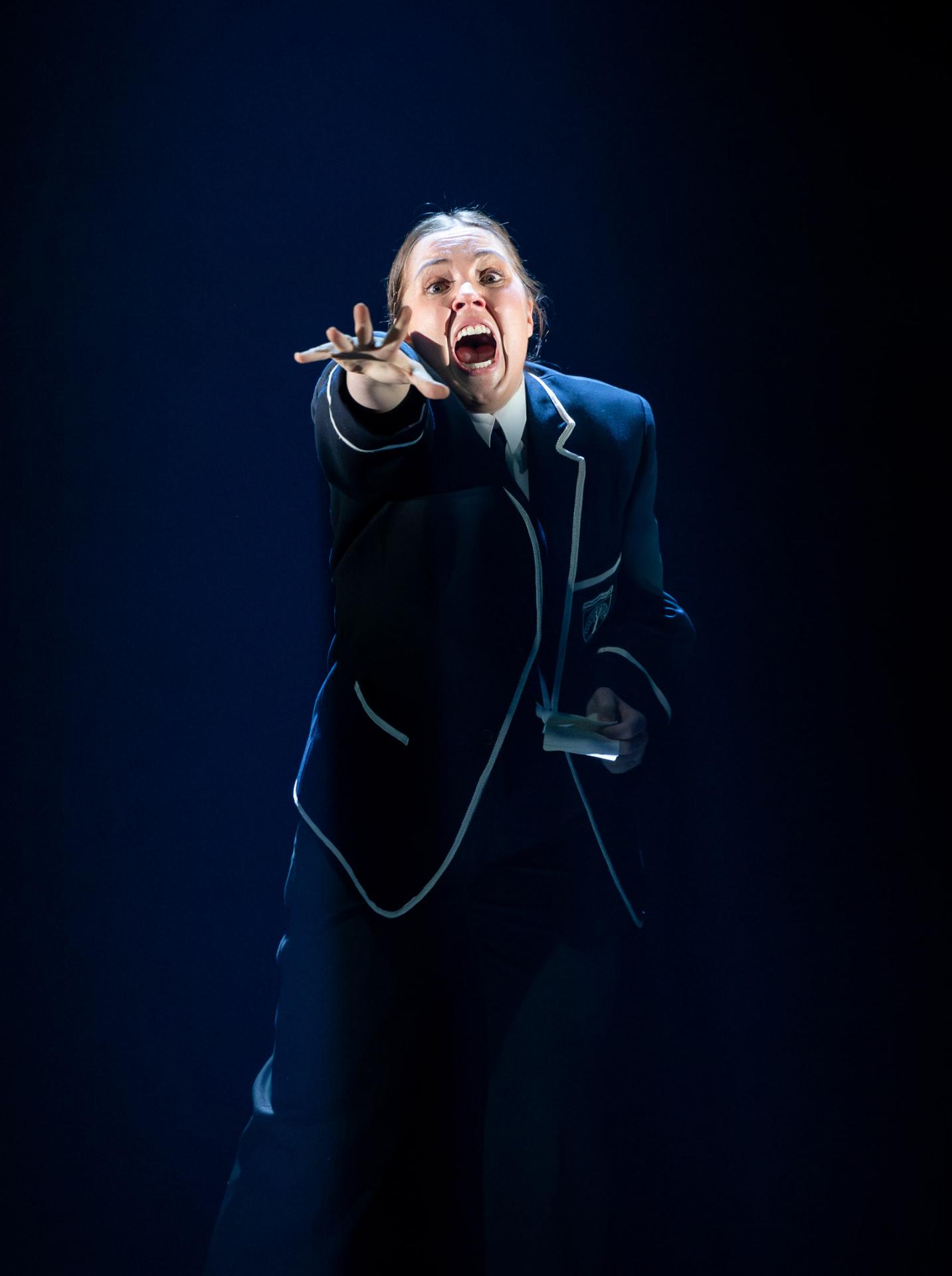
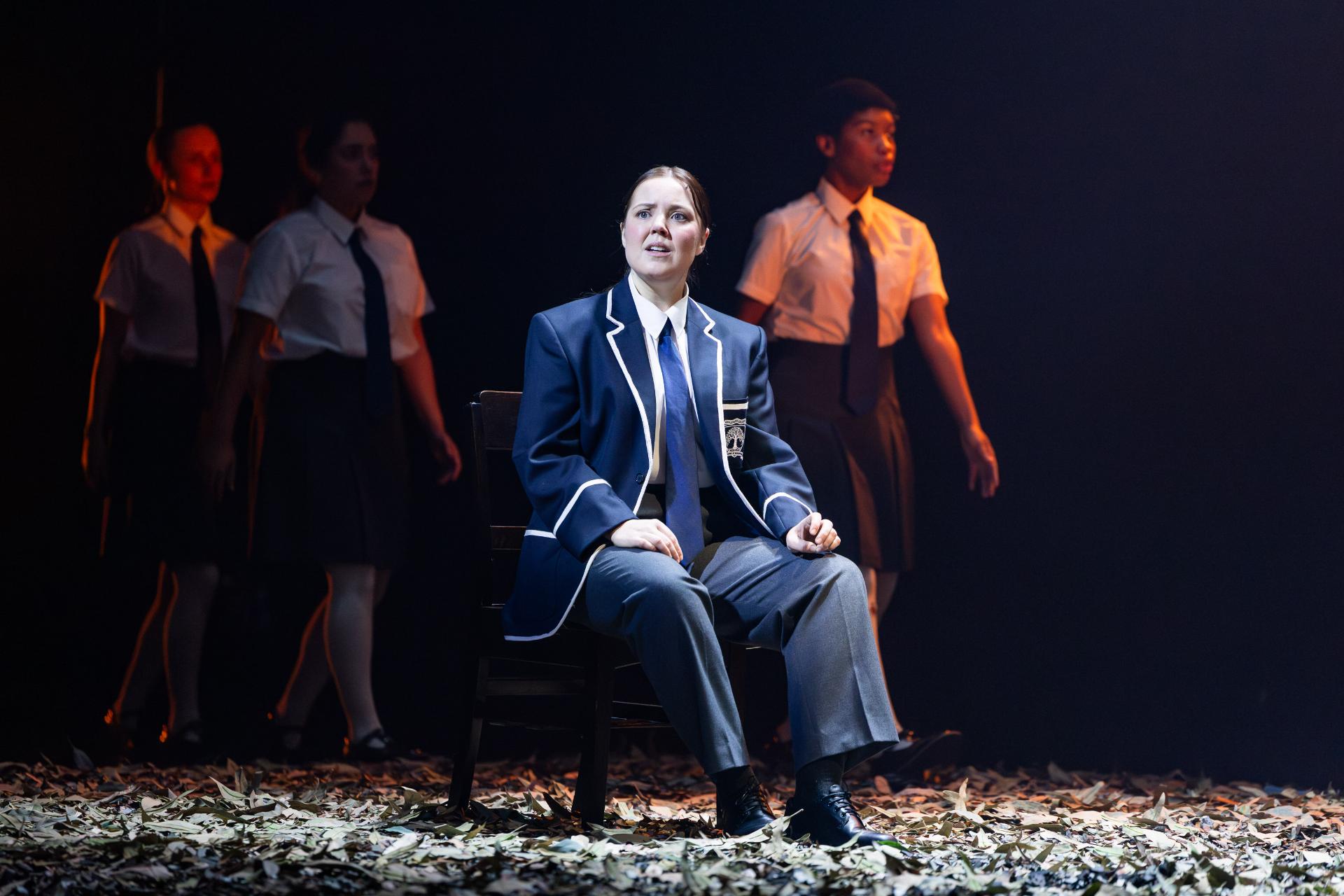
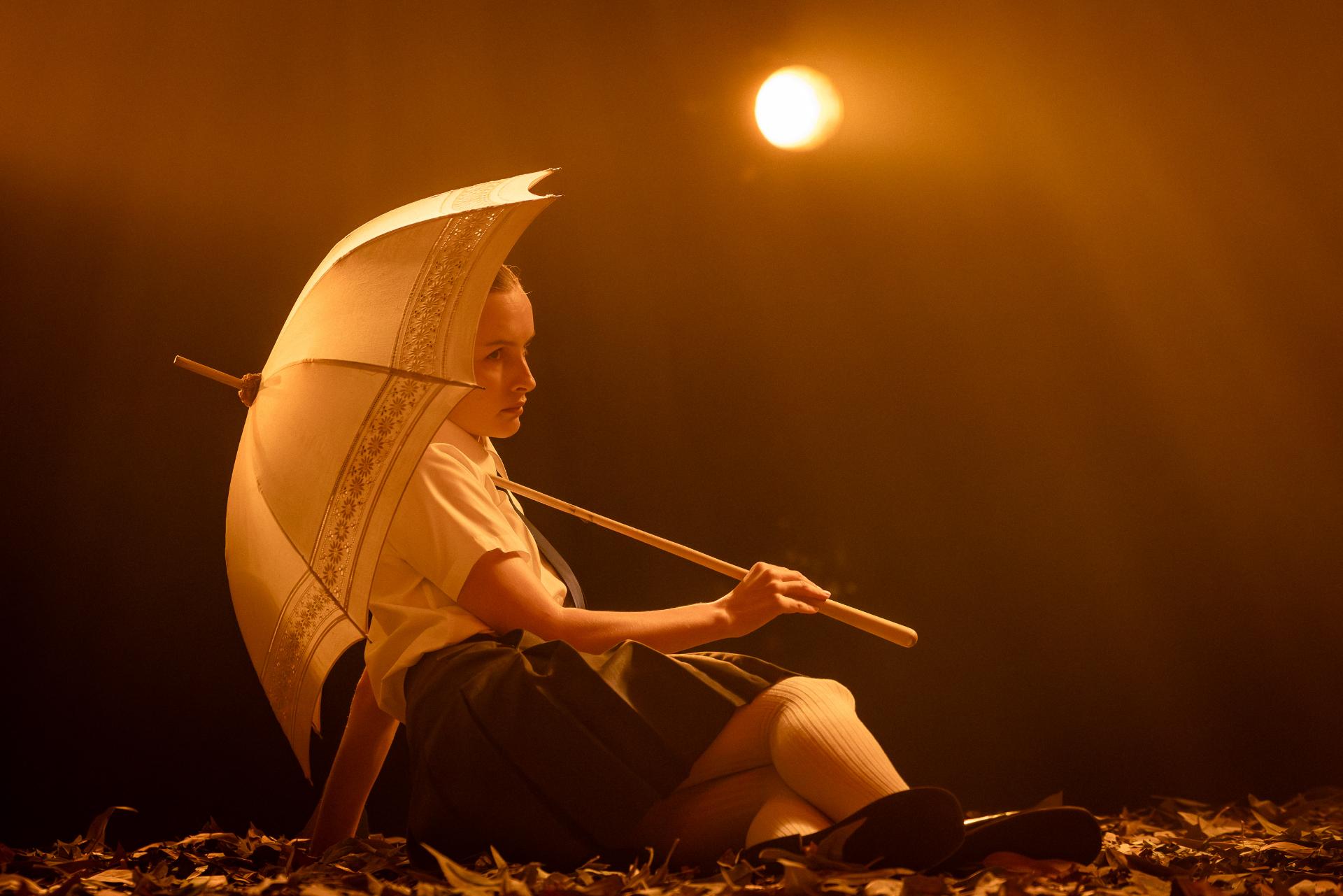
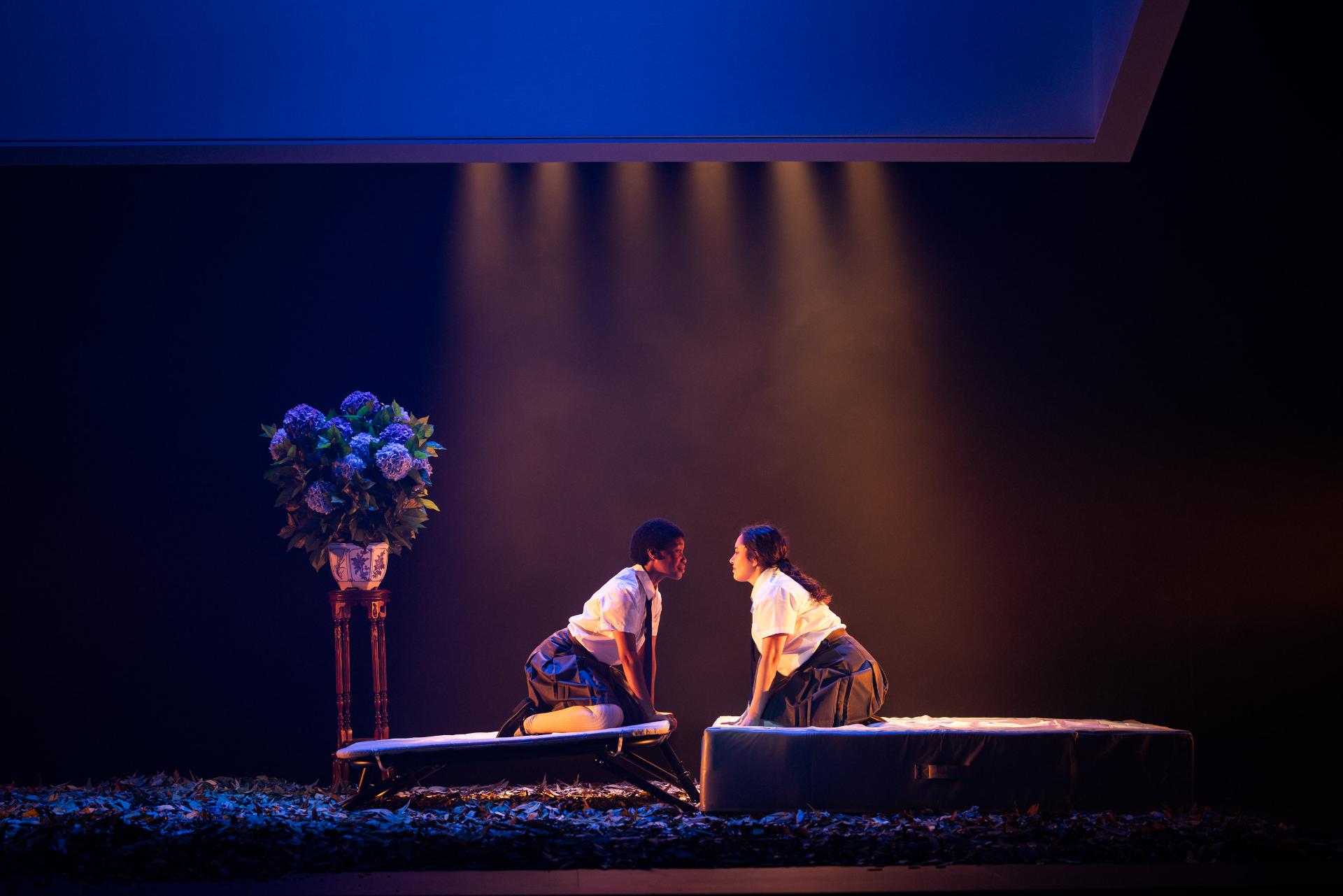
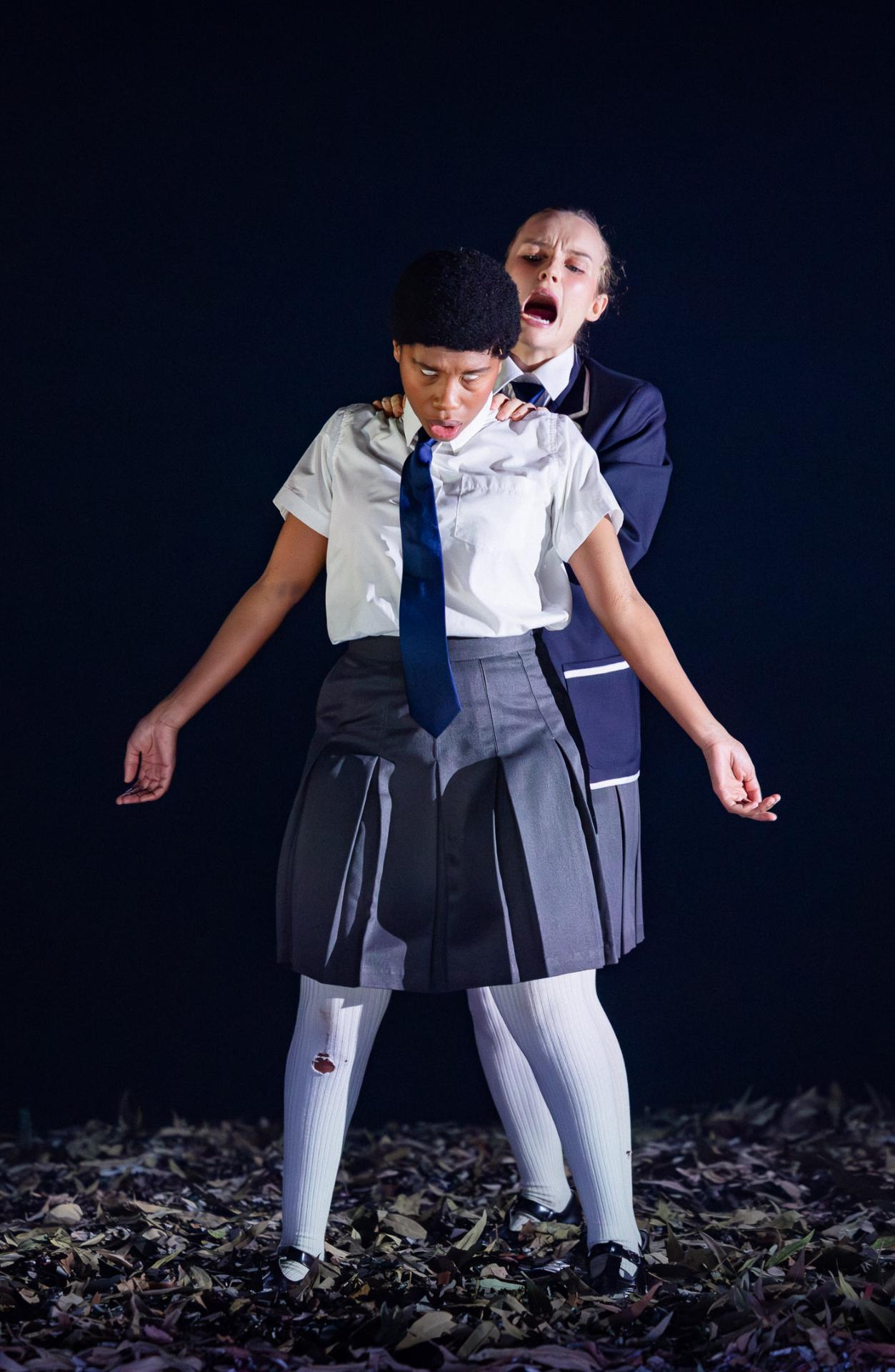
Joan Lindsay’s Picnic at Hanging Rock, is likely the most famous story ever told about this land exacting revenge on its inhabitants. Since the time colonisers deemed it fit to declare terra nullius and named her Australia, European settlers and their descendants, have always borne a pang of guilt in their conscience. They know something is not quite right about the ways they have claimed this their own, and much as they often try to deny the unjust displacement of Indigenous peoples, the truth always finds a way to strike back.

In Tom Wright’s magnificently theatrical stage adaptation of Lindsay’s novel, we are able to observe tangibly, the concurrent effects of both metaphysical and psychological consequences, of land being stolen. The monolith at the centre of Picnic at Hanging Rock serves as symbolic projection, for those unable to acknowledge the actual dilemma, and therefore enact a series of horrors onto their own bodies, as though emanating from that geological feature. Also valid however, is the interpretation that the monolith is in fact sentient, and is executing tactics of protection, in attempts to right those historical wrongs.

Ian Michael’s direction offers all the possibilities, enabling viewers to draw personalised conclusions that would resonate most intimately. Built into the production are a great variety of sensorial textures and psychic dimensions, resulting in a work ambitiously vast, not just in its sheer experiential capacity to leave us breathless and overwhelmed, but also in its scale of representations. Michael’s artistry ensures that everything is laid out to be seen, yet nothing is ever forced; we are presented all the details, and left to consume what we can. Picnic at Hanging Rock is as horrifying as you would allow, as funny as you want, and as political as you are ready to accept.

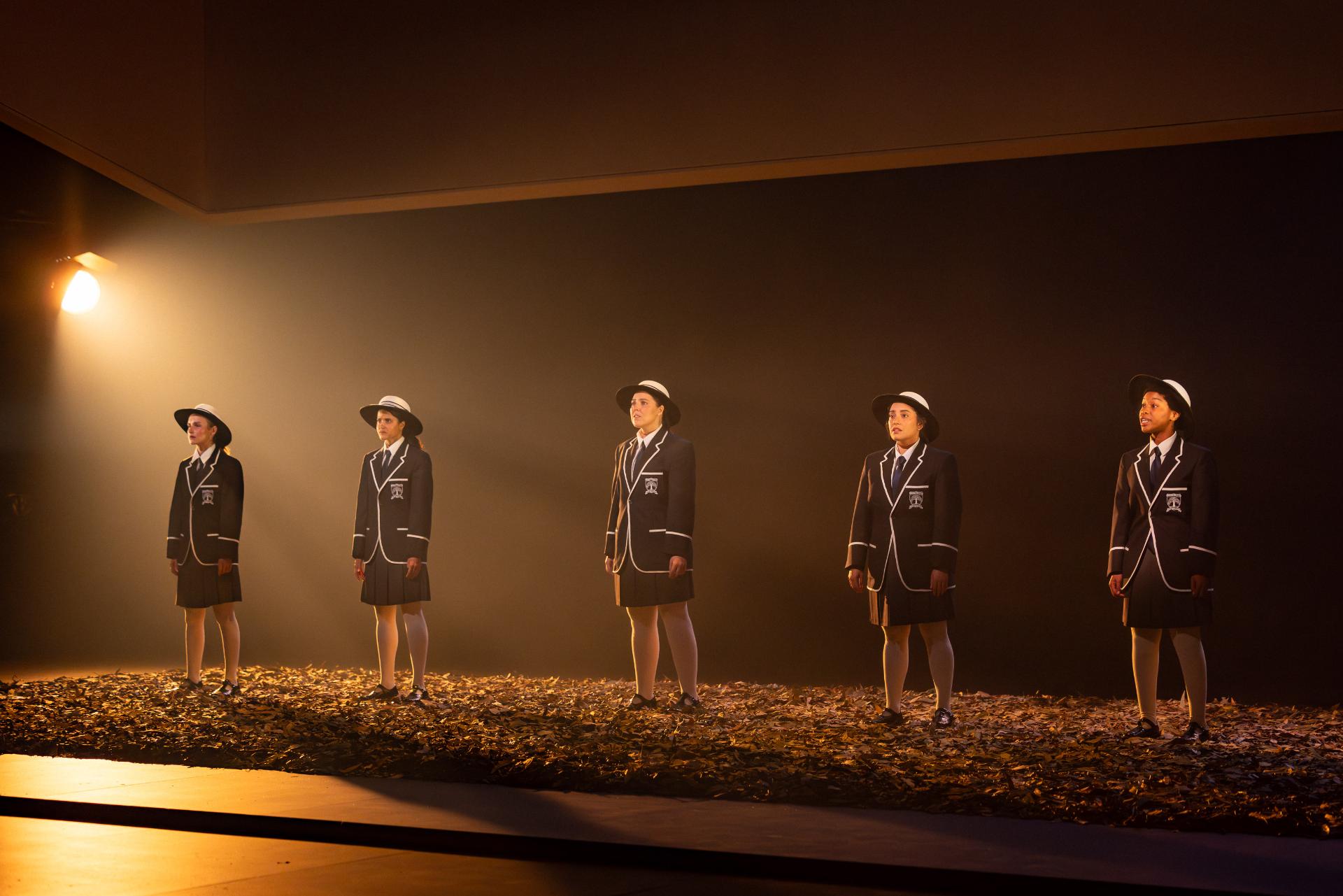
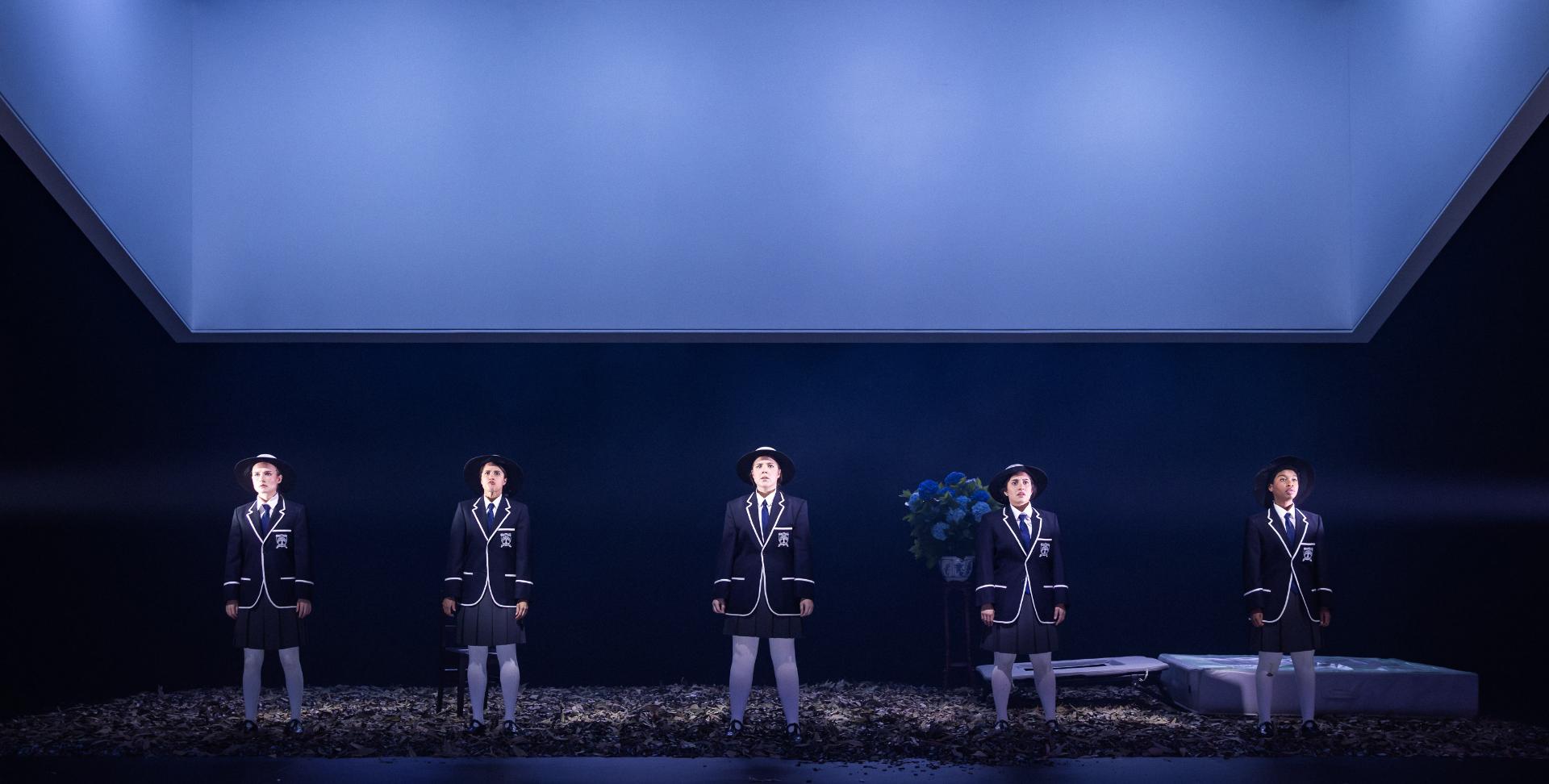
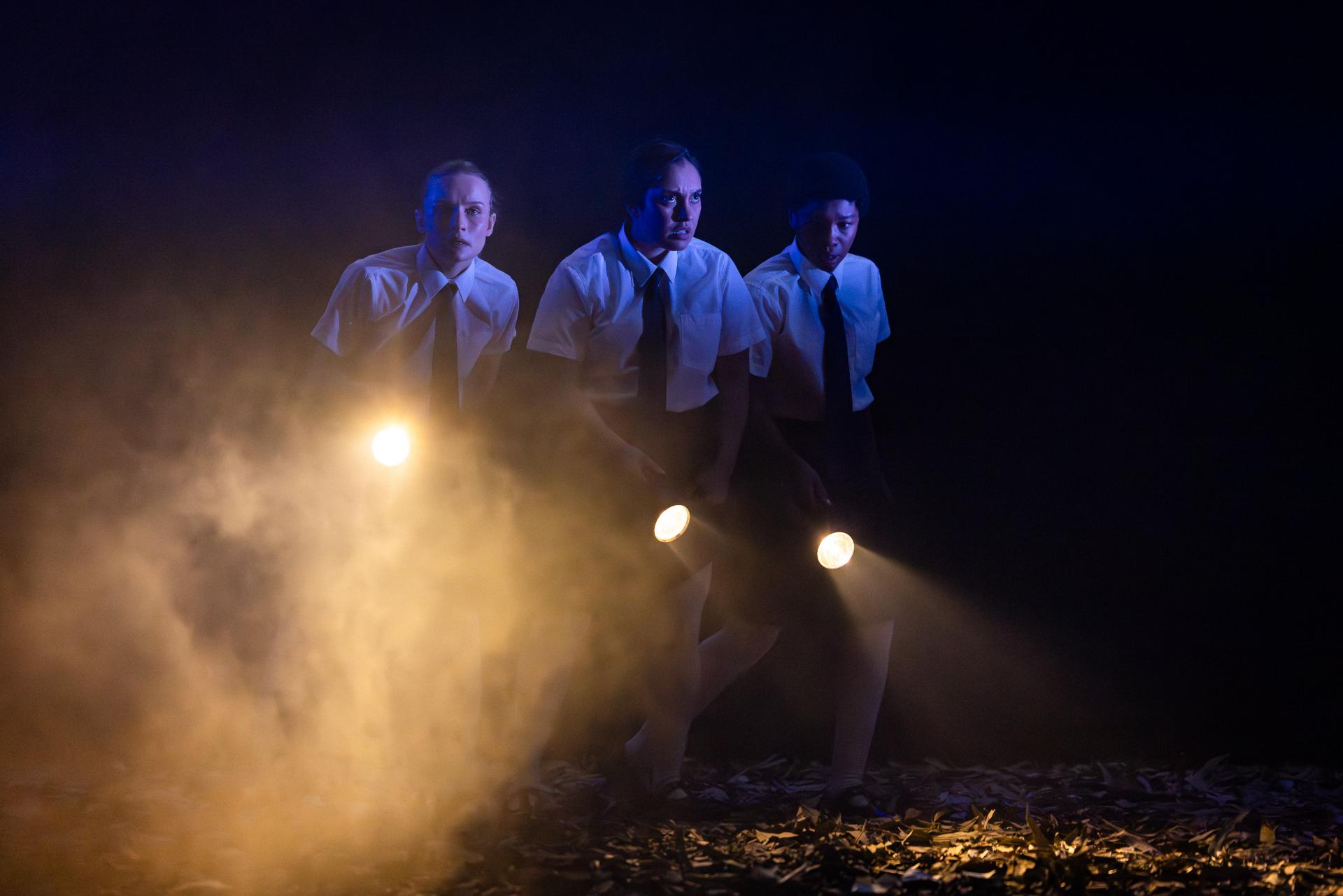
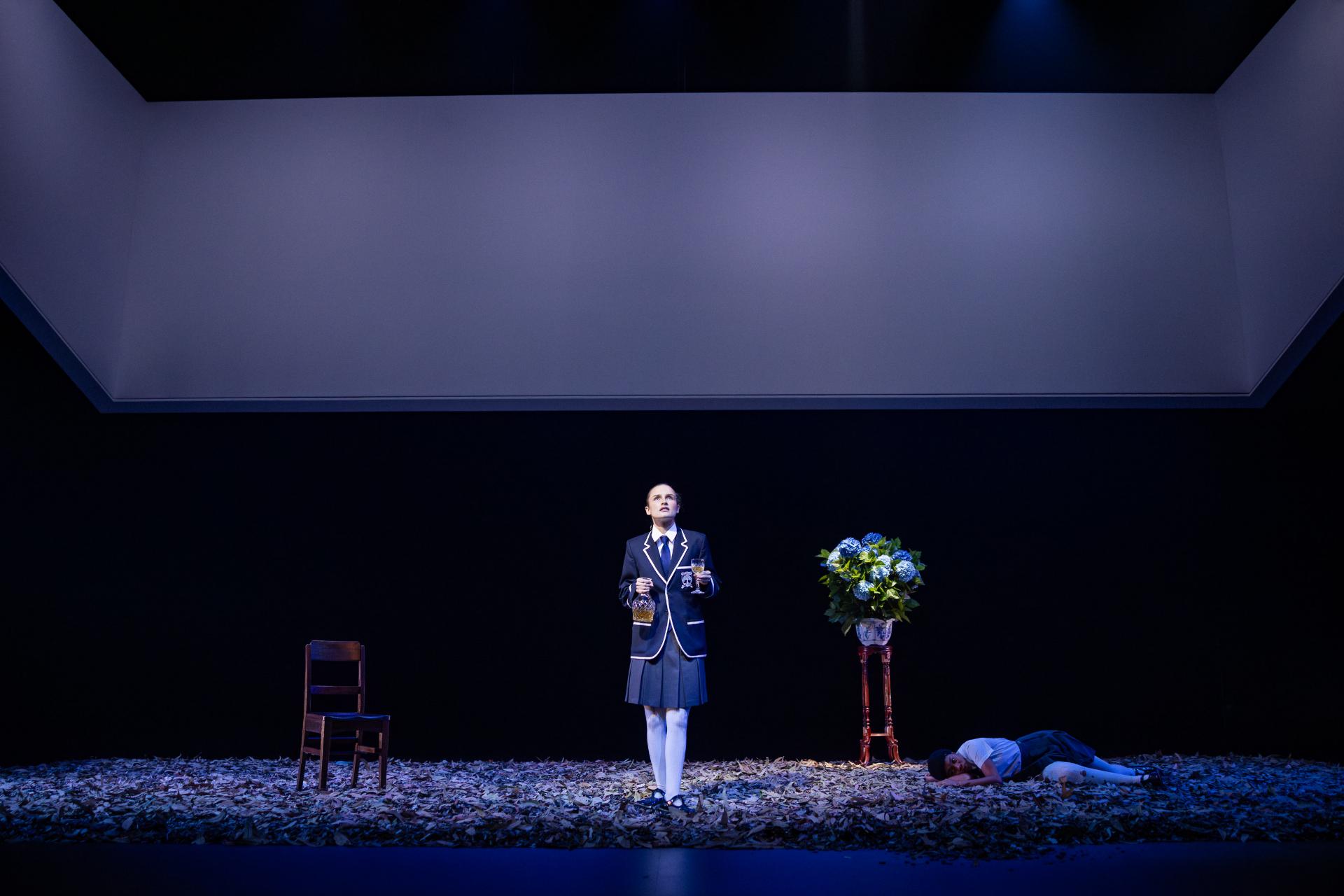
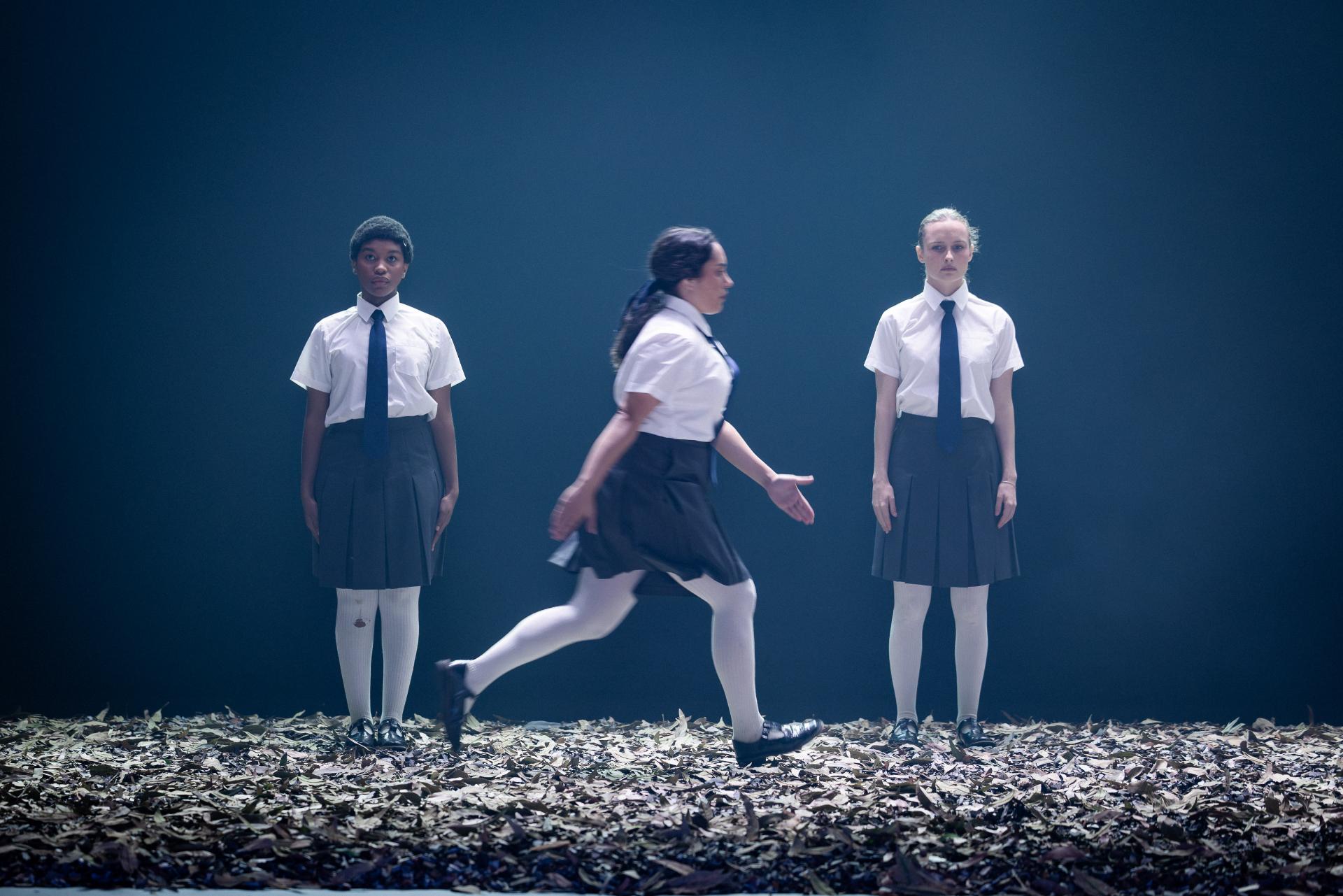
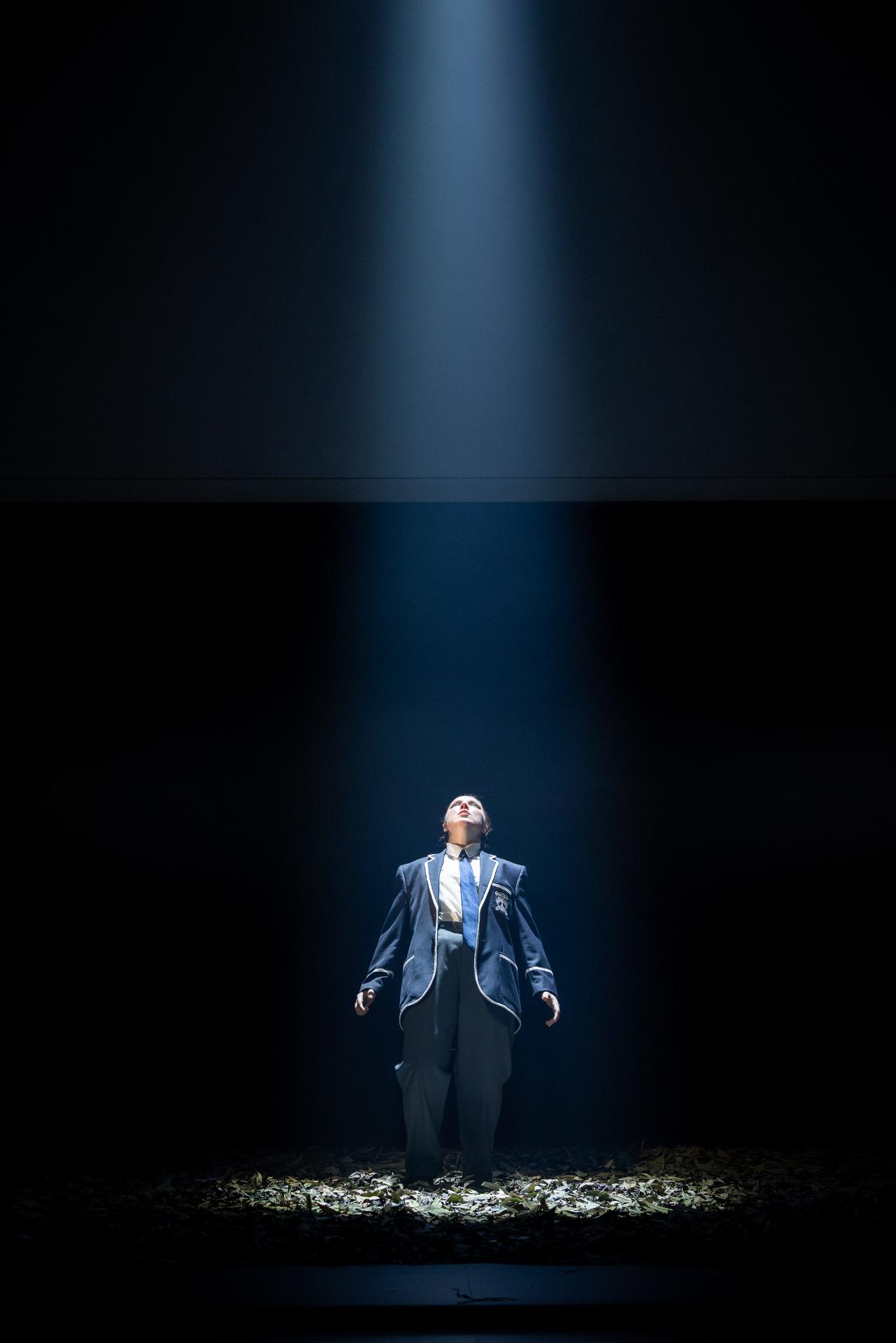
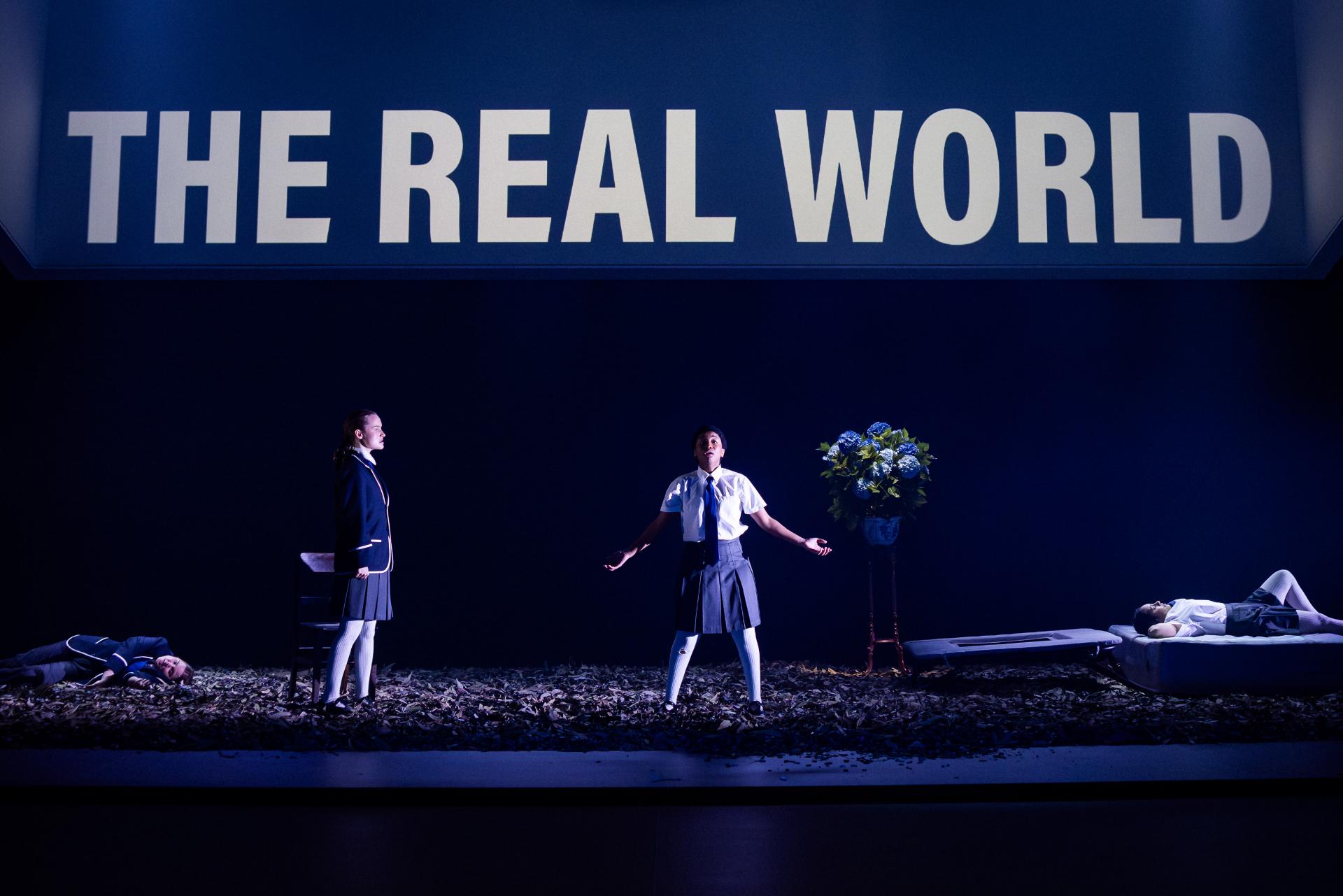
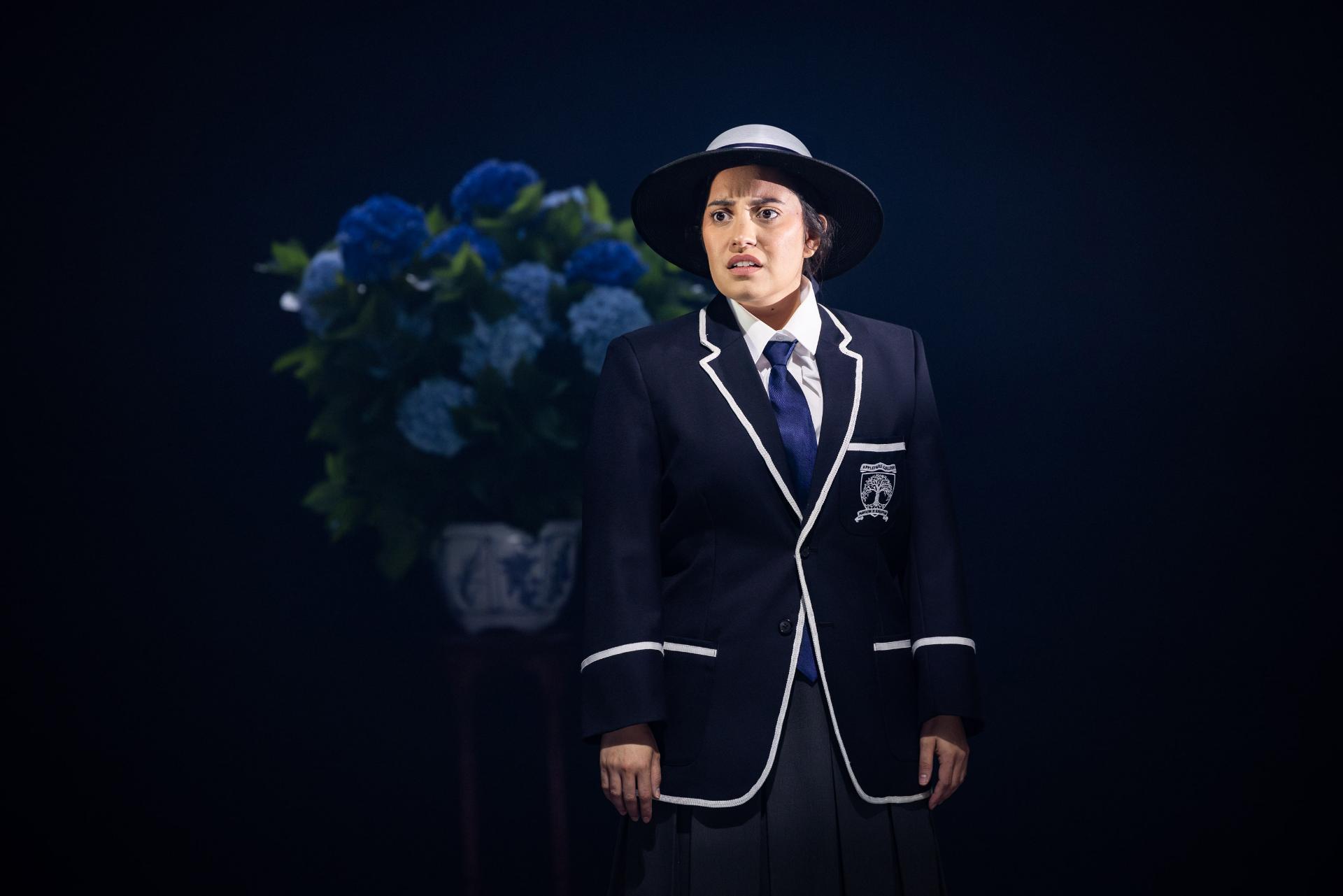
Dominant in the set design by Elizabeth Gadsby is a raised and tilted structure, that looks as though a proscenium arch has eerily shifted upward, subsequently pouring its contents onto the earth. Imposing like the rocks of Dja Dja Wurrung country, whilst demonstrating the vexing presence of Western structures that cannot hold. Lighting by Trent Suidgeest is an exciting element, extravagant in sensibility but consistently tasteful in execution, and memorable for being absolutely electrifying at the most dramatic instances. Exquisite sounds by James Brown are flawlessly orchestrated to usher us not only to the year 1900, but also through various membranes of reality, so that we encounter realms beyond the mundane, that seem to have always existed, but are rarely accorded due attention. Picnic at Hanging Rock is greatly concerned with what we cannot see, all of which is translated on this occasion, into everything that we can hear.

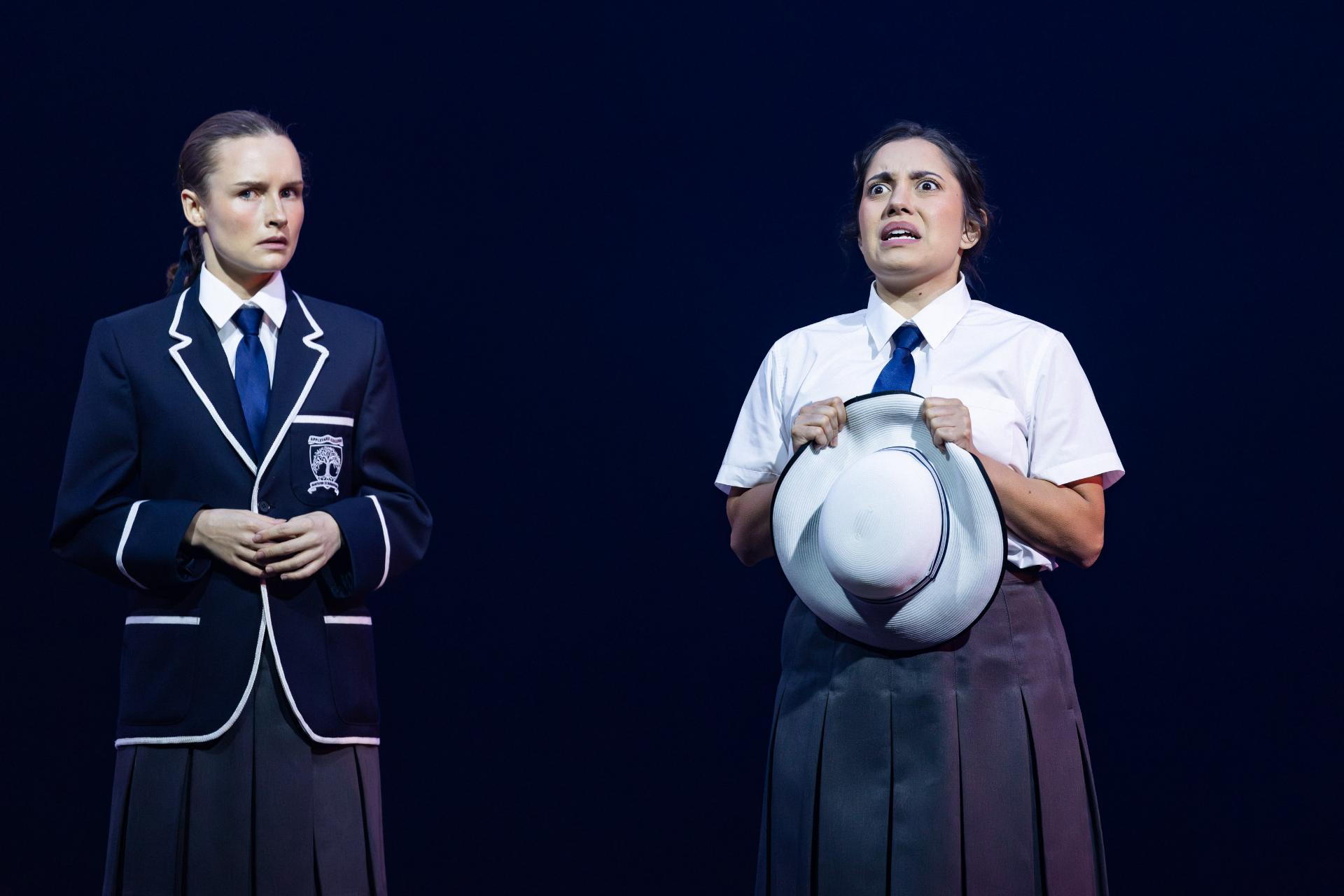
An astonishing ensemble of five extraordinary performers, namely Olivia De Jonge, Kirsty Marillier, Lorinda May Merrypor, Masego Pitso and Contessa Treffone, deliver a 90-minute show that is always urgent, and never predictable. They play naturalism one moment, then seamlessly transition to the most heightened of expressions the next, fully embodying both the sociological and the macabre aspects of their narrative. The women’s thrilling inventiveness is awe-inspiring, and the depth and gravity they reveal for this important instalment of our modern literary canon, is likely paradigmatic.

Something magical occurs when art precipitates transcendence. Call it healing, catharsis, or even exorcism, art can offer enlightenment in ways beyond the capacities of conventional language. This staging of Picnic at Hanging Rock leaves one feeling like they had been grabbed tight and shaken vigorously. An intense sensation is instilled, but what it communicates may not be immediately clear or explicitly understandable. Art will change people, and when it stokes the fire of human conscience, is when it serves its most noble purpose.

www.sydneytheatre.com.au

Review: Nucleus (Griffin Theatre Company)

Venue: Seymour Centre, Reginald Theatre (Chippendale NSW), Feb 14 – Mar 15, 2025
Playwright: Alana Valentine
Director: Andrea James
Cast: Paula Arundell, Peter Kowitz
Images by Brett Boardman

Theatre review
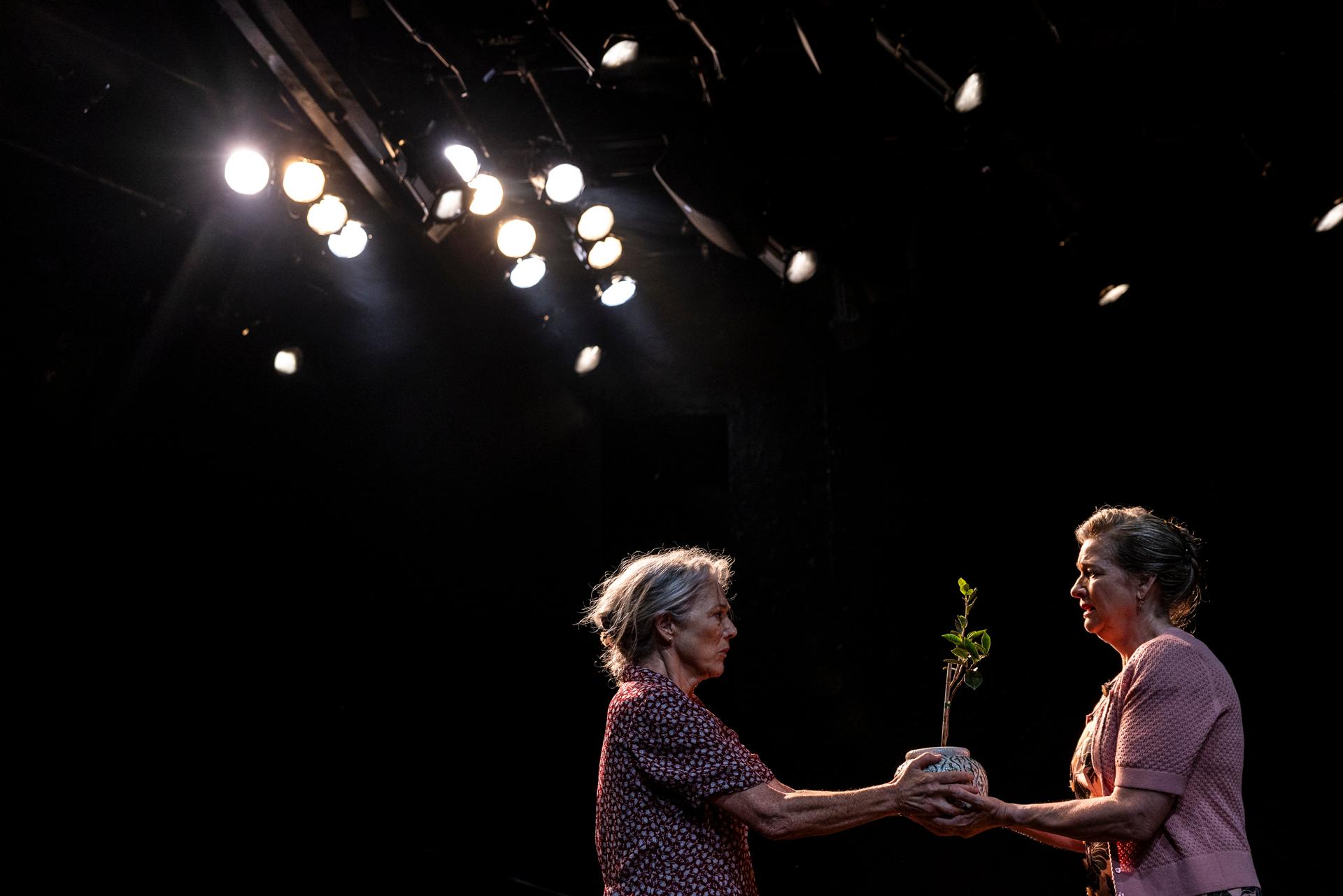
Cassie and Gabriel have known each other for decades, but because the former is an anti-nuclear activist, and the latter a pro-nuclear engineer, they are unable to conceive of their relationship as anything other than adversarial. Alana Valentine’s Nucleus is in some ways a boy-meets-girl story, and in other ways, an exploration into debates about nuclear energy. Scientific portions feel thoroughly researched, able to offer valuable insight, if slightly too densely assembled for this 90-minute production. Romantic aspects of Nucleus may not be entirely convincing, but they certainly keep us attentive to an important subject that relates to the very survival of our species.

Direction by Andrea James provides a sense of precision to the escalation of dramatic urgency, that ensures our investment in the piece. Production design by Isabel Hudson encourages us to regard the show’s ideas with an expansive attitude, whilst manufacturing a satisfying elegance to the staging. Lighting by Verity Hampson, along with video projections by Laura Turner, offer meaningful transformations of atmosphere, although a greater dynamism could improve the experience. Phil Downing’s music and sound are thoroughly considered, to help manufacture an aural richness to inspire sentimental responses.

For the role of Cassie, actor Paula Arundell is required to embody a wide range of temperaments and emotions, and the clarity she brings to all those distinctions of mental states is remarkable to observe. As Gabriel, Peter Kowitz is less detailed in his performance, often looking inadequately prepared and unconfident. Chemistry between the two is sorely lacking, which makes a lot of this two-hander hard to enjoy.

In the current age of distrust in media and of authorities in general, obtaining accurate information on something as crucial as energy resources, can feel an absolute quagmire. Competing interests, with competing truths, make for the gathering of facts so arduous that giving up trying, is almost always the result. In a world where we have grown accustom to having other people, who we never really trust, deal with each and every environmental crisis, it will come as no surprise that the ultimate consequence of populaces not paying attention, is of course going to be dire.

www.griffintheatre.com.au

Review: The Children’s Hour (Old Fitz Theatre)

Venue: Old Fitzroy Theatre (Woolloomooloo NSW), Feb 14 – Mar 1, 2025
Playwright: Lillian Hellman
Director: Kim Hardwick
Cast: Sarah Ballantyne, Jess Bell, Amy Bloink, Mike Booth, Annie Byron, Kim Clifton, Romney Hamilton, Martelle Hammer, Miranda Huttley, Deborah Jones, Lara Kocsis, Madeline Kunstler, Kira McLennan
Images by Phil Erbacher

Theatre review
Mary is a terror of a child. She may be just twelve years of age, but her conniving ways are already causing chaos everywhere. When Mary starts a rumour about headmistresses Martha and Karen having a sexual relationship at their residential school, the consequences are devastating. The Children’s Hour is a 1934 play by American playwright Lillian Hellman, significant for its portrayals of queer women at a time when lesbians were rarely represented in the arts, and when homosexuality was severely stigmatised.

The text reflects the immense shame endured by queer people of the time, and although largely obsolete in its depictions, The Children’s Hour serves as a valuable and accurate record of the way things had been. Direction by Kim Hardwick brings truthfulness to the storytelling, so that we may bear witness to the cruelty that humans are capable of inflicting, especially upon the marginalised. Some scenes are more compelling than others, which suggests that a slightly abridged version could be more suited to contemporary tastes.

Set design by Emelia Simcox, along with scenic art by Russell Carey are evocative of the era being showcased. Hannah Yardley’s costumes too are appropriate in style, although not always well-fitted, and some pieces show visible signs of distress. Lights by Jimi Rawlings and sound by Michael Huxley offer unobtrusive enhancements to atmosphere, in a staging that scores points for integrity.

The role of the deceitful Mary is played captivatingly by Kim Clifton, who brings a delicious ferocity to the viciousness that propels the narrative. Jess Bell and Romney Hamilton demonstrate strong chemistry as Martha and Karen respectively, with Bell’s riveting intensity and Hamilton’s restraint, forming a surprising contrast.

In the current political moment, it seems that lies are the greatest driver for our destruction. No longer able to effectively discern truth from lies, or even right from wrong, we find ourselves in a constant state of frustrating bewilderment, unable to trust any information, and subsequently enfeebled with inaction. Queer history, however, proves that no matter how extreme the oppression, the warriors for justice will overcome.

www.oldfitztheatre.com.au | www.instagram.com/tinydogproductions

Review: Cruise (KXT on Broadway)

Venue: KXT on Broadway (Ultimo NSW), Feb 12 – 22, 2025
Playwright: Jack Holden
Director:
Sean Landis
Cast: Fraser Morrison
Images by Abraham de Souza

Theatre review
Almost four decades on, Michael still needs to talk about the trauma, and fortunately, his story is one that younger generations will always need to hear. HIV may no longer be the death sentence it used to be, but it is in many ways an enduring tragedy that continues to reverberate deeply for queer communities everywhere.

Michael’s reminiscences are not only about those he has lost, but also about the burden those of us left behind, have had to carry. Survivor guilt and social stigma are issues that prompt Michael to call a helpline, at the start of Jack Holden’s Cruise, but as well as being sublimely mournful, the play is also packed with joy. Michael’s personal history is one of liberation – from tradition, from persecution, and from debilitating disease.

The immense depth of Holden’s writing delivers a theatrical experience that many will find powerful, if not completely transcendental. Coupled with dynamic and incisive work by Sean Landis on direction, Cruise is profoundly reflective, along with being fabulously and irresistibly entertaining.

Actor Fraser Morrison delivers this one-person show with a wonderful sincerity that invites our open hearts to observe and share in all the pain, redemption and exaltation, that he so assiduously brings to the stage. Morrison’s capacity for a great range of temperaments and attitudes, keeps us enthralled as he portrays countless characters, in this important recollection of a gay legacy. Assisted by choreographer Jeremy Lloyd’s sophisticated eye in movement, Morrison’s physicality is framed with considerable beauty, in his depictions of gay lives past and present.

Production design by Chelsea May Wheatley provides effective spatial demarcations that allow for a kineticism that the presentation uses to generate urgency. Wheatley’s sound design is admirably thorough, inspiring strong visceral responses to a show that contains an abundance of sentimentality. Lights by Tom Hicks are sensitively and imaginatively rendered, cleverly transportive as we explore time and space in both internal and external, or psychic and material ways.

The trajectory for us can only be forward, but as perpetual outsiders, the journey is always turbulent and arduous. We can always see brighter futures, and even in the darkest moments, we have been able to summon optimism and faith, not only for the betterment of our spirit, but also to propel us ahead in achieving actual improvements for all our lives.

HIV did kill many of us at the end of the previous century, but there is no question that we have emerged to thrive spectacularly in so many ways. Today a new backlash is taking hold, especially against those of us who dare to express gender in authentic but unorthodox ways. There is no certainty about how we are to win this battle, but there can be no doubt that we will once again prevail.

www.kingsxtheatre.com | www.fruitboxtheatre.com.au

Review: Hadestown (Theatre Royal)

Venue: Theatre Royal (Sydney NSW), 12 Feb – 26 Apr, 2025
Music, Lyrics & Book: Anaïs Mitchell
Director: Rachel Chavkin
Cast: Abigail Adriano, Christine Anu, Noah Mullins, Sarah Murr, Elenoa Rokobaro, Adrian Tamburini, Jennifer Trijo, Imain Williams
Images by Lisa Tomasetti

Theatre review
In Hadestown, the musical retelling by Anaïs Mitchell of an ancient tale, Eurydice makes a deal with Hades for food and shelter. Even though she remains alive, Orpheus’ journey is no safer, as he ventures into the underworld trying to rescue his love. Having the spectacular Greek legend as a basis, means that this 2019 Broadway production contains all the ingredients for something not only fantastical but also sentimental, especially with Mitchell’s excellent song writing offering vivid access to the emotional dimensions of this complex story.

Director Rachel Chavkin’s staging is often mesmerising, delivering magical imagery that helps our consciousness traverse the bridge between reality and fantasy, to meaningfully encounter the supernatural aspects of Hadestown. Musical direction by Laura Tipoki bears a valuable idiosyncrasy that encourages us to respond with a commensurate sense of whimsy, but some of its execution can feel slightly restrained and sterile.

Playing the lovebirds are Abigail Adriano and Noah Mullins, both commendable for their visibly rigorous investment in the central romance. They bring a believability to the show, derived from their realistic portrayals of sheer humanity. Hades and Persephone are less compelling, as performed by Adrian Tamburini and Elenoa Rokobaro who exhibit technical proficiency, but whose portrayals of larger than life personas, feel somewhat superficial.

As Hermes, Christine Anu impresses with her unmitigated soulfulness, carried through voice, face and body, to make the truth resonate, in the midst of distracting frivolity. Fate is represented by the exceptional trio of Sarah Murr, Jennifer Trijo and Imani Williams, who demonstrate astonishing artistry and cohesiveness, in their embodiment of what is certainly one of the production’s most memorable elements.

In Hadestown we observe a love story, as well as a story about power. Hades could easily have orchestrated the union of Eurydice and Orpheus, but he chose not to. We are capable of cruelty as much as we are in need of tenderness. Humans are a myriad of shifting things, but a constant seems to be that we are contradictory. We have all seen the face of peace and love, yet the part of us that insists on jeopardising all that is good, seems always to be rearing its ugly head.

www.hadestown.com.au

Review: Three Sisters (Flight Path Theatre)

Venue: Flight Path Theatre (Marrickville NSW), Feb 5 – 15, 2025
Playwright: Anton Chekhov (adapted by Victor Kalka)
Director: Victor Kalka
Cast: Matthew Abotomey, Meg Bennetts, Alex Bryant-Smith, Nicola Denton, Barry French, Sarah Greenwood, Jessie Lancaster, Alice Livingstone, Ciaran O’Riordan, Mason Phoumirath, Joseph Tanti
Images by Samuel Webster

Theatre review
It is becoming increasingly odd to see characters in Chekhov’s Three Sisters talk about “work” like it is something optional. The notion of nobility has faded so far from popular consciousness, that any alternative to a life of work, is now proving unimaginable. In this adaptation by Victor Kalka, we may not be able to relate much to the lifestyles of these Russians from the year 1900, but it seems that Chekhov’s representations of existential angst can still resonate.

This is a version that, at just over 100 minutes, should have been easily digestible, but early portions struggle to connect. The constant lamenting of a bygone era is tiresome, with characters expressing grievances that are entirely alienating. After the fire however, they are made to grapple with something more authentic, and in the concluding moments, Three Sisters comes back to life.

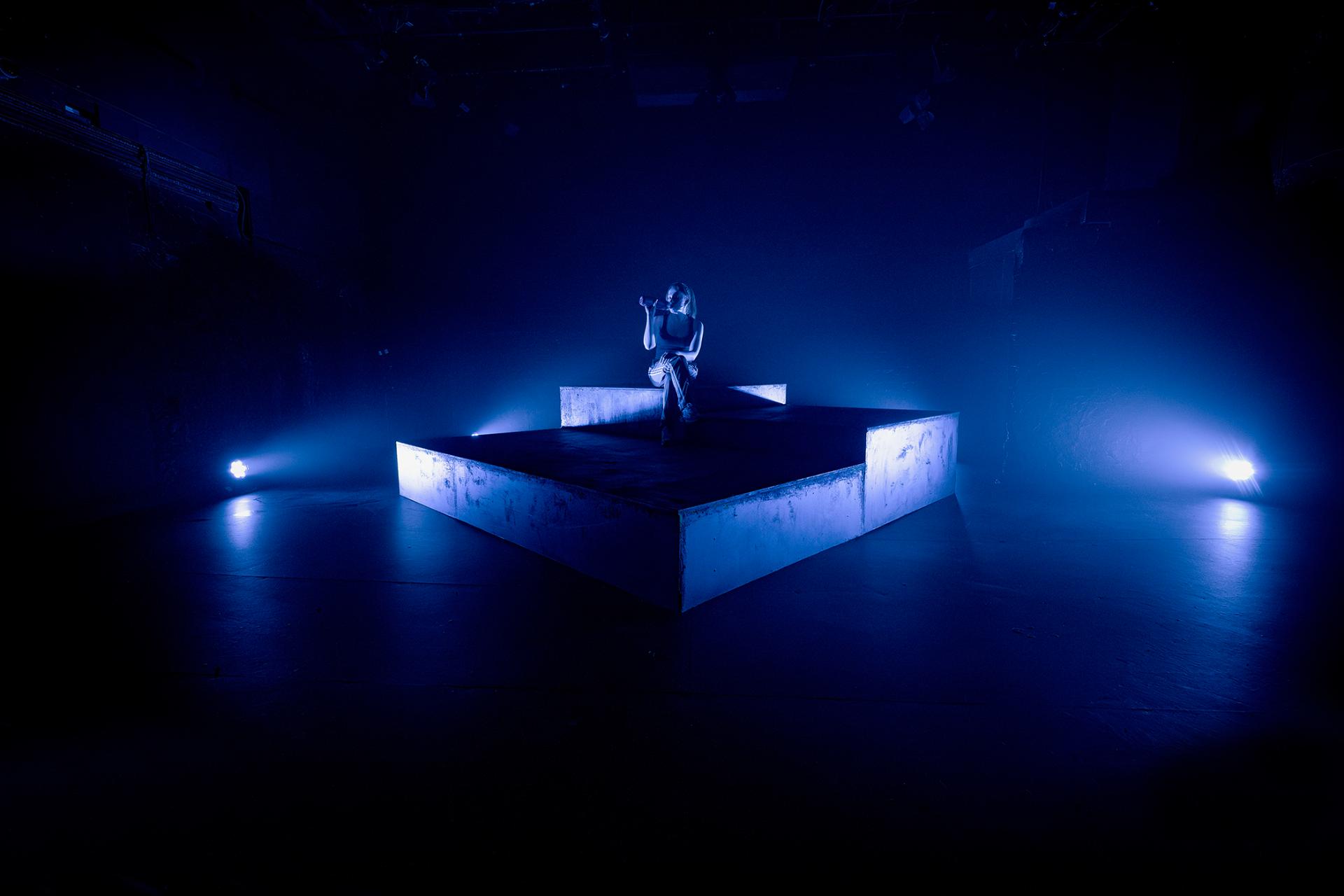
The cast of 11 can be lauded for establishing a uniformity in tone, even though some performers are certainly more compelling than others. Set design by Kalka thoughtfully positions entrances to the stage that facilitate smooth movement, but it is arguable if his take on modernised costuming depicts the nature of class appropriately for the story. Lights by Jasmin Borsovszky bring elegance to the presentation, along with pleasant variations to atmosphere. Sounds by Patrick Howard offer simple enhancements for a sense of theatricality.
It can be construed that the people in Three Sisters are looking for purpose, rather than literal work, in what they feel to be an aimless existence. In 2025 we are discovering that work can easily be just as unfulfilling, if not completely self-jeopardising, in this era of the oligarch’s aggressive re-emergence. In the present moment, authoritarian figures of power are demonstrating their patent disregard for our welfare as contributors to their successes, whether as consumers or as resources for production. We can still think of work as honourable, but more than ever, the understanding of what our labour is really serving, needs to come to the fore.

www.flightpaththeatre.org | www.virginiaplaintheatre.com

Review: Wuthering Heights (Roslyn Packer Theatre)

Venue: Roslyn Packer Theatre (Sydney NSW), Jan 31 – Feb 15, 2025
Adaptor: Emma Rice (from the novel by Emily Brontë)
Composer: Ian Ross
Director: Emma Rice
Cast: Sam Archer, Nandi Bhebhe, Matthew Churcher, Rebecca Collingwood, Frederick Double, Stephanie Elstob, Thomas Fox, Stephanie Hockley, TJ Holmes, John Leader, Robyn Sinclair
Images by Steve Tanner

Theatre review
It is the story of star-crossed lovers Heathcliff and Catherine, from the pen of Emily Brontë but adapted for a contemporary stage. The circumstances around the dark romance of Wuthering Heights may seem a relic of the past, but the emotions that it represents prove enduring.

Transformed into a musical, we are swept away by compositions from Ian Ross that are alternately ethereal and intense, creating a majestic soundscape that takes us far away to 18th-century northern England. Its characters make choices that are unlikely to make sense today, but the music connects with something primal, for an instinctive understanding of how they might have felt.

This reinvigorated version by Emma Rice is as imaginative as it is exuberant, with pop influences that help the old novel resonate anew. Choreography by Etta Murfitt introduces an unexpected kineticism, adding a sense of palpable urgency. Production design by Vicky Mortimer may look somewhat home-spun and dwarfed by the lofty sleekness of the auditorium, but quirky elements are nonetheless delightful.

It is an endearing cast that takes the charge, with John Leader’s idiosyncratic interpretation of a marvellously suave Heathcliff, earning our investment in his epic tale of ambition and regret. Stephanie Hockley’s passionate defiance as Catherine brings an undeniable spiritedness to the production. Also notable are Nandi Bhebne as Leader of the Moors, and Robyn Sinclair as Young Cathy, both highly compelling with their splendid vocals and considered depictions.
There are so many tragic deaths in Wuthering Heights, most of which are related to the notion of a broken heart. Heathcliff was indeed devastated by the loss of his love, and even though it is a truism that life without love is worth little, it is easy to mistakenly believe the same about romance. Only love is essential, and fortunately much more attainable than its illusory and evanescent echo.
www.wutheringheightsaustralia.com