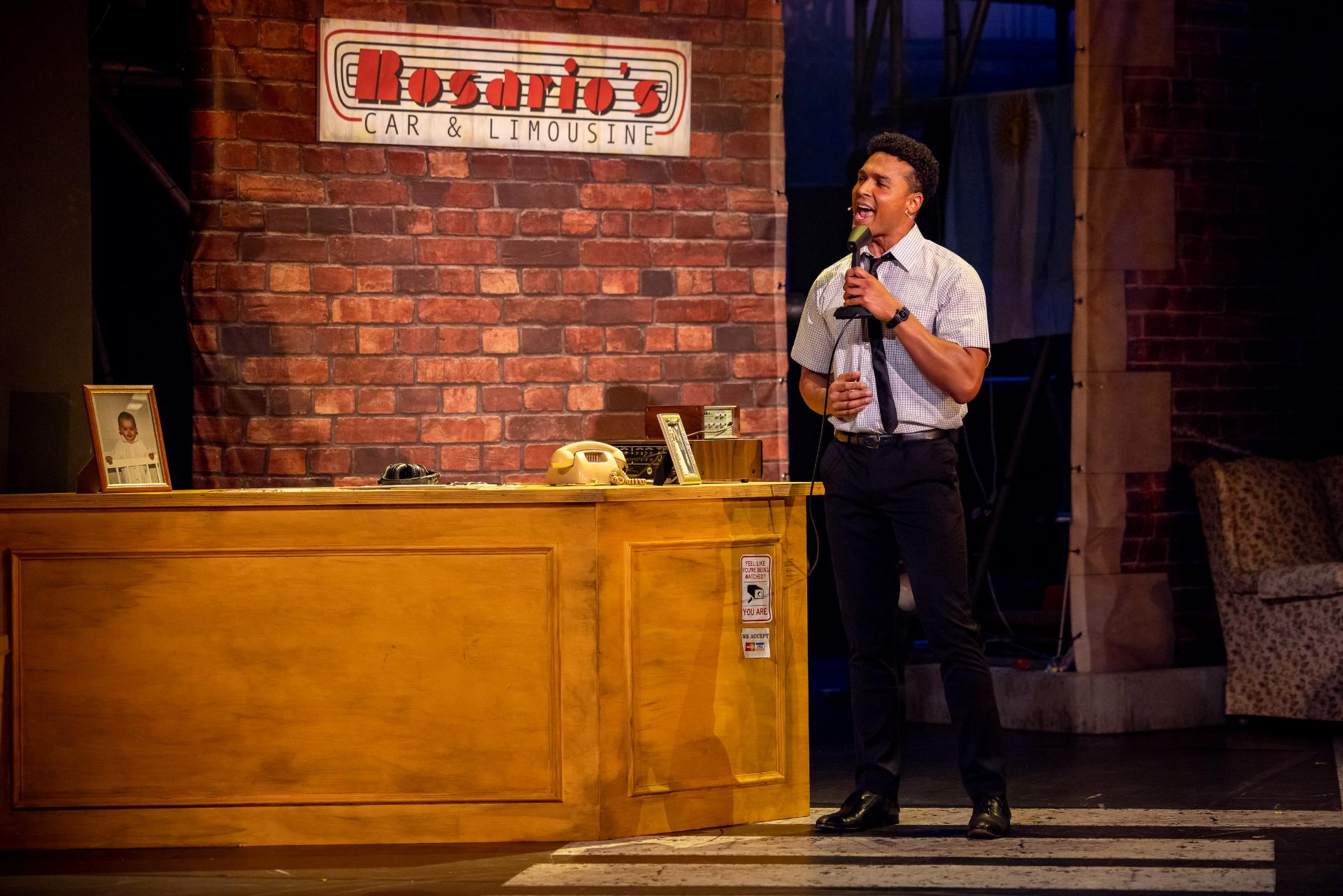
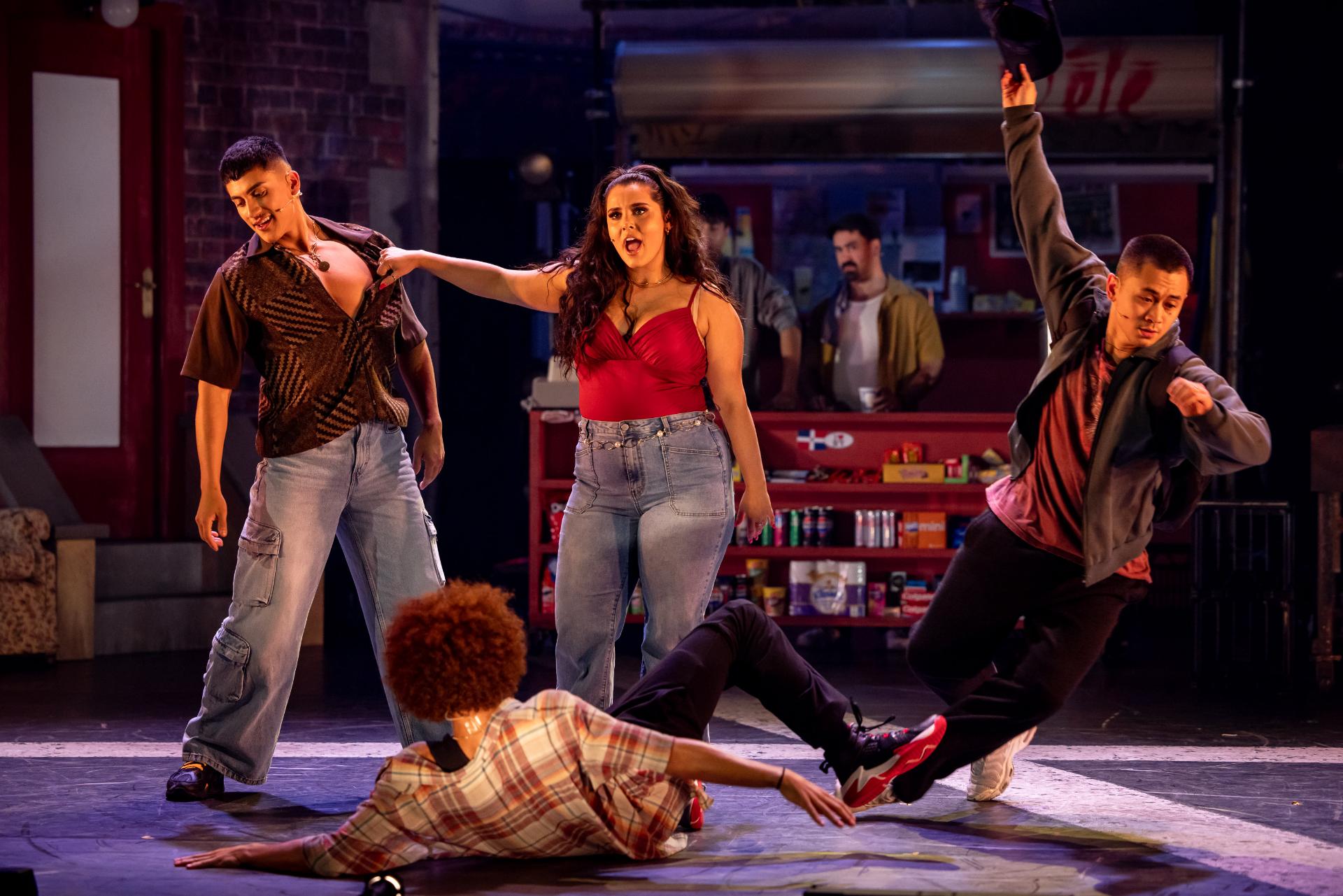
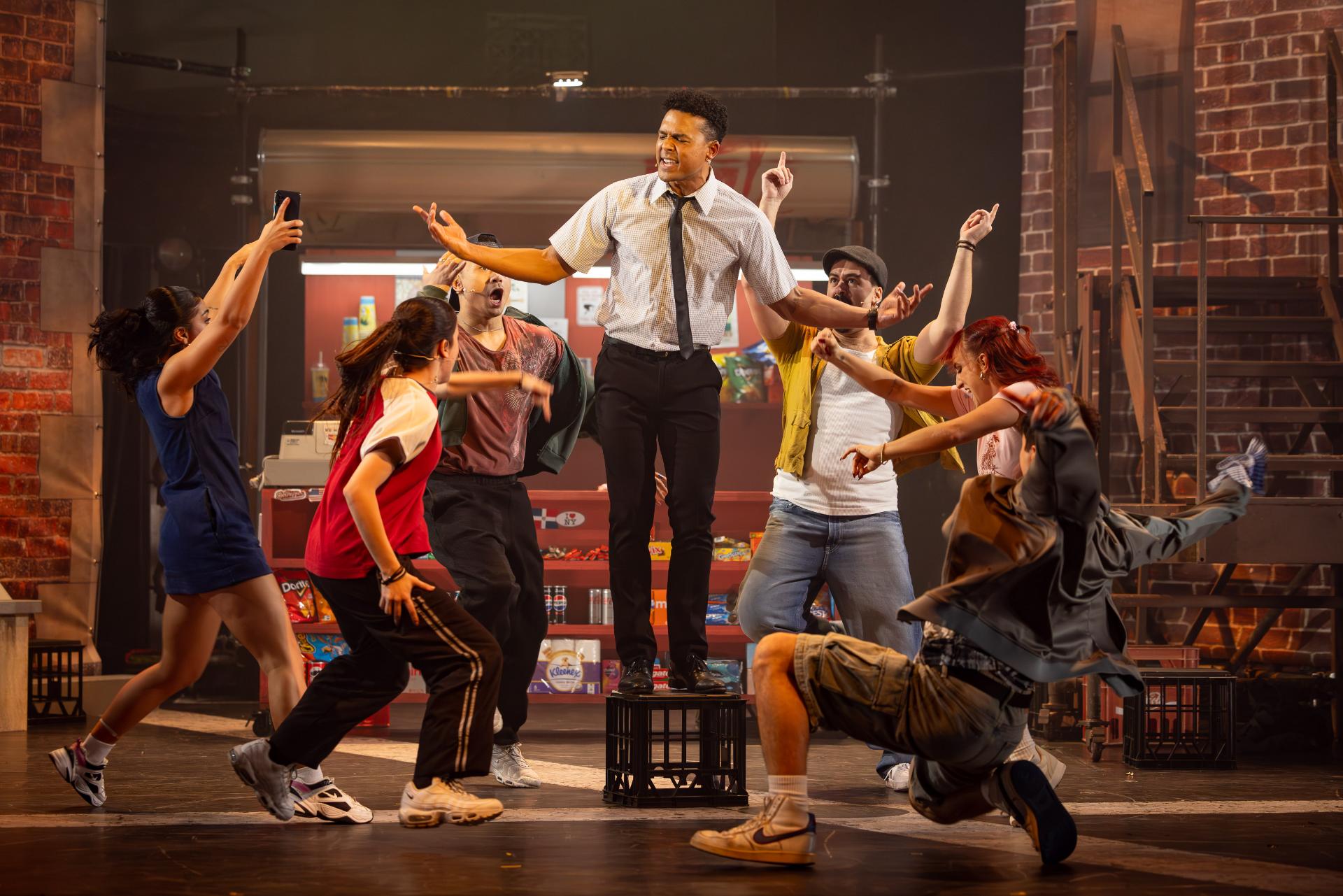
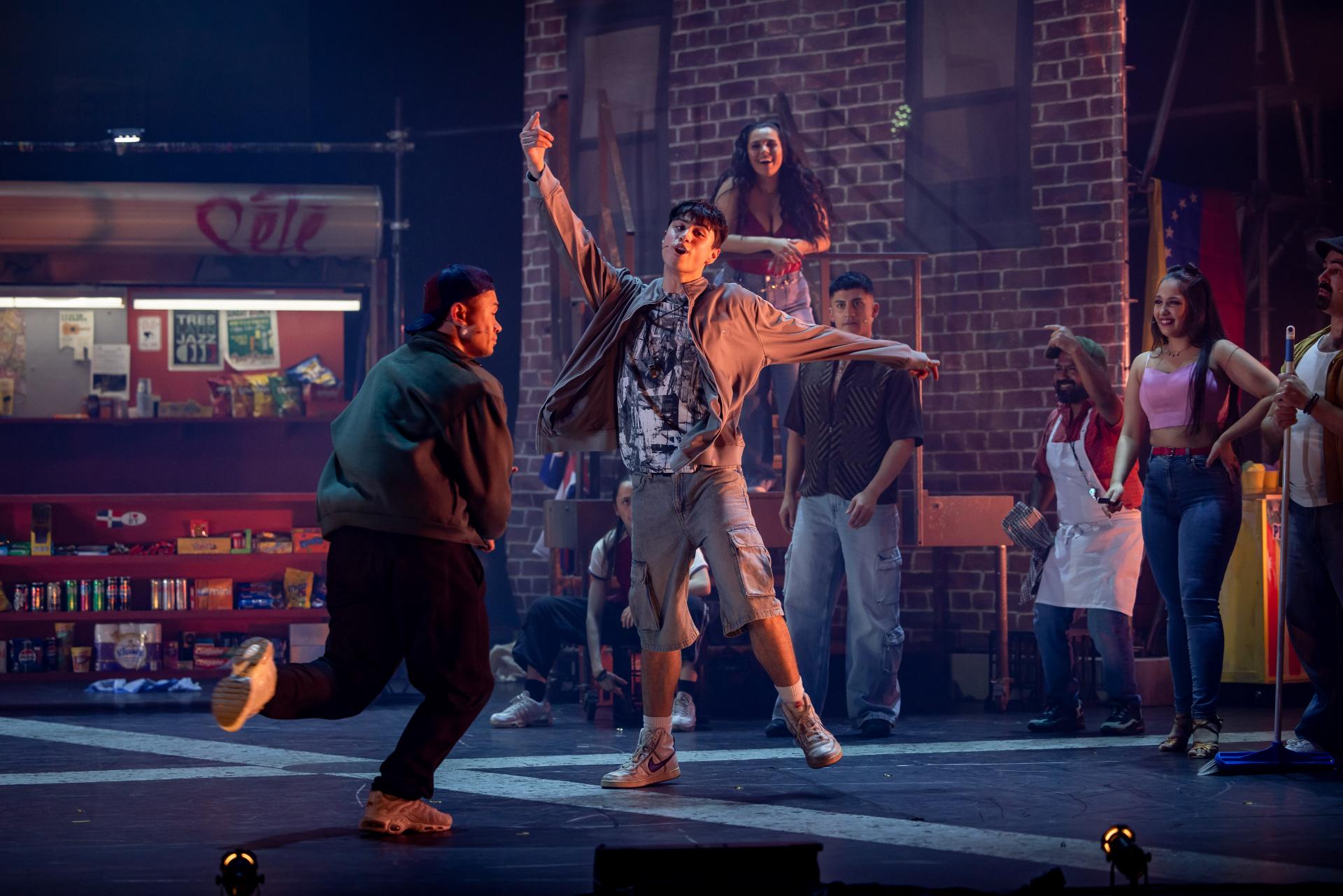
Review: Trophy Boys (Seymour Centre)

Venue: Seymour Centre, Reginald Theatre (Chippendale NSW), Jun 19 – Jul 7, 2024
Playwright: Emmanuelle Mattana
Director: Marni Mount
Cast: Leigh Lule, Emmanuelle Mattana, Gaby Seow, Fran Sweeney-Nash
Images by Ben Andrew

Theatre review
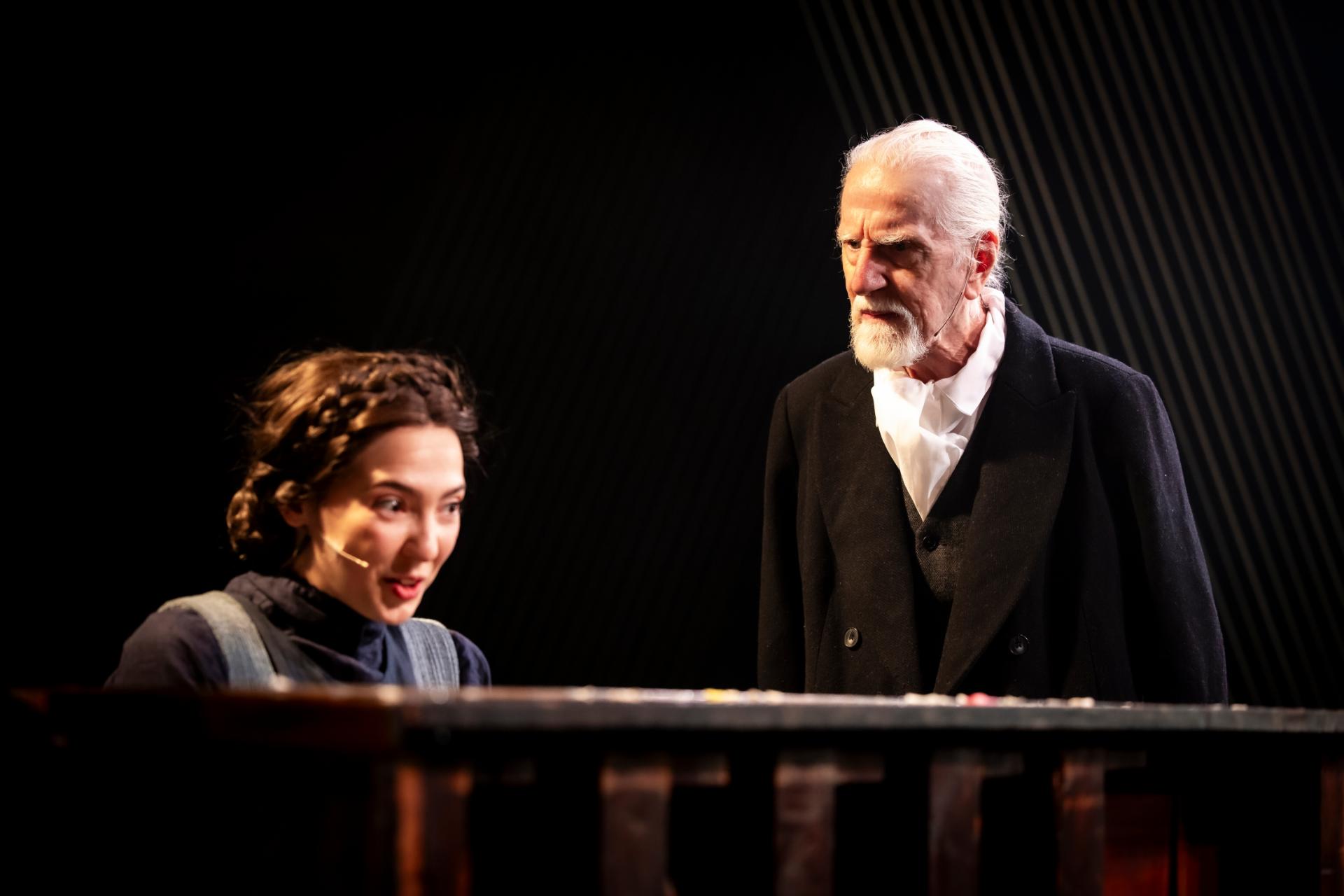
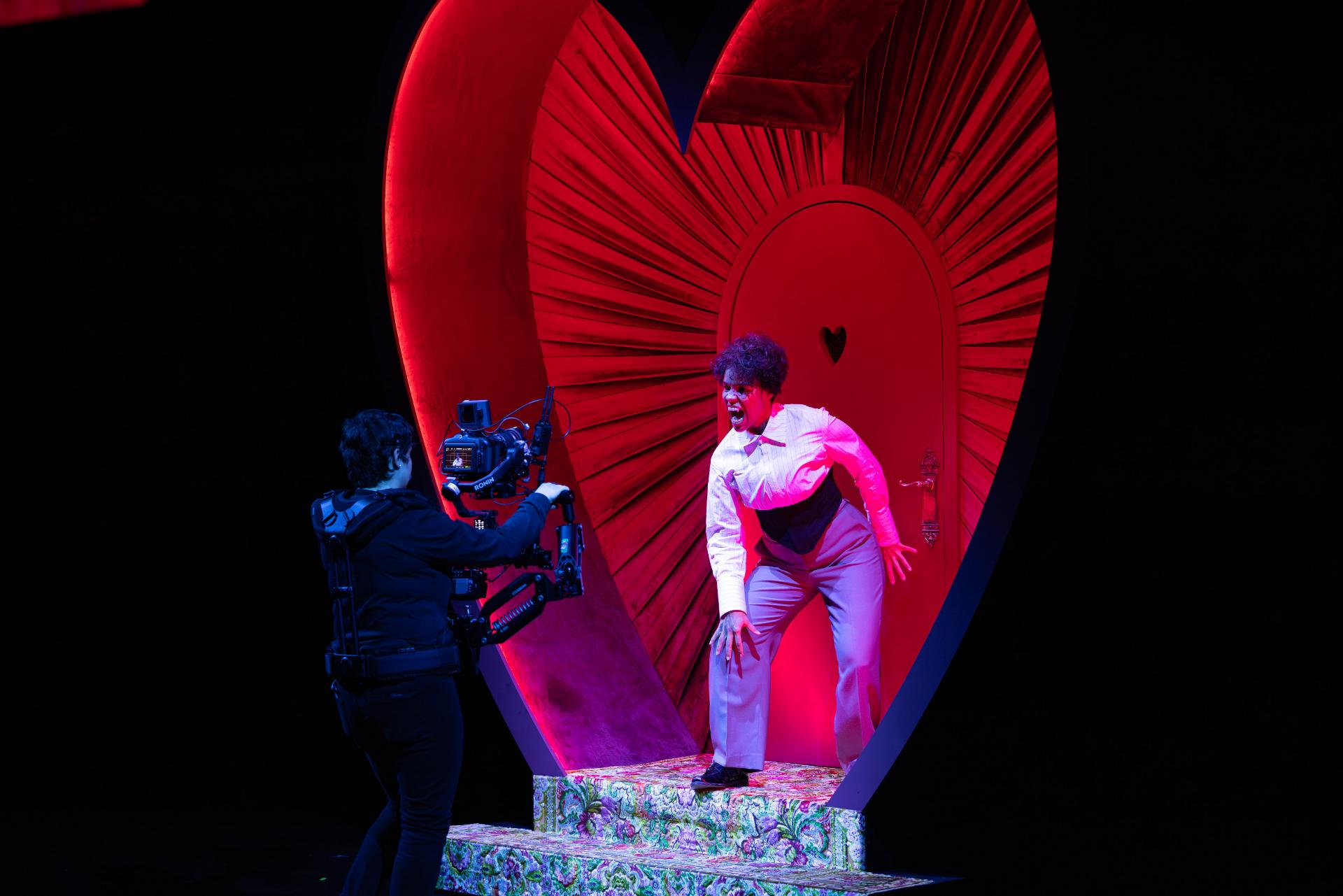
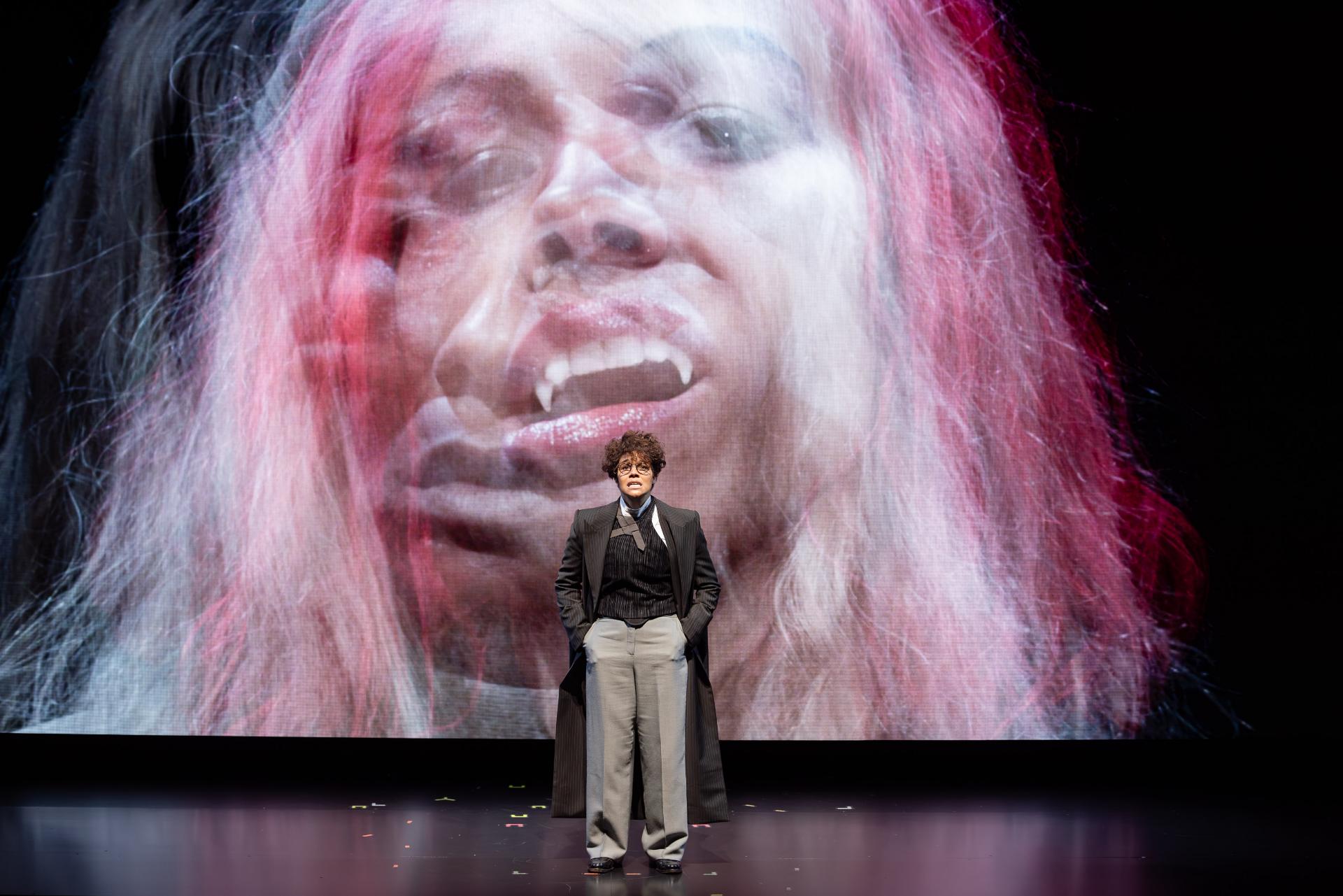
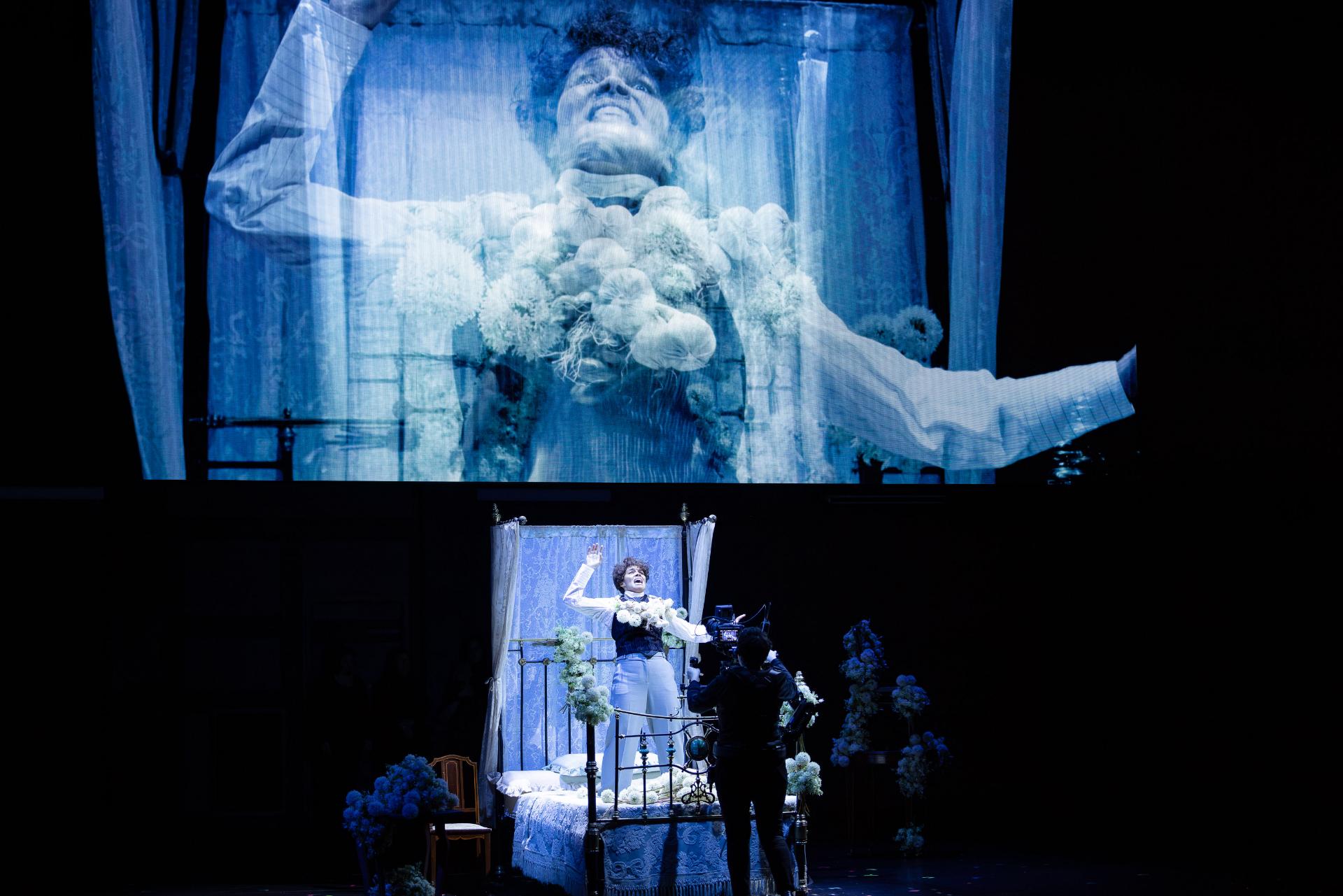
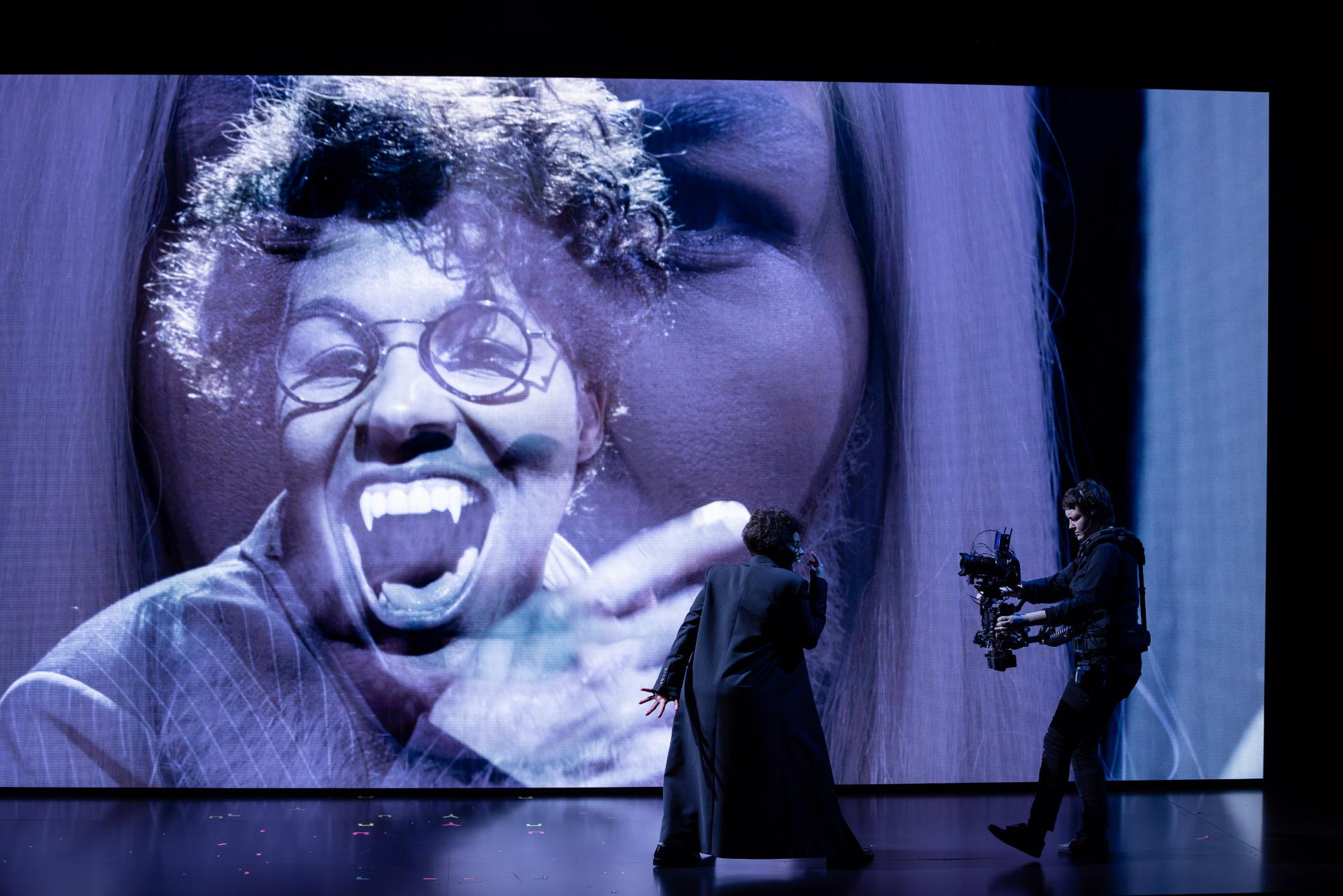
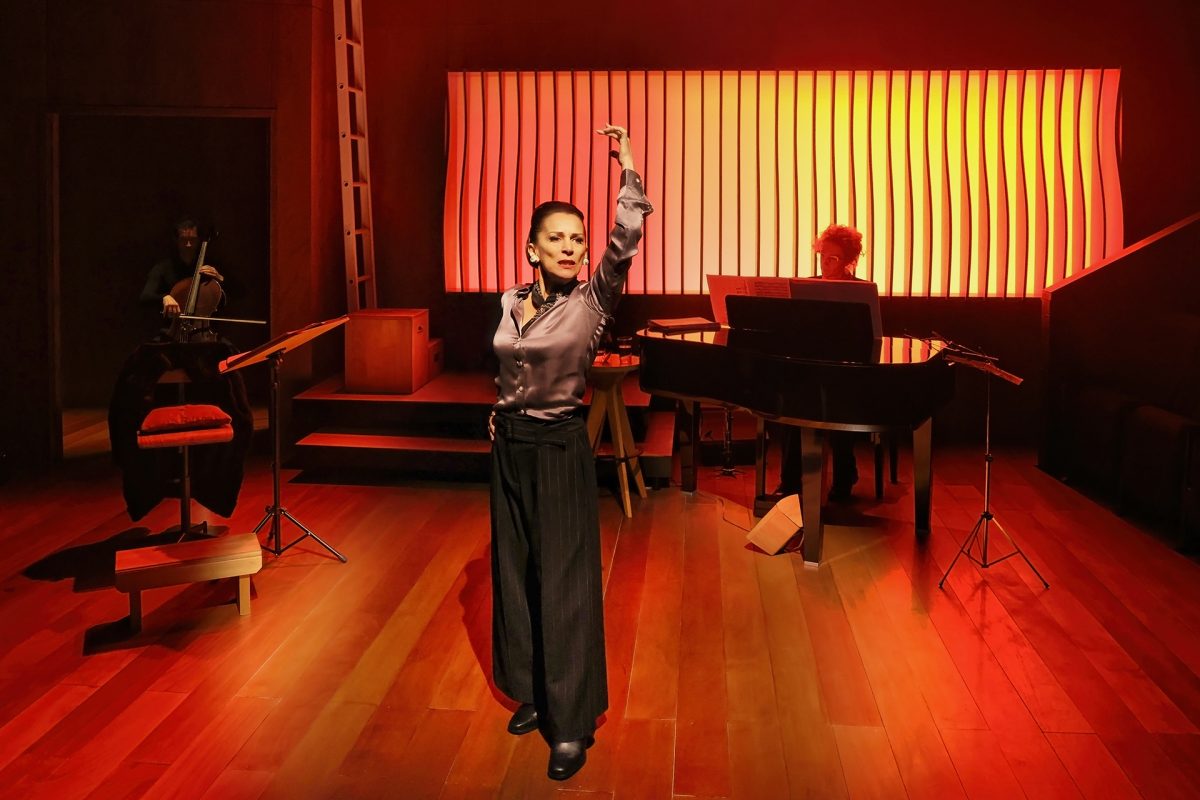
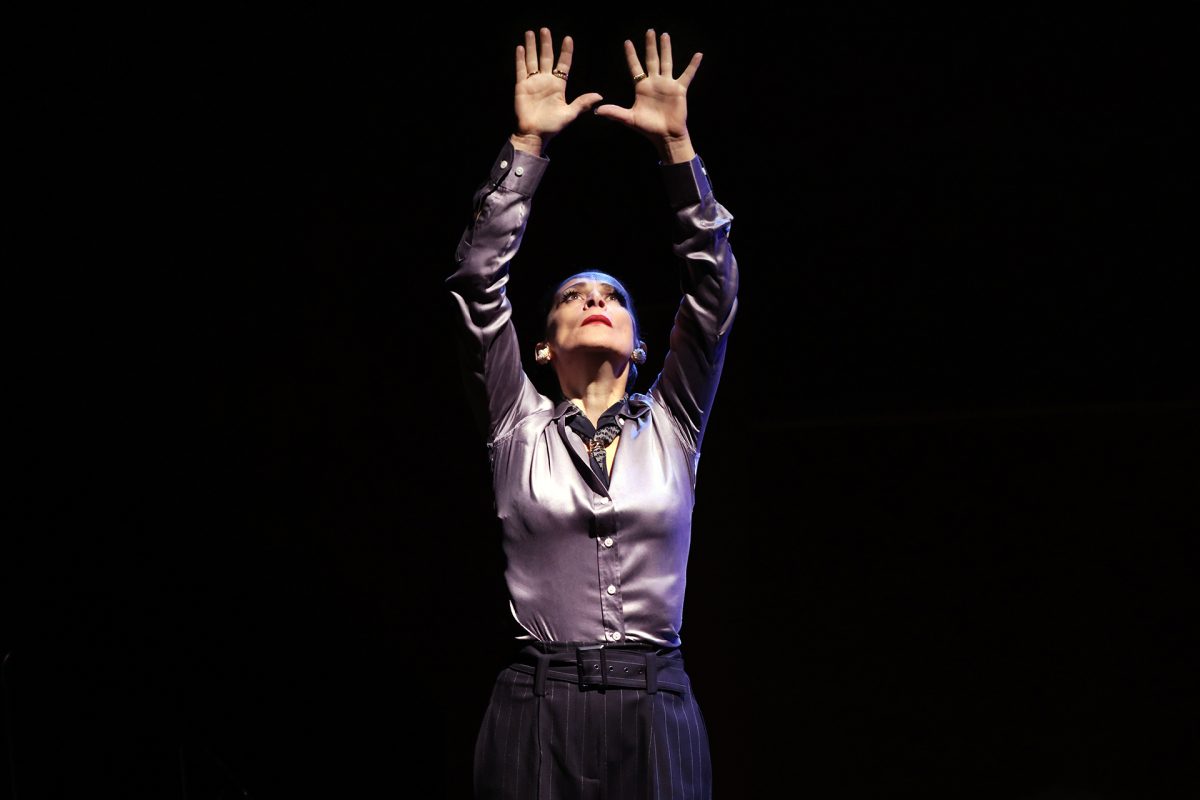
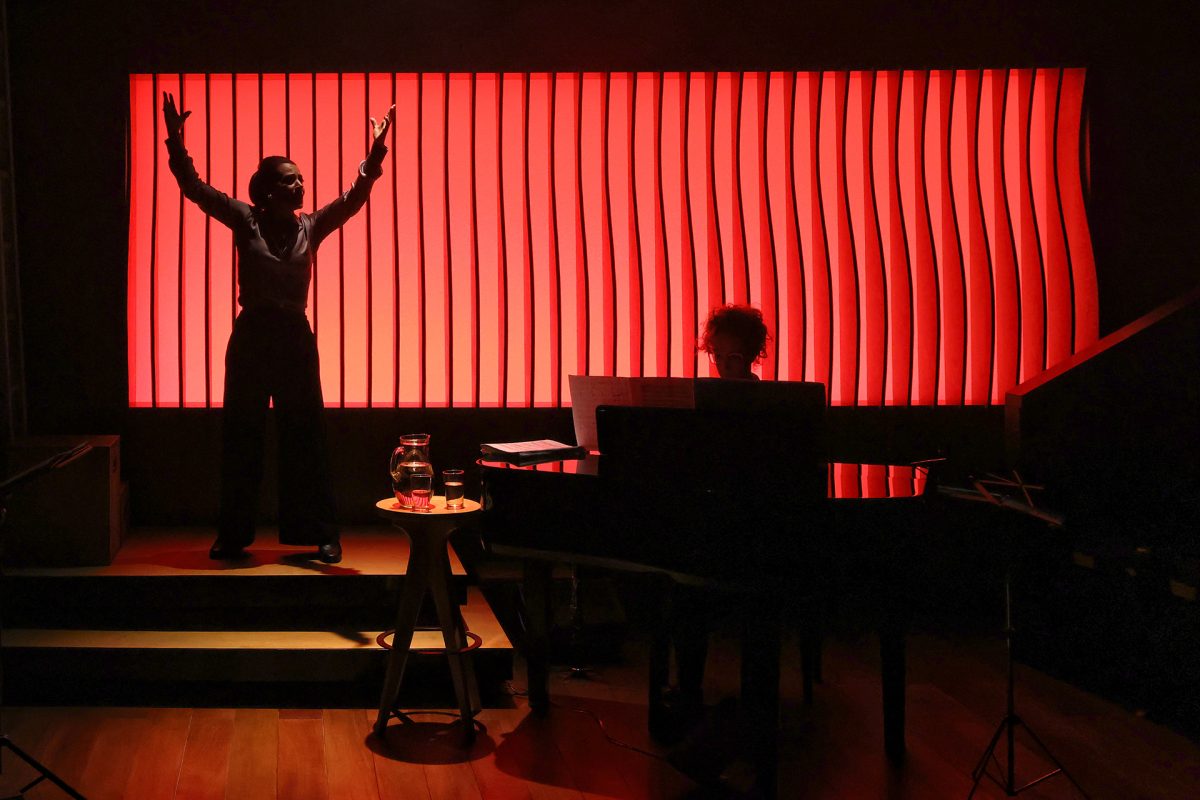
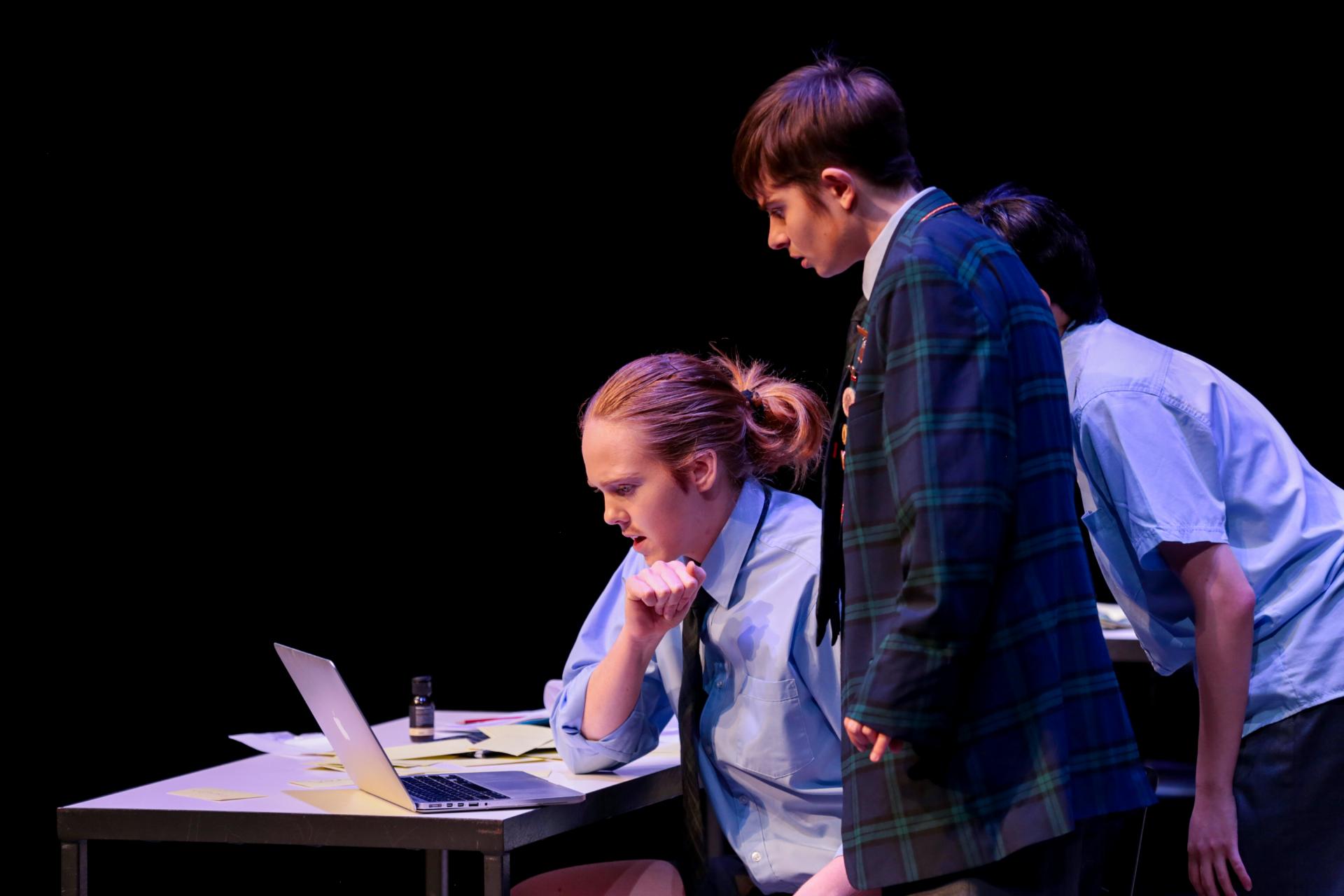
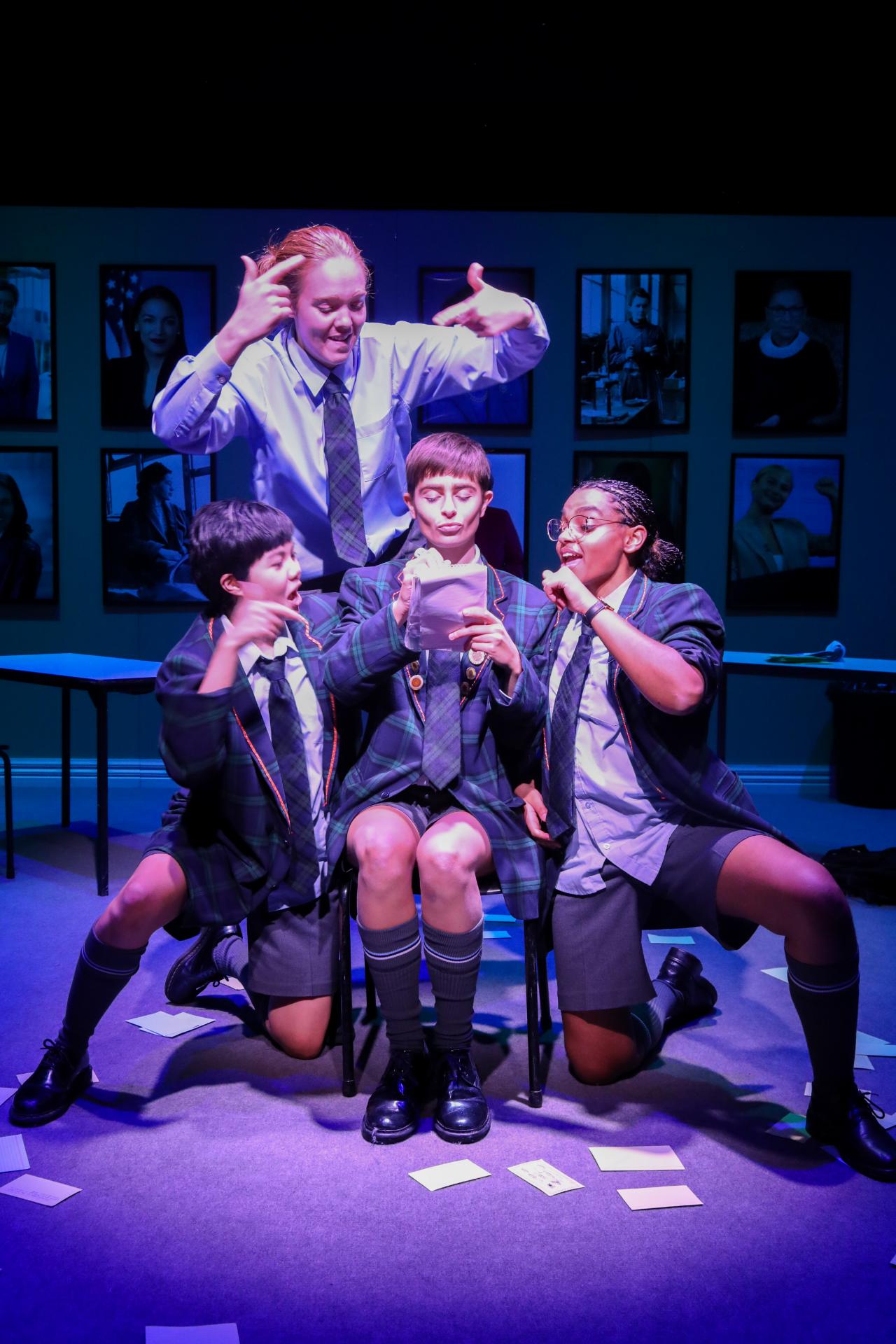
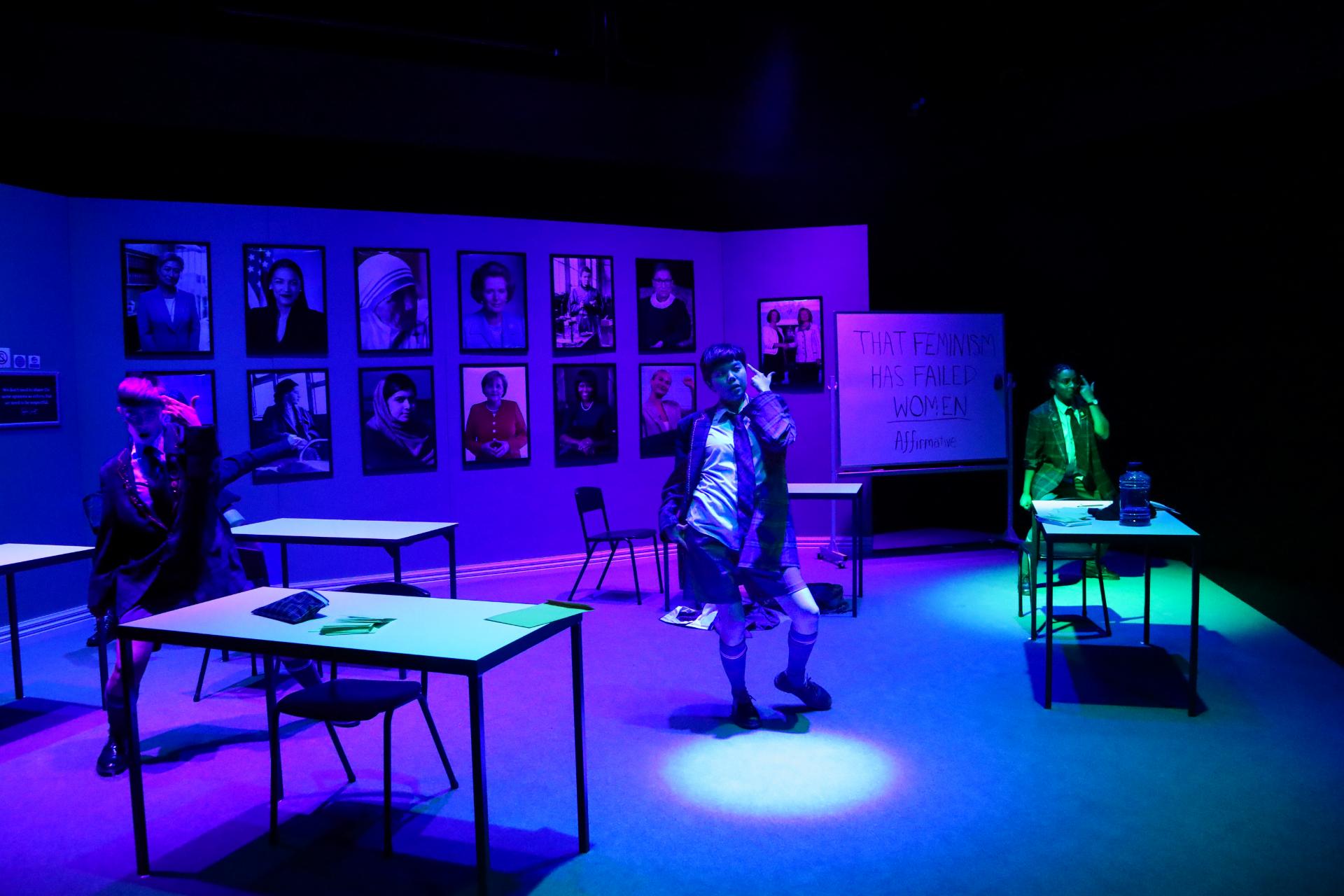
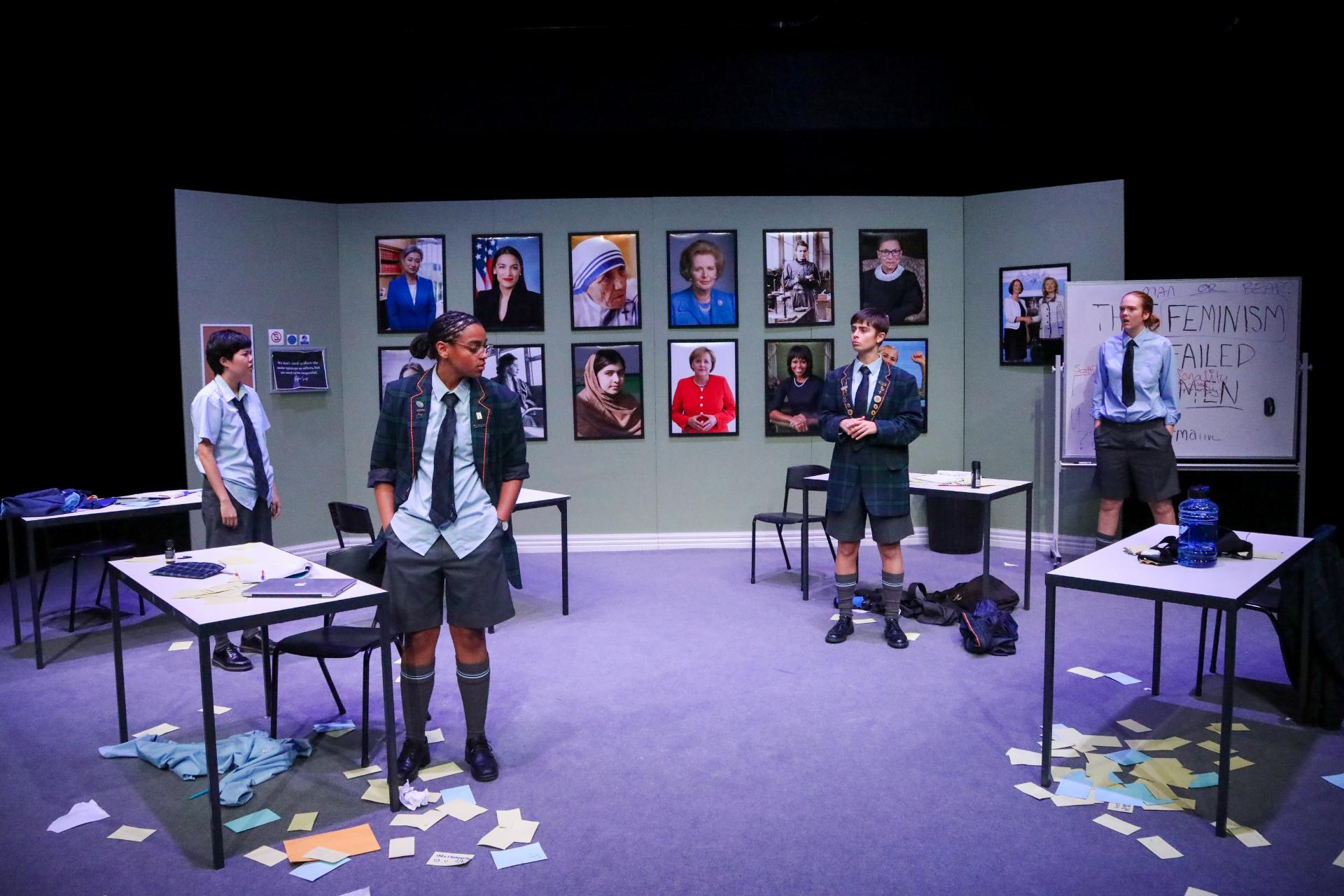
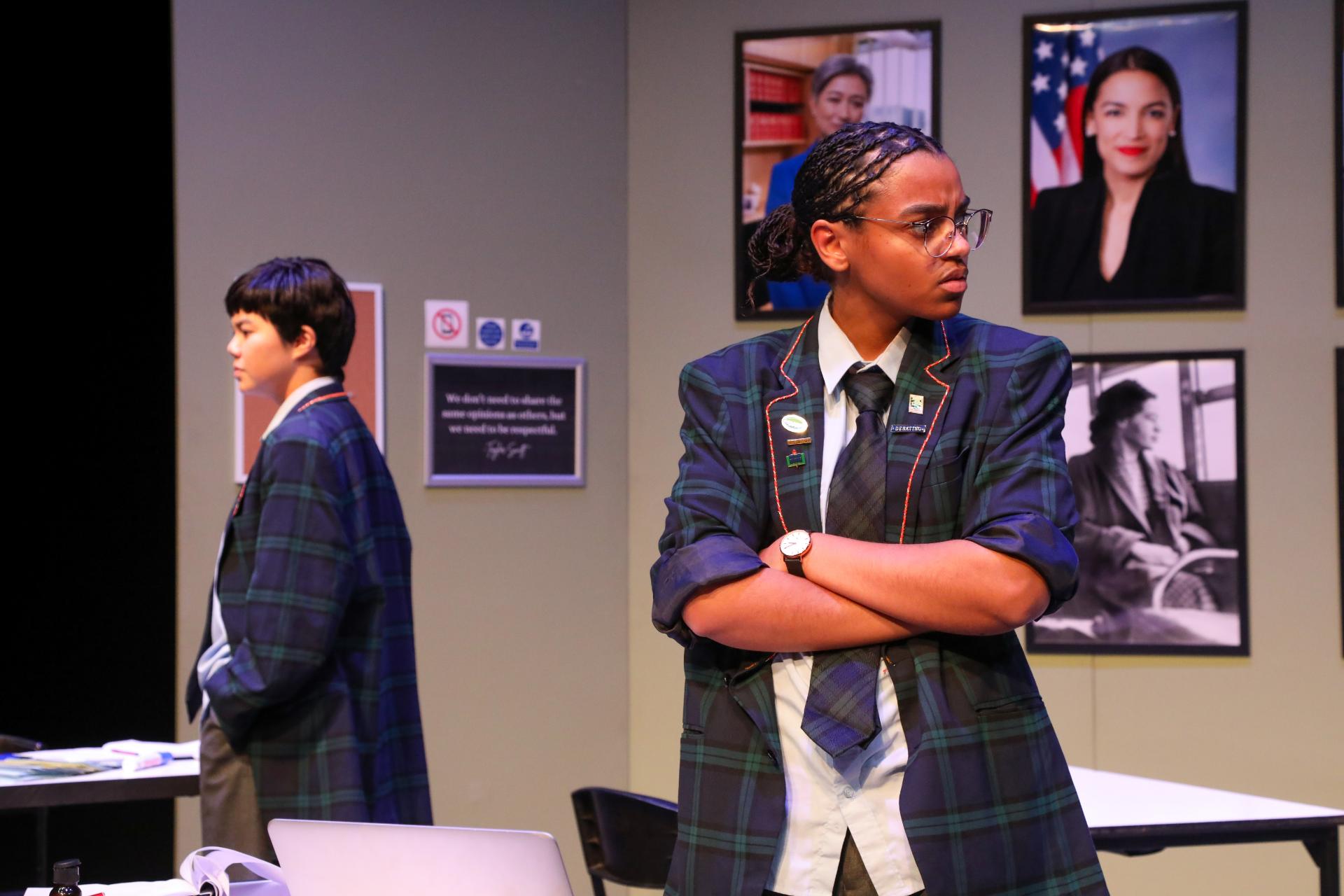
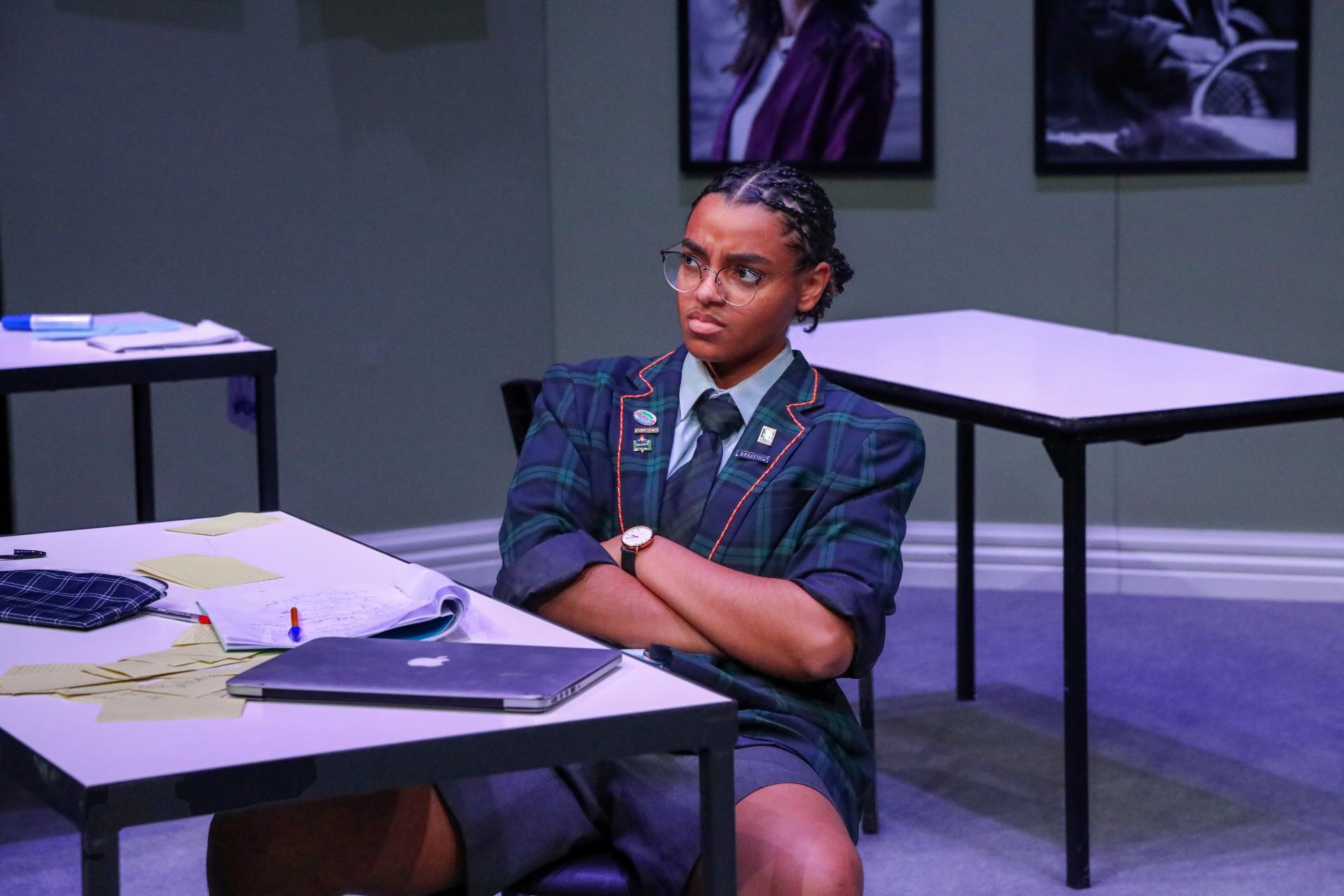
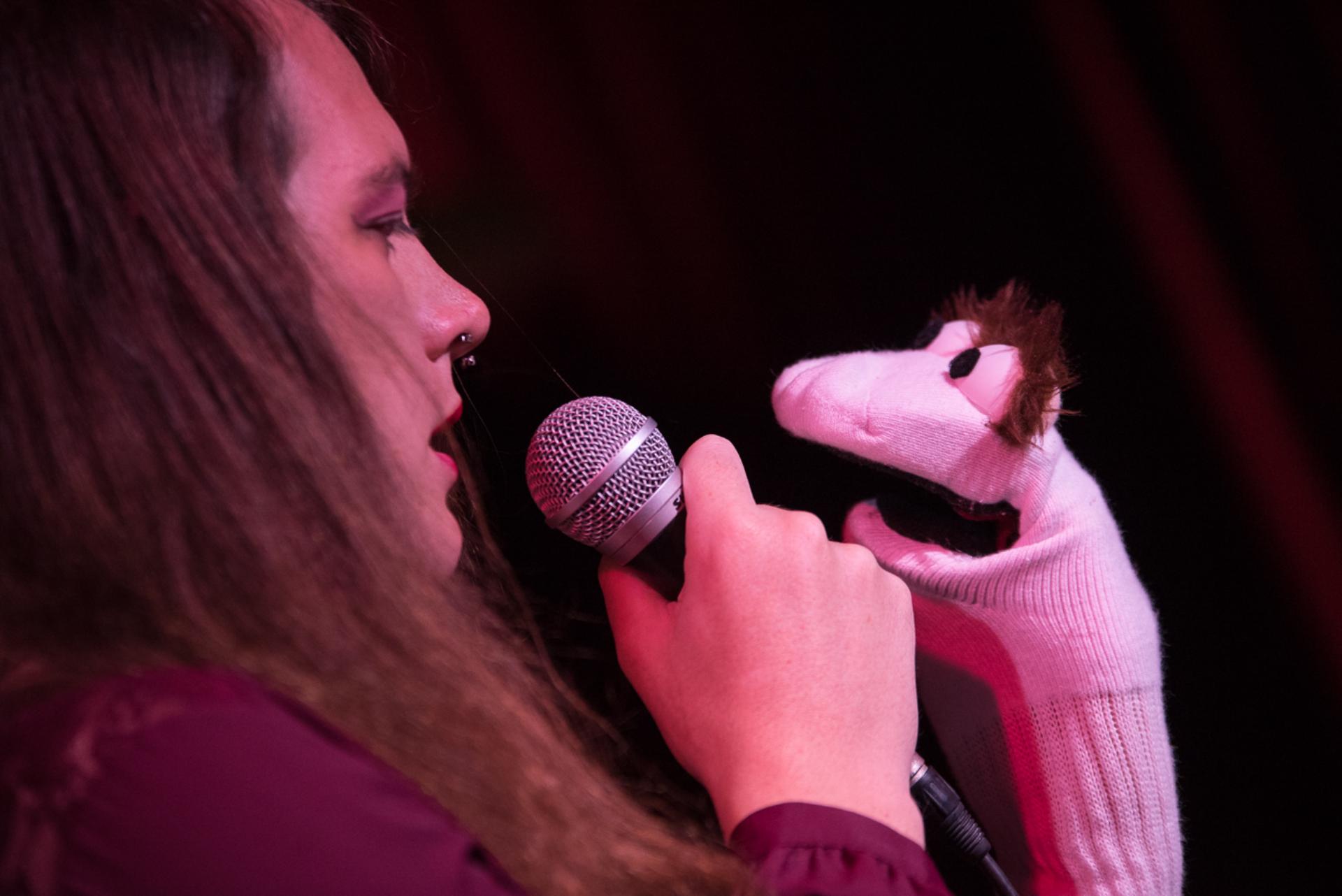
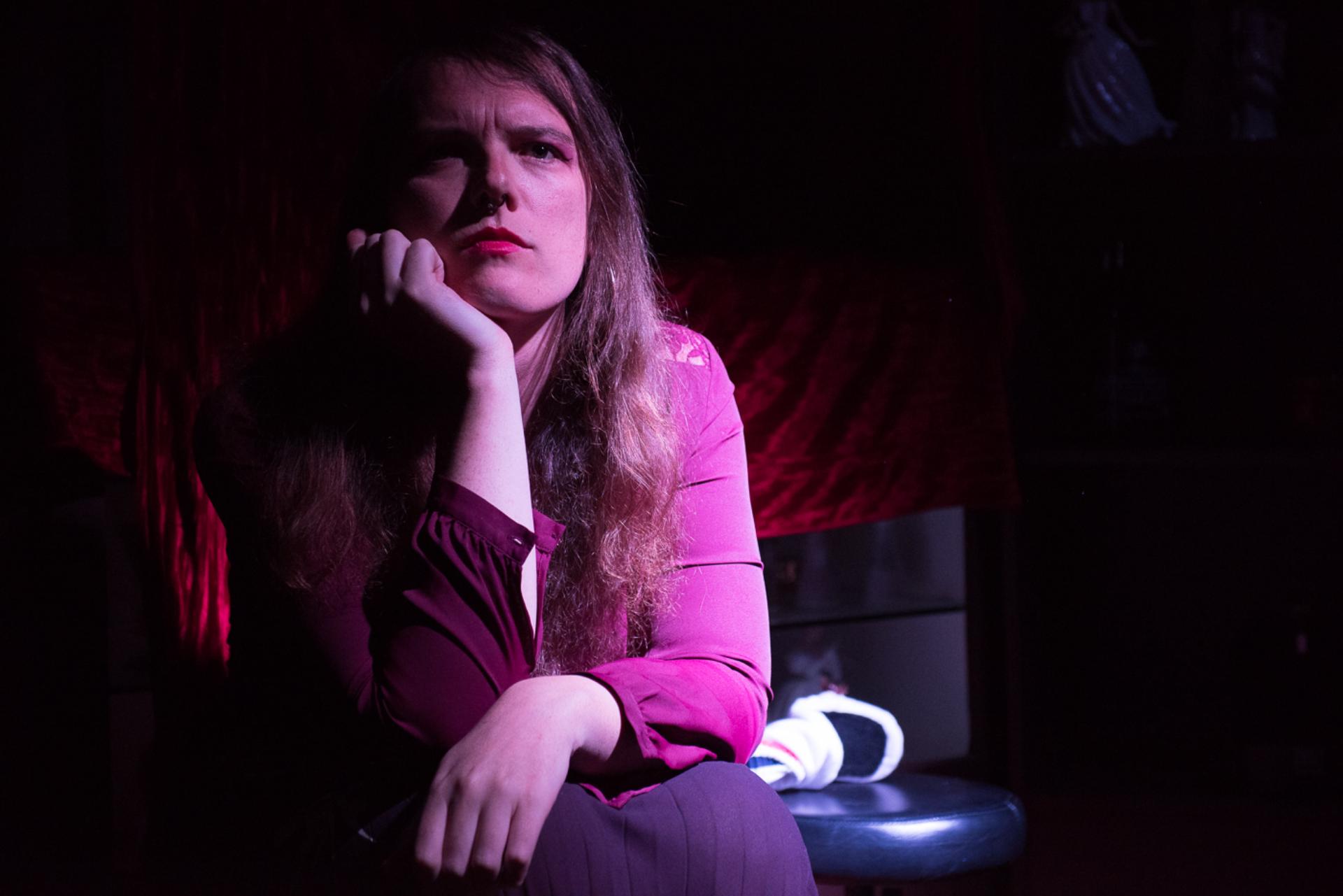
Four private school boys are preparing for the grand finale of their debating tournament, where they are to argue the affirmative position: ‘That feminism has failed women.’ Keen to win the competition, but also worried about being perceived as regressive on the subject, the team struggles as it tries to come up with an appropriate strategy. When a piece of breaking news surfaces that threatens their dominance as privileged males however, finding assertions and justifications suddenly becomes a simple exercise, as they resort to old established patterns of deceit and gaslighting, to preserve the hegemony.

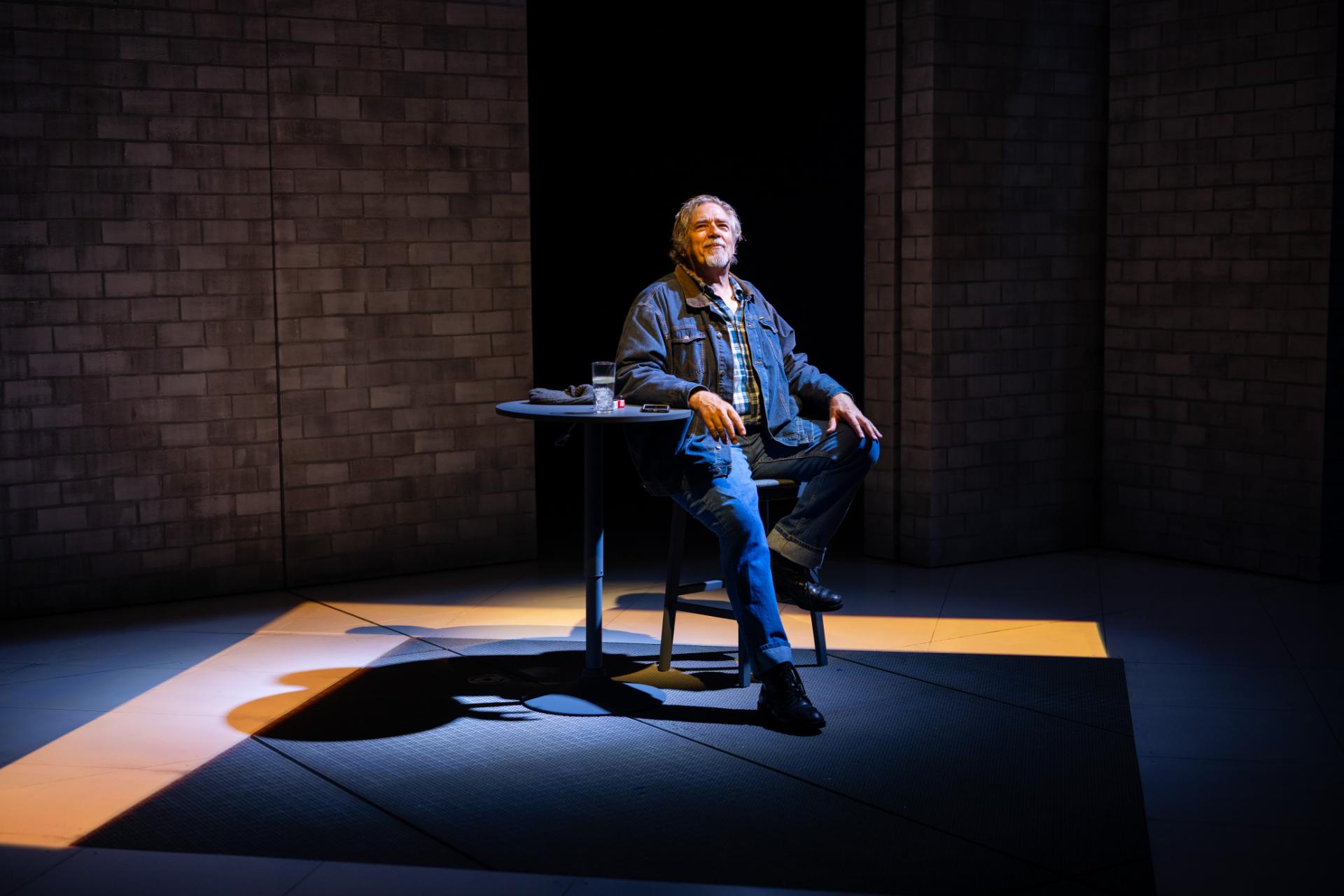
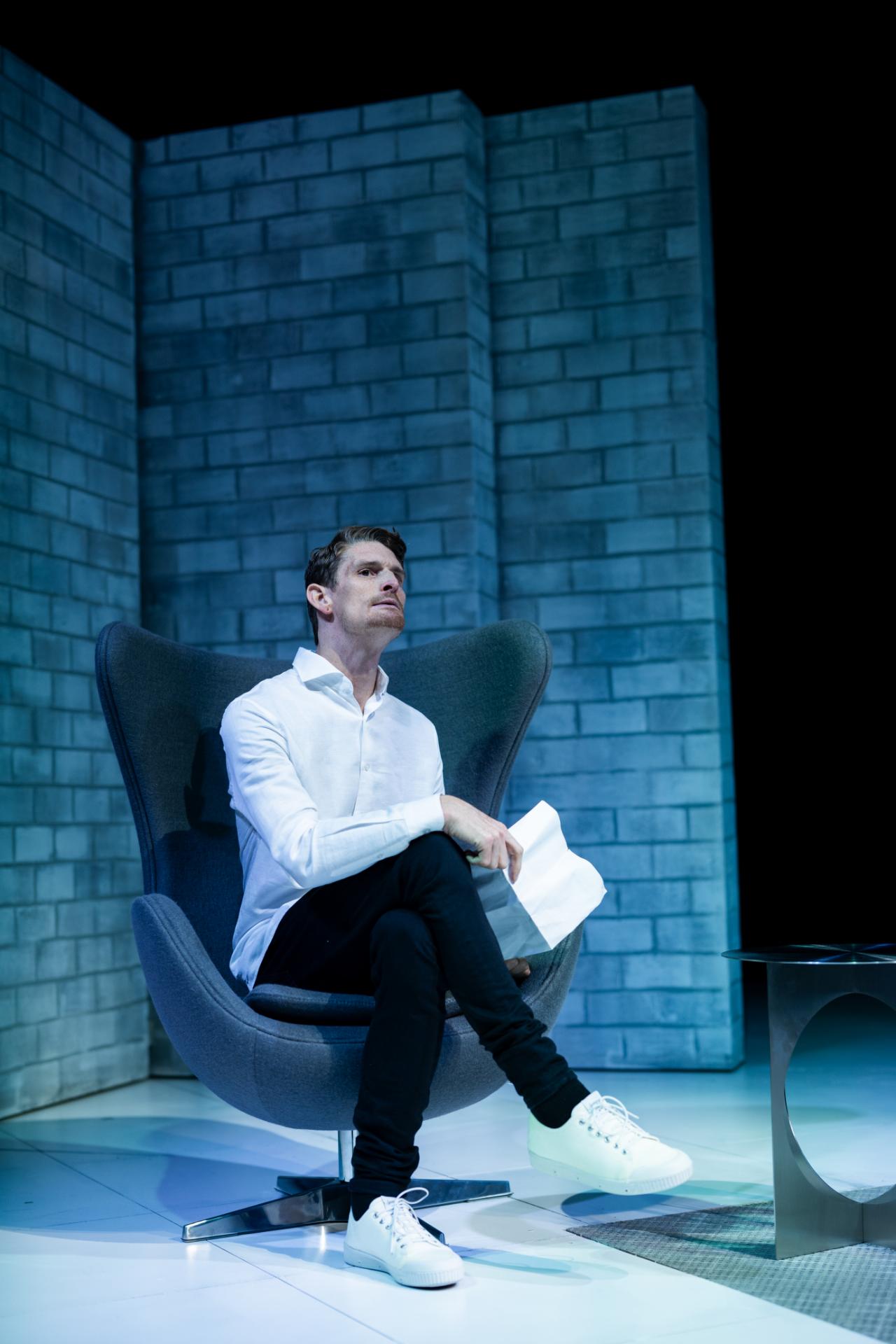
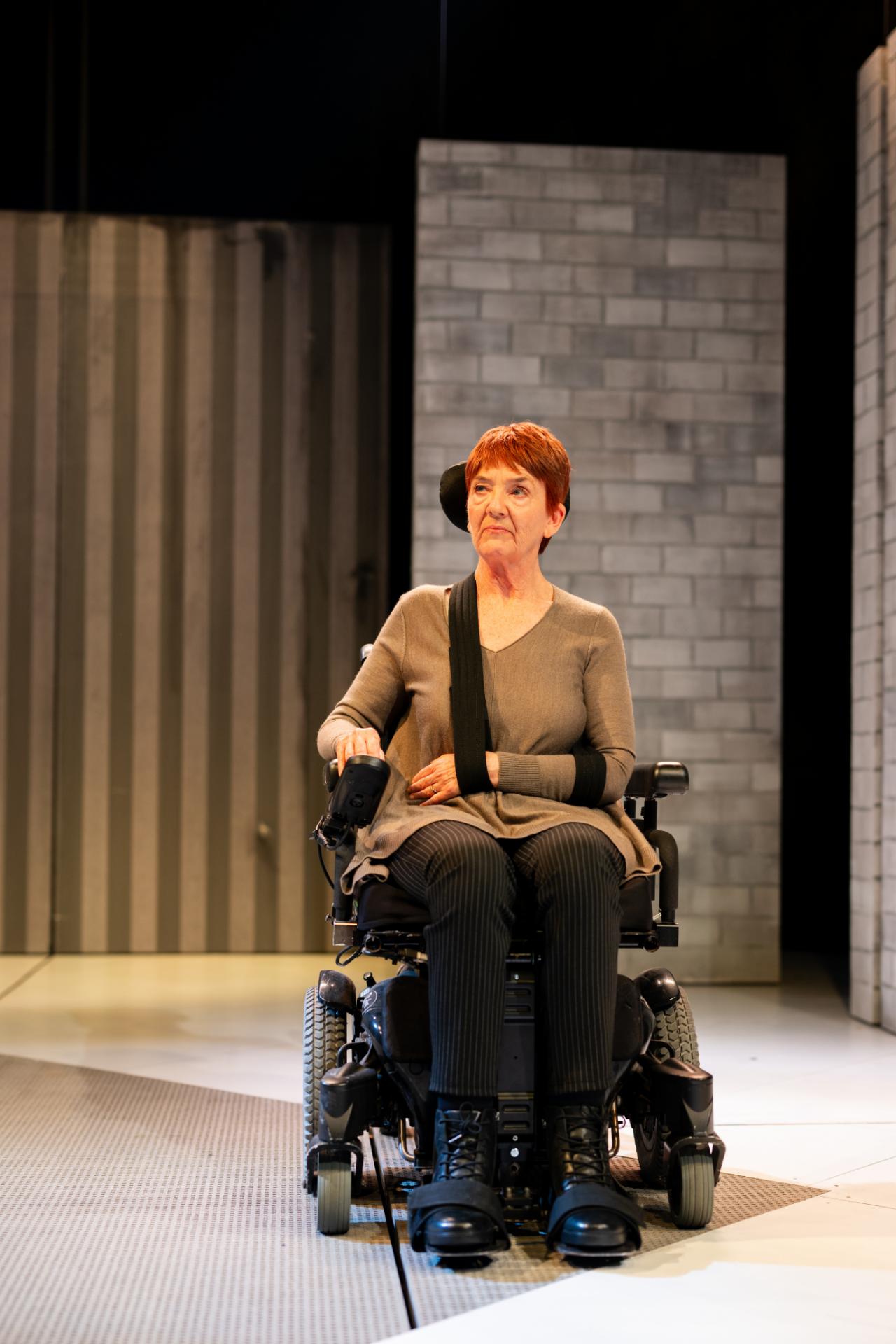
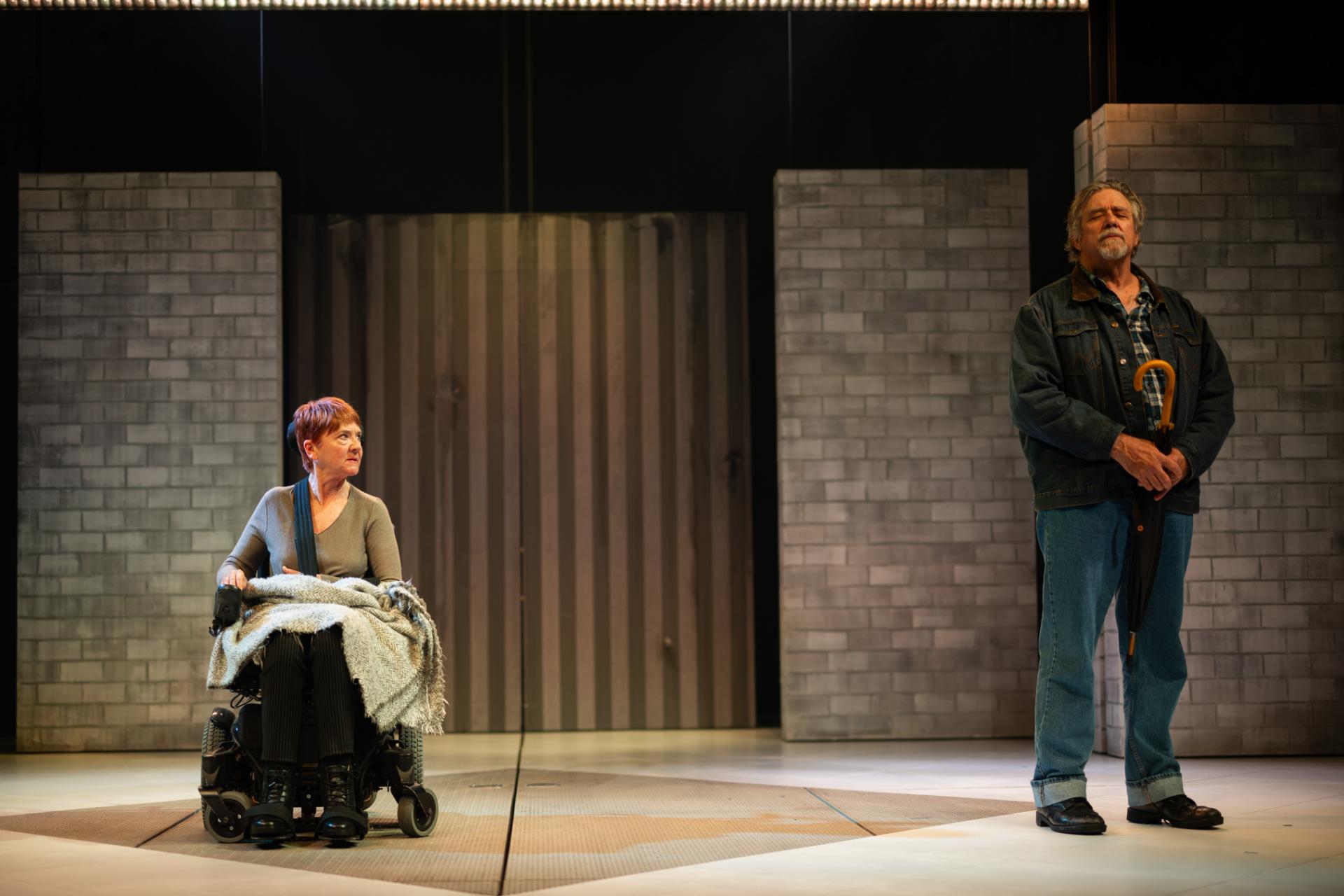
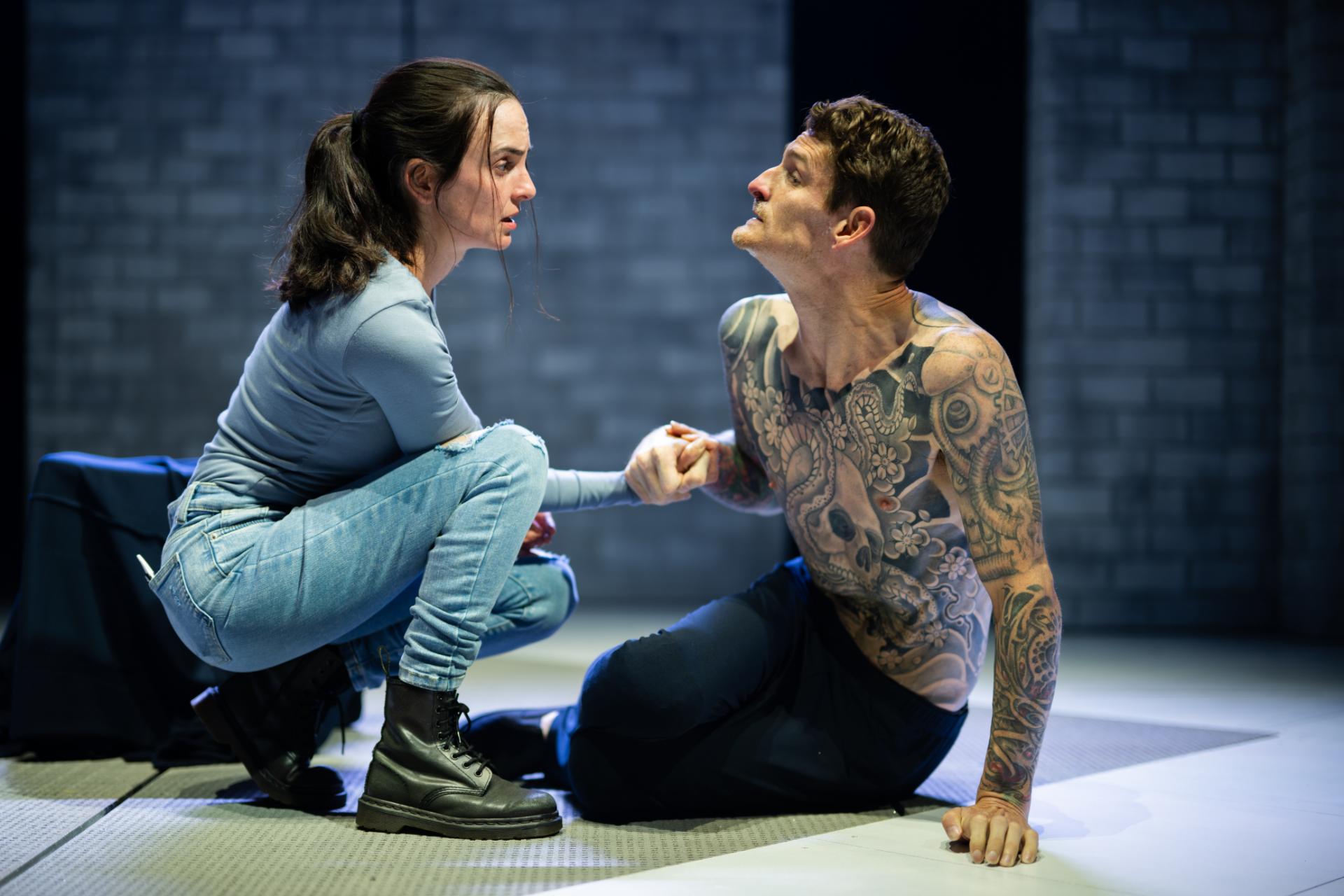
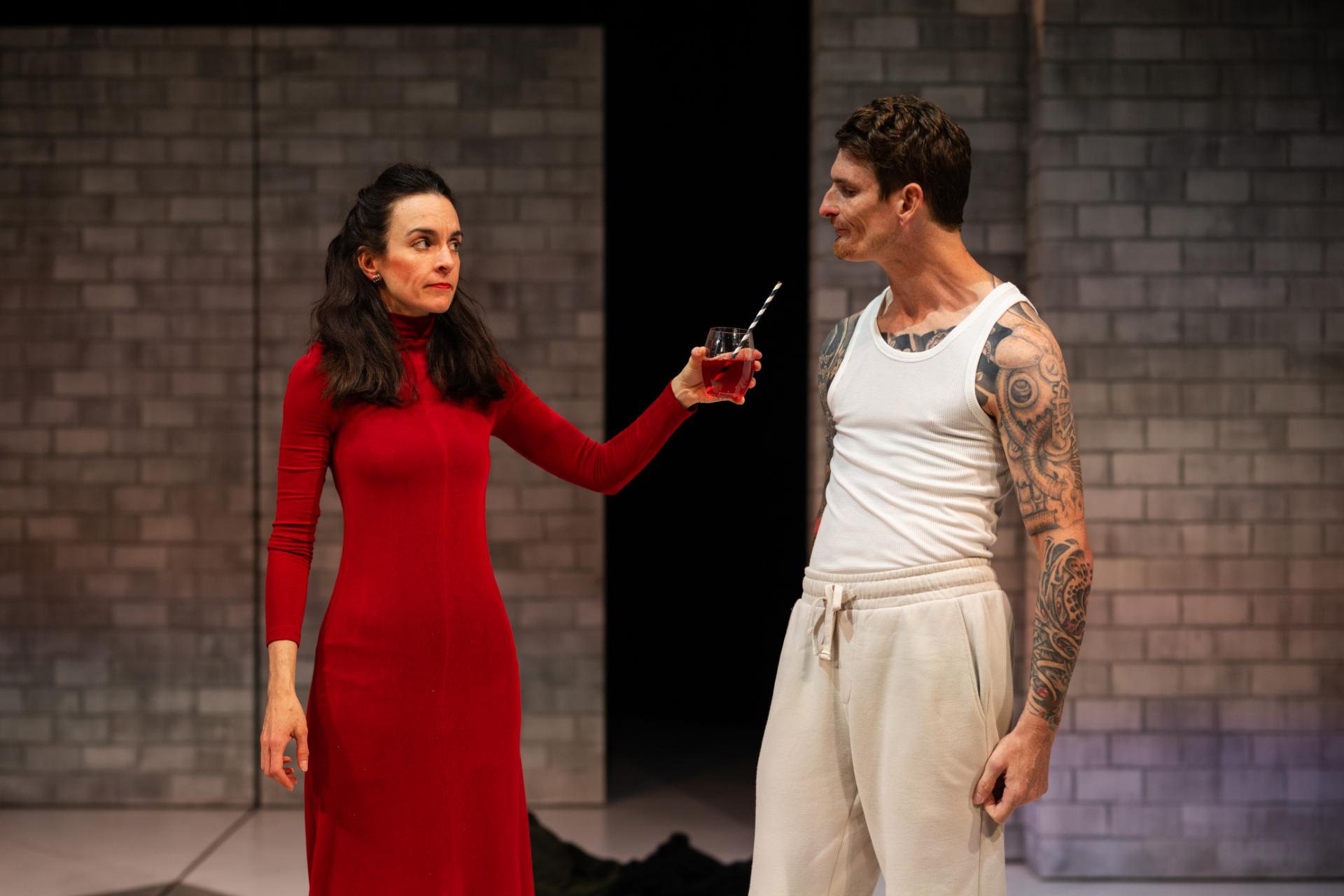
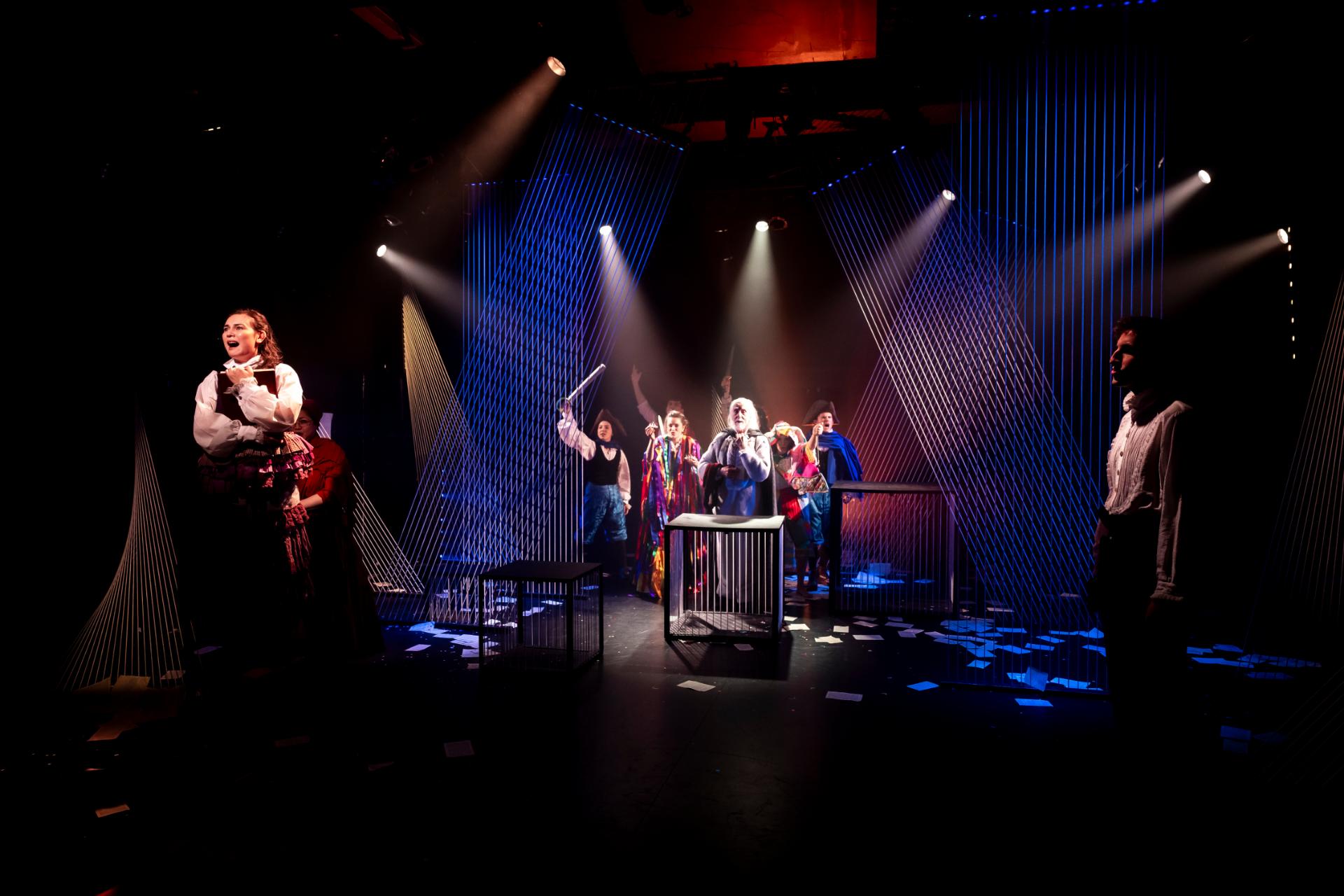
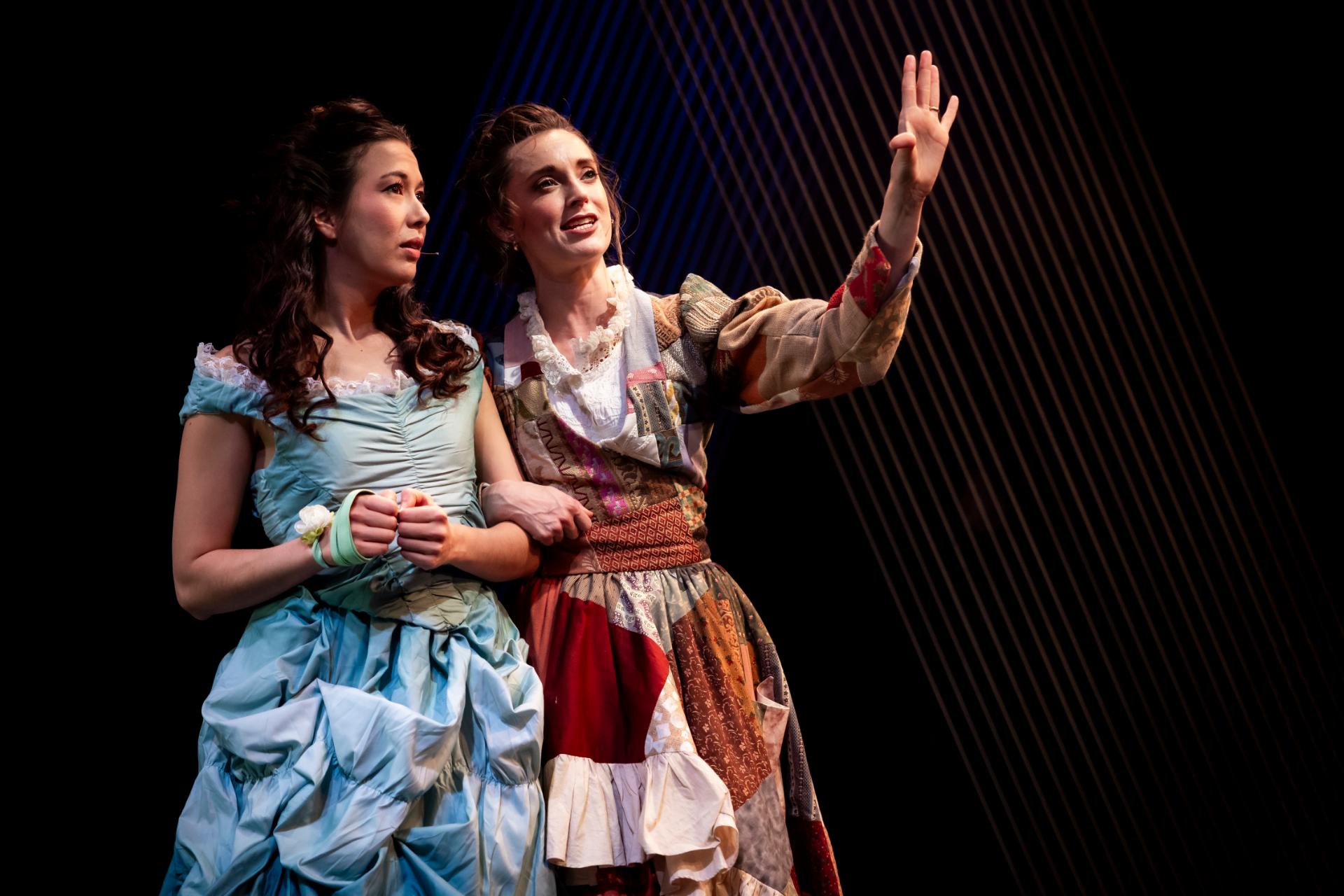
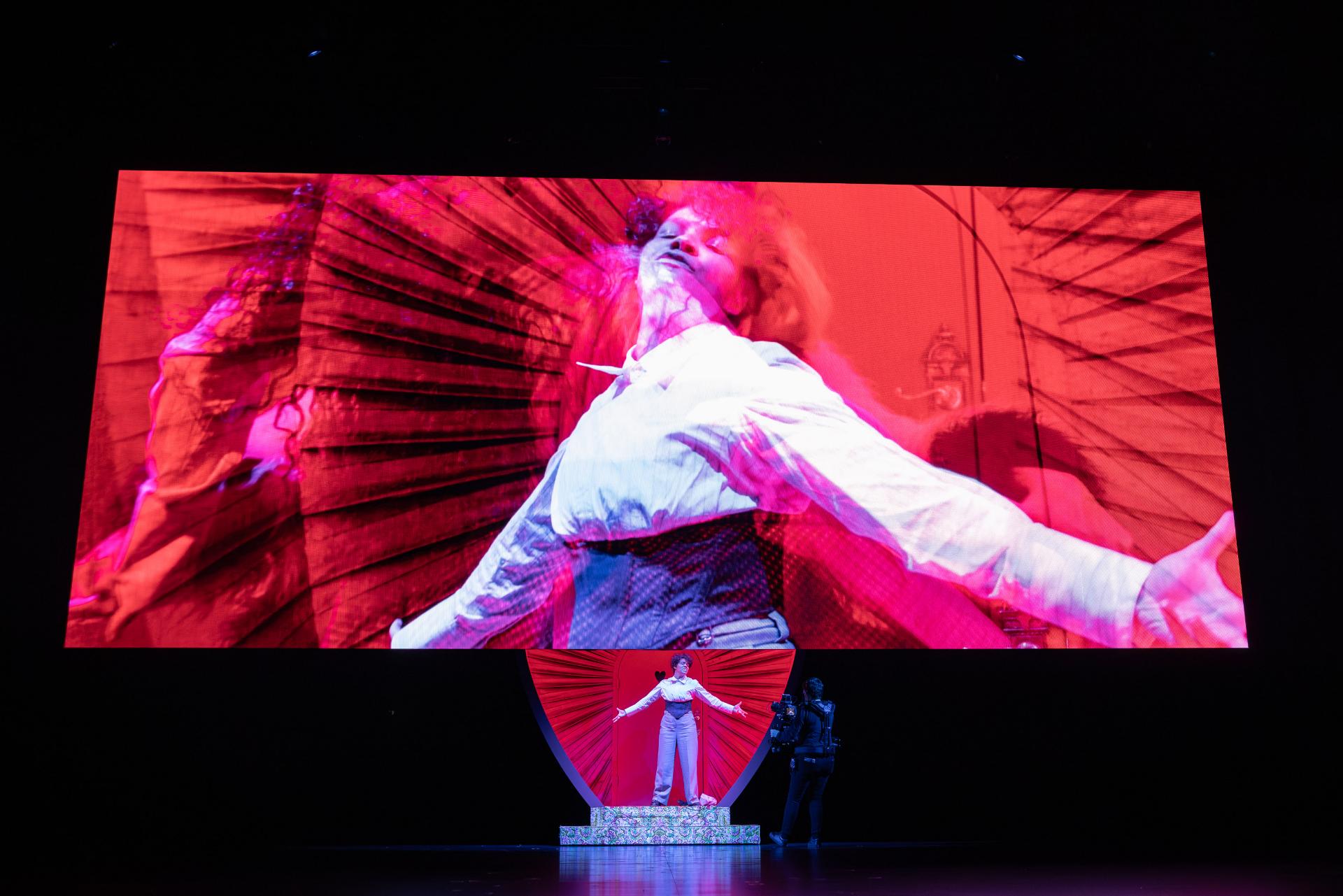
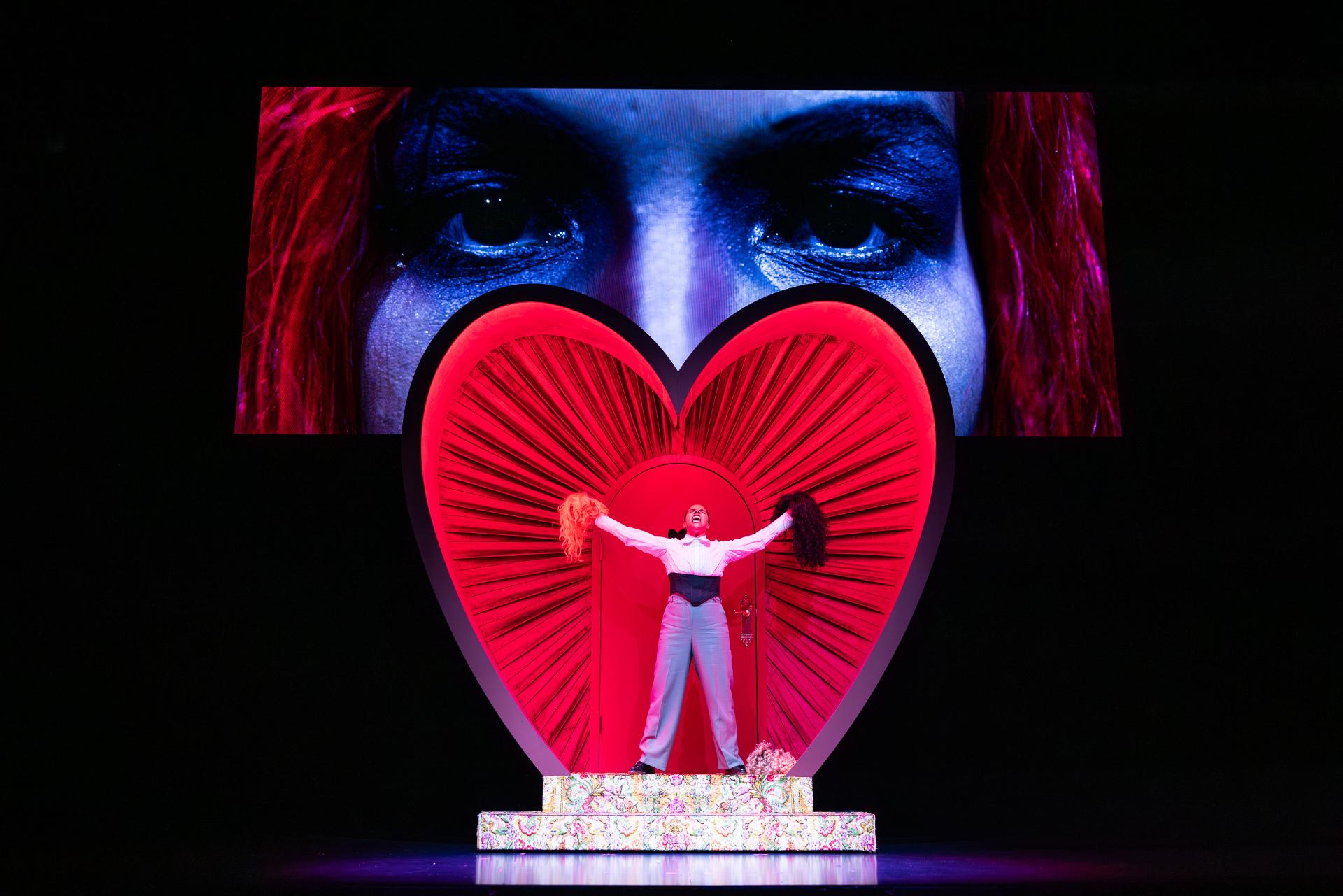
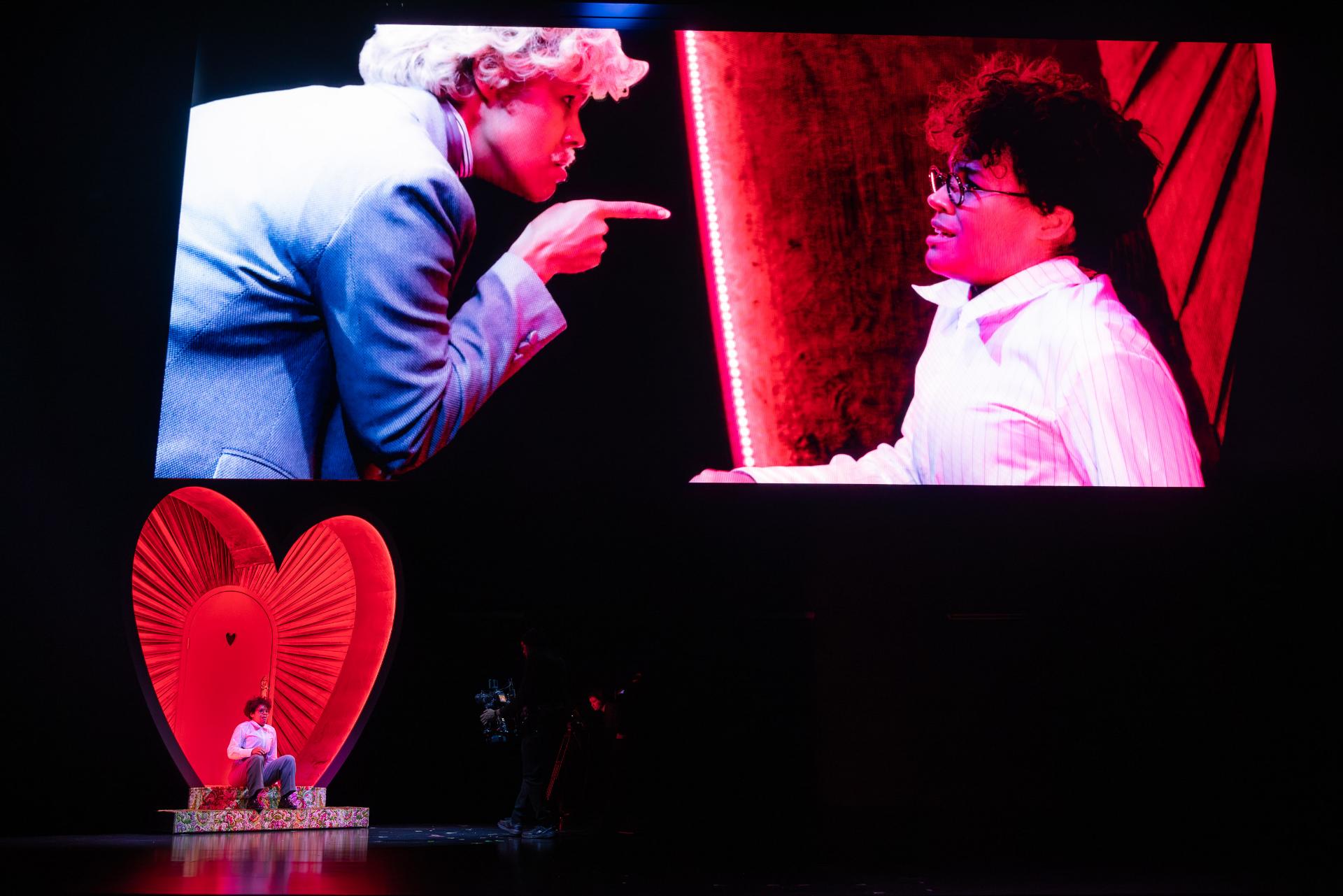
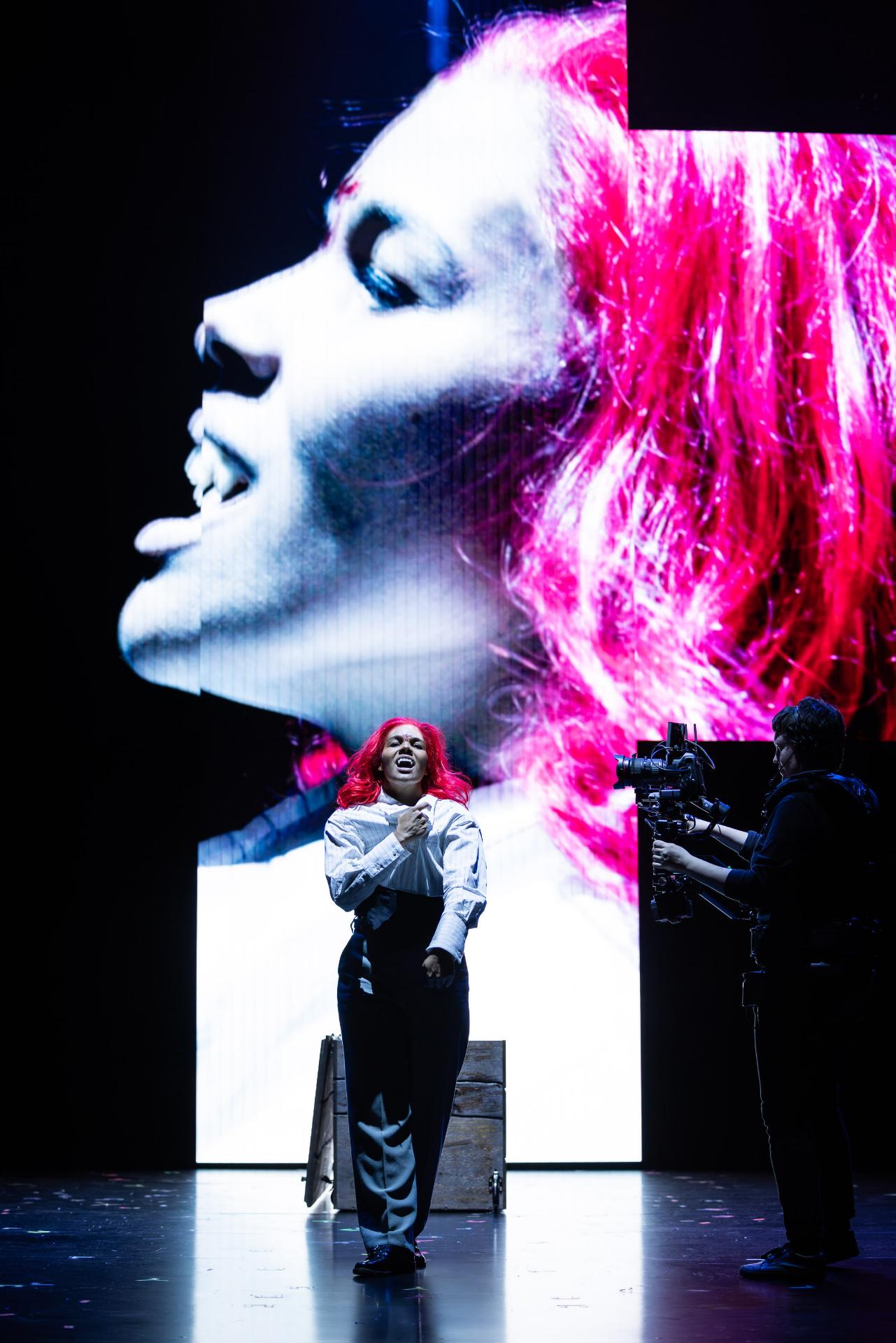
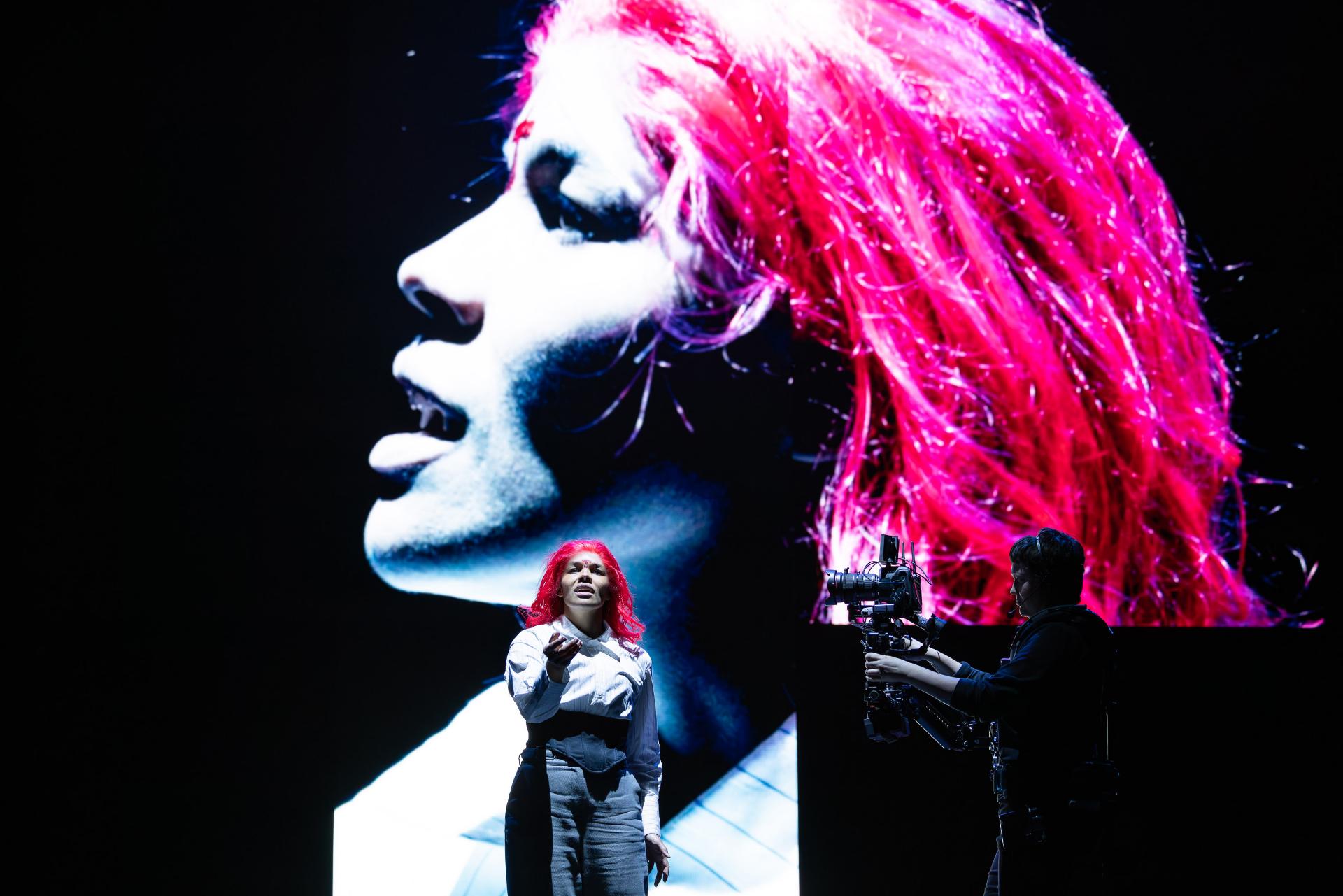
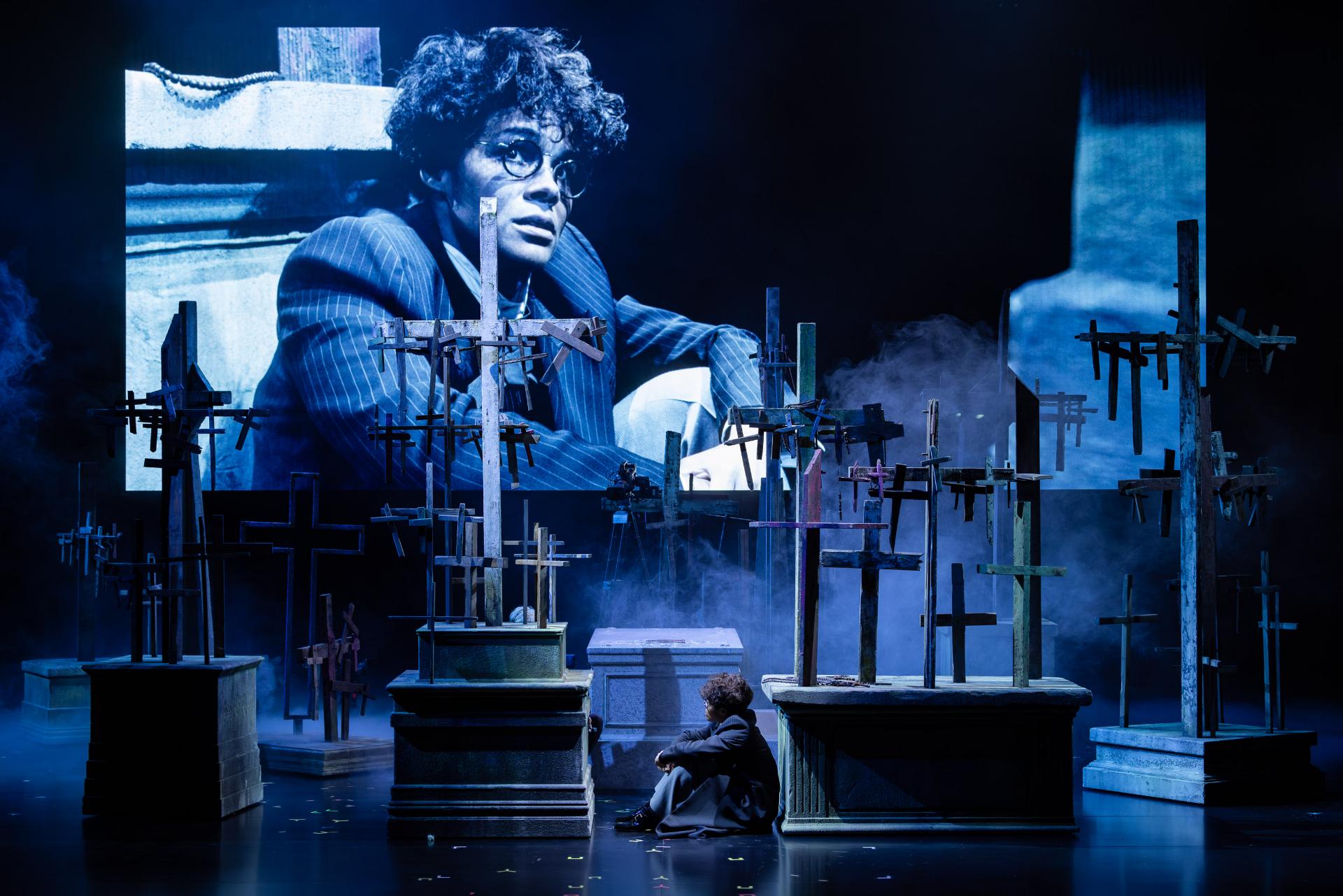
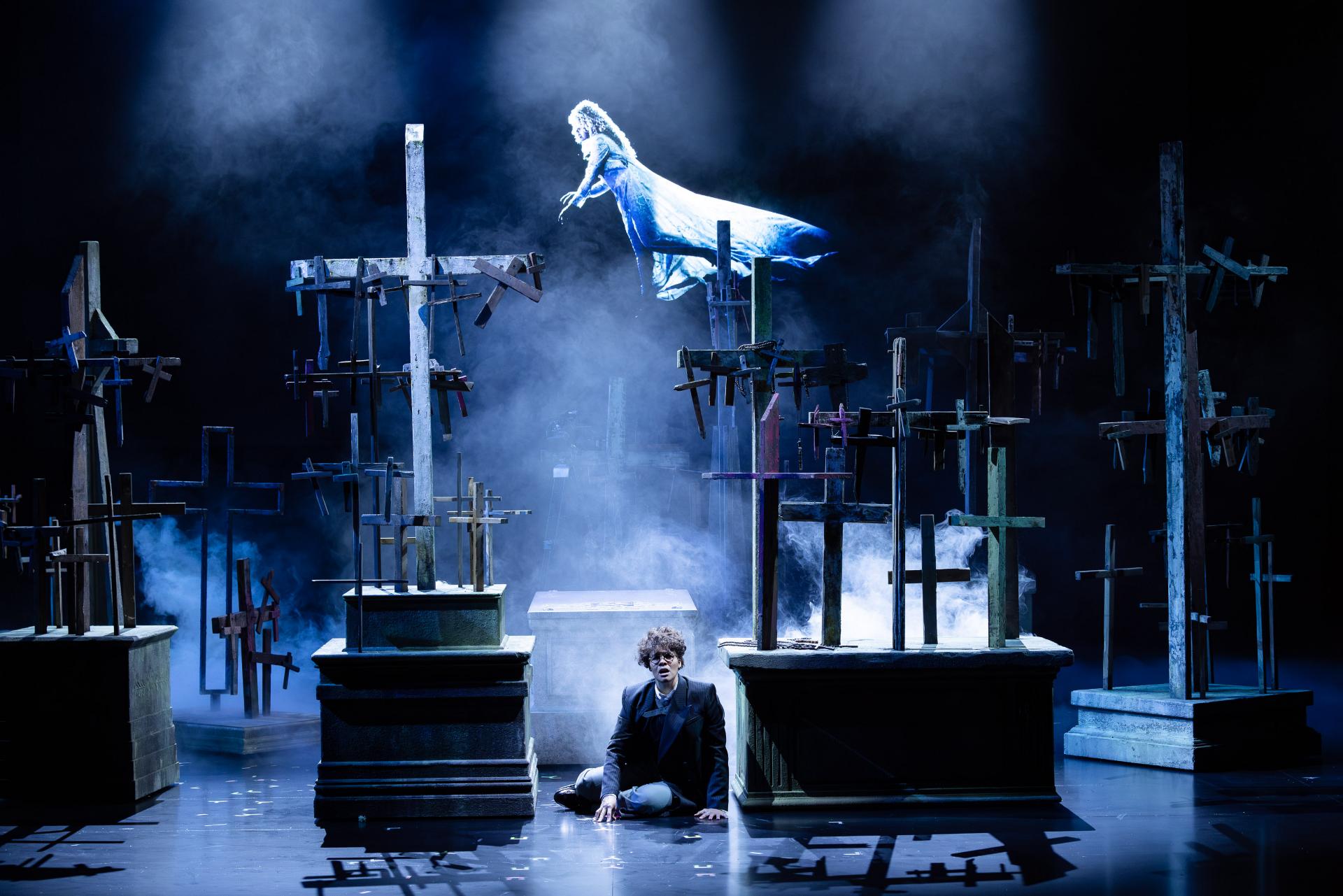
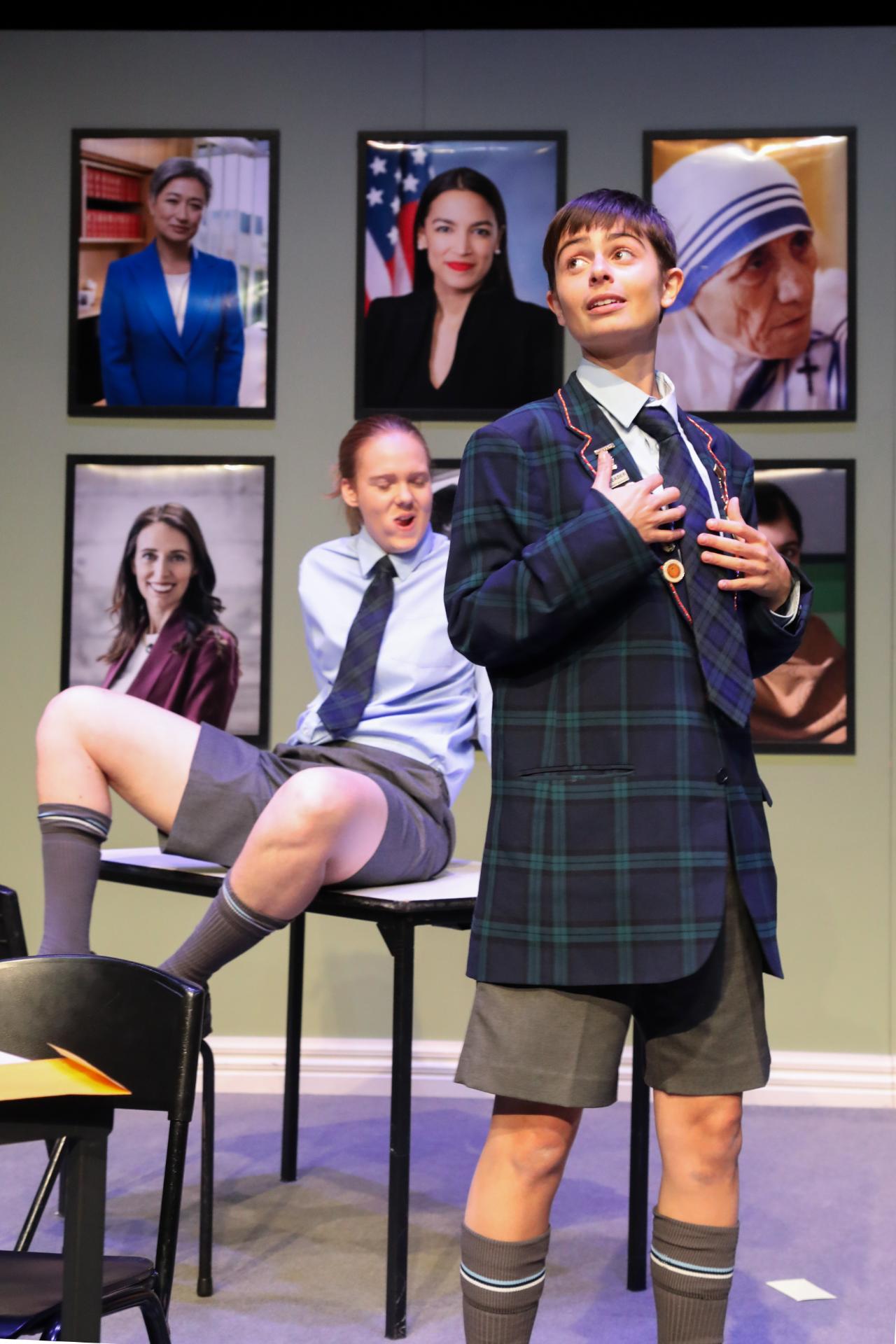
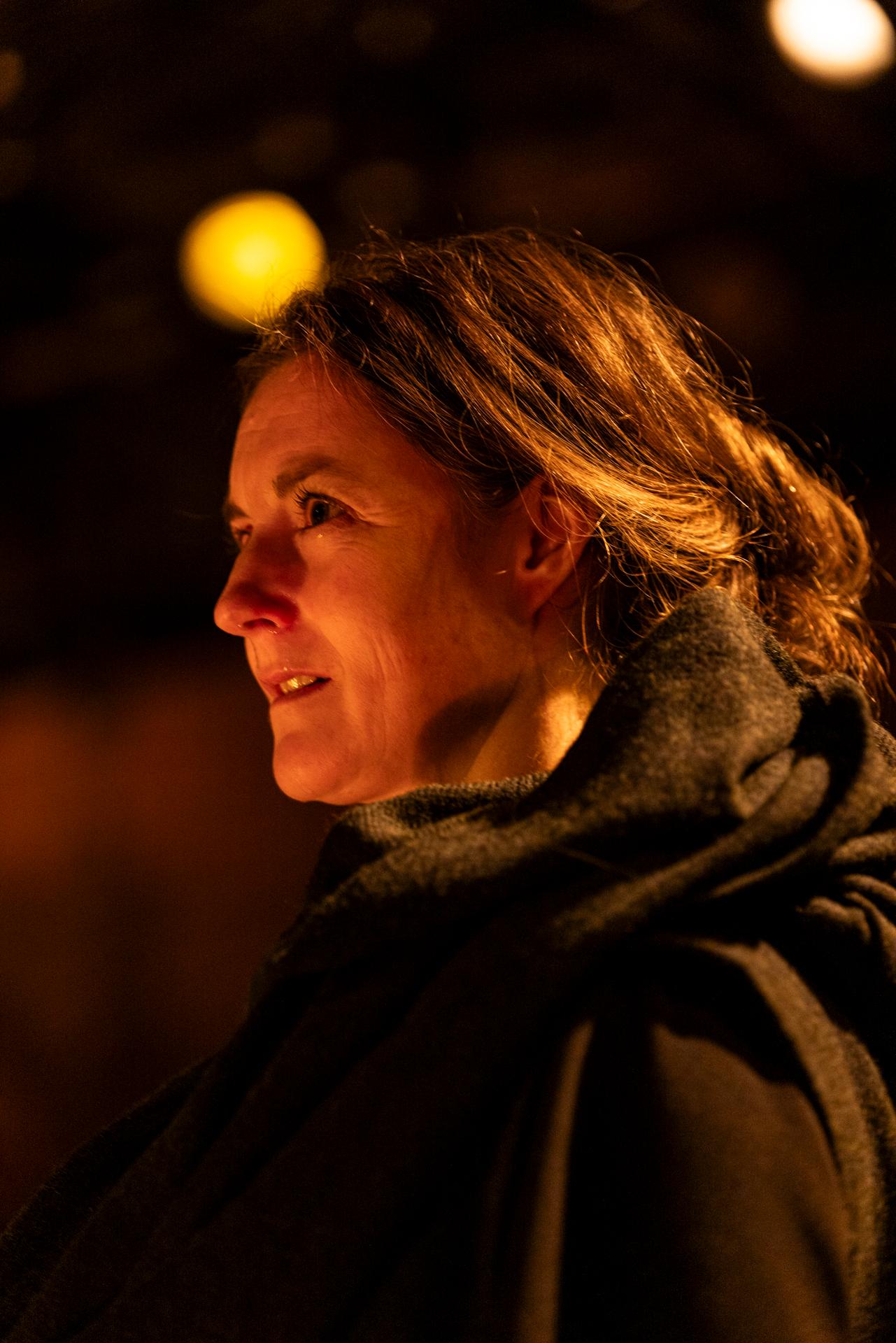
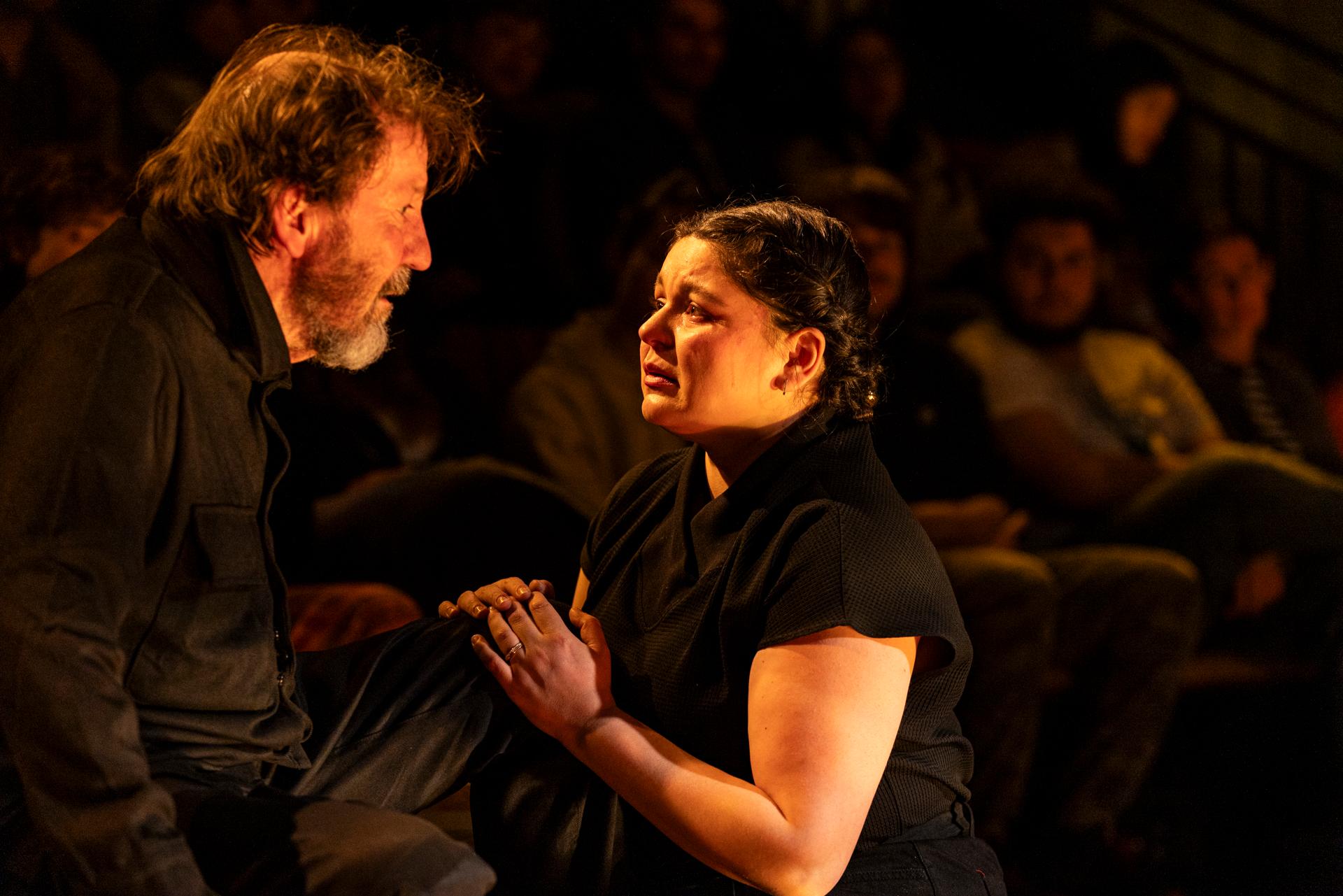
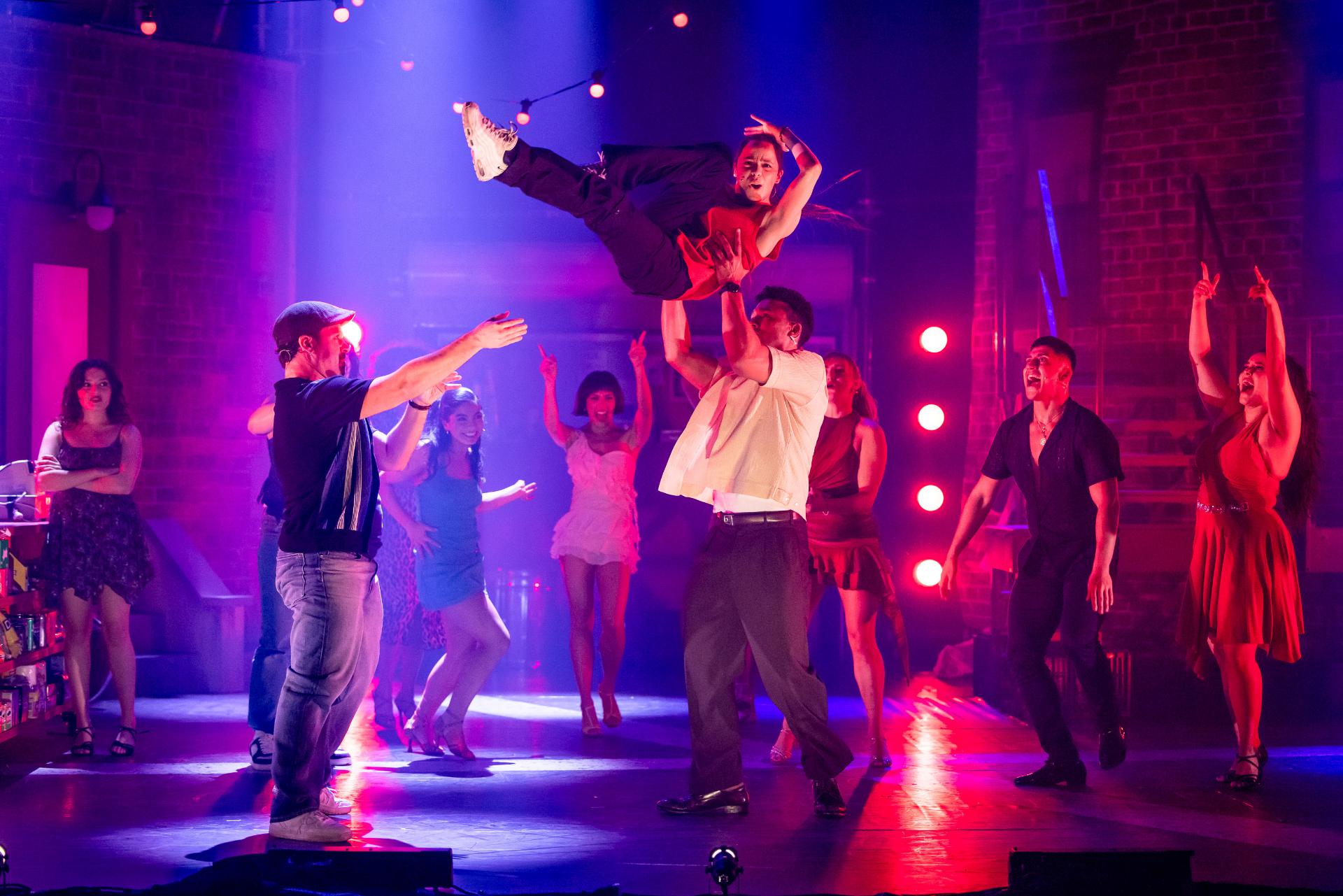
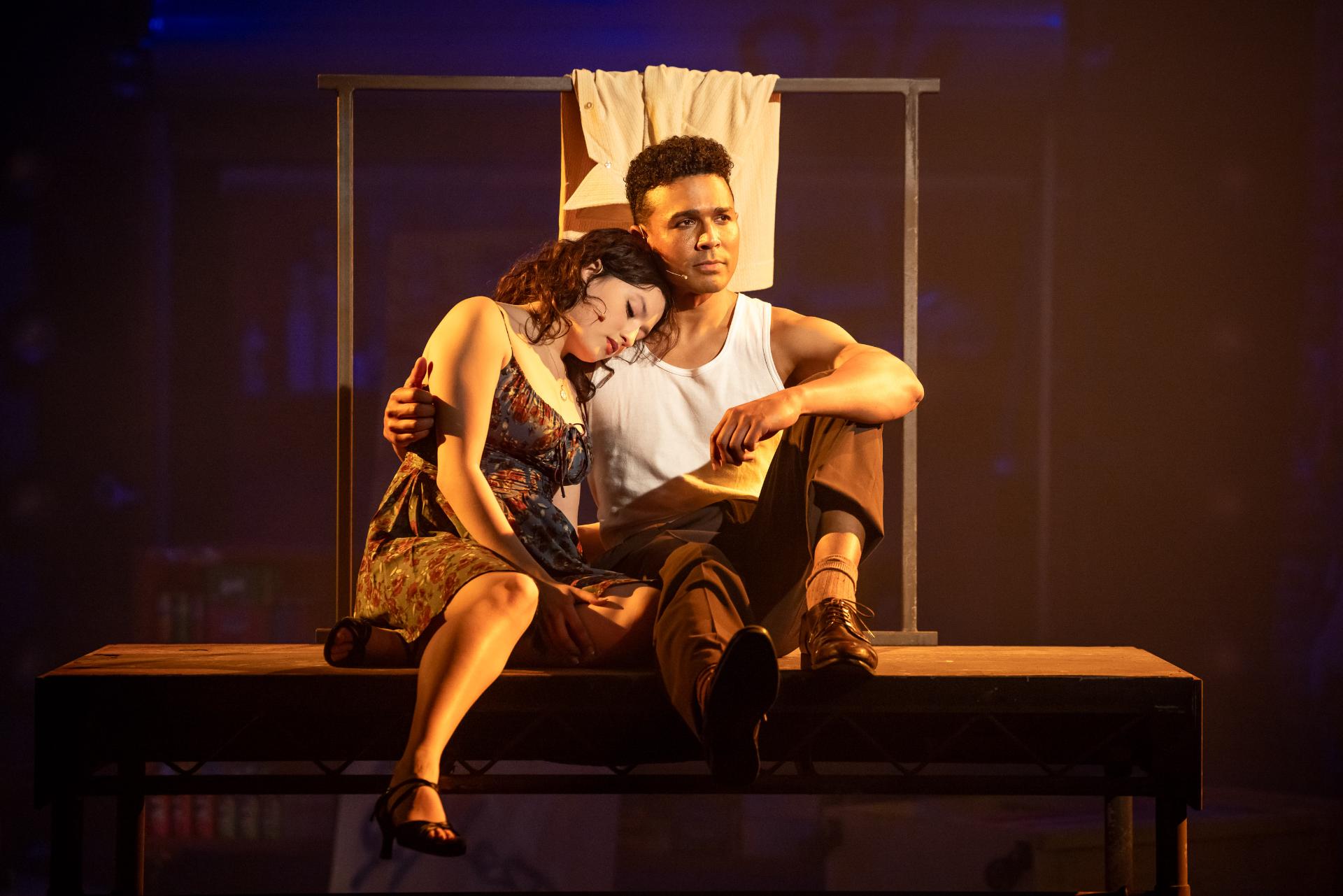
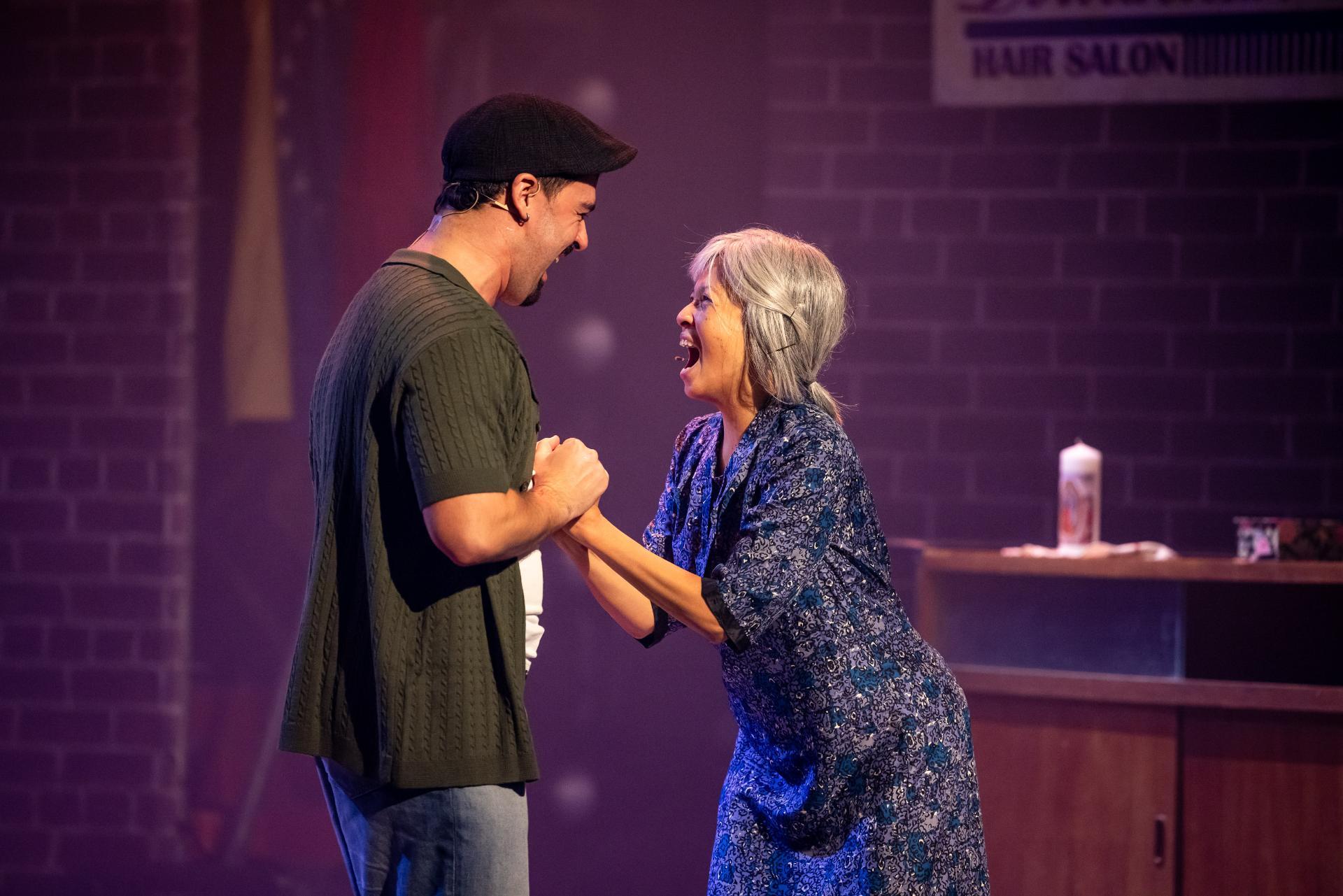
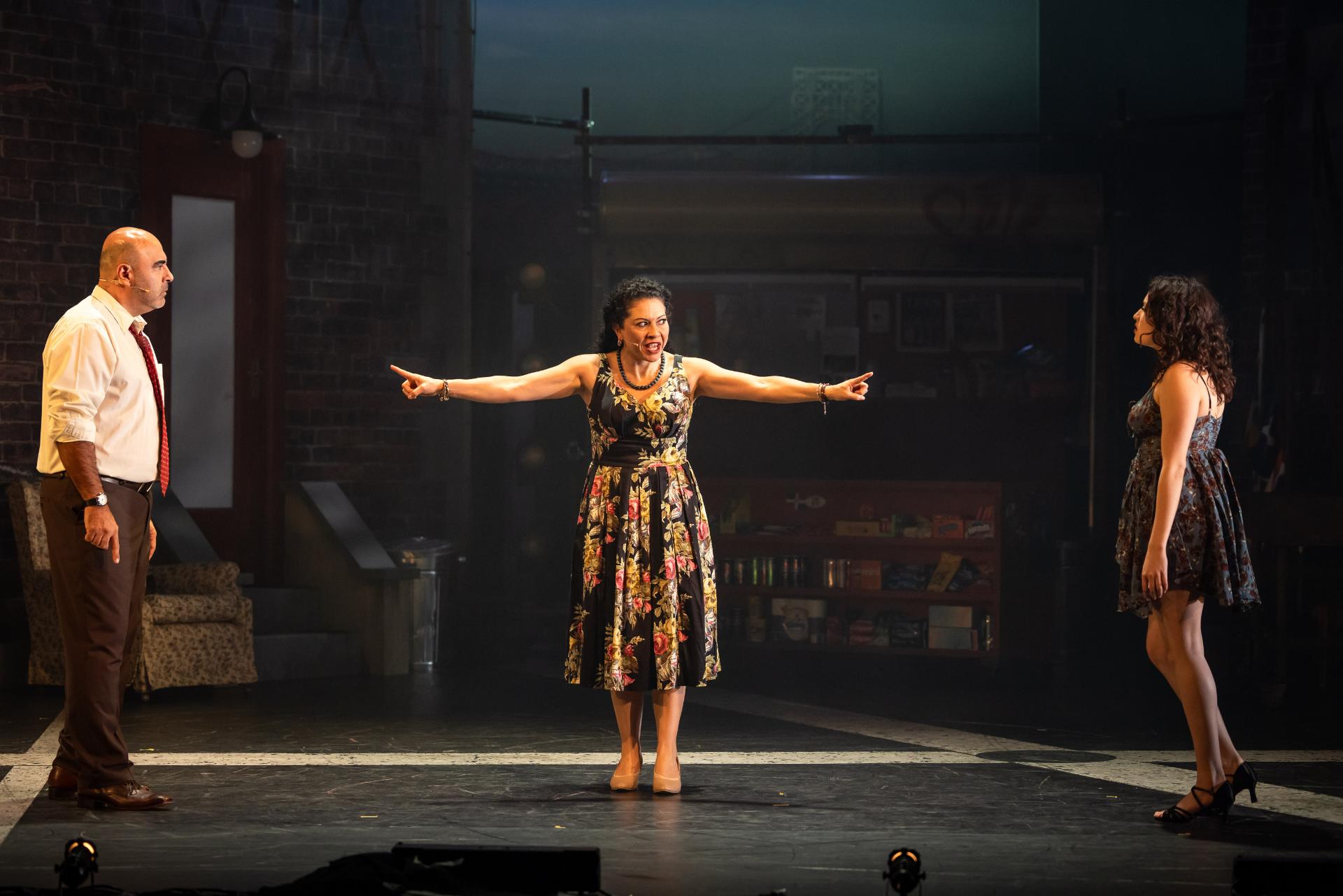
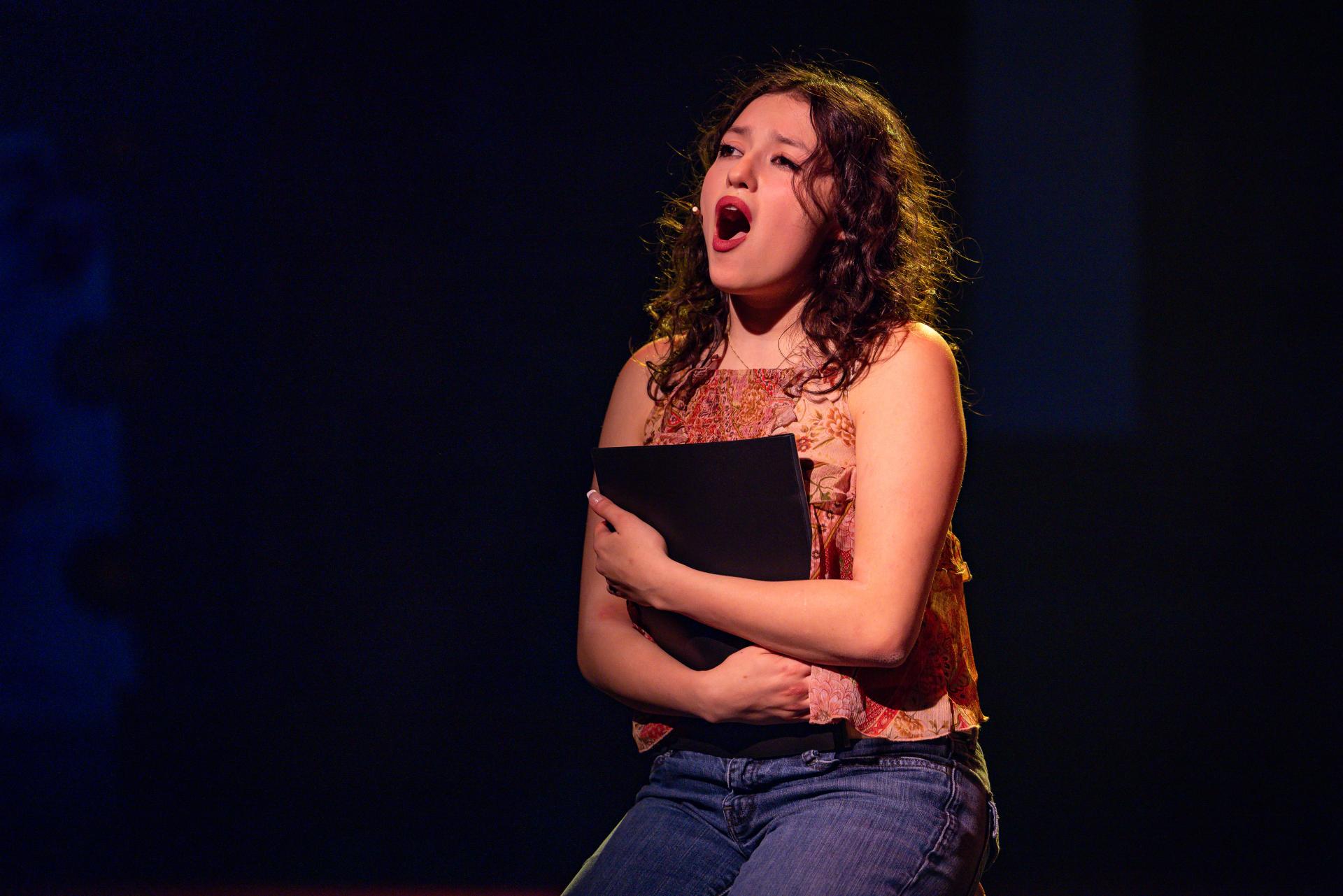
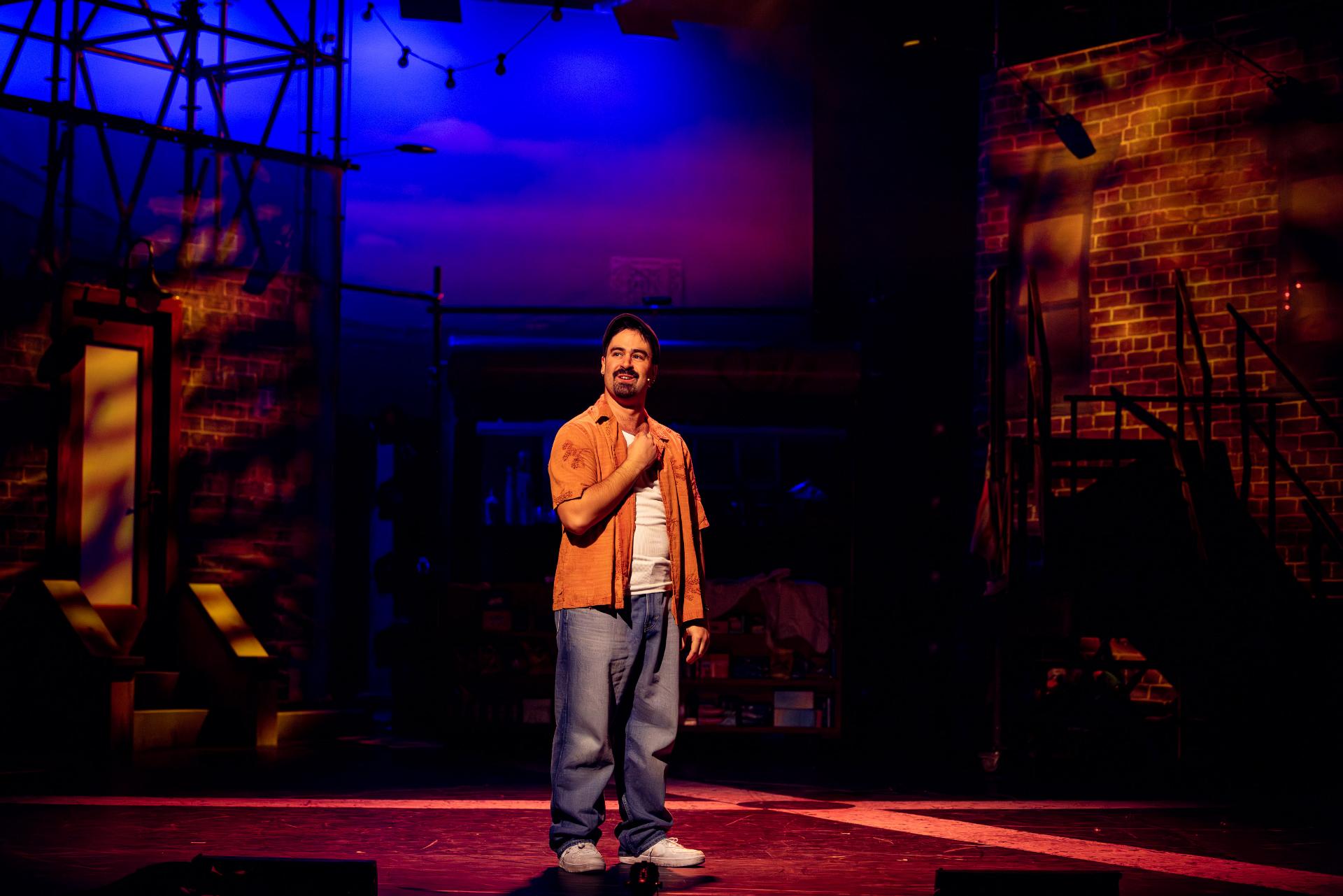
Emmanuelle Mattana’s Trophy Boys starts off incredibly funny, with its rendering of disingenuous attempts by young elites to present themselves as liberal and socially conscious. Things take a dark turn, and we see them ruthlessly defend the patriarchy, when confronted by consequences of their real actions outside of the hypothetical academic realm. Mattana’s writing is intelligent, witty and captivating, and as actor performing the pivotal role of Owen, they are piercing and meticulous, with an exuberance that sustains energy for the entire production.

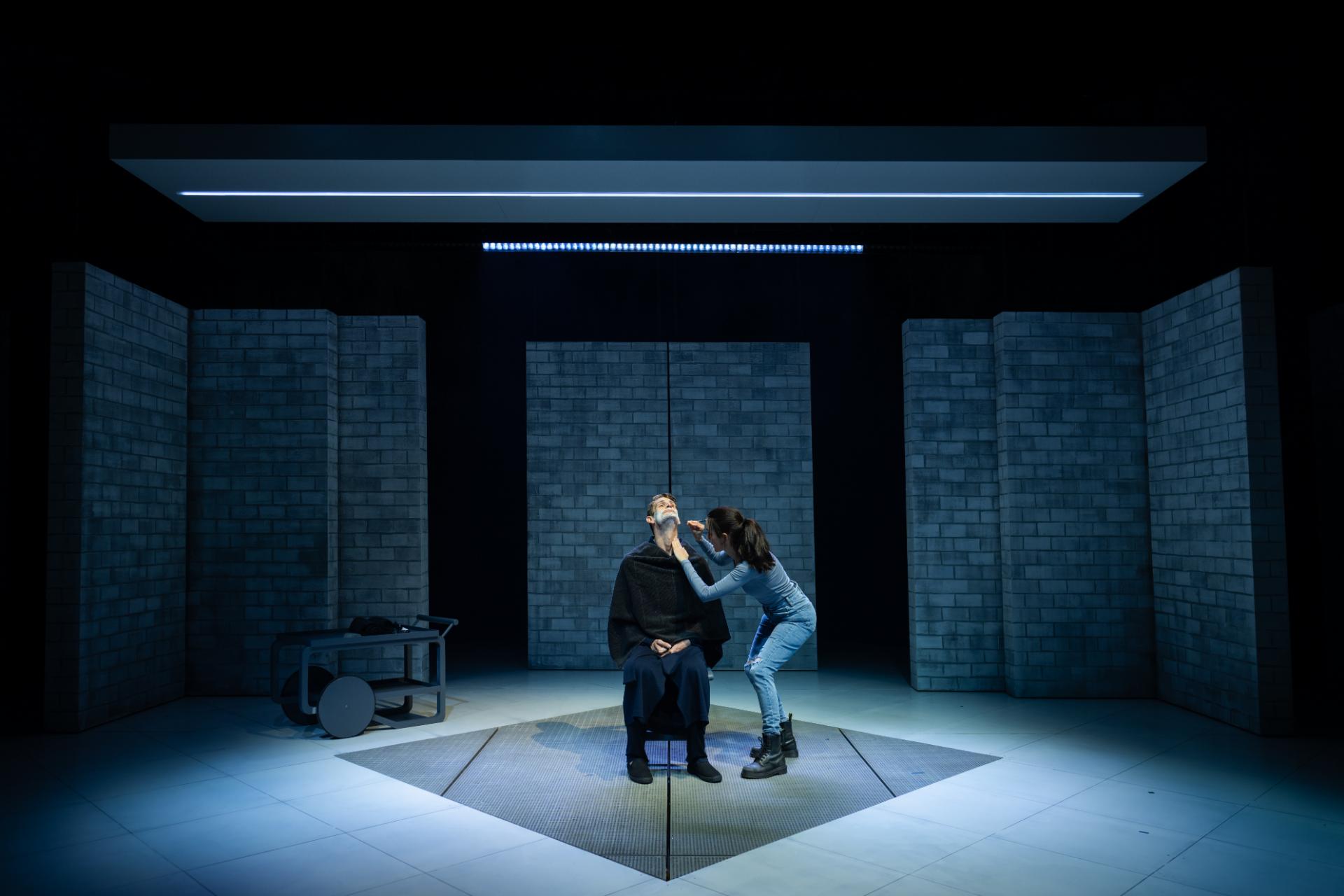
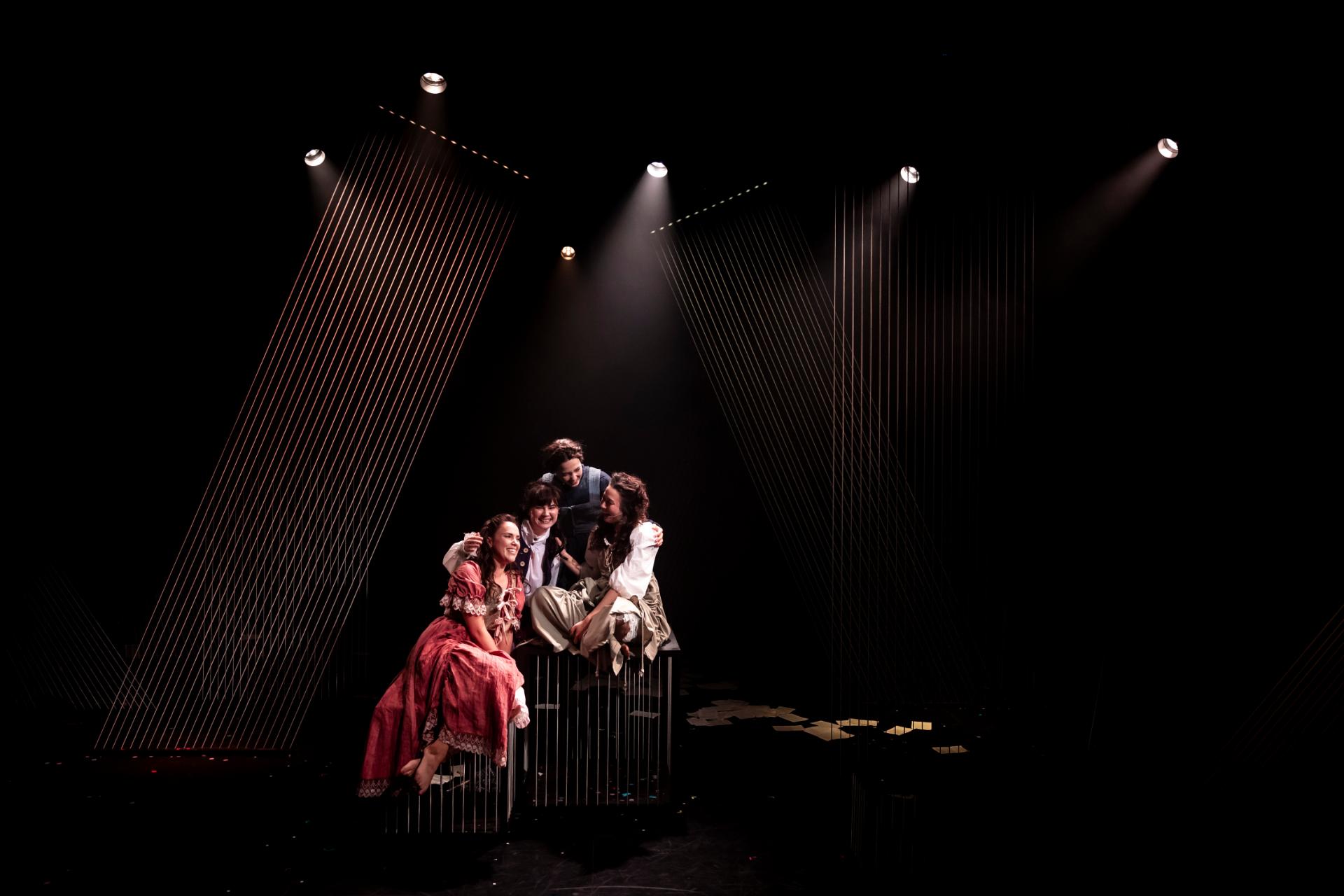
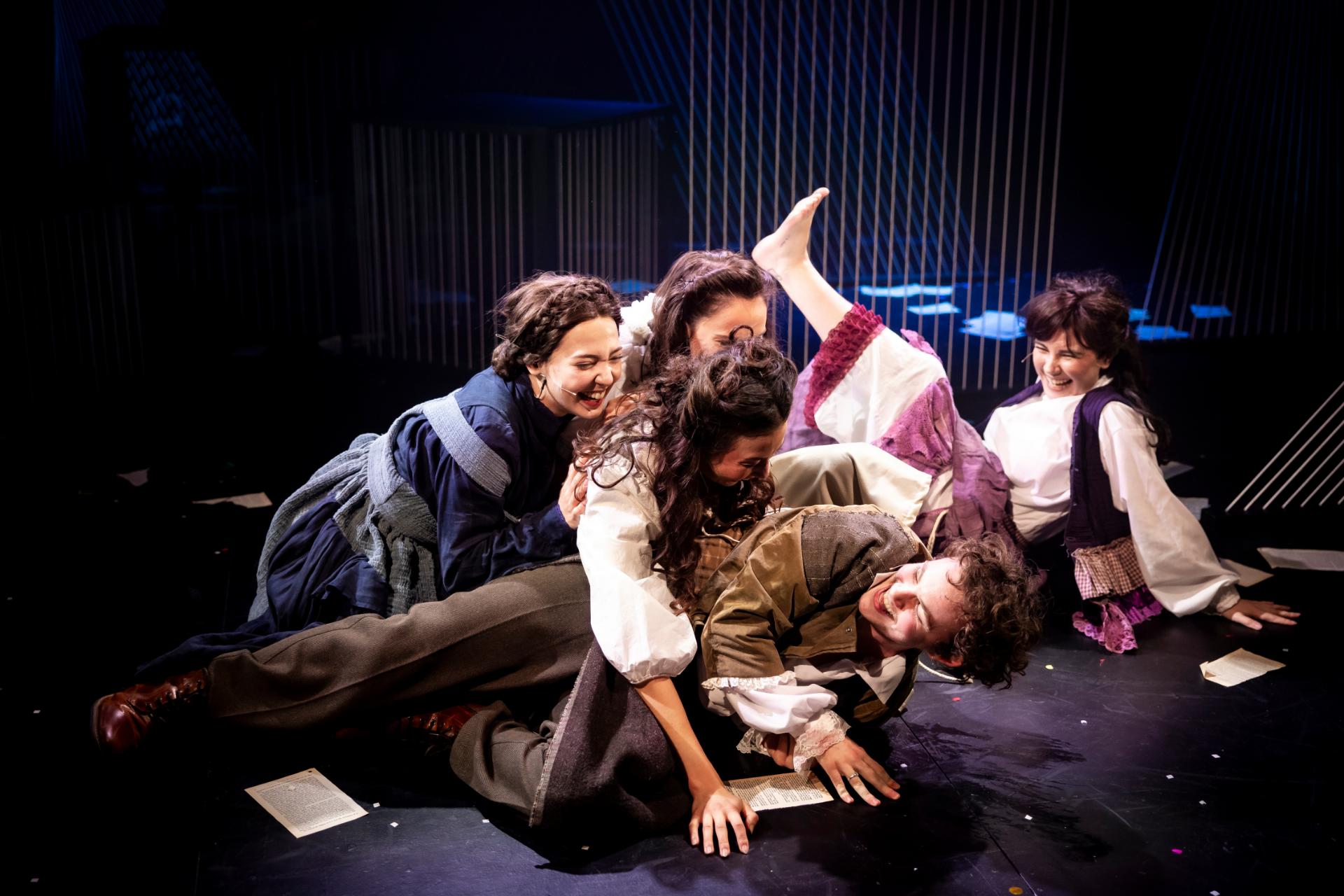
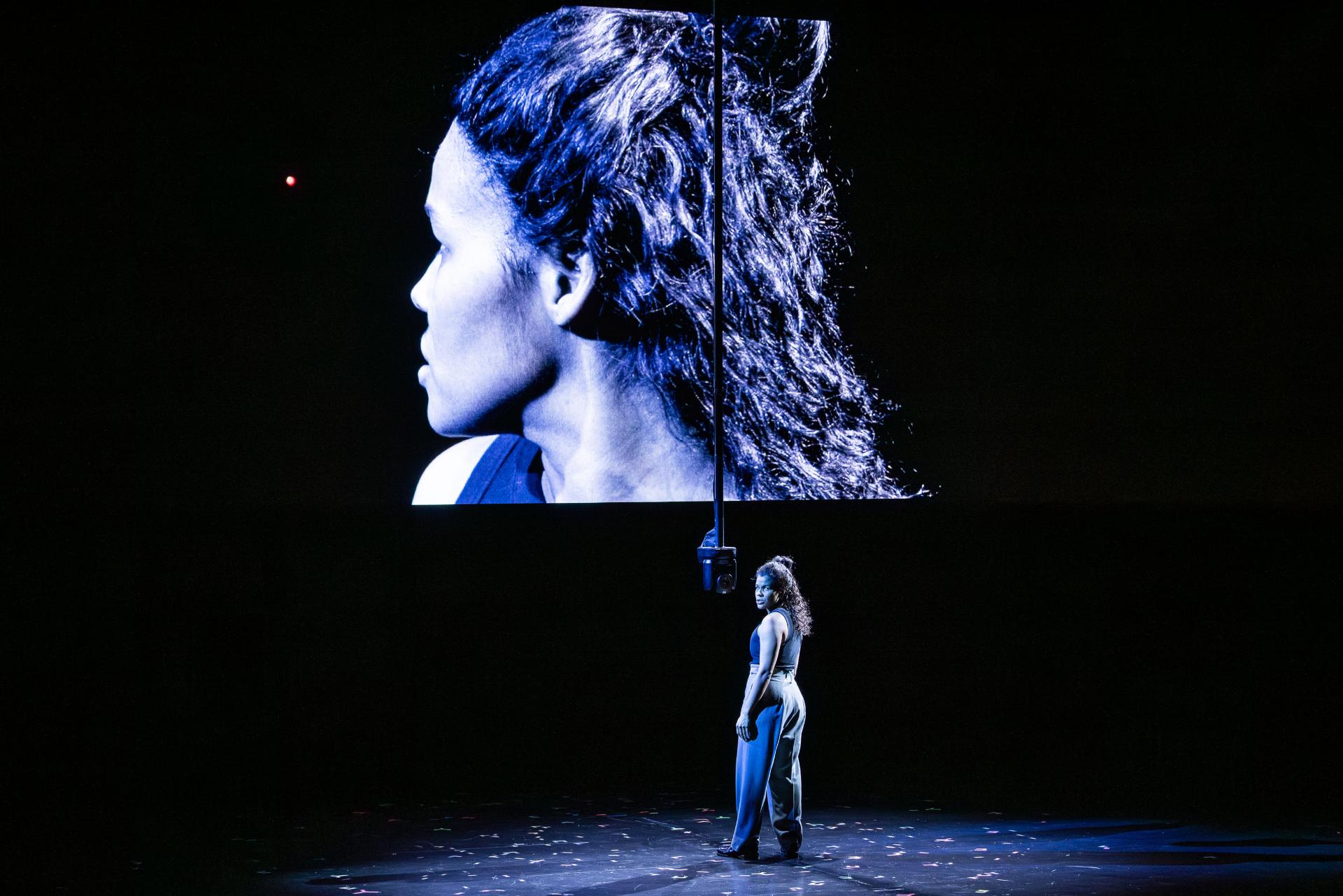
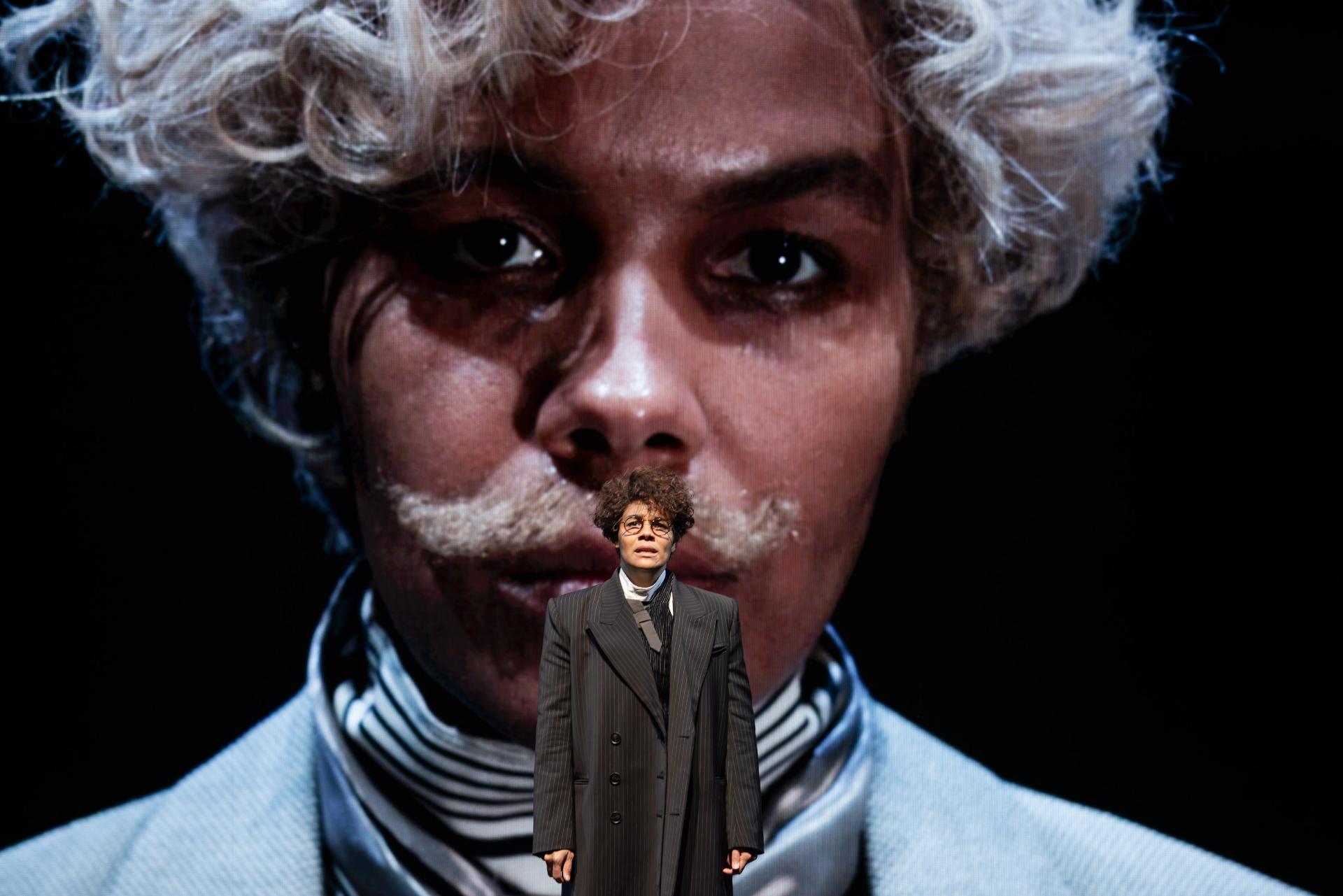
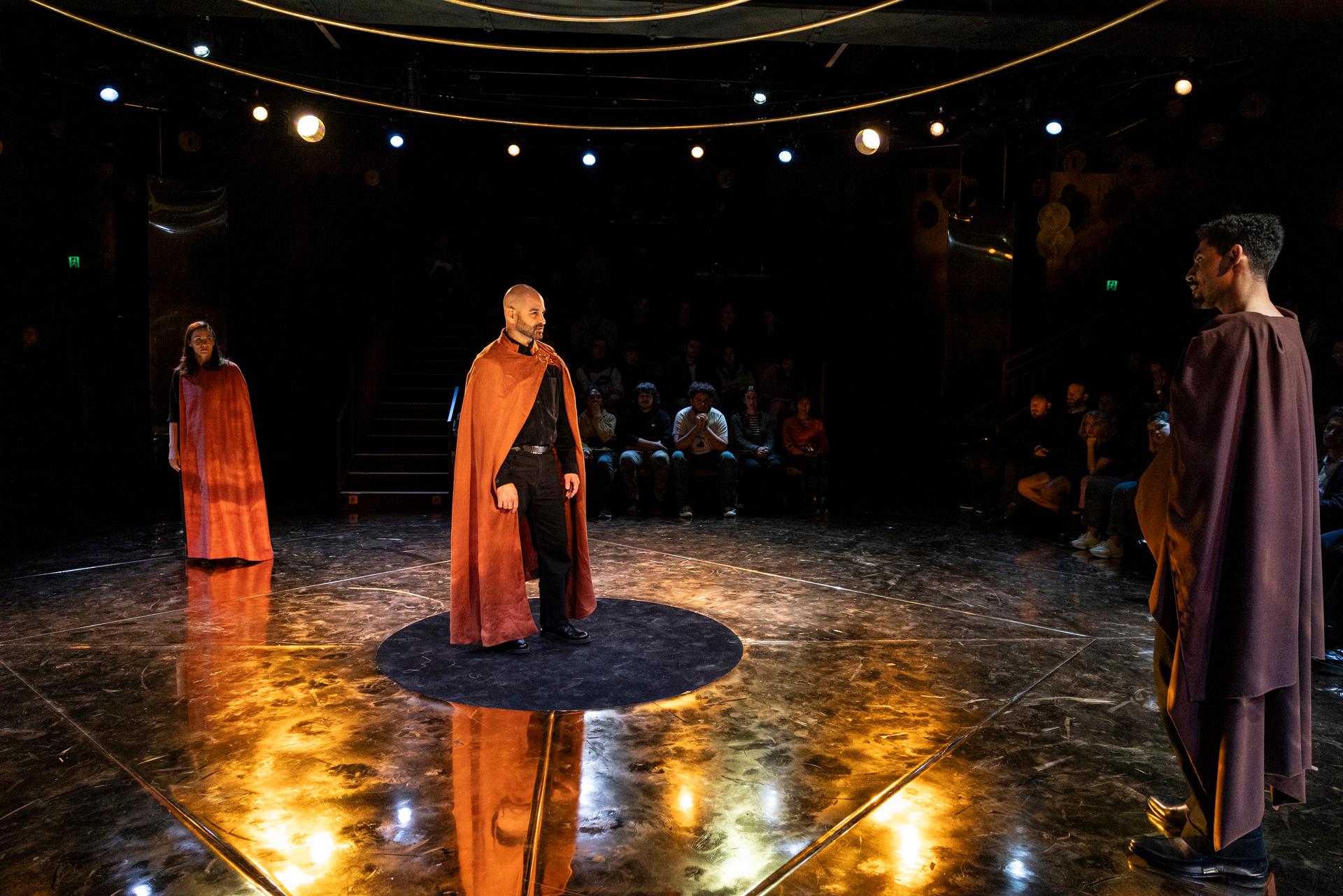
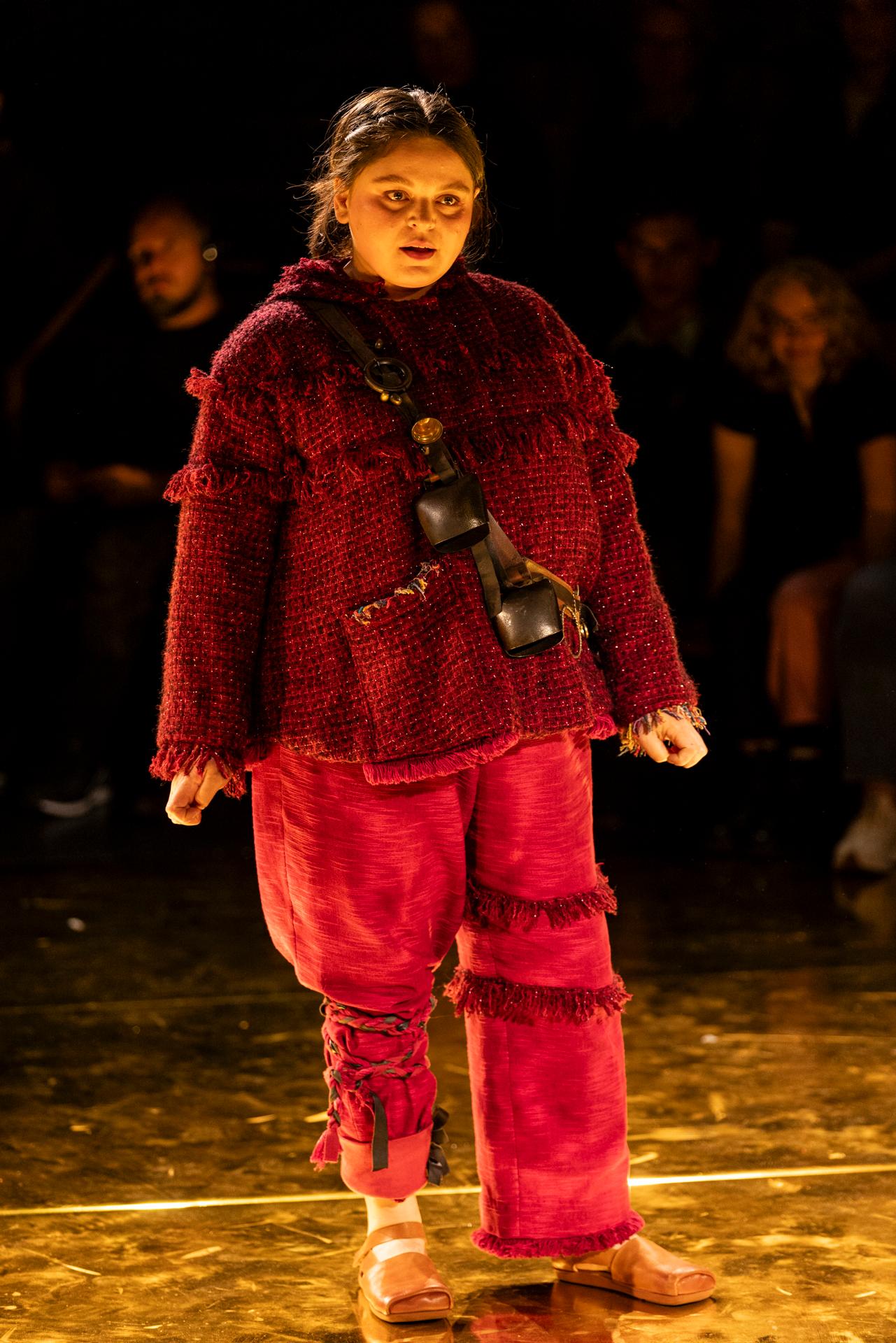
Leigh Lule, Gaby Seow and Fran Sweeney-Nash too are effective with the political dimensions of Trophy Boys, playing the other characters in the style of drag, with its inherent exaggerations that foreground the absurdity of these entitled beings. Direction by Marni Mount can feel slightly too hectic, for something that provides a lot of food for thought. Nonetheless, the show remains thoroughly enjoyable, even if it tends to race past too quickly for meaningful contemplation. Production design by Ben Andrews, along with lights by Katie Sfetkidis, offer uncomplicated solutions that efficiently facilitate the telling of a timely story.

The boys choose to do the right thing, only when it costs them nothing. The rest of us too, rarely make sacrificial decisions, even if we are at the wrong end of the totem pole. The patriarchy knows to keep us from having nothing to lose, for that is when we become truly dangerous. It offers crumbs in ways that distracts us from power imbalances and wealth disparities, making us believe that ultimately, the system works. It convinces people that something as diabolical as “rape culture” is but a trendy turn of phrase and an overreaction, for something that has always been traditional and eternal.

www.seymourcentre.com | www.themaybepile.com.au | www.softtread.com.au

Review: King Lear (Bell Shakespeare)

Venue: The Neilson Nutshell (Sydney NSW), Jun 14 – Jul 20, 2024
Playwright: William Shakespeare
Director: Peter Evans
Cast: Tamara Lee Bailey, Shameer Birges, Jeremi Campese, Melissa Kahraman, Alex King, James Lugton, Robert Menzies, Lizzie Schebesta, Michael Wahr, Janine Watson, Darius Williams, Brittany Santariga
Images by Brett Boardman

Theatre review

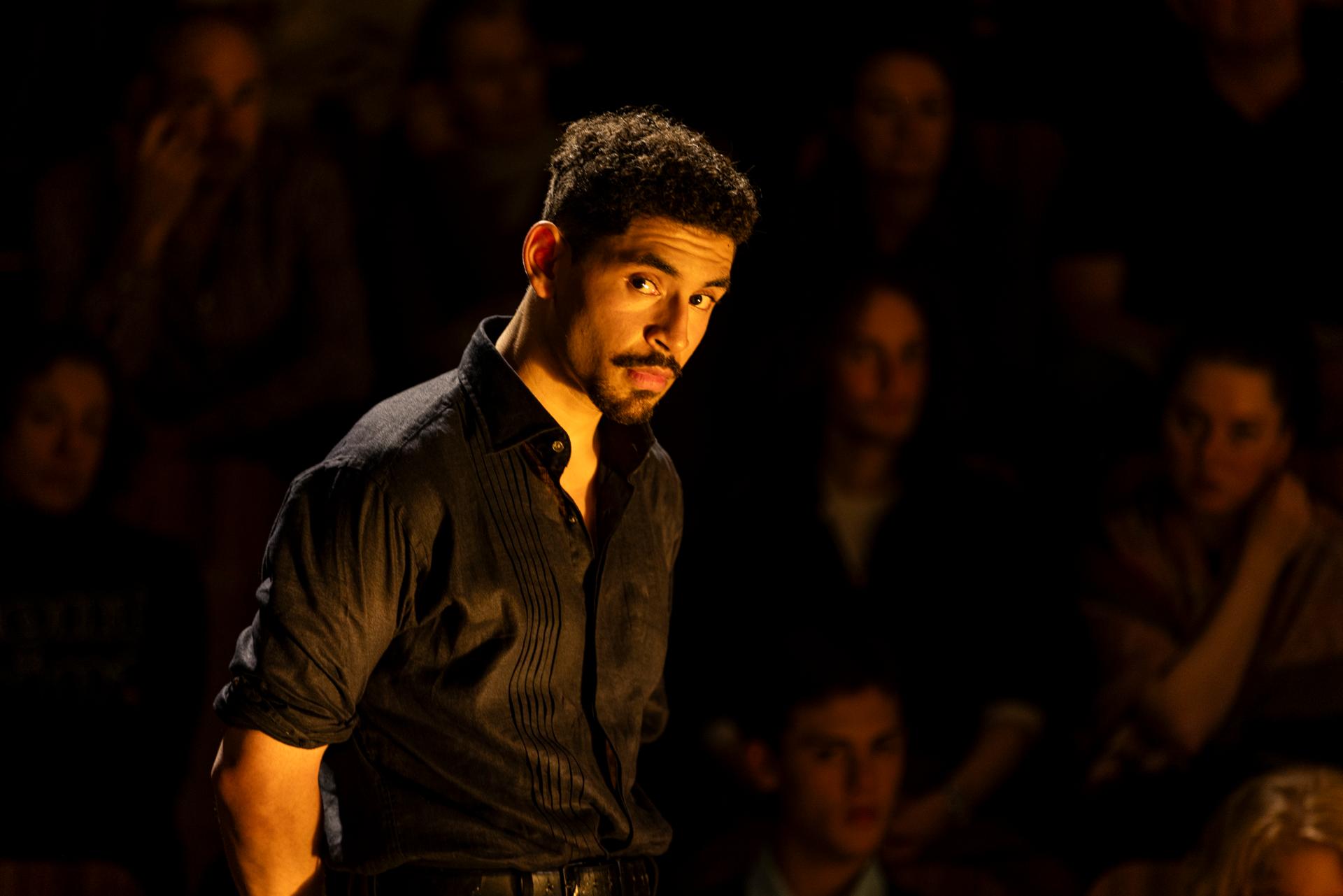
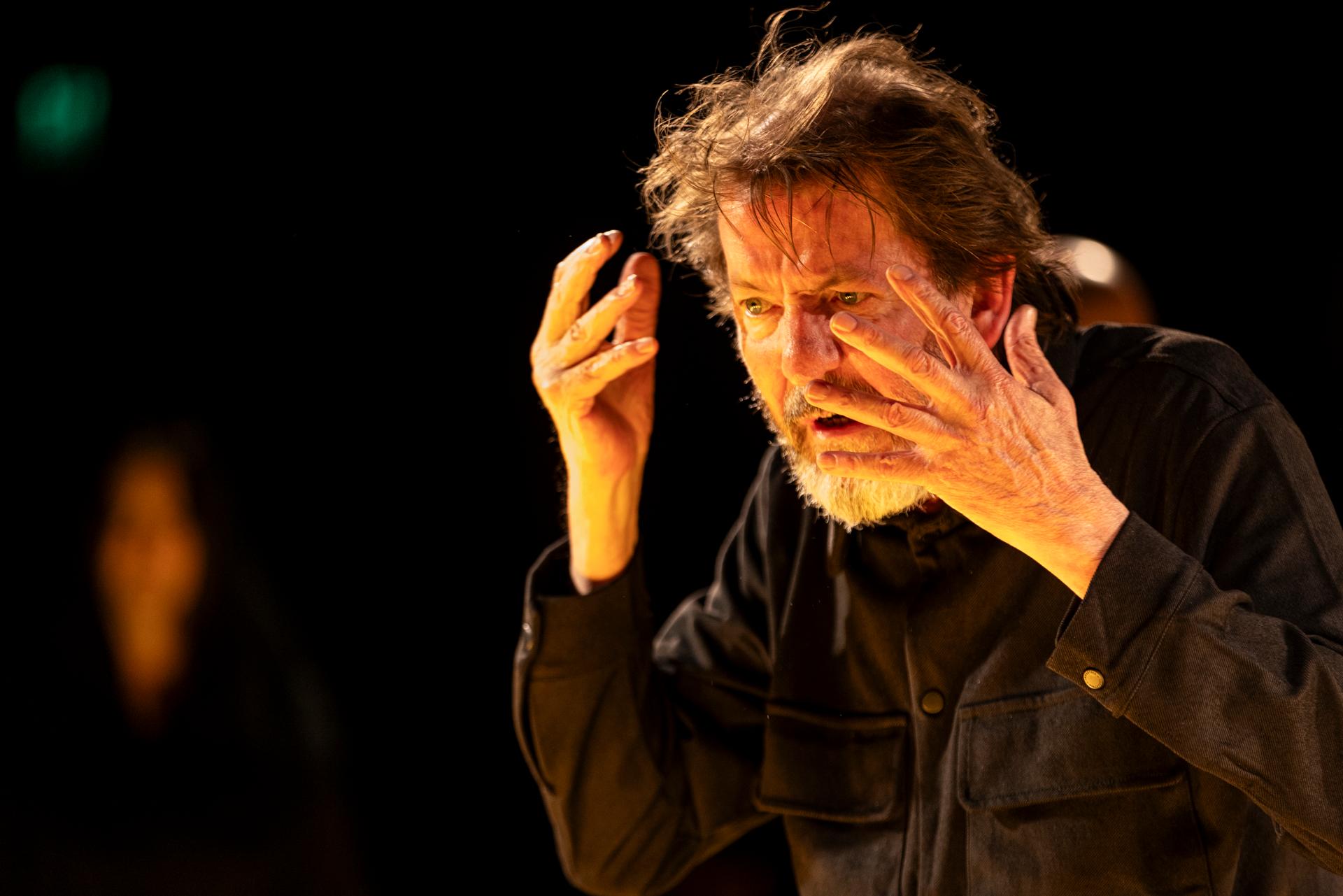
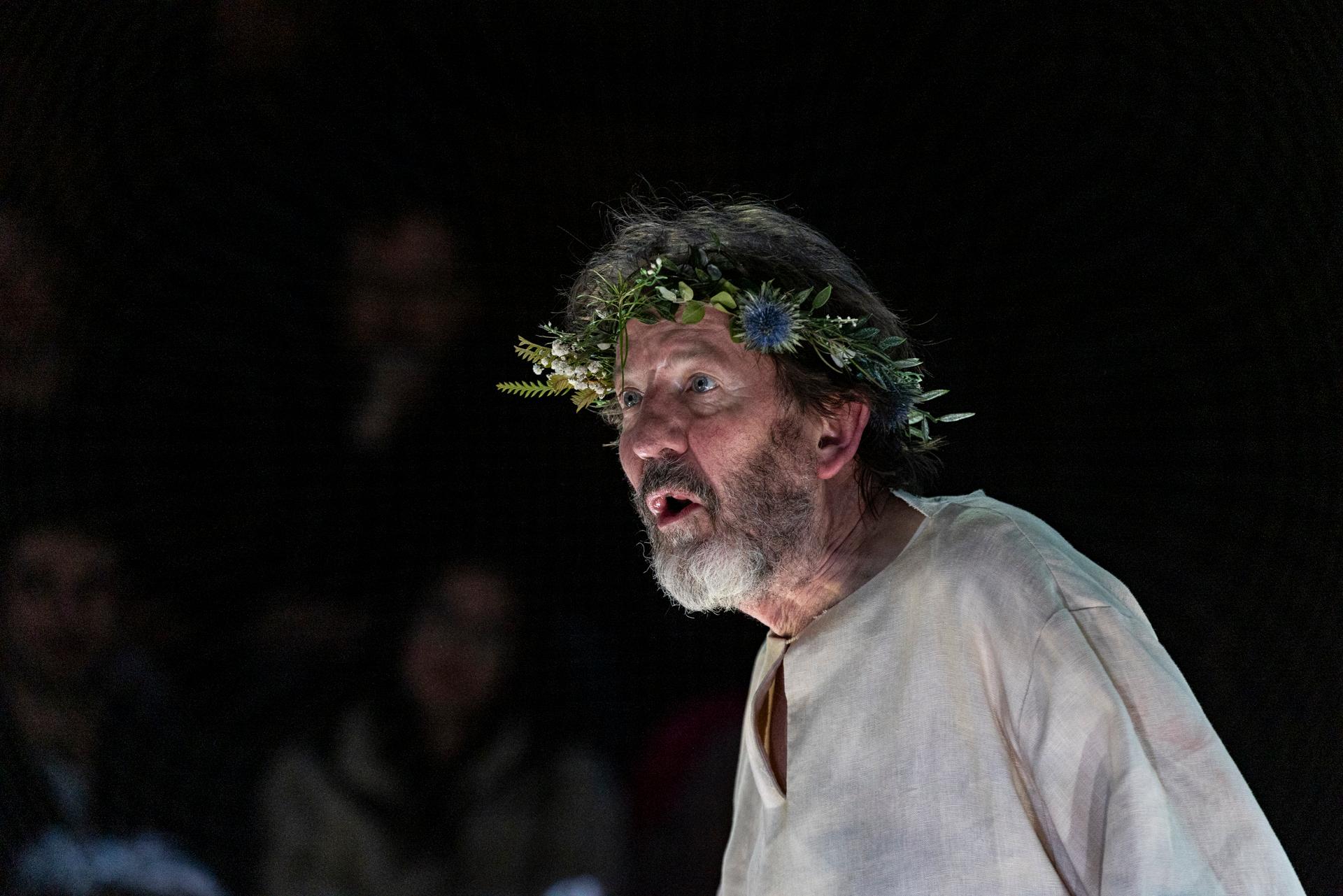
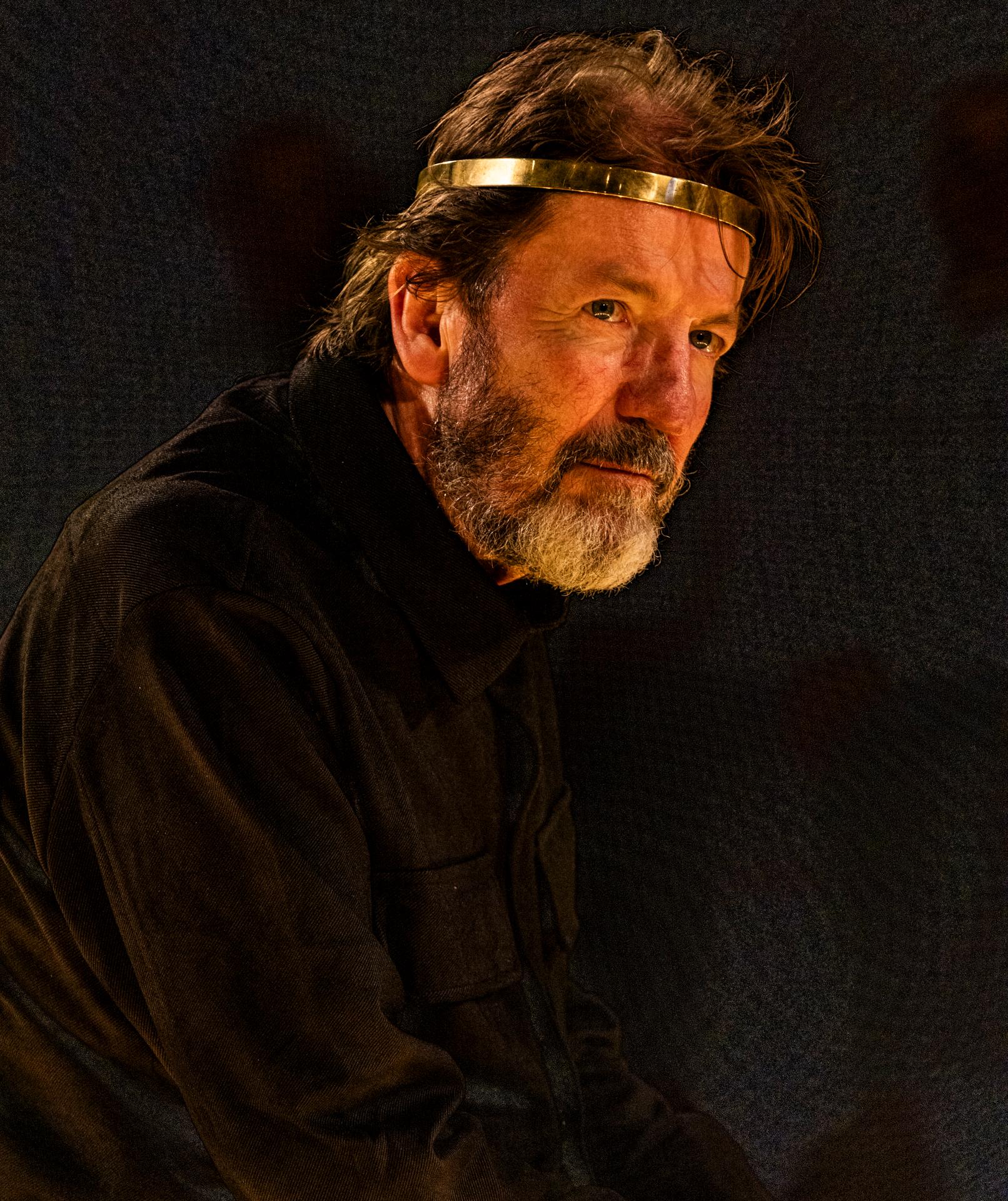
As Lear nears the end of his life, it becomes important that he knows how his daughters feel about him. It may seem that young men can bear children indiscriminately, only to decide to assess the quality of those relationships, when it is much too late. The results can often be disastrous, as is exemplified in Shakespeare’s King Lear.

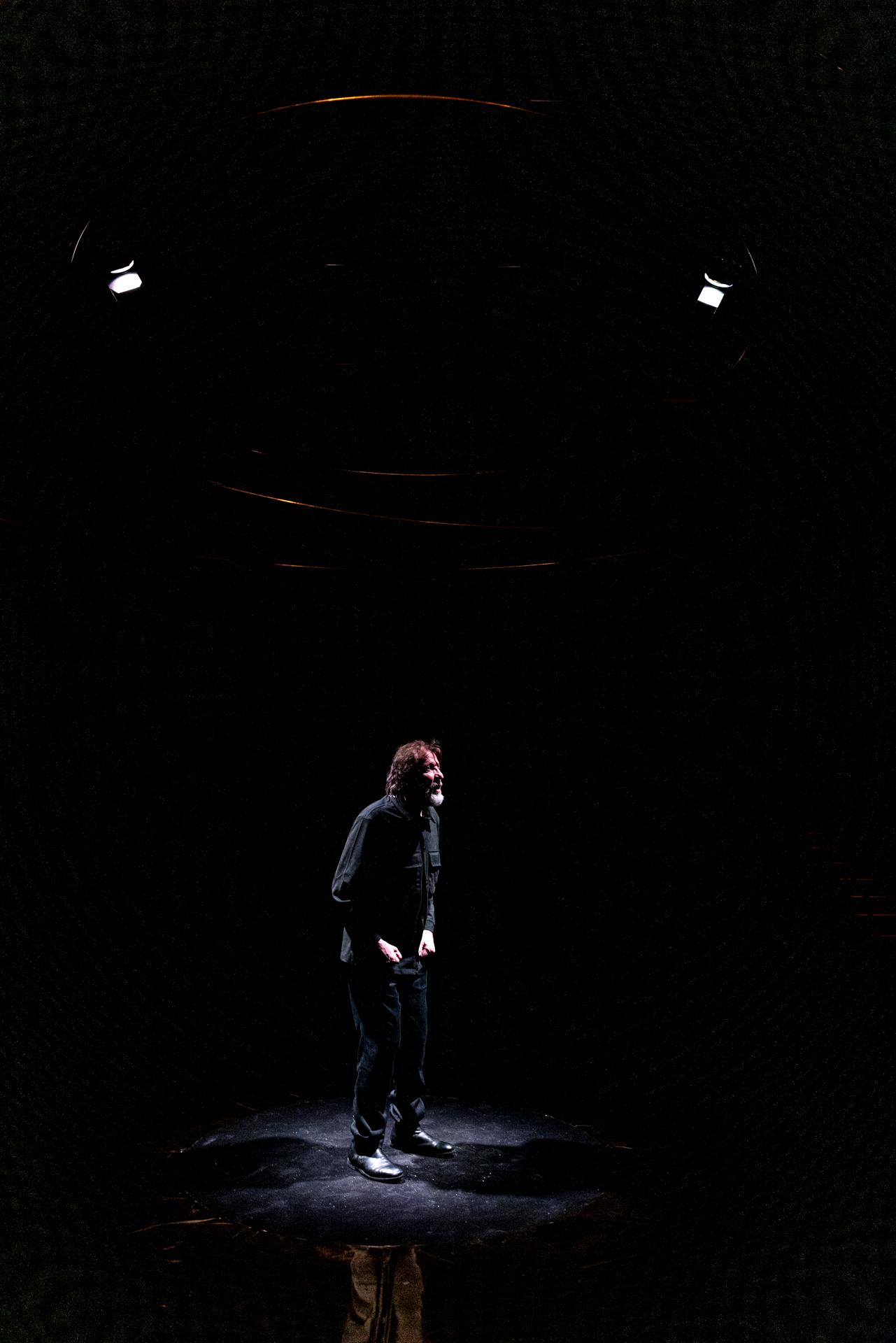
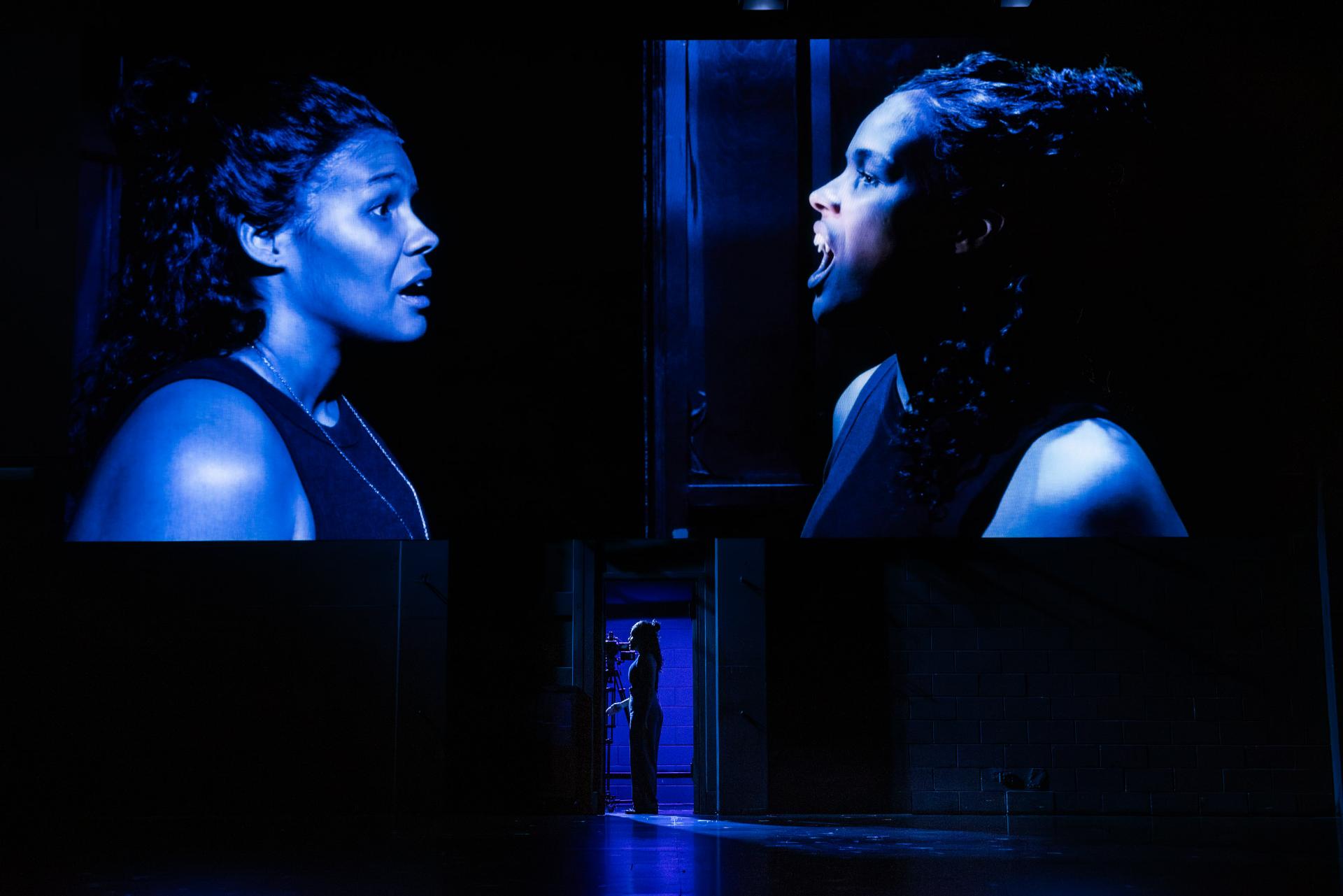
An intensity associated with those dire consequences is certainly present, in Peter Evans’ direction of the piece. Lights by Benjamin Cisterne and sounds by Max Lyandvert pull no punches, when required to deliver the drama. In concluding sections of the play especially, a theatrical flamboyance takes hold quite decisively, as though to remind us of the extremities in human emotionality that Shakespeare had loved to depict, and with such aplomb. In this production however, the drama feels distant, almost synthetic. Its vigour is discernible, but never really connects, leaving us to observe its passionate renderings, only with cerebral curiosity.

The staging is nonetheless aesthetically pleasing, with a captivating set design by Anna Tregloan taking inspiration from celestial elements in the text. It is a modern approach that extends to her costumes, although a greater eye for detail and refinement would improve visual interest, for an audience positioned so intimately in relation to all the action.

Actor Robert Menzies plays leading man on this occasion, highly convincing in the role, although not always compelling. Other performers include Janine Watson as Kent, and Darius Williams as Edmund, both rich and delicious with the myriad colours and textures they deliver, memorable for the inventiveness they bring to the table.

It is arguable if Lear’s regrets are circumventable. We can see that there is so much he could have ameliorated through the years. We also know that one can only do better, if they know better.  What is in contention therefore, is if Lear had actually known any better, or if he was only ever doing his best. Parenting is tricky business, enacted by flawed people, who then create further flaws in other people. No wonder we talk endlessly about forgiveness.
www.bellshakespeare.com.au

Review: American Signs (Sydney Theatre Company)

Venue: Wharf 2 Sydney Theatre Company (Walsh Bay NSW), Jun 15 – Jul 14, 2024
Playwright: Anchuli Felicia King
Director: Kenneth Moraleda
Cast: Catherine Văn-Davies
Images by Prudence Upton

Theatre review
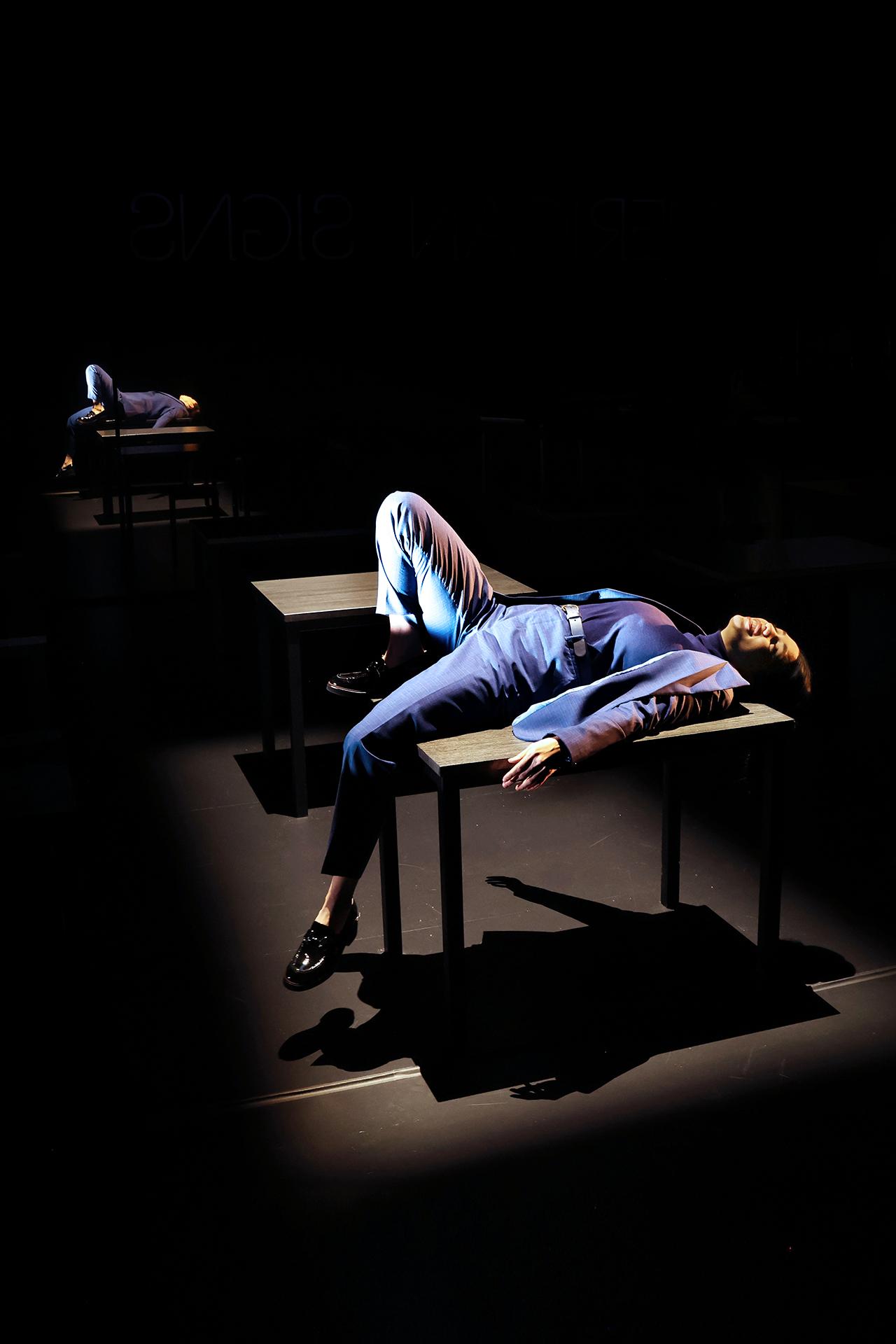
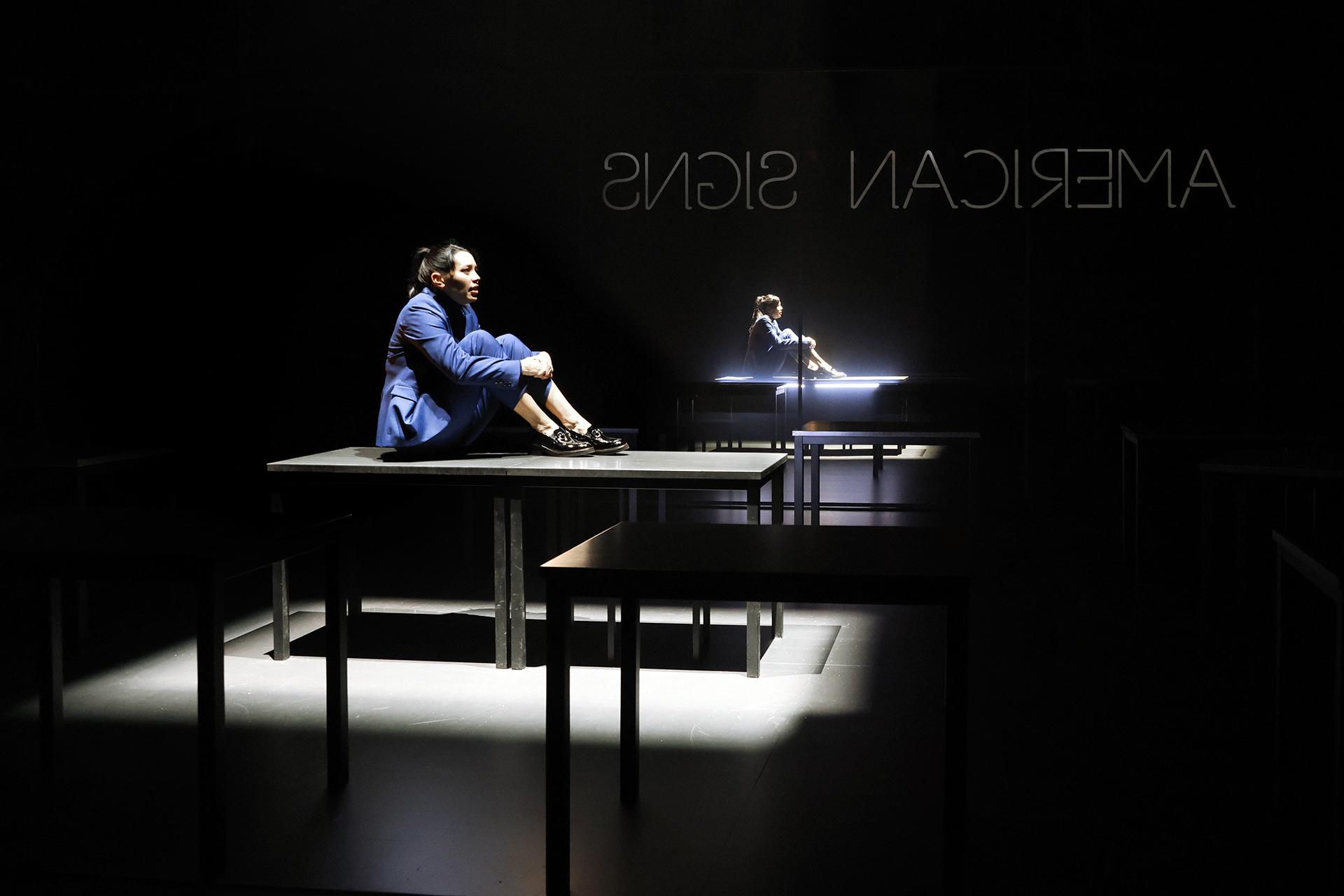
The unnamed protagonist is a twenty-something, third-generation Vietnamese-American who has completed her degree at Stanford, and is trying to establish a career as a management consultant. She has made her way into a top firm, where competition is strong, and where rules of engagement are soul-destroying. As a junior employee, she is being conditioned to tolerate exploitation in many flavours, and because she believes herself lucky to be there, she takes it all lying down.

Anchuli Felicia King’s sensational American Signs tells a rich story about late-stage capitalism, with particular focus on refugee diasporas and their obligatory allegiance to Western values. The Consultant’s acceptance of dubious conditions and her capitulation to utterly unethical abuses of power, are cuttingly illustrated by King with unequivocal persuasiveness. American Signs also functions as a sort of meditation on the notion of destiny for immigrants, who exist in an inevitable commitment to a hegemony that represents the antithesis of what they flee.

Poignant direction by Kenneth Moraleda fuses intellect with emotion, so that we may understand thoroughly the plight of the central character, and by inference the audience’s own circumstances. For a narrative dealing with impulses and compulsions that often seem to be unconscious or unexamined, it is important that we are encouraged to feel as much as we contemplate, the several resonant morals of the story. Moraleda’s work certainly has us engaging both heart and mind.

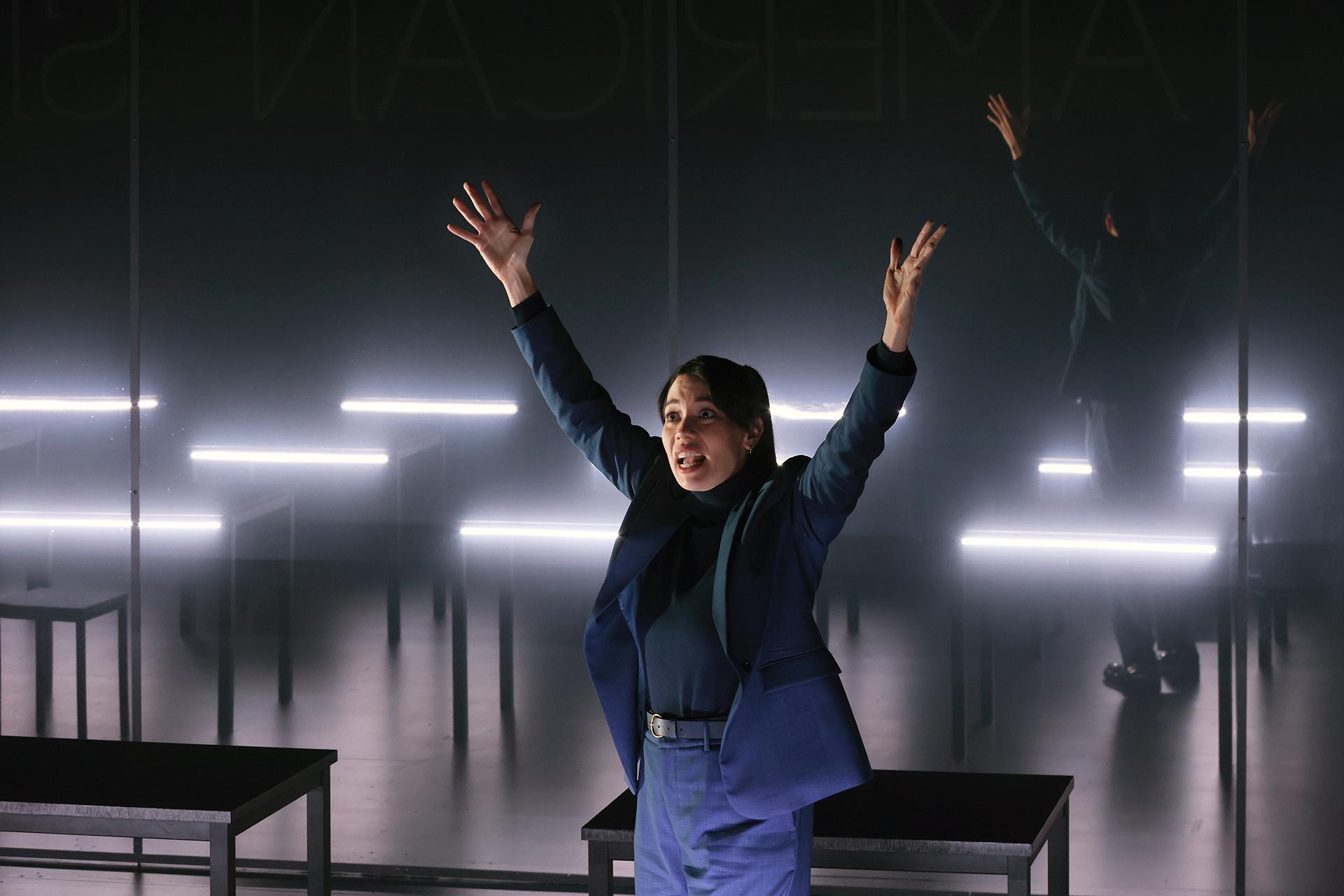
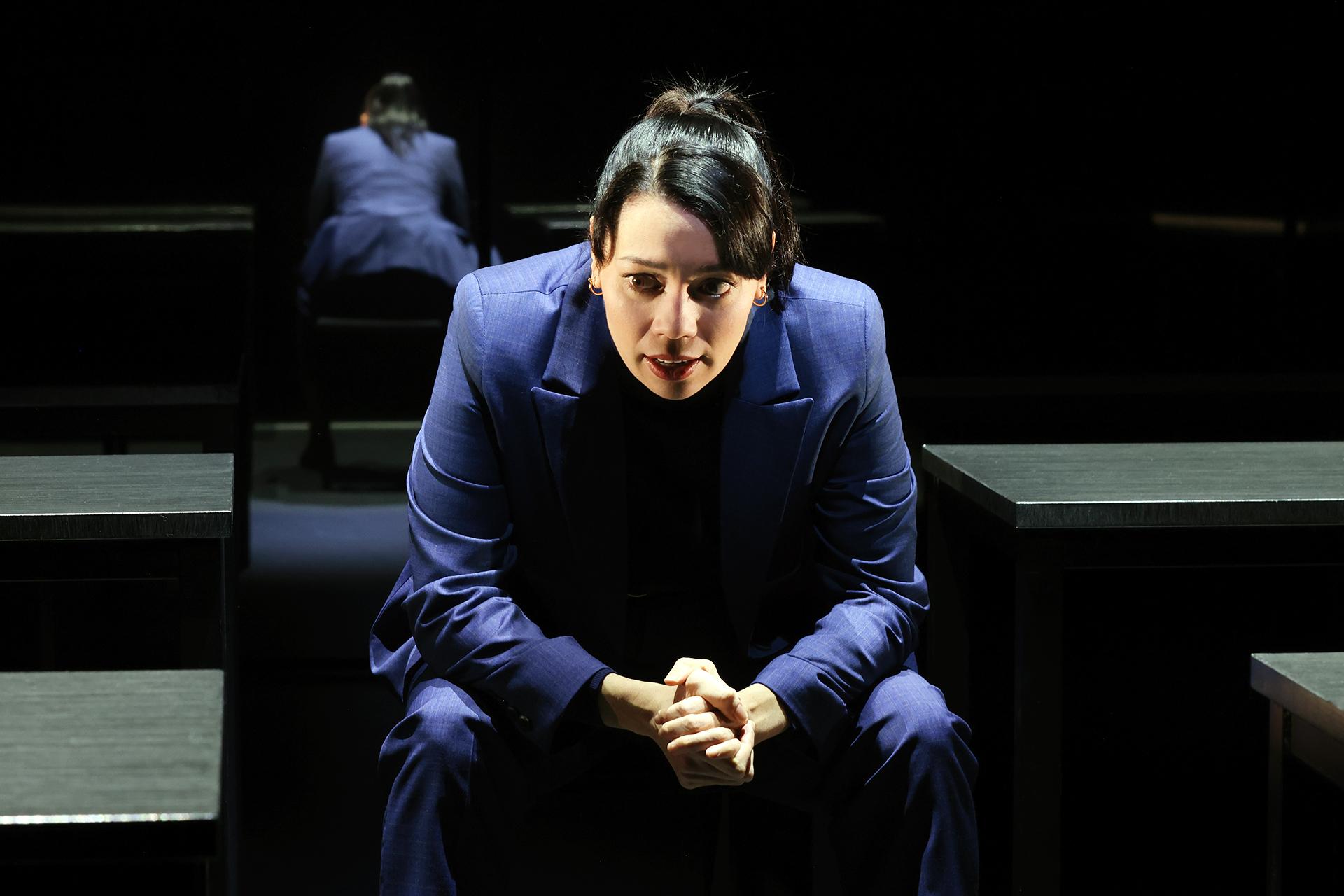
It is however the actor Catherine Văn-Davies who brings marvellous elucidation to the complex dimensions of American Signs, and all that it is capable of saying. Whether tragic, vulnerable, powerful or menacing, Văn-Davies is spectacularly convincing with every human state she inhabits. The play’s meaningful observations about systemic failures in our economies, societies and politics, are given further significance by being turned into vigorous demands for cultural transformation, by Văn-Davies’ deeply affecting expressions of rightful indignation.

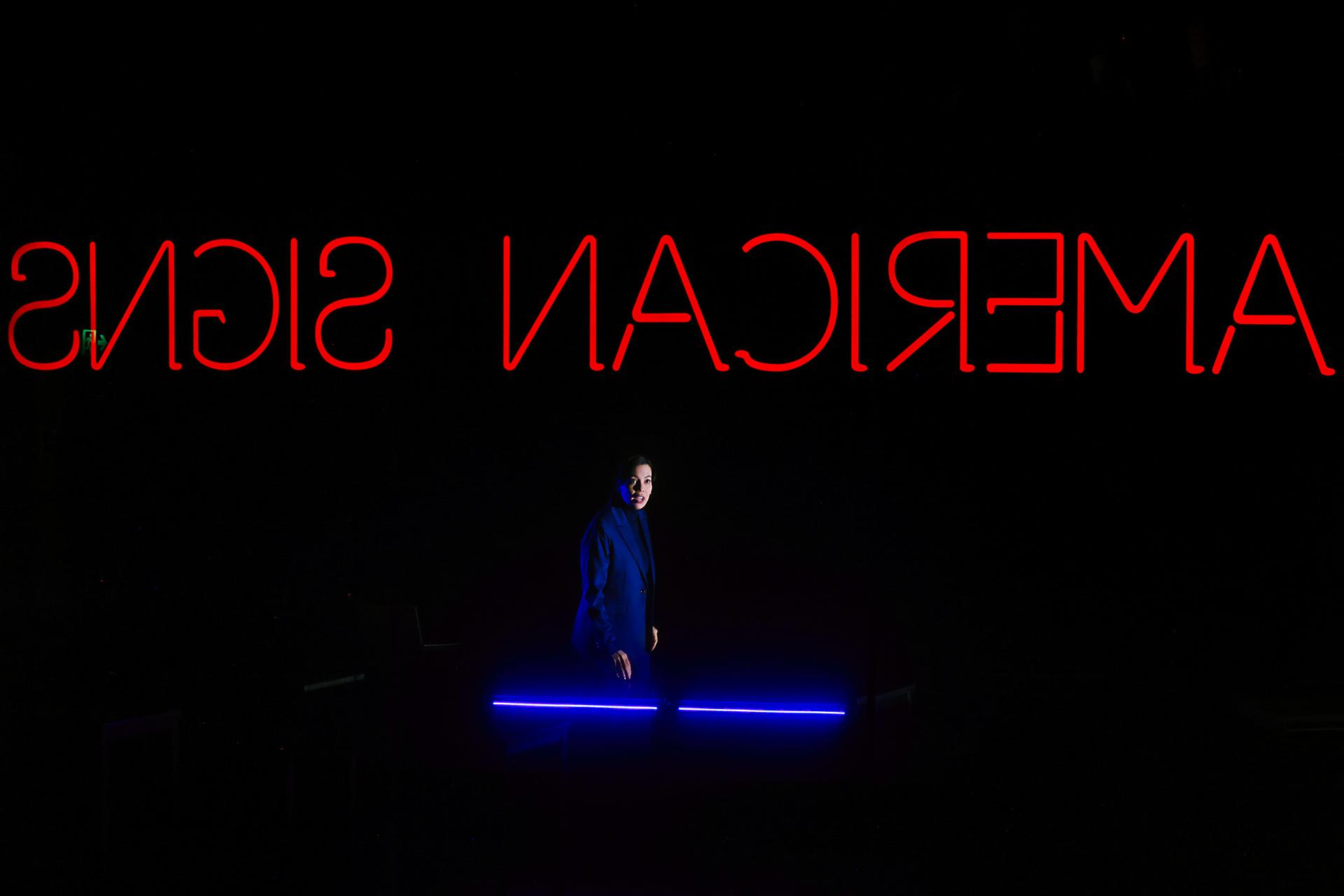
Production design by James Lew puts on stage the mundane starkness of our utilitarian realities, bringing attention to the pragmatism that often prevails over creativity and spirit. Benjamin Brockman’s lights are intricately calibrated in tandem with the actor’s constantly shifting temperaments, and notable for the visual intrigue it manufactures during more heightened sections of the show. Sound and music by Sam Cheng are not only essential to the way our intuitions respond to every twist and turn of the story, but also memorable for a quality of transcendence it brings to the overall experience, thus allowing us to connect in personal ways with American Signs.

The Consultant sees no alternative to her ambitions. She tells herself that she is not a monster, at every step of her participation in a repugnant and cannibalistic process of getting to the top. It is true that it is the intention of the system to be ubiquitous, so that every individual’s investment in it, is considered non-negotiable. We are made to believe that there are no other ways that can sustain life. It is entirely possible however, that those at the bottom rungs will simply embark on a project of demolishment without a satisfactory plan of replacement, when the moment finally arrives, and a substantial population finds itself with nothing left to lose.

www.sydneytheatre.com.au

Review: No Love Songs For Lady Basses (Old Fitz Theatre)

Venue: Old Fitzroy Theatre (Woolloomooloo NSW), Jun 11 – 16, 2024
Playwright: Sheanna Parker Russon
Music: Lillian M. Hearne
Director: Cassie Hamilton
Cast: Sheanna Parker Russon, Lillian M. Hearne
Images by Jamie James

Theatre review
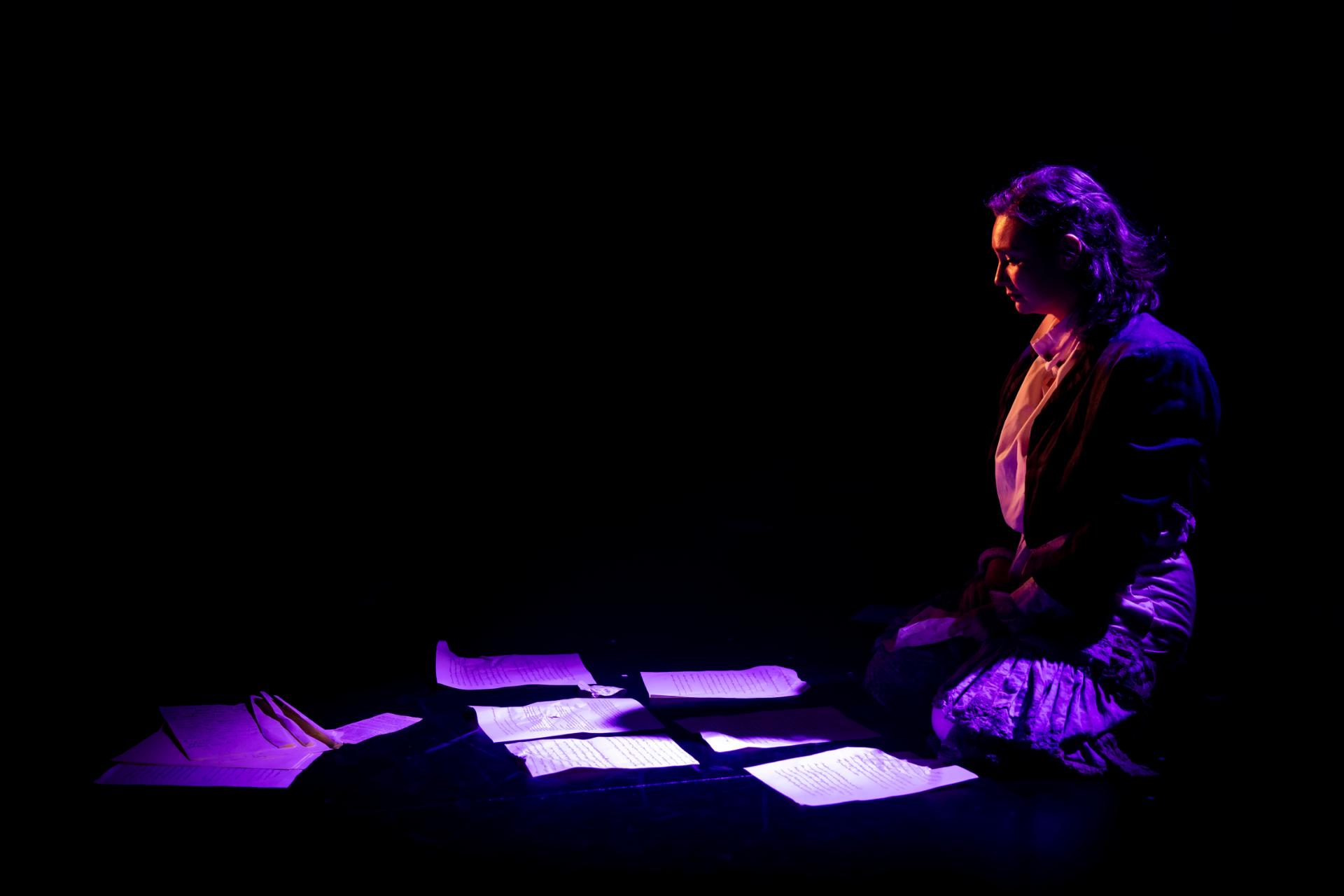
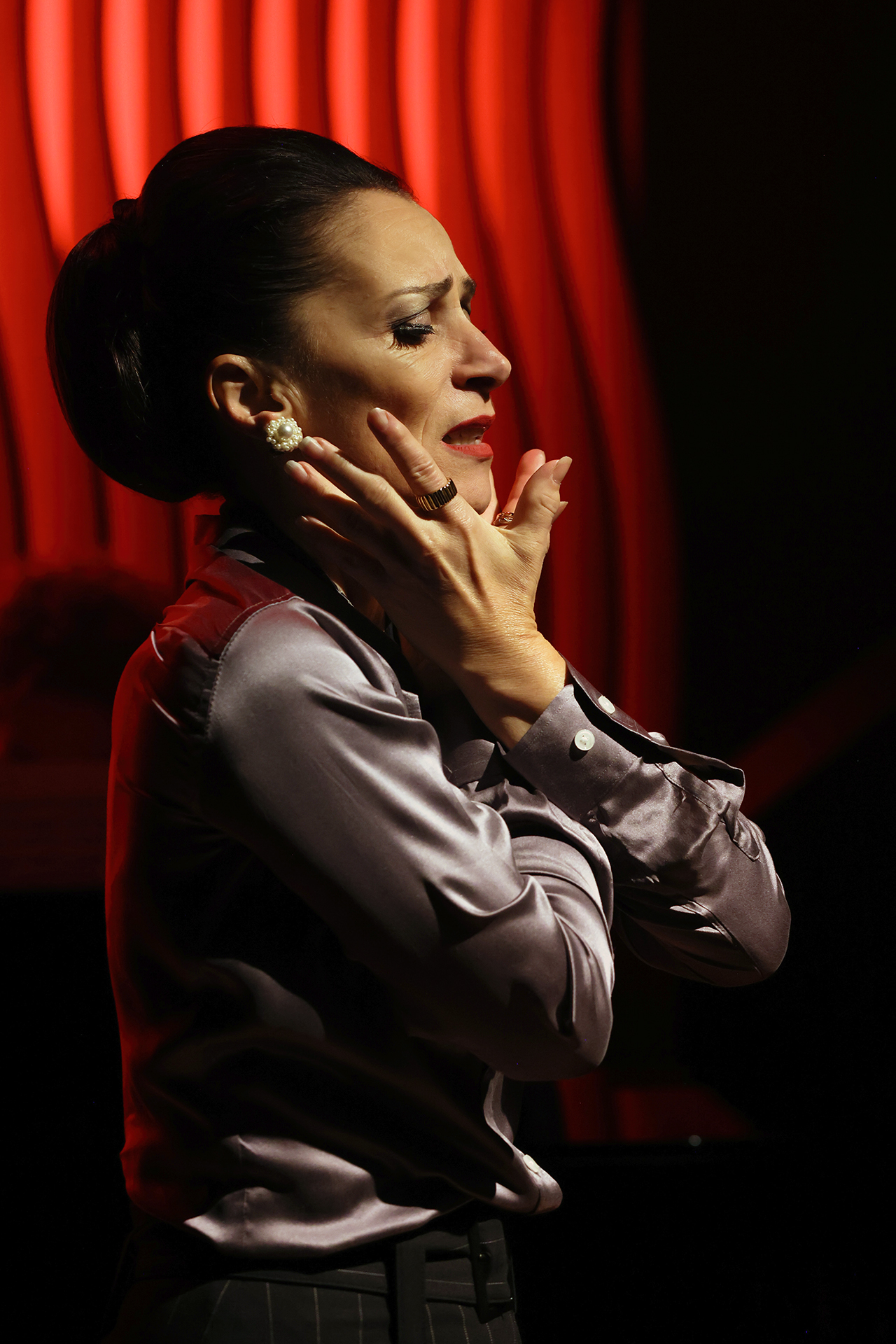
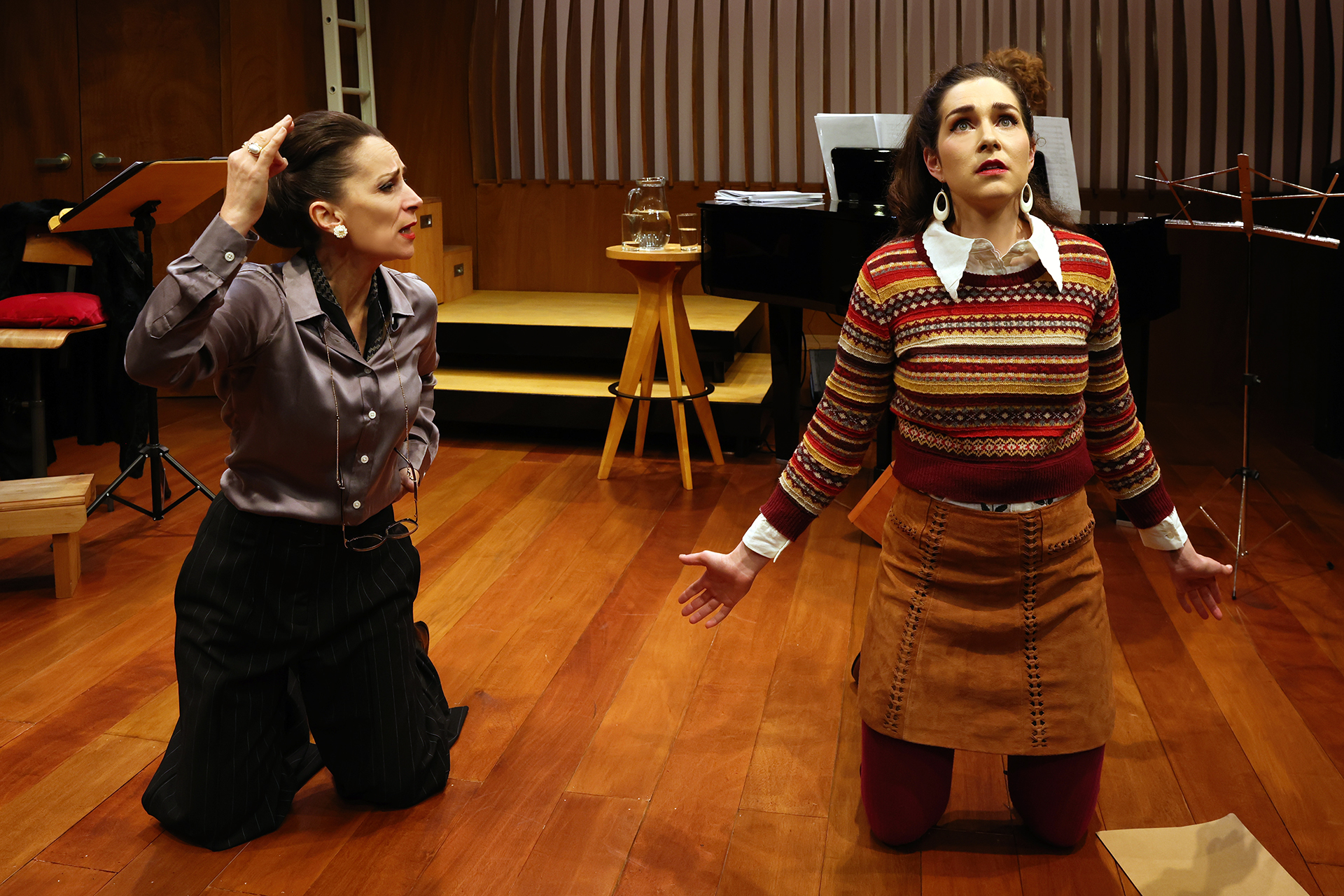
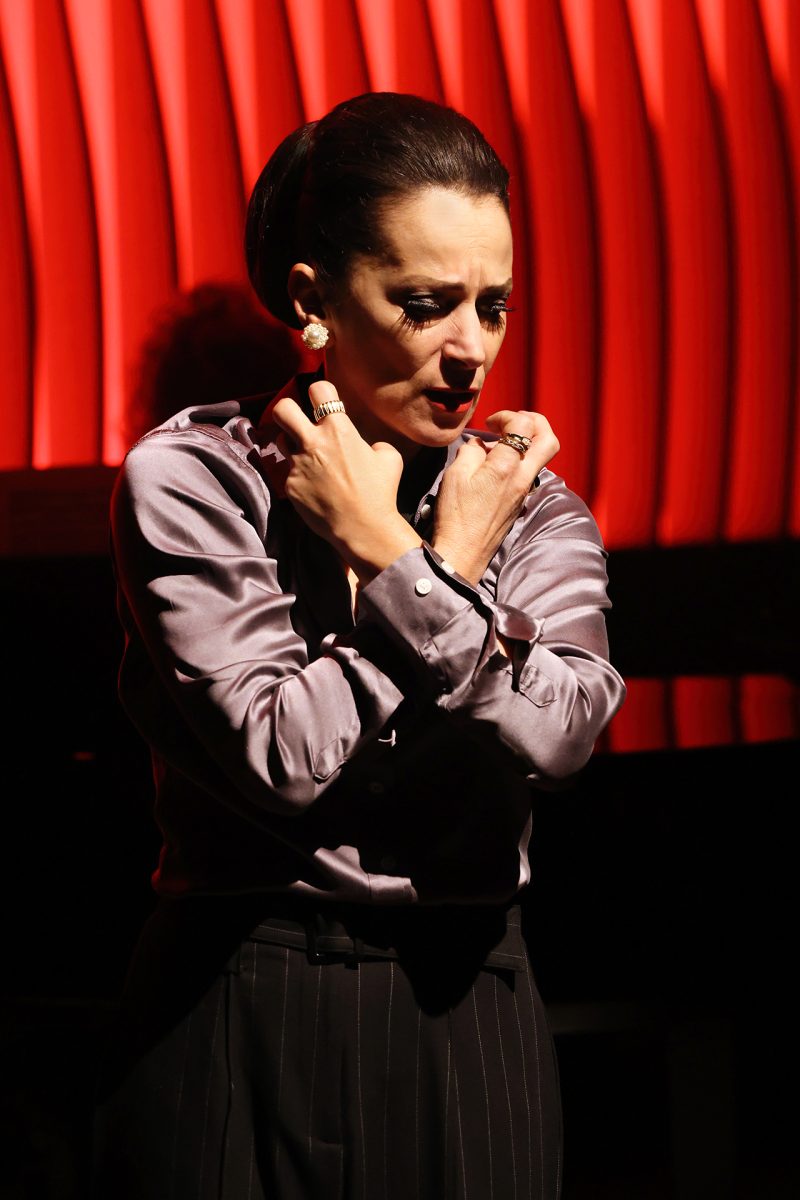
Having transitioned fairly recently to living as a woman, Sheanna Parker Russon is coming to terms with some of the more practical shifts in the way she has to navigate her day to day. In No Love Songs for Lady Basses, Parker Russon talks about the lack of songs appropriate and available to her lower vocal register, in a world that is so resolutely gendered and binary. She discovers that trying to match her own conceptions of womanhood, with what is considered normative, is proving to be a highly challenging process. This of course, extends beyond the context of singing, and it is with these realisations,  that Parker Russon begins to question how a woman can determine for herself, the parameters of gender, which is itself a construct that any individual has to constantly negotiate, with their respective environments.

This discussion of what happens internally and externally, when a person is transgender, is managed thoughtfully in collaboration with Cassie Hamilton, who as director of the show brings an excellent sense of variety, to the tones, textures and sensibilities being rendered. There may seem a greater emphasis on comedy than is necessary, but the artists’ ideas are always presented with admirable salience.

Live accompaniment by musicians Aisling Bermingham and Lillian M. Hearne, provides energy and an enjoyable polish to the staging. Songs by Hearne and Parker Russon are replete with charming wit, offering valuable counterbalance to the more earnest spoken sections. Lighting design by Hana Truban is noteworthy for its accurate calibrations of atmosphere, along with the visual interest it delivers for the experience.

There is a profound authenticity to Parker Russon’s performance, of what one assumes is her autobiography. In embracing her womanhood, she quickly discovers the trouble with gender, that however a person tries, it is almost always an imperfect endeavour. We know that although gender can be affirming and gratifying, it is also an apparatus by which control is exerted. Oppressive systems have long relied upon our adherence to those norms, and on our acceptance of those corresponding hierarchies, for their machinations to prevail. This can only mean that although gender is hitherto ubiquitous and indomitable, we should regard it with irreverence and subversiveness, and always be at the ready to dismantle and redefine it, if only to remind ourselves, that much as we cannot help investing into it, gender is ultimately meaningless.

www.oldfitztheatre.com.au | www.instagram.com/transtheatrecollective

Review: Stolen (Sydney Theatre Company)

Venue: Wharf 1 Sydney Theatre Company (Walsh Bay NSW), Jun 6 – Jul 6, 2024
Playwright: Jane Harrison
Director: Ian Michael
Cast: Jarron Andy, Mathew Cooper, Kartanya Maynard, Stephanie Somerville, Megan Wilding
Images by Daniel Boud

Theatre review
Stories about five Indigenous people from the Stolen Generations, interweave in Jane Harrison’s 1998 play, Stolen. Fractured yet determined, it remains an important representation of a collective trauma, one that is fundamental to the experience of being Australian, no matter one’s class or creed. Direction by Ian Michael is distinctive in its sense of quietness, although its power and impact are undeniable. Michael’s presentation of Stolen bears a meditative quality, almost reticent with its drama, yet none will be able to escape its confrontational and introspective effects. The poignancy of this staging is sure to be unforgettable.

A set design by Renée Mulder is based on the simple idea, of depicting the vulnerability of Blak children, in a space that demonstrates unequivocally, their powerlessness in the face of colonialism. Trent Suidgeest’s lights enhance the severe coldness of this brutal history, and James Brown’s music has us absolutely gripped by its melancholic foreboding. There is a sensitivity to these designers’ work, that cushions us in a certain safety, whilst intricately facilitating our observations of some truly harrowing events.

An ensemble of charismatic First Nations actors brings great courage and commitment, to this narrative of appalling injustice. Jarron Andy, Mathew Cooper, Kartanya Maynard, Stephanie Somerville and Megan Wilding may be required to delve into unremitting tragedies in their re-enactments, but it is their incredible resilience as individuals and as a people, that leave an impression.

The sensation of catharsis, that features so prominently in many offerings of theatre, is discernibly missing from Stolen. We continue to live on stolen lands, unable and unwilling, to come to a satisfactory resolution, therefore it is that corresponding feeling of unease and ruefulness that we find lingering, when the performance concludes. We are deprived of emotional release, because so much work needs to be done, before any of us can be granted anything that resembles deliverance.

www.sydneytheatre.com.au

Review: Dog (KXT on Broadway)

Venue: KXT on Broadway (Ultimo NSW), May 24 – Jun 8, 2024
Playwright: Shayne
Director:
Kim Hardwick
Cast: Laneikka Denne, Jack Patten
Images by Clare Hawley

Theatre review
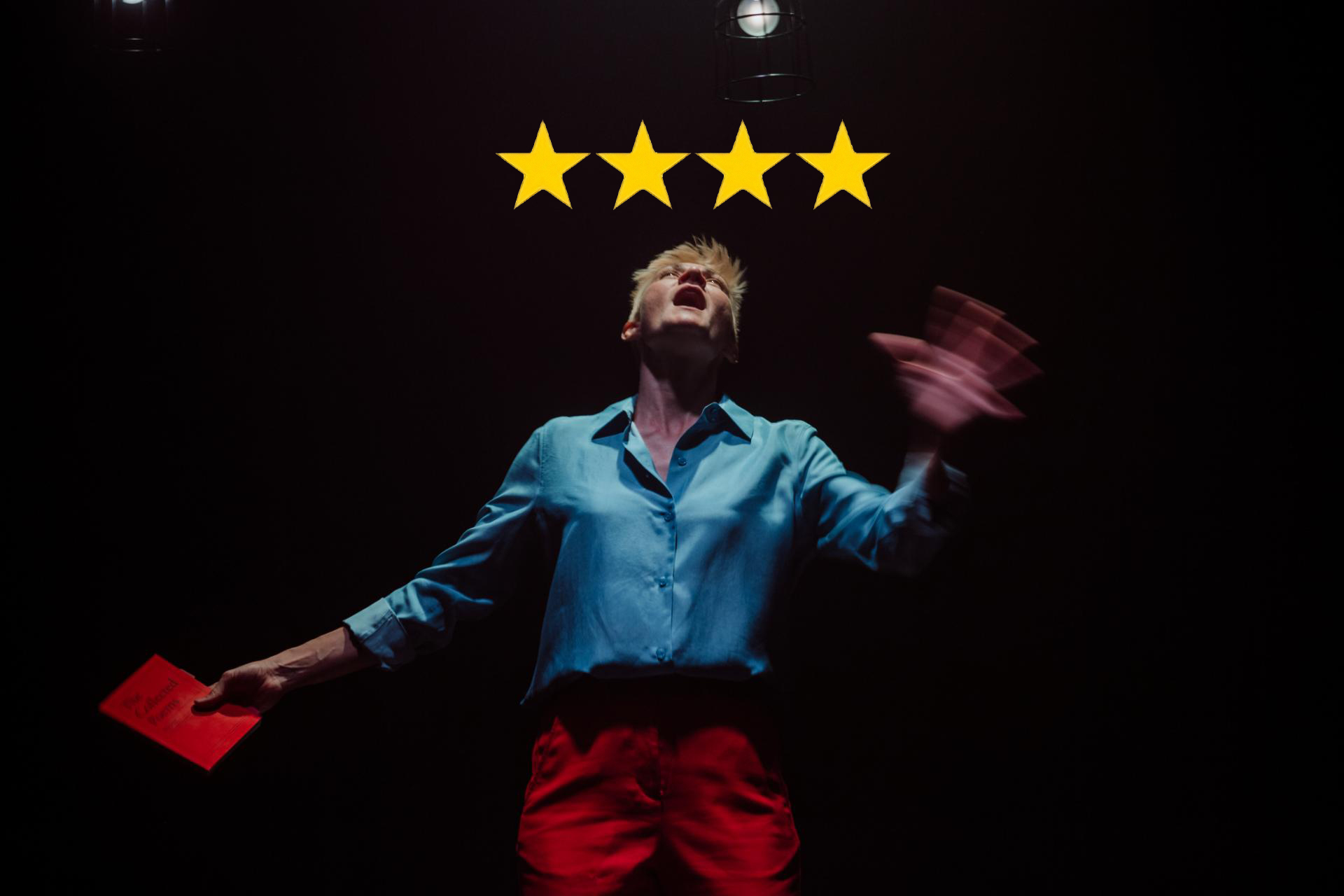
One sibling has Contamination Obsessive Compulsive Disorder, and the other has alcohol addiction. There is an admirable closeness between the two, but neither is able to ameliorate their individual problems, so maybe bringing a pet dog into the fold, would help things get better. In this extraordinary two-hander by playwright Shayne, with the simple title of Dog, dialogue is sparse and almost futile, as characters skirt around issues that are too hard to name. All that is important in the play, is conveyed between the lines, and as subtexts, in a work of art that relies thoroughly on the faculties of the theatrical form.
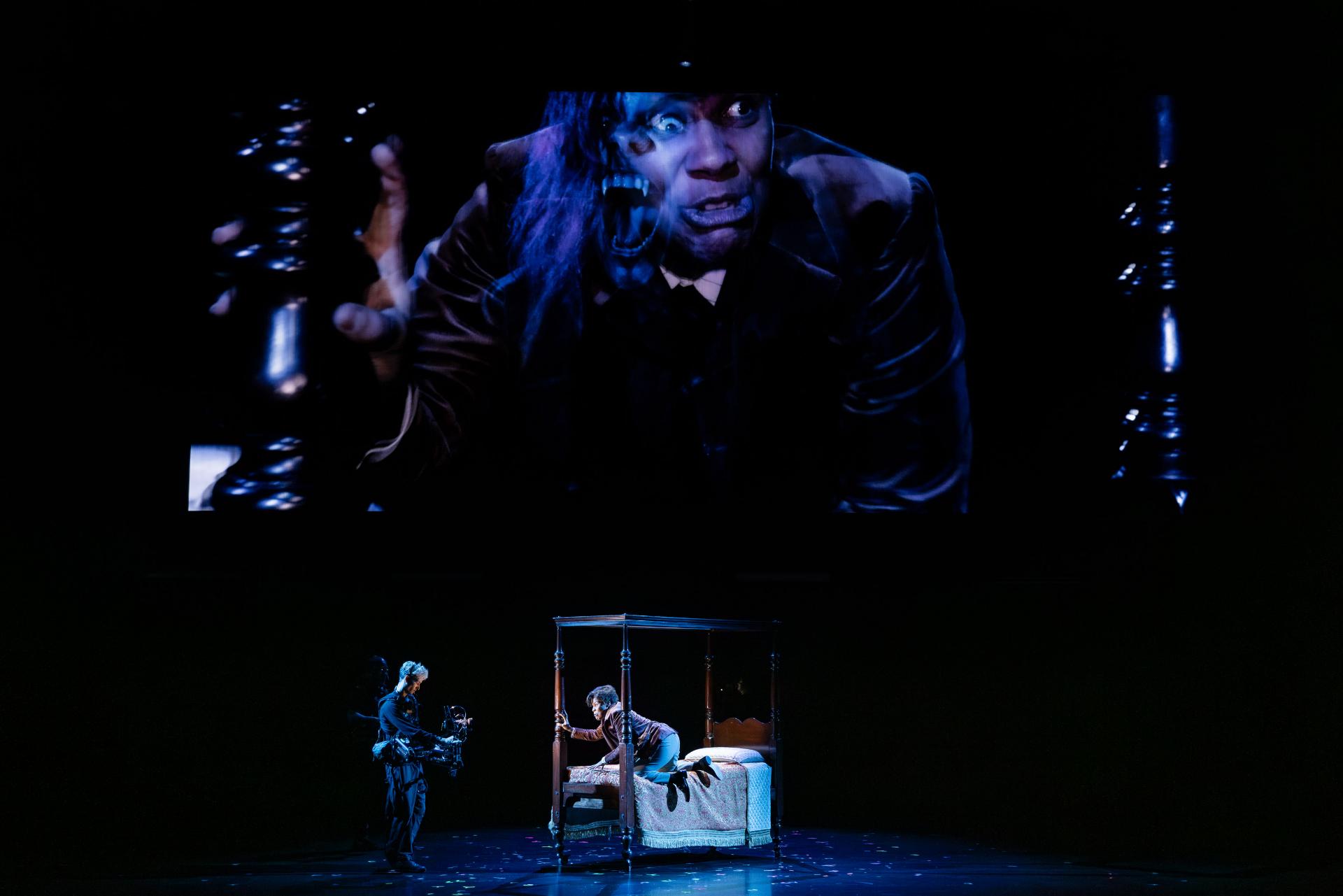
Dog requires our experience to be an intimate one, to feel as though we are immersed in the siblings’ world of unspeakable truths. Director Kim Hardwick’s ability to make us feel as though part of the action, allows us to read into the many nuances and complexities of the characters’ lives, so that we may form understandings of what they cannot articulate. Hardwick’s detailed manipulations of all that we see and hear, makes for a mesmerising ninety minutes, almost Australian Gothic in style and tone, during which we find ourselves hopelessly invested, in the struggles of these young people’s daily realities.

Production design by Ruby Jenkins takes us convincingly away from our inner city bourgeois existence, to somewhere decidedly more grounded and raw. With its unmistakeable coldness, lights by Frankie Clarke depict a certain unrelenting brutality, that the siblings have to face. Aisling Bermingham’s sounds are marvellously intricate, and exceptional in their effectiveness as a mechanism for storytelling, in a show that seeks to communicate in ways other than words.

Actor Laneikka Denne sets the scene with the most vulnerable expressions, of a person in the throes of uncontrollable urges, completely powerless against their mental illness. Denne’s depictions of pain, and of battling with pain, are persuasive and with a generous sense of empathy, that encourages us to examine these difficult situations with a corresponding compassion. Jack Patten’s portrayal of a man grappling with a severe drinking problem, astonishes with its realism. The danger that he poses to others and to himself, is a tension that suffuses the atmosphere, and that provides for the staging, its delicious sense of drama.

All humans are imperfect, but some of our dysfunctions are of an intensity, that they simply cannot be regarded as normal parts of any being. There is no real need for anyone to conform to social codes or normative behaviours, but when something becomes a persistent hindrance to a person’s flourishing, help must be made available and accessible. It is up to the siblings in Dog to decide for themselves, when enough is enough. When they finally open up to support and treatment, it is imperative that all the tools they need, are ready and waiting.

www.kingsxtheatre.com | www.instagram.com/wearenotproducers

Review: Ride The Cyclone (Hayes Theatre)

Venue: Hayes Theatre Co (Potts Point NSW), May 23 – Jun 22, 2024
Book, Music & Lyrics: Jacob Richmond & Brooke Maxwell
Director: Richard Carroll
Cast: Natalie Abbott, Bailey Dunnage, Lincoln Elliott, Justin Gray, Ava Madon, Mel O’Brien, Karis Oka, Pamela Rabe (voice)
Images by Prudence Upton

Theatre review
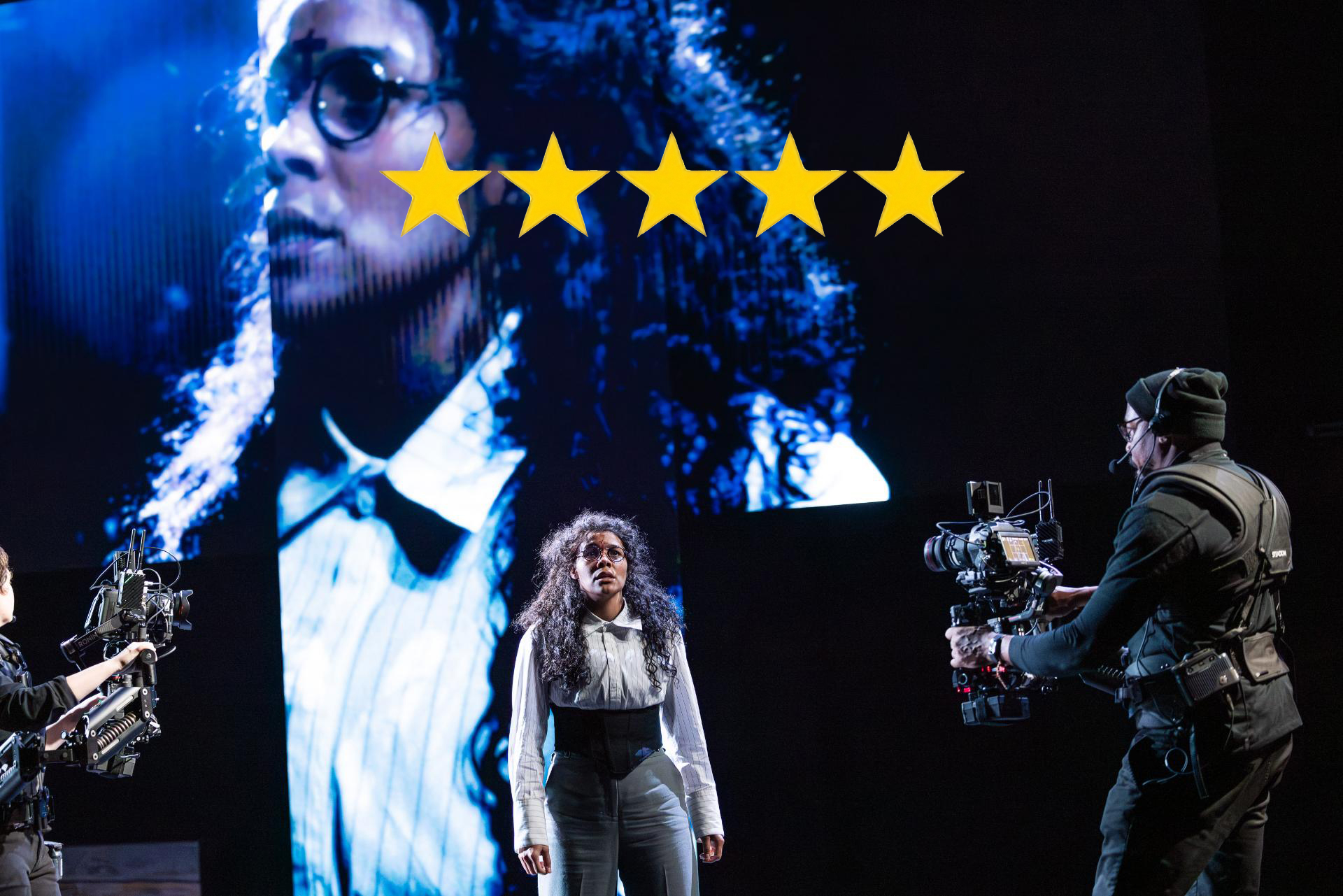
In a purgatorial space, six teenagers have to compete as if in a talent contest, to win a second chance at life. The 2008 musical Ride the Cyclone, by Jacob Richmond and Brooke Maxwell attempts a meditation on existential significance, but its efficacy is questionable. The collection of songs is moderately enjoyable, with characters who are occasionally charming. Given the gravity of its premise, there is never really a great poignancy to be found in the piece. It is consistently comical, but its humour has a tendency to feel unfortunately trite. Direction by Richard Carroll, along with choreography by Shannon Burns, provide considerable amounts of energy and exuberance to the staging, although ultimately unable to turn Ride the Cyclone sufficiently engaging.

There is a sense of polish to the production, that demonstrates an admirable level of talent and skill involved. Set design by Benjamin Brockman is cleverly rendered, to evoke the esoteric, in a way that feels transportive, and fabulously theatrical. Costumes by Esther Zhong and hair by Ashleigh Grace, inspire an effortless whimsy that proves delightful. Lights by Ryan McDonald are commendable for their ambition and dynamism, but greater attention is necessary to keep performers illuminated in perhaps a more traditional way, so that we may connect more deeply with the material.

The cast is dedicated and vibrant, all of whom are charismatic, and convincing as seventeen-year-olds. There is a good level of precision to their presentation, if slightly predictable in their approach. The band is excellent, with music direction by Victoria Falconer bringing sophistication to the experience. Sound design by Daniel Herten helps convey the supernatural dimensions of the story, and video projections, also by Herten, deliver imagery that is noteworthy for its cohesiveness with the live action.

It is understandable that we feel regret for those who die young, but it should really be the richness of a person’s life, rather than its duration, that serves as the gauge of their value. Many of us can go on living for decades and decades, but few of us can claim to have made that time matter, and made this a better plane.

www.hayestheatre.com.au

Review: Death Of A Salesman (Theatre Royal)

Venue: Theatre Royal (Sydney NSW), 17 May – 23 Jun, 2024
Playwright: Arthur Miller
Director: Neil Armfield
Cast: Aisha Aidara, Paula Arundell, Elizabeth Blackmore, Marco Chiappi, Josh Helman, Anthony Lapaglia, Simon Maiden, Ben O’Toole, Anthony Phelan, Grant Piro, Tom Stokes, Alison Whyte
Images by Jeff Busby

Theatre review
Willy Loman wants his son Biff to follow in his footsteps and take the conventional road to success, even though that journey has led Willy to great misery and discontent. It was 1949 when Arthur Miller premiered his seminal work Death of a Salesman, and all these decades later, it seems we are still persisting with Willy’s failed values and practices. The masterpiece may not have revolutionised the way we live our lives, but its resonances continue to ring powerful and true, even as we step into yet another new age of capitalism.

Technology is fast replacing humans in all manner of occupations, yet we have not discovered new methods of survival other than that which relies on the commodification of labour. People now acquiesce to paying for services provided by the very AI that are eradicating our jobs, such is the tenacity of our Willy-esque beliefs. There is no guarantee that artists are immune from that trend of substitution, but ample evidence suggests that humans will continue to make art, regardless of the form our economies might take.
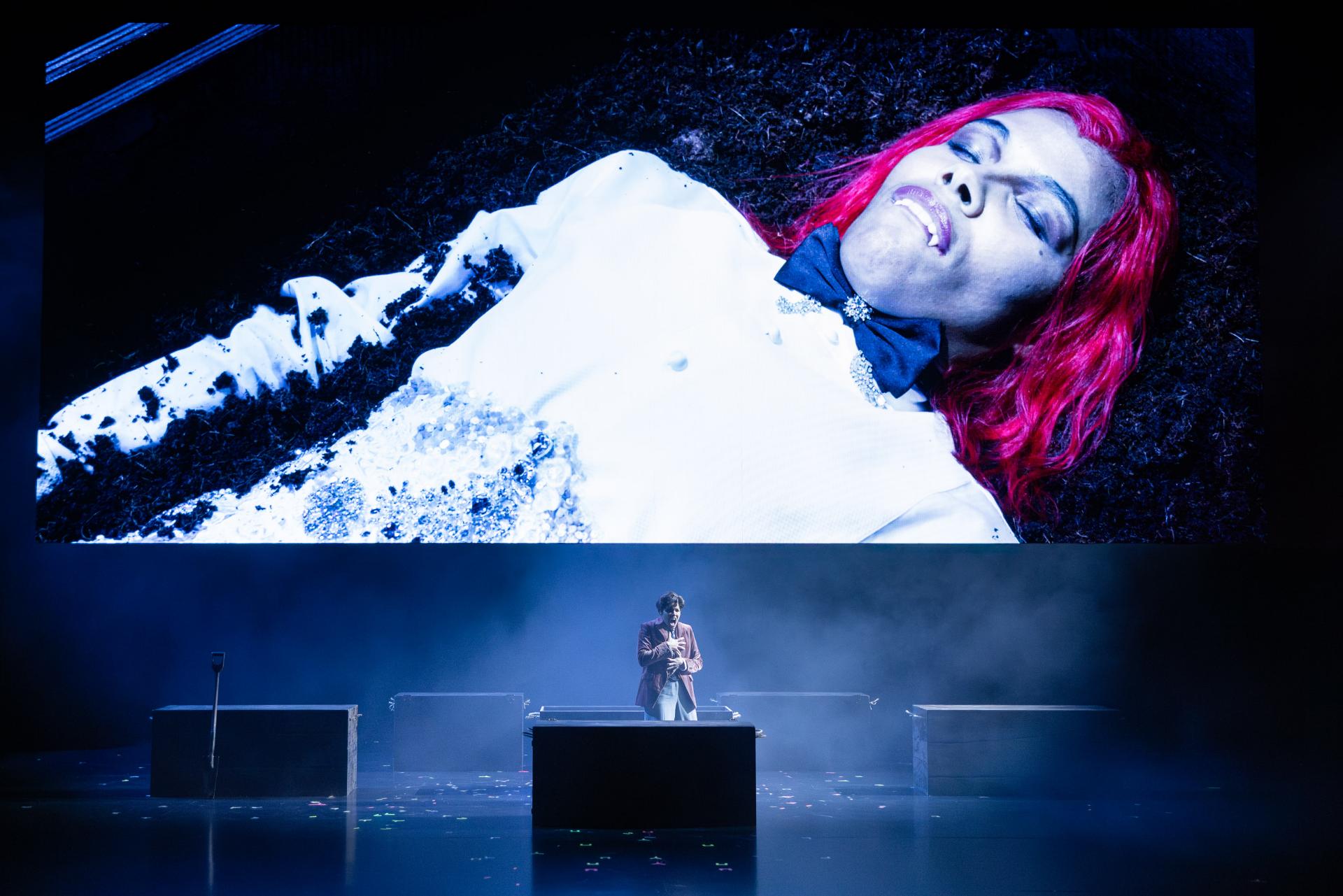
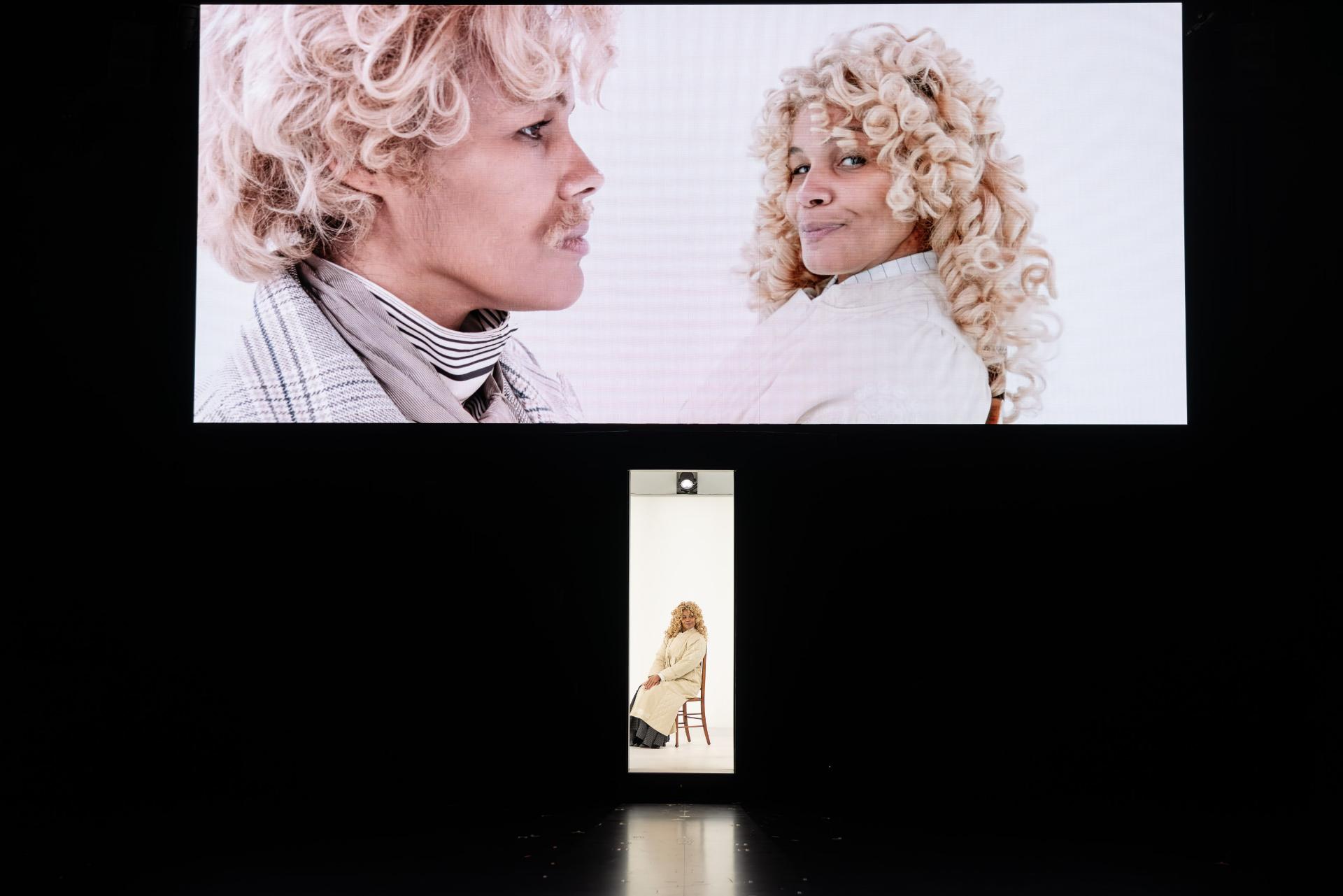
Director Neil Armfield is the calibre of artist, that one would hope continues with his vocation for years to come, even in the unimaginable circumstance of our theatre industries being taken away by machines. For Death of a Salesman, Armfield has created a staging that feels surprisingly minimal in terms of its aesthetics, yet is full of tenderness, and able to illustrate meaningfully, the point of Miller’s writing.

Leading man Anthony Lapaglia is thoroughly vulnerable as Willy, almost painfully so. His portrayals of a man who has all but lost his spirit, is perhaps too realistic, as we see the actor struggling to bring vigour and focus to the performance. Other members of cast are fortunately stronger. Alison Whyte positively shines, whenever Linda is allowed to speak. Biff’s multitudes of frustrations are made completely convincing by a highly emotional Josh Helman. An unmistakably intense Ben O’Toole plays the other son Happy, with much needed verve to keep us attentive, to the intricate weaving of details in the Loman family tale.
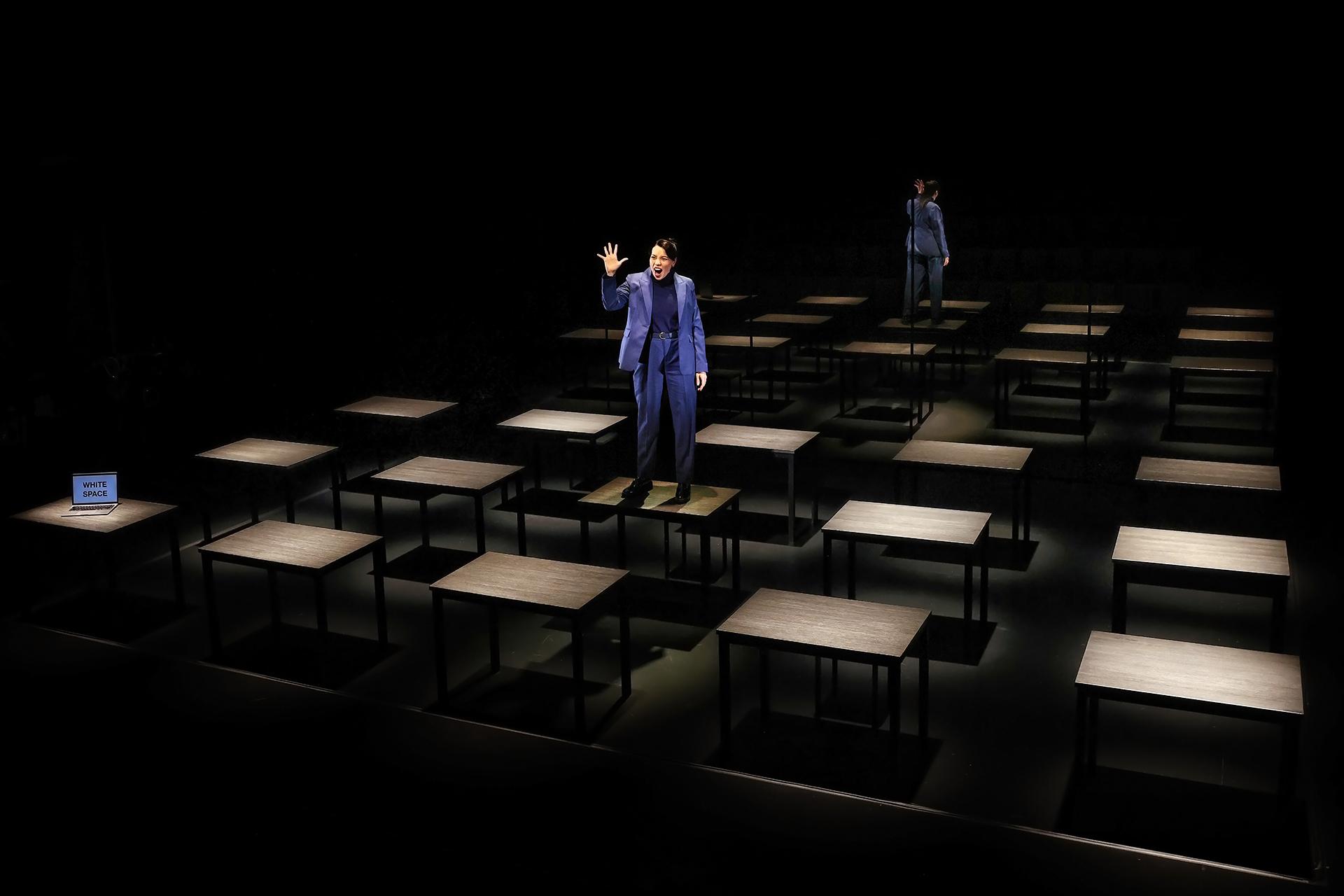
Set design by Dale Ferguson takes us to the distressed and archaic bleachers of Ebbets Field, for a visual representation of Willy’s beliefs. Costumes by Ferguson with Sophie Woodward depict with meticulous accuracy, American city life at the middle of the twentieth century. Lights by Niklas Pajanti are elegantly rendered, with an unrelenting melancholy that keeps us attuned to all the despair being conveyed. Sound and music by David Tonion are beautifully composed, emphasising a sense of regret in the storytelling, leaving us ambiguous about whether we can do better for ourselves, than what was destined for the Lomans.

www.salesmanaustralia.com.au

Review: Shook (Qtopia / Lost Thought Arts)

Venue: Qtopia (Darlinghurst NSW), May 16 – Jun 5, 2024
Playwright: Samuel Bailey
Director: Emma Whitehead
Cast: Malek Domköc, Isaac Harley, Edyll Ismail, Louis Regan
Images by Becky Matthews

Theatre review
The action takes place at a young offenders’ institution, somewhere in England, where three incarcerated teenagers take a course in parenting skills. Samuel Bailey’s 2019 play Shook offers a cuttingly amusing look, at the state of masculinity in the contemporary age, along with the perennial problem of societies grappling with those we call juvenile delinquents. These are young men whose behaviour is almost entirely learned, yet we rarely reflect on the examples we set, putting effort instead, on rehabilitation in the aftermath.

The unmistakeable vigour in Bailey’s writing, is brought to robust life by Emma Whitehead’s direction, which instils for the production an admirable, and enjoyable, realism. Not only is the work consistently believable, we are placed excitingly, somewhere between apprehension and empathy, for the trio of multi-faceted characters. In the simultaneous experience of revulsion and identification, we perceive with a high degree of authenticity an entertaining show, characterized by its unabashed theatricality and quality.

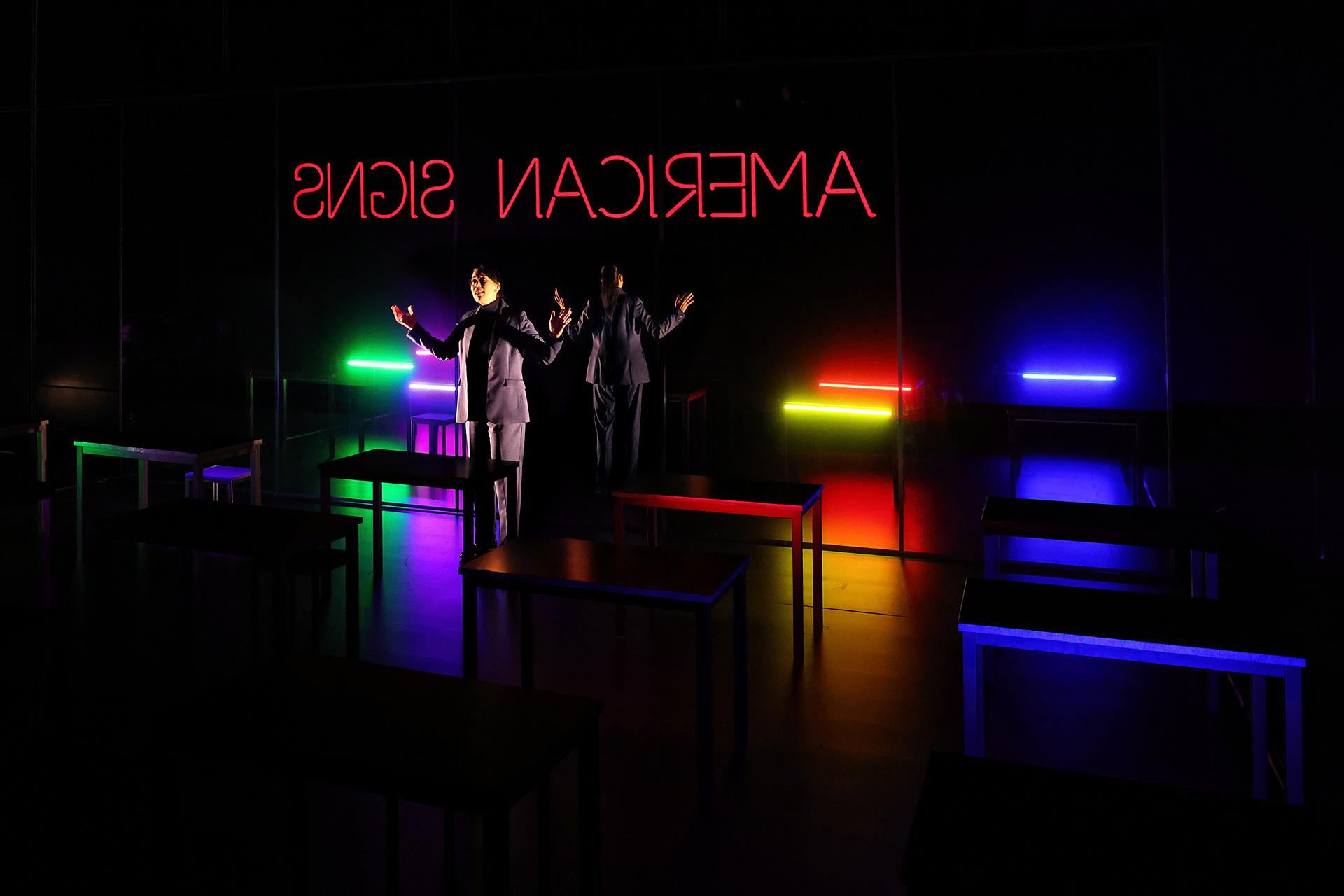
Design aspects are simple but effective. Set and costumes by Lochie Odgers work harmoniously with the rawness of the site, to evoke a sense of accuracy for the storytelling. Lighting transformations by Prinyanka Martin, along with music by Oran Harkin are noticeable only between scenes, both elements perfectly calibrated to sustain our attention, and to position us firmly within the context of the correctional facility.

A strong ensemble presents Shook, evidently very well-rehearsed, and demonstrating ignitable chemistry. Actor Malek Domköc is wonderfully considered, in his naturalistic portrayal of Riyad. Louis Regan sets the tone with dangerous irascibility as Cain. Isaac Harley’s exemplary concentration as Jonjo, brings intensity. Social worker Grace is depicted by Edyll Ismail with commendable integrity.

Learning to care for one’s own child, while a man serves time in a penitentiary, is not only a bittersweet idea, but is also one that inspires meditations on despondency and hope. The severe deprivation of freedom for those who have done grave wrongs, seems to be both necessary and dangerous. We want certain transgressors to suffer extrication and punishment, but we also want them to become better people as a result. In dehumanising them, we risk further degeneracy, but the truth remains, that people do learn from fear. We hear of better ways that could be explored, if only we dared to change.
www.qtopiasydney.com.au | www.instagram.com/lost_thought_arts

Review: Parade (Seymour Centre)

Venue: Seymour Centre, Everest Theatre (Chippendale NSW), May 9 – 25, 2024
Book: Alfred Uhry
Music & Lyrics: Jason Robert Brown
Director: Mark Taylor
Cast: Georgia Barron, Nic Davey-Greene, James Frampton, Ashley Garner, Guillaume Gentil, Genevieve Goldman, Adeline Hunter, James Lee, Sophie Loughran, Noah Missell, James Nation-Ingle, Maverick Newman, Rebecca Ordiz, Aaron Robuck, Quinton Rofail Rich, Montana Sharp, Tarisai Vushe, Liam Wigney
Images by Matthew Chen

Theatre review
It was 1913 in the USA state of Georgia, when Leo Frank was charged with the murder of a young girl. The case remains an important and deplorable example of antisemitism, and over a century later, authorities recommenced investigations, in efforts to clear the name of the wrongfully accused. The musical Parade, by Alfred Uhry and Jason Robert Brown, details that infamous trial. Although appropriately sombre, and containing some eternally useful lessons on human behaviour and injustice, the piece features highly enjoyable songs, that keeps an audience attentive to the meaningful story.

Music direction by Mark Bradley is richly inspiring for this 2024 Australian production, but sound engineering proves a significant deficit, often preventing us from sufficiently connecting with the creative endeavours being carried out. Lights too, keep us wanting. Although imaginatively rendered by Sidney Younger, the show is frequently shadowy and consistently dim, further alienating us from the action. Production design by Harry Gill, although overly muted with its palette, conveys a sense of authenticity, and provides impressive spatial adaptability that helps with engagement of the narrative.

Direction by Mark Taylor, along with choreography by Freya List, delivers a staging that is swiftly paced yet admirably earnest, in this valuable recount of history. Performer Aaron Robuck brings integrity to the portrayal of Frank, and Montana Sharp is especially memorable as wife Lucille, with a vocal brilliance and a dramatic urgency, that encourages our emotional investment. Also noteworthy is Adeline Hunter who is surprisingly convincing as the 14-year-old victim, with a believable innocence that accompanies very strong singing, for her interpretation of a crucial role.

The American Civil War was meant to have ended in 1865, but we see time and time again, that a system built on subjugation of peoples, will keep rearing its ugly head, and make refreshed nemeses of new others. We seem always to work on the liberation of particular communities, but in failing to address the very fascistic tendencies of how we relate to one another, we find ourselves simply creating different enemies and scapegoats. Humans understand peace, but it appears we know it much more as an abstract concept, than as a lived reality.

www.seymourcentre.com | www.soundworksproductions.com.au