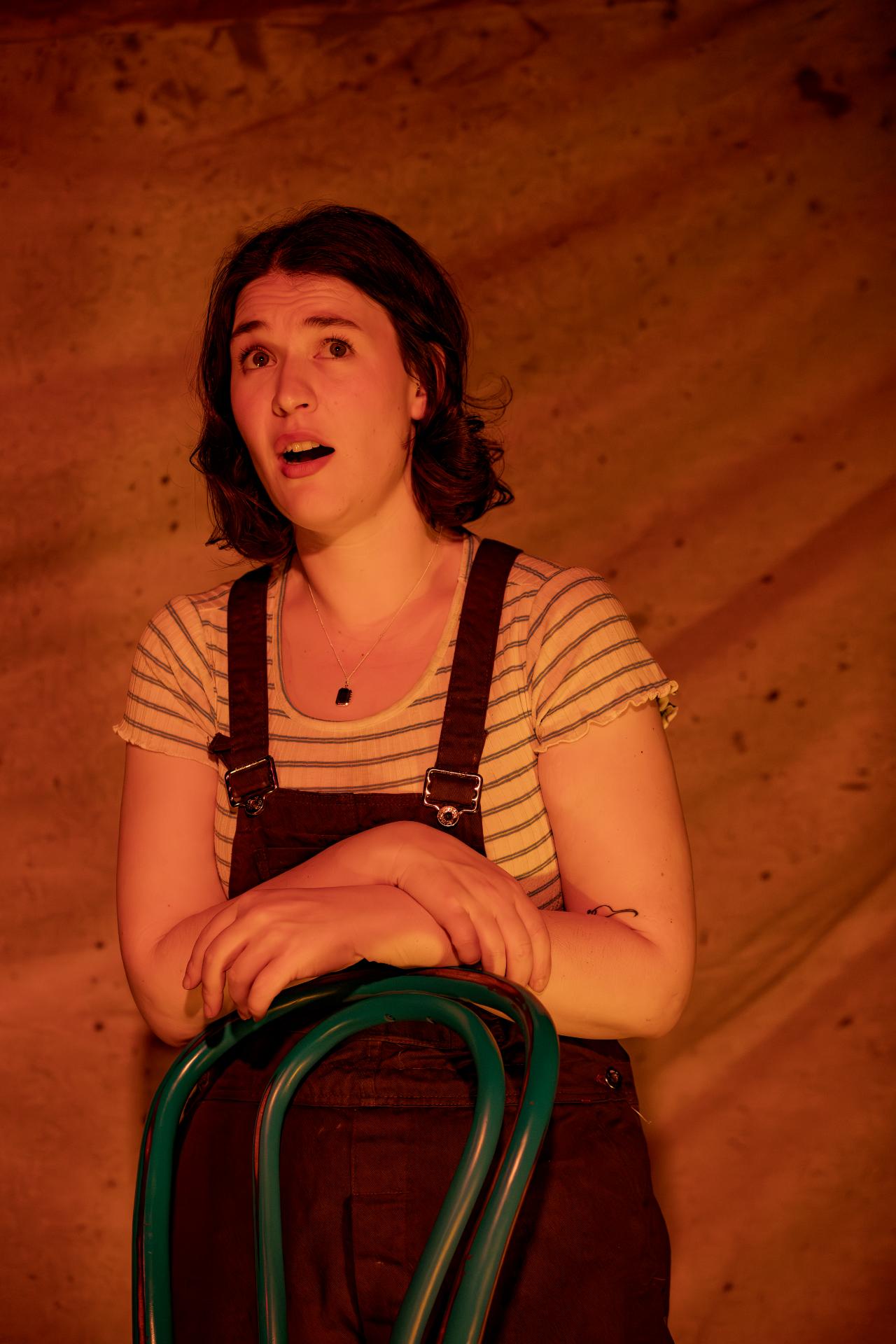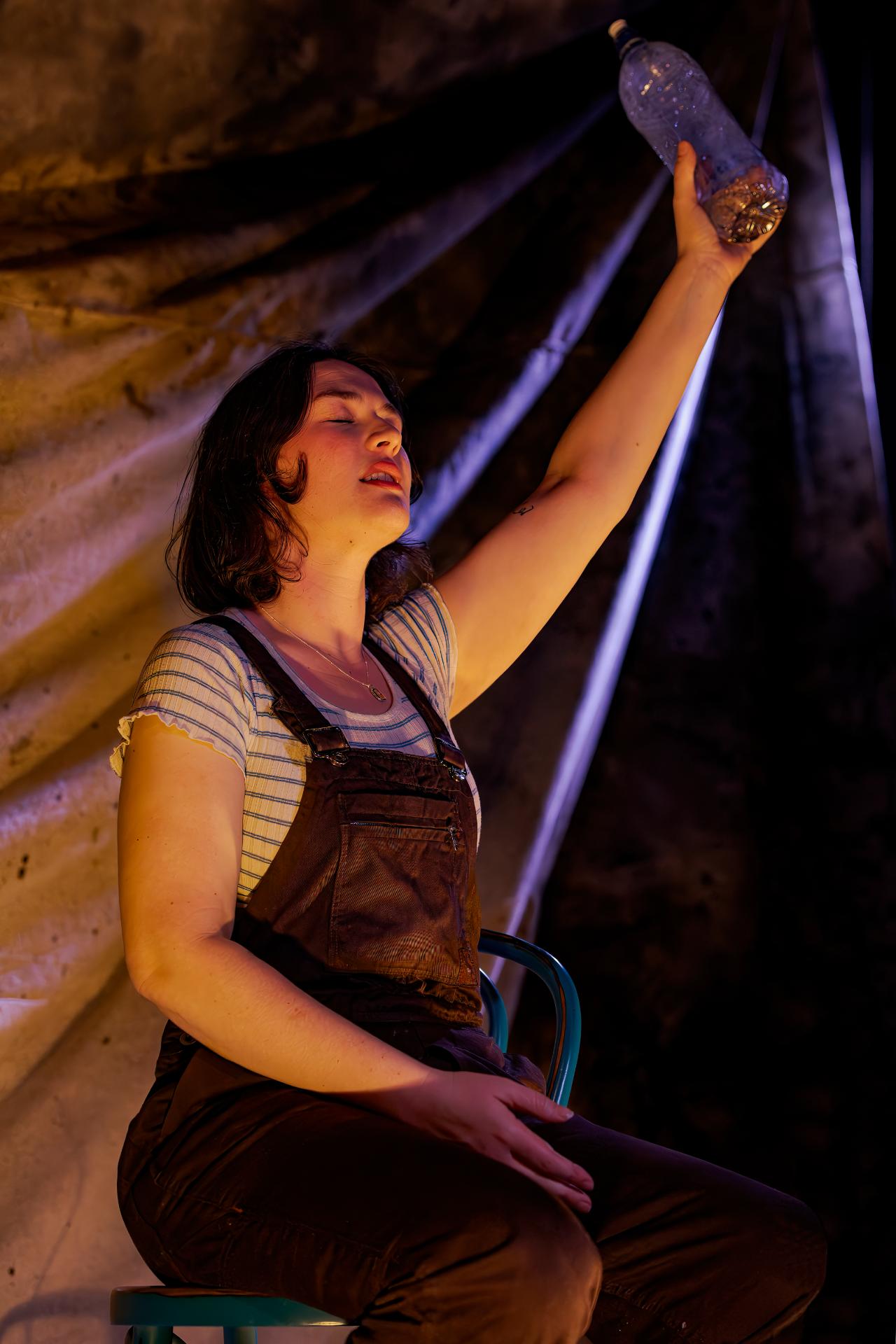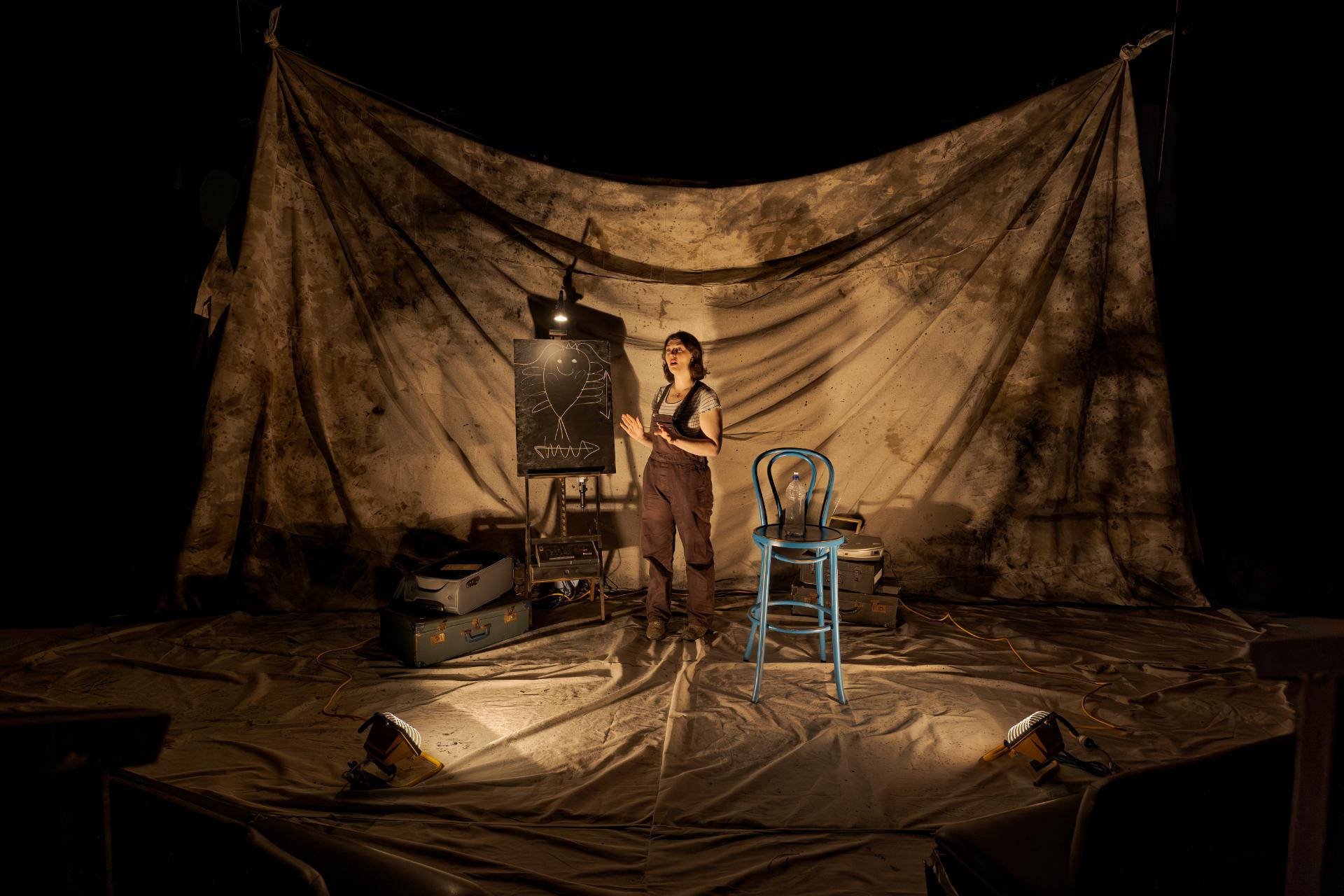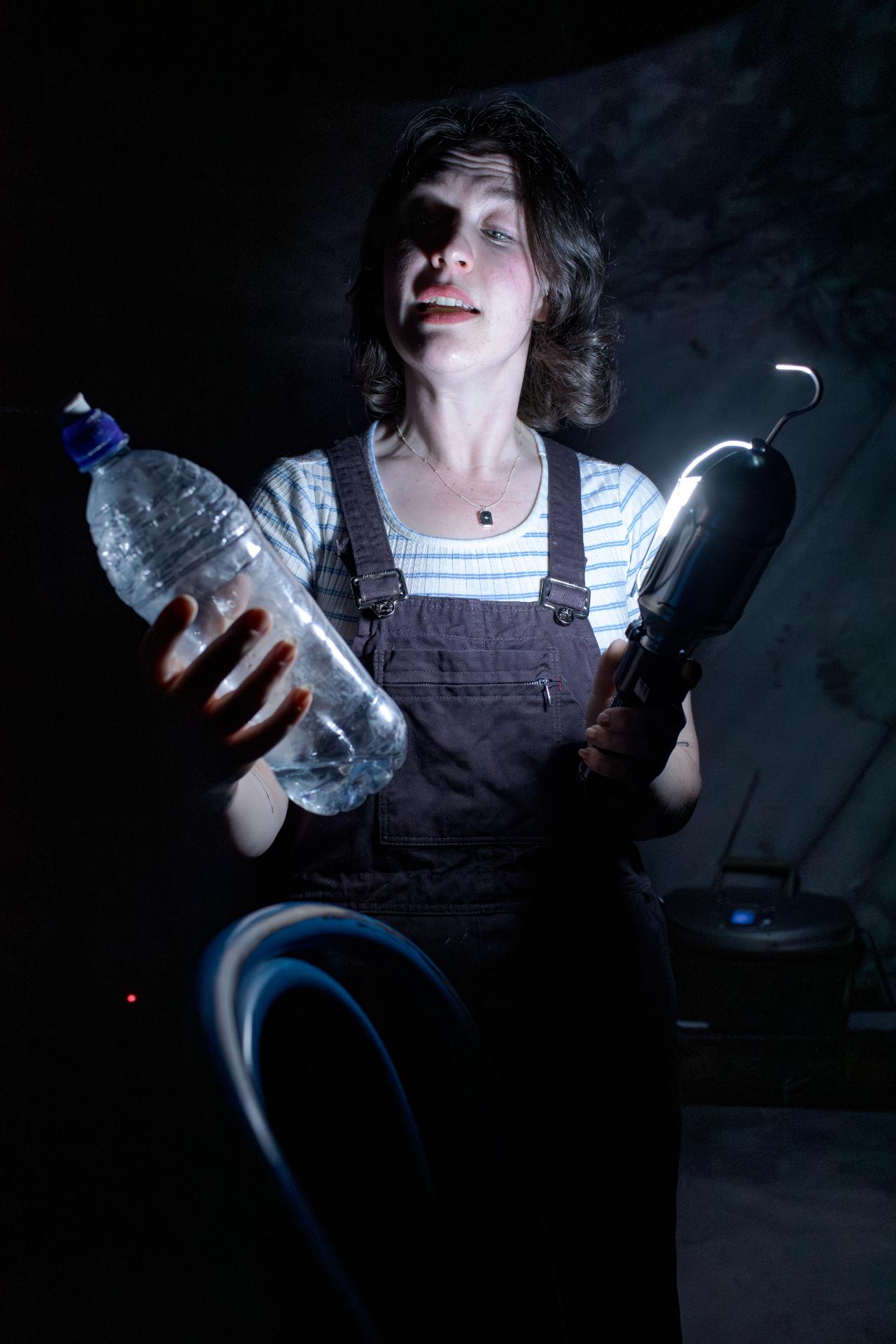
Review: Orlando (Belvoir St Theatre)

Venue: Belvoir St Theatre (Surry Hills NSW), Sep 6 – 28, 2025
Playwrights: Carissa Licciardello, Elsie Yager (from the novel by Virginia Woolf)
Director: Carissa Licciardello
Cast: Janet Anderson, Nyx Calder, Emily Havea, Amber McMahon, Nic Prior, Shannen Alyce Quan, Zarif
Images by Brett Boardman

Theatre review
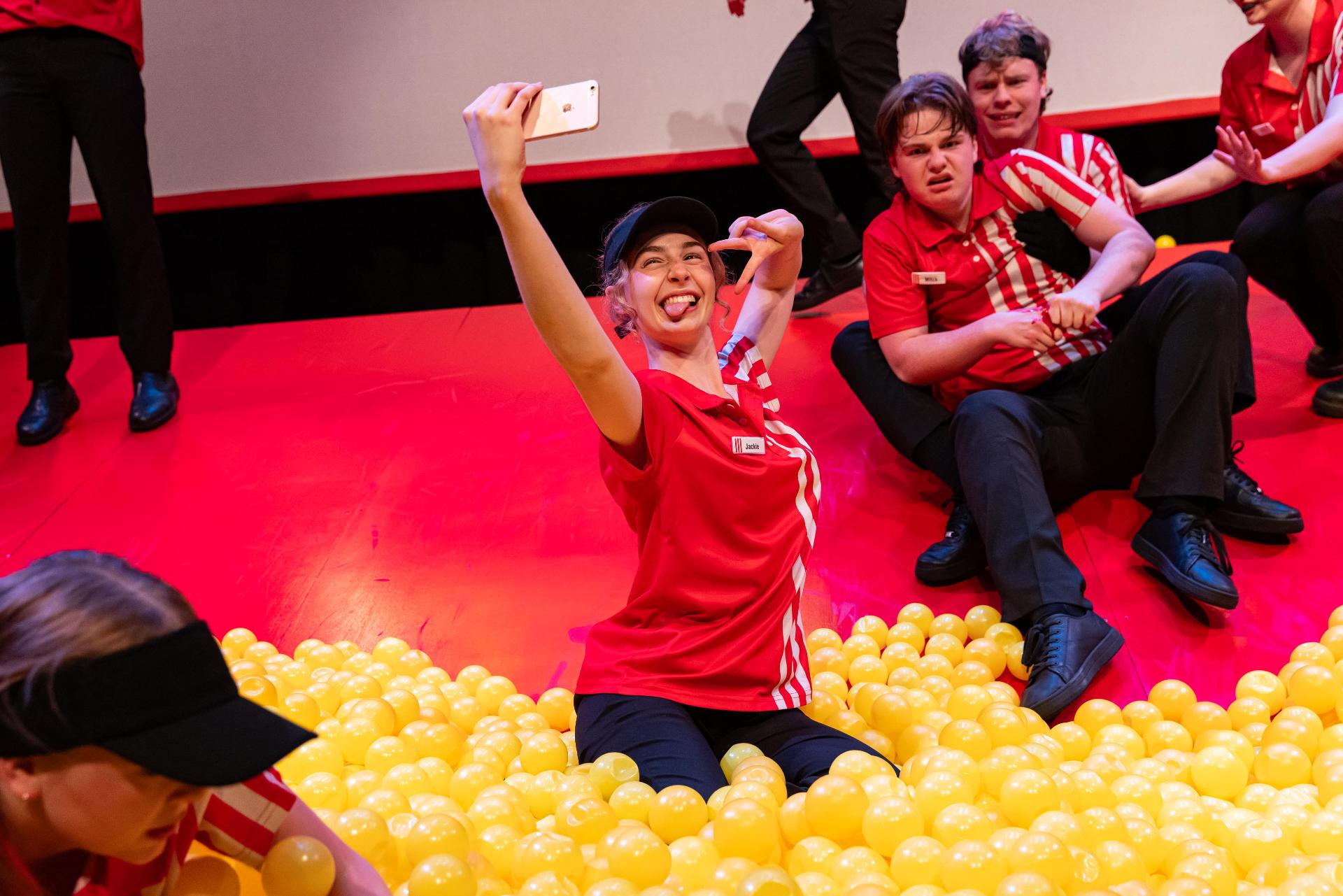
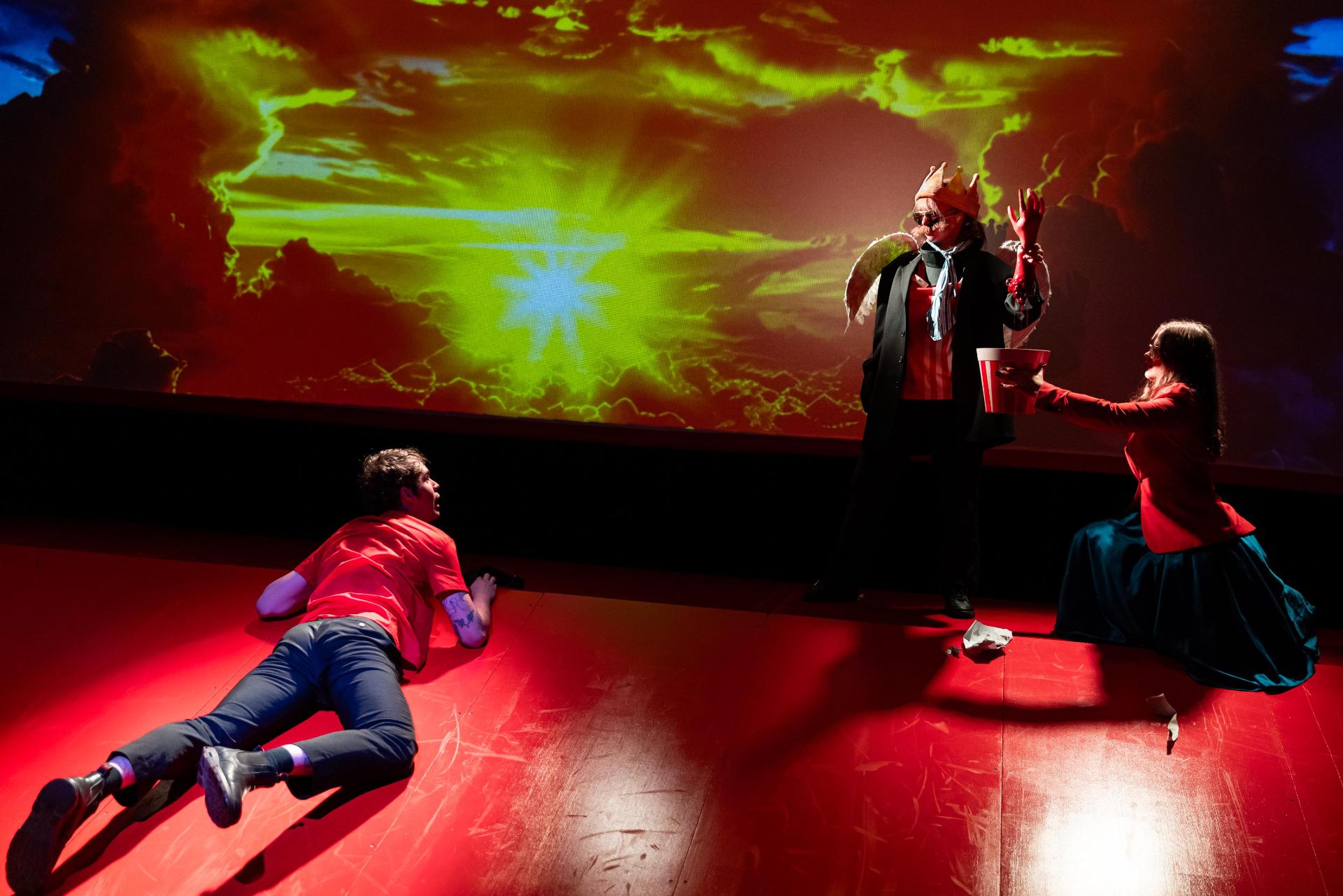
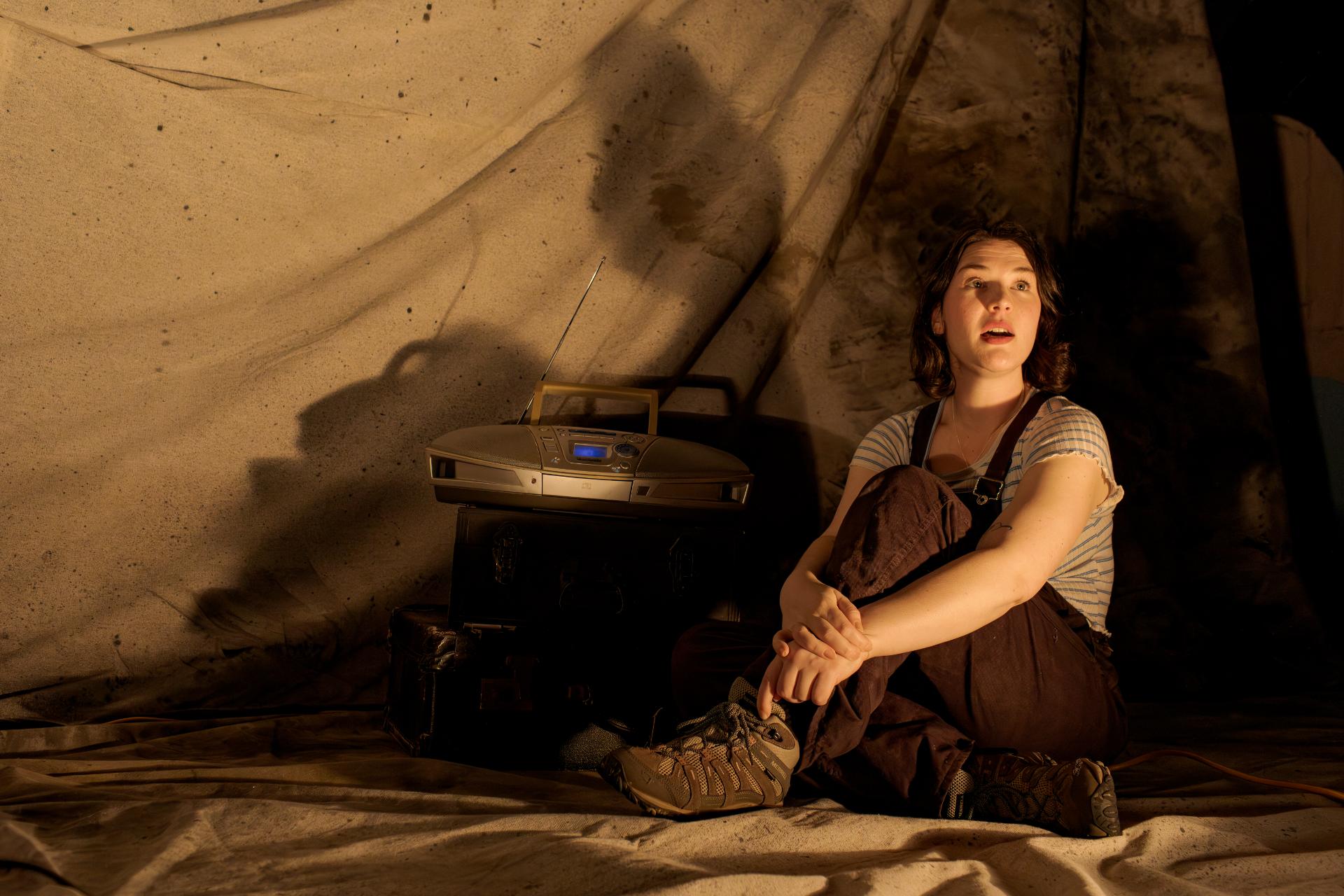
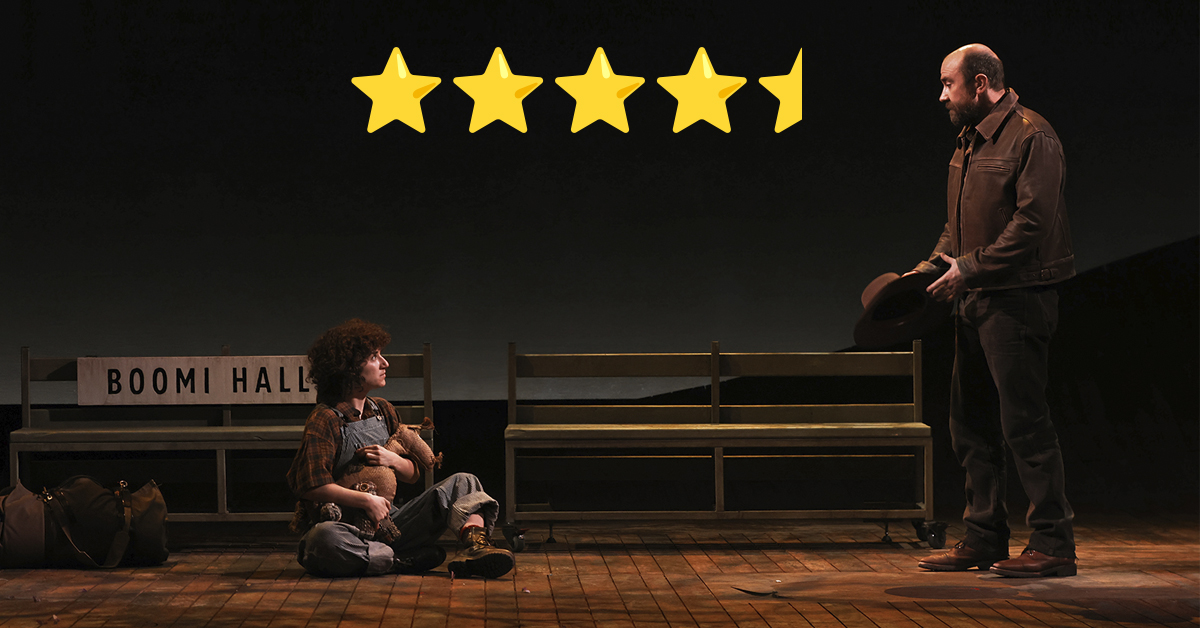
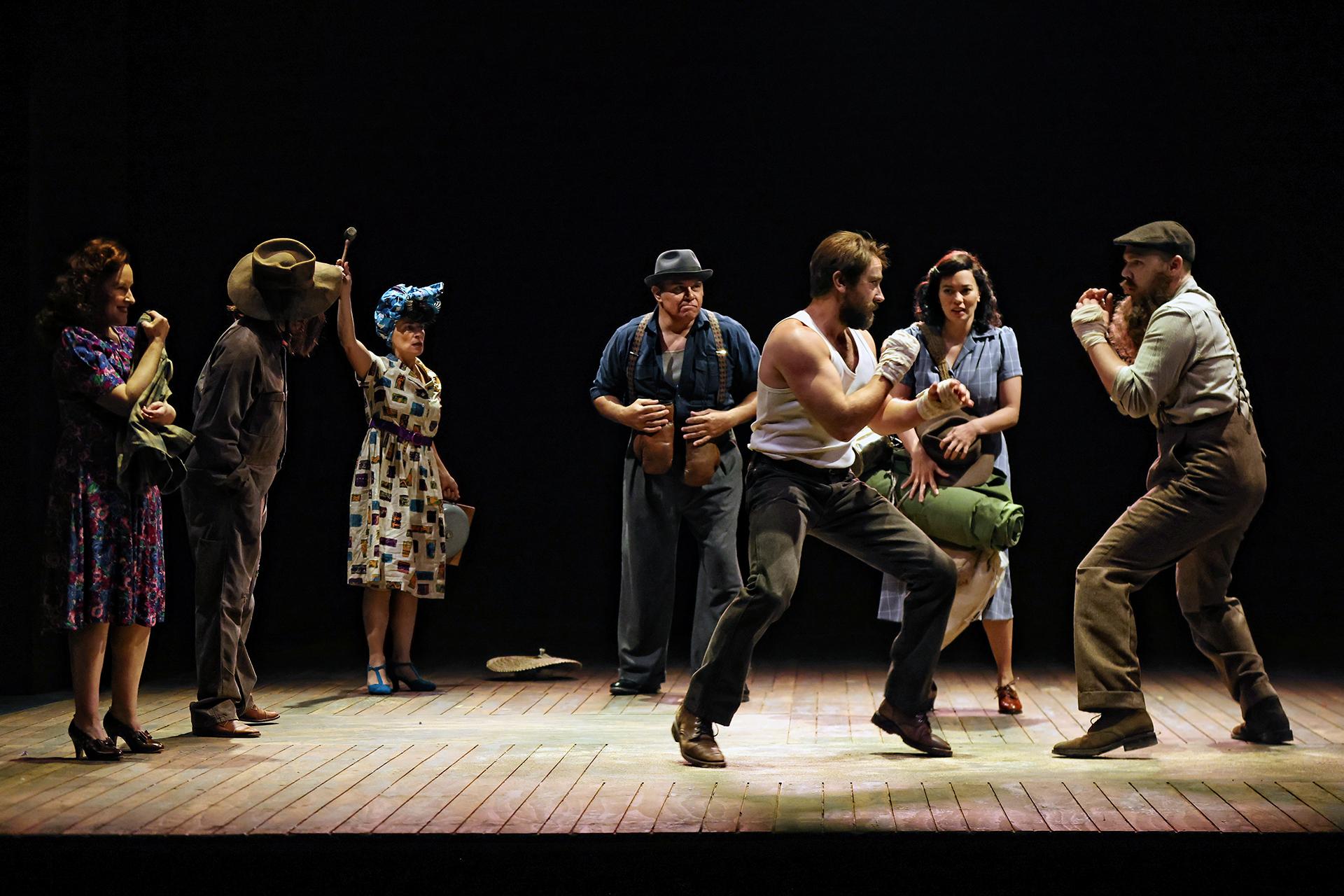
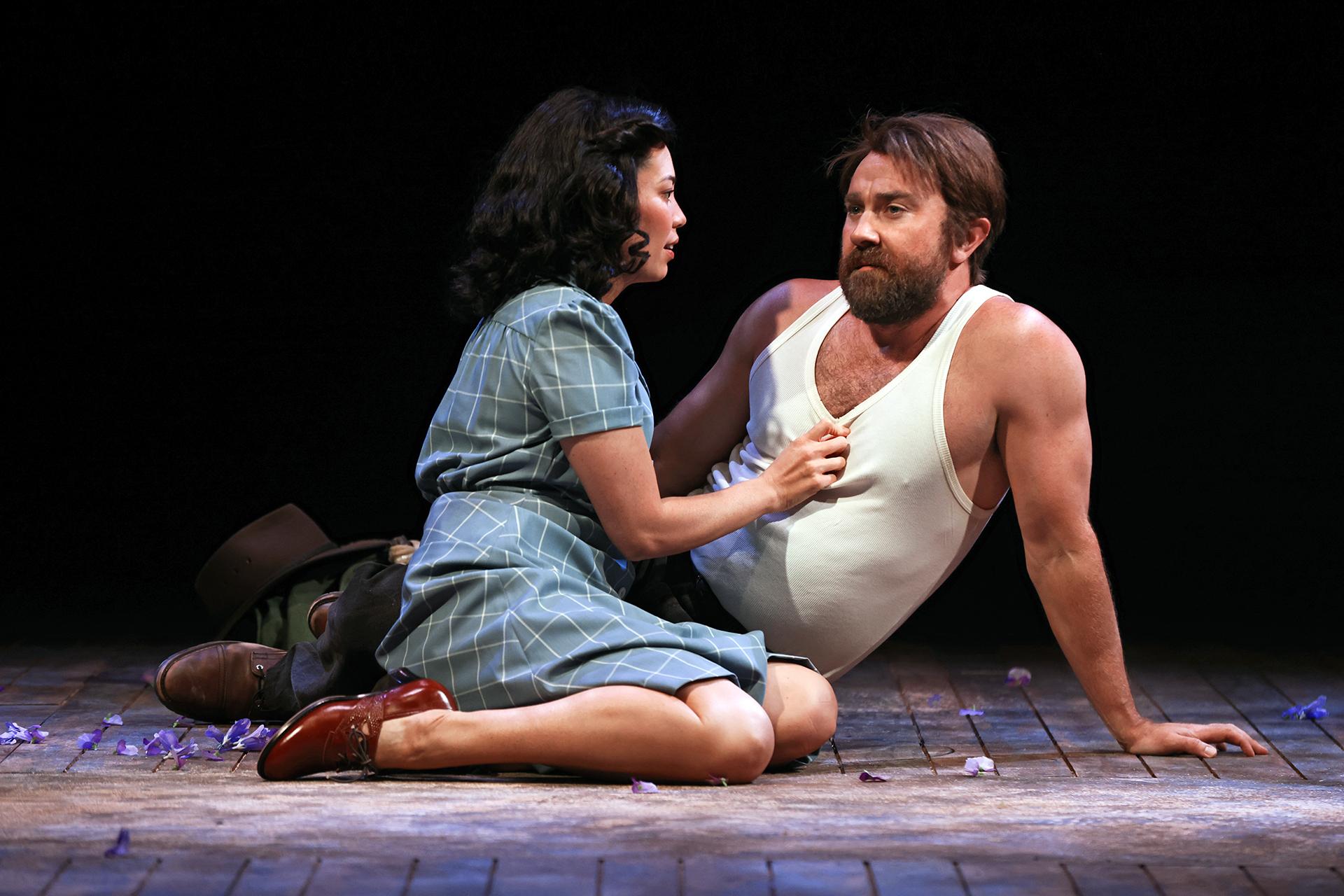
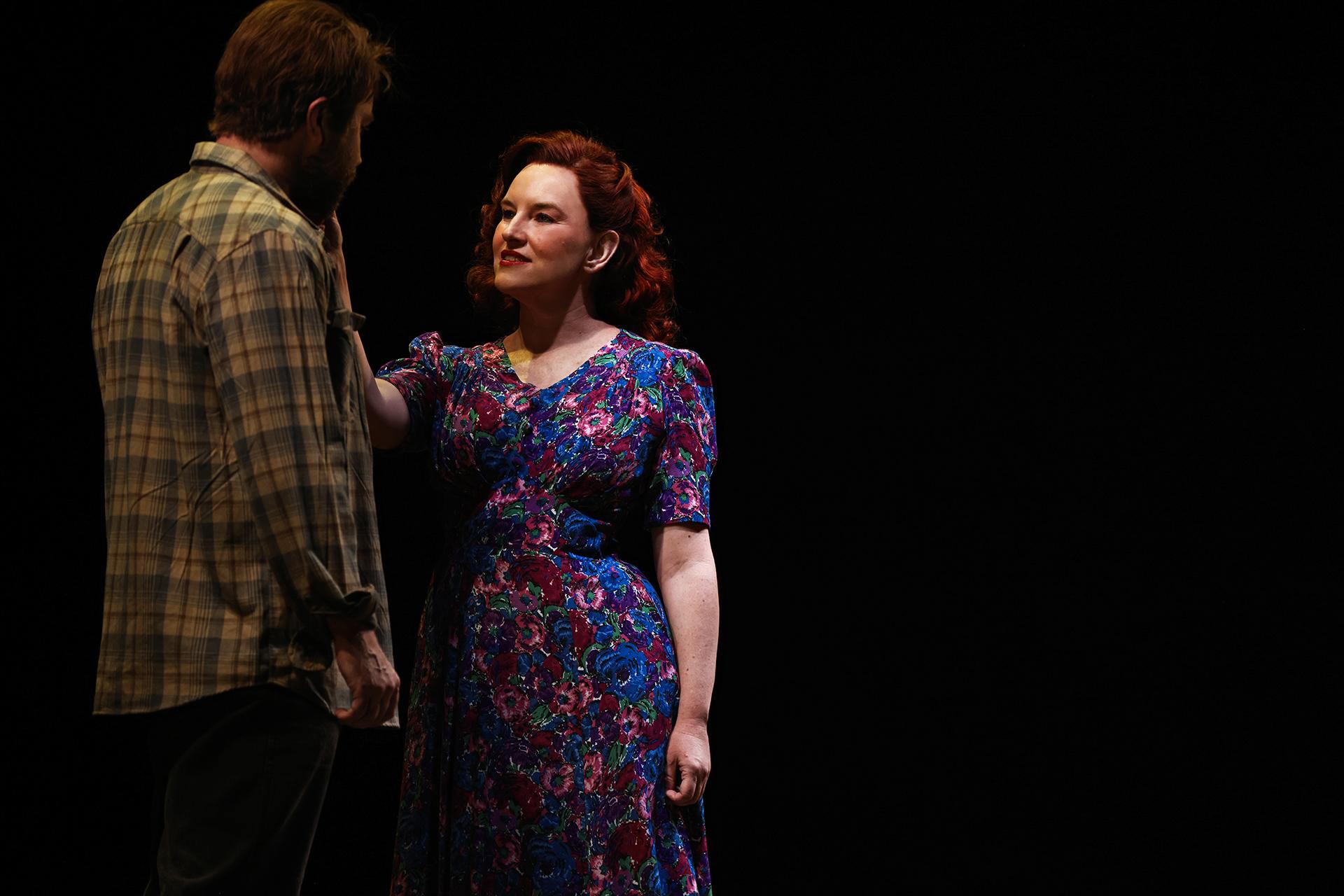
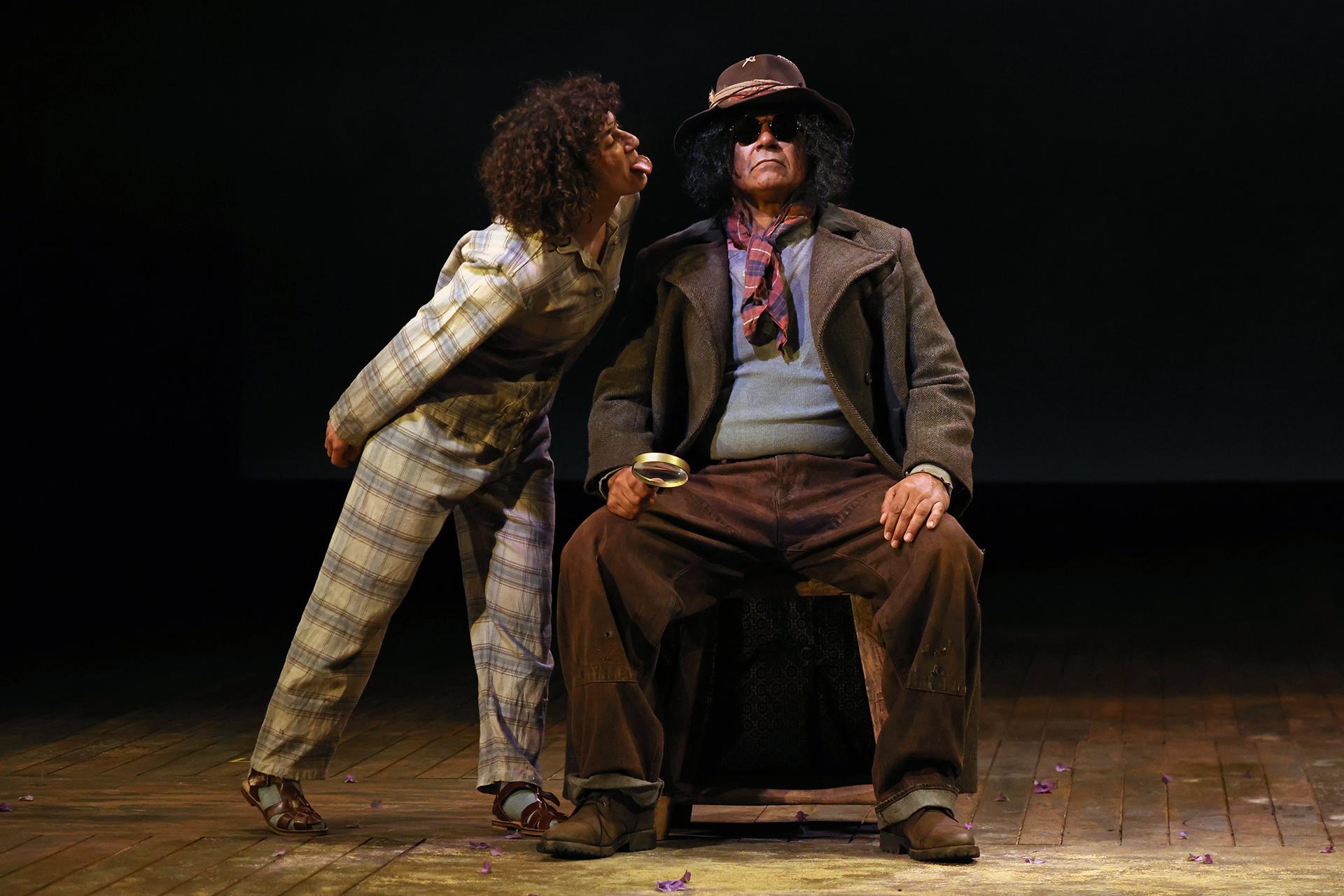
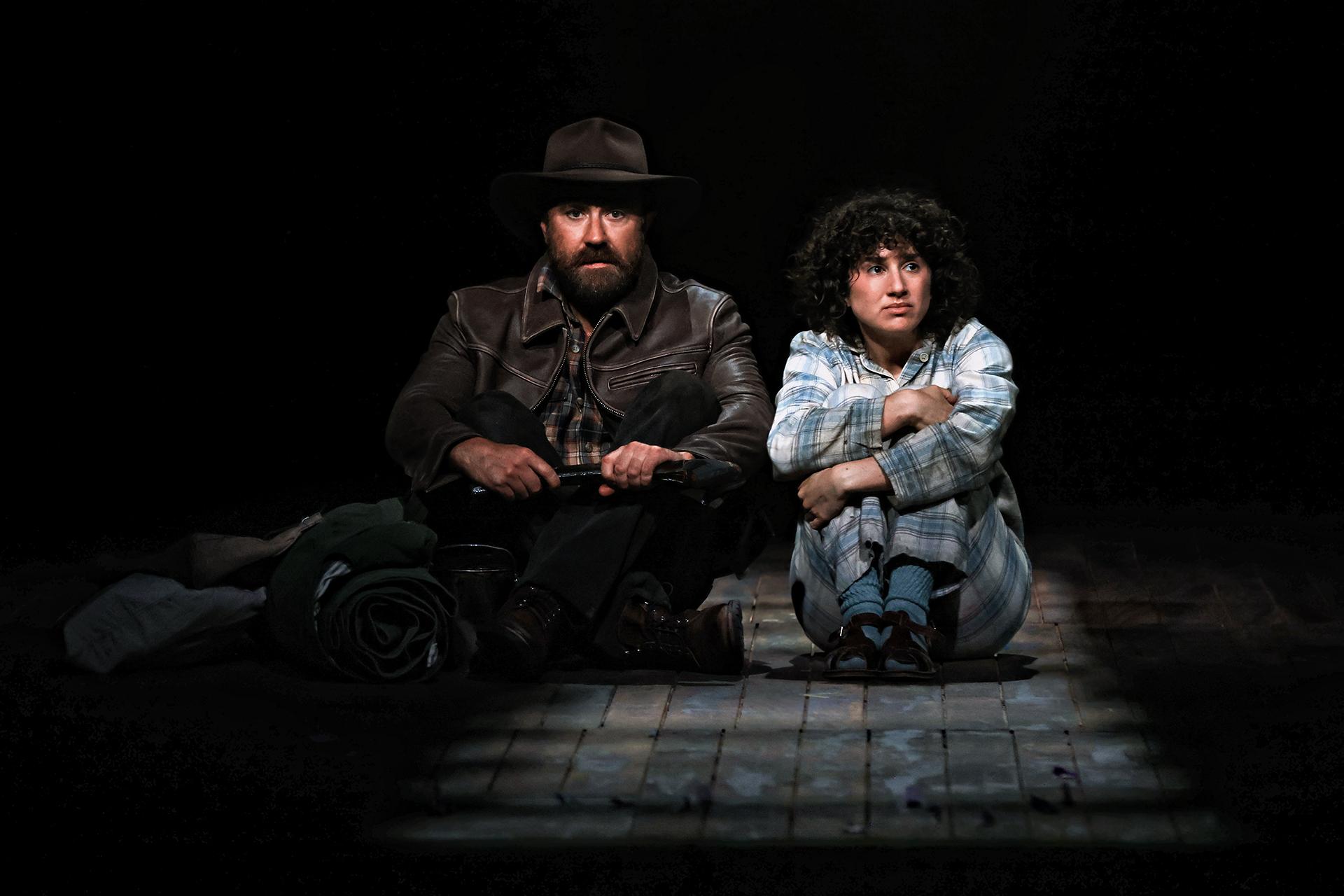
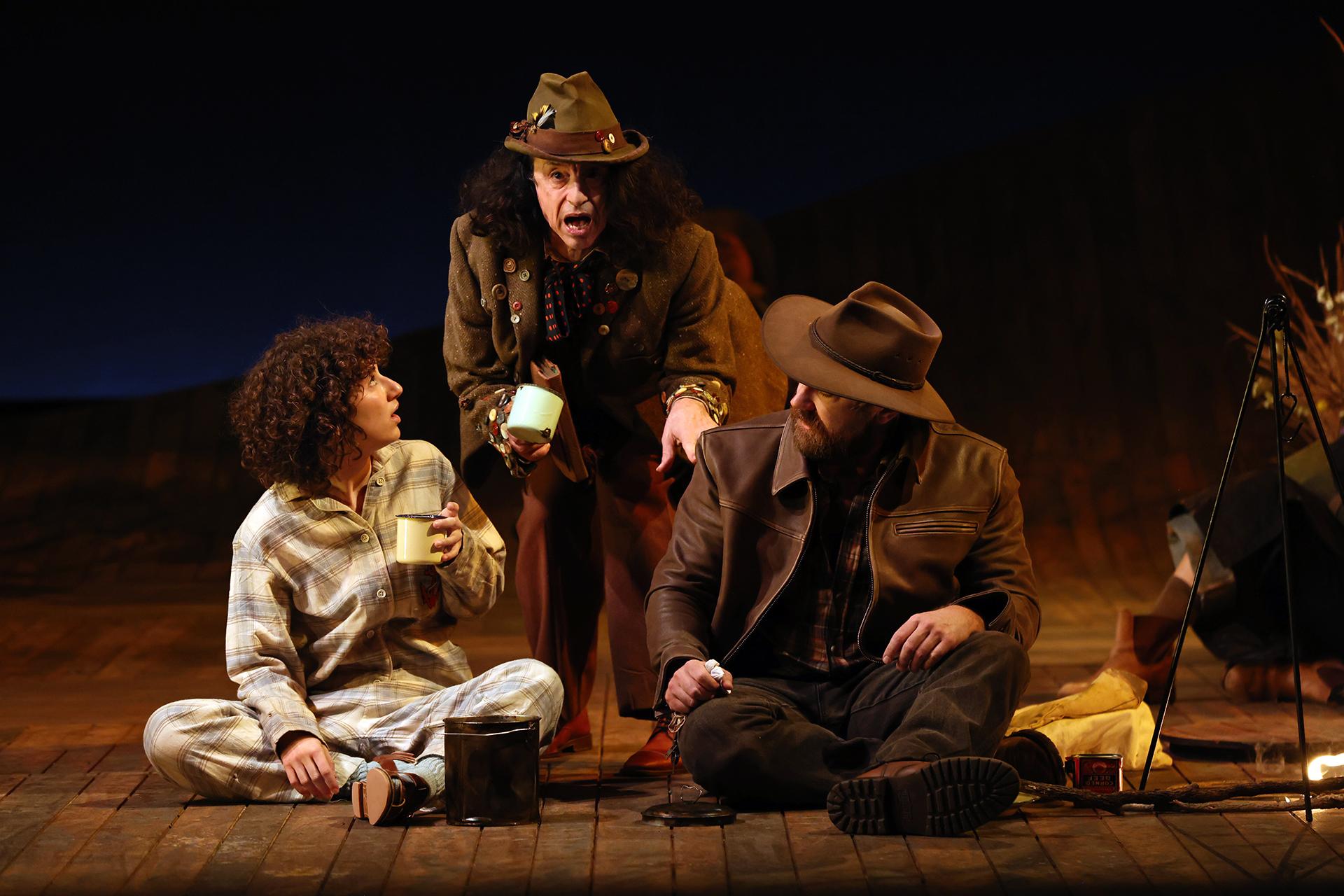
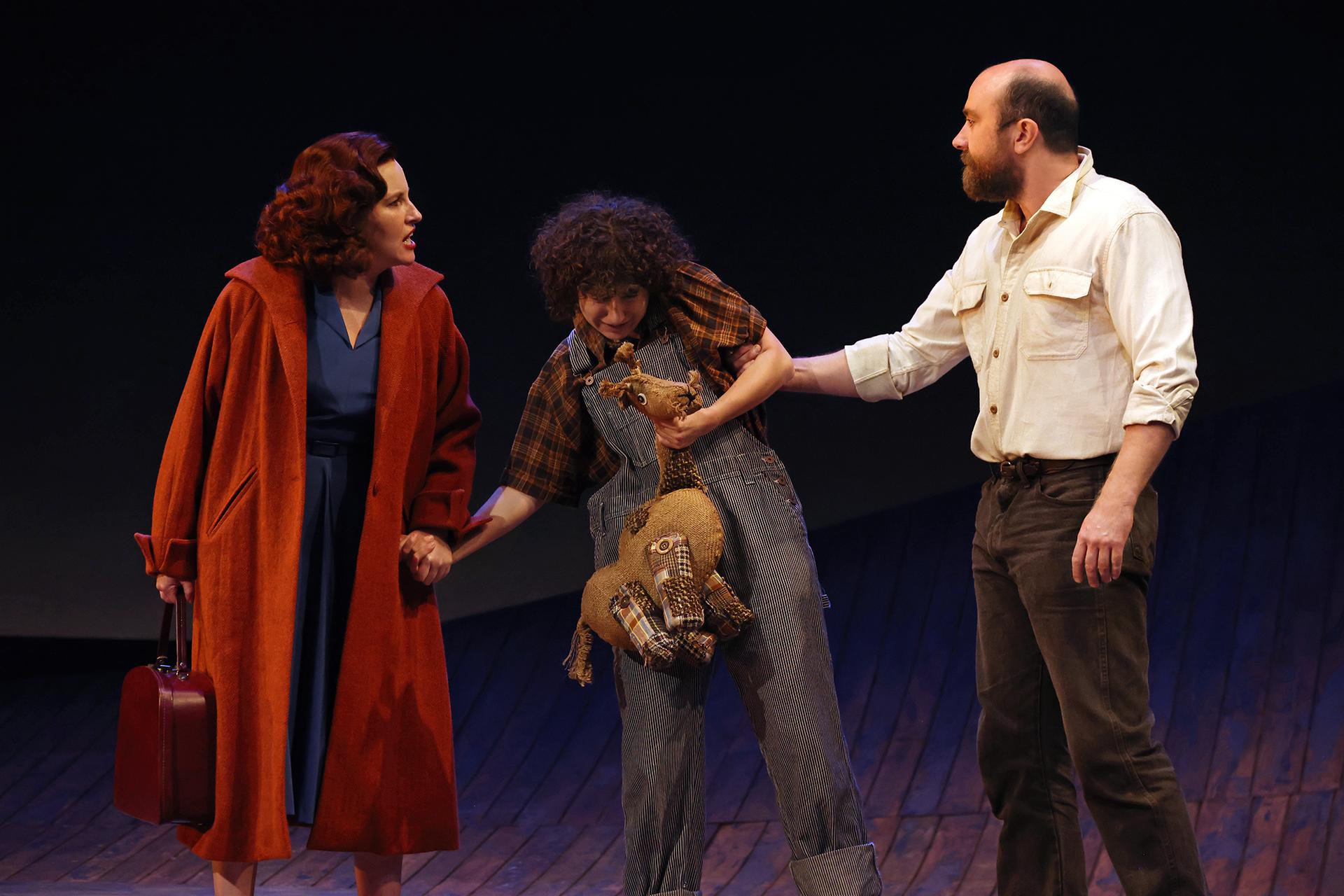
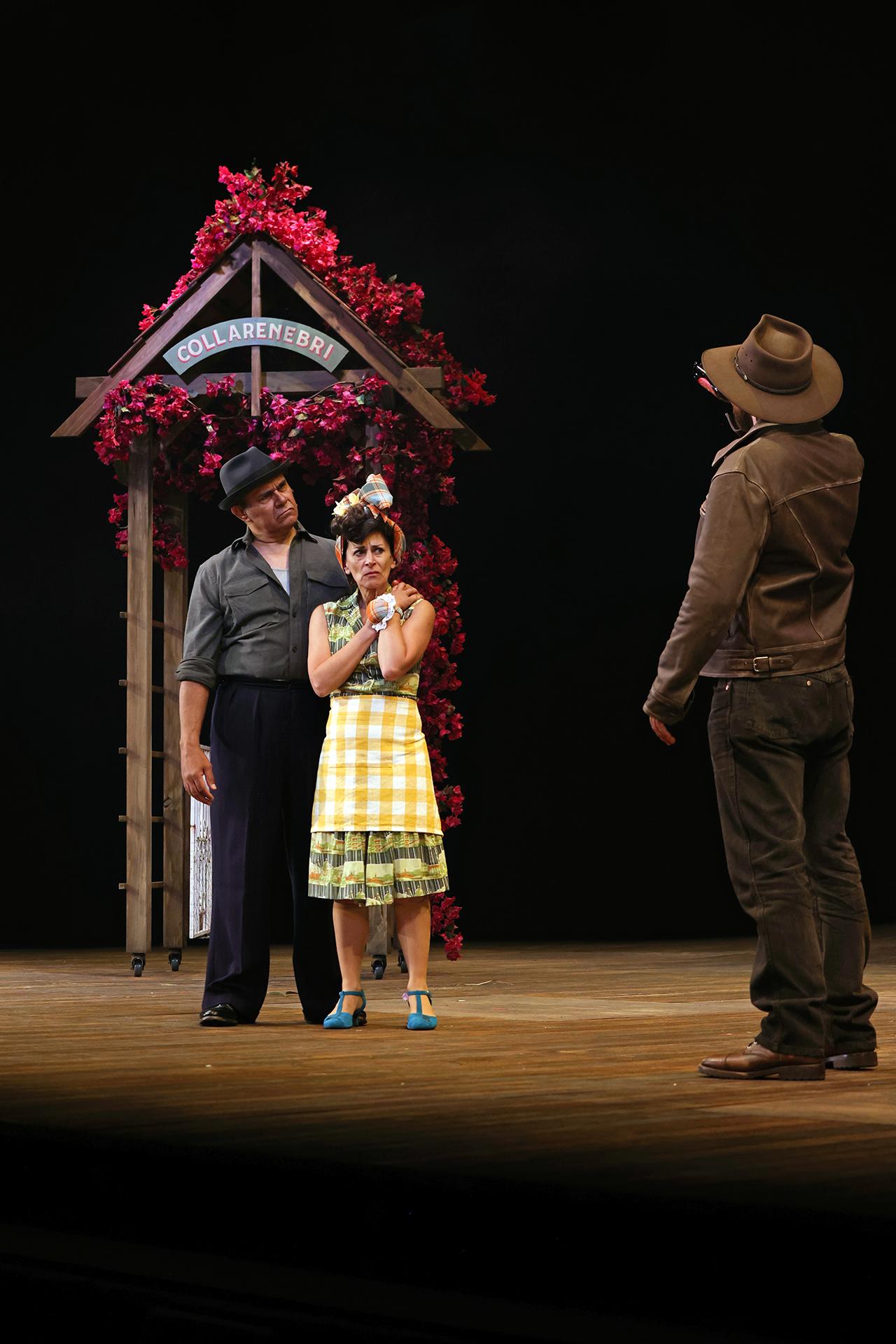
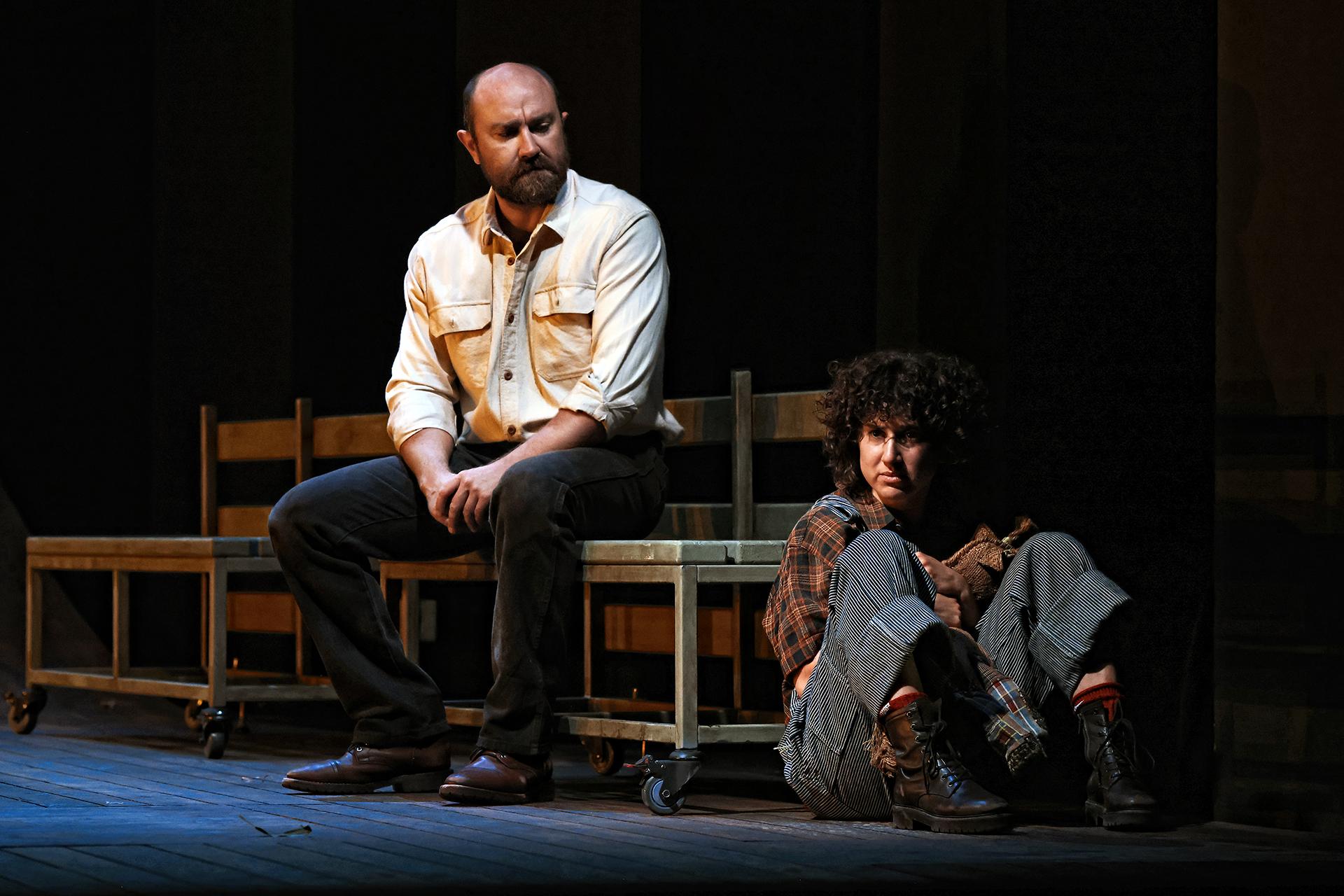
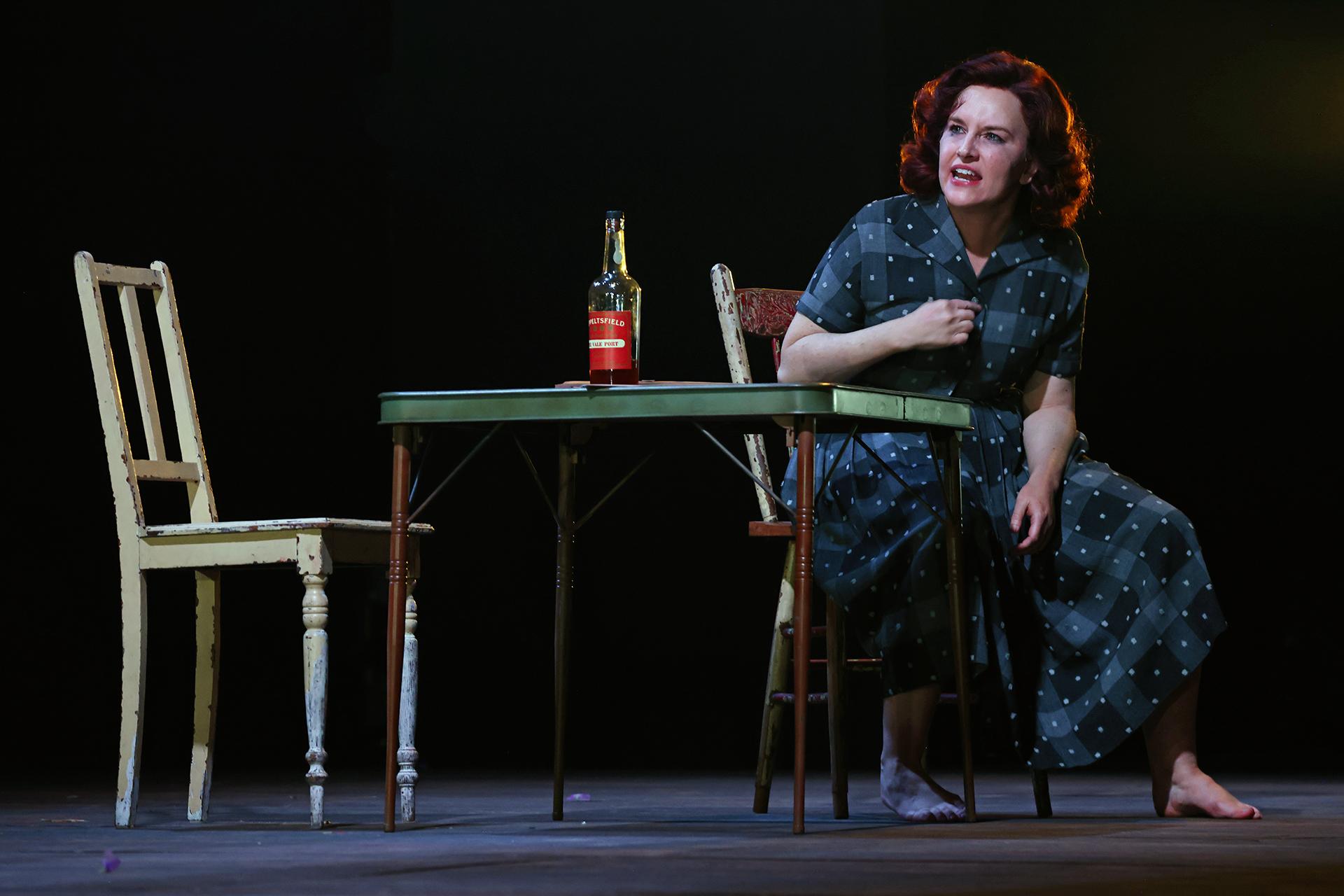
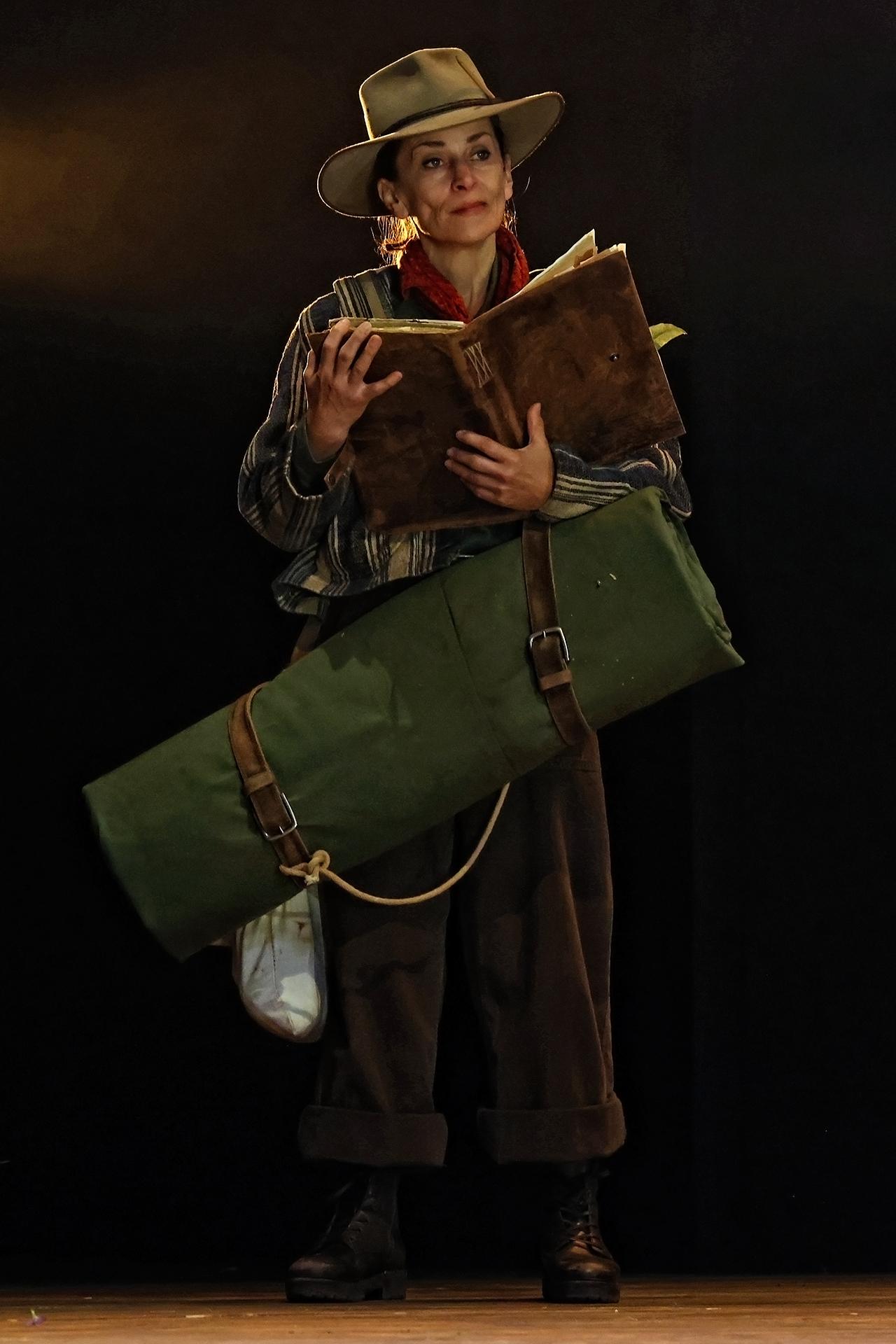
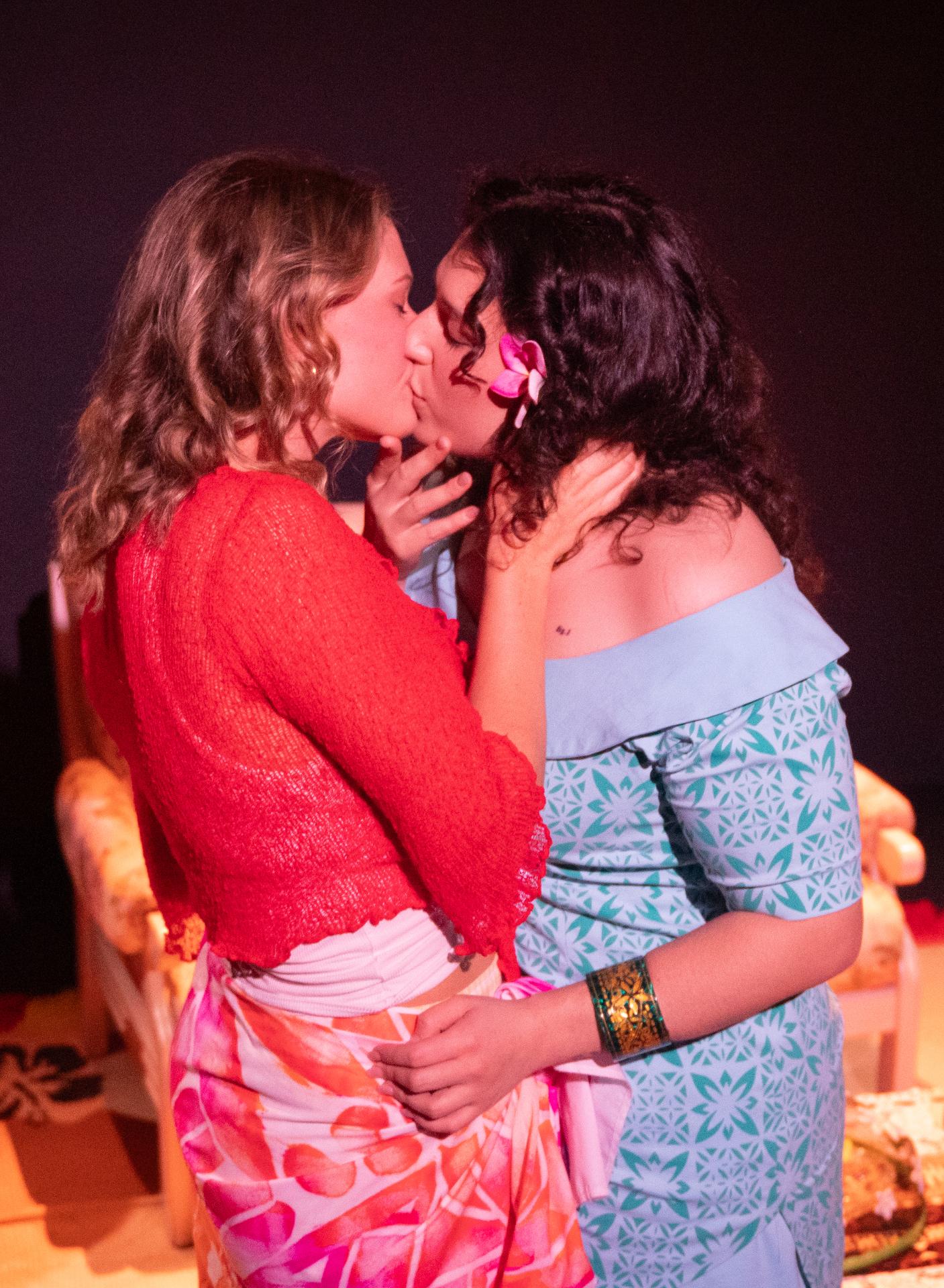
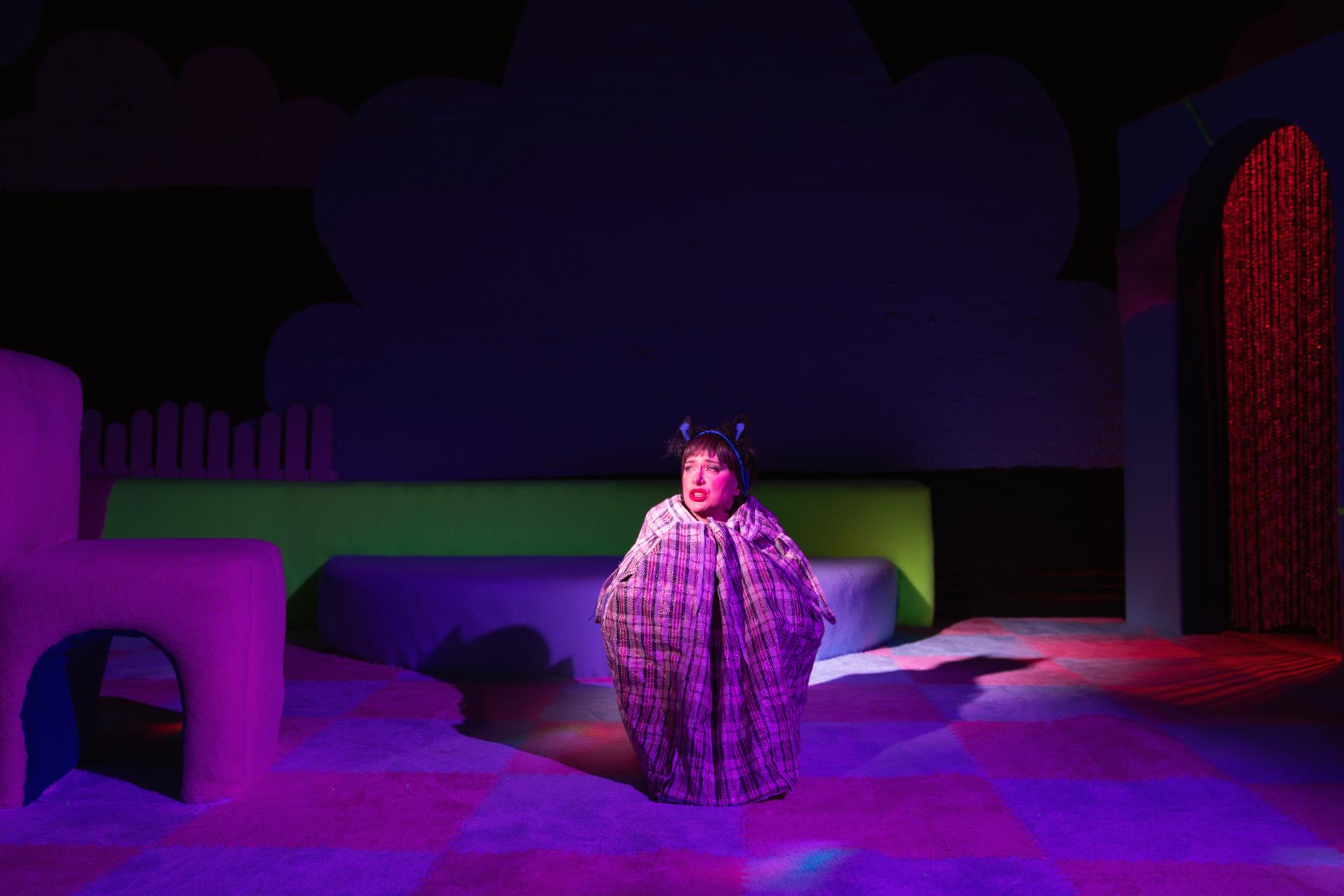
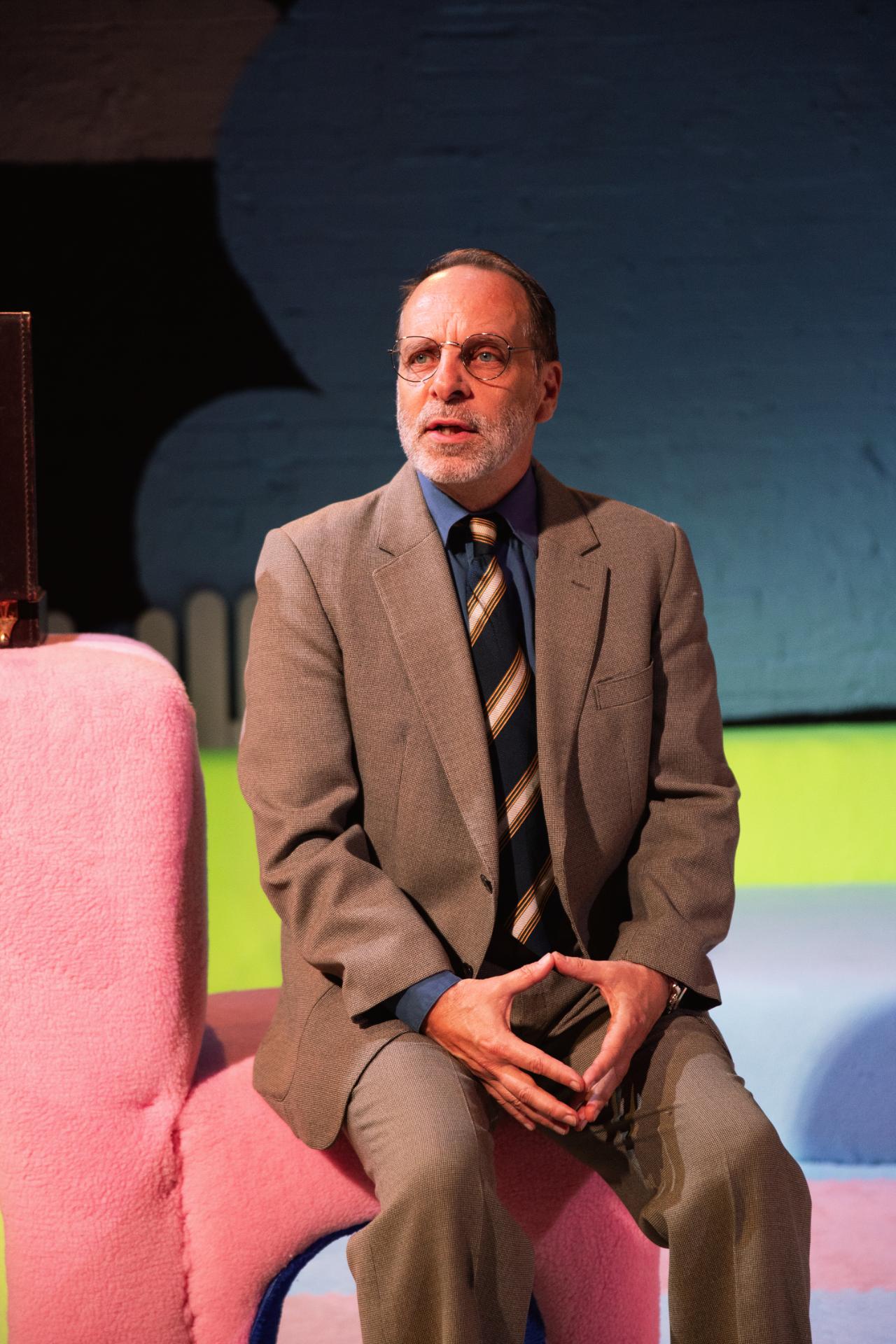
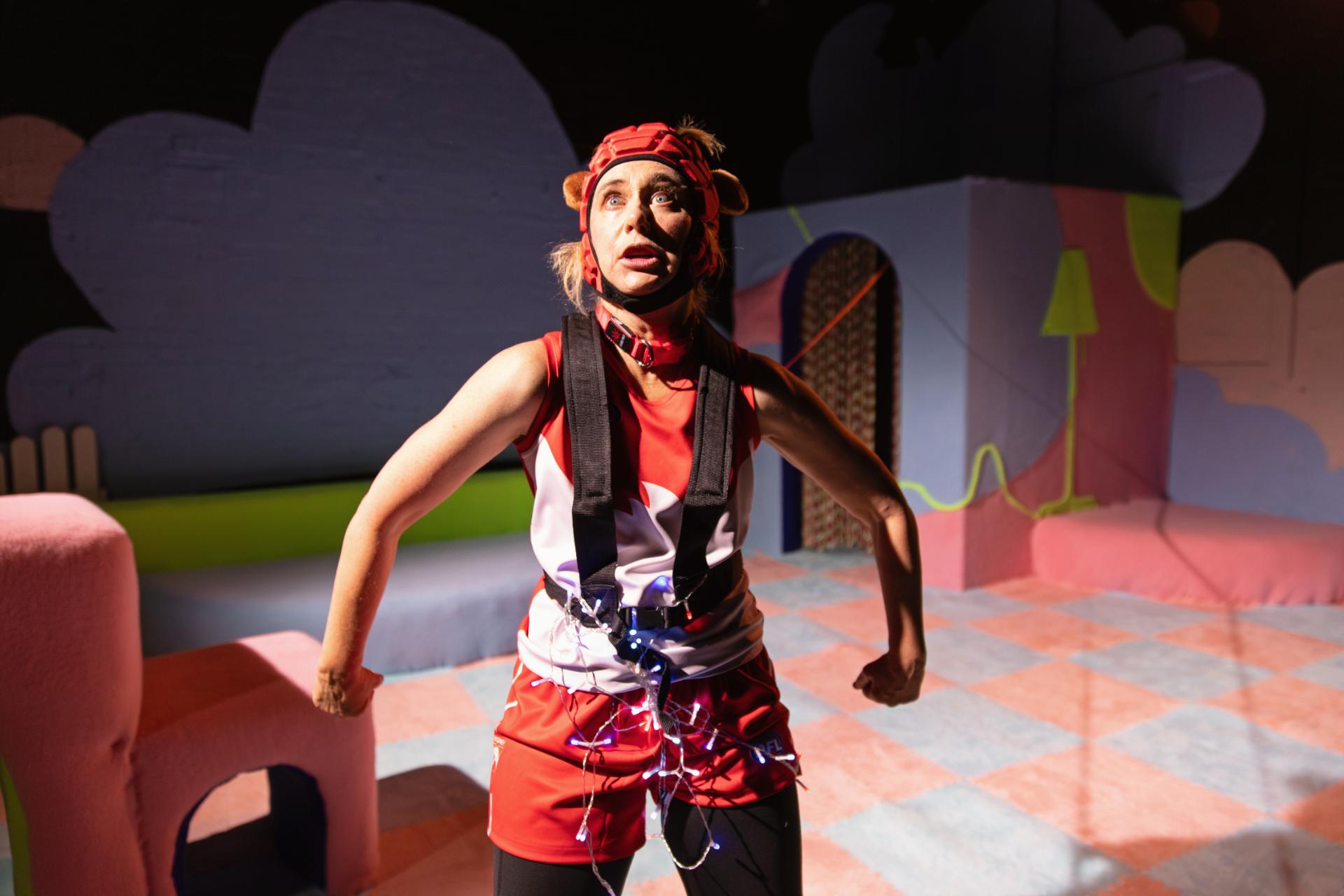
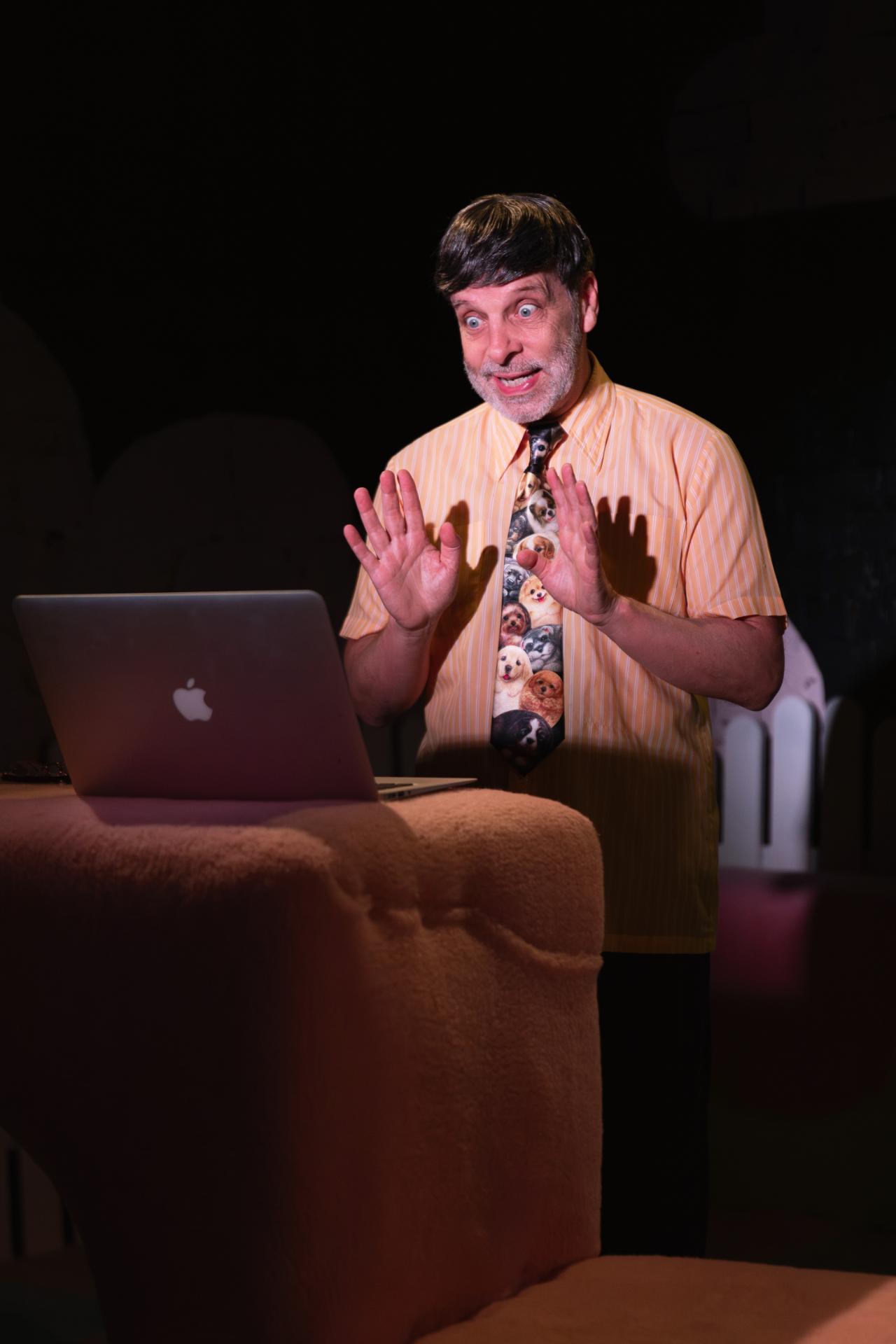
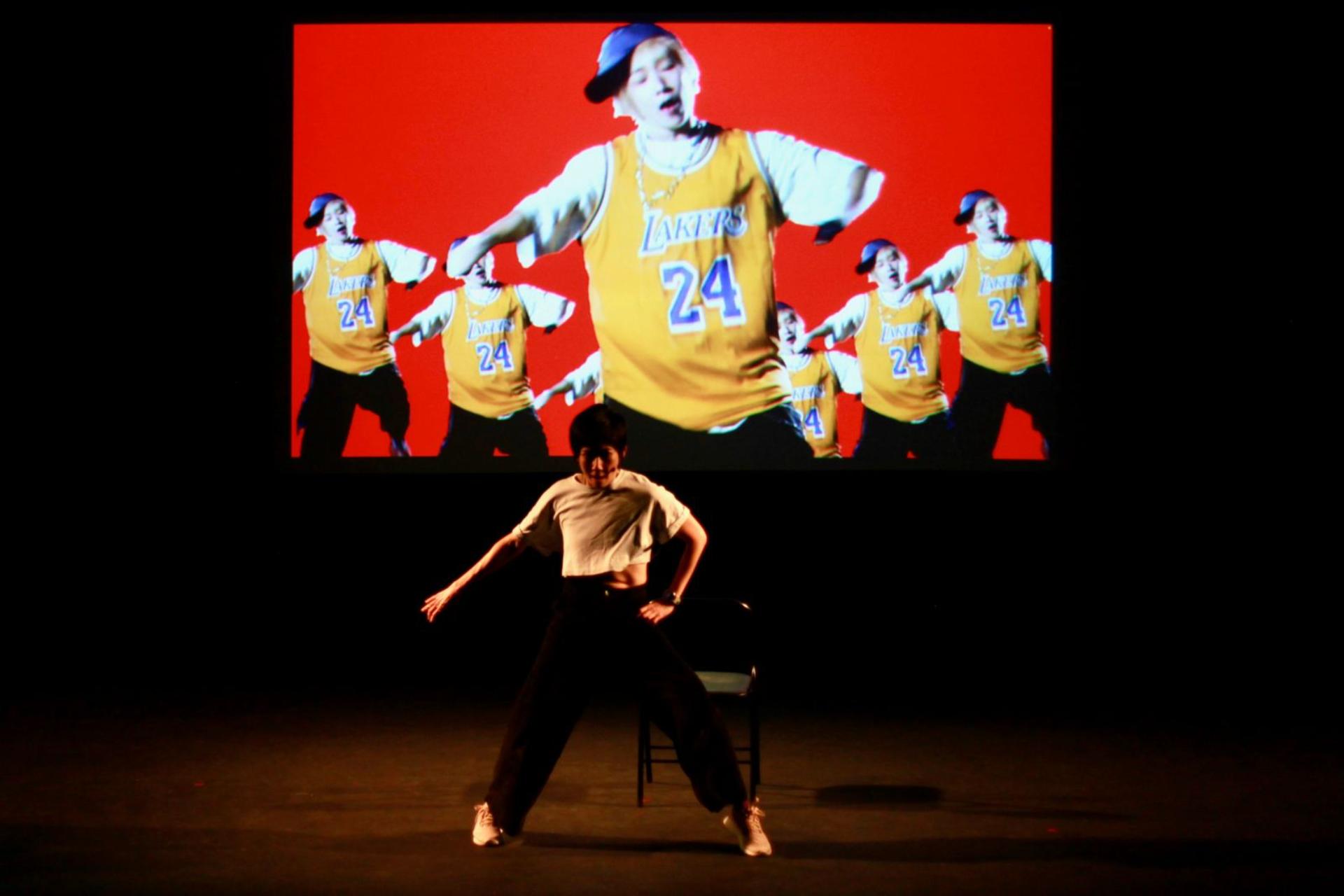
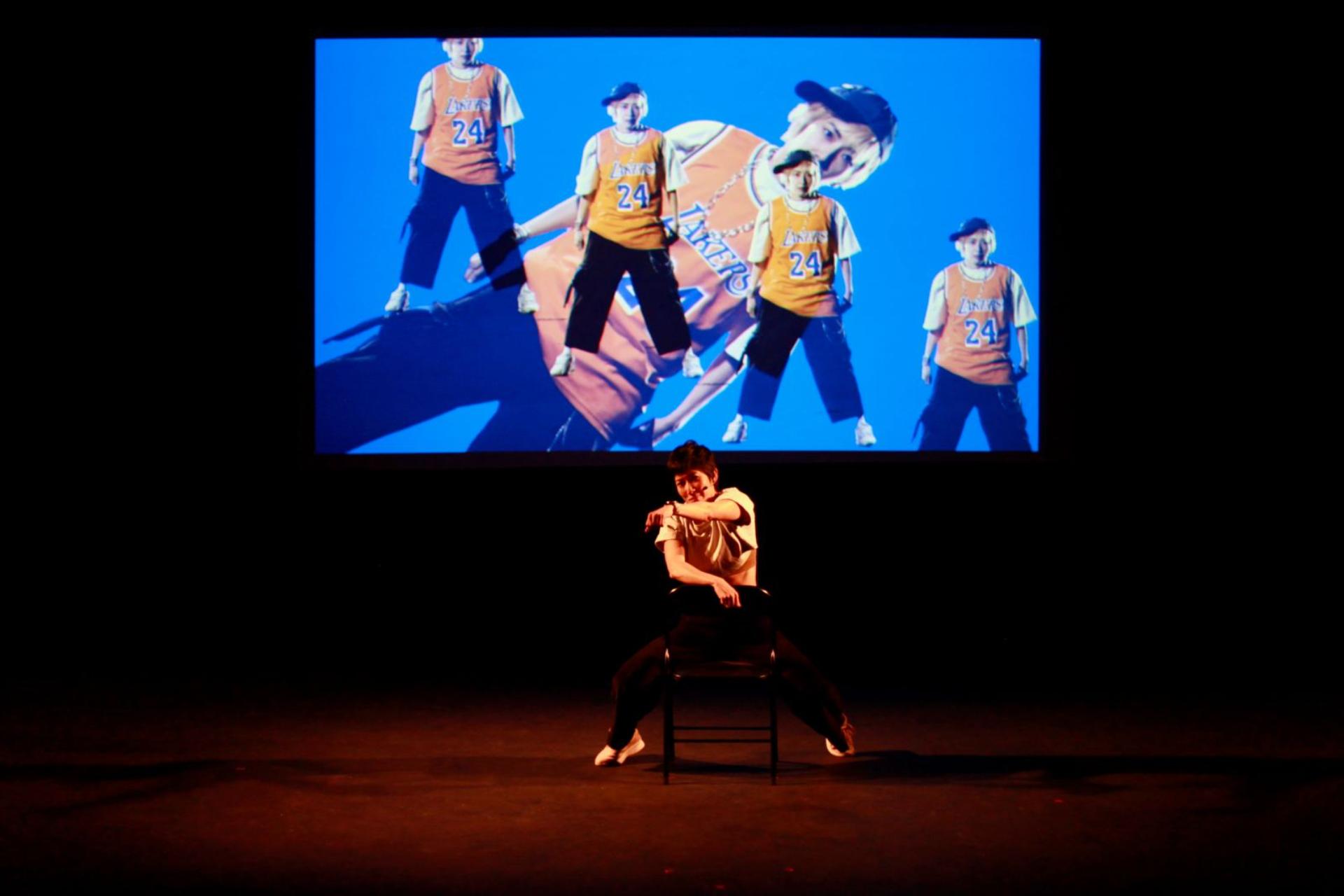
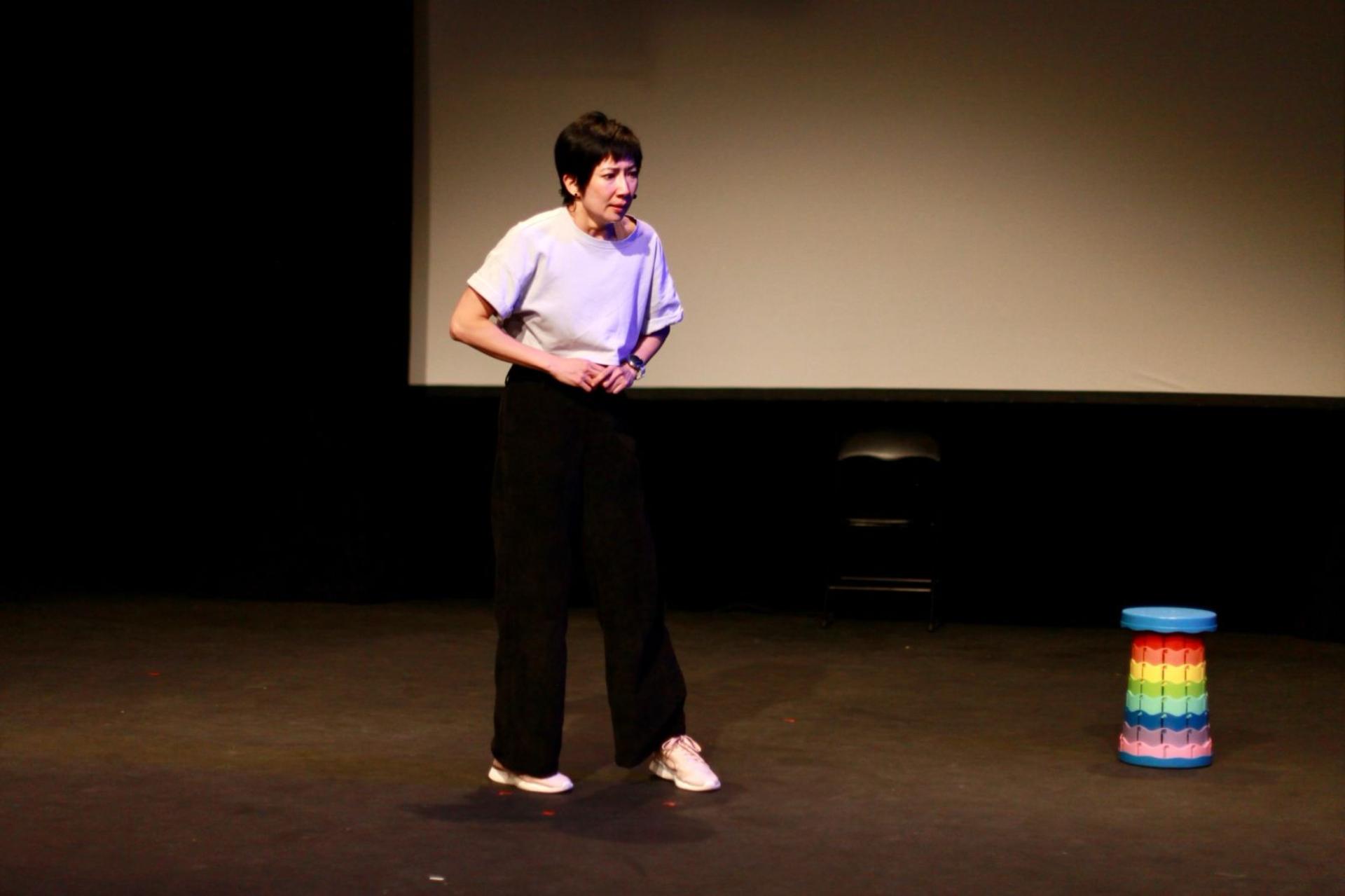
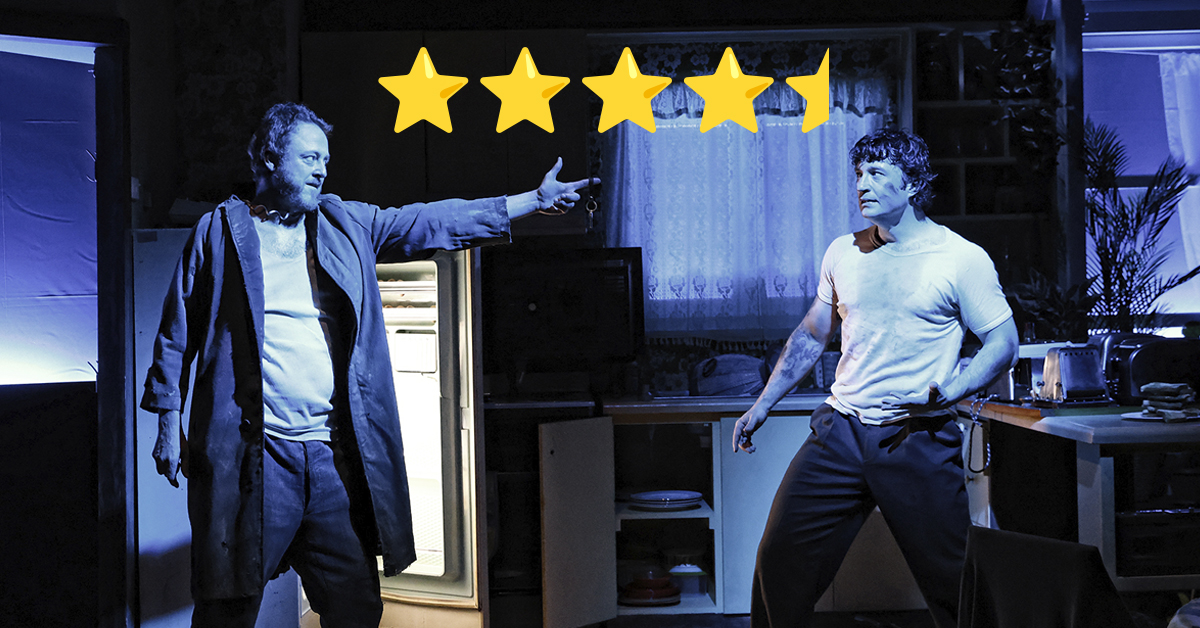
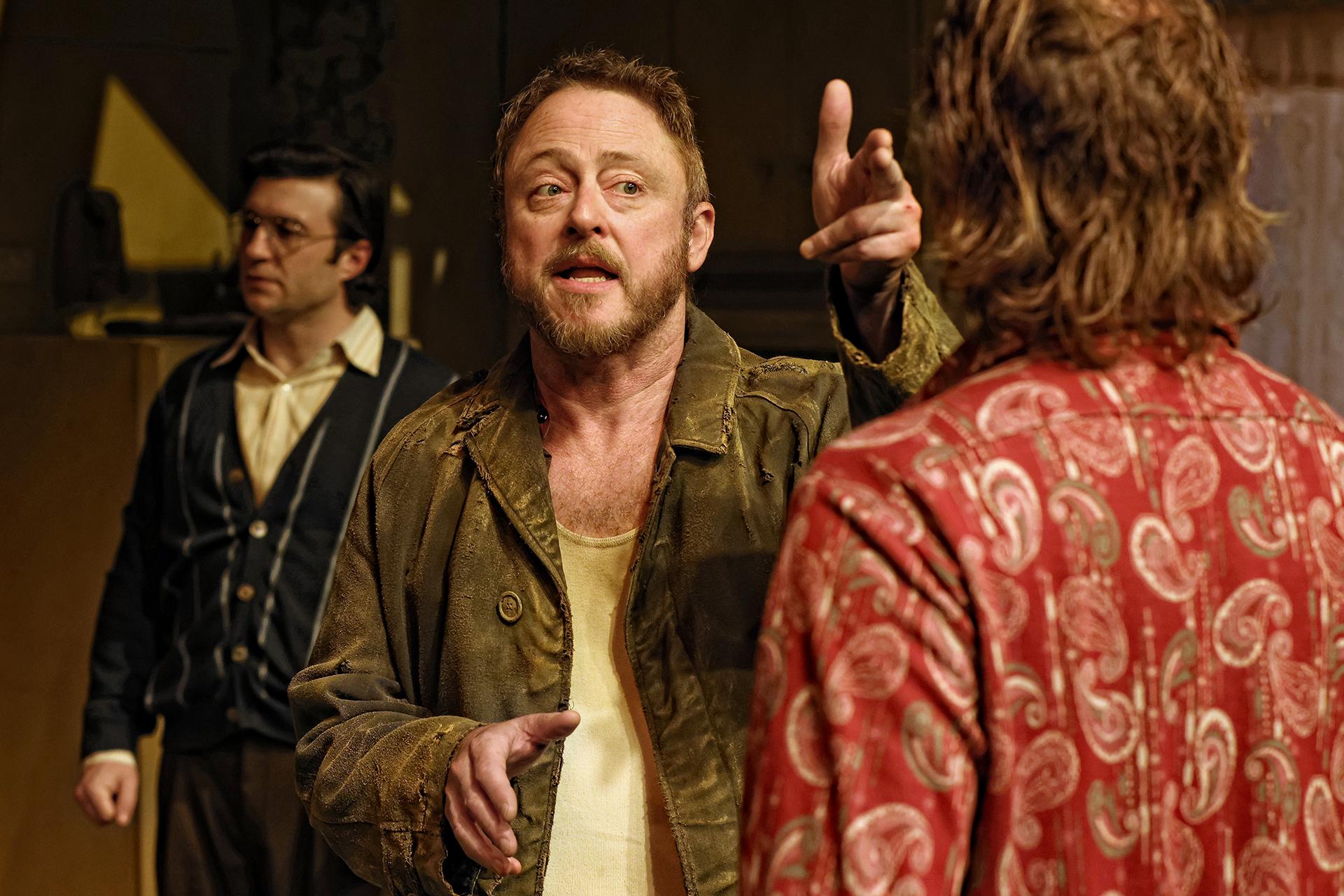
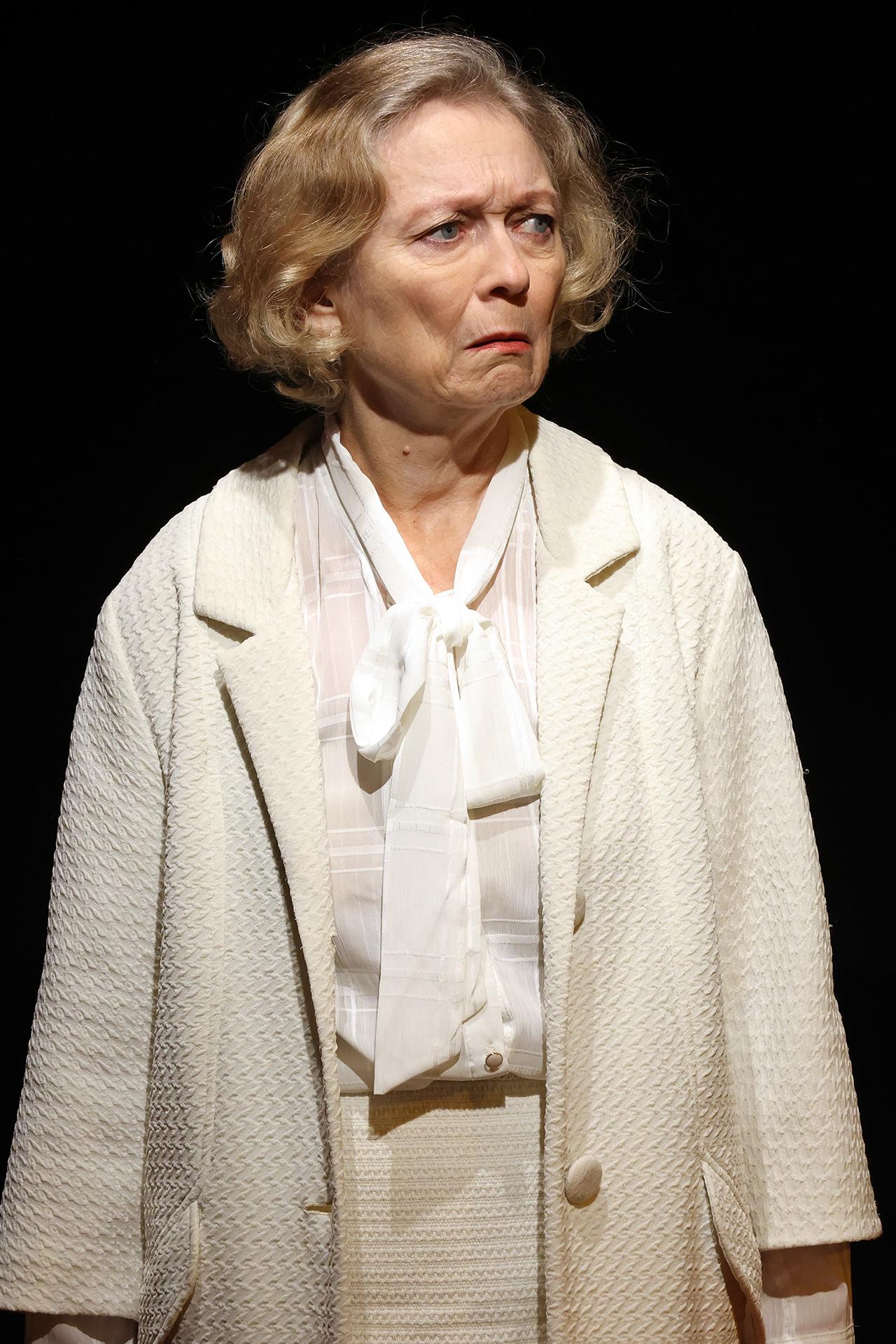
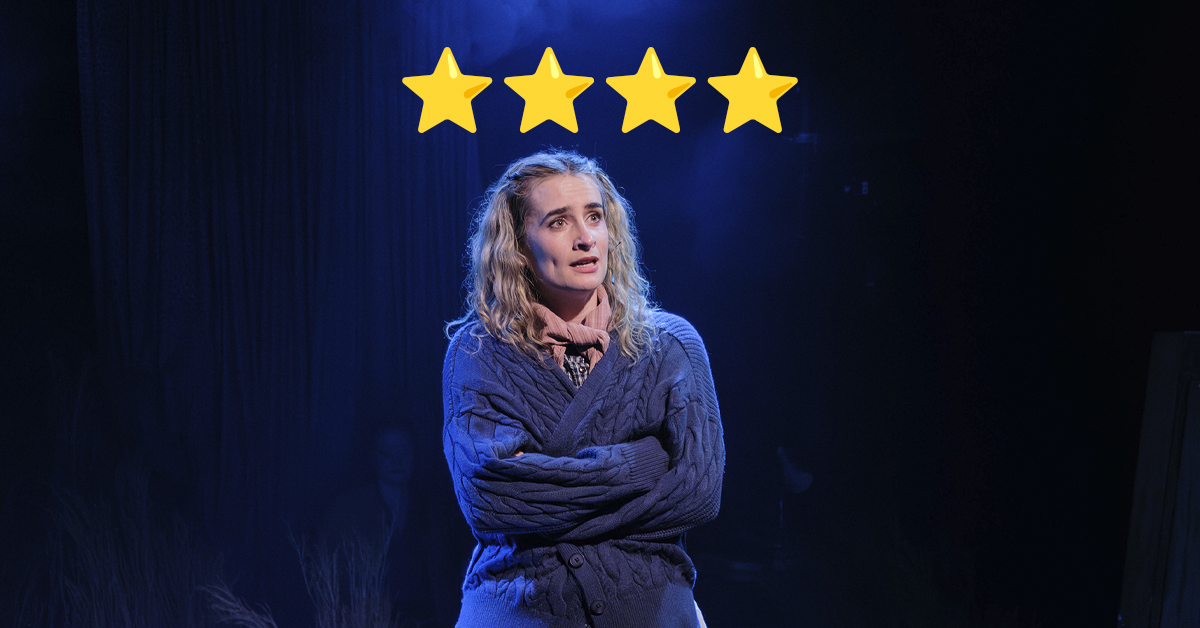
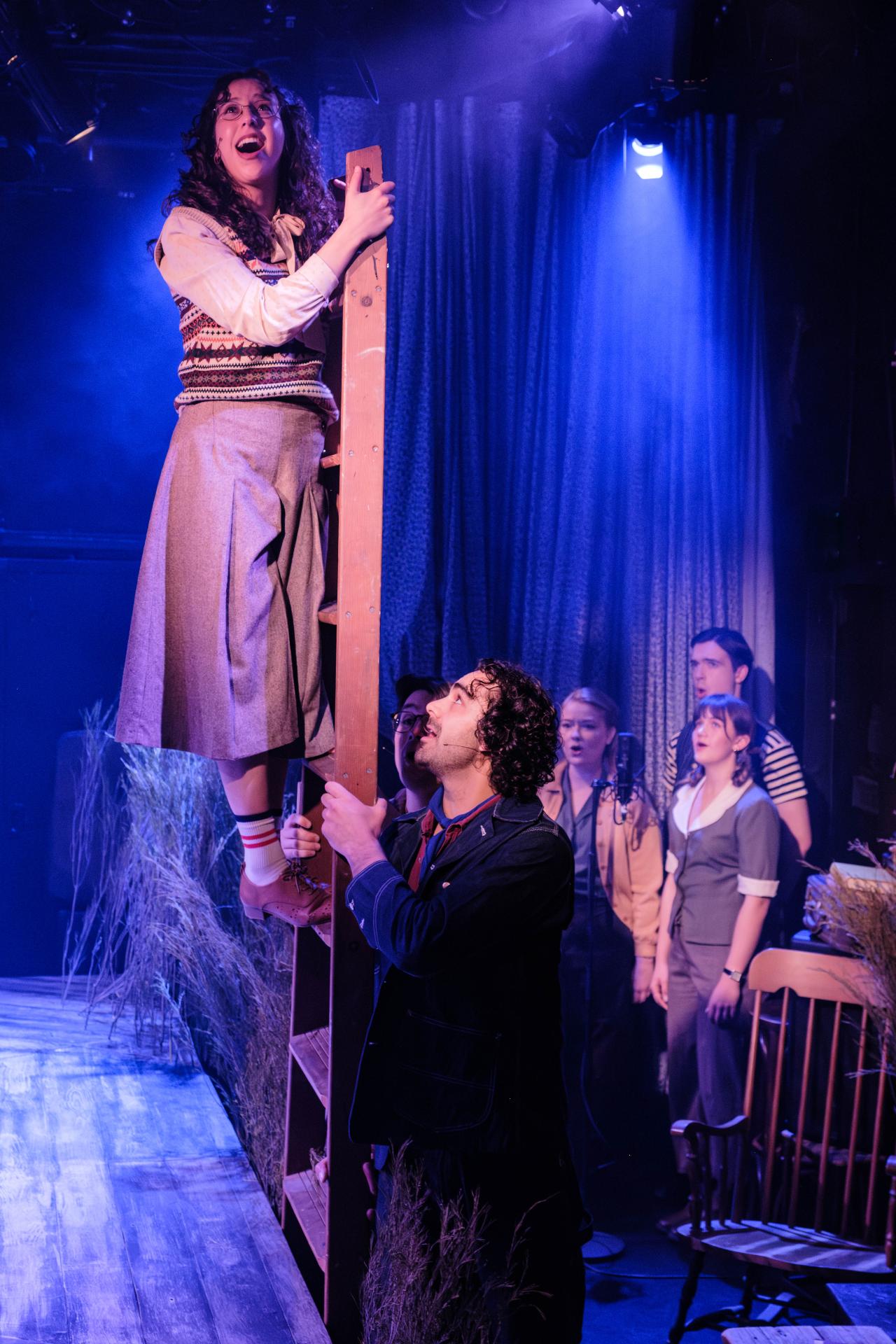
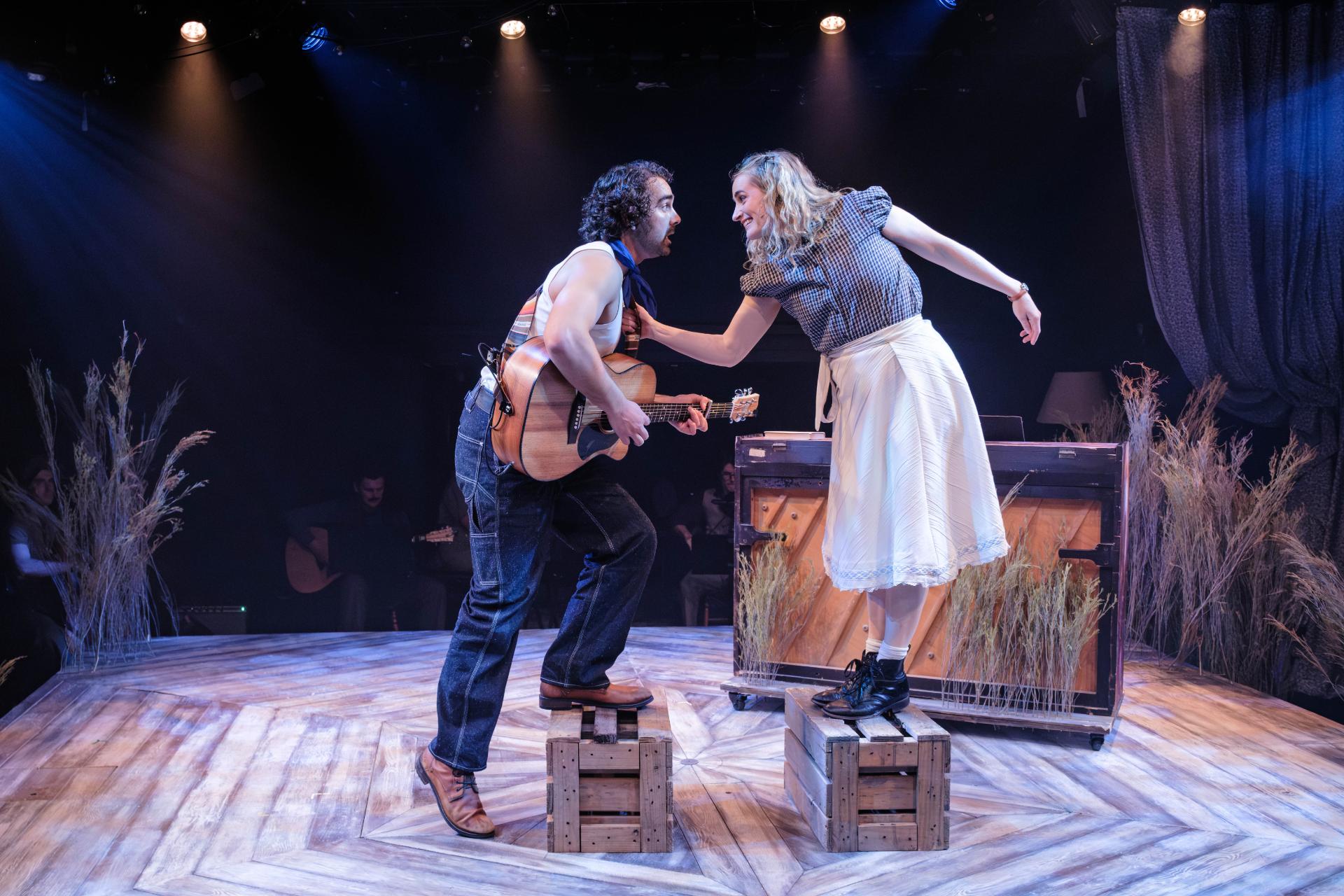
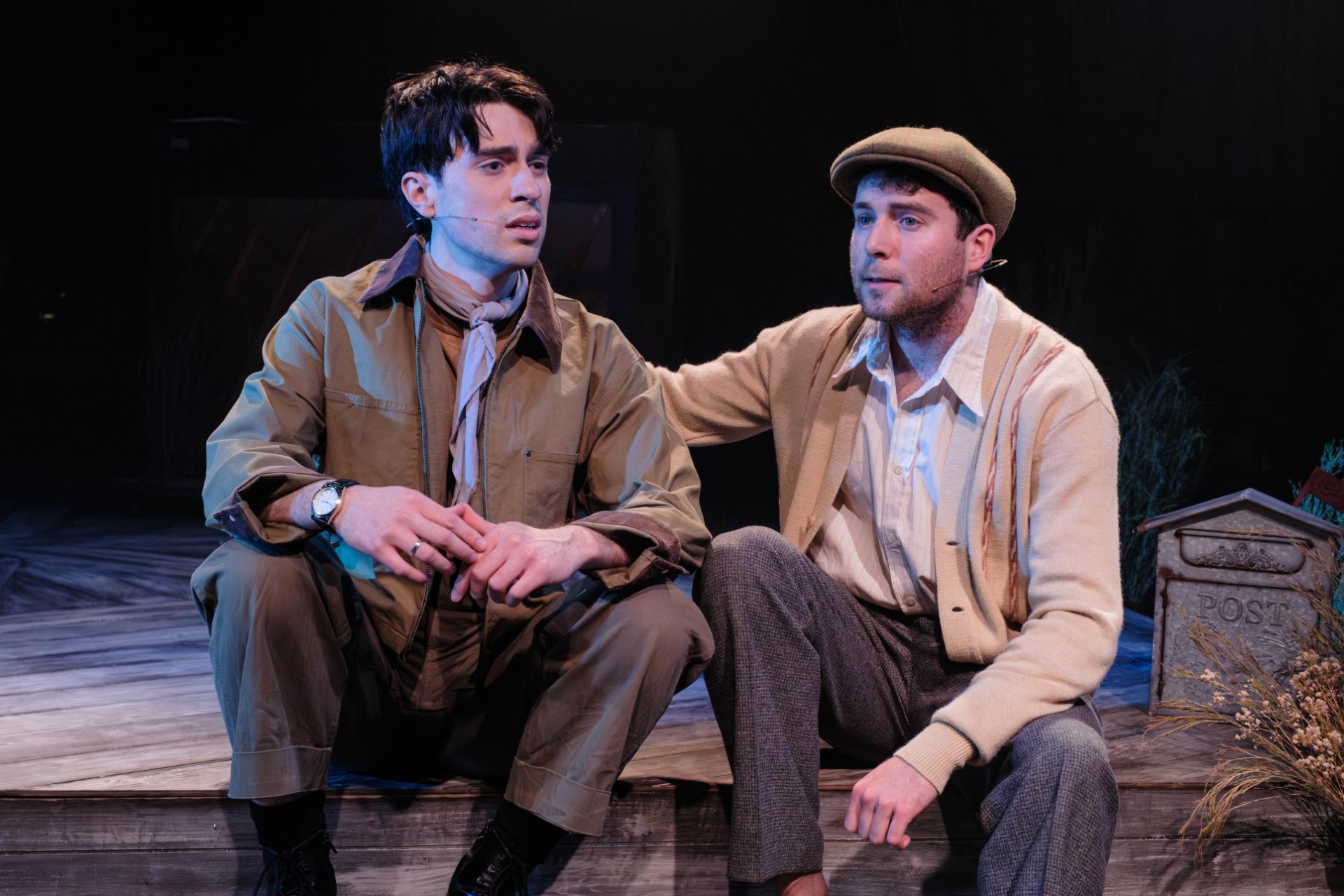
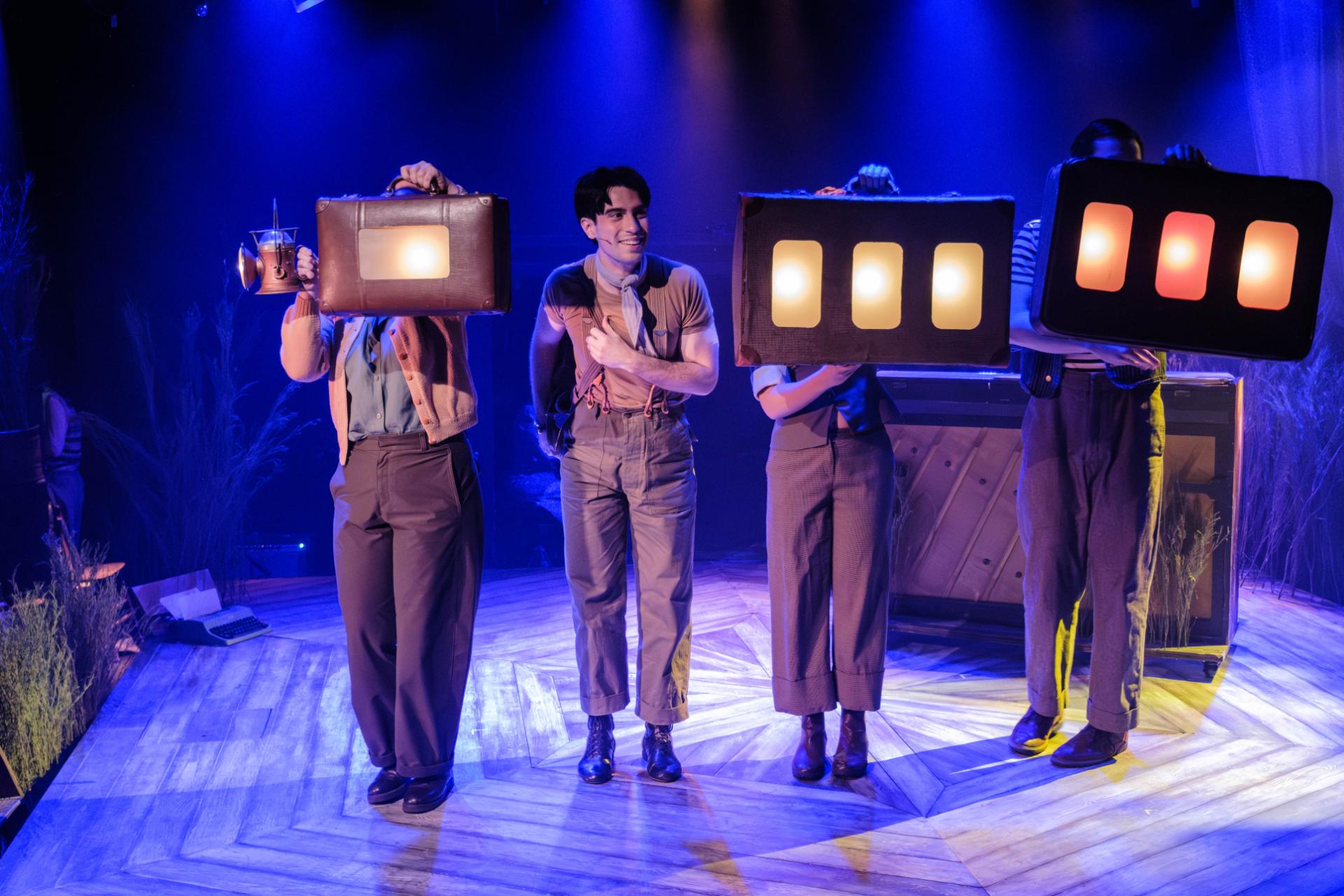
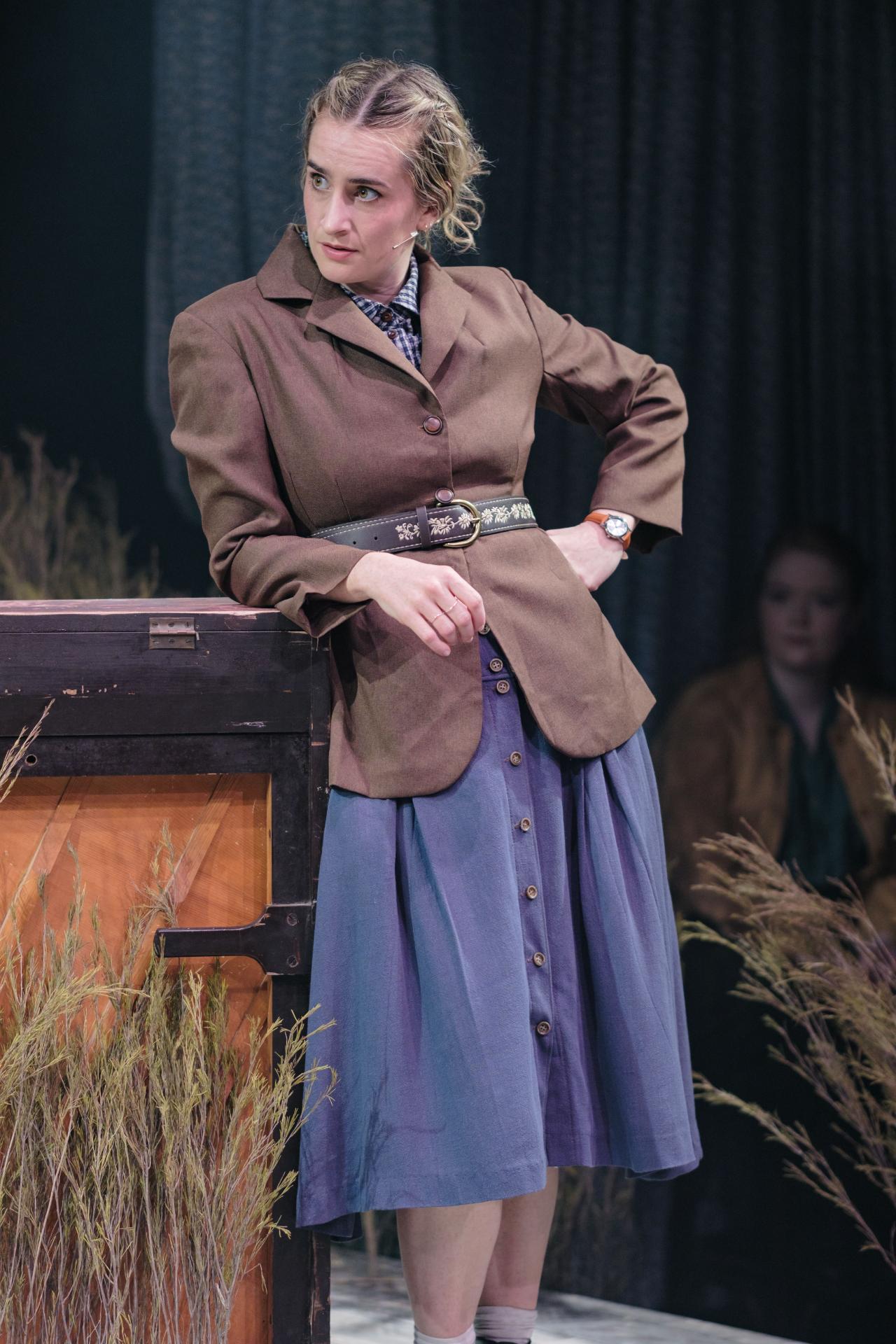
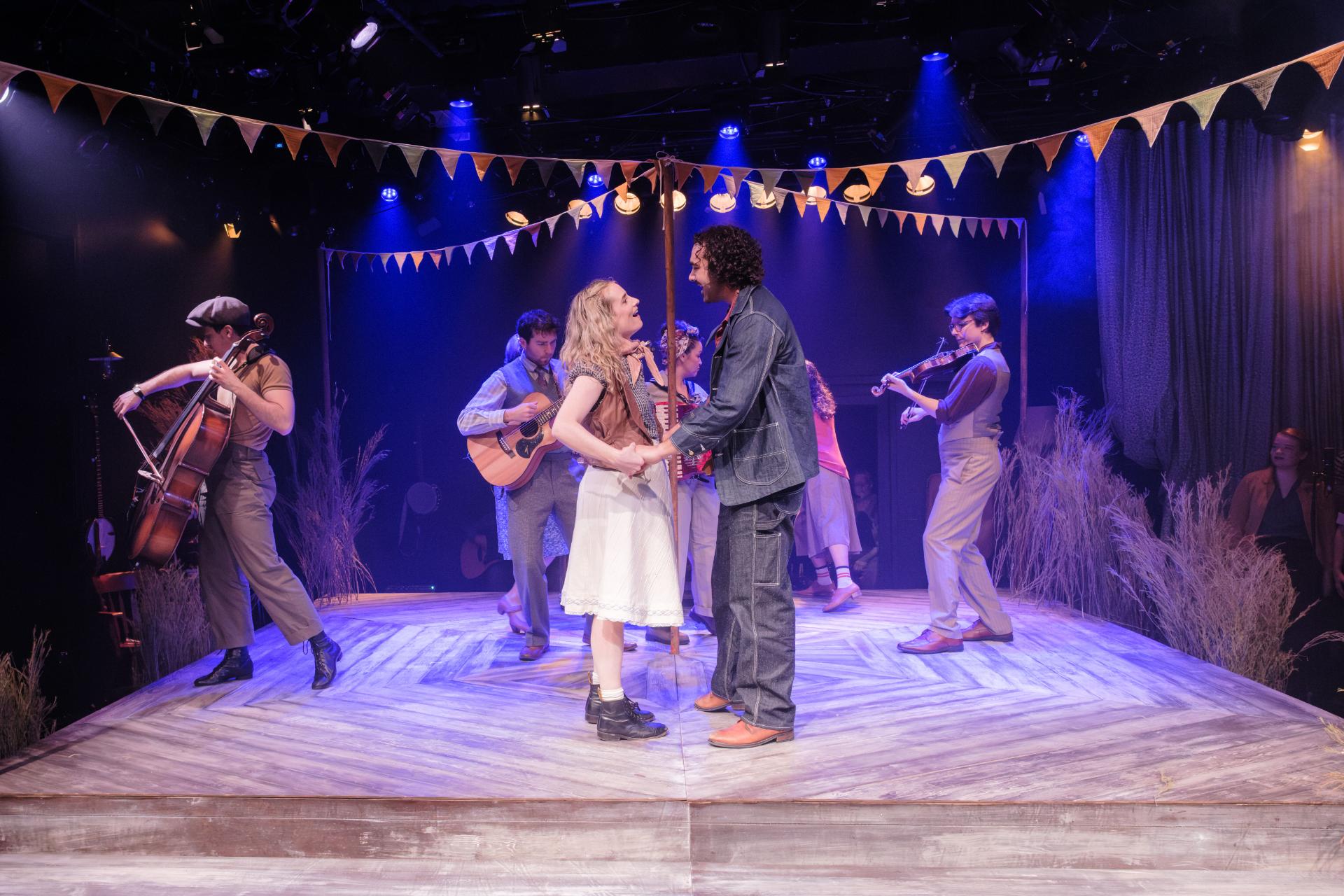
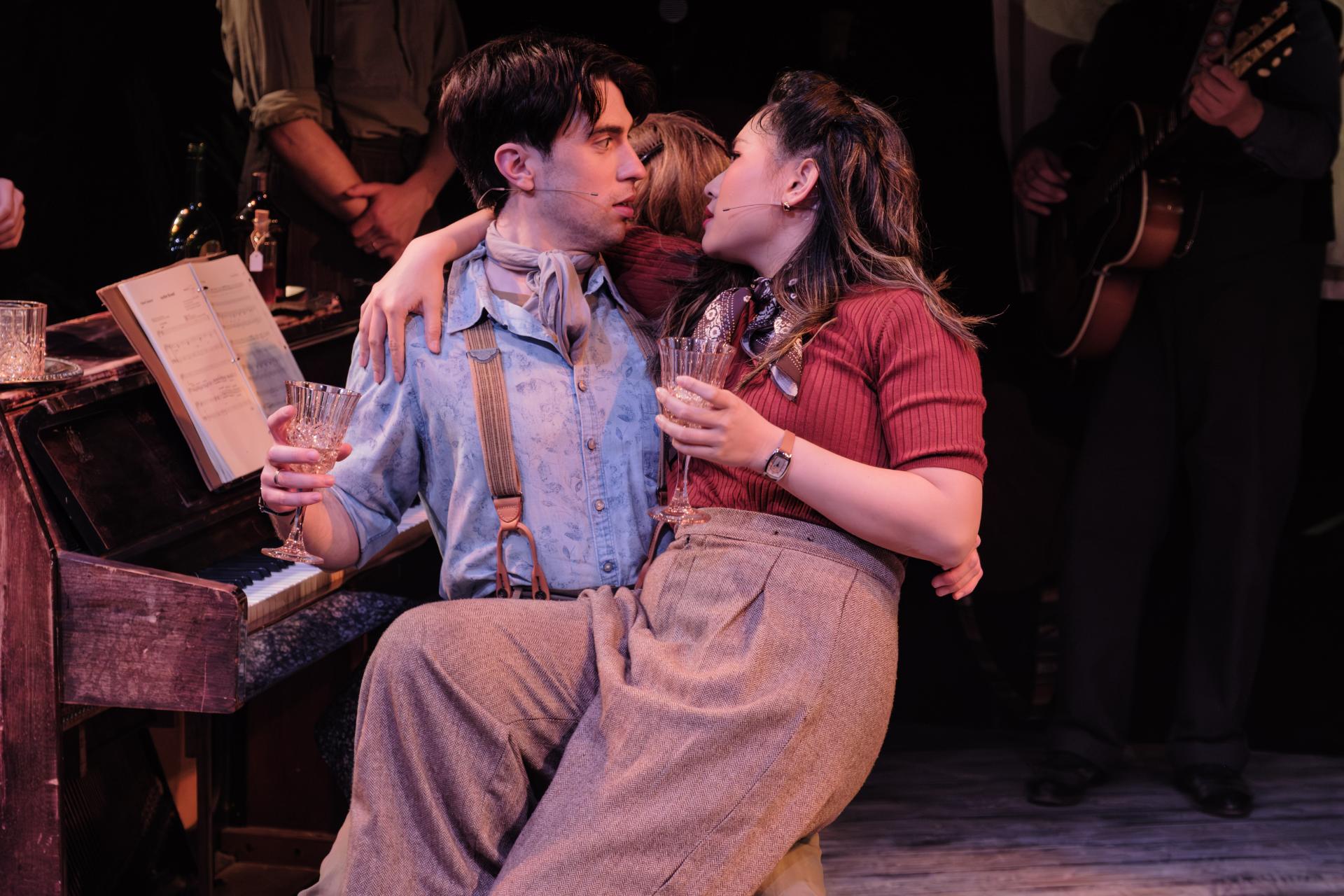
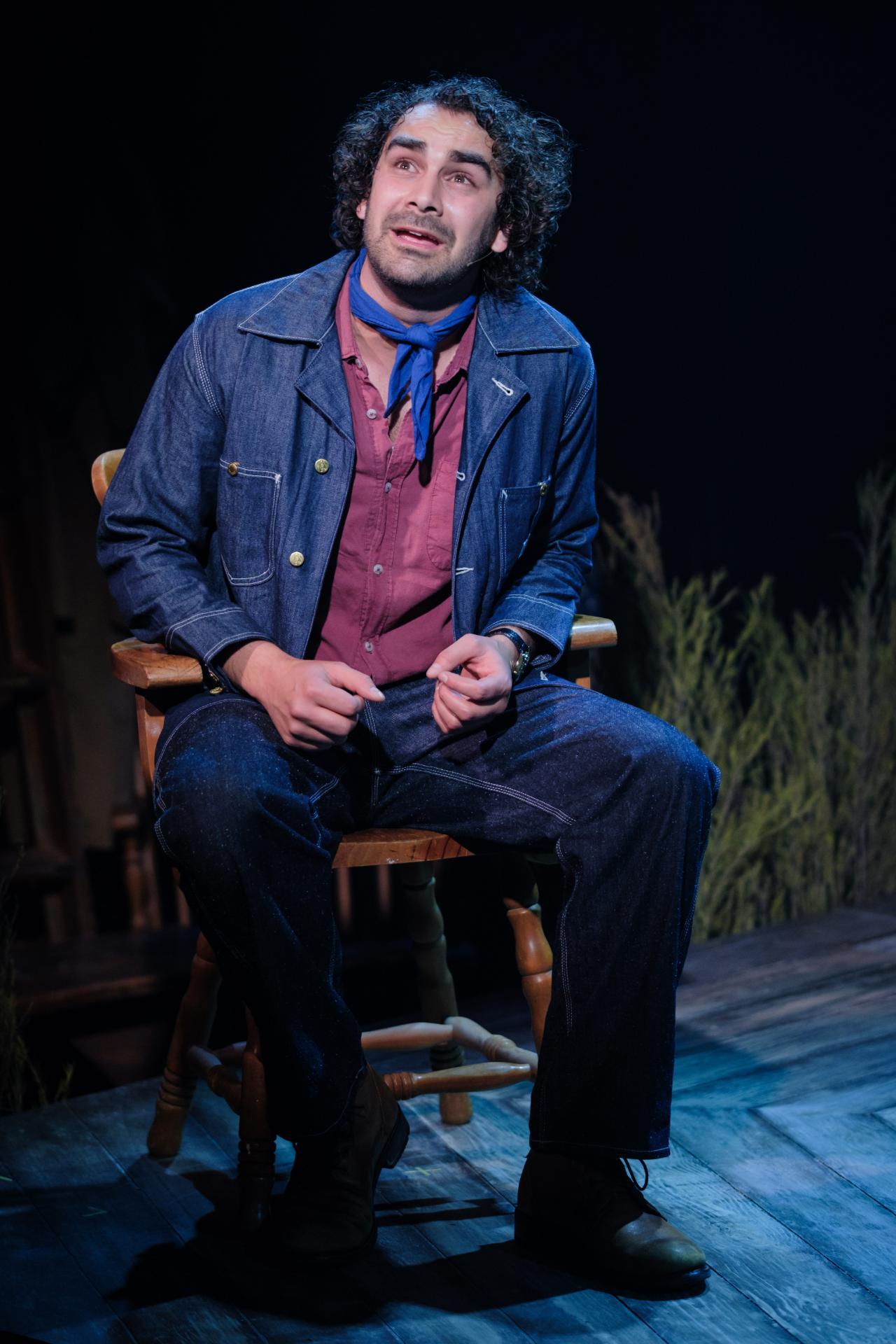
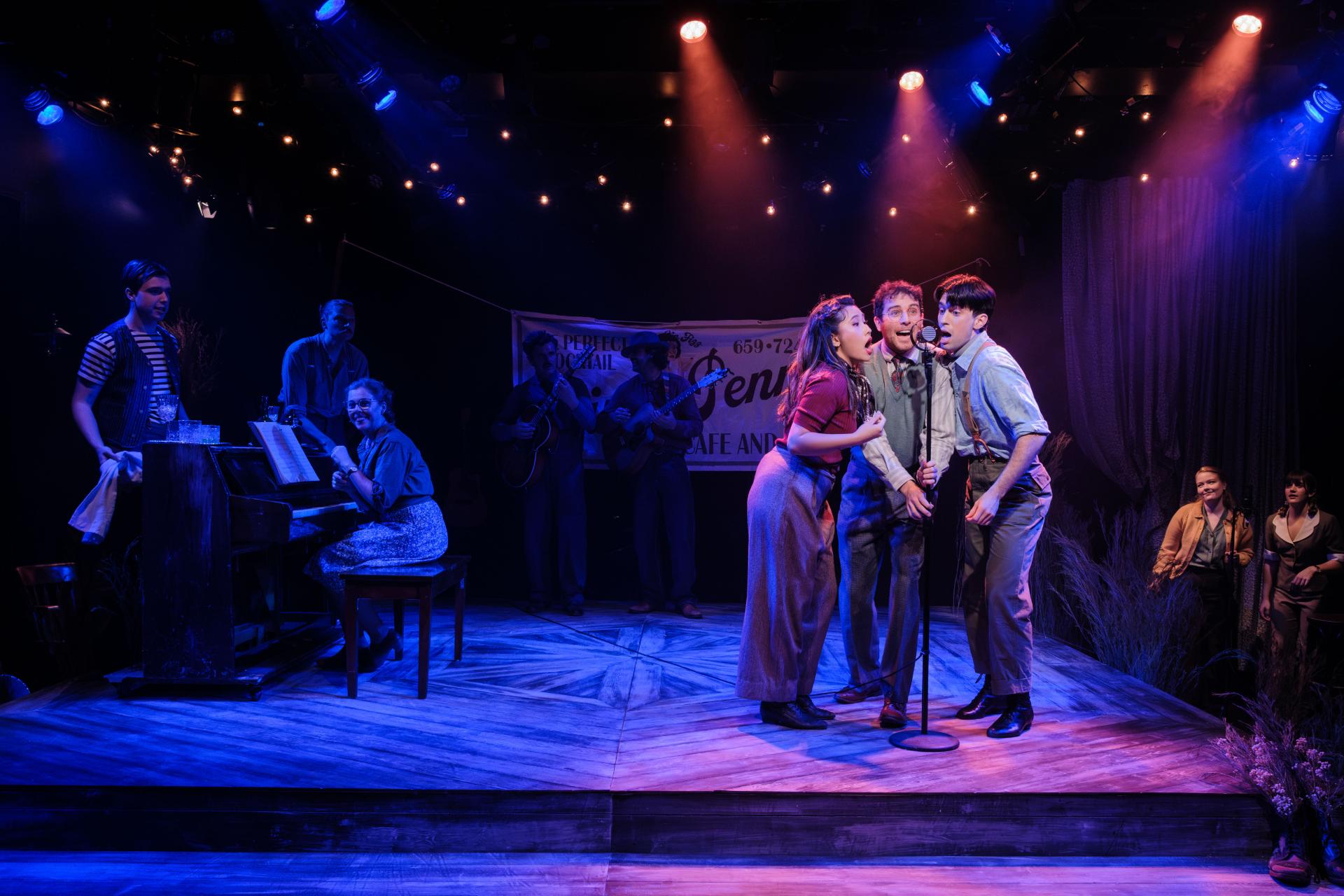
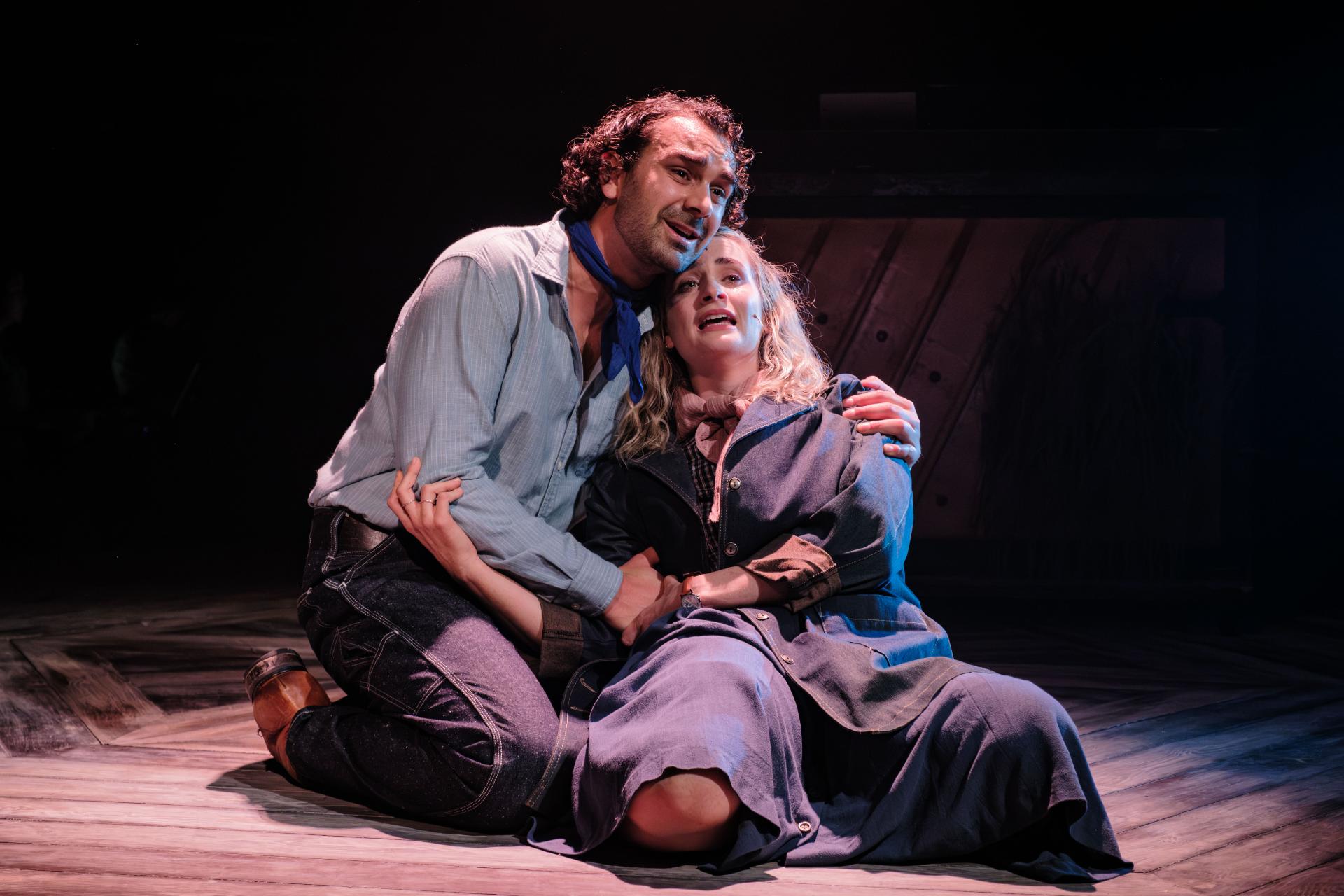
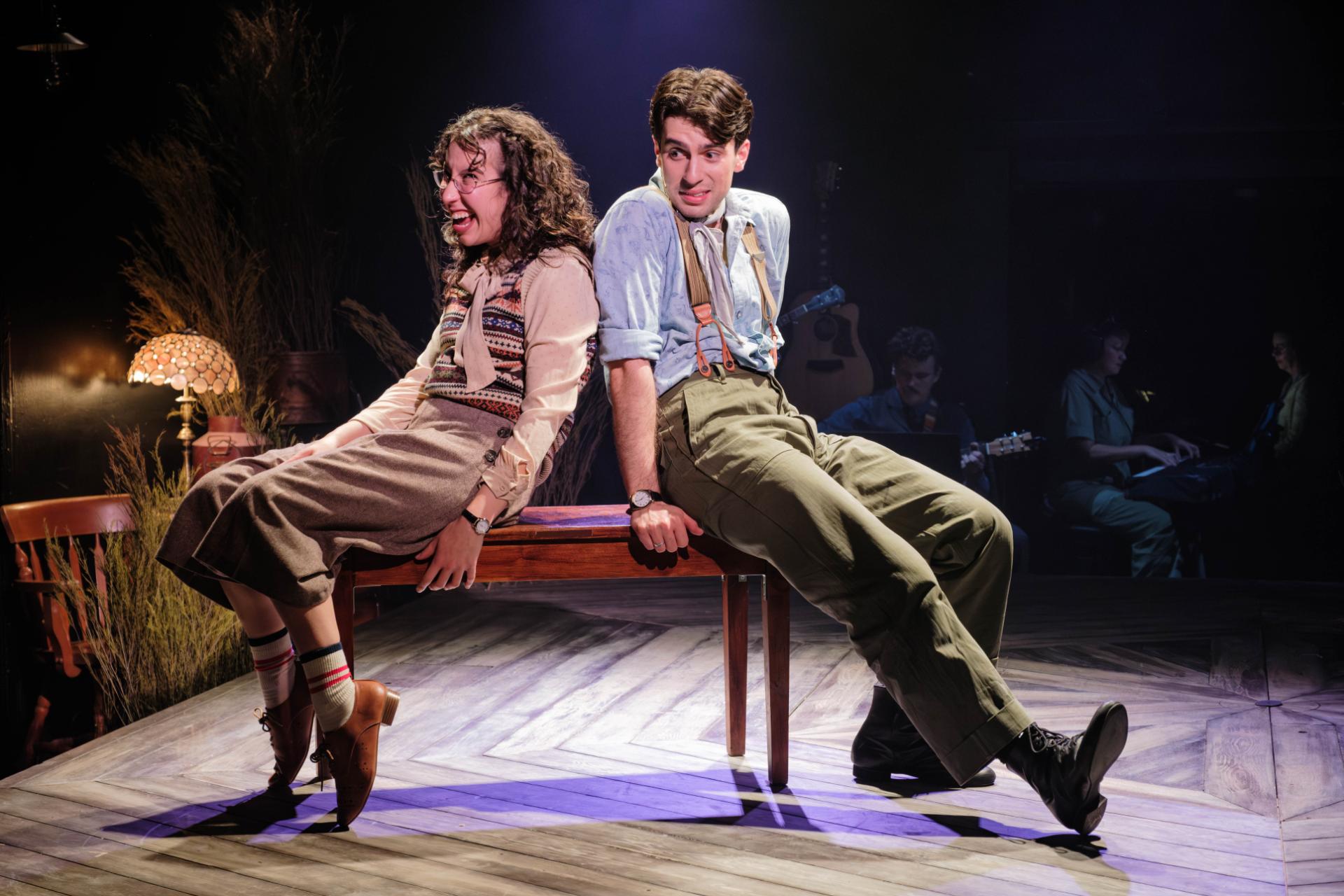
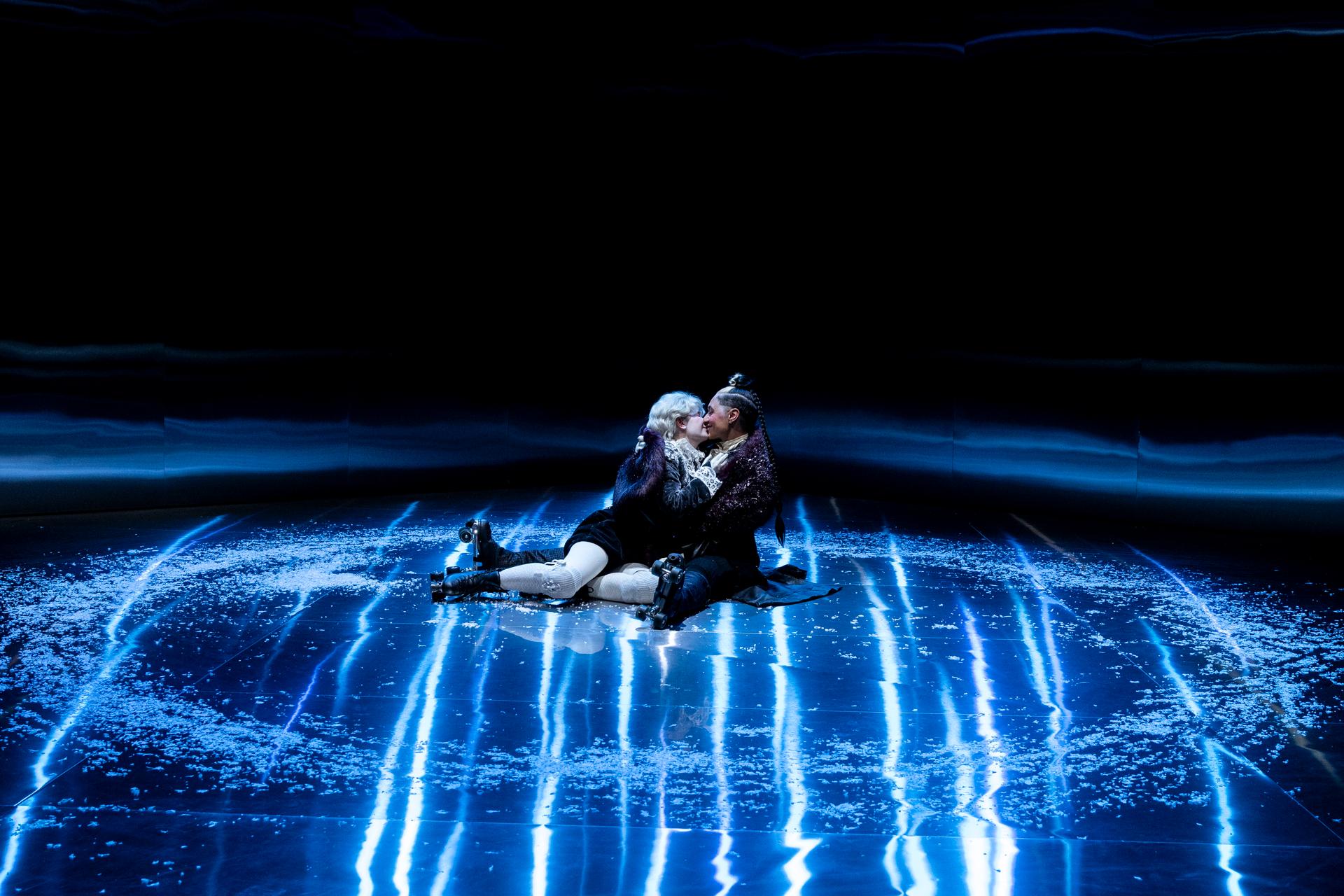
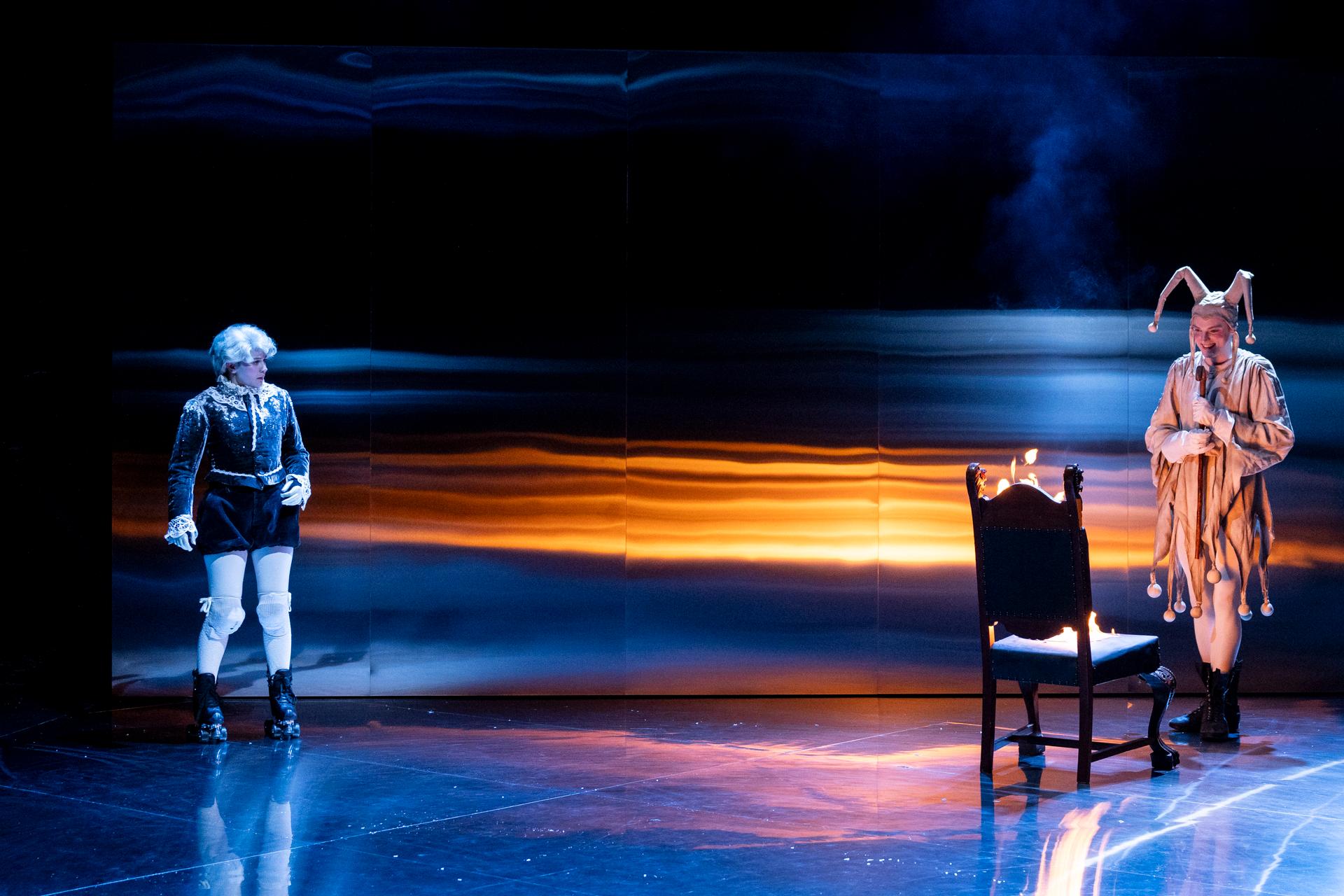
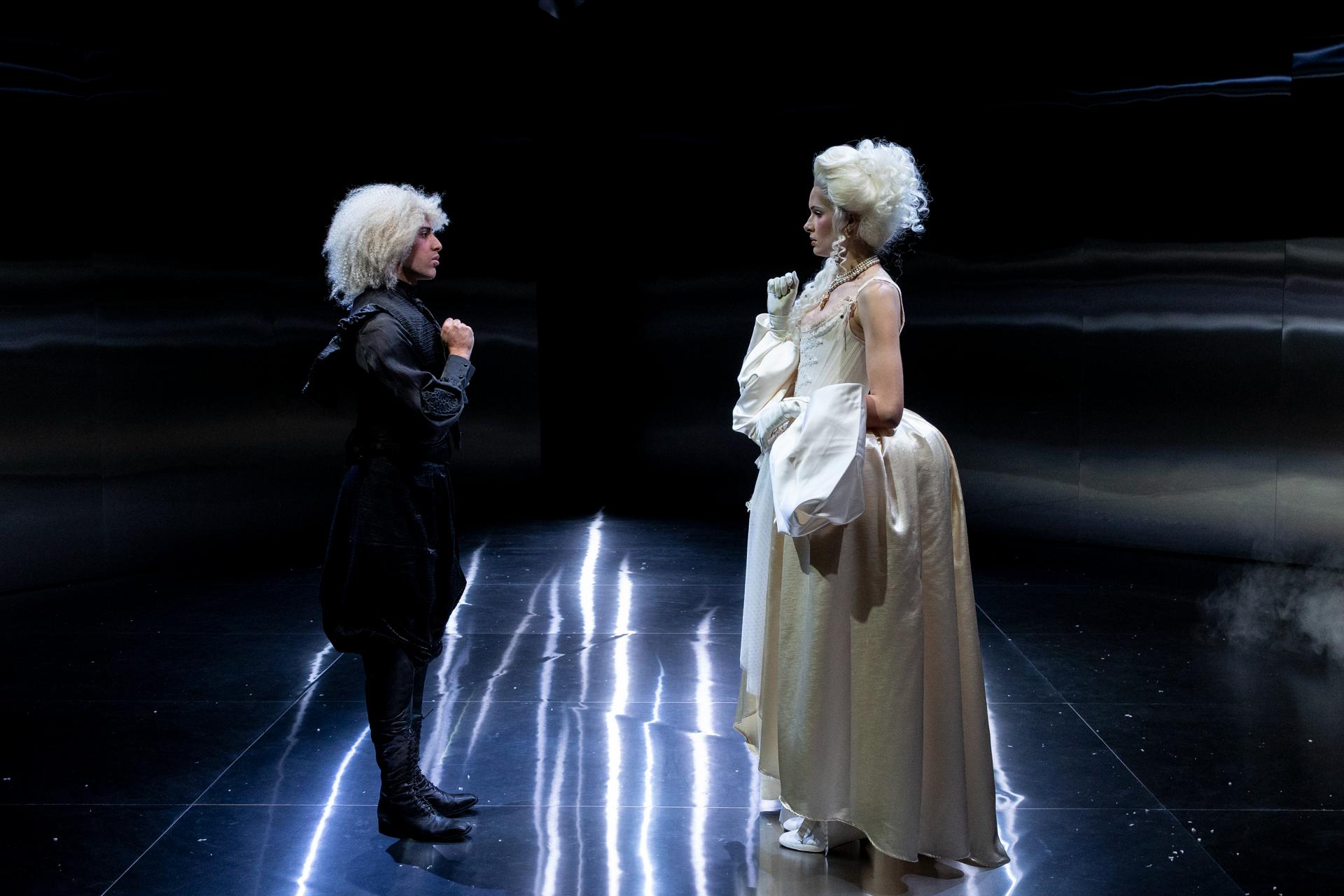
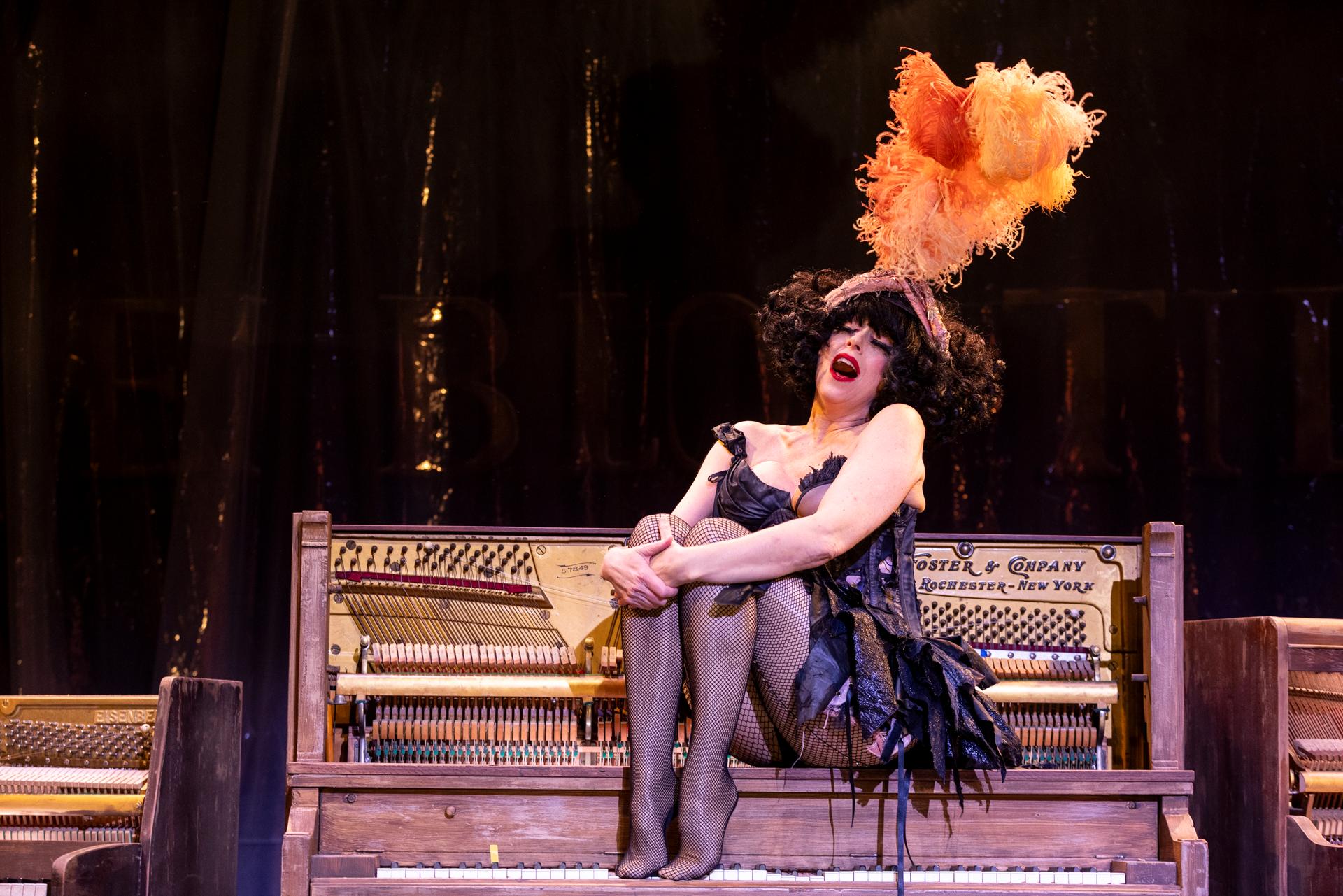
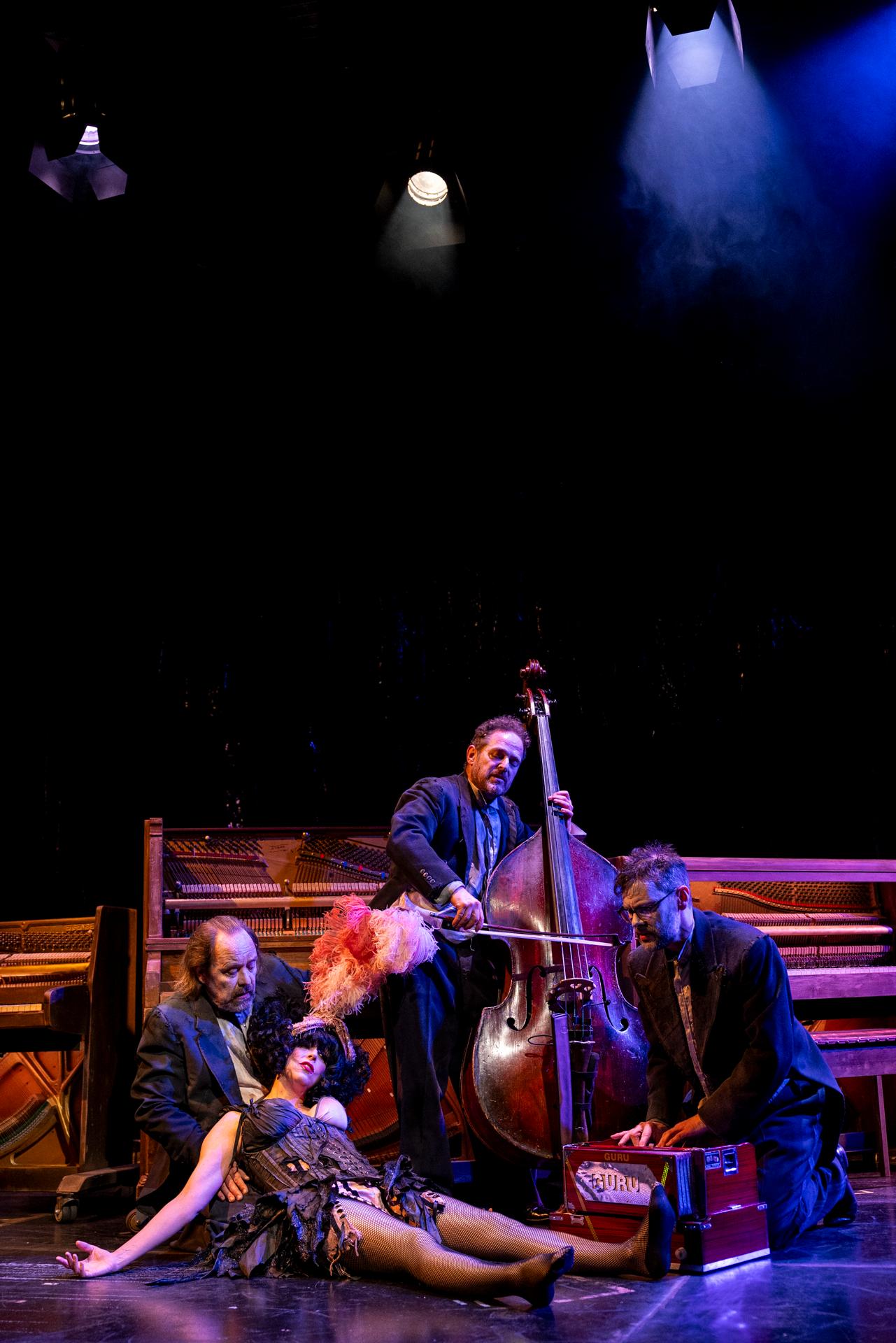
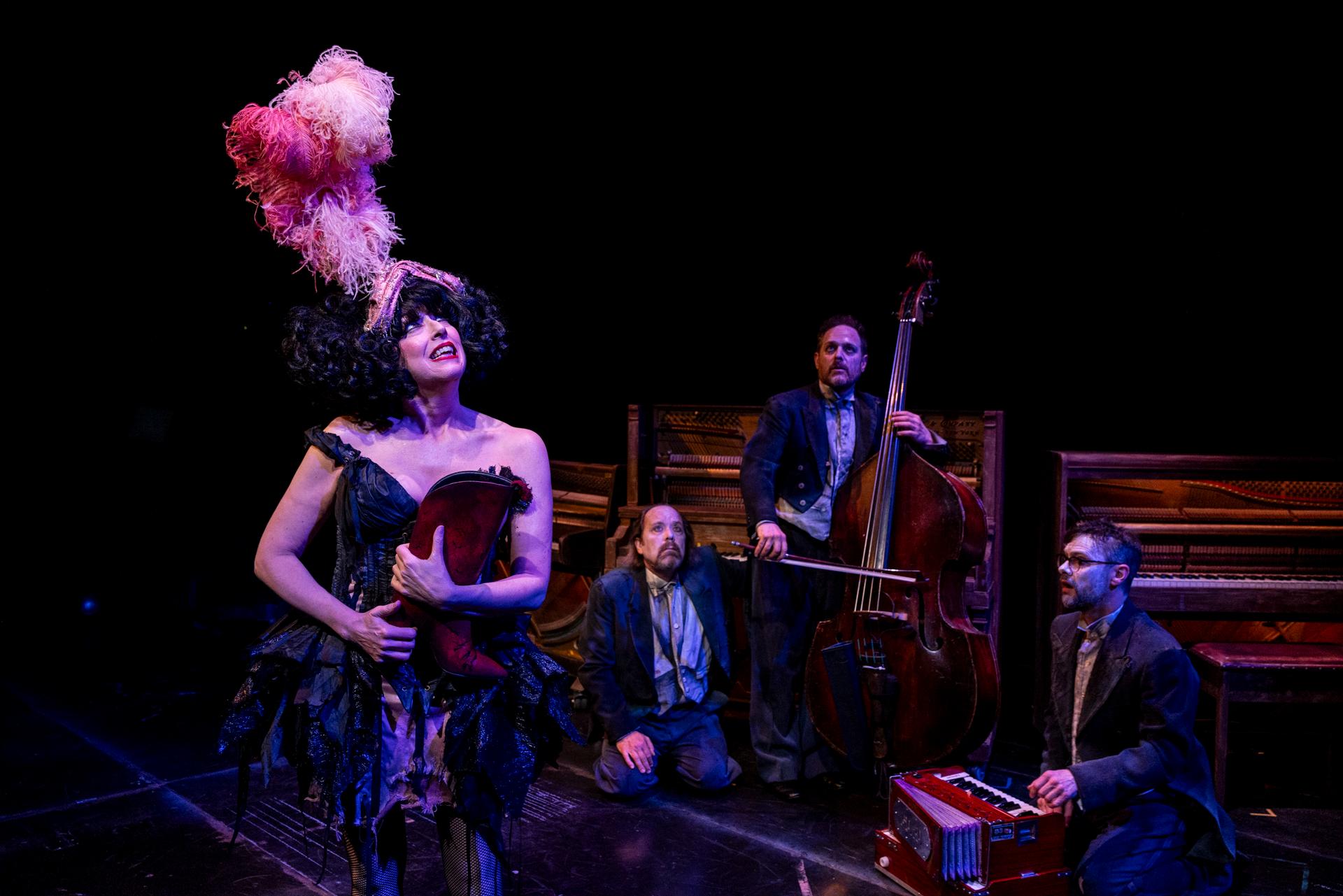
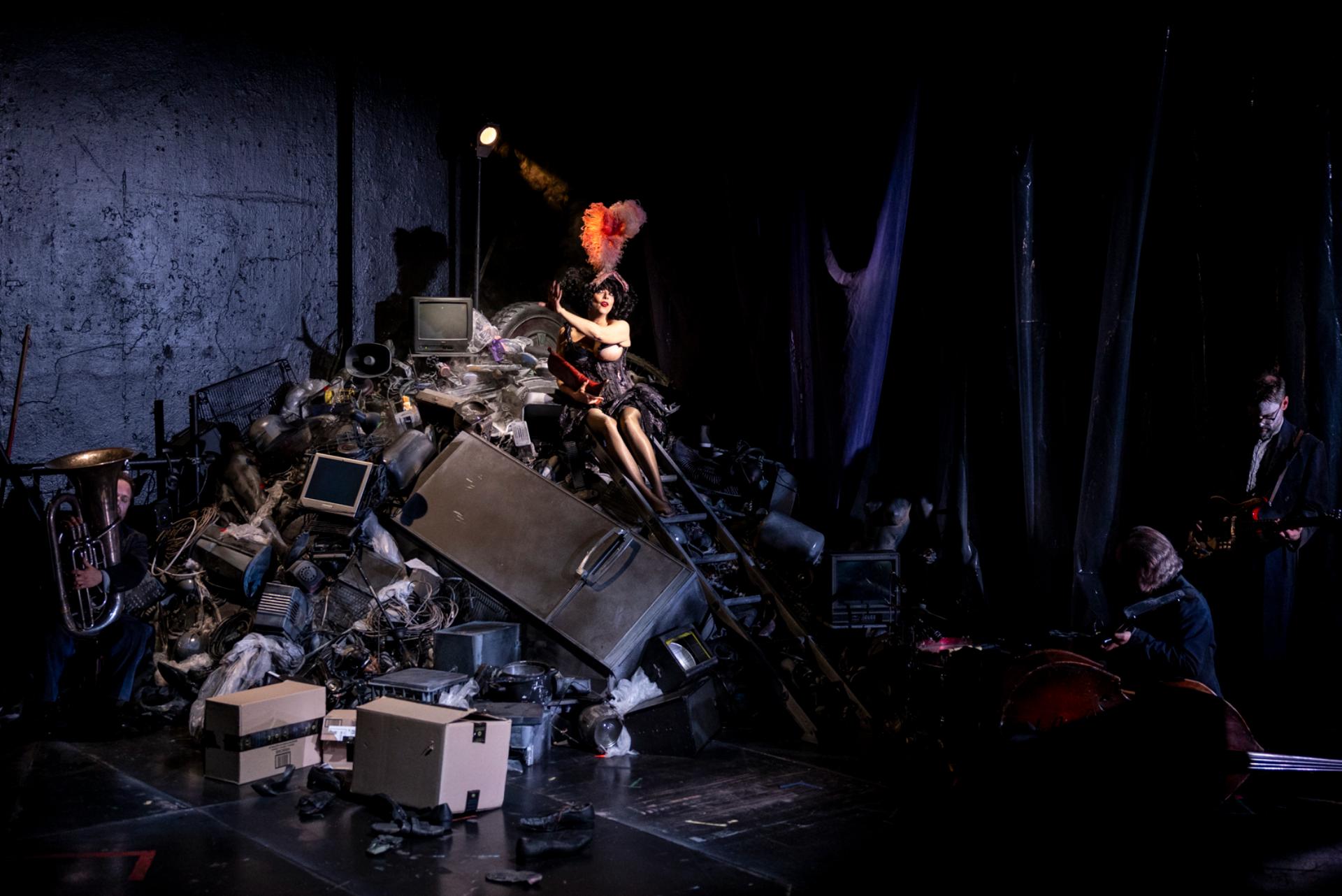
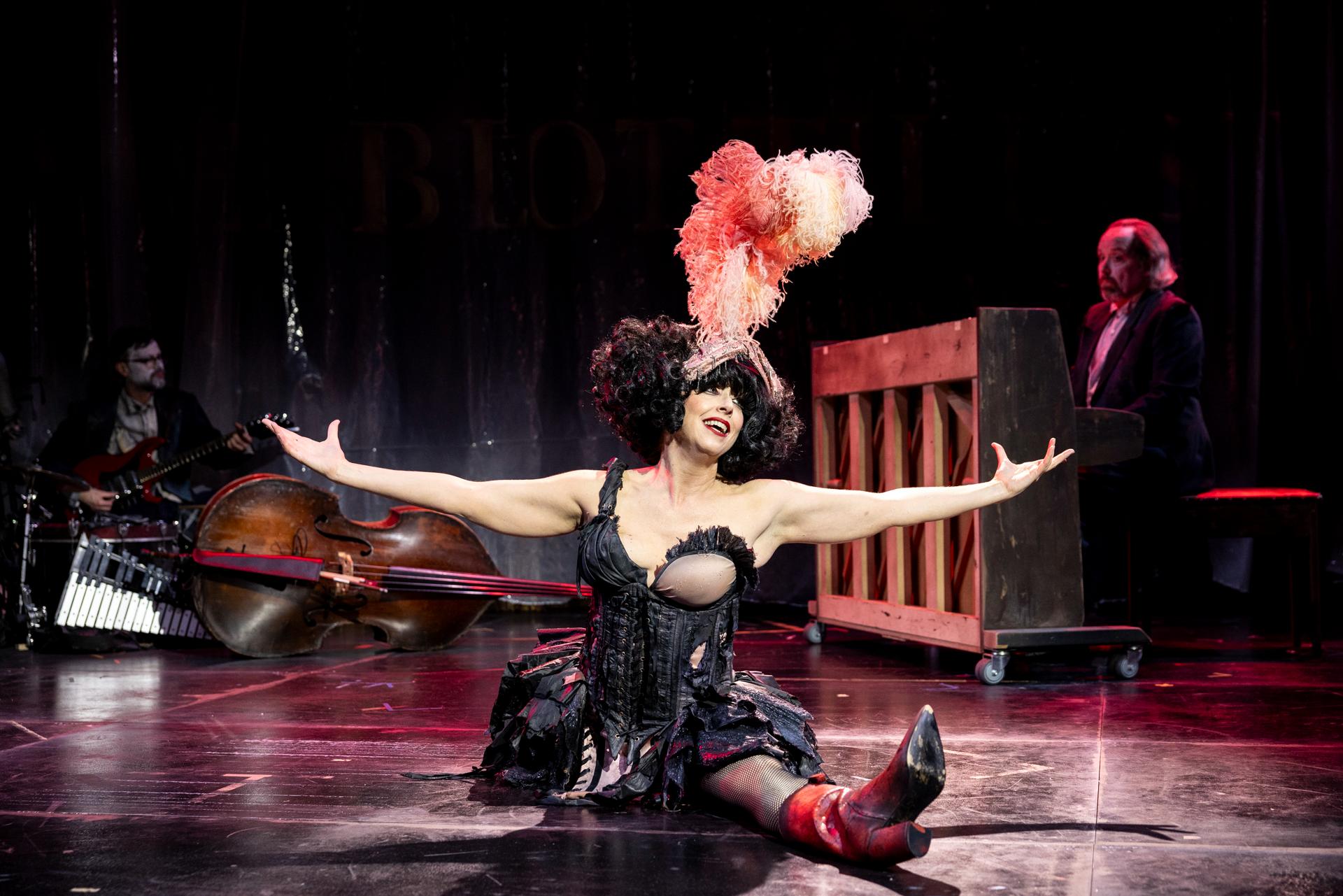
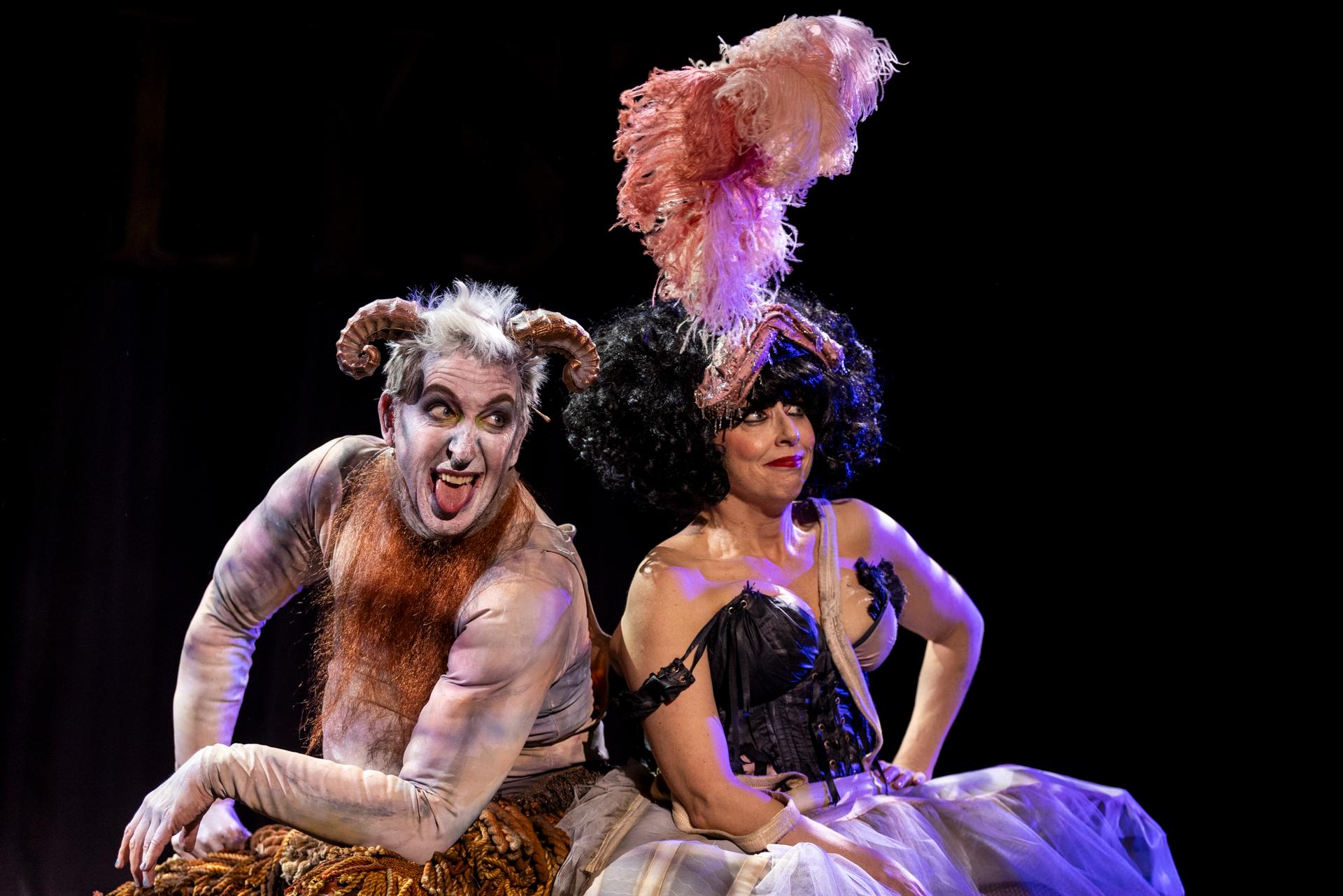
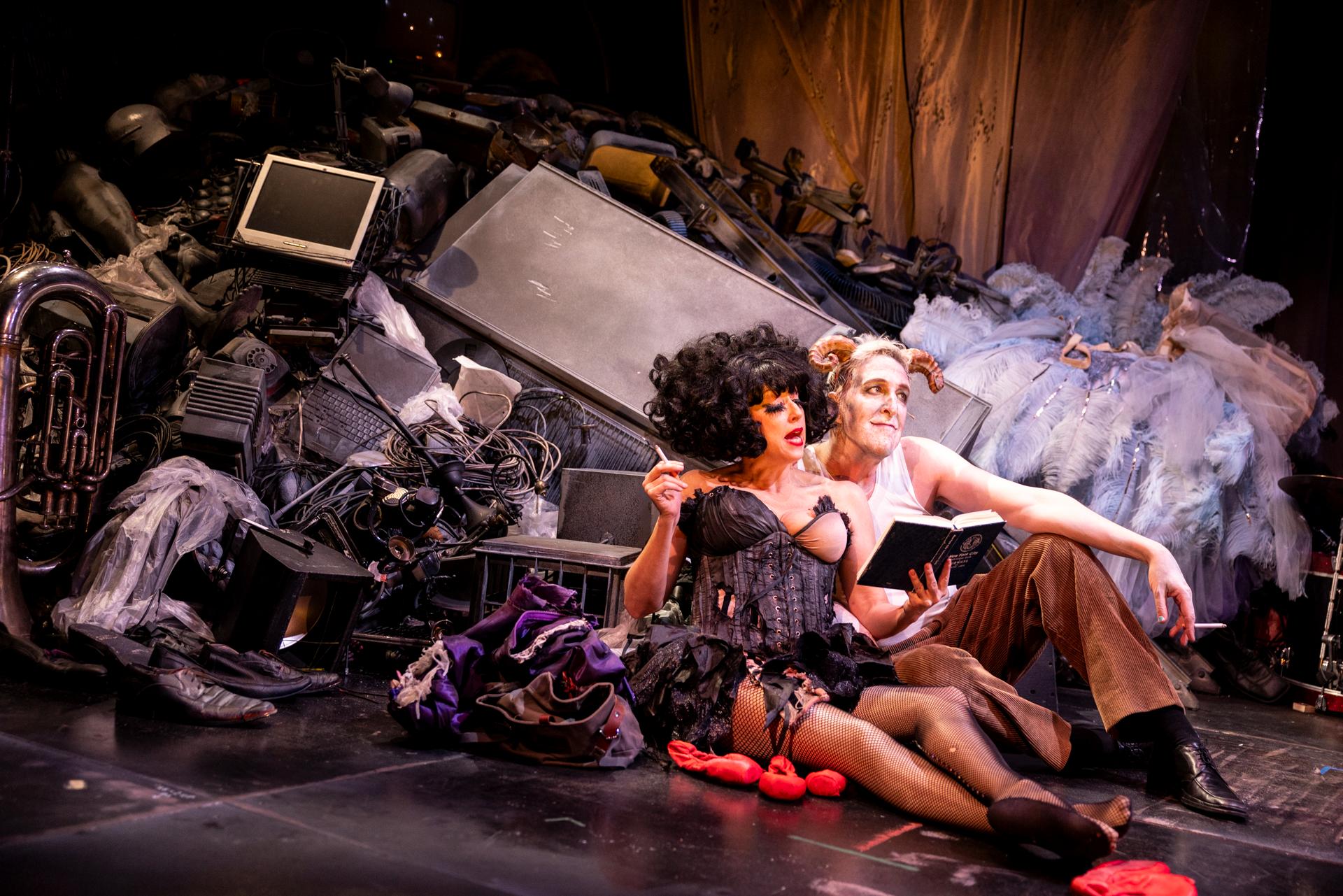
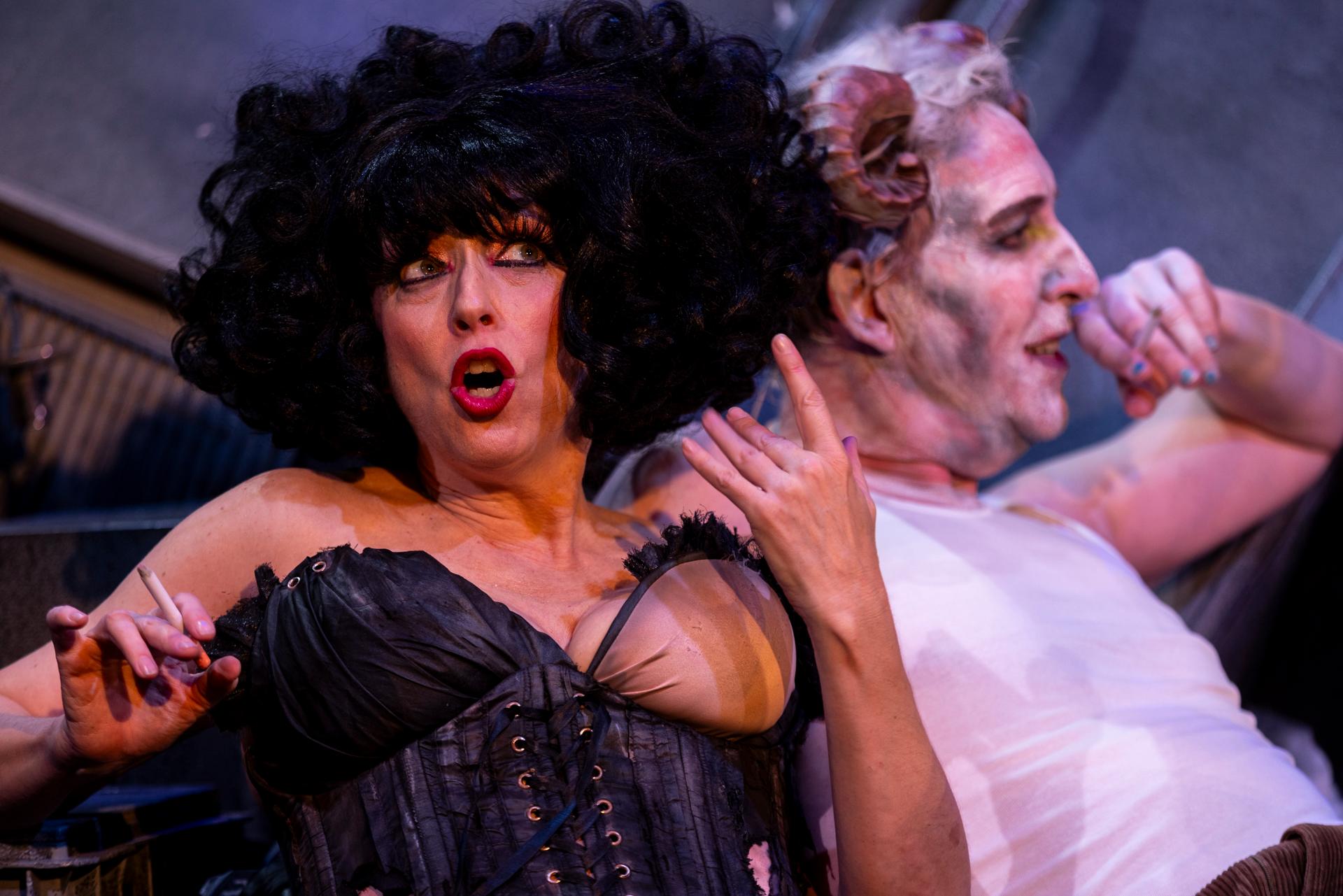
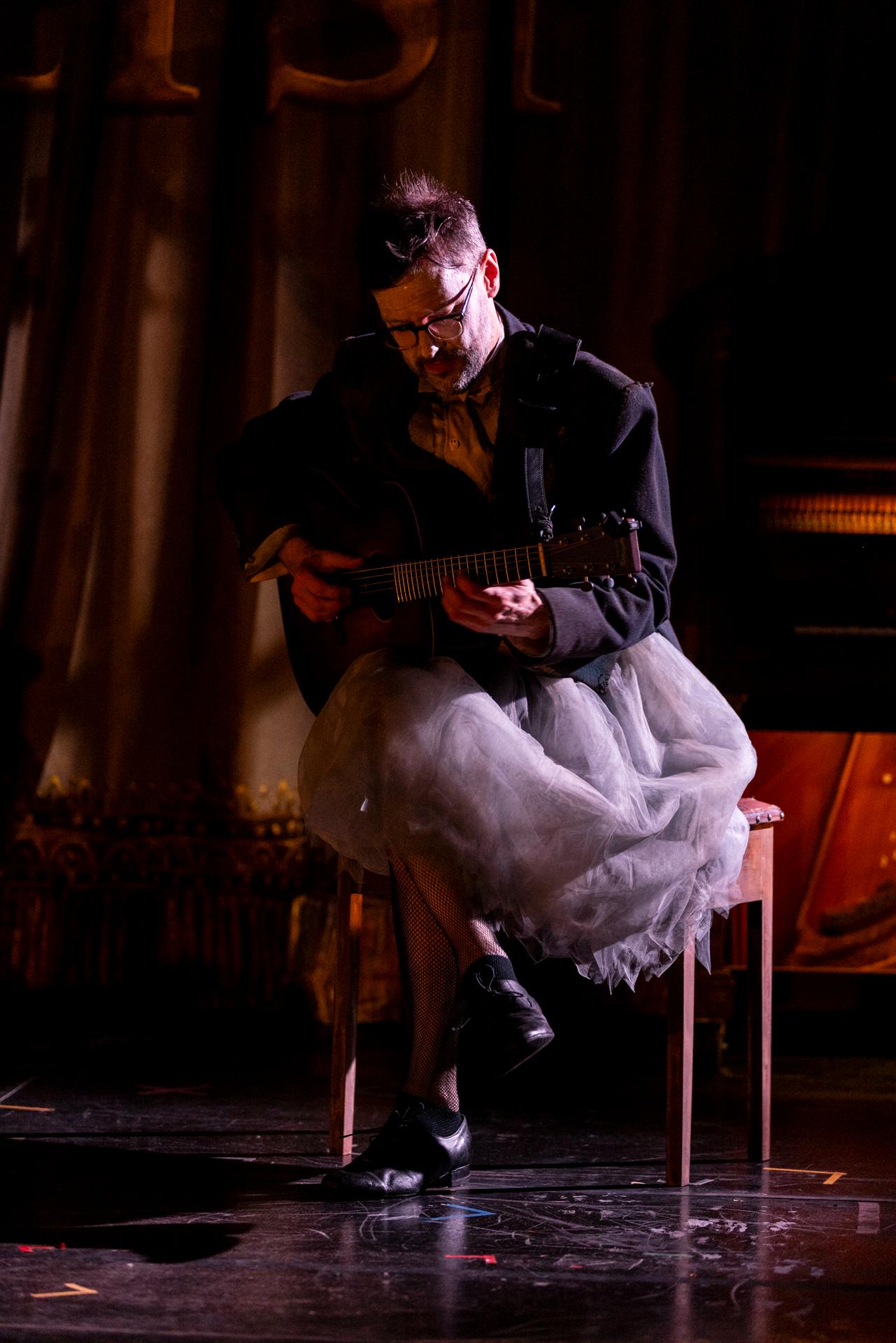
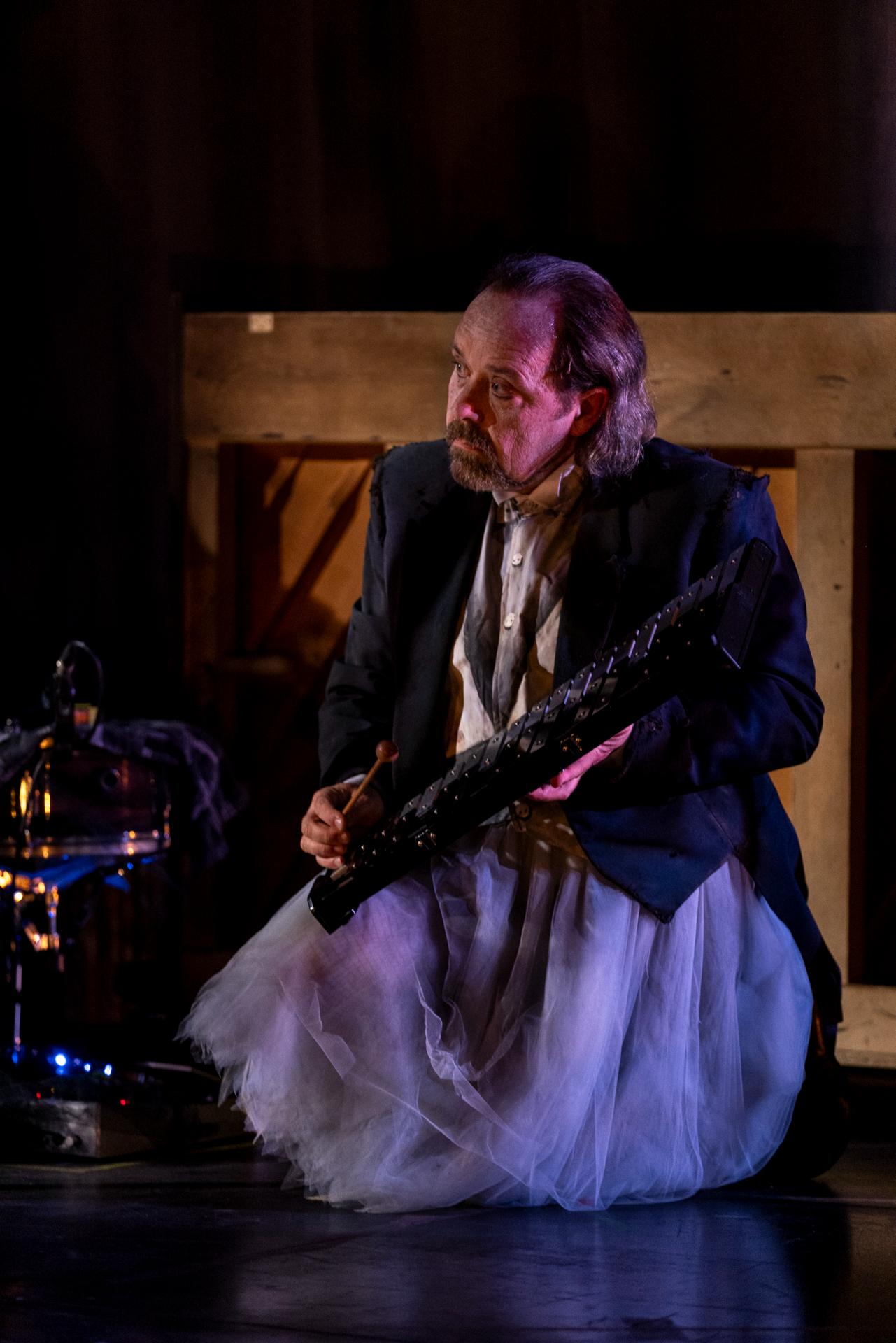
At a pivotal moment in the production, Lord Orlando becomes Lady Orlando, and with this transformation, questions of gender and identity are revealed as the very axis of Carissa Licciardello and Elsie Yager’s adaptation of Virginia Woolf’s 1928 novel Orlando: A Biography. Shortened simply to Orlando, the work preserves the fantastical spirit and poetic sweep of Woolf’s novel, though some of its intellectual density seems to have dissipated in translation to the stage.

Its inquiries into sexism, while sincere, often feel suspended in the past, unable to reproduce the startling contemporaneity of Woolf’s text. At times, gender is rendered too simplistically in Licciardello’s direction. Yet the injustices faced by Lady Orlando—most notably the loss of property and wealth on account of her sex—remain a compelling anchor, ensuring the adaptation retains a measure of significance.

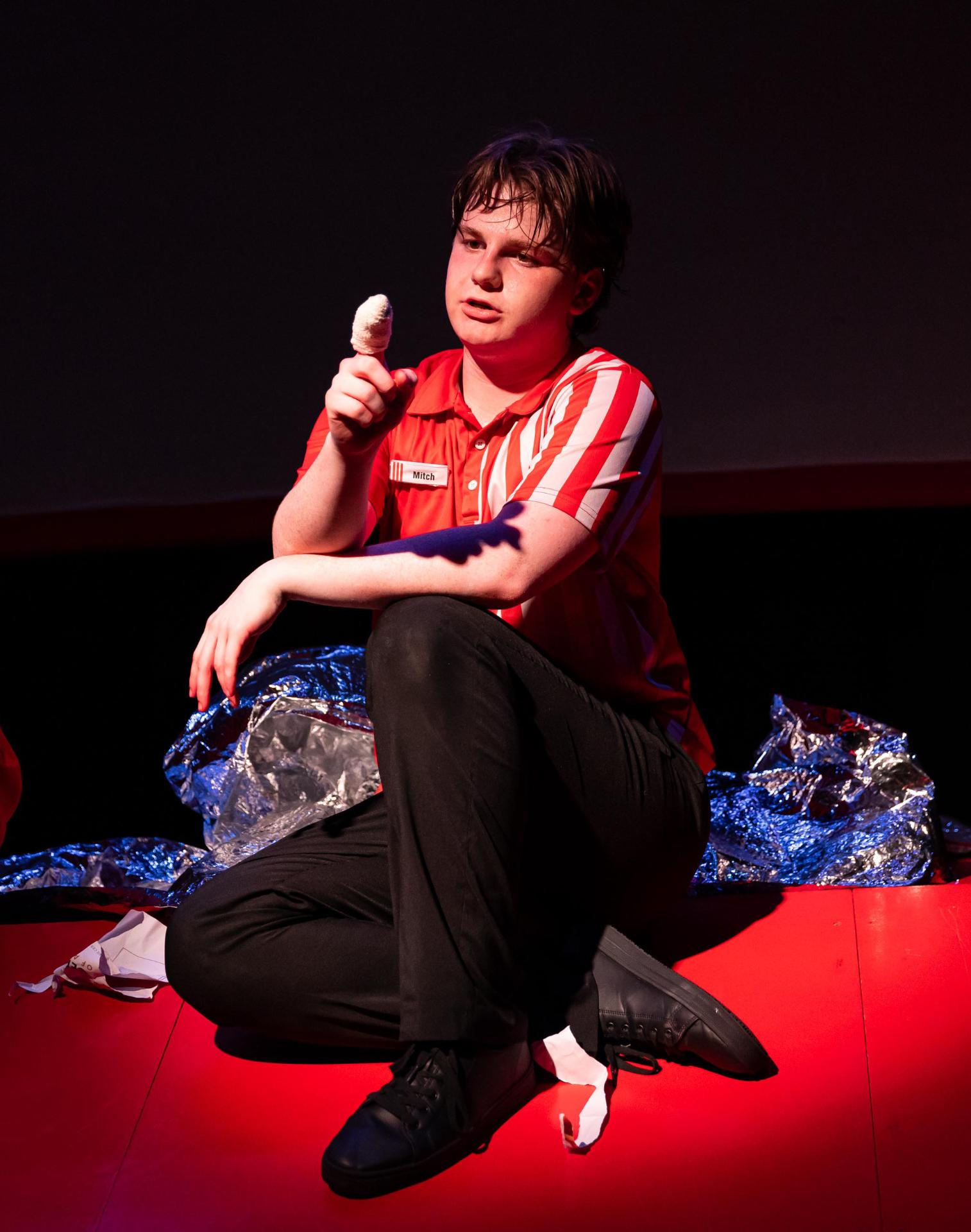
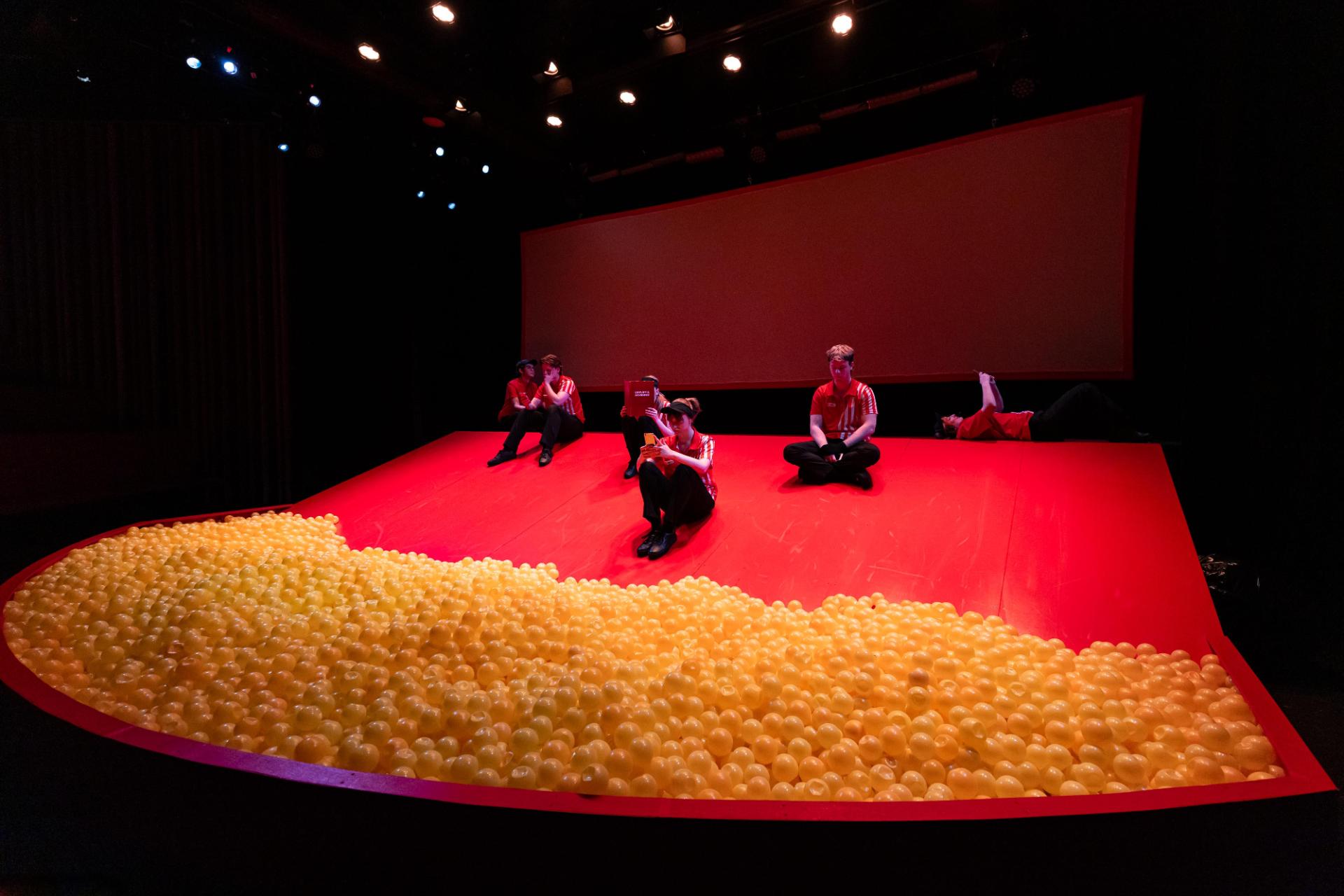
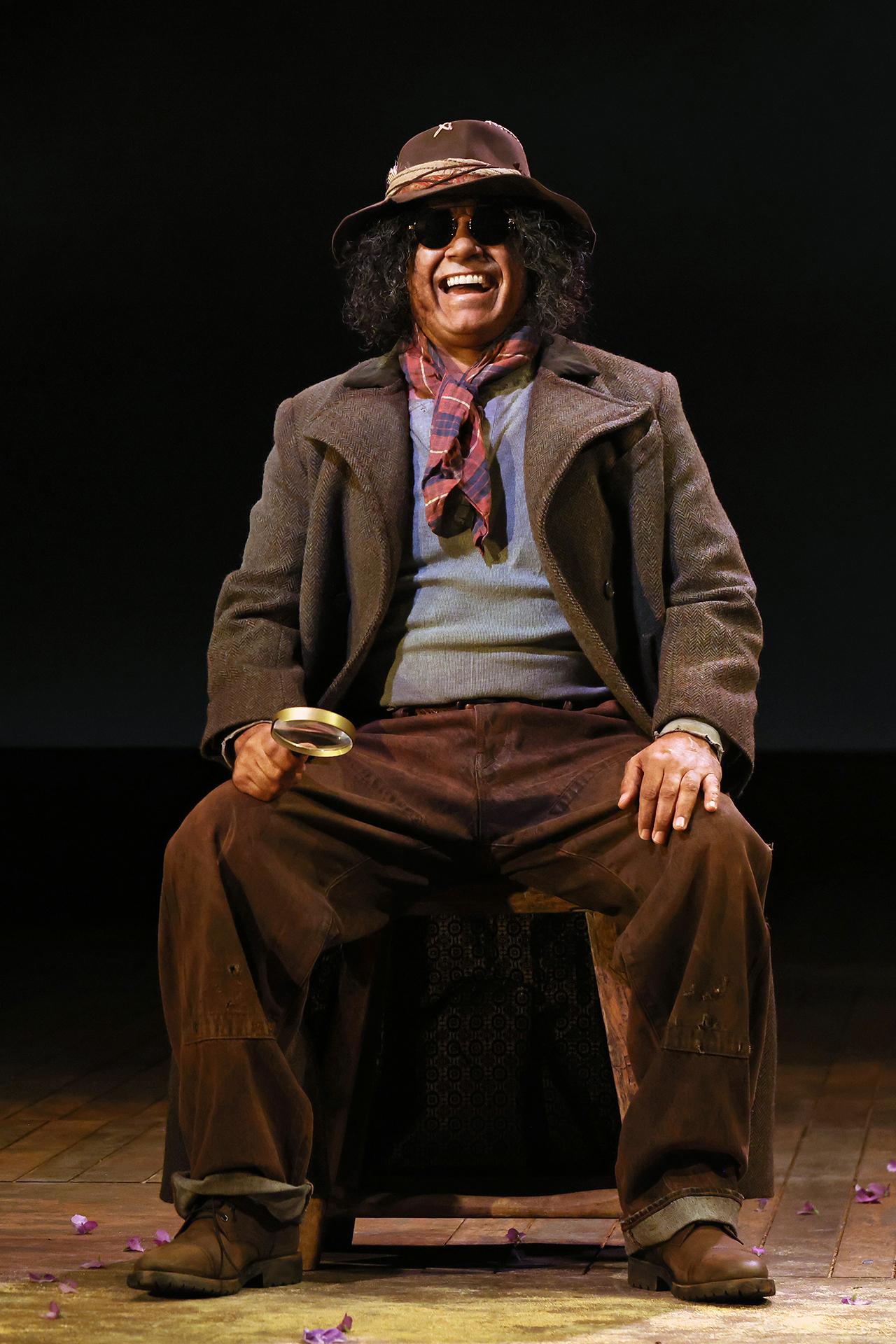
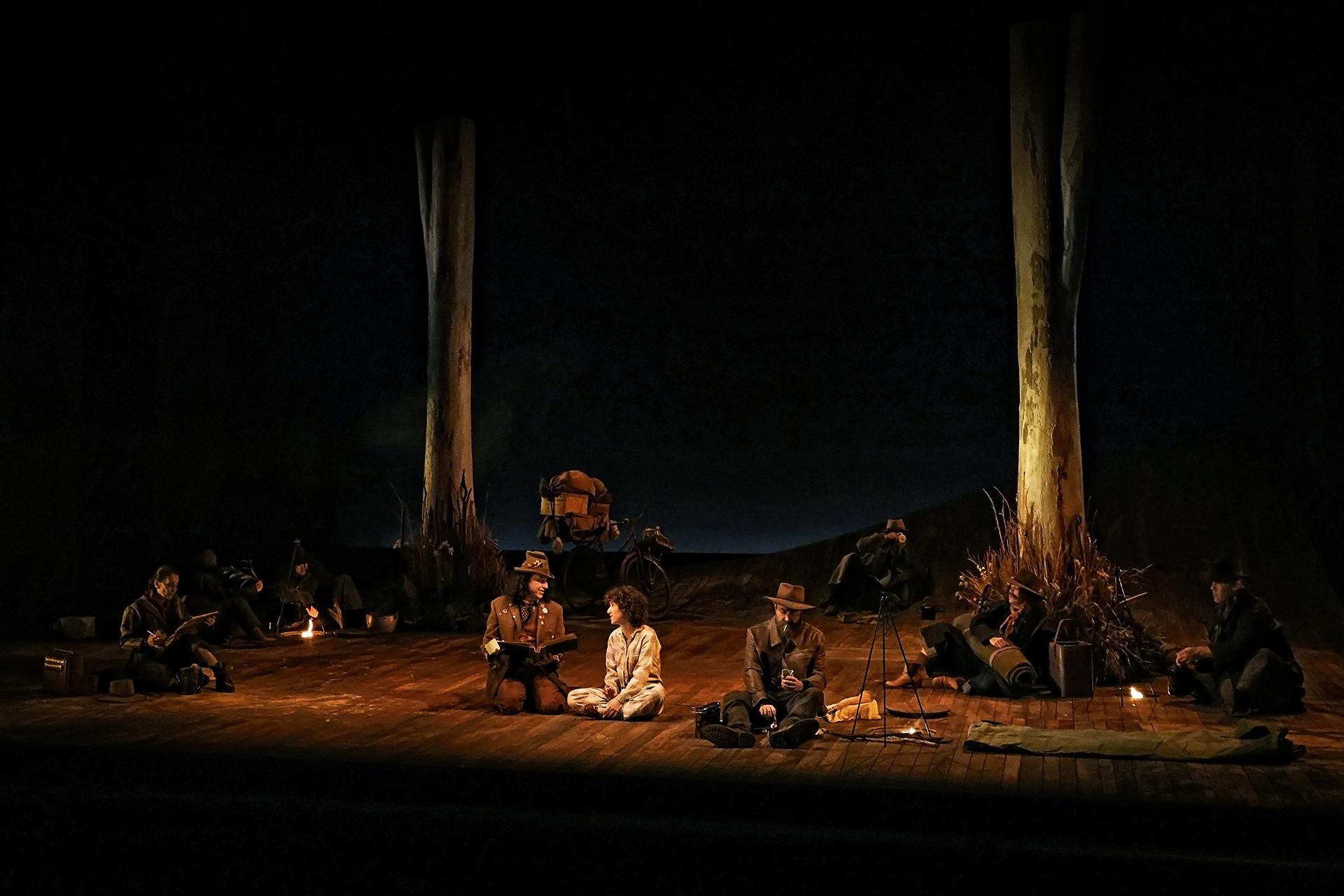
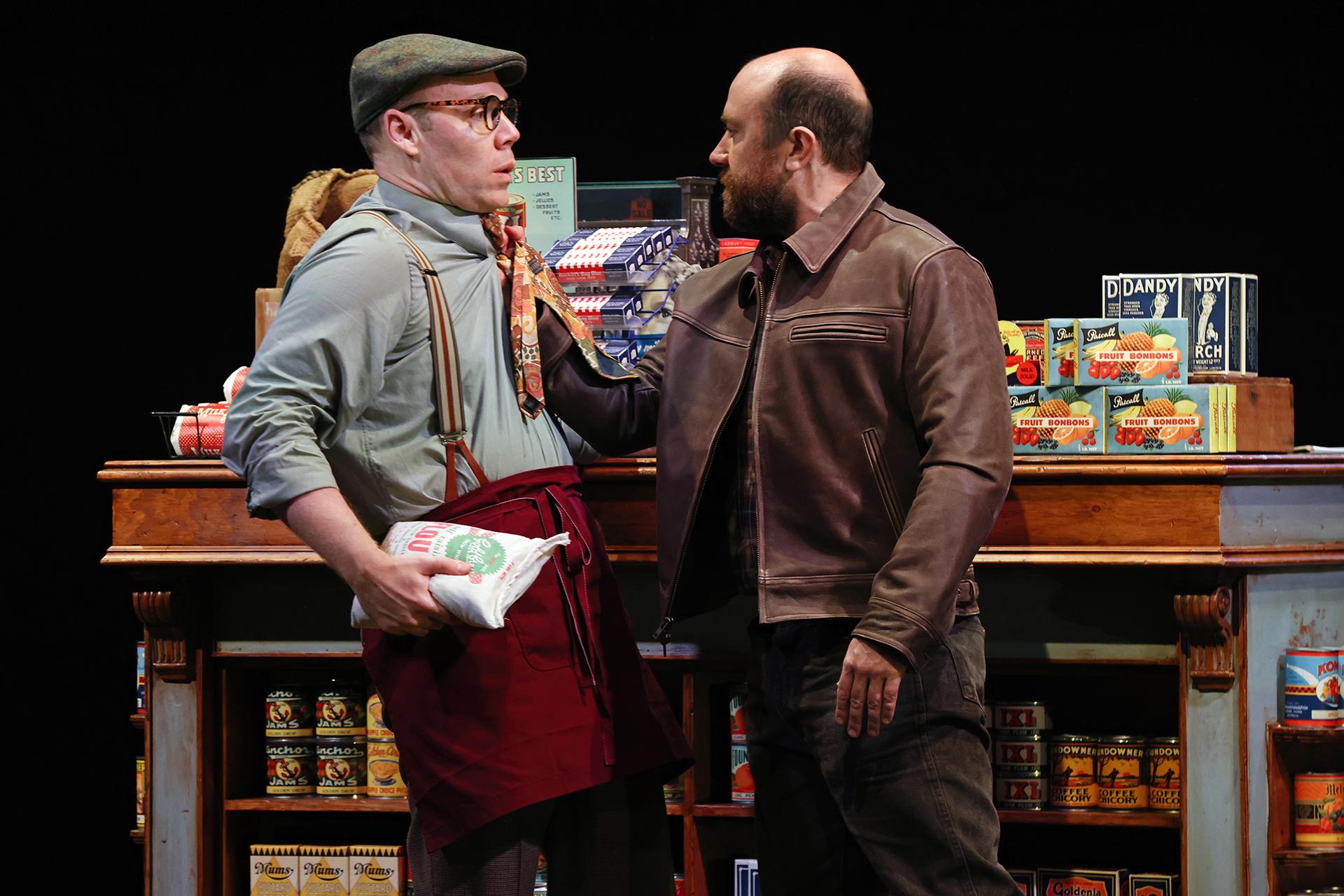
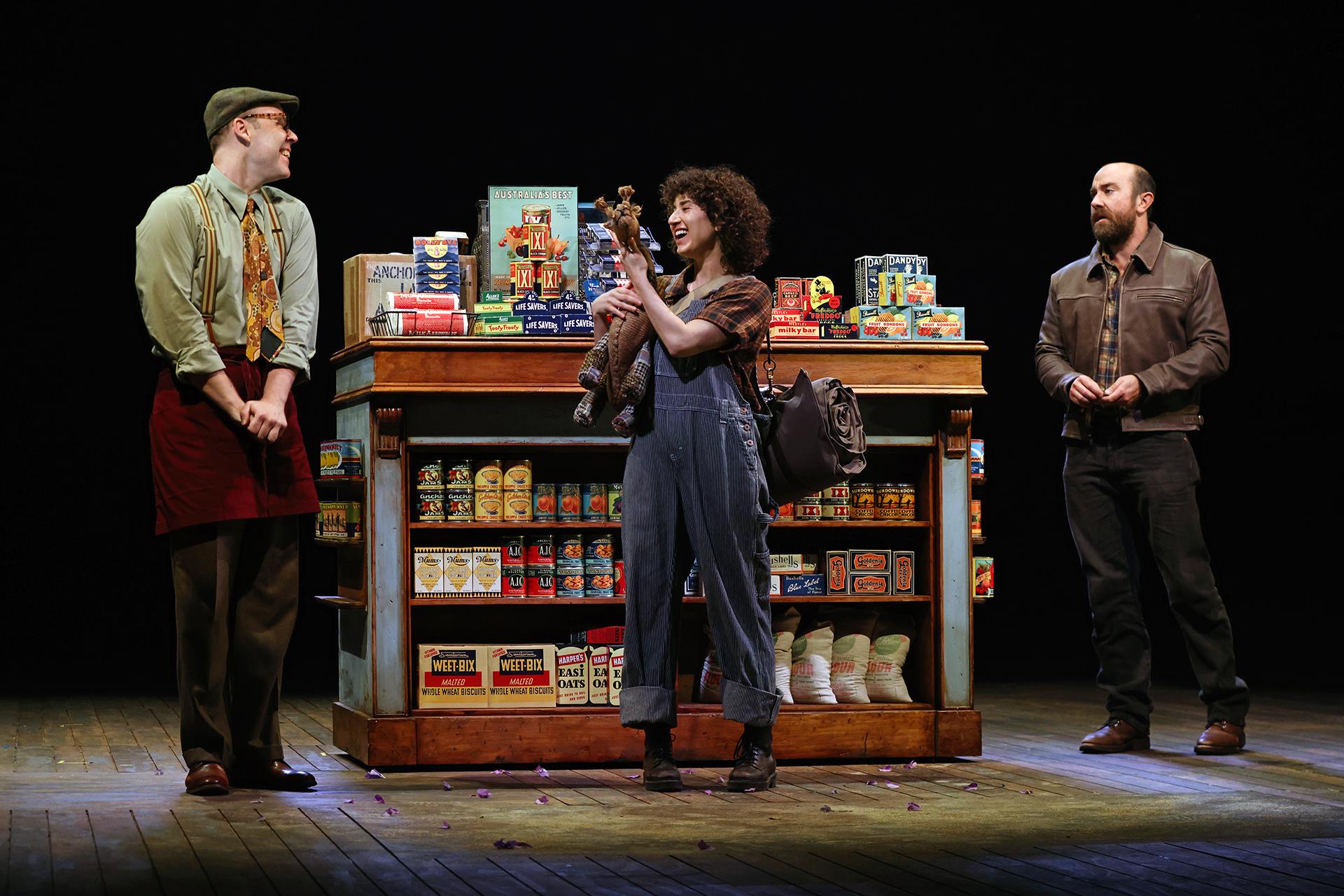
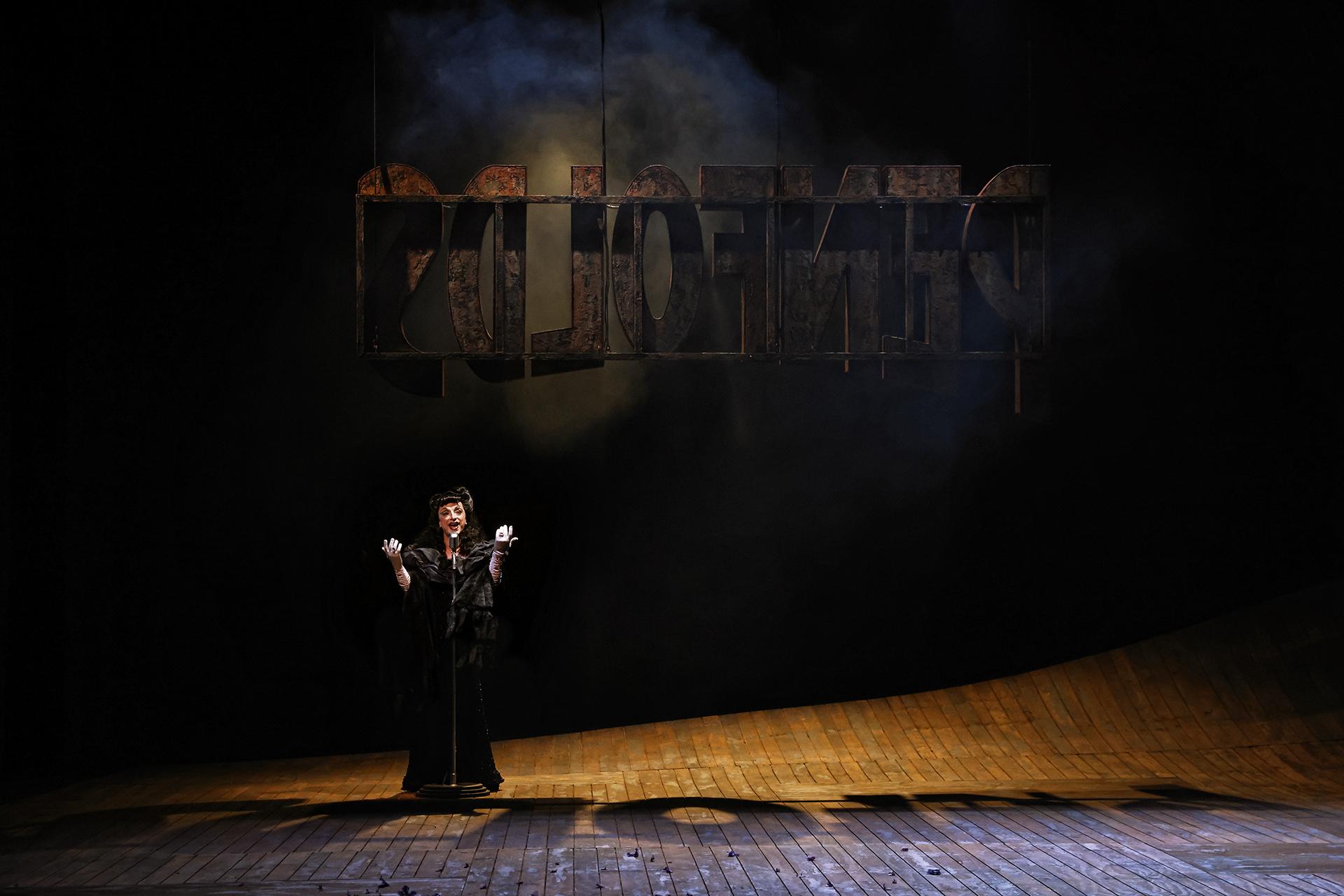
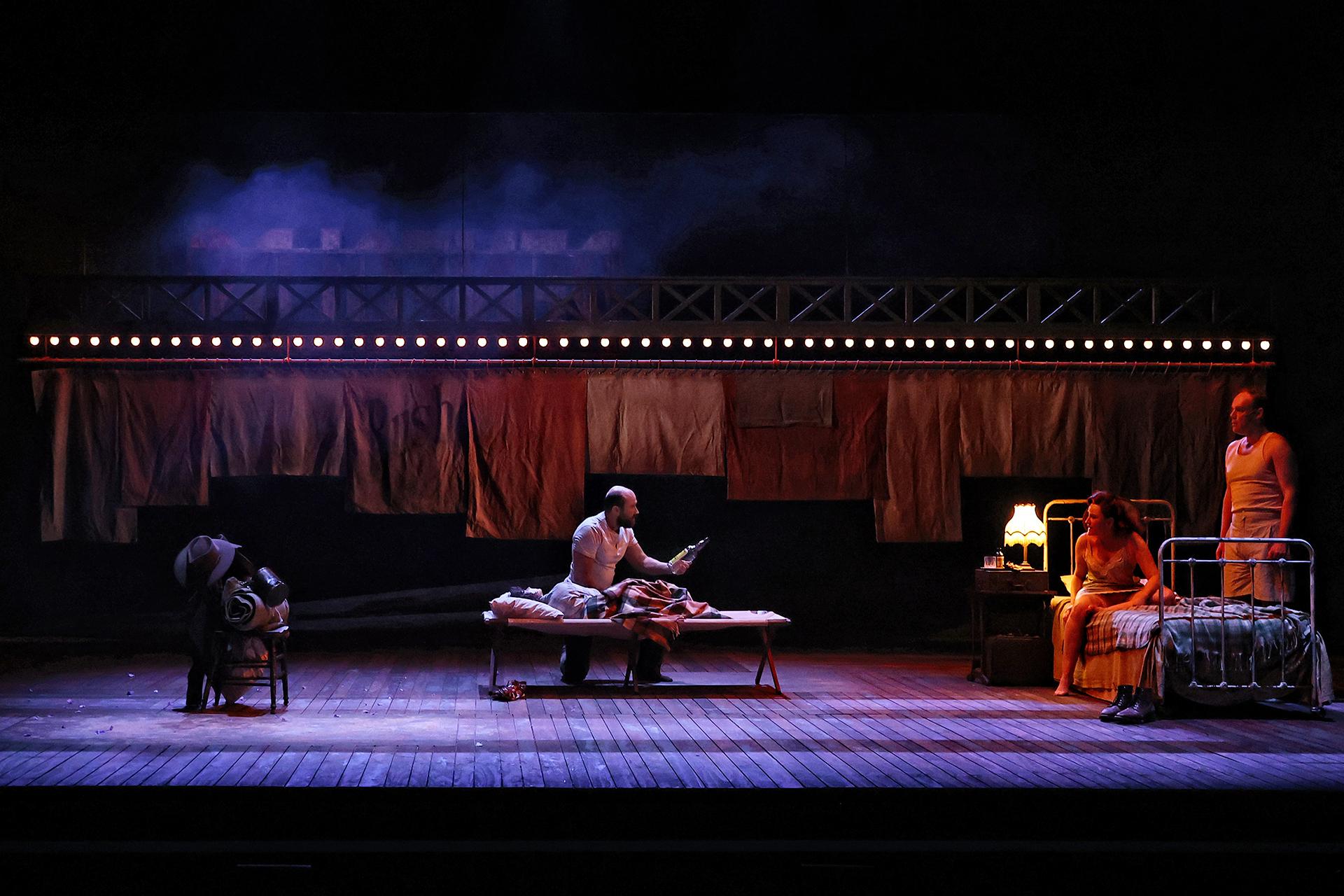
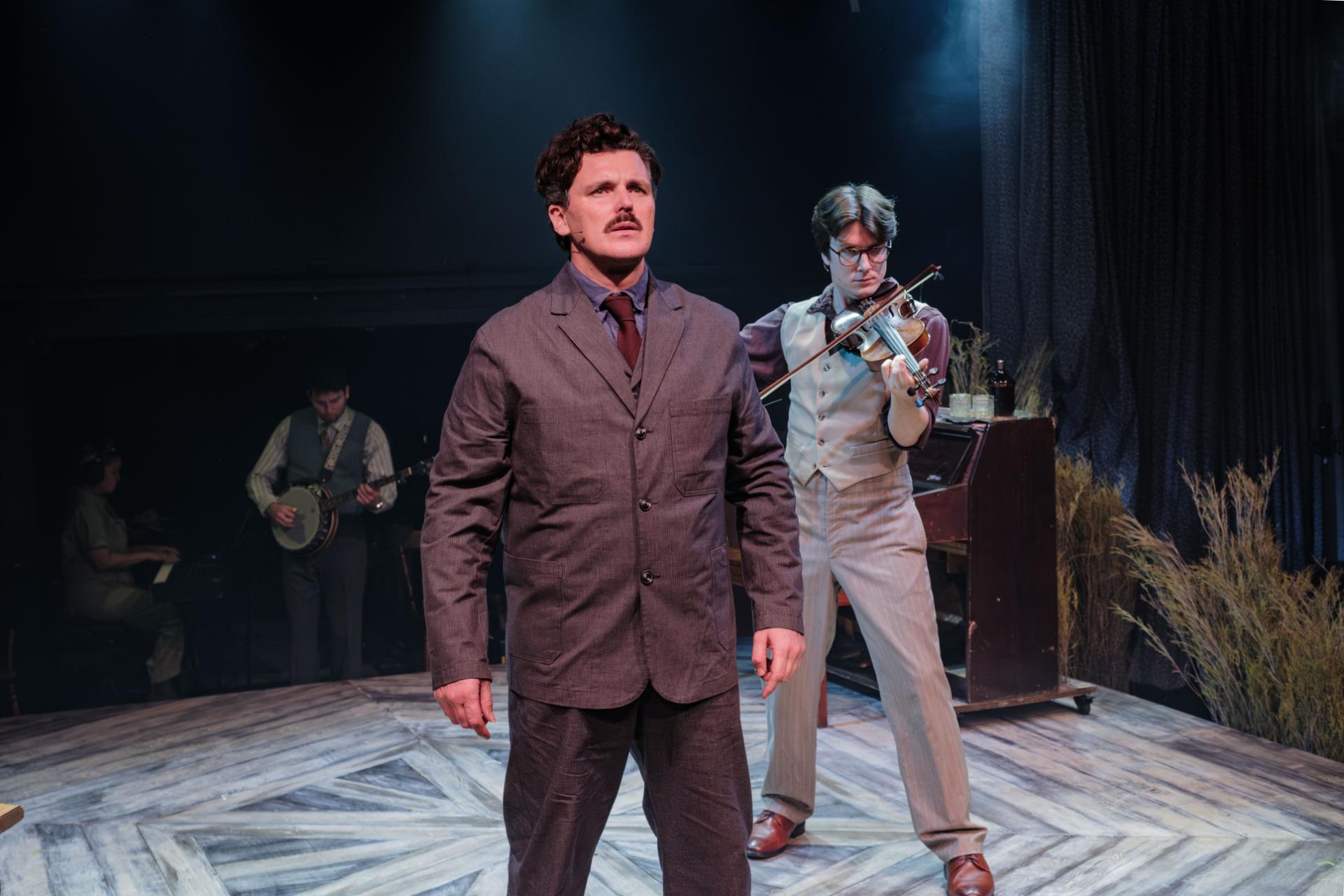
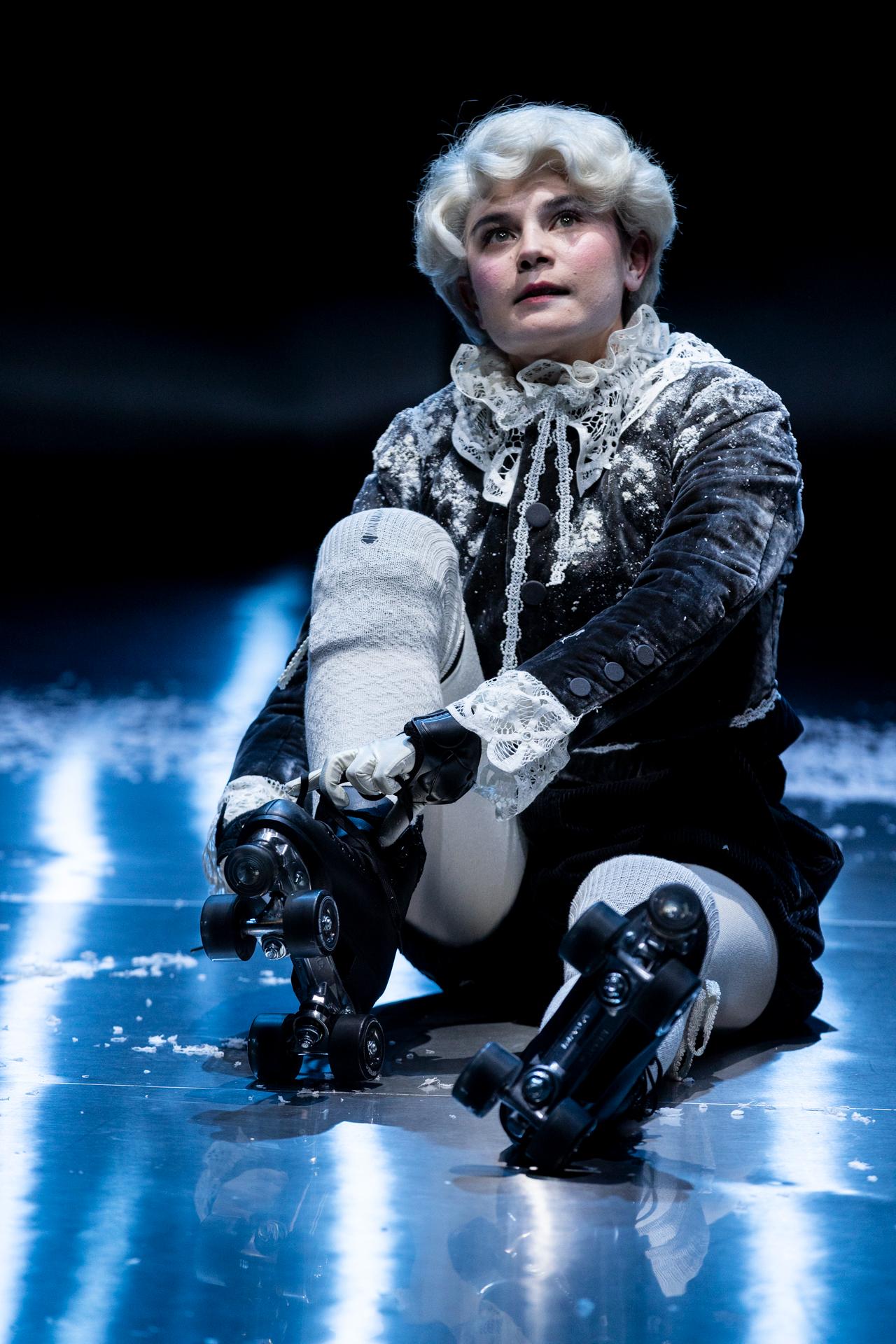
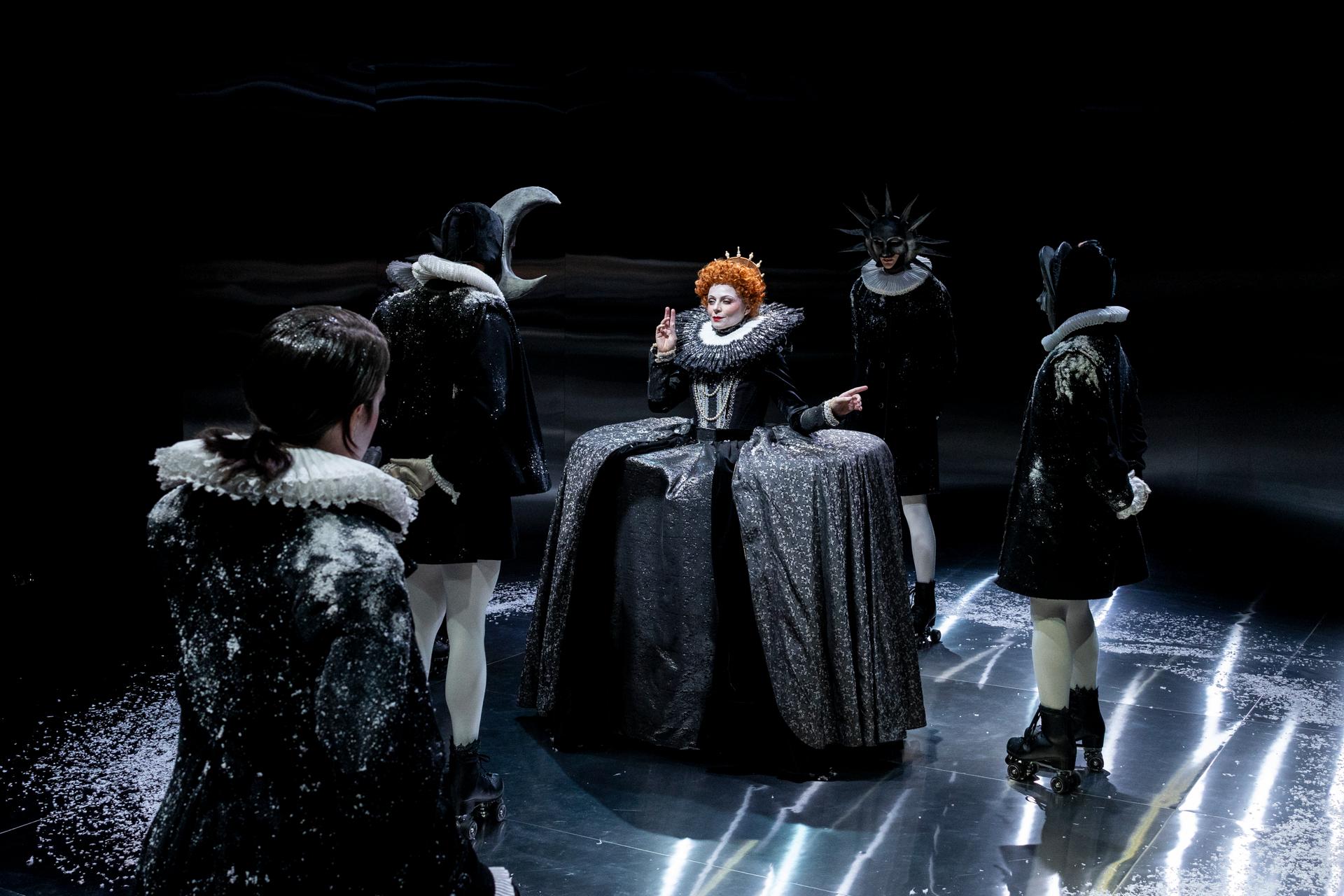
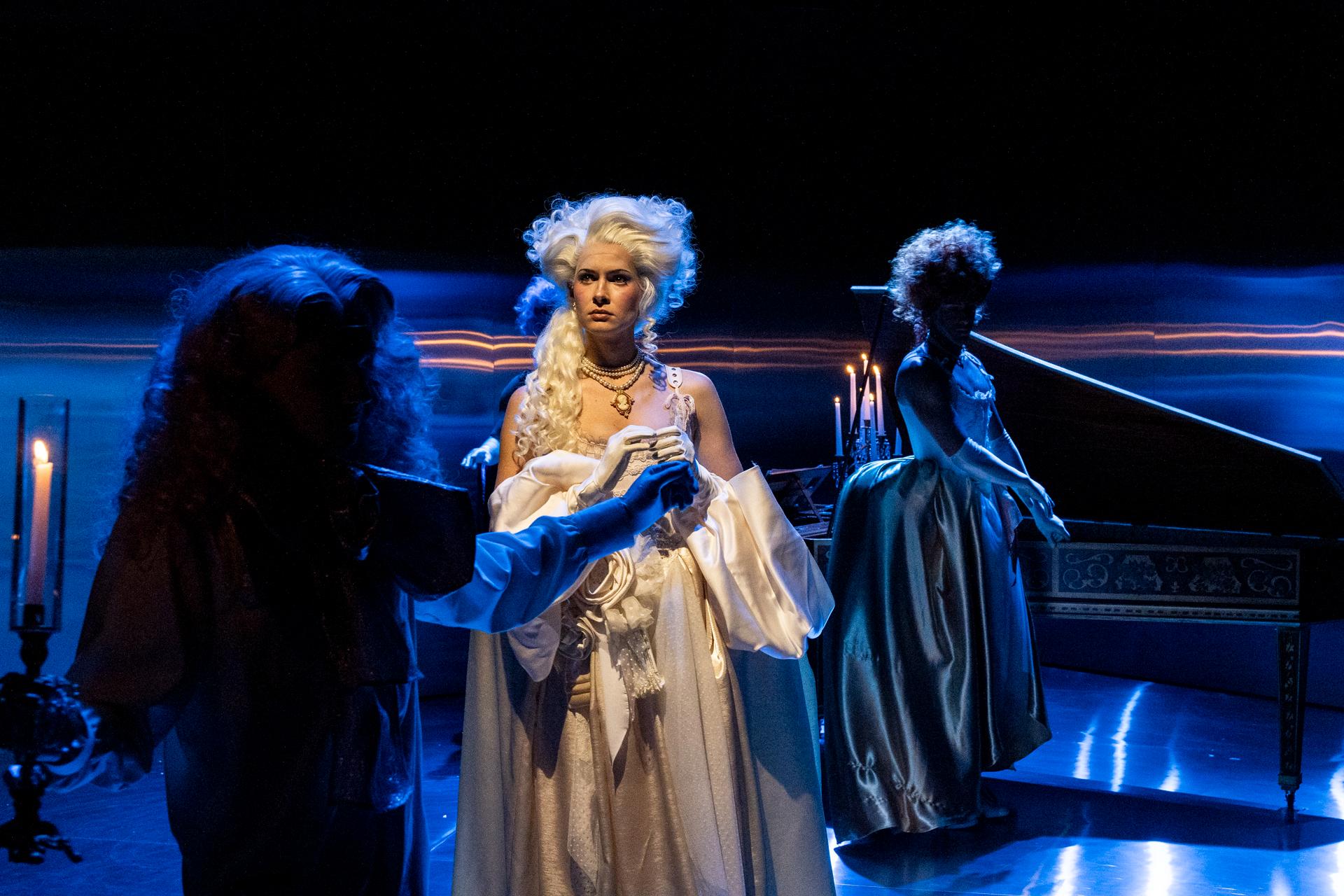
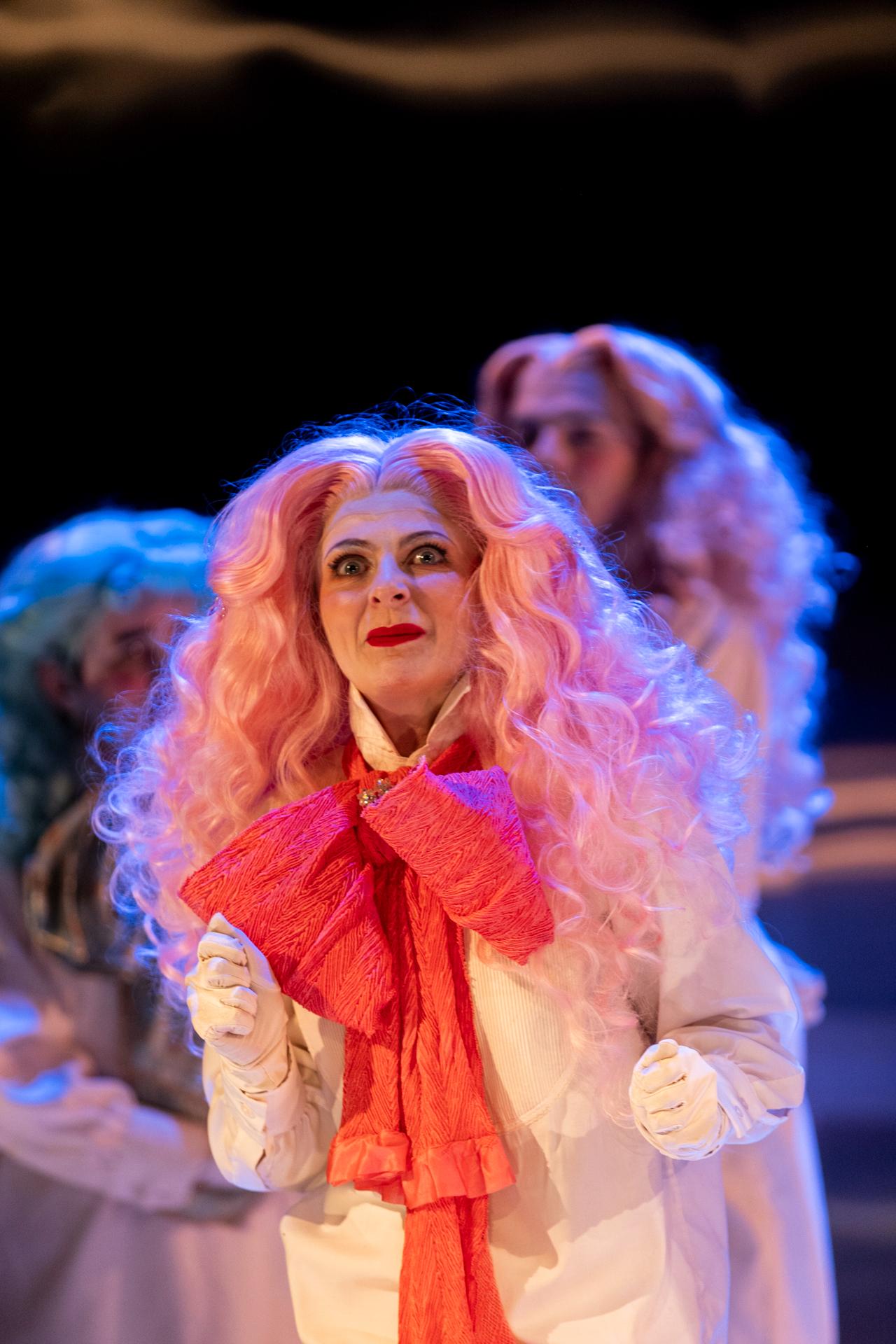
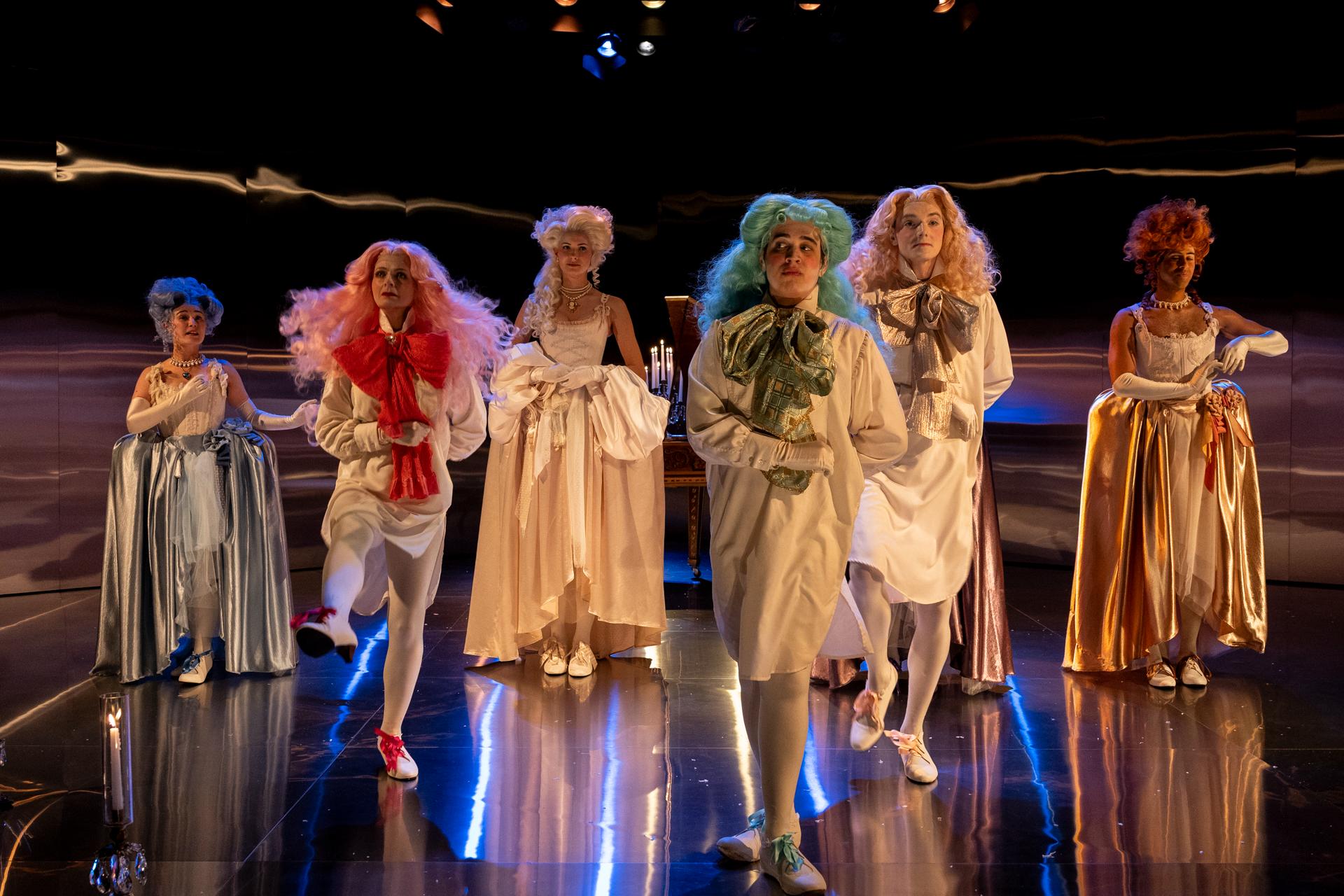
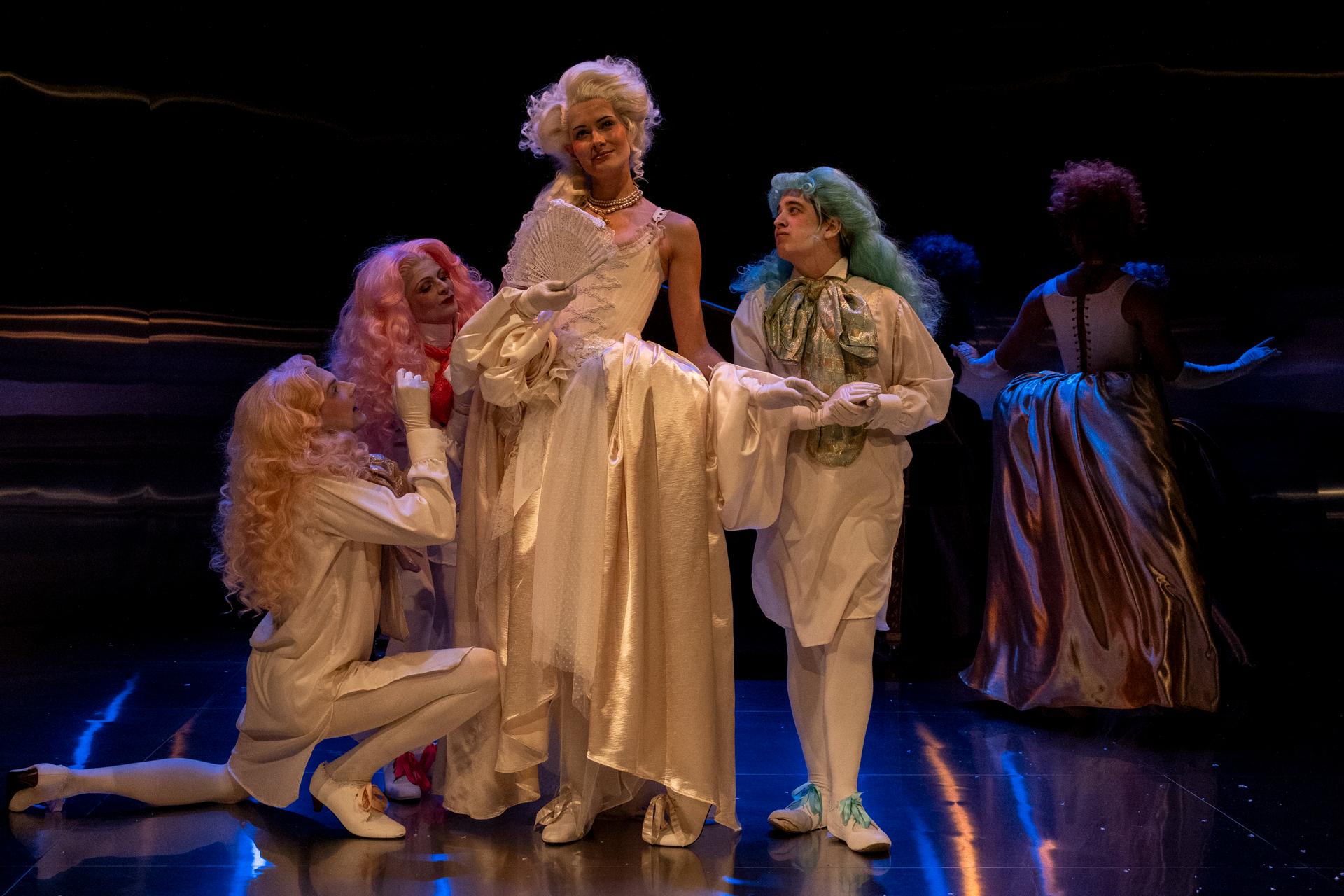
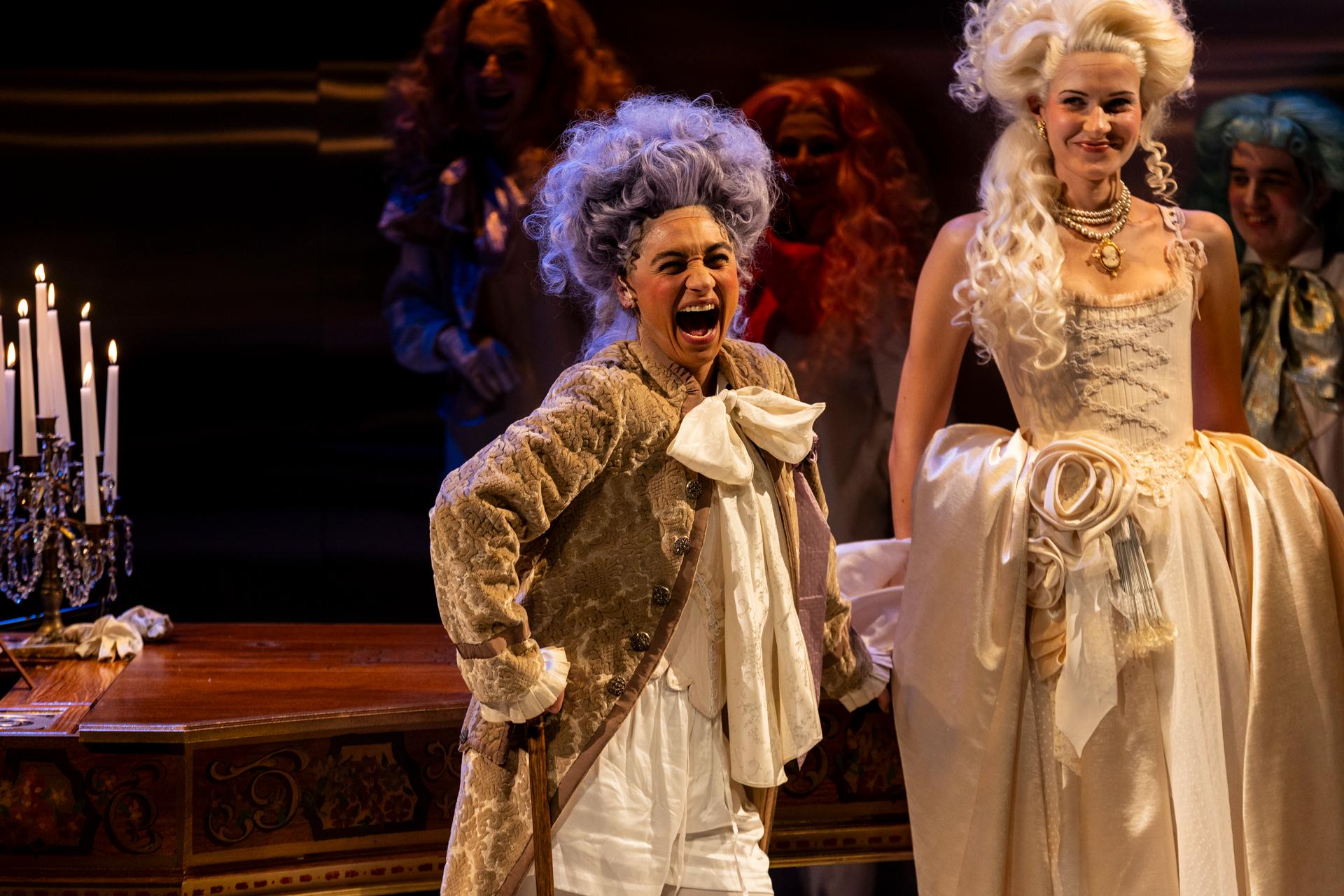
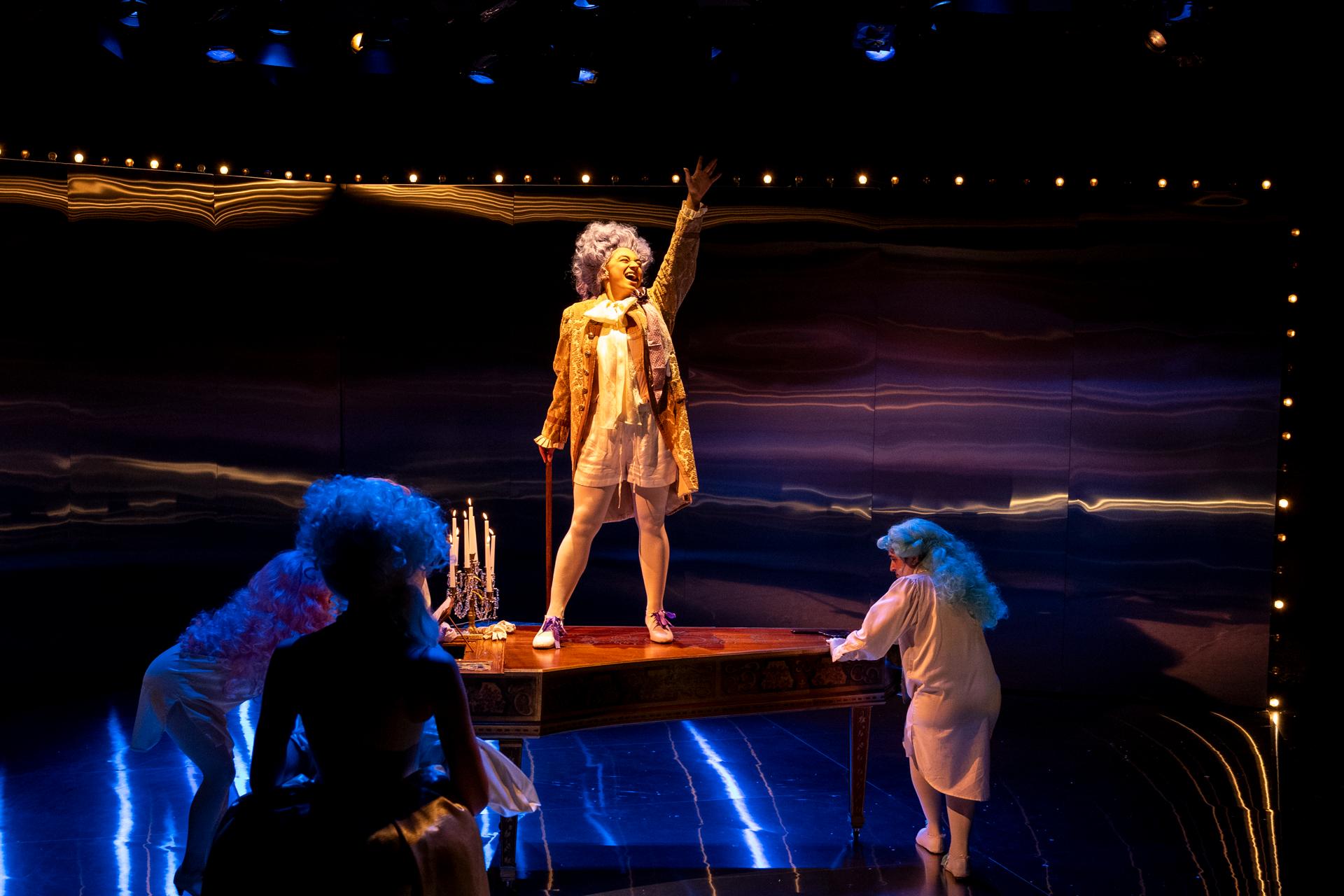
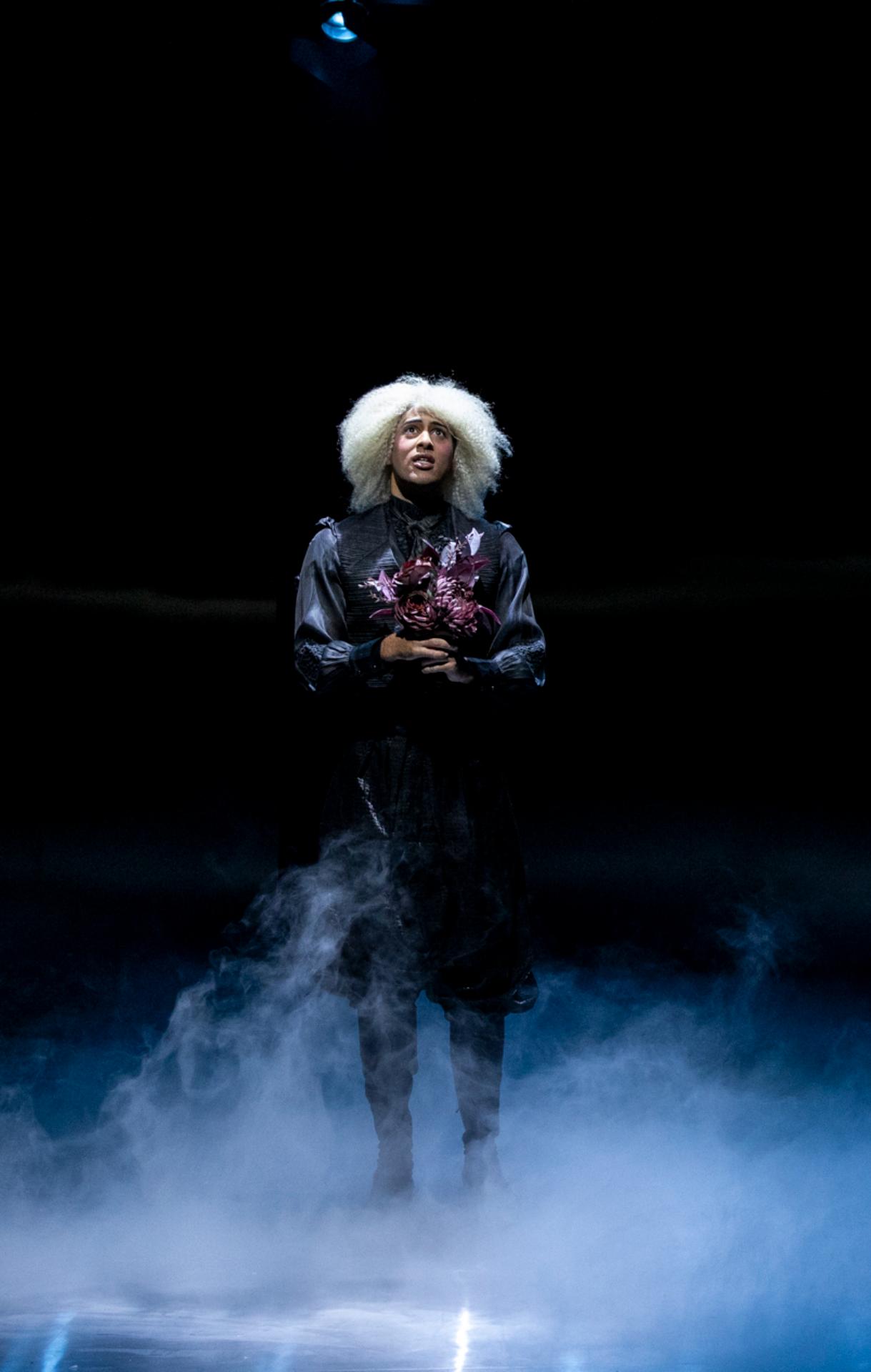
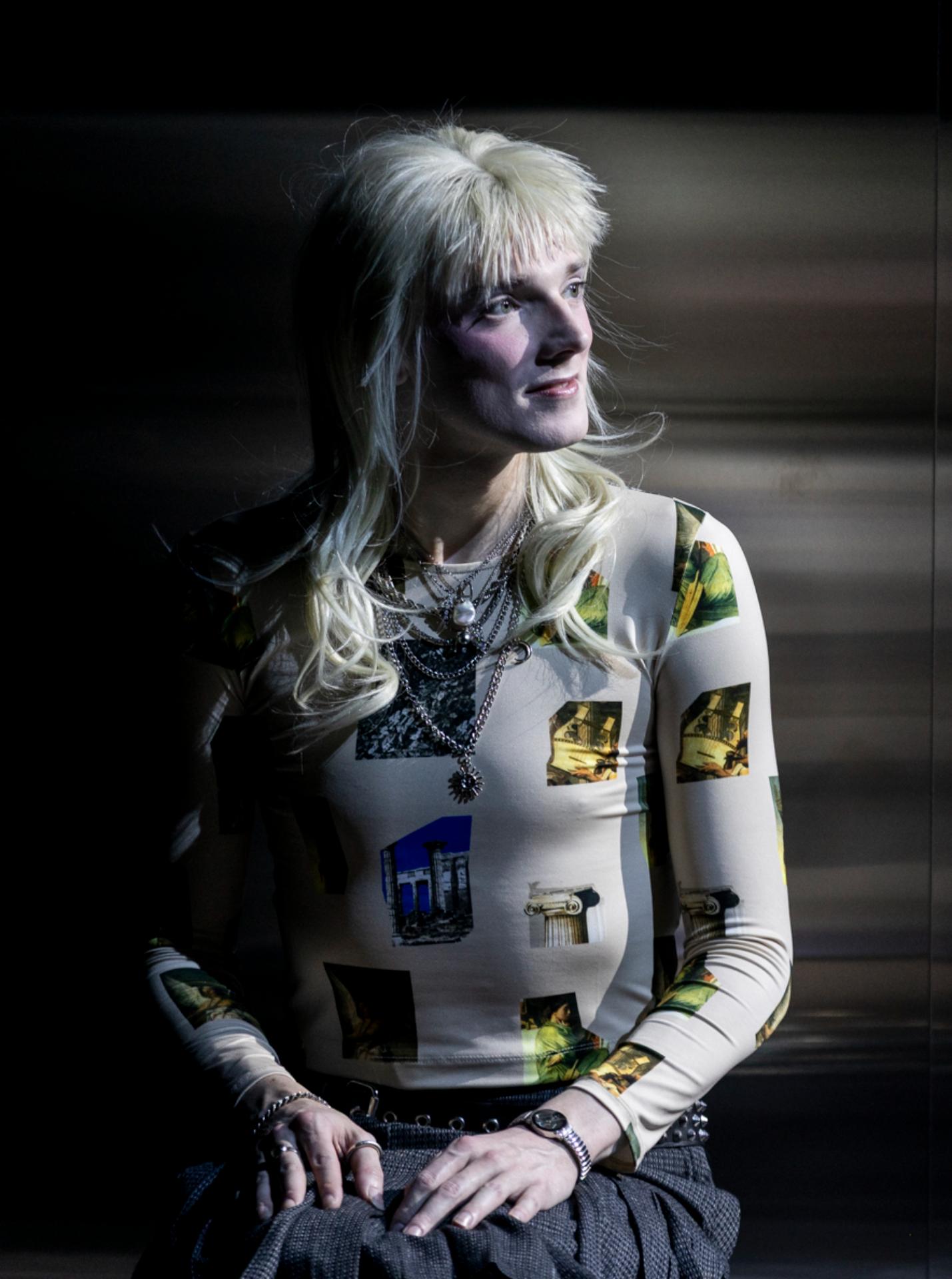
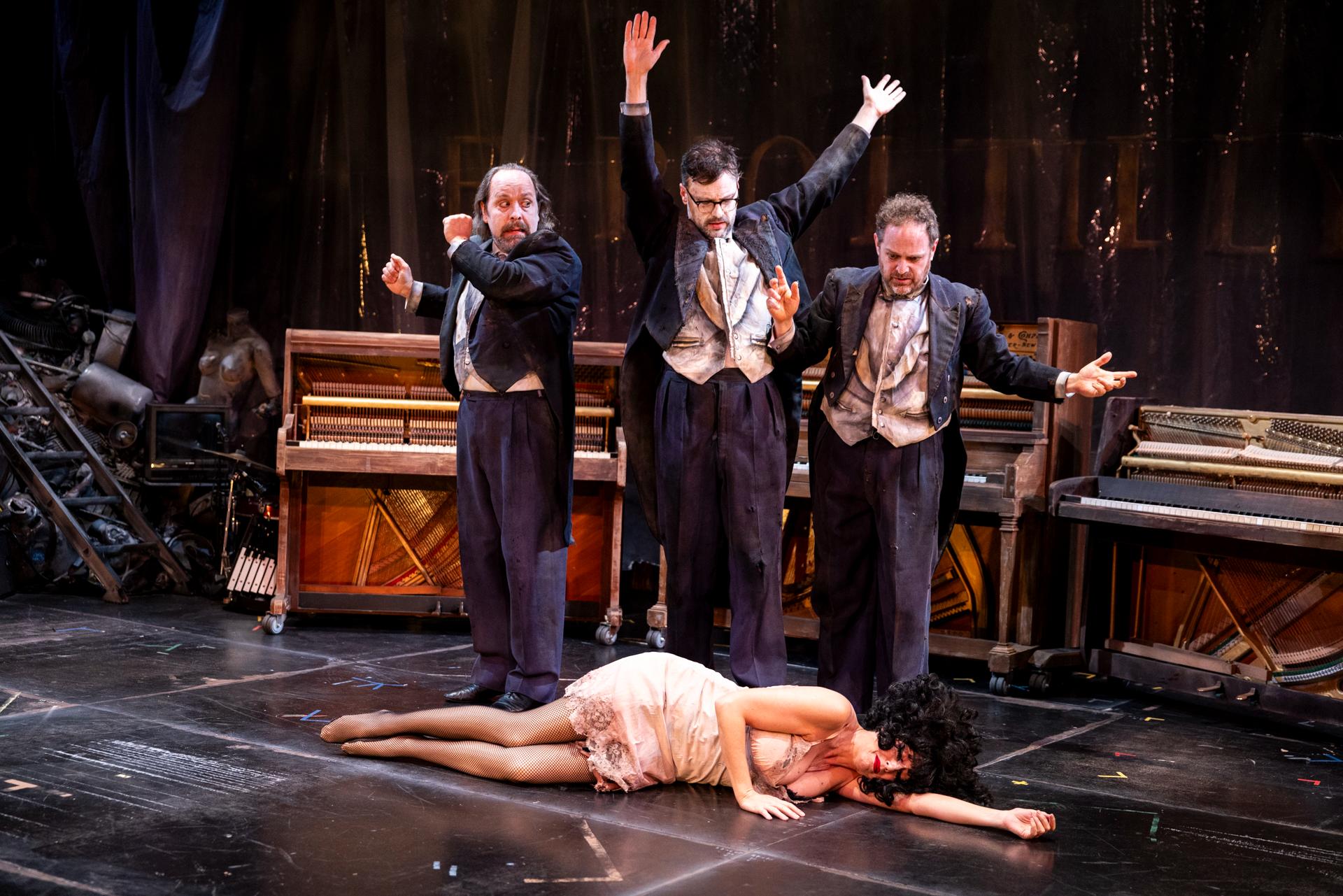
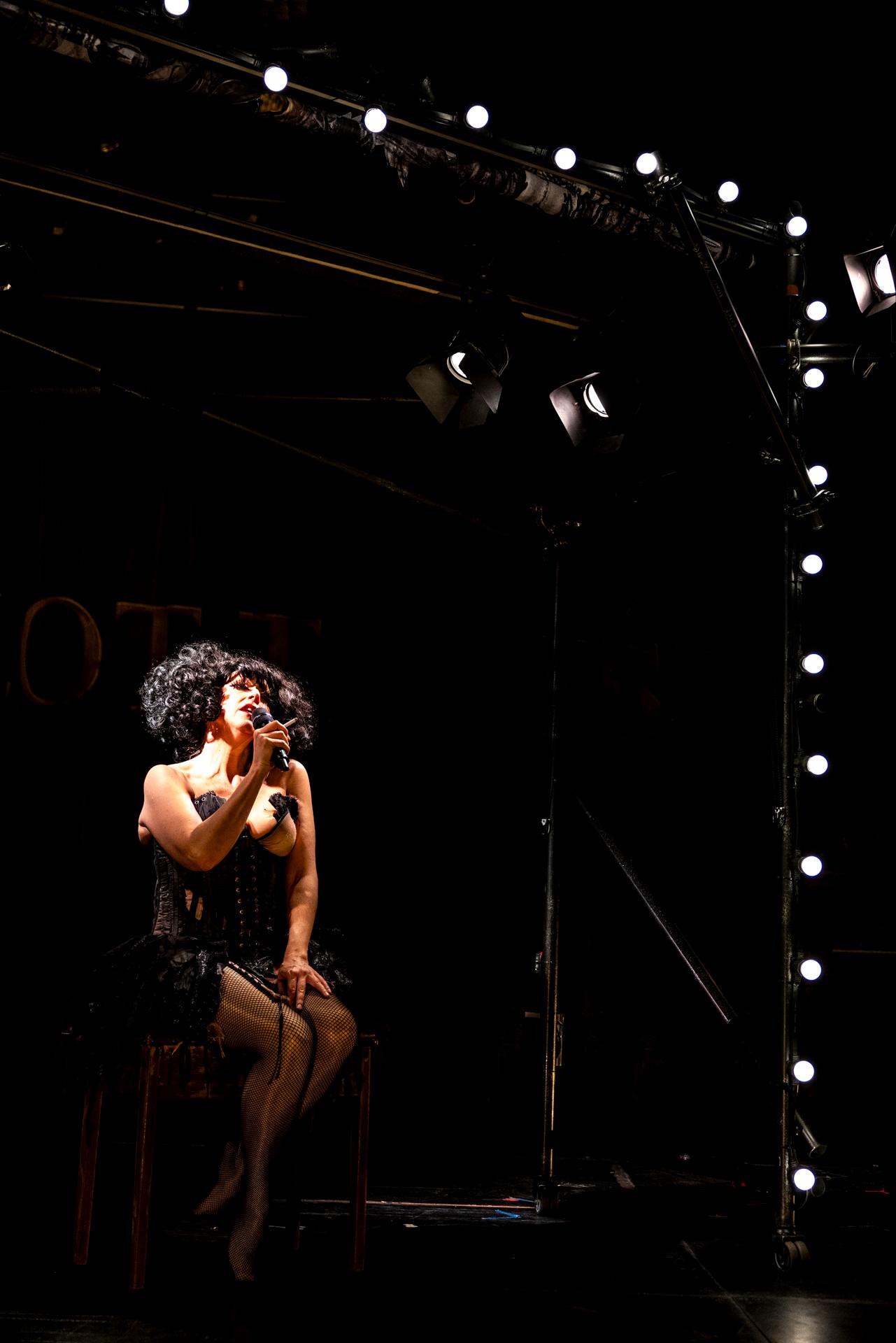
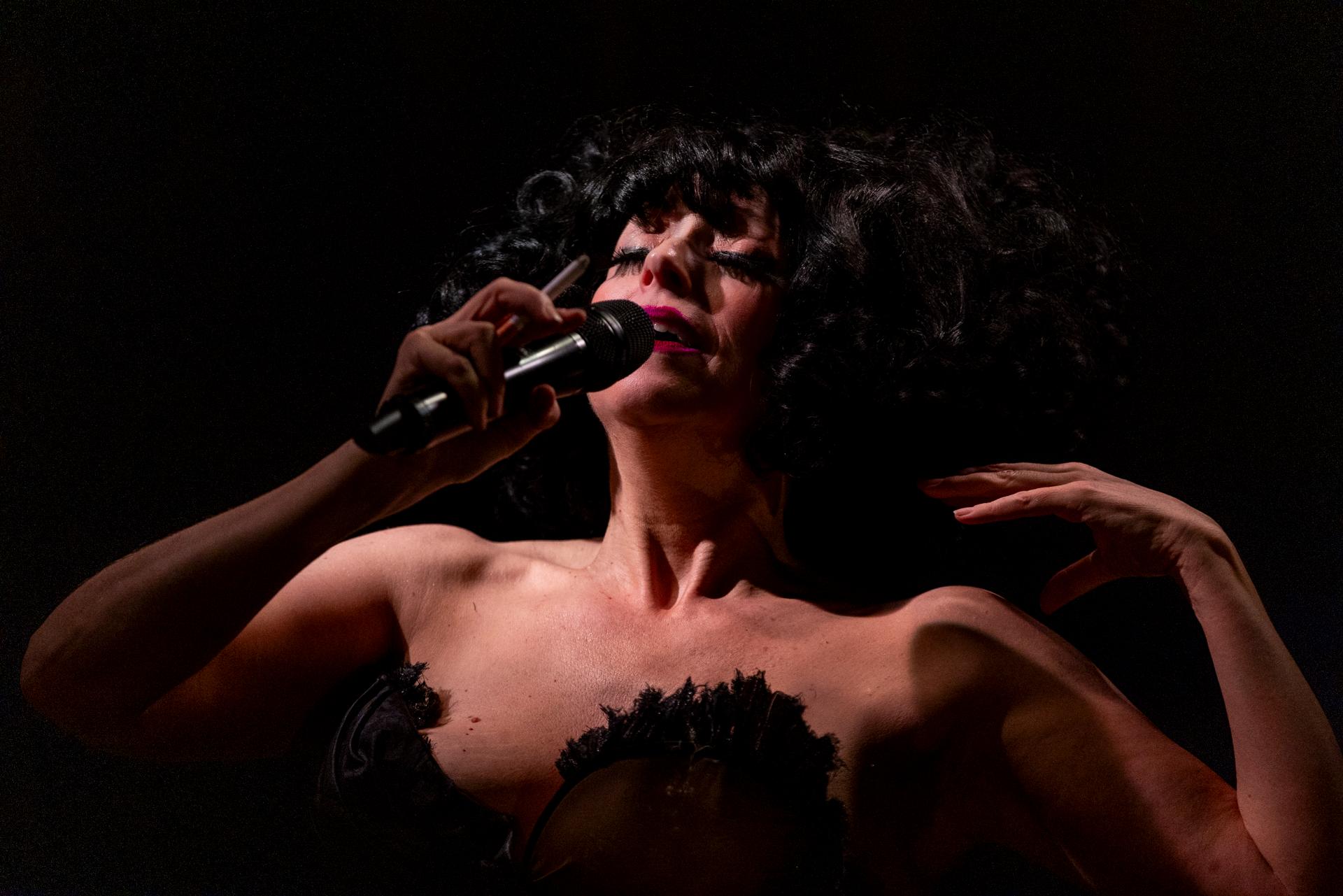
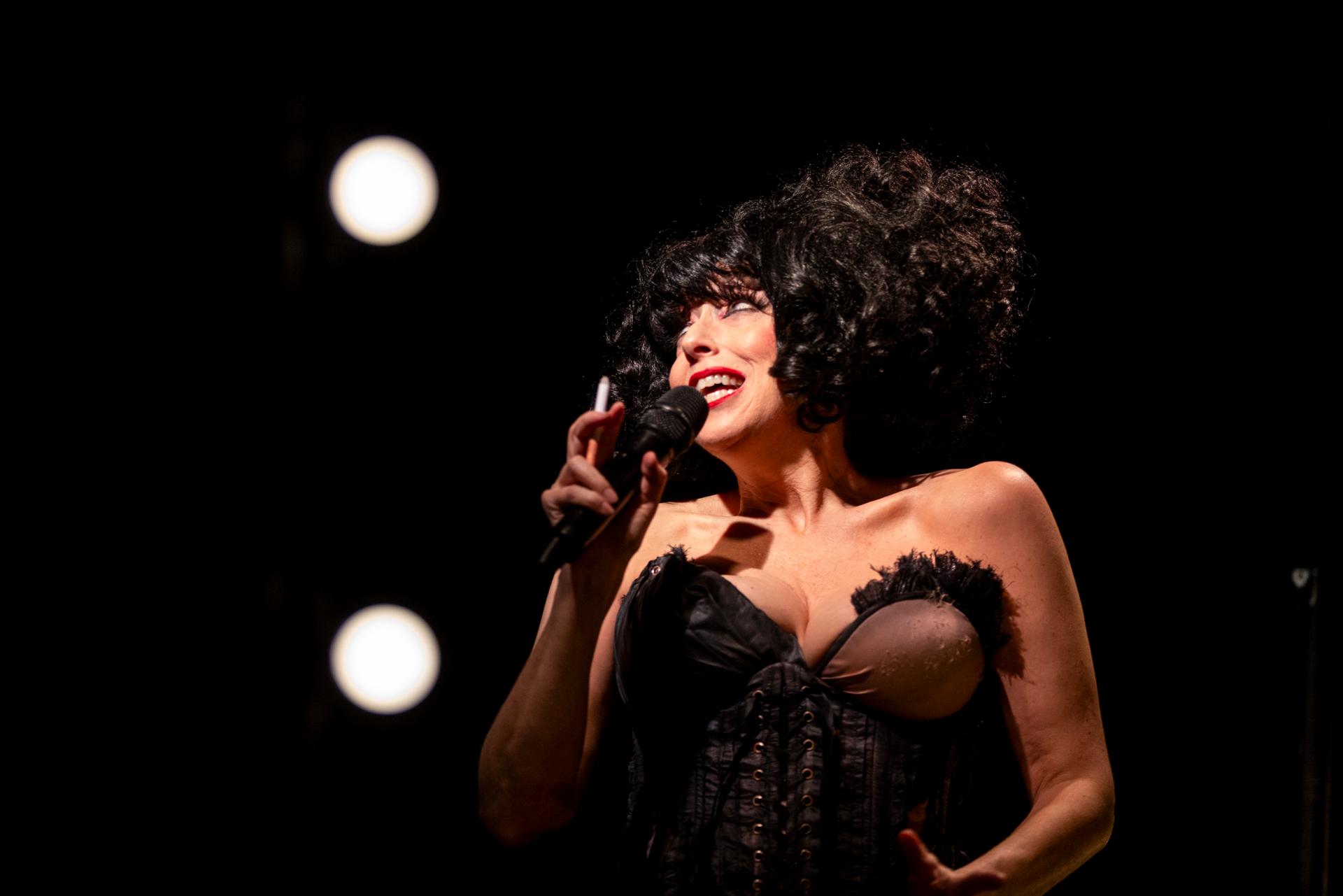
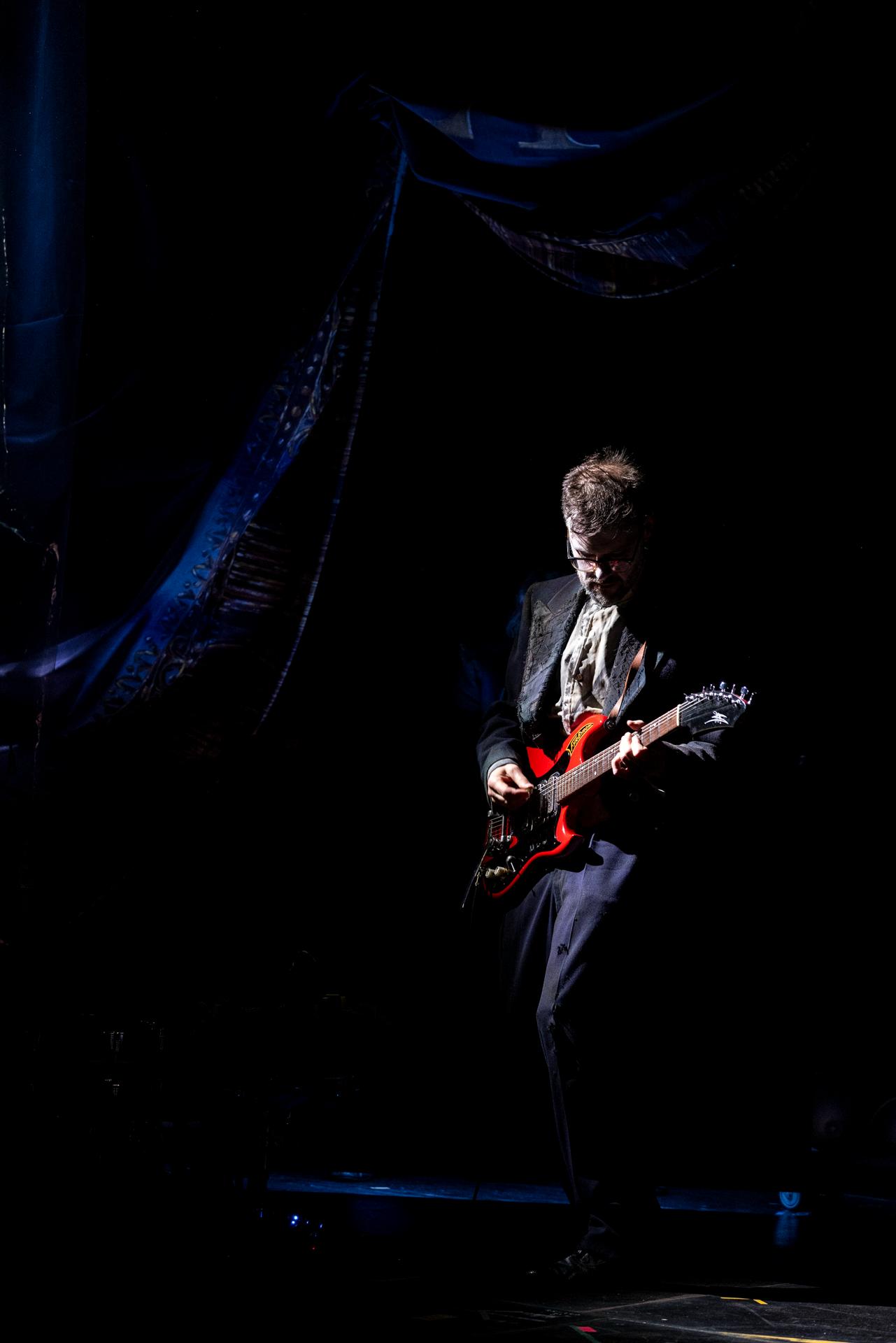
Given the scale of wealth under examination, the staging never quite achieves the level of opulence one might anticipate. David Fleischer’s set design is restrained yet elegant, while Nick Schlieper’s lighting adds welcome layers of drama. It is Ella Butler’s costumes, however, that most vividly conjure the dreamlike luxury of Orlando’s world, complete with outrageous wigs that deliver a sense of theatrical extravagance.

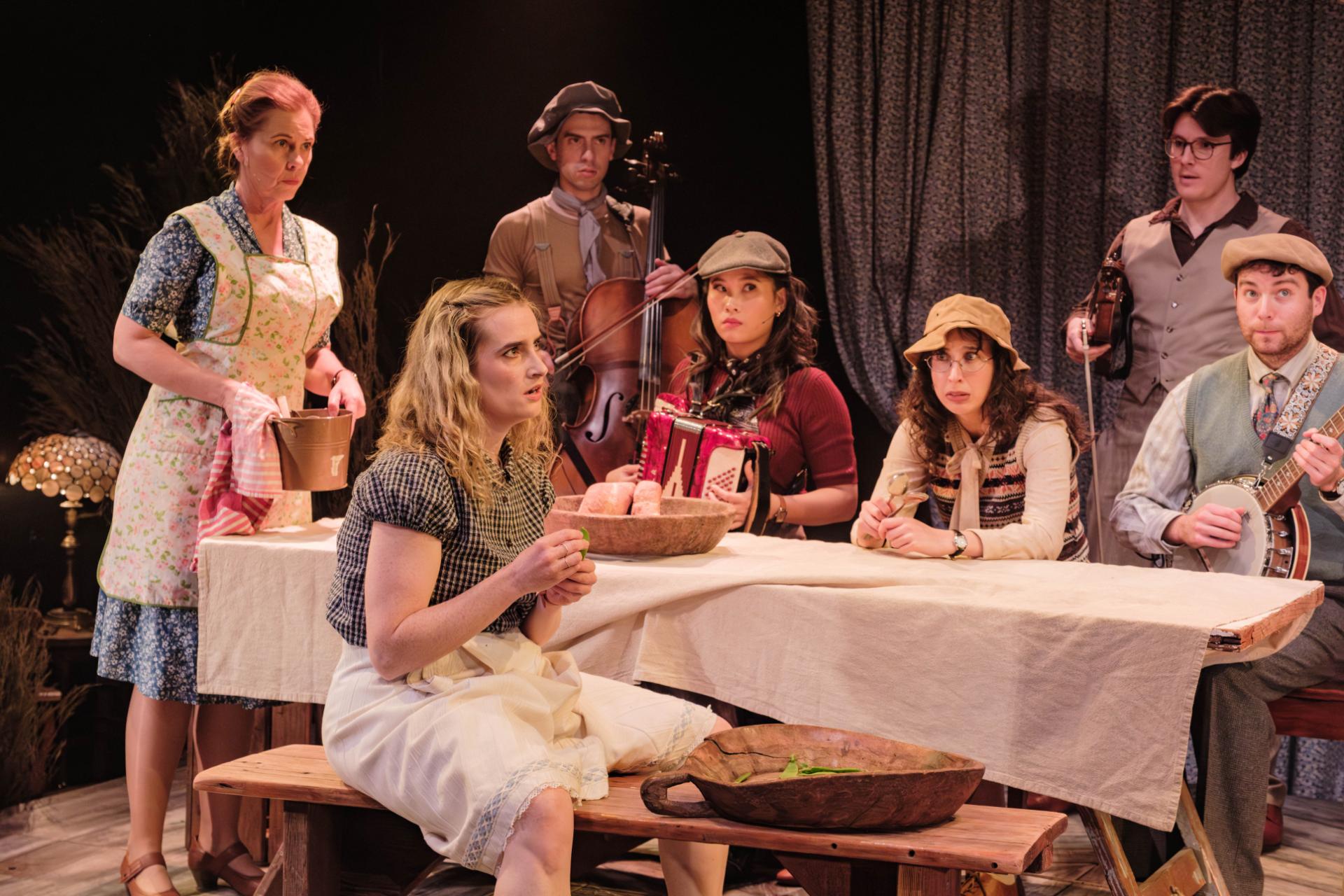
A delightful ensemble of seven performers leads us through this centuries-spanning odyssey. Remarkably, four different actors step into the role of Orlando at various stages of the story. Shannen Alyce Quan lends the character a quiet intensity, infusing Woolf’s poetic language with luminous clarity. Janet Anderson brings striking beauty to Orlando’s first feminine incarnation, and later proves irresistibly funny in a string of smaller roles. Equally memorable is Amber McMahon, regal and commanding as Queen Elizabeth, then deliciously camp as a seventeenth-century suitor.

The impermanence of identity underscores the endlessly shifting nature of what we call reality. This is not to say that categories like gender and sex lack meaning—on the contrary, they are among the most powerful forces shaping how we move through the world. Their paradox is that they remain fluid and insubstantial, yet exert a power that orders our very existence. It is precisely this tension, between mutability and determinism, that compels us to always return to them in endless questioning.

www.belvoir.com.au

Review: Life Is A Dream (25A Belvoir)

Venue: Belvoir St Theatre (Surry Hills NSW), Sep 2 – 21, 2025
Playwright: Claudia Osborne (after Pedro Calderón de la Barca)
Directors: Claudia Osborne, Solomon Thomas
Cast: Thomas Campbell, Mark Lee, Shiv Palekar, Essie Randles, Shikara Ringdahl, Ariadne Sgouros, Ariyan Sharma
Images by Phil Erbacher

Theatre review
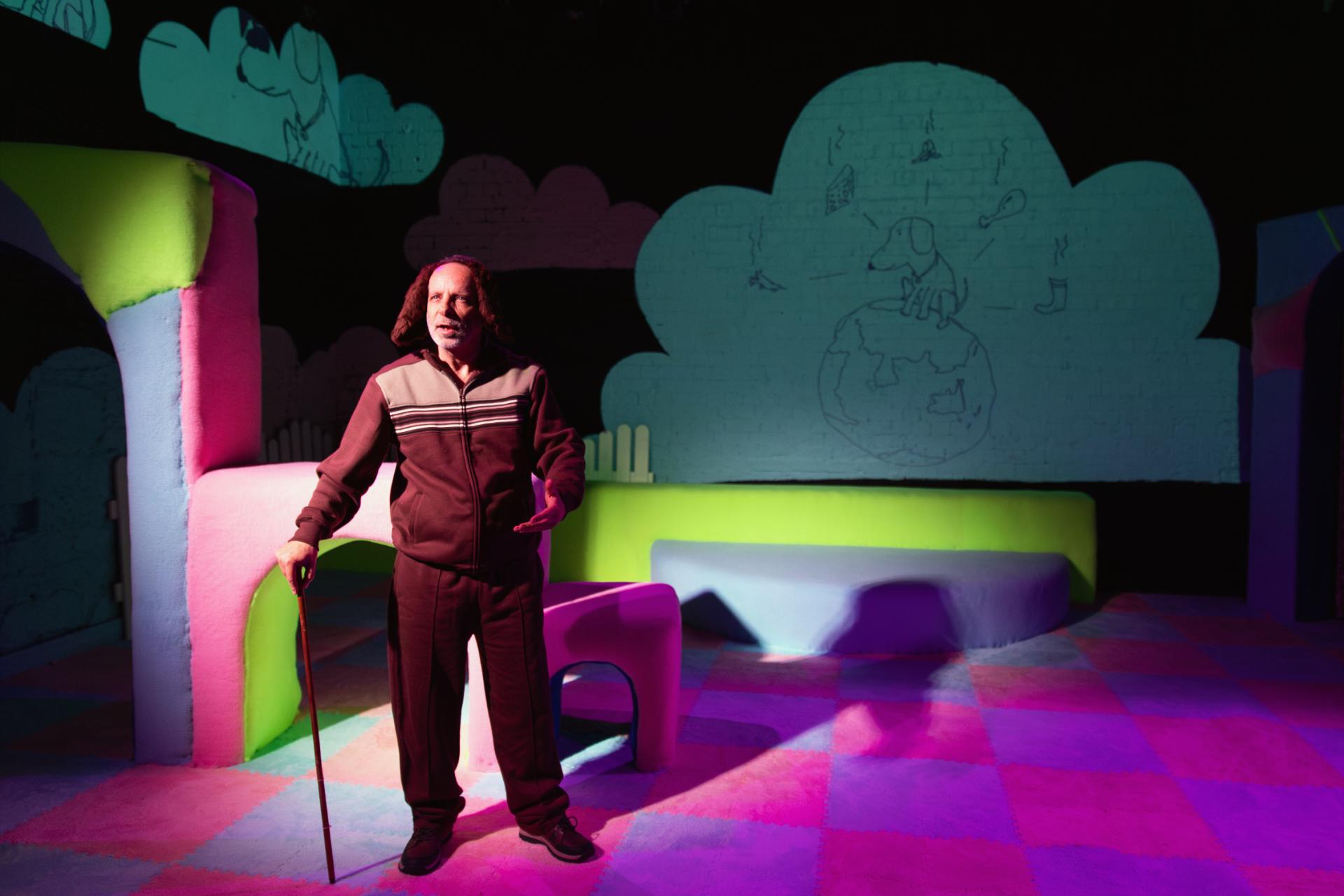
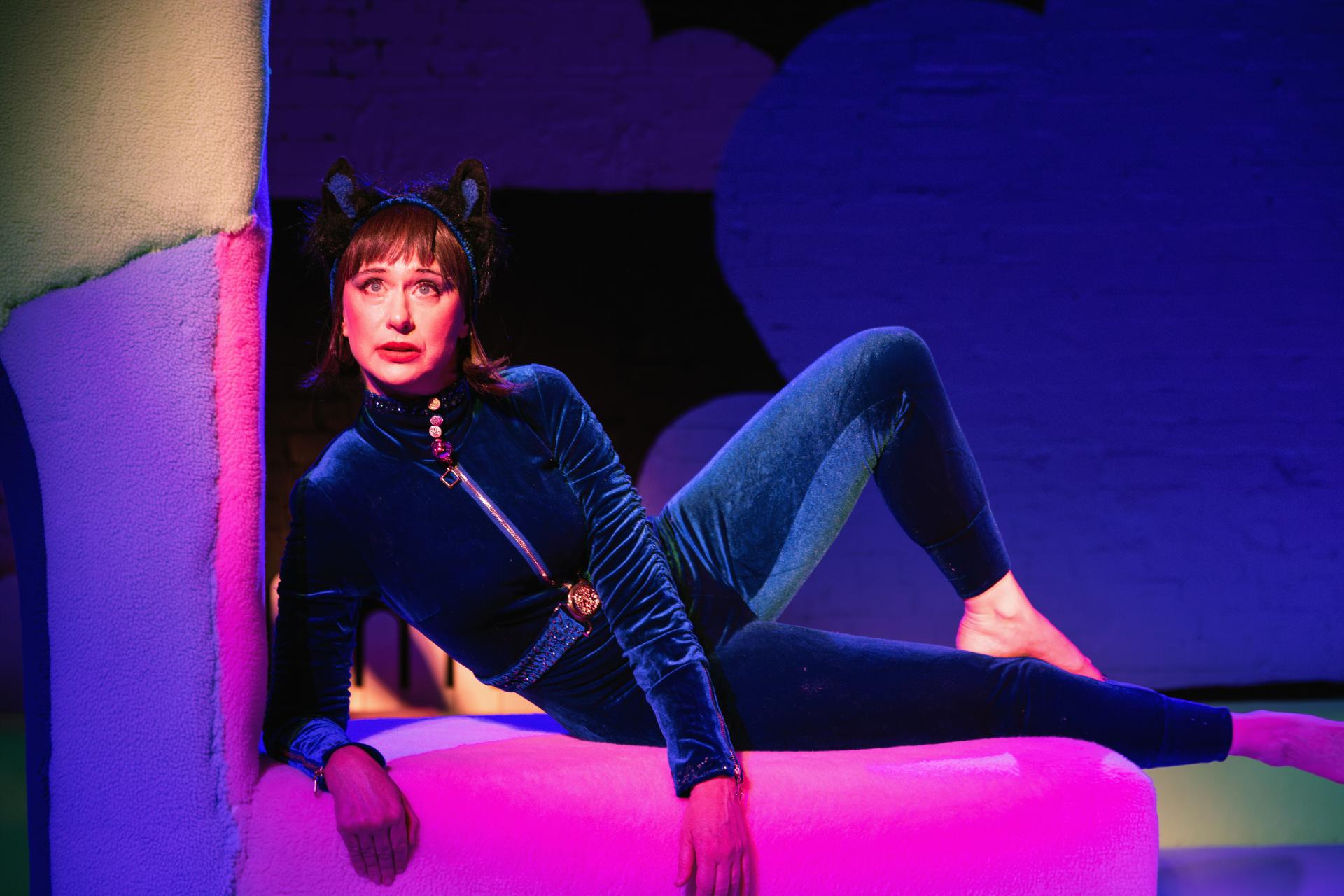
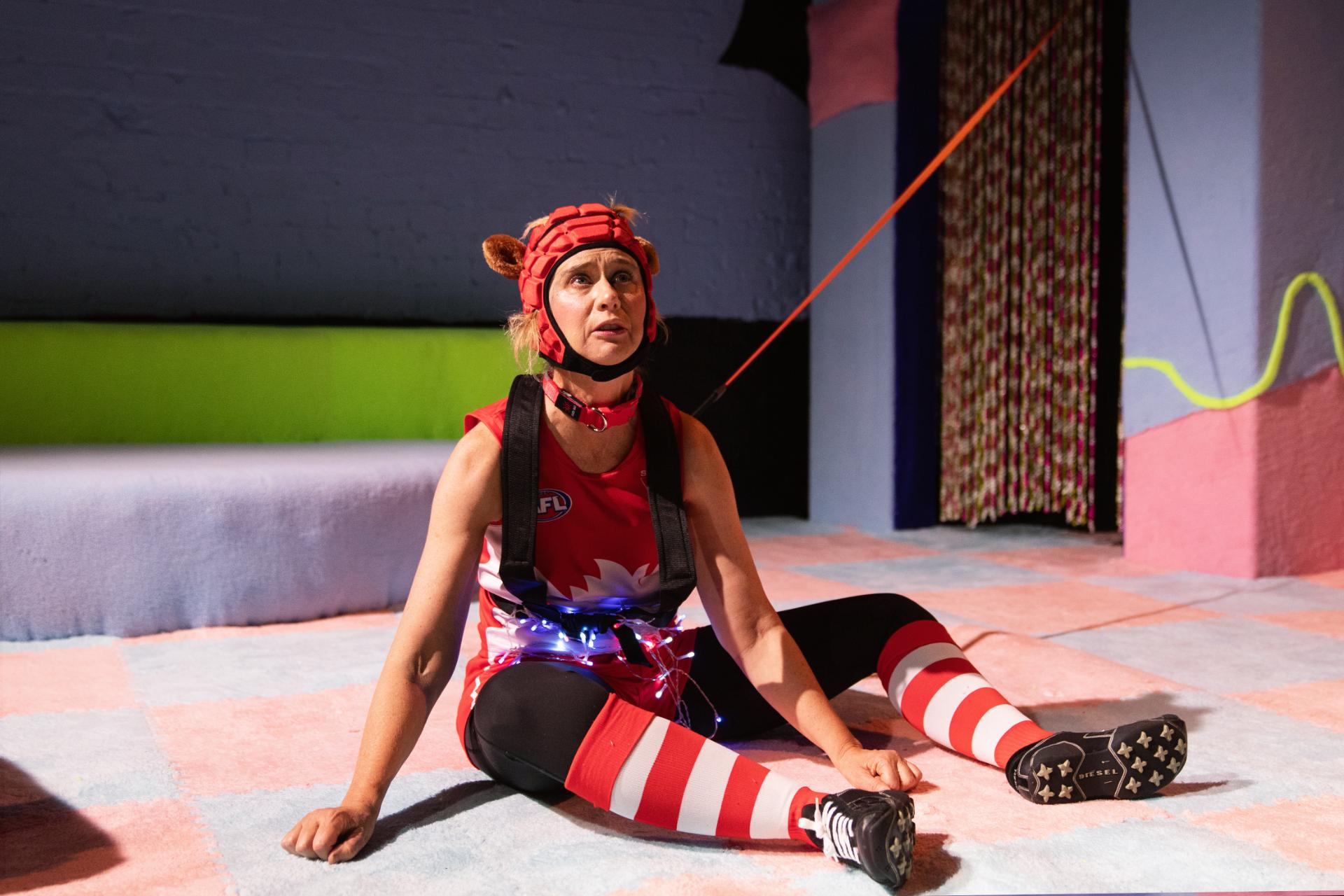
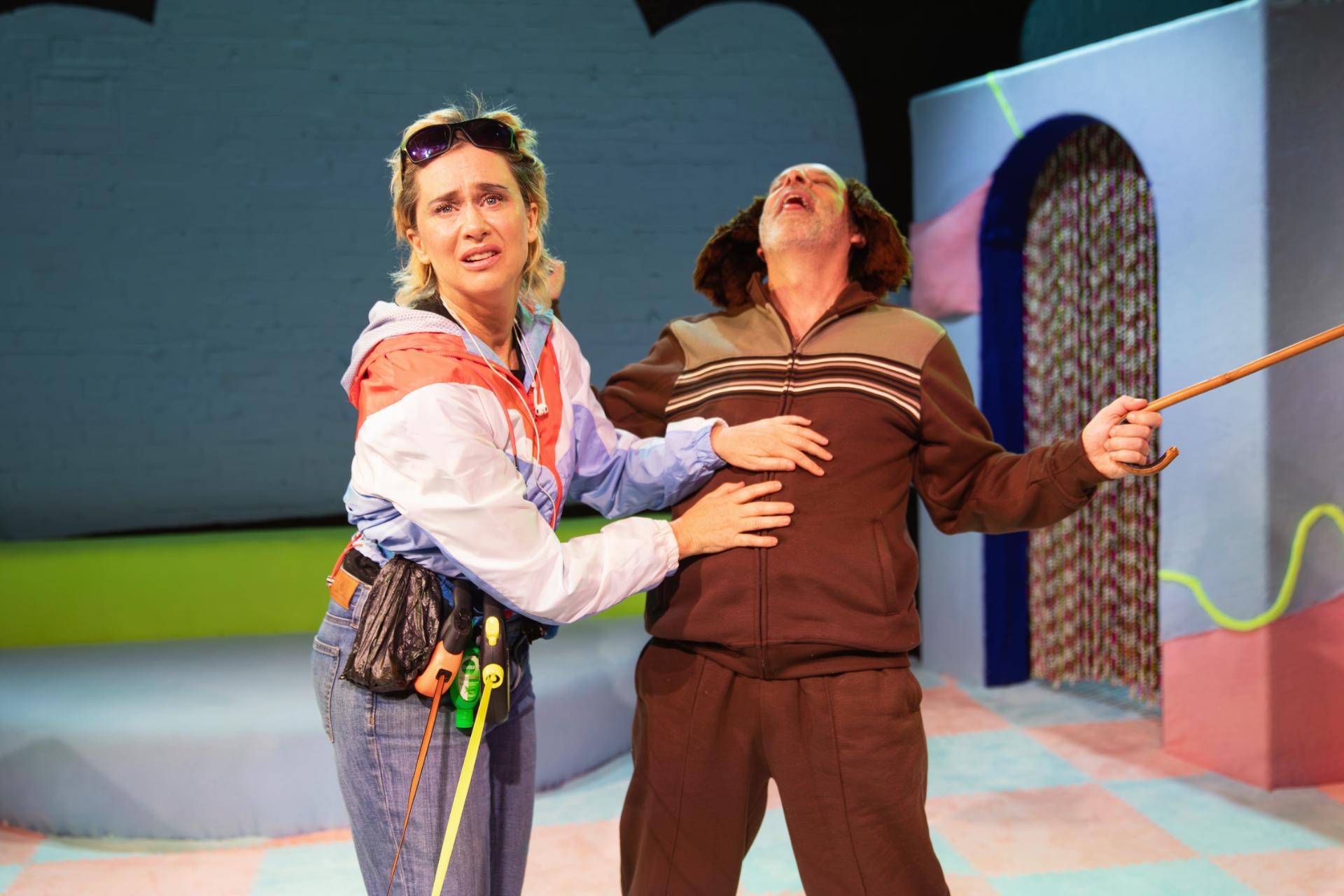
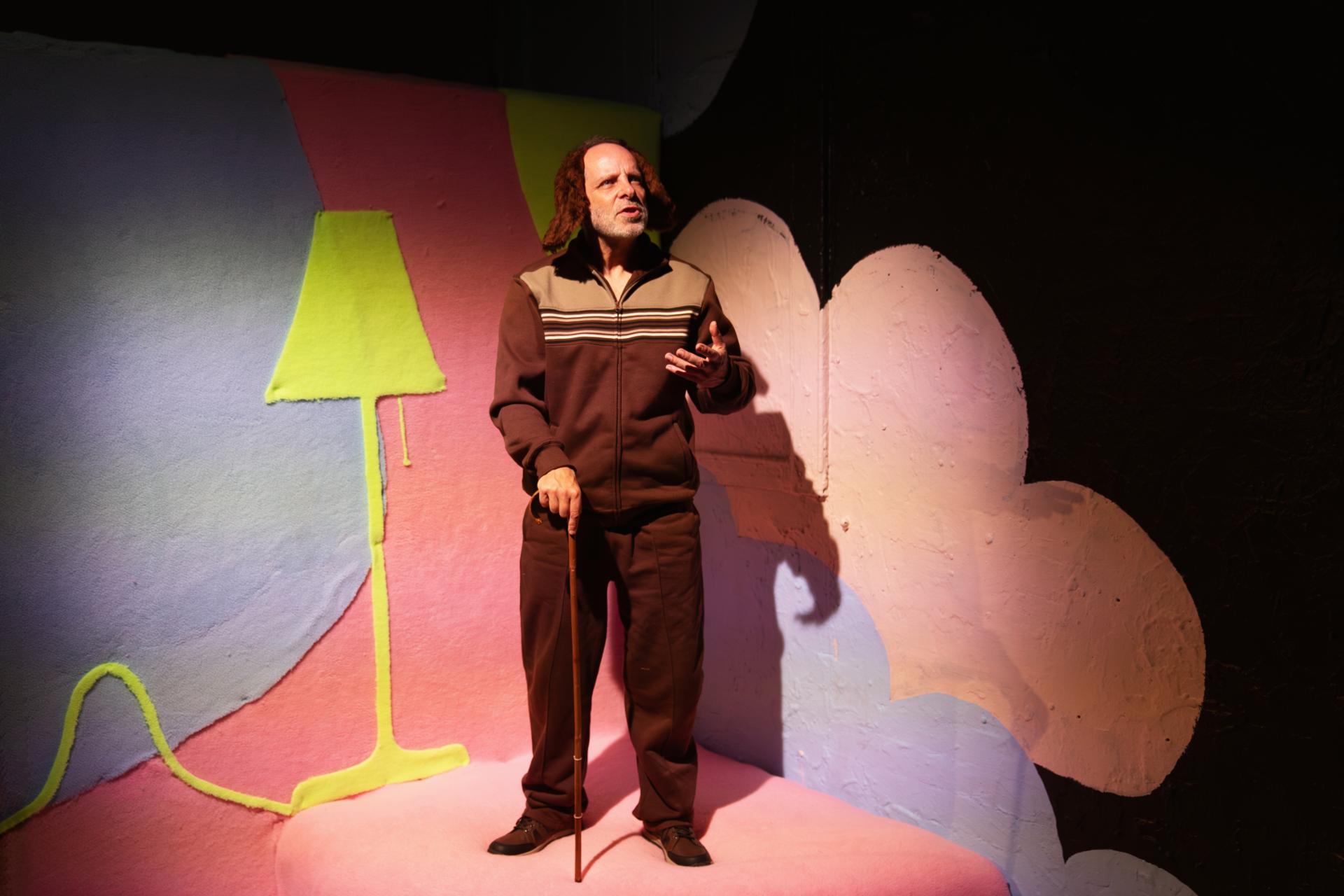
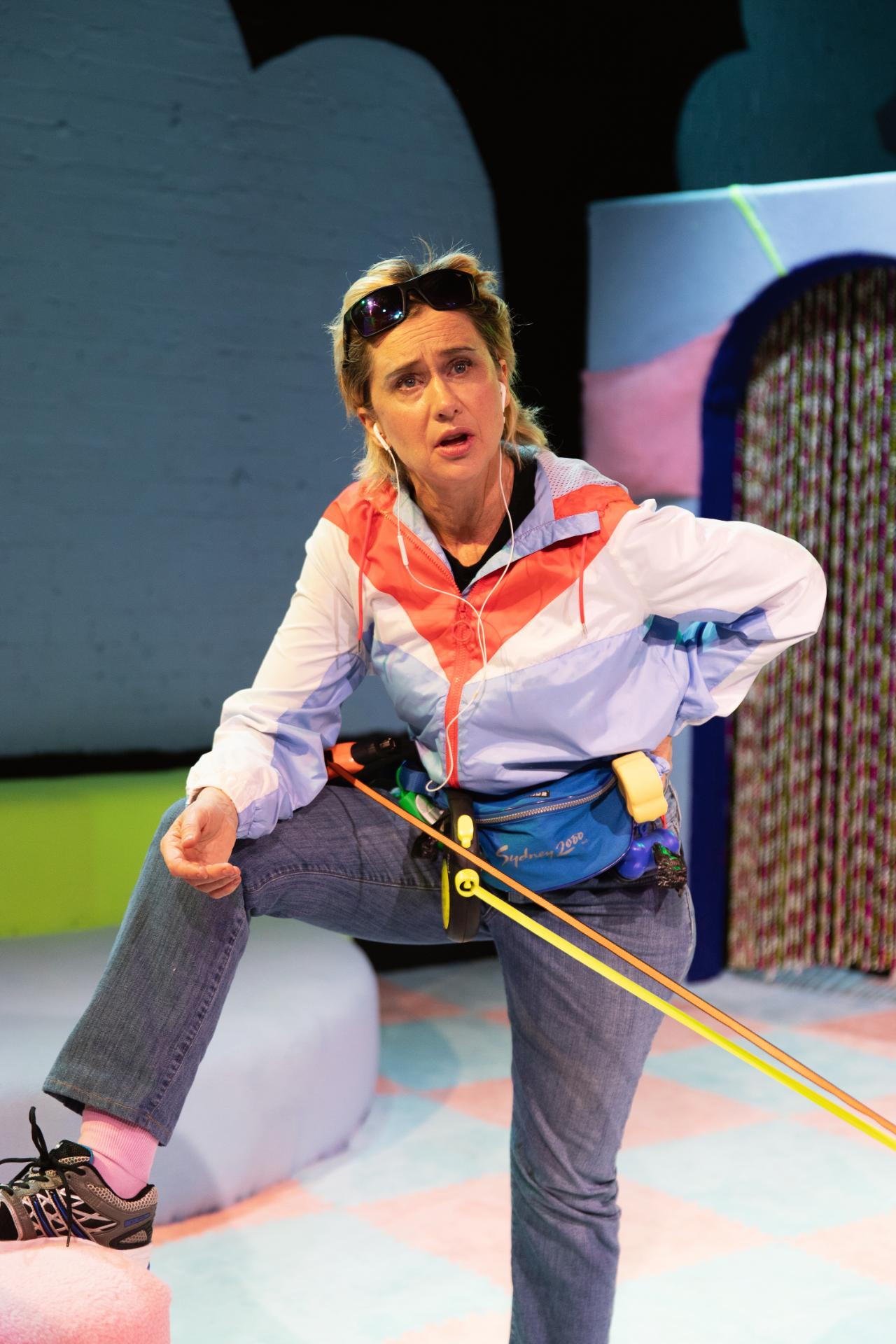
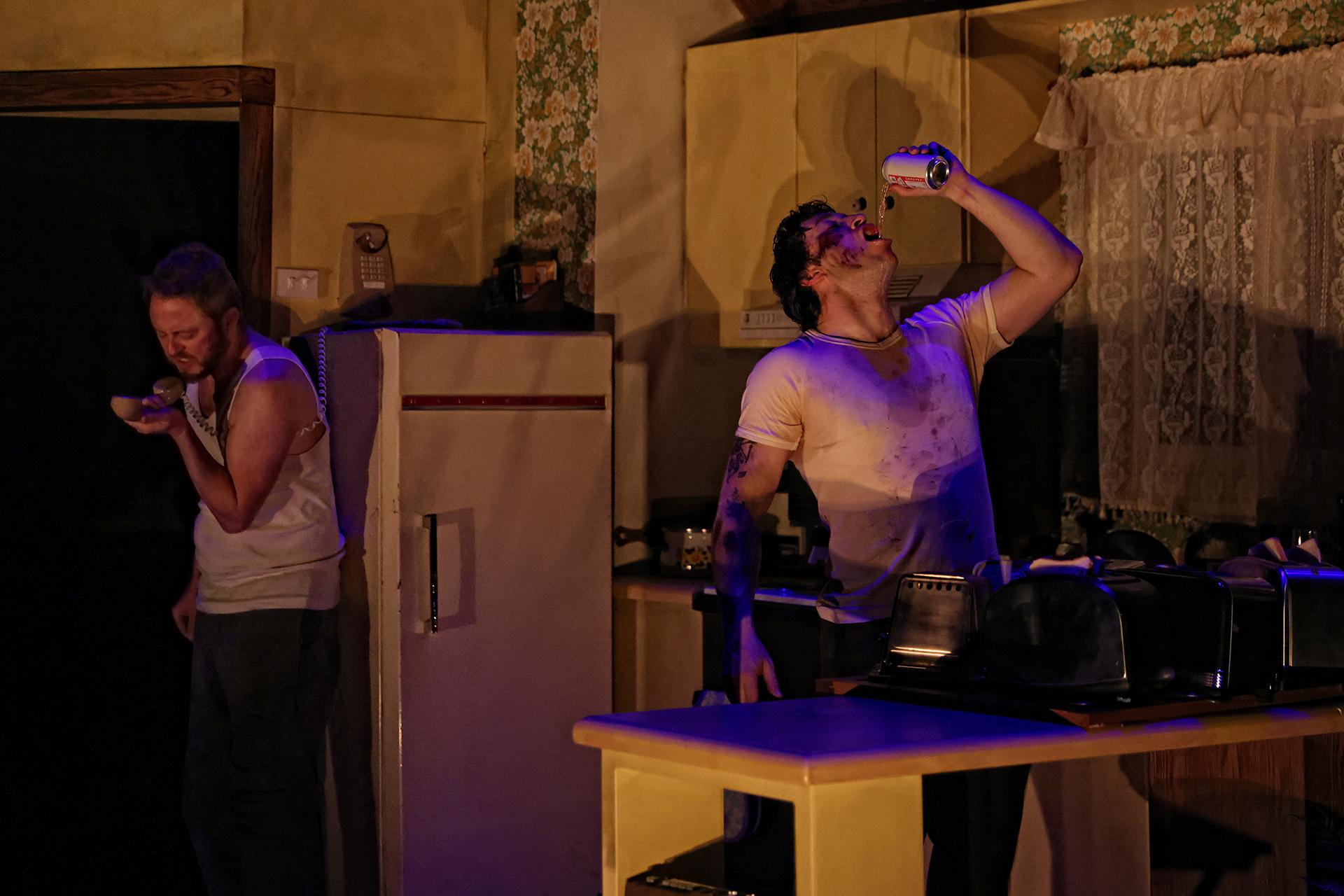
For his entire life, 22-year-old Segismundo has been confined to a room, conditioned by Astolfo’s daily refrain that he is “dangerous and destructive, but not in this room.” Claudia Osborne’s Life is a Dream, inspired by Pedro Calderón de la Barca’s 1636 masterpiece, reimagines this tale of captivity and destiny for a contemporary audience. The production balances quirky charm and moments of playful wonder with a grounded exploration of the human condition. Osborne’s version points to the enduring dictum that our choices carry consequences, and that, ultimately, we reap what we sow.

Under the direction of Osborne and Solomon Thomas, Life is a Dream achieves a rare balance. Its offbeat humour keeps the work buoyant and unpredictable, while its underlying seriousness lends the production weight and resonance. The staging stands out for its distinctive style and inventive sensibility, which not only sustain engagement but also encourage the audience to grapple with its themes while remaining open to curiosity.

Ariyan Sharma shines as Segismundo, capturing a sheltered innocence that feels wholly authentic while subtly conveying the hidden truths his character has yet to grasp. He is a thoroughly endearing presence, remarkable for an artistry that combines keen intellect with expressive physicality. Thomas Campbell’s Astolfo brings tension and intrigue, his clever rendering of ambiguity opening up a world of imagined backstories that lead to this extraordinary moment. The rest of the cast add layers of psychological complexity and emotional richness, and together their chemistry transforms Life is a Dream into a fully immersive and enthralling theatrical experience.

Set and costume design by Cris Baldwin evokes a contemporary space, grounded in a sense of normalcy that keeps the audience connected to the action. Kelsey Lee’s lighting and Madeleine Picard’s sound design weave the atmosphere with quiet finesse, lending the production an elegant rhythm that draws us deeper into the story and the emotional lives of its characters.

This updated Life is a Dream resonates as a warning: when we withhold kindness from those over whom we hold power, it is our own cruelty that breeds further cruelty. Amidst all the political turmoil of 2025, we are compelled to approach this centuries-old tale not with innocence, but with clear eyes, aware of the dangers we continue to create, and the responsibility we bear to break these tragic cycles.

www.belvoir.com.au | www.fervour.net.au | www.regroupperformancecollective.org

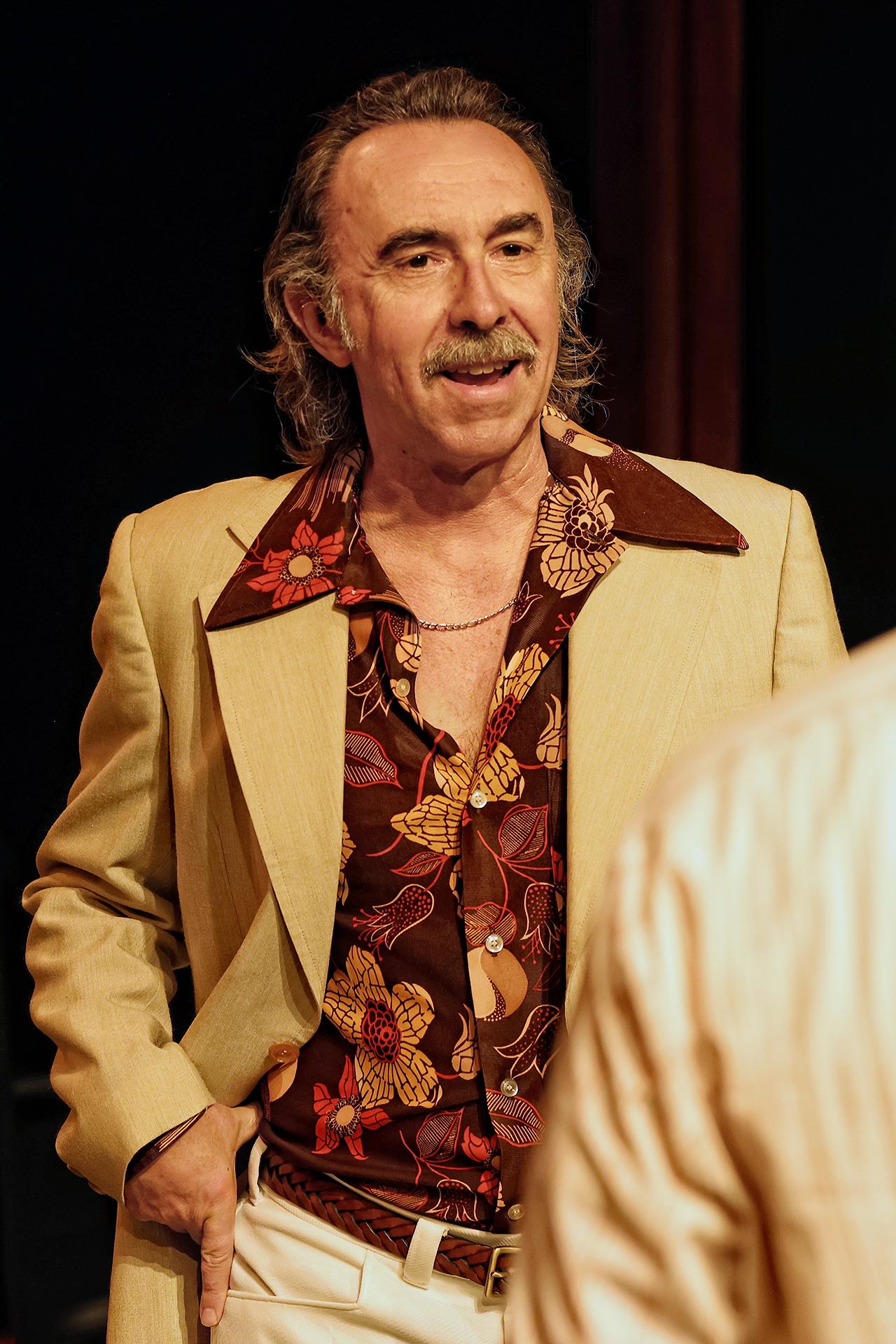
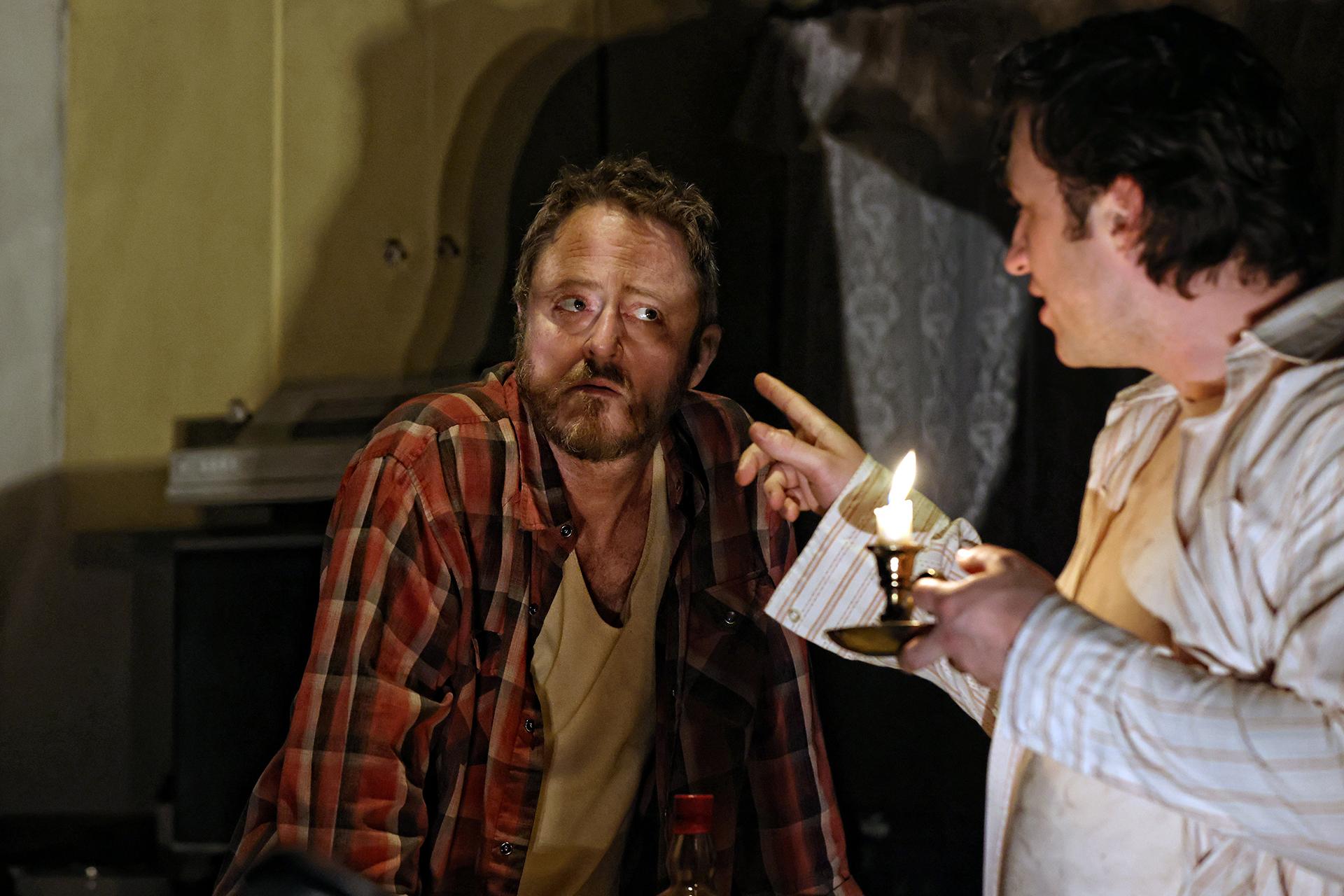
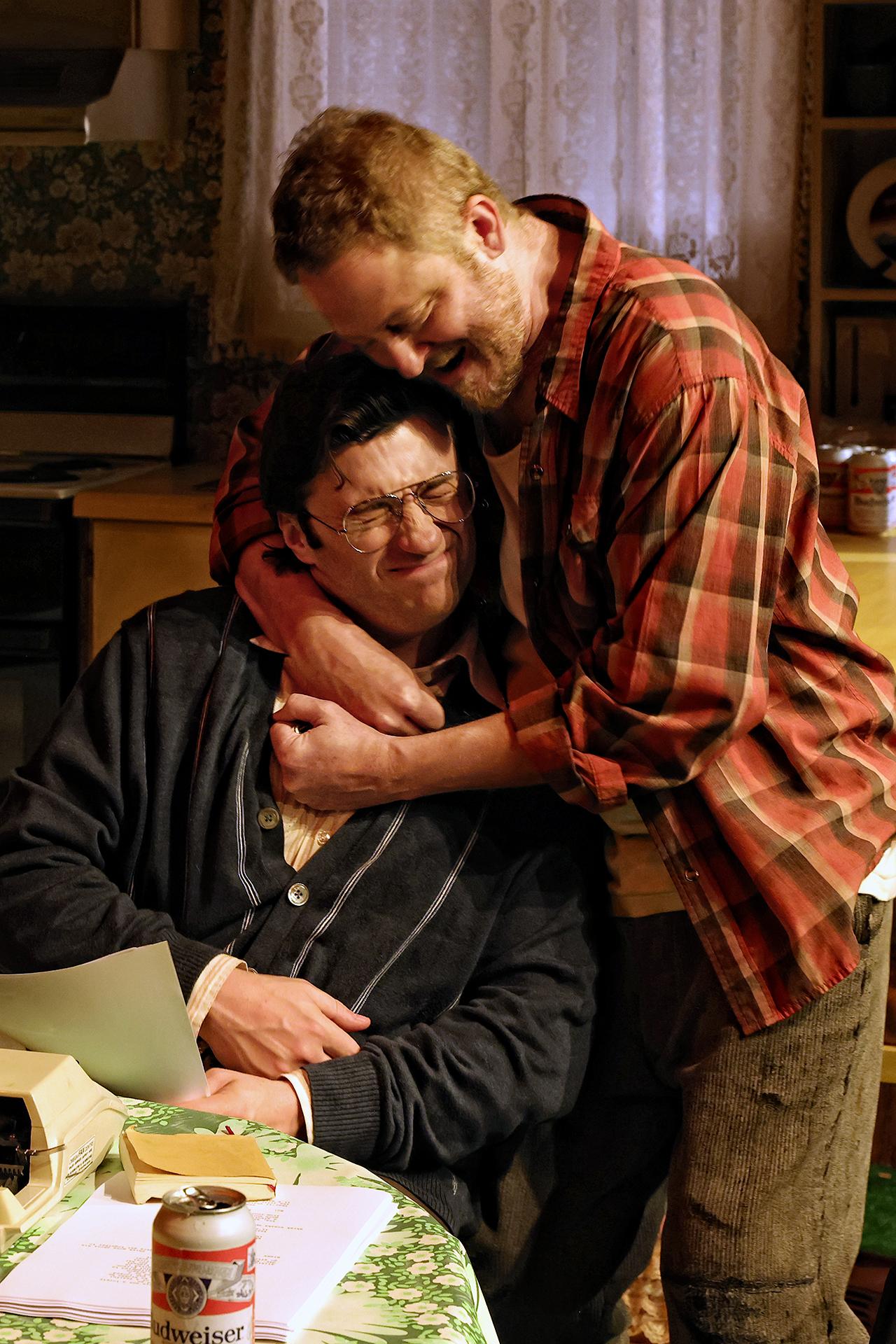
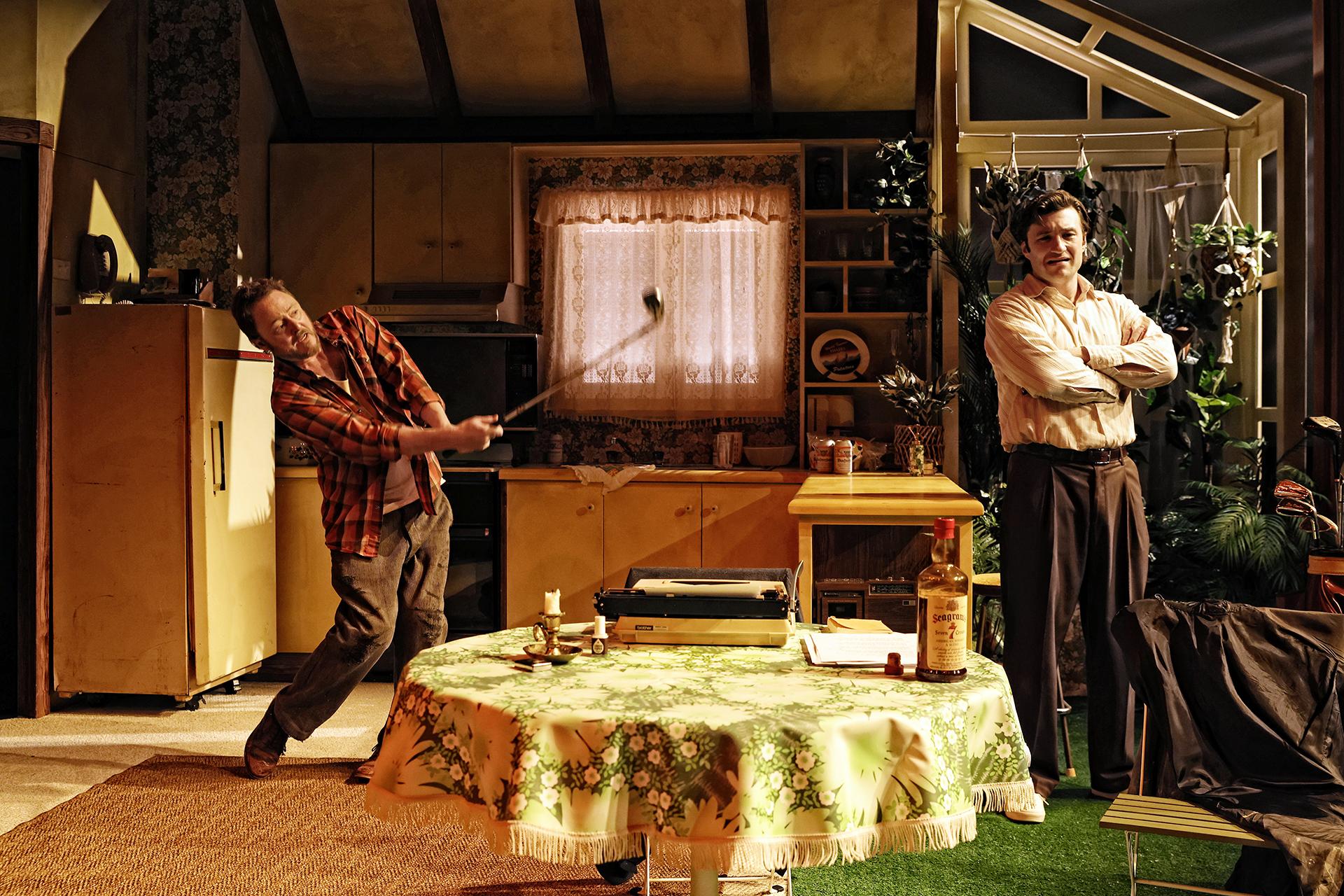
Review: How To Plot A Hit In Two Days (Ensemble Theatre)

Venue: Ensemble Theatre (Kirribilli NSW), Aug 29 – Oct 11, 2025
Playwright: Melanie Tait
Director: Lee Lewis
Cast: Amy Ingram, Genevieve Lemon, Seán O’Shea, Georgie Parker, Julia Robertson
Images by Brett Boardman

Theatre review
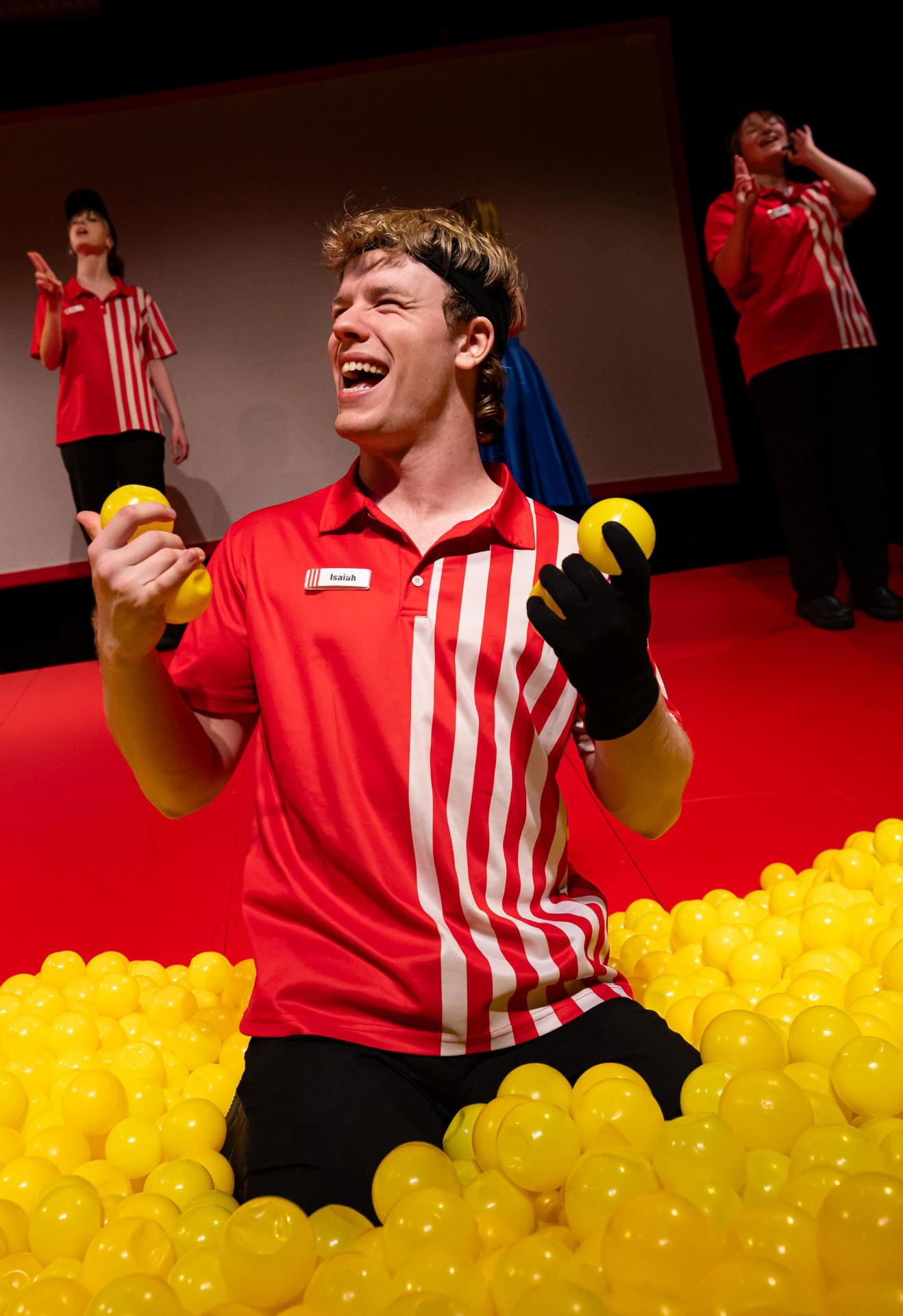
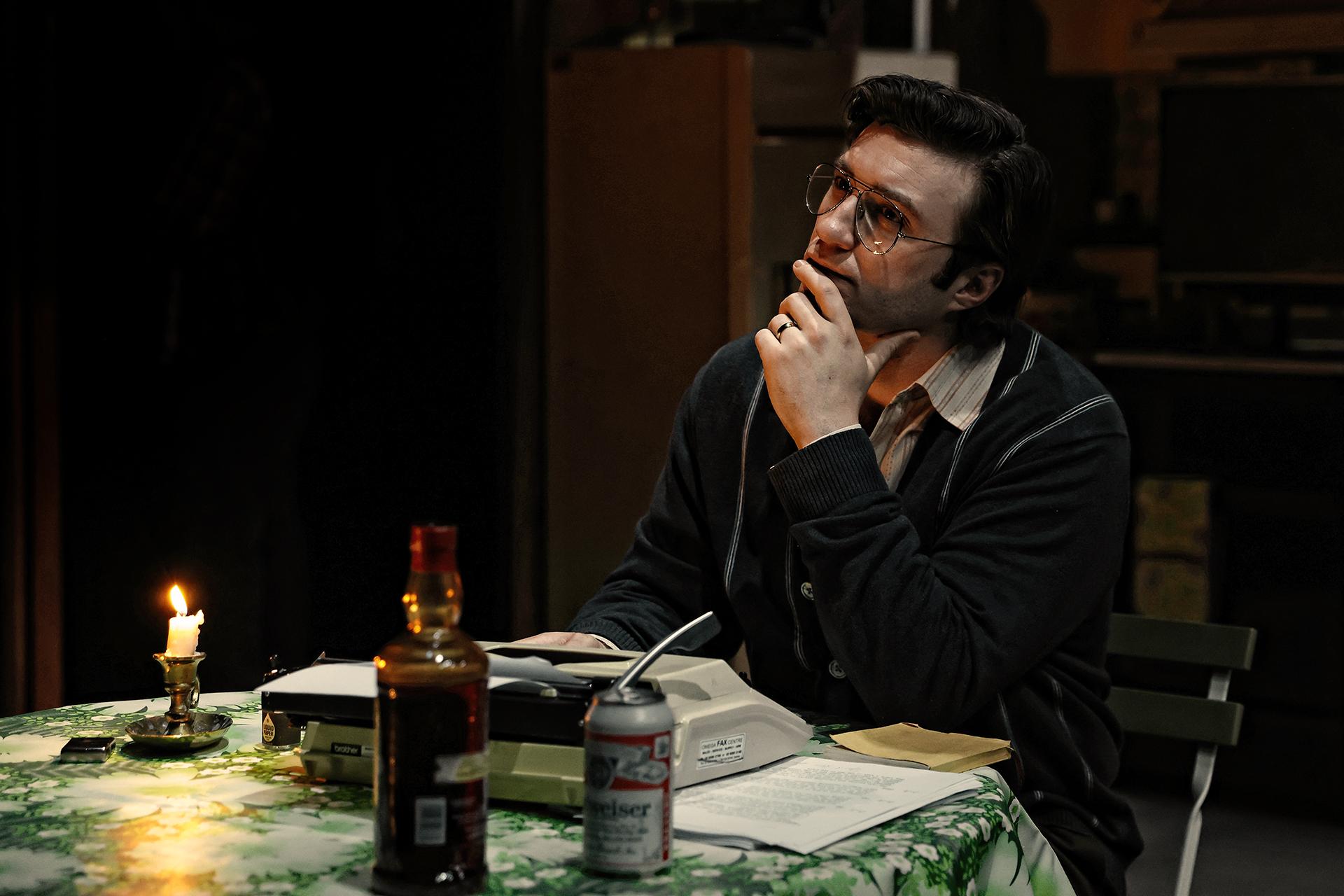
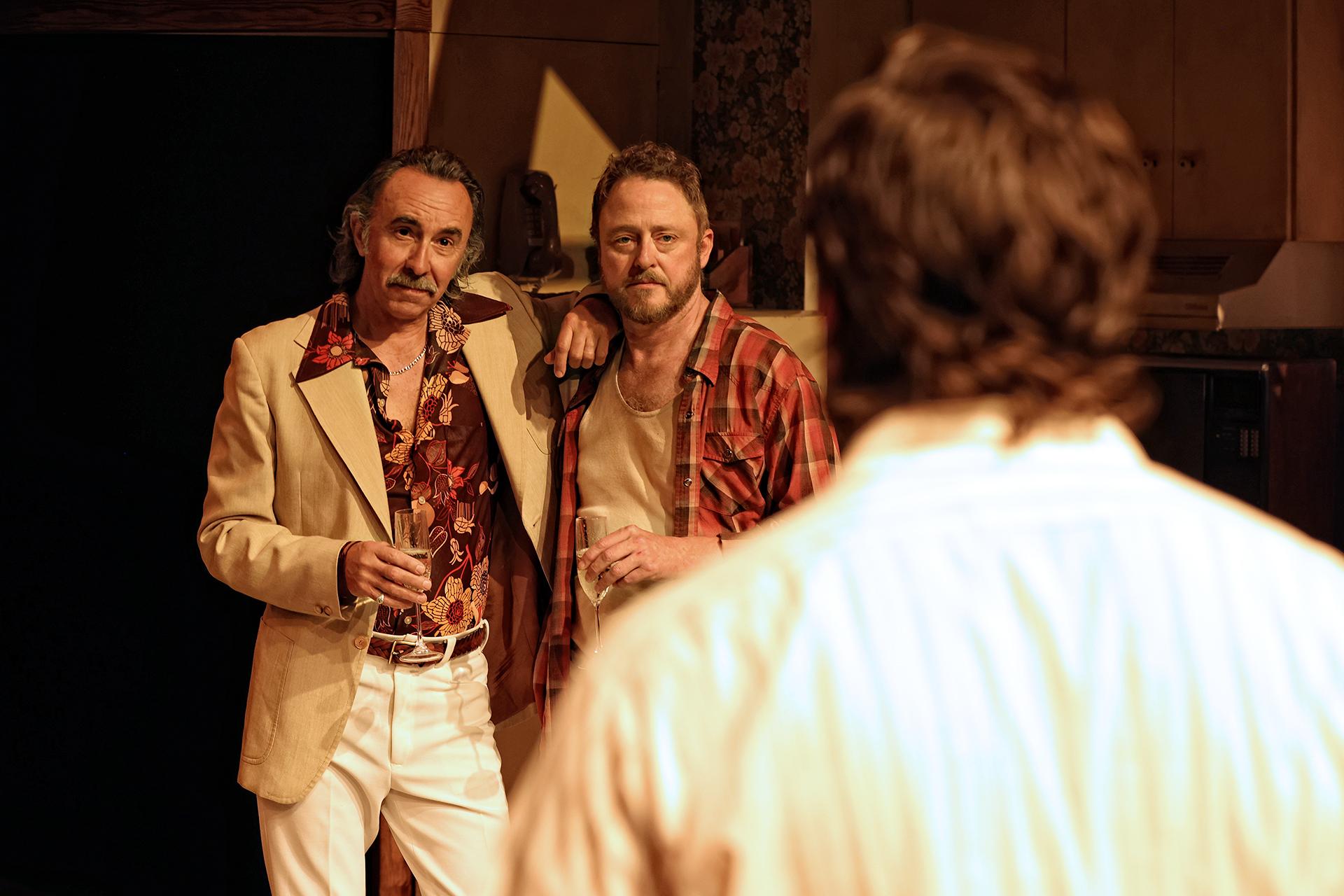
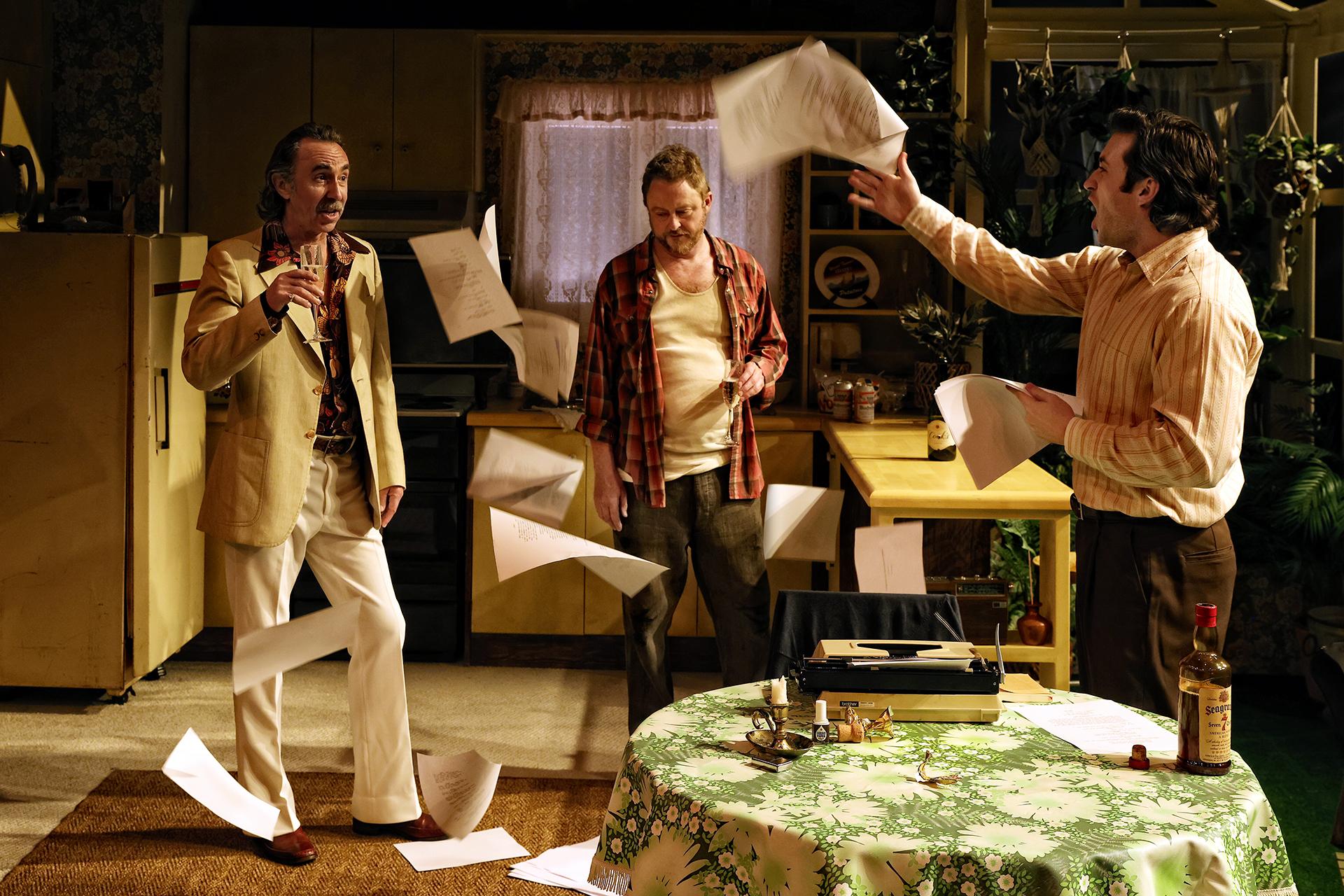
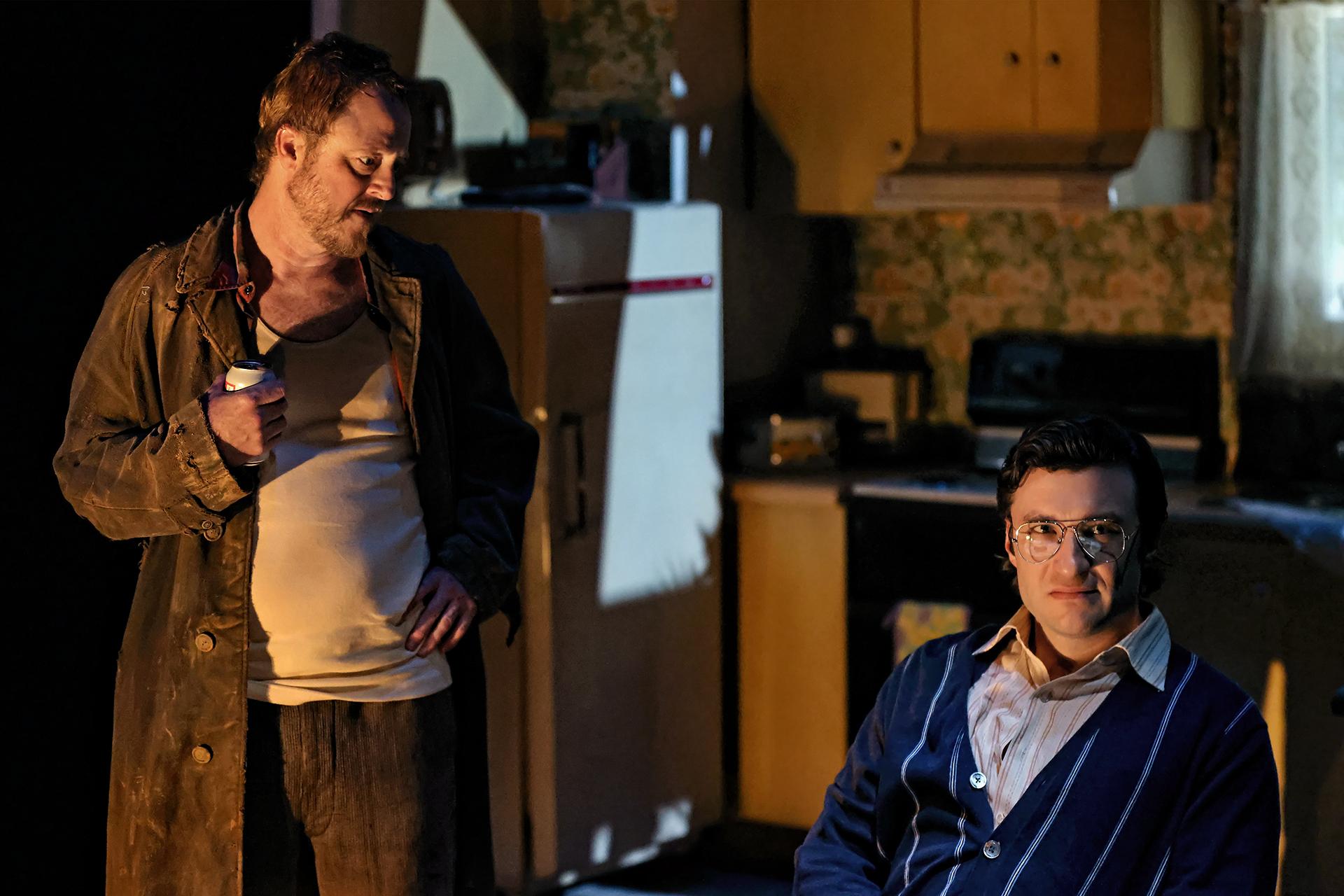
It is 1985, and a key cast member is departing the high-rating Australian soap opera A Country Practice. The writers are tasked with making sense of her exit, not only for themselves as creatives deeply entwined with the show, but also for a public profoundly invested in its characters. How to Plot a Hit in Two Days by Melanie Tait is a charming reimagining of the delicate machinery behind one of the era’s most unforgettable television moments. The play beautifully captures the intricacies of artistic collaboration, resonating with anyone curious about the creative process. Yet its heavy reliance on a very particular vein of cultural nostalgia risks alienating contemporary audiences less familiar with that history.

Direction by Lee Lewis yields a staging memorable for the impeccable chemistry of its ensemble. With five richly detailed and impassioned performers—Amy Ingram, Genevieve Lemon, Seán O’Shea, Georgie Parker, and Julia Robertson—the production seizes our attention from the outset and holds us firmly in its grasp throughout. Ingram’s portrayal of ex-jailbird Sharon is particularly winning, her brusque humour shaping much of the production’s tone.

The design is stripped to its essentials, fitting for a work that demands little ornamentation. Simone Romaniuk’s set and costumes reflect the utilitarian realities of artistic work, while Brockman’s lighting and Paul Charlier’s music recede gracefully into the background, surfacing only now and then to deliver moments of flourish.

Only in recent years have we begun to reckon with the fact that we call Australia is not, and never was, a monolith. The twentieth century was steeped in assimilationist ideology, shaped by values imposed by a white patriarchy that governed not only our daily lives but also our very understanding of reality. In 1985, it seemed entirely reasonable to assume that the whole nation might gather around the same television program. Today, we can scarcely agree on the story of how modern life on these lands was forged.

www.ensemble.com.au

Review: The Unreal Housewives Of The Gold Coast (The Grand Electric)

Venue: The Grand Electric (Surry Hills NSW), Aug 26 – 30, 2025
Writer: Trent Owers
Music & Lyrics: Matthew Predny
Director: Tess Hill
Cast: Michael Boyle, Tracie Filmer, Elise Greig, Bebe Gunn, Nick Hardcastle, Naomi Leader, Rhea Robertson, James Vidigal
Images by

Theatre review
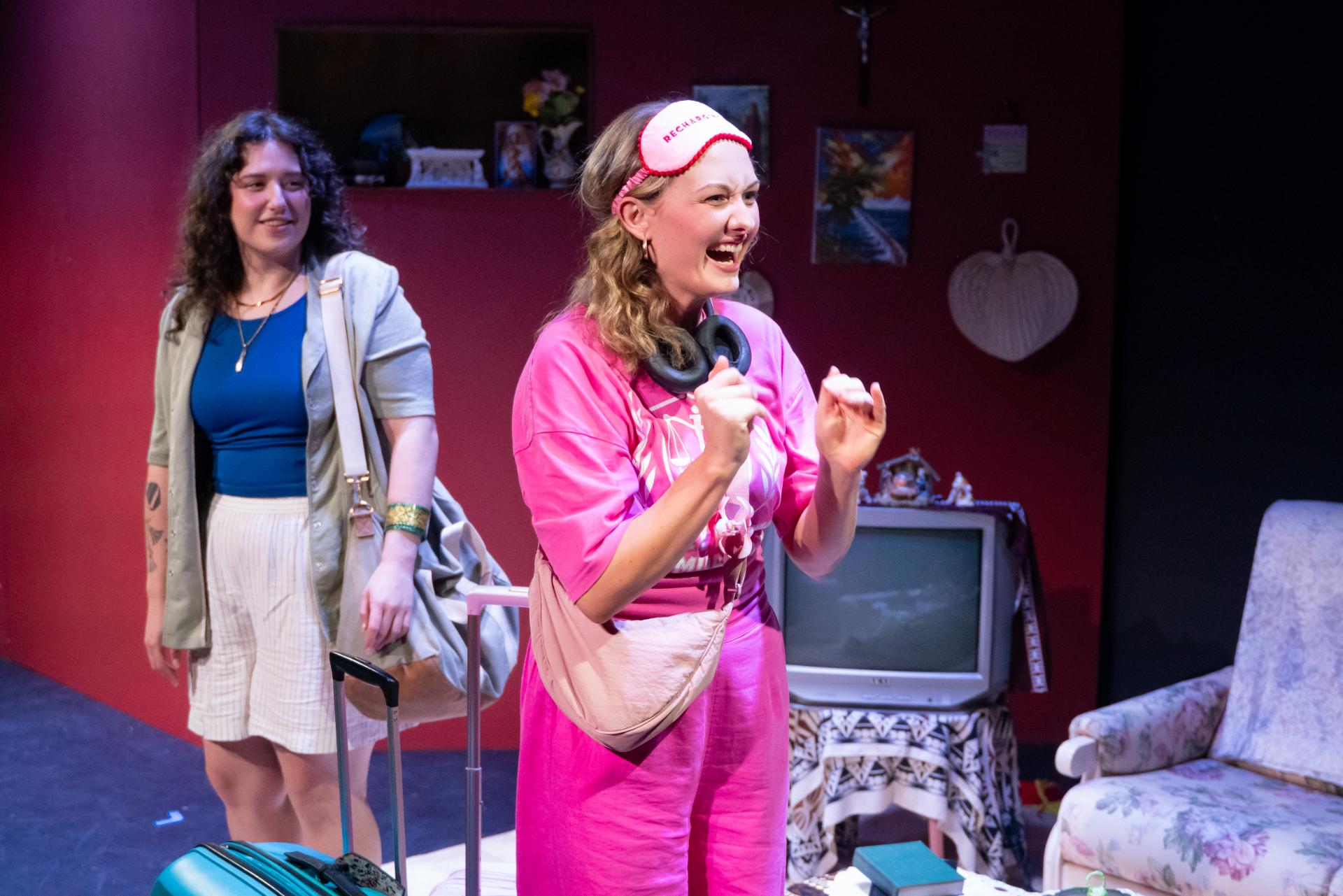
The phenomenon of the Real Housewives television franchise began 19 years ago, and continues to thrive stronger than ever. Trent Owers’ musical lampoon The Unreal Housewives of the Gold Coast situates us at the reunion taping of a wholly imagined Australian chapter of the iconic reality empire. The concept is strong, particularly for the legions of fans of the ever-more ubiquitous brand, but weak writing undermines the comedy, leaving it short of its promise.
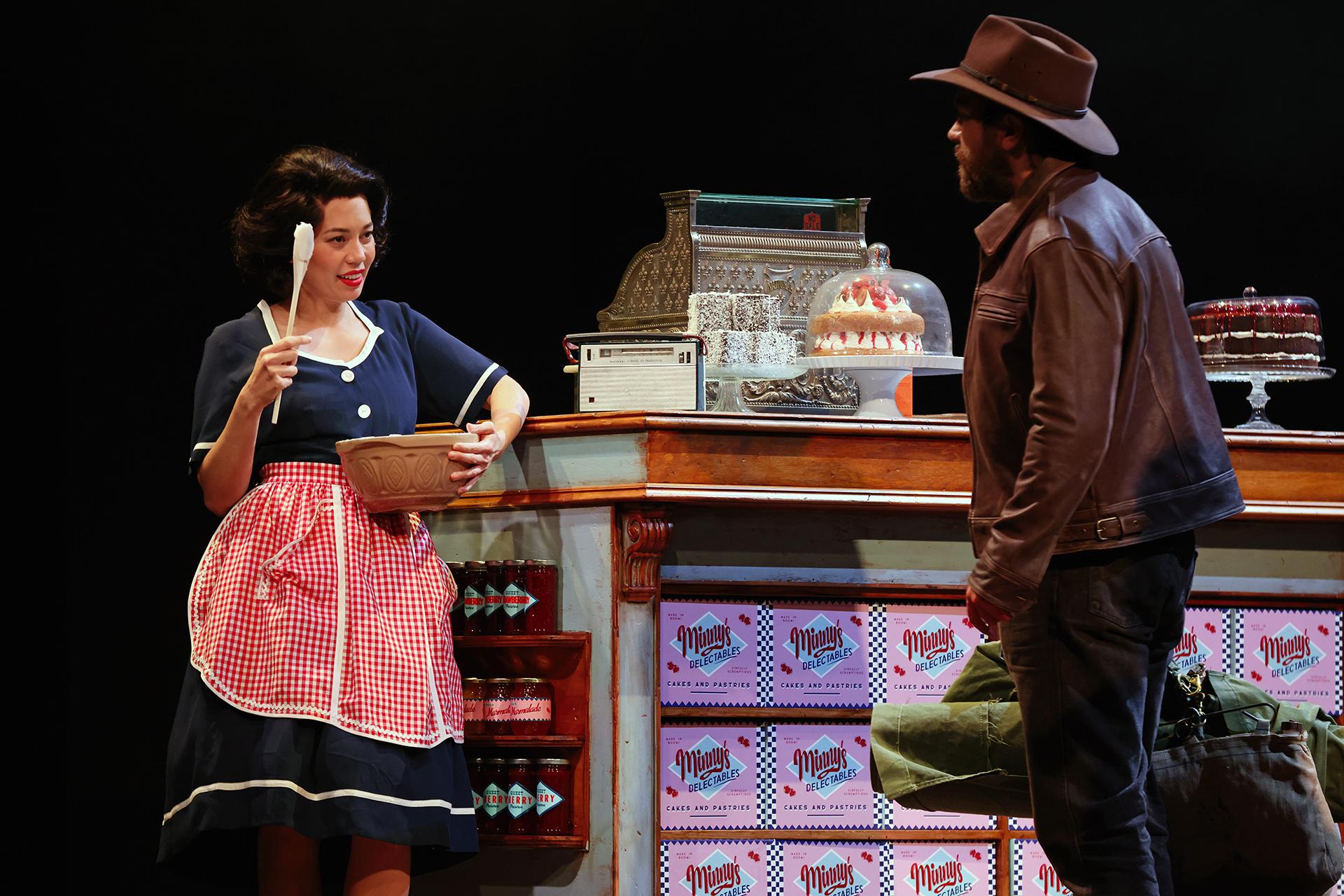
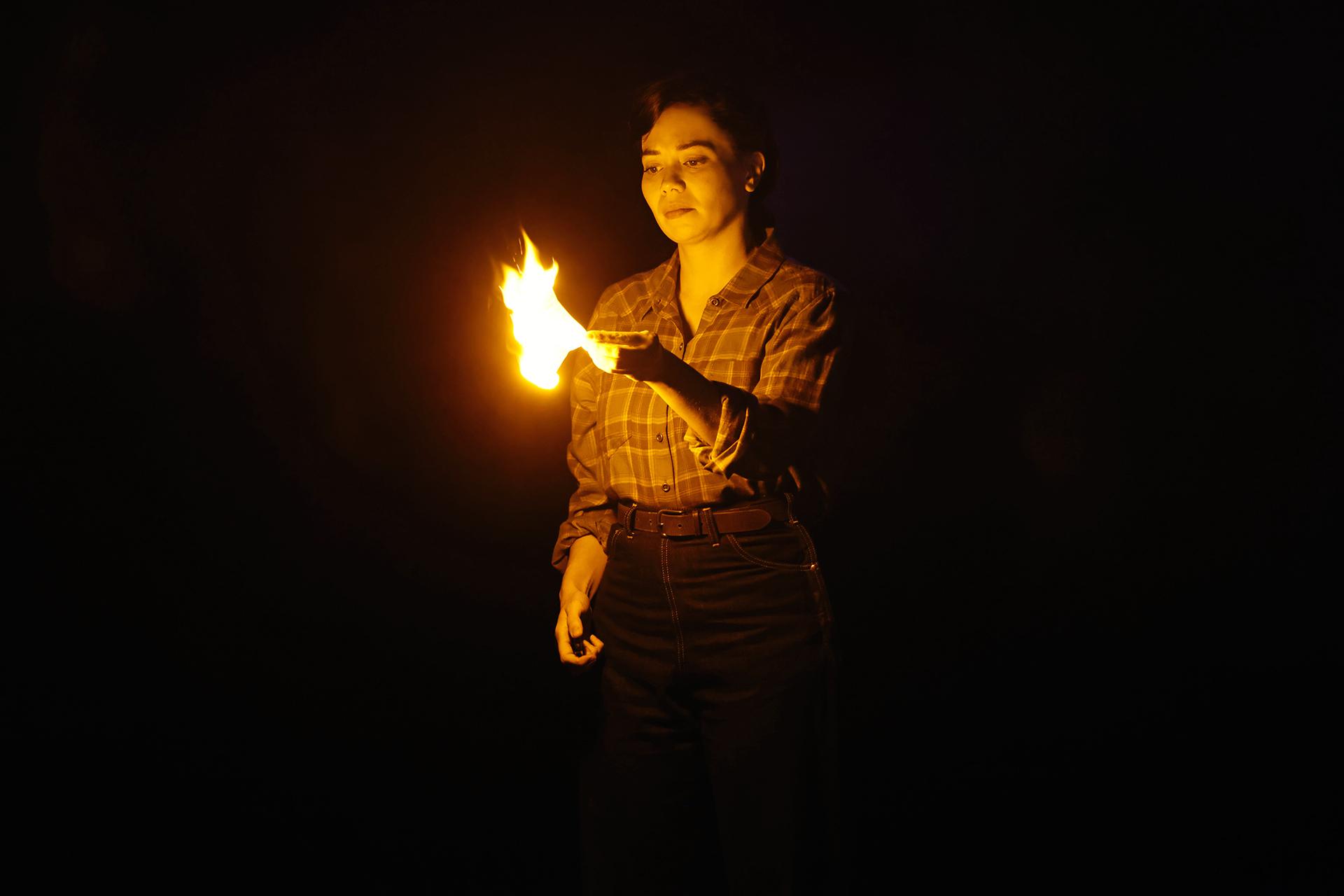
While direction by Tess Hill is appropriately vivacious, the humour proves strained and ungainly, and the faltering production values compound the show’s shortcomings. Performer Rhea Robertson is a saving grace, imbuing the part of Skye Headbrow with subtlety and a finely calibrated sense of timing that speaks to her confidence. Tracie Filmer leaves a strong impression with her singing in the role of Dianee White, momentarily elevating the staging through her accomplished musicianship.
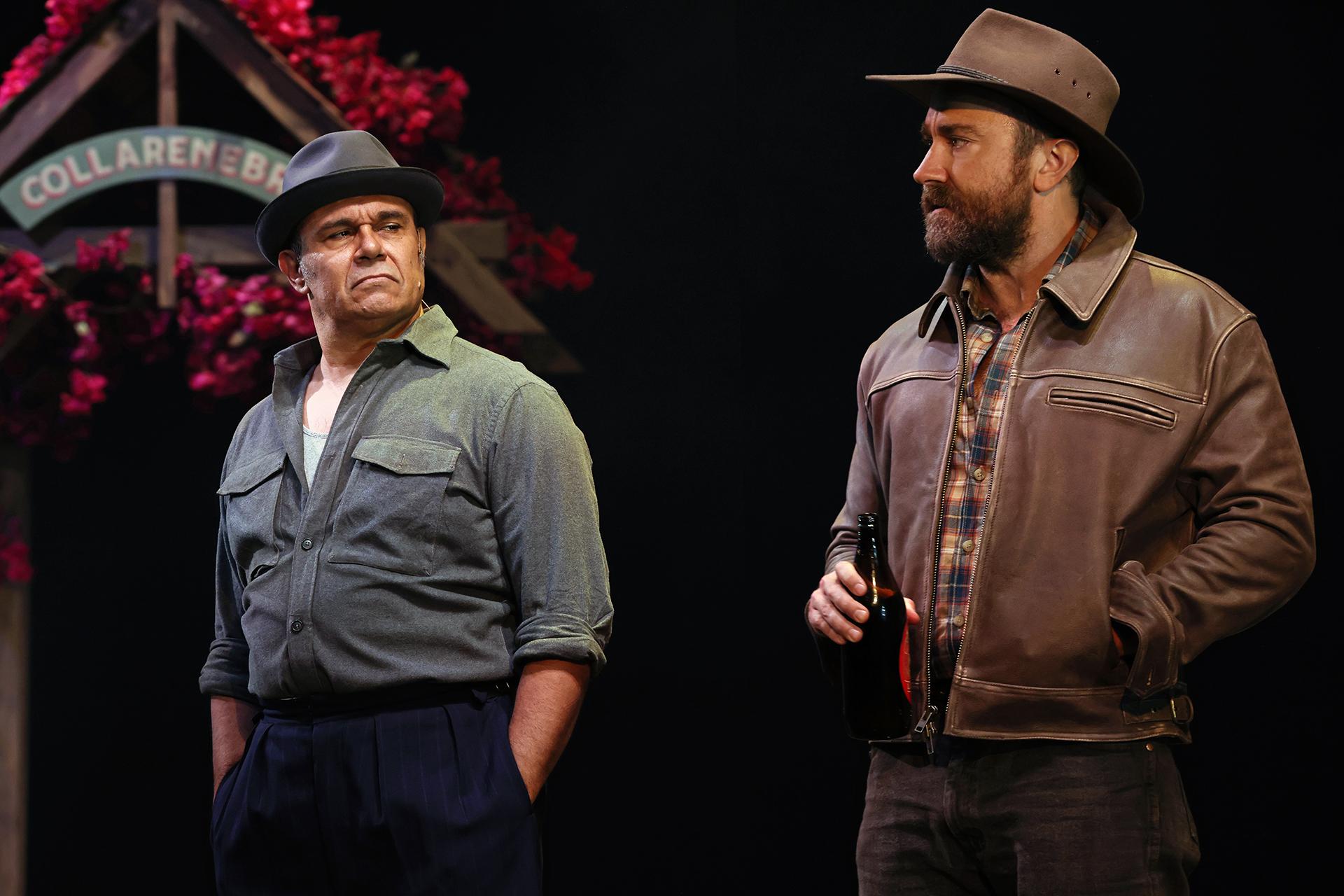
Often dismissed as a guilty pleasure, the Real Housewives programmes remain virtually unique in foregrounding the lives of middle-aged women on their own terms, rather than tethering their identities exclusively to husbands and offspring. While it is regrettable that the characters are consistently framed by rivalry and strife, we are nonetheless afforded glimpses of them as powerful, self-possessed, and masters of their own fates.

www.instagram.com/theunrealhousewivesgc

Review: The 39 Steps (Sydney Opera House)

Venue: Sydney Opera House (Sydney NSW), Aug 8 – 30, 2025
Playwright: Patrick Barlow (from the John Buchan novel, and the Alfred Hitchcock movie)
Director: Damien Ryan
Cast: David Collins, Shane Dundas, Lisa McCune, Ian Stenlake
Images by Cameron Grant

Theatre review
Richard is a man on the run, falsely accused of murder. The 39 Steps is best known as Alfred Hitchcock’s wryly funny 1935 film, adapted from a 1915 adventure-thriller novel. Patrick Barlow’s 2005 stage adaptation transforms the story into a fully comedic work, frequently referencing the movie version to create a postmodern take on the century-old title.

Director Damien Ryan embraces all the parody and pastiche, delivering a bold and extravagant farce, though the nonstop jokes lack the crispness needed to fully land. The production is visually striking, with James Browne’s sets and costumes impressing through their ambitious scale and refined aesthetic. Lights by Matthew Marshall are commensurately sumptuous, and highly evocative in this monochromatic tribute to early filmmaking. Music and sound by Brady Watkins are full of dynamism, adept at sustaining energies, even when the laughs begin to feel laboured.

Actor Ian Stenlake embodies the leading man with commendable dedication, though he exhibits some limitations in agility for a production characterized by its vigorous intensity. Lisa McCune performs multiple roles with skill and accuracy, bringing a level of refinement to a show that easily spirals out of control. David Collins and Shane Dundas, best known collectively as The Umbilical Brothers, make their trademark humour a distinctive feature of the staging, which ultimately detracts from the overall experience. The pair is unequivocally accomplished, but the narrative momentum is hindered by the production’s insistence on highlighting their expertise.

Humour is inherently subjective. Understanding what makes something funny demands an examination of the milieu from which it stems. While we may live in multicultural societies, much of the artistic output—even in the twenty-first century—remains resolutely monocultural. As a result, for many of us in minority communities, witnessing widespread laughter can often feel nothing short of confounding.

www.the39steps.com.au

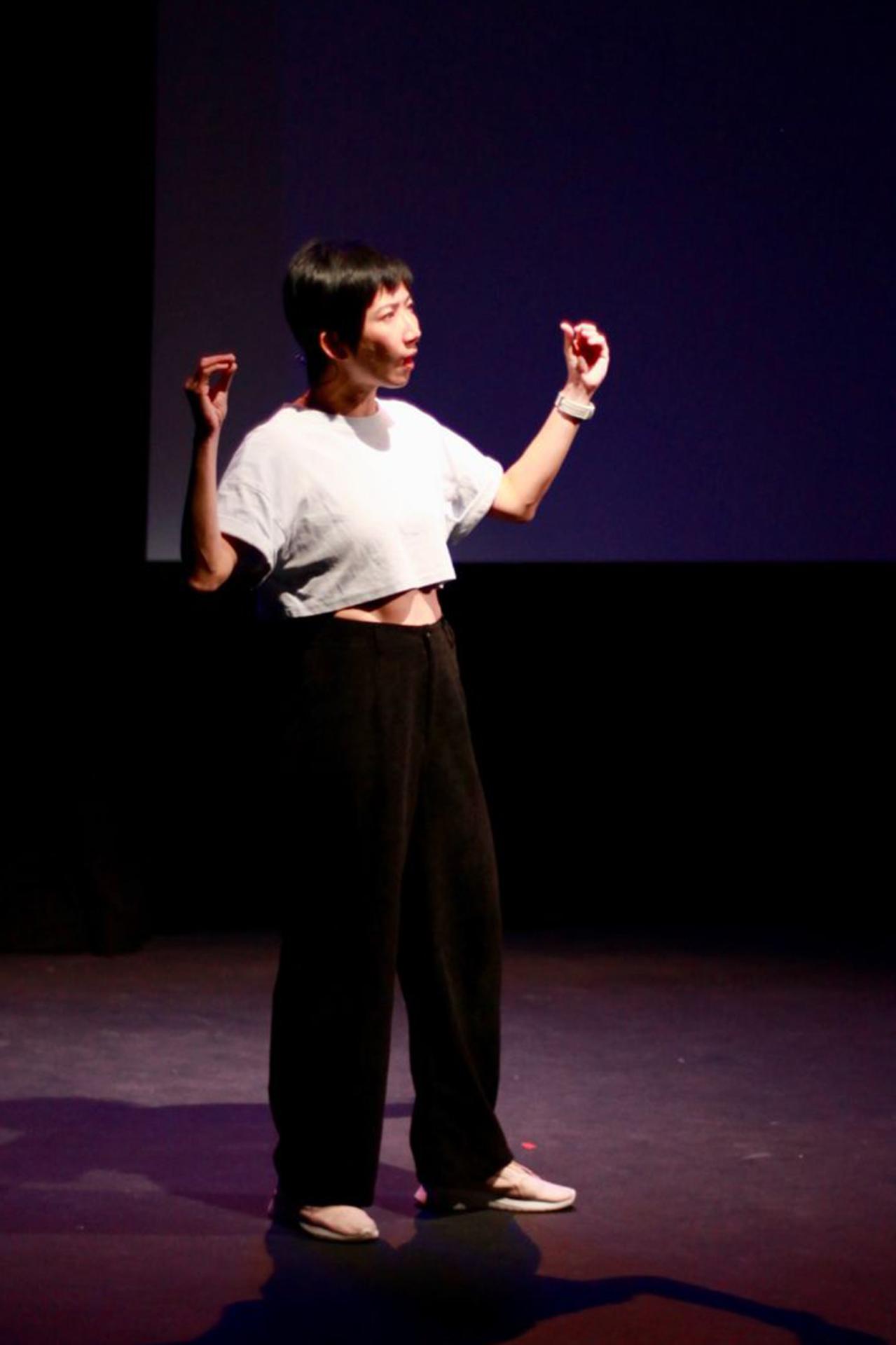
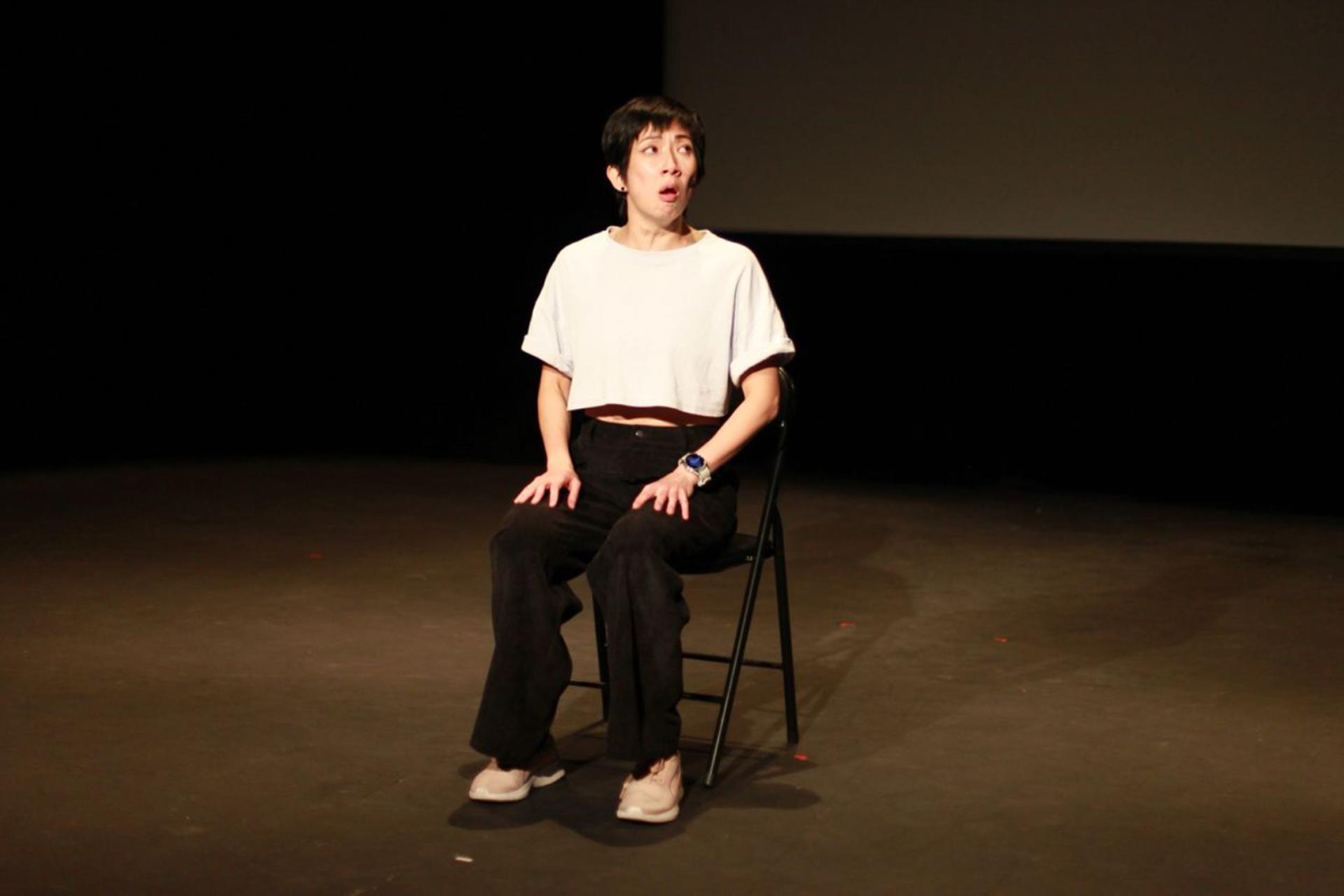
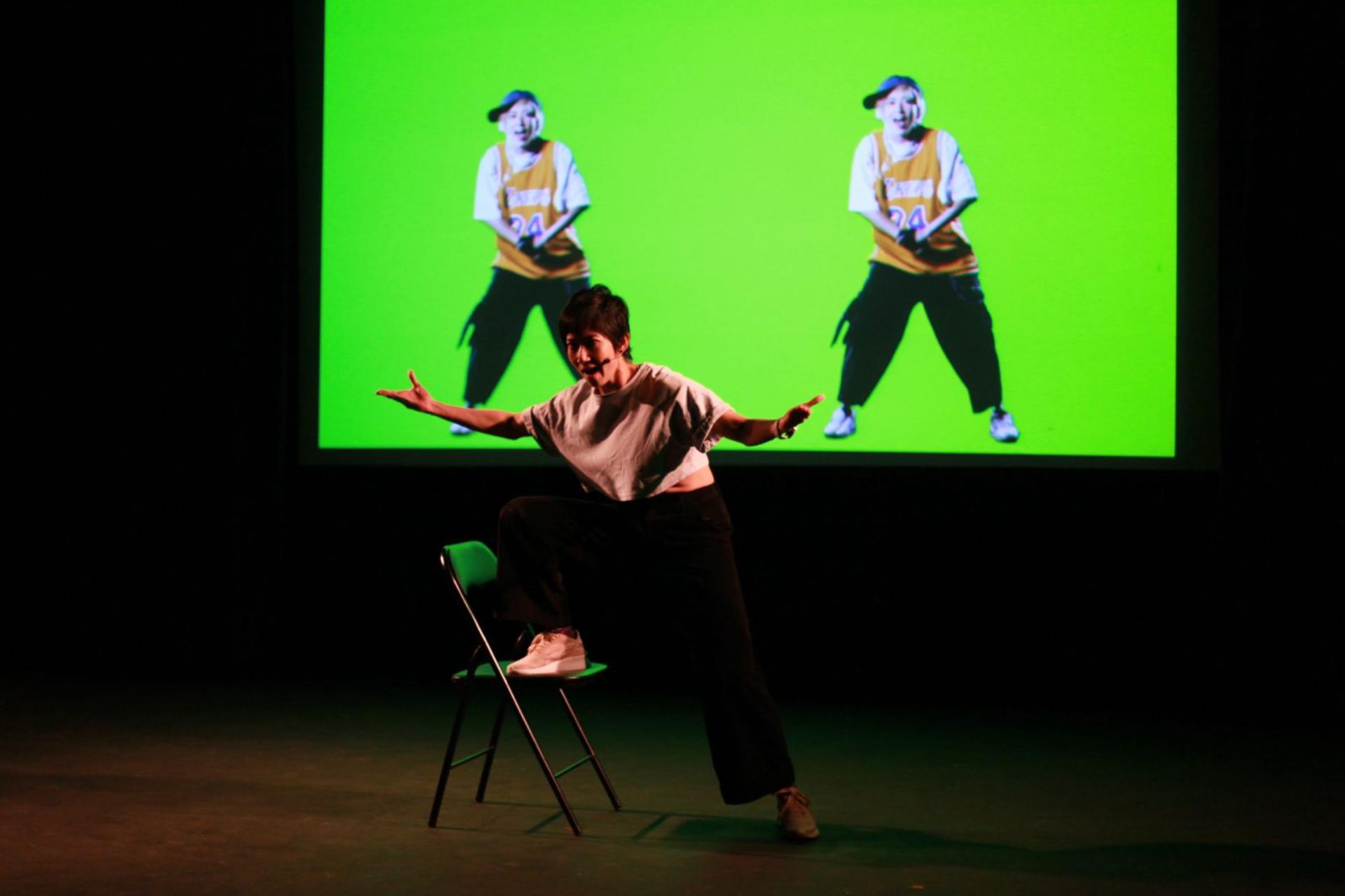
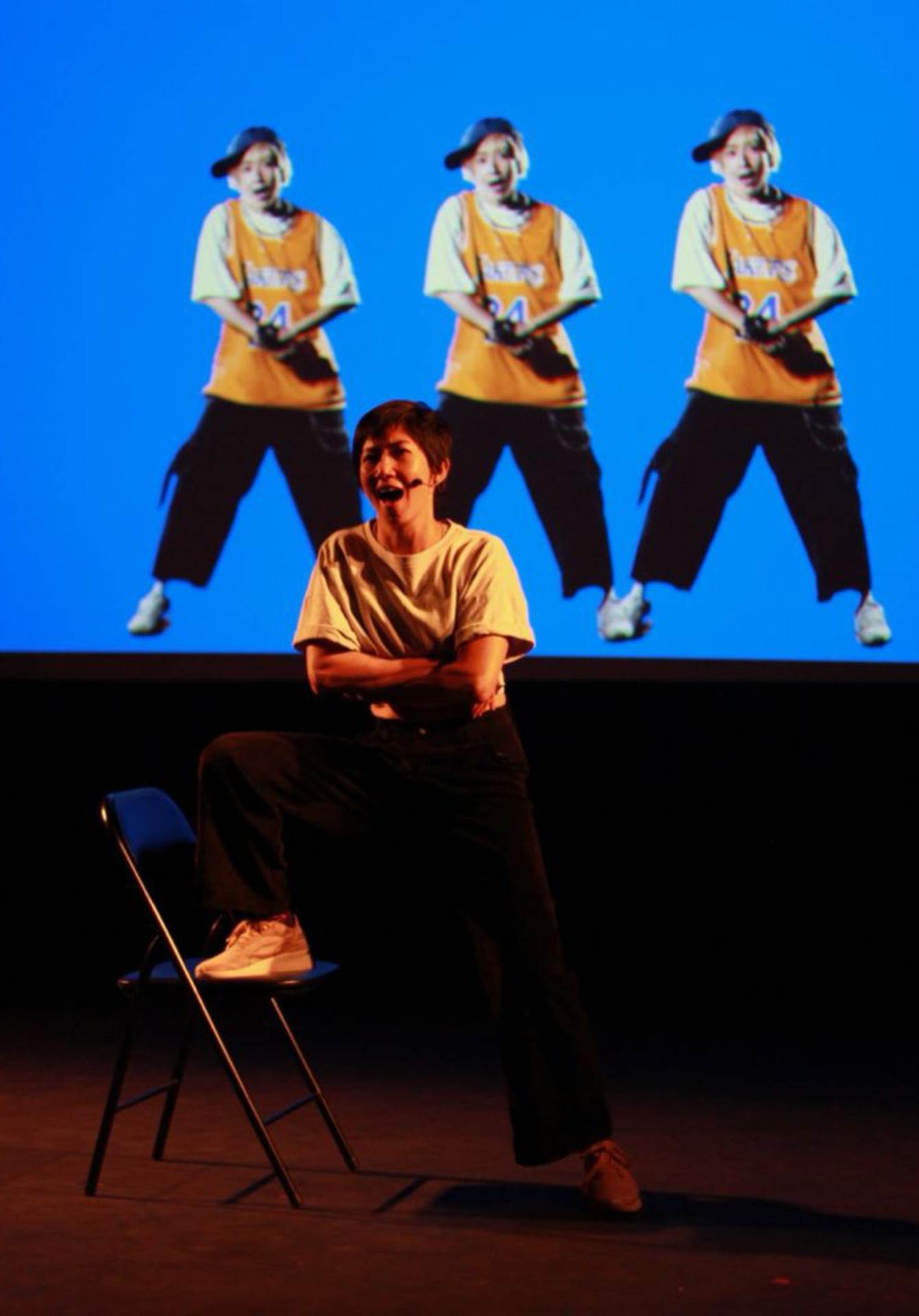
Review: Werkaholics (25A Belvoir)

Venue: Belvoir St Theatre (Surry Hills NSW), Jul 29 – Aug 17, 2025
Playwright: Vivian Nguyen
Director: Nicole Pingon
Cast: Ruby Duncan, Georgia Oom, Shirong Wu
Images by Lucy Parakhina

Theatre review
As an influencer, Lilian is bombarded with conflicting signals about her worth. Each piece of digital content that earns her praise also draws criticism for perceived narcissism. In contrast, Jillian, a struggling actor, endures relentless rejection and financial hardship, yet is considered to be leading a life of apparent integrity. Capitalism is the problem, in Vivian Nguyen’s Werkaholics, a play about two Asian-Australian women who can do nothing right. We watch Lilian and Jillian try to attain success, by following various prescribed methods, only to find the rulebook turning against them.

Werkaholics is a clever and exuberant piece of writing that although tends too often to turn convoluted, offers a thoughtful meditation on modern economics in an era defined by digitised social life and the unprecedented commodification of the personal. Direction by Nicole Pingon is memorable for a charming and irreverent playfulness, that allows us to regard the feminist message in a commensurately subversive, and distinctly queer, manner. The show is one that practises what it preaches.

Set and costumes by Ruby Jenkins are rendered with a simplicity that foregrounds the female bodies that tell a story about worth and exploitation. Video projections by Harrison Hall and Daniel Herten offer seamless enticements into realms of artifice, while lights by Frankie Clarke convey emotional complexity. Music and sound by Christine Pan imbue a charged atmosphere, heightening tension in both its comedic and dramatic turns.

Georgia Oom as Lilian and Shirong Wu as Jillian form a compelling duo, drawing us into a sharp interrogation of social structures marked by deep-rooted injustices along lines of gender and race. Each performer radiates infectious energy, leaving a lasting impression with the bold effervescence they bring to the stage. Ruby Duncan is effective as Sage, a duplicitous character who personifies the sinister hypocrisy of those intent on preserving entrenched institutions that profit from marginalisation and exclusion.

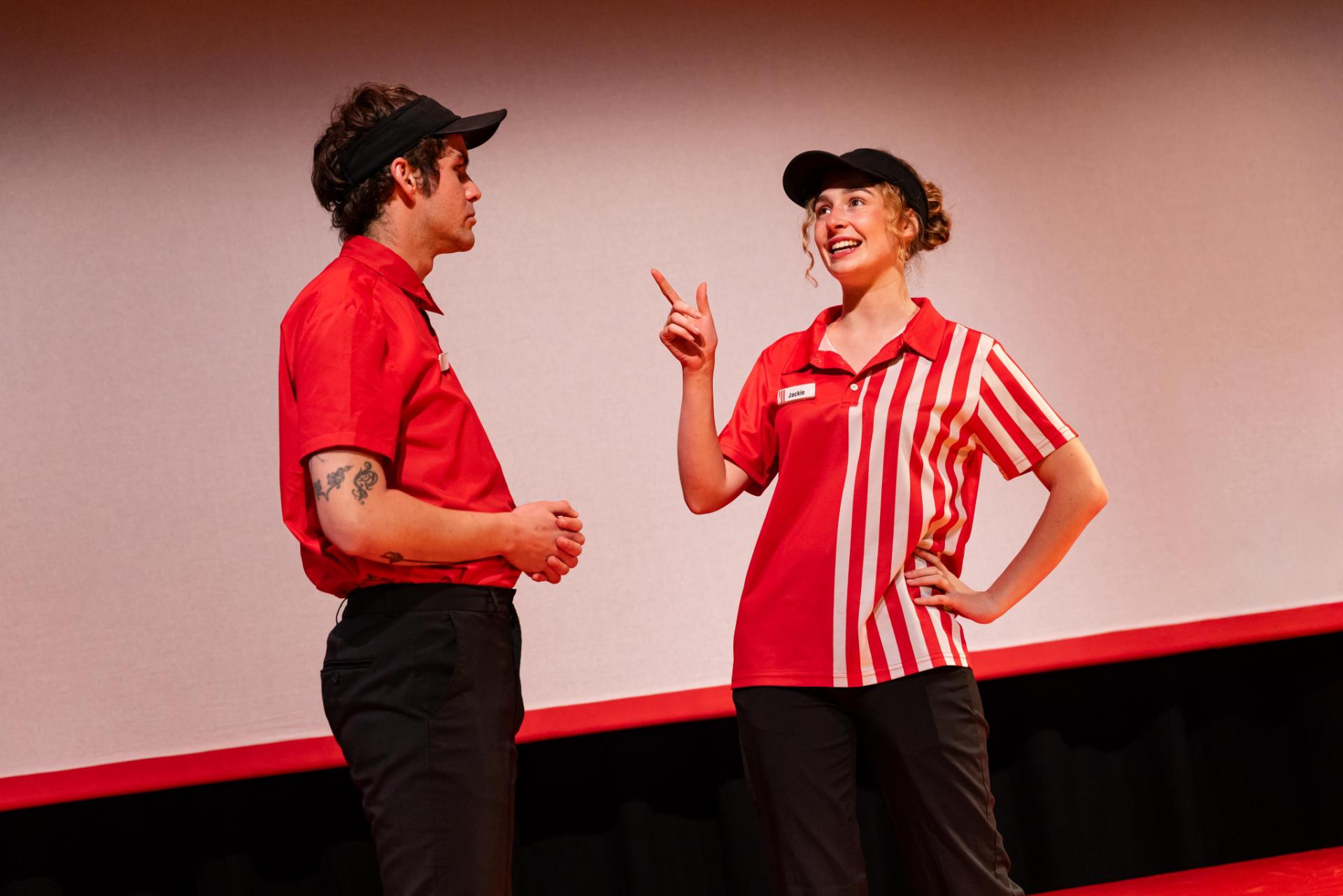
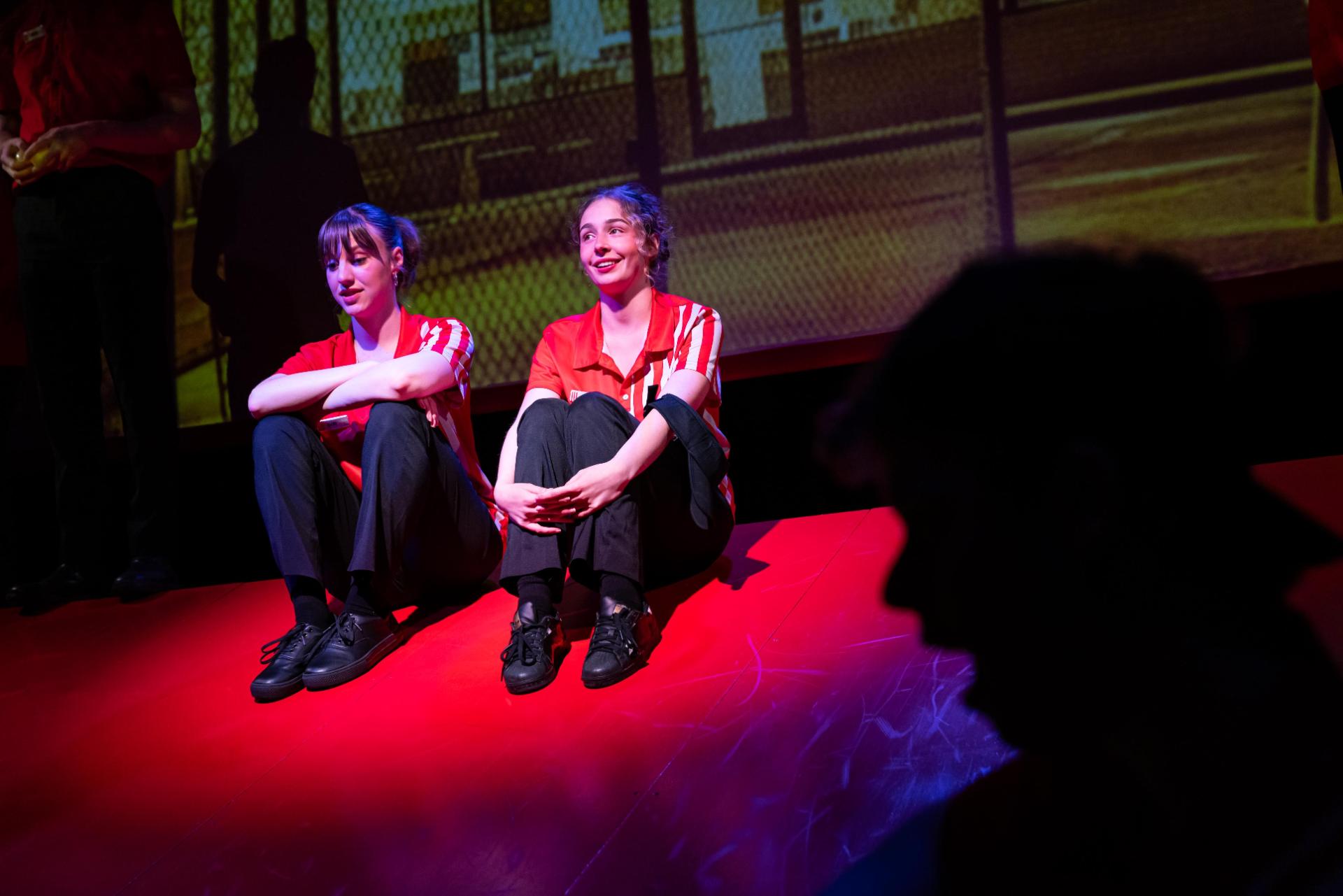
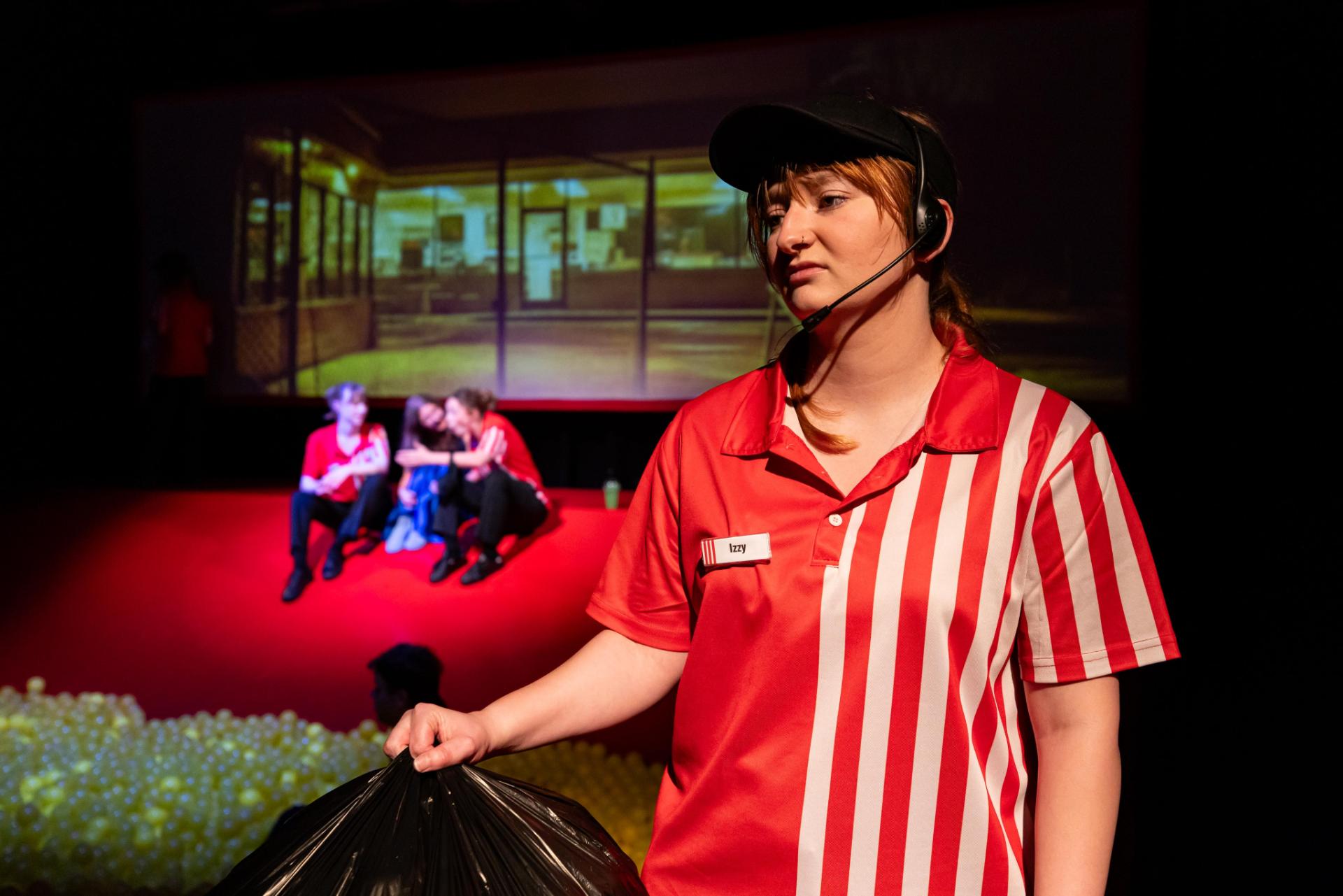
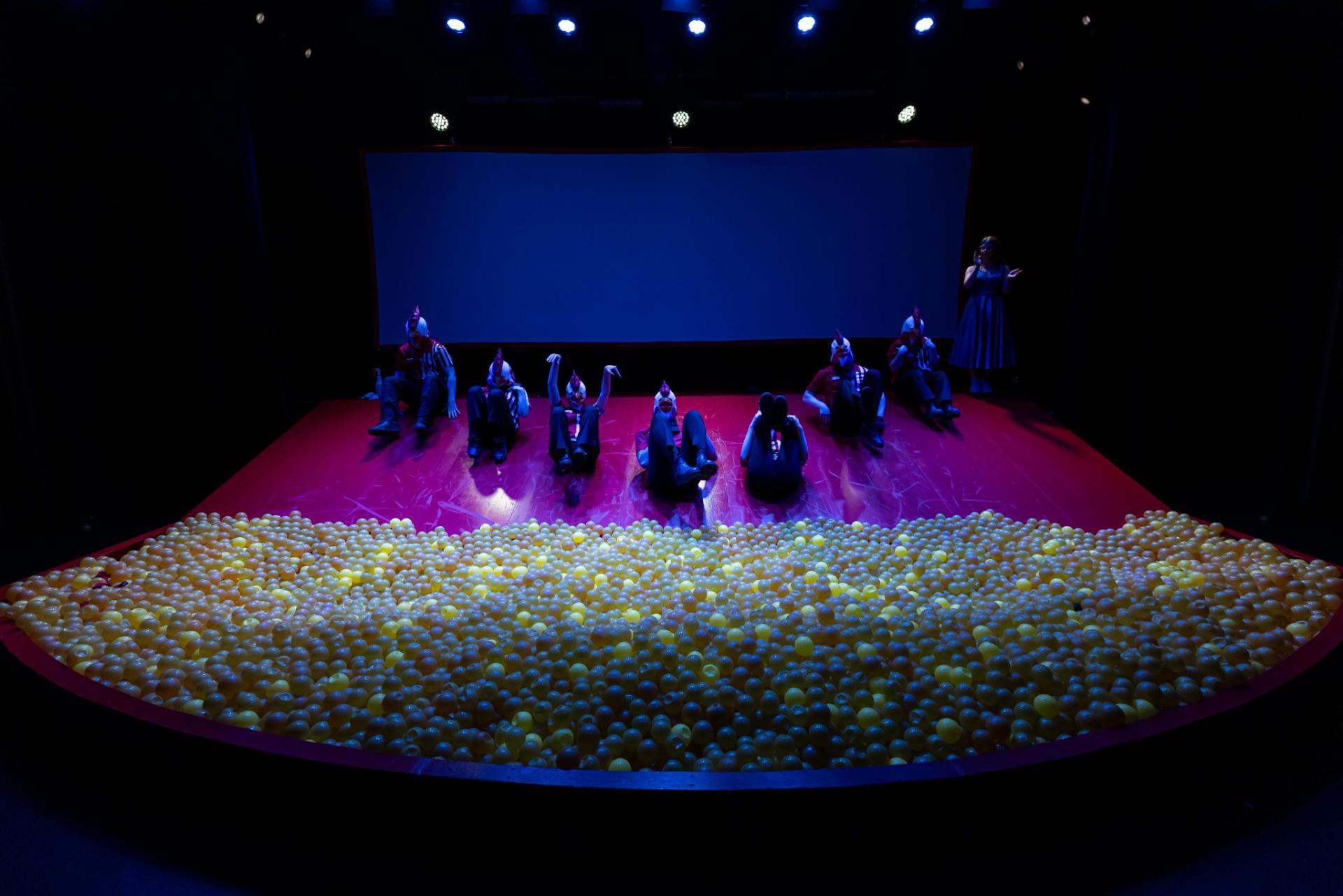
Many of us participate in systems that ultimately work against our own interests, simply because they often represent the only means we know to survive. Indeed, their stratagem involves projecting a sense of inevitability, as it conceals the subterfuge of deplorable injustices. Some believe that we can alter its machinations while operating within it. Others argue that history shows how little meaningful change is effected without radical tactics. In any case, we need to be unafraid of disruption and continue finding new ways to create change, believing that every impact, big or small, will contribute to a consequential resistance that moves us toward something better.

www.belvoir.com.au | www.purpletapeproductions.com

Review: Grief Is The Thing With Feathers (Belvoir St Theatre)

Venue: Belvoir St Theatre (Surry Hills NSW), Jul 26 – Aug 29, 2025
Playwrights: Simon Phillips, Nick Schlieper, Toby Schmitz (from the novel by Max Porter)
Director: Simon Phillips
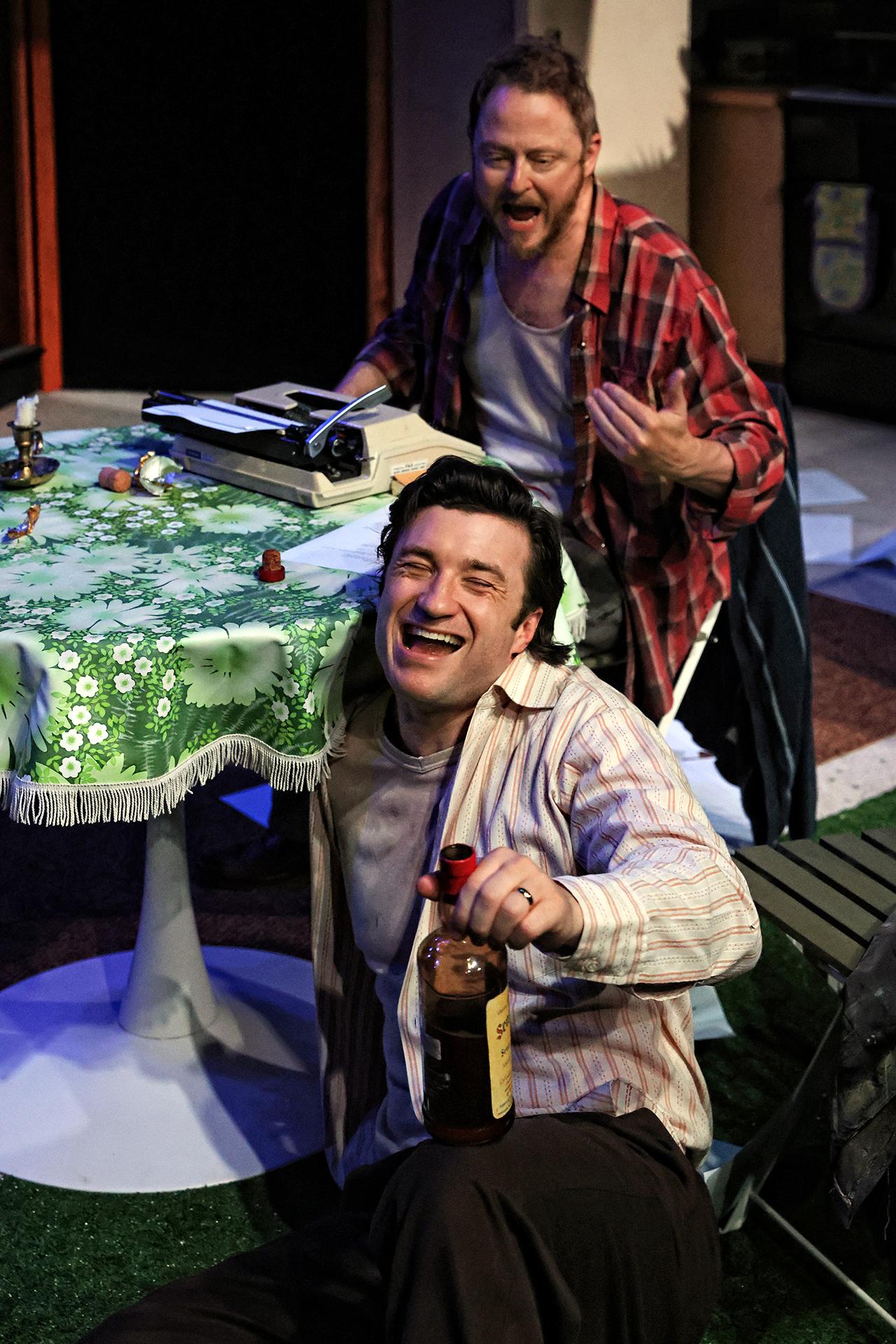
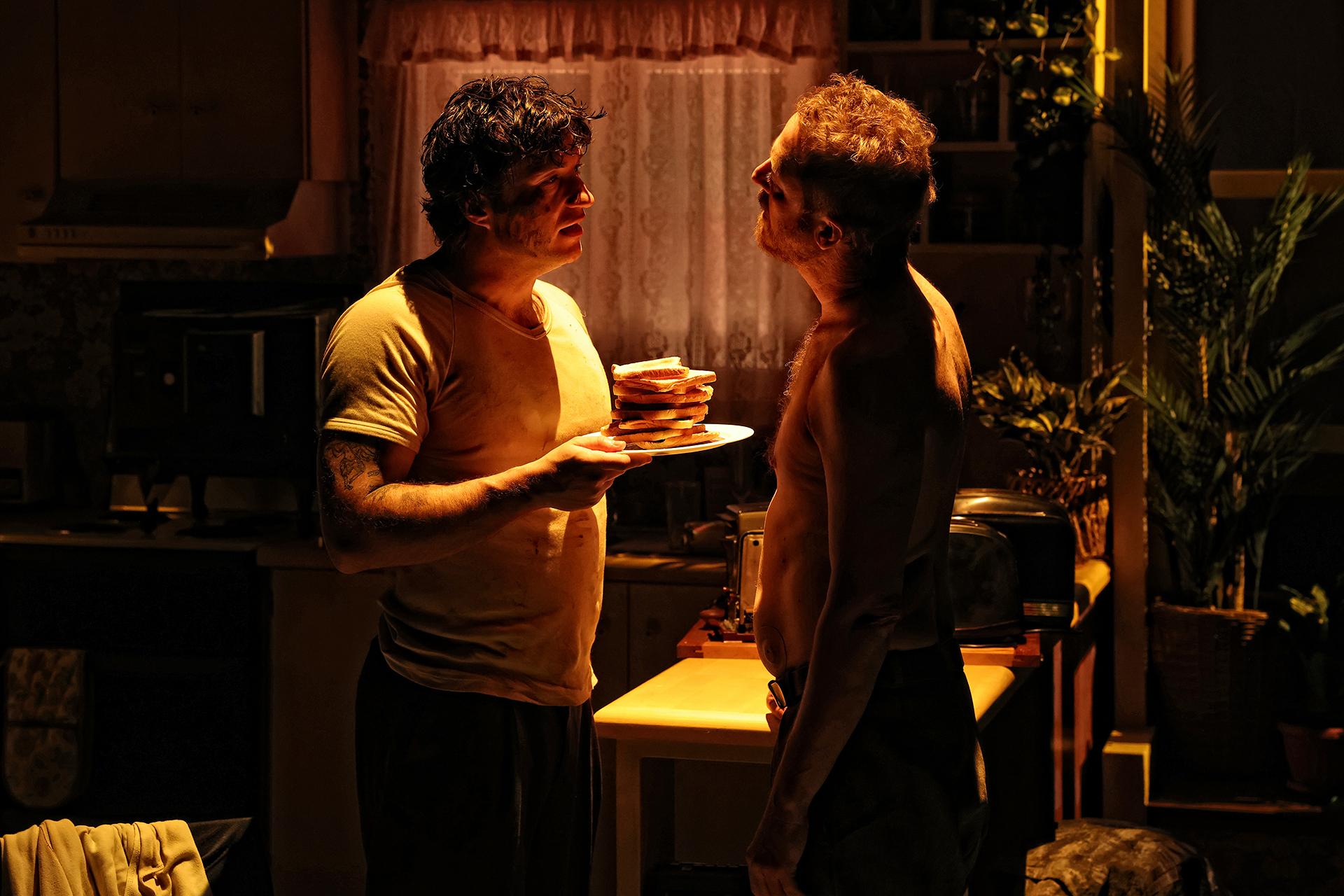
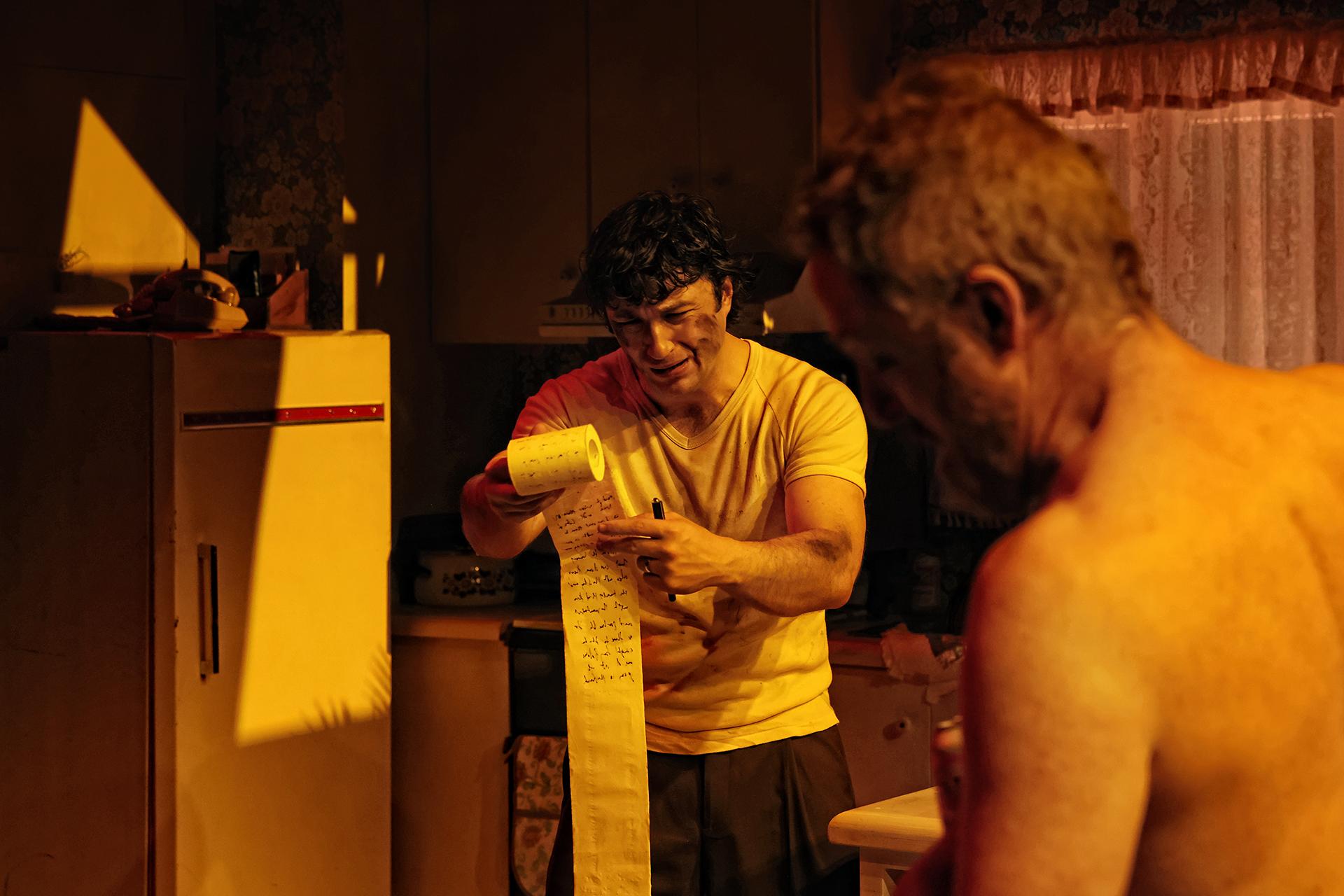
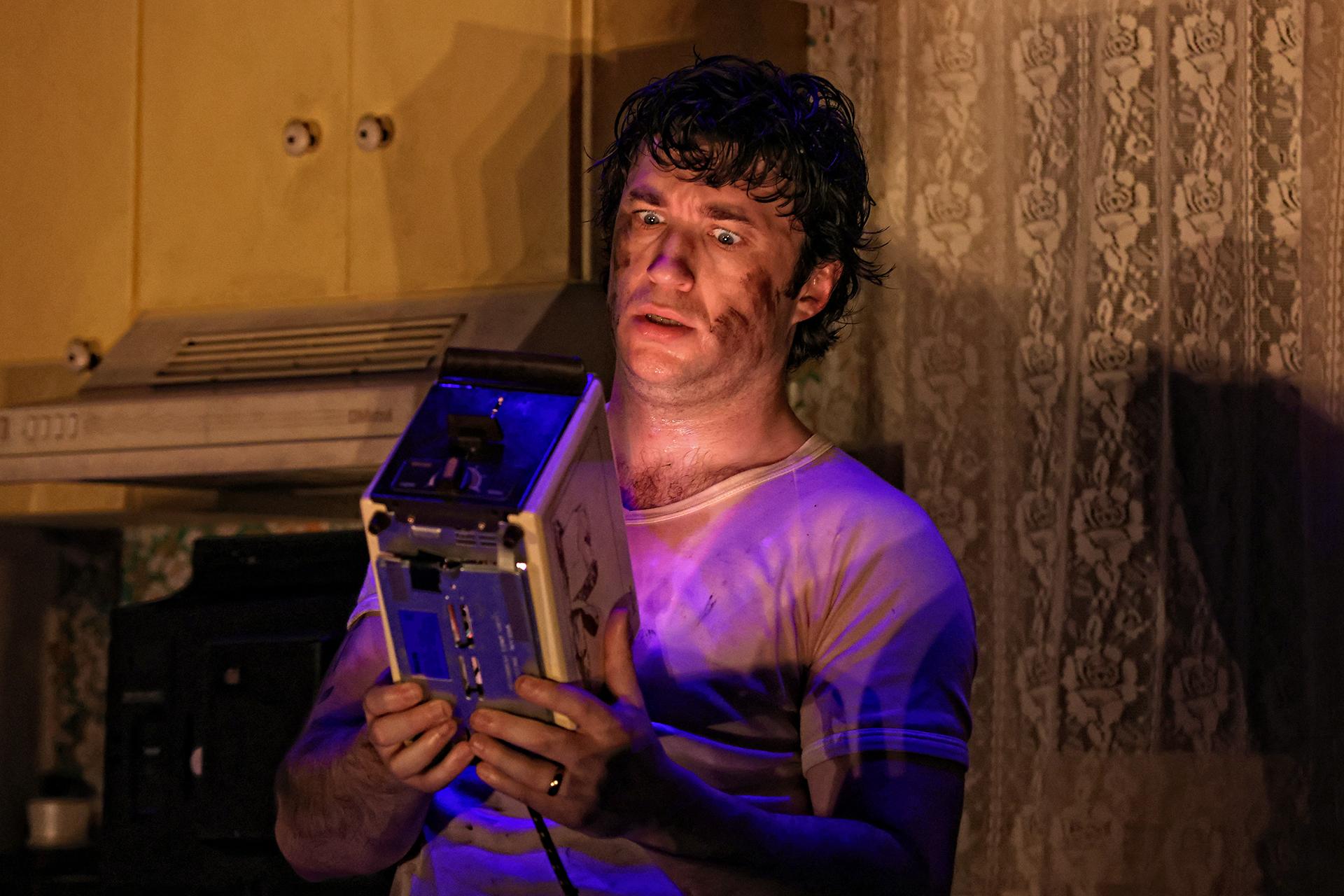
Cast: Philip Lynch, Fraser Morrison, Toby Schmitz
Images by Brett Boardman

Theatre review
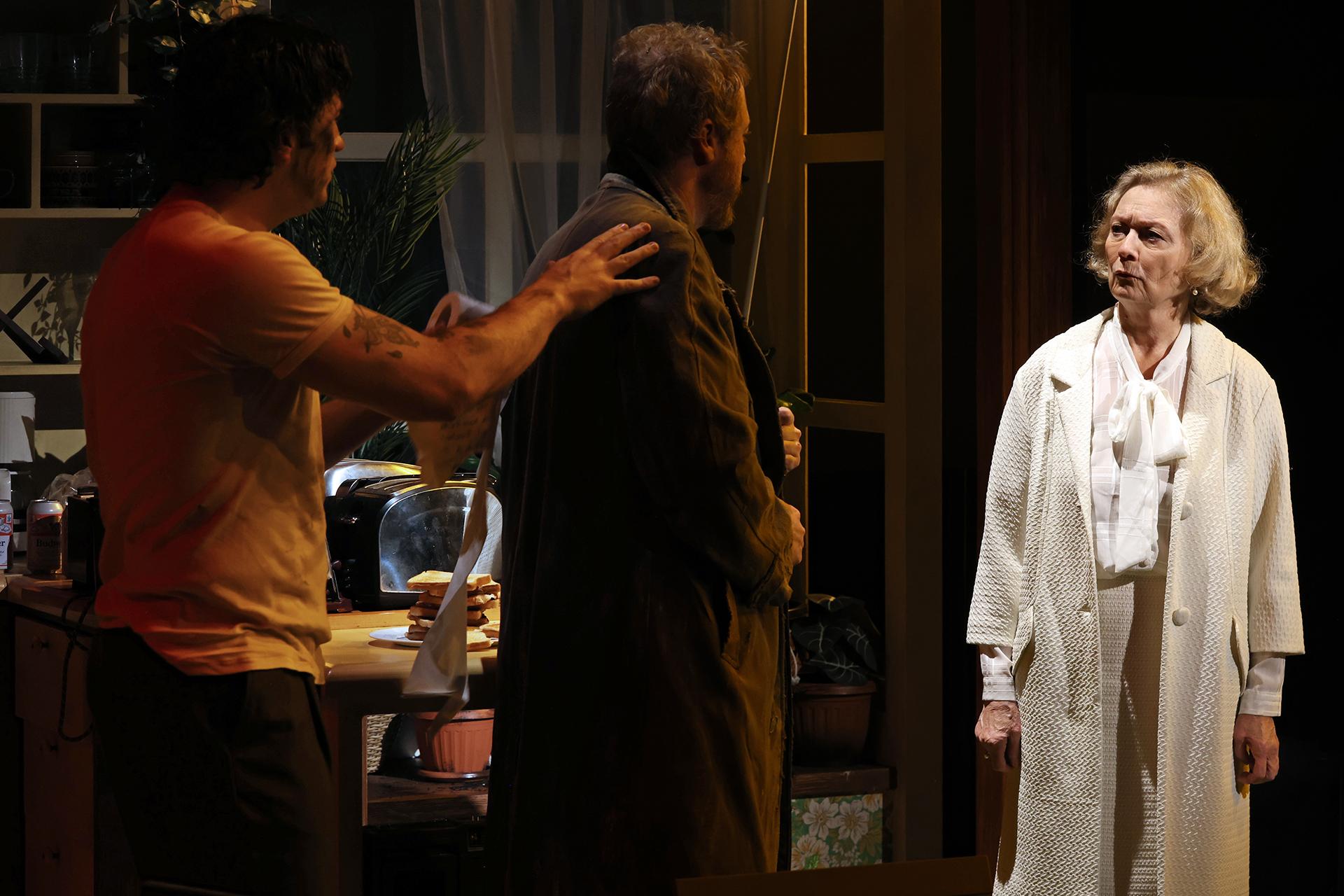
Recently widowed, a scholar finds himself utterly lost, adrift in grief. As a specialist in the work of Ted Hughes, it is perhaps inevitable that a crow—the most iconic figure in Hughes’ oeuvre—should appear, inserting itself into his life as companion and surrogate. Based on the novel by Max Porter, Grief Is the Thing with Feathers captures with striking authenticity both the frustrating stasis and the slow, almost imperceptible progress that inevitably accompanies bereavement.

Adapted for the stage by Simon Phillips, Nick Schlieper, and Toby Schmitz, this transposition pulses with an aggressive rhythm and a tonal grandeur that echoes both the literary references and the visceral experience of sorrow and despair. There is a regrettable emotional distance in its delivery, yet the sheer theatrical ambition of this reimagining of Porter’s novel remains undeniably impressive.

Phillips’ direction is boldly imaginative, capturing the poetic chaos of the widower’s interactions with the crow in a production that is truly dazzling for the senses. Video design by Craig Wilkinson, along with illustrations by Jon Weber, form a highly evocative element of the staging, especially useful in bringing to life its supernatural dimensions. Schlieper’s lighting is endlessly creative and exquisitely beautiful, masterfully evoking a universe of shifting realms. Sound by Daniel Hertern and music by Freya Schack-Arnott add immeasurable power, in their dynamic auditory renderings of this surrealist presentation. 

The widower is played by Schmitz who proves himself a commanding leading man, and a detailed artist who encourages us to regard the work with curiosity and discernment. As his young sons, Philip Lynch and Fraser Morrison deliver wonderfully spirited performances, injecting a vital effervescence into a production that might otherwise risk becoming overly sombre.
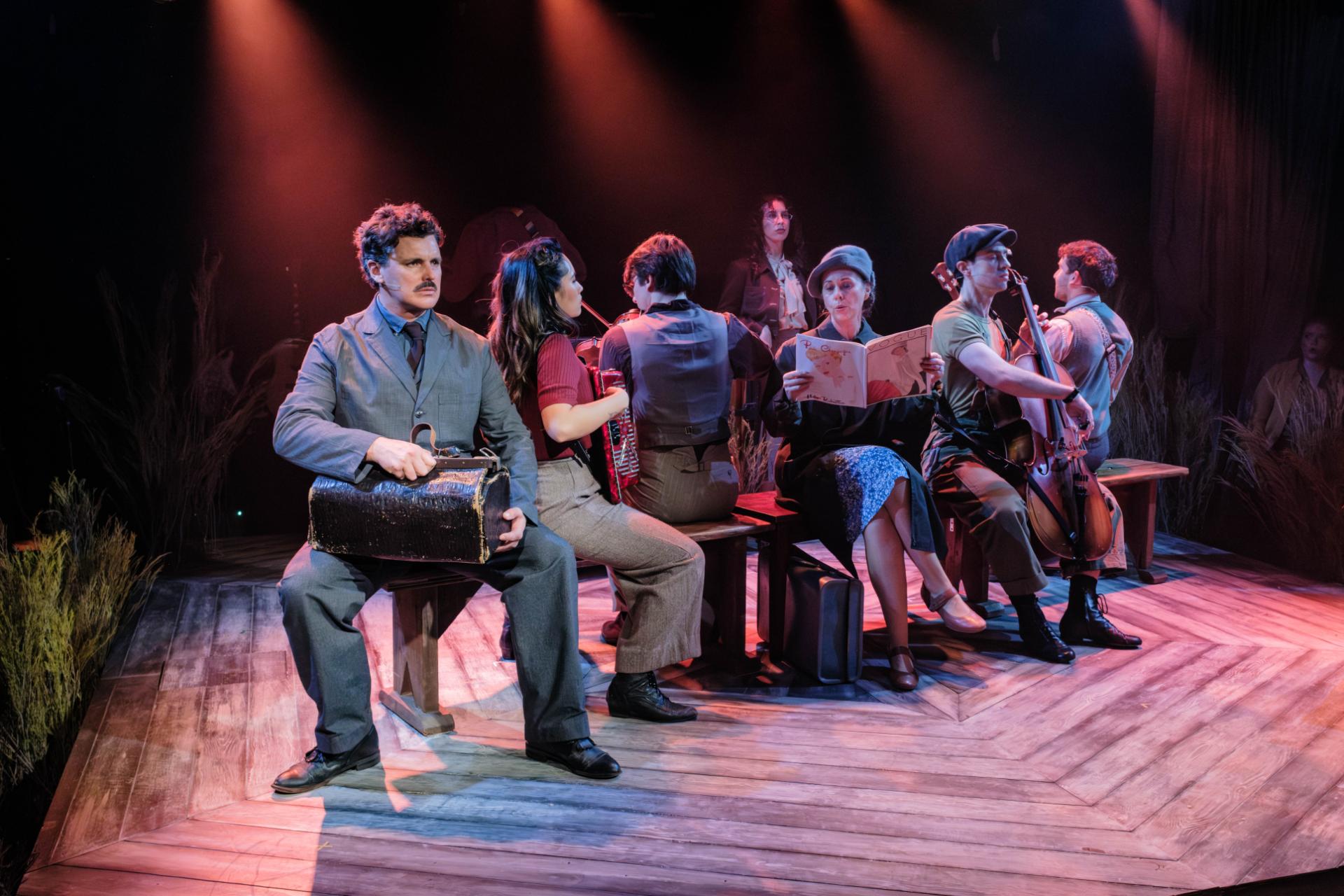
Grief is rarely a constant emotional state, but it can leave a lasting imprint, reshaping a person’s disposition into something permanently shadowed. While there are steps one might take to prevent such a descent, the most enduring strategy is often to weather the storm, trusting that its force will eventually subside. It can be a sad thought that those we have lost might one day be forgotten, but there comes a time when their memory must be gently placed in the recesses of the mind, to make room for living.
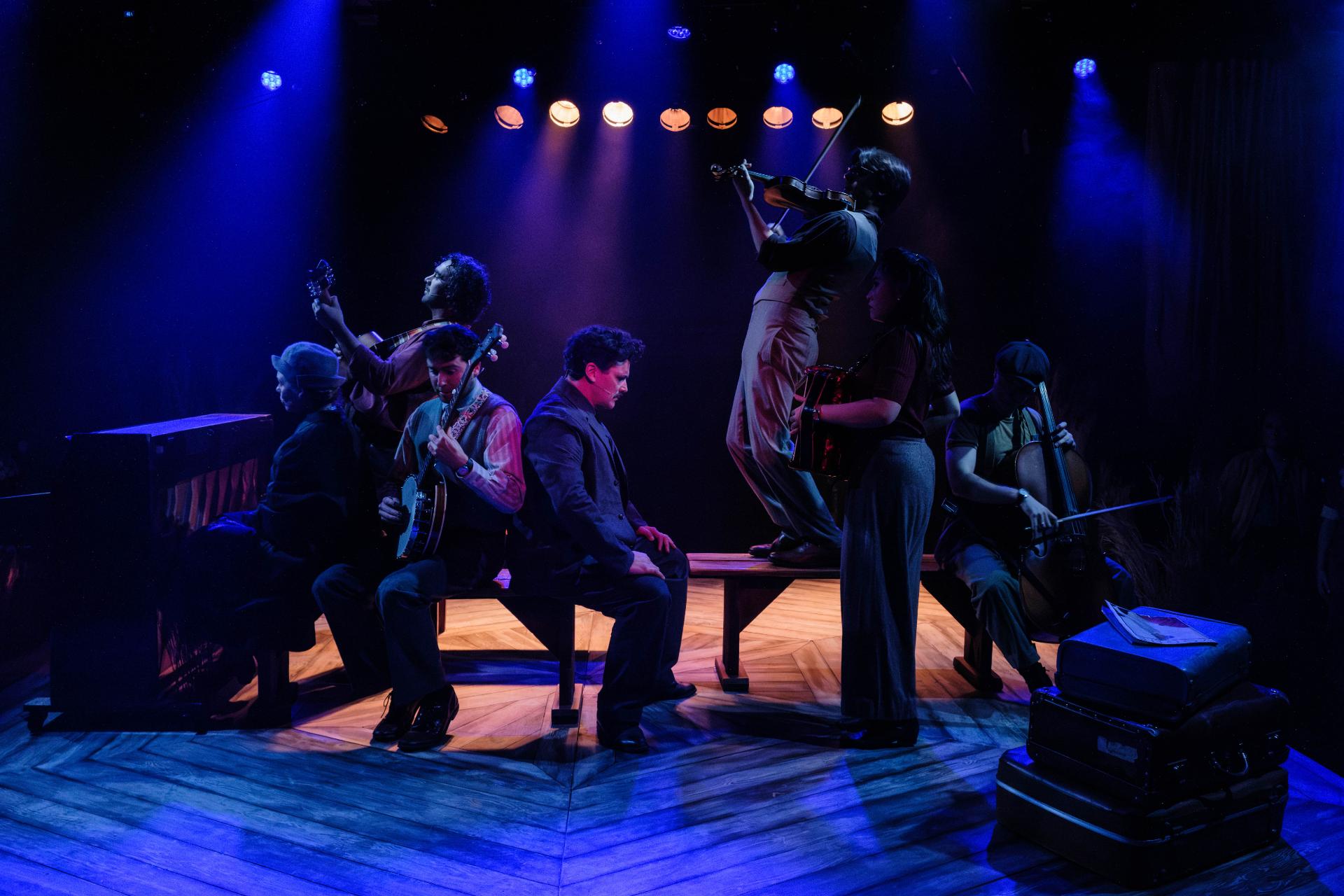
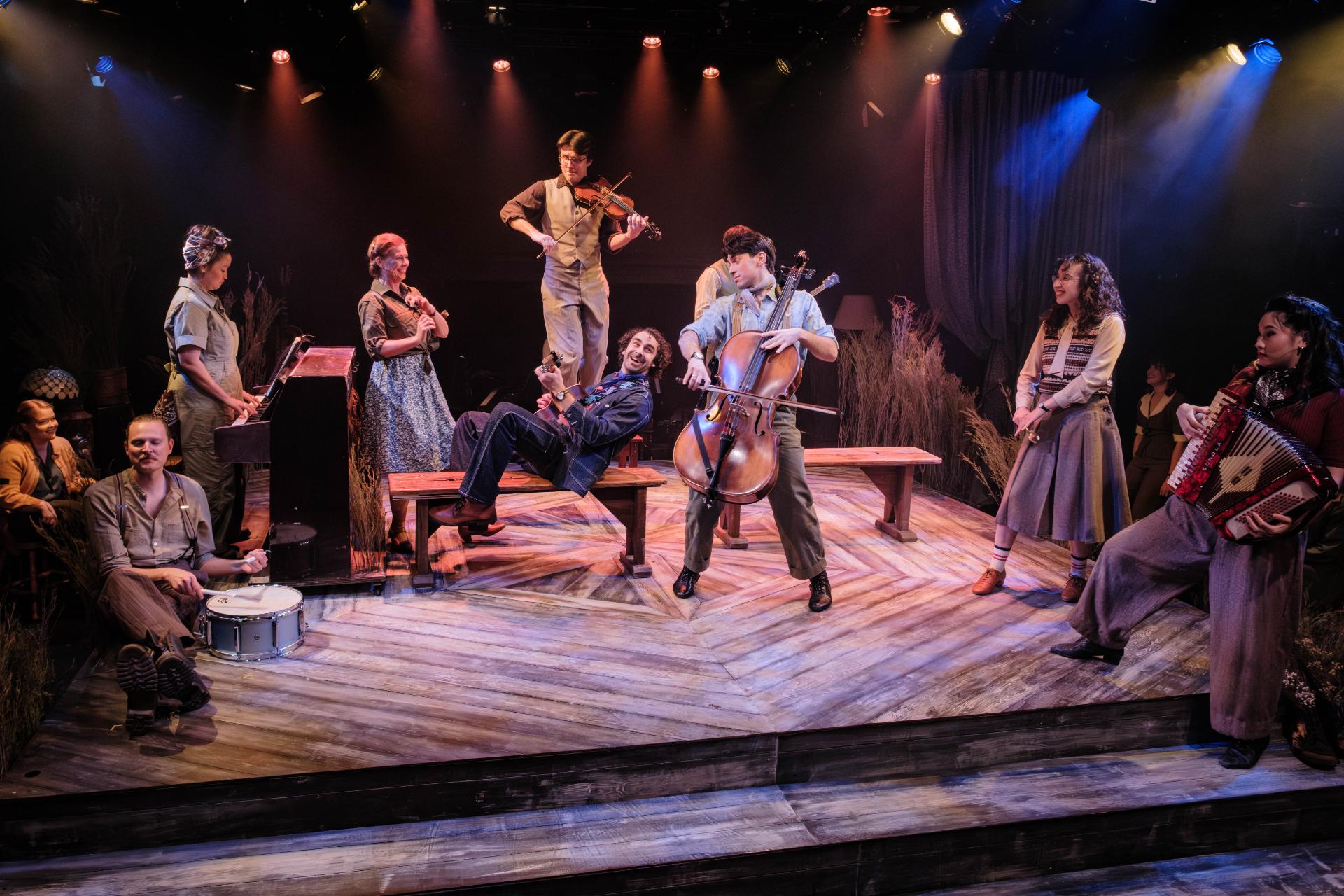
www.belvoir.com.au | www.andrewhenrypresents.com

Review: The Book Of Mormon (Capitol Theatre)

Venue: Capitol Theatre (Sydney NSW), Jul 15 – Dec 31, 2025
Book, Music & Lyrics: Trey Parker, Robert Lopez, Matt Stone
Directors: Casey Nicholaw, Trey Parker
Cast: Nick Cox, Matthew Hamilton, Sean Johnston, Paris Leveque, Simbarashe Matshe, Callum Rigg, Tom Struik, Augie Tchantcho
Images by Daniel Boud

Theatre review
Given its divisive and often problematic influence on politics, religion today can be seen as a troubling force in the United States. Things were markedly different in 2011 when The Book of Mormon first premiered. Those now feel like more innocent times, when lampooning theology was able to seem almost good-natured by comparison. Also different is how the musical’s depiction of Uganda now feels. What once came across as cheeky and daring is increasingly veering toward the objectionable.

It could therefore be argued that the show’s appeal has diminished, yet its unique irreverence and playful lack of earnestness still allow The Book of Mormon to stand out in a crowded marketplace. Although somewhat outdated and no longer the fresh or shocking revelation it once was, the production remains tremendously entertaining, offering an edginess that musical theatre lovers will find hard to match elsewhere.

This return season features an excellent new cast, with performers like Nick Cox making a remarkable impression as Elder Cunningham—animated and precise in his approach, delivering some of the biggest laughs in what is surely one of Broadway’s funniest shows. Sean Johnston brings great energy and unequivocal vibrancy to the role of Elder Price, though he could benefit from dialling up the camp factor to embrace a more satirical style. The wonderful Paris Leveque is extremely charming as Nabulungi, with believable expressions of emotion and a stunning voice, that really help to sell the story.

In 2025 there is no longer anything whimsical or indeed cute, about those who reject critical thinking in favour of bizarre doctrines and conspiracy theories. The so-called ‘religious right’ continues to expand its influence, demanding that government policies align with beliefs rooted in supernatural thinking, often at odds with the broader public good. The Book of Mormon reminds us of a time when churches could be met with light-hearted derision, when we were perhaps oblivious to the harm they were willing to inflict, often even upon their own. While the cultural climate has undeniably shifted, one truth remains: we need laughter now more than ever.

www.thebookofmormonmusical.com.au

Review: Emerald City (Ensemble Theatre)

Venue: Ensemble Theatre (Kirribilli NSW), Jul 18 – Aug 23, 2025
Playwright: David Williamson
Director: Mark Kilmurry
Cast: Aisha Aidara, Danielle Carter, Rachel Gordon, Matt Minto, Tom O’Sullivan, Rajan Velu
Images by Phil Erbacher

Theatre review
Reaganomics and Thatcherism were in full force when David Williamson’s Emerald City first emerged—a play in which a screenwriter grapples with his artistic integrity in a world determined to commodify everything. Almost four decades on, the conflict between art and commerce remains and has become so subsumed into our daily realities that watching an artist navigate those old quagmires now seems strangely quaint.

Direction by Mark Kilmurry is thankfully taut and energetic, with leading man Tom O’Sullivan bringing commitment and valuable charisma to the not-always-likable role of Colin. His wife Kate is made a powerful figure by Rachel Gordon’s confidence and panache. Matt Minto is appropriately dubious as the opportunistic Mike, while Aisha Aidara’s portrayal of his partner Helen surprises with warmth and a compelling naturalism.

Production design by Dan Potra depicts the era with some accuracy, but can appear somewhat simplistic in approach. Lights by Morgan Moroney improve the viewing experience by effecting subtle shifts as the production transforms in tone and temperament. Music by Madeleine Picard add a dimension of ephemerality to the way we feel about this straightforward story.

The city of Sydney serves as a fitting backdrop for this reflection on commercialism and its entanglement with human life. Money, undeniably, shapes much of who we are here—as it does in any city—and while we recognise that ‘the love of money is the root of all evil,’ it is equally true that our relative affluence underpins many of the pleasures we associate with life in this frankly magnificent place.

www.ensemble.com.au

Review: Betrayal (Old Fitz Theatre)

Venue: Old Fitzroy Theatre (Woolloomooloo NSW), Jul 18 – Aug 10, 2025
Playwright: Harold Pinter
Director: Cristabel Sved
Cast: Andrew Cutcliffe, Matt Hardie, Diego Retamales, Ella Scott Lynch
Images by Kate Williams

Theatre review
Emma has been sleeping with her husband’s best friend for years. It would appear that she loves both men deeply, but convention deems this highly improper, forcing all parties to endure stages of anguish as they grapple with the perceived transgression. Harold Pinter’s Betrayal is almost half a century old, yet it seems little has changed in terms of middle-class values and the cultural dominance of monogamy. The play suggests an absurdity in the weight we assign to traditional matrimony, yet Pinter’s narrative remains relevant, even in 2025.

Directed by Cristabel Sved, the work unfolds with ample earnestness, often at the sacrifice of irony and humour. Characters understandably take their circumstances extremely seriously, but it can be argued that the actors should adopt a more observational and discursive approach to improve our intellectual engagement with the show.

Debonair actor Andrew Cutcliffe rises to the challenge as Robert, delivering a satisfying theatricality with his sardonic interpretation of the text. Ella Scott Lynch plays Emma commendably, capturing psychological accuracy even though some of the comedy is compromised. Matt Hardie, too, places emphasis on the realism of the piece but misses the opportunity to create a more entertaining portrayal of Jerry, the secret paramour. A brief appearance by Diego Retamales as a waiter at an Italian restaurant, offers moments of idiosyncrasy that really benefit the production.

Set design by Melanie Liertz is minimally rendered, but certainly sufficient in helping us engage with interactions between friends and lovers. Her costumes however could be more detailed in their depiction of timelines. Lights by Verity Hampson and Luna Ng are immensely helpful in creating the many spatial transformations. It is arguable whether the video projections by Aron Murray are necessary, but they are nonetheless a pleasing sight. Music by Steve Toumin, along with sound design by Johnny Yang are appropriately subdued, and are effective in enhancing the production’s relentlessly serious atmosphere.

Infidelity is painful to go through, but it is also highly comical. We insist on making promises we are incapable of keeping, only to torment ourselves trying to escape the messes we inevitably create. Betrayal does not explain why we allow Emma only to sleep with one man, but it can be seen that her turmoil becomes increasingly meaningless over the course of the play. Traditions deserve scrutiny, and often, what appears deeply important may not be so at all.

www.oldfitztheatre.com.au | www.sportforjove.com.au