Review: The Seagull (KXT on Broadway)

Venue: KXT on Broadway (Ultimo NSW), Nov 21 – Dec 6, 2025
Playwright: Saro Lusty-Cavallari (after Anton Chekhov)
Director:
Saro Lusty-Cavallari
Cast: Talia Benatar, Kath Gordon, Jason Jefferies, Deborah Jones, Saro Lepejian, Tim McGarry, Brendan Miles, Shan-Ree Tan, Alexandra Travers
Images by Robert Miniter

Theatre review
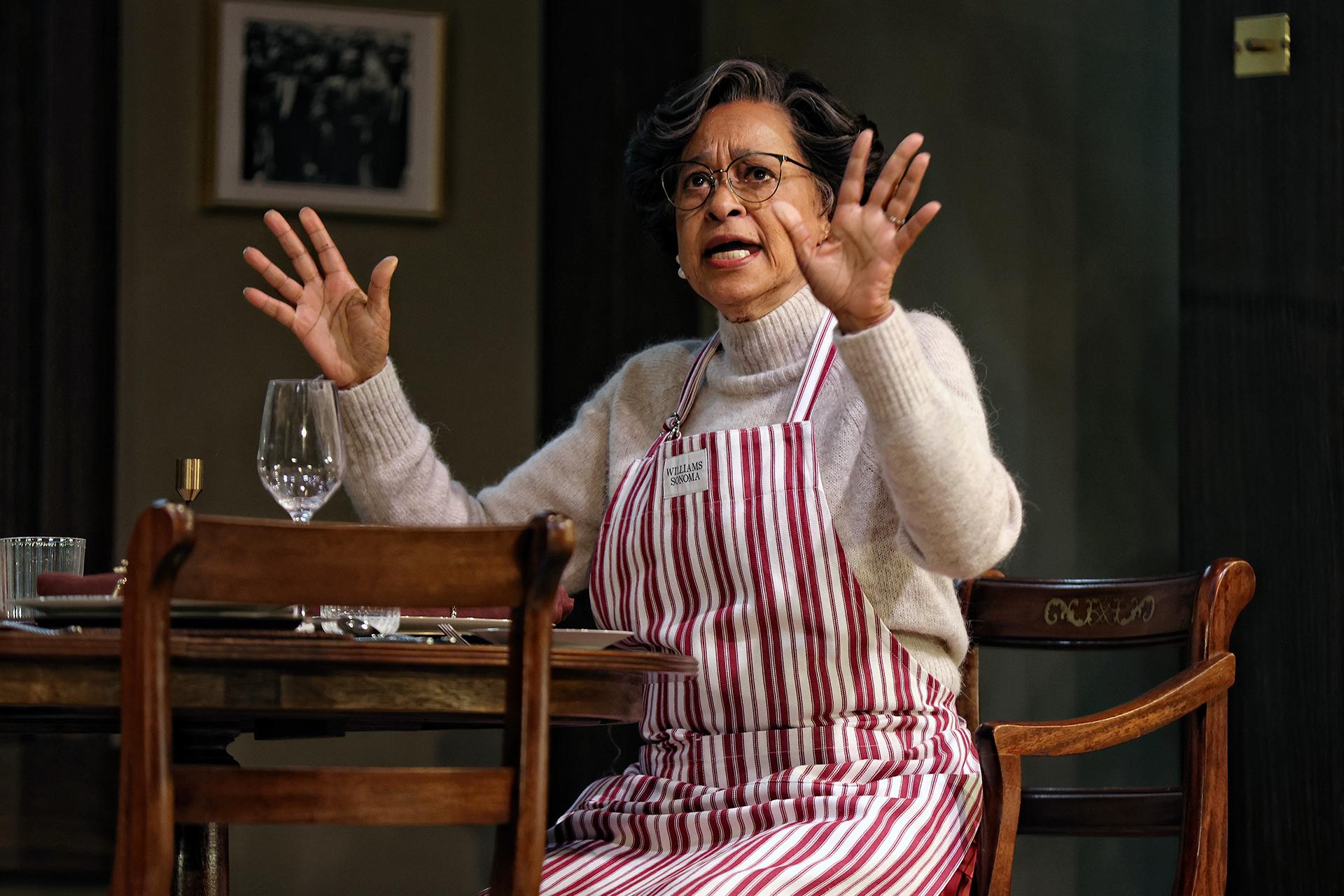
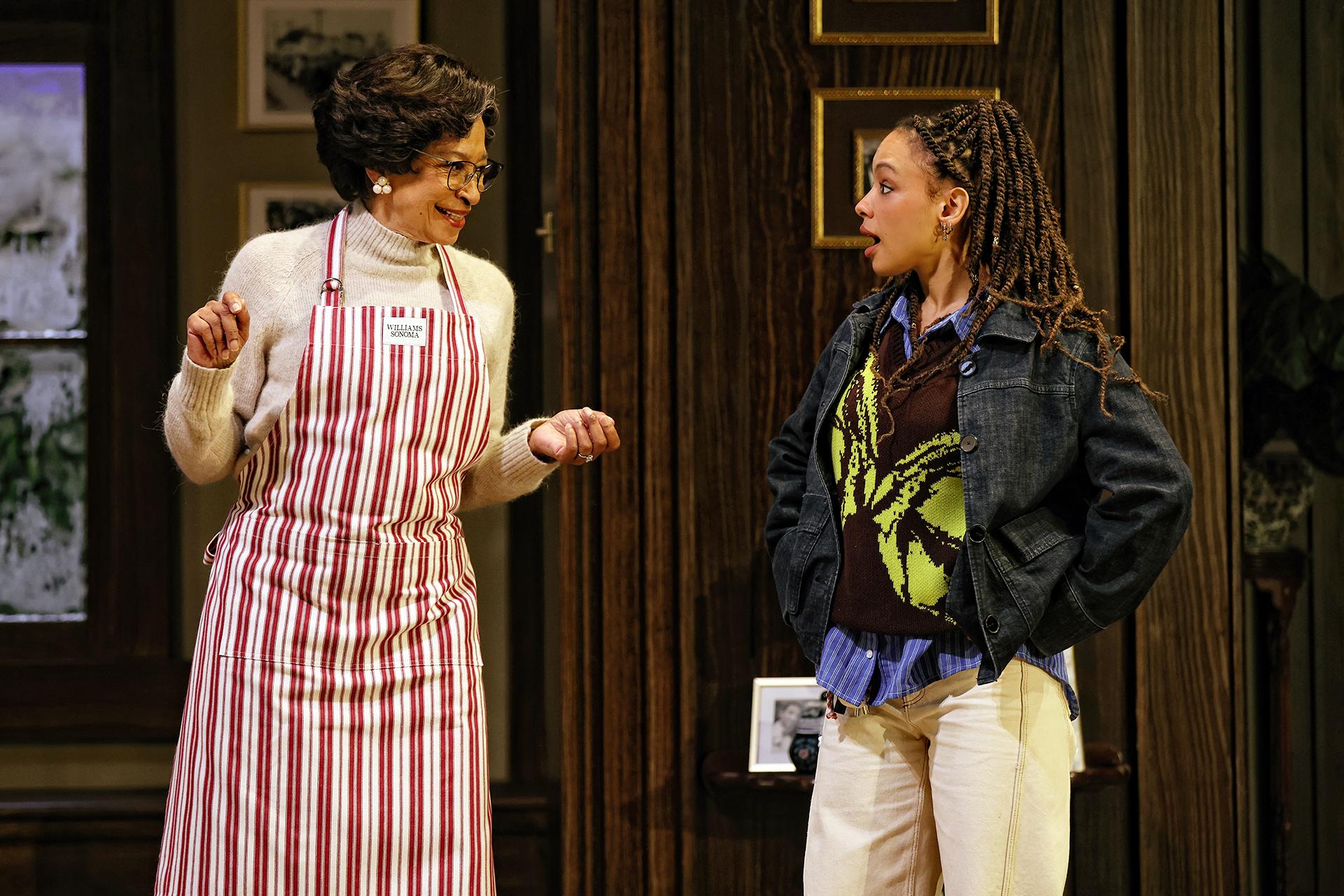
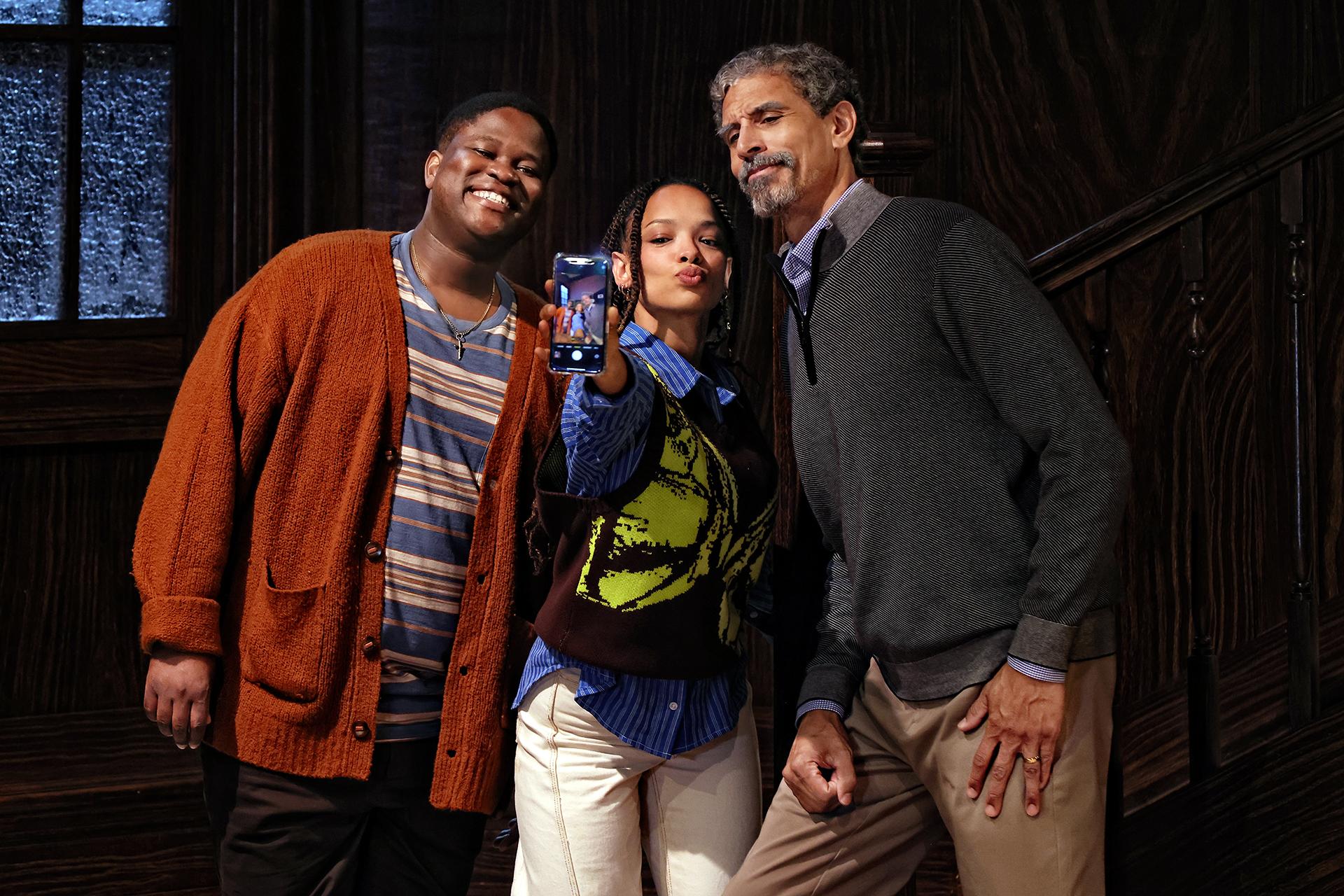
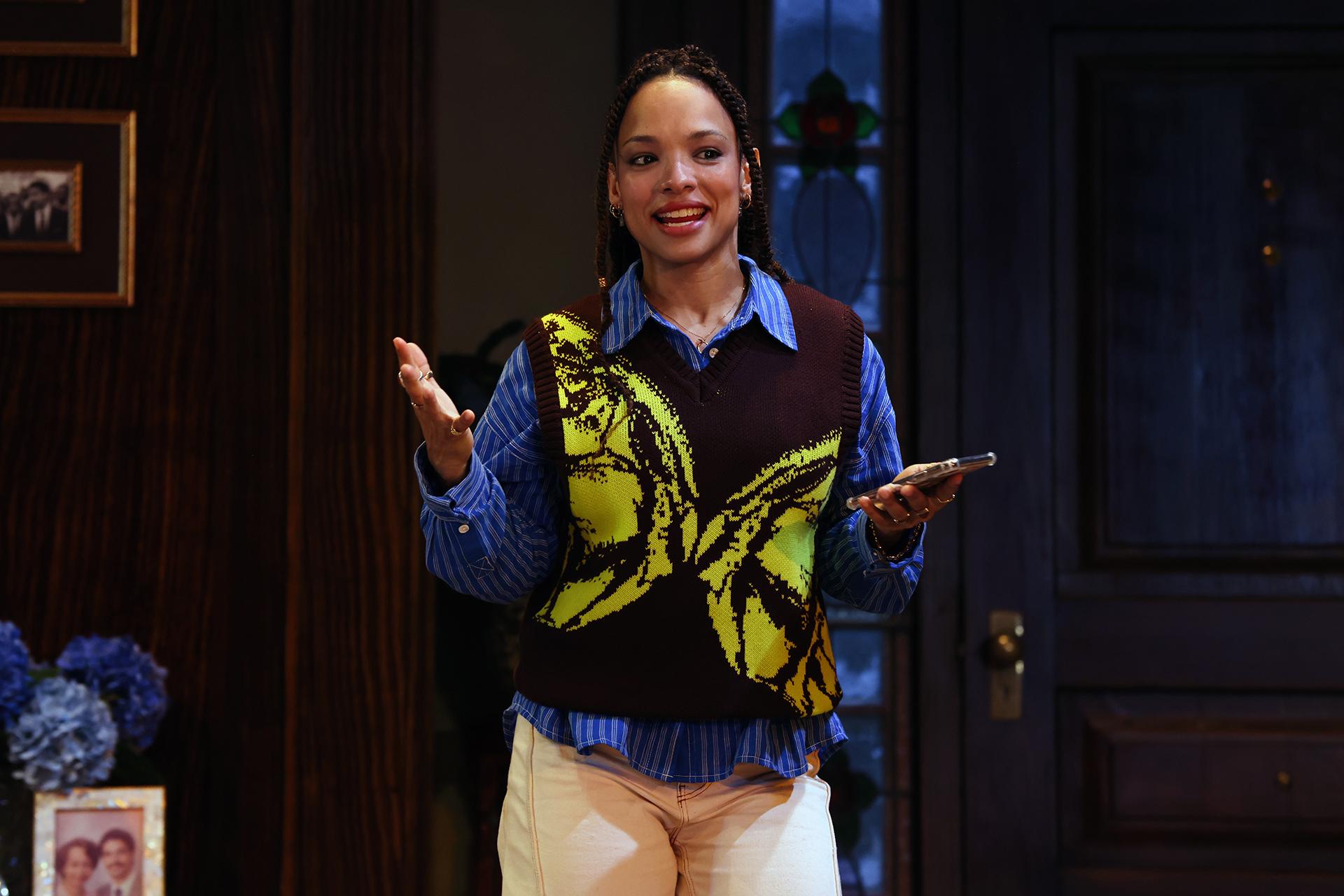
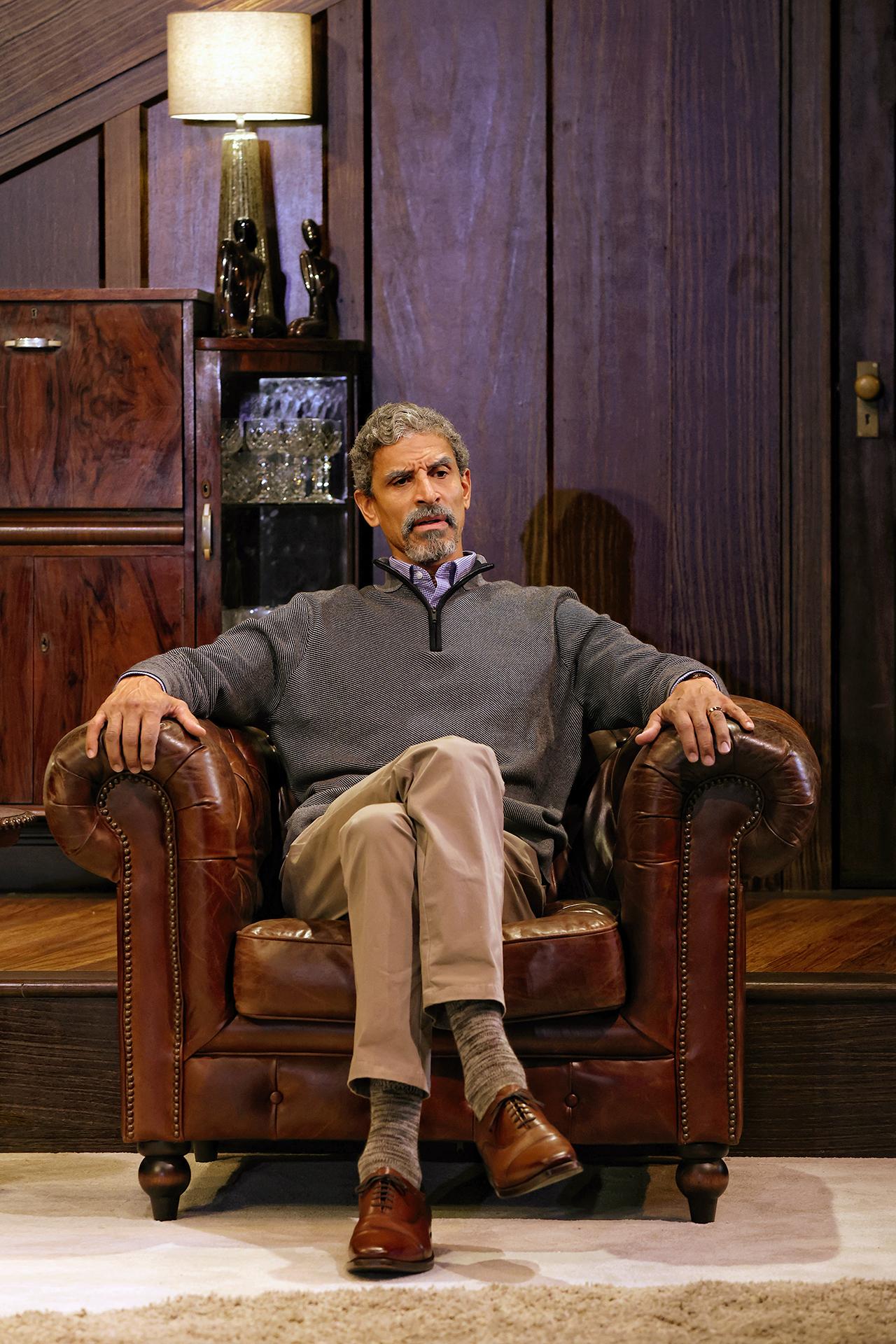
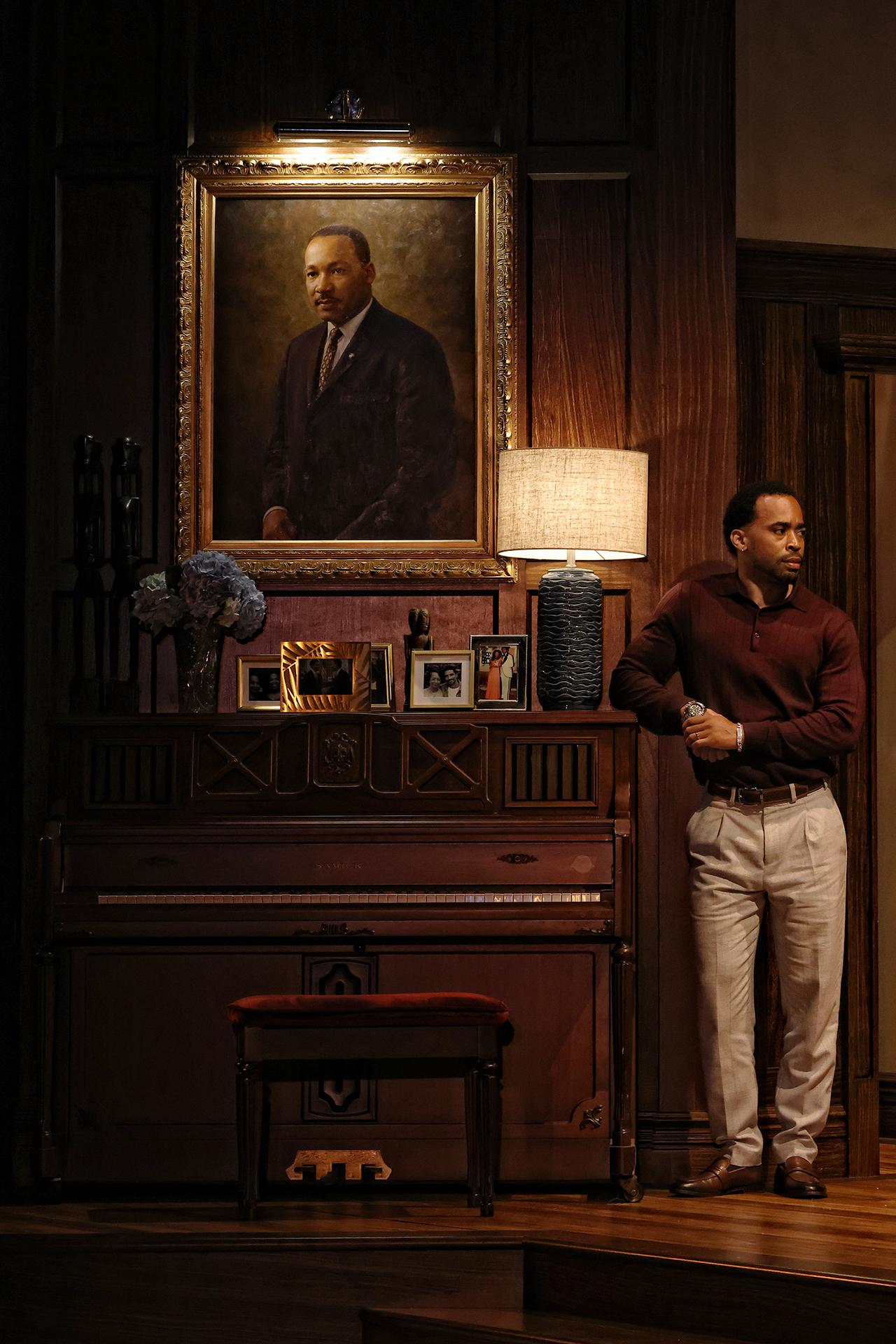
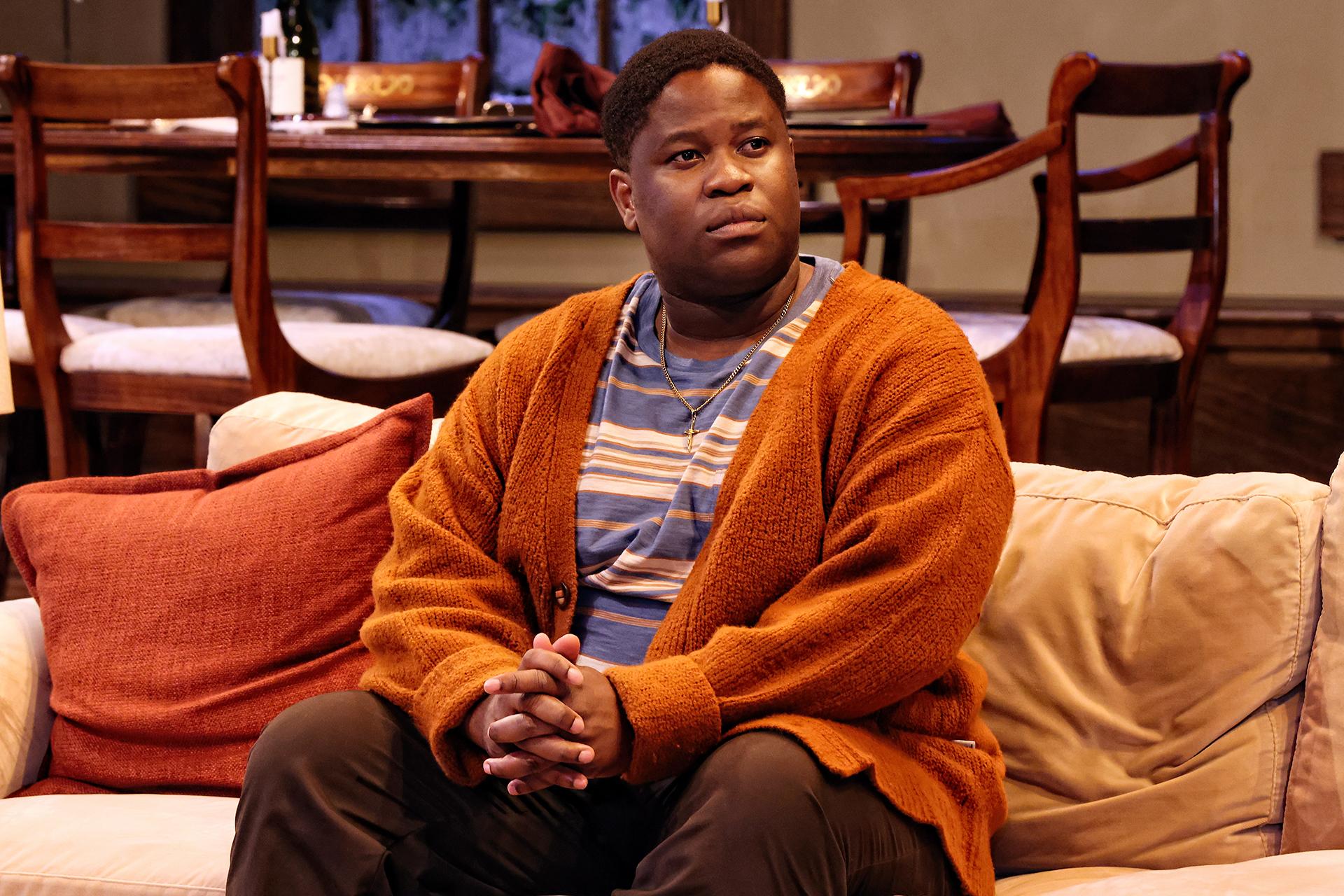
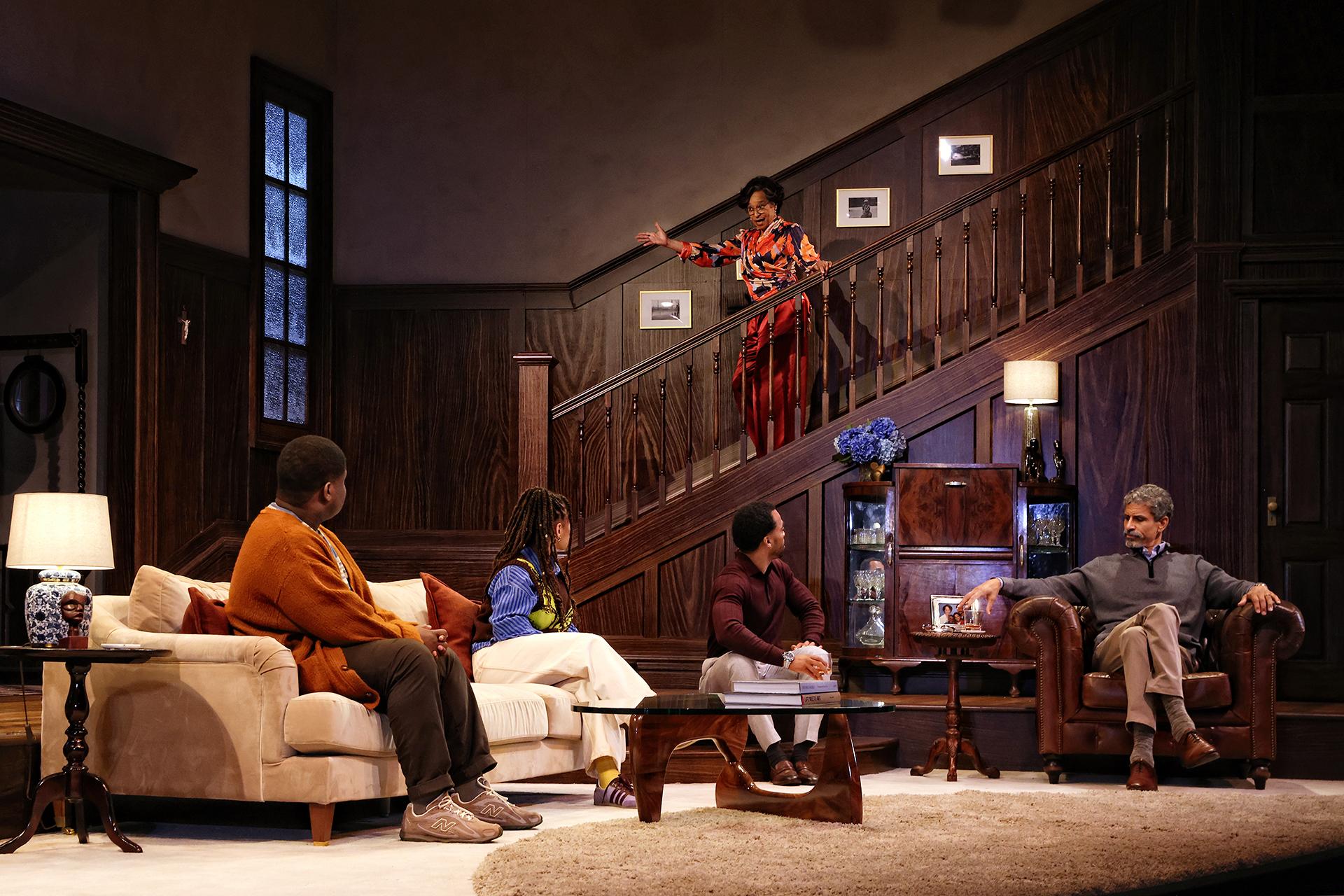
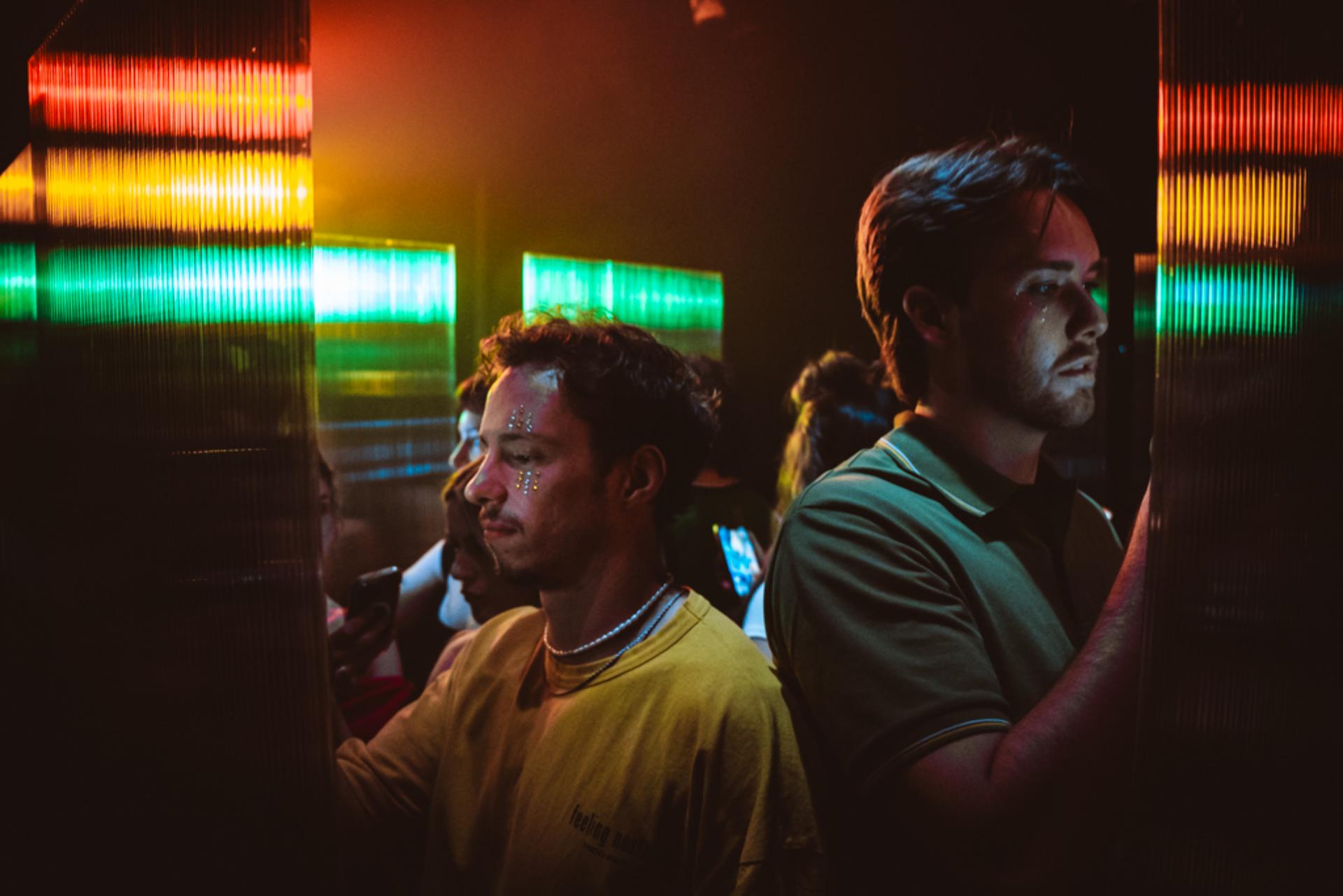
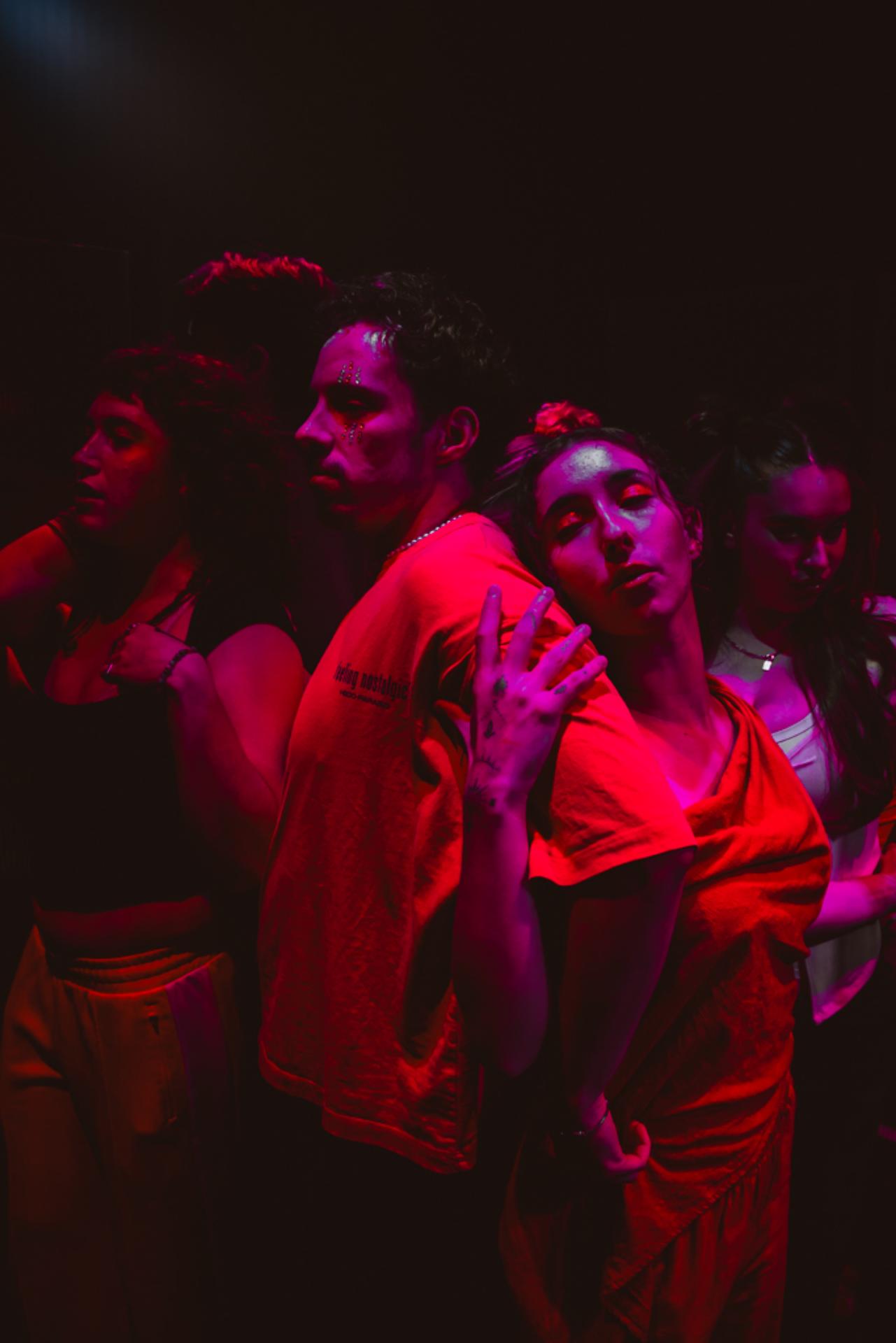
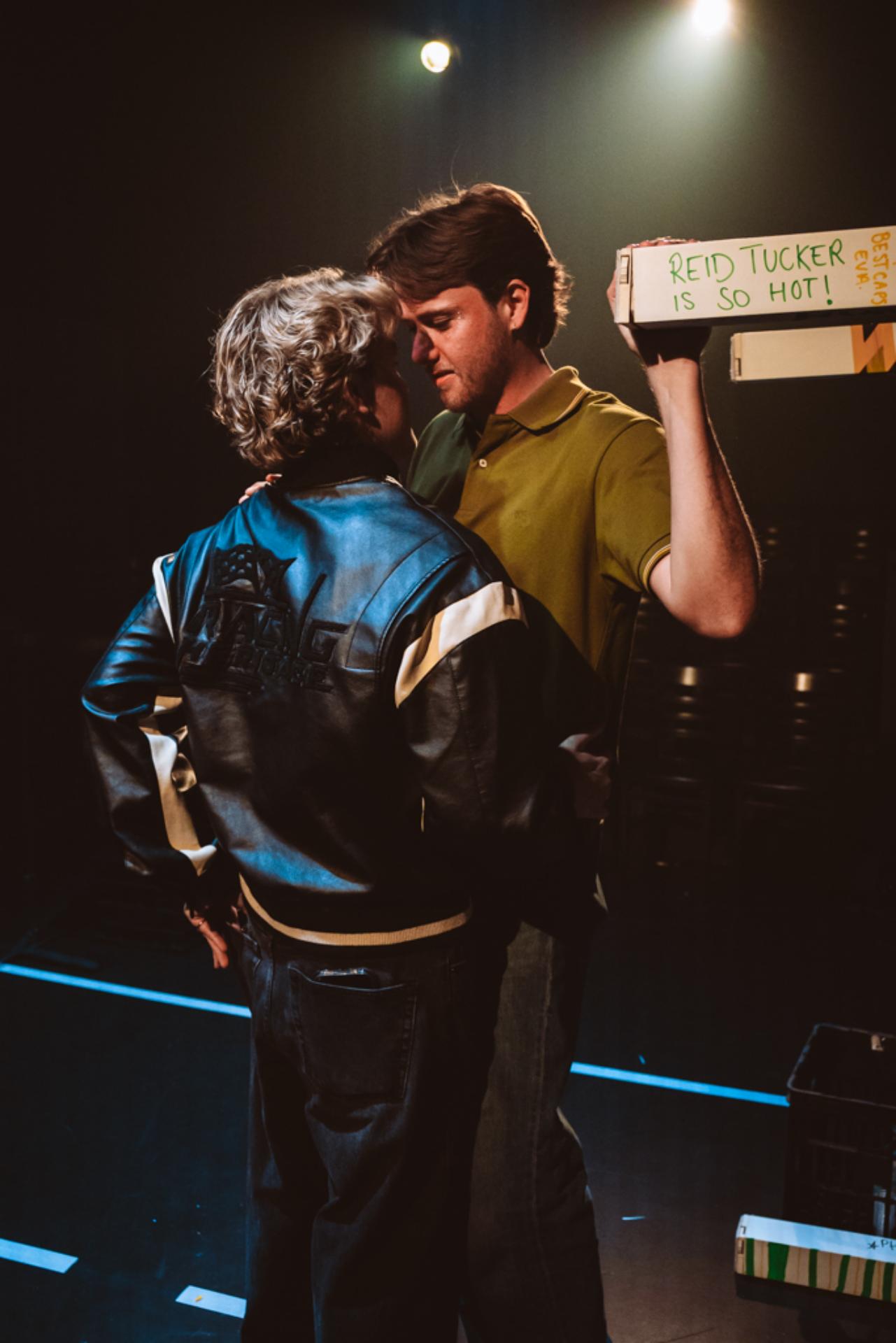
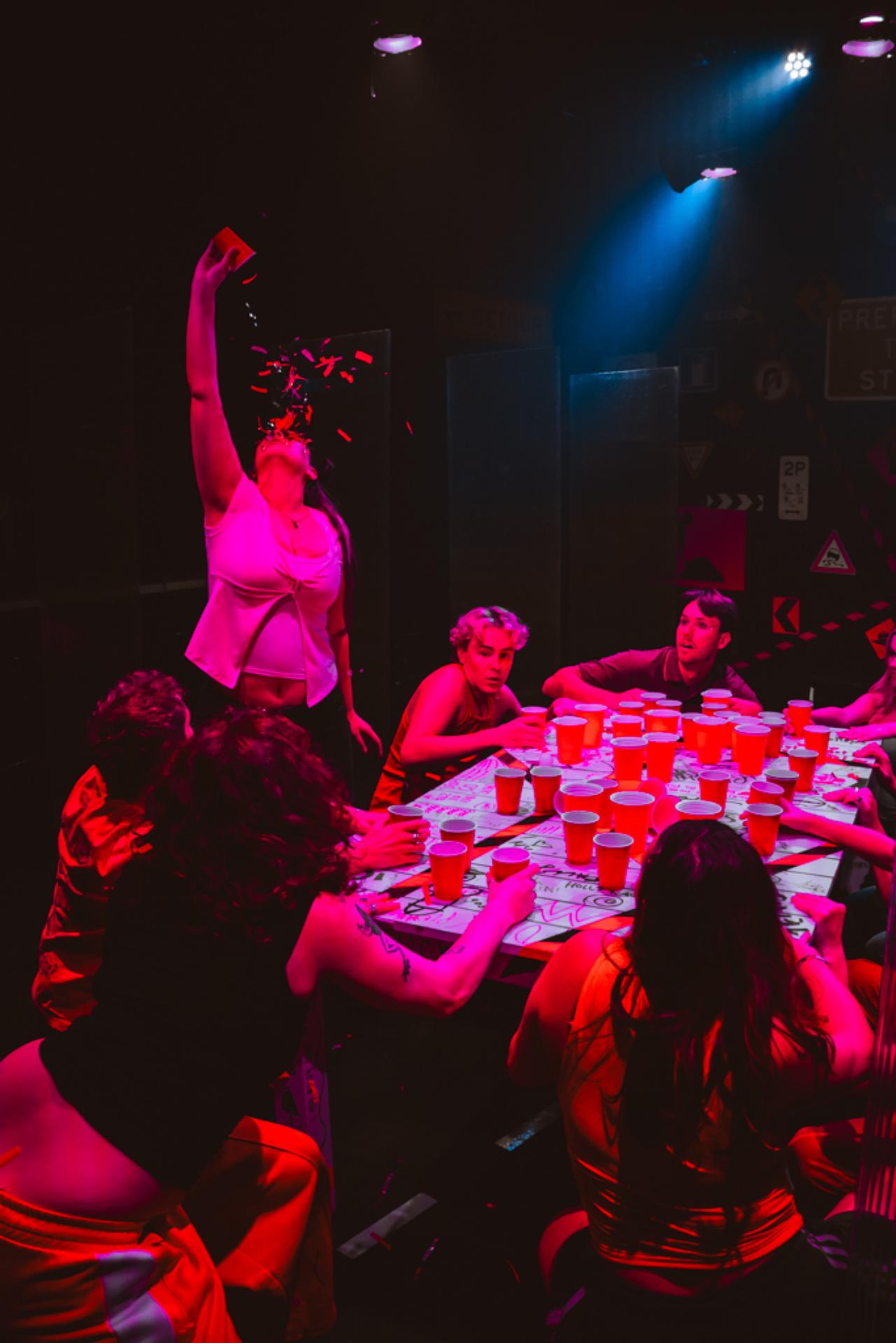
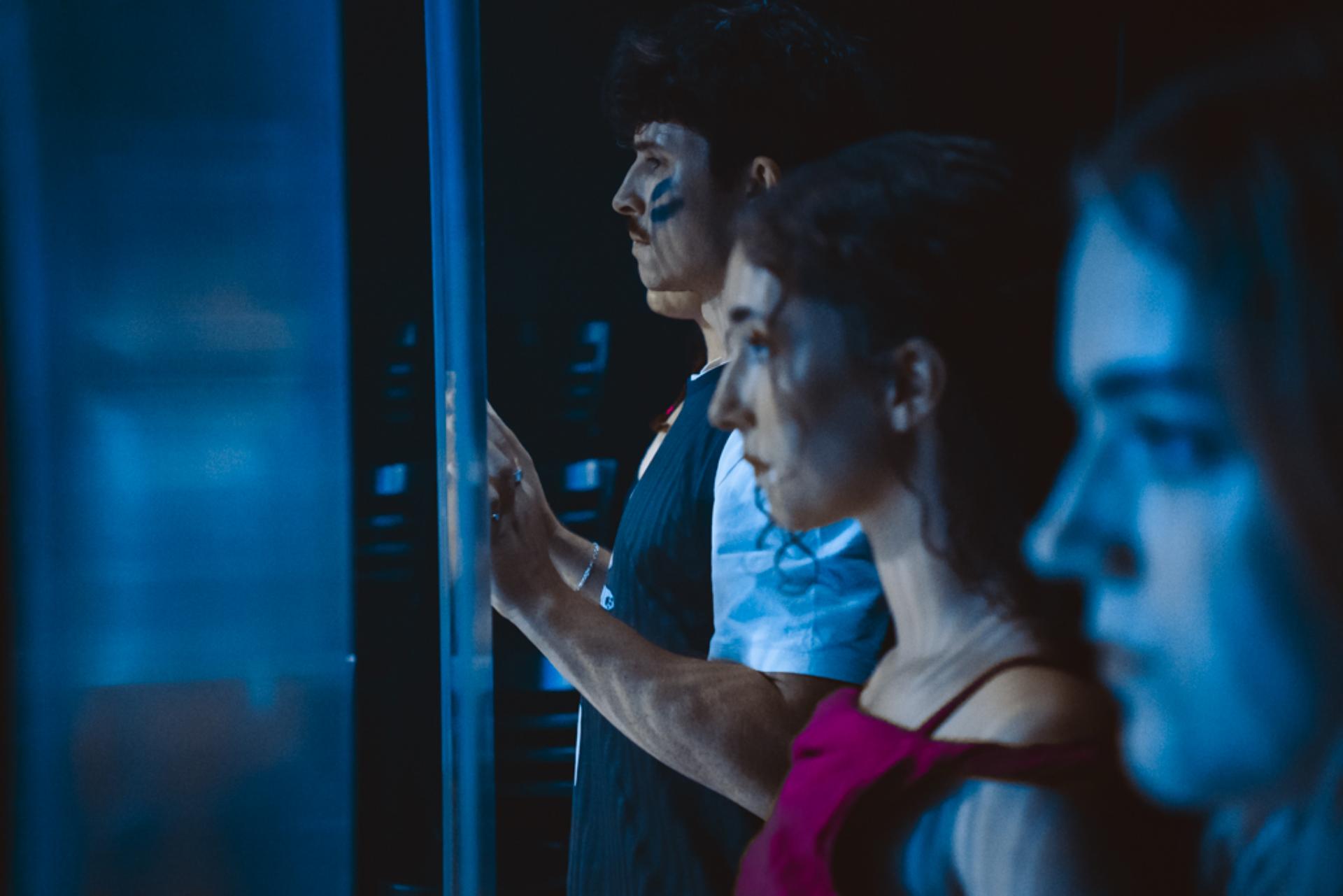
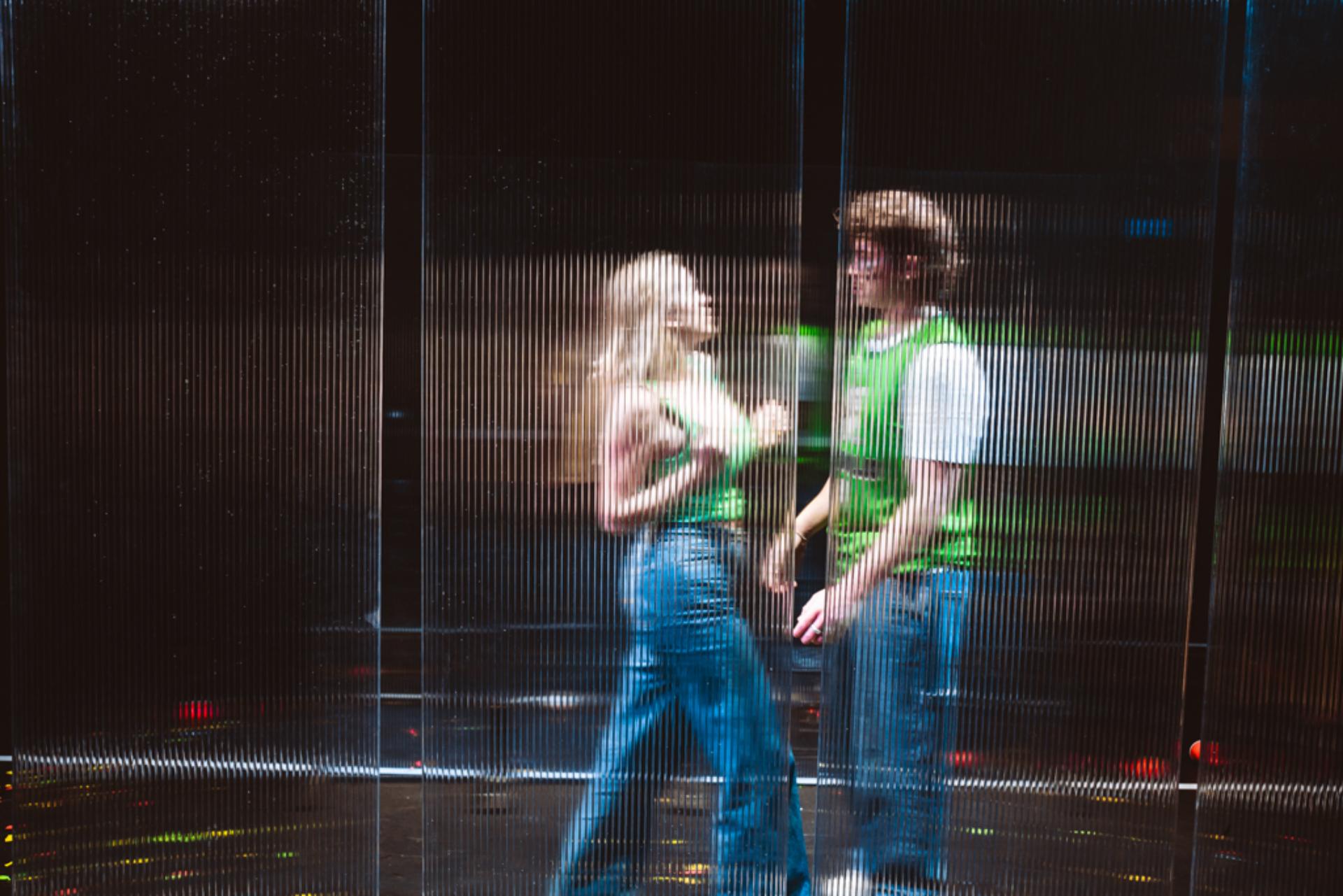
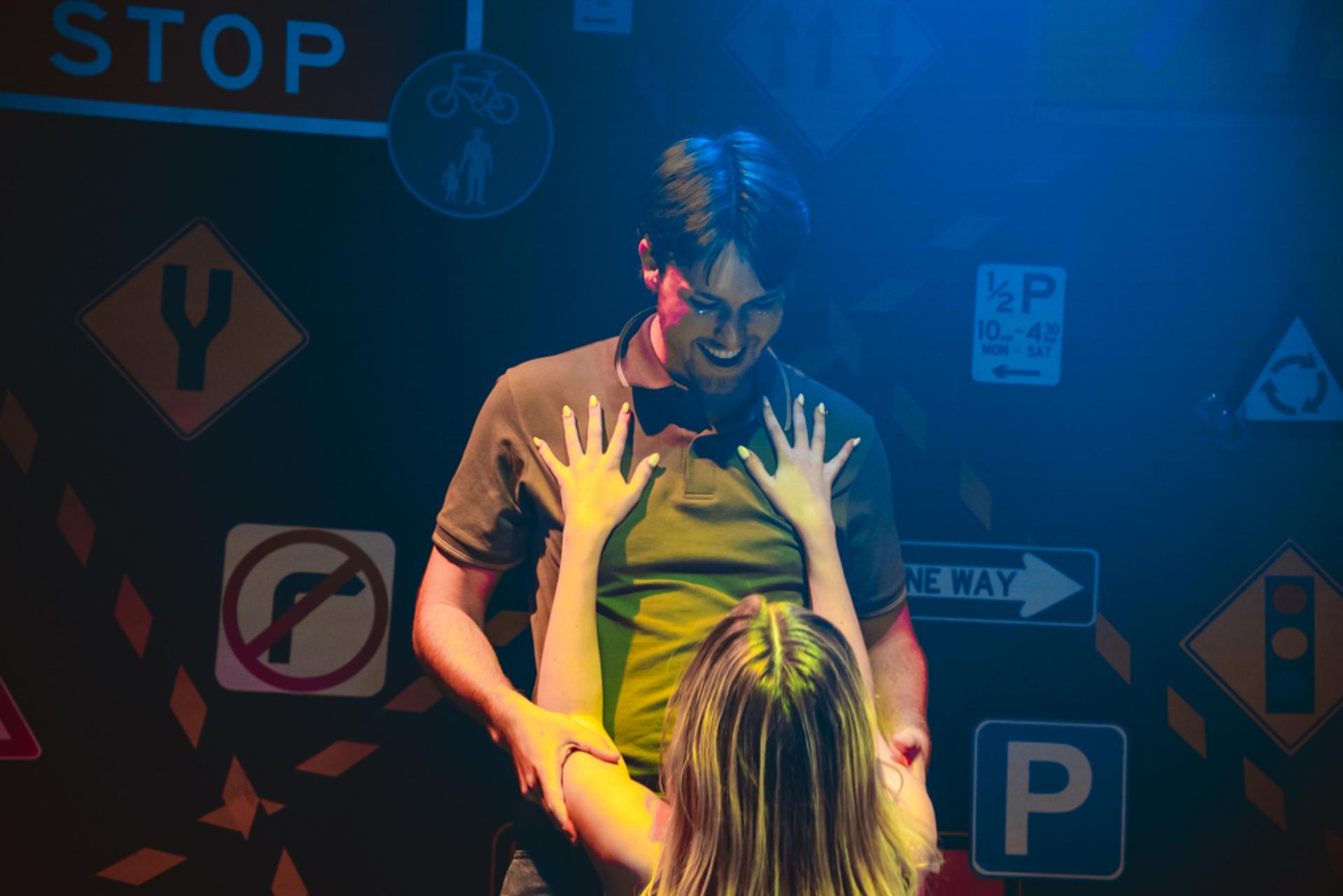
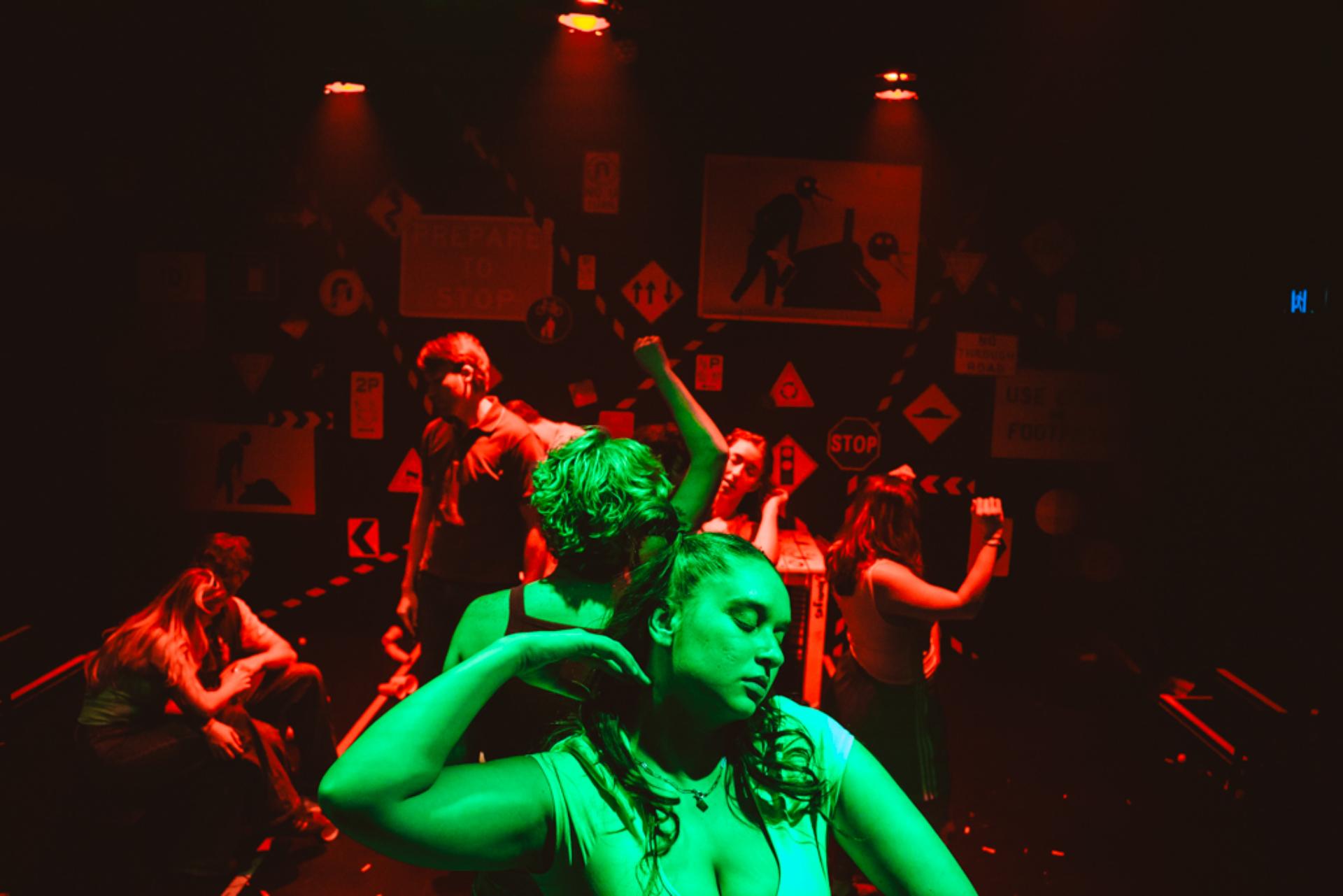
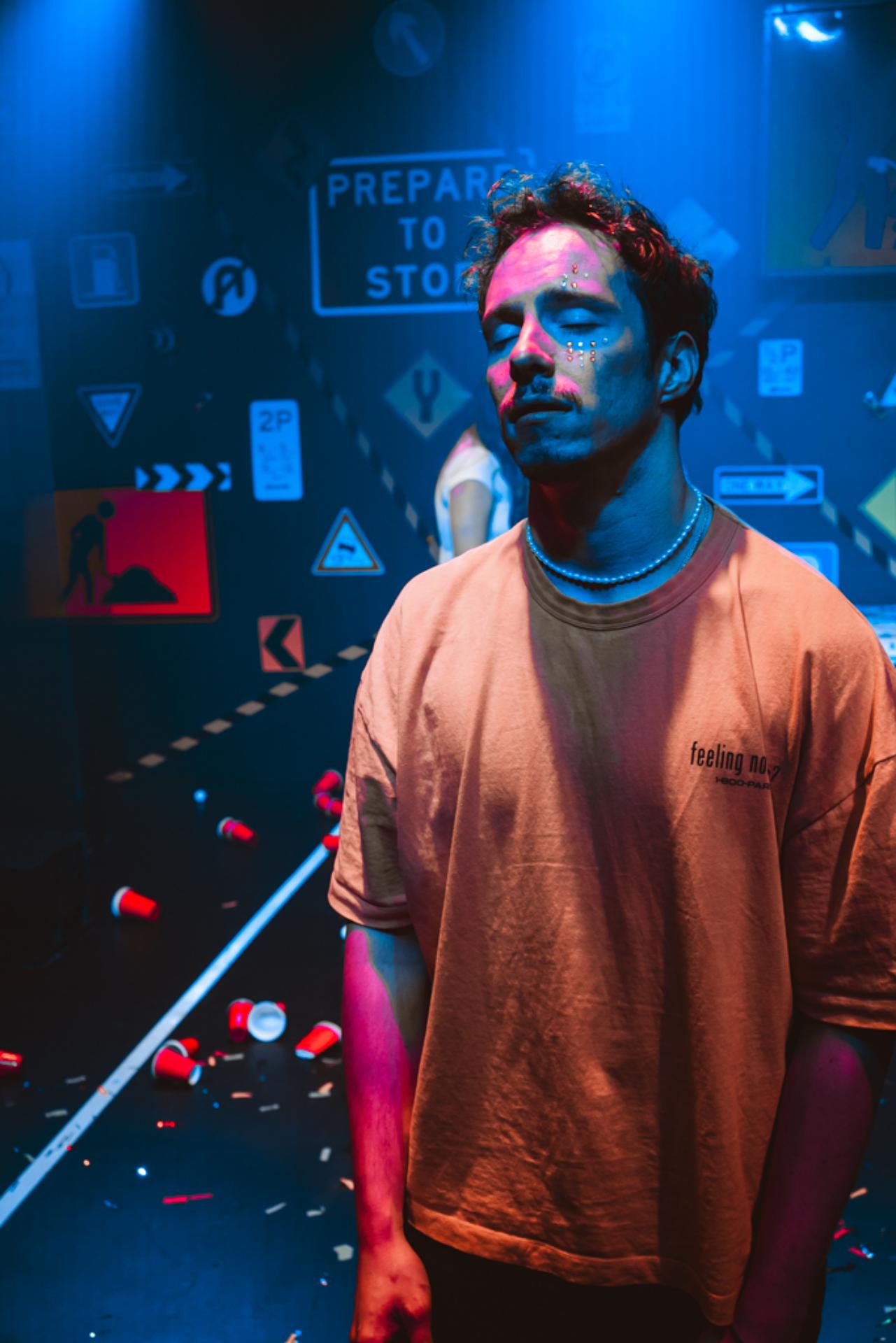
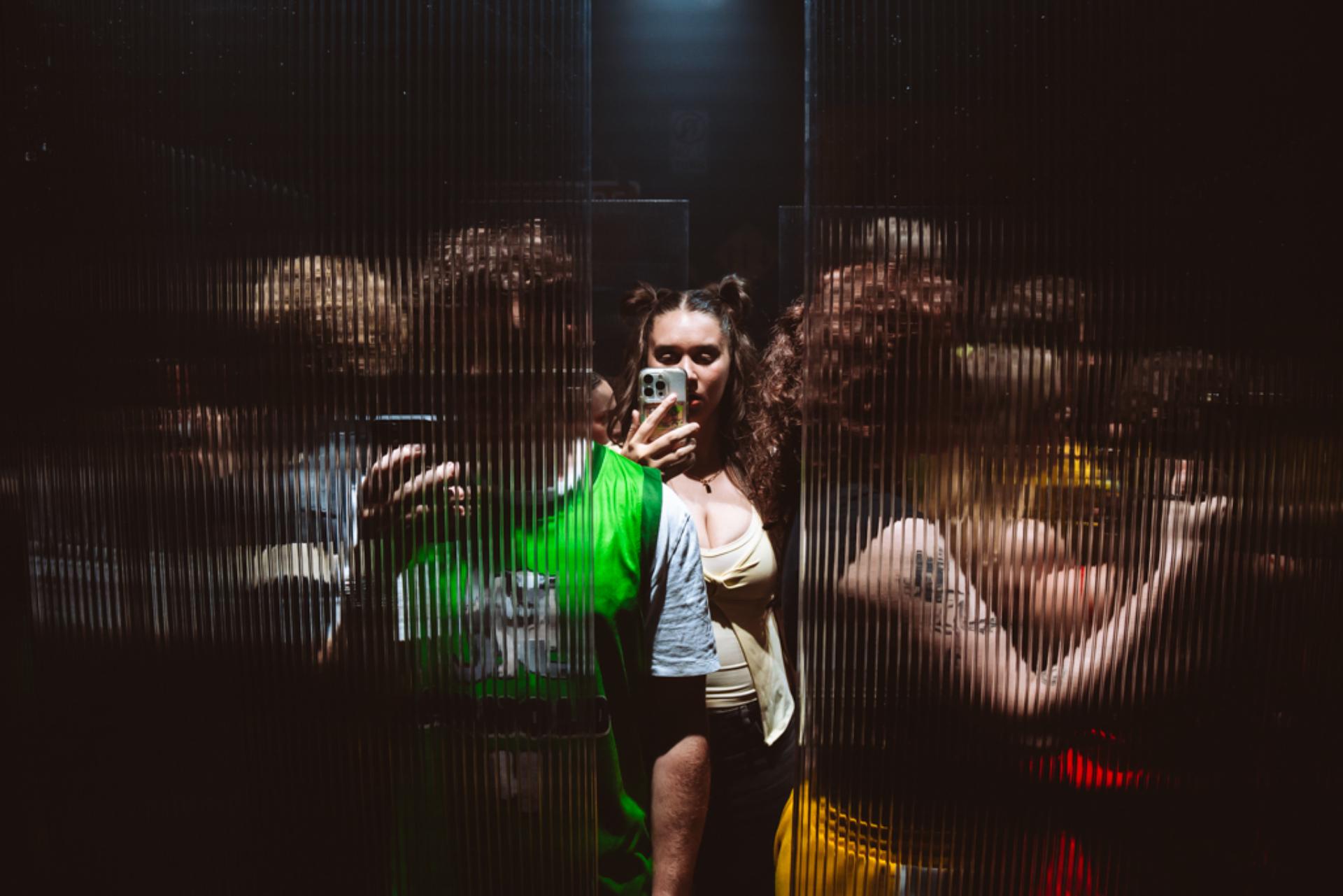
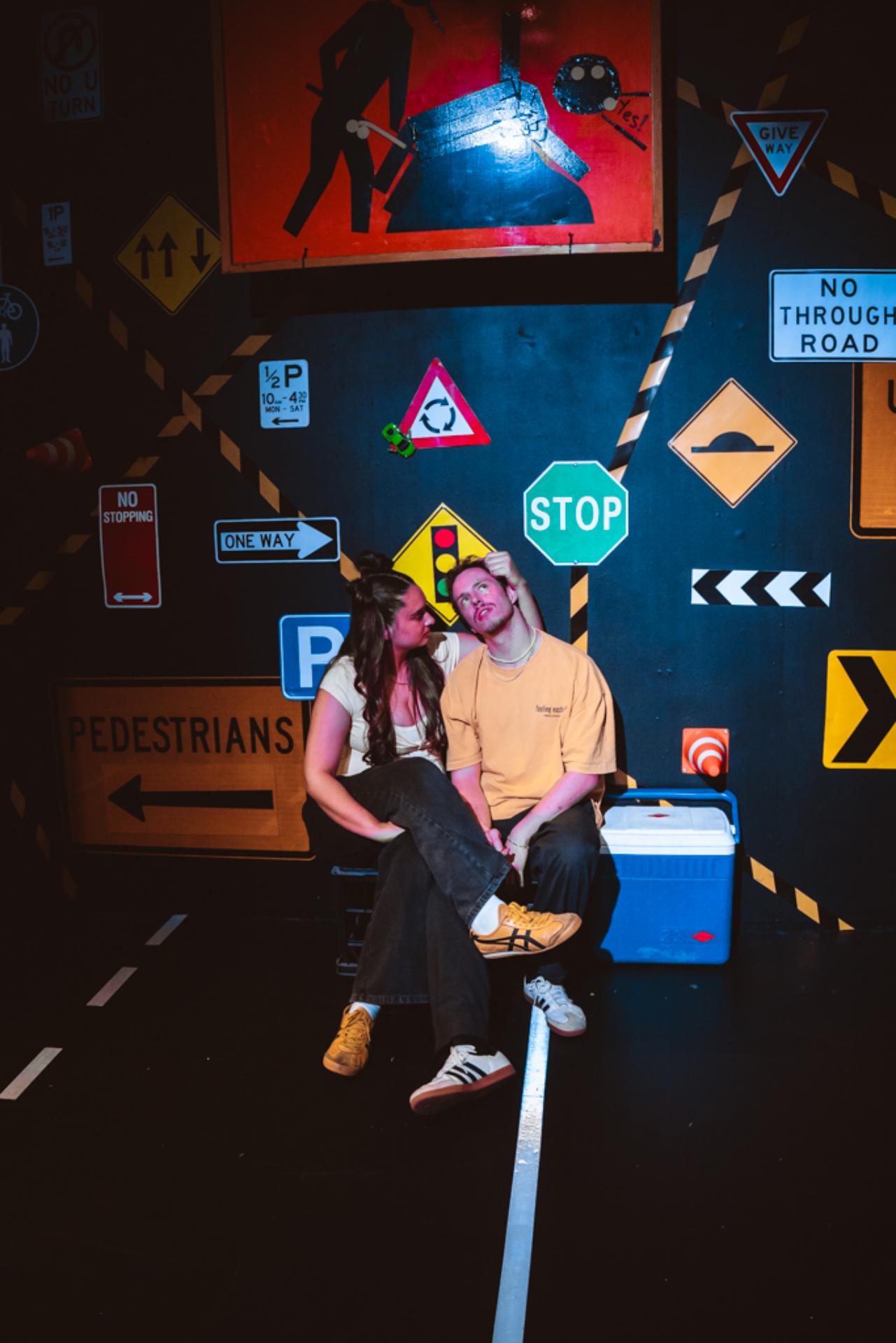
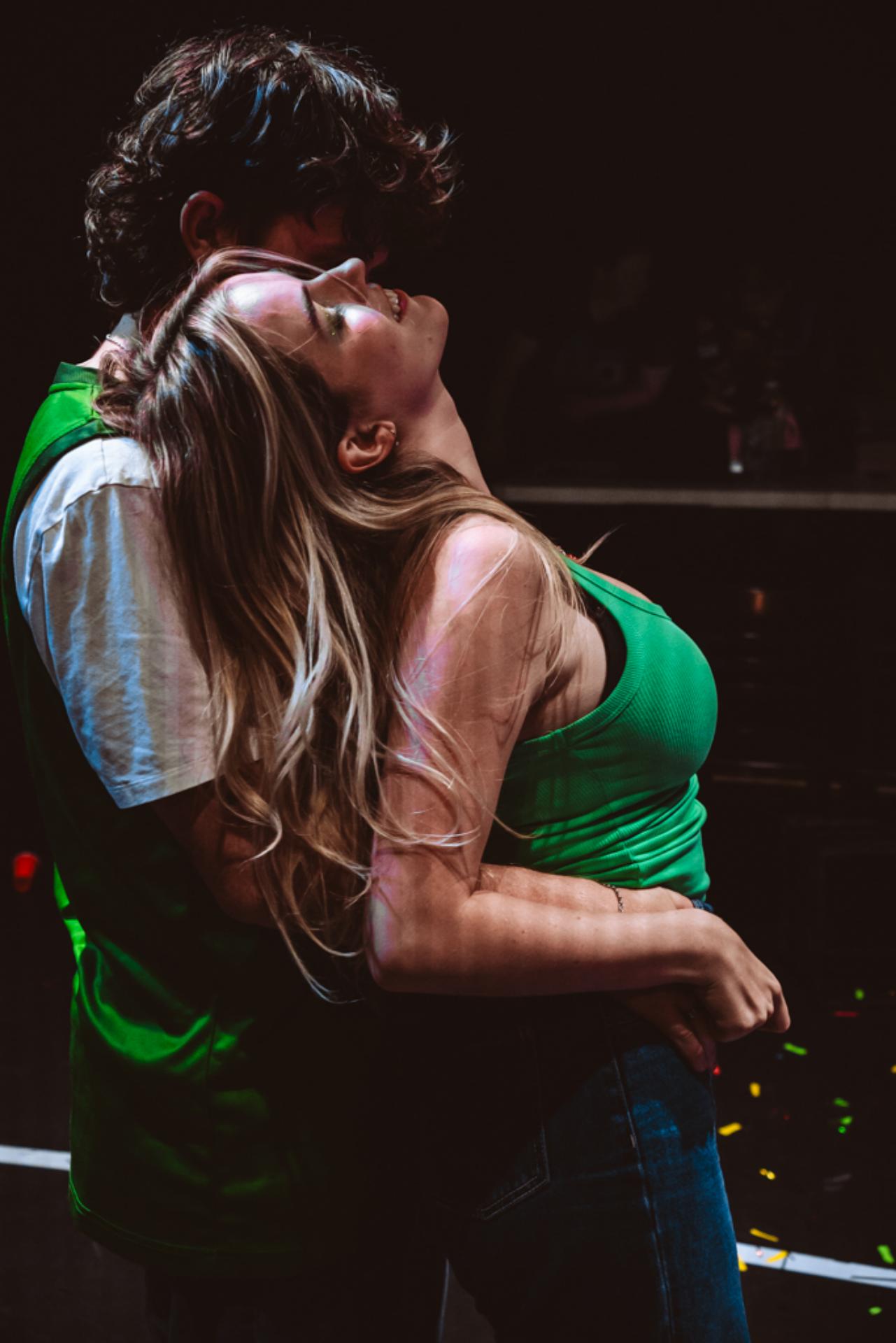
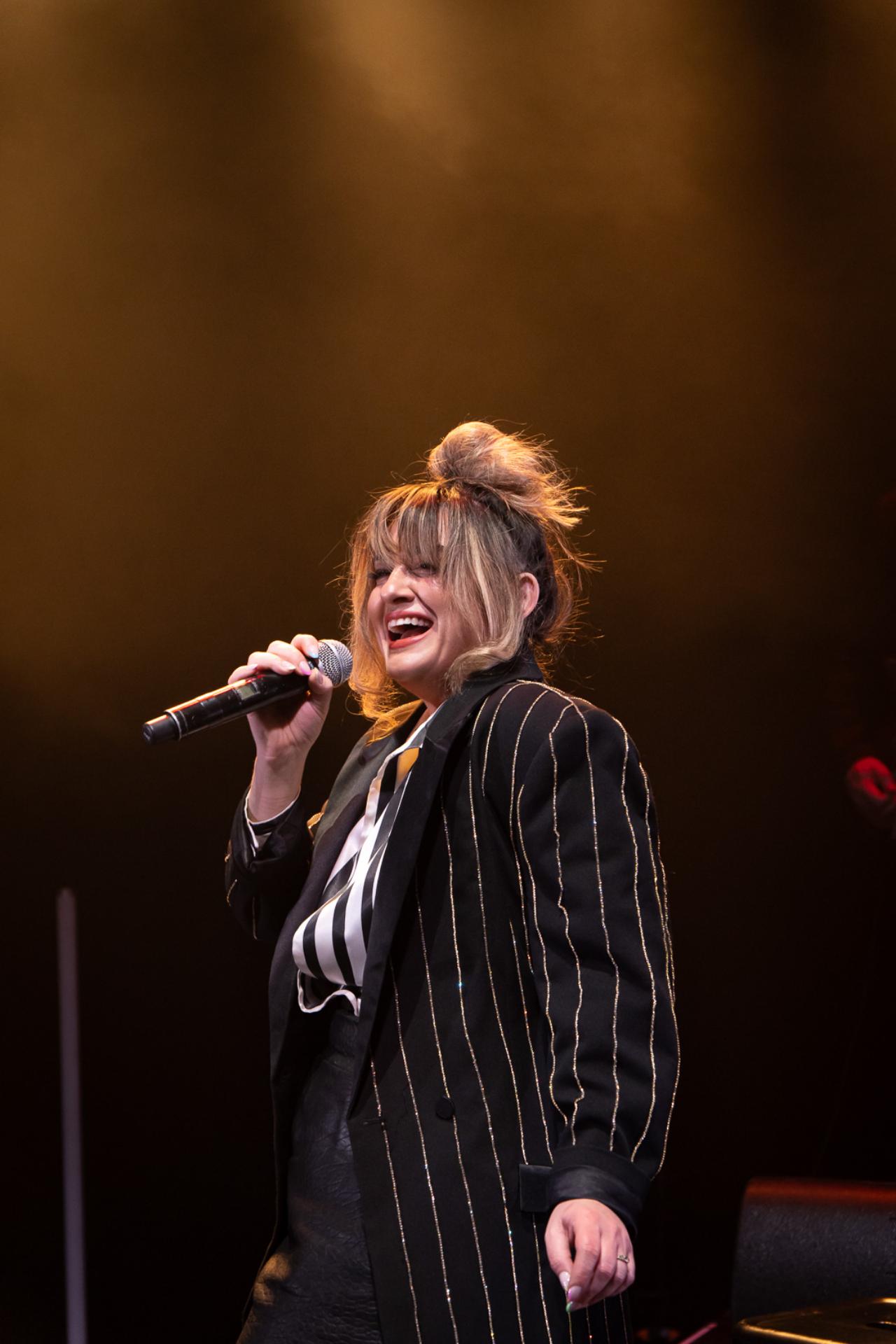
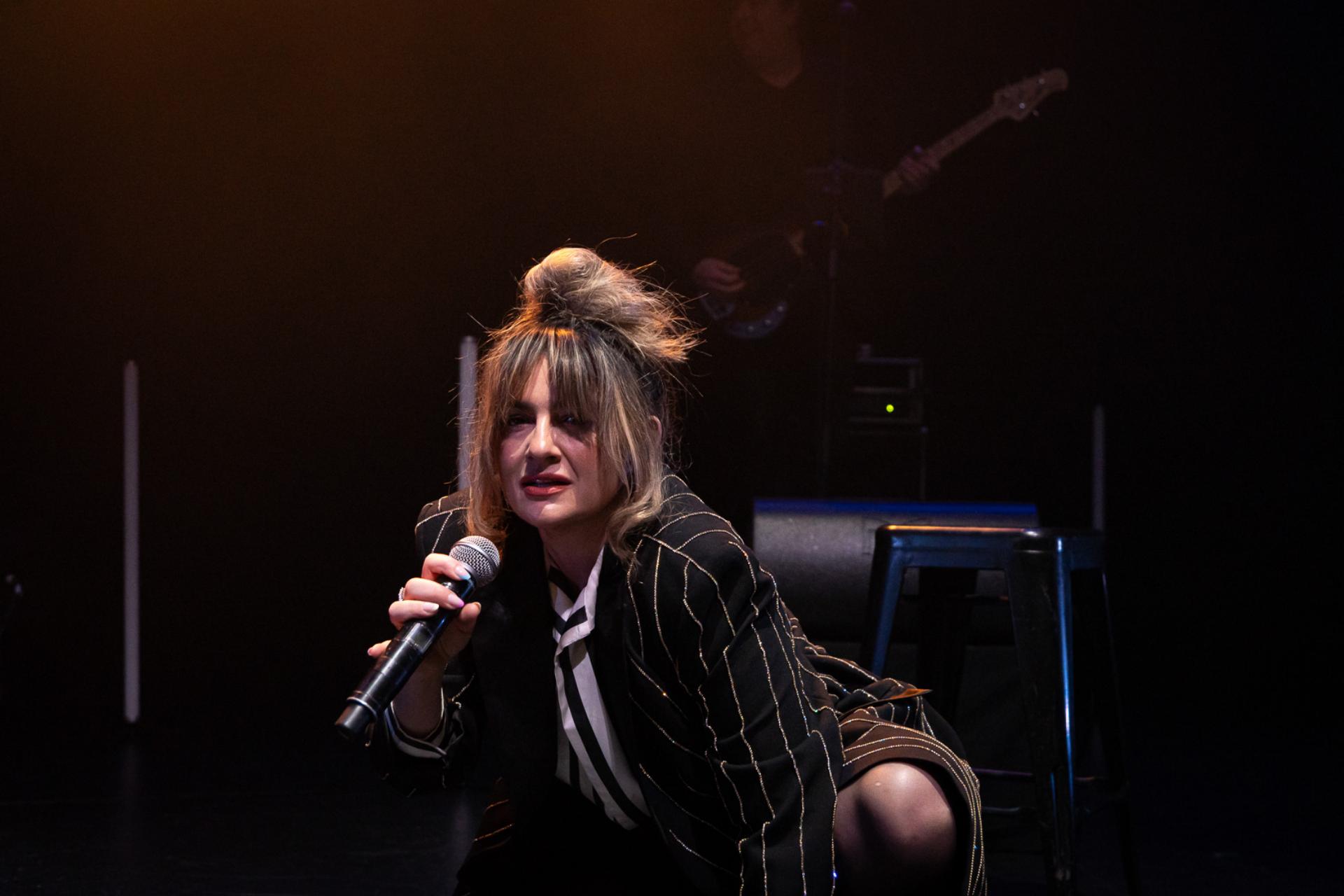
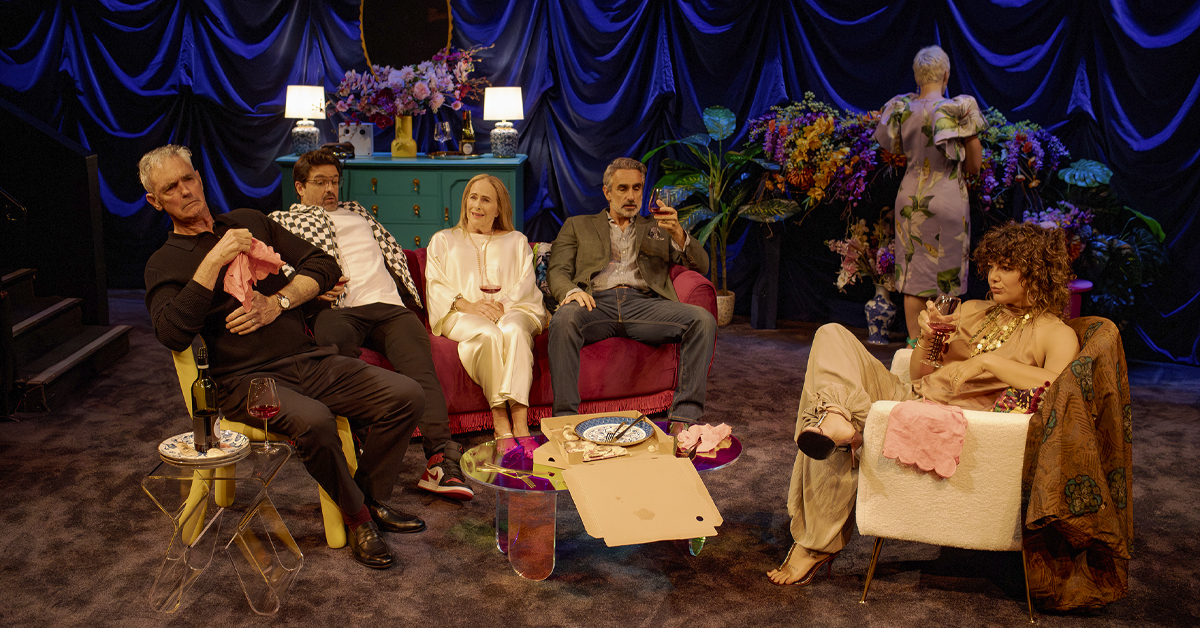
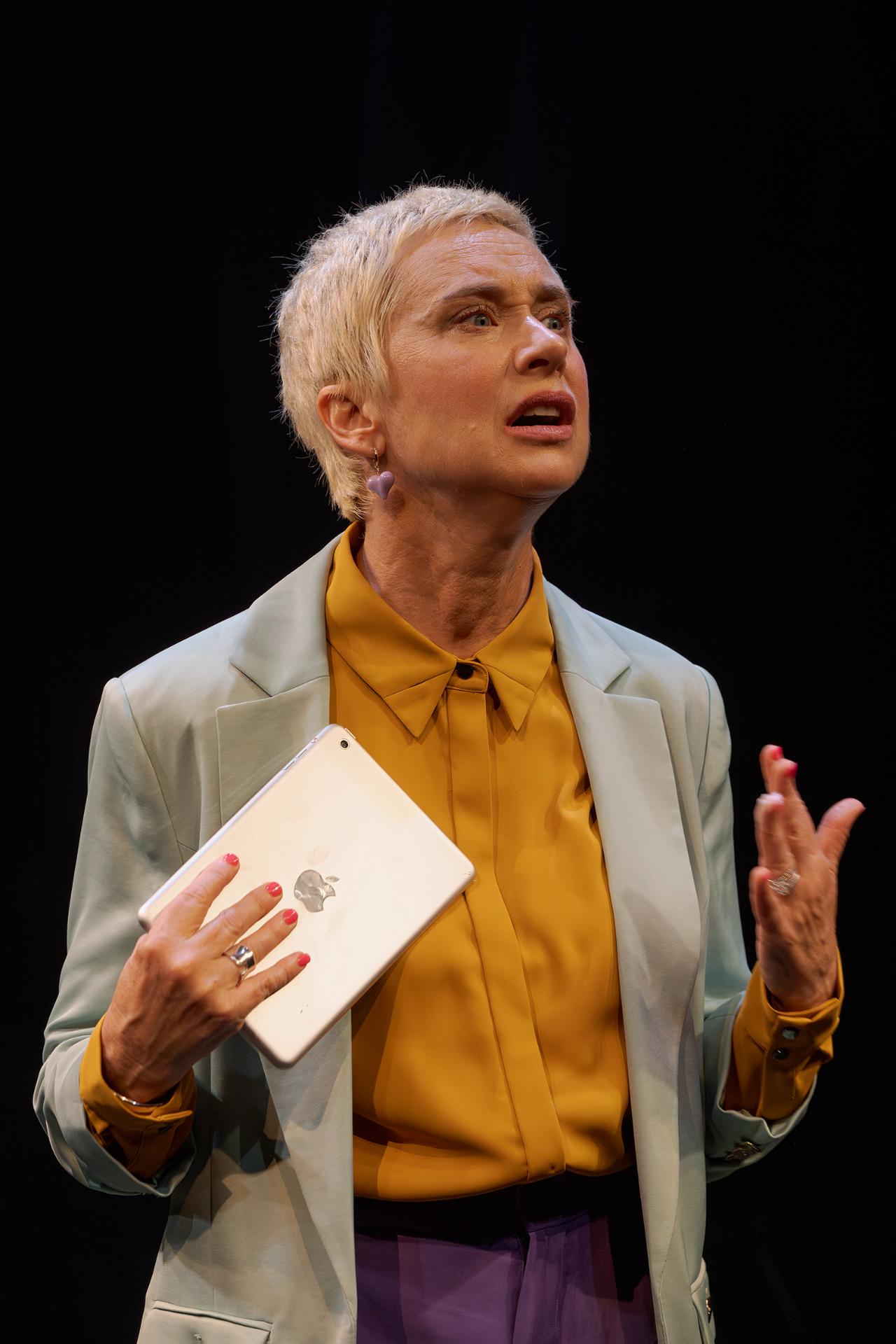
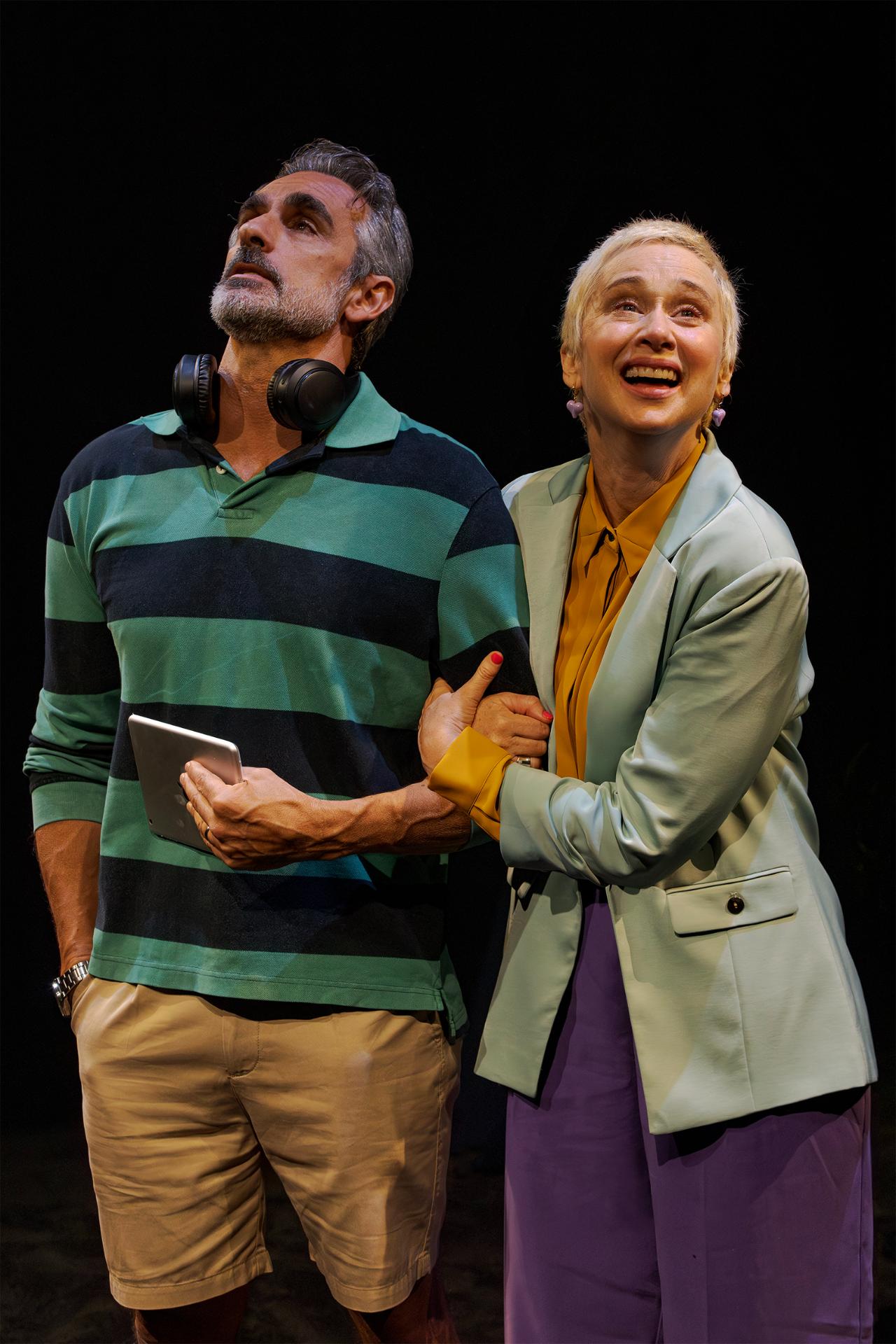
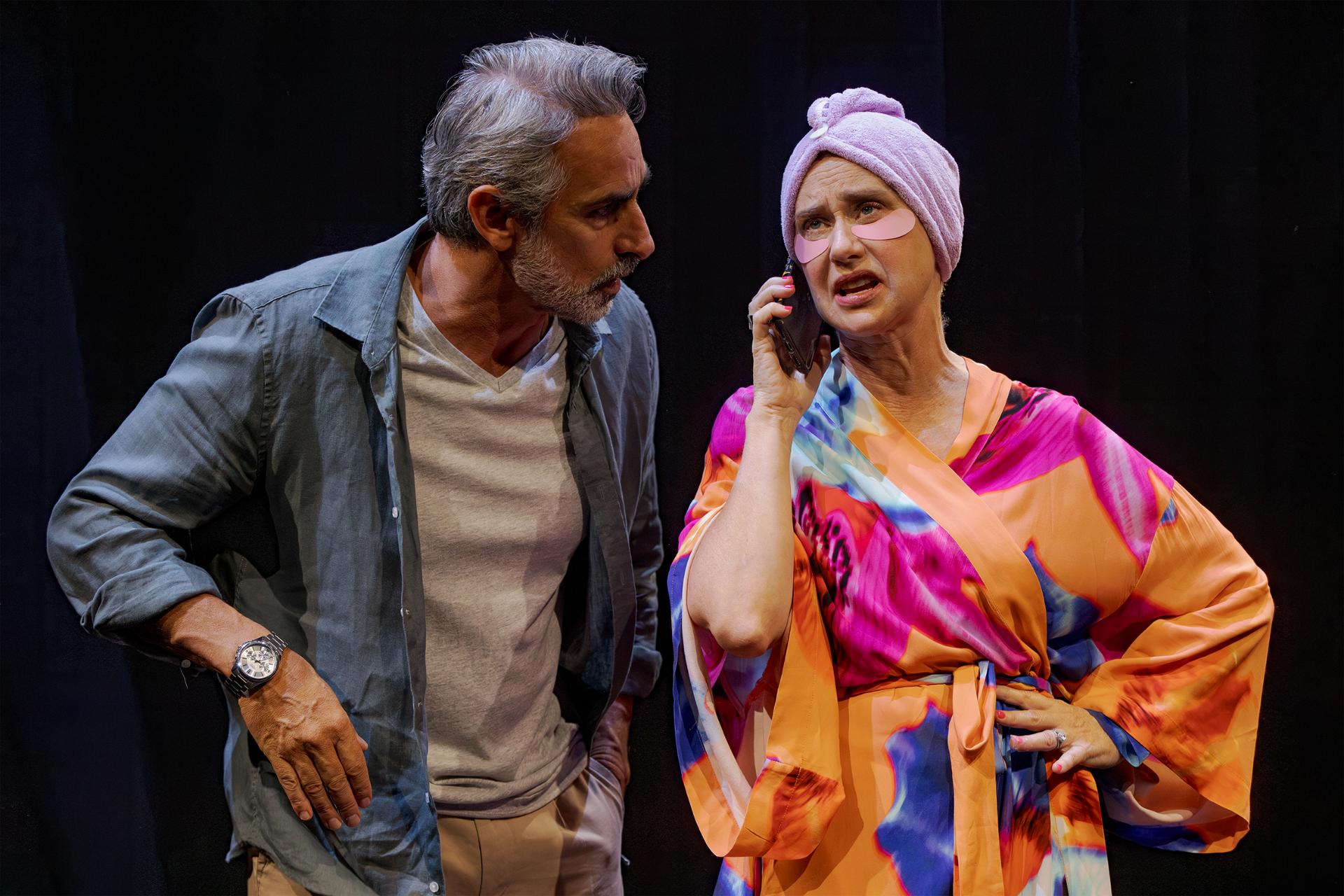
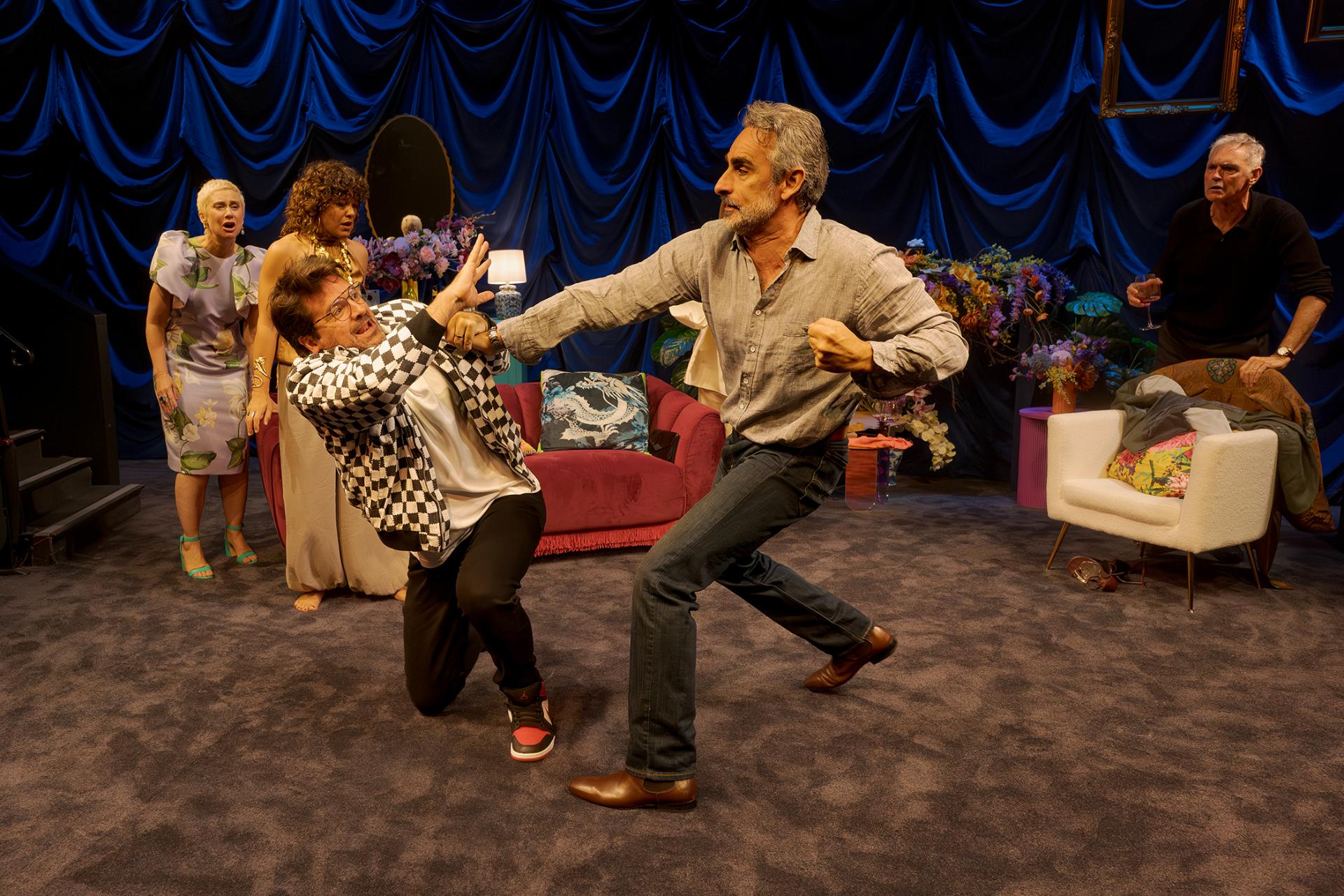
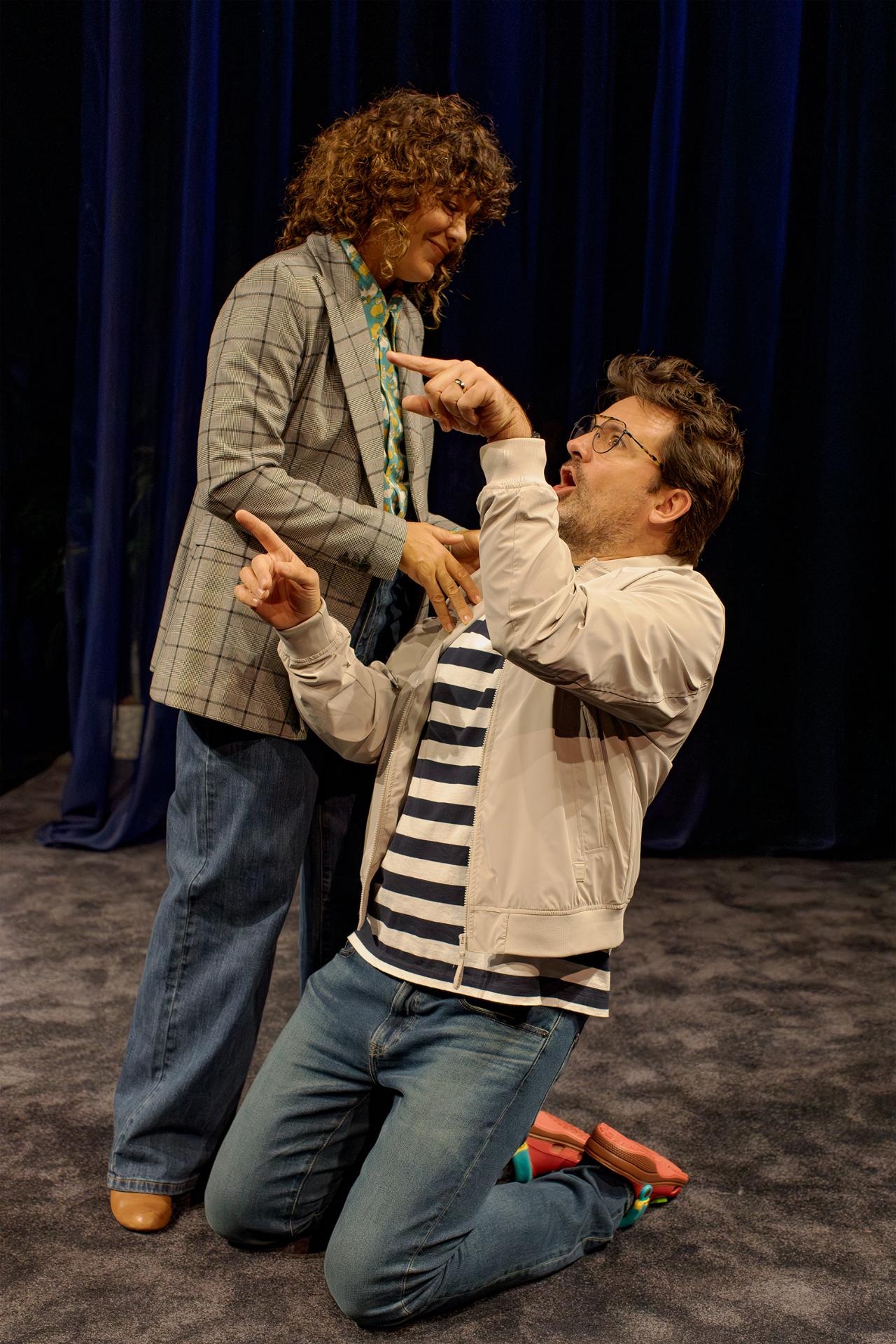
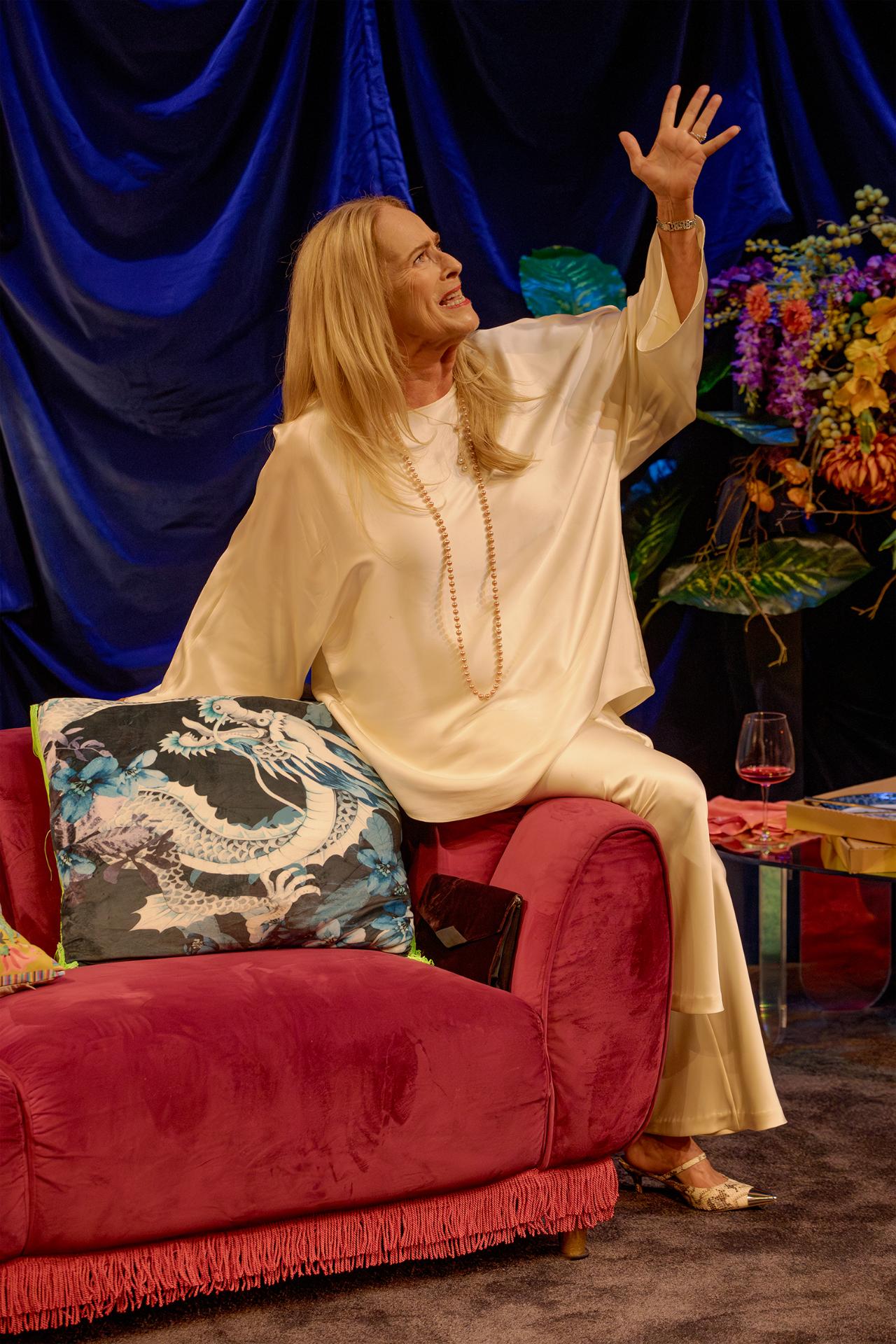
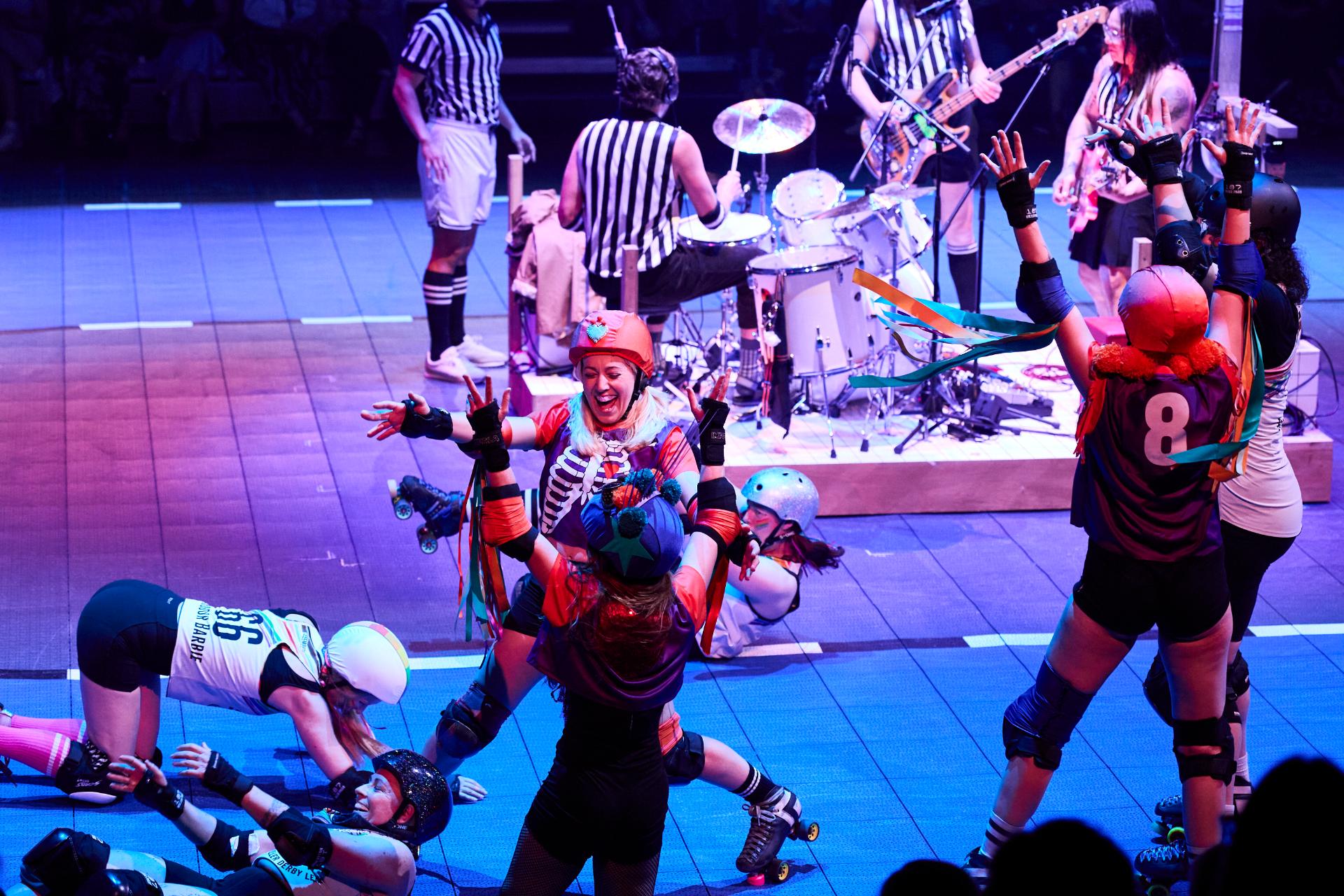
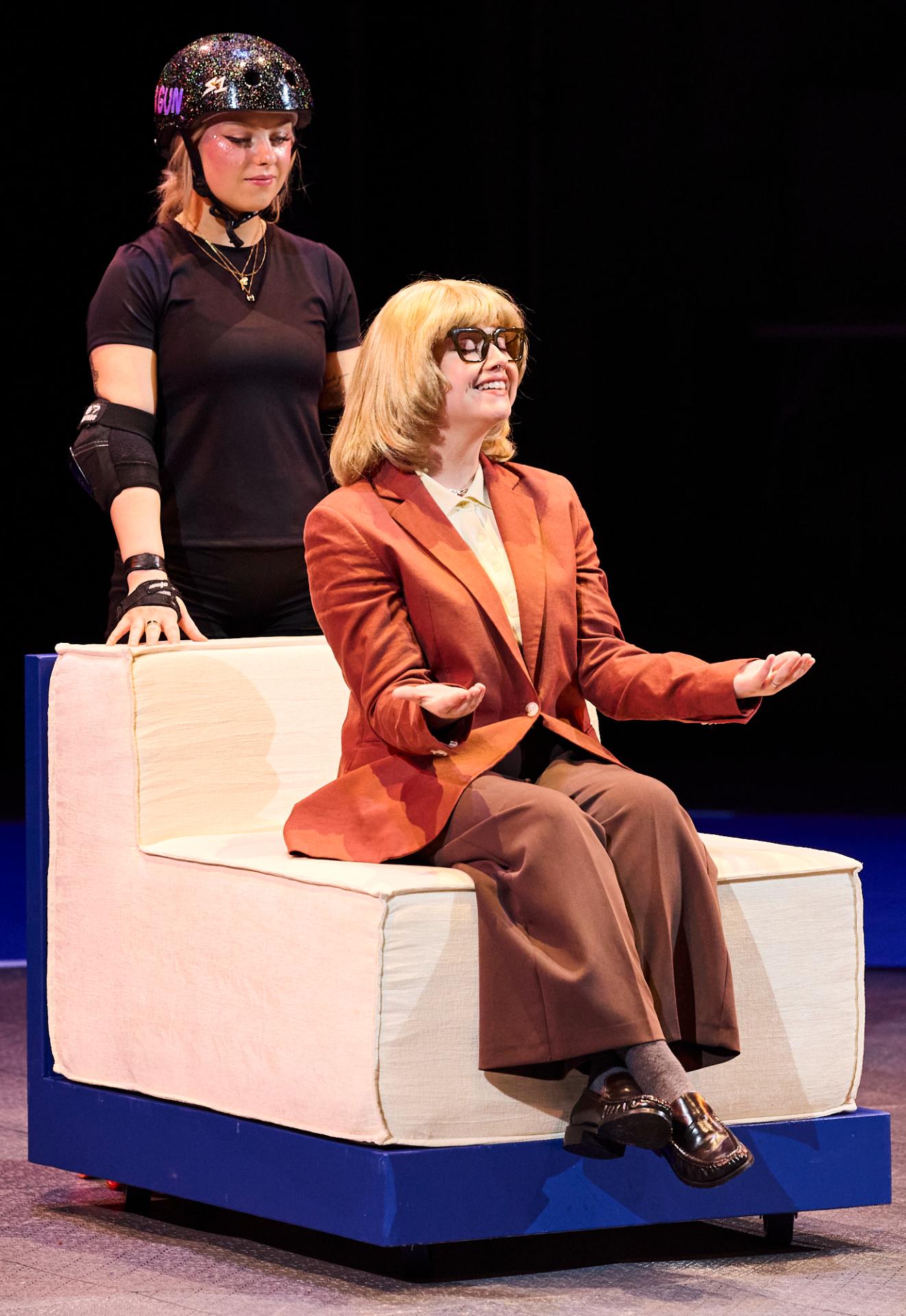
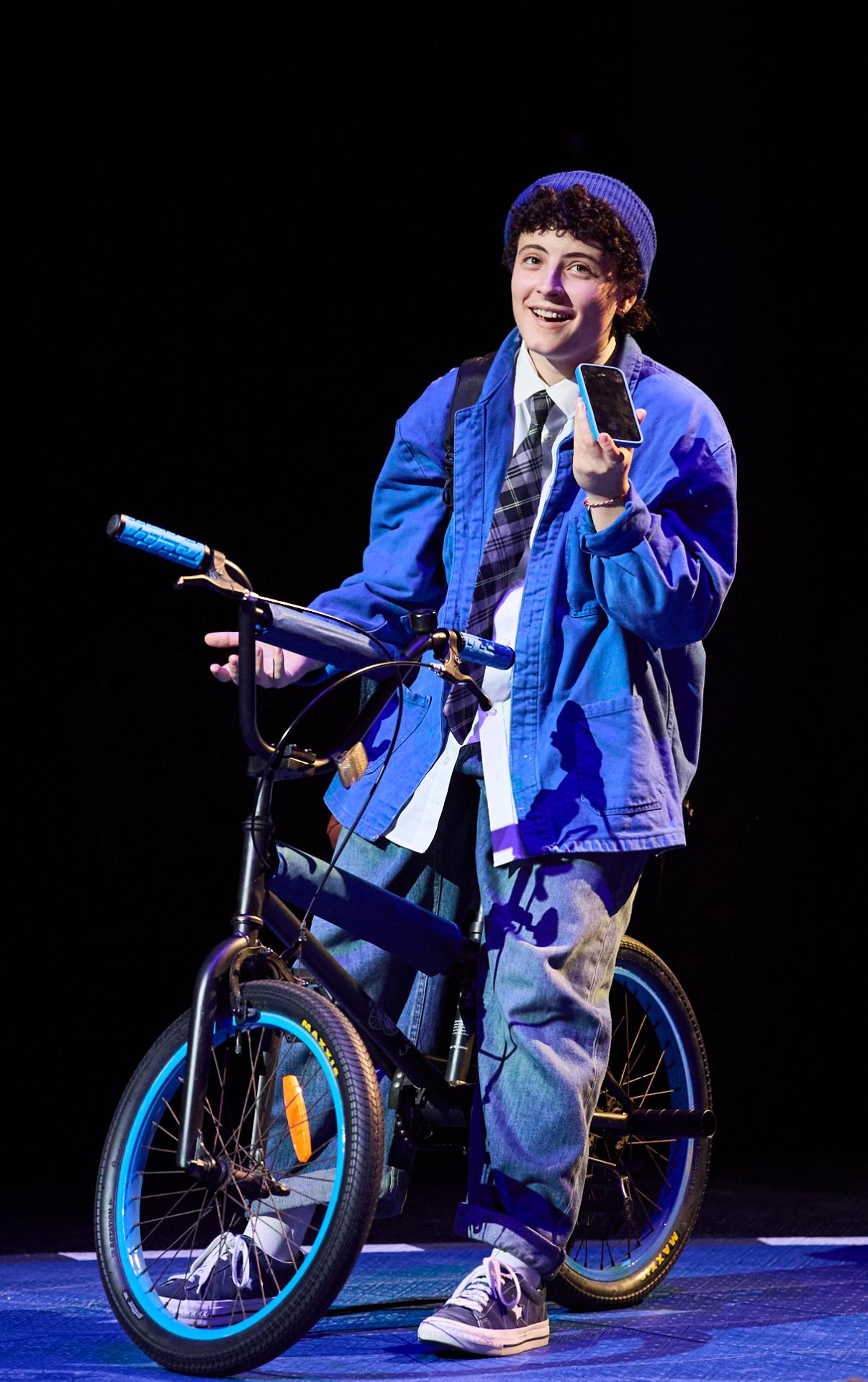
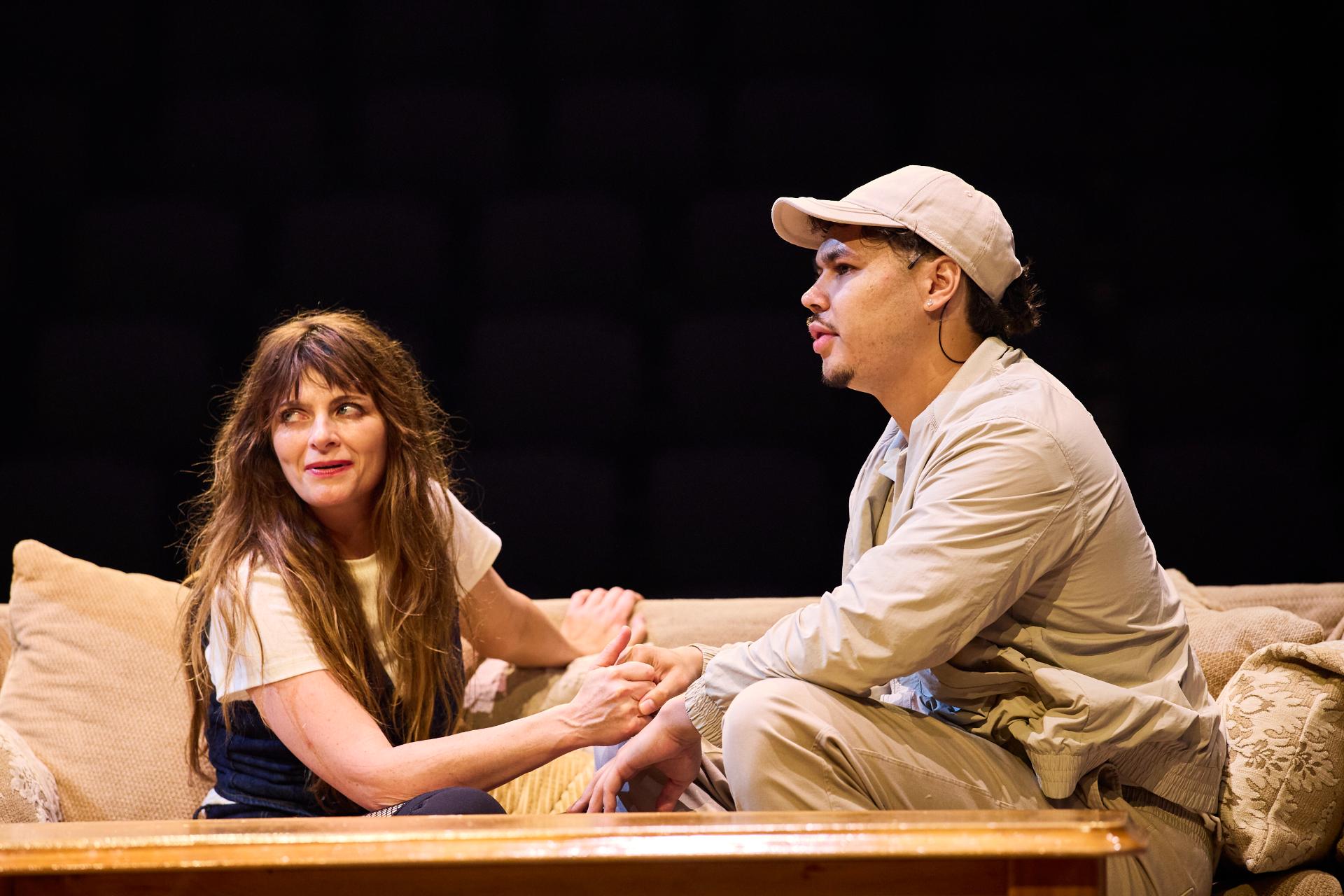
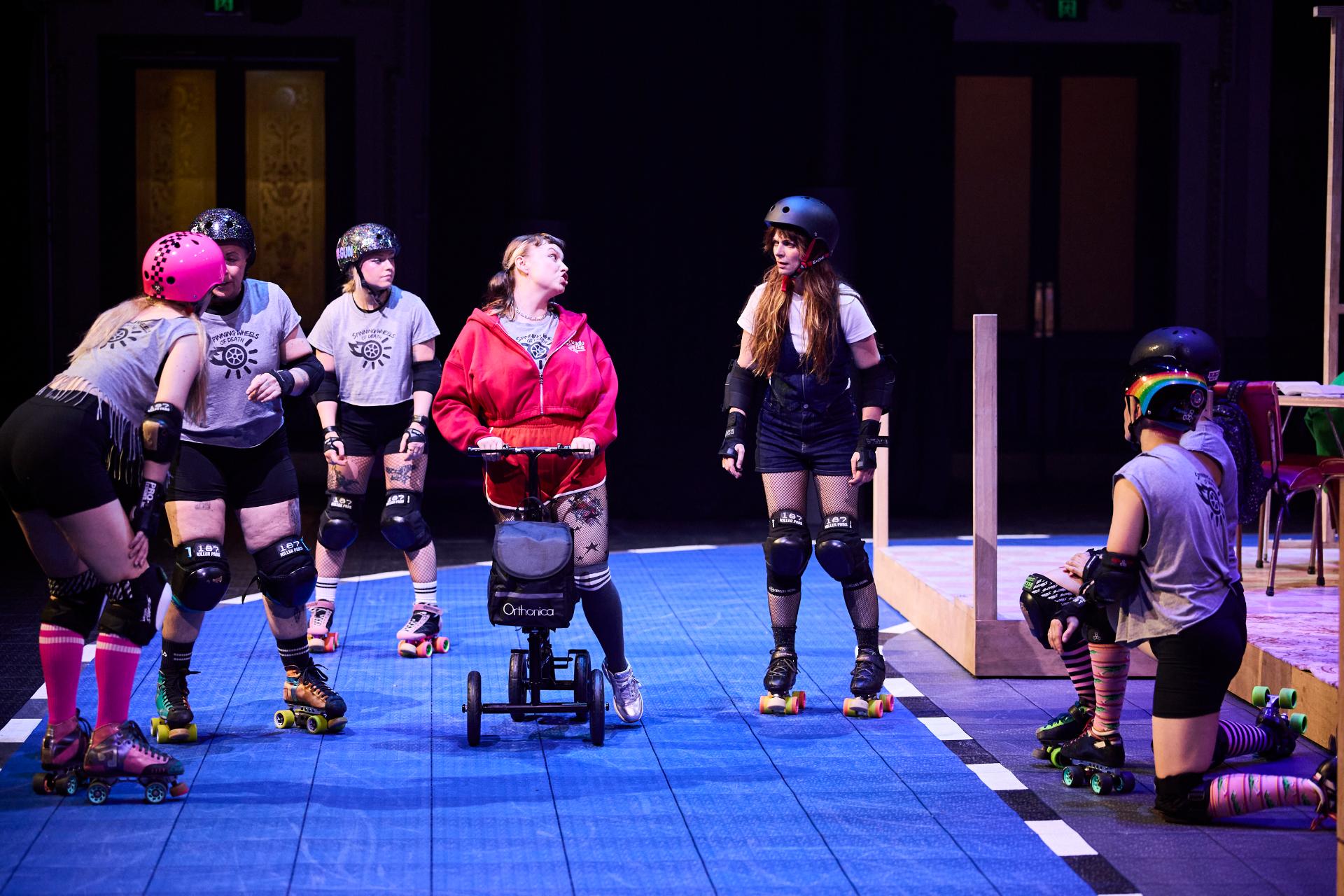
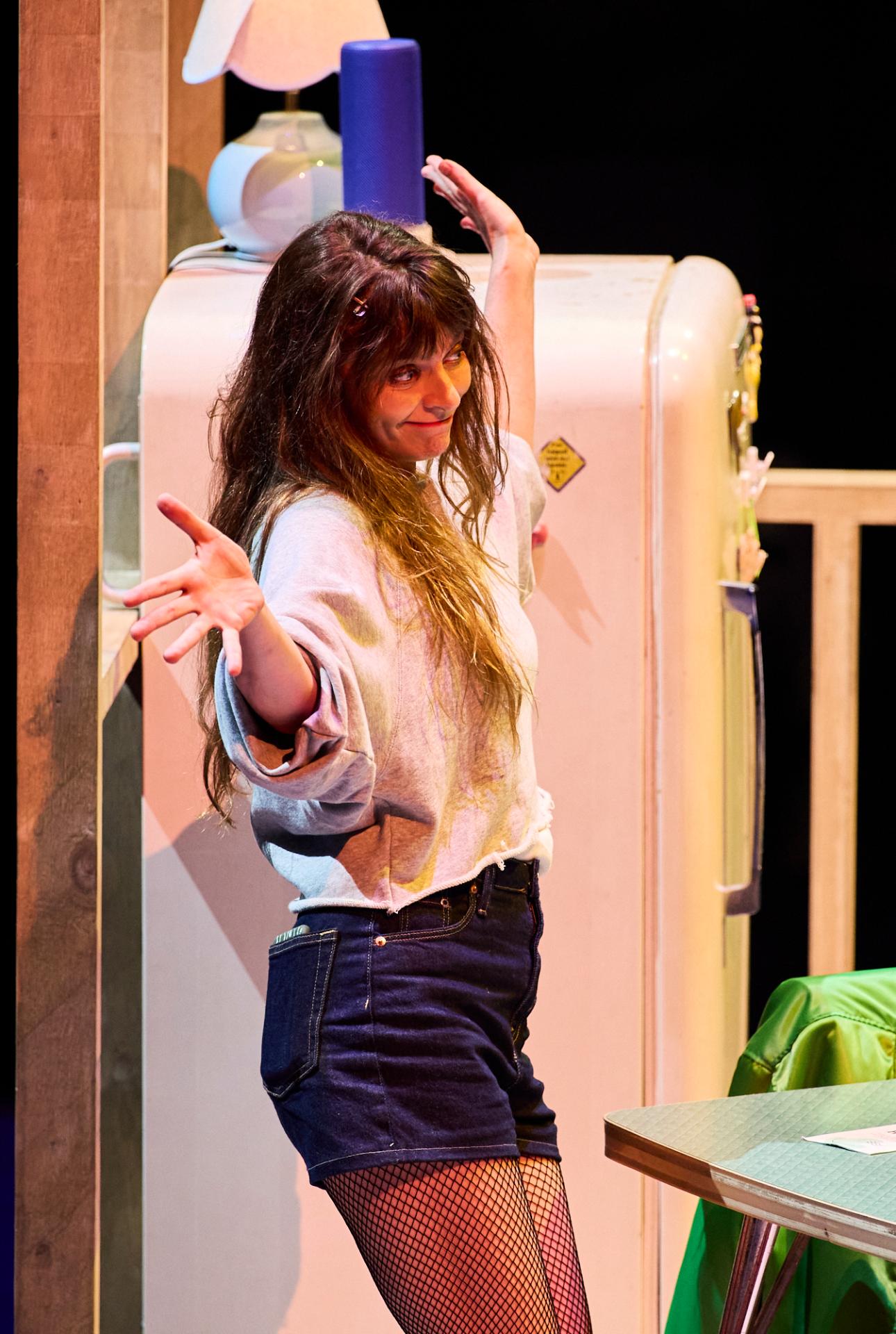
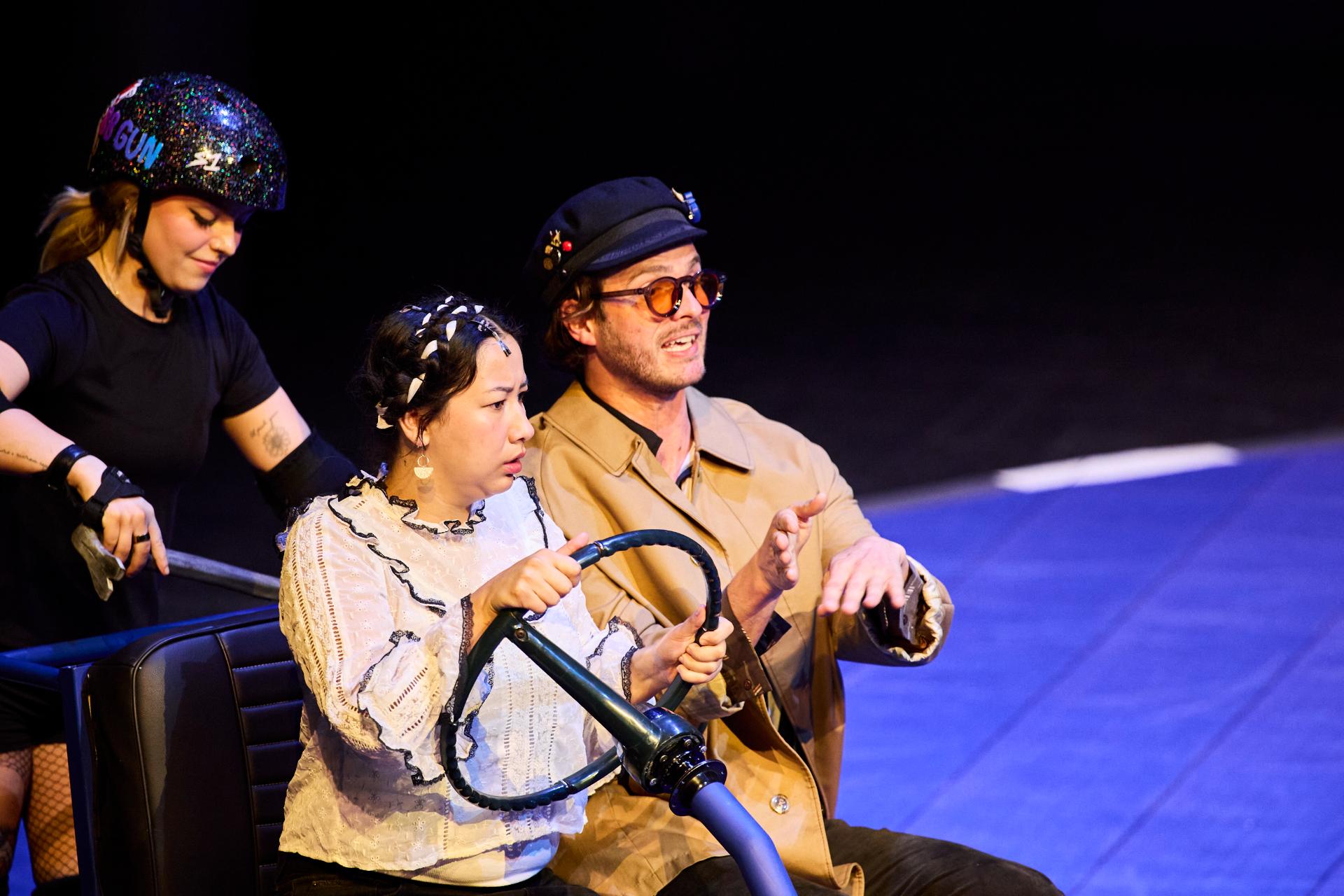
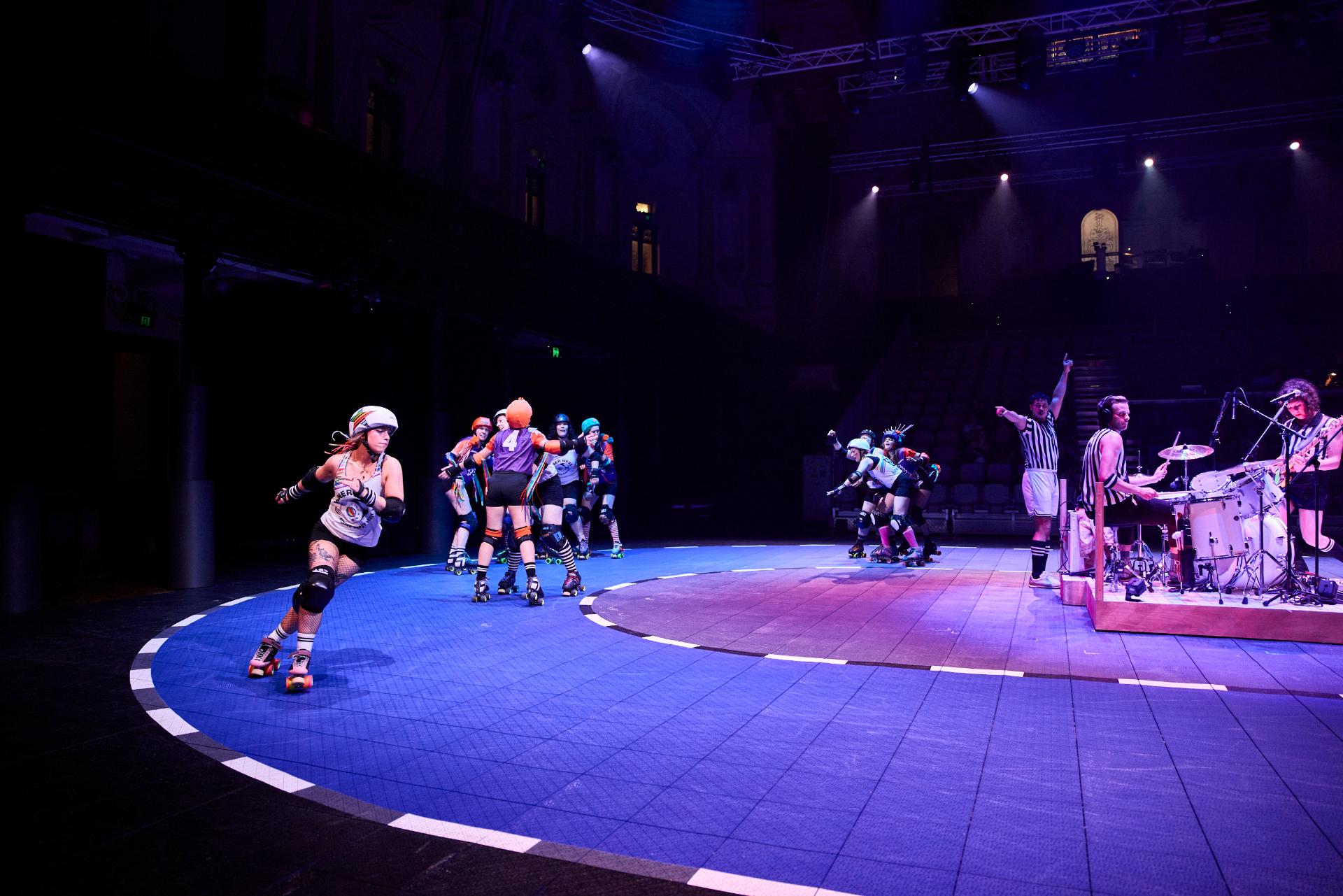
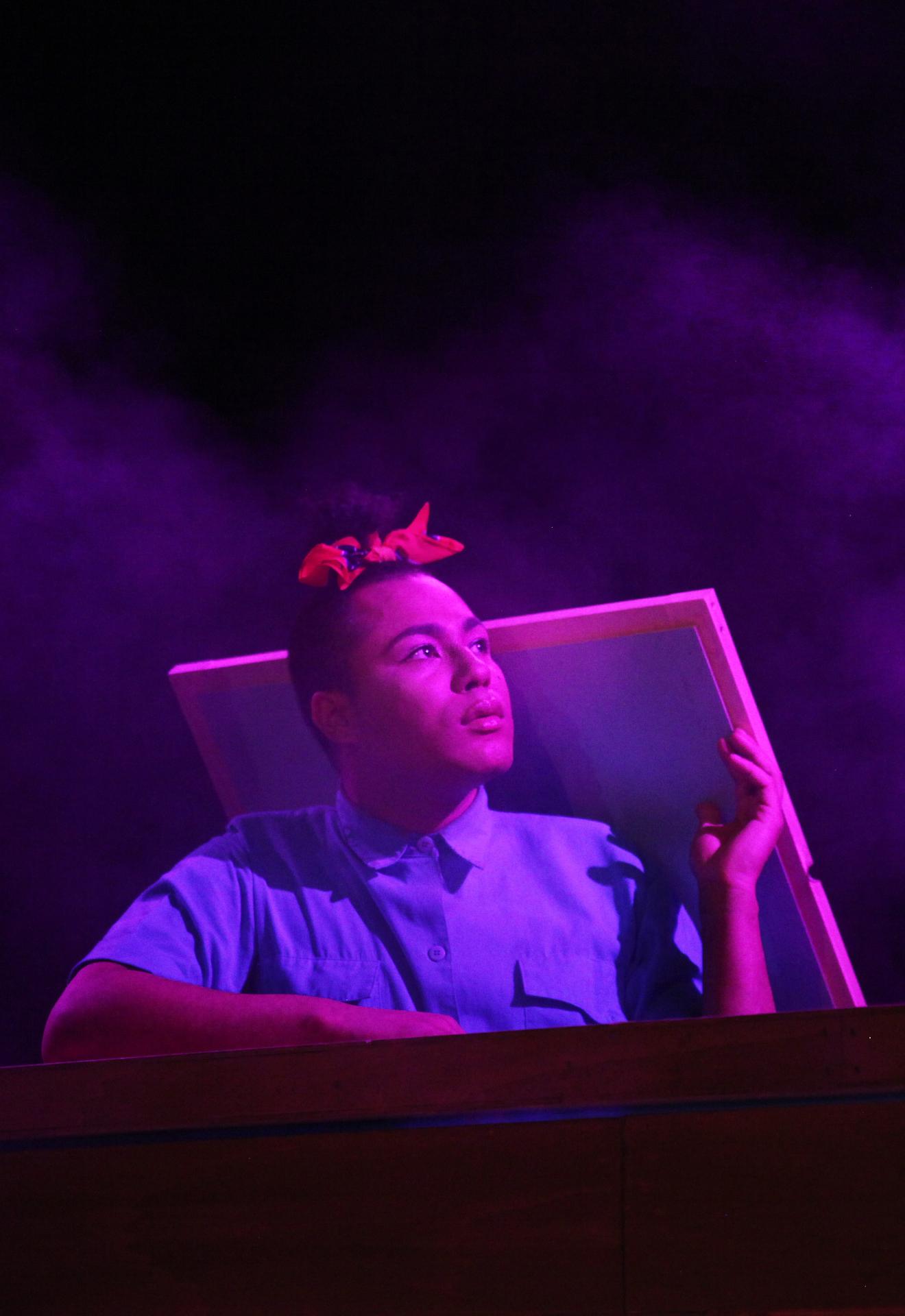
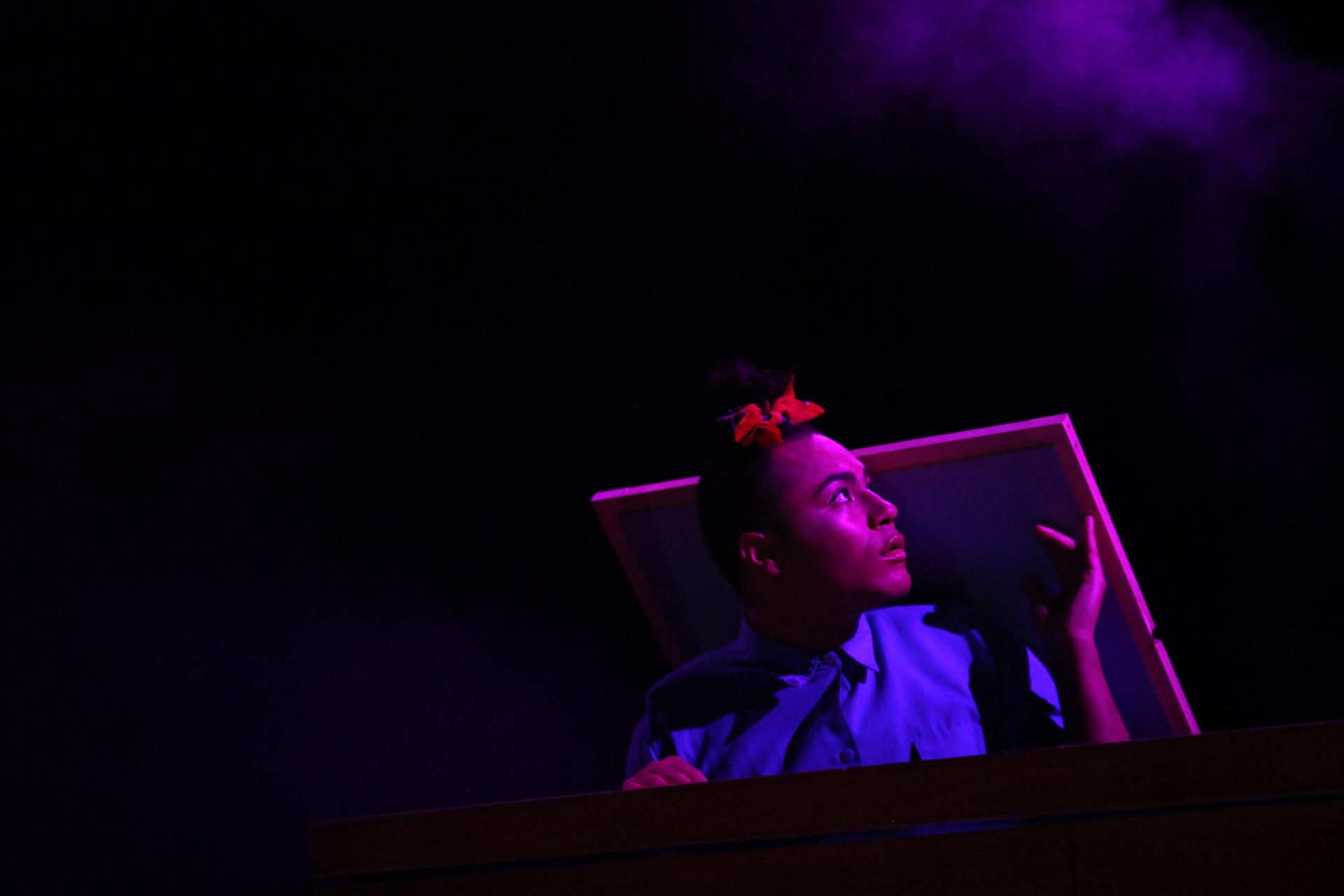
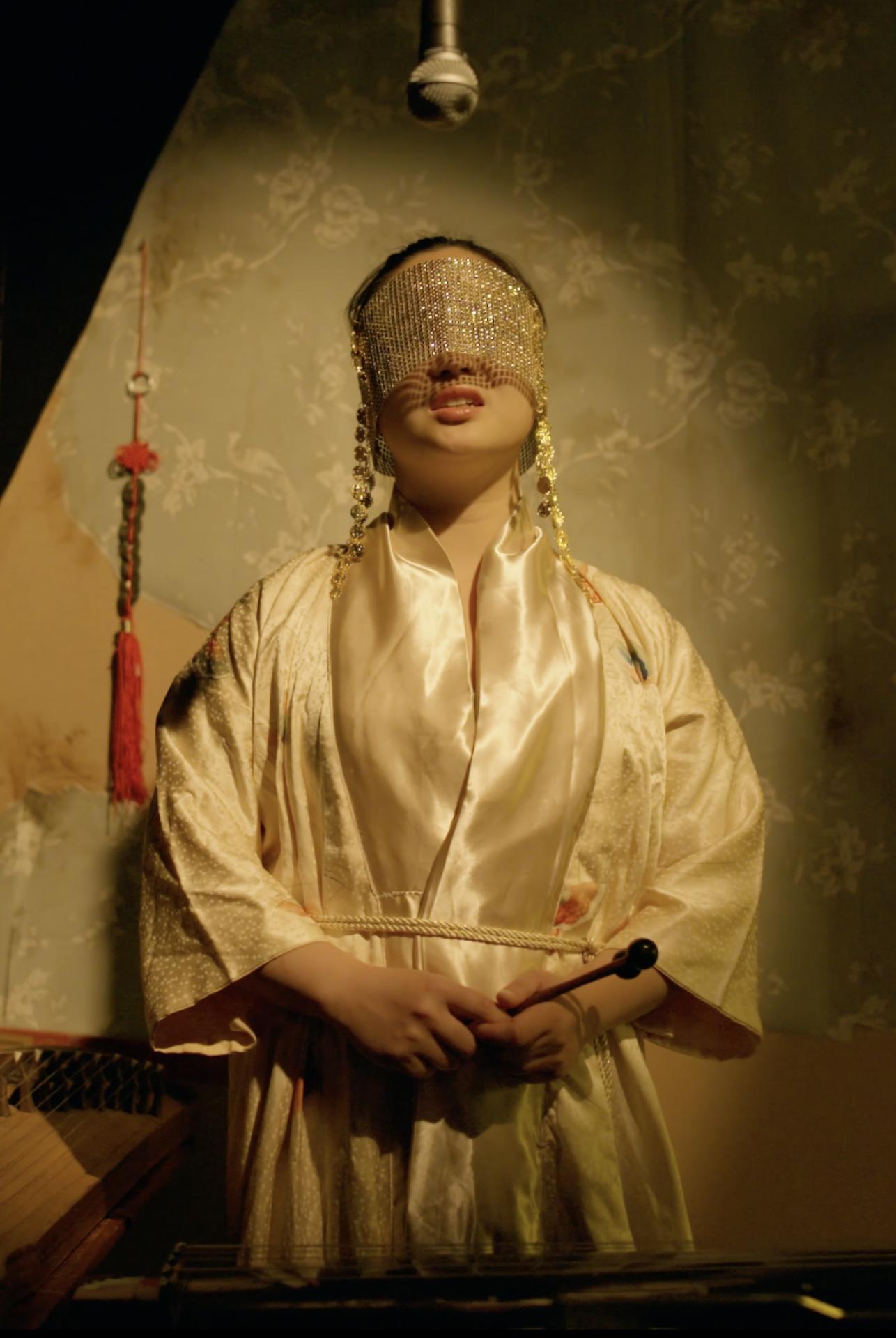
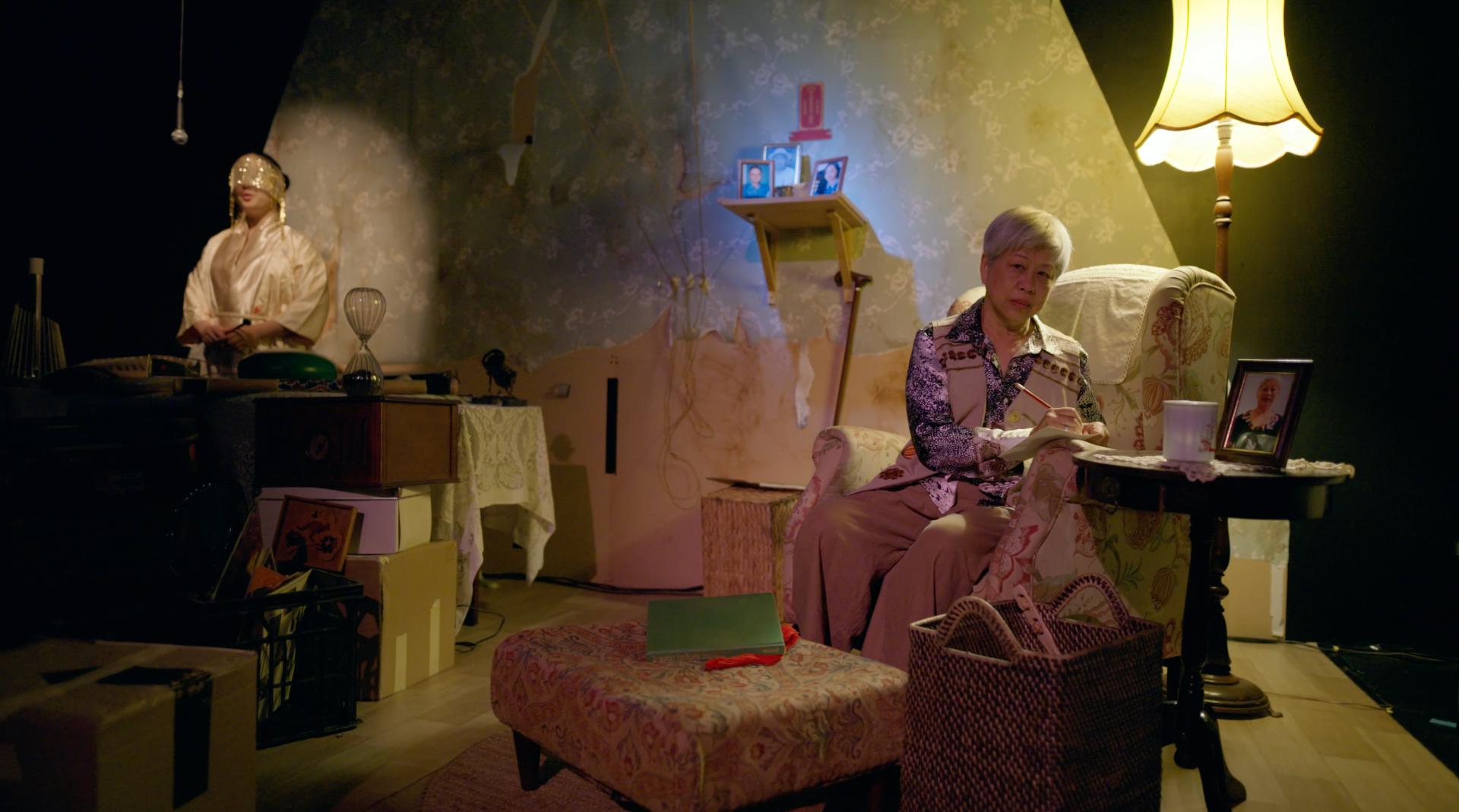
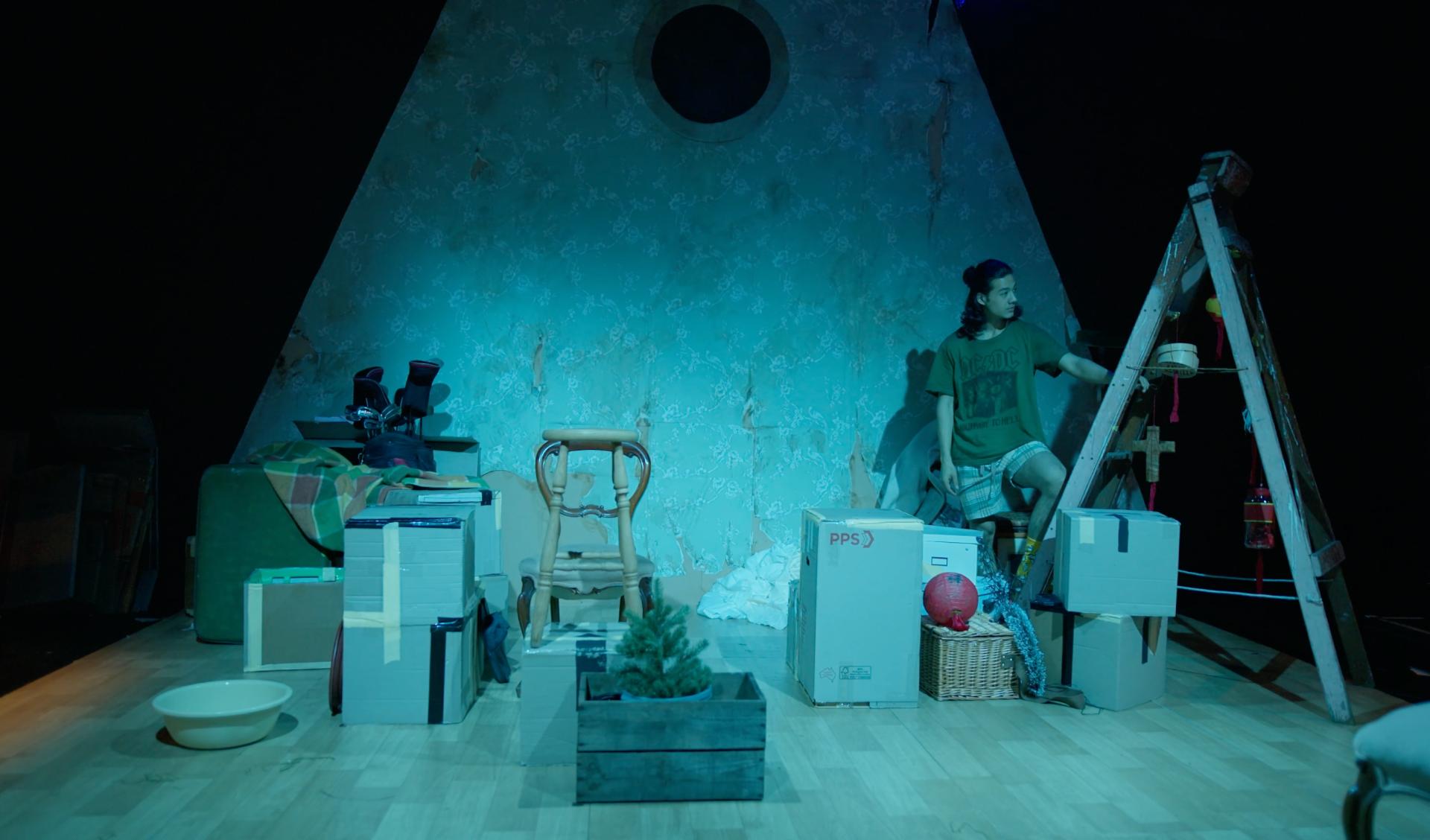
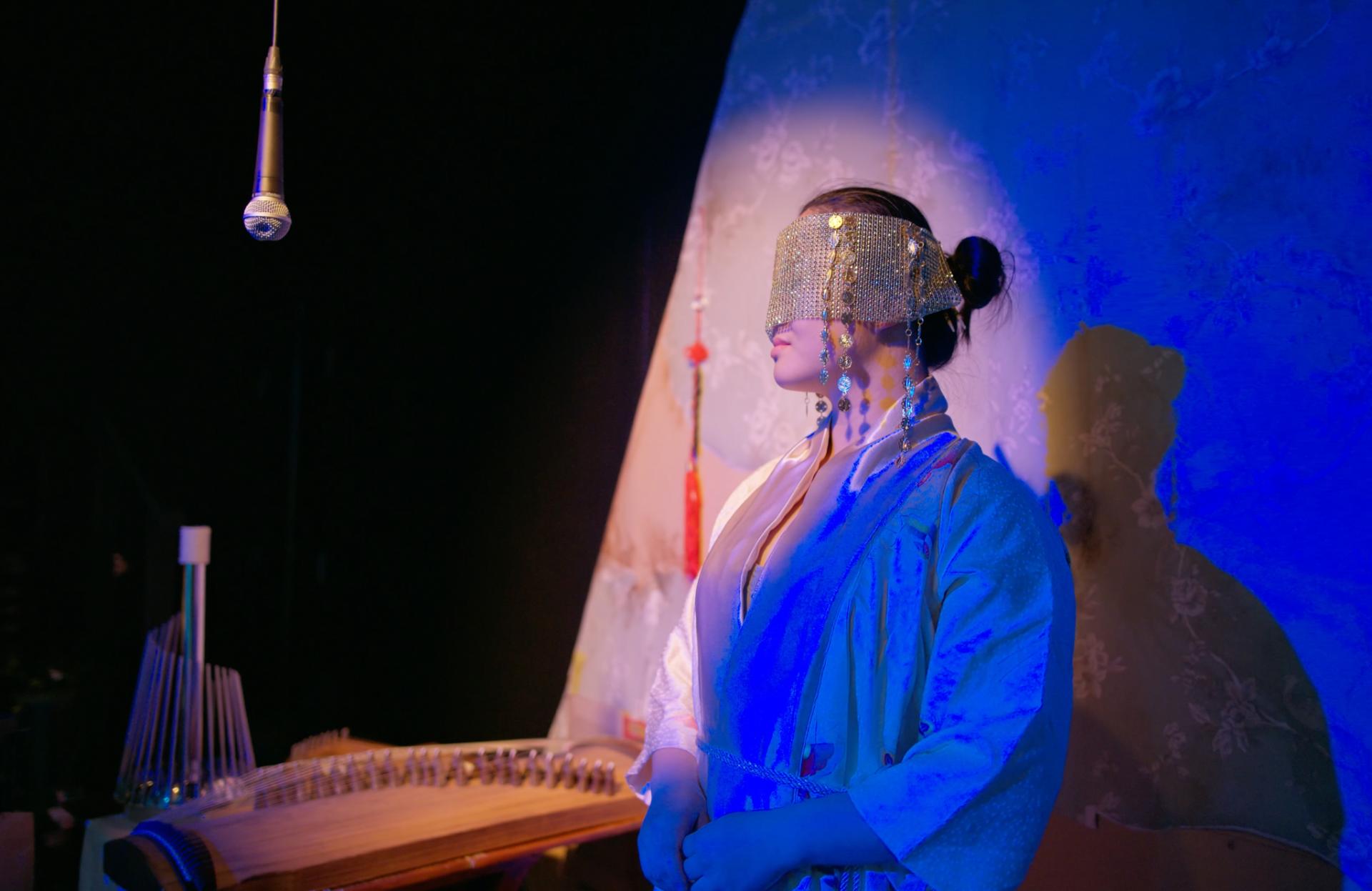
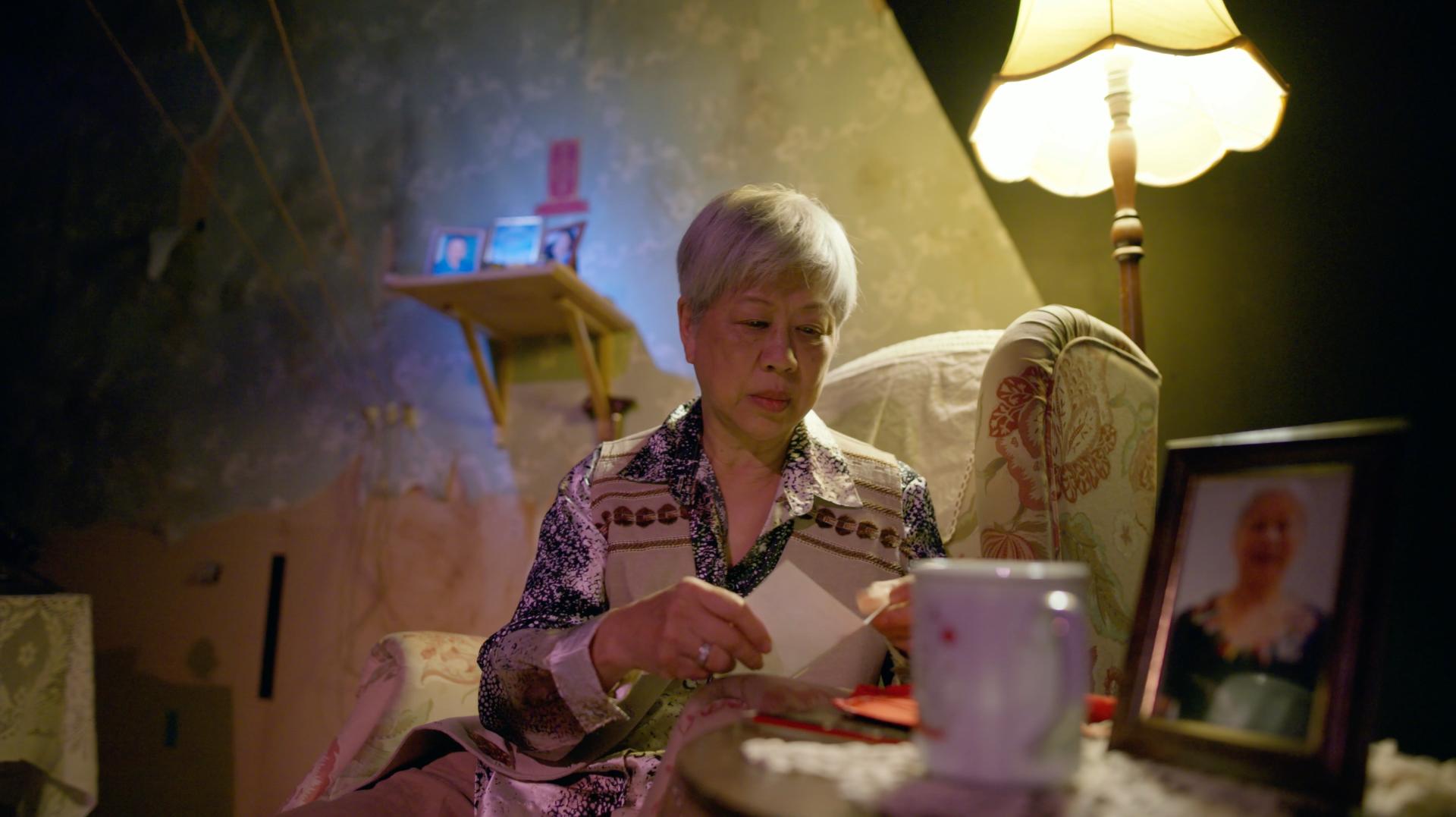
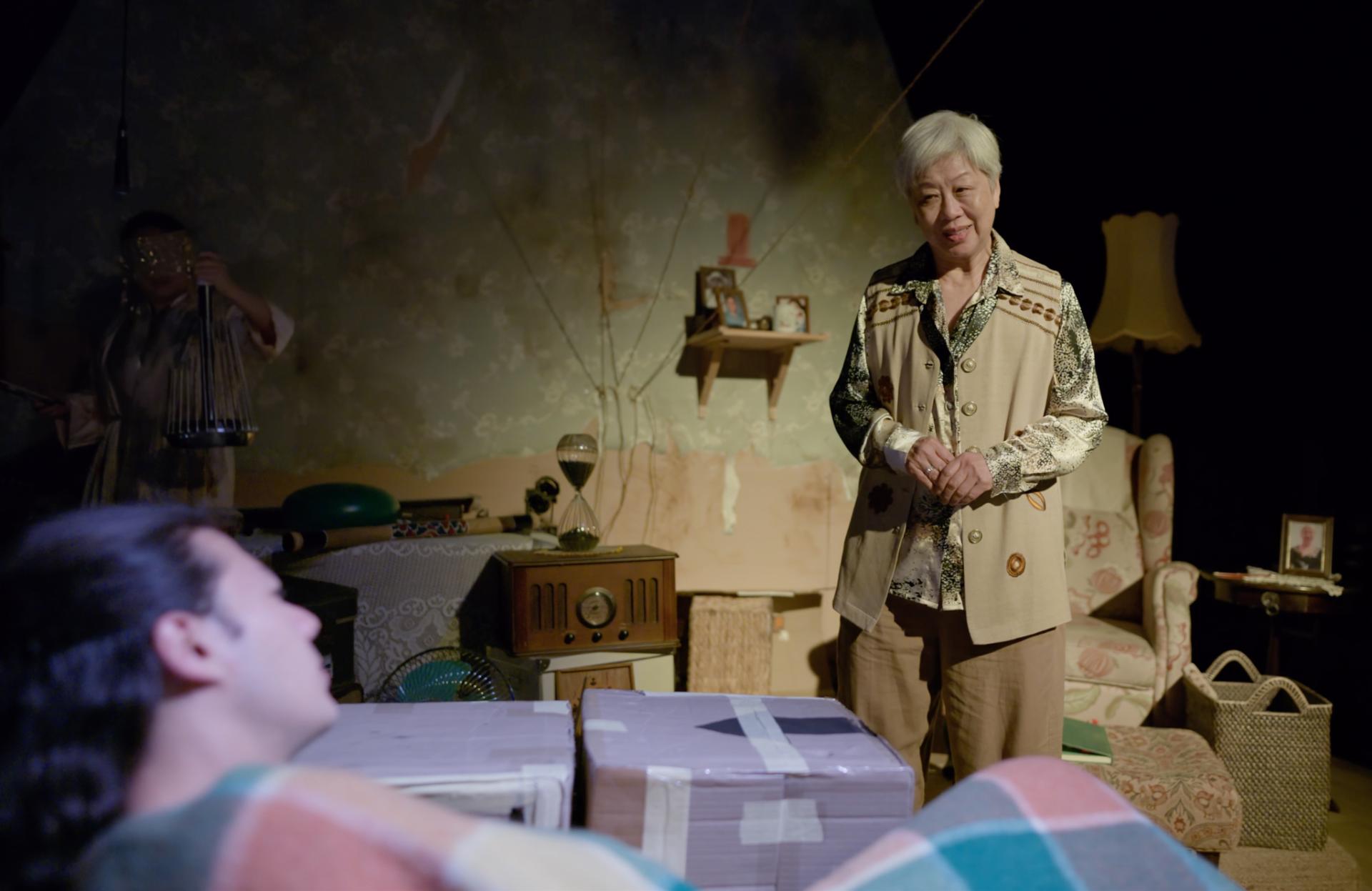
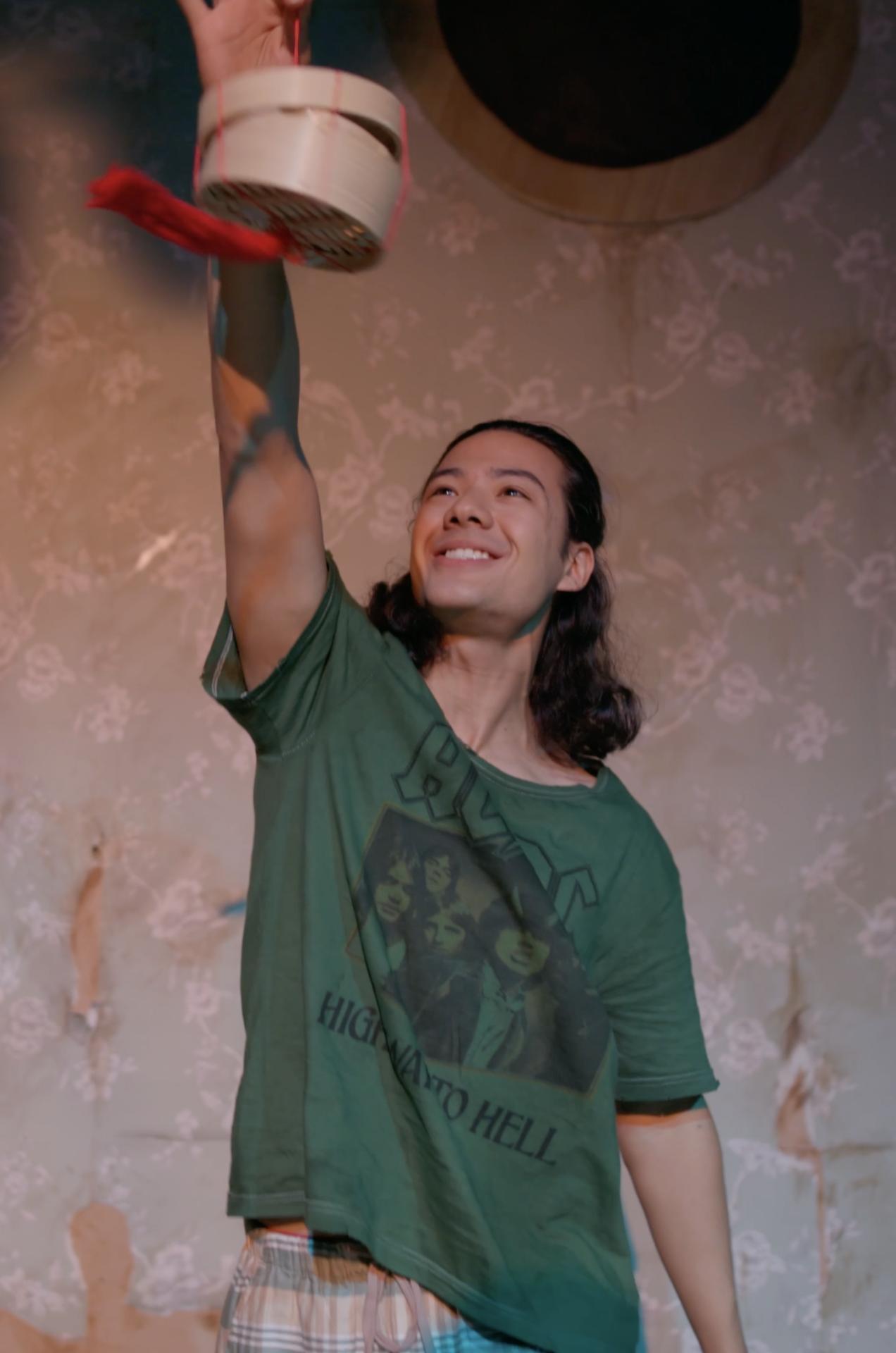
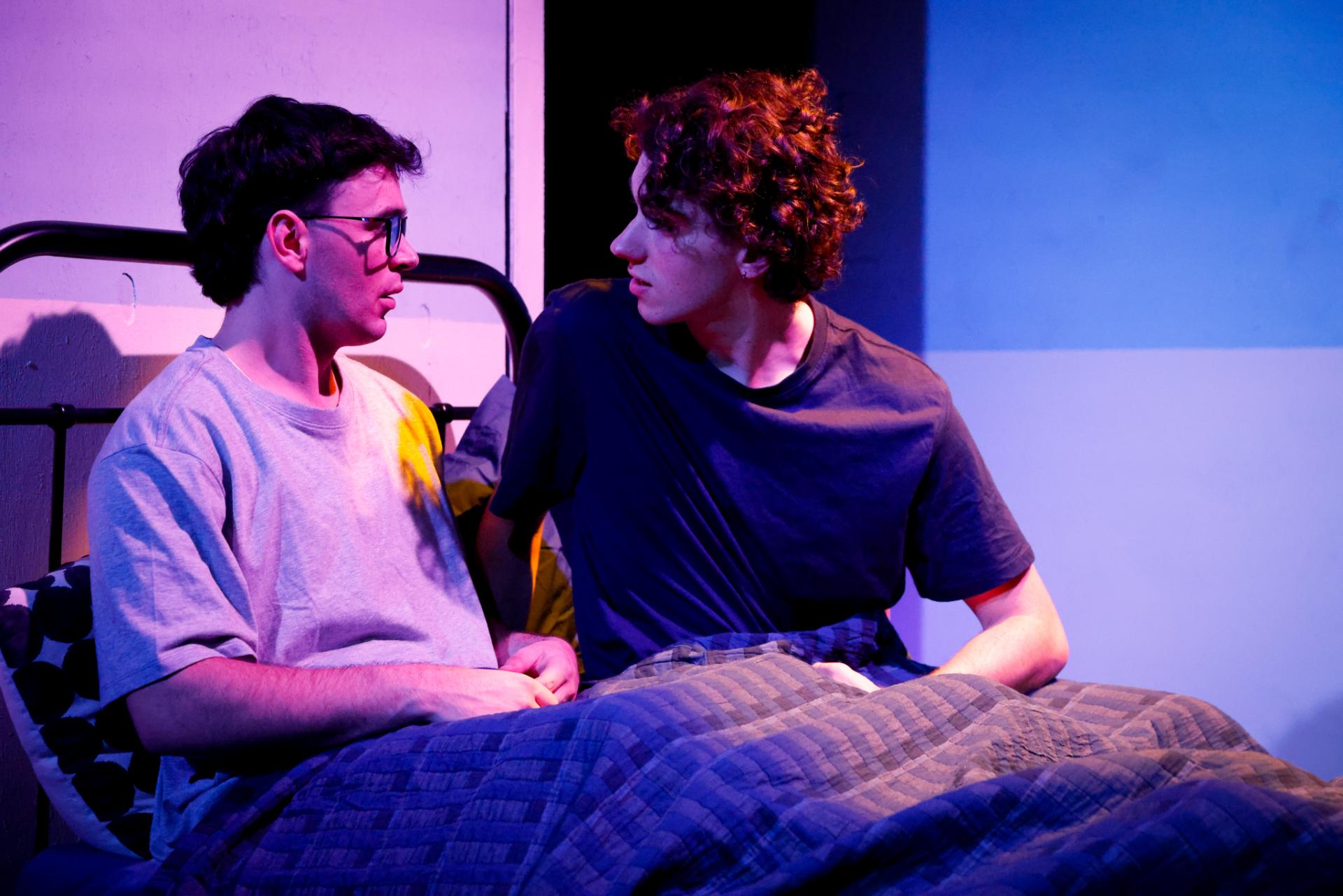
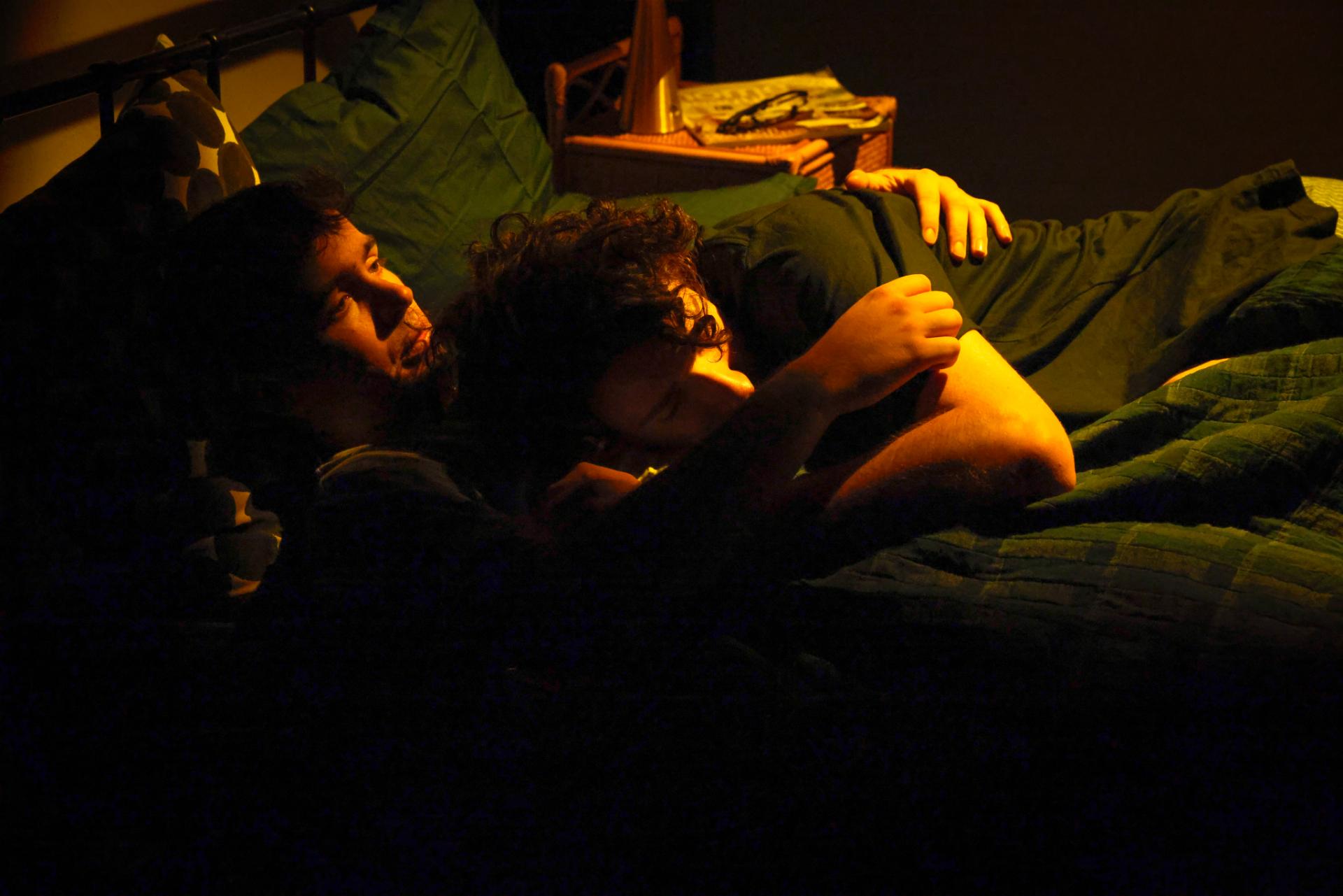
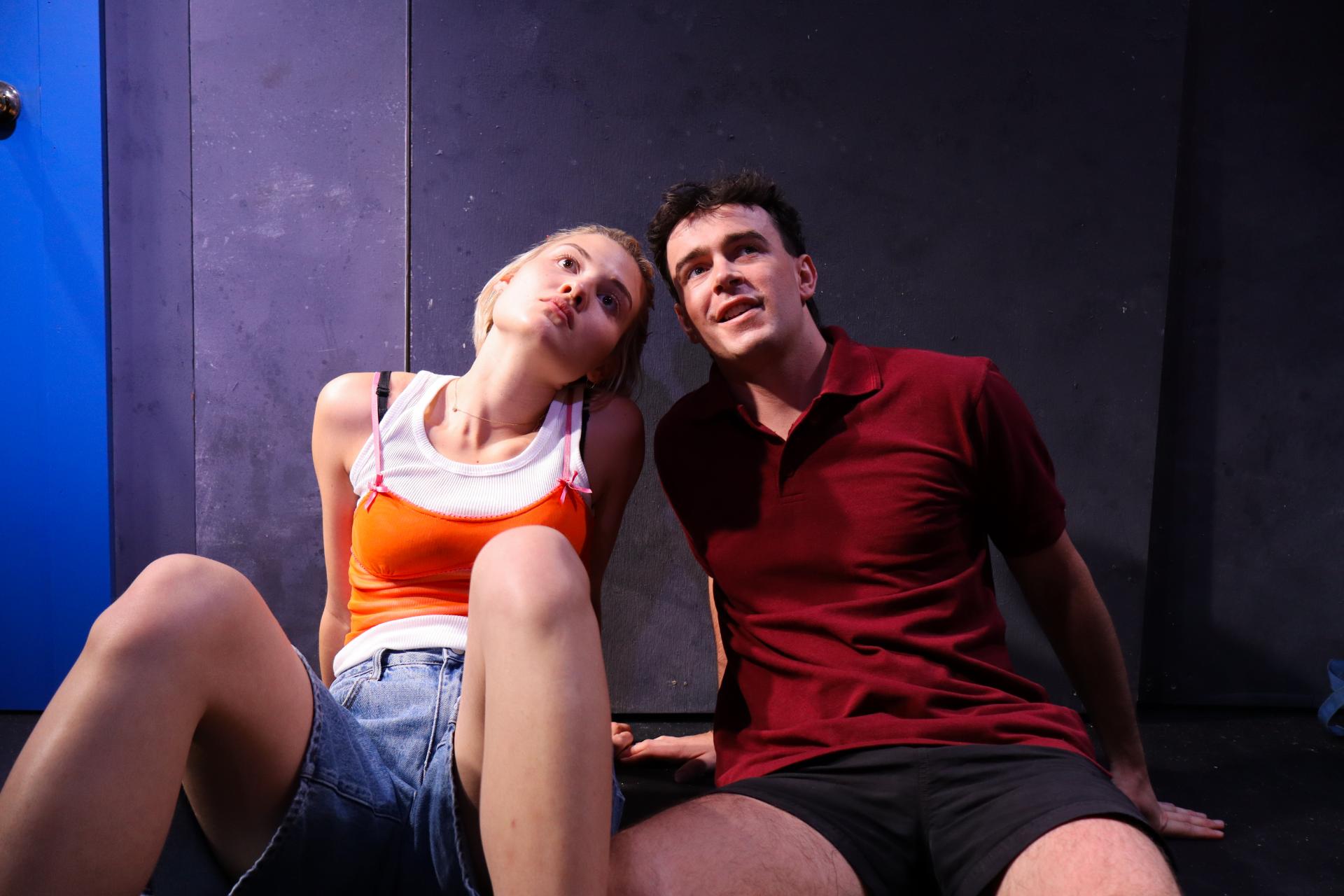
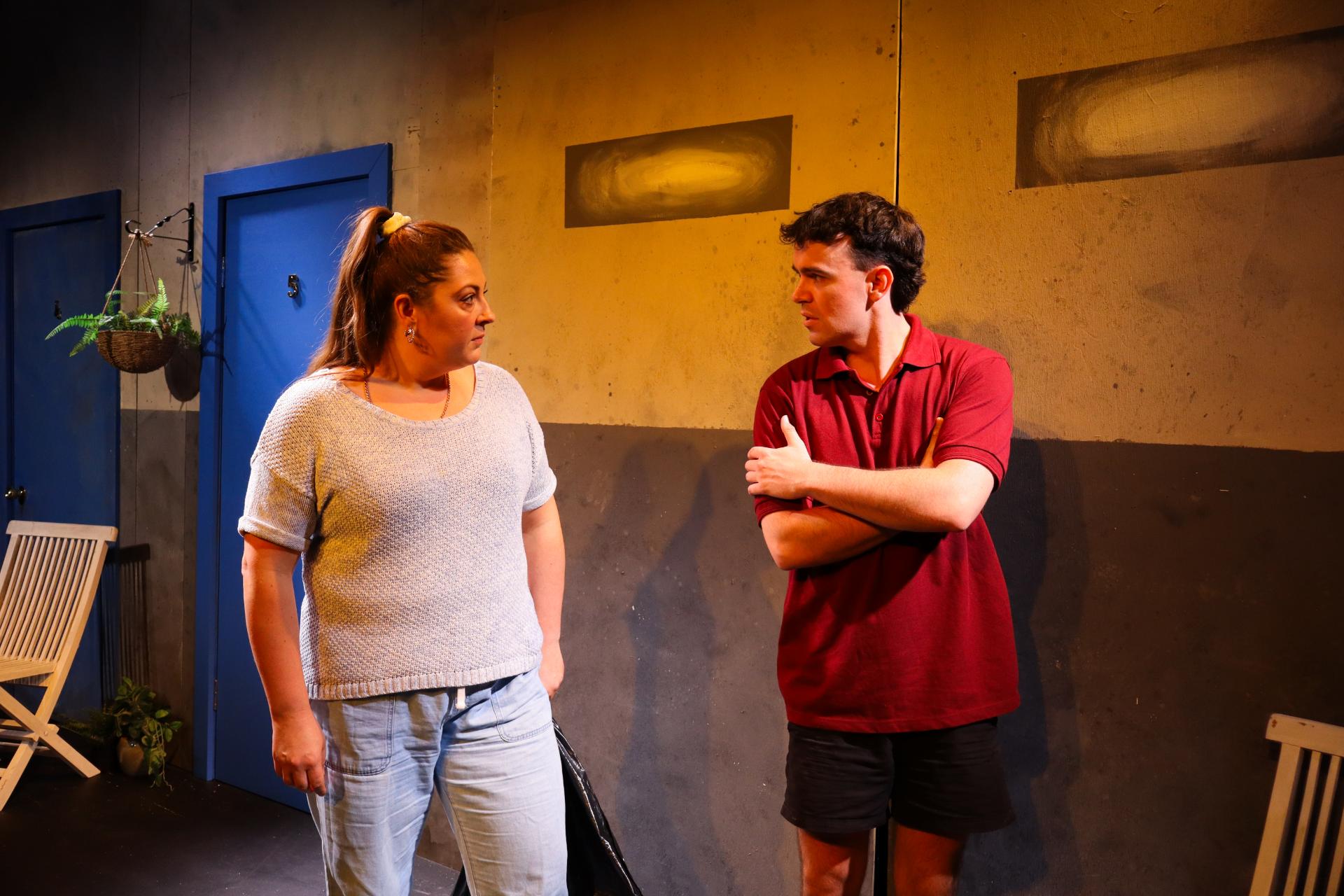
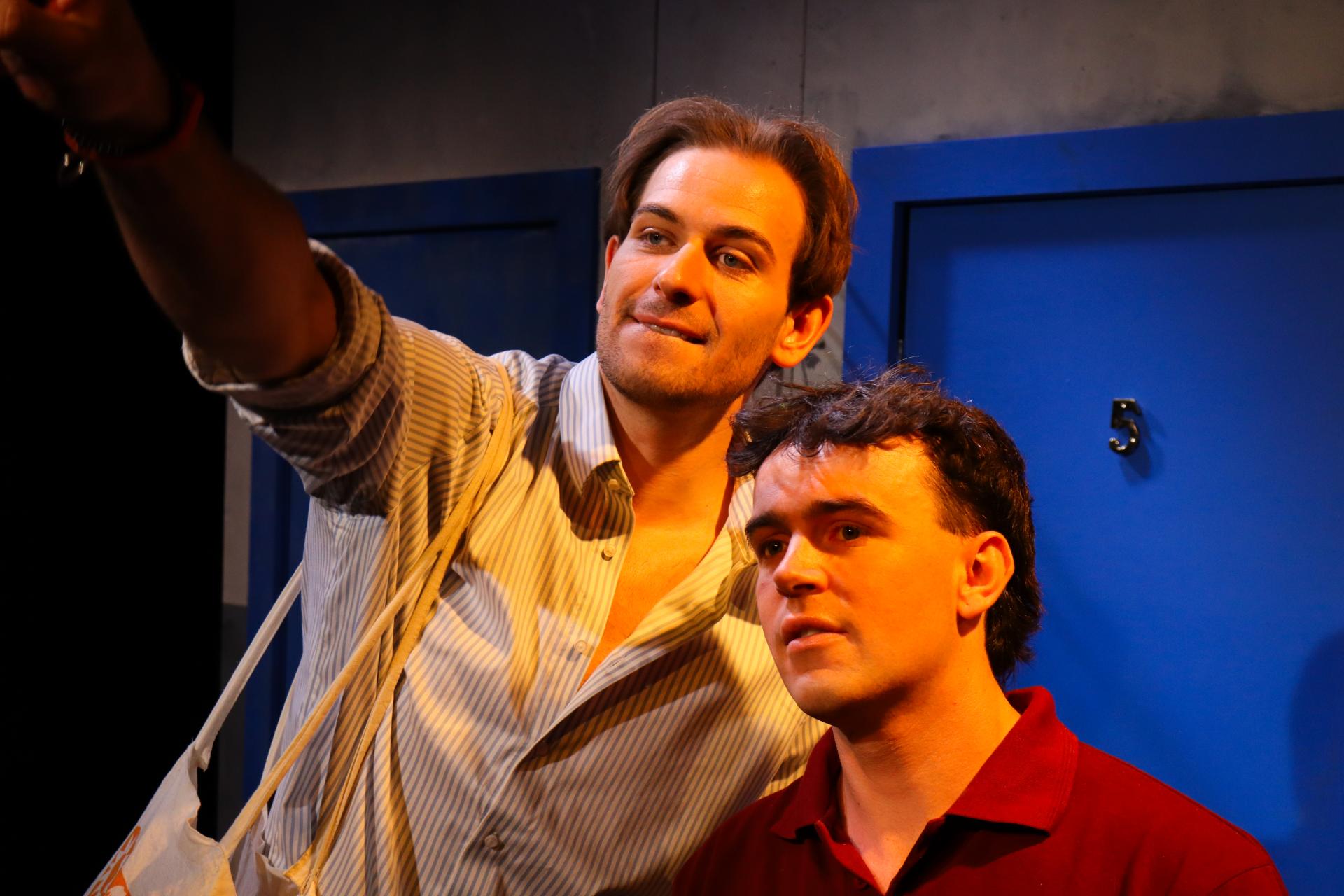
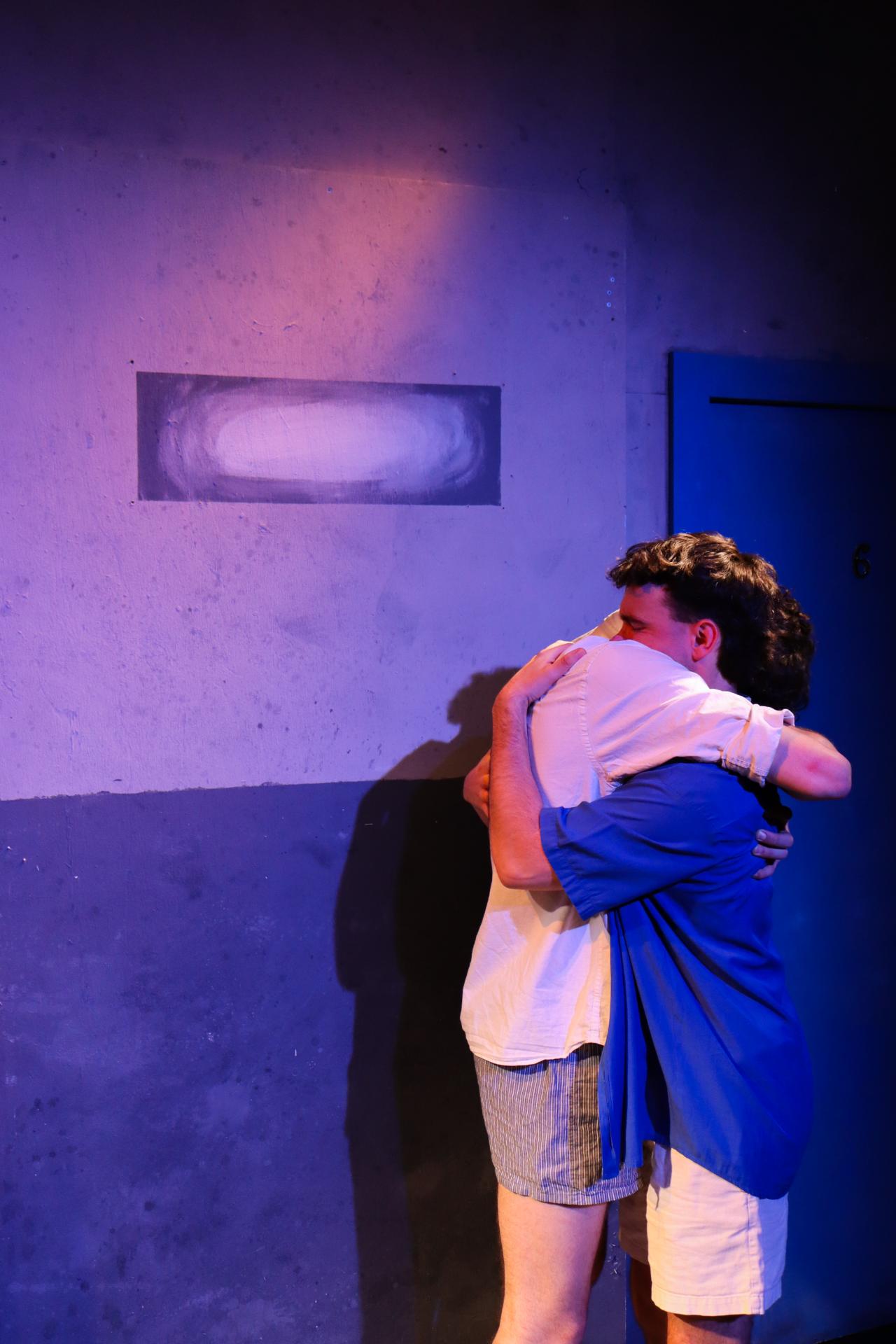
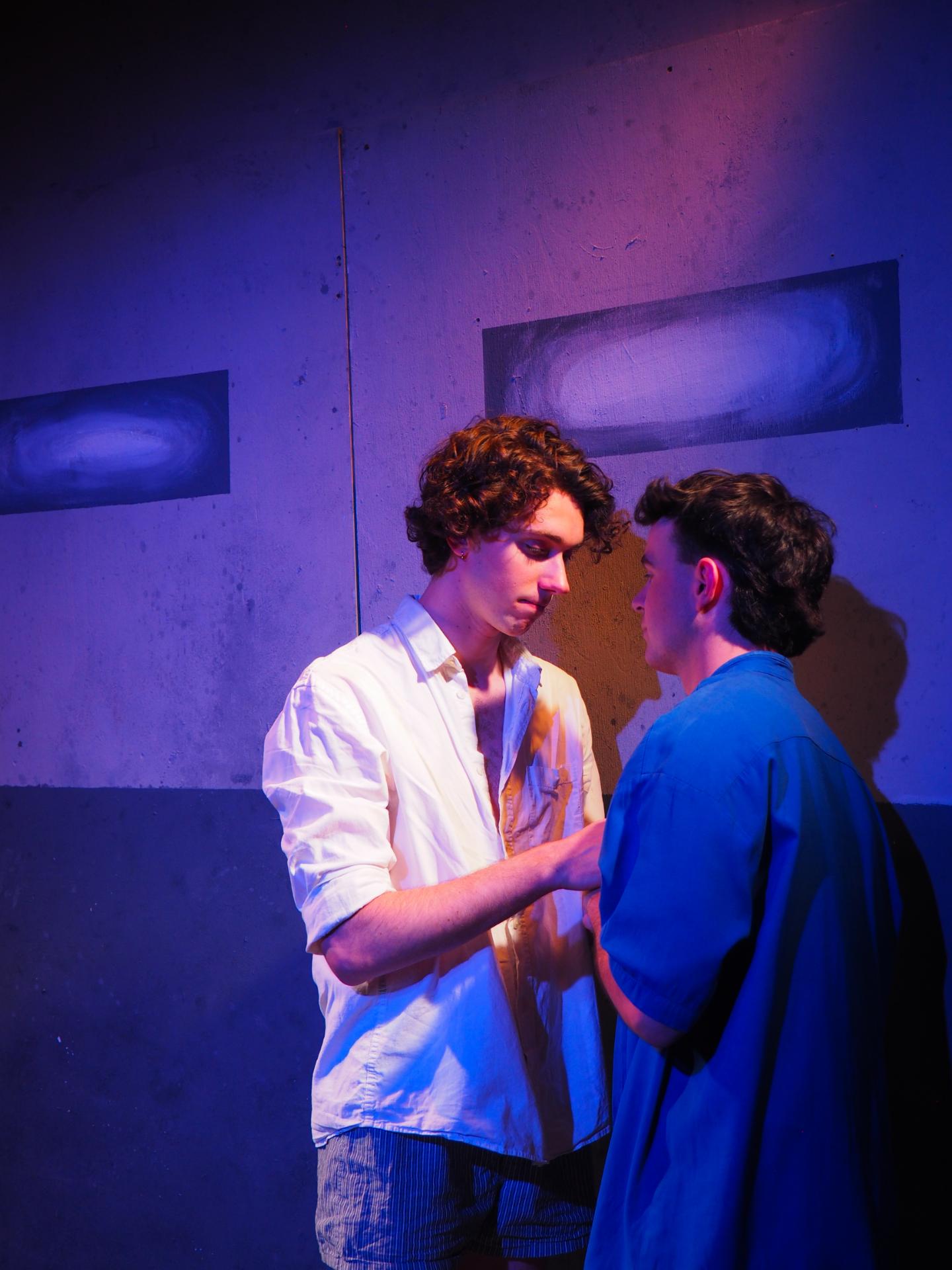
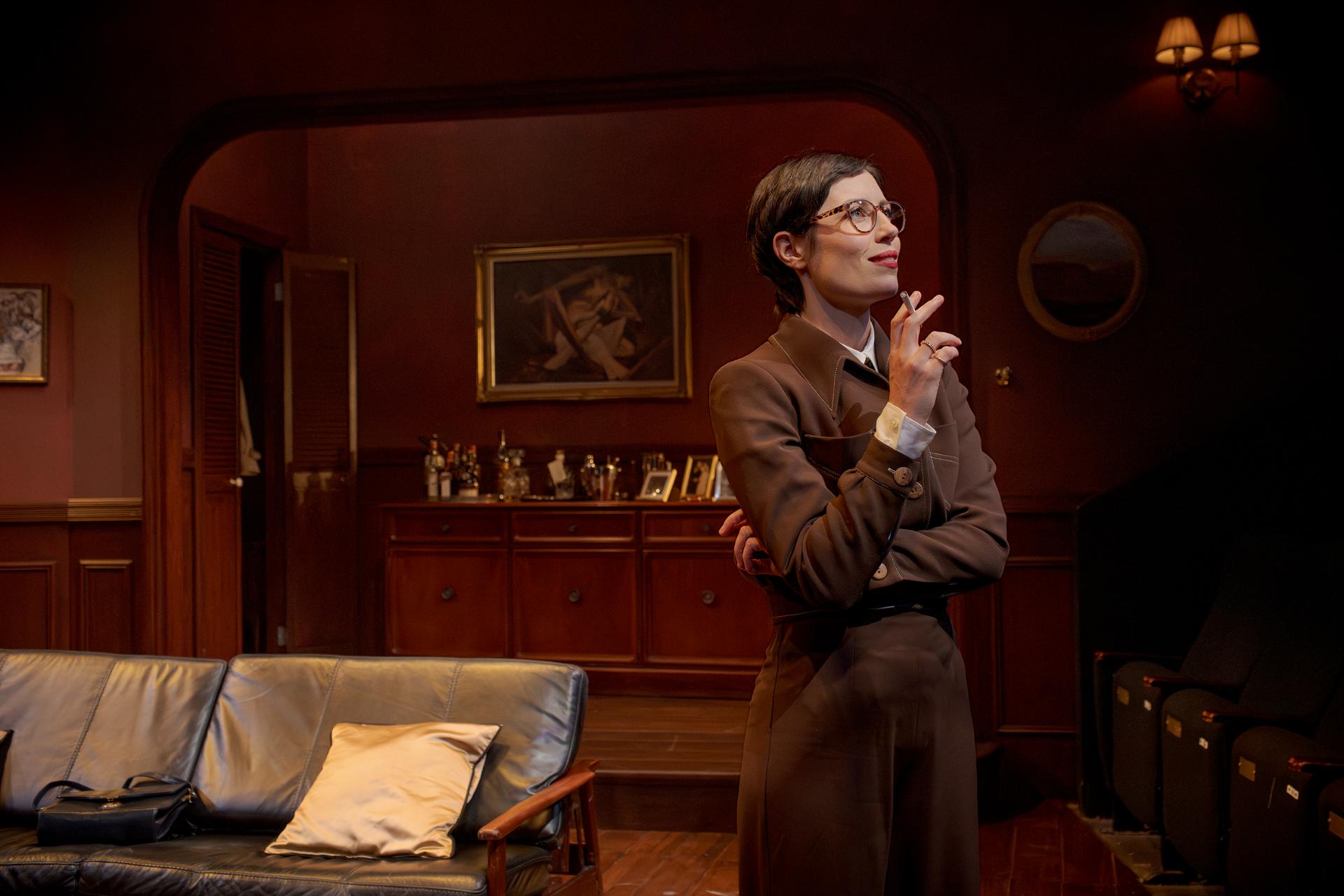
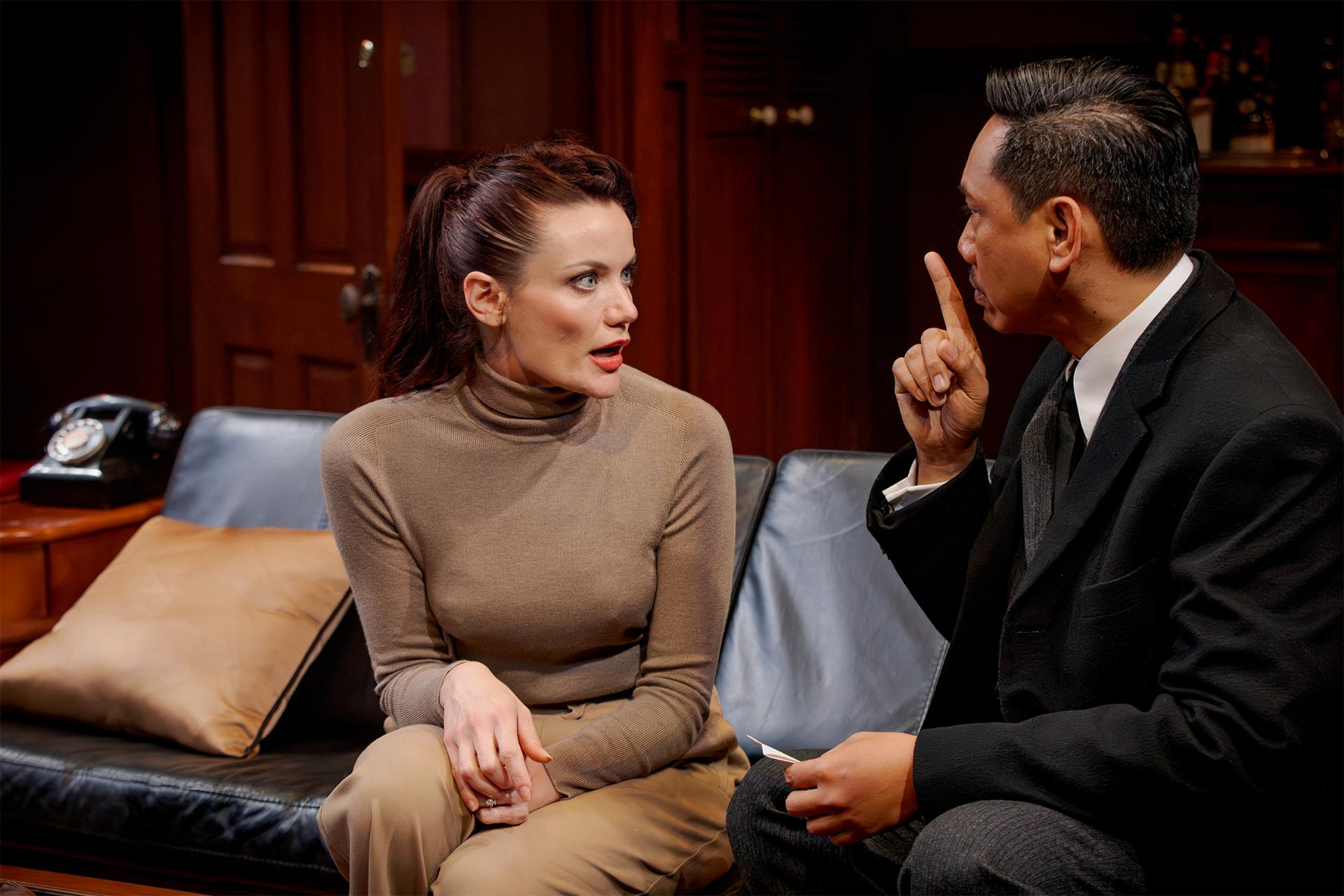
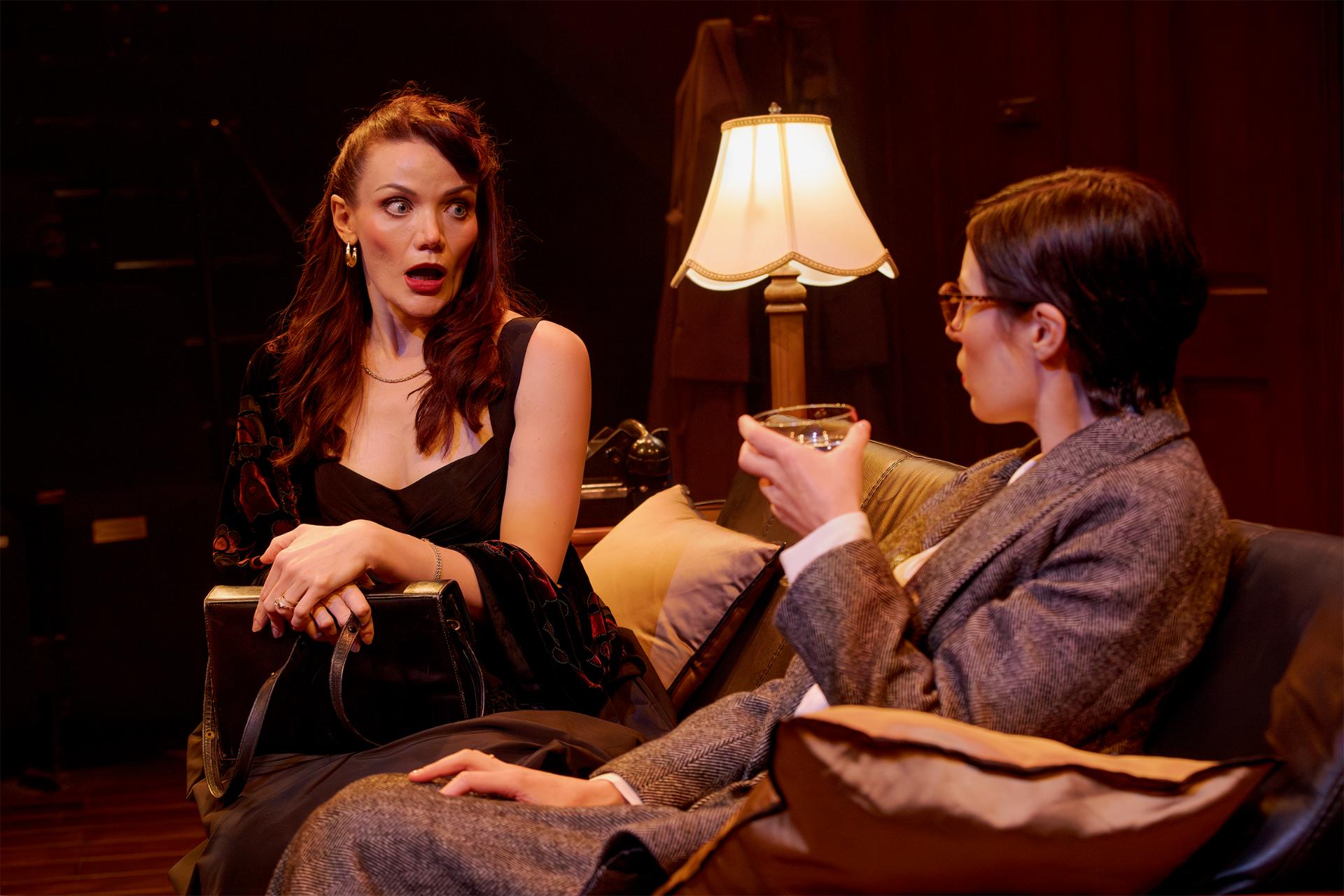
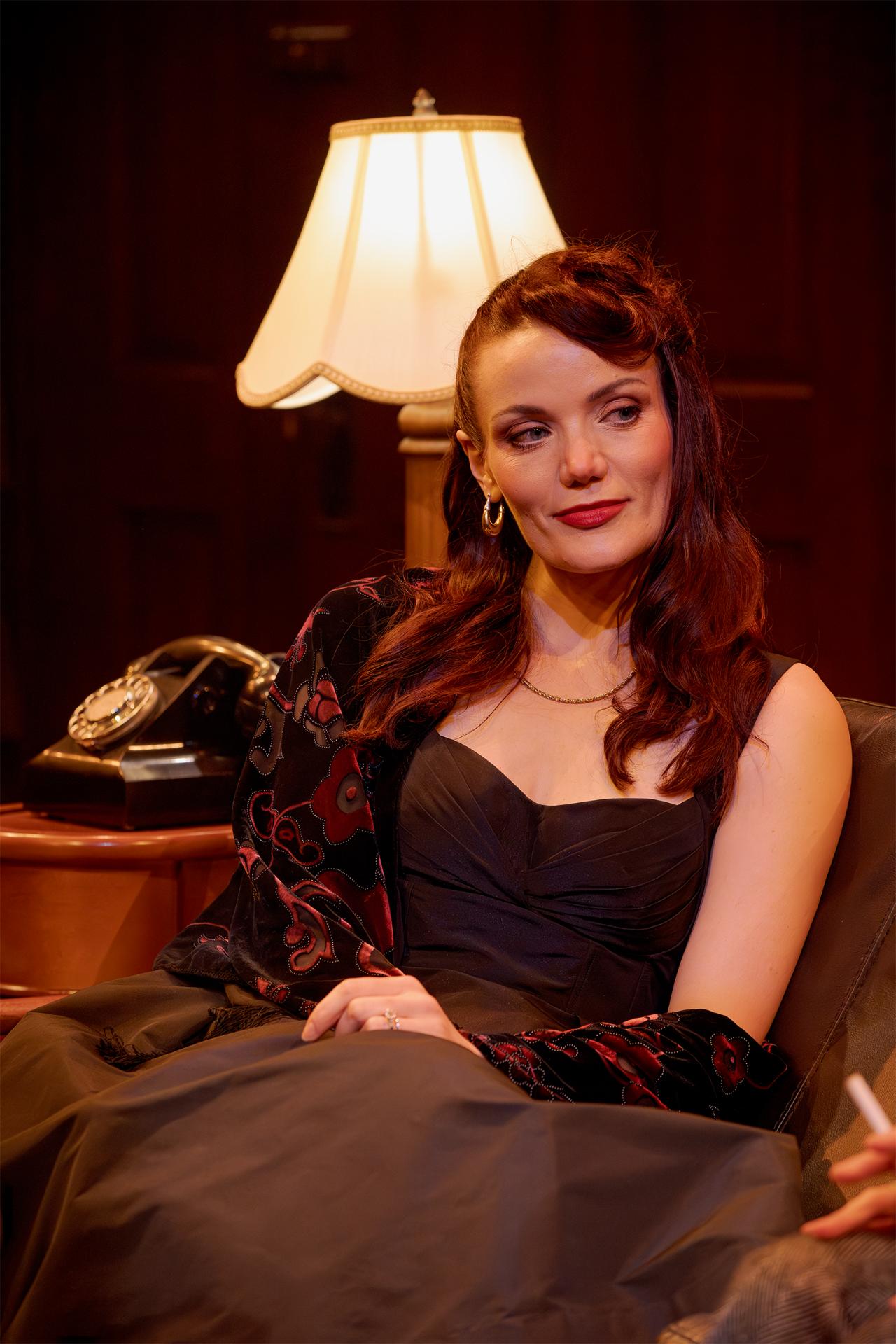
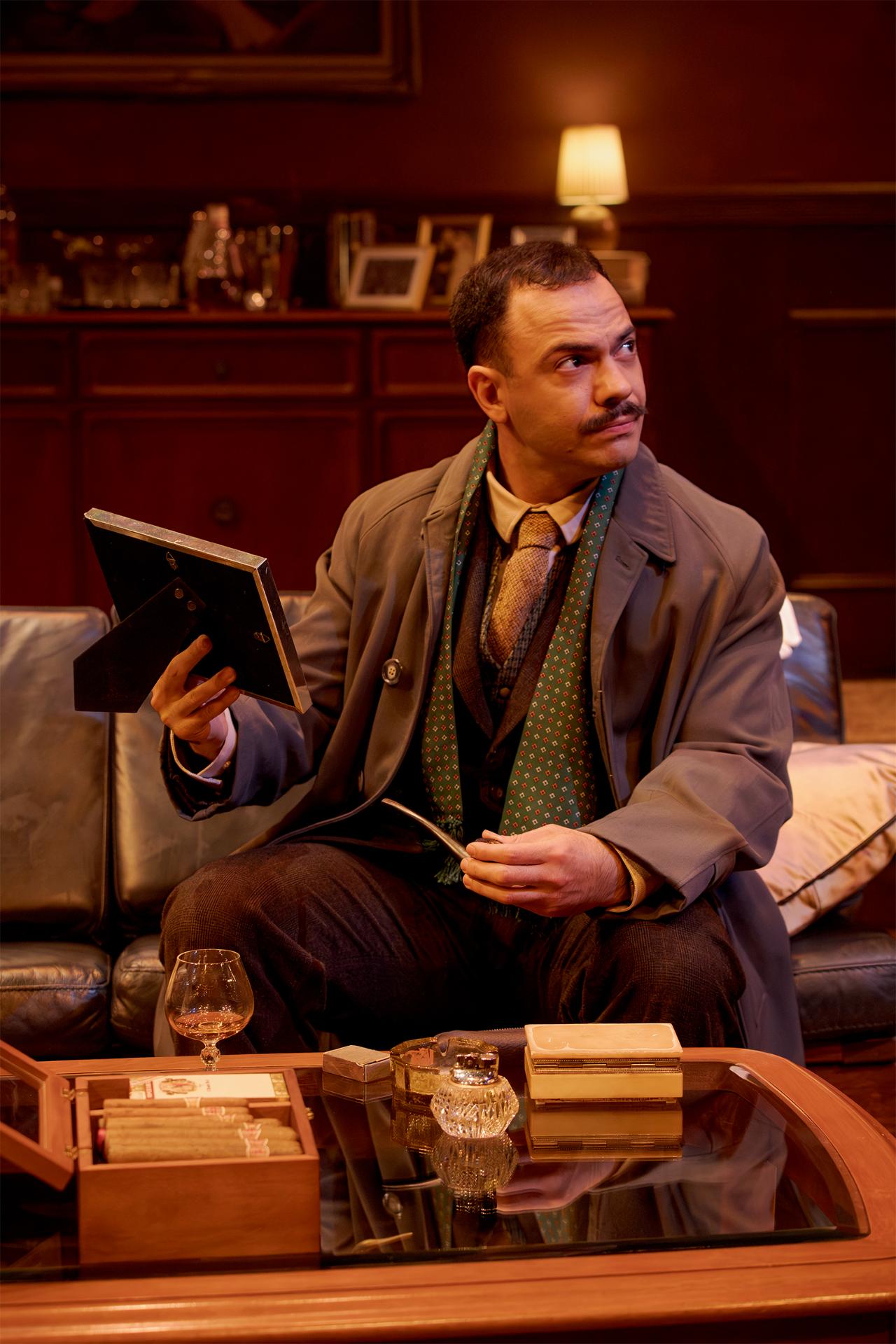
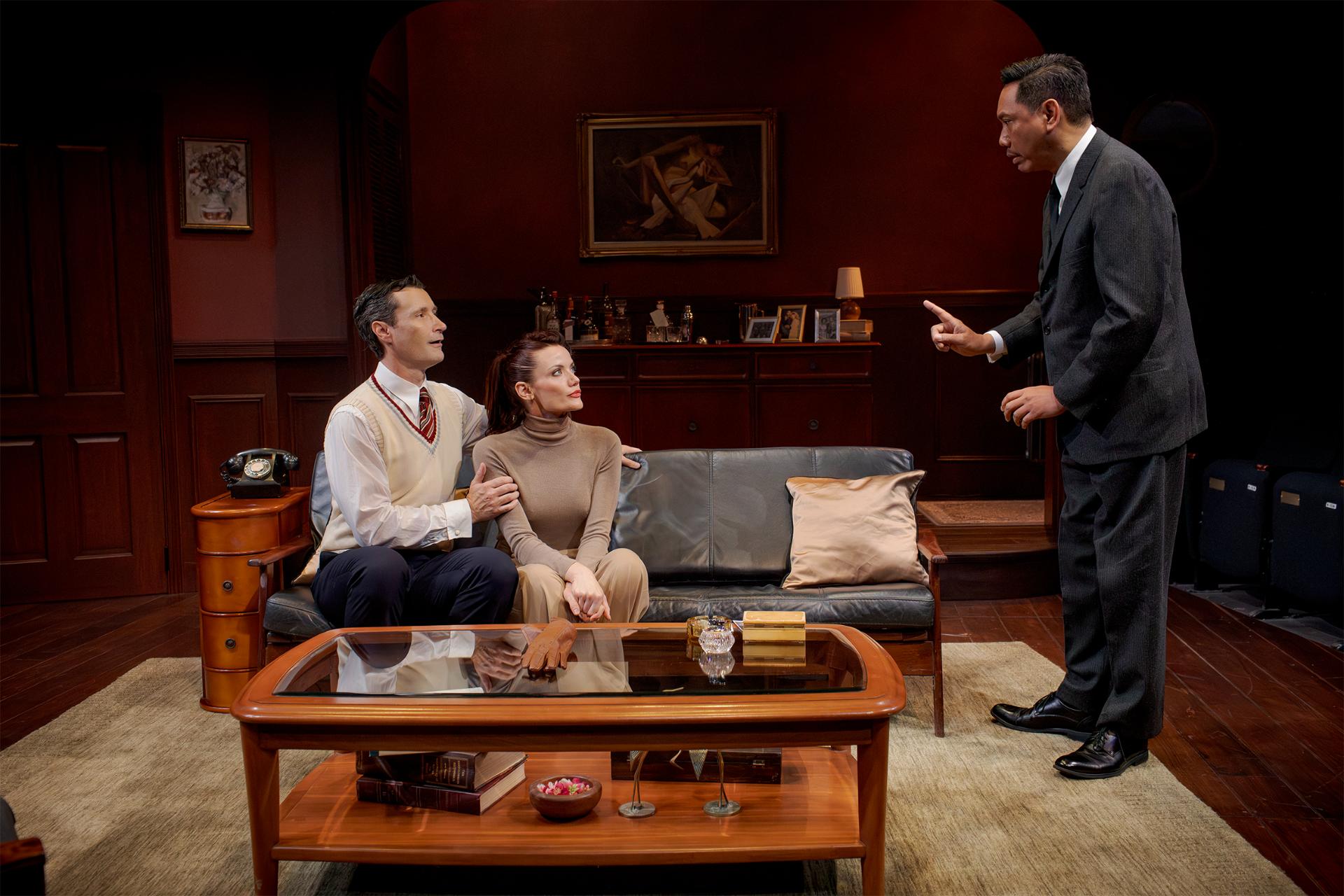
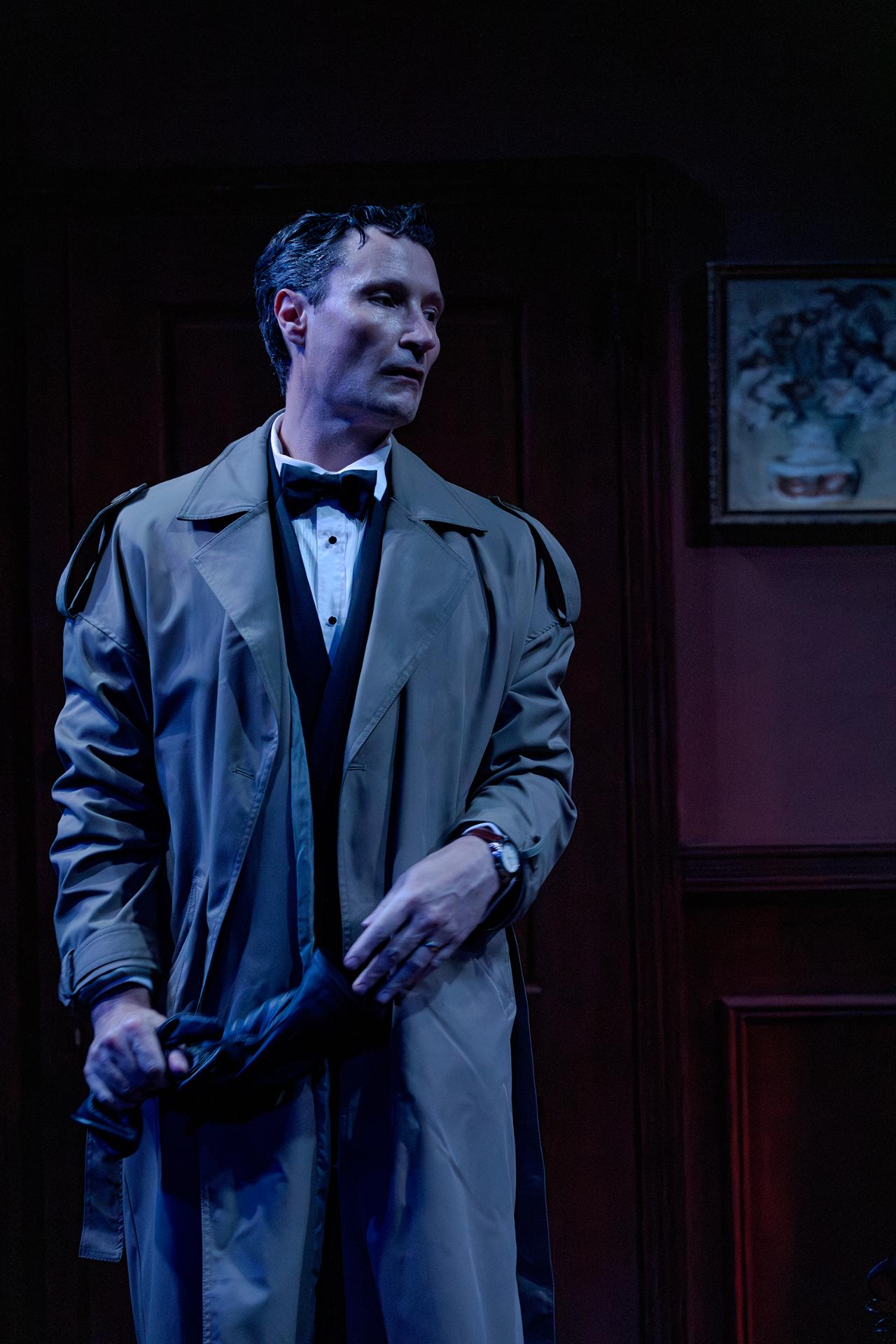
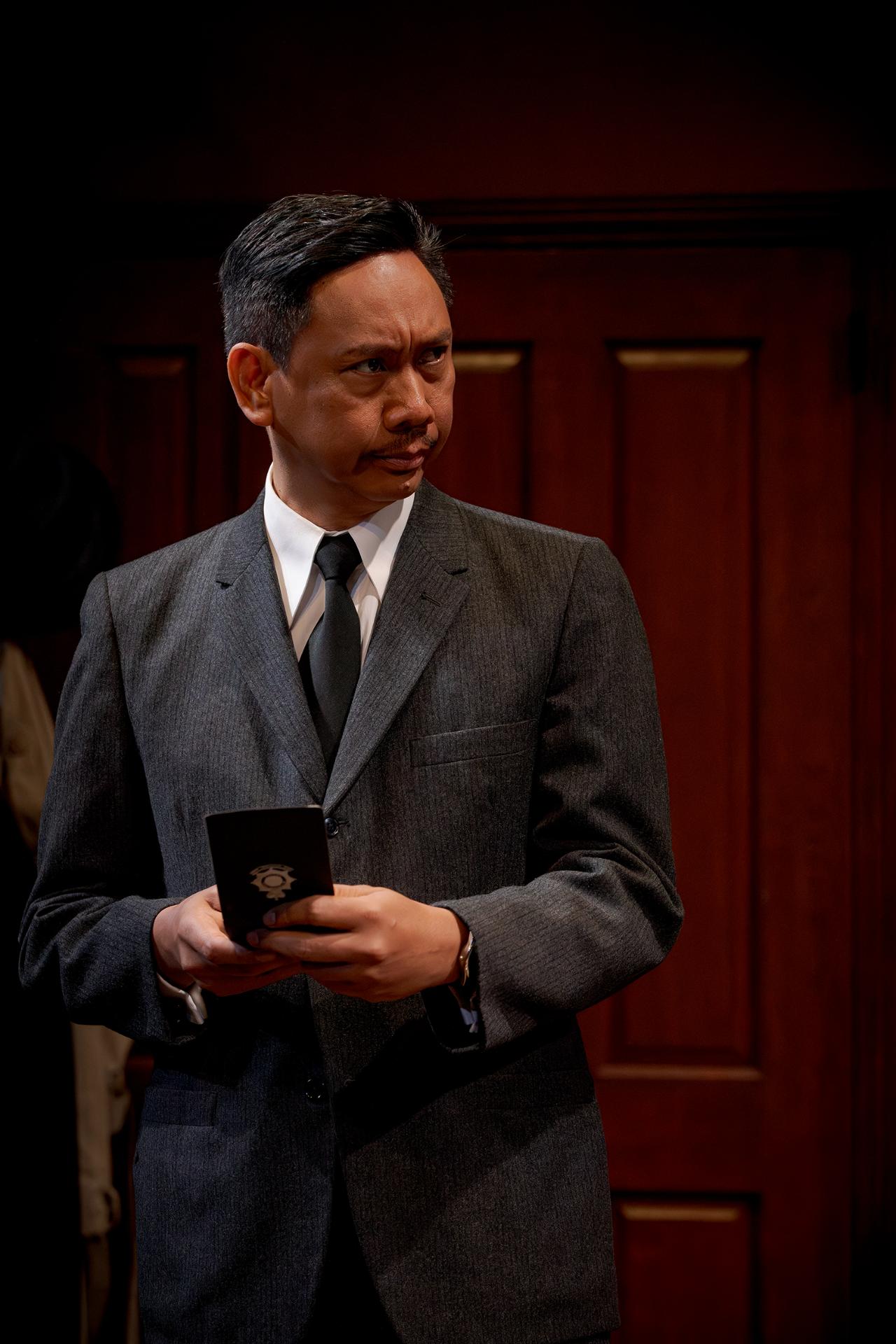
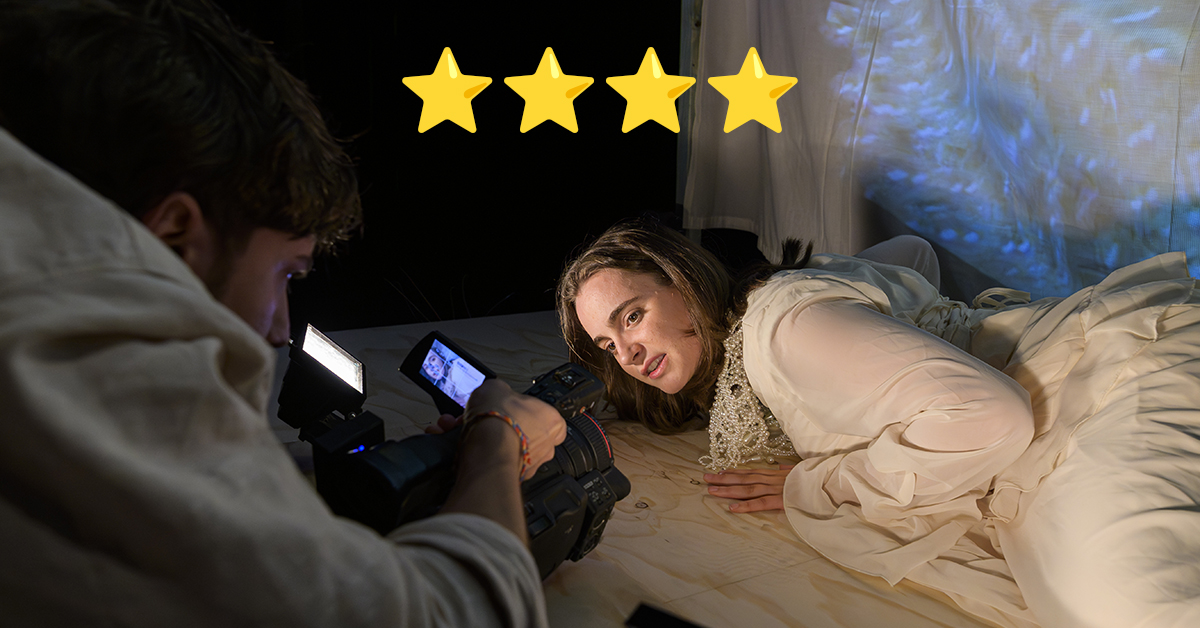
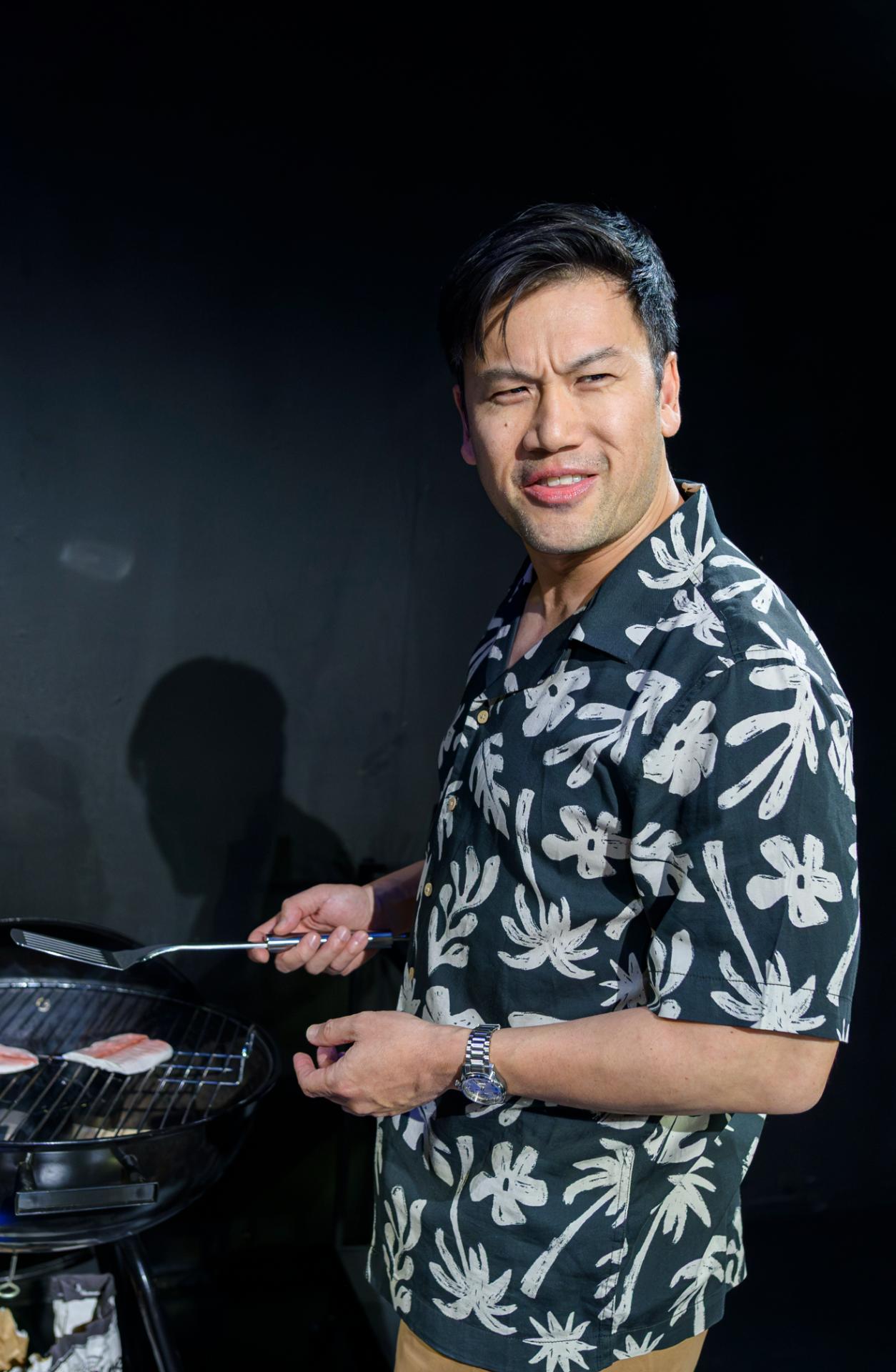
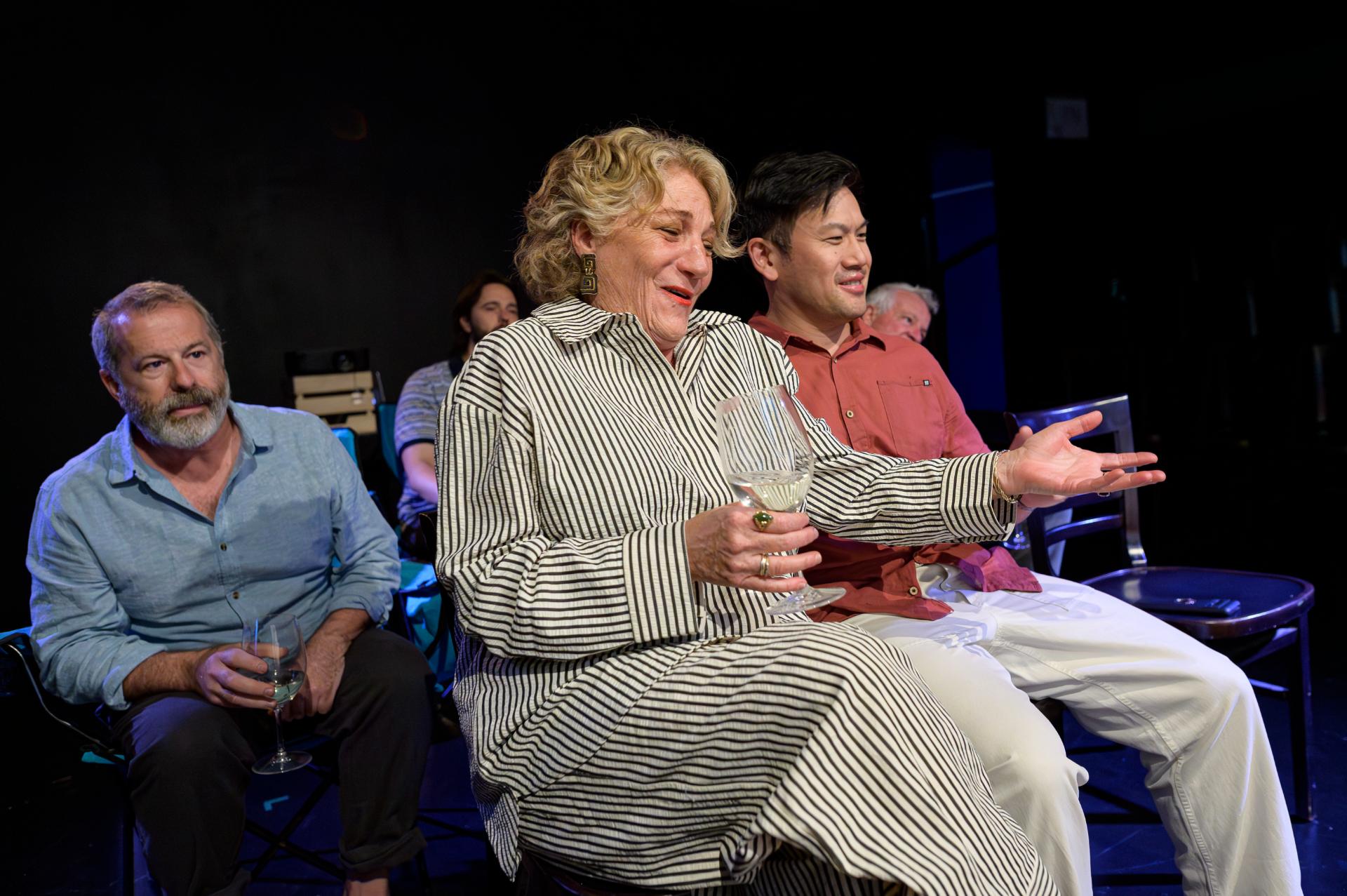
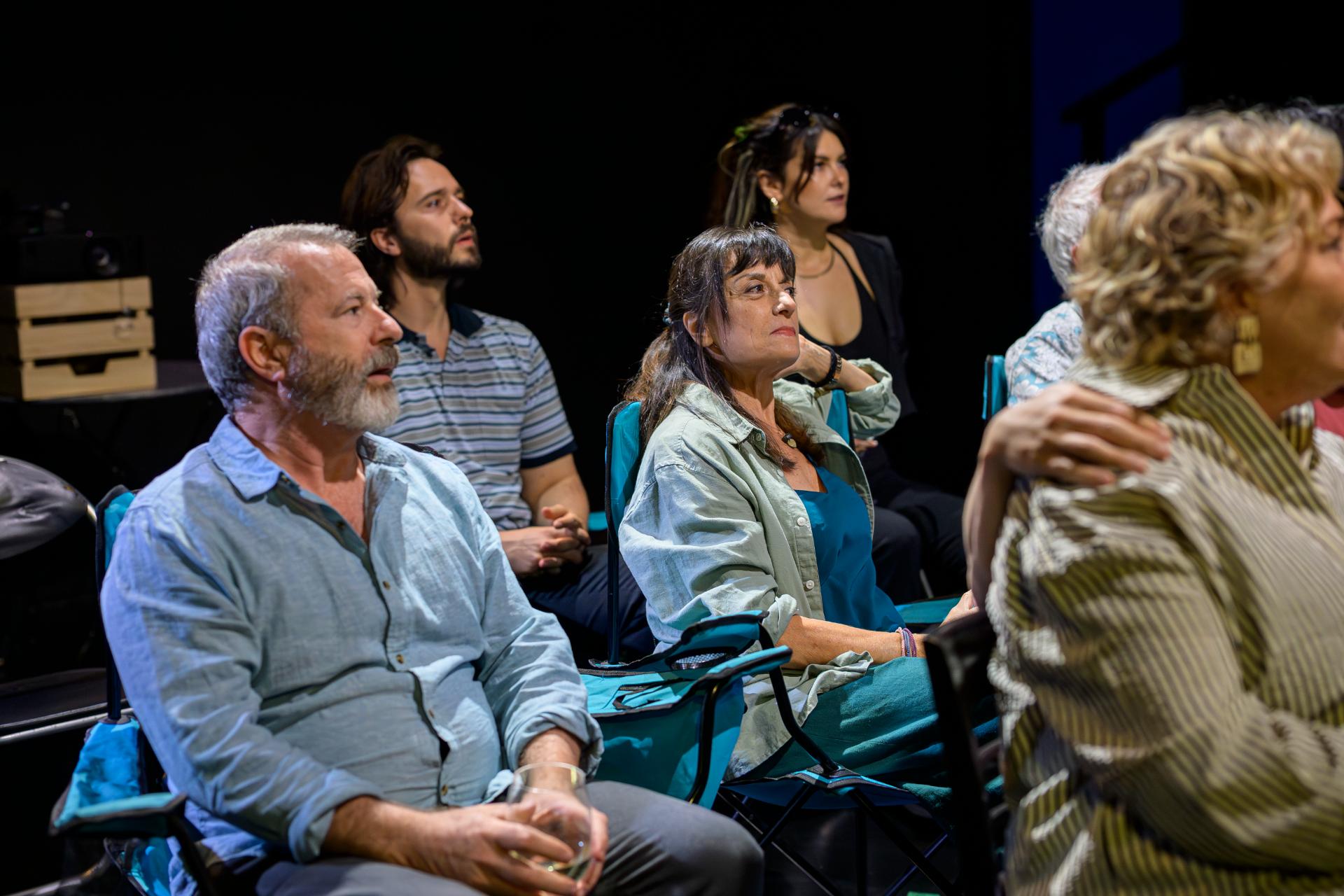
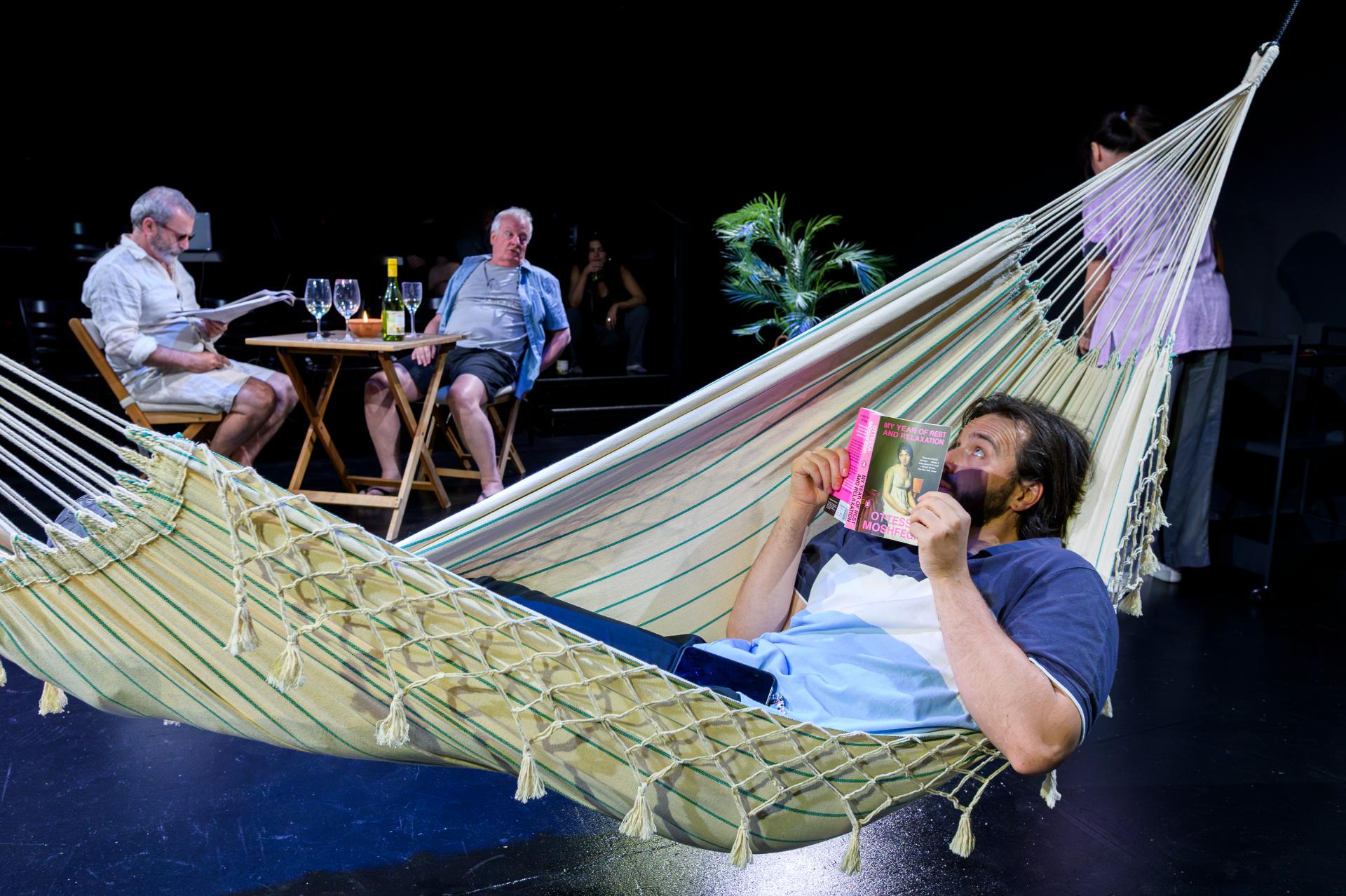
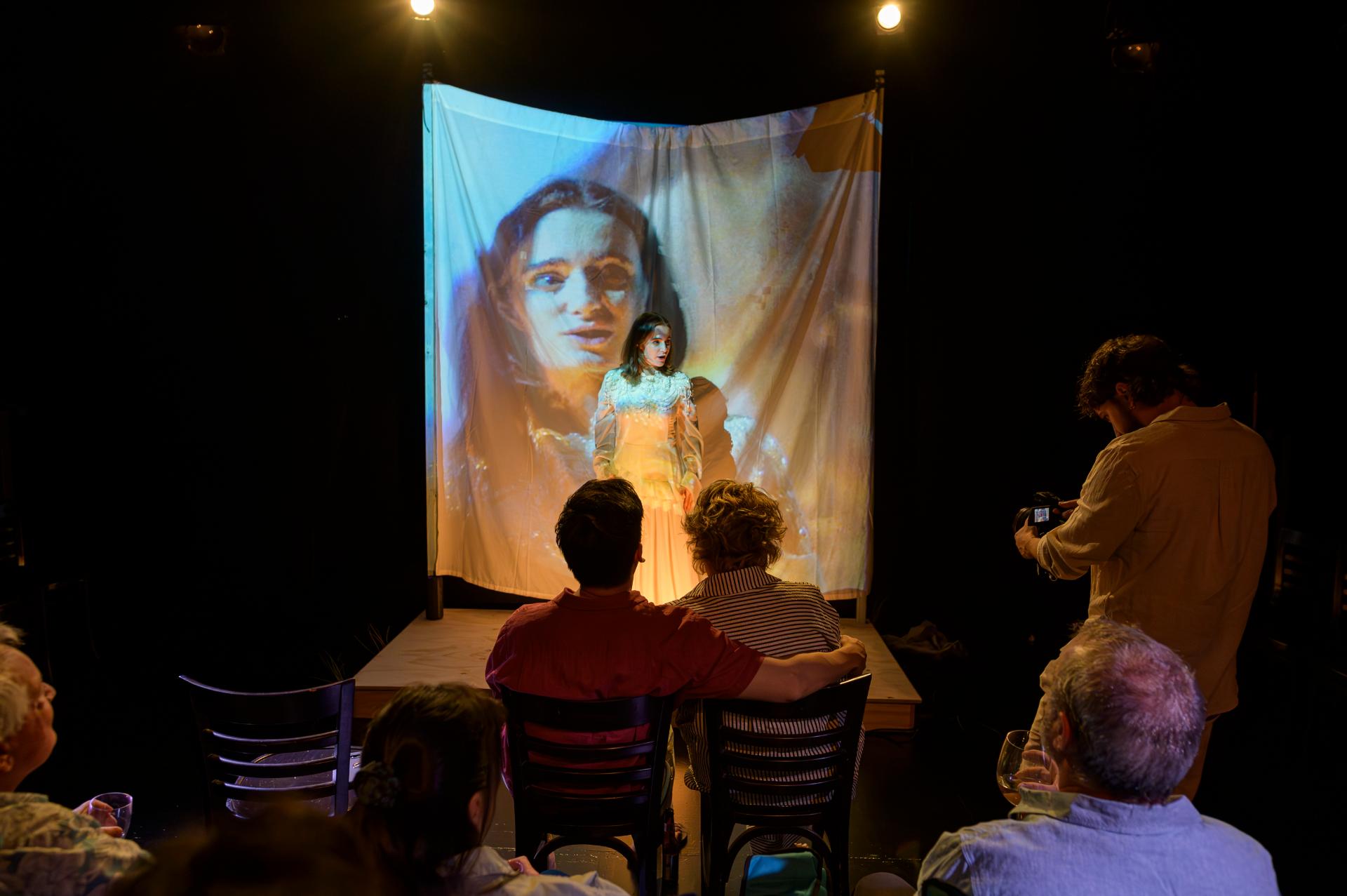
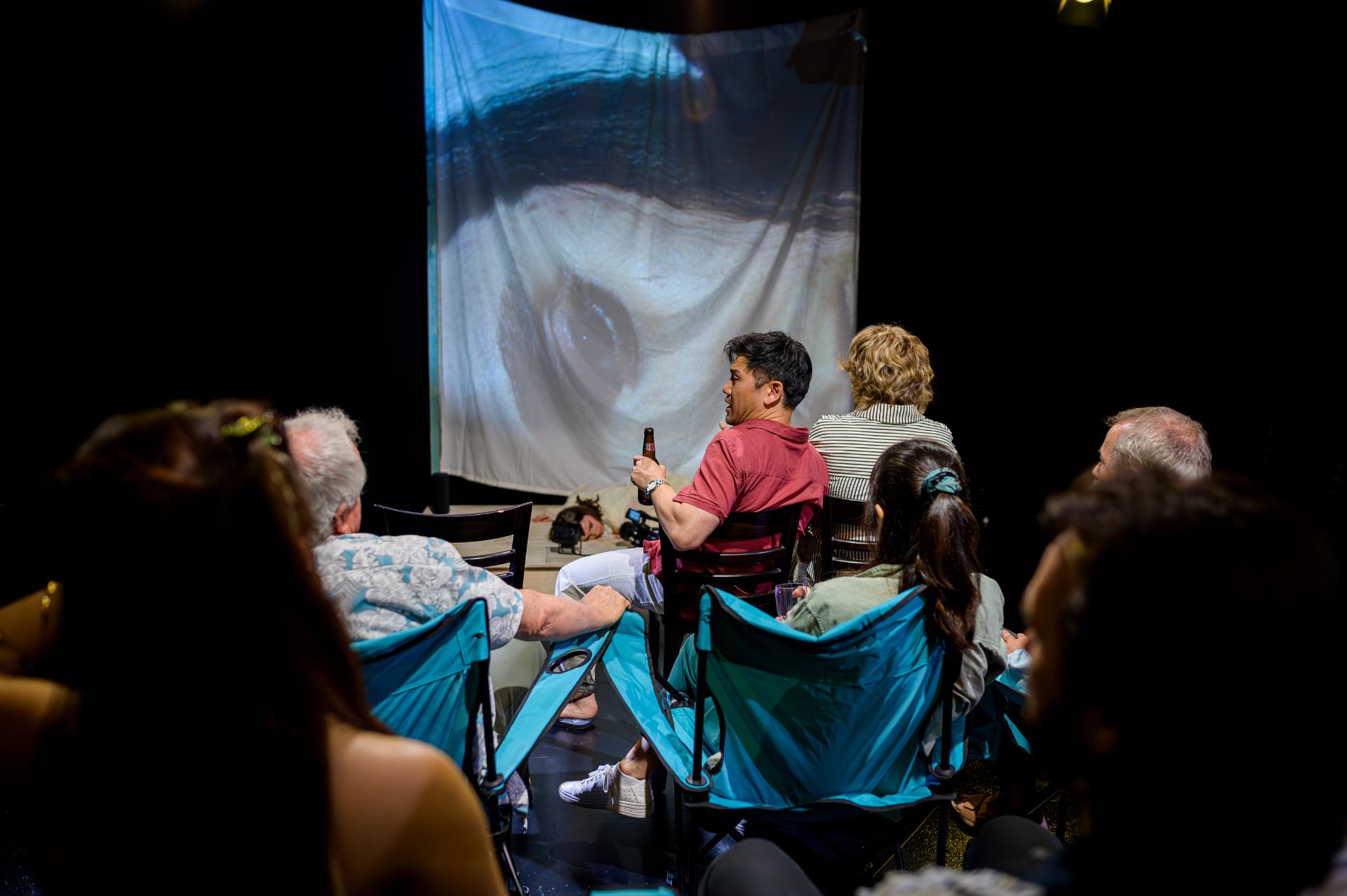
In Saro Lusty-Cavallari’s adaptation of The Seagull, the action is deftly relocated from late-19th-century Russia to the 2020 COVID lockdown in Bellingen, an idyllic township north of Sydney. Chekhov’s characters preserve their familiar longings and disappointments, and in this contemporary reframing it becomes unmistakably clear that the disillusionment of young theatrical hopefuls like Konstantin and Nina is far from an antiquated concern. Lusty-Cavallari reveals a marked vulnerability in this iteration of the classic, offering transparent glimpses of autobiography woven through an updated tale that engages meaningfully with the inner workings—and inner wounds—of Sydney’s theatre world.

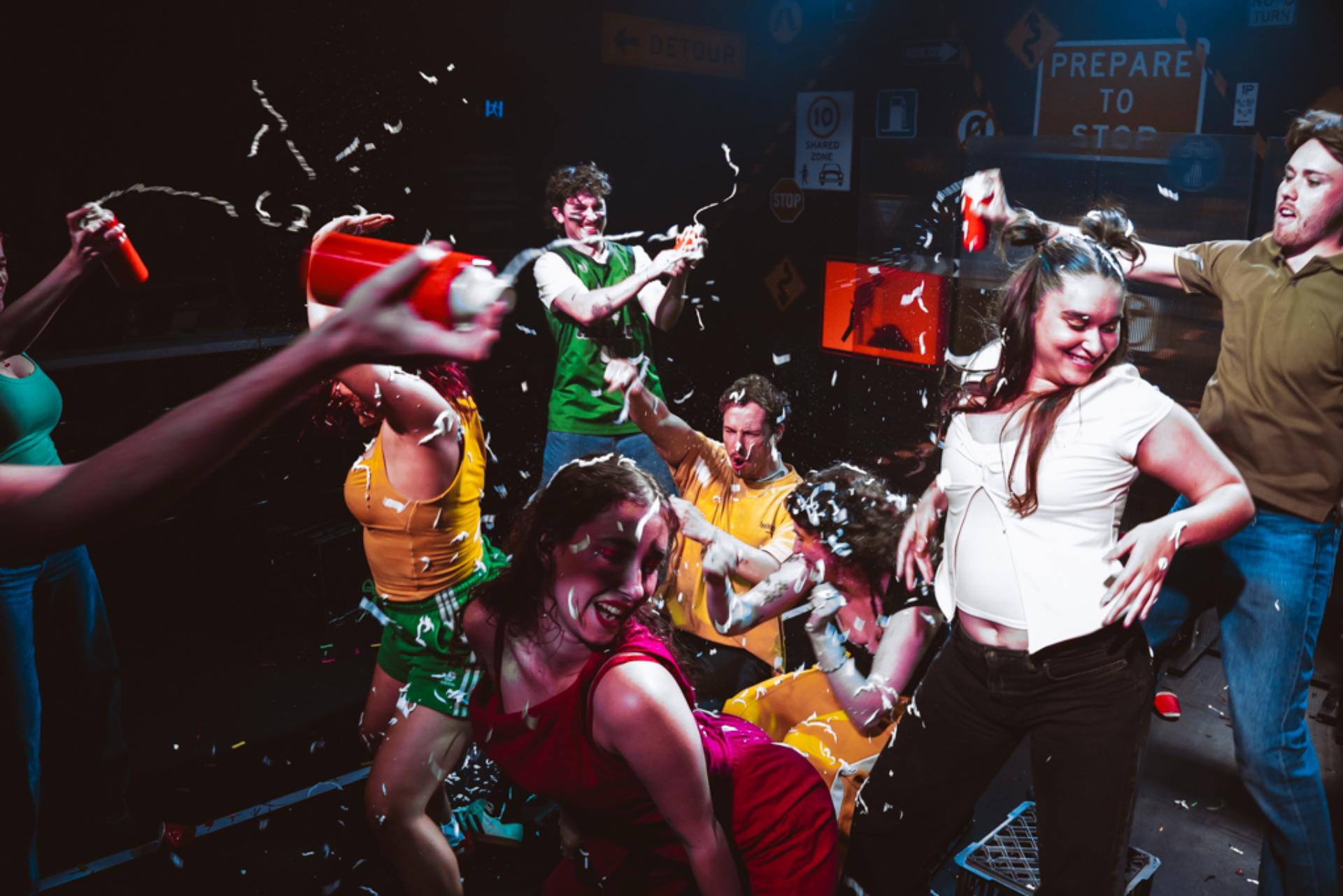
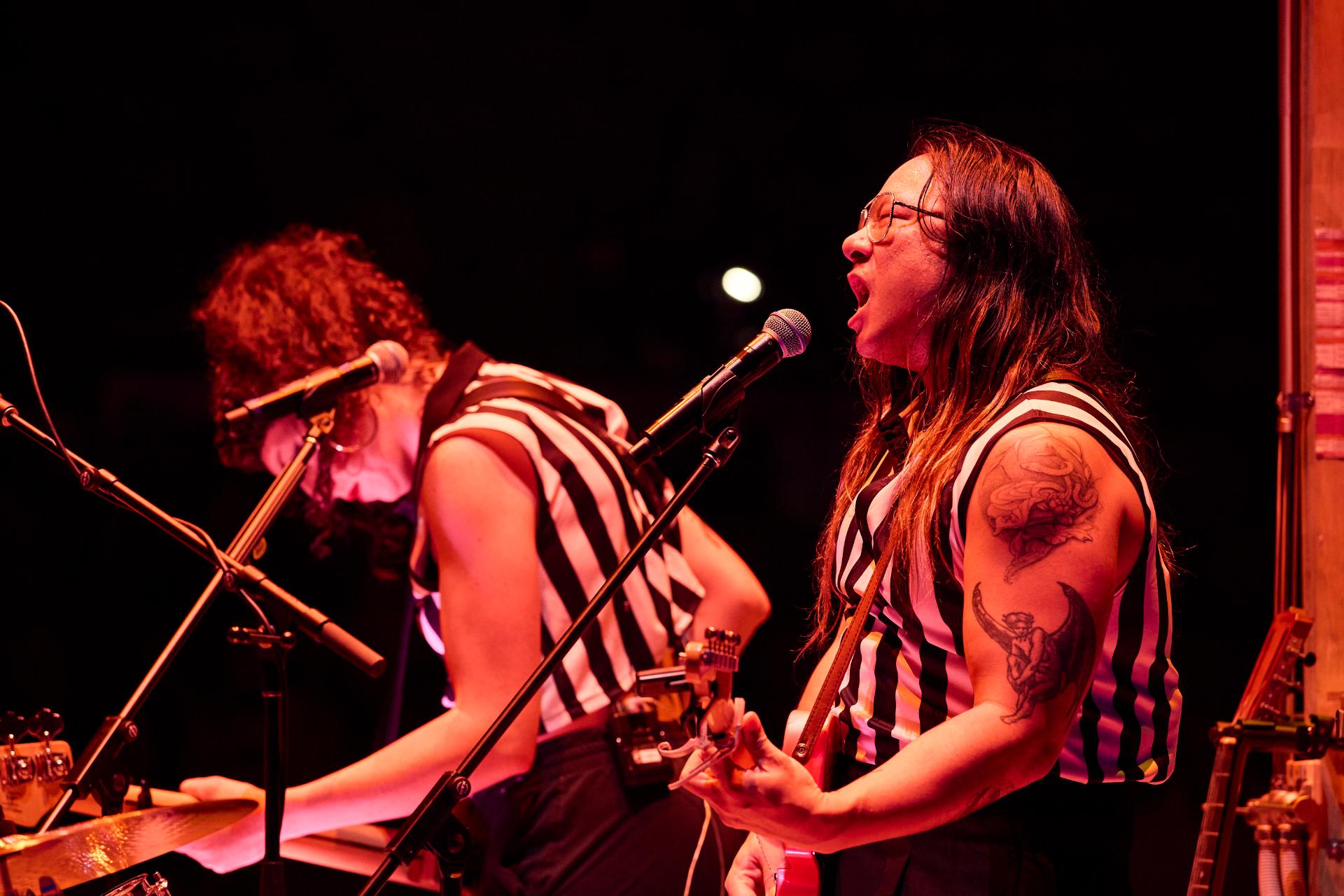
Although its context is reimagined, this production maintains a striking fidelity to Chekhov’s spirit, arriving—somewhat unexpectedly—at a tone that feels almost traditional for a genre no longer in vogue. Lusty-Cavallari’s exuberant humour, threaded generously throughout, reshapes a well-worn tale of existential drift into something distinctly bittersweet, and, thankfully, thoroughly engaging and enjoyable.

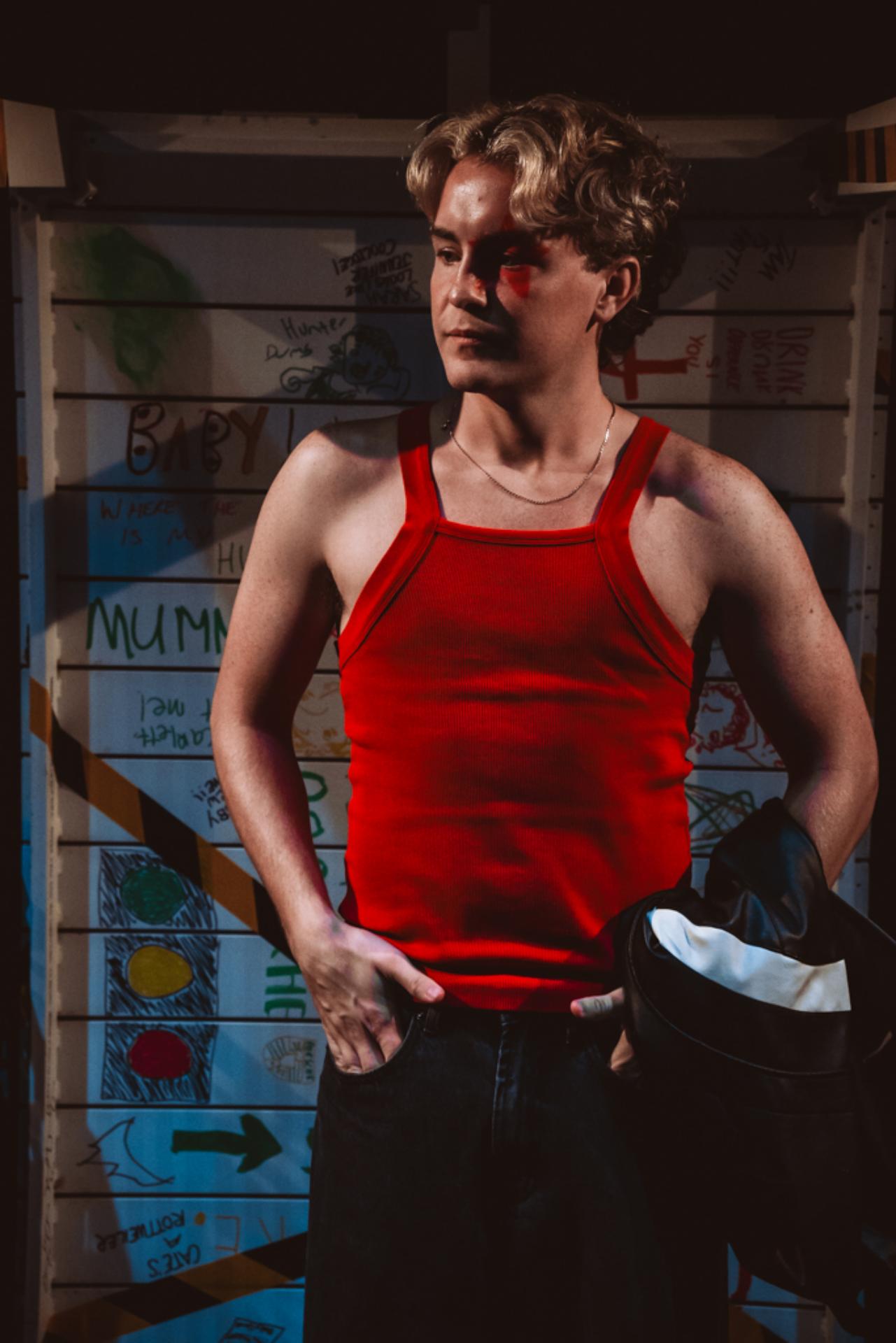
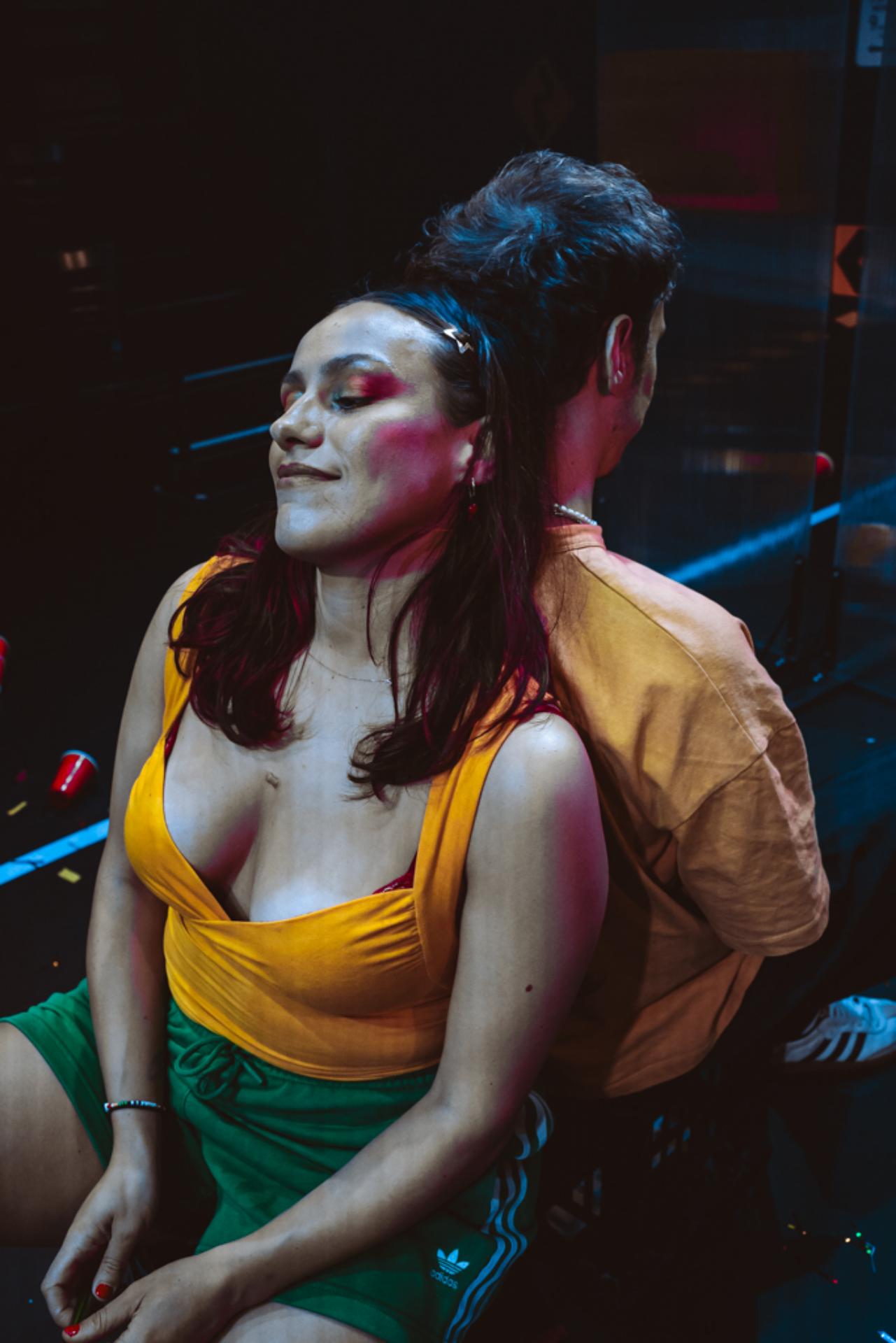
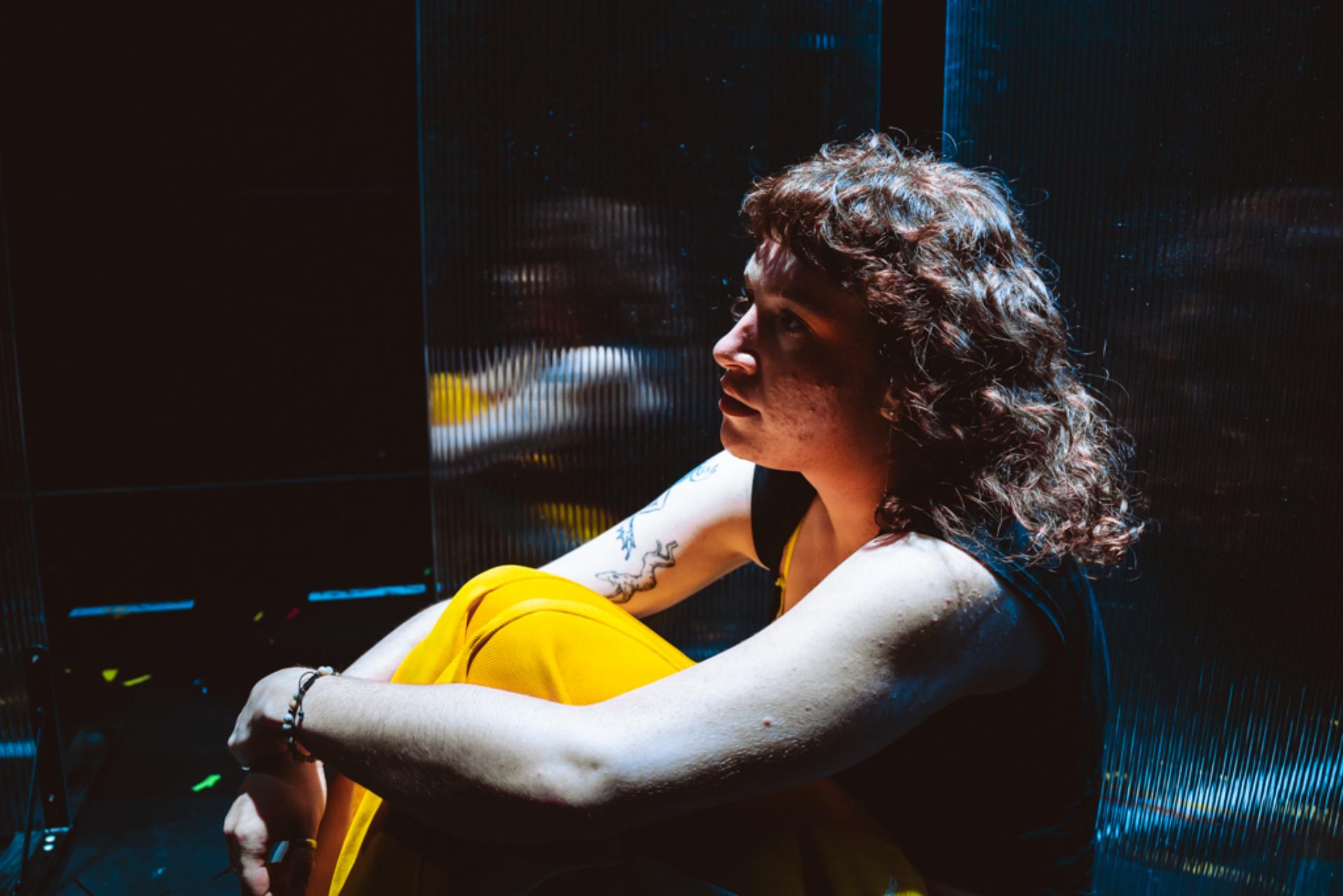
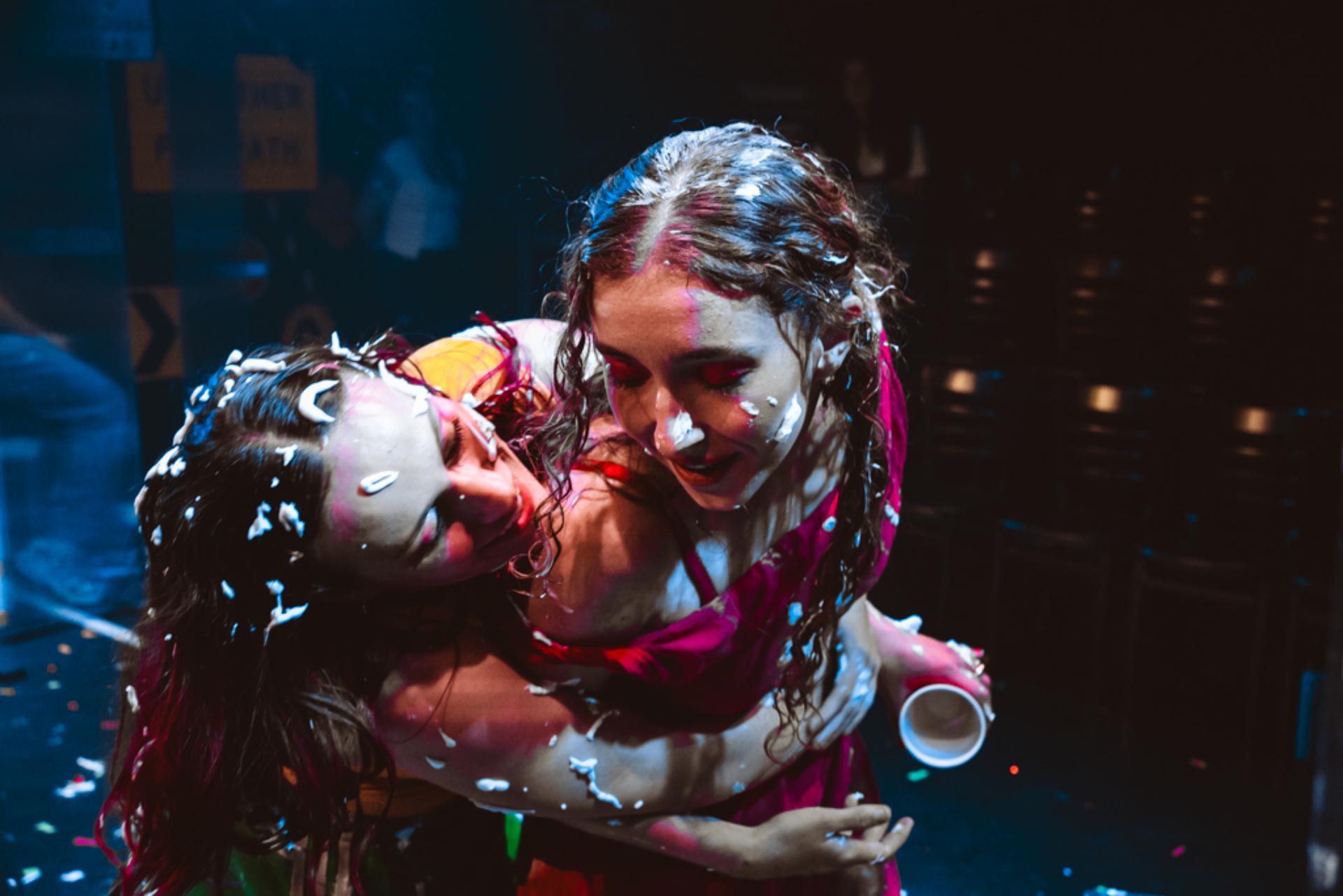
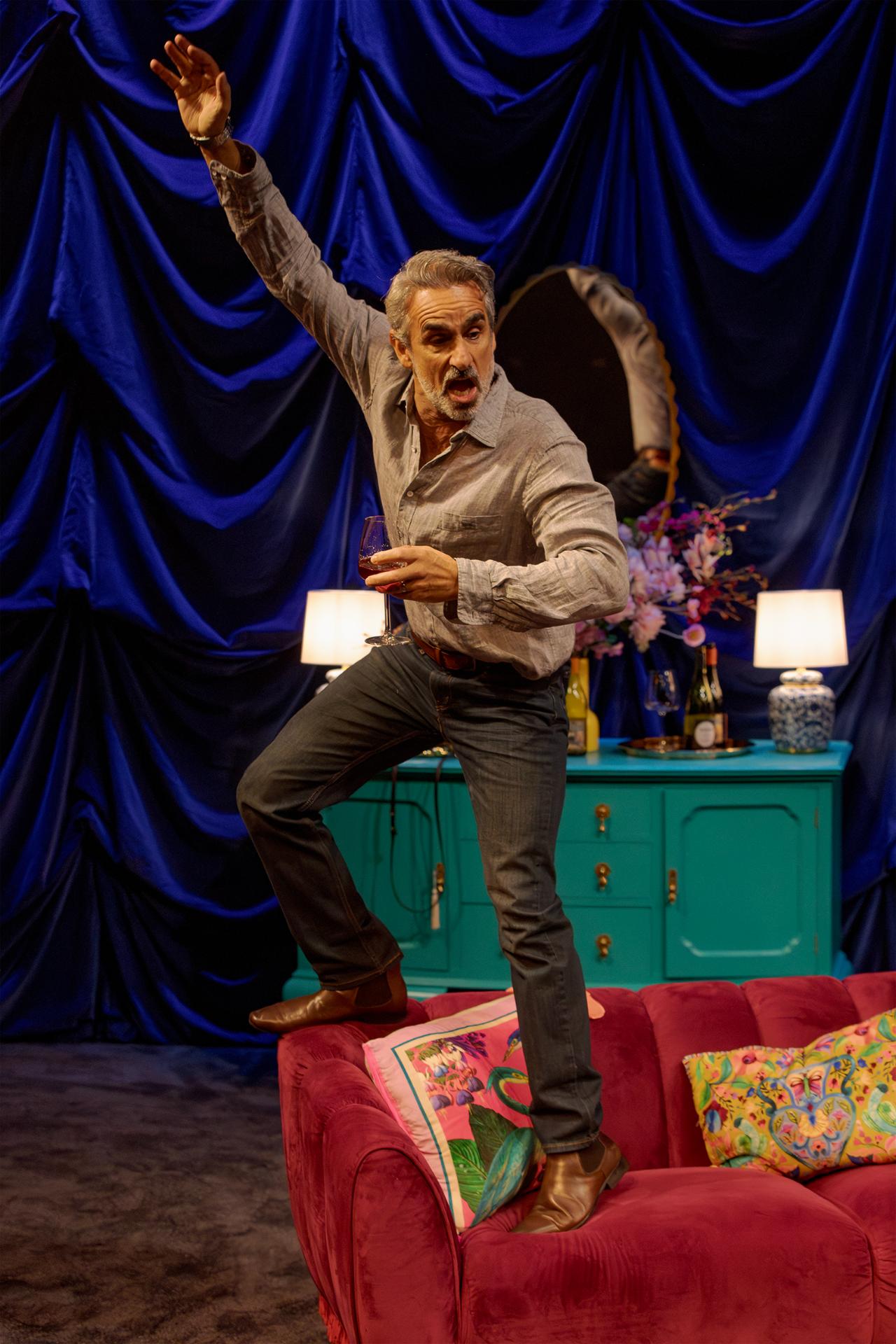
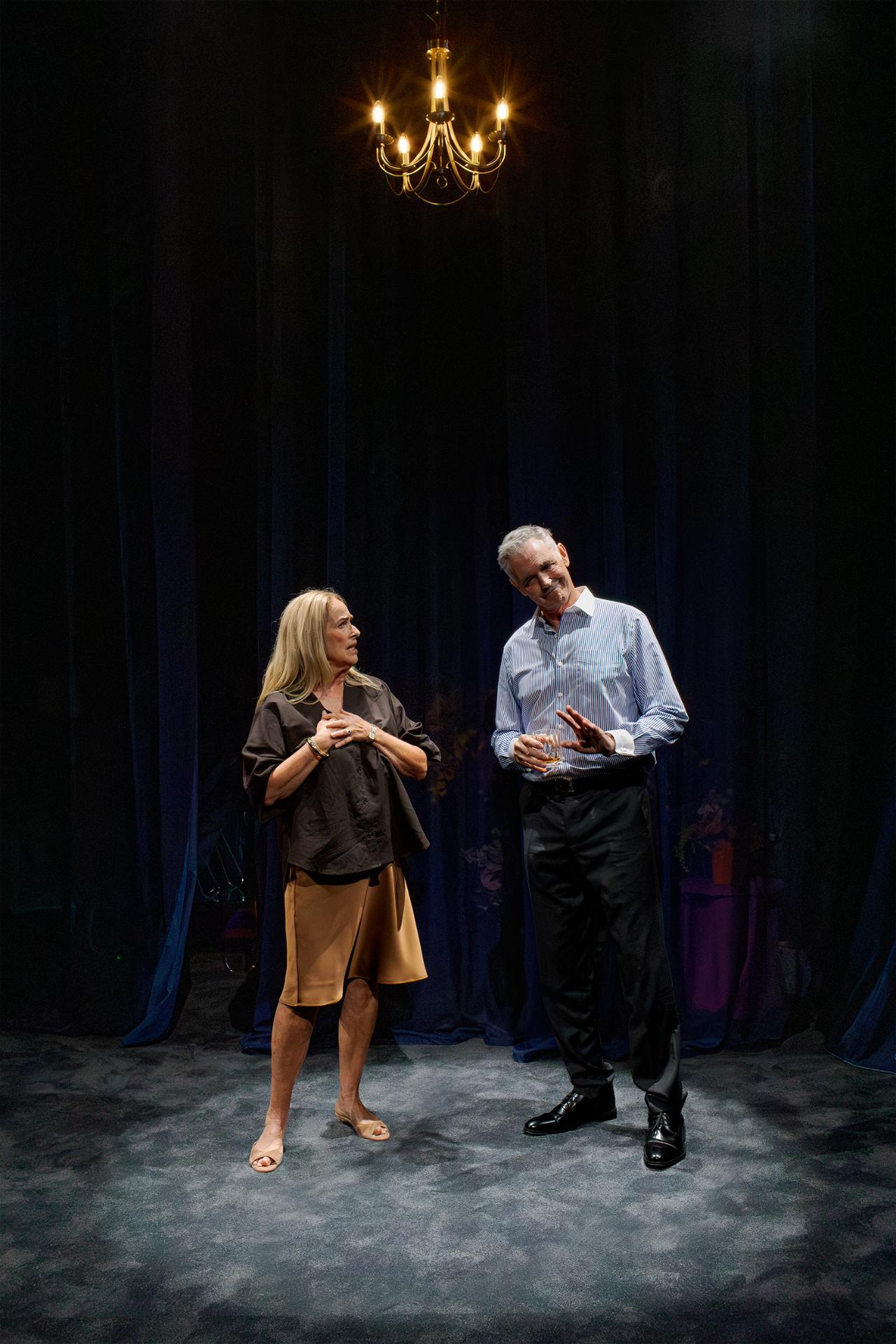
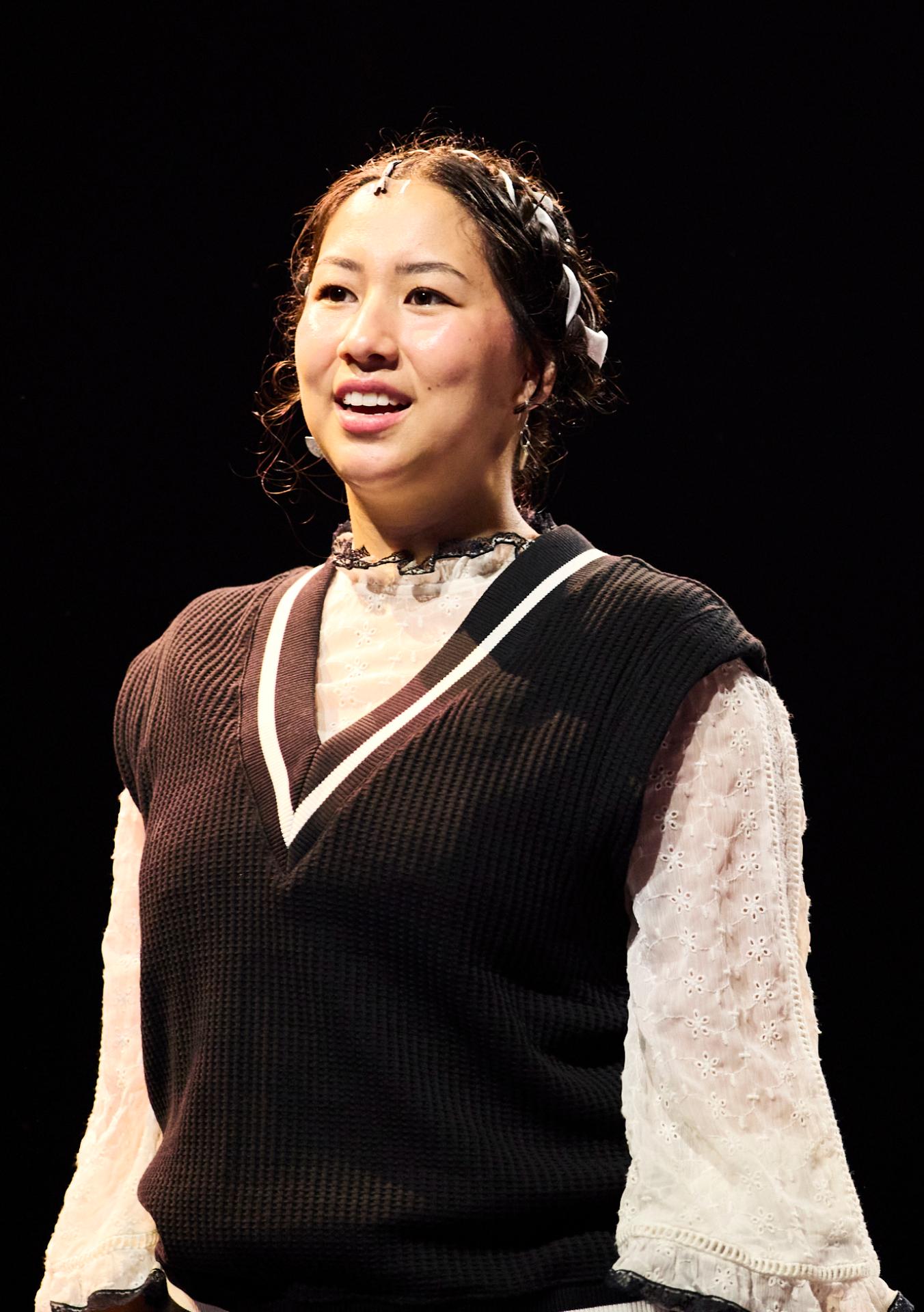
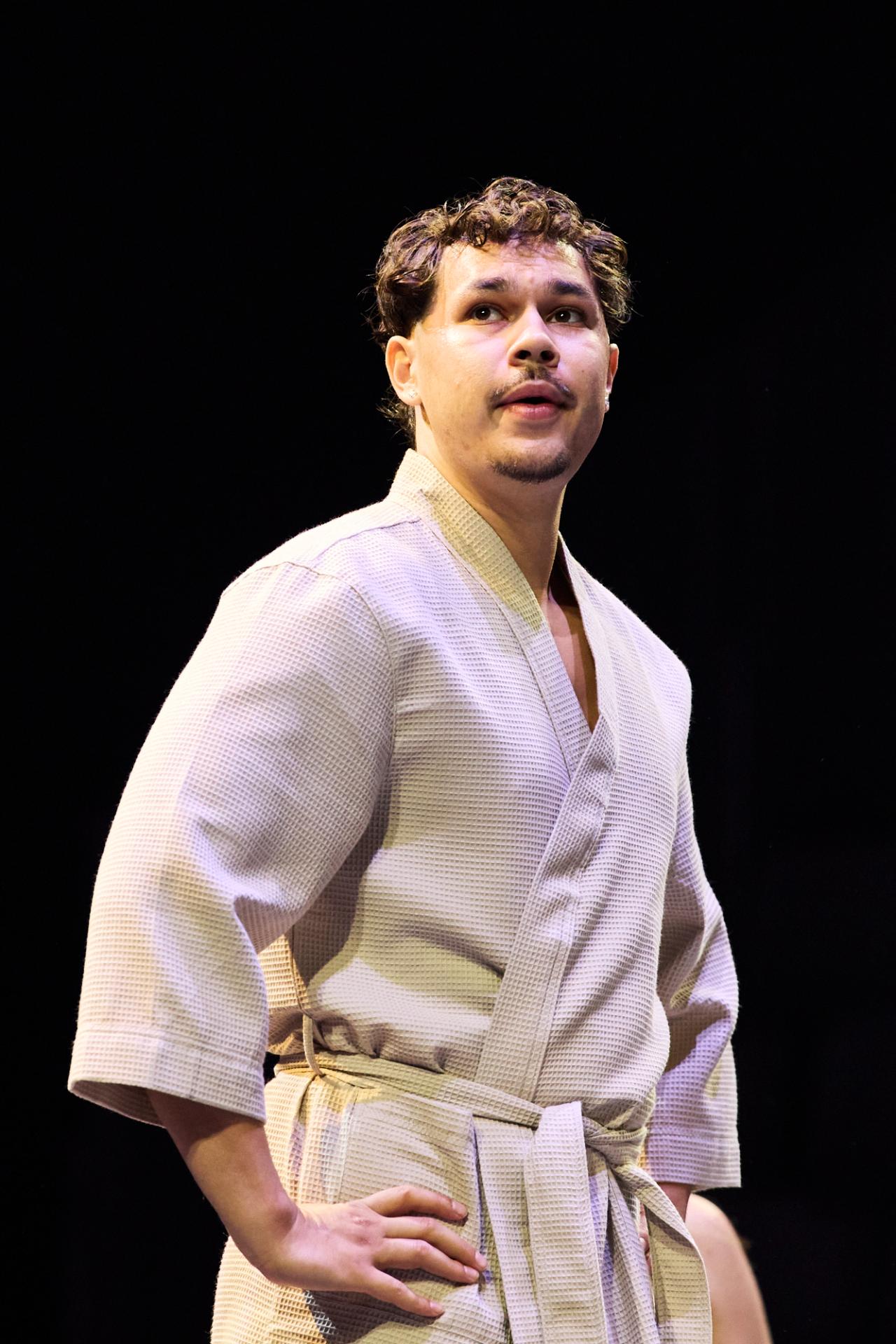
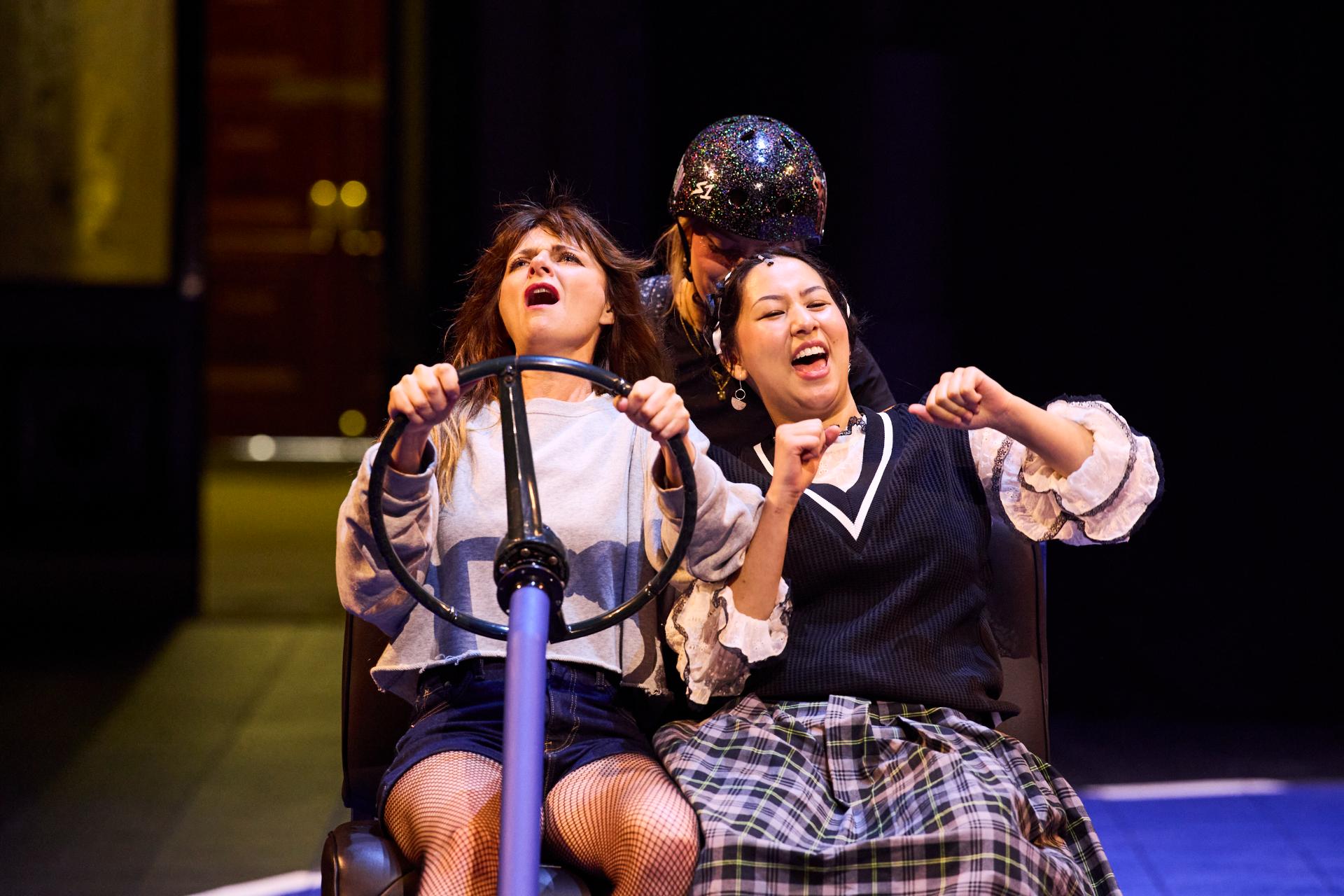
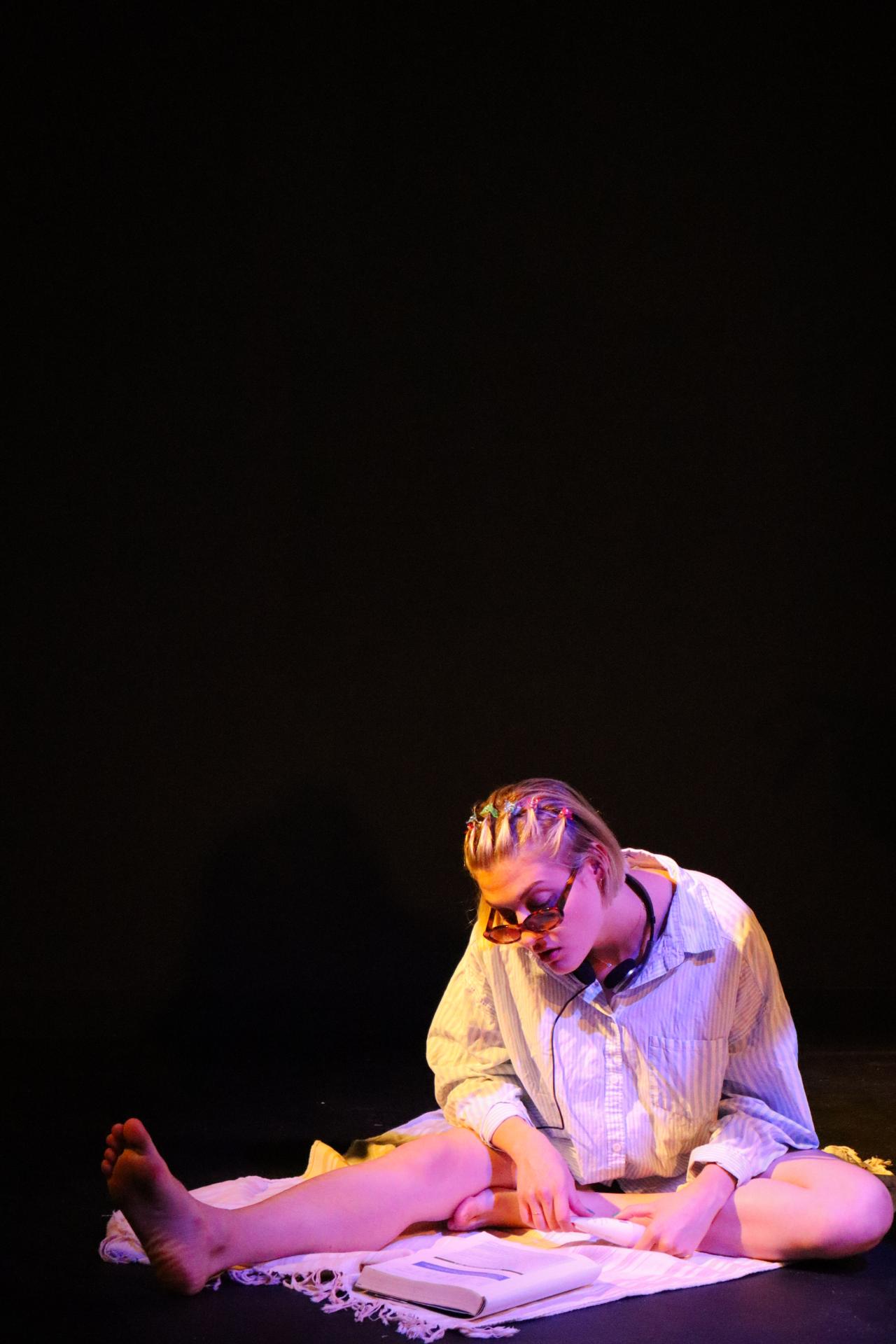
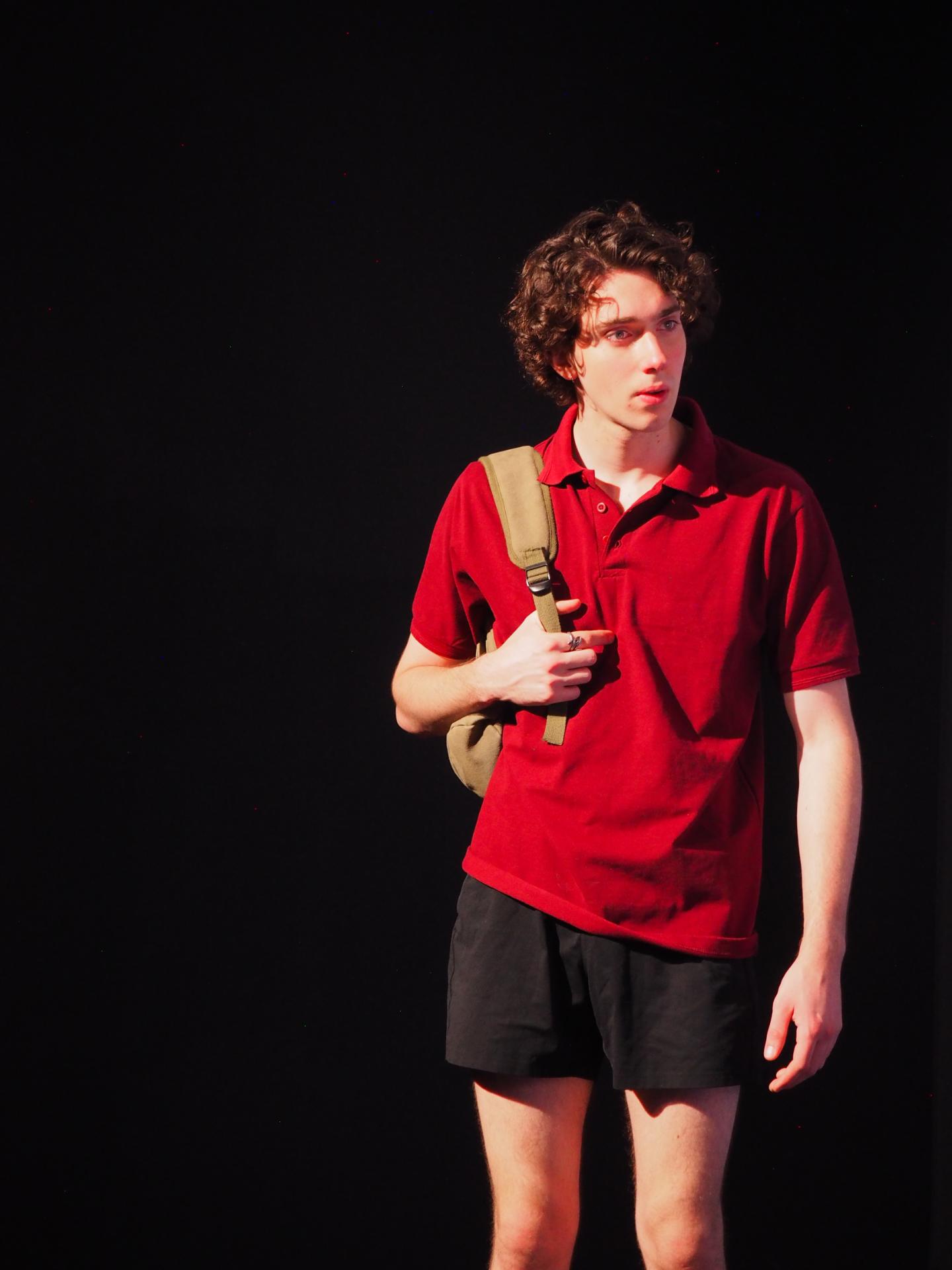
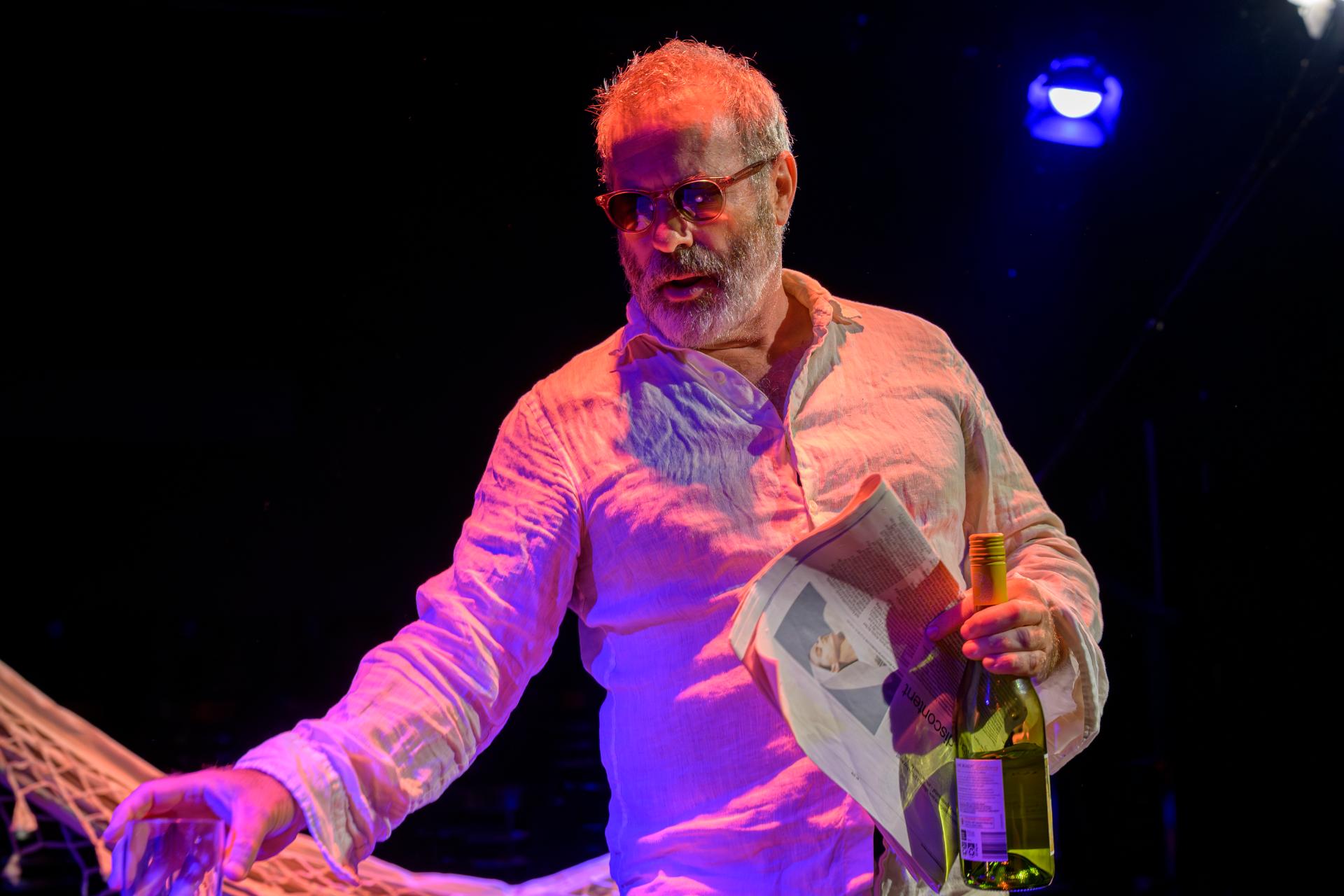
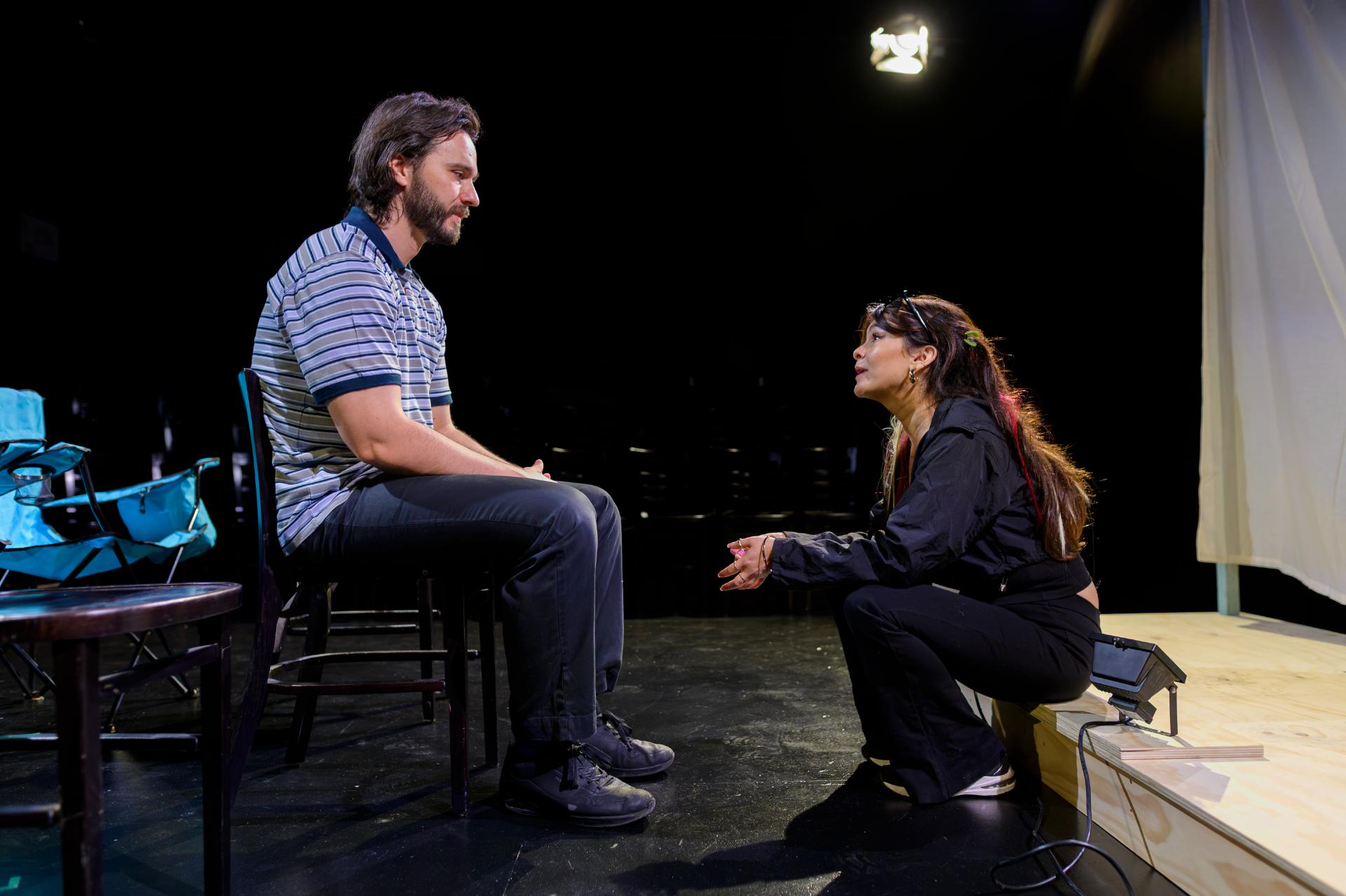
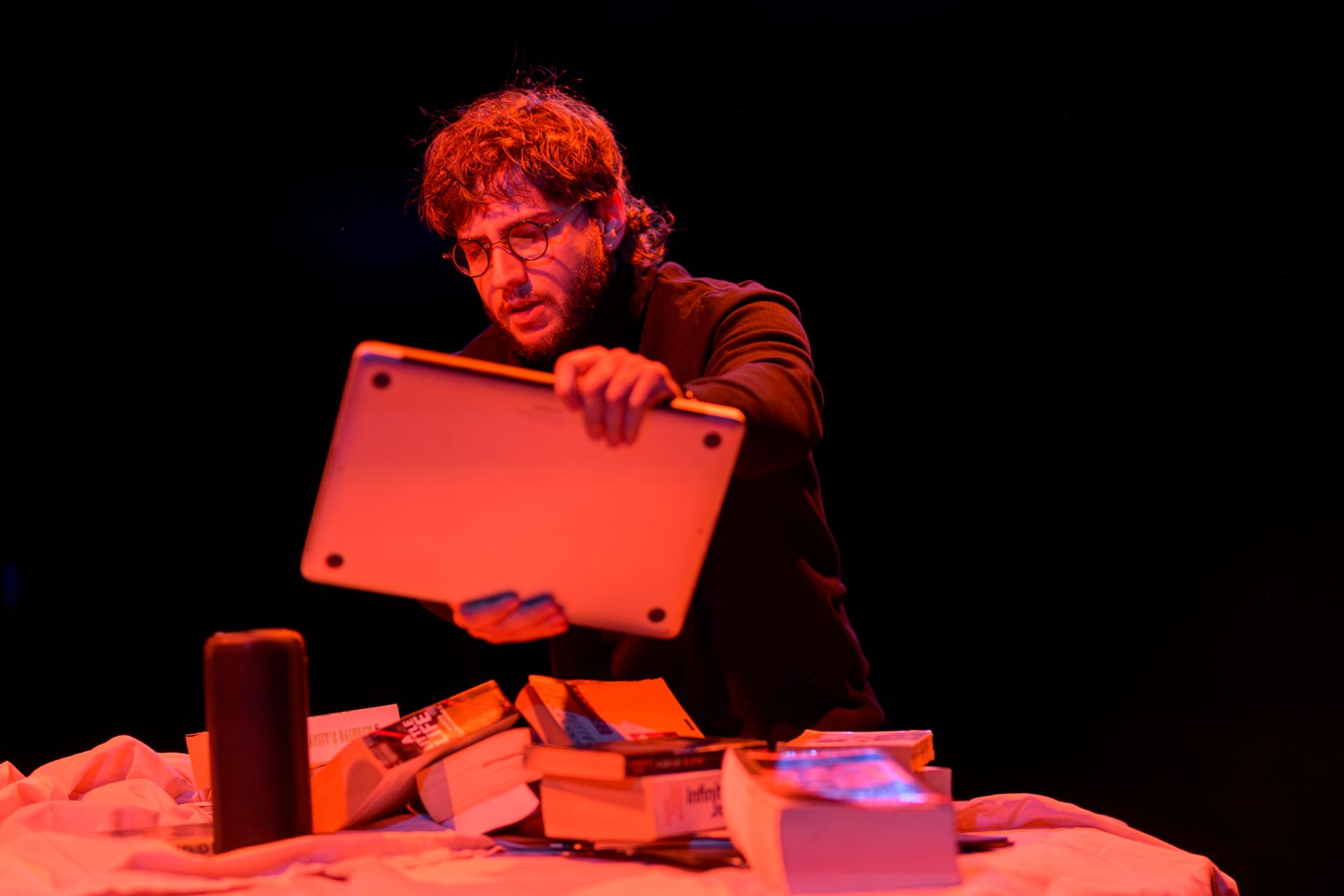
Konstantin is rendered with remarkable intricacy by Saro Lepejian, who layers nuance upon nuance to create a character of great authenticity and warmth, allowing us to grasp him with unusual depth and familiarity. Alexandra Travers is equally compelling as Nina, lifting the archetype of the innocent ingénue into a figure of luminous humanity; her final scenes prove disarmingly profound and affecting under Travers’ interpretation. Also notable is Tim McGarry’s wonderfully idiosyncratic Pyotr, delivered with exquisite comic timing and an assured lightness of touch, earning some of the production’s most memorable laughs.

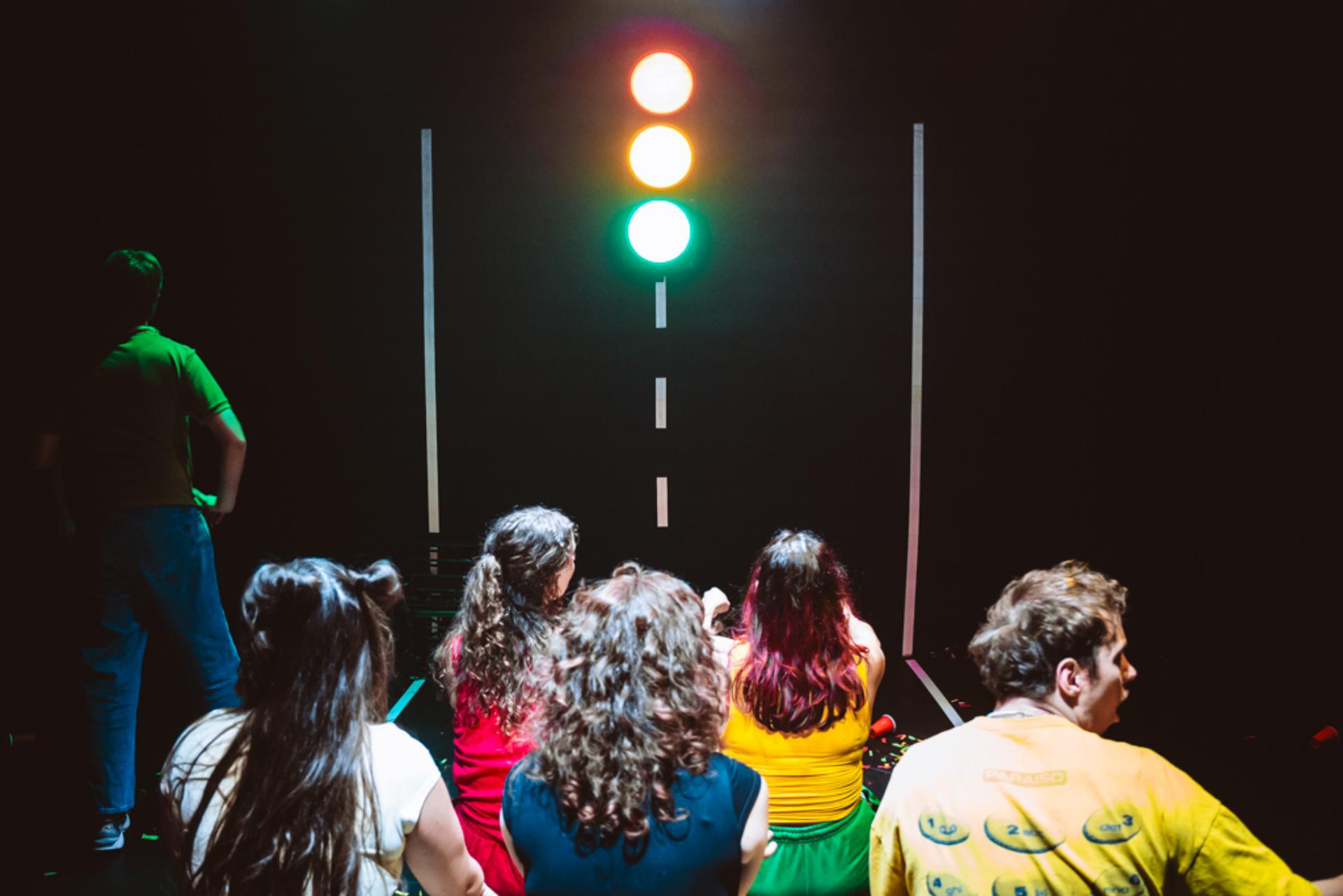
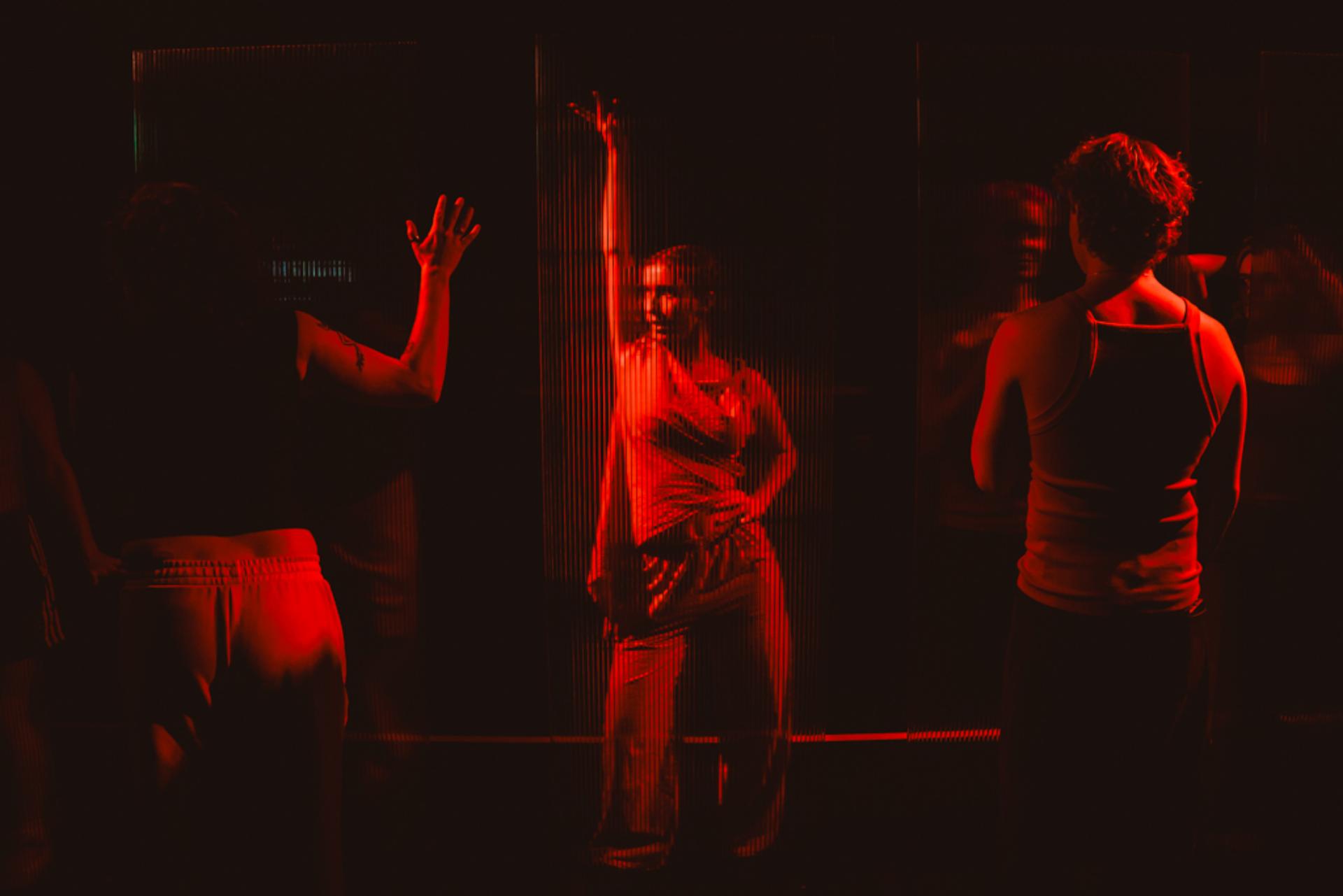
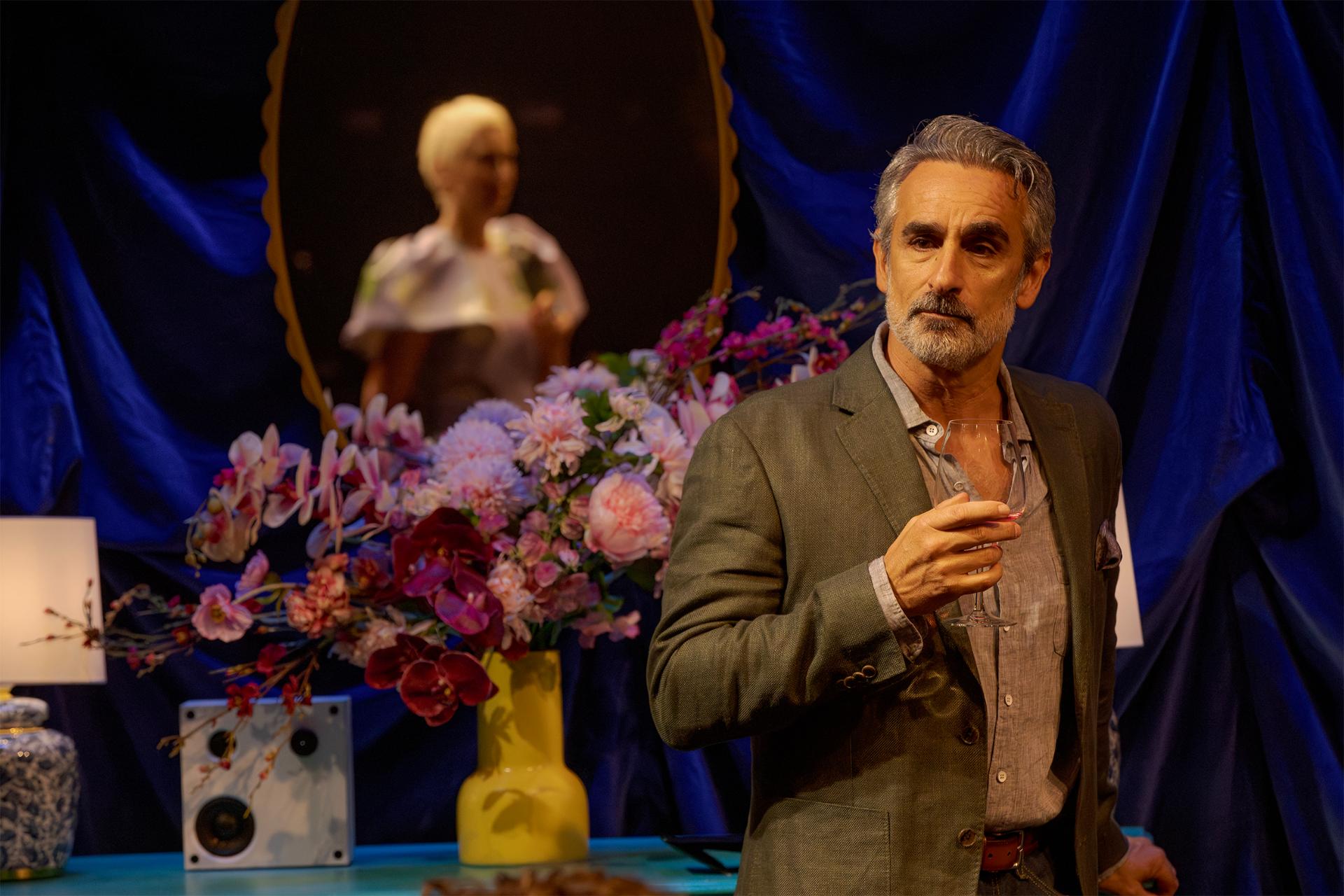
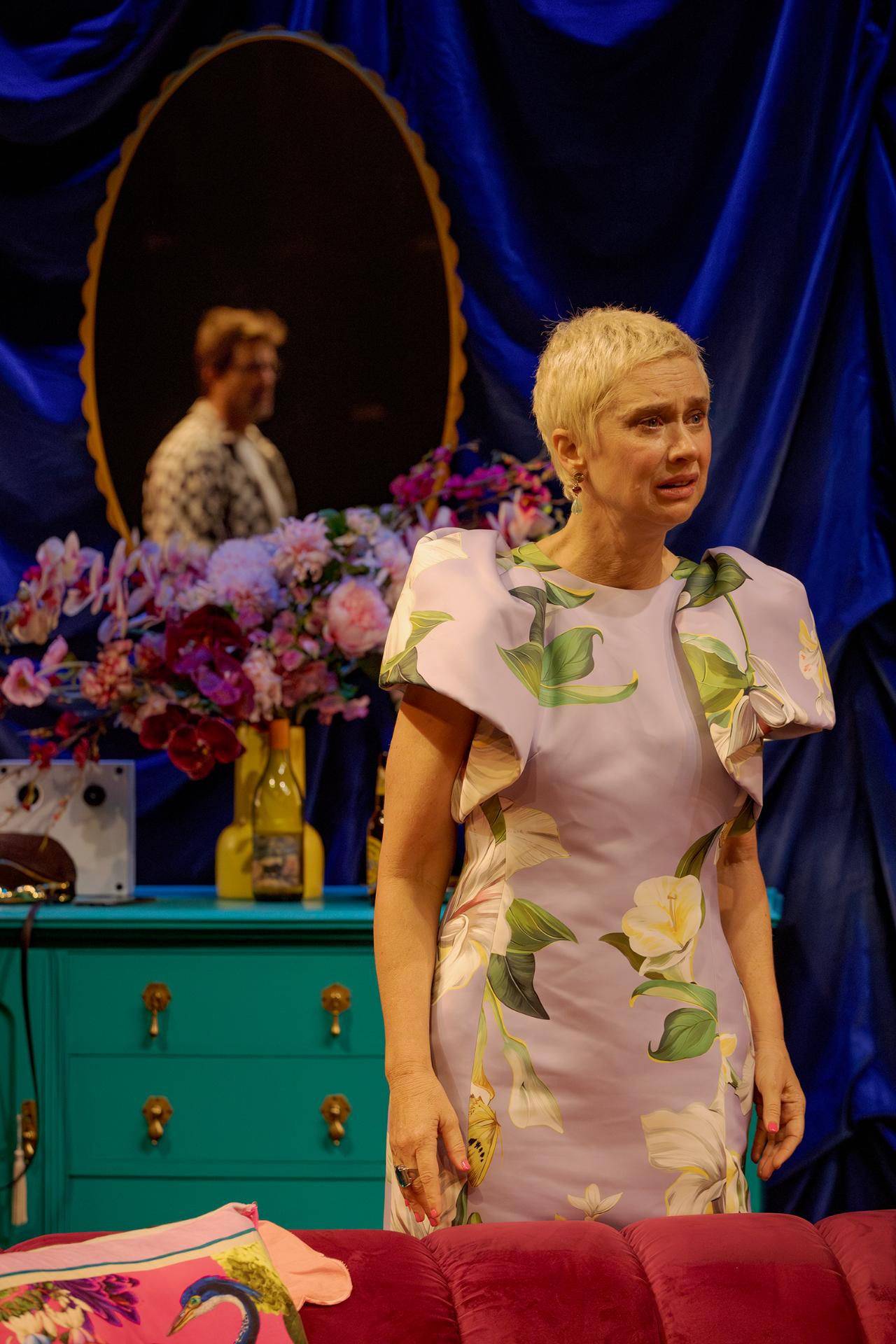
Kate Beere’s set and costume design provides elegant, uncluttered solutions that allow the intricate emotional dynamics to remain firmly in view. Aron Murray’s lighting is exquisitely attuned to each fluctuation in tone, guiding us seamlessly into not only the work’s dramatic intensities but also its well-timed moments of levity, which together render the production genuinely delightful.

It may feel incongruous to watch Chekhov’s characters driven to the point of shooting themselves in a contemporary Australian setting, yet the deep-seated malaise that fuels such despair remains clearly recognisable in our present moment. These upper-middle-class figures seem perpetually unable to attain what they long for, even as they dismiss what is already theirs—a conundrum that, now more than ever, echoes uncomfortably through many of our own lives.

www.kingsxtheatre.com | www.montaguebasement.com

Review: Congratulations, Get Rich! 恭喜发财, 人日快乐 (Sydney Theatre Company)

Venue: Wharf 1 Sydney Theatre Company (Walsh Bay NSW), Nov 21 – Dec 14, 2025
Playwright: Merlynn Tong
Director: Courtney Stewart
Cast: Zac Boulton, Seong Hui Xuan, Merlynn Tong, Kimie Tsukakoshi 
Images by Prudence Upton

Theatre review
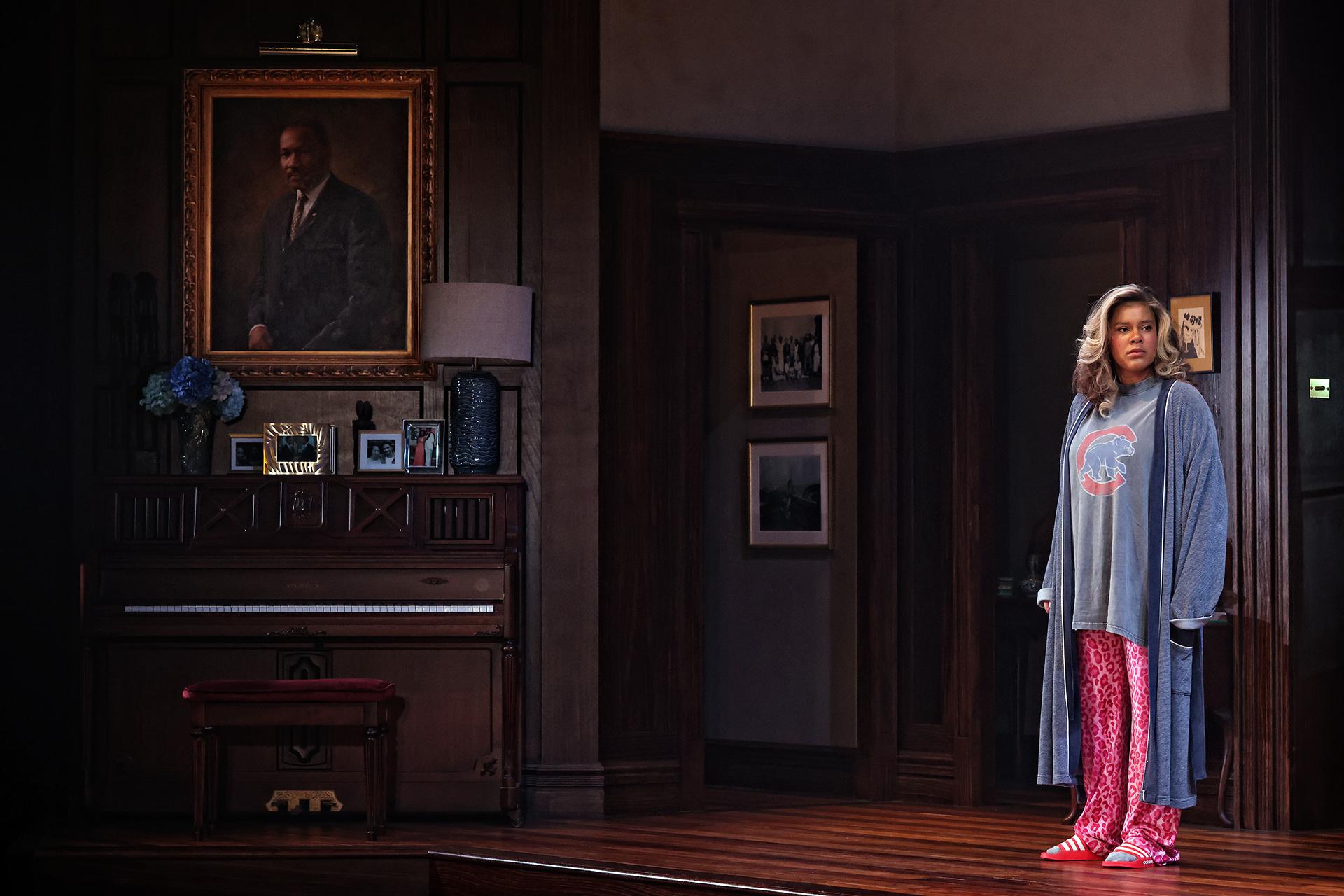
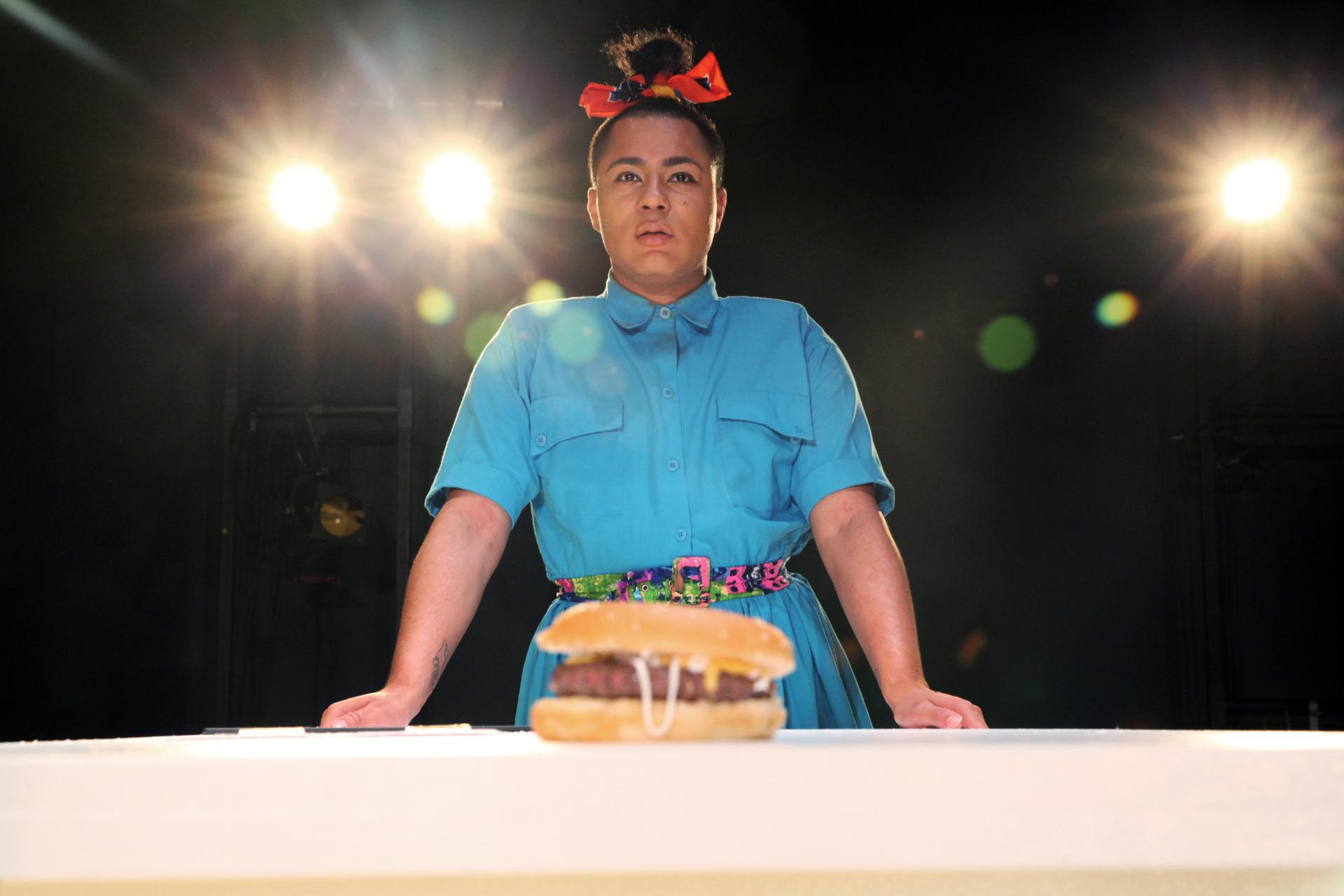
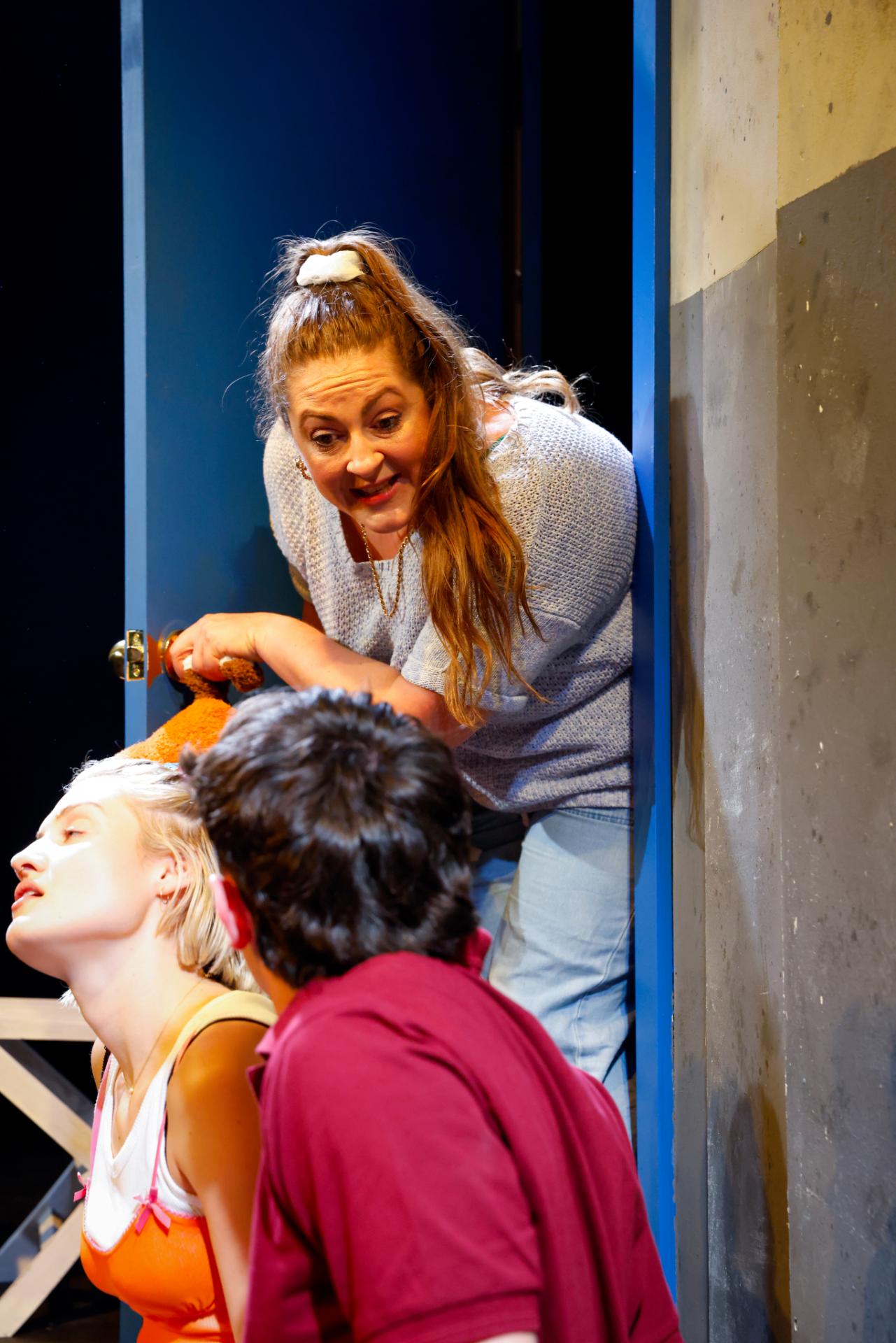
It is opening day at Mandy’s new karaoke bar, and she is plainly on the verge of collapse. It also happens to be her thirty-eighth birthday—a milestone that terrifies her, for both her mother and grandmother died at precisely that age. Amid this psychological unravelling, those very forebears return as ghosts from the afterlife or underworld, appearing as if to mock her dread and deepen her sense of inevitability. Congratulations, Get Rich! by Merlynn Tong, probes the intertwined notions of curses and legacies—ideas often treated as distinct but revealed here to be inseparable. Mandy fears repeating history, even as she begins to recognise, somewhere beneath the panic, that her own hard-won successes might yet rewrite the story her family has carried for generations.

The writing is wildly inventive, holding us rapt from the first moment to the last. Unpredictable and delightfully eccentric, it balances sincerity with a sense of the marvellously outlandish. Courtney Stewart’s direction brings together rich cultural specificity and deep emotional truth, guiding a story that moves between Singapore and Australia while allowing its layered meanings to reverberate across cultural lines. At times the humour edges toward the contrived, yet the production’s unwavering commitment to its distinctive tone renders even its most exaggerated moments disarmingly persuasive.

James Lew’s production design is richly considered, weaving symbolism into a visual language that is at once grounded and strikingly theatrical. His work carries a pleasurable sense of extravagance, yet never loses sight of the social resonances that inform each aesthetic choice. Gabriel Chan’s lighting is similarly exuberant, though one occasionally wishes for greater nuance to draw us further into the emotional terrain. Guy Webster’s sound design, gloriously amplified and unabashedly heightened, proves an ideal match for the work’s supernatural comic register. Particularly noteworthy are the original songs that Tong weaves into the piece, rendered delightfully camp through Alex Van den Broek’s playful, uninhibited music direction.

An exceptional ensemble anchors the production, with Tong herself embodying Mandy with indefatigable verve and an arresting emotional intensity. Kimie Tsukakoshi delivers a masterfully layered performance as the grandmother—precise, commanding, and utterly persuasive in her traversal of time and space. As Mandy’s mother, Seong Hui Xuan is unassailably authentic, capturing the poignant duality of a woman who bequeaths her daughter both profound anxieties and an equally steadfast resilience. Zachary Boulton shines as Xavier, Mandy’s partner in life and business, his impeccable comic timing offering welcome buoyancy whenever the domestic tensions threaten to overwhelm. The ensemble as a whole is remarkable for its discipline and cohesion, contributing to a staging distinguished by its tightness, clarity, and shared purpose.

The three women of Congratulations, Get Rich!, spanning three generations, trace a lineage of womanhood that feels both linear and perpetual—distinct lives that nonetheless echo one another with a clarity suggesting something almost divine in the continuity of mothers and daughters. Across cultures, whether East or West, women are routinely diminished, yet time and again reveal themselves to be far more powerful than the structures that seek to contain them. Mandy’s ancestors may have been claimed too early by the worlds that shaped them, but their struggles permeate unmistakably into the present. Mandy, however, stands on different ground, no longer bound by their limitations—and poised, at last, to carry the story further.

www.sydneytheatre.com.au | www.laboite.com.au

Review: Cowbois (Seymour Centre)

Venue: Seymour Centre (Chippendale NSW), Nov 20 – Dec 13, 2025
Playwright: Charlie Josephine
Director: Kate Gaul
Cast: Matthew Abotomey, Zachary Aleksander, Jules Billington, Emily Cascarino, Faith Chaza, Branden Christine, Clay Crighton, Nelson Fannon, Lana Filies, Nicholas Hiatt, Henry Lopez, Aimie McKenna, Edward O’Leary, Jane Phegan, Rory Spinks, Leon Walshe
Images by Alex Vaughan

Theatre review
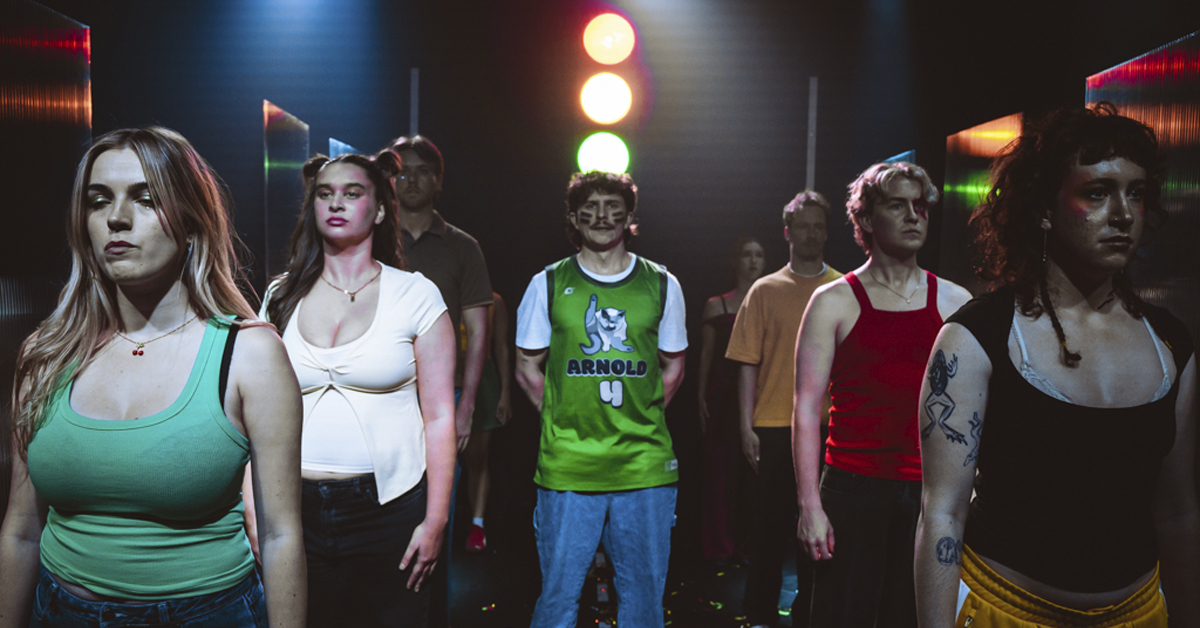
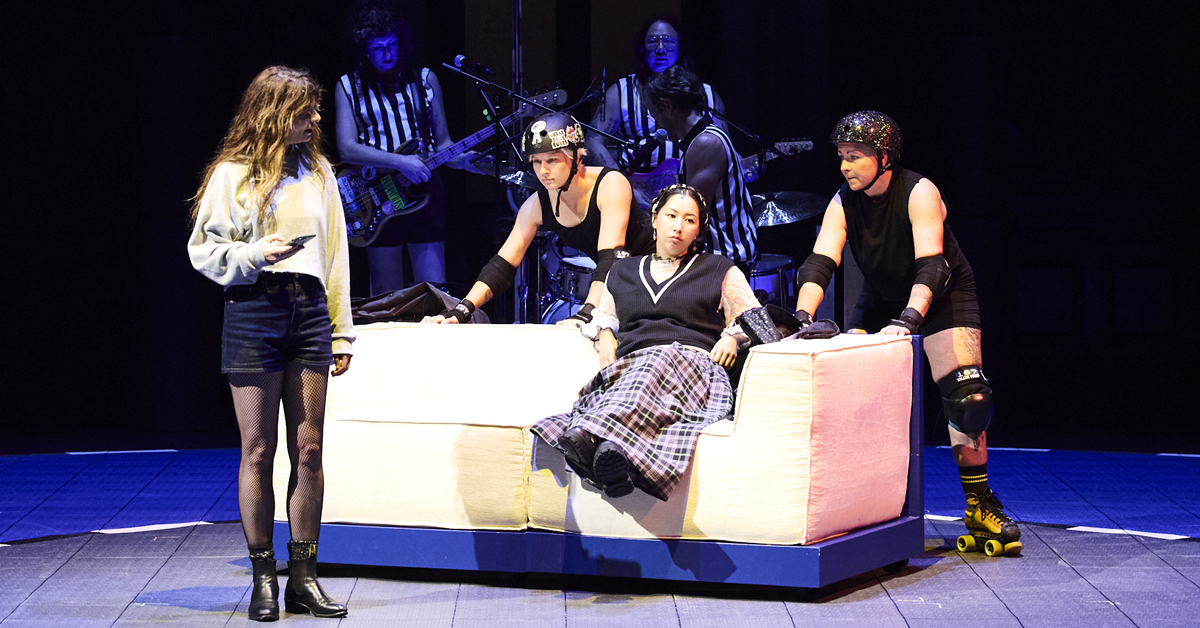
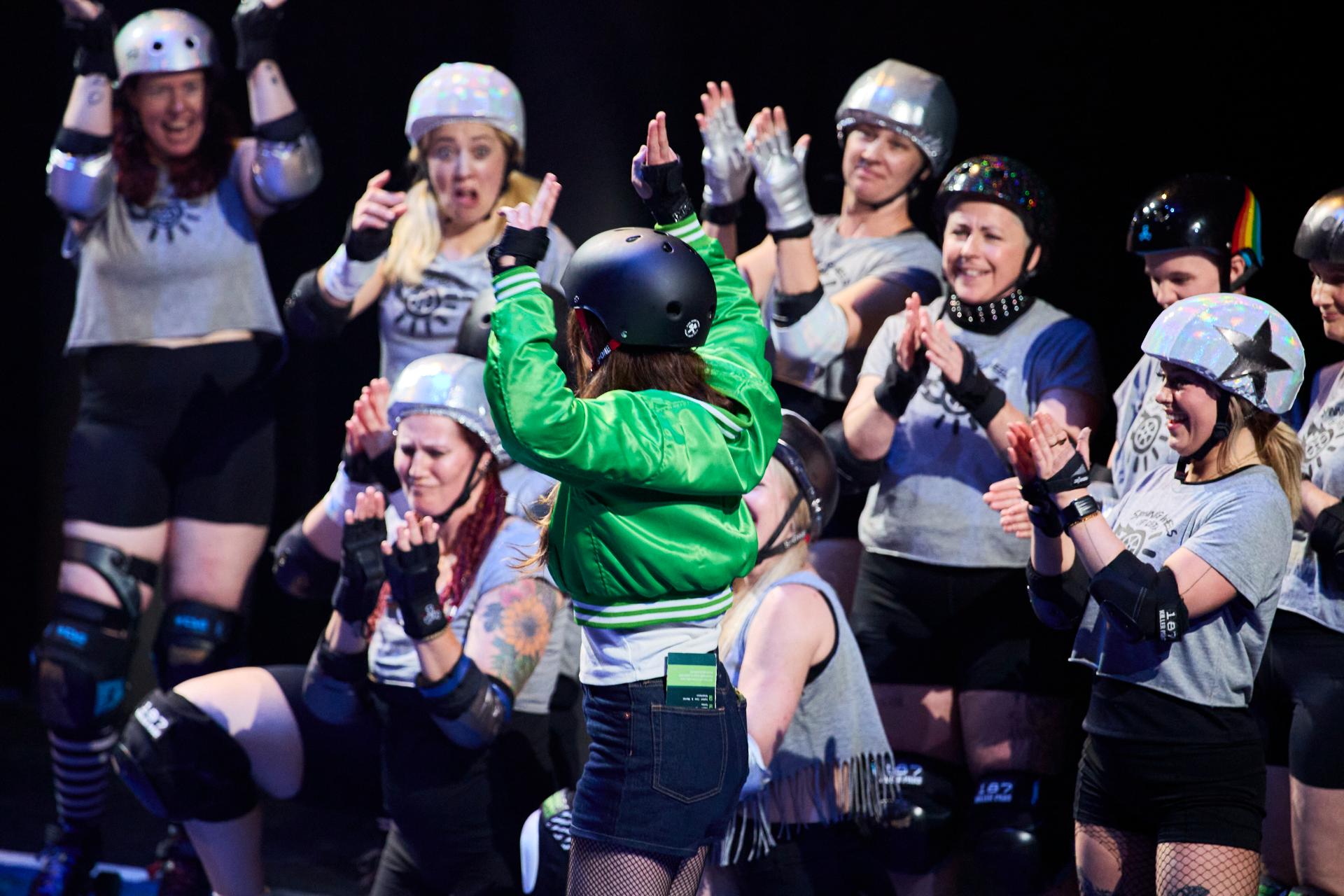
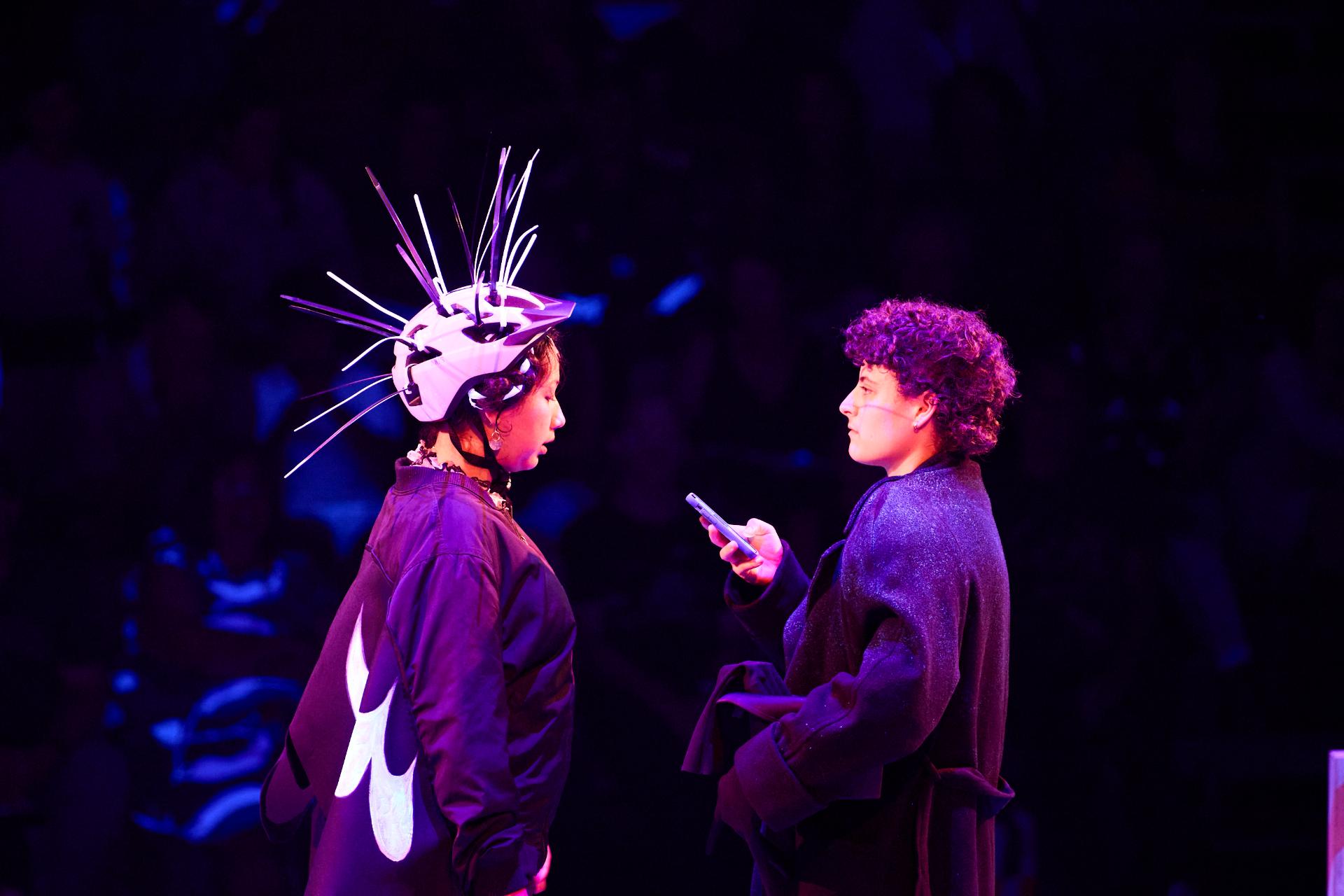
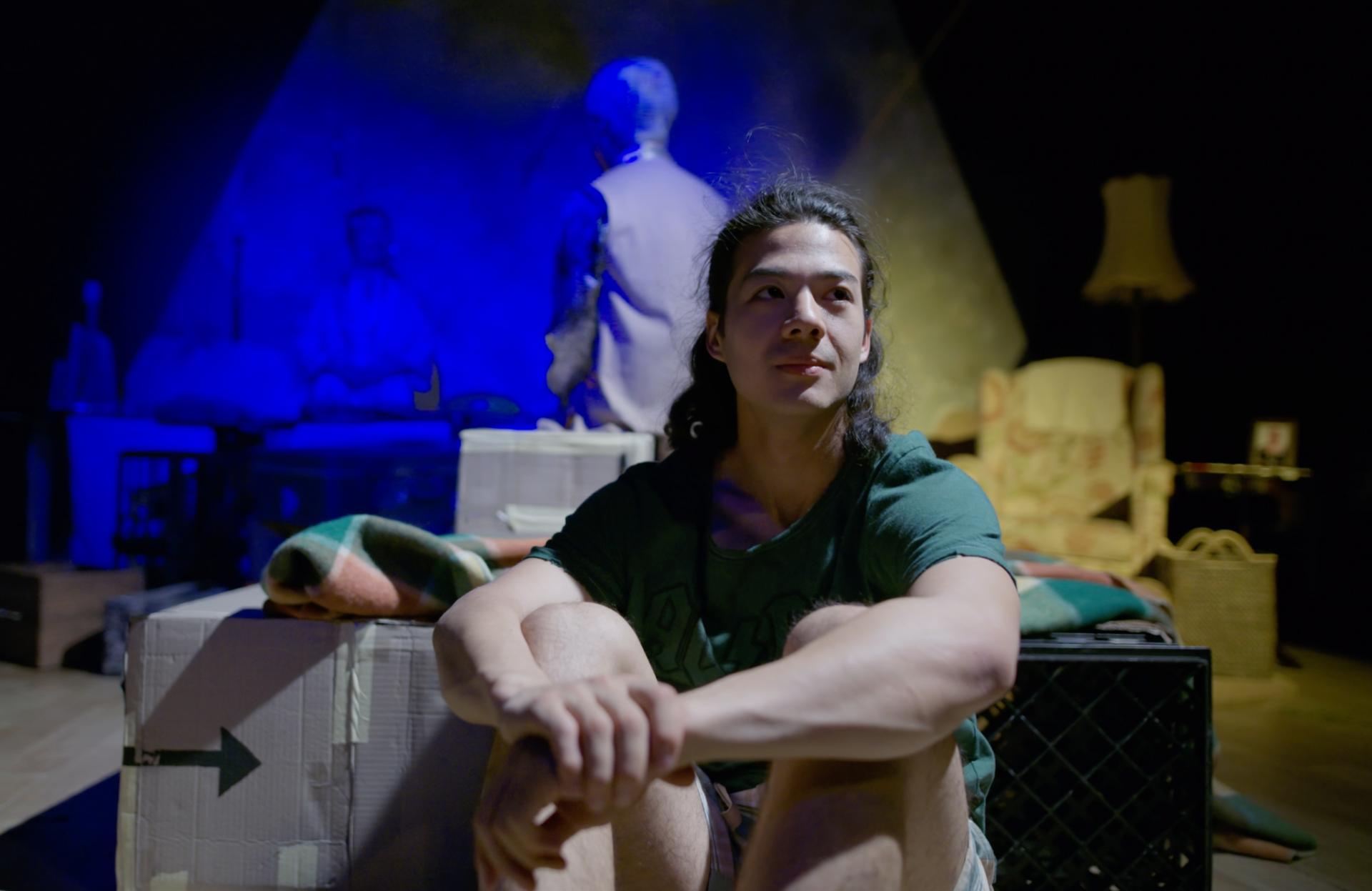
Set in the Wild West of 1883, Charlie Josephine’s Cowbois introduces us to Jack, a fugitive whose sudden arrival in a quietly dwindling frontier town—its menfolk having vanished into the goldfields—sparks a quietly radical upheaval. Encountering only women, the handsome outlaw quickly finds that their initial suspicion melts away, even as he is forthright about being trans. Josephine’s 2023 play is a wonderfully fantastical reimagining of the Western, an exuberant, if at times didactic, meditation on gender, desire, and the myths that shape them.

Kate Gaul’s direction is spirited and mischievously playful, though the production would benefit from a brisker pace and humour honed to a finer edge. As Jack, non-binary actor Jules Billington delivers a riveting, impassioned performance that swiftly earns our allegiance. Equally compelling are fellow non-binary performers Faith Chaza and Clay Crighton, each articulating masculinity in strikingly different—yet equally resonant—forms.
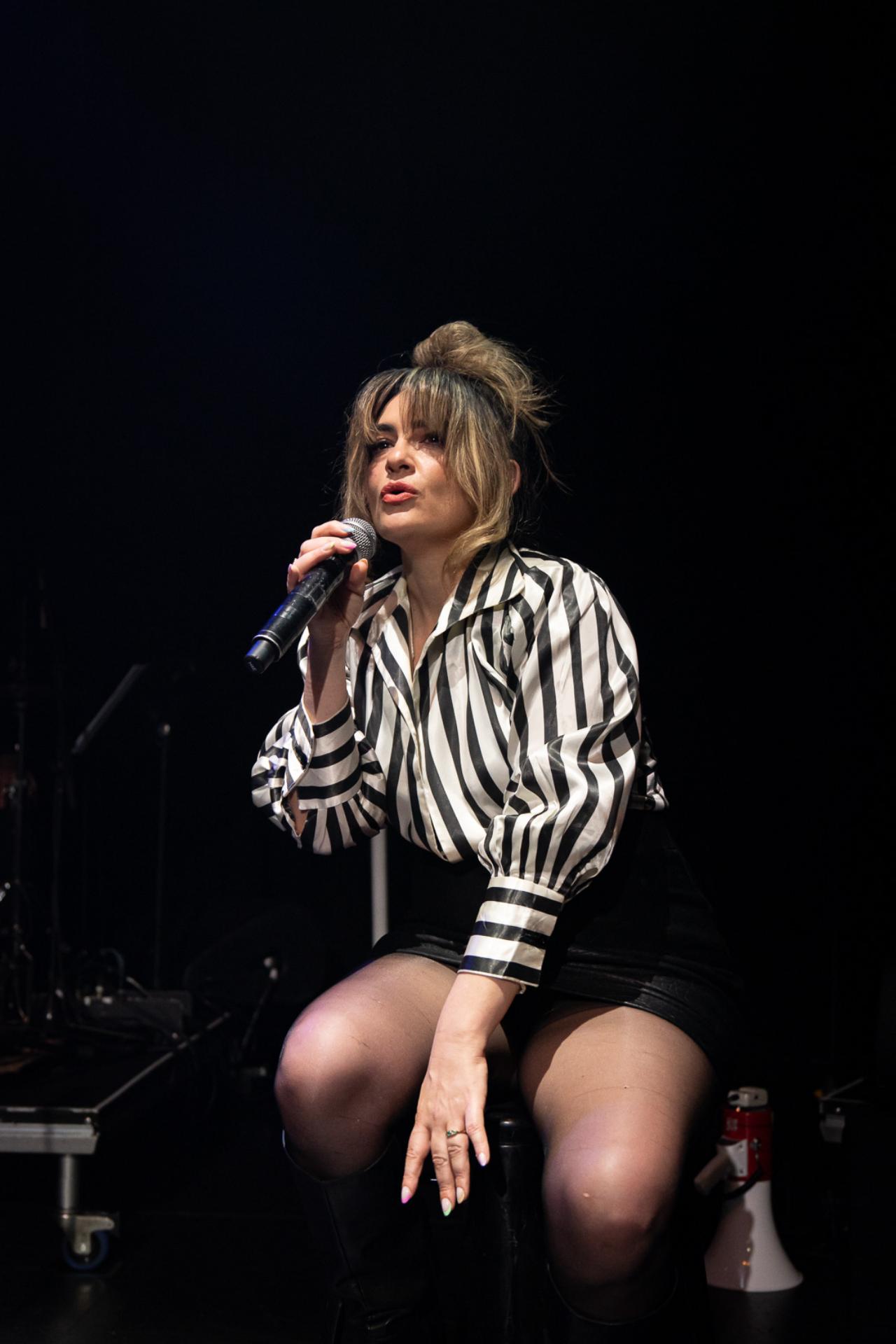
Production designer Emelia Simcox excels across both costumes and sets, supplying everything necessary for us to recognise the genre’s familiar iconography while elevating it with a visual flair that sustains a satisfying sense of theatricality. Brockman’s lighting shifts deftly between warm, atmospheric glow and bursts of exuberant spectacle, lending the production an invigorating dynamism. The action is further enriched by an expansive soundtrack devised by Crighton, whose intricately crafted soundscape transports us wholly into the world the play conjures.

It is long overdue that queer audiences are offered stories in which inspiration and hope arise from something other than supplication or suffering. Such visions, like those in Cowbois, may demand audacious leaps of imagination, but they constitute an art we richly deserve. By coupling truth with fantasy, we begin to fashion new modes of self-determination, claiming the right to decide how we are seen—and, ultimately, how we choose to be.

www.seymourcentre.com | www.sirentheatreco.com

Review: Present Laughter (New Theatre)

Venue: New Theatre (Newtown NSW), Nov 11 – Dec 13, 2025
Playwright: Noël Coward 
Director: Louise Fischer
Cast: Lib Campbell, Peter Eyers, Liz Grindley, Molly Haddon, Oliver Harcourt-Ham, Michela Noonan, Reuben Solomon, Larissa Turton, Luke Visentin, Emily Weare
Images by Chris Lundie

Theatre review
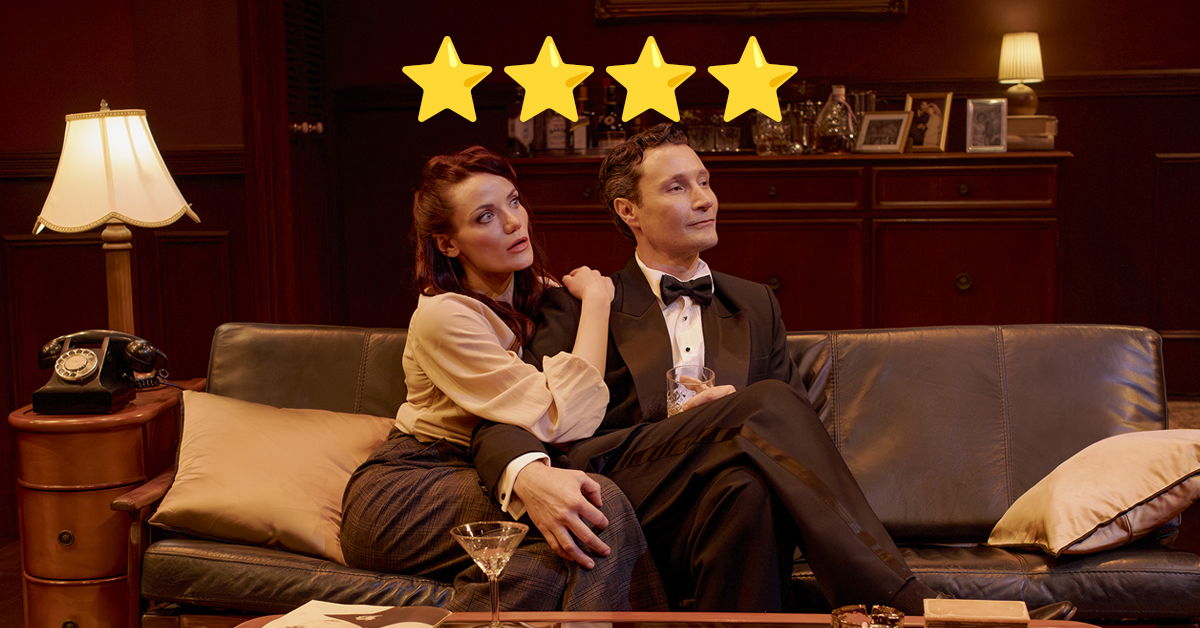
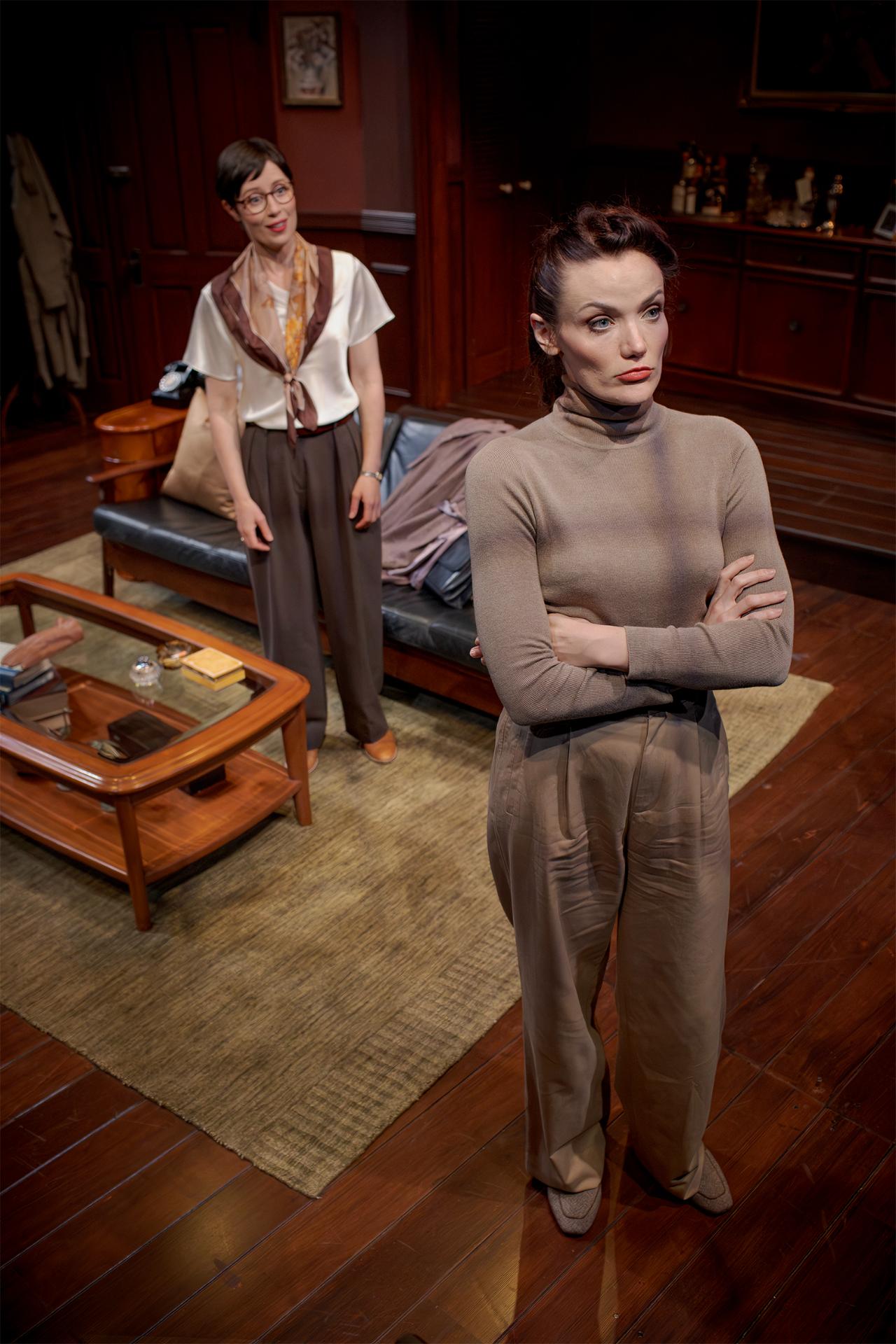
It is England, circa 1940, and stage star Garry seems to spend his days deflecting admirers and his nights dazzling audiences. Noël Coward’s Present Laughter unfolds in this bubble of delightful frivolity, offering exactly the kind of airy escapism wartime audiences must have craved. Its antics may feel less coherent to contemporary sensibilities, but Coward’s charm endures — a style at once nostalgic and unmistakably evergreen.

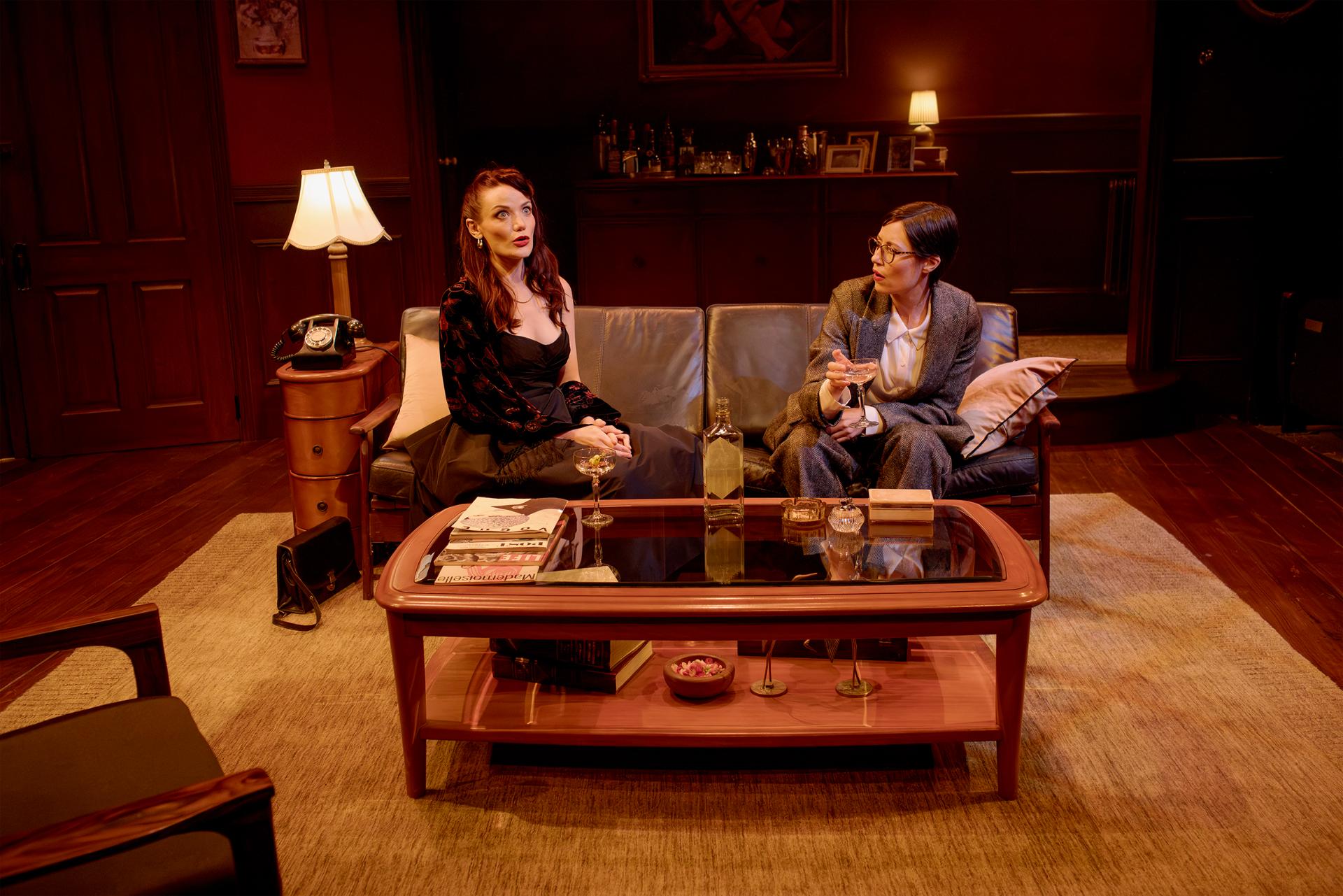
Directed by Louise Fischer, the production cultivates an appealing old-world ambience, though it struggles to maintain momentum over its three-hour span. The comedic cadence frequently slackens, revealing an unevenness that the staging cannot fully disguise. Conversely design elements prove more assured. Tom Bannerman’s set makes good use of space while providing a measure of opulence befitting the celebrity milieu on display. Costumes by Helen Kohlhagen and Deborah Mulhall are likewise evocative of the era, offering a gentle wash of glamour providing a welcome sense of visual elevation.

Playing Garry, Peter Eyers is suitably debonair and self-satisfied, yet he never quite leans into the necessary silliness or flamboyance for the humour to land with conviction. Reuben Solomon and Luke Visentin offer welcome surges of energy in their respective roles as Morris and Roland, but it is Lib Campbell’s portrayal of Joanna that proves most compelling, her wholehearted embrace of the role’s inherent extravagance aligning most effectively with the production’s comedic register.

It is noteworthy that the role of Henry has been reconceived as Hetty in this rendition of Present Laughter, thereby transforming a key relationship into a same-sex one. This adjustment gestures toward the enduring significance of Coward’s legacy for queer communities, reaffirming our ongoing celebration of his oeuvre. Aesthetics and values inevitably shift across generations, but for now at least, Coward’s humour continues to cut through — proof that real wit ages better than most of us do.

www.newtheatre.org.au

Review: Get Sando (Flight Path Theatre)

Venue: Flight Path Theatre (Marrickville NSW), Nov 12 – 22, 2025
Playwright: Claire Haywood
Director: Claire Haywood
Cast: Mark Lee, Susan Ling Young, Emily Sinclair, Di Smith
Images by 

Theatre review
Brianna is determined to expose Sando, a local councillor with a dubious past, while Micky pursues her own vendetta, convinced Sando is tied to a cold case murder. When the two women meet, their goals align in a bold attempt to take down the corrupt politician. Get Sando by Claire Haywood is a spirited and incisive work that sparks conversation about corruption, enlivened by sharp dialogue and thoughtfully drawn, likeable characters.

Haywood’s direction, however, lacks precision, leading to moments where the storytelling becomes confusing. The humour remains enjoyable, yet the frustration of missing key plot points is hard to ignore. The ensemble of four bring warmth and energy, yet the production would benefit greatly from sharper pacing and more rigorous rehearsal.

Unlike the precarious business of independent theatre, local government brims with the promise of profit. For decades, opportunists have slithered through loopholes and backdoors, reminding us that where money gathers, morality tends to scatter. The machinery of bureaucracy, polished by charm and paperwork, provides endless hiding places for those who know how to navigate its shadows. Every regulation conceals an escape hatch, every committee meeting a chance to trade favours in plain sight. It is a theatre of another kind — one where the stakes are higher, the scripts are dirtier, and the applause is measured in contracts and kickbacks.

www.flightpaththeatre.org | www.wonderlandproductions.com.au

Review: Who’s Afraid Of Virginia Woolf (Sydney Theatre Company)

Venue: Roslyn Packer Theatre (Sydney NSW), Nov 7 – Dec 14, 2025
Playwright: Edward Albee
Director: Sarah Goodes
Cast: Emily Goddard, Kat Stewart, David Whiteley, Harvey Zielinski
Images by Prudence Upton

Theatre review
Martha and George are locked in perpetual combat, their hostility not merely private but performative. Their decision to invite a young couple into their home becomes an act of exhibition, a deliberate staging of their mutual destruction. In Who’s Afraid of Virginia Woolf?, Edward Albee exposes the tenacity with which individuals cling to their own suffering, sustained by an insatiable attachment to prestige, privilege, and power. Though Martha and George possess the agency to abandon their cyclical torment, they remain ensnared by the illusion of respectability, choosing the stability of social appearance over the uncertainty of liberation.

At sixty-three years old, the play has become something of a grand old dame of the theatrical canon, yet its genuinely subversive sensibilities ensure it remains as confrontational and affecting as ever. Under the direction of Sarah Goodes, the work gains renewed vitality: she not only excavates the raw truths within Martha and George’s volatile dynamic but also deftly unearths the humour embedded in their vicious exchanges. Goodes has taken an enduring classic and rendered it freshly incisive—polished to a gleam, yet capable of striking with the force of a blunt instrument.

Harriet Oxley’s production design evokes the period with accuracy—perhaps a touch conventional, yet undeniably effective in grounding the drama. Matt Scott’s lighting, together with music and sound design by Grace Ferguson and Ethan Hunter, begins with subtle restraint, almost imperceptible at first, but grows increasingly potent as the evening unfolds. By the time the bickering subsides and the underlying trauma surfaces, their contributions prove essential, shaping the production’s emotional crescendo with impressive efficacy.

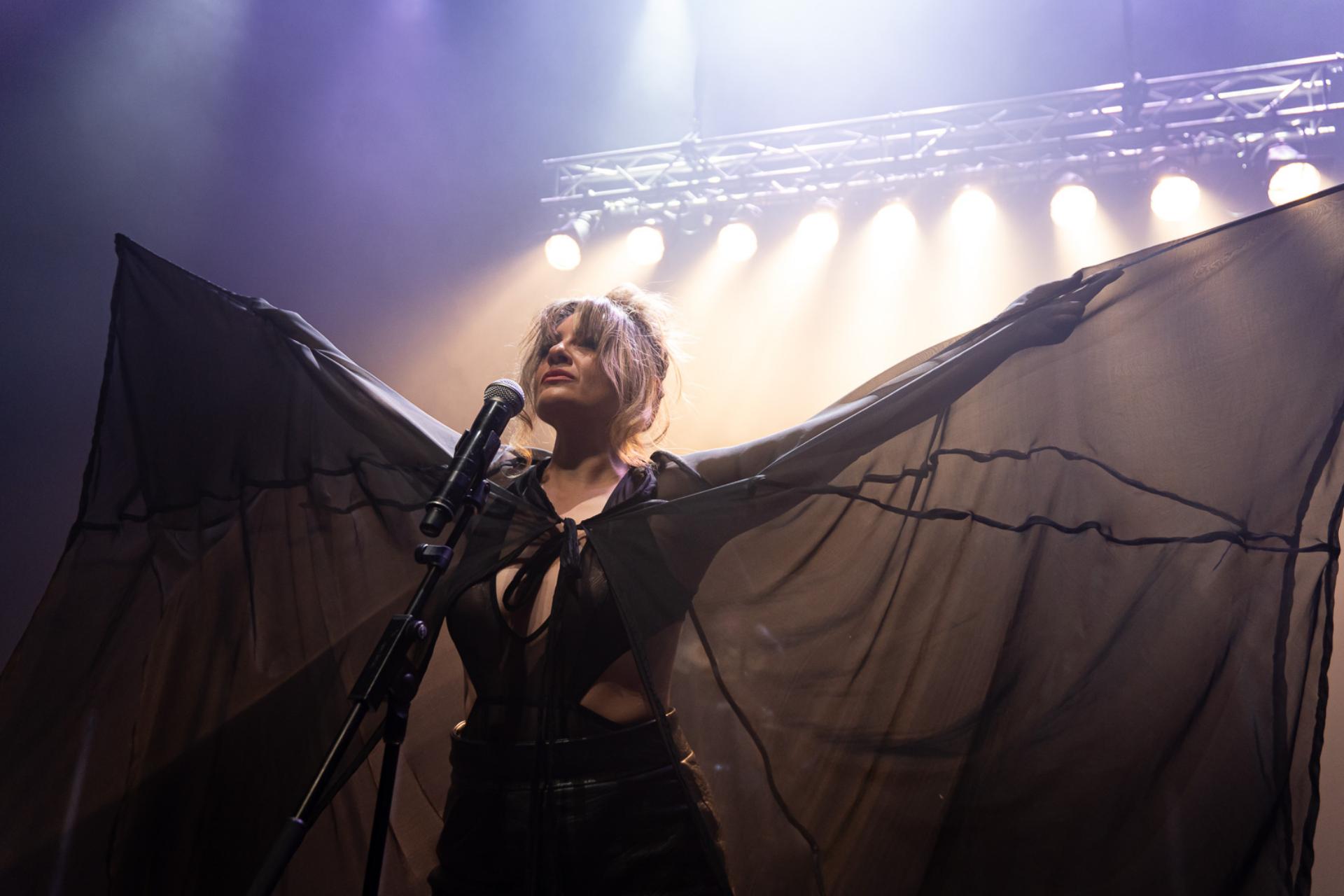
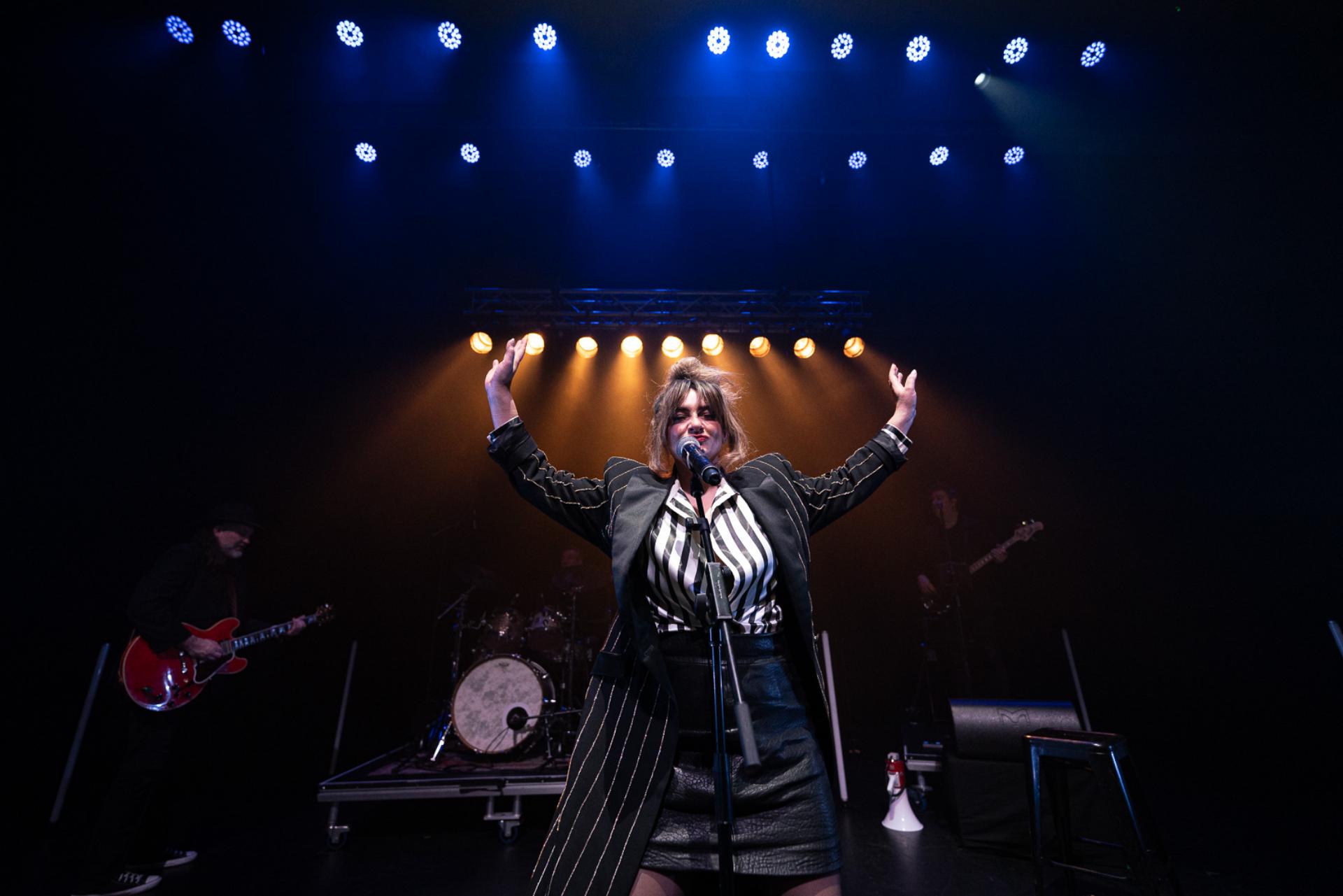
Kat Stewart could hardly be more compelling in the role of Martha. She delivers a richly nuanced portrayal, demonstrating an intricate grasp of the character’s psychological intricacies while imbuing every moment with delectable theatricality. Her gestures, whether minute or grand, command attention, and we remain enthralled by each. As George, David Whiteley conjures the precise timbre of the mid-century American bourgeoisie through his masterful vocal modulations. His comparatively restrained approach proves just as resonant and magnetic as Stewart’s flamboyance, creating a riveting equilibrium in this deliciously acrimonious marital duel. By contrast, the younger couple, Honey and Nick—played by Emily Goddard and Harvey Zielinski—are less persuasive. Though their performances elicit steady laughter, their characterisations lack conviction, never fully embodying the personas they attempt to construct.

We can see so clearly that Martha and George could lead far better lives, if only they could embrace a simpler existence. Yet the seductive allure of wealth and status keeps them shackled to their interminable misery. Each day, they choose to persist in their poisonous habits, unable—or unwilling—to relinquish the trappings of class that sustain their suffering. In the end, we recognise something of ourselves in their torment—the way we cling to what hurts us most, simply because it feels like home.
www.sydneytheatre.com.au

Review: So Young (Old Fitz Theatre)

Venue: Old Fitzroy Theatre (Woolloomooloo NSW), Nov 7 – 22, 2025
Playwright: Douglas Maxwell
Director: Sam O’Sullivan
Cast: Aisha Aidara, Ainslie McGlynn, Henry Nixon, Jeremy Waters
Images by Richard Farland

Theatre review
Just three months after Helen’s death, her husband Milo finds himself in love again—with Greta. When Helen’s best friend Liane learns the truth over dinner, her fury is as sharp as it is justified. In So Young, Douglas Maxwell turns his attention to grief, and to the bewildering variety of ways we try to survive it. His writing glimmers with wit and tenderness, and though he captures the ache of love and loss with real conviction, the story’s moral crescendo feels a shade too emphatic—leaving us moved, yet faintly smothered by its sincerity.
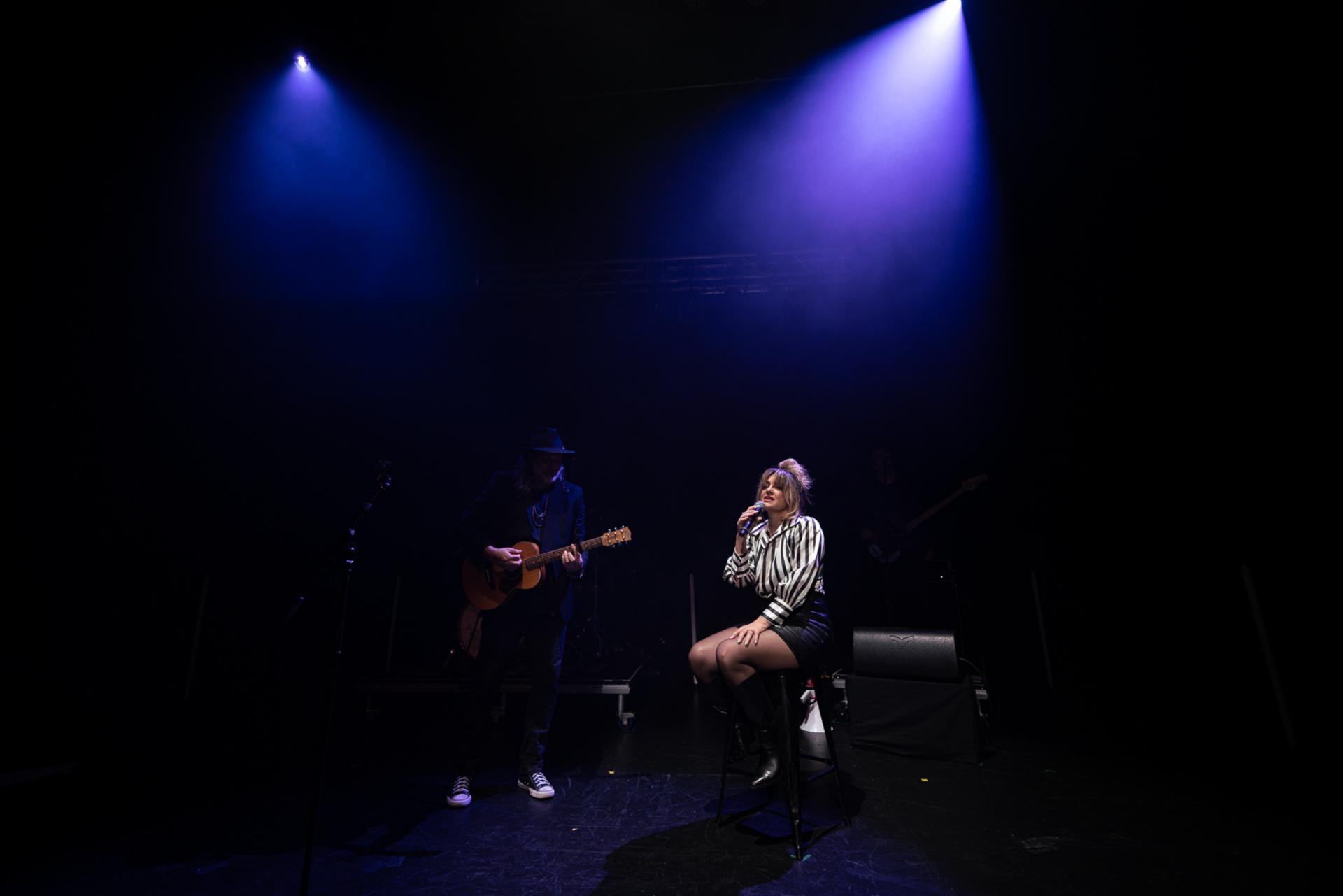
Sam O’Sullivan directs with a keen psychological instinct, guiding each confrontation with an honesty that keeps us firmly inside the characters’ heads. The production might benefit from sharper attention to its comedic undercurrents, but it never loses momentum, even as emotions flare and settle in quick succession. Kate Beere’s set design grounds the story in familiar domestic realism, while Aron Murray’s lighting is finely tuned to our shifting emotional responses. Johnny Yang’s understated sound work offers just enough texture to sustain our focus without distraction.

Aisha Aidara, Ainslie McGlynn, Henry Nixon, and Jeremy Waters are evenly matched in their performances, each as compelling as the next. Their portrayals are strikingly authentic, revealing with clarity and empathy the distinct emotional truths that collide within the play’s central argument. Through their efforts, we discover a touching immediacy, revealing how grief seeps into every connection, reshaping love and loyalty in its wake.

Time is the slow balm that touches every wound, even if it never truly restores what was lost. Sorrow and anguish are woven into the fabric of being alive, as constant as breath itself. The yearning to escape pain is ancient and human, yet in watching ourselves grieve, we learn what it means to endure. To see how we break is to see how we love—and how we might heal without hurting more. However impossible it feels, the truth endures: the living must matter more than the dead.

www.oldfitztheatre.com.au | www.outhousetheatre.org

Review: Naturism (Griffin Theatre Company)

Venue: Wharf 2 Sydney Theatre Company (Walsh Bay NSW), Oct 25 – Nov 15, 2025
Playwright: Ang Collins
Director: Declan Greene
Cast: Nicholas Brown, Glenn Hazeldine, Fraser Morrison, Camila Ponte Alvarez, Hannah Waterman
Images by Brett Boardman

Theatre review
Ray presides over a small naturist commune on the outskirts of Melbourne, where its residents have lived off-grid for two decades. When Evangeline arrives unannounced, eager to join their secluded world, her intrusion sets off a quiet chain reaction that exposes the fault lines beneath the community’s calm surface. Ang Collins’ Naturism proves shrewdly more comic than polemic, even as an unmistakable ecological consciousness anchors the work. At a time when conversations about the environment often feel exhausting, Collins reminds us that laughter, too, can be an act of engagement.

Director Declan Greene wisely leans into the comedy, shaping a production that never hesitates to seize any opportunity for laughter. The exuberance he brings to the staging is infectious, even if the material itself often feels slight. Naturism may not offer much in the way of emotional or thematic depth, and our investment in its characters remains limited, yet the show’s buoyant energy and brisk 85-minute runtime ensure that our attention rarely drifts.

James Browne’s set design employs simple means to evocatively suggest the wilderness that frames the story. His costumes are a particular delight, especially in the hallucinatory sequences where the characters venture into the fantastical. Verity Hampson’s lighting is gloriously extravagant, embracing theatricality as the narrative heightens and the stakes rise. David Bergman’s sound and music design match that intensity, growing ever more vivid as the production slides into the deliciously bizarre.

The cast deserves admiration for their wholehearted commitment to what at times appears an unabashedly absurd enterprise. All five performers throw themselves into the work, mining every moment for humour and vitality. Their choices may verge on the outrageous, yet they sustain a surprising authenticity that prevents the piece from slipping into pure frivolity. It’s also worth noting that the ensemble spends much of the performance entirely nude — a fact that only deepens respect for their courage and conviction.

The characters in Naturism throw themselves wholeheartedly into doing right by the planet, yet their misadventures expose how fraught it can be to live by uncompromising ideals. We’re beginning to see that an “all or nothing” approach—whether ecological or political—often proves unsustainable, alienating those who might otherwise engage. The culture of guilt and moral absolutism around environmental action can drive people to withdraw entirely, when what the planet needs most are imperfect participants, not perfect abstainers.

www.griffintheatre.com.au

Review: Fly Girl (Ensemble Theatre)

Venue: Ensemble Theatre (Kirribilli NSW), Oct 17 – Nov 22, 2025
Playwrights: Genevieve Hegney, Catherine Moore
Director: Janine Watson
Cast: Genevieve Hegney, Alex Kirwan, Cleo Meinck, Catherine Moore, Emma Palmer
Images by Prudence Upton

Theatre review
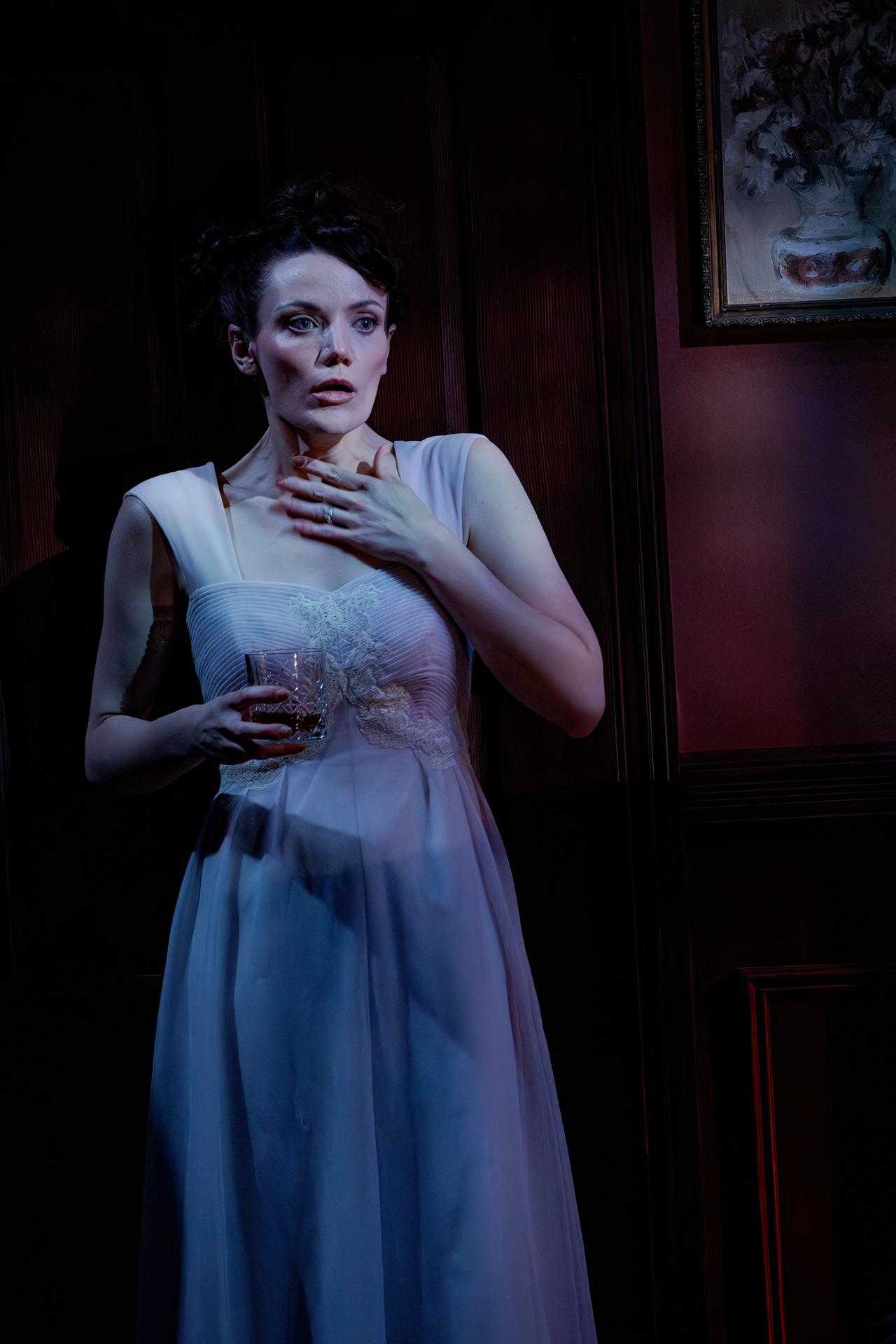
Deborah Lawrie’s ascent as Australia’s first woman commercial pilot came only after a gruelling battle through the courts and the Equal Opportunity Board, where she forced corporations to confront their own sexism. Fly Girl, the new play by Genevieve Hegney and Catherine Moore, revisits that hard-won triumph with warmth, wit, and reverence — though its faithful retelling can at times feel a touch too tidy for the turbulence it portrays.

Janine Watson’s direction sprinkles in flashes of theatrical flair, amid a production grounded in earnest discussion of gender disparity. Its sincerity may overwhelm at times, yet it leaves a valuable impression — a reminder of how stubbornly patriarchal thinking continues to hold its grip.

Lead actor Cleo Meinck approaches the role with diligence and poise, though her portrayal can feel restrained in tone. She balances feminine grace with quiet strength, but the performance would soar higher with more charm and humour. Around her, a nimble ensemble juggles countless supporting parts, their spirited playfulness ensuring the production never loses its buoyancy.

Grace Deacon’s set and costumes evoke the era with authenticity and colour, their vibrancy lending the stage a visual spark. Morgan Moroney’s lighting delicately sculpts tone and texture, its nuanced changes revealing the work’s shifting moods. Daniel Herten’s sound design completes the world, its careful intricacy transporting us through the play’s varied spaces and temperaments.

It has been nearly half a century since Lawrie shattered the glass ceiling and transformed the landscape for women pilots in Australia. It is tempting to believe that progress moves in a straight line — that equity, once achieved, simply builds upon itself. The reality, however, is far less stable. Every gain invites resistance, and even today, debates in the United States around diversity, equity and inclusion echo with old anxieties. Accusations that women and people of colour are being hired in aviation “without merit” reveal how tenacious patriarchal values remain. Lawrie’s legacy, then, is not a closed chapter but an ongoing call to vigilance.
www.ensemble.com.au

Review: Phar Lap (Hayes Theatre)

Venue: Hayes Theatre Co (Potts Point NSW), Oct 17 – Nov 22, 2025
Book, Music & Lyrics: Steven Kramer
Directors: Sheridan Harbridge
Cast: Shay Debney, Lincoln Elliott, Joel Granger, Manon Gunderson-Briggs, Amy Hack, Nat Jobe, Joey Phyland, Justin Smith
Images by John McRae

Theatre review
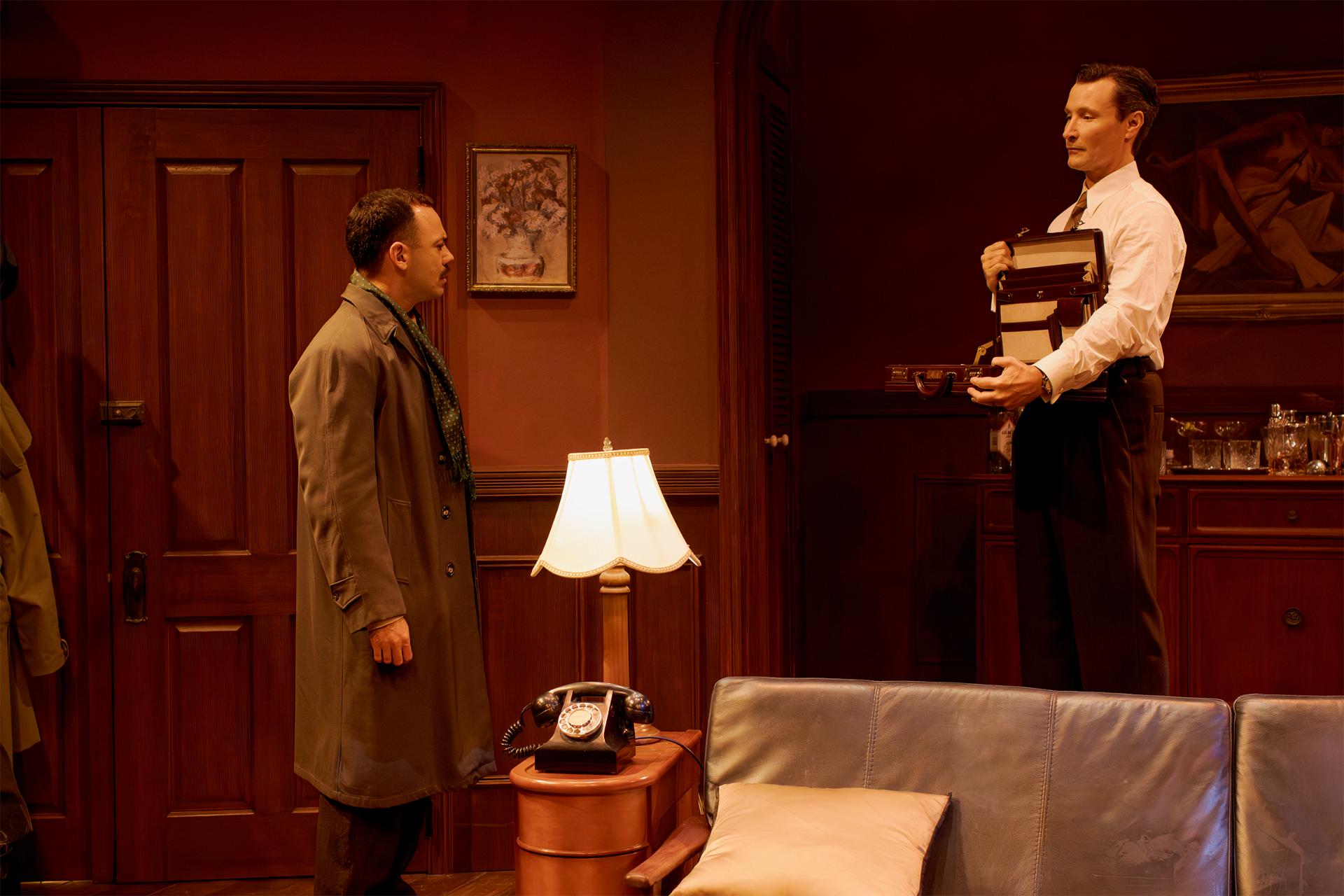
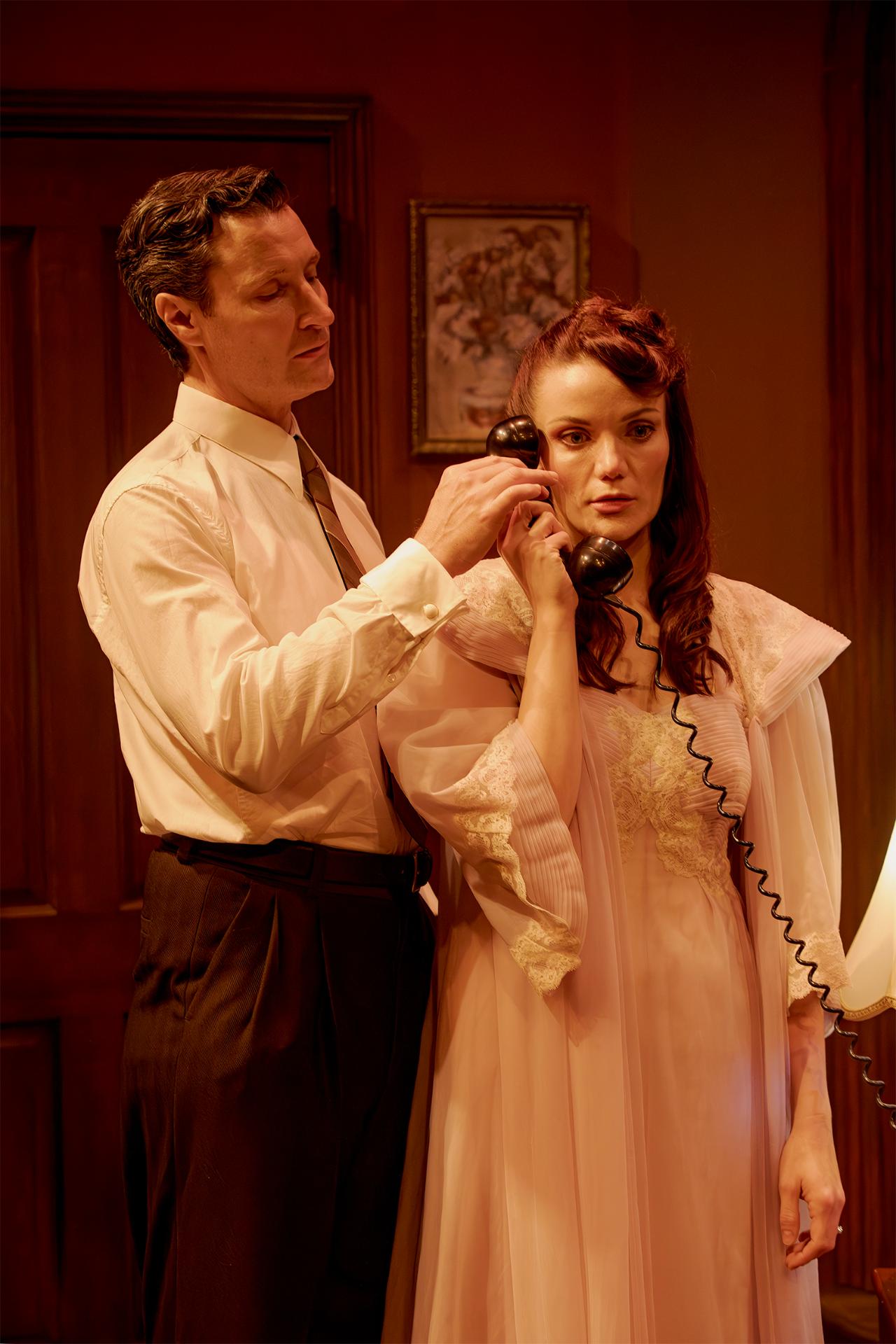
Nearly a century ago, a horse captured the heart of a nation. In Steven Kramer’s new musical Phar Lap, that legend is reborn, charting the champion’s astonishing rise through Australia’s racecourses and reminding us how deeply his story remains etched in the national imagination. Kramer’s songwriting brims with wit and invention, while Jack Earle’s arrangements fuse modern electronic textures with the jaunty swing of the early twentieth century — a lively, irresistible blend that keeps the production buoyant and engaging throughout.

A parade of vivid characters fills the stage, each one smartly and playfully rendered by an ensemble whose energy lifts the entire production. Their exuberance is infectious, their confidence magnetic; whatever they offer, we accept with delight. At the centre gallops Joel Granger, whose Phar Lap radiates innocence and charm, a creature both wondrous and pure. Beside him, Justin Smith’s Harry Telford brings a steady, compassionate presence, their partnership blooming with the kind of trust that makes the impossible seem tenderly real.

Under Sheridan Harbridge’s direction, Phar Lap becomes a riot of camp and gleeful absurdity — a kaleidoscope of humour that wins us over from the very first beat. Her vision is bold and unrepentantly idiosyncratic, inviting us into a world where whimsy reigns and logic gladly takes a back seat. Ellen Simpson’s choreography adds its own spark, conjuring memorable images of horses dancing, feuding, and prancing through fantasy. It is all unabashedly silly, yet every bit of it lands with allure and precision, resulting in theatre that is as joyous as it is ridiculous.

Hailley Hunt’s set design creates an evocative backdrop that conjures the spirit of a bygone era while leaving generous room for the cast’s exaggerated physicality. Mason Browne’s costumes root us in the period, yet it is their quiet audacity, the flickers of flamboyance woven almost mischievously through the fabric, that bring the stage to life. Trent Suidgeest’s lighting underscores that sense of spectacle, bold and effervescent, adding a touch of decadence to the show’s already radiant charm.

There are forces that bind a people, though they are seldom of our intentional making; they happen, as wonder does, when hearts align by chance. Art, though, is the one miracle we can will into being — the act that turns isolation into communion. Each story told, whether strange or familiar, becomes a thread in that fragile web of understanding. And in these fractured times, art remains the heartbeat that reminds us we have no alternative but to belong to one another.
www.hayestheatre.com.au