Review: Hedwig And The Angry Inch (Carriageworks)

Venue: Carriageworks (Eveleigh NSW), Jul 17 – Aug 3, 2025
Text: John Cameron Mitchell
Music and Lyrics: Stephen Trask
Directors: Shane Anthony, Dino Dimitriadis
Cast: Seann Miley Moore, Adam Noviello
Images by Eugene Hyland, Shane Reid

Theatre review
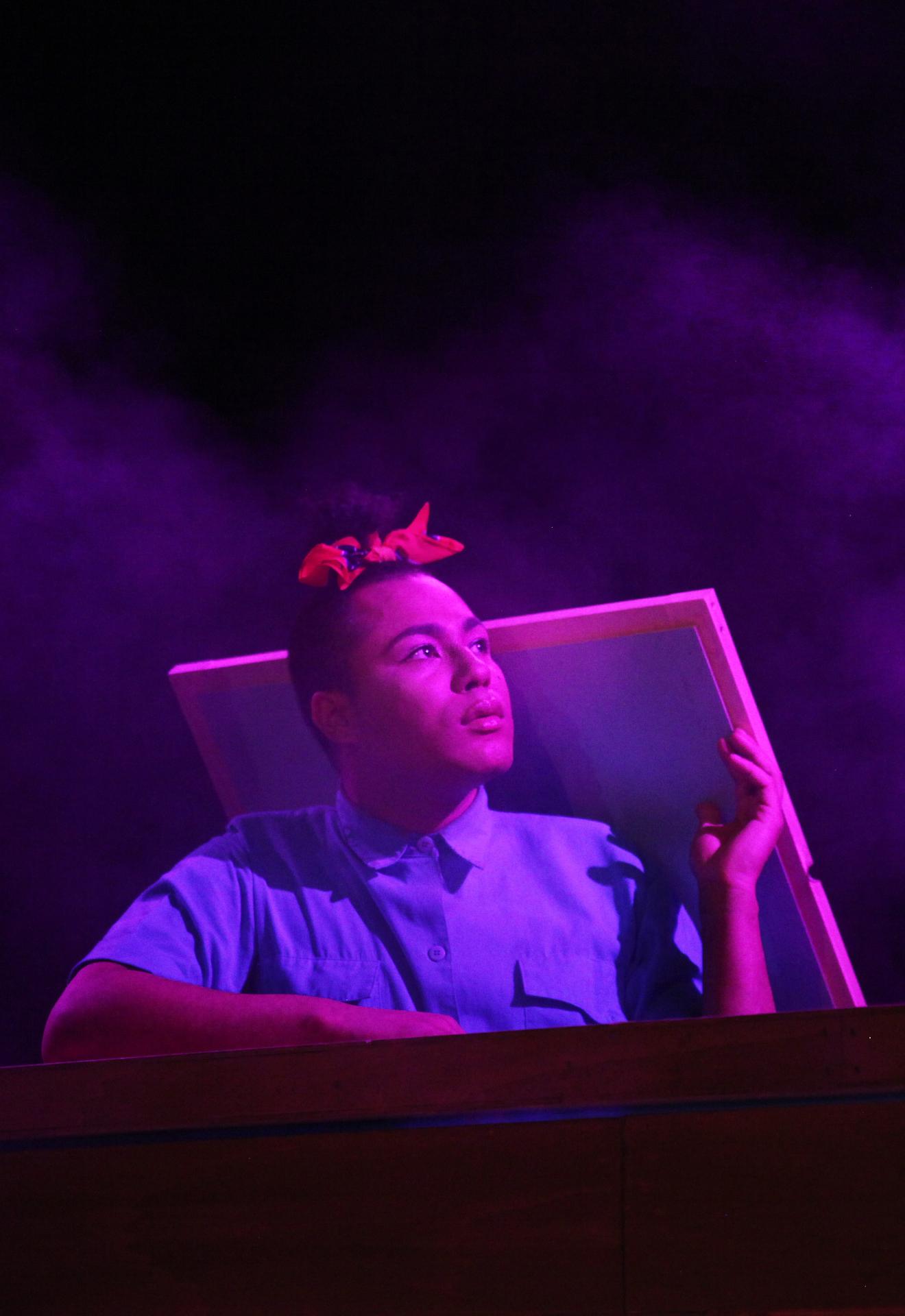
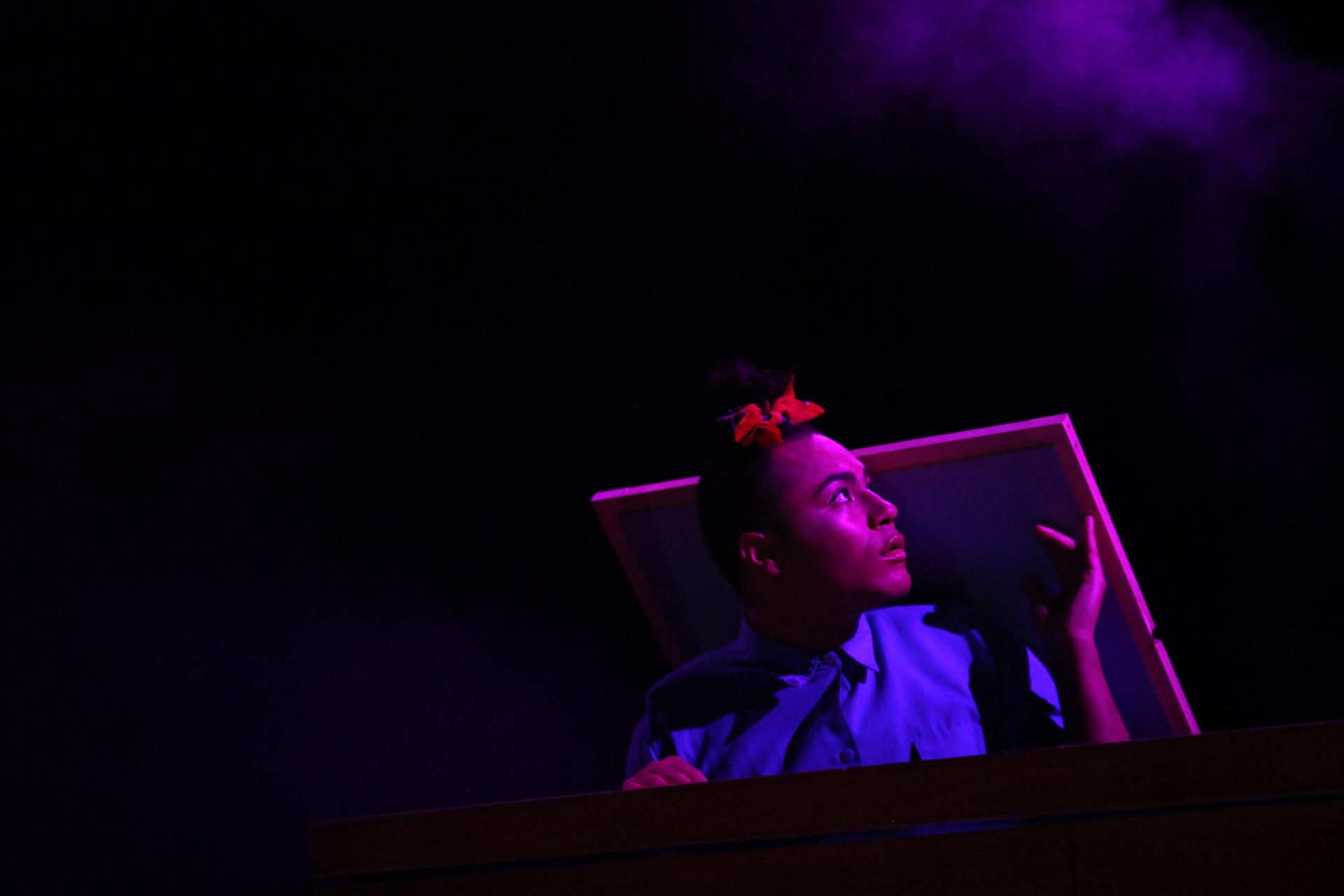
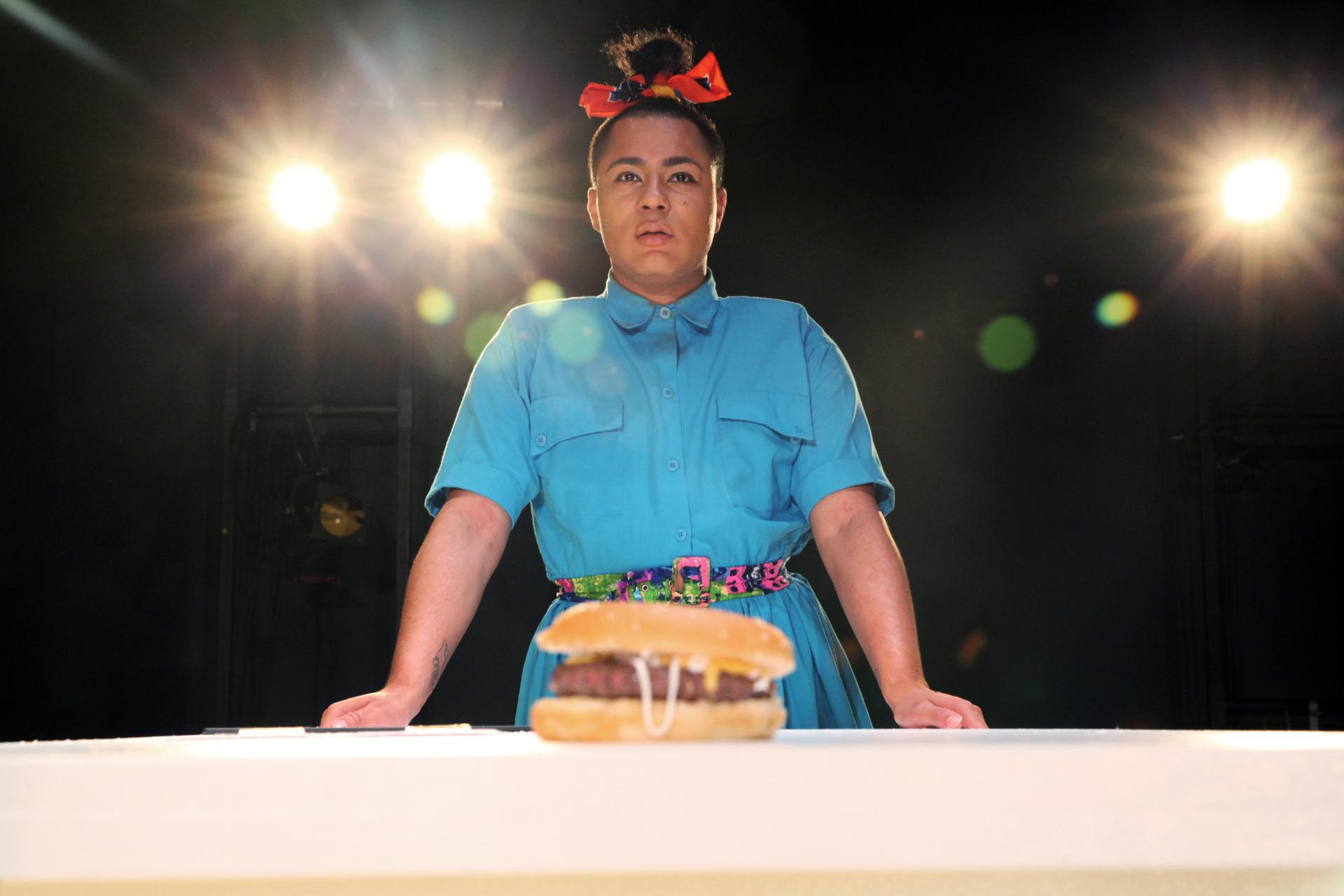
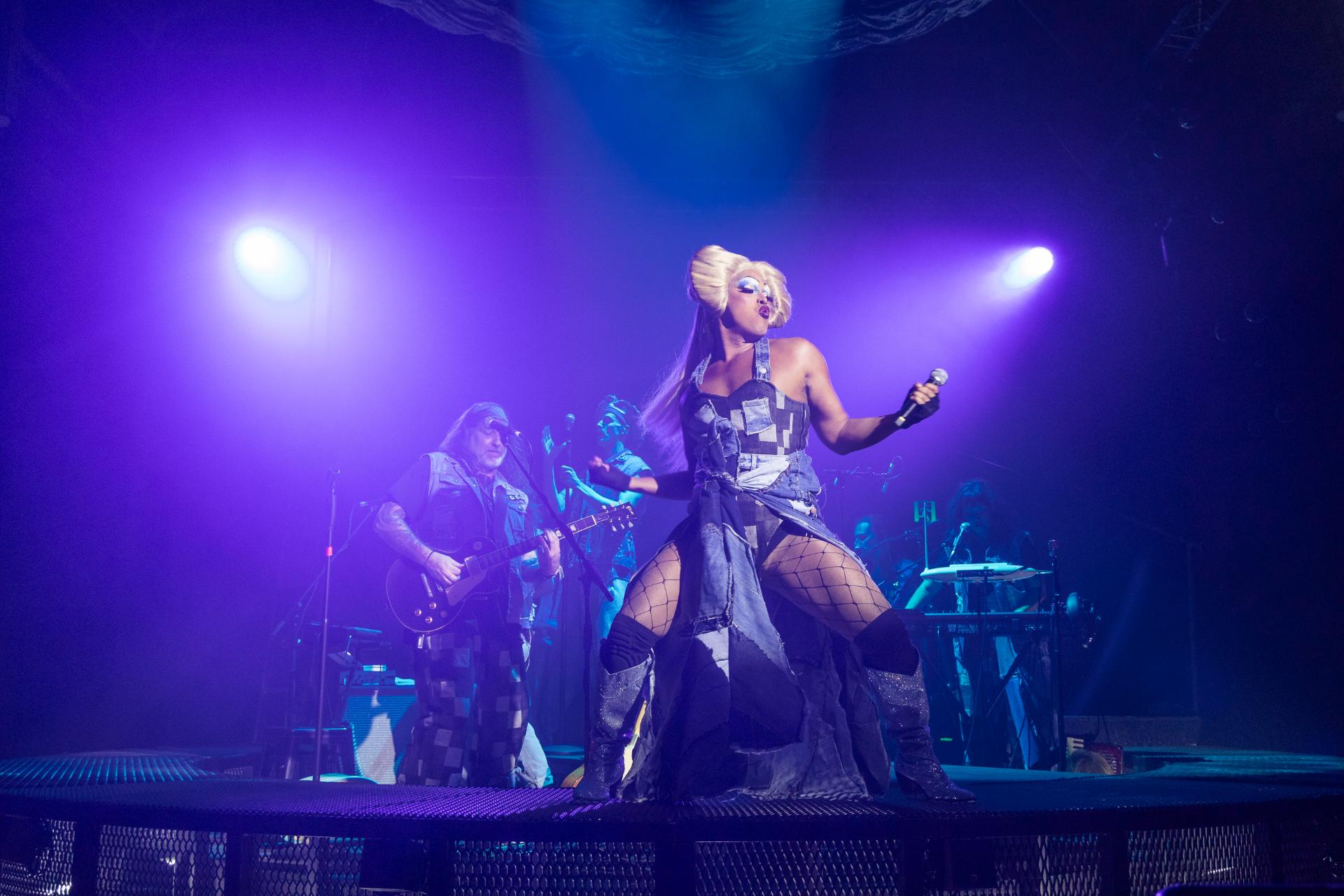
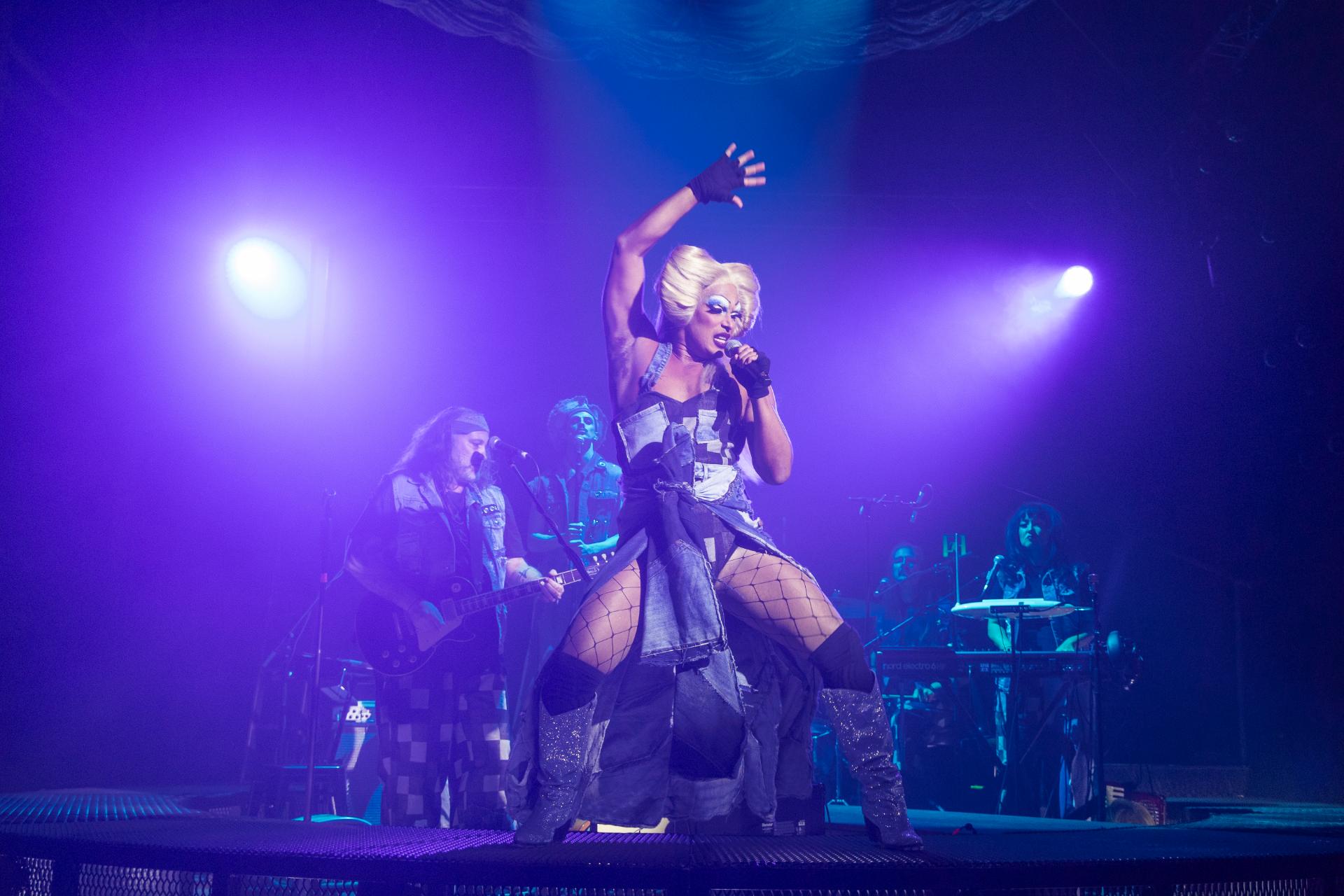
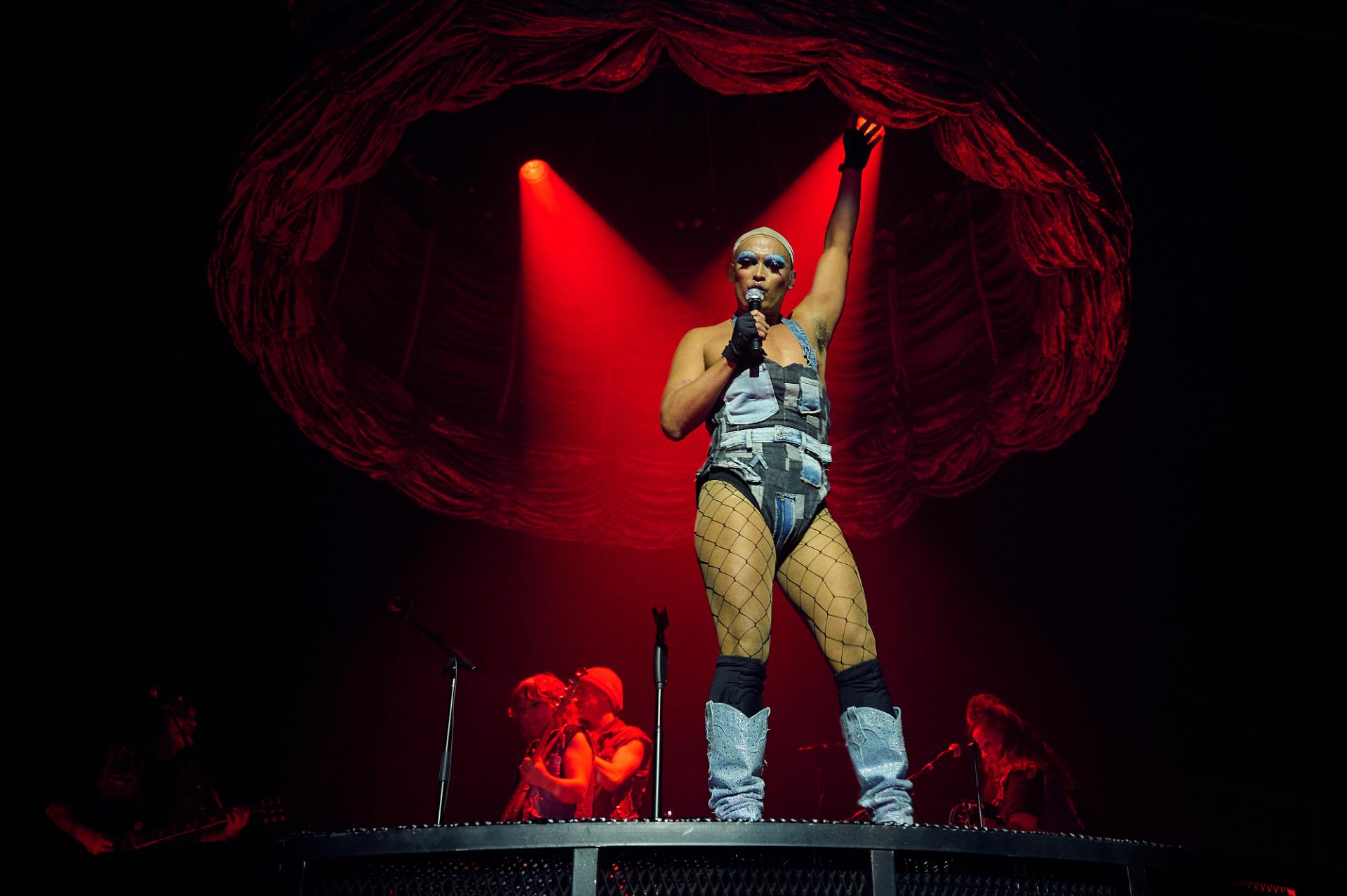
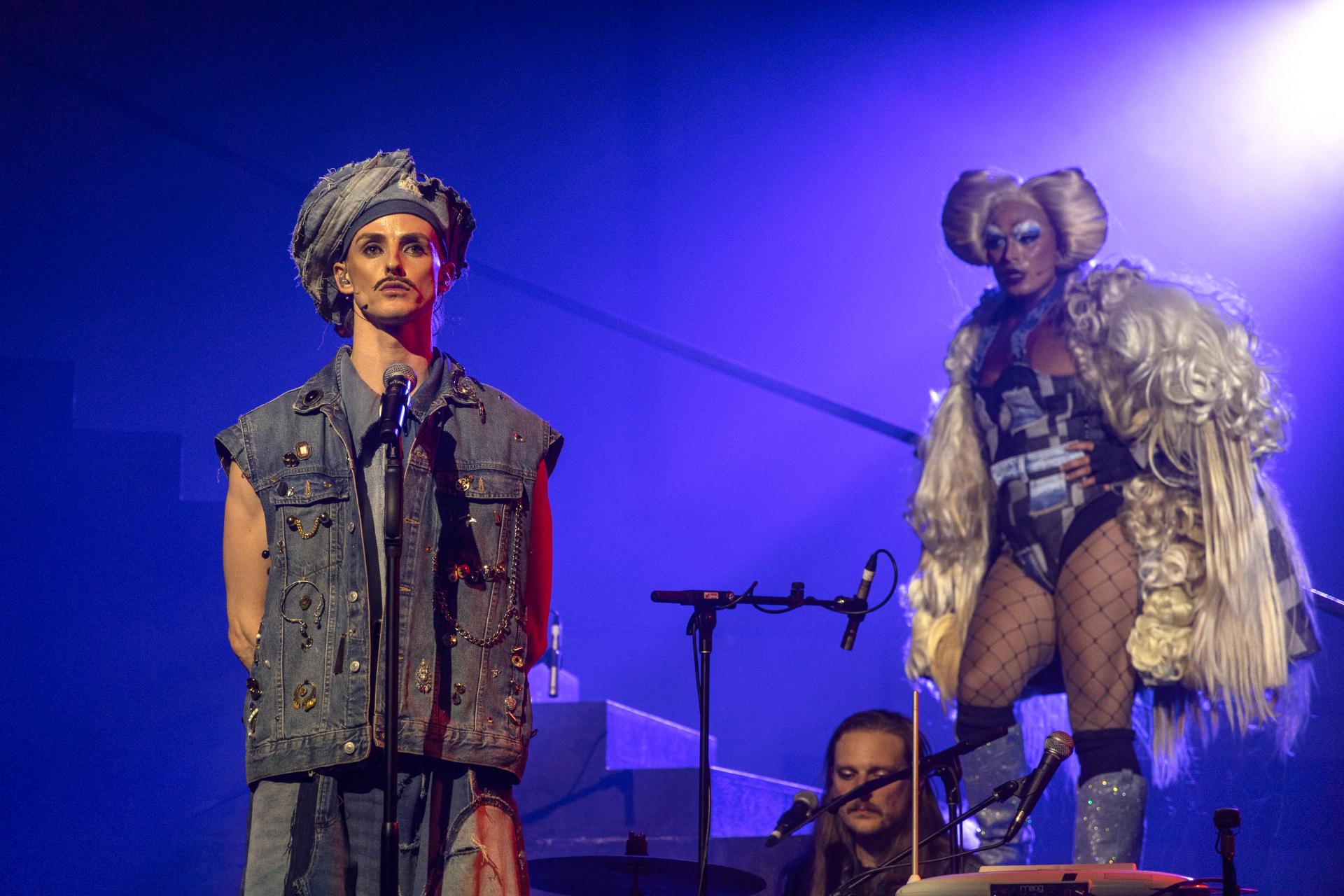
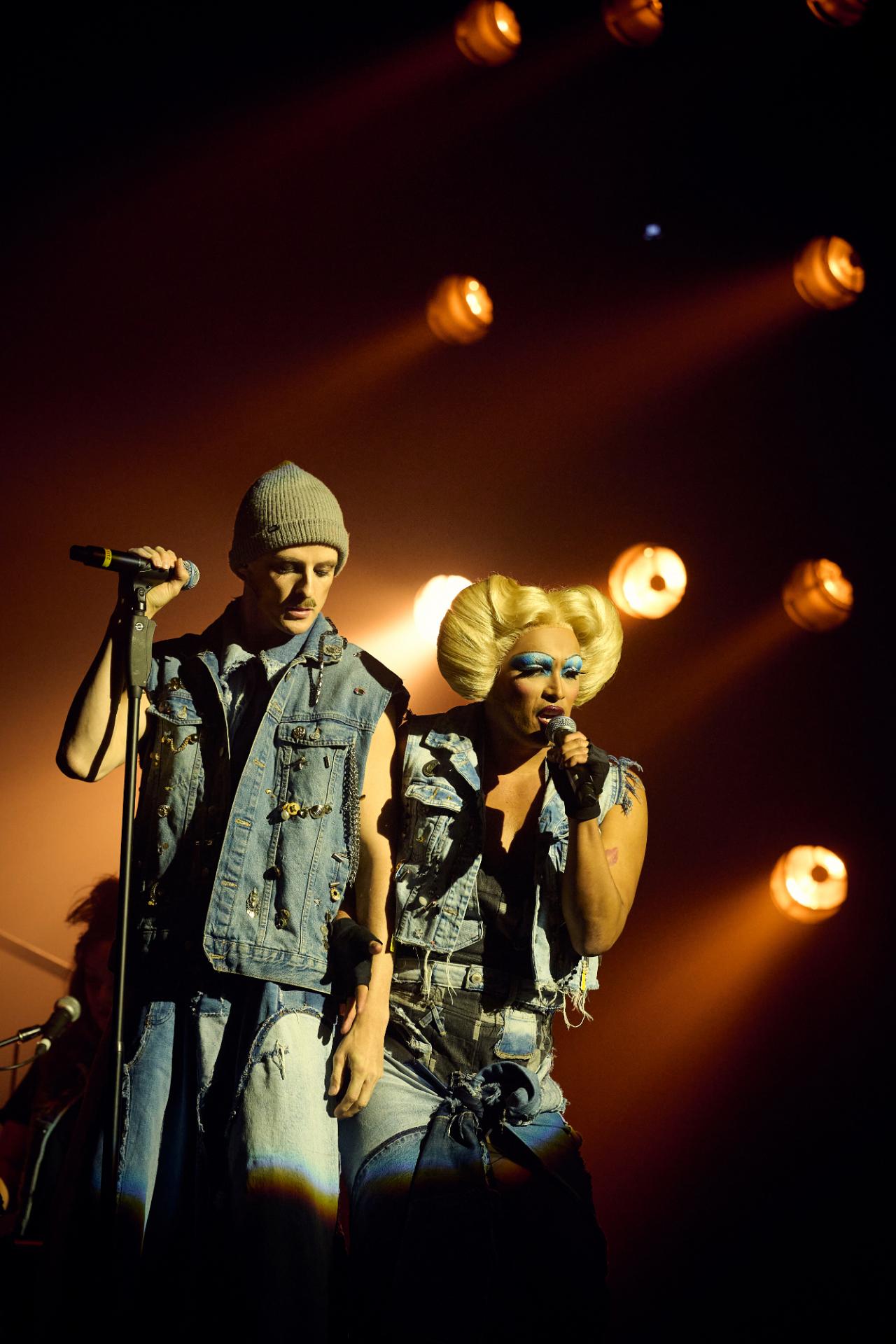
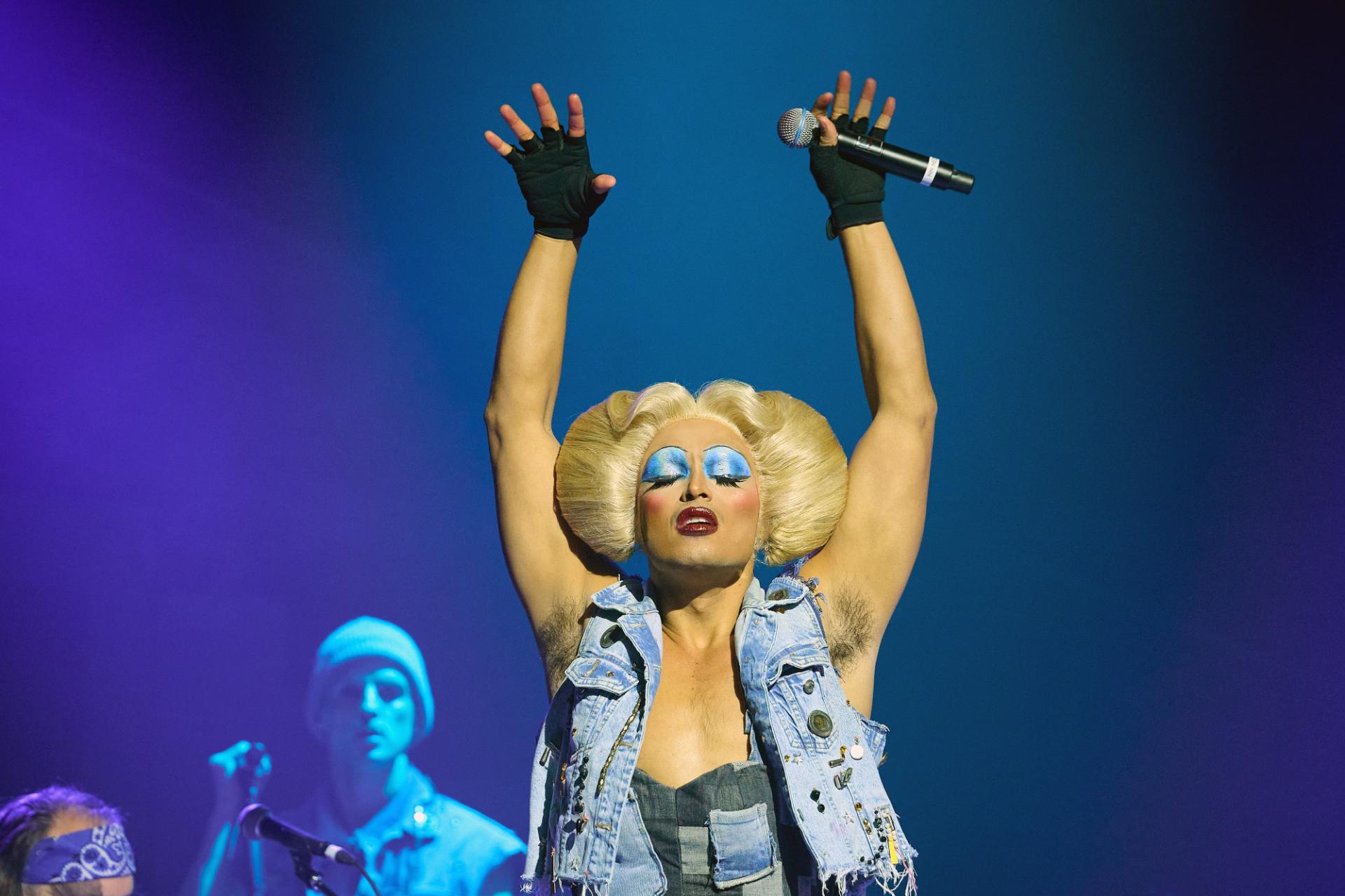
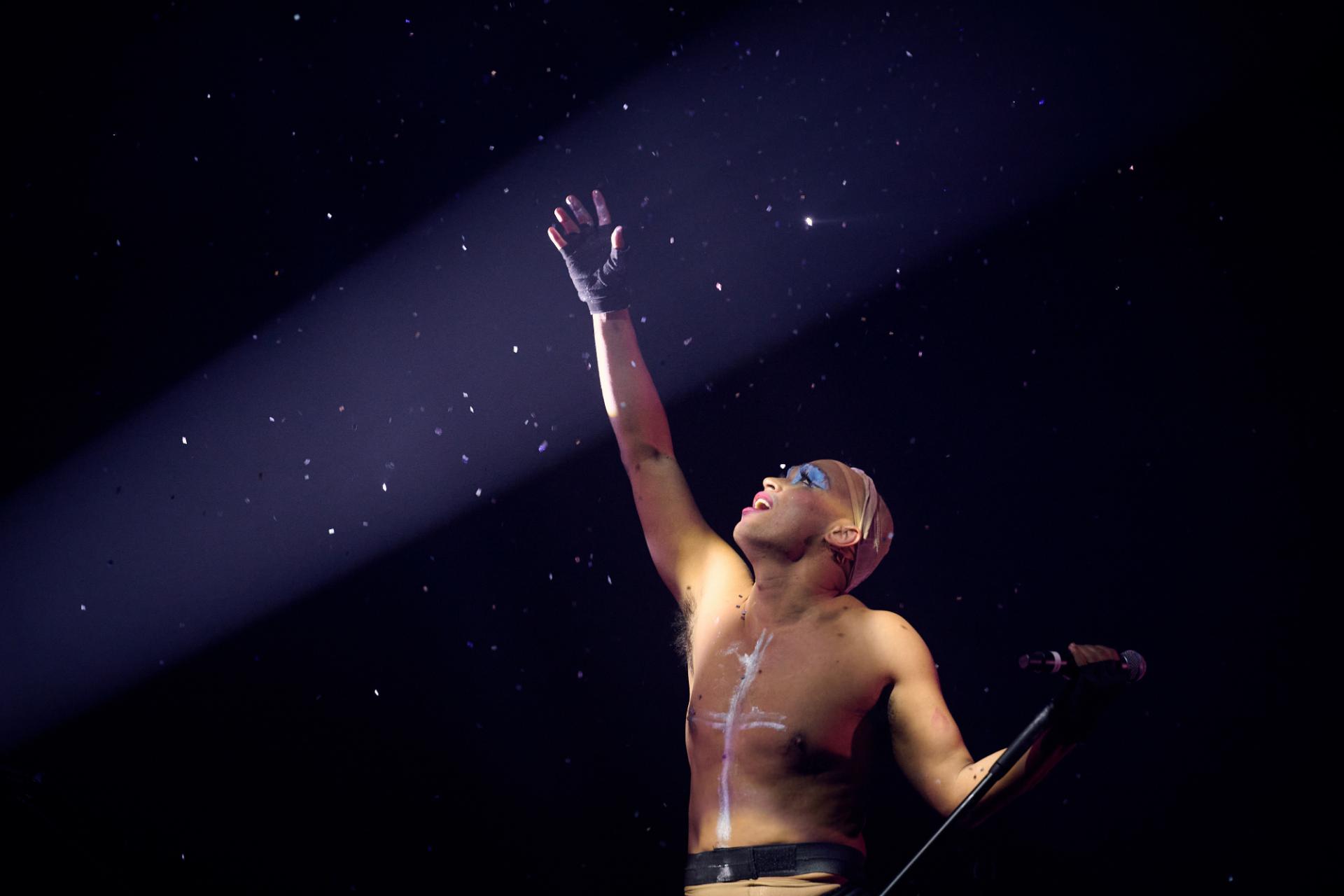
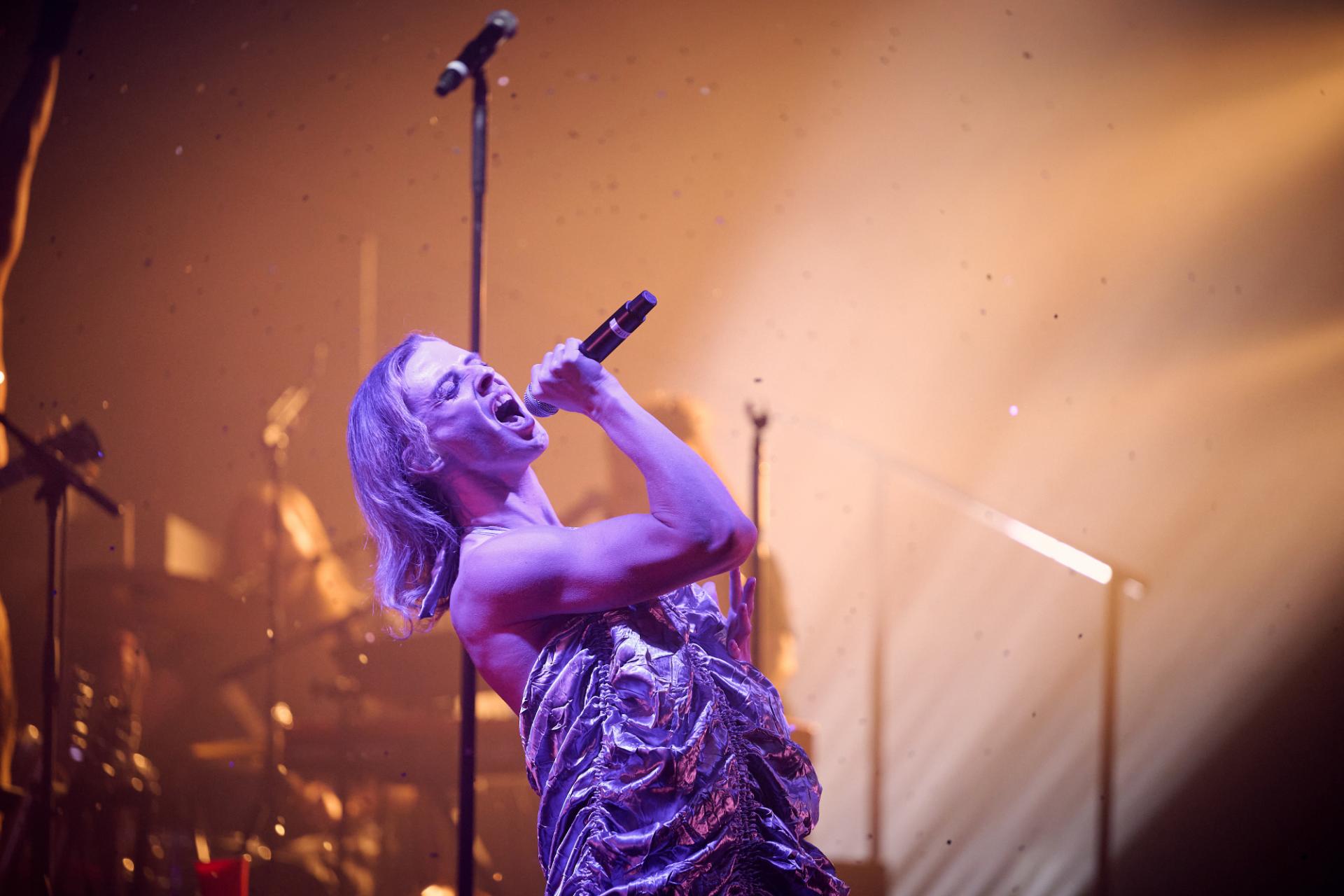
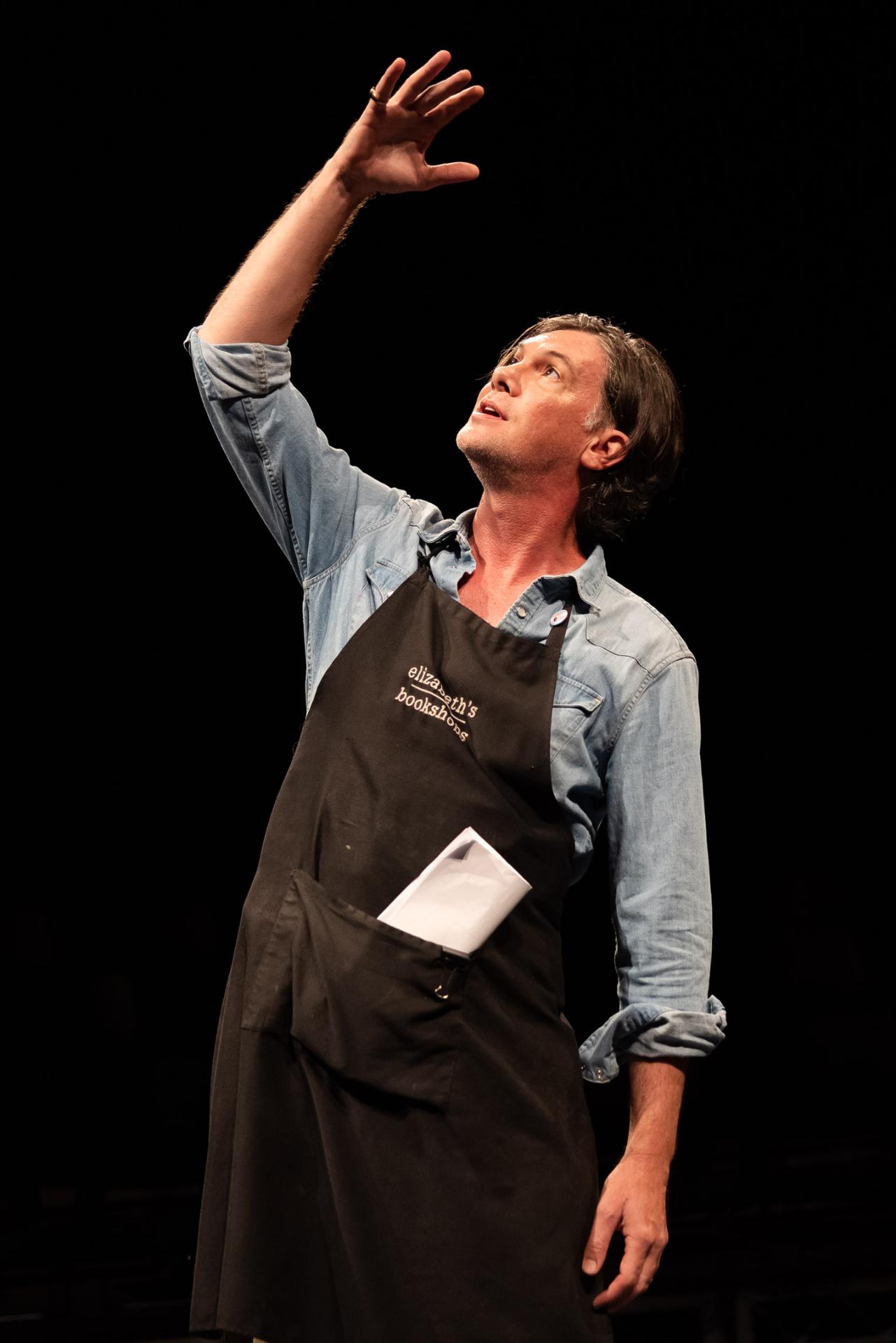
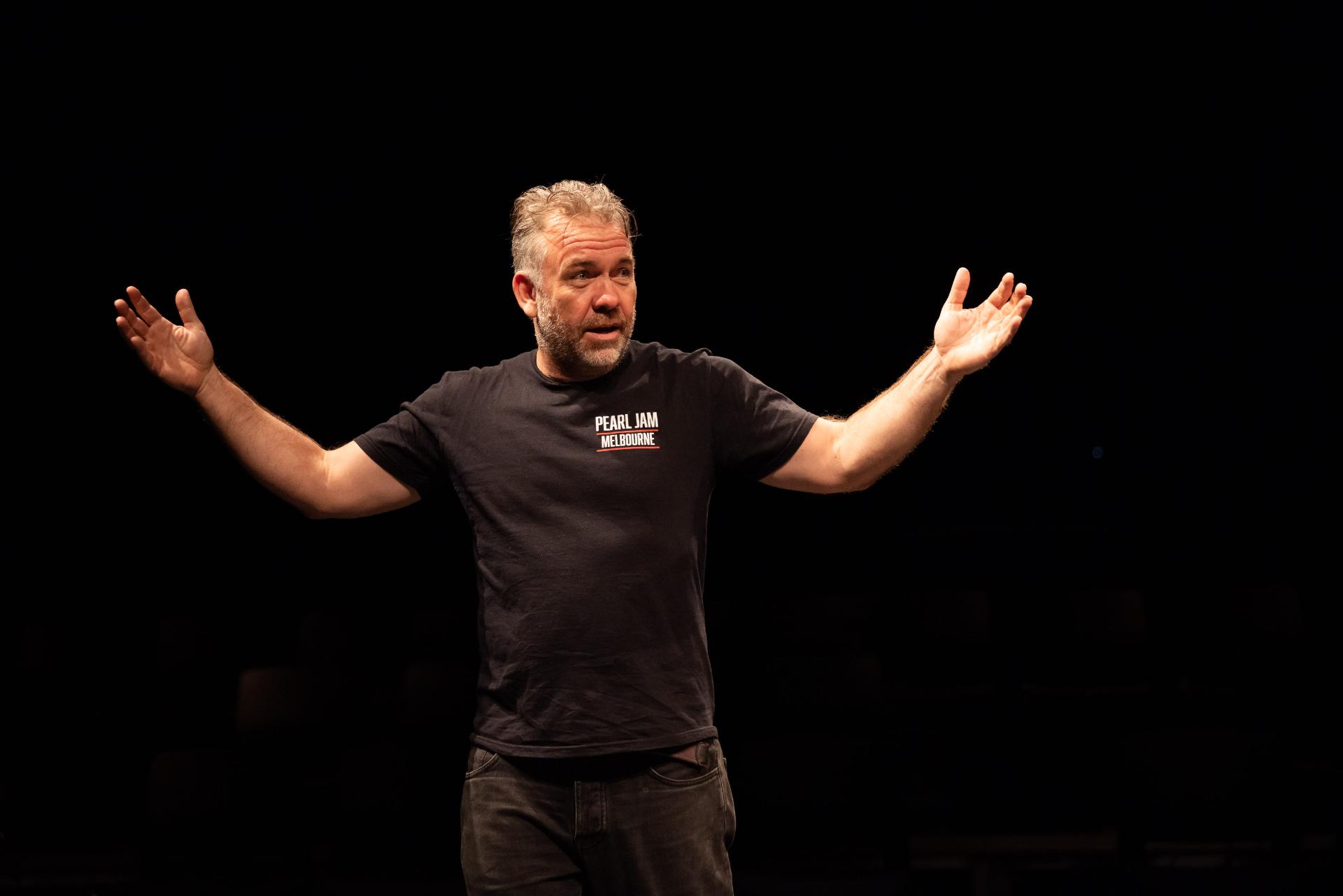
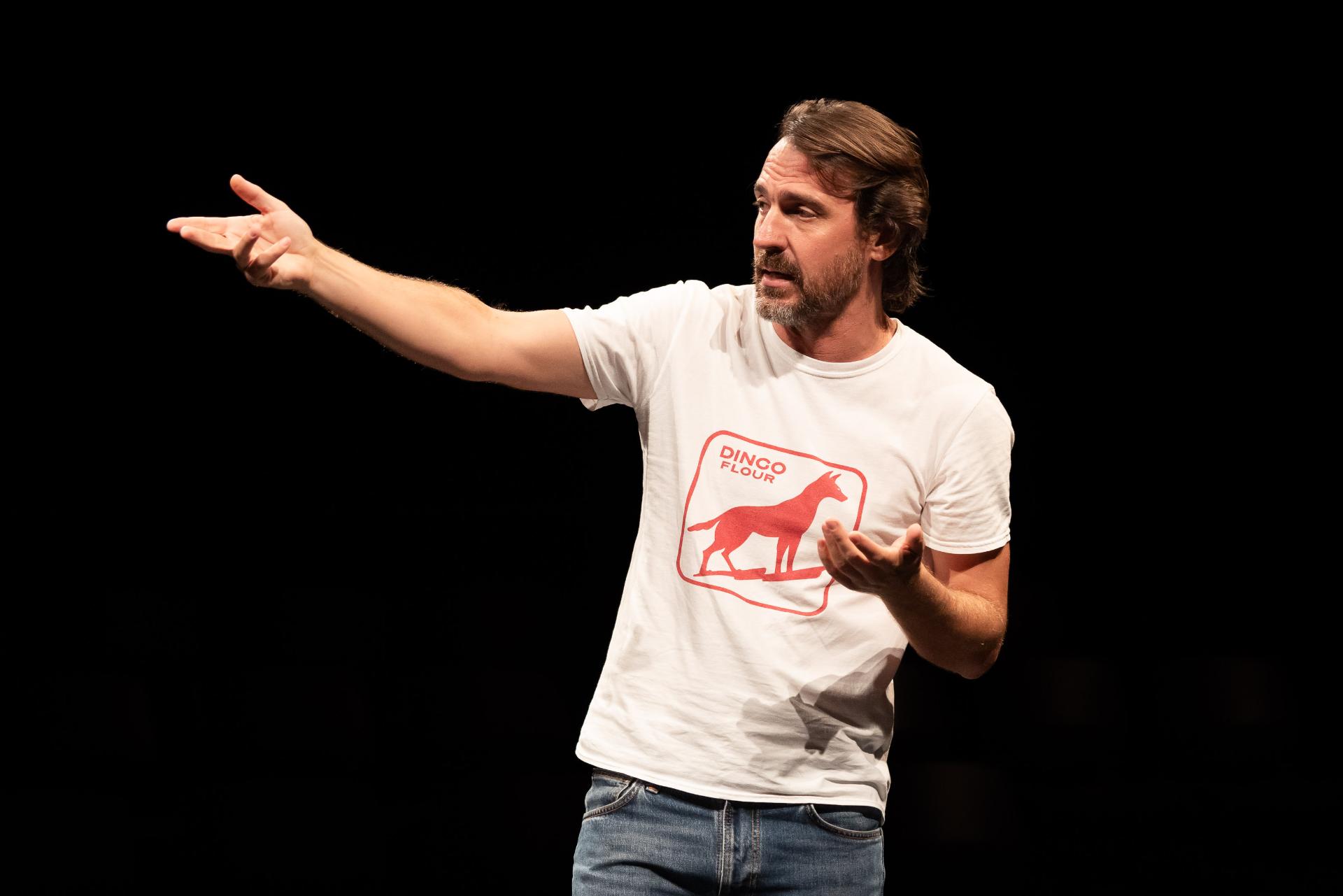
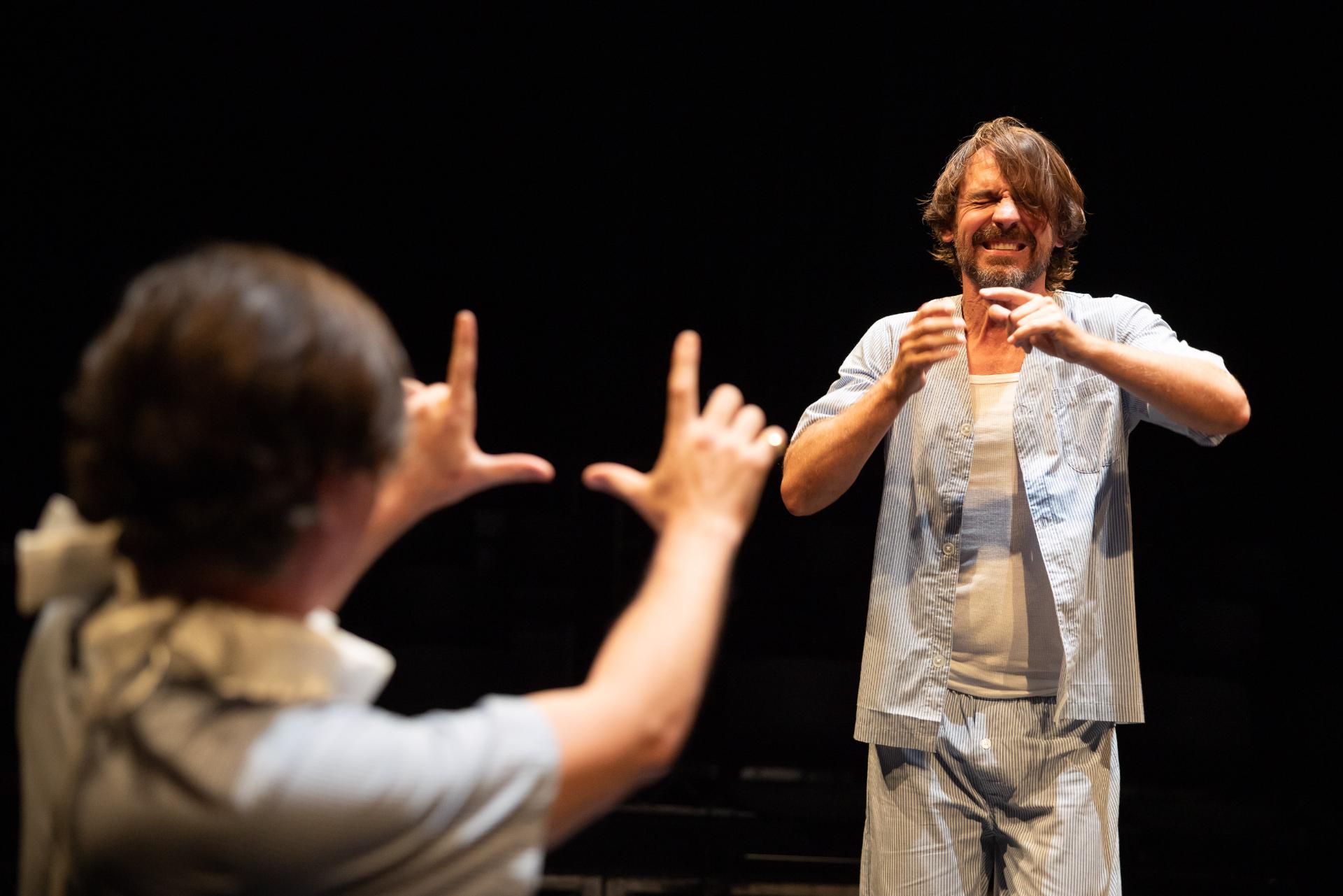
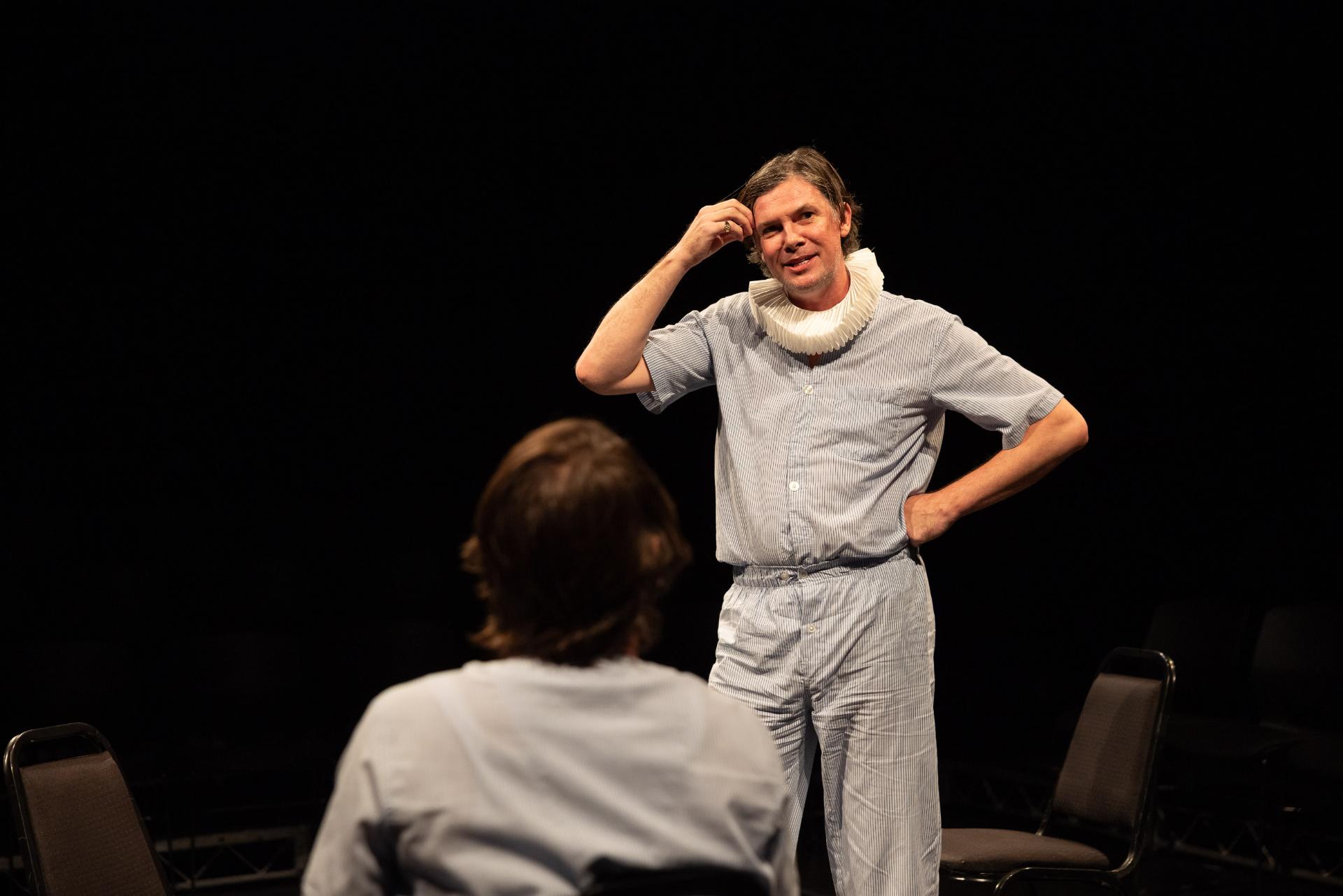
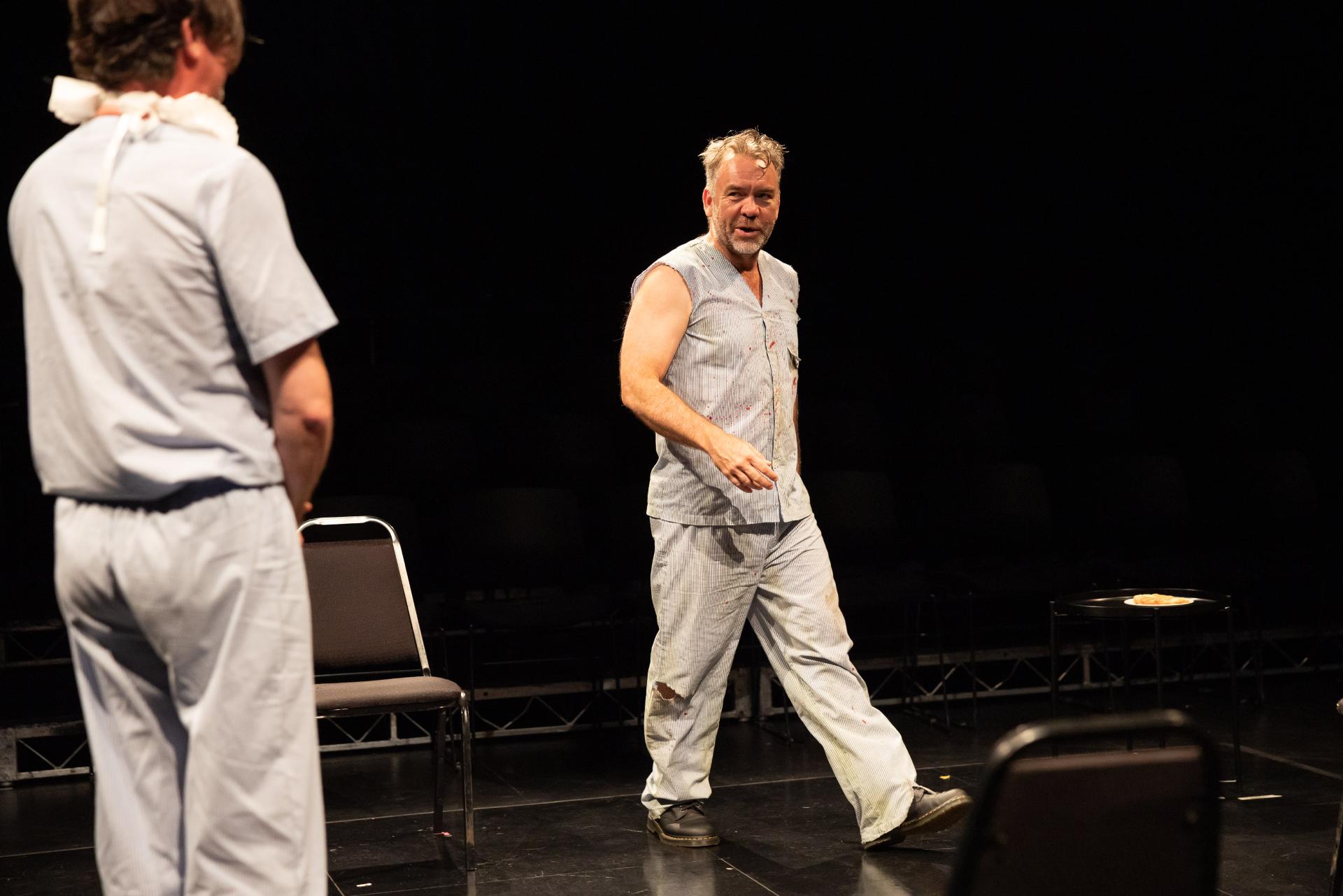
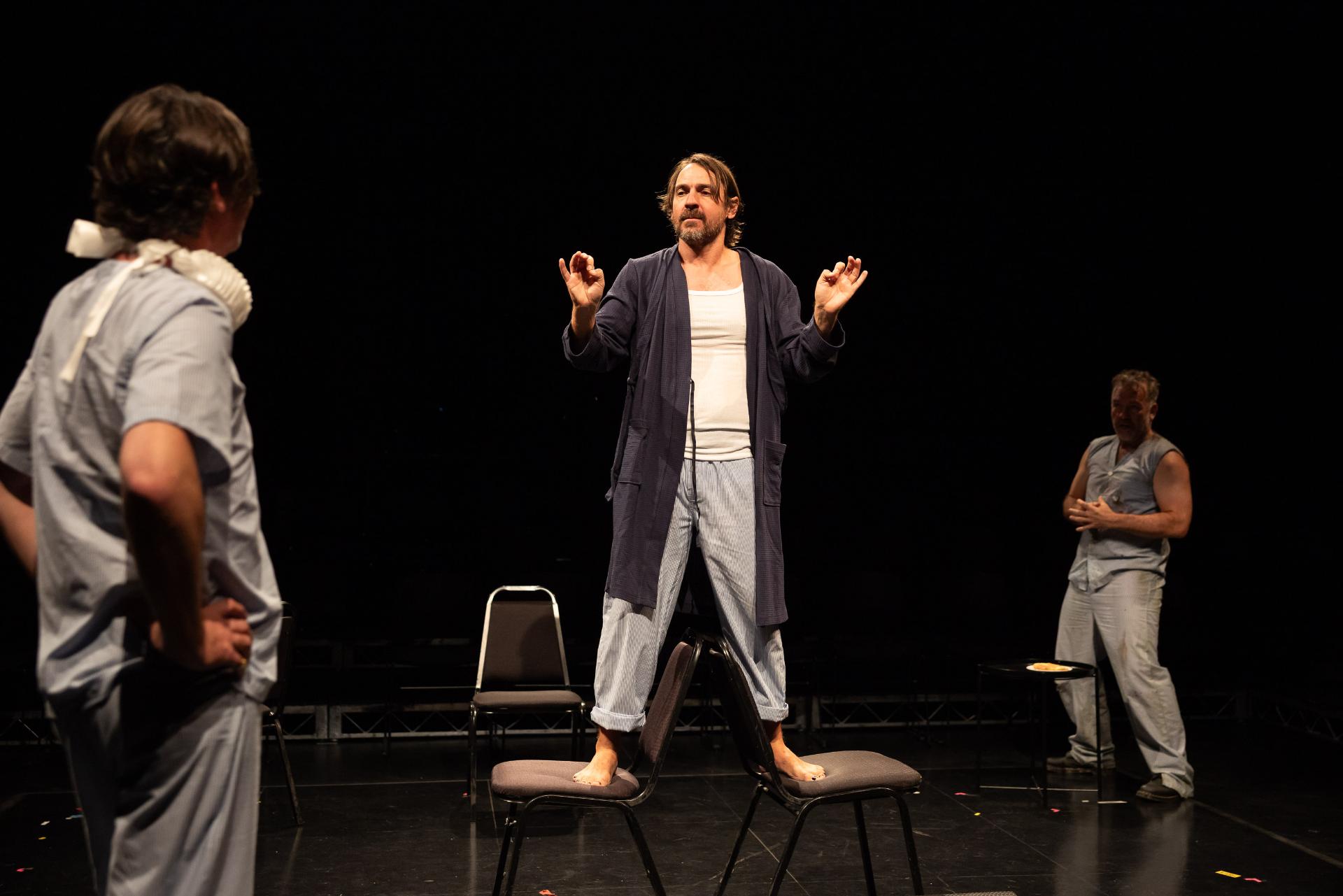
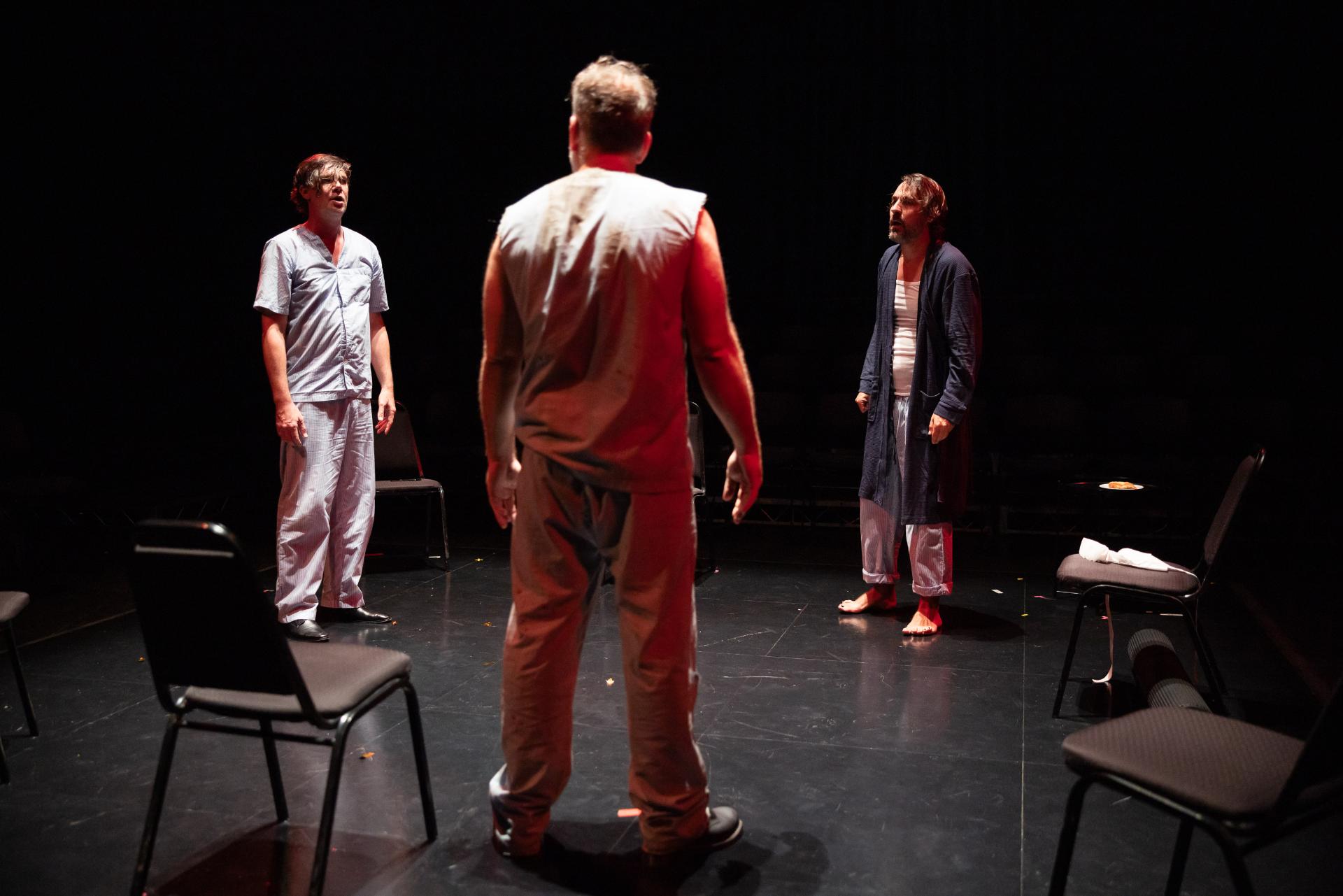
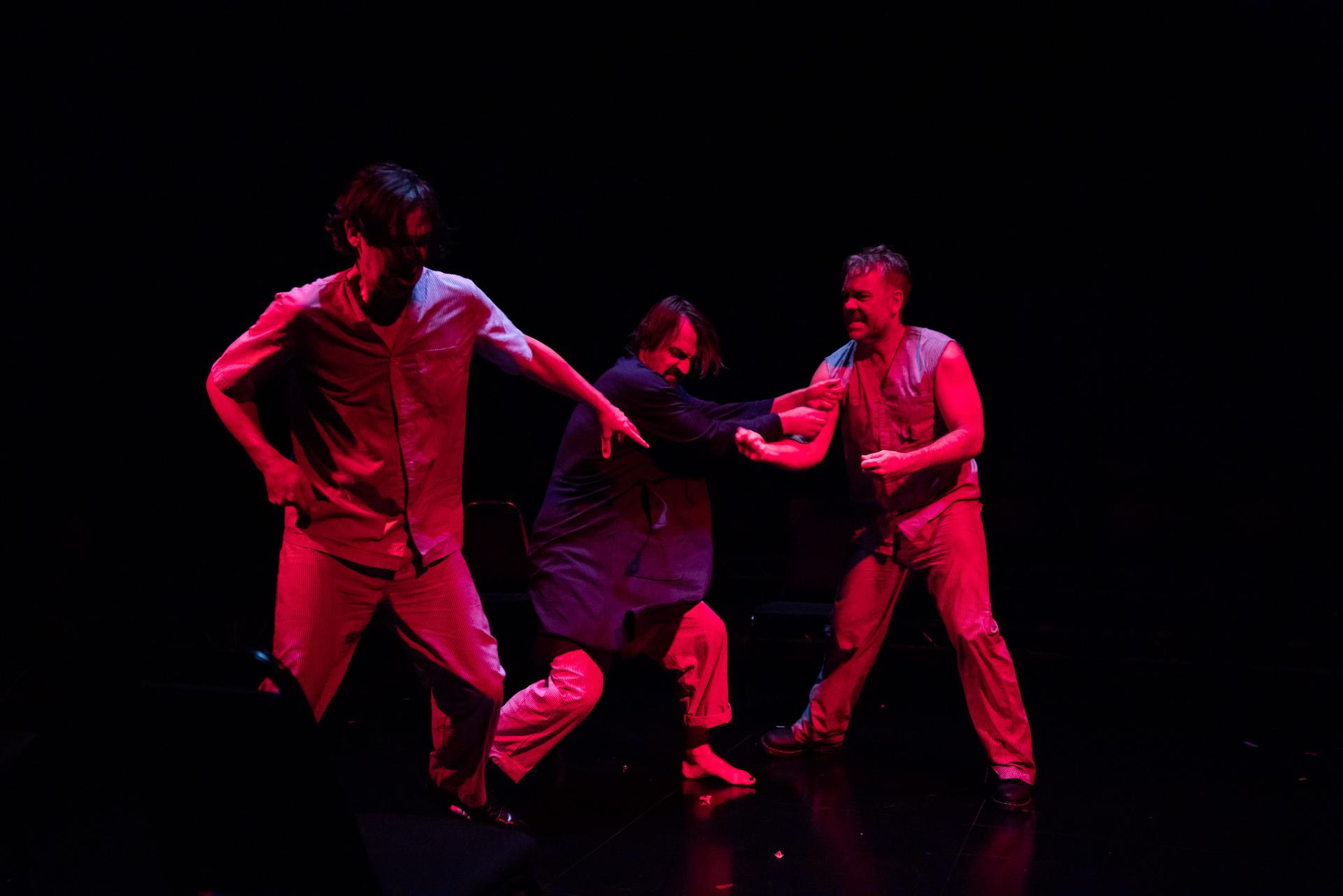
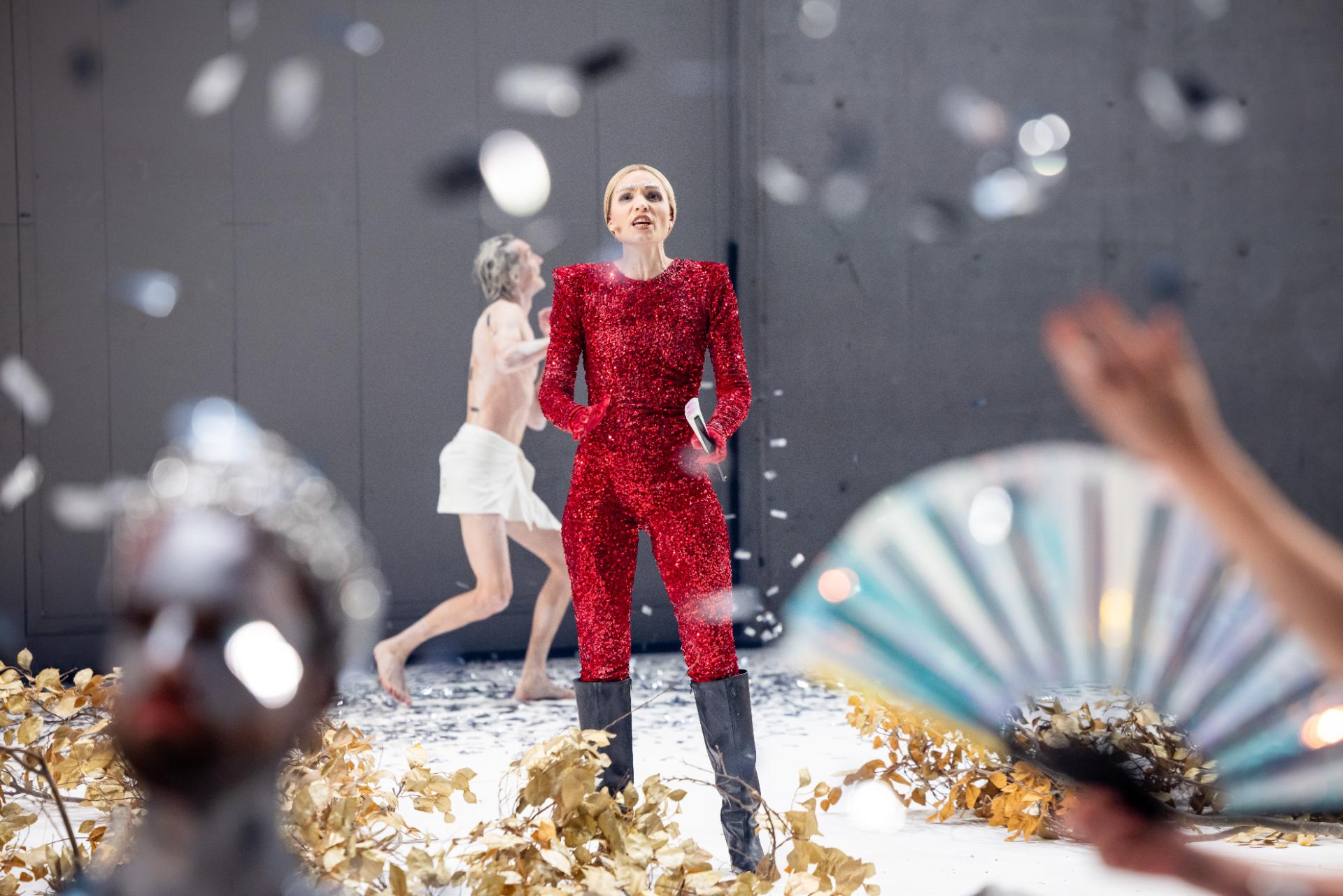
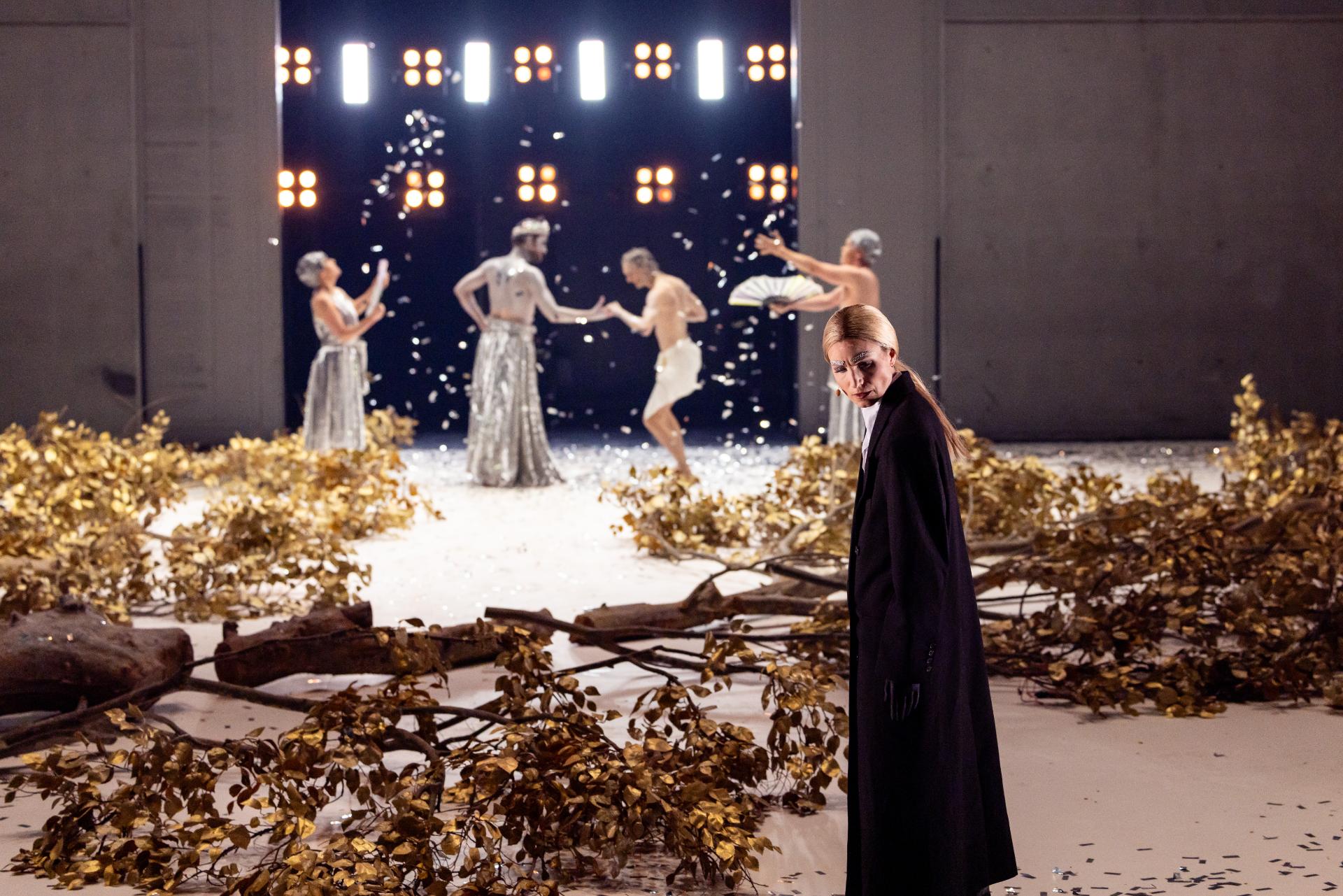
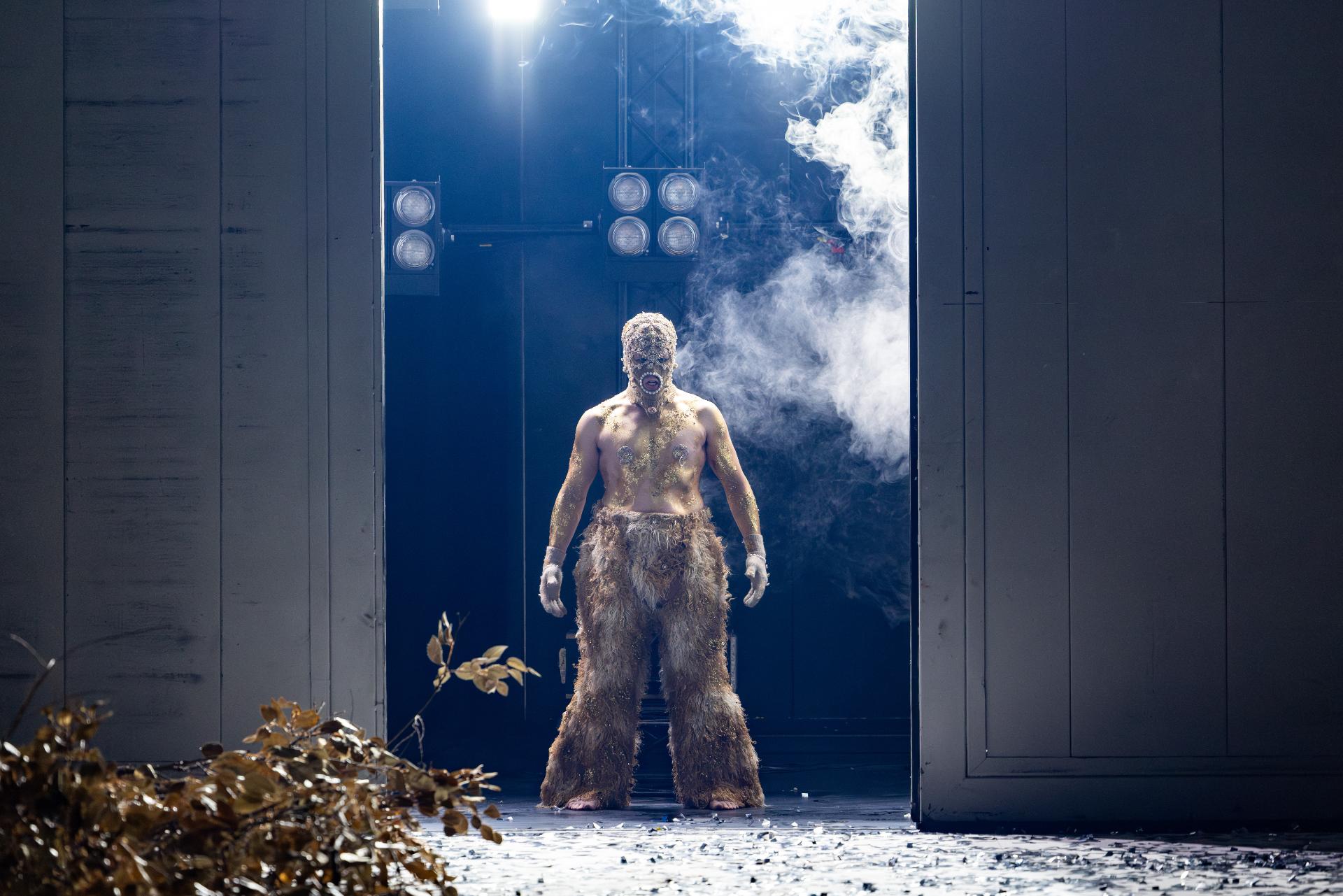
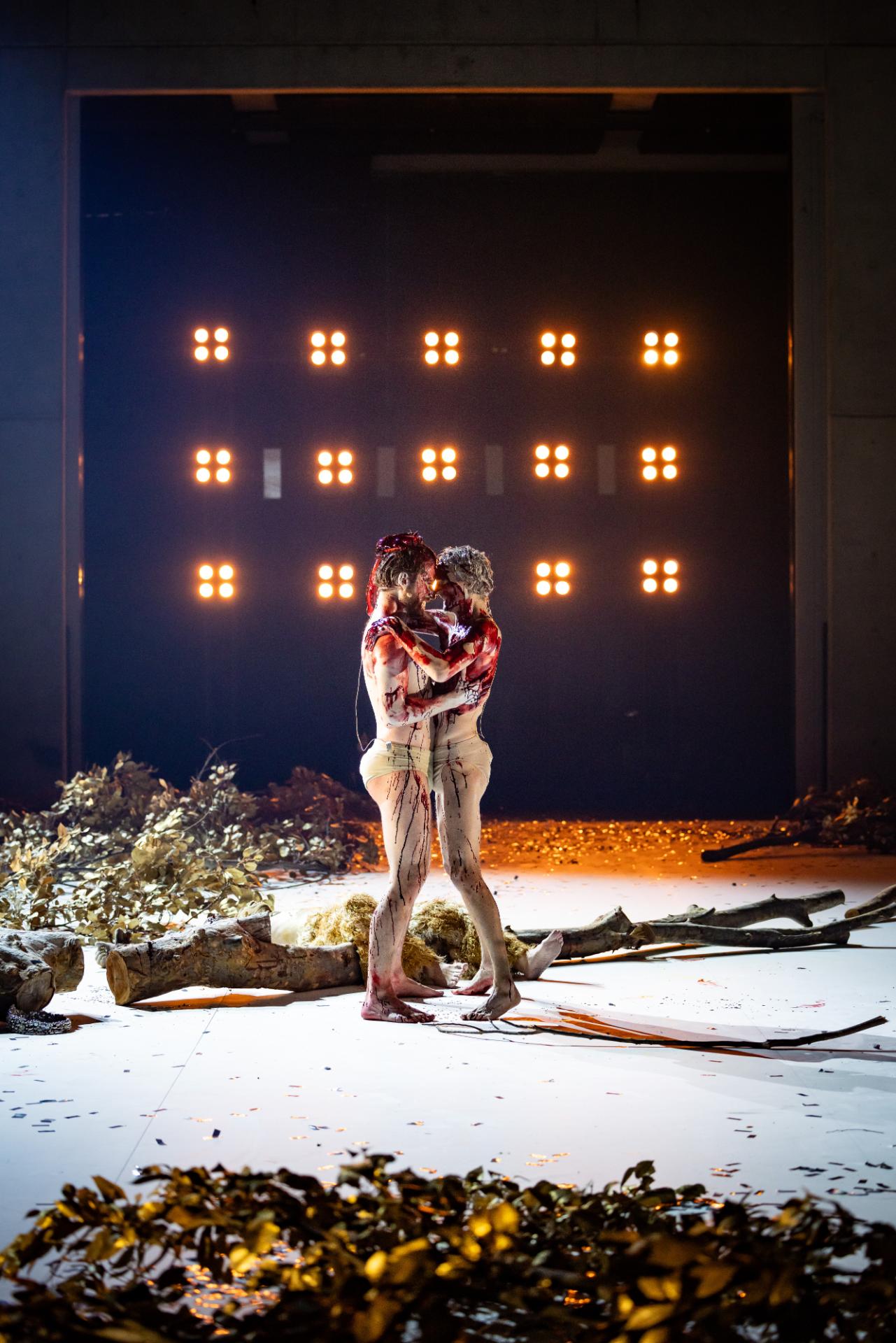
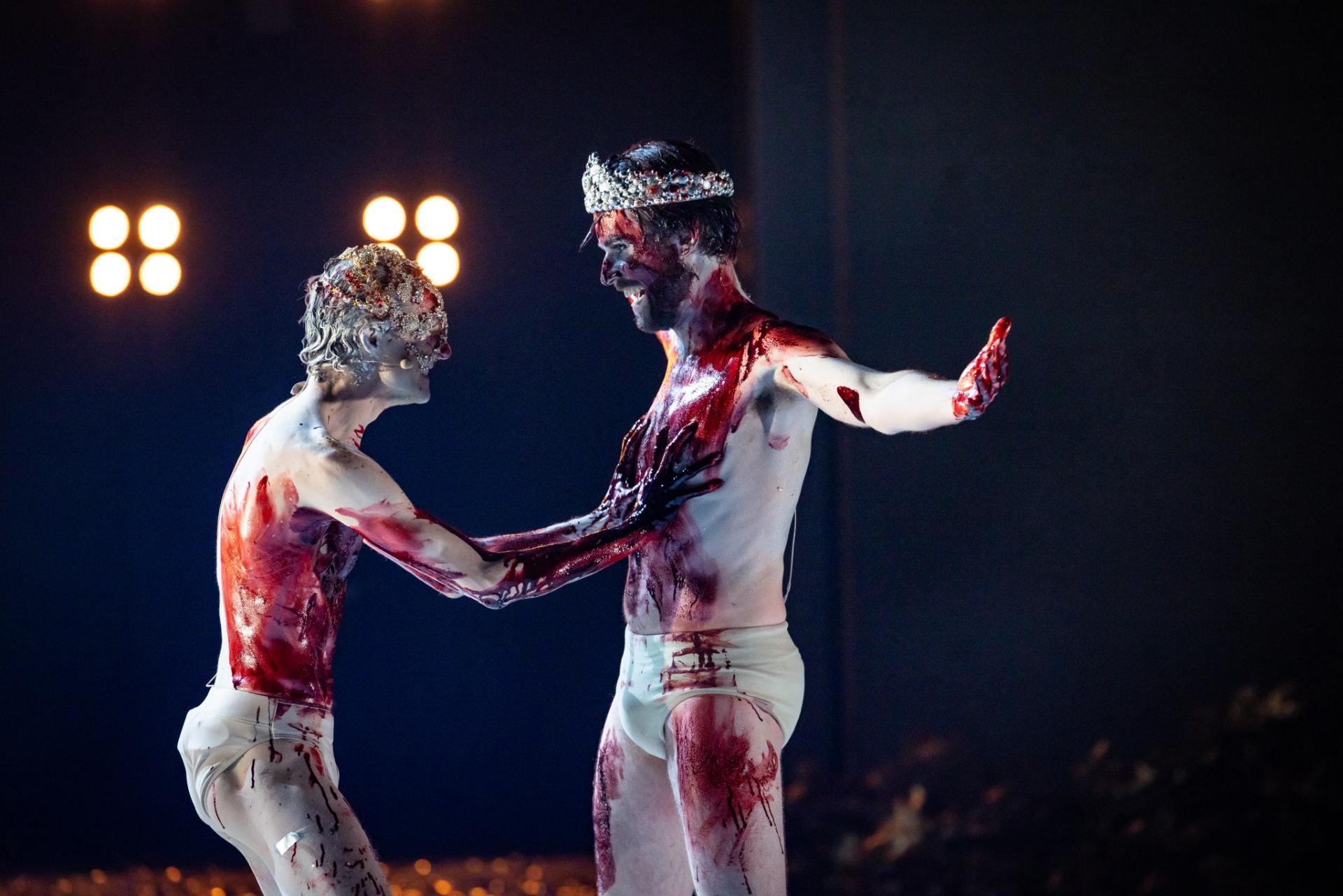
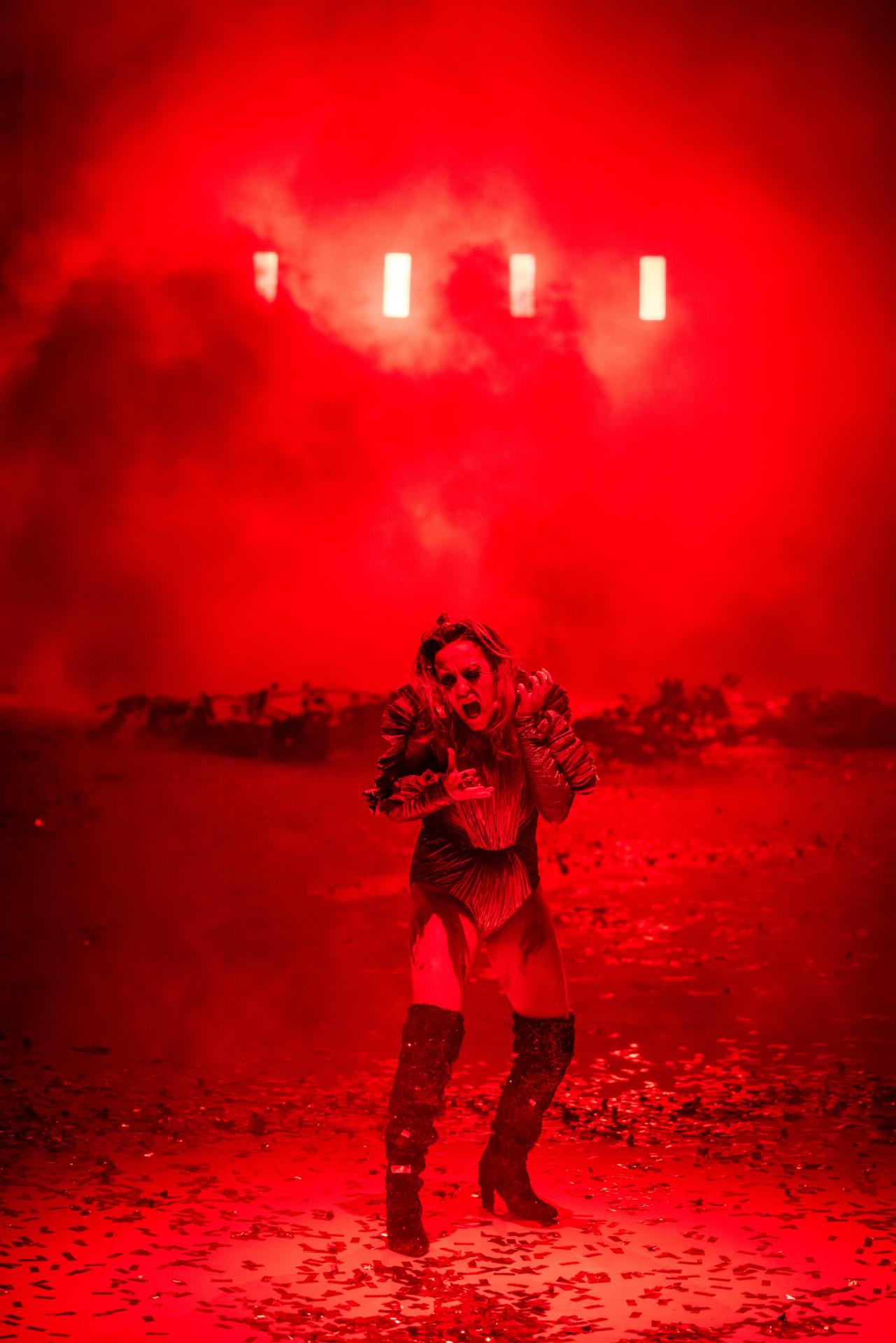
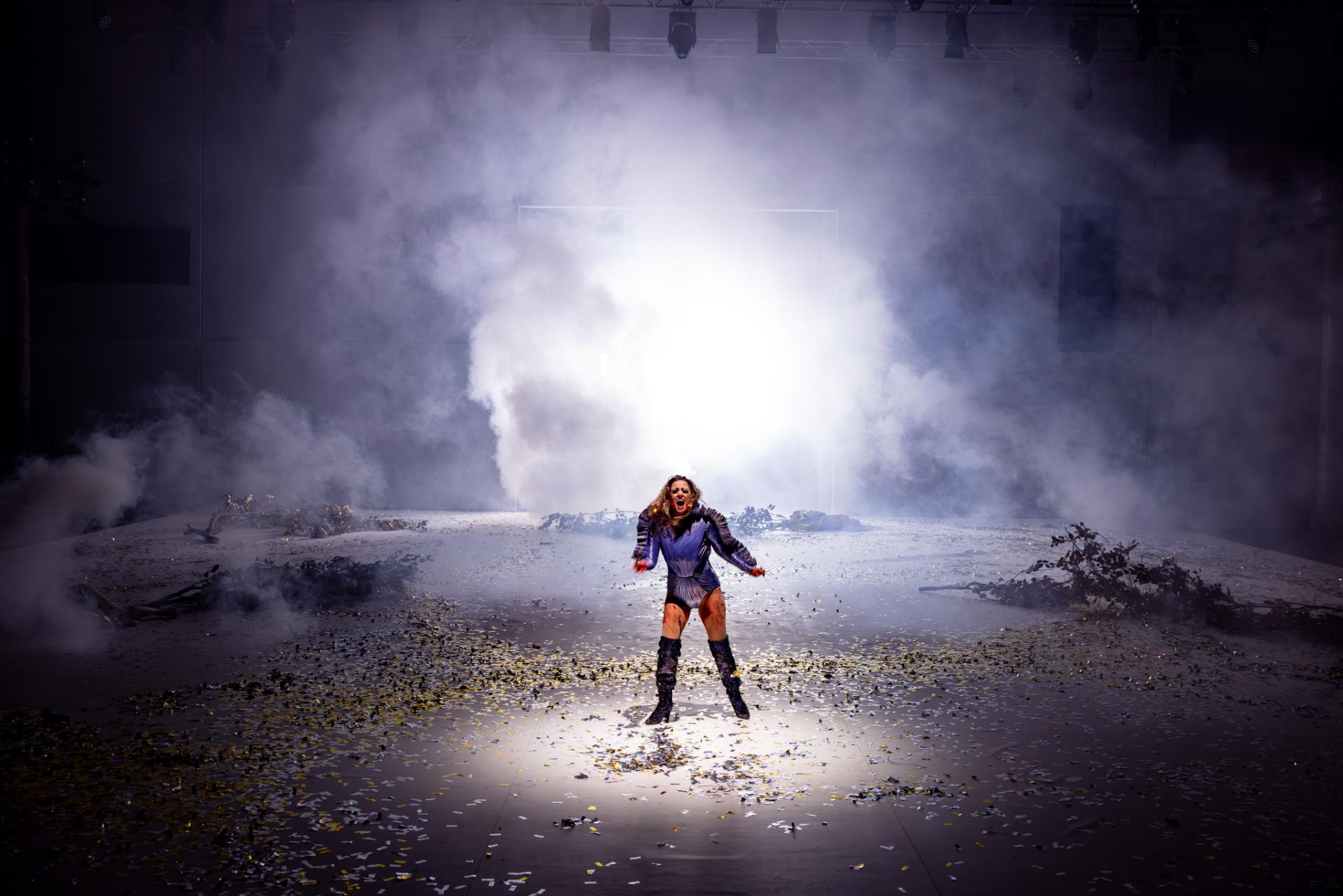
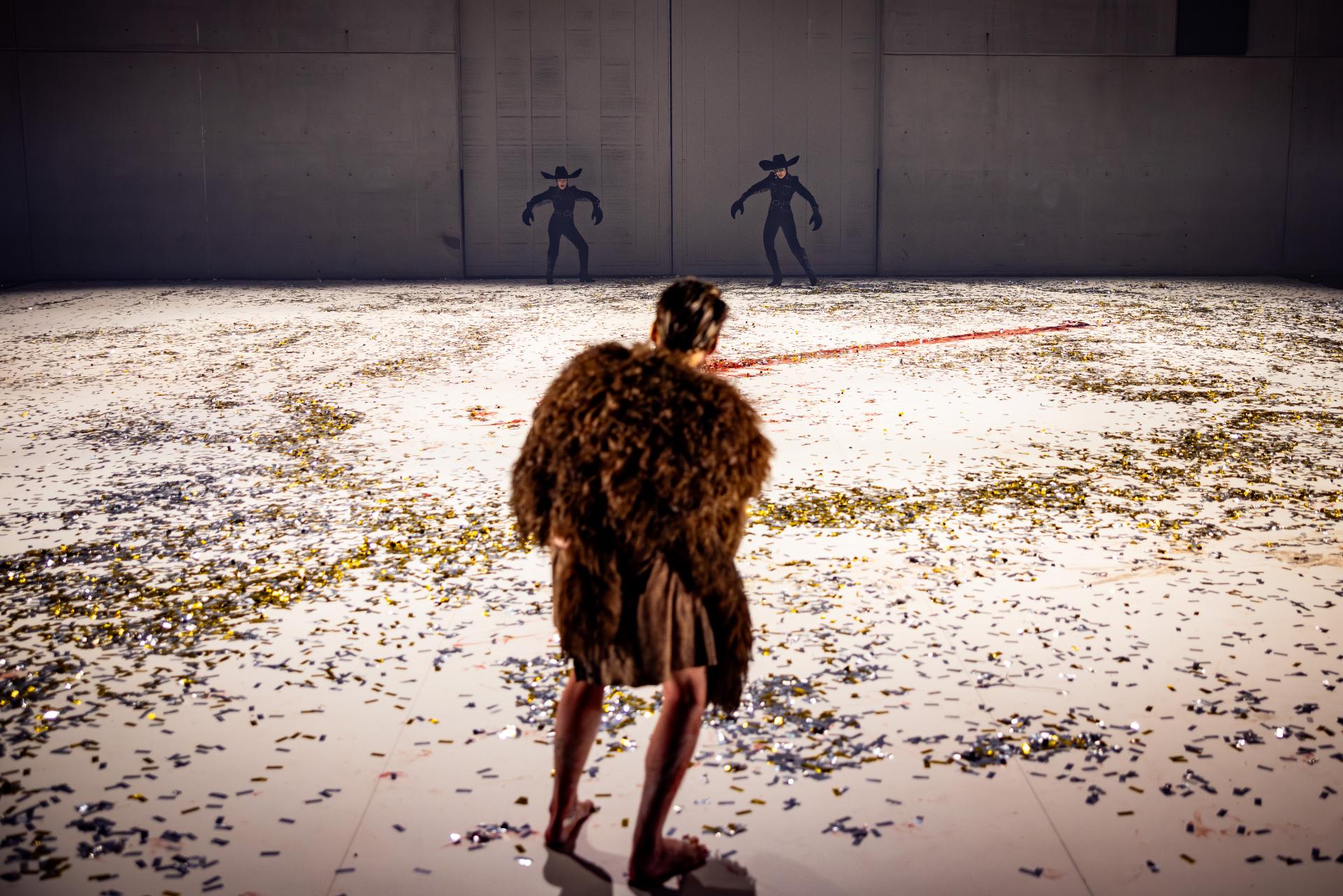
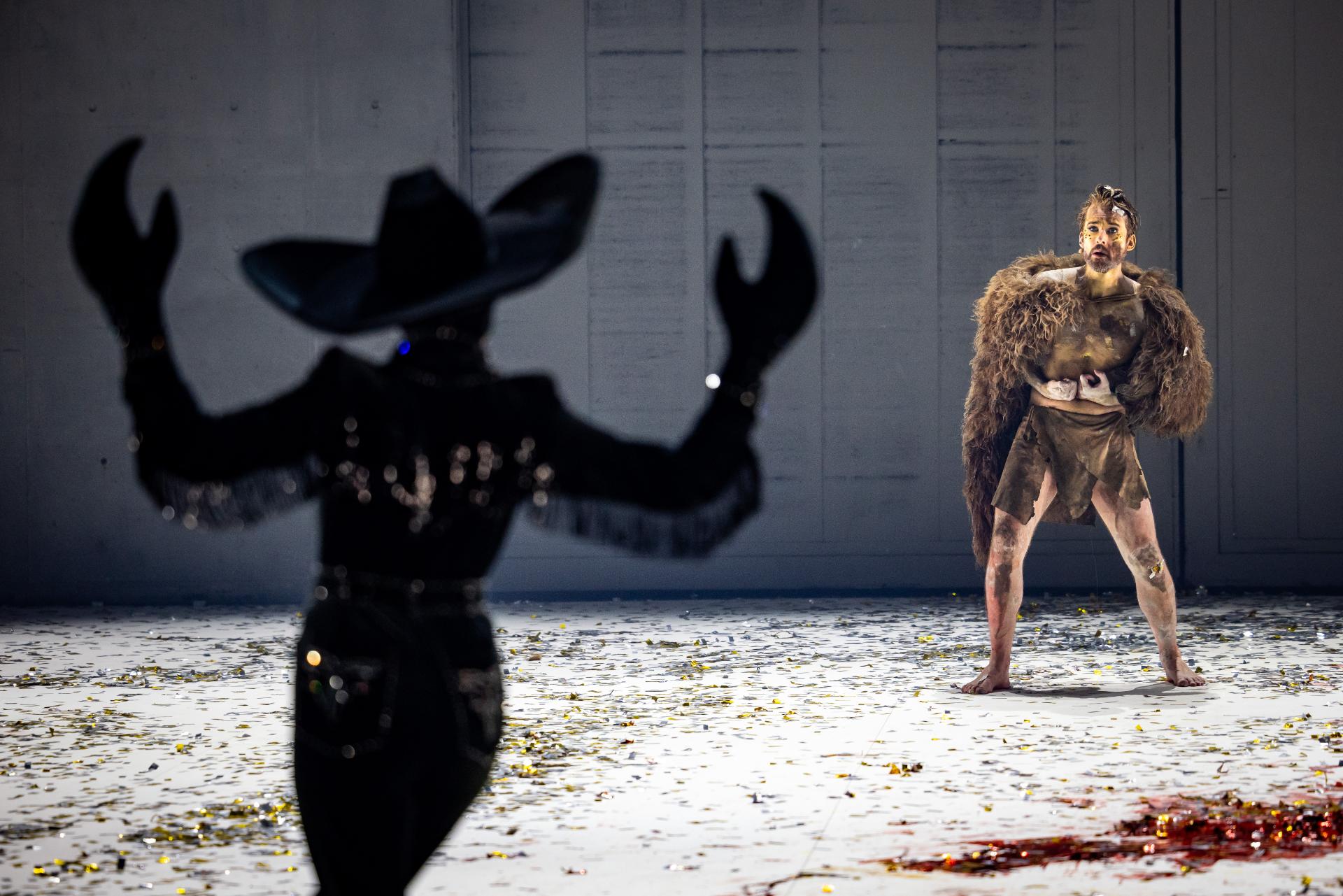
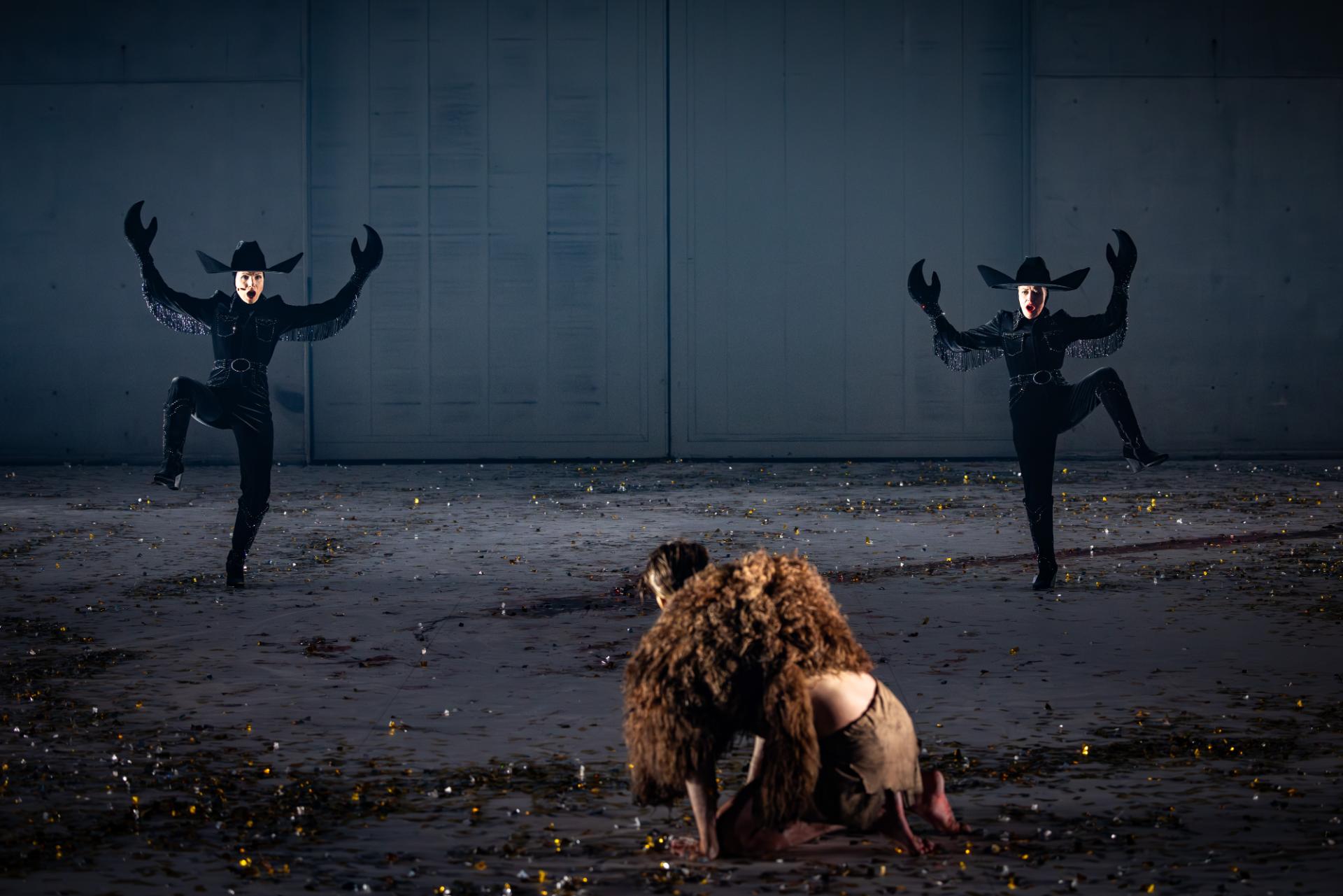
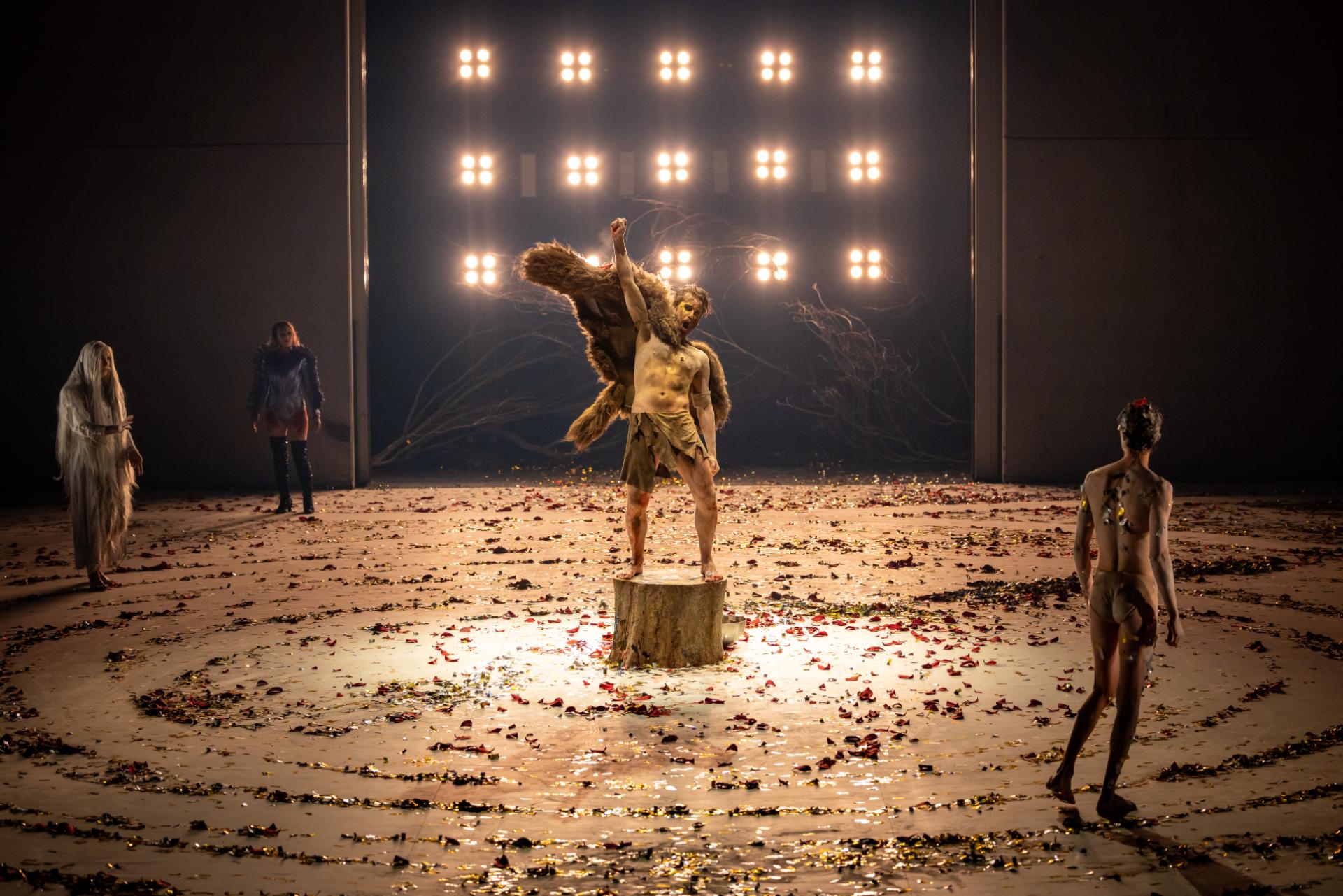
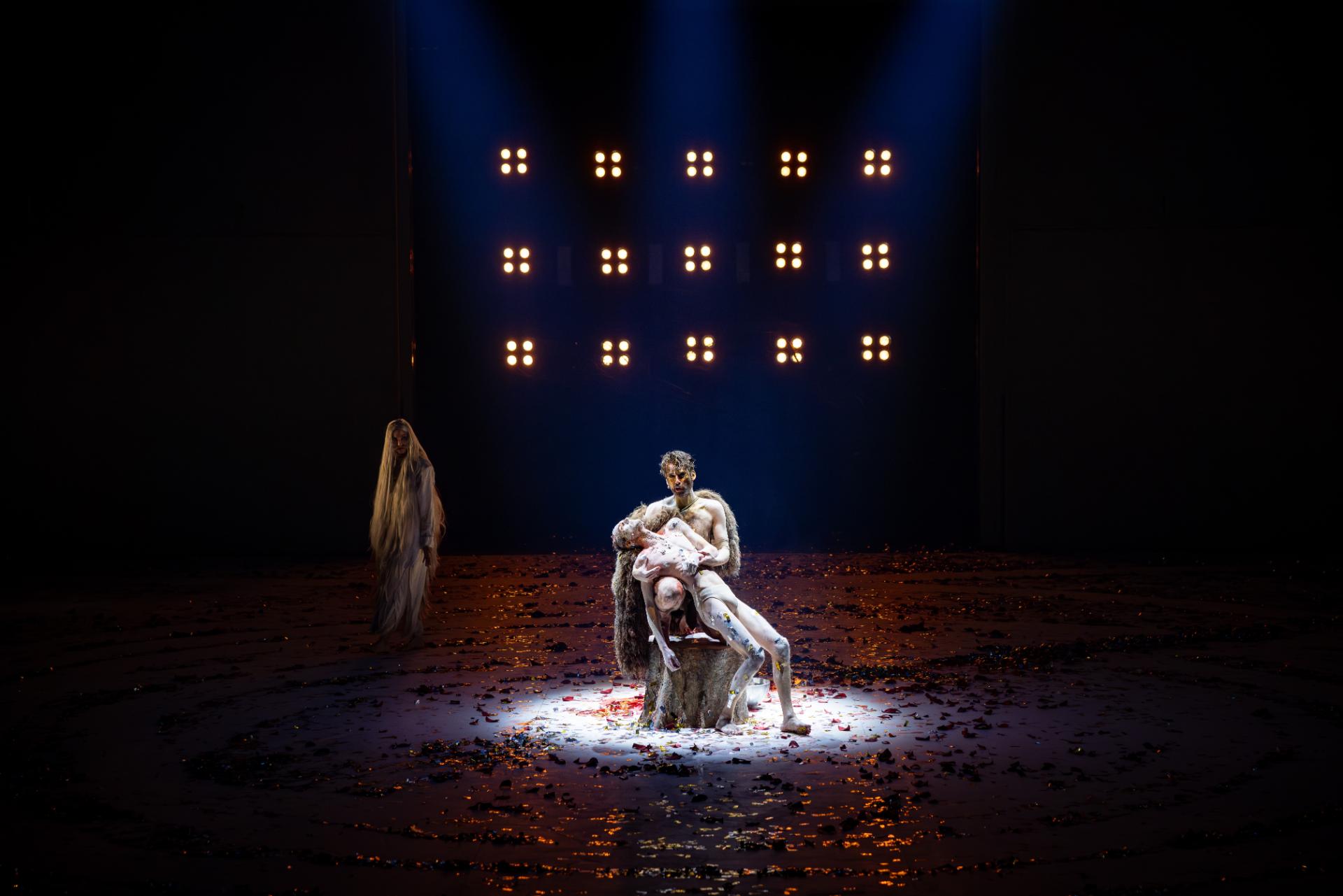
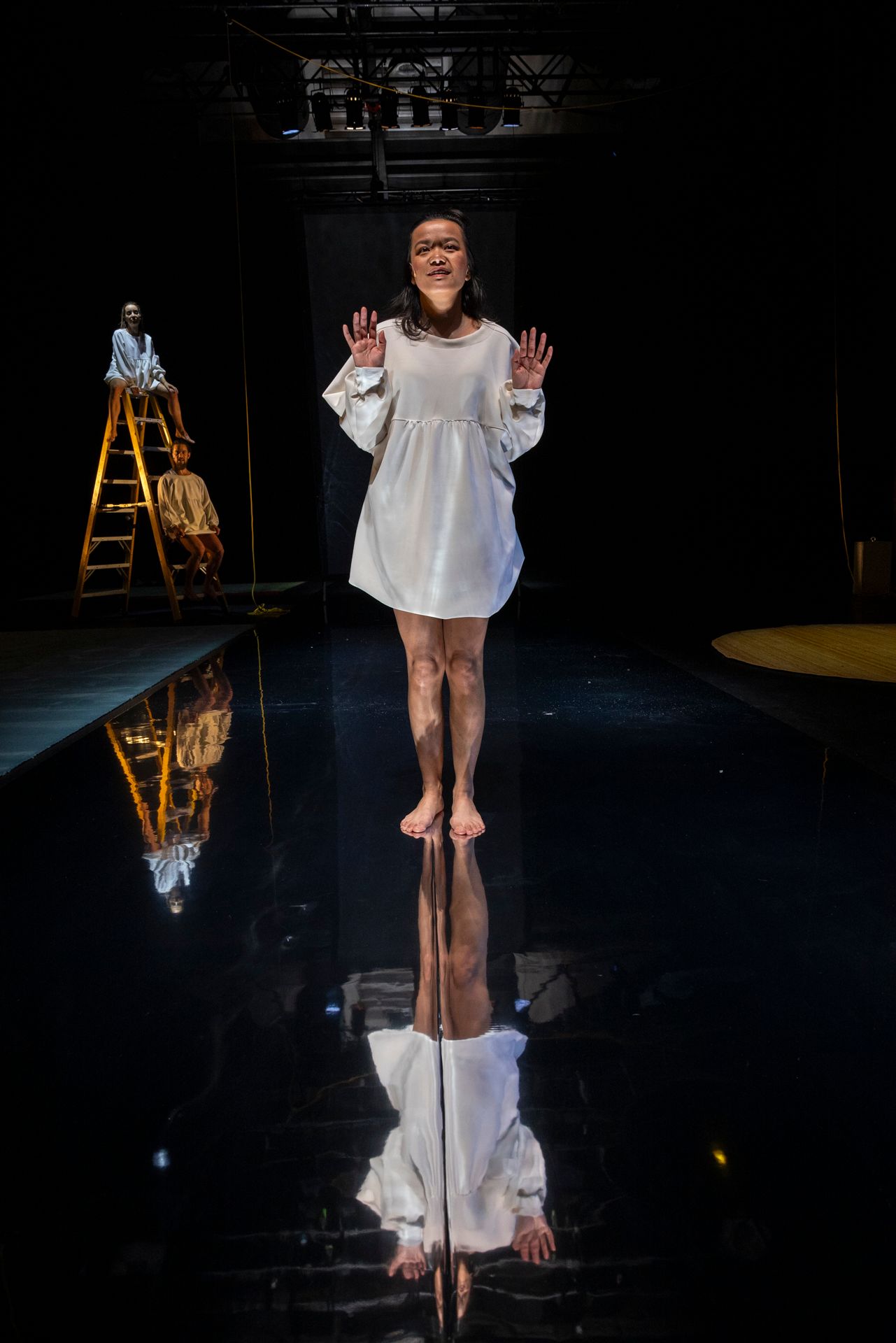
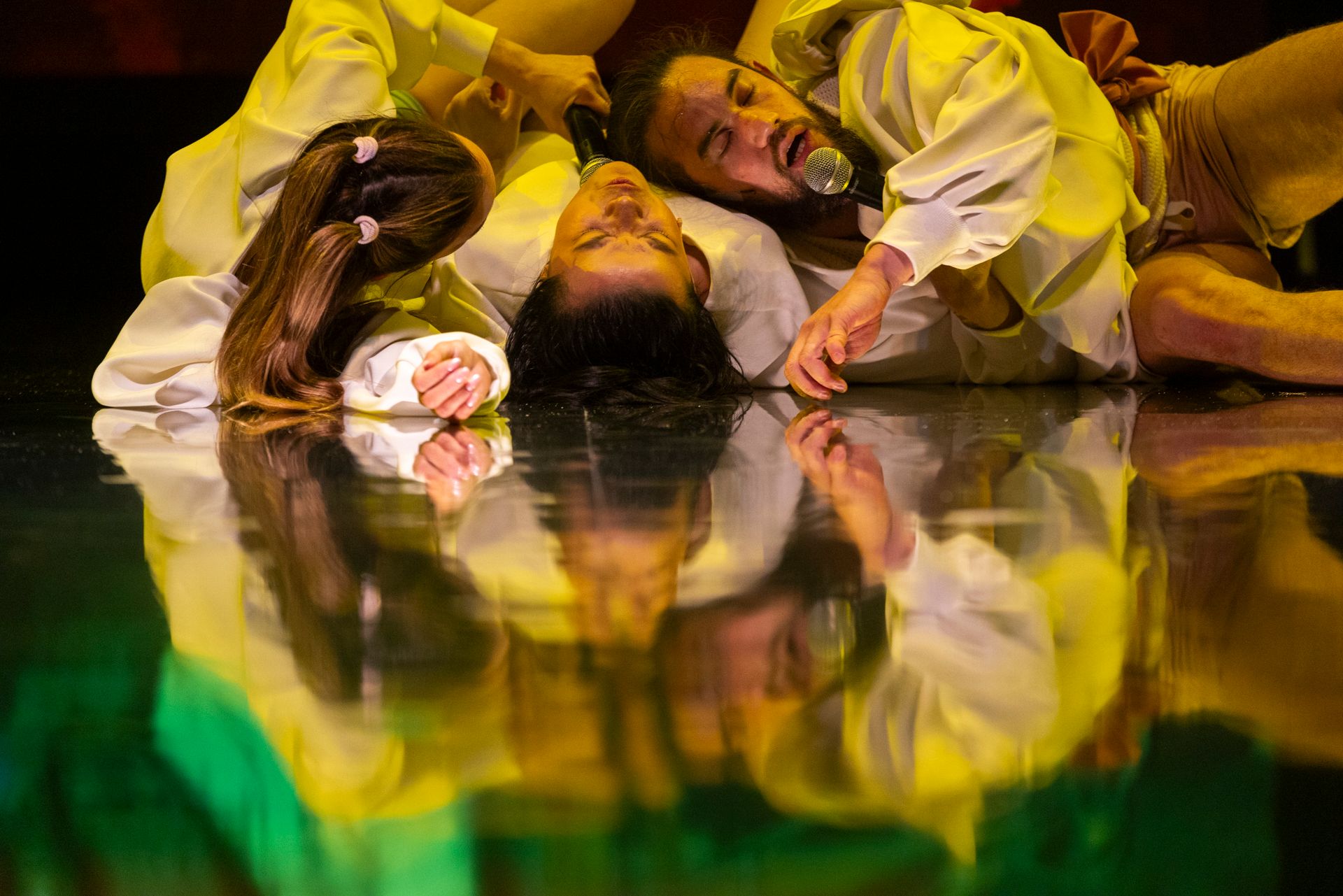
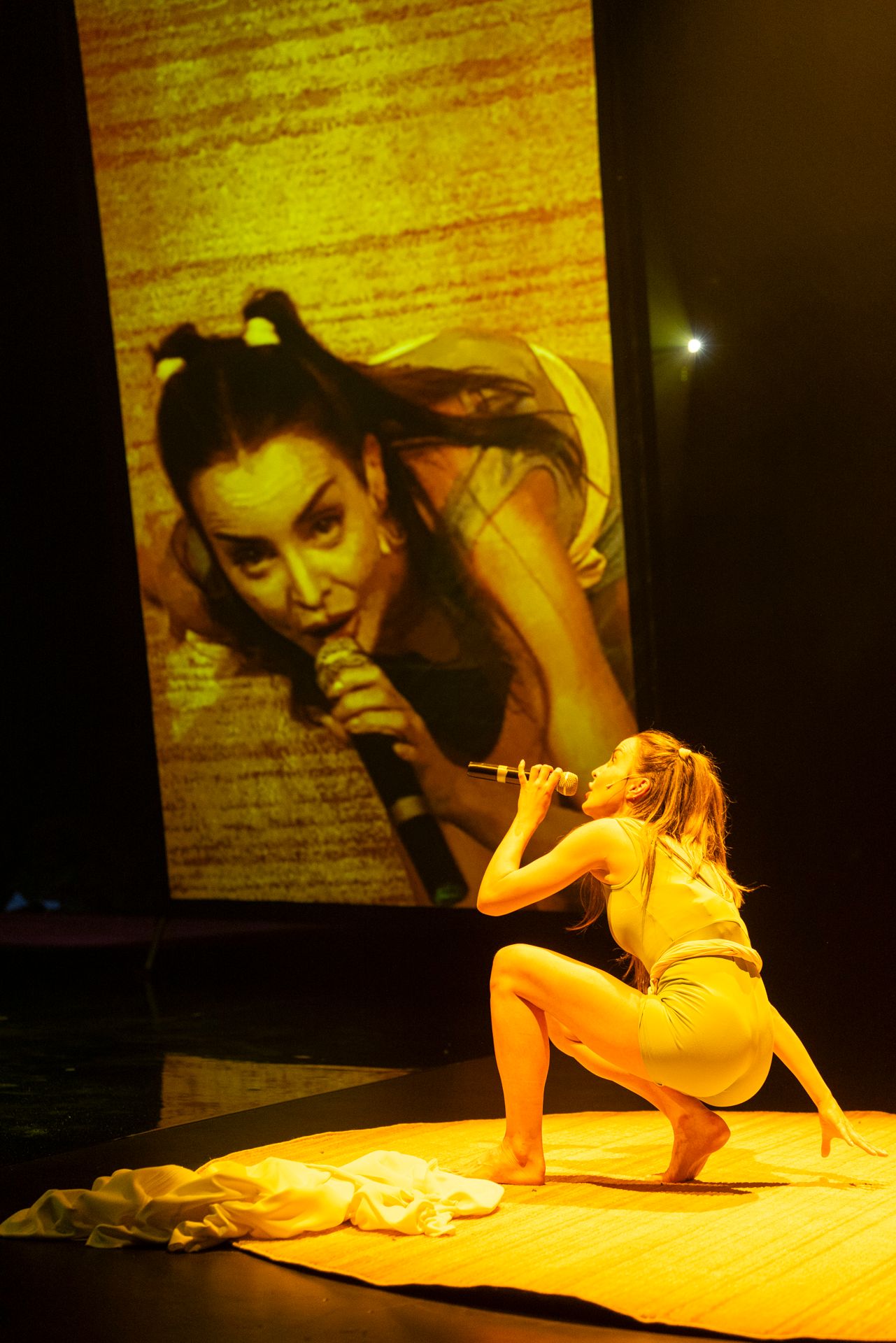
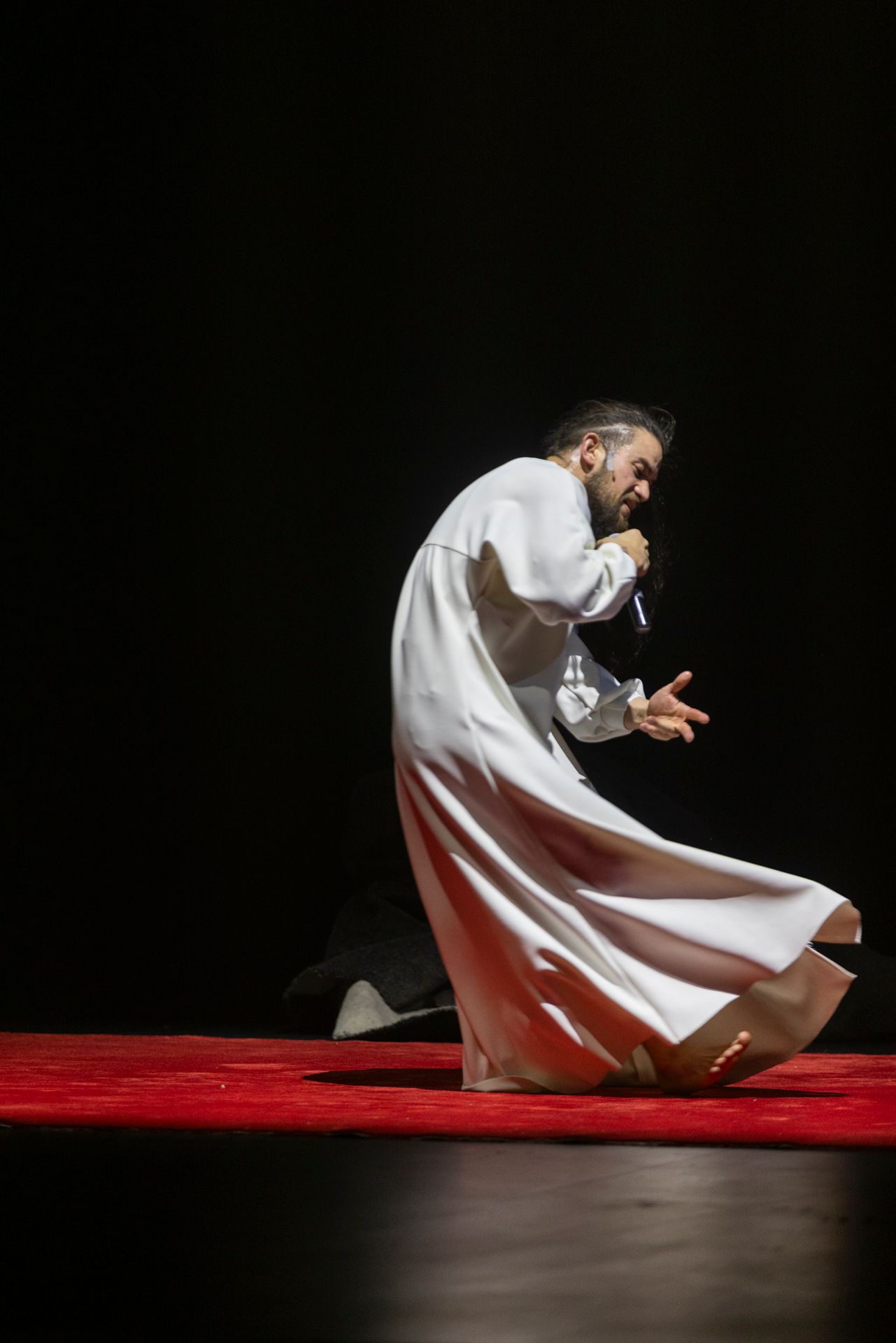
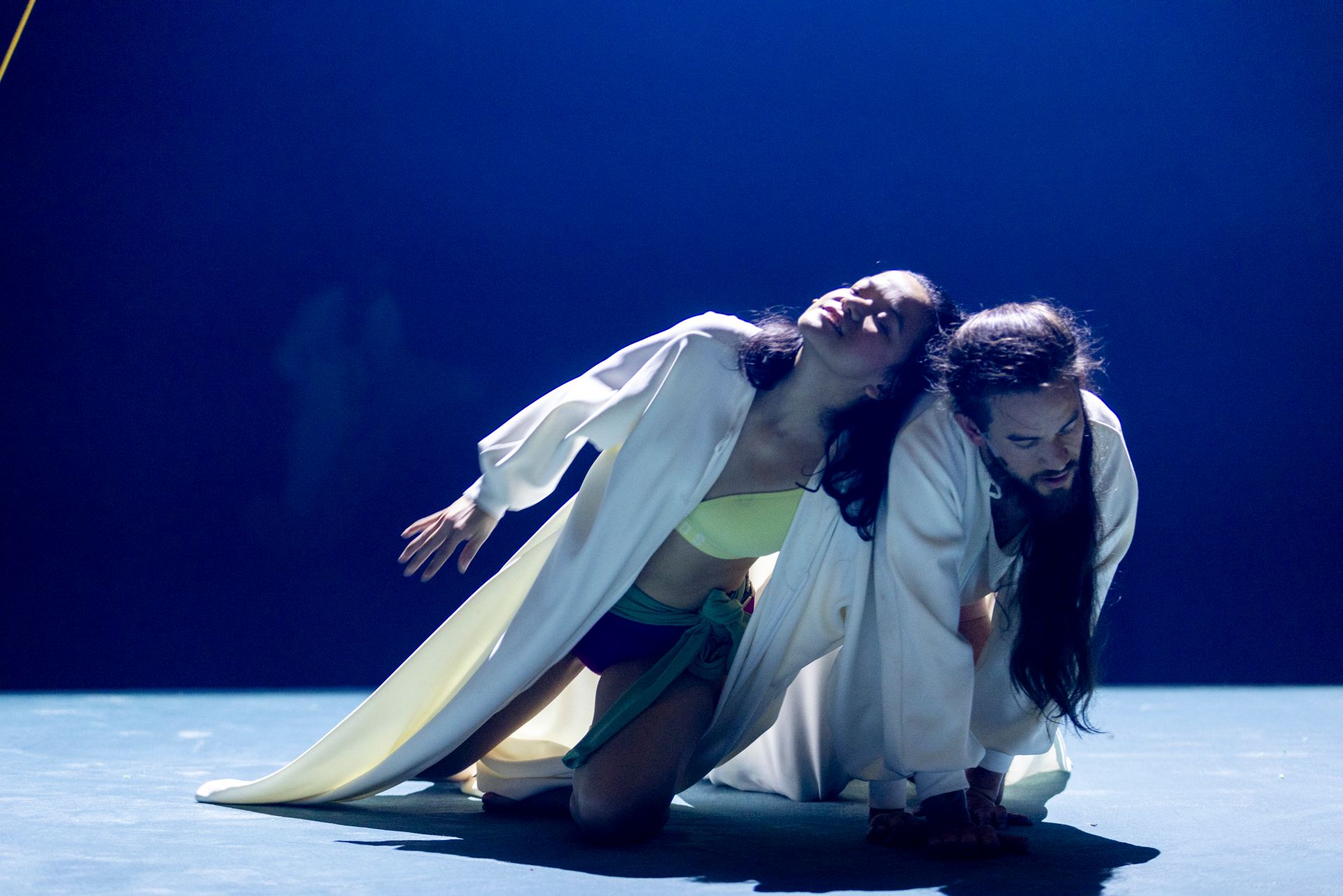
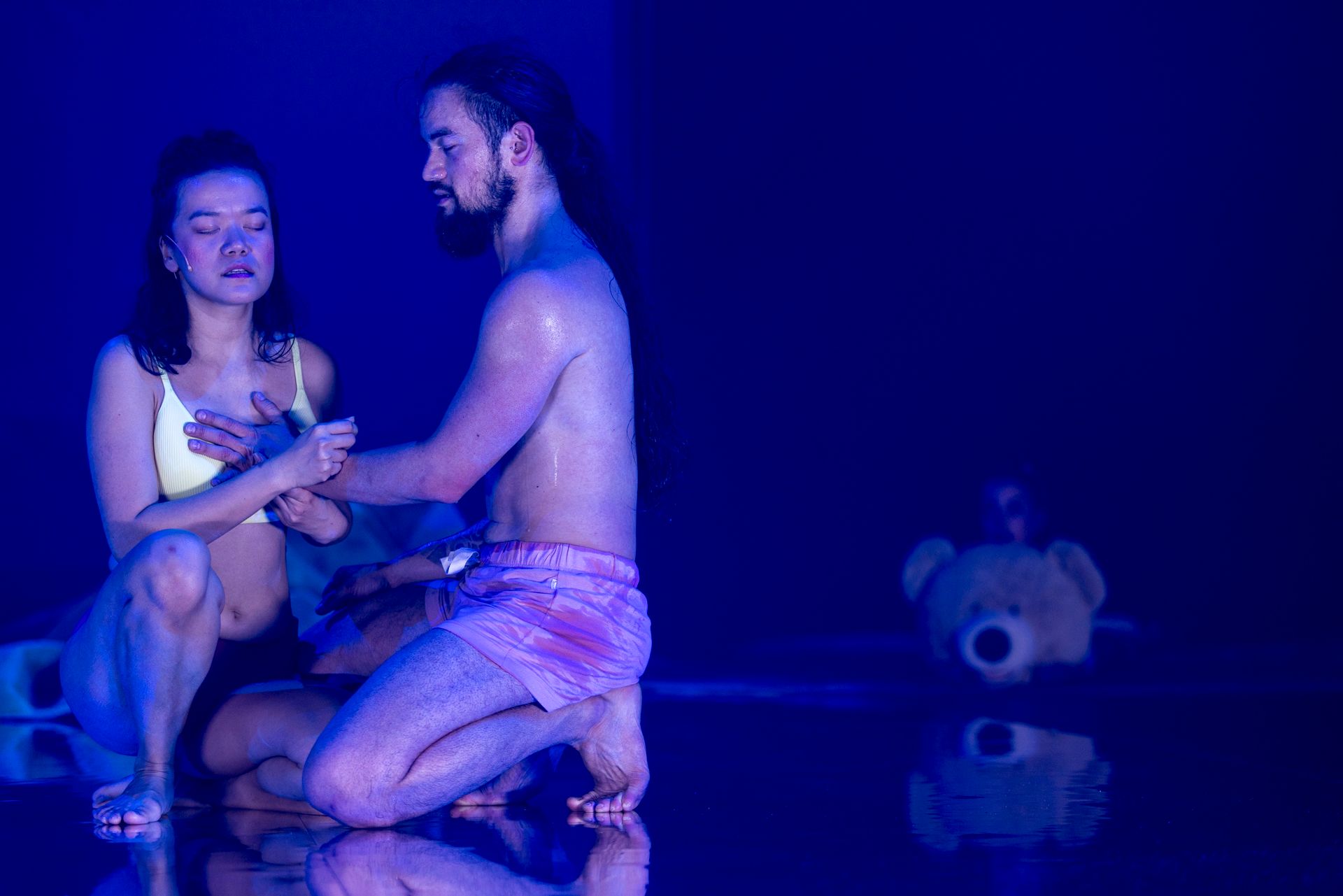
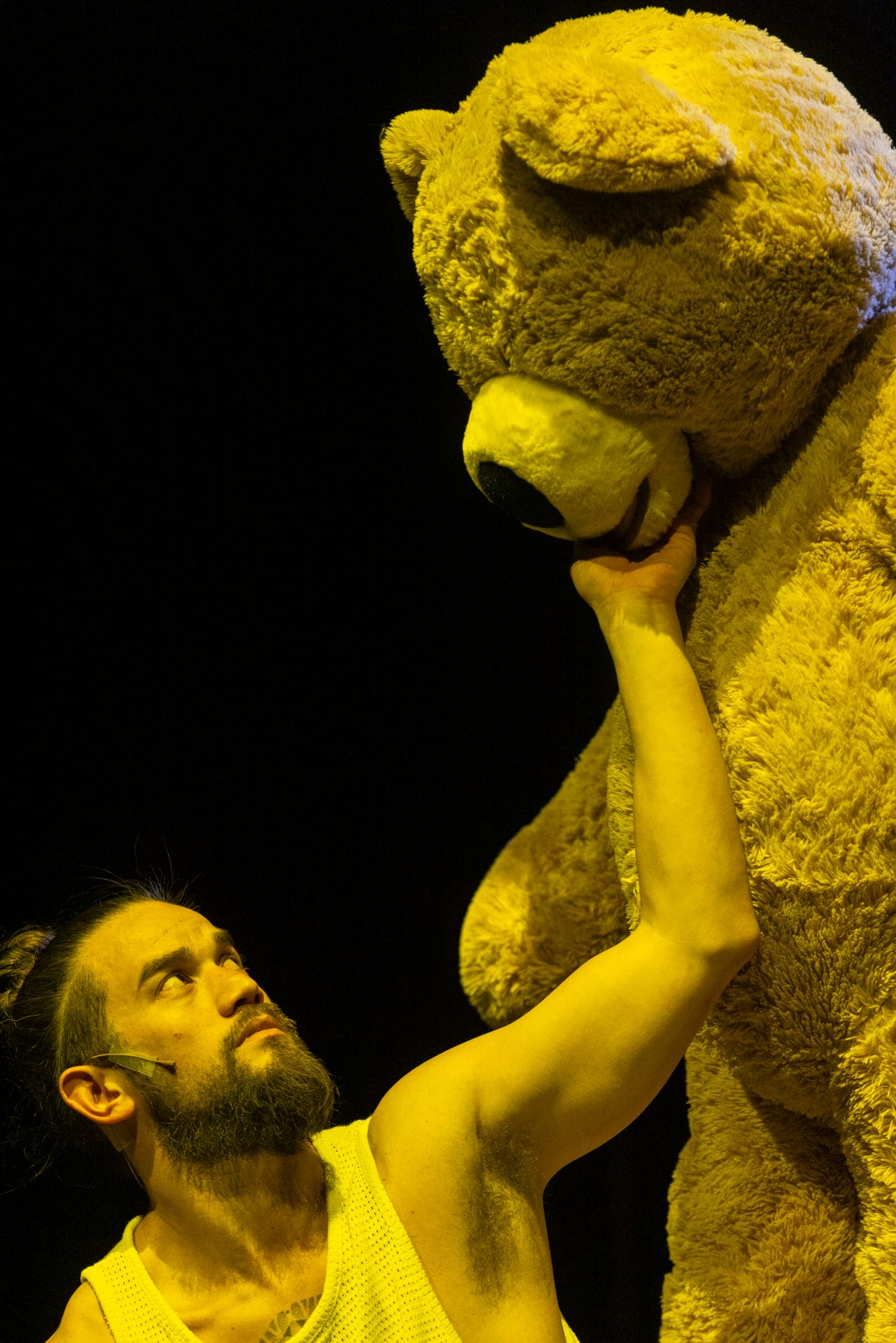
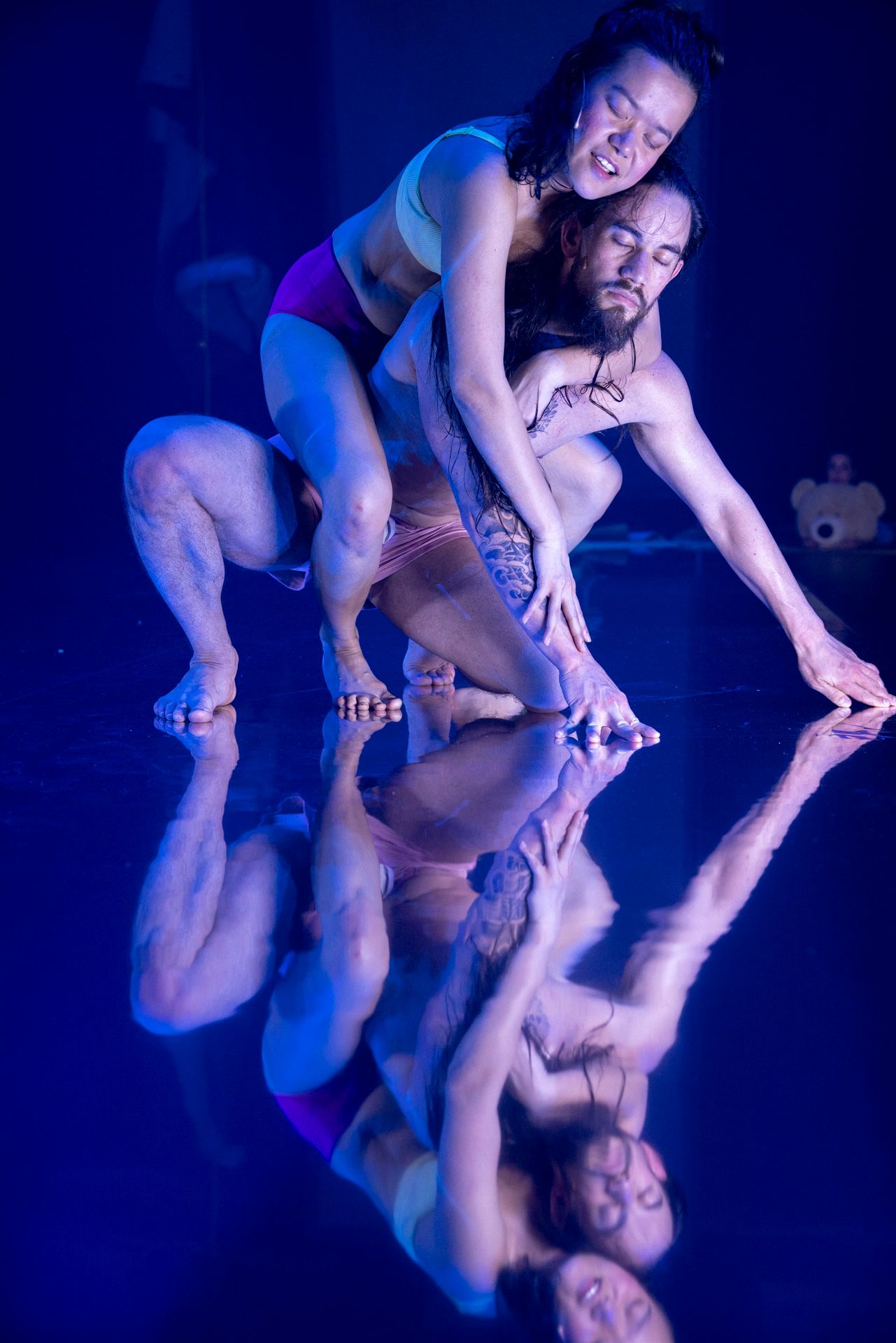
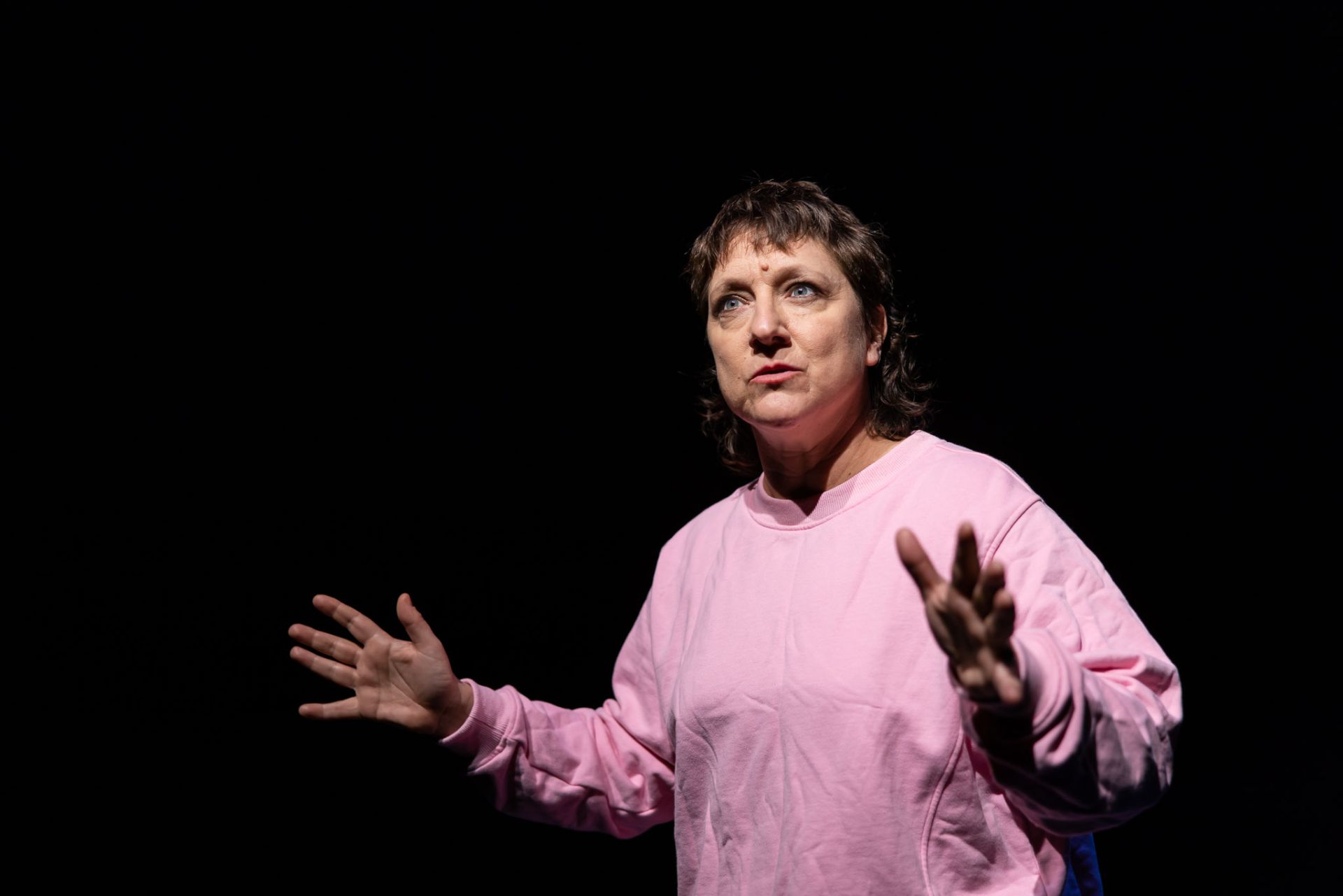
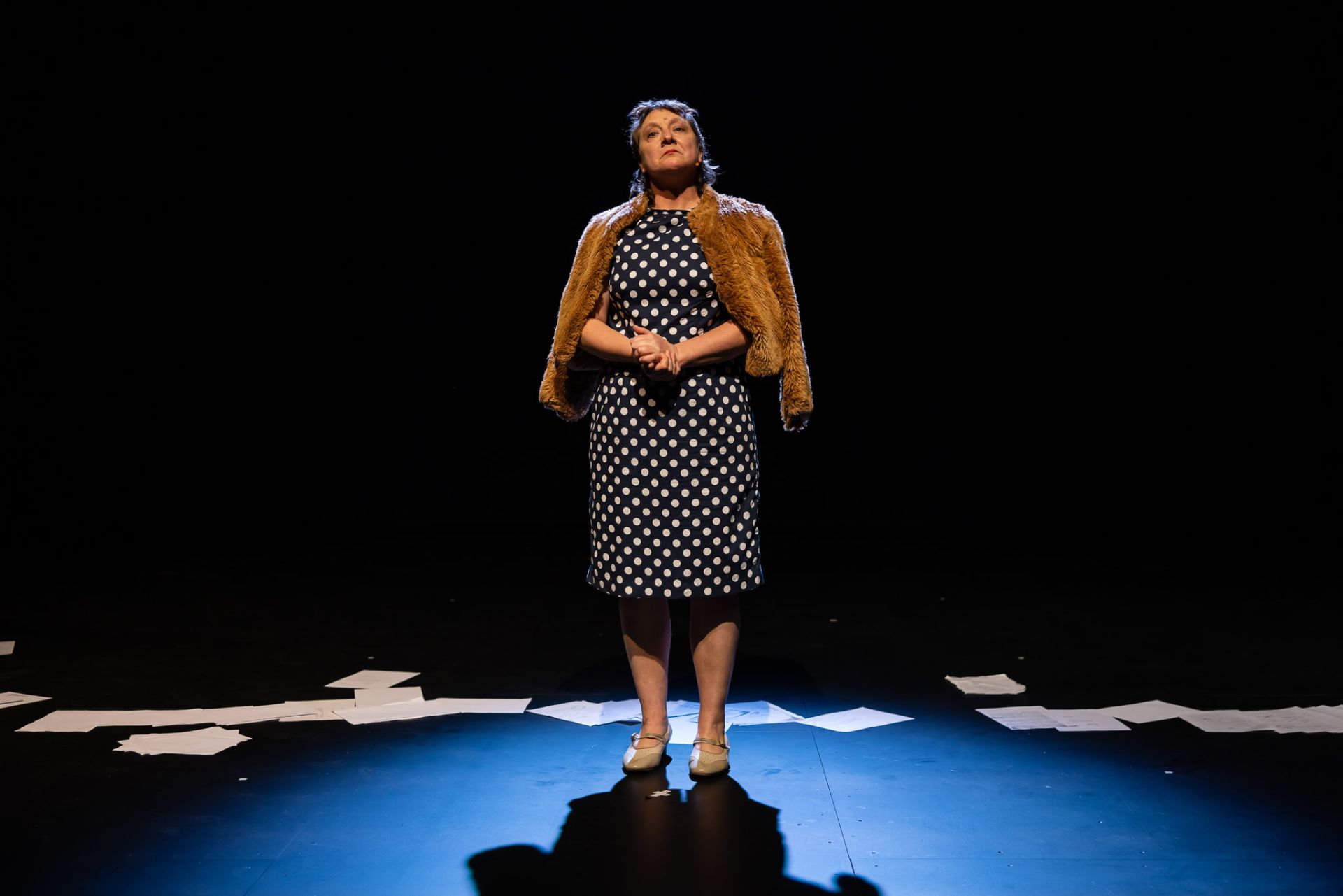
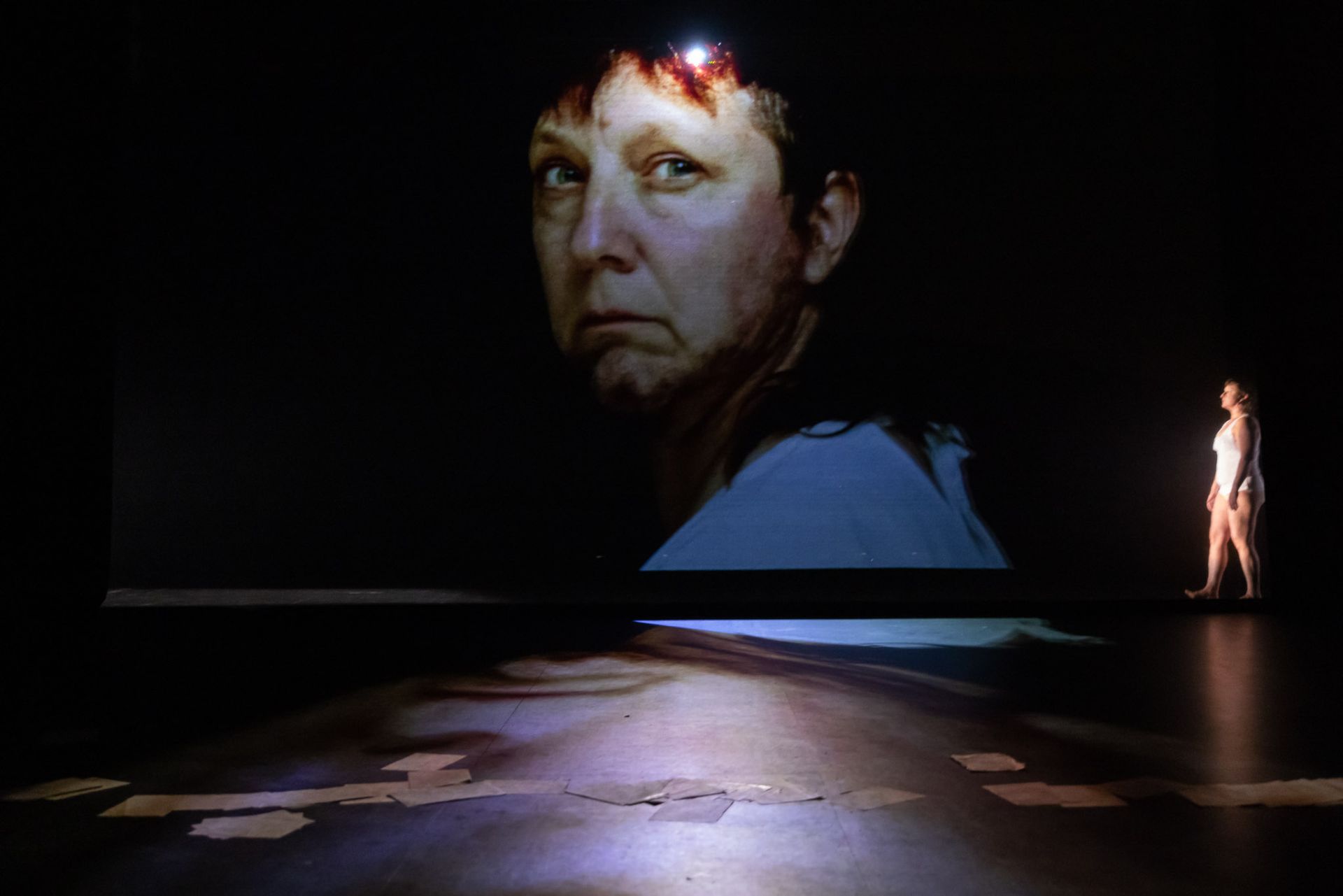
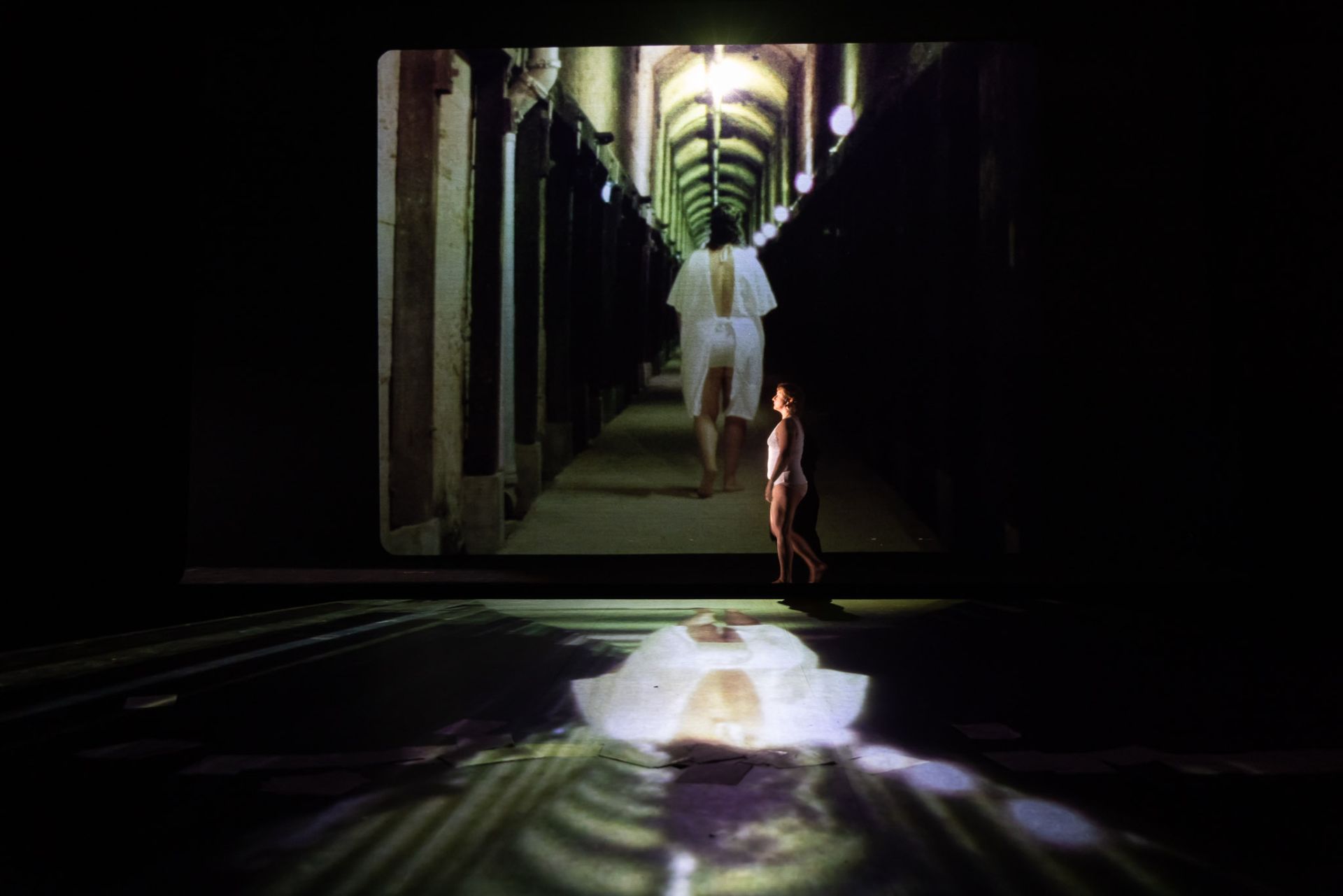
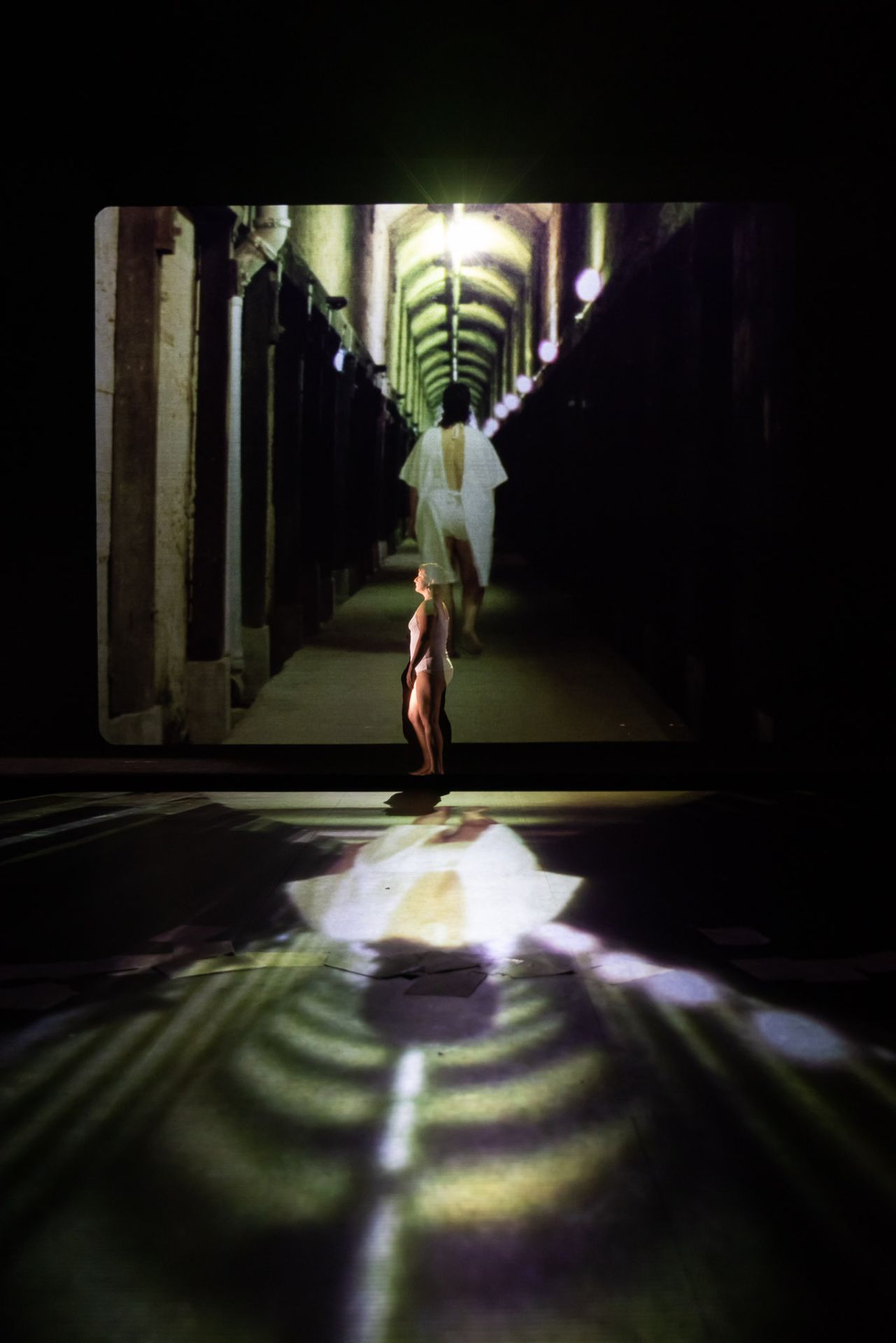
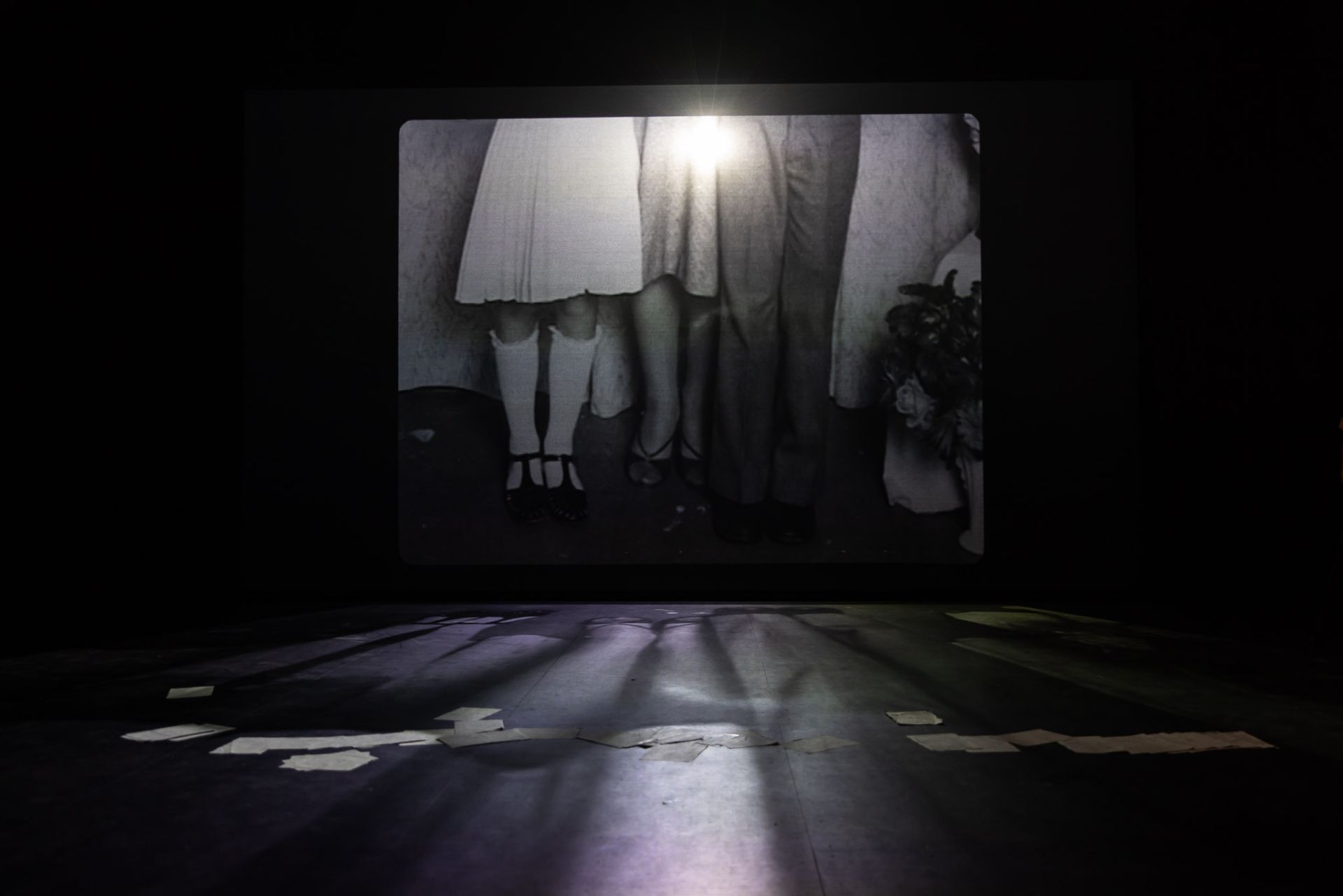
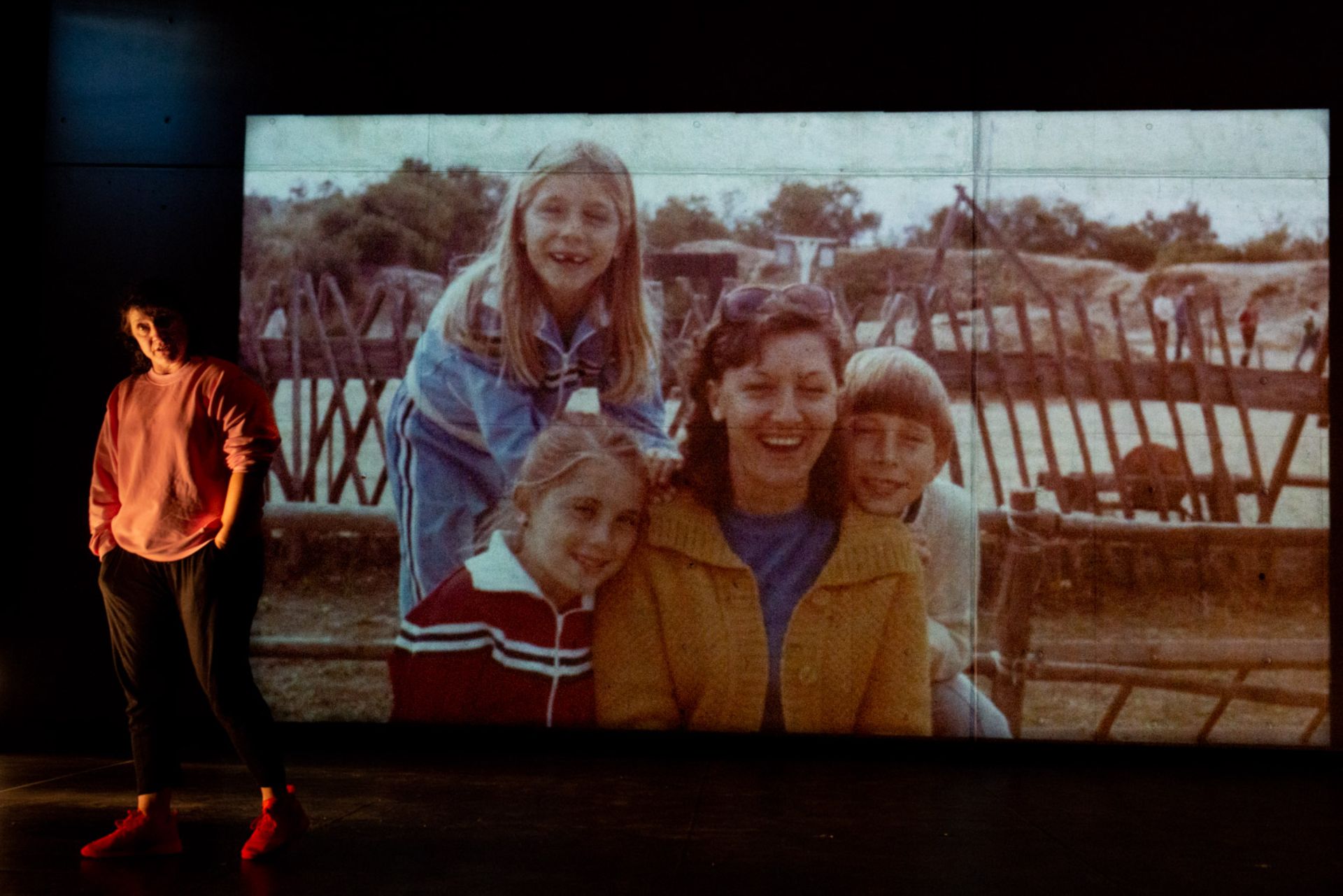
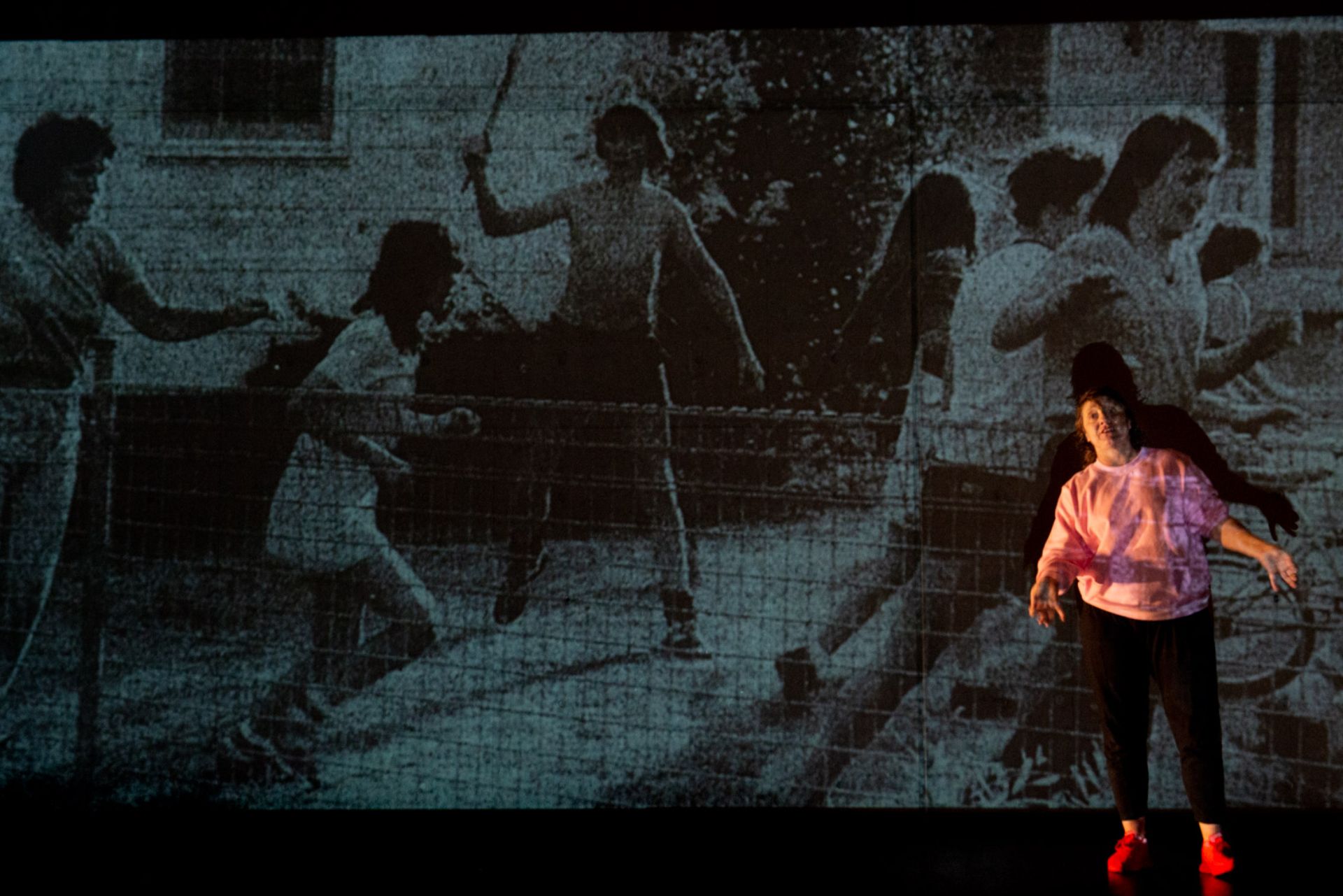
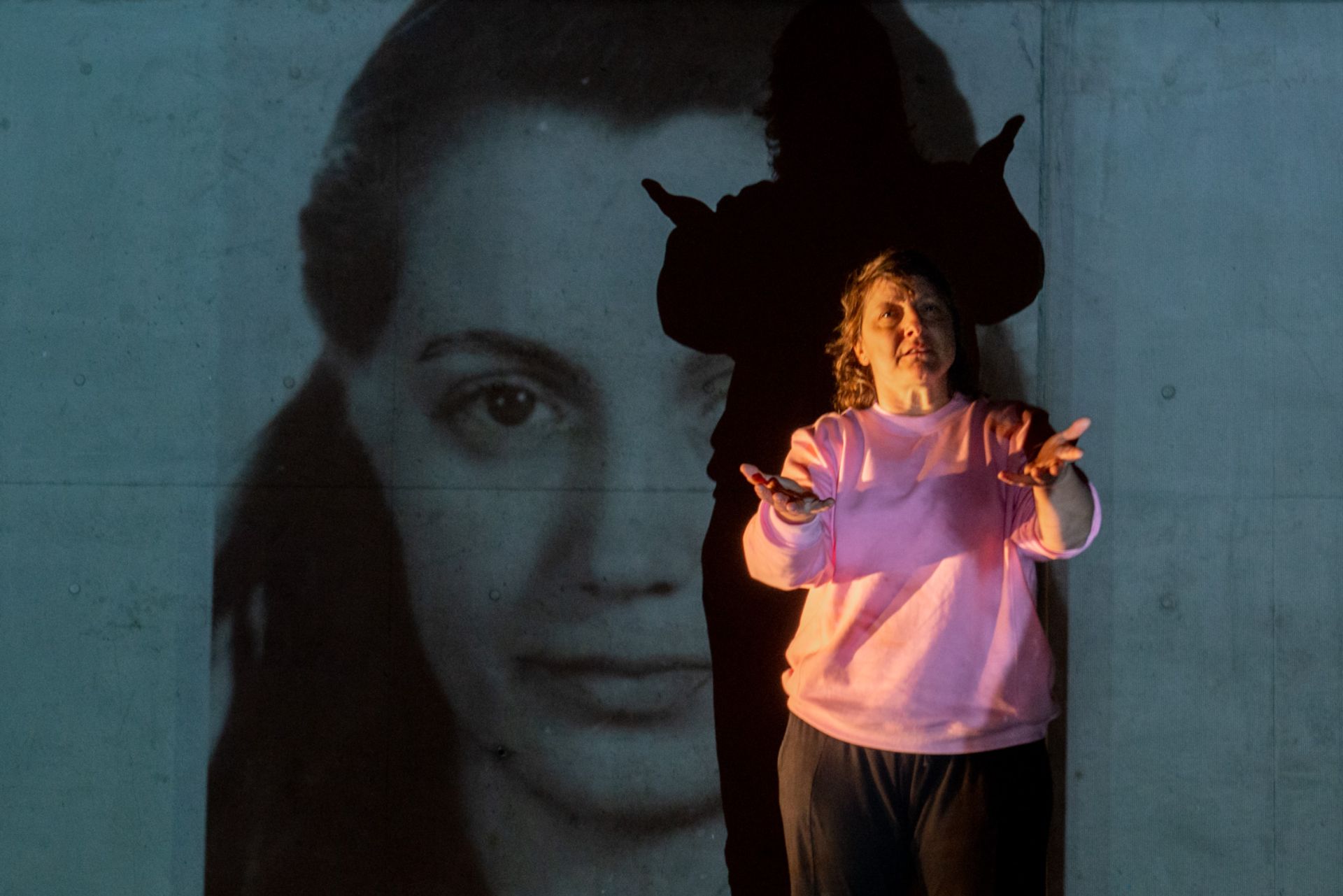
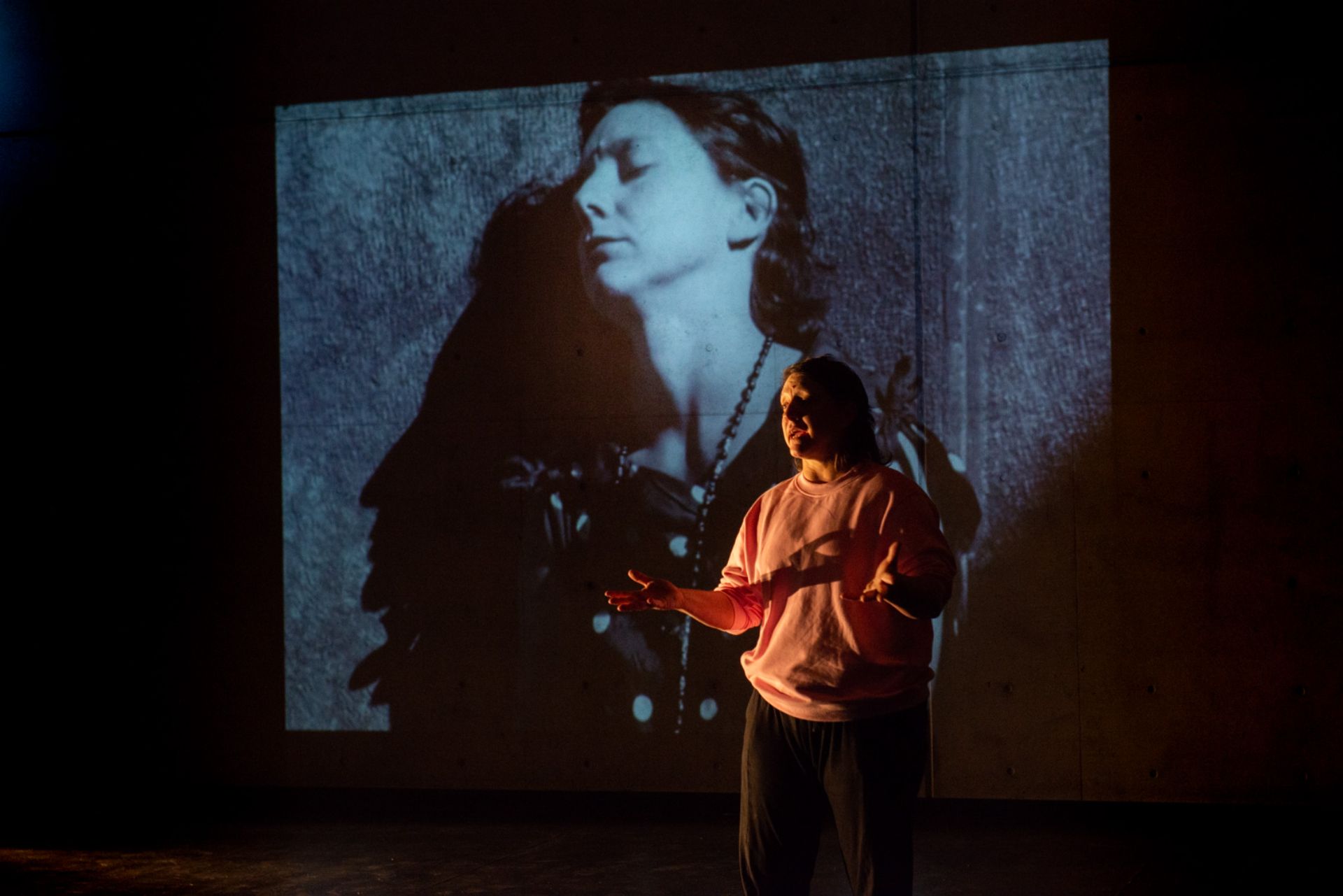
Hedwig does not love. Having only experienced deception, betrayal and cruelty throughout her life, Hedwig has little capacity to show affection or kindness, even to Yitzhak who offers only dedication. John Cameron Mitchell and Stephen Trask’s iconic queer masterpiece Hedwig and the Angry Inch stands as one of the few prominent titles in a musical canon that, although held in high regard by many queer lives, rarely places LGBTQIA+ stories at its centre. Thirty-one years since its original conception, protagonist Hedwig remains defiantly and resolutely queer — a figure who resists all manner of classification, and who challenges the values not only of middle-class life, but also of how we think about art and creativity.

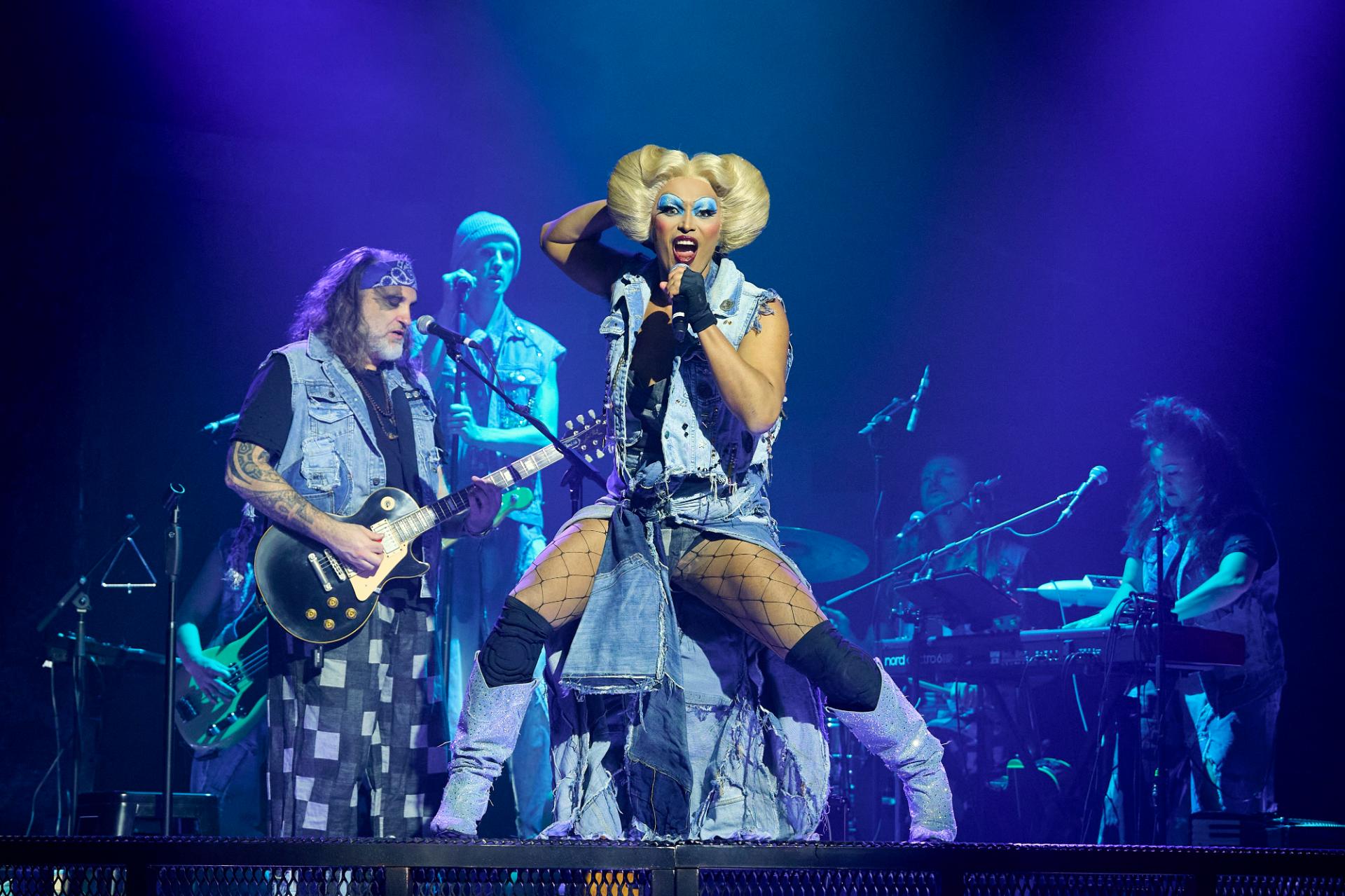
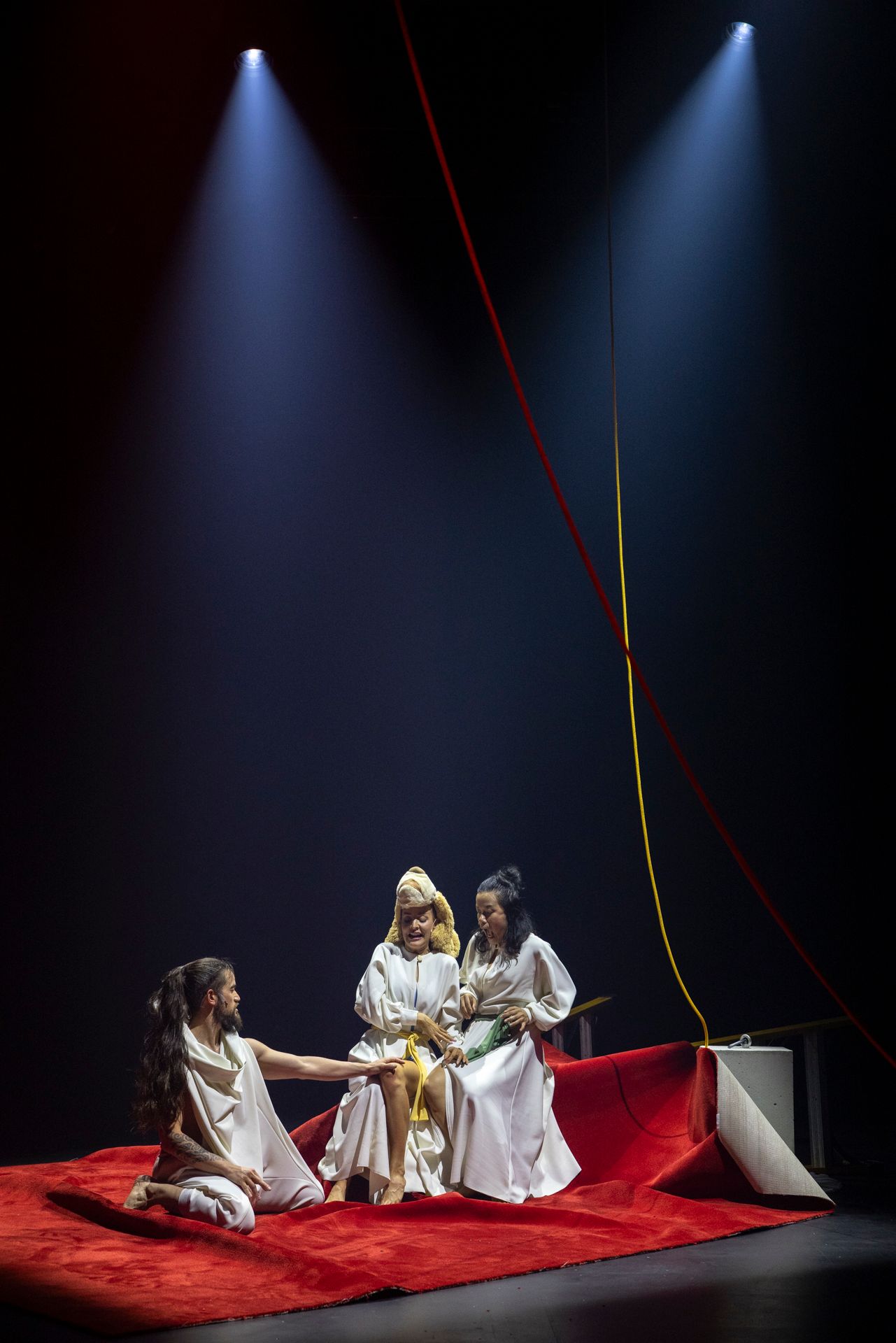
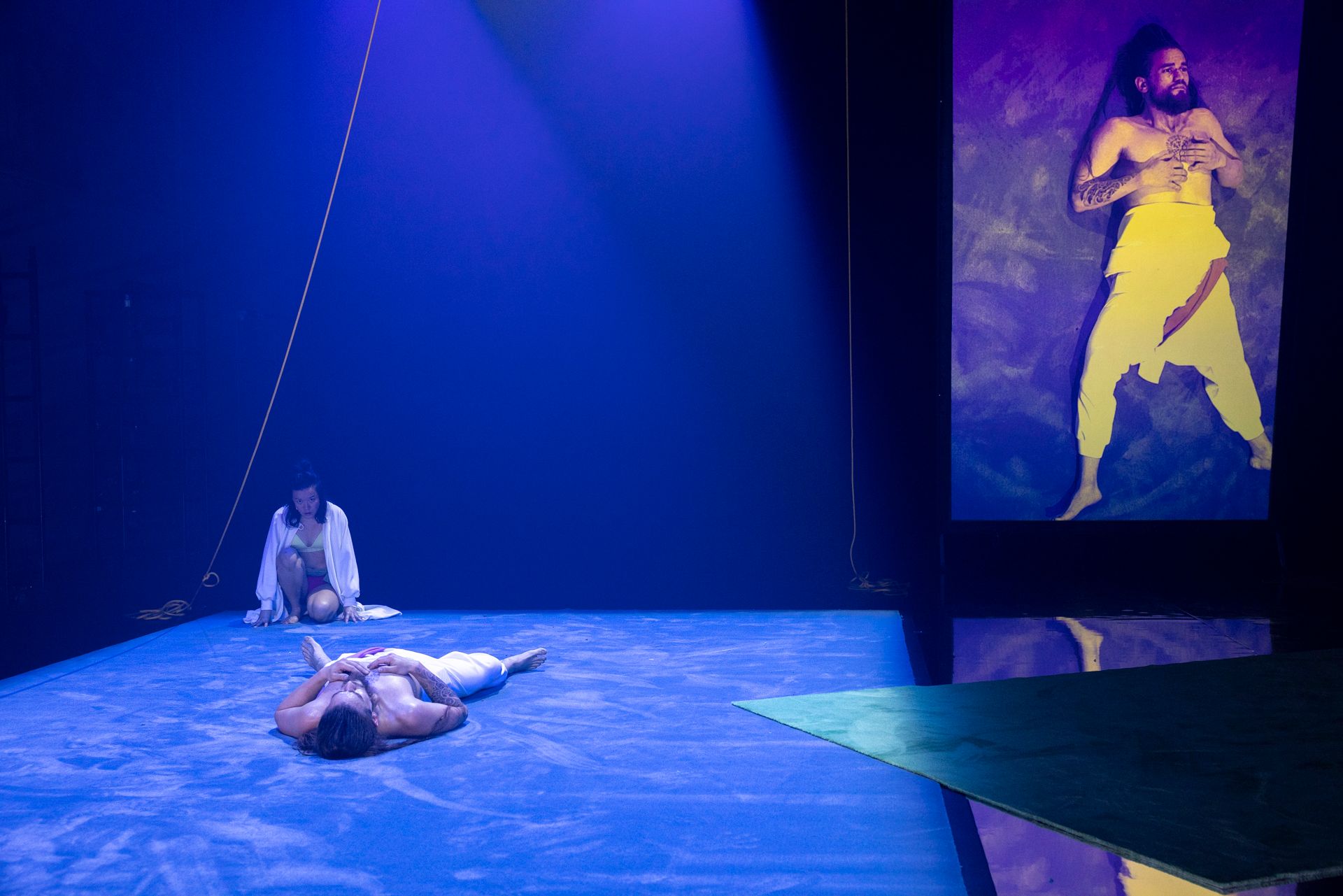
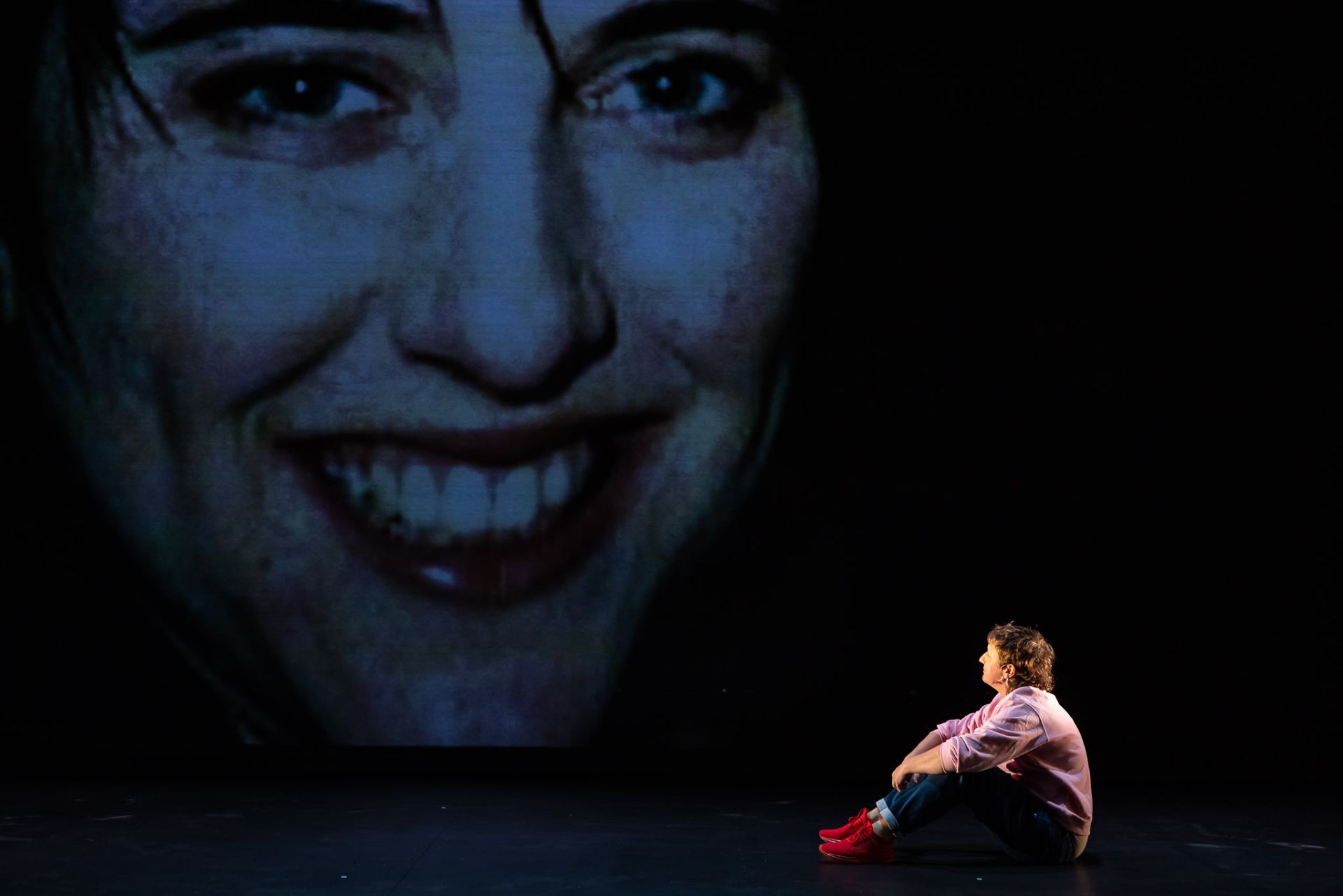
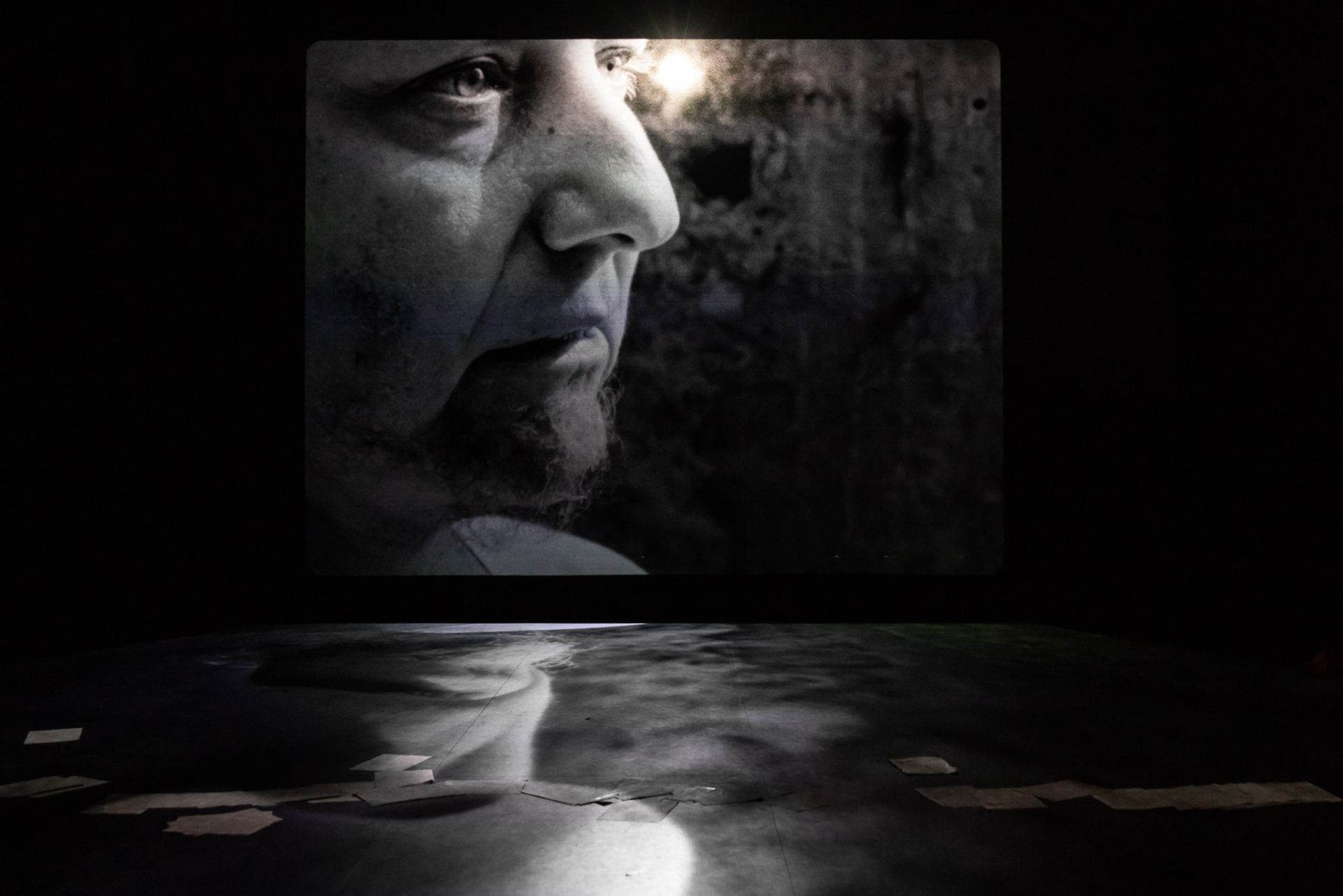
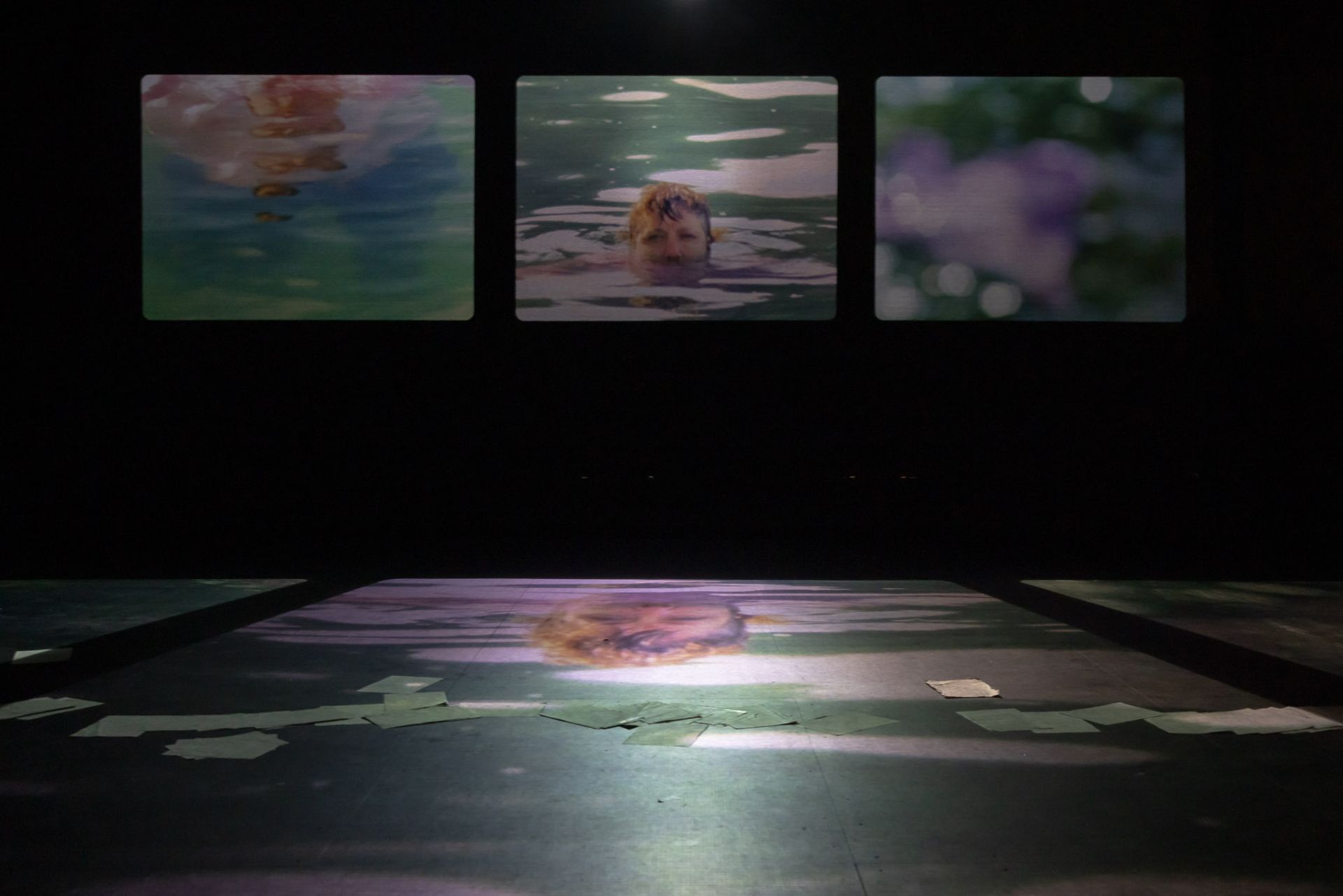
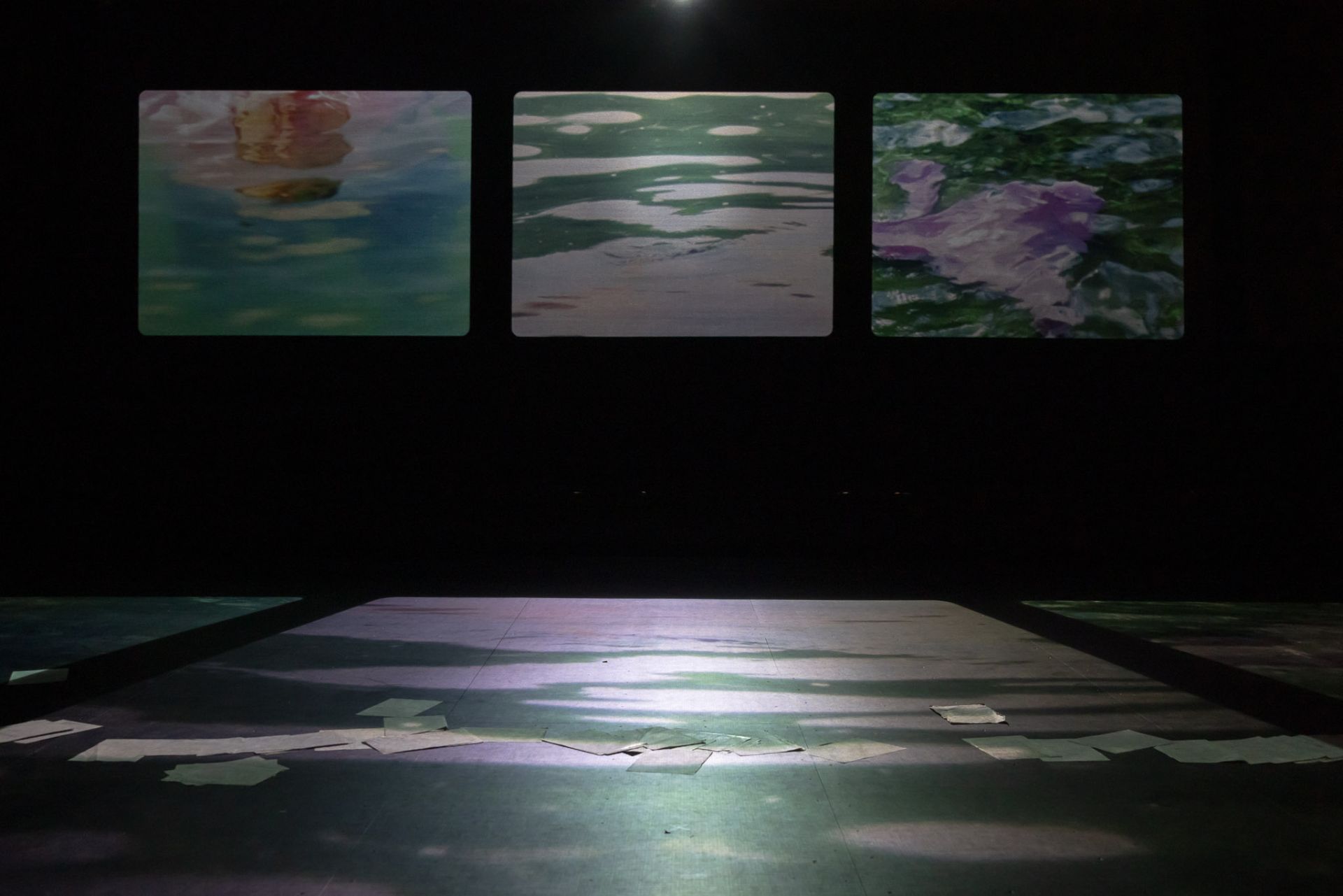
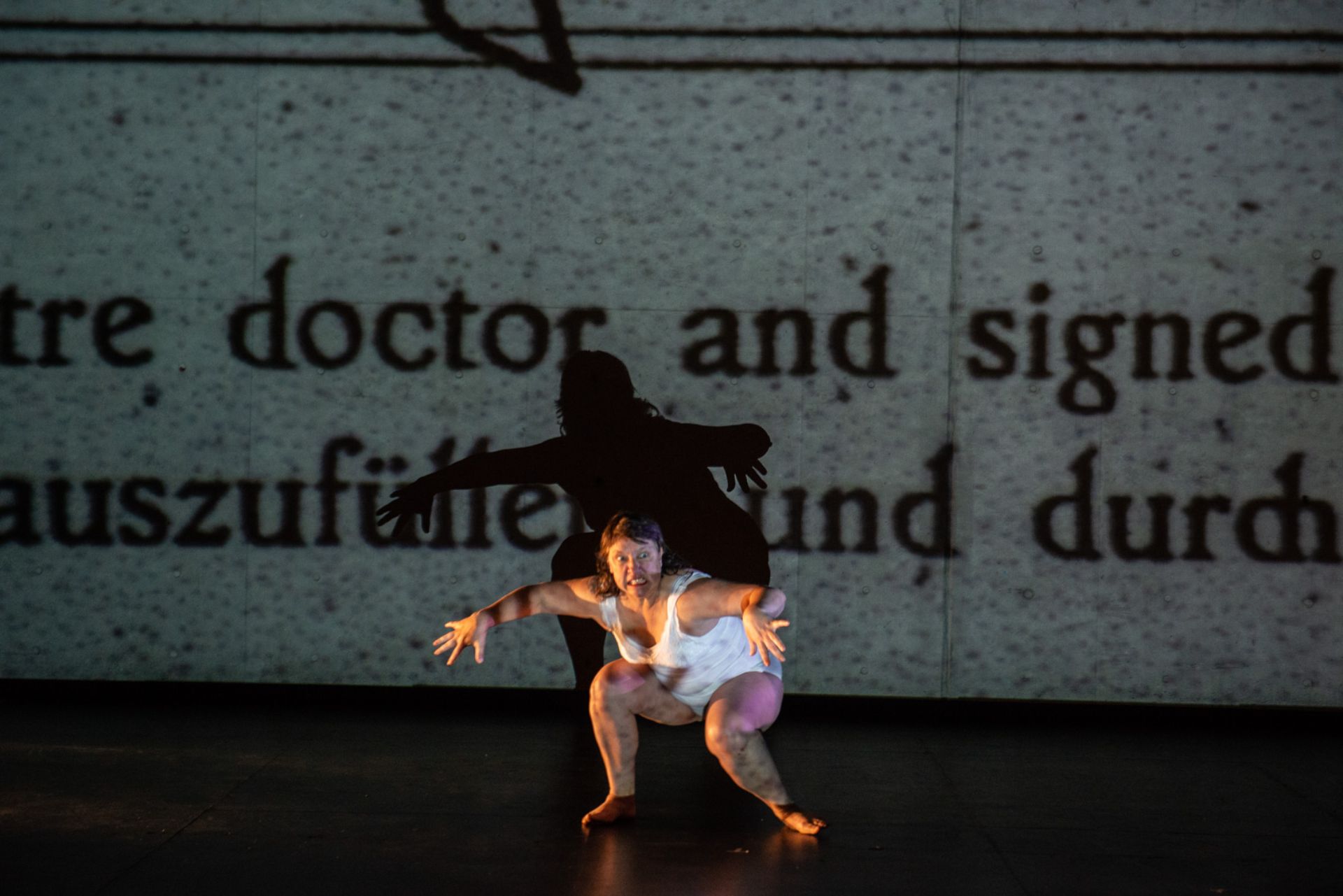
Co-directed by the formidable pair Shane Anthony and Dino Dimitriadis, Hedwig and the Angry Inch is both spectacular and poignant, fully satisfying our need for something transcendentally fabulous, while remaining unequivocally meaningful. Together with soulful choreography by Amy Campbell, they deliver a production that saturates and satiates our senses, making us hopelessly mesmerised every second, before finally hurling us somewhere unfathomably moving.

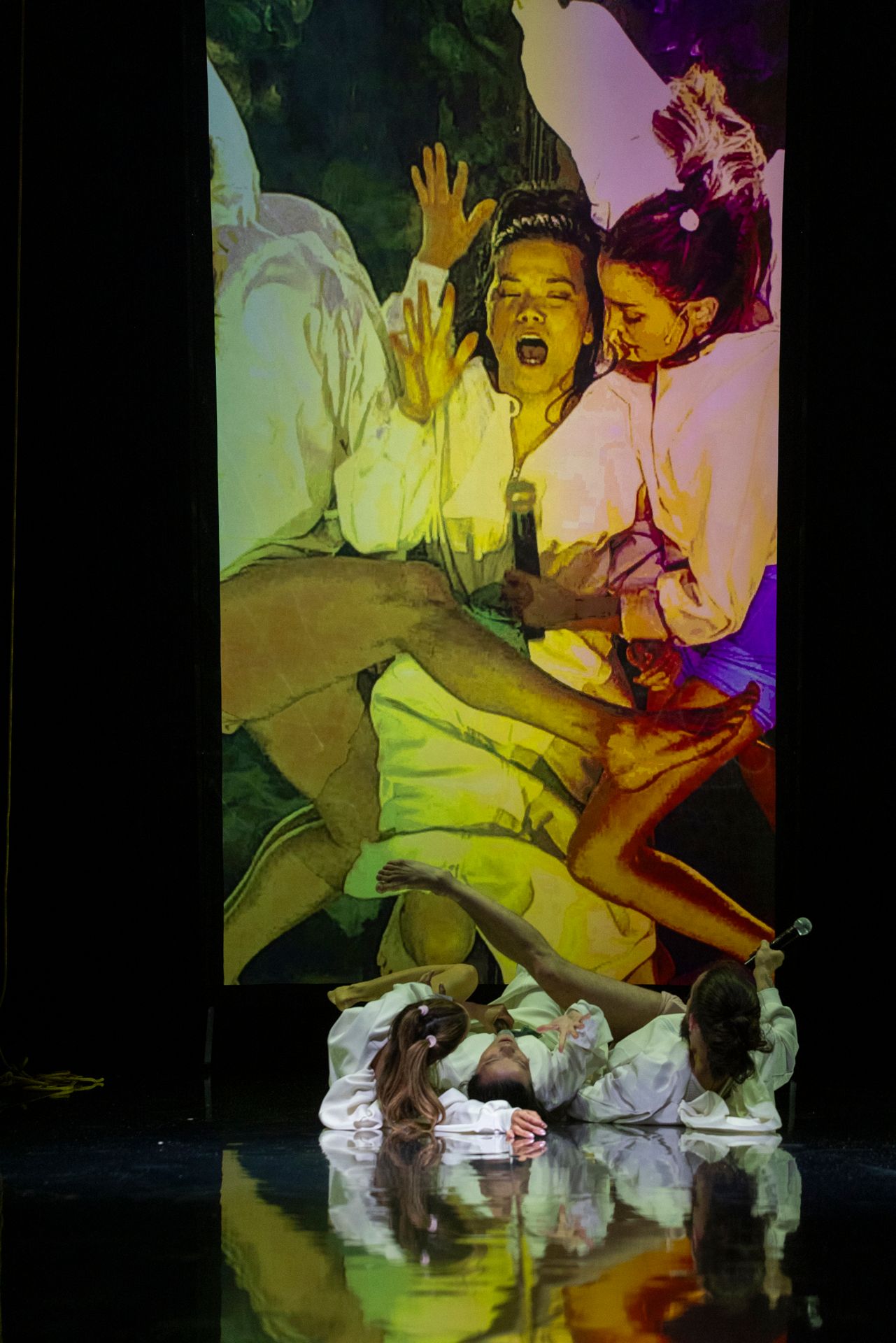
The show is characteristically unruly in its rhapsodical, bohemian expression of the grungy nineties, yet there is an unmistakeable rigour that oversees every aesthetic choice, to ensure unparalleled elegance and sophistication, for a brilliantly elevated presentation of one of musical theatre history’s wildest moments.

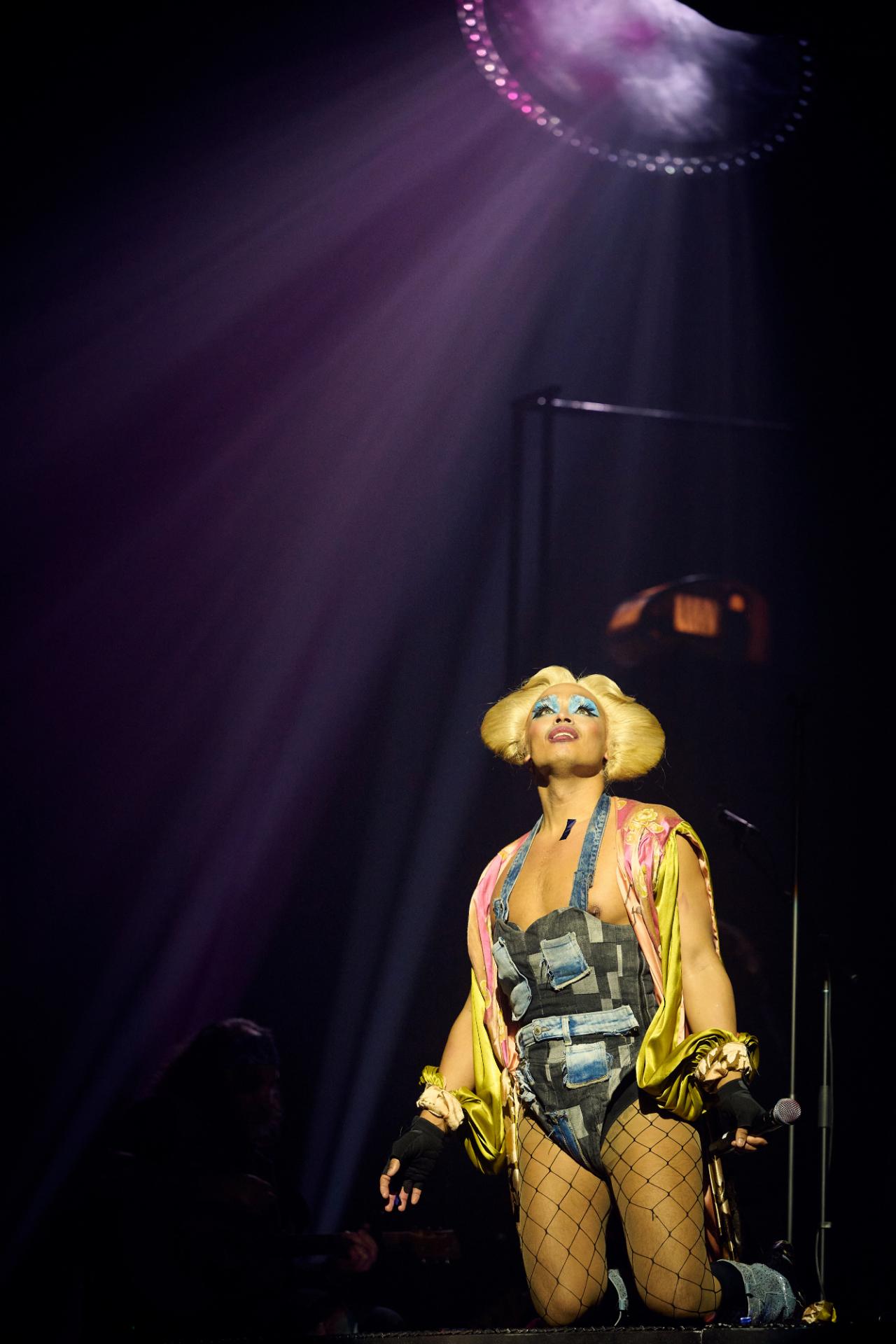
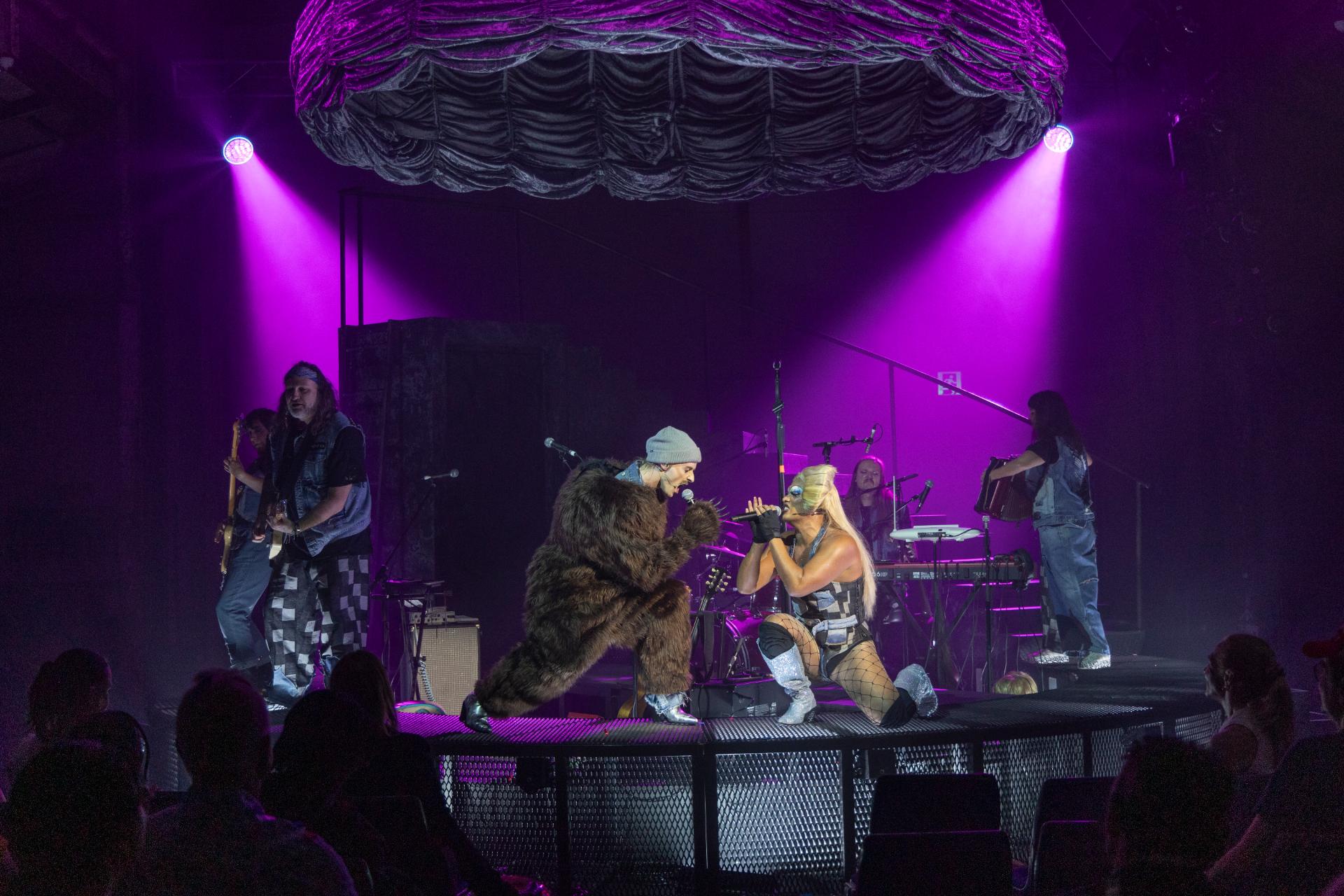
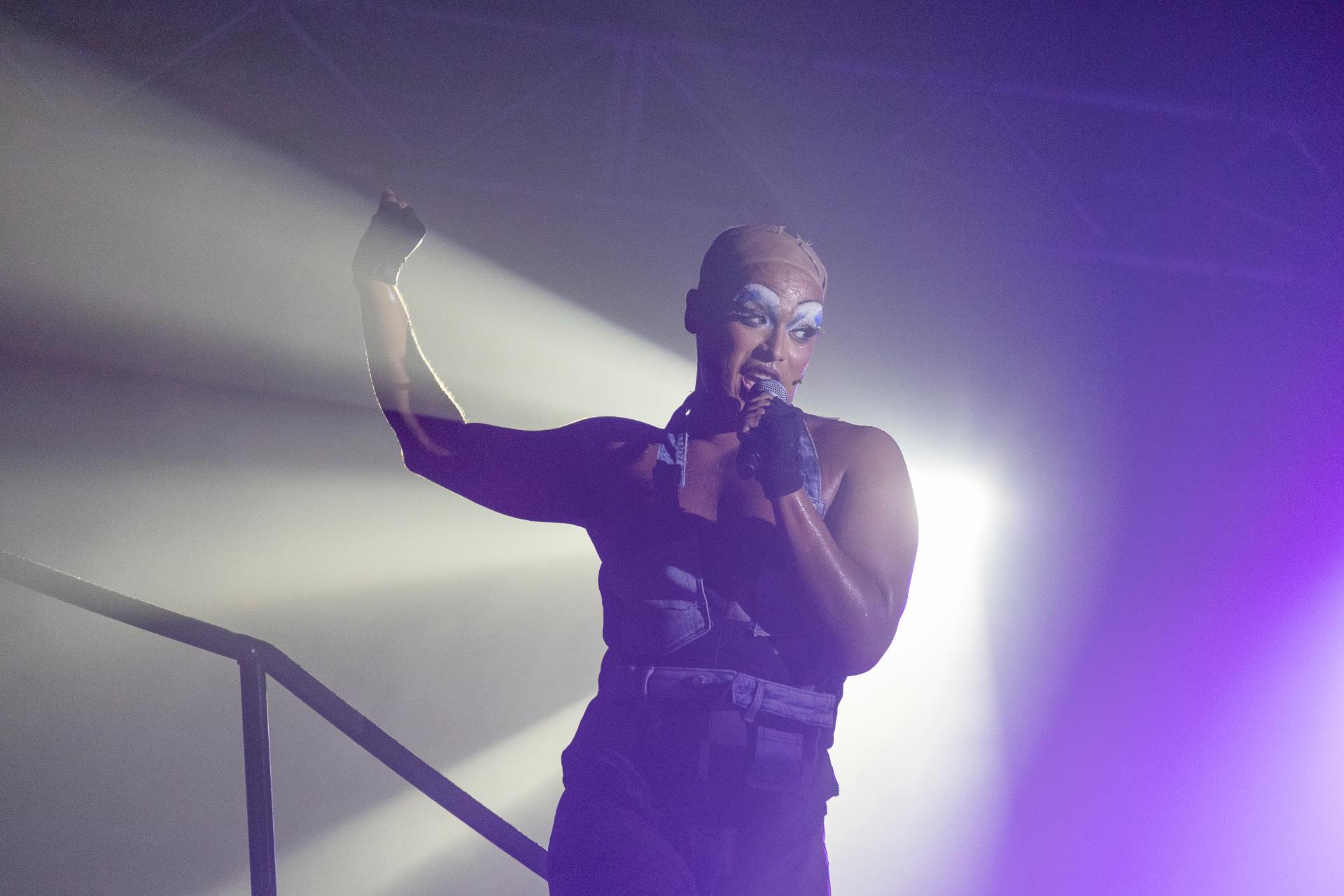
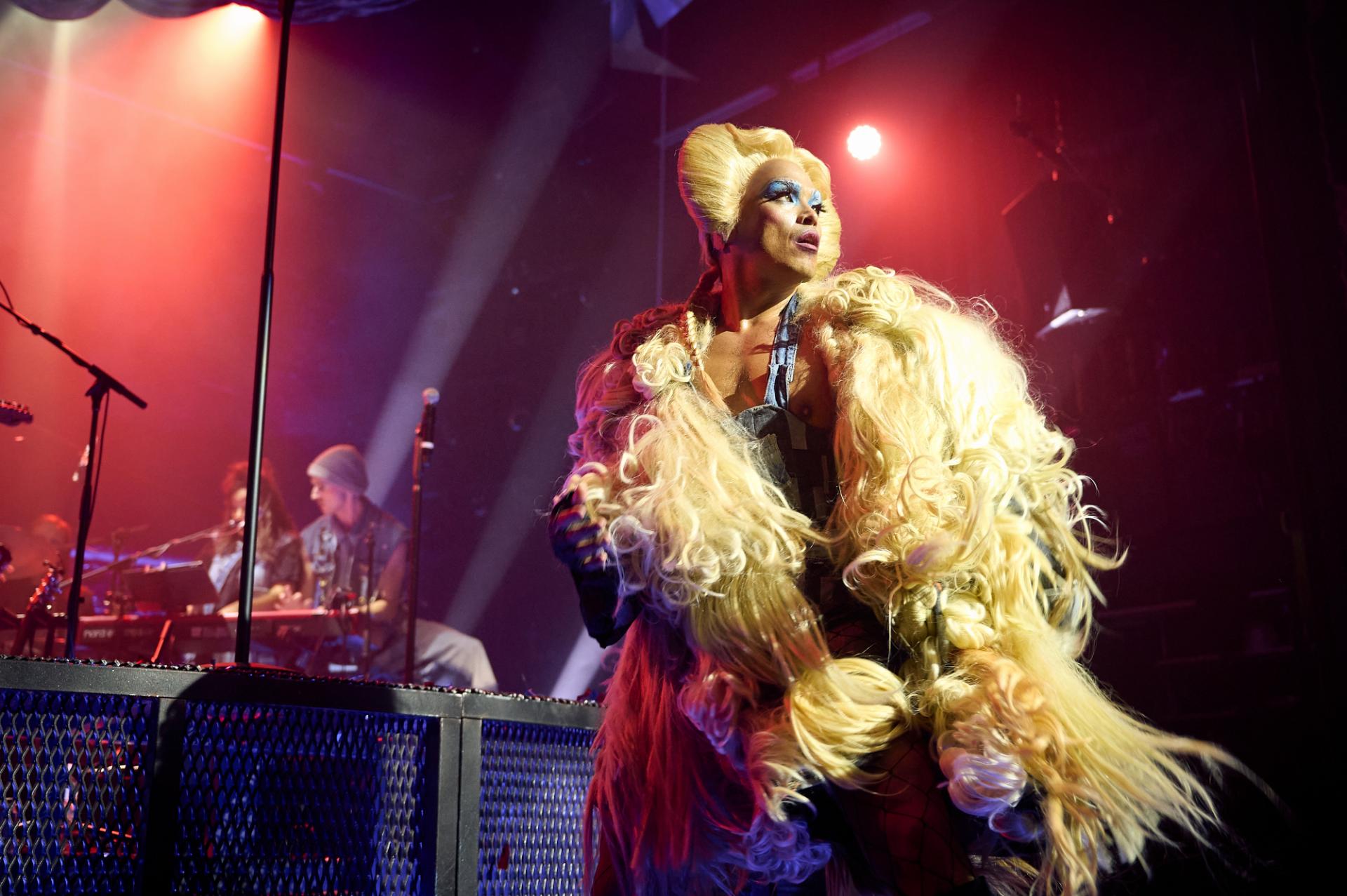
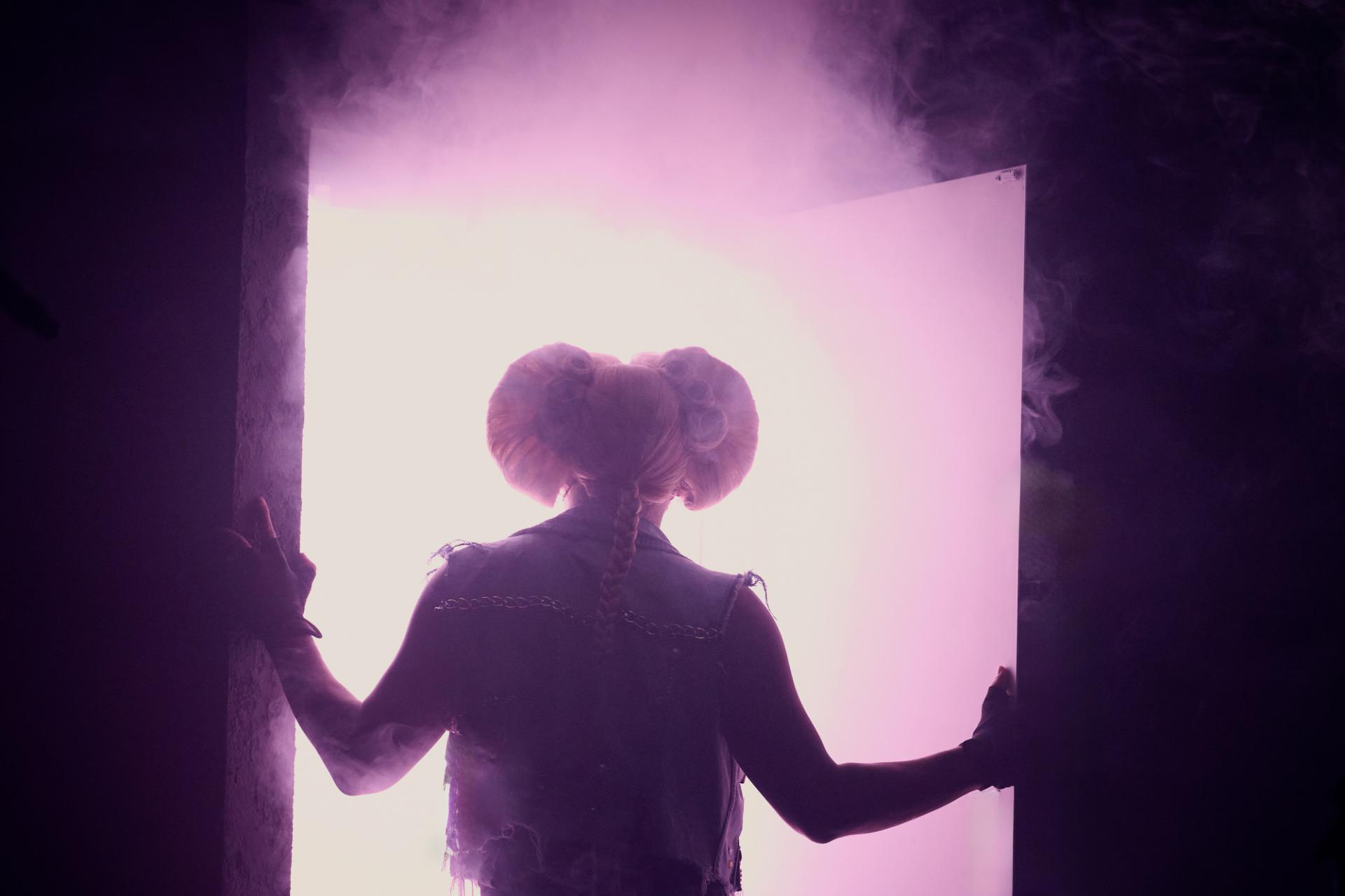
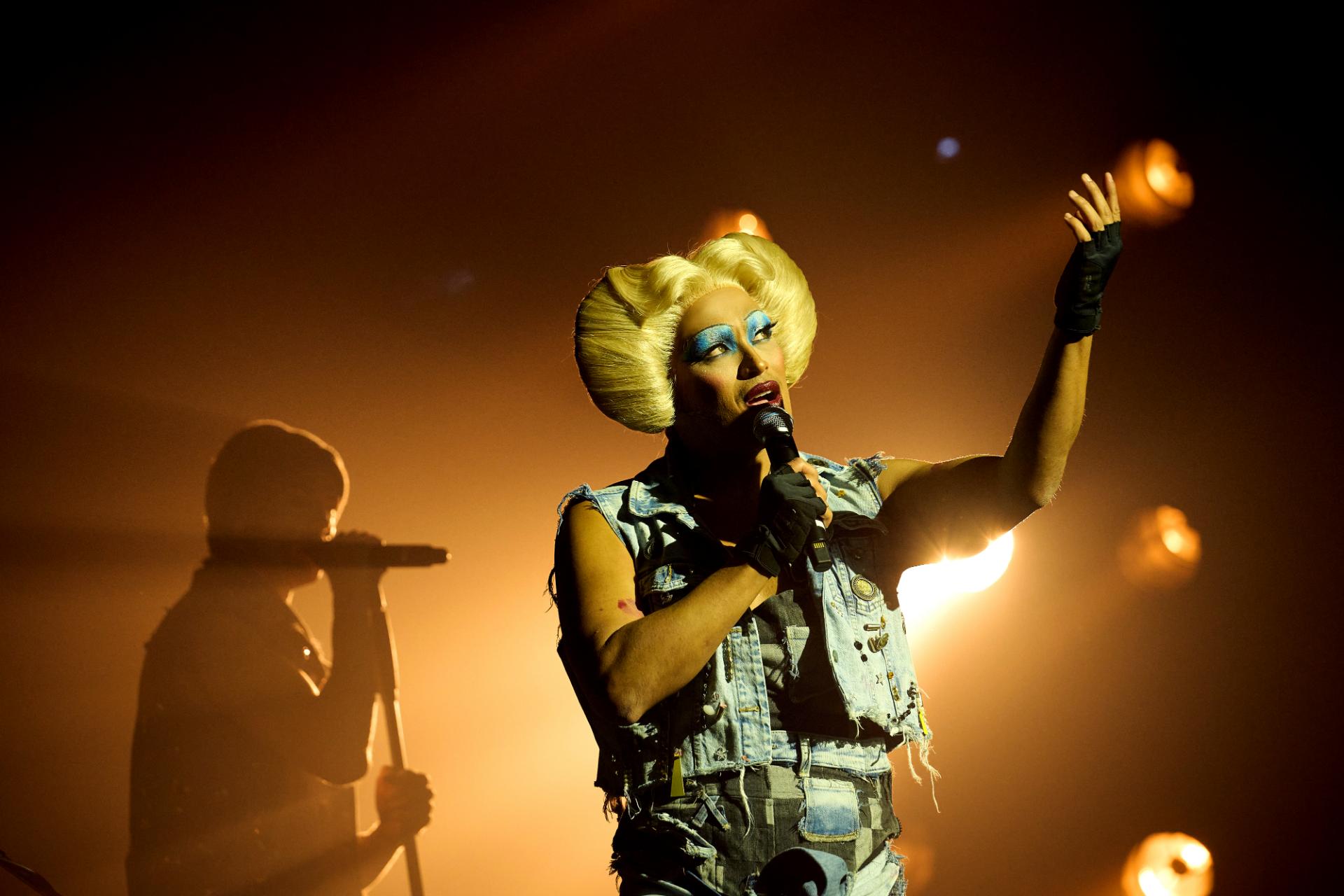
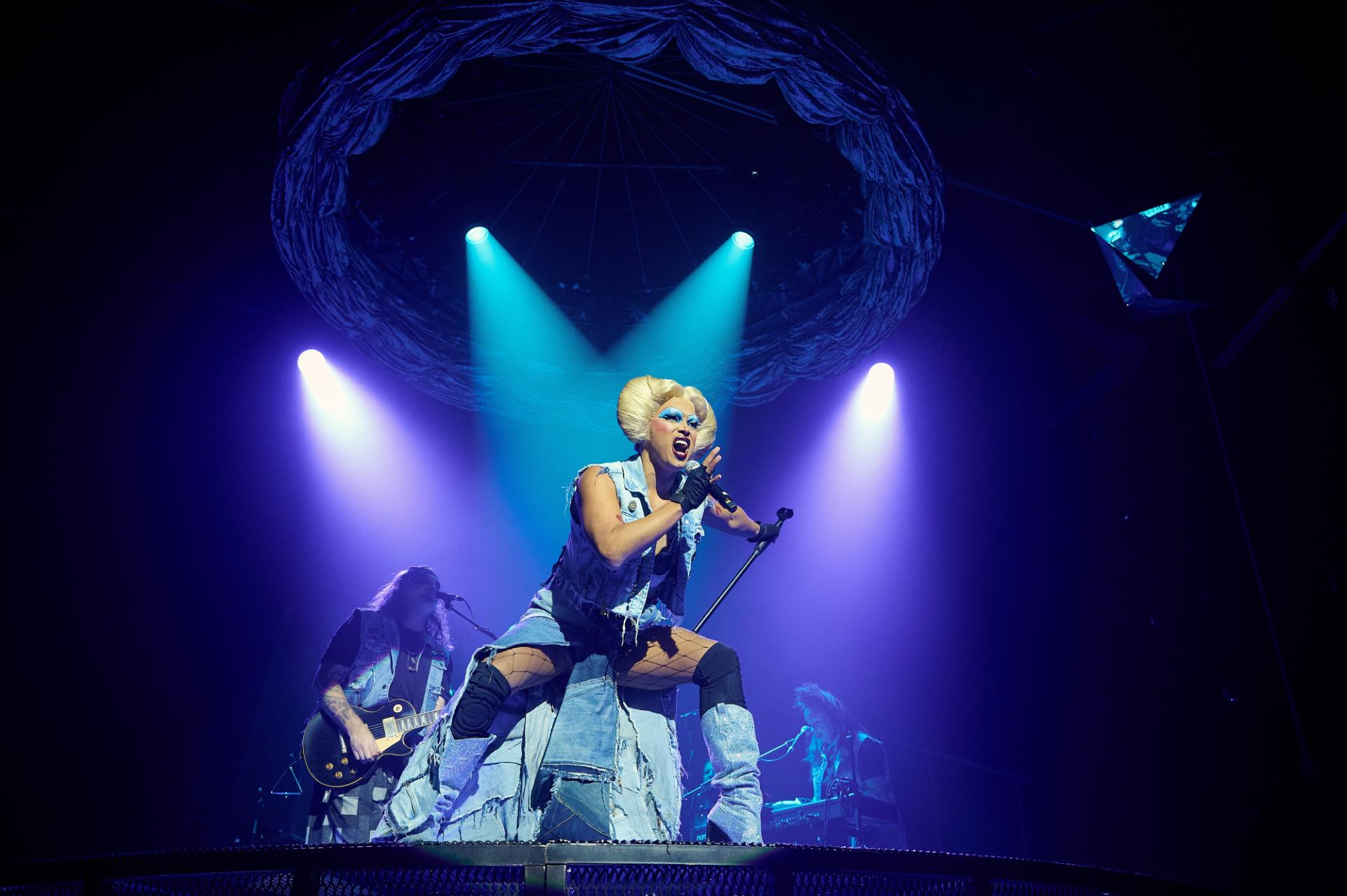
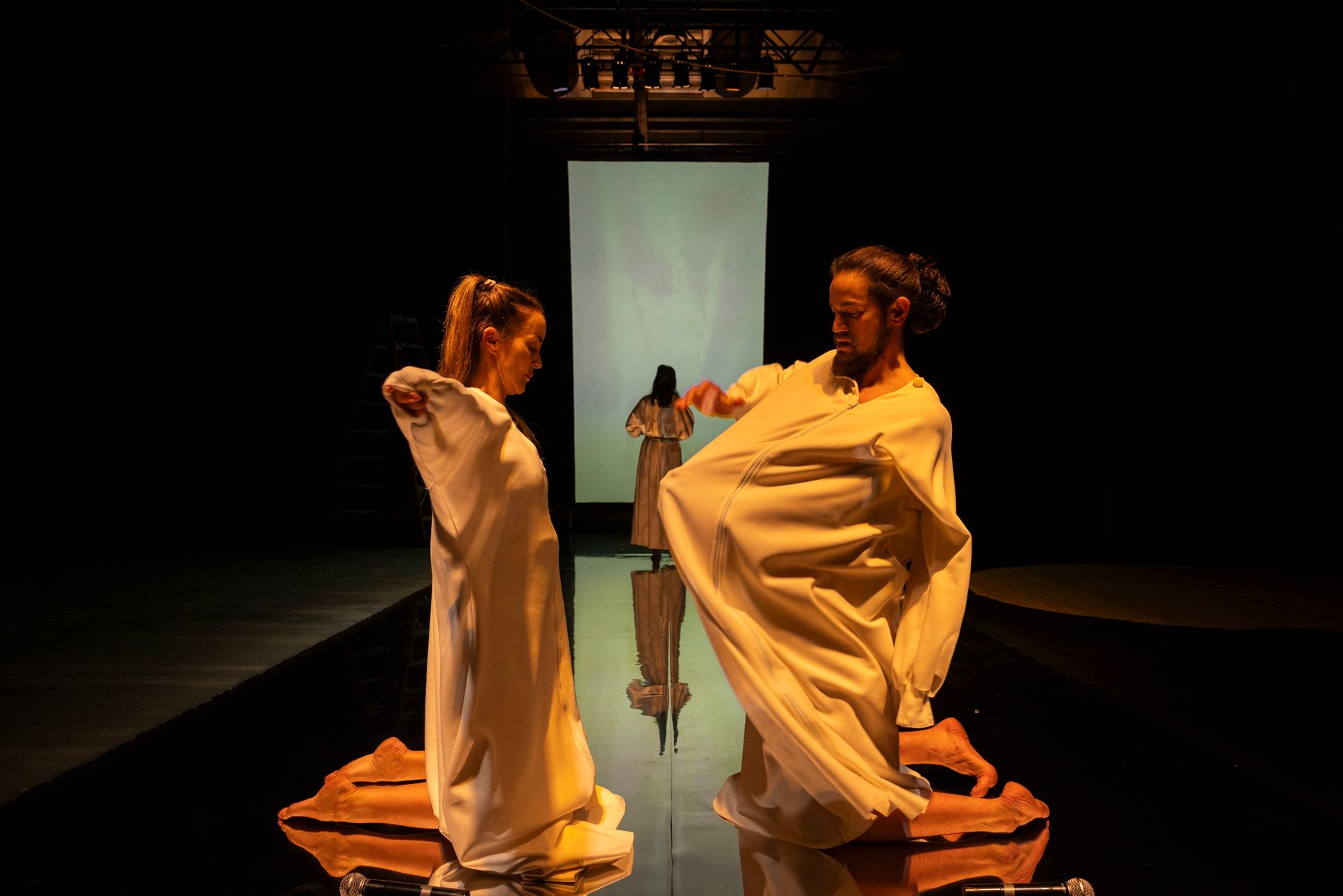
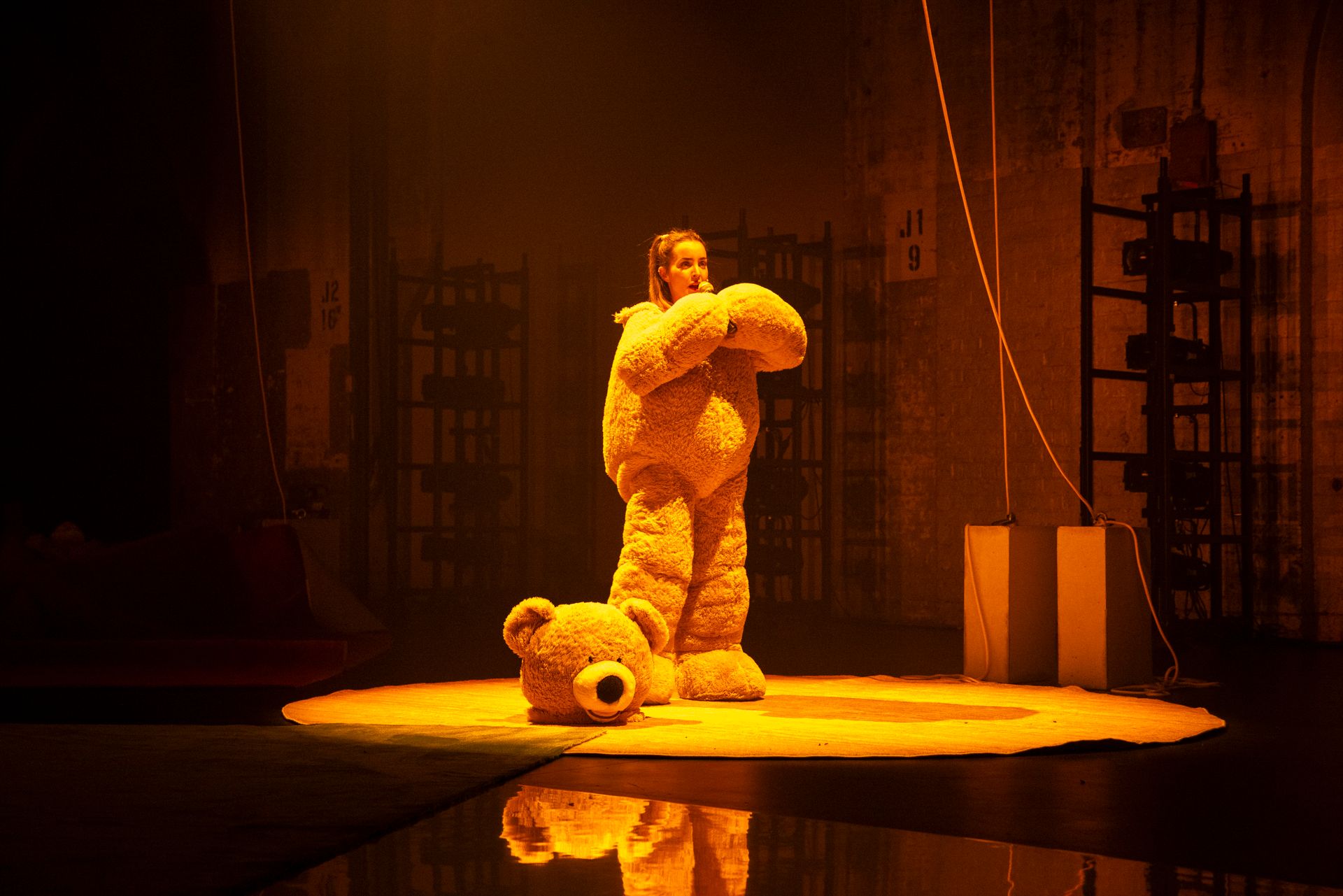
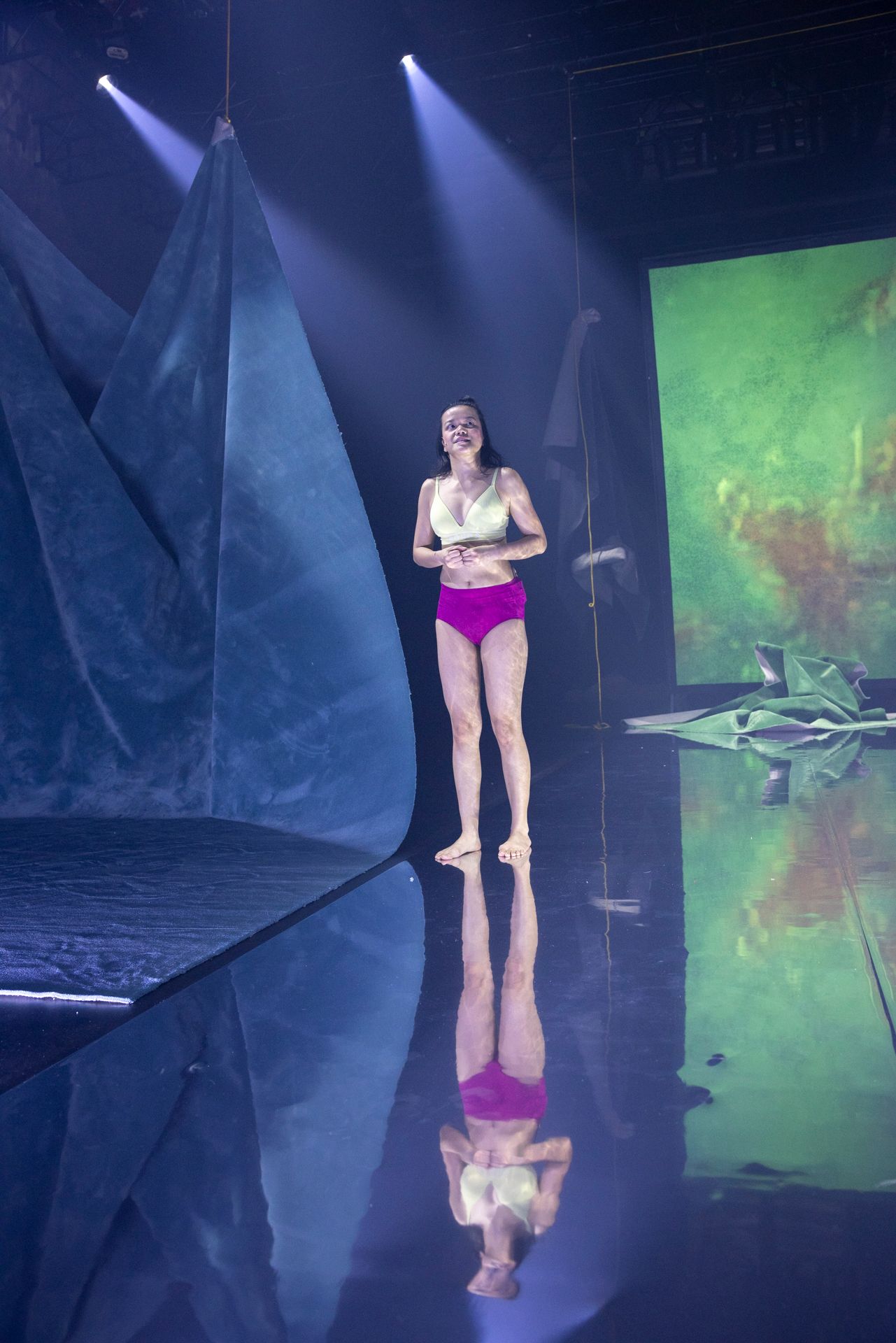
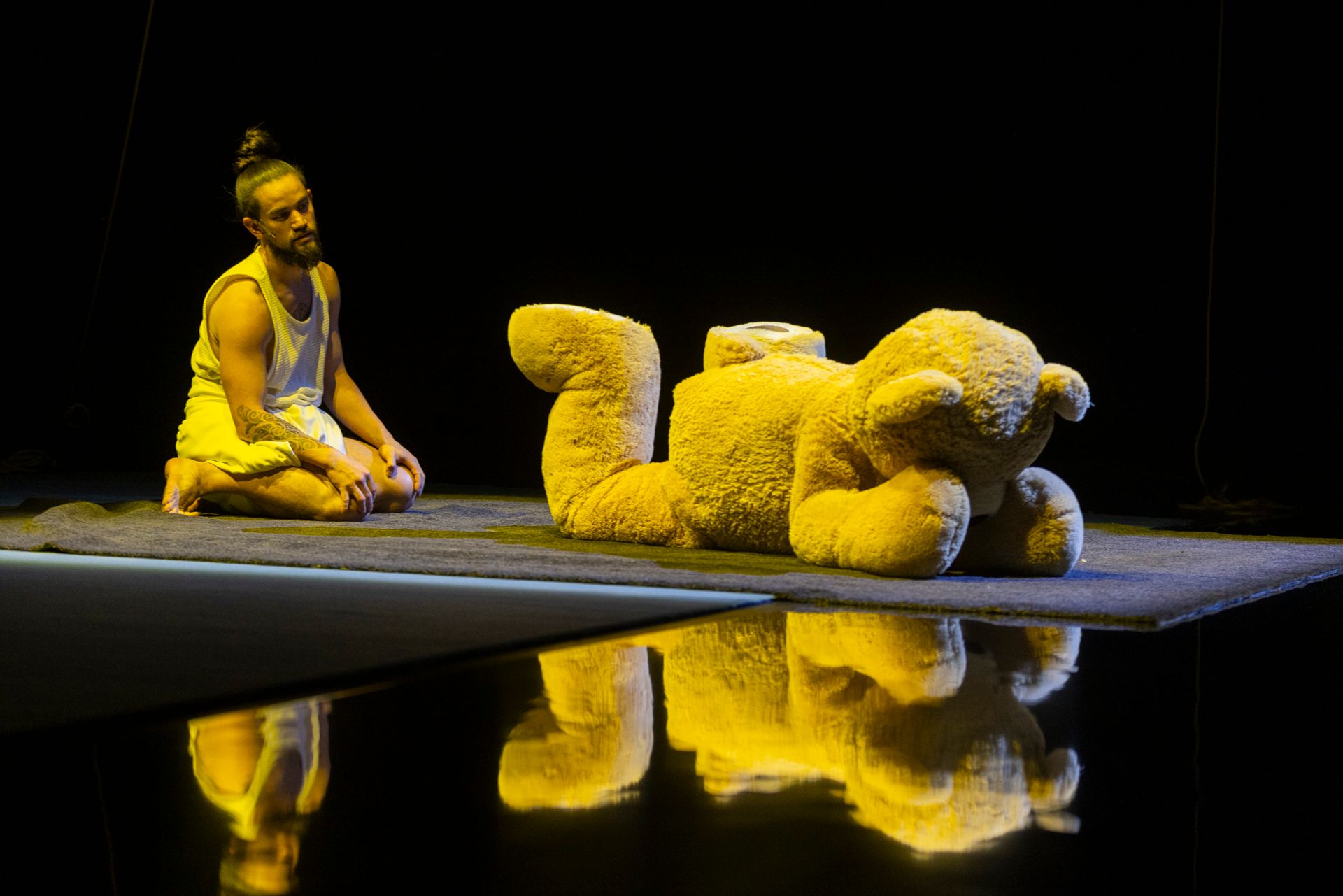
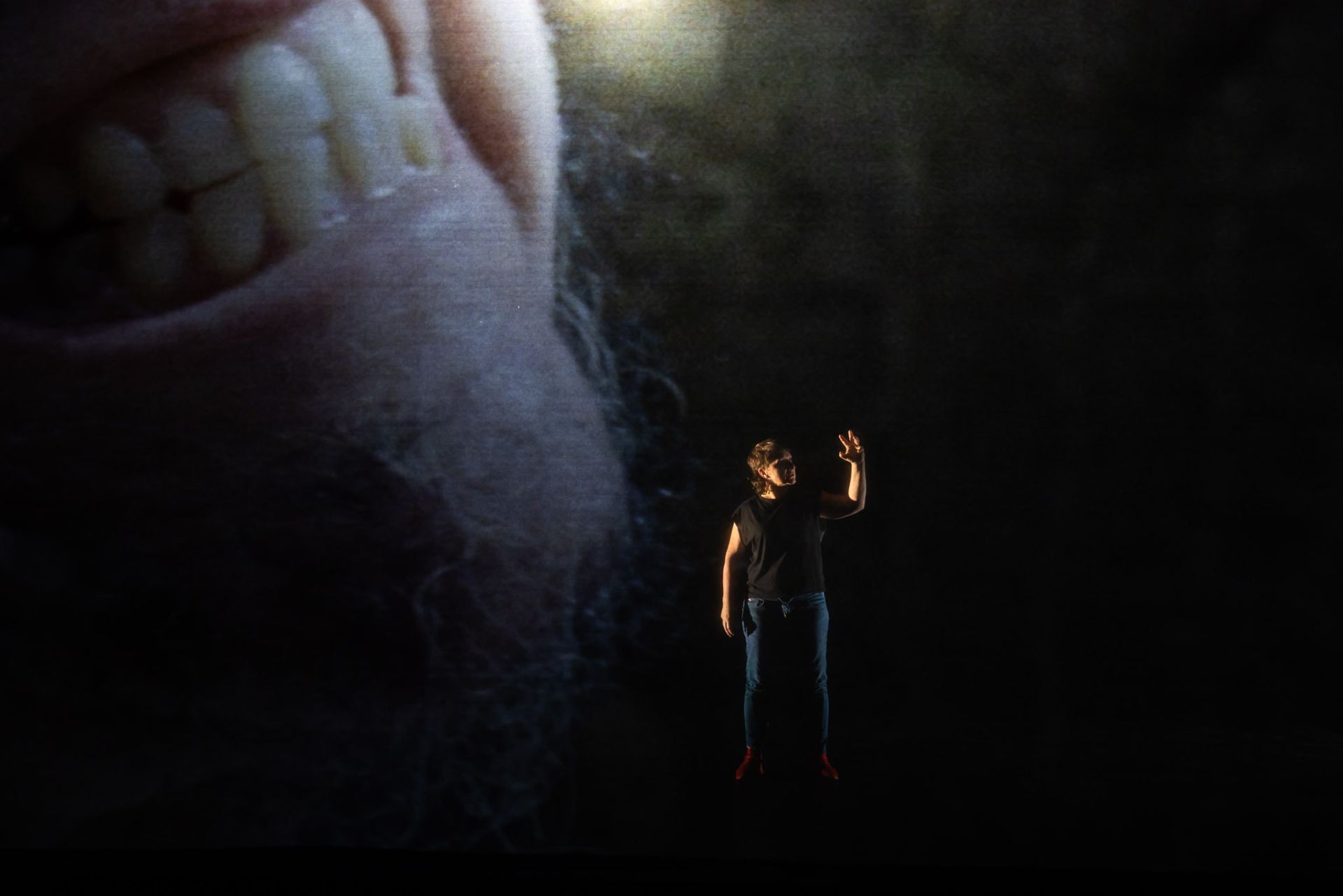
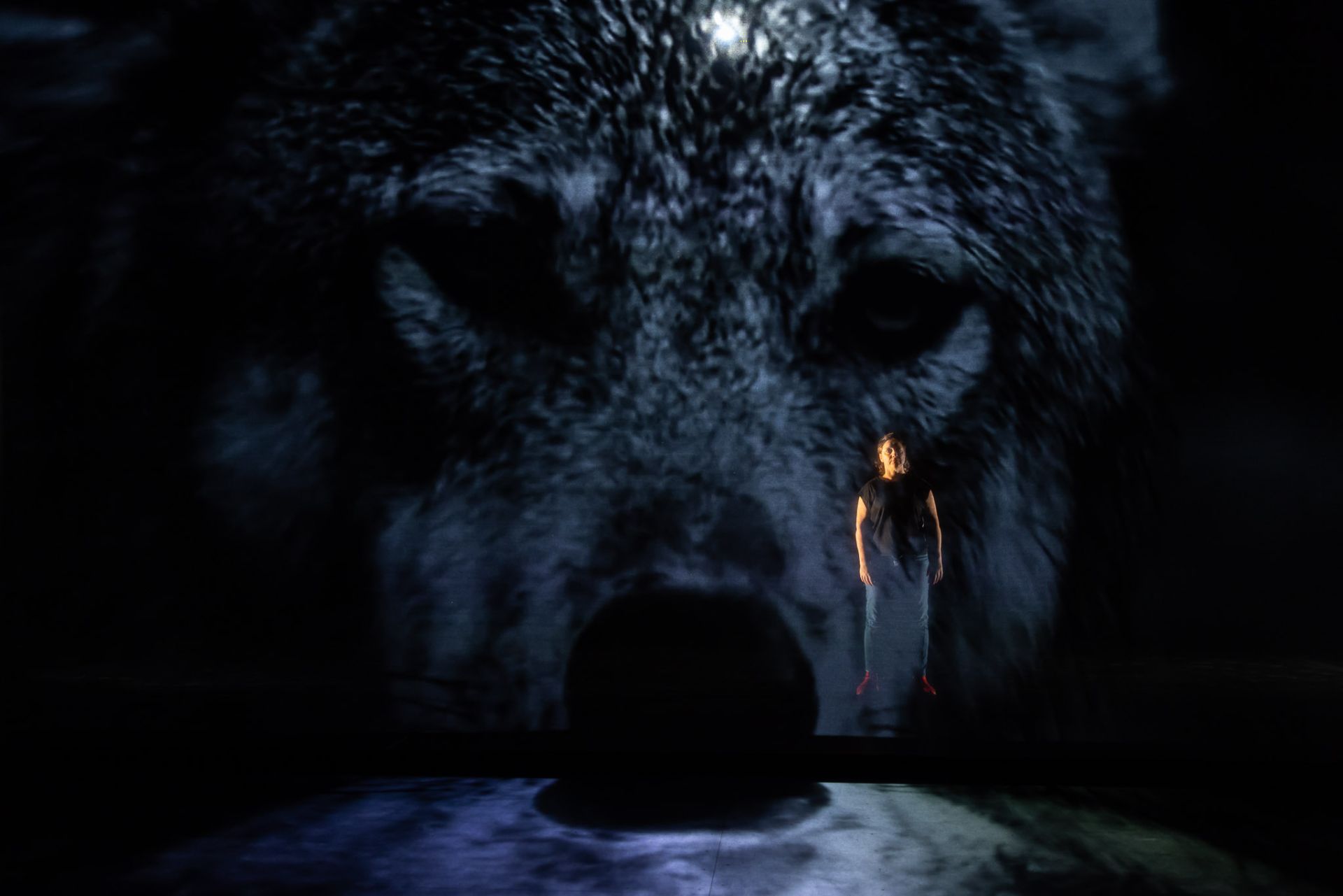
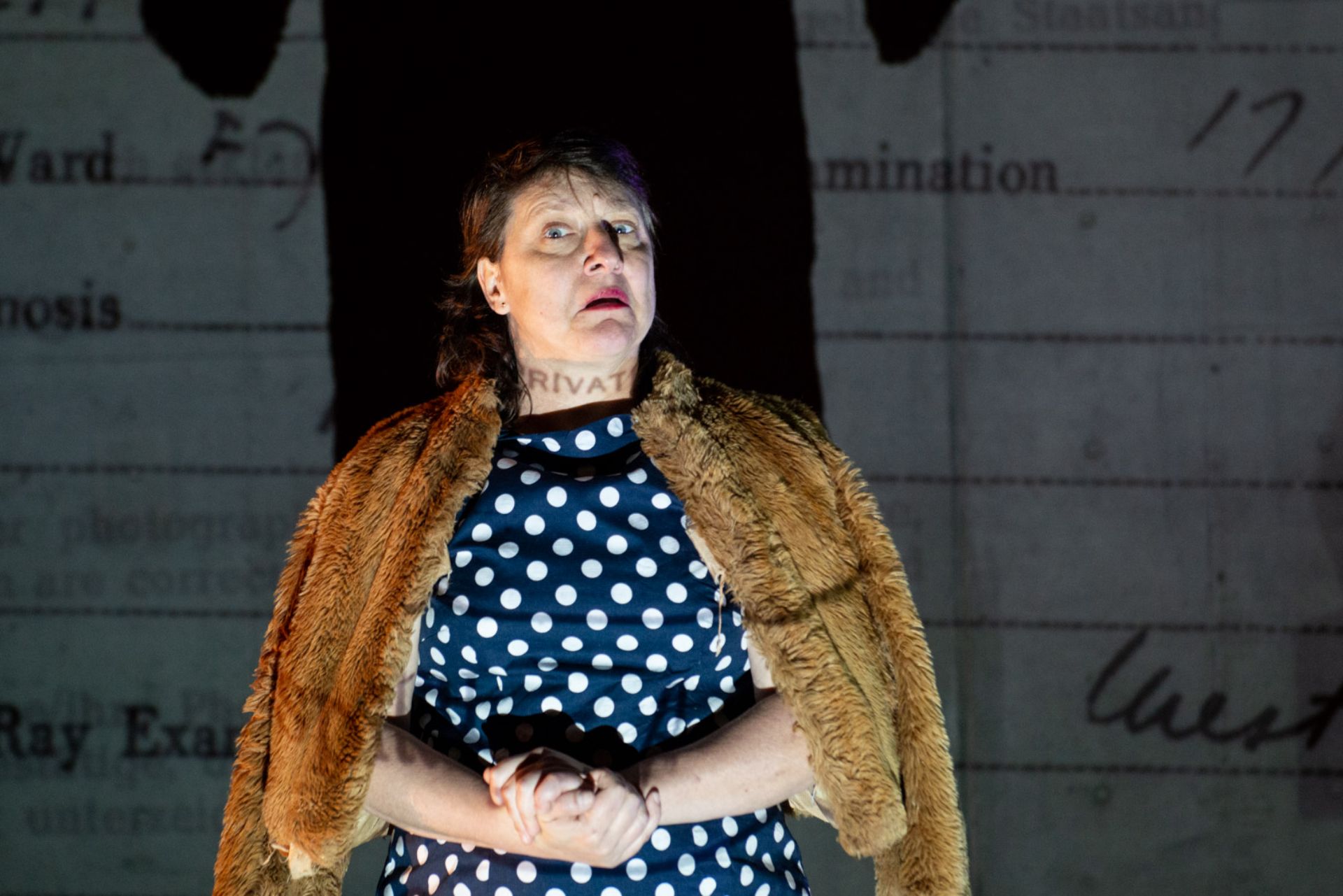
Set design by Jeremy Allen conveys glamour while meticulously capturing the details of a distinctly working-class milieu. Lights by Geoff Cobham are emotionally charged, and thoroughly beautiful with the imagery they help to assemble. Unforgettable costumes by Nicol & Ford blend inventiveness with technical mastery, taking our breath away in the “Wig in a Box” number by fashioning a coat filled with imaginative humour and cultural significance.

Victoria Falconer serves as musical director, giving us unwavering passion in a cacophonous combination of rock and Broadway, leaving no stone unturned to hold the audience in heightened states of arousal from start to finish. Along with sound design by Jamie Mensforth and soundscape by Jason Sweeney, we are never in doubt about being situated in an American dive bar, gritty yet adamantly hopeful.

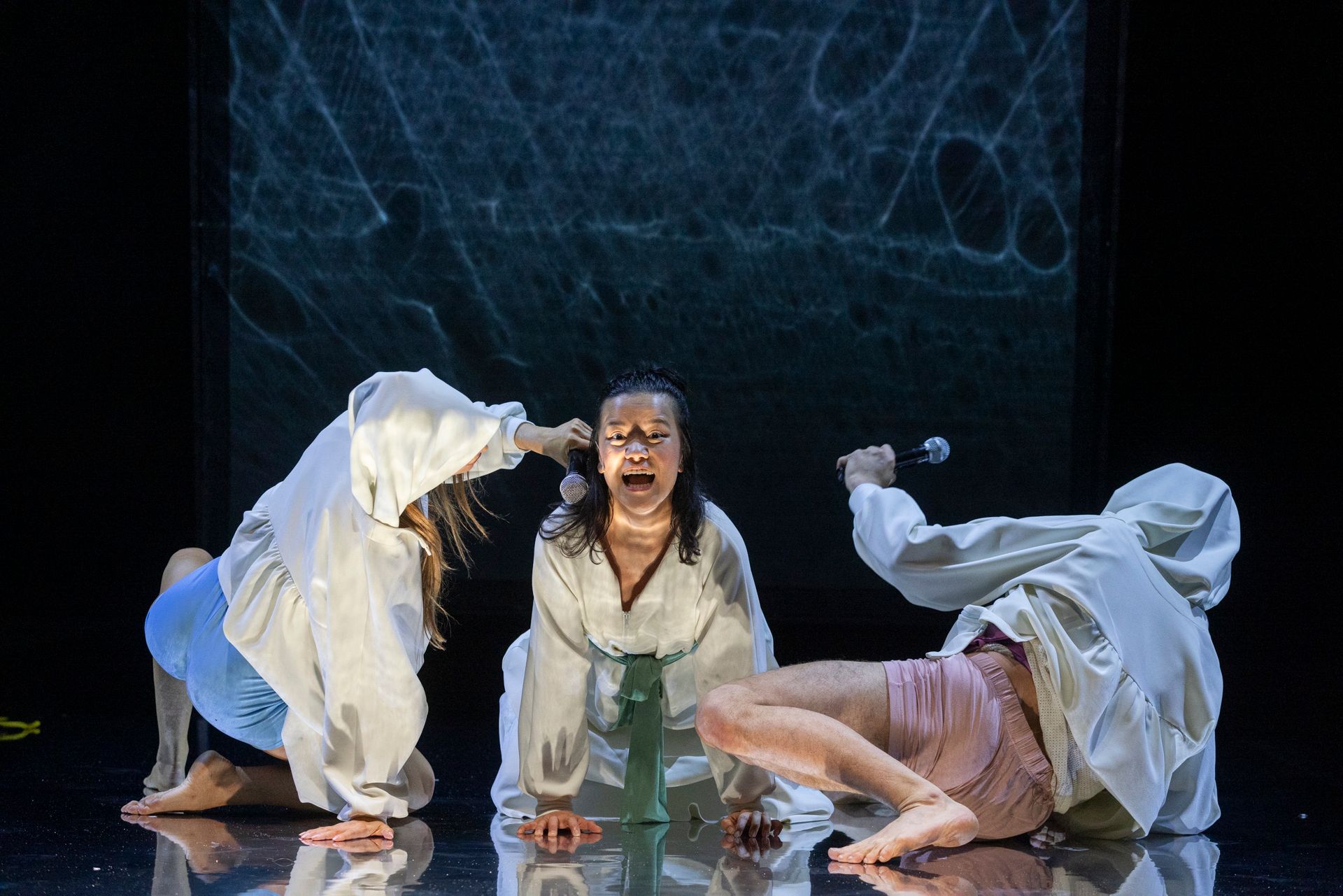
Playing the lead is a captivating and powerful Seann Miley Moore, whose audaciously extravagant approach has us persistently fascinated, but it is their exhaustive and granular familiarity with the material that insists on keeping us absolutely spellbound. Adam Noviello is extraordinary likable as Yitzhak, full of spirit even when portraying the despondency of a painfully neglected companion.

There may have been a surgical error crucial to the formation of Hedwig’s identity, but there is certainly nothing wrong with who she has become. We recognise queer heroes by the destabilisation they bring to unsound hegemonies. They are by nature contrarian, but only from the perspective of the corrupt. To them, Hedwig is an abomination and entirely perverse, where in fact she is truly magnificent and gloriously sacred.

www.hedwig.com.au

Review: Prima Facie (Carriageworks)

Venue: Carriageworks (Eveleigh NSW), Jul 2 – 12, 2025
Playwright: Suzie Miller
Director: Kate Champion
Cast: Sof Forrest
Images by Daniel Boud

Theatre review
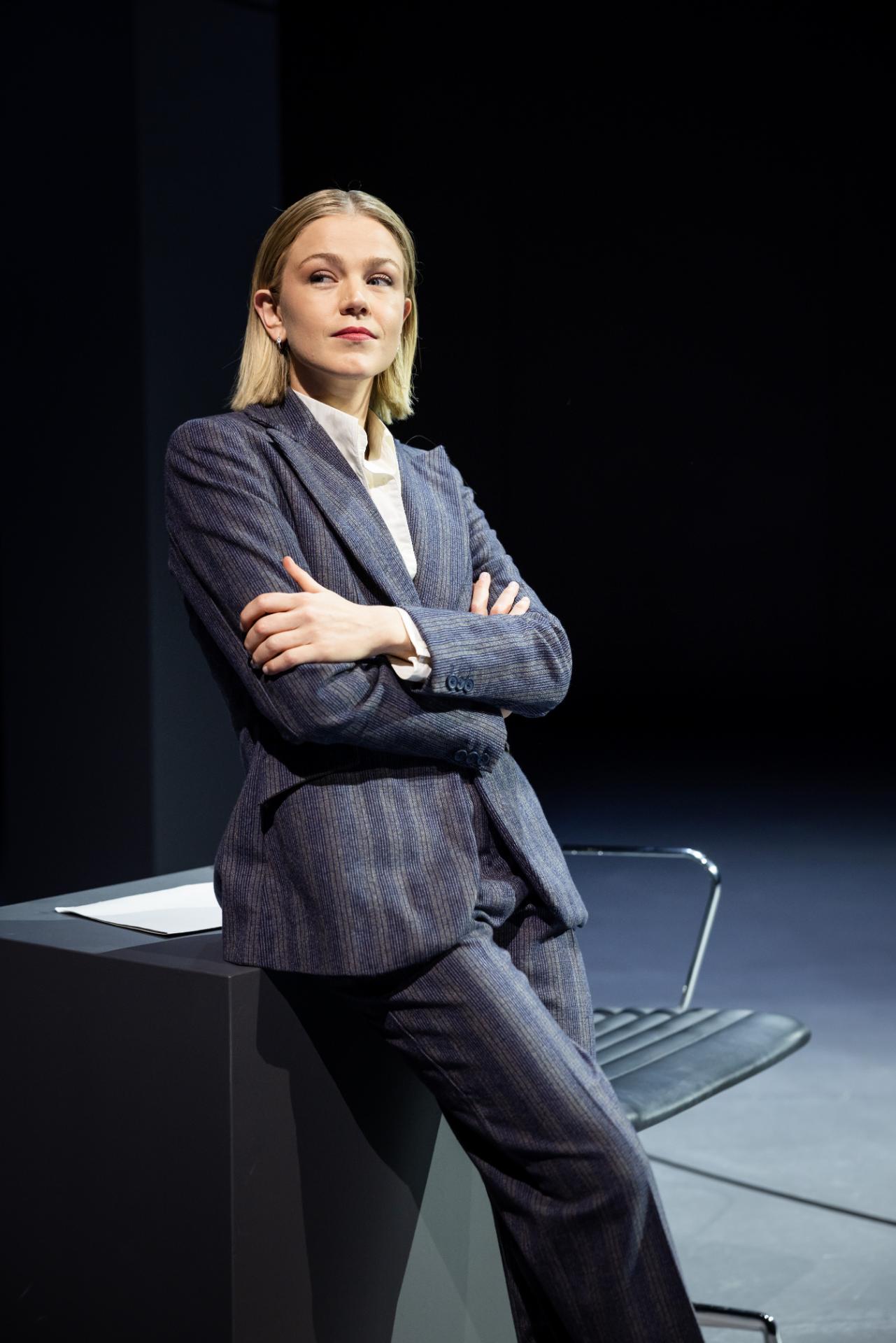
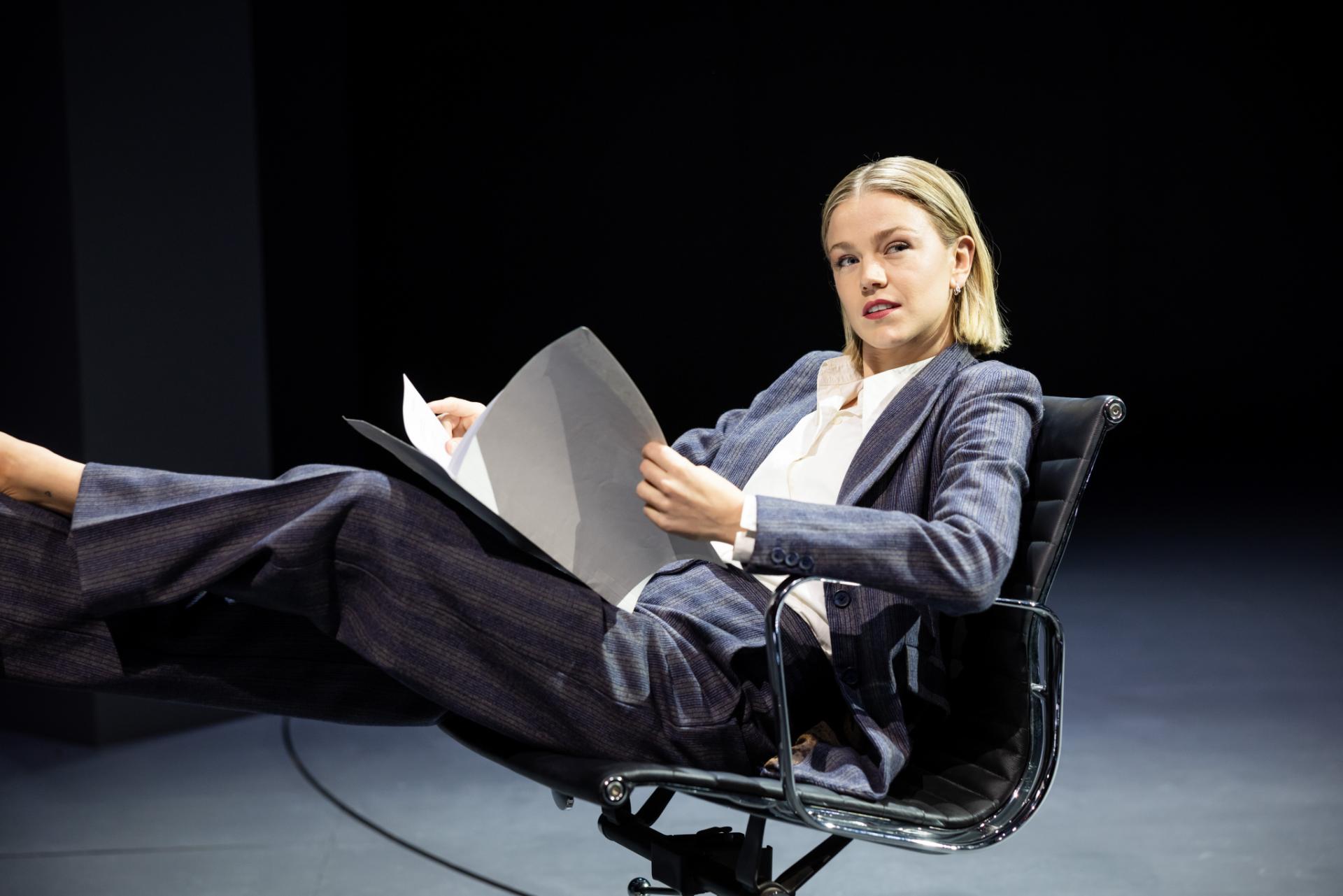
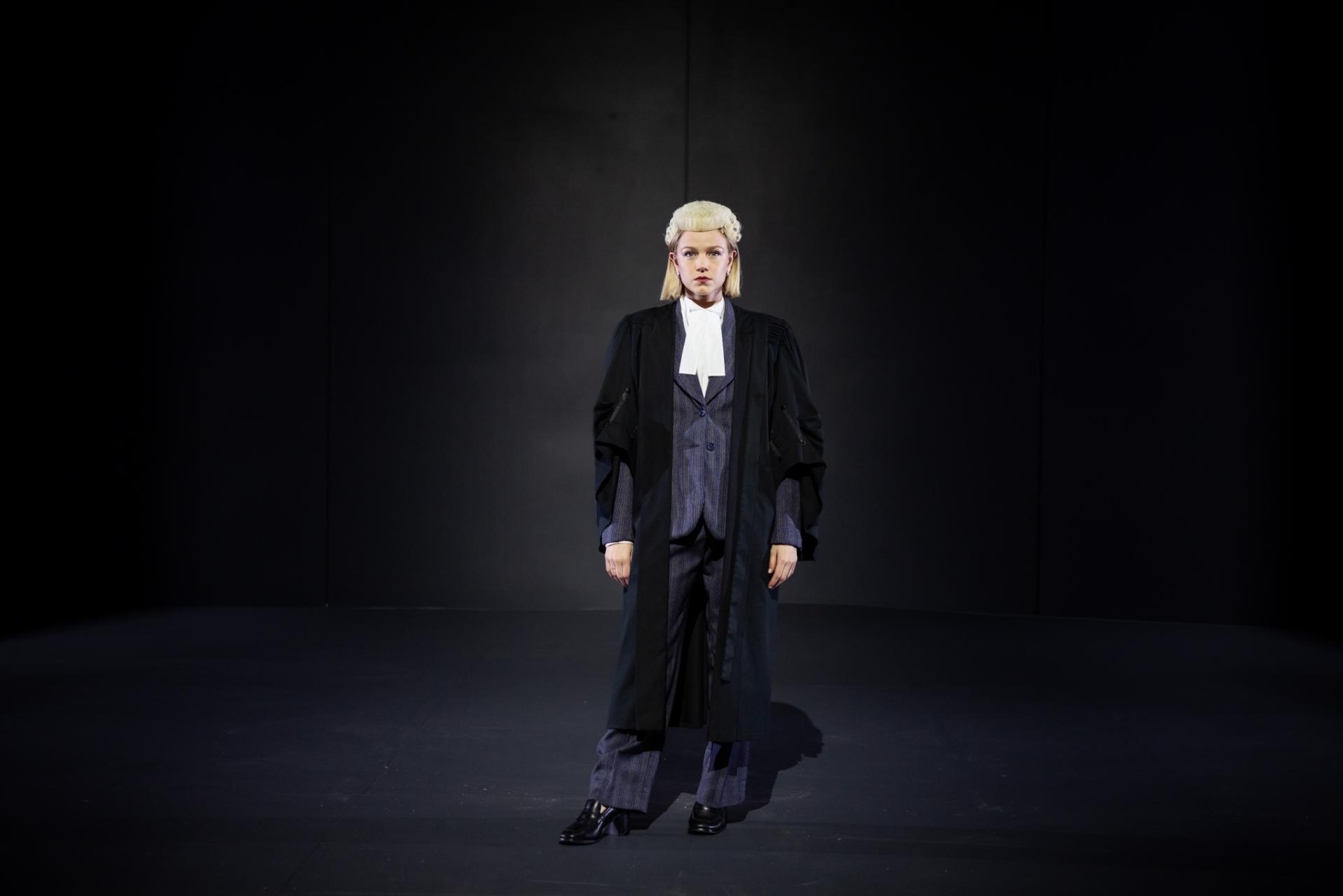
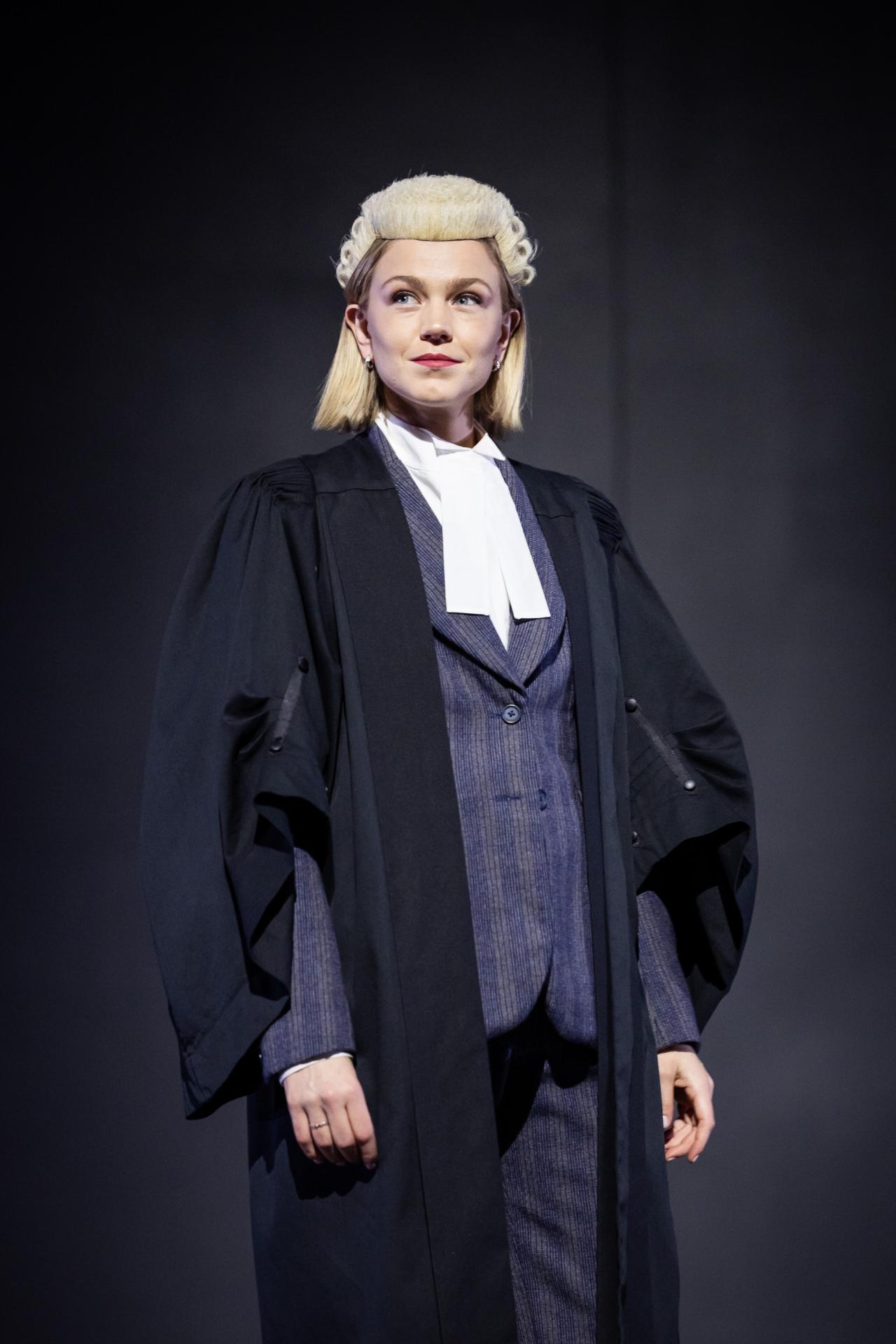
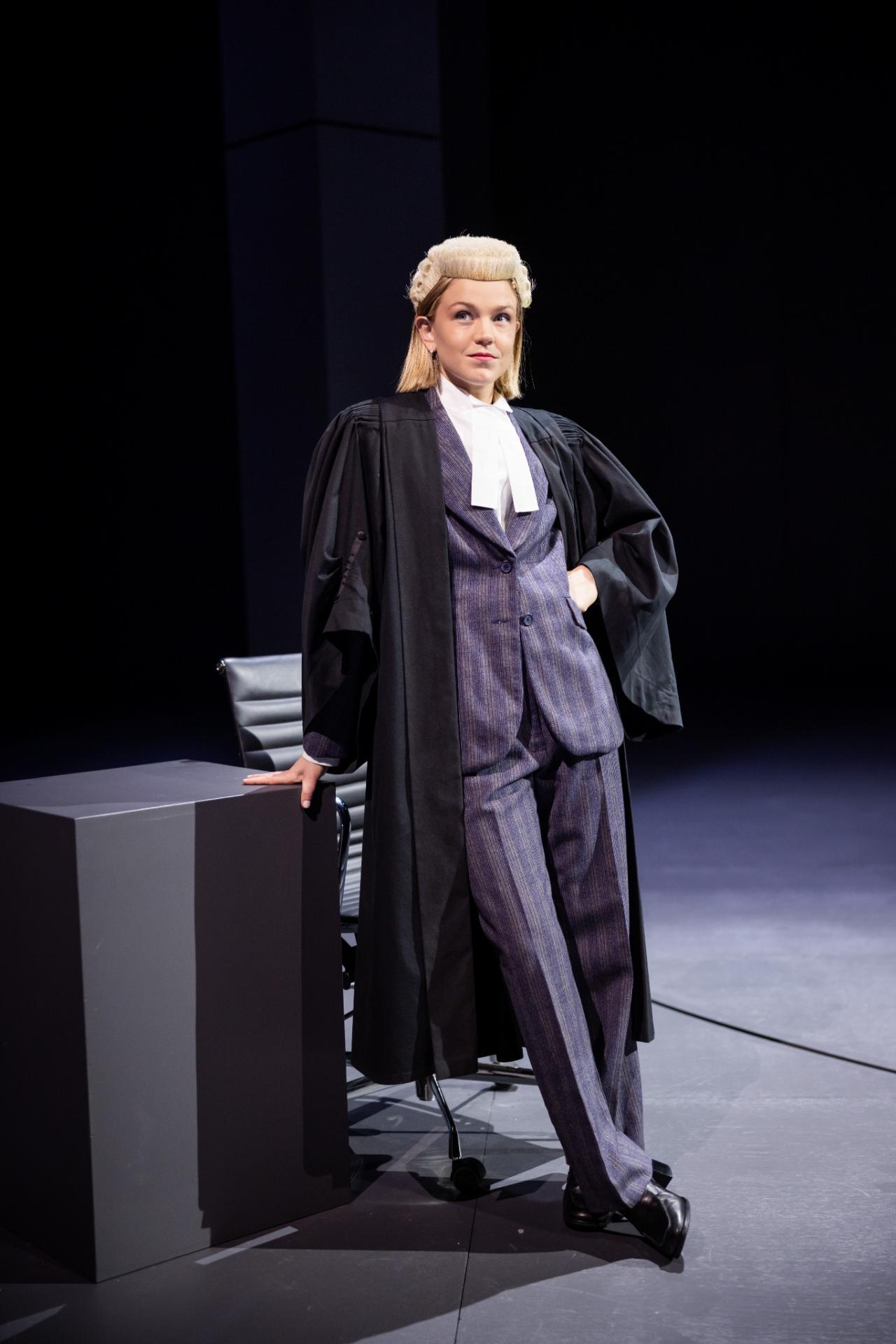
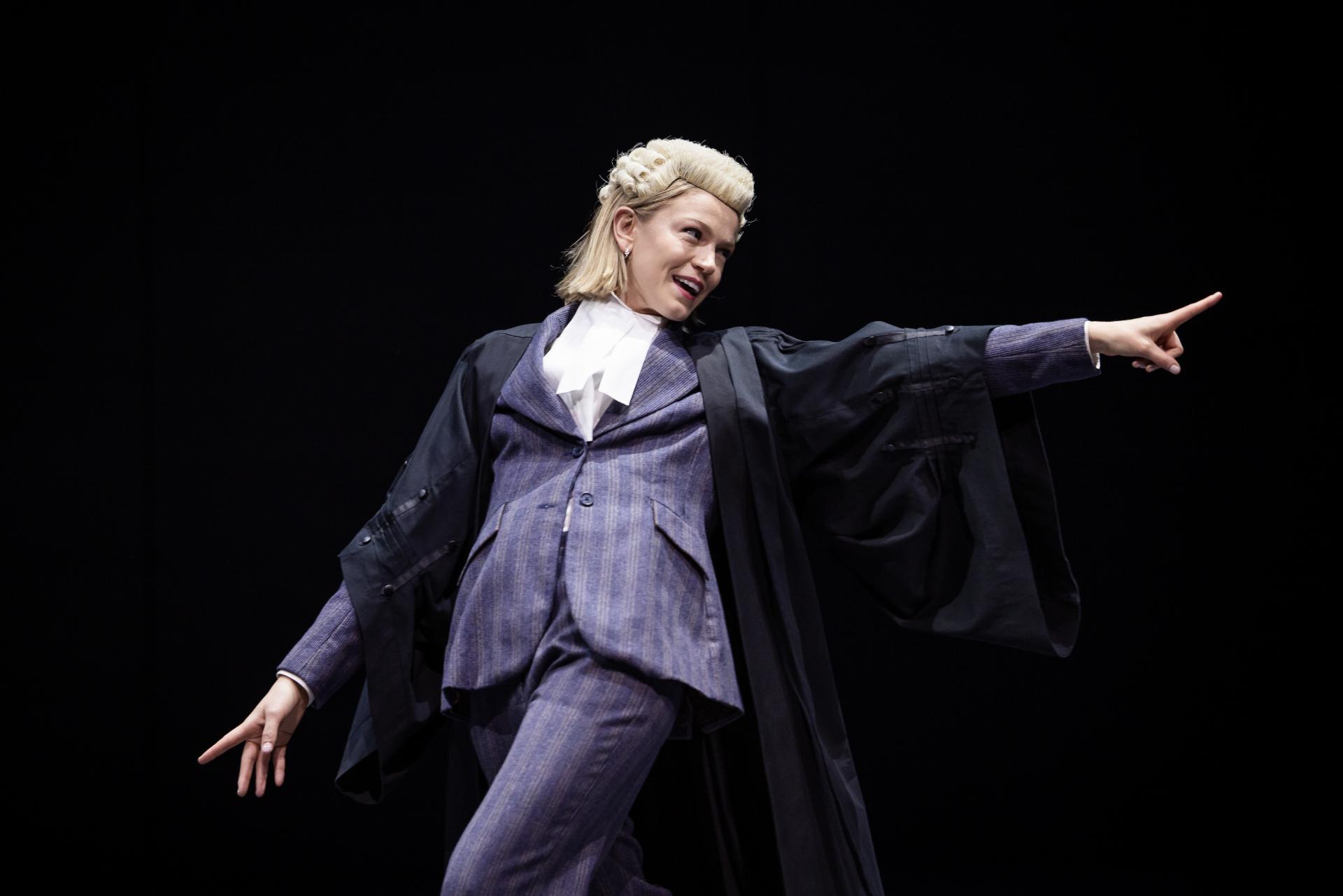
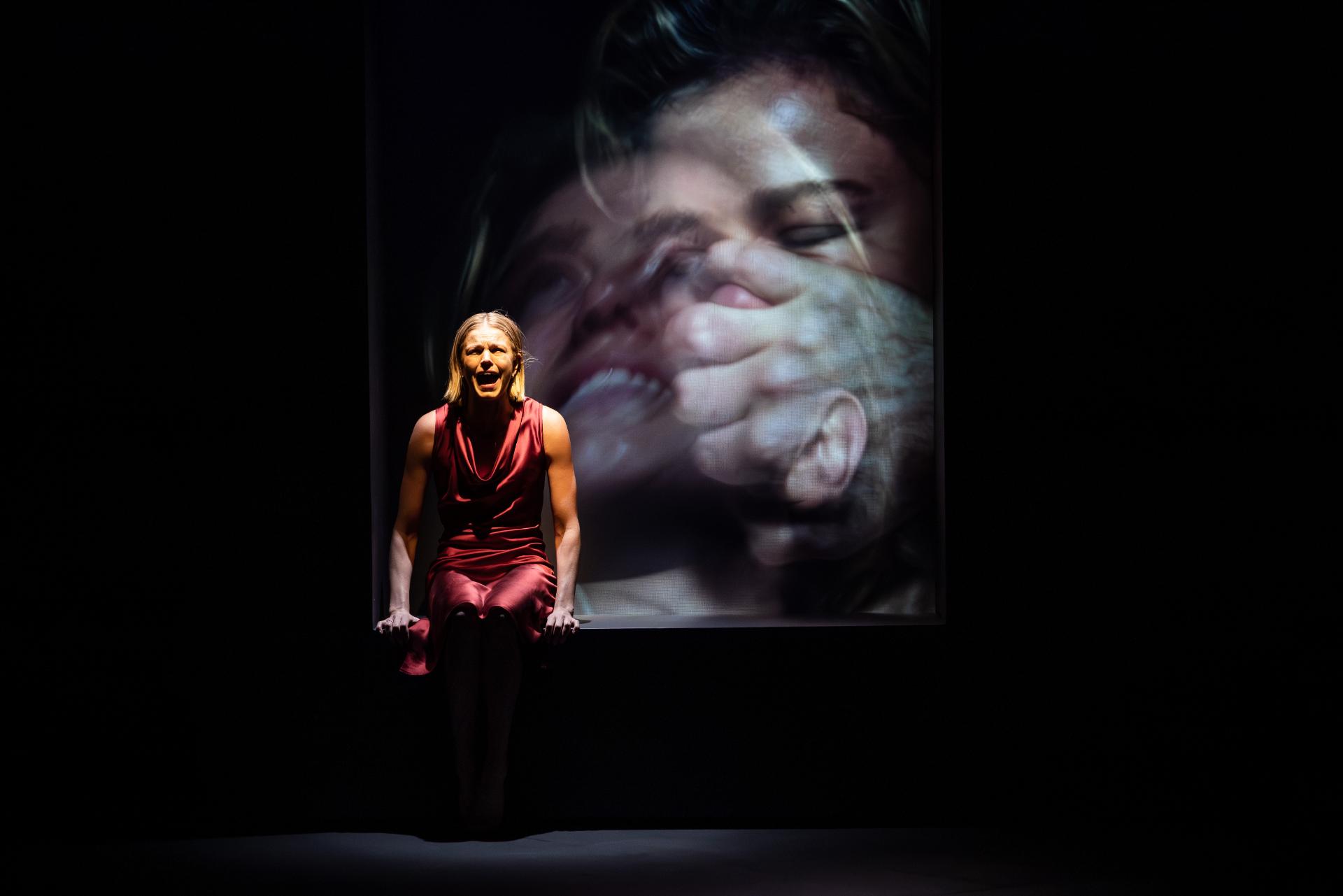
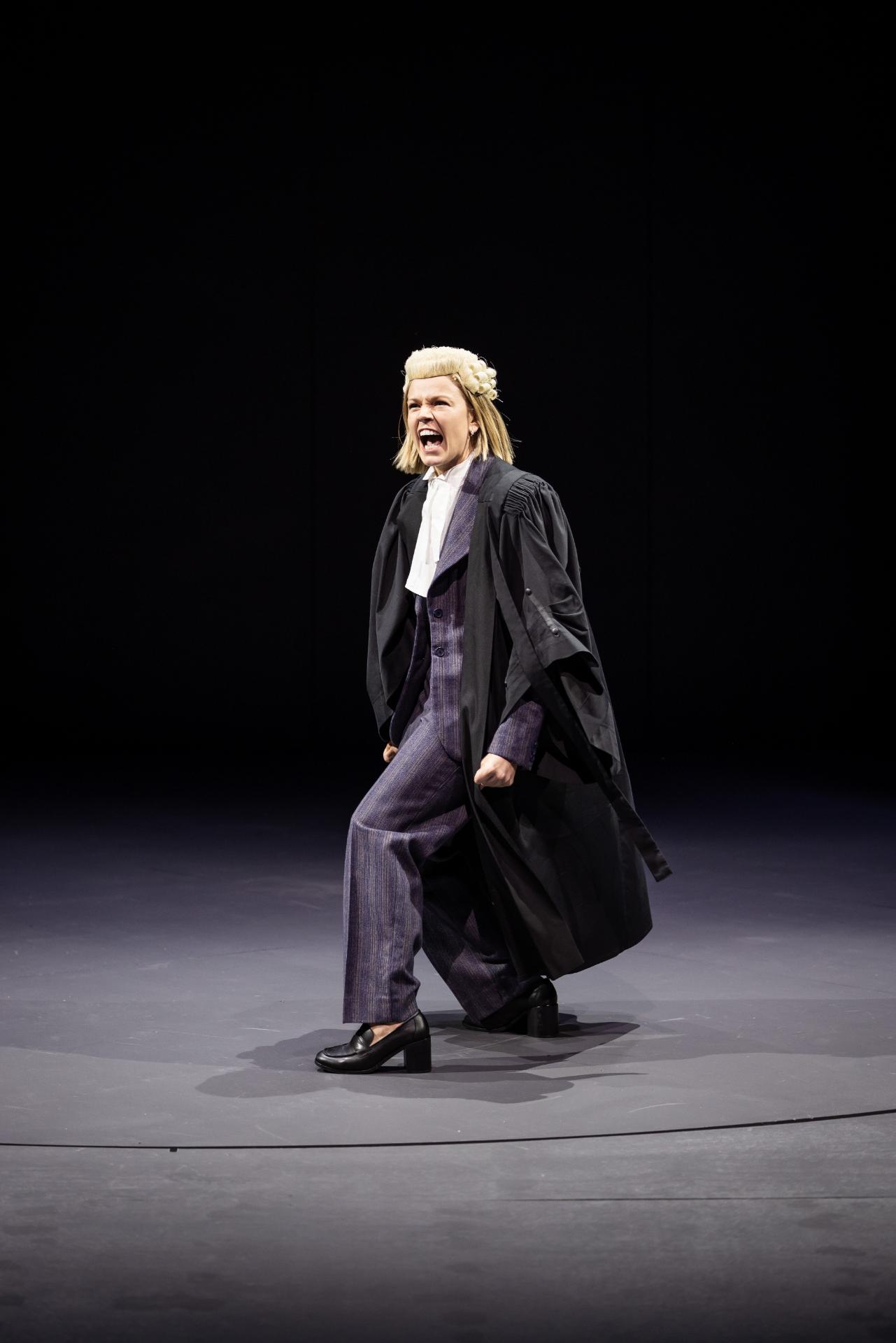
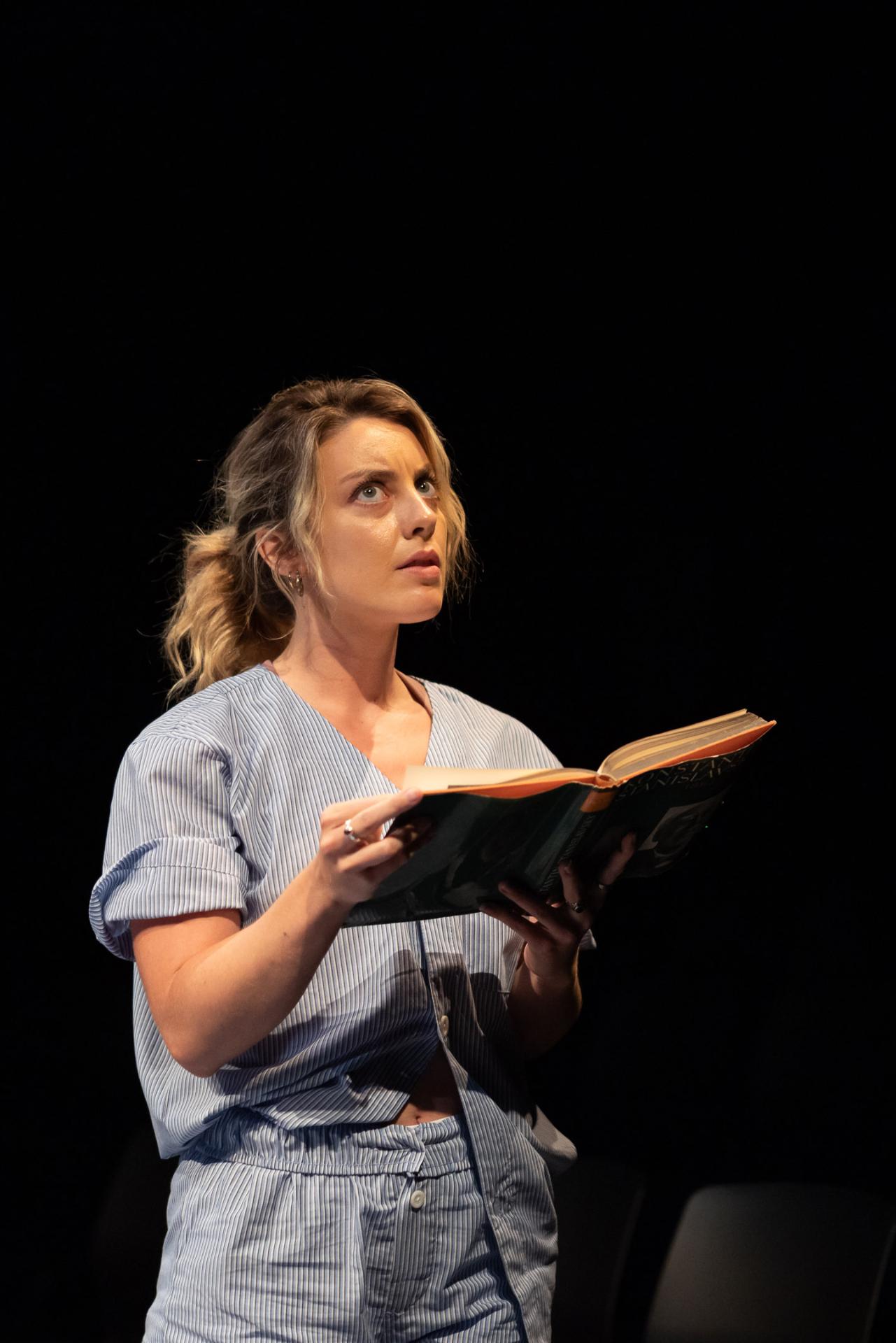
When we first meet Tessa, she is a criminal defence barrister fully invested in the legal system. Handsomely rewarded for her talent and skill in courtrooms, Tessa never has reason to question her faith in the status quo. However, when she finds herself on the other side as a victim of sexual assault trying to obtain justice, we see that her beliefs can no longer hold. Suzie Miller’s one-woman play Prima Facie is a powerful interrogation of the pervasive structures underpinning our lives, ones that are often laced with prejudice and inequity.

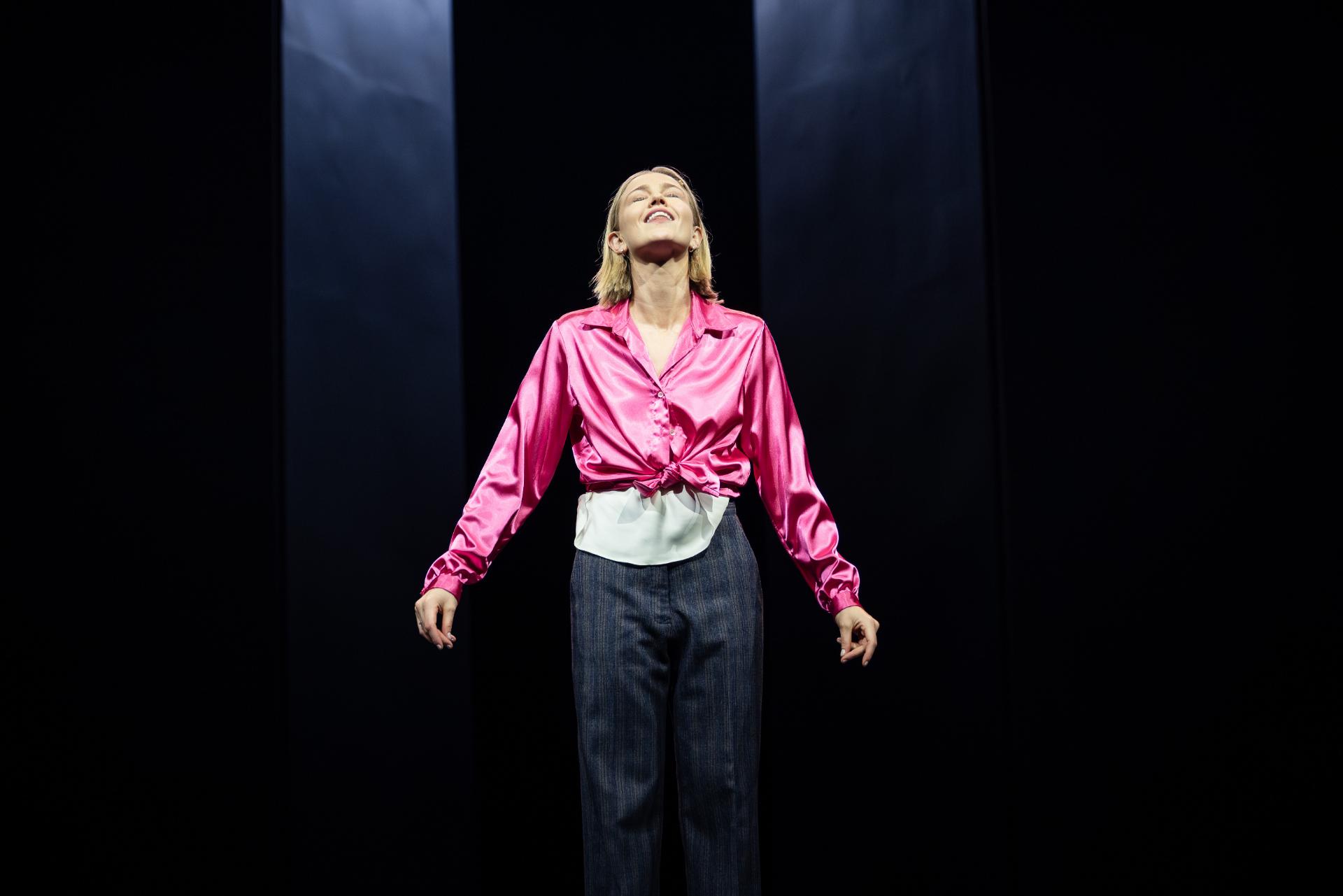
It exposes the intentional elusiveness of those shortcomings and demonstrates how a small number of beneficiaries work hard to sustain it. The meanings of the text are all elucidated unequivocally by director Kate Champion, even if the staging does not always speak with enough urgency or gravity. Actor Sof Forrest is very effective in the show’s final poignant moments, and is admirable for the polish they brings to the production, but their performance rarely deviates from the cerebral. Prima Facie should engender intense feelings, but we seem to engage with it almost entirely intellectually.

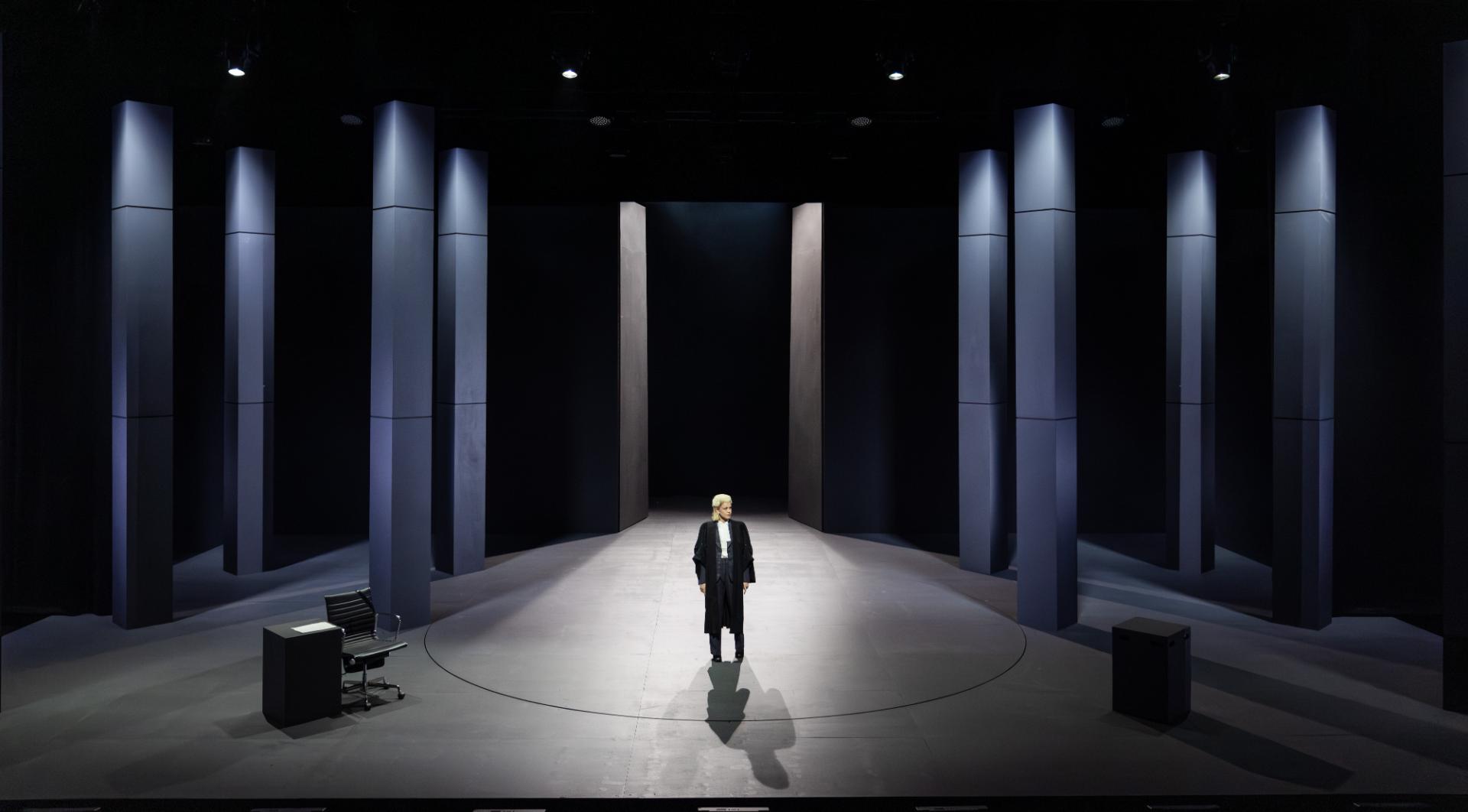
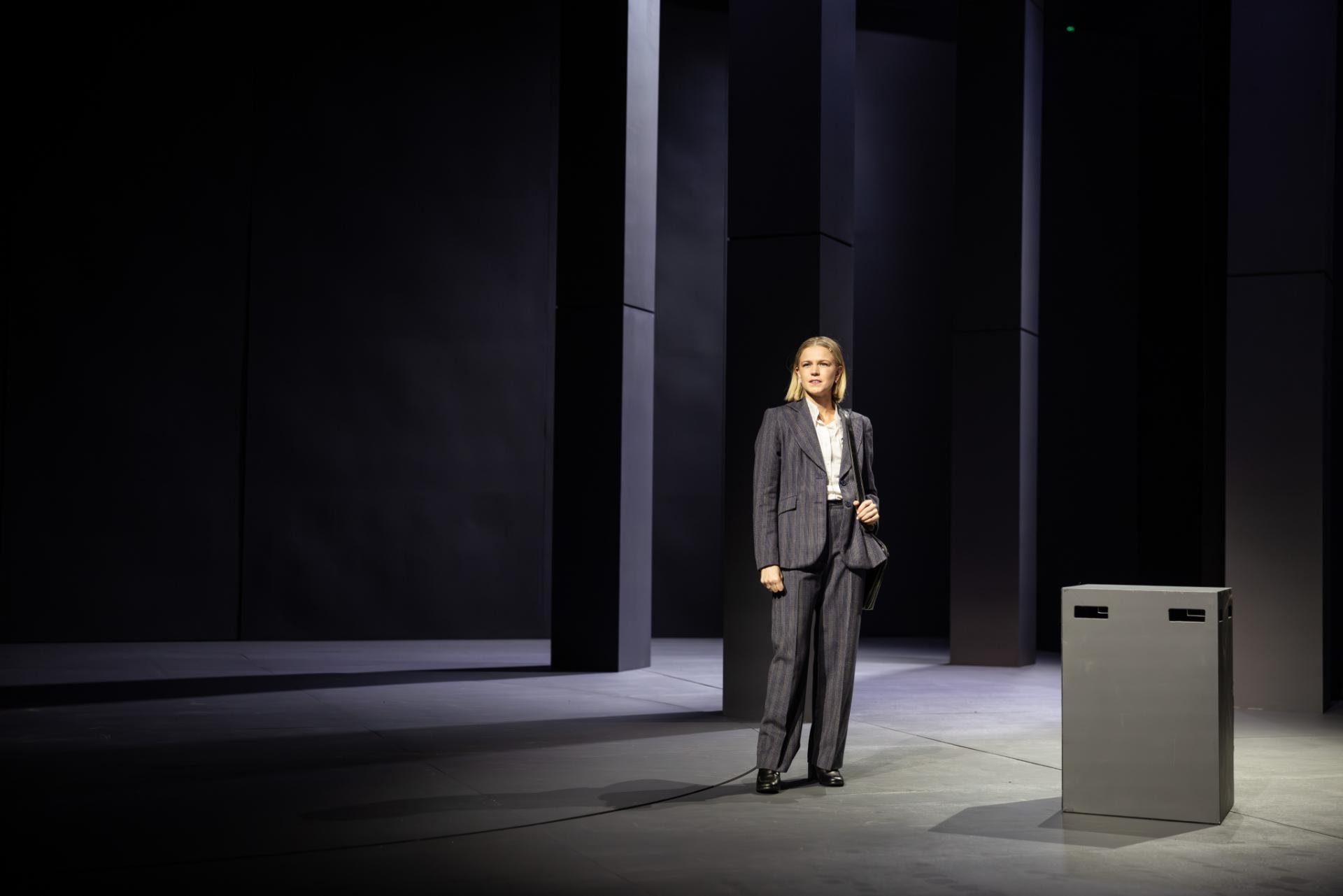
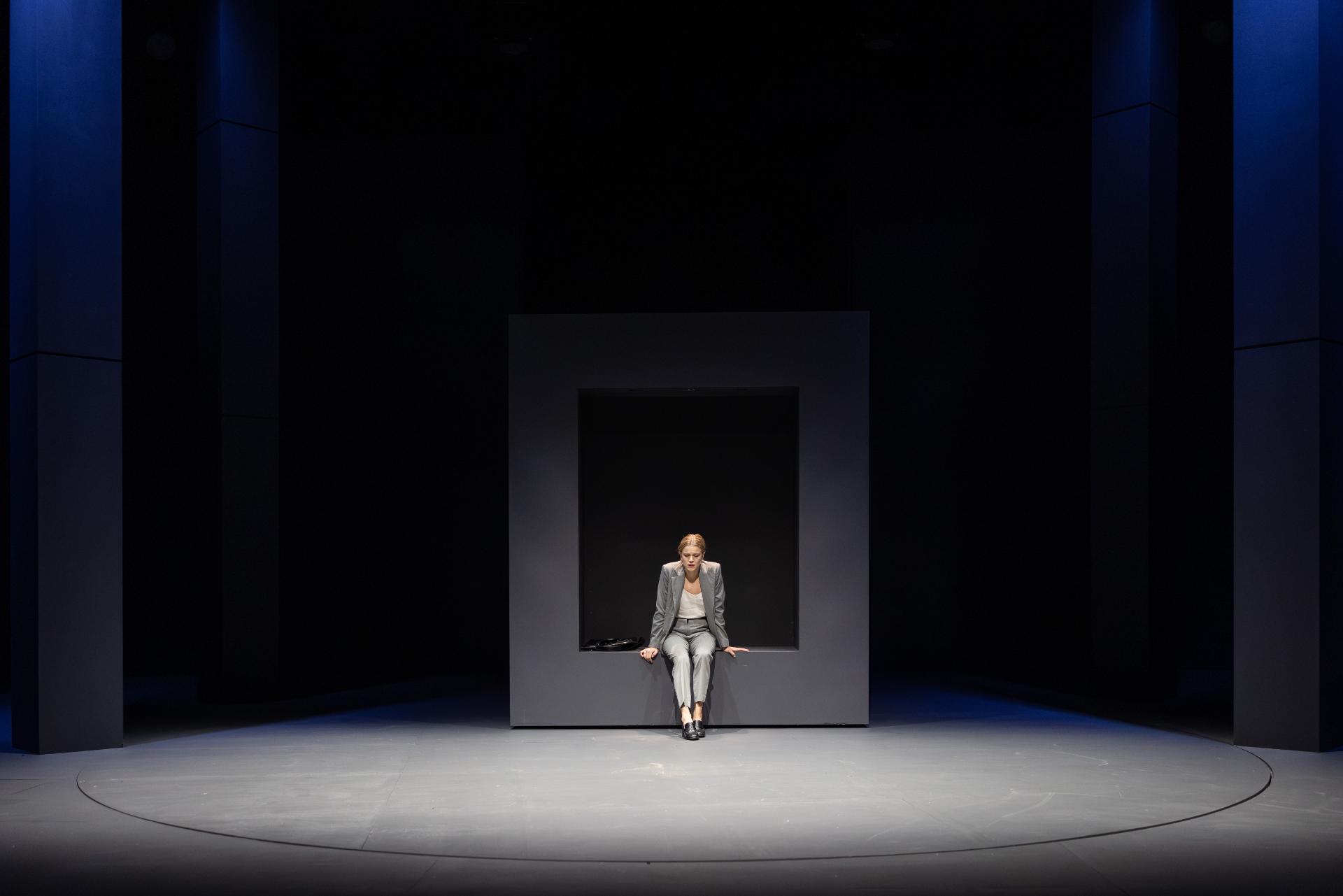
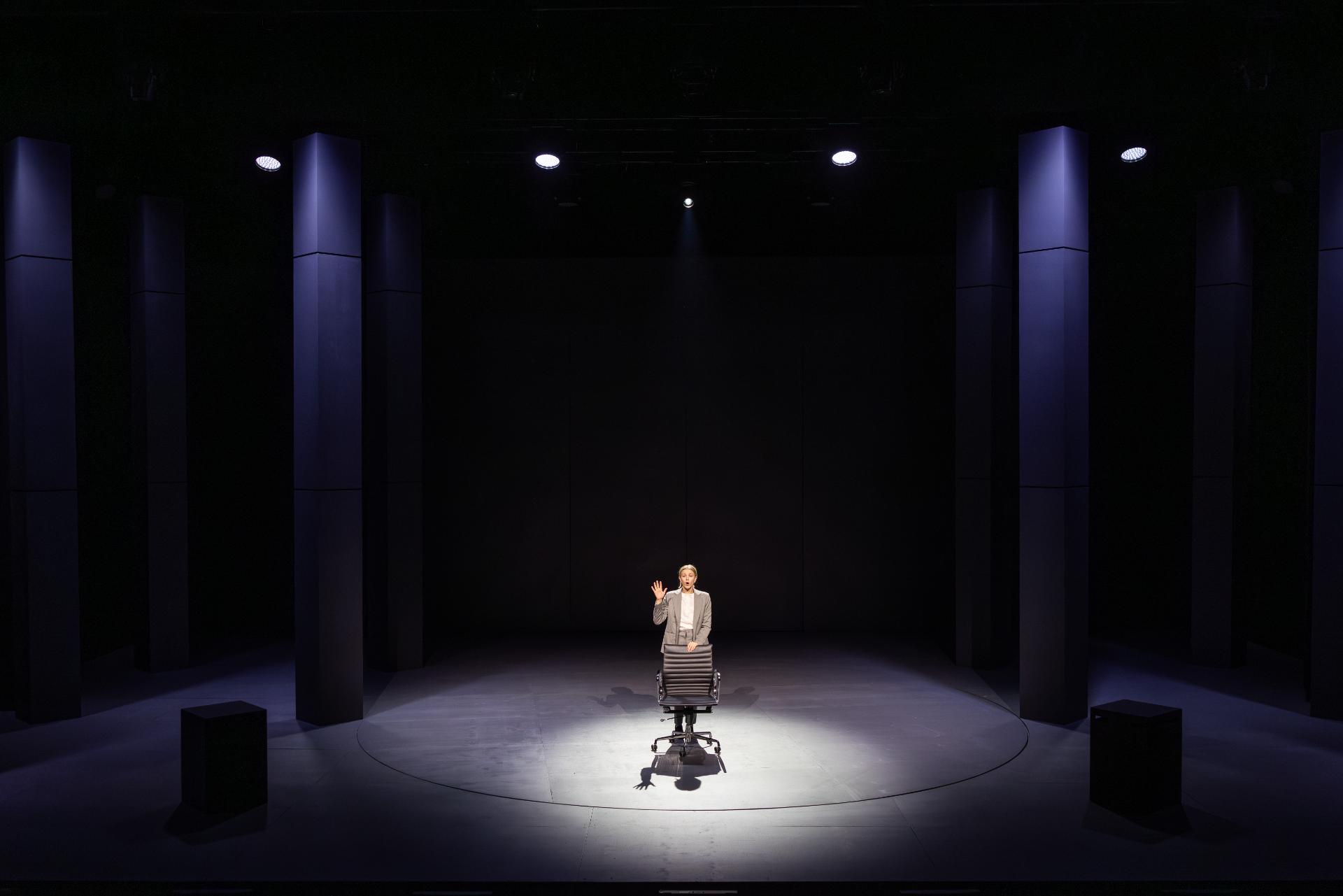
Bruce McKinven’s set design is sharp and sophisticated, highly effective in shrinking the performance space to accommodate a single character. Costumes by Lynn Ferguson appropriately convey the rising status of a young lawyer. Lights by Peter Young offer a grandeur that reflects the importance of ideas being explored. Jessica Russell’s video projections are skilfully assembled, even if their necessity within the work remains open to question. Also gratuitous, is some of the overwrought embellishments in the sound design by Melanie Robinson, that proves distracting at several moments.

Tessa’s ordeal can be interpreted as one woman’s grappling with her awakening, to the flaws of white feminism. After investing exhaustively in a system she so desperately wants to succeed in, all the while turning a blind eye to glaring failings that she only made more egregious, Tessa finds herself inadvertently and devastatingly at its most brutal whim. It remains to be seen how she emerges from this tribulation—whether she learns that radical upheaval is required, or if she ends up believing that piecemeal improvements preserving the overarching schema will solve our problems.

www.blackswantheatre.com.au | www.carriageworks.com.au

Review: Hamlet Camp (Carriageworks)

Venue: Carriageworks (Eveleigh NSW), Jan 14 – 25, 2025
Playwrights: Brendan Cowell, Ewen Leslie, Toby Schmitz
Cast: Brendan Cowell, Ewen Leslie, Toby Schmitz, with Claudia Haines-Cappeau
Images by Daniel Boud

Theatre review
Three actors are in a therapeutic facility, seeking help for their obsession with Shakespeare’s Hamlet, Each had previously embodied that role and for years after, find themselves unable to shake off that experience. Brendan Cowell, Ewen Leslie and Toby Schmitz too had performed Hamlet in previous years, so it is understandable that we may regard their collaborative work Hamlet Camp a semi-autobiographical account of their relationship with the Danish prince.

It may be a highly exaggerated iteration, but more than a few kernels of truth can be found in this confessional manifestation of these artists’ entanglements, with one of the Bard’s most beloved creations. Hamlet Camp deals with artistic conundrums, in particular the troubles associated with acting. We see characters unable to extricate themselves from a world infinitely more appealing than the realities we all have to tolerate, even if it is a literal Shakespearean tragedy that they find themselves trapped within. In their art, they can revel in a truth so immense, that everything else in daily life can only pale by comparison.

The show’s concerns may be insular, with observations too granular for most, but Hamlet Camp is nonetheless highly enjoyable, with Cowell, Leslie and Schmitz orchestrating theatrical chemistry that proves irresistibly amusing. They may not convince us to join in their infatuation, but watching them depict that manic and compulsive enthusiasm, in exquisite harmony and unison, is an unequivocal delight. Supported by lighting designer Jimi Rawlings and sound designer Steve Francis, who bring just enough embellishment to the presentation, Hamlet Camp demonstrates itself to be the kind of theatre about theatre, so full of passion that we can only respond with enchantment.

www.carriageworks.com.au | www.modernconvictfilms.com

Review: Gilgamesh (Carriageworks)

Venue: Carriageworks (Eveleigh NSW), Sep 26 – Oct 5, 2024
Composer: Jack Symonds
Librettist: Louis Garrick
Conductor: Jack Symonds
Director: Kip Williams
Cast: Jeremy Kleeman, Jessica O’Donoghue, Mitchell Riley, Jane Sheldon, Daniel Szeisong Todd
Images by Daniel Boud

Theatre review
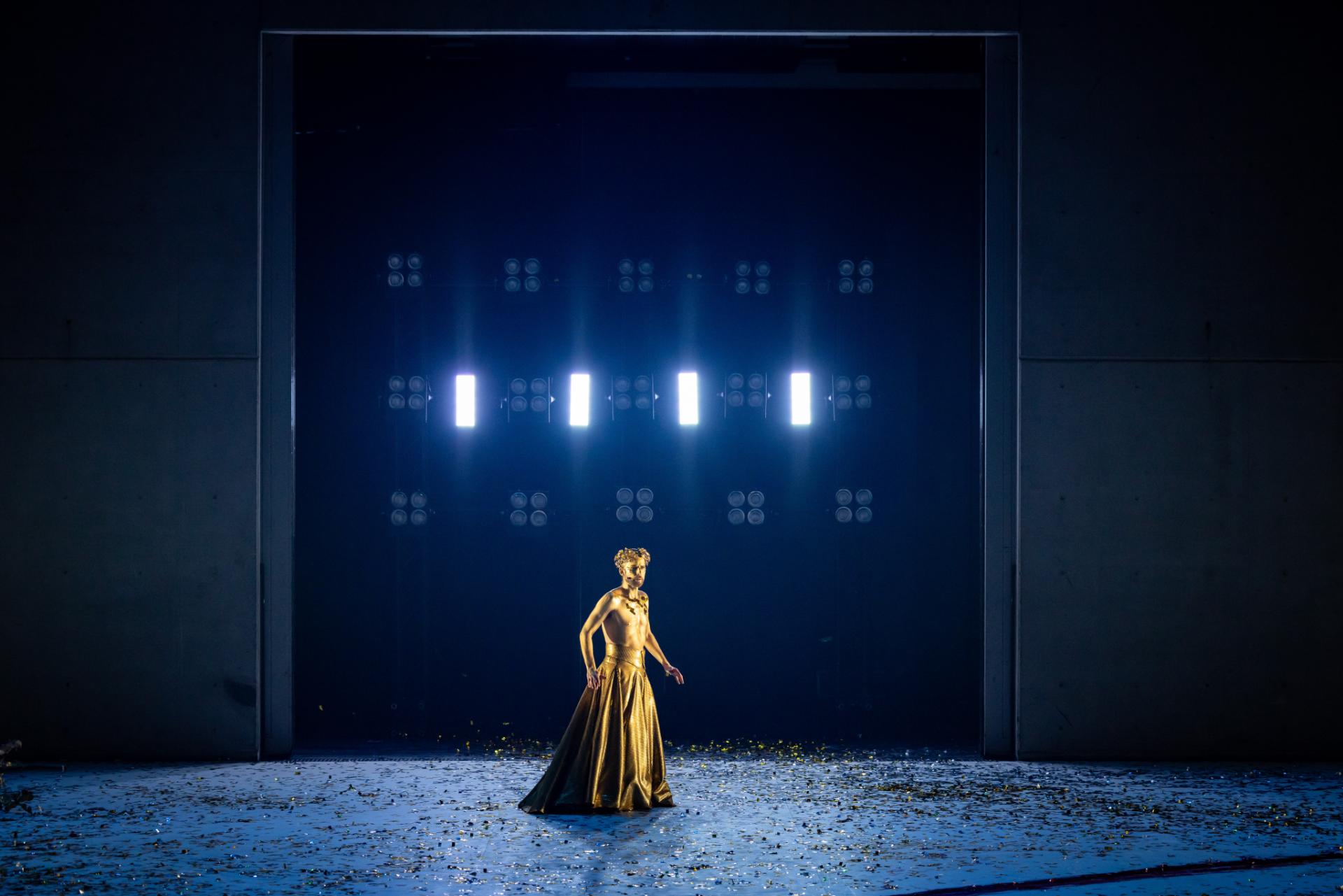
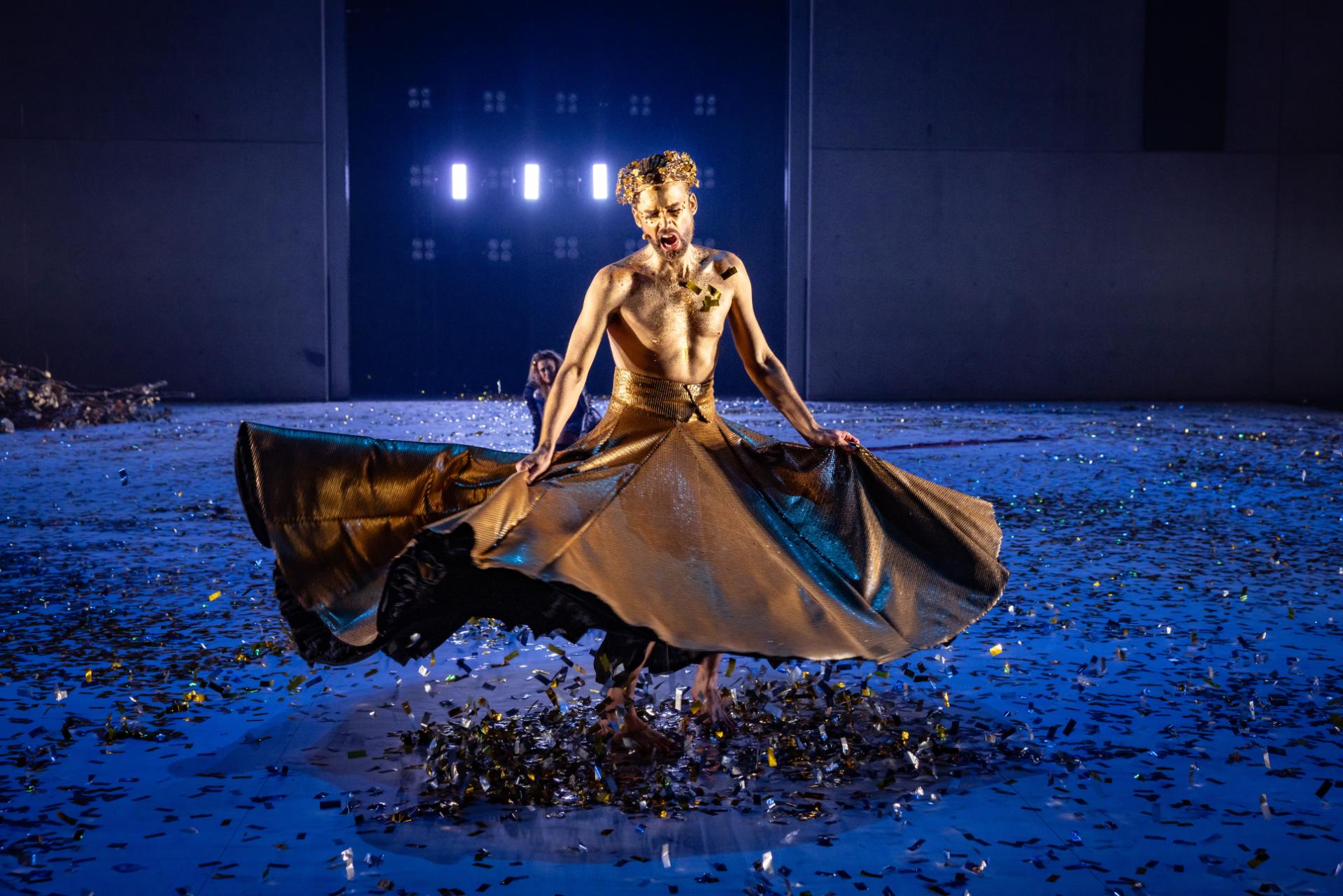
The Epic of Gilgamesh is a story that has been told for more than 4,000 years, with the titular character’s tyrannical tendencies as the king of Uruk, always a prominent feature. His relationship with Endiku, the wild man counterpart, too has been key to the legend, but it is not a pairing that is usually framed as a romantic one. In this 2024 operatic retelling by composer Jack Symonds and librettist Louis Garrick, simply titled Gilgamesh, the two are undeniably and unabashedly in love. Considering the intensity of their connection, we can now see that it is frankly absurd, to have ever denied them their queerness.

Symond’s thoroughly modern but mournful score is immediately captivating. Along with the visual flamboyance as introduced by director Kip Williams, Gilgamesh is an intriguing confluence of classic and contemporary. At almost three hours however, its resolute despondency becomes hard to bear, especially with the concluding passages becoming increasingly meditative. Initially mesmeric, the production struggles to sustain our attention to the end, although the integrity afforded the music is admirable, when we observe the staging gradually turning minimal.

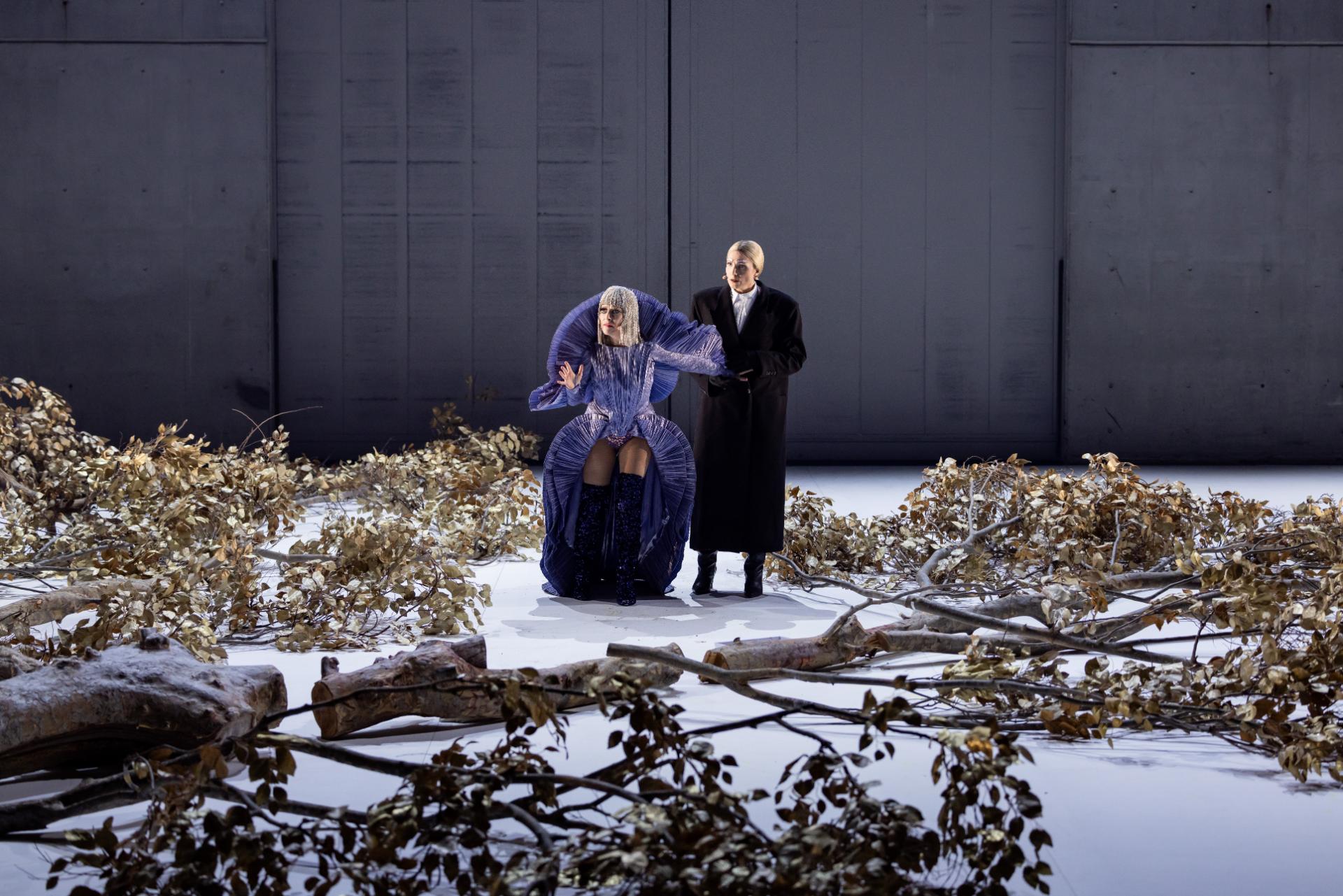
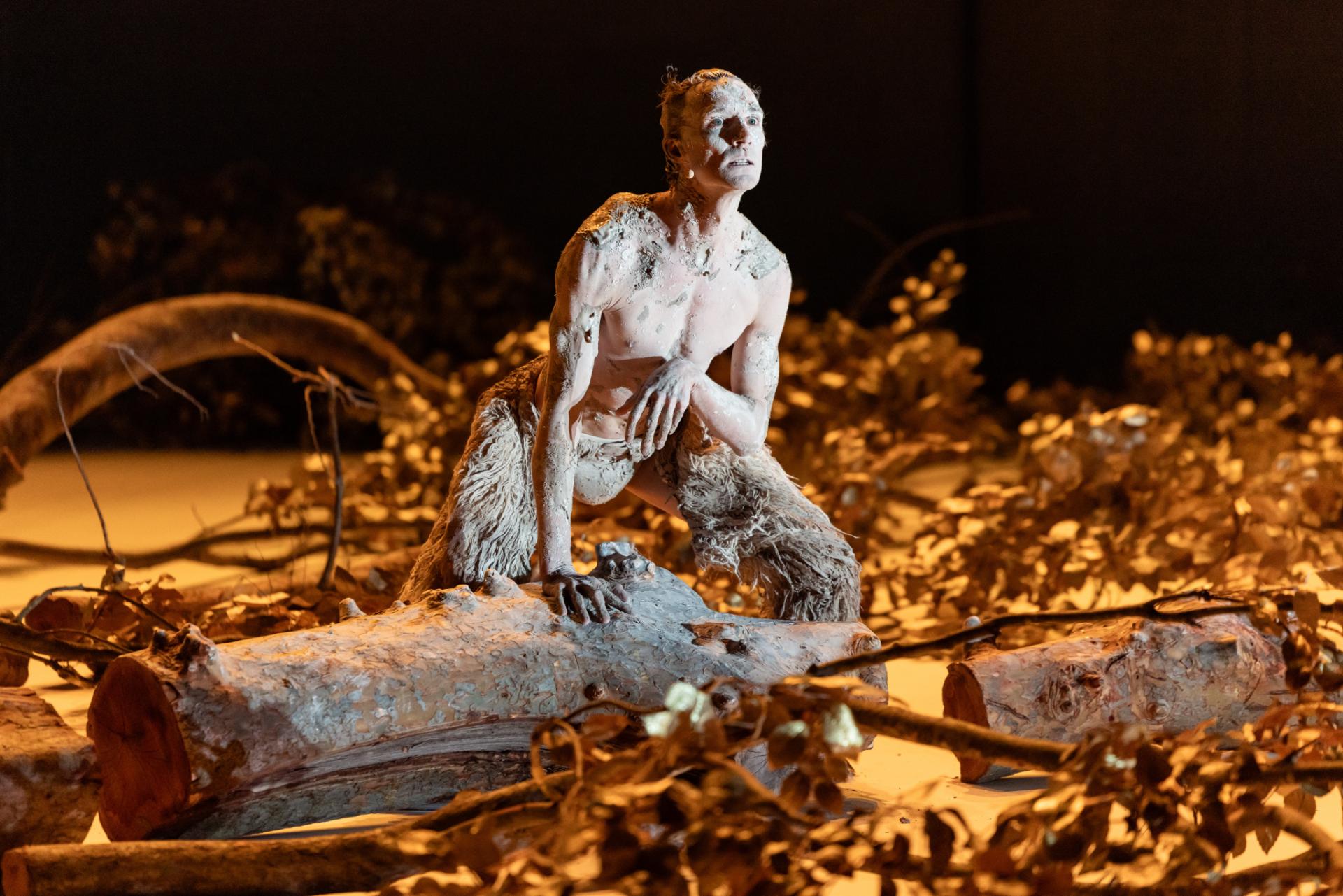
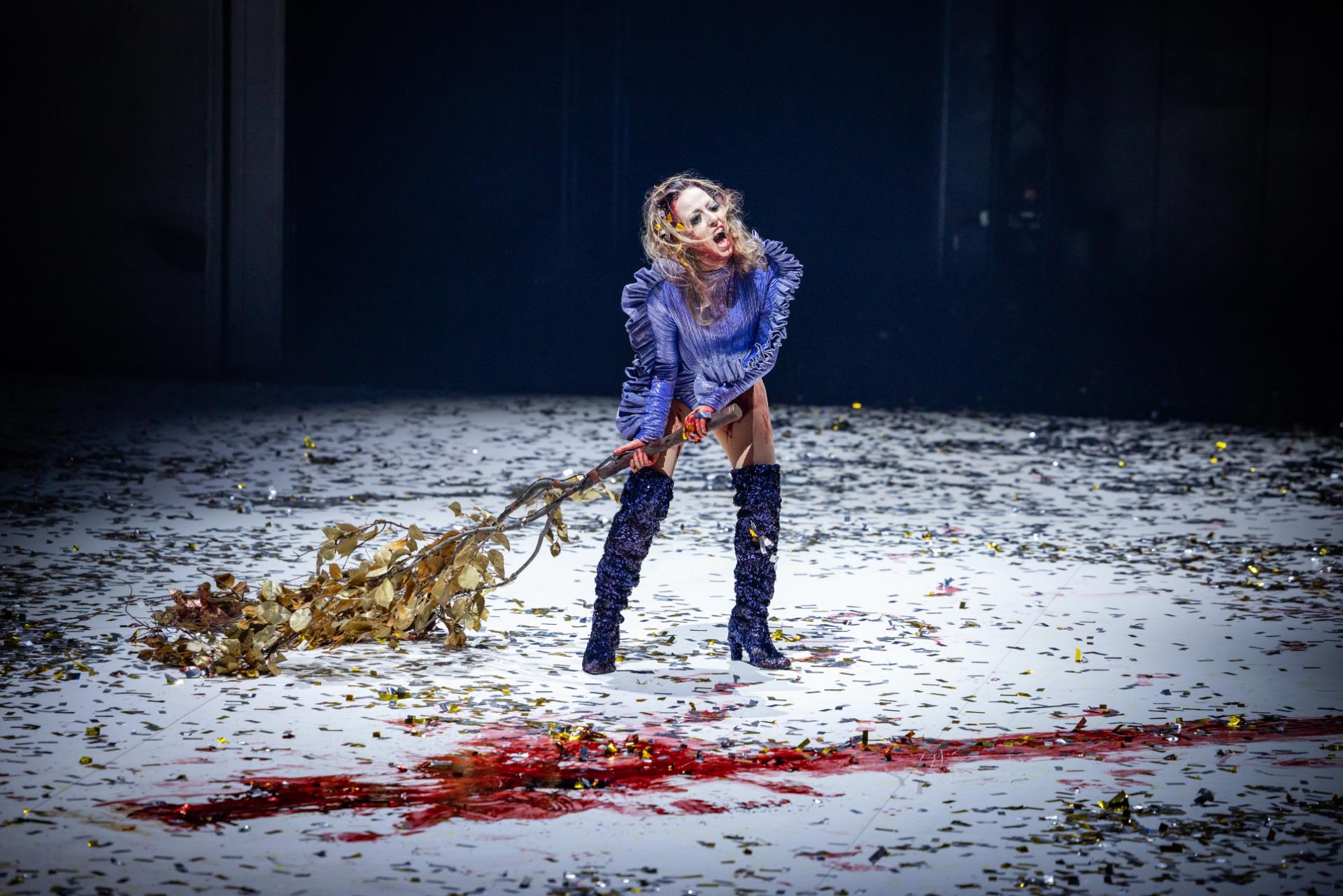
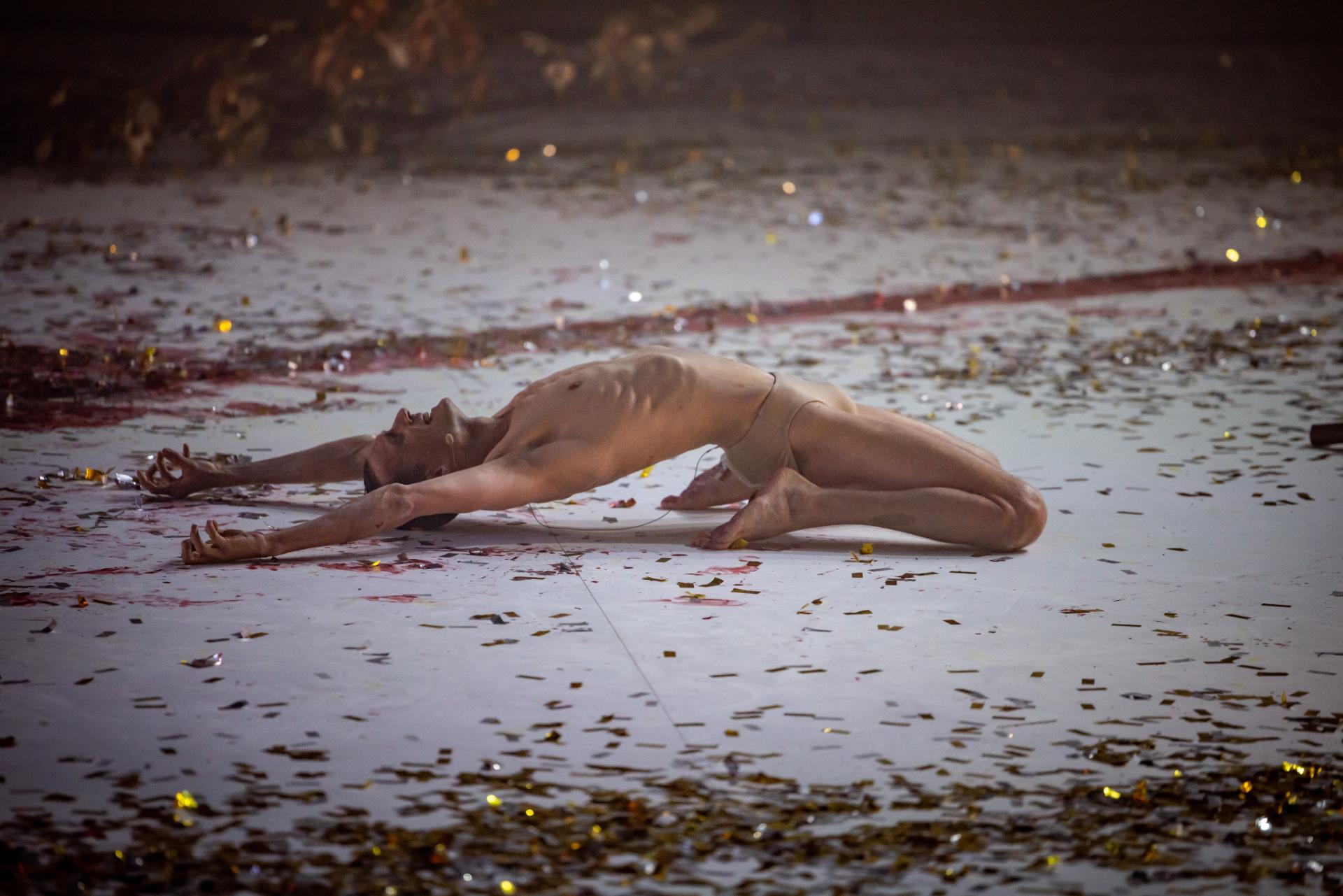
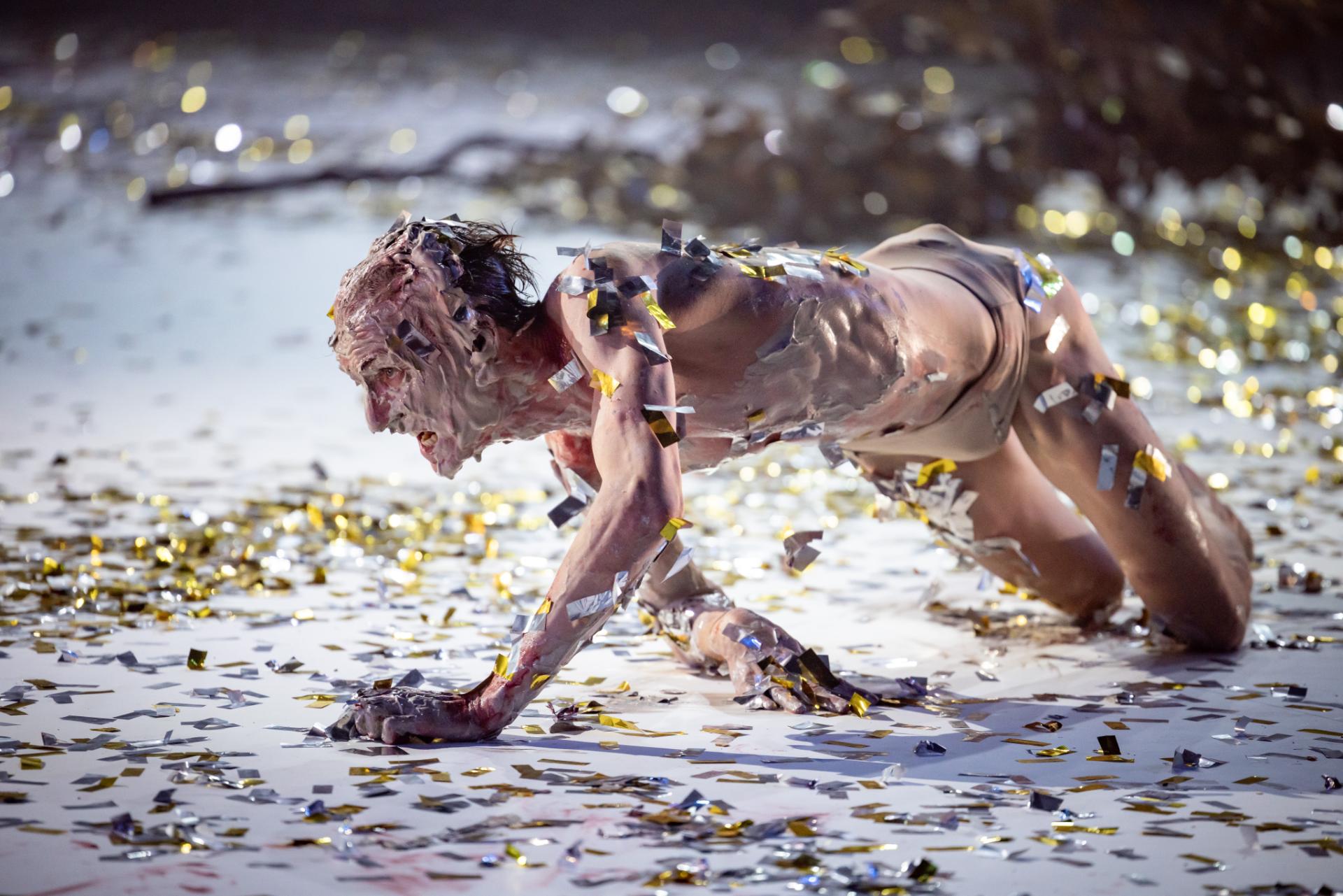
Elizabeth Gadsby’s set design rises to the challenge of depicting a sense of ancient aristocracy, with the juxtaposition of felled tree parts, against an abundance of tinsel. Lights by Amelia Lever-Davidson are certainly dramatic, and quite entrancing in their effect. Bold costumes by David Fleischer can seem somewhat derivative with some of their more extravagant creations, but when required to convey earthiness, Fleischer’s work is truly exquisite.

Playing the main character is Jeremy Kleeman, who although not consistently powerful in his portrayal of the partially divine despot, demonstrates unequivocal conviction and focus, for this very demanding role. Mitchell Riley’s physicality is unforgettable as Enkidu, whether evoking the grotesque or the exalted, the performer’s energy bears a perverse beauty and magnetism, that keeps us fascinated in his interpretation of a heavenly being.

The chamber orchestra, as conducted by Symonds, takes us on a transcendent journey, opening the gates to somewhere mystical or even surreal, with their strange yet disciplined contributions to the experience. Often far exceeding the traditional function of accompaniment, the musicians are frequently the central concern in Gilgamesh. Art that takes us to unfamiliar places must be considered noble, especially when discomfort pervades, as though to persuade us of alternate and unexpected perspectives.

www.carriageworks.com.au

Review: The Bridal Lament 哭嫁歌 (Performance Space/Carriageworks)

Venue: Carriageworks (Eveleigh NSW), Oct 19-22, 2023
Director: Tessa Leong
Lead Artist & Performer: Rainbow Chan 陳雋然
Images by Joseph Mayers

Theatre review
Arriving as a child from Hong Kong in 1996, a year before the handover to China, Rainbow Chan 陳雋然 grew up like many Australians, between cultures. Now that we are in a moment that feels as though assimilation to whiteness is decisively a thing of the past (at least for now), immigrants like Chan are scrambling to fully reclaim their roots, for a state of identification more meaningful than before. It is not an abandonment of Australianness, but an evolution in the narrative of our survival, when we attempt to foster a greater connection with that which had to be left behind.

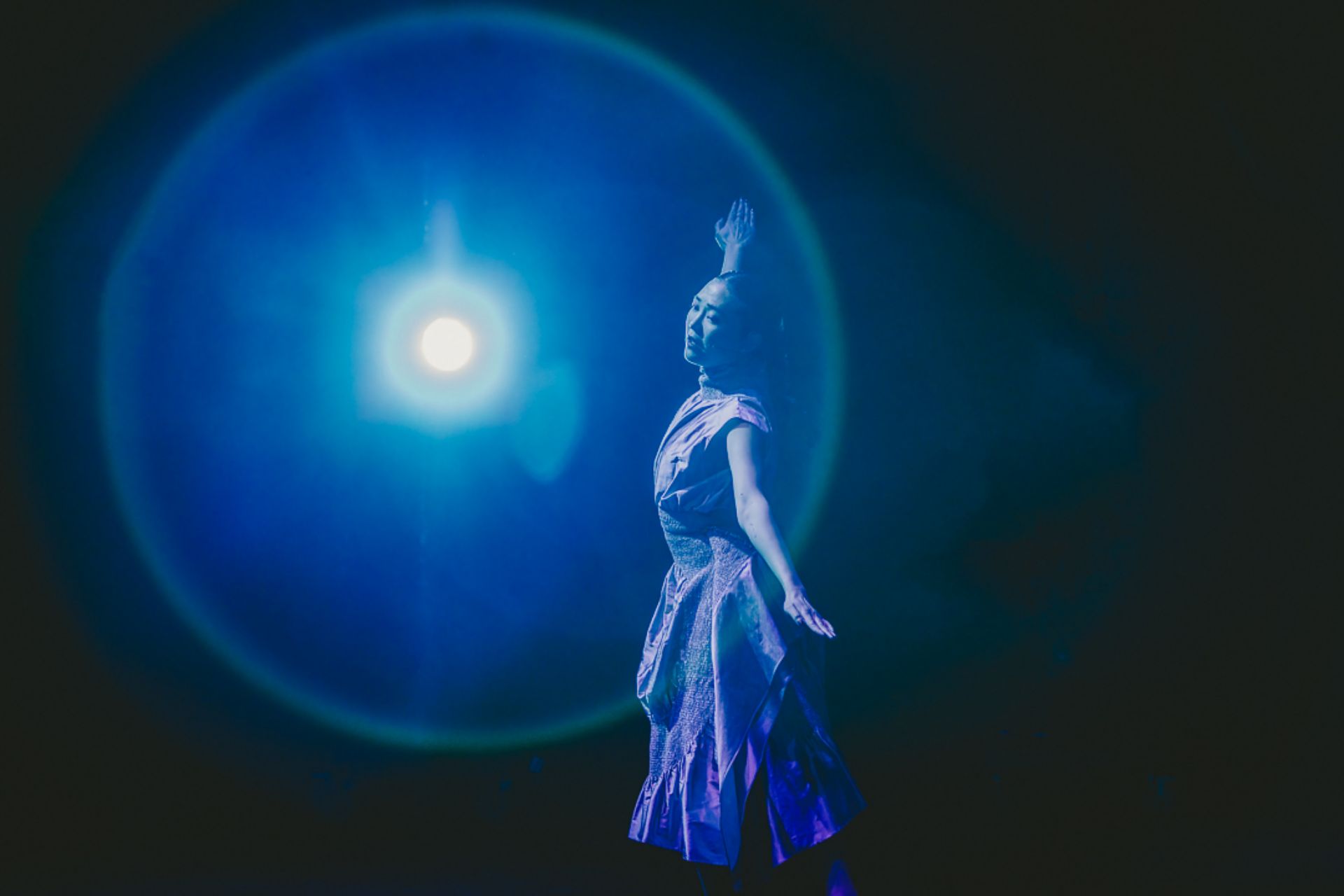
Through conversations and consultations with her mother Irene Cheung 張翠屏, which form the basis of The Bridal Lament 哭嫁歌, Chan reaches back to marital customs of her people to form an intricate study of traditions, many of which are obsolete, and in the process attains a new understanding of where she had come from. A key feature are the songs young women learn from their mothers in the Weitou dialect, that they sing for 3 days before crossing the threshold to become wives. Chan’s show is an archive of sorts, including some of those hitherto forgotten tunes, alongside her own compositions, for a theatrical presentation that offers a bridge that examines a particular collective history, preoccupied with a past yet feels so much to be about our future.

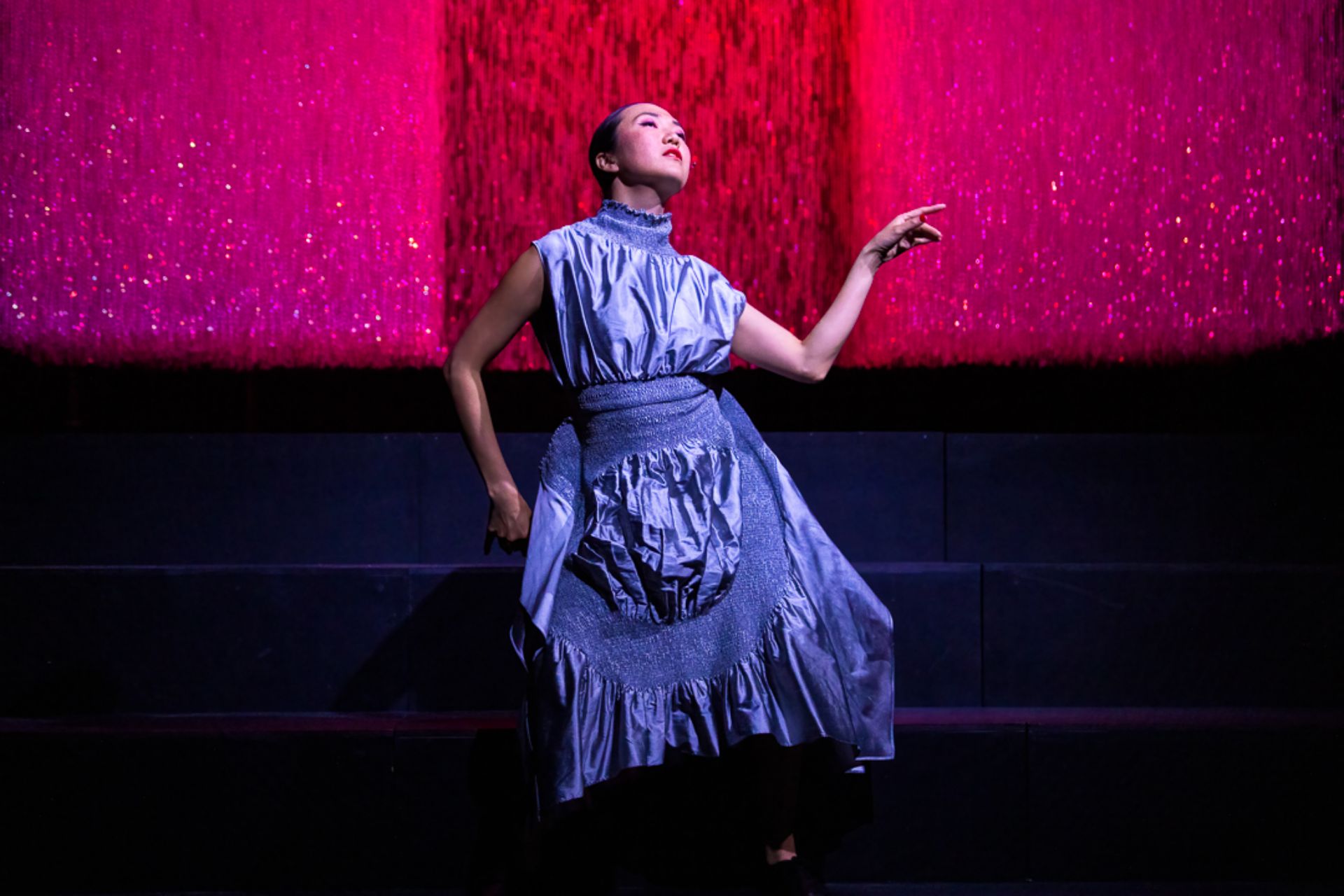
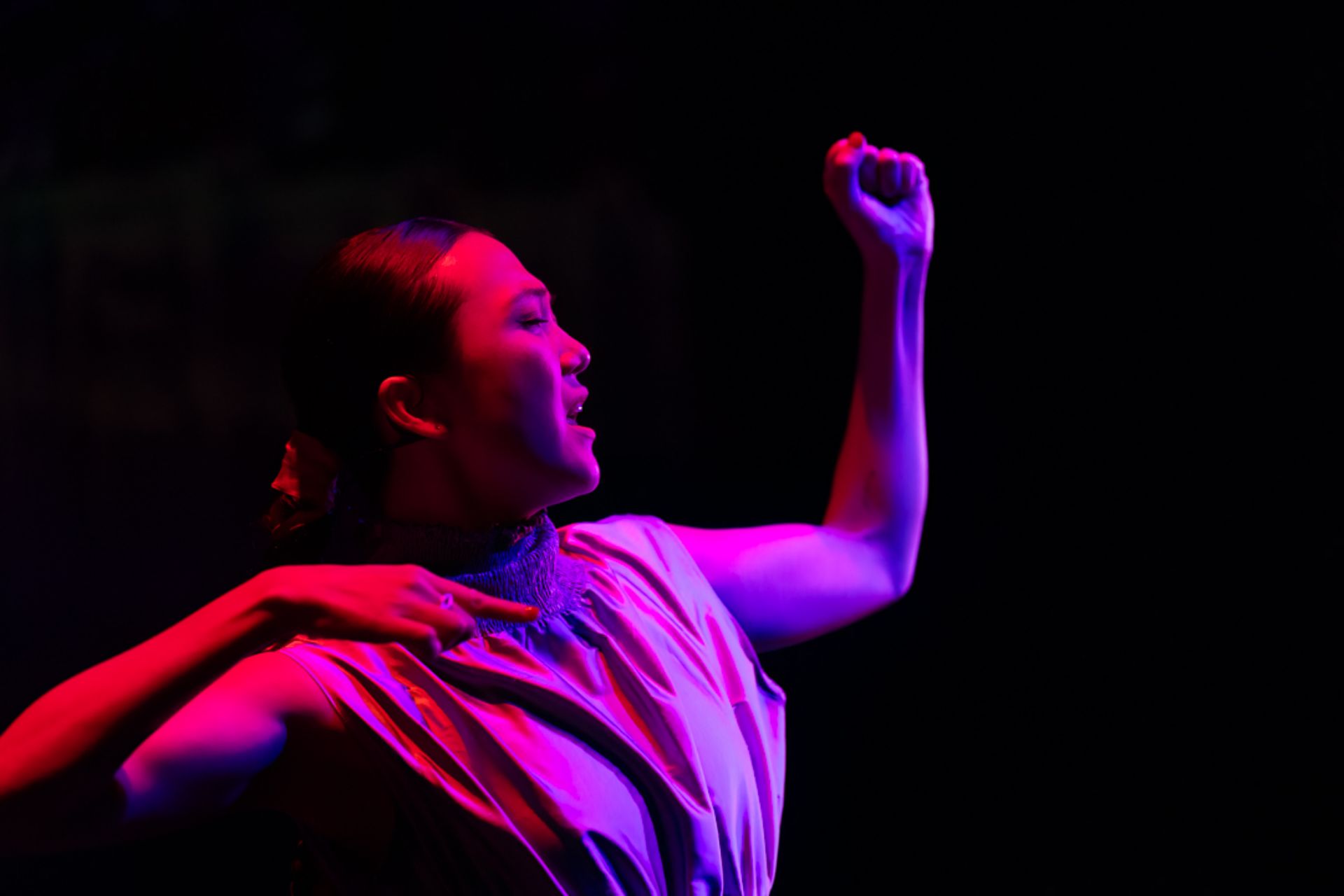
Chan’s music draws heavily from pop genres, but is unmistakeably poetic in nature. It stretches deeply in ways that ensure resonance, beyond cerebral concerns. Directed by Tessa Leong, The Bridal Lament 哭嫁歌 is tender yet intense, in its rendering of a contemporary Chinese-Australian perspective and attitude. As performer, Chan is captivating in this solo work, although portions of the staging can feel sparse, in need of more imaginative support of one woman and her immensely vast story.

Set and costumes by Al Joel and Emily Borghi are sophisticated, especially memorable for a highly ostentatious beaded archway evoking concepts of travel and searching, and that also allows for some truly magical theatricality, when combined with extraordinarily dynamic lights as conceived by Govin Ruben. Video projections by Rel Pham are another crucial element, as vehicle to relay fascinating minutiae from Chan’s research, and to inspire emotional responses, for these meditations that can never be divorced from longing and heartache.

When we cut our apron strings, is ironically when we become ready to draw from our mothers’ wealth of knowledge and experience. Being a woman is hard in this world, and guidance from mothers (biological or otherwise) is unequivocally invaluable. It is imperative that we honour women who have grown and aged, to fight against a hegemony that wishes to diminish them and render them invisible. We must understand that forces responsible for so many of our world’s deficiencies are the same ones that tell us not to believe women. Mothers may not always make things easy, but they often do know best.

www.performancespace.com.auwww.carriageworks.com.au

Review: idk (Force Majeure/Carriageworks)

Venue: Carriageworks (Eveleigh NSW), Aug 23 – 26, 2023
Director: Danielle Micich
Cast: Gabriel Comerford, Adriane Daff, Merlynn Tong
Images by Brett Boardman

Theatre review
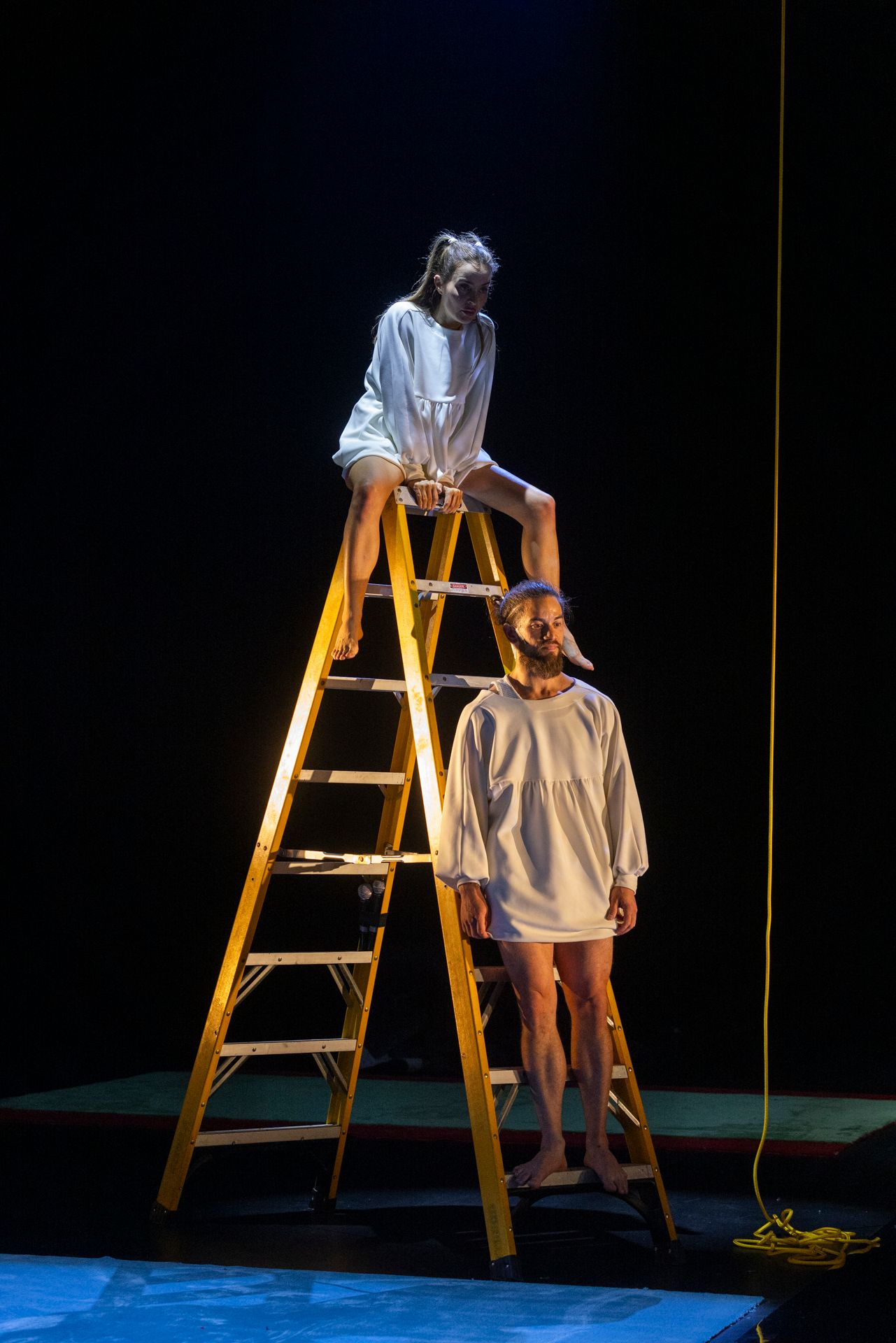
In the devised performance named idk, two women are seen to be strong and powerful, never short of agency in whatever circumstance they find themselves. Yet, we sense a distinct and persistent lack of safety for their existence, as though sharing a subconscious awareness about a world in which power resides elsewhere. Much as the women appear to be in charge of their destinies, real control proves elusive. The man in the piece may not be presented as the kind who struts around like he owns the joint, but when the genders collide, something happens in between, that gestures to the pervasive imbalance we know to be real.

Directed by Danielle Micich, idk is a beautiful work, never sufficiently engaging in emotional and intellectual terms perhaps, but certainly a feast for the eyes and ears. Set and costumes by Anna Tregloan are thoroughly elegant, with hints of vibrancy reflecting an adventurous spirit that informs the entire production. Damien Cooper’s lights are unremittingly dynamic, keeping us intrigued and engrossed in what the human bodies on display are conjuring next. An unmistakable sensuality is conveyed via illumination, as well as through music and sounds by Angus McGrath, who inspires visceral responses at will, completely delightful with all that he adds to this fascinating production.

Performers Gabriel Comerford, Adriane Daff and Merlynn Tong not only showcase inventive and exquisite use of body and voice in idk, it is a notable soulfulness in their presentation that provides elevation, to something that could have easily left us feeling confounded and empty. Their resolute presence keeps us invested, and therefore receptive to what they have to say, in ways that expose the recurrent inadequacies of words.

We observe in idk that characters of both genders are discontented with the way things are. Of course, we know that the male has the upper hand in so much of how we operate, but he too is filled with frustration. Sitting on top may be better than languishing down below, but in a system where virtually no one is truly happy, it is peculiar that everyone does so much to maintain the status quo. We are terrified of burning the house down, because we have yet to hatch a satisfactory plan for its replacement, or maybe we are more than slightly suspicious, that we will simply erect a facsimile that will inflict the same horrors again.

www.forcemajeure.com.auwww.carriageworks.com.au

Review: Sleeplessness (Carriageworks)

Venue: Carriageworks (Eveleigh NSW), Aug 4 – 13, 2022 / Riverside (Parramatta NSW) Aug 19 – 20, 2022
Playwrights: Kaz Therese, Anthea Williams
Director: Anthea Williams
Cast: Kaz Therese
Images by Anna Kučera, Alex Wisser

Theatre review
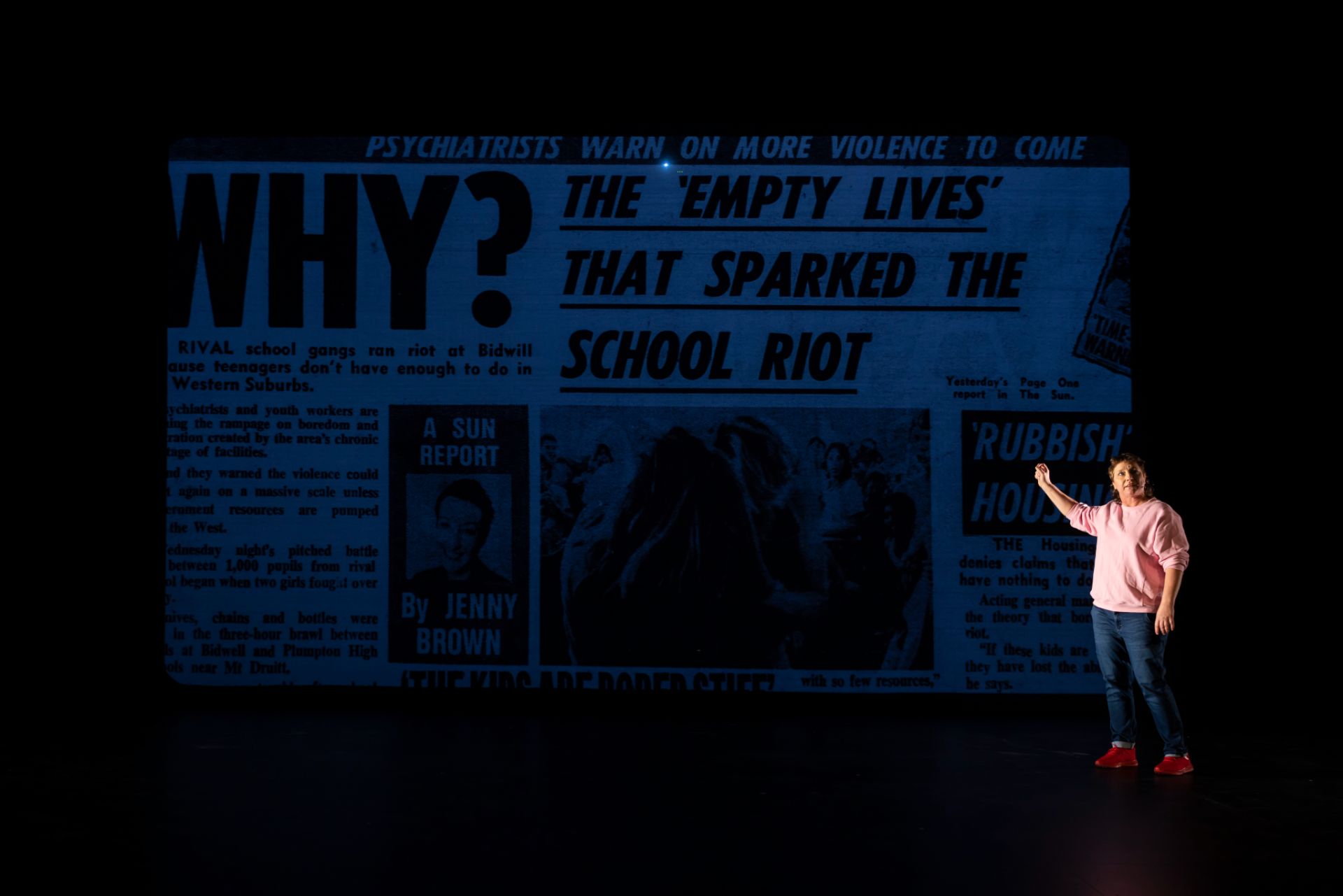
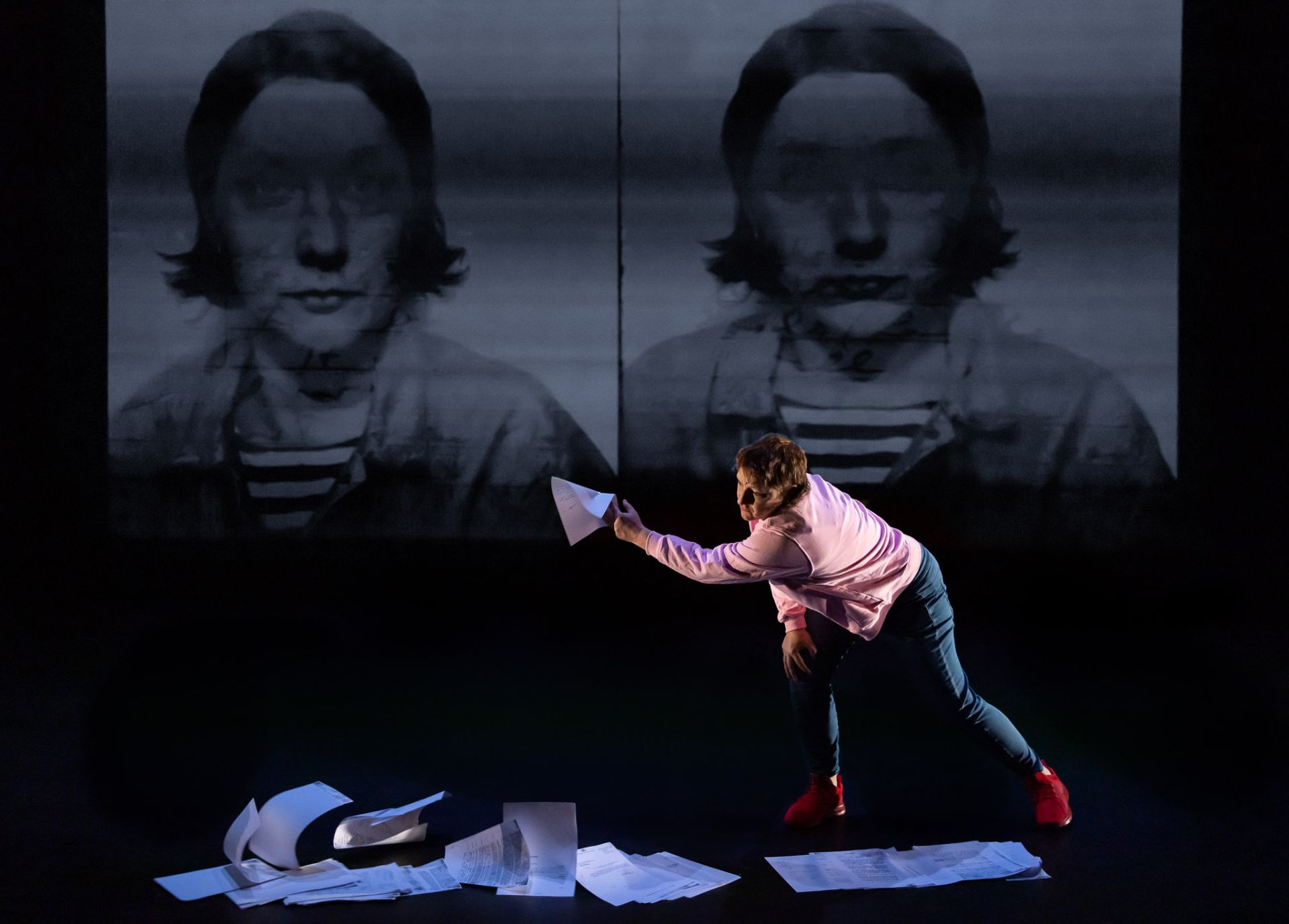
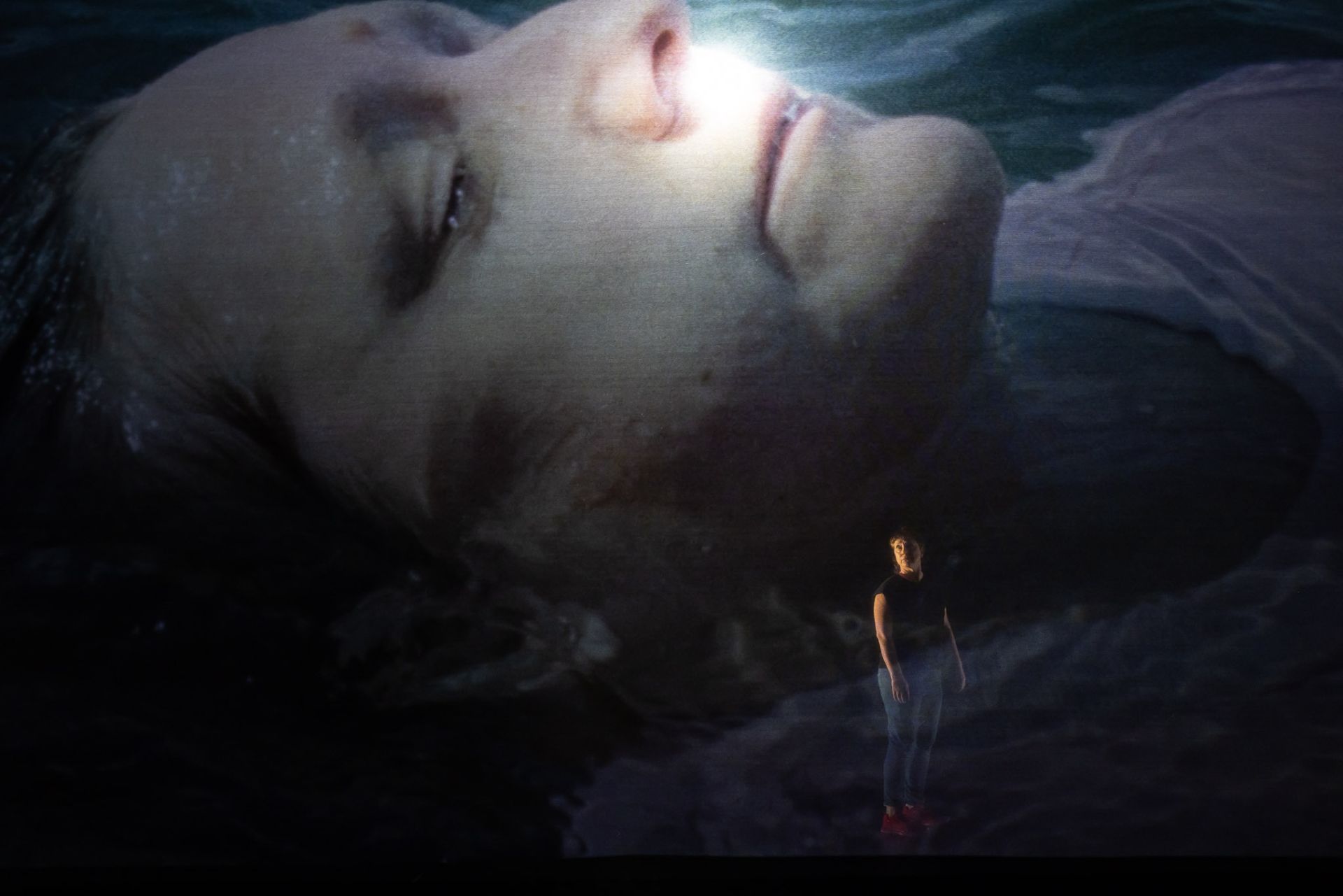
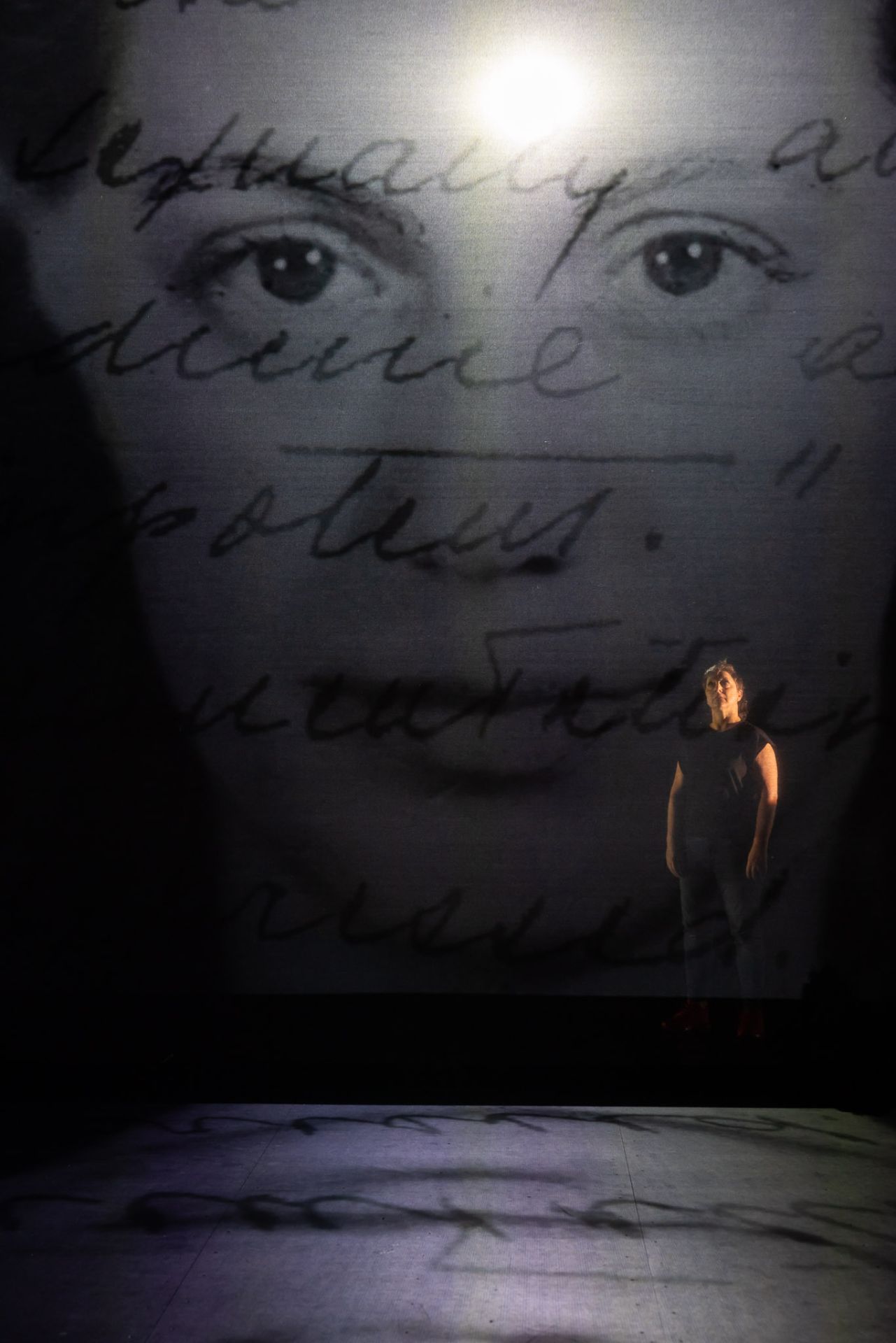
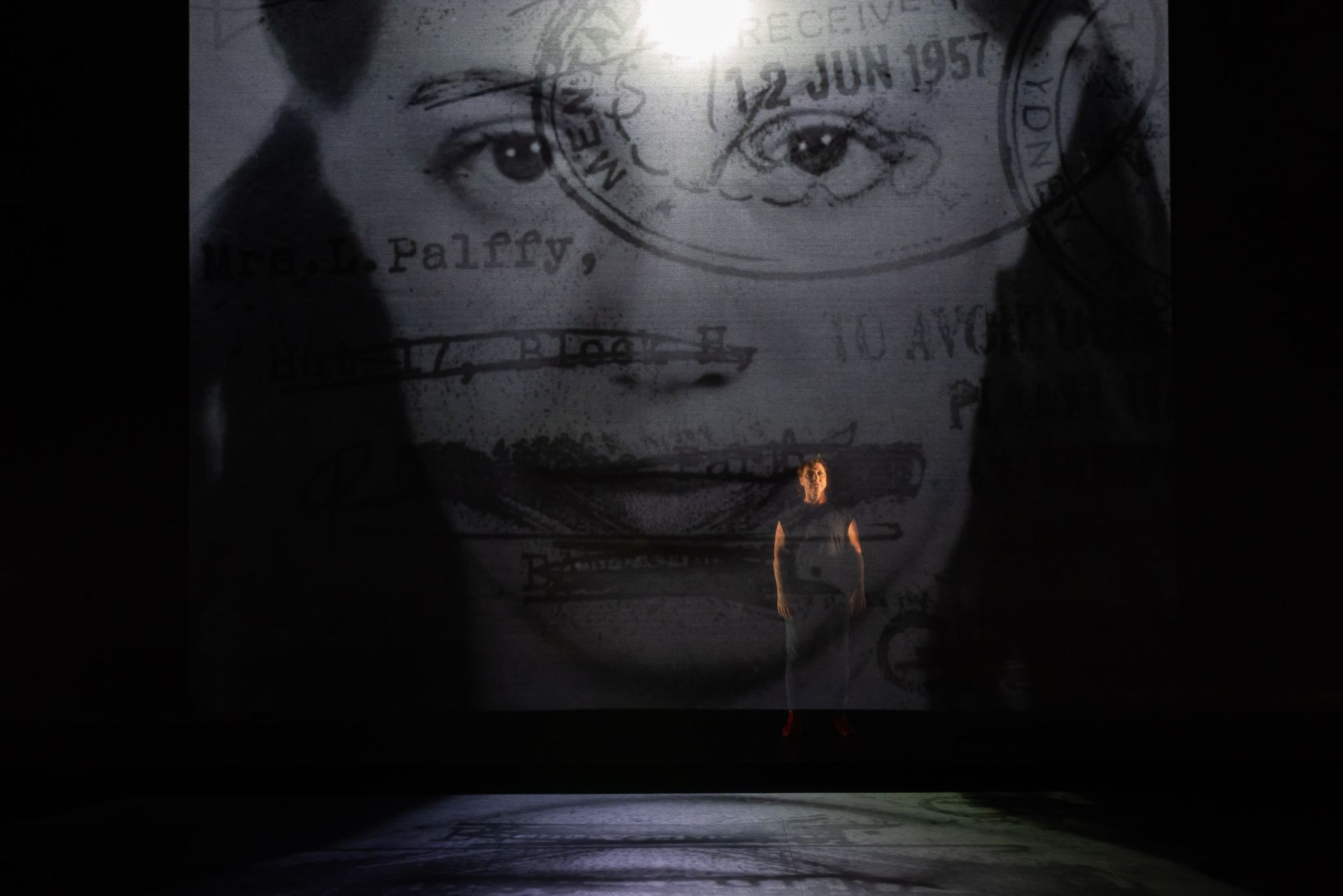
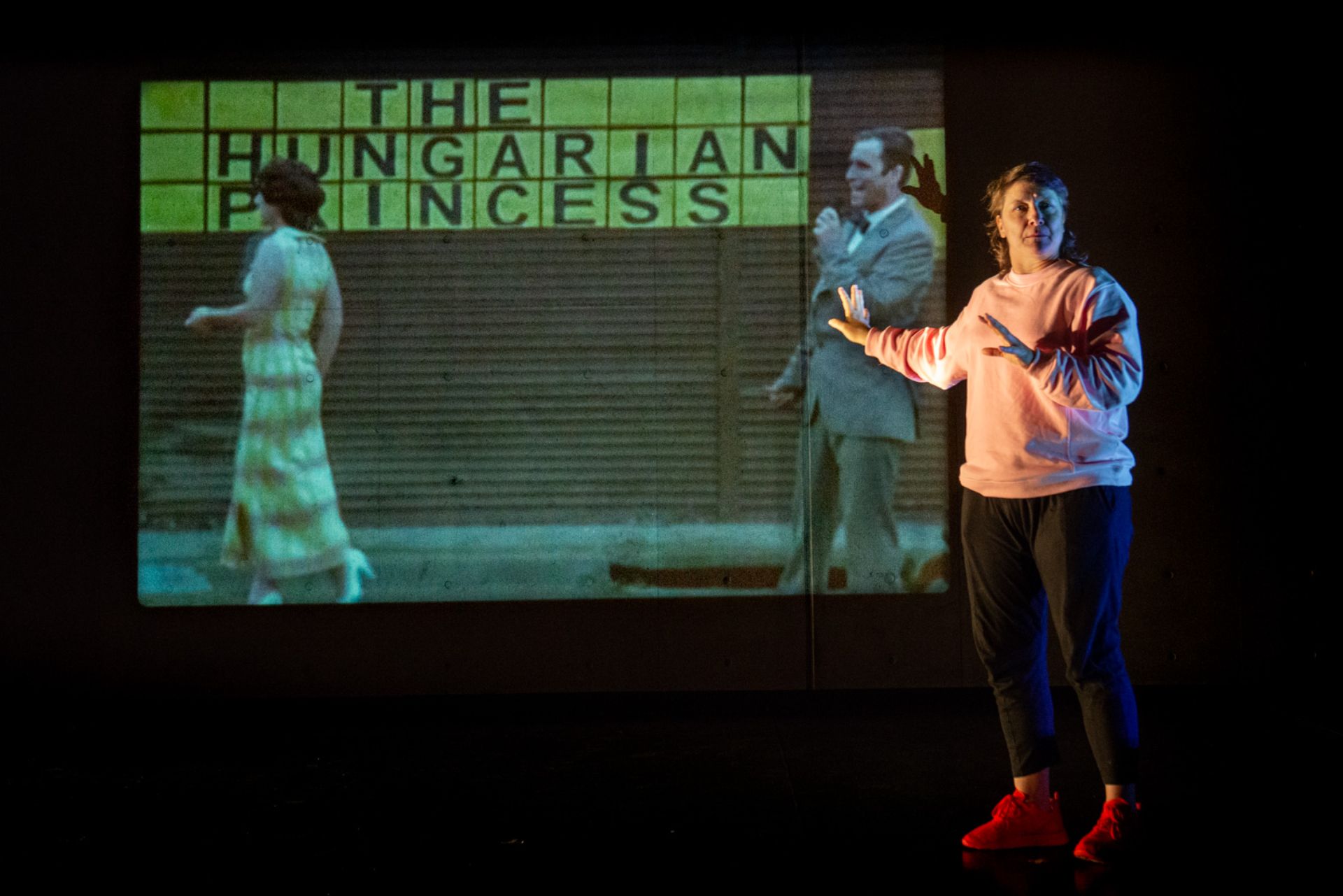
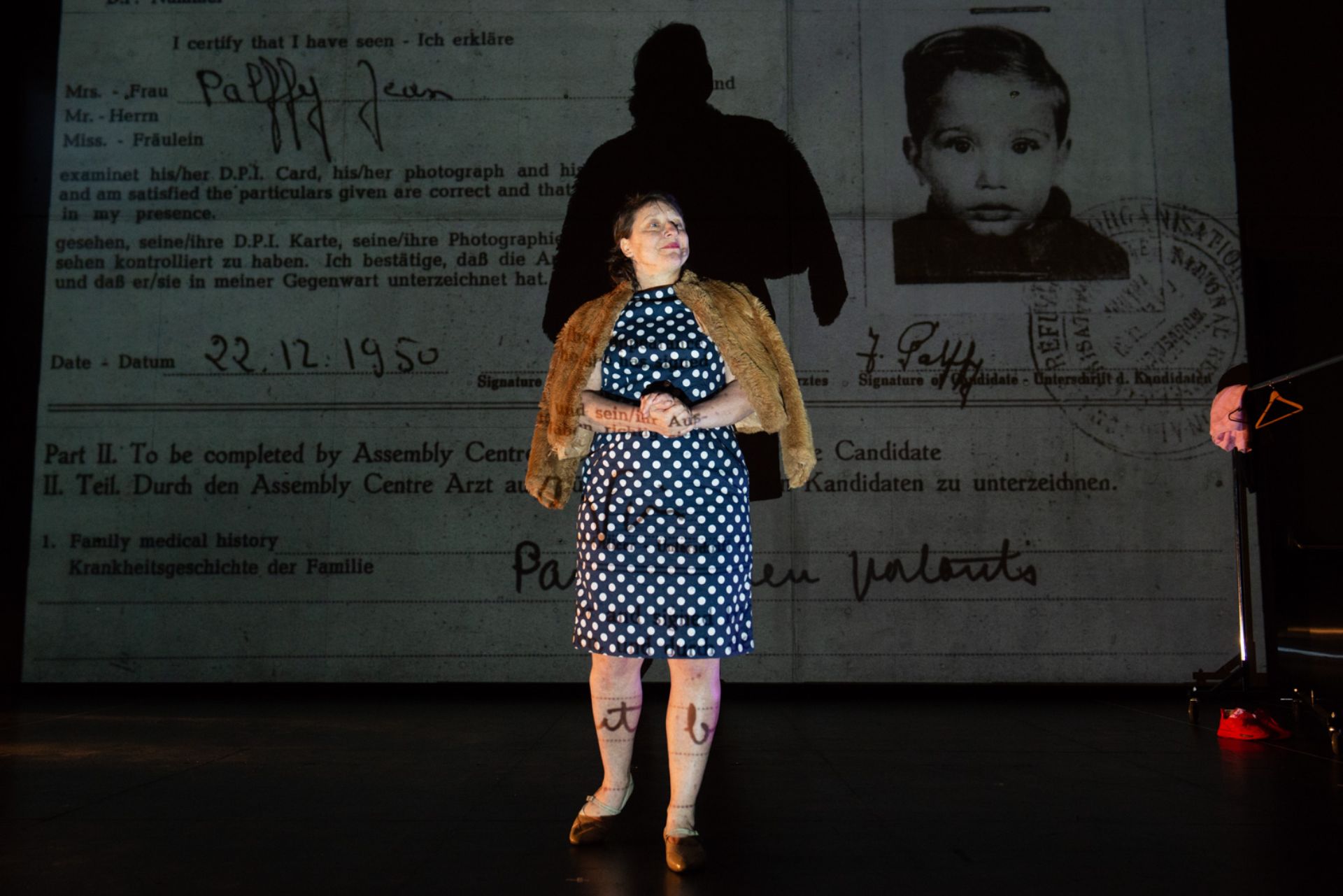
Kaz Therese has roots that trace back to Hungary, but for many decades those stories of immigration were kept silent. Shame and trauma prevent us from knowing the truths, behind how we have come to be. Those of us who are undaunted by the challenges that emerge from uncovering and confronting the past, stand to gain so much when those revelations are brought to light. In Sleeplessness, Therese dares to go back in time, almost as an act of defiance against her elders, in order that a sense of liberation can be attained for their family.

Therese’s determination to reach for the truth, provides for the piece, a certain zeal that has us on the edge of our seats. Along with the inherent mysteries that surround these stories about a hidden past, it is Therese’s fearless integrity that proves compelling. Co-written with and directed by Anthea Williams, Sleeplessness is beautifully structured, capable of weaving together multi-generational narratives to form a powerfully coherent portrait, not only of an immigration experience, but also of inter-generational trauma, that many Australians share.

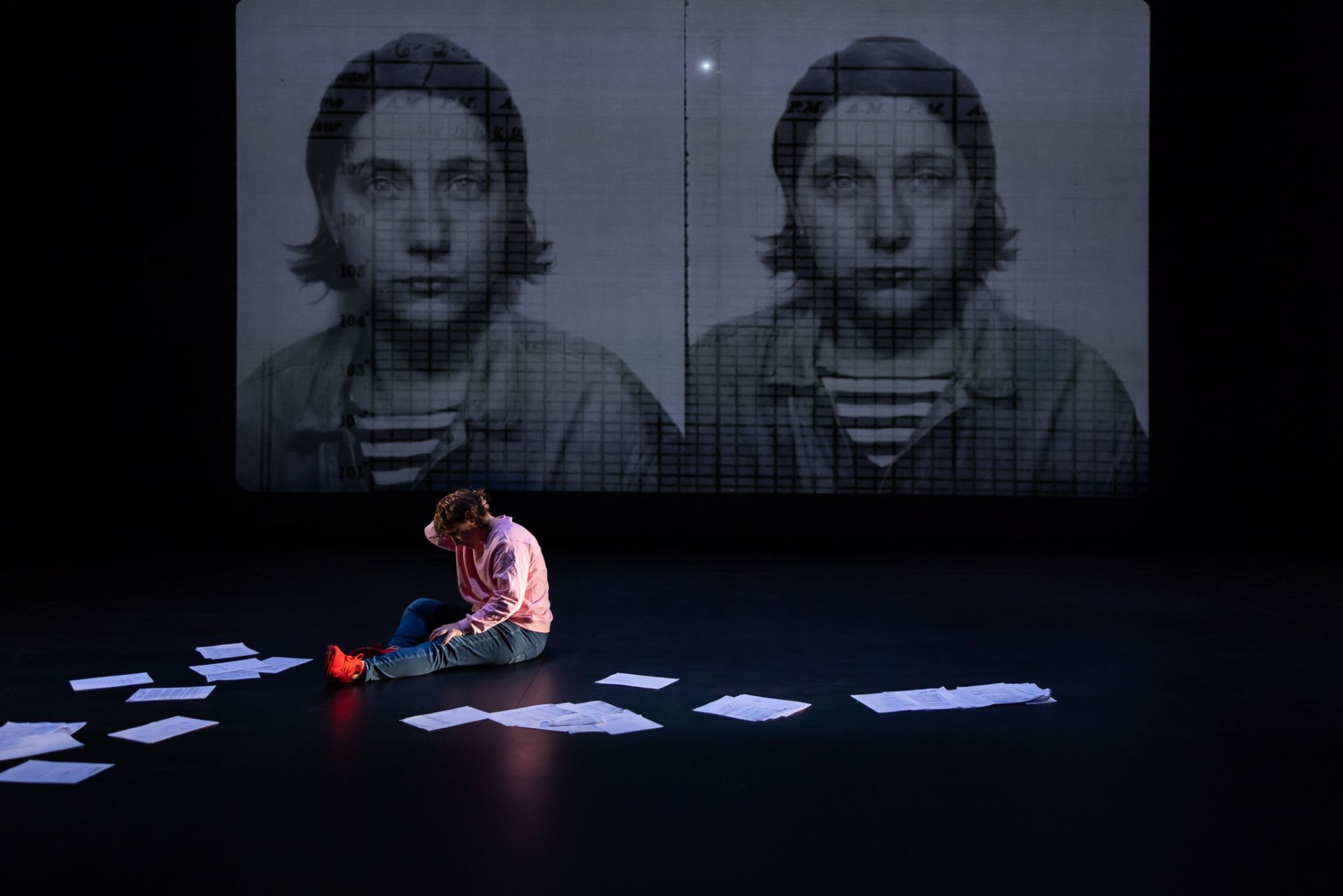
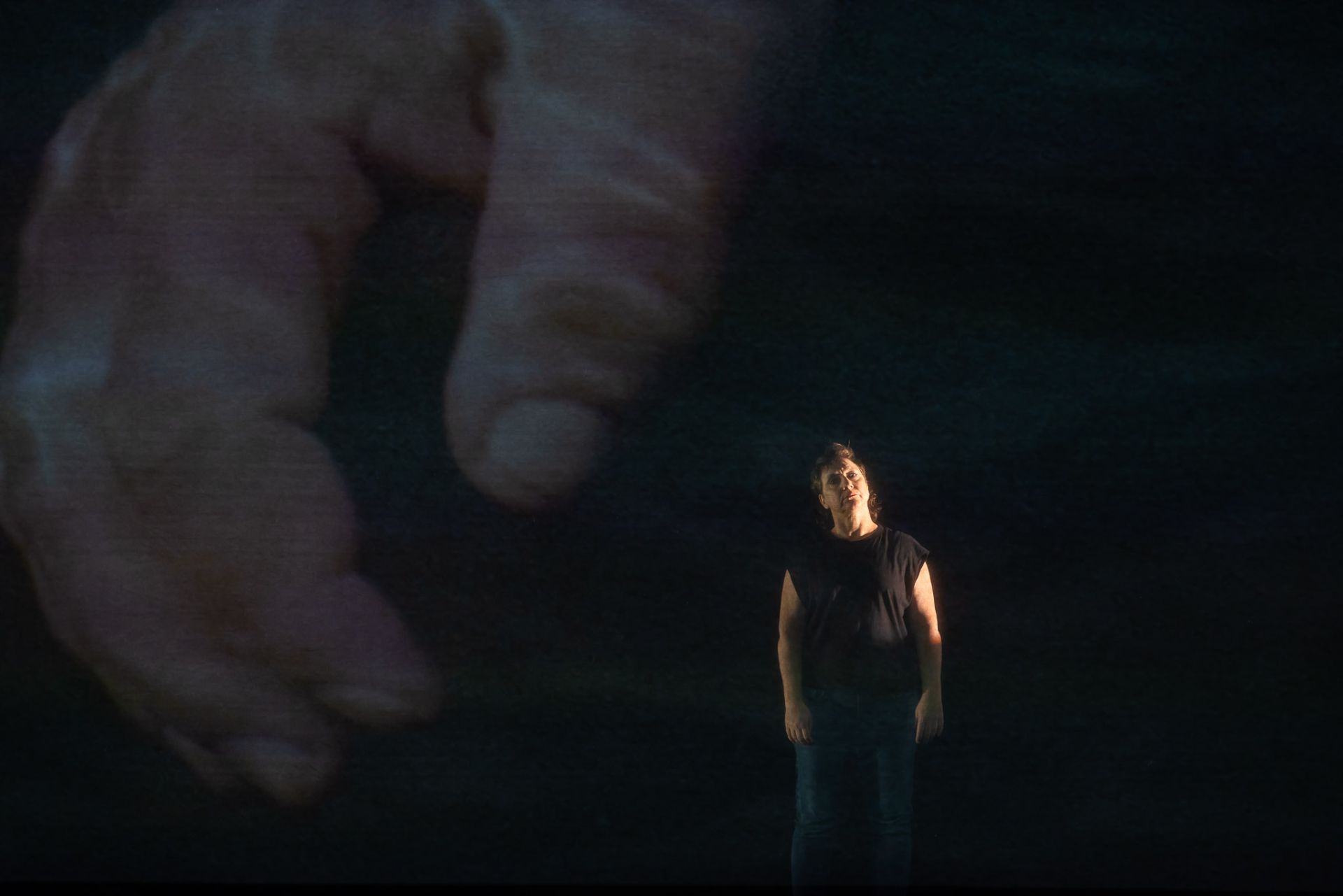
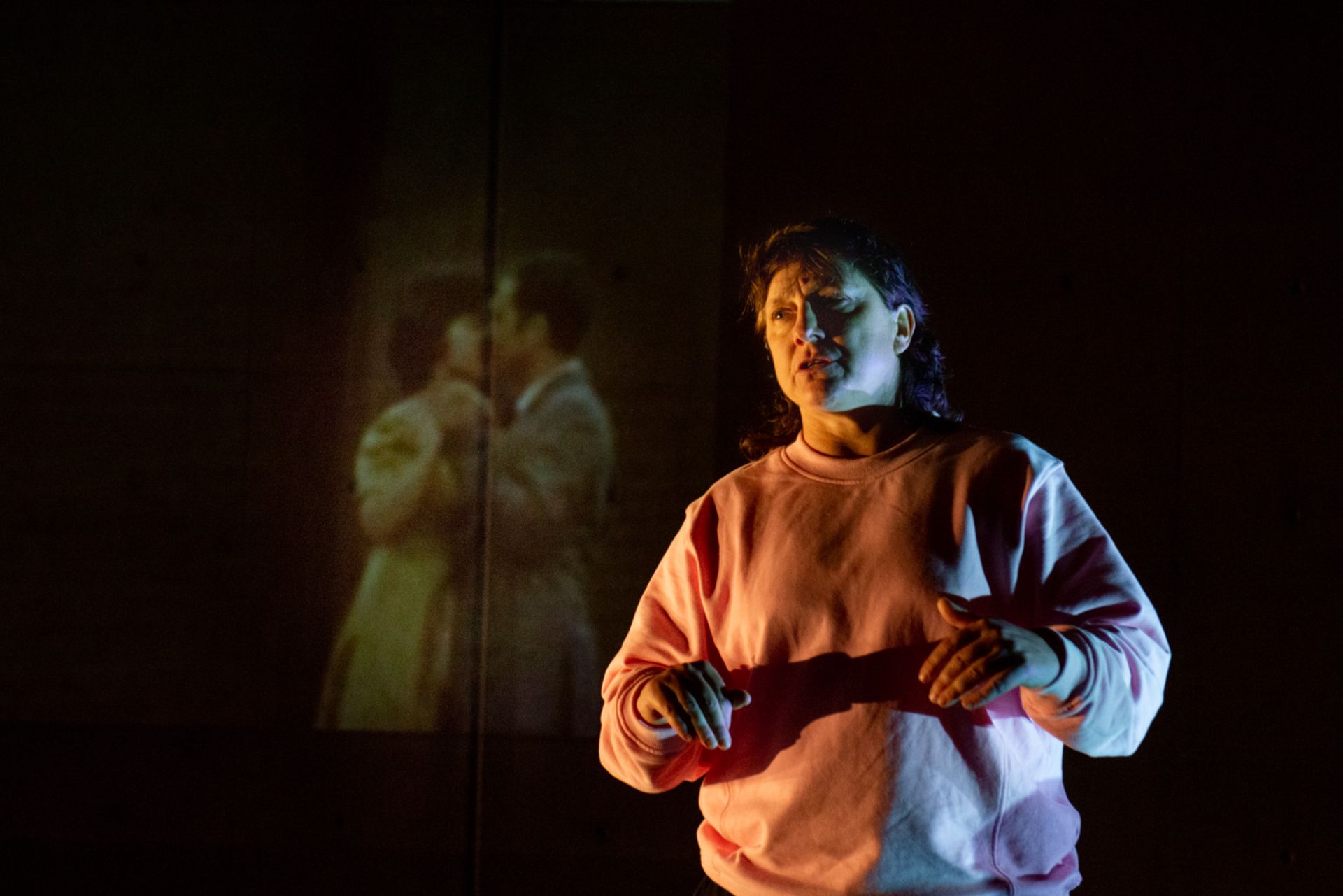
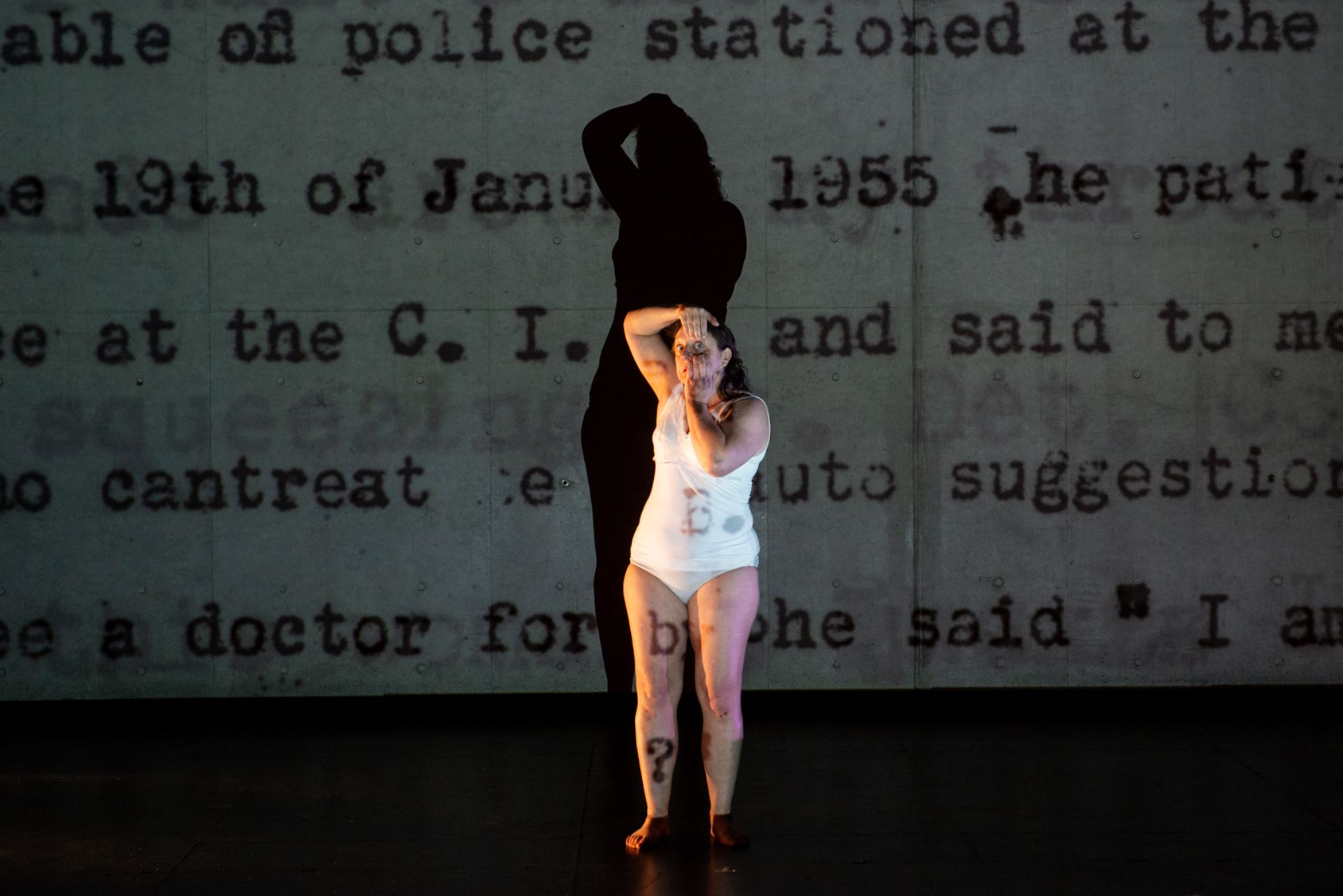
As first-person narrator in this one-person presentation, Therese is a commanding presence, dynamic yet inexorably vulnerable, as they take us through a string of heart-breaking revelations, with an immense and unmistakeable generosity. Supported by video projections (assembled by Zanny Begg), filmed incredibly by Therese half a lifetime ago, on the very same subject, we gain a level of insight rarely paralleled. Sleeplessness tells of someone else’s secrets, but will no doubt resonate intimately, for each individual with whom it connects.

Remarkable lighting design by Karen Norris brings emotional embellishment to the ever intensifying story-telling. Working harmoniously with minimalist physical configurations, and the aforementioned sentimental video elements, Norris demonstrates great sensitivity and elegance, in her calibrations of tension and mood. Music by Anna Liebzeit is appropriately restrained, but no less evocative in the creation of a space that is simultaneously ethereal and heavy, allowing us to travel through the circularity of time, in this contemporary exploration of difficult family histories.

There is a feminist frame to how meaning is conveyed in Sleeplessness. It is indeed helpful to study the women in our past through modern lenses, so that we can apply those discoveries to our lives today, in practical ways, and to ensure that we progress in a way that hardships of our foremothers, can offer more than just catharsis. Following in our mothers’ footsteps, and repeating their patterns, are probably inevitable, for we are genetically entwined, but to learn from the lessons they bequeath, is perhaps the best way to honour their legacy.

www.carriageworks.com.au

Review: Dorr-e Dari: A Poetic Crash Course In The Language Of Love (PYT Fairfield)

Venue: Carriageworks (Eveleigh NSW), Jan 20 – 24, 2021
Director: Paul Dwyer
Cast: Mahdi Mohammadi, Bibi Goul Mossavi, Jawad Yaqoubi
Images by Anna Kucera

Theatre review
In Dorr-e Dari, the aspect of Sydney we call a cultural melting pot, comes to life, as artists with roots in Kabul, Tehran and Quetta collaborate to present a work based on Persian poetry. Subtitled “A Poetic Crash Course in the Language of Love” we are treated to philosophical perspectives on affairs of the heart, not restricted to the romantic, but relevant to all tender parts of humanity. Many of the words are foreign, but the sentiments of Dorr-e Dari feel to be wholly universal.

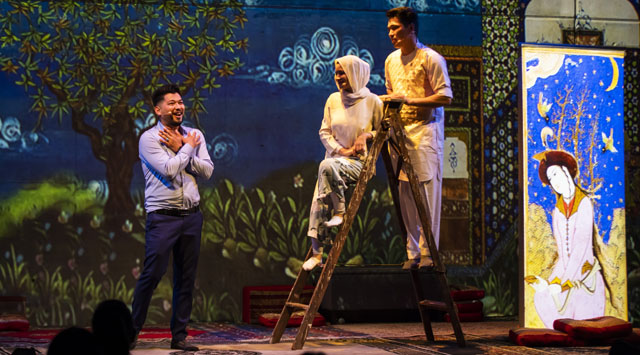
On stage for the entirety, a trio of artists Mahdi Mohammadi, Bibi Goul Mossavi and Jawad Yaqoubi present a bilingual show that often deals with tradition, but tailored to a modern Australian sensibility. With an English-speaking audience in mind, they find ways to cross bridges, and formulate translations, so that through these ancient writings, a new cohesion can be forged, especially between tribes that seem, on the surface, to be incompatible. It appears that to locate commonalities in the details of how our emotions work, is to create a sense of peace in how we experience and understand the world. For a work about love, it is indeed the nature of our shared existence on this one land that becomes fundamental.

Directed by Paul Dwyer, the show is unexpectedly beautiful in its somewhat fragmented form. Sequences can be naturalistic or theatrical, conversational or ceremonial, spiritual or didactical; there are dance sequences, comedic anecdotes, and videophone footage (live and pre-recorded), Dorr-e Dari is unconstrained in the ways it wishes to communicate. The tone is however, pleasantly cohesive, with all three performers proving to be highly likeable, and very welcoming presences, even if slightly unseasoned by conventional standards.

As we become used to the notion of having to bring diversity to all our social and professional endeavours, we gain a new appreciation for a post-assimilation world, where cultures of colonisation should no longer dominate our conversations. It is of great significance that Dorr-e Dari commences with a welcome to country by Indigenous elder, Aunty Rhonda Dixon-Grovenor (who also contributes her own love poem). As a people with roots from all over the planet, the only point of convergence for Australians, should we ever feel the need to have only one, must always have a First Nations emphasis. This is the most rational, and the most just, way for us to advance as a nation. The future of Australia needs to provide dignity for all, not only for the most barbaric.

www.pyt.com.au

Review: AutoCannibal (Oozing Future)

Venue: Carriageworks (Eveleigh NSW), Jan 13 – 17, 2021
Director: Masha Terentieva
Cast/Creator: Mitch Jones
Images by Yaya Stempler

Theatre review
The show is named AutoCannibal because in the dystopic future of Mitch Jones’ creation, he is seen gradually eating himself to death, literally. Starting with expendable parts of the anatomy, like hair and nails, we watch his desperation gradually escalate, and wonder if the moment of inevitability will take place right before our eyes. A one-man show in the physical theatre tradition, reminiscent of the work of artists like Buster Keaton and Marcel Marceau, Jones pushes the envelope towards something very dark, although not altogether unfunny.

There are many horror dimensions to AutoCannibal, involving self-mutilation of course, but also isolation, madness and other hard to name fears resulting from the end of the civilisation. A short video at the beginning hints at the usual suspects, namely climate, capitalism and politics, that lead us to this point of abject destruction, but in 2021, there really is very little need for explanations about the sad state of affairs in which our protagonist finds himself. We may be conditioned to interpret dystopic visions as futuristic cautionary tales, but at this present time, it takes little stretch of the imagination, to read the presentation as an allegory for so much that is happening today.
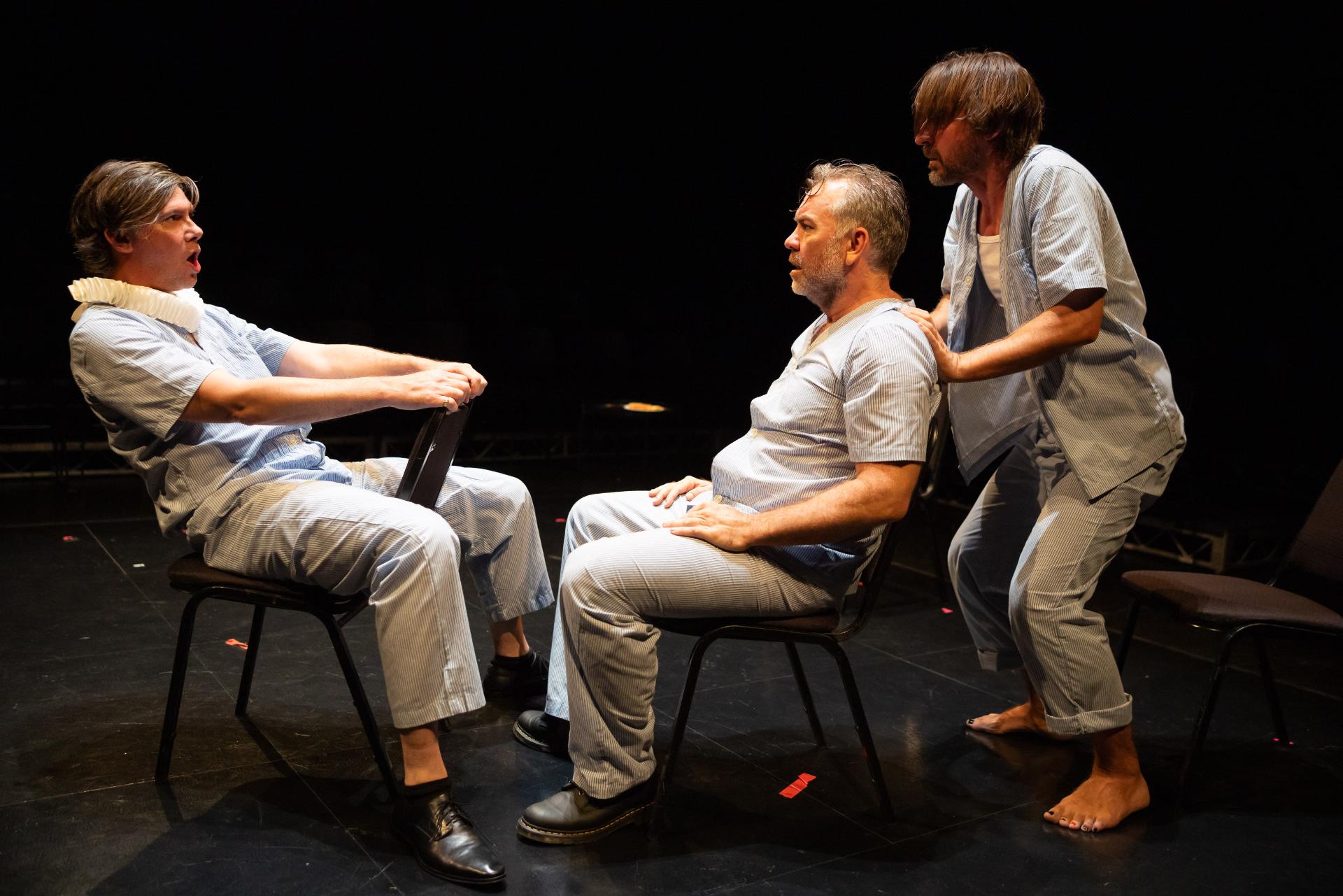
Design aspects of the show are highly accomplished. Sound by Bonnie Knight is dynamic and compelling, a crucial element in lieu of dialogue, that guides us through varying states of distress and humour. Paul Lin’s lights are moody but magical, effective in establishing something very close to a living nightmare before our eyes. Michael Baxter’s set design too is noteworthy, able to provide more than functionality, for a stage that looks genuinely terrifying.
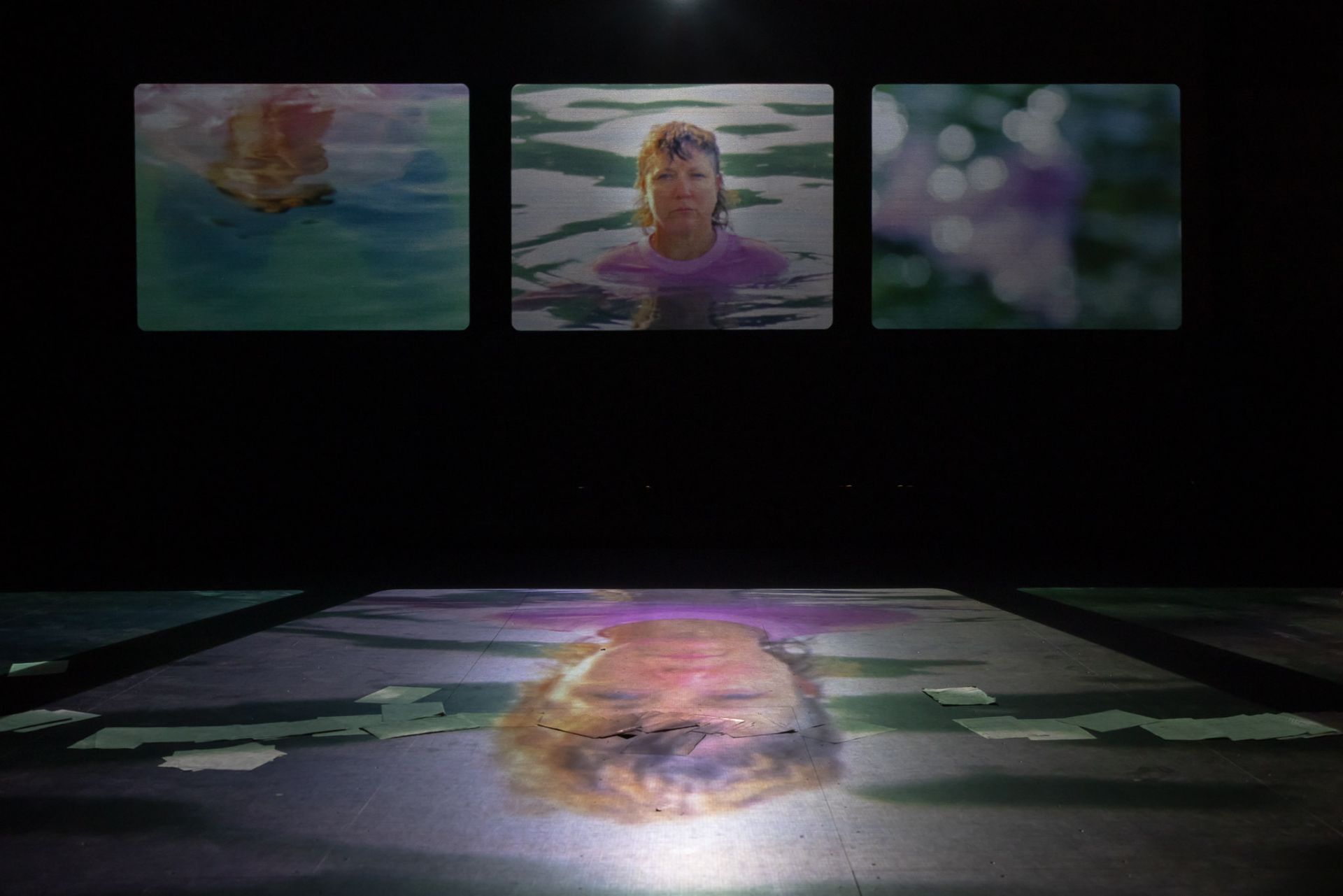
Under Masha Terentieva’s direction, Jones performs a wordless theatre that is just scary enough, often pushing us to psychological limits, without taking the action to a point of alienation. There is ample opportunity for showing off Jones’ athletic and comedic talents, but AutoCannibal is not always sufficiently engaging for the intellect. When the audience witnesses a human pushed to the extremes in art and entertainment, we cannot help but wonder about the point of it all, and there is little that could provide satisfying complexity to how we can contextualise these horrors.

We live in a world of scandalous abundance, yet so many are hungry. It boggles the mind that people everywhere are left to die of starvation, while most of us fill our days with hoarding and accumulating the thing commonly known as wealth. Conditioned to think of people as either worthy or unworthy, we are completely at ease with the idea that some are simply lesser, and that their suffering is justified. We are taught to fear, taught to submit, taught to accept that some babies will grow into rich people, and others will languish in poverty, as though this is all natural and the irreversible course of the world. To watch the character in AutoCannibal eat himself to death, is to have our morals called into serious question.

www.oozingfuture.com

Review: The Last Season (Force Majeure)

Venue: Carriageworks (Eveleigh NSW), Jan 6 – 10, 2021
Director: Danielle Micich
Cast: Paul Capsis, Olwen Fouéré, Pamela Rabe, Isabel Bantog, Owen Beckman-Scott, Luka Brett-Hall, Maddie Brett-Hall, Imala Cush, Niamh Cush, Nicholas Edwards, Ember Henninger, Piper Kemp, Poppy McKinnon, Julia Piazza, Tallulah Pickard, Louis Ting
Images by Brett Boardman

Theatre review
Thirteen young creatures are hatched at the beginning of The Last Season, and we follow them through their first year, witnessing transformations alongside as they progress through the months commencing in Summer. The first three sections of the 4-part show feature a central character, a mature personality juxtaposing against these tender entities. Presented in a non-narrative format, it suggests ideas of legacy and progeniture, placing focus on past/future and parent/child, to ask fundamental questions about our very existence.

Directed by Danielle Micich, The Last Season is an ambitious work. Marg Howell’s set and costumes, Damien Cooper’s lights, and Kelly Ryall’s music, all conspire to create something that indicates an unmissable sense of the epic; the themes under investigation certainly are of that grandiose scale. Transcendental in its tone and feel, the production however never really moves us to the sublime. Its abstraction places us in a cerebral state, yet what it wishes to say, seems to remain in the pedestrian.

Although insufficiently inventive, The Last Season‘s experimental nature is to be lauded. The youthful ensemble is full of intensity and concentration, with every member displaying admirable generosity in their commitment to the art form. Senior performers bring colourful variation, each one distinct and memorable. Paul Capsis is especially powerful, with the poignant humour and sincerity that they are able to introduce to the piece. Olwen Fouéré’s extraordinary style and energy provide a remarkable sense of elevation, and Pamela Rabe’s august theatricality establishes a necessary gravity that keeps us attentive.

With each generation, we wonder if it is just history repeating, or if a new frontier is being forged. Life is a mystery, but we know for sure that there will always be individuals who refuse to toe the line, and new innovators who will create something never before seen. Conformity is death, so it is fortunate that living amongst us, are those who will ensure that our extinction is kept at bay, for a little while longer.

www.forcemajeure.com.au