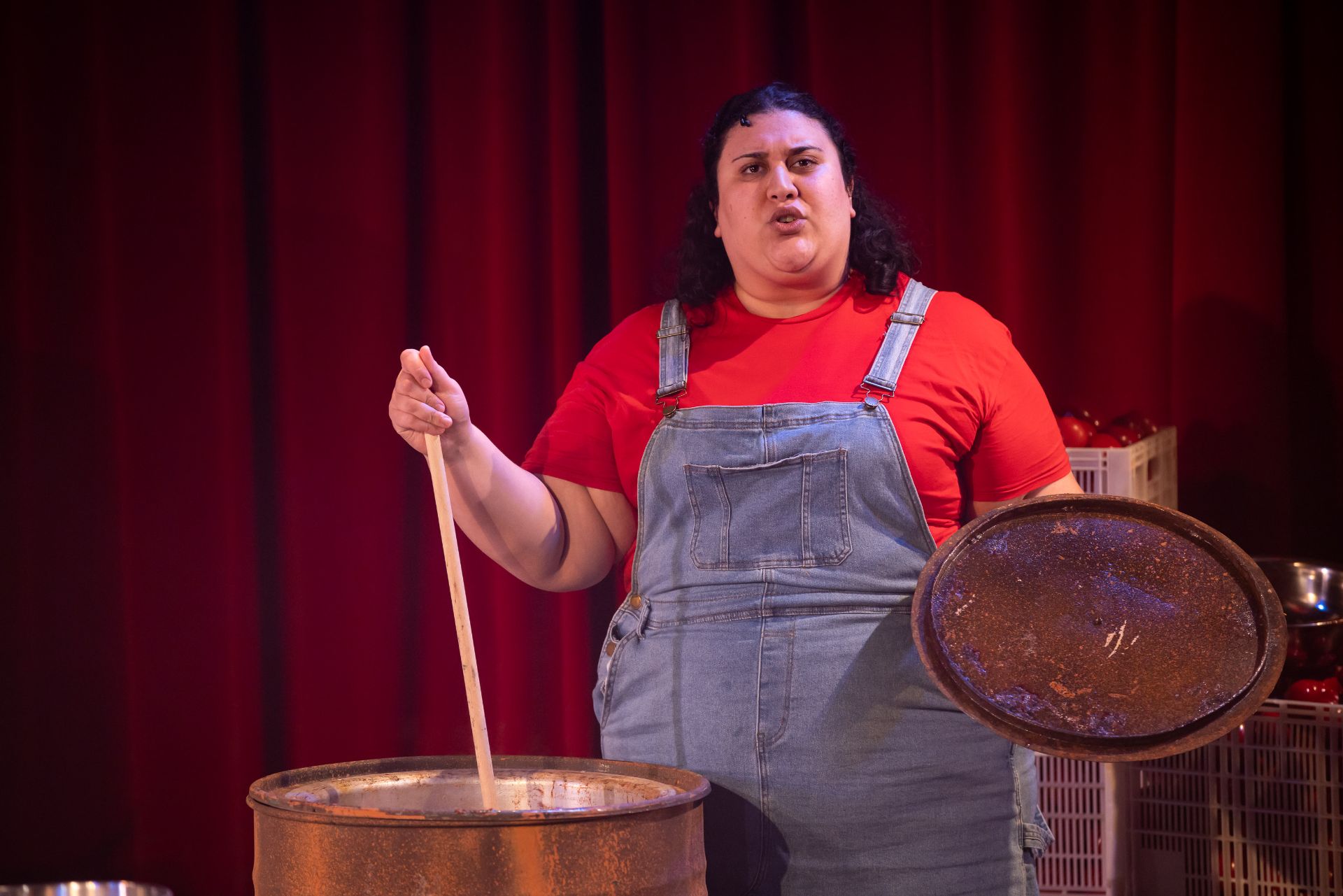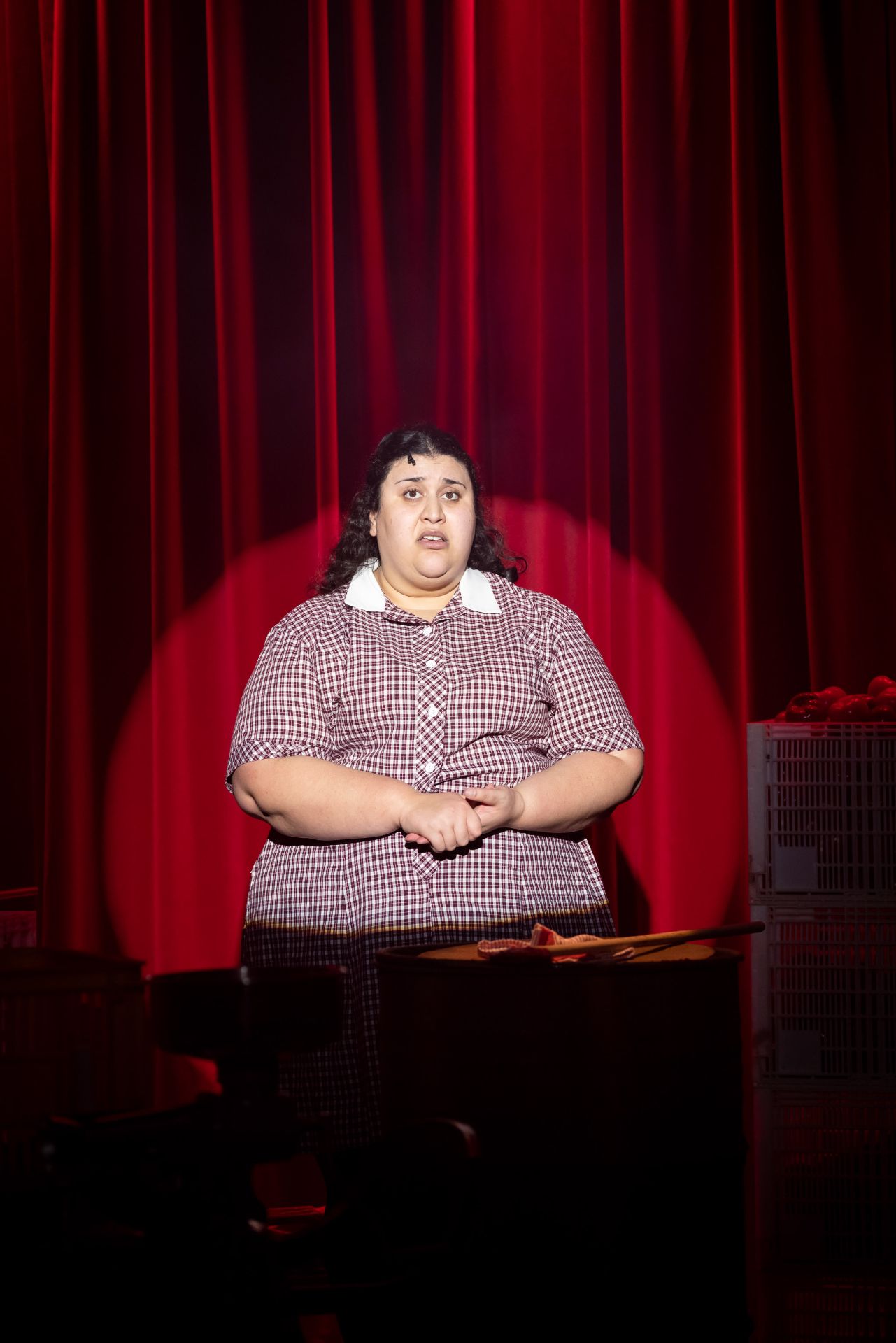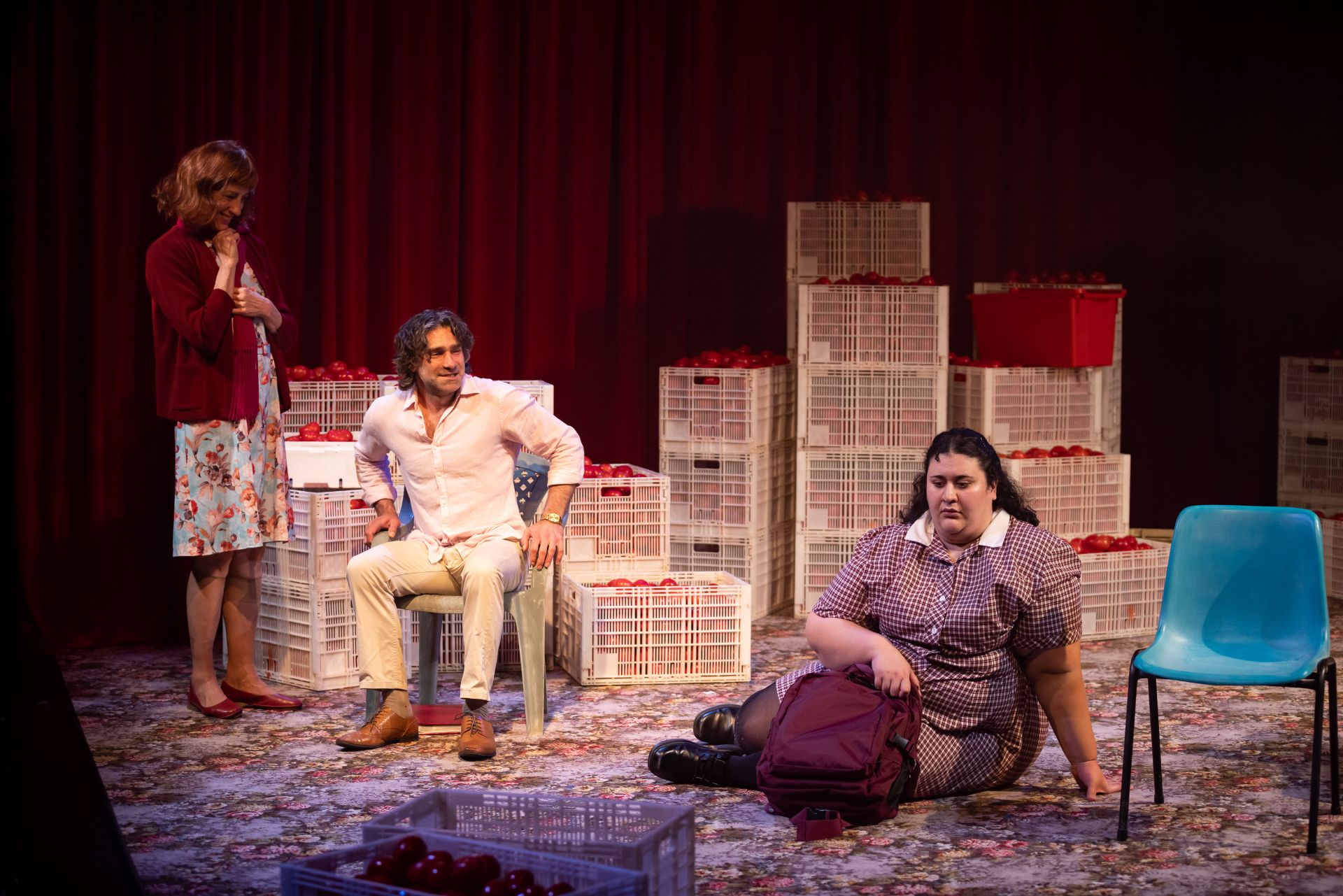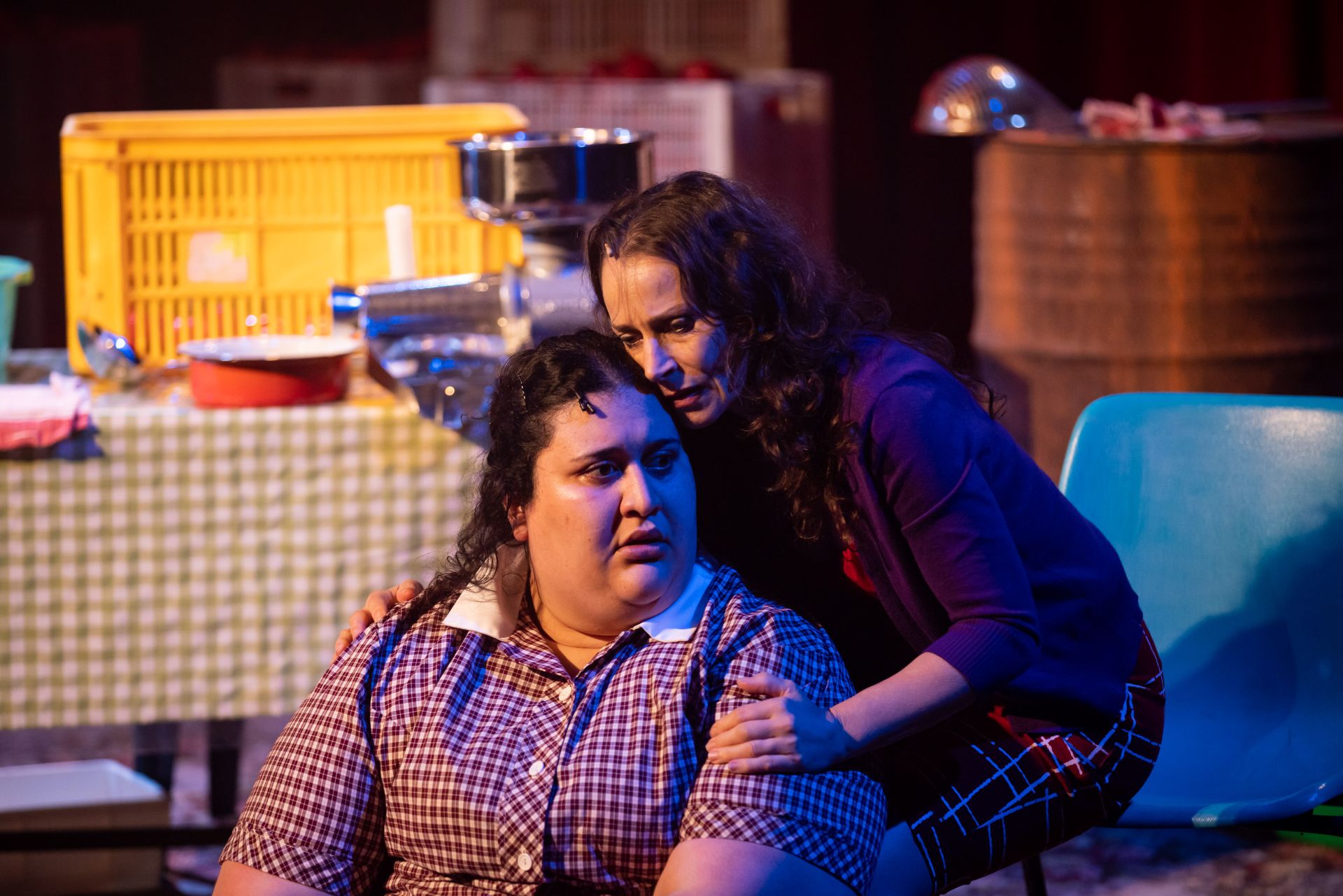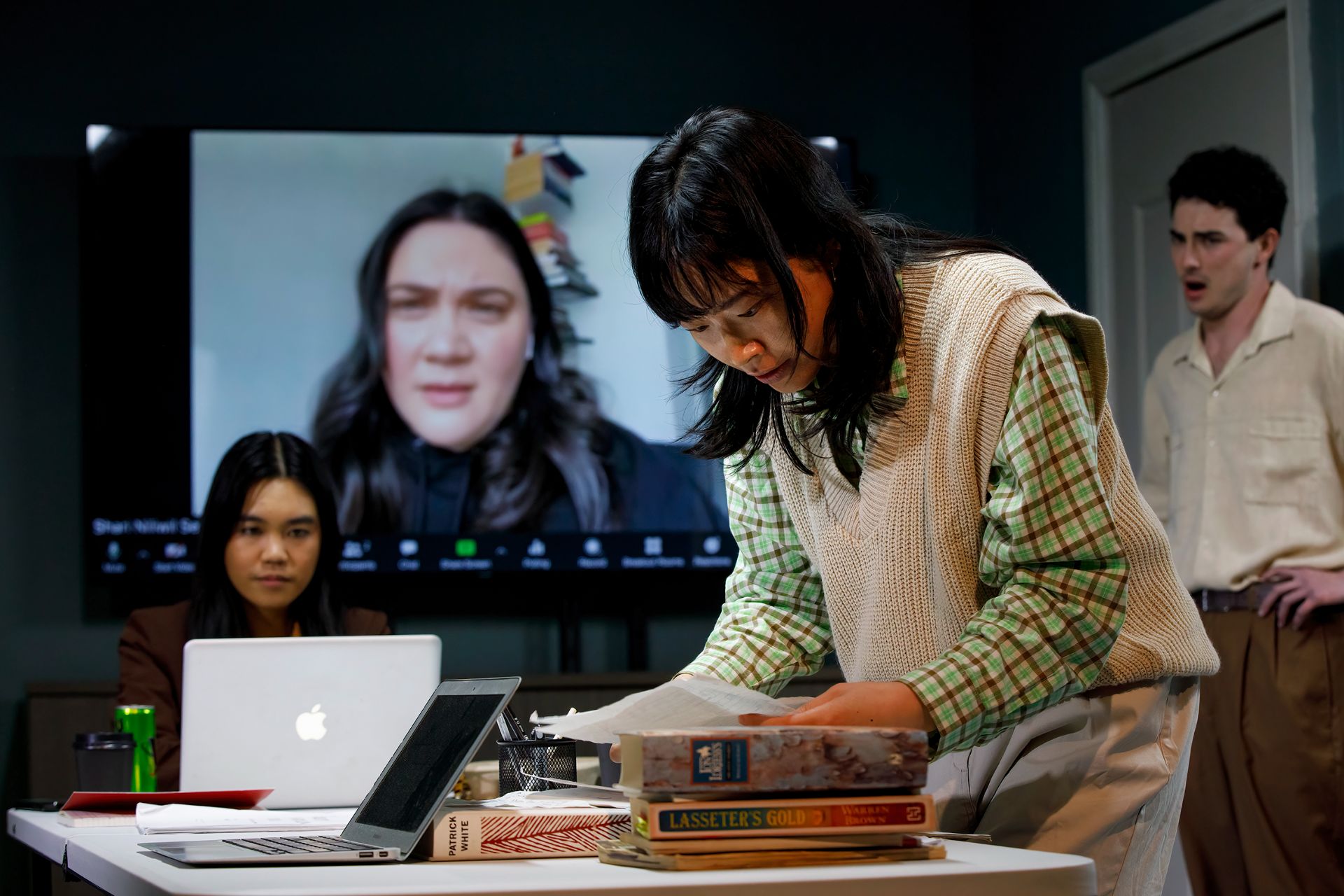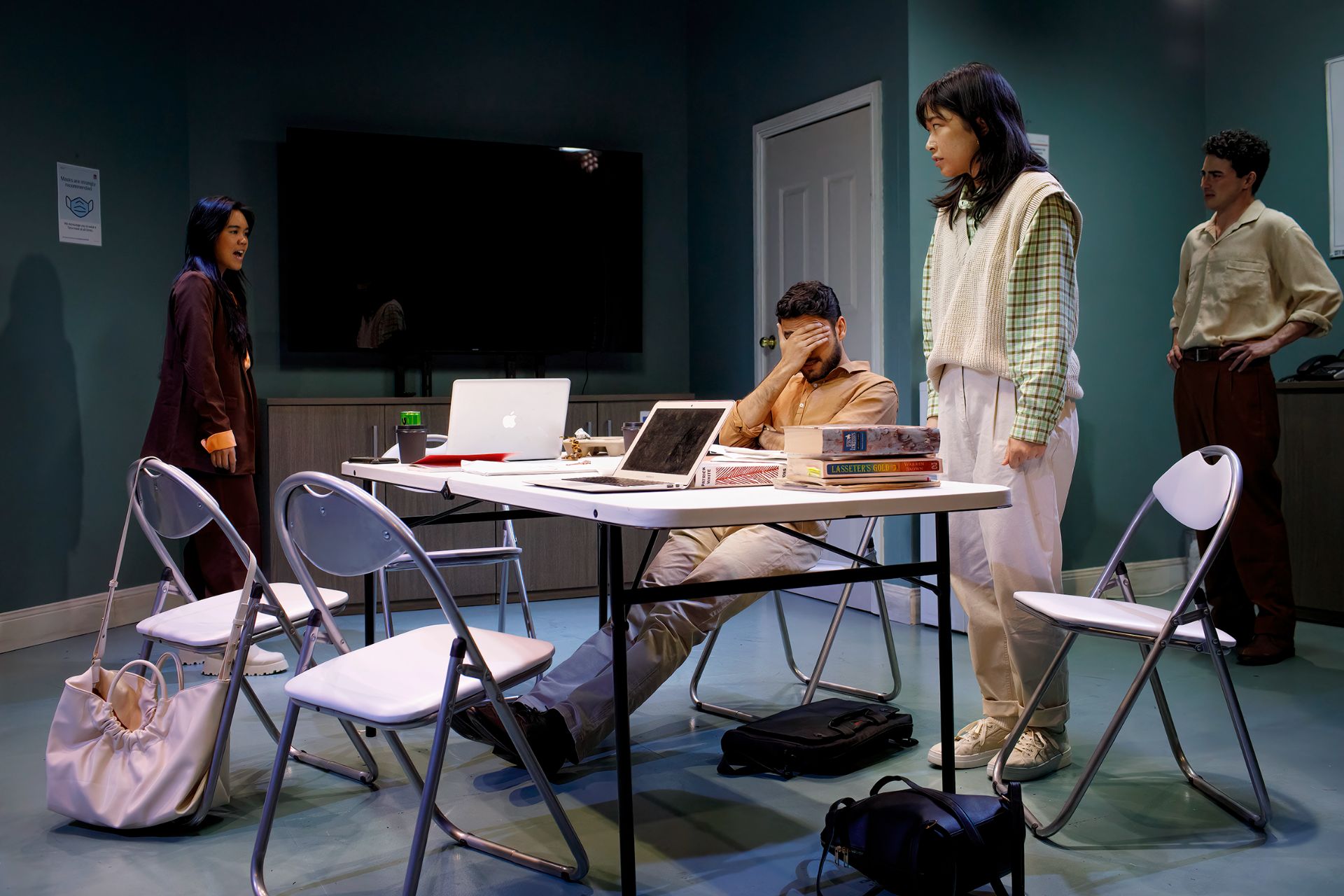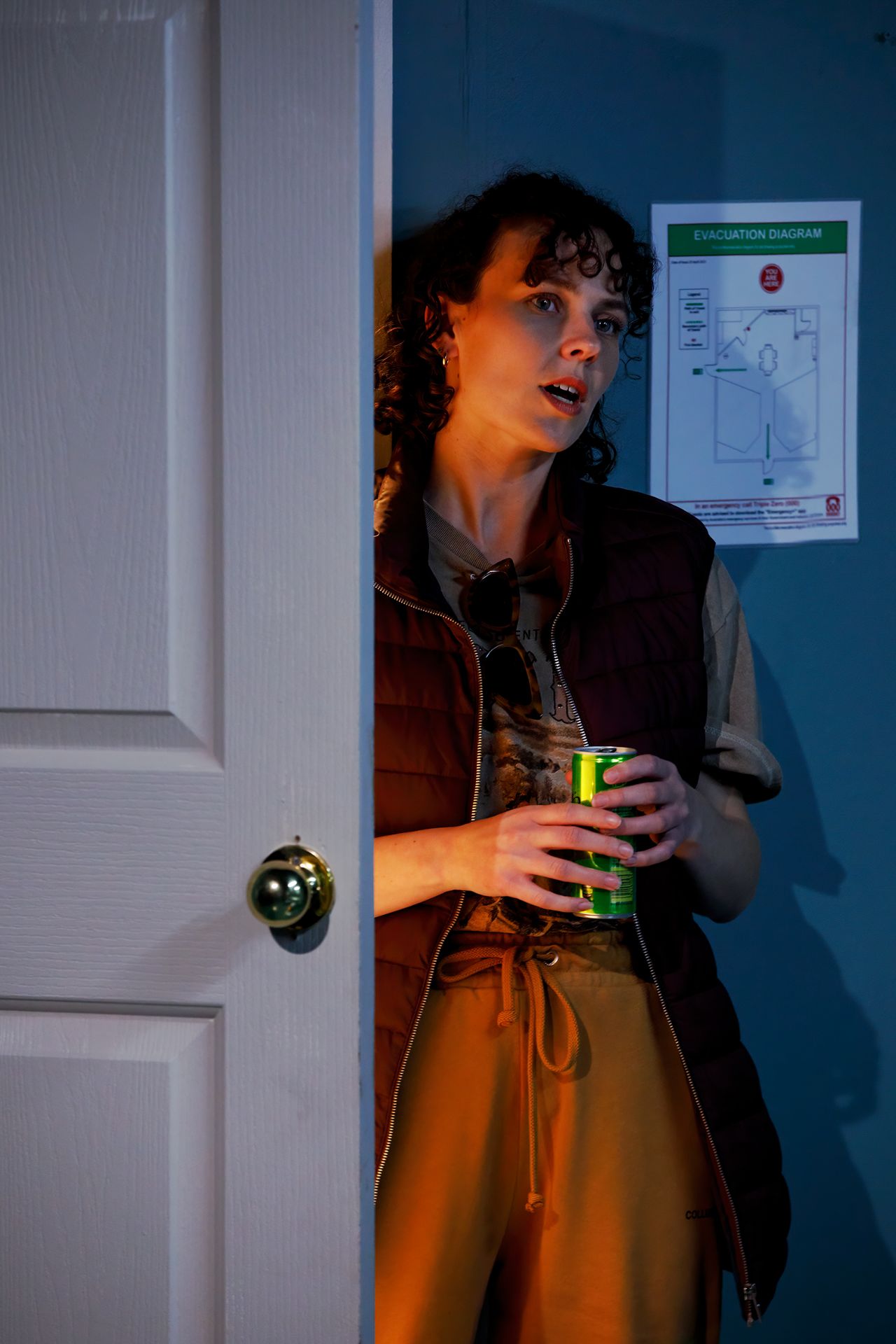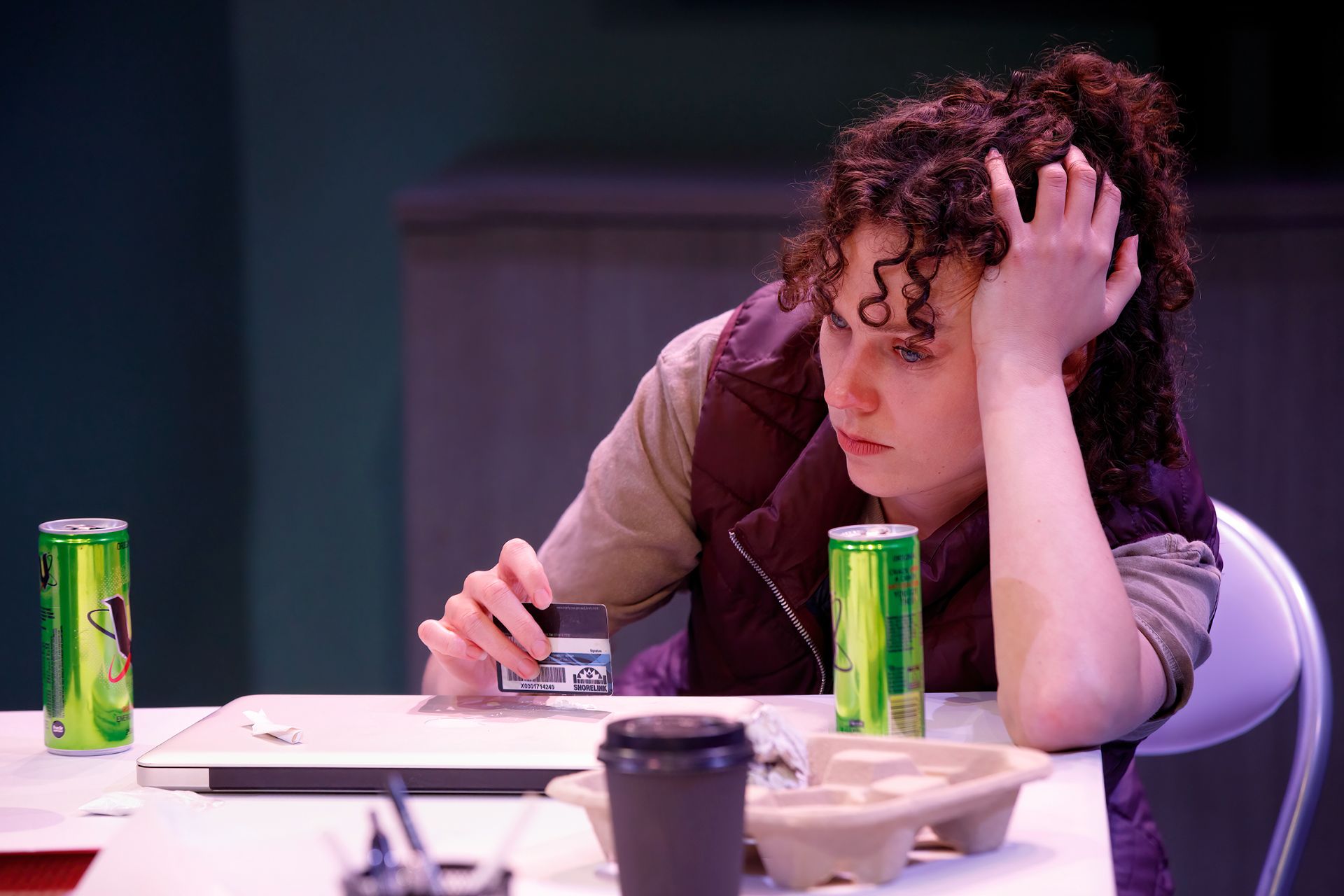
Review: Triple X (Sydney Theatre Company)

Venue: Wharf 1 Sydney Theatre Company (Walsh Bay NSW), Jan 8 – Feb 26, 2022
Playwright: Glace Chase
Director: Paige Rattray
Cast: Glace Chase, Josh McConville, Christen O’Leary, Anthony Taufa, Contessa Treffone
Images by Brett Boardman, Prudence Upton

Theatre review
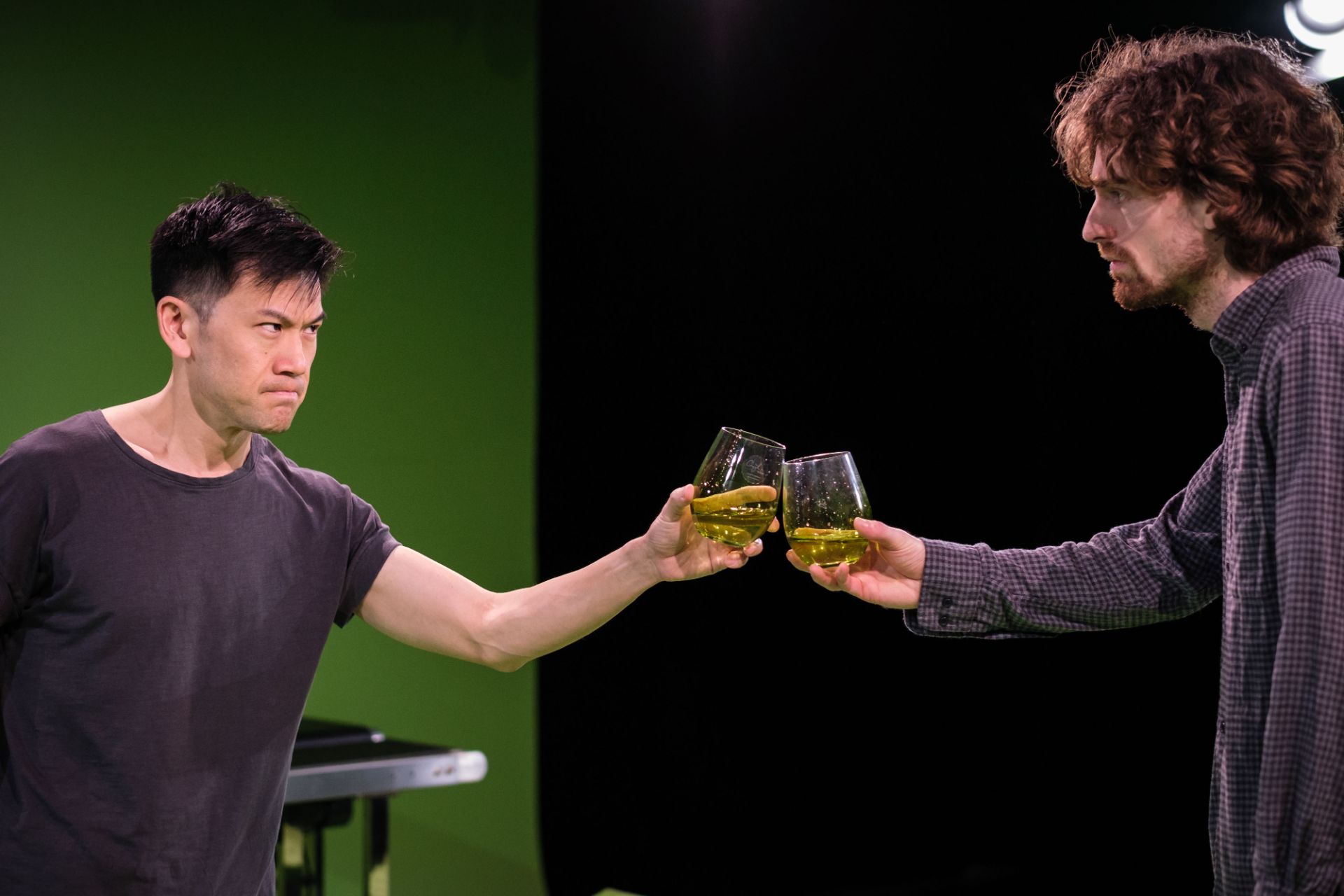
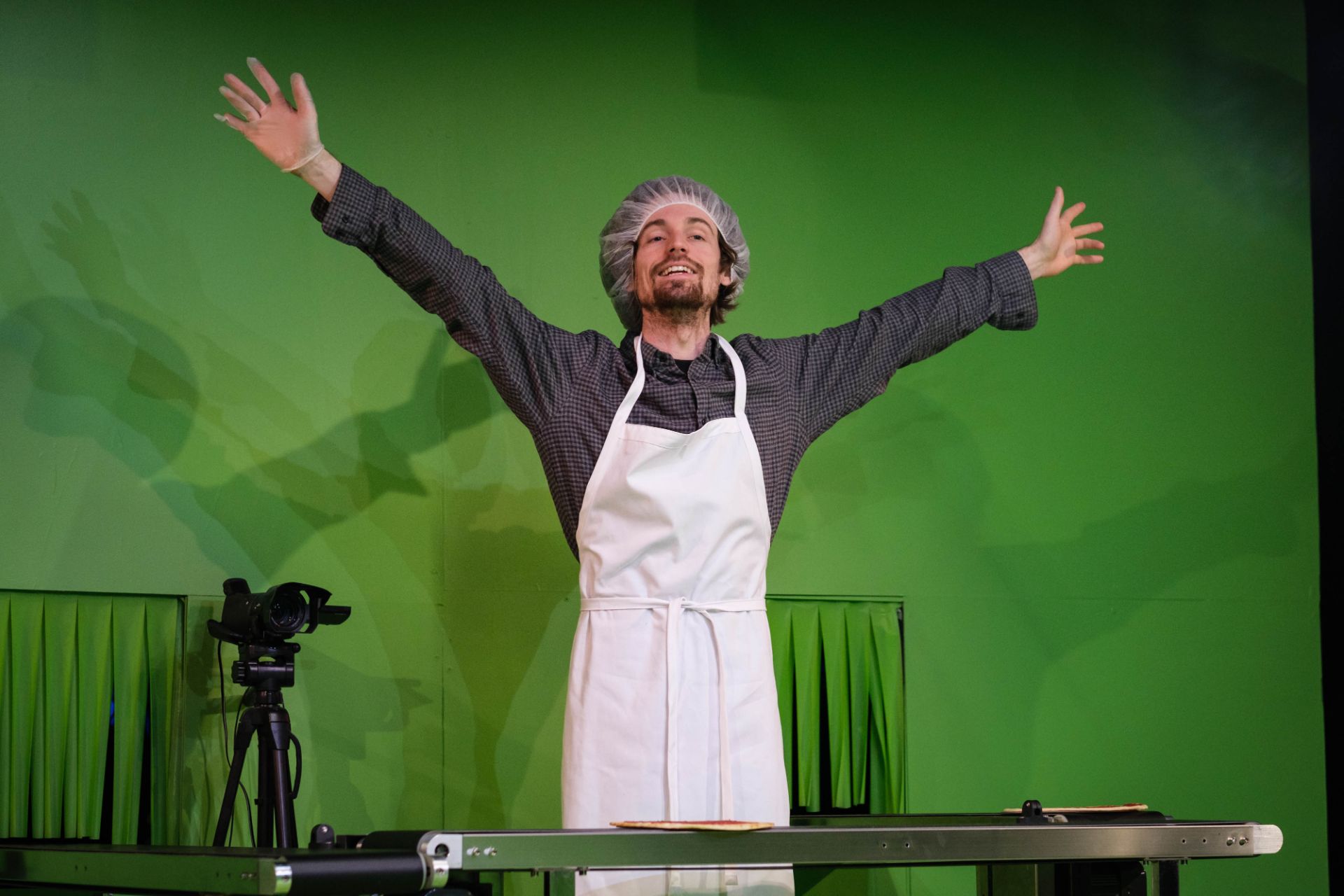
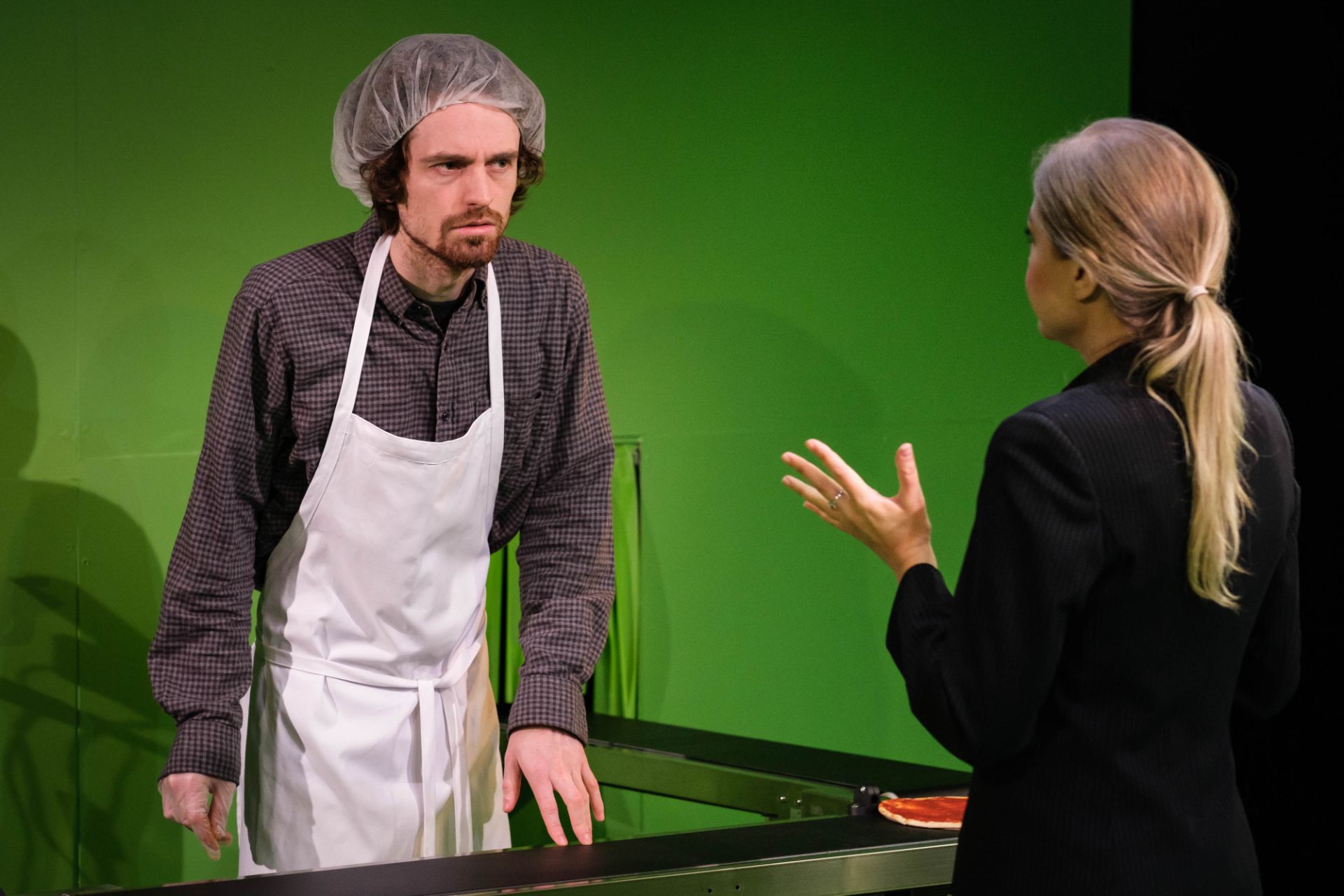
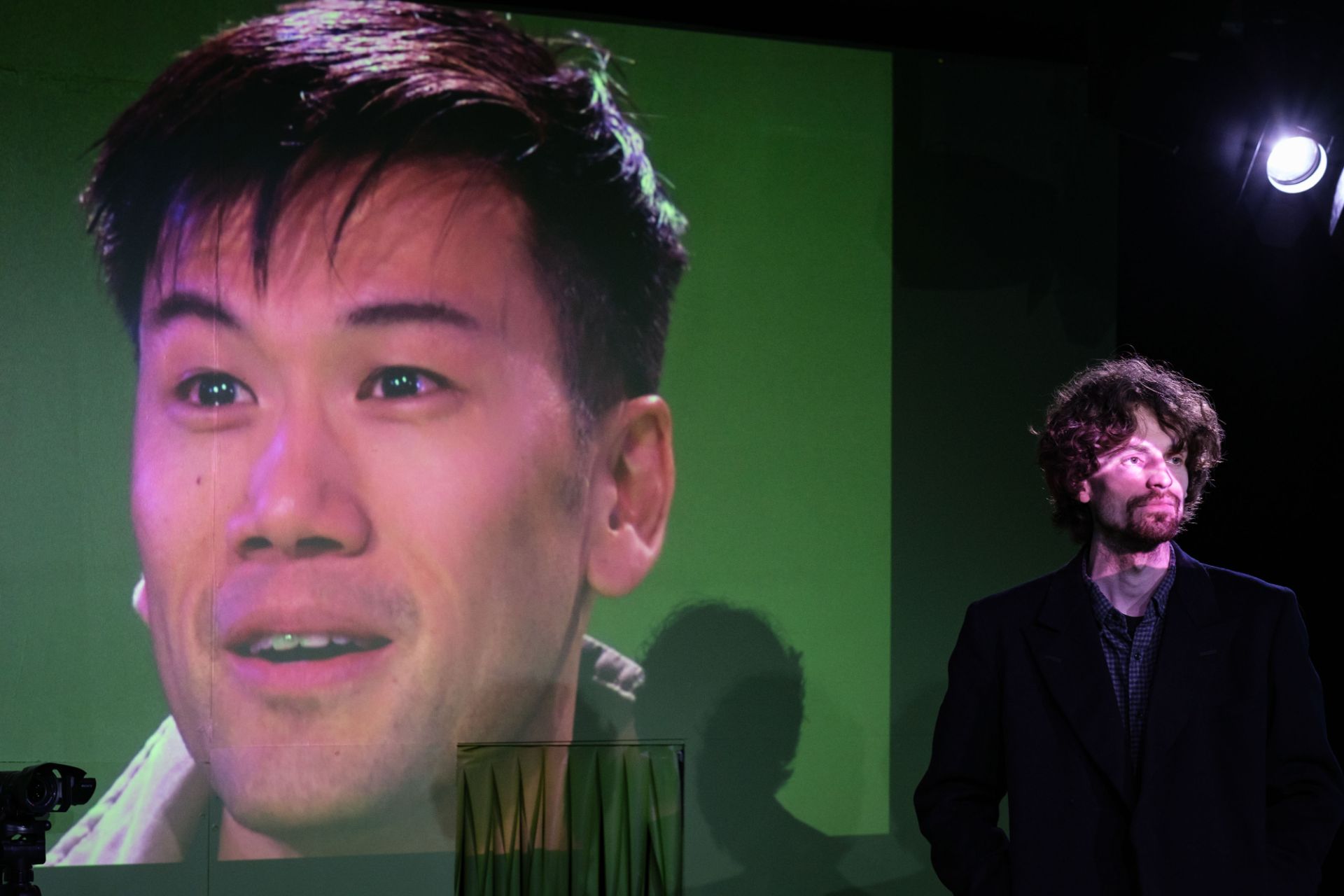
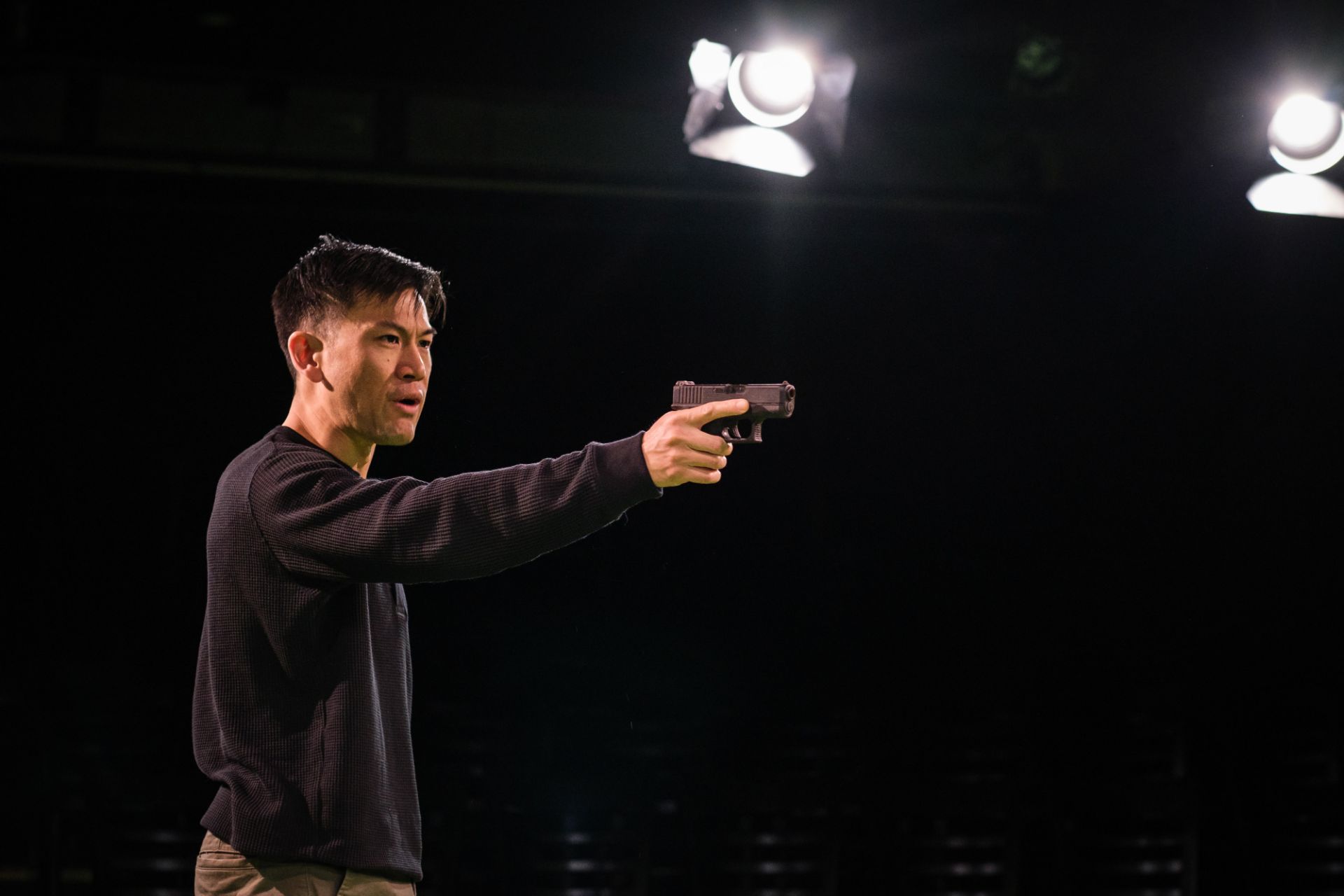
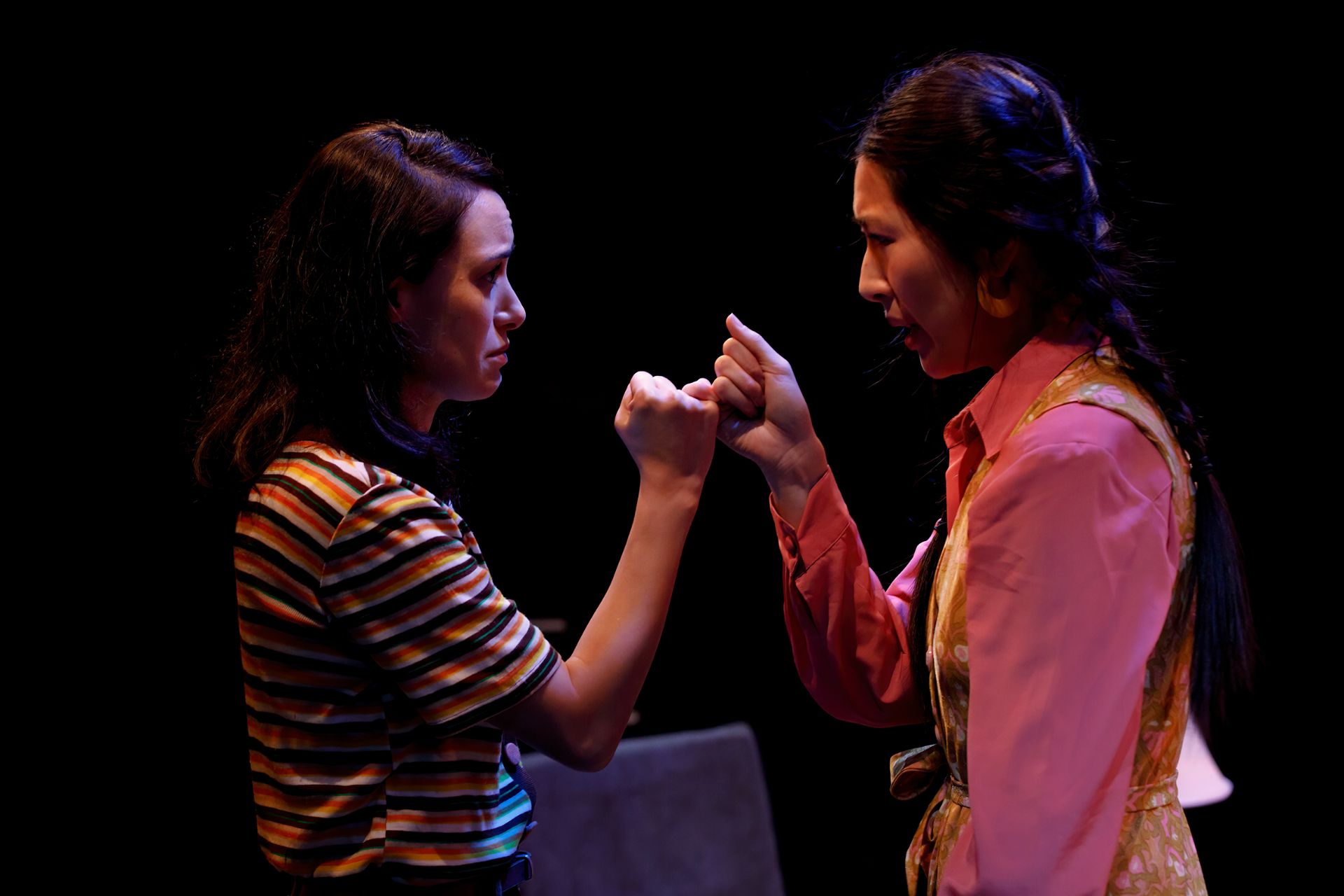
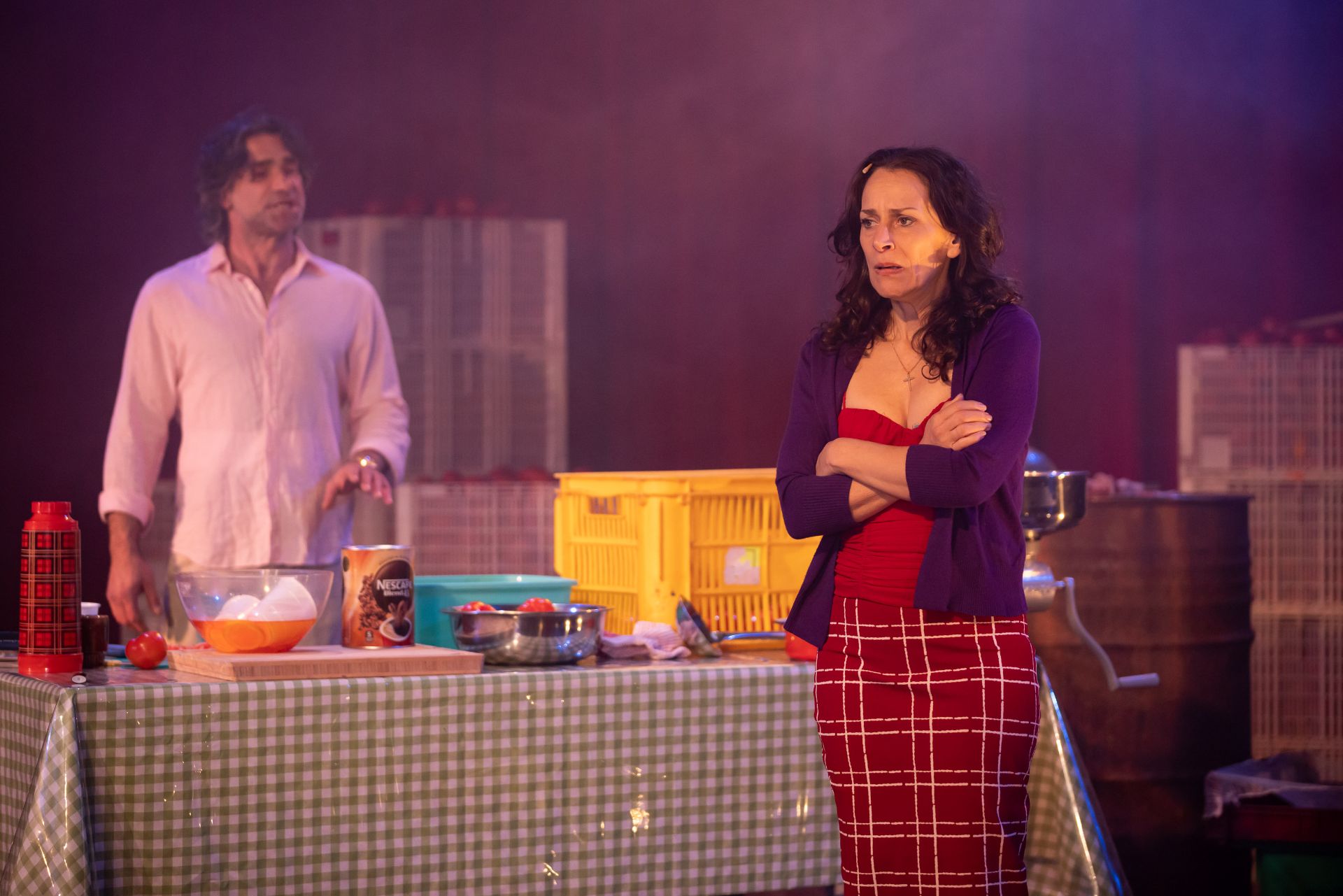
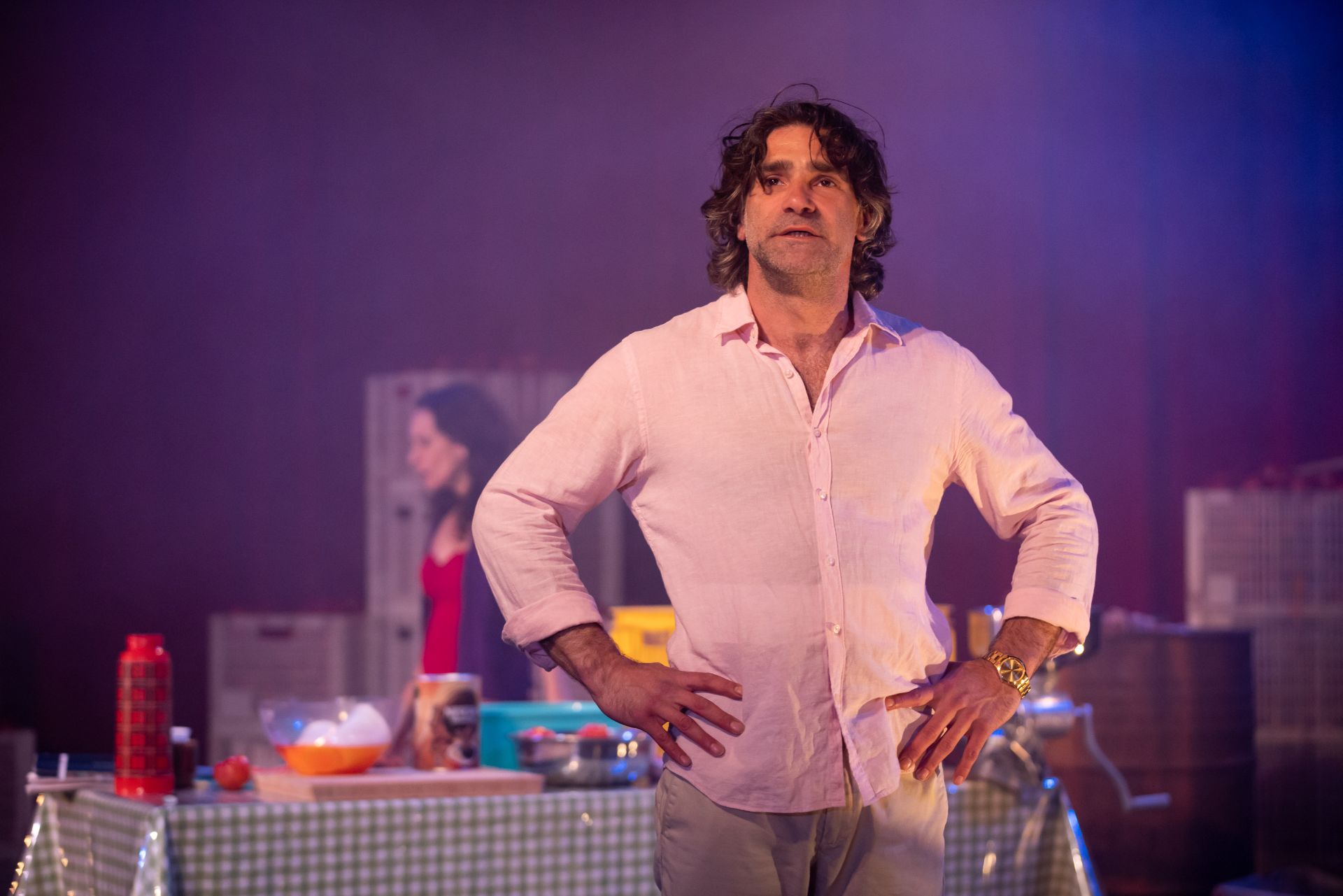
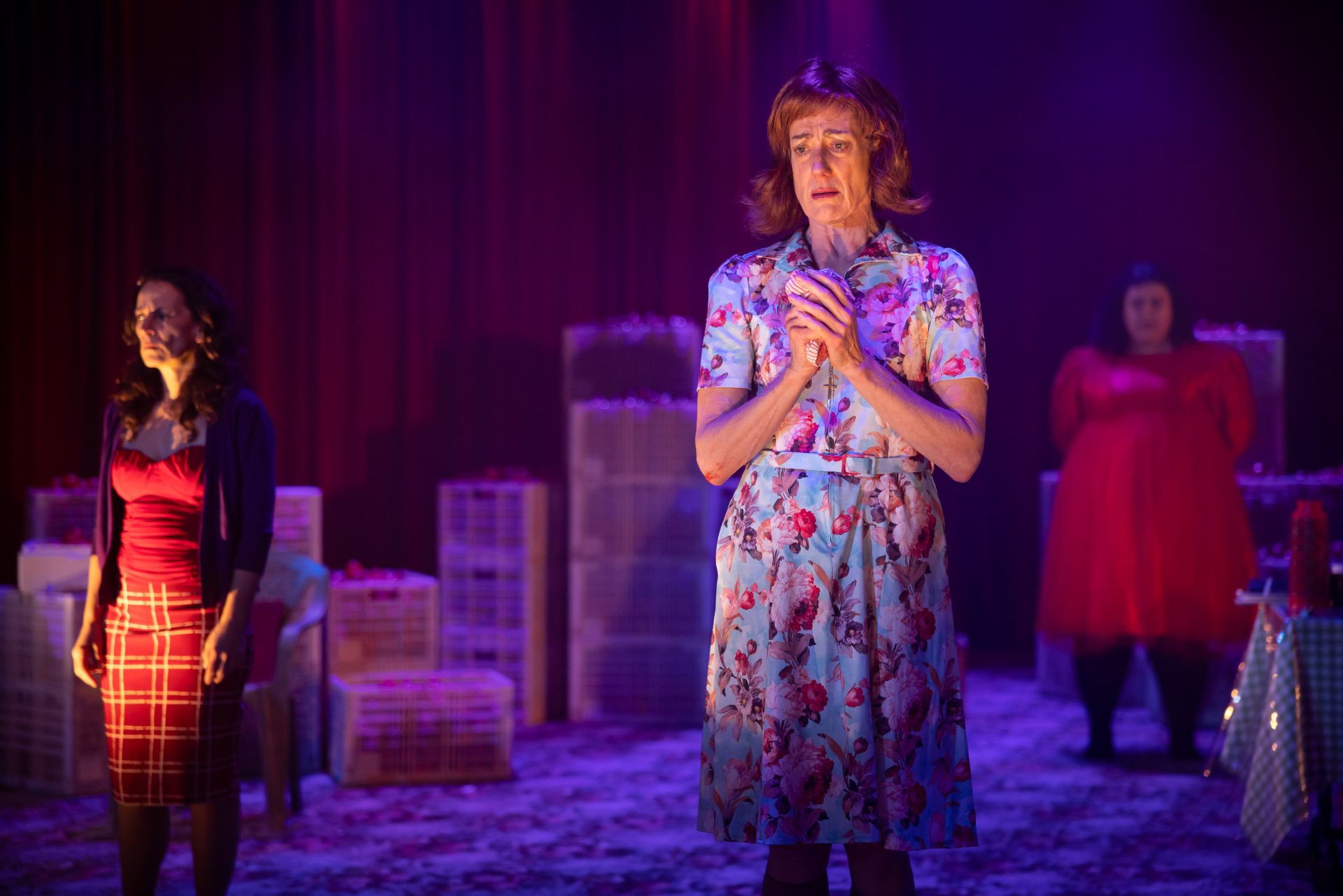
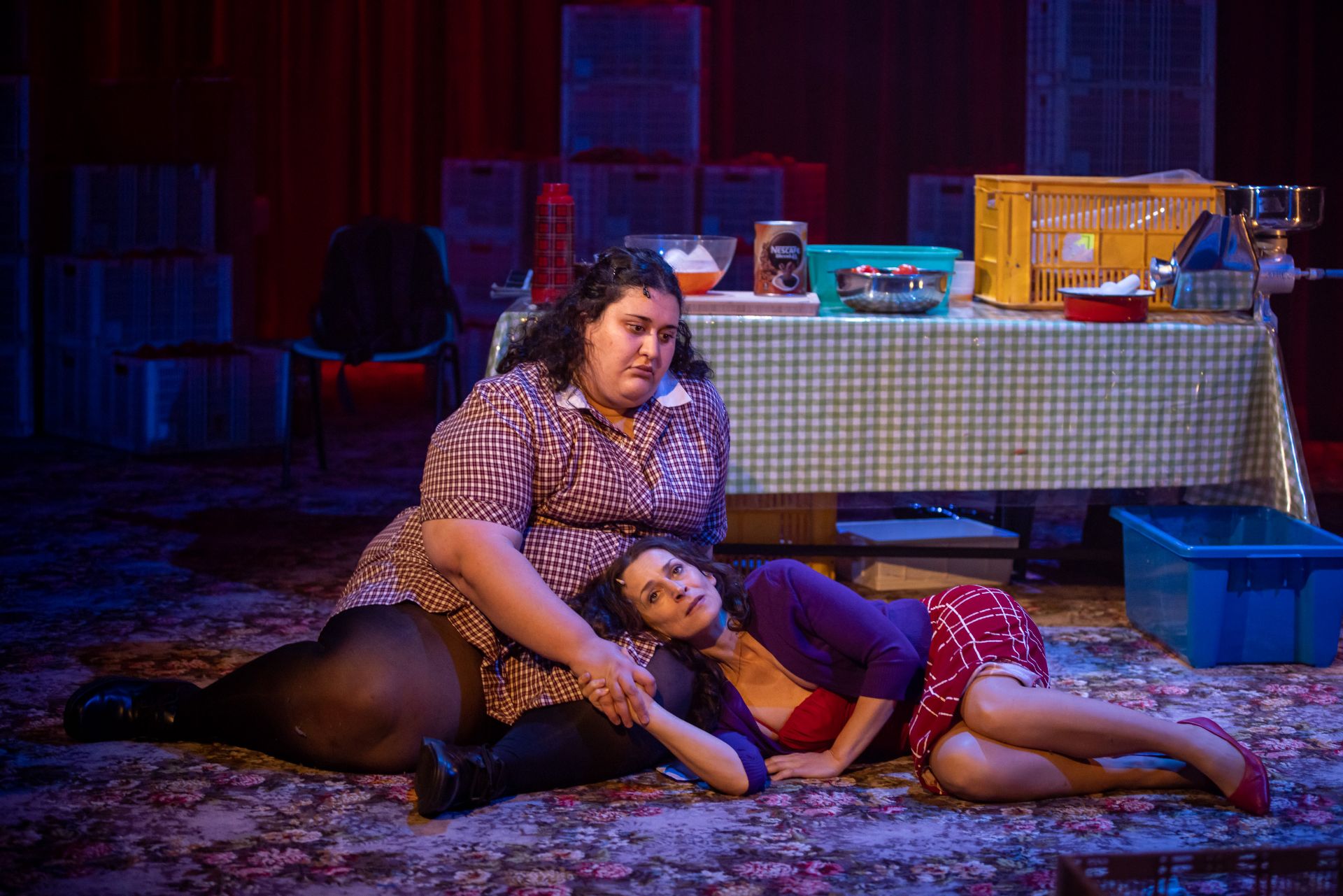
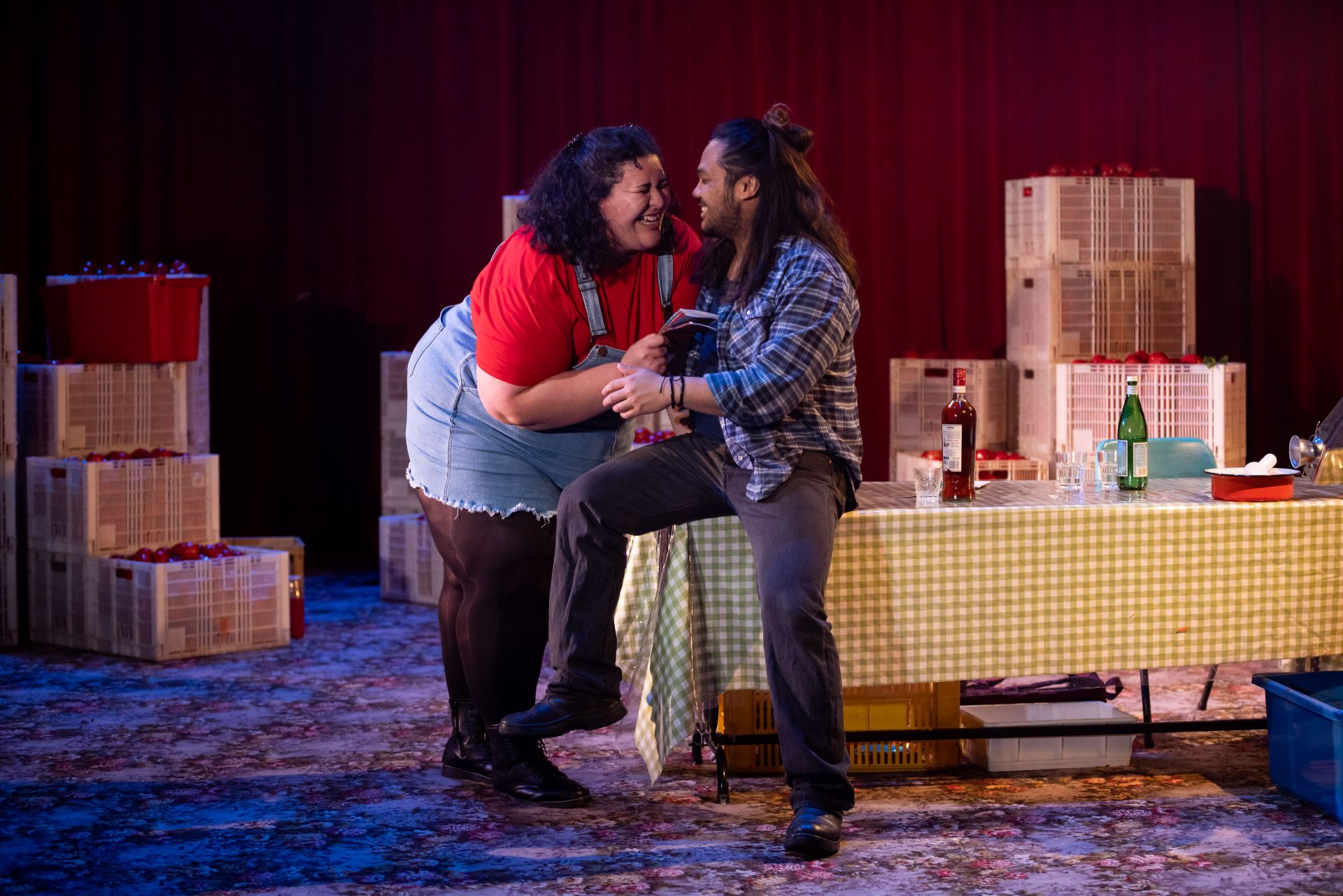
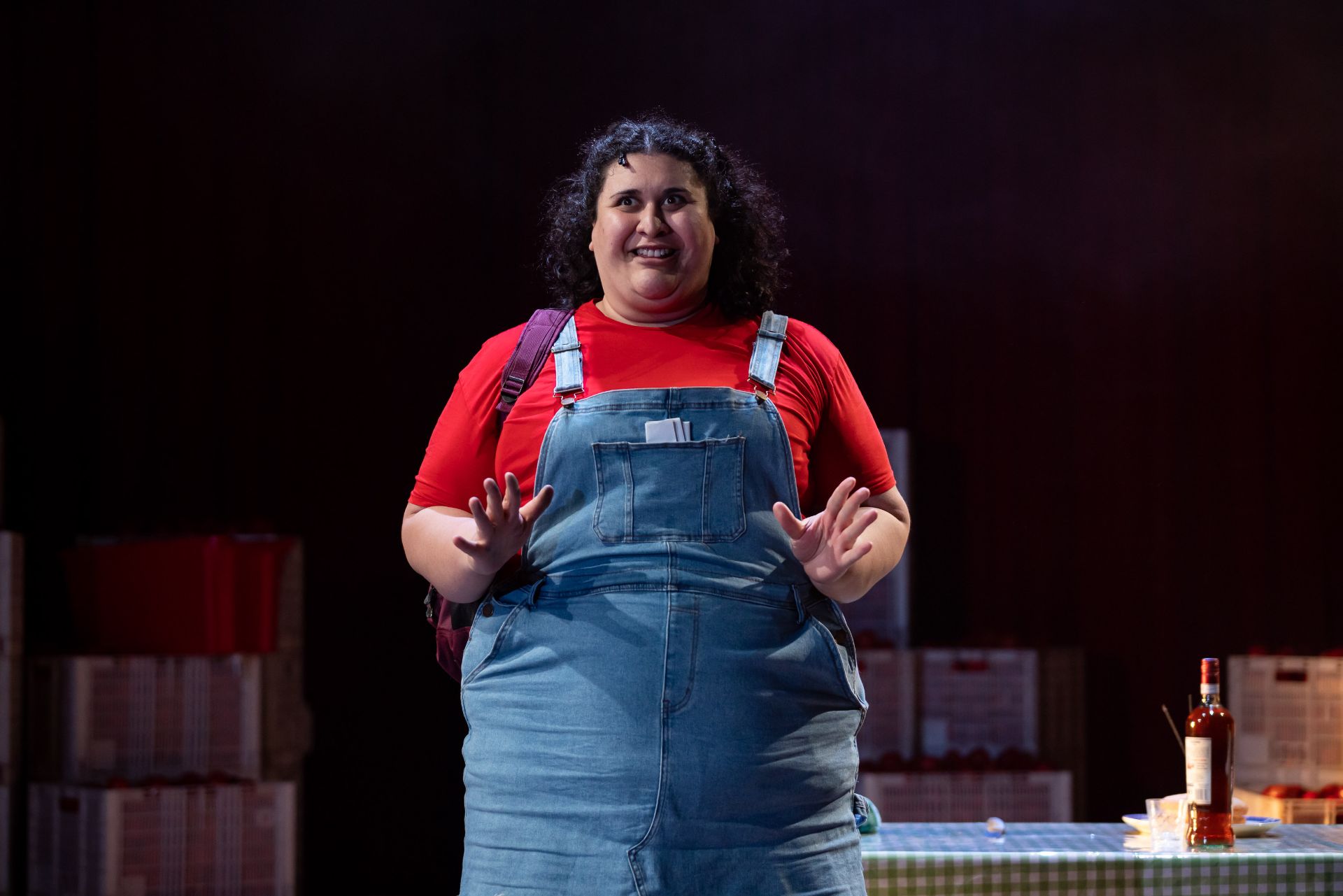
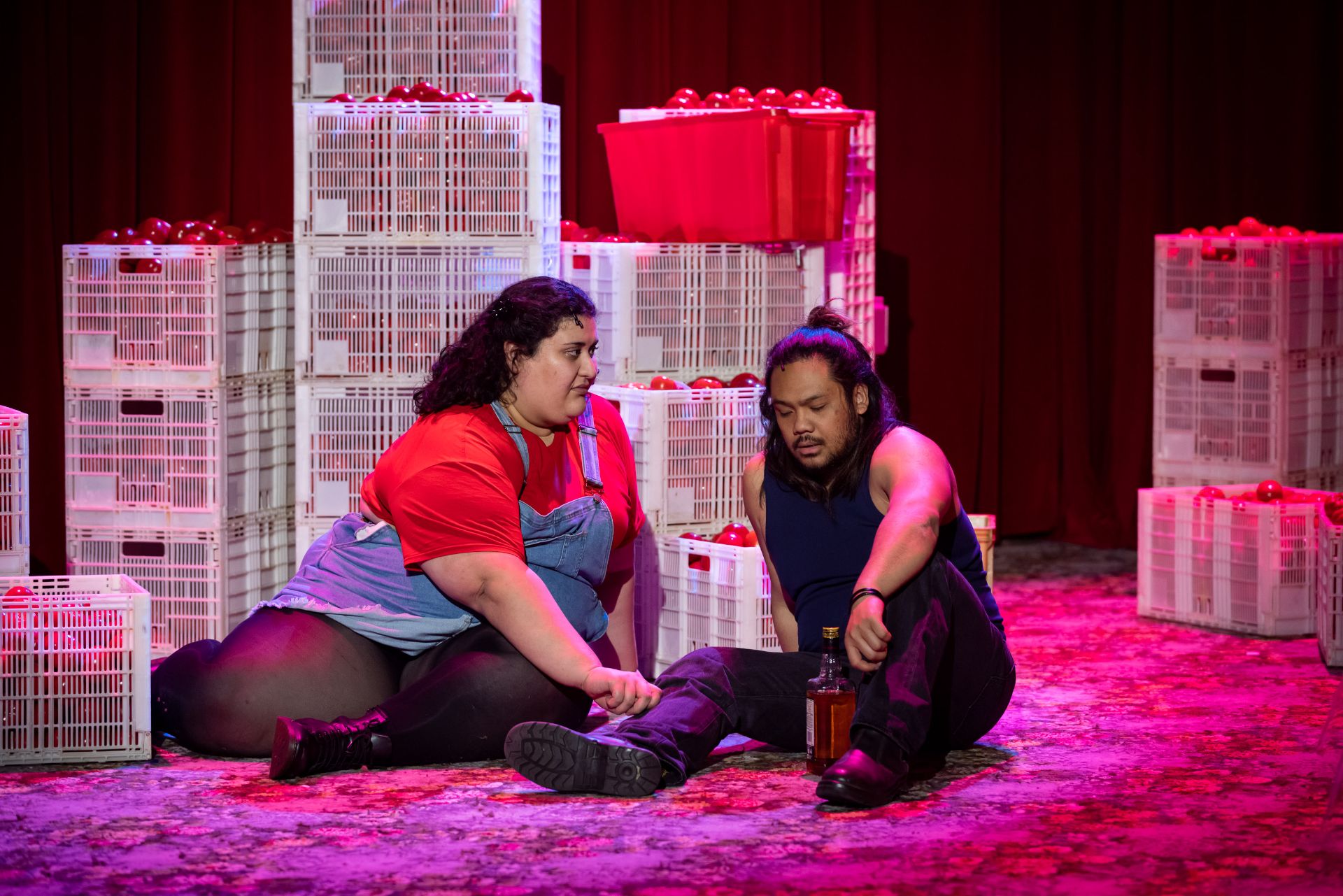
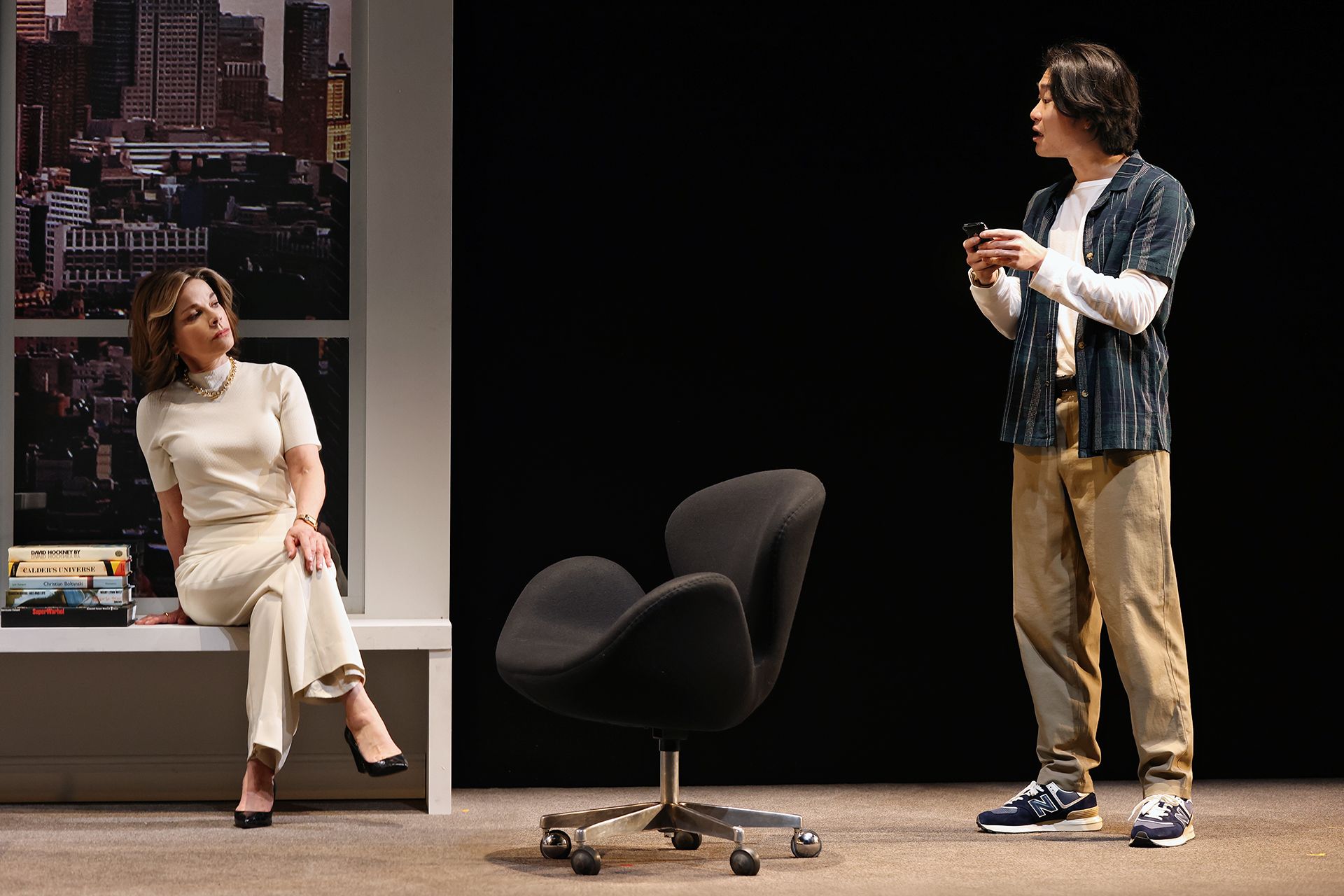
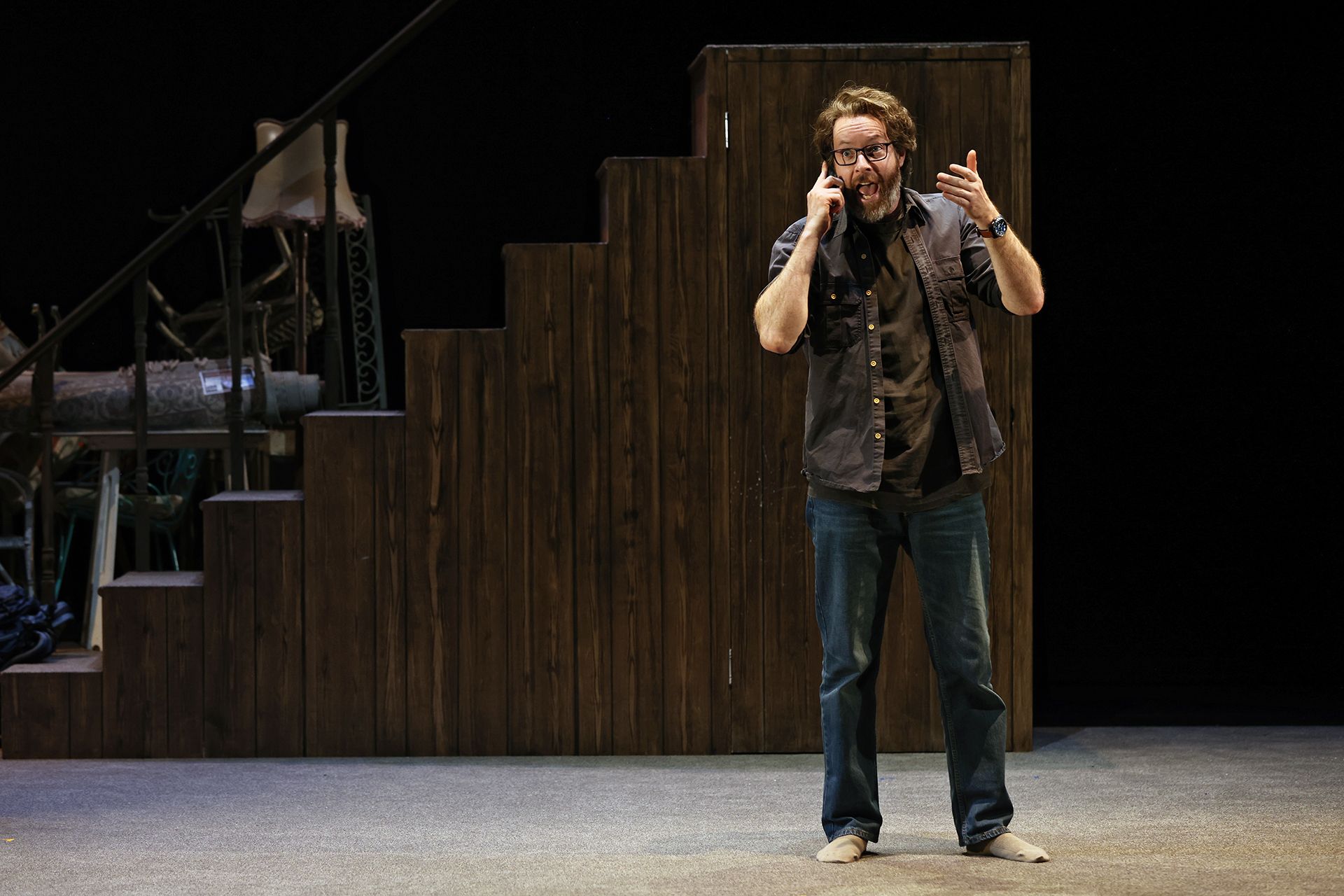
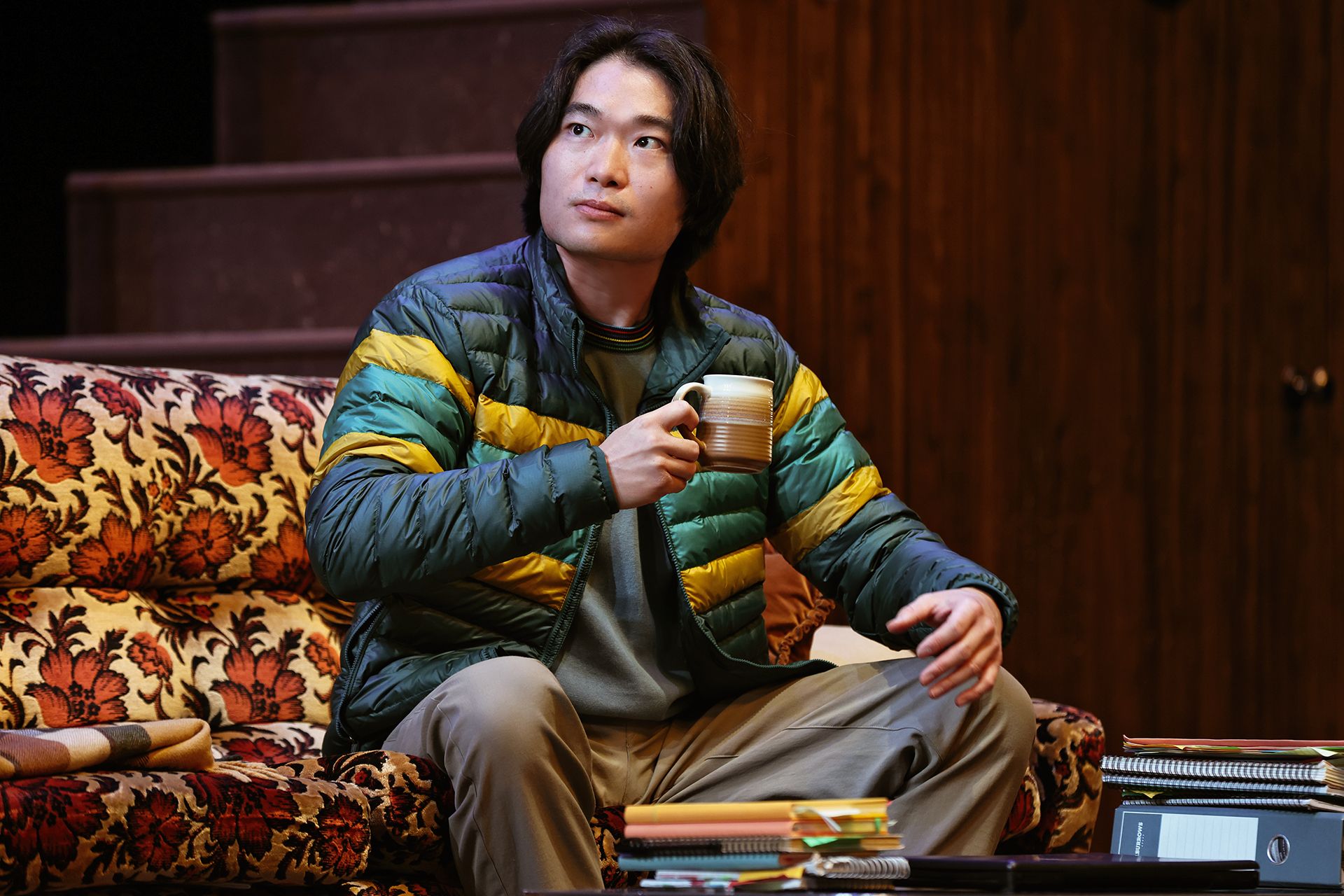
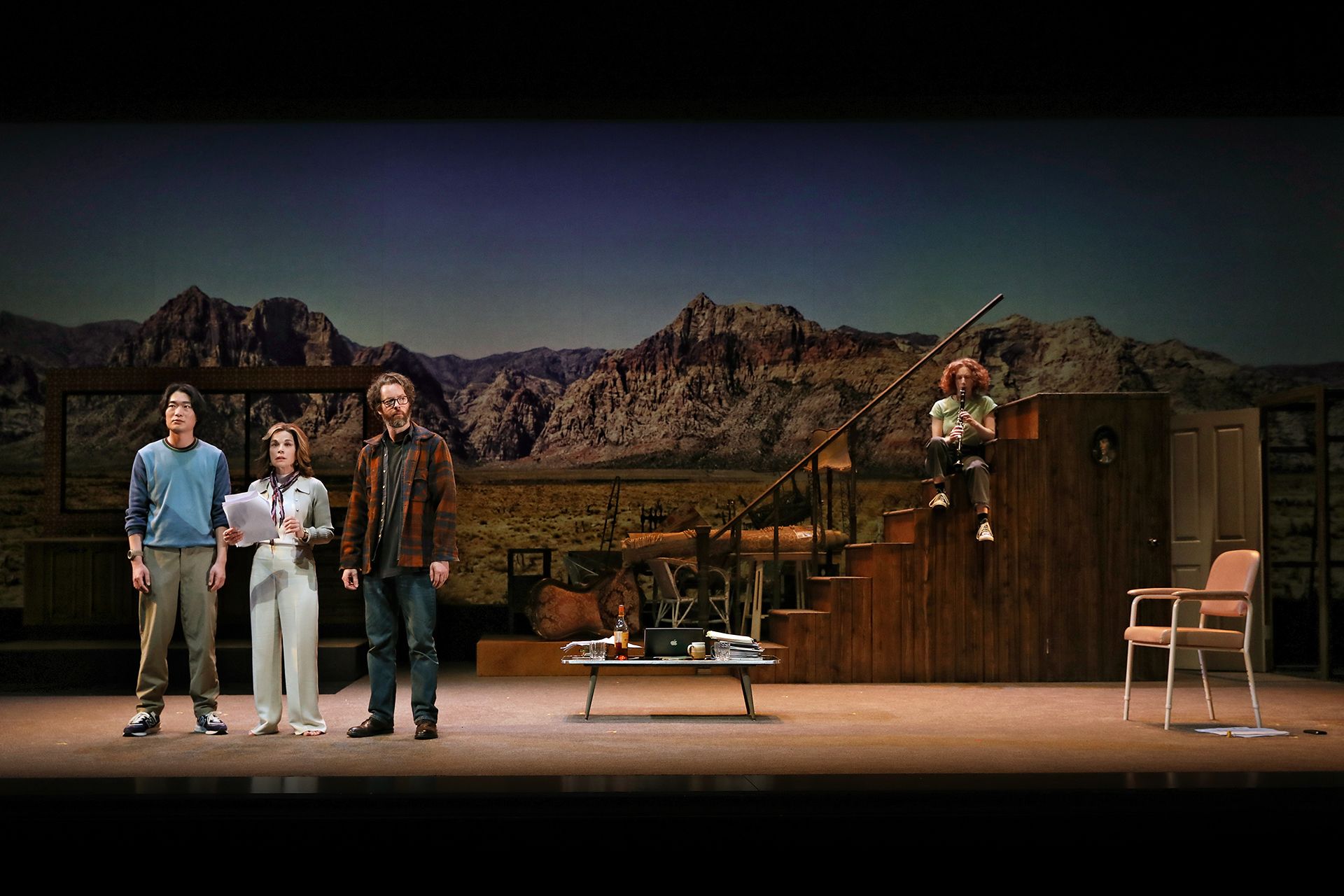
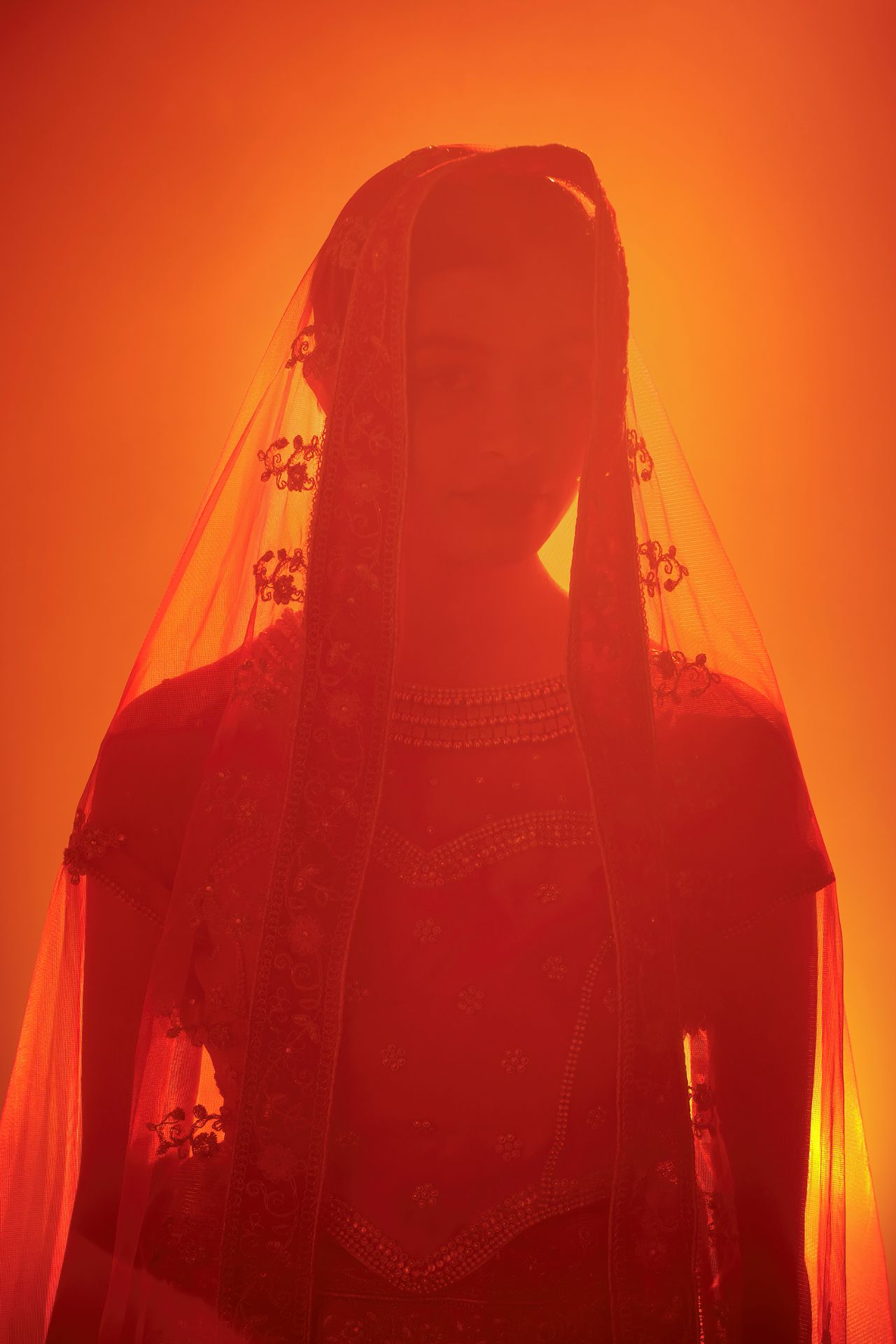
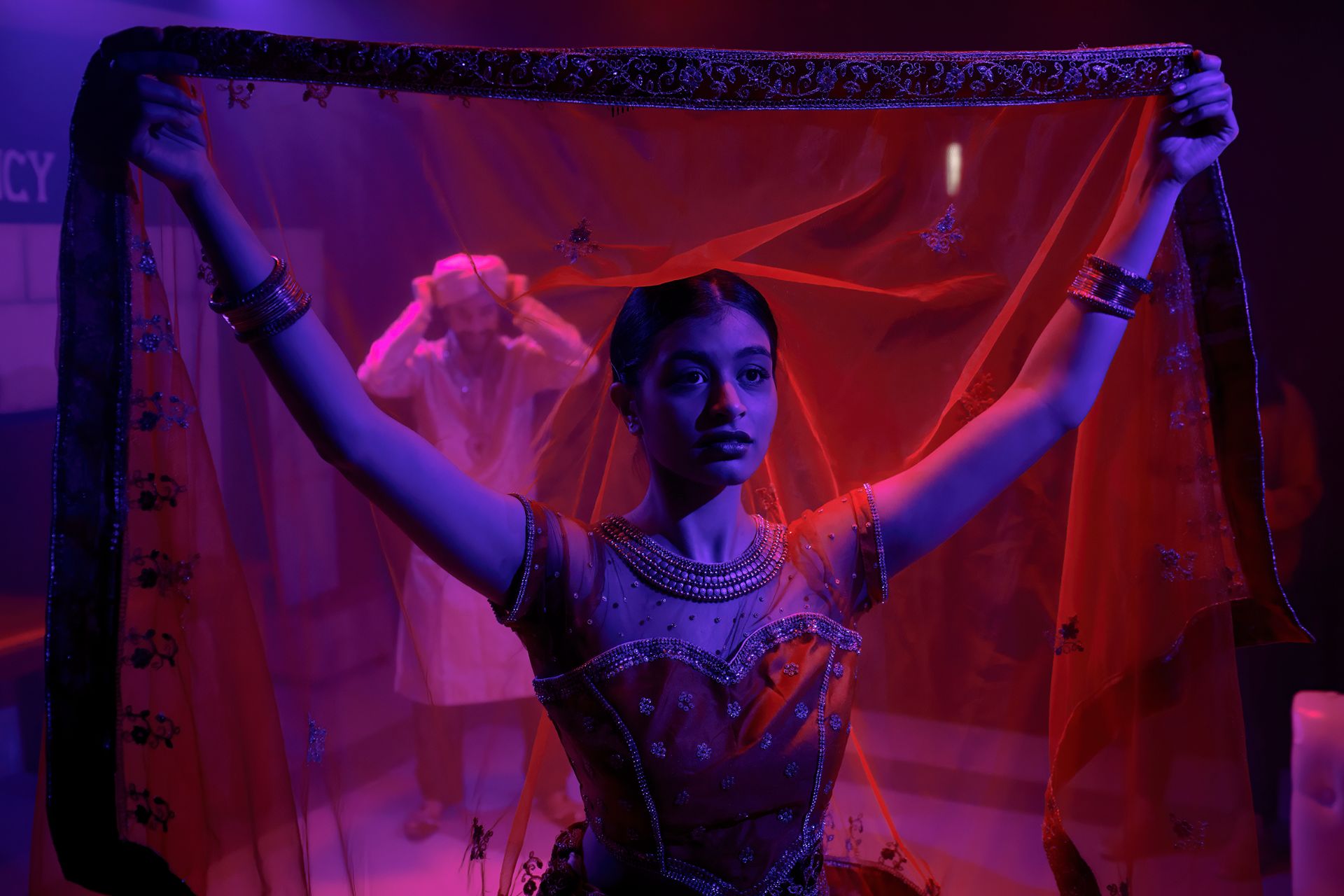
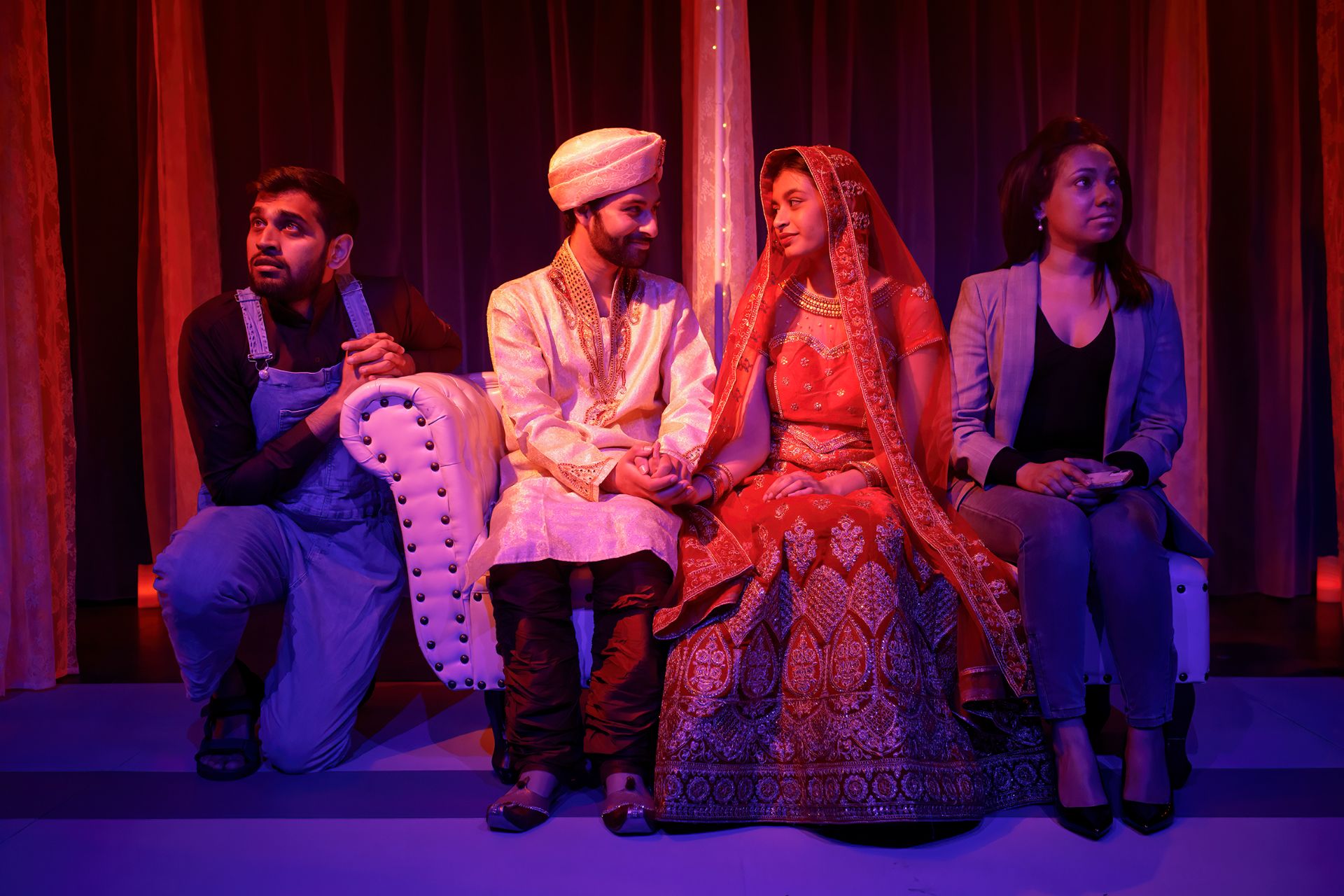
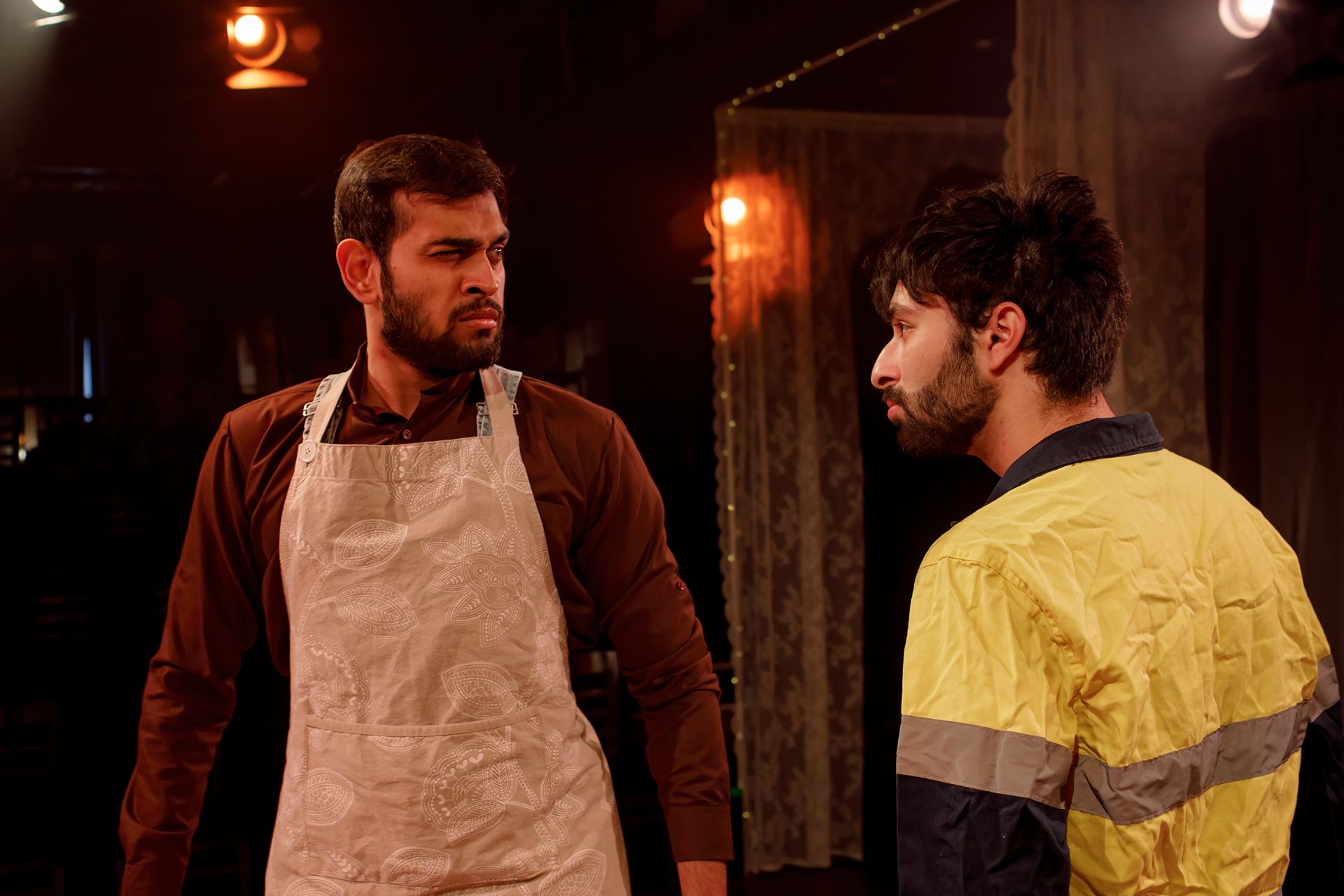
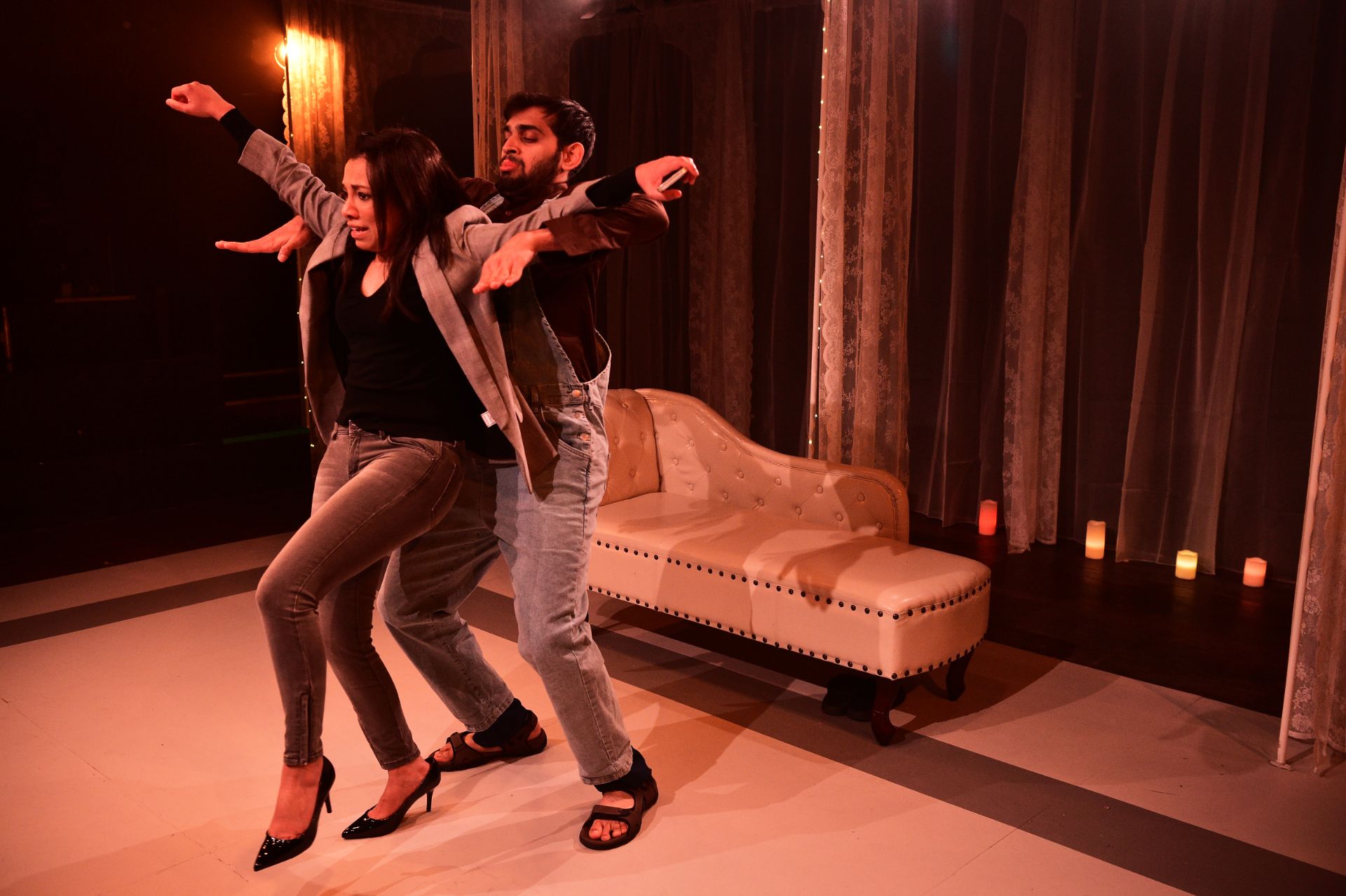
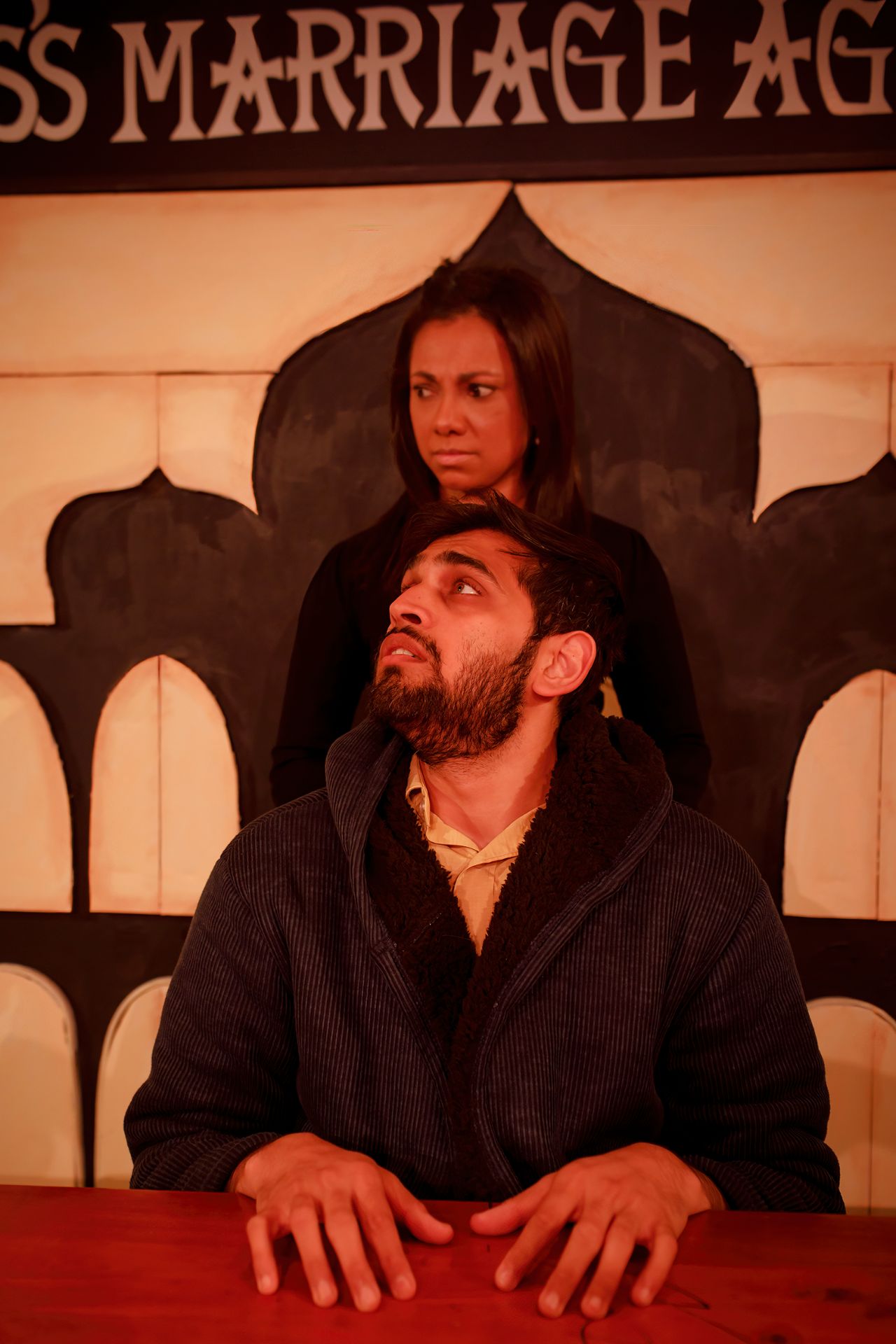
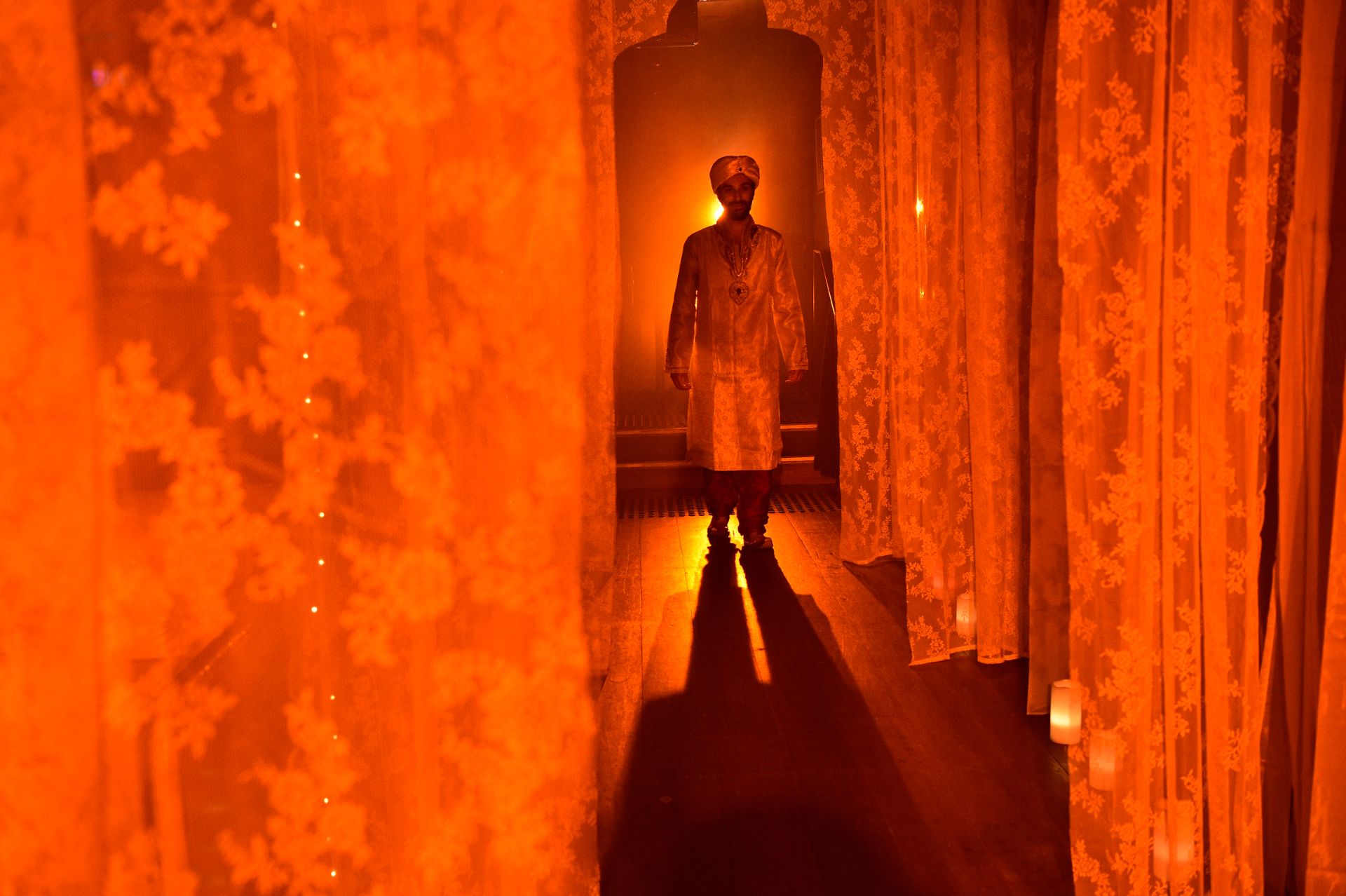
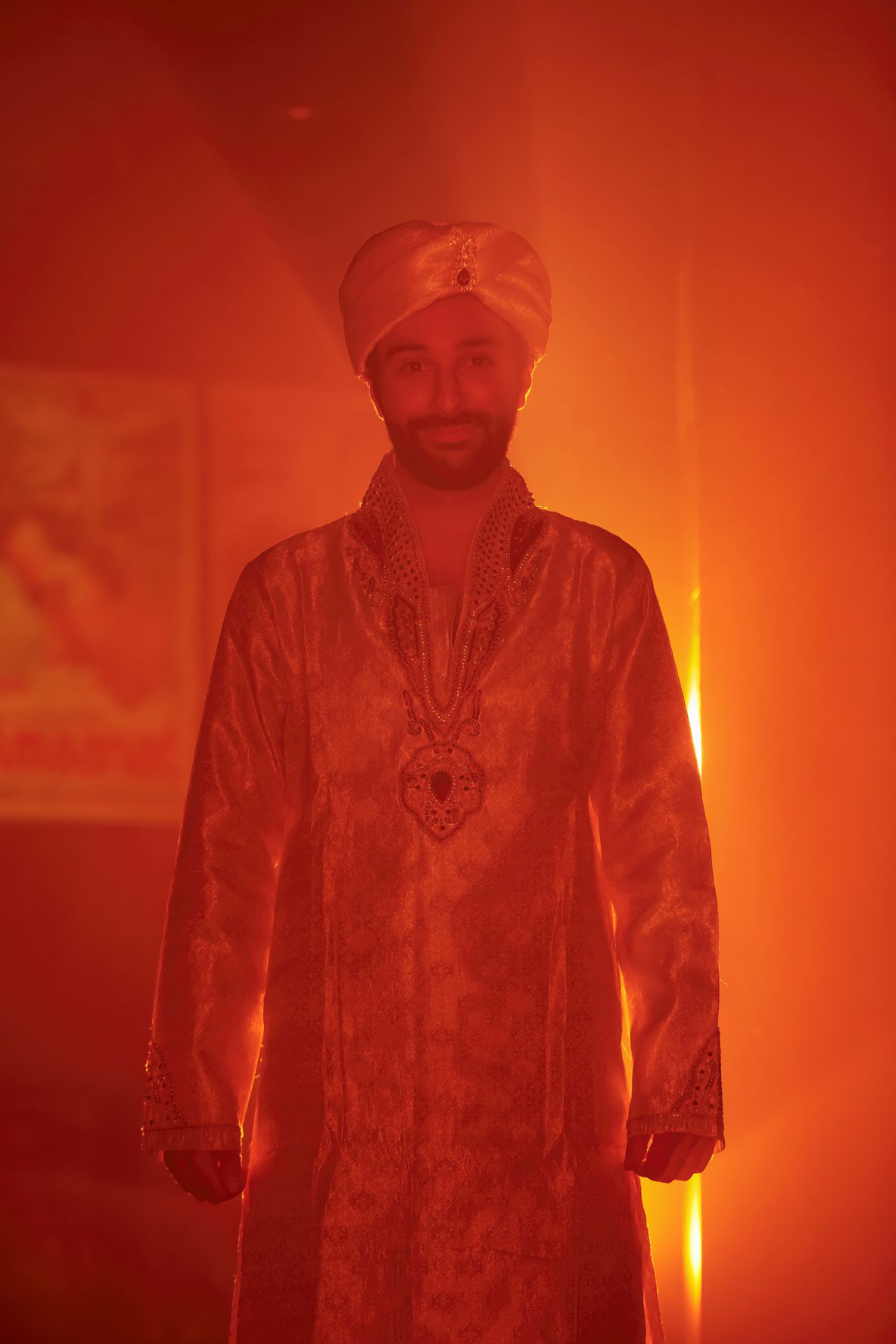
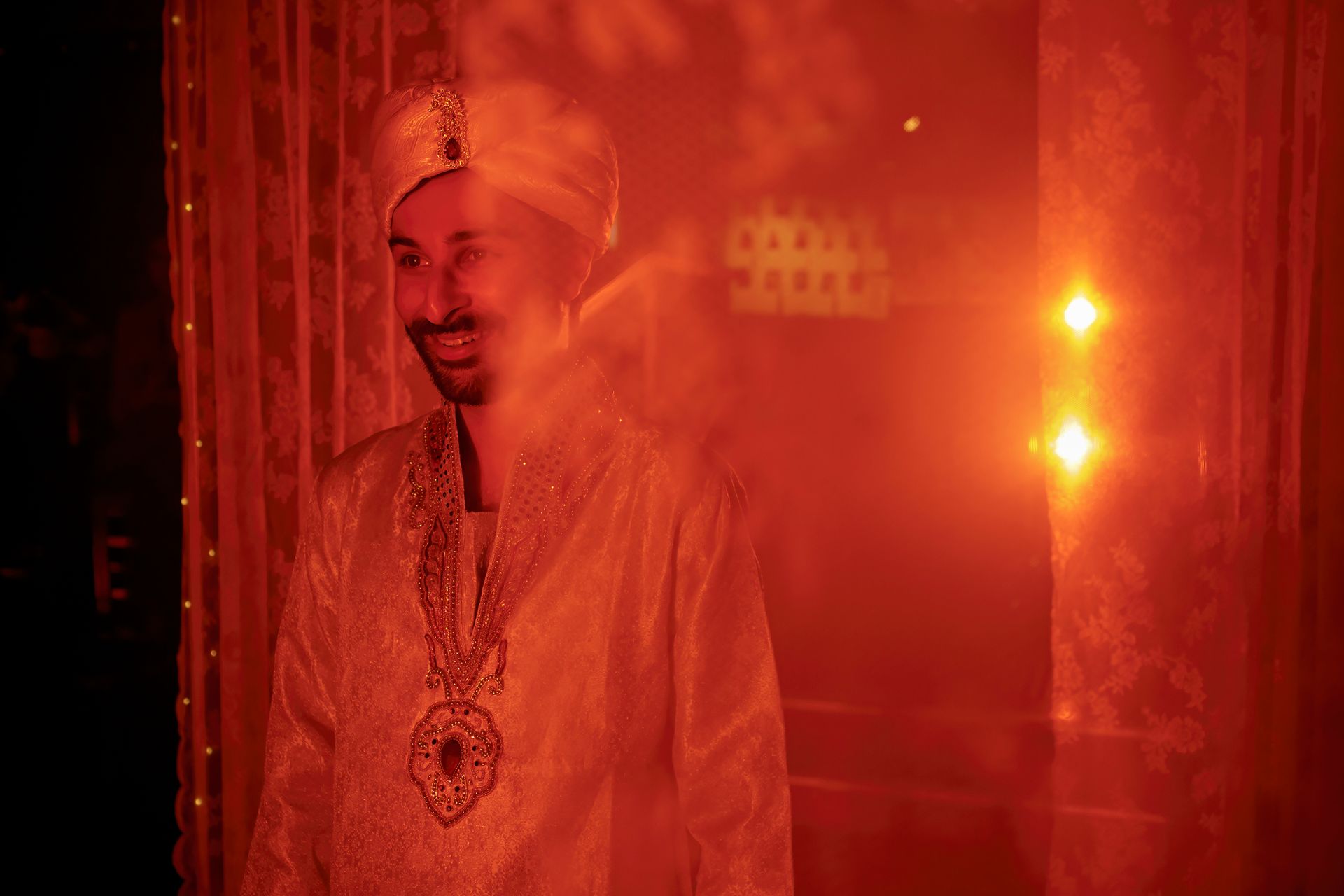
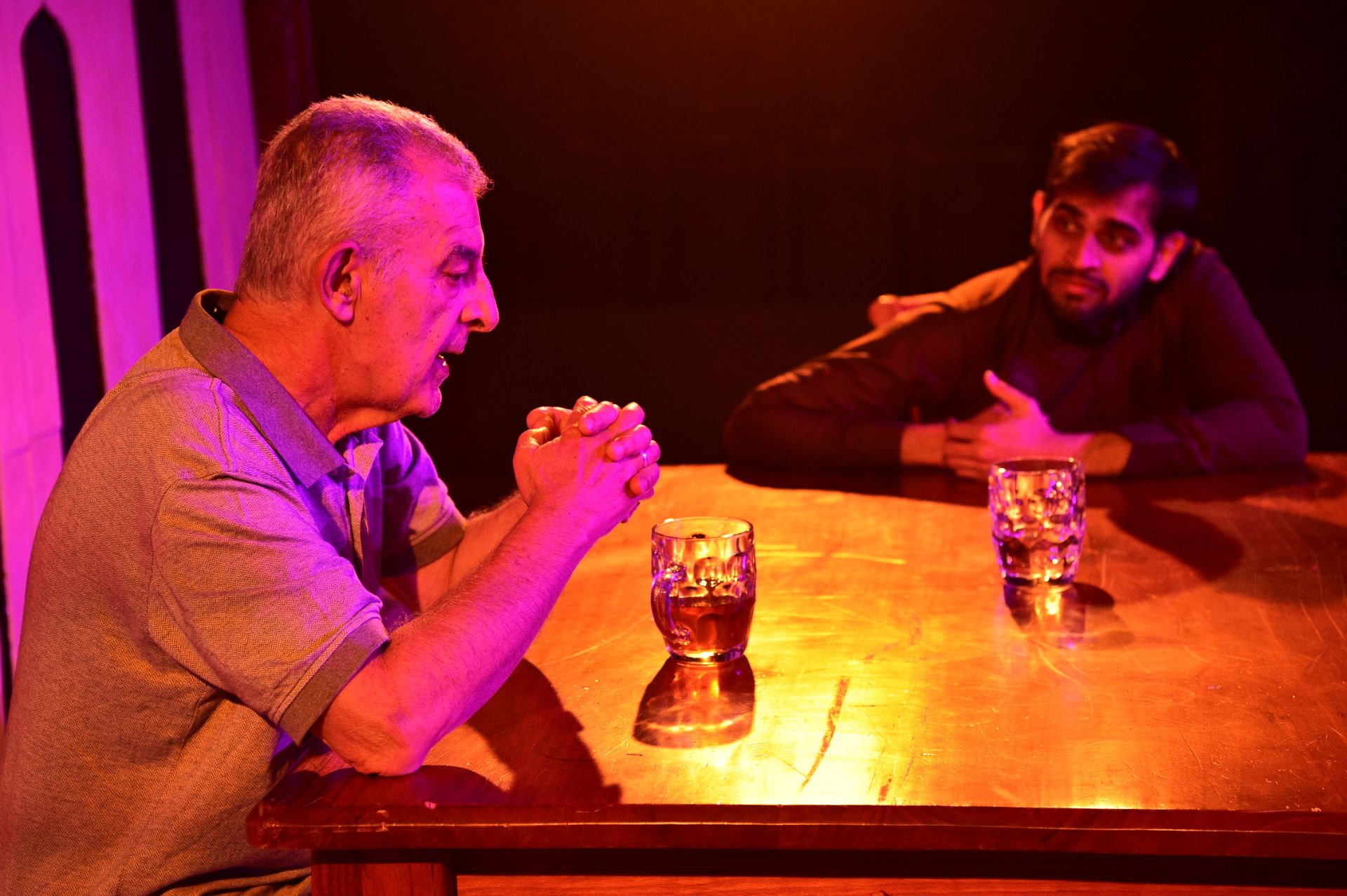
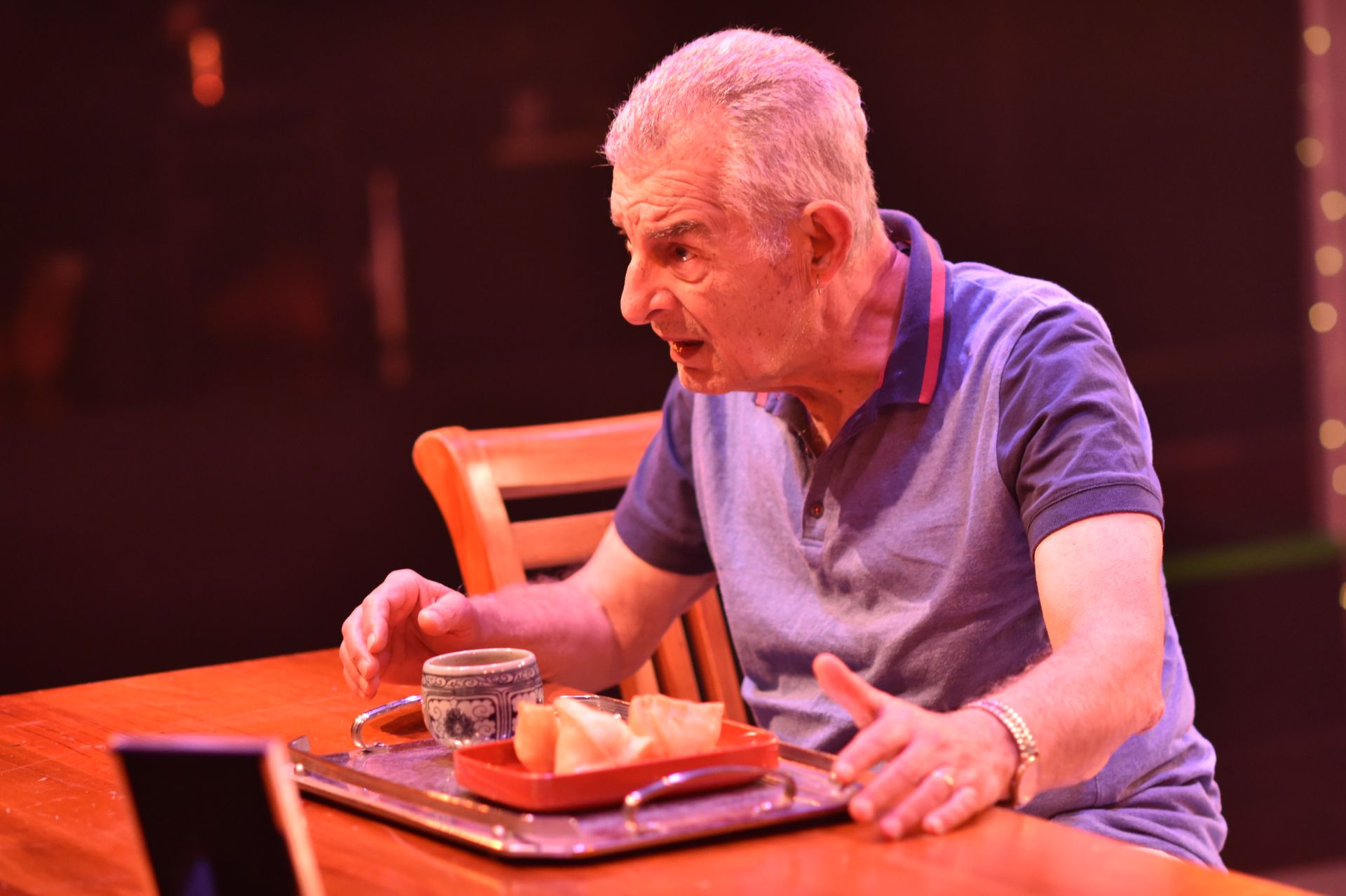
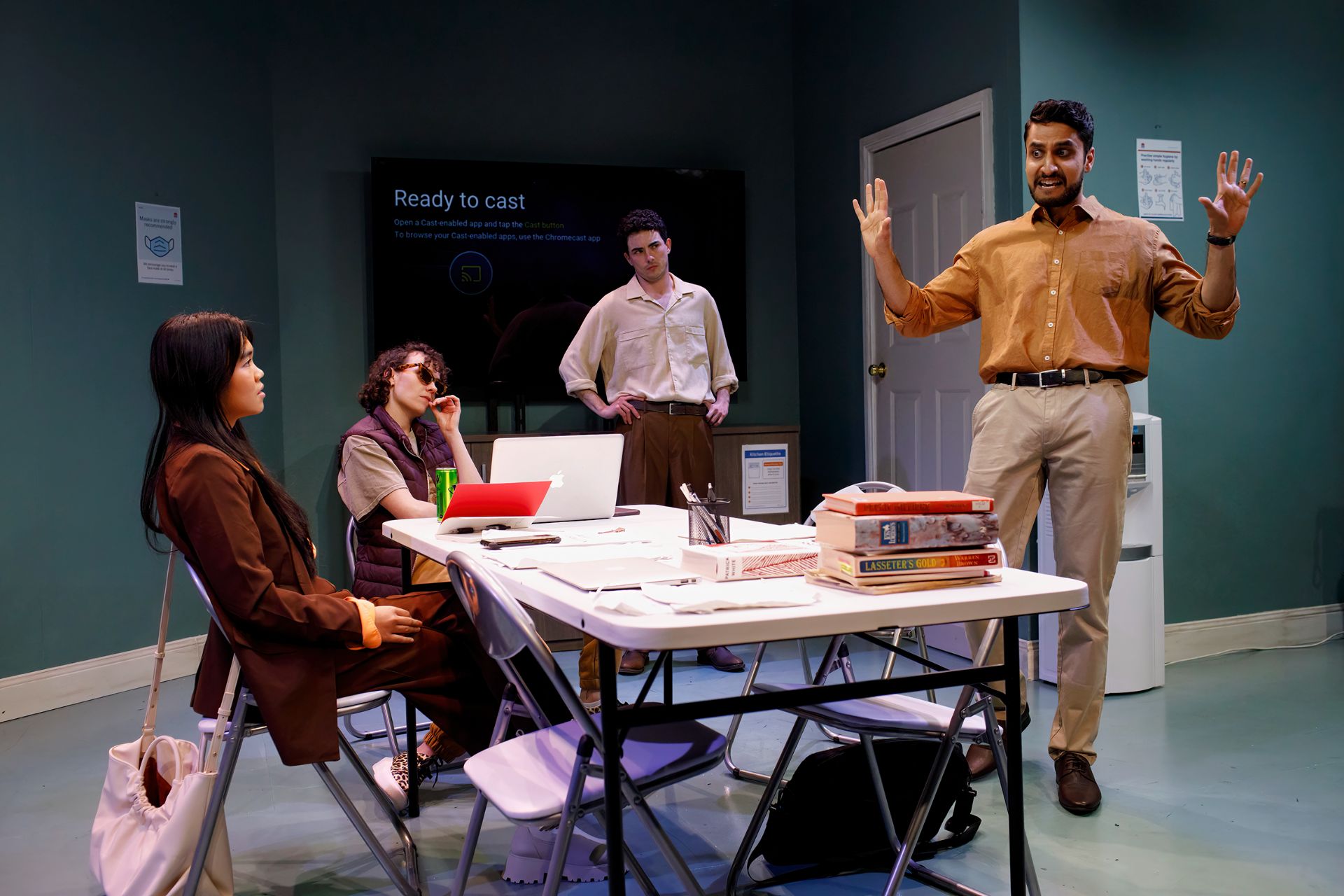
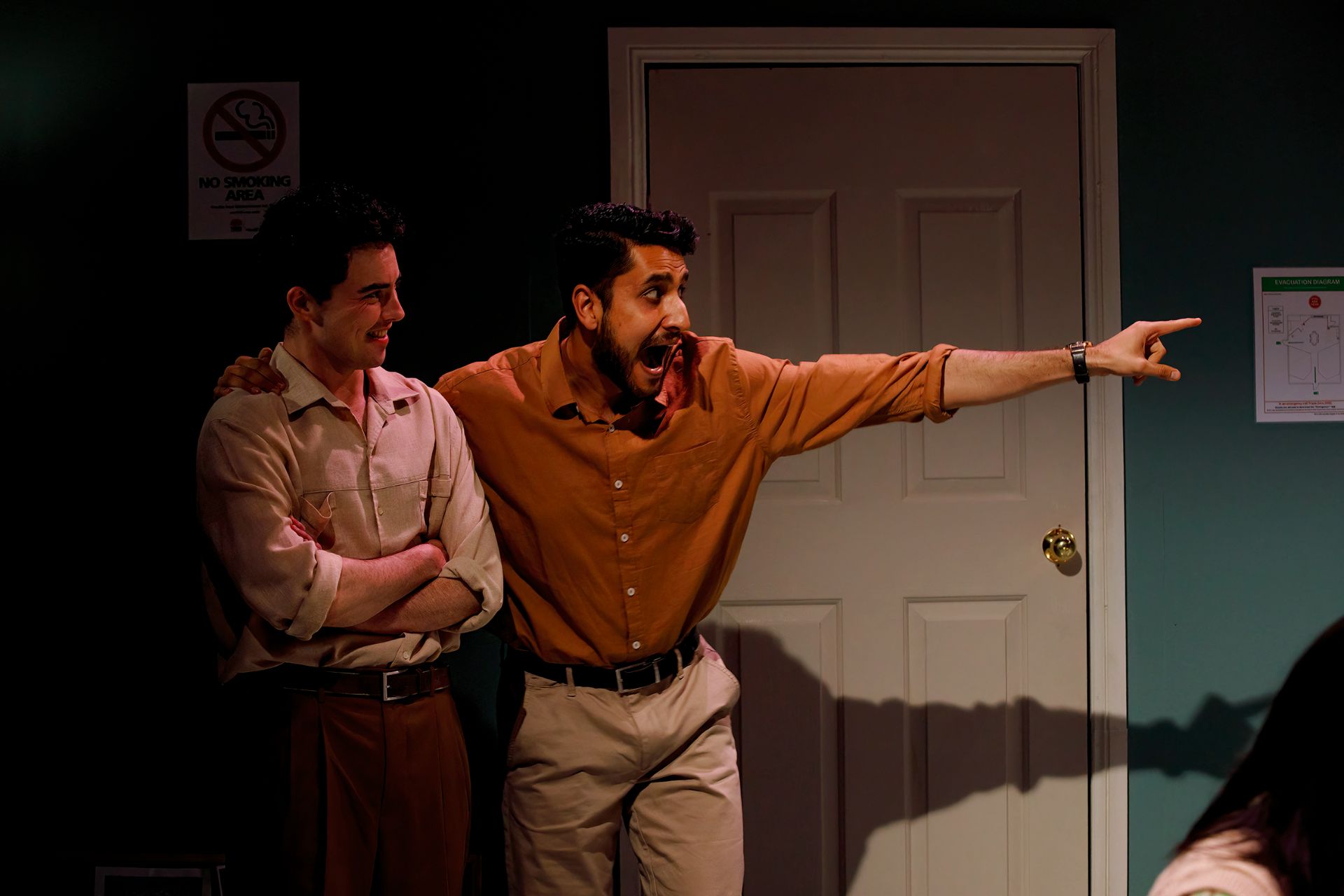
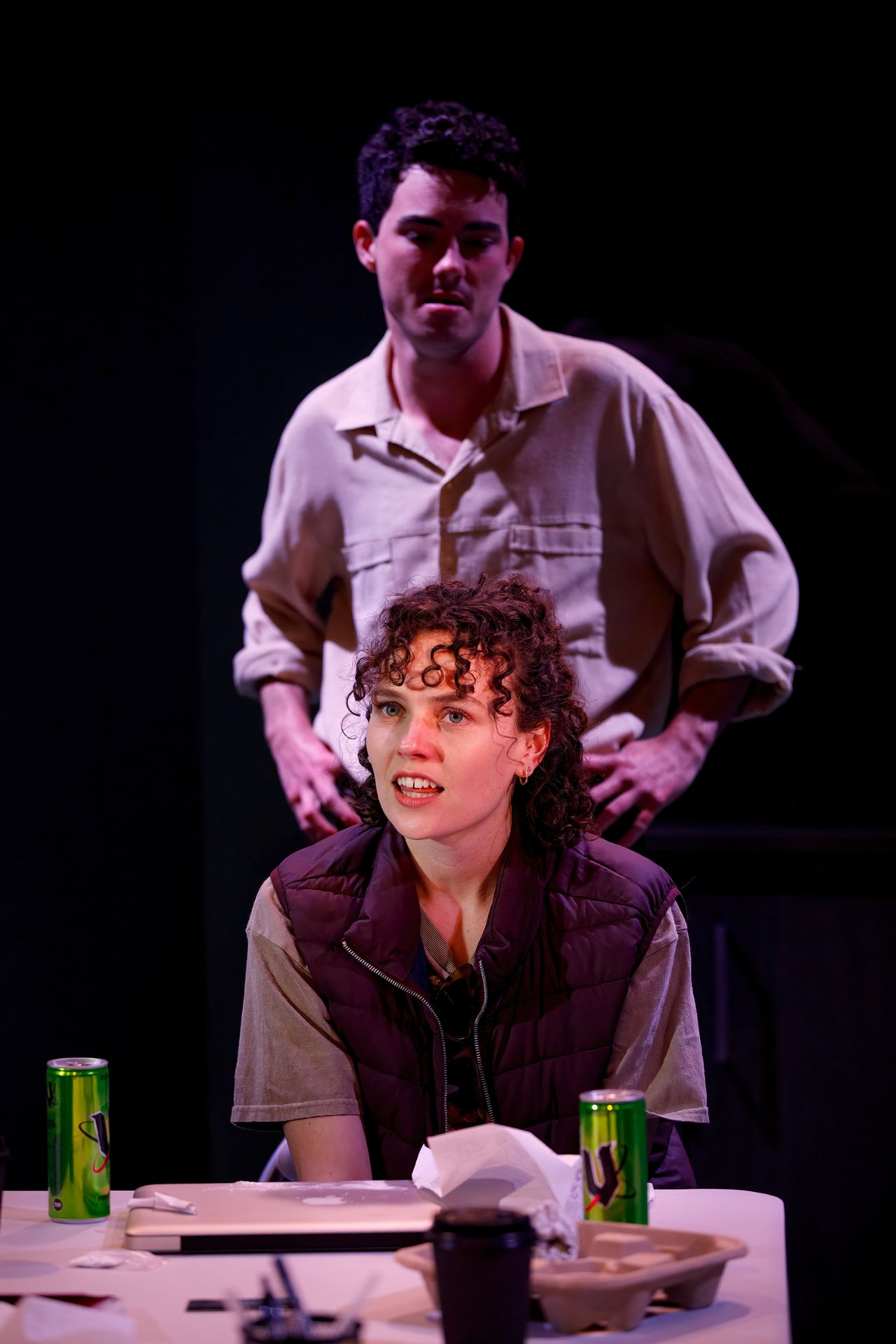
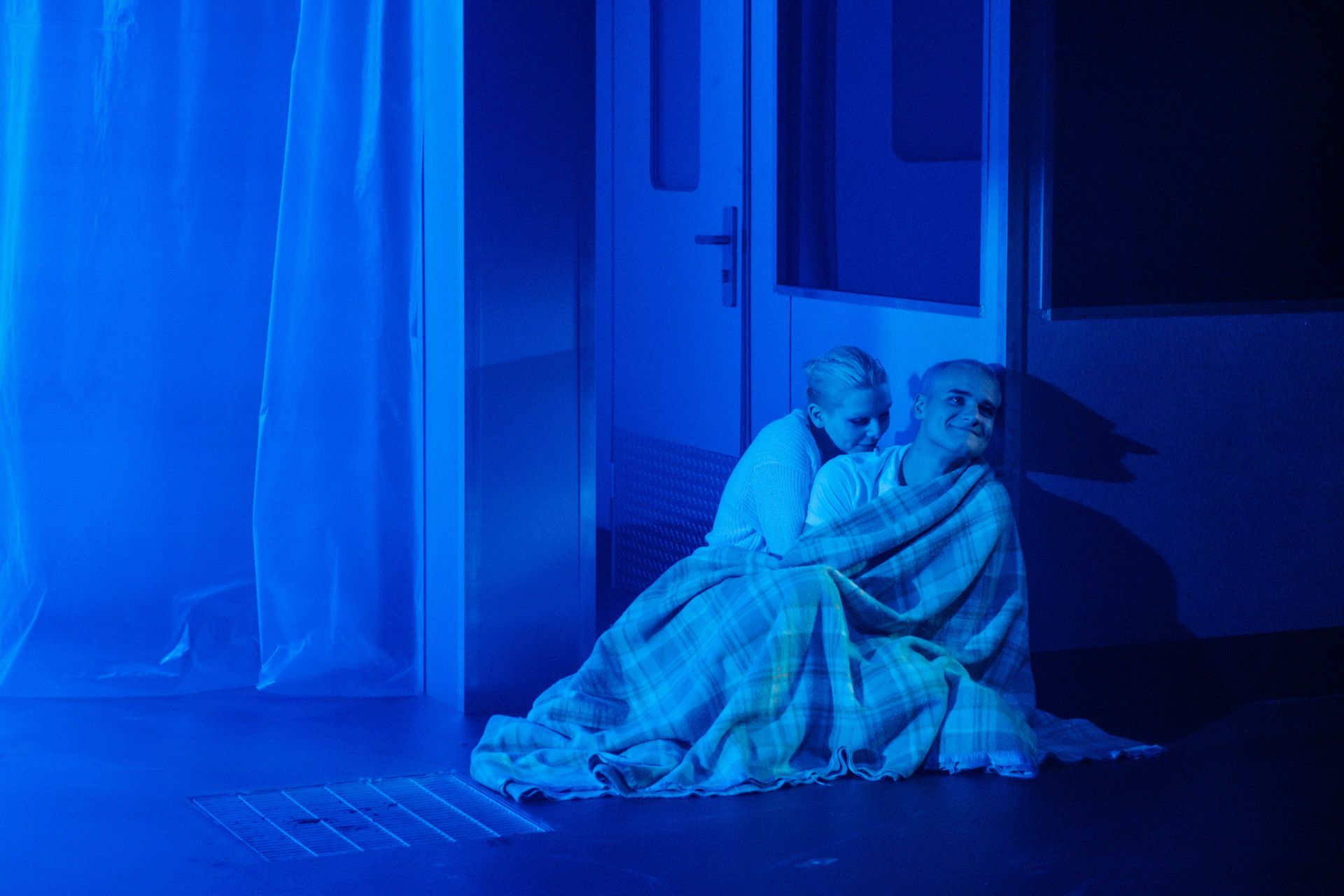
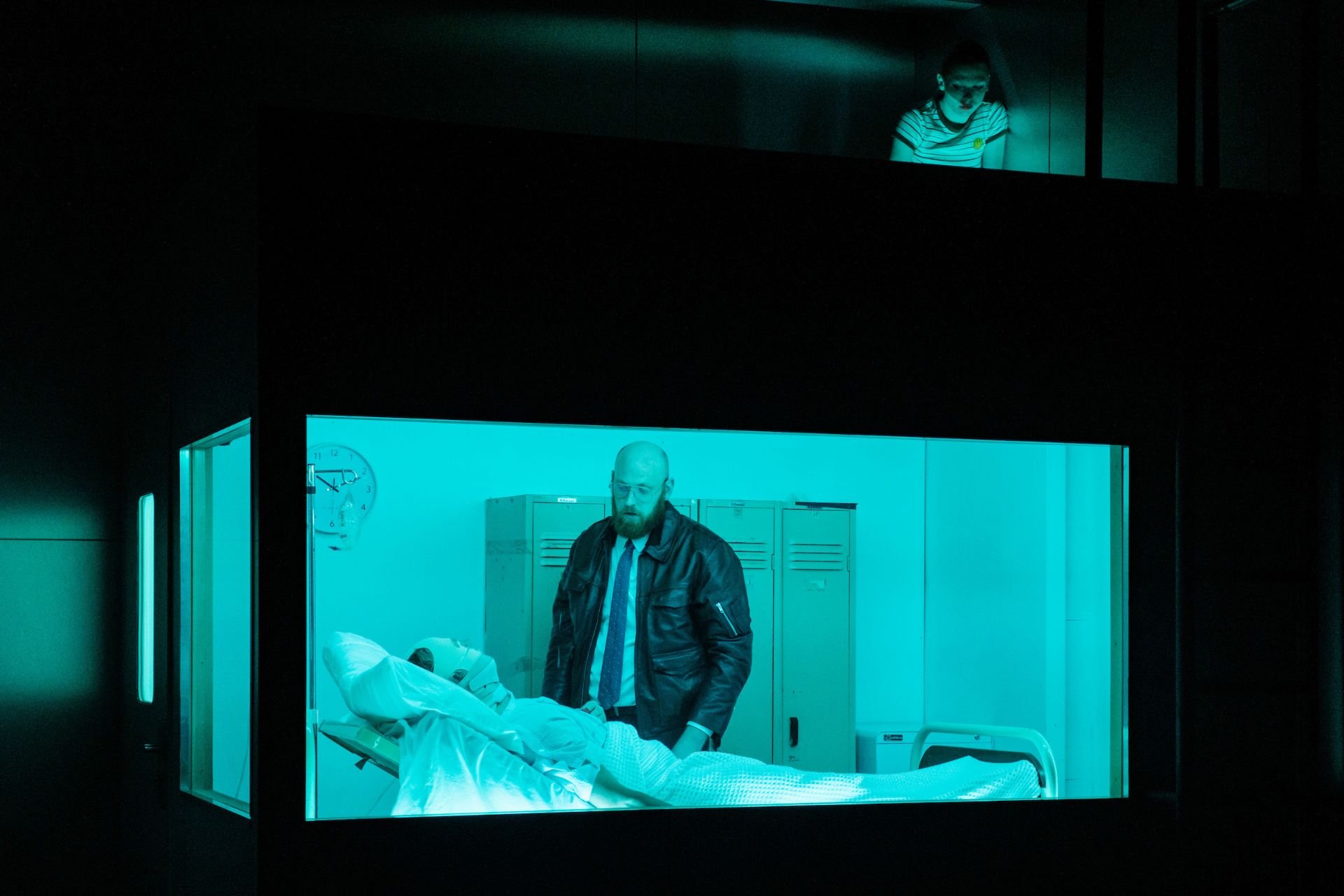
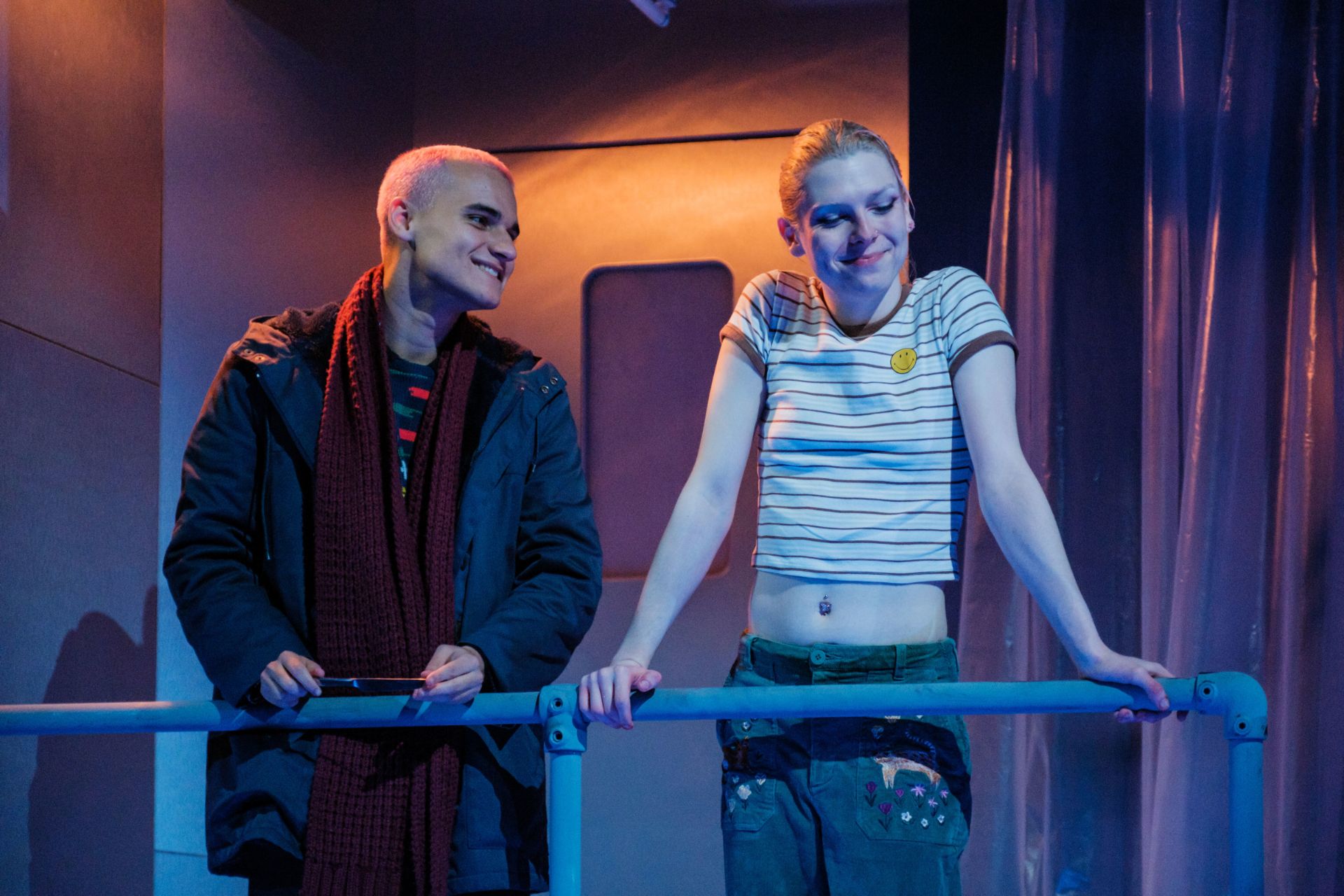
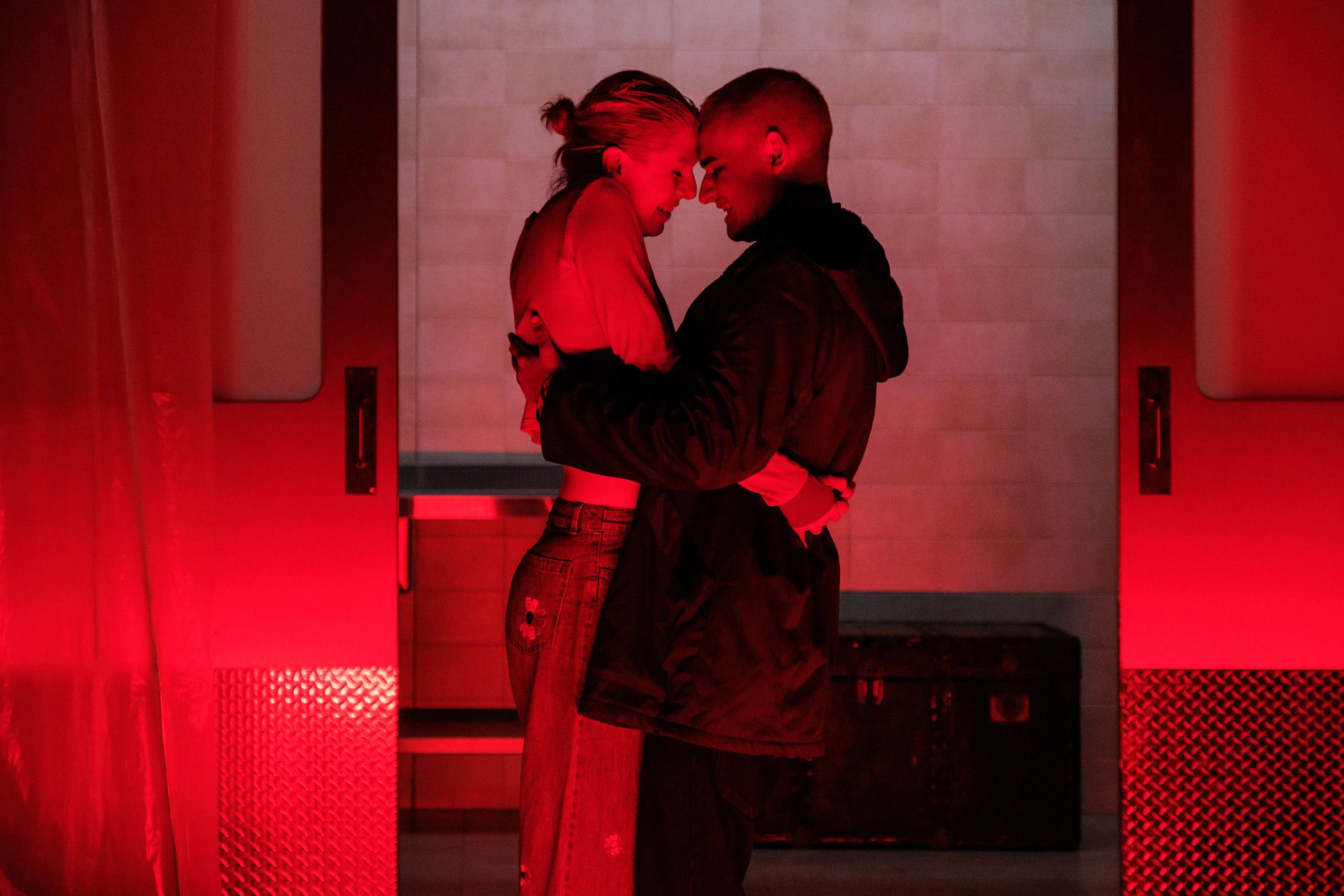
Not only does Scotty have a highflying job on Wall Street, he lives in a US$3.5 million Tribeca loft, and is about to marry a Birkin-toting Kymberly. Everything looks to be peachy keen, but on the inside, he is a complete mess. The only saving grace is his secret affair with trans entertainer Dexie, but Scotty relegates the sole joy of his existence to the dark allegorical closet, afraid that the truth will destroy all.

Glace Chase’s Triple X tells an age-old story, but such is the severity of its associated taboo, that it feels like we are taking this conversation to the public domain, for the very first time. Chase’s writing is intricate and insightful, replete with splendid wit and a generosity of spirit that allows her show its wide appeal. The depth of honesty she is able to access for the play, is so confronting it feels almost self-sacrificial. The result of course, is the initiation of a big and necessary discussion, that is crucial to the well-being of trans people everywhere.

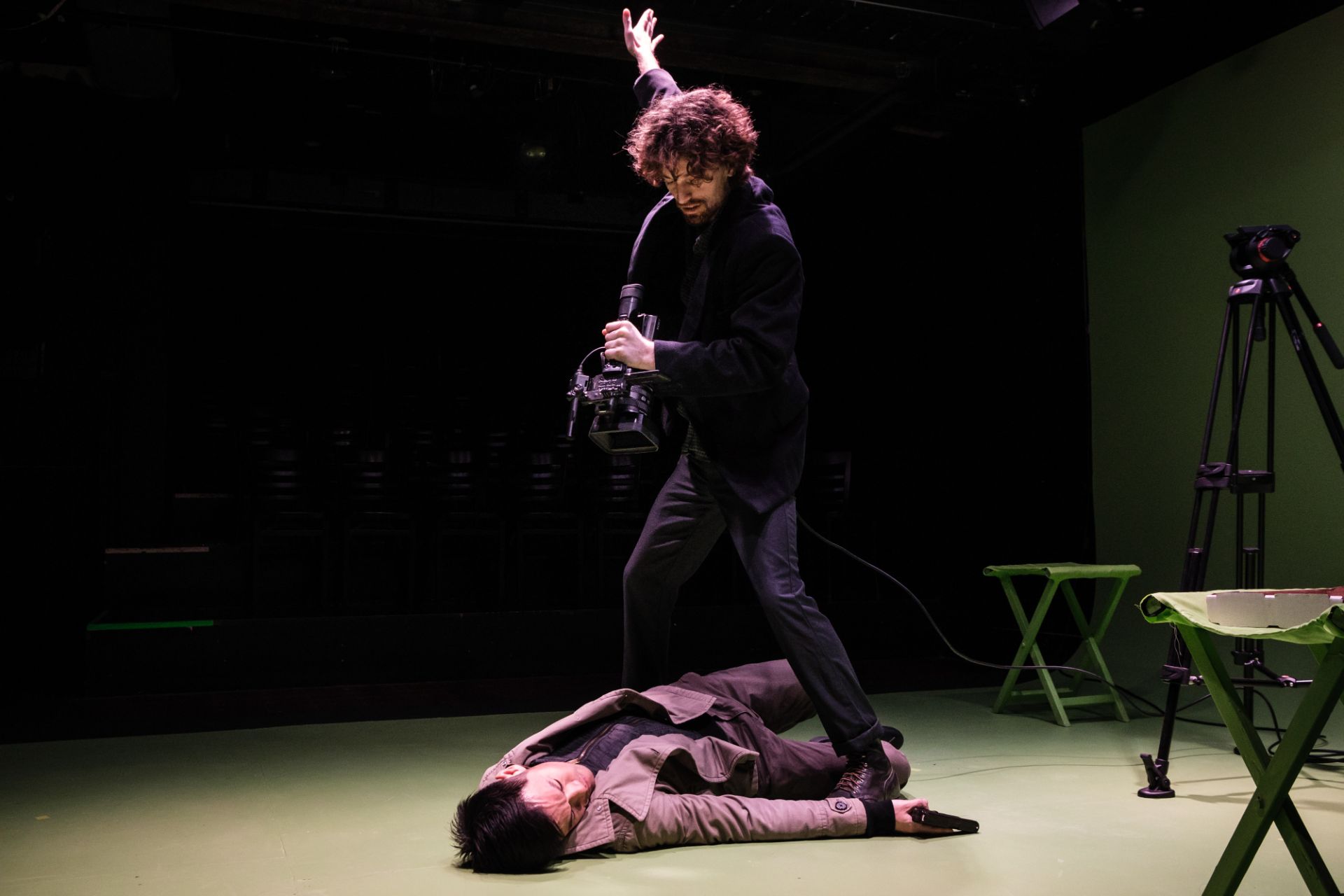
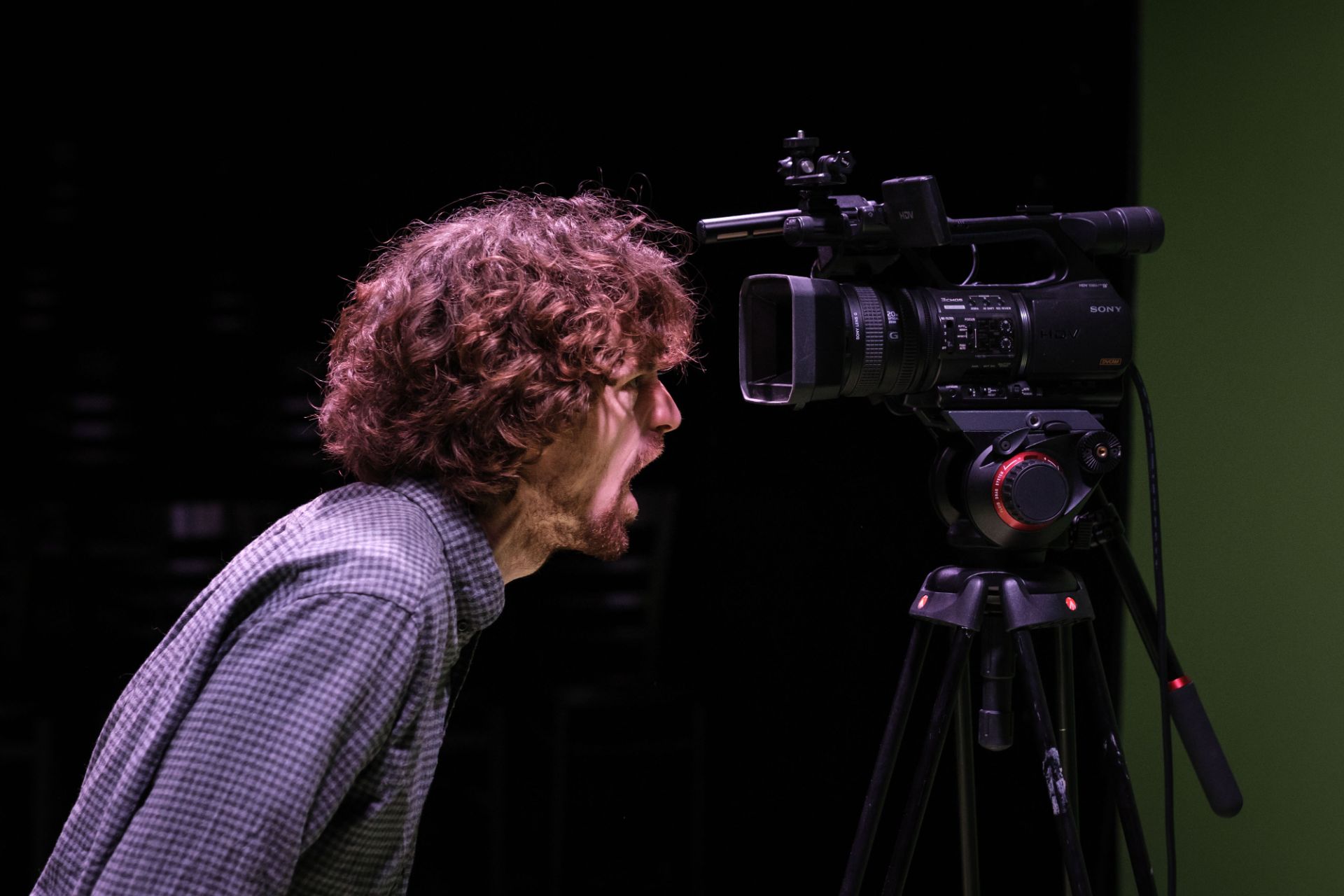
The show is given vibrant and taut direction by Paige Rattray, who makes the near three hours of Triple X feel a mere blink of an eye. The comedy is wild and raucous, yet bears an unmistakeable sense of sophistication. The deconstruction and analysis of ideas, are accomplished with admirable thoroughness. For all the irony and sarcasm dripping off of Triple X, there is thankfully no ambiguity to the important message it imparts.

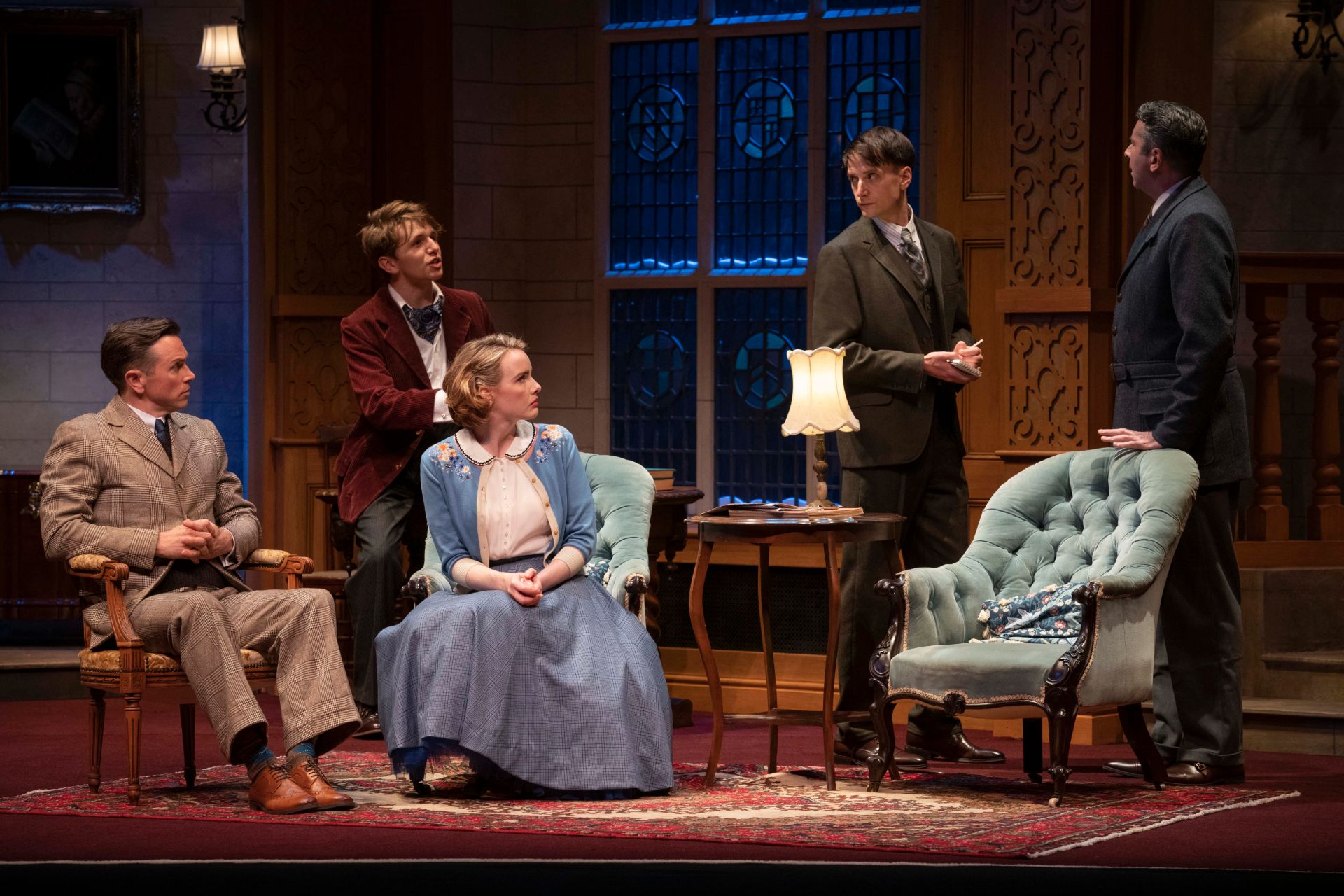
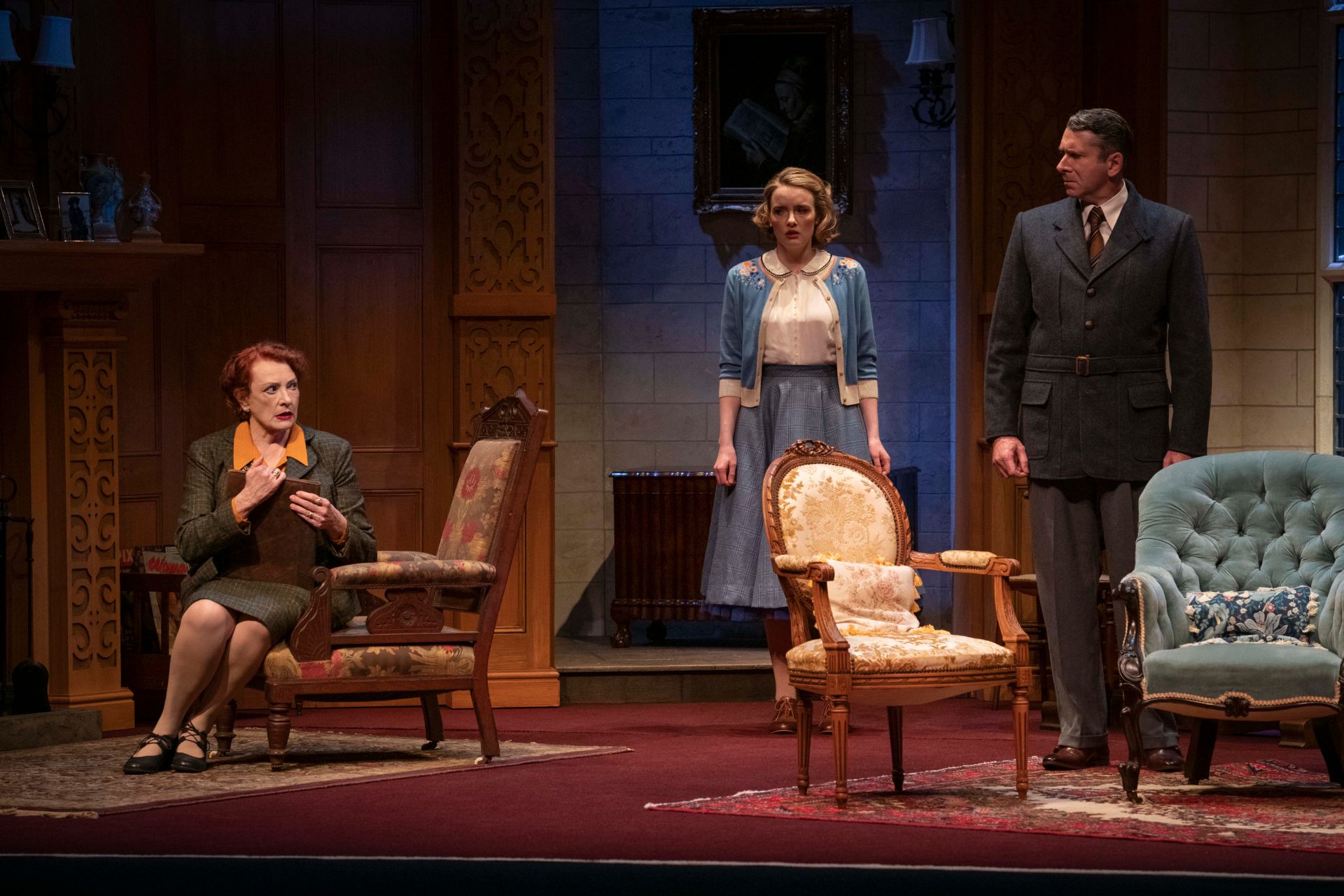
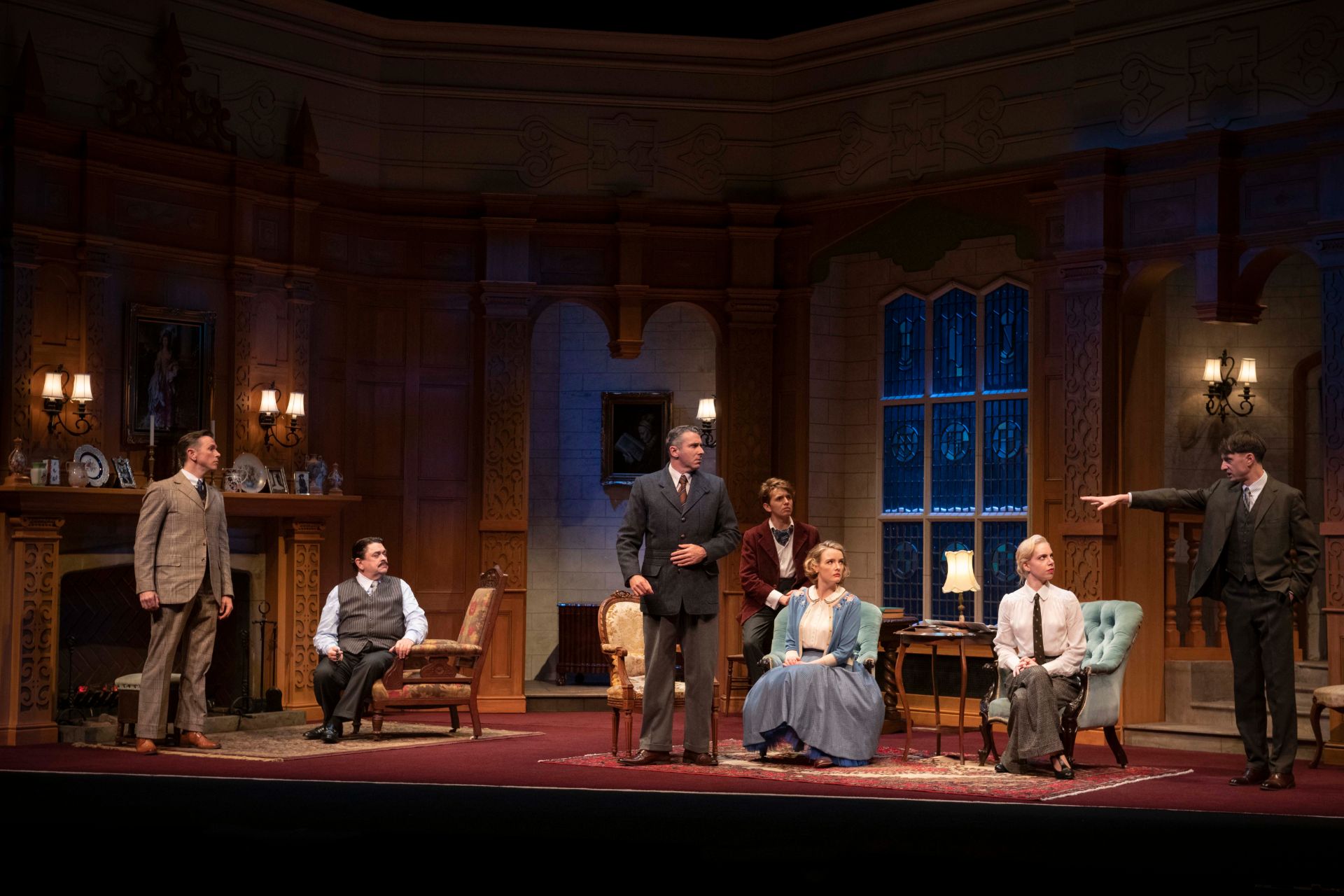
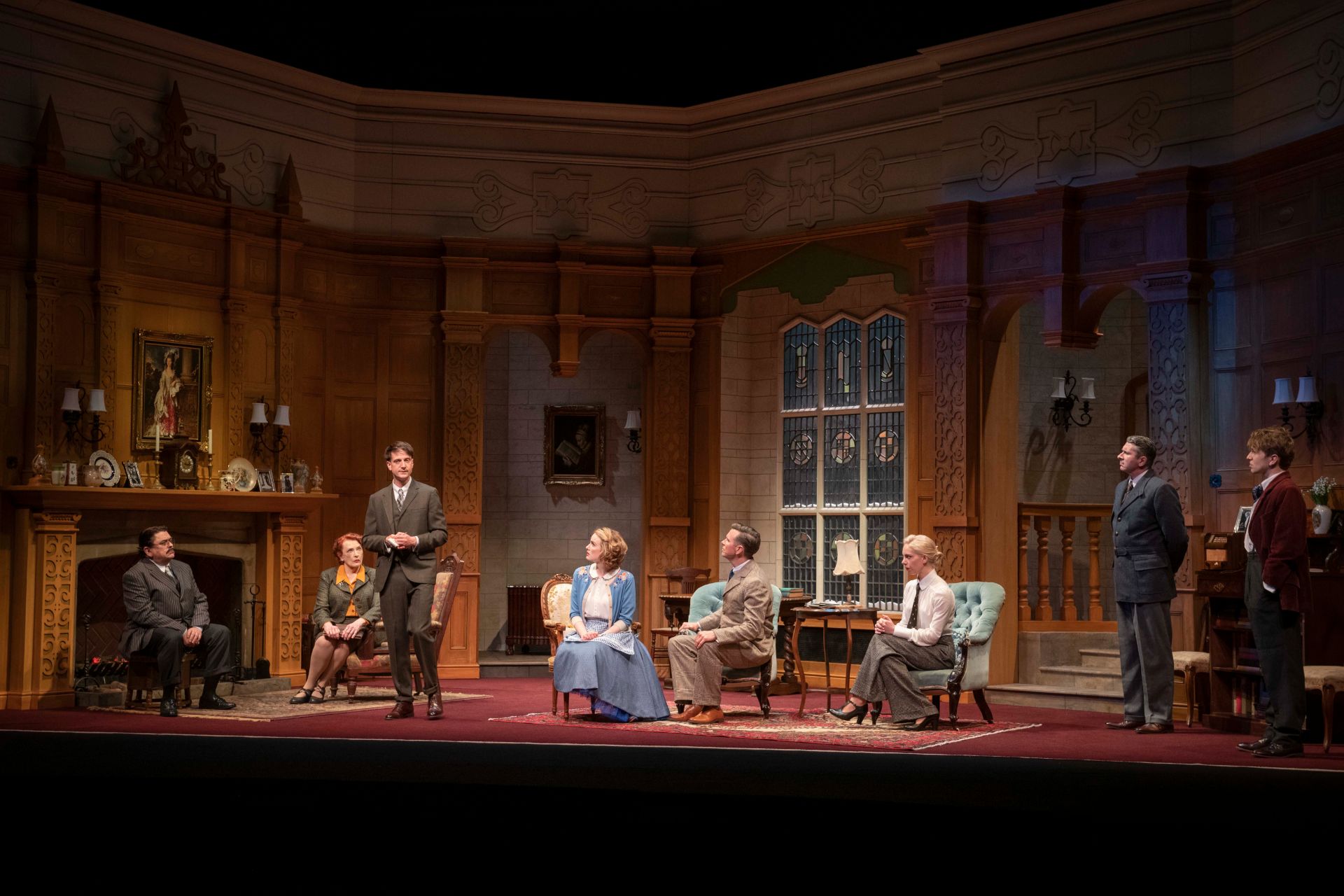
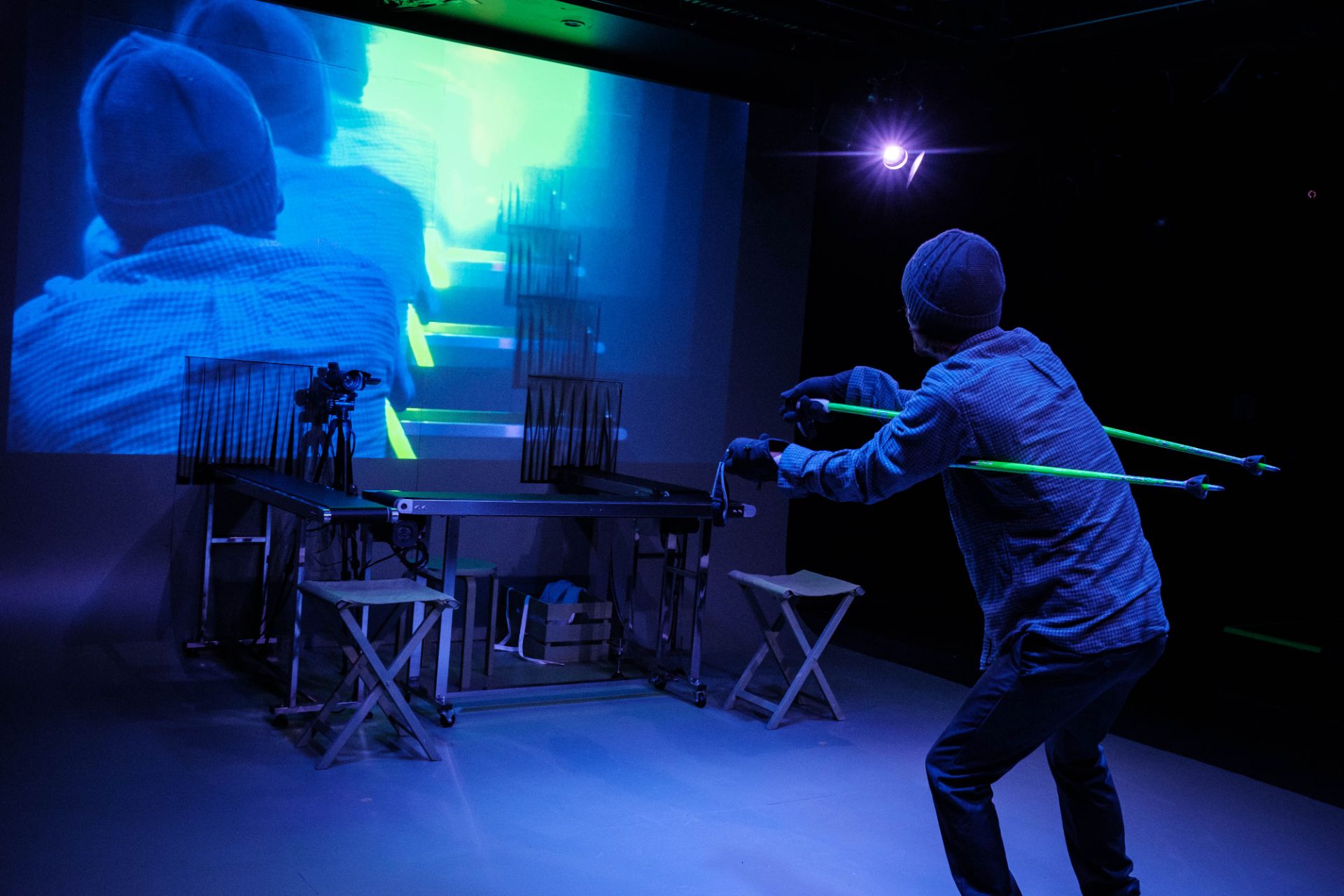
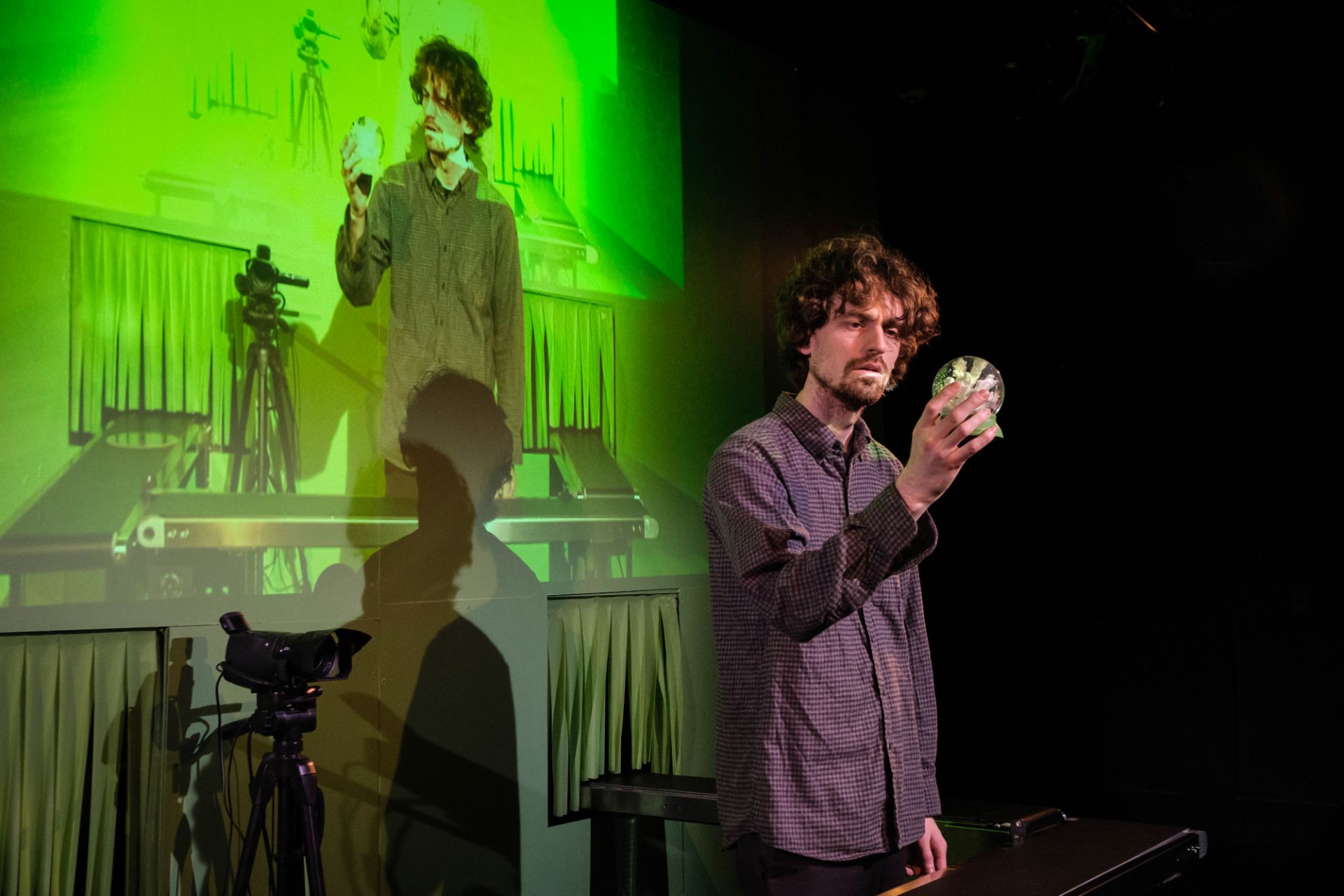
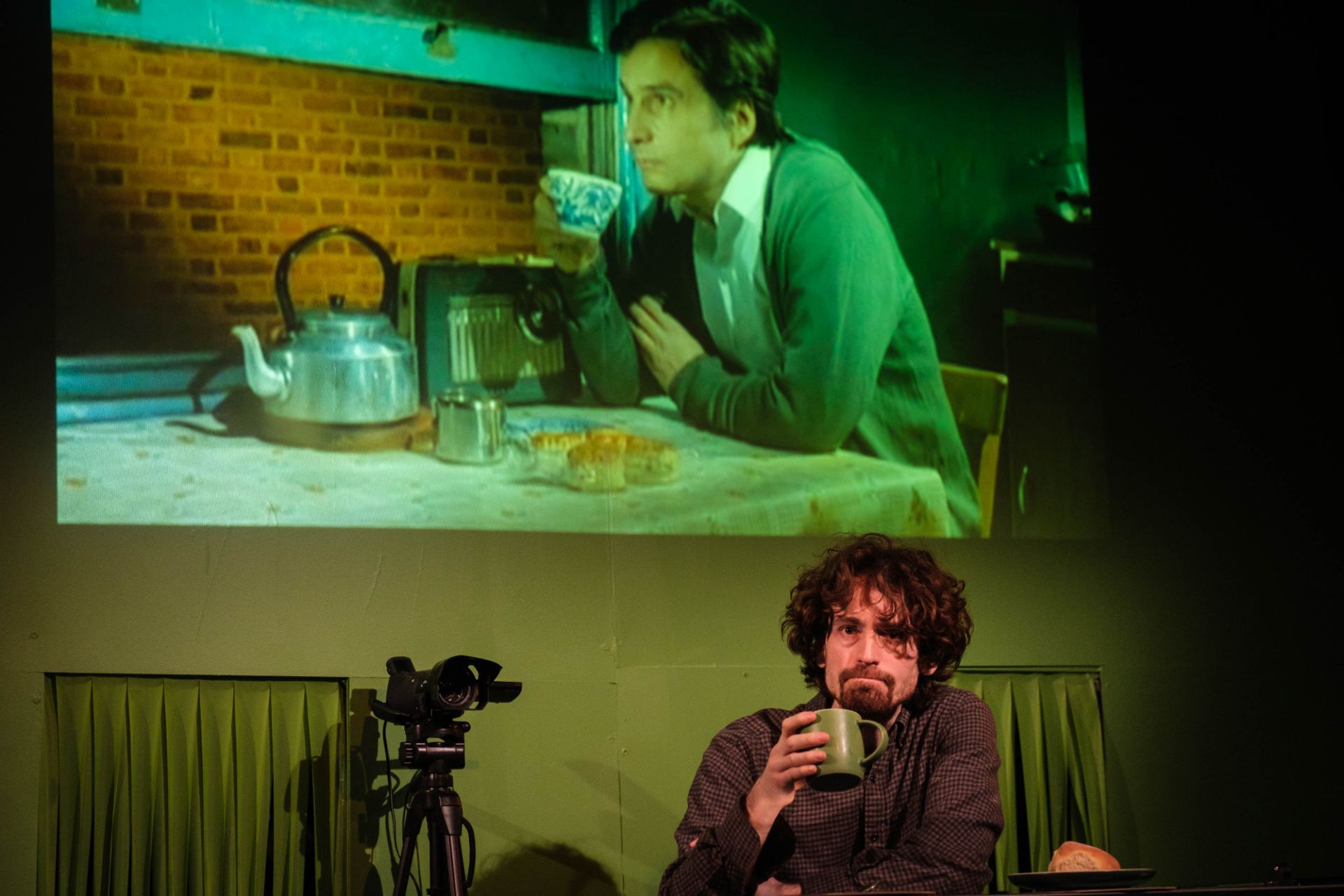
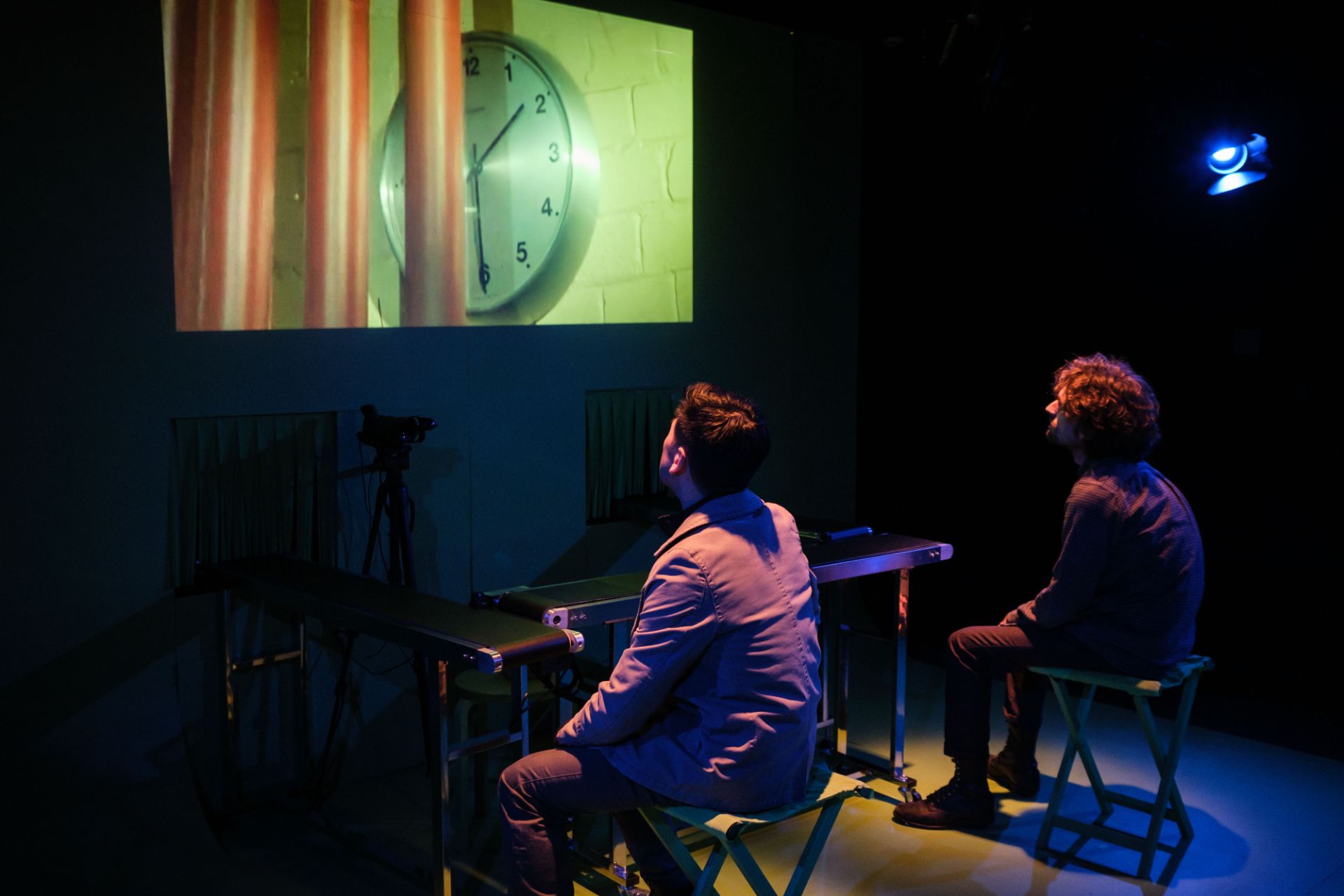
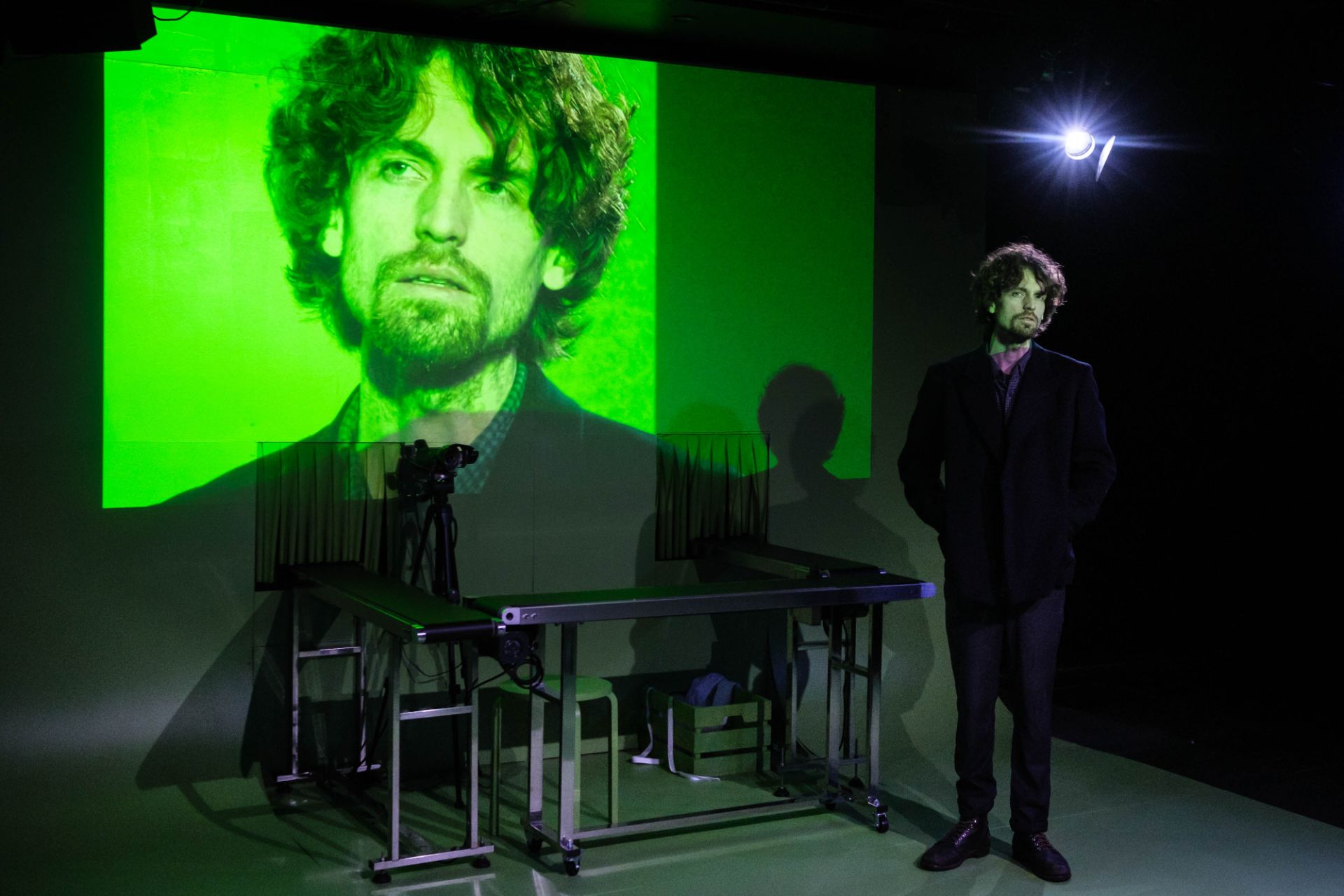
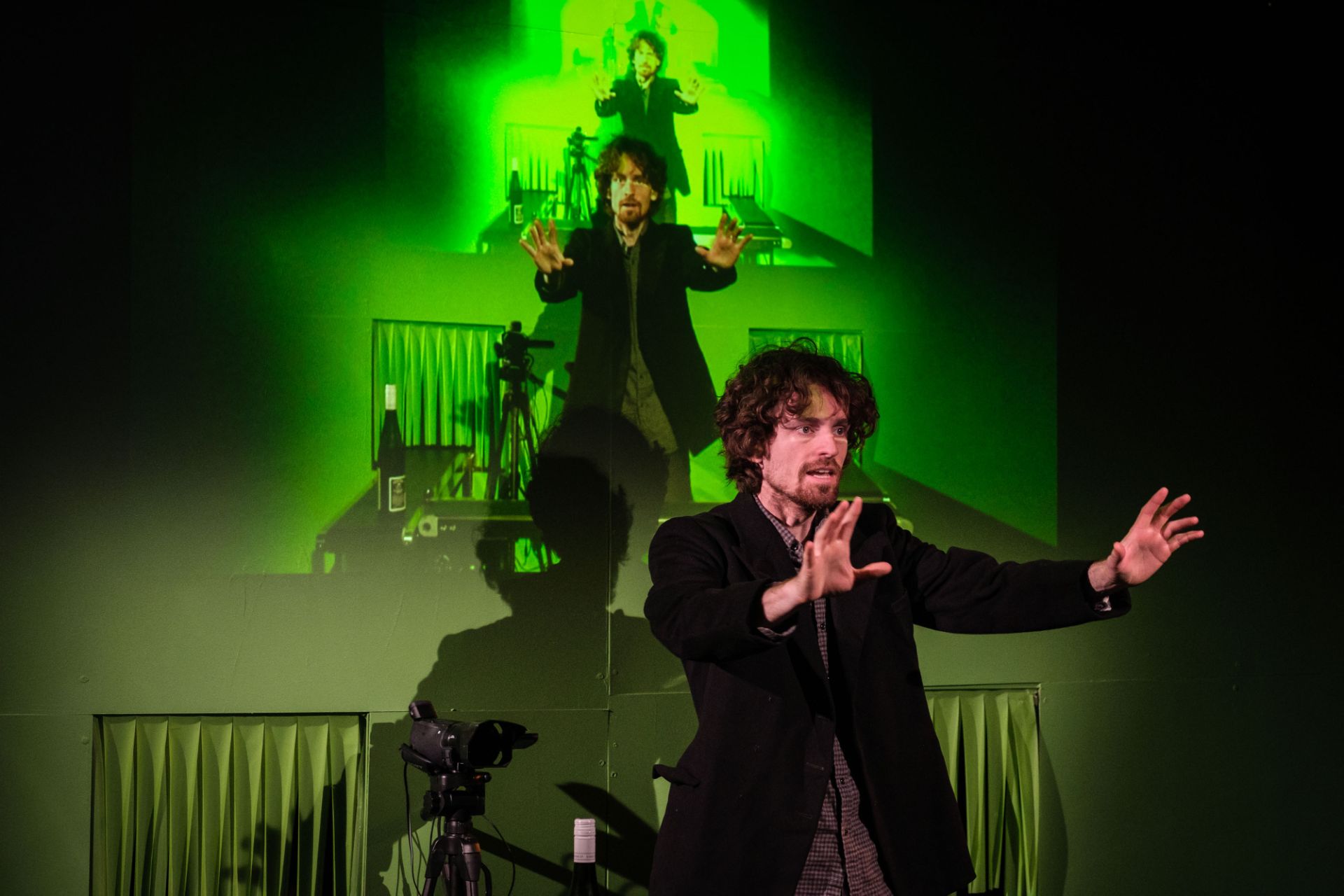
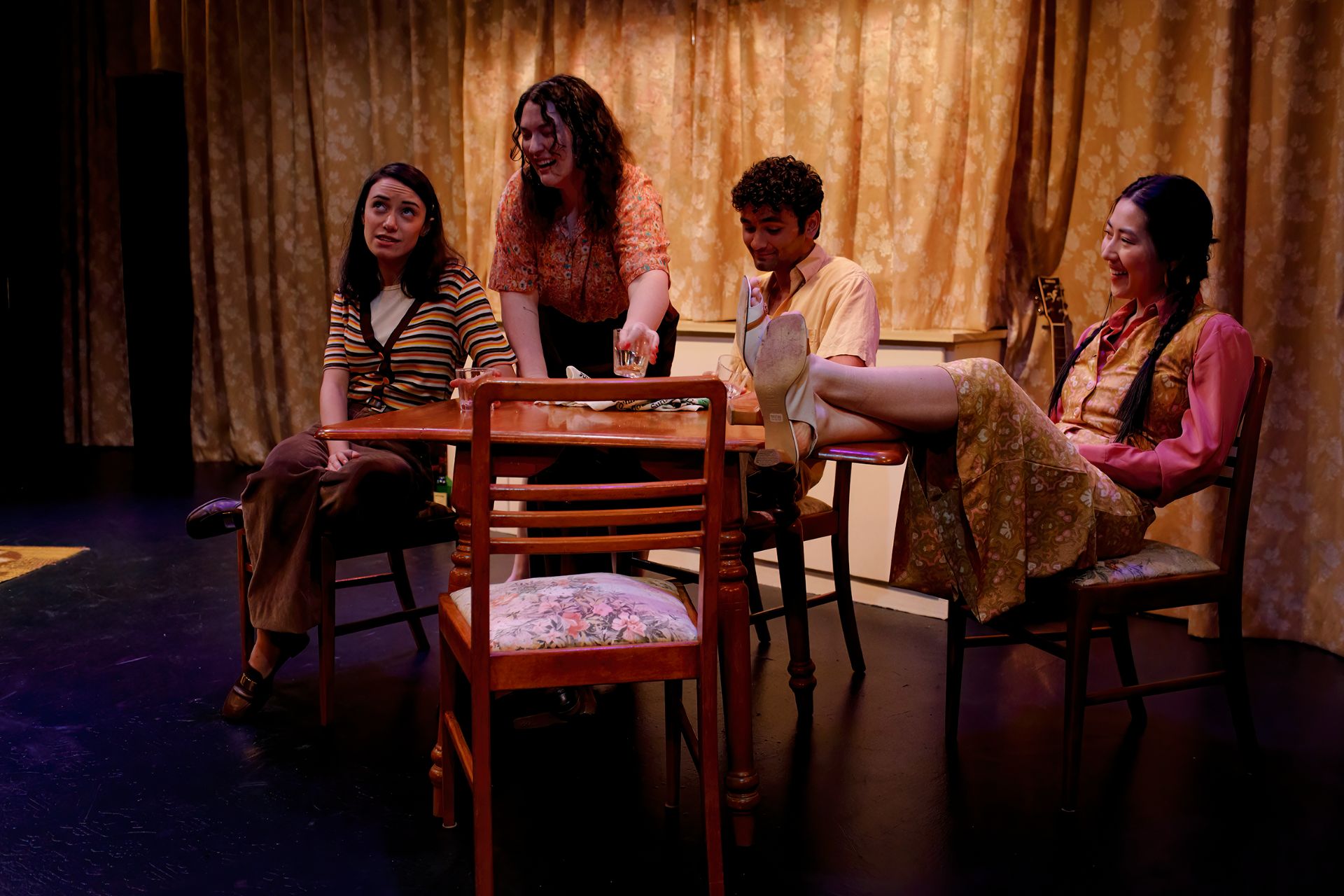
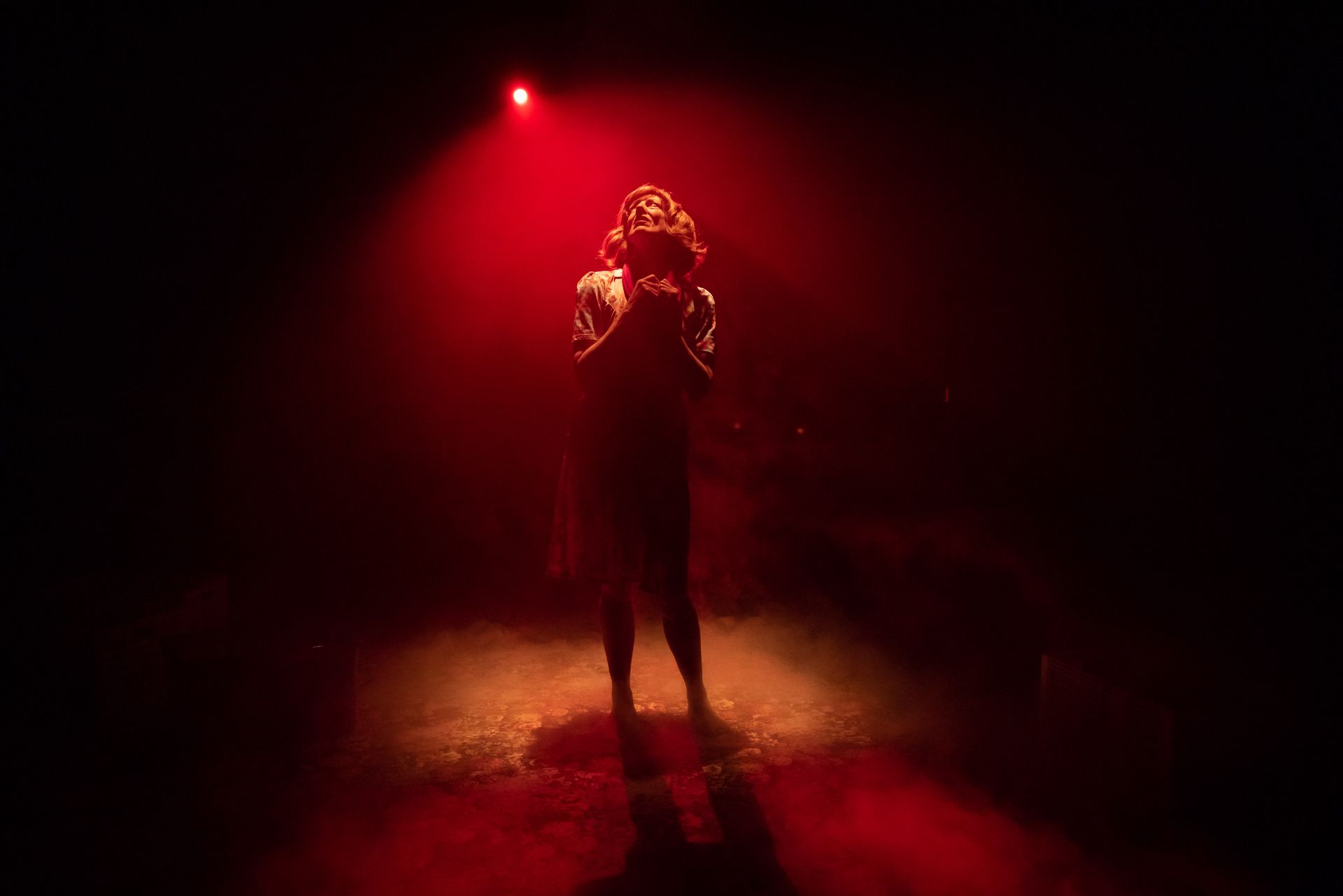
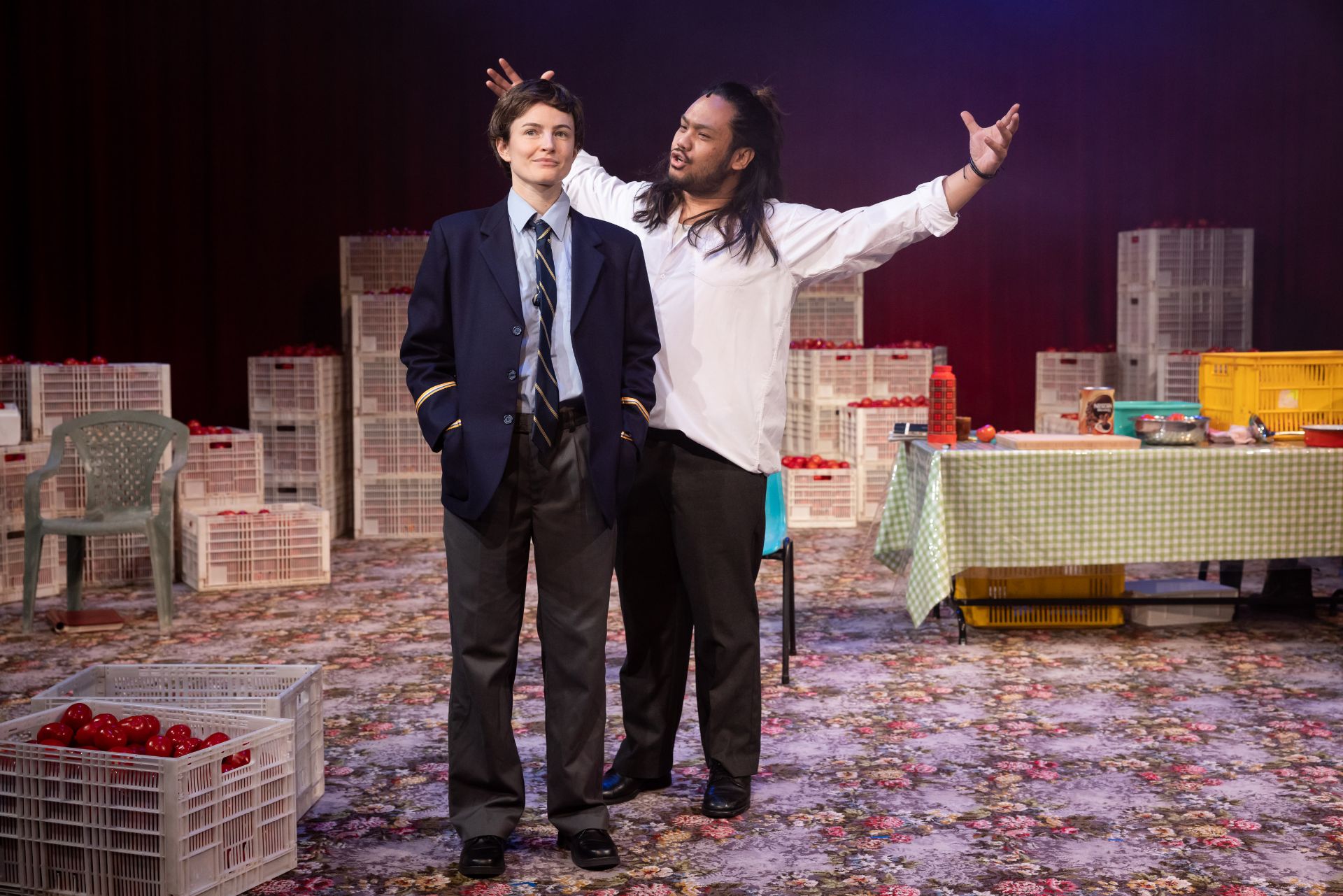
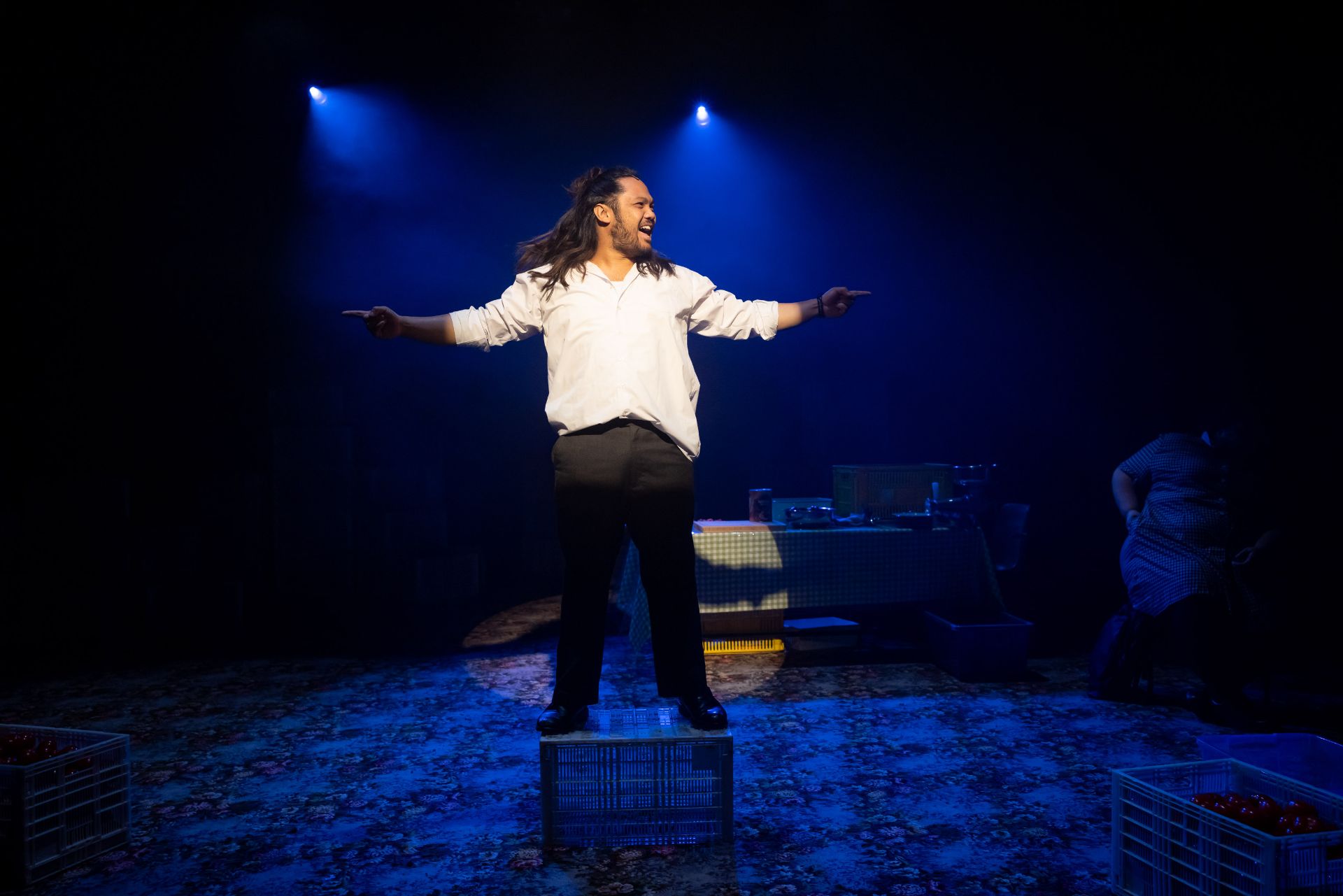
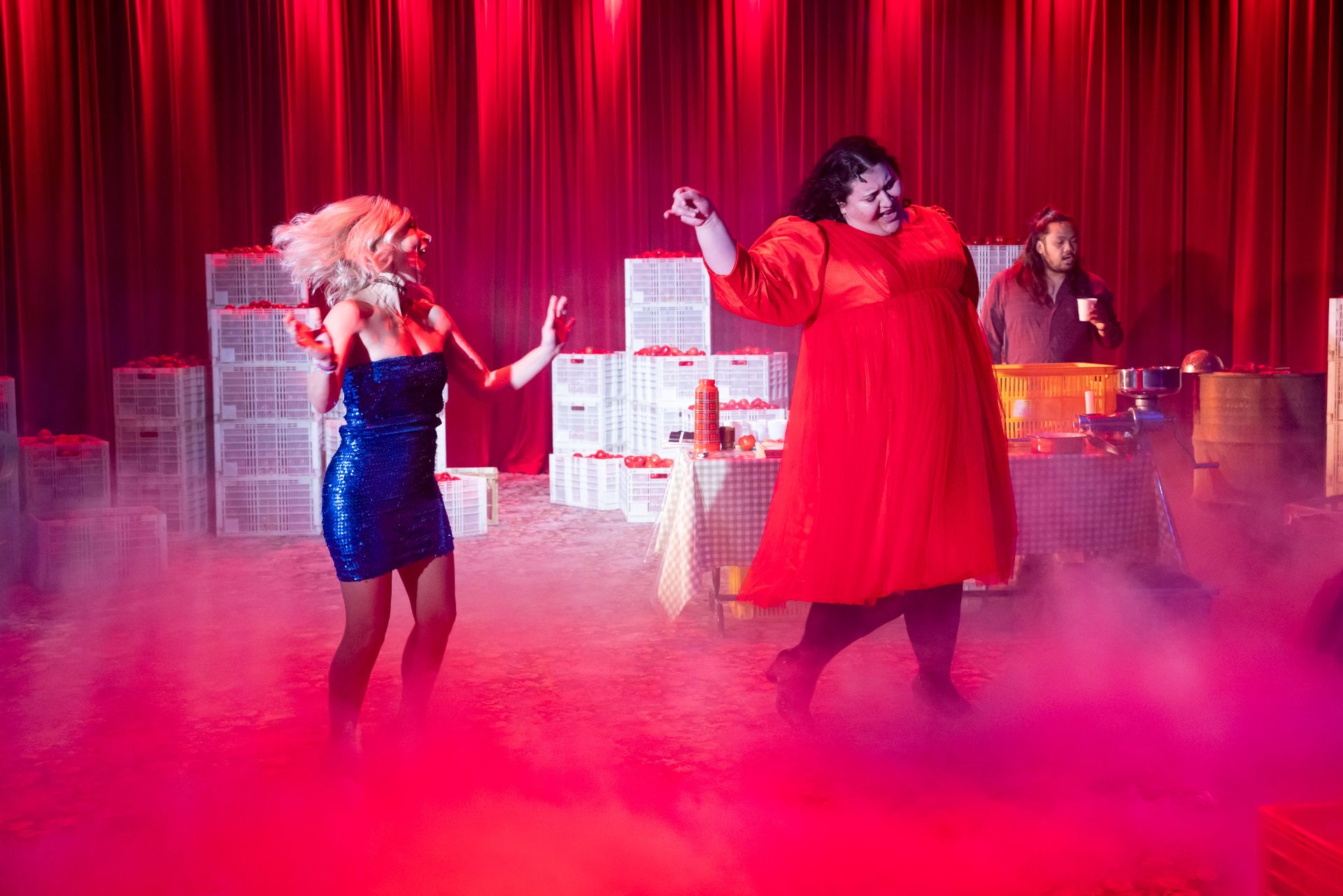
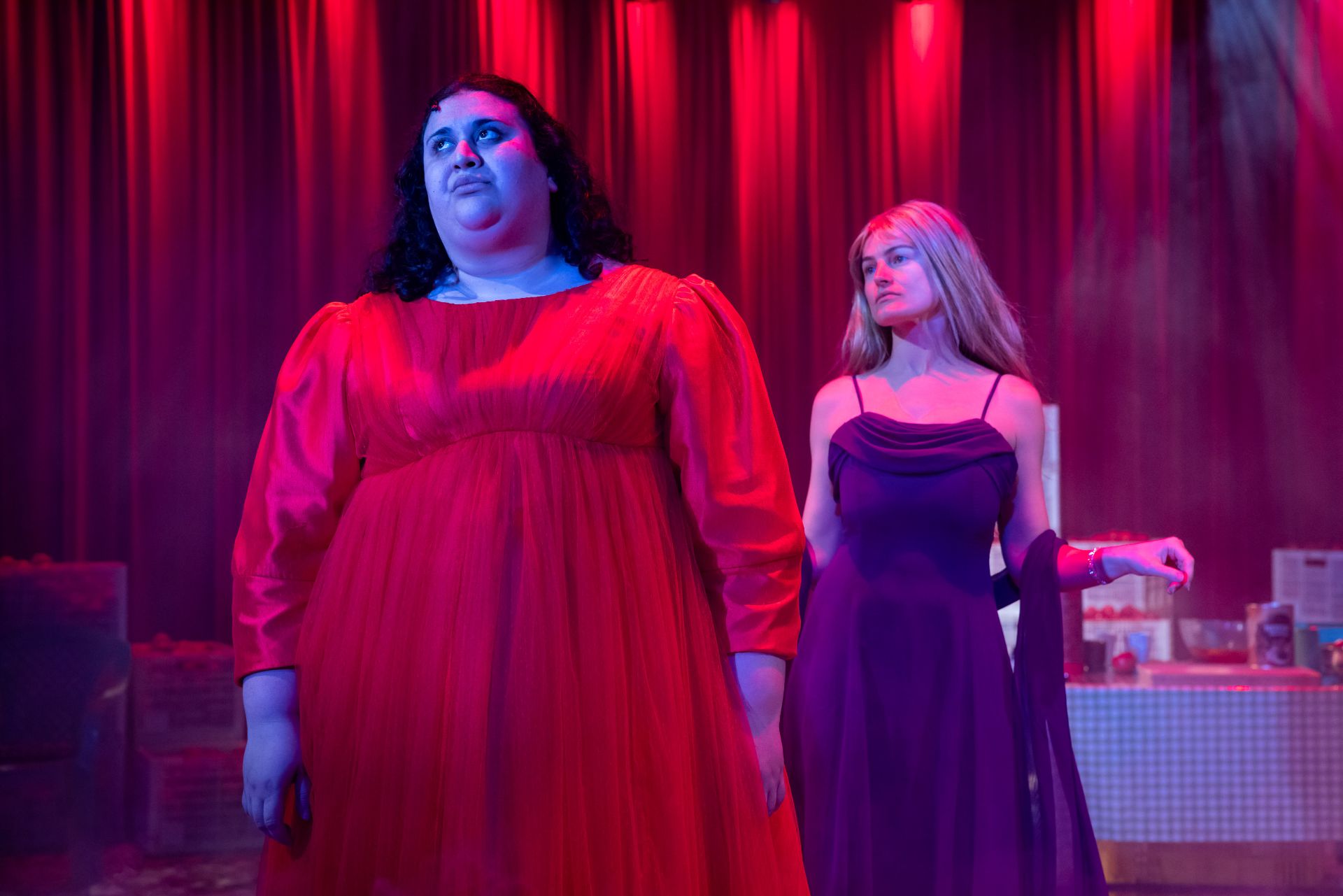
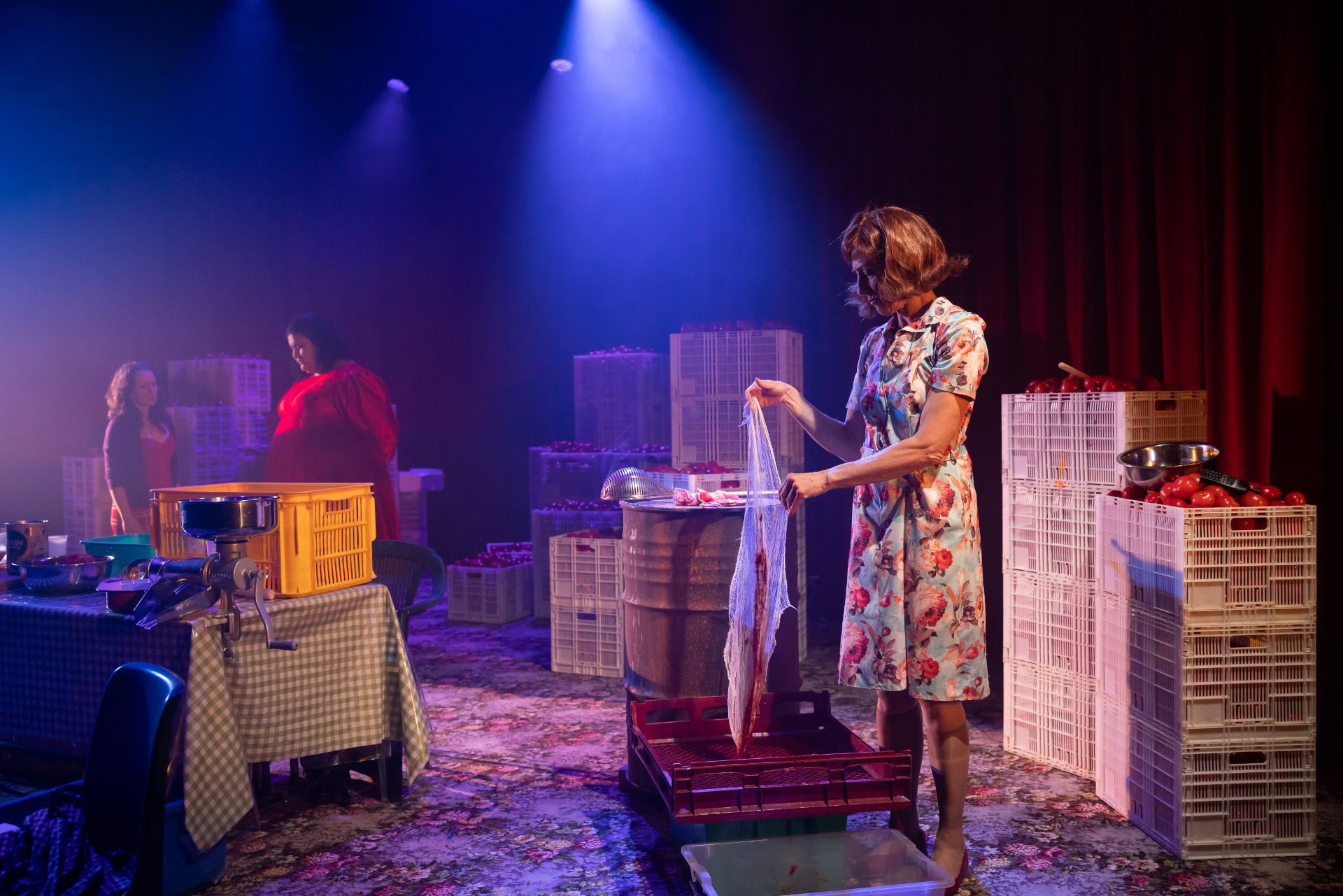
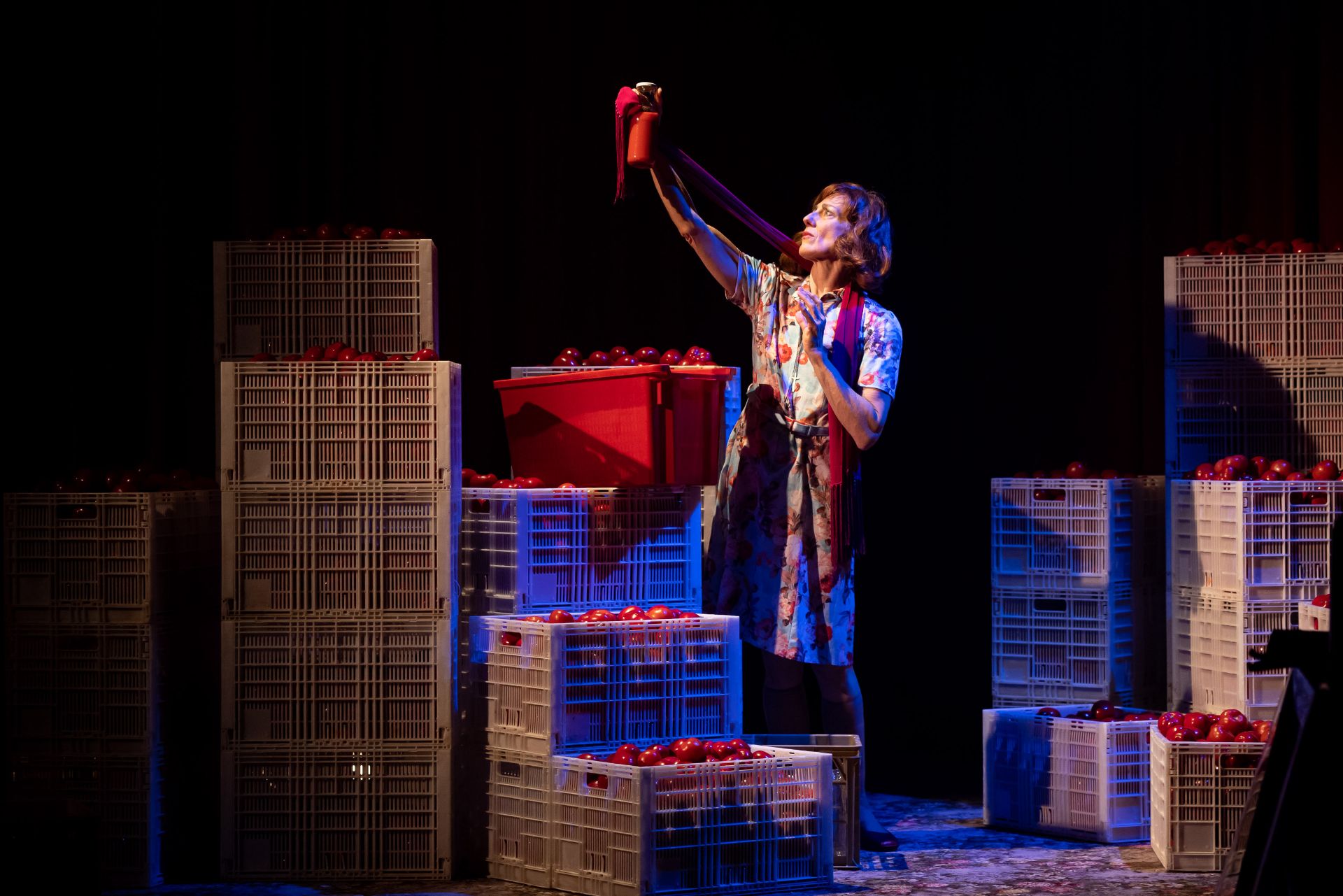
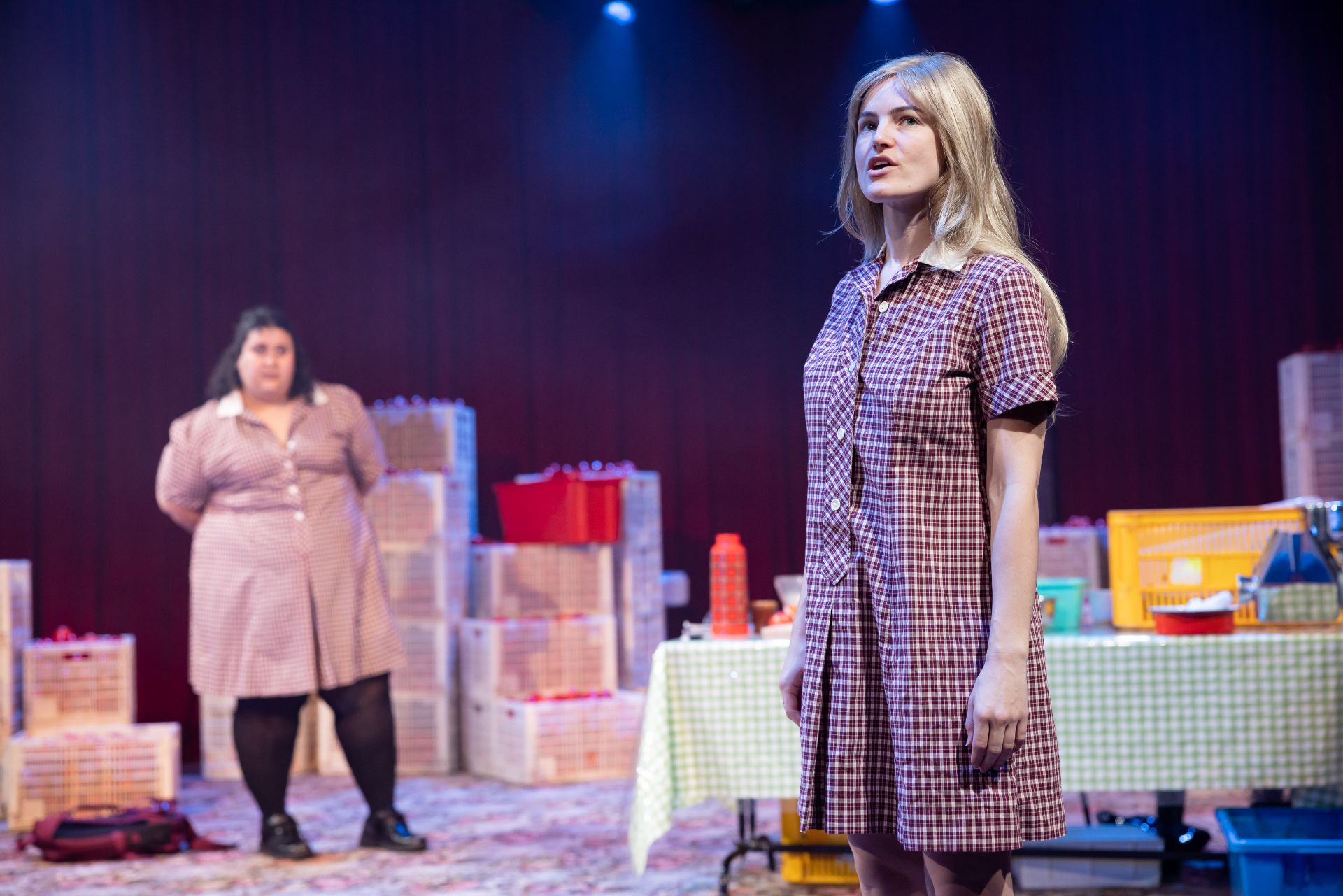
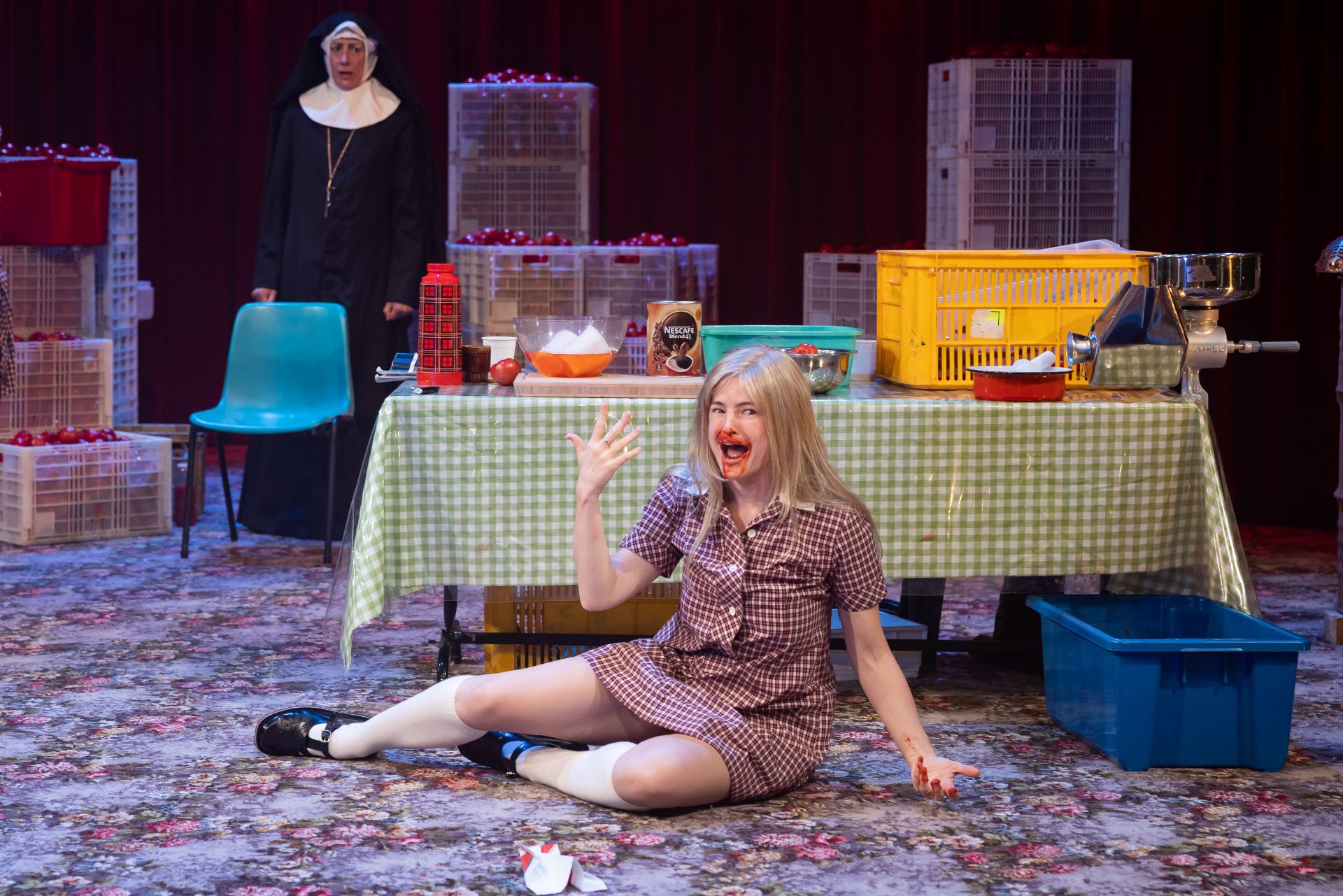
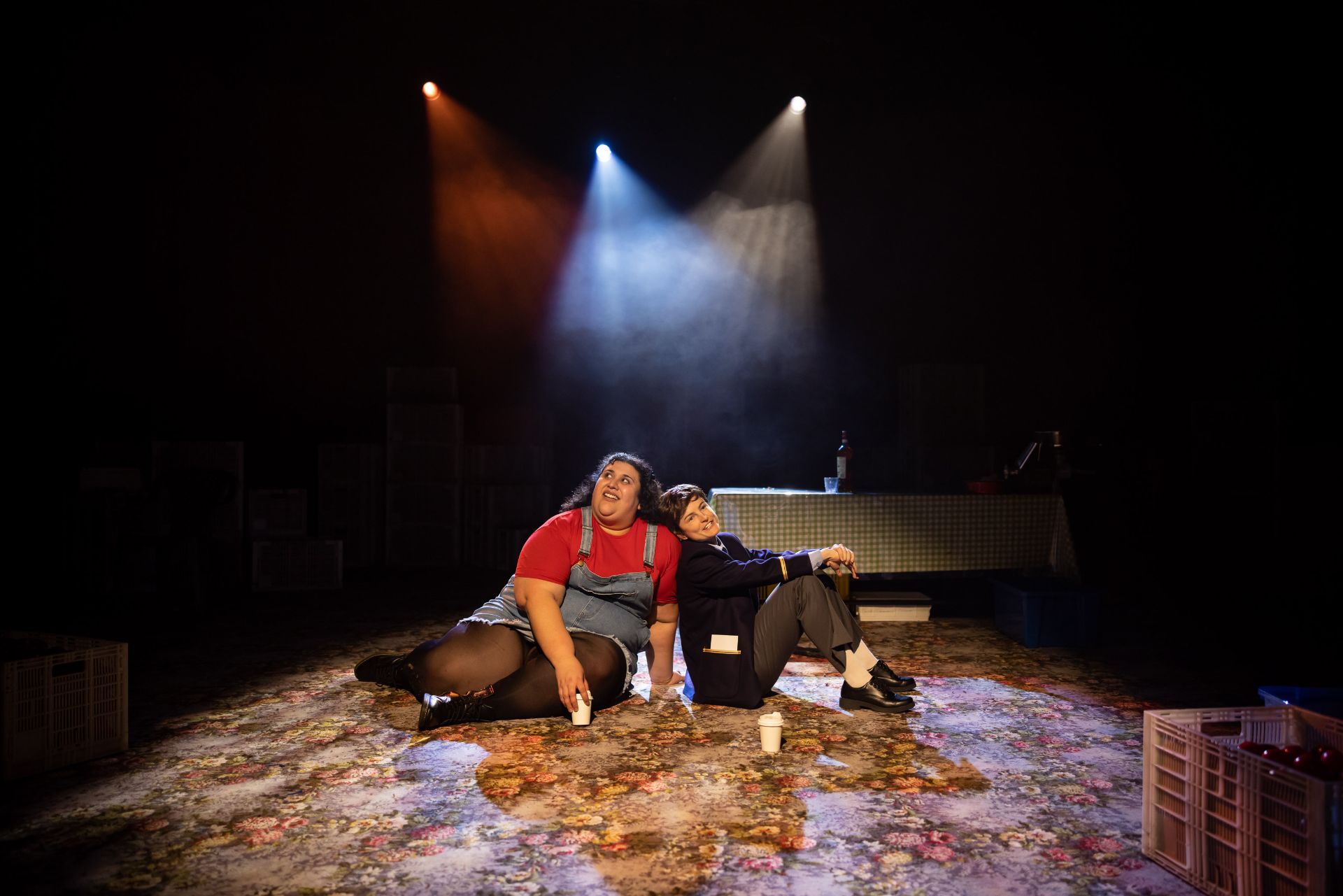
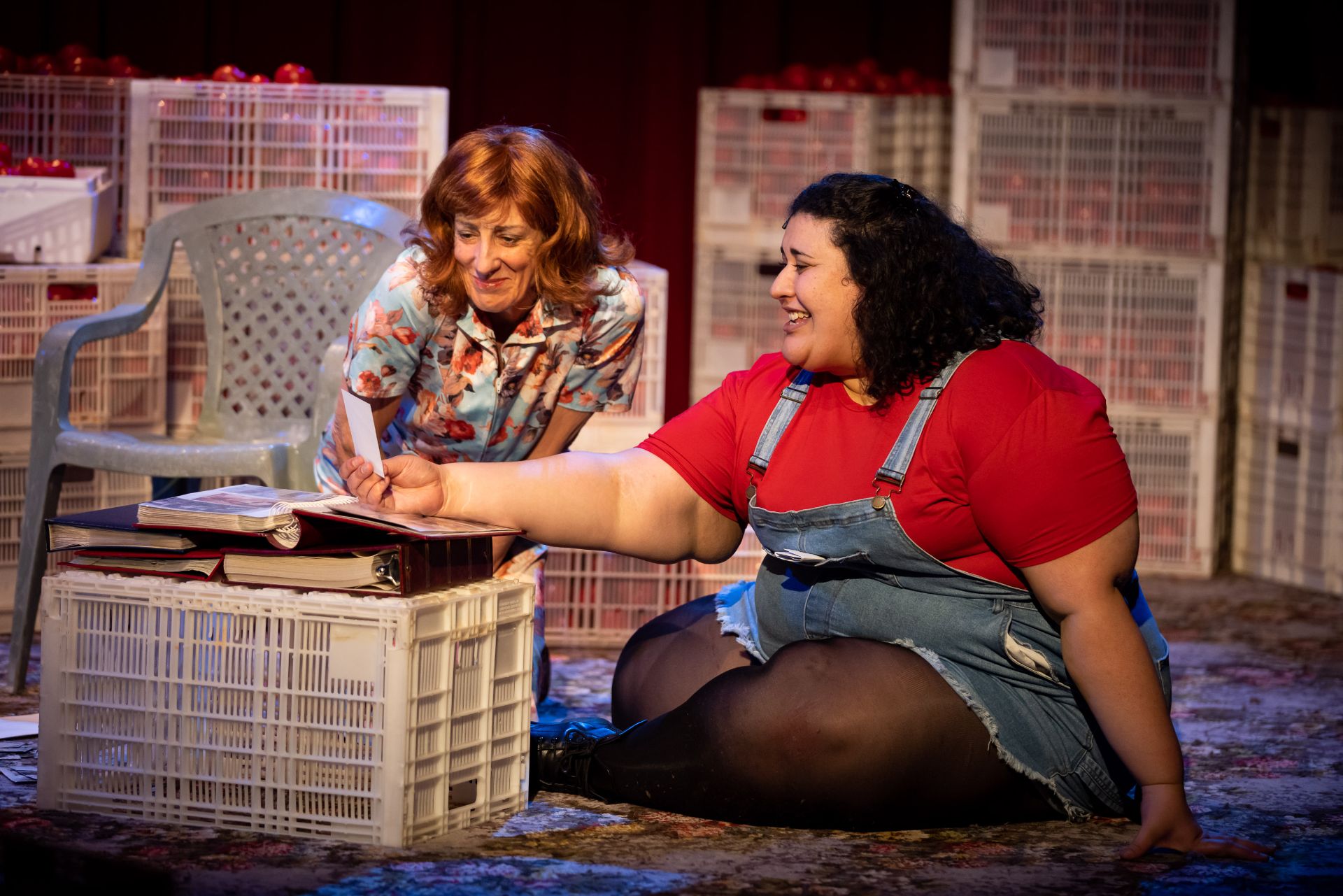
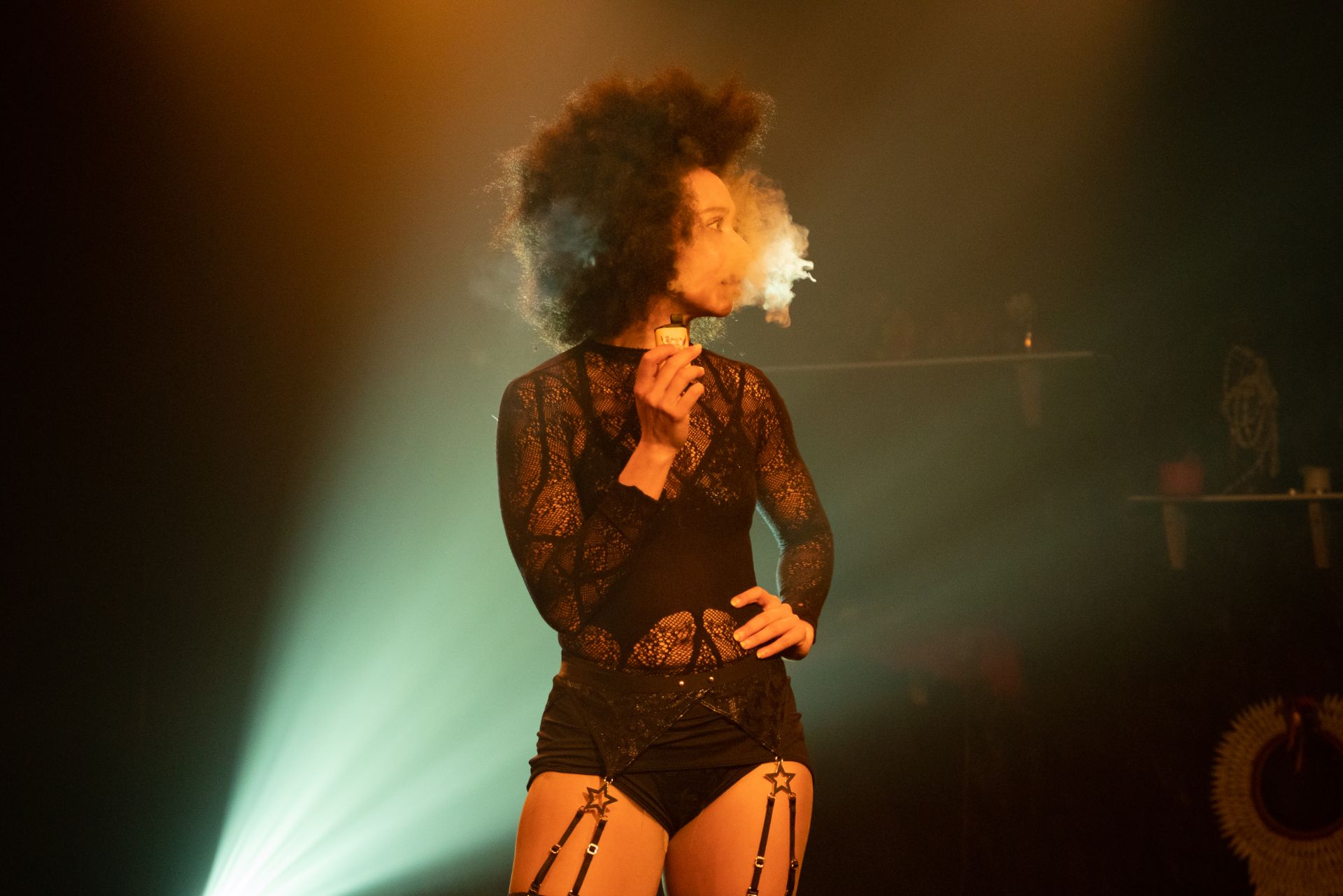
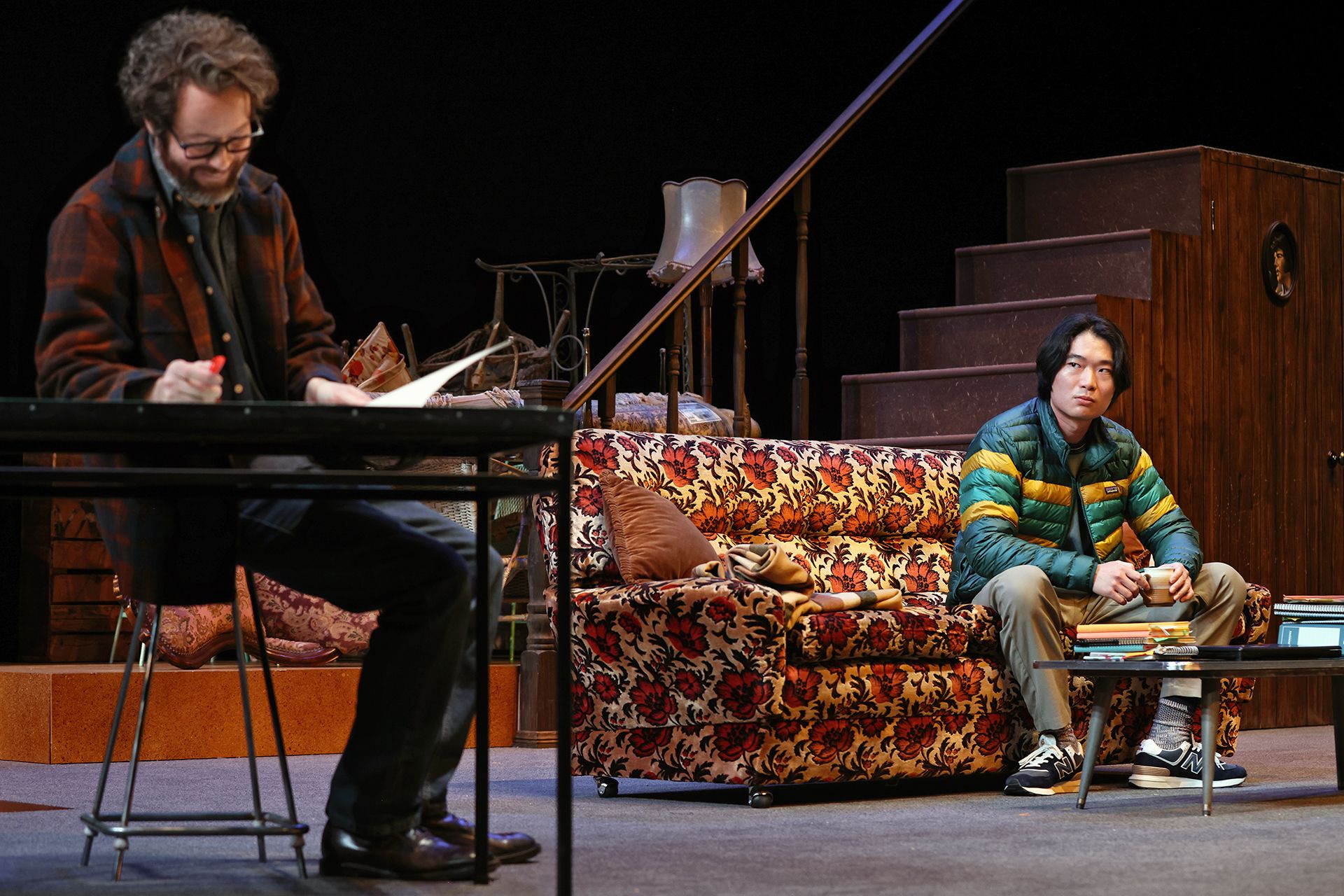
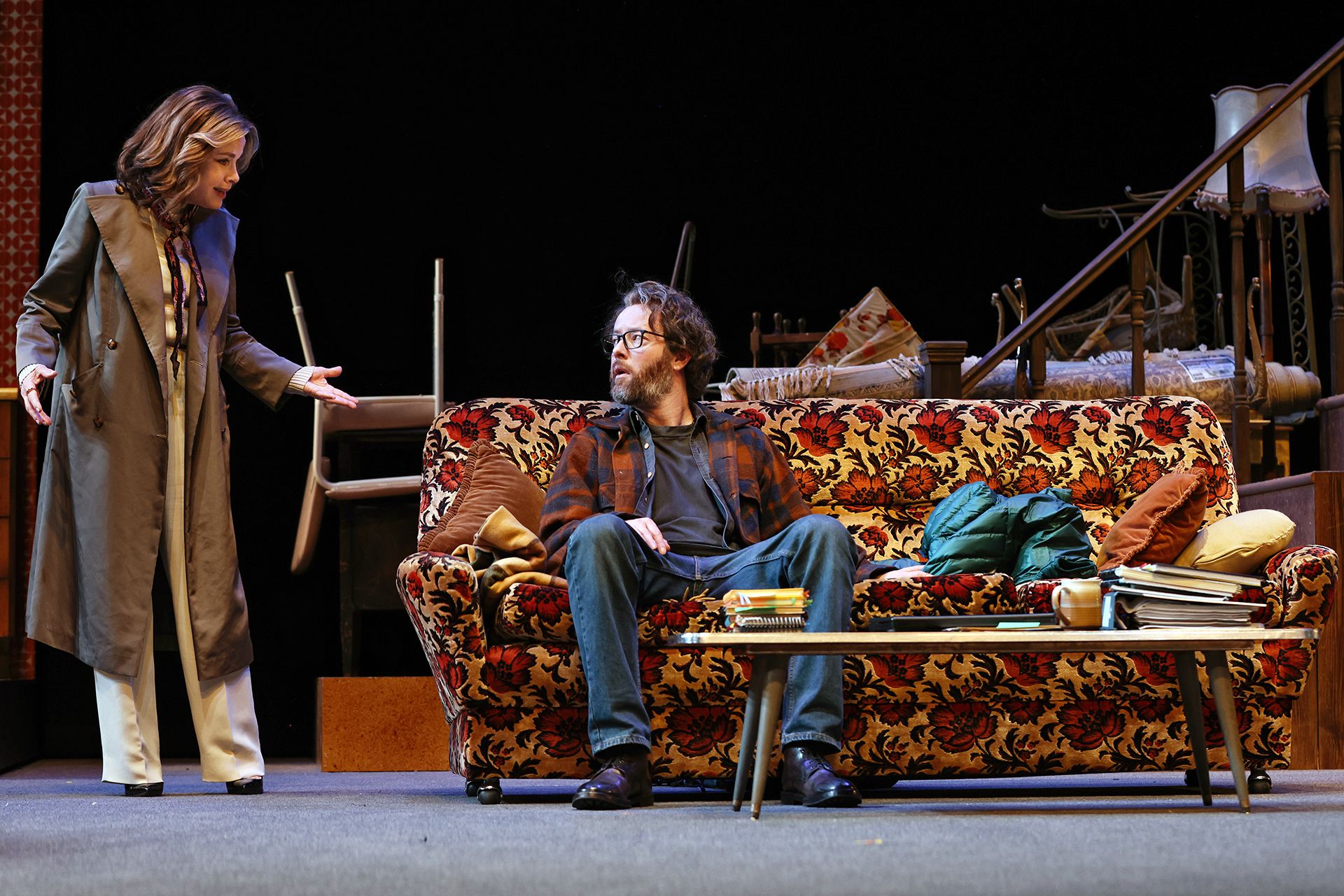
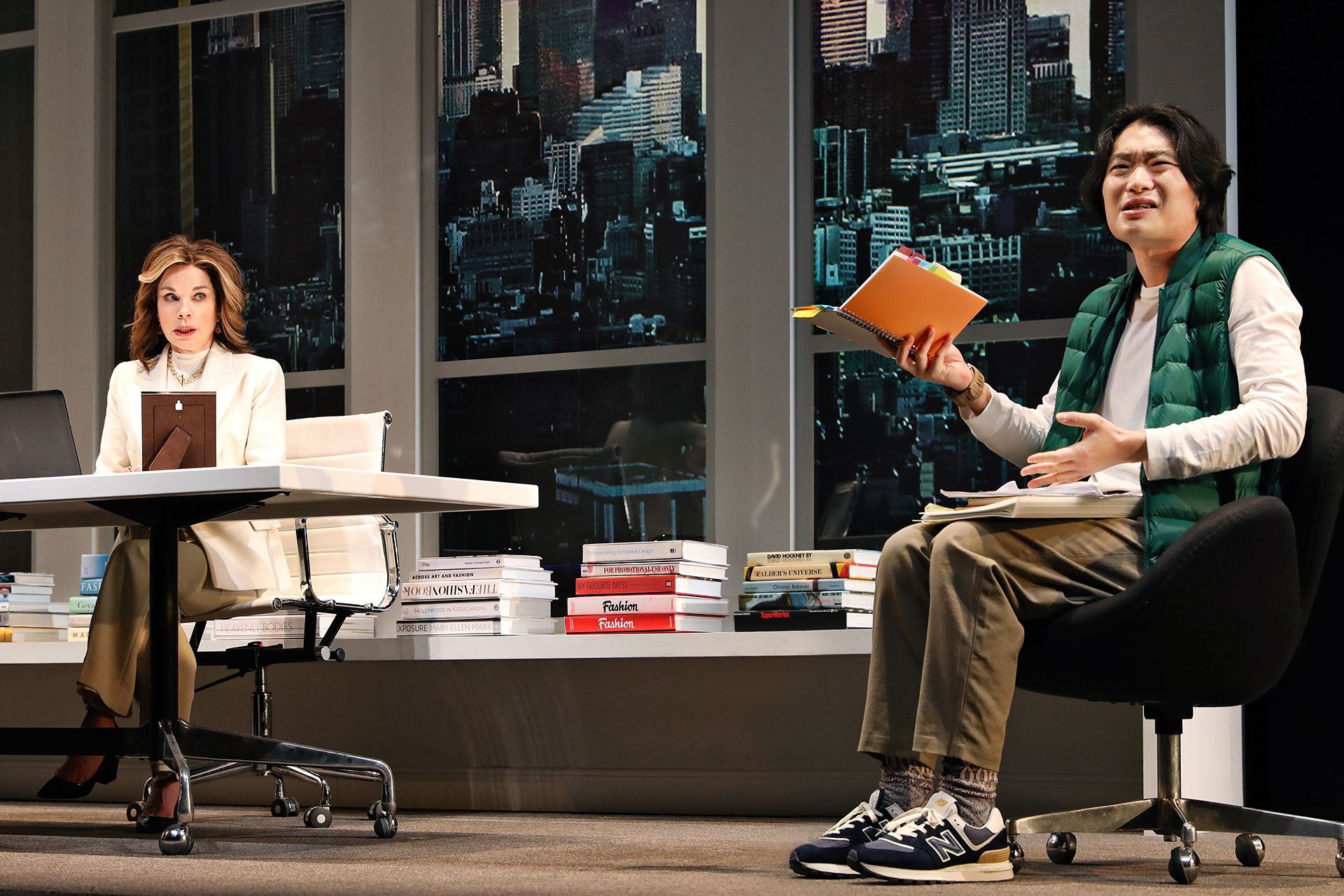
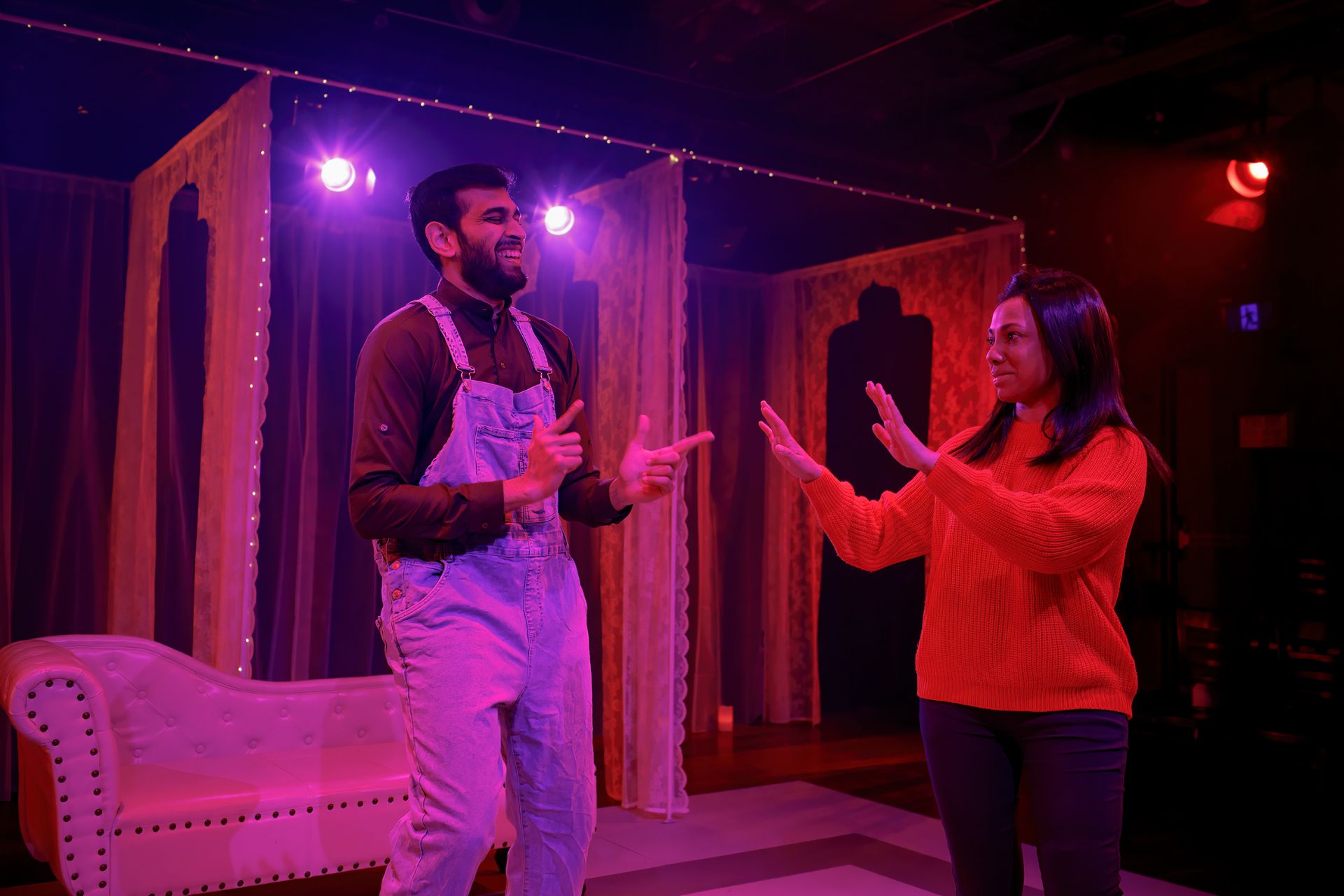
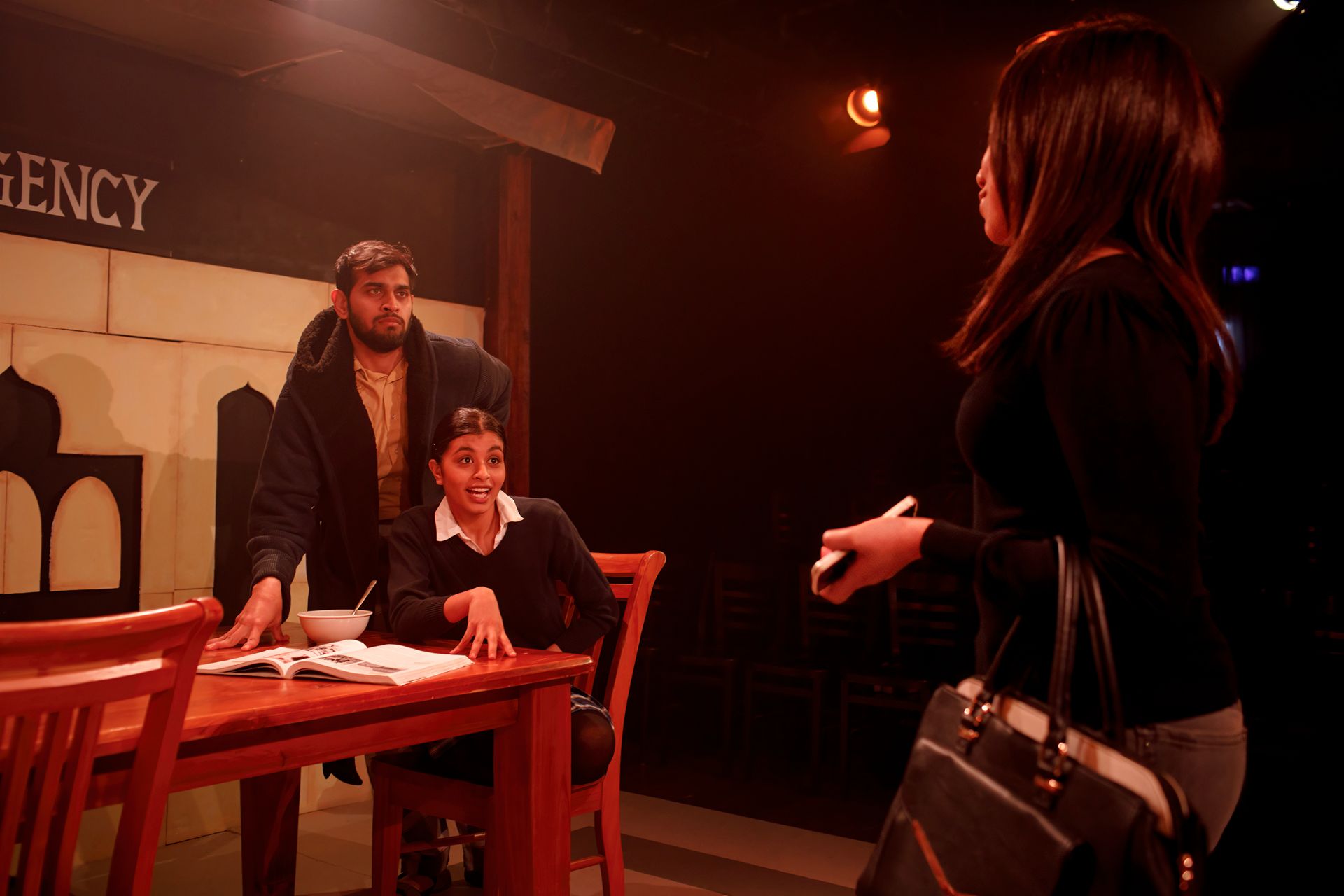
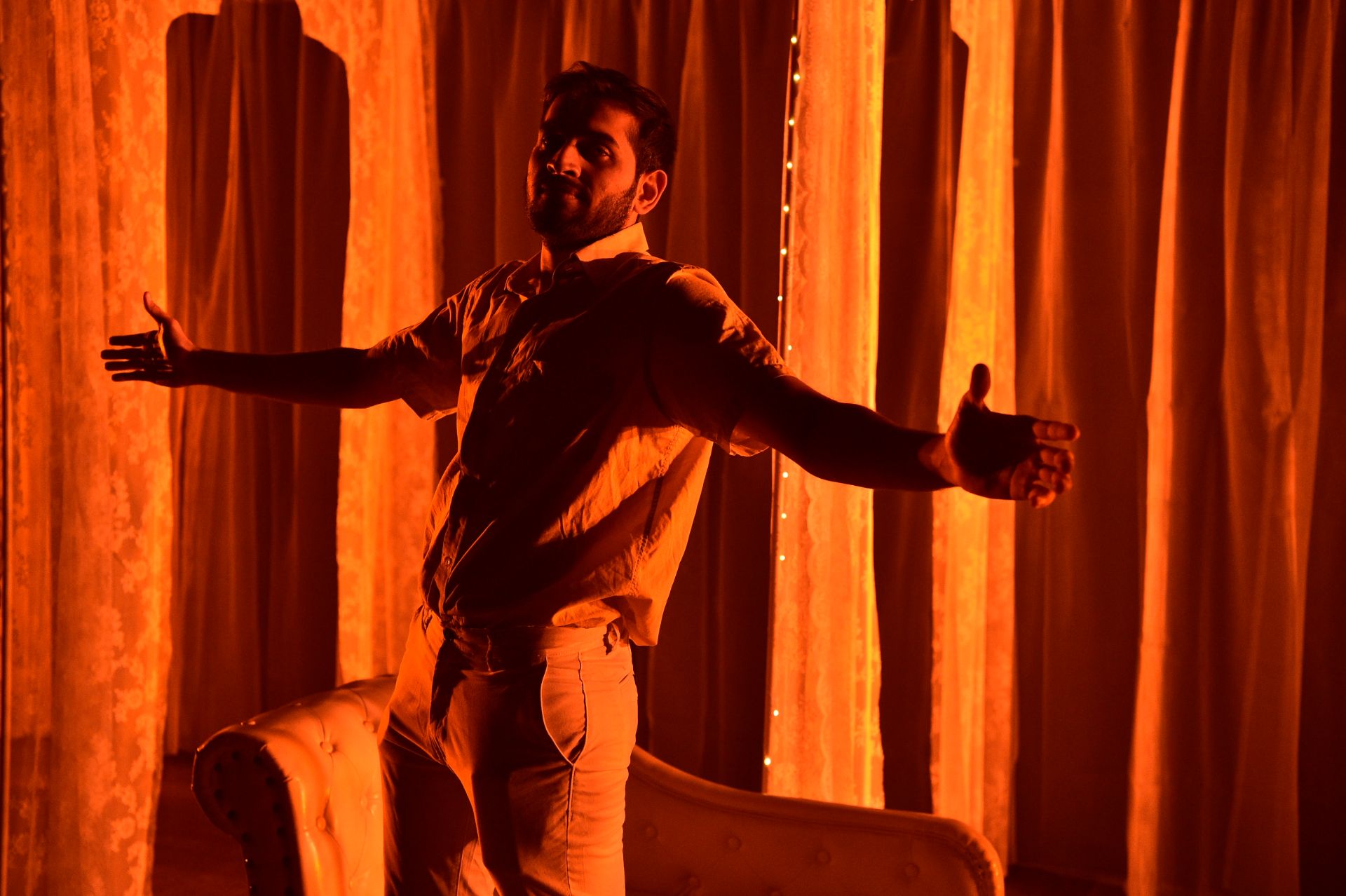
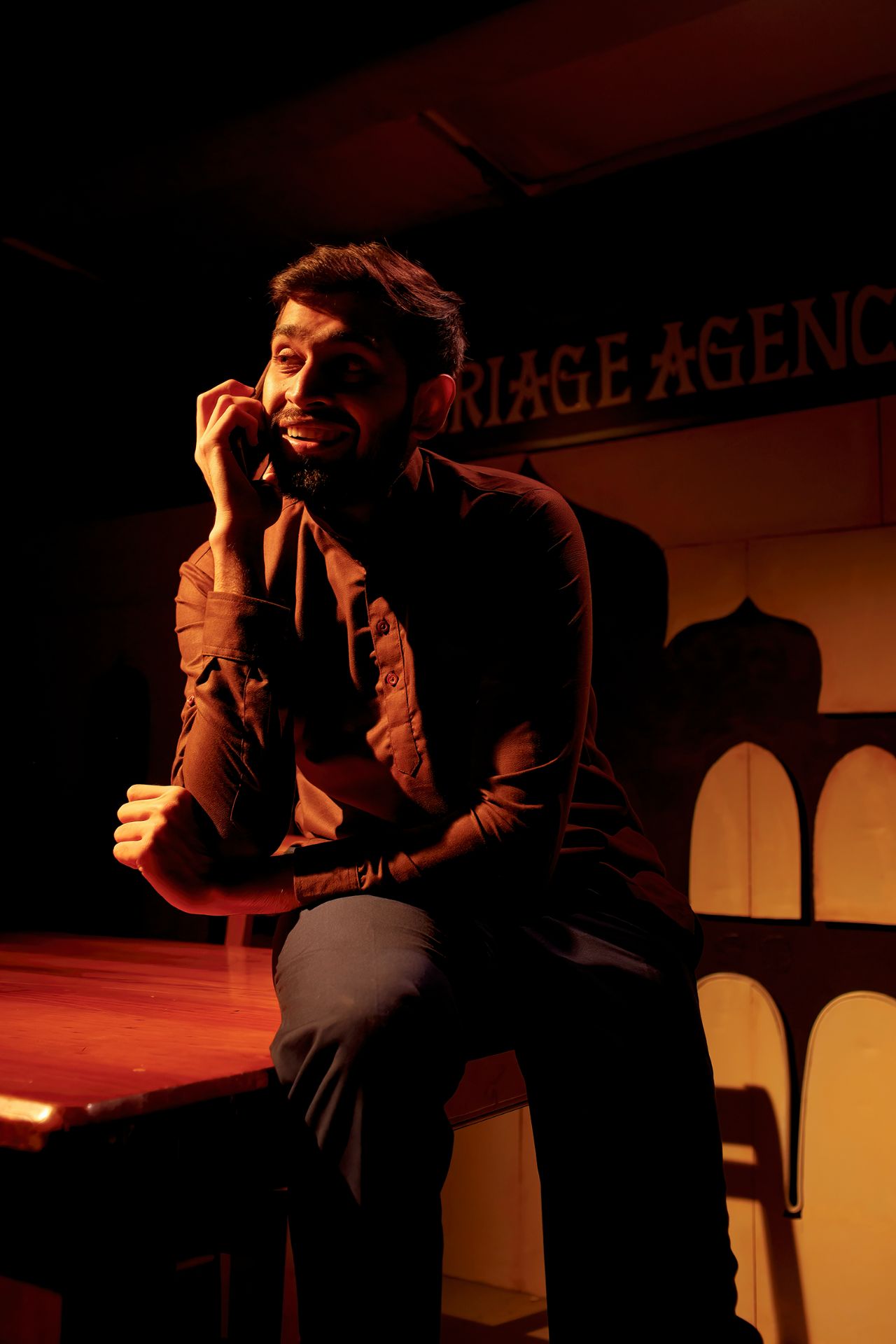
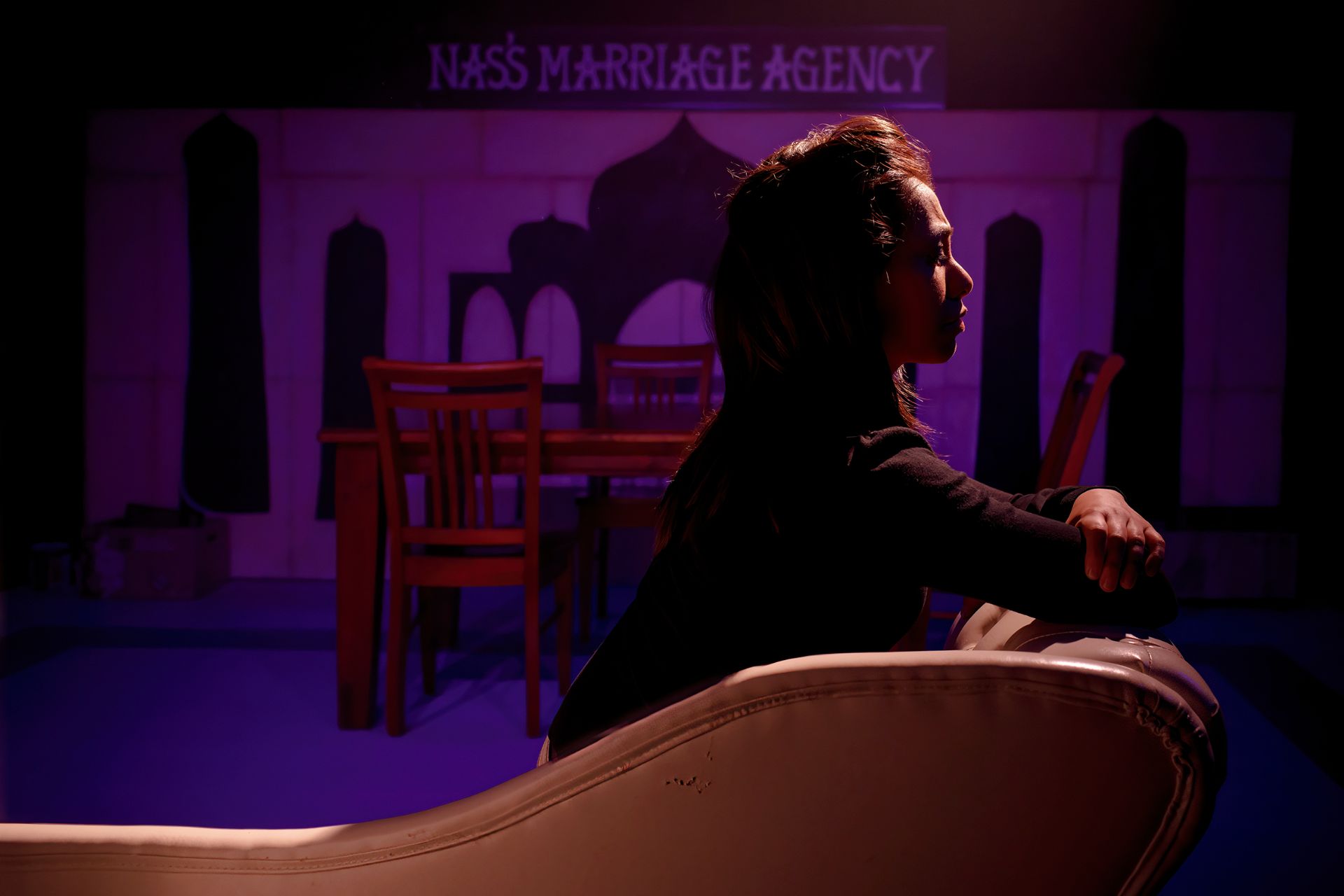
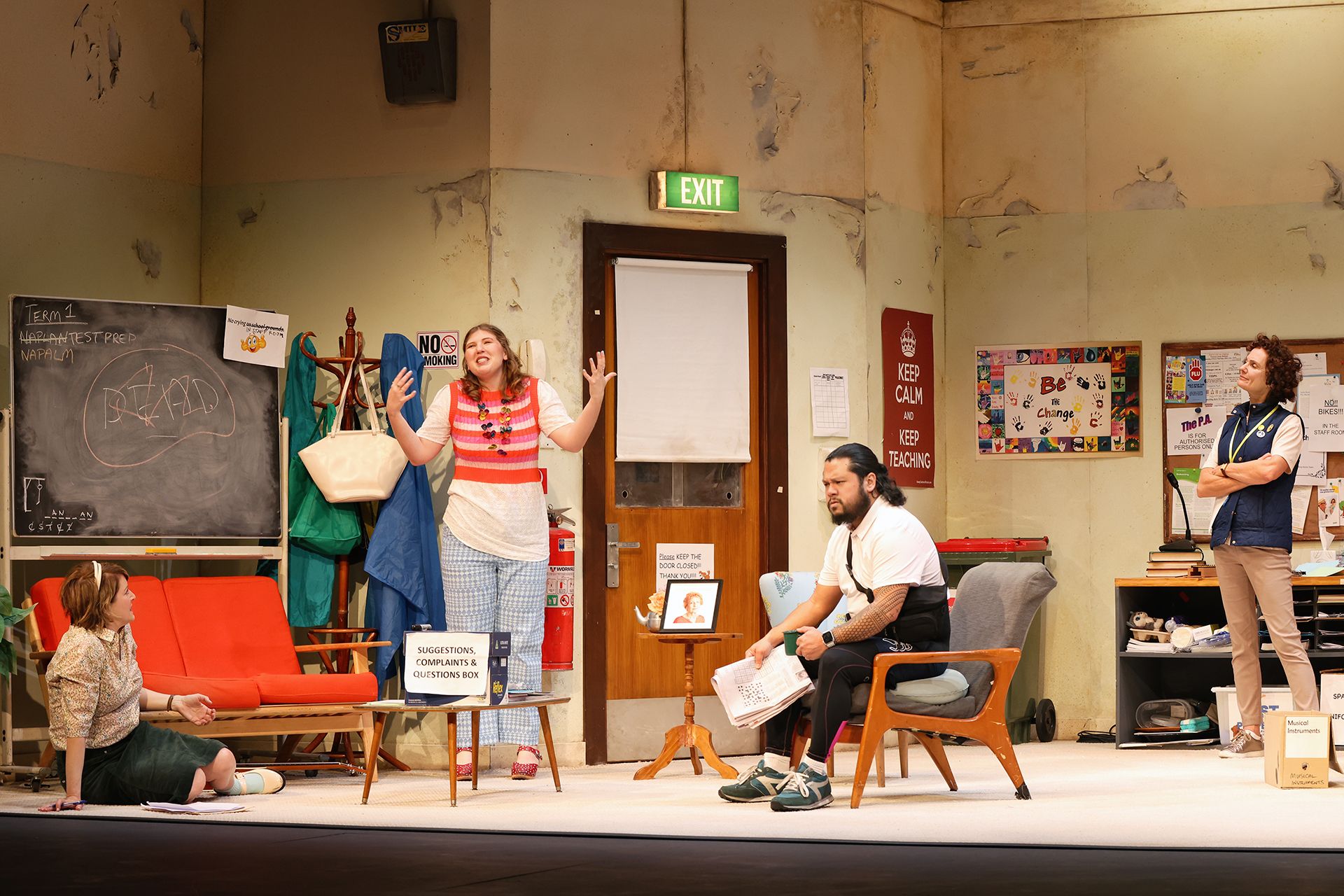
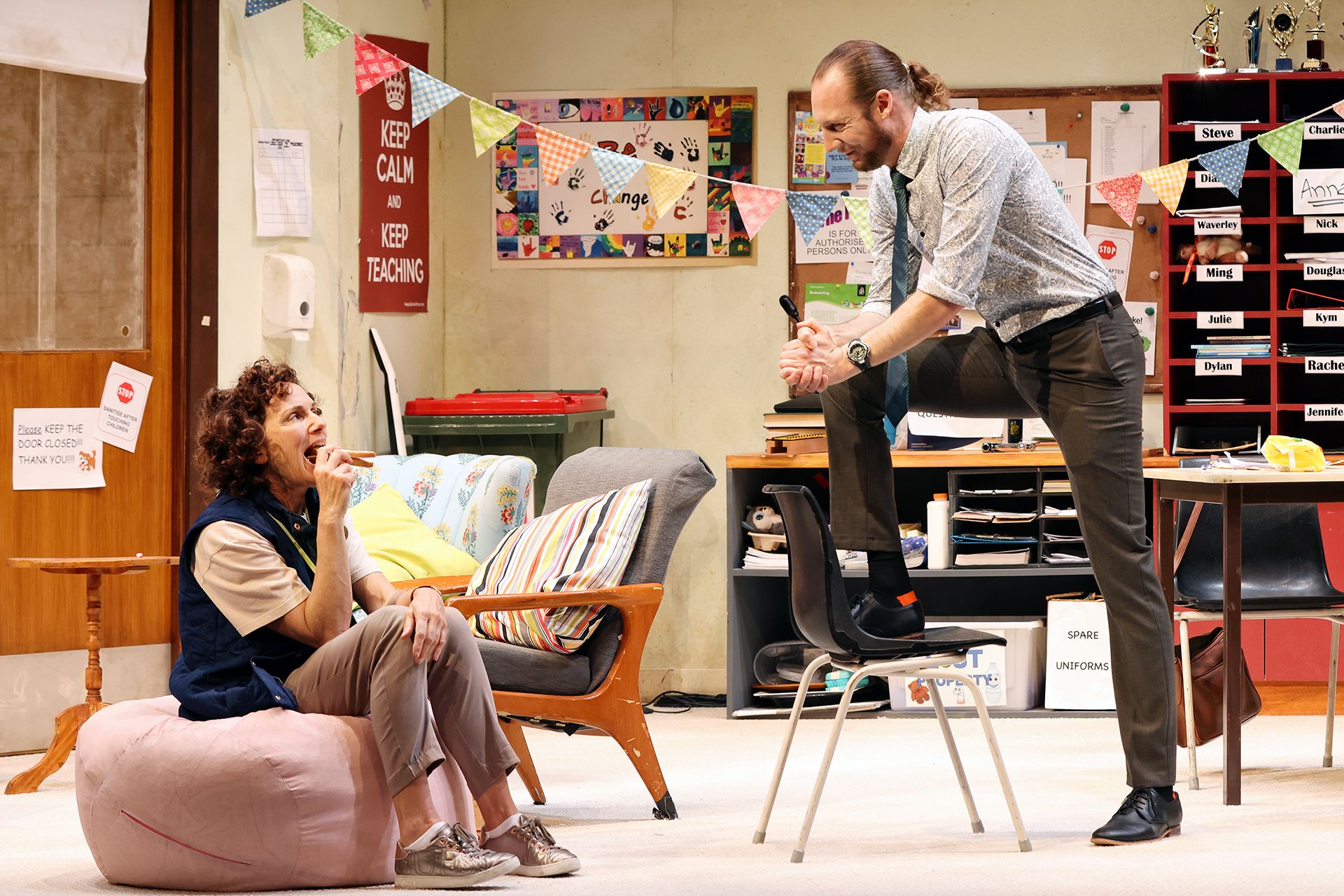
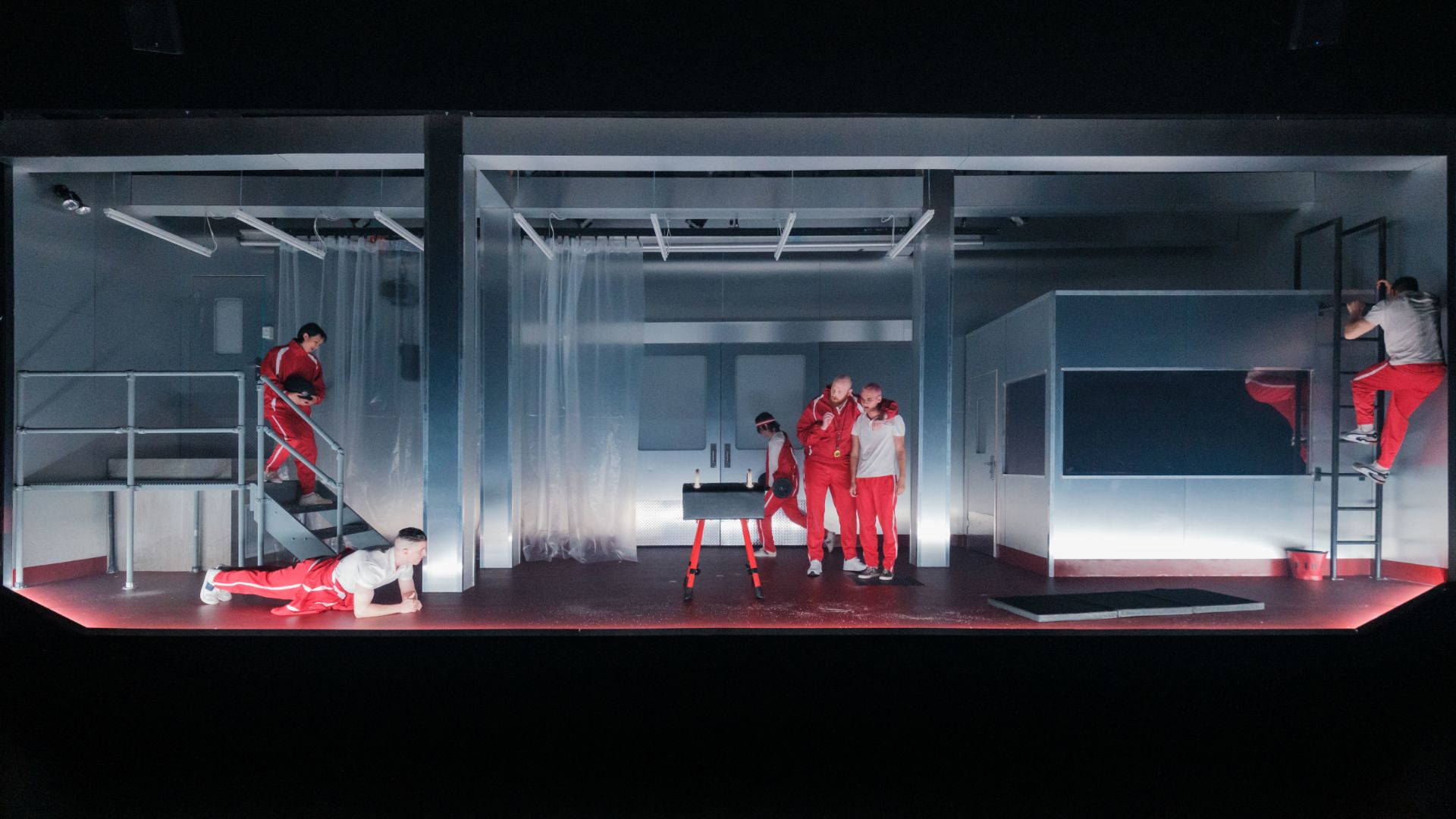
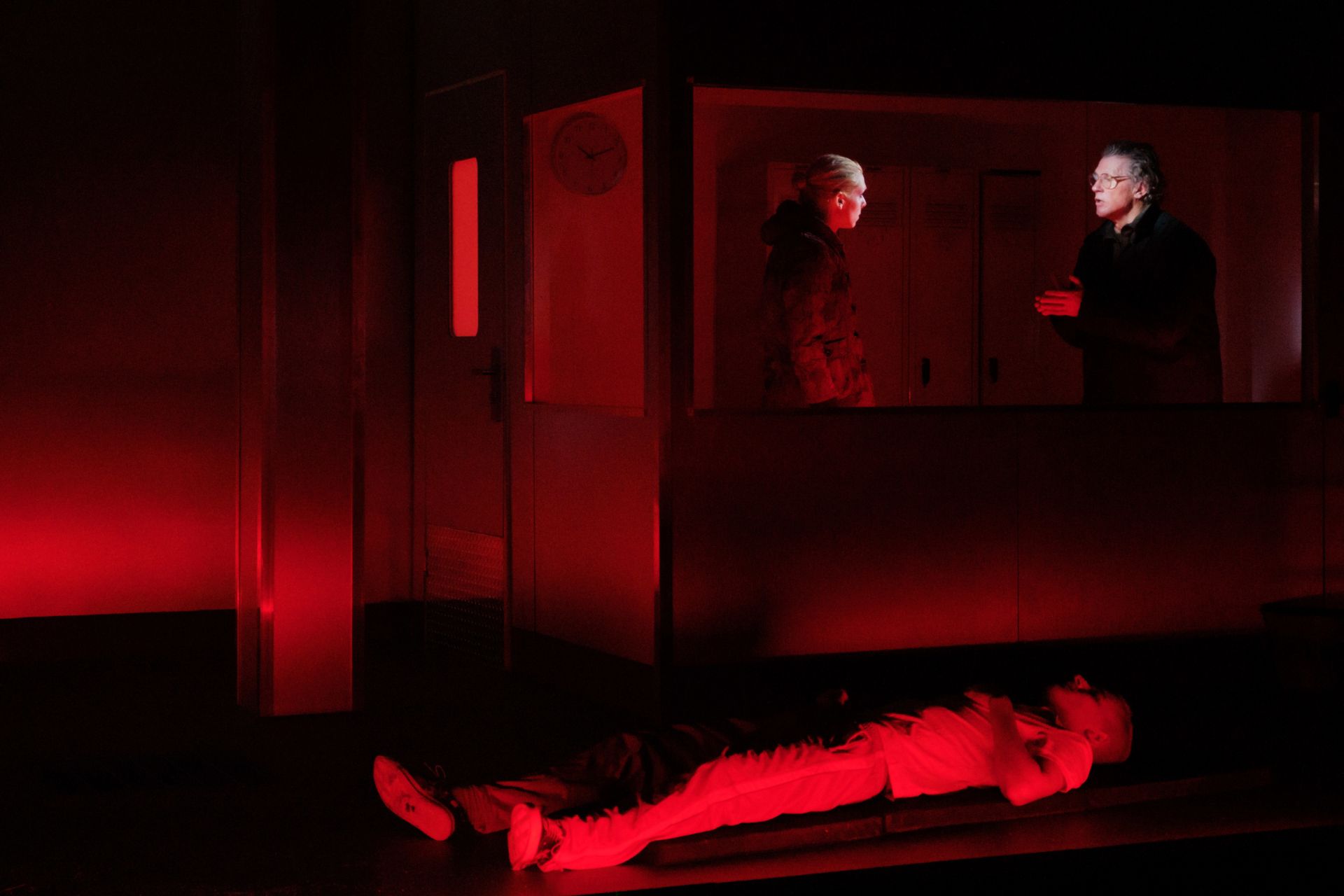
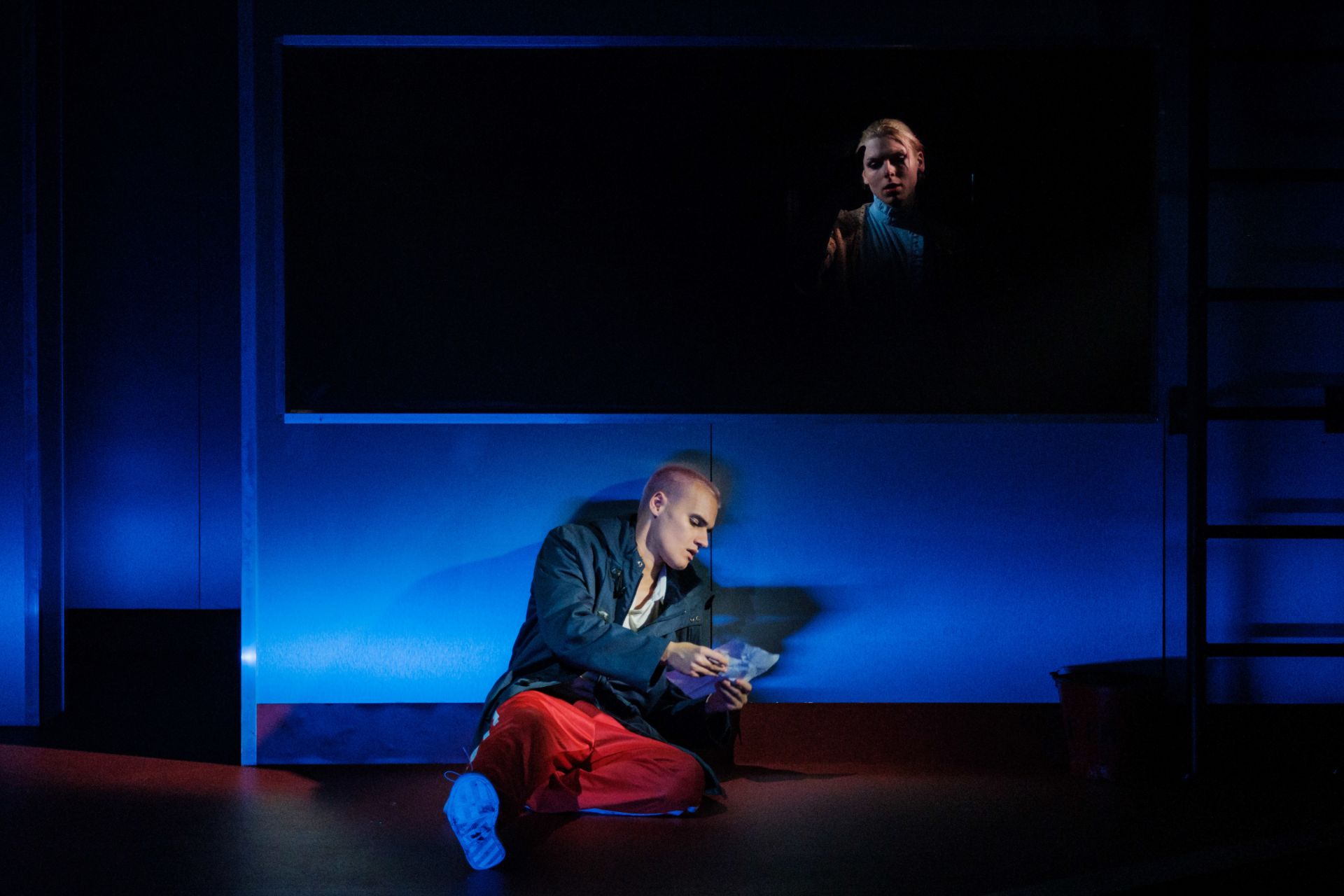
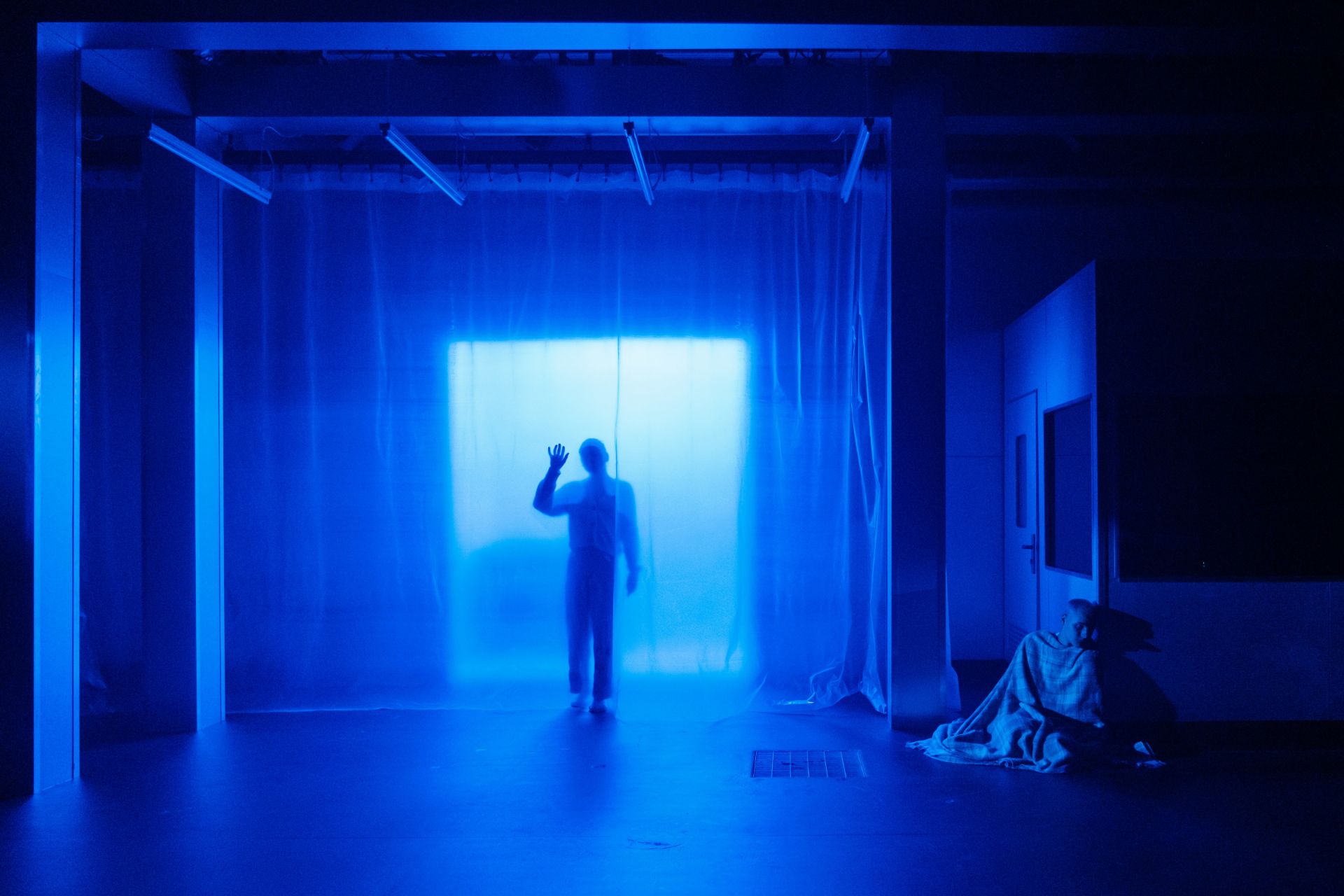
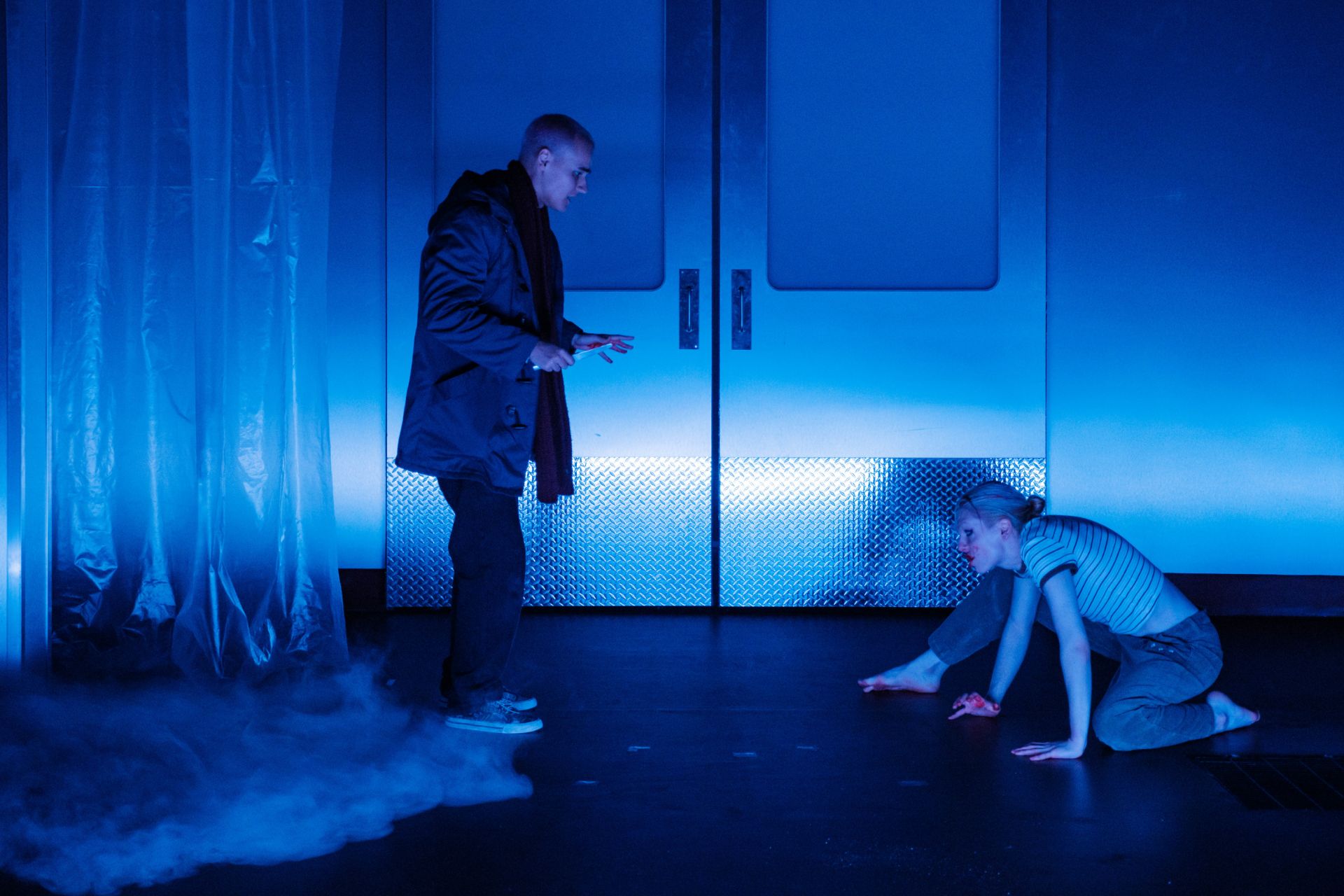
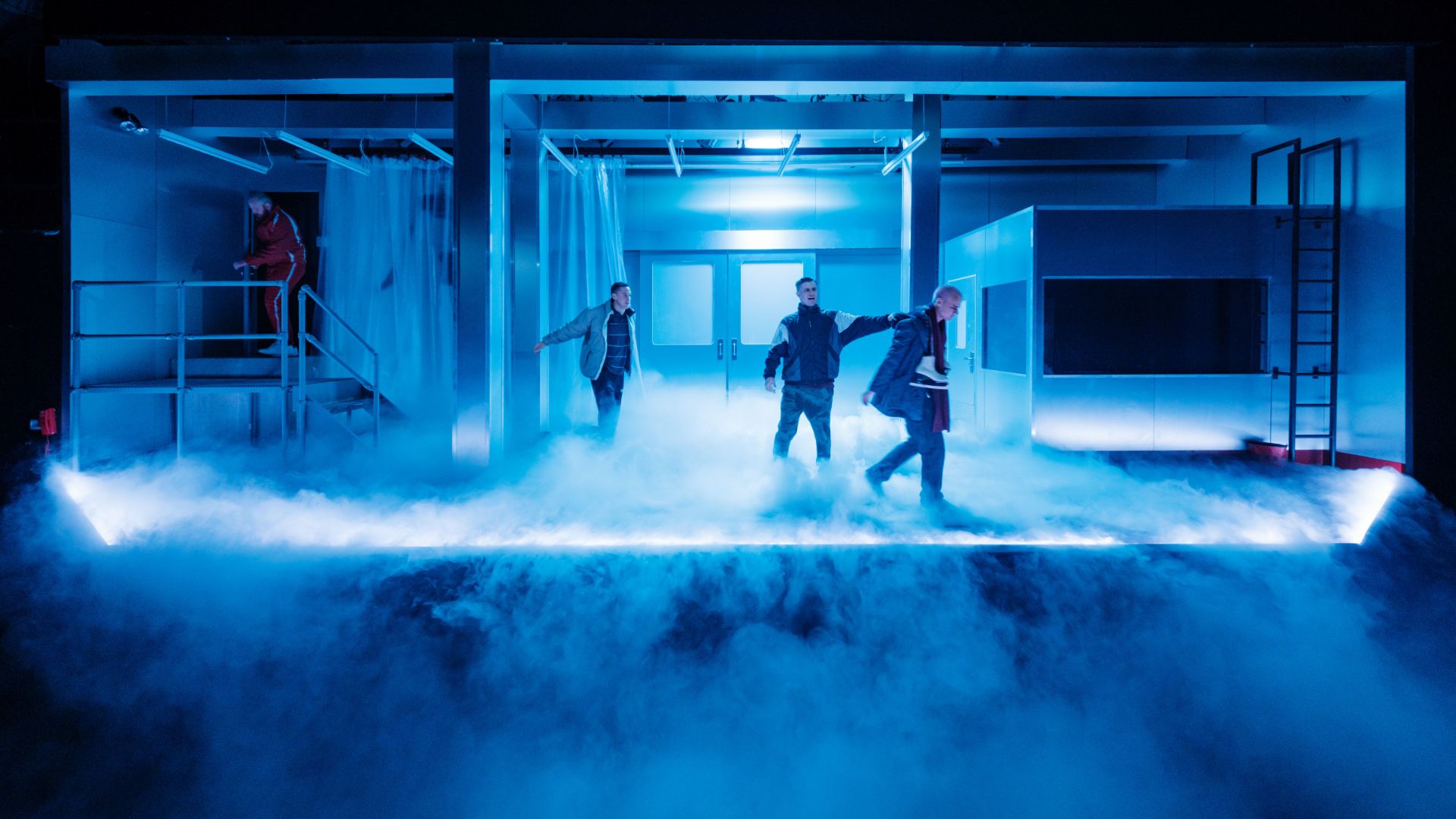
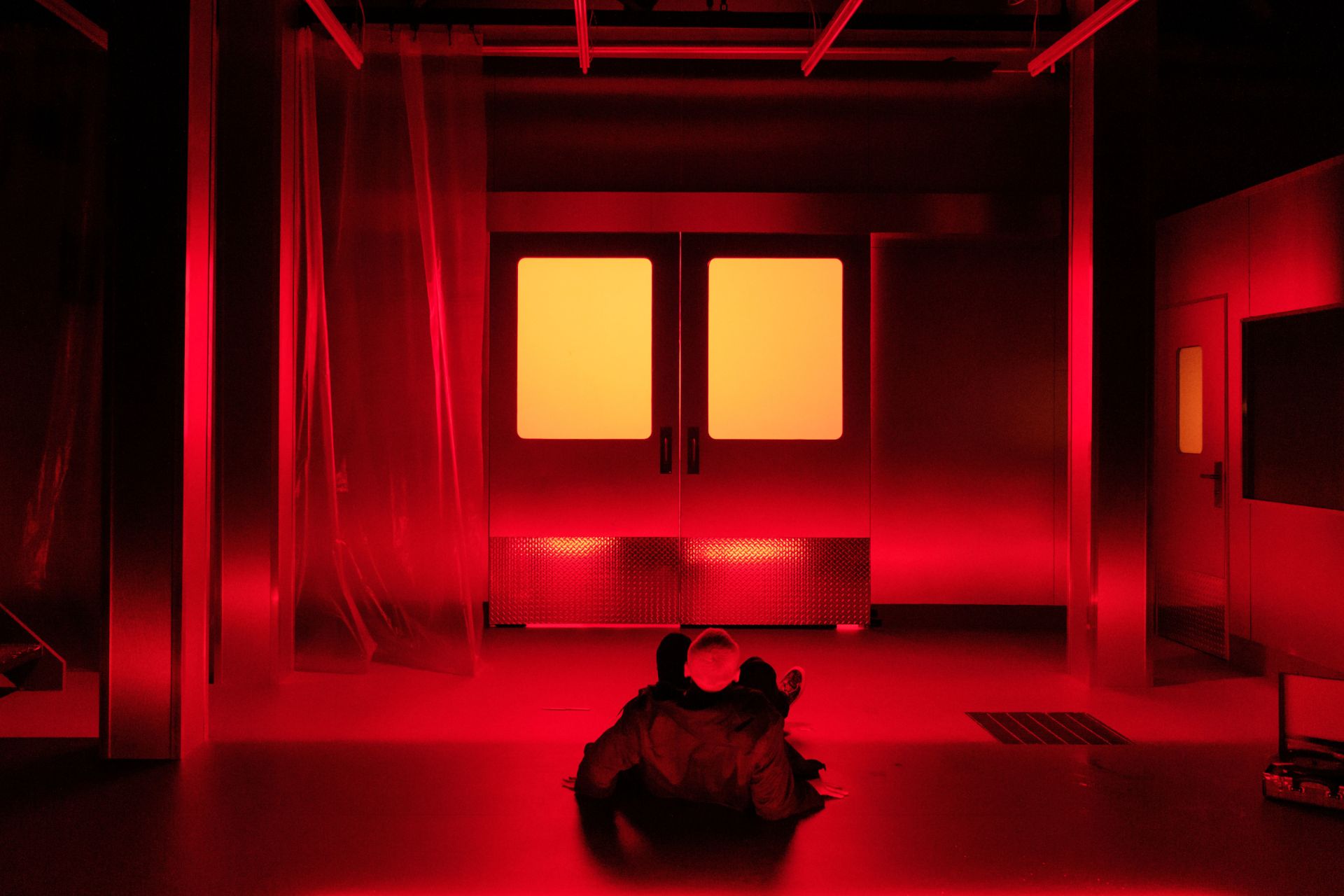
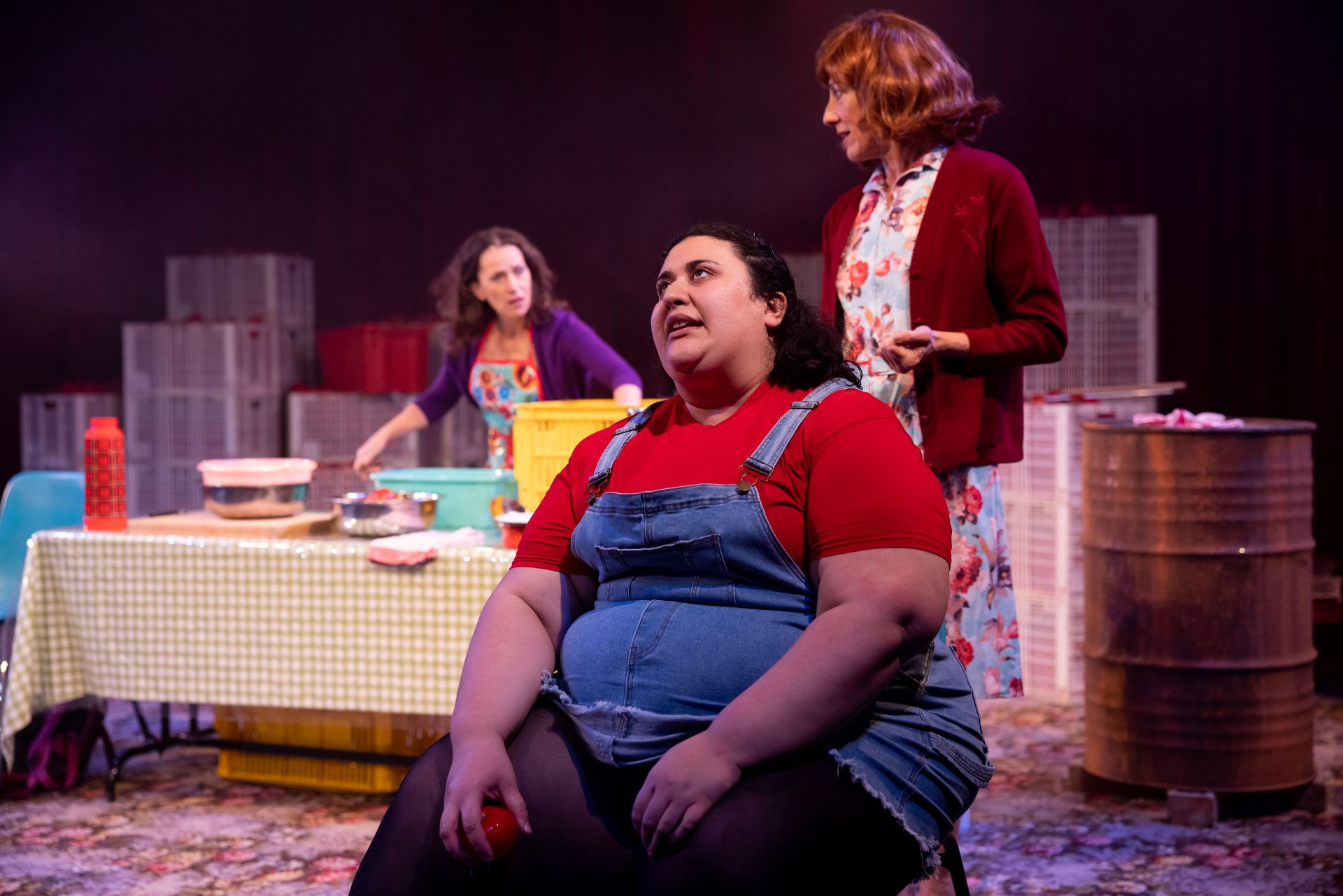
Designer Renée Mulder establishes on the stage, a versatile and highly functional set that provides a wealth of possibilities, whilst making Scotty’s apartment look every bit the million dollar listing that it aims to depict. Costumes are convincingly assembled, with several of Dexie’s more flamboyant outfits demonstrating great style and humour. Light by Ben Hughes too, add colour and texture that wonderfully enhance the mood of each scene.

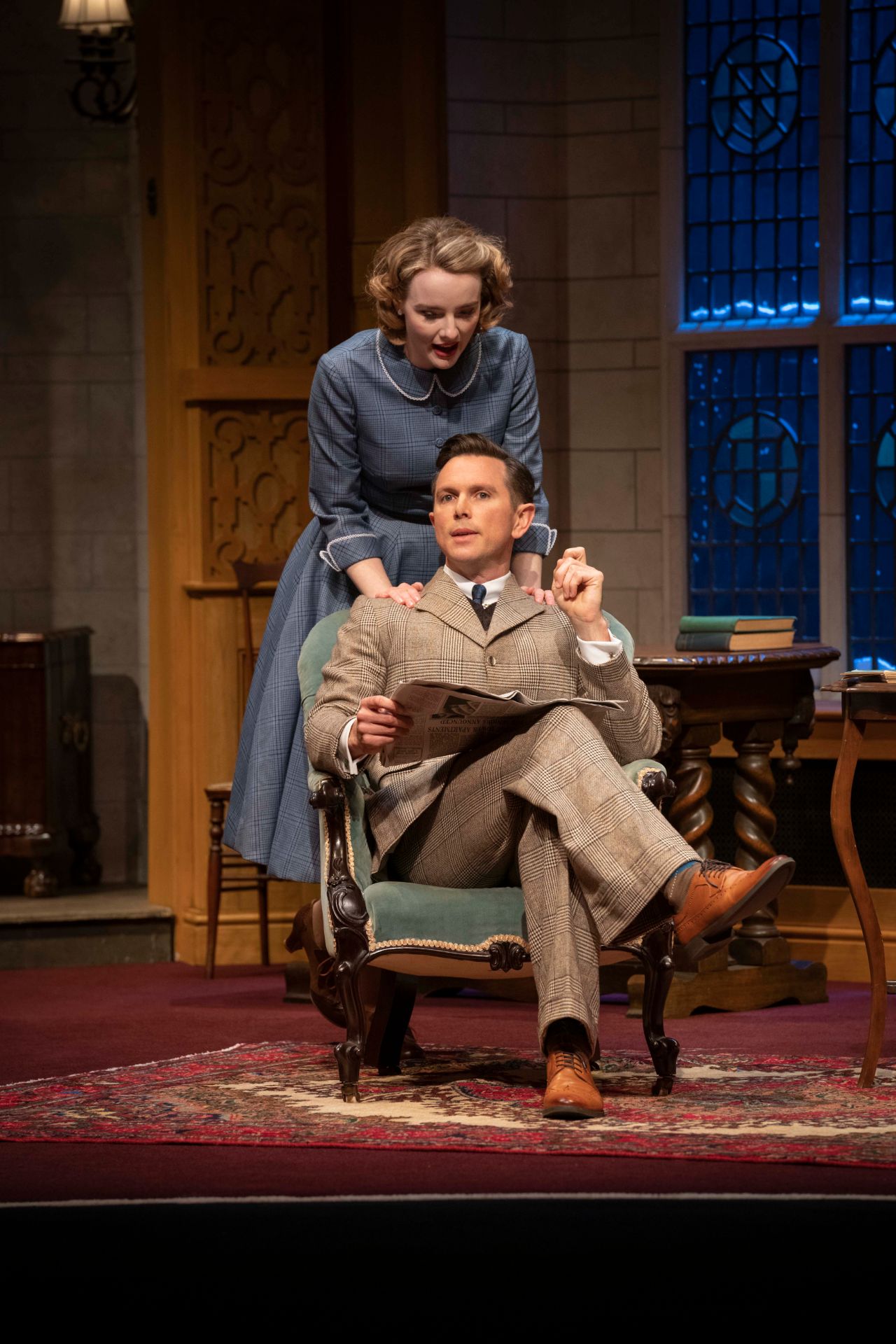
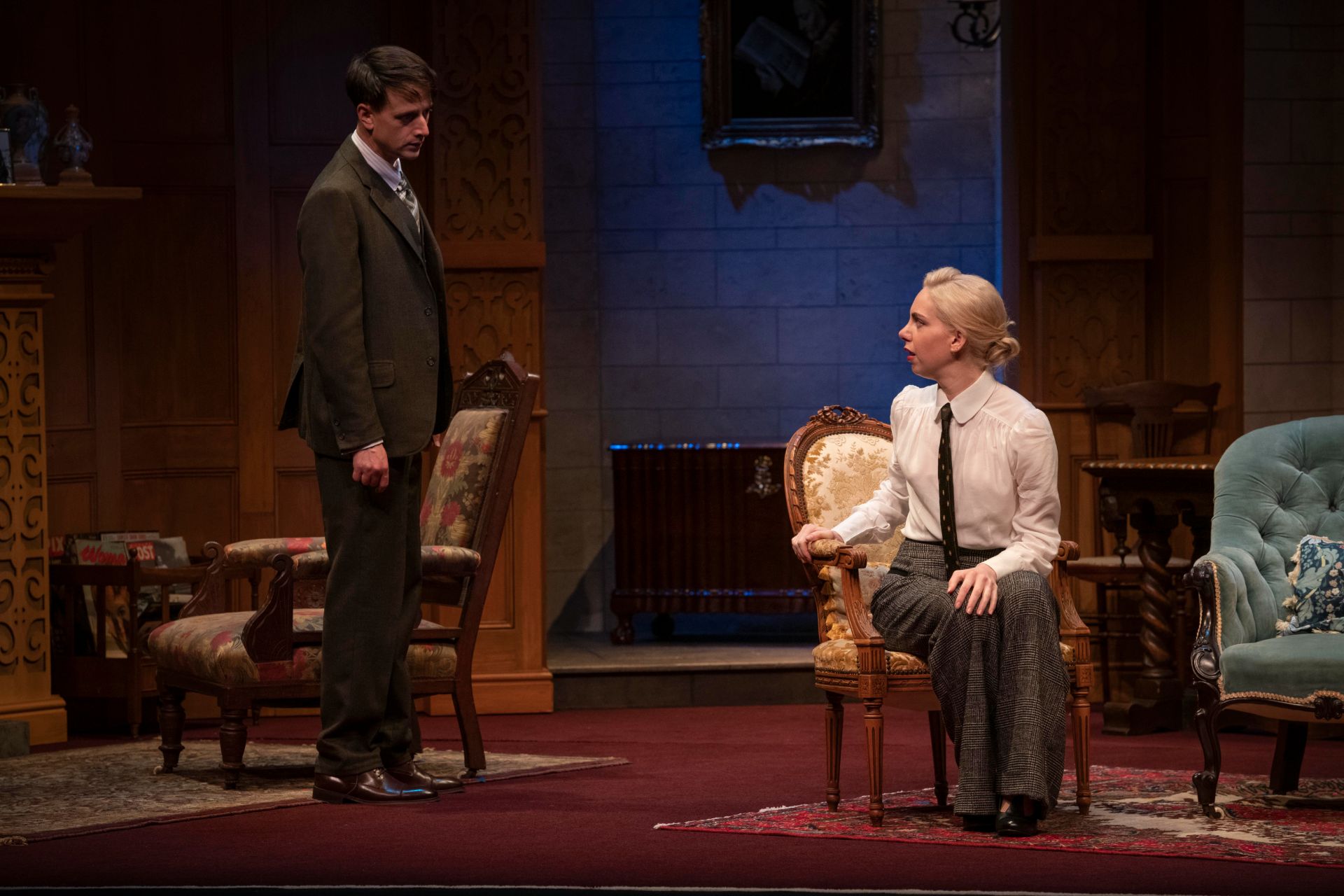
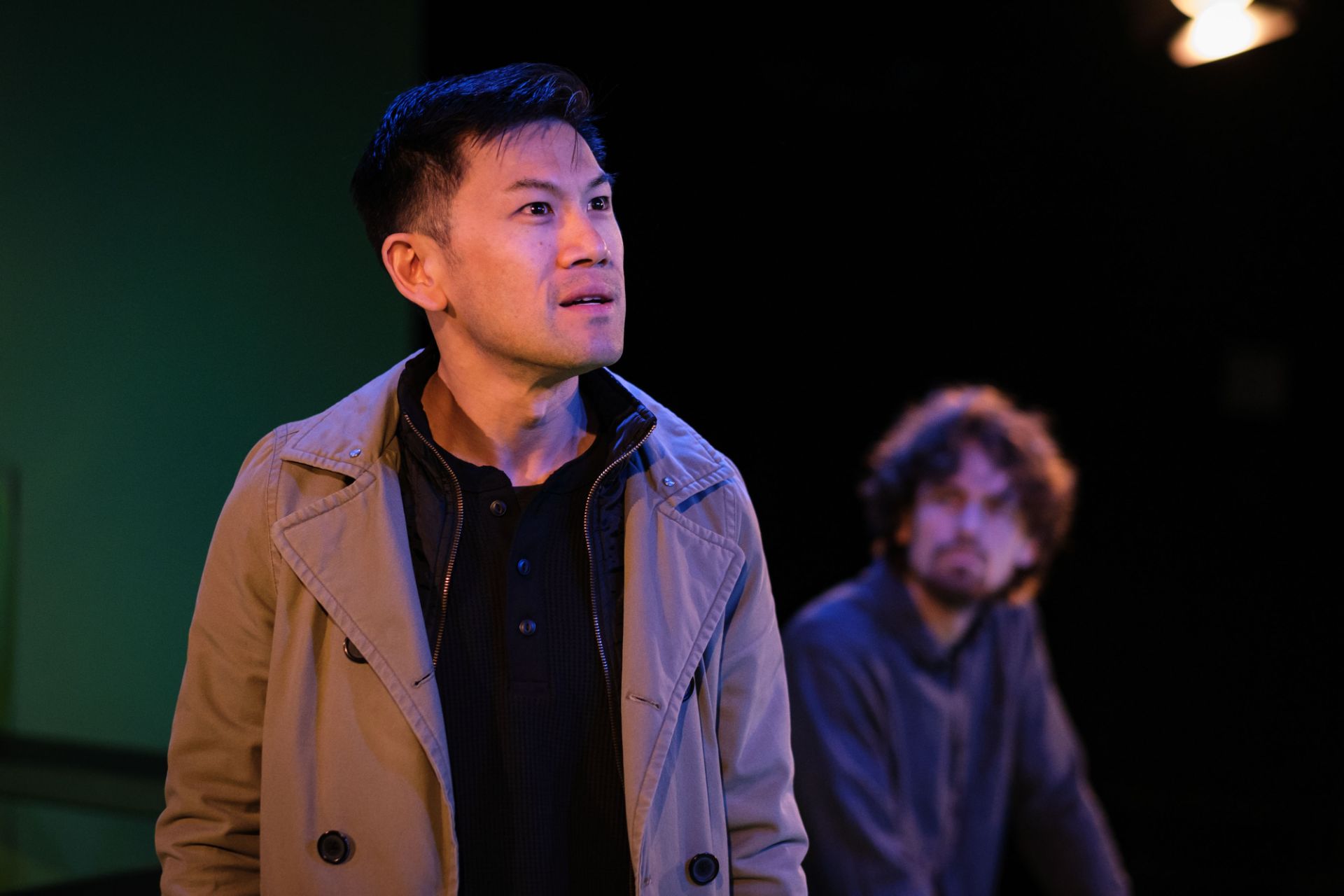
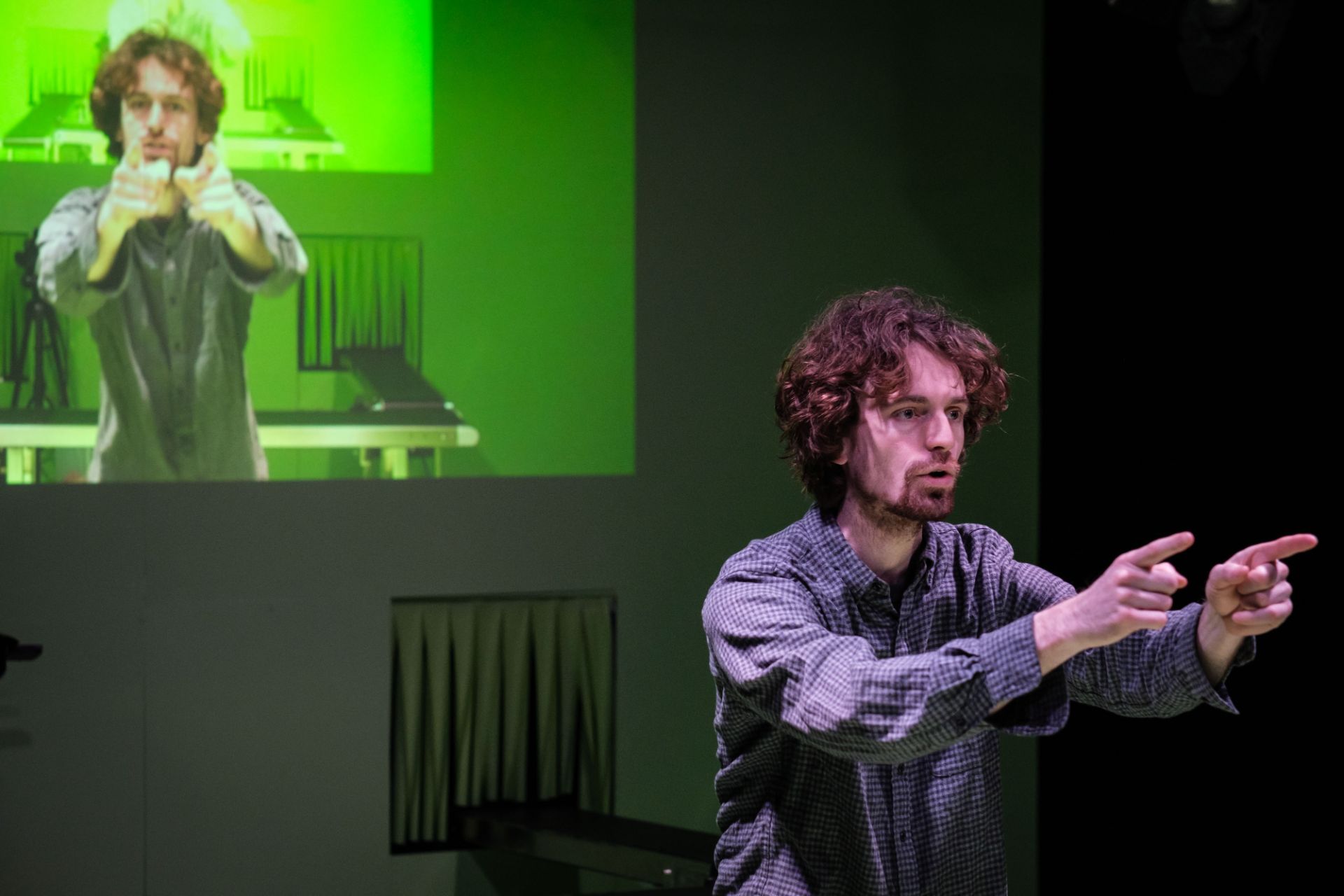
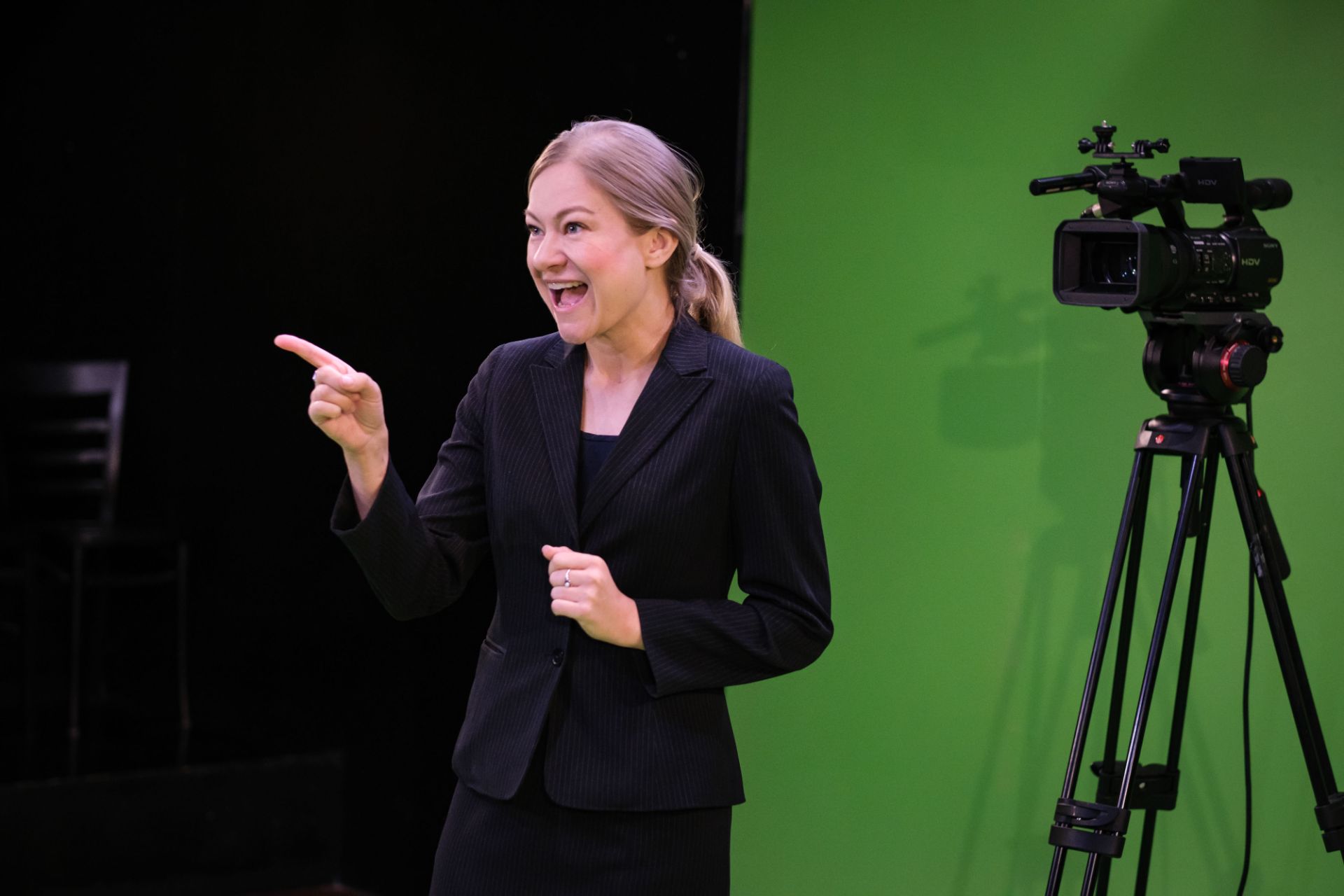
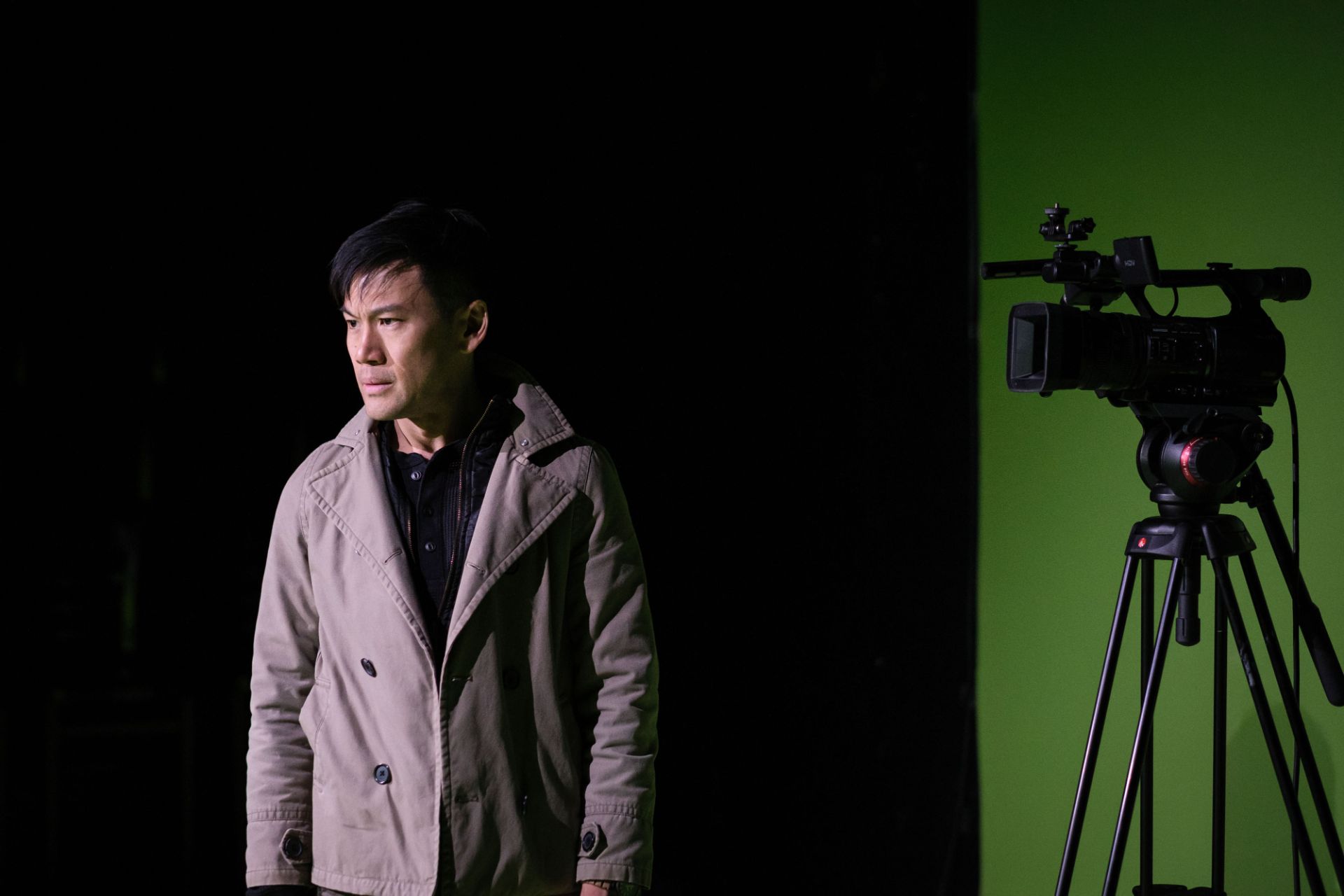
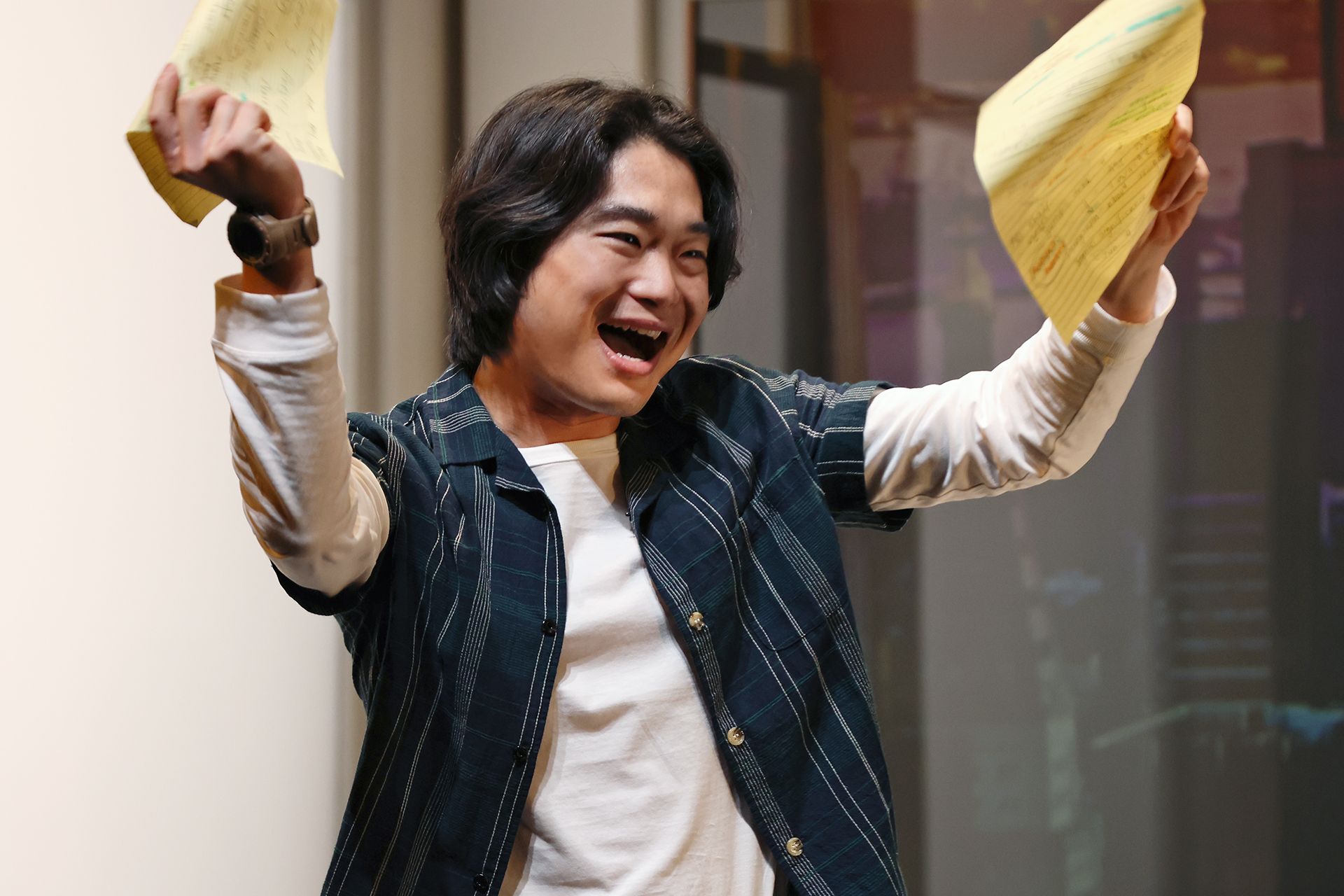
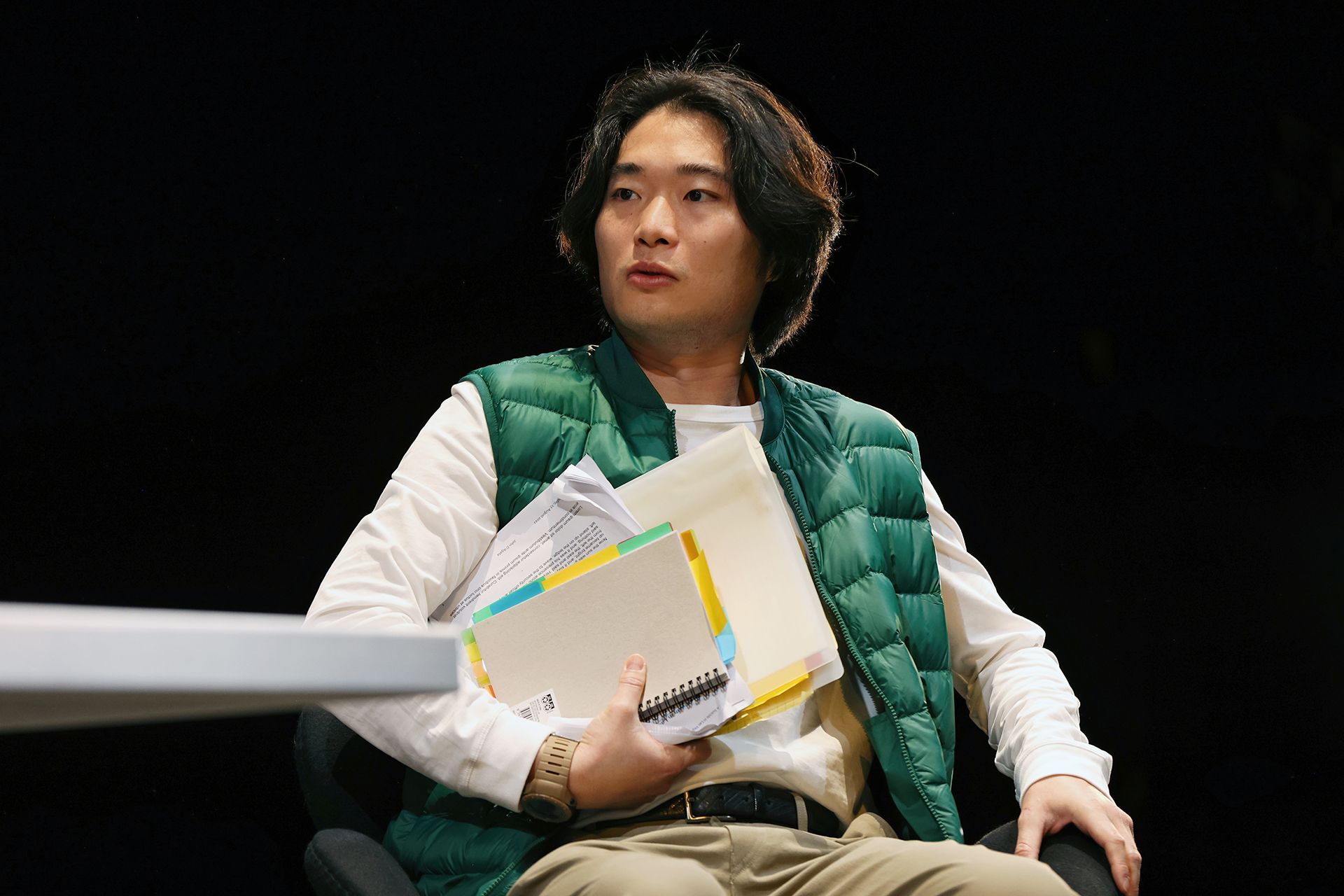
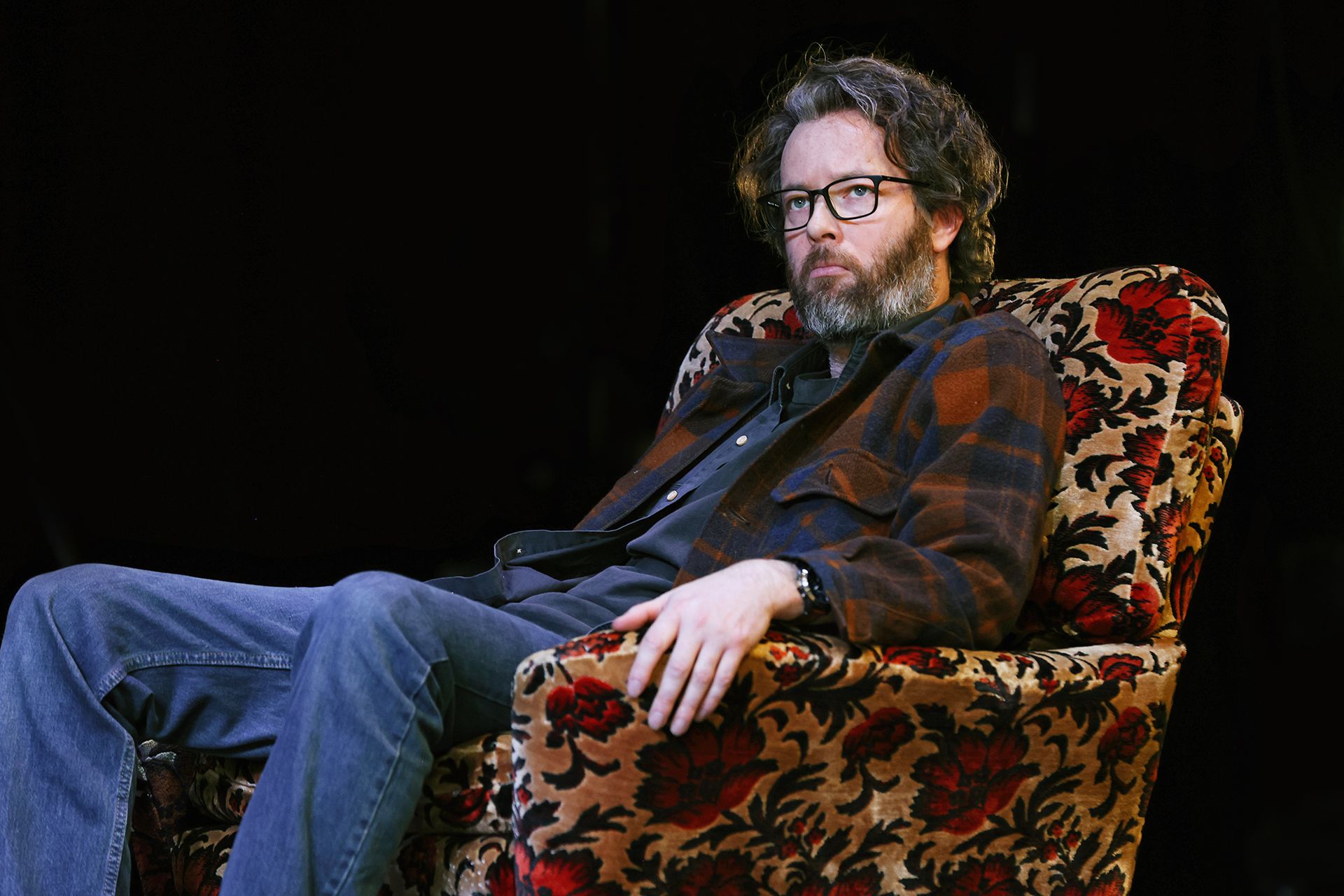
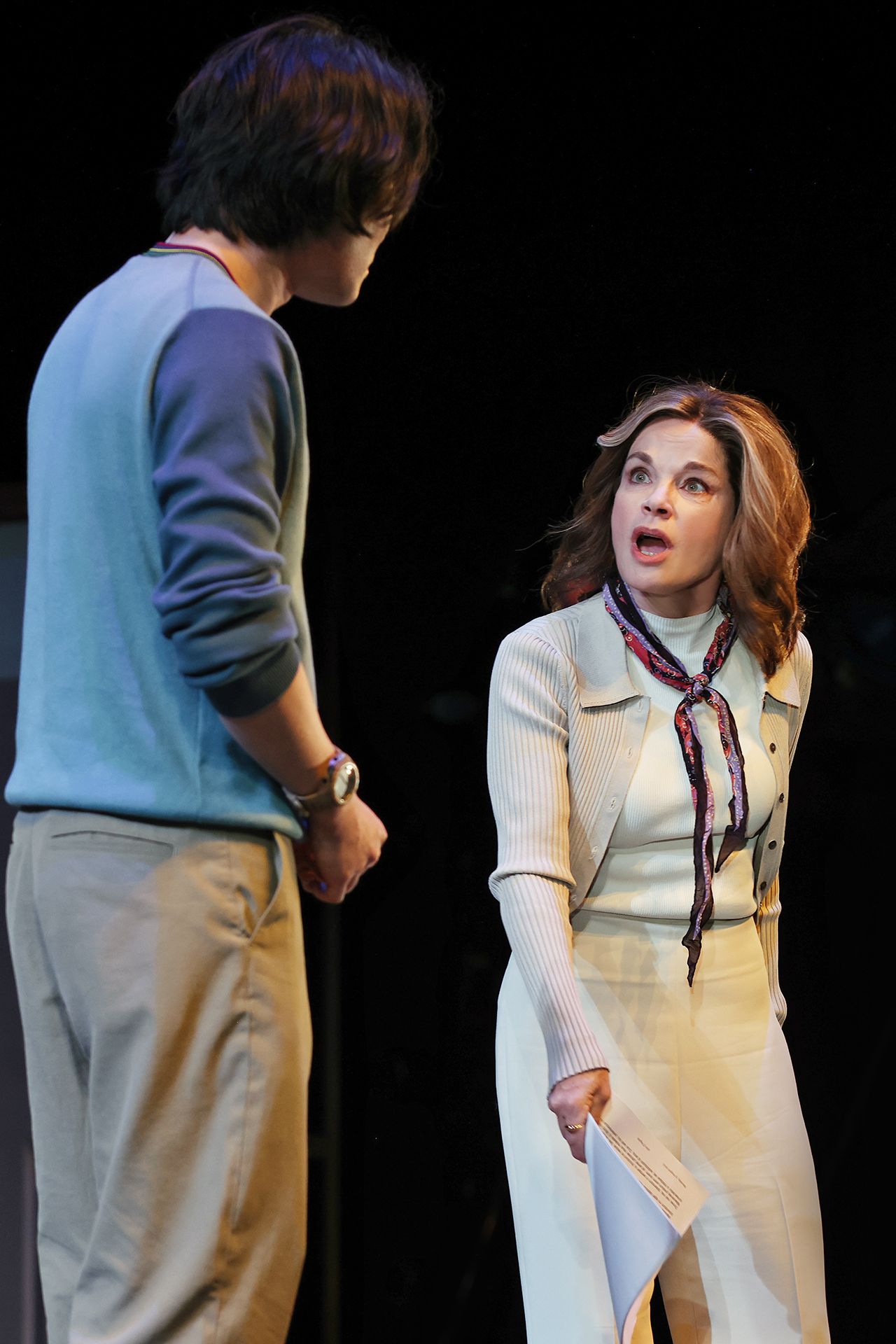
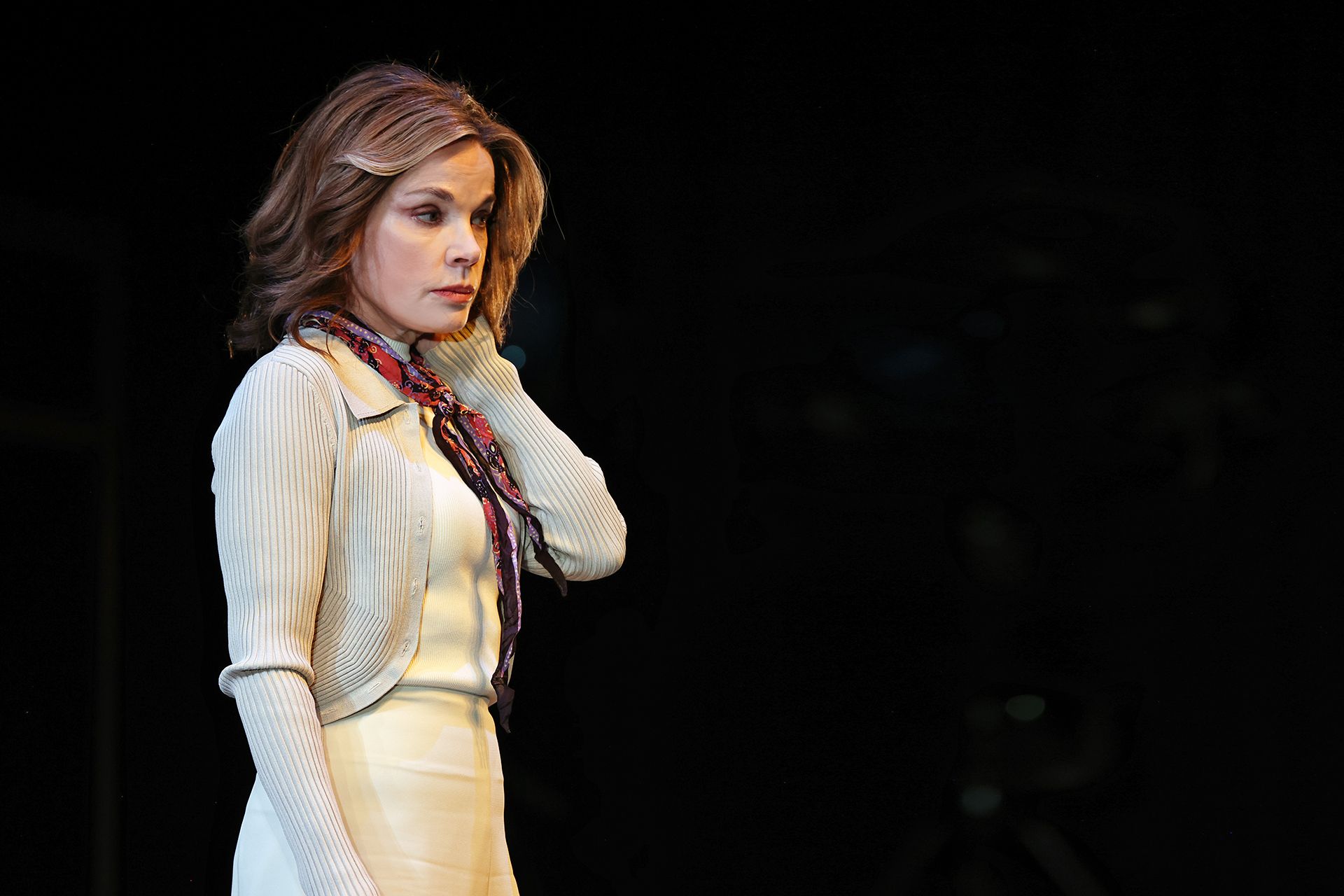
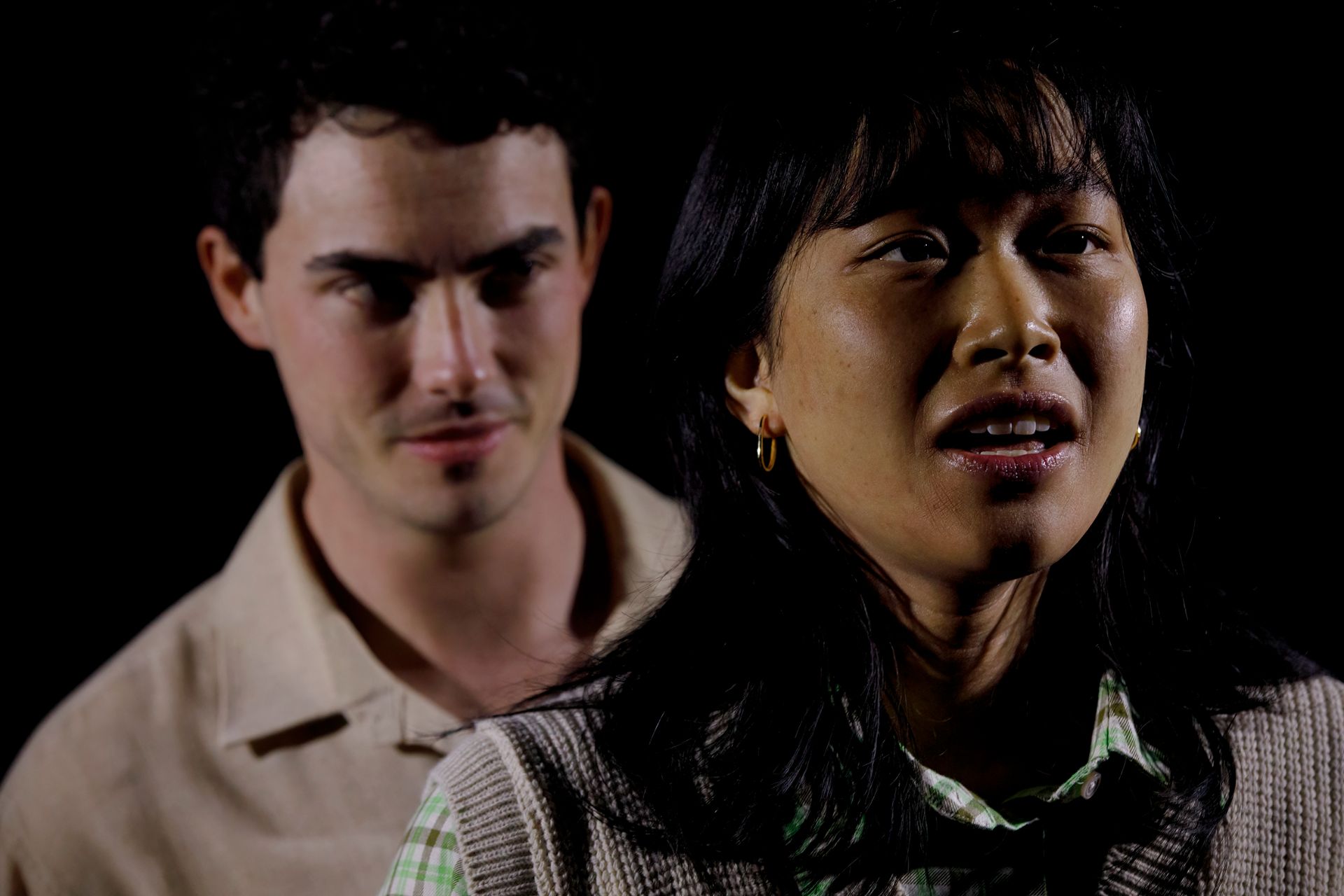
Chase herself plays Dexie, the scruffy warrior from clubland, and provocateur whose very presence insists the truth be out. The uncompromising authenticity that Chase brings to the role, is the lynchpin of the entire exercise. She makes us fall in love with Dexie, and respond with appropriate outrage, at the injustices that befall her. Josh McConville scintillates as Scotty, with boundless energy, both physical and emotional, to convey the frenzied discontentment that the character goes through in every waking moment.

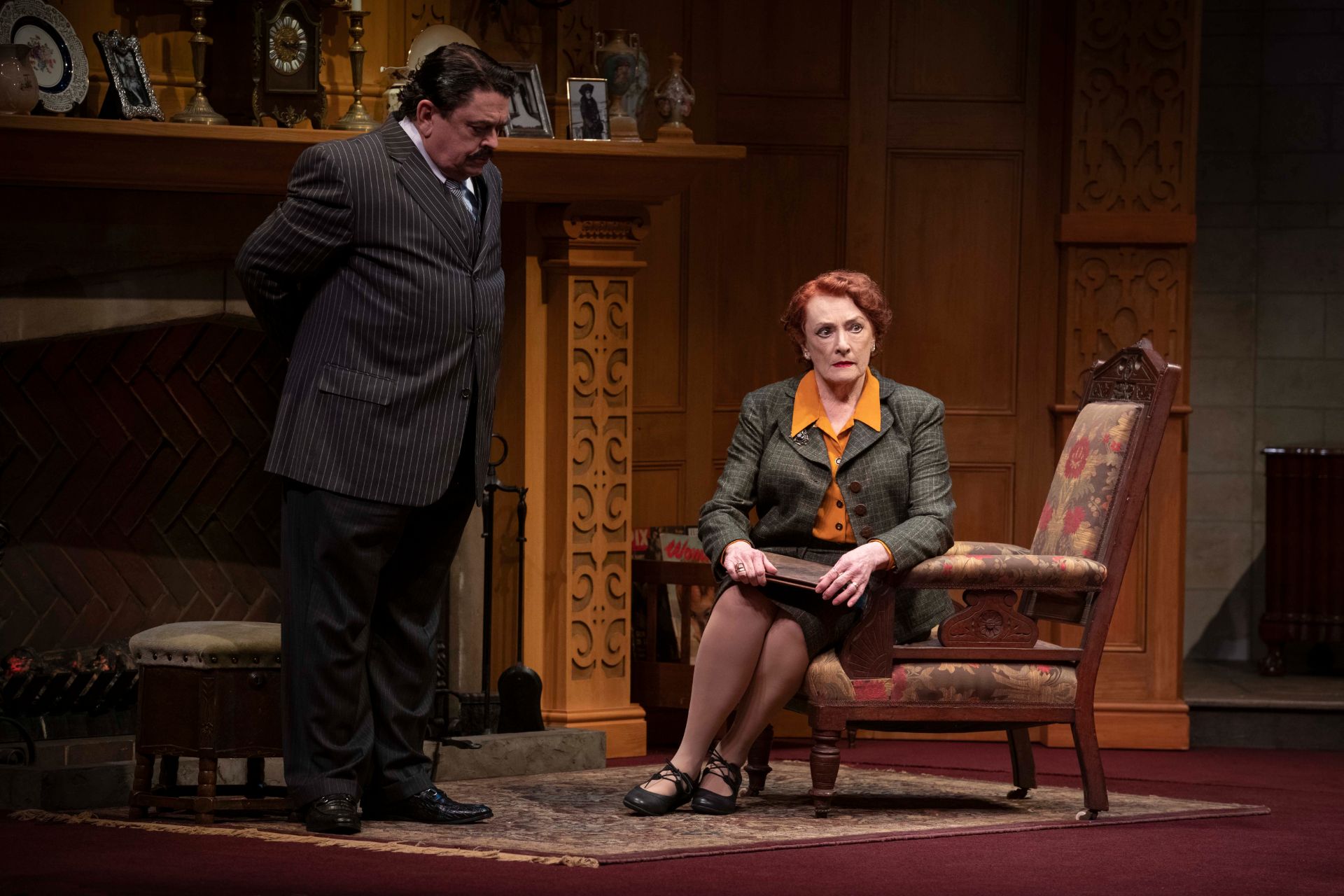
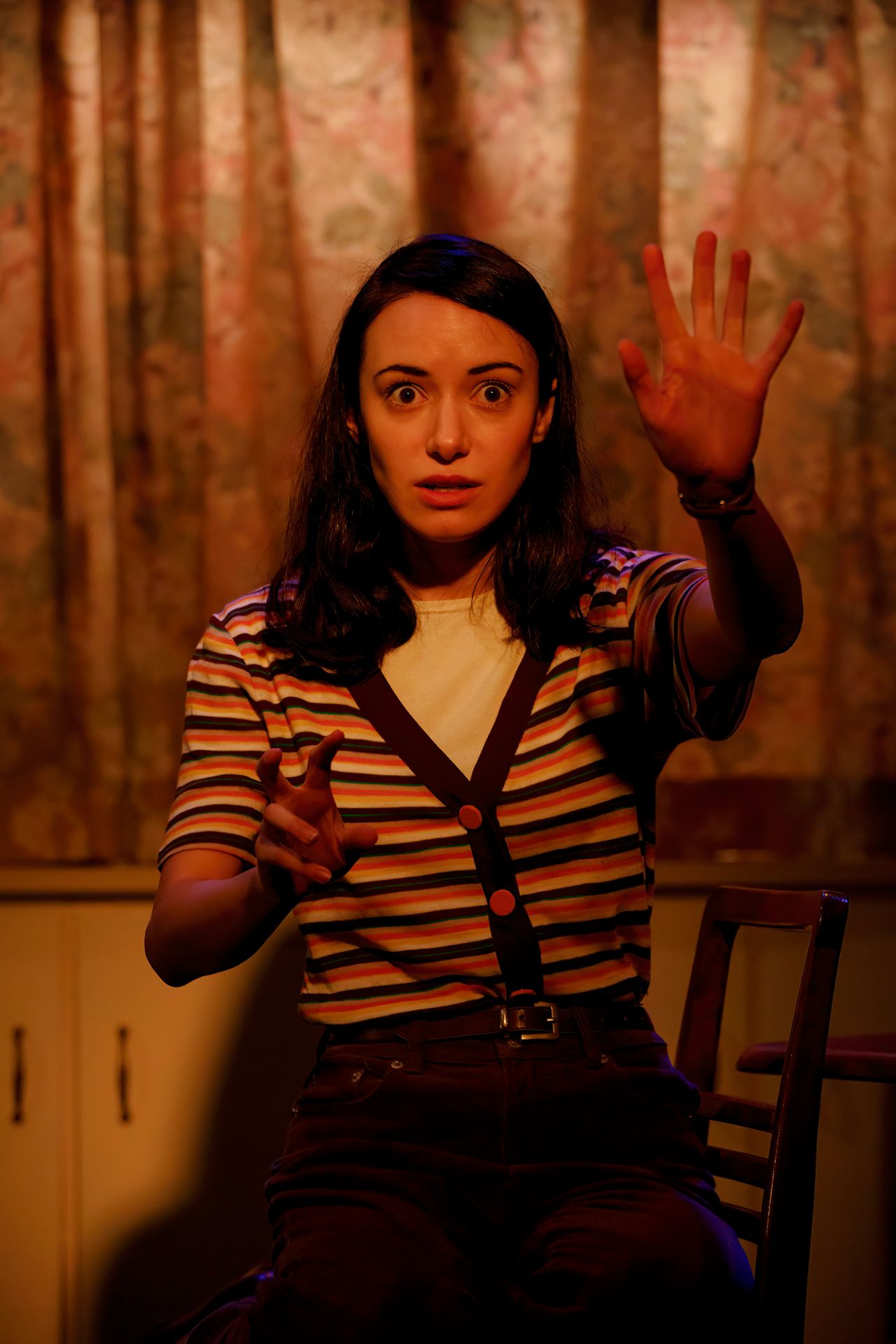
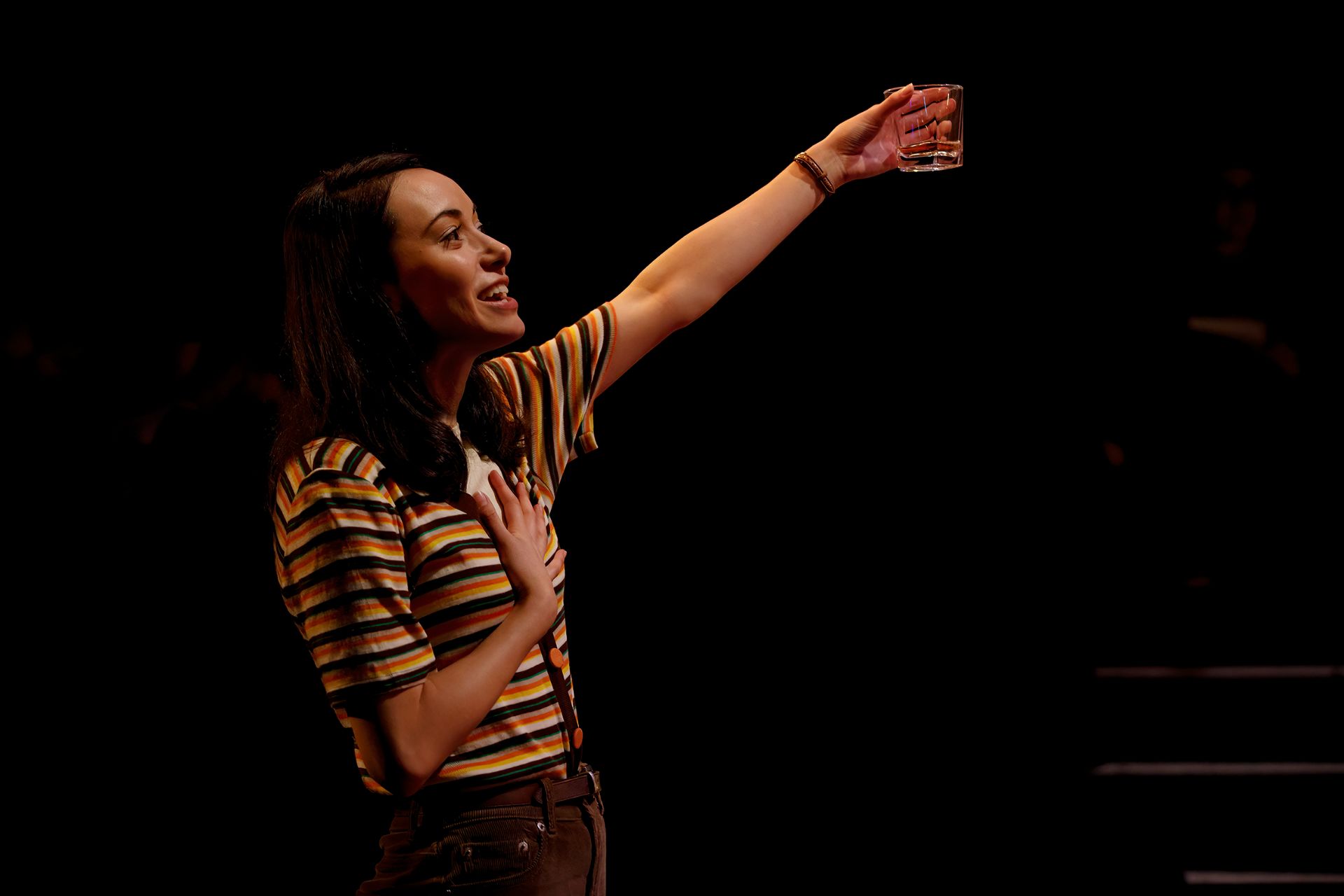
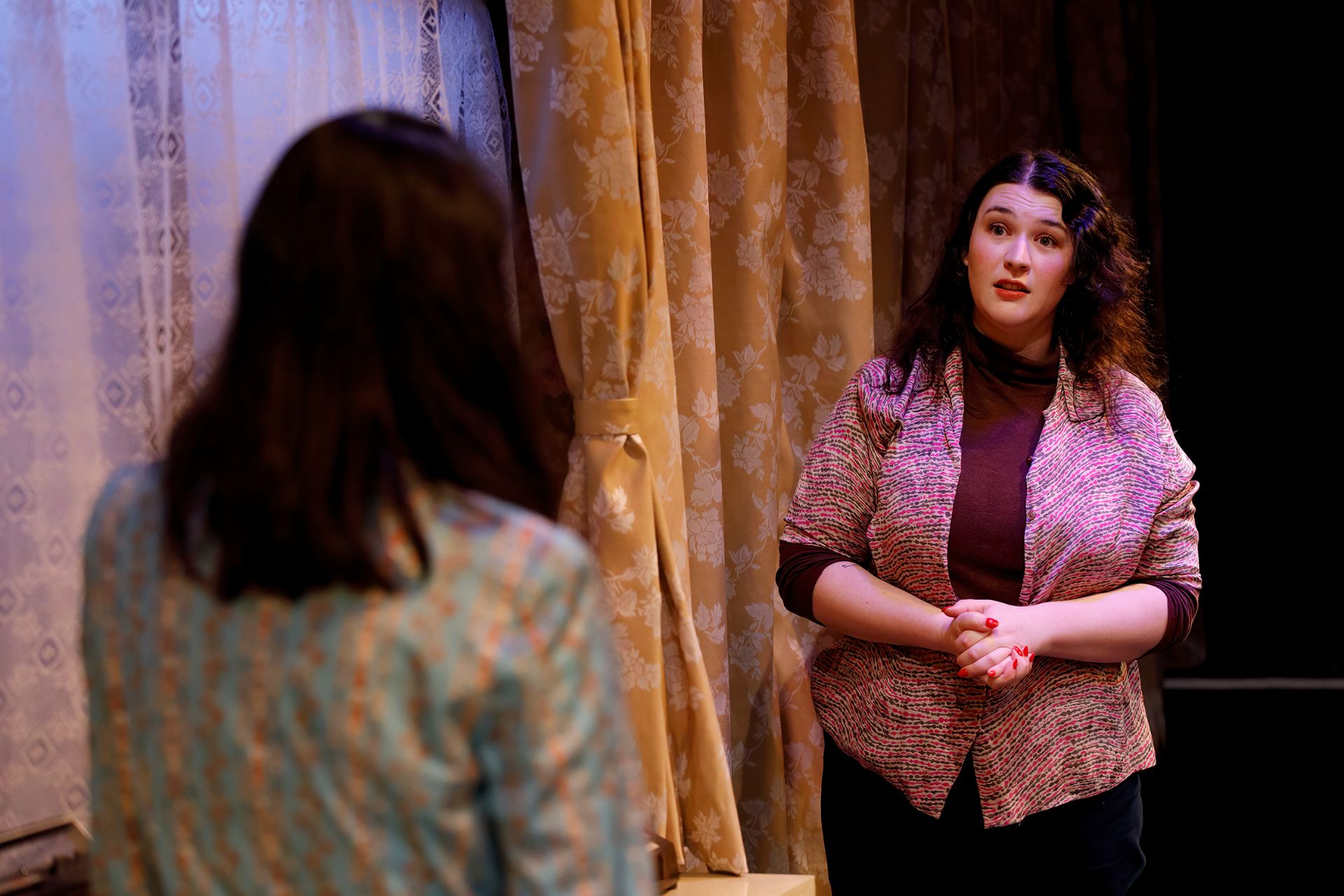
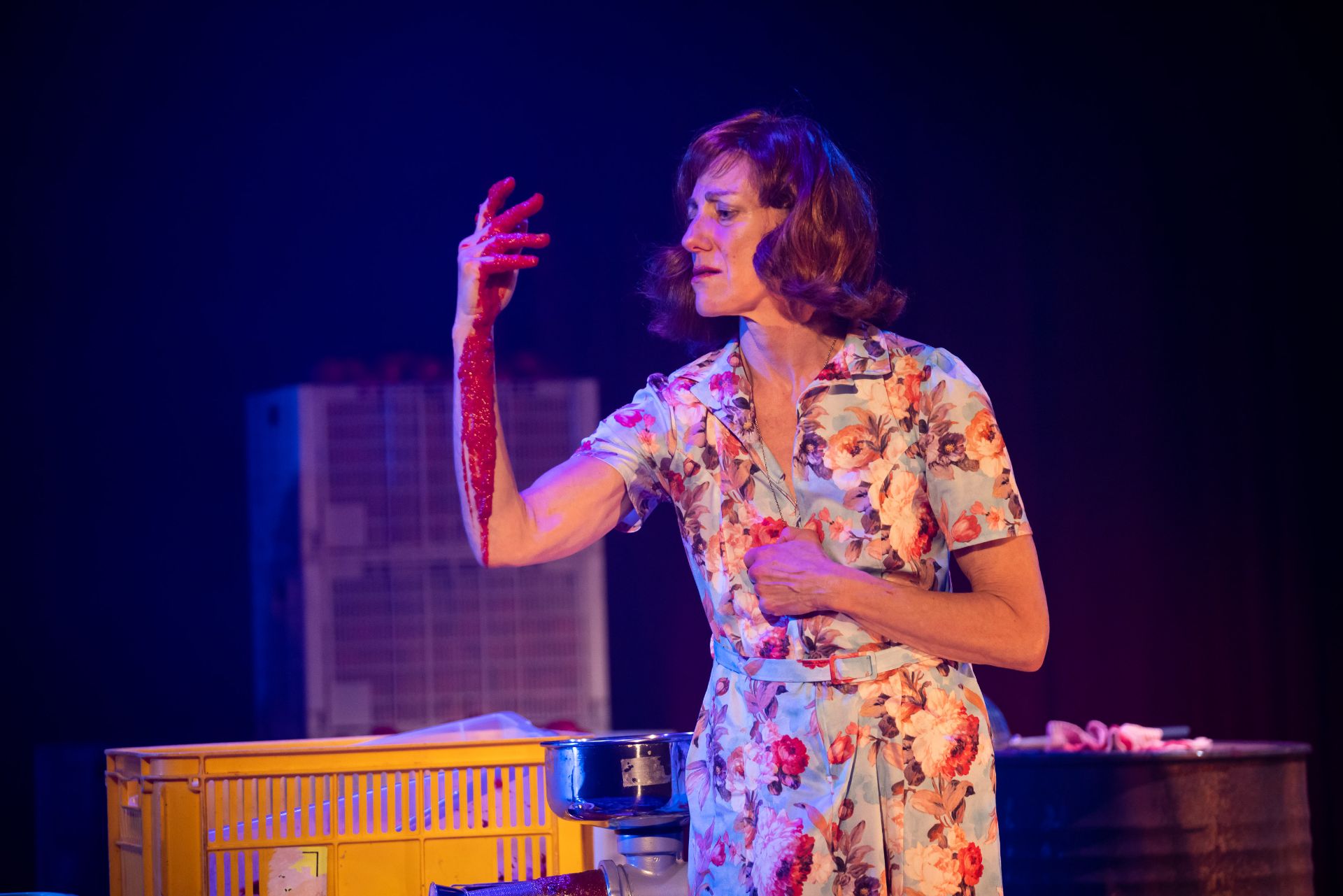
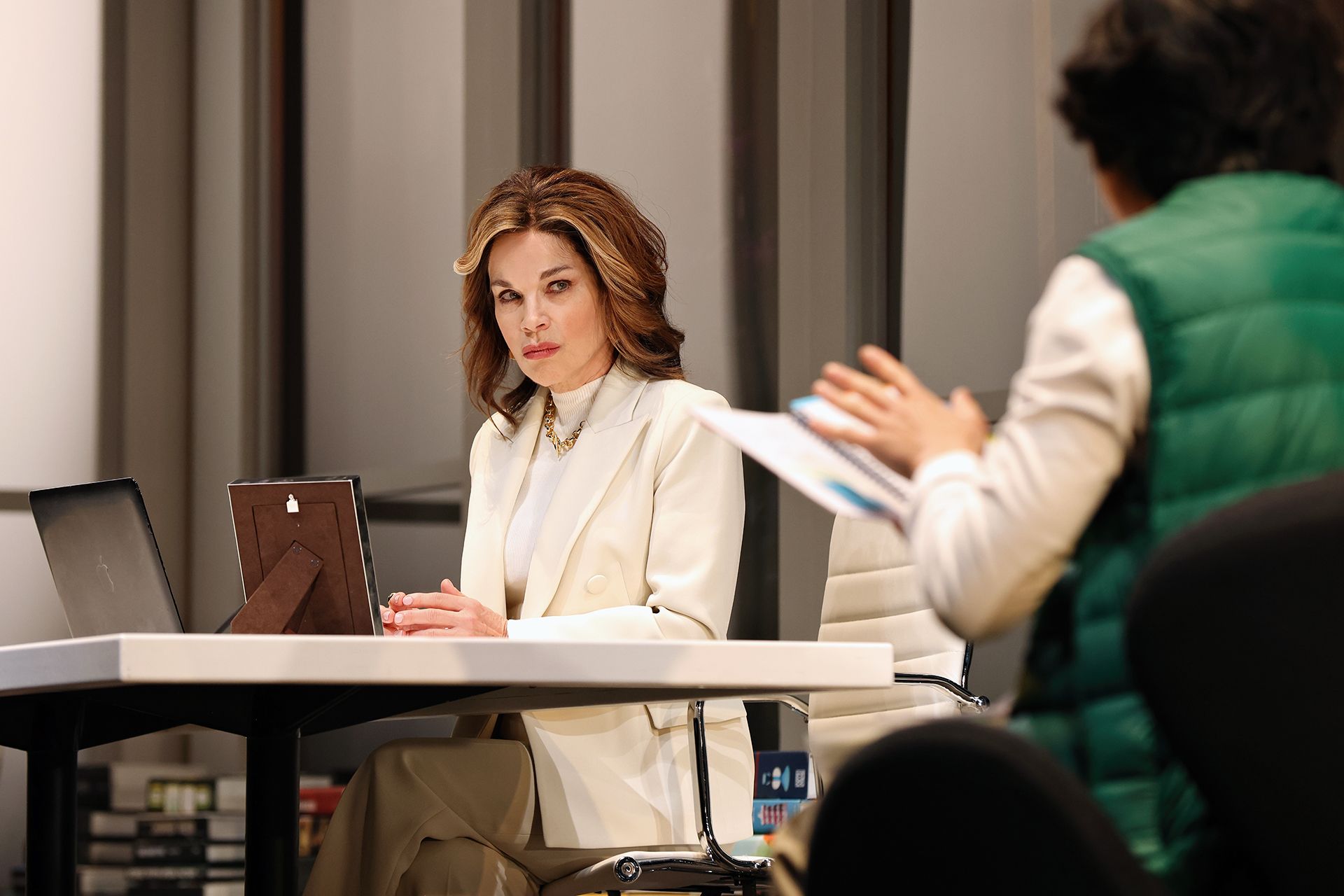
Similarly full of vigour is Christen O’Leary, whose unforgettable performance as Deborah, proves an unequivocal highlight of the production. Captivating and irresistibly funny, yet able to bring sincerity to her work, O’Leary is truly remarkable. Anthony Taufa and Contessa Treffone both create likeable personalities, who add dynamism and complexity to the story being told. The entire cast is passionate, with an infectious earnestness that really drive home the urgency of all that is being discussed.

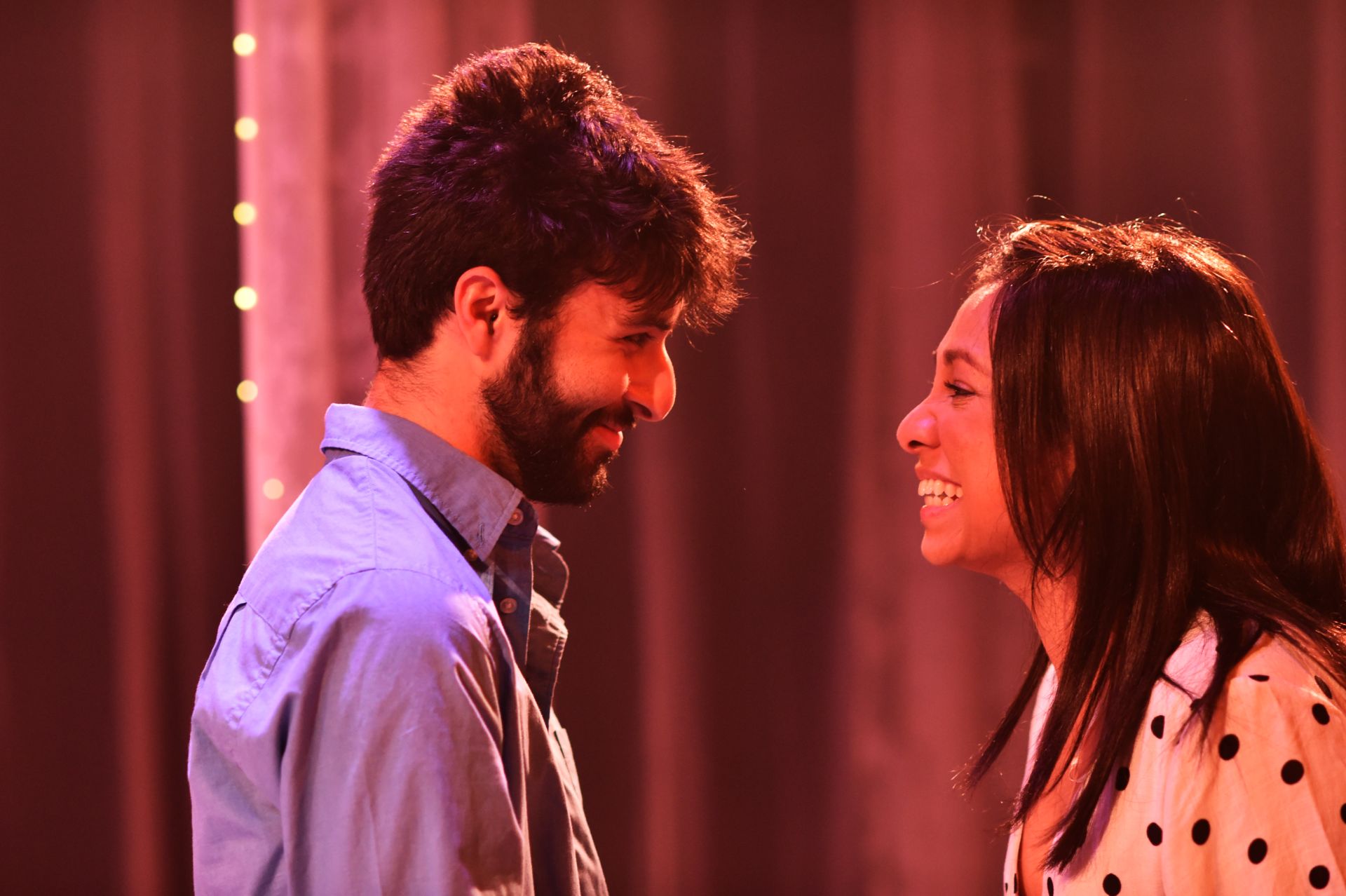
The main thing that Triple X says, is that although there is nothing wrong with Dexie, and that she lives her life to the fullest of her abilities, the world around her is constantly trying to pull her down. Even when she finds love unexpectedly, the embarrassing predictability of a man’s cowardice, is determined to replace pleasure with misery, joy with anguish. Of course Dexie deserves love, but more than that, she deserves dignity, and the well-founded wisdom of knowing better.

For Scotty, the affair means much more than it does to Dexie. Trans women of a certain age have seen it all before, and there will always be plenty more fish in the sea, should one choose to partake in a never-ending revolving door of fleeting romances. On the other hand, for men like Scotty who know that intimacy with a trans woman, is part of their journey to true happiness, to lose a love could easily be an irrevocable error. Those who remain cowards shall find no peace, and those who relish in bravery certainly deserve no cowards.

www.sydneytheatre.com.au

Review: Girl From The North Country (Theatre Royal Sydney)

Venue: Theatre Royal Sydney (Sydney NSW), 6 Jan – 27 Feb, 2022
Book: Conor McPherson
Music & Lyrics: Bob Dylan
Director: Conor McPherson
Cast: Tony Black, Peter Carroll, Tony Cogin, Laurence Coy, Terence Crawford, Helen Dallimore, Blake Erickson, Callum Francis, Elizabeth Hay, Peter Kowitz, Lisa McCune, Samantha Morley, Zahra Newman, Christina O’Neill, Grant Piro, James Smith, Greg Stone, Chemon Theys, Liam Wigney
Images by Daniel Boud

Theatre review
Characters of Girl from the North Country weave in and out of a Minnesota house, in 1934 when the Great Depression was in full force. Their stories are written by Conor McPherson, whose flair for sentimental nostalgia is put to good use, in this musical set to the songs of Bob Dylan. A kind of specific Americanness, found in its themes as well as in its style, might make the show feel somewhat distant to Australian sensibilities, but a transcendent beauty so present in all its creative considerations, almost bridges that cultural gap.

Although not always engaging, the work is certainly transportative. Directed by McPherson, Girl from the North Country takes us to another time and place, with a level of elegance rarely seen on our musical theatre stages. Mark Henderson’s lighting design, in collaboration with Rae Smith’s sets and costumes, offer up lush vistas that meld so wonderfully with musical director Andrew Ross’ reworking of Dylan’s songs. Lucy Hind’s sensitive choreography too is memorable, in a production that feels so confident yet remarkably understated.

The languid aesthetic is brought to manifestation by an endearing cast, including Peter Carroll, Lisa McCune and Zahra Newman, who deliver captivating personalities, in a show that is otherwise fairly resistant of our need to identify with its people and situations. Sublime singing from the likes of Callum Francis, Elizabeth Hay and Christina O’Neill pull us in, so that we can regard the heart and soul of these artistic renderings, at close proximation.

There are many moments of theatrical magic in Girl from the North Country, but there are also many instances where it leaves us unexpectedly cold. It includes an abundance of exquisite elements that amount to something best described as mellow. One would not be surprised to discover that the songs connect more than the stories do, in a work that stands most importantly, as a tribute to the legend that is Bob Dylan.

www.northcountry.com.au

Review: Pollon (Little Eggs Collective)

Venue: Kings Cross Theatre (Kings Cross NSW), Dec 14 – 18, 2021
Creator and Performer: Eliza Scott
Director and Dramaturg:
Craig Baldwin
Images by Yannick Jamey

Theatre review
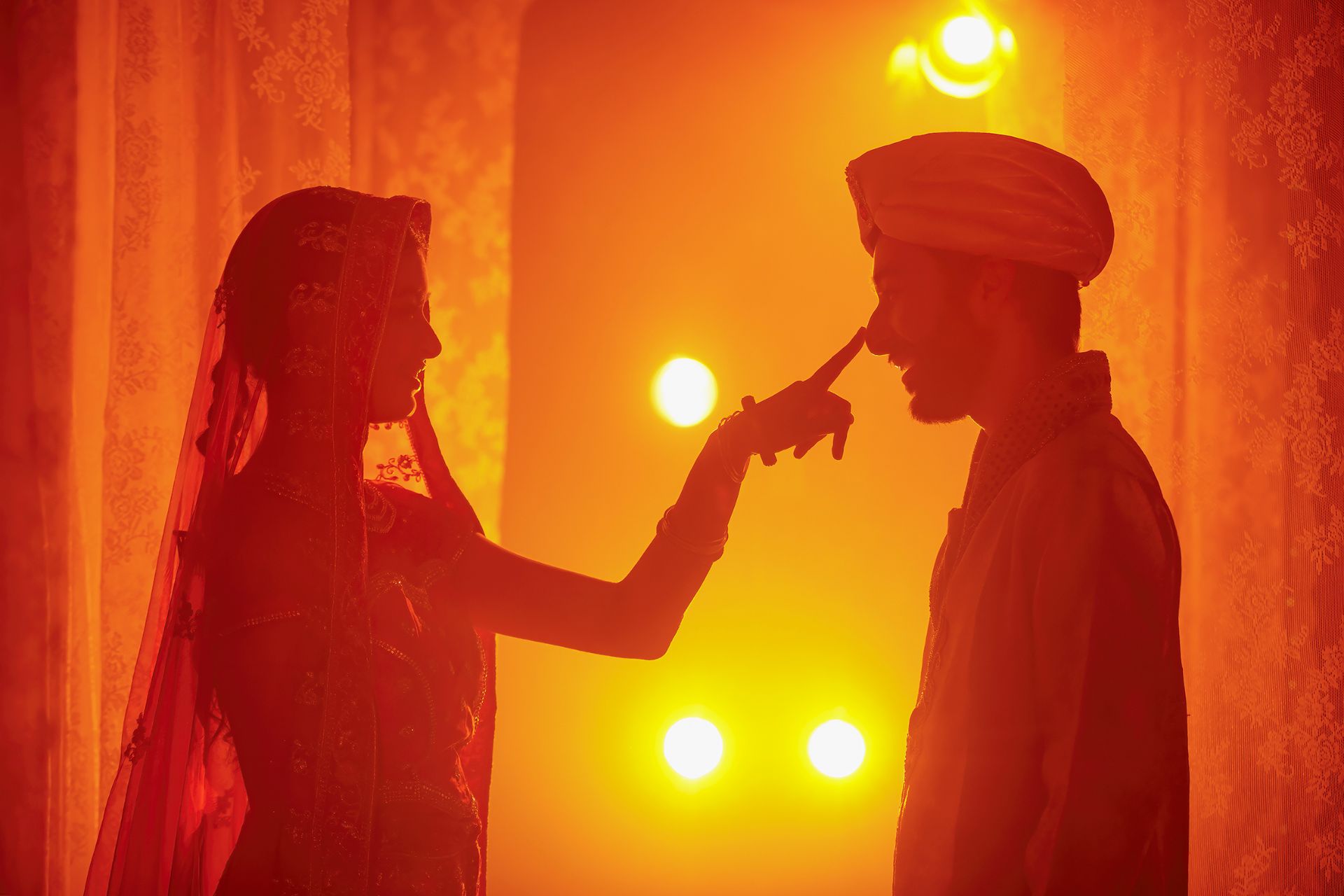
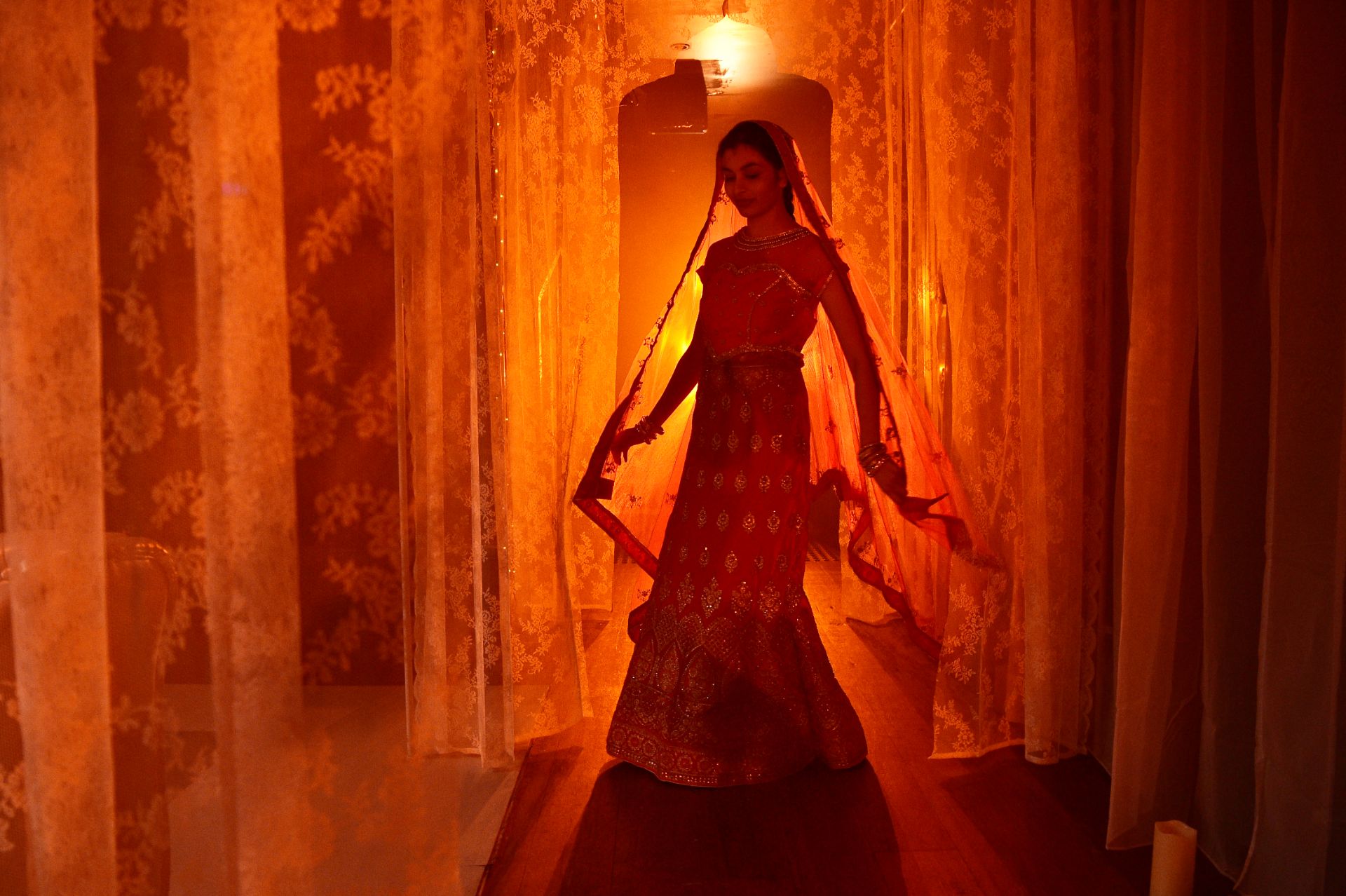
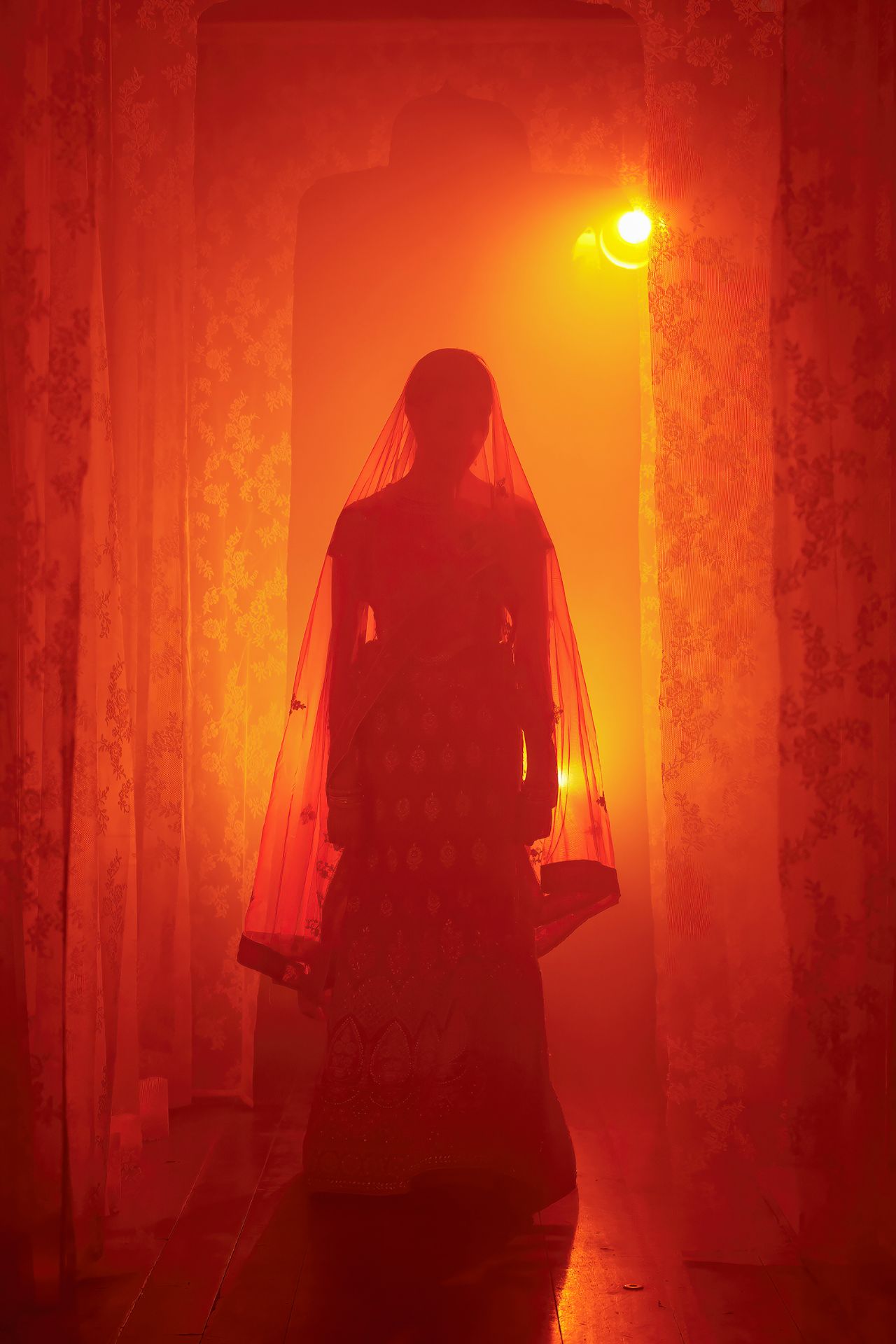
In Pollon, we witness Eliza Scott attempting to recreate the presence, of someone no longer present. An older man maybe Scott’s father, has fallen critically ill or perhaps died, and the artist, like all who are left behind, has to grapple with the nature of grief and of memory, in ways that are utterly personal. In Pollon, it is that process of mourning that reveals the things that we hold dear, that often do not come into true consciousness until too late.

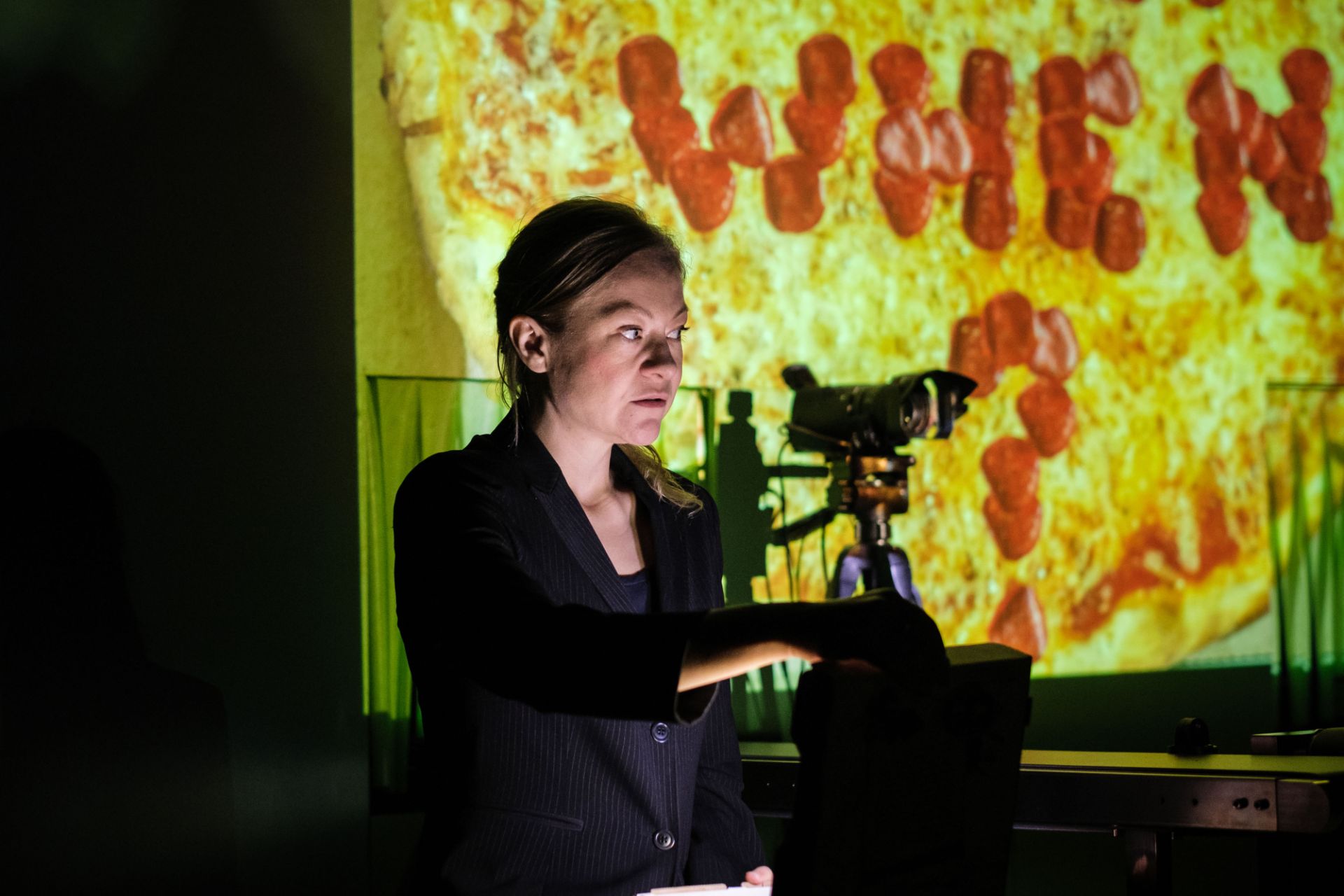
The memory of a lost love is retrieved, most notably in this staging, through the sense of sound. Scott’s reminiscences are based heavily on old utterances that might have been fleeting or indeed, repeated time and again. That search for yesterday’s intimate moments, are made material by the performer’s various constructions of sonic presentations. Utilising the simple combination of a microphone with two loop stations, impromptu “songs” are created to fascinating effect.
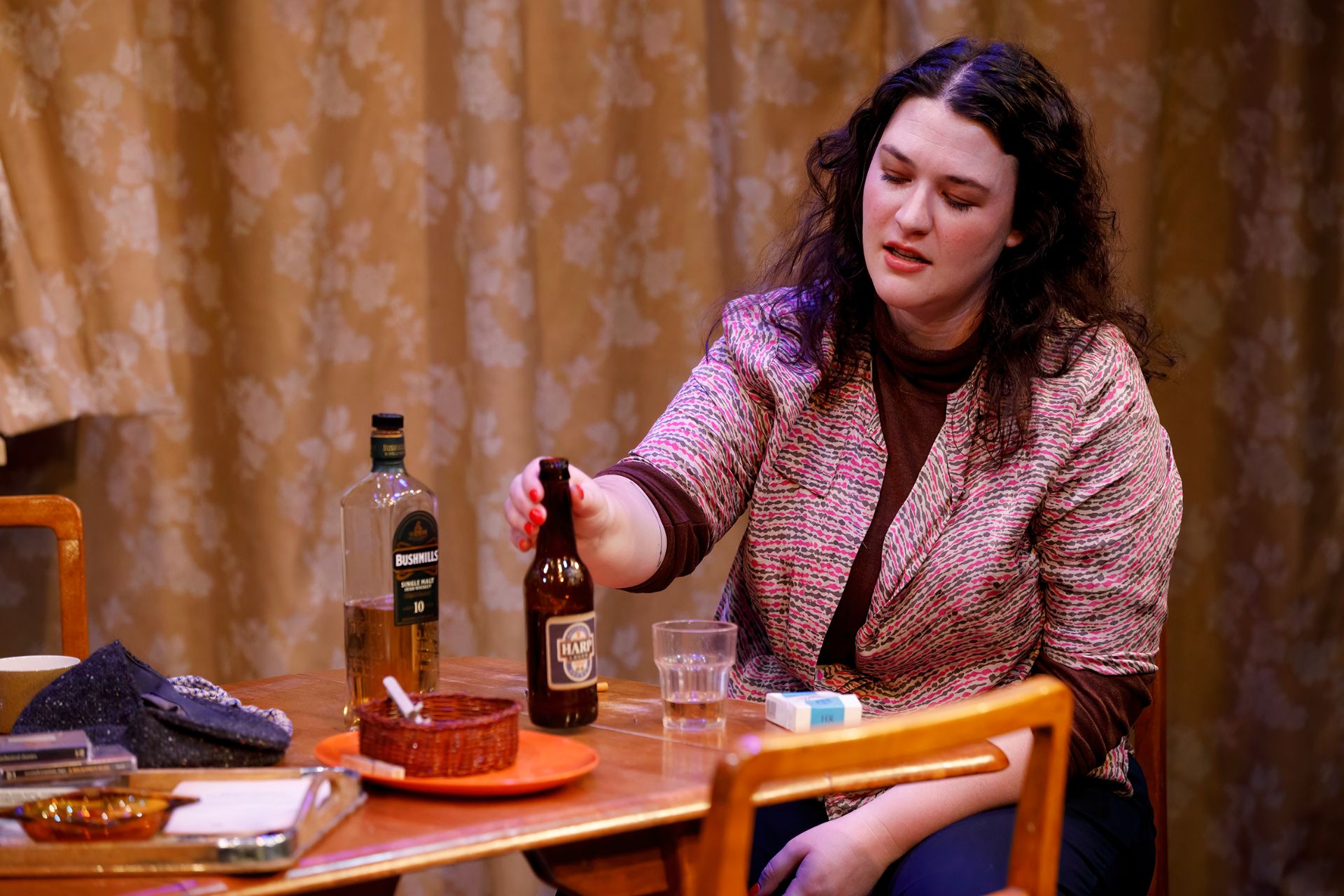
Directed by Craig Baldwin, visual aspects are even more pared back, with minimal costumes and light changes, on a set that looks almost perfunctory by design. The result however is commendably elegant, in its rendering of a kind of essentialist aesthetic. As performer, Scott is irresistibly charming, with an intense vulnerability that makes everything they serve up, seem captivating and important. For an abstract work about presence, Scott’s sheer star quality is a convincing ingredient, that keeps us completely at ease and attentive.

Nobody can remember the days before they were born, but to think that one’s existence on this plane, in the posthumous, might become equally imperceptible and intangible, is unbearable. If we do not wish to contend with the idea that we simply vanish into thin air, it must be true then, that humans are concerned with legacy. Yet, we do so little to ensure that what we leave behind, is good and fair. The remnants of a generation will always inform how subsequent lives will conceive of the world. One can only hope that all the bad that lingers, can somehow be transformed into something better.

www.littleeggscollective.com

Review: Jagged Little Pill (Theatre Royal Sydney)

Venue: Theatre Royal Sydney (Sydney NSW), 2 – 19 Dec, 2021
Book: Diablo Cody
Music: Glen Ballard, Alanis Morissette
Lyrics: Alanis Morissette
Director: Diane Paulus
Cast: Natalie Bassingthwaighte, Tim Draxl, Emily Nkomo, Liam Head, Maggie Mckenna, Grace Miell, Aydan, Josh Gates, Imani Williams, Caleb Jago-ward, Mon Vergara, Baylie Carson, Georgina Hopson, Noah Mullins, Trevor Santos, Isabella Roberts, Marie Ikonomou, Bella Choundary, Jerome Javier, Romy Vuksan
Images by Daniel Boud

Theatre review
The story takes place in upper-middle class suburbia, where Mary Jane, a classic Connecticut housewife hiding a secret drug problem, invests extraordinary energy into making everything at home appear perfect, to all and sundry. A reckoning is forced into being however, when her teenage children’s upheavals precipitate an embrace of the ugly truth. Adopted daughter Frankie is Black and coming of age, and has lost all patience for her community’s pretentiousness, and son Nick is embroiled in a case of sexual assault, that leads us to discover the depths of Mary Jane’s personal struggles.

The book for Jagged Little Pill by Diablo Cody is carefully considered, and admirable in its commitment to incorporating social issues that are of immense concern today. It represents a strong attempt at pushing forward the musical theatre format, in order that entertainment could be combined, with something altogether more substantial in the way we tell stories, in this age of cultural reinvention. The dominant presence of political activists in the show, complete with slogans on placards, is not only a sign of the times, but a real manifestation of the spirit and intention, of this very 21st century musical.

Featuring songs from the seminal 1995 Alanis Morissette rock album of the same name, the show however is not always completely engaging. The flow from dialogue to song is often less than seamless, and choreography of dance sequences feel awkwardly dated, even if we are conscious of the source material’s age. Fortunately, direction by Diane Paulus (implemented by Resident Director Leah Howard) is full of heart, and although not completely finessed, Jagged Little Pill succeeds in making its art say something deeply meaningful, and very probably, enduringly memorable.

Performer Natalie Bassingthwaighte does an excellent job of presenting Mary Jane’s vulnerability, beautifully detailing all her character’s flaws, whilst keeping us firmly on her side. It is a charm offensive of the most convincing kind. Her family is portrayed by Tim Draxl, Liam Head and Emily Nkomo, who offer nuance to challenging relationships, that all can surely identify with. Singing for Morissette’s rock tunes however, are more powerfully delivered by Aydan, Maggie McKenna and Grace Miell, who play Frankie’s friends and lovers from school. Their ability to bridge the considerable gap between rock and Broadway styles of singing, are the crucial ingredient for some of Jagged Little Pill‘s more transcendent moments.

It all ends too neatly and too easily, of course. A big musical, it seems, can only ever accommodate “happily ever after”. The lasting imagery from the show involves young people demanding change, and it is that insistence on something better, that extends beyond the convenient conclusion, an ongoing discussion about our future. We think about the conventions that govern parameters in art, and how every production bears the responsibility of invention and improvement. We think about the way we talk to one another, and how we must learn to reach better resolutions, even if it means having to grapple with humility. Jagged Little Pill is about a youthful spirit, and all the potential we can unleash when the idealism of our young, is given a chance. The show is not quite a call to arms, but the awareness it raises about a need for revolution, is hard to deny.

www.jaggedmusical.com

Review: Death of a Salesman (Sydney Theatre Company)

Venue: Roslyn Packer Theatre (Sydney NSW), Dec 3 – 22, 2021
Playwright: Arthur Miller
Director: Paige Rattray
Cast: Callan Colley, Jacek Koman, Josh McConville, Philip Quast, Bruce Spence, Thuso Lekwape, Helen Thomson, Contessa Treffone, Kimie Tsukakoshi, Brigid Zengeni, Alan Zhu
Images by Prudence Upton

Theatre review
Willy Loman is finally waking up to the fact that so many of life’s promises are bound to amount to nothing. The 63 year-old salesman has worked hard for decades, completely invested in the American Dream, but with the impending certainty of death, comes the realisation that he had been sold a big fat lie. It is now 72 years since Arthur Miller’s Death of a Salesman had first appeared on Broadway. Much has changed in the ways we live, yet the play’s central ideas seem never to lose their pertinence. Capitalism continues to broaden its grip over the very values with which we navigate existence, and no matter how many times we hear Willy Loman’s story, it appears few of us can avoid his fate. Such is the control, that desire for money and status, has over so many.

In her faithful 21st century rendition, director Paige Rattray has ensured a presentation stunning in its aesthetics, with exquisite design work occupying our attention over the near three-hour duration. The legacy of Edward Hopper in particular, is referenced beautifully in its evocation of 1940’s Americana. Paul Jackson’s lights steal the show, painterly and sublimely dramatic, in their bold manifestations of every tragic scene.

David Fleischer’s set design alters proportions of the proscenium, in order that we may obtain more intimate glimpses into the small lives being explored, whilst conveying the decrepitude of the Loman world view that many of us inevitably share. Costumes by Teresa Negroponte make statements about aspiration and disappointment, as they help transport us to a nostalgia that is more disconcerting than wistful. Music and sound design by Clemence Williams is noir-tinged, almost macabre in its grand invocations of regret and broken dreams.

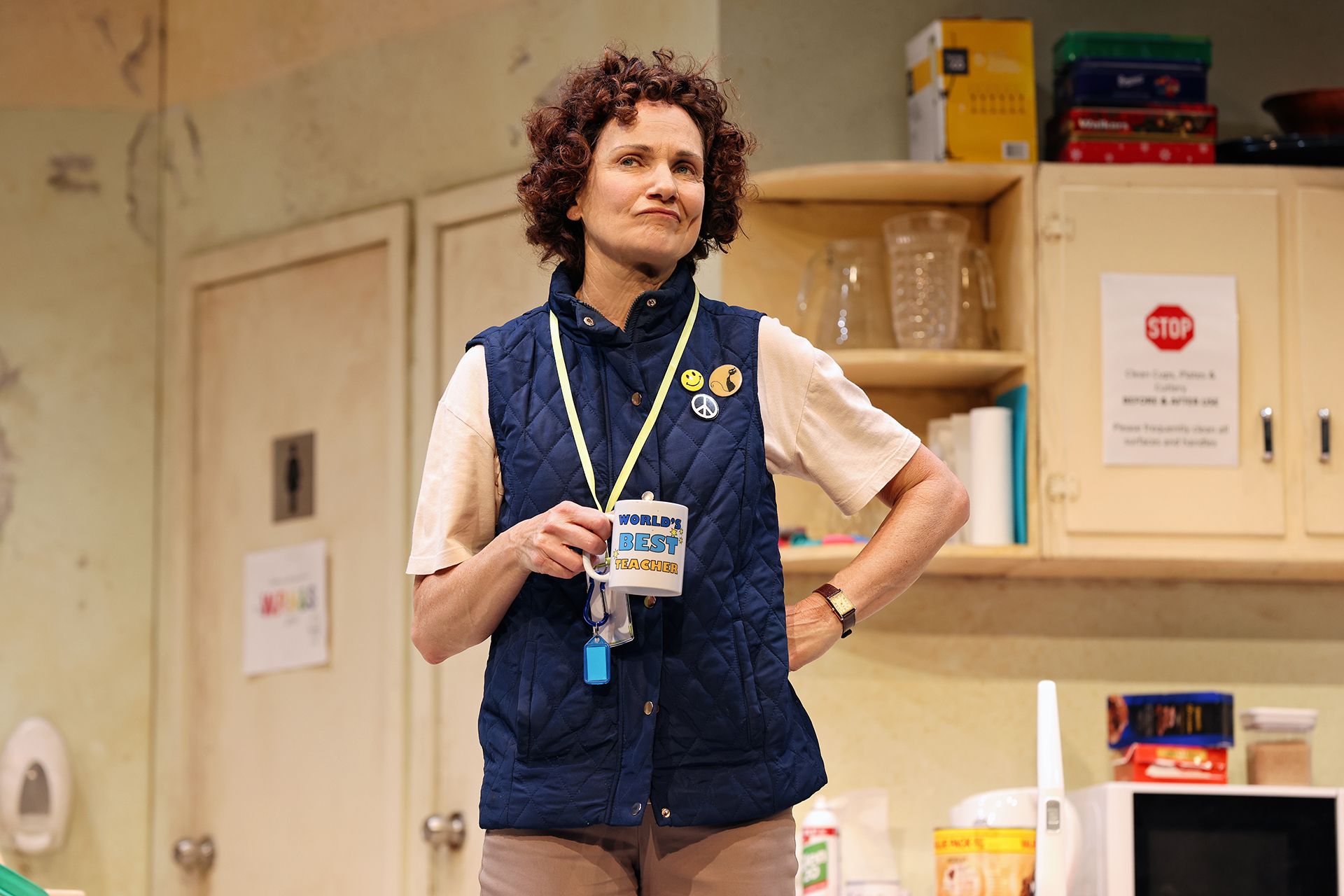
Aspects of the performance utilises the device of a Greek Chorus, thankfully in an understated manner, which help manufacture a sense of gloom, and to prevent the vast space from falling too frequently into an unbearable emptiness. There is however a certain lack of soulfulness in the staging. Undoubtedly we witness a lot of passion being displayed, most notably by Jacek Koman who plays an irrepressible Willy, but the ensemble is not always convincing in their efforts, to represent the spirit of a play that aims to stand up for the little guy.

As Linda, actor Helen Thomson takes every opportunity to bring levity to a dark tale, but a lack in chemistry between the Loman spouses, has a tendency to make the mother and wife character seem somewhat disconnected. Callan Colley and Josh McConville are the sons, Happy and Biff respectively, both amiable personalities, if slightly surface in their depictions of a collapsing patriarchy. McConville does however, bring the show to a satisfying crescendo, late in the piece, when Biff unravels and exposes the truths about his torment.

Willy Loman’s death is important. We will all go about our lives, finding individual ways to figure out what is true and what are lies, based on all manner of evidence and introspection, but featuring prominently in Arthur Miller’s play is the undeniable centrepiece of a person’s death. The decisions we make, the things we value, and the way we love, should never be divorced from the singular fact of certain death, yet we seem in our American Dreams to forever act as though the self is immortal. “You can’t take it with you” is a common refrain, if only we care to listen.

www.sydneytheatre.com.au

Review: Wil & Grace (Rogue Projects)

Venue: FringeHQ (Newtown NSW), Nov 24 – Dec 4, 2021
Playwright: Madeleine Withington
Director: Erica Lovell
Cast: Suz Mawer, Joshua Shediak, Madeleine Withington
Images by Noni Carroll

Theatre review
Grace is having a hard time. Things are not going well in her personal and professional spheres, so having a big boozy night at home with flatmate Varya, is an understandable and much needed distraction. The two discover on the internet, a spell that can raise the dead, and because Grace is a theatre nerd, she chooses to bring William Shakespeare back to life. Next morning, they wake up to a drunk Brit in the living room, and Grace fixates on him being the Bard resurrected.

Wil and Grace, like its sitcom namesake, features a silly plot and unrestrained performances, to deliver light-hearted laughs in its efforts to entertain. Underpinning all the frivolity and impracticable narrative,  however are certain truths about the human experience. Written by Madeleine Withington, the play can be seen as a tribute to a television genre that has touched lives all over the world, with notable hints of unassailable honesty that help us connect fantasy with reality. Something is bothering Grace, and the more she indulges in the bizarre notion that Shakespeare lives in her home, the more we wish to discover her truth.

The show is involving and funny, and director Erica Lovell’s ability to build nuance into the outlandish premise, extends Wil and Grace beyond the single joke that precipitates all the action. Ambitious music by Chrysoulla Markoulli contradicts the sitcom style of presentation, choosing instead to offer glimpses of what is actually going on, inside Grace’s hidden inner world. Jasmin Borsovszky lights the stage with commendable dynamism, bringing much needed variation to the imagery that we see.

Withington performs the part of Grace, sensitive in her portrayal of a troubled individual. Suz Mawer is rambunctious as Varya, wonderfully confident in her embodiment of the role’s flamboyant comedy. The pivotal character of the English visitor, is played by Joshua Shediak whose easy charm and wide-eyed earnestness, helps us invest in the improbable fantasy.

It is never clearer than in 2021, that humans engage, routinely and habitually, in delusions. A businessman who repeatedly asserts his narcissism, is elected President by millions who interpret his greed as charity. Throngs march the streets to fight for the right, to catch a disease and spread it to the vulnerable, in the name of autonomy. Grace insists that a dead man has returned, and sleeps on her couch every night. We are a disturbed populace. We are also optimistic in our interminable belief that brighter days are ahead, although that optimism often seems no different from delusion.

www.rogueprojects.com.au

Review: Three Fat Virgins Unassembled (Kings Cross Theatre)

Venue: Kings Cross Theatre (Kings Cross NSW), Nov 24 – Dec 4, 2021
Playwright: Ovidia Yu
Director: Tiffany Wong
Cast: Denise Chan, Sabrina Chan D’Angelo, Happy Feraren, Caroline George
Images by Clare Hawley

Theatre review
In Ovidia Yu’s 1992 play, characters are referred to as virgins, mostly because they have been stripped of their sexuality, conceptually de-sexed, in a Confucian society that sternly refuses individuals of their idiosyncratic potentialities. The stories of Three Fat Virgins Unassembled take place in Singapore where women, like those of the West, are divided into madonnas and whores, except in this Eastern colonial city, the notion of women being sexually permissive or simply sexually autonomous, is so unthinkable and preposterous, that they are almost always reduced and relegated to a singular celibate stereotype.

By inference therefore, Singaporean women can often be thought of as beings without agency. The same restrictions that curb sexual expression, are extended to all other aspects of identity. Socially, economically and politically, they can only ever place nation and family before self, becoming cogs in the machine that serve a larger purpose, with no space left for personal fulfilment. Deviations are stringently prohibited.

Yu calls these women fat, because their lives are bound to a certain mode of passivity, as a result of the tight limitations they face in virtually every moment of existence. They become versions of “ladies who lunch”, gorging on high tea and consumerism, always with their mouths stuffed with food that function not as nourishment, but as silencing devices. Like fetishistic “feeders”, Singapore systematically fattens up their women, so that they may lose agility, consequently unable to escape their master, and his instruments of oppression.

Directed by Tiffany Wong, this Sydney production preserves all the humour and poignancy of the 29 year-old original. Wong does wonderfully to bridge cultural and temporal distances, so that we may perceive the relative foreignness of a play that comes from another time and place, yet apply its ideas to contemporary Australian experiences. Also noteworthy is Esther Zhong’s costume designs, blending hard and soft aspects of femininity, for beautiful representations of modern Asian women. A set by Sarah Amin addresses effectively, the frequent scene transitions of Three Fat Virgins Unassembled, as well as providing tongue-in-cheek visual cues to the “exotic” nature of staging such a work in colonised Australia.

Four very committed and charismatic actors play these fat virgins, and their antagonists, with splendid aplomb.  Denise Chan, Sabrina Chan D’Angelo, Happy Feraren and Caroline George are all funny women, able to convey both comedic and tragic aspects of the storytelling. The gravity they bring to the stage, often with an undeniable sense of melancholy, emphasises the point being made, but the ubiquitous air of irony the team is able to harness, gives their show its subversive and very pleasurable theatricality.

Women everywhere, it seems, are all humans, united by a very particular form of oppression. So much of our lives exist in relation to patriarchies, that rob us of our agency, our desire, our sovereignty. Those patriarchies may on occasion appear to celebrate and elevate us, but what they are championing, are  invariably only qualities of their determination. Moreover in their endorsement of particular females, it is clear that their habit of picking one above the rest, is a reinforcement of their modus operandi; through which we learn that we will forever feel comparatively inadequate, and that we are to be divided and separated, if we are to be properly handled.

Singaporean patriarchy is always shrouded in a deceptive benevolence. It talks about duty, framing its impositions in familial and communal terms, whether wistfully or staunchly, and it will deny any attempt to redefine the status quo; the powerful will never concede. One hopes that three decades on, conditions would have improved since the initial conception of Three Fat Virgins Unassembled, but the work’s resonances remain, and everything still looks convincing, real and truthful.

www.slantedtheatre.com

Review: The Boomkak Panto (Belvoir St Theatre)

Venue: Belvoir St Theatre (Surry Hills NSW), Nov 20 – Dec 23, 2021
Playwright: Virginia Gay
Director: Richard Carroll, Virginia Gay
Cast: Deborah Galanos, Virginia Gay, Rob Johnson, Billy McPherson, Hamed Sadeghi, Mary Soudi, Zoe Terakes, Toby Truslove
Images by Brett Boardman

Theatre review
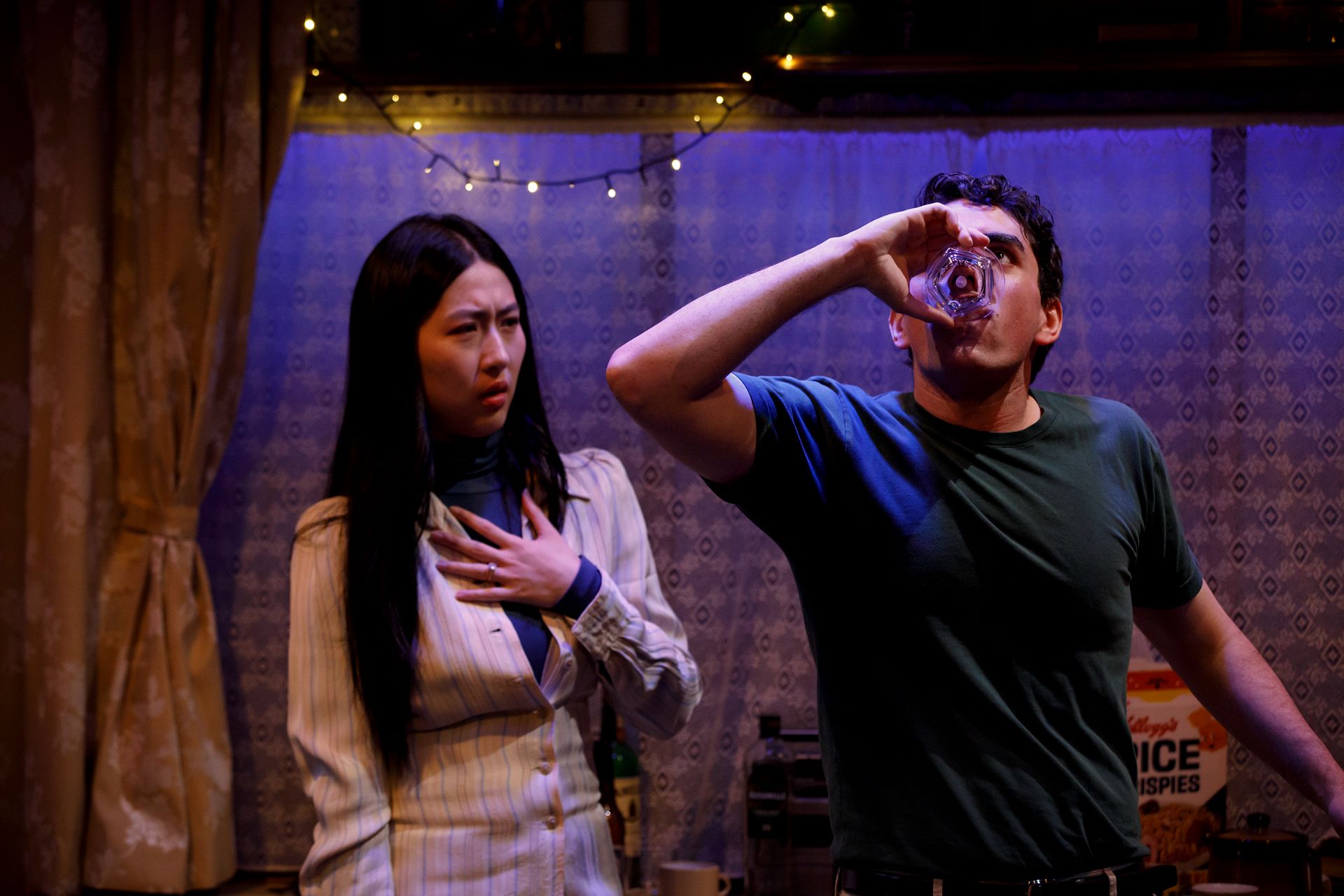
The show begins with a big city property developer descending upon the Australian country town of Boomkak, threatening to alter the way of life forever, in that archetypal sleepy village. Residents join forces, thinking that raising funds from staging a pantomime, would help them fight the evil mogul. Things make little sense in The Boomkak Panto, but the creators make no bones about finding inspiration from traditional children’s entertainment. Their presentation is loud and joyous, an appropriate awakening from 18 months of a pandemic induced slumber. It is celebratory in tone, and certainly feels quite frivolous to start, but Act 2 takes a more meaningful, if abrupt turn, to discussions about immigration and colonisation, along with gender and sexual politics.

One of the characters, Zoe is in the process of coming out as non-binary, and their storyline becomes increasingly prominent, over the course. It is commendable that The Boomkak Panto chooses to deviate from its initial frothiness, to involve itself in important social discussions, but one wonders if a more cohesive approach could have been found, for an improved sense of harmony for the show’s various trajectories.

Writer Virginia Gay’s jokes are plentiful, ranging from corny to genuinely hilarious. A handful of songs by Eddie Perfect give the production a touch of class, although its use of classic pop tunes are no less effective. The clash between earnestness and irony in The Boomkak Panto can make for an awkward  theatrical experience, but is also necessary, in its explorations of white identity in this day and age. Whiteness is thankfully self-aware on this stage, but is also evidently unable to relinquish its persistent dominance. 

Directed by Richard Carroll and by Gay herself, the work offers great amusement, with energy levels sustained at an admirable height throughout the duration of 2.5 hours. Visually captivating, with sets and costumes by Michael Hankin, and lights by Jasmine Rizk giving us lots of bedazzling colour and movement. Zara Stanton’s musical direction, along with Kellie-Anne Kimber’s sound design, combine to deliver a rich auditory experience. Hamed Sadeghi’s live accompaniment on Persian instruments is a notable highlight, valuable in providing a “countercultural” dimension to what is deemed classic Australian music.

The aforementioned Zoe is played by Zoe Terakes, who brings impressive presence, and an enjoyable air of recalcitrance to their performance. Virginia Gay is very strong as Alison, especially in two big scenes where she occupies centre stage, memorable for her remarkable ebullience. Stealing the show is Rob Johnson who, as the central (property developer) villain and as local idiot Butch, uses toxic masculinity in its various guises to generate unremitting laughter. Johnson’s timing and sense of mischief, are an absolute joy.

In the pantomime world, everything is old and predictable. Young minds are shaped in traditional ways, to make sense of the world in accordance with the values of previous generations. In Boomkak, storytellers are trying to flip the script, not to cause havoc, but to make things right. We have made a habit out of marginalising one another, constantly finding ways to denigrate some, so that others might reap advantages. It is unclear if we can ever reach a point of true justice and fairness, but it is in that unrelenting pursuit , in that active search and insistence on doing better, that we can find ways to live with integrity. 
www.belvoir.com.au

Review: Julius Caesar (Sydney Theatre Company)

Venue: Wharf 1 Sydney Theatre Company (Walsh Bay NSW), Nov 15 – Dec 23, 2021
Playwright: William Shakespeare
Director: Kip Williams
Cast: Geraldine Hakewill, Ewen Leslie, Zahra Newman
Images by Daniel Boud

Theatre review
When the Roman leader is assassinated in Shakespeare’s Julius Caesar, it is the very nature of democracy that comes into question. Two millennia after the fateful incident, we are still pondering, and living, the delusive meanings of democracy in our political realities. The men in Shakespeare’s play continue to bear a certain ambiguity in terms of their being good or bad, right or wrong. Fortunately for audiences of Kip Williams’ modern day adaptation, it is the all too familiar malevolence of 21st century communications technology that takes a lot of the unequivocal blame.

Mobile phones and social media, in addition to traditional news platforms, are the convenient new villains in this regeneration of the old classic. Video monitors occupy centre stage with an aggressive dominance, and actors are virtually never without their phones, always with camera on, pointing at themselves and at one another. We have to consume the play in ways that are similar, to how we consume the daily news about politics. Devices and screens overwhelm our senses, so that whatever is live and actually material, becomes secondary to digital transmissions.

We struggle to distinguish, the important from the distracting, and the truth from fake news. Williams’ direction makes the unrelenting noise that is so pervasive in our media habits, a central feature of his theatrical presentation, and the more he indulges in histrionics, the more we are seduced by all the frenzy. The story escalates along with our gleeful enjoyment of sequences that become increasingly hideous, and we begin to wonder if all the heartache and bloodshed, can only exist because of our audienceship. Our passive attention is made to take responsibility, in this salient reminder that under capitalism, the consumer is king.

David Bergman’s work on video design is humorous, detailed and dynamic. The abundant cultural references made therein, form a subtext for this version of Julius Caesar that not only updates the tale for contemporary sensibilities, it reframes the discussion about democracy to include technology and capitalism, so that the discourse feels urgent and strikingly intimate. Correspondingly, Stefan Gregory’s music and sound design takes charge of our nerve centres, in order that we can only respond to the series of egregious events, with appropriate revulsion. Also noteworthy are Elizabeth Gadsby’s set and costume design, offering efficient and unpretentious solutions to an otherwise complex staging. Lights by Amelia Lever-Davidson too are unobtrusive, yet satisfyingly dramatic in its various manifestations.
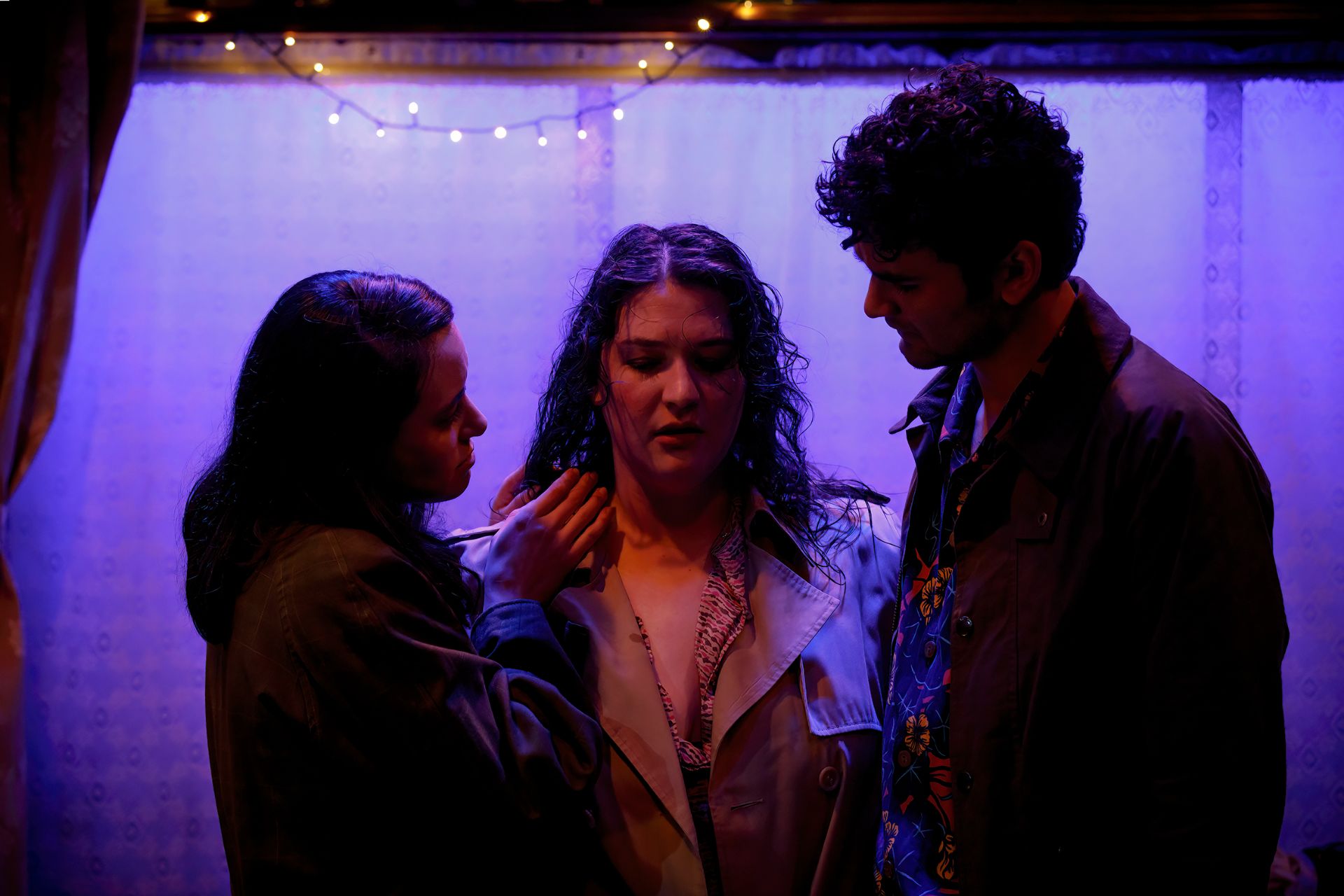
The three stellar actors called upon to play all the roles, are undeniably sublime. Geraldine Hakewill, Ewen Leslie and Zahra Newman impress with their thorough familiarity with the material, but it is their ability to engender an air of unpredictability that keeps us enthralled. It is live theatre in which everything is planned to the most minute, yet we experience it as though everything is coming from visceral impulses of each moment. Each performer is independently magnetic and powerful, but as a singular unit, they deliver a theatrical experience remarkably bold in its inventiveness, and thrilling in its capacity to make the story feel so immediate and involving.

The camera’s omnipresence strip the characters in Julius Caesar of their sincerity. Aware of being on screen at all times, their every word and deed can only appear performative, if not completely devoid of authenticity. It comes as a surprise then, that some of us still believe in our leaders, even when they are unabashedly hamming it up for our screens, shamelessly spouting nonsensical hyperbole and harmful rhetoric. The effectiveness with which media personalities (politicians and others) can use capitalism and technology to manipulate our sense of truth, to their advantage, is now a foregone conclusion. The end of the production is grim, as though proclaiming that resistance is futile, a statement only a scant few would dare refute.

www.sydneytheatre.com.au

Review: Wherever She Wanders (Griffin Theatre Company)

Venue: SBW Stables Theatre (Darlinghurst NSW), Nov 5 – Dec 11, 2021
Playwright: Kendall Feaver
Director: Tessa Leong
Cast: Tony Cogin, Emily Havea, Mark Paguio, Jane Phegan, Fiona Press, Julia Robertson
Images by Brett Boardman

Theatre review
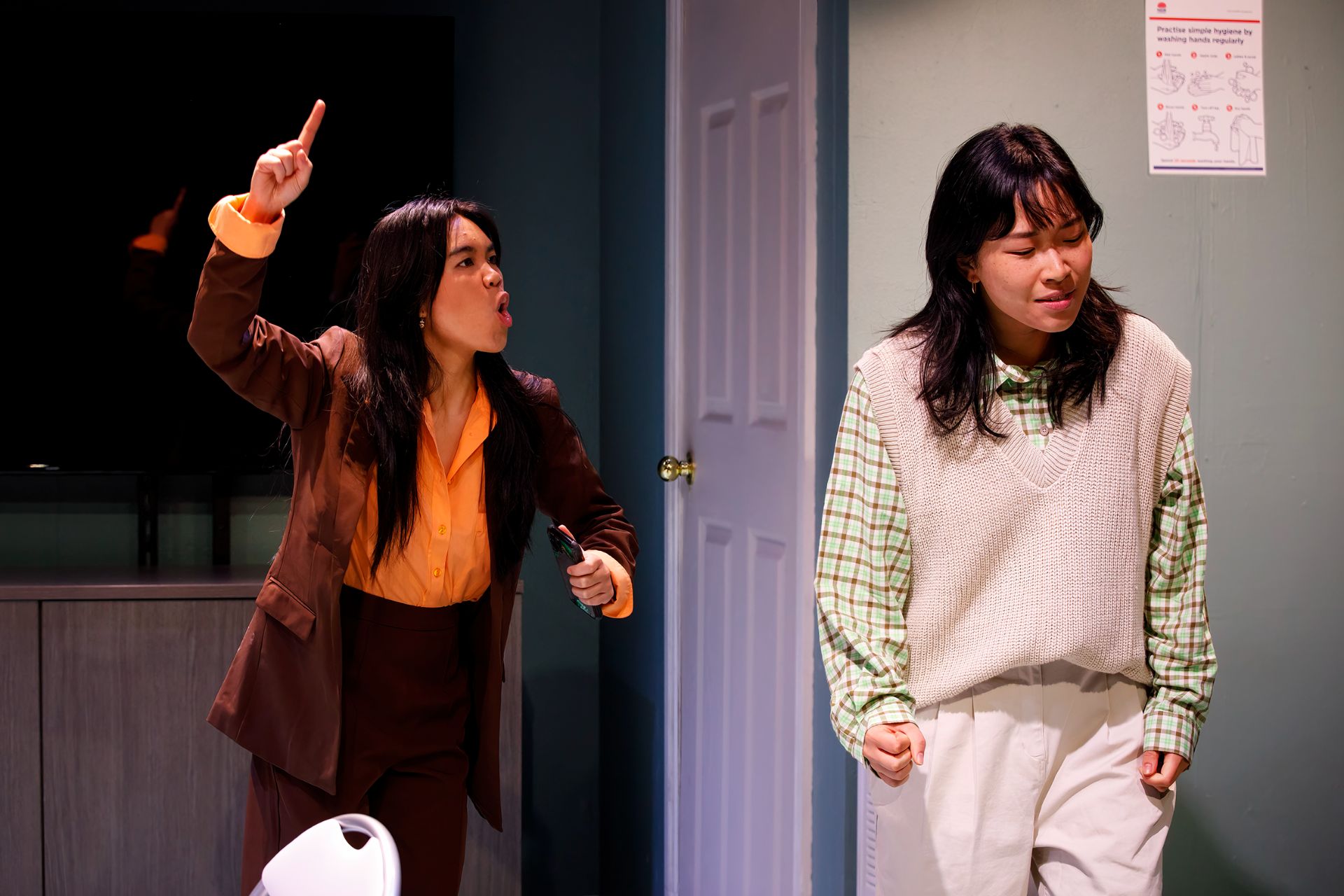
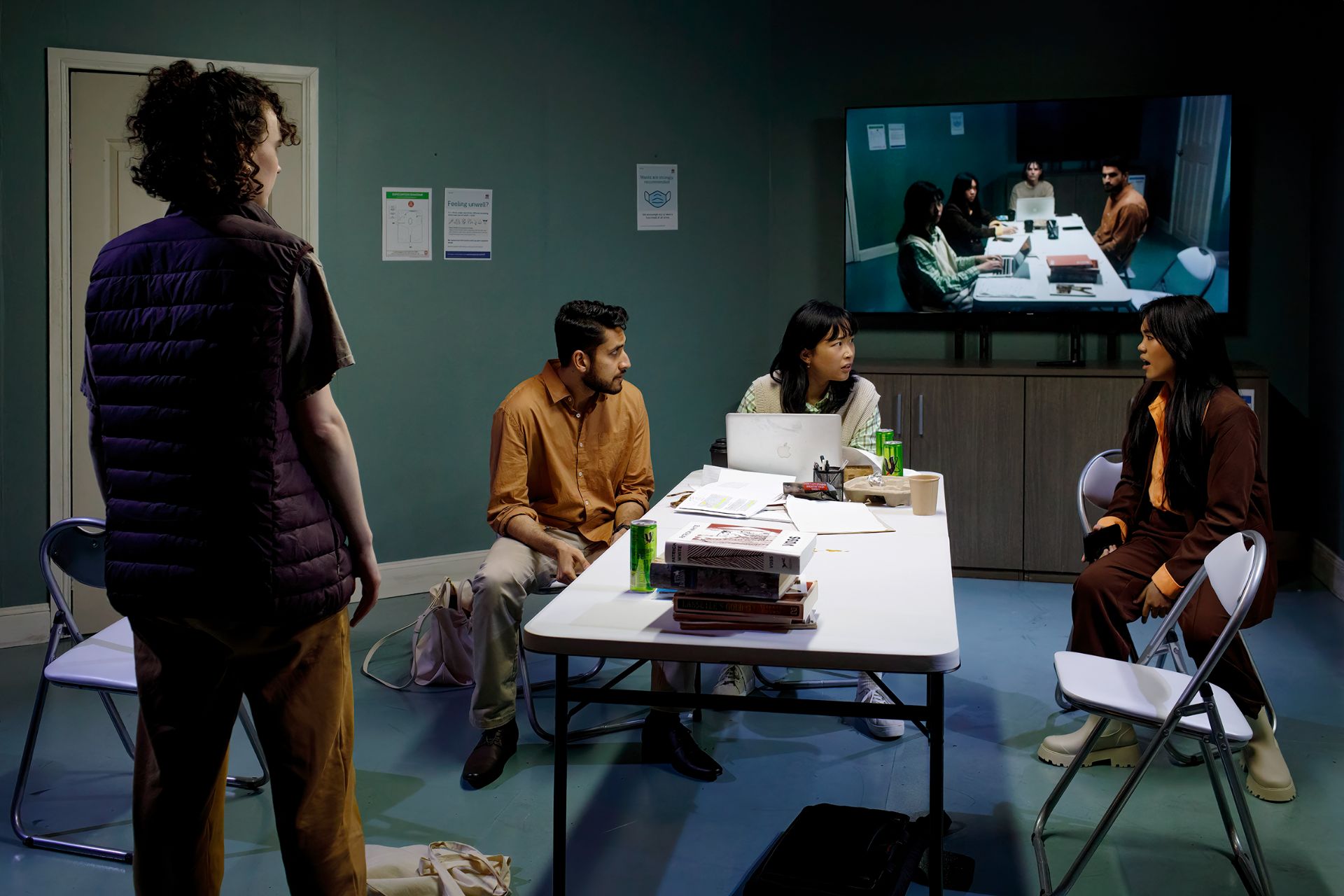
When Paige Hutson is raped in her own room, barely a week into life as a fresher at one of Australia’s oldest residential colleges, it becomes apparent that sexual assault on campus is exceedingly commonplace, and that entrenched mechanisms purporting to deal with these egregious trespasses serve only to protect the system, and not the victims. Kendall Feaver’s “Wherever She Wanders” is a strangely polite look at how a young feminist Nikki Faletau navigates her activism, within the conservative walls of a structure that is perhaps the most patriarchal of all our institutions.
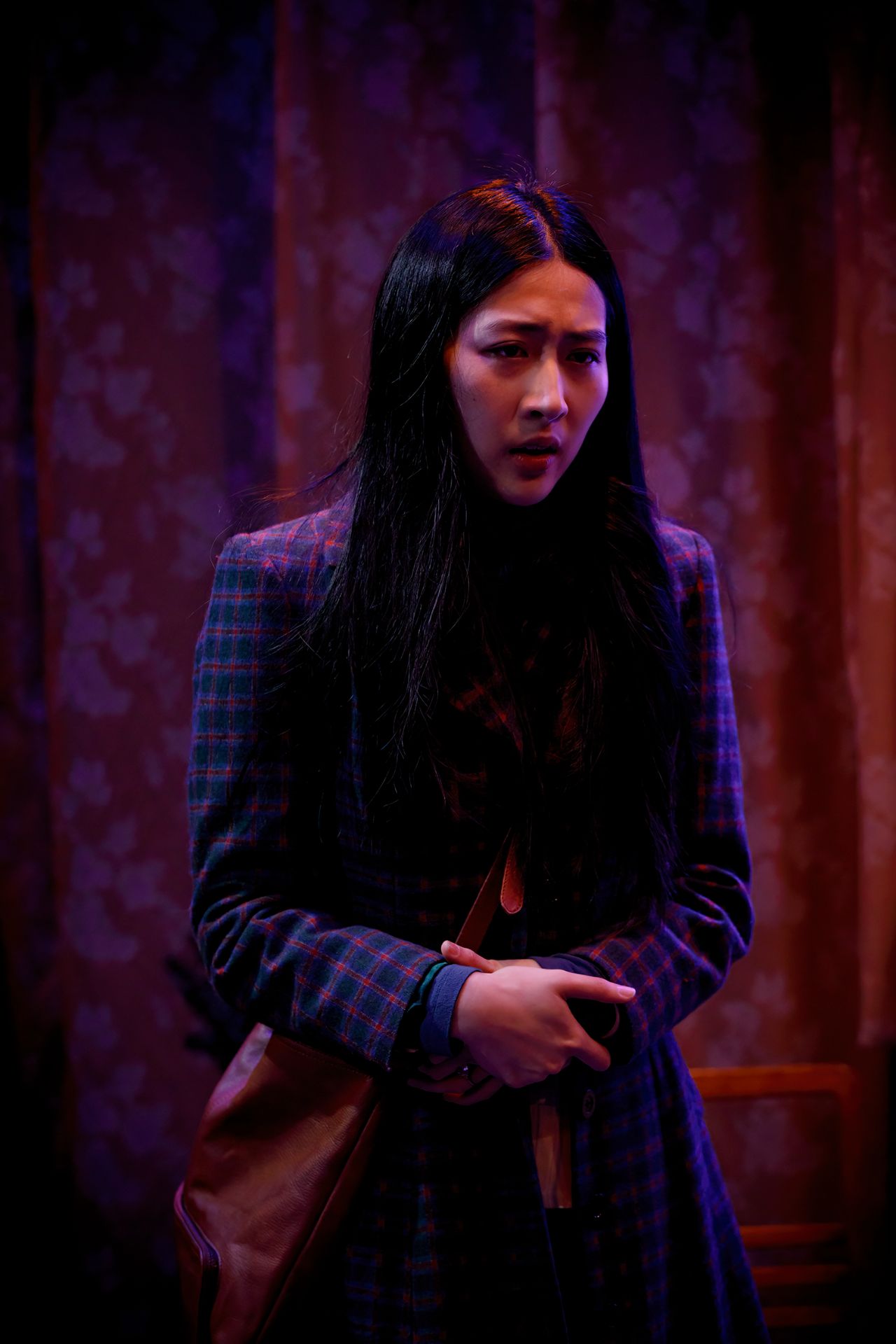
The play’s ideas are modern, but not radical by any stretch of the imagination. It may even seem to occasionally be sitting on the fence, in its attempts to prevent characters from turning caricature. While “Wherever She Wanders” may not convey the incendiary passion often associated with political movements of our time, it certainly paints a cogent picture of the dynamics at play. Feaver takes a lot of care to map out many issues unearthed by that one horrific incident, but it is debatable if the granularity at which it examines them is necessary, at a time when matters of this nature are already stringently scrutinised in so much of  our discourse.

Staging of the piece is humorous and jaunty. Directed by Tessa Leong, the show never fails to feel spirited, with an excellent attention to energy levels, aided by the commendable work contributed by designers, most notably Govin Ruben on lights, and James Brown on sound and music. “Wherever She Wanders” is engaging at every juncture, if slightly deficient in terms of the intellectual rigour, that a narrative of this nature should be able to provide.

Presented by an amiable cast, with the vivacious Emily Havea as lead, bringing a valuable intensity to the earnest advocate Nikki. It is her vitality that gives the production, and the topics of discussion, a sense of authenticity and gravity. Her adversary Jo Mulligan is College Master, and feminist from a bygone era. Played by Fiona Press, who demonstrates great empathy for the role, inviting us to think about the way gatekeepers operate in our daily lives. Actor Julia Robertson does marvellously to deliver for Paige, an abundance of complexity and nuance, so that we may locate both agency and integrity for a young woman in danger of being defined solely by an instance of violation.

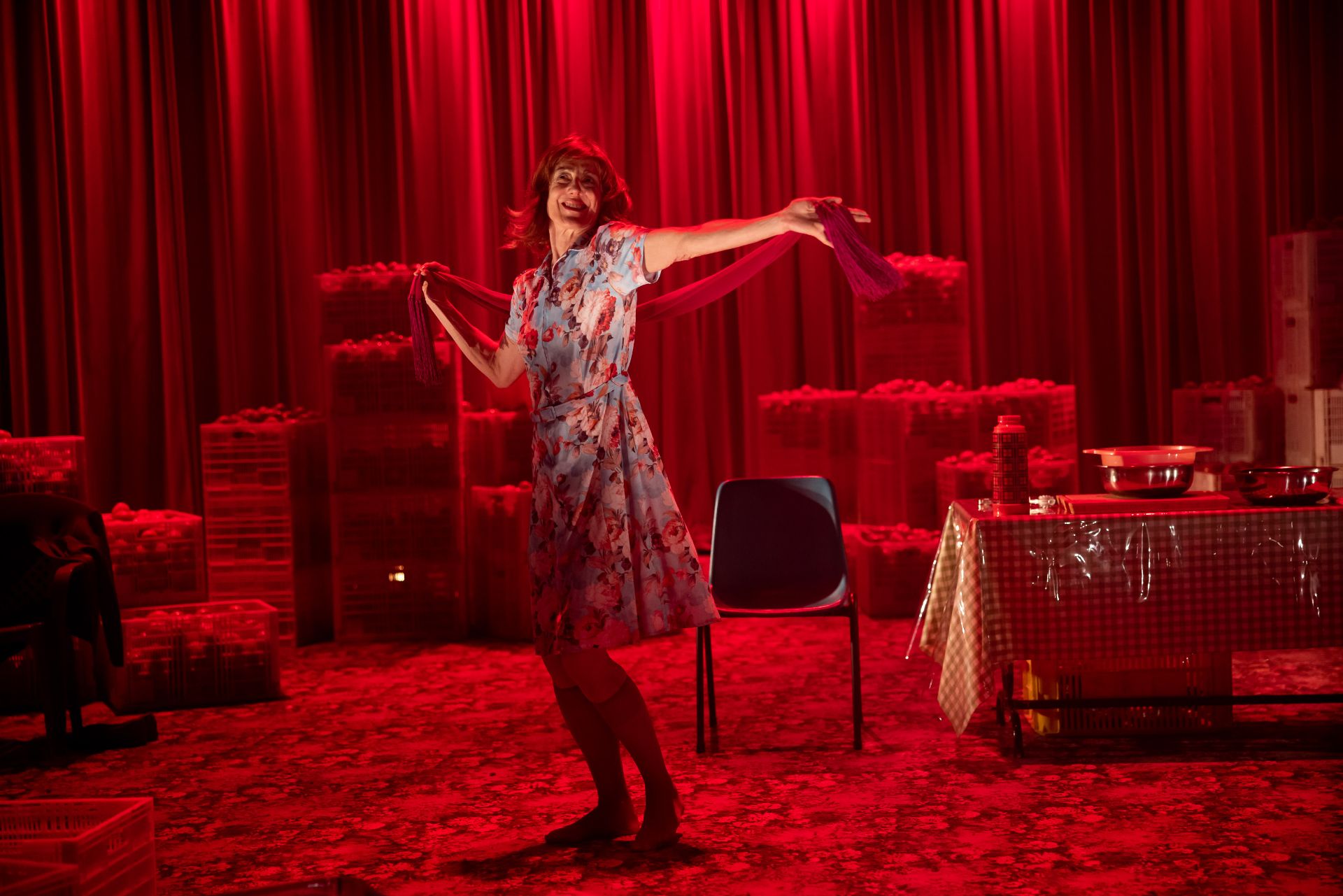
Whether one believes that the systems have become broken through the ravages of time, or that the systems were always designed to fail so many of us, one should already have come to the conclusion that it seems only drastic measures, can address all the foundational and fundamental problems that plague our traditional institutions. We observe Nikki’s persistence as she goes about trying to change things, but there is no evidence that the complaints and conversations she participates in, ever result in significant progress. Where there is power imbalance, the subjugated always runs the risk of being patronised. As long as the powerful remain in charge, there is never any incentive for them to do anything more than to pretend to listen. Change does occasionally occur however, and persistence seems the only tool that the disadvantaged an hang on to, aside from the ever-present fantasy of  torching the whole place down.
www.griffintheatre.com.au