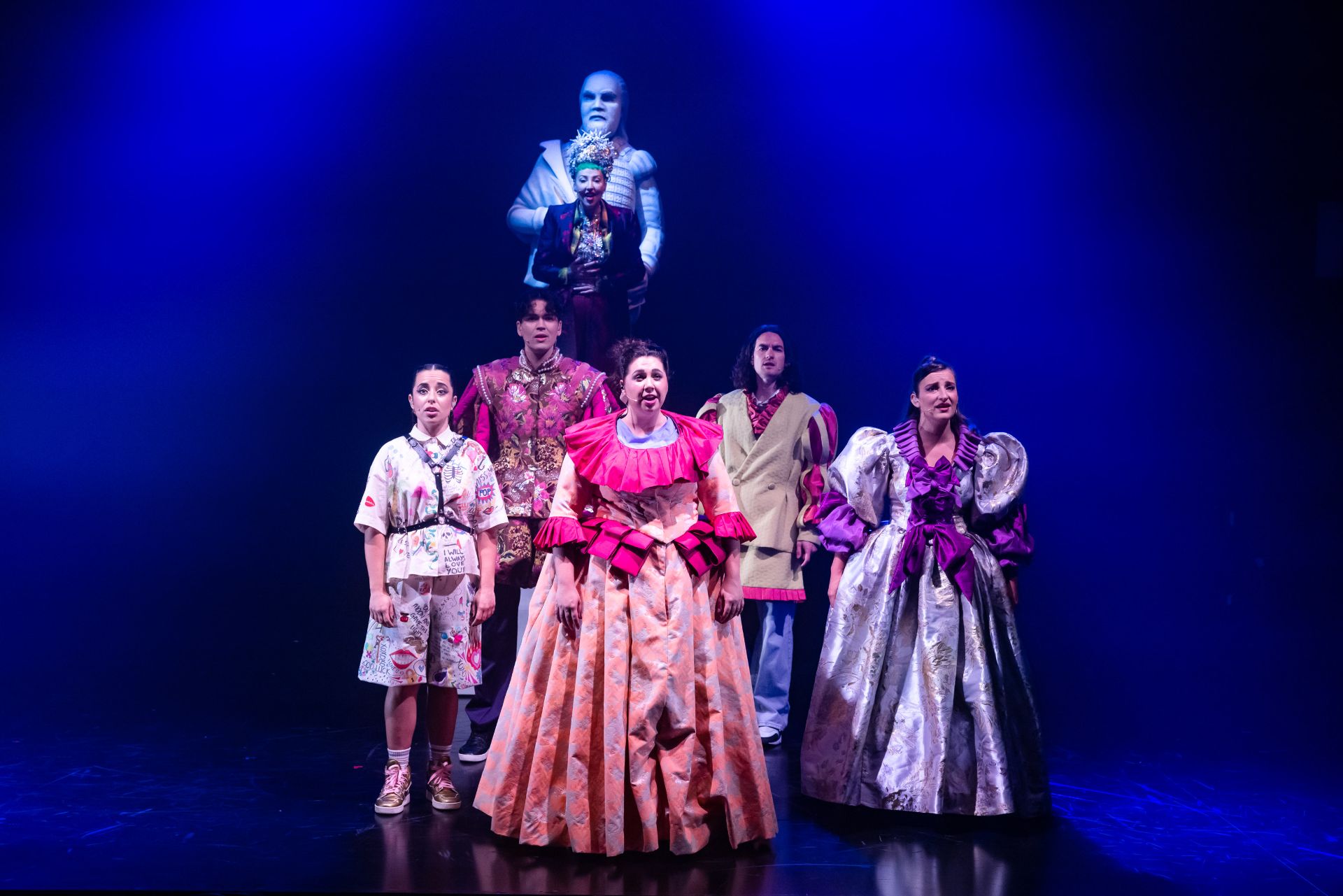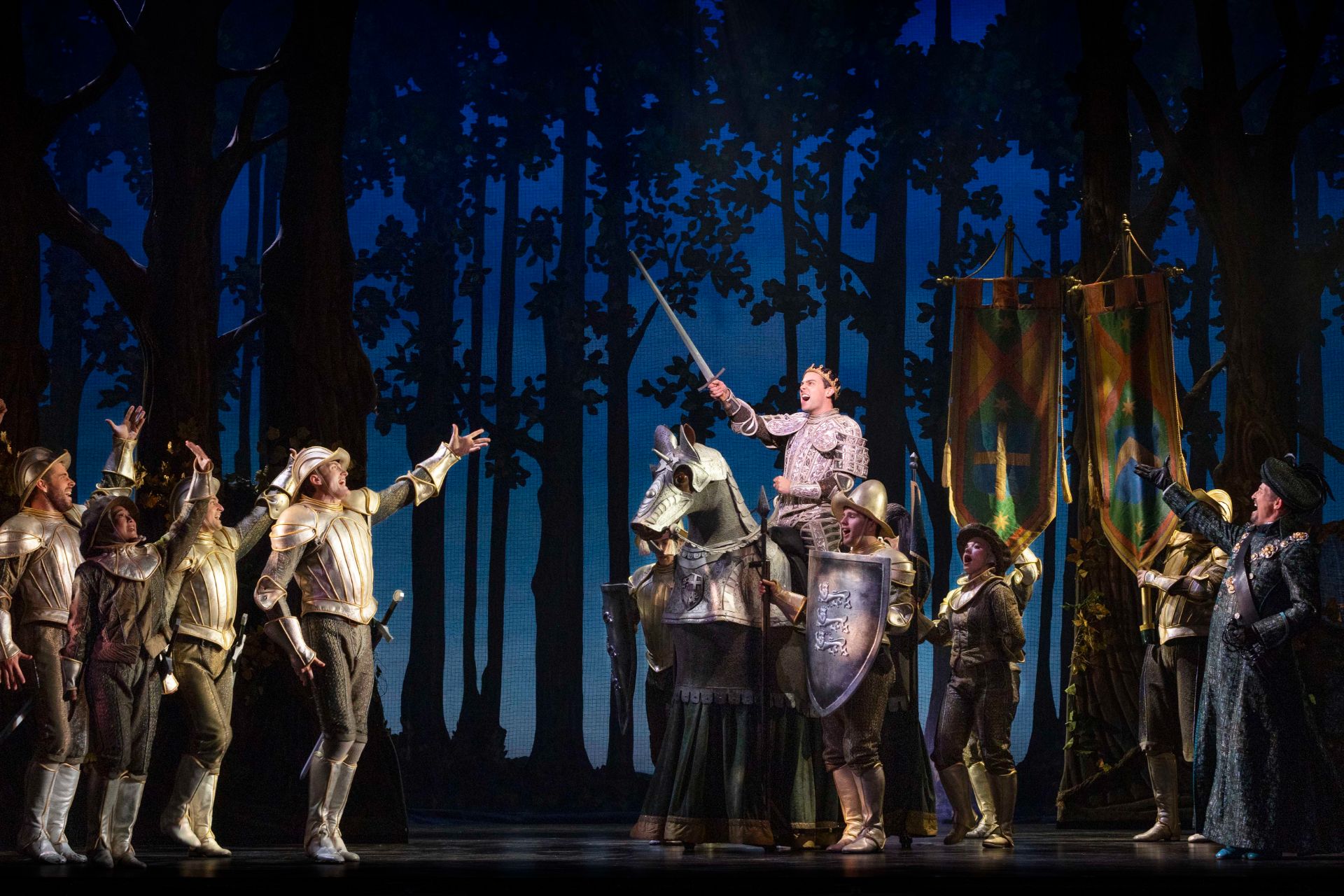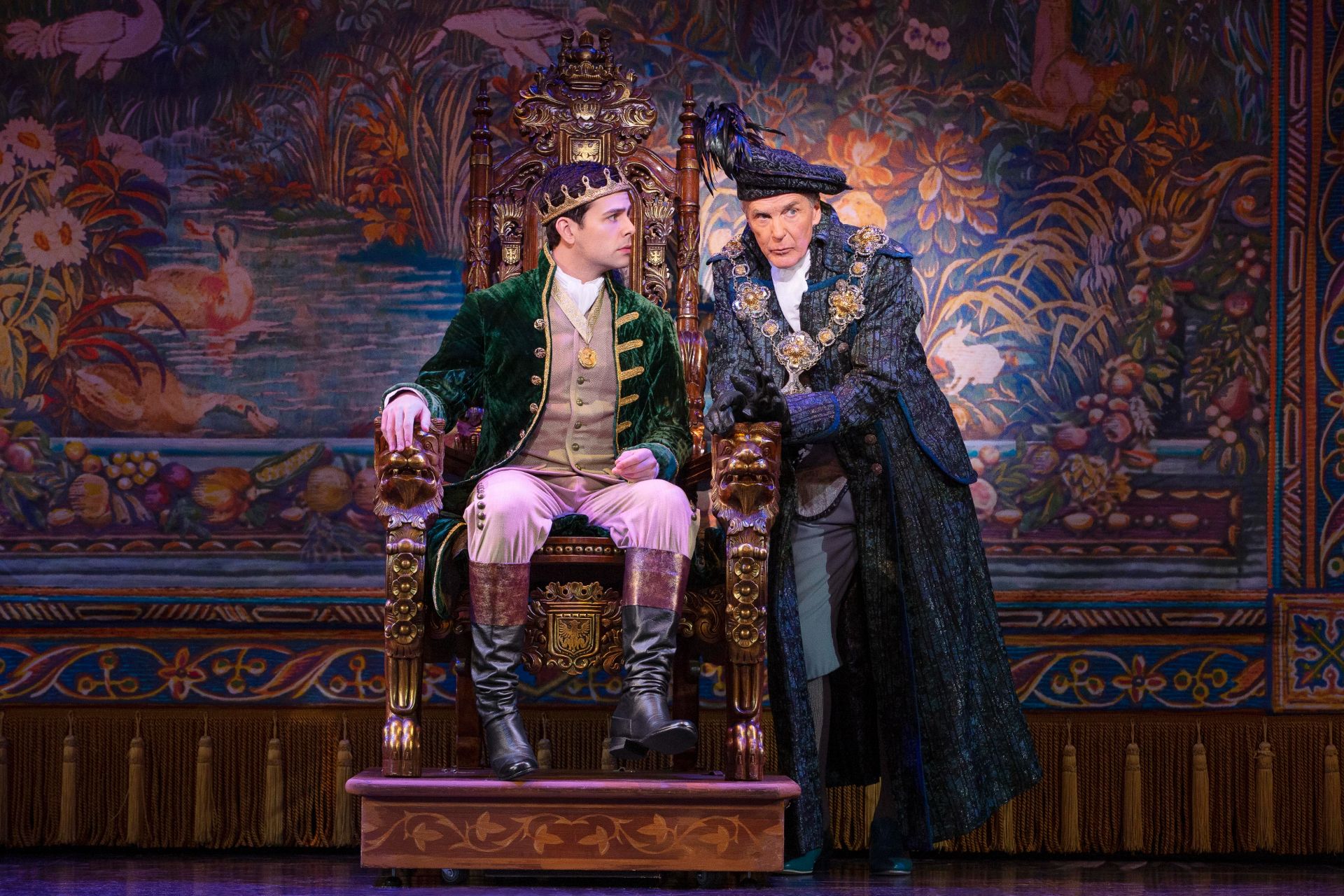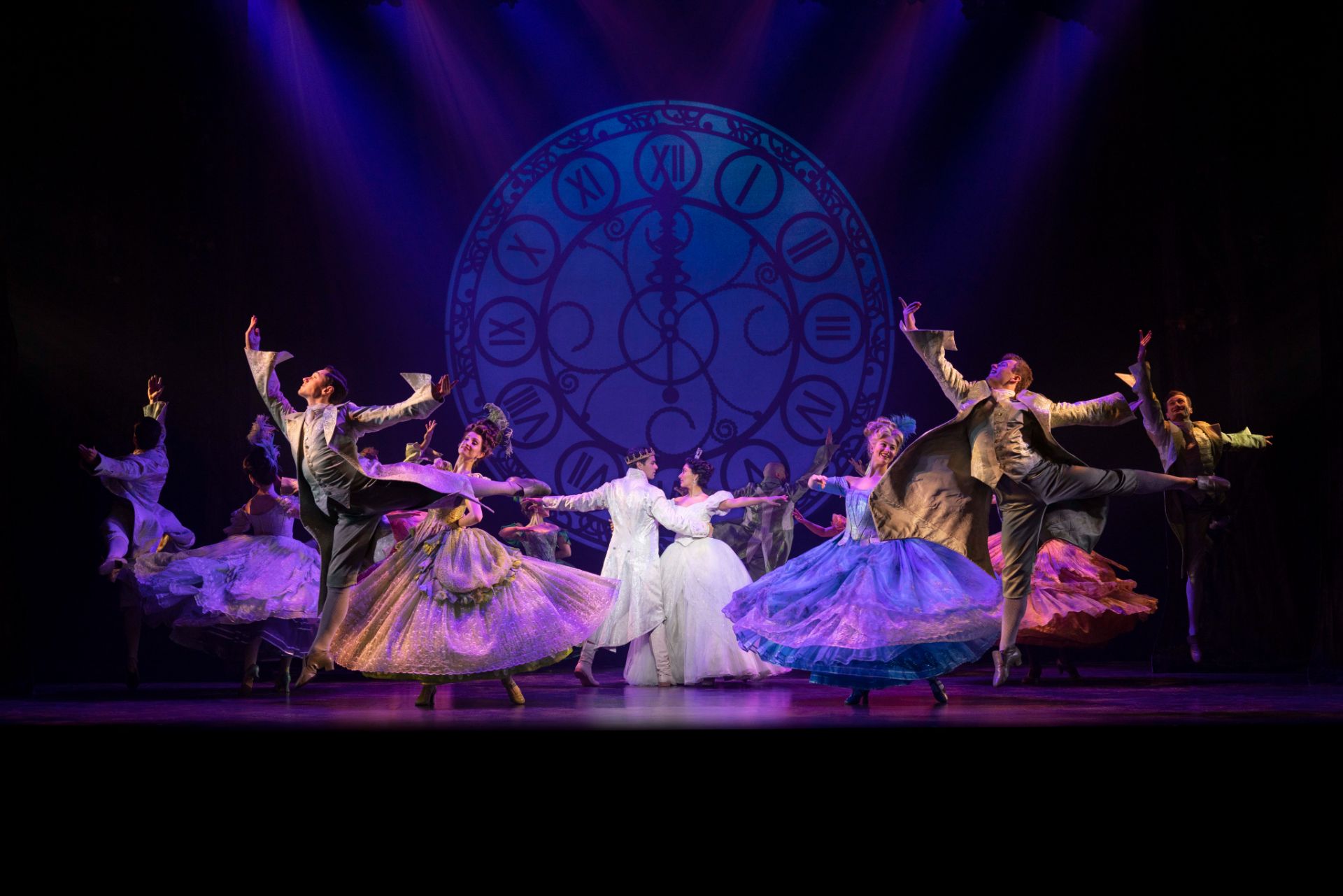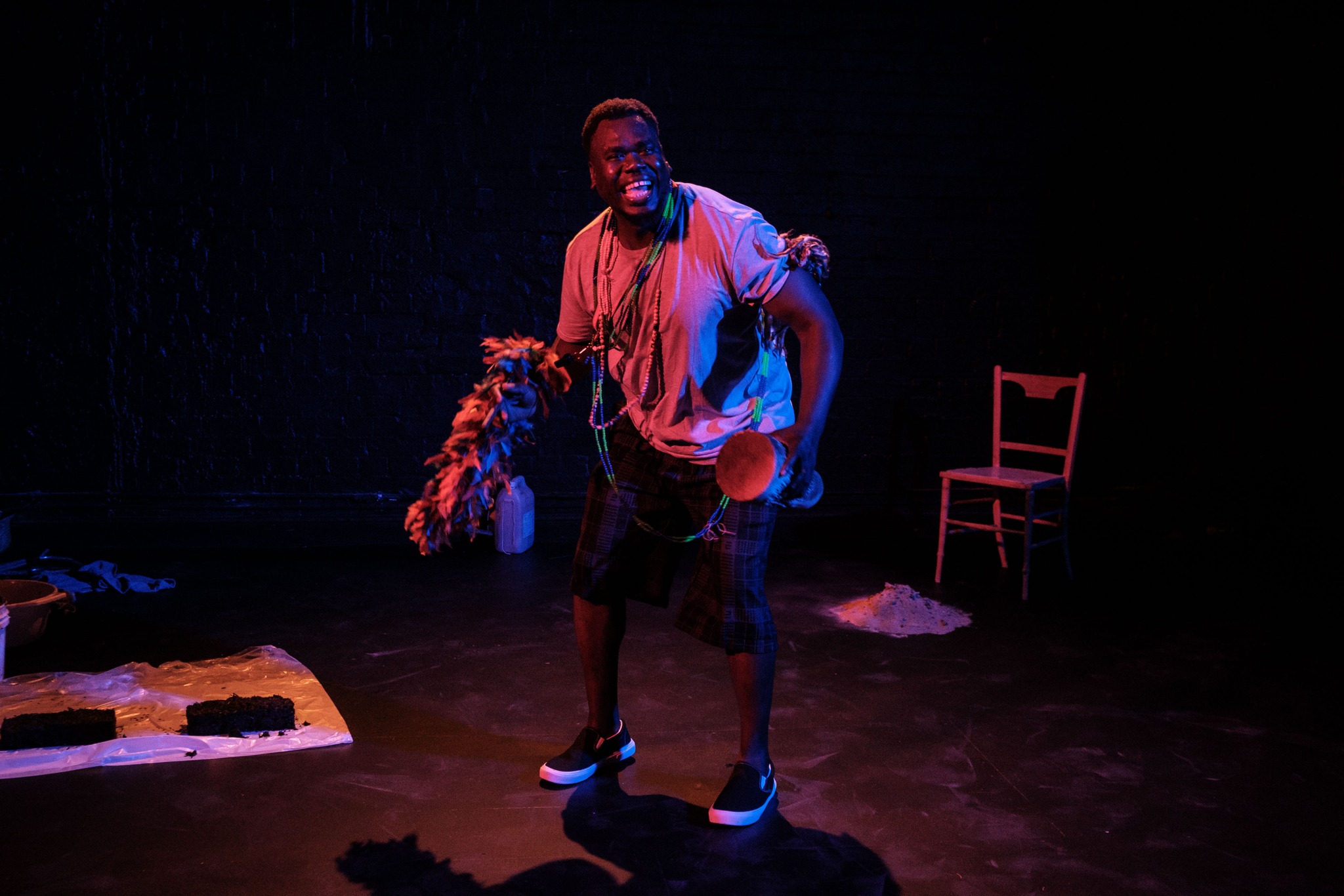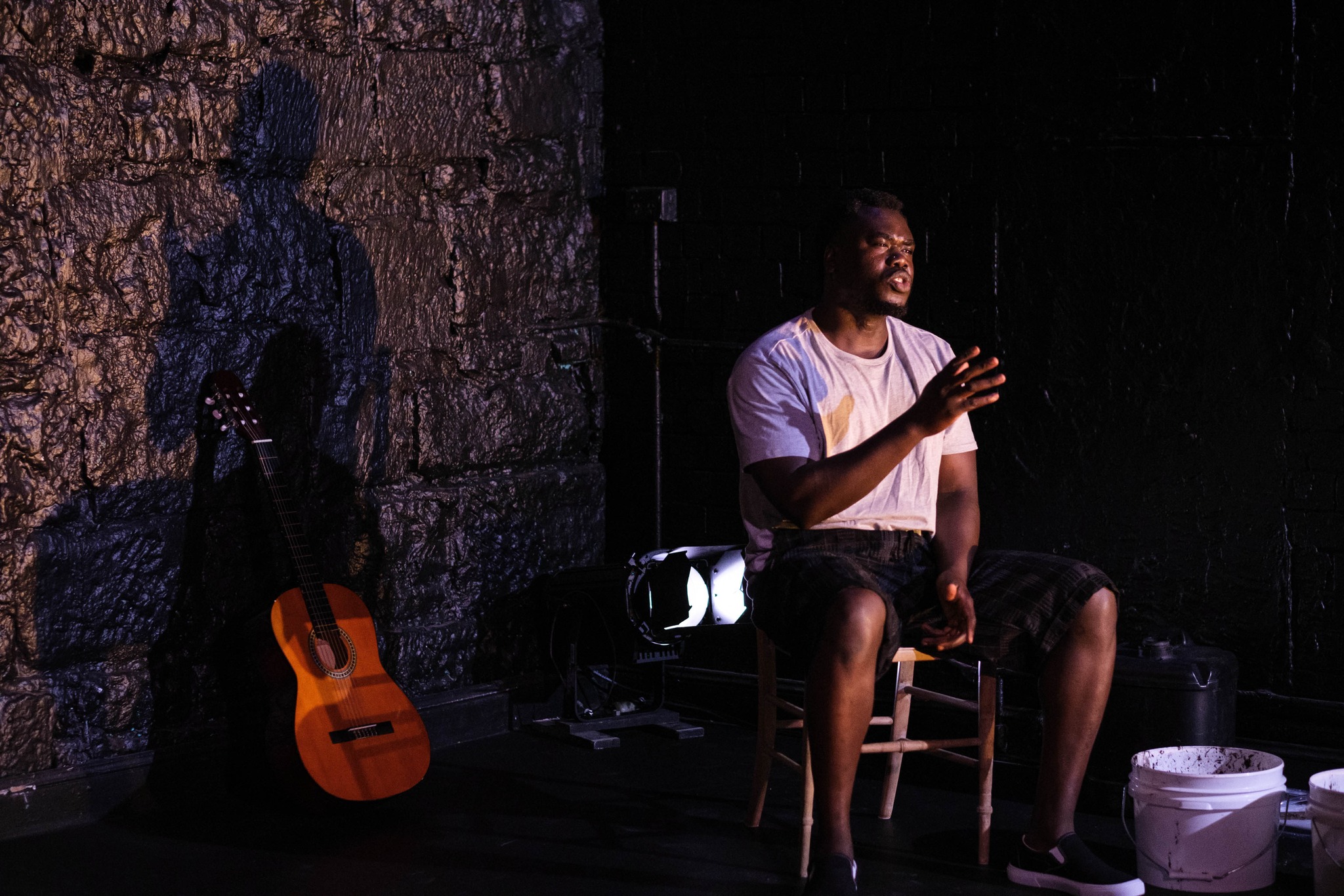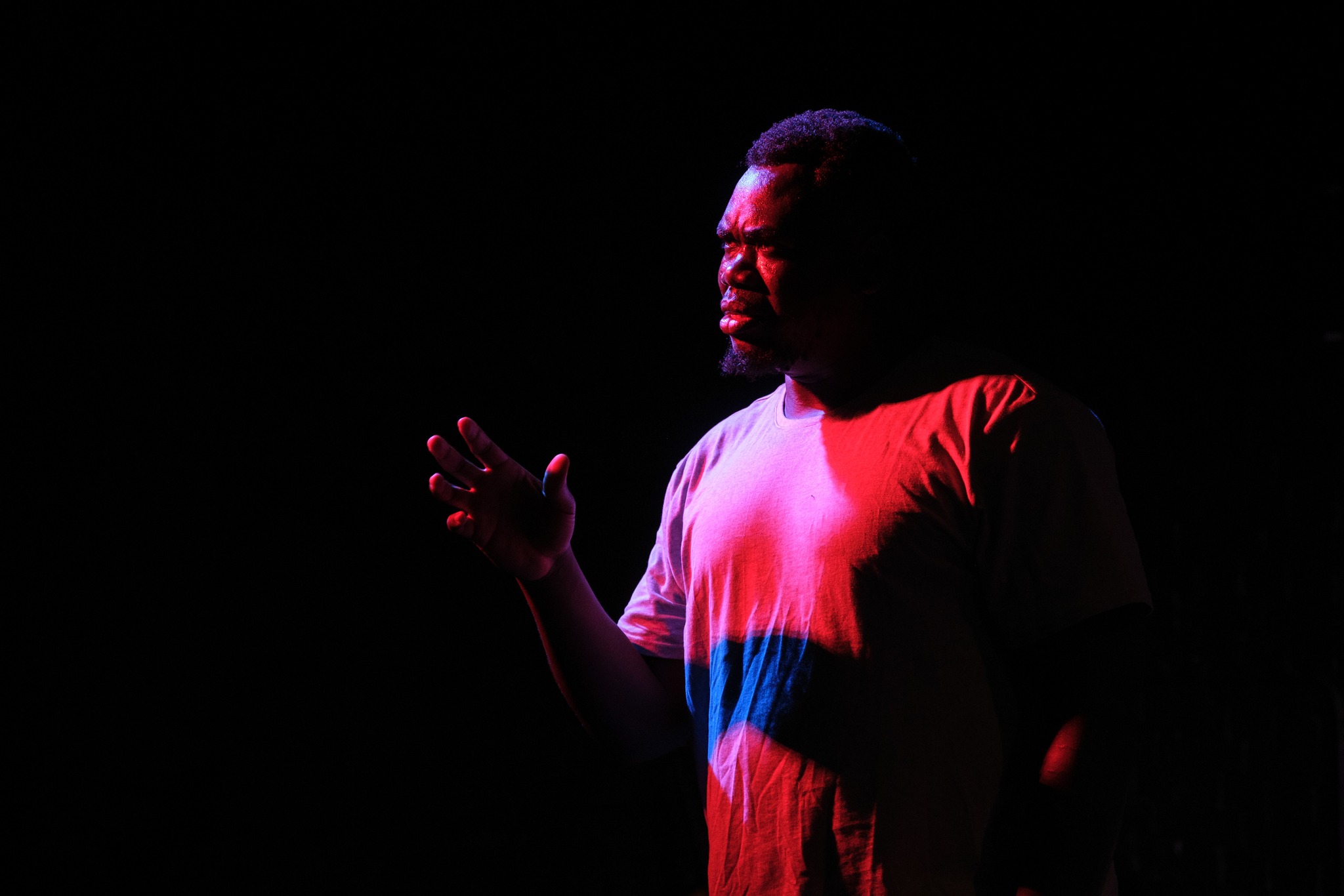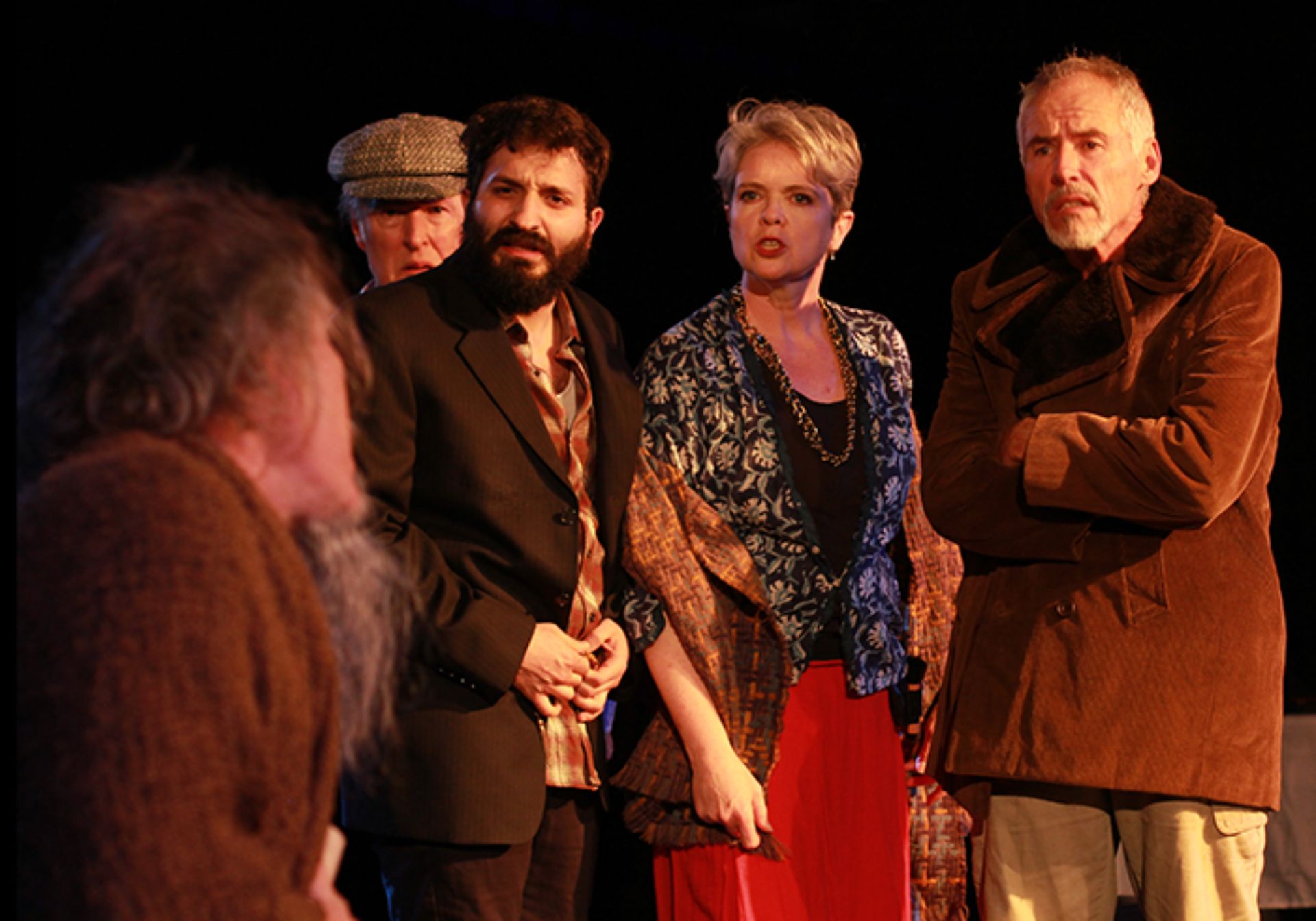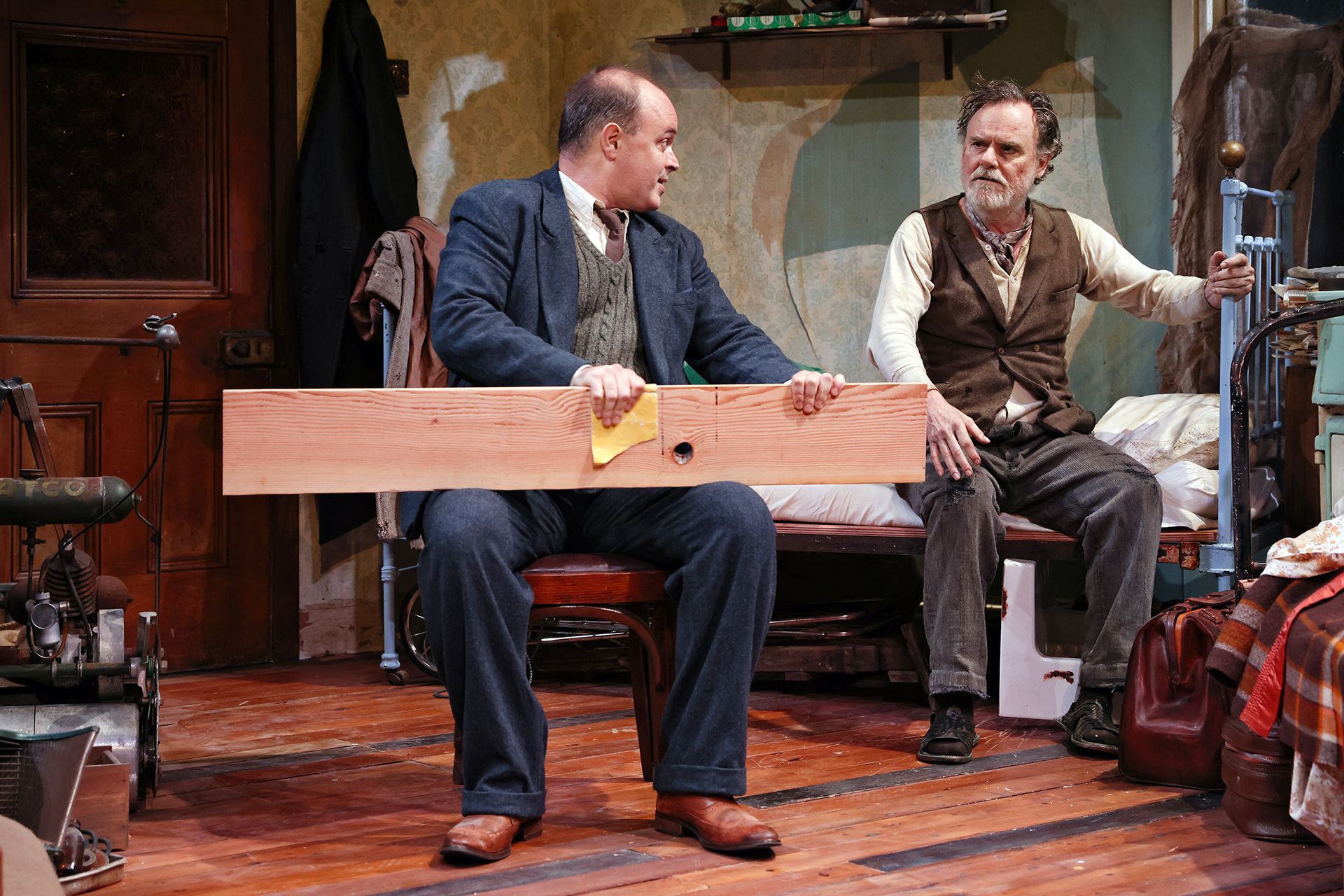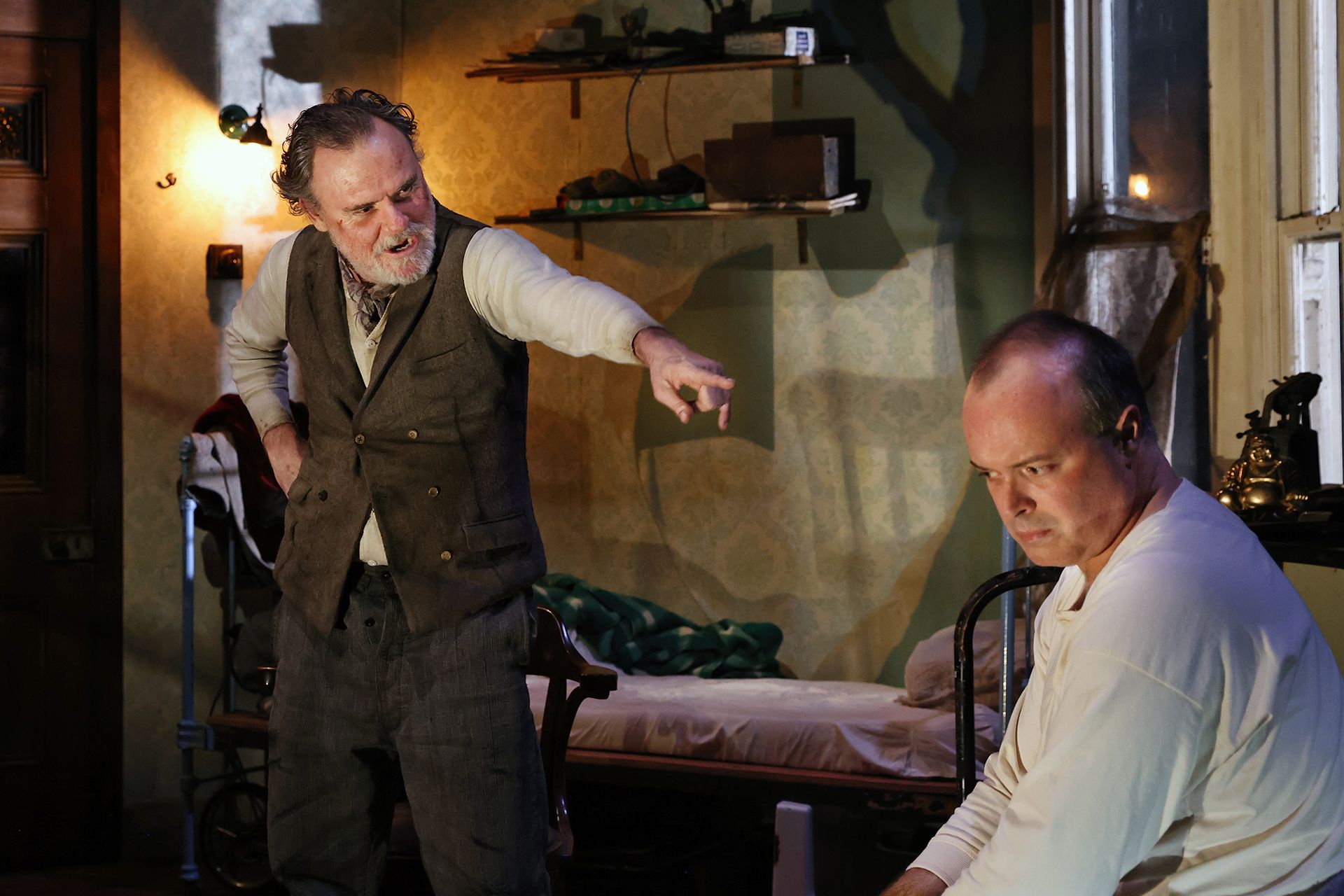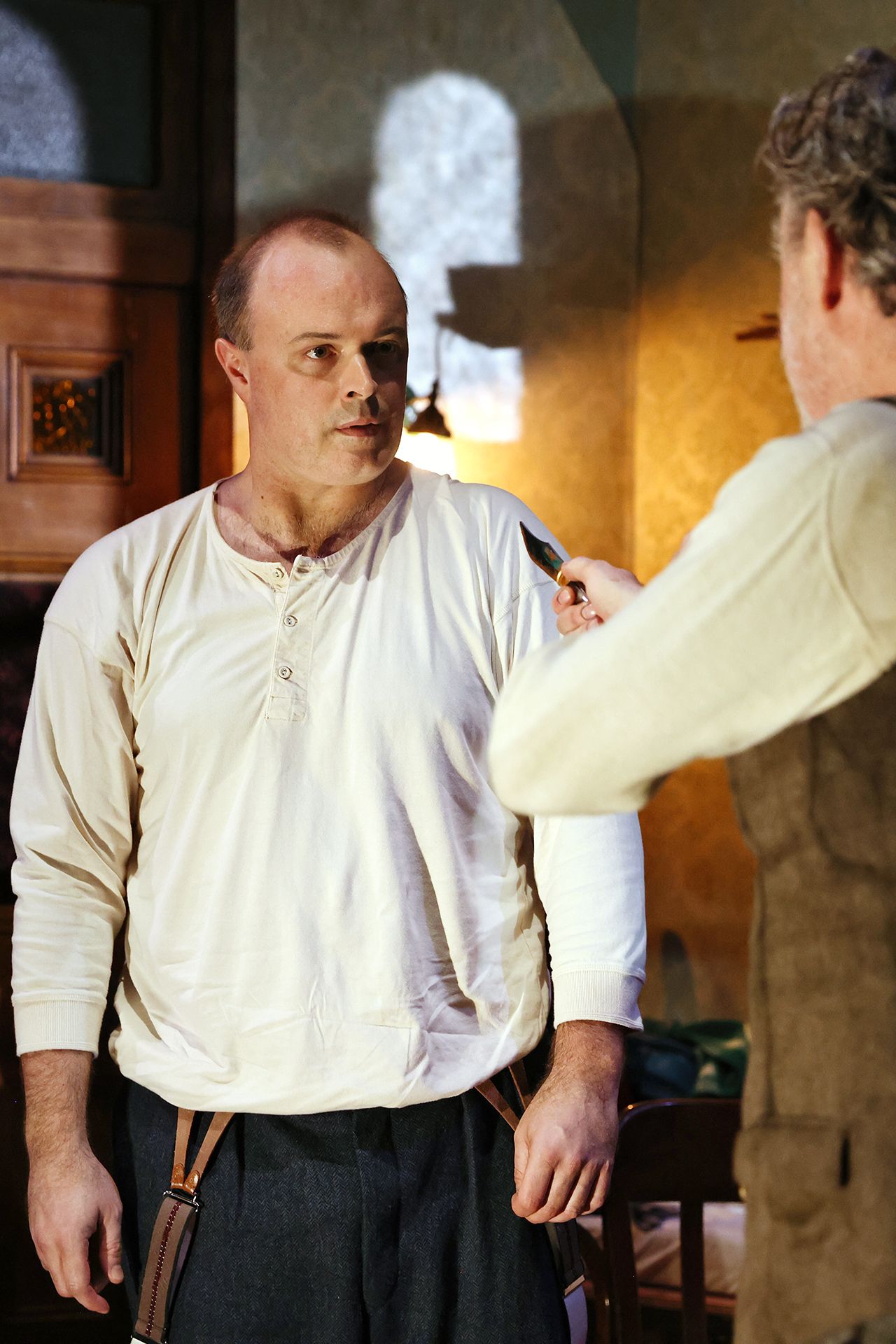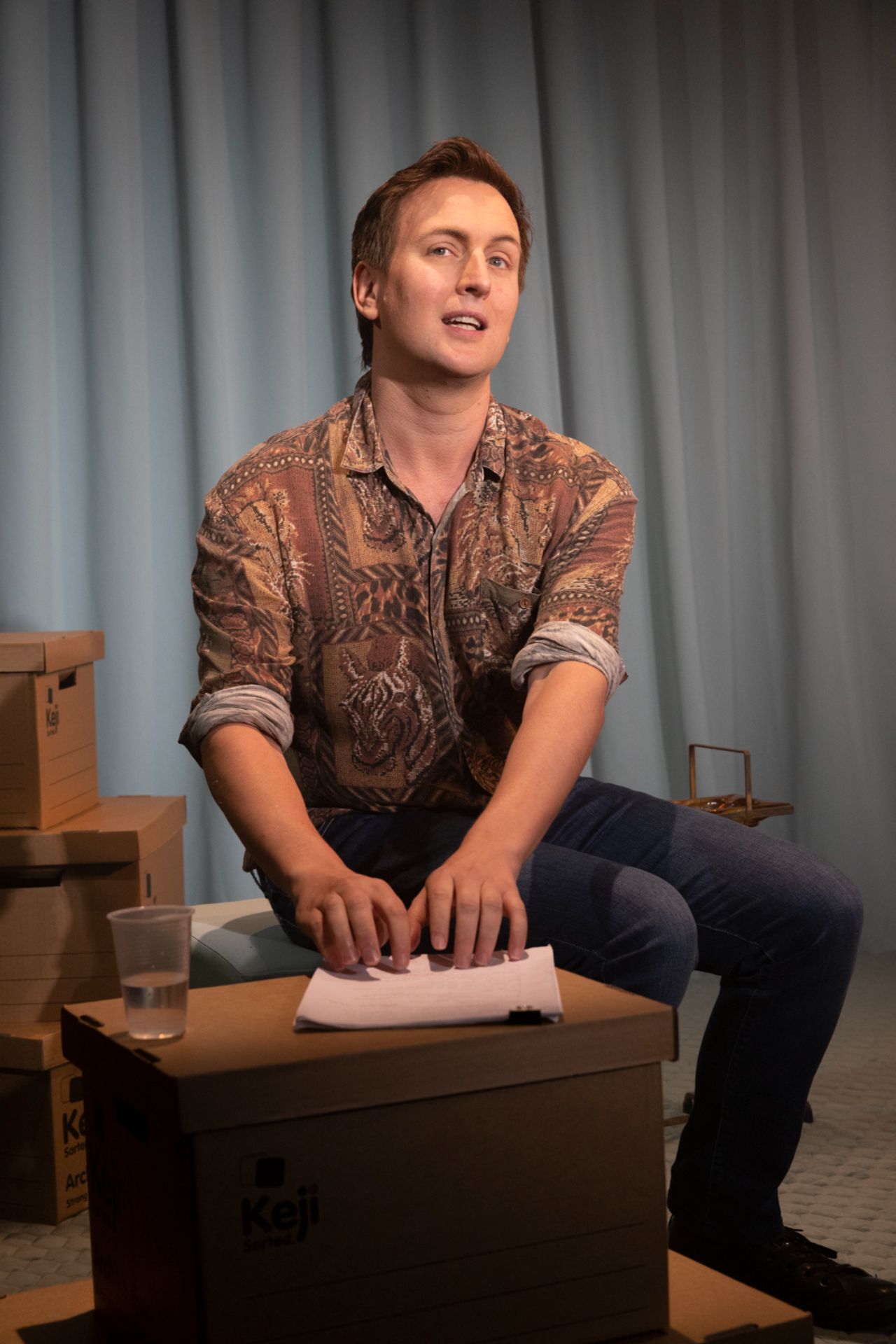
Review: A Chorus Line (Darlinghurst Theatre Company)

Venue: Sydney Opera House (Sydney NSW), Feb 13 – Mar 11, 2022
Music: Marvin Hamlish
Lyrics: Edward Kleban
Book: Nicholas Dante, James Kirkwood
Director: Amy Campbell
Cast: Max Bimbi, Molly Bugeja, Angelique Cassimatis, Ross Chisari, Nadia Coote, Tim Dashwood, Lachlan Dearing, Mackenzie Dunn, Maikolo Fekitoa, Adam Jon Fiorentino, Natalie Foti, Ashley Goh, Mariah Gonzalez, Brady Kitchingham, Madeleine Mackenzie, Rechelle Mansour, Natasha Marconi, Rubin Matters, Ryan Ophel, Tony Oxybel, Ethan Ritchie, Suzanne Steele, Harry Targett, Angelina Thomson
Images by Robert Catto

Theatre review
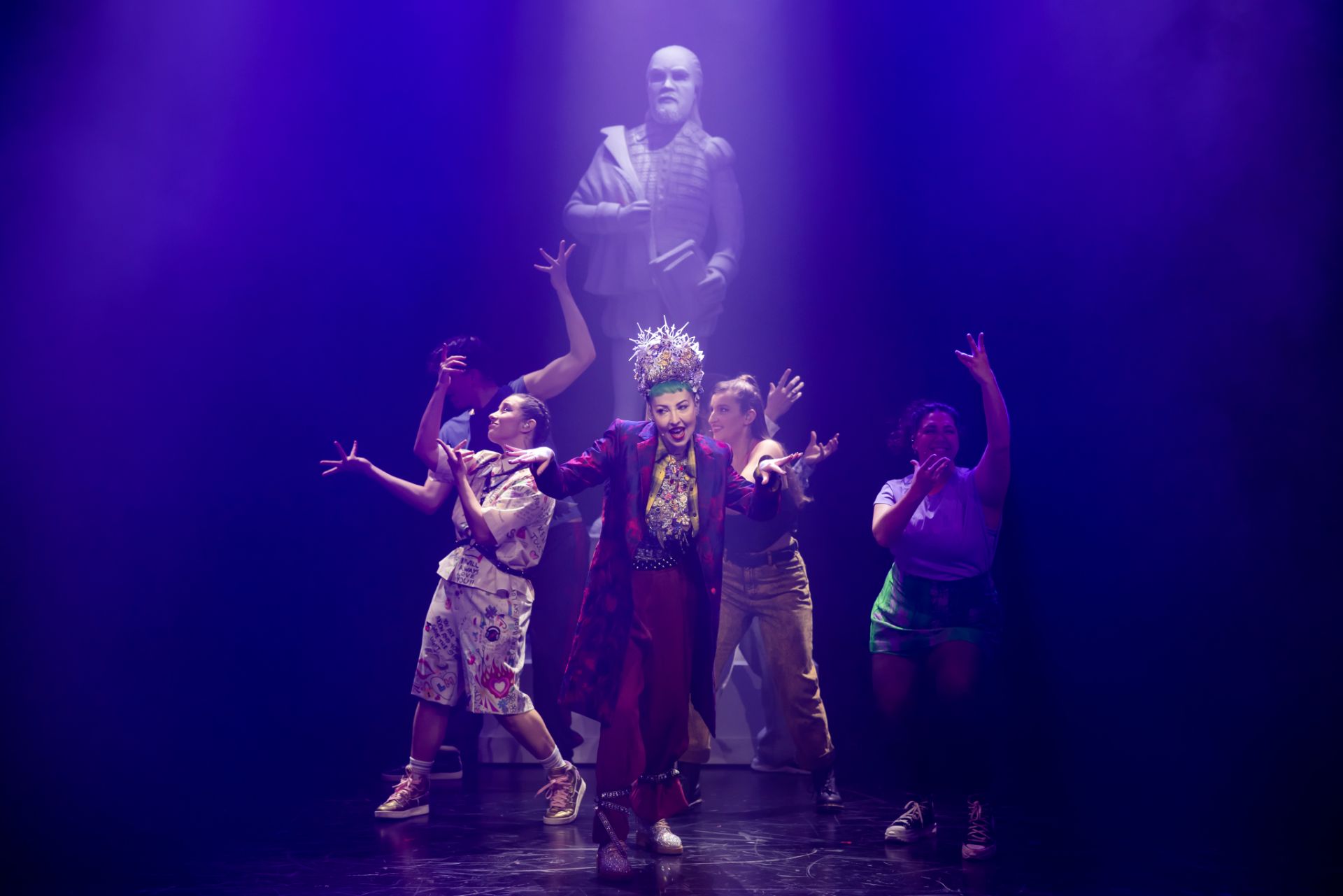
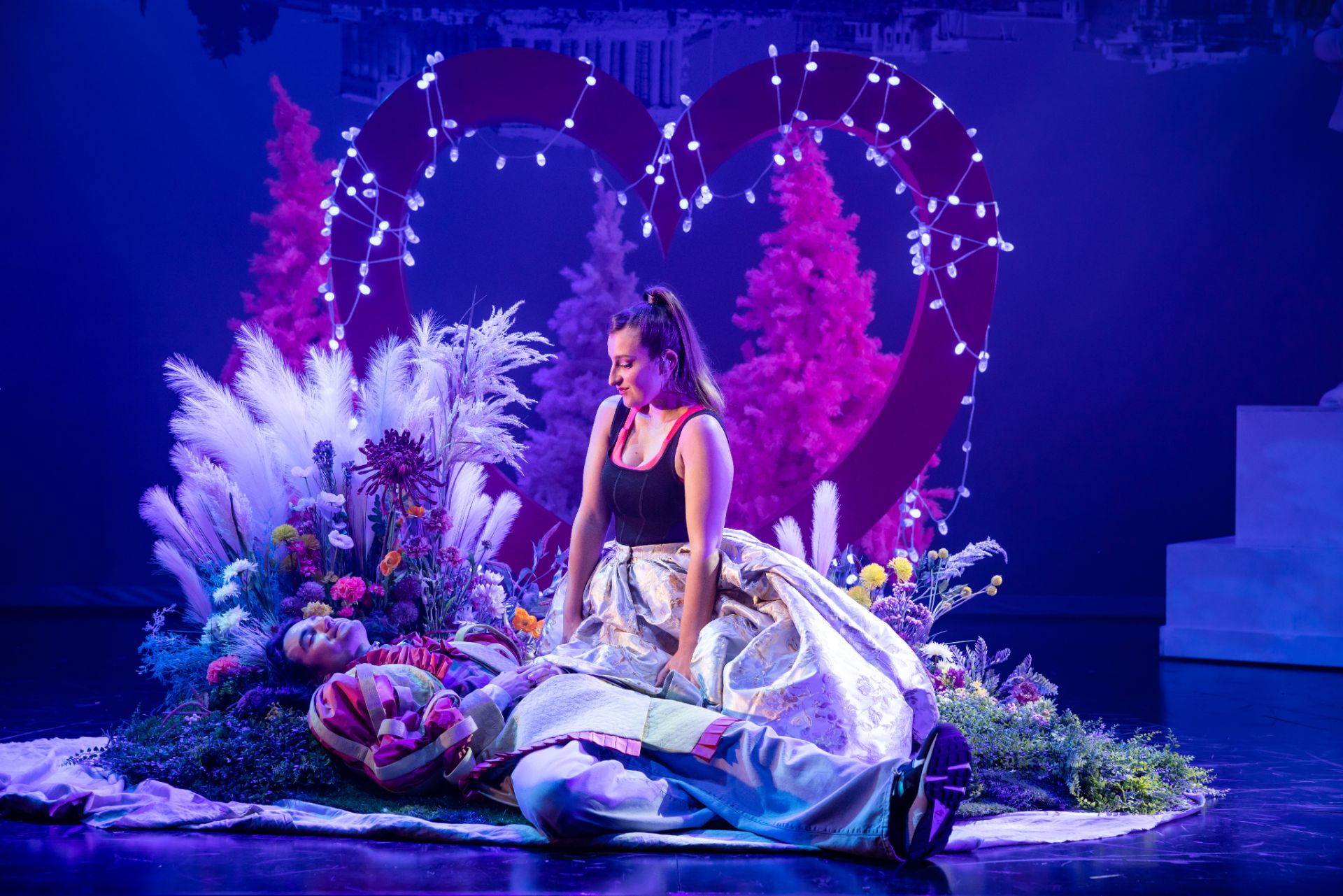
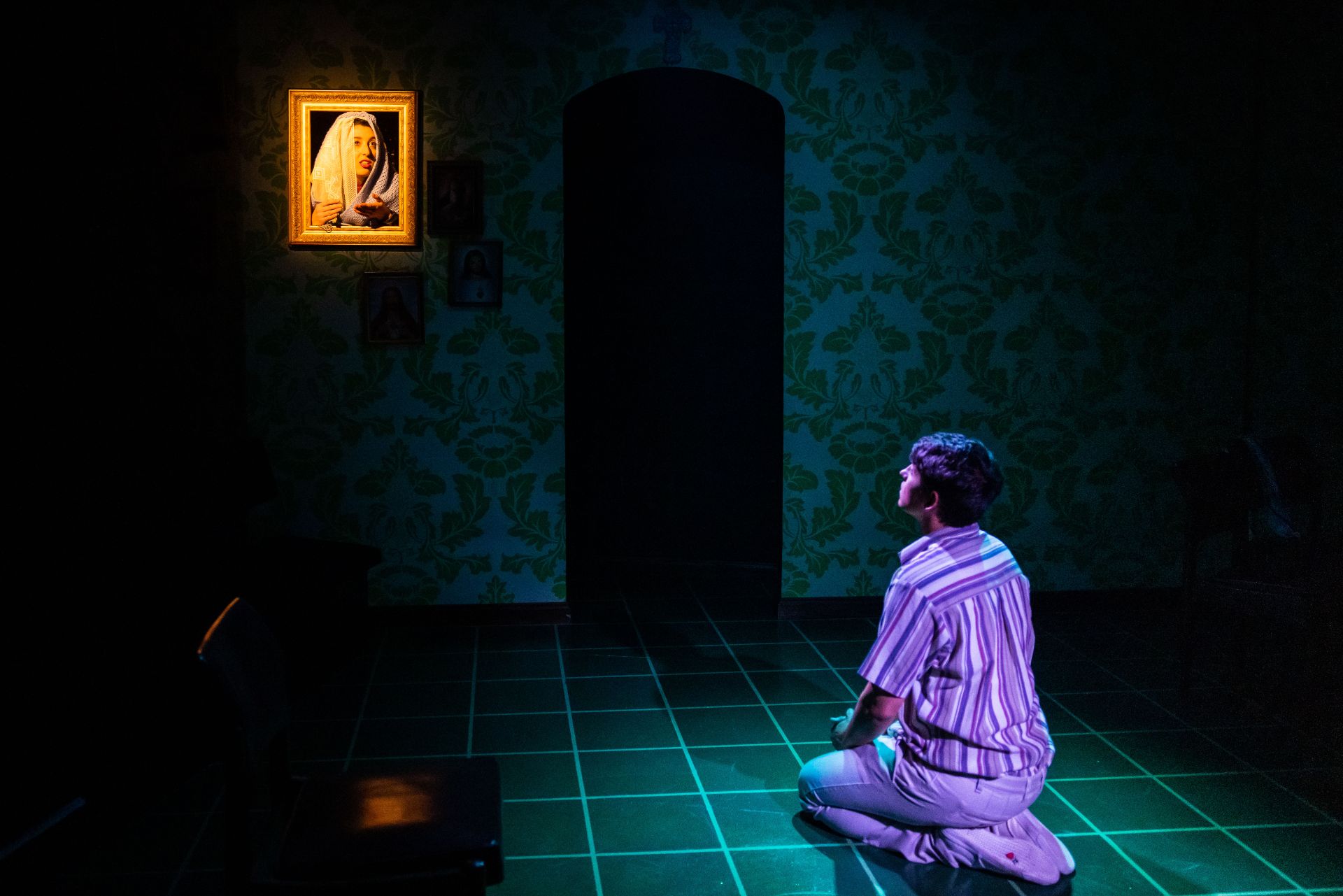
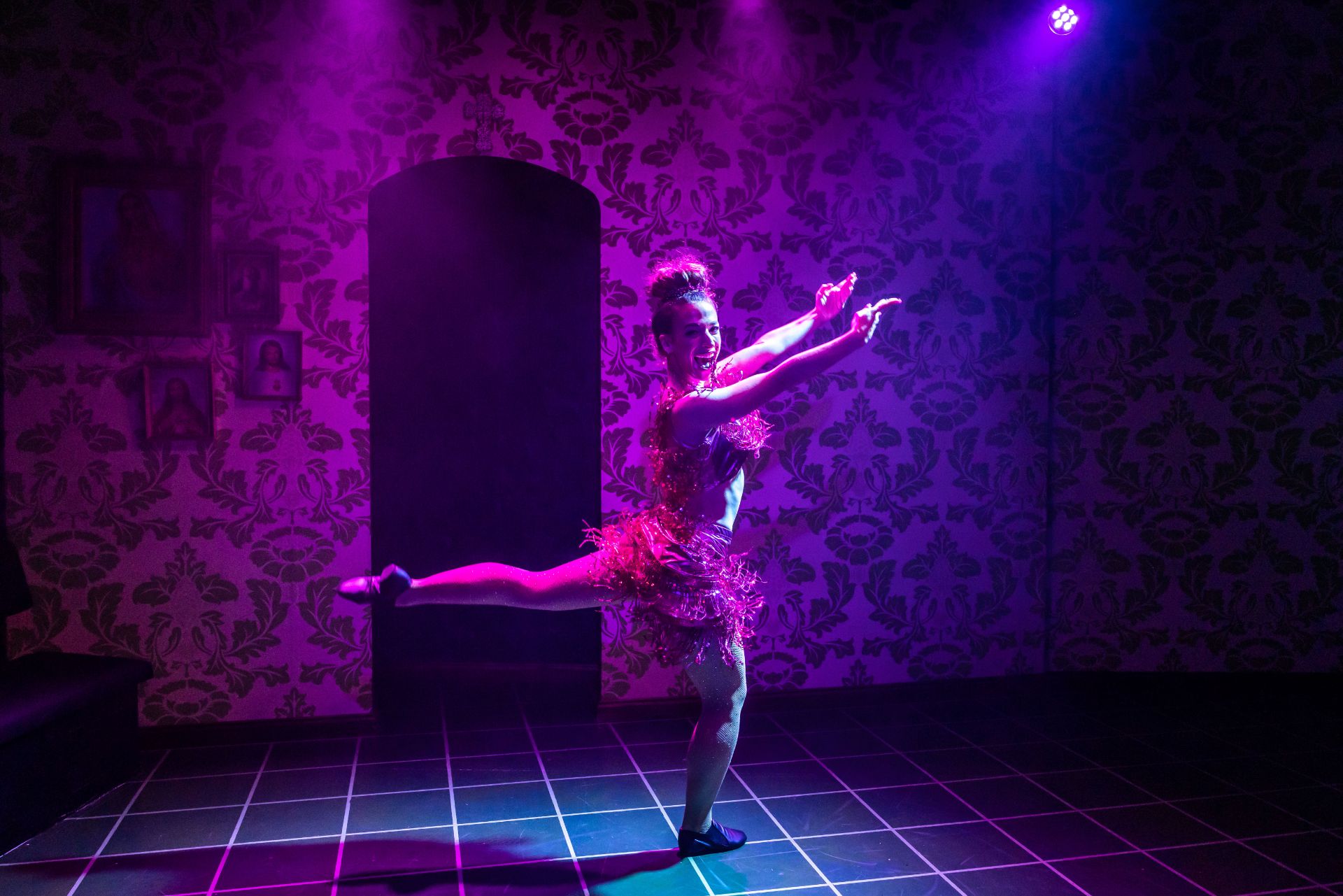
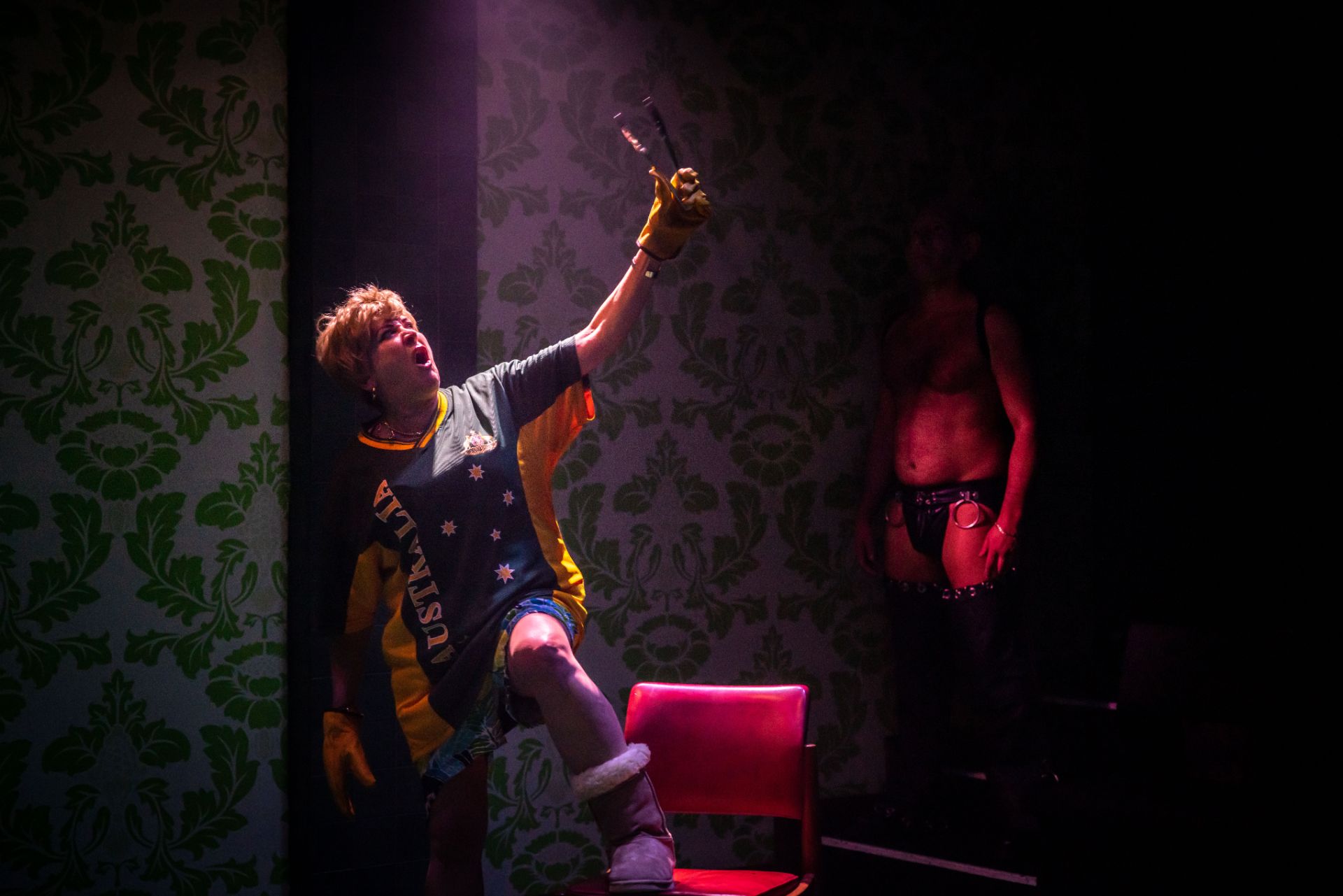
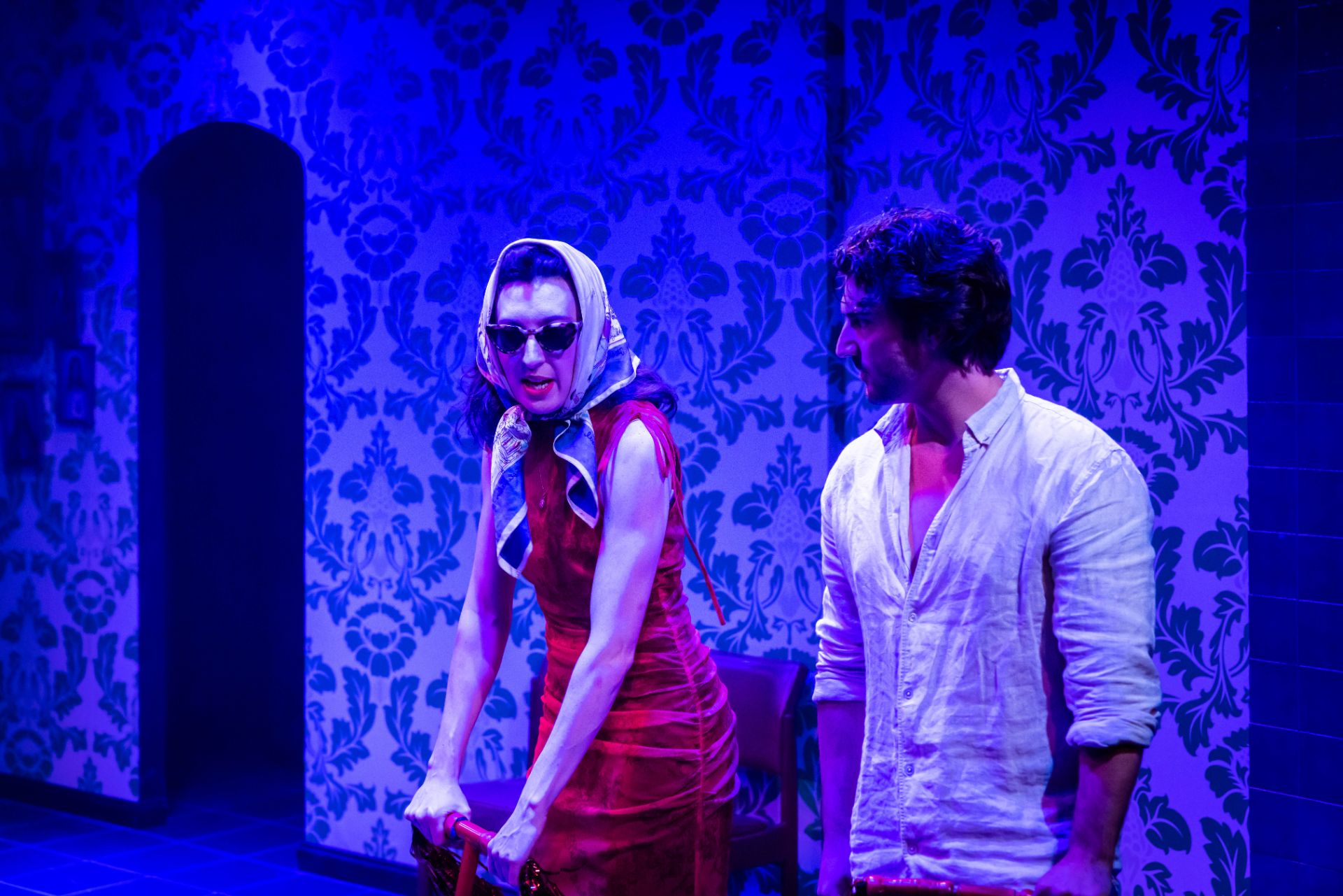
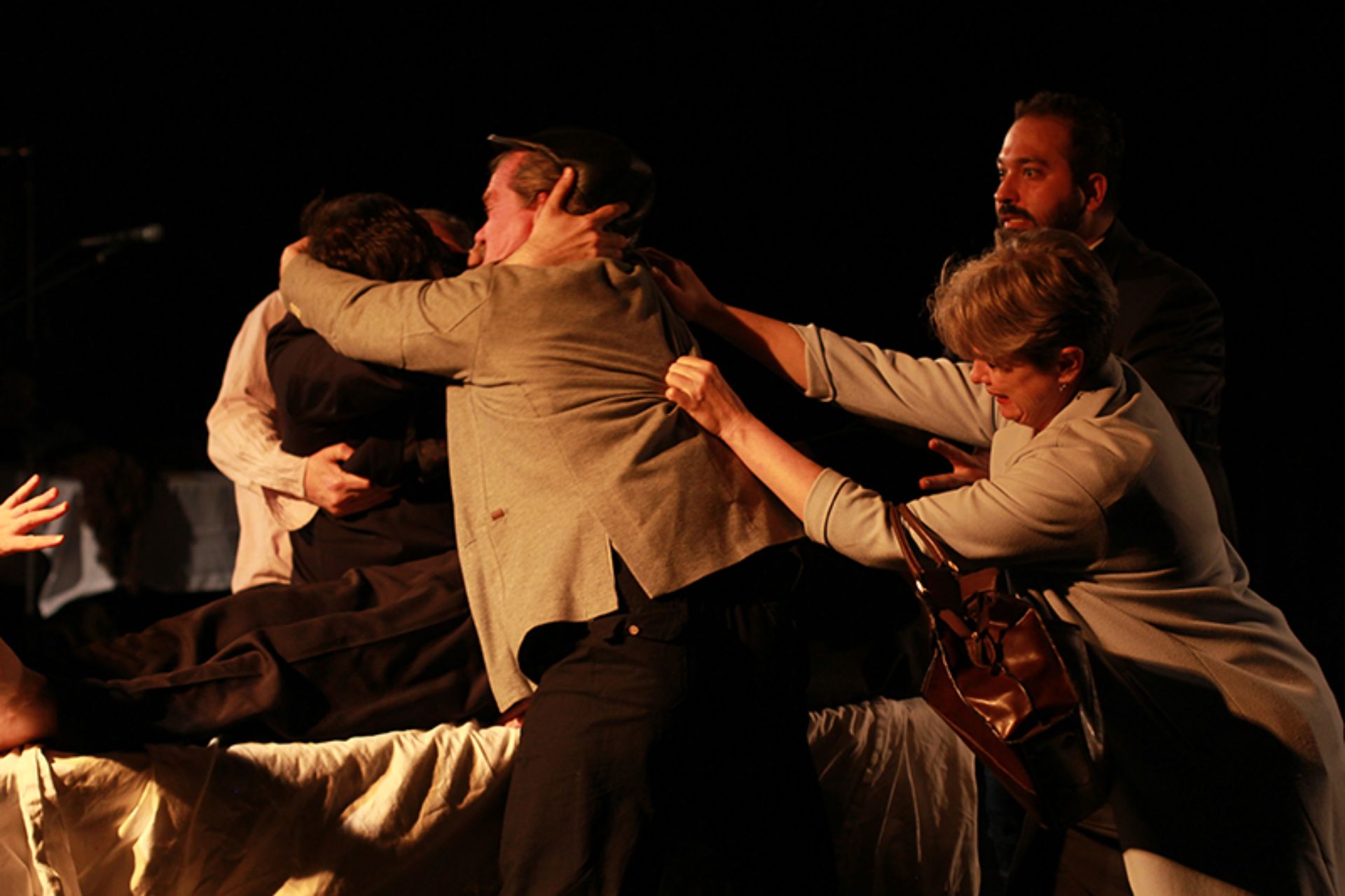
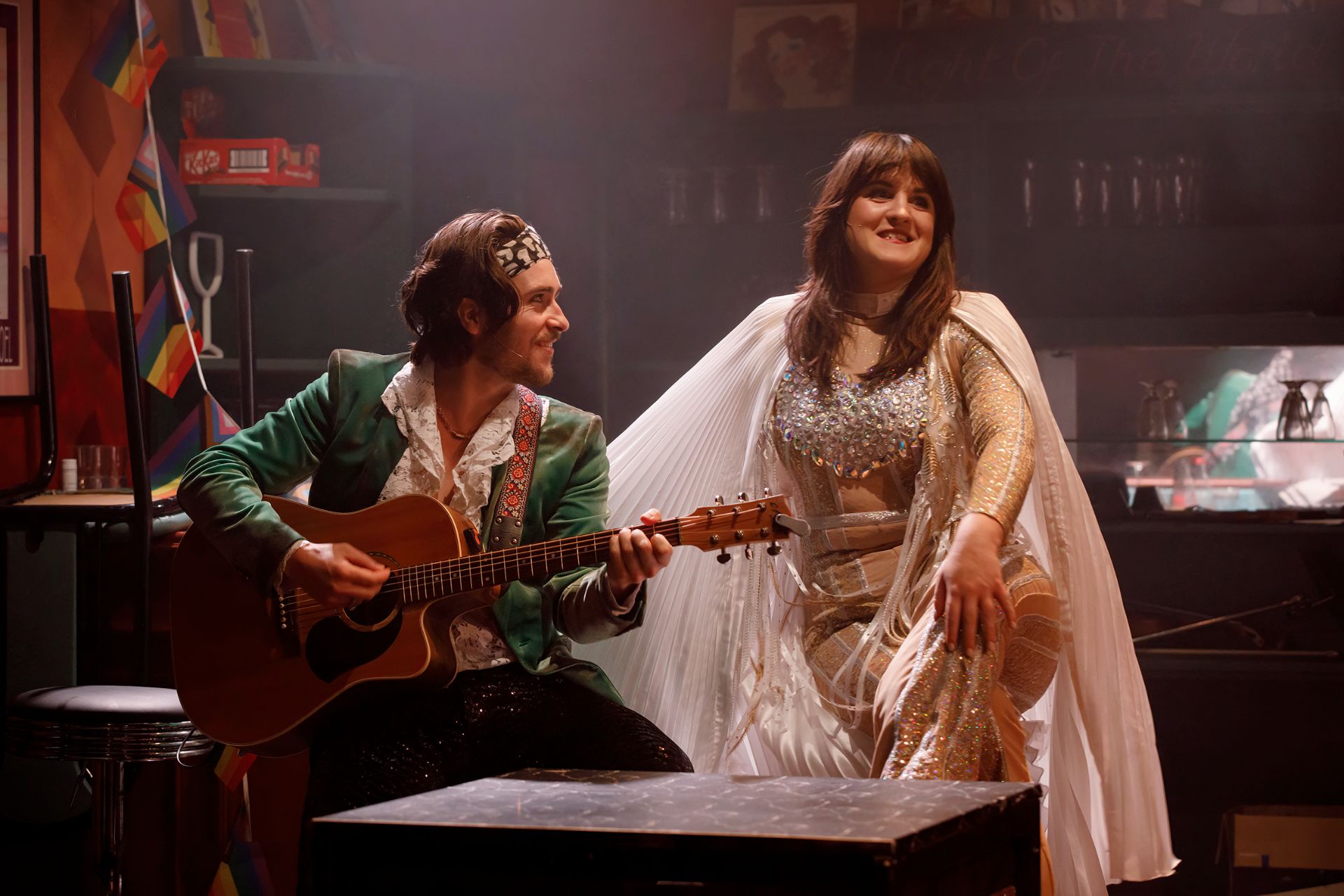
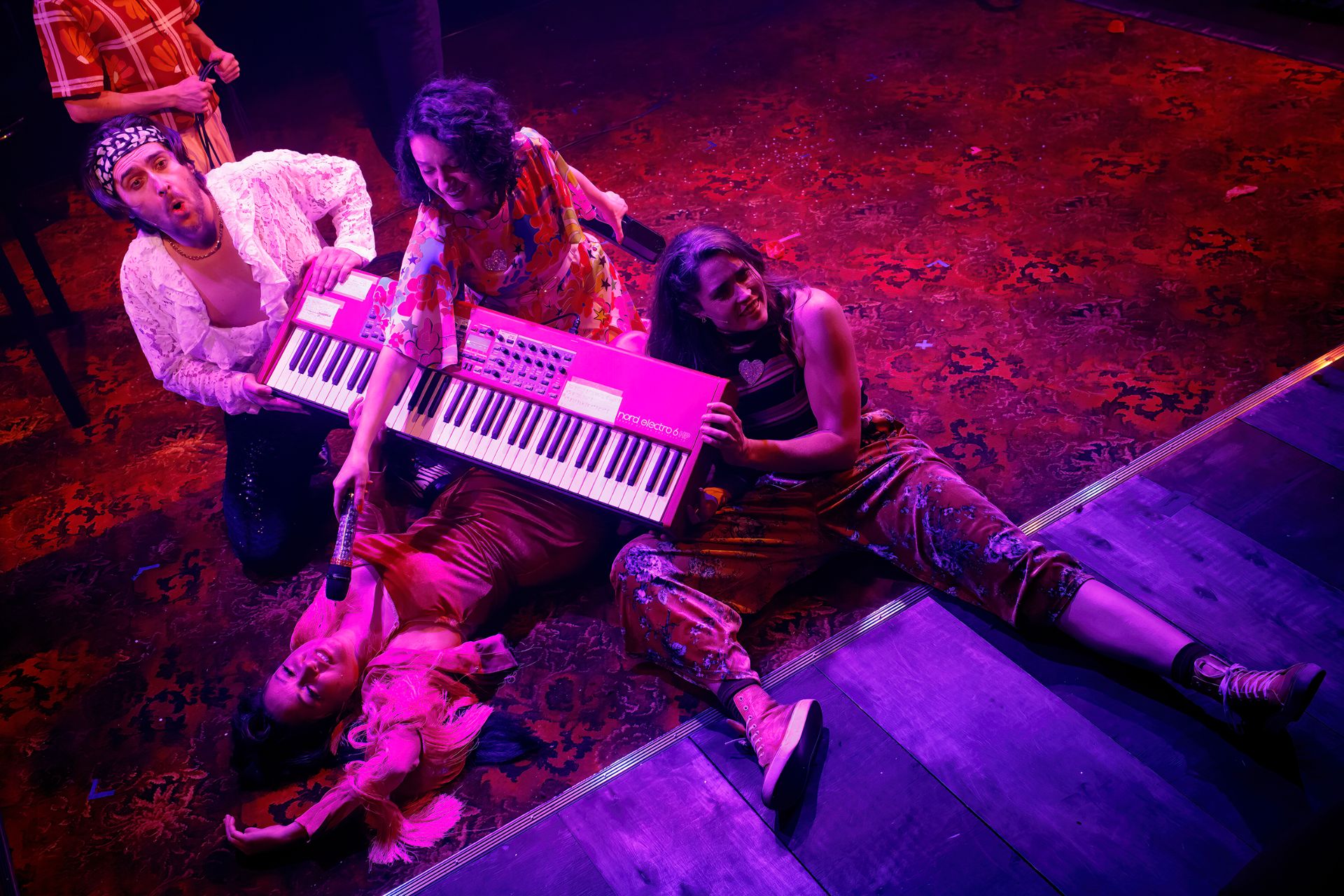
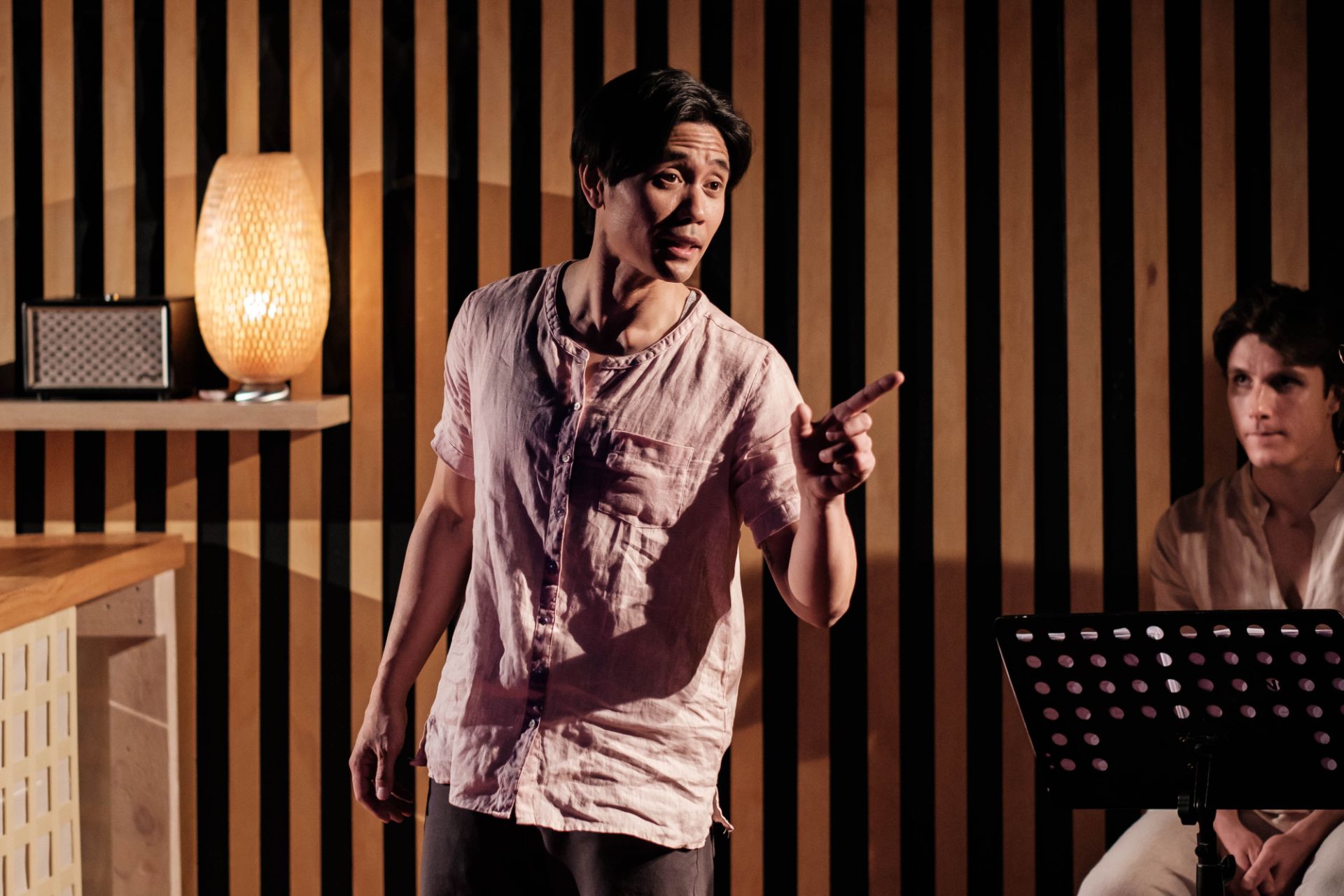
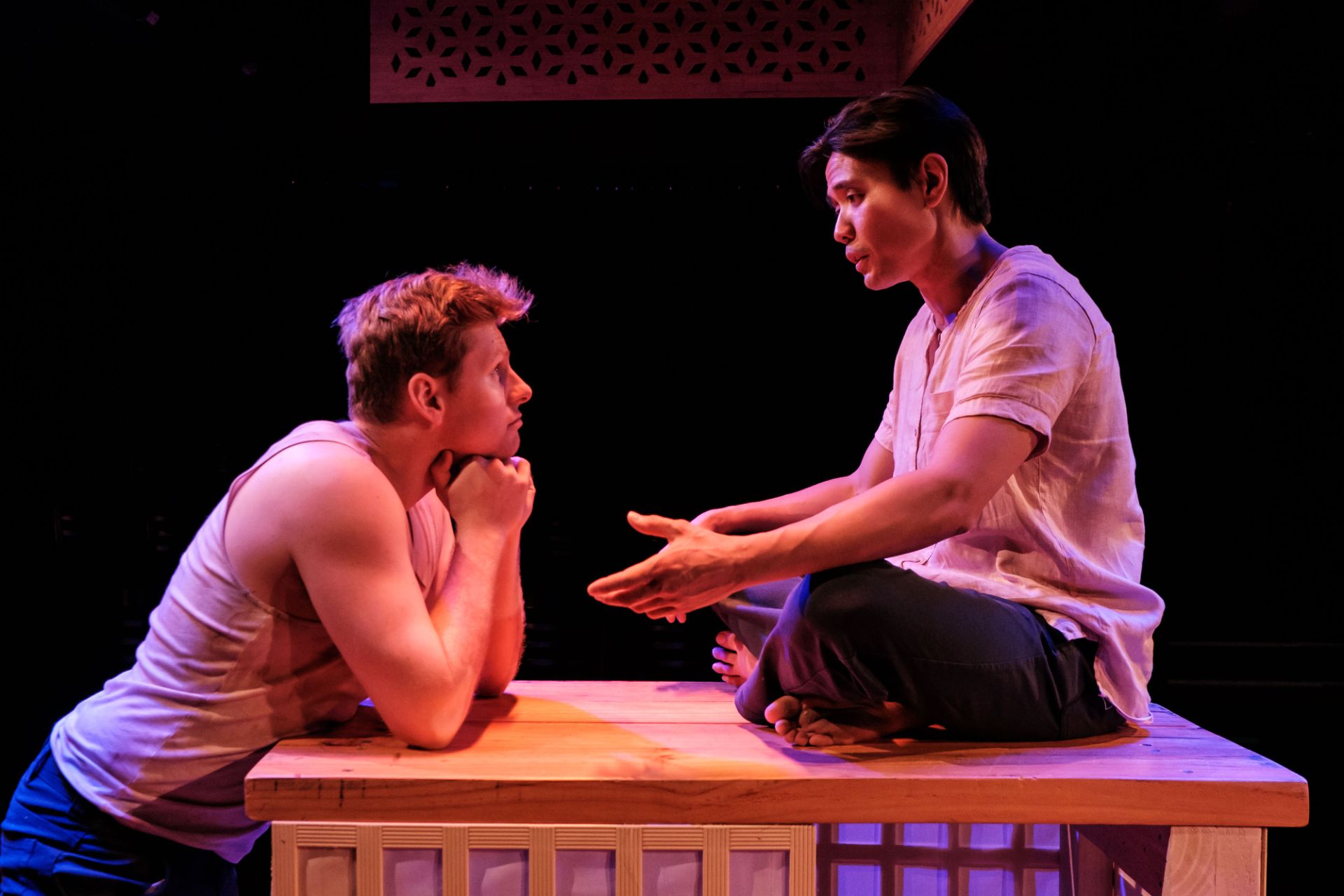
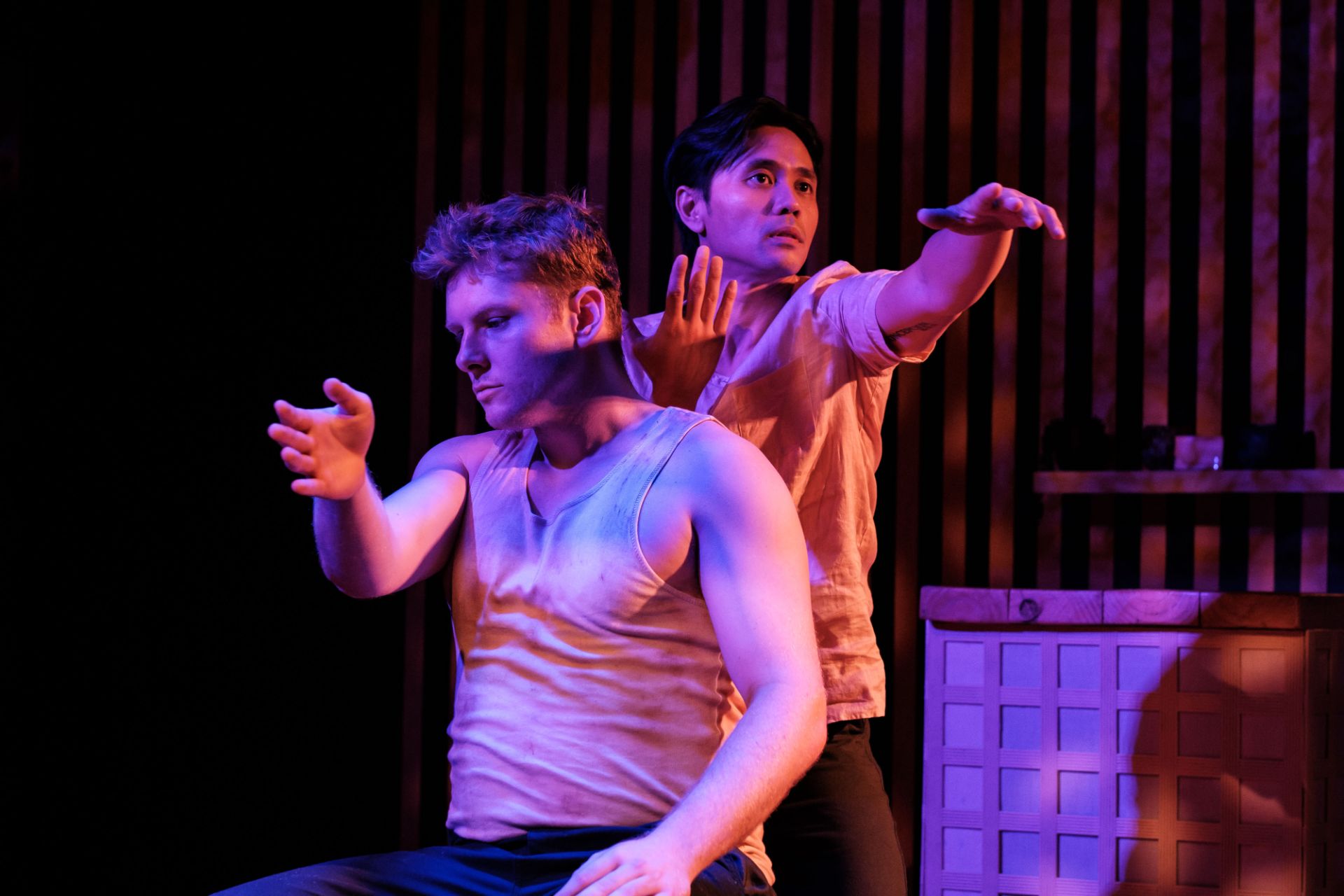
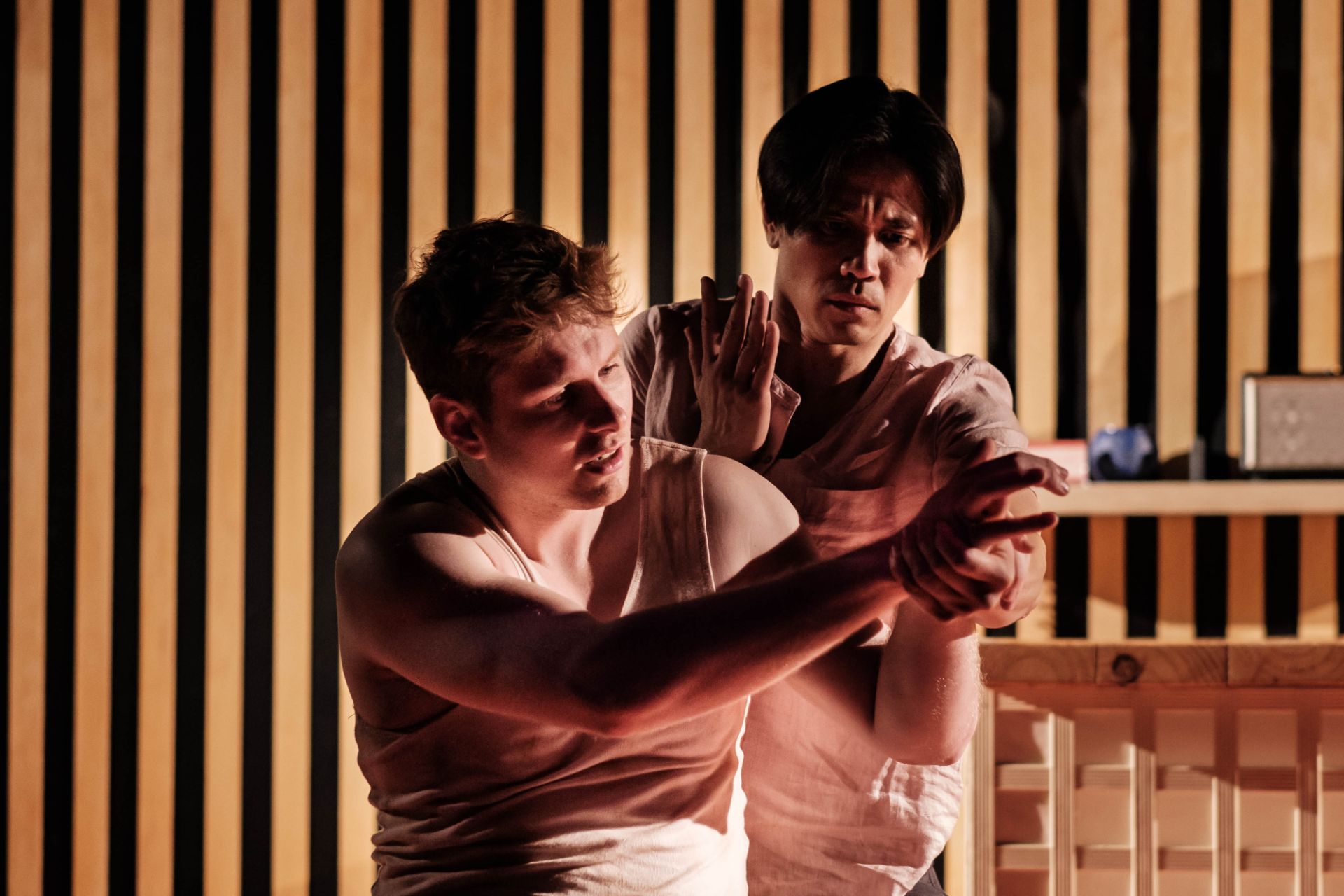
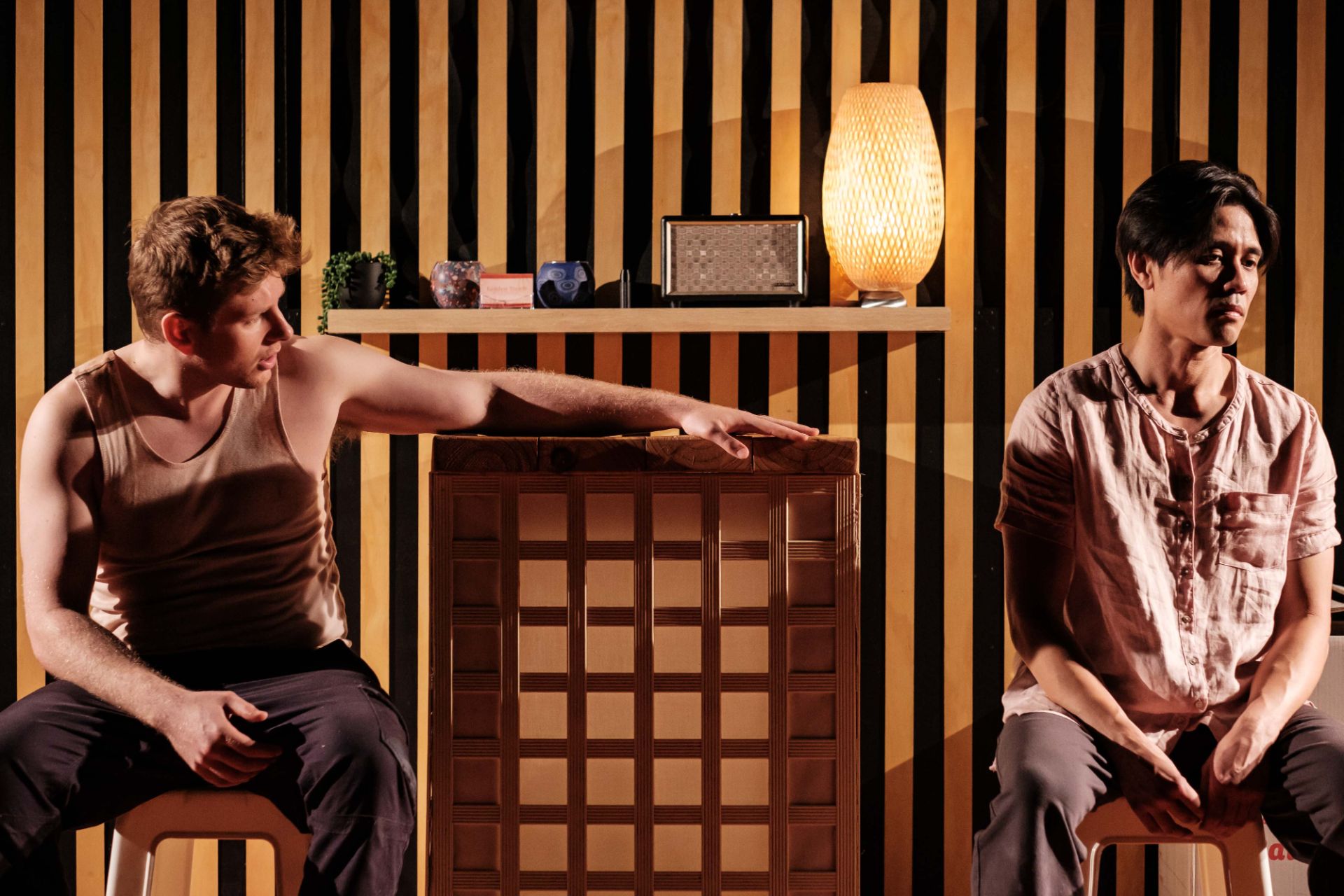
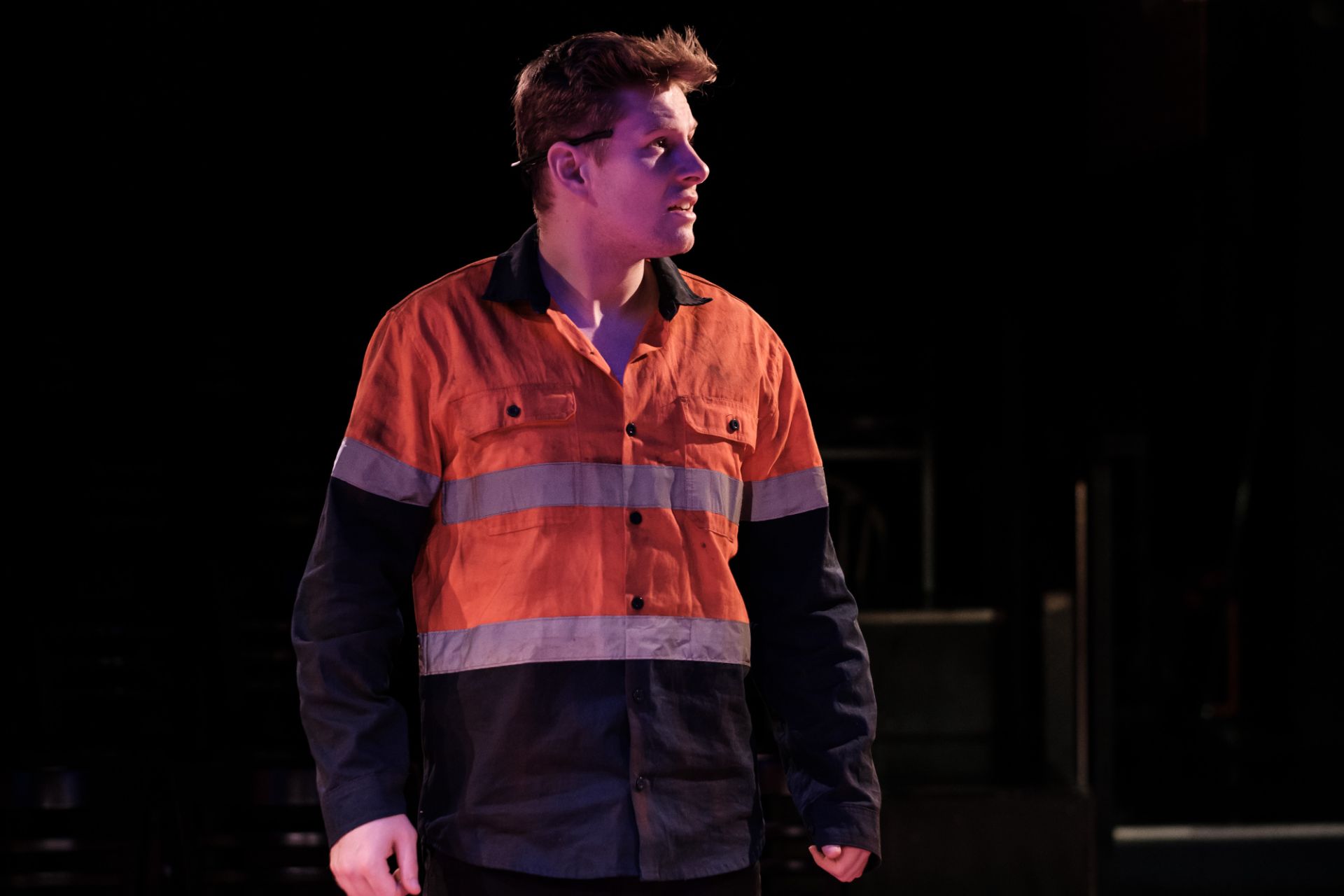
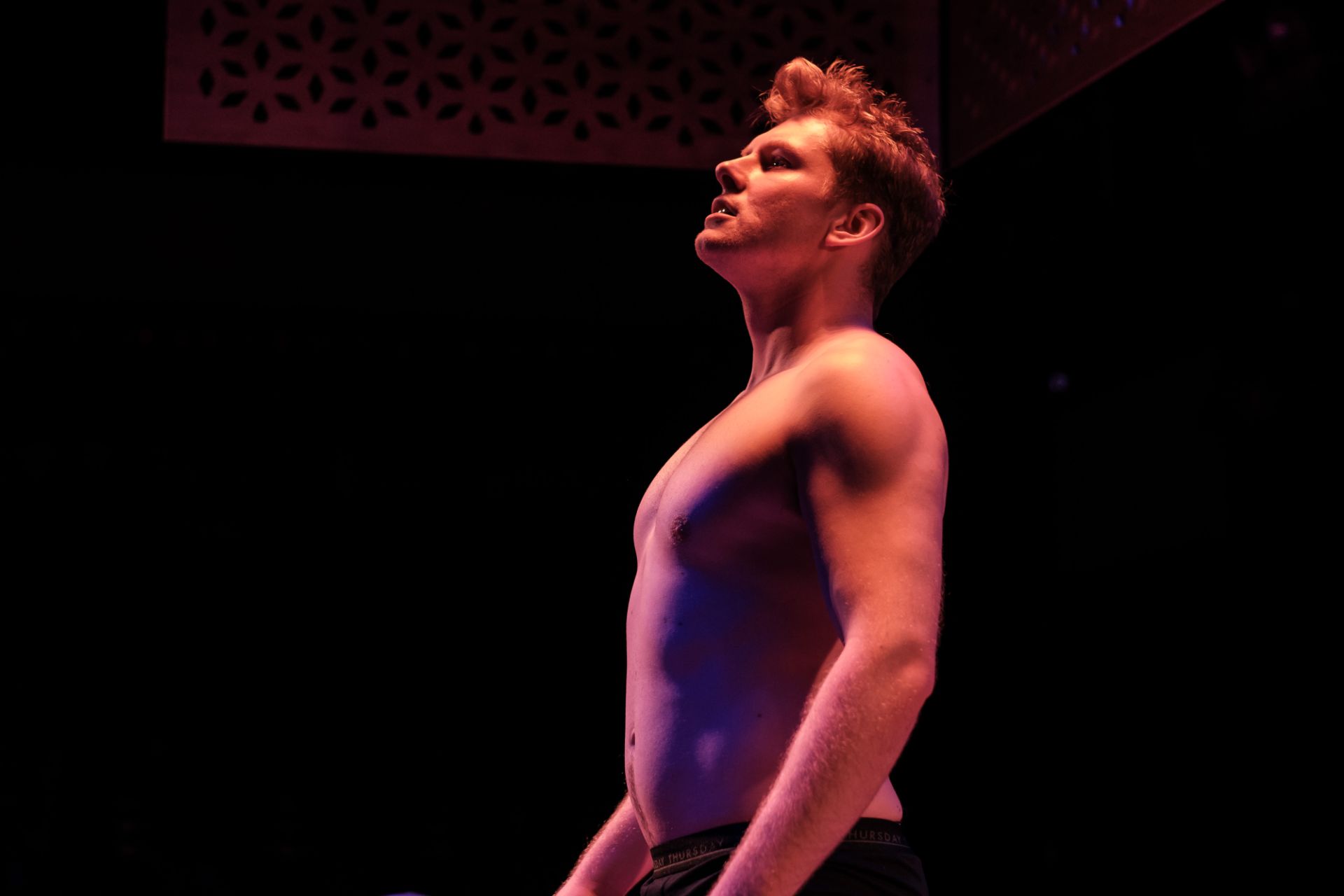
Originally conceived in 1975 by Michael Bennett, the legendary musical A Chorus Line involves an ensemble cast of nineteen, several unforgettable songs, and dance sequences that have become an indelible part of our collective cultural memory. It is the simple story about Broadway director Zach at a casting call, auditioning a throng of dancers, for eight places in his new show. A Chorus Line is a tribute to the innumerable artists who have dedicated their lives to a passion, that never yields commensurate rewards. The show is an opportunity for talents to show their wares, with each member of cast provided individual moments of glory, as well as working in groups for some of the most exciting and complicated choreography in the musical format.

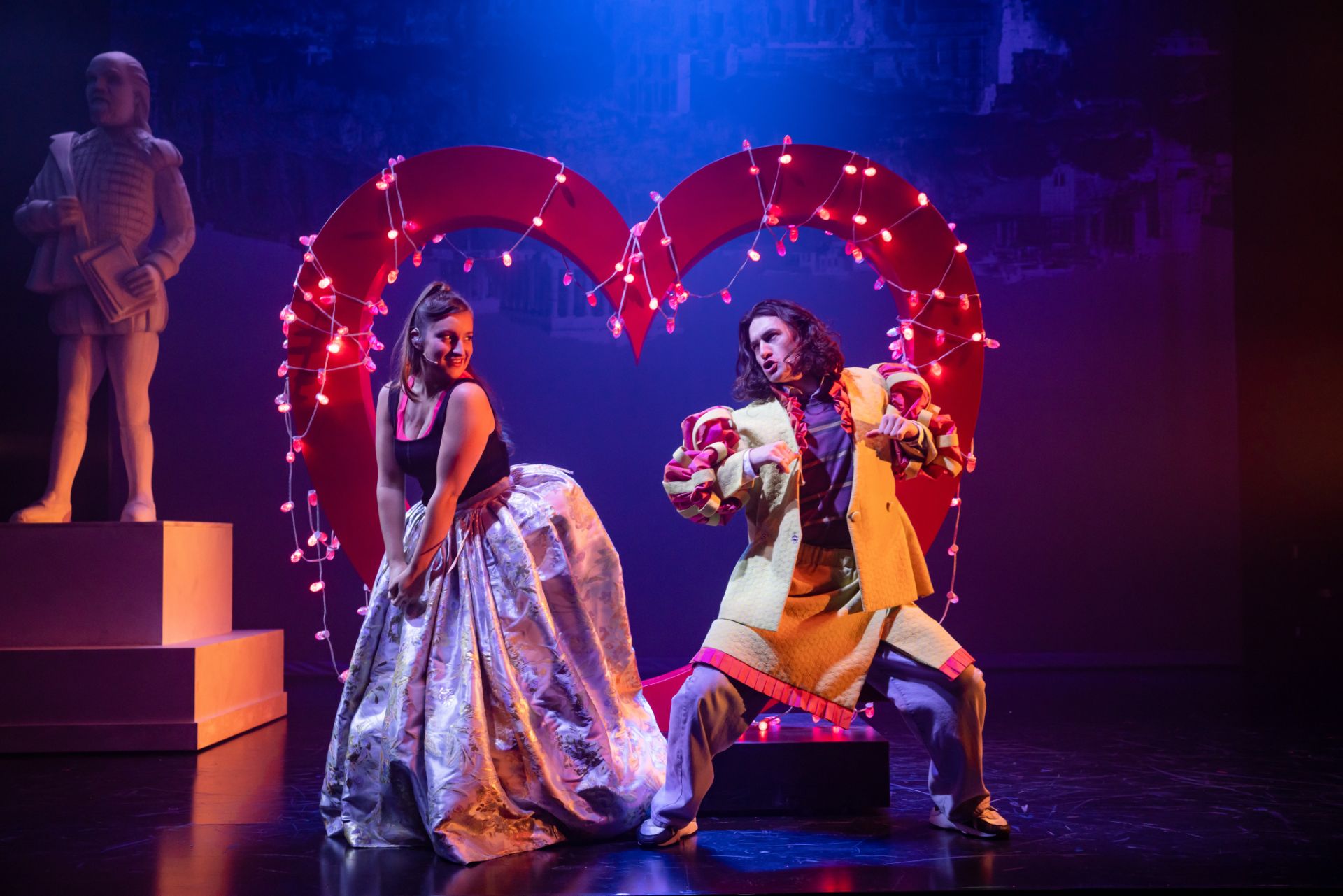
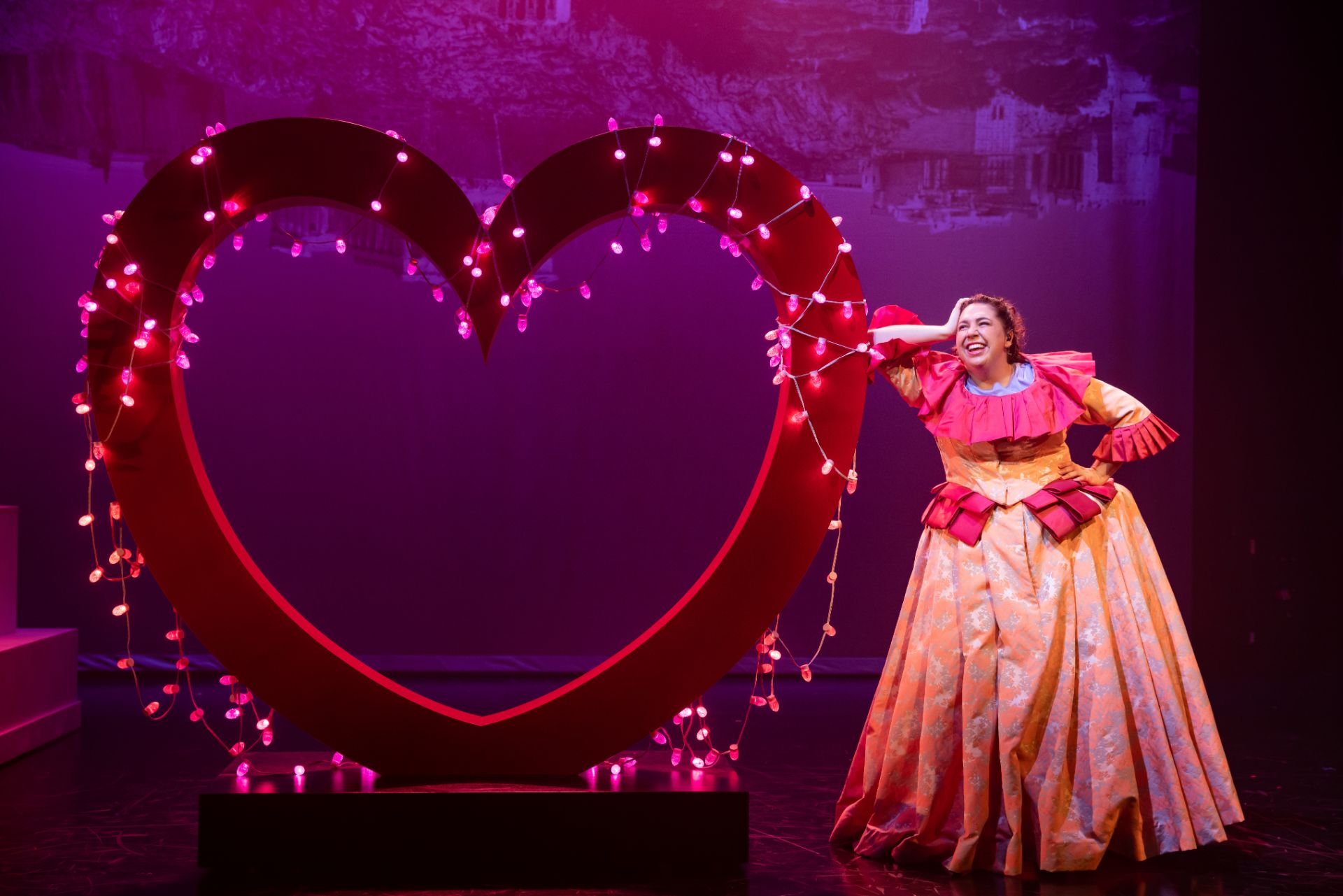
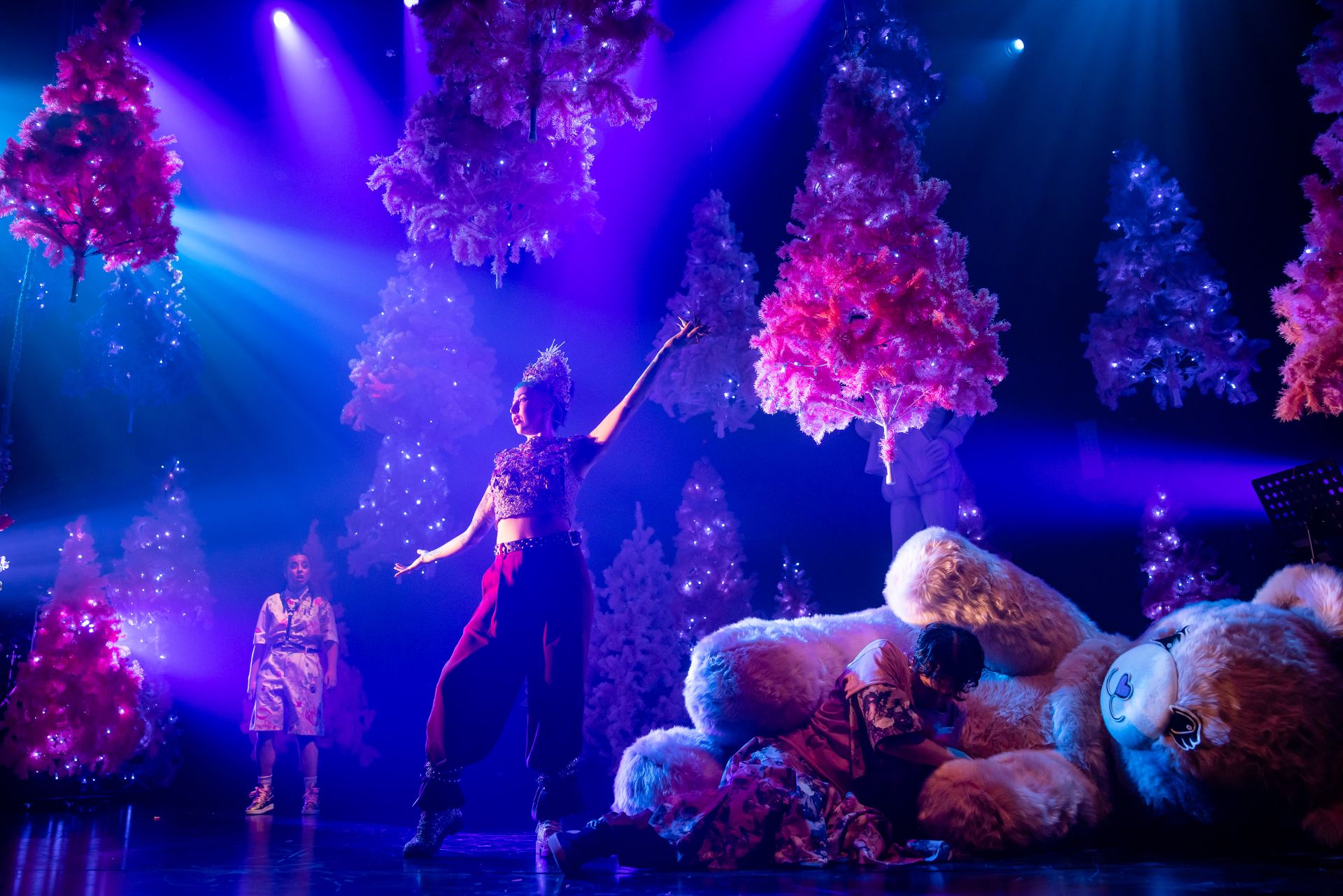
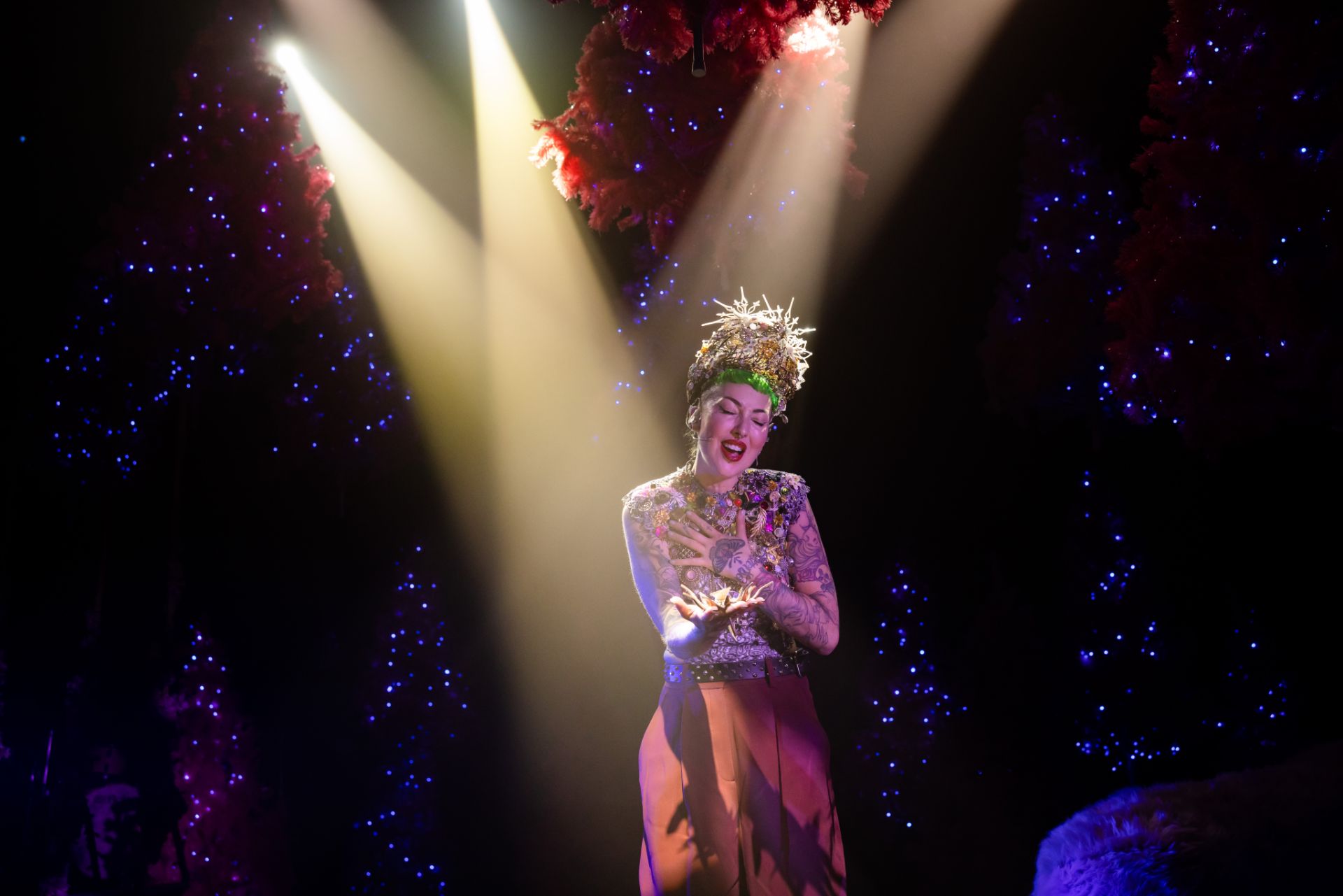
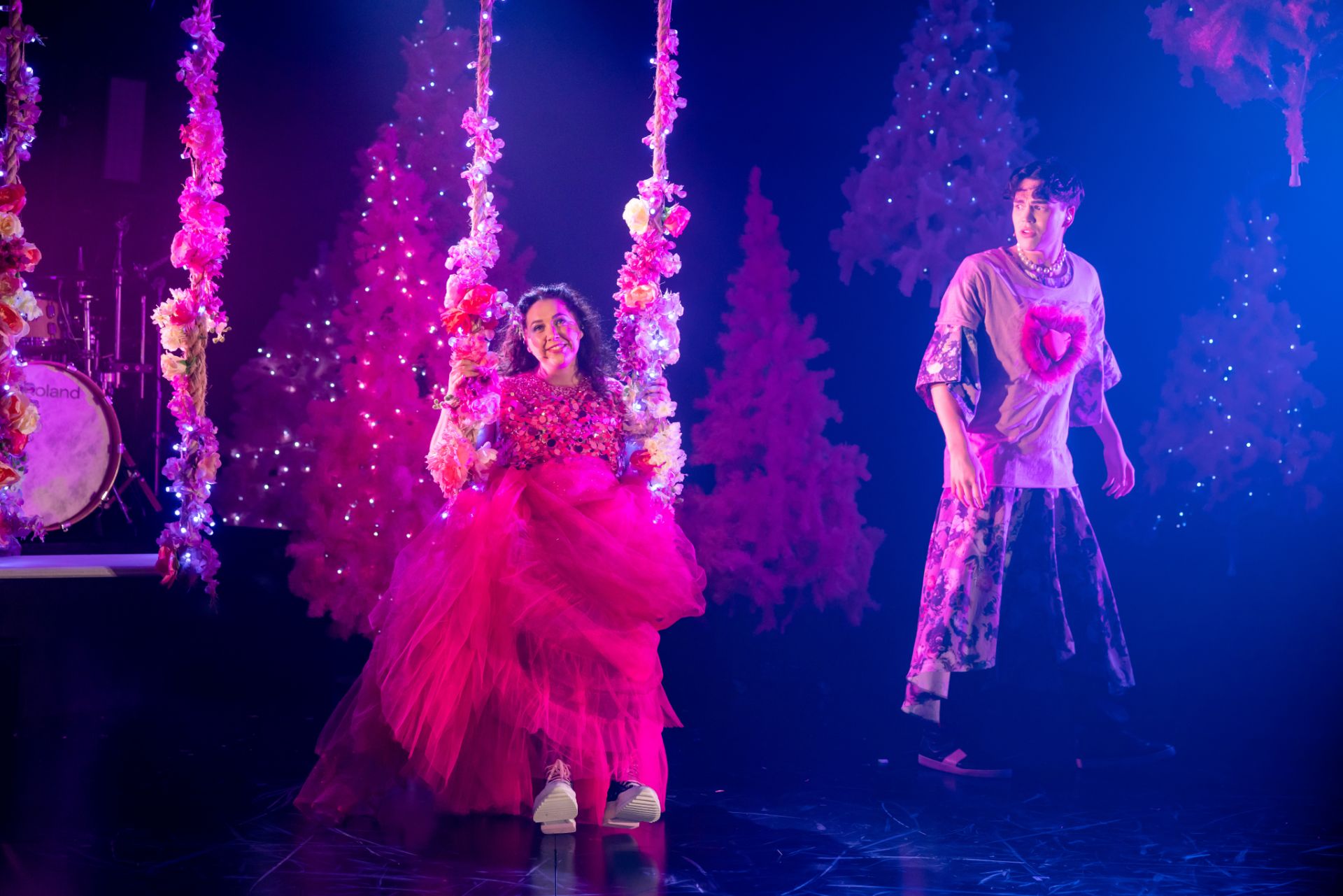
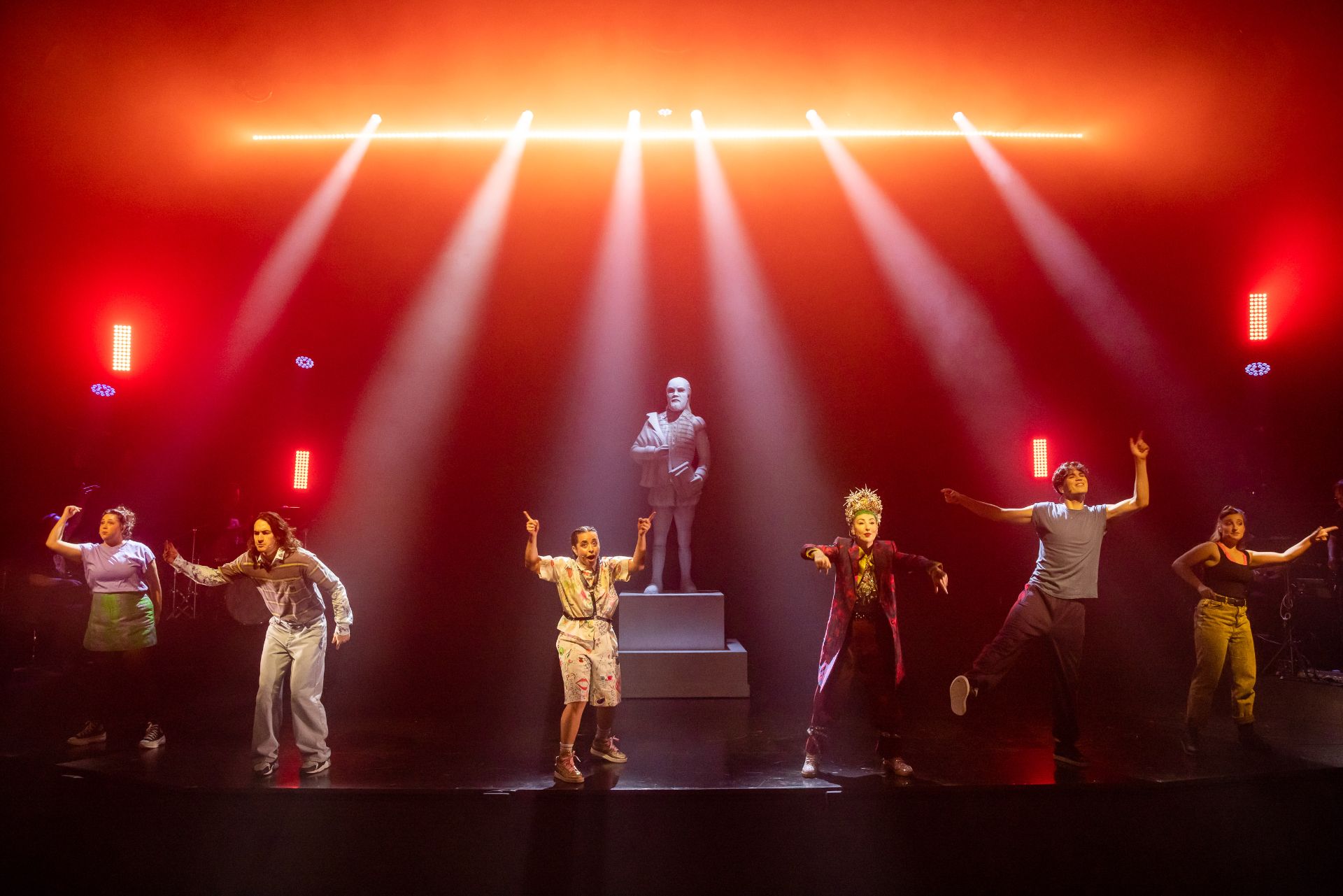
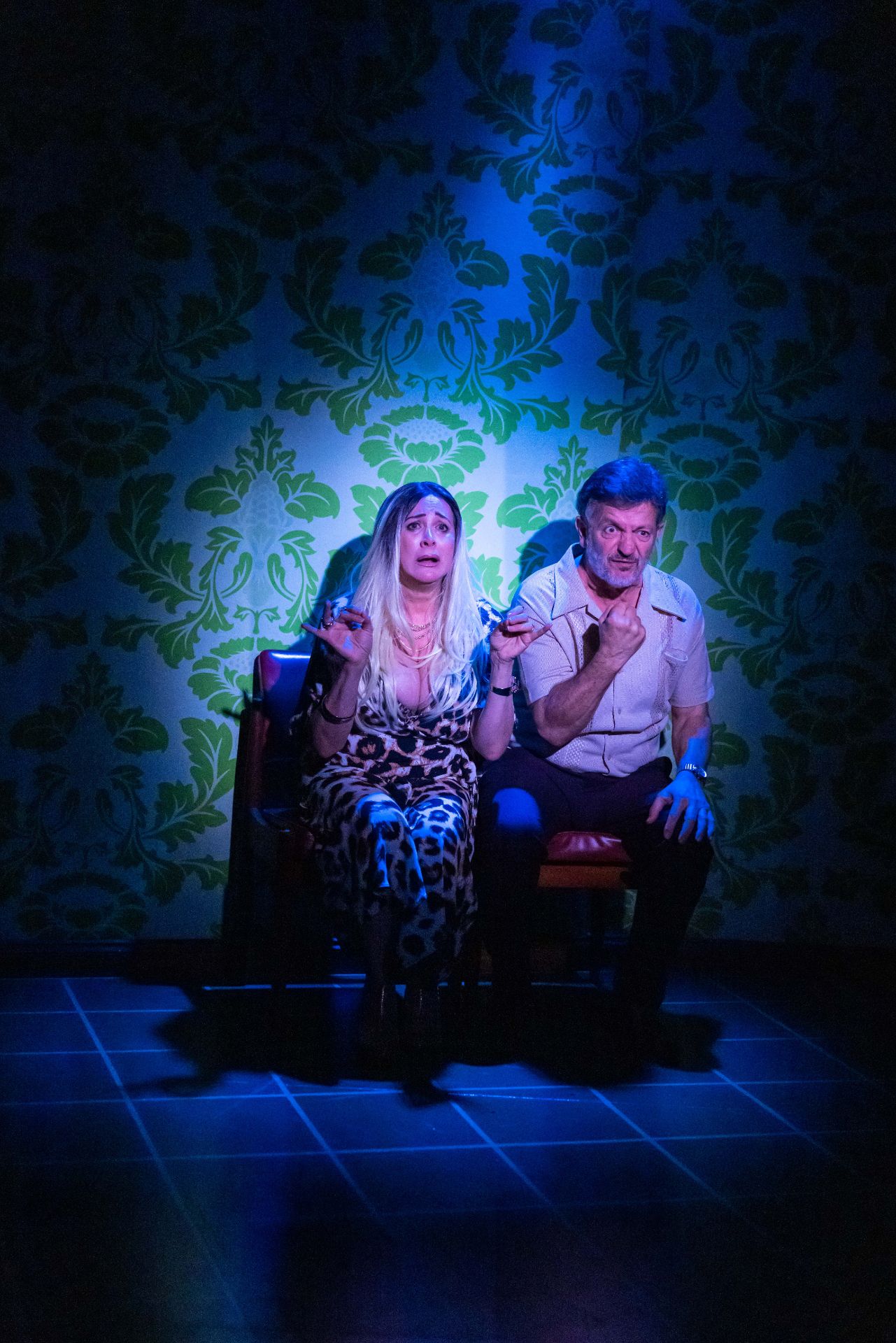
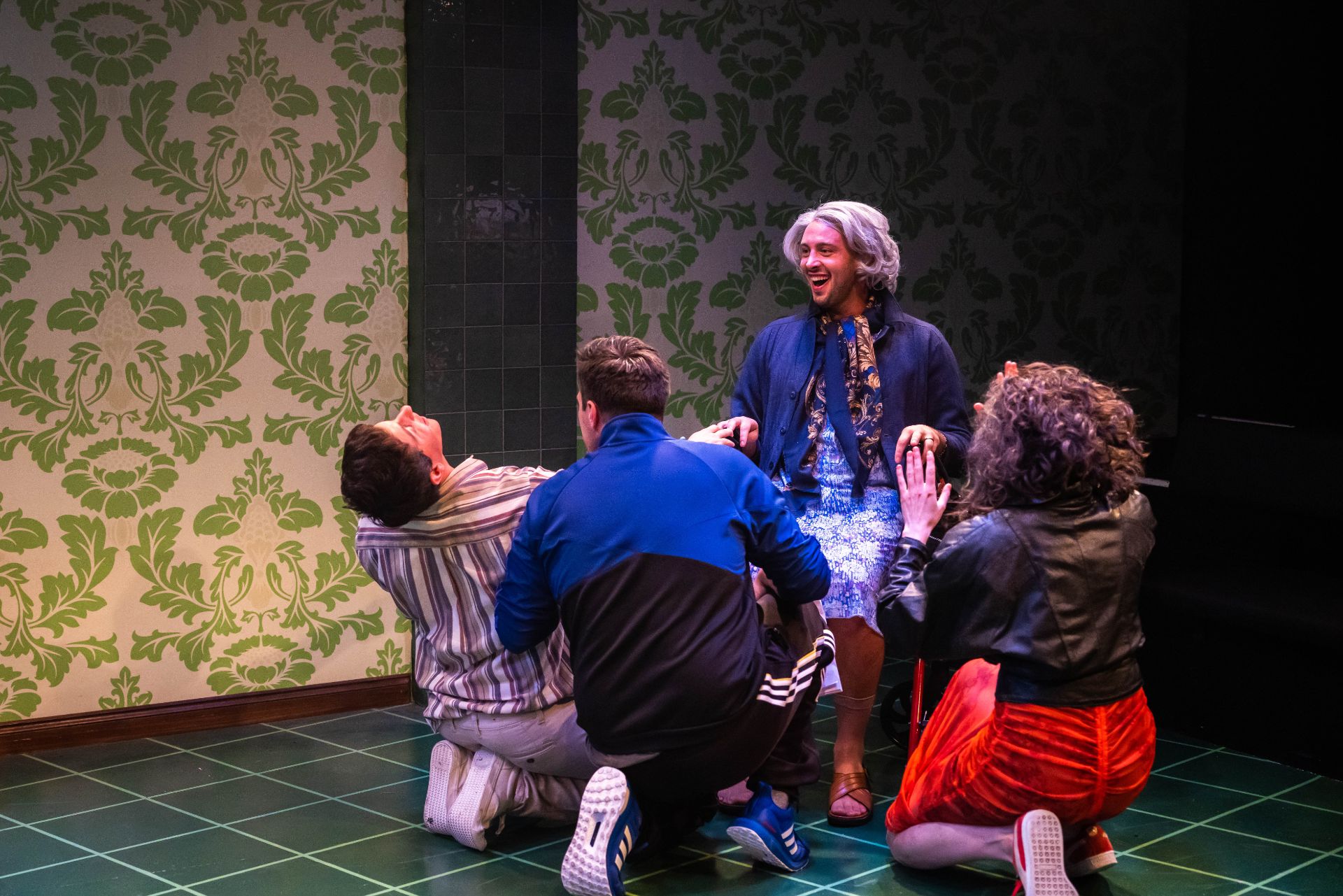
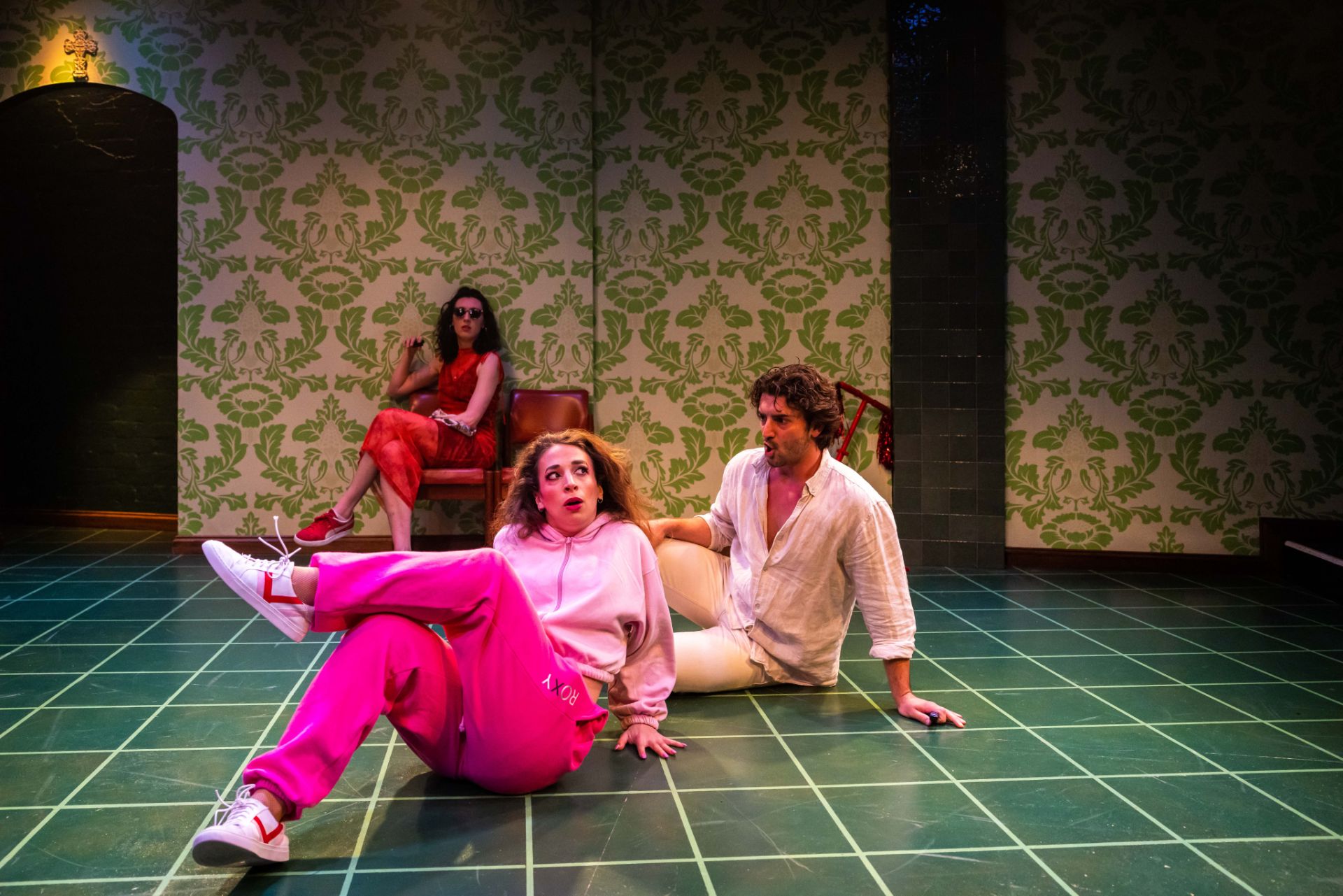
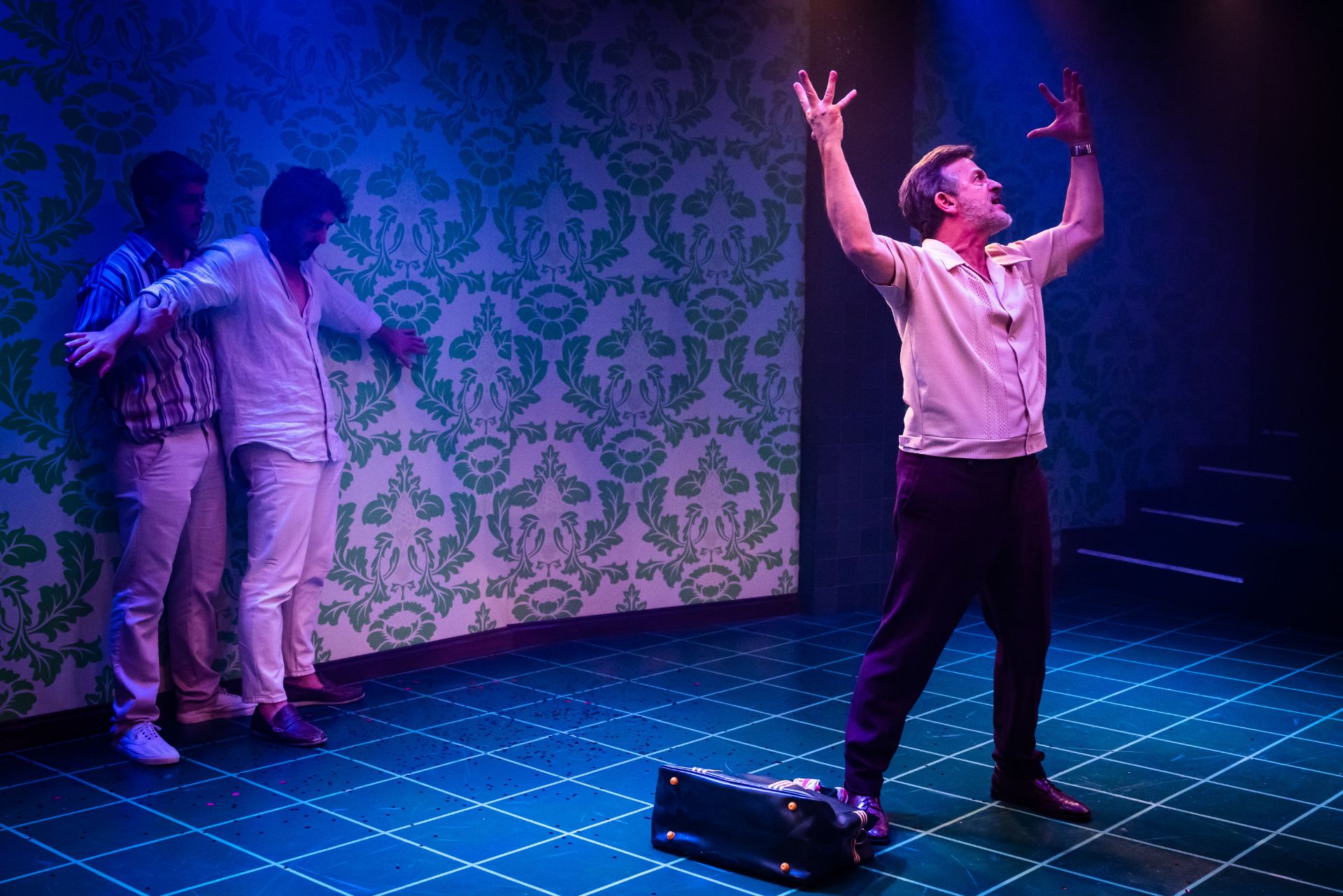
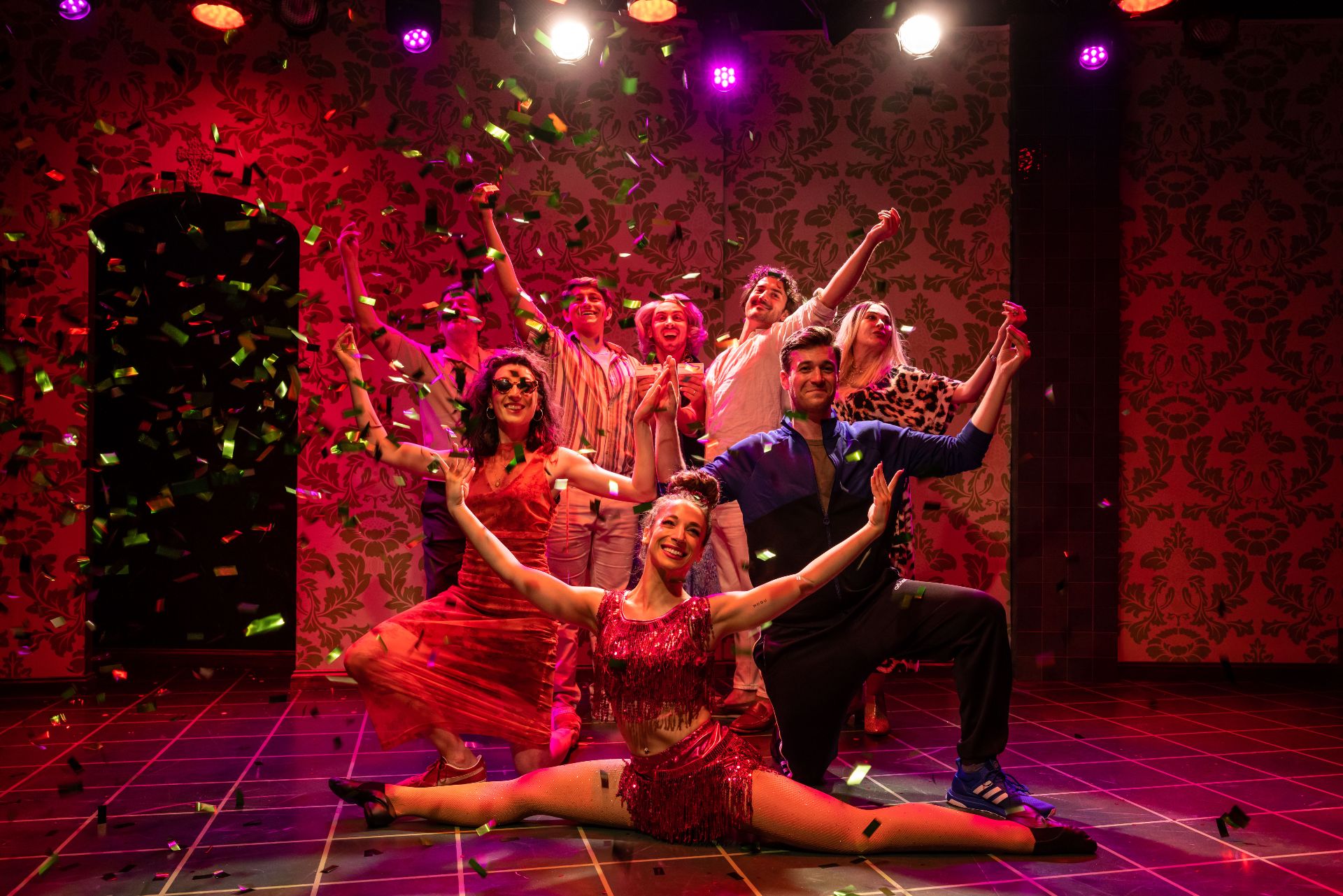
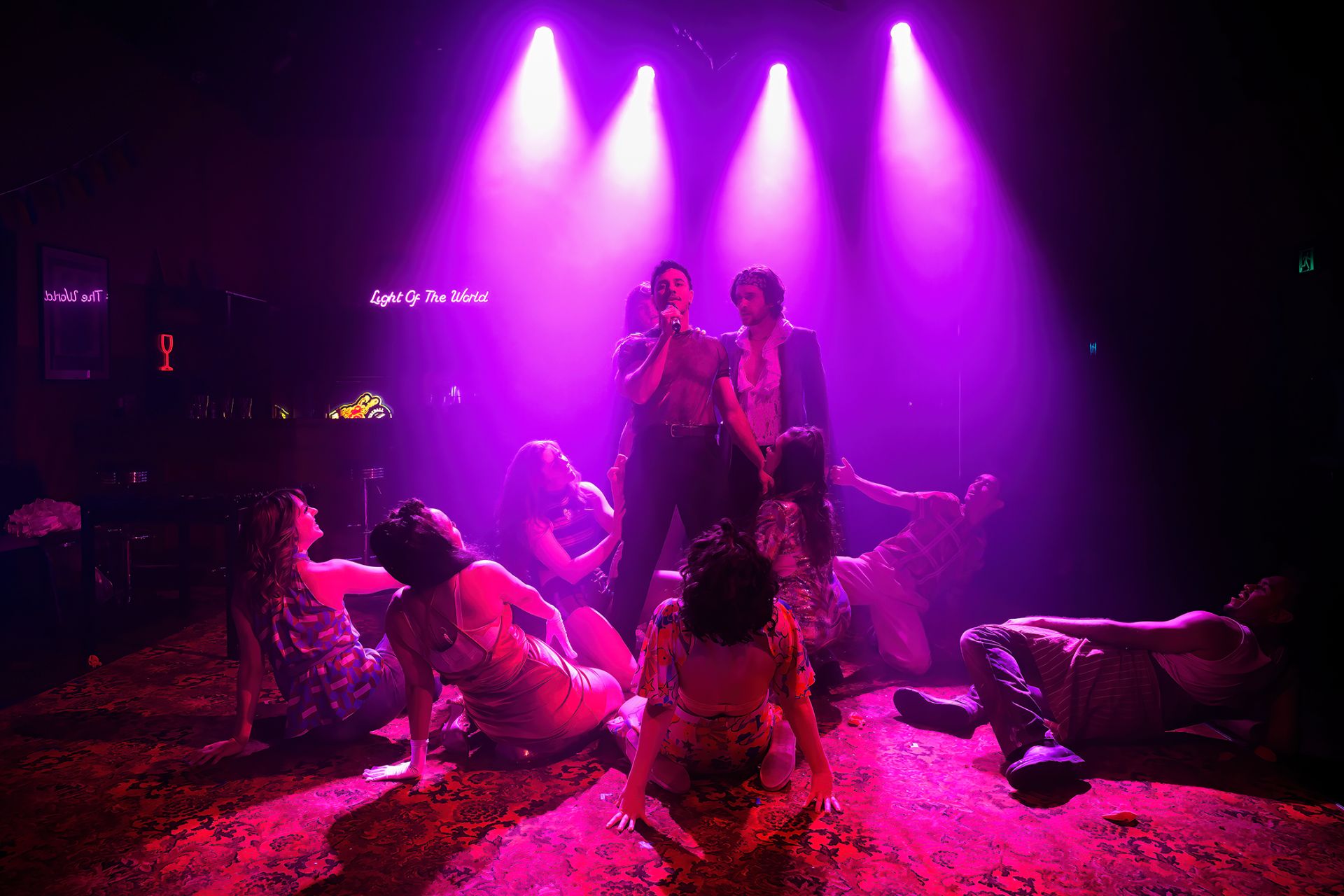
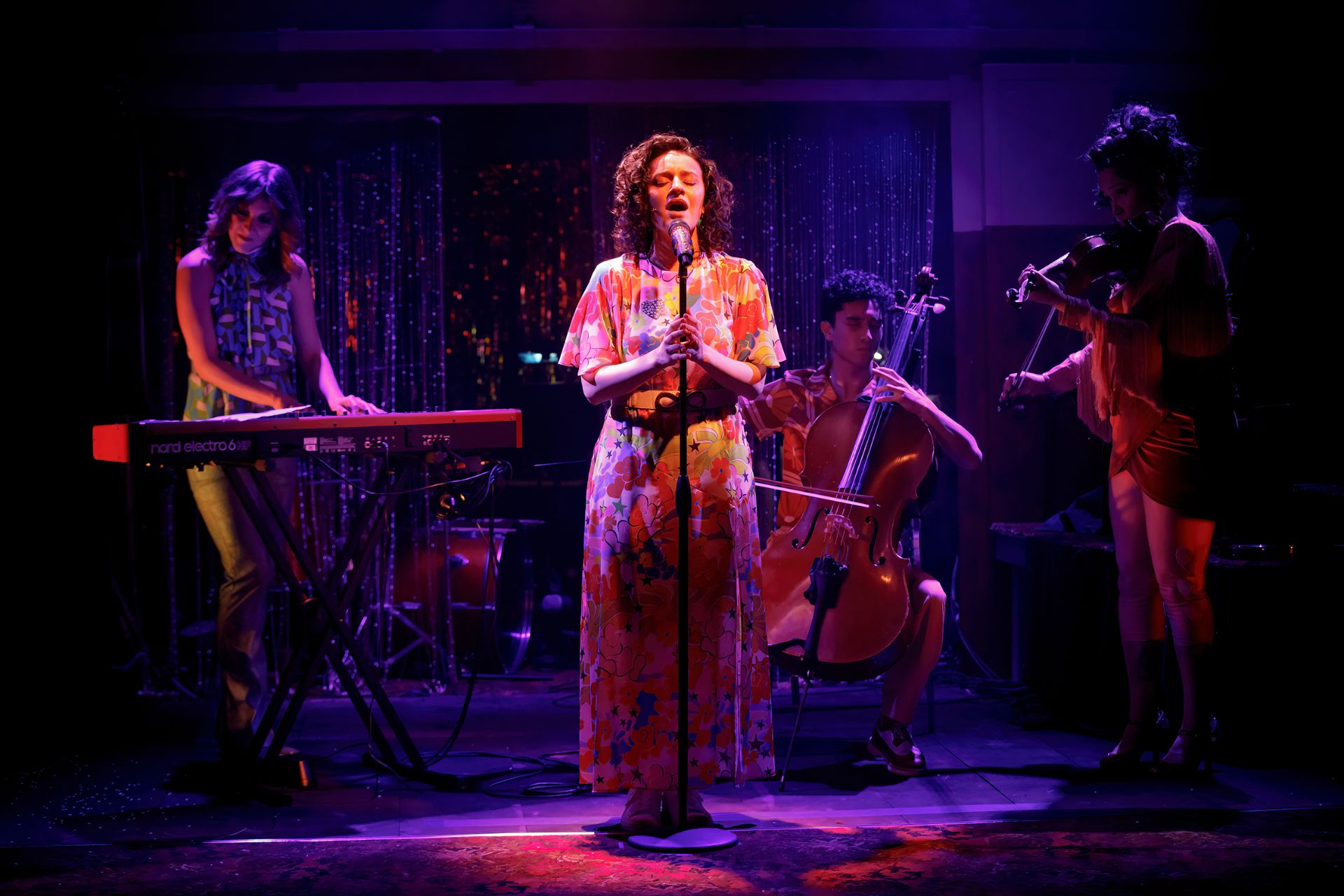
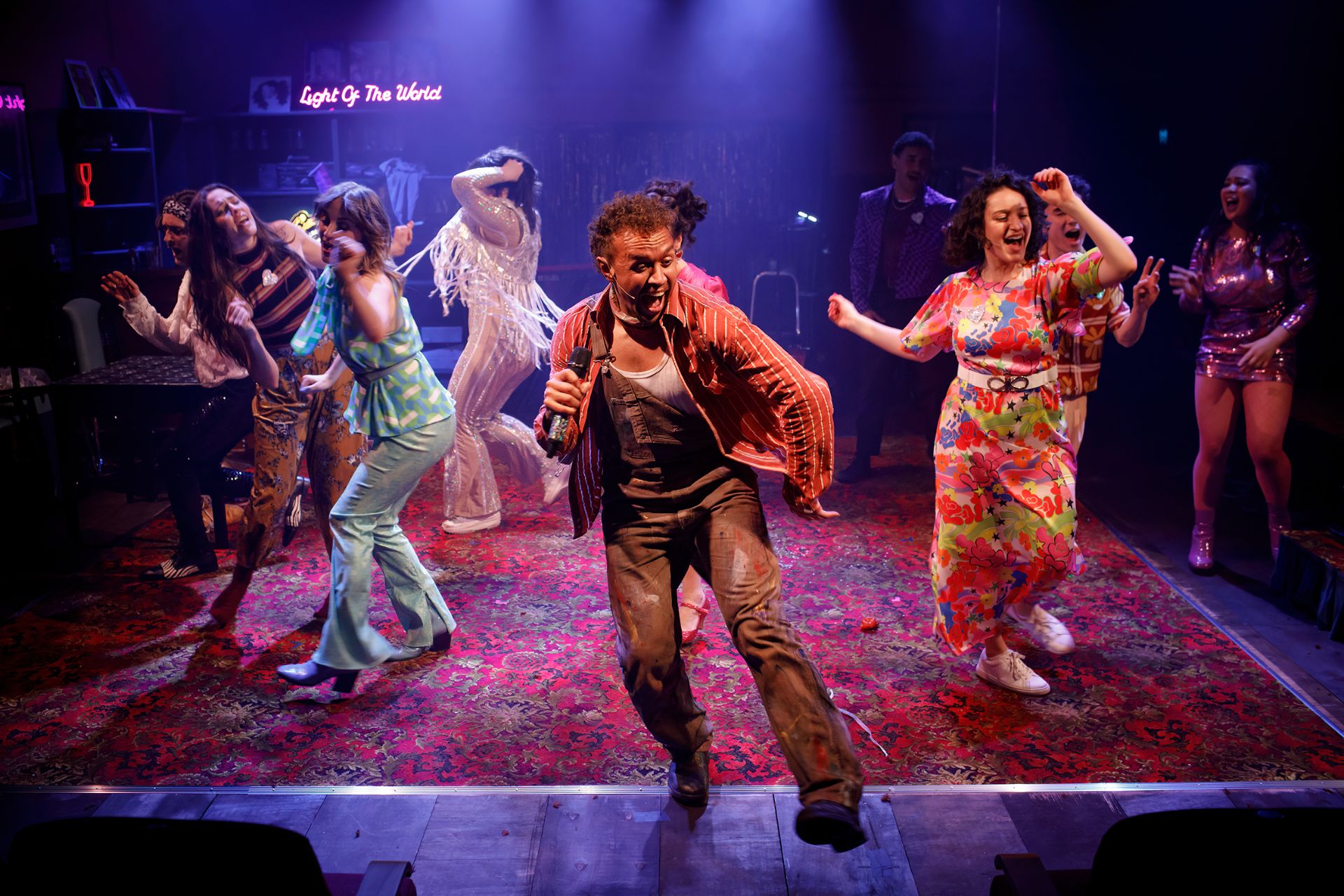
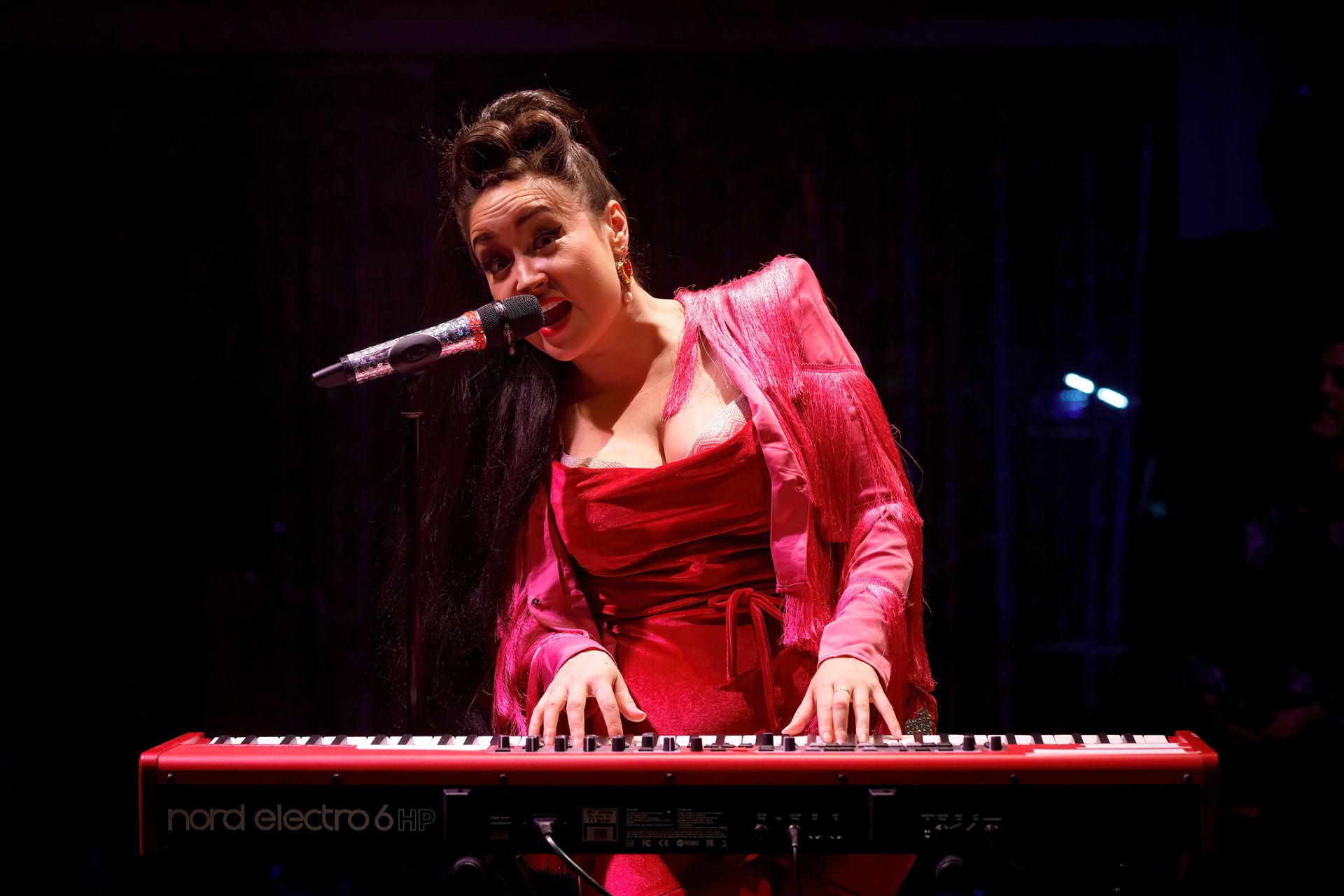
Director and choreographer Amy Campbell’s ambitious revival, is a breath-taking experience. Even though the lacklustre book remains tedious, it is always an unequivocal joy when the performers are in motion. Campbell’s love for the art of performance, and for those who do it, is palpable. Her show is faithful to the look and feel of 1970s New York, complete with slinky modern jazz flourishes that transport us back to a time of decadent glamour. Each second of dance is complex, detailed and powerful, a real sumptuous feast for the eyes.

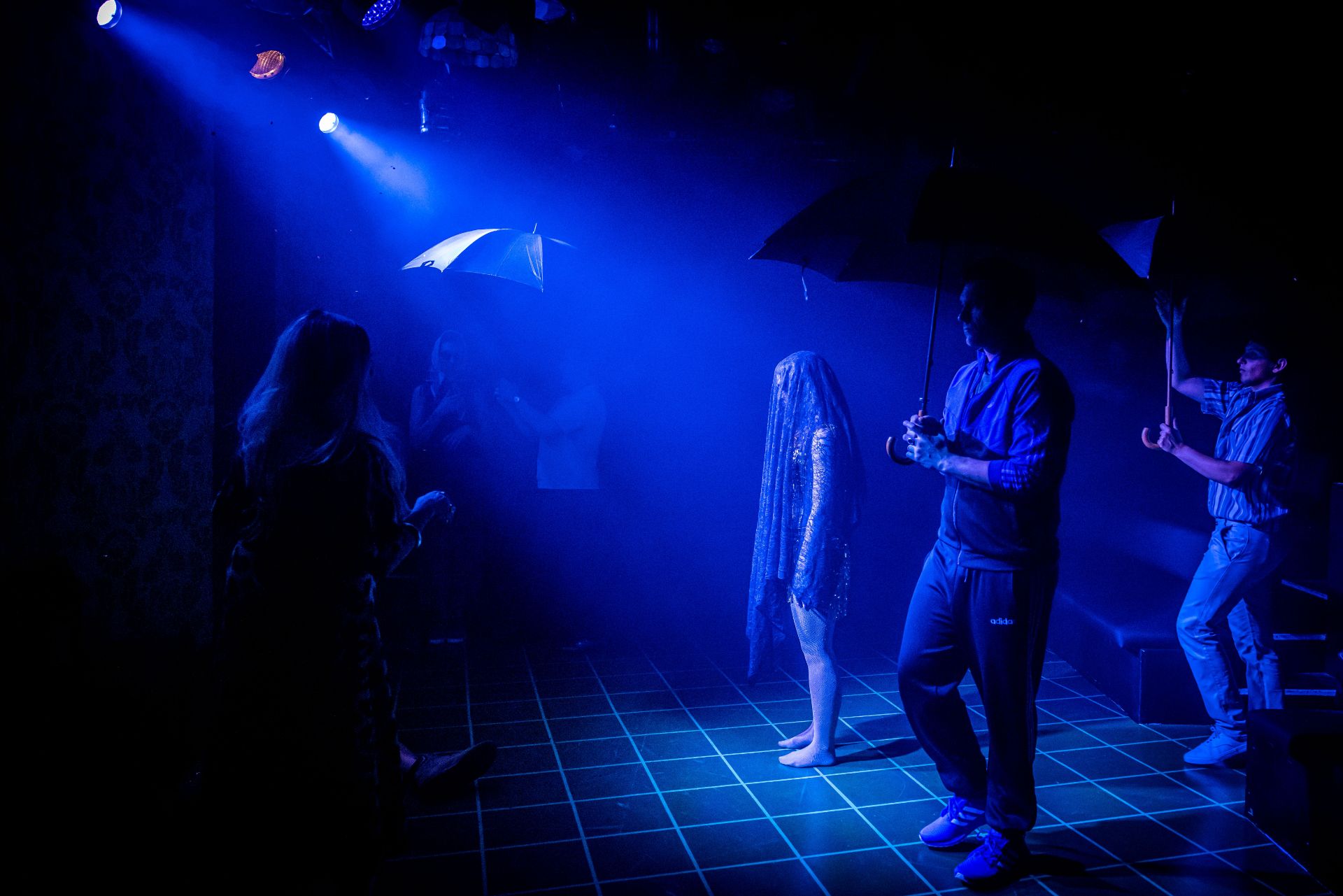
Peter Rubie’s lights are at least as visually impressive. They enhance perfectly every scene that unfolds, sometimes quiet and subtle, sometimes flamboyantly bombastic, but always stylish and surprising. Whether accompanying bodies active or still, Rubie’s work is consistently imaginative, never settling for the obvious. The beauty he delivers is truly sublime. Christine Mutton’s costumes too, are noteworthy, in bringing both realism, and vibrant, balanced colour, to a staging that will be remembered for its unparalleled resplendence.
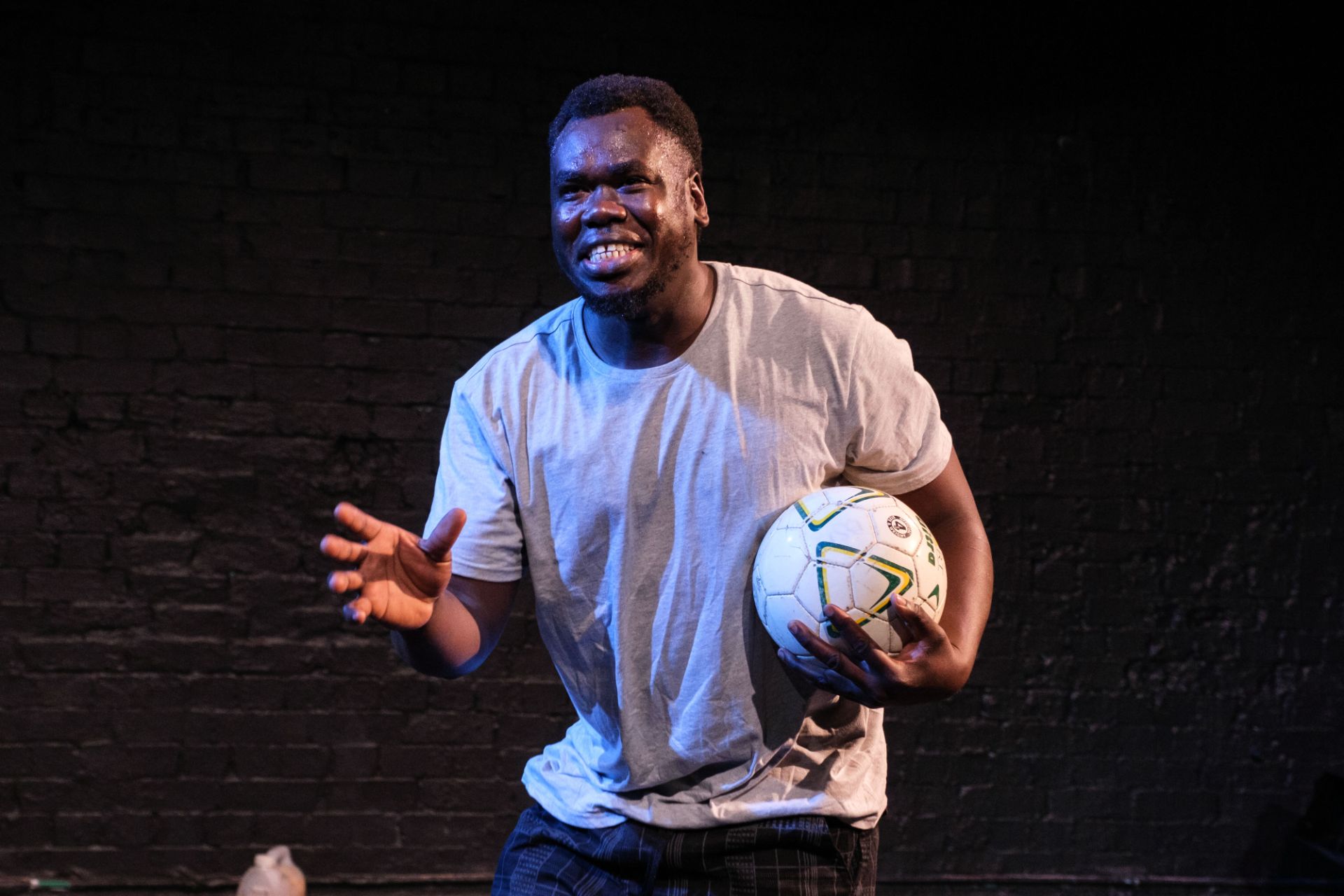
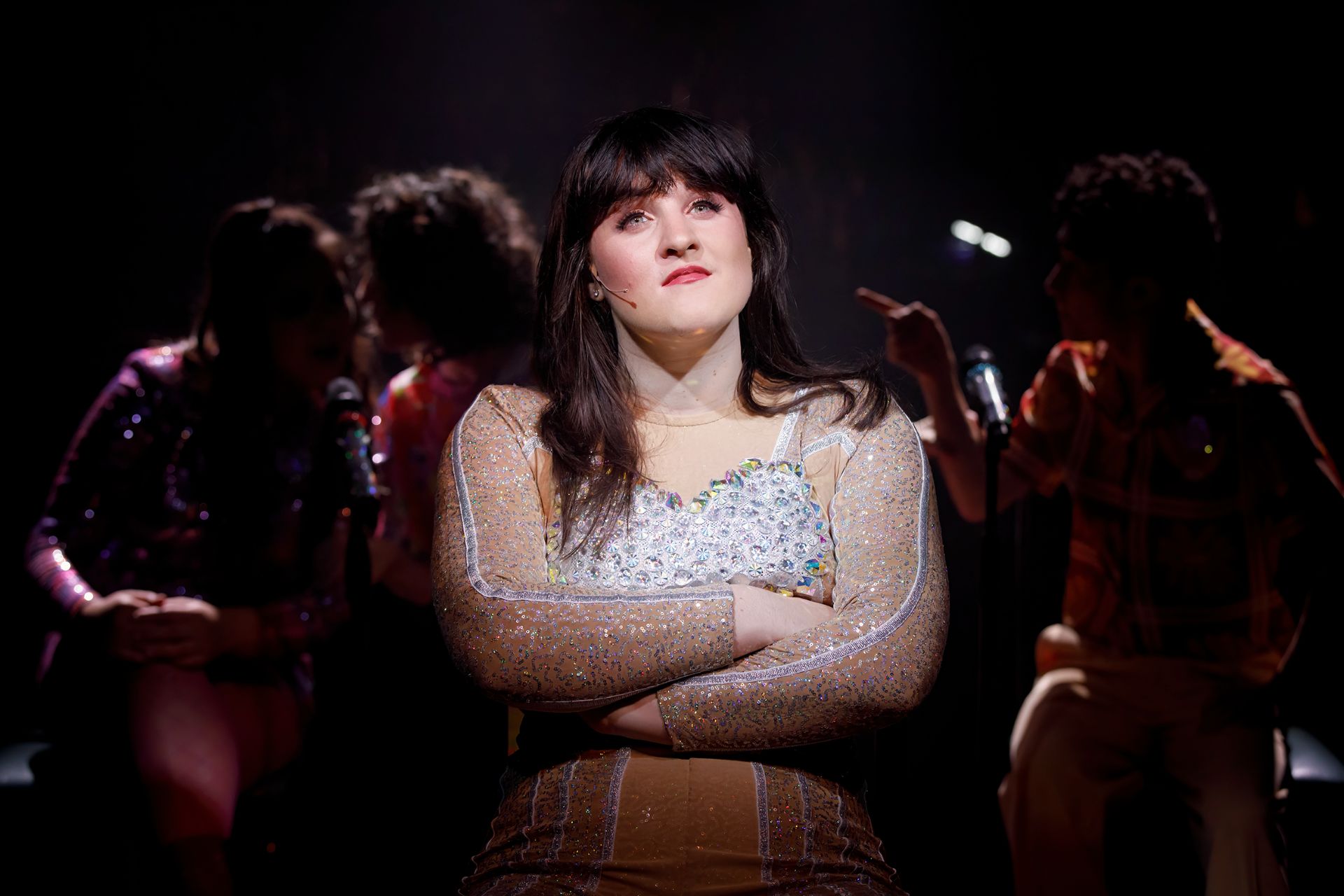
The pivotal role of Zach is played by Adam Jon Fiorentino, whose use of voice marvellously regulates atmosphere from start to finish. Angelique Cassimatis delivers the singularly most poignant anecdote, as Cassie, complete with jaw dropping intensity in her iconic number, “The Music and the Mirror”.  We fall for all of the cast, as they are foregrounded one at a time, but it is their work as a cohesive whole, that has us spellbound. Together, they are formidable.

Much has changed over these five decades, since the inception of A Chorus Line. For one, we are no longer tolerant of authority figures like Zach irresponsibly demanding their subordinates, to reveal secrets or to relive trauma, in the company of strangers. Women and men, in the arts especially, have started to reject the delineations between gender constructs, and in the process are learning to meld the false differences of us and them. The theatrical arts however, remain a pure vehicle for communities to congregate, to debate, and to share. Since time immemorial, we have formulated ways to listen to each other, to understand our neighbours, and to reach consensus, hard as it might be, because we always knew that on our own, we are doomed to fail. There are no queens and kings in A Chorus Line, only a united front that can weather anything, and keep the dreams alive.
www.darlinghursttheatre.com

Review: Breaking The Code (New Theatre)

Venue: New Theatre (Newtown NSW), Feb 11 – Mar 5, 2022
Playwright: Hugh Whitemore
Director: Anthony Skuse
Cast: Naomi Belet, Igor Bulanov, Steve Corner, John Grinston, Bridget Haberecht, Jason Jefferies, Leilani Loau, Ewan Peddley, Martin Portus, Dallas Reedman, Harry Reid, Jess Vince-Moin
Images by Bob Seary

Theatre review
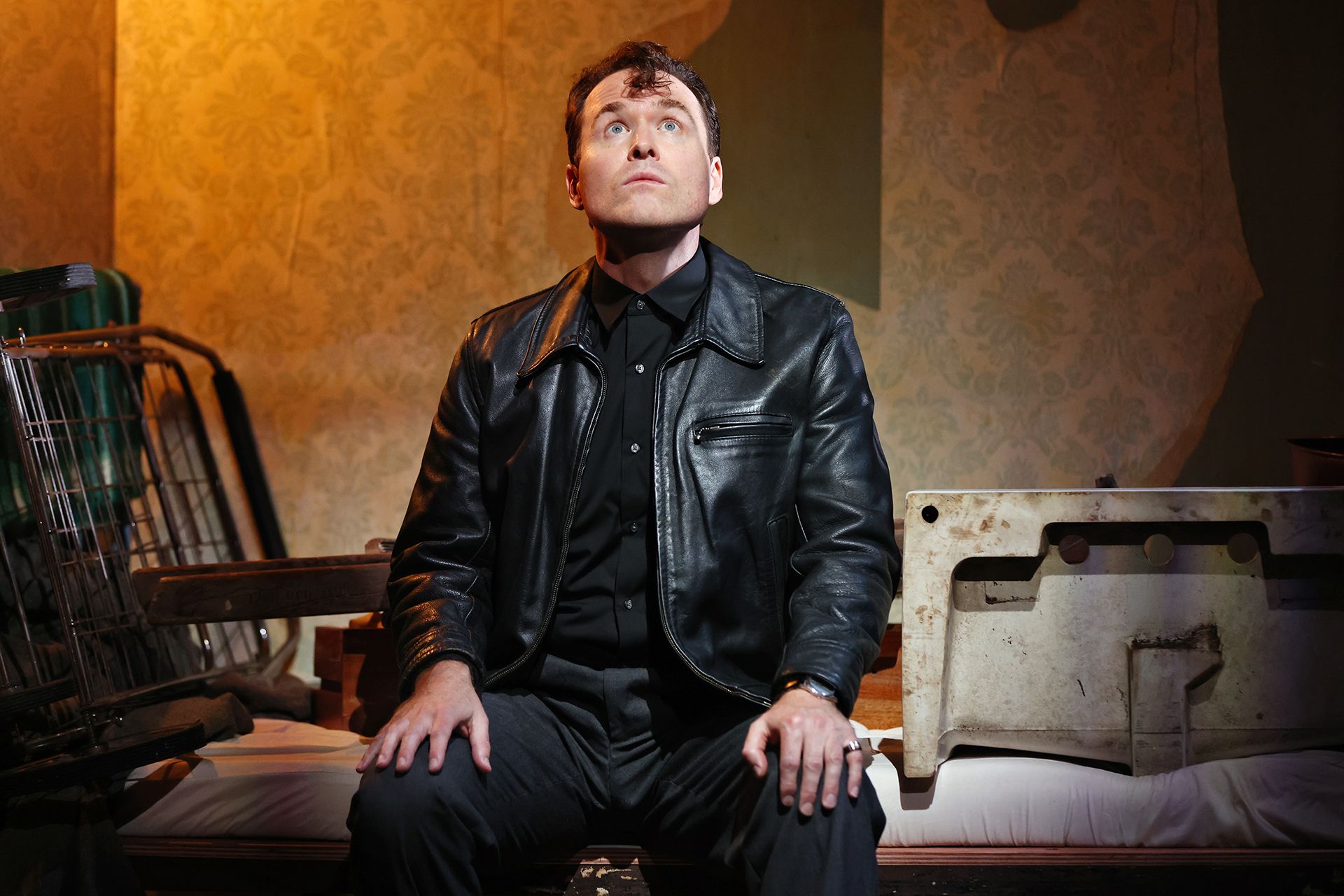
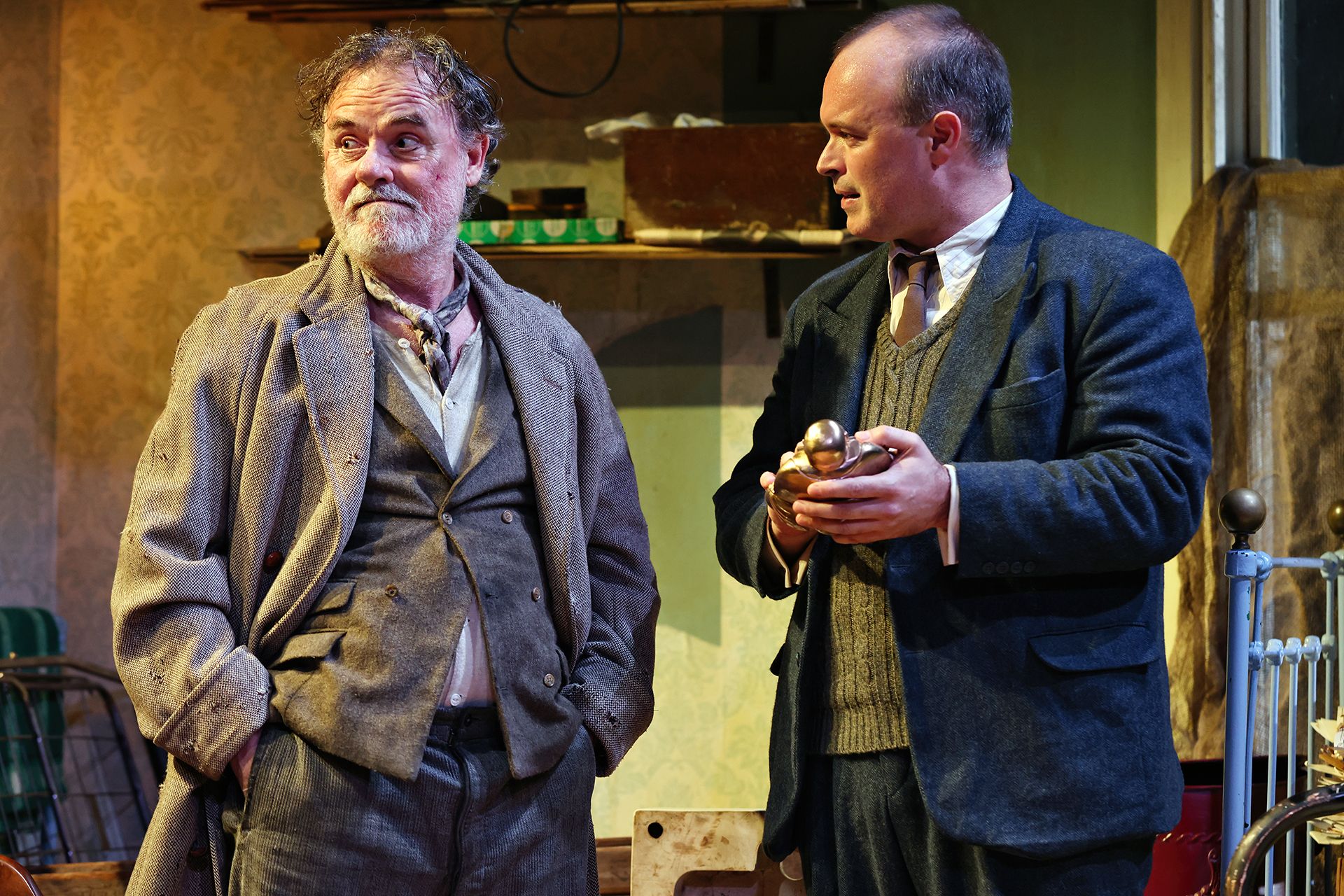
Breaking the Enigma code, and therefore effectively ending World War II, was Alan Turing’s greatest achievement, but our memory of him today seems to have a lot more to do with homosexuality, than just his professional triumphs. Hugh Whitemore’s 1986 stage biography Breaking the Code, documents Turing’s parallel lives, that saw him decrypt the Nazi cipher device, and breaking the code of silence around homosexuality in mid-century England.

During investigations into the burglary of Turing’s home in 1952, authorities discovered that Turing had engaged in sexual activity with another man. The punishments that followed were dire, as was the suppression of Turing’s identity, as a gay war hero, that had prolonged for several decades after his death in 1954. Whitemore’s play brings excellent elucidation to that remarkable story of cruel betrayal, enacted by the state upon one of its own.

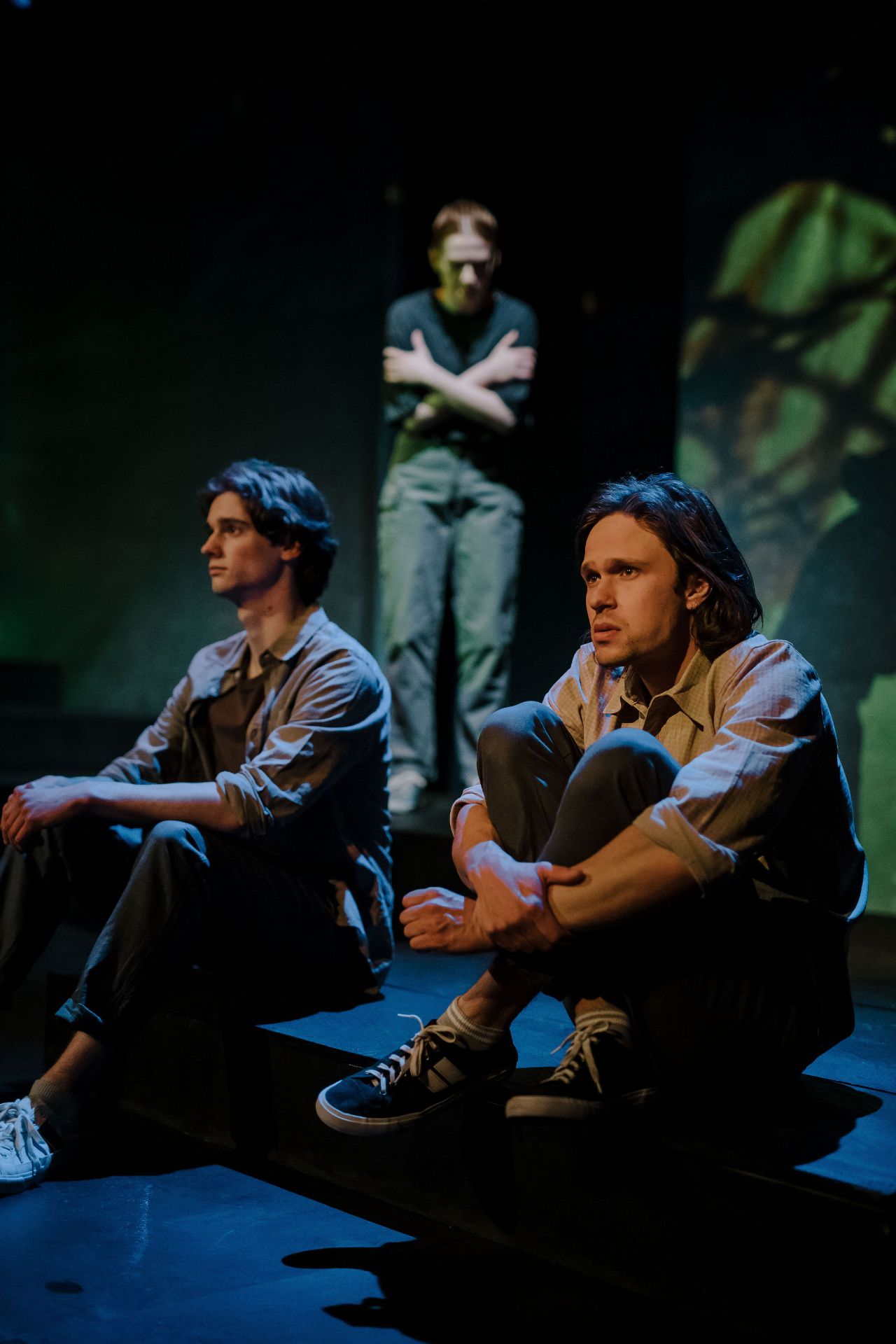
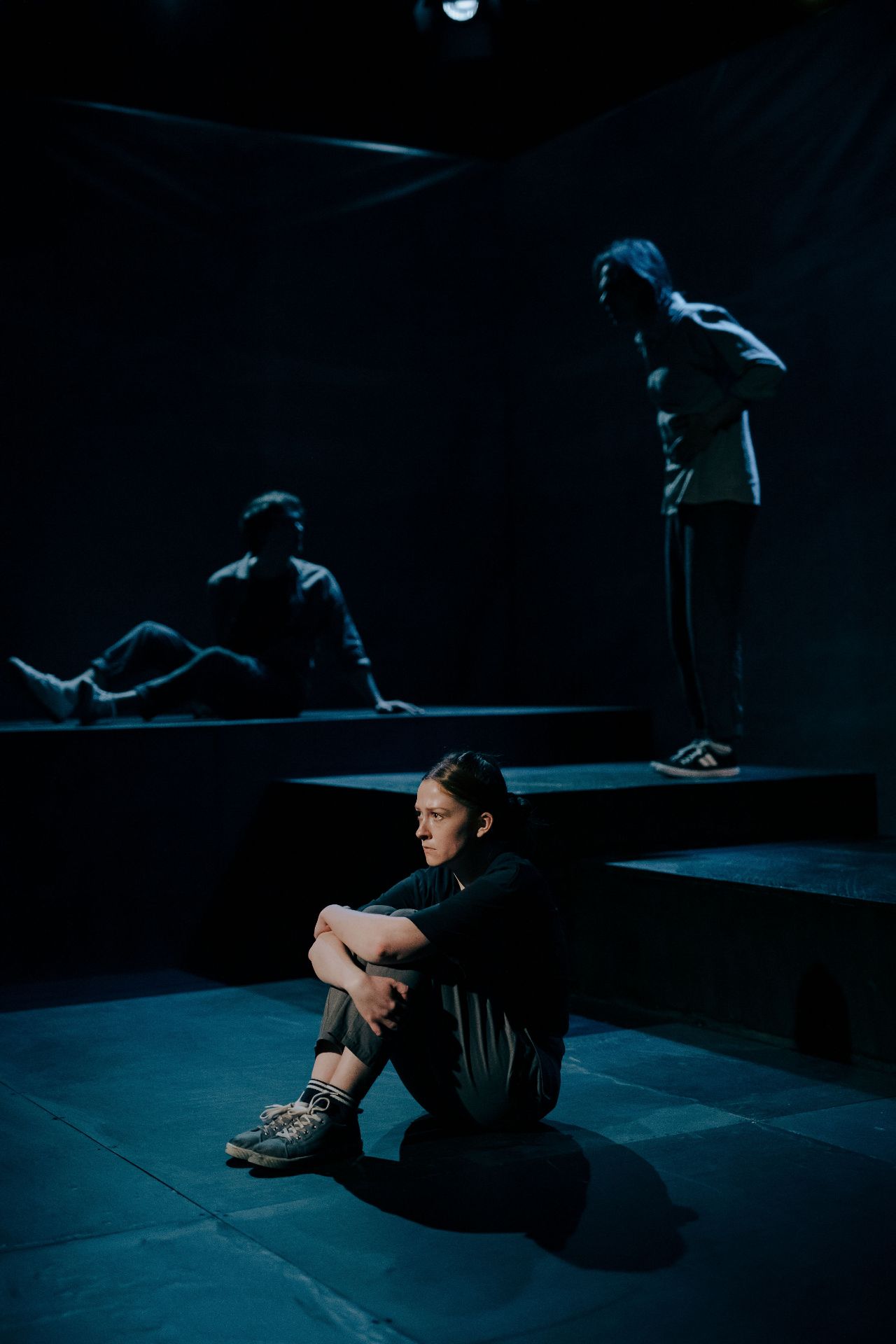
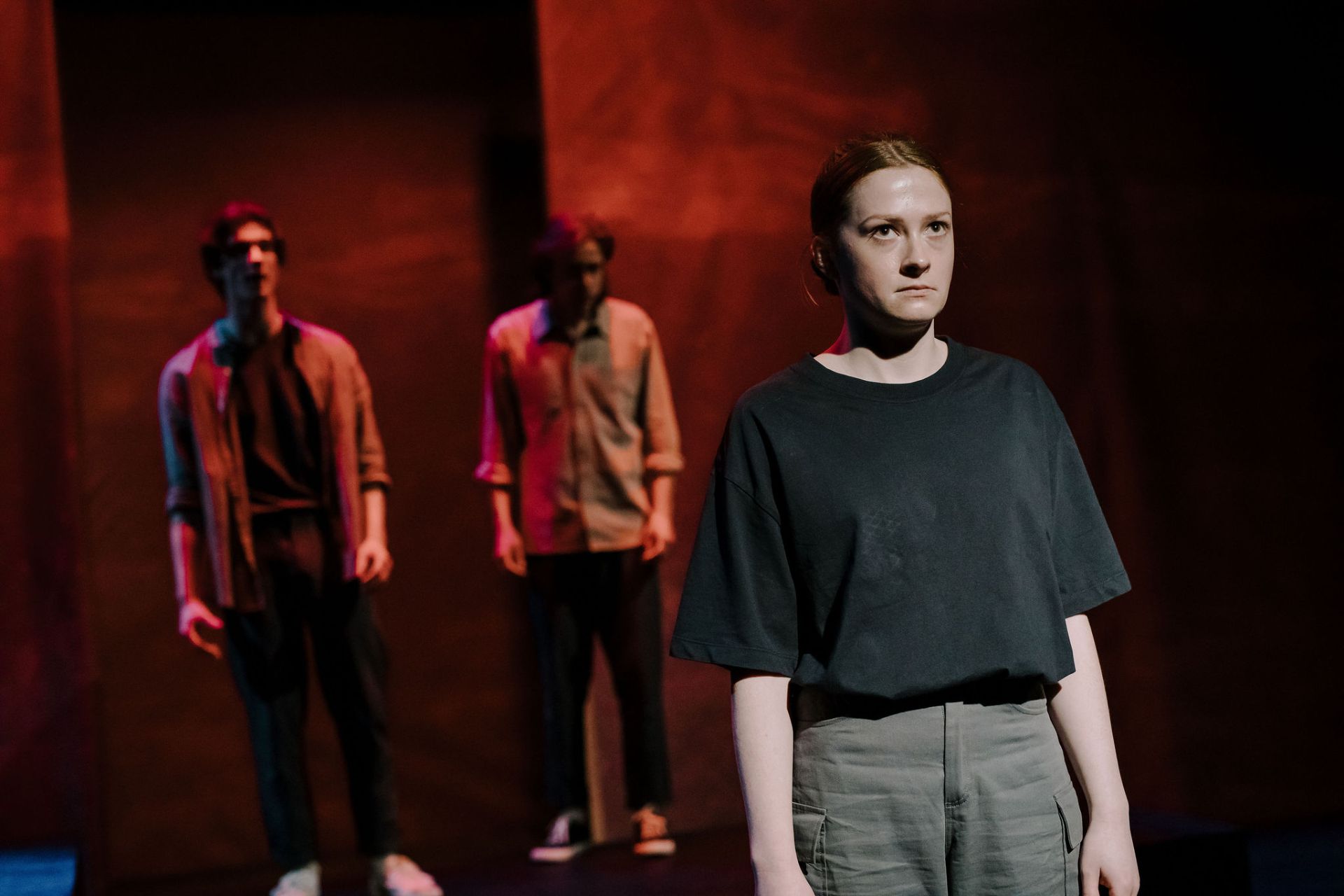
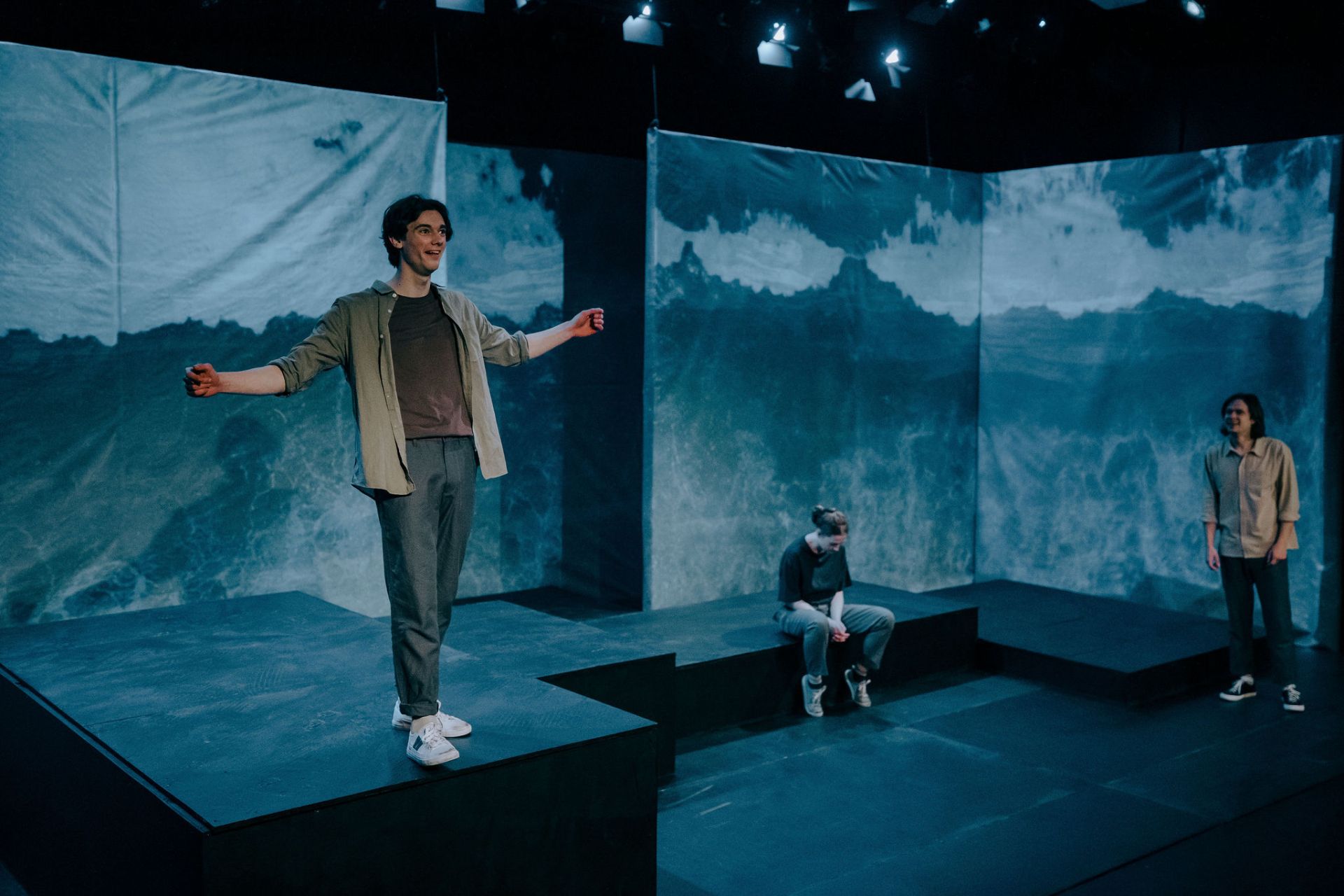
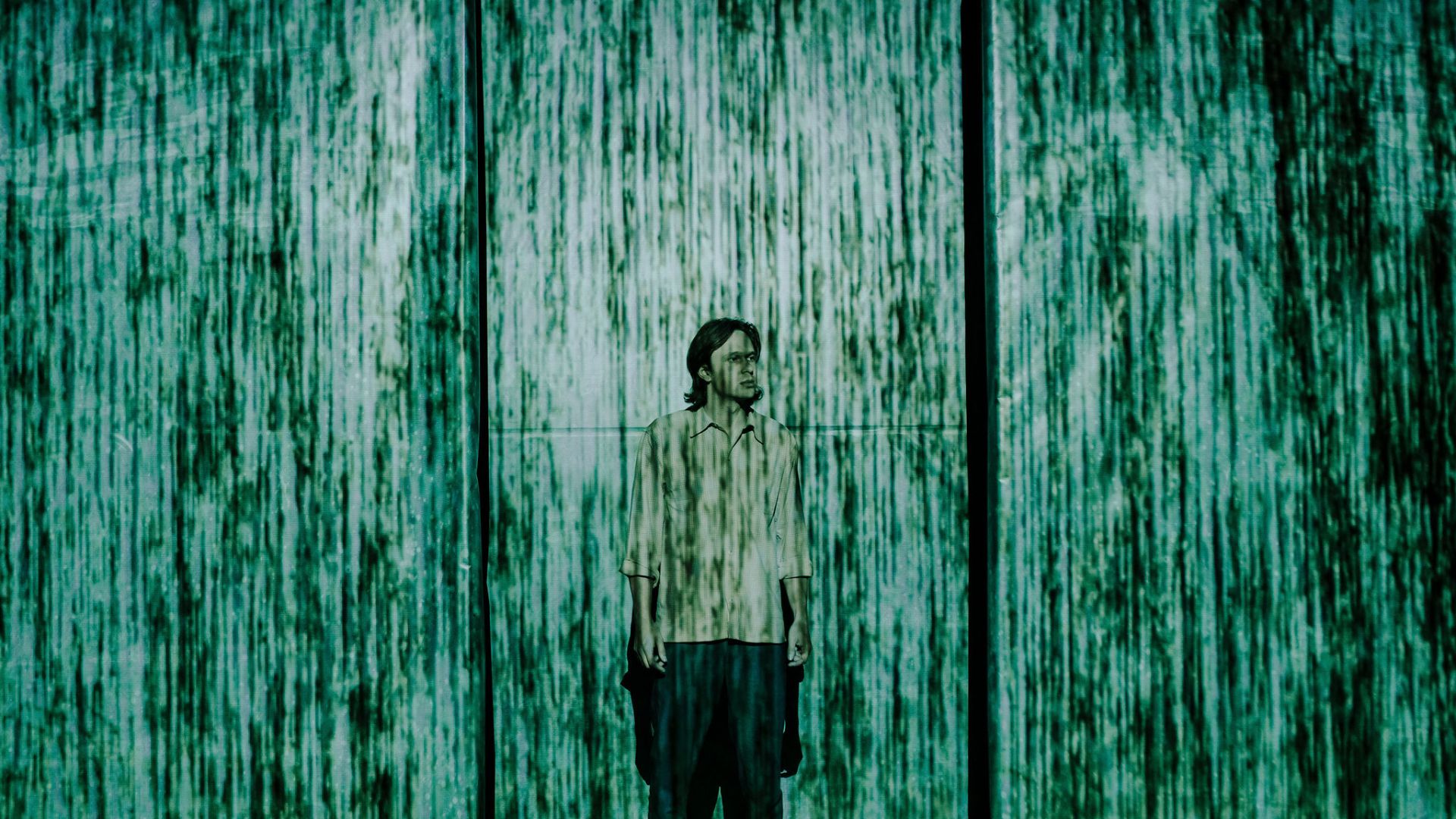
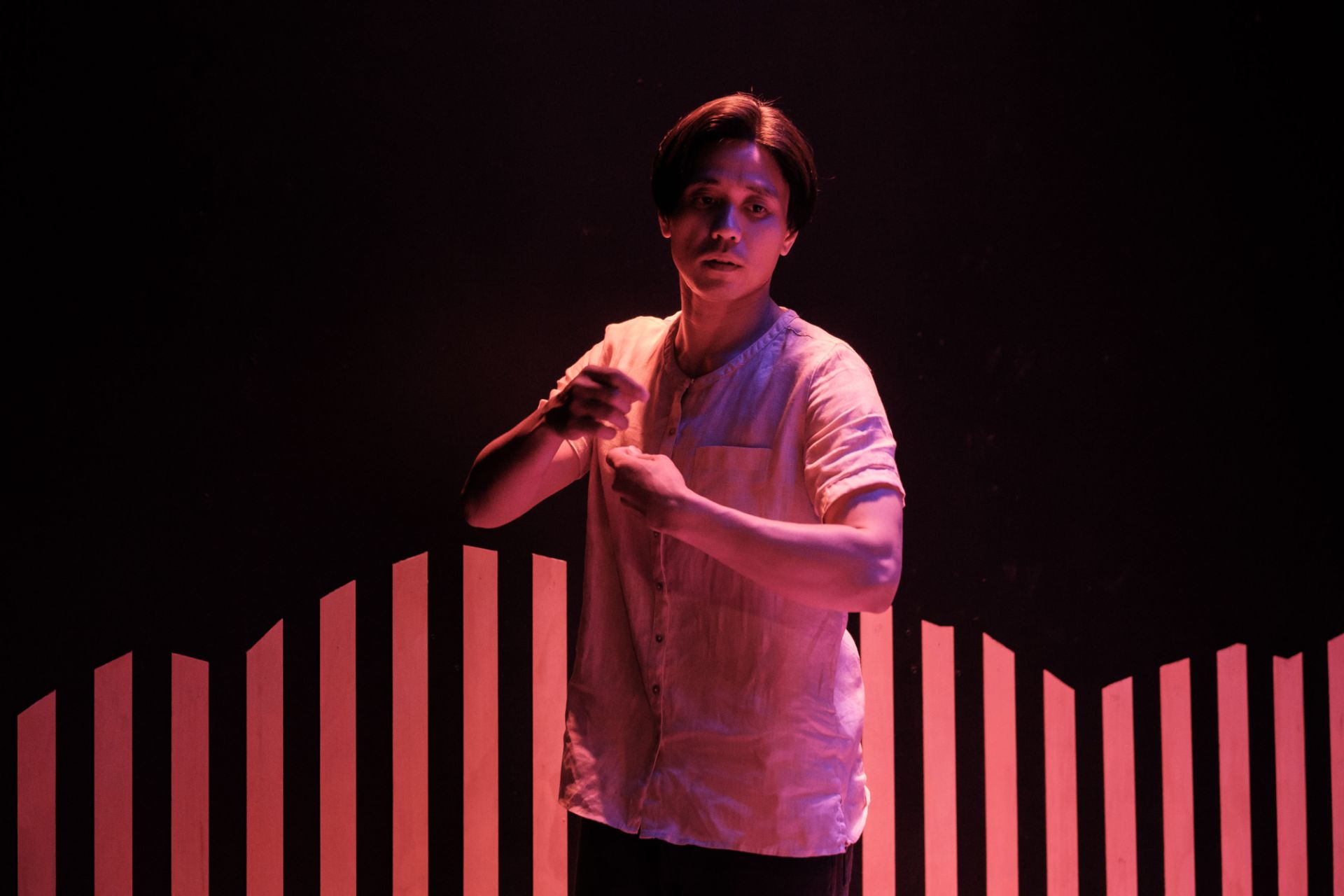
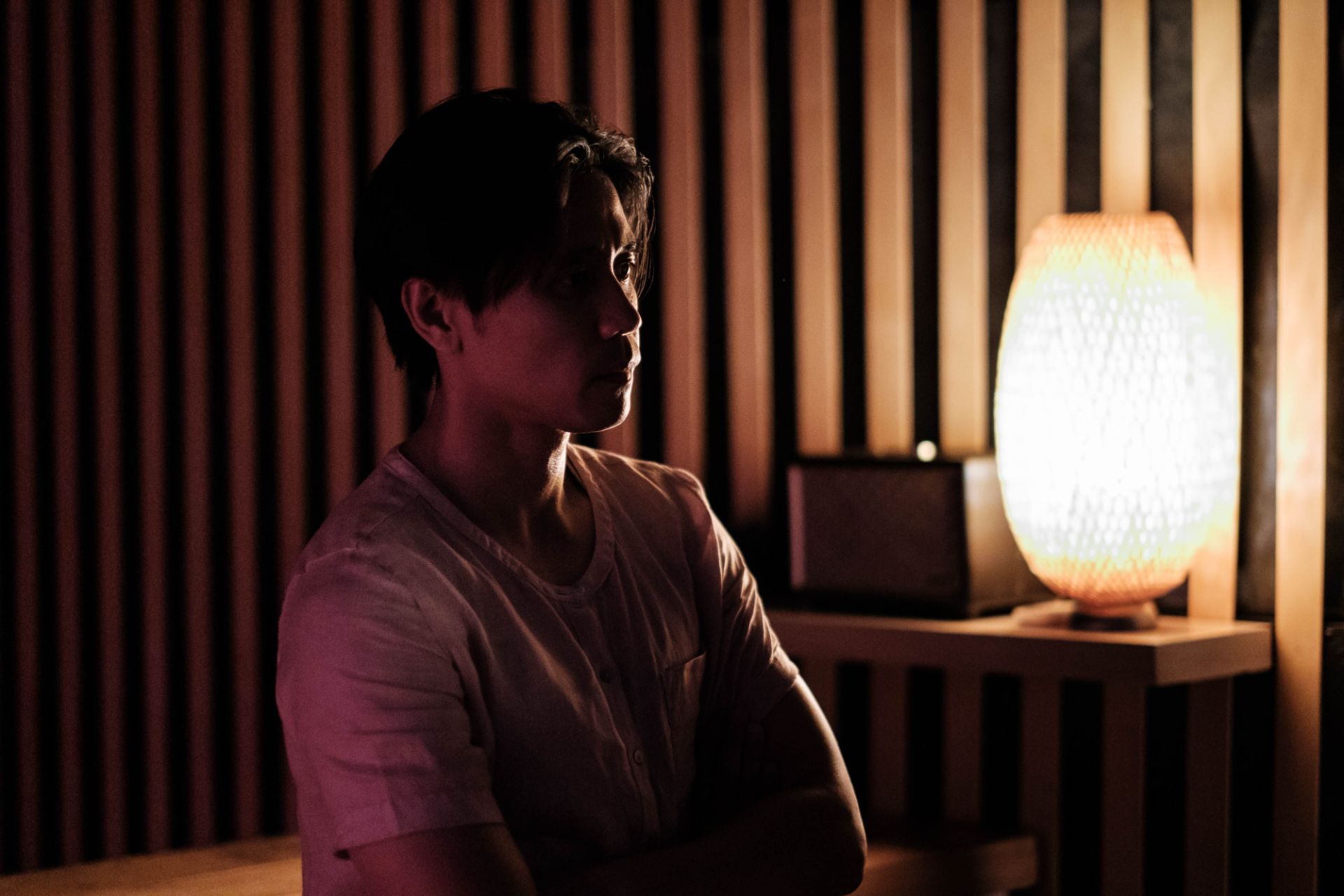
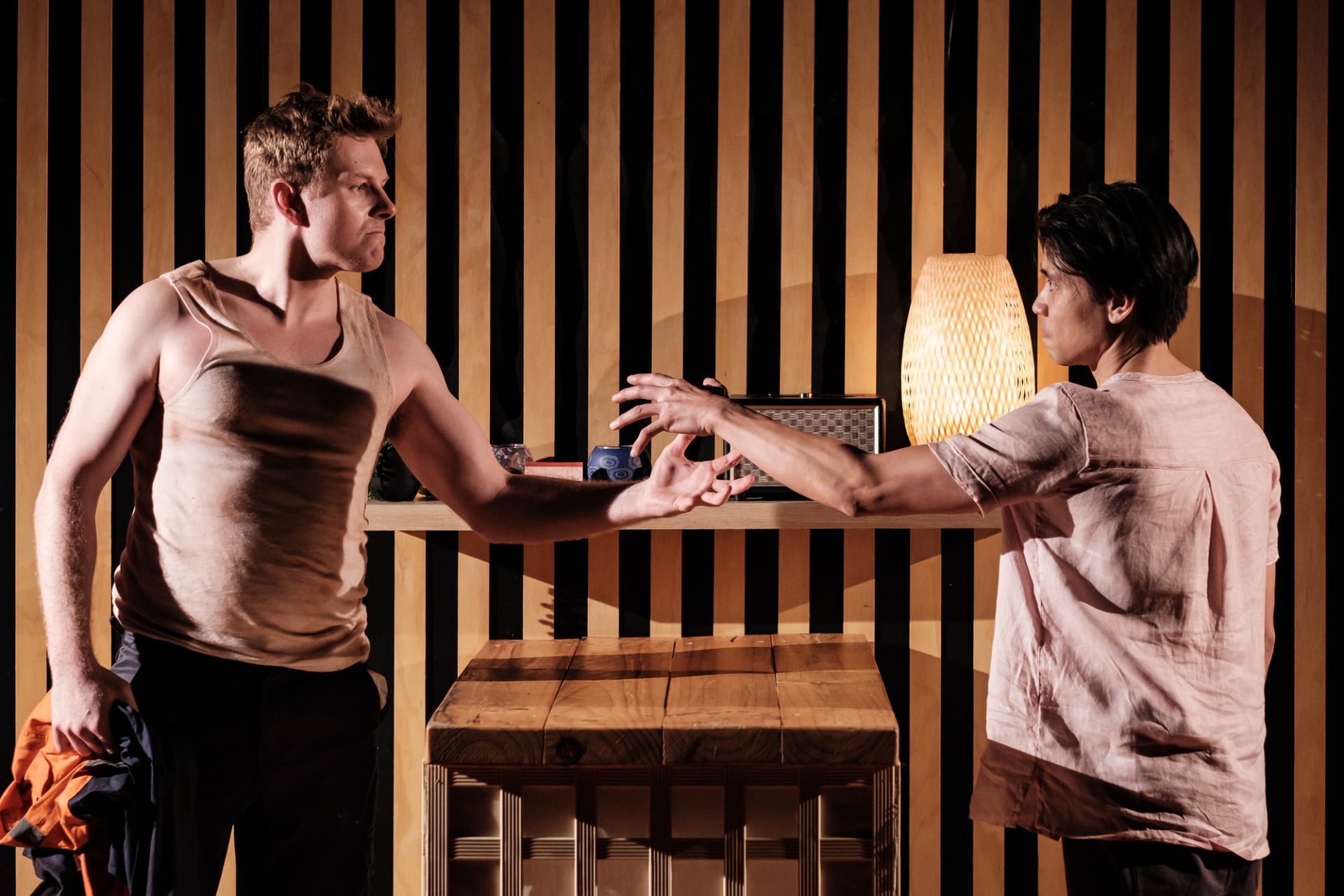
That indictment of government and of society, is gently implemented by director Anthony Skuse, who brings sensitivity and an immense melancholy to his staging of Breaking the Code. Skuse is also designer for the production, with beautiful work on a set that provides inordinately elegant performance spaces, for every scene. Along with Patrick Phillips’ video projections and Jordan Russell’s lights, the show delivers visual splendour, in many of its moody moments.

Sound aspects too are thoughtfully rendered, with Naomi Belet’s impressive live singing proving a particularly memorable element. Three actors perform the role of Turing. Steve Corner brings scintillating drama, to counteract the often overly languid tone and pace of the staging. The spirited Harry Reid brings valuable vibrancy and agility to the role, and Ewan Peddley’s earnest presence helps engender compassion for the heart-breaking tale. Also noteworthy are Bridget Haberecht and Leilani Loau, both remarkable for the nuance and emotional precision they bring to the parts of Pat and Sara, respectively.

To perpetuate the notion that queerness is bad, so much of our accomplishments and our contributions, as LGBTQIA+ people, are routinely buried and made to be forgotten. With this sanctioned invisibility, heteronormativity expands its dominance. Queer people are conditioned to accept the notion that we are all “just human”, whilst simultaneously having to suffer homophobic and transphobic attacks that simply refuse to end.

Alan Turing was a gay war hero. He played a vital part in obtaining freedom for his countryfolk, who in turn deprived him of his humanity, and drove him to an early grave, all for the sin of homosexuality. That system will only raise him up for helping to win the war, but will not acknowledge the destruction unleashed upon his private life, at least not until half a century later. Turing’s sexuality may not have been relevant in defeating the Nazis, but his sexual identity needs to remain at the fore of our memories, as long as homophobia persists.

www.newtheatre.org.au/

Review: Taz Vs The Pleb (Flight Path Theatre)

Venue: Flight Path Theatre (Marrickville NSW), Feb 9 – 19, 2022
Playwright: Kasia Vickery
Director: Kasia Vickery
Cast: Natali Caro, Jack Mainsbridge, Lou McInnes, Sophie Strykowski
Images by Noni Carroll

Theatre review
It was five years ago, when the same-sex marriage plebiscite, had come to dominate social interactions in Australia. In Taz vs the Pleb by Kasia Vickery, two high schoolers conspire to rig the vote, in their country town of Albury-Wodonga. Convinced that the adults surrounding them are bigoted and certain to vote against equality, Taz and Shontelle, who are only sixteen and therefore disallowed from directly participating in the democratic process, take it upon themselves to do the right thing for Australia’s queer communities.

Vickery’s re-imagination of events aspires to bring a sense of empowerment, to the many of us who had felt powerless and desperate, when our futures hung in the balance those long months, as the nation toyed with our rights and identities. That helplessness is transformed in the hour-long comedy, into exuberant and radical action, as the two young protagonists flout the law, in attempts to claim autonomy over their own destinies.

As writer and director, Vickery brings a palpable earnestness to this story of youthful rebellion. Some details get muddled in the histrionics, but it is the production’s irrepressible energy that really leaves an impression. Actors Natali Caro and Sophie Strykowski play Taz and Shontelle respectively, with excellent chemistry, and an unassailable sincerity that keeps us convinced and impressed, by the shenanigans of these spirited teens. Jack Mainsbridge and Lou McInnes perform a whacky range of support roles, with varying efficacies, although consistently delightful.

Costume and set designs by Kate Beere are appropriately vibrant, with lights by Thomas Doyle correspondingly colourful and flamboyant. Scott Sohrab Majidi’s sound and music are wonderfully ambitious, able to bring considerable soulfulness to the meaningful tale being relayed.

Taz vs the Pleb pays homage to a generation that values justice, and that believes in political action, at a degree that few had done before. It is the first time that we feel as though, conversations are being persuasively influenced, by those who are yet to even commence higher education, and what they say, and how they say it, seems increasingly irrefutable. In truth, we all know that it is in innocence, that we can find the best of humanity. Allowing innocence to guide us, is perhaps a perennial struggle, but this new turning of tides presents an opportunity for a more righteous balance, in these apocalyptic times.

www.flightpaththeatre.org | www.rogueprojects.com.au

Review: At What Cost? (Belvoir St Theatre)

Venue: Belvoir St Theatre (Surry Hills NSW), Jan 29 – Feb 20, 2022
Playwright: Nathan Maynard
Director: Isaac Drandic
Cast: Luke Carroll, Sandy Greenwood, Alex Malone, Ari Maza Long
Images by Brett Boardman

Theatre review
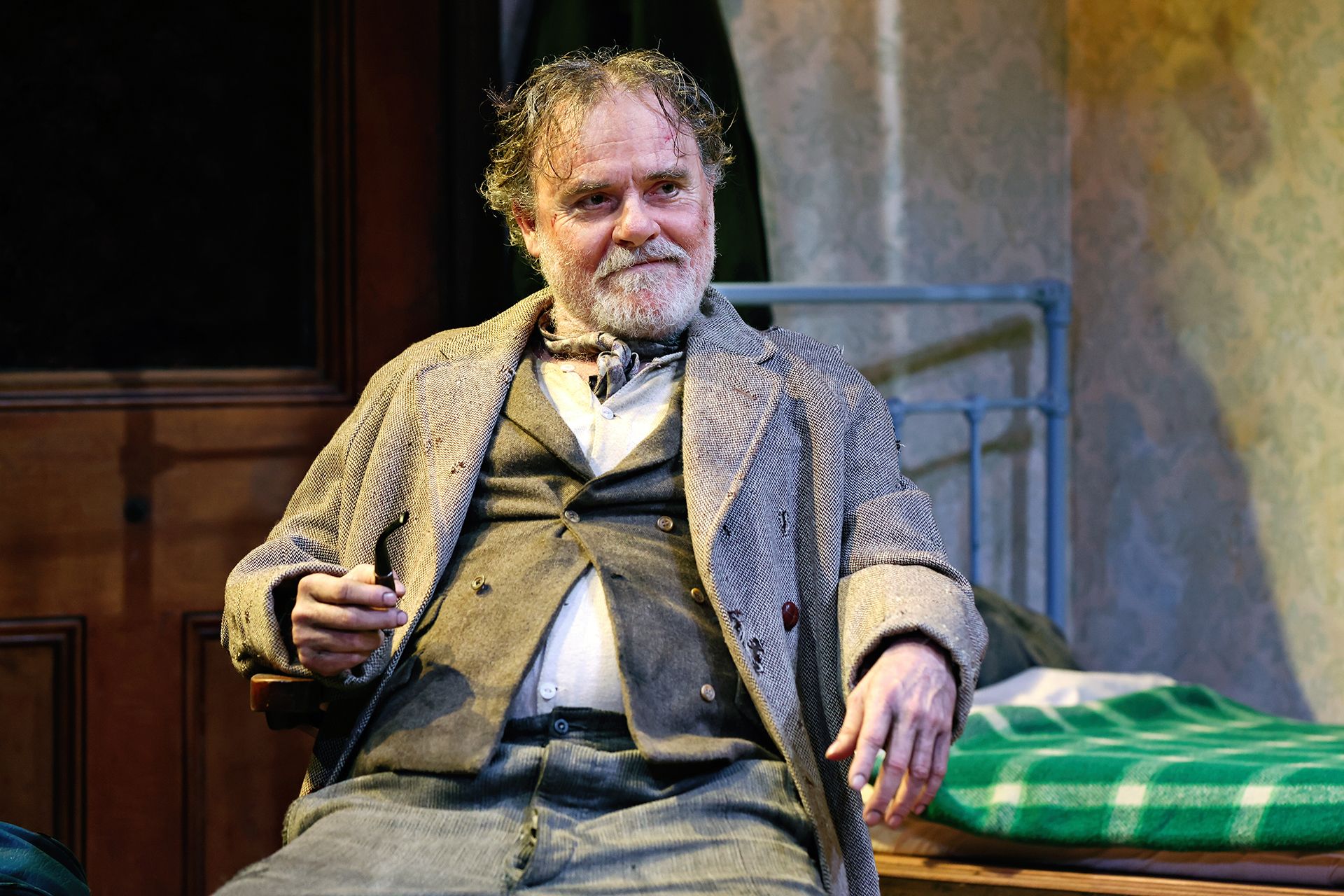
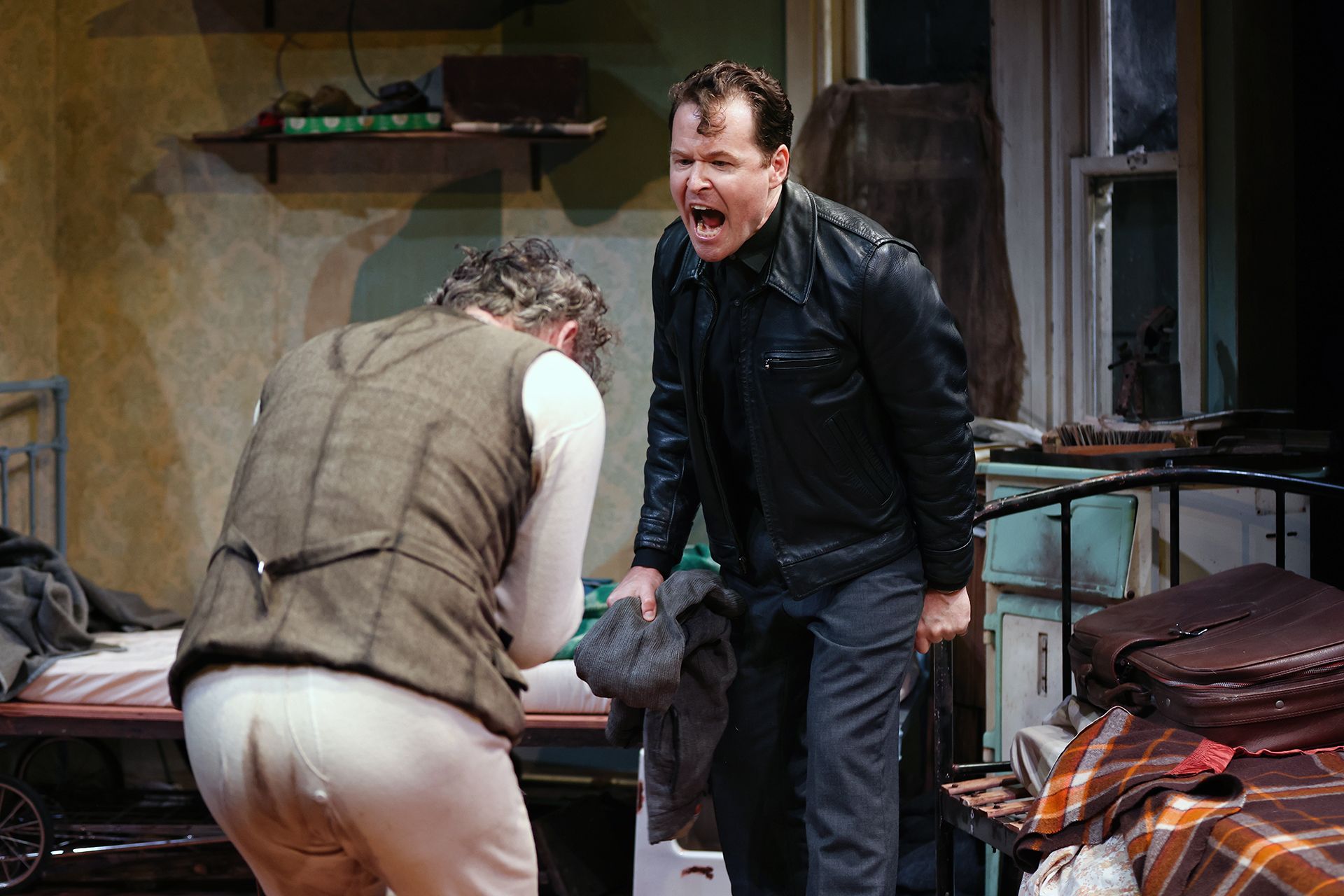
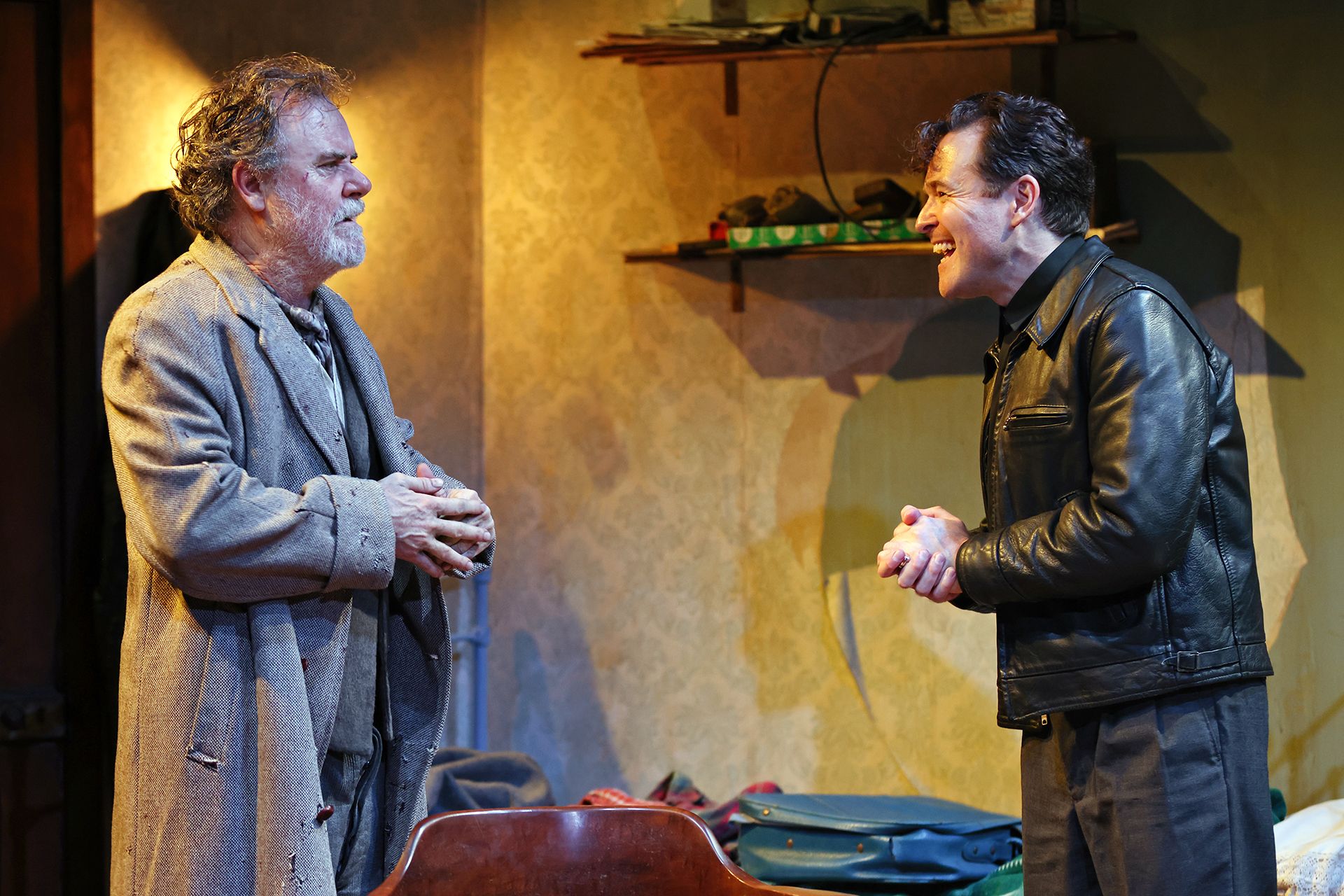
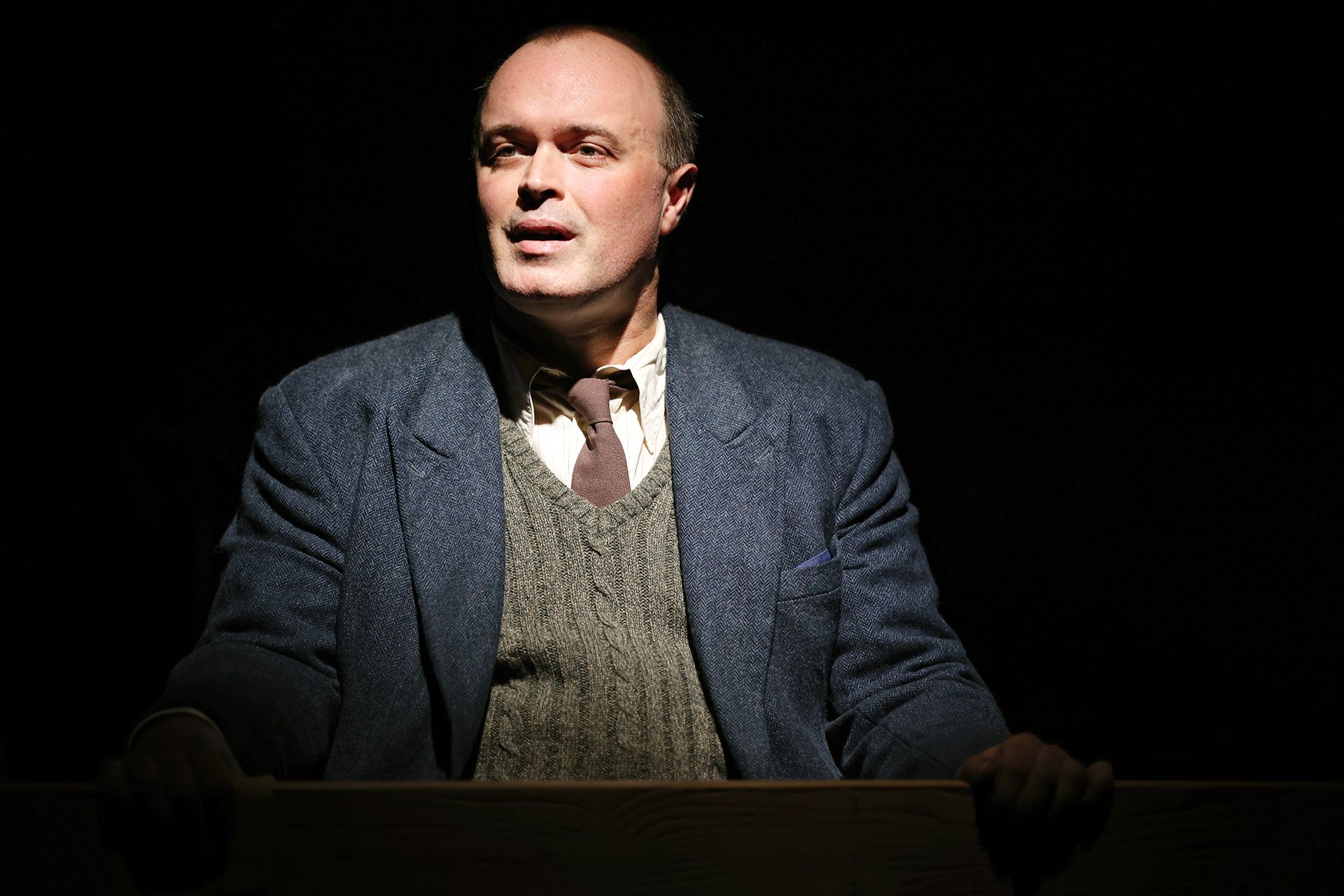
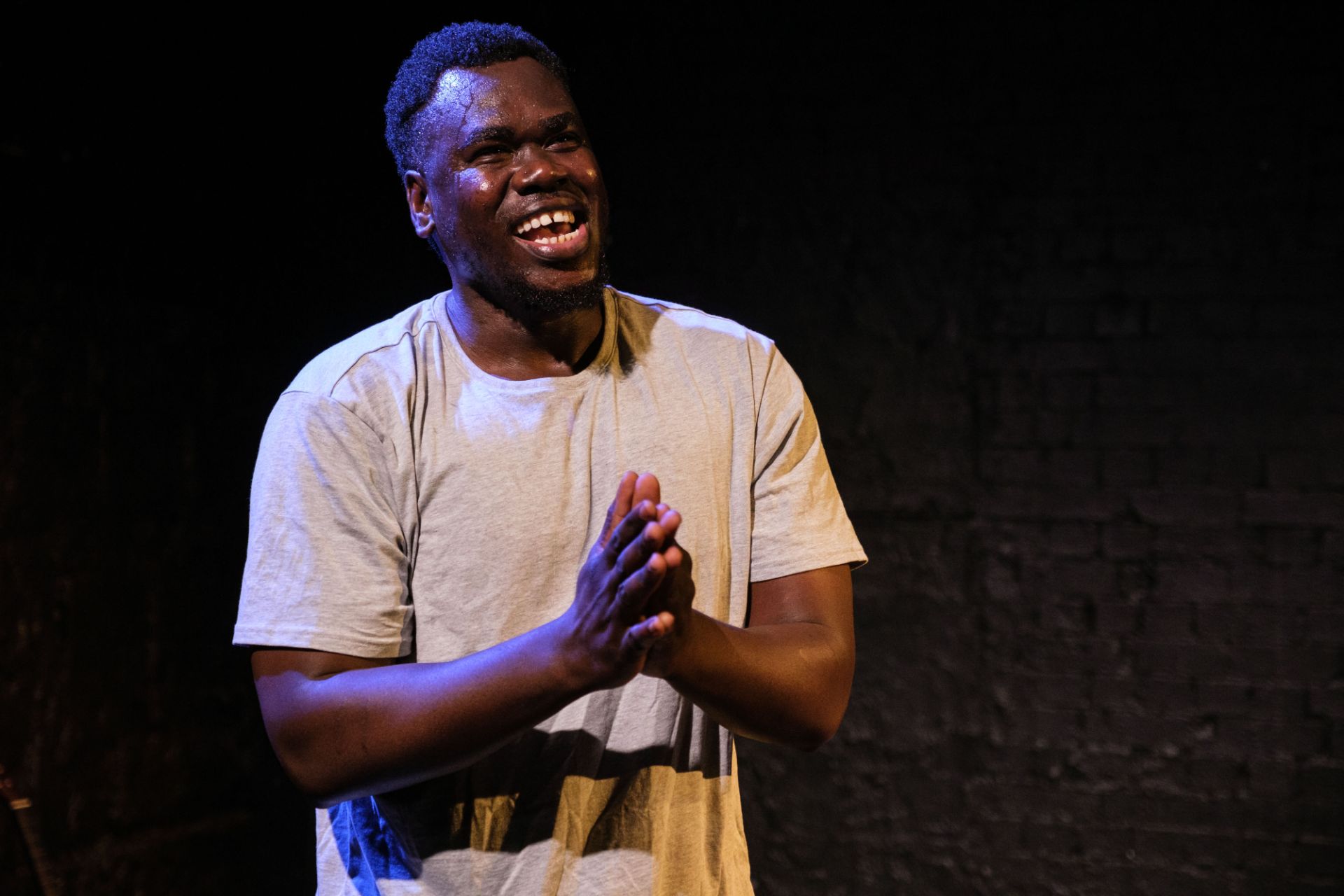
Boyd has a very rich and meaningful life. Not only does he have to make a living to ensure the sustenance of his young family, there are a myriad responsibilities as an Aboriginal leader in Tasmania, that he has to undertake all through the day. The play At What Cost? by Nathan Maynard begins at the point where it is announced, that the remains of an ancestor is being returned to Boyd’s land and family, after being held dishonourably in London for several lifetimes.

The drama intensifies, when the sacred moment is marred by an external entity suddenly claiming to be mob, and insists on being part of rituals meant only for rightful descendants. Maynard’s writing is in a word, explosive. At What Cost? begins with extraordinary vitality, as it establishes the every day existence of its spirited characters, but the profound pain that takes over when Maynard’s real intentions come to the fore, is completely devastating.
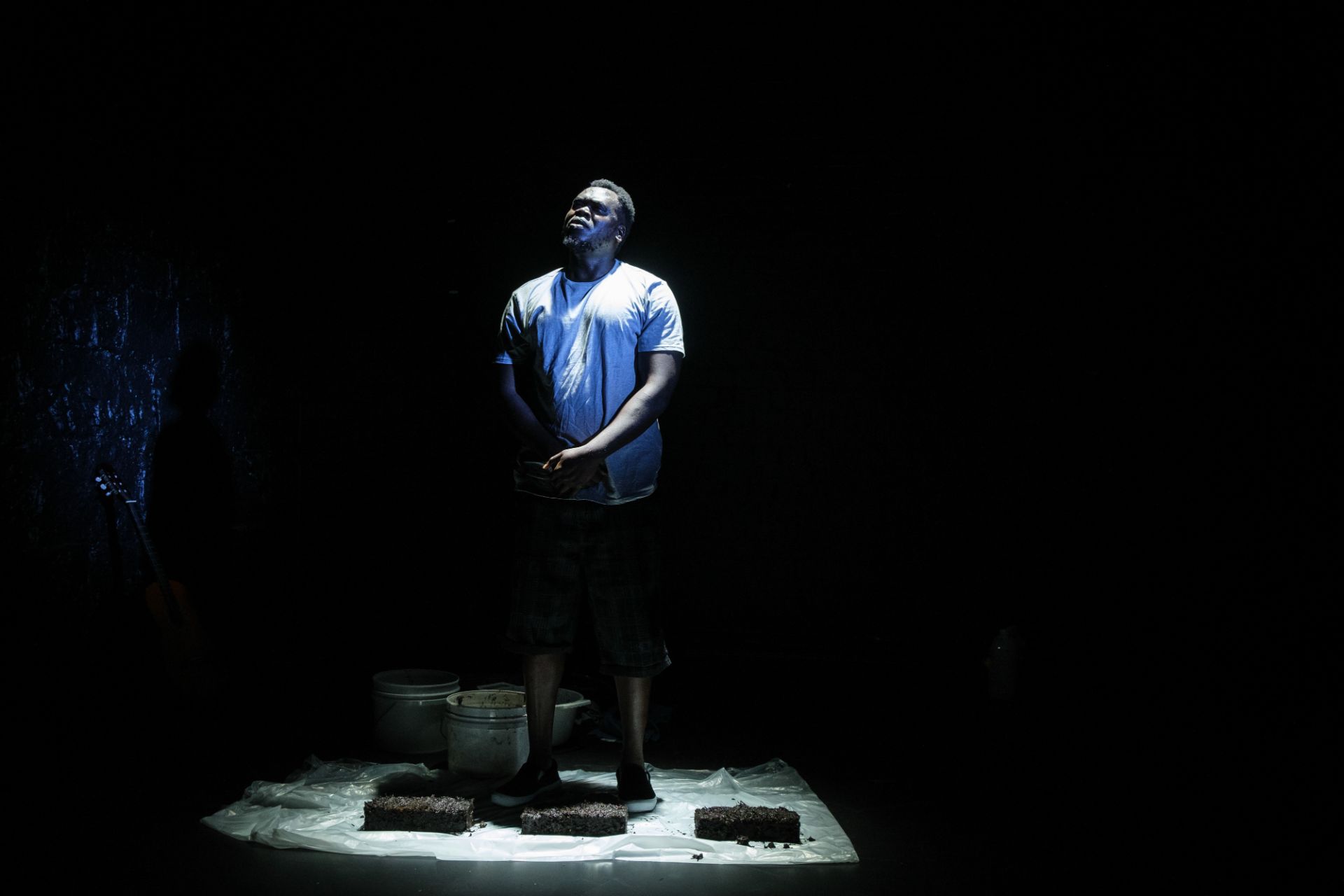
It is the story of a colonialism that never ceases; one that morphs and takes by surprise, coming to undermine and subjugate from unpredictable places. Maynard’s searing honesty feels unbearably dangerous, but also absolutely essential. This is art that tells the truth of what routinely happens to our First Nations communities, and art that should shake you to the core as long as you live on this land, regardless of which tribe you belong to.

Director Isaac Drandic too, pulls no punches in his delivery of this incandescently political work. Full of pride, and of righteous anger, the staging puts on display not just the ravages suffered by our Indigenous peoples, but more importantly their eternally indomitable spirit. There is a generosity and vulnerability to At What Cost? that is disarmingly moving, with a crucial message about racial violence that needs urgently to be heeded.

Set design by Jacob Nash succinctly conveys both the material and metaphysical realms of Boyd’s existence, allowing us to, on one hand, identify with the normalcy of his daily life, and on the other, encounter the spirituality that informs all facets of his being. Keerthi Subramanyam’s costumes help provide a sense of immediacy for the personalities we meet, but is especially memorable for a ceremonial cloak that impresses with its beauty and grandeur. Lights by Chloe Ogilvie take us seamlessly from spaces mundane to ethereal, and music by Brendon Boney with sound design by David Bergman, manipulate with precision our emotional responses to each element of the narrative, as it escalates to a feverish pitch.

Actor Luke Carroll brings extraordinary passion to the project. As Boyd, we watch him develop from effortlessly delightful, to frighteningly austere, all while keeping us enchanted. The uncompromising and unapologetic qualities of the play, come through beautifully via Carroll’s powerful delivery. No less affecting is the scintillating Sandy Greenwood, whose embracive naturalism as the effervescent Nala, provides our moral compass with clear guidance, as we navigate trickier portions of the rageful tale. Alex Malone is fantastically excruciating, as the foolish Gracie. It is a courageous and forceful performance that makes its important point, with merciless abandon. Daniel is played by Ari Maza Long, with great charm and humour, for an inspiring portrait of the modern Aboriginal youth, that absolutely teems with compassion.
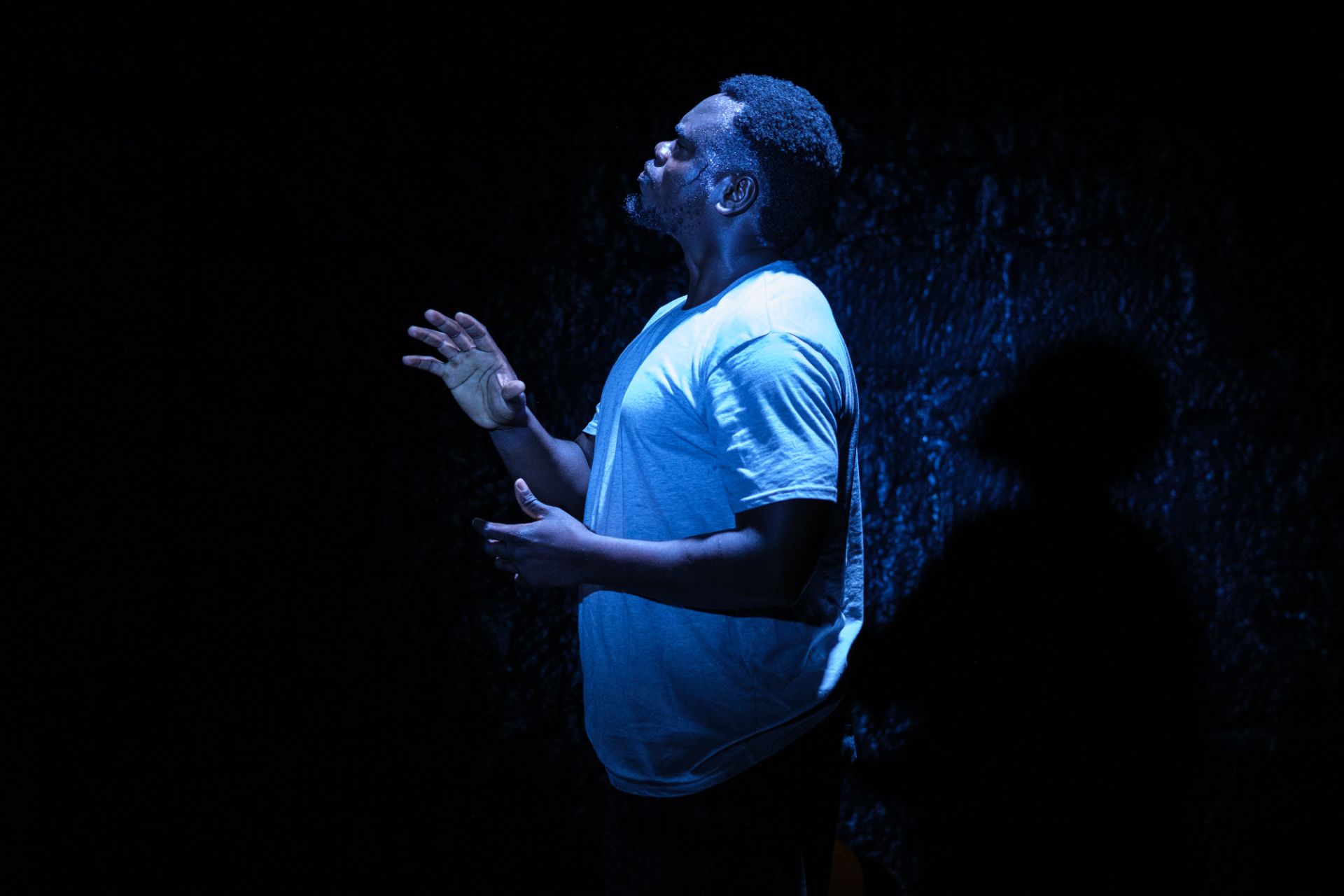
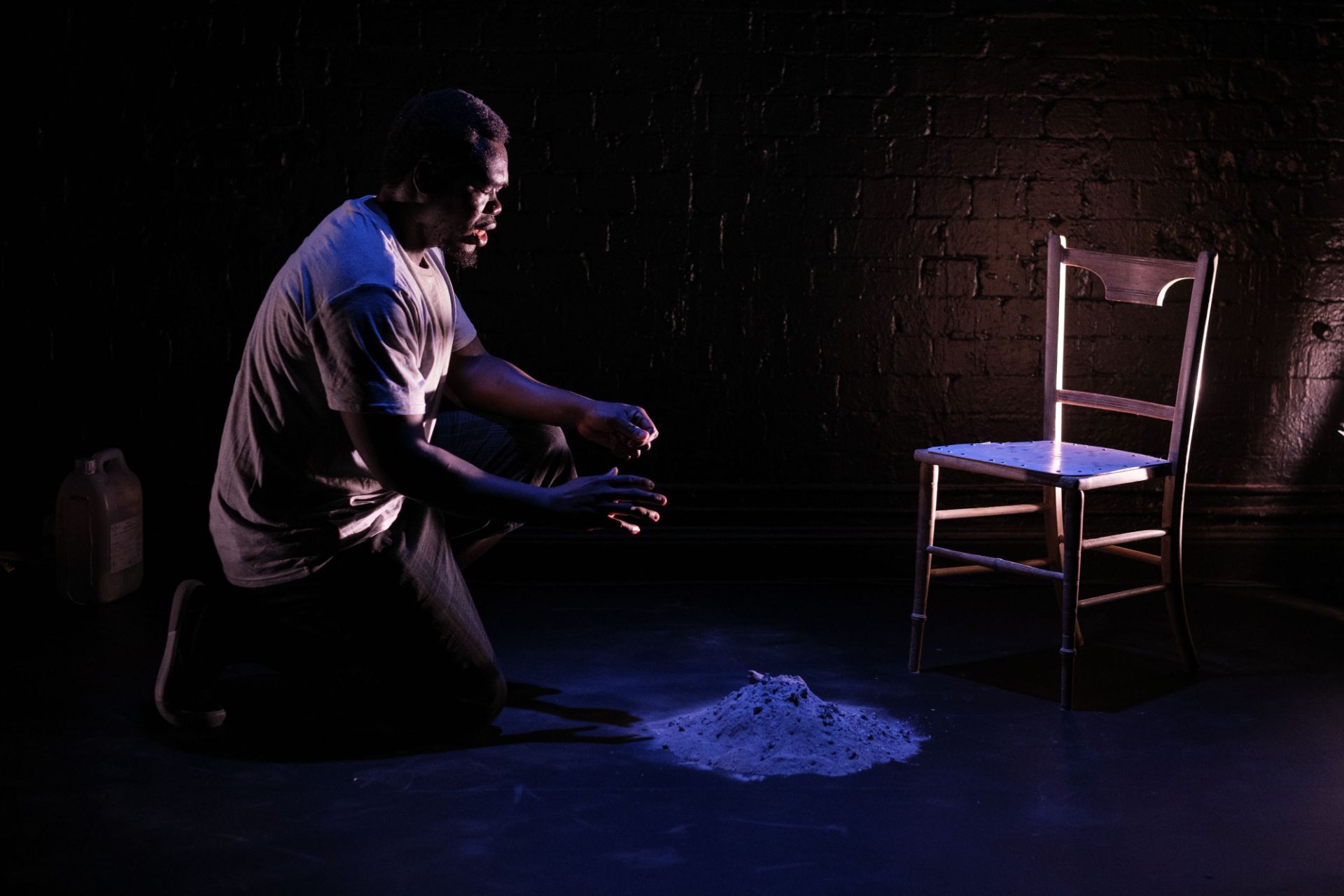
White supremacy creates racial categories, yet vehemently insists on being blind to their existence. White people often declare ignorance of racial difference, choosing only to believe in the universalities of the species, in an effort to deny the very systems of oppression they have built at the exclusion of others. That is, until aspects of that otherness becomes momentarily appealing, and white people step in to annex it without hesitation, and claim it their own.
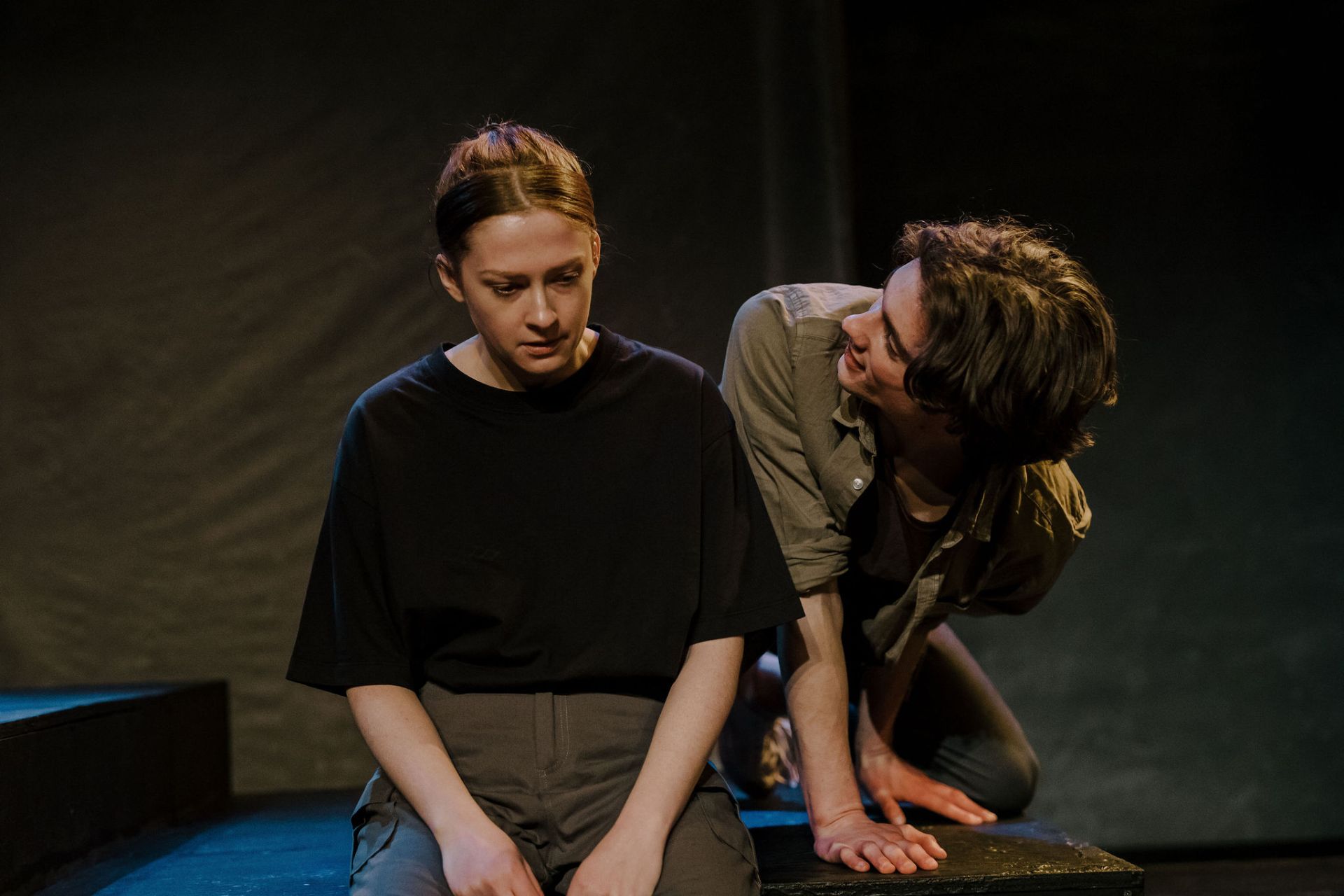
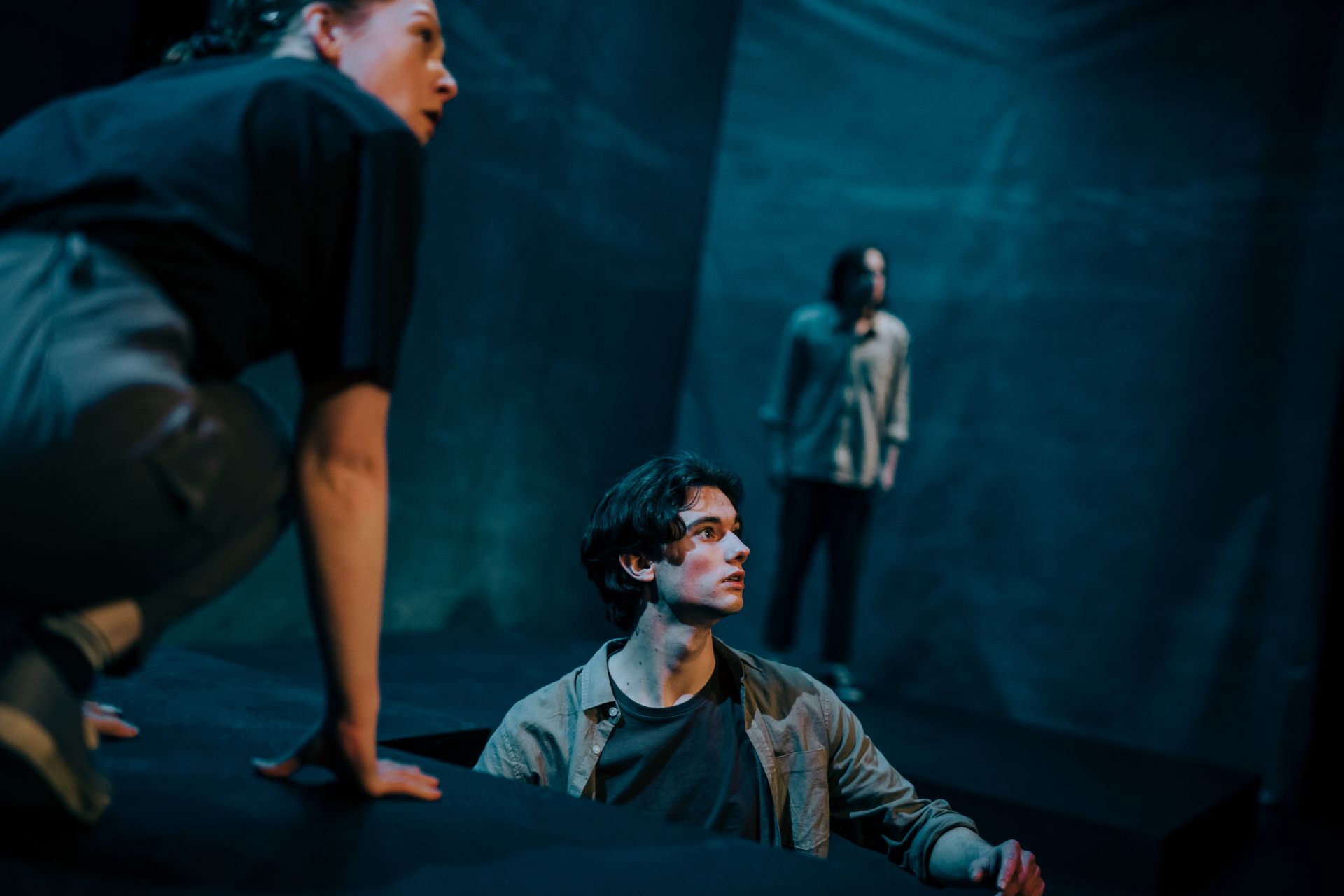
In At What Cost?, we see a white person misappropriating and misidentifying cultures, in a way that can only be seen, as a clear extension of racial violence on this land. They feign obliviousness and ignorance, even to the extent of purporting to be doing good for Indigenous lives, but is in fact implementing the perpetual project of colonialism. The continual eradication of Indigenous rights, and removal of the very existence of Indigenous peoples, may not look like the genocide of previous centuries, but is no doubt under way, only in surreptitious guises.

www.belvoir.com.au

Review: Killing Katie: Confessions of a Book Club (Ensemble Theatre)

Venue: Ensemble Theatre (Kirribilli NSW), Jan 9 – Feb 26, 2022
Playwright: Tracey Trinder
Director: Francesca Savige
Cast: Valerie Bader, Chantelle Jamieson, Bron Lim, Kate Raison, Georgina Symes
Images by Lisa Tomasetti

Theatre review
Katie is the new addition to a small book club, of which Robyn is the unofficial head. The two women are diametric opposites, with Katie being the vivacious and carefree one, and Robyn showing herself to be quite the stodgy, uptight character. In Killing Katie: Confessions of a Book Club, playwright Tracey Trinder does not quite pit women against each other, as much as she tries to portray the challenges in how we are able, or not able, to find inspiration in one another, especially when coming from a range of diverse experiences.

The vast difference in personalities gives rise to immediate conflict, which lends to great humour, but not all of Trinder’s dialogue is consistently witty. The production relies on an unrelenting effervescence, that director Francesca Savige so cleverly manufactures, to keep us in a cheery mood. Tobhiyah Stone Feller’s set and costume designs are suitably whimsical and colourful, proving effective in foregrounding amusing aspects of the story. Kelsey Lee’s lights, along with Daryl Wallis’ sound, provide valuable variation in tone between scenes to sustain our attention, in addition to the many subtle enhancements for when nuance in the text needs to be highlighted.

A wonderfully cohesive ensemble of five, comprising women across three generations, deliver a show that practises exactly what it preaches. The cast’s extraordinary camaraderie demonstrates the successes available to us, when our forces are joined in good faith. Chantelle Jamieson’s natural and confident charm, turns Katie’s grating tendencies into something altogether more appealing; we can see how the unrelenting exuberance is gnawing to Robyn, but Jamieson ensures that her character translates only with joy and glee, to her captive audience. The exasperating Robyn is played by a deeply committed Kate Raison, who brings maddening authenticity to a painful personality we have all encountered.

Bron Lim does marvellously as Linda, with a warm sincerity and an endlessly reliable instinct, that allow everything she offers, to feel believable and immediate. Georgina Symes is quirky as Sam, with an enjoyable intensity that keeps the stage abuzz with energy. Valerie Bader’s flawless comic timing makes unforgettable her turn as Angela, whose pointed quips are counted on, to provoke some of the show’s biggest laughs.

Plurality is surely better than singularity, in how we perceive our identities as women. The more we are able to be appreciative of other women’s idiosyncrasies, the more likely it is for us to be individually self-accepting. Invariably, we have all suffered from having been conditioned into believing that certain women are good and many, many others are not good enough. We are all trained to be convenient, and in turn, we routinely impose those same constrictions on everybody else. Most of those rules are in desperate need to be broken, and the permission to do so, can only come from within.

www.ensemble.com.au

Review: The Museum of Modern Love (Seymour Centre)

Venue: Seymour Centre (Chippendale NSW), Jan 22 – 30, 2022
Playwright: Tom Holloway (based on the novel by Heather Rose)
Director: Timothy Jones
Cast: Justin Amankwah, Julian Garner, Harriet Gordon-Anderson, Sophie Gregg, Glenn Hazeldine, Aileen Huynh, Tara Morice, Jennifer Rani
Images by Ten Alphas

Theatre review
It is 2010 in New York City, and legendary performance artist Marina Abramović is presenting her work of endurance The Artist is Present, in which she sits face to face with random gallery visitors, for a total of over 700 hours, across three months. In Tom Holloway’s play The Museum of Modern Love (based on Heather Rose’s novel), we meet several people in attendance at Abramović’s exhibition, and catch glimpses of their most intimate selves, in what may be considered a snapshot of the people we are, in this moment, in the middle classes of the Western world.

It may be a touch narcissistic to say that these representations of us on stage, are fascinating and surprisingly likeable. In The Museum of Modern Love, we appear to be nice people, full of vulnerability yet passionate, and even at our worst, we seem to always operate from the best of intentions. The writers do not fear the darker parts of being, but all their depictions come with a fundamental sense of hopefulness, that makes the work an ultimately uplifting one.

Directed by Timothy Jones, the production is elegantly rendered, with perhaps a little too much restraint applied onto the expressions of these very human stories. There is a cool and distanced approach to the storytelling (that feels so much like a visit to any modern art museum), but although detached, there are scenes that will certainly resonate, even if their touch can feel too gentle.

The stage is designed by Stephen Curtis, who very effectively recreates the severe and chilly ambience of conventional museums, with plain colours and straight lines. Alexander Berlage’s lights give enhancement to that astringent aura, but also softens at crucial points to draw attention to the inevitable sentimentality of  these human explorations. Costumes by Veronique Bennett look to be appropriately American, principally functional whilst endeavouring to be subtly stylish. David Bergman’s work on sound and video, elevates the production in a manner that helps to disarm the audience, so that we may respond with emotions rather than rationale, as if a reminder that the experience of life, is never only about logic.

Eight performers are positioned on stage for the entirety, including Julian Garner whose Arky opens and closes the show, and therefore seems to be somewhat the centre of proceedings. Garner introduces a captivating volatility, that makes believable his character’s confounding behaviour. The remarkably committed Harriet Gordon-Anderson and Tara Morice play his daughter and wife respectively, with Morice’s enigmatic presence leaving a particularly strong impression. Sophie Gregg and Aileen Huynh too are memorable, for the vibrancy they deliver each time they occupy centre stage. Justin Amankwah, Glenn Hazeldine and Jennifer Rani bring idiosyncrasies that make The Museum of Modern Love feel intensely truthful, as a kind of testimony about our emotional lives in the early parts of this troubled century.

At MoMA, Abramović was resolutely present, but the intimacy she had tried to embody, can over time, appear contrived. In The Museum of Modern Love, Arky and others are hardly present with their loved ones, but it is that portrayal of absence that makes us understand intimacy. To put forward the case that we are essentially masochistic, is not such an overwrought stratagem. It seems that it is our nature to value things the most, only when we have lost possession of them. It is no wonder then, that we do so much that is determined to put happiness in jeopardy.

www.seymourcentre.com

Review: Chewing Gum Dreams (Old Fitz Theatre)

Venue: Old Fitzroy Theatre (Woolloomooloo NSW), Jan 13 – Feb 19, 2022
Playwright: Michaela Coel
Director: Bernadette Fam
Cast: Masego Pitso
Images by Teniola Komolafe

Theatre review
Fourteen-year-old Tracey Gordon talks a big game around the school yard, but really she is no different from any kid next door. English playwright Michaela Coel’s Chewing Gum Dreams is a hilarious look at early adolescence, a stage of life where there is often, too much of a hurry to grow up.

Coel’s refusal of condescension in her comical depictions, makes us regard young Black girls with only respectful humanity. Probably the most underestimated group in many of our societies, this realistic and thoroughly natural portrayal of a person like Tracey, is an effective attempt at changing the narrative in the West, about Blackness, and about girlhood, at their point of intersection.

Imbuing the story with admirable profundity is director Bernadette Fam, whose adoration for Tracey is plain to see. An air of reverence for the character, and for Coel’s text, puts strongly in focus, all that is important about Chewing Gum Dreams, demanding of us a corresponding gravity with which to consider the themes at play.

Set design by Keerthi Subramanyam offers simple solutions to assist our imagining of Tracey’s places. whilst Kate Baldwin’s lights bring unexpected variation and dynamism to the visuals presented, on what initially looks to be a minimal stage. Liliana Occhiuto’s sound design is memorable for the melancholy that takes over our senses at certain crucial points, but a sparseness in her approach contributes to a slight deficiency in energy for the overall experience.

Playing Tracey is Masego Pitso, a captivating performer whose mischievous glint in the eye sets the tone for the production. Effortlessly endearing, Pitso occupies our attention for the entire duration, able to make us hang on to her every word and gesture. Her confidence makes us feel at ease, and the exuberance she puts into the creation of Tracey, ensures that we fall in love with the character even before she utters her first words.

A sombre moment in Chewing Gum Dreams, sees young Tracey talking about cracks in the floor, designed for people like her, and her mother, to fall through. It is a reminder that for many of us, so much of our destinies, in these colonised spaces, are determined by external forces that never allow our well-being, and our ambitions, to be a priority. We exist mainly as instruments for the advancement of their agenda. We are at best, stepping stones that allow them to further perpetuate their project of inequity, always merely dispensable objects in their estimation. Chewing Gum Dreams shows us quite matter-of-factly, the ordinariness of Tracey. Yet, what we wish for her future, is something that in most of our realities, would look nothing less than a rare exception.

www.redlineproductions.com.au / www.greendoortheatrecompany.com

Review: Lizzie (Hayes Theatre)

Venue: Hayes Theatre Co (Potts Point NSW), 13 Jan – 5 Feb, 2022
Book: Tim Maner
Music & Lyrics: Steven Cheslik-Demeyer, Tim Maner, Alan Stevens Hewitt
Director: Maeve Marsden
Cast: Stefanie Caccamo, Ali Calder, Marissa Saroca, Sarah Ward
Images by Clare Hawley

Theatre review
It was 1892 in Massachusetts, that Lizzie Borden was believed to have murdered her father and step-mother. There is little in the musical Lizzie, that talks about the morality of her actions, and although it does not necessarily make her a heroic figure, the central ferocity of her convictions, is quite an admirable thing to behold.

Based on an original concept by Steven Cheslik-Demeyer and Tim Maner, the show depicts a young woman living in puritanical times, but unable to contain her fury that arises from persistent ill-treatment. That very inexorable and fervid drive, if present today in our somewhat improved circumstances, would surely see Lizzie achieve a great deal more than notoriety and scandal.

Directed by Maeve Marsden, who uses the hard rock energy of Lizzie‘s song list, to facilitate a passionate staging that appeals to our desire, for stories about feisty women in these modern times. Musical direction by Victoria Falconer is a highlight, informed by feminist philosophy and brimming with a joyful punk edge. Ghenoa Gela’s choreography is inventive and unpredictable, offering physical manifestations to characters that allow us to read them more clearly between the lines.

Melanie Liertz’s set and costume designs evoke a gothic quality that is perfectly suited to the narrative, although several vertical poles positioned downstage can sometimes obscure the view of action taking place further upstage. Verity Hampson’s lights are a dramatic element of the show, bringing great dynamism to all the imagery being presented.

Performer Marissa Saroca as Lizzie, is spirited and wonderfully enthusiastic, although her vocals can be slightly hit-and-miss for the musical’s very rambunctious tunes. Ali Calder and Sarah Ward play the sister and the maid, respectively, and both are reliable in delivering big rock vocals, whilst making some genuinely hilarious comedic choices that endear themselves to the audience incontrovertibly. The part of Lizzie’s love interest Alice, is performed by Stefanie Caccamo who sings beautifully, albeit in a more conventional Broadway style, and who makes believable the speculative sapphic romance.

Considering the conditions women like Lizzie Borden had had to tolerate just to survive, it is a wonder that more murders were not committed. That we think of her as an exception only shows the depth of our habit for compliance, and our capacity to withstand abuse and humiliation. Most of us never reach breaking point, and that is without question, the way manifold forces work to exploit our tendency to bend and acquiesce. We do not always need to draw blood in order to rise up, but it is important that we learn to take cues from women like Lizzie, who have lost patience, long before we are completely drained of the ability to retaliate.

www.hayestheatre.com.au

Review: Who’s Afraid Of Virginia Woolf? (State Theatre Company South Australia)

Venue: Sydney Opera House (Sydney NSW), Jan 13 – 23, 2022
Playwright: Edward Albee
Director: Margaret Harvey
Cast: Jimi Bani, Rashidi Edward, Juanita Navas-Nguyen, Susan Prior
Images by Yaya Stempler

Theatre review
Martha and George are always fighting. The perpetuality of their battles seems to point to a certain masochism that resides at the centre of their marriage, and we discover that perhaps their endless struggle for power, forms the very foundation of their life together. As viewers on the sidelines, we gladly ride that momentum of conflict, knowing that things simply will never get better for the couple, in Edward Albee’s Who’s Afraid of Virginia Woolf?

Set in the world of academia, in the New England region of the USA, Albee’s discussions about power, pertain to a kind that is particularly white. Director Margaret Harvey’s decision to cast Black men in the roles of the duelling academics George and Nick, brings greater focus to the whiteness that is being interrogated. The futility of these two men trying to climb the social and professional ladders, within a system built upon the exclusion of people like them, are made mournfully clear by the darkness of their skin.

Although never lacking in energy, the production suffers from a shortage of precision, in the way Albee’s often rambling dialogue is presented. The writing’s abstract qualities has a tendency to become overly ambiguous on this stage, making the experience feel at times, somewhat hollow.

Ailsa Paterson’s set design is an elegant update that provides the story with a present day context, but a strangely domineering centrepiece that makes reference to the white practice of pilfering historical artefacts is, although well-meaning, an unnecessary distraction. Lights by Nigel Levings are effectively chilling, in the cold white box of Martha and George’s home. Sound design by Andrew Howard is sparse, but memorable for its use of drums to rouse tensions.

Actor Susan Prior is suitably nebulous as the heavily intoxicated Martha. Jimi Bani’s bouts of anger as George dials up the drama, but a characteristic cynicism seems to be missing. Nick is played by Rashidi Edward who brings great intensity, and his counterpart Honey is thankfully given some backbone by Juanita Navas-Nguyen.

Martha’s father never appears in the play, but he holds absolute power over the people that we meet. Just like the white patriarchy on this land, it is never the ones who benefit most that do the dirty work, but all the foot soldiers who fight amongst themselves, thinking they are advancing their personal ambitions, when in fact are only serving the purposes of those on top. We are given crumbs, that are designed to gaslight us into believing, that the rules of engagement are fair. That we persist with these rules, is as strange as Martha and George persisting with their marriage.

www.statetheatrecompany.com.au

Review: 44 Sex Acts In One Week (Seymour Centre)

Venue: Seymour Centre (Chippendale NSW), Jan 12 – 16, 2022
Playwright: David Finnigan
Director: Sheridan Harbridge
Cast: Priscilla Doueihy, Matt Hardie, Emma Harvie, Rebecca Massey, Keith Robinson  
Images by Brett Boardman

Theatre review
Celina is not making rent, and Australian workplace relations law is allowing her boss to hire her only on a contractual basis. To ensure the clickbaity publisher gives her more work, Celina decides to write a review of a social influencer’s controversial new book 44 Sex Acts In One Week, after trying out all of the book’s recommendations. David Finnigan’s play of the same name however, is not about sex work, even though that is ostensibly what we witness Celina to be engaging in, for the entire duration. Neither is it about the nature of human sexuality in the twenty-first century. The play’s actual concern, is the blind eye we turn, away from ecological disasters that are ongoing in real life.

That link between our frivolous obsessions and life’s real problems, are not always made explicit in Finnigan’s play. He makes us indulge instead, in a plethora of silly sex jokes (ranging from the painfully juvenile to the surprisingly clever), as an allegorical strategy perhaps, to illustrate the point of our wilful ignorance. One has to be grateful that the conservation message is never dealt with in a heavy handed manner, but its dizzying style of humour, is unlikely to be widely appealing.

Sheridan Harbridge’s direction is gaudy and boisterous, with a sense of exhilaration that is perfectly suited to the themes of 44 Sex Acts In One Week. The raucous atmosphere is greatly enhanced by Trent Suidgeest’s colourful lights and glitzy set design. Elements of the show utilise foley techniques, as though for a radio play; Steve Tolumin’s sound design contributes substantially to the madcap quality of the presentation. Sound engineering though, is somewhat a problem for the production, with dialogue occasionally lost in the vast auditorium.

The eminently charismatic Emma Harvie is perfectly cast as Celina, with an air of naivety that prevents any sexual content from turning overwrought. Her comedic timing is in a word exquisite, and her ability to appear completely impulsive and present, is a real gift. Rebecca Massey plays two roles, both privileged and irresponsible women, who get lampooned exuberantly through Massey’s vivacious approach.

Priscilla Doueihy too performs double duty, but it is in the huge contrast between both characters, that she delivers the biggest laughs. Celina’s sex partner Alab is depicted by an alluring Matt Hardie, who brings appropriate playfulness to the experience. Finally, Keith Robinson is the narrator, reliably dignified as he takes us through each mischievous scene.

Evidence shows that we care little for the environment, and that human extinction is likely to be, just a matter of time. It is not an exaggeration to say that we are, by and large, a destructive species, yet what is distinctive about our behaviour, is that we seem determined to act as though life is eternal. Even during a pandemic, we go to bed assured that tomorrow will come. Nothing seems to be able to put a damper on our certainty that life will go on, and so we keep doing what we do, thinking only of ourselves, when there is no denying that so much of what we do, is akin to mass suicide.

www.clubhouseproductions.com.au