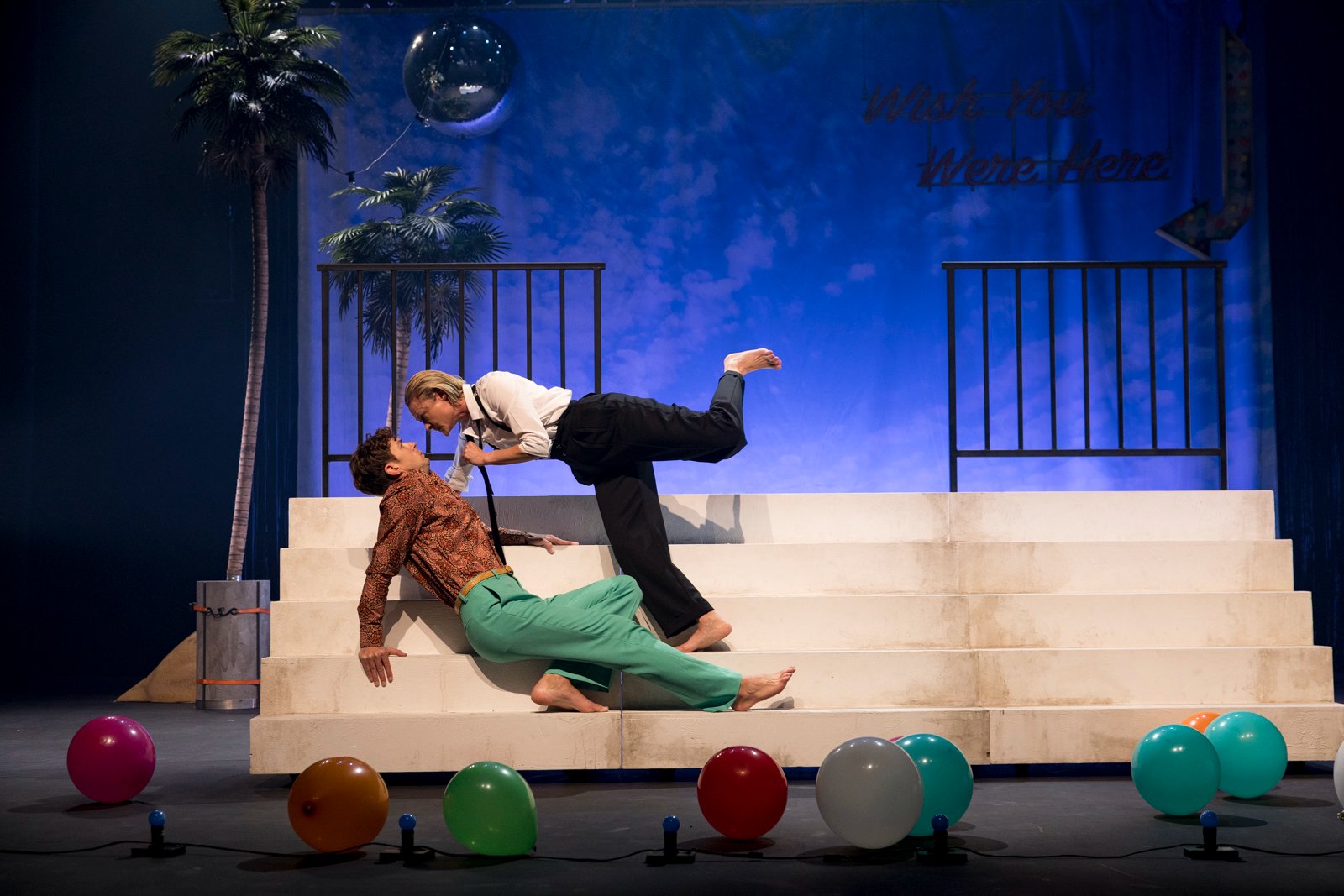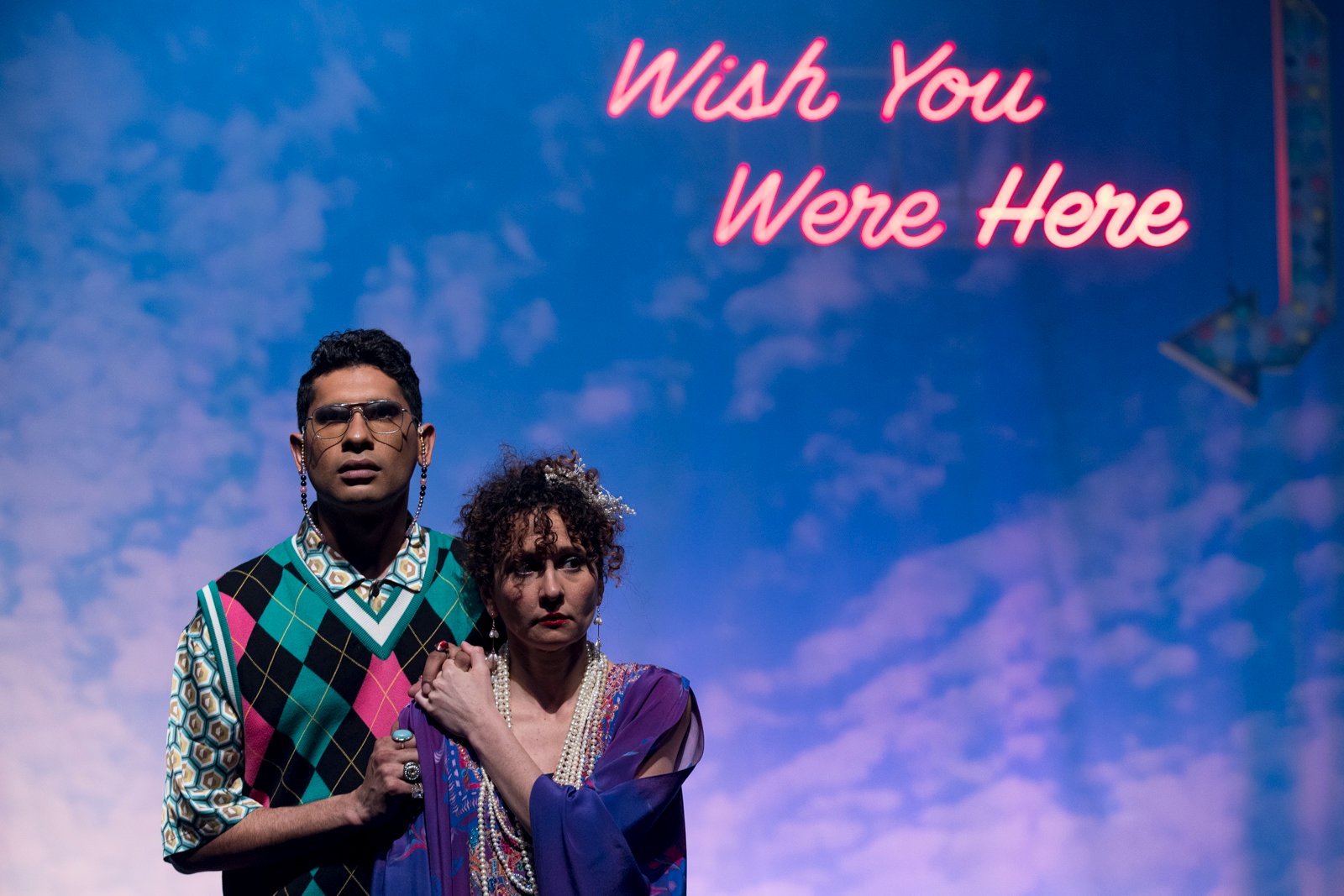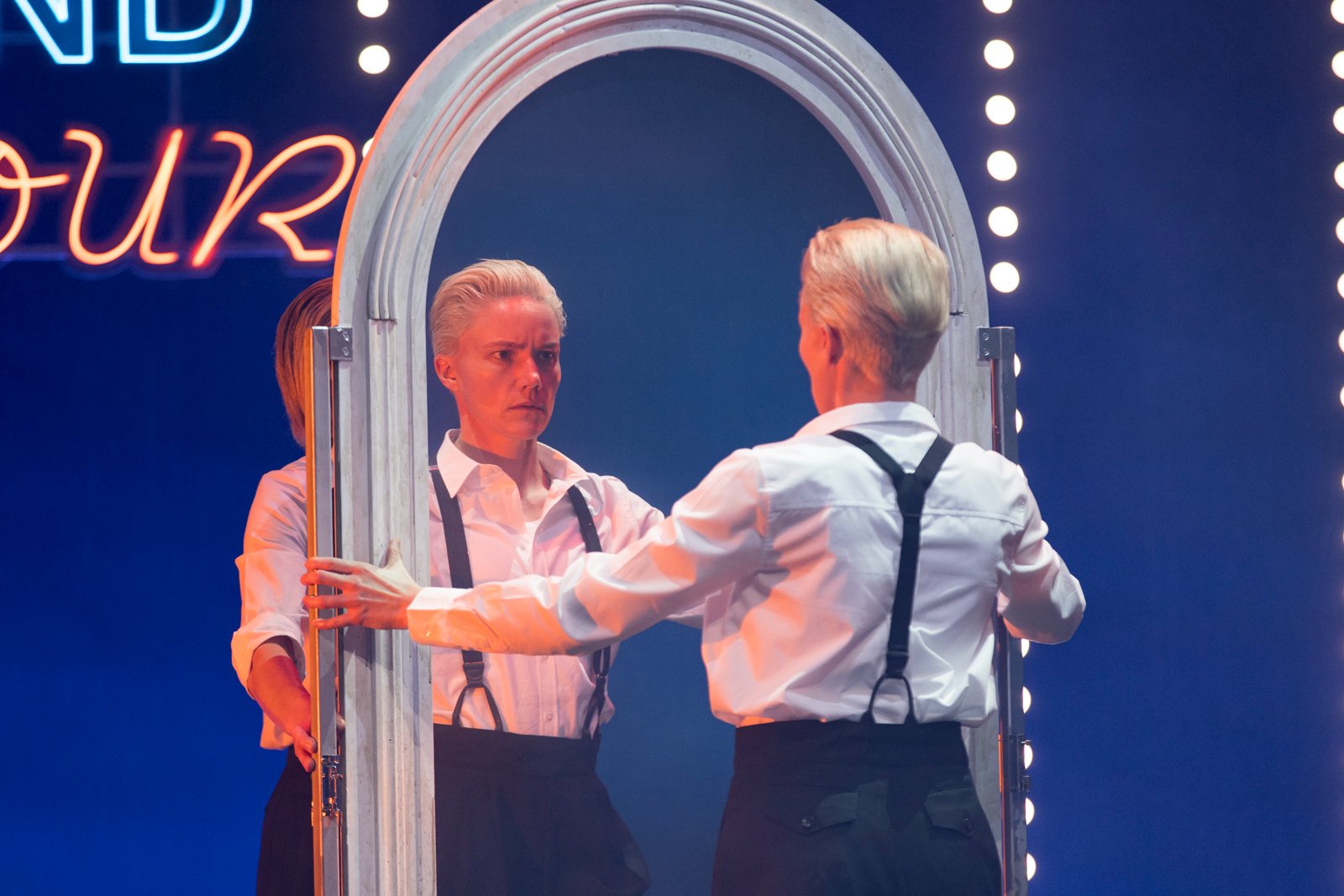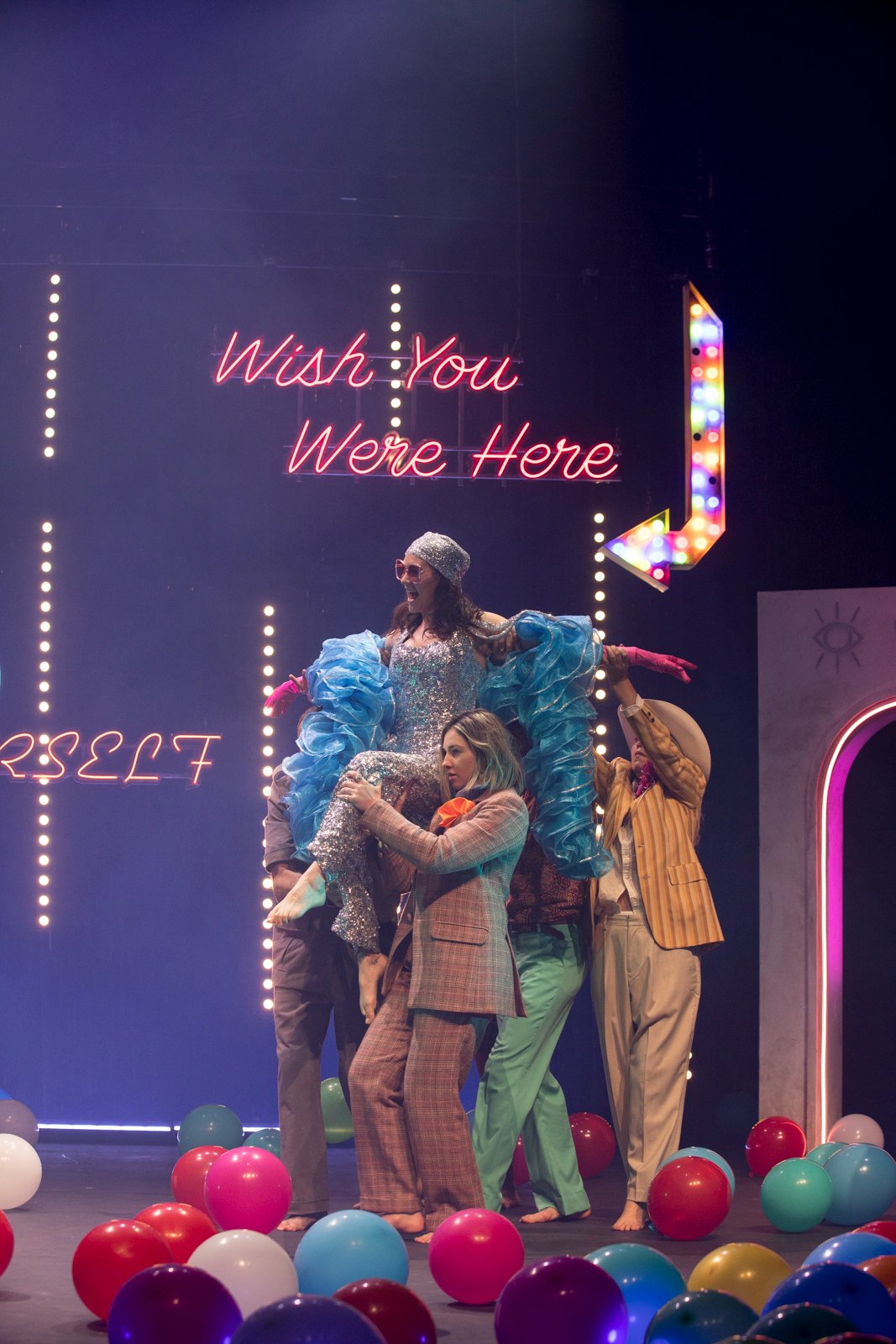
Review: Heroes Of The Fourth Turning (Outhouse Theatre Co)

Venue: Seymour Centre (Chippendale NSW), Mar 31 – Apr 23, 2022
Playwright: Will Arbery
Director: Craig Baldwin
Cast: Micaela Ellis, Madeleine Jones, Eddie Orton, Kate Raison, Jeremy Waters
Images by Richard Farland

Theatre review
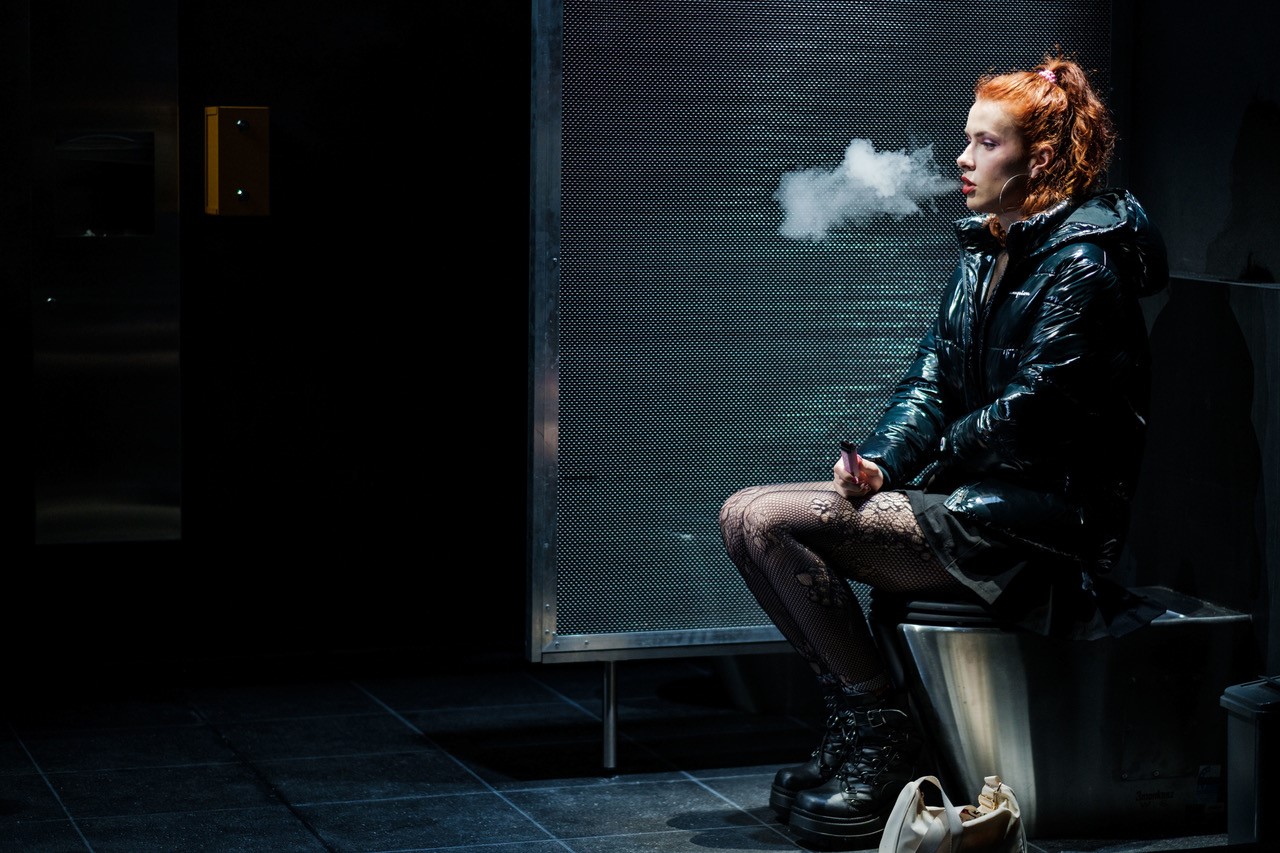
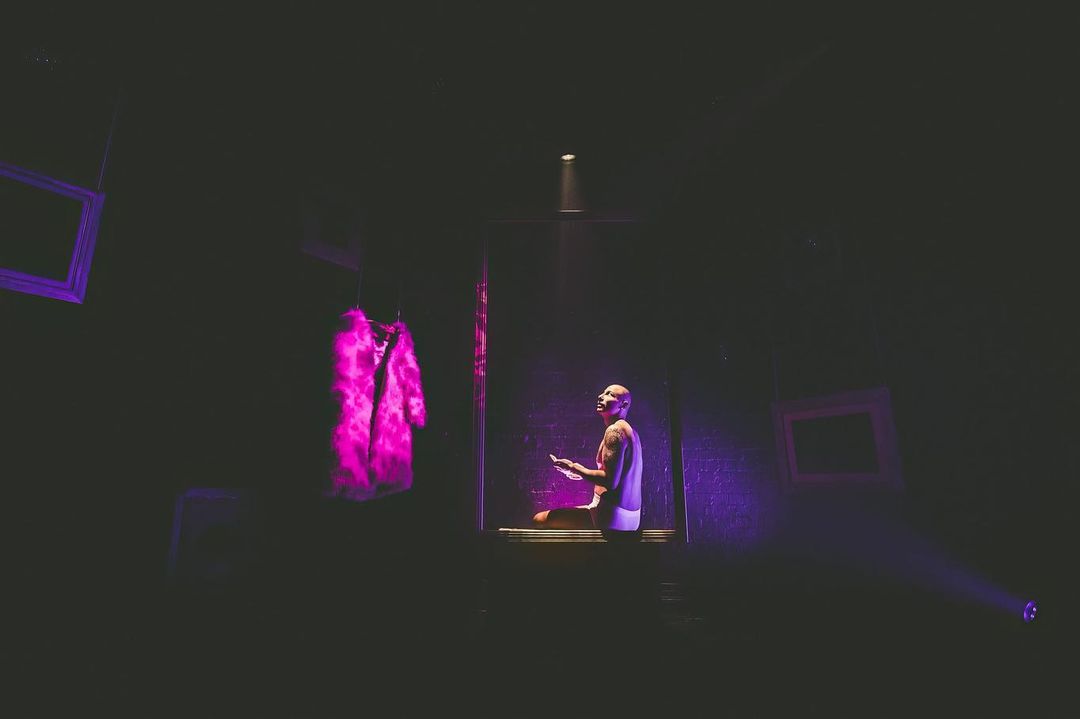
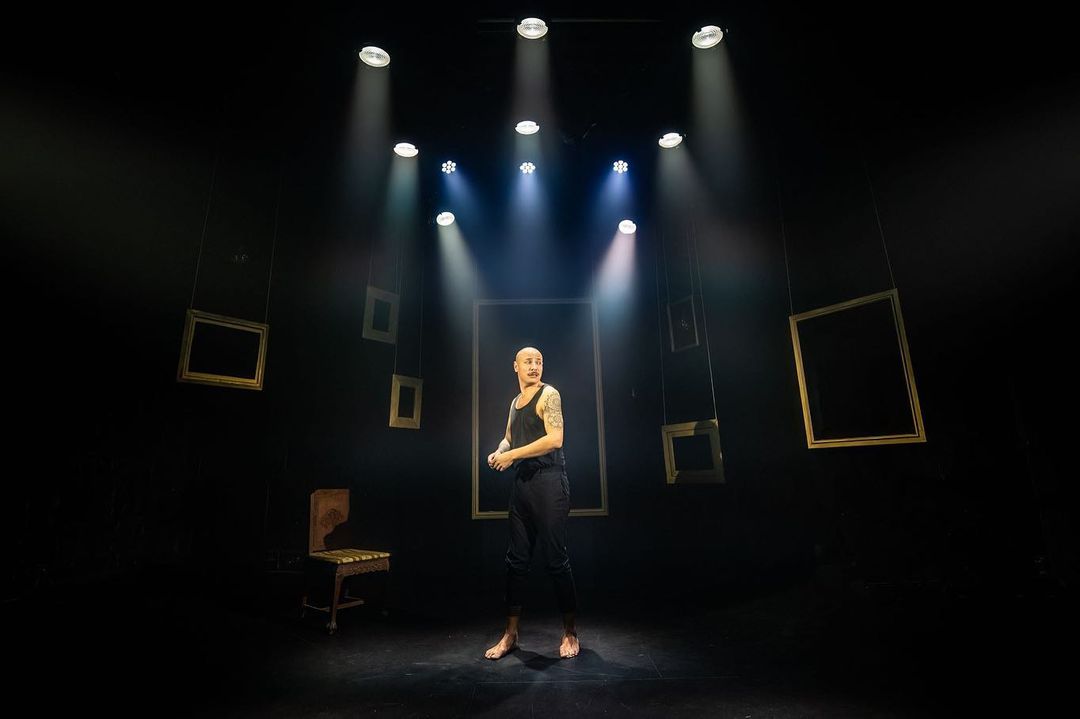
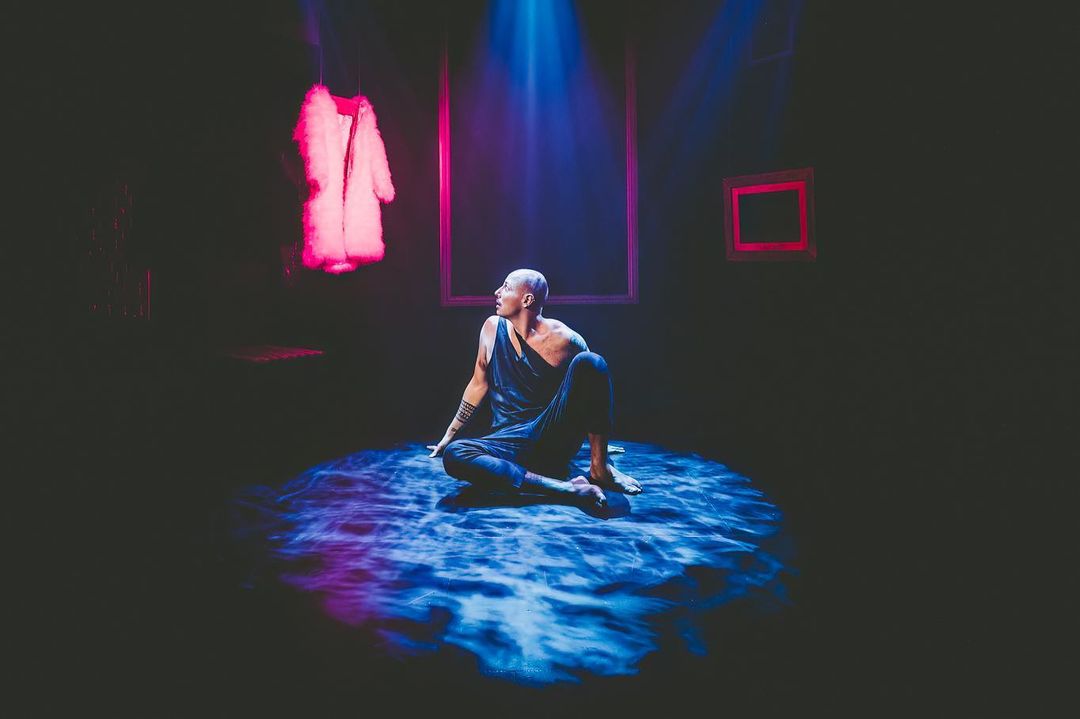
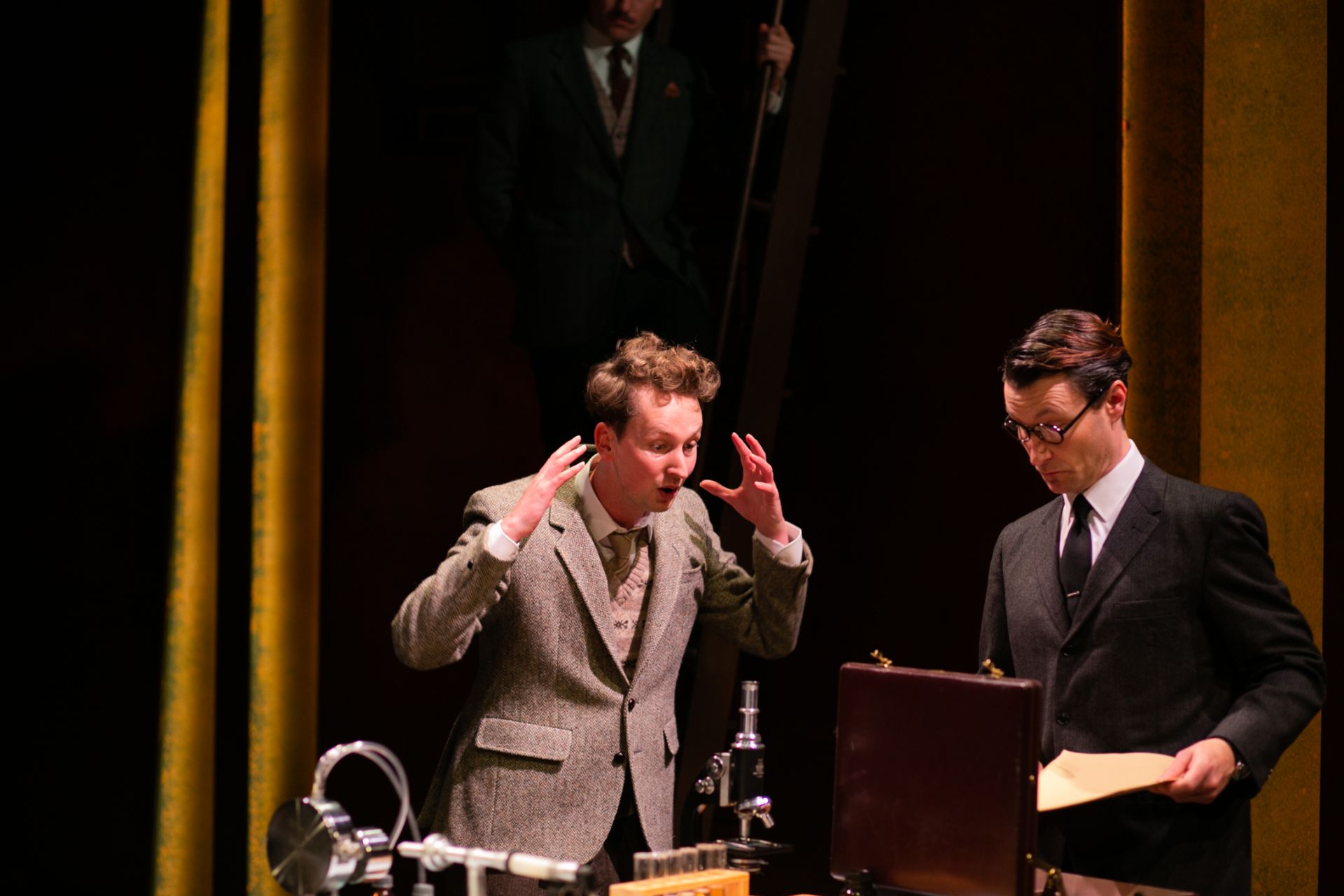
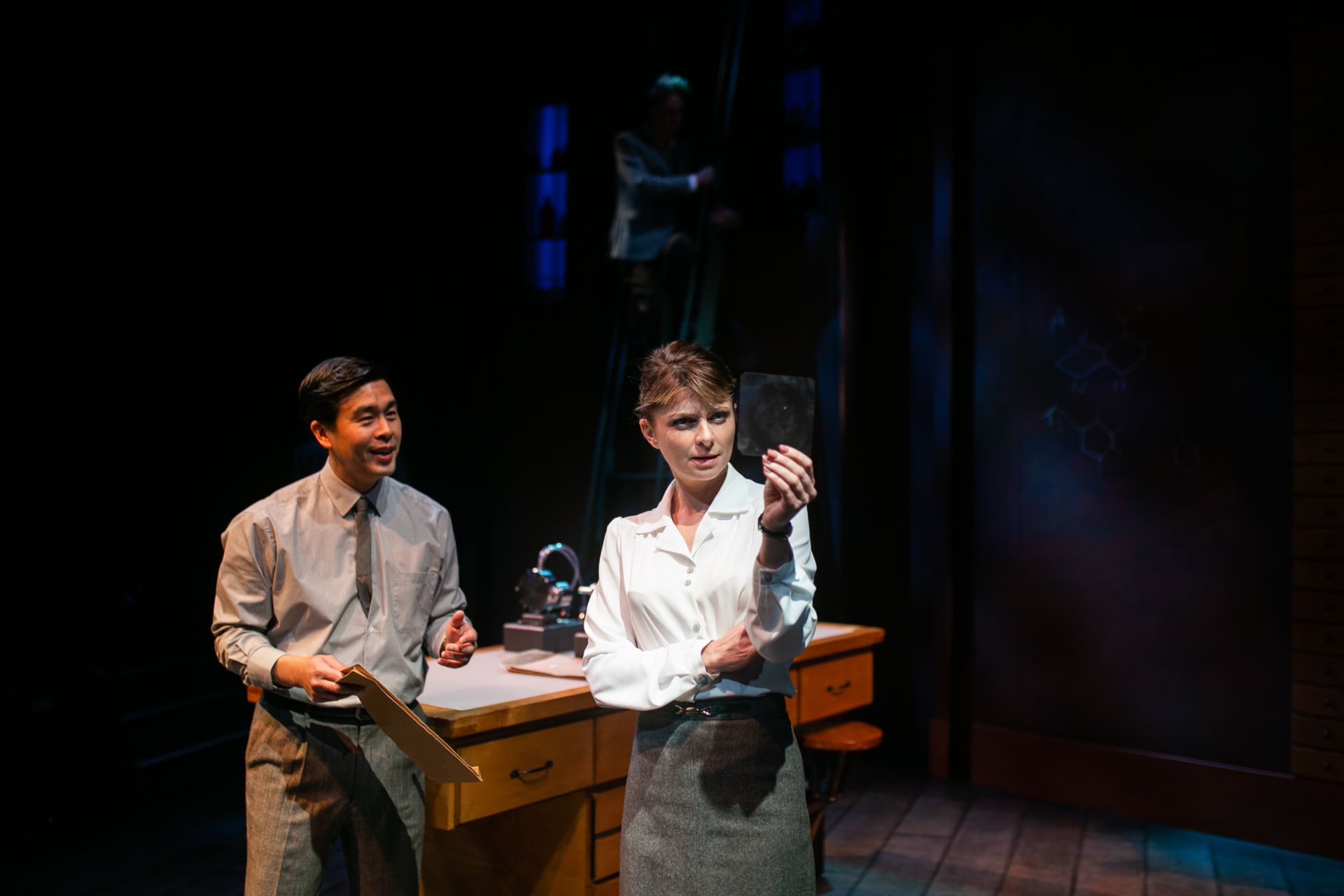
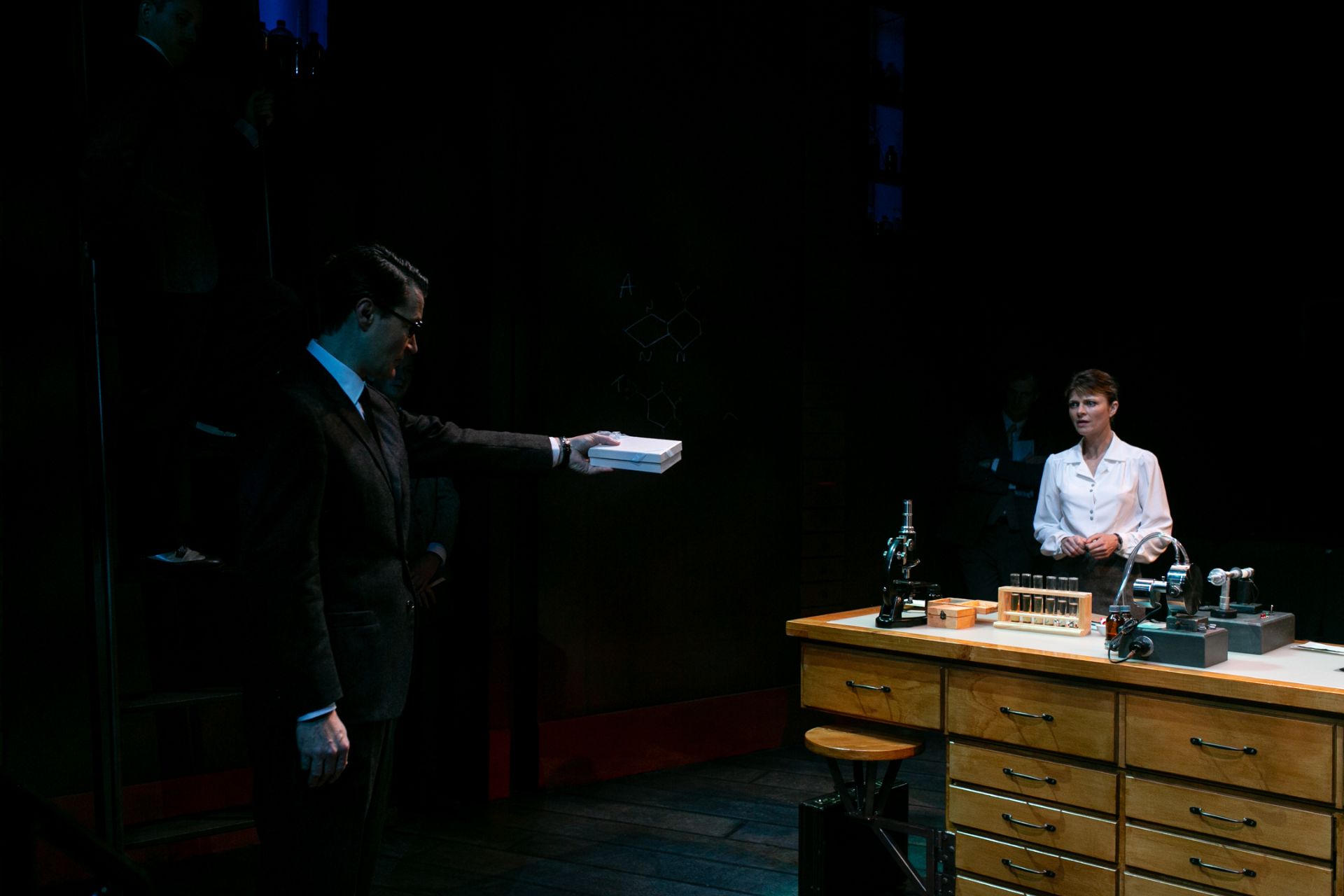
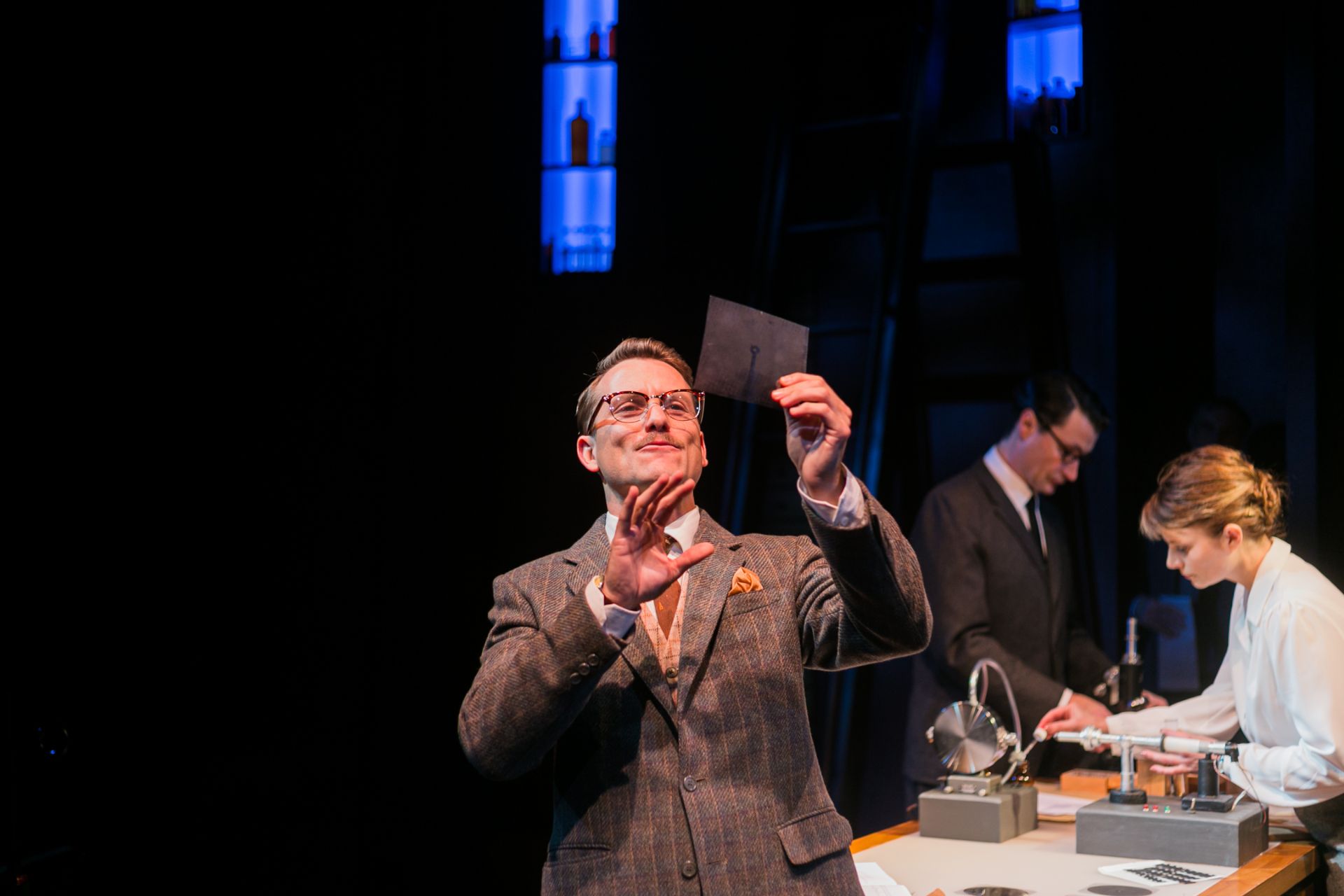
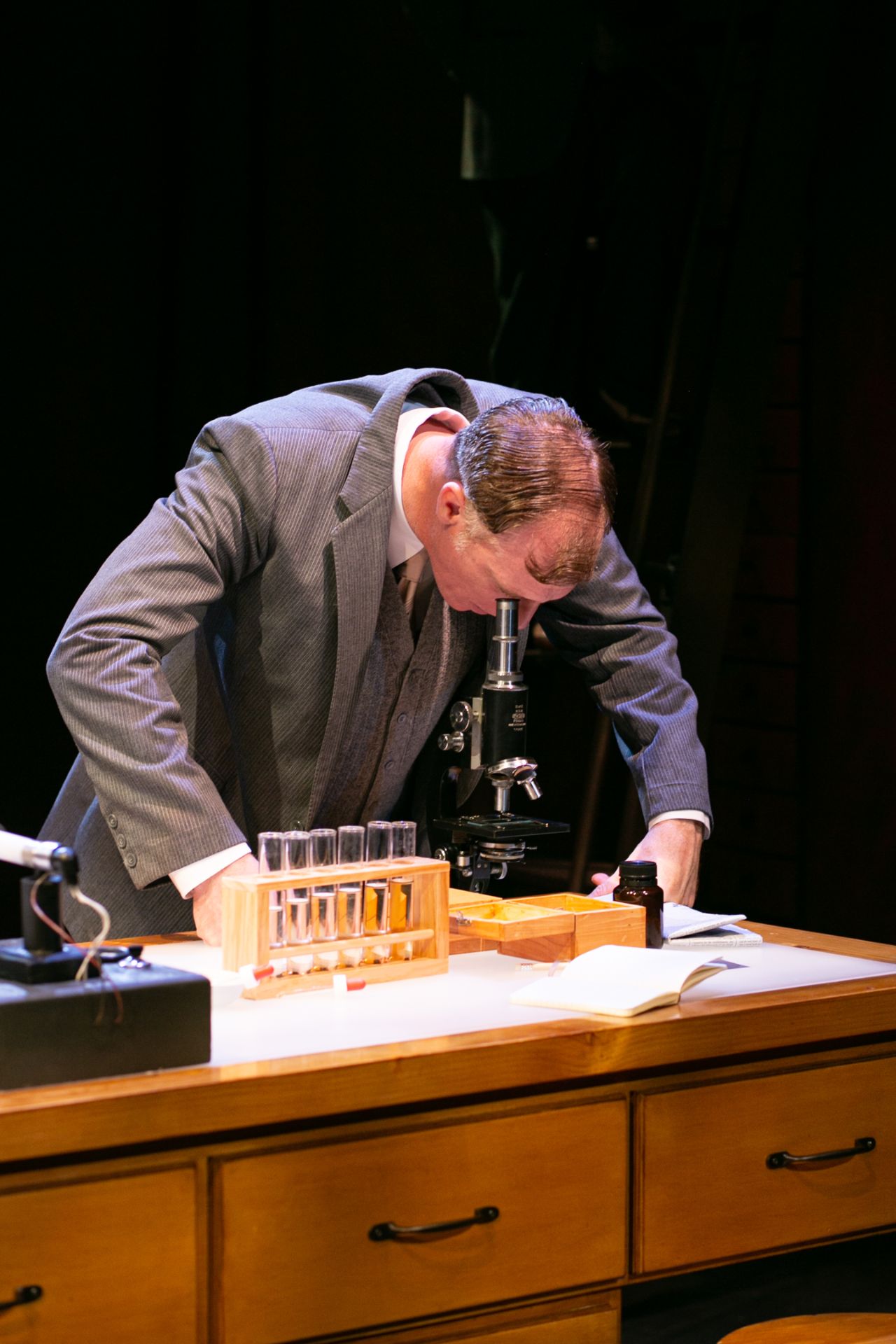
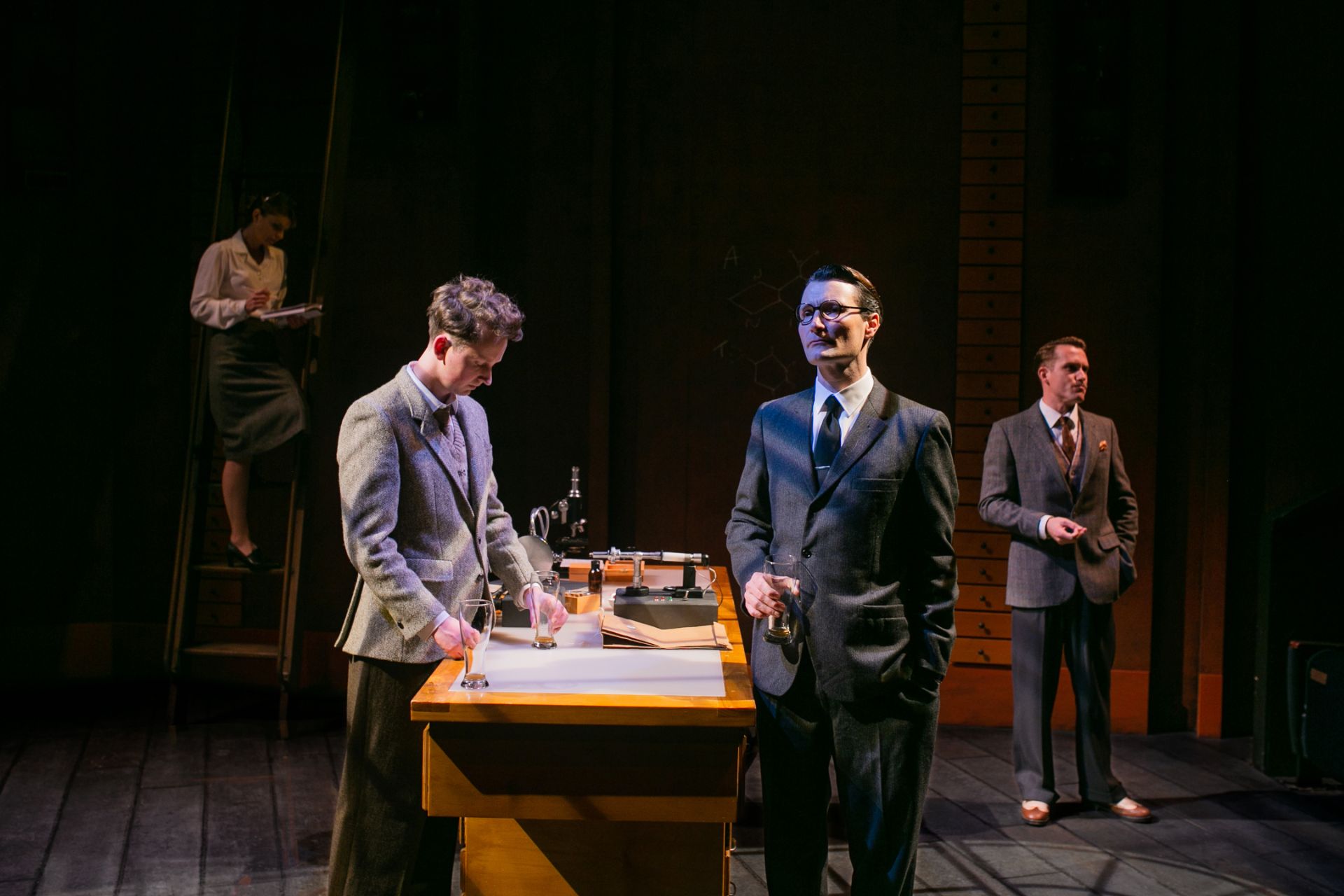
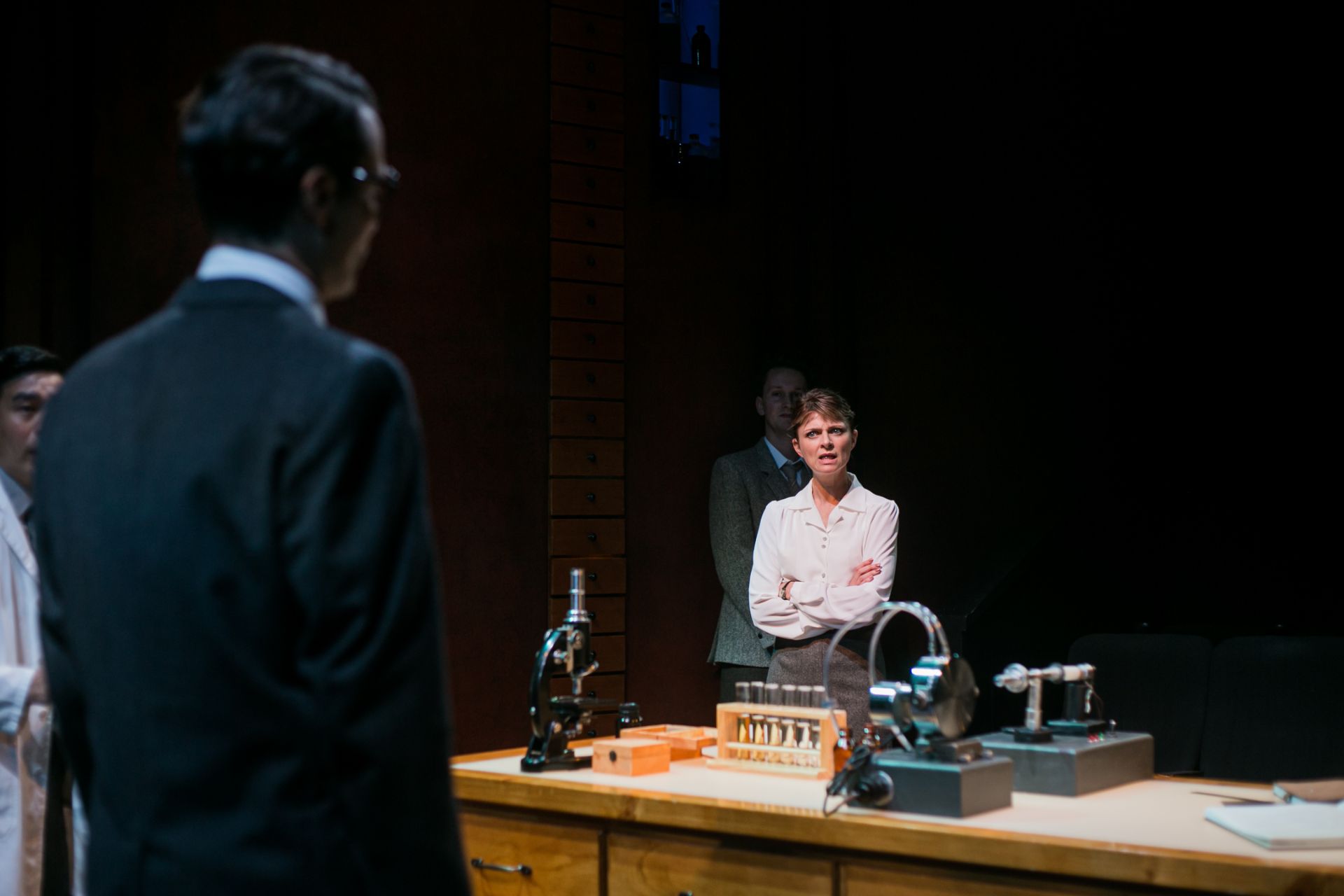
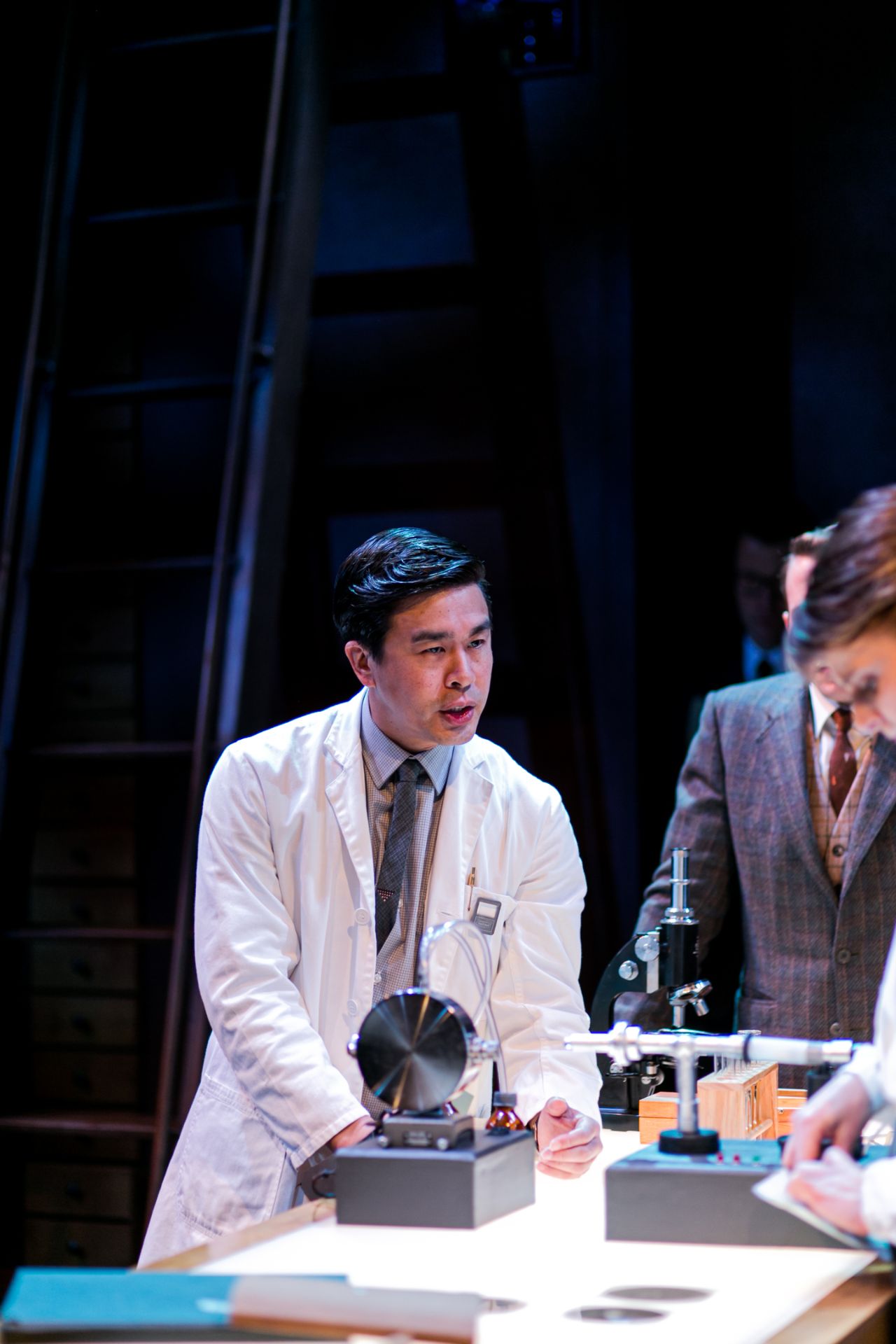
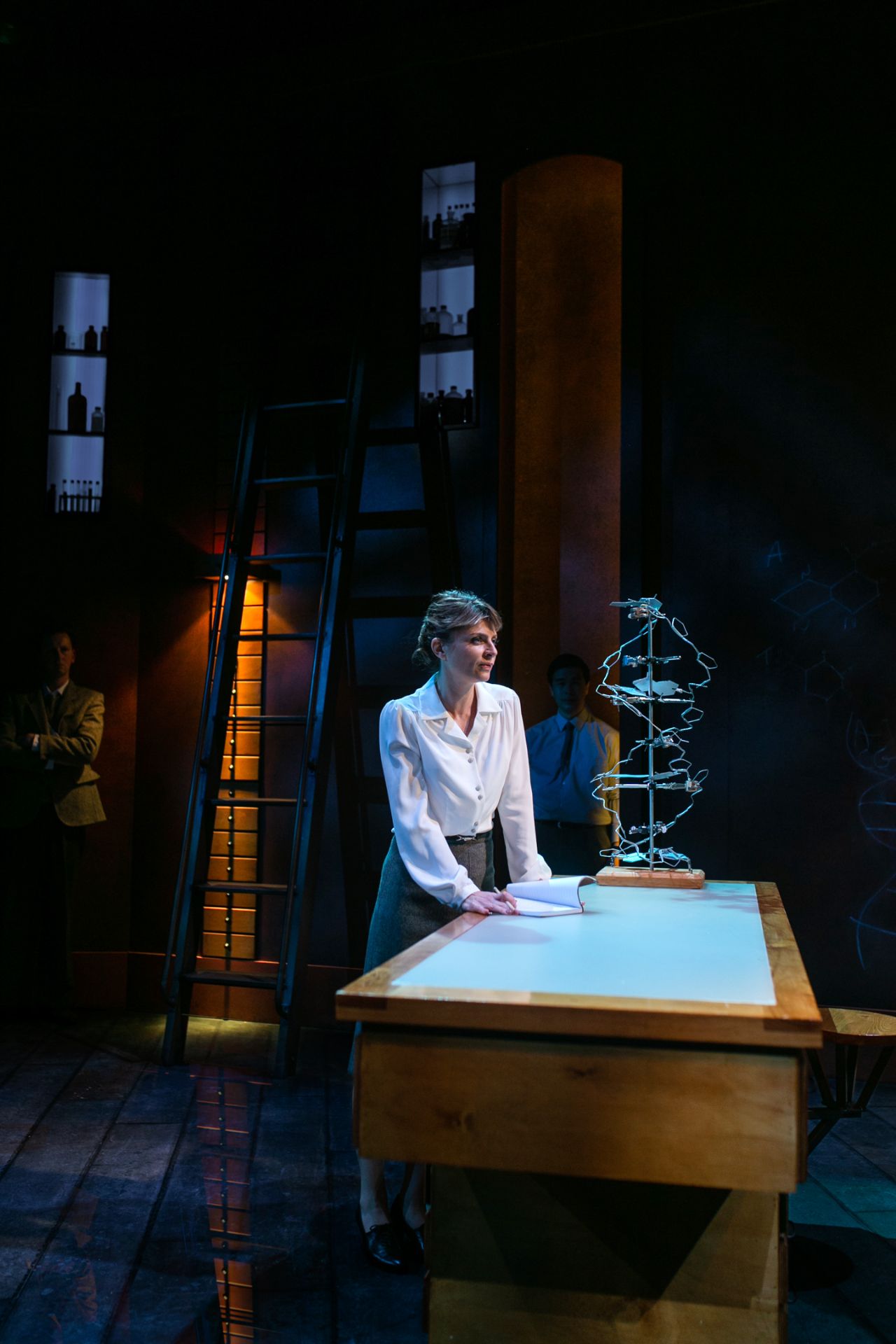
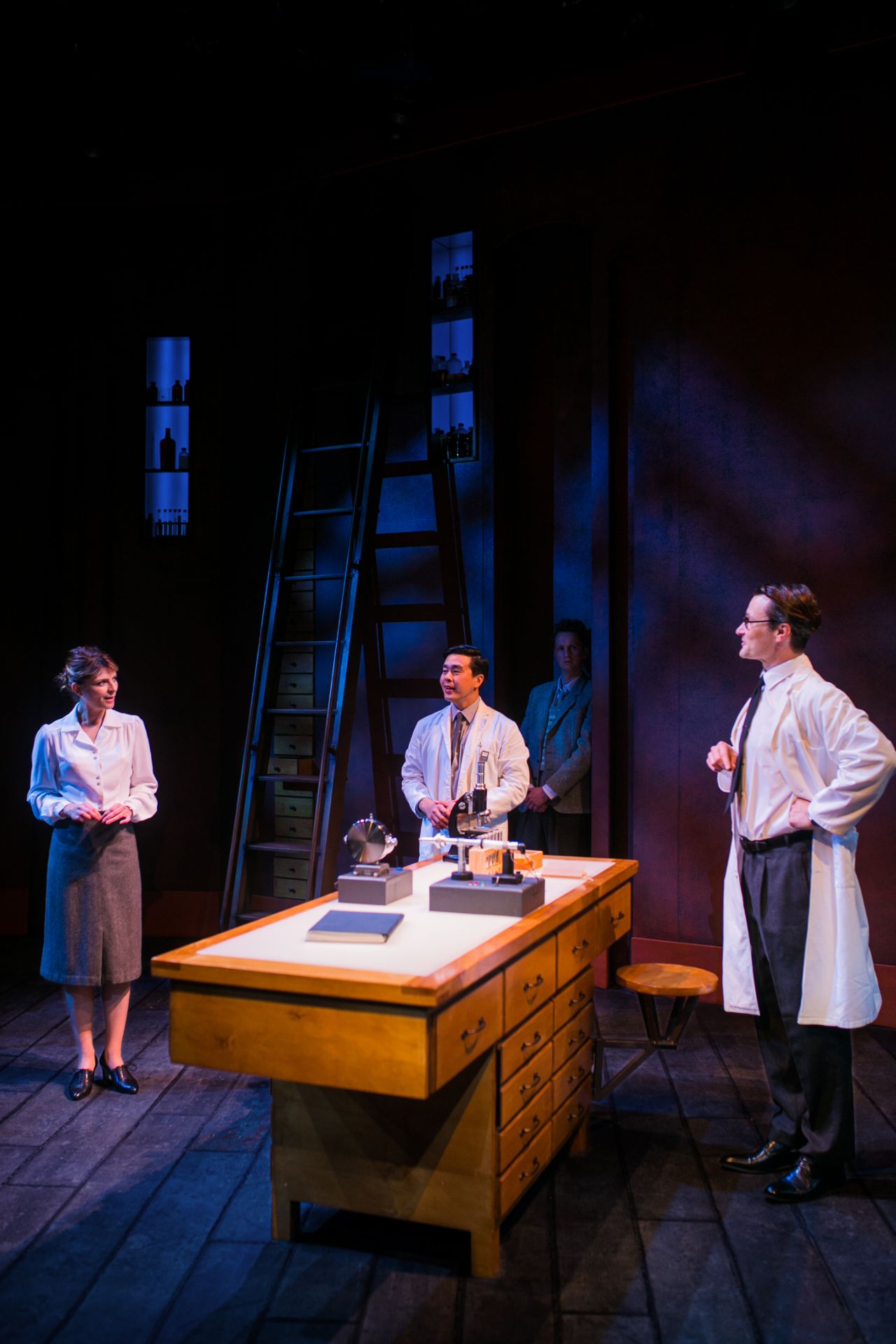
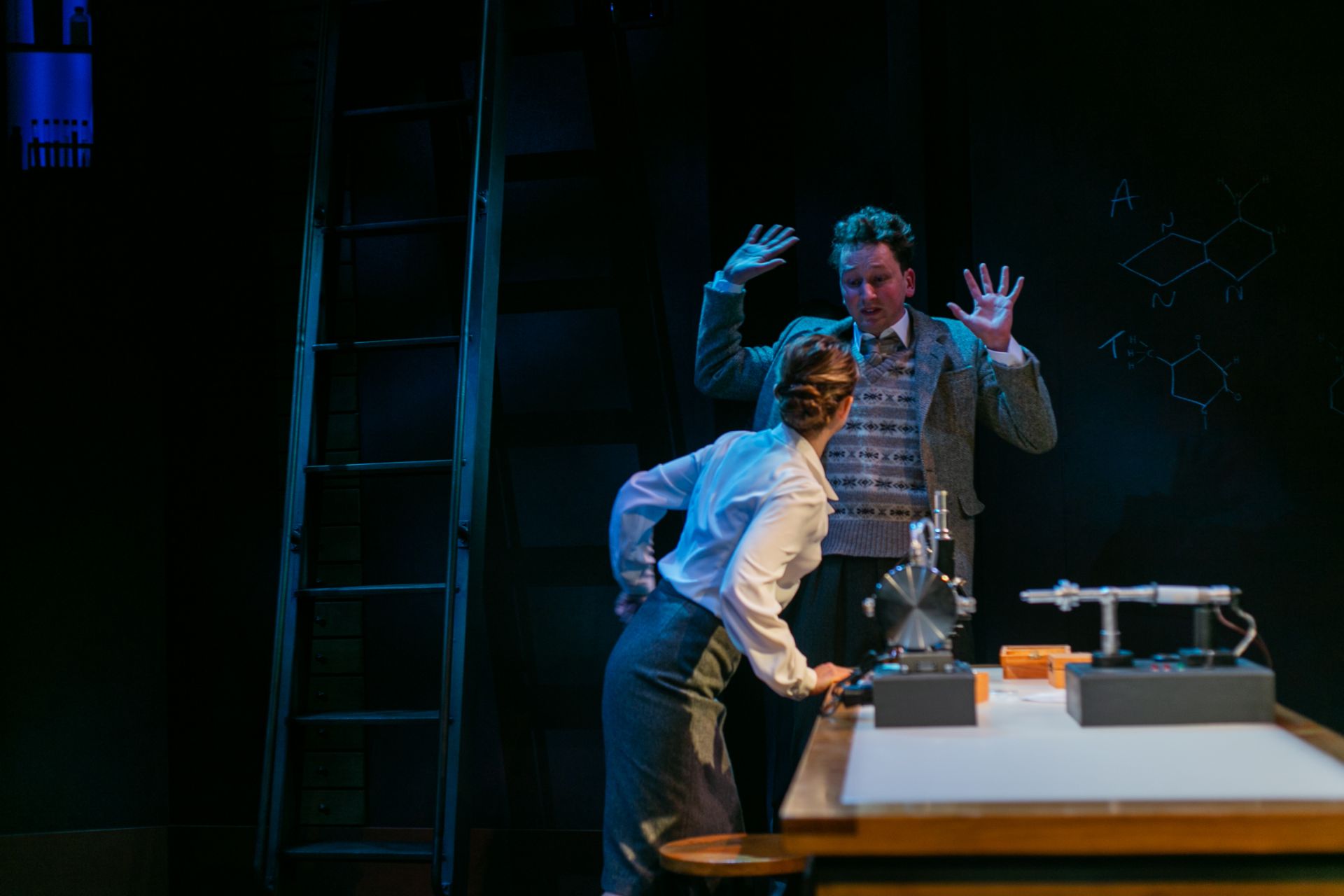
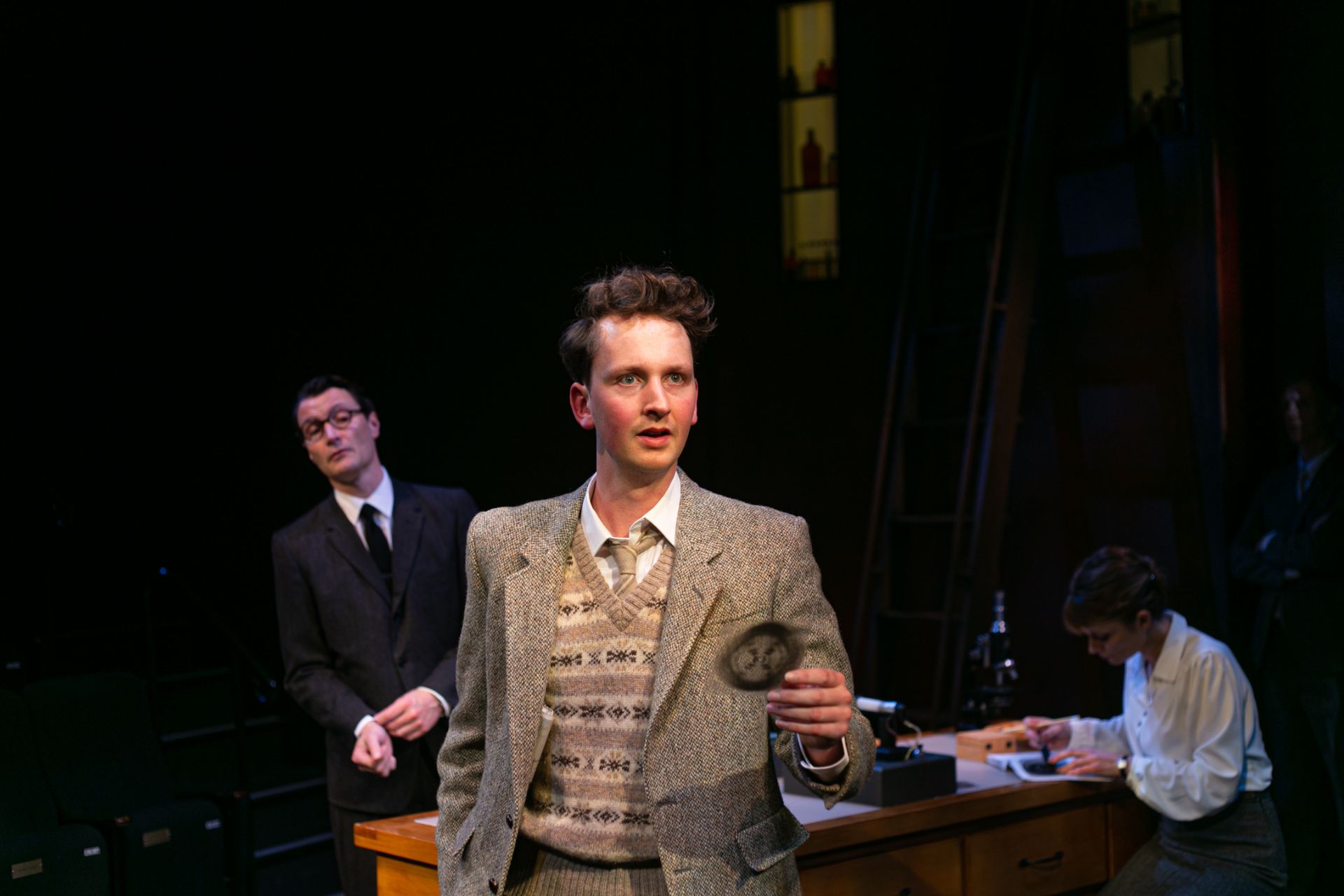
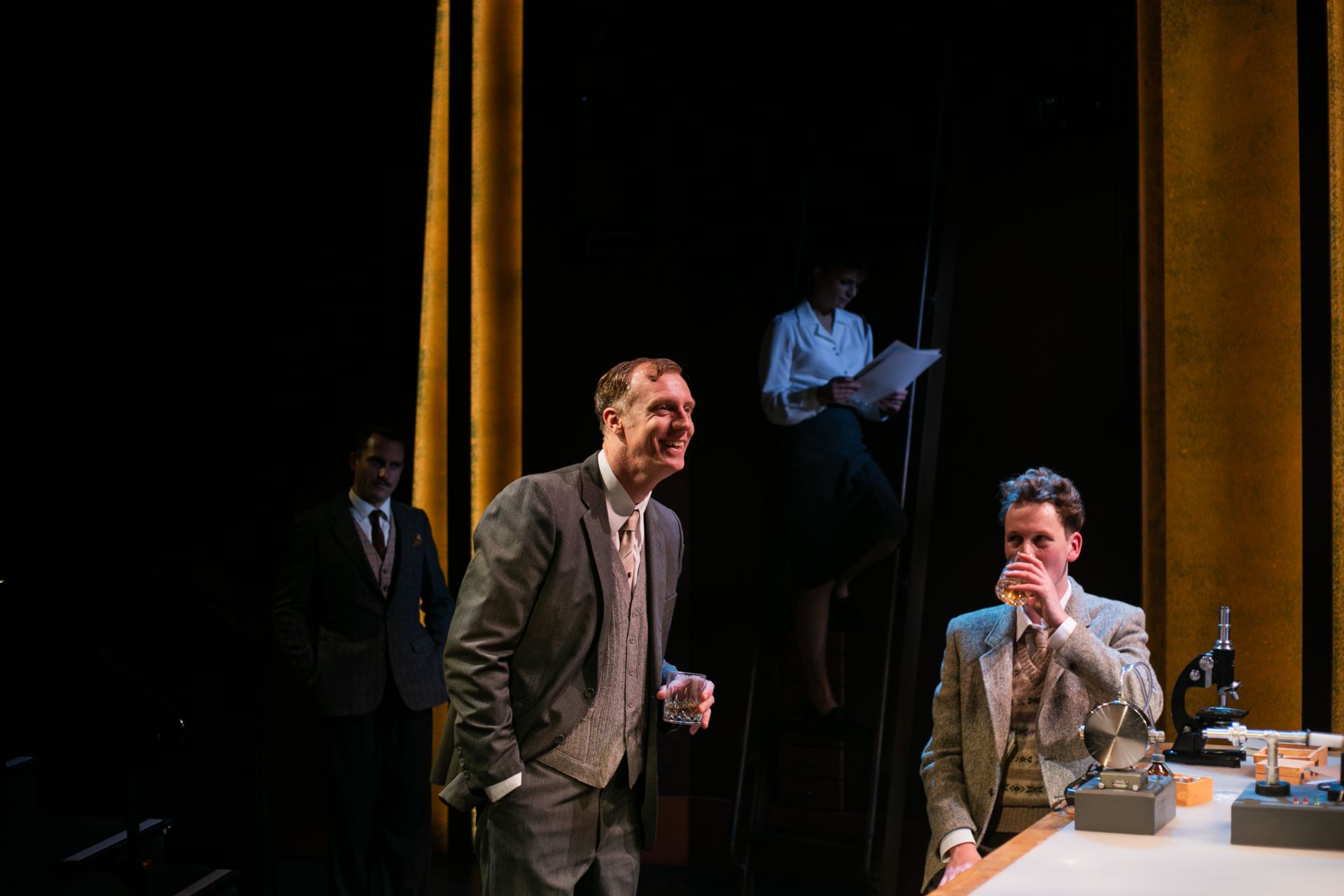
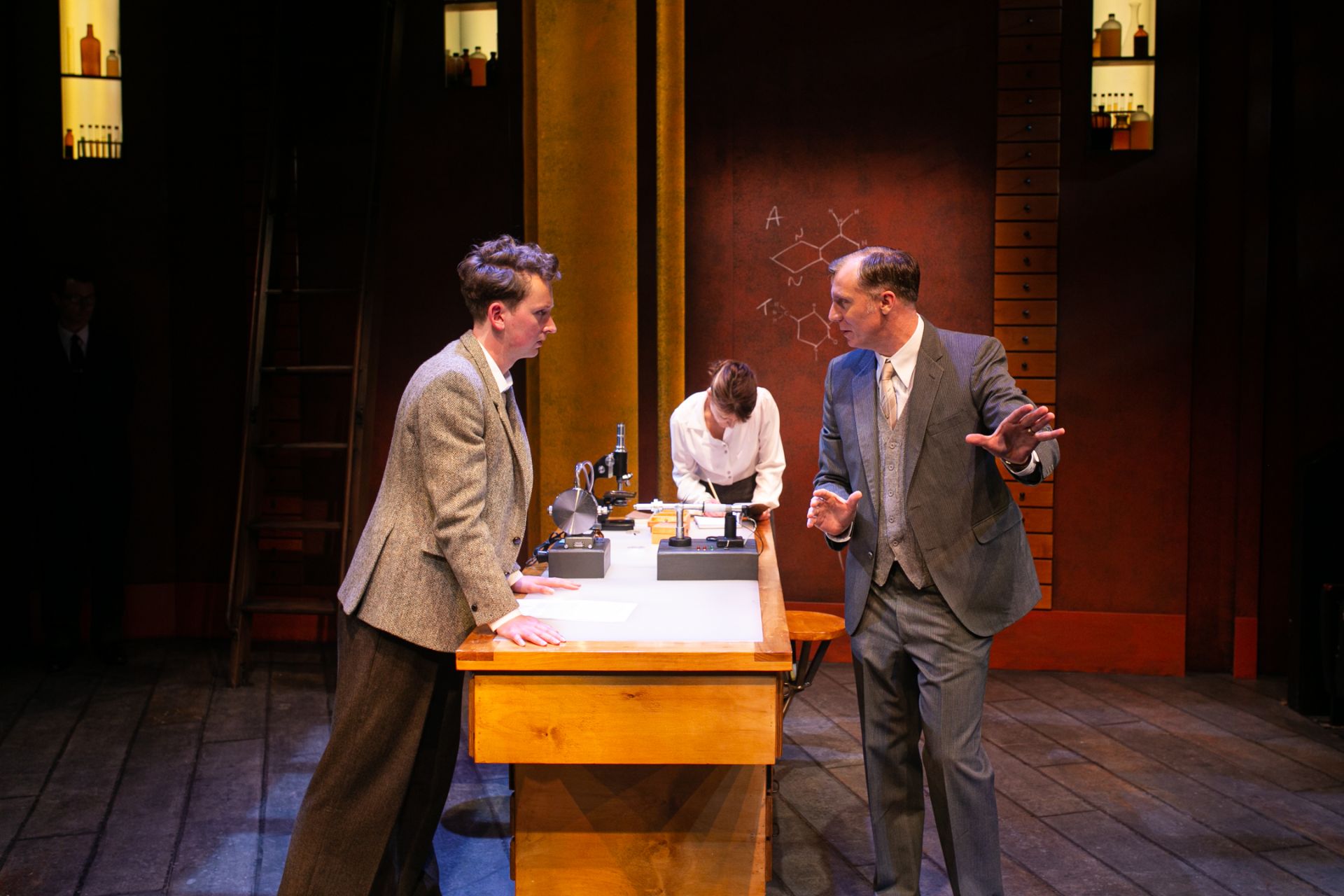
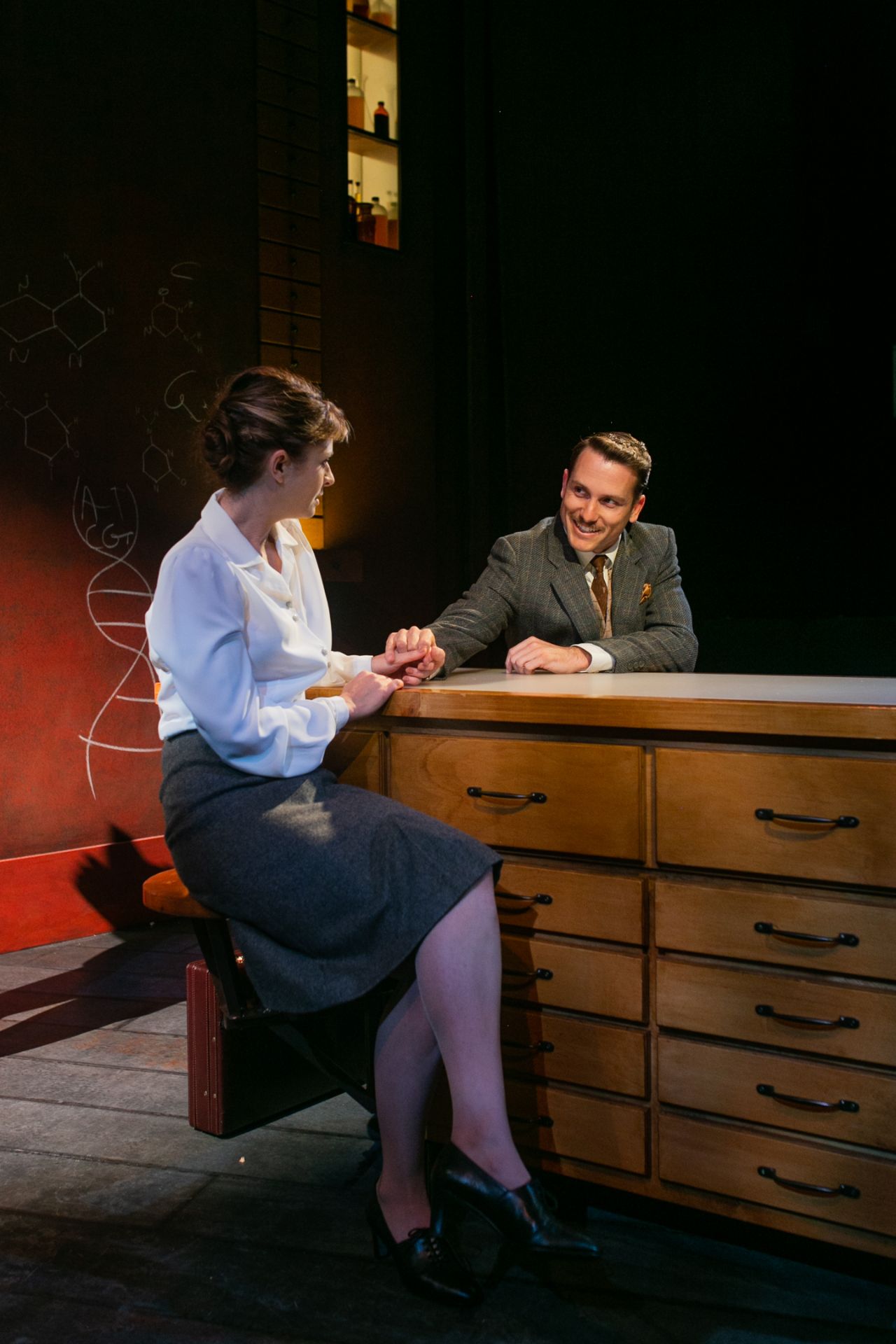
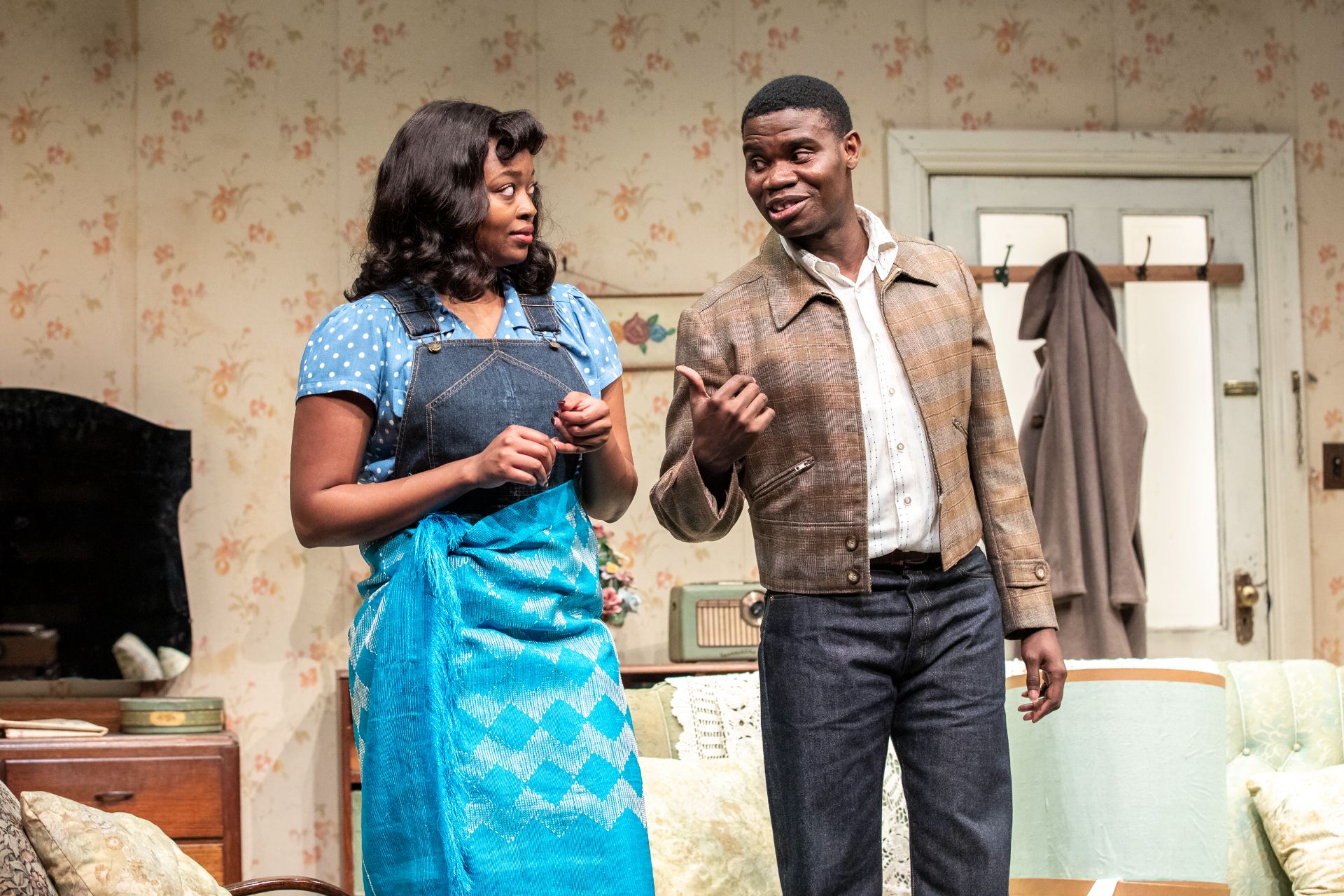
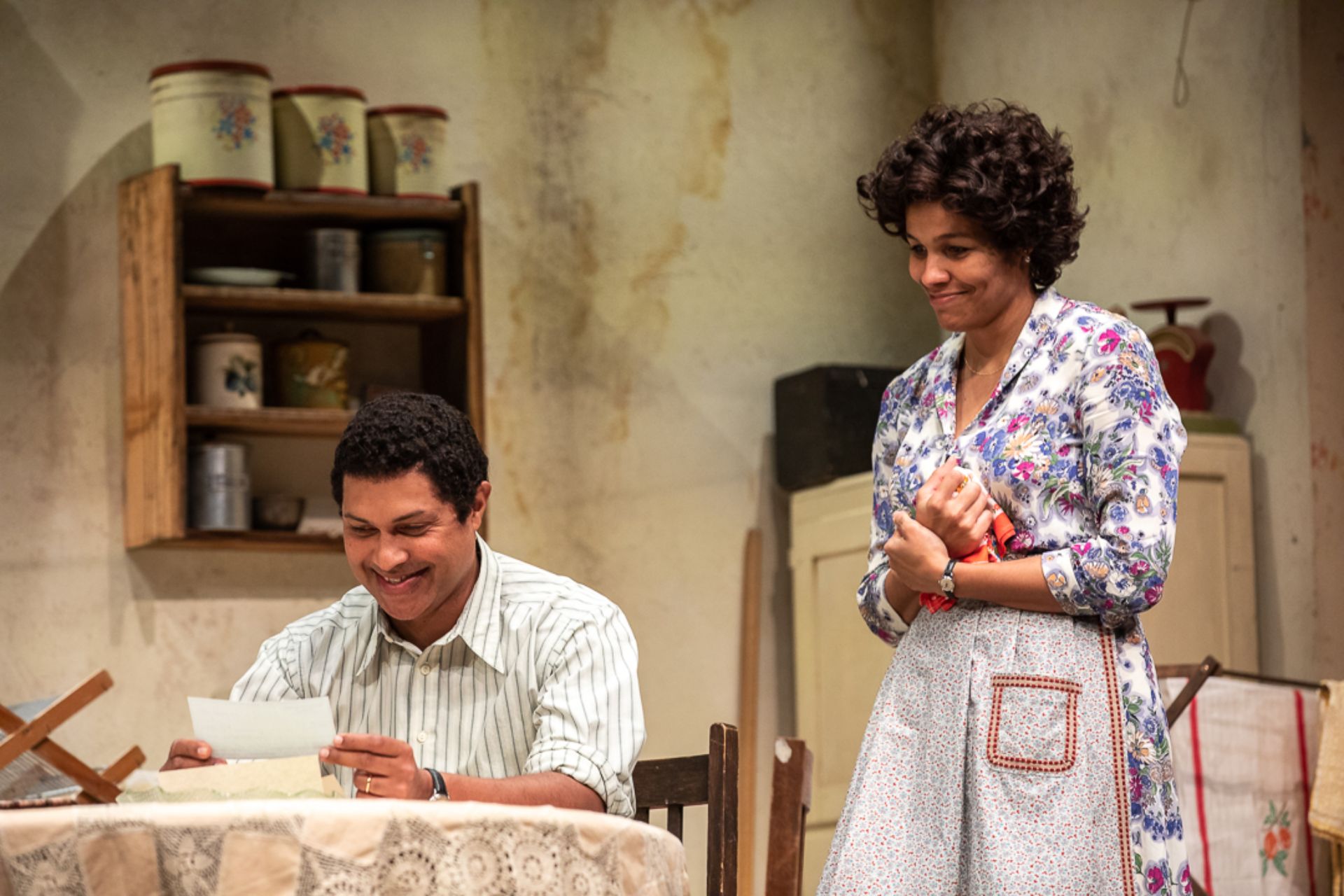
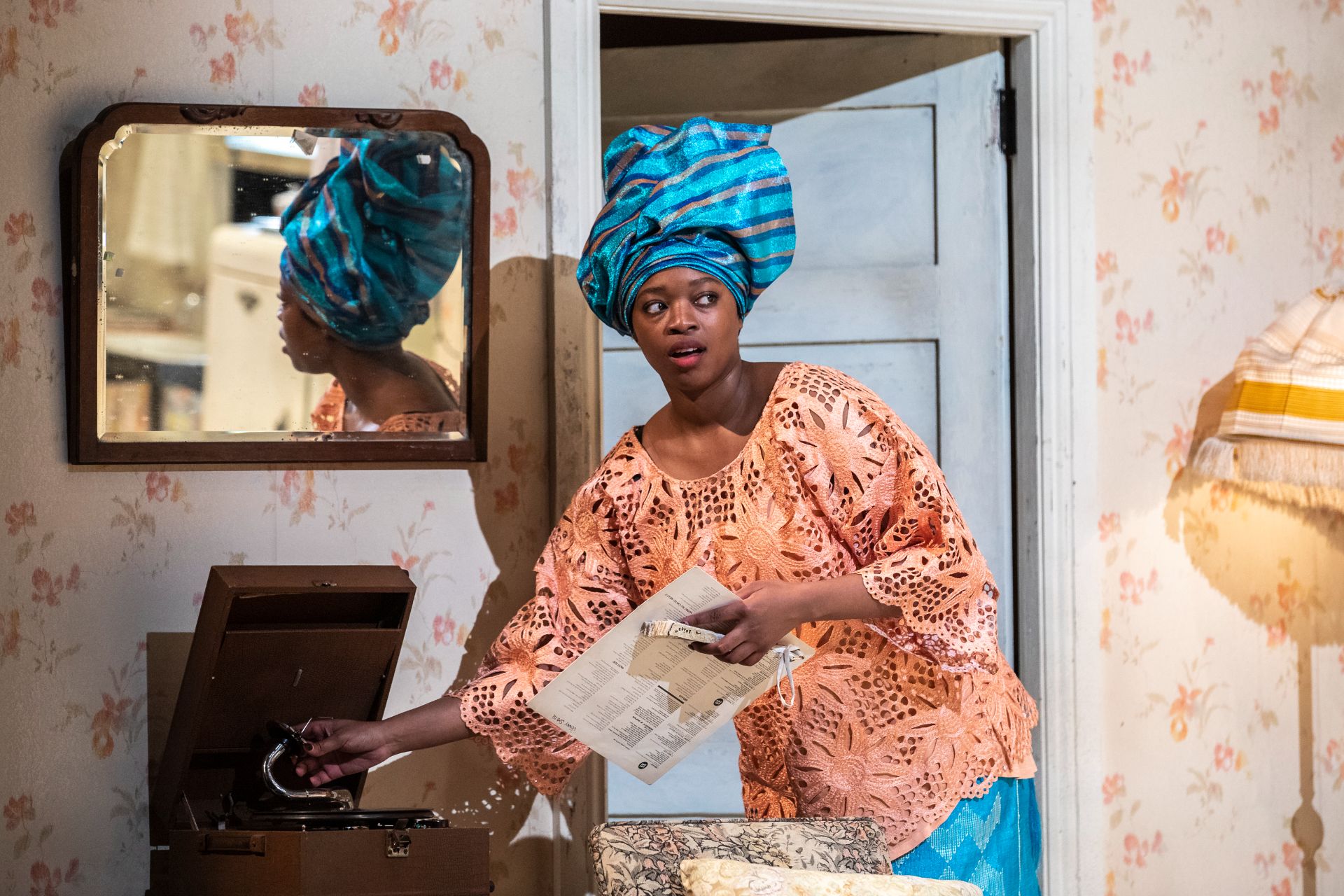
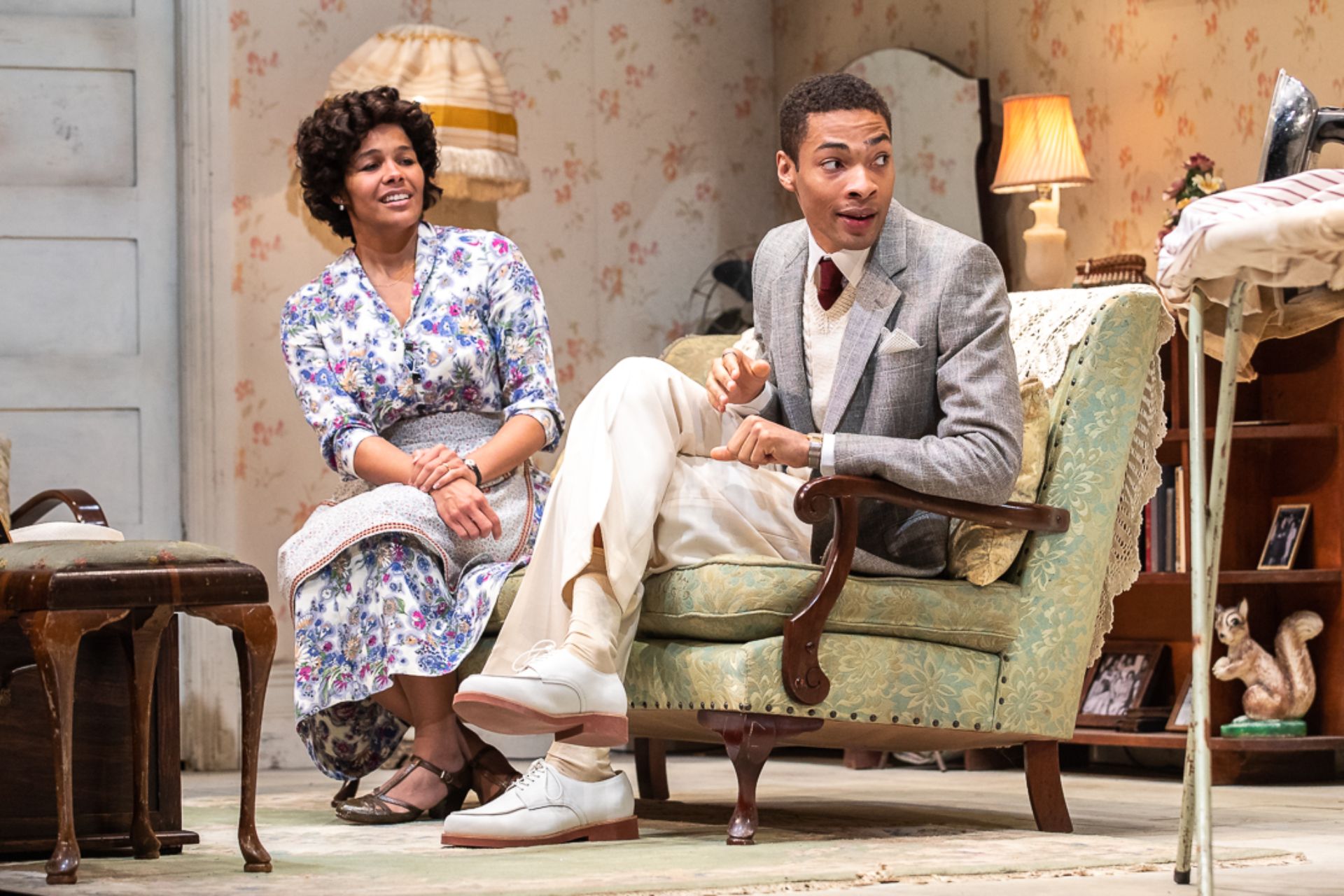
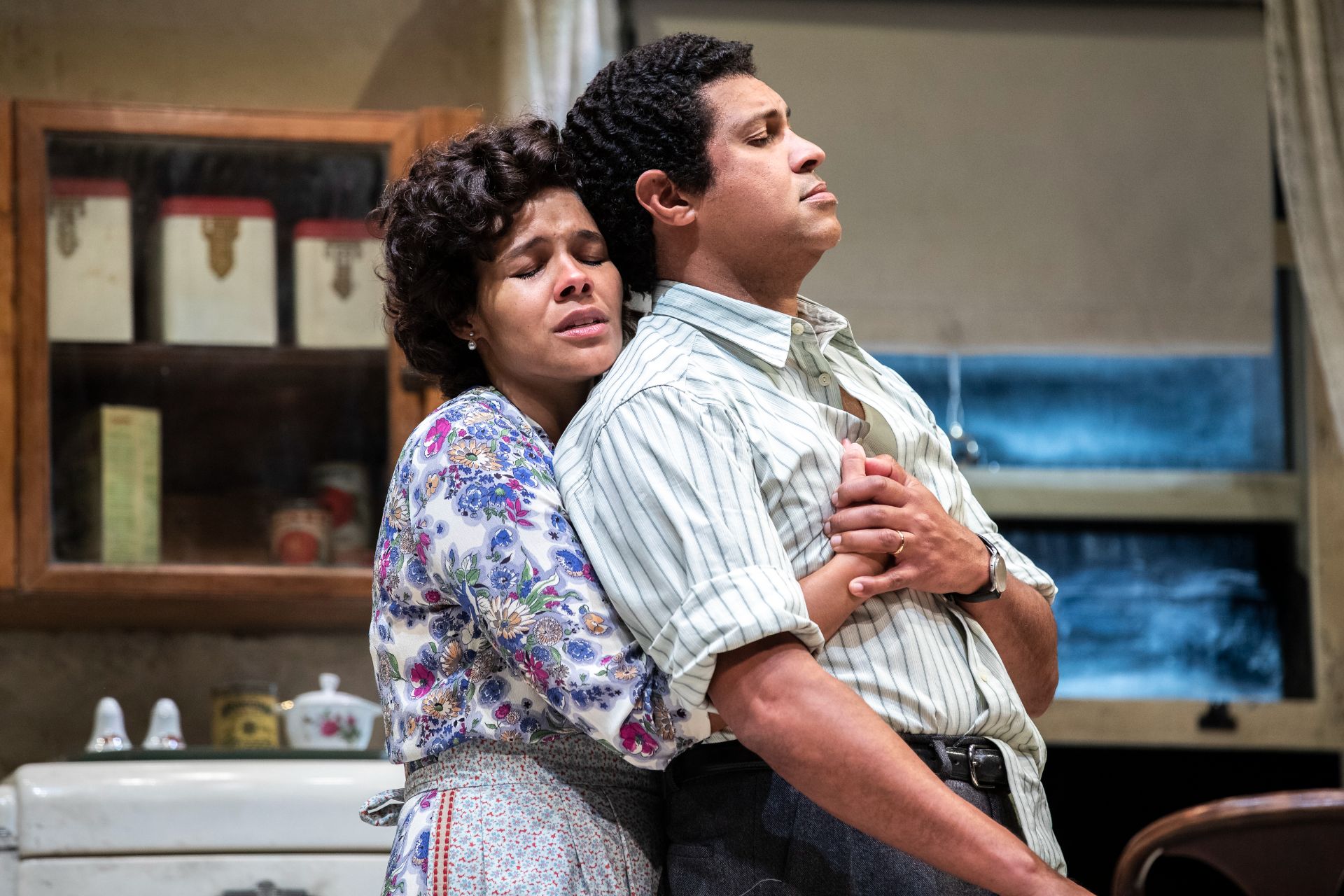
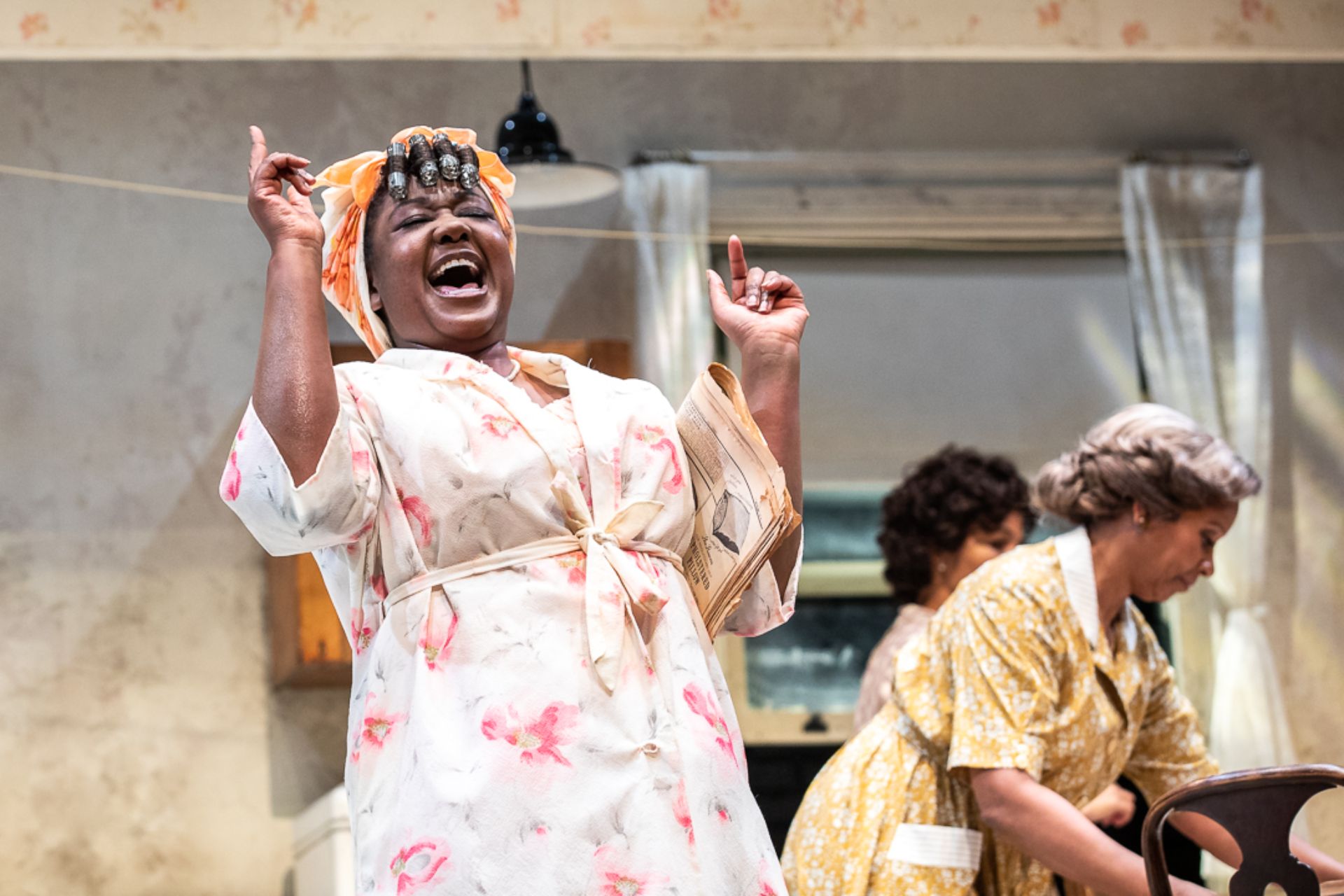
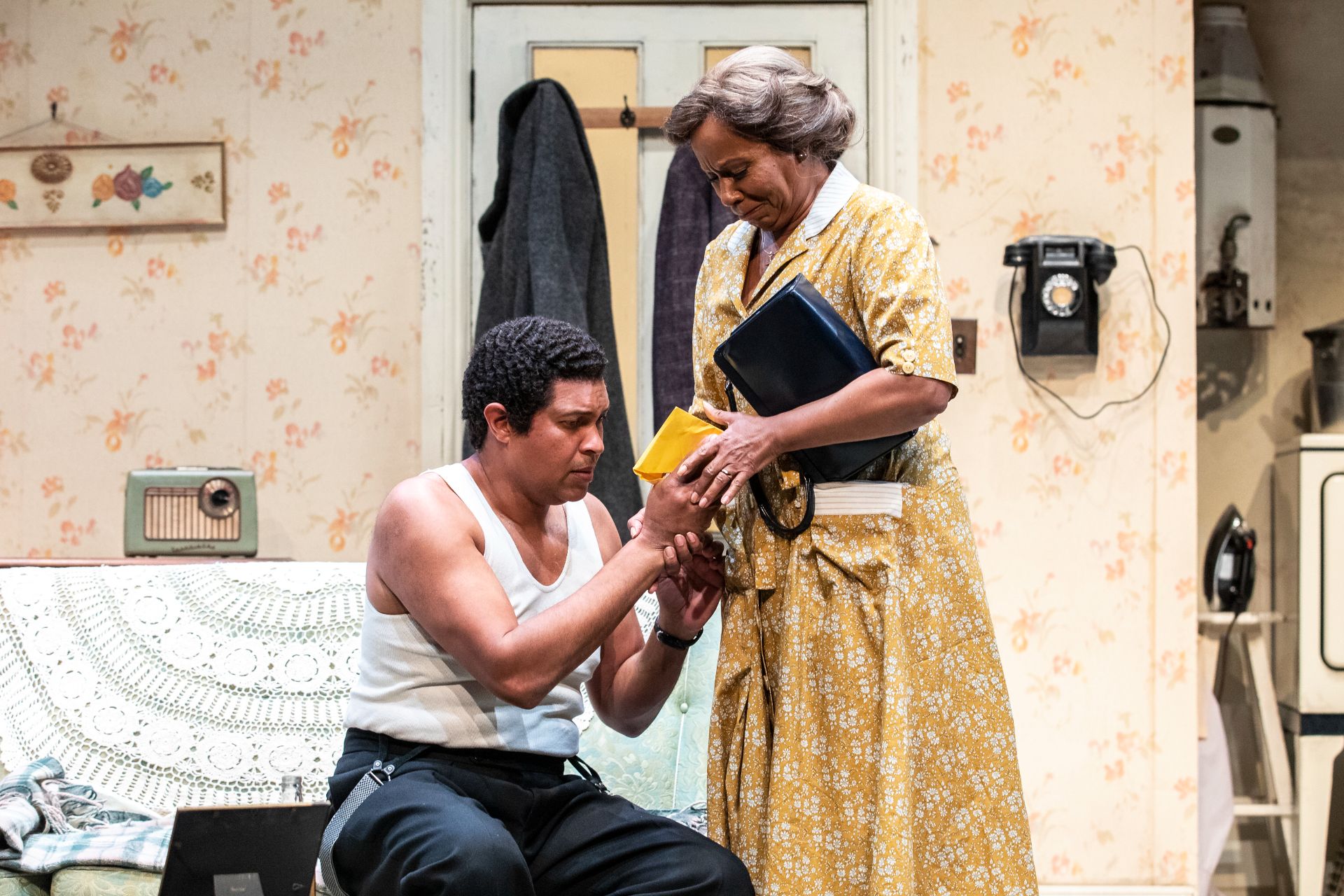
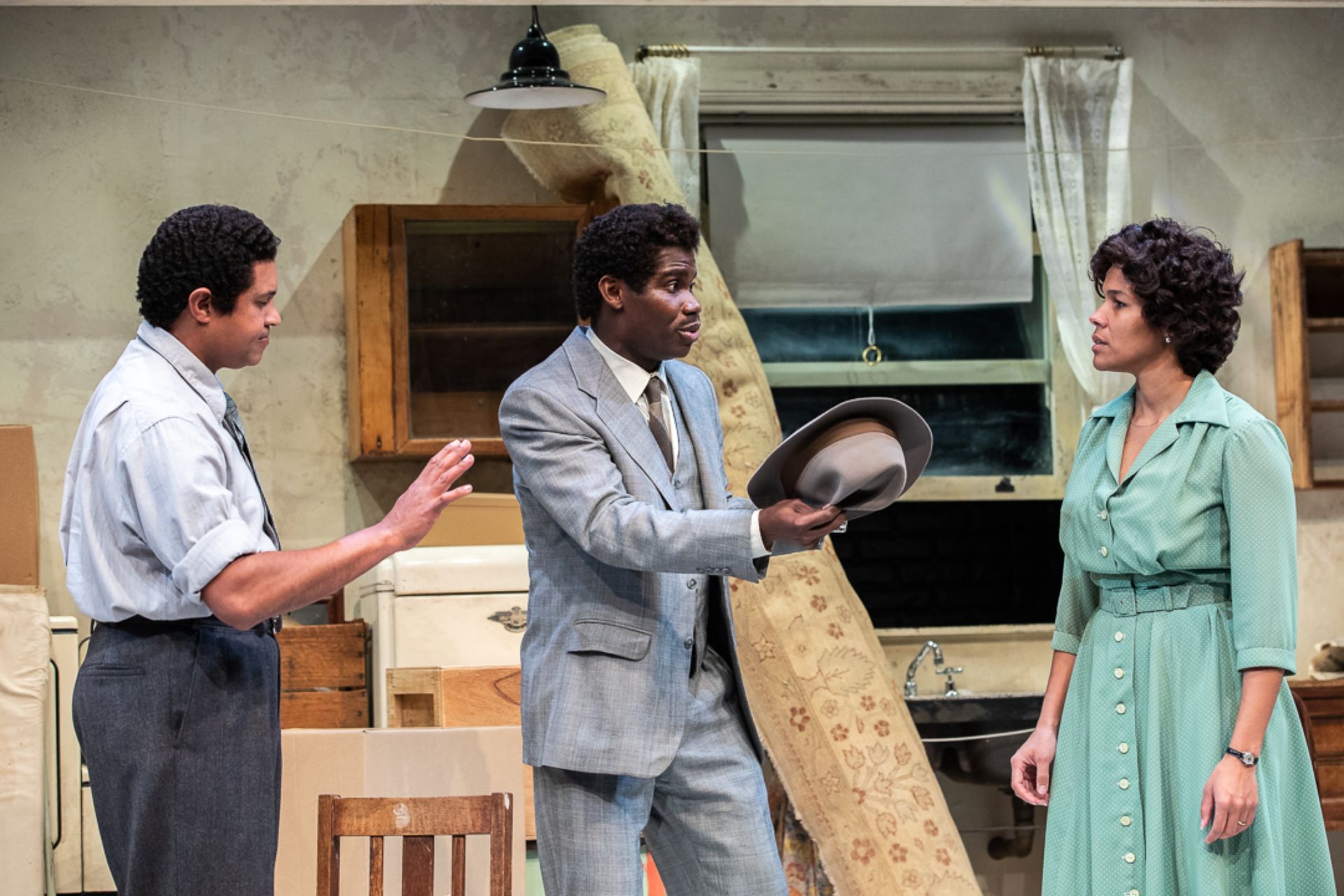
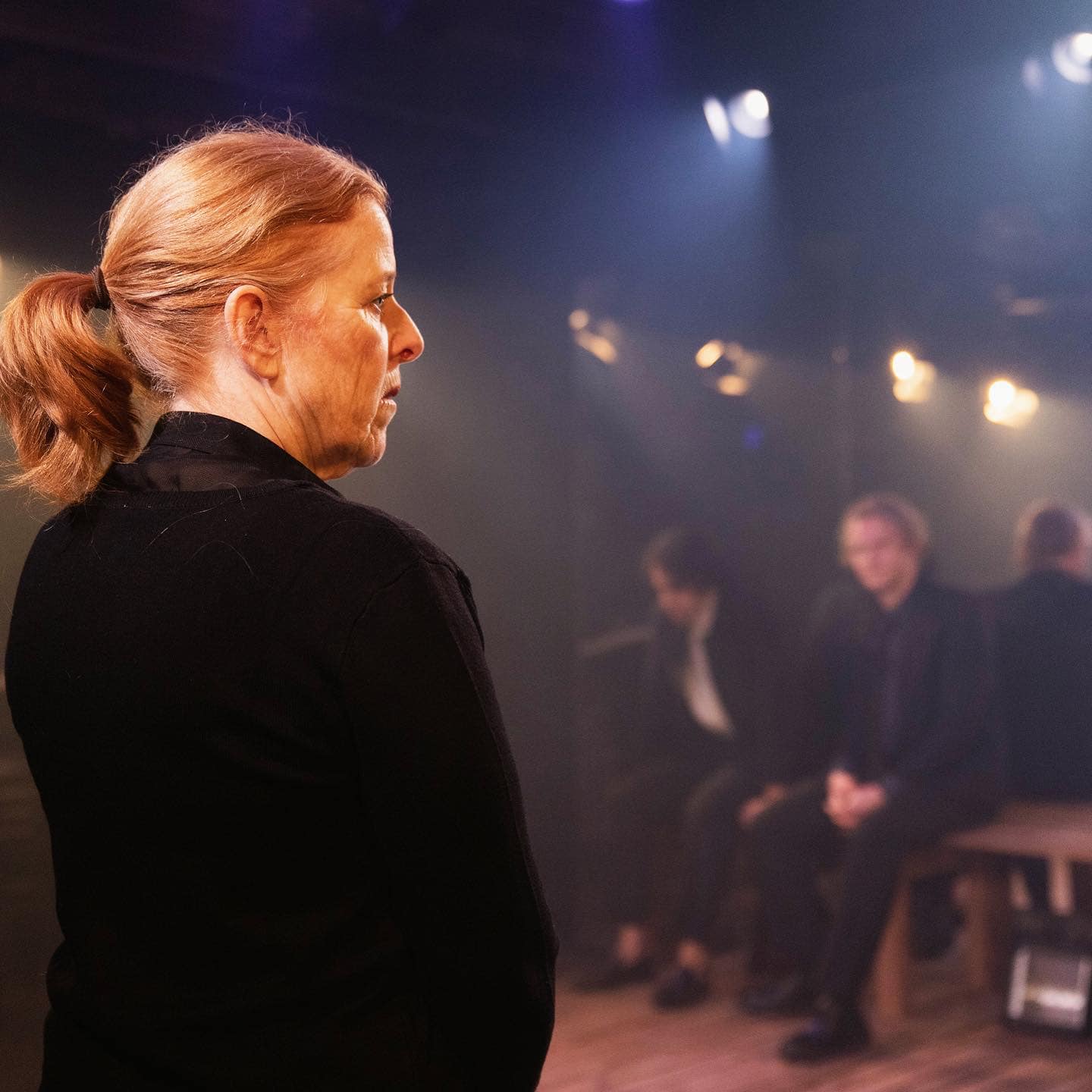
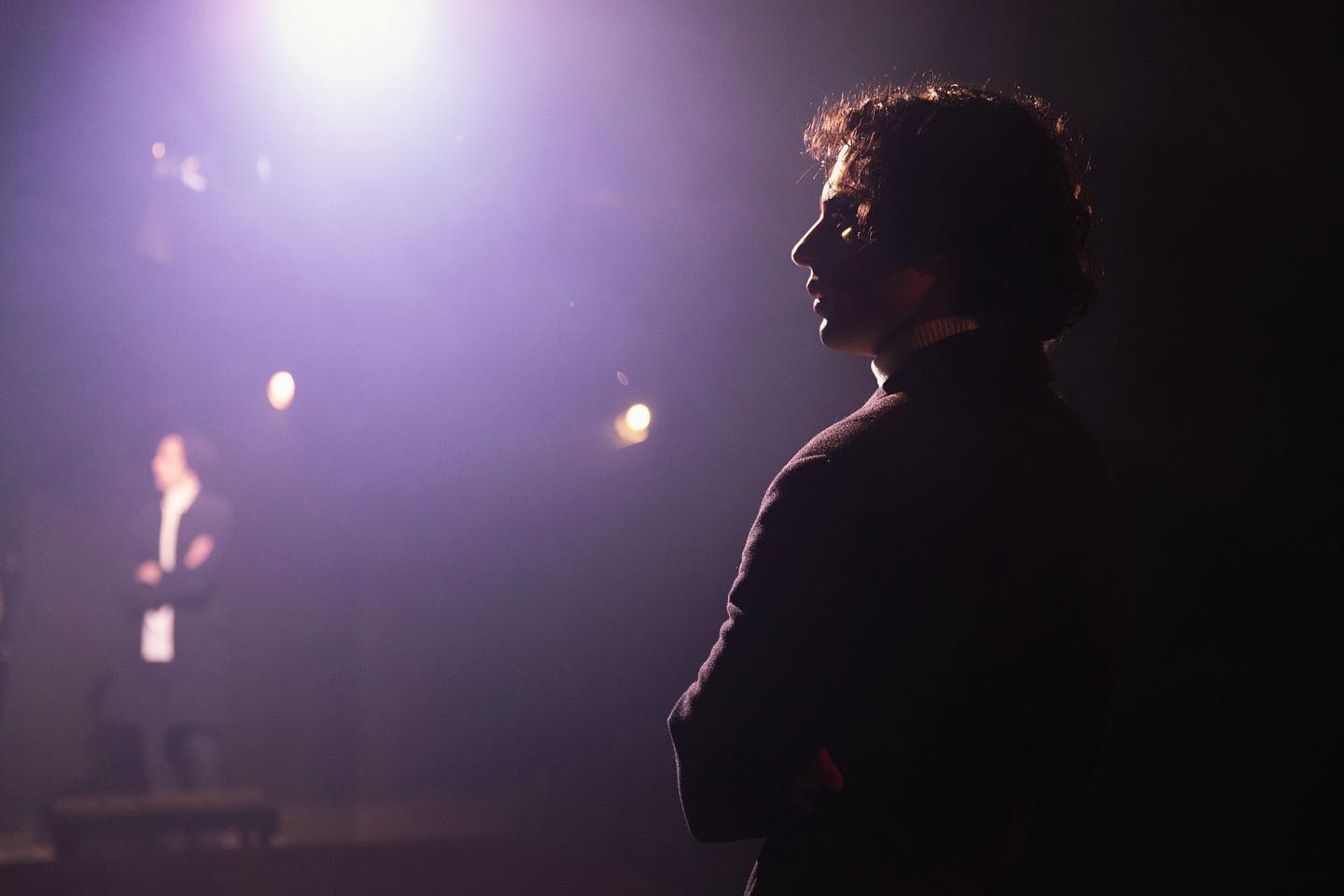
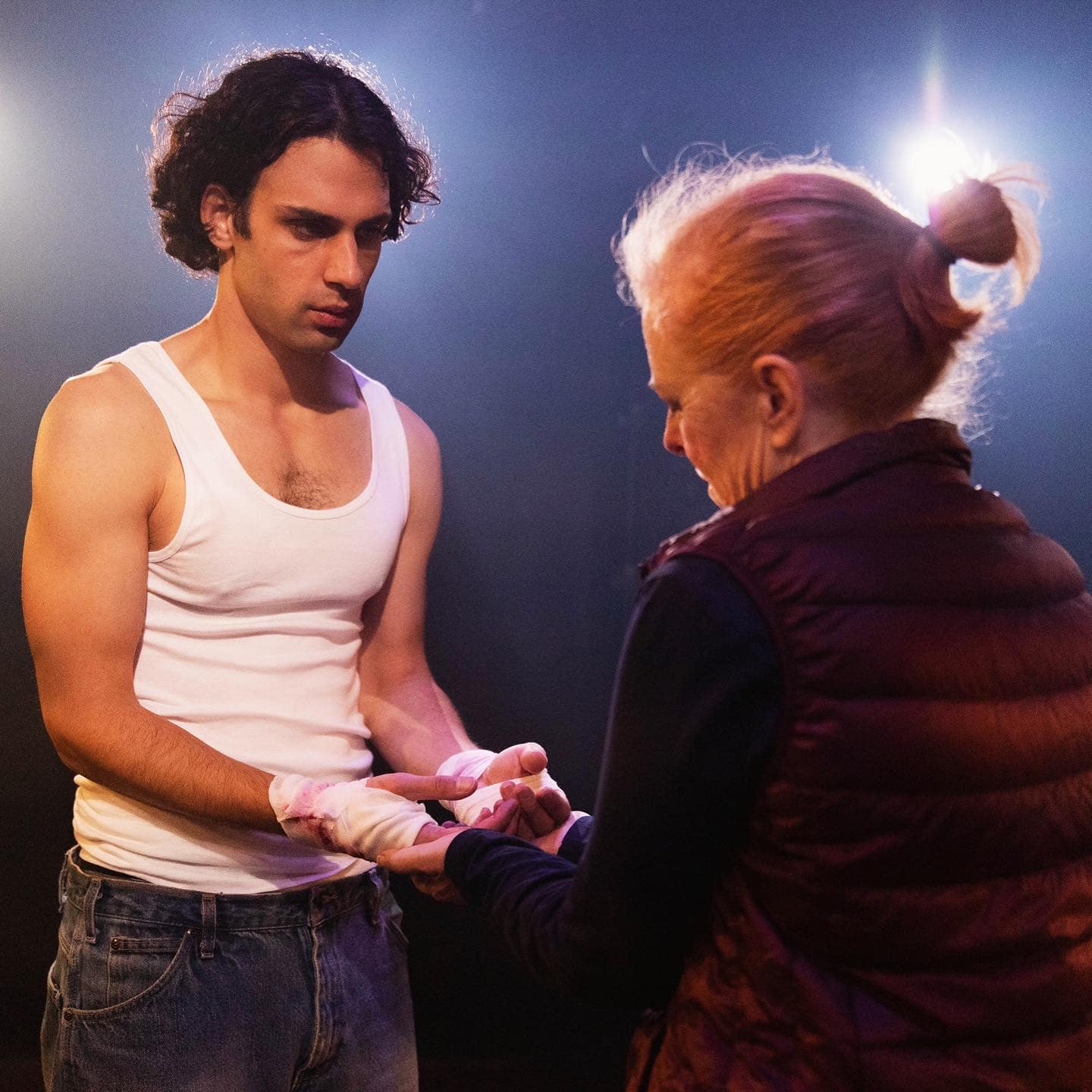
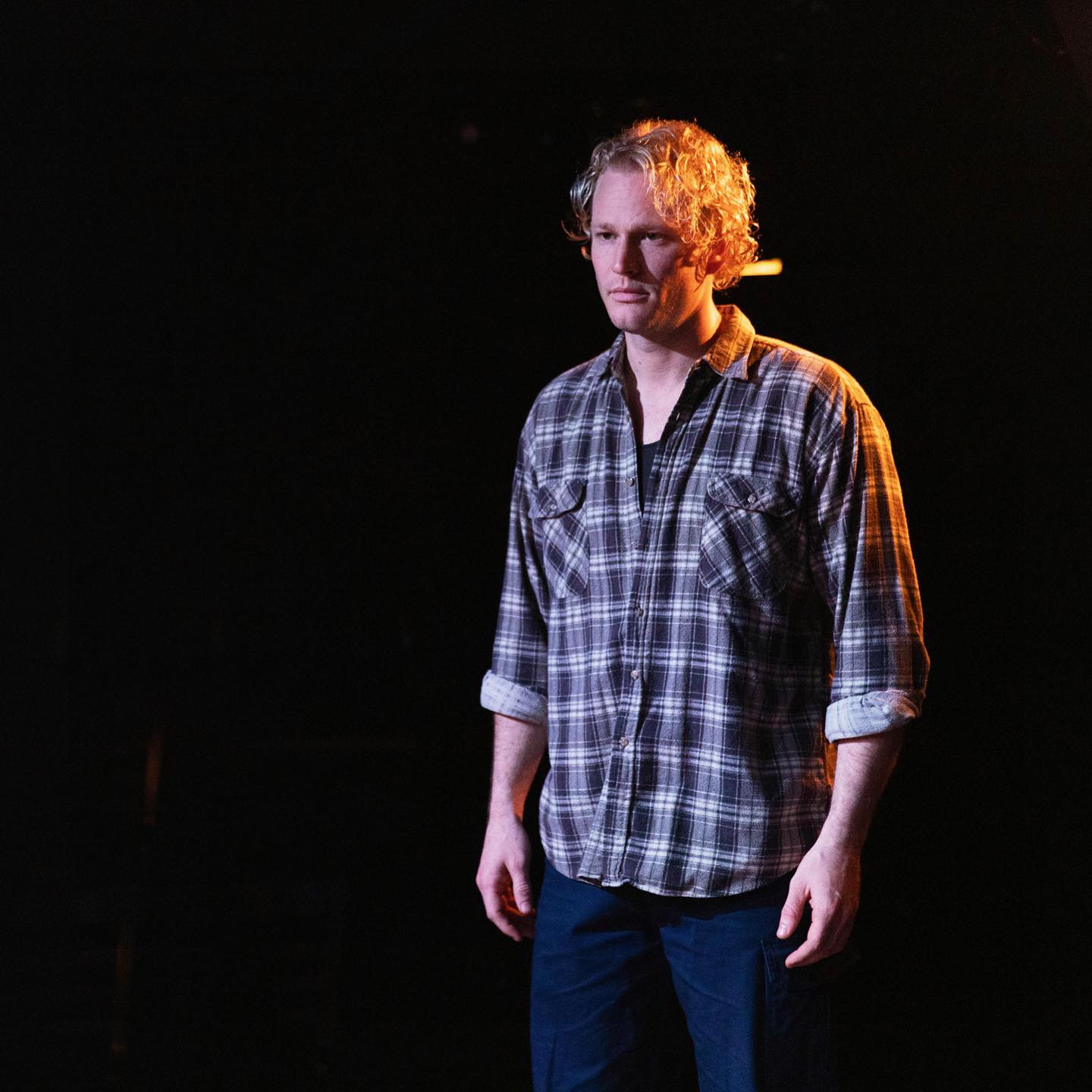
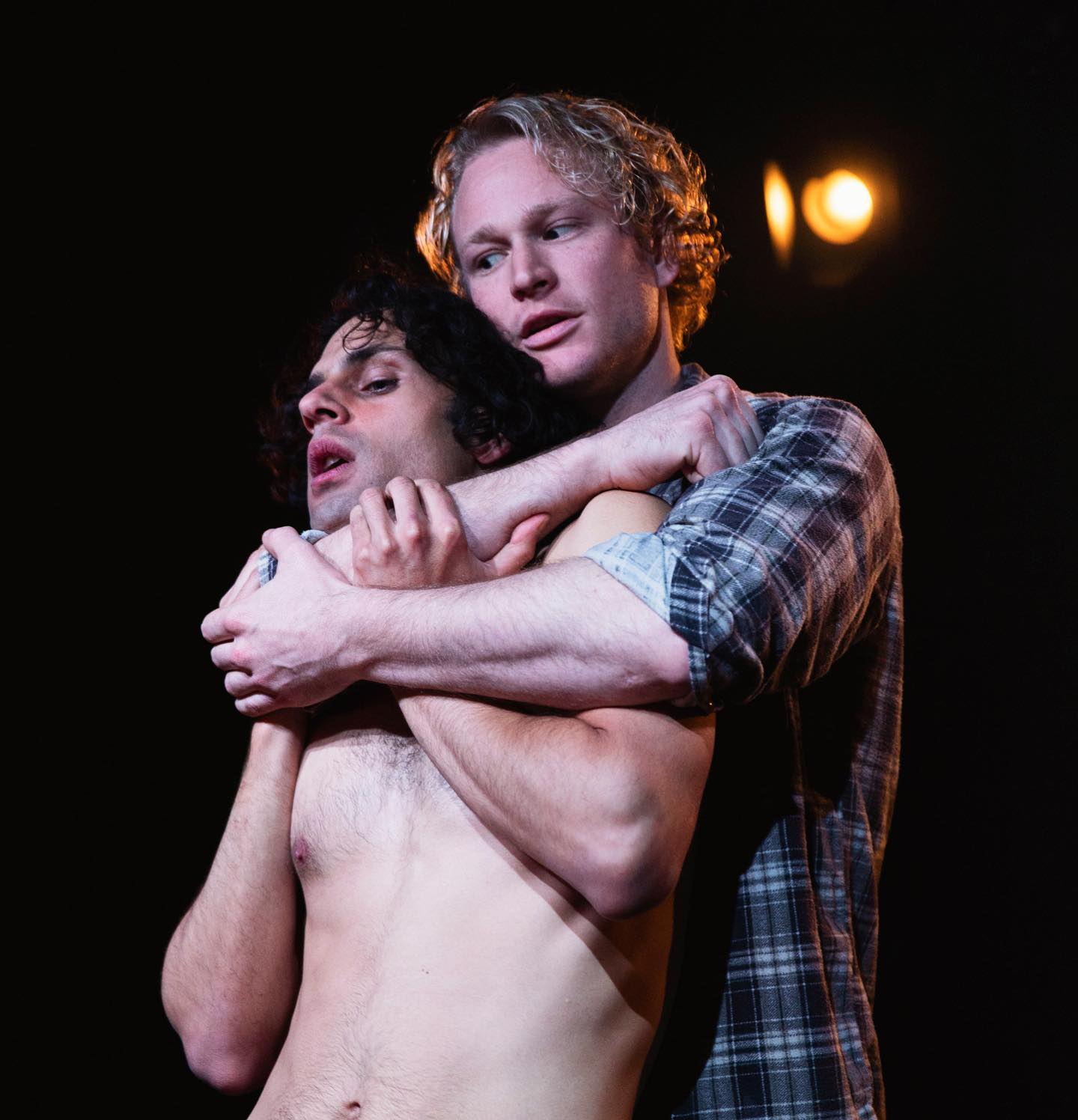
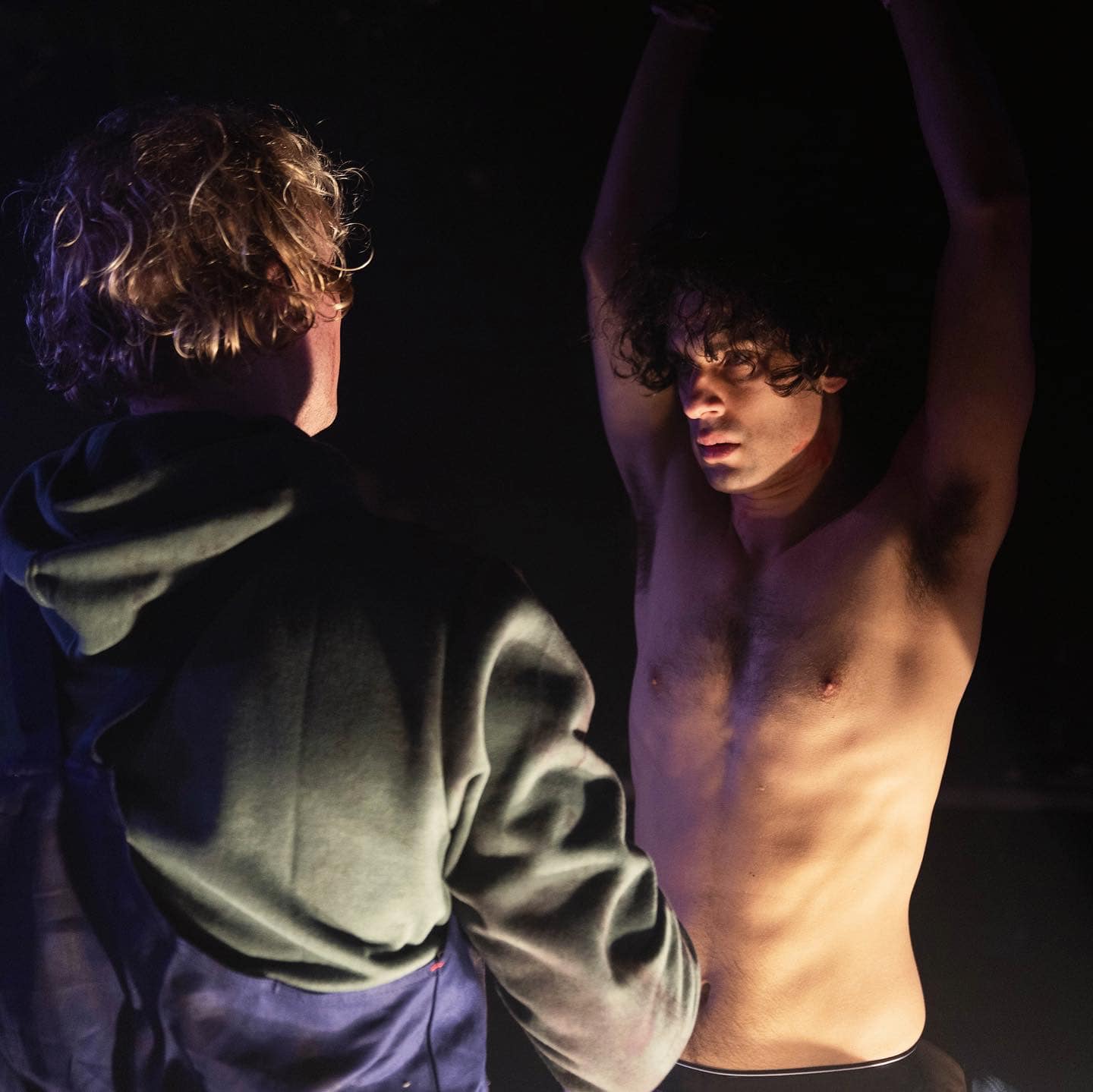
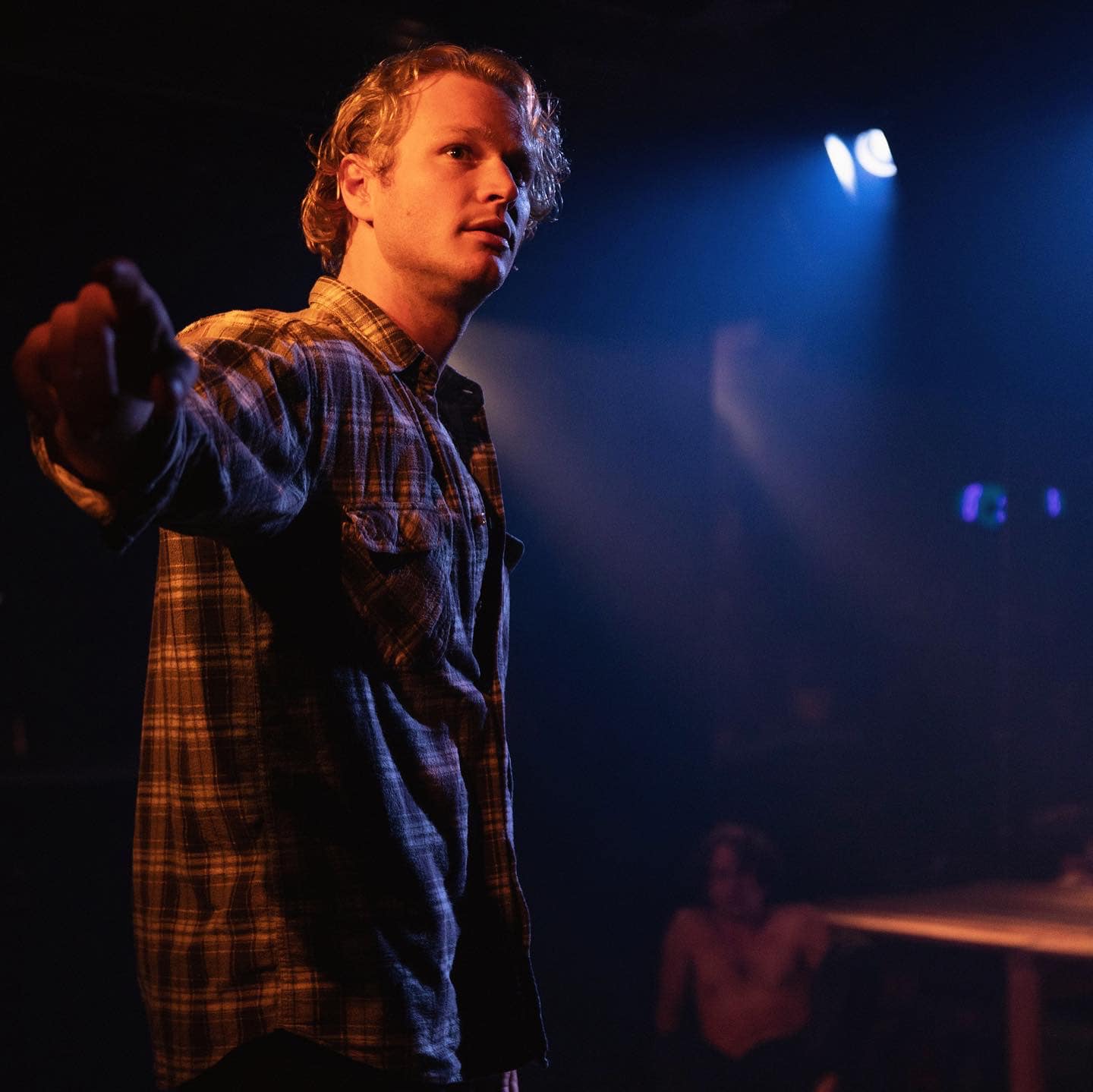
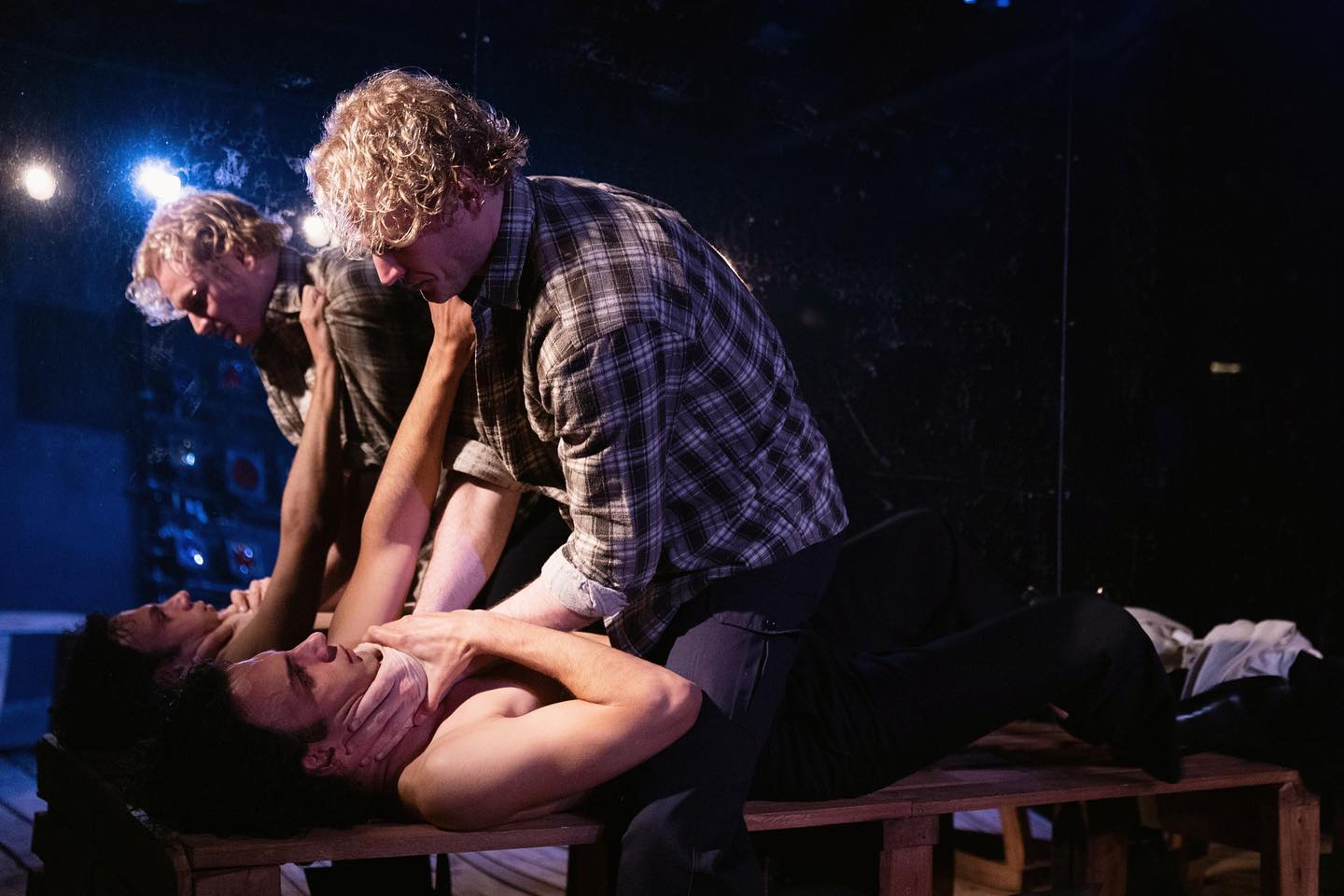
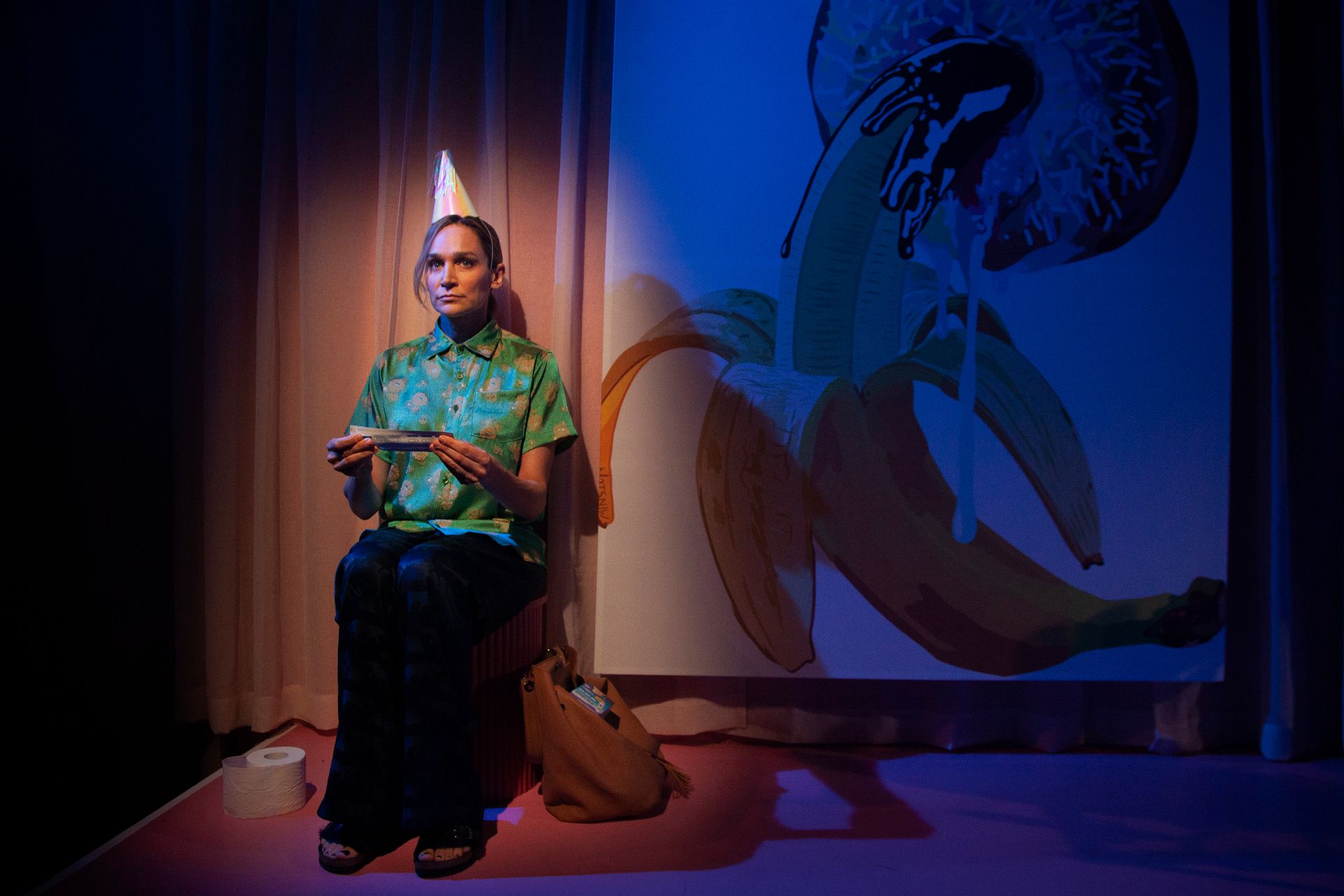
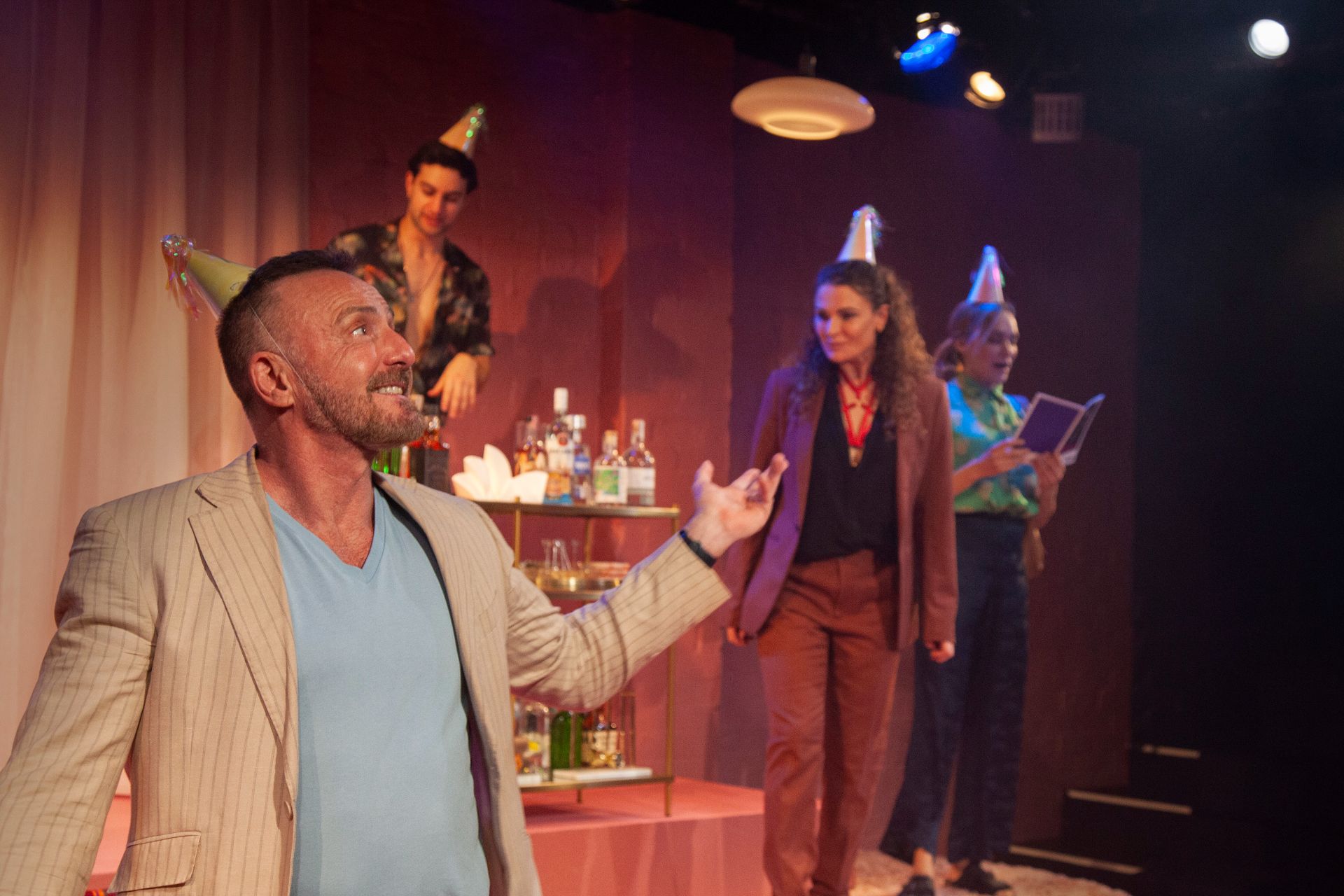
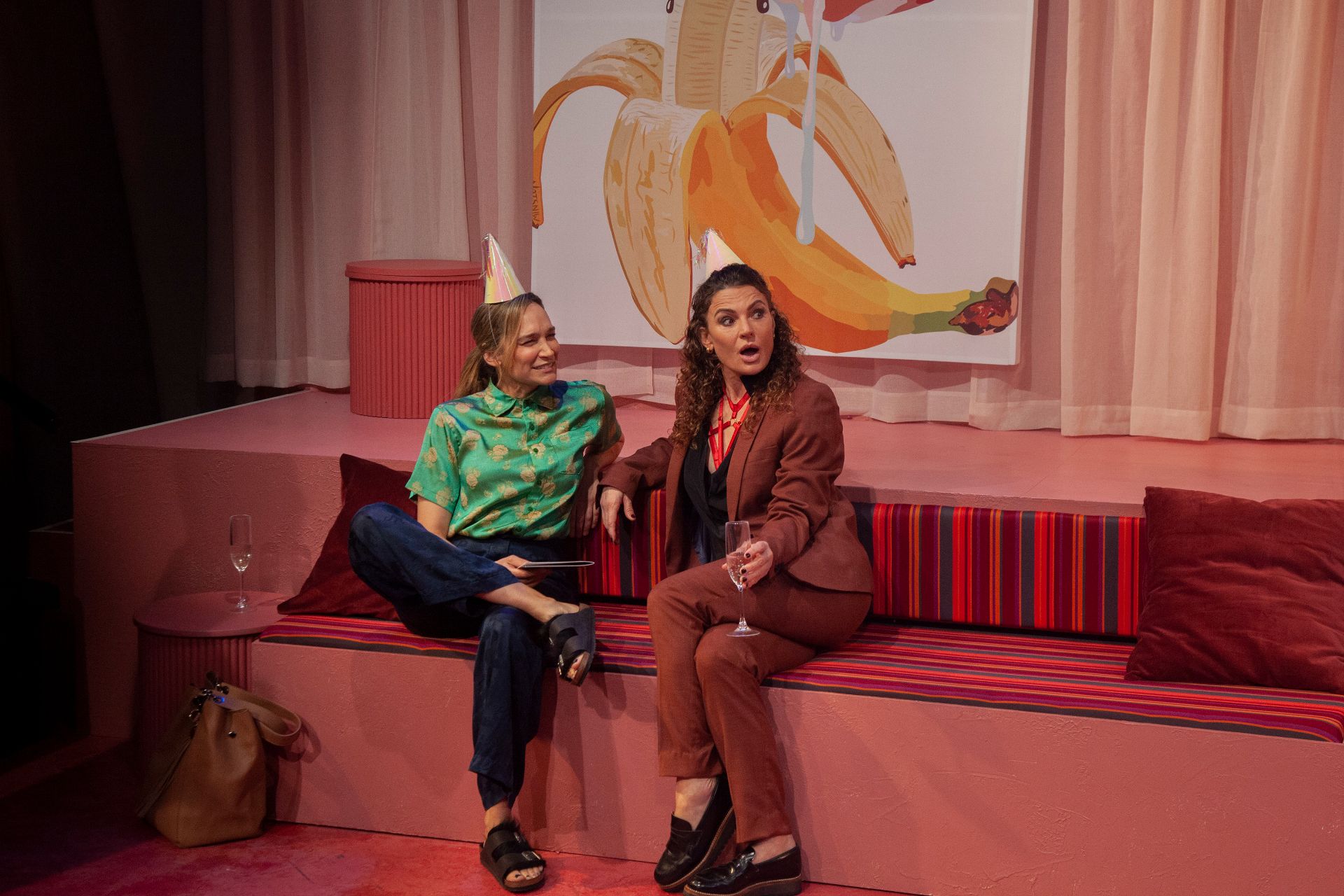
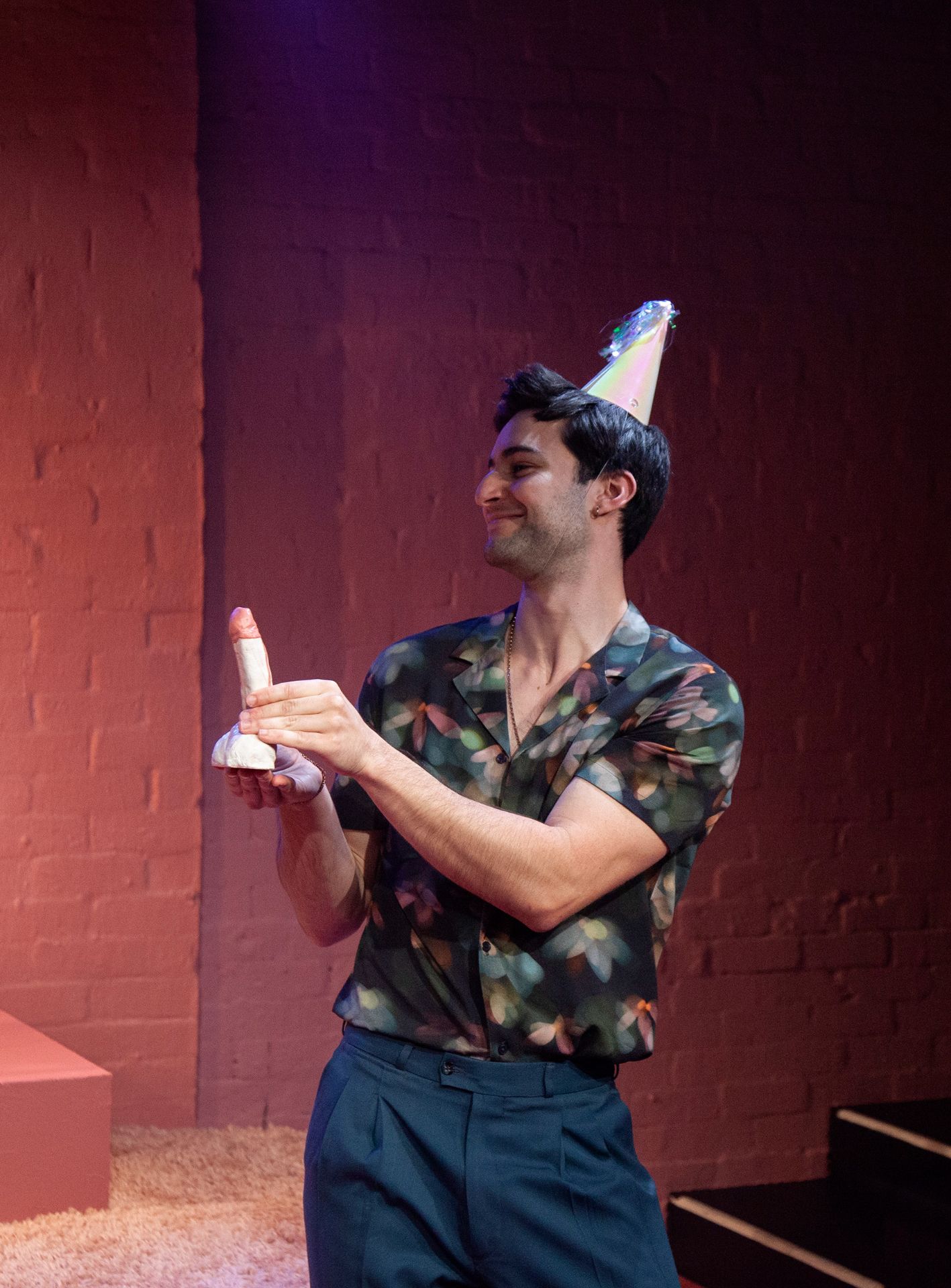
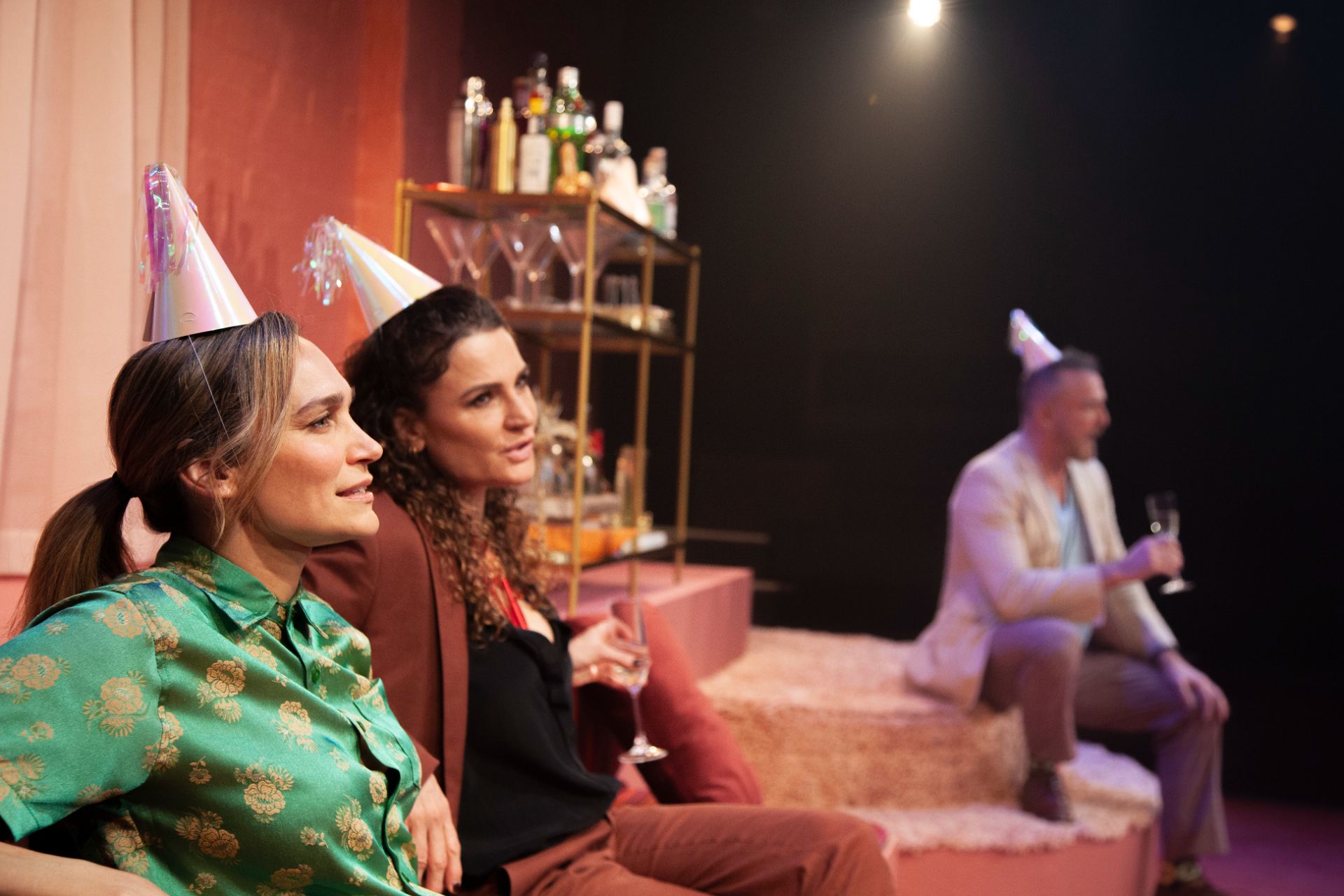
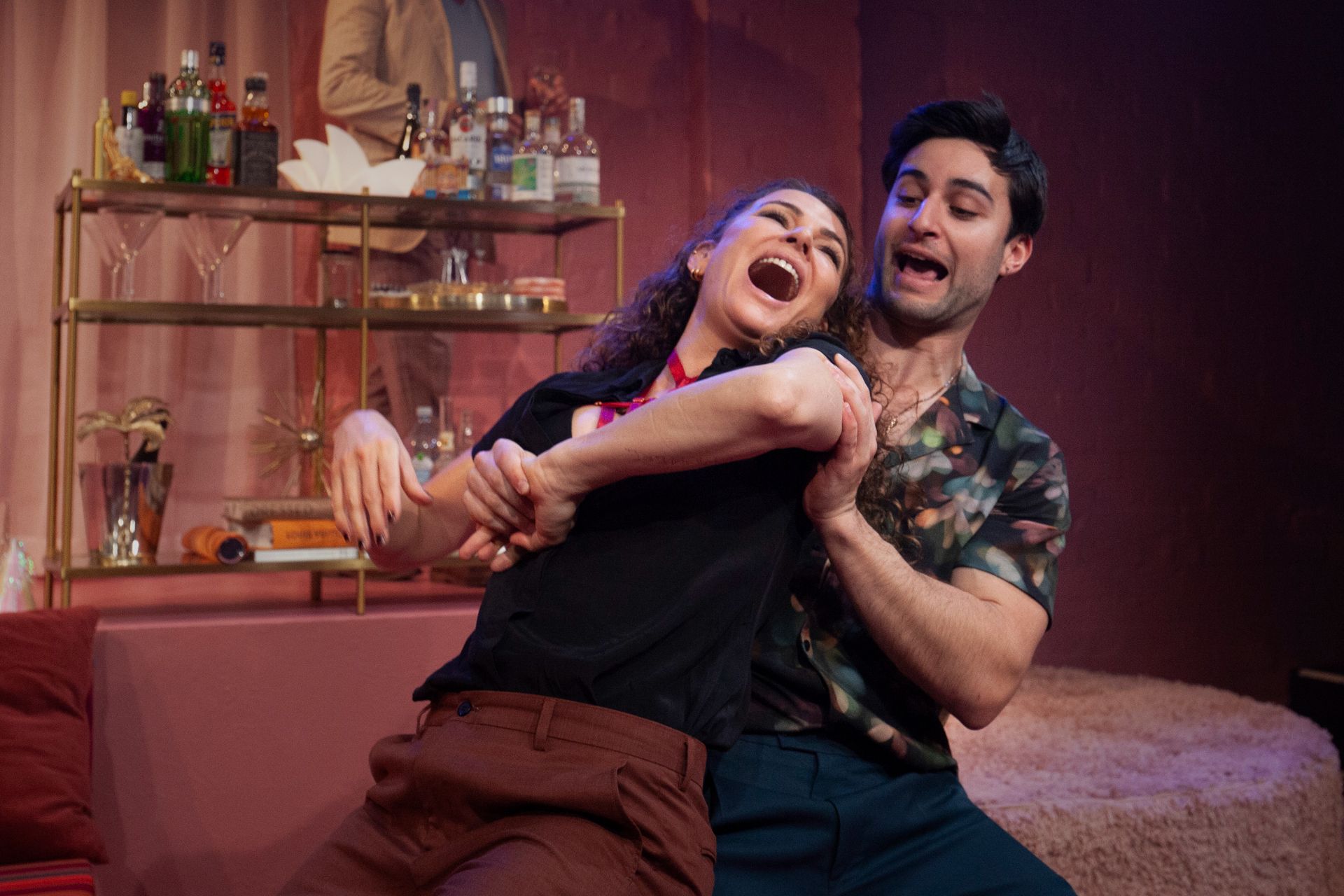
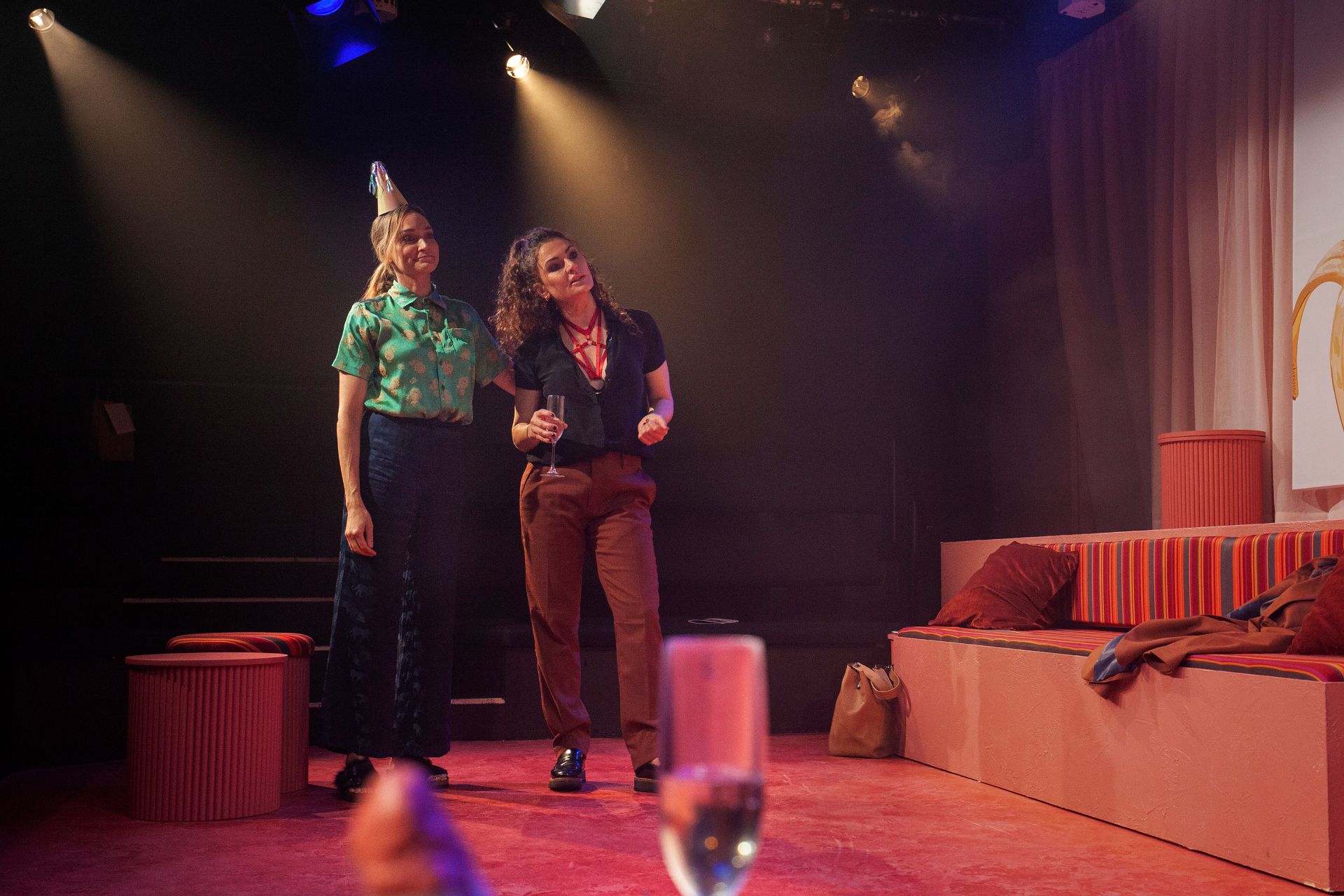
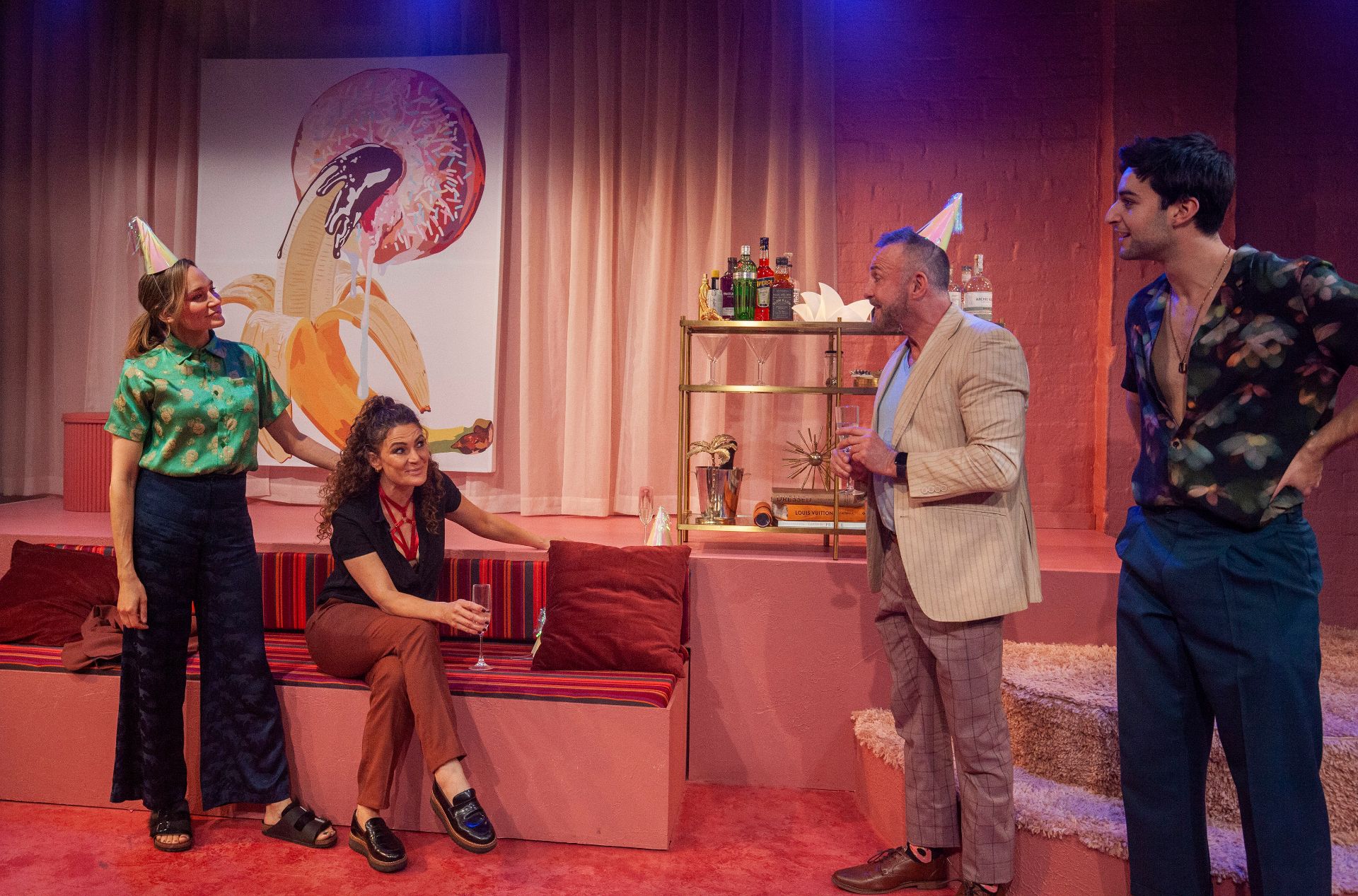
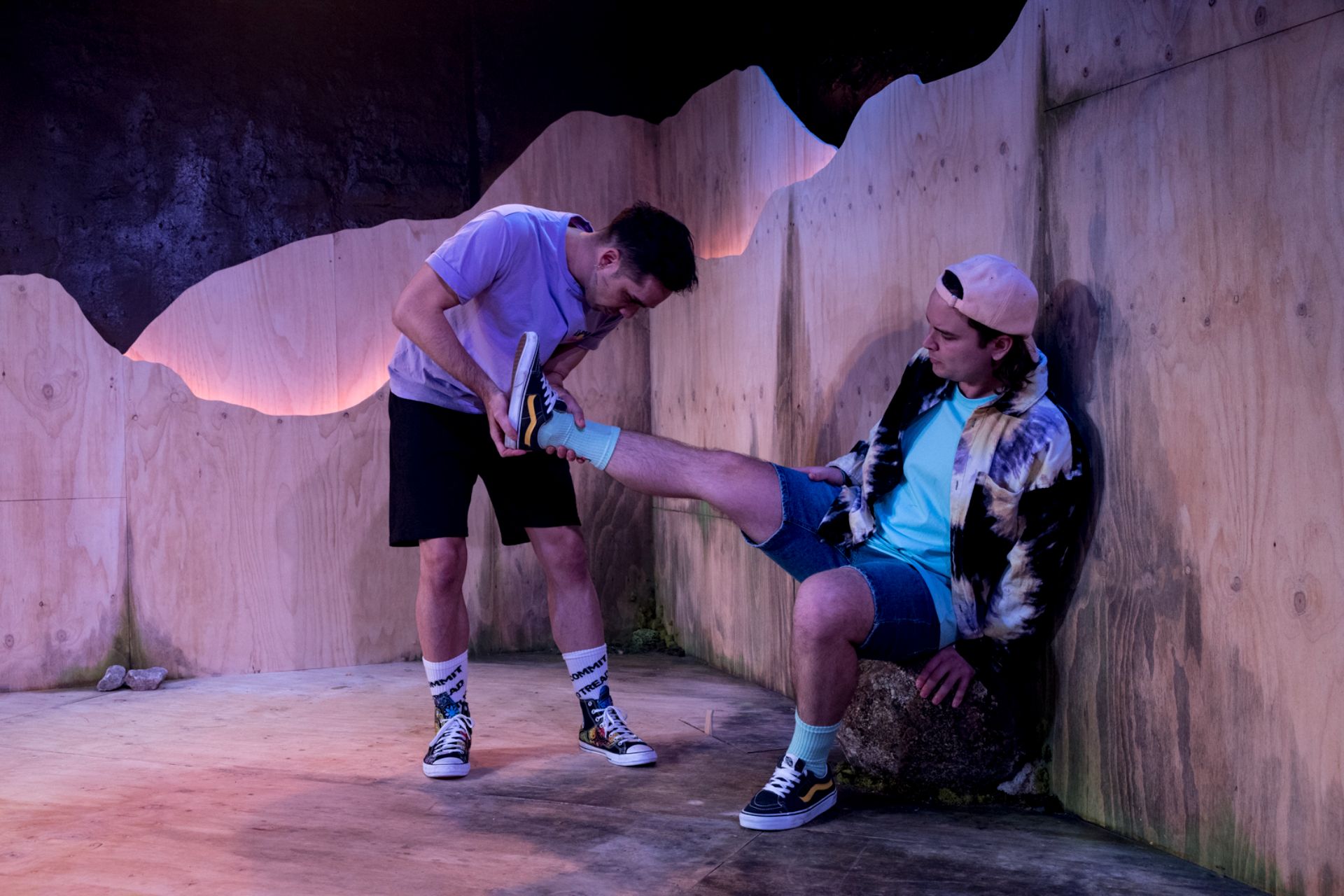
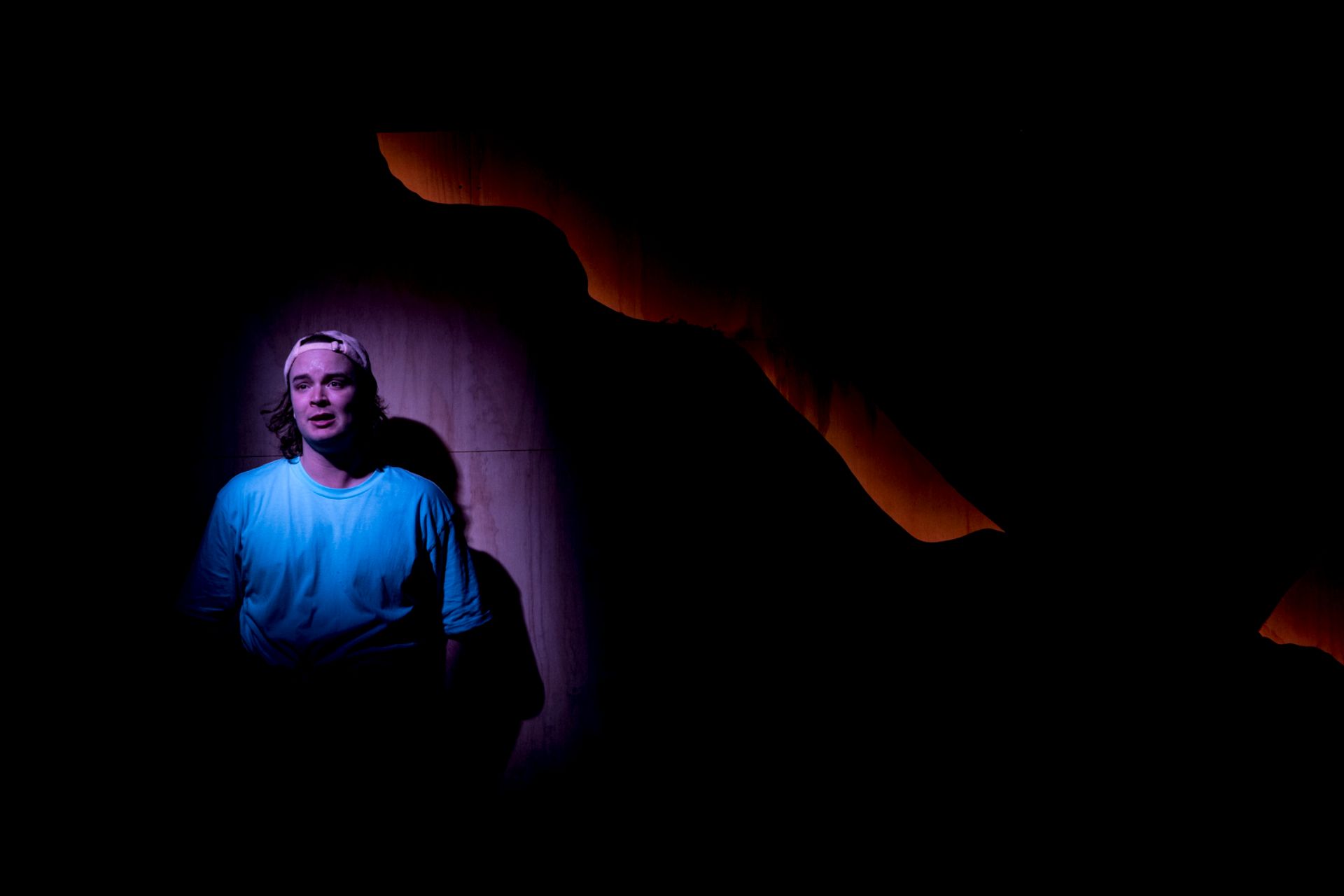
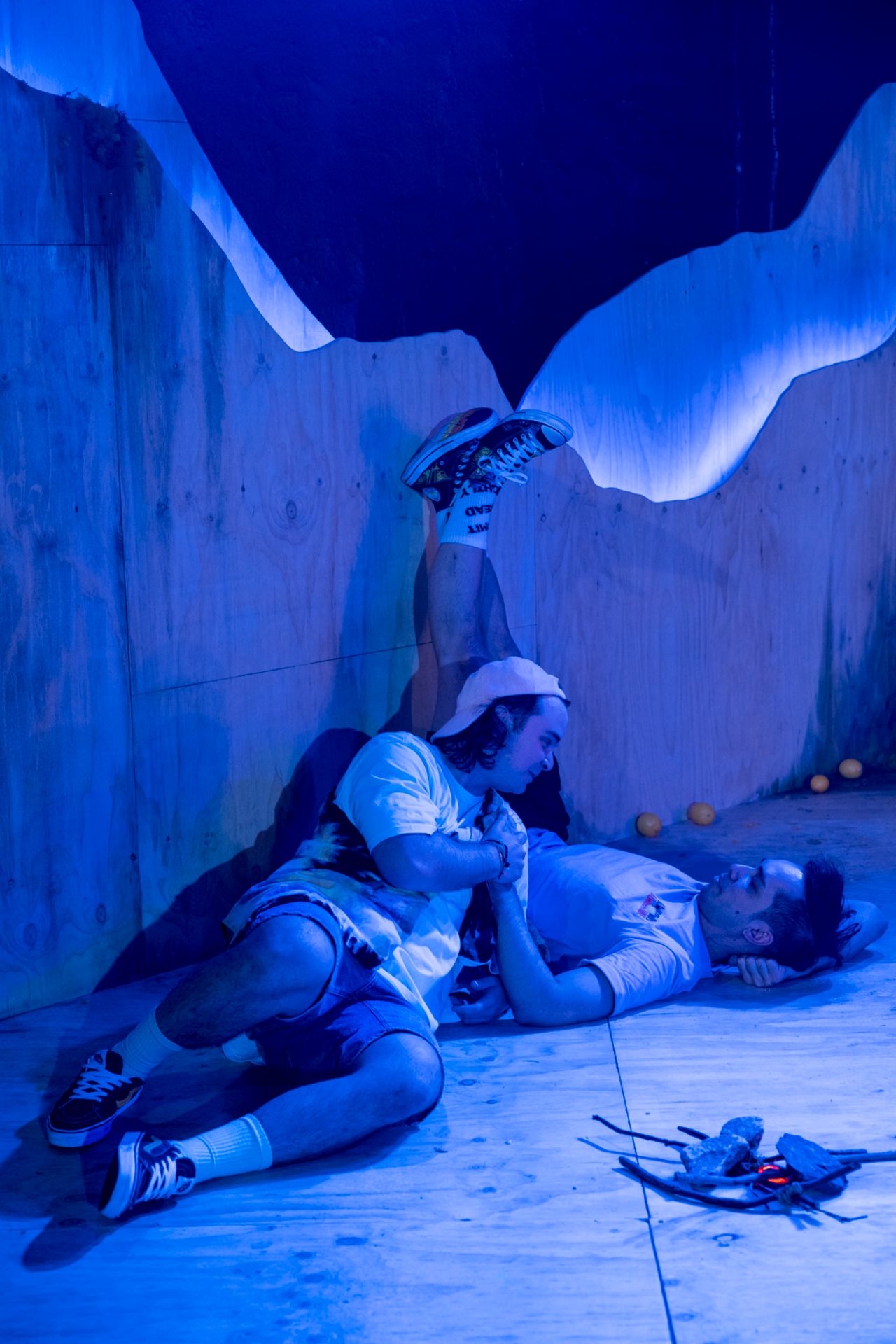
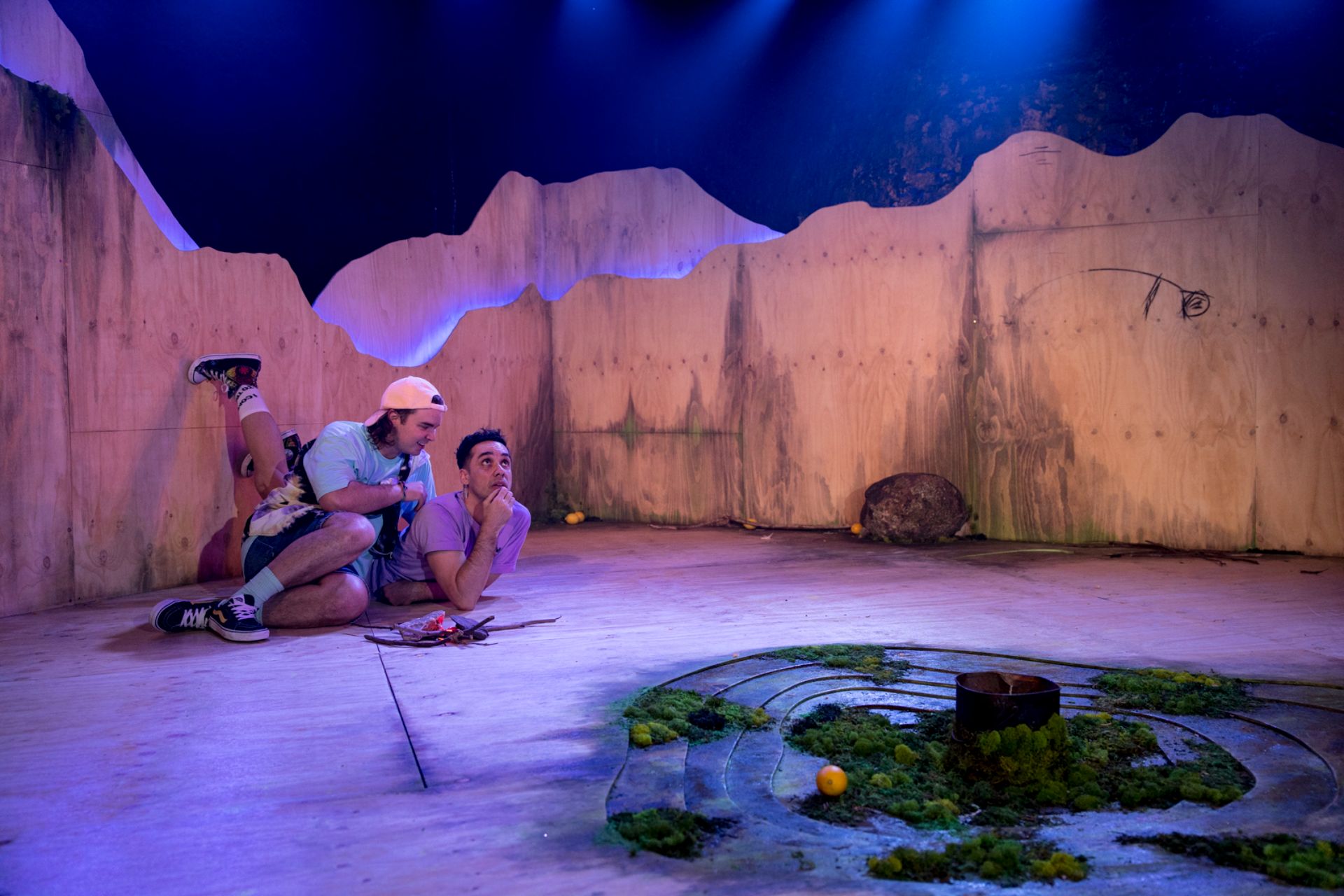
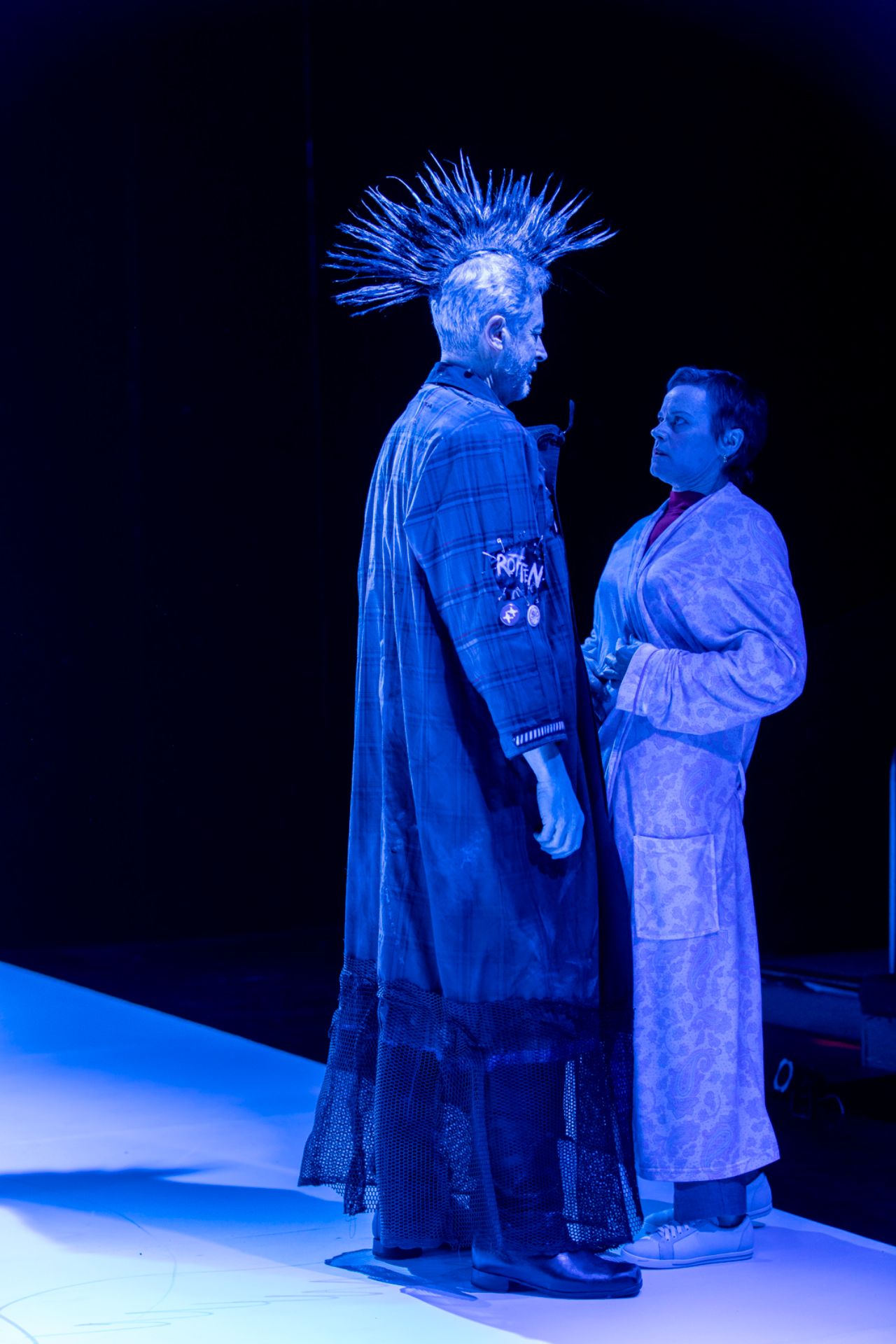
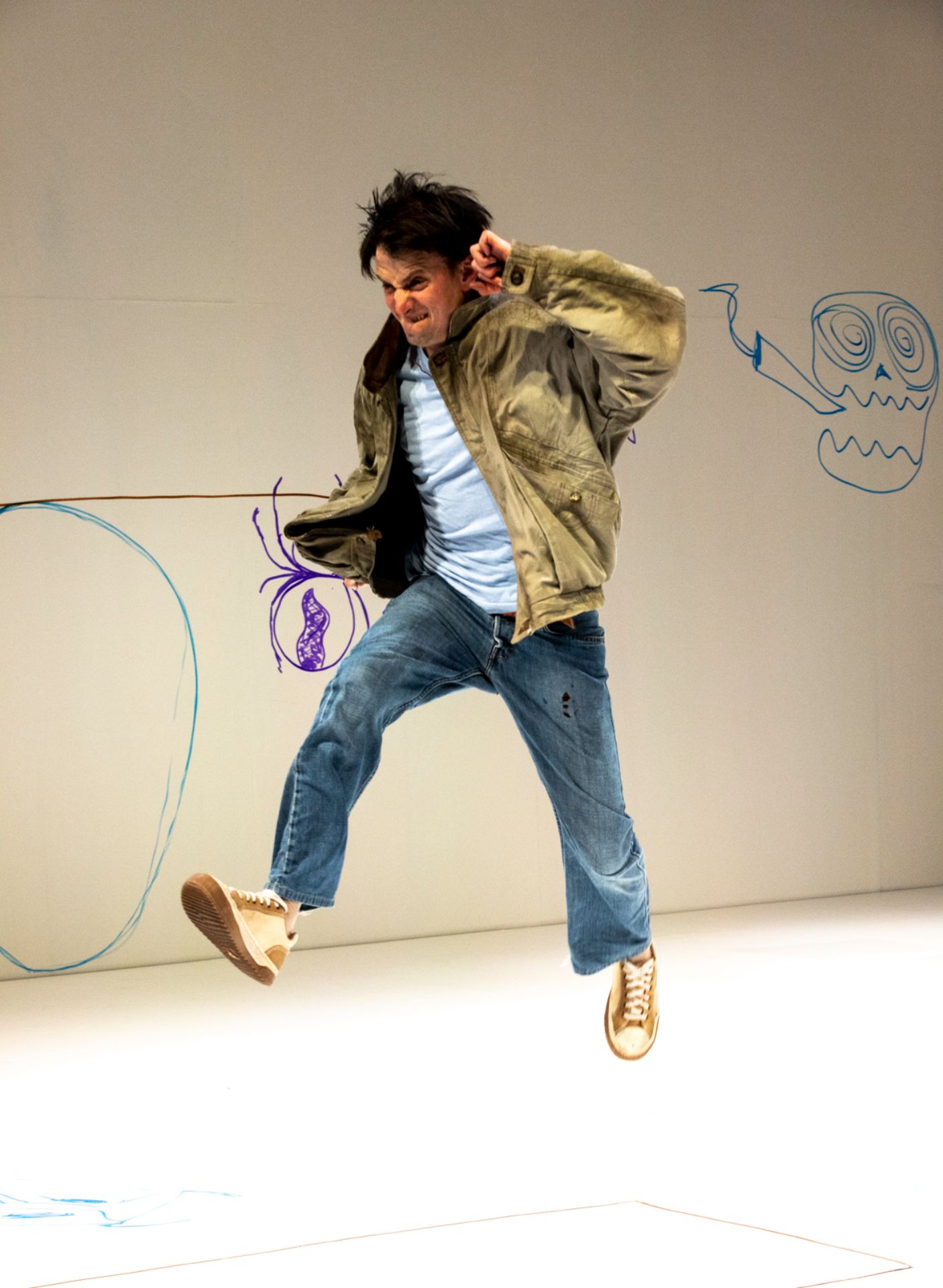
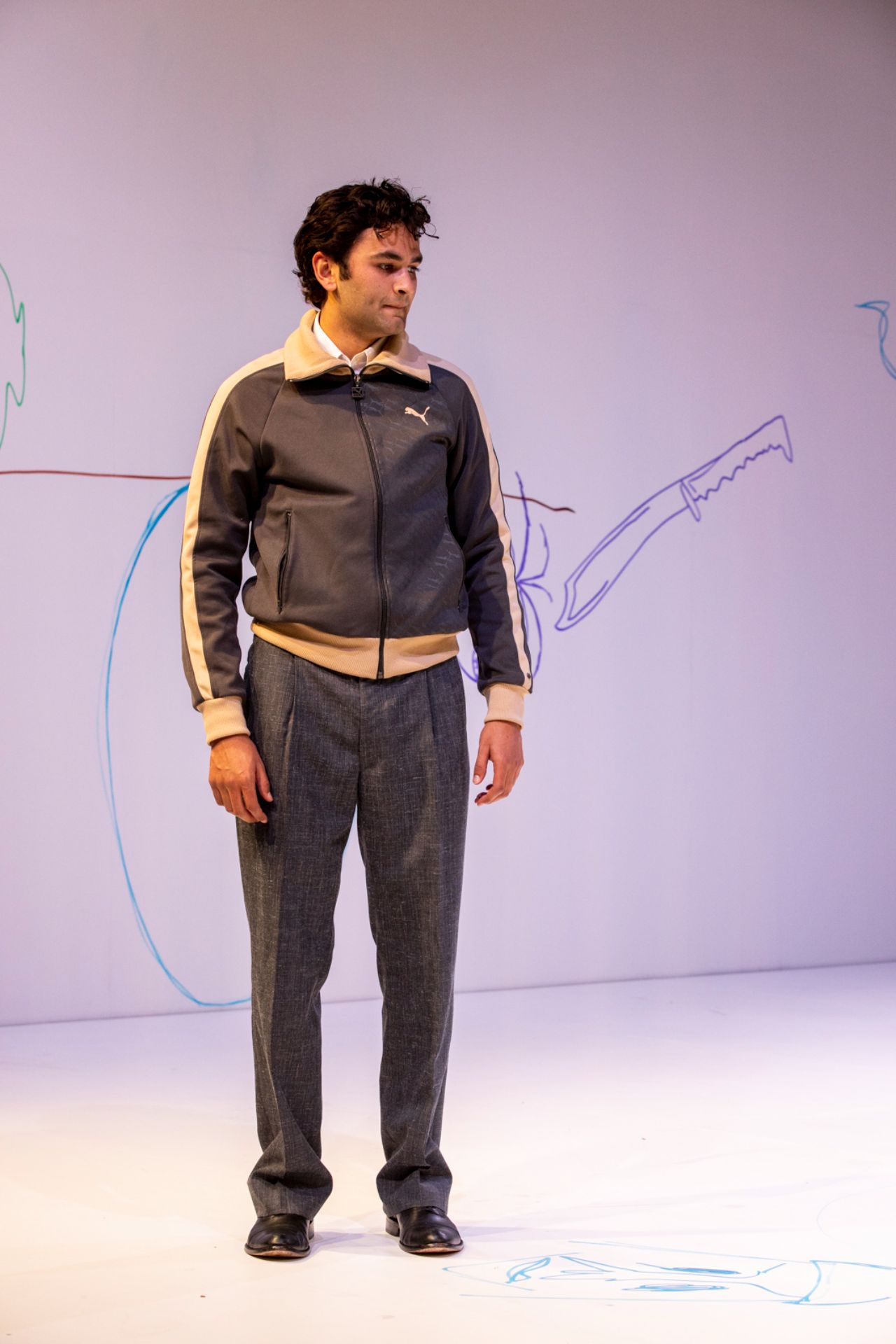
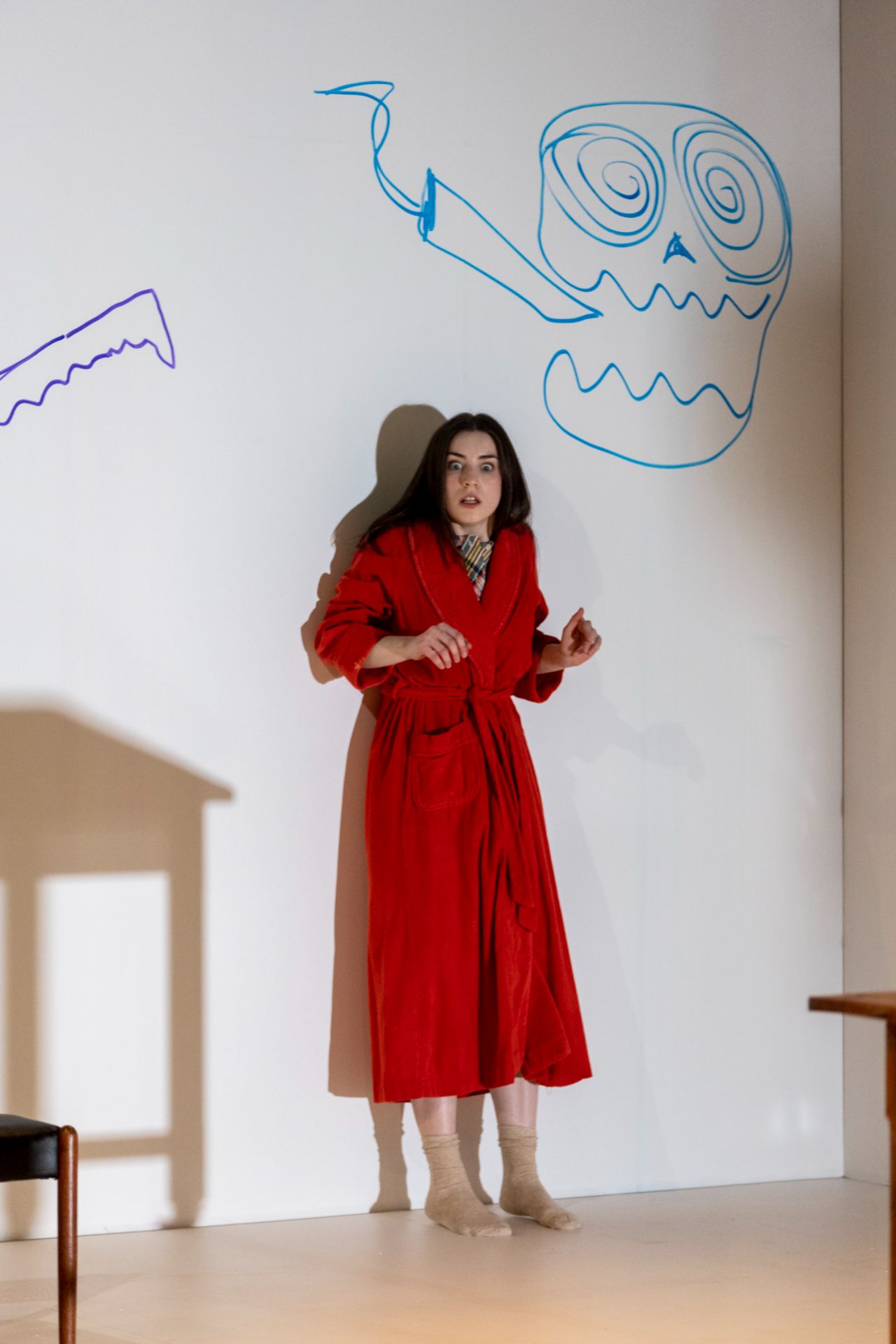
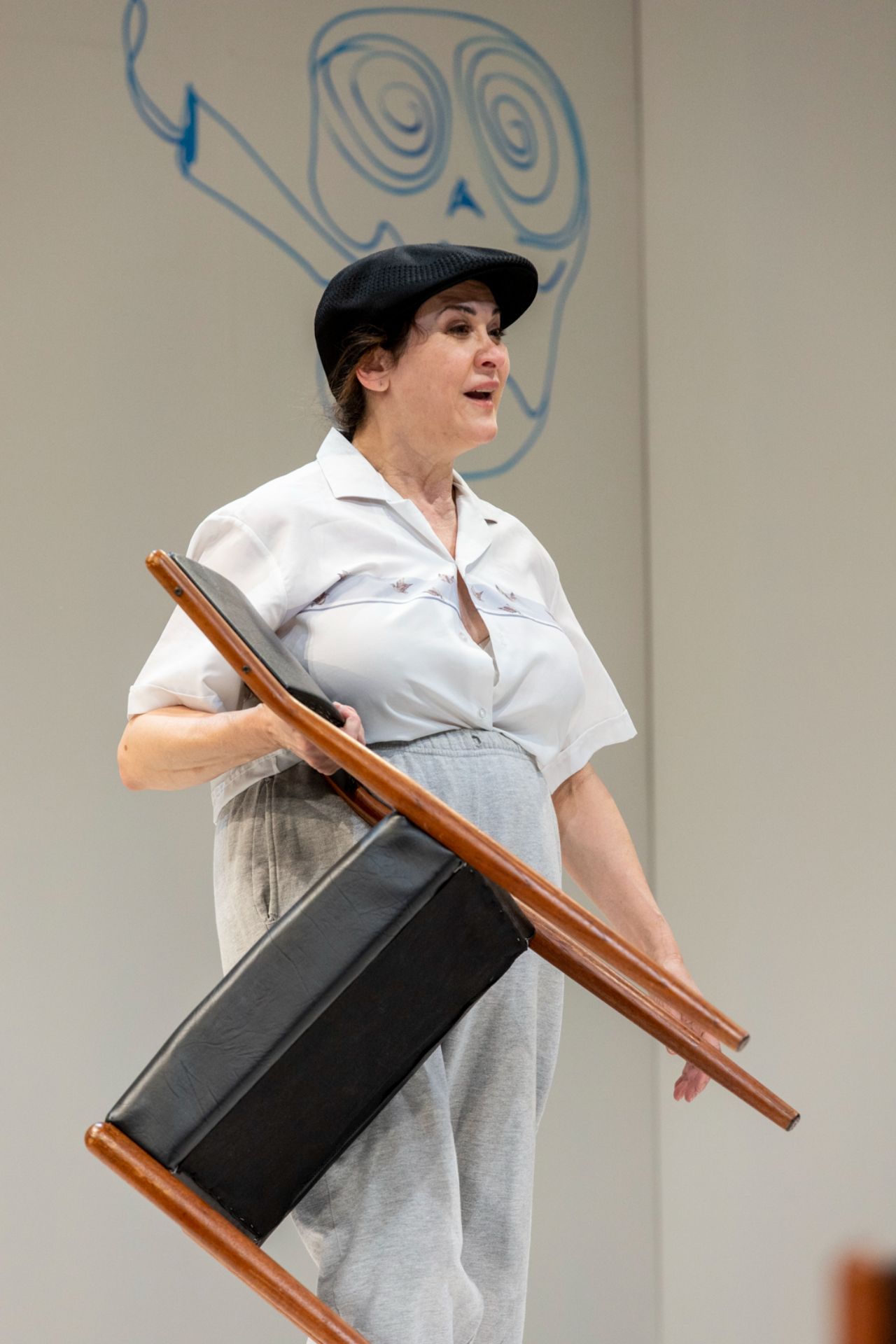
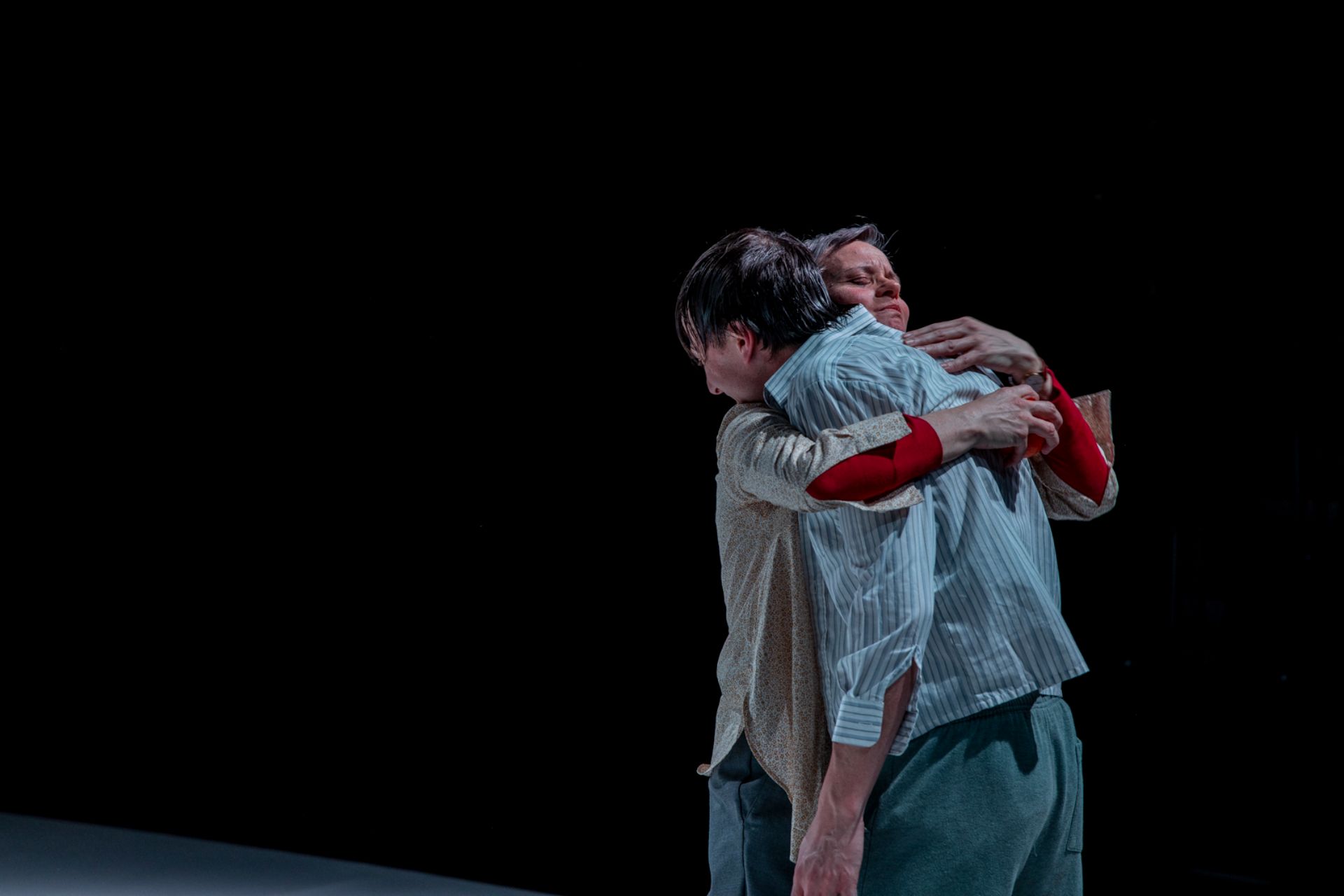
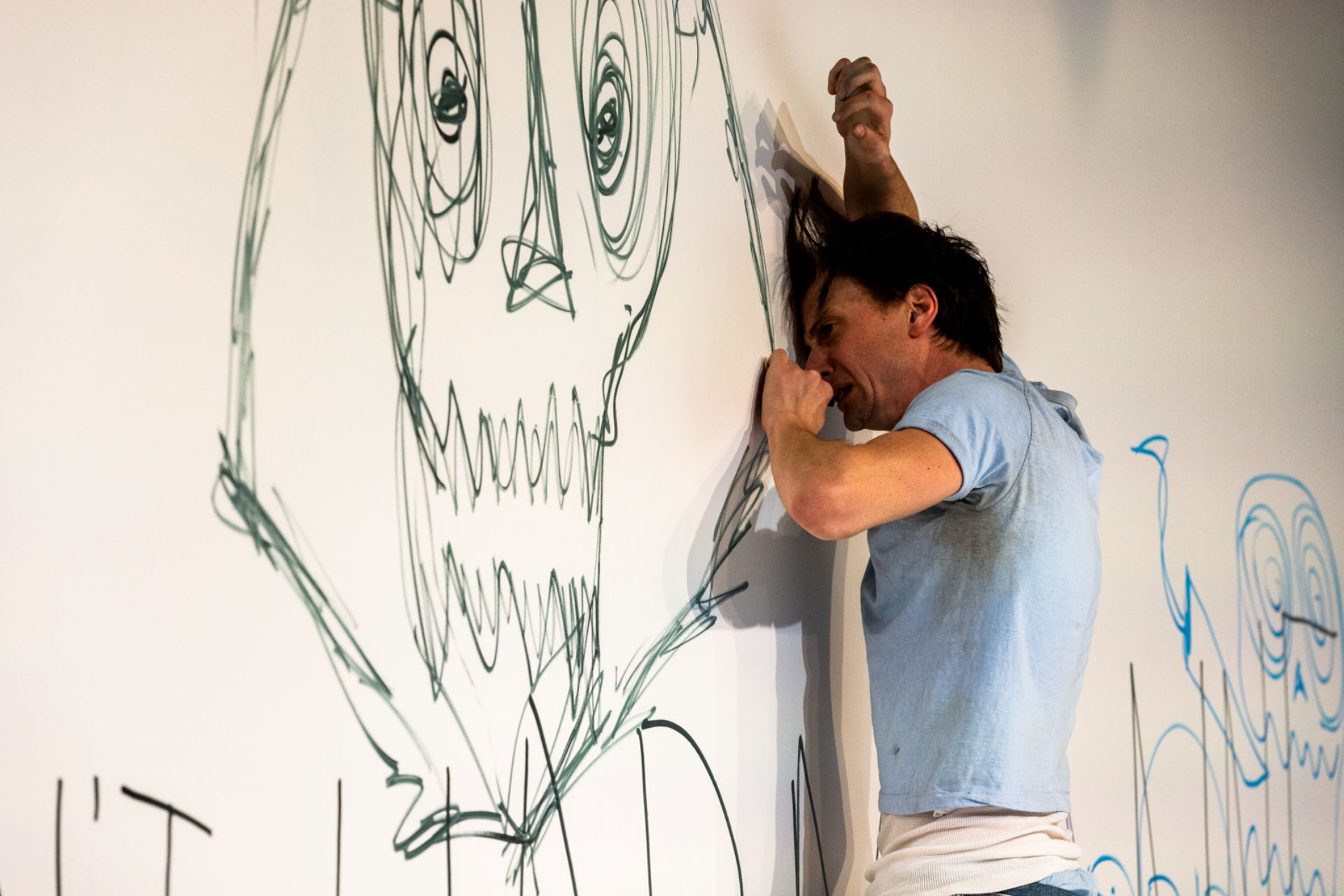
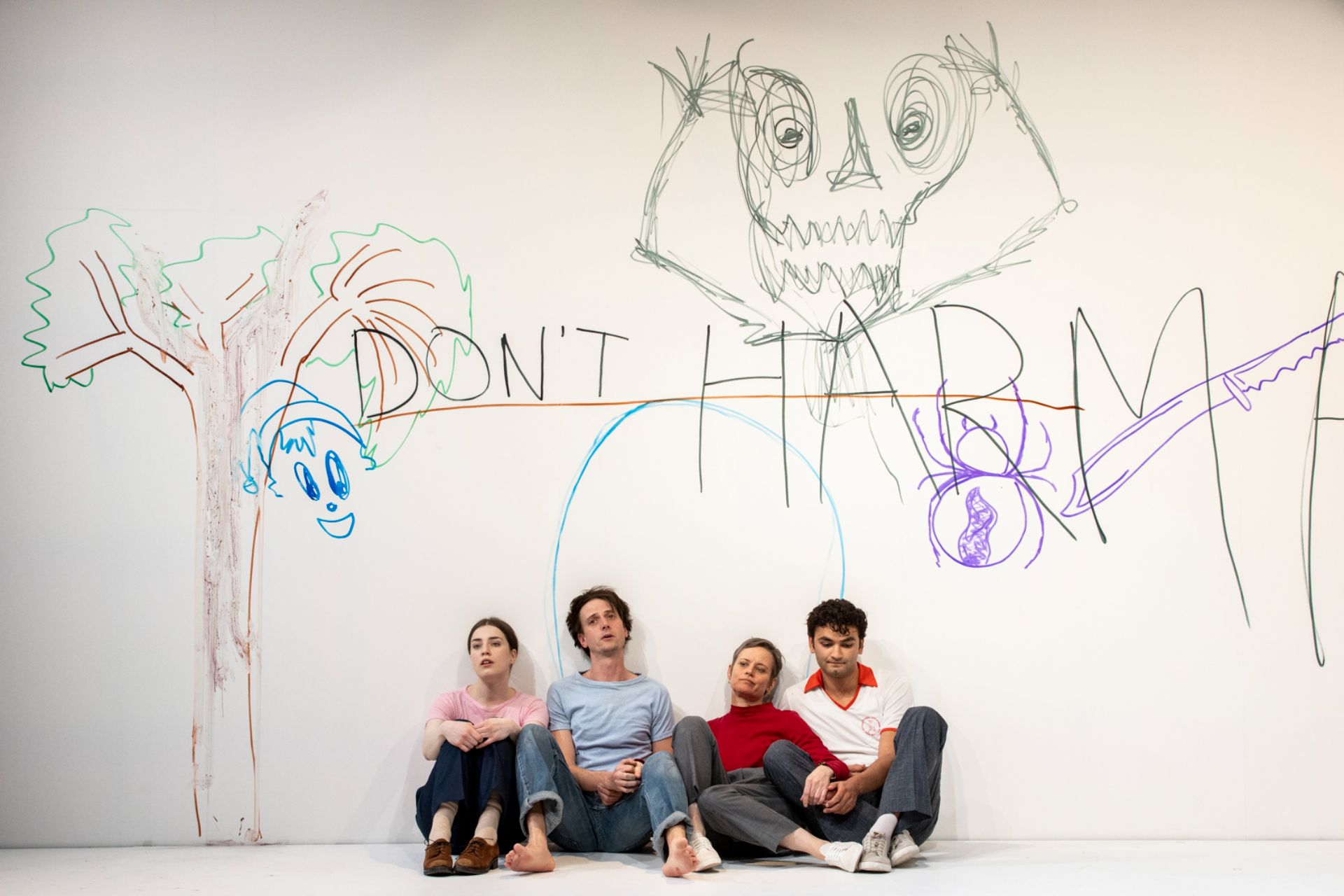
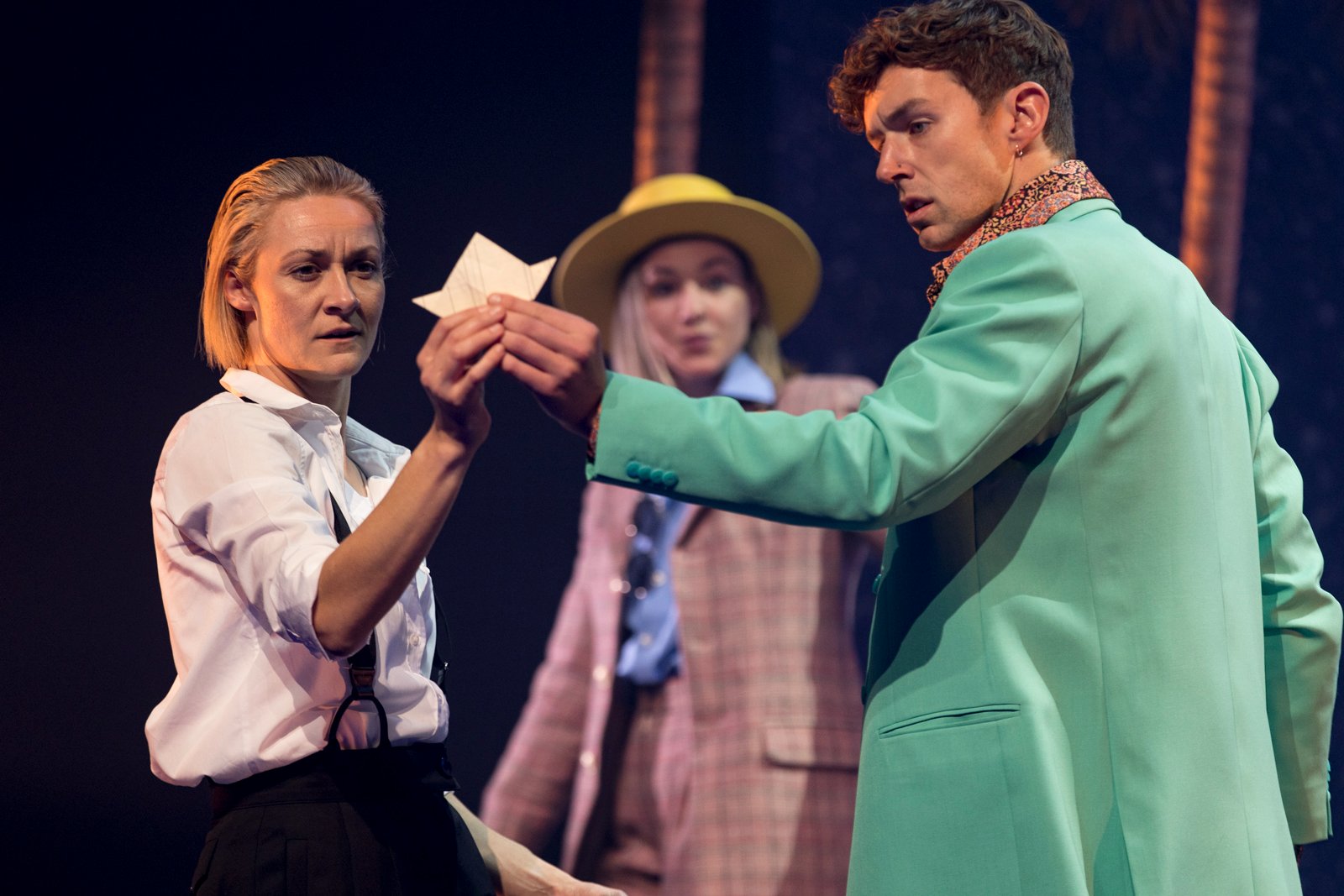
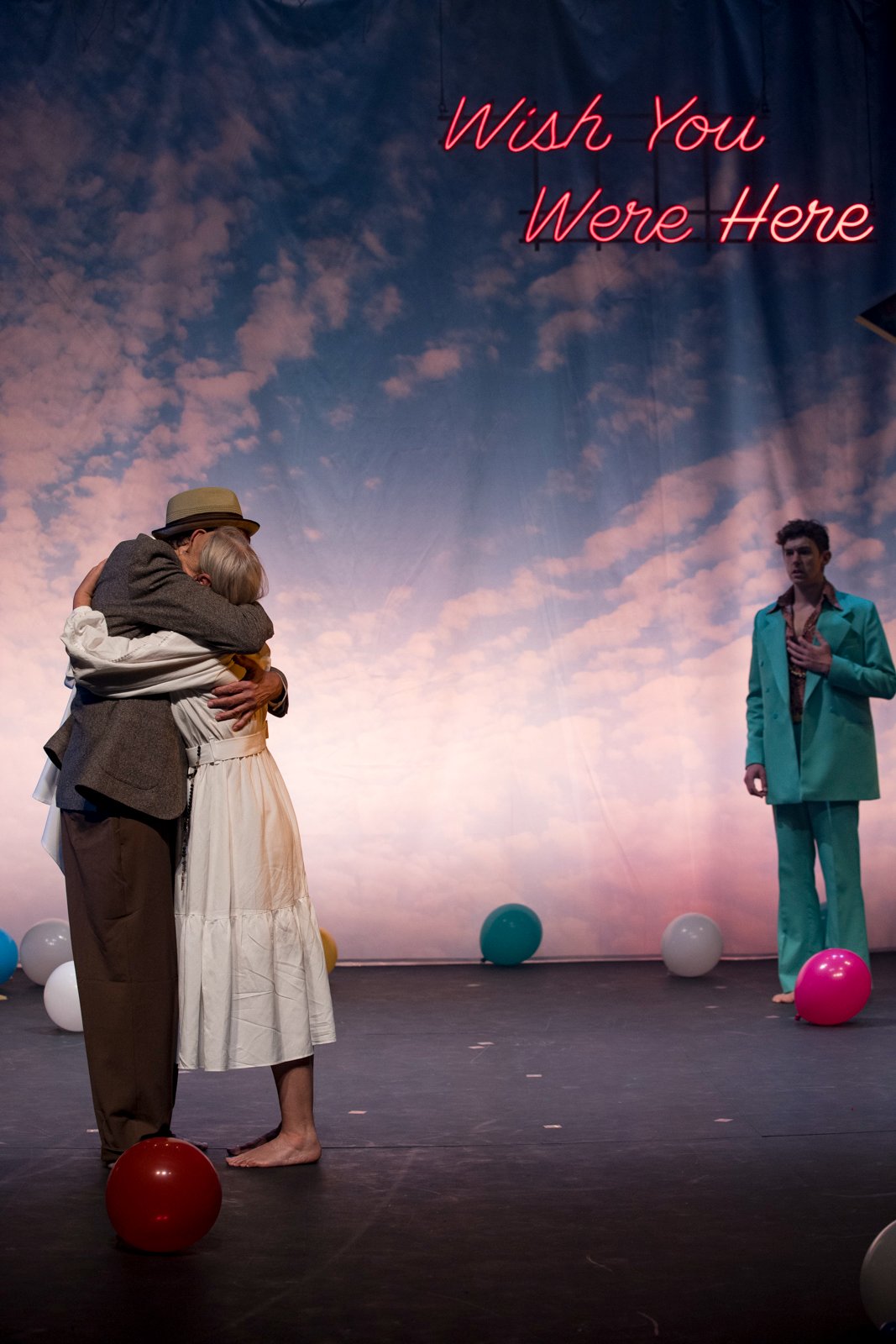
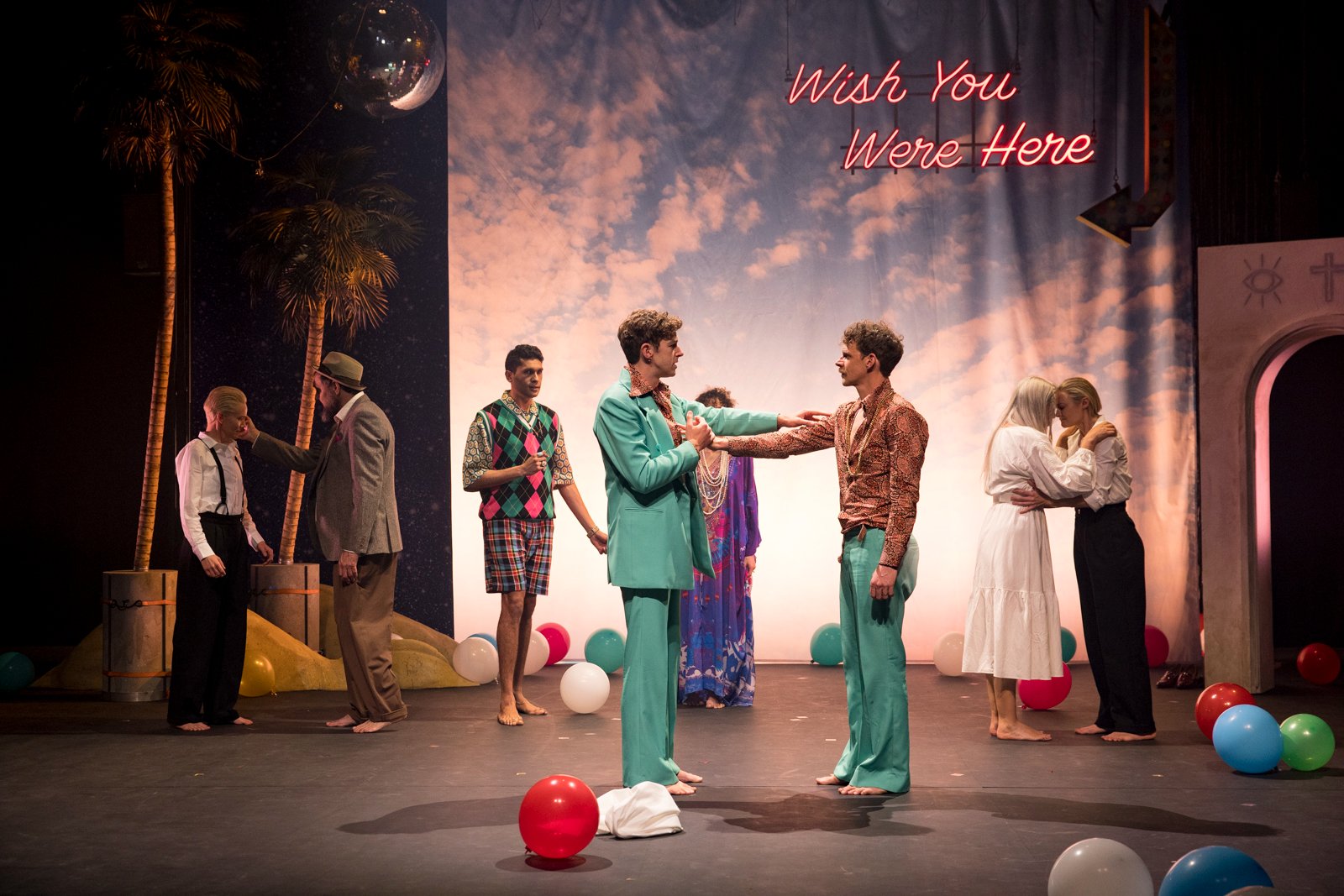
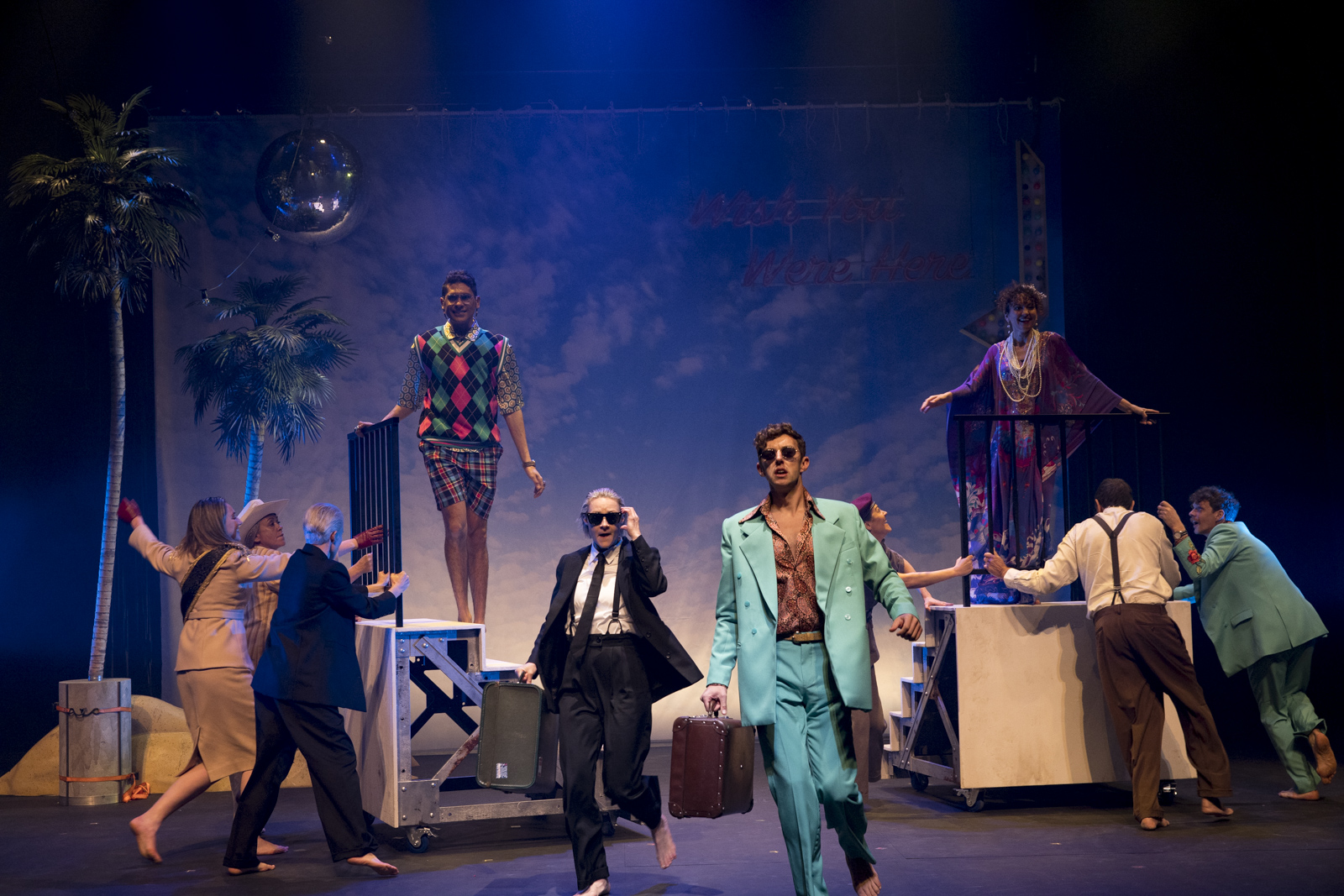
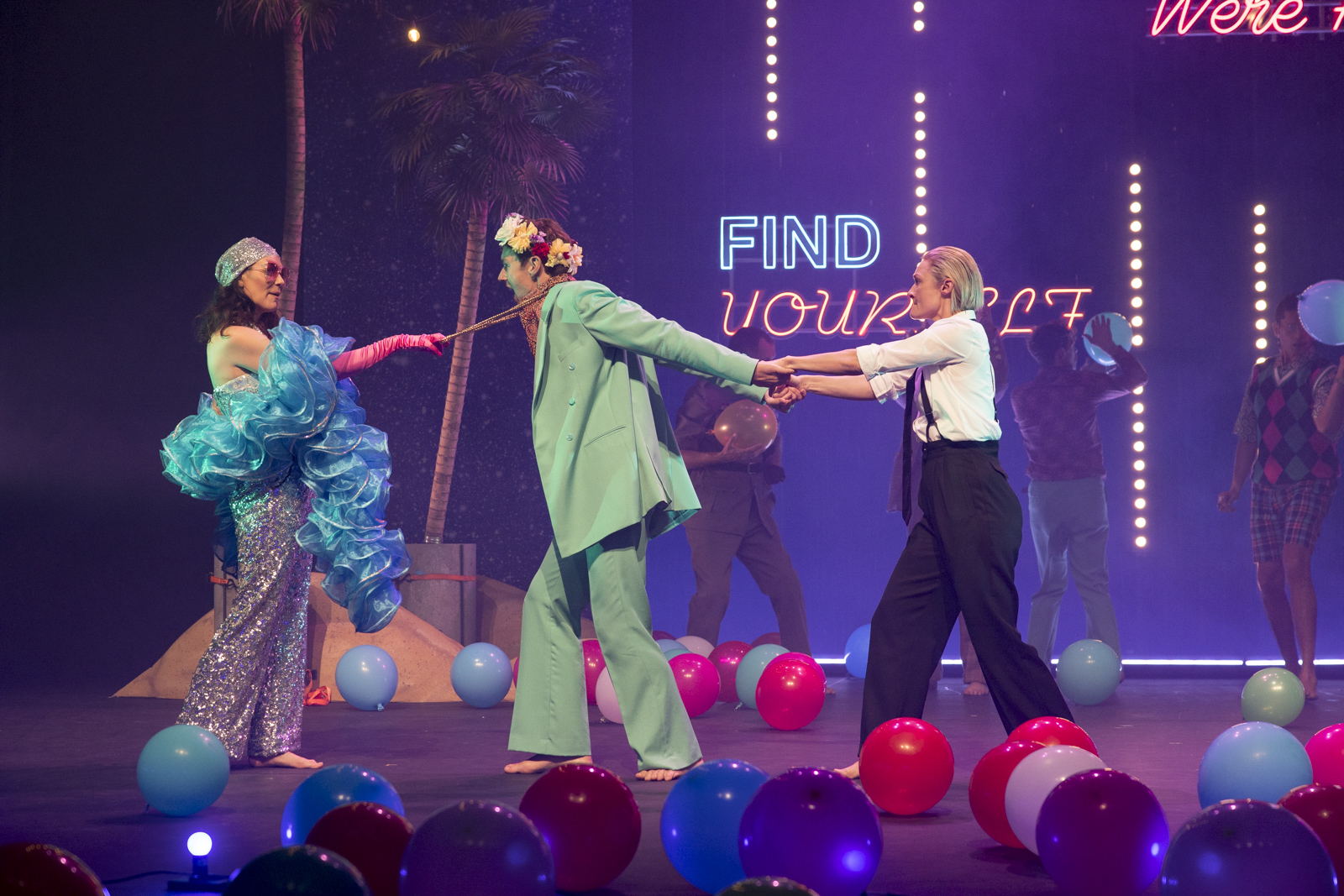
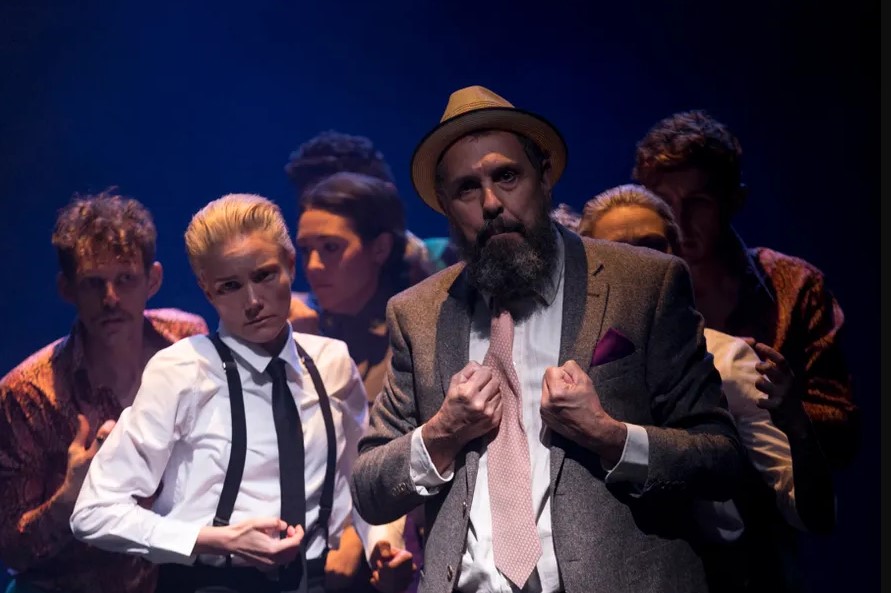
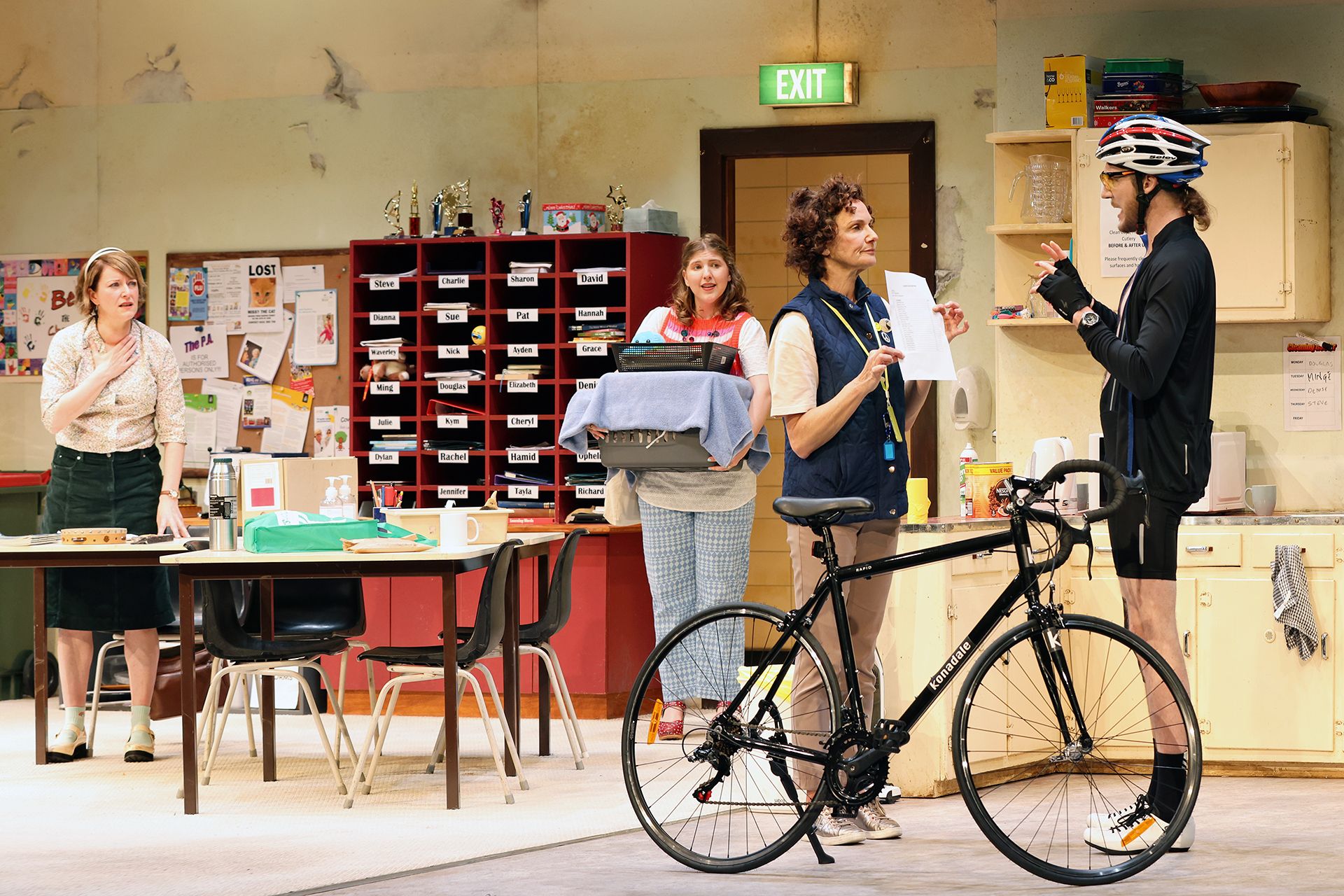
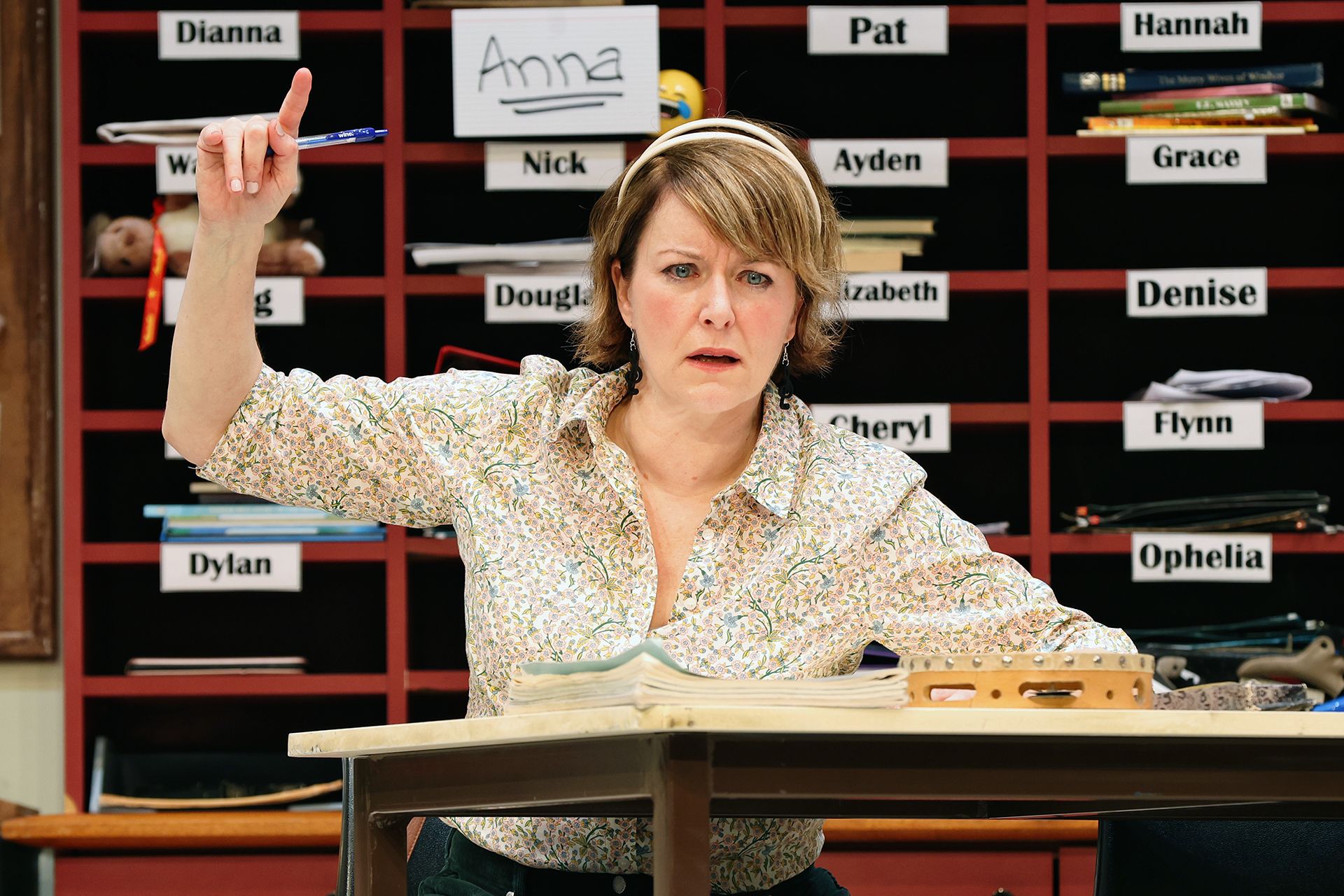
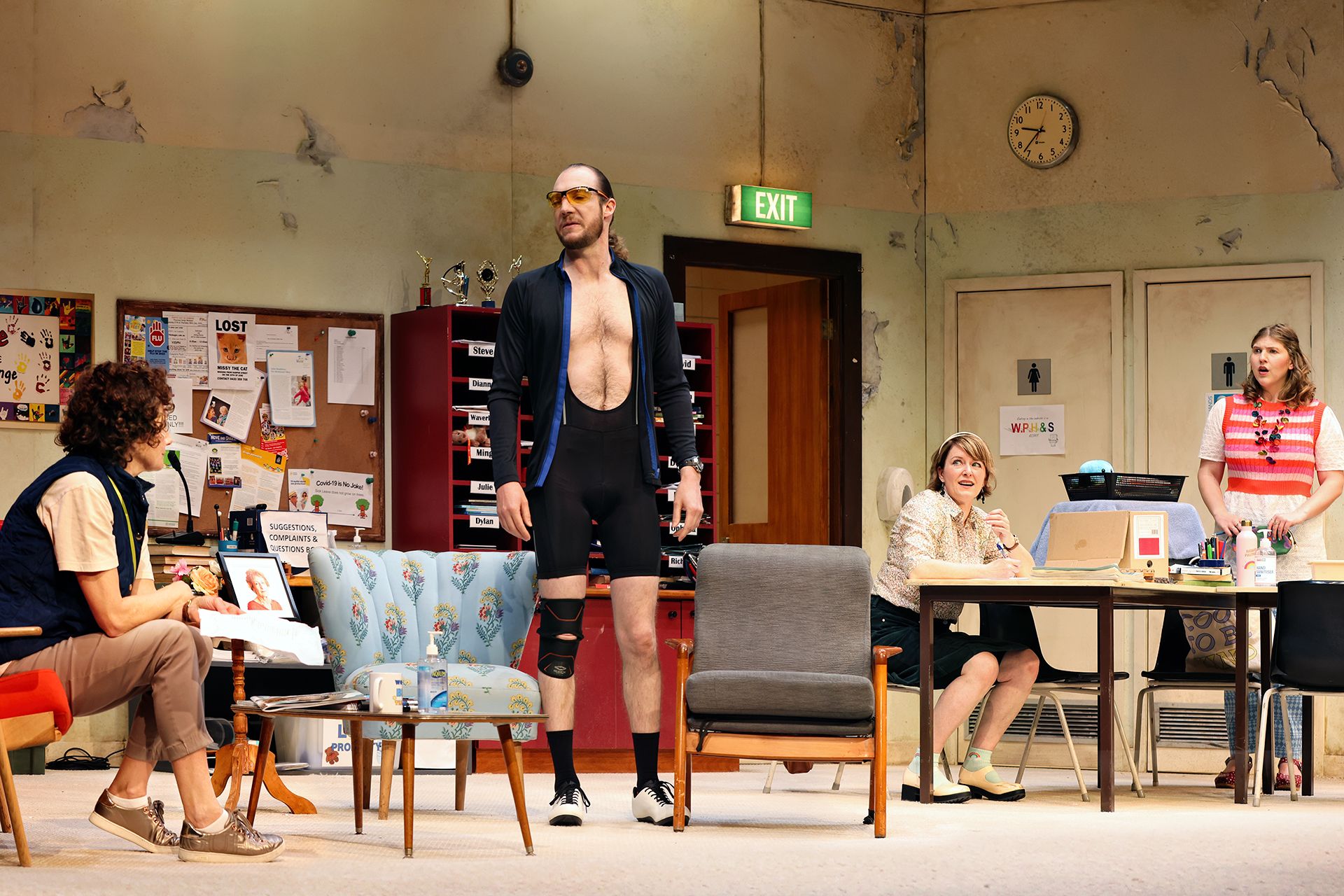
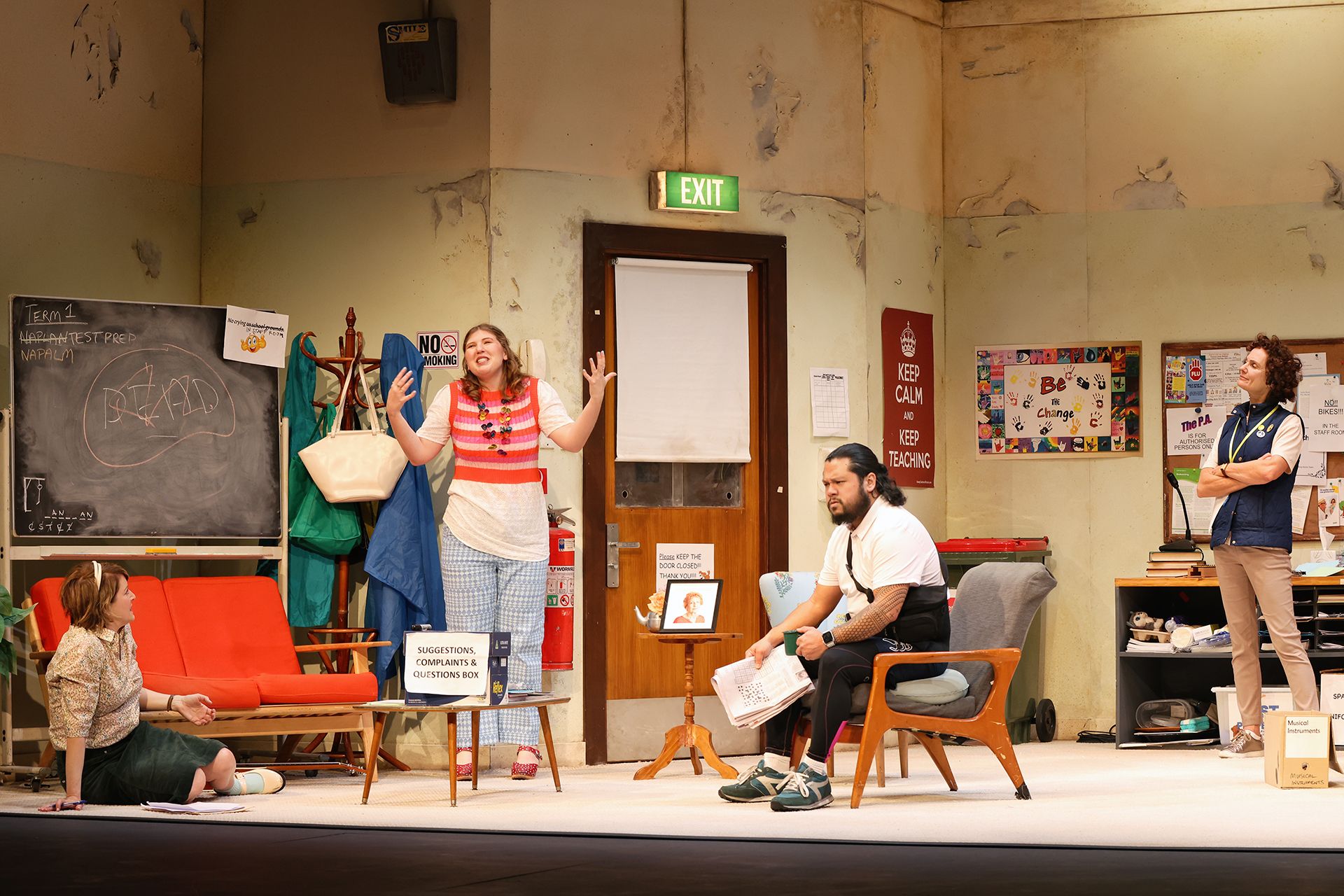
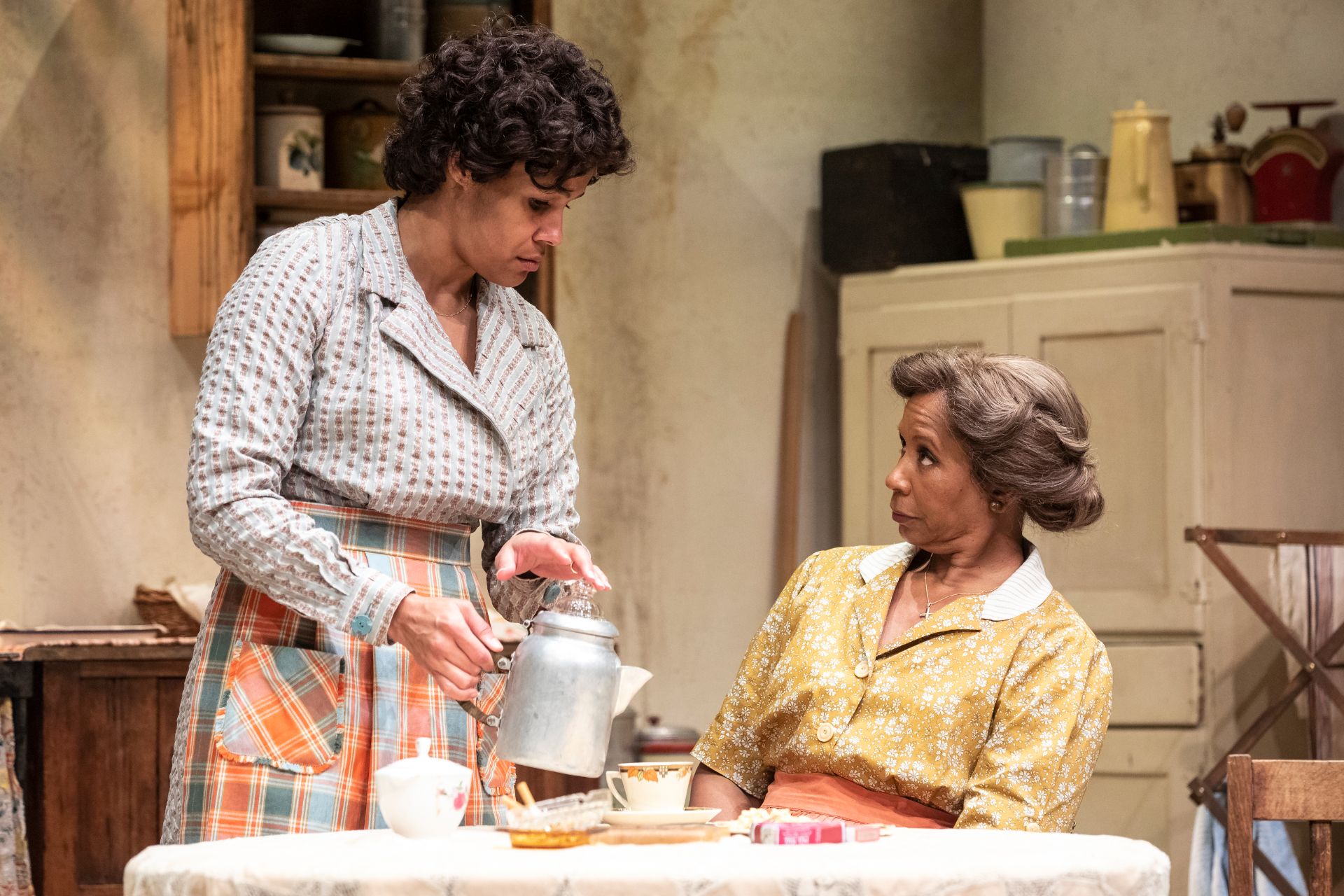
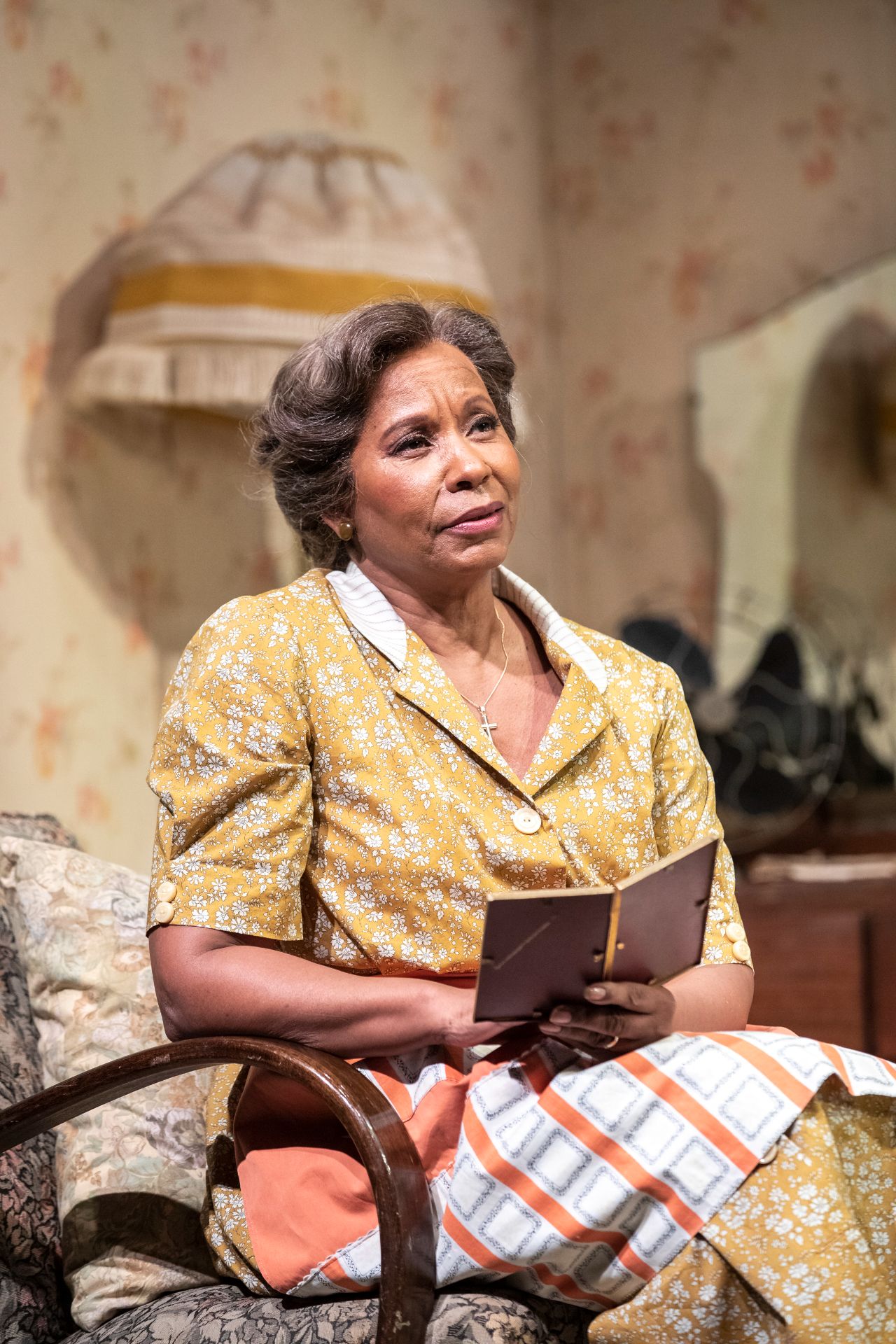
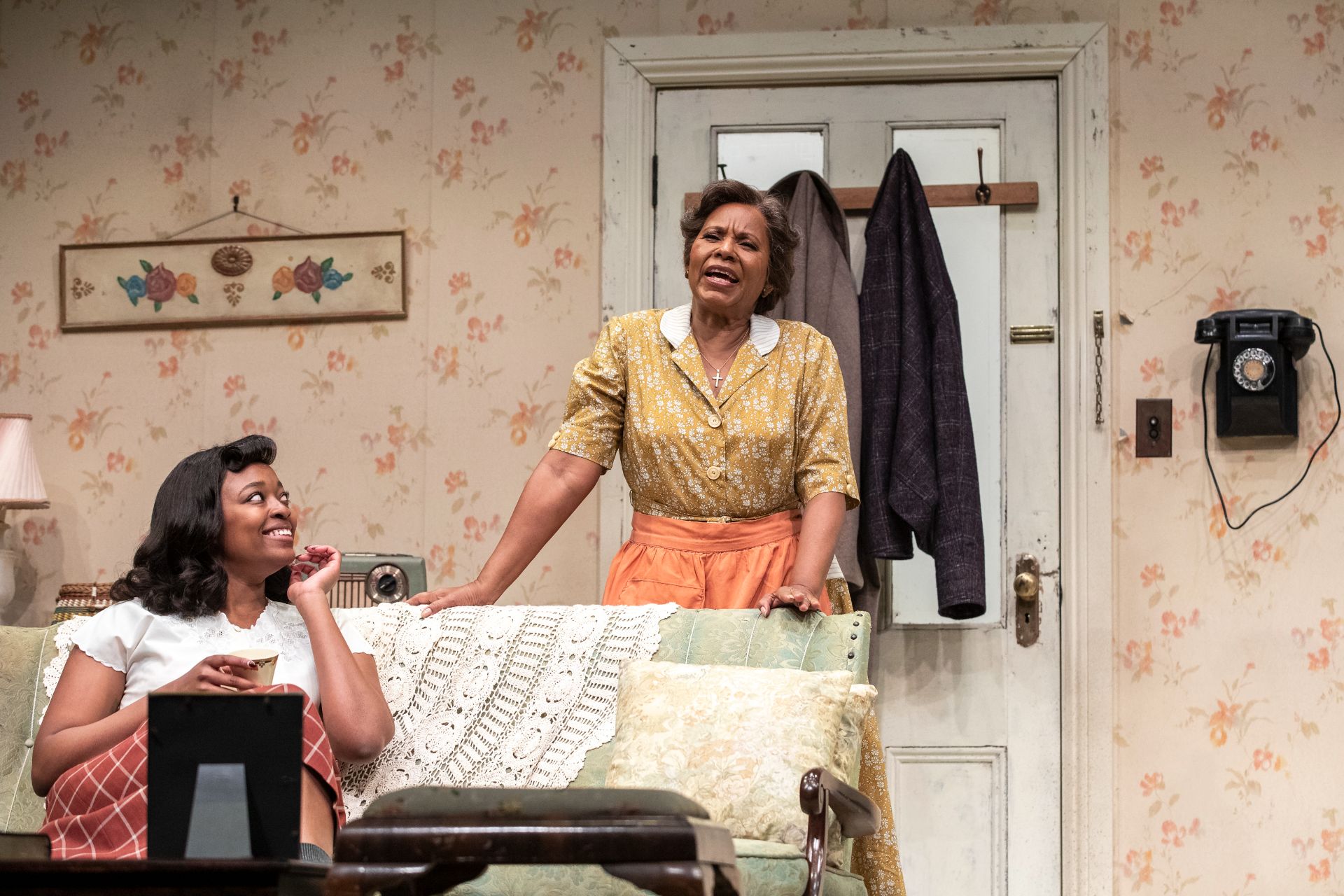
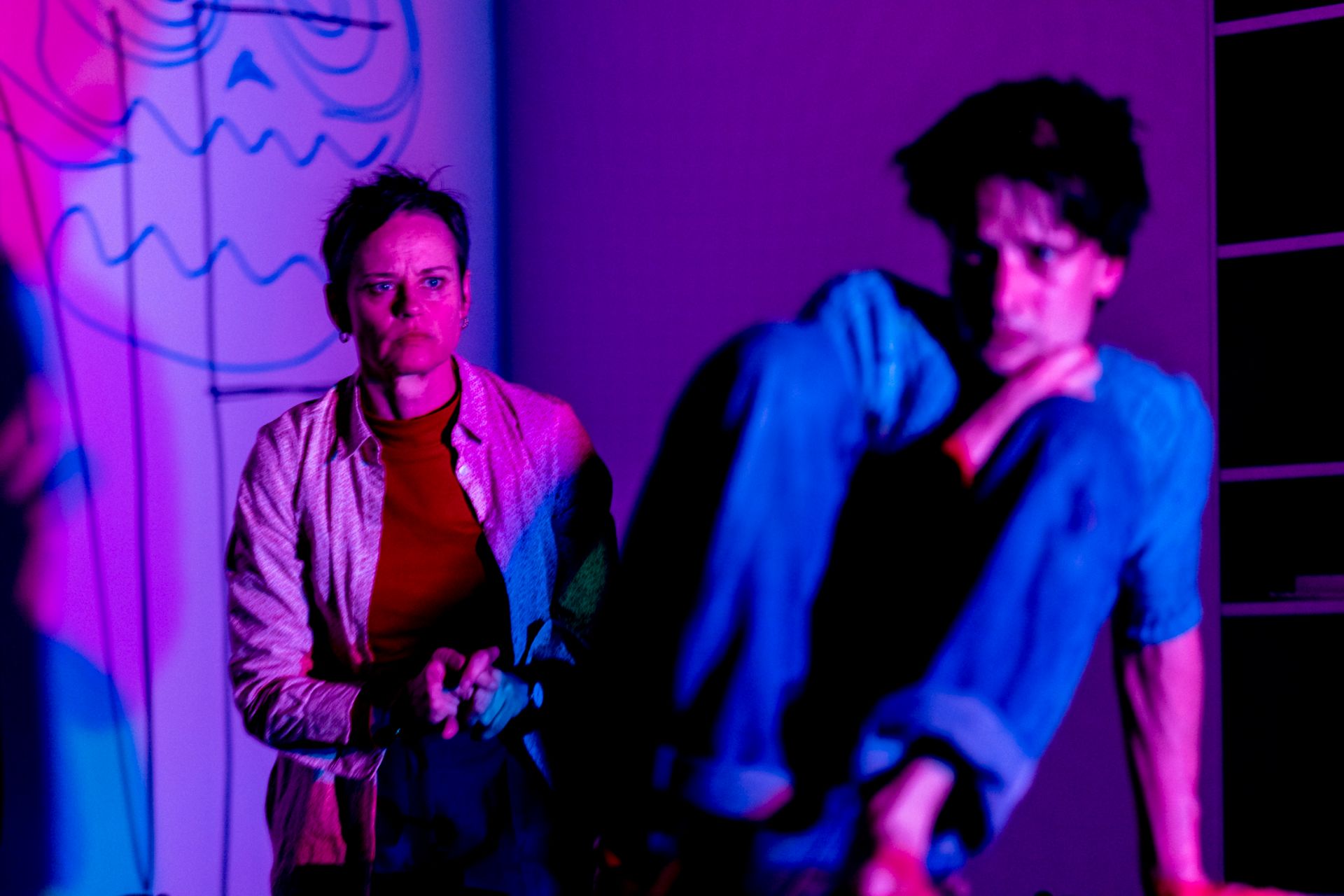
Four friends are gathered in a Wyoming backyard after a celebration, for their mentor Gina’s induction as president of their Catholic alma mater. Prompted by traumatic events of the 2017 Charlottesville white supremacist rally just two days prior, and with the assistance of alcohol, conversations quickly become passionate, and revealing, between these conservative Americans, at the height of the Trump era.

Will Arbery’s Heroes of the Fourth Turning is an exploration of the political discord that seems to have permeated so much of contemporary life. The unrelenting vilification of the other side, without ever getting to really know any of those adversaries in meaningfully personal ways, has created new societal structures that are increasingly fractured, and that feel dismally irreconcilable. In Arbery’s play, we are given the opportunity to look intimately at those who pride themselves as being conservative. The work is often challenging, especially when it skates close to drawing precarious equivalences between left and right, in efforts to make us find empathy for the enemy. The thorough frankness of Arbery’s writing though, encourages introspective reflections that would at least have us reconsider our own incapacity for generosity, when acceptance of conservative ideology remains appropriately an abhorrent idea.

Directed by Craig Baldwin, the dense and bombastic text of Heroes of the Fourth Turning is translated into unexpectedly entrancing drama, the tension of which is unabating and marvellously delicious. Brilliantly confronting, Baldwin’s staging does the hitherto unimaginable task, of making one find understanding for the other, whilst reaffirming one’s own oppositional convictions.

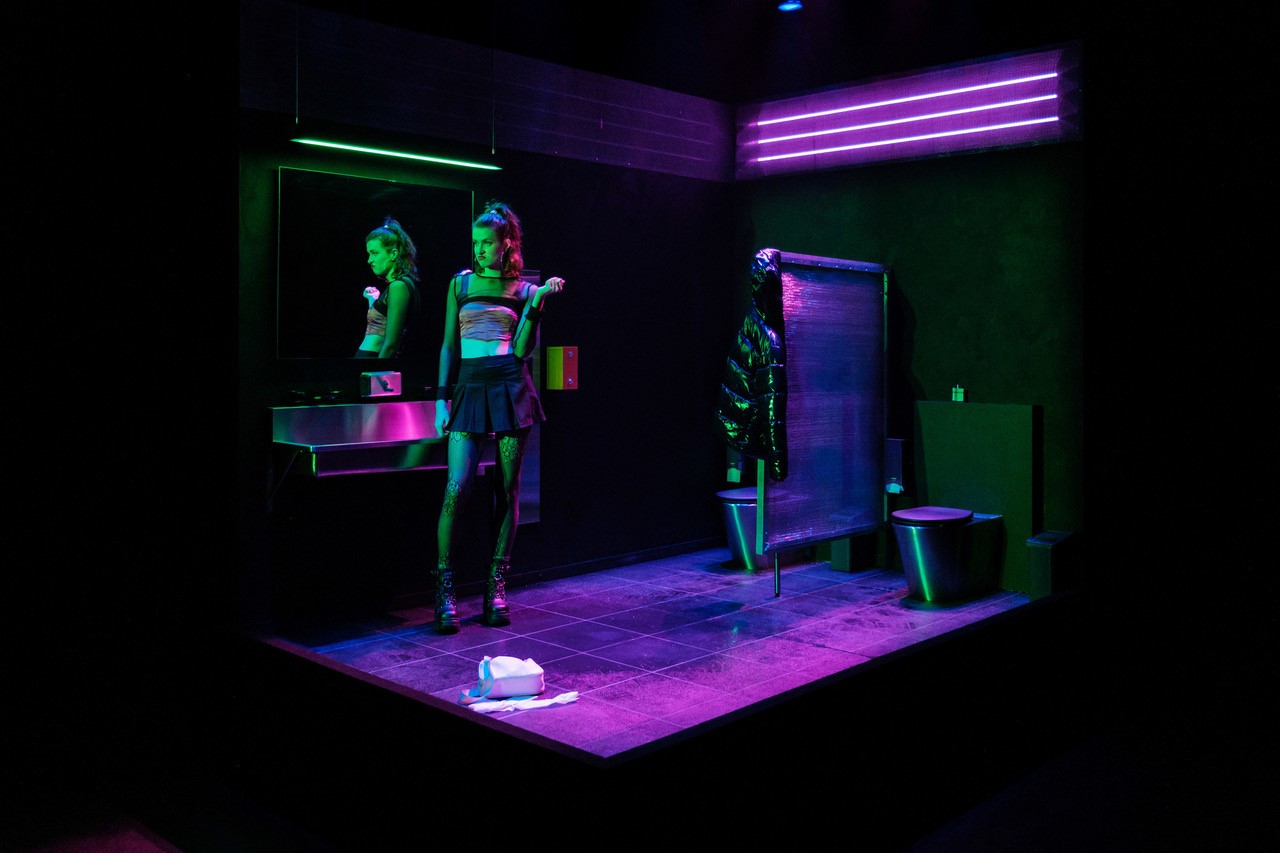
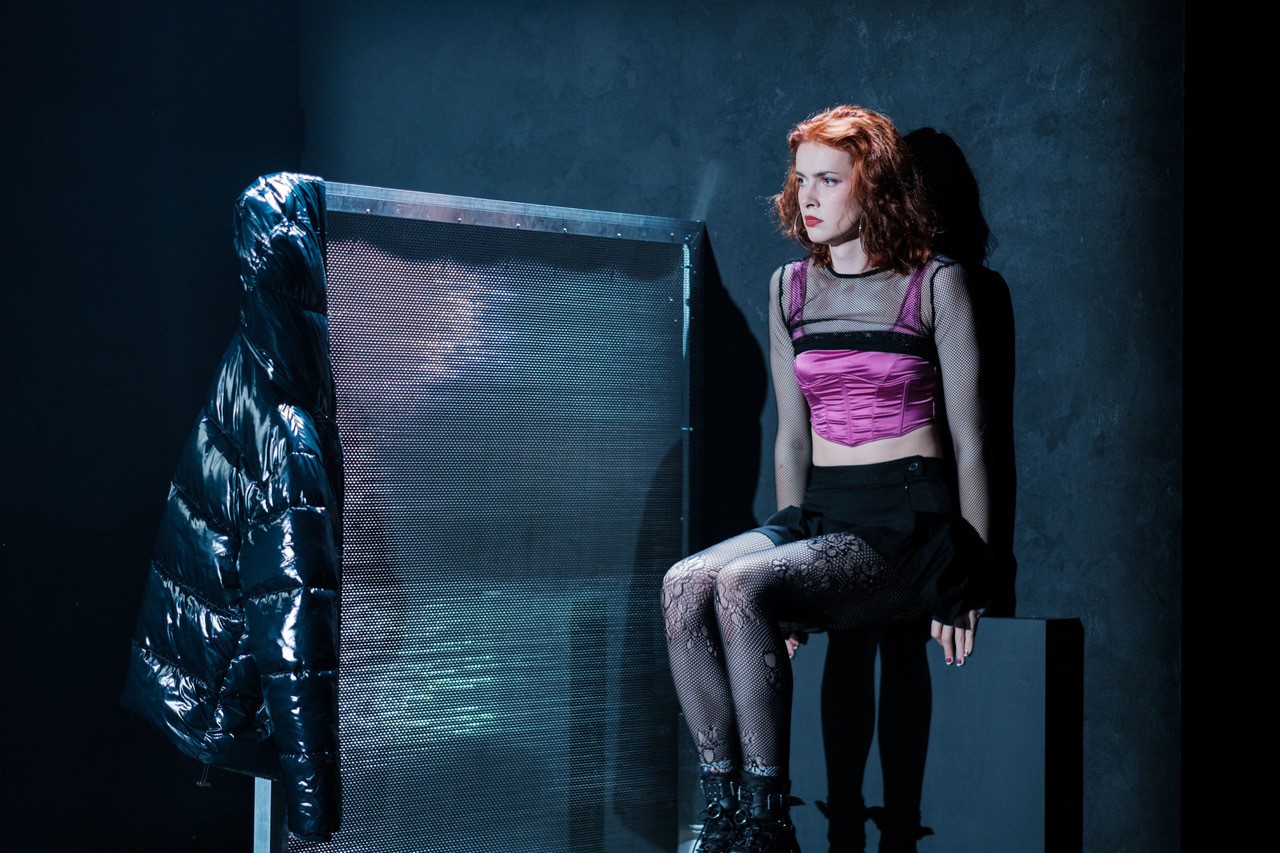
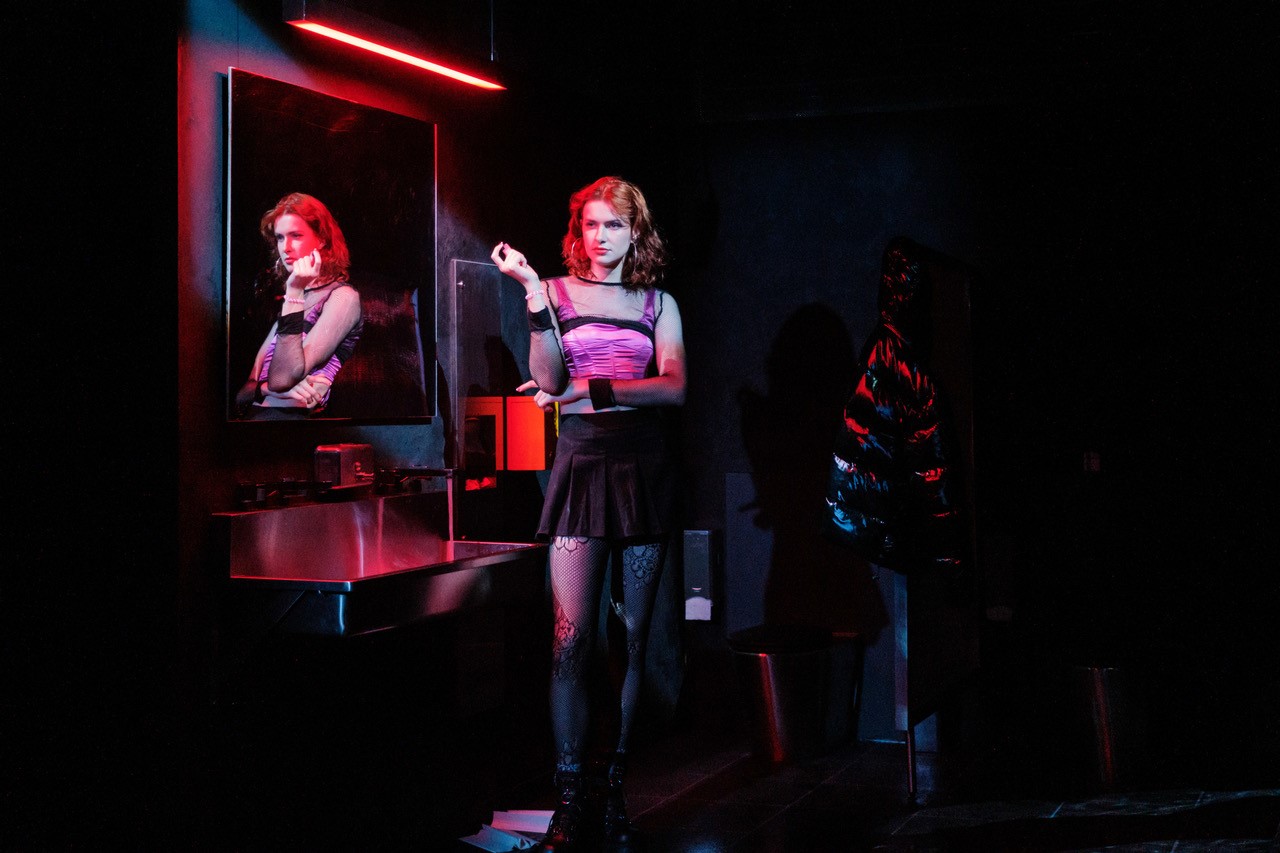
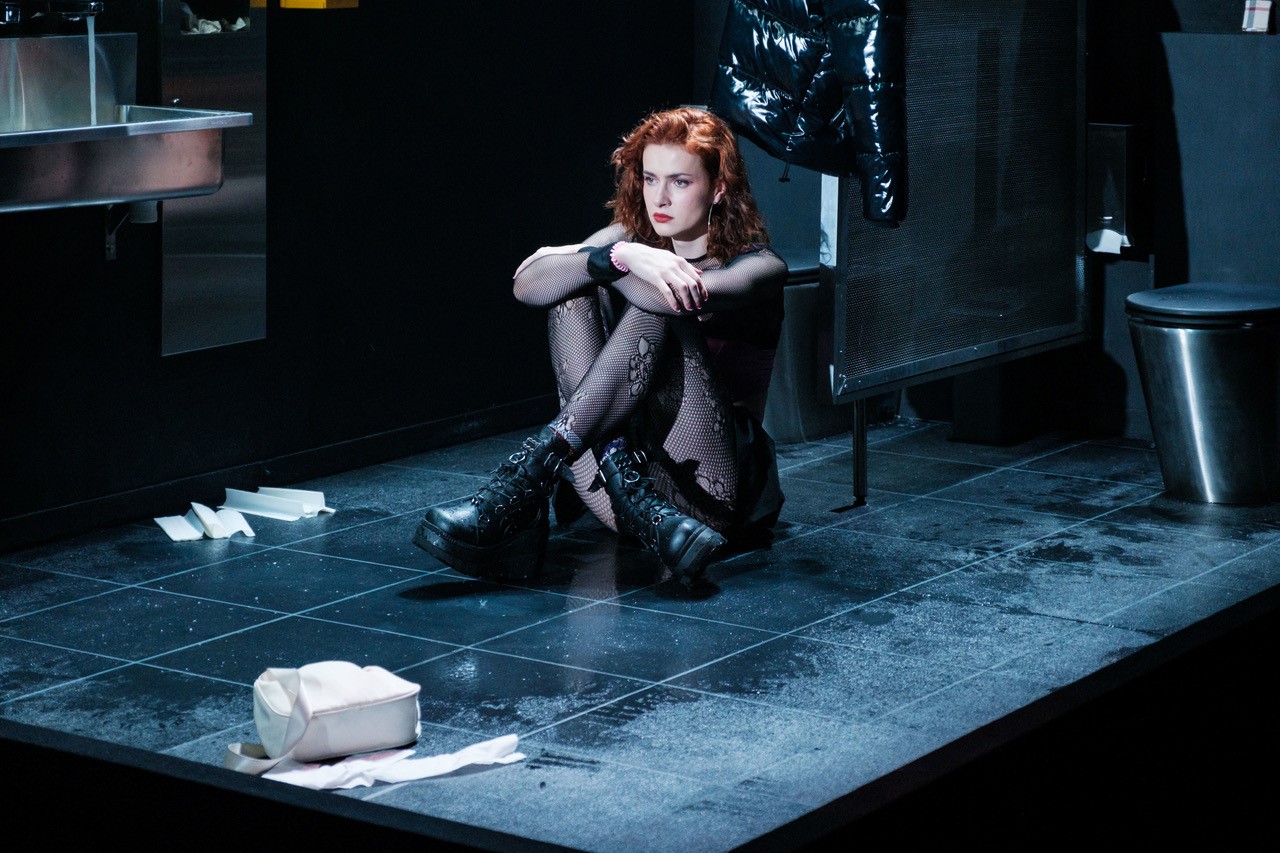
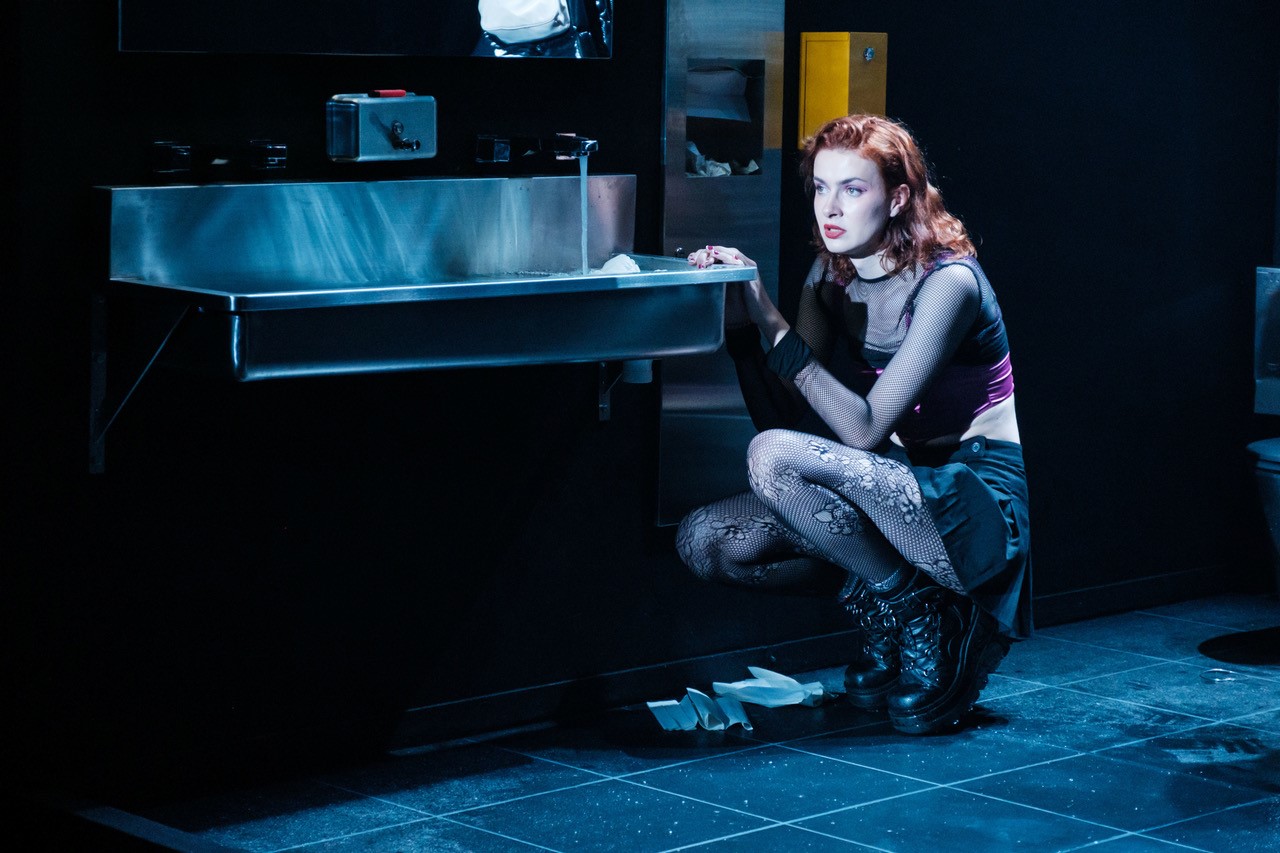
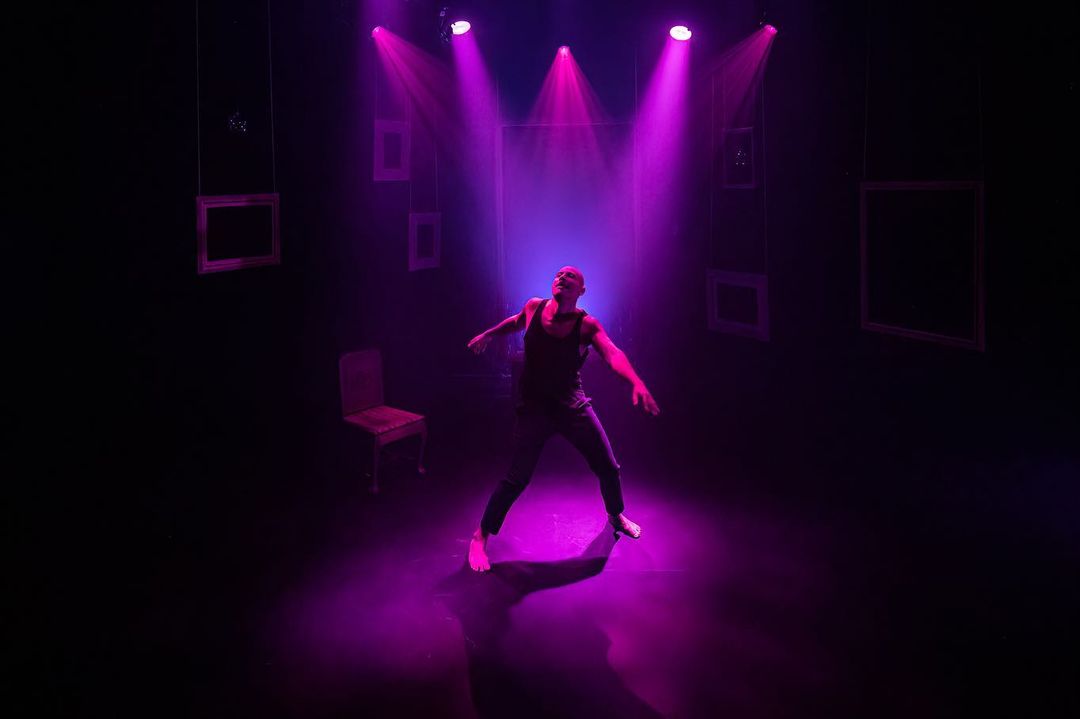
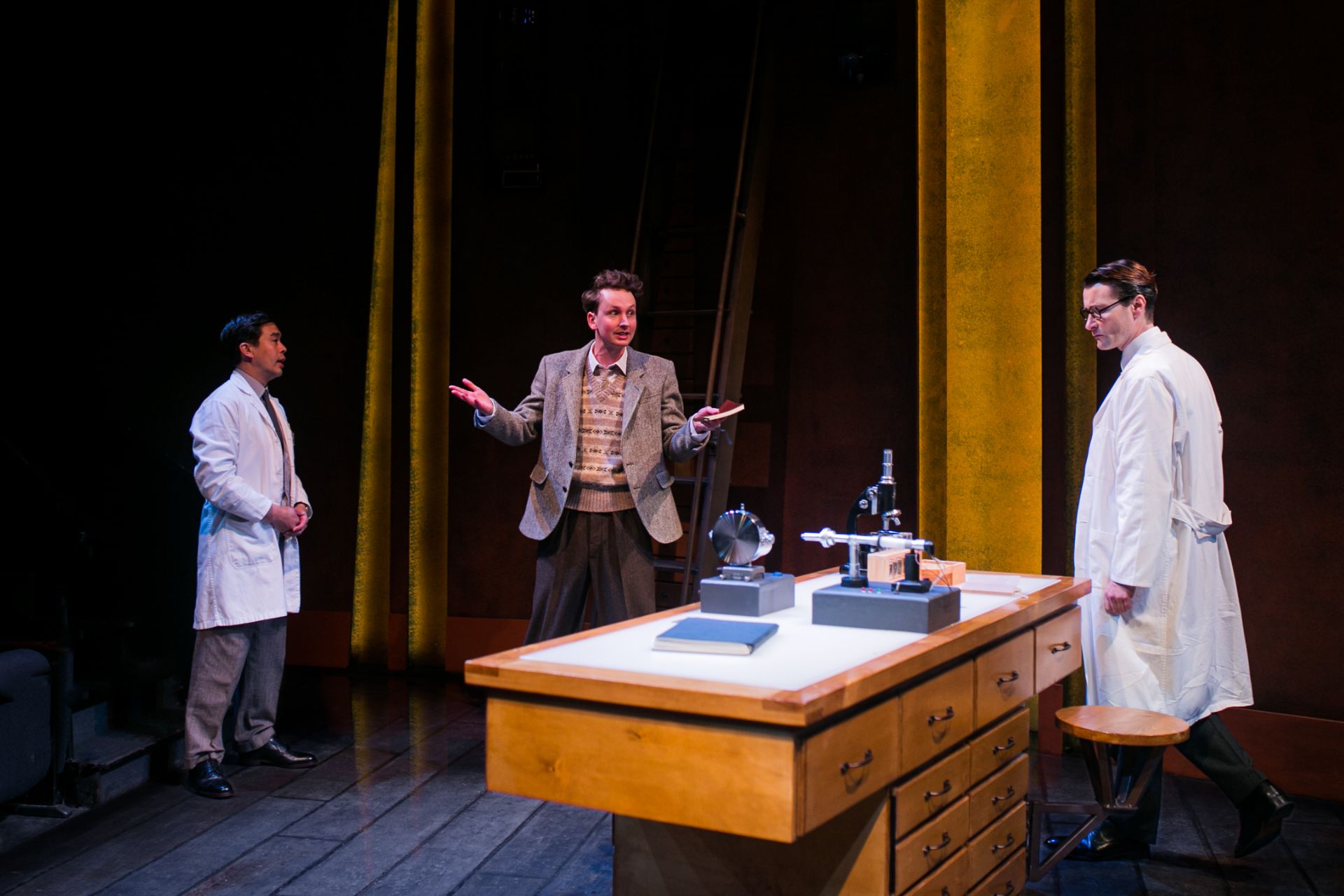
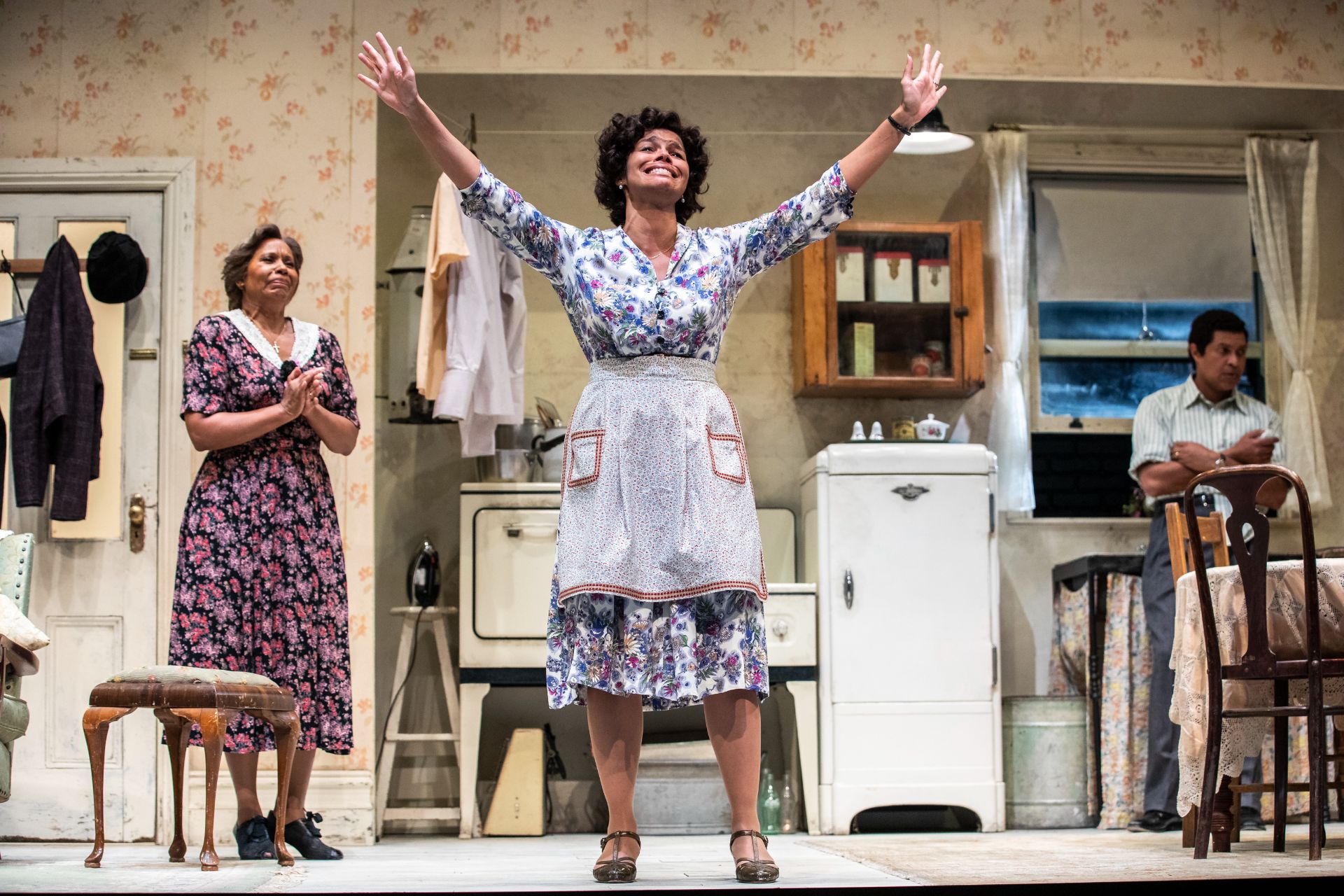
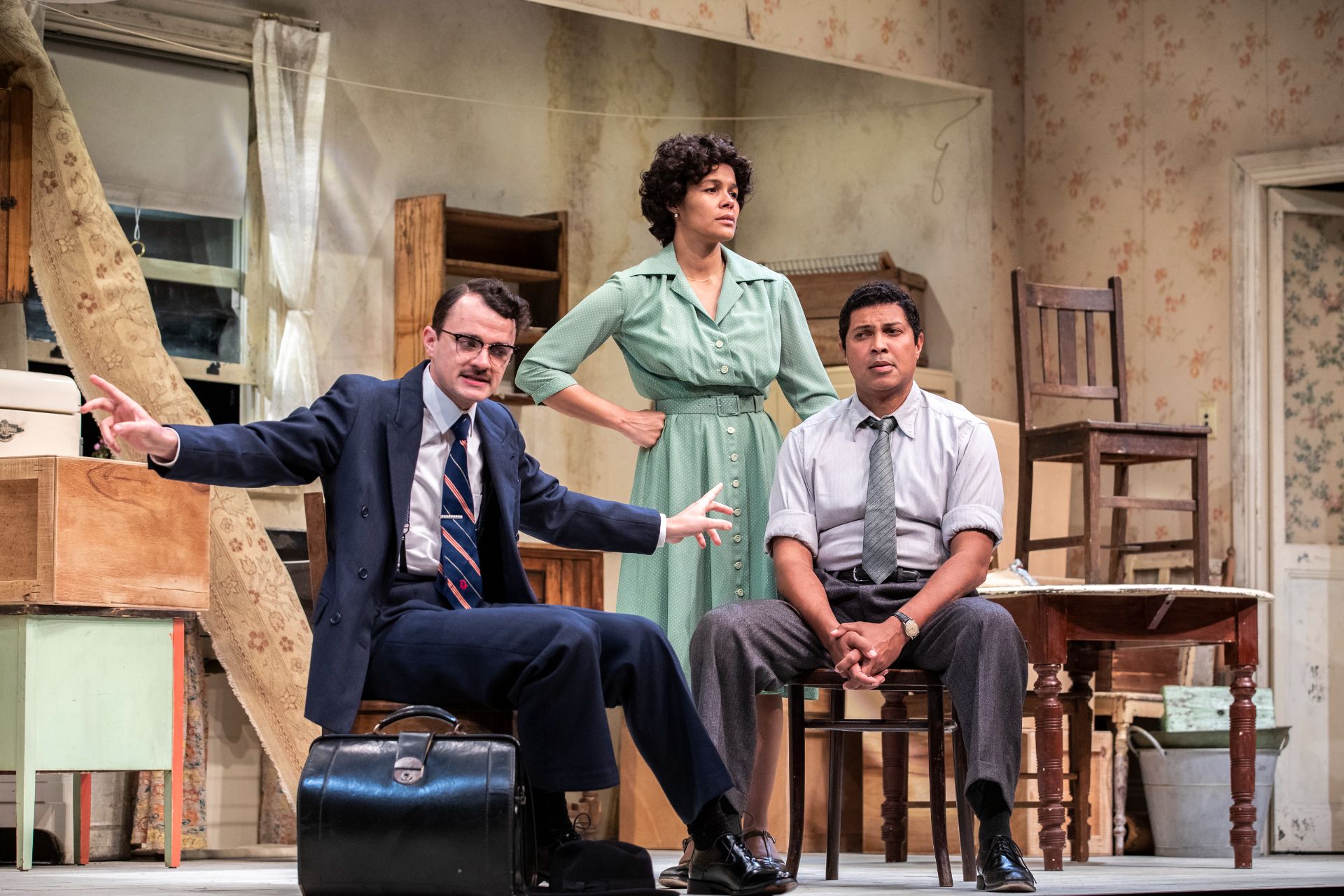
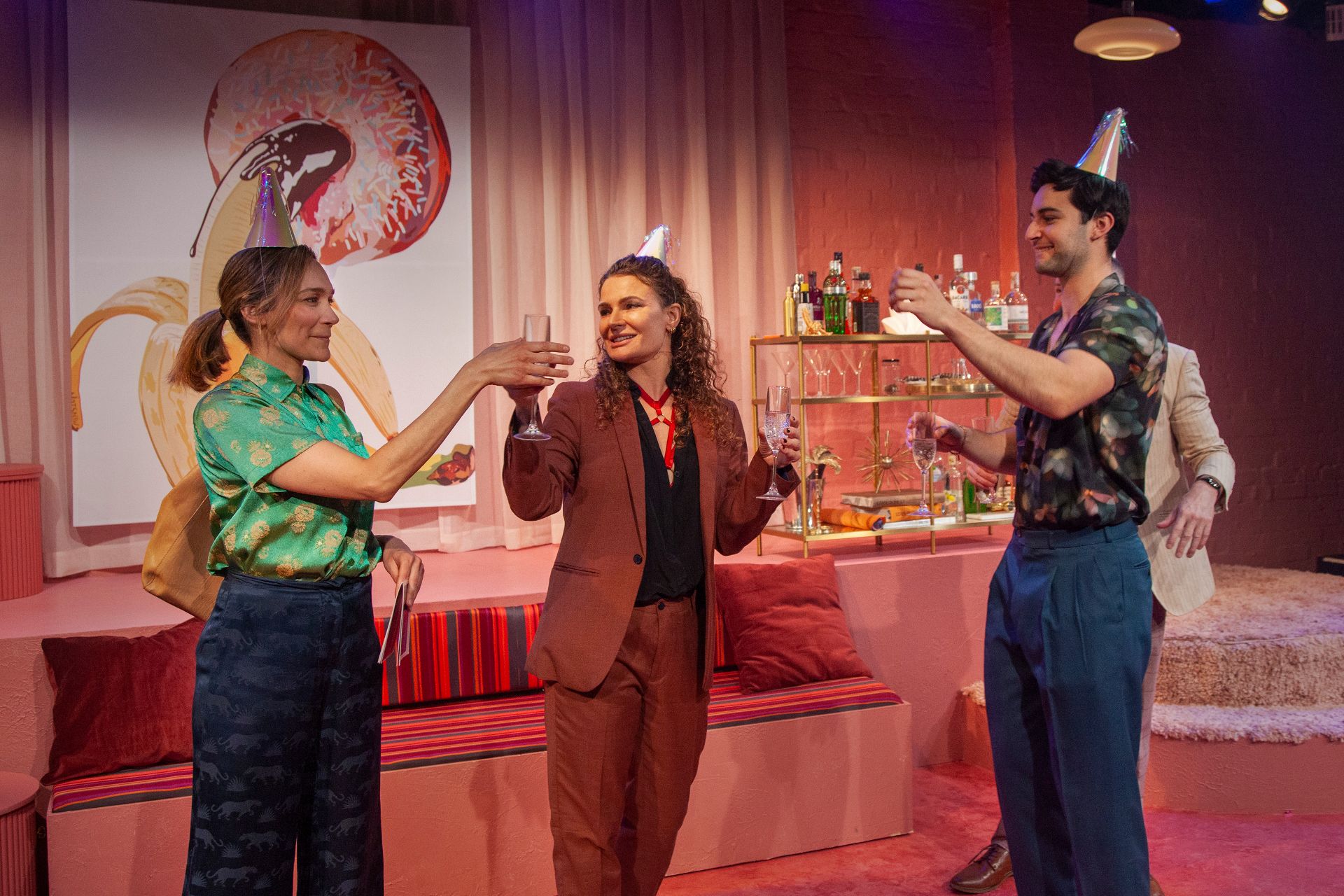
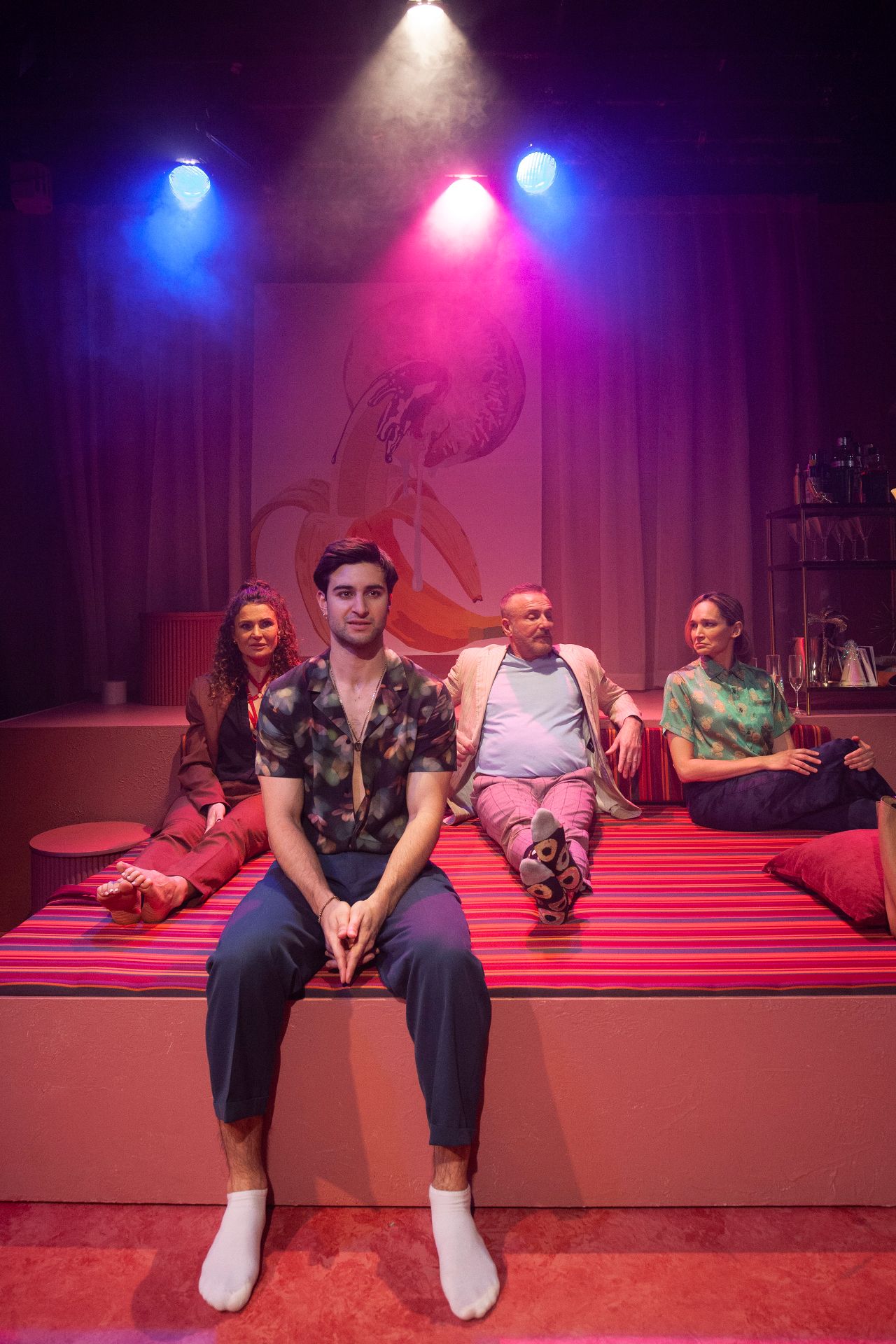
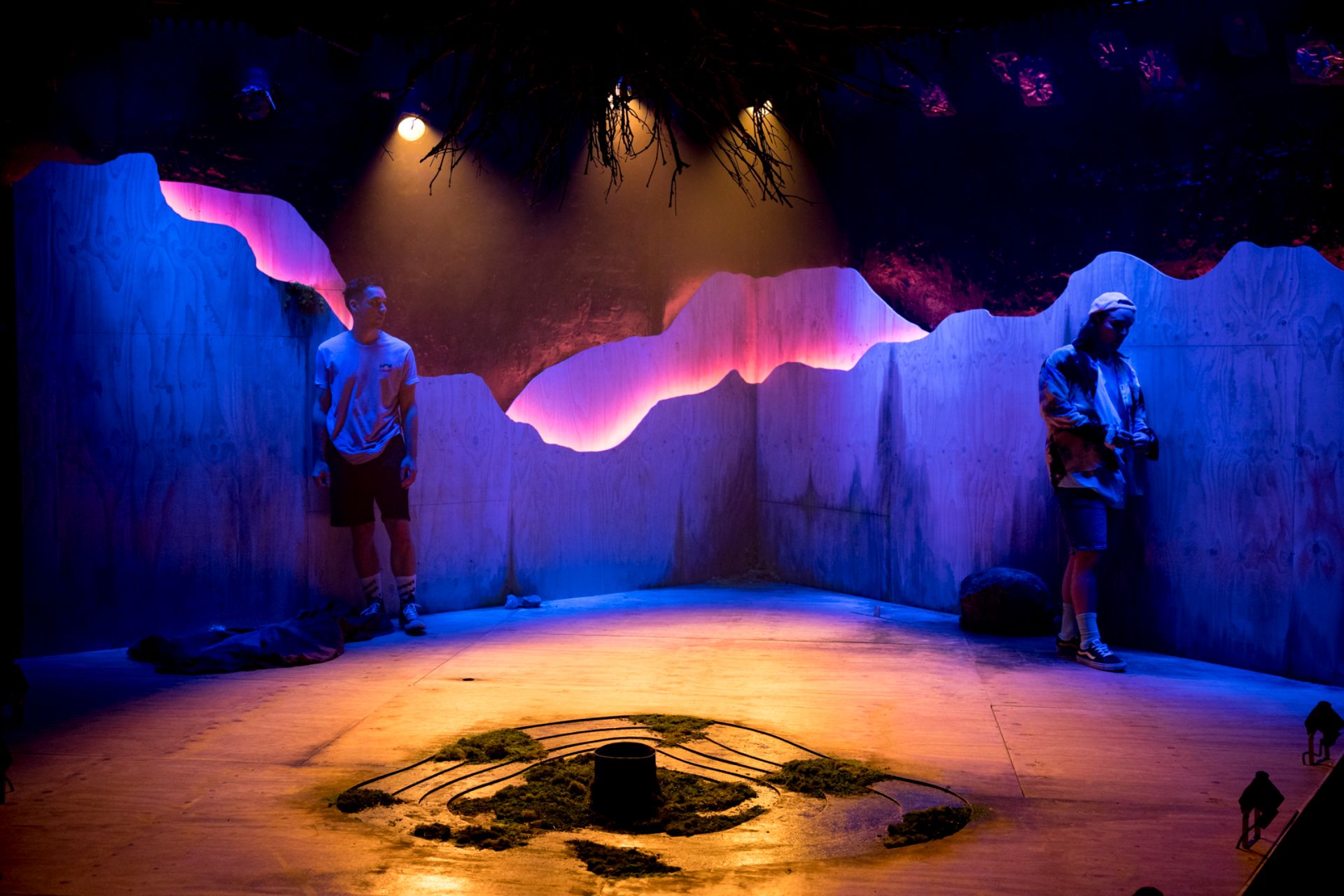
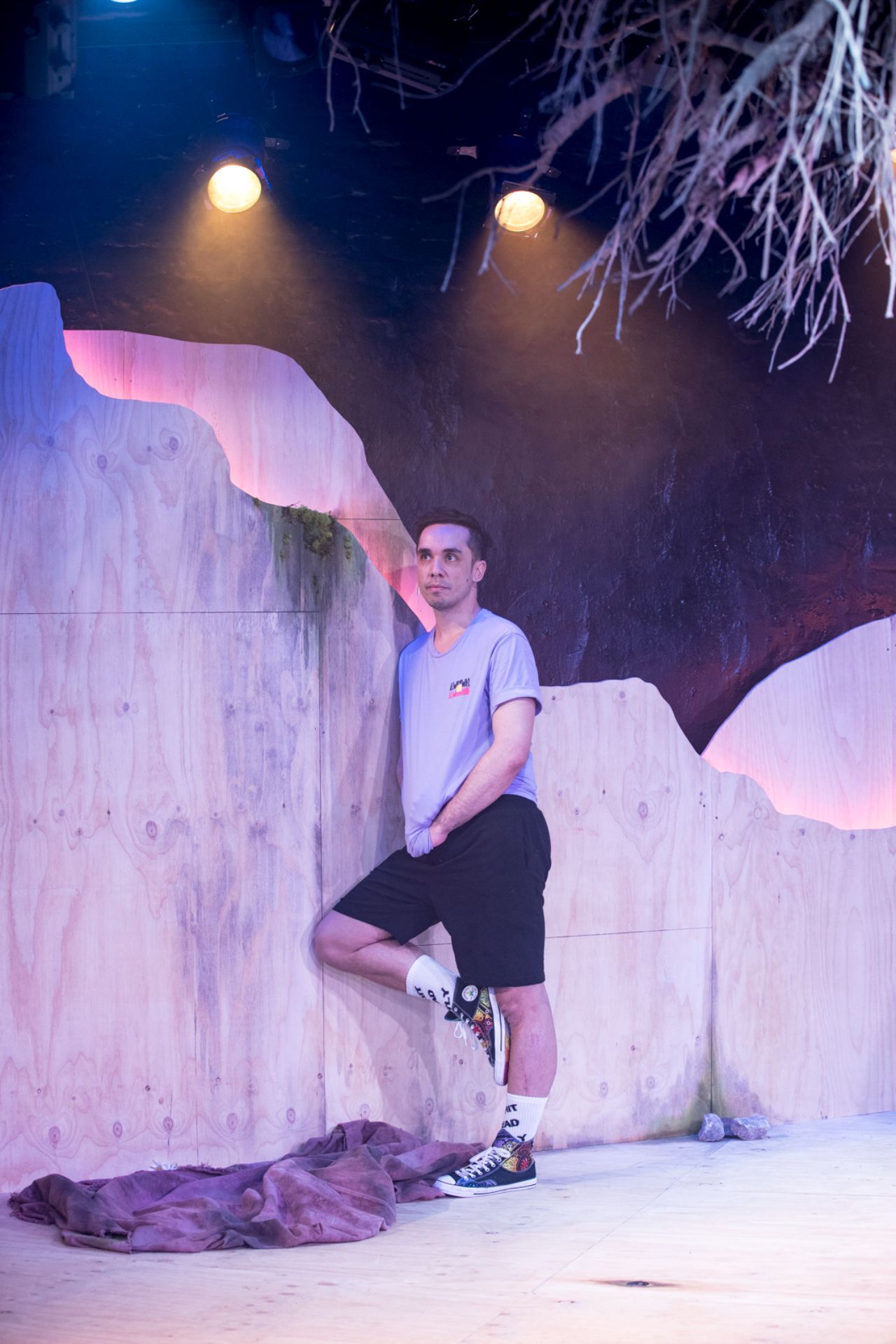
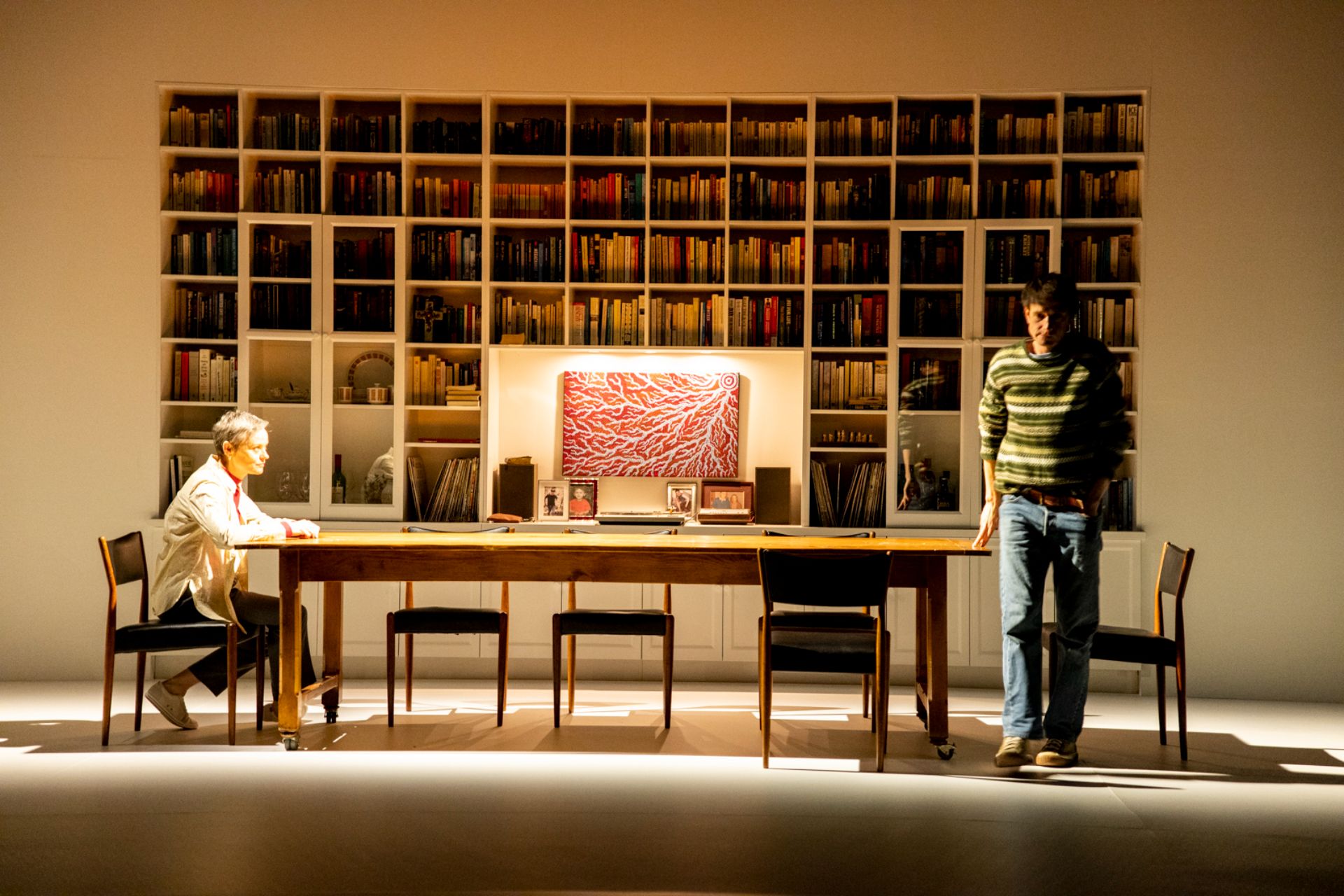
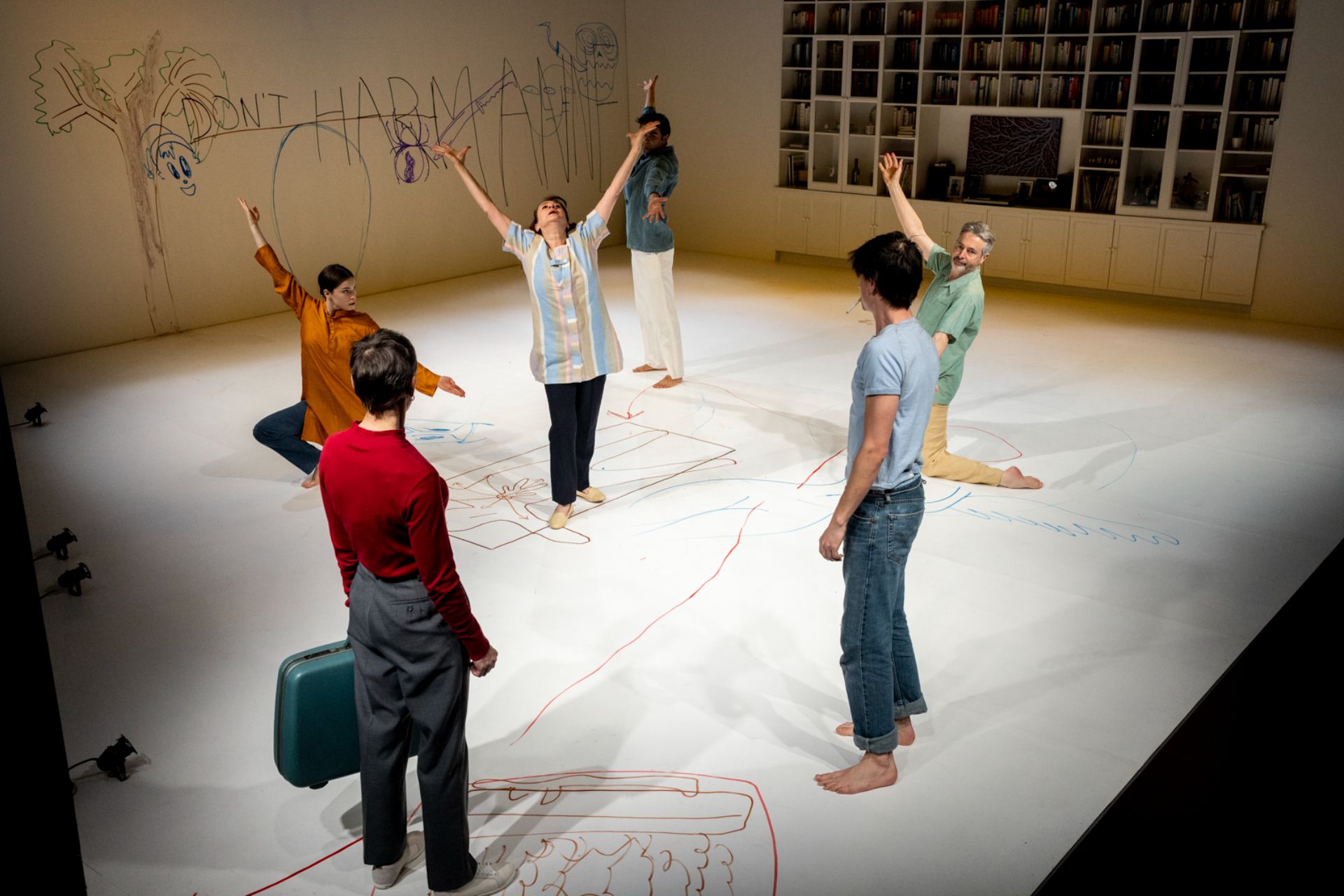
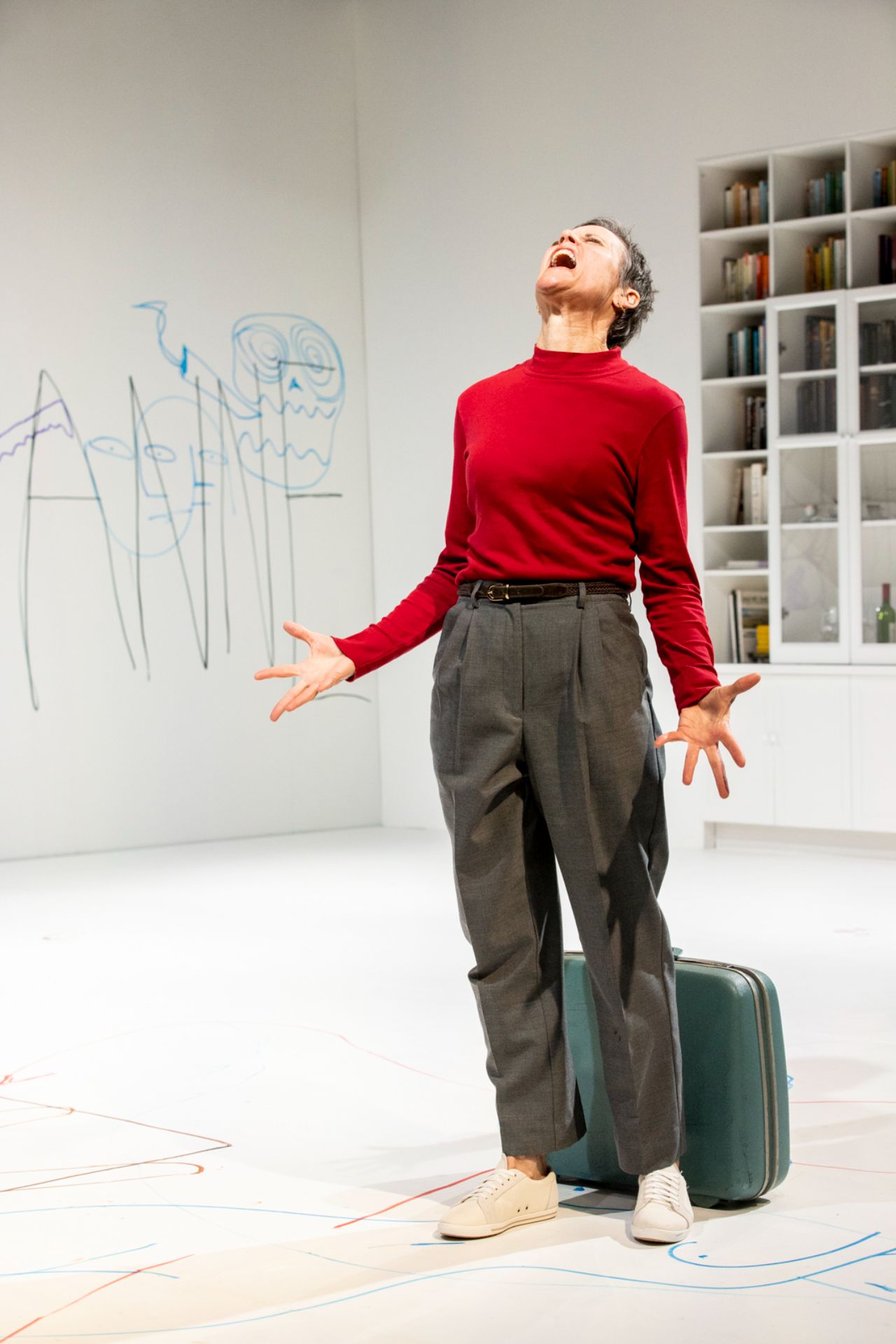
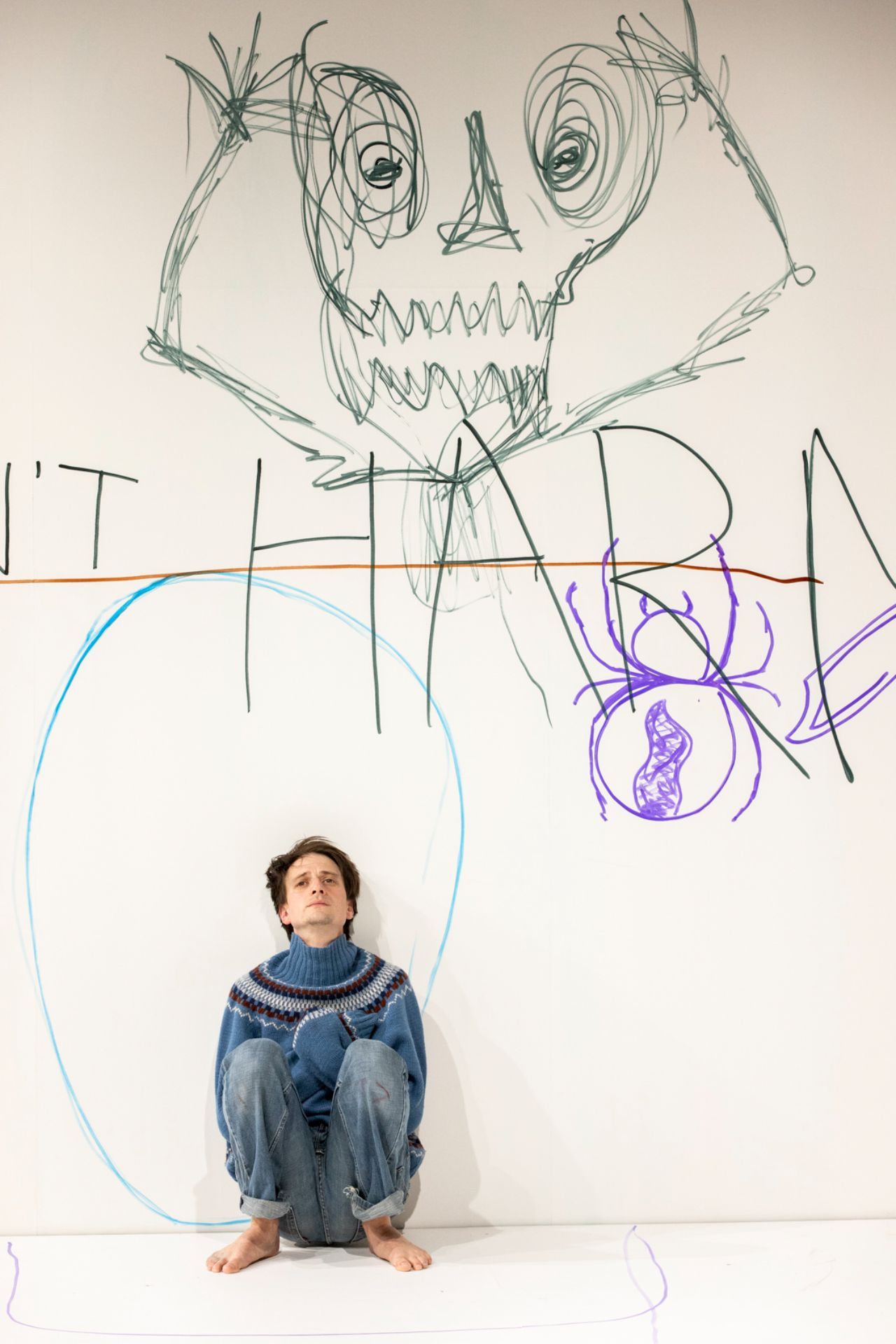
Production design by Soham Apte conveys authenticity for place and characters, with quiet but detailed renderings that serve well to tell the story. Lucia Haddad’s lights are similarly understated, effective in placing us in the right time and atmosphere, to connect with the play’s less than charming personalities. Baldwin’s own sound design offers elegant solutions to sustain our attention, and to keep it firmly focused on the show’s complex dialogue.

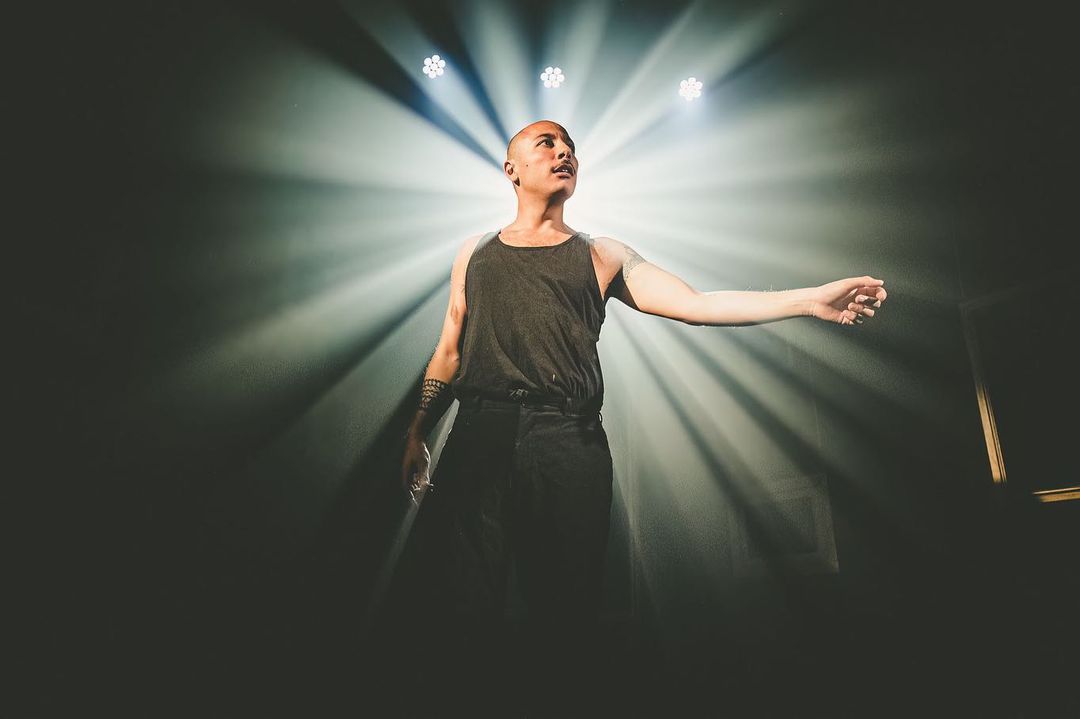
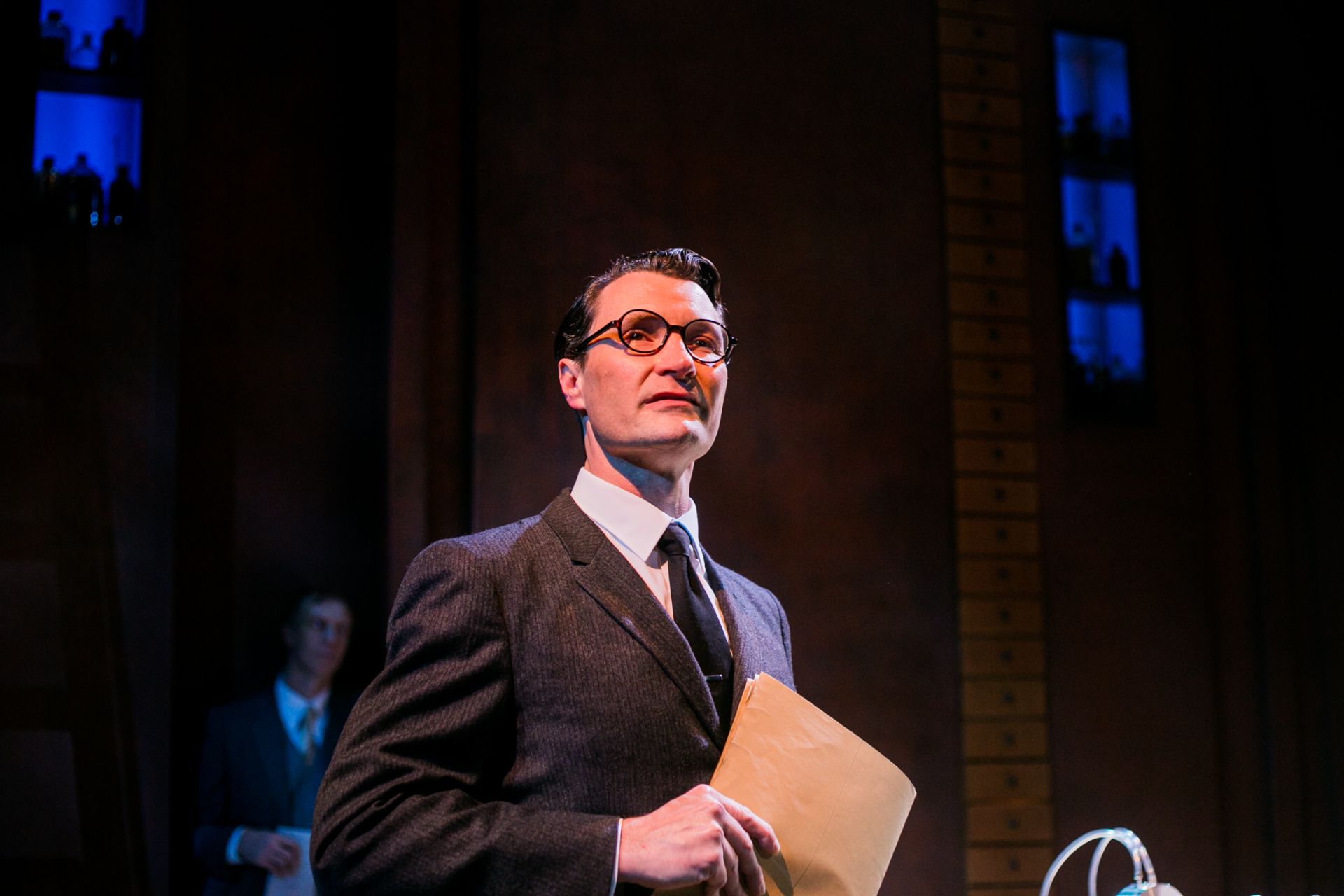
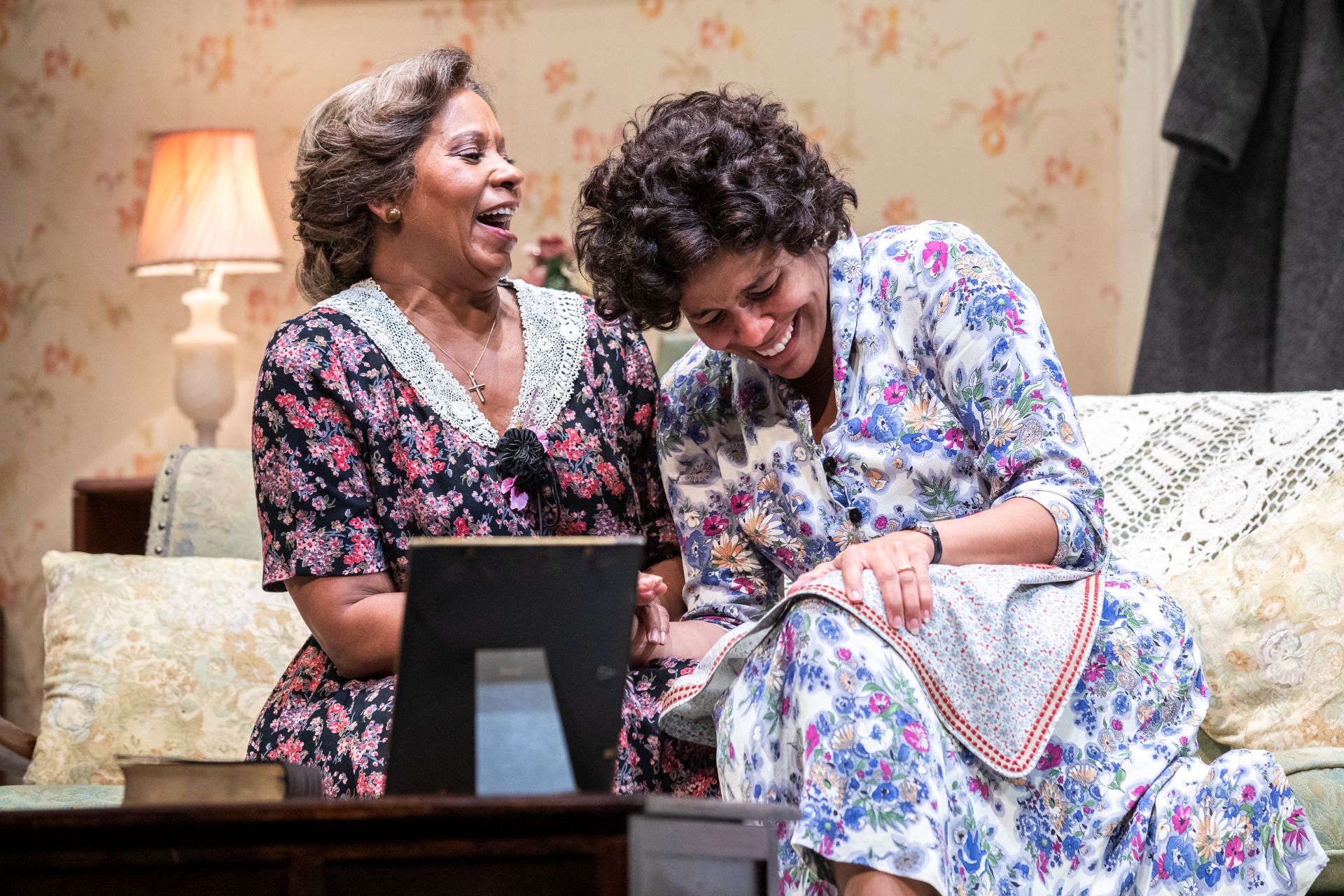
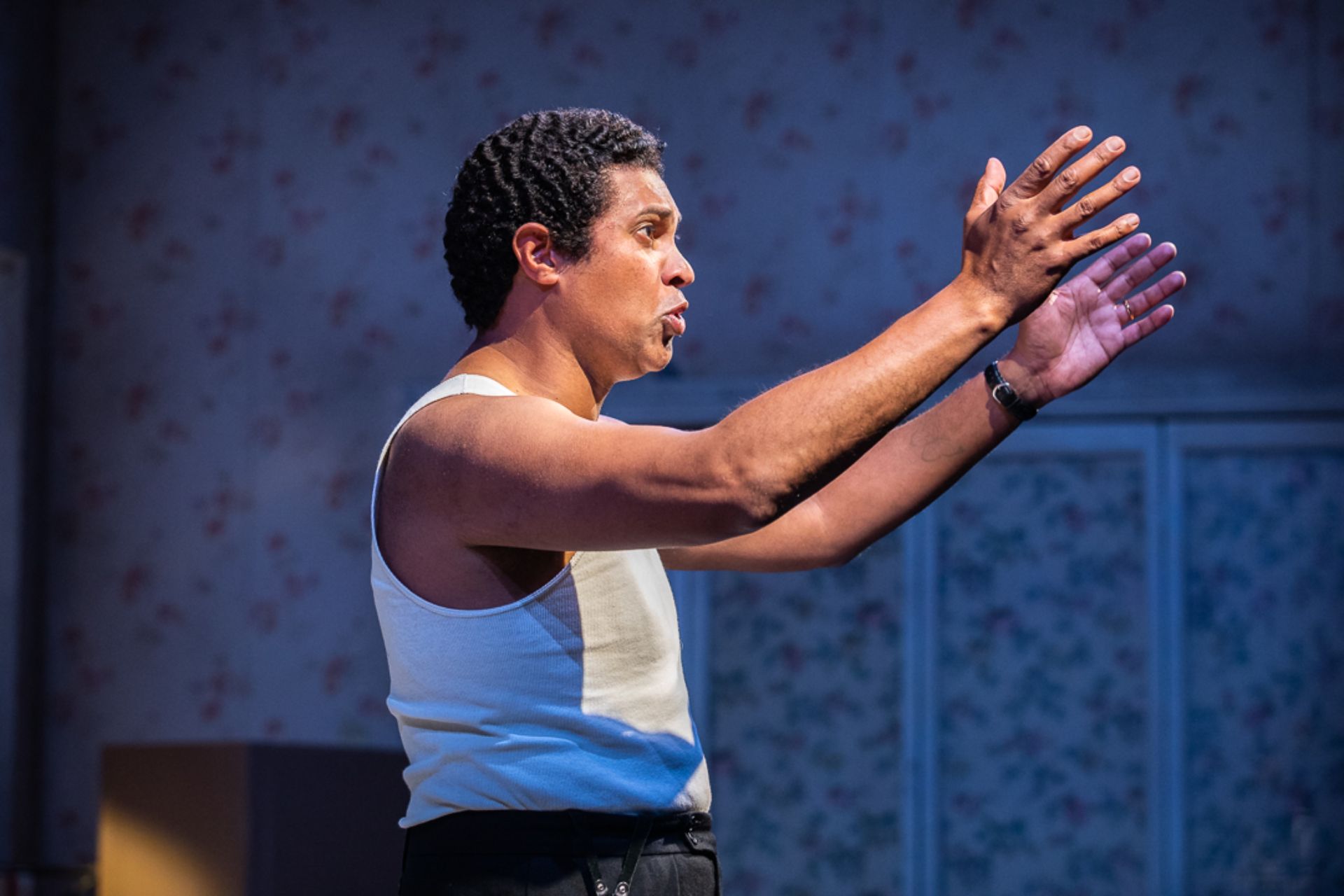
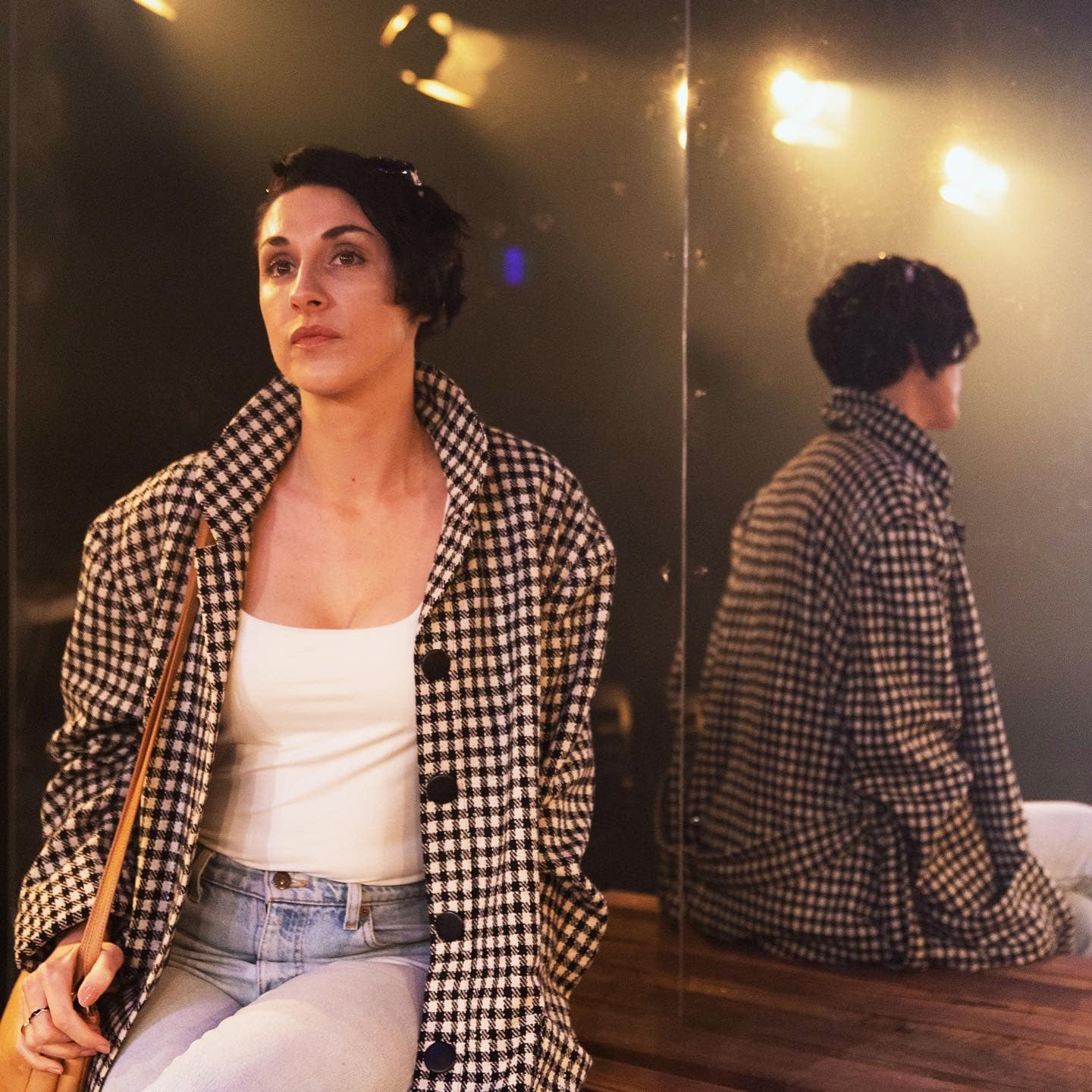
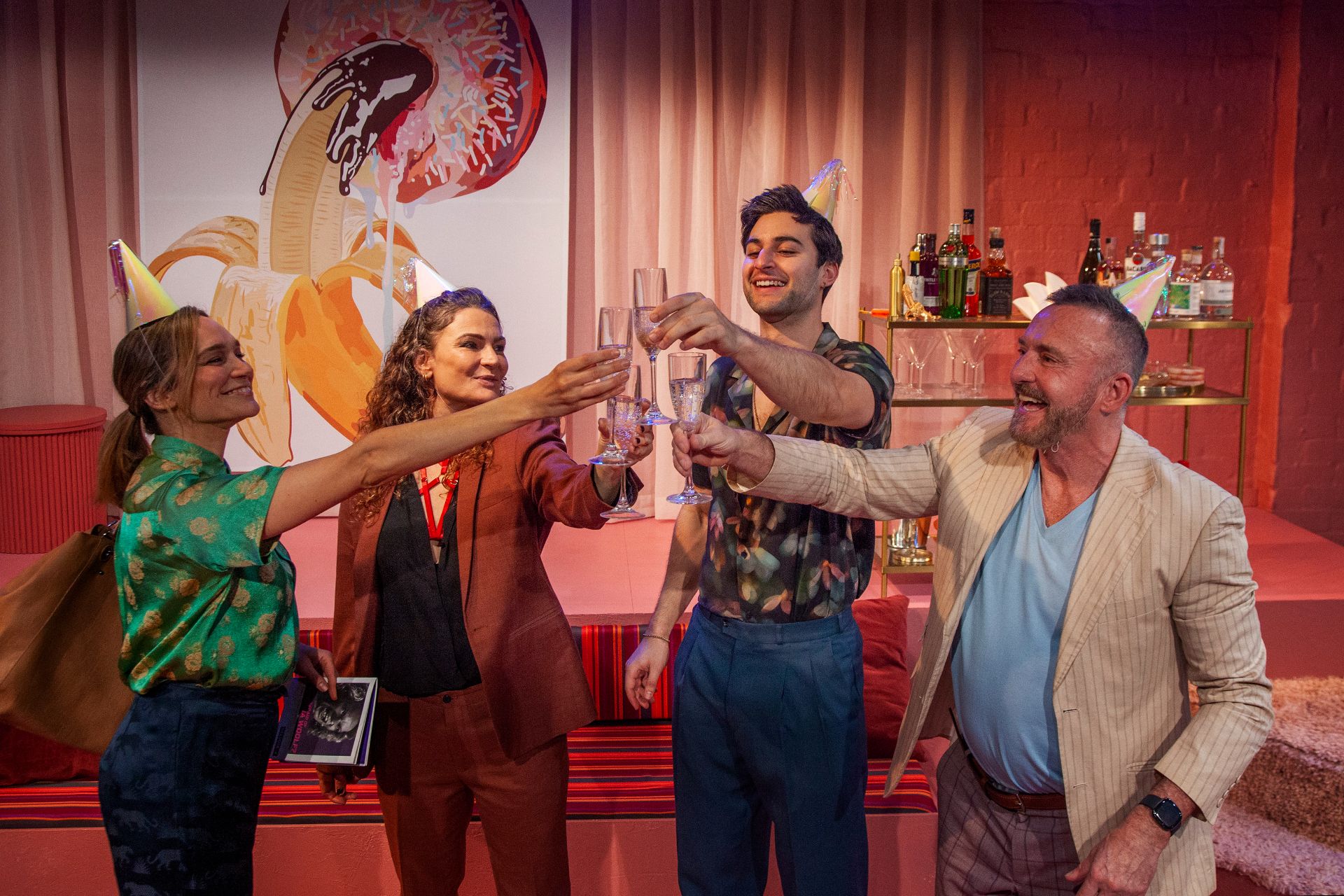
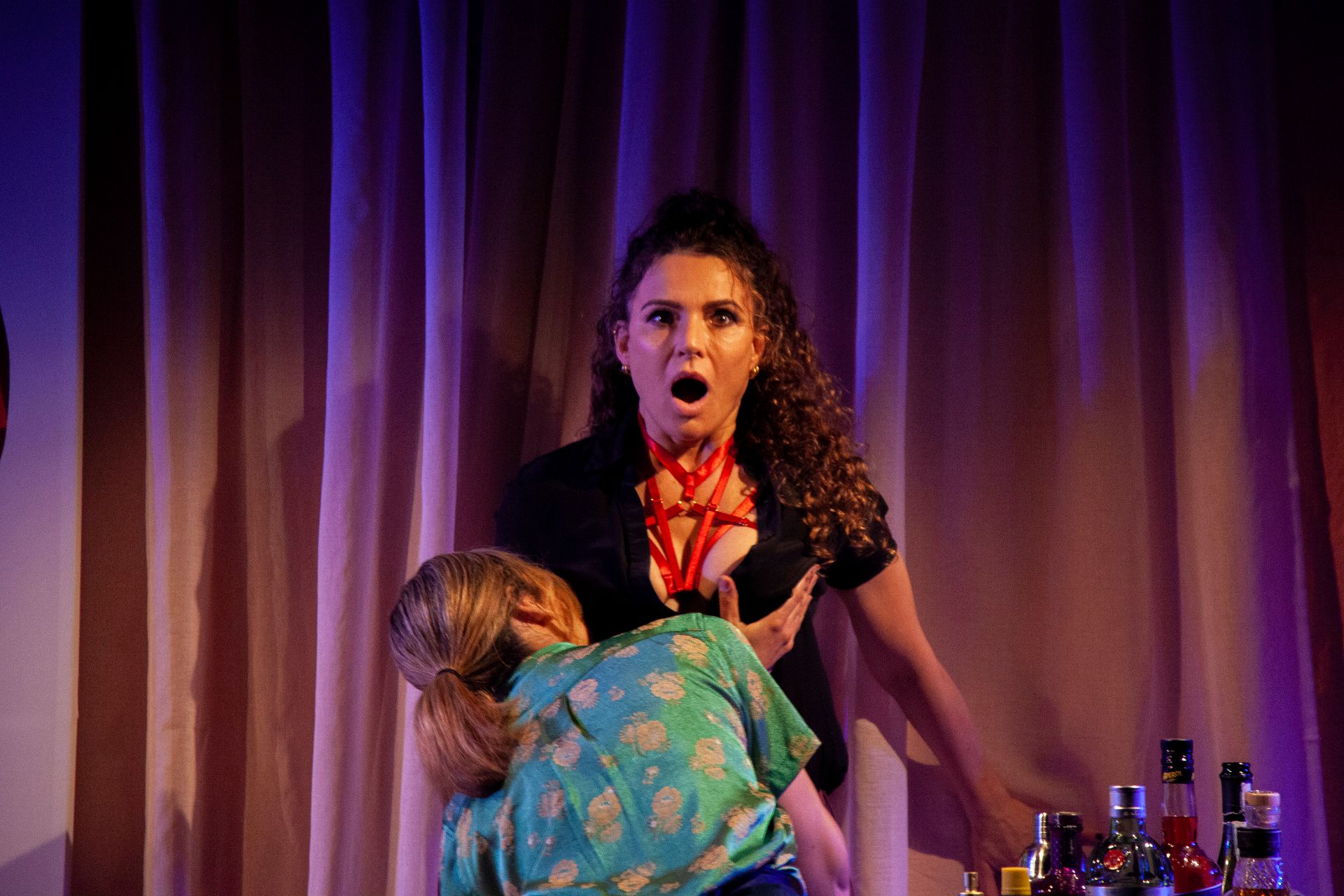
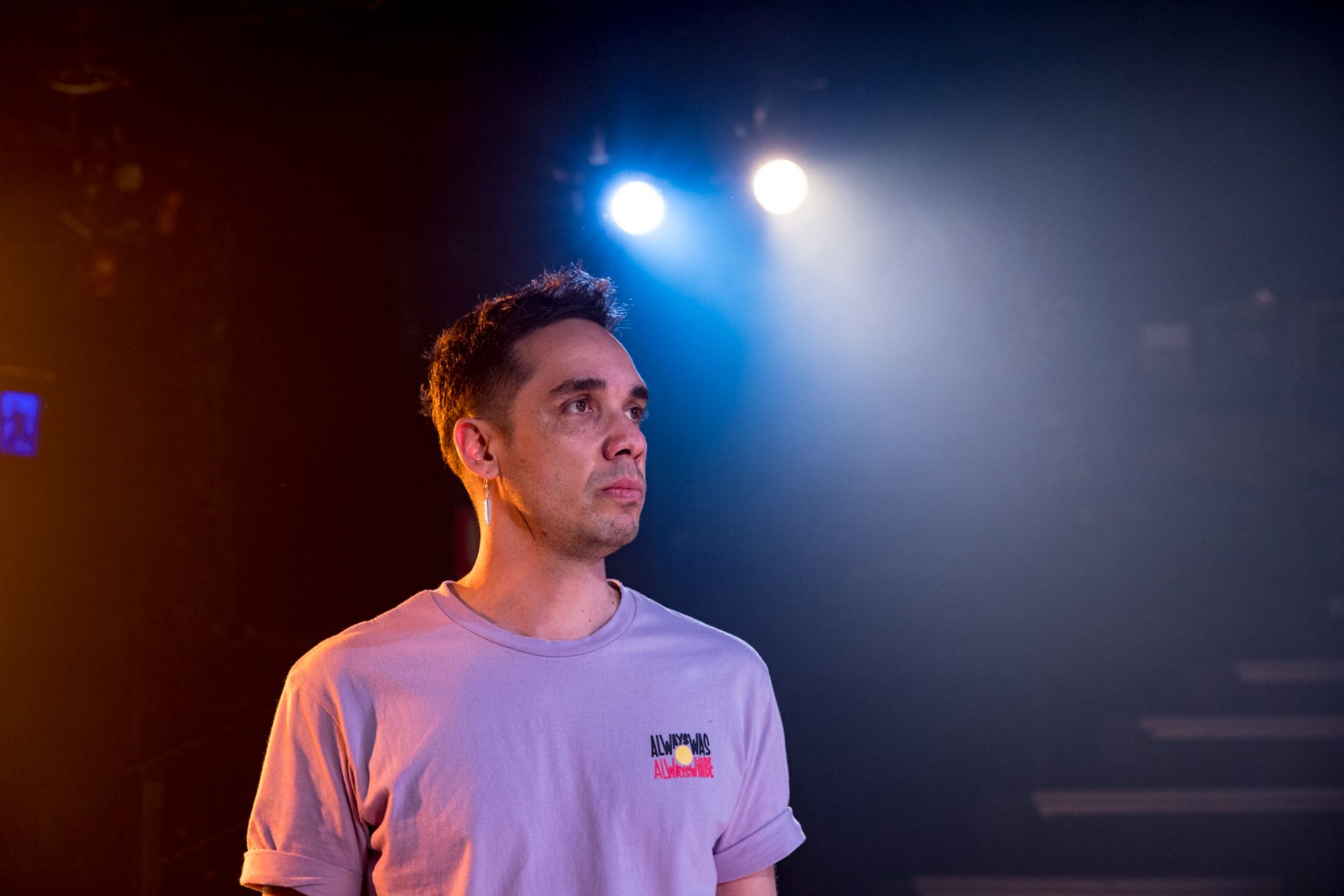
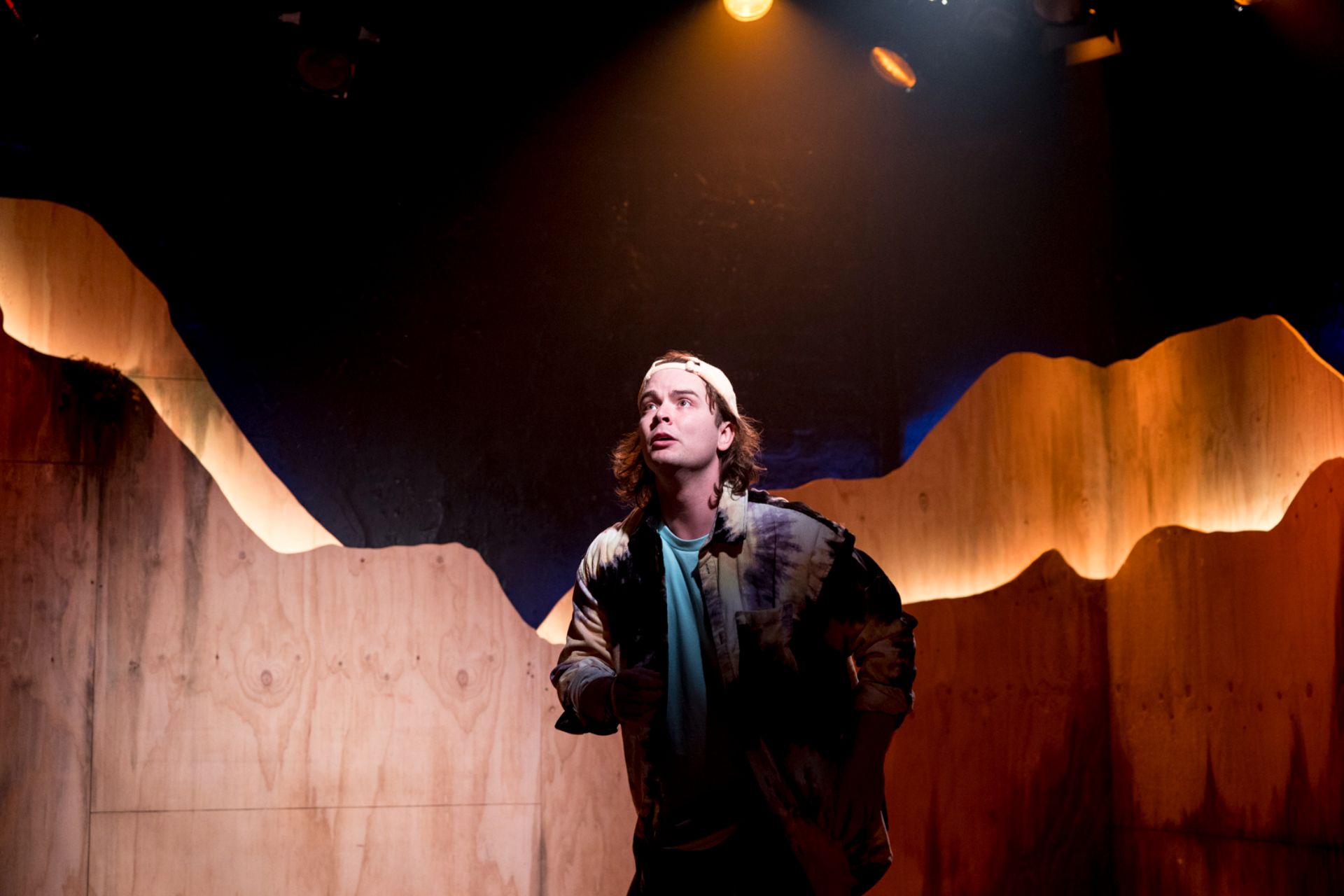
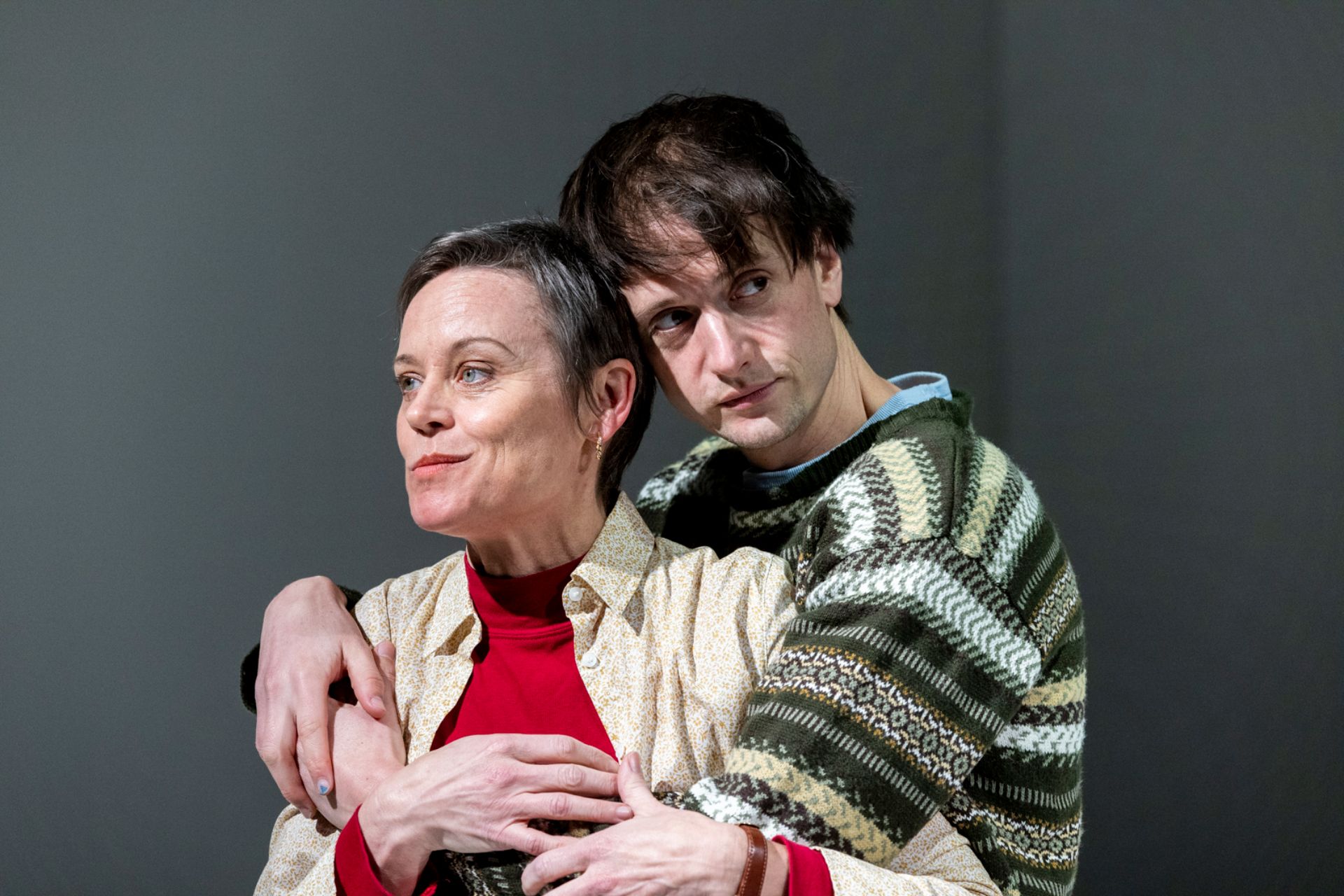
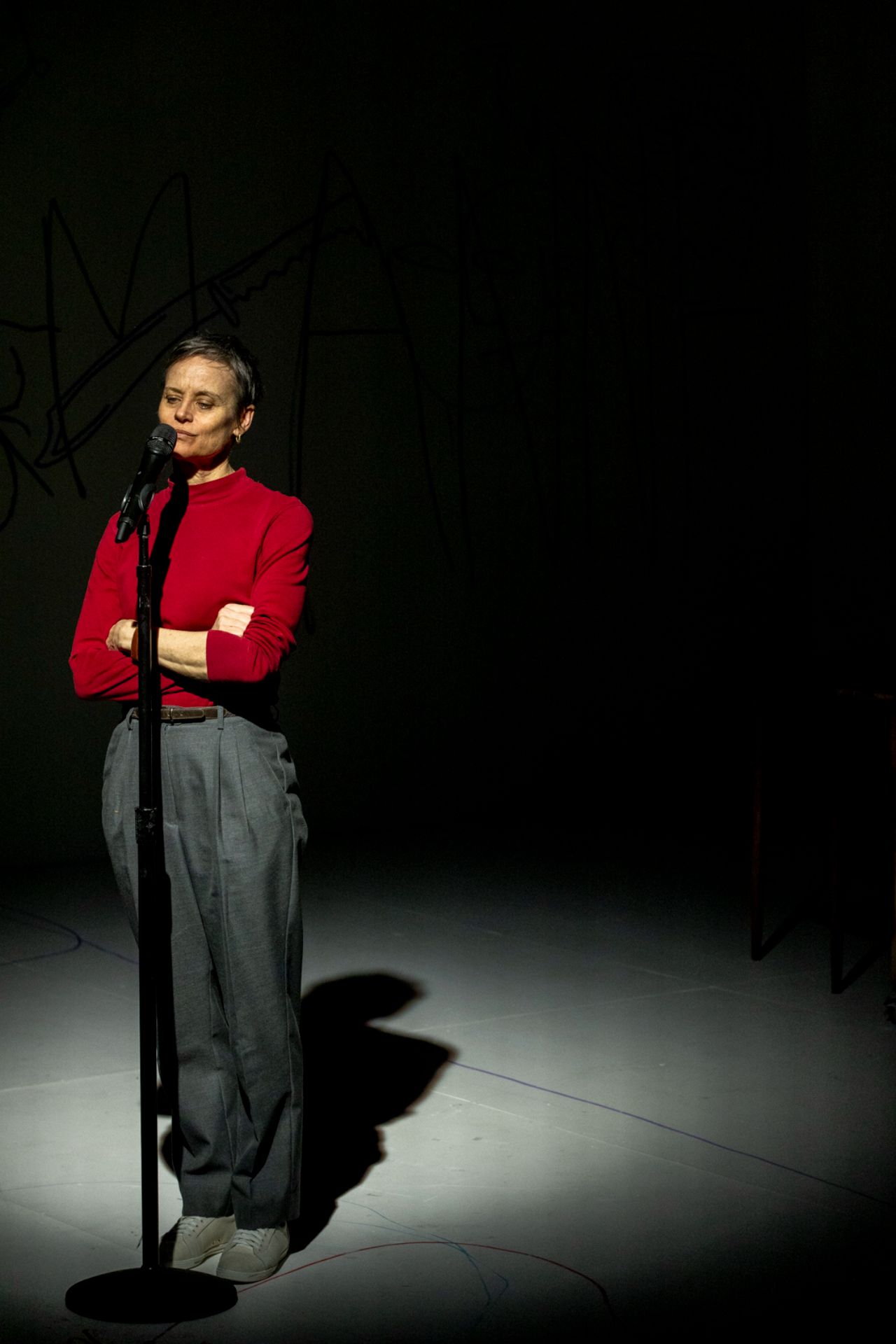
An exquisite ensemble of five actors, individually compelling, and powerful as a collective, conspire with great cohesiveness to take us through this tumultuous but highly satisfying examination, of tribes and factions. Madeleine Jones’ flawless recitation of some spectacularly wordy and convoluted alt-right diatribes, as the exasperating Teresa, proves to be maddeningly impressive. Kevin’s crisis of faith as a Catholic with compassion, is conveyed with dazzling fervour and excellent humour, by Eddie Orton. Micaela Ellis’ oscillations between soft and stern, for the role of Emily, provide much needed moments of relief for the audience.  The strong, silent Justin is played by Jeremy Waters with a beautiful restraint, leaving us plentiful room to cast judgement however we wish. Woman of the moment Gina, is given a splendid sense of grace by Kate Raison, who also does us a great favour of putting terrible Teresa in her place.

Humanising one’s foe is necessary, if only to keep our eye on the ball, and not be distracted by endless other conflicts that serve little to advance the cause. Heroes of the Fourth Turning does well to aide us in understanding how these American conservatives think and behave. It is true that the very mechanics of our humanity do not vary much; our need to fight for what is right, seems to be universal, and how our circumstances push us to grow vehement with our beliefs, also looks to run parallel. Any ideology, no matter why they come about, whose flourishment requires the subjugation of large categories of people however, simply cannot be allowed to thrive.

www.outhousetheatre.org

Review: Stay Woke (Darlinghurst Theatre Company / Malthouse Theatre)

Venue: Eternity Playhouse (Darlinghurst NSW), Mar 26 – Apr 17, 2022
Playwright: Aran Thangaratnam
Director: Bridget Balodis
Cast: Rose Adams, Brooke Lee, Dushan Philips, Kaivu Suvarna
Images by Phoebe Powell

Theatre review
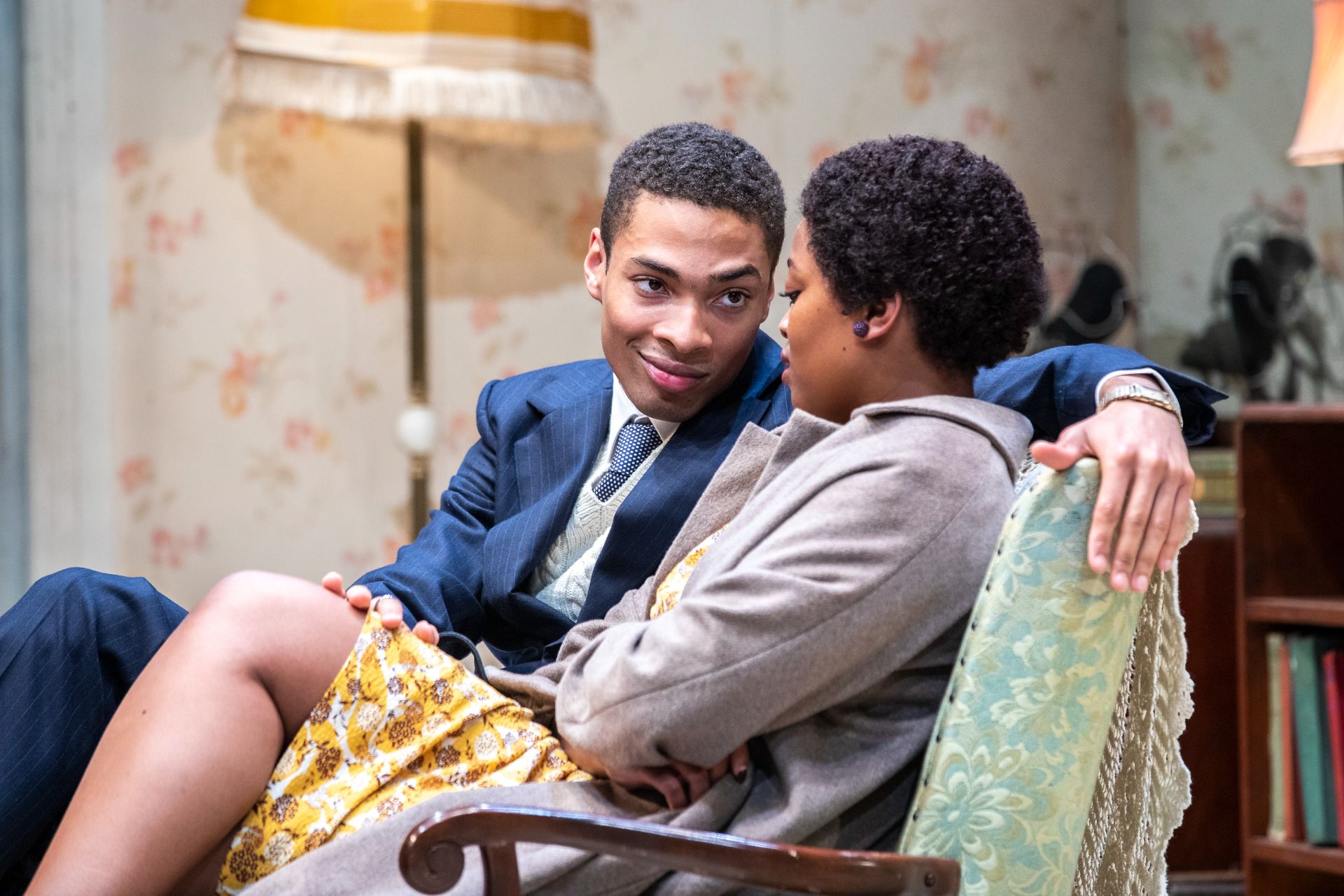
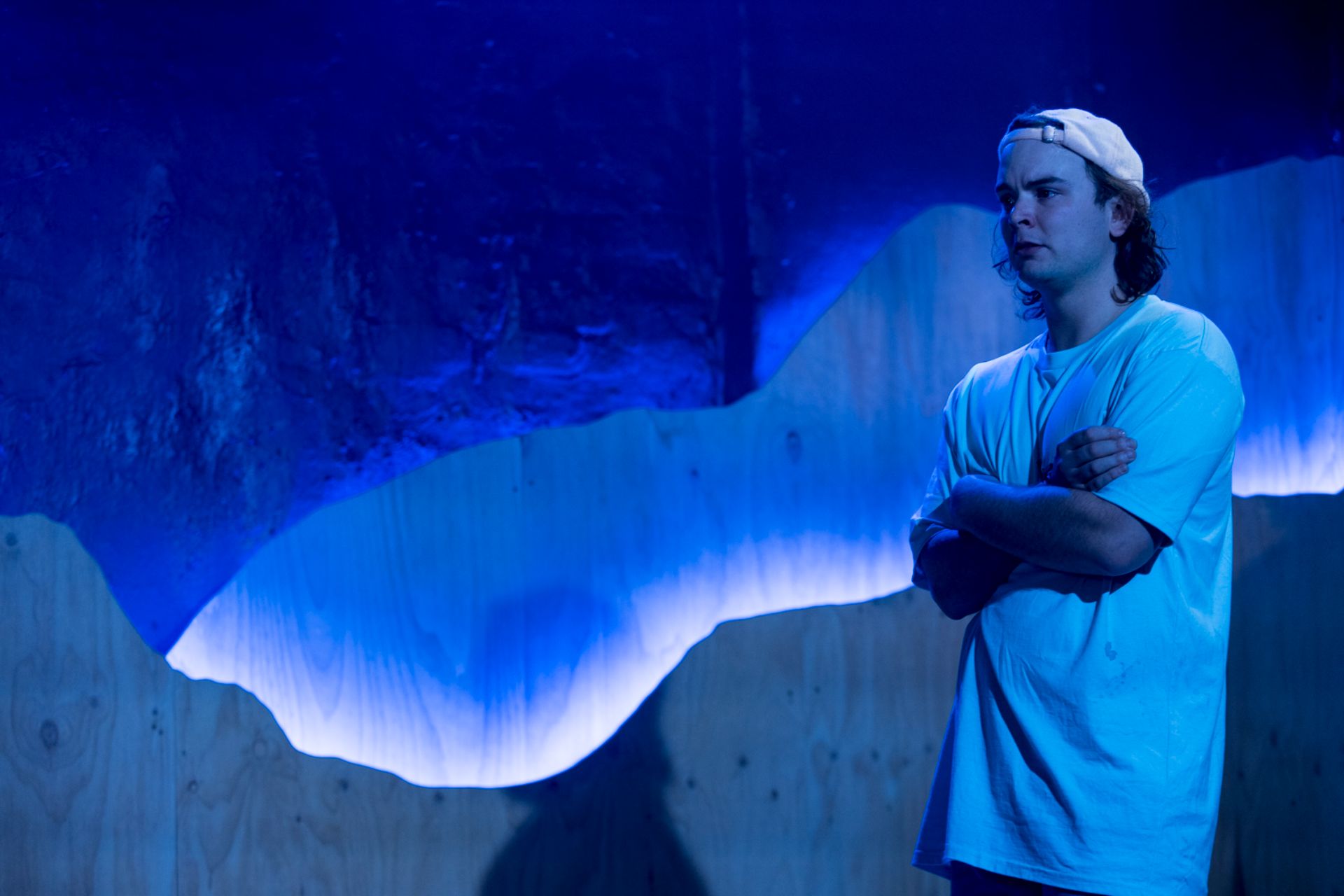
Sai is joining his brother Niv at a snow resort. The two have always had a difficult relationship, but introducing Sai’s girlfriend Kate to the mix for the first time, is only making things worse. The young men are Asian-Australian with roots in Sri Lanka, and Kate is white, with very little familiarity about cultures beyond her ethnocentric existence. Niv has no tolerance for ignorance, so even though Kate means well, her social illiteracy causes incessant altercations to occur inside the chalet.

Aran Thangaratnam’s Stay Woke brings focus to the current process of reckoning, as we find ways to understand and undermine the white supremacy that has faced scant opposition these last few centuries. The comedy places one white character in tight quarters with three people of colour (including Niv’s romantic partner Mae), who now know better than to just let things slide. It is a challenging time, and the play helps make tangible, the difficult conversations that are taking place, as minorities devise strategies to confront the hegemony.

Thangaratnam’s writing is generous in spirit (there is no real vilification of Kate or any other white people), but its passion is unmistakable. The politics in Stay Woke are carefully considered, and its humour is well rendered, although some of its dialogue could benefit from being more conversational. Direction by Bridget Balodis too, lacks a convincing naturalism in early scenes, but as the stakes escalate, tensions are marvellously harnessed, in this mesmerising theatrical work about race relations and familial connections.

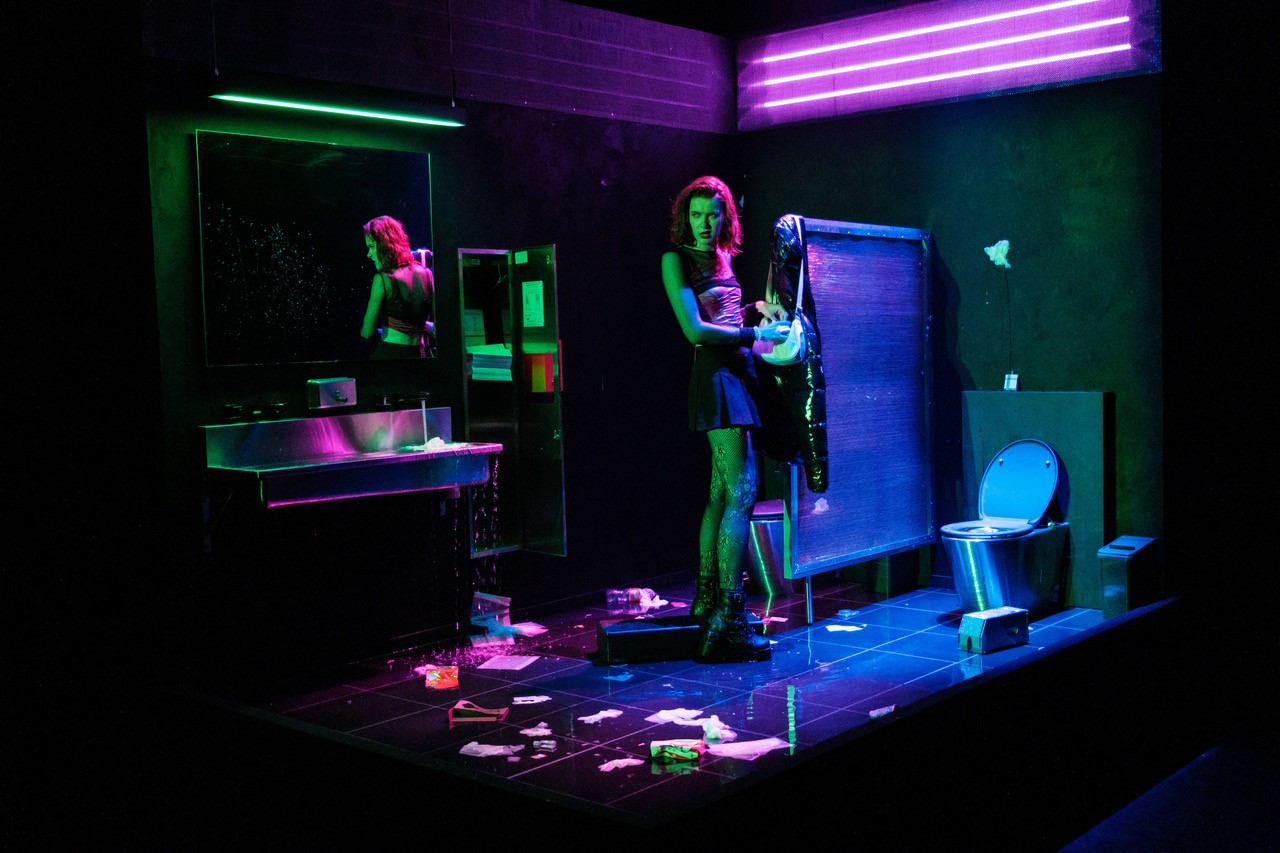
Production designer Matilda Woodroofe delivers a stunning set, complete with oversized windows revealing falling snow. Rachel Lee’s lights are invitingly warm, beautiful and nuanced, as they quietly transform with the show’s oft shifting moods. Sound design by Daniella A Esposito is ambitious, and perhaps too detailed in what it tries to establish for the staging, frequently drawing undue attention to itself, instead of providing gentle enhancement to the story being told.

Actor Dushan Philips brings great intensity to Niv, with a brand of overwrought expressiveness that feels entirely appropriate for the bombastic character. Kaivu Suvarna is a more subdued presence, but effective in cultivating an air of authenticity for the stage, as the more diplomatic Sai. Playing Kate is Rose Adams, who can be exaggerated with some of her comedy, although excellent at providing a clear interpretation of her role’s qualities. Brooke Lee is perhaps the most convincing of the cast, able to convey a sense of truthfulness for all their moments, whether comical or dramatic.

Stay Woke makes good points about who we are and how we should evolve, but there is a politeness to its pronouncements, that feels strangely conservative. For our art to be politically effective, it is necessary that we have the capacity to accommodate chaotic disruptions and unpleasurable assertions. We live in an awkward time, when so much of normalcy is being interrogated and deconstructed. For those who are used to experiencing big changes, we know that discomfort is a sensation that needs to be embraced, for without it, the old status quo remains triumphant.

www.darlinghursttheatre.com | www.malthousetheatre.com.au

Review: Blithe Spirit (Sydney Theatre Company)

Venue: Sydney Opera House (Sydney NSW), Mar 21 – May 14, 2022
Playwright: Noël Coward
Director: Paige Rattray
Cast: Courtney Act, Matt Day, Nancy Denis, Bessie Holland, Tracy Mann, Megan Wilding, Brigid Zengeni
Images by Prudence Upton

Theatre review
Ruth and Charles are a wealthy couple who have run out of earthly pleasures to occupy themselves with, and are now toying with paranormal phenomena, for shits and giggles. What was originally meant to be the Condomines’ moment of disingenuous flirtation with the netherworld however, turns into a living nightmare when Charles’ ex-wife Elvira returns from the dead to haunt the household. Noël Coward’s 1941 comedy Blithe Spirit is a bit of harmless nostalgic English fun, the usual appeal of which resides almost entirely with its writer’s extraordinary wit.

With the passage of time, it is unsurprising that Coward’s work, now almost 80 years old, might have waned in its ability to tickle. Fortunately, the transcendental magic of theatre is ageless, and under the directorship of Paige Rattray, we find a renewed appreciation of the old play, and even though her contemporary production may not share very much in common, in terms of methodology, with the original creation, there is no denying that rapturous laughter was always the central intention.

It is a tremendously successful rendition, that relies upon Rattray’s uncanny ability to parody not only what Coward found worthy of satire, but also to lampoon old English sensibilities, such as those of Coward’s own, that represent so much of what many Australians today wish to establish distance from. Blithe Spirit has always made fun of the bourgeoisie, but now it is additionally useful in aiding in the ridicule of our colonial history.

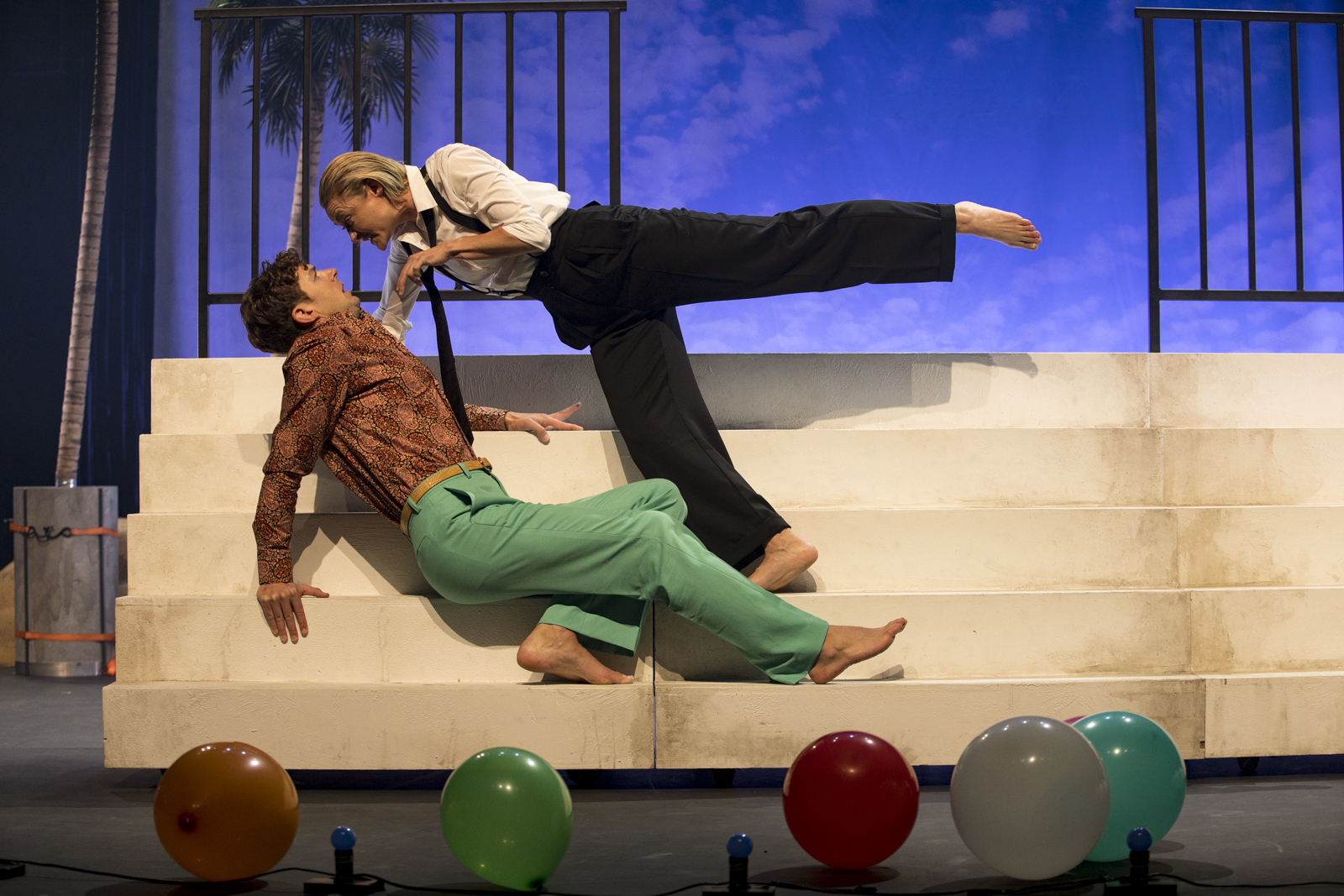
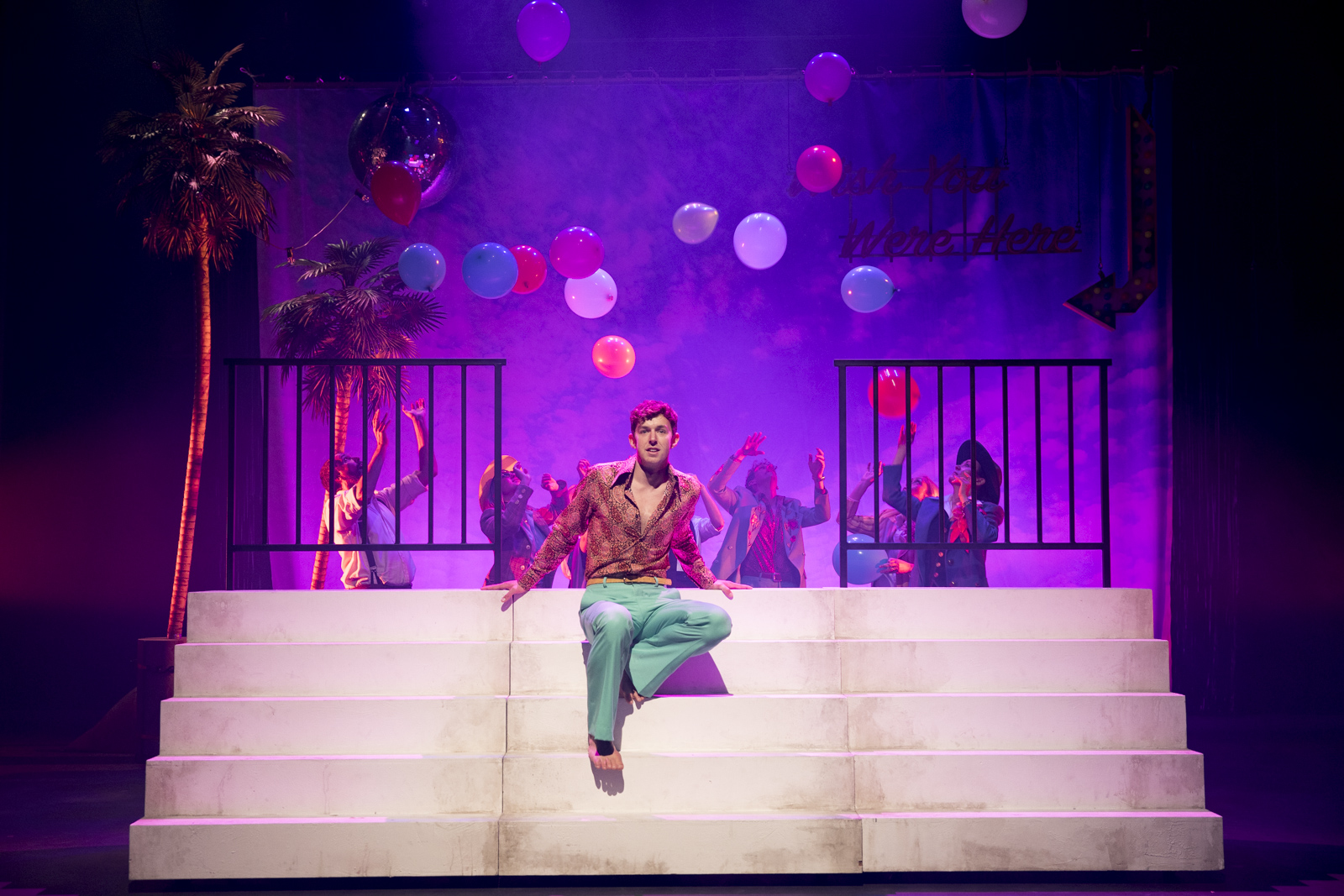
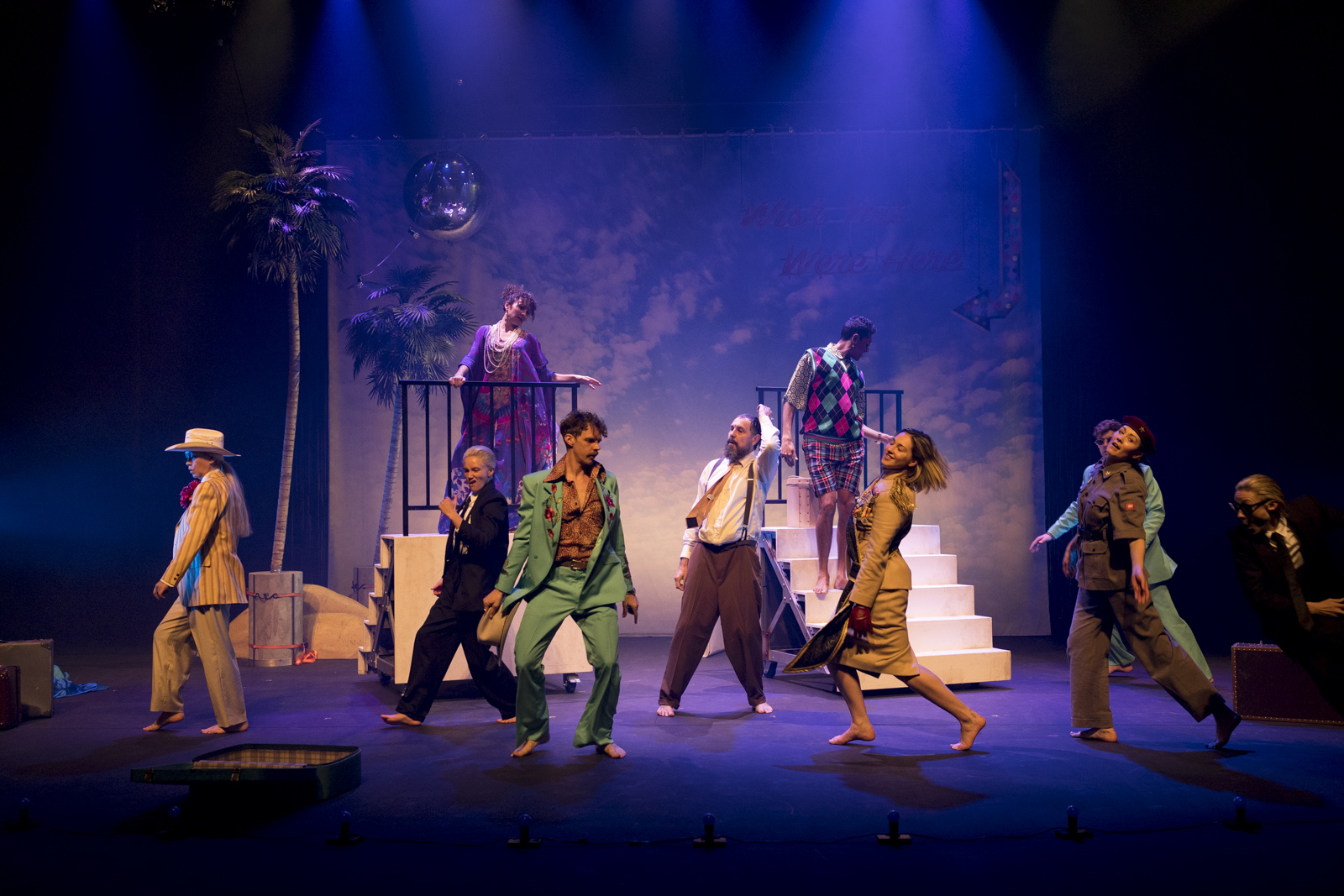
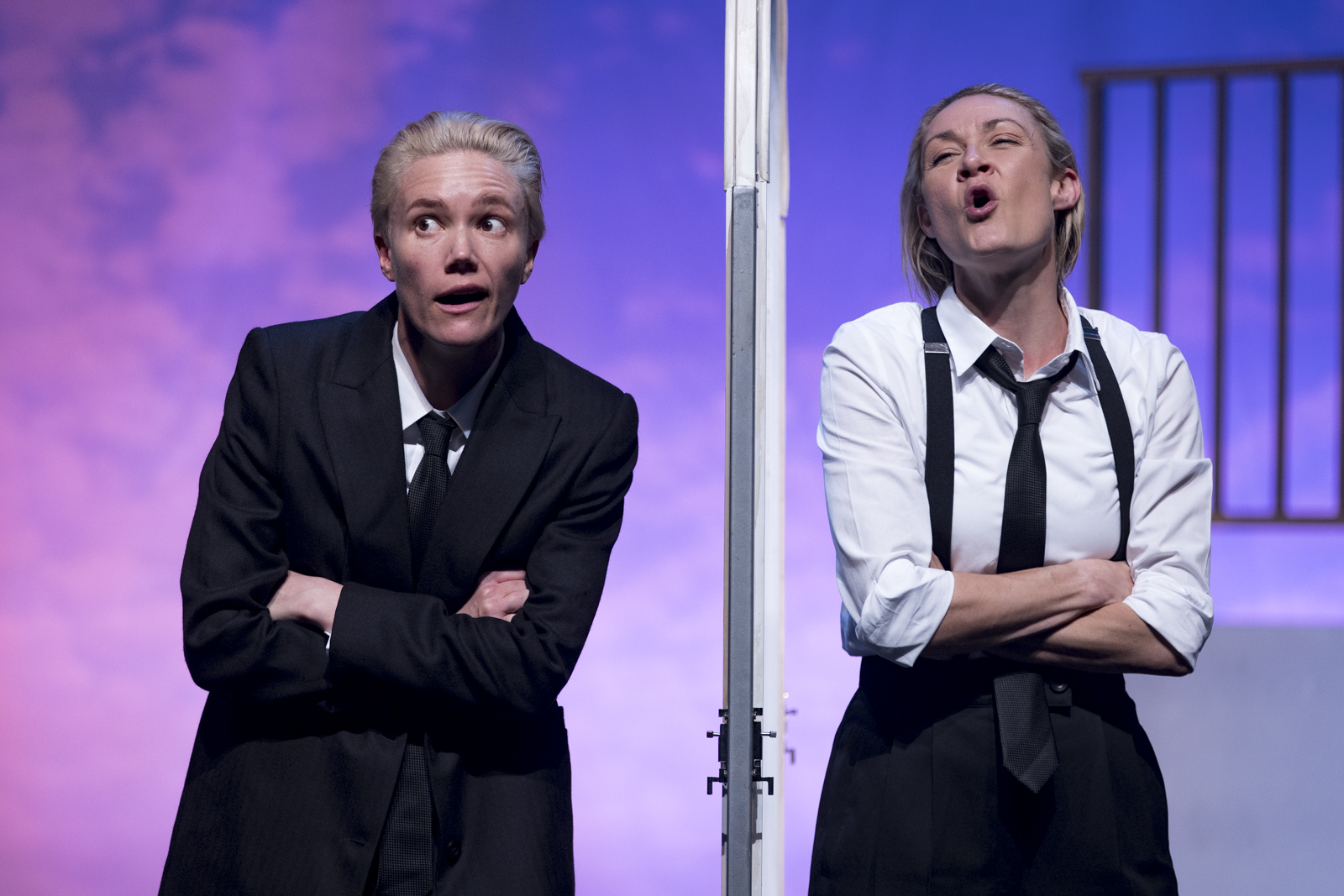
Indeed it is that familiar English pomp that forms the basis of Rattray’s sarcastic and camp humour. Production design by David Fleischer involves conspicuous display of white money and class, for a sardonic rendering of the Condomines’ home and attire that look every bit the epitome of rich people nonsense. Sound design by Clemence Williams memorably adds to the cheekiness of attitude, as does Damien Cooper’s lighting design, which is additionally called upon to enhance the show’s cartoonish moments of supernaturality.

Performer Courtney Act brings excellent presence to the phantasmal role of Elvira, although a lack of nuance and depth in interpretation, tends to result in a regretful vapidity for the prominent part. Charles is played by Matt Day, admirably sure-footed and detailed with his contributions. The housemaid Edith is made larger than life by Megan Wilding’s creativity, the nature of which is undeniably inventive and mischievous. The wonderfully robust Brigid Zengeni portrays the clairvoyant Madame Arcati, as simultaneously kooky yet dignified. Nancy Denis and Tracy Mann are whimsical as family friends the Bradmans, both bringing considerable charm to the staging.

All theatre productions are collaborative efforts, but rare instances do occur, where a single star on the stage shines so bright, everything else can only settle for being mere witness to that magnificence. Playing Ruth, is actor Bessie Holland, who delivers nothing short of a masterclass, in a performance that exceeds even the greatest of expectations. It is a fearless embodiment of a great love for live comedy, replete with faultless instincts and exhaustively considered manoeuvres. Not only does Holland offer us crystal clarity with regards character and story, she has an ability to connect with her audience as though through a direct link to our viscera, so that an impossible joy is emitted, with every aural and visual punchline she precisely, and spiritedly, executes. It is a marvel that such talent is real, and an even greater miracle that we can attest to its existence in this very lifetime, with our own eyes.

www.sydneytheatre.com.au

Review: North By Northwest (Sydney Lyric Theatre)

Venue: Sydney Lyric Theatre (Sydney NSW), Mar 9 – Apr 3, 2022
Adaptation: Carolyn Burns
Director: Simon Phillips
Cast: David Campbell, Amber McMahon, Bert Labonté, Genevieve Lemon, Berynn Schwerdt, Dorje Swallow, Kaeng Chan, Lachlan Woods, Nicholas Bell, Sharon Millerchip, Tony Llewellyn-Jones, Wadih Dona 
Images by Daniel Boud

Theatre review
Alfred Hitchcock’s 1959 masterpiece involves espionage, mistaken identities, and an innocent fugitive on the run. It is however, not the story of North by Northwest that is responsible for it being regarded as one of cinematic history’s greatest instalments, but Hitchcock’s virtuosic manipulation of form, that had made the film a monumental achievement.

Transposing to the stage, a movie experience known for its visual trickery, is a formidable task. and this 2015 creation, by director Simon Philips and writer Carolyn Burns, is certainly ambitious. With a heavy reliance on video projections throughout the production (designed by Josh Burns), this theatrical reinvention of North by Northwest begins very much like a tribute to the great Hitchcock, with a tone of reverence that almost drowns out the parodic quality, of both the original and the intentions of this new iteration.
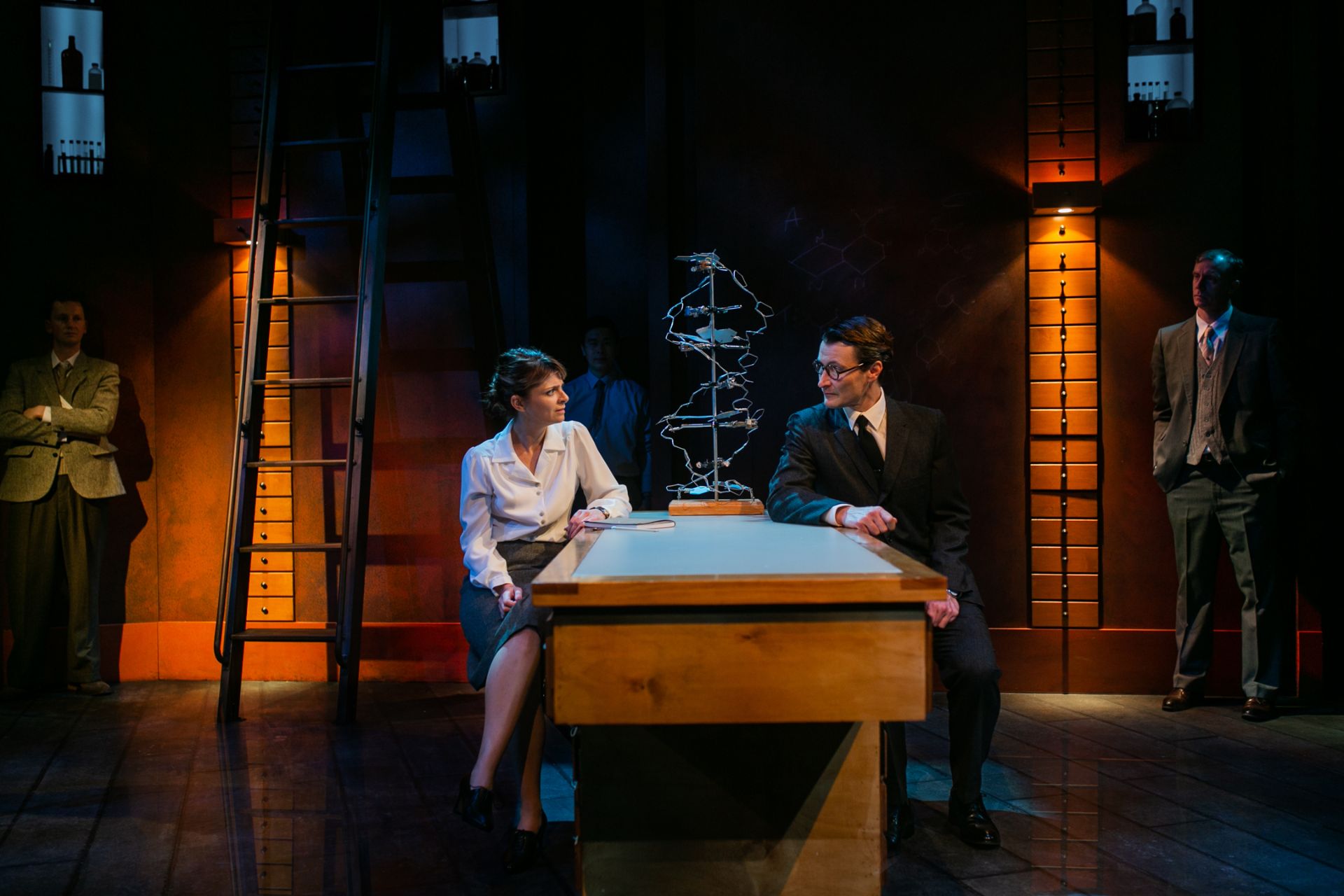
An abrupt shift occurs midway, when the humour becomes decidedly more pronounced. The show gets gradually funnier, as things get more farcical. The pastiche of North by Northwest can range from the very clever to the slightly misguided, but by its second half, the hilarity is undeniable.

Set design by Philips and Nick Schlieper feels more an object of function than of beauty, although Schlieper’s very dynamic lights are definitely an aesthetic pleasure. Together with Esther Marie Hayes’ costumes and Ian McDonald’s soundscapes (based on Bernard Herrmann’s original soundtrack compositions), design aspects of the staging take us back, effectively and pleasurably, to a much more elegant time.

Performer David Campbell is characteristically brimming with charisma, and demonstrates admirable agility for the physical requirements of playing a version of Roger Thornhill without the benefit of close ups, but he never quite delivers the nostalgic sensibilities that we crave. Memories of Cary Grant’s unrivalled suavity remains out of reach.

Leading lady Amber McMahon however is every bit the Hitchcockian femme fatale. As Eve Kendall, she is enigmatic and alluring, but also strangely believable, in this heightened revision of an iconic story and its archetypes. The supporting cast playfully tackle an endless number of small parts, along with manufacturing comically awkward visual gags for the video element. The energy that they emanate, in all their hustle and bustle, is invaluable in sustaining our attention.

It is now 7 years since this work of theatre first appeared in Melbourne, and it seems already to have  been superseded slightly by technocultural advancements. The increased reliance of multi-screens in everyday life, and the proliferation of drone technology, are but two examples of how quickly our senses have grown in sophistication. The simplicity of video in this rendition of North by Northwest, although a fundamental aspect, can seem too quaint and slightly twee. The majesty of Hitchcock’s 63-year-old original persists however, and being able to recall those sensations at this live event, is a real thrill.

www.northbynorthwesttheplay.com

Review: Nearer The Gods (Ensemble Theatre)

Venue: Ensemble Theatre (Kirribilli NSW), Mar 4 – Apr 23, 2022
Playwright: David Williamson
Director: Janine Watson
Cast: Violette Ayad, Jemwel Danao, Rowan Davie, Gareth Davies, Sean O’Shea, Sam O’Sullivan, Claudia Ware
Images by Prudence Upton

Theatre review
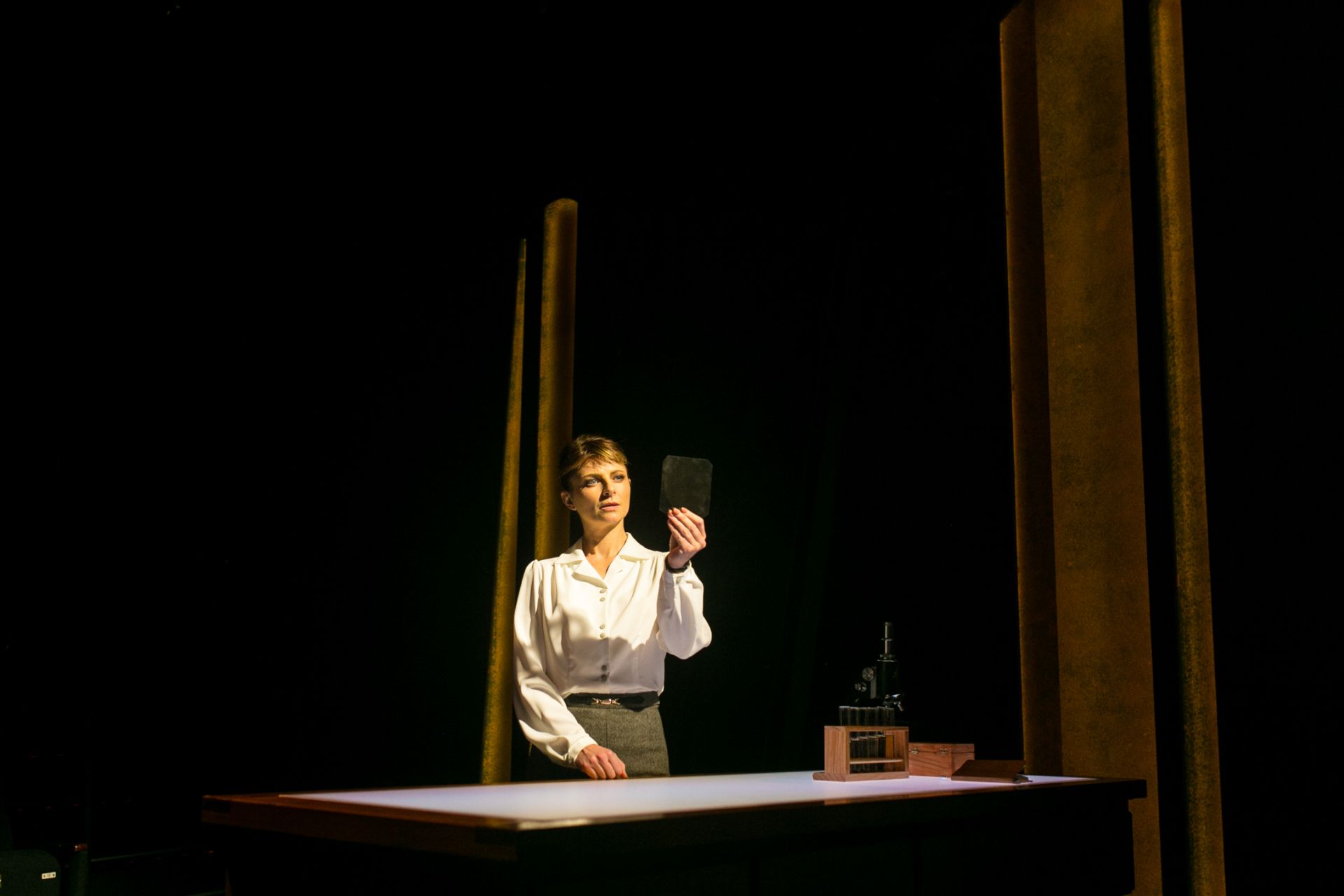
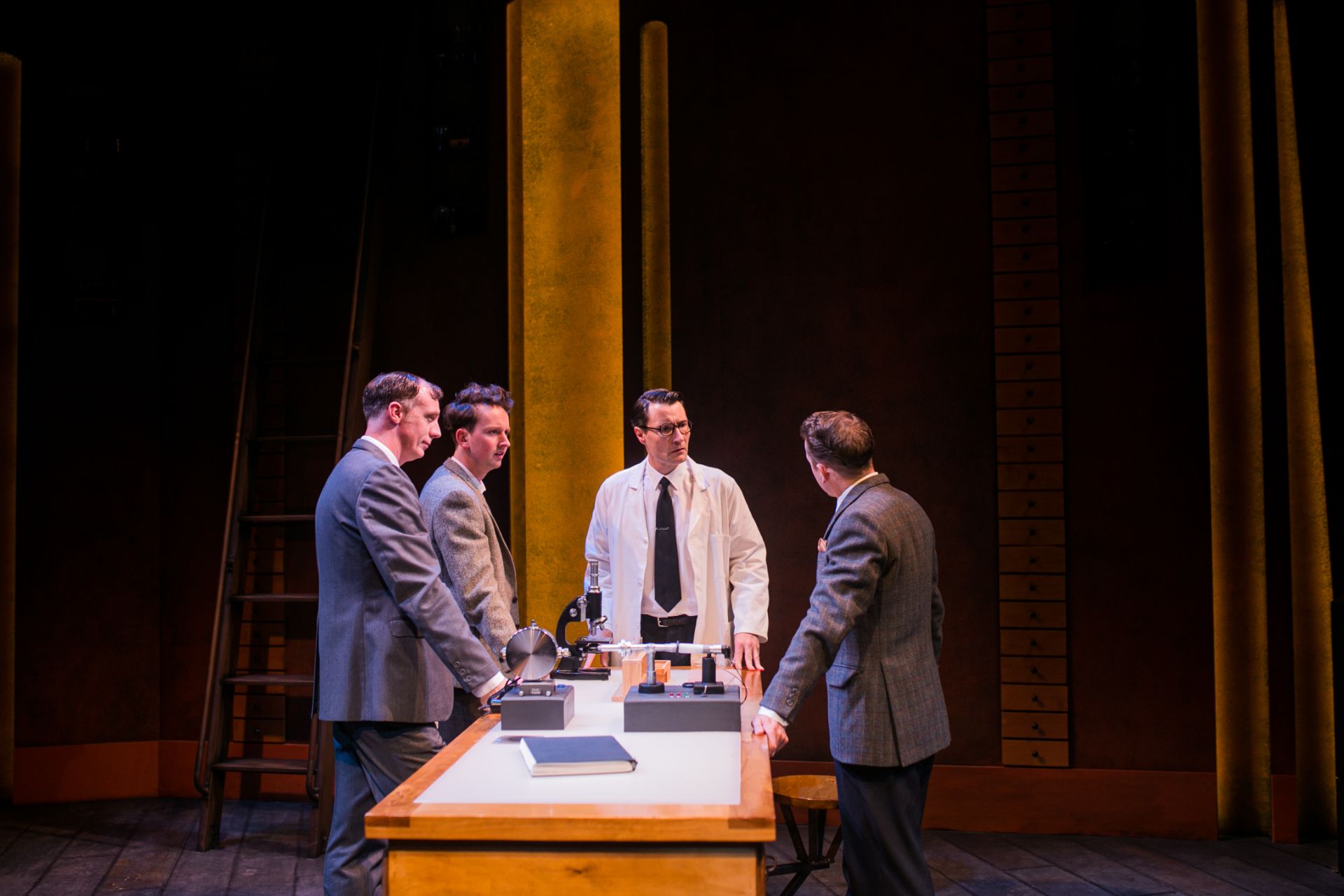
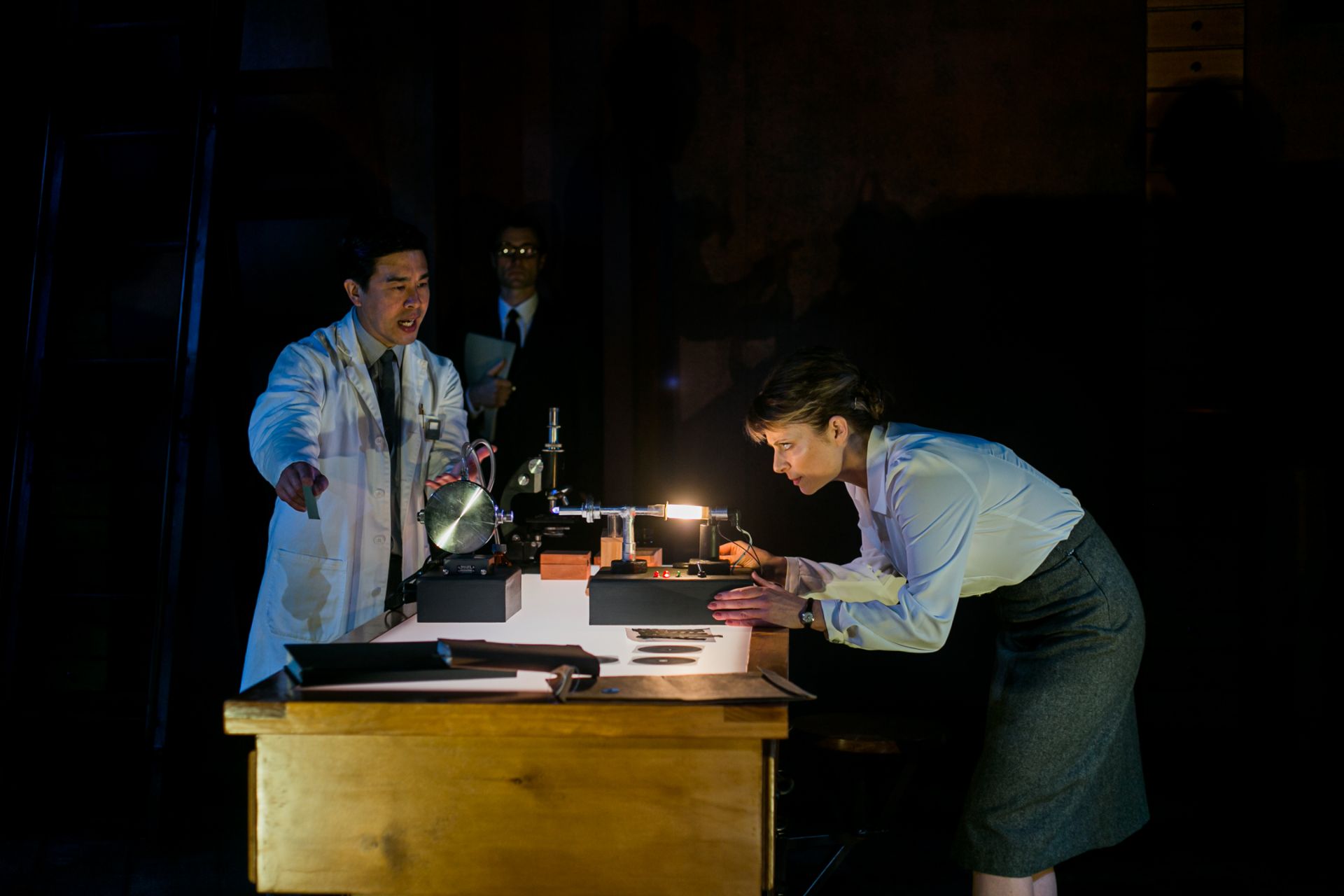
It was the age of Enlightenment, and the beautiful mind of Isaac Newton held volumes of pivotal information, if only they could all be transformed into ink on paper. David Williamson’s Near the Gods pays particular attention to Newton’s seminal Principia, and the arduous three-year process by which the astronomer Edmund Halley had to coax the book into materiality. A somewhat quirky work of theatre, Williamson’s narrow focus on that singular historical incident, is unexpectedly idiosyncratic, although unlikely to be widely appealing.

The soporific subject matter of Near the Gods may not feel a natural fit for the modern stage, but director Janine Watson’s detailed and nuanced handling of the play, helps ensure that the audience is able to stay the course, whether or not we are ever able to really invest, in any part of the antiquated story.

Hugh O’Connor’s production design is extremely restrained, with the rejection of any faithful-to-period renderings, proving to be a wise and elegant decision. Lights by Matt Cox, along with Clare Hennessy’s sound design, too are conceived with an appropriate sense of minimalism, able to help move the narrative along effectively, with only slight embellishments introduced during opportune moments.

Actor Gareth Davies is amusing as the mad genius Newton, adept at bringing valuable liveliness to proceedings, even though the role is written with an excess of dry reverence. Halley is played with admirable commitment by a very passionate Rowan Davies, whose determination to entertain helps keep us engaged. Also noteworthy are Violette Ayad as Mary Halley, who offers flashes of genuine emotion in an otherwise distant and stolid affair, and Sean O’Shea’s flamboyance as King Charles II is an irresistibly funny element, if not always cohesive with the rest of the show.

It is arguable that creative people are only worth their salt, when something actually comes to be, as a result of their talent. Newton was at risk of having all the brilliance kept only on the inside of his mind. So many of us hold within ourselves, great insight and perspectives, that could benefit and inspire others, if only we knew how to make tangible, all that remains mere potential. Having written well over 50 plays, the writer Williamson is clearly not lacking in capacity for expression; if only this proficiency was available to more of us.

www.ensemble.com.au

Review: Destroy, She Said (25A Belvoir)

Venue: Belvoir St Theatre (Surry Hills NSW), Mar 2 – 19, 2022
Original Author: Marguerite Duras
Director: Claudia Osborne
Cast: Gabriel Alvarado, Adriane Daff, Andreas Lohmeyer, Tommy Misa, Grace Smibert
Images by Phil Erbacher

Theatre review
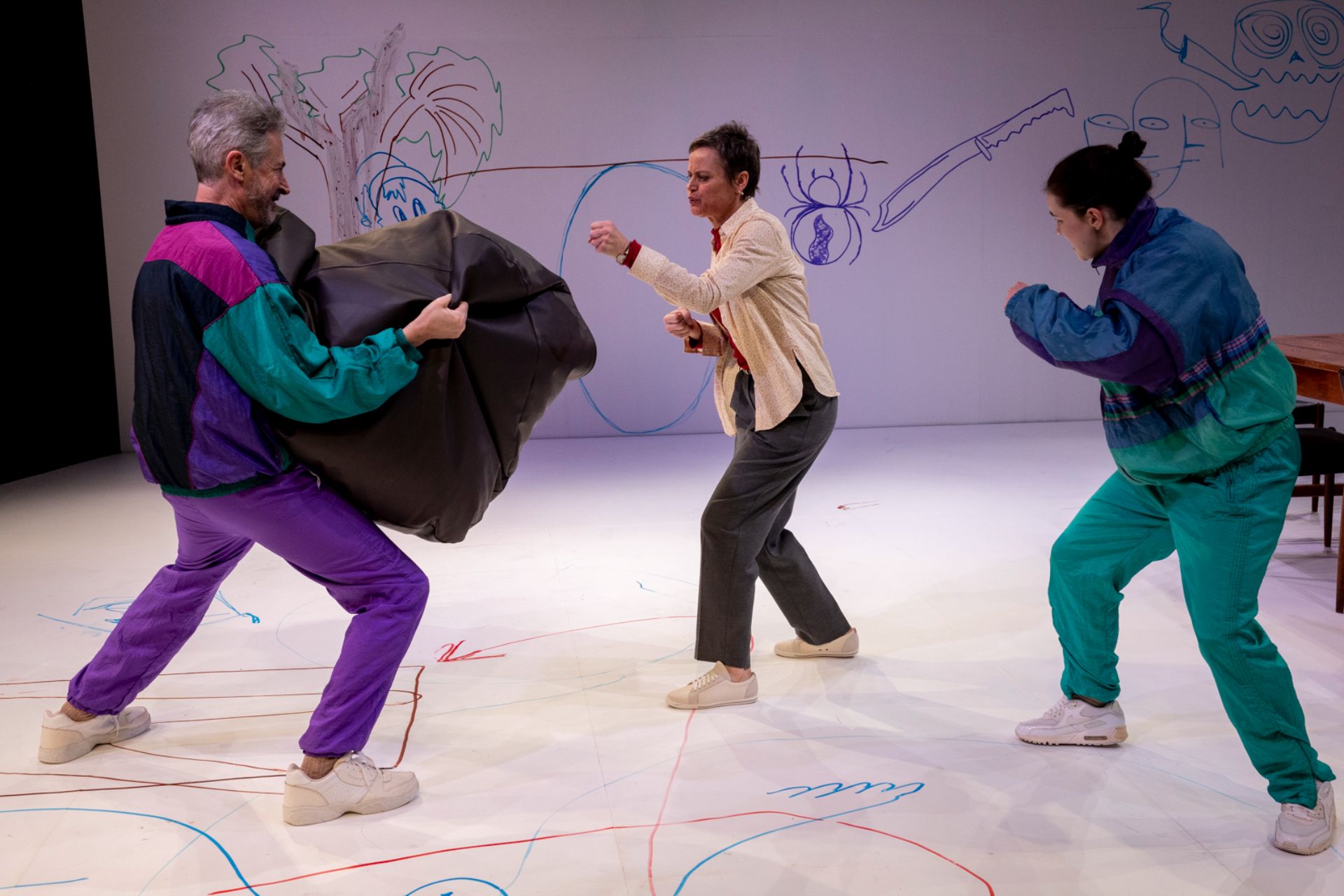
Elisabeth is convalescing, in a hotel some distance from the city. There are mysterious guests observing her, and an equally mysterious forest nearby, that seems to cast a spell over everyone in its vicinity. Marguerite Duras’ book and film Destroy, She Says from 1969 tells a story about the convergence of loss and obsession, in between competing worlds where Elisabeth must eventually find a state of surrender.

In this stage adaptation by Claudia Osborne, the surreality of Duras’ mise-en-scène is made immediate and material, preserving the sinister beauty of the original, but with an addition of a very theatrical sense of humour, that makes the viewing experience both fascinating and amusing. There is so much to be curious about, in Osborne’s take on Destroy, She Says and so much that engages, but not necessarily through intellect. We too, have to find a way to surrender to its visceral allure, and trust in things that we know so little about. The result is sublime, however strange the ride can be.

Production design by Kelsey Lee and Grace Deacon melds old-world affluence with a decidedly contemporary sensibility that is both sensual and ironic, for a presentation memorable for its visual impact. Lee’s lights, together with a sound design by Angus Mills, usher the audience into a dream frequency, where we connect with impulses rather than logic, remarkable in being able to make us find coherence within the bizarre, and thoroughly enjoy it. 

Adriane Daff and Grace Smibert are the mesmerising leads, as Alissa and Elisabeth respectively, both invulnerably confident in their experimental approach, and unassailably impressive with their commanding presences. The women are individually captivating, but absolutely riveting when working as a single unit; we feel as though privy to a magical secret language that they have devised. Supporting players Gabriel Alvarado, Andreas Lohmeyer and Tommy Misa, are no less effective in their contributions, all bringing surprising and quirky elements to the stage, delivering bouts of laughter whilst provoking us with their interminably quizzical choices.

Destroy, She Says is challenging, but it is kind. It reaches out with an unusual vocabulary, in order that we may communicate differently, and perhaps attain something altogether more exalted, in this moment of congregation in an artistic space. We are left wondering why all that makes this show unusual, is not more usually encountered in our theatres, but we understand that anything normalised, simply ceases to be special. Art in this city needs to dare to embrace unconventionality. If we want only to interact with the familiar and the safe, the accountant’s office might be a better option. In this particular theatrical occasion though, we celebrate the best of human creativity, and revel in the boundless capacity of our imaginations.

www.belvoir.com.au / www.fervour.net.au

Review: Opening Night (Belvoir St Theatre)

Venue: Belvoir St Theatre (Surry Hills NSW), Feb 26 – Mar 27, 2022
Playwright: John Cassavetes, adapted by Carissa Licciardello
Director: Carissa Licciardello
Cast: Caitlin Burley, Jing-Xuan Chan, Anthony Harkin, Luke Mullins, Toni Scanlan, Leeanna Walsman
Images by Brett Boardman

Theatre review
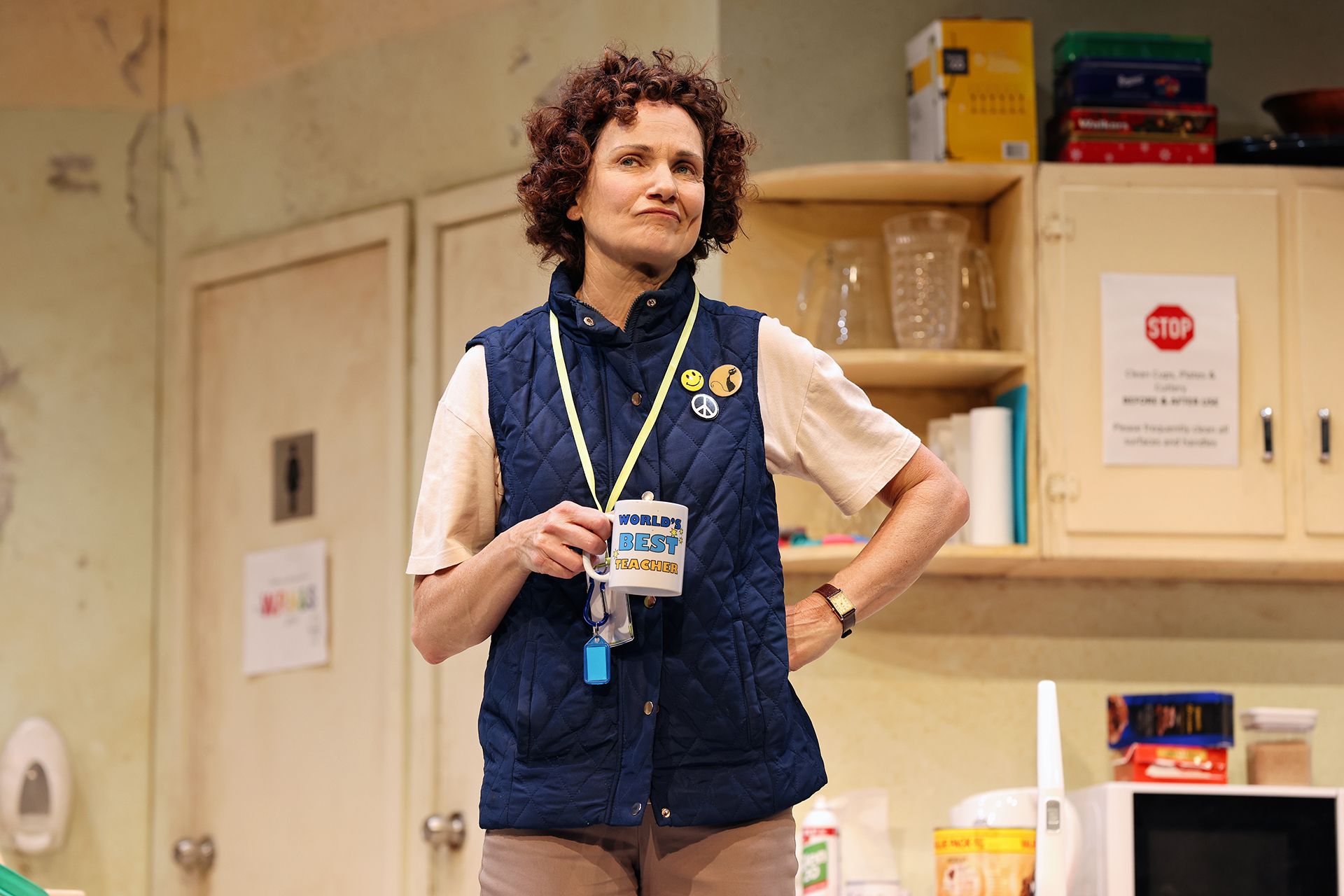
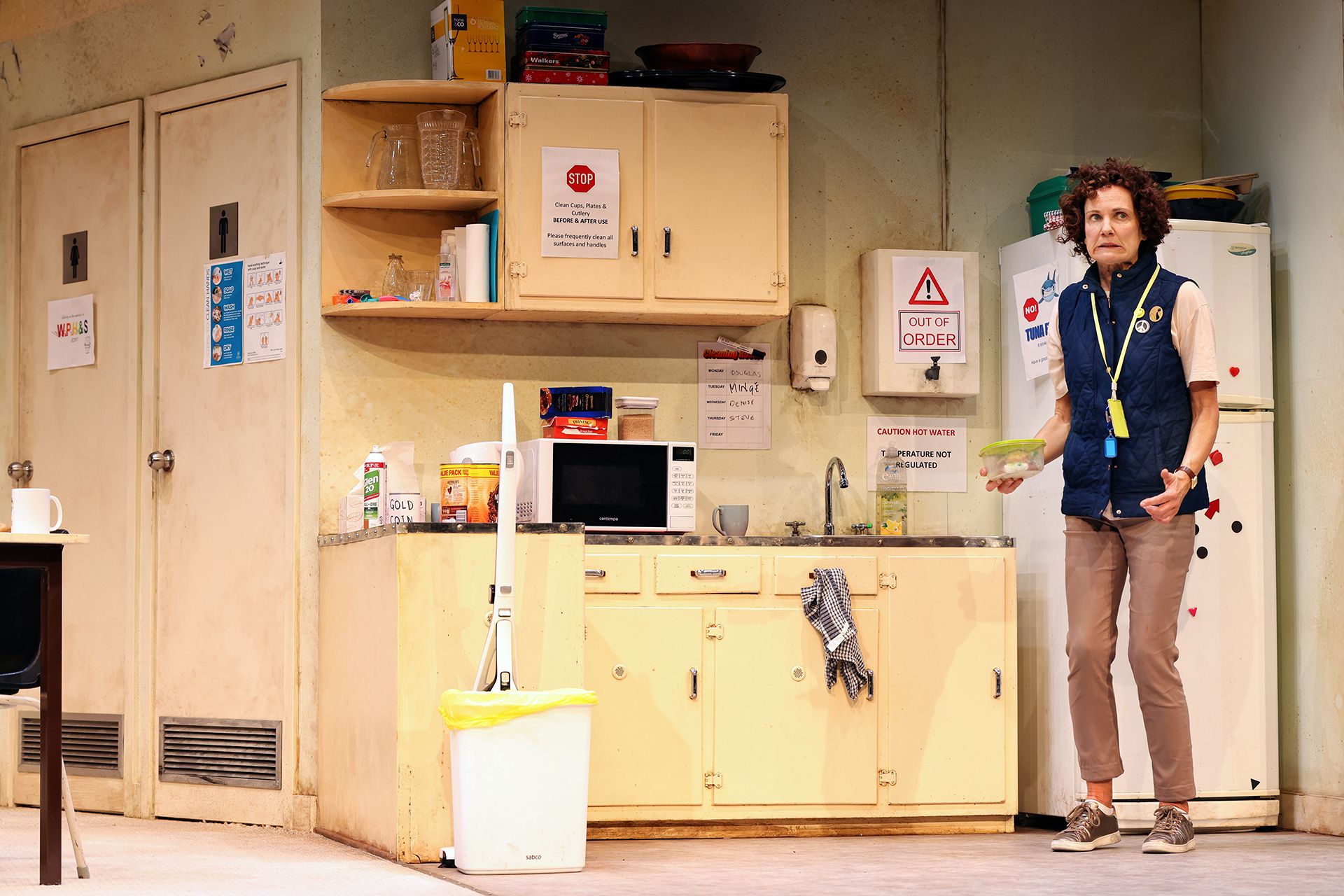
Myrtle is having serious problems with the role she had signed on for; the show is about to open, but she is still unable to make sense of the play she had agreed to star in. In the meantime, the director and playwright are becoming increasingly abusive, heaping blame on her for not making it work, often saying that she has lost her spark as an actor, and that she has grown too old to be any good. There is nothing subtle about John Cassavetes’ Opening Night, and in this adaptation by Carissa Licciardello, the story does not get any less heavy-handed, in making its point about our reprehensible attitudes regarding women getting older.

Licciardello’s adaptation and direction are certainly enthusiastic in trying to assert the point of the exercise, but the message quickly becomes too simple and obvious. Plenty of effort is put into creating an air of mystery surrounding Myrtle’s behaviour, which provides an updated theatricality for the audience, although it becomes clear, that the plainness of its motivations struggles to sustain our interest for the production’s 100 minute duration.
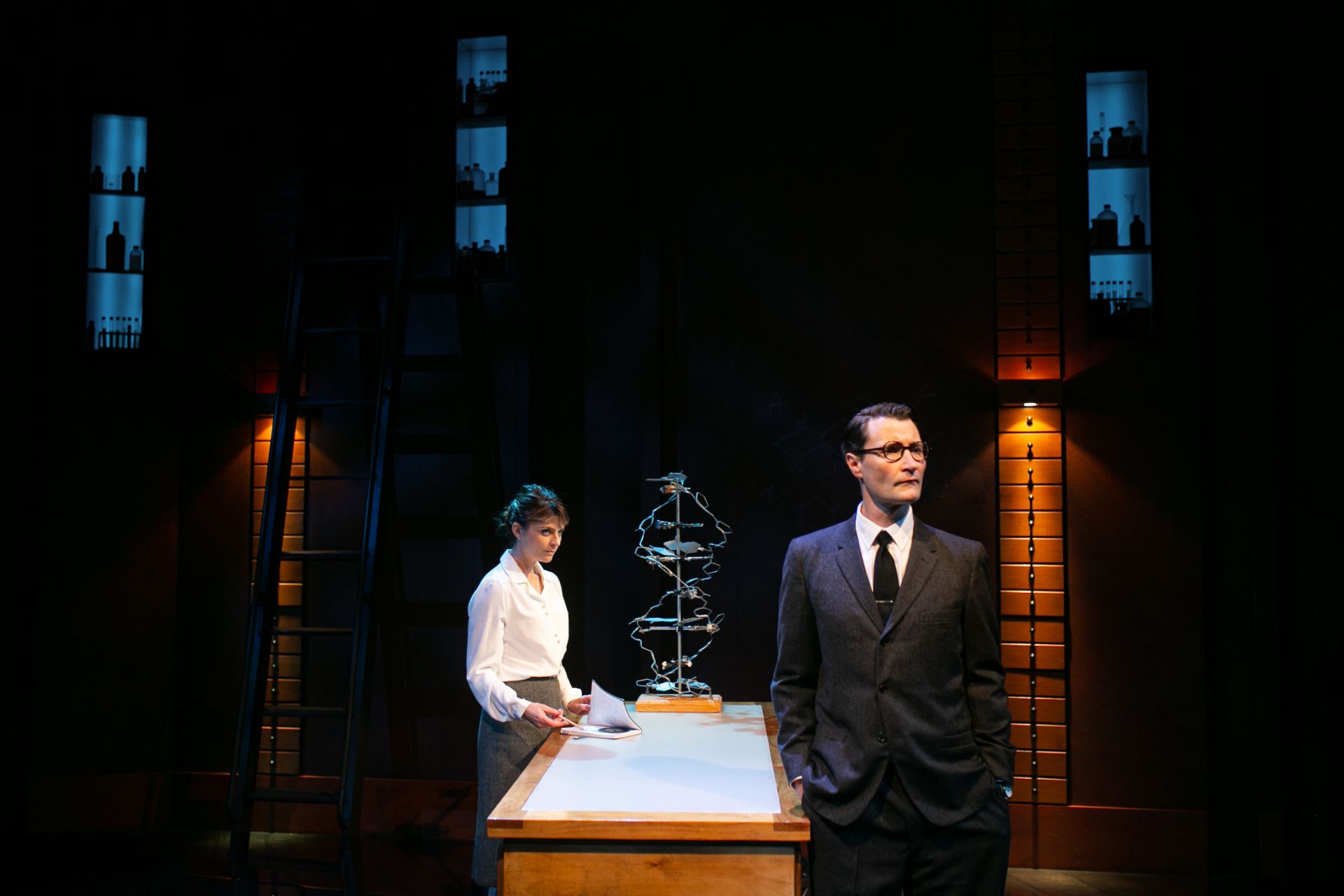
David Fleischer’s set design too is uncomplicated, in its depiction of a masculine and superficially stylish world. Costumes by Mel Page are flattering, and appropriately understated. Nick Schlieper’s lights and Max Lyandvert’s sound are relied upon for dramatic flourishes, to further engage our senses, although those moments of abstract elevation can seem slightly gimmicky, when we fail to decipher enough behind, that could feel substantial.

Leading lady Leeanna Walsman conveys the confusion and dreariness of Myrtle’s arduous battles, but it is a conservative performance that offers little to relish. Myrtle’s director is played by Luke Mullins who thankfully injects dynamism into the show, for his part as an uncomplicated villain. Anthony Harkin and Toni Scanlon are Myrtle’s co-star and playwright respectively, both bringing a degree of nuance to their supporting roles. Caitlin Burley and Jing-Xuan Chan are solid presences in all of their brief appearances, both demonstrating noteworthy commitment.

At the end of Opening Night, we find a satisfying conclusion. In real life, Myrtle’s story could end up either way, good or bad, for real life is anything but predictable, but in a play that wants so much to talk about doing what is right in our storytelling and in our art, it is hard to imagine any other way for things to end. It is of course true that misogyny exists, and it is right that we should see it represented. It is also important that we reiterate again and again, our agency and power as women, to make exhaustive revisions to centuries of indoctrination about us being weak and domitable. We love watching Myrtle triumph, but even if she falters, we know that she is strong enough to get up and try again.

www.belvoir.com.au

Review: Hand To God (Old Fitz Theatre)

Venue: Old Fitzroy Theatre (Woolloomooloo NSW), Feb 24 – Mar 26, 2022
Playwright: Robert Askins
Director: Alexander Berlage
Cast: Gerard Carroll, Merridy Eastman, Philip Lynch, Ryan Morgan, Michelle Ny
Images by Robert Catto

Theatre review
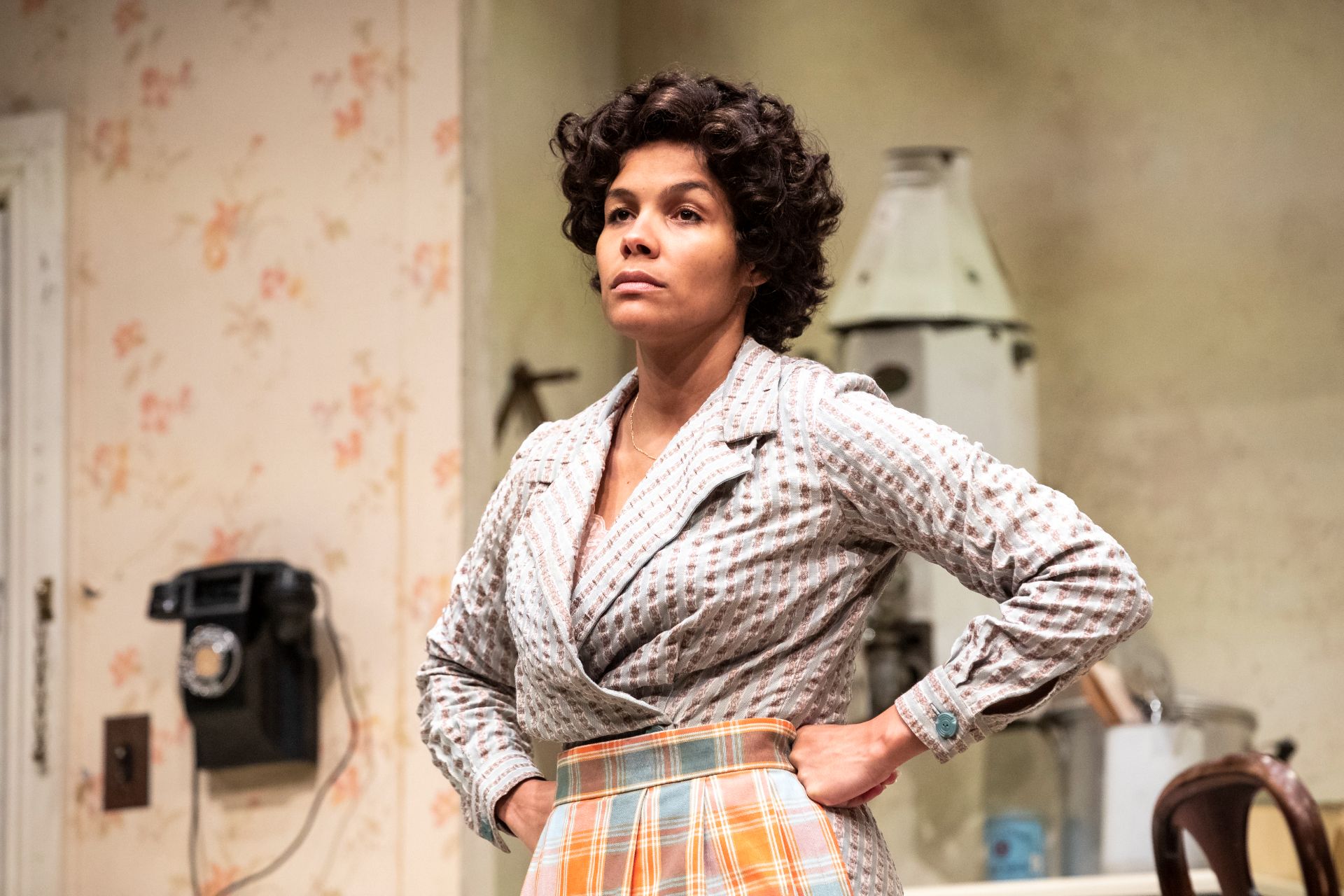
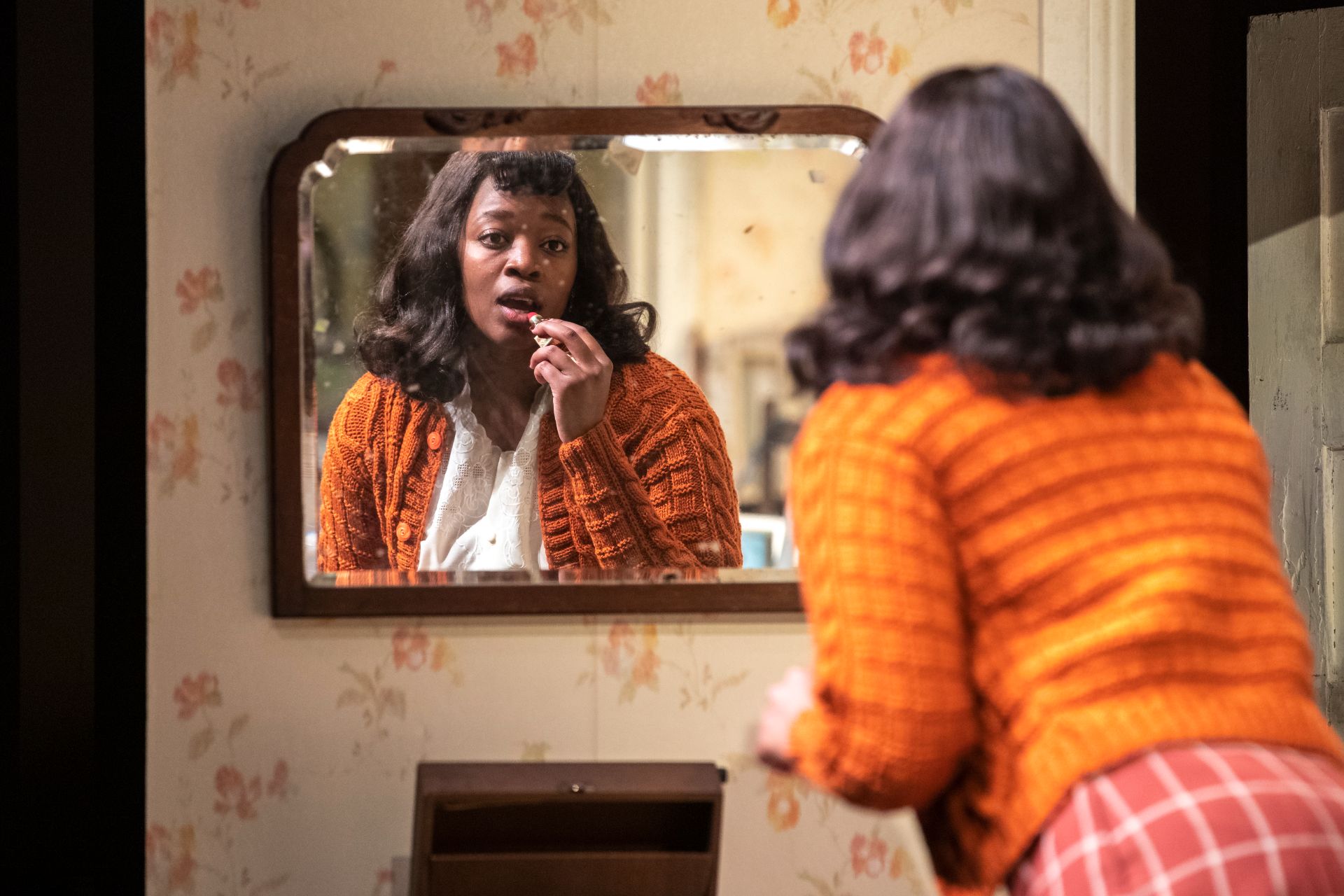
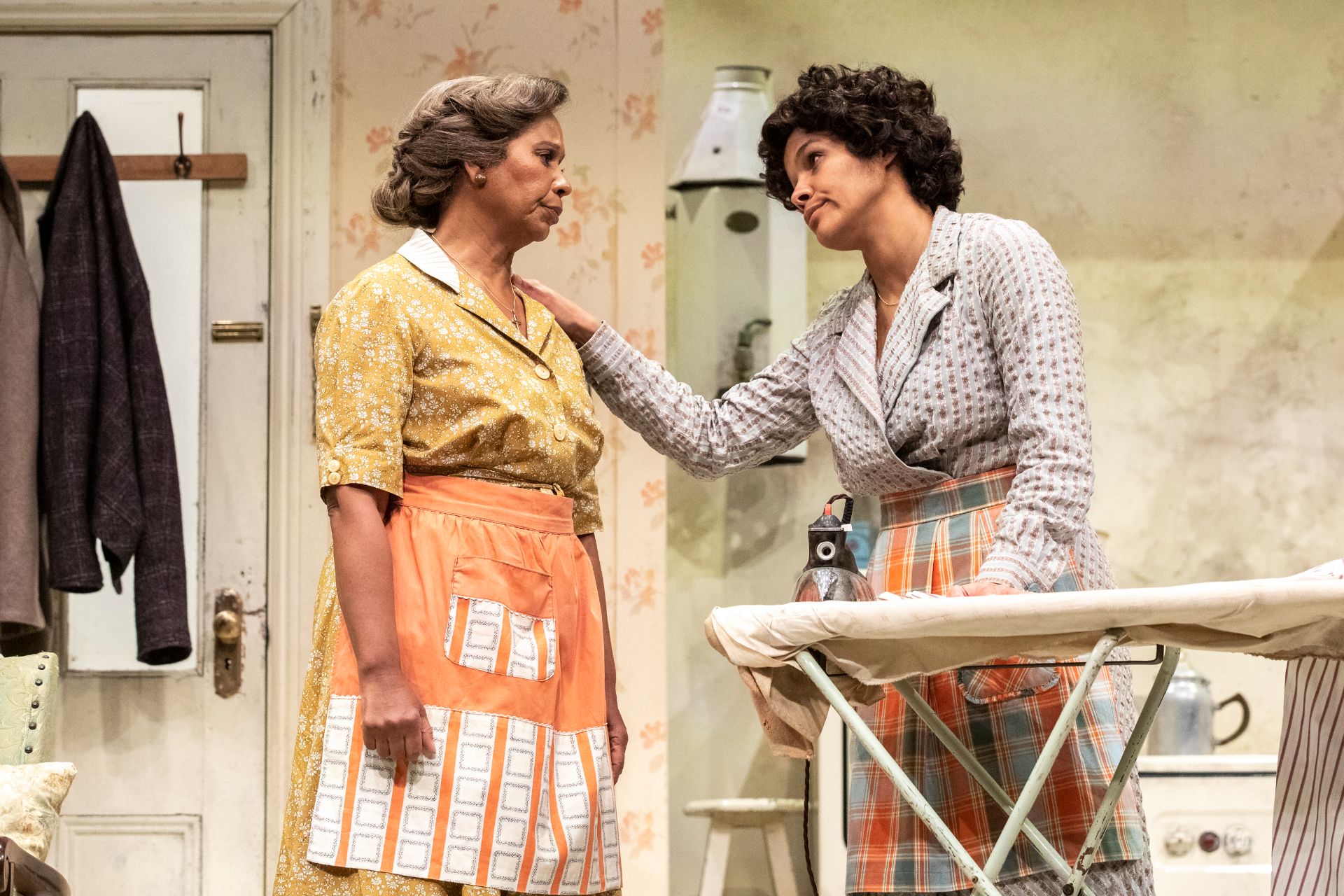
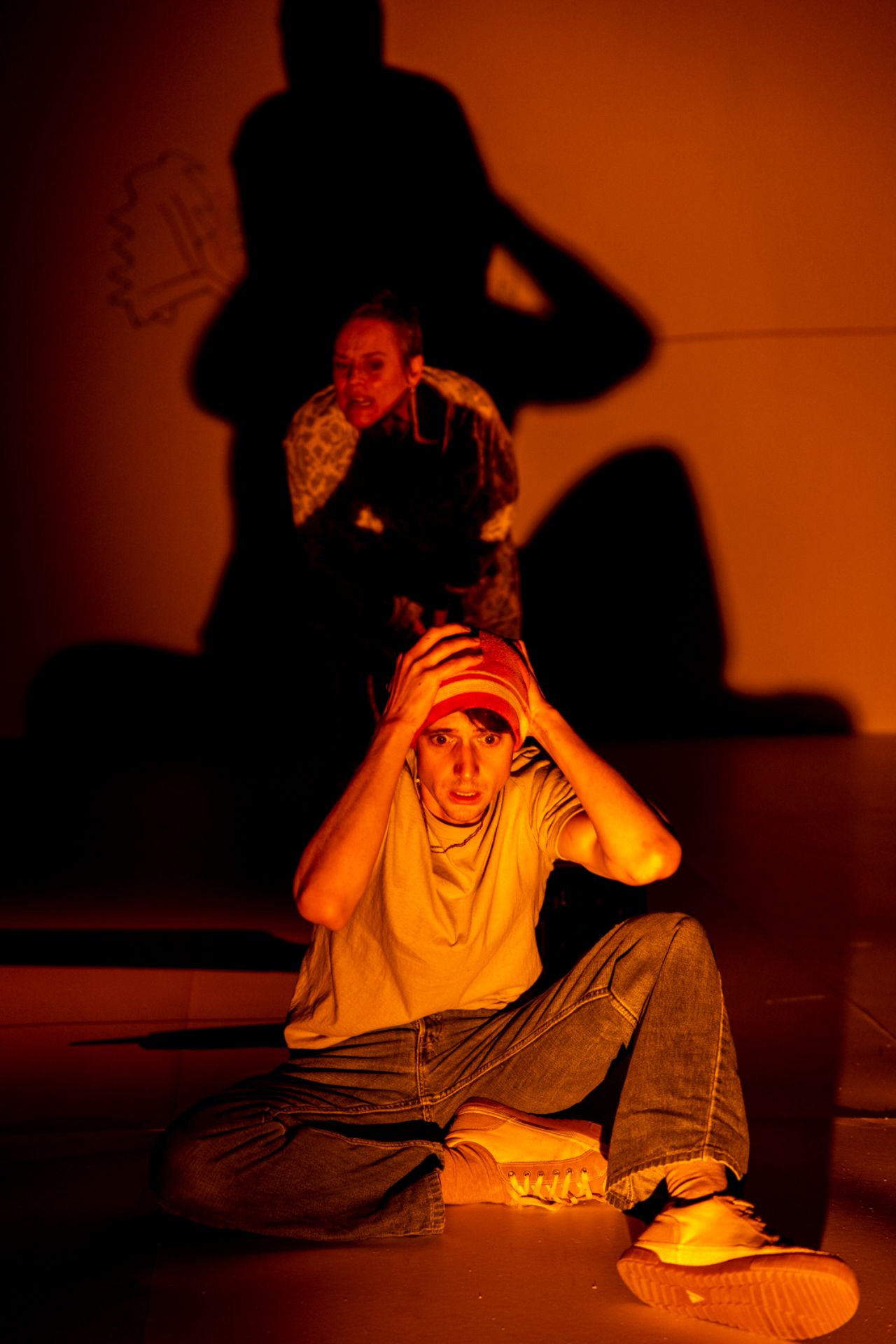
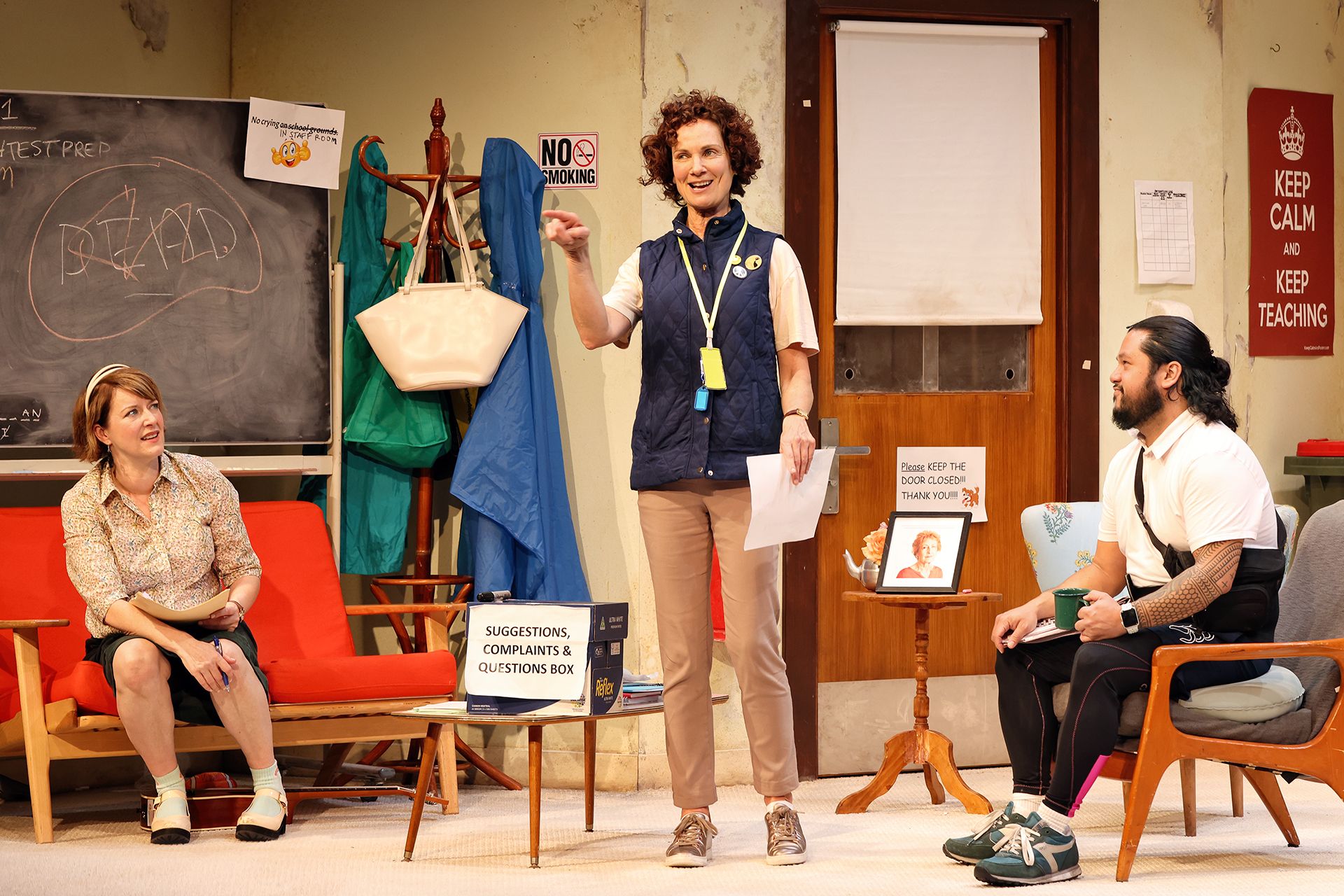
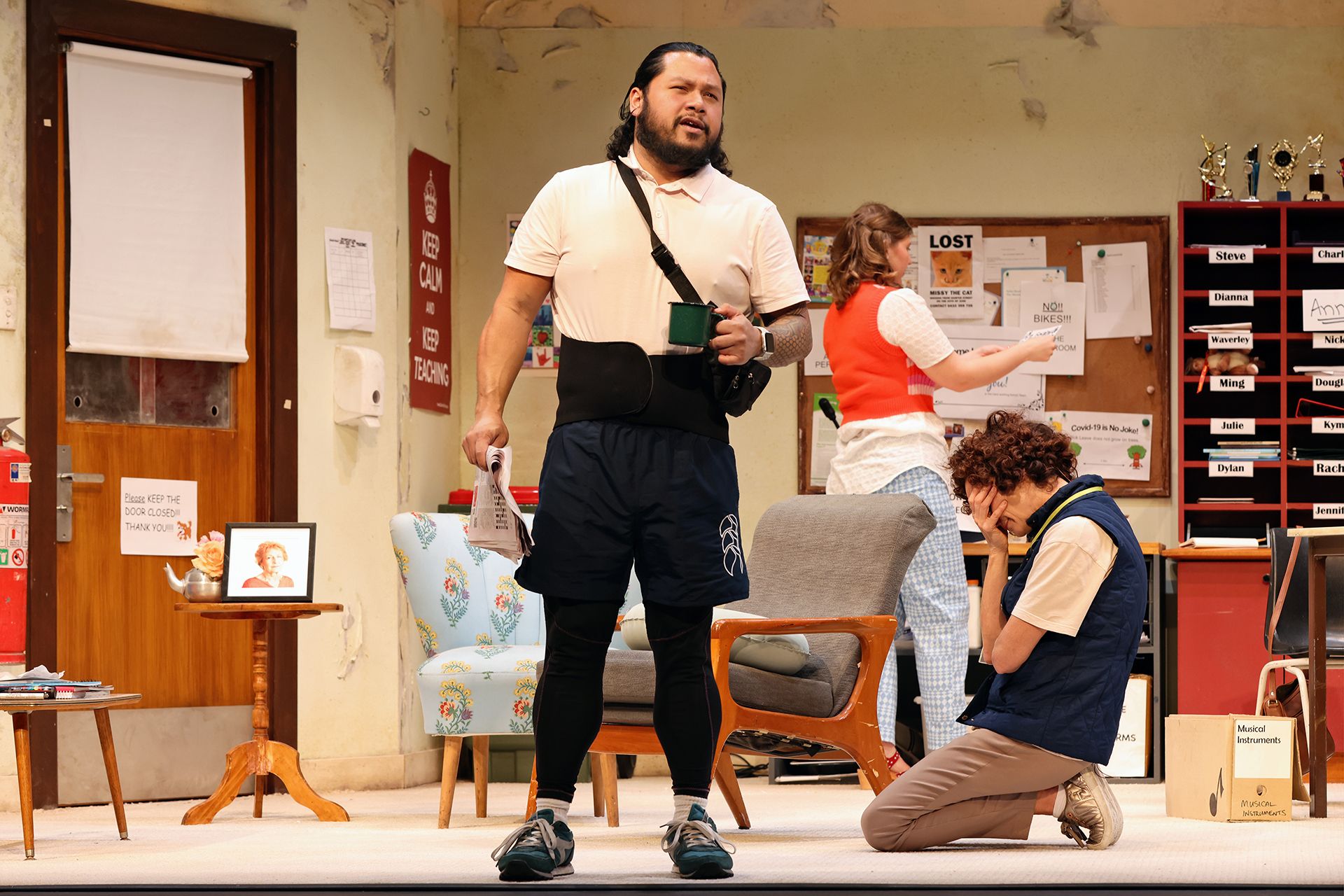
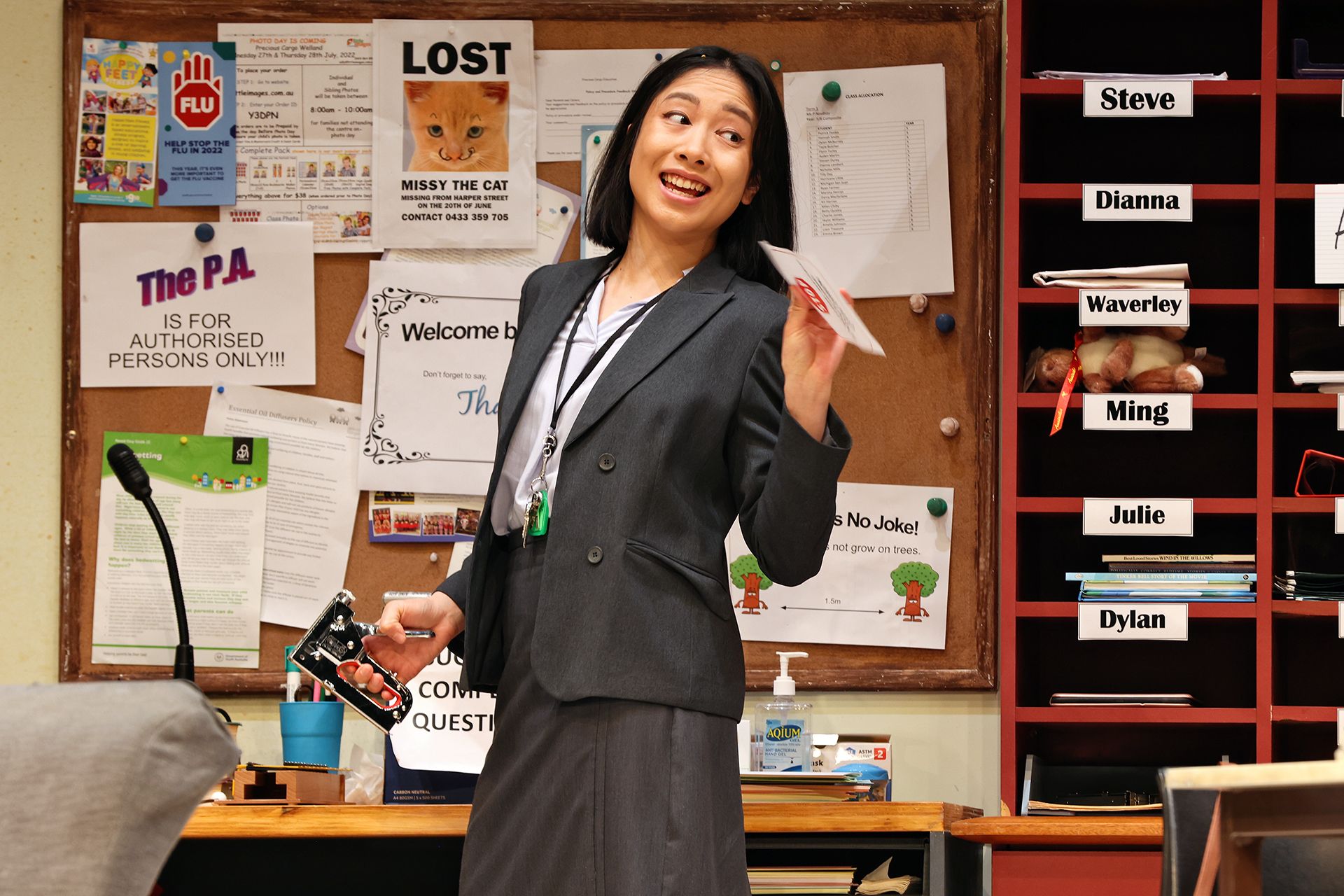
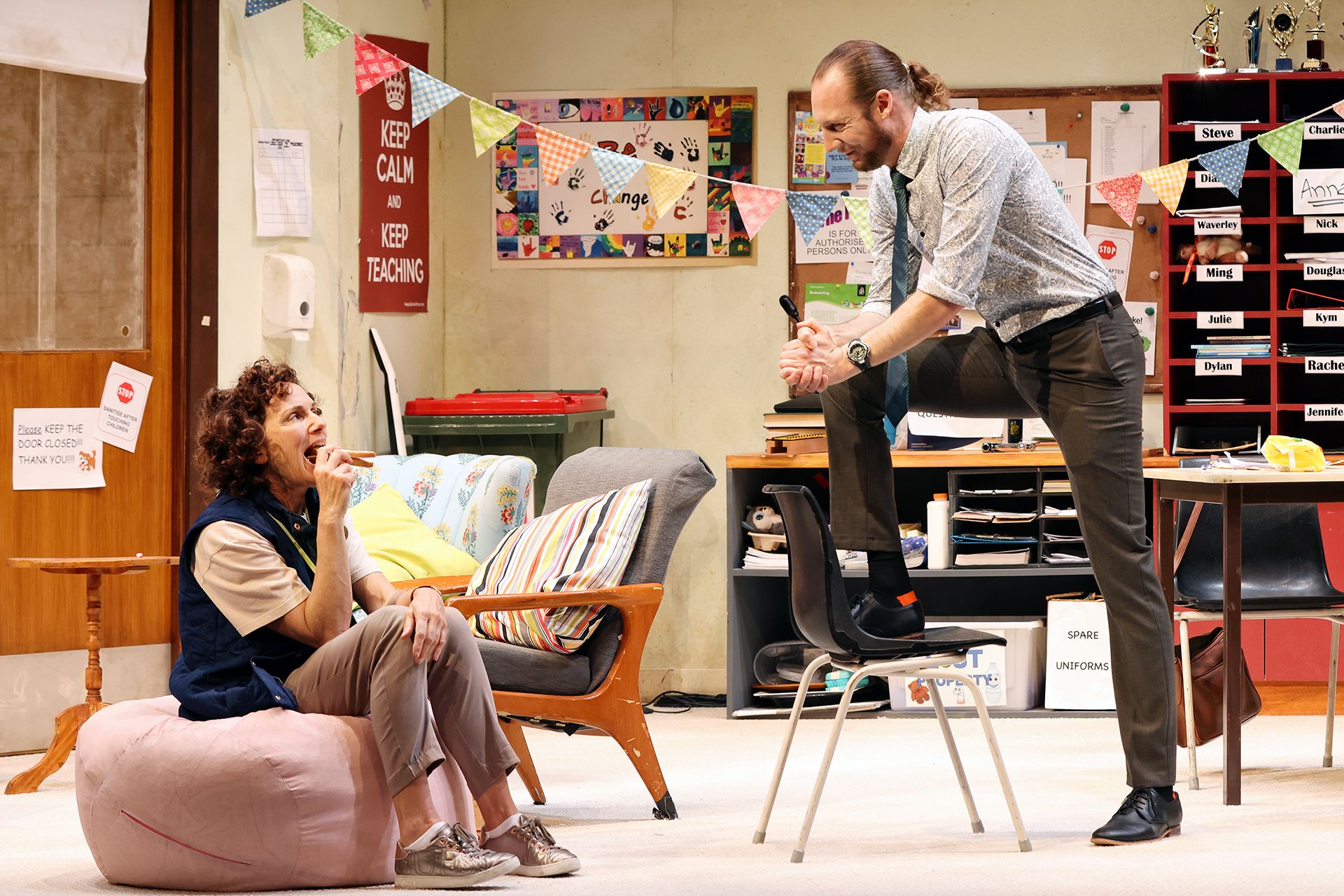
Recently widowed Margery is trying to get her life back together, but it seems her new responsibilities at church, of trying to teach puppetry to young teens, are working out very poorly. Her son Jason especially, is reacting in unimaginably terrifying ways, with his malicious puppet Tyrone seeming to take on a life of its own, to terrorise all and sundry. Robert Askins’ Hand to God toys with ideas around supernatural possession and dissociative disorders, but its greatest concern is trauma, a subject matter that the theatrical arts seem particularly adept at tackling.

Both Margery and Jason act out in highly unedifying ways. In Hand to God, the profane is conveyed through outrageous absurdist comedy. The entertainment that all the jubilant laughter provides, is a guise for valuable observations pertaining to loss, and the destructive behaviour that often ensues in its aftermath.

Director Alexander Berlage uses Askins’ extravagant material to create a work of immense vivacity. It is a very heightened type of theatre, that allows for the most flamboyant flourishes, but Berlage’s insistence on nuance and authenticity, ensures that the wild humour is always partnered with meaningful insight.

Set design by Jeremy Allen and Emma White is replete with sarcasm, in its depictions of religion and superstition, and also remarkable for its transformation of space, effective in providing the sensation of being immersed in parochial Americanness. Lights by Phoebe Pilcher, along with Daniel Herten’s sound design, are relied upon for sensory magnifications for the jokey paranormality, that forms the basis of the play’s pleasures.

Merridy Eastman brings great compassion to the part of Margery, thereby encouraging us to respond similarly. Eastman, like all of the cast, delivers a very funny performance, but it is her subtle renderings in between the comedy, that reveal the beautiful emotional truths behind all the manic manifestations. As the disturbed Jason, Philip Lynch demonstrates incredible skill in splitting mind and body between two vastly different personalities; his work is a fascinating and impressive thing to behold.

The enchanting Michelle Ny offers a critical dimension of purity to the story, even though her most memorable scene as Jessica, is anything but innocent. Ryan Morgan has the happy task of playing the entirely comedic part of Timothy, and is flawless with his bold choices, responsible for creating some of the show’s biggest laughs. Gerard Carroll’s wonderfully satirical take on Pastor Greg too, is hilarious, as he mocks the heart-breaking incapacity and voidness of religion.

So much happens during one’s formative years, but nothing can ever be done, to completely shield a young person from the ravages of life. There are however ways to steer for better outcomes when damage occurs; not everything can be resolved, but processes are always available, to try for improvements. The postscript of Hand to God is surely about healing, or a lifetime of navigating the inevitable hazards of existence. No matter how late one comes to acknowledging these scars, it must be in the essence of our humanity, to want to work towards something better, whether or not there is the possibility of comprehensive rehabilitation. Change is hard, but stagnation may as well be death. 

www.redlineproductions.com.au

Review: Orange Thrower (Griffin Theatre Company / National Theatre of Parramatta)

Venue: SBW Stables Theatre (Darlinghurst NSW), Feb 18 – Mar 26, 2022
Playwright: Kirsty Marillier
Director: Zindzi Okenyo
Cast: Callan Colley, Angela Nica Sullen, Mariama Whitton, Gabriela van Wyk
Images by Brett Boardman

Theatre review
Zadie’s home in an Australian suburb named Paradise, is being pelted with oranges. The cowardly vandals feel no need to explain their actions, because the house belongs to a Black family, and therefore presumably enough of a reason to suffer abuse. Meanwhile, Zadie pays little attention to the repeated humiliation; she has too much on her plate and also, this nonsense happens to minorities all the time. Kirsty Marillier’s Orange Thrower is a whimsical and mysterious work, involving young romance, supernatural phenomena and casual racism.

This unusual blend of genres offered by Orange Thrower is its greatest pleasure, as well as a great challenge that it simultaneously presents. Directed by Zindzi Okenyo, the show is fascinatingly quirky, but its very uniqueness can sit somewhat uncomfortably against more conventional sensibilities. There is something original in Marillier and Okenyo’s mode of storytelling that takes a little getting used to, with an innovative spirit that ultimately proves gratifying.

Production design by Jeremy Allen is vibrant, with a hint of playfulness that provides a sense of visual energy, whilst straddling between spaces real and surreal. Verity Hampson’s lights are bold in its range, able to take us through the wild transformations of atmosphere, that the play so bravely insists upon. Sound and music by Benjamin Pierpoint bears a sense of freedom that traverses a multitude of styles, to coax us into indulging in the play’s complex spatial renderings.

Actor Gabriela van Wyk brings intensity to the lead role, and although detailed in her depictions, the level of authenticity she portrays for Zadie can seem slightly inconsistent. Angela Nica Sullen is striking as cousin Stekkie, with an extraordinary stage presence that can convince us of anything. Younger sister Vimsy is played by a very likeable Mariama Whitton, with excellent zeal and focus. Similarly charming is the compelling and blithely agile Callan Colley who takes on double duty as eye candy love interest Leroy, and as neighbourhood serial pest Sharron, the white lady with a penchant for calling the cops on people of colour.
In spite of the injustices being hurled at her, Zadie goes about her business with passionate glee. She cleans up the mess left behind by her abusers, then goes to work, look after her family, and kisses her boyfriend. It is a kind of joyful resistance that she embodies. Artists of colour on this land too, need to adopt that modus operandi. We must fight, but we must also thrive, and be careful not to always conflate the two. Warriors need love too.
www.griffintheatre.com.au | www.riversideparramatta.com.au/NTofP

Review: 9 To 5 (Capitol Theatre)

Venue: Capitol Theatre (Sydney NSW), Feb 16 – May 1, 2022
Book: Patricia Resnick
Music & Lyrics: Dolly Parton
Director: Jeff Calhoun
Cast: Erin Clare, Casey Donovan, Caroline O’Connor, Eddie Perfect, Marina Prior, Lily Baulderstone, Ana Maria Belo, Zoe Coppinger, Mia Dabkowski-Chandler, Ben Gillespie, Emma Hawthorne, James Haxby, Emma Johns, Jay Johns, Ethan Jones, Antonia Marr, Josh Mulheran, Tom New, Jake O’Brien, Matthew Prime, Jackson Reedman, Jordan Tomljenovic, Jessica Vellucci
Images by David Hooley

Theatre review
Doralee, Judy and Violet are three very different kinds of women, working in the same office. Their story takes place in 1980 when the glass ceiling was even more impenetrable and belligerent than it is now, and in 9 to 5 we see them having to resort to some extreme high jinks, in order to get somewhere with their professional lives. The musical by Dolly Parton is based on the now legendary 42-year-old film, with a book by Patricia Resnick that cares too much about being family-friendly, to be able to make the show genuinely funny. Its well-meaning depiction of gender politics seems unconsciously outmoded, but will undoubtedly still resonate for many, in a world where women continue to struggle to achieve the most basic, such as childcare and pay equality.
Direction of the work by Jeff Calhoun is of the most conventional kind. There are no surprises, and nothing is particularly inventive, only an attempt to present a wholesome style of commercial theatre that might appeal to the widest of audiences. The musical numbers are exuberant, with choreography that is faithful to the period, relentlessly incorporating innumerable jazz hands and pirouettes. It is inoffensive work, that makes for a frivolous night out, although ultimately uninspiring.

Erin Clare, Casey Donovan and Marina Prior are the leading ladies, all charming and accomplished, able to bring polish to the glamorous staging. Donovan’s performance of the showstopping “Get Out and Stay Out” is a highlight, with some real conviction finally emerging late in the piece. Also memorable is the campy “Heart to Hart” by Caroline O’Connor in the role of Roz, who together with Eddie Perfect as Franklin Hart the despicable CEO, deliver some of the more animated, albeit clumsy, comical dancing that proves equal parts funny and awkward.

The old school feminist tale of 9 to 5 is intent on replacing a man with a woman, at the top of the corporate ladder. Two waves of progress later, we now understand that it matters little, the gender of the person in control. It is the way power is distributed and structured, throughout all aspects of our lives, that is important. Theoretical insight however, does not take us very far. We remain beholden to organisations that insist on few at the top, with the masses kept down below. We continue to hope that having women breaking through to seize power, will lead to some form of regeneration, but the wait for meaningful change, seems never ending.

www.9to5themusical.com.au