Review: Choir Boy (National Theatre of Parramatta)


Venue: Riverside Theatres (Parramatta NSW), Feb 14 – Mar 11, 2023 | Wollongong Town Hall (Wollongong NSW), Mar 22 – 25, 2023
Playwright: Tarell Alvin McCraney
Director: Dino Dimitriadis, Zindzi Okenyo
Cast: Gareth Dutlow, Robert Harrell, Darron Hayes, Abu Kebe, Tawanda Muzenda, Quinton Rofail Rich, Tony Sheldon, Theo Williams, Zarif
Images by Phil Erbacher

Theatre review
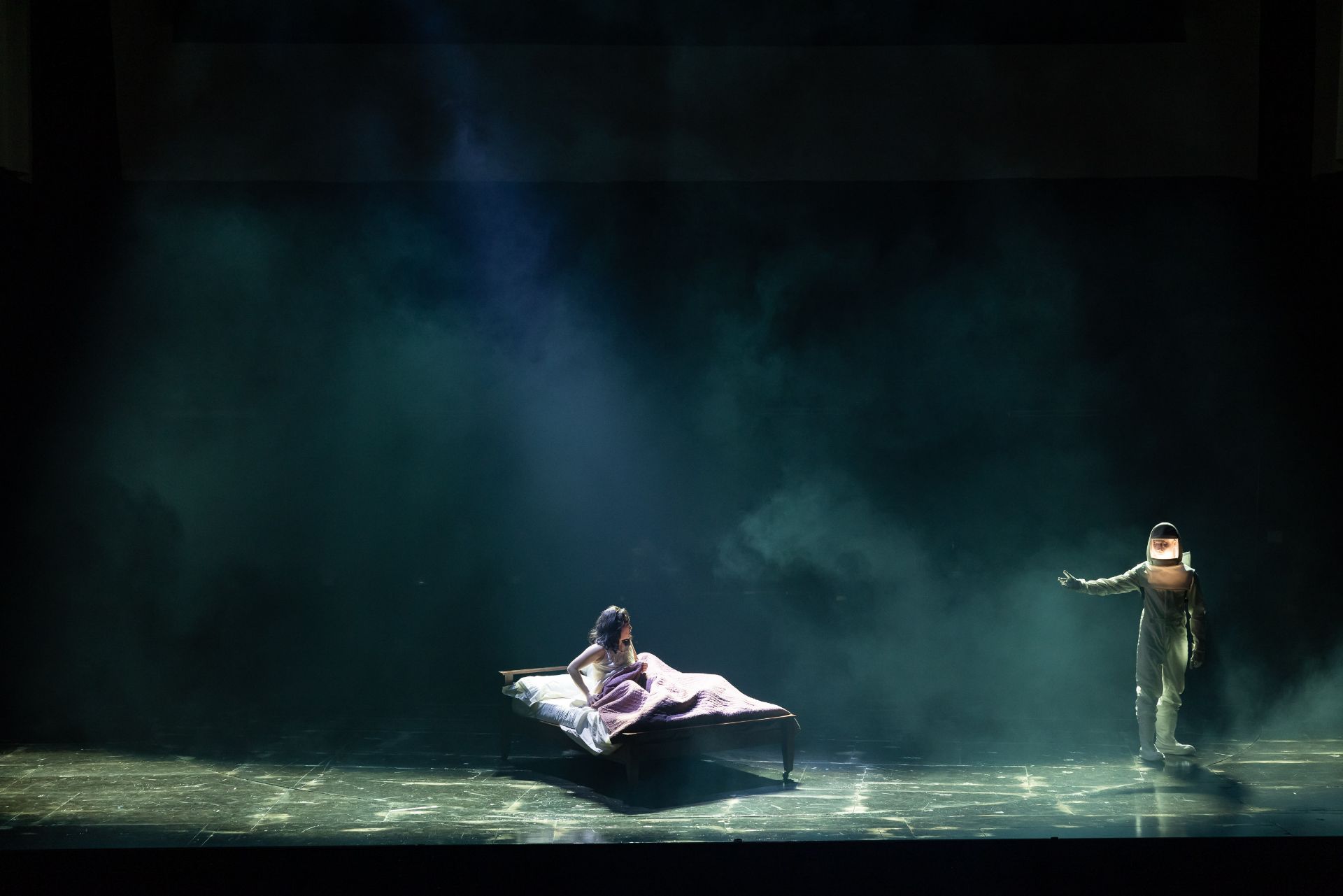
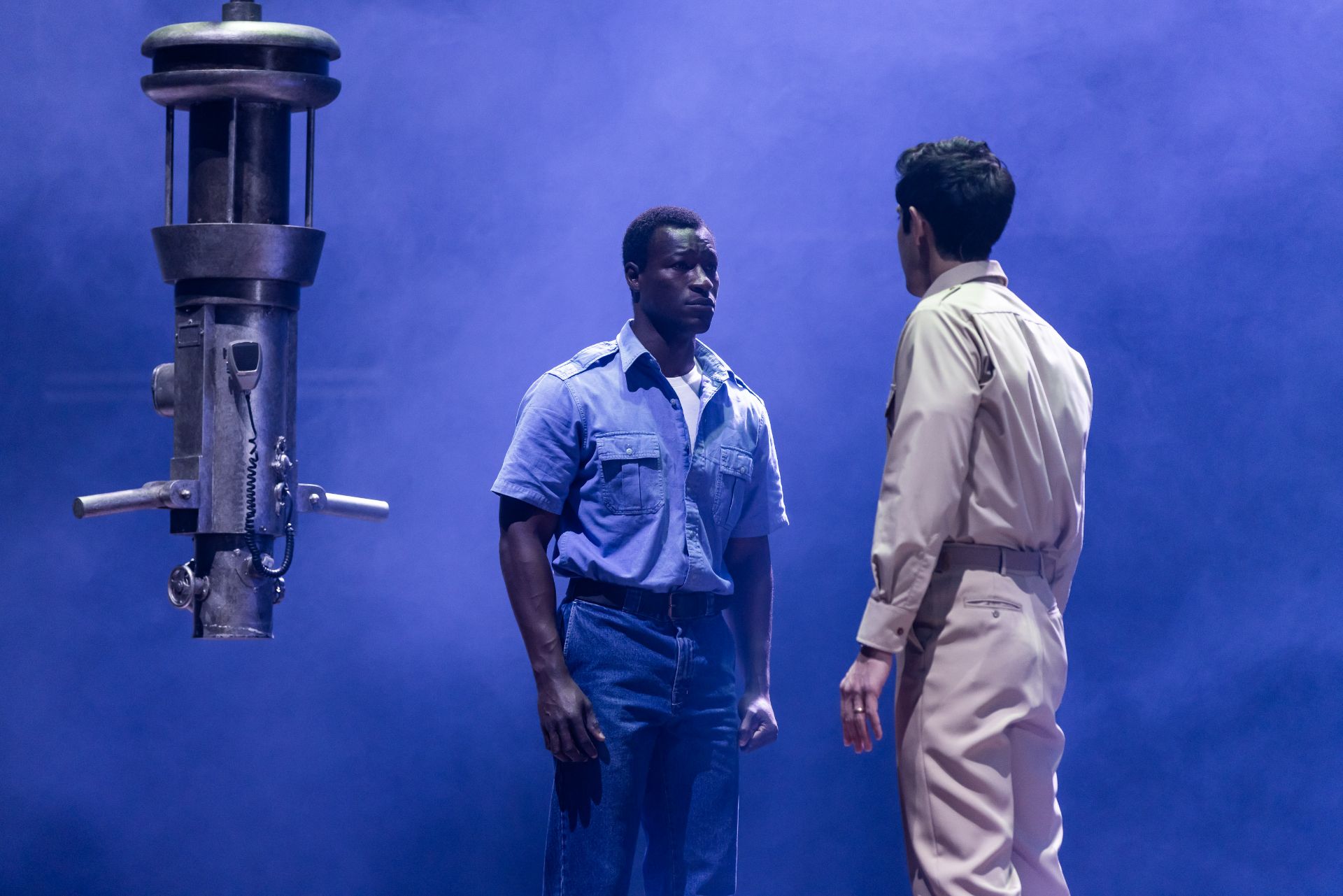
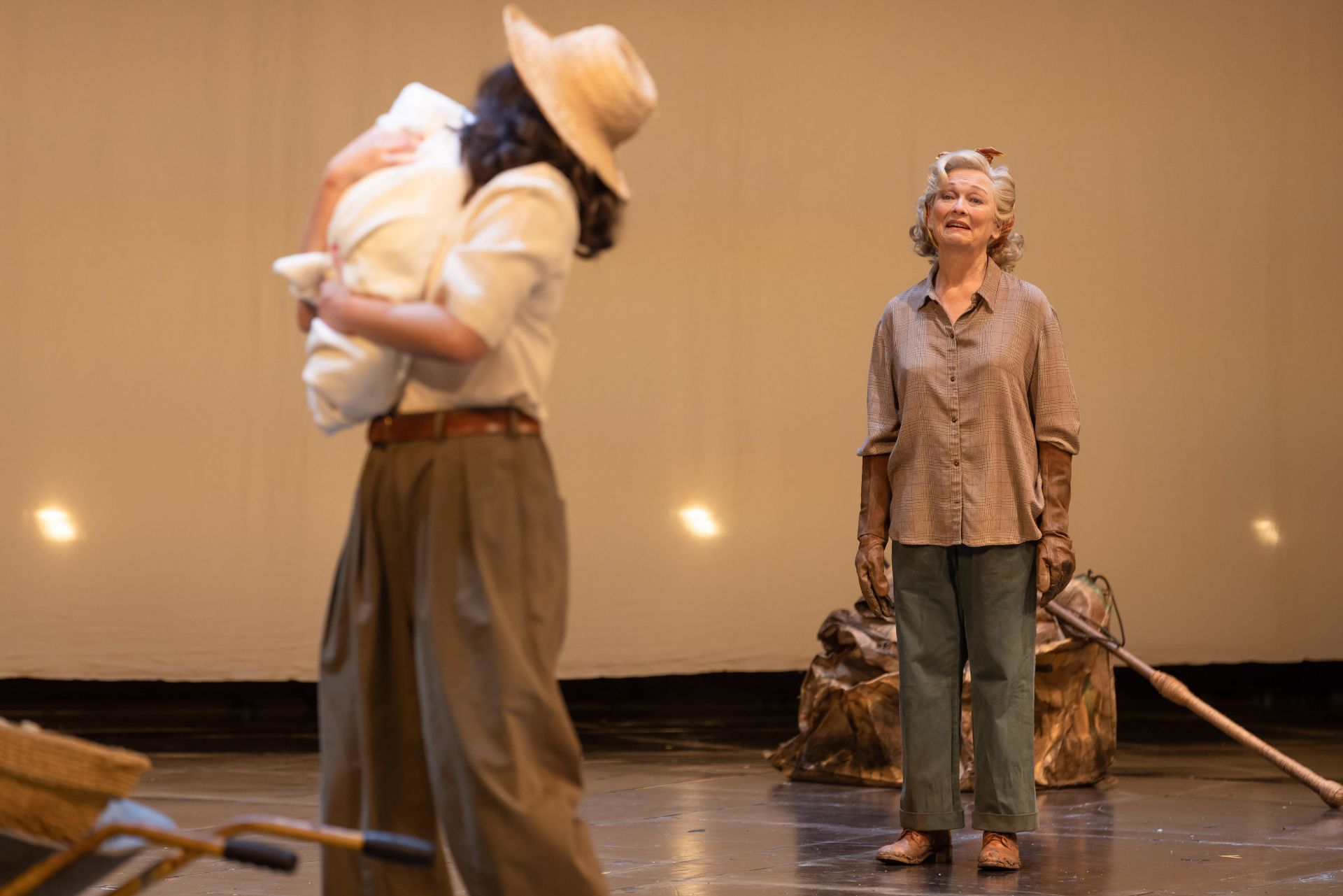
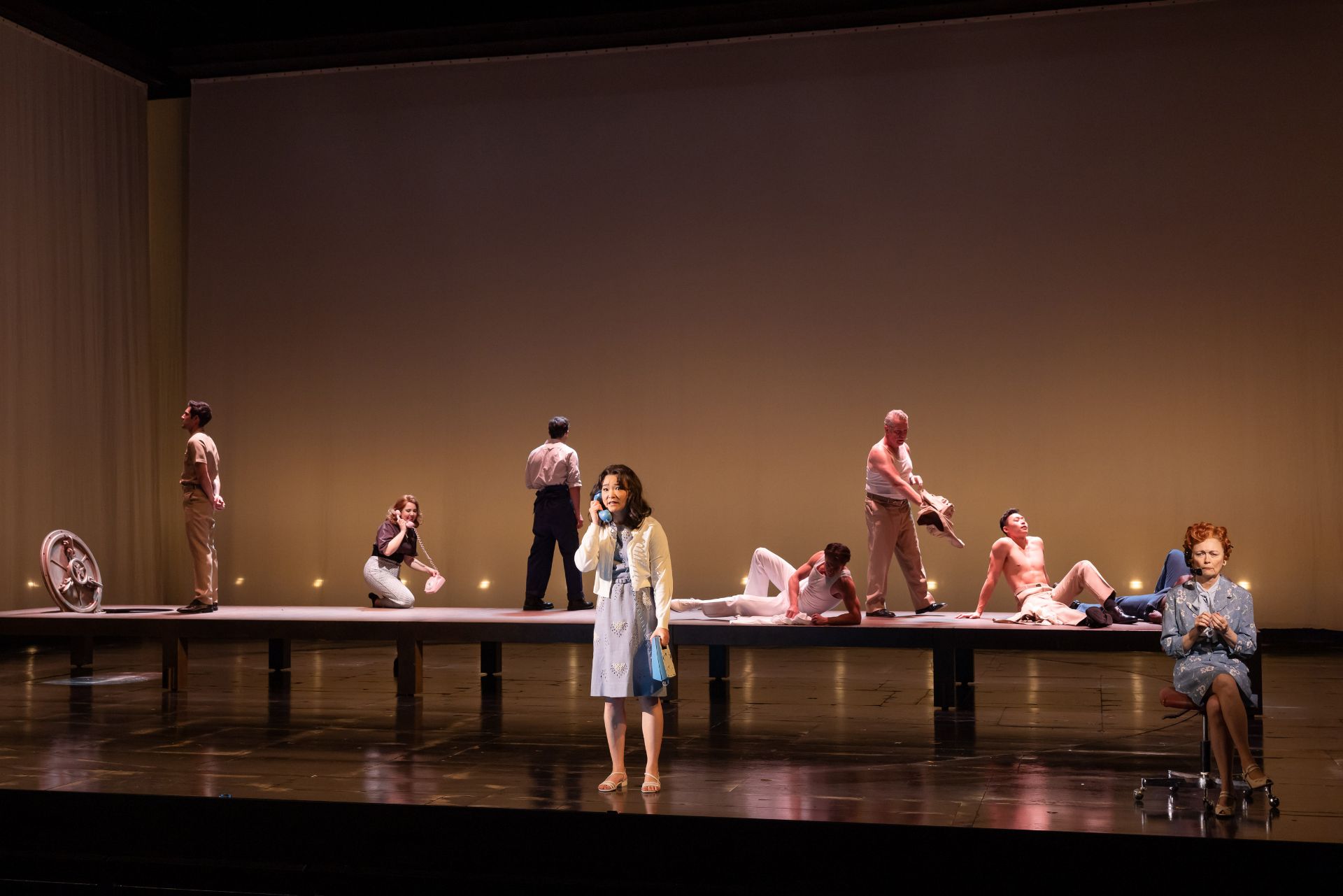
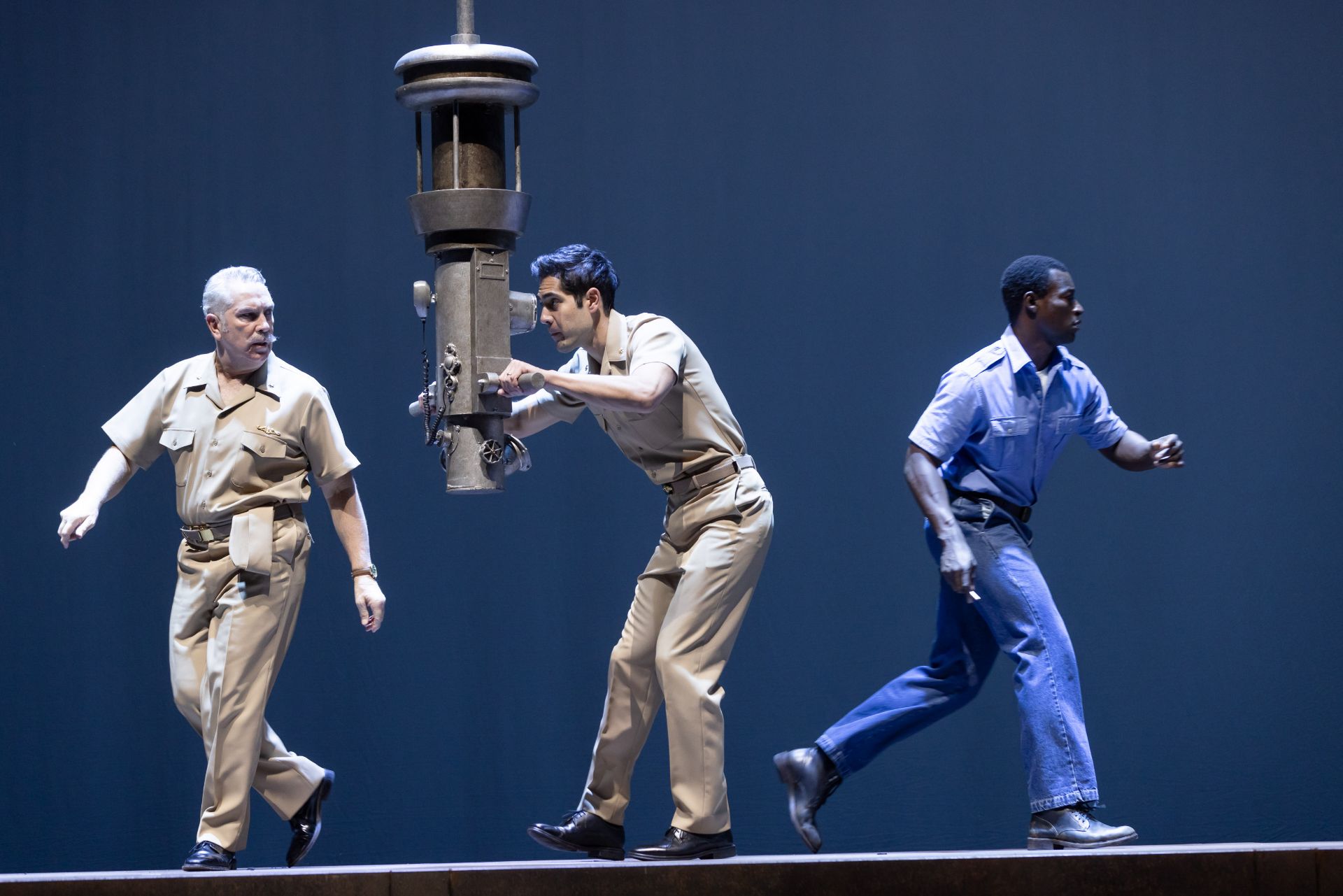
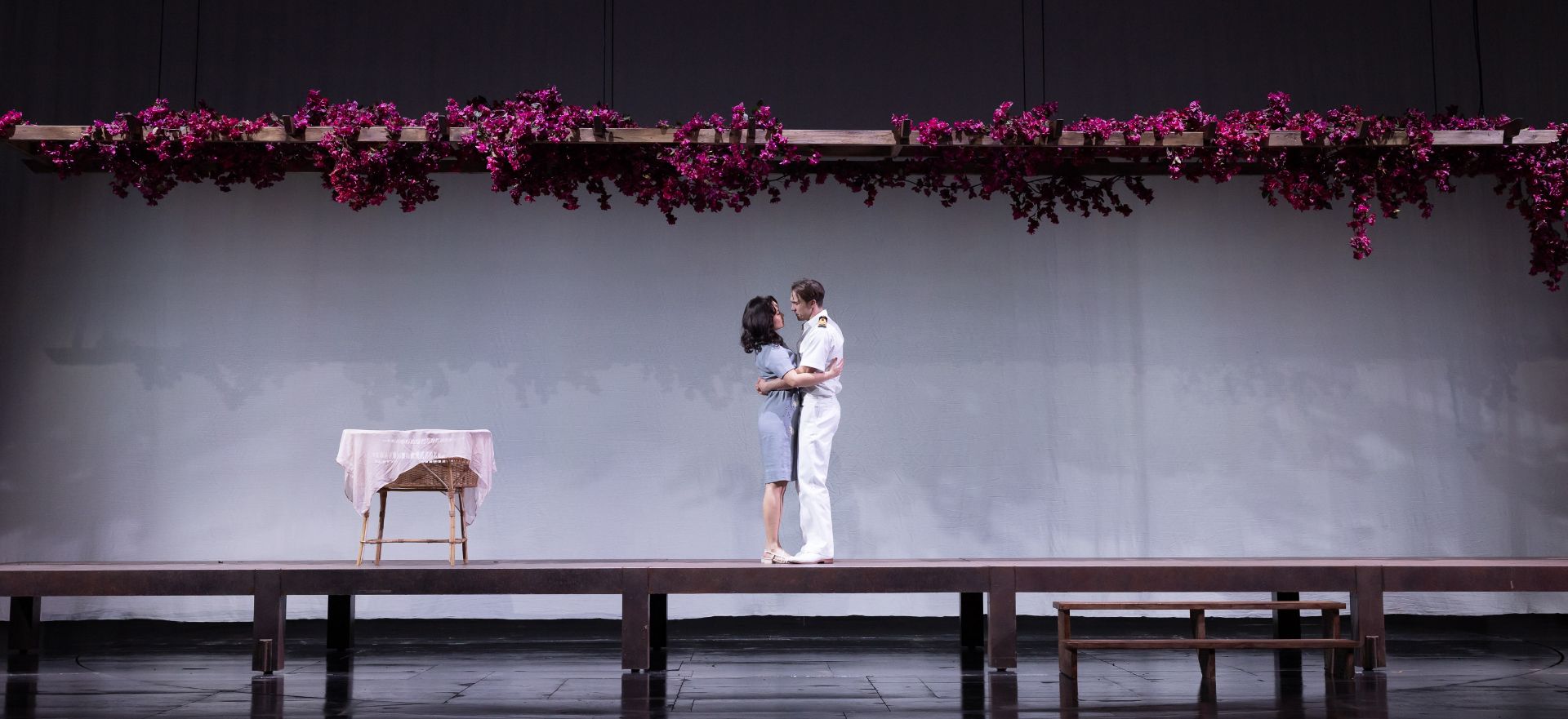
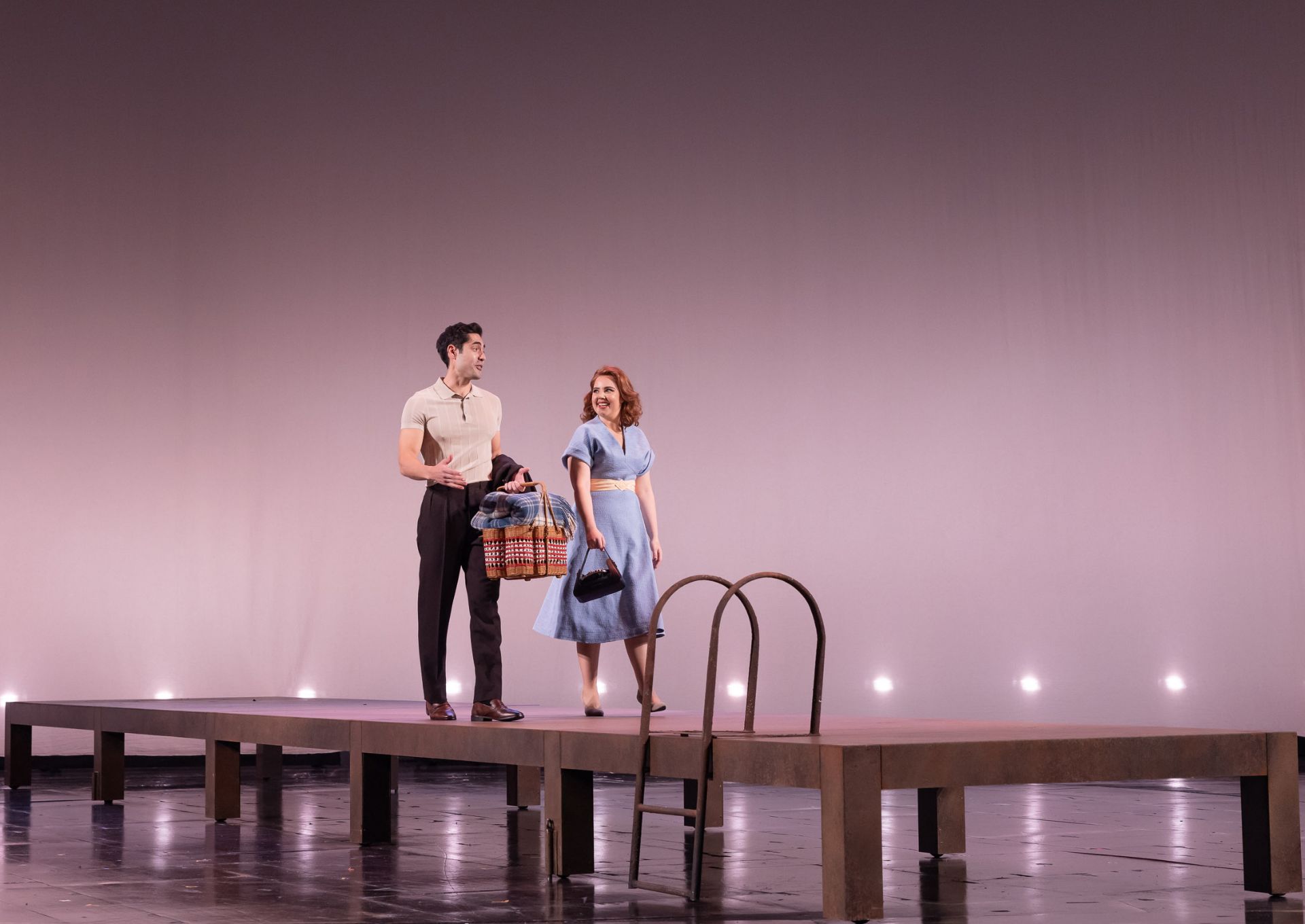
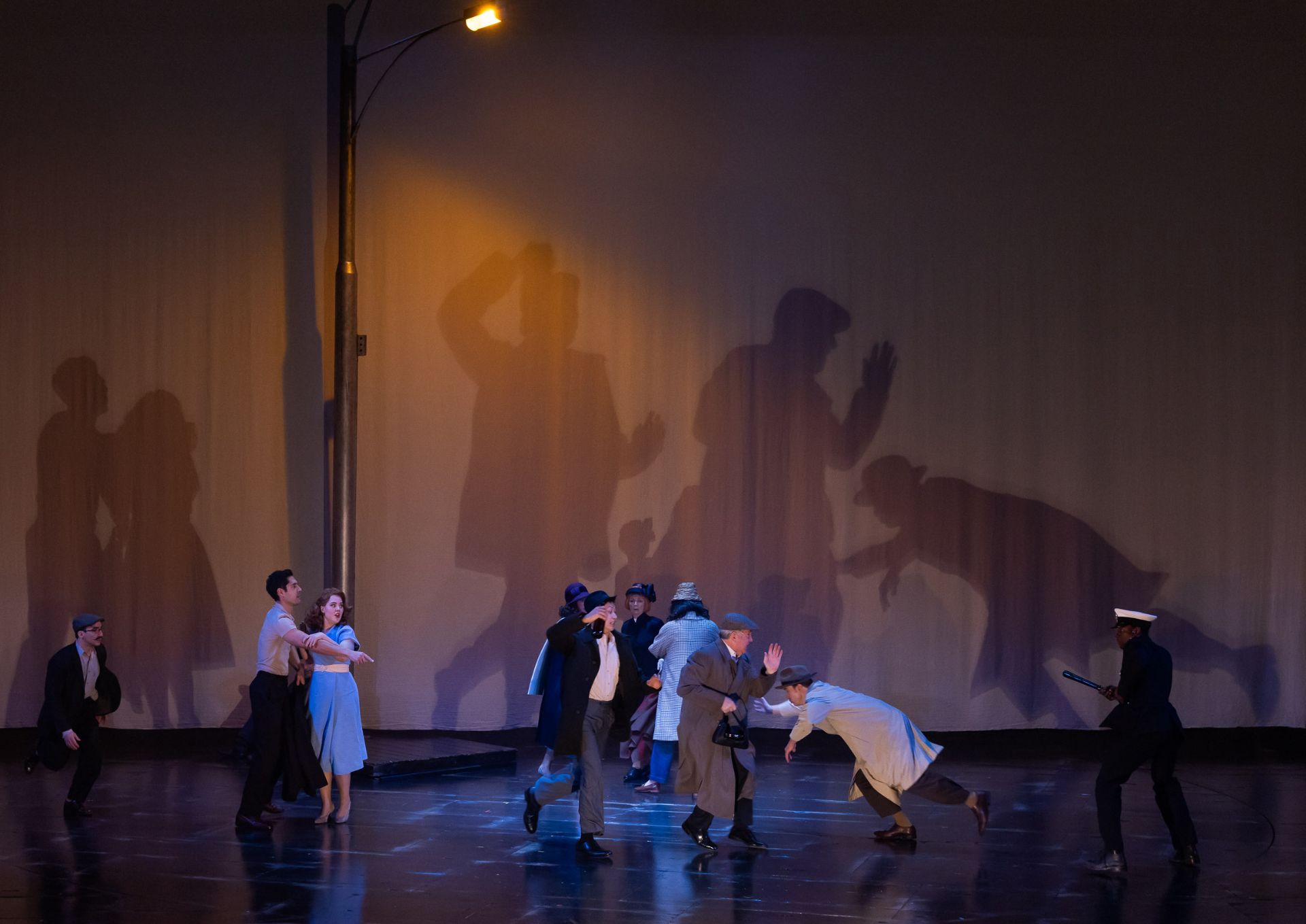
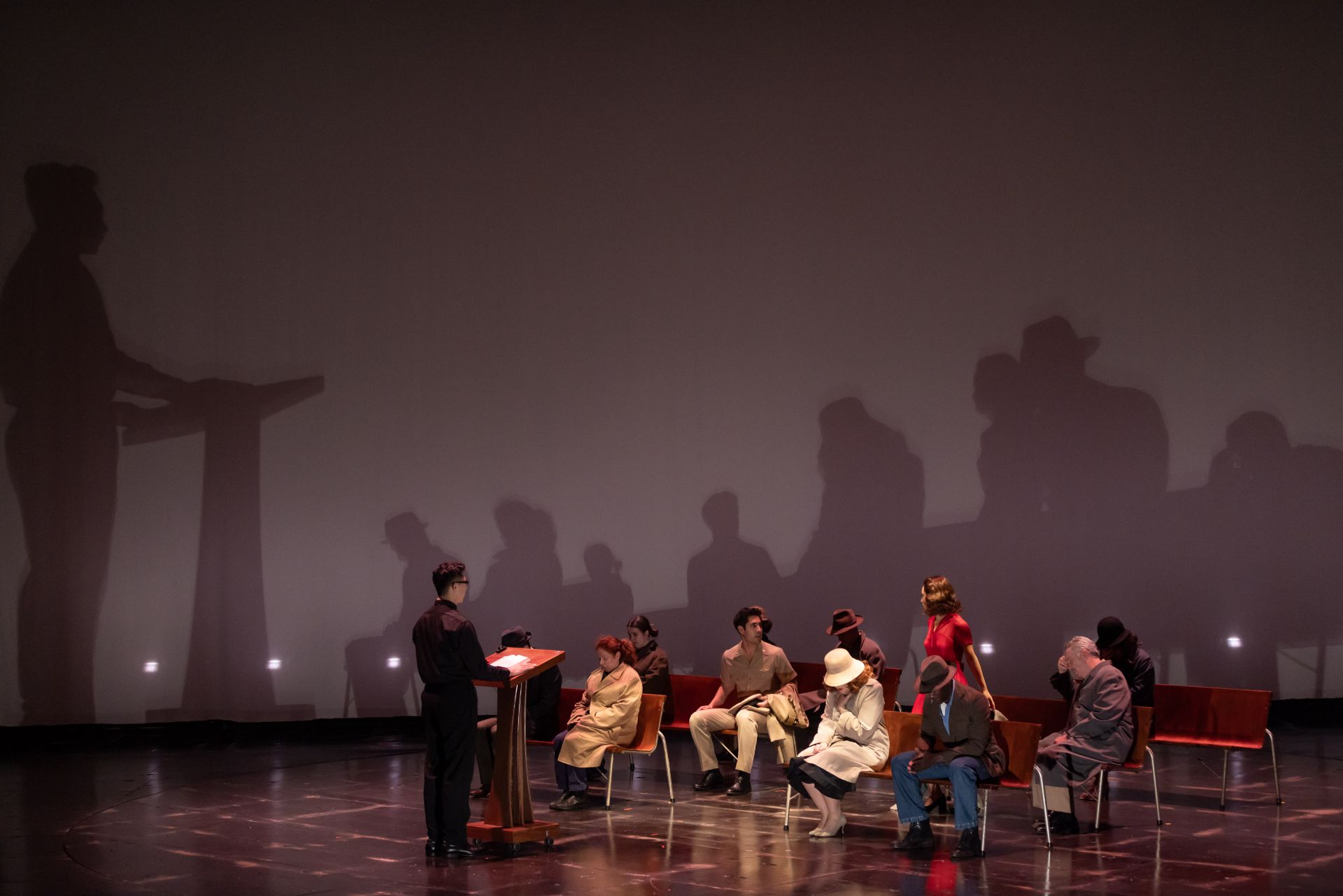
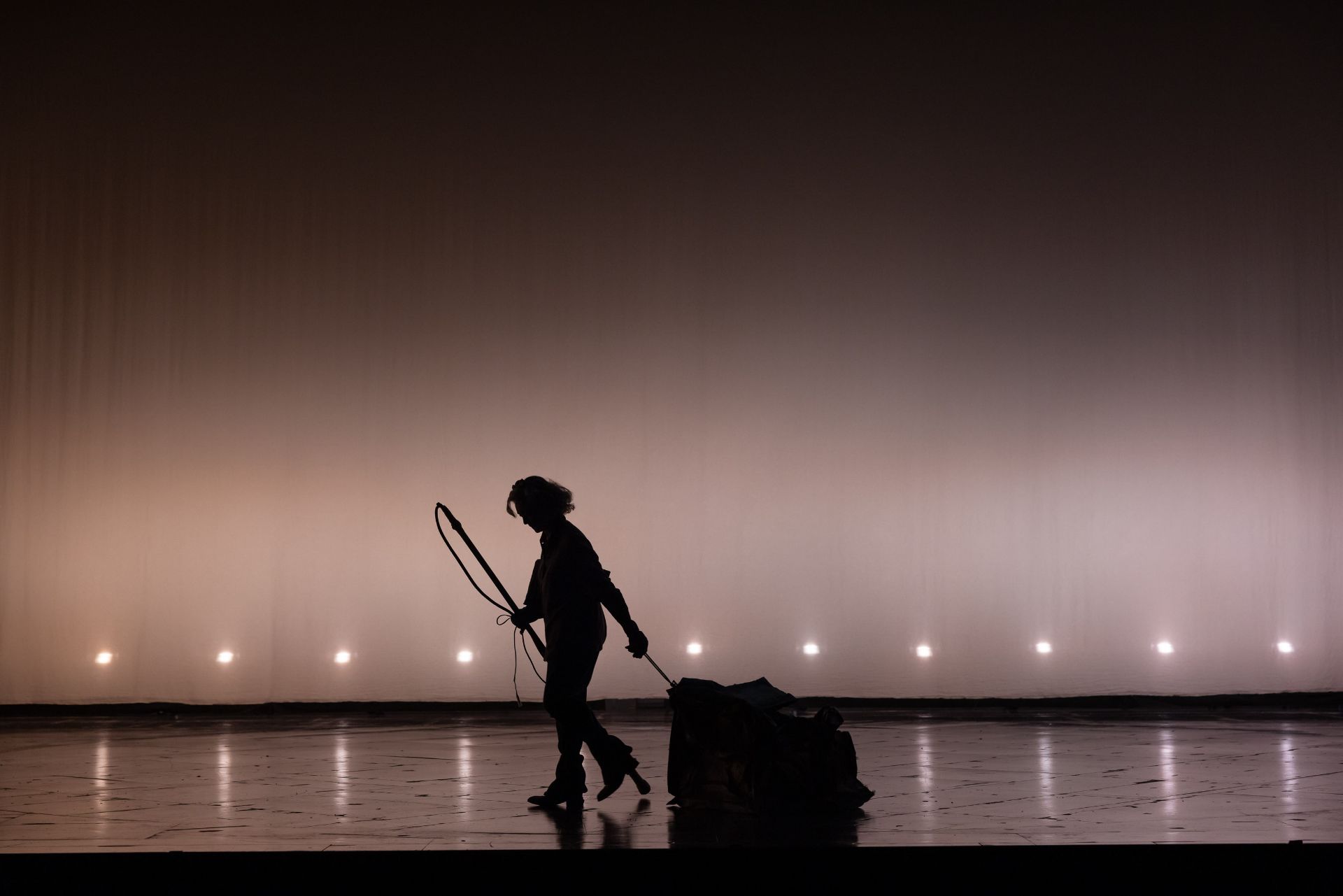
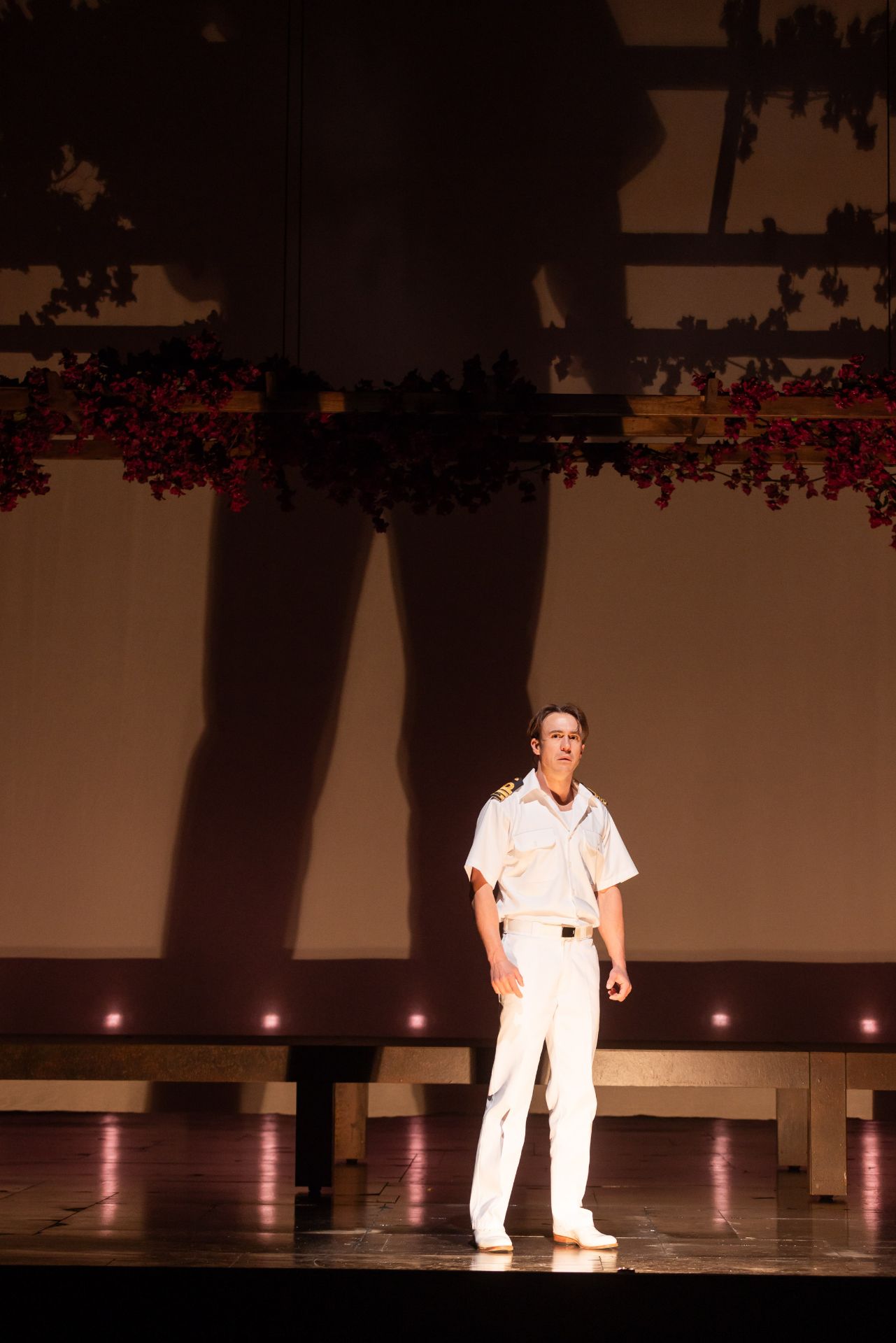
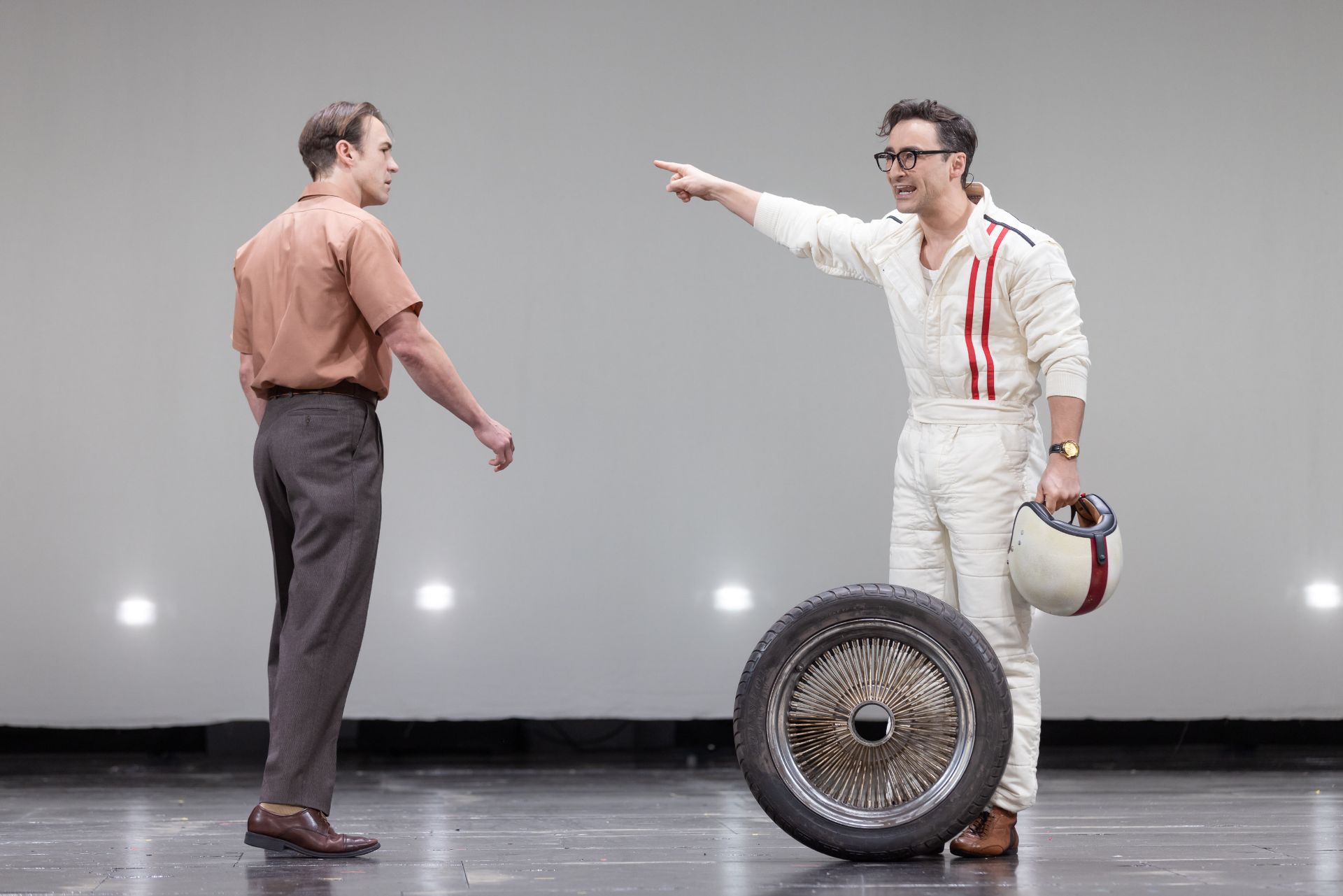
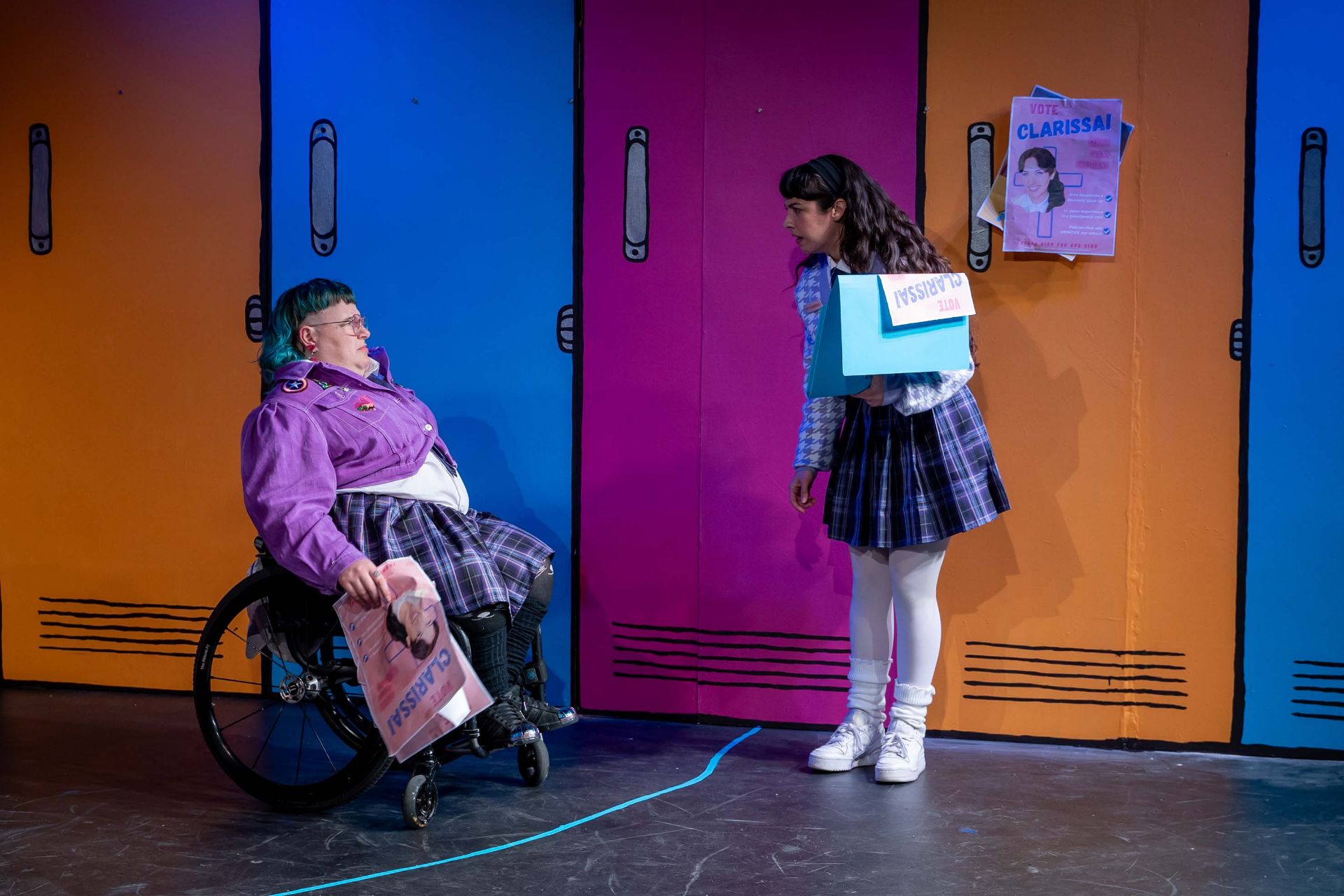
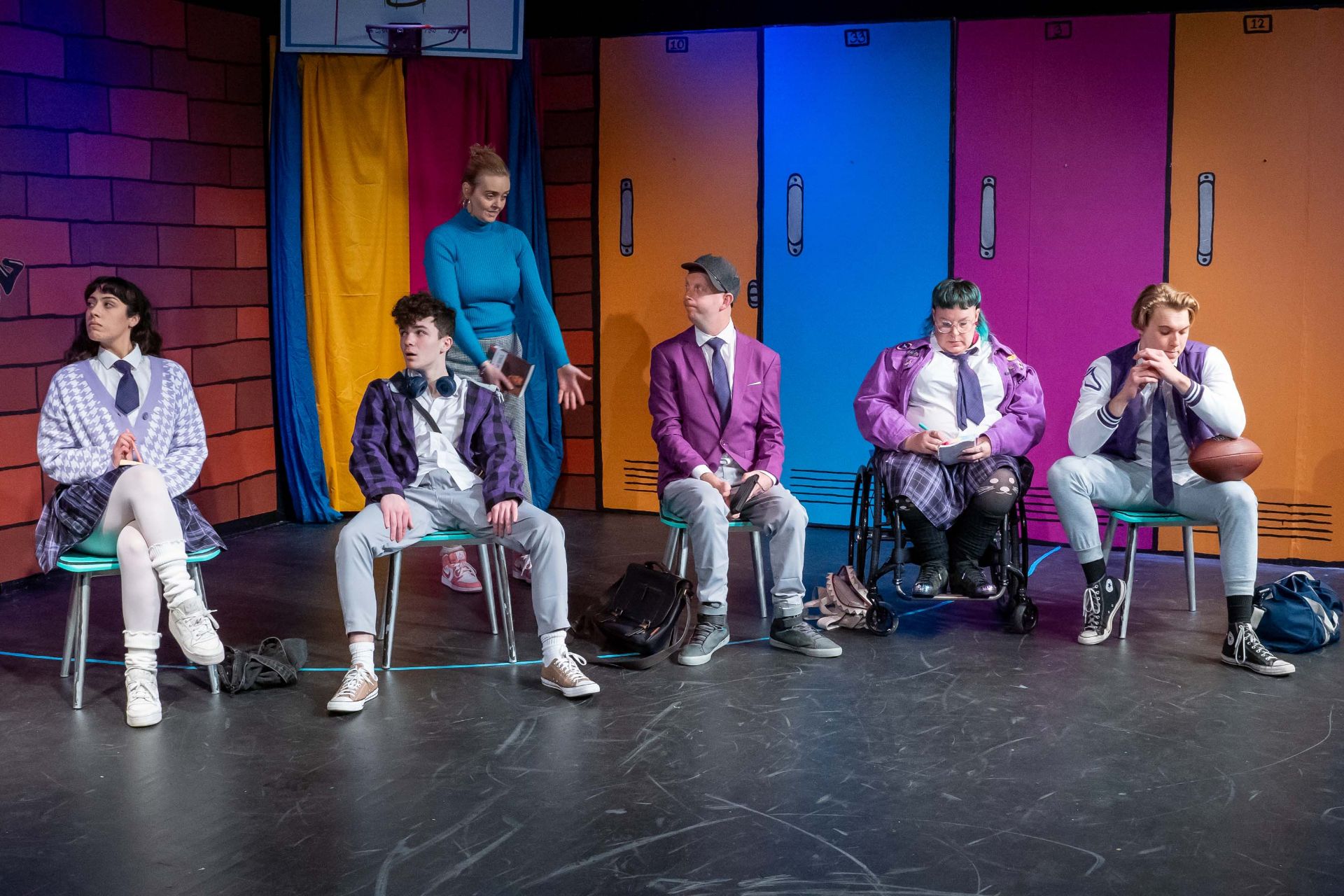
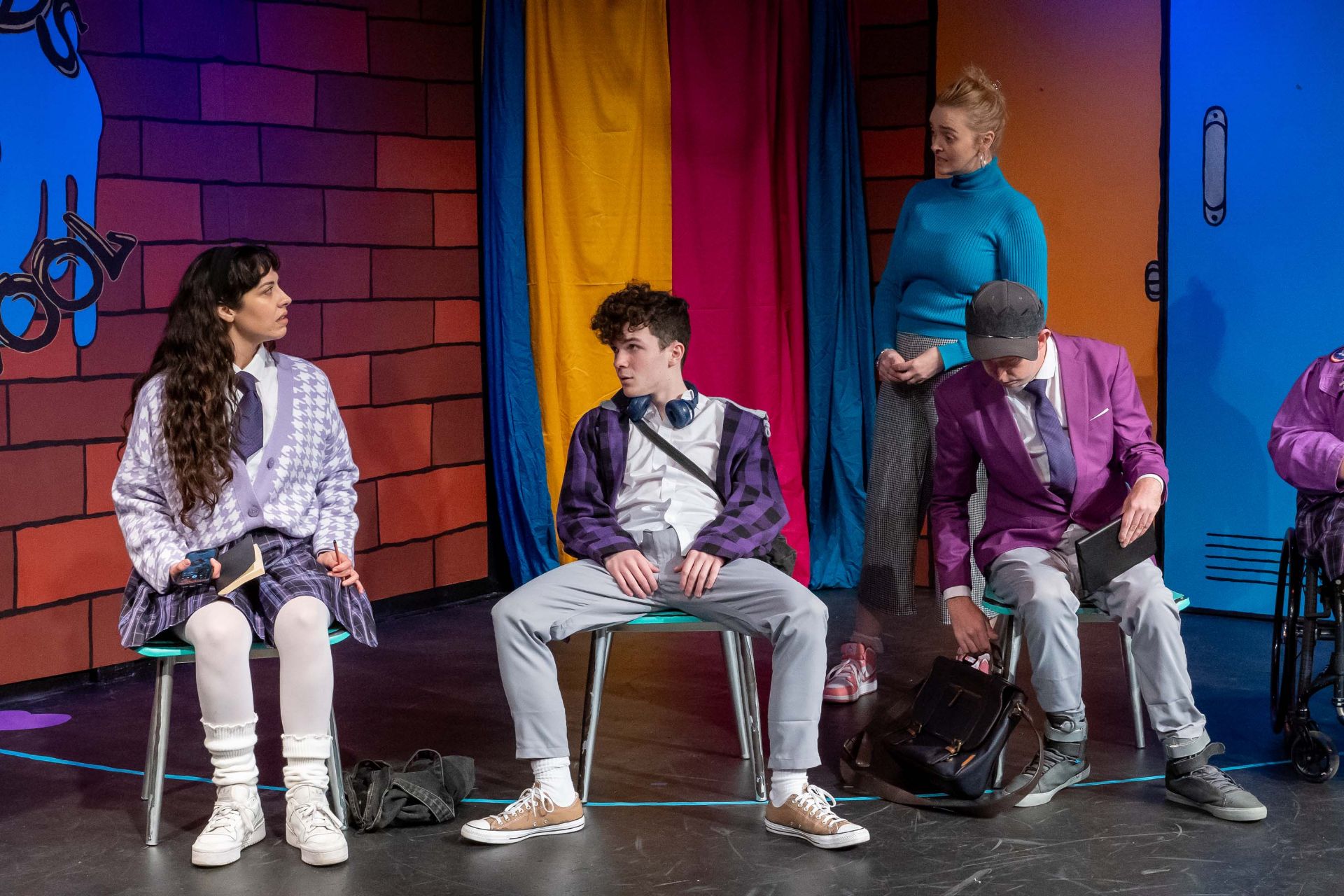
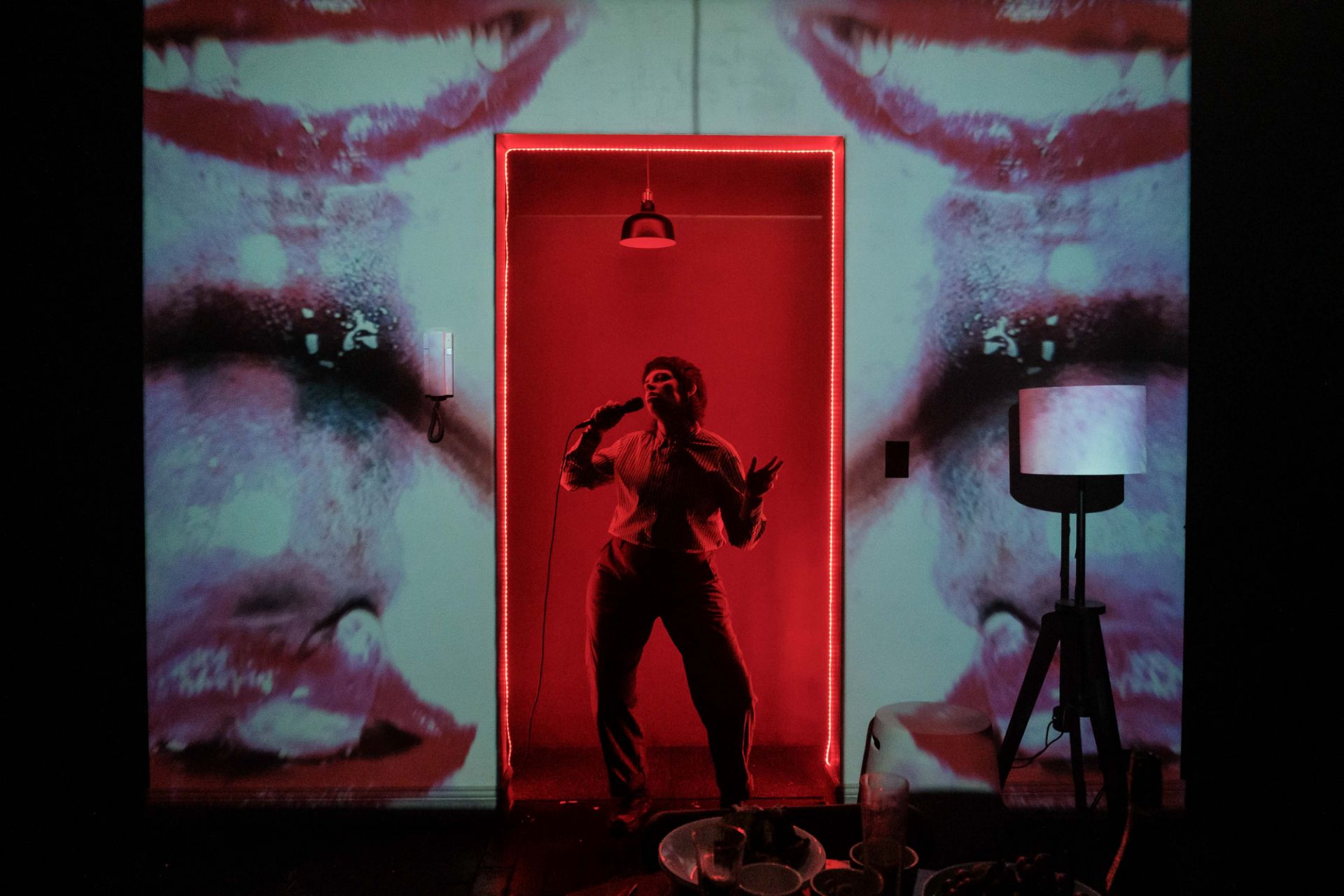
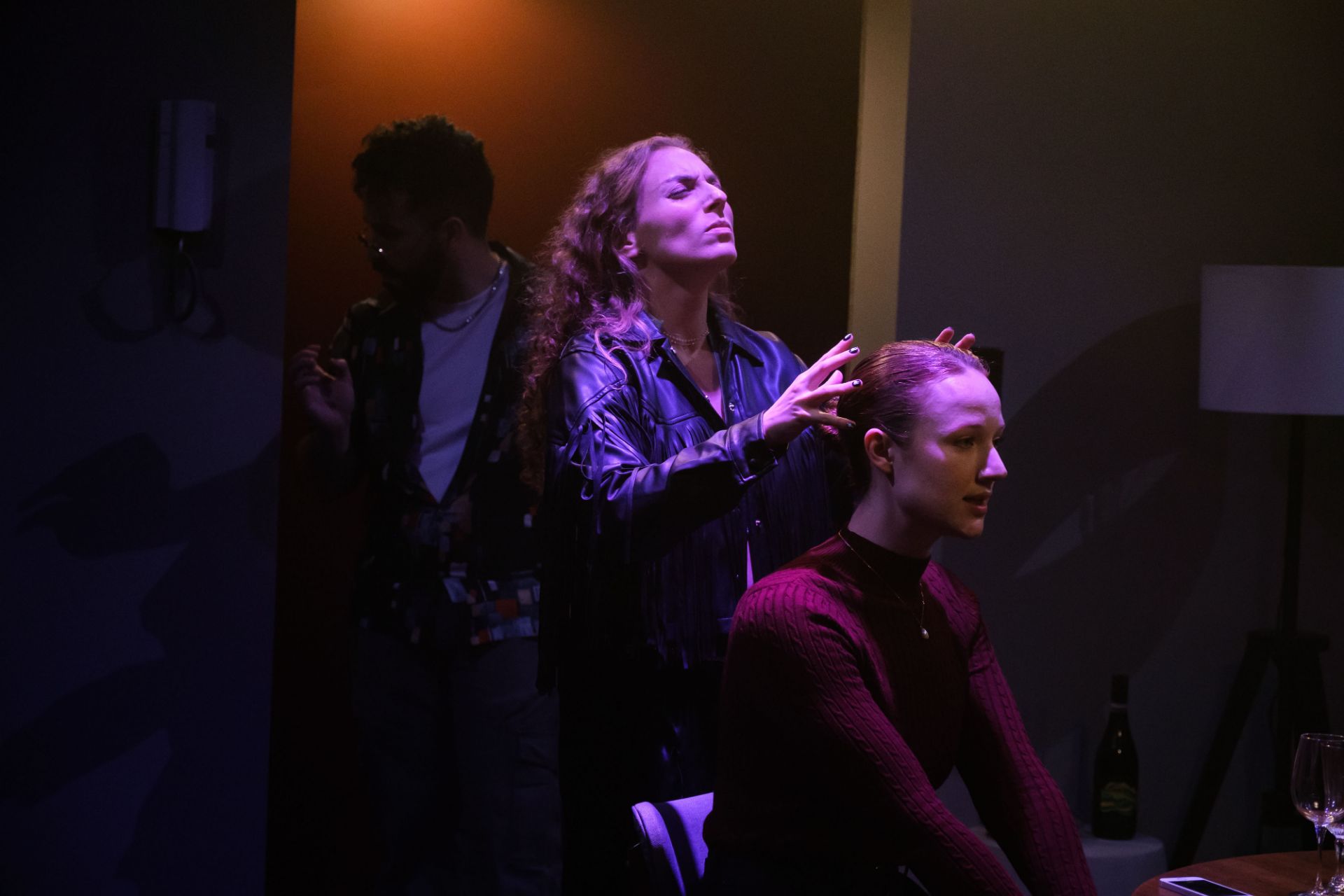
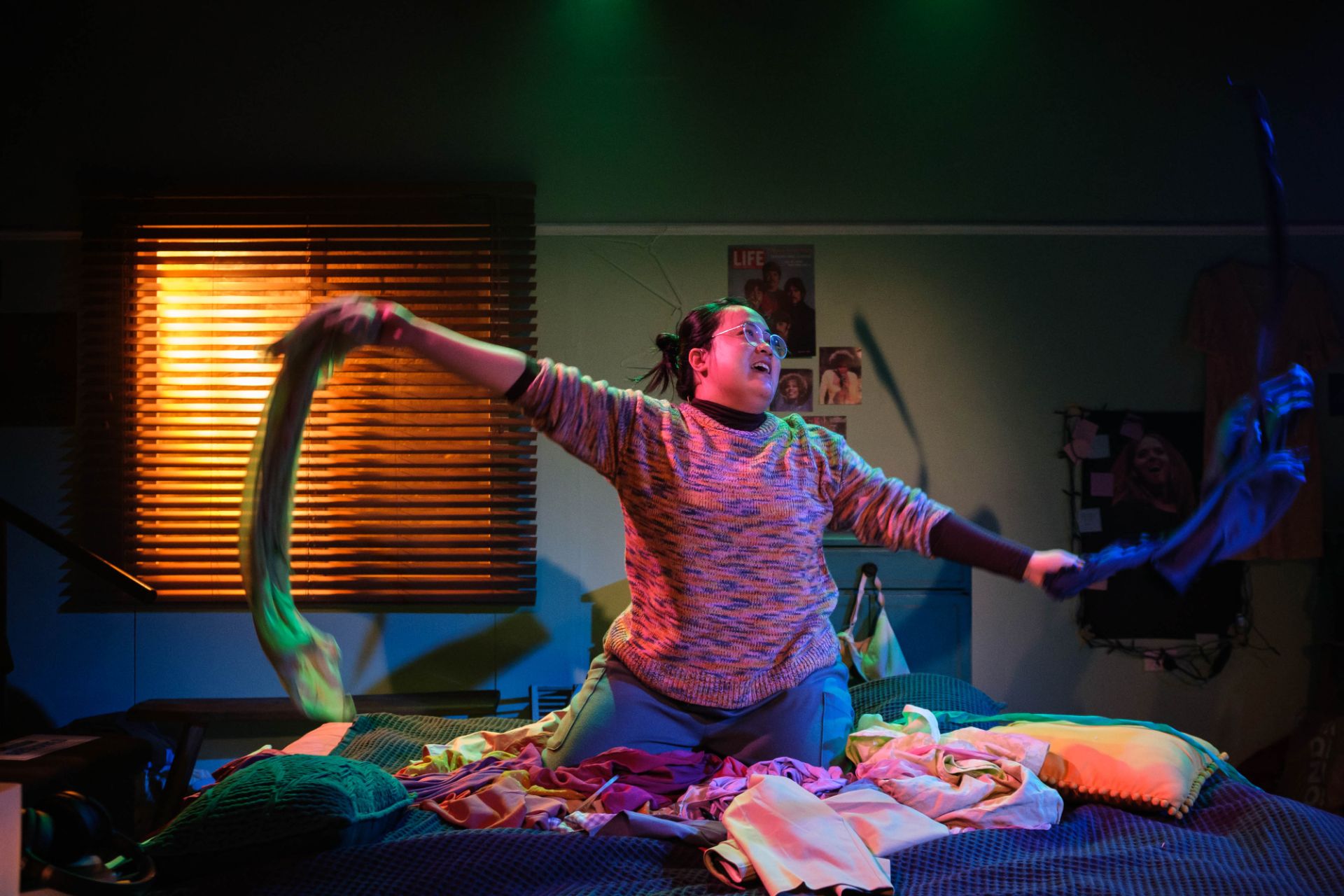
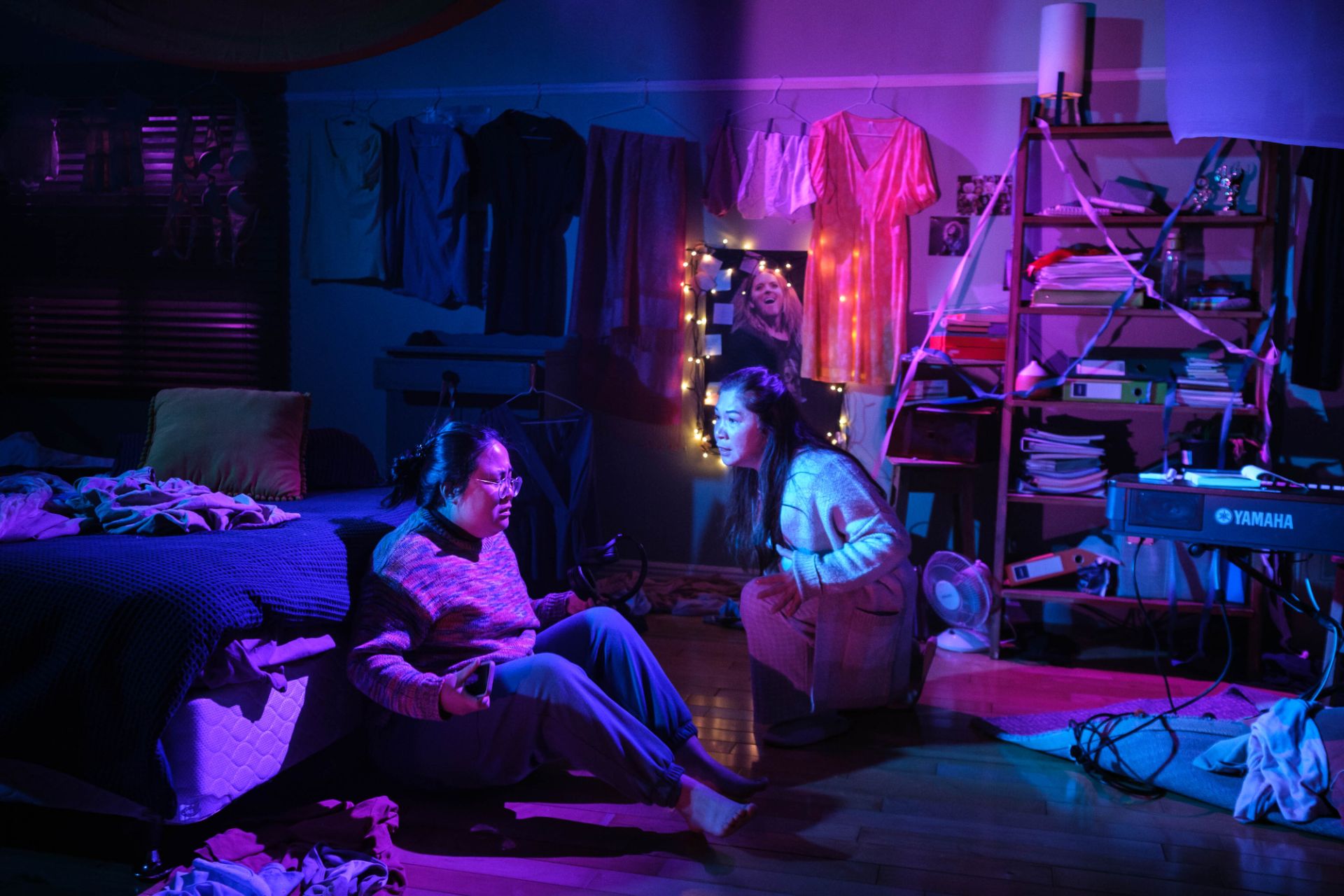
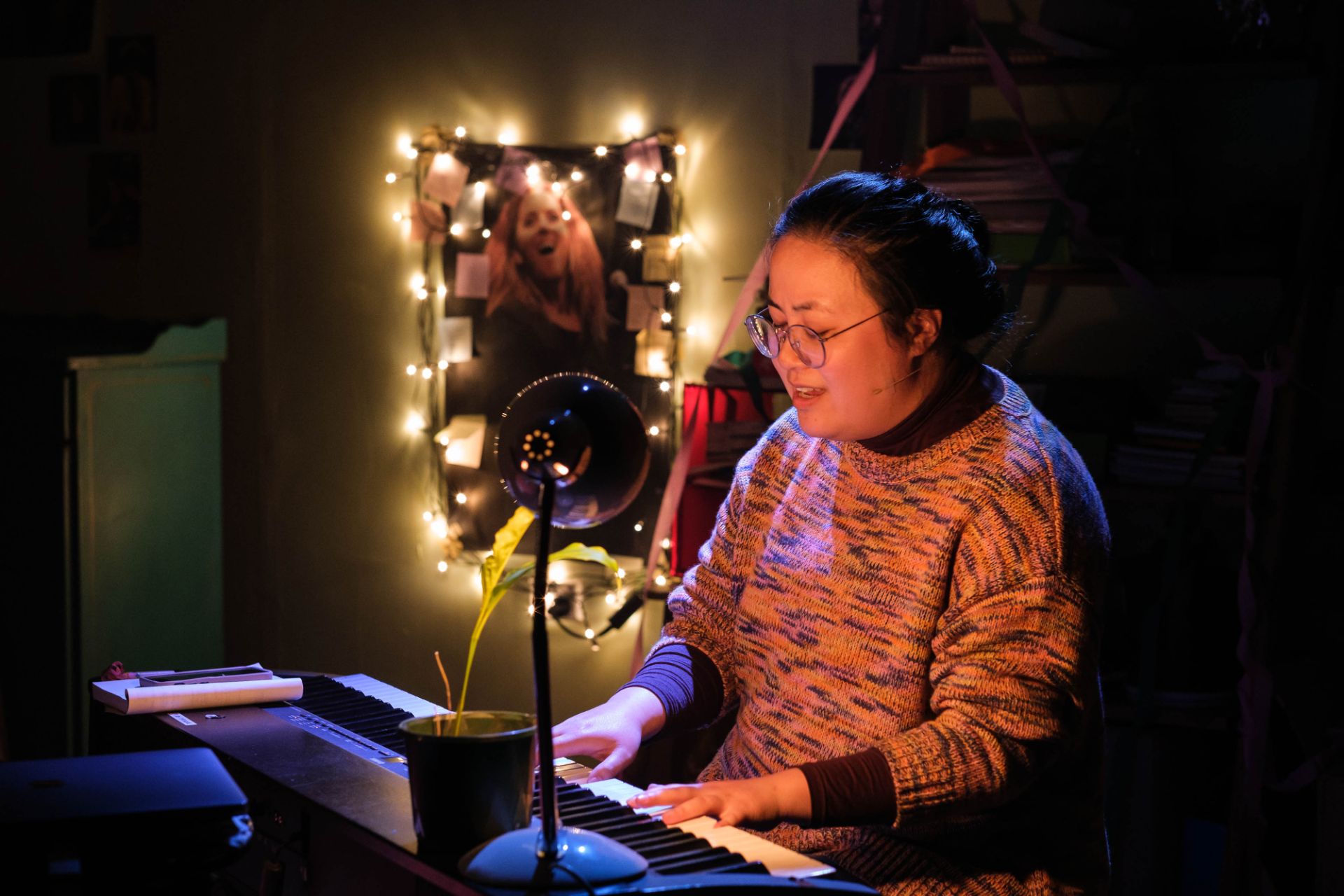
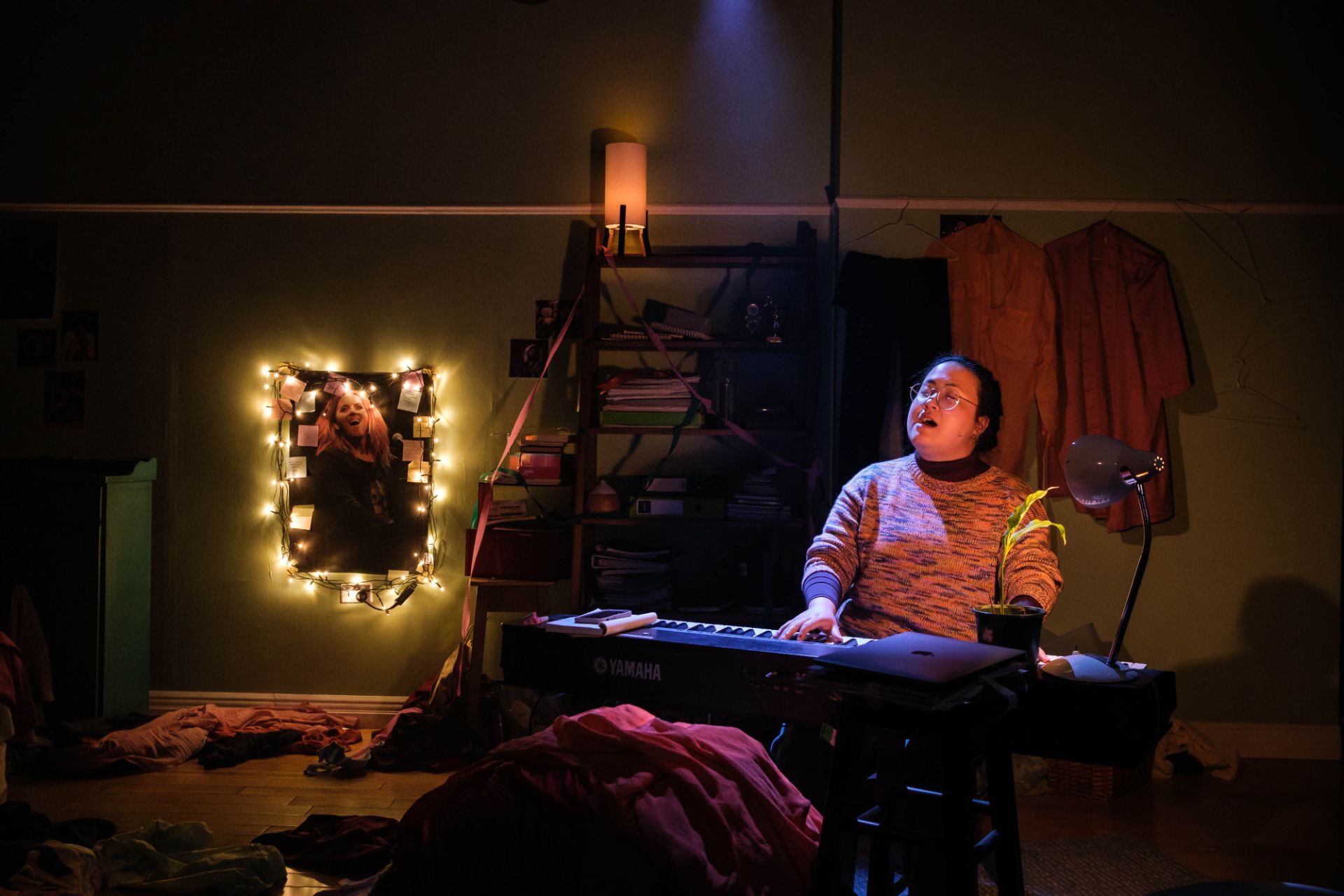
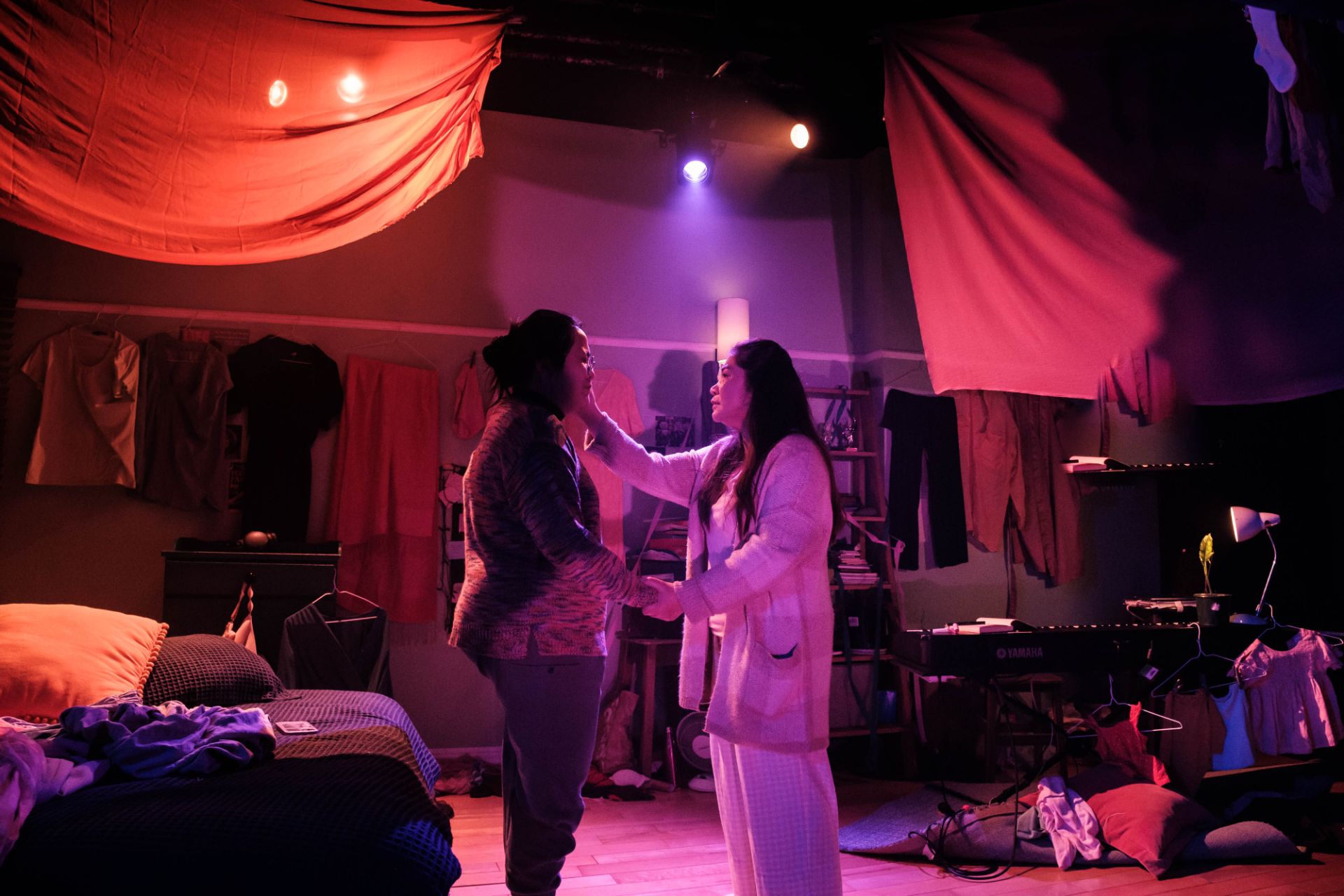
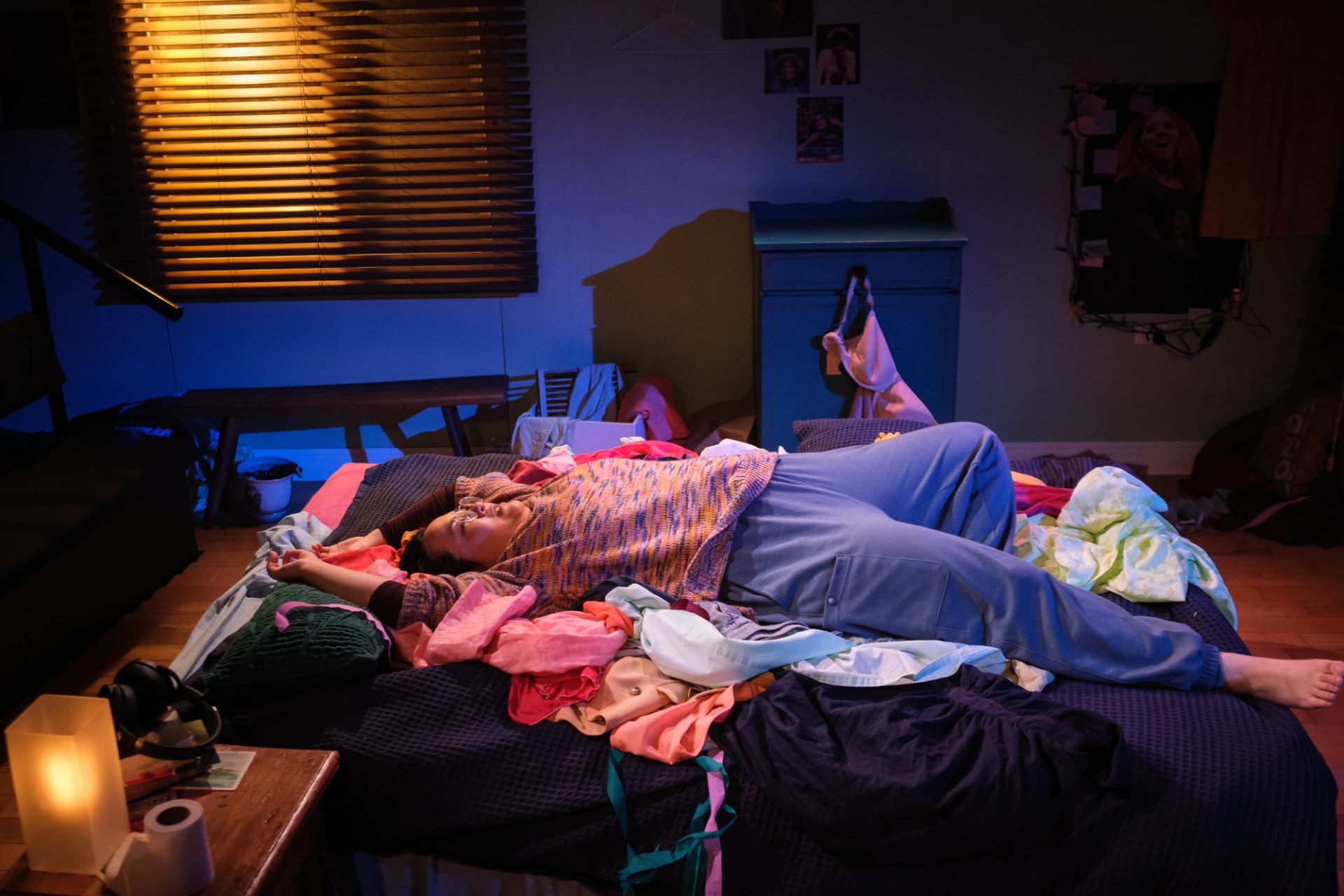
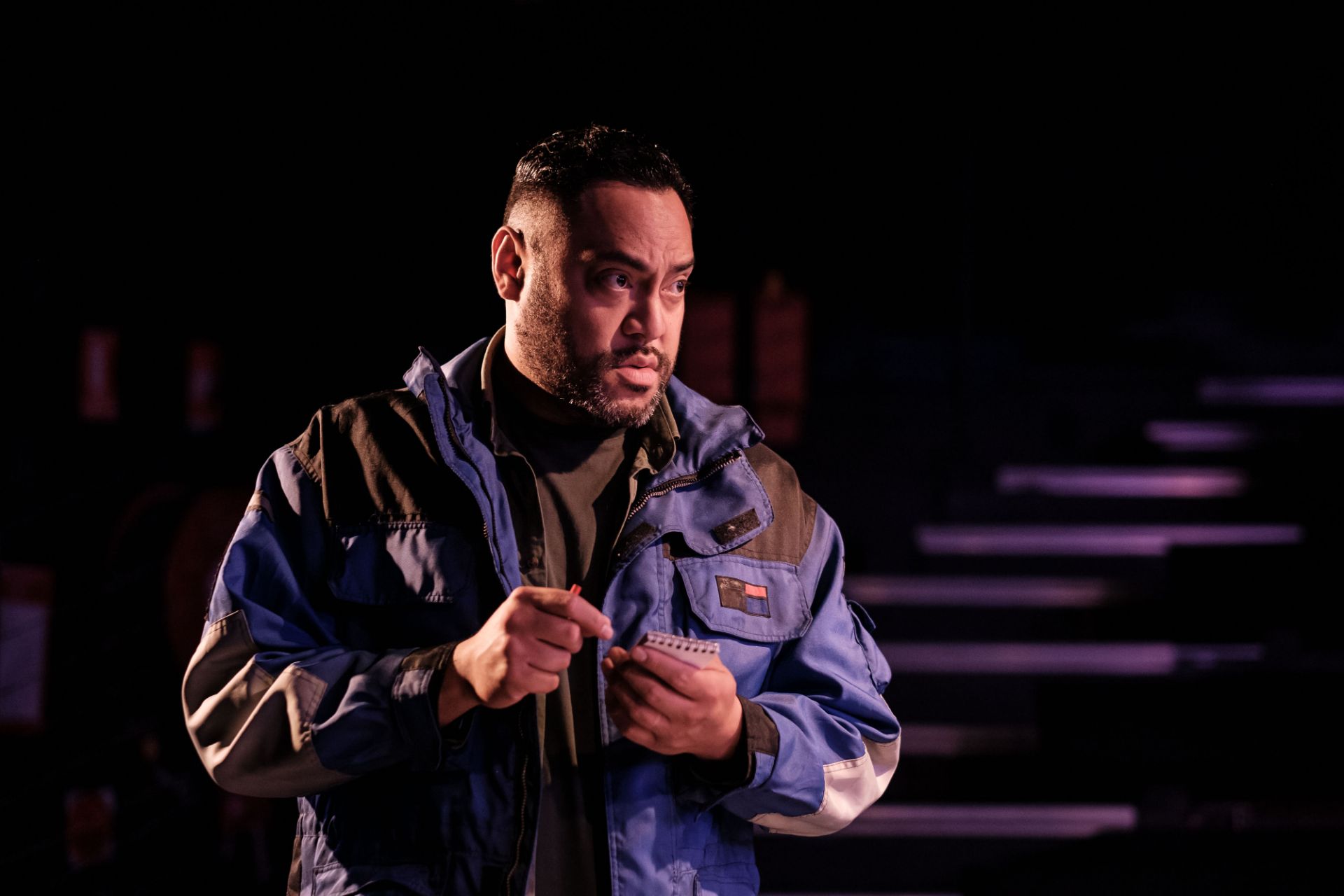
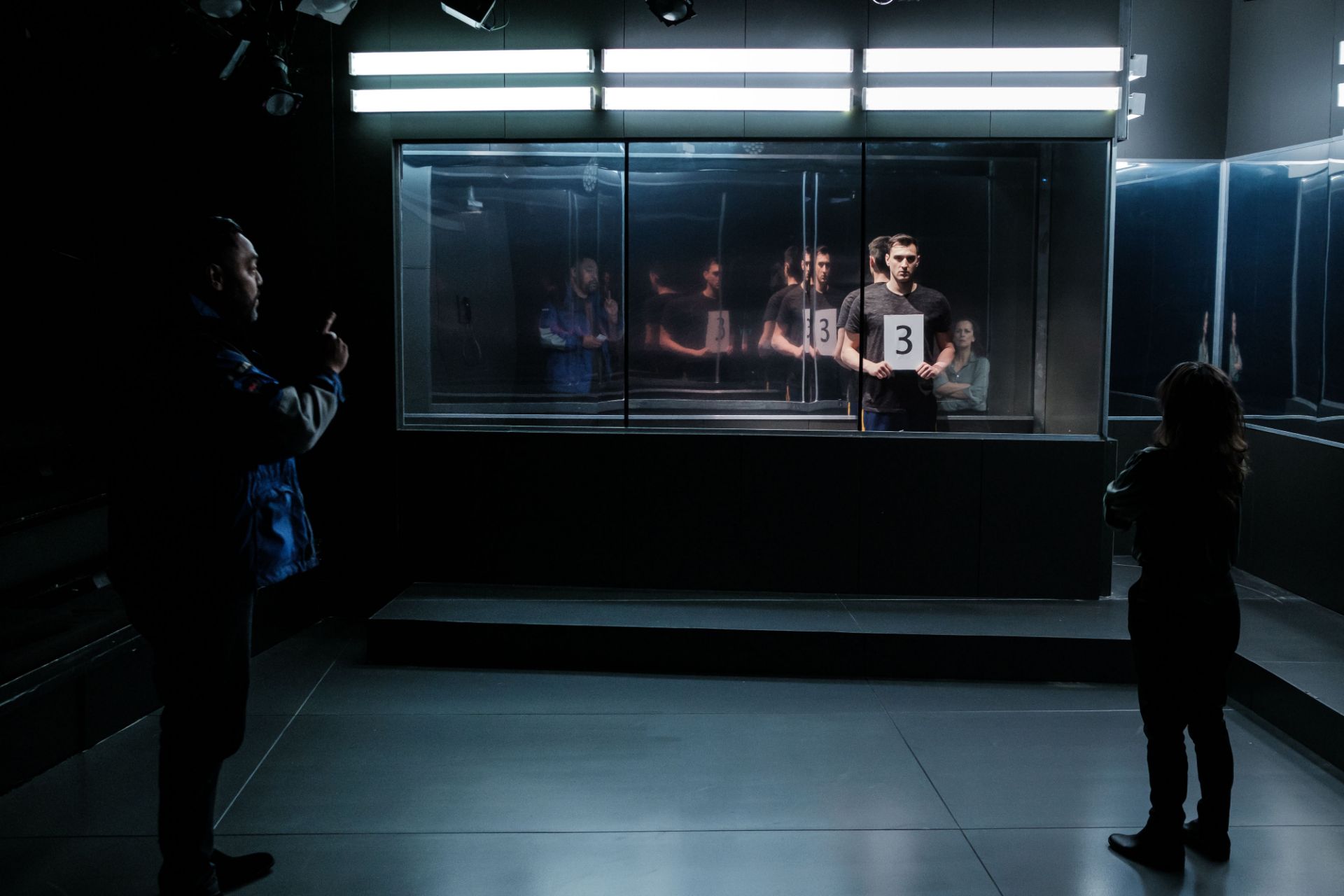
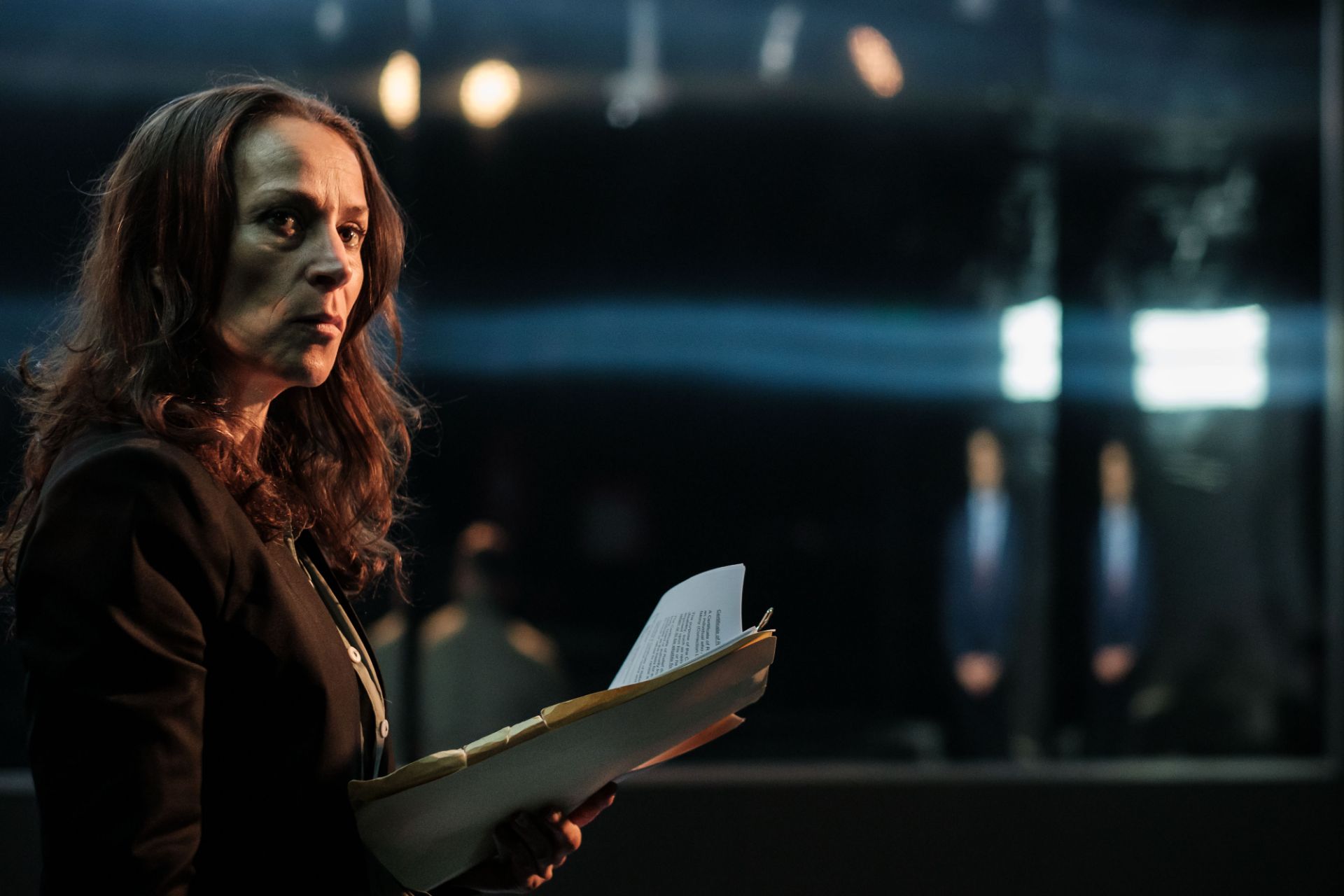
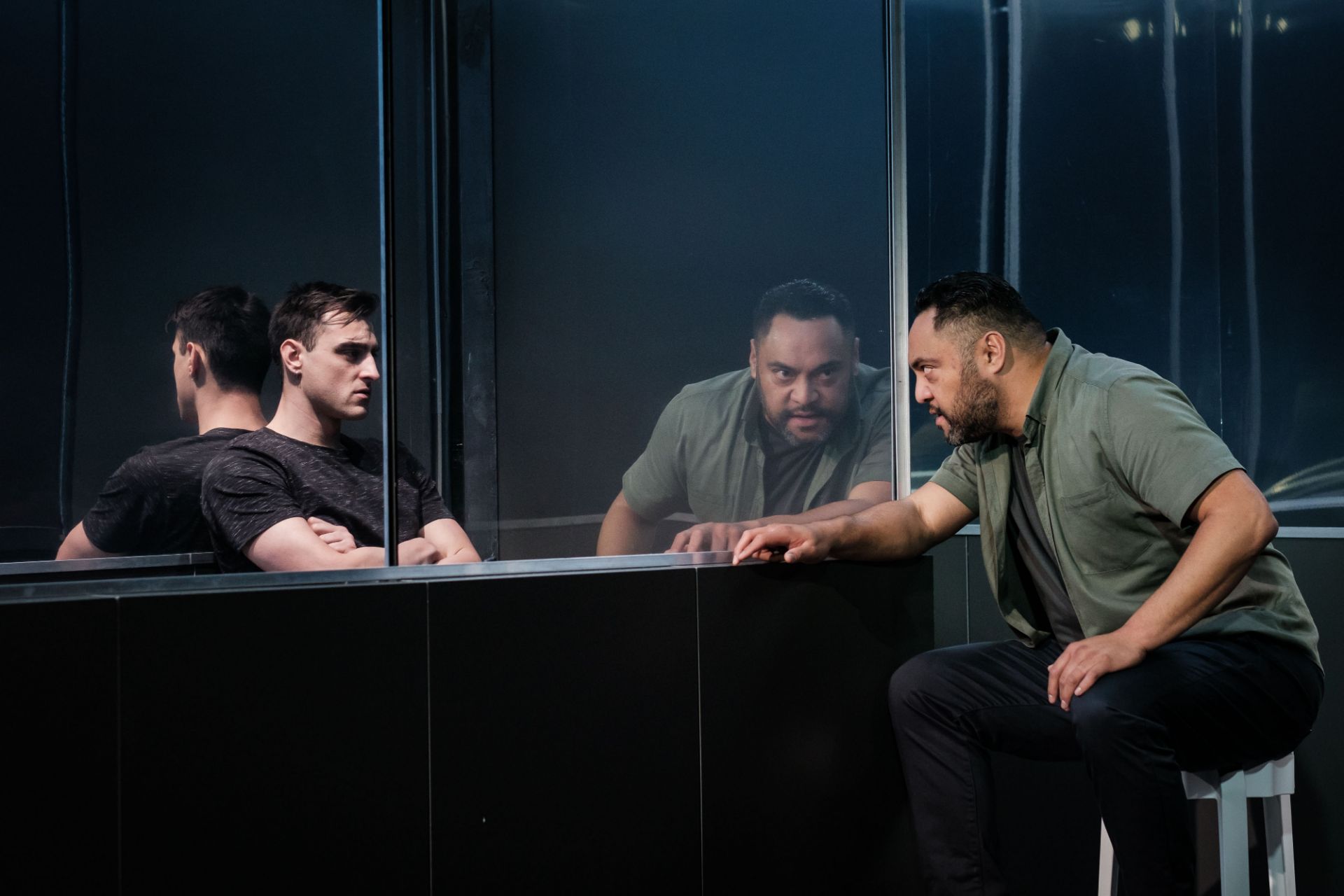
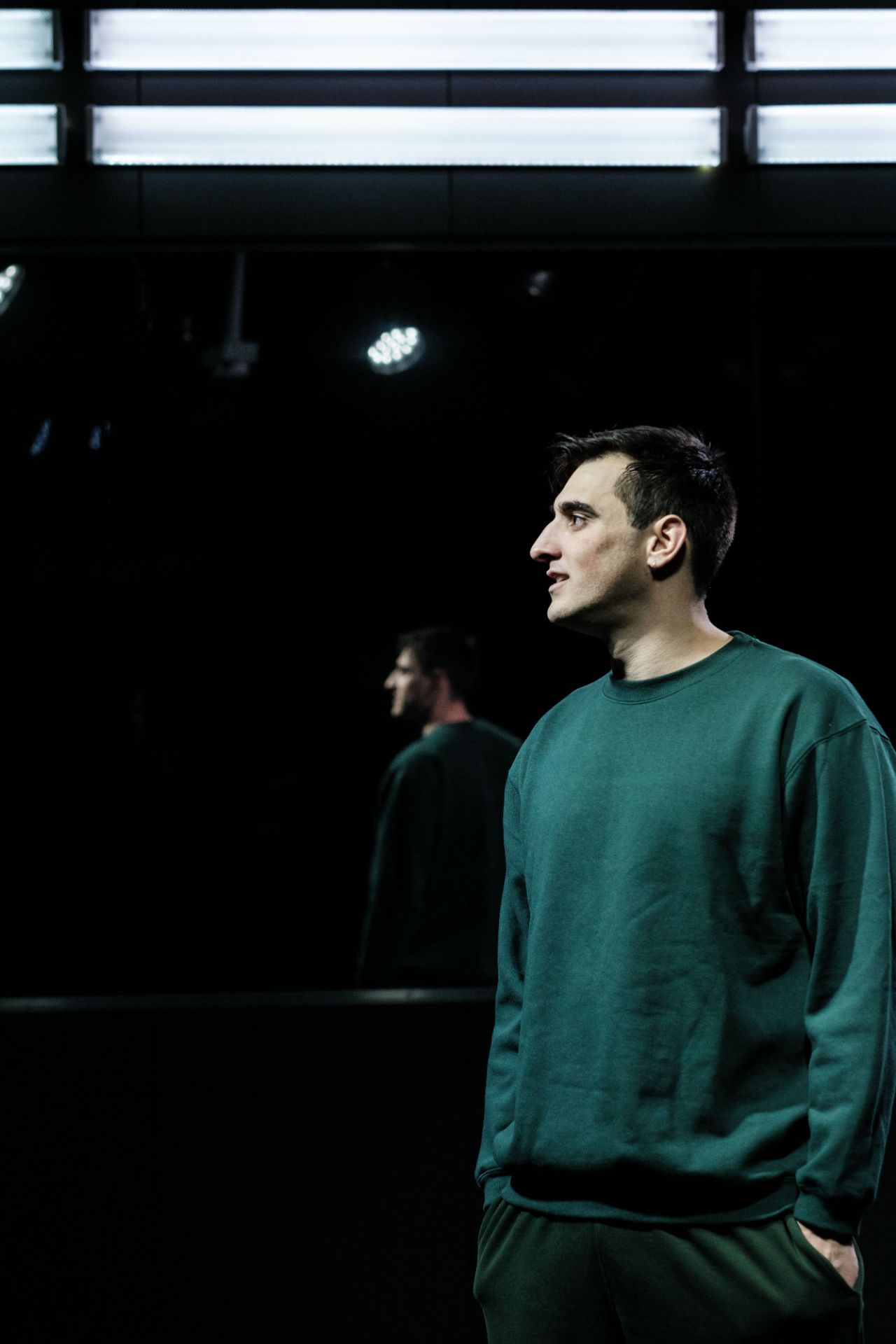
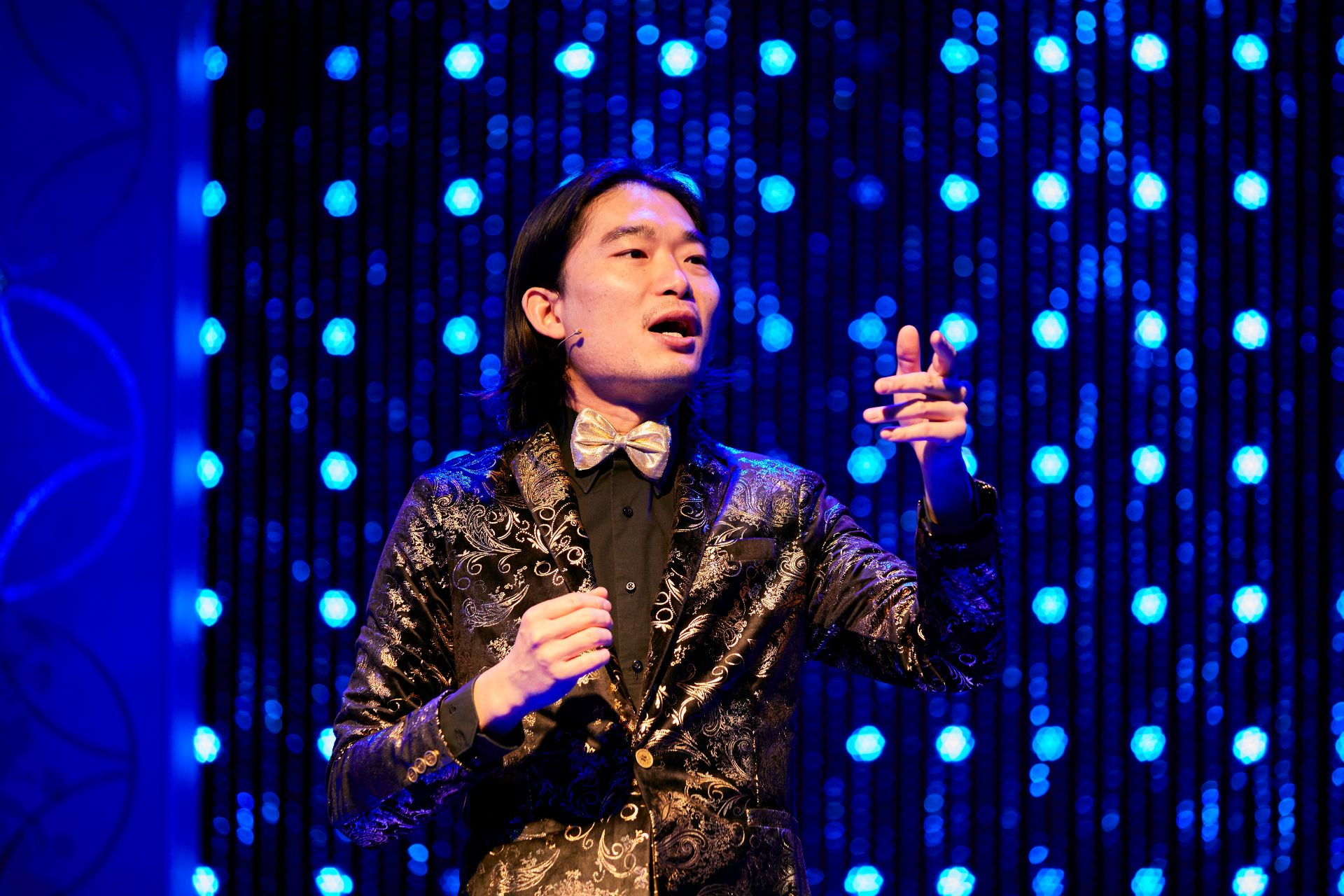
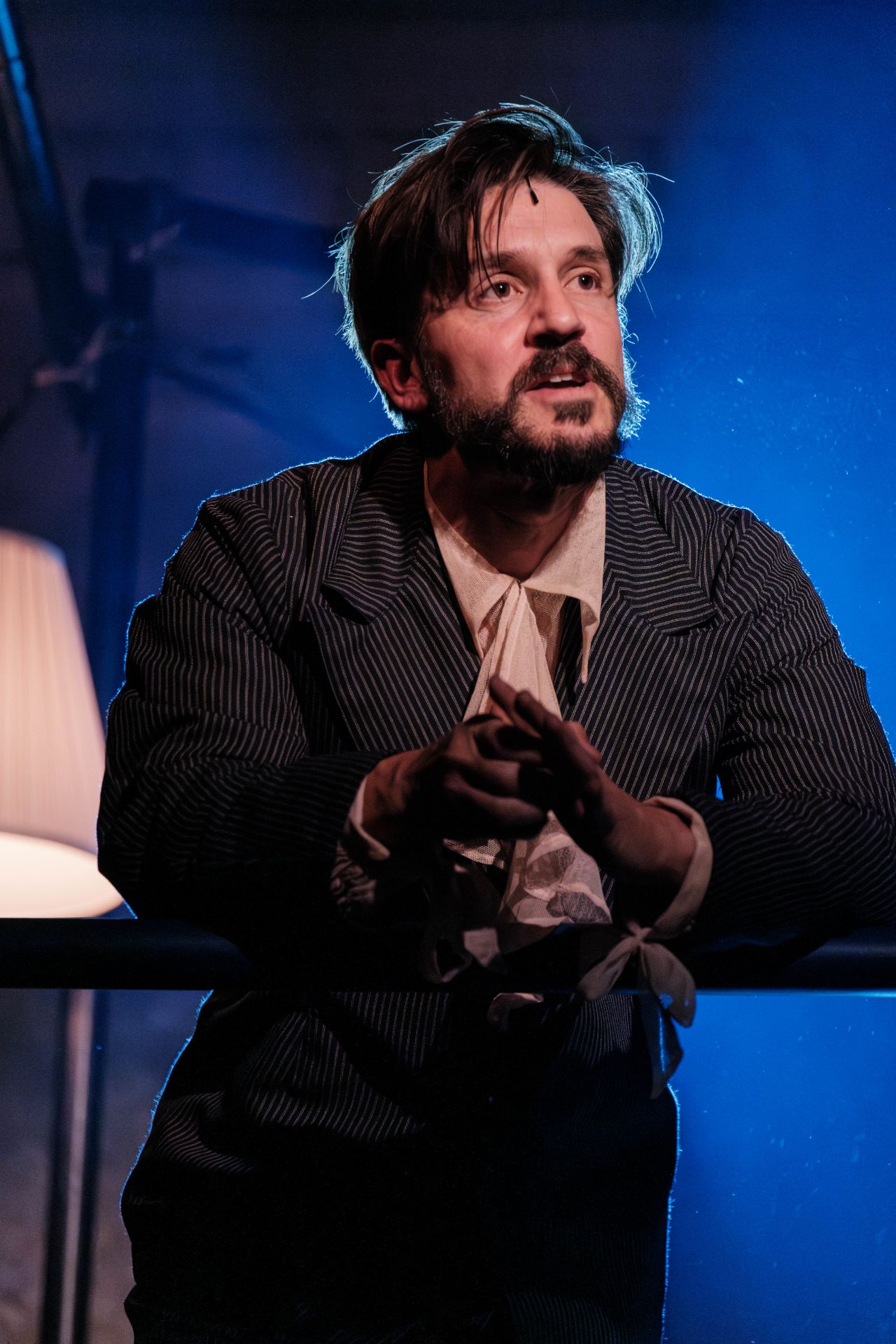
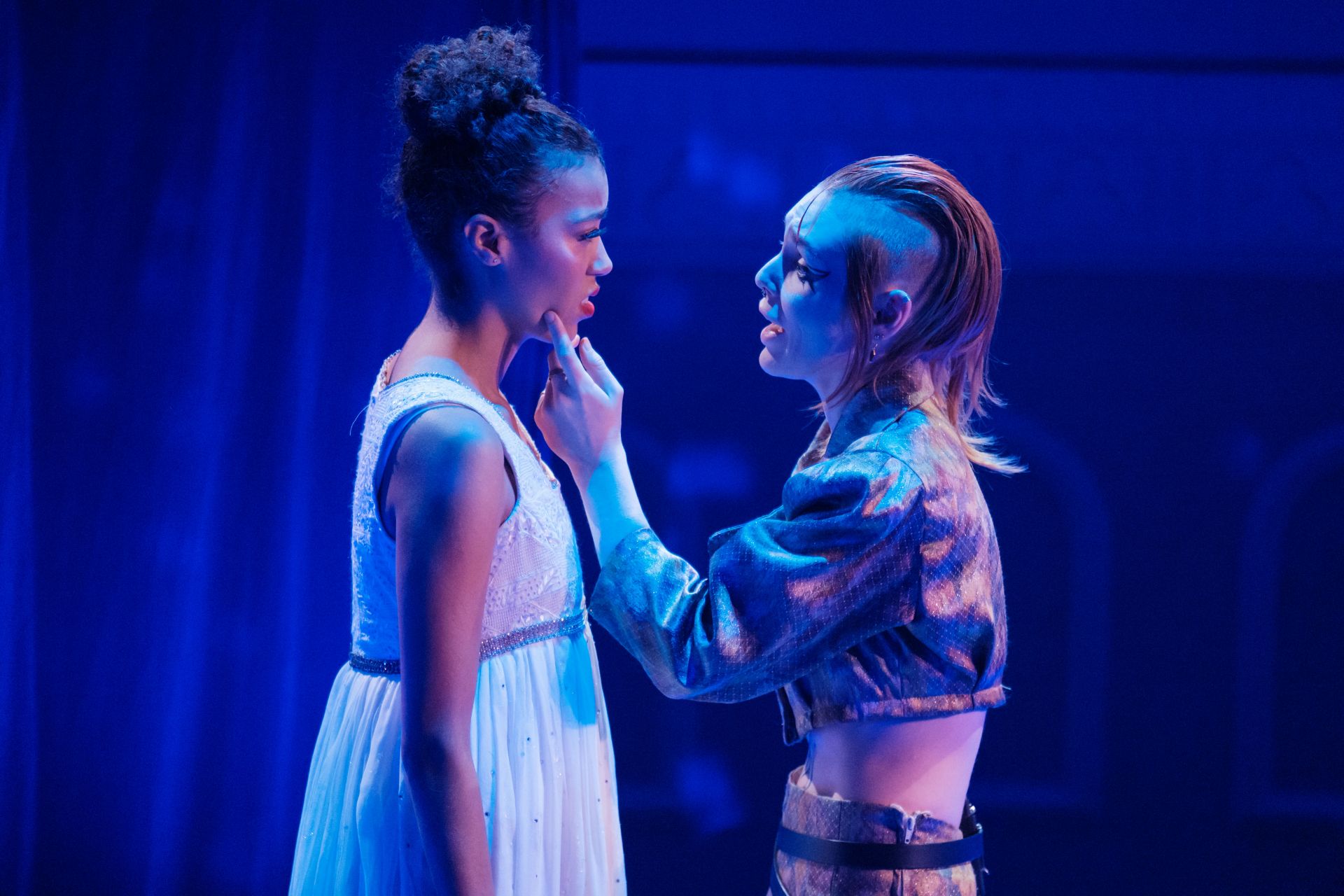
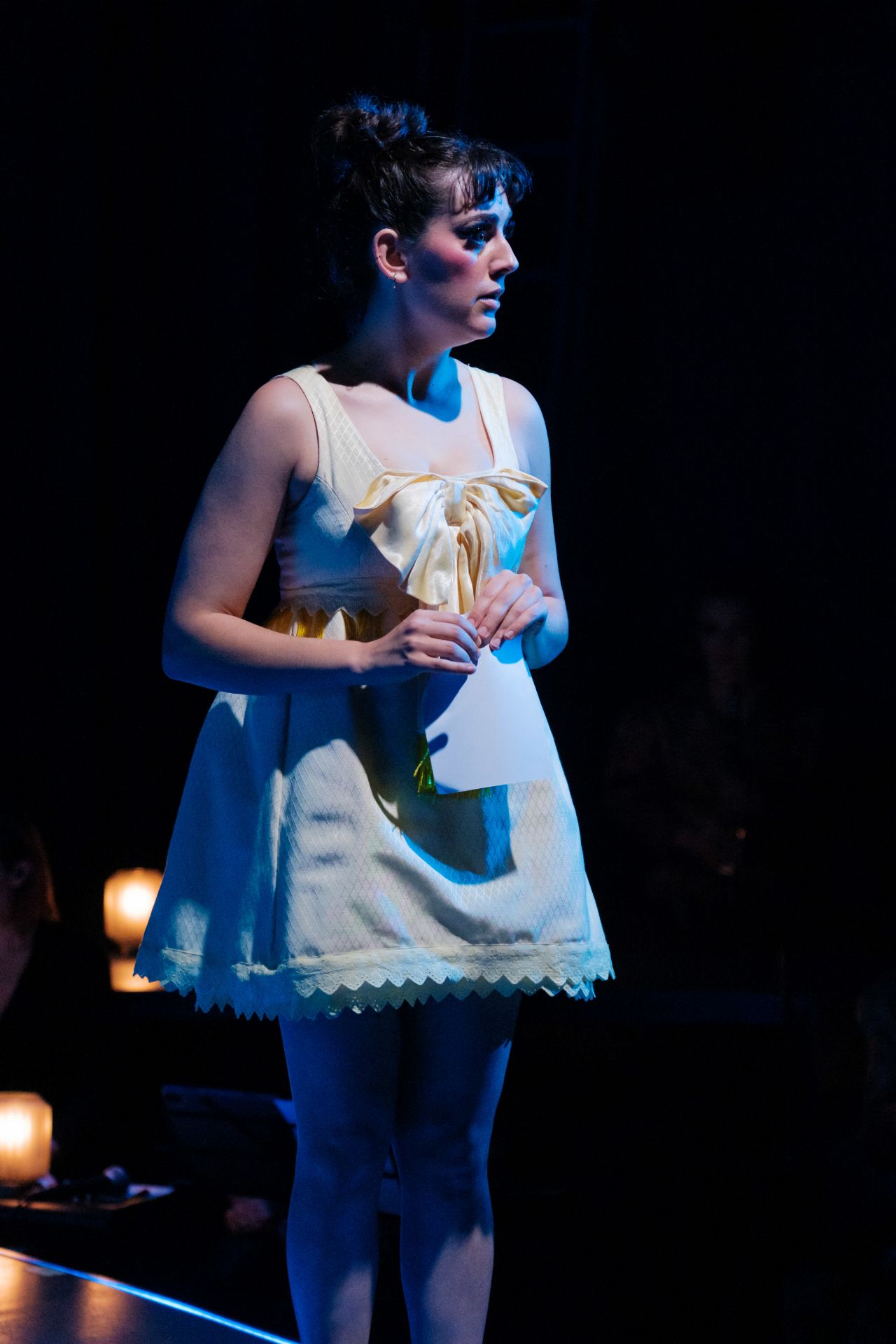
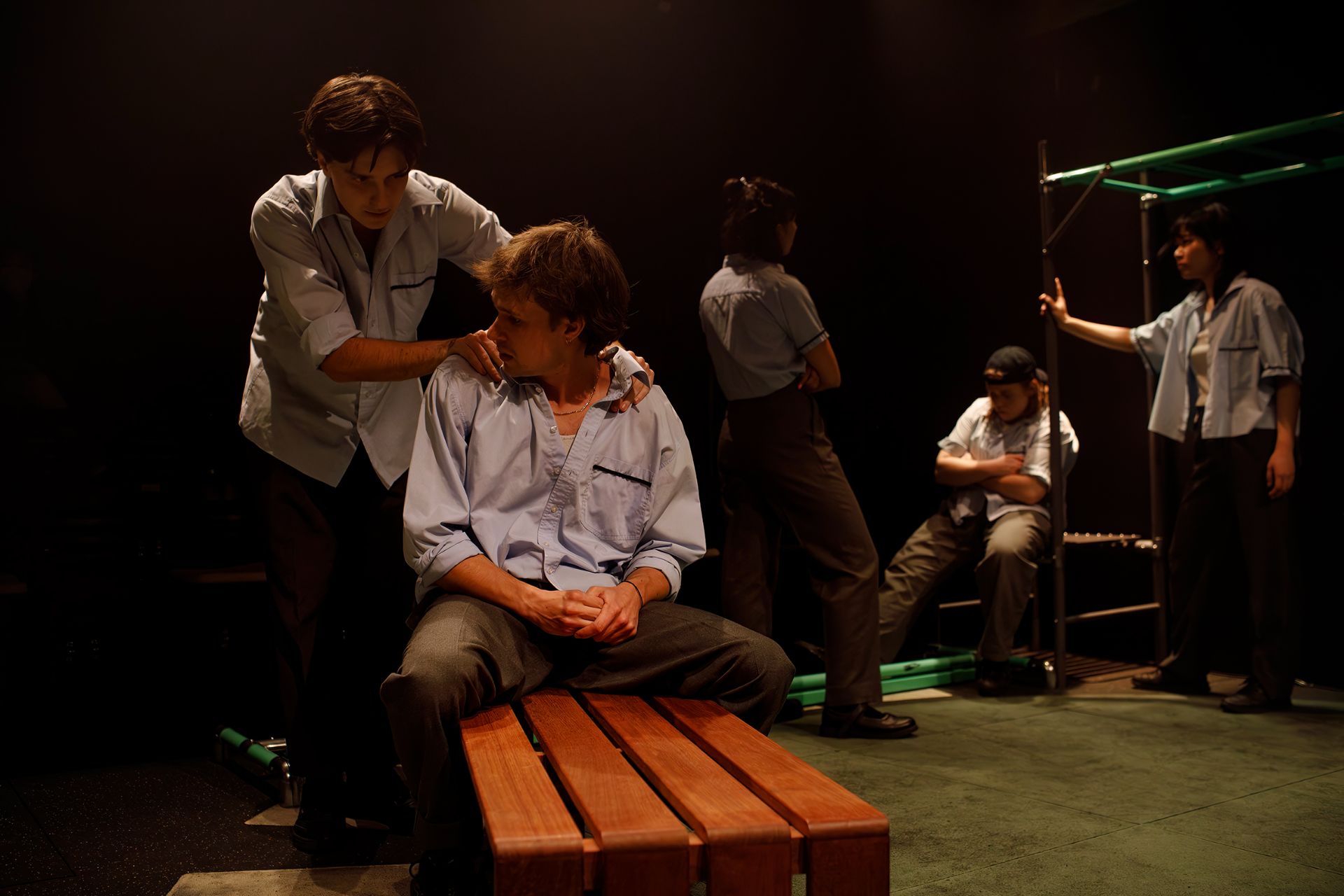
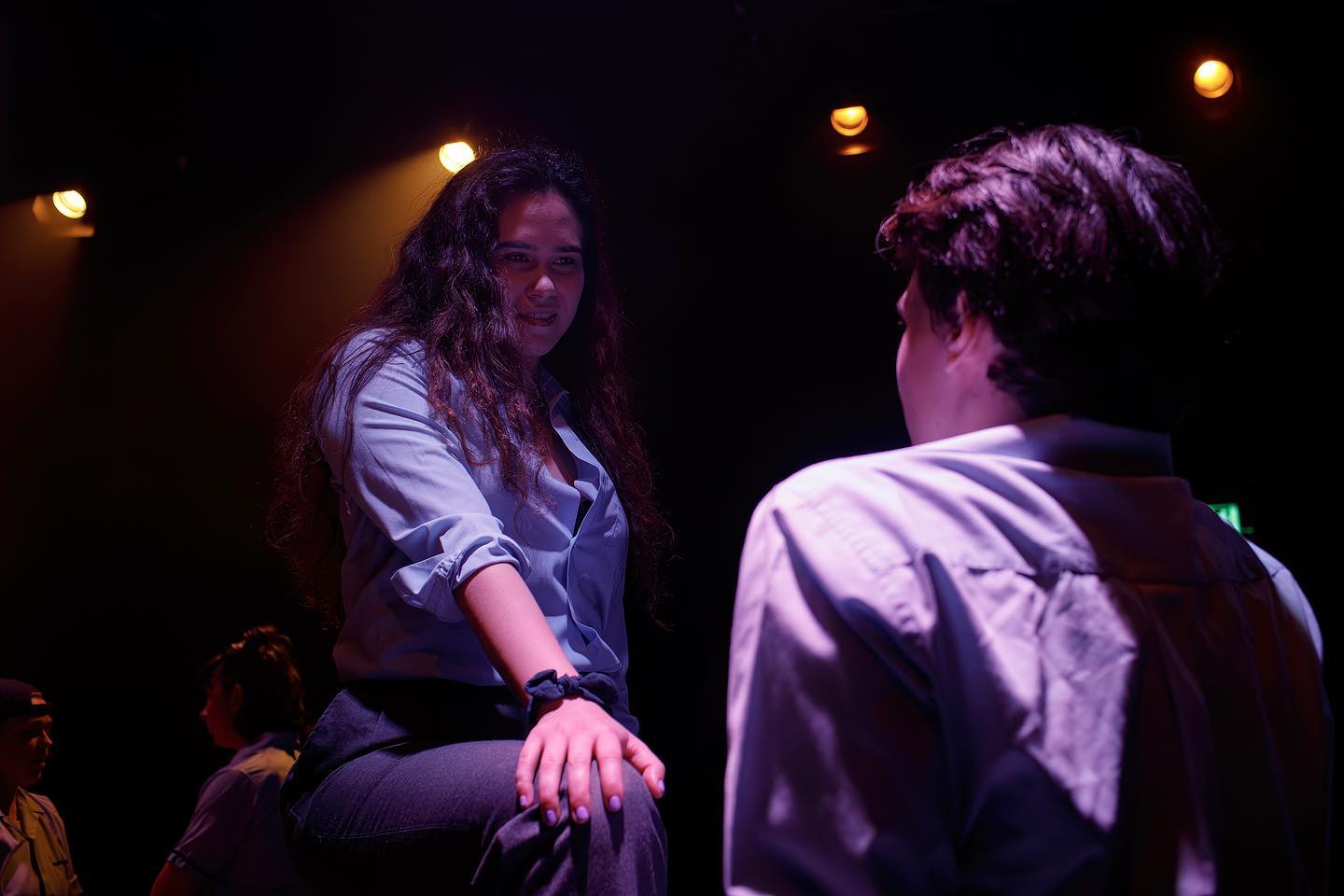
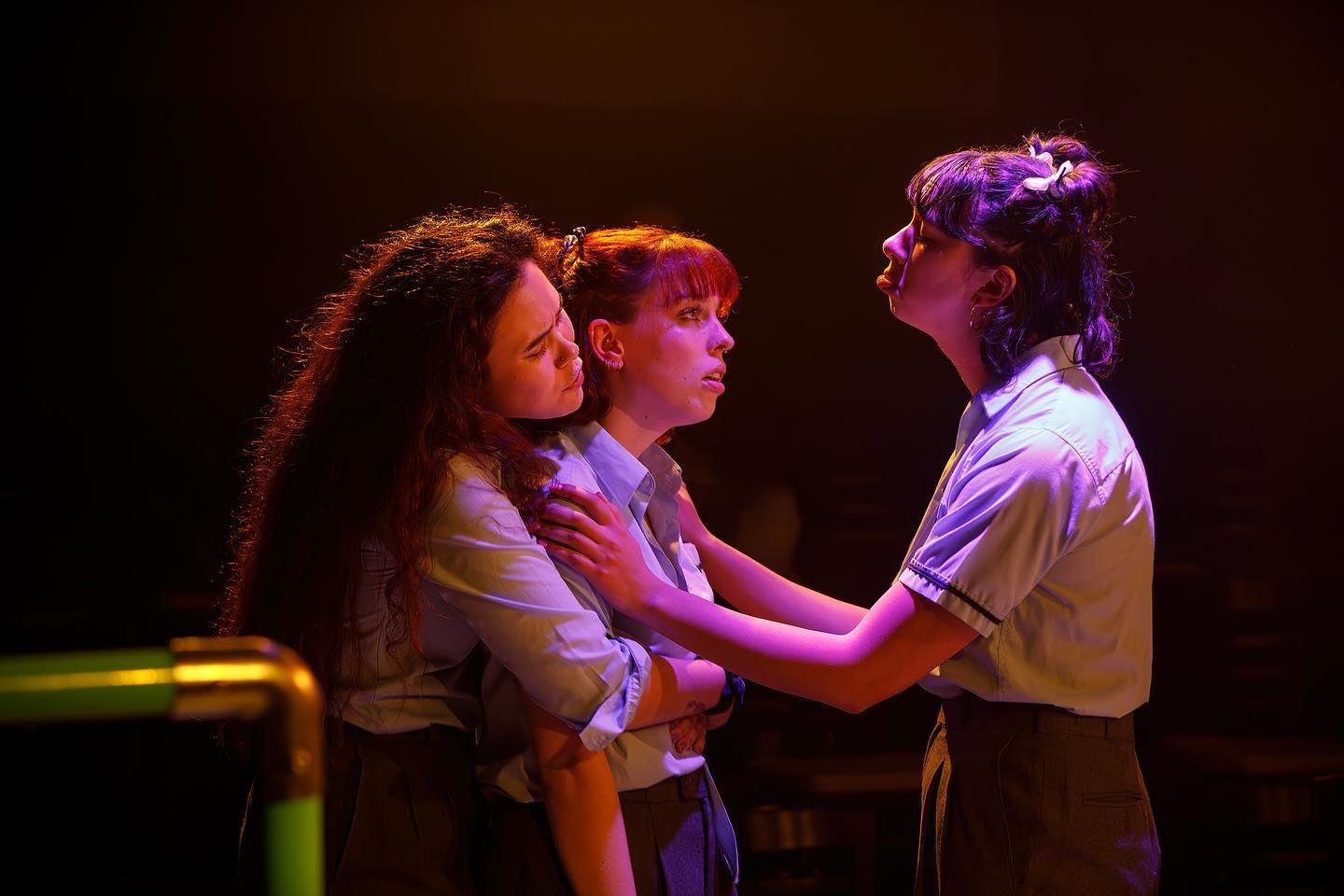
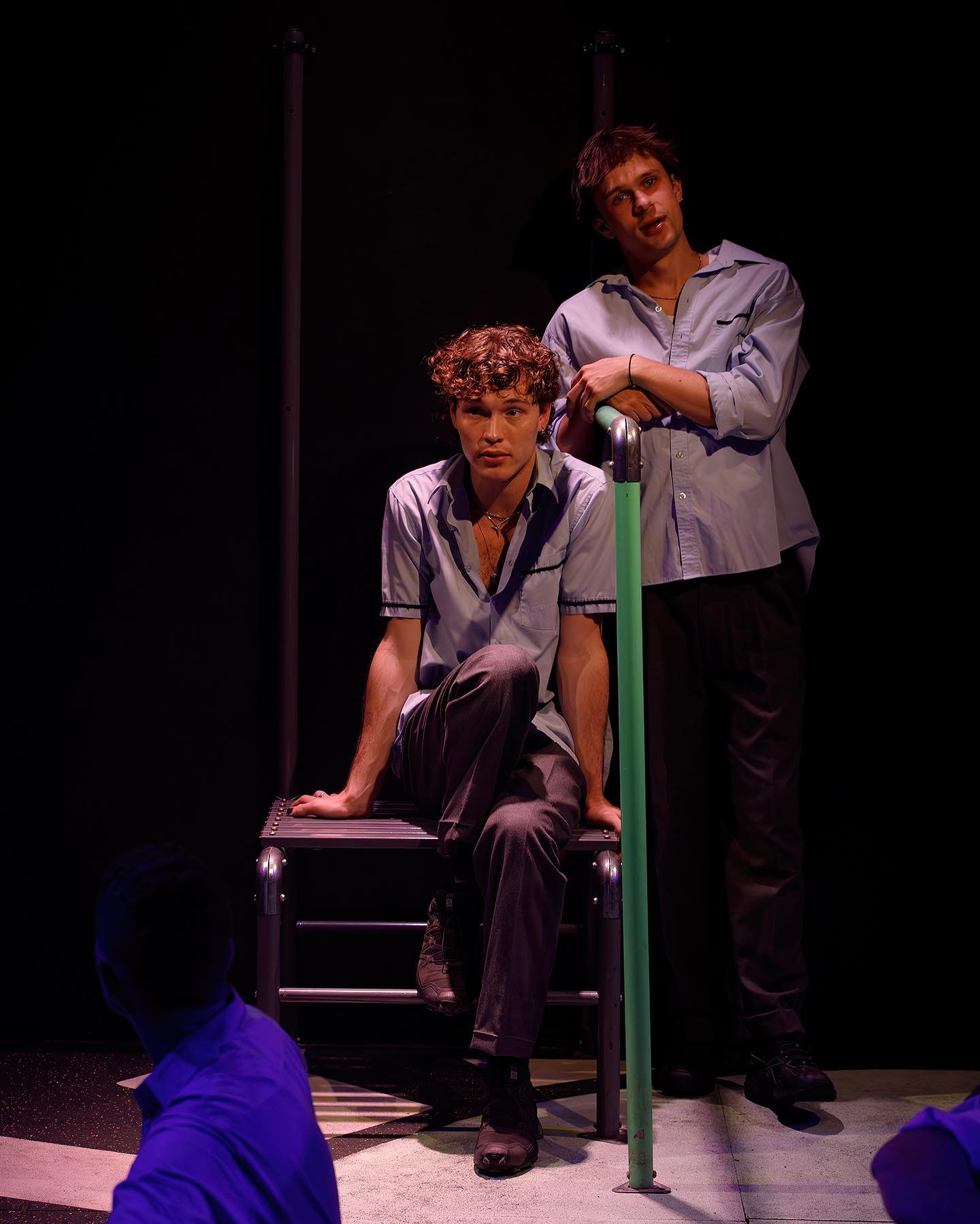
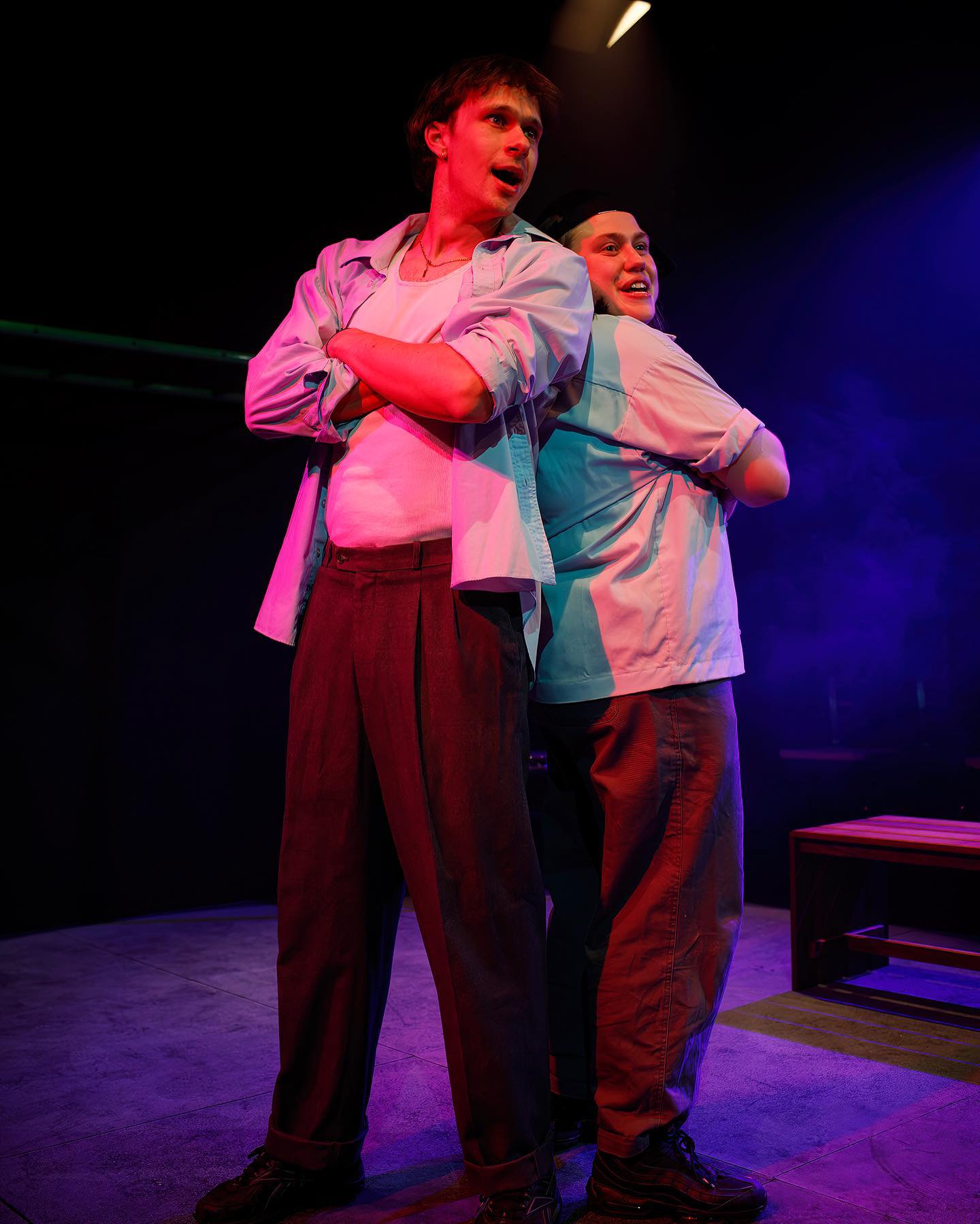
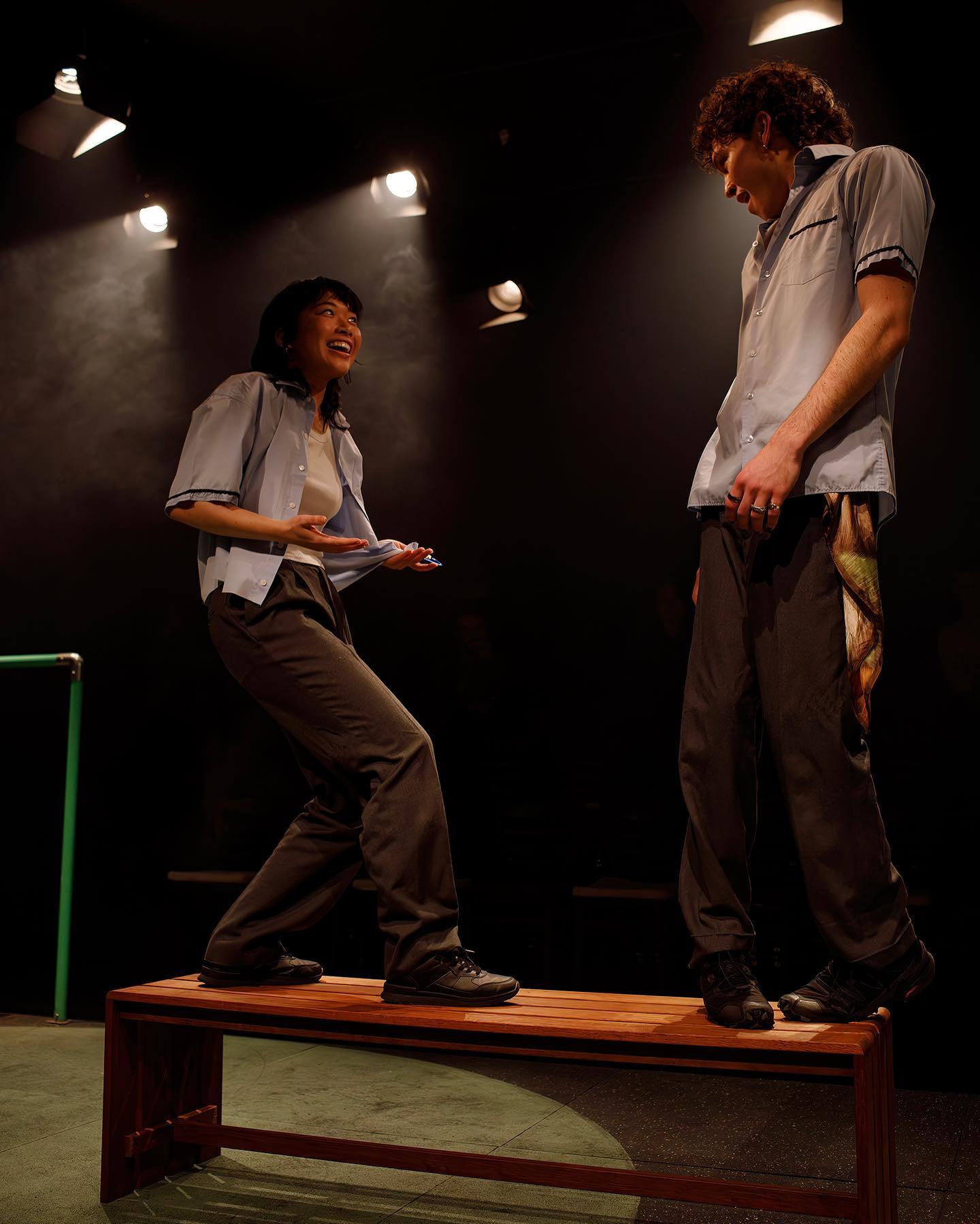
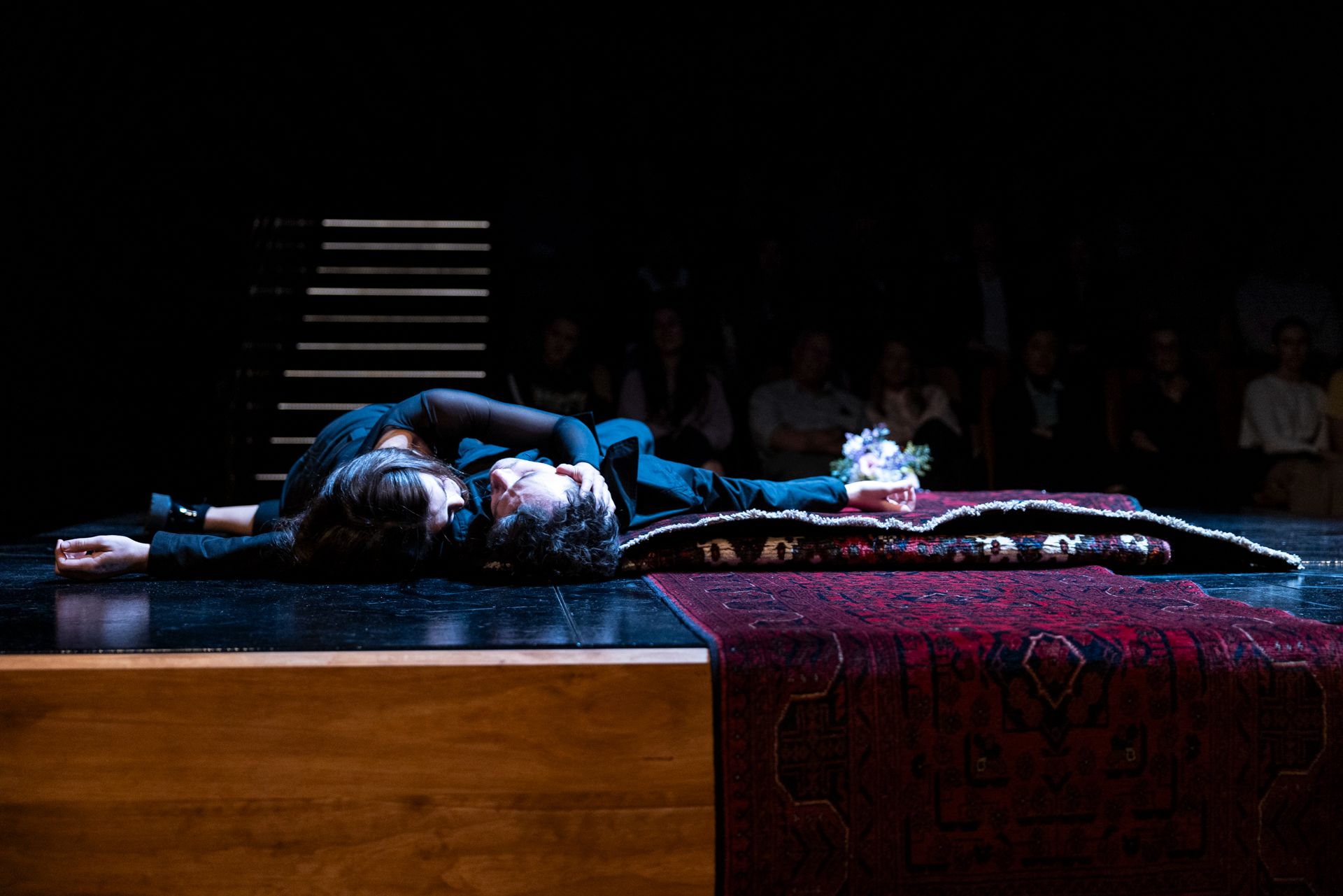
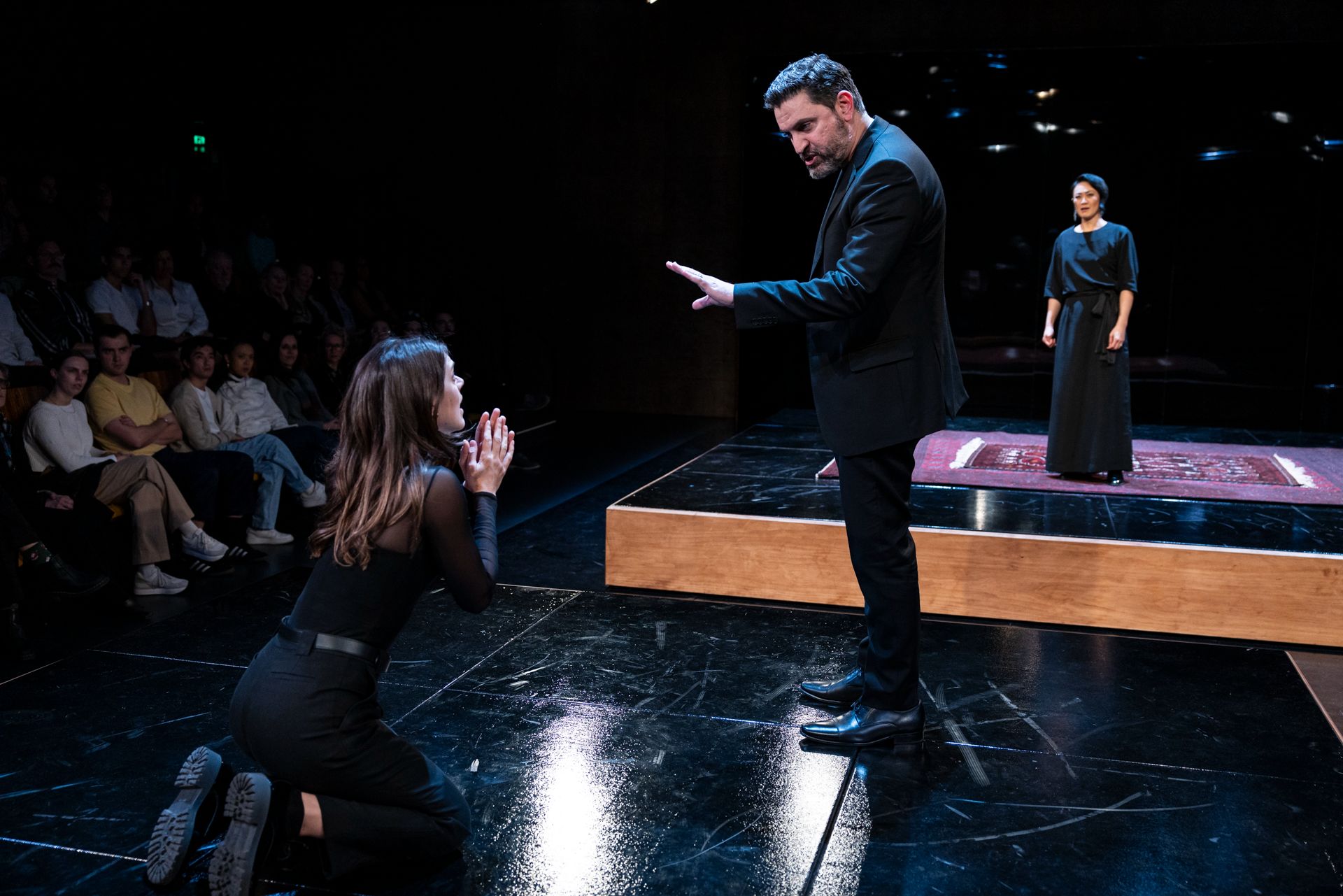
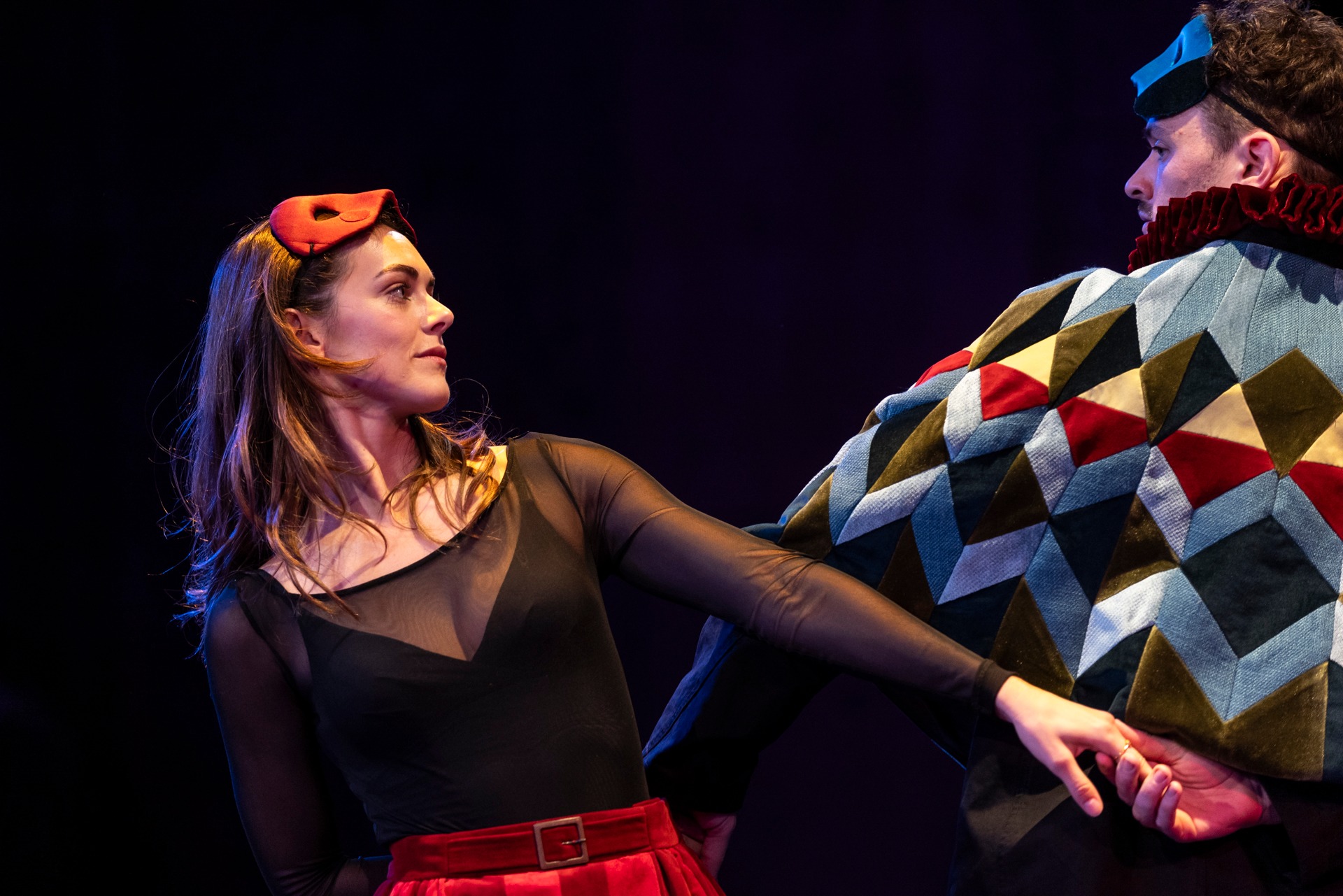
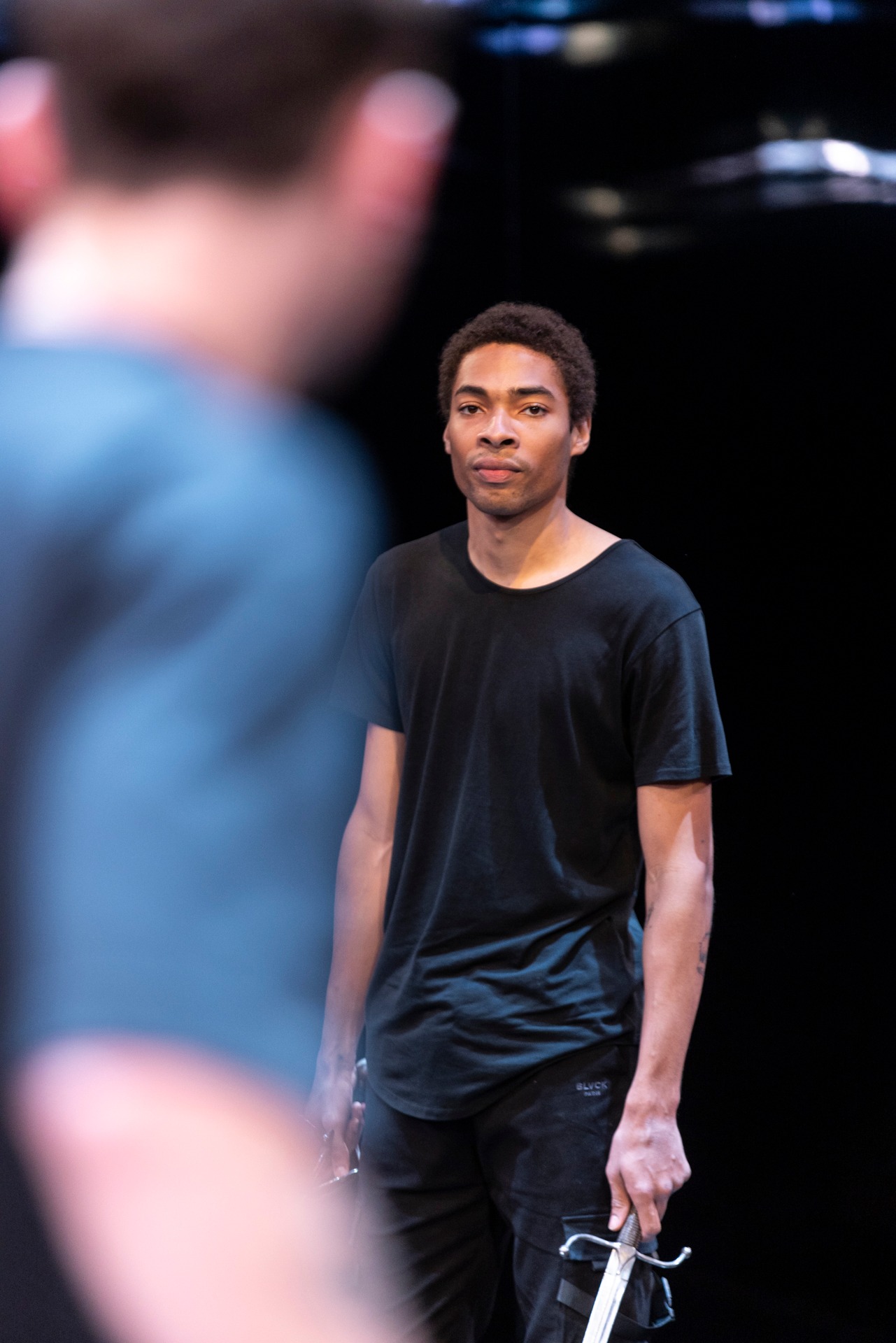
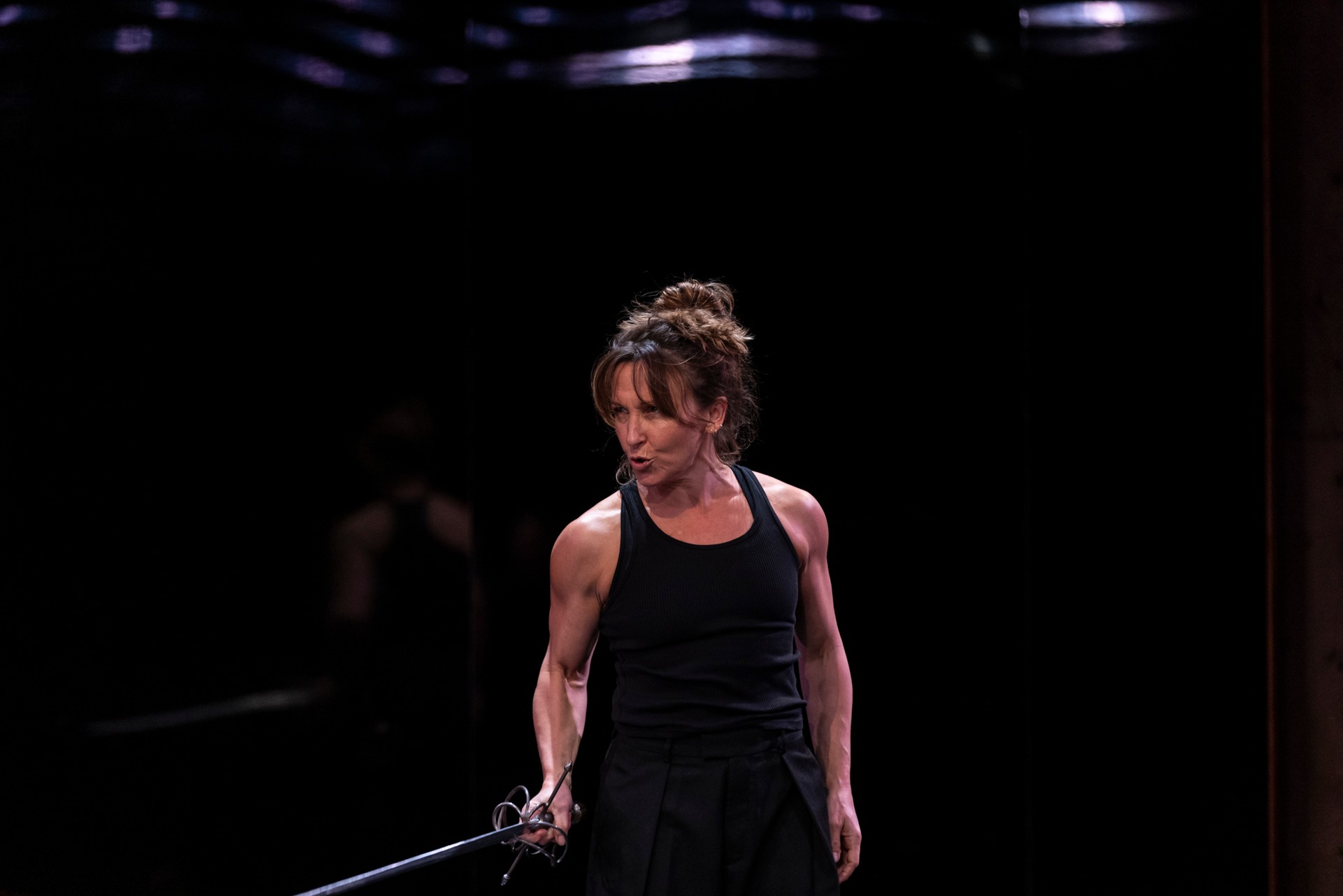
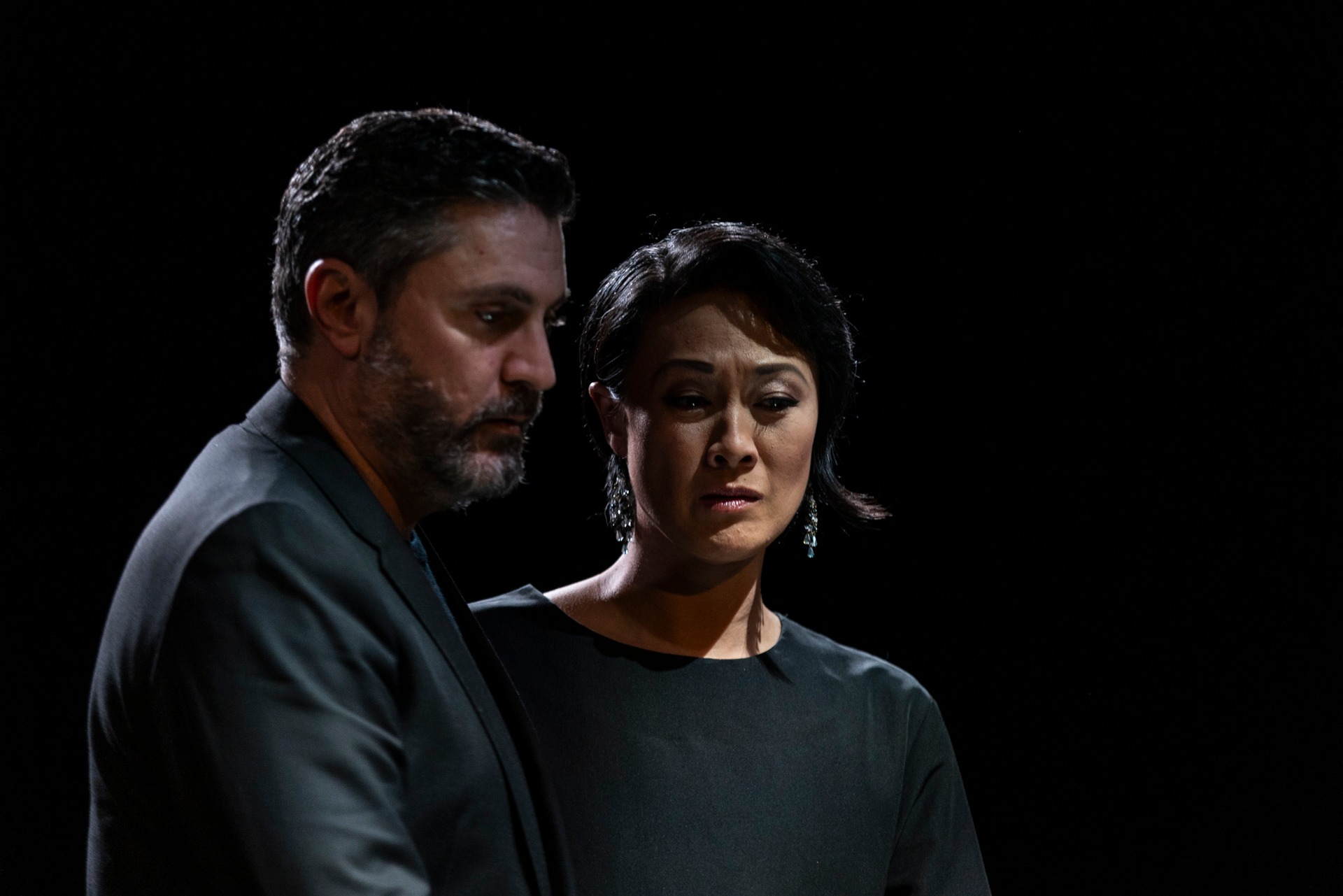
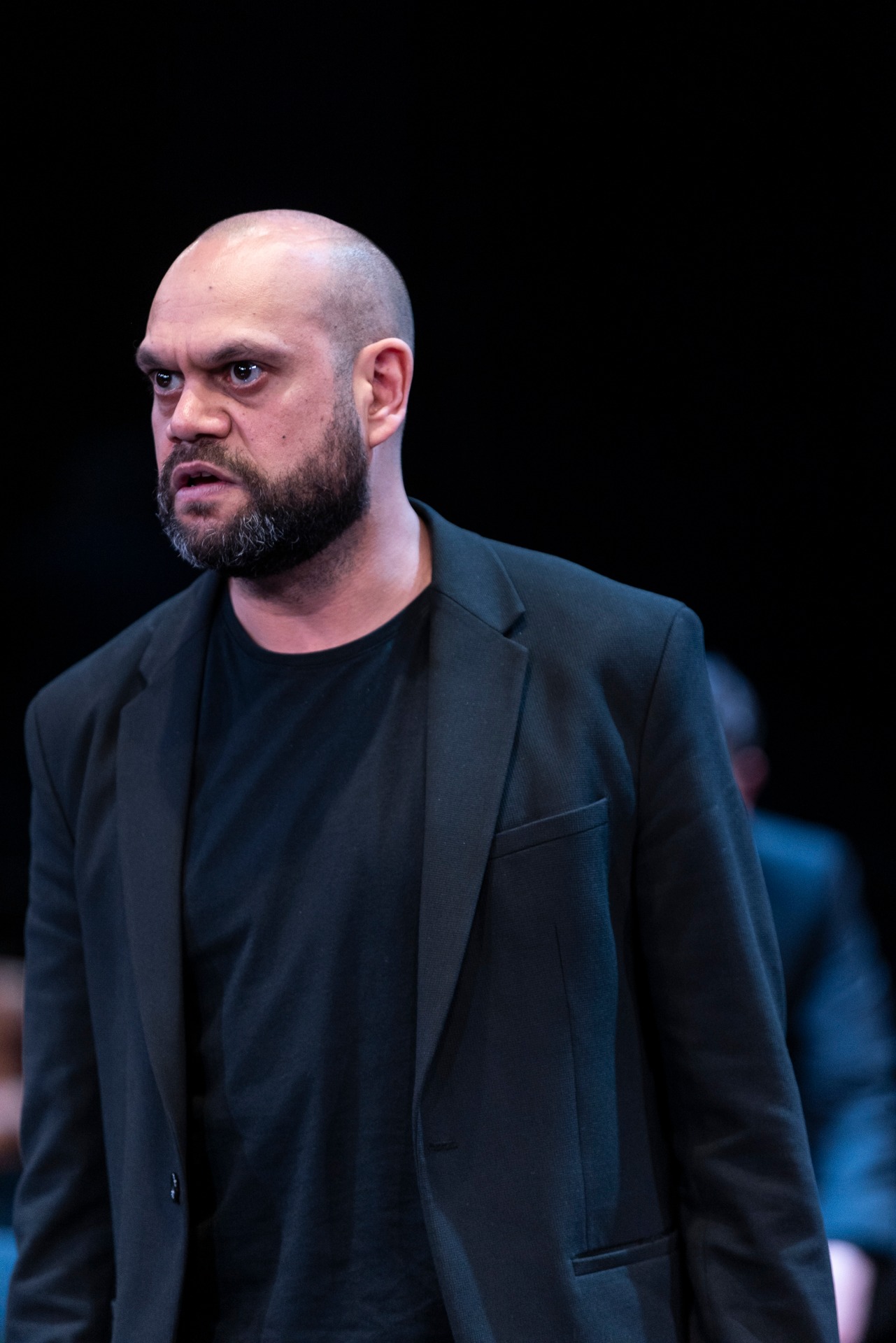
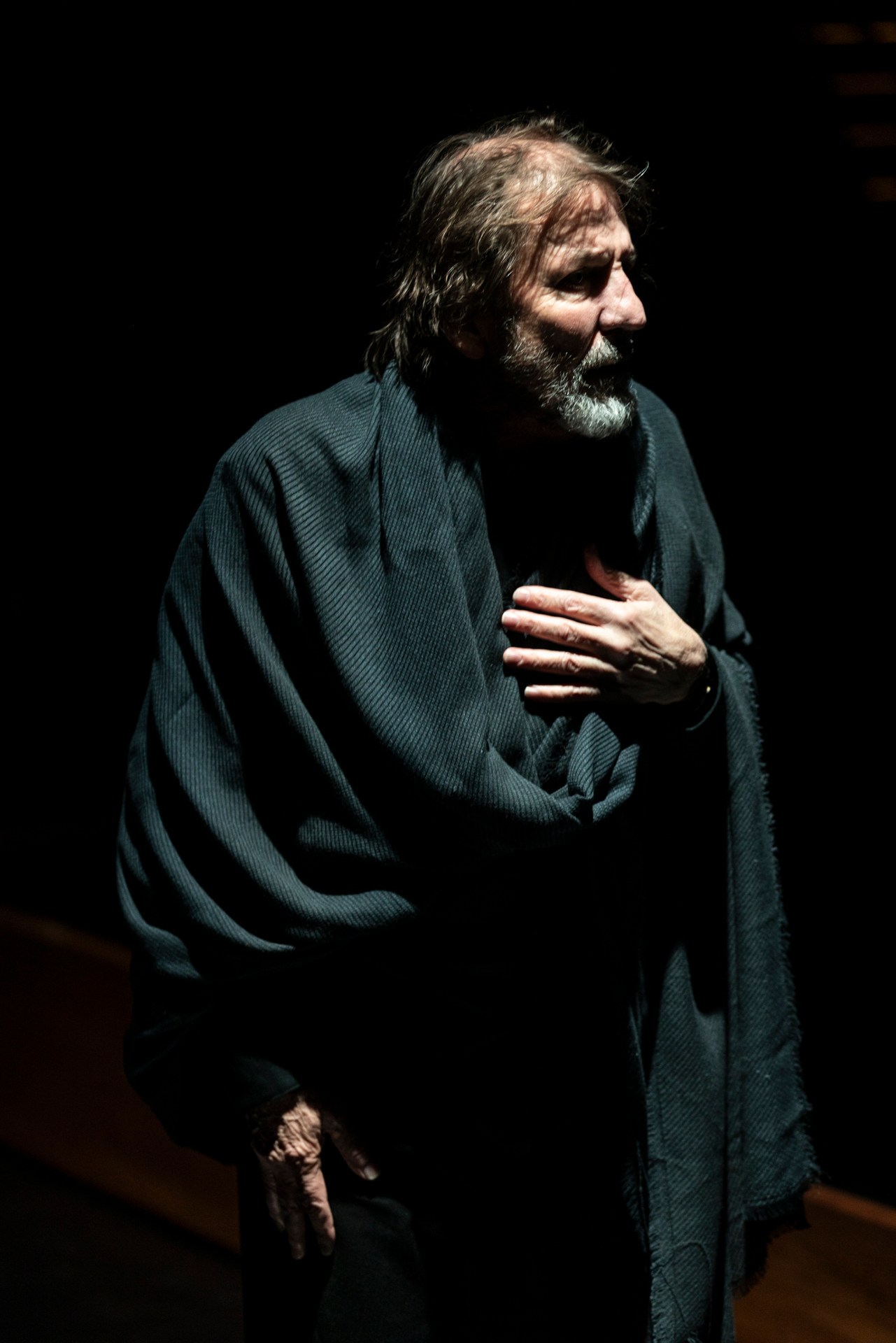
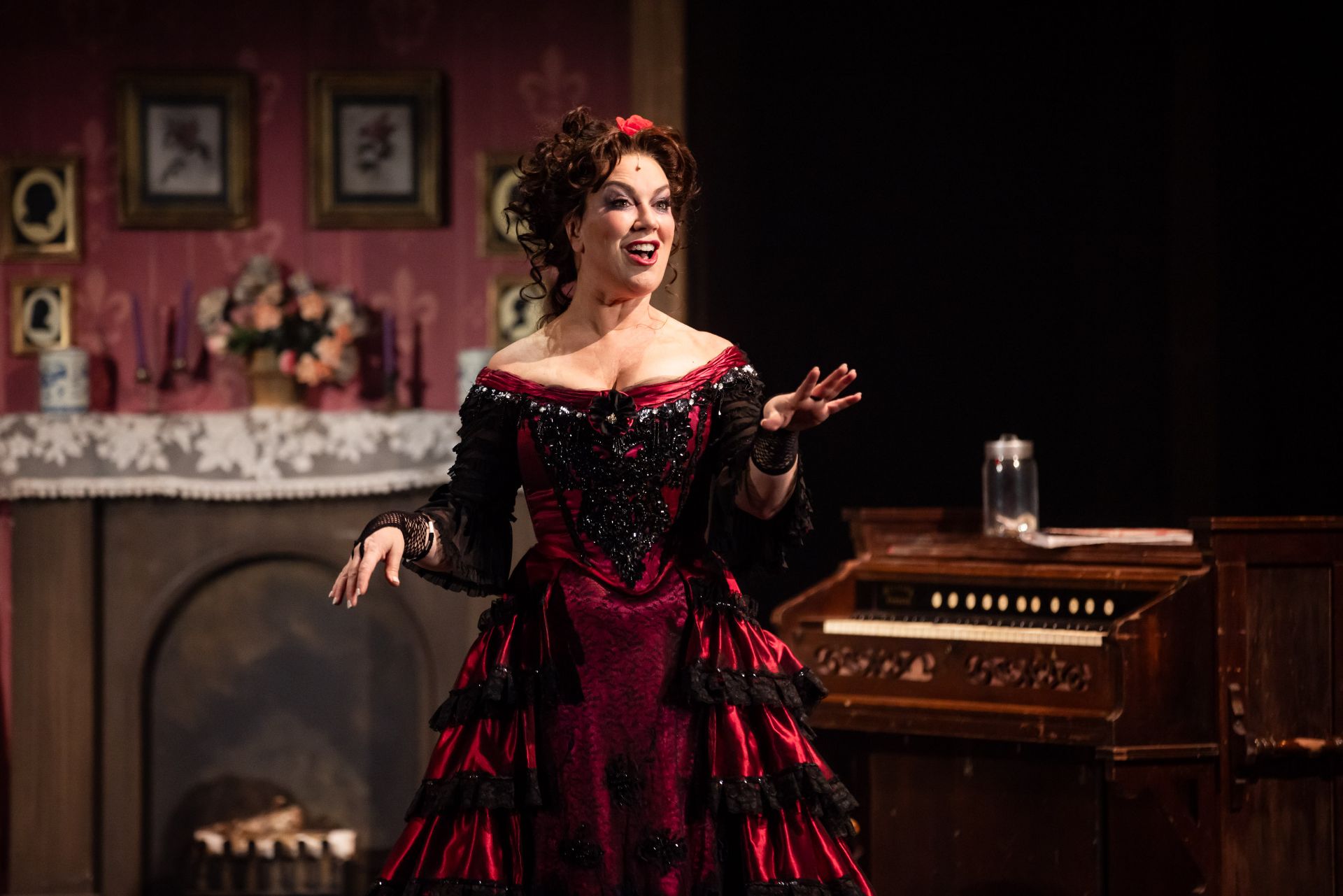
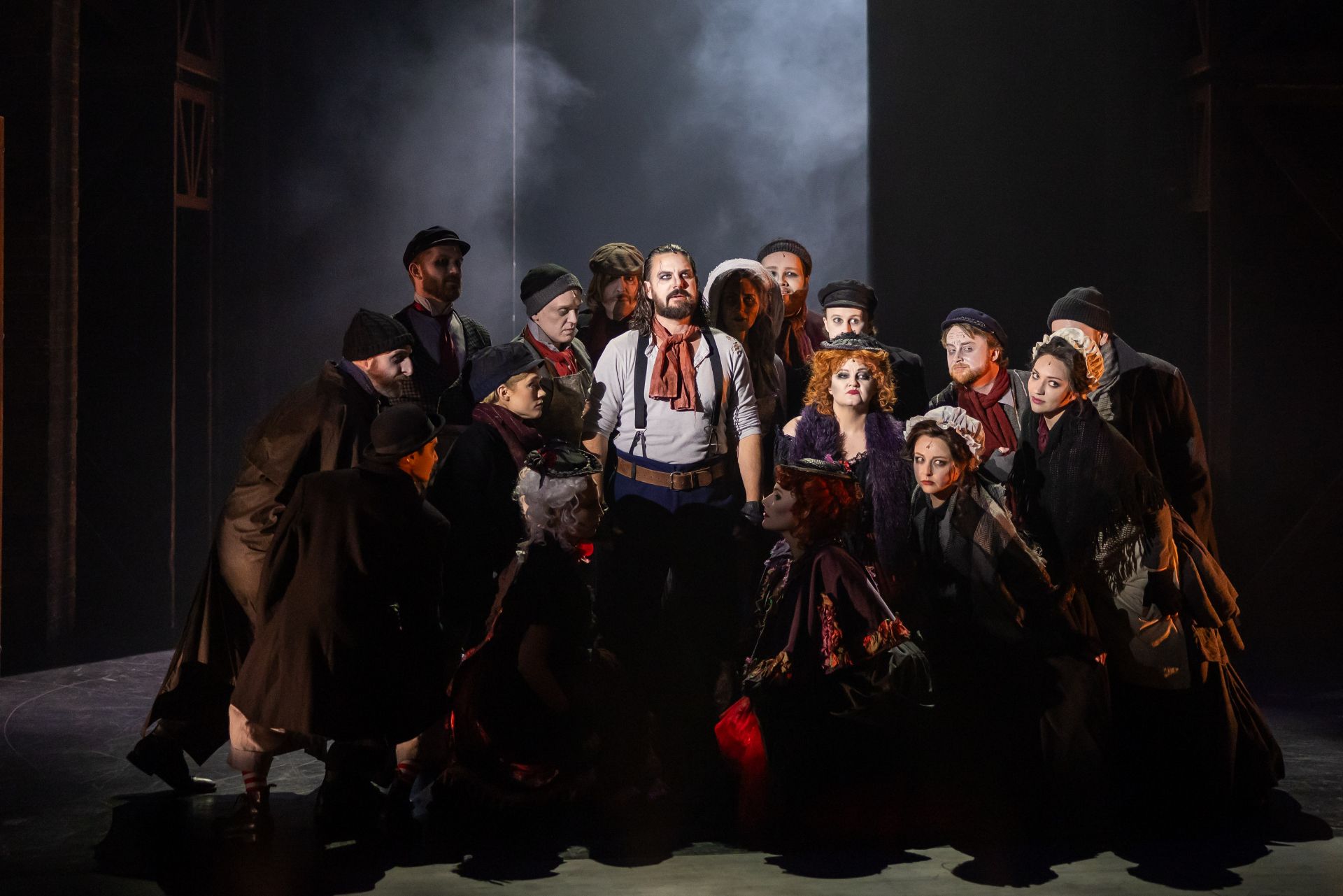
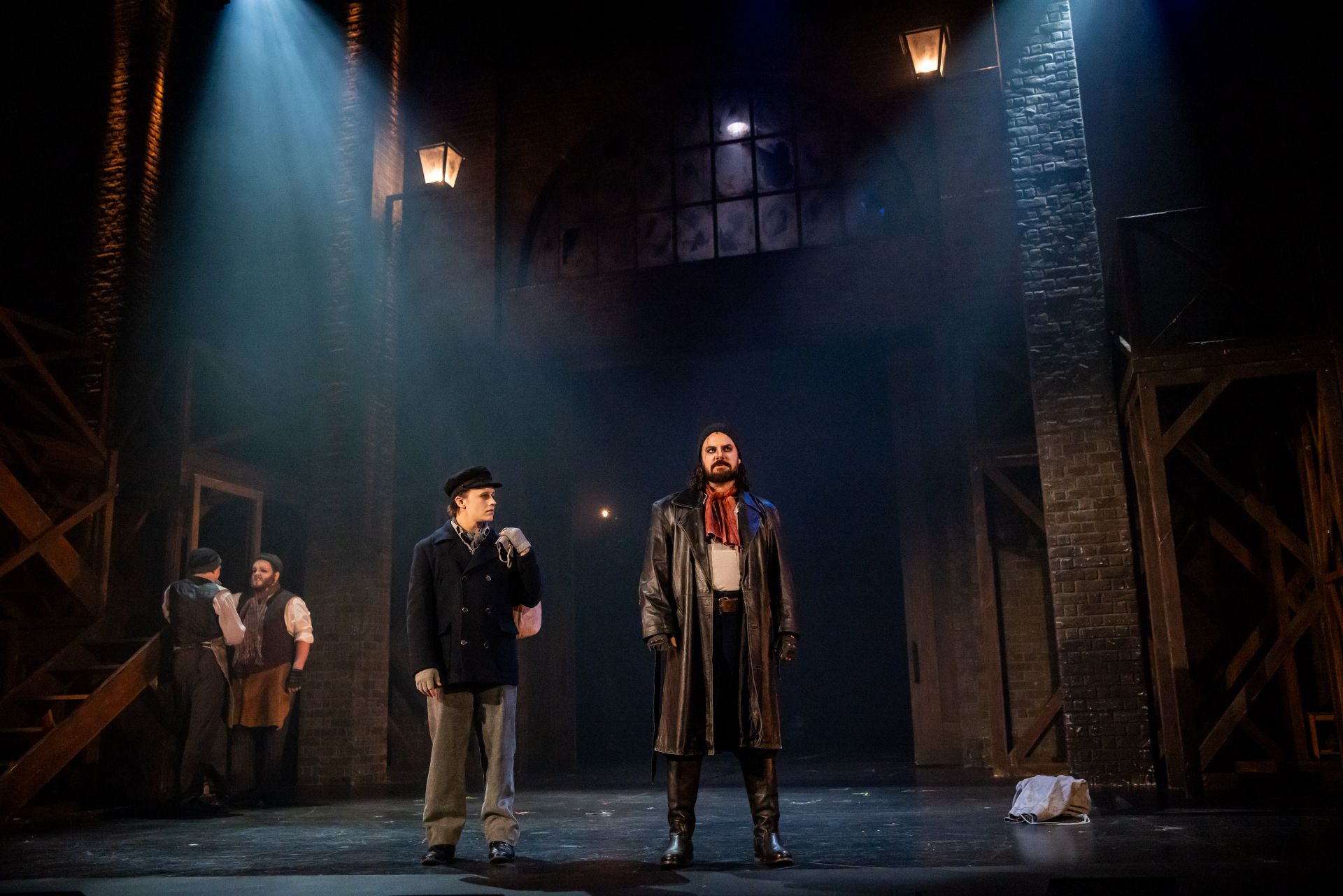
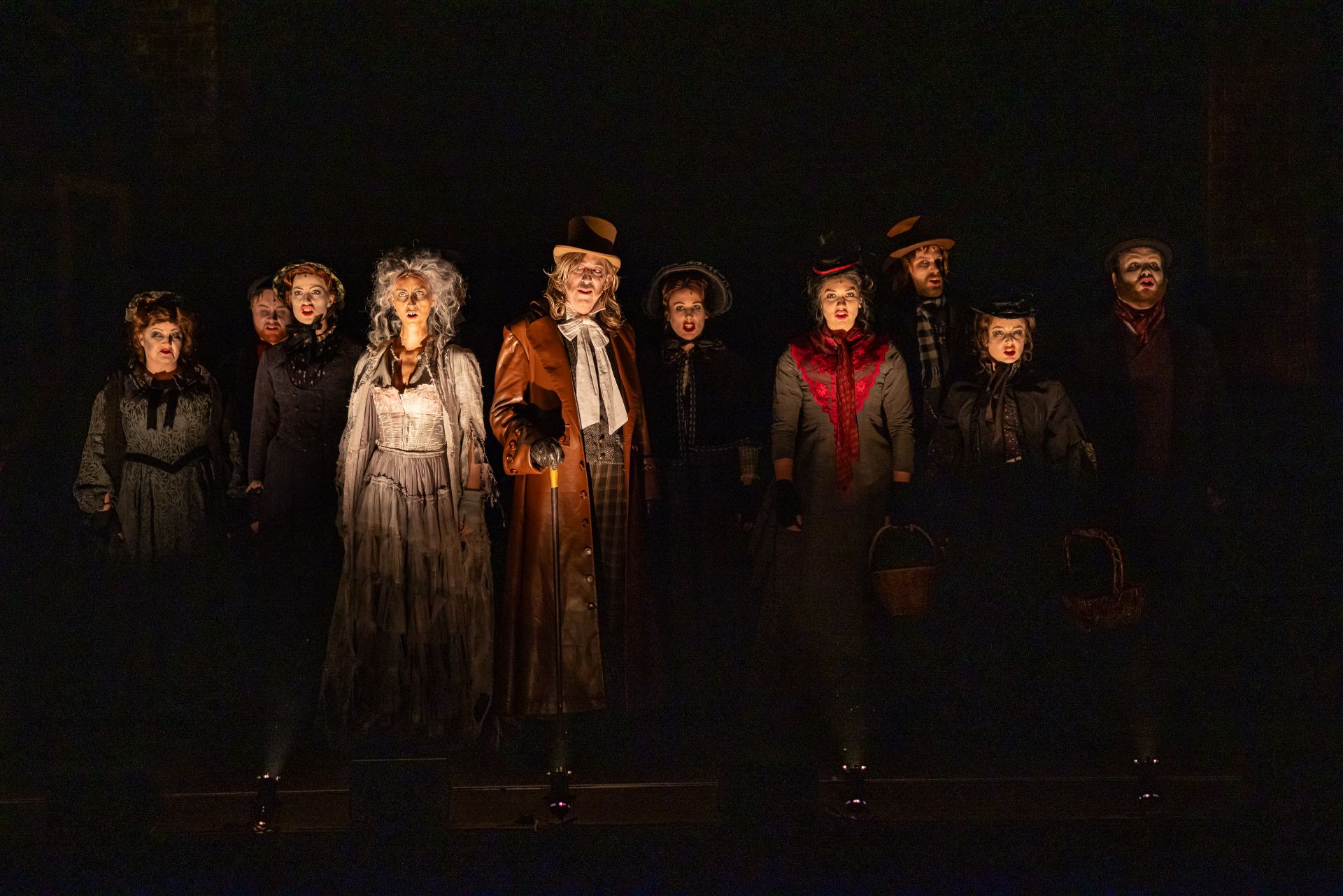
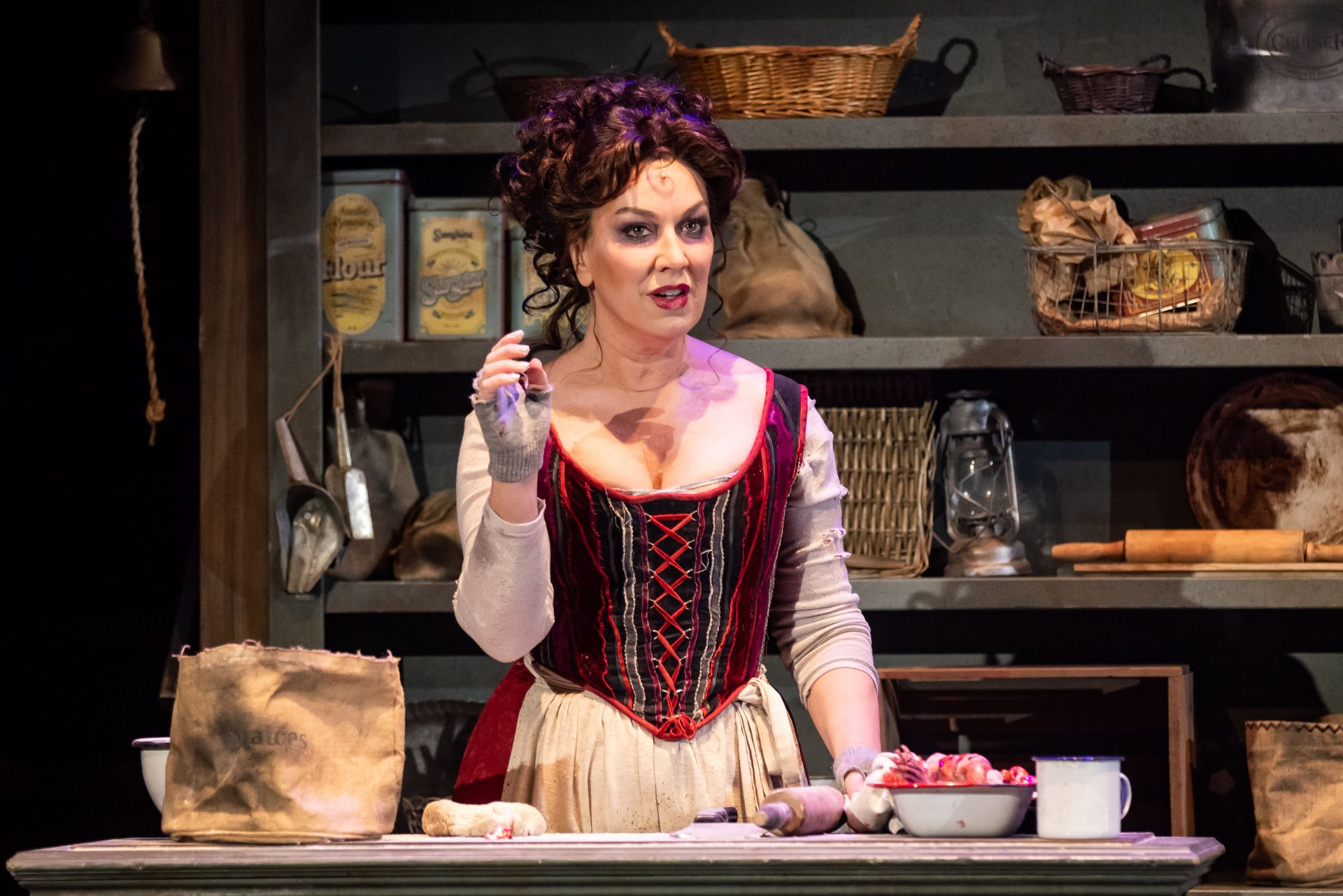
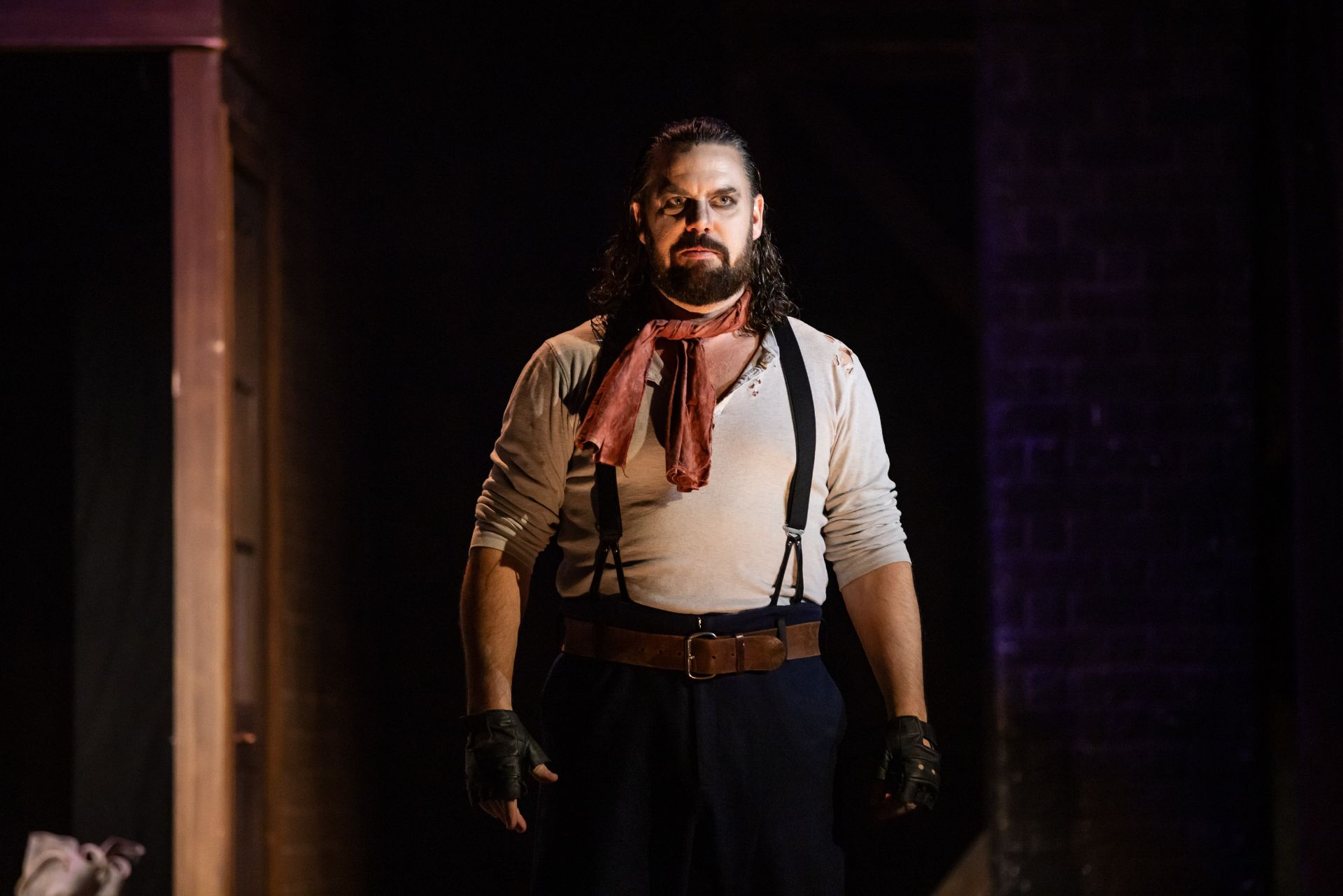
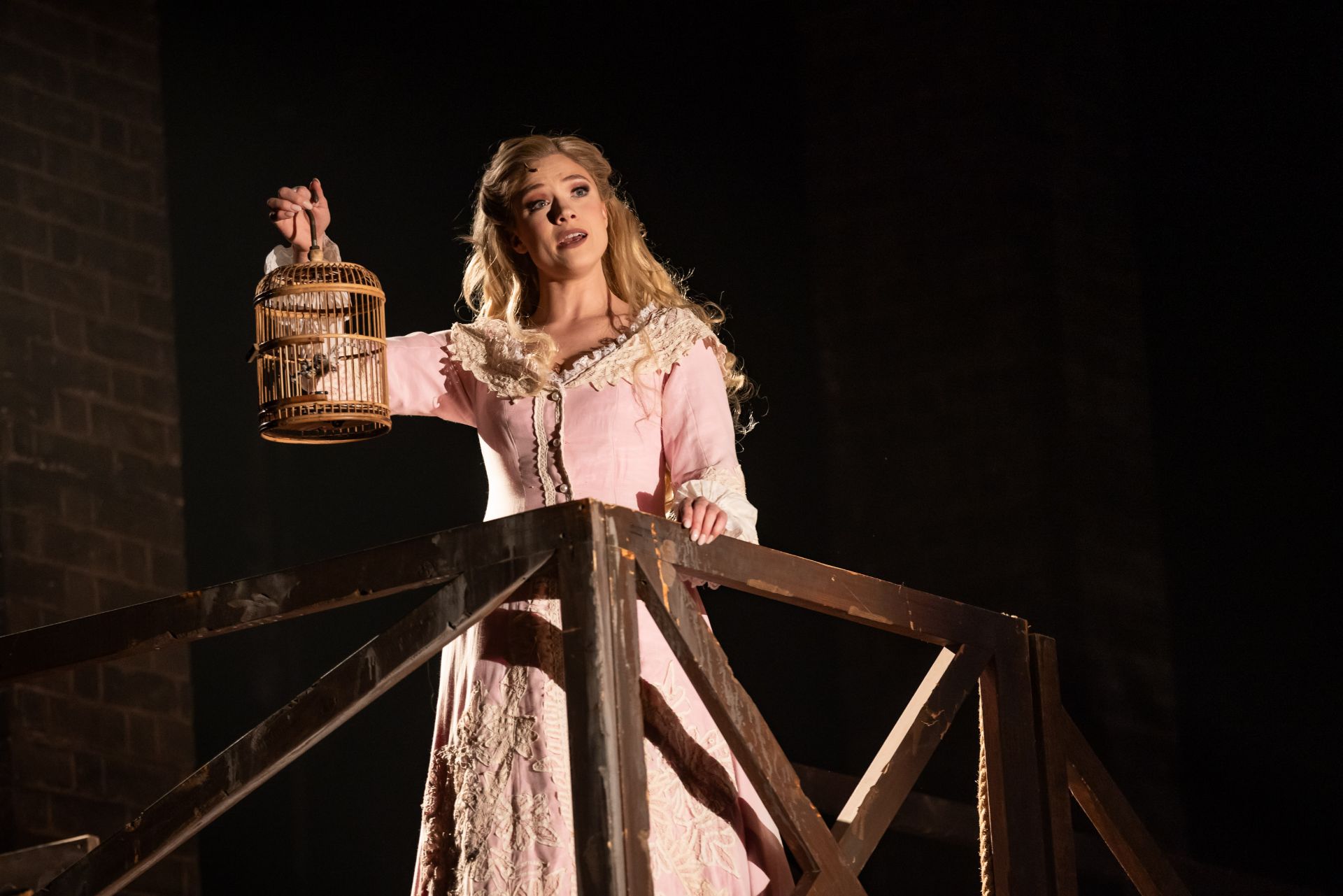
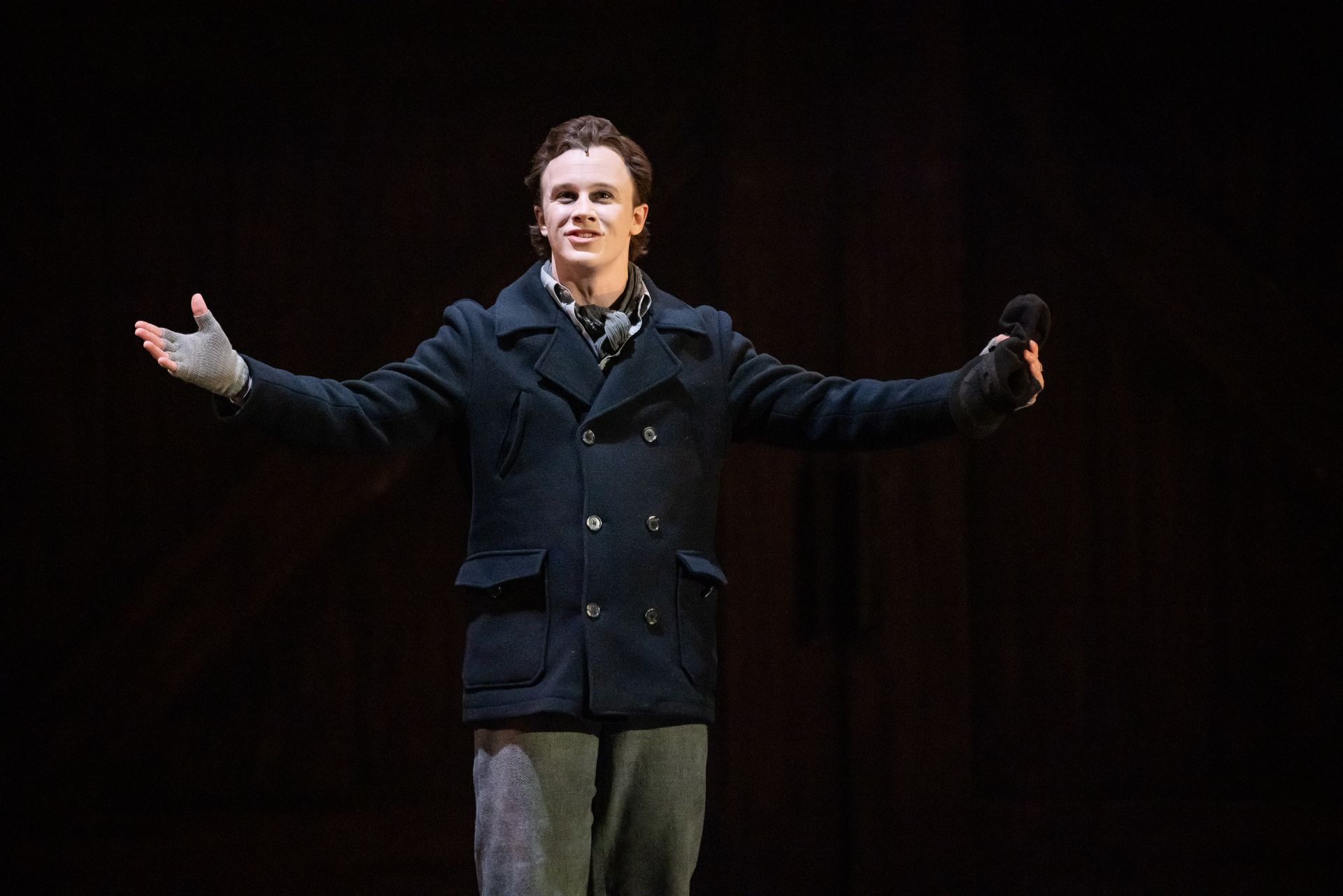
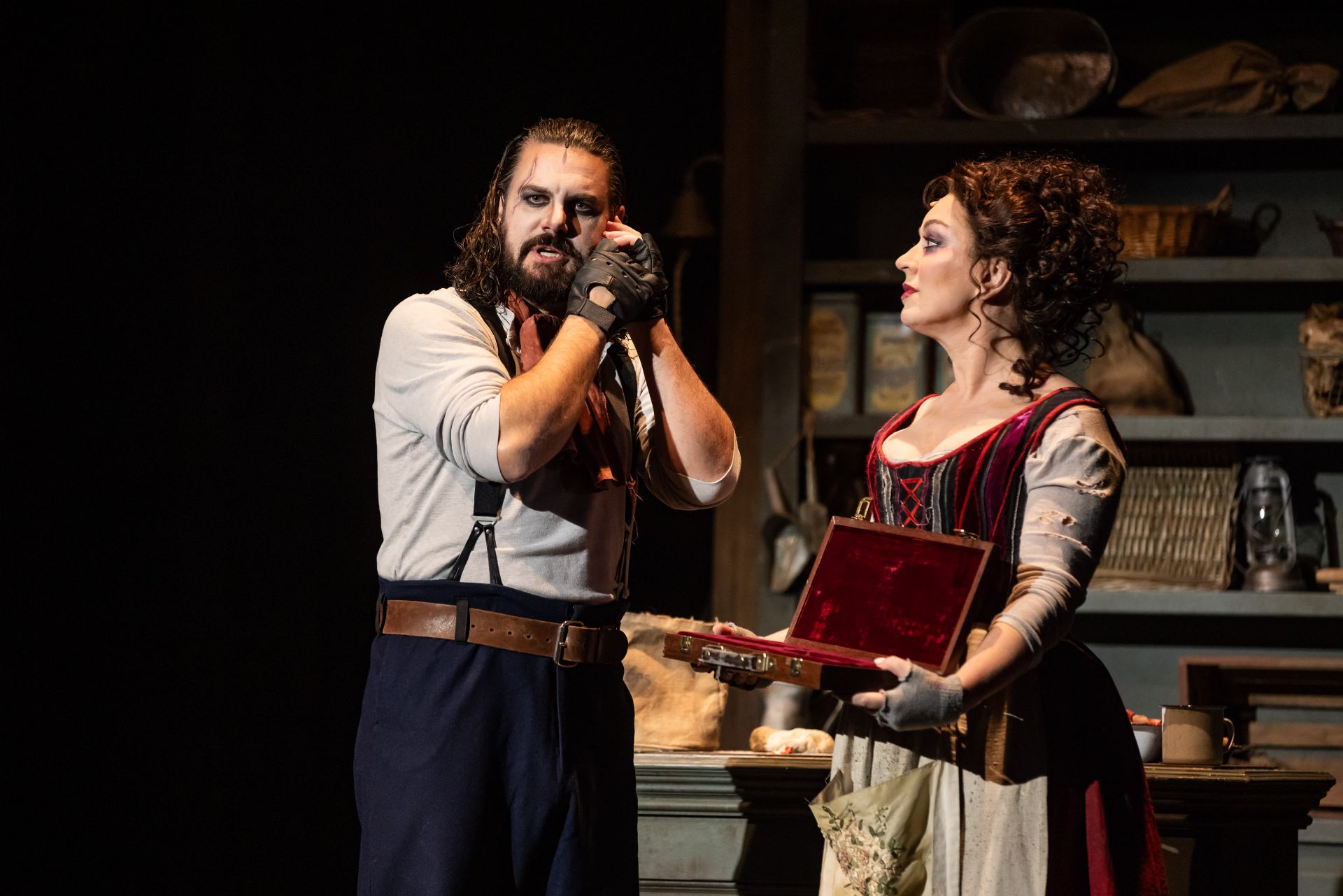
Pharus is leader of the choir, at his prestigious all-boys American prep school. Being naturally swishy and flamboyant, he draws the ire of other students, most noticeably Bobby who takes great joy in inflicting homophobic taunts, as many bullies have done at schools everywhere and in every generation. Fortunately, Bobby has protectors in his roommate AJ and his teacher Mr Pendleton, but even with allies on his side, there is no evading the aggression directed at him, so persistently and maliciously.

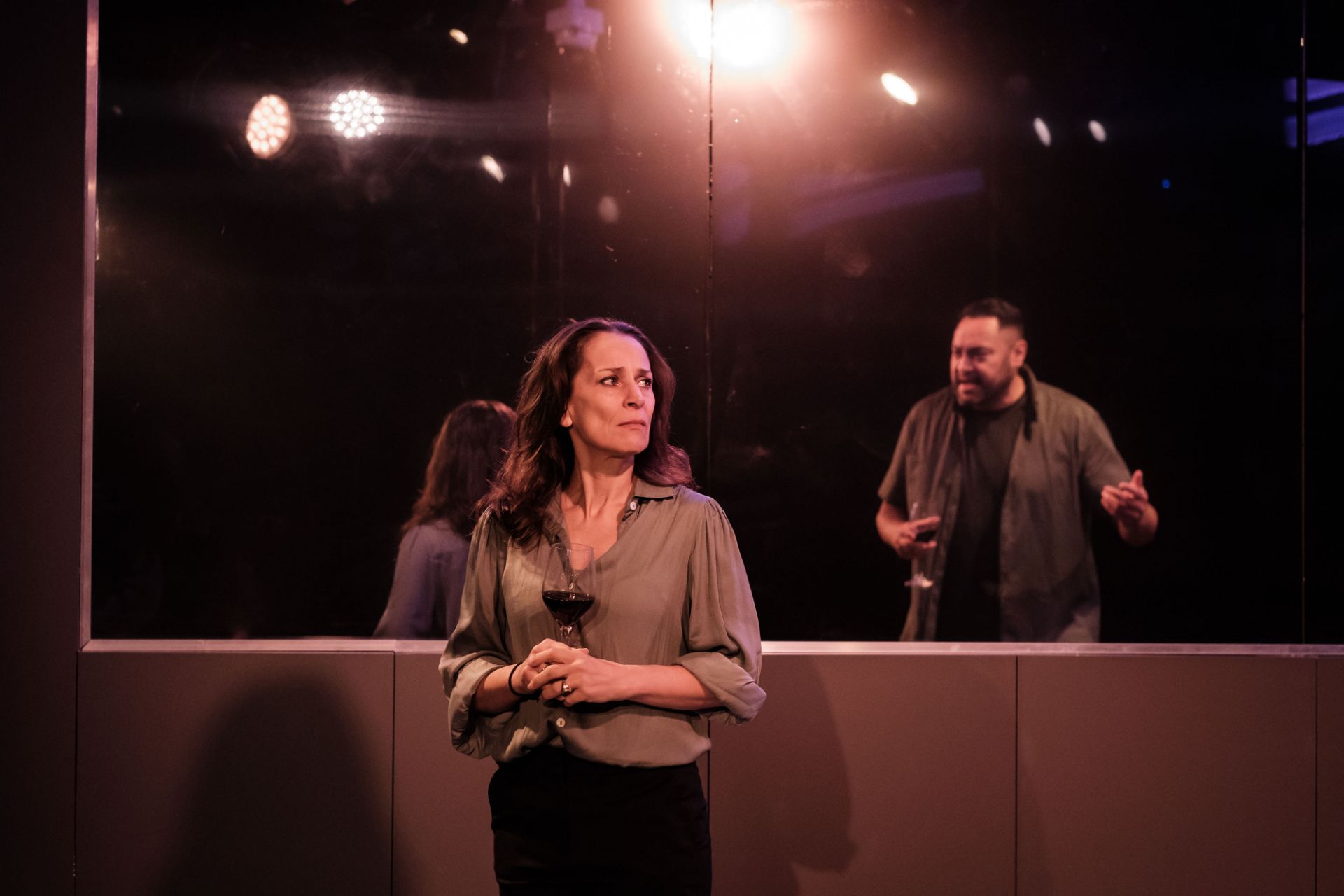
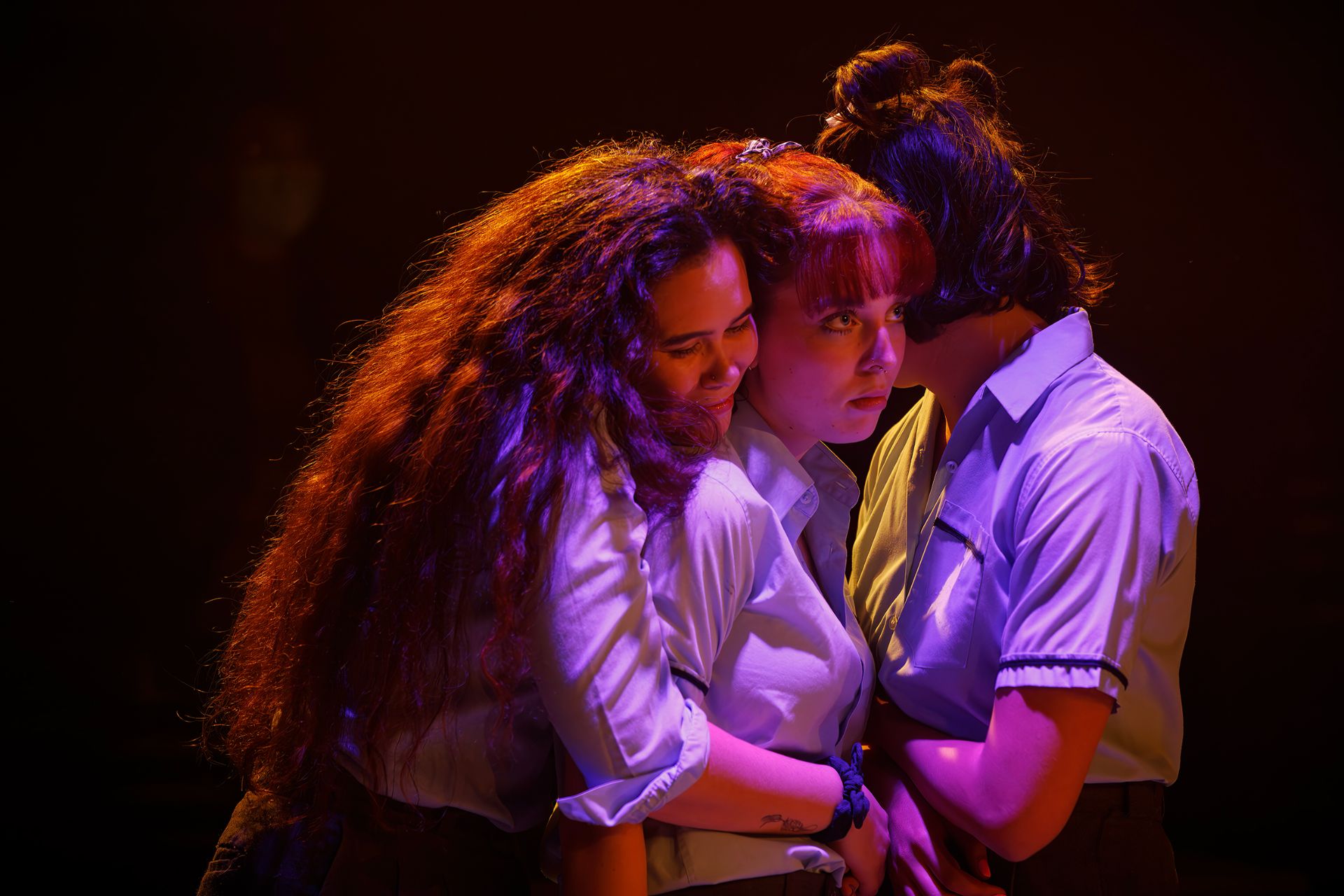
Choir Boy by Tarell Alvin McCraney is a keenly observed story on young queer Blackness, exploring the nature of conflicts that arise, when camaraderie meets hostility. Those who live at the intersections of marginalisation, often suffer multi-pronged persecution, as well as a complicated form of mistreatment, from those with whom one is meant to share parallel experiences of oppression. Pharus should be able to rely on a comradeship with the other Black boys at school, but instead of thriving in safety, he is required to be in a stated of constant vigilance.

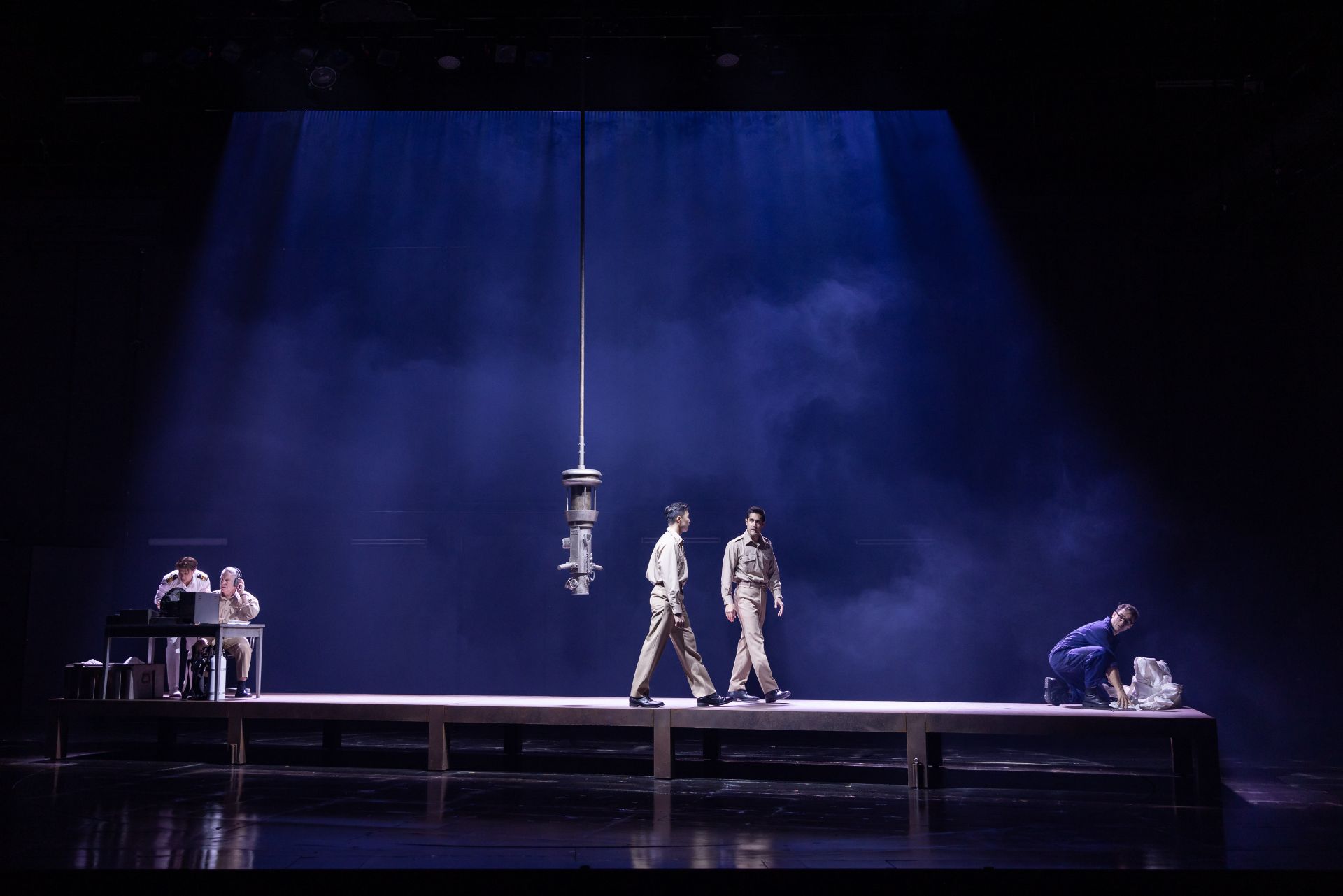
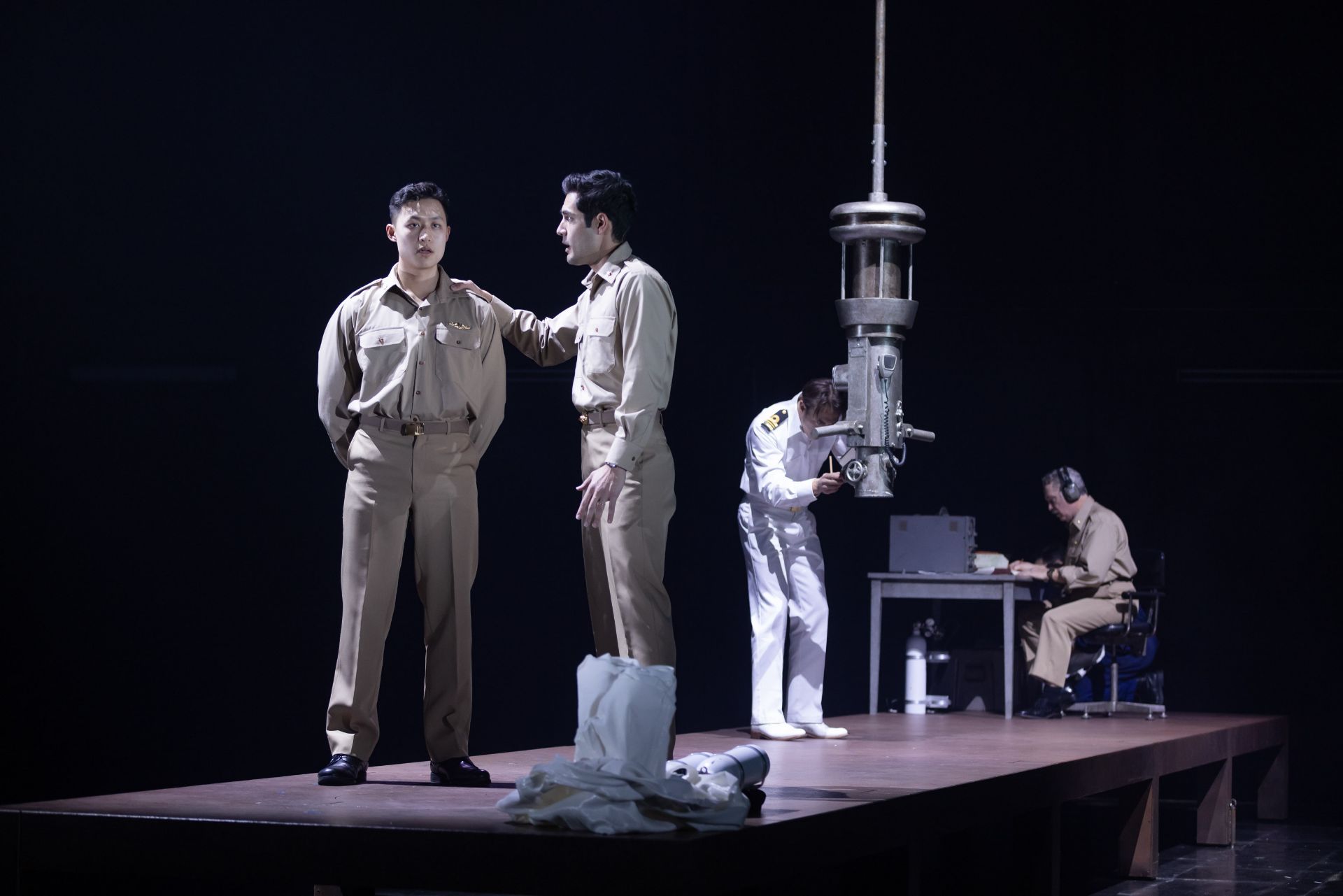
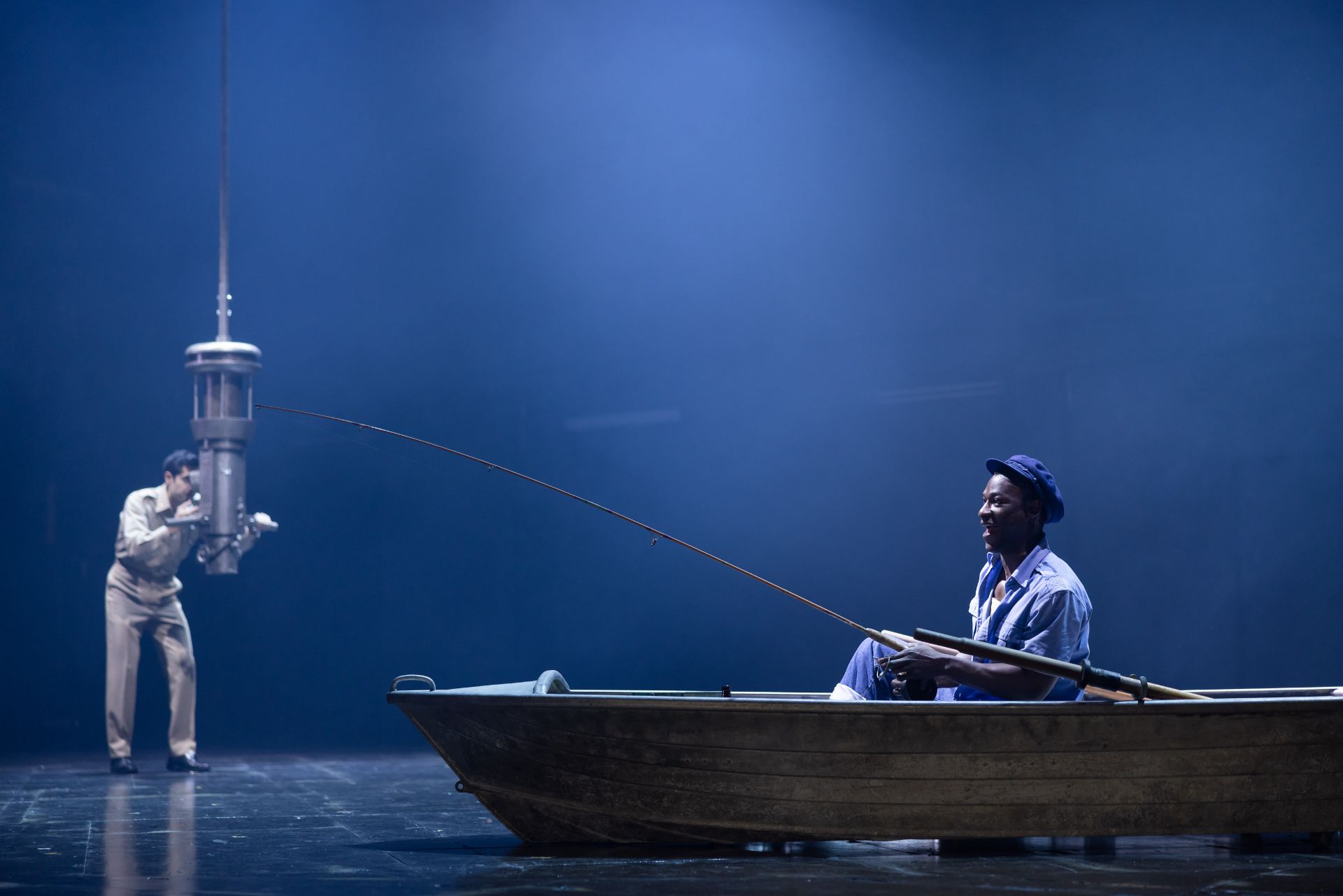
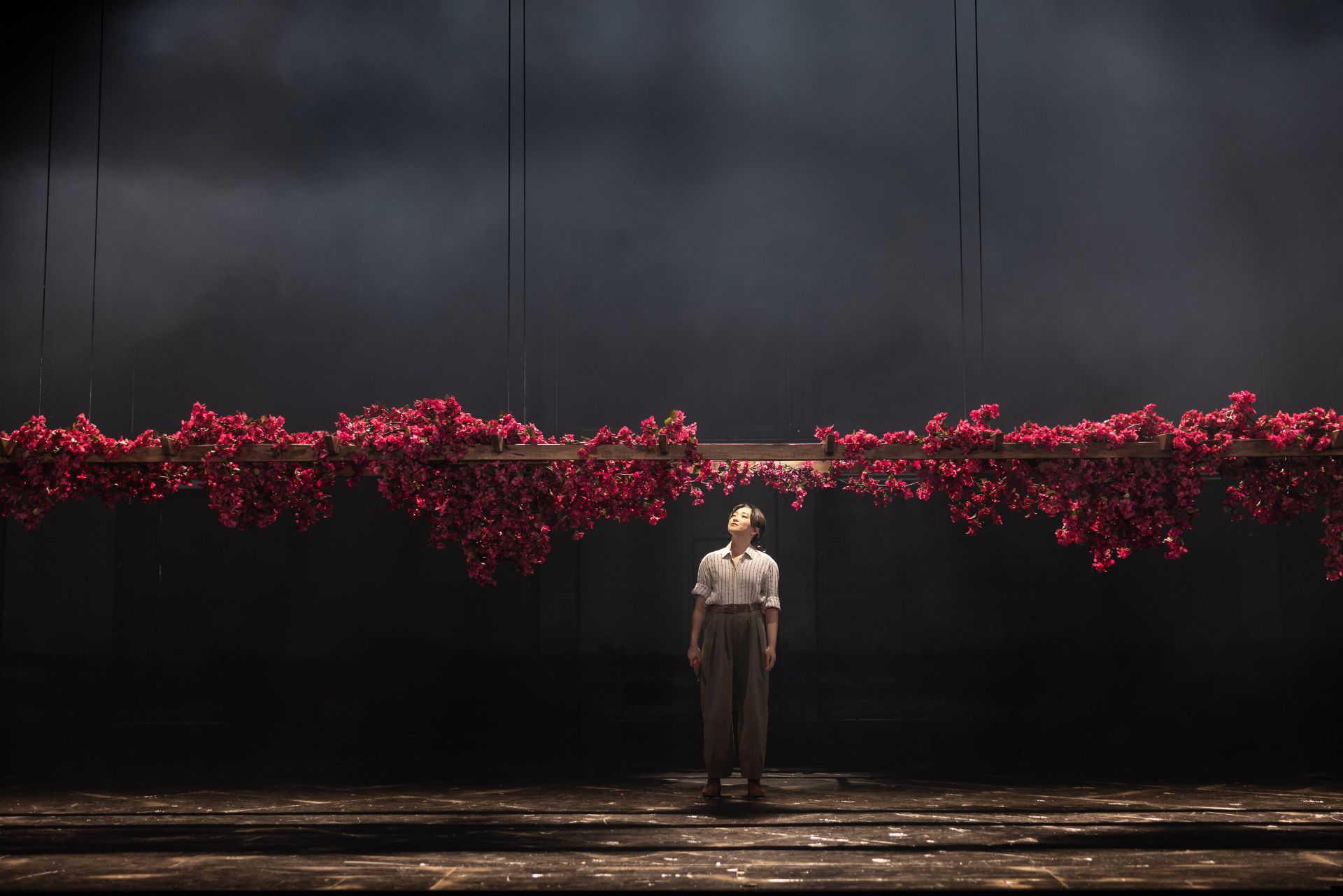
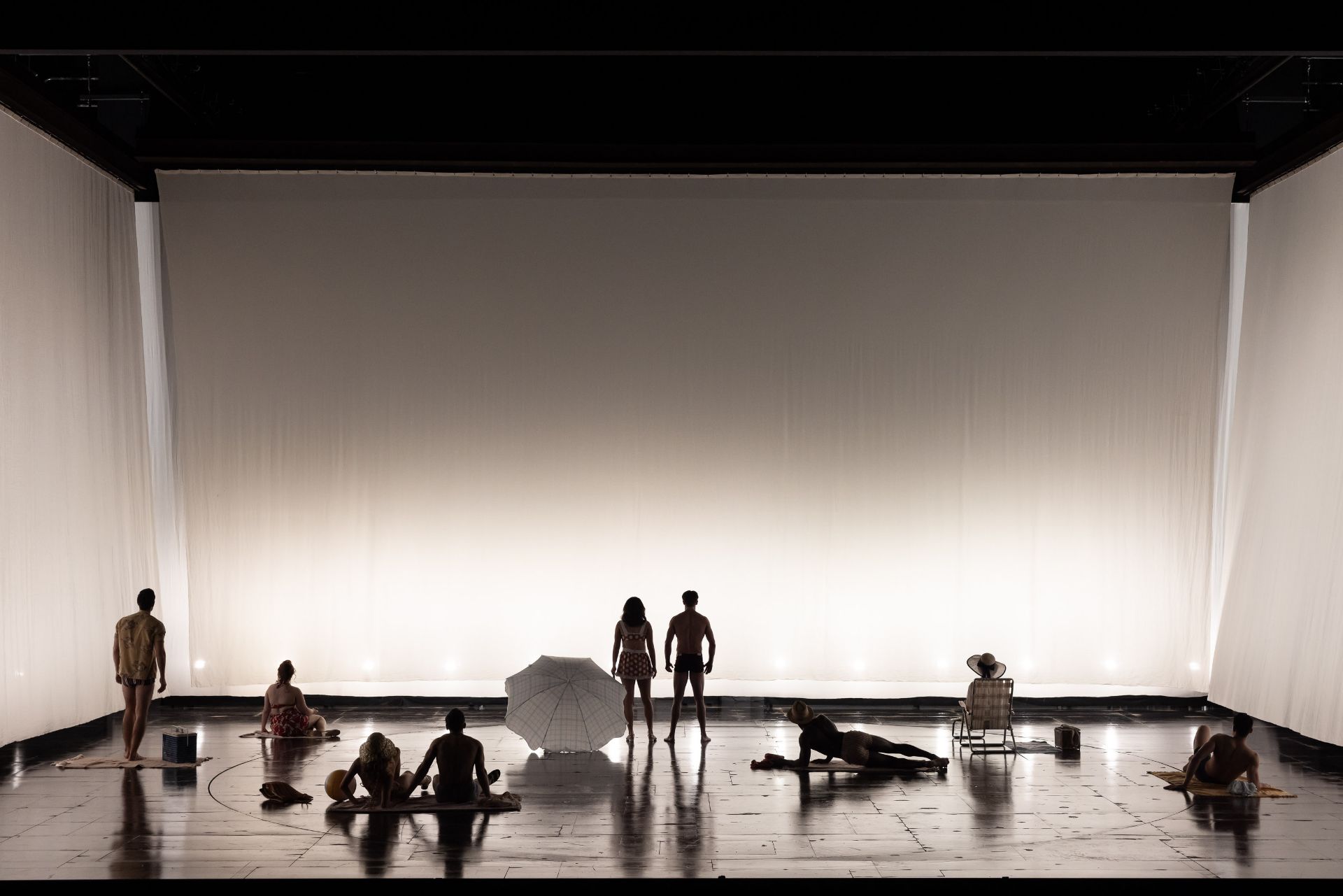
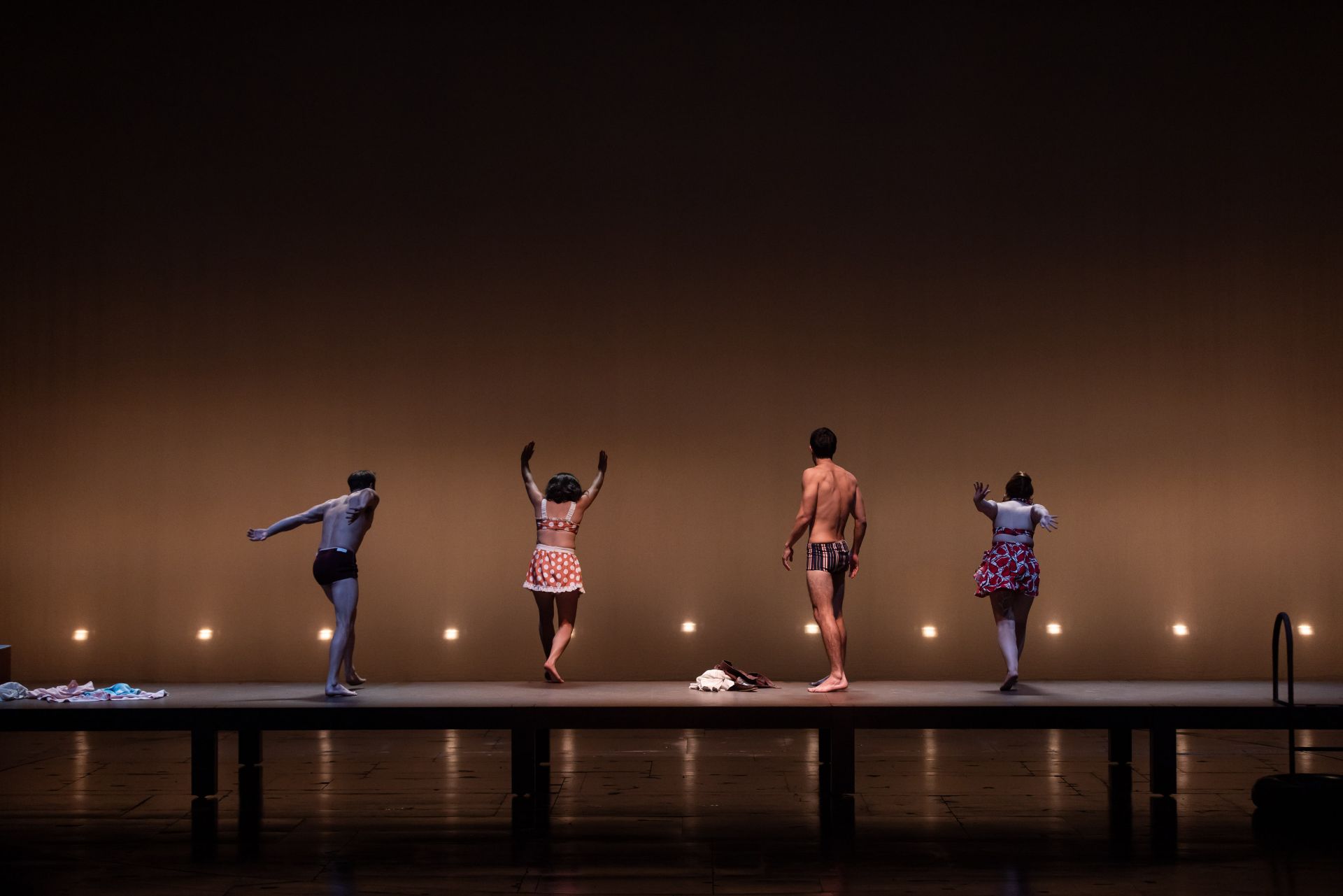
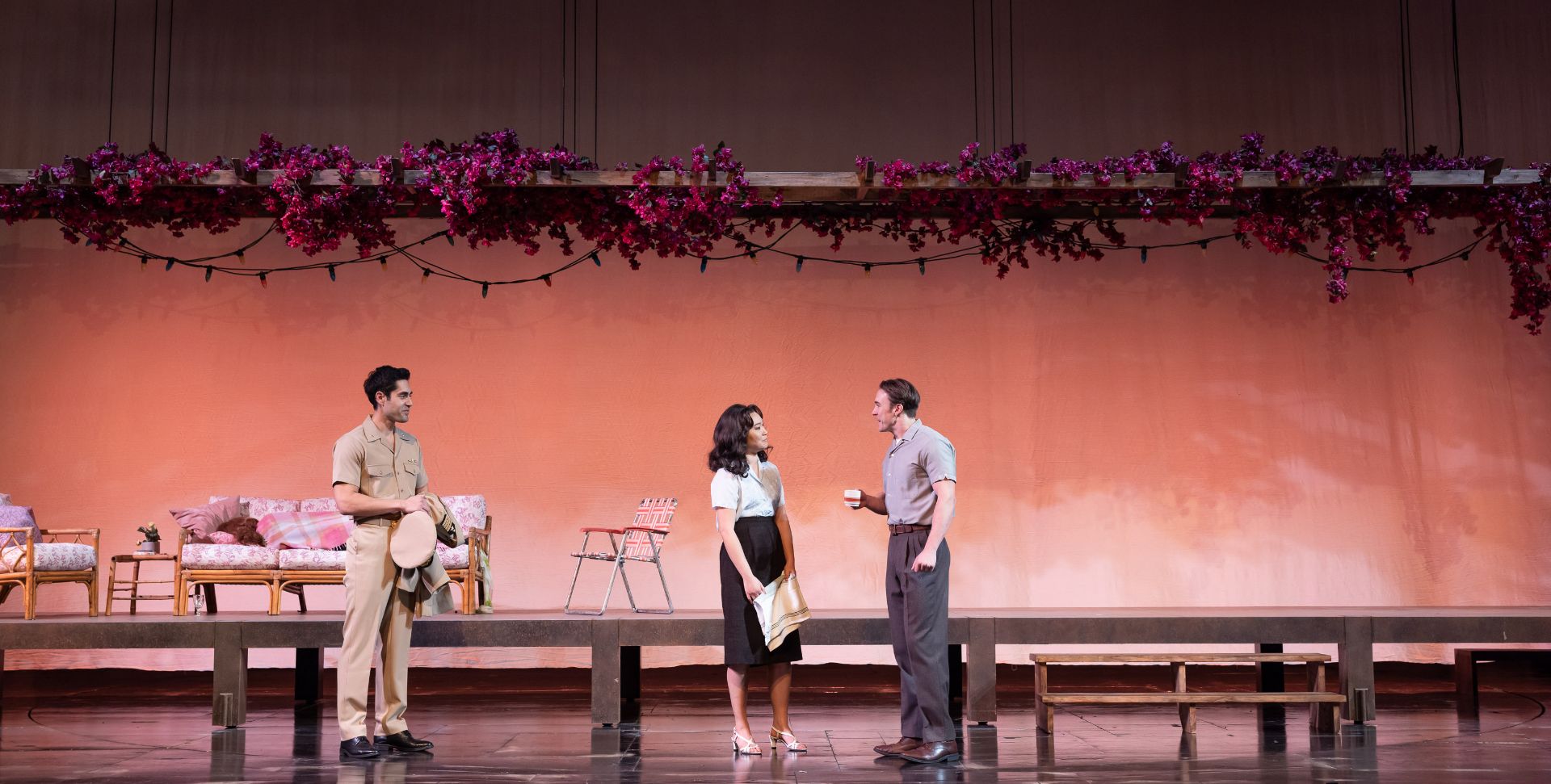
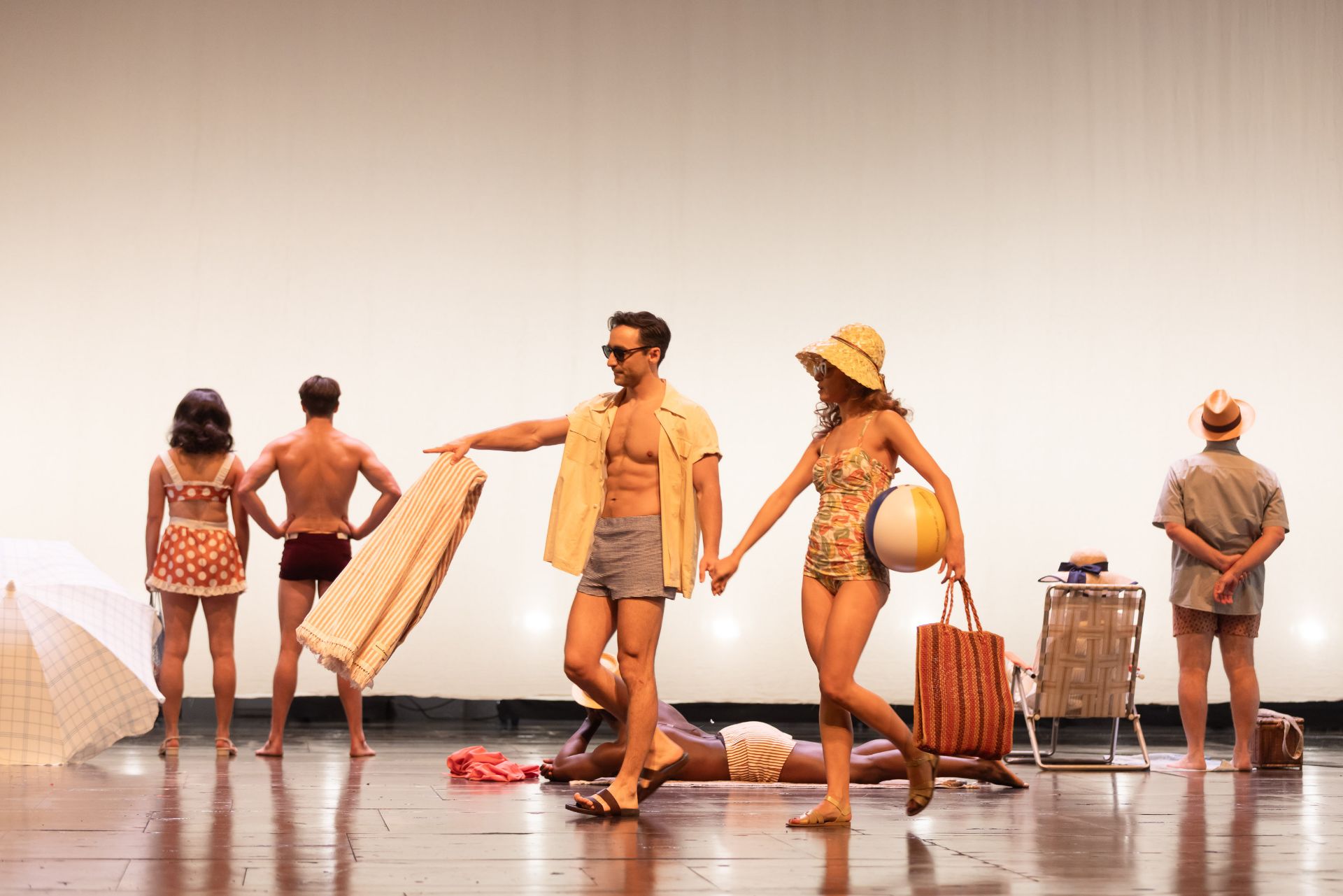
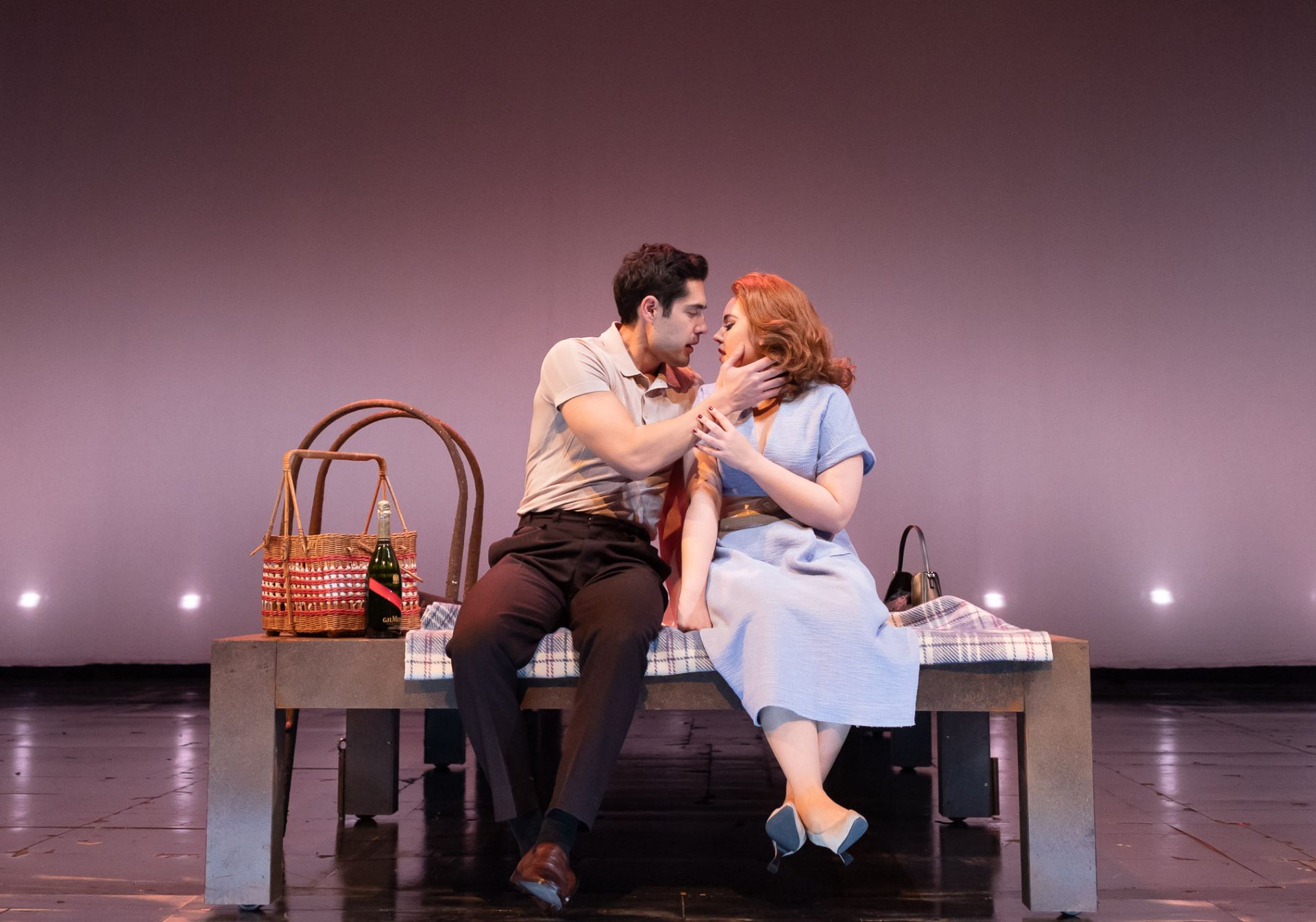
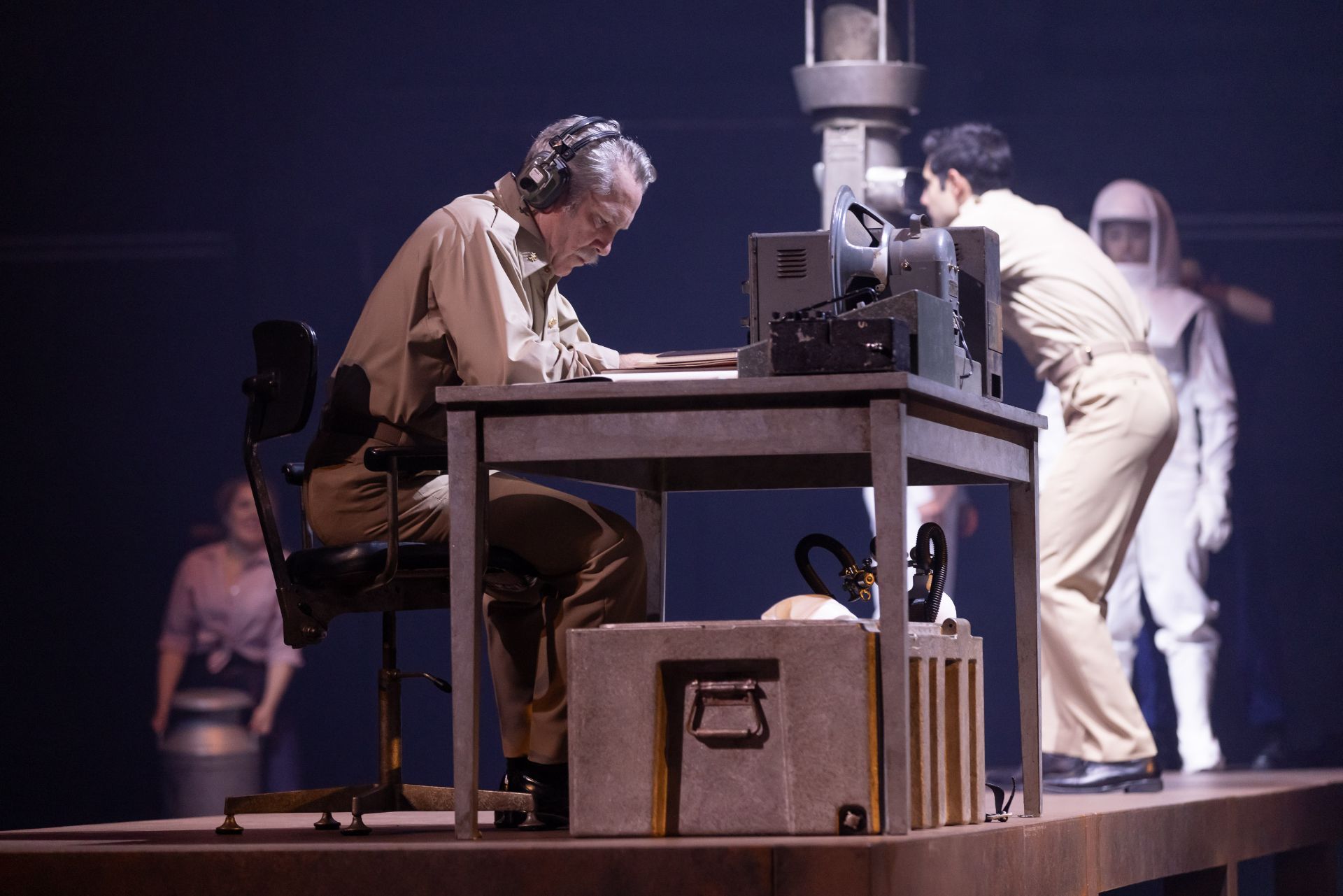
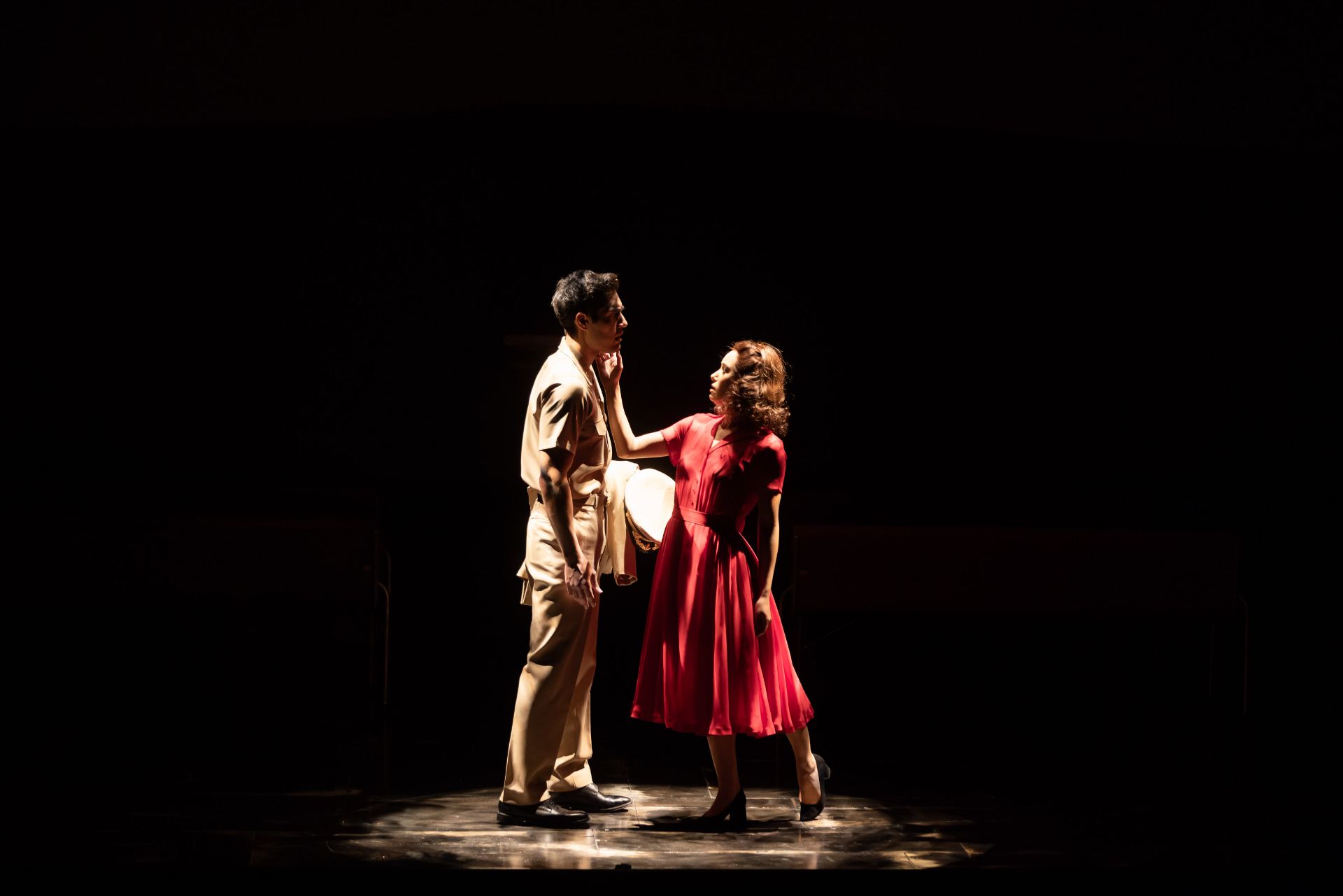
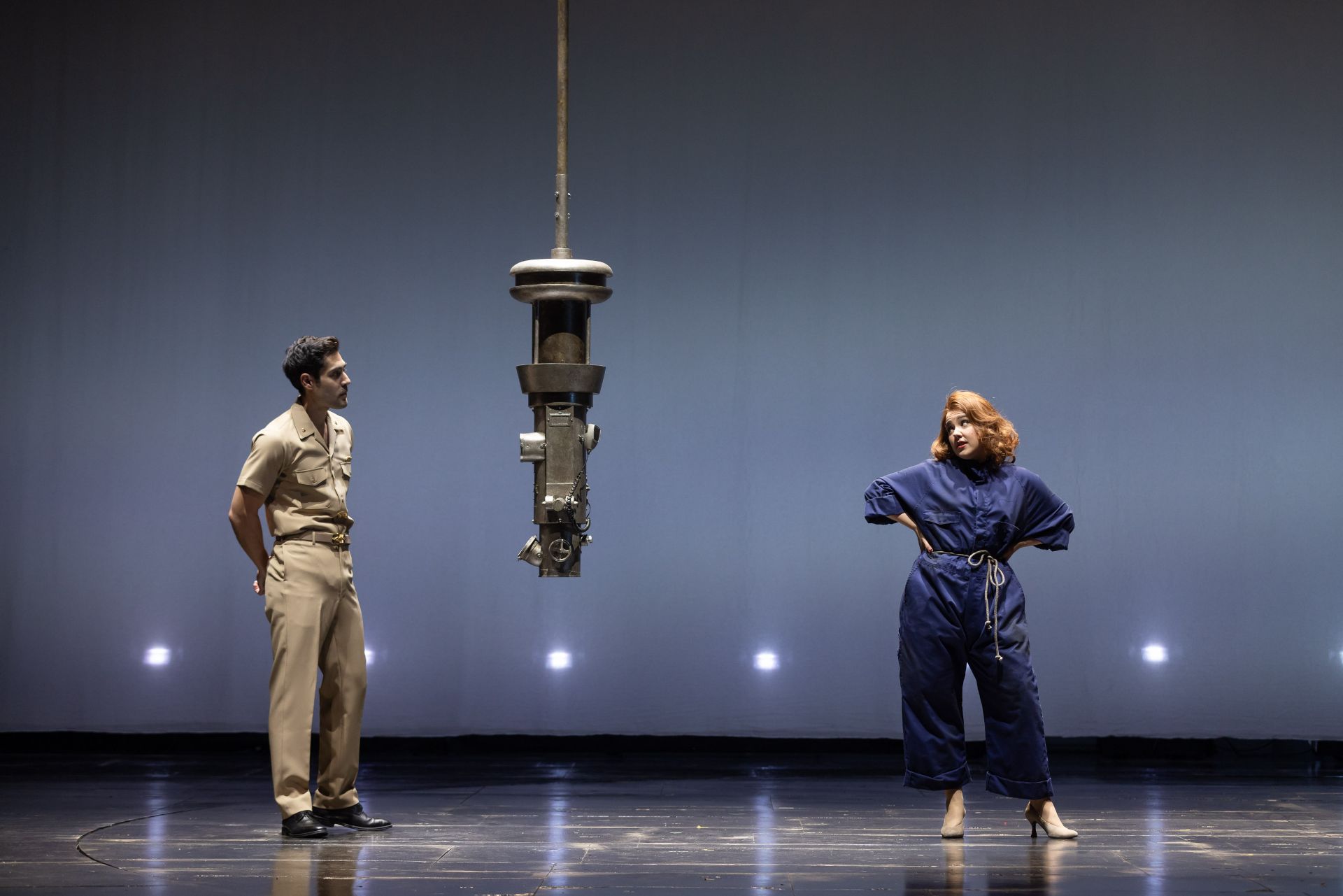
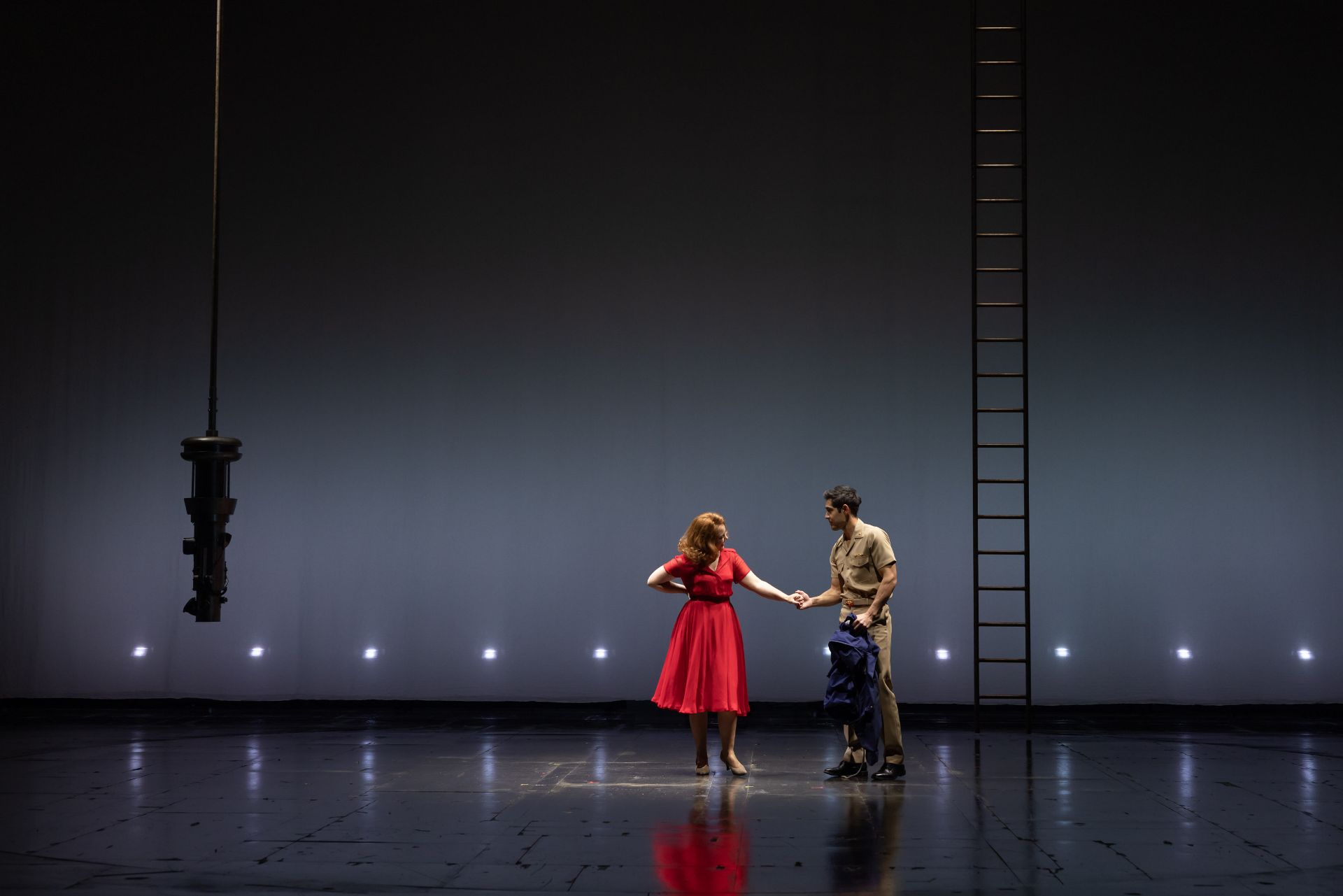
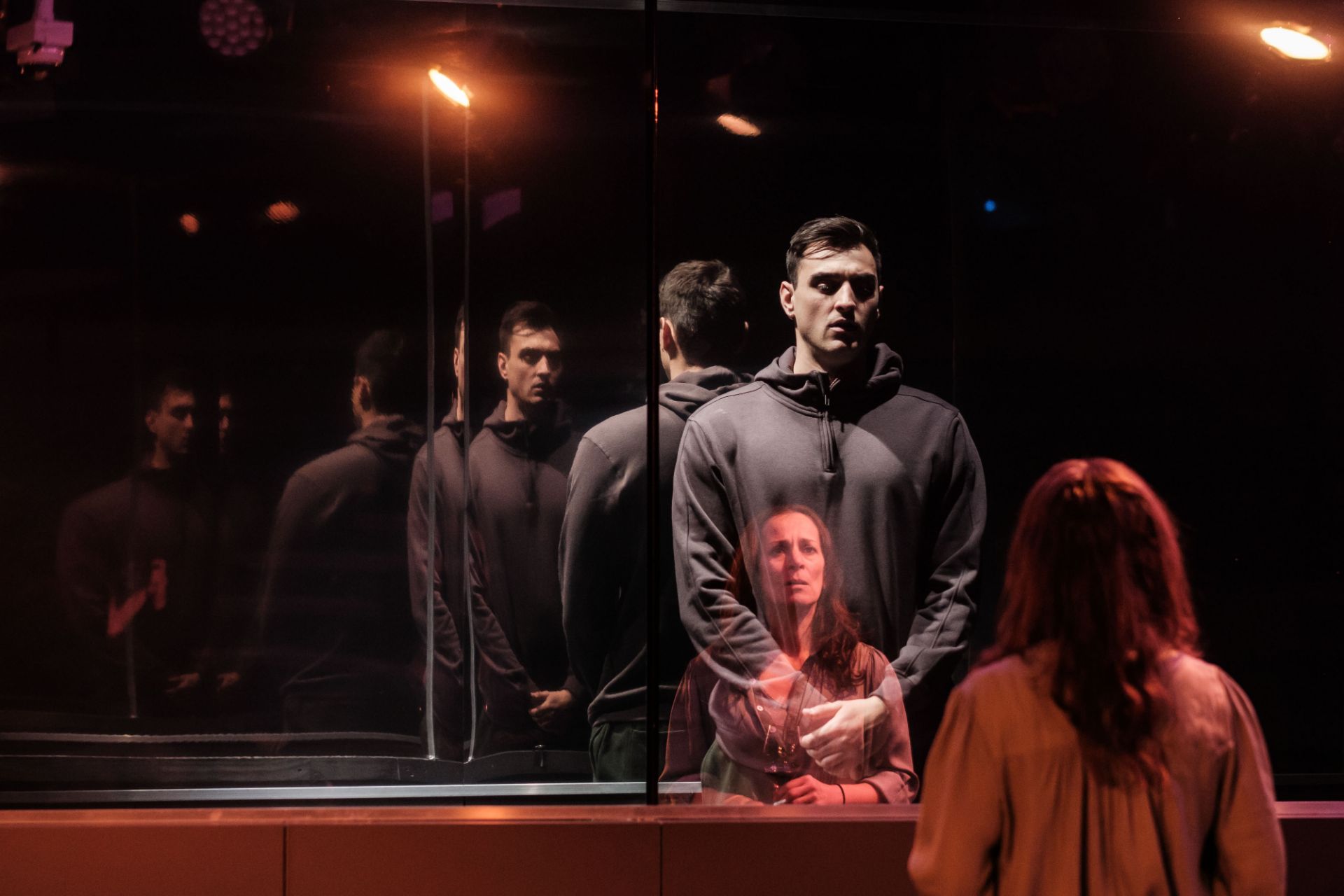
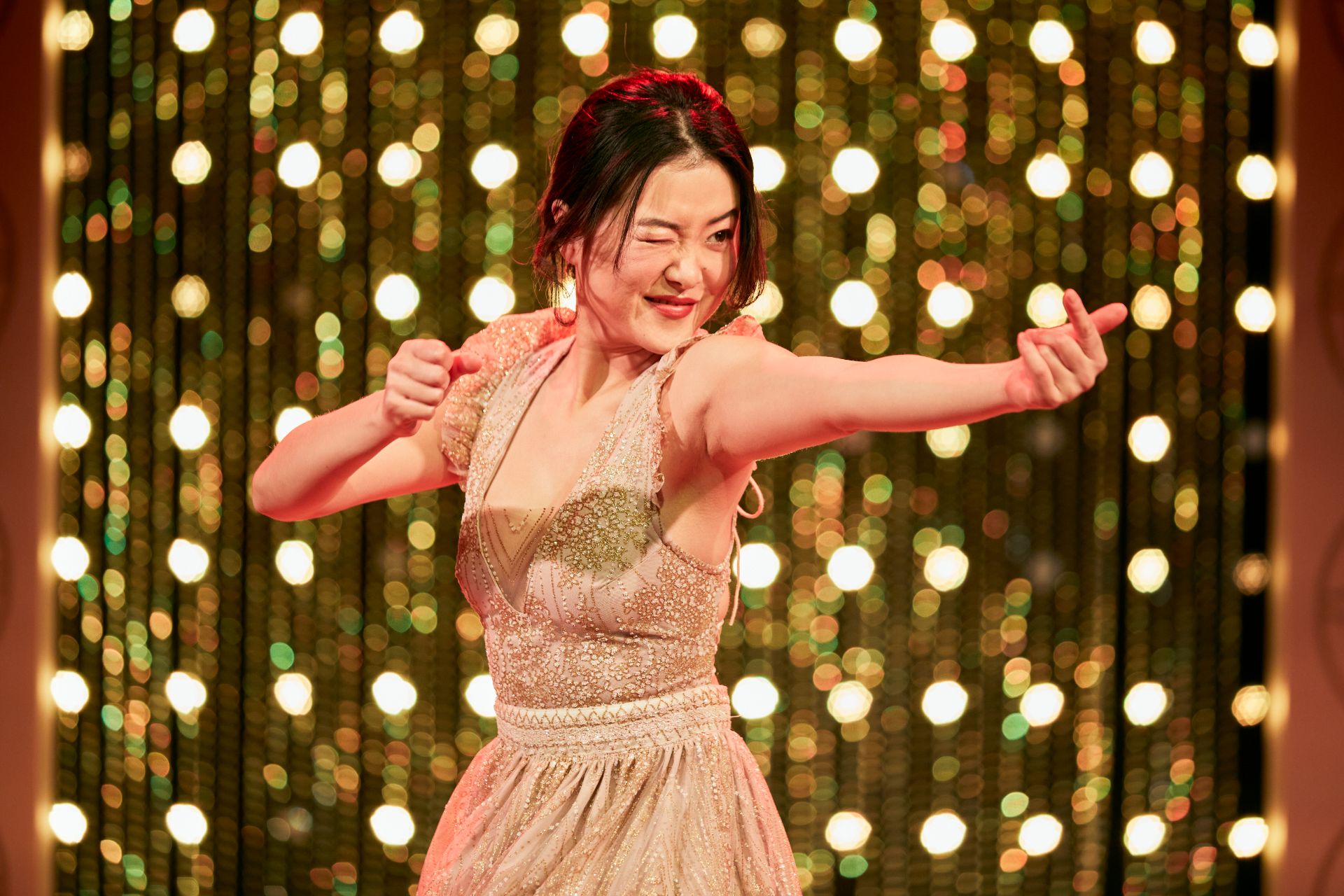
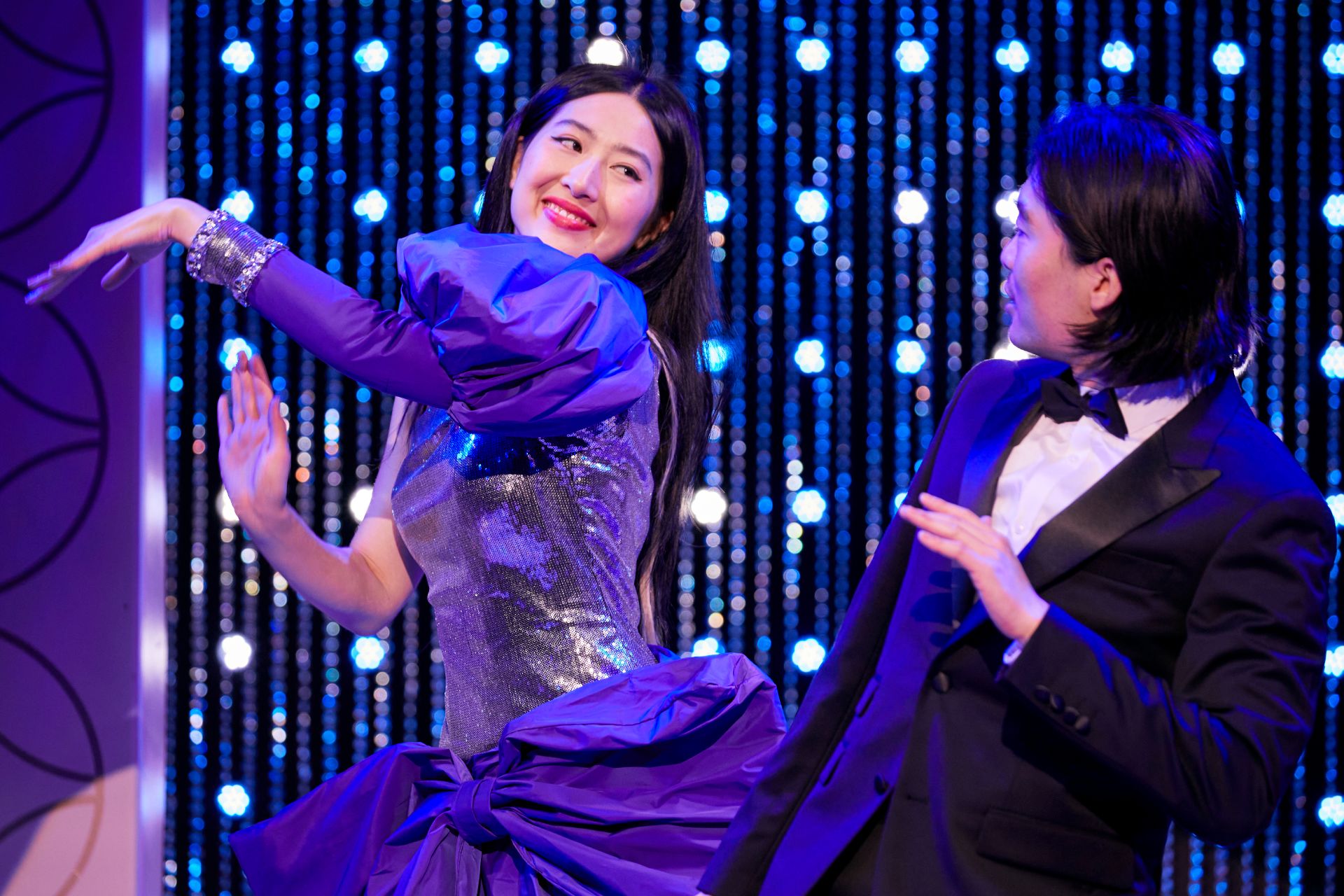
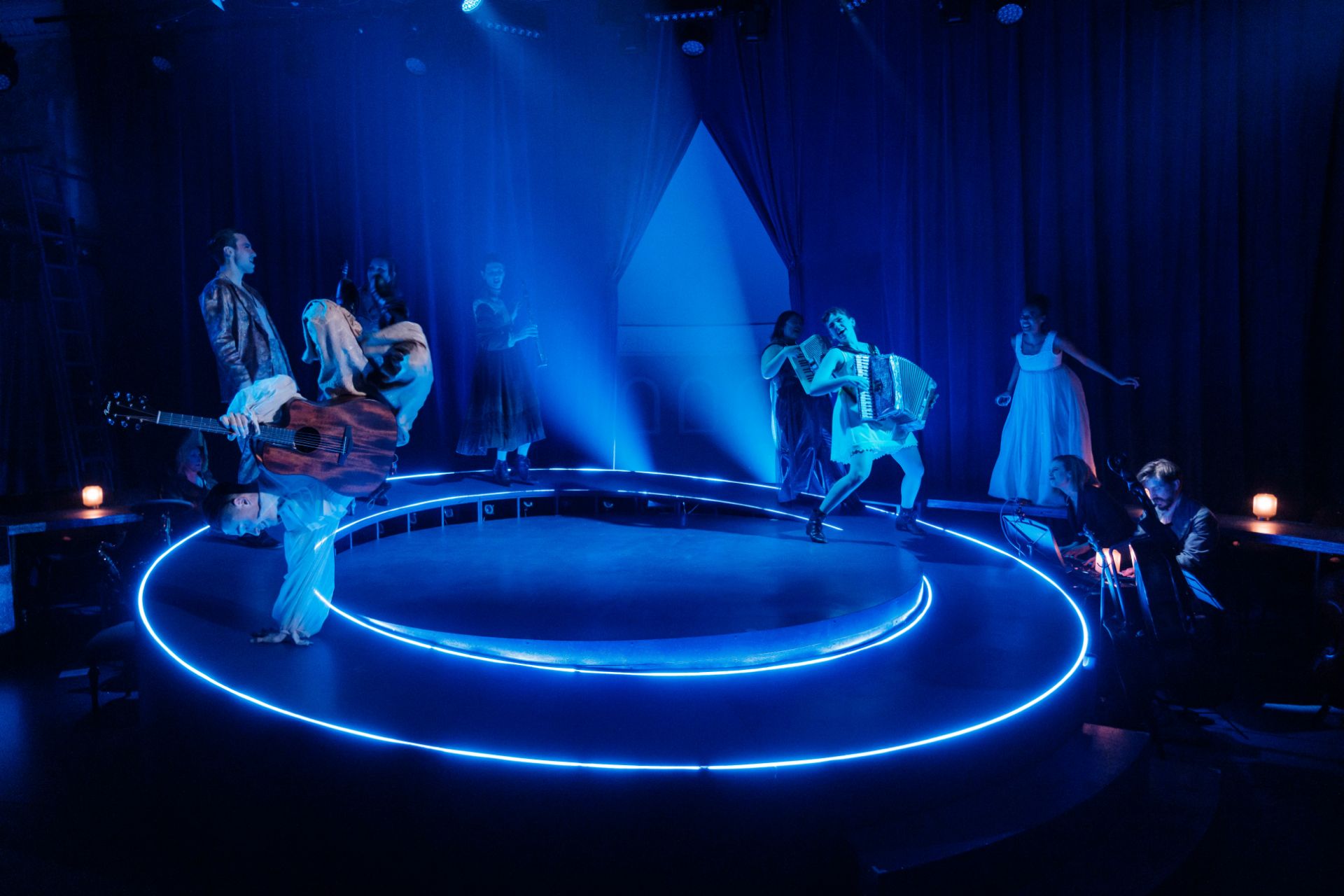
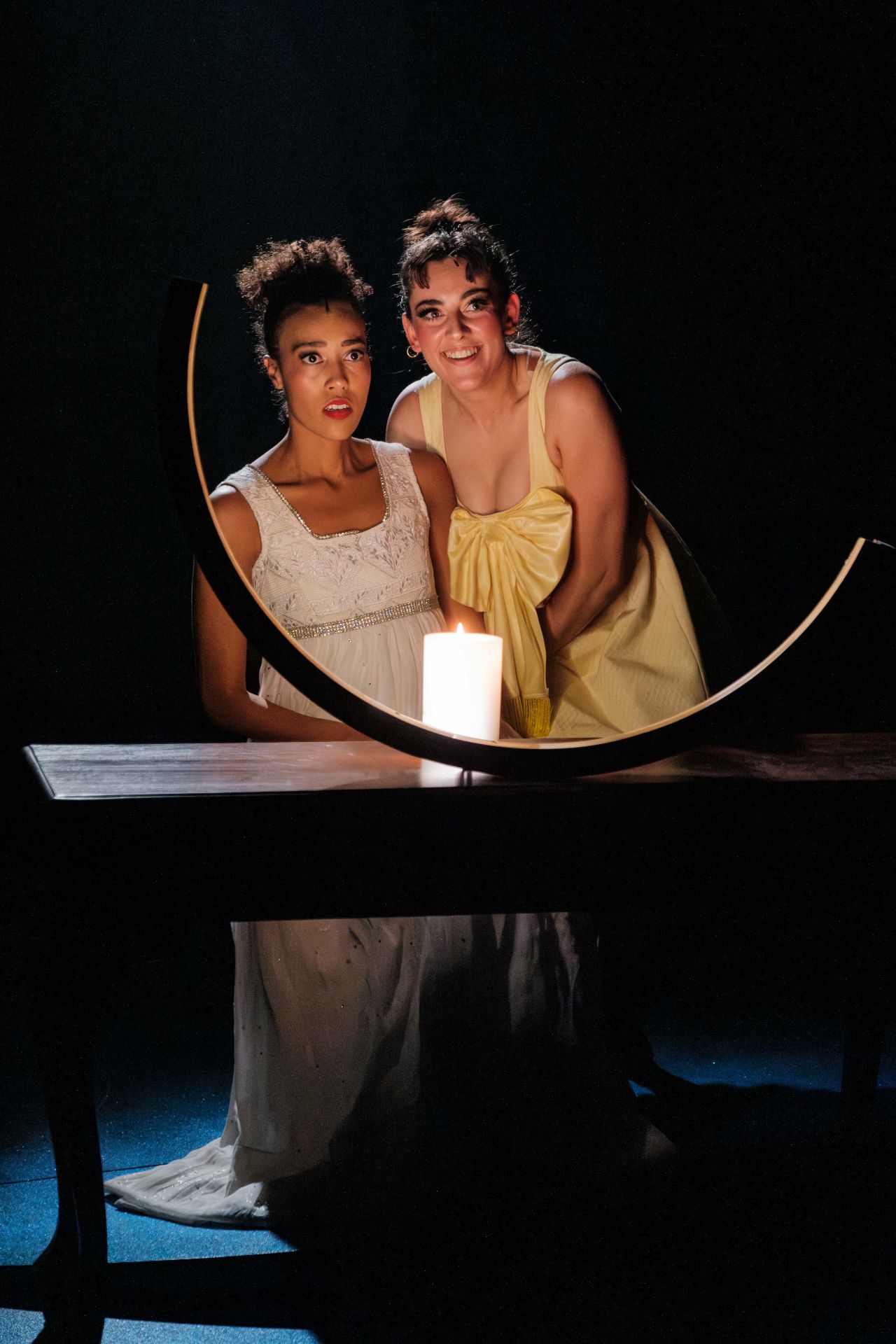
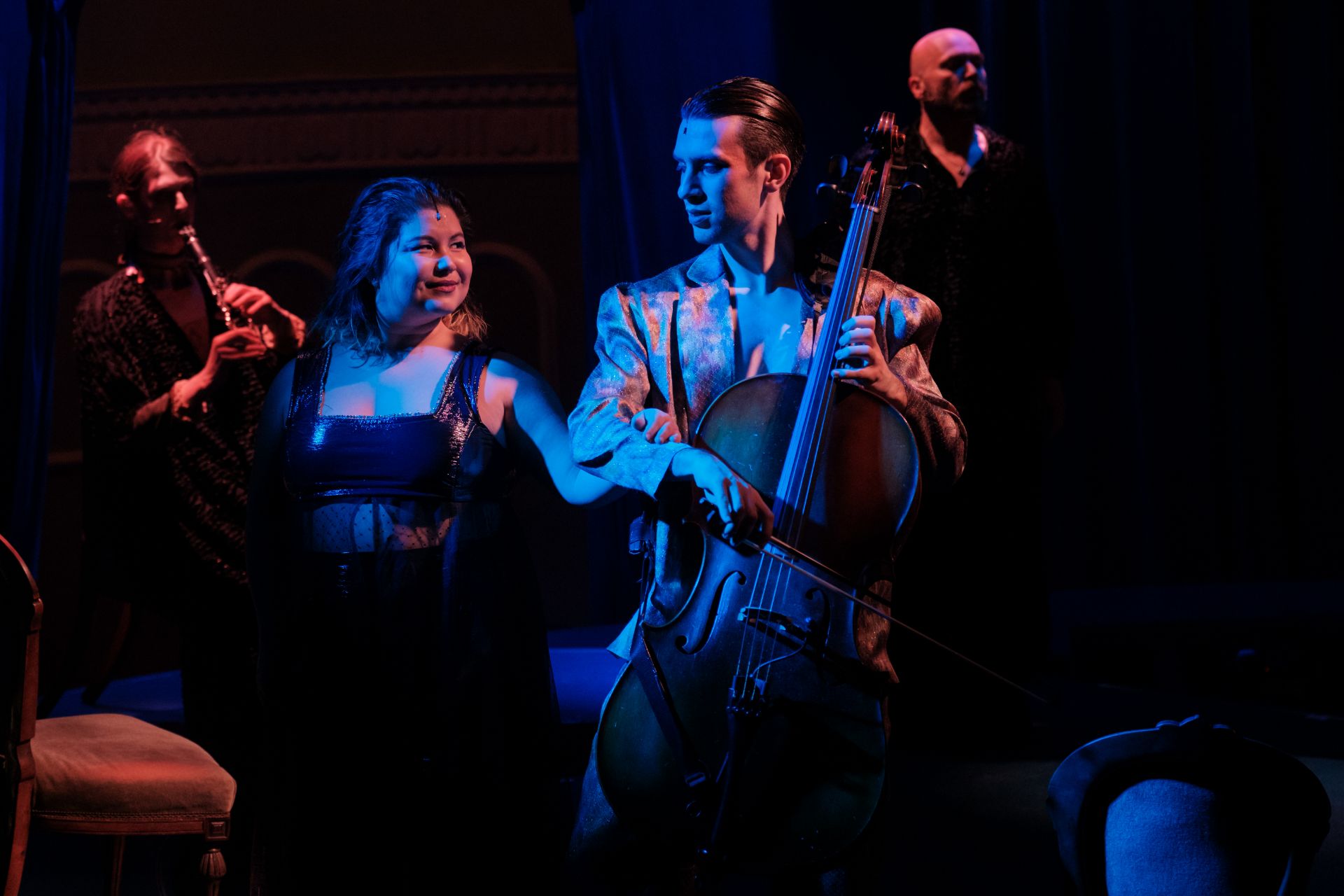
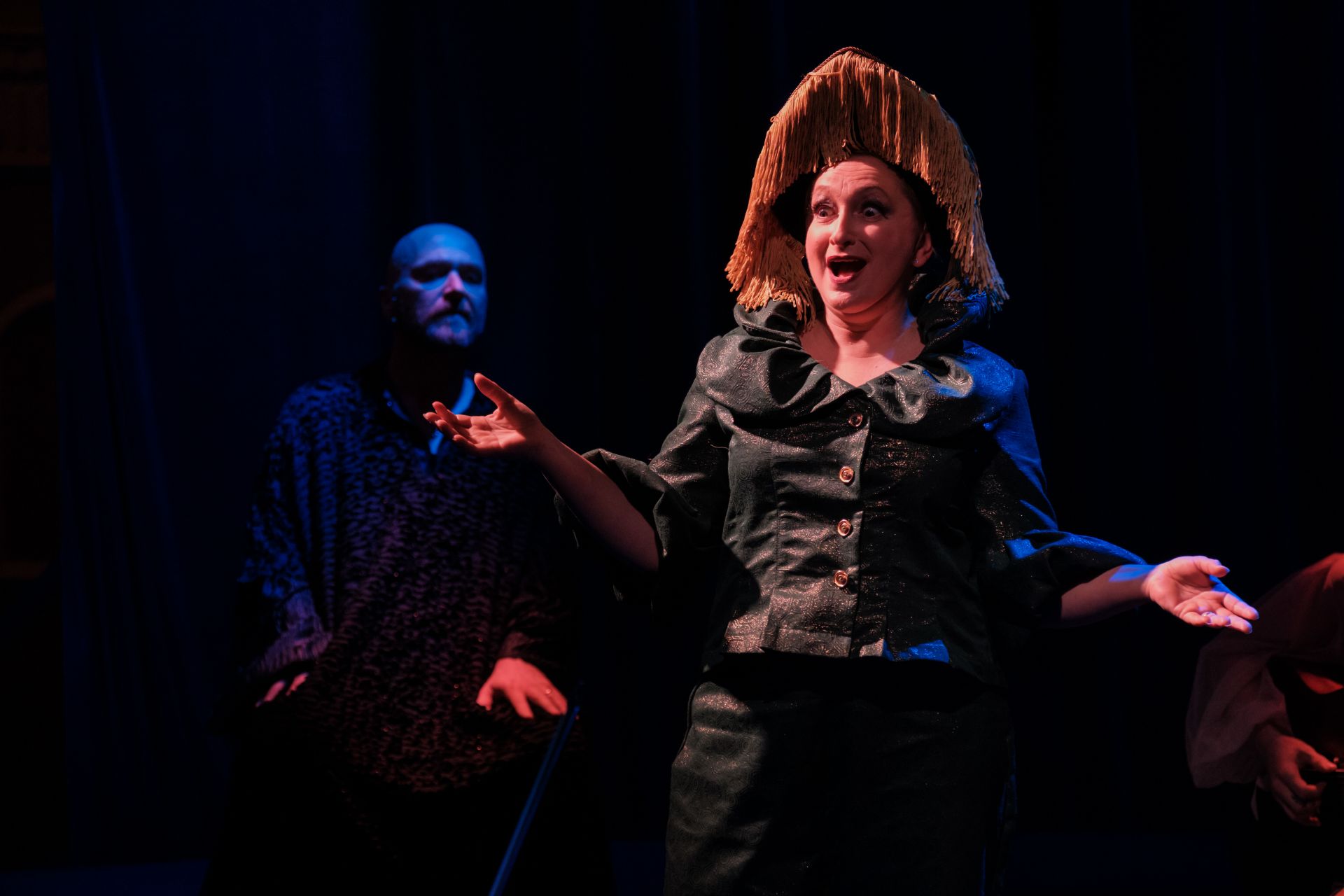
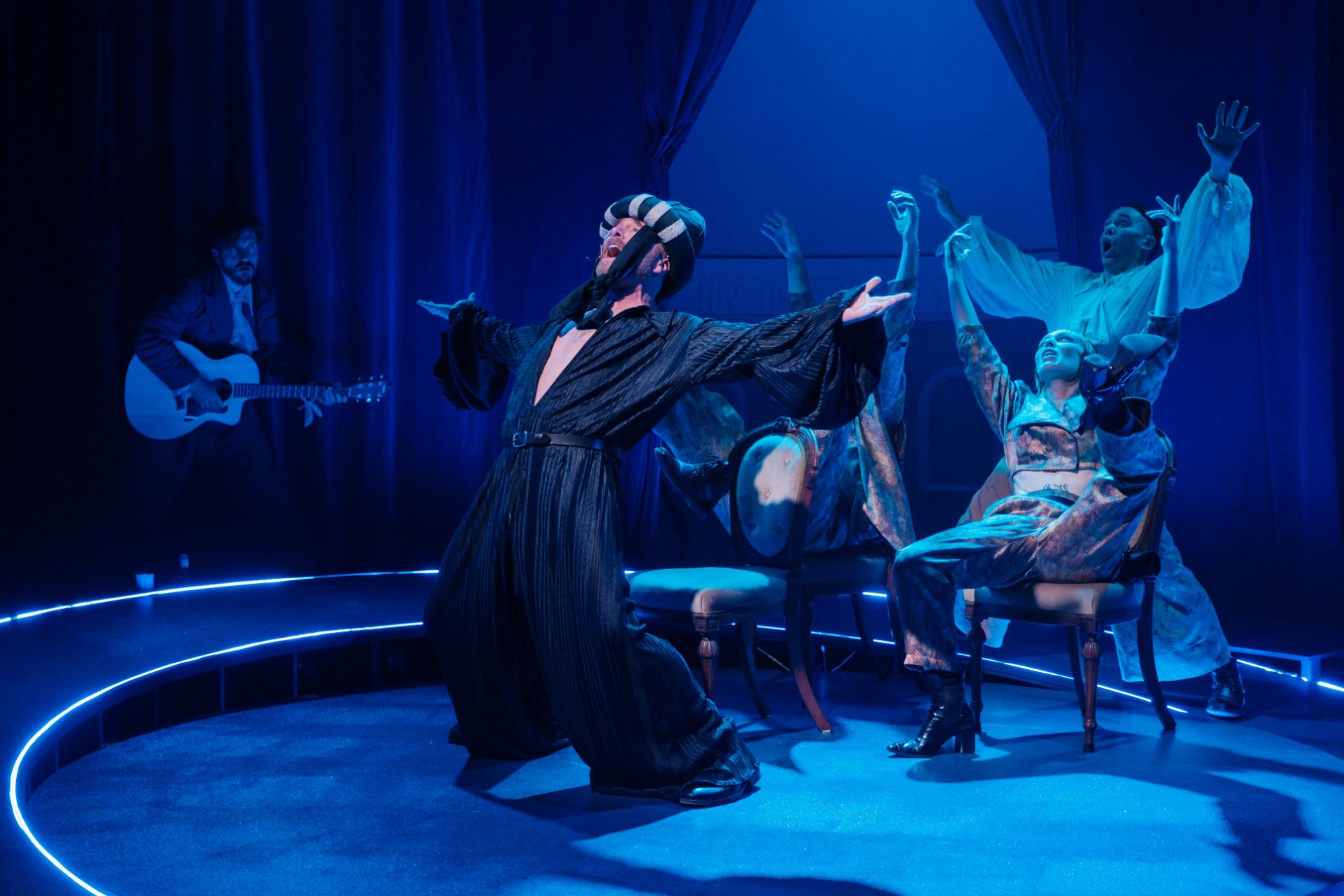
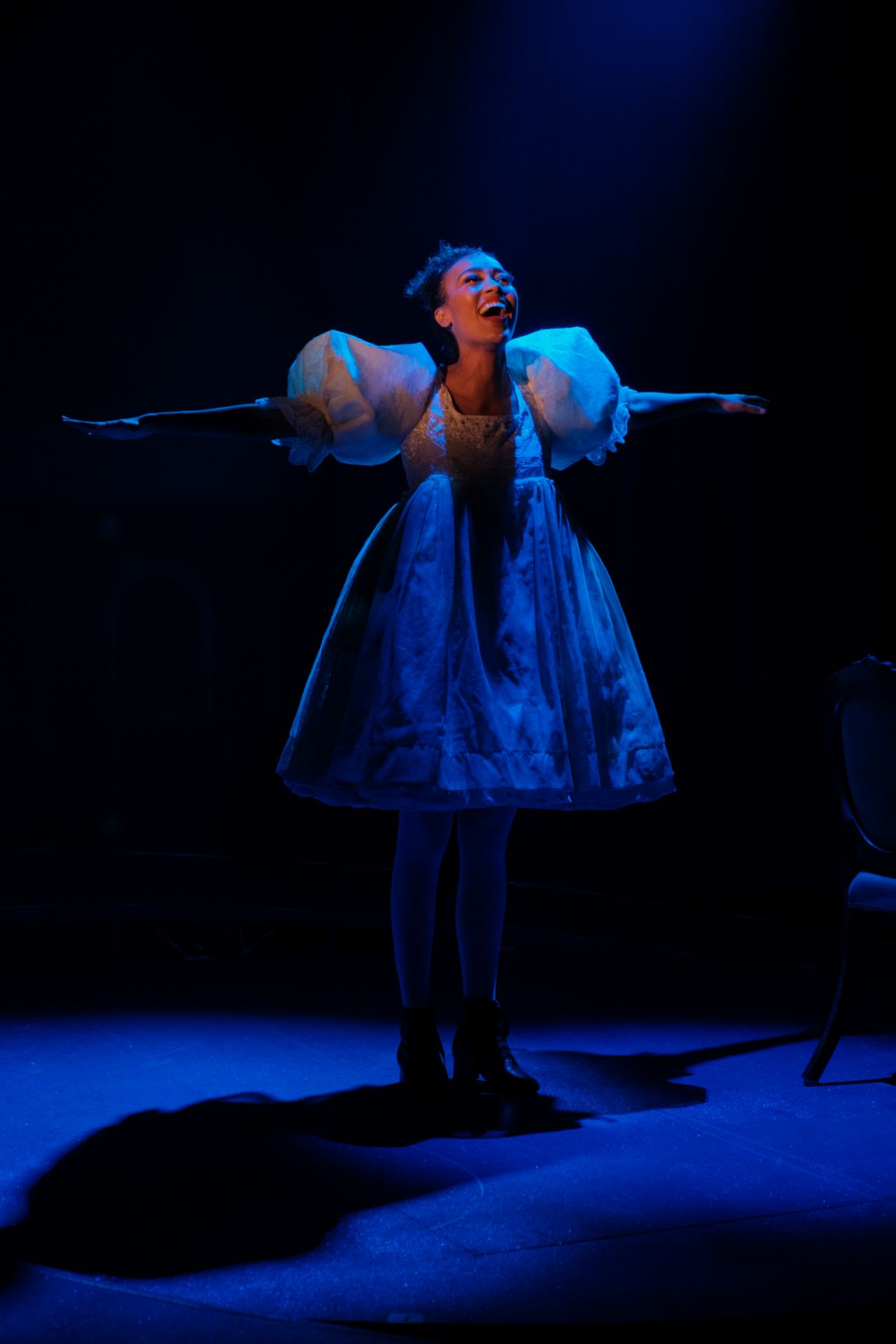
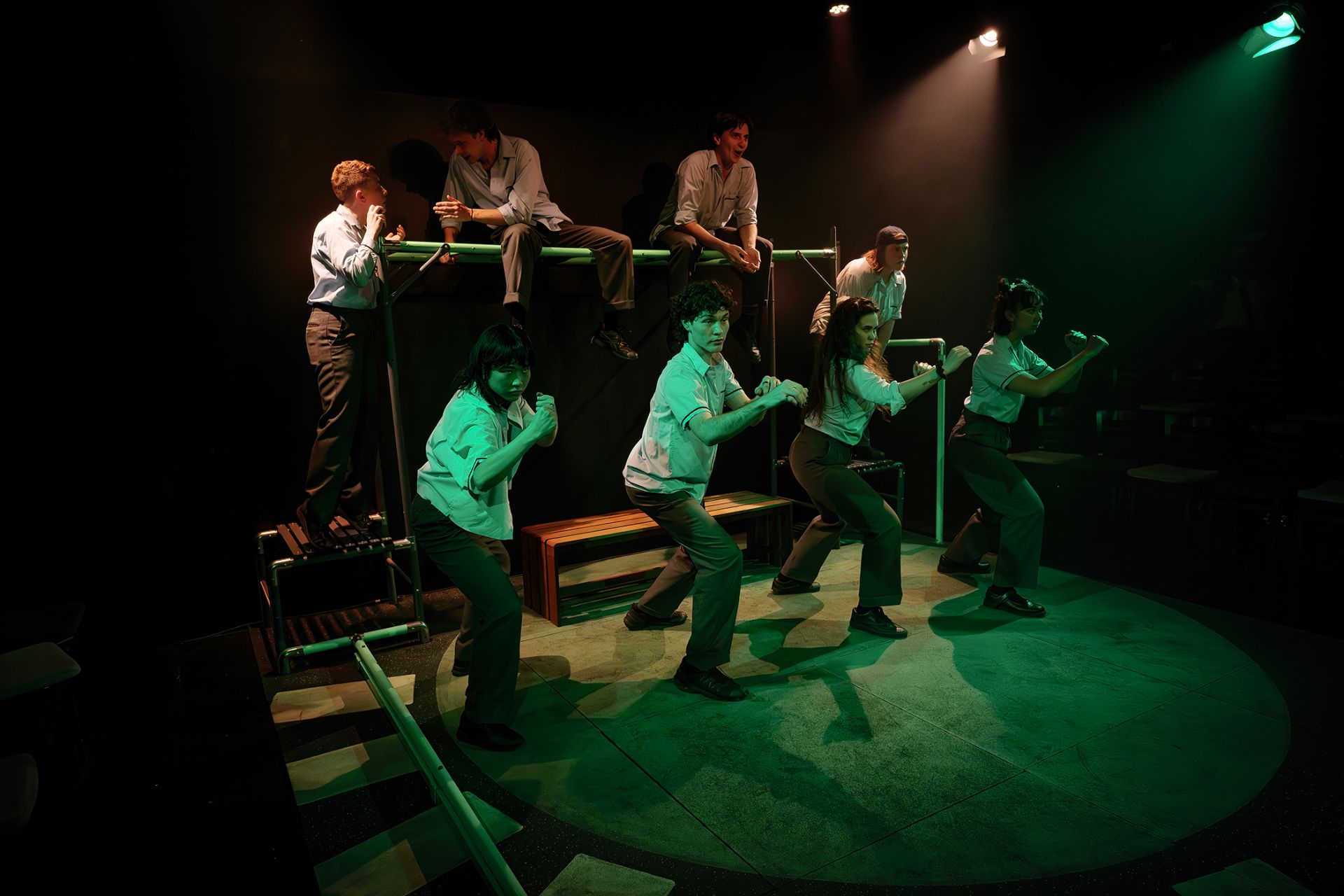
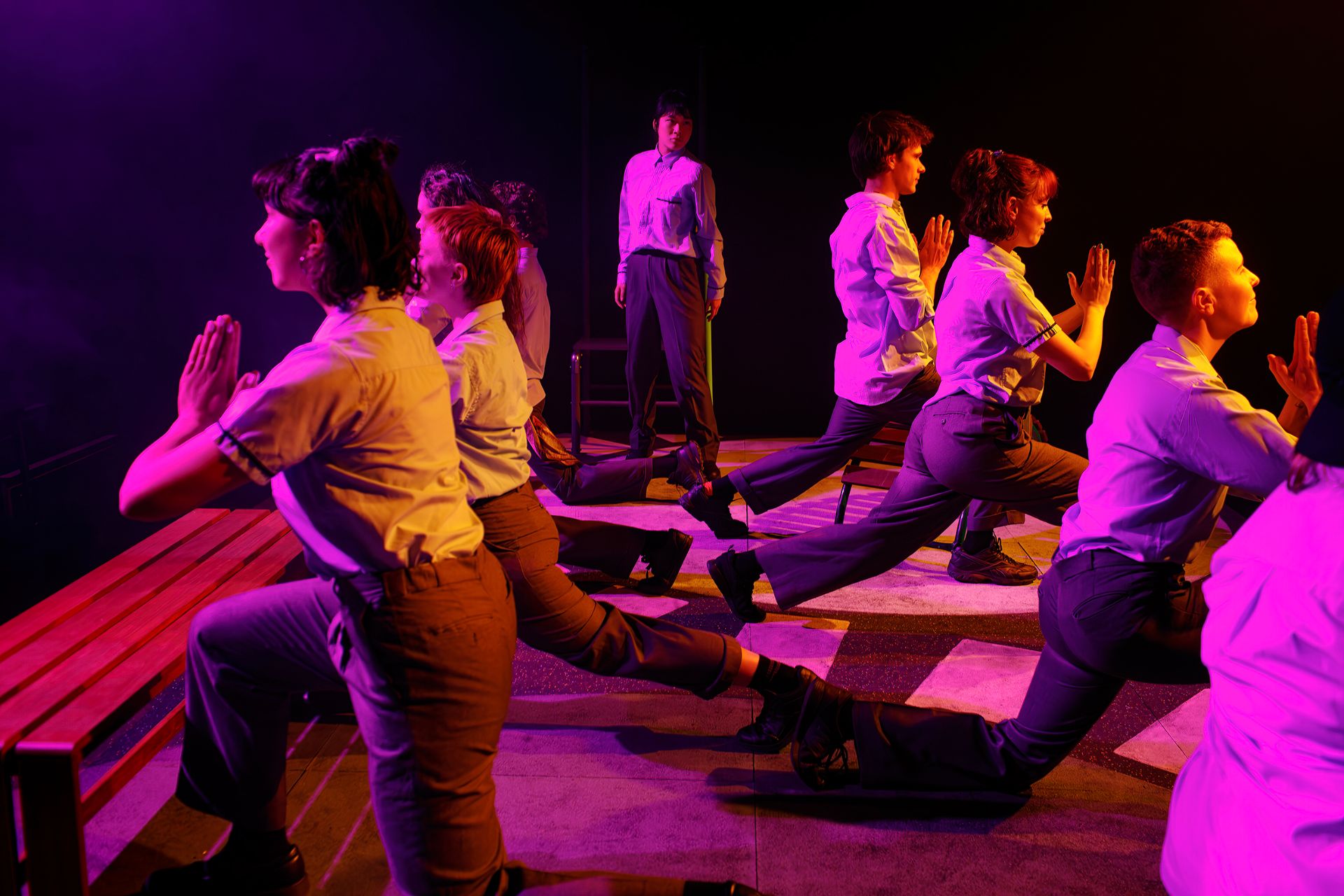
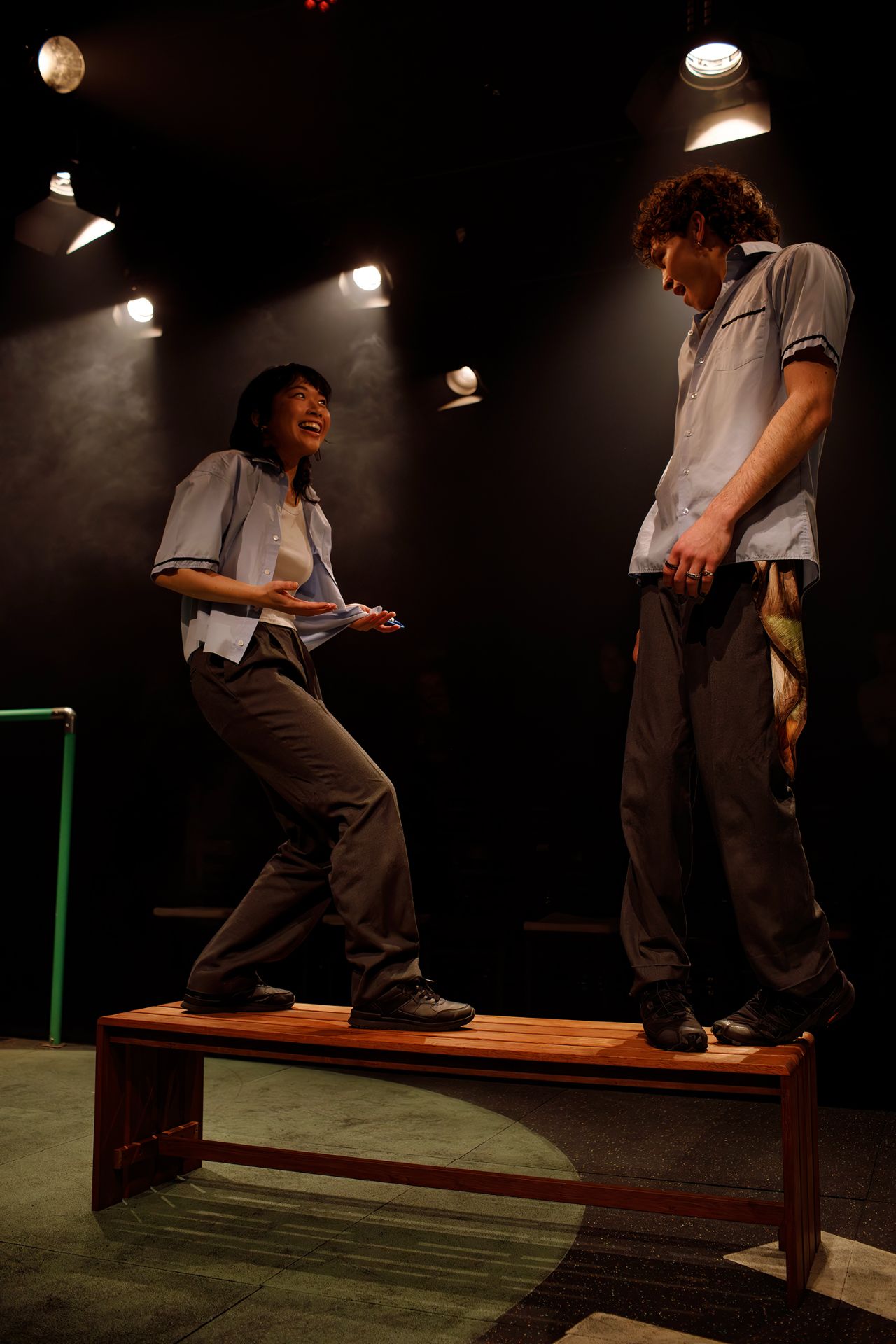
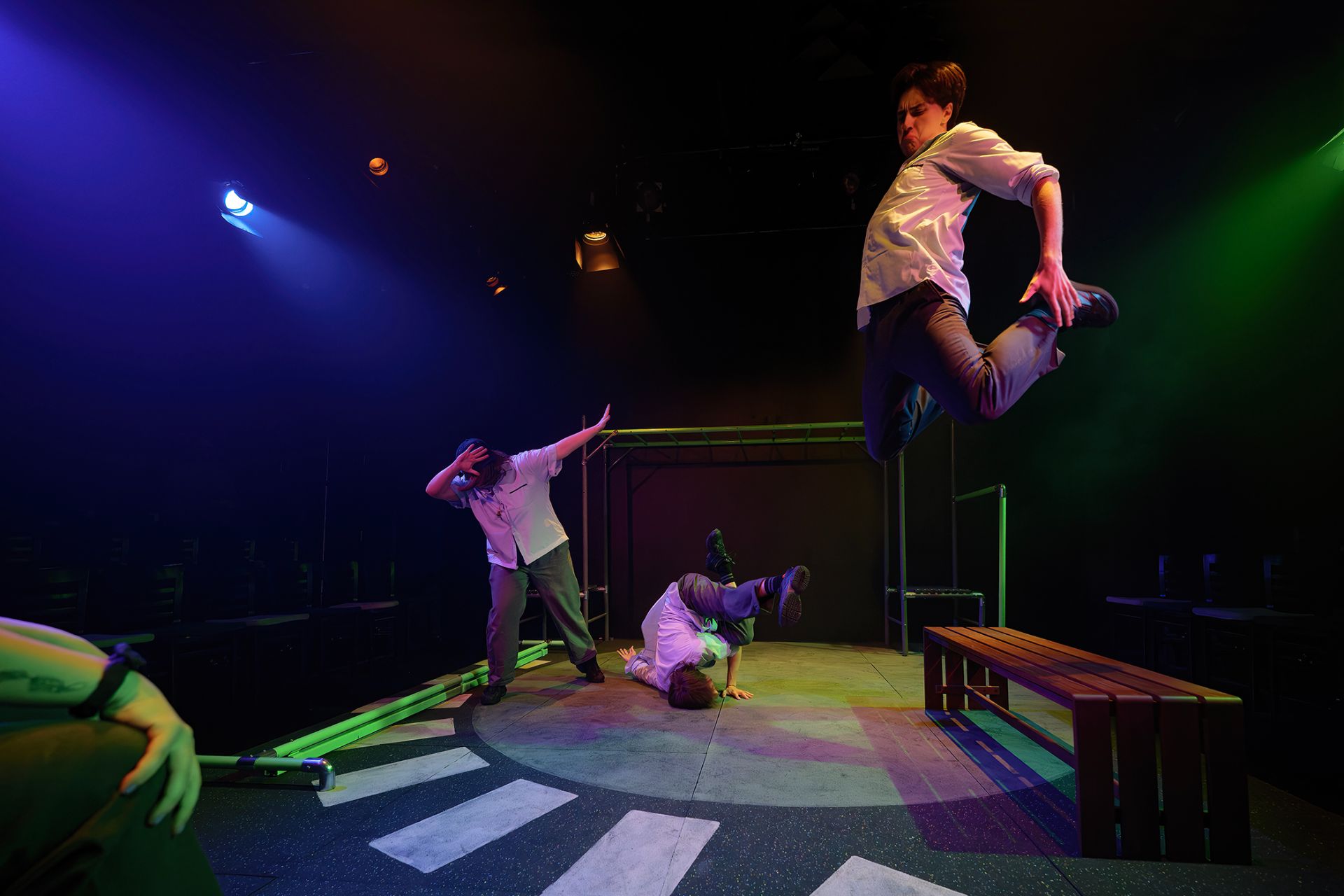
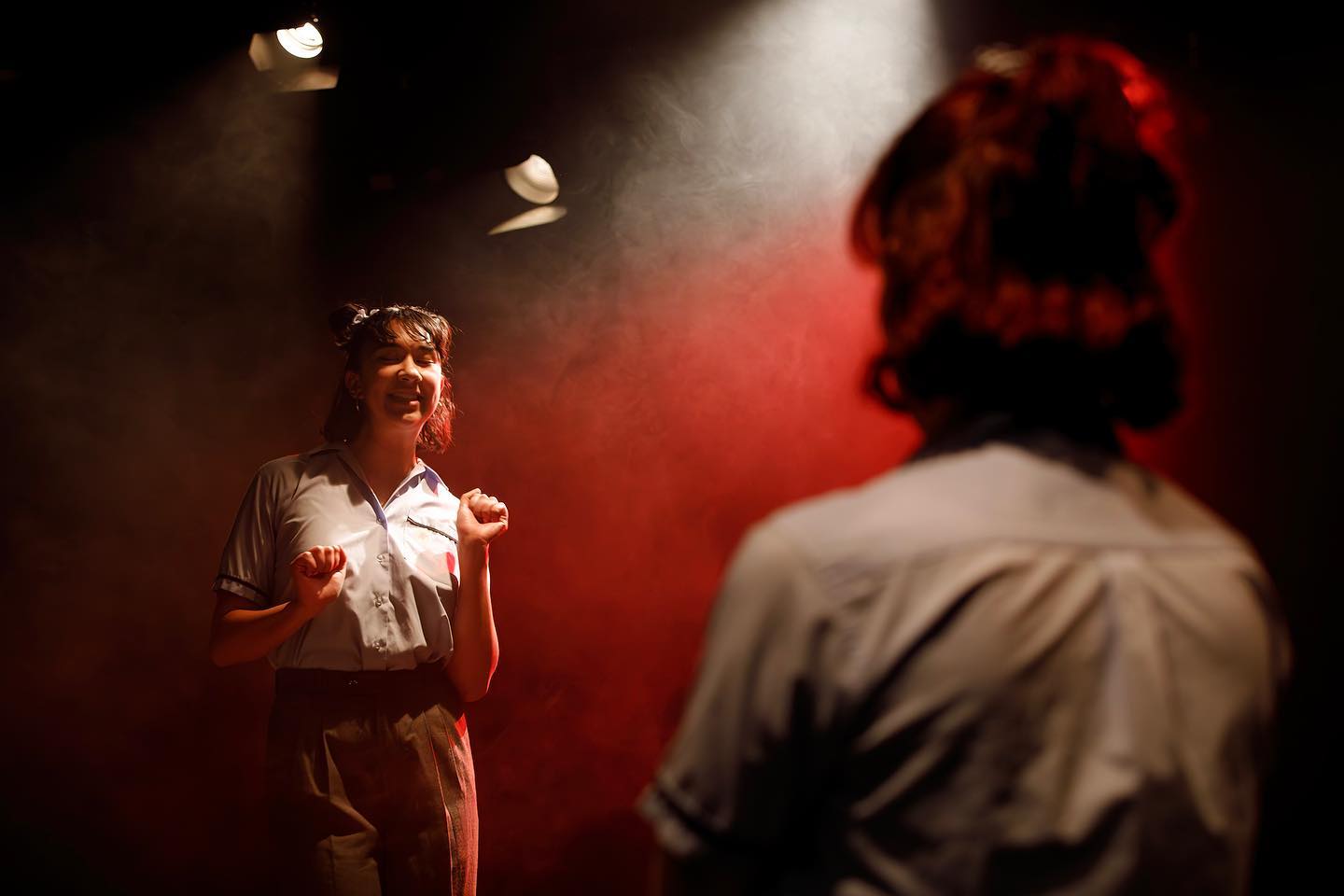
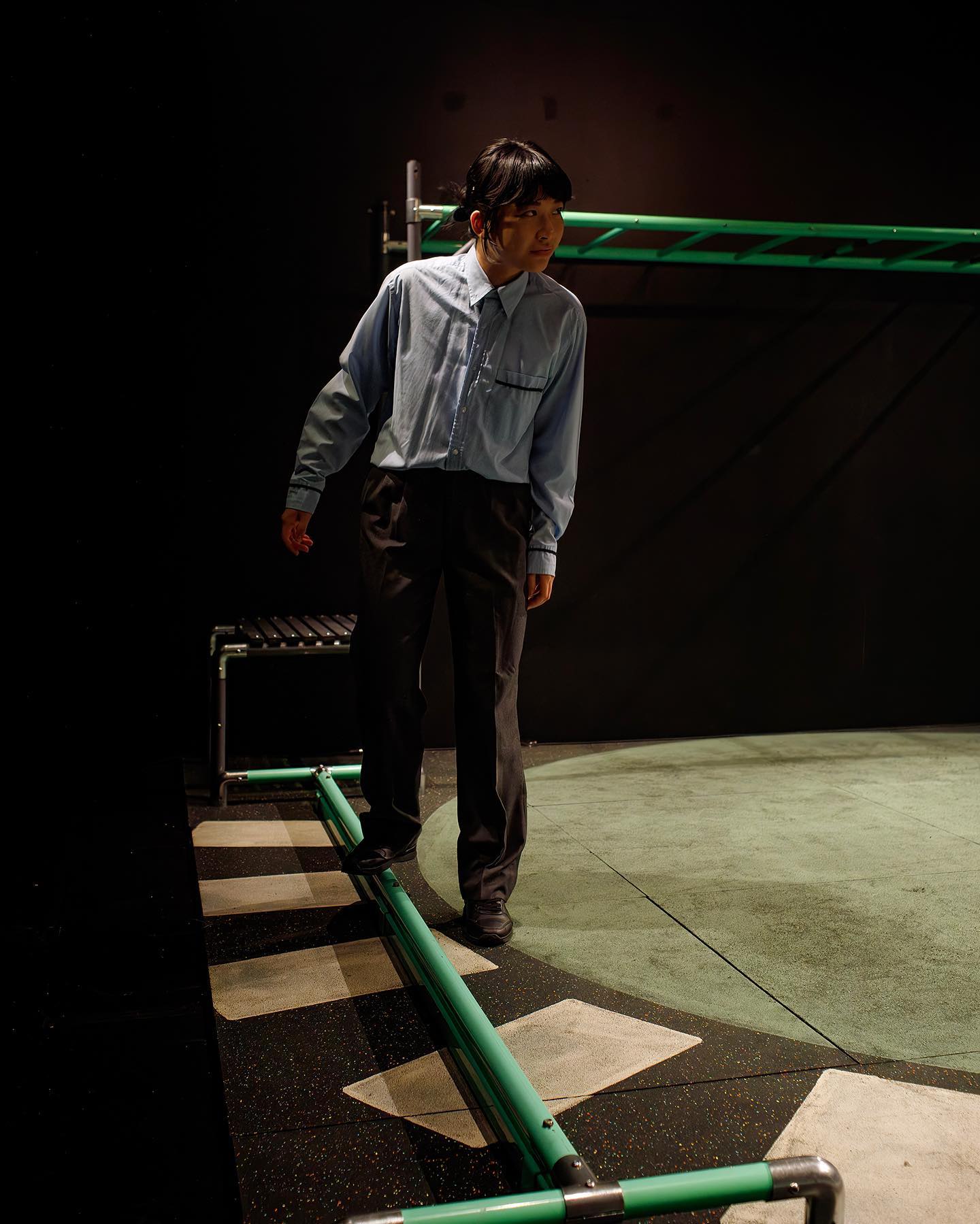
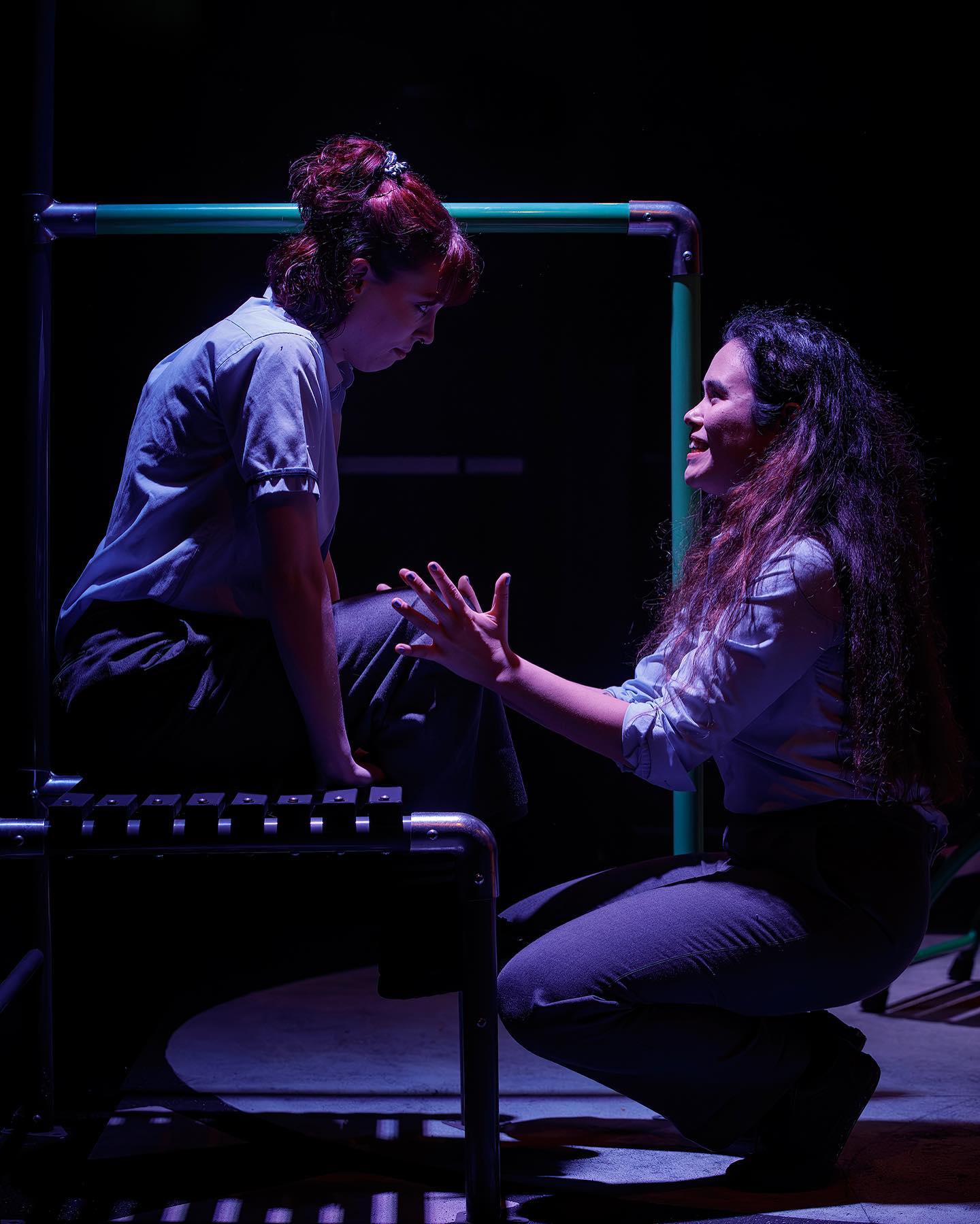
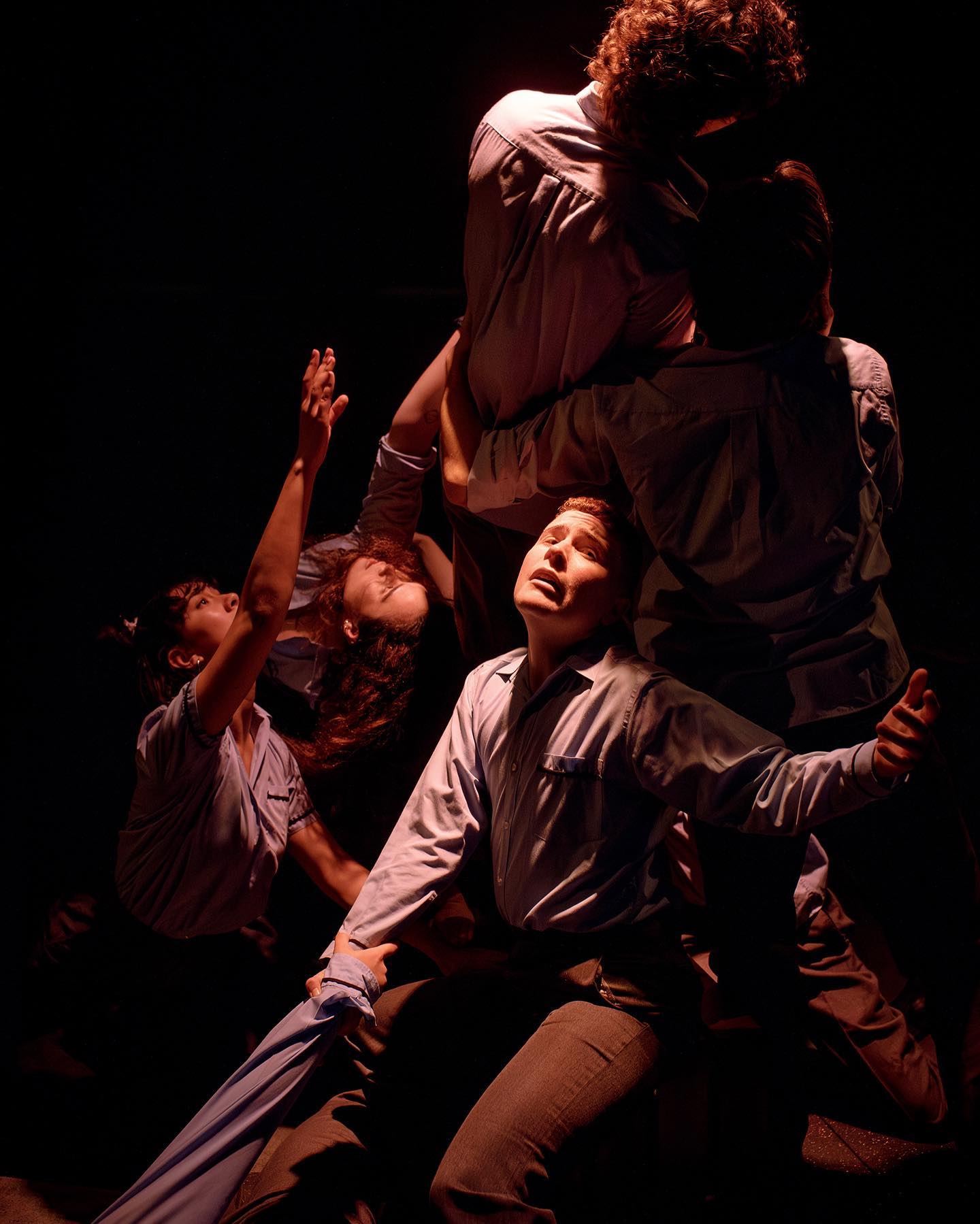
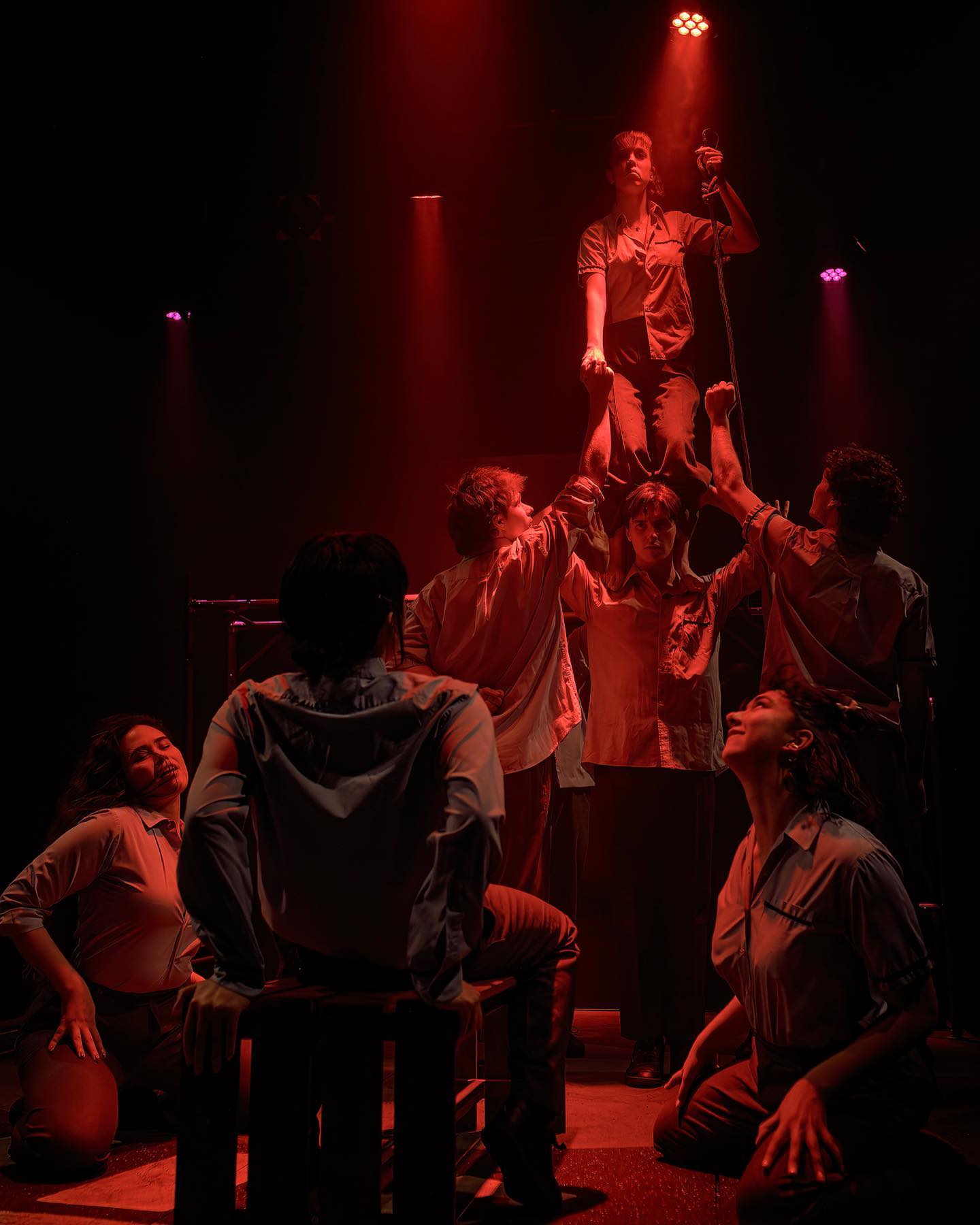
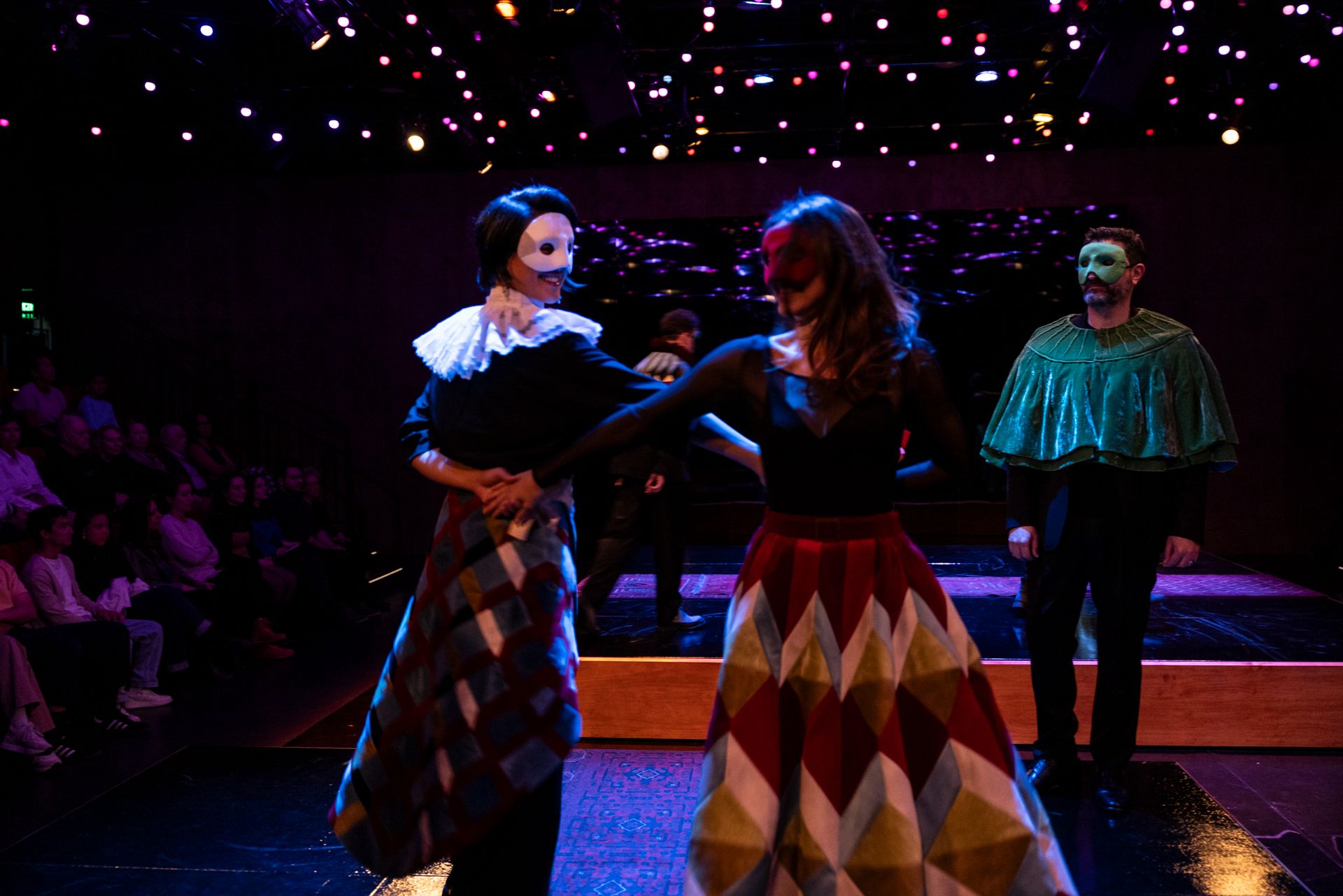
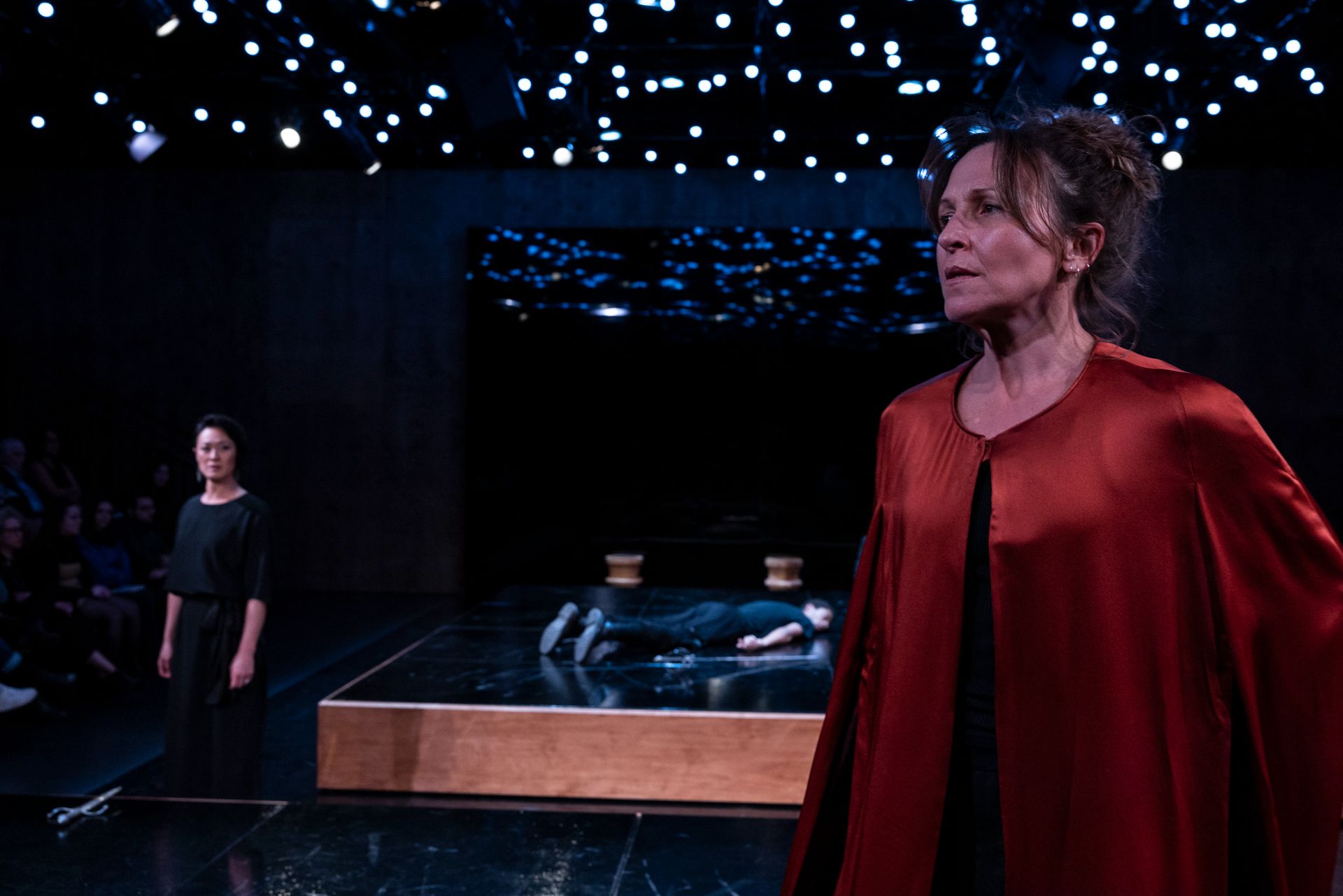
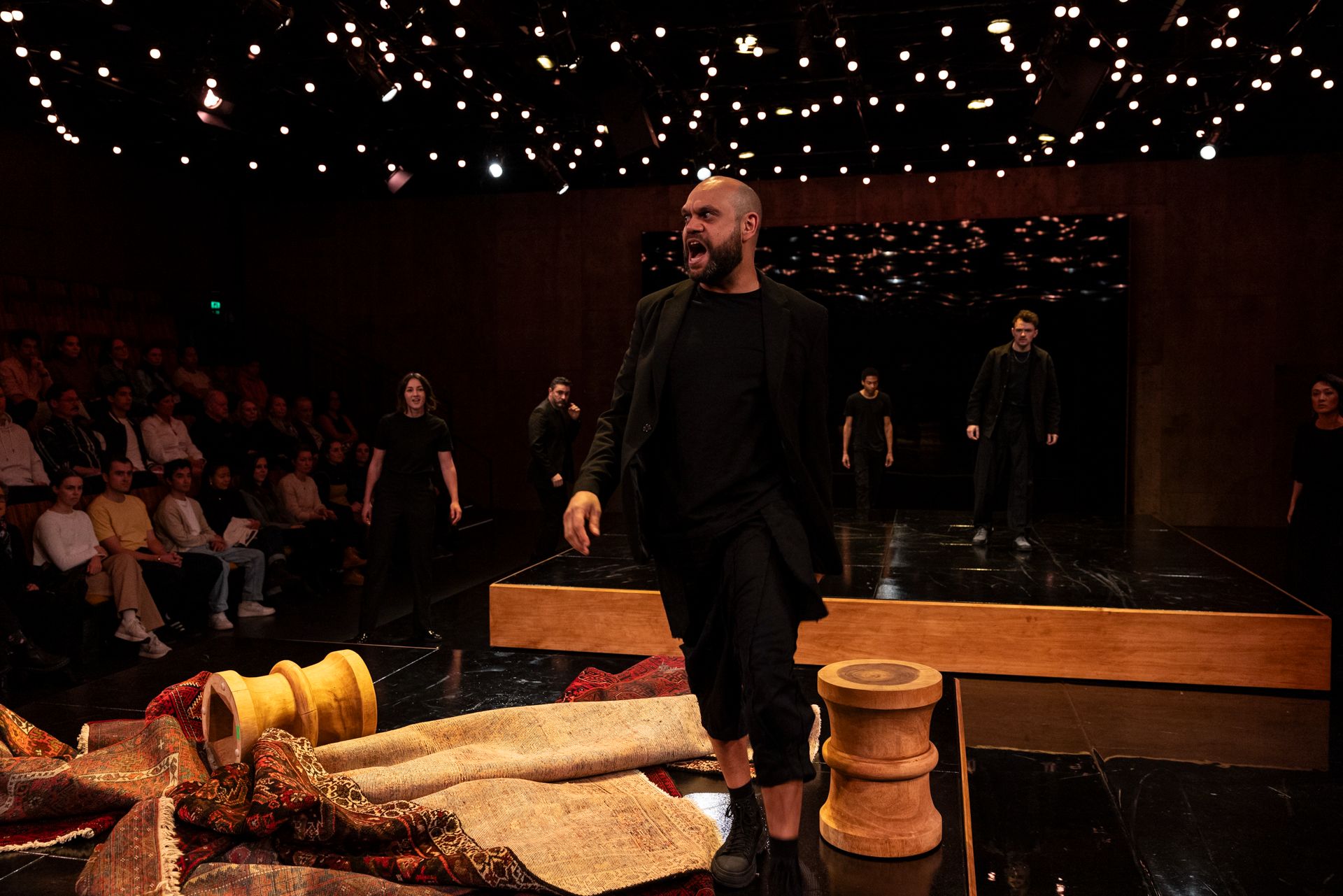
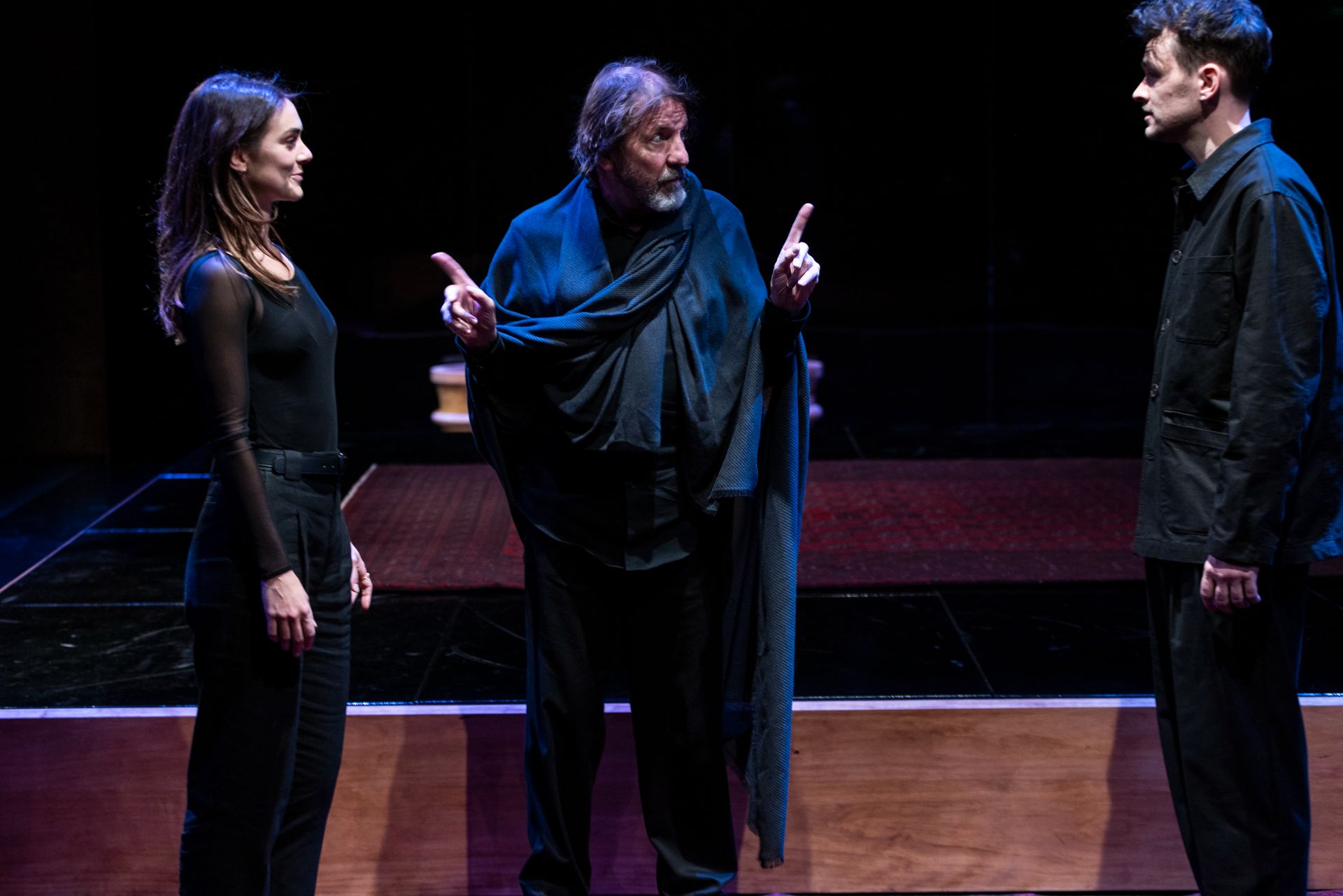
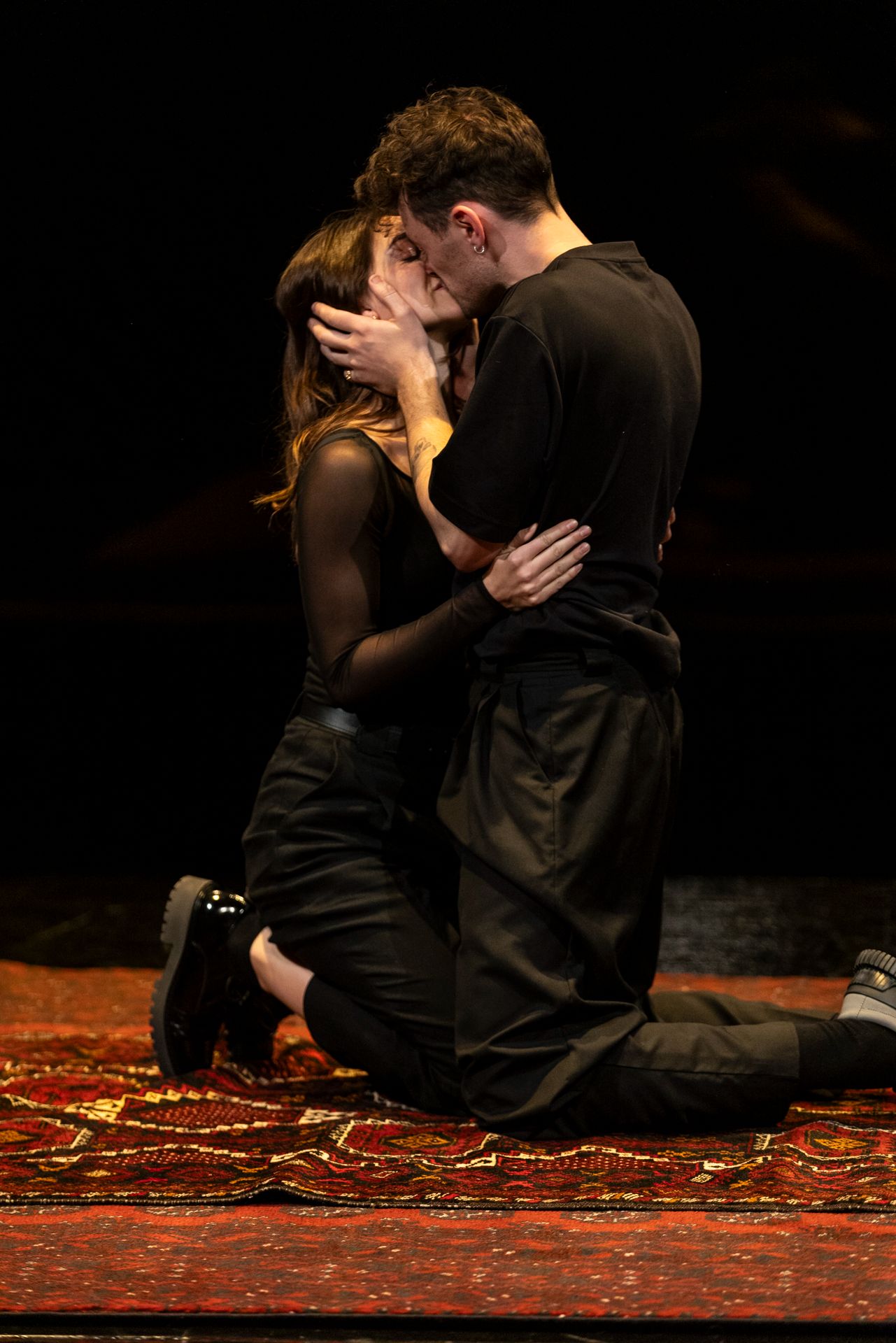
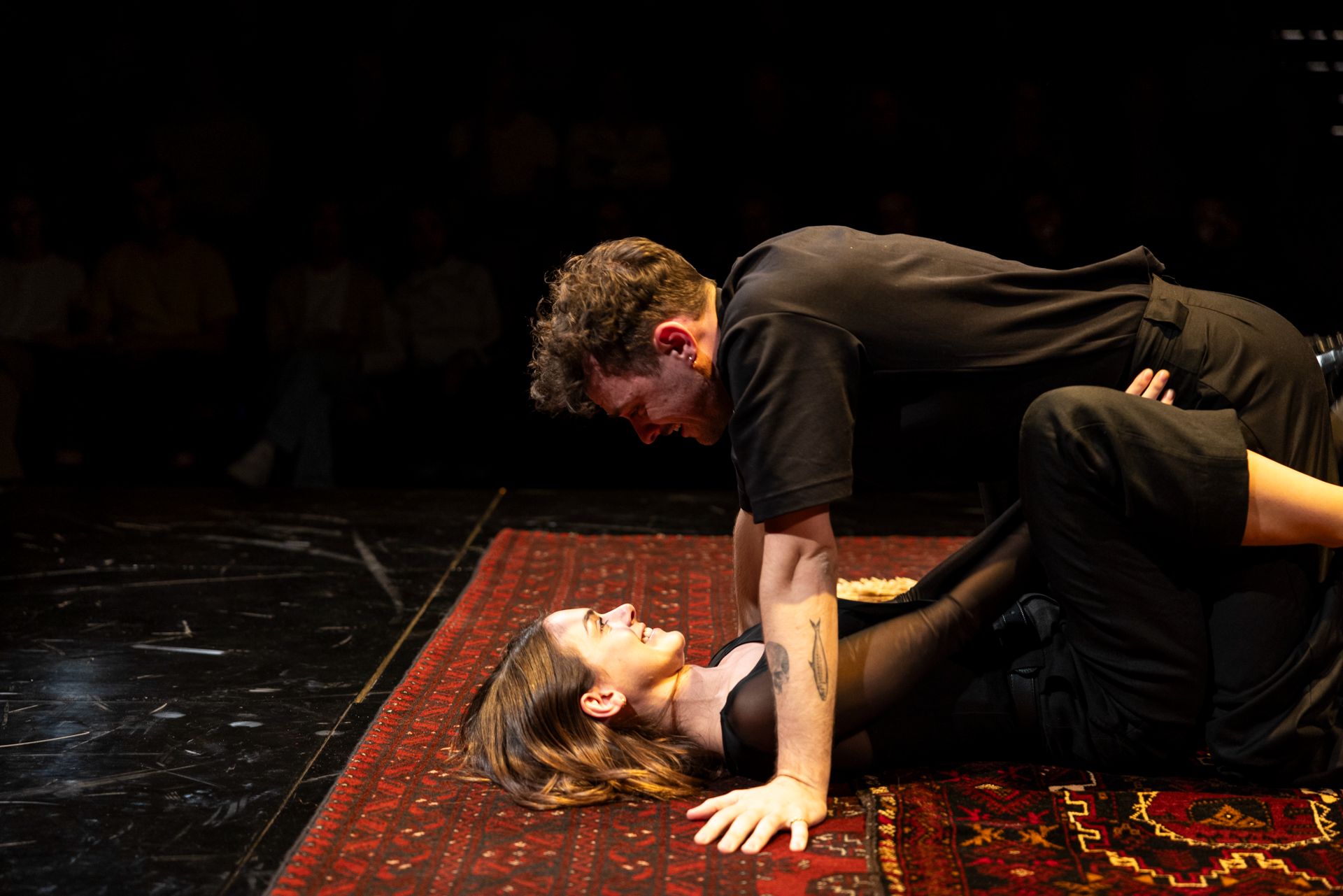
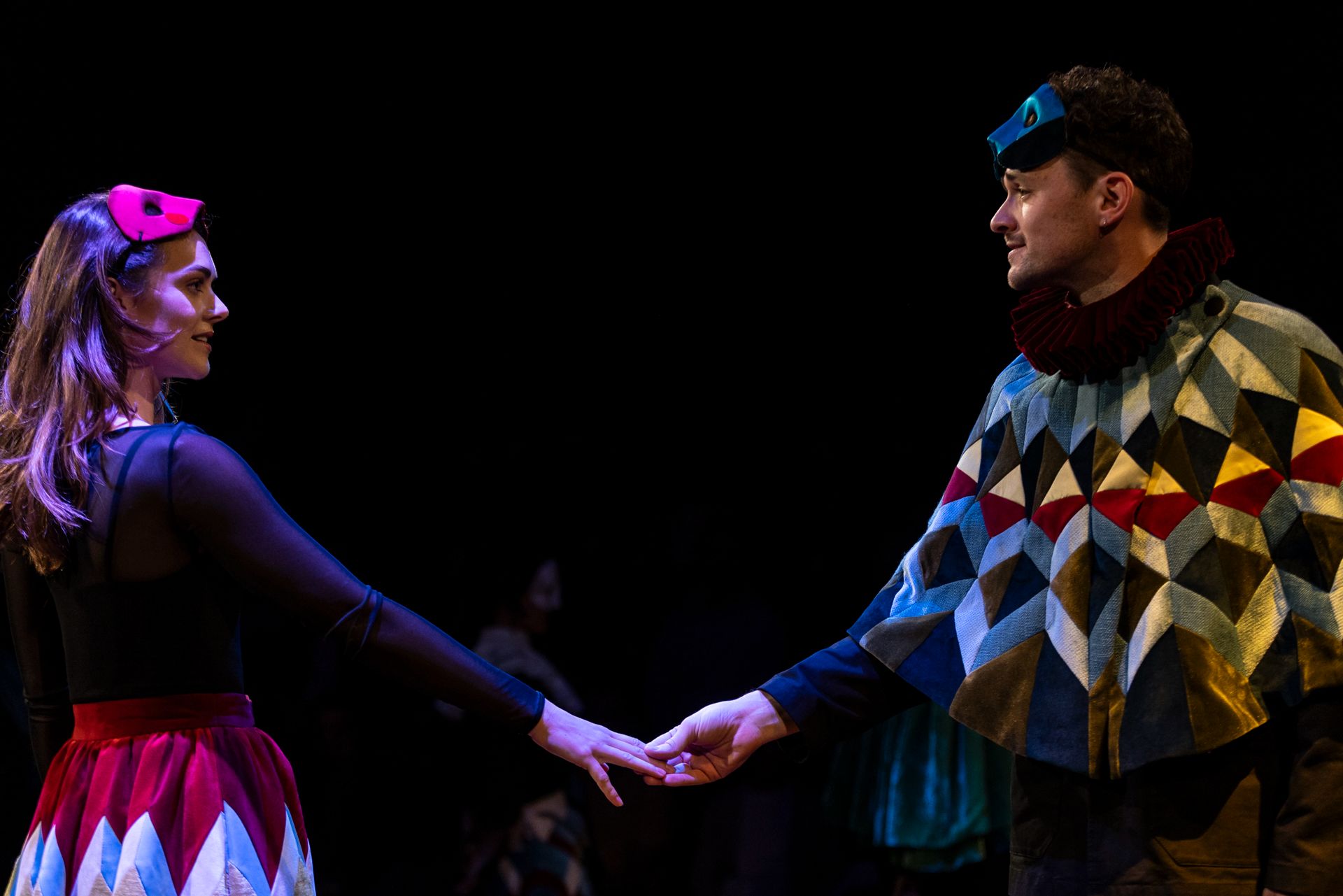
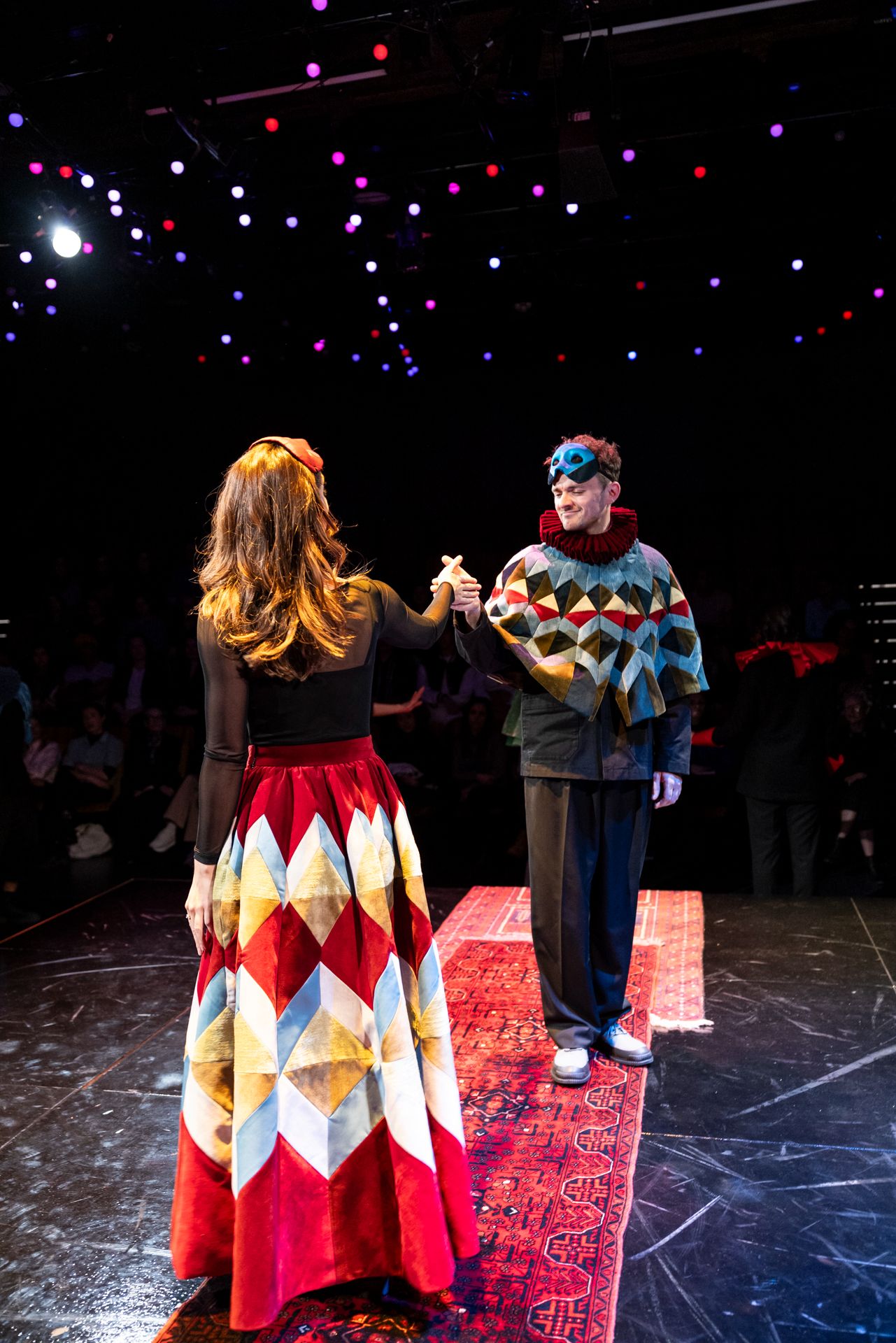
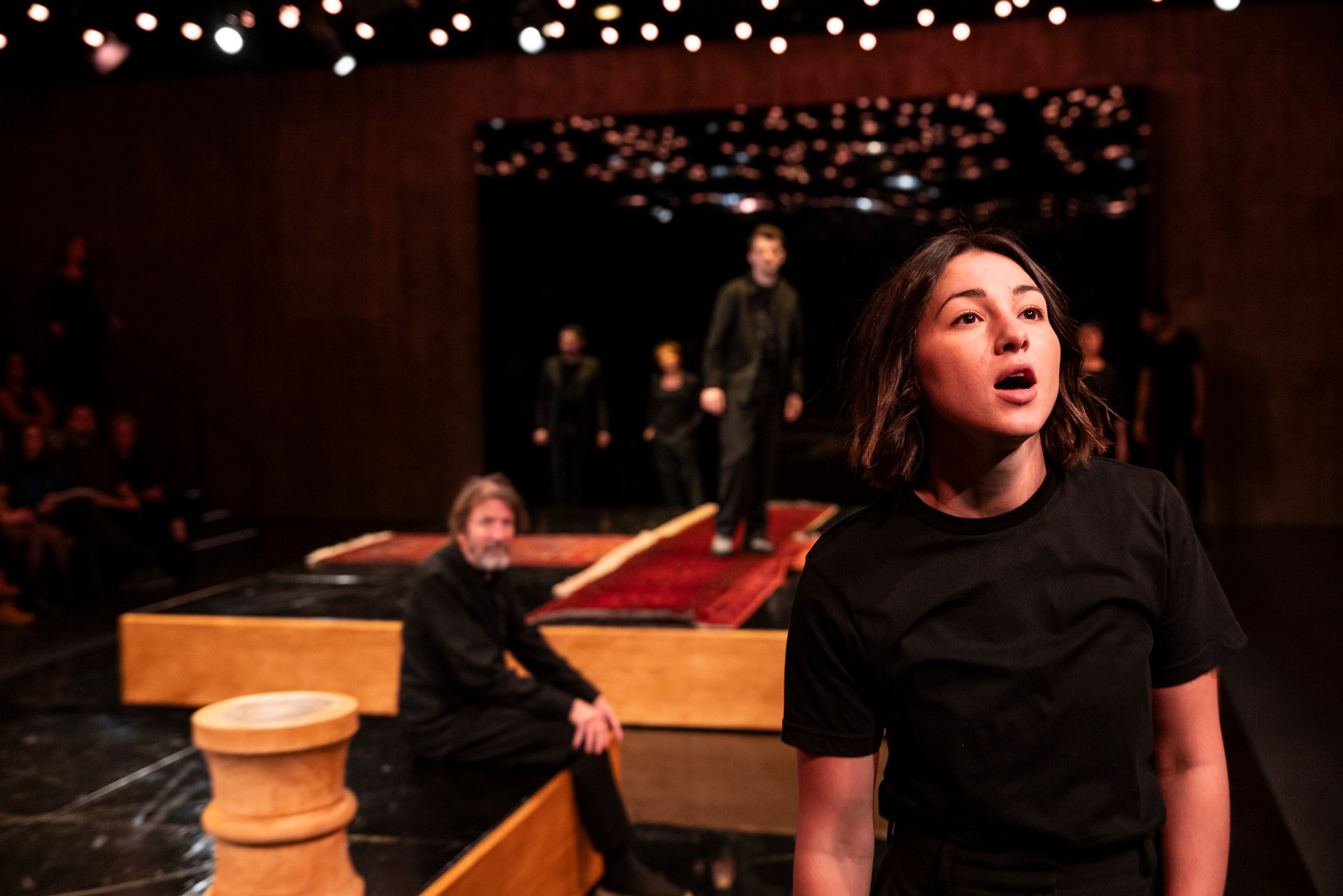
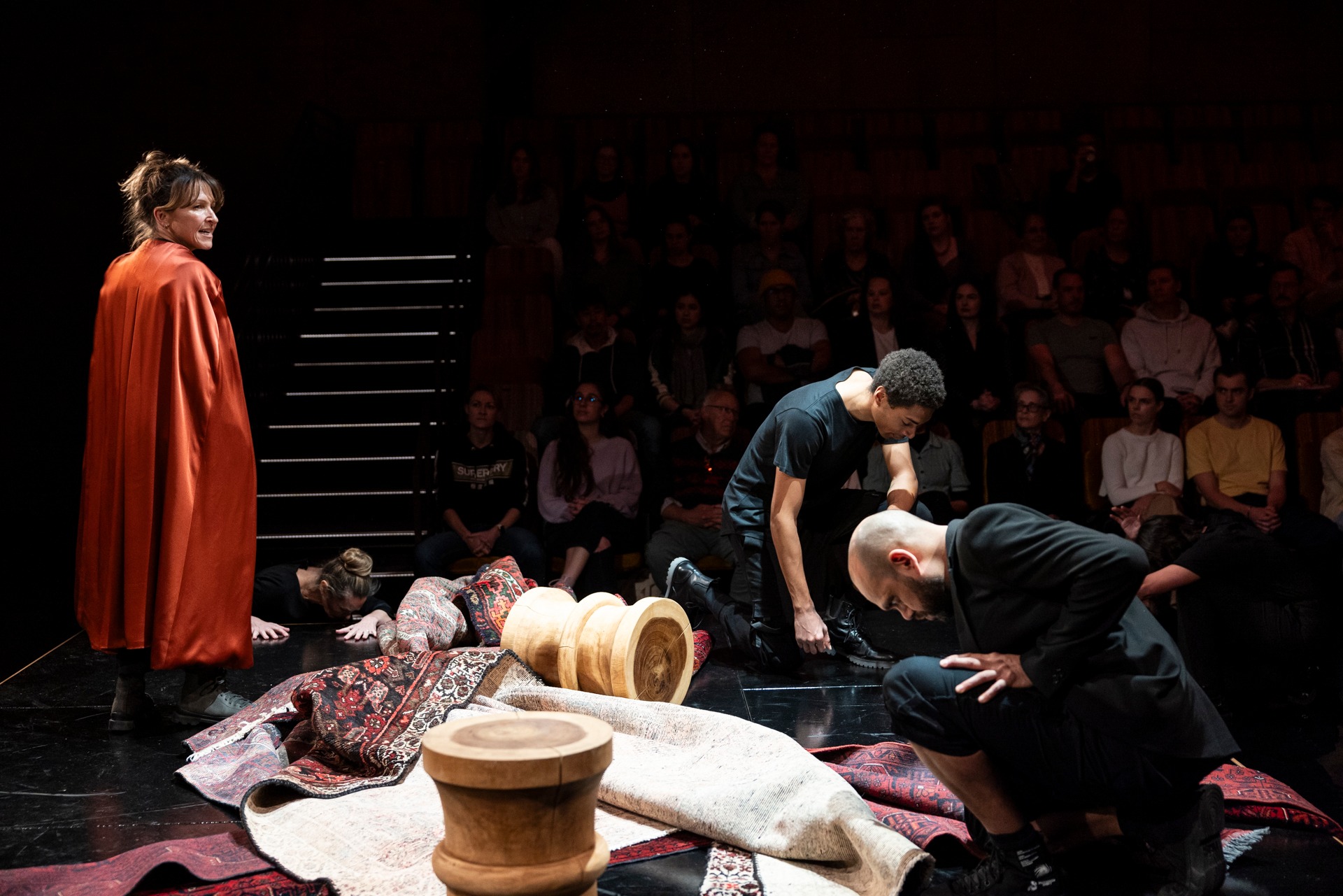
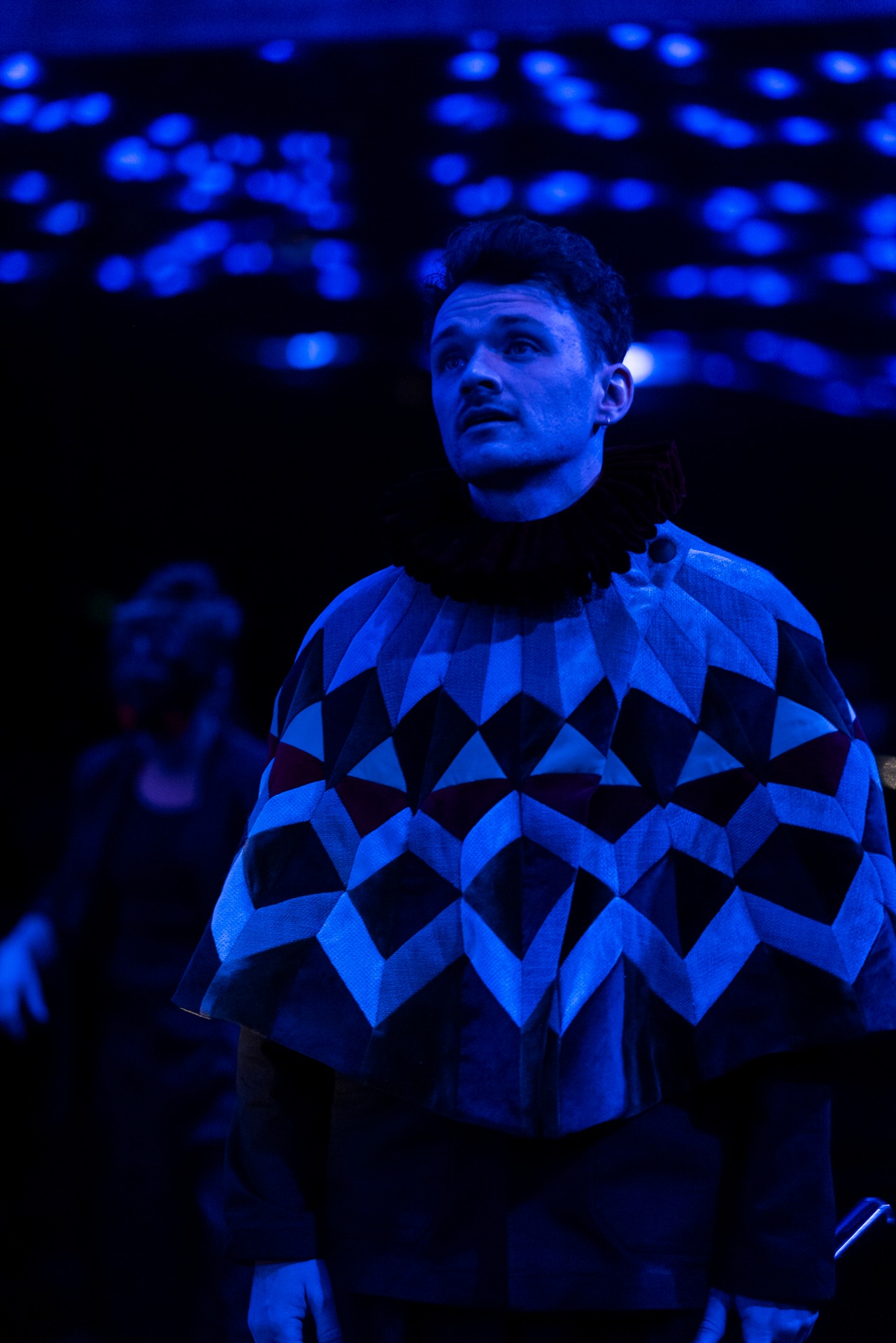
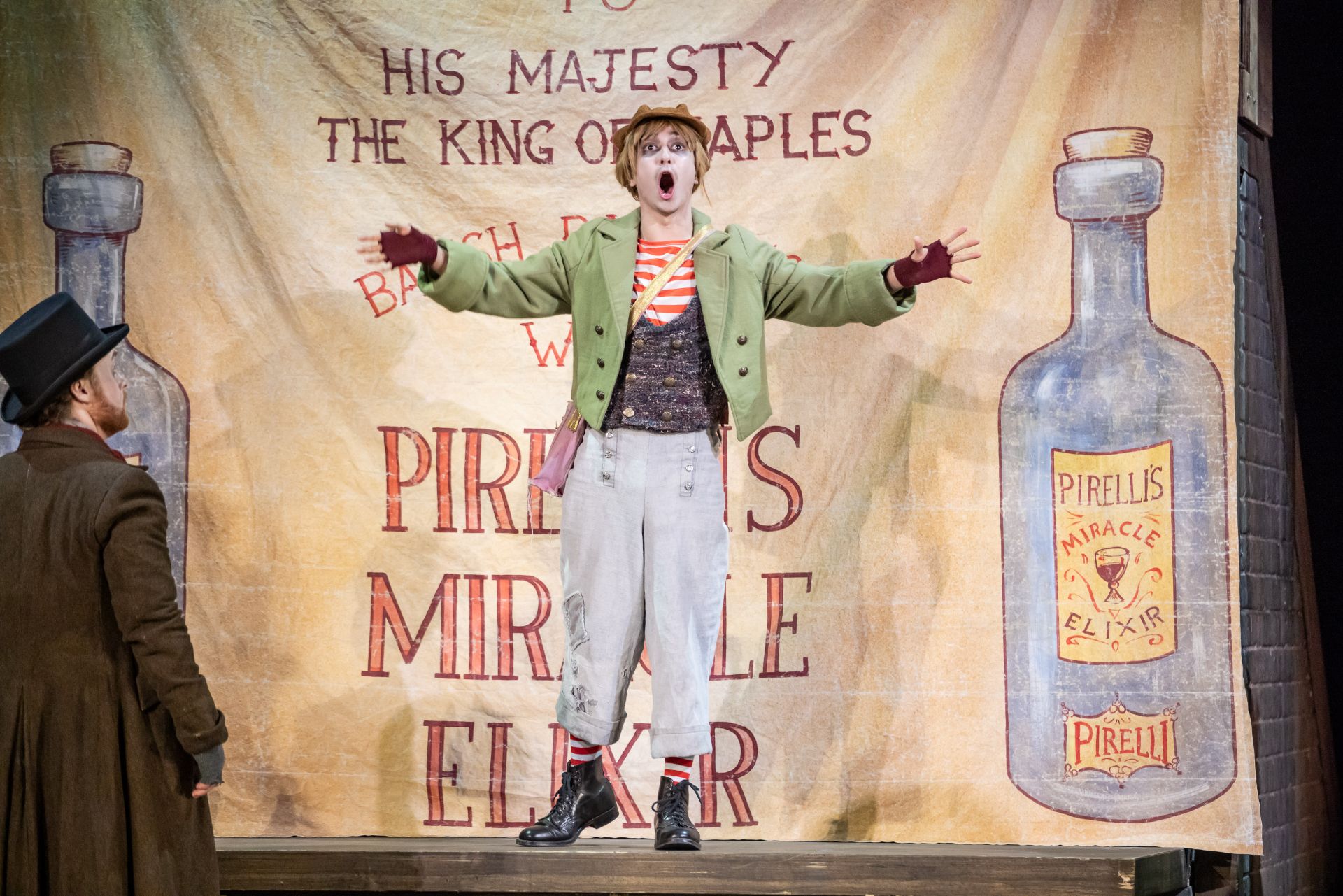
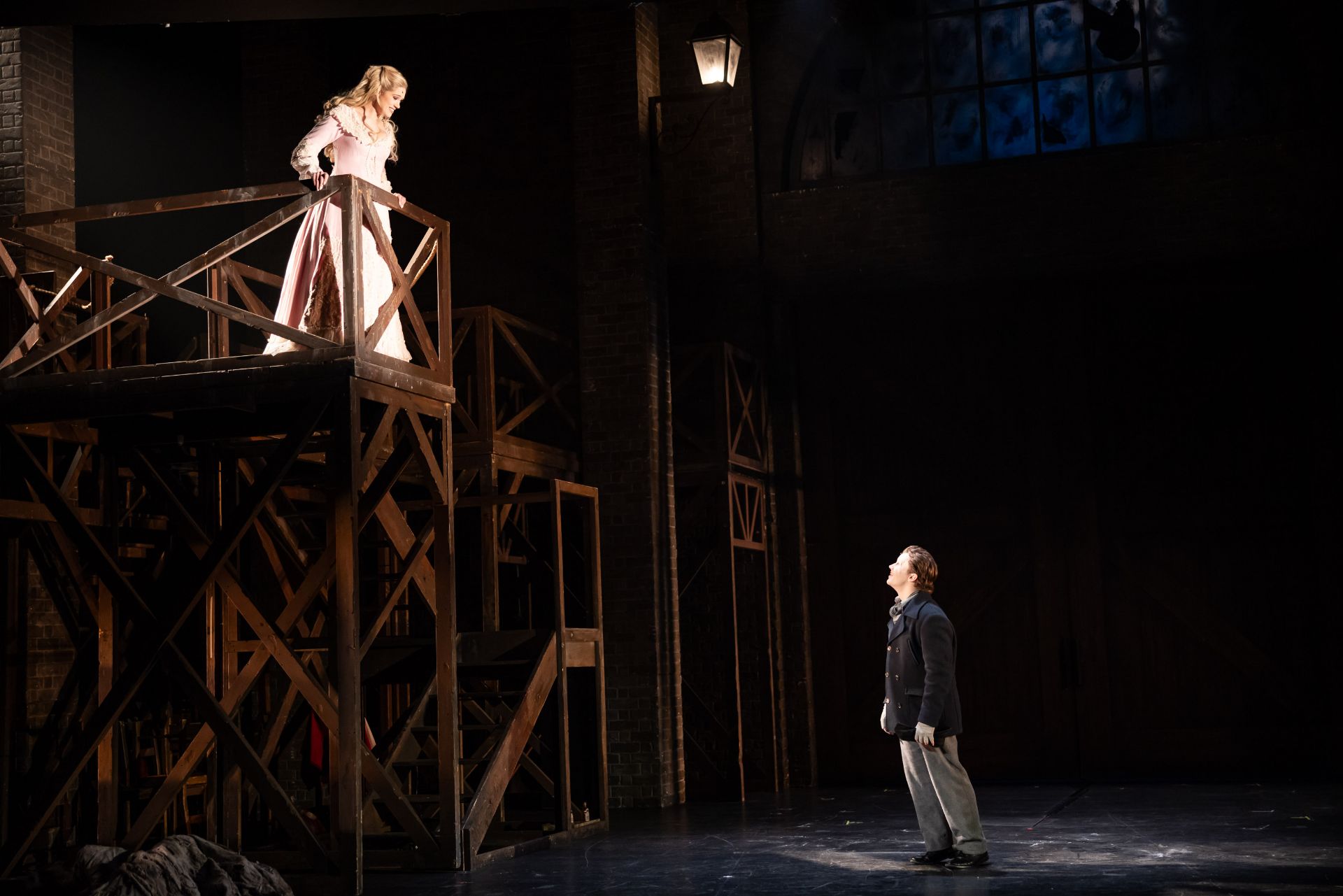
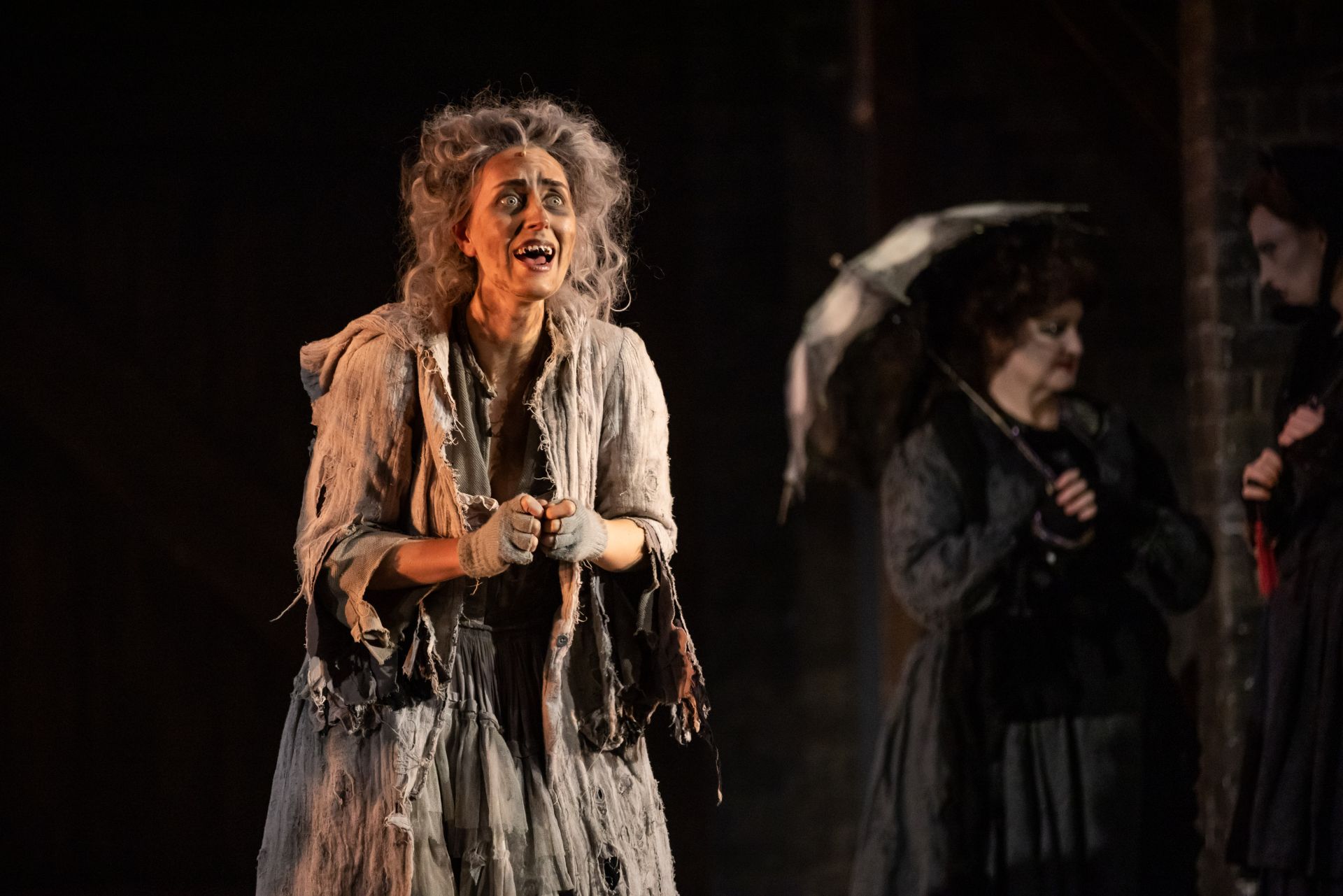
Directed by Dino Dimitriadis and Zindzi Okenyo, Choir Boy is a poignant work of theatre, that demonstrates not only the vulnerability of young Black lives, but that also celebrates their joy and power, in colonised spaces built to undermine them. The characteristically resilient spirit of being both Black and queer, is a conspicuous feature of the production, alongside a unique sense of pride that emerges from inhabiting those dual identities. Musical direction by Allen René Louis in this “play with music” delivers an extraordinary sense of transcendence, in song sequences that highlight African-American traditions of performance, on Australian stages that are perhaps much too habituated to colourless manifestations. Energetic choreography by Tarik Frimpong too, draws meaningful attention to Black bodies, in important ways that supplement dialogue and lyrics.

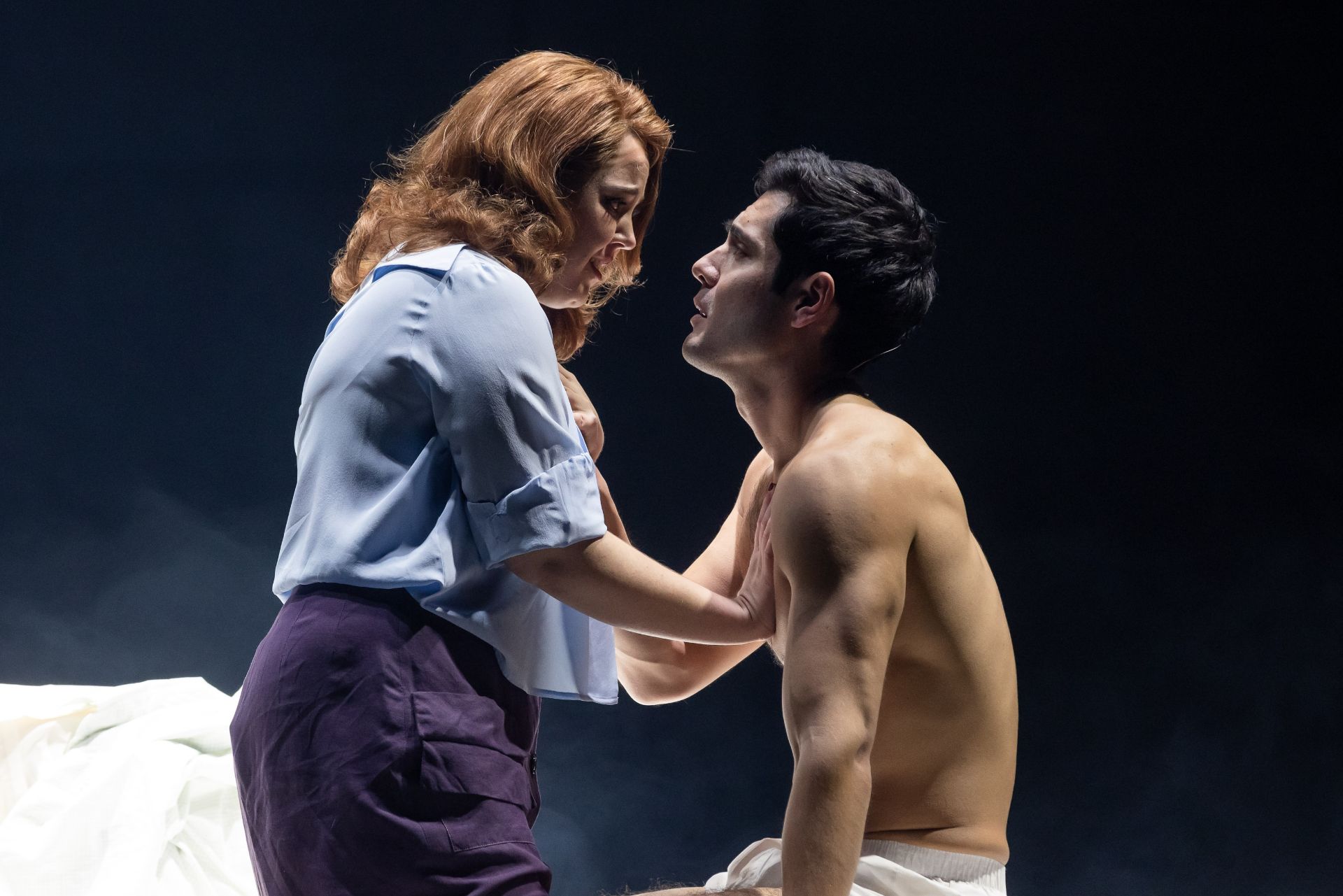
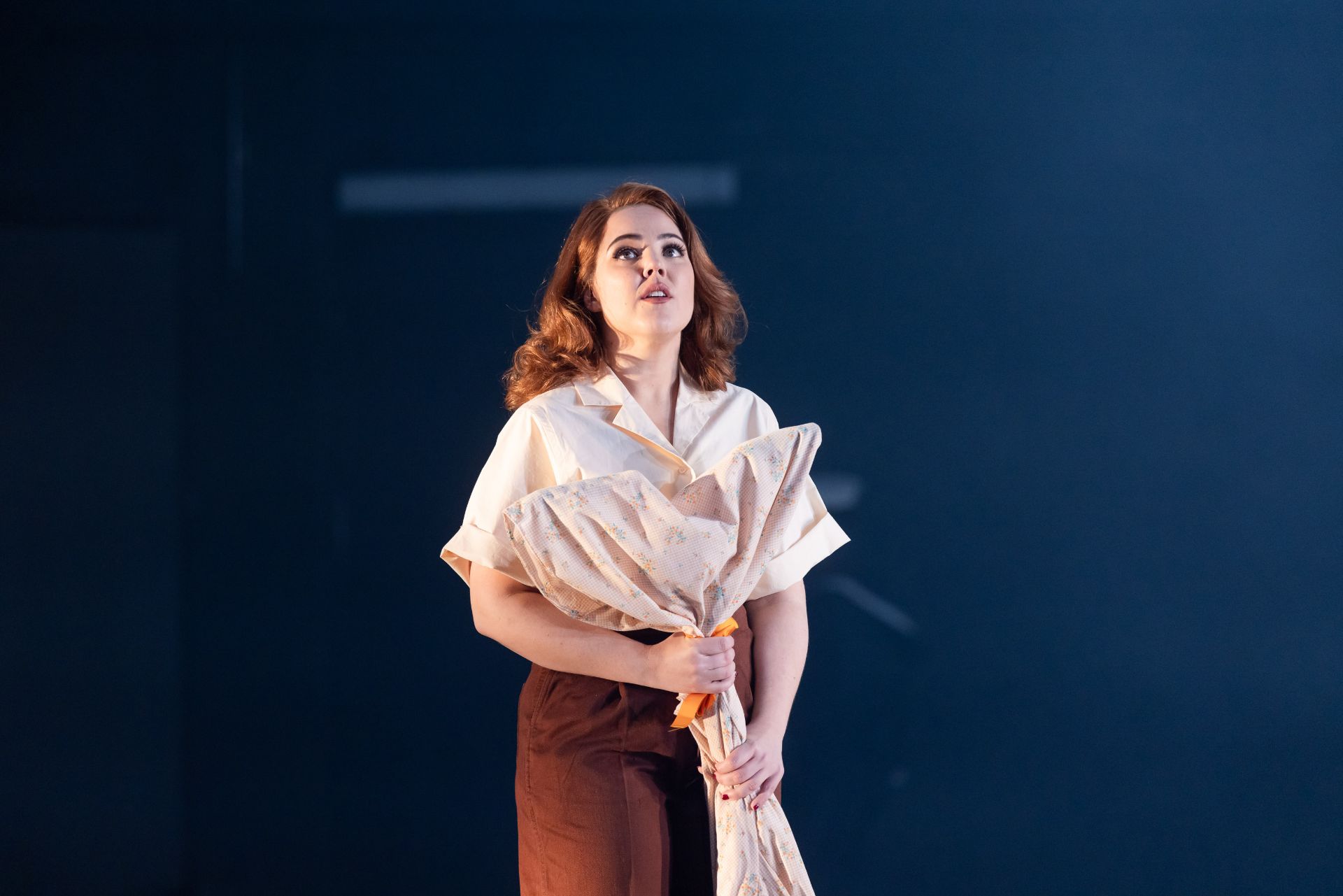
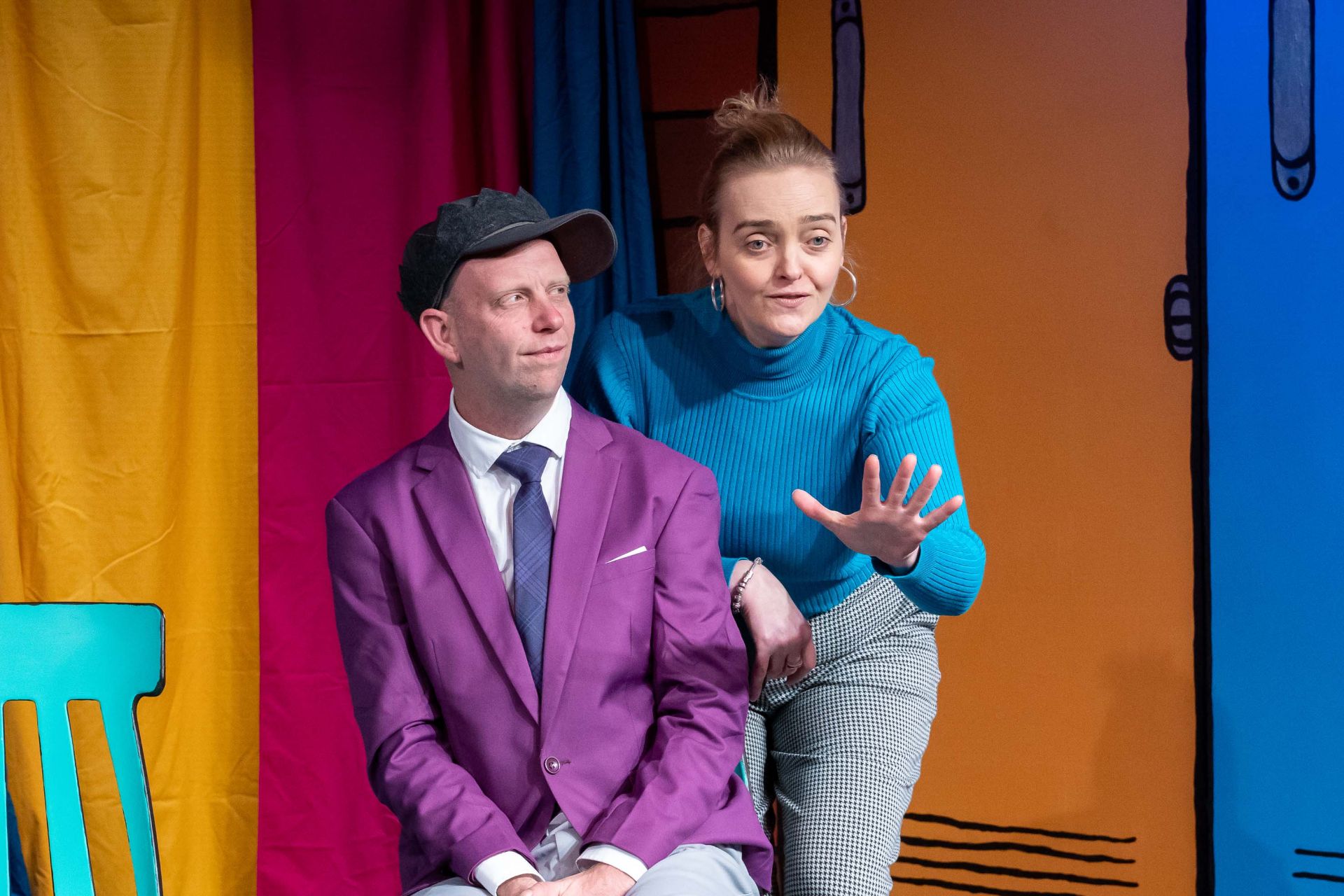
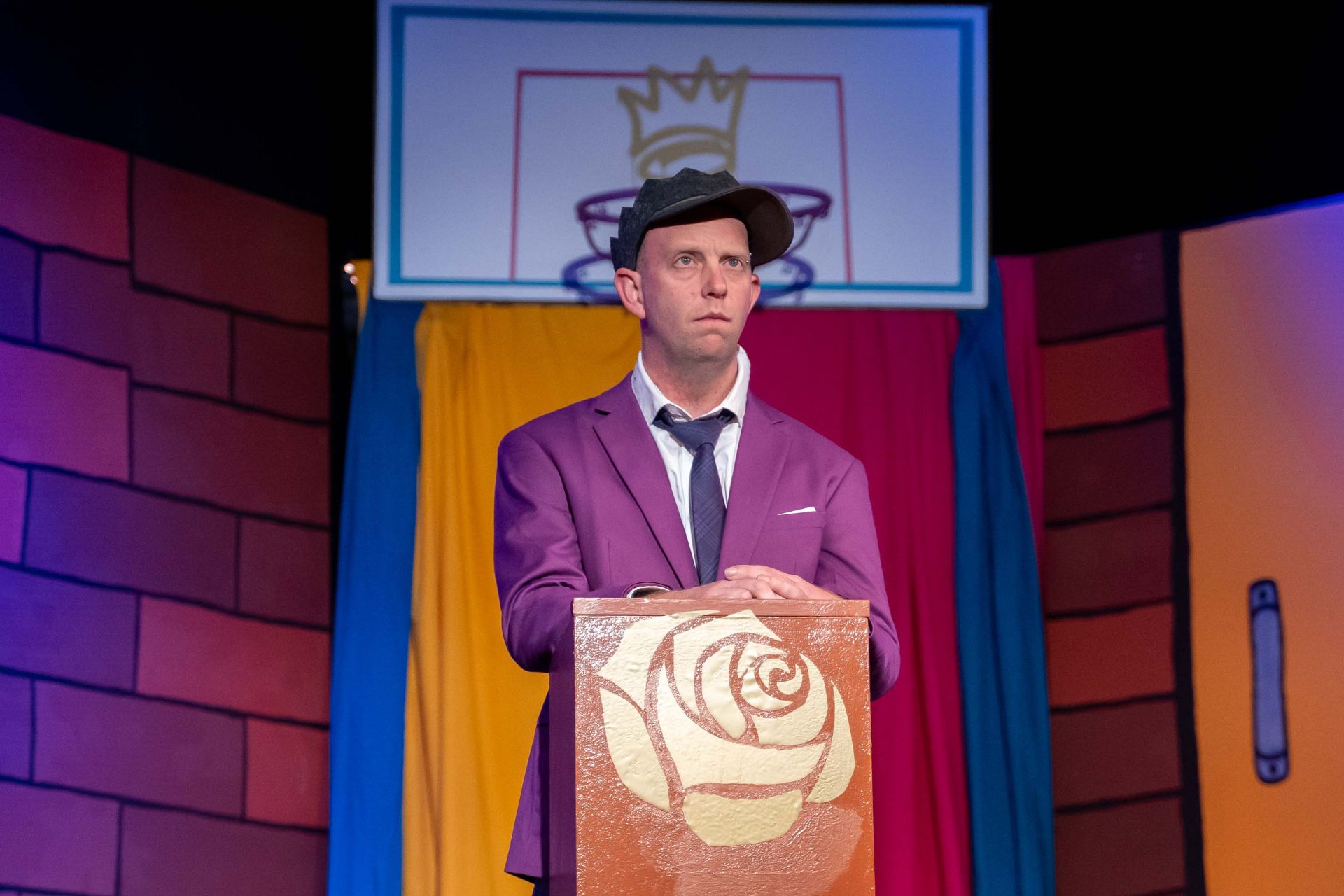
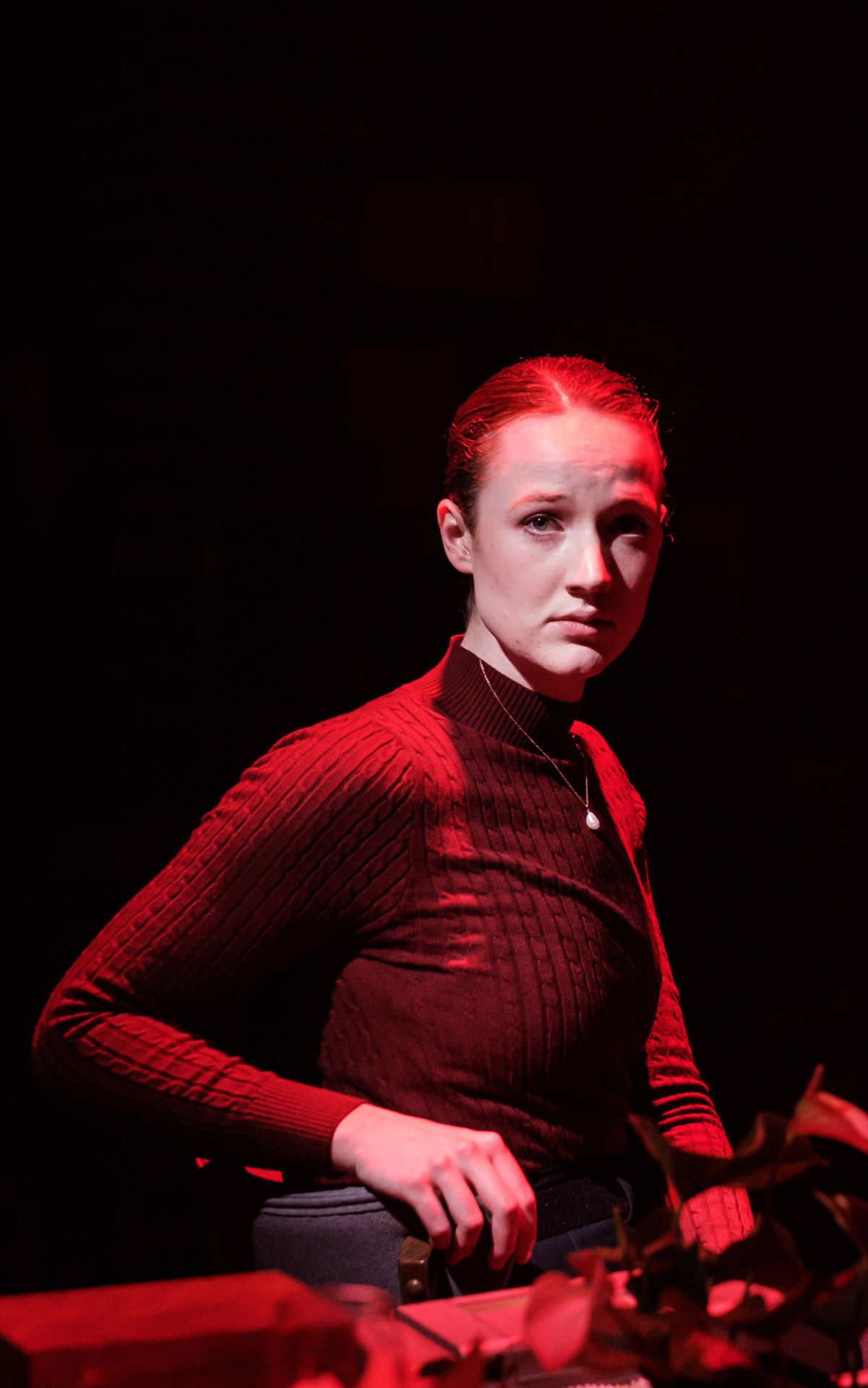
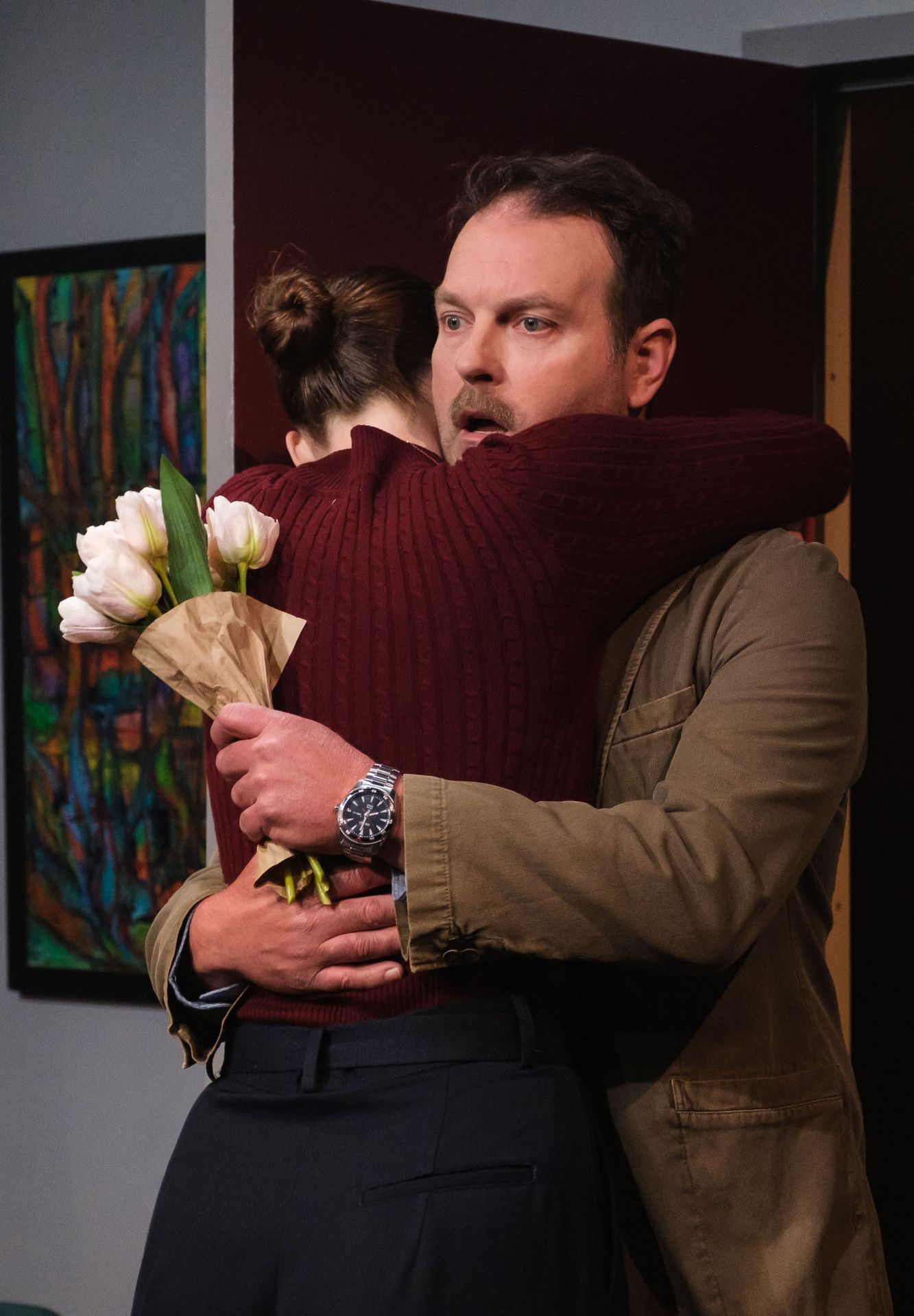
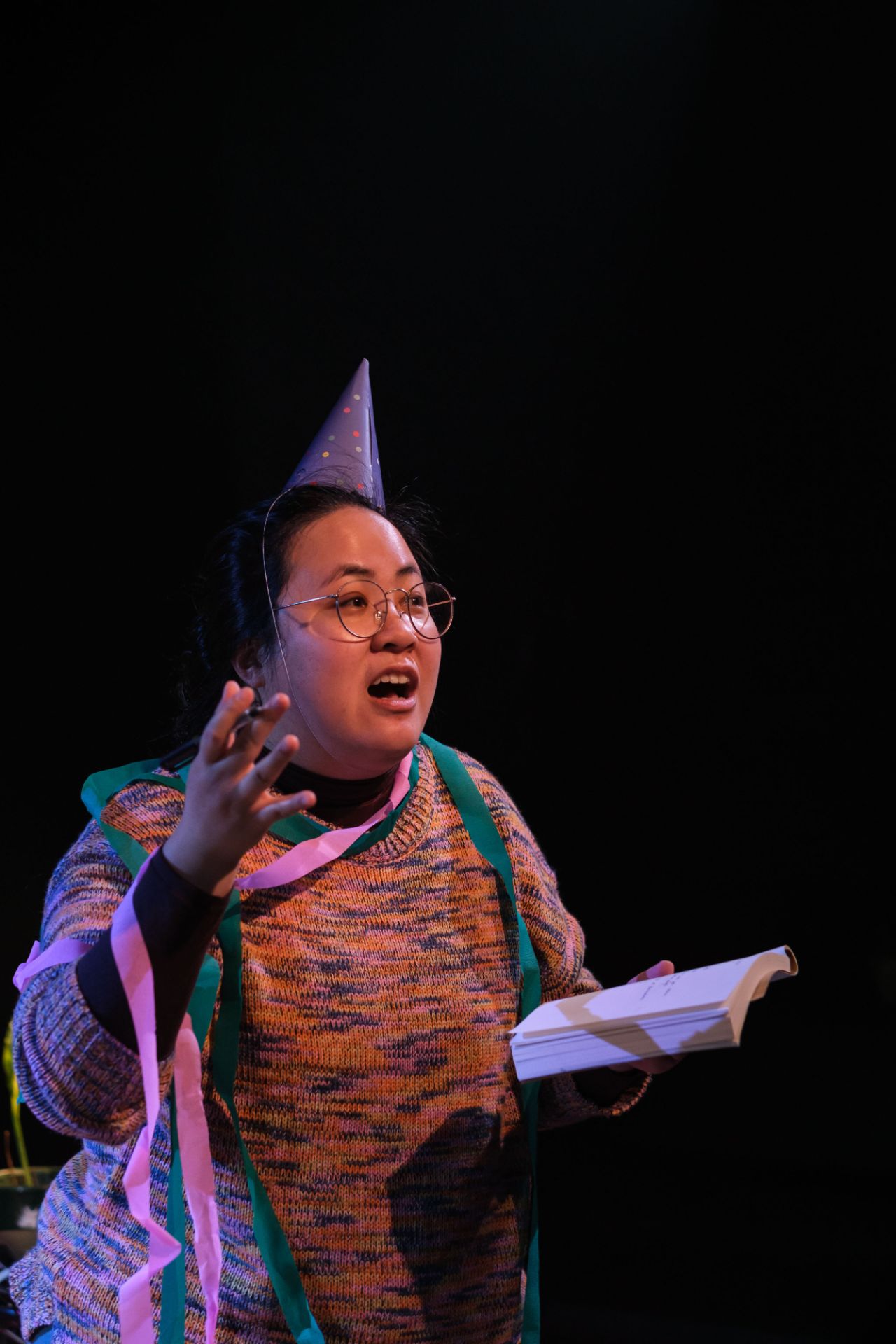
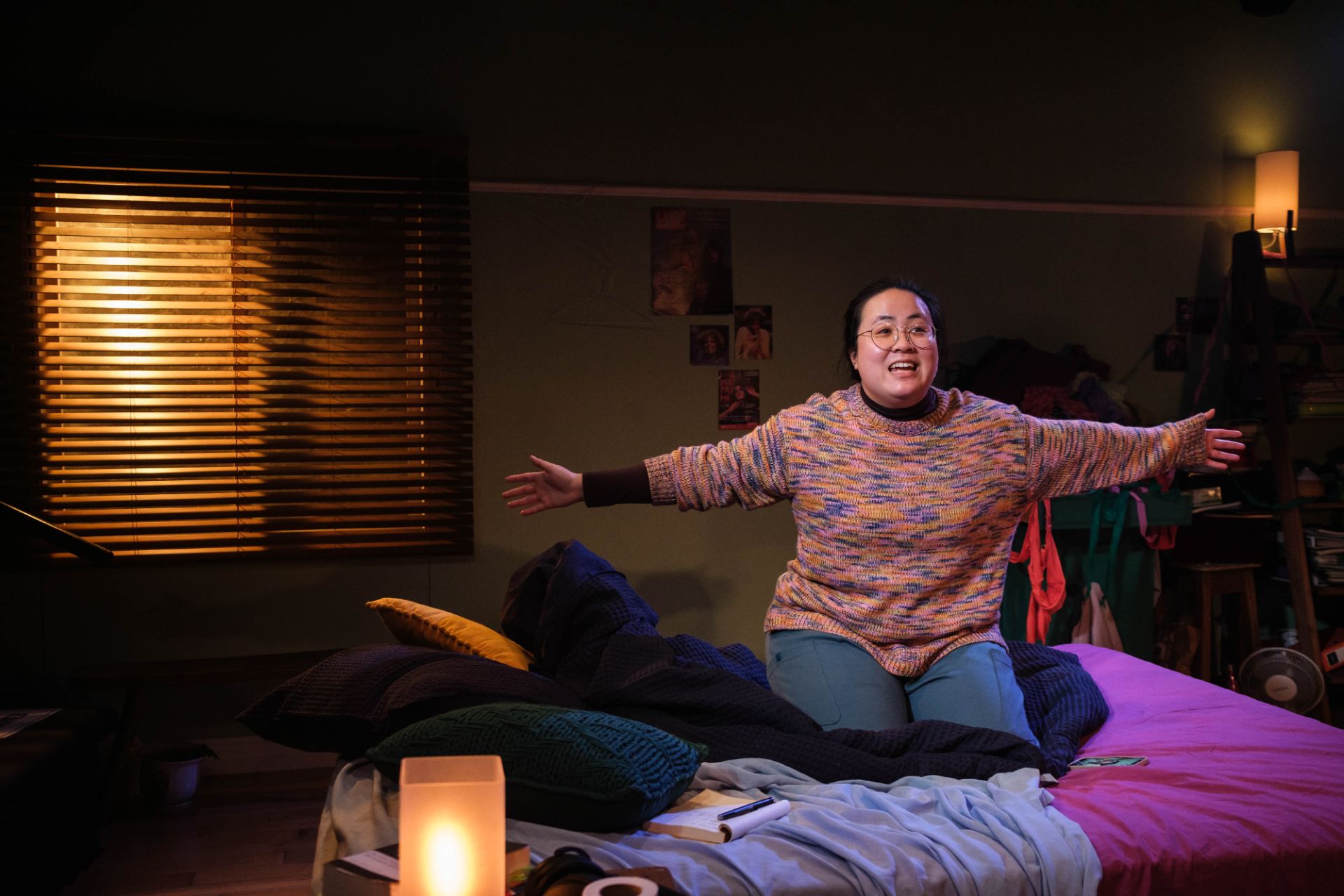
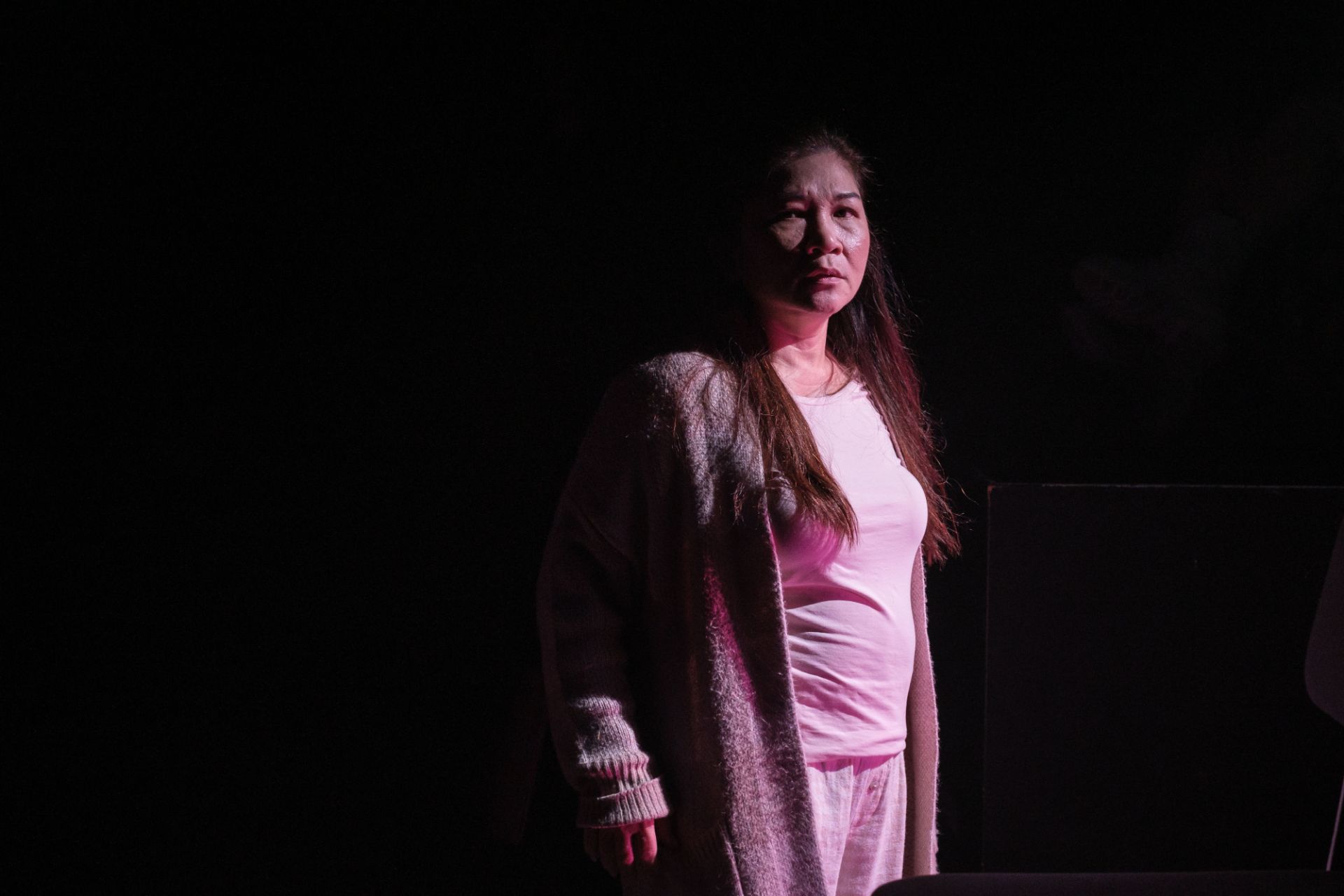
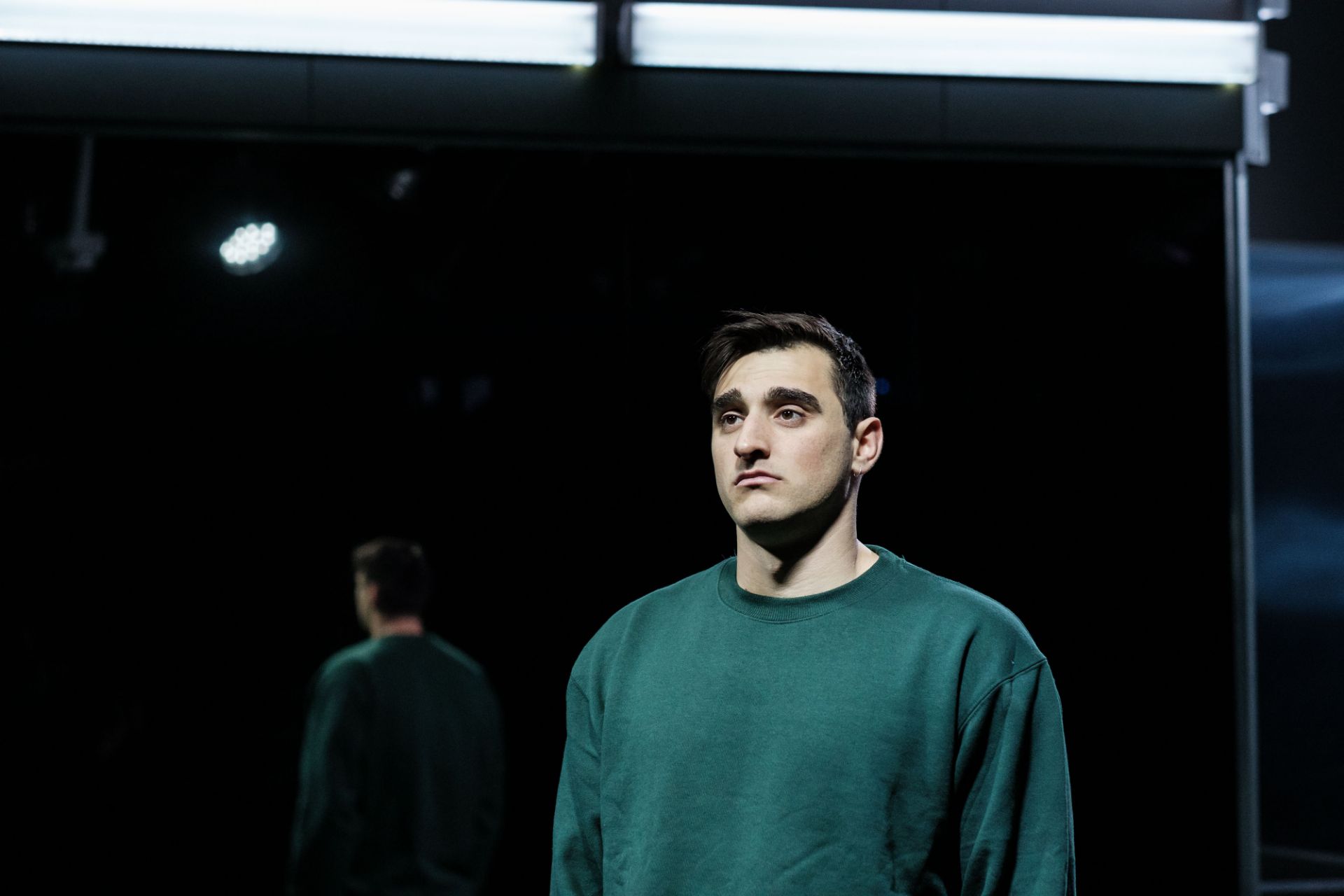
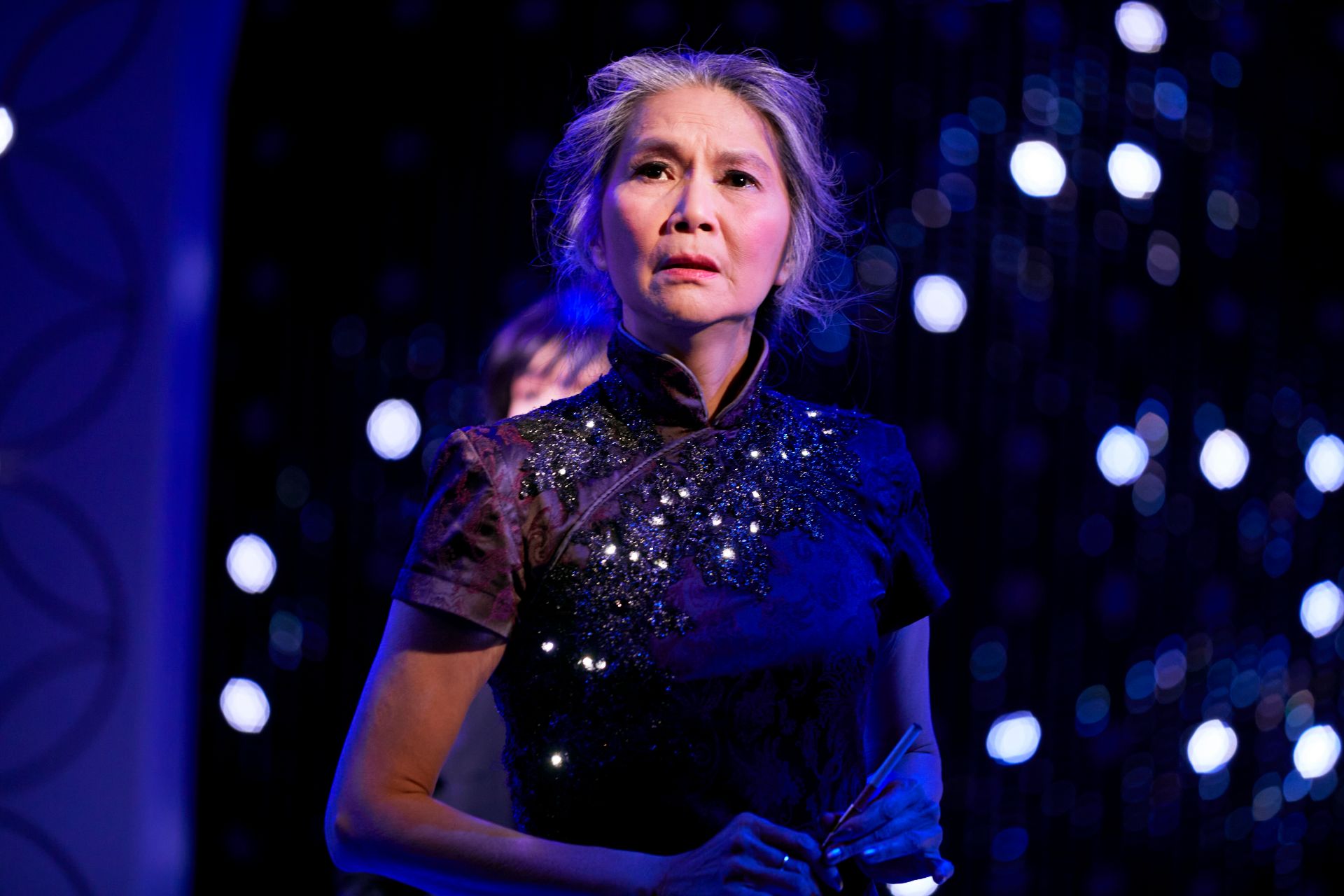
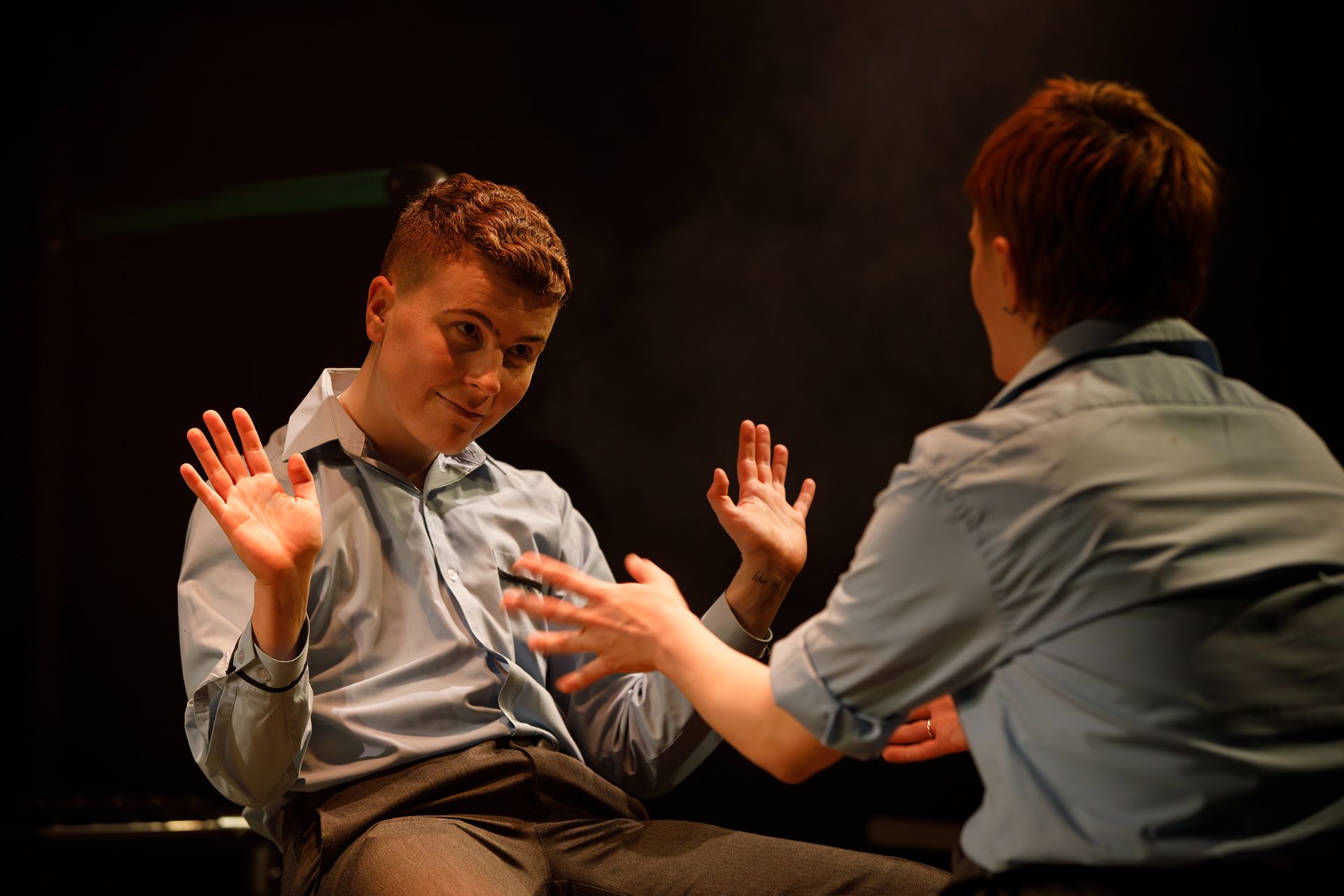
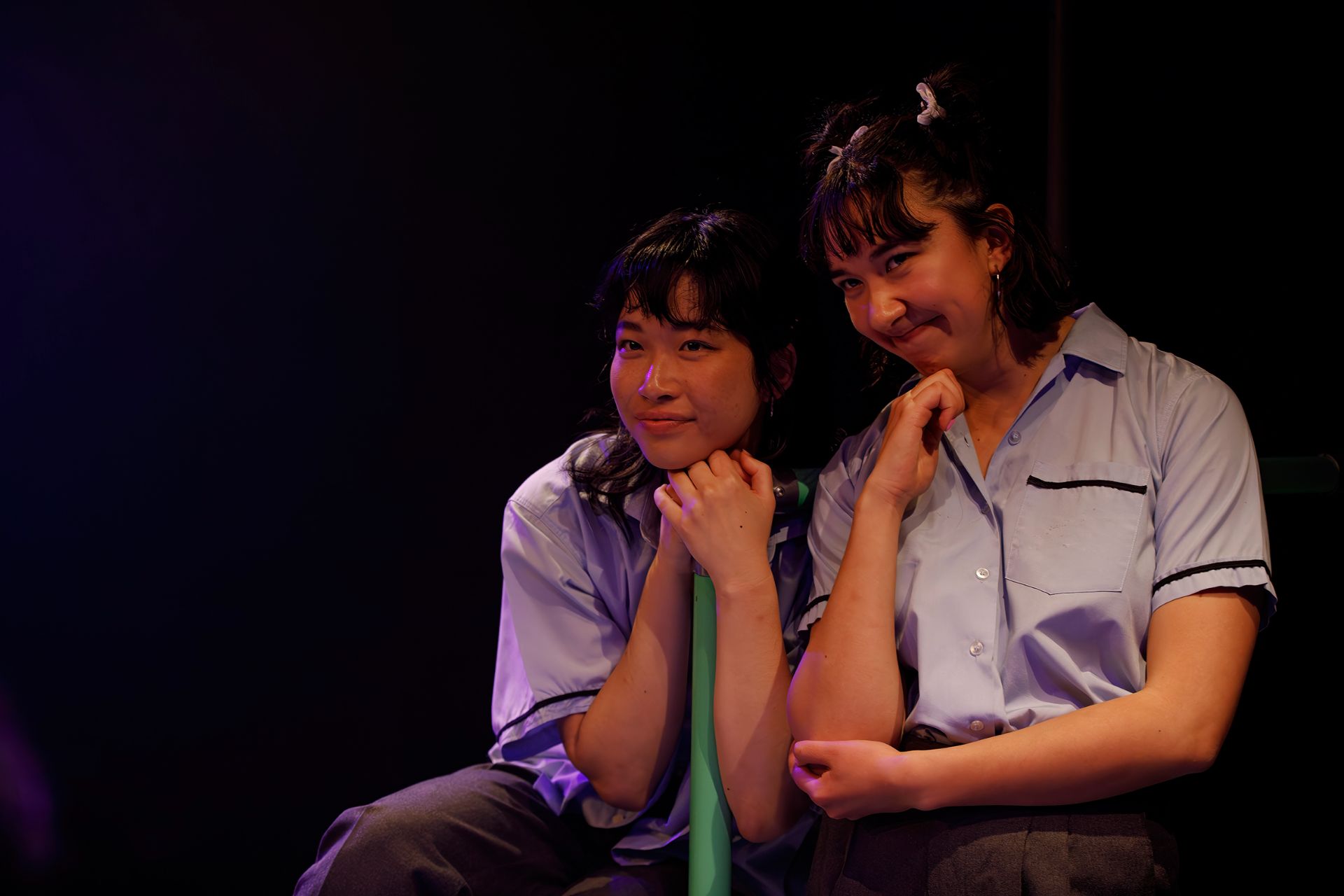
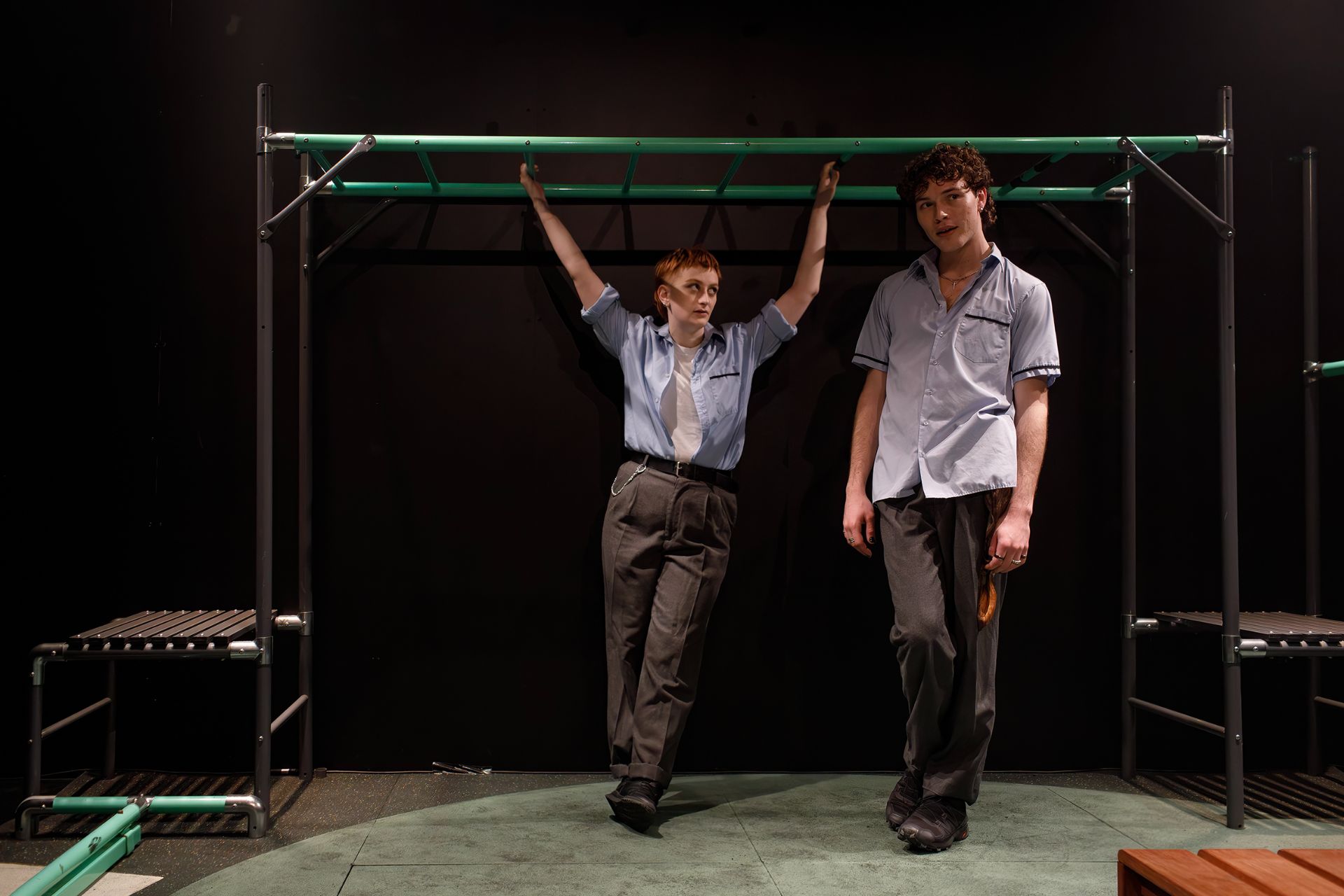
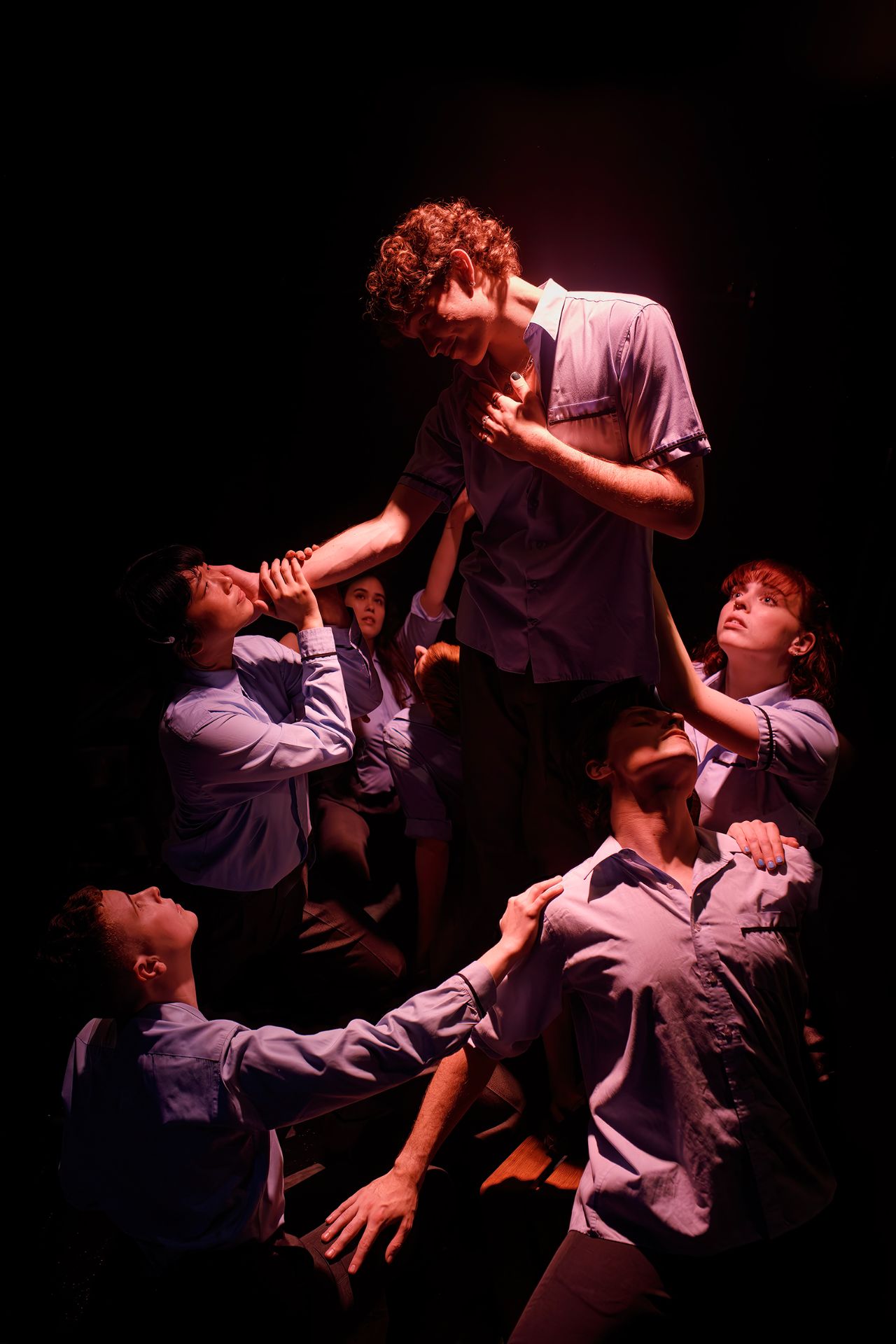
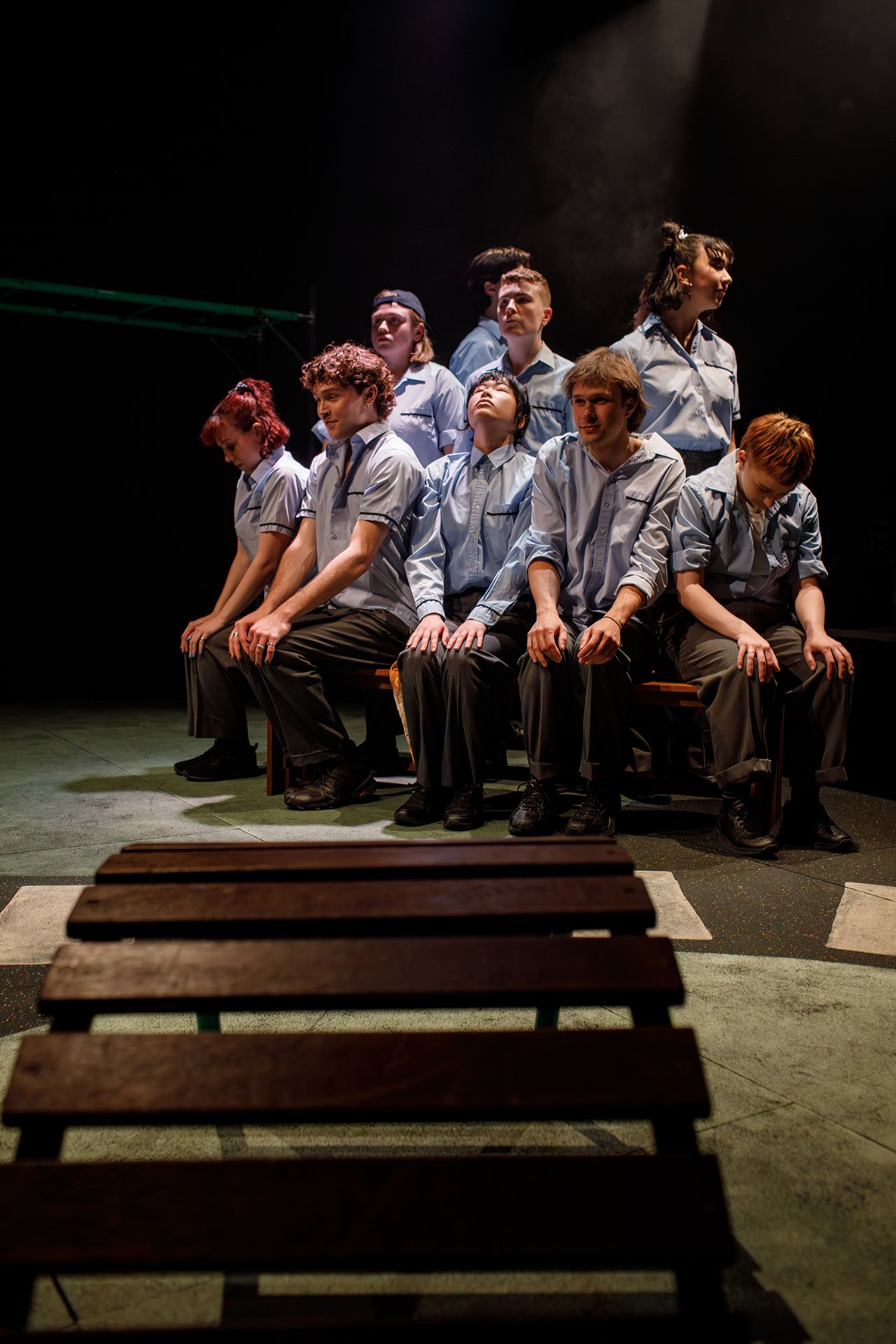
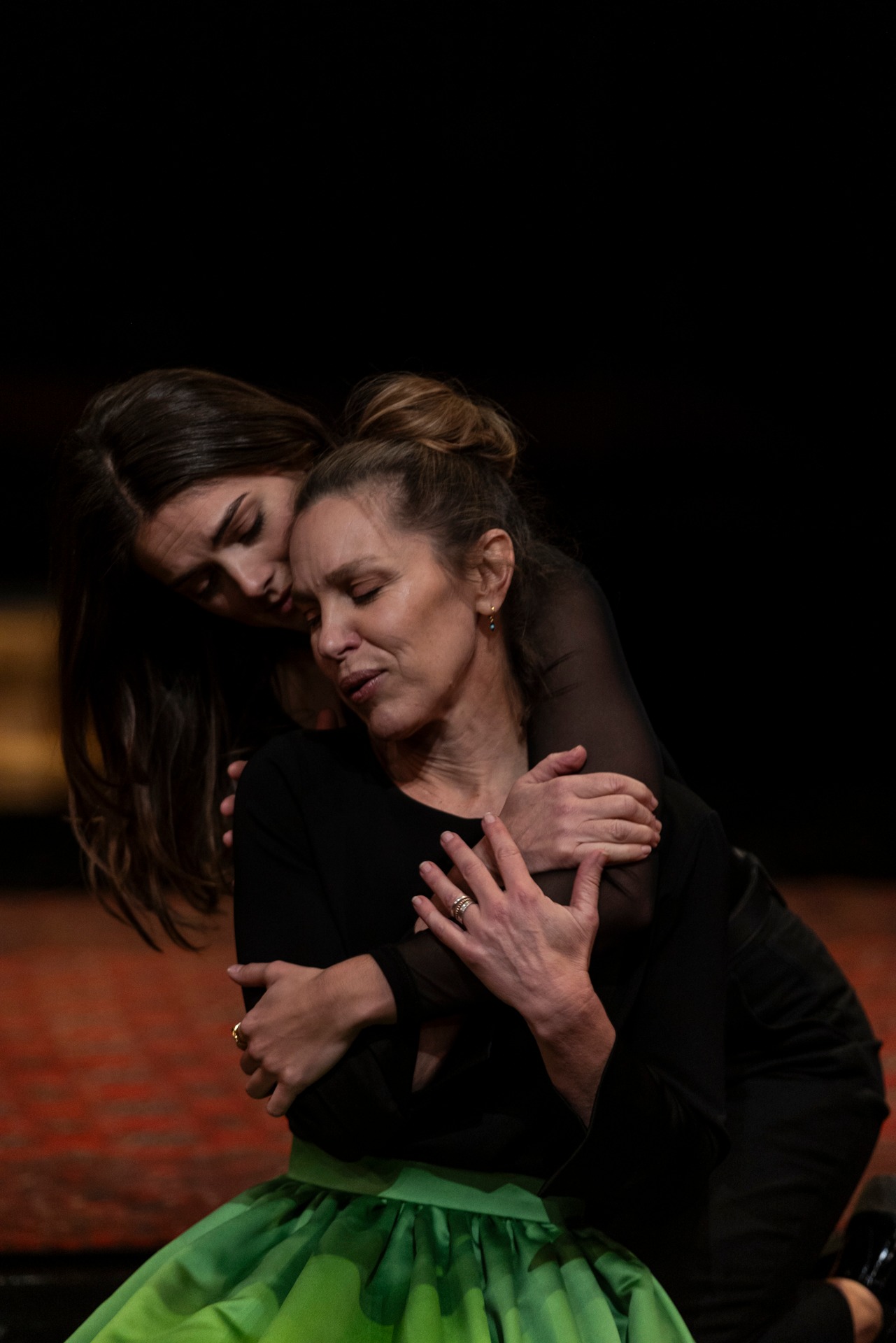
It may be that the most enjoyable aspect of the production, is the exquisite singing by its young cast, but moving performances provide a gravity that delivers more than entertainment. As Pharus, Darron Hayes is charming and authentic from the very start, winning our hearts effortlessly, and keeping us firmly on his side for the entire journey. In the role of AJ is Quinton Rofail Rich, deeply convincing as the loving and supportive ally, beautiful in his exemplification of positive masculinity. Mr Pendleton is played by the captivating Tony Sheldon, whose intensity in a crucial moment of upheaval, could bring tears to the most hardened of hearts. The antagonist Bobby is given valuable dimensionality by Zarif, whose depiction of his part’s unexpected sympathetic side, makes for a more believable villain.

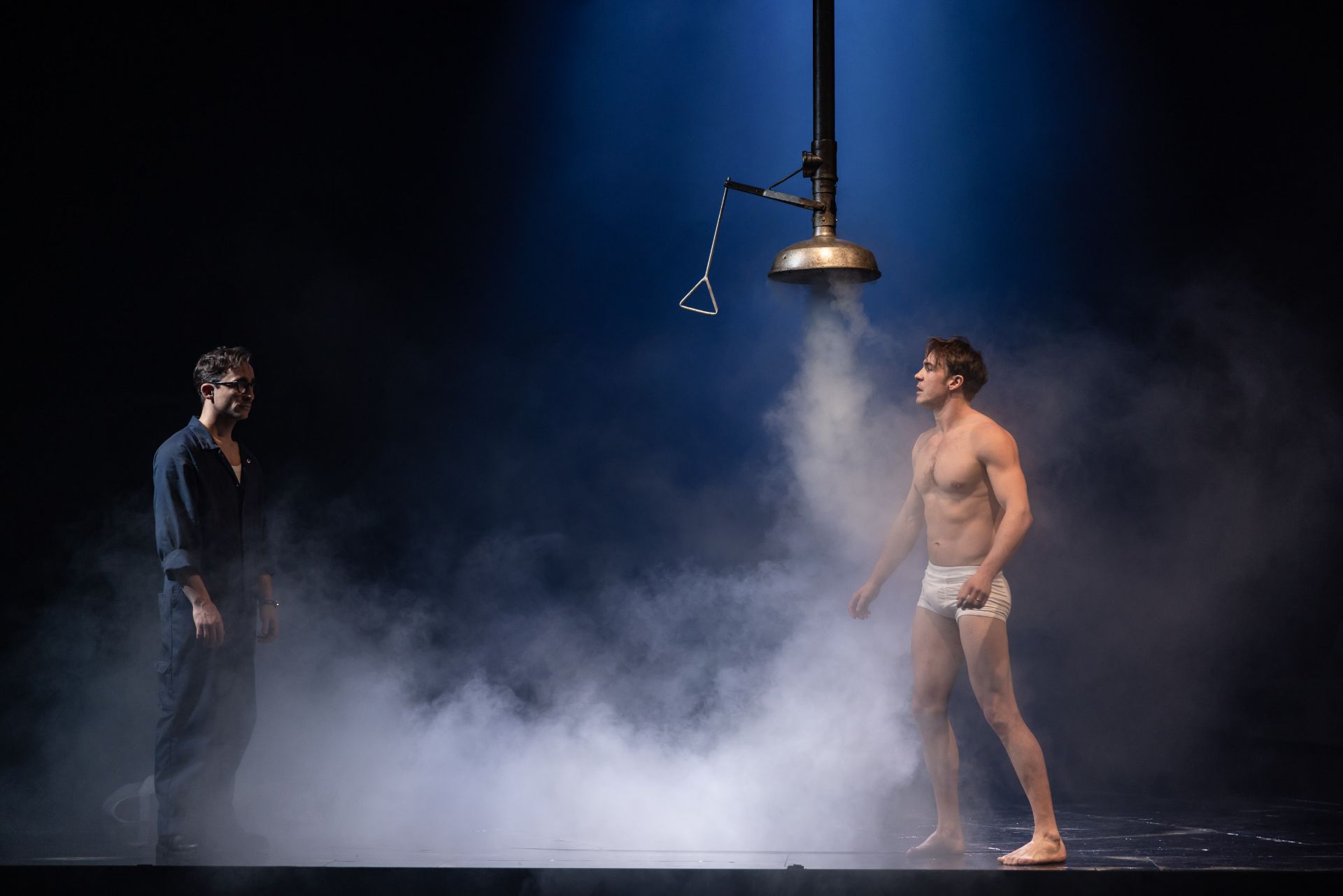
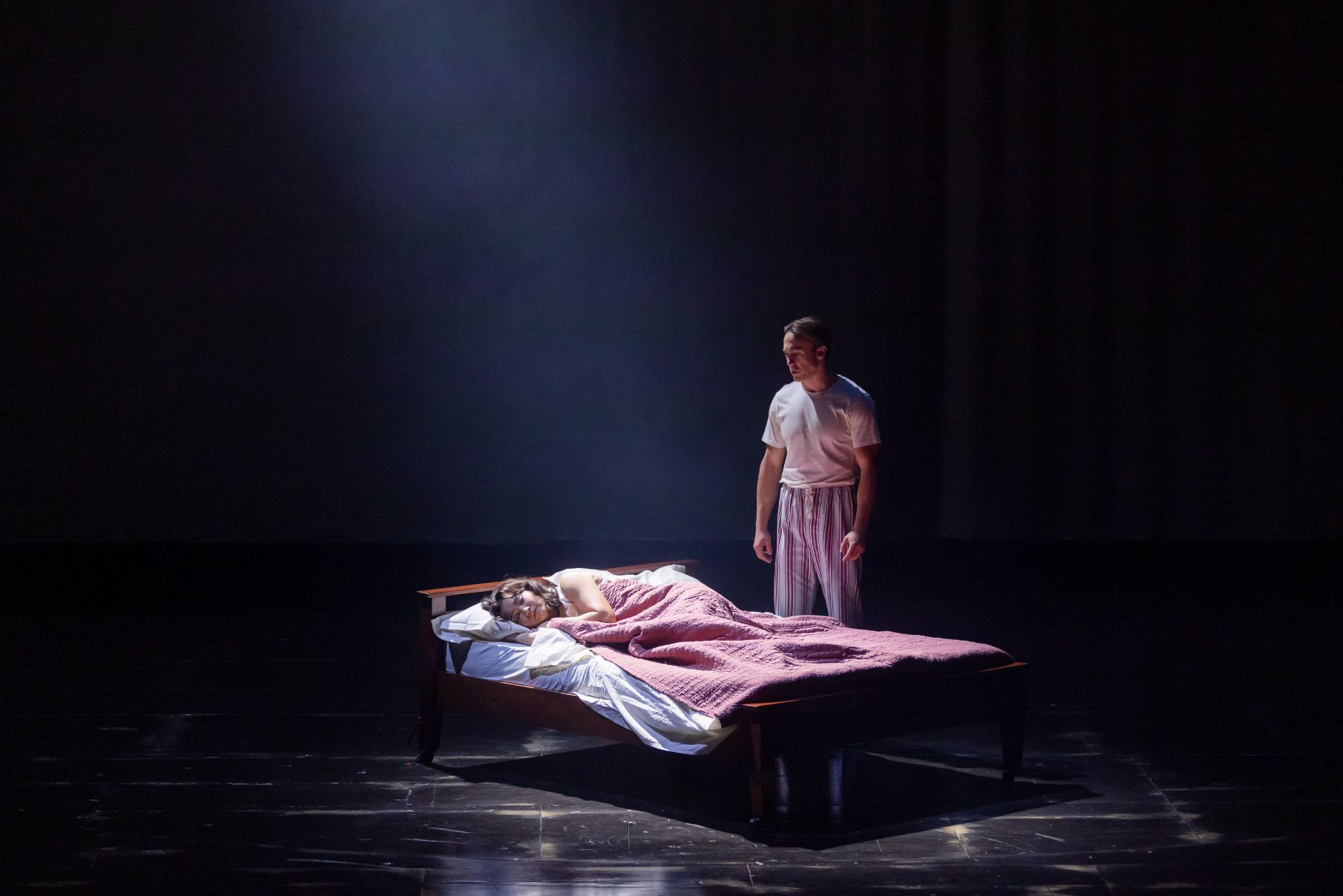
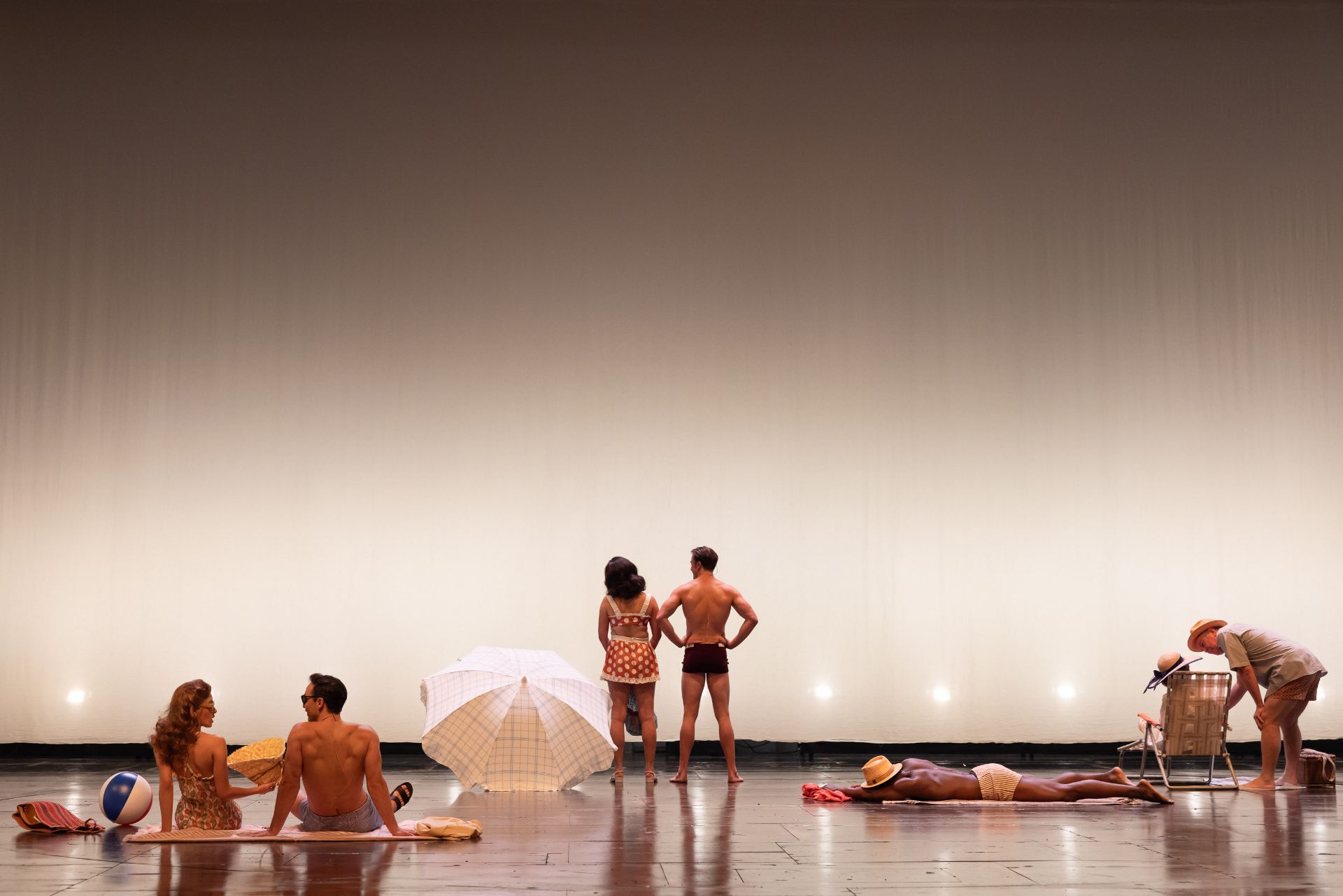
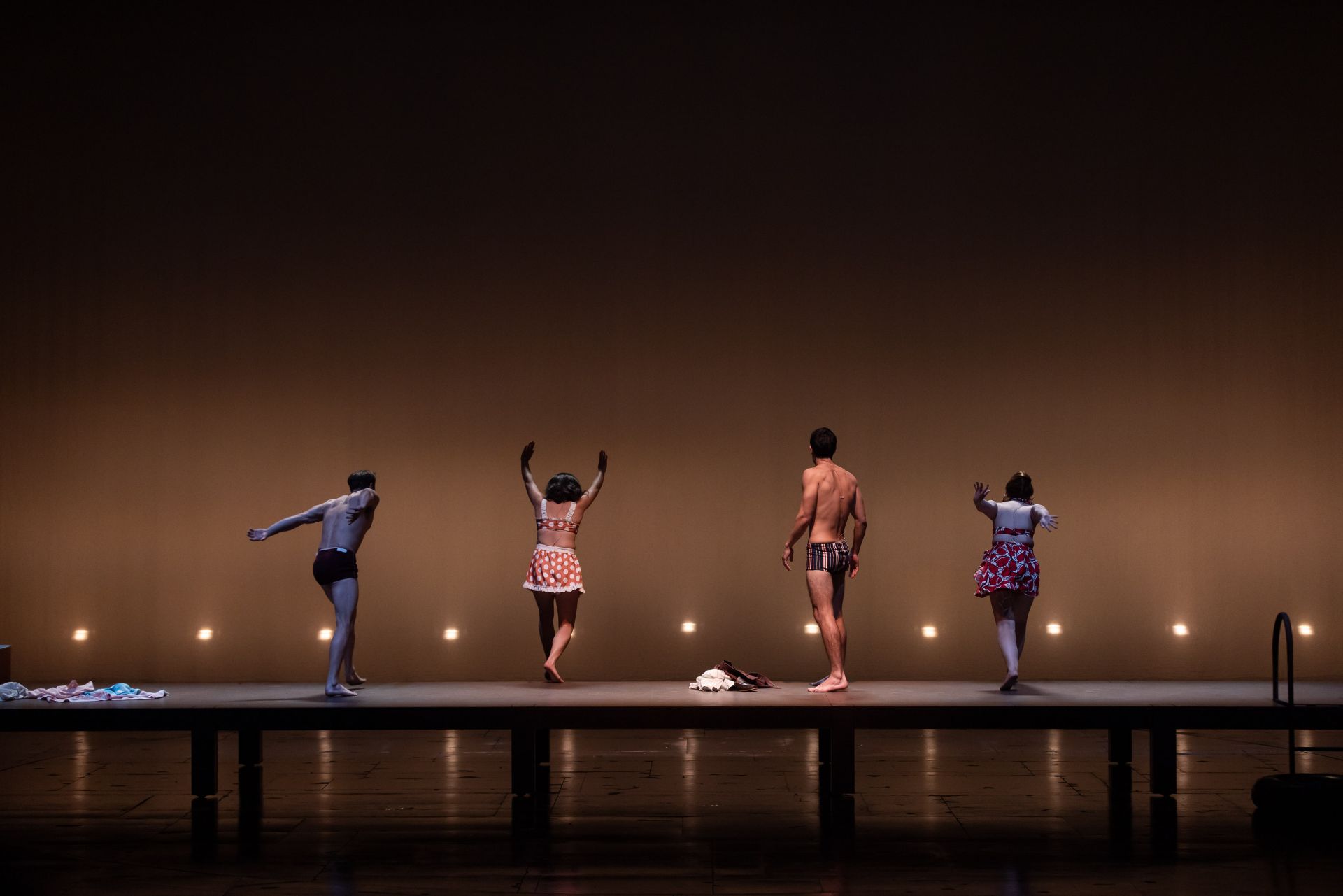
The sentimentality of Choir Boy is enhanced by the immense sensitivity of Karren Norris’ lighting design, that seeks to further engage our emotions. Brendon Boney’s sounds are restrained but effective in creating dramatic shifts in atmosphere. Costumes by Rita Naidu portray character types with accuracy, and adept at instilling a sense of body positivity for scenes involving states of undress.

People who experience marginalisation, should understand what it is like for other people who experience different forms of persecution, yet it is commonplace to discover people of colour living in the West, unable to embrace queer members of their own communities. There is a sense that the struggle to survive, encourages people to only champion individual interests, and in the process impose onto others, the same prejudice that they wish to interrogate. When we are divided, we are doing the coloniser’s work on their behalf, for it is separation and subjugation, that will forever be fundamental to their project.

www.riversideparramatta.com.au/NTofP | www.merrigong.com.au

Review: Gentlemen Prefer Blondes (Hayes Theatre)

Venue: Hayes Theatre Co (Potts Point NSW), 16 Feb – 18 Mar, 2023
Book : Joseph Fields, Anita Loos
Music: Jule Styne
Lyrics: Leo Robin
Director: Richard Carroll
Cast: Octavia Barron-Martin, Thomas Campbell, Ruby Clark, Adam Di Martino, Emily Havea, Georgina Hopson, Tomáš Kantor, Leah Lim, Tomas Parrish, Matthew Predny, Monica Sayers
Images by John McCrae

Theatre review

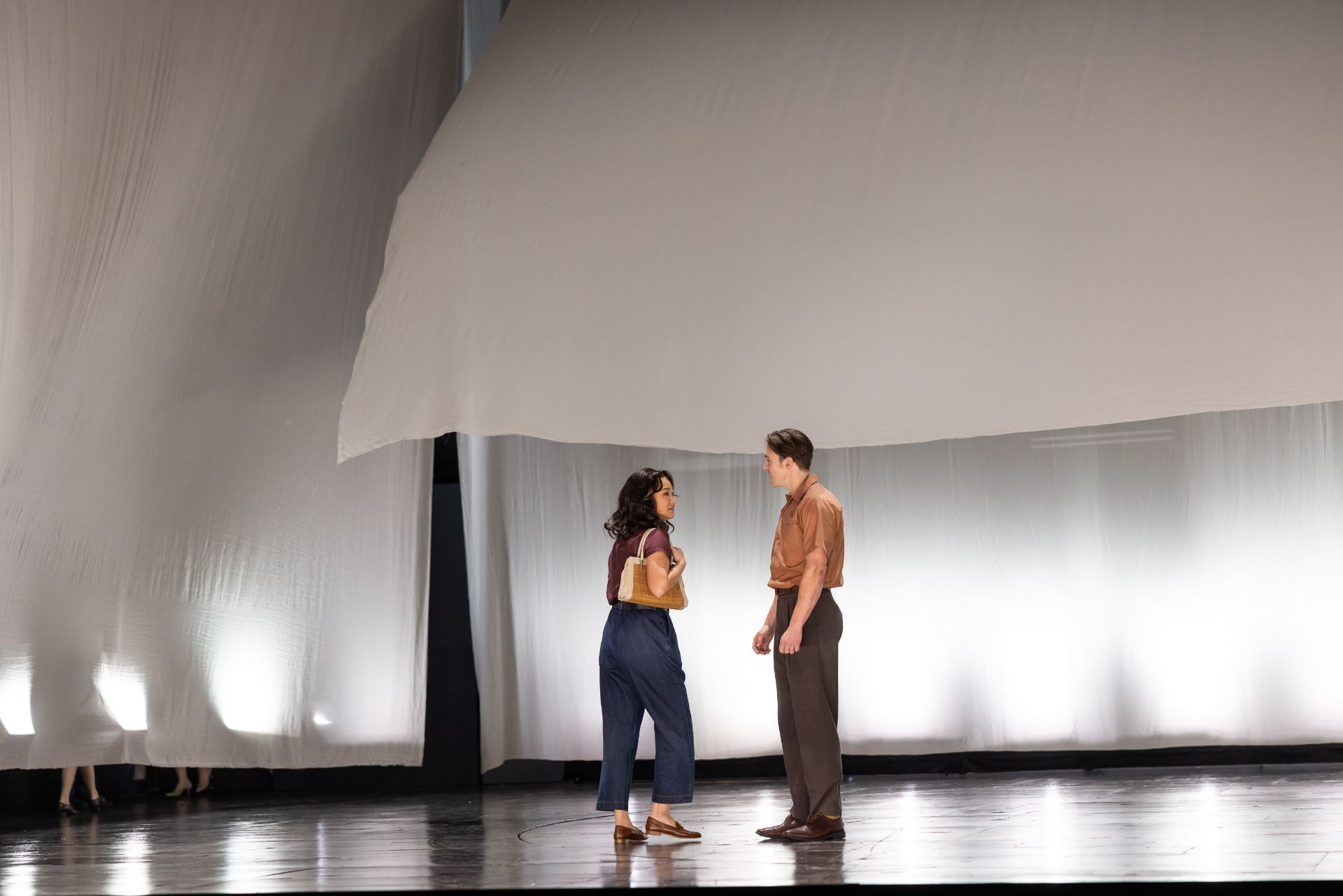
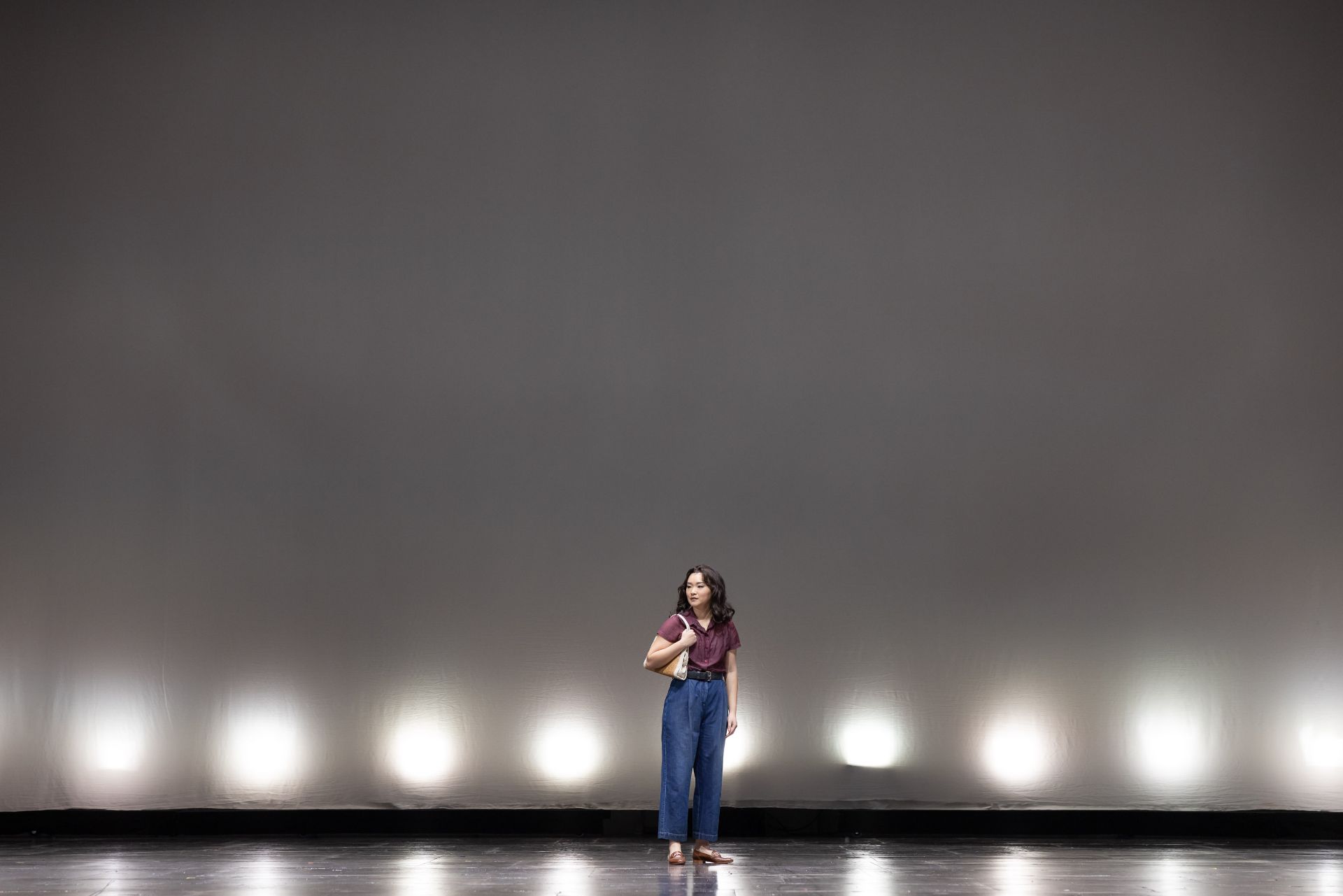
It is the Roaring Twenties, and two single women are on a luxury cruise ship sailing from New York to Paris. Dorothy just wants to have a good time, but Lorelei is determined to find herself a rich husband. Gentlemen Prefer Blondes may be most remembered as one of Marilyn Monroe’s finest cinematic moments, but its predecessor was this musical by Joseph Fields and Anita Loos, which was in turn based on Loos’ own novel. Light and frothy, with generous portions of slapstick, it brims with post-war optimism, and expresses a kind of anticipation about all the irresistible promises of capitalism.

The key sequence featuring the legendary “Diamonds Are a Girl’s Best Friend” can be taken as ironic, or in fact be read as being quite earnest. In 2023, we understand that in a dog-eat-dog world, especially one that disadvantages women, will of course see someone like Lorelei focussing her energies on money, rather than affairs of the heart. She wants to survive, and knows all the levers to pull, to make things work for her. Performed on this occasion by Georgina Hopson, it is those darker dimensions of girls’ best friend that emerge. Hopson’s performance of a very extended version of the song, is thrilling and unequivocally spectacular. All faculties of the theatrical arts converge flawlessly for a few minutes, to deliver something explosive and transcendent. The rest of the production however, leaves quite a bit to be desired.

As the original writing approaches its centenary, Gentlemen Prefer Blondes proves to have lost its charm and humour. What might have been considered goofy and whimsical, is now simply silly and lazy. Most of the songs are lacklustre, with a distinct soullessness that leaves us cold. Extraordinarily exhilarating musical direction by Victoria Falconer, does marvellously to lift our spirits during interludes between, but the songs themselves remain uninspired.

Like Falconer, all of the cast and crew give their conspicuous best to the production. Director Richard Carroll goes to great lengths to keep pacing taut, and to make all the jokes more sophisticated than were ever intended. Daniel Potra’s set design gives a real sense of the razzle-dazzle, and lights by Benjamin Brockman delivers us all the dynamics missing from the source material, as well as being relentlessly flattering on the cast. Costumes by Angela White seems to make the bold decision to depart from the 1920s, as it draws influence from virtually every decade of the last century.
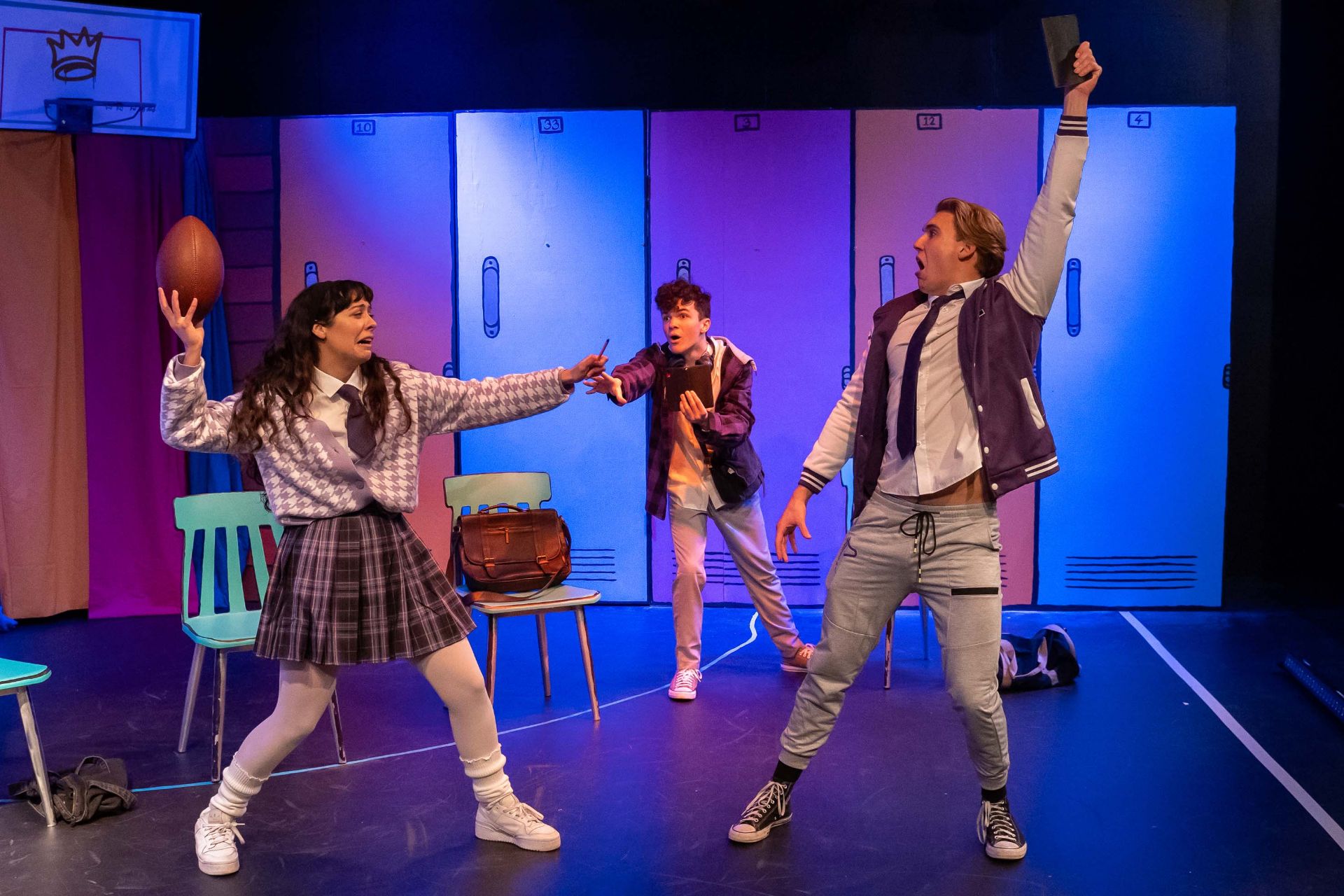
The role of Dorothy was always no match for the eponymous blonde, but Emily Havea’s resolve to bring the character into a modern age, is certainly admirable. The women’s love interests are played by Tomáš Kantor and Matthew Predny, both delightful personalities, and convincing in their efforts to win affections. Octavia Barron-Martin and Thomas Campbell demonstrate deep commitment to the comedy, making us laugh in spite of the banal dialogue. Leah Lim is especially strong when given the opportunity to showcase her dance abilities; her synergy with choreographer Sally Dashwood elevates the show considerably, even if their contributions bear little relevance to the central plot.

It should be no surprise that men would prefer Lorelei. Even though she is destined to come out on top, it is her dedication to playing by their rules, that turns them on. Lorelei might win, but the point is that, she obeys them. Women game the system every day, but in the process, we often find ourselves inflicting the same harm, that we accuse men of doing. It is a mystery if Lorelei uses her new-found wealth, after the story concludes, for good or evil, but choices are certainly available to her. Power is designed to oppress, but it can also be transformed into something that can be shared and distributed. After Lorelei attains her safe harbour, one would hope, that she keeps the gates open, for others to follow.

www.hayestheatre.com.au

Review: Rocky Horror Show (Theatre Royal)

Venue: Theatre Royal (Sydney NSW), Feb 14 – Apr 1, 2023
Music, lyrics and book: Richard O’Brien
Director: Chris Luscombe
Cast: Ellis Dolan, Jason Donovan, Darcey Eagle, Ethan Jones, Deidre Khoo, Loredo Malcolm, Stellar Perry, Henry Rollo, Myf Warhurst

Theatre review
Half a century after its inception, the only thing shocking about Rocky Horror Show is in the realisation, that the word “transvestite” is now beginning to sound archaic. Frank-N-Furter’s ambiguous gender expressions are now, unbelievable as it may seem, a normalised phenomenon in many cities, so the iconic figure is no longer the ironic abomination it once was. Their power however, remains resolutely intact, and it is that sense of dominion they exude, that keeps the show a thrilling experience.

This latest rendition by director Chris Luscombe, seems quite incredibly, to be even more energetic and exuberant than ever before. The show’s celebratory qualities appear to really resonate, in this new age of queerness and trans-inclusiveness; the Rocky Horror Show may not have changed as much as we have, but that is perhaps the reason for its renewed allure. We are looking at the show with fresh eyes, and discovering that it still makes sense for the Twenty-First Century, albeit in differently nuanced ways.

Times have changed. 30 years ago, Jason Donovan was accused by the queer community for homophobia, following his legal action against a publication for false claims about his sexuality. Today, Donovan is an excellent Frank-N-Furter, completely at ease with the camp and salacious aspects of the role, demonstrating a thorough understanding of the part’s efficaciousness. He pushes to the limit, right where the bawdy, brash and crass, is about to become too much, and lets us off the hook, so that he can take us further the next time.

The narrator is played by Myf Warhurst, much less seasoned as a musical performer, but clearly a charming celebrity, happy in her own skin and comfortable with public adoration. Deidre Khoo and Ethan Jones are sensational as Janet and Brad, both fantastically versatile, and captivating with their sardonic characterisations and exquisite timing. Also memorable, are Stellar Perry and Henry Rollo, as Usherette/Magenta and Riff Raff respectively, delivering all the electrifying subversive joy associated with the legendary Rocky Horror Show. Also noteworthy is musical direction by Jack Earle, who injects extraordinary spiritedness, into a production that leaves us wanting more.
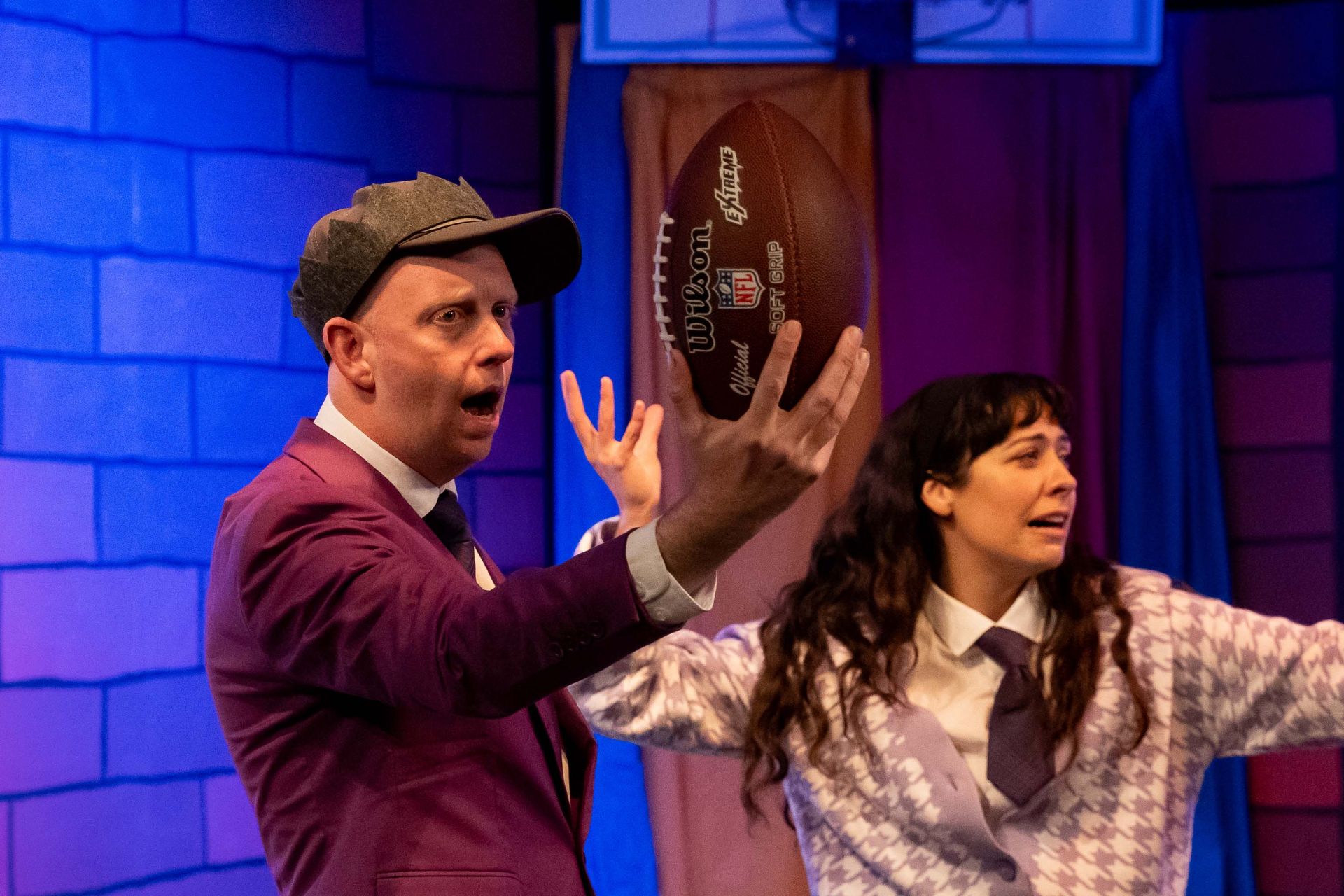
In 2023, it is Janet and Brad who look more alien than anyone else, on the Rocky Horror stage. What creator Richard O’Brien had identified in 1973 as ordinary but repugnant, is now simply bizarre. The puritanical values represented by the couple, and the hypocrisy they embody, although still prevalent in certain circles, are no longer the norm it used to be. People need to be allowed to diverge in whatever ways suit them, as long as nobody gets hurt, and as long as we know to give ourselves over to “absolute pleasure” from time to time.

www.rockyhorror.com.au

Review: CAMP (Seymour Centre)

Venue: Seymour Centre (Chippendale NSW), Feb 15 – Mar 4, 2023
Playwright: Elias Jamieson Brown
Director: Kate Gaul
Cast: Adriano Cappelletta, Anni Finsterer, Genevieve Mooy, Jane Phegan, Lou McInnes, Sandie Eldridge, Tamara Natt
Images by Alex Vaughan

Theatre review

Elias Jamieson Brown’s CAMP tells the 50-year story of a Sydney based queer activism group, Campaign Against Moral Persecution. Comprising mainly of women, the group aims to bring social and legislative progress for Australian gays and lesbians. A pastiche of anecdotes, chronicling the coalition’s achievements, as well as the many details of their personal lives, the play is an important documentation of the LGBTQIA+ movement, especially of key events in the formative decade of the 1970s.
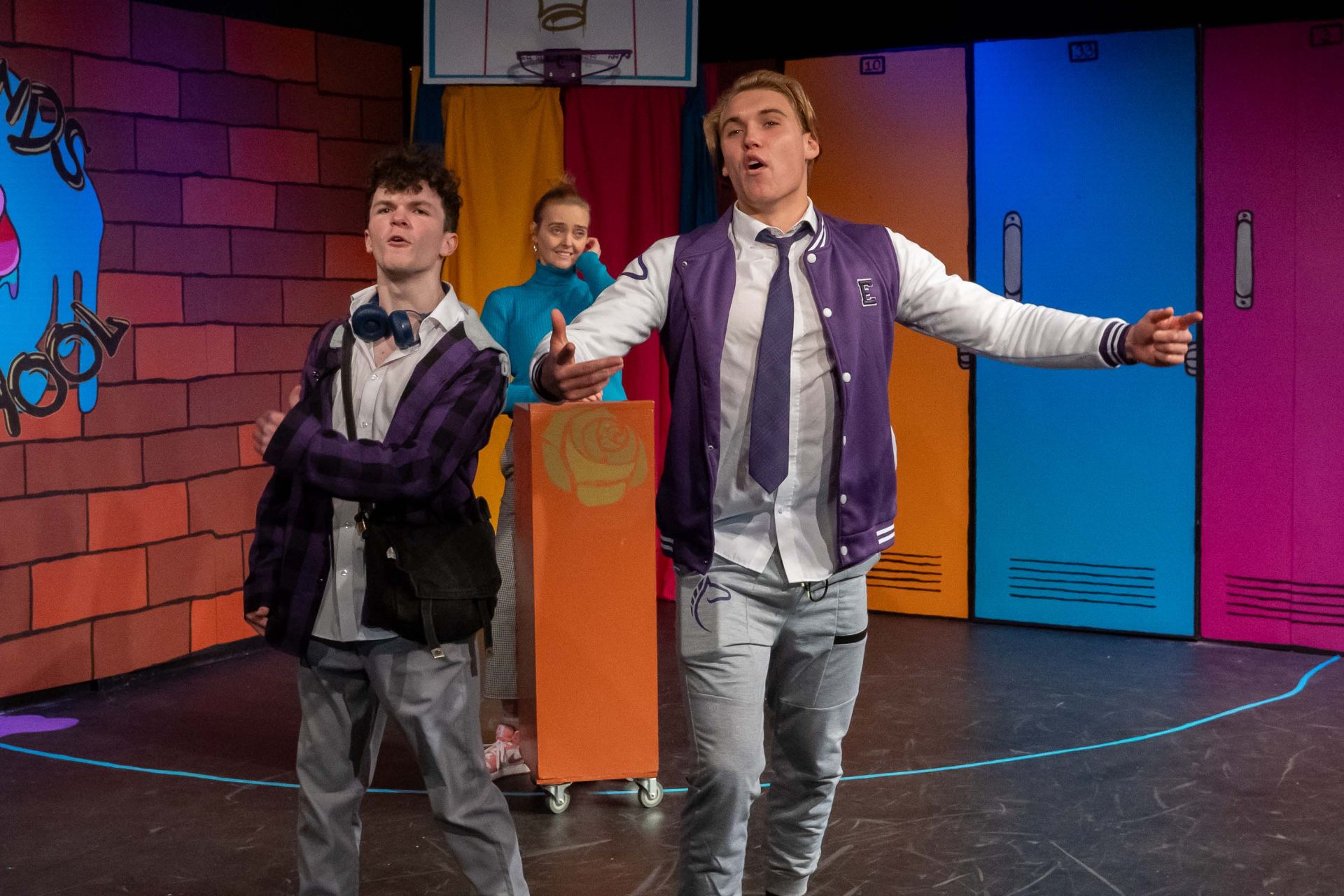
More intimate sections of the writing, provide an opportunity for greater appreciation for the individuals and their sacrifices during those challenging years. CAMP is perhaps not as emotional an experience as one would expect, from a show that is entirely about reminiscences and nostalgia. We can certainly recognise the gravity of its narrative, but the work remains strangely unaffecting, perhaps due to its earnest desire to cover too much ground.

Production design by Angelina Meany evokes the wistful charm of community halls, where meaningful gatherings have taken place on this land for many generations. Morgan Moroney’s lights help us navigate the many shifts in time, making it clear whenever the plot takes a turn, and conveying distinct changes in mood and tone. Sound and music by Jessica Dunn are ambitiously rendered, for thorough transformations of time and space, as CAMP takes us through the many valuable and varying facets of these activists’ lives.

Directed by Kate Gaul, the production is consistent in its representations of the passions behind the politics; the noble intentions are always evident and admirable. The ensemble cast is appropriately enthusiastic, in their depictions of personalities who had fought for the betterment of society. Scenes tend to be brief, in a show that has a lot to talk about, but characters feel nonetheless deeply explored, by actors who demonstrate strong levels of commitment.

Without a concern for legacy, one will likely struggle to find guiding principles that will shape a good life. Without courage, existence can only be one of passivity, in adherence to rules and conventions that are likely to have been established in the interest of others. Understanding the nature of the greater good, that the rising tide lifts all boats, will prevent any person from falling into an insular despondency, that has become so characteristic of these times. Not all of us have to be warriors, but the fighting spirit, as exemplified by our queer leaders, is essential in preventing time on earth from going to waste.

www.seymourcentre.com | www.sirentheatreco.com

Review: Joseph And The Amazing Technicolour Dreamcoat (Capitol Theatre)

Venue: Capitol Theatre (Sydney NSW), from Feb 11 – Apr 16, 2023
Lyrics: Tim Rice
Music: Andrew Lloyd Webber
Director: Laurence Connor
Cast: Trevor Ashley, Euan Fistrovic Doidge, Paulini
Images by Daniel Boud

Theatre review
Joseph’s brothers sell him off to a life of slavery, simply for loving himself a little too much in a rainbow coat. By the end of the biblical story we discover, quite unsurprisingly, a moral about forgiveness. These archaic tales seem always to place the onus on victims to make things right, and even though there is a valuable lesson in Joseph being the bigger person in the situation, there is no denying that his eleven brothers should have been taught in the first place, not to act like deplorable imbeciles.

The fable of Joseph and the Amazing Technicolour Dreamcoat however does include some moderately delightful fantasy aspects, involving Joseph’s abilities as a soothsayer. He interprets other people’s dreams, and tells the future. As with all clairvoyant types, Joseph is hopeless at predicting his own destiny, so even though his story ends with redemption, there is something deeply uninspiring about his general lack of agency. The songs by Andrew Lloyd Webber and Tim Rice, in this 50-year-old musical are not much more exciting, but nostalgia is always certain to appeal, especially to those in search of something gratuitously sentimental.

Performer Euan Fistrovic Doidge is a very attractive Joseph, convincing with his guileless charm, and delivering all the singing and dancing required with such effortlessness, he makes the job look like child’s play. Paulini contributes her marvellous voice to the staging, and is every bit the Sunday School teacher, as narrator in a show that sees her interacting with a lot of children. The Elvis-like Pharoah is played by a flamboyant Trevor Ashley, who proves a breath of fresh air, in something that has a tendency to feel dreary despite its resolutely vibrant title.

Those who enjoy too much colour and extravagance, know what it is like to be ostracised and condemned. Joseph was banished because he was deemed irksome, by brothers who felt inadequate in comparison, or who were simply envious. The divine will always elude the drab, and even though the drab seems always able to create oppression from their own deficiencies, it will always be the divine that will endure beyond.

www.josephthemusical.com.au

Review: Blessed Union (Belvoir St Theatre)

Venue: Belvoir St Theatre (Surry Hills NSW), Feb 11 – Mar 11, 2023
Playwright: Maeve Marsden
Director: Hannah Goodwin
Cast: Danielle Cormack, Maude Davey, Emma Diaz, Jasper Lee-Lindsay
Images by Brett Boardman

Theatre review

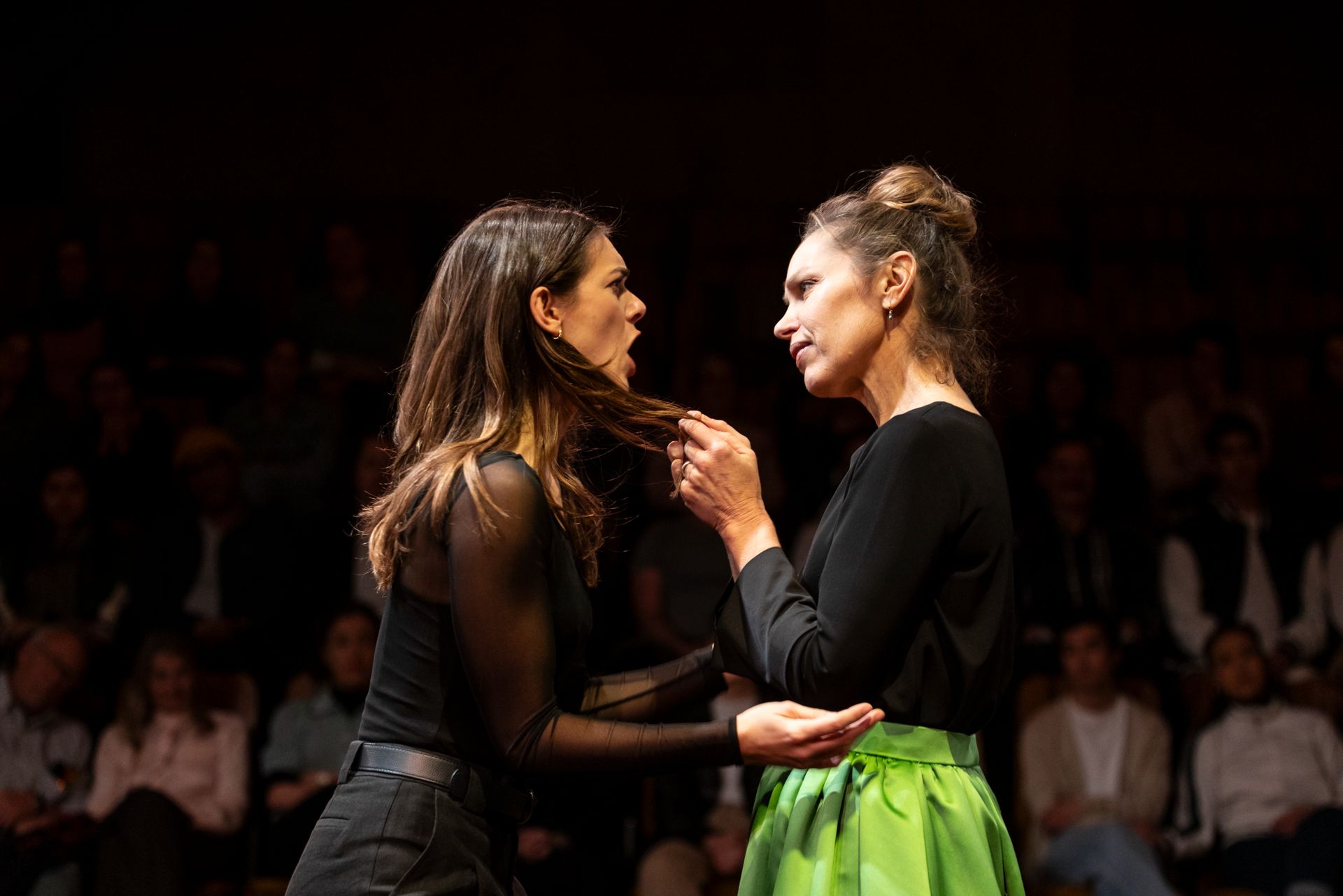
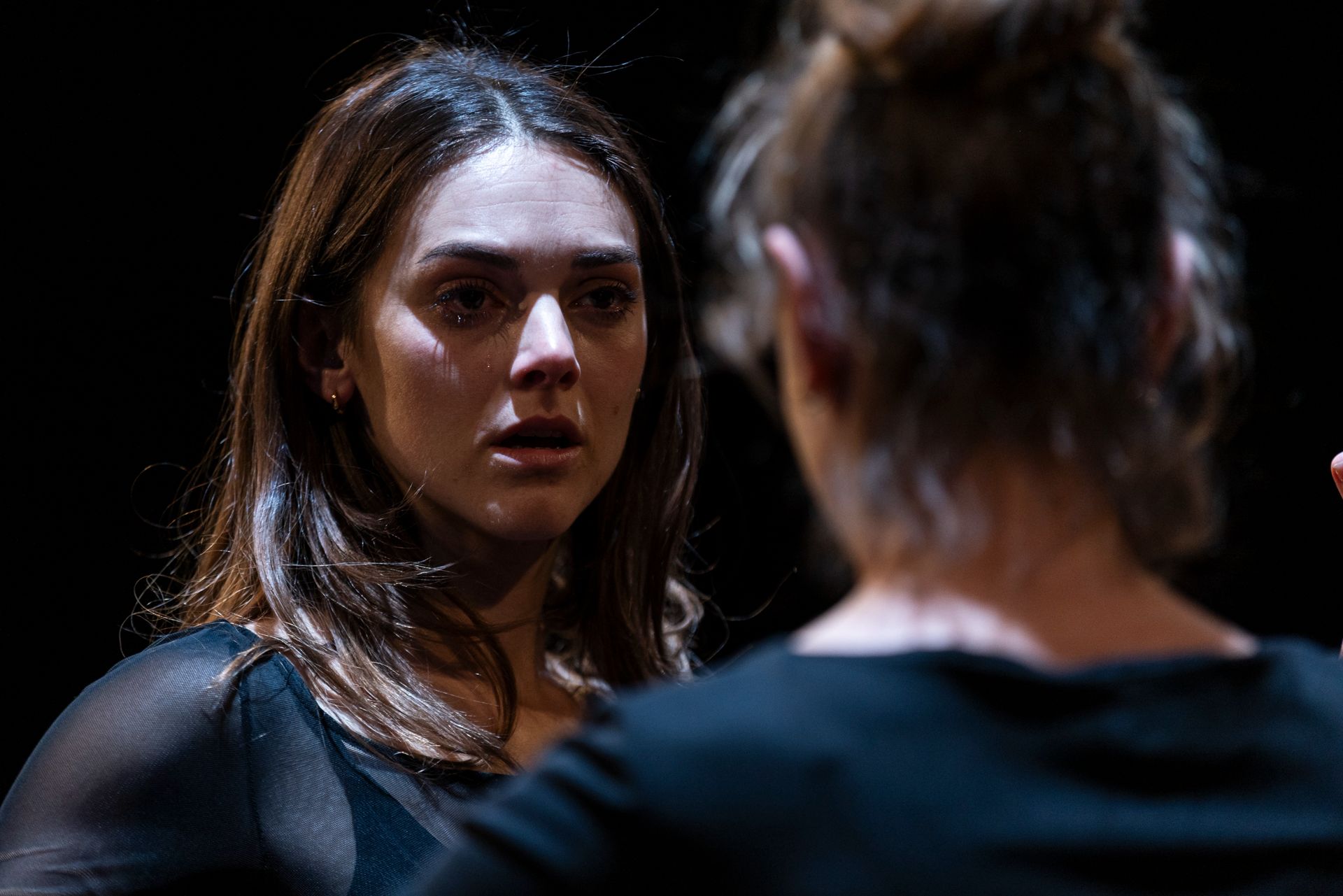
Judith and Ruth have made the surprising decision to part ways, after decades of love and marriage. Determined to stay queer to the end, the plan is to not go through the typical acrimony of a straight divorce, but in Blessed Union by Maeve Marsden, we discover that a civil split is easier said than done. It might just be five short years since its legalisation in Australia, but it is safe to say that nobody is surprised to be talking about the dissolution of same-sex marriages, such is our cynicism about that ancient institution. 
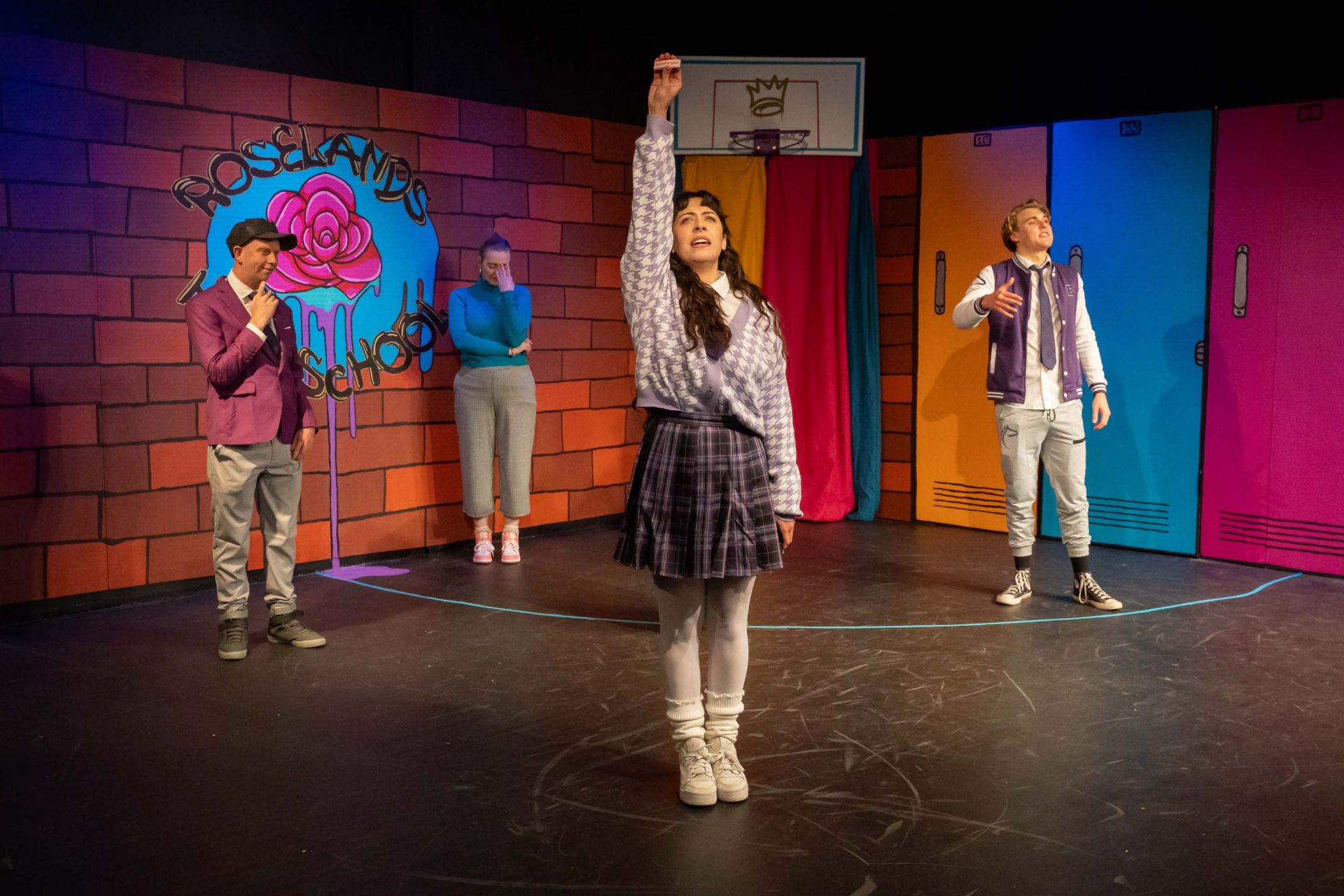
The comedy of Marsden’s play may be concerned with its breakdown, but what we find ourselves observing, are specific qualities of the queer family, even though its general structure seems scarcely different from its more conventional alternative. With fundamentally different concepts of gender and sexuality at the very foundations of family life, the couple’s offspring seem to have developed into brighter young adults, although it appears that they are in no way more fulfilled than their counterparts from straight homes. Furthermore, their misery at times of difficulty, look exactly to be the same.

Dialogue and characters in Blessed Union are thoroughly delightful, with an irrepressible verve that keeps us engaged and fascinated. Direction by Hannah Goodwin provides for the show, distinct and widely varying emotional dimensions, that help us empathise with the many intense feelings being explored. In her efforts to sustain its infectious vigour however, the show can at times feel rushed, making it difficult to decipher some of the meaningful intricacies being spoken.
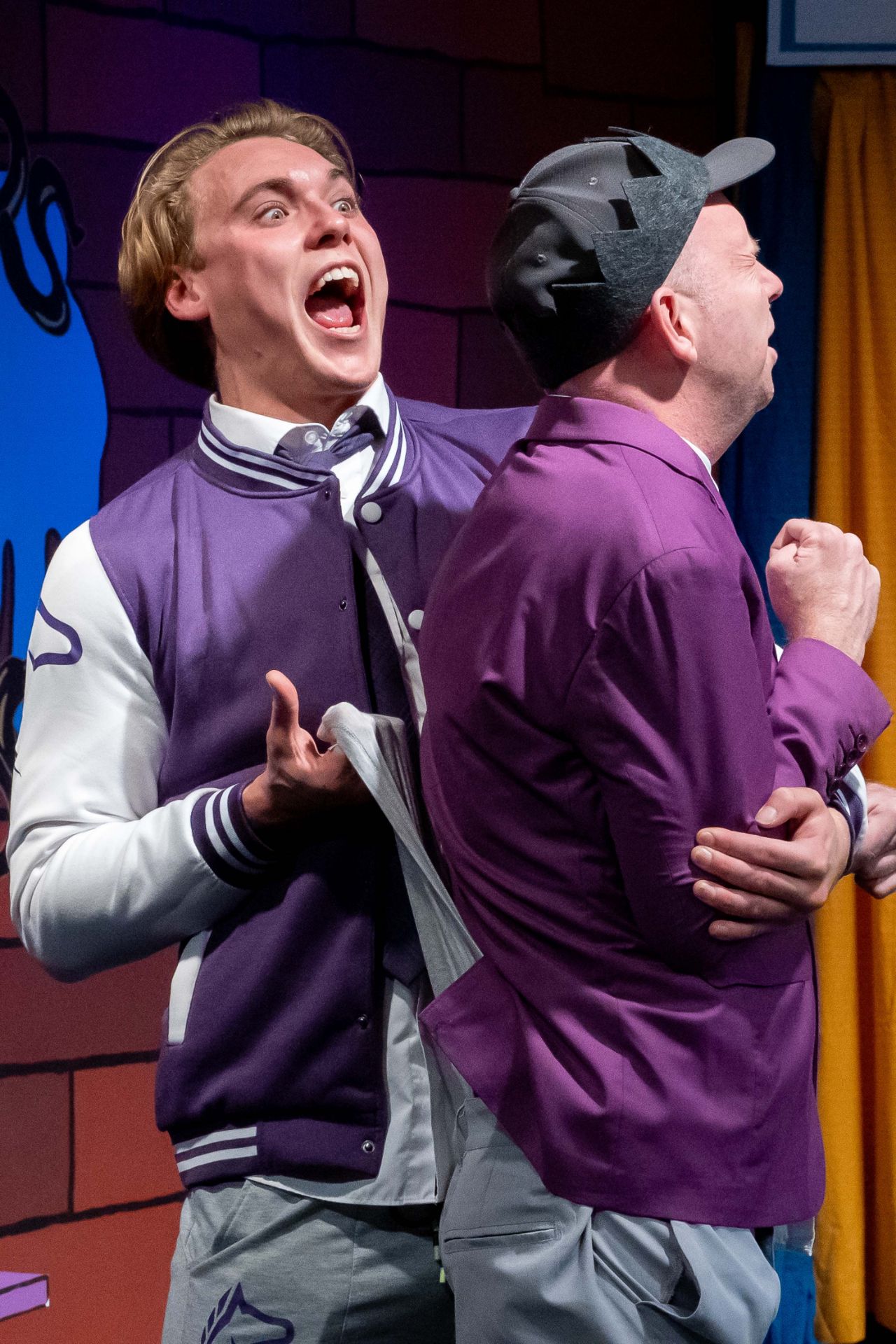
The cast of four is beautifully cohesive, in their portrayal of a modern nuclear family. Danielle Cormack’s passionate approach as Ruth, reminds us of the stakes involved, as the personalities watch everything fall apart. Maude Davey brings unexpected nuance to Judith, with a lightness of touch that helps us discover the sensitive aspects, of a story being told with a lot of raucousness. Their daughter Delilah is played by Emma Diaz, whose precise depictions of the endlessly complex experience of someone caught in the middle of their parents’ breakup, are painfully accurate as well as being highly amusing. Jasper Lee-Lindsay is wonderfully memorable as younger son Asher, full of charming whimsy and exquisite timing, for many of the show’s biggest laughs.
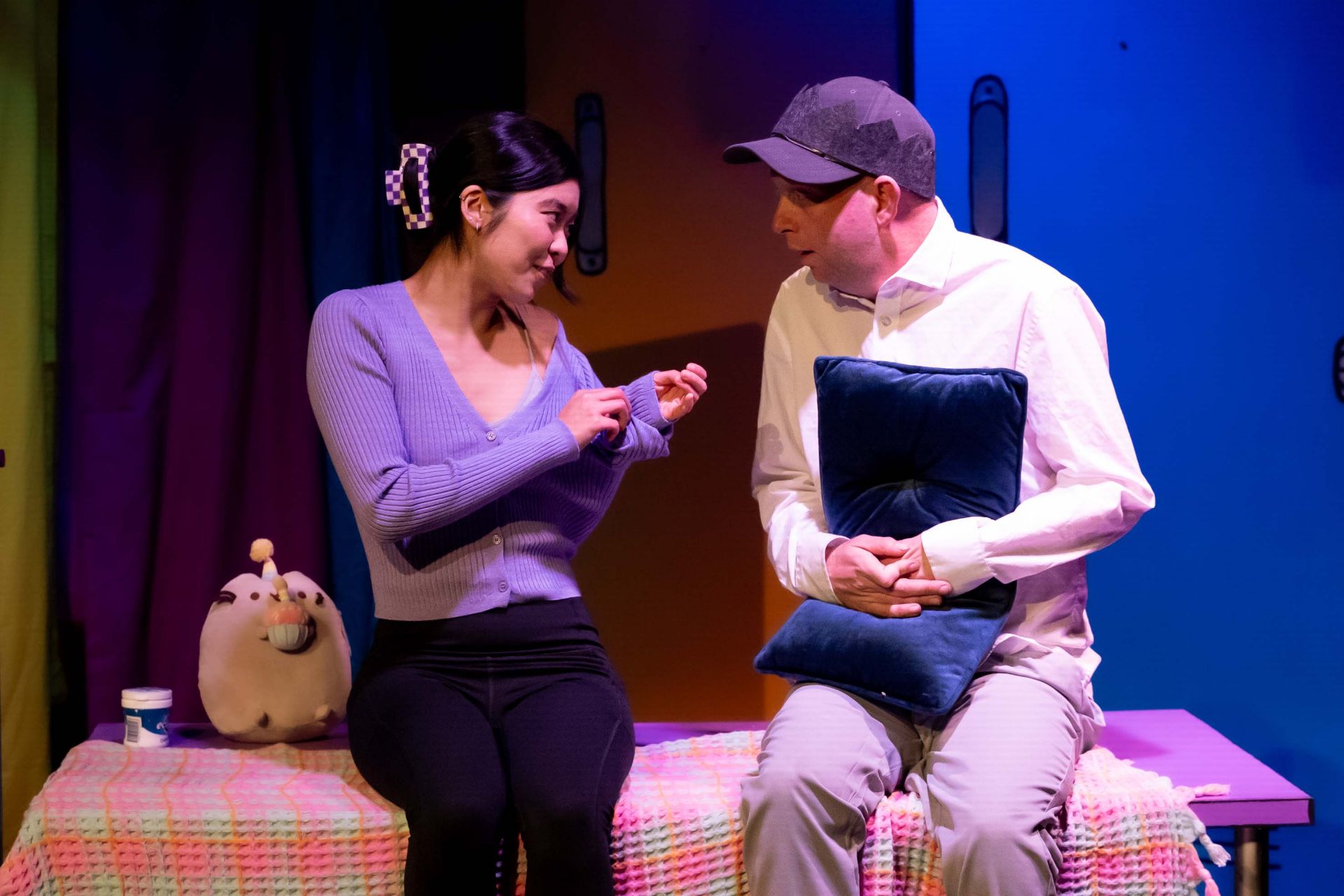
Designer Isabel Hudson conveys the values of our upper middle class, through a set and costumes that reflect the unassuming respectability, that queer people have grown to inhabit. Lights by Amelia Lever-Davidson and sound by Alyx Dennison turn up the drama on occasion, but are mostly warm and sentimental, for a staging that has at its heart, an abundance of tenderness.

It is somewhat strange, that people who have seen the worst, from a lifetime of persecution and prejudice, should wish to bring innocent lives into the same world that has inflicted so much cruelty. Judith and Ruth try so hard to spare their kids the heartache of a home torn asunder, but there is no denying the suffering that humans will go through, no matter how much protection is being furnished. The mothers however, have undoubtedly succeeded in providing better lives for their children, the nature of which they could only dream about in their youth. Times have indeed changed, and we seem more capable of valuing kindness, but it remains to be seen, if this new embrace of compassion and generosity, is but another flash in the pan.

www.belvoir.com.au

Review: Bright Half Life (Meraki Arts Bar)

Venue: Meraki Arts Bar (Darlinghurst NSW), Feb 2 – 19, 2023
Playwright: Tanya Barfield
Director:
Rosie Niven
Cast: Genevieve Craig, Lisa Hanssens, Loretta Kung, Samantha Lambert 
Images by Becky Matthews

Theatre review

Erica and Vicky are each other’s greatest love story, but like most love stories, theirs is one that feels just a bit mundane to everybody else. Tanya Barfield’s Bright Half Life is concerned with the big romance in a person’s life, both the enormity and normalcy of such an experience. The non-linear aspect of the storytelling helps draw us into the women’s decades-long narrative, but the sheer ordinariness of their union, makes for a theatre that seems somewhat unremarkable.

Direction by Rosie Niven brings clarity to both the unconventional timeline, and the emotional fluctuations, as we encounter key moments in the evolution of Erica and Vicky’s life together. The presentation struggles to convey some of the play’s humorous dimensions, but its central gravity is certainly well communicated. Lights by Capri Harris bring much needed visual variation, and sound design by Akesiu Ongo Poitaha helps us envision the many places and years, as we accompany the couple on their reminiscence.

Genevieve Craig and Samantha Lambert play respectively, Vicky and Erica in their younger days, both detailed in their explorations of women in love. As they grow older, we see the roles go to Lisa Hanssens as Erica and Loretta Kung as Vicky, who manufacture a more intimate and tender connection. Performances are slightly too earnest in parts, but all four prove themselves accomplished actors, in a play that provides ample opportunity to demonstrate skill and acumen.

Bright Half Life reminds us of the centuries of absurdity, and cruelty, when same-sex marriages were thought of as abominable. In a few short years since its legalisation in Australia, so much has changed culturally and ideologically; it is now hard to fathom the immense difficulty with which so many normal relationships had faced to simply attain recognition, just because they were queer. Normal can be boring, but sometimes the road to normalcy is the most arduous imaginable.

www.theatretravels.org | www.meraki.sydney

Review: Hairspray (Sydney Lyric Theatre)

Venue: Sydney Lyric Theatre (Sydney NSW), Feb 5 – Apr 2, 2023
Book: Thomas Meehan, Mark O’Donnell (based on the film by John Waters)
Lyrics: Marc Shaiman, Scott Wittman
Music: Marc Shaiman
Director: Jack O’Brien
Cast: Brianna Bishop, Rhonda Burchmore, Ayanda Dladla, Mackenzie Dunn, Bobby Fox, Todd Goddard, Asabi Goodman, Shane Jacobson, Sean Johnston, Javon King, Donna Lee, Todd McKenney, Carmel Rodrigues
Images by Jeff Busby

Theatre review

Tracy is a big girl, and because it is 1962, she was never meant to appear on TV. When Corny Collins looks past conventions to recognise Tracy’s talents and casts her on his variety show, Tracy quickly uses her new platform to instigate change on national television, by forcing the integration of Black and white Americans on screen. Whether one sees Hairspray as yet another “white saviour” narrative, or a story that is about true allyship, the musical’s feelgood charm is hard to deny. Characters and the story from John Waters’ original 1988 film are colourful and adorable. Songs by Marc Shaiman and Scott Whittman from this 2002 Broadway creation are irresistibly soulful. Perfect in so many ways, this is a show that is likely to keep returning for generations to come.

Performer Carmel Rodrigues is completely delightful as Tracy Turnblad, full of vibrancy as the spirited teen. Her legendary mother Edna is played by Shane Jacobson, who although never really convinces as the divine maternal figure, impresses with his vocal prowess. Scene-stealer Javon King’s immense talent and unequivocal star quality, only makes us want the part of schoolfriend Seaweed to be much bigger, even though he is in no way an insignificant element of the show. Asabi Goodman as Motormouth Maybelle, may require a bolder sense of confidence, but her solo rendition of  “I Know Where I’ve Been” is certainly accomplished, and an important statement about the unfaltering efforts of Black activists, even when their white counterparts claim the limelight.

It should come as no surprise that Tracy is a good feminist. The fact that she faces prejudice every day, from inhabiting a physicality deemed contemptible by so many, could only mean that she must understand the deficiencies of how things are run. Tracy knows also, that it is not only one’s size that could be weaponised against people. We see her fighting for Black rights, because injustice is simply injustice, no matter how it manifests. Good feminists must continue to hold the door open, once they have entered the room, and they must never forget that no one is to be left behind.

www.hairspraymusical.com.au

Review: Jumpers For Goalposts (New Theatre)

Venue: New Theatre (Newtown NSW), Feb 7 – Mar 4, 2023
Playwright: Tom Wells
Director: Alice Livingstone
Cast: Isaac Broadbent, Nick Curnow, Emma Louise, Sam Martin, Jared Stephenson
Images by Bob Seary

Theatre review
Somewhere in the North of England, a tiny amateur league of five-a-side footballers compete, in teams comprised mainly of members from the local queer population. Tom Wells’ Jumpers for Goalposts is, more than anything else, about community. Its characters are not without their serious sides, but there is a distinct lack of gravity in the play, and although resolutely comedic, it is arguable if much of it is funny at all.

Director Alice Livingstone is fortunately adept at providing for her staging, ample doses of energy, for a production that feels consistently buoyant. Even though the laughs may not be plentiful, the show manages to hold our focus, for all of its two-hour duration. We may not really find ourselves ever caring too much about the five characters in Jumpers for Goalposts but the performers are certainly strong enough, with an unmistakeable earnestness that sustains us throughout the piece.

Emma Louise takes on the role of coach Viv, and like the indefatigable lesbian sporting leader, Louise’s determination to keep her players unified and spirited, forms the lynchpin of these proceedings. Her brother-in-law Joe is inhabited by Nick Curnow, who brings much needed emotional nuance, to a show that could easily be presented without any attempt at subtlety. Jared Stephenson’s exuberance and vigour as the bohemian Beardy, delivers oodles of charm, for a personality as amusing as he is amiable. Isaac Broadbent and Sam Martin tell a story of puppy love, as Danny and Luke respectively, with an admirable conviction that affords an air of dignity to their young lives.

Set design by Tom Bannerman is extraordinarily well constructed, and highly believable as a well-worn changing room, if slightly constricting with the space being demarcated for physical action. The warmth of Mehran Mortezaei’s lights are effective at helping persuade and remind us, of the humanity on display. Bella Rose Saltearn’s costumes are rigorously considered, finished with a level of detail that never fails to impress.

For many queer people, sport represents a realm of persecution and terror. It is for many of us, one of the earliest indications of not really belonging. The many exclusionary constructs pertaining to things like acceptable identities and permissible behaviour, rear their ugly heads most emphatically, in these traditionally patriarchal arenas. We can proceed then, to radically reject these pervasive dominions, through forms of counter-culture that we can assert as being equally valid, or we can attempt to reclaim conventional spaces, trying to convert denial into acceptance. There are many ways for progression to take place, and we do not have to make everything the same.

www.newtheatre.org.au

Review: Darkness (The Library)

Venue: The Library (Newtown NSW), Jan 10 – Feb 19, 2023
Playwrights: Andrew Bovell, Zoey Dawson, Dan Giovannoni, Megan Wilding
Director: Dino Dimitriadis
Cast: Caroline L. George, Zoran Jevtic, Jerome Meyer, Imogen Sage, Alec Snow, Drew Wilson
Images by Phil Erbacher

Theatre review

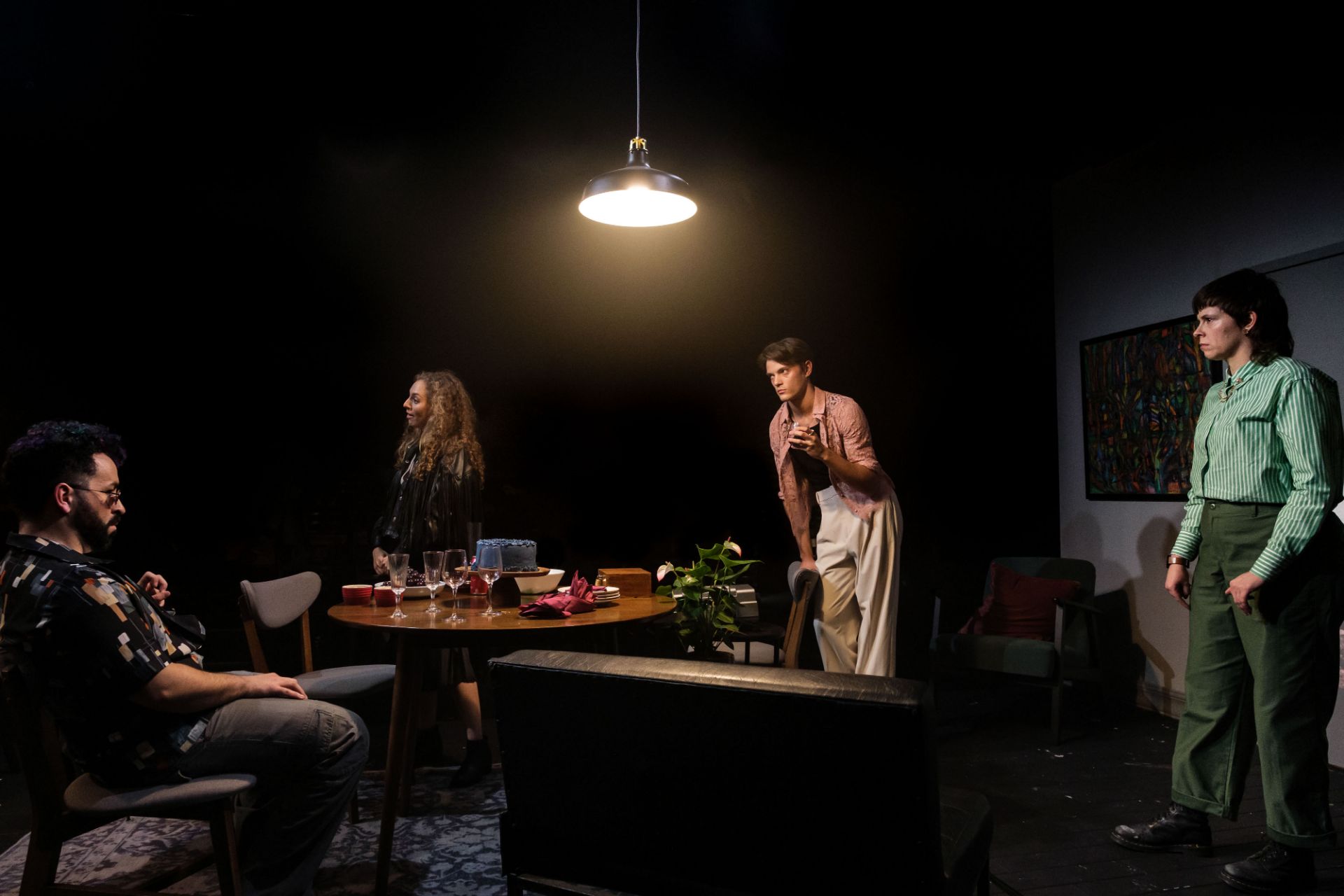
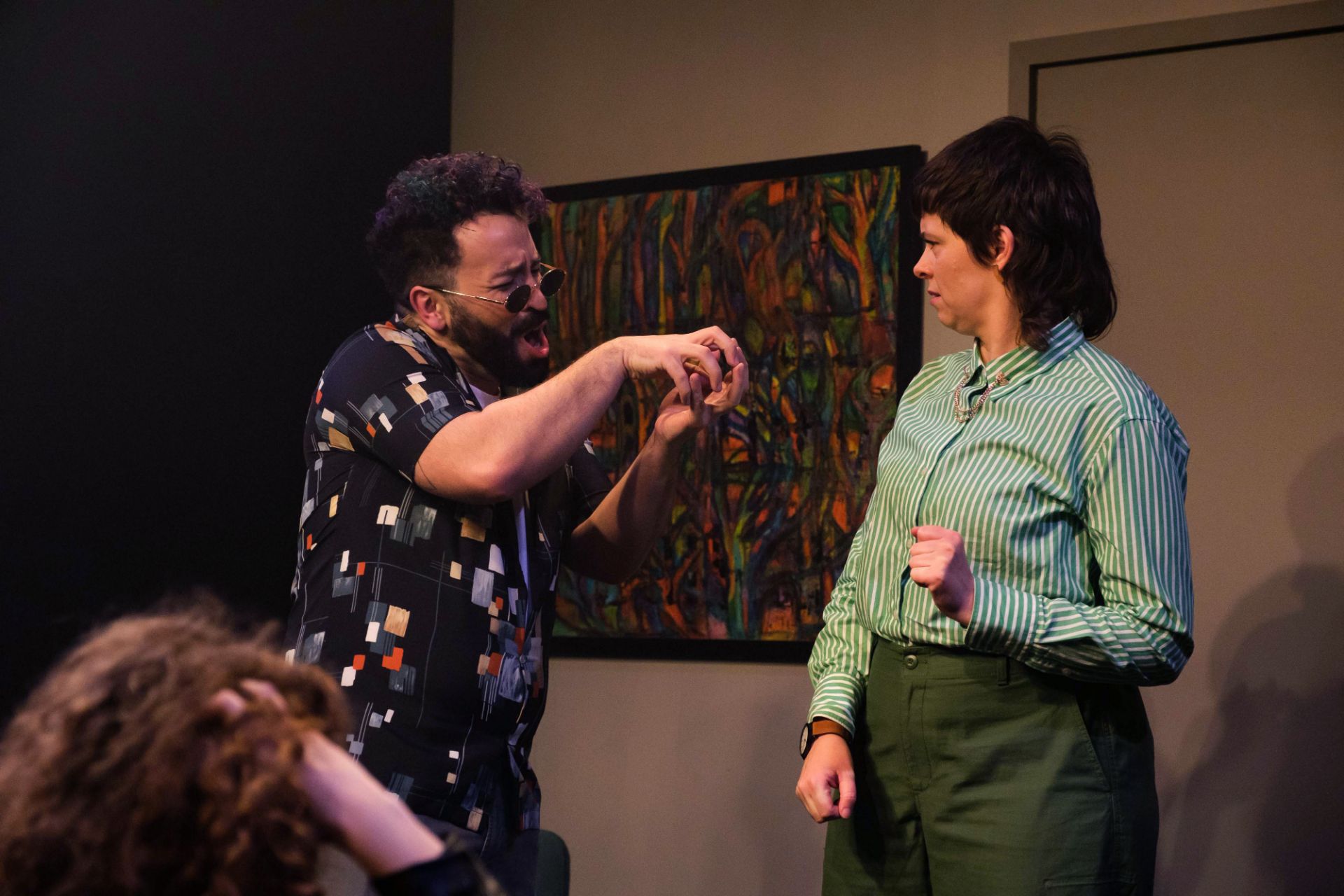
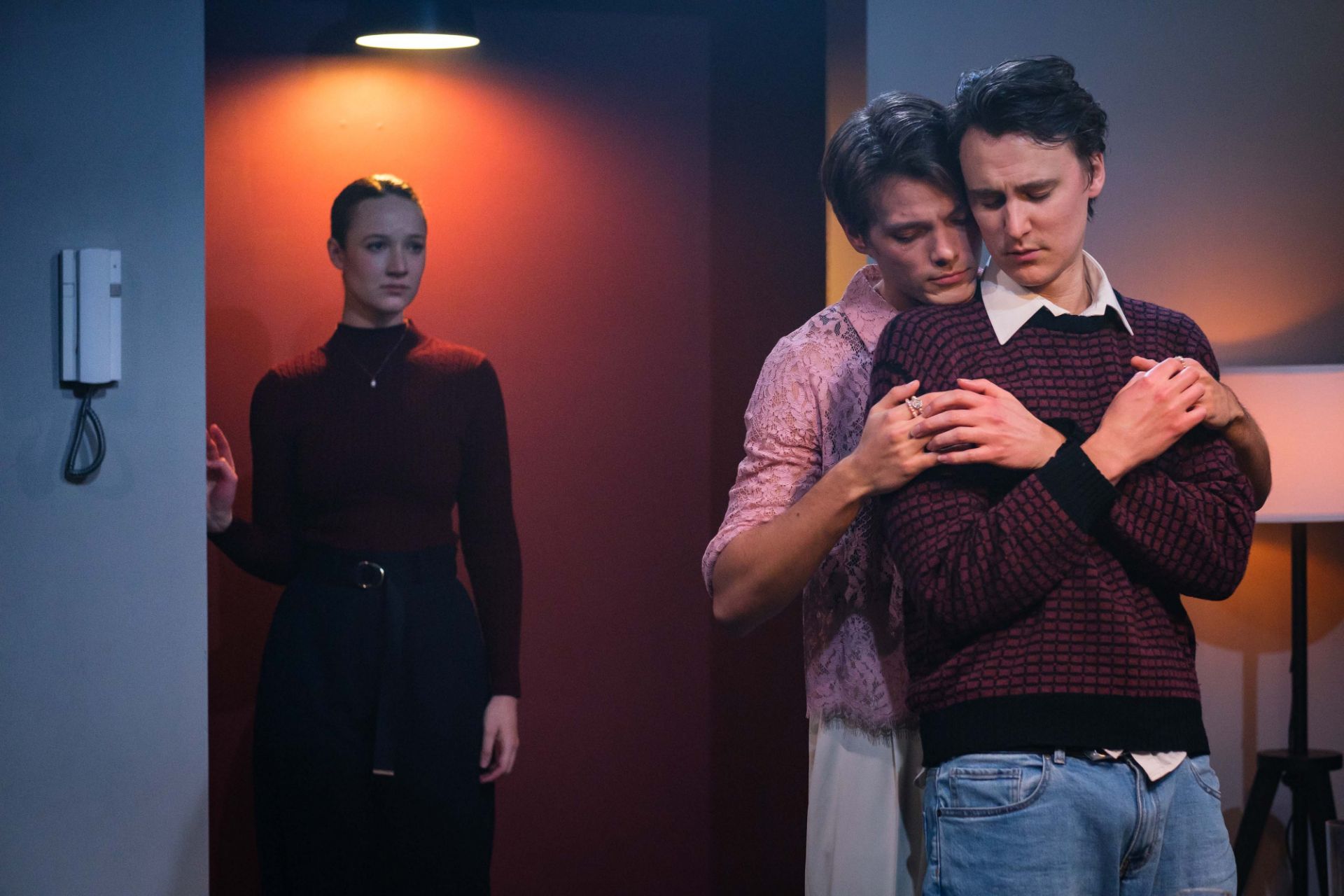
Hopelessness fills the house, in which 5 characters dwell. Misery has seeped in from without, and the despondent personalities are lashing out on one another. They tell stories of loss, regret and forlornness, but there is little sympathy to be gained from people consumed with their own anguish. Darkness by Andrew Bovell, Zoey Dawson, Dan Giovannoni and Megan Wilding attempts to be a coherent effort, but delivers instead something decidedly fractured and erratic. Its narratives are uninspiring, and relationships flimsily rendered. In efforts to create something stylistically cohesive, it may seem that the crucial ingredients of heart and soul have gone missing from the writing process.

Other elements of the show however, are wonderfully assembled. Set and costumes are sexy and mysterious, creatively imagined by Isabel Hudson whose transformation of space for the old building, proves a real triumph. Lights by Benjamin Brockman are full of impact, with a sense of playfulness that prevents the bleakness of Darkness from turning dreary. Sound design by Danni Esposito envelopes our bodies, to turn our experience of atmosphere from subconscious to palpable, in a show directed by Dino Dimitriadis, that although fumbles with its stories, cannot be denied for being able to do magical things with space.

Performers Caroline L. George, Zoran Jevtic, Jerome Meyer, Imogen Sage and Alec Snow demonstrate strong commitment to their parts, able to convey intensity, even if helping us connect with the material seems a thankless task. Darkness attempts to manifest a sense of the apocalyptic, with all its mesmerising theatrics, but it is no match for the real world horrors that await us outside the auditorium. Artists will always try to represent devastating aspects of existence; that may even be considered their most noble purpose, but to find resonance for something humans know at the deepest instinctual levels, will forever be a challenge.

www.experiencedarkness.com.au