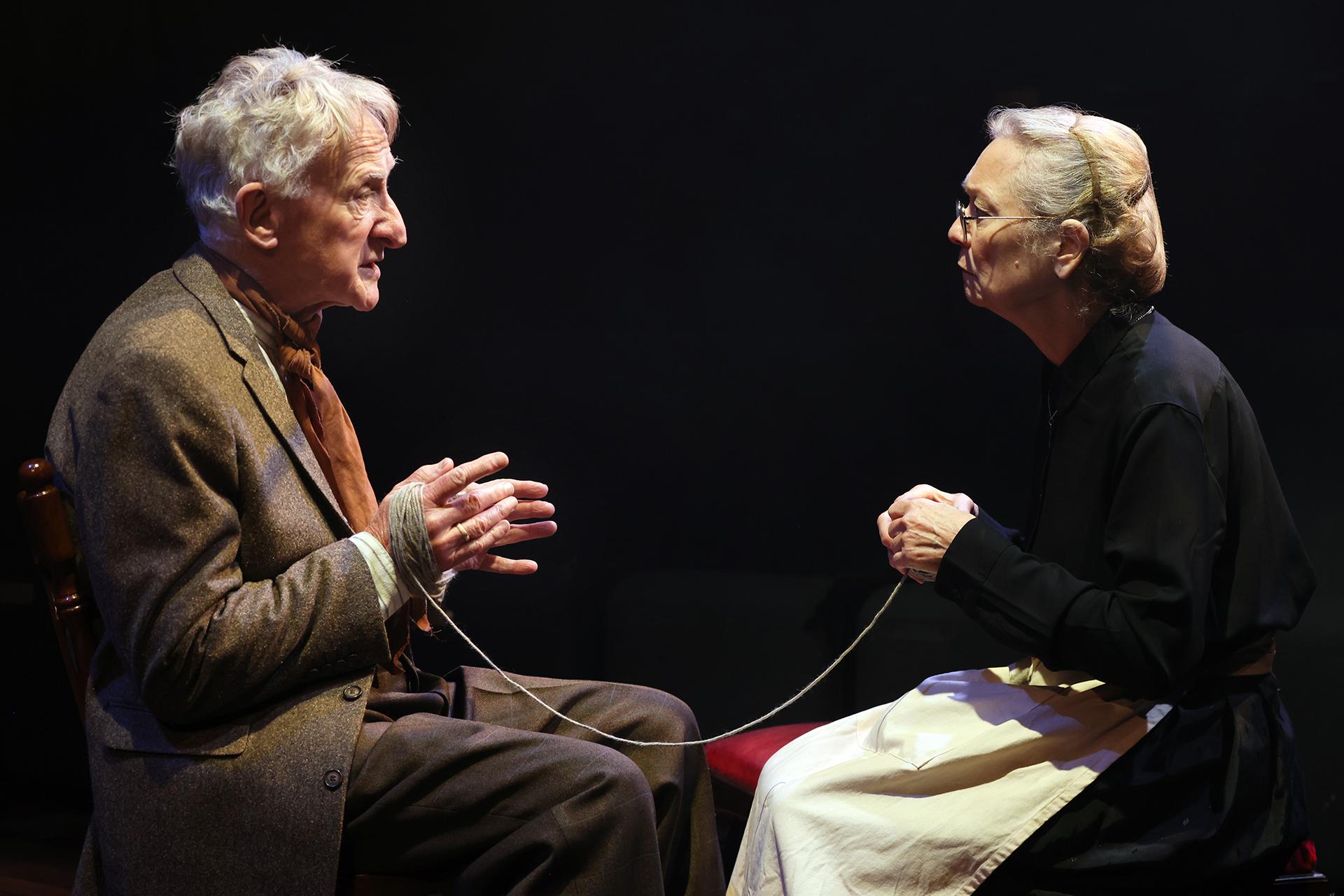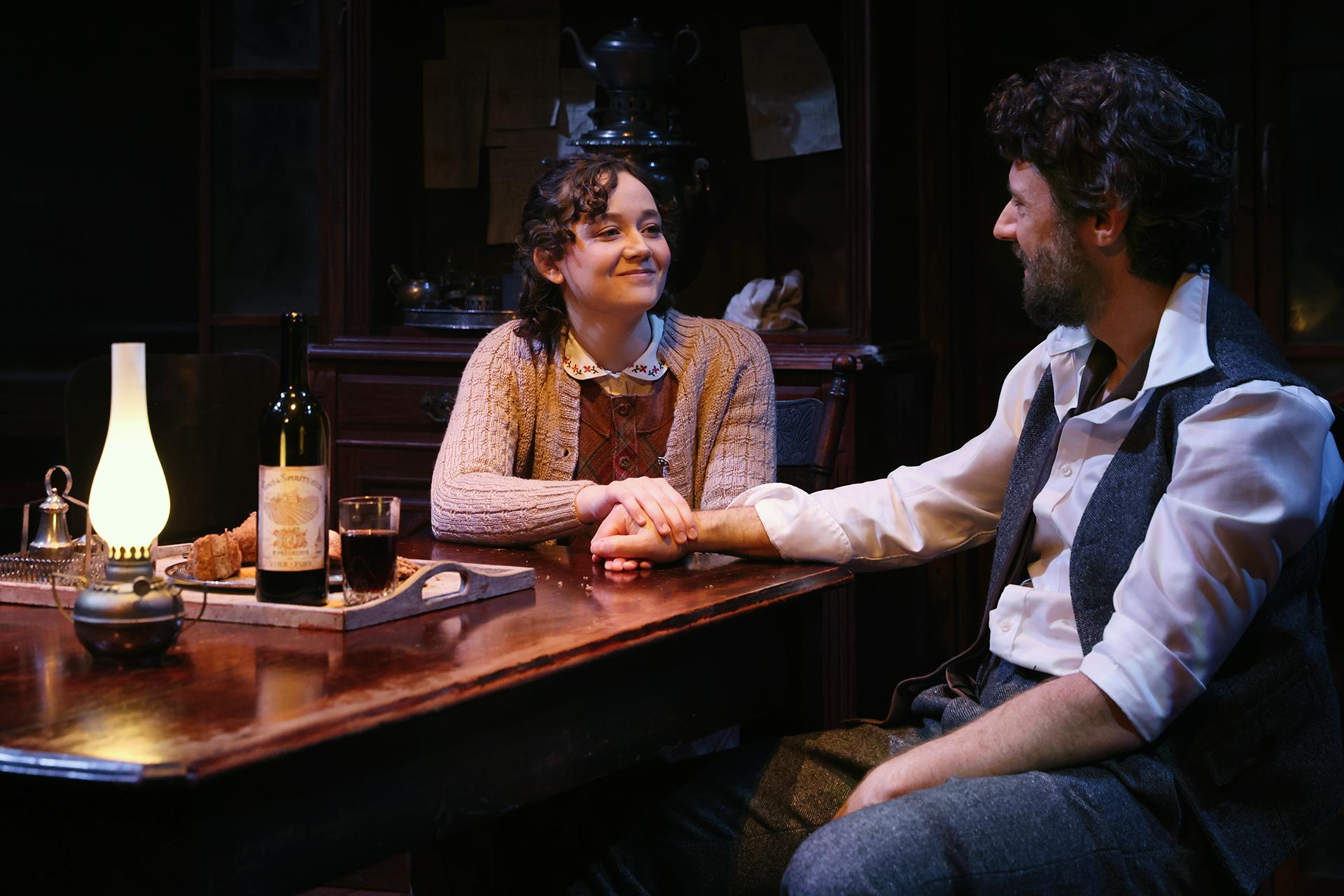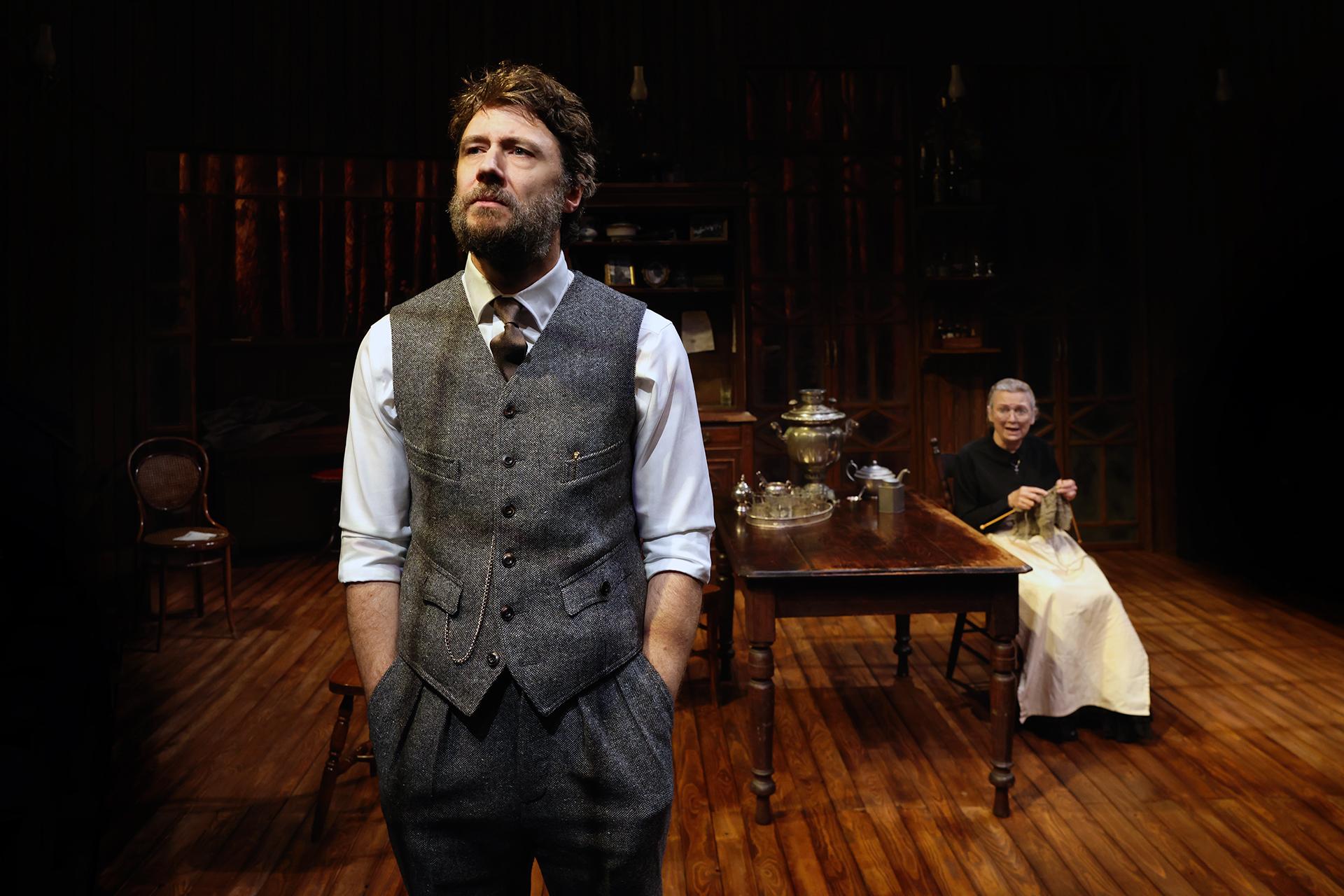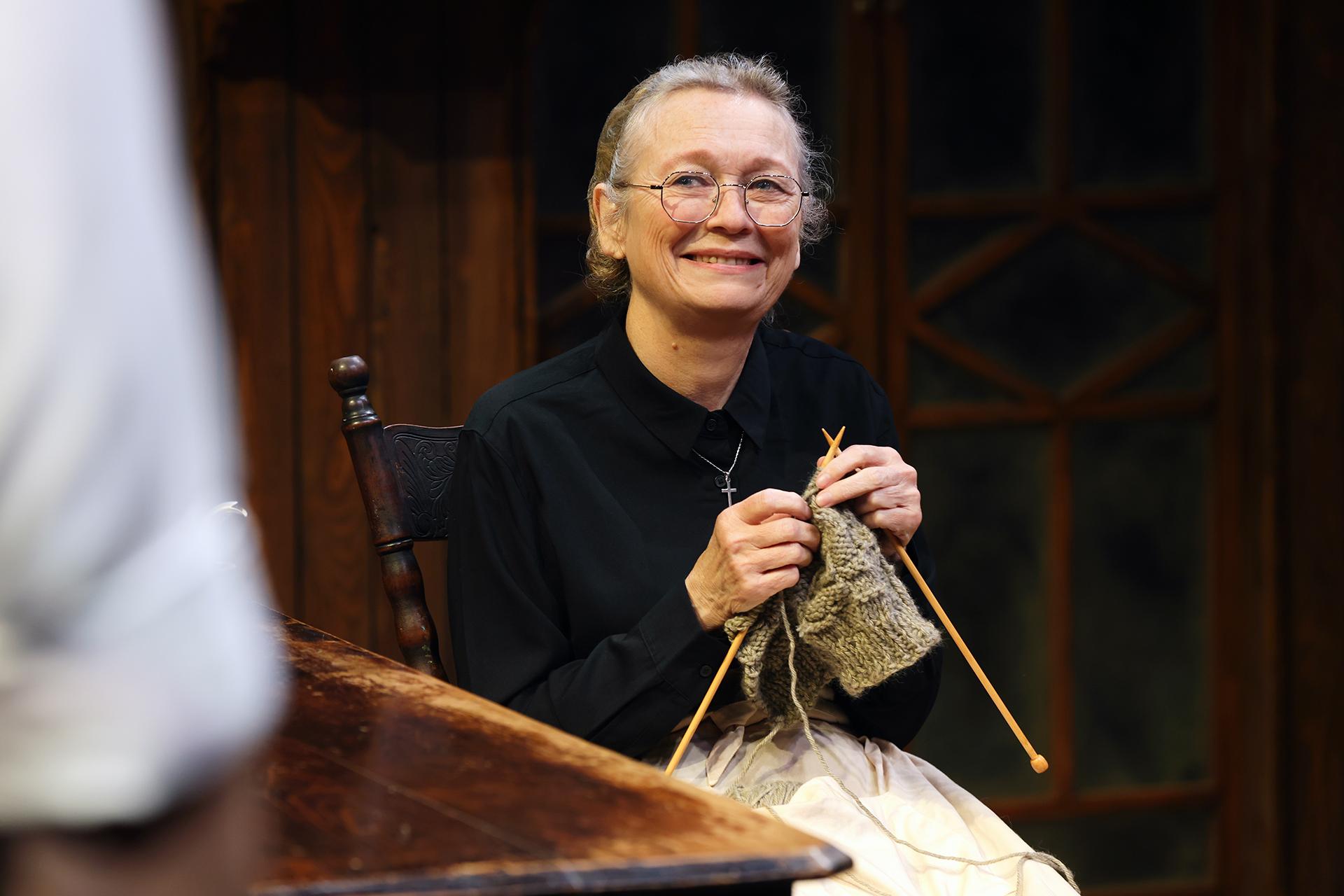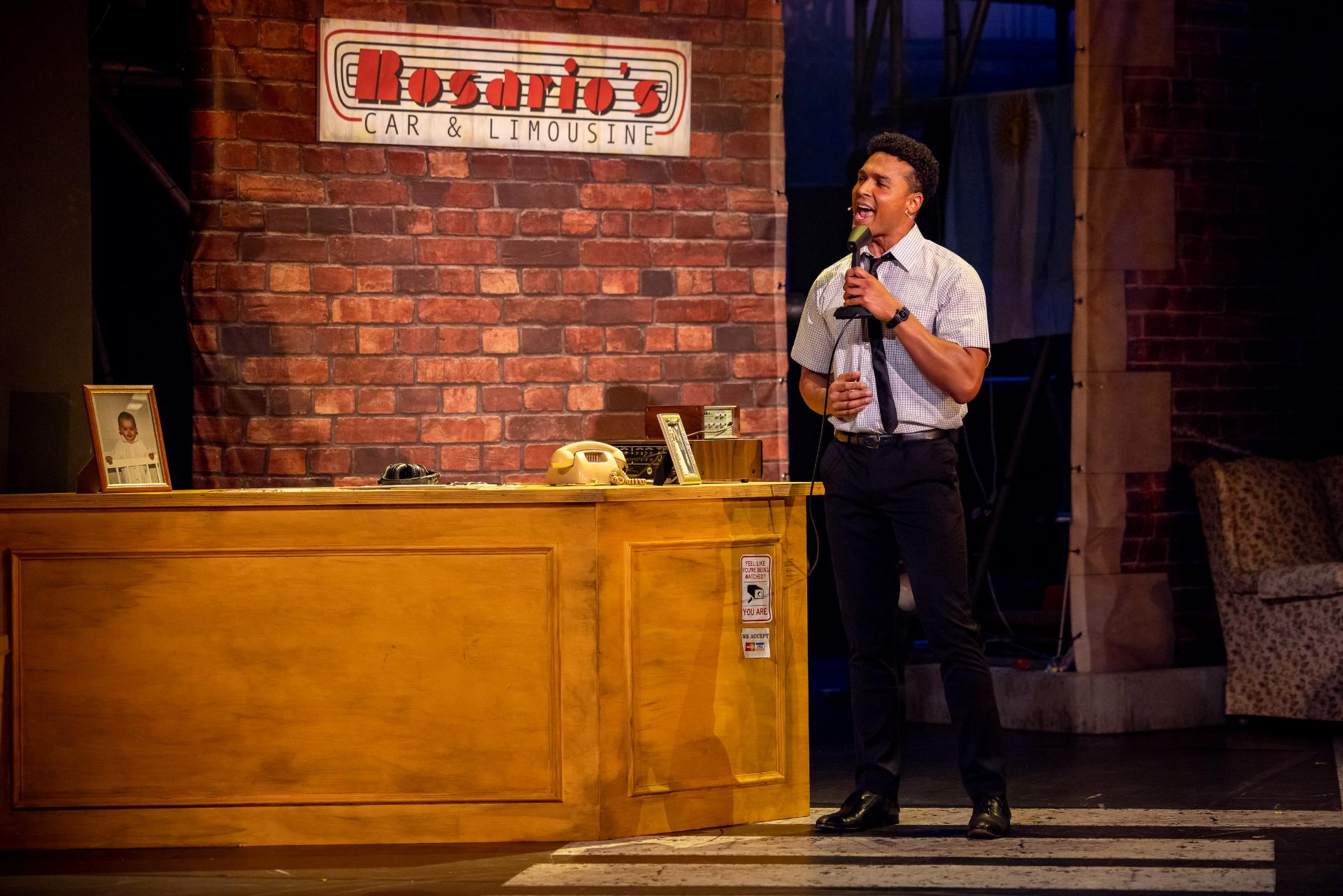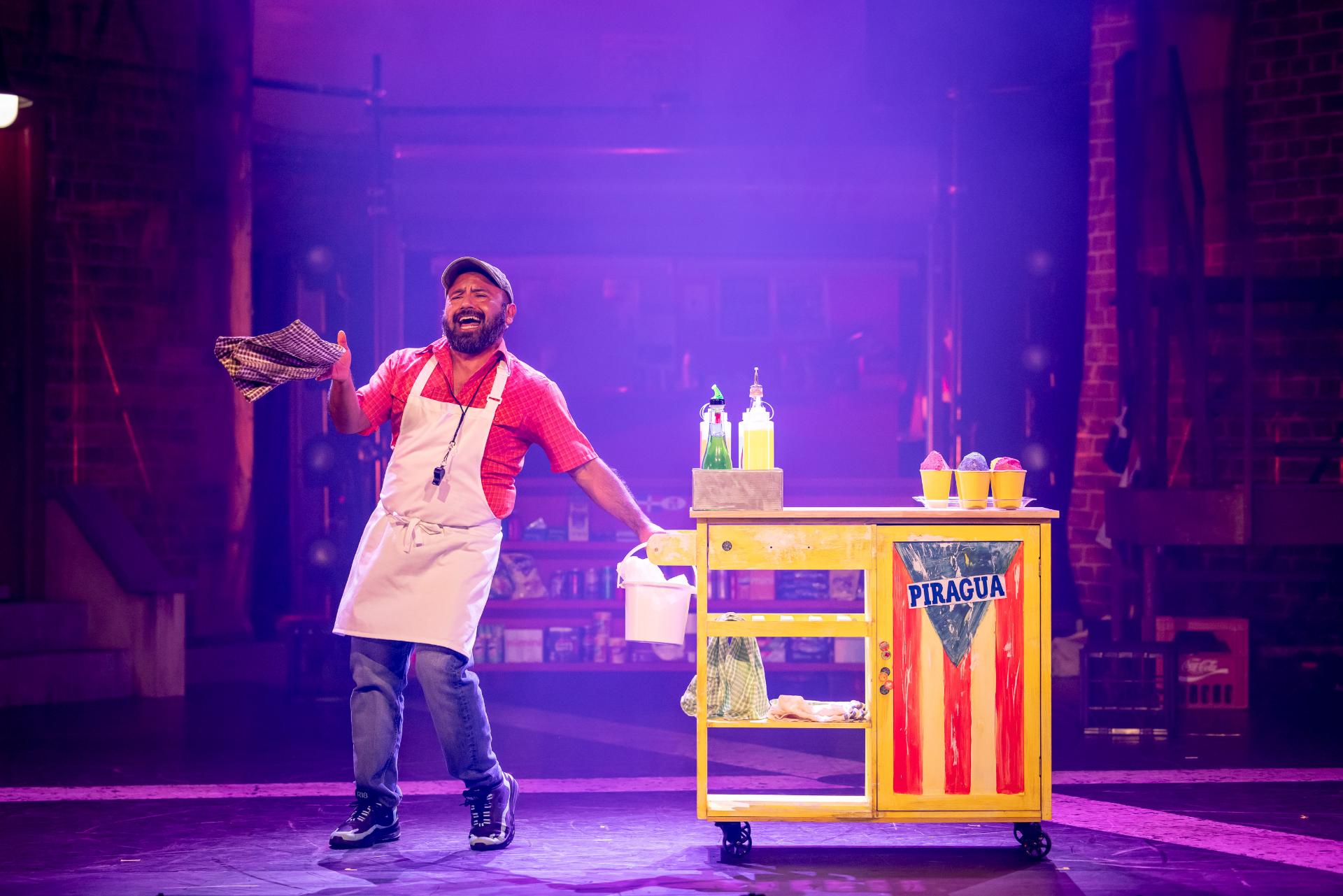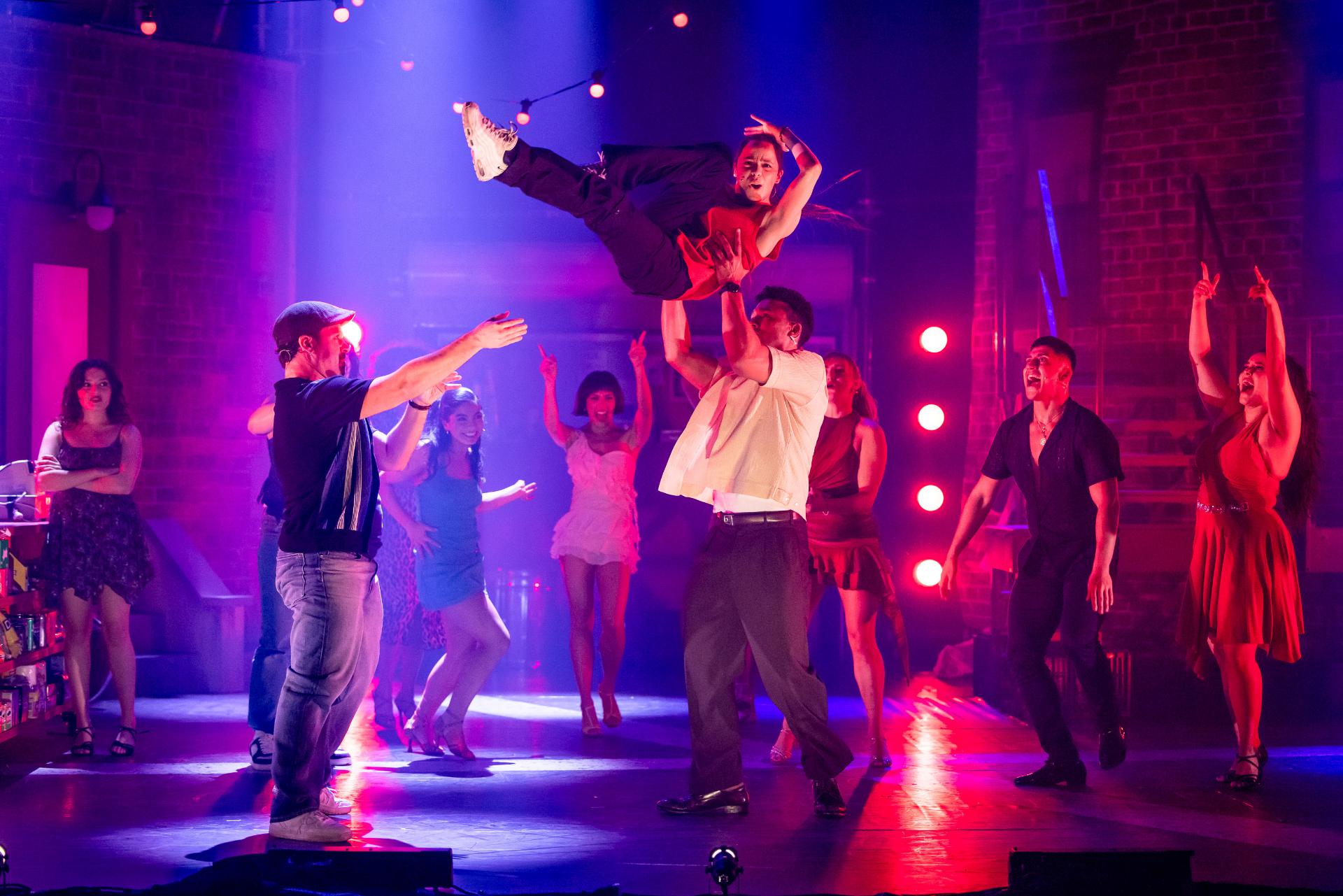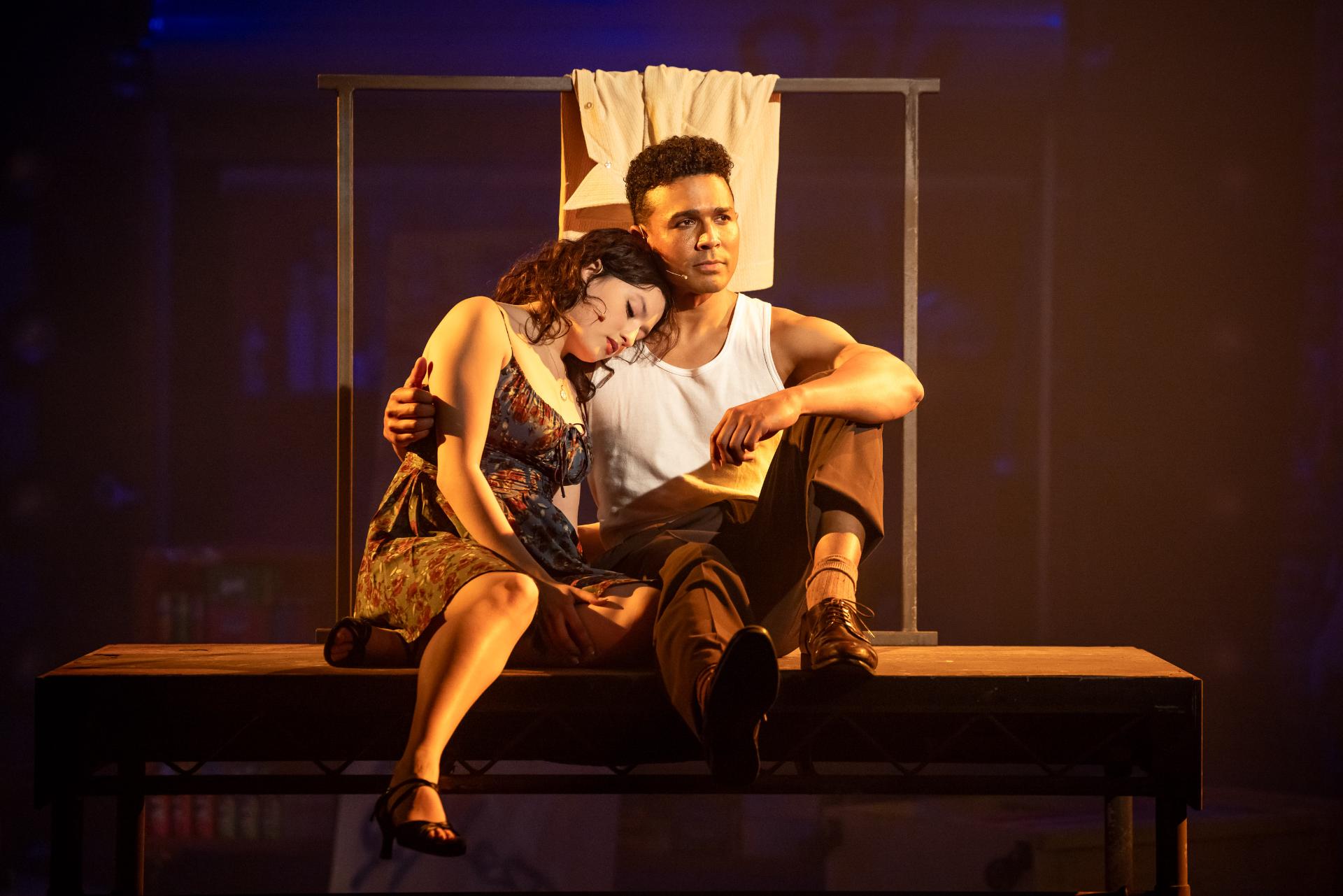
Review: The Lost Boys (Seymour Centre)

Venue: Seymour Centre (Chippendale NSW), Nov 10 – Dec 1, 2023
Directors: Craig Baldwin, Eliza Scott
Cast: Samuel Beazley, Adriane Daff, Emma Harrison, Romain Hassanin, Julia Robertson, Eliza Scott, Anusha Thomas
Images by Grant Leslie

Theatre review
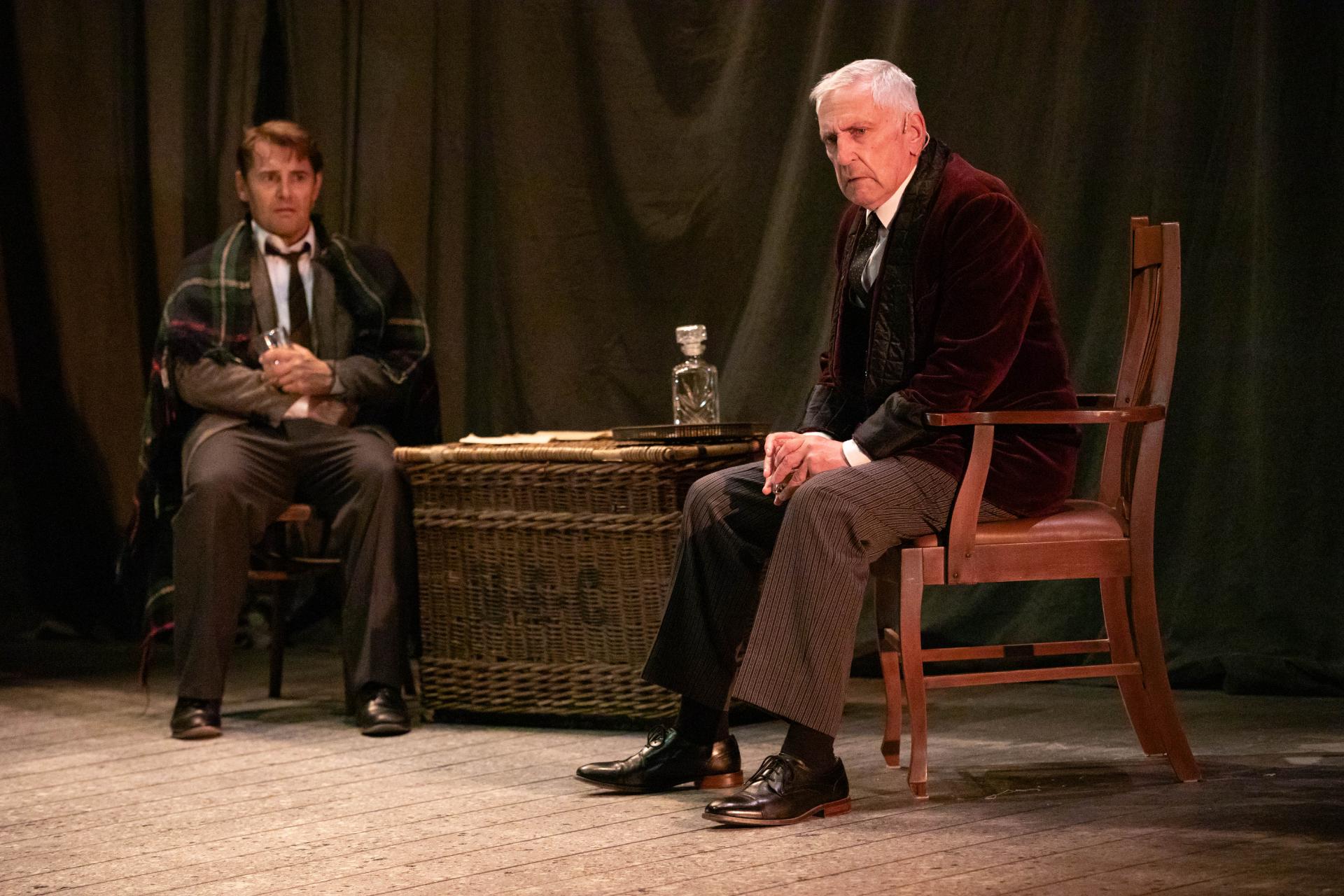
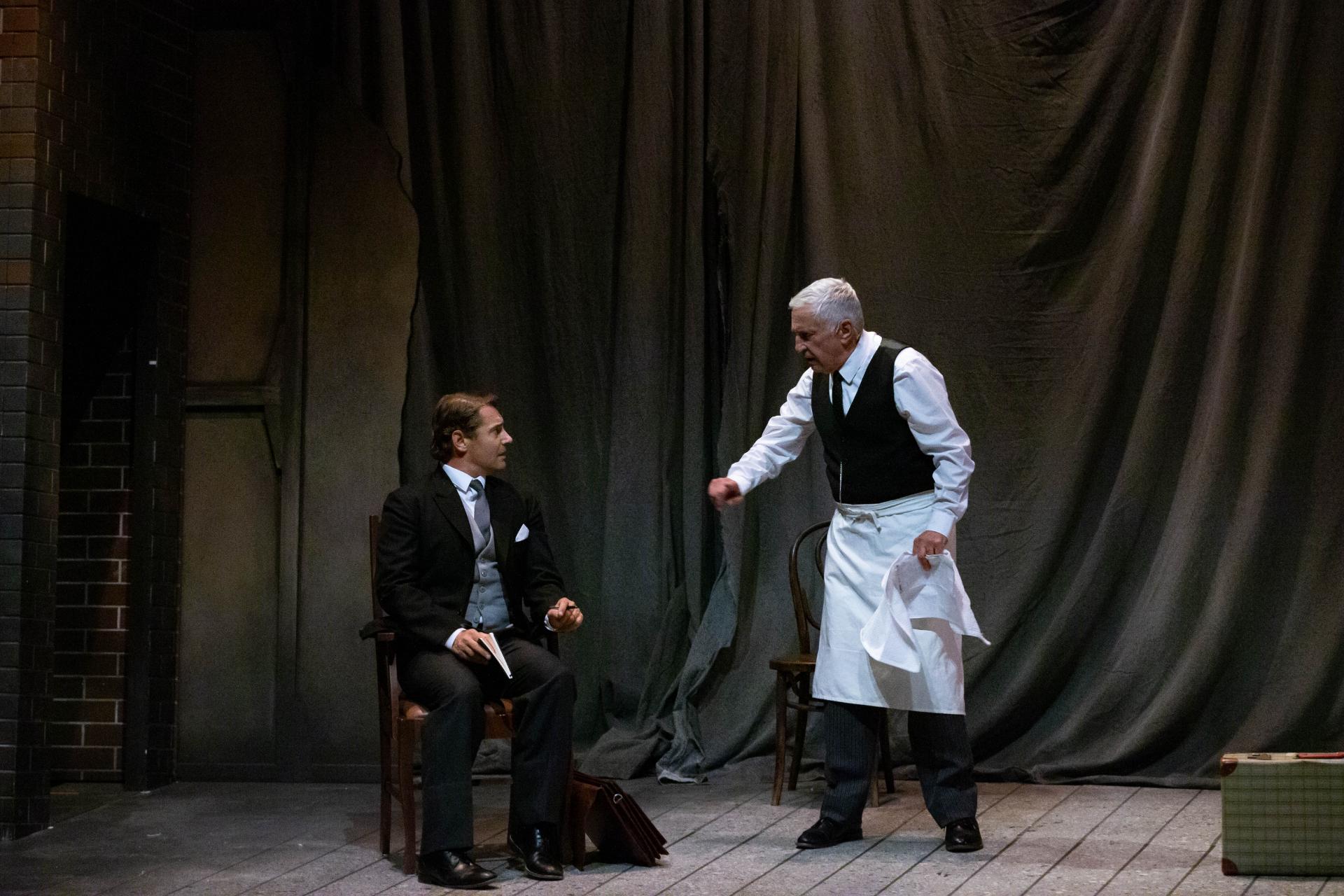
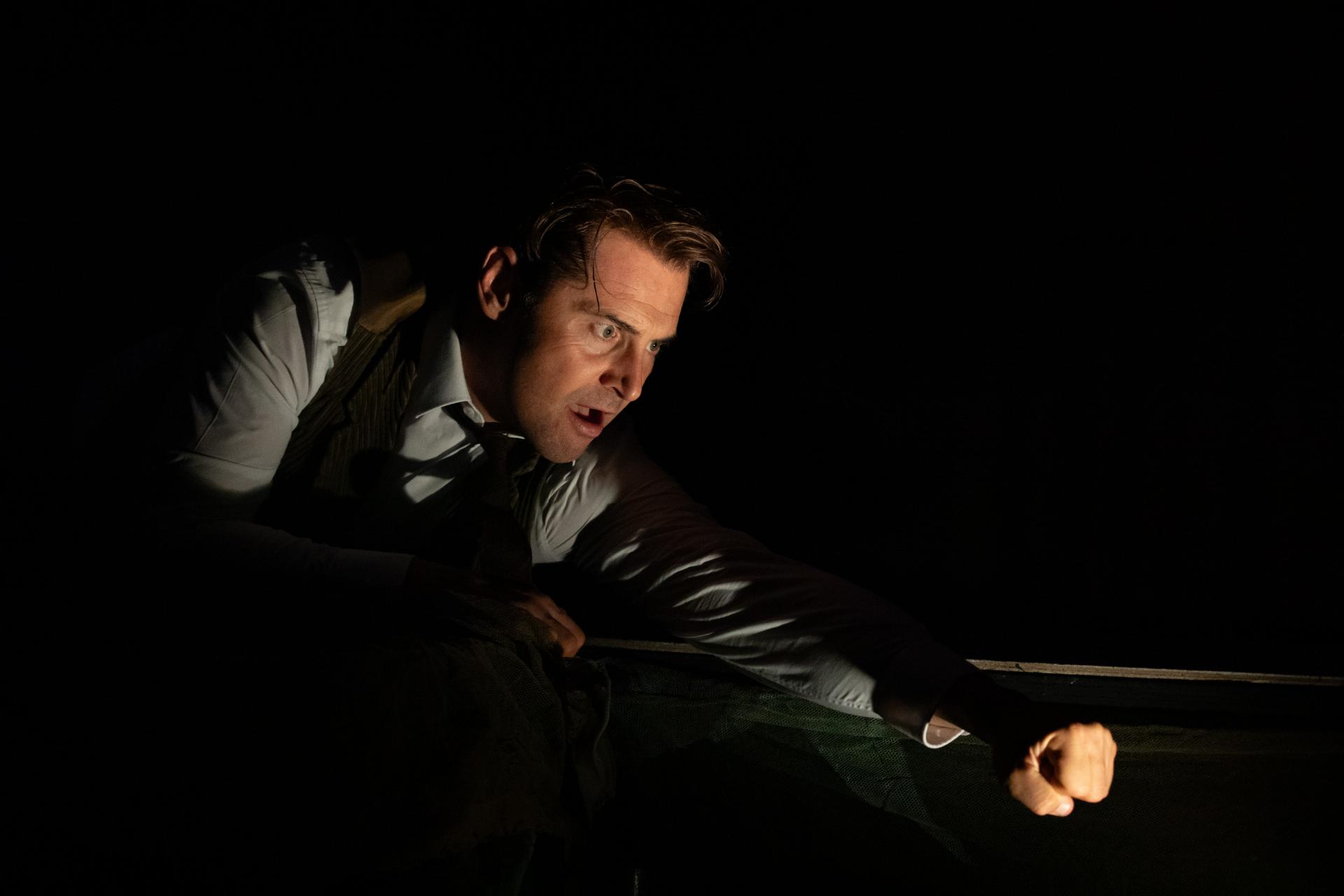
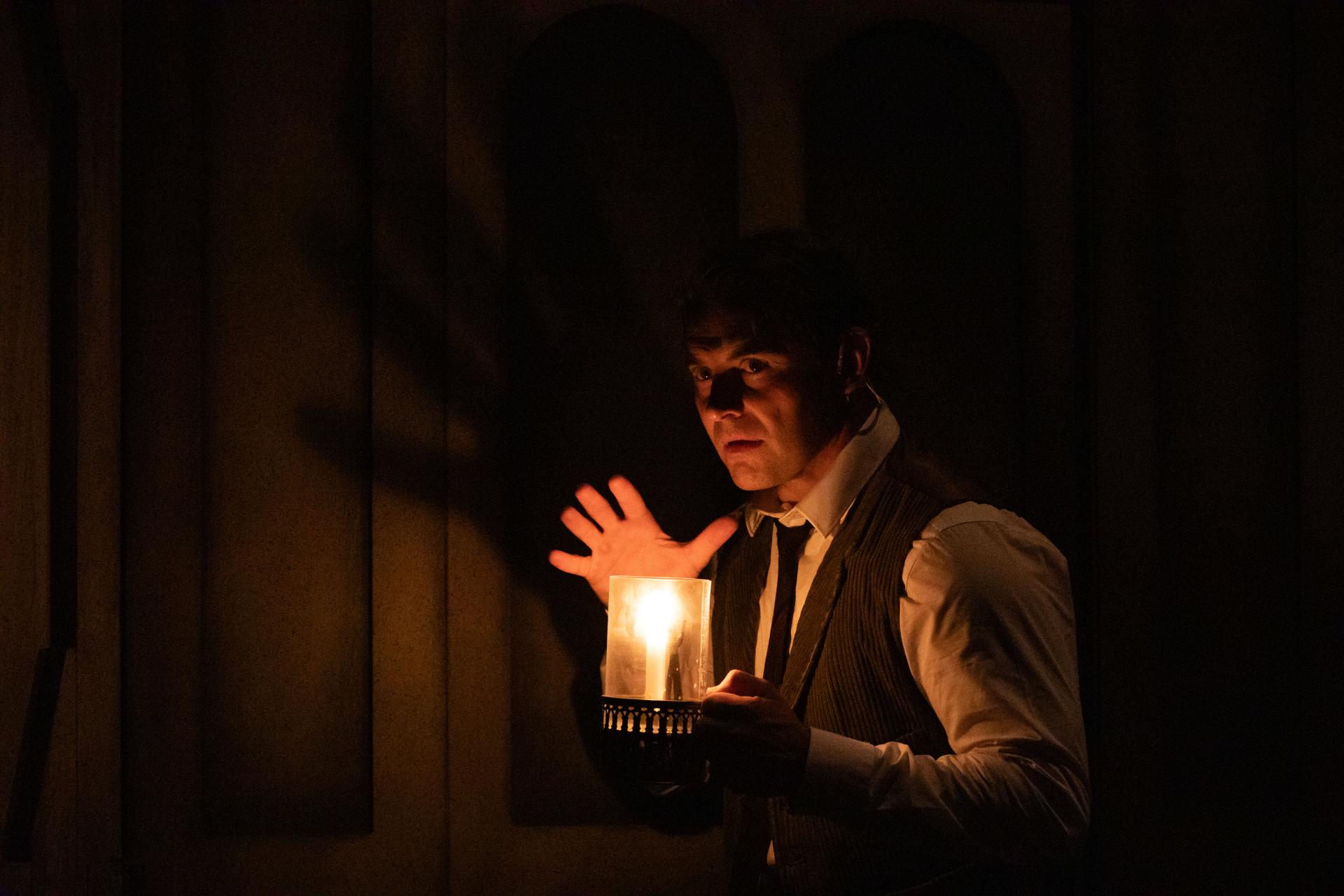
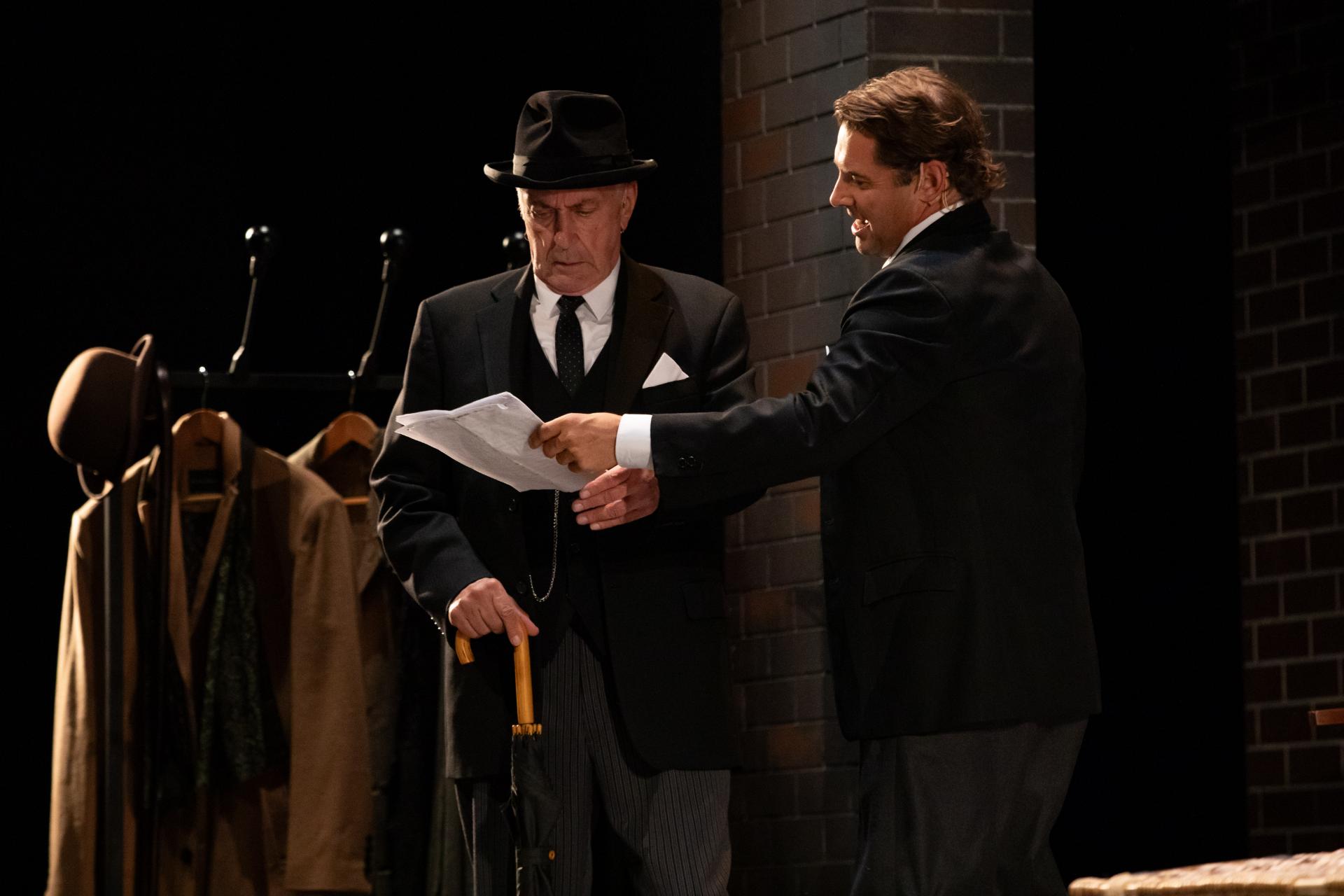
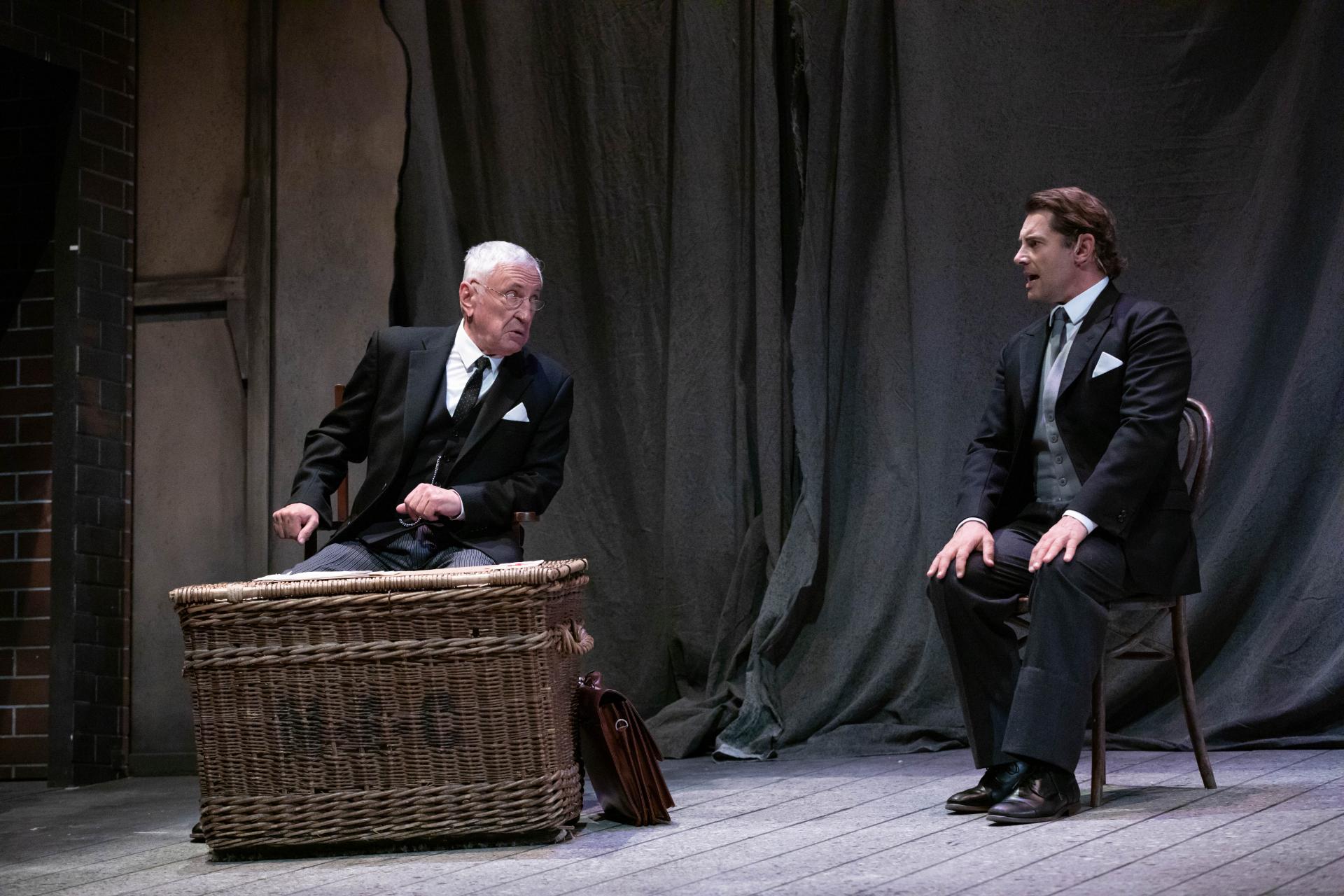
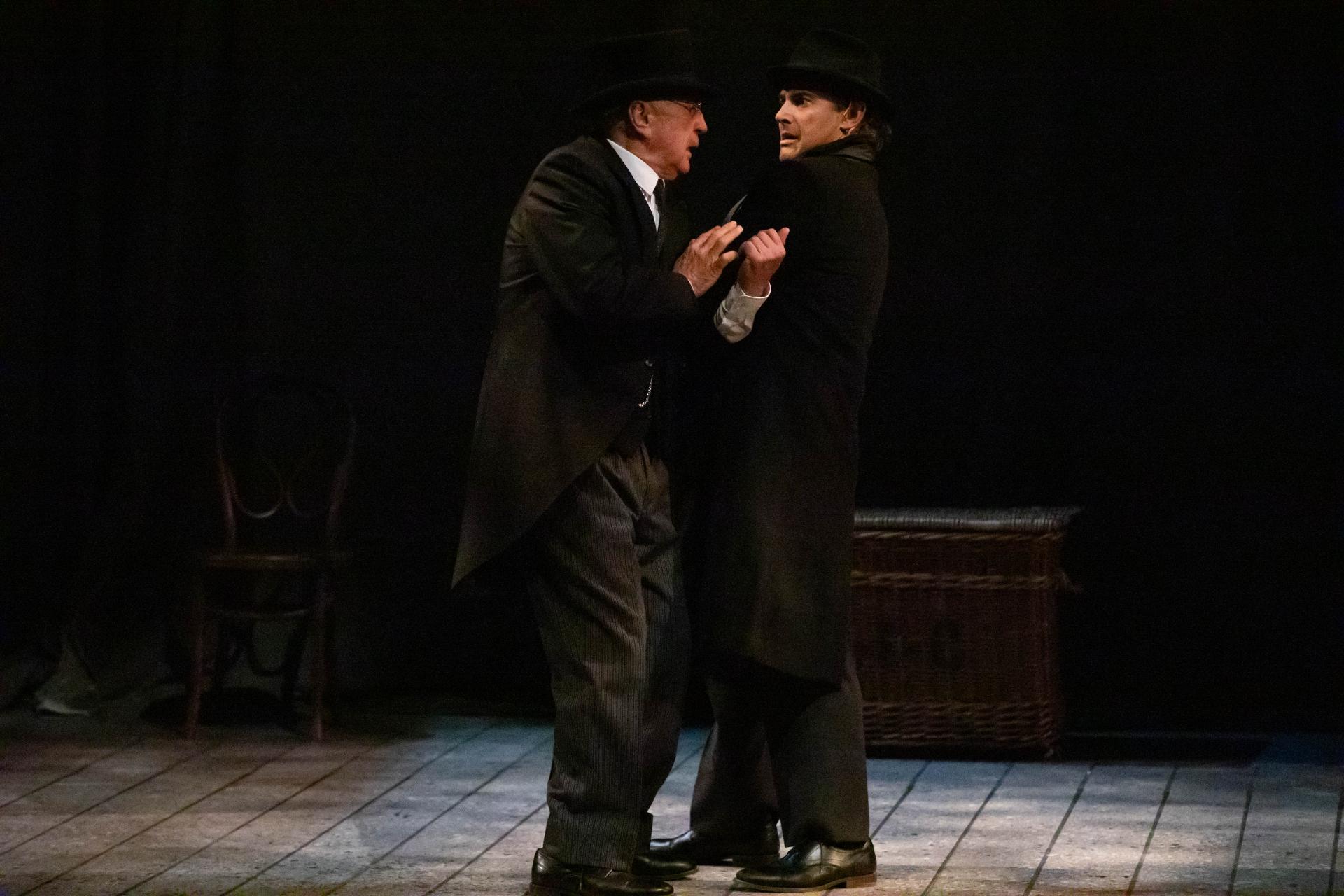
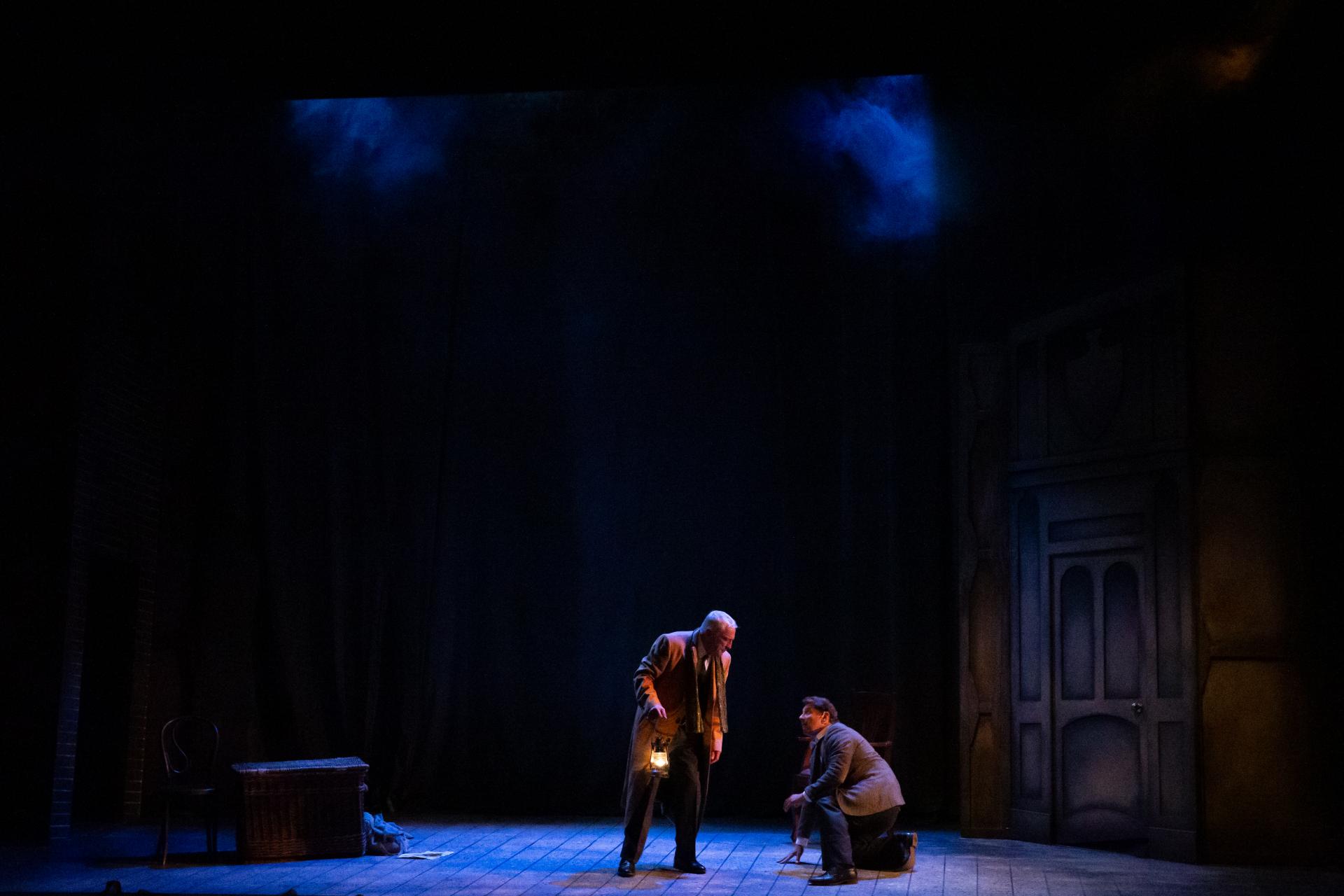
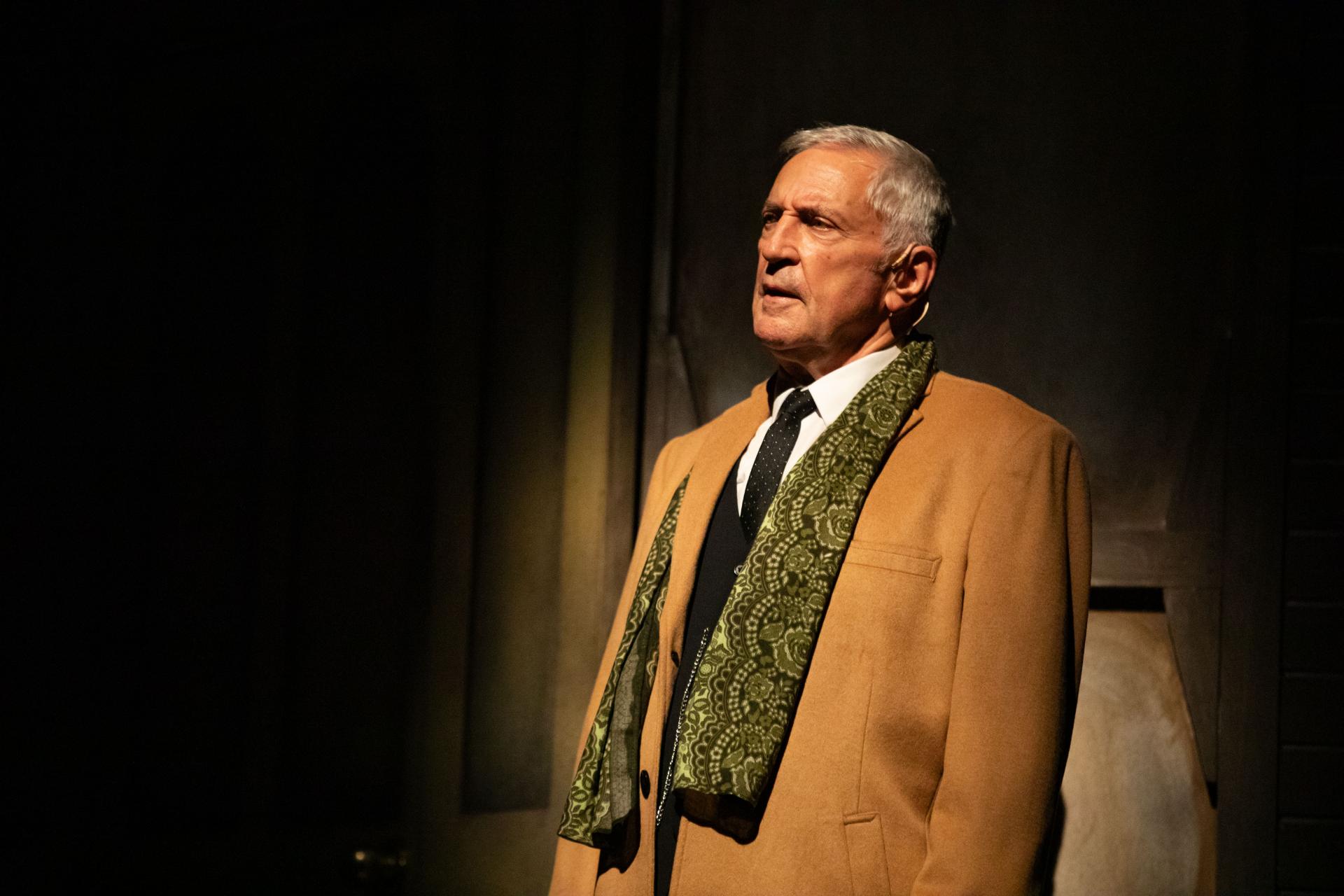
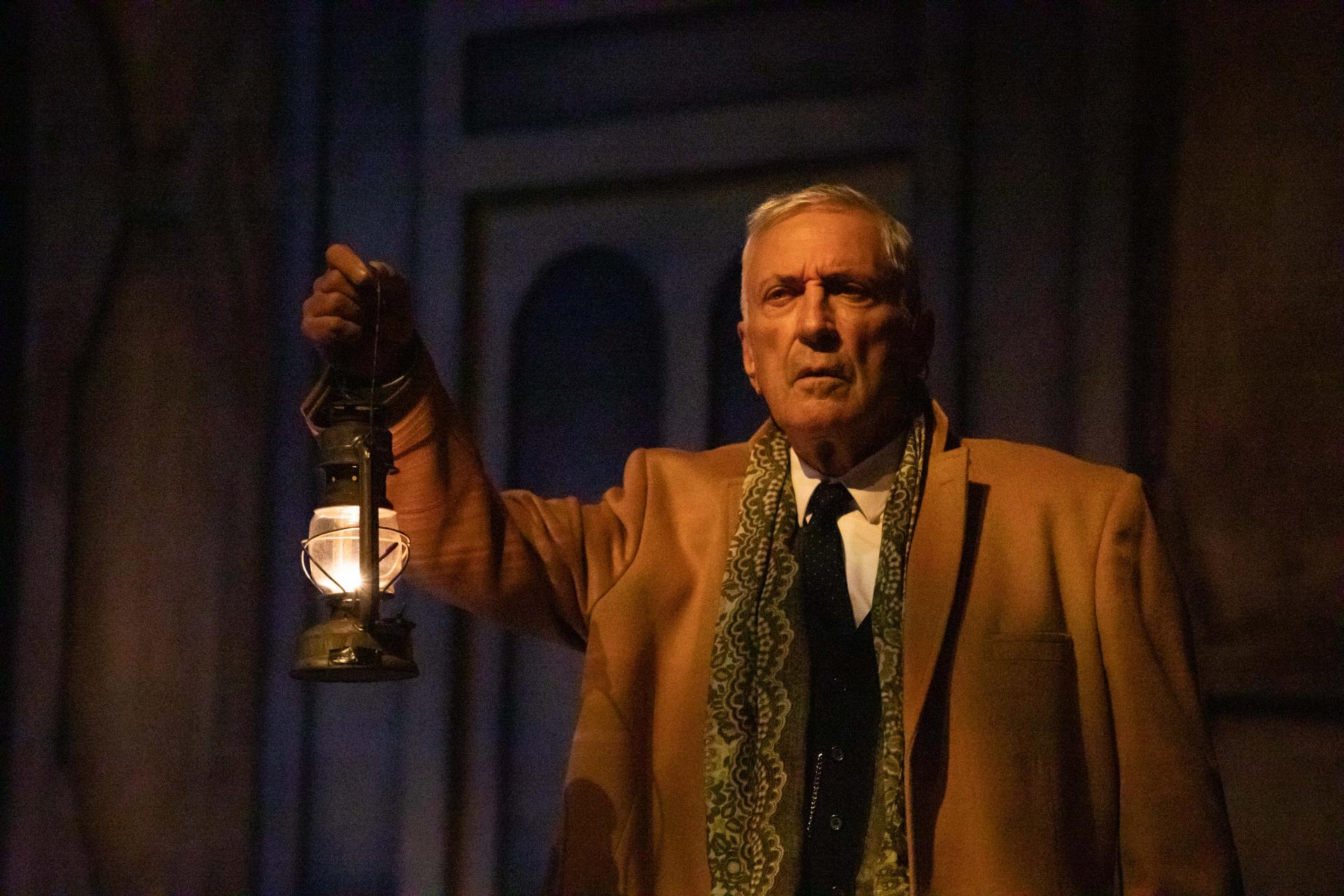
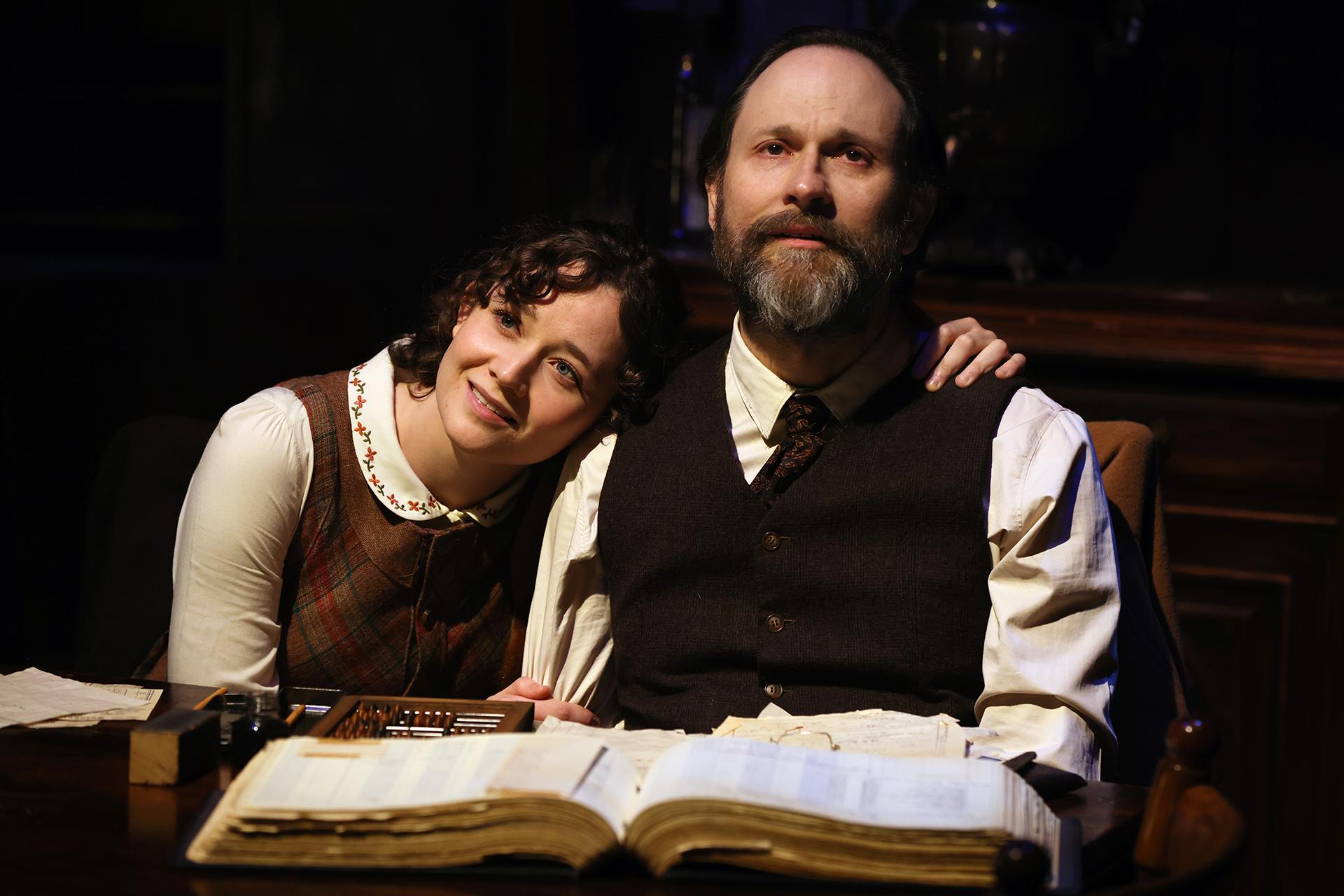
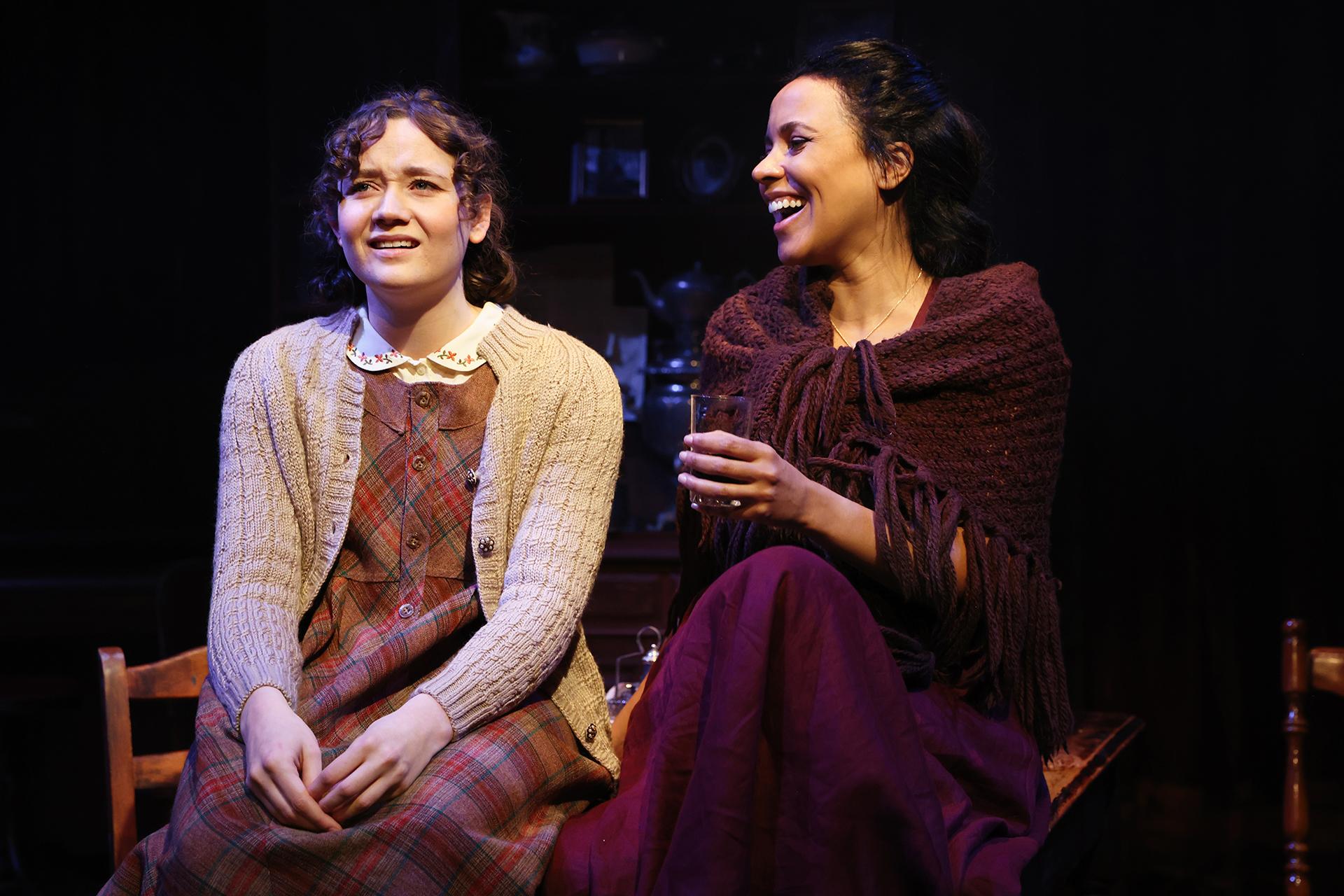
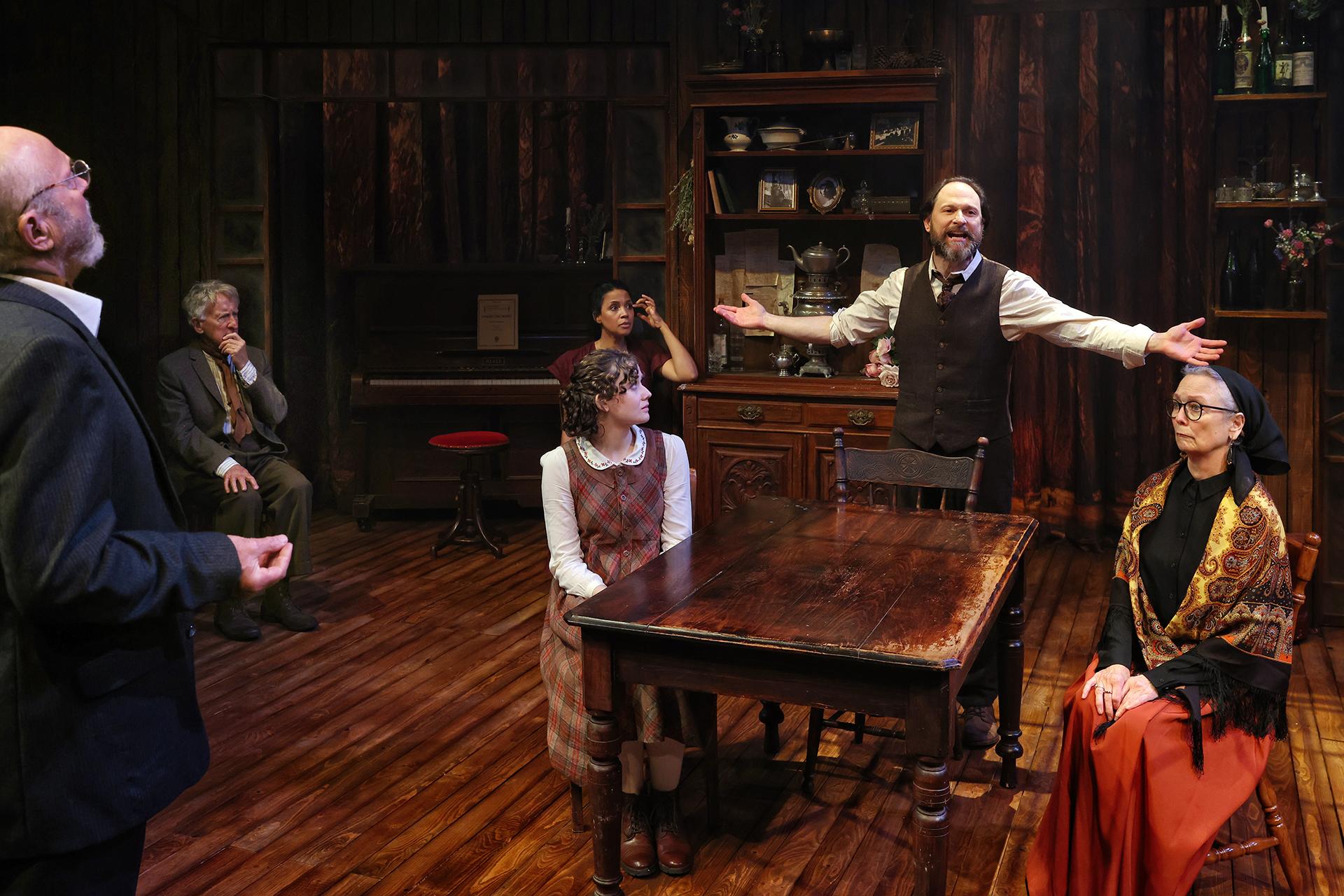
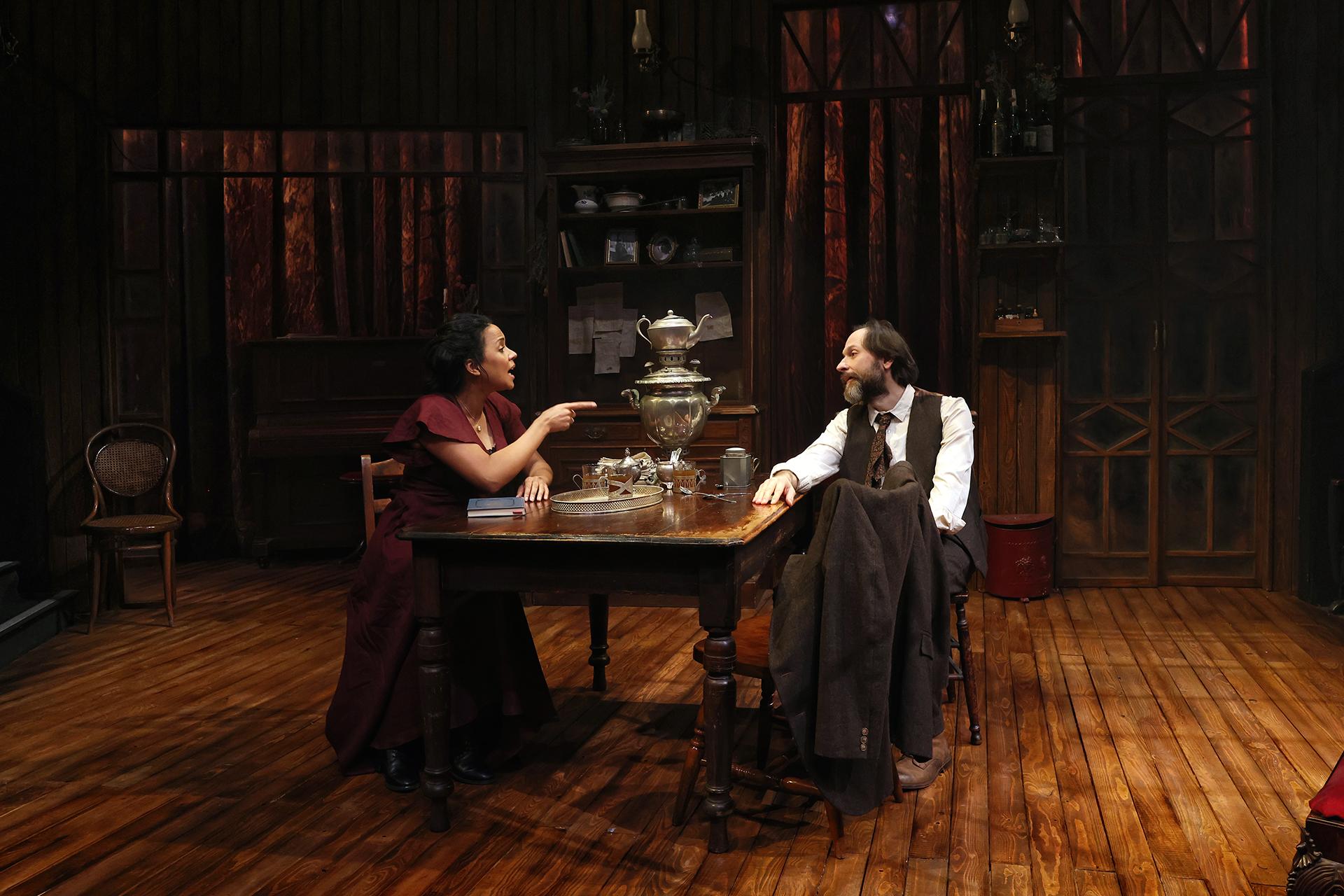
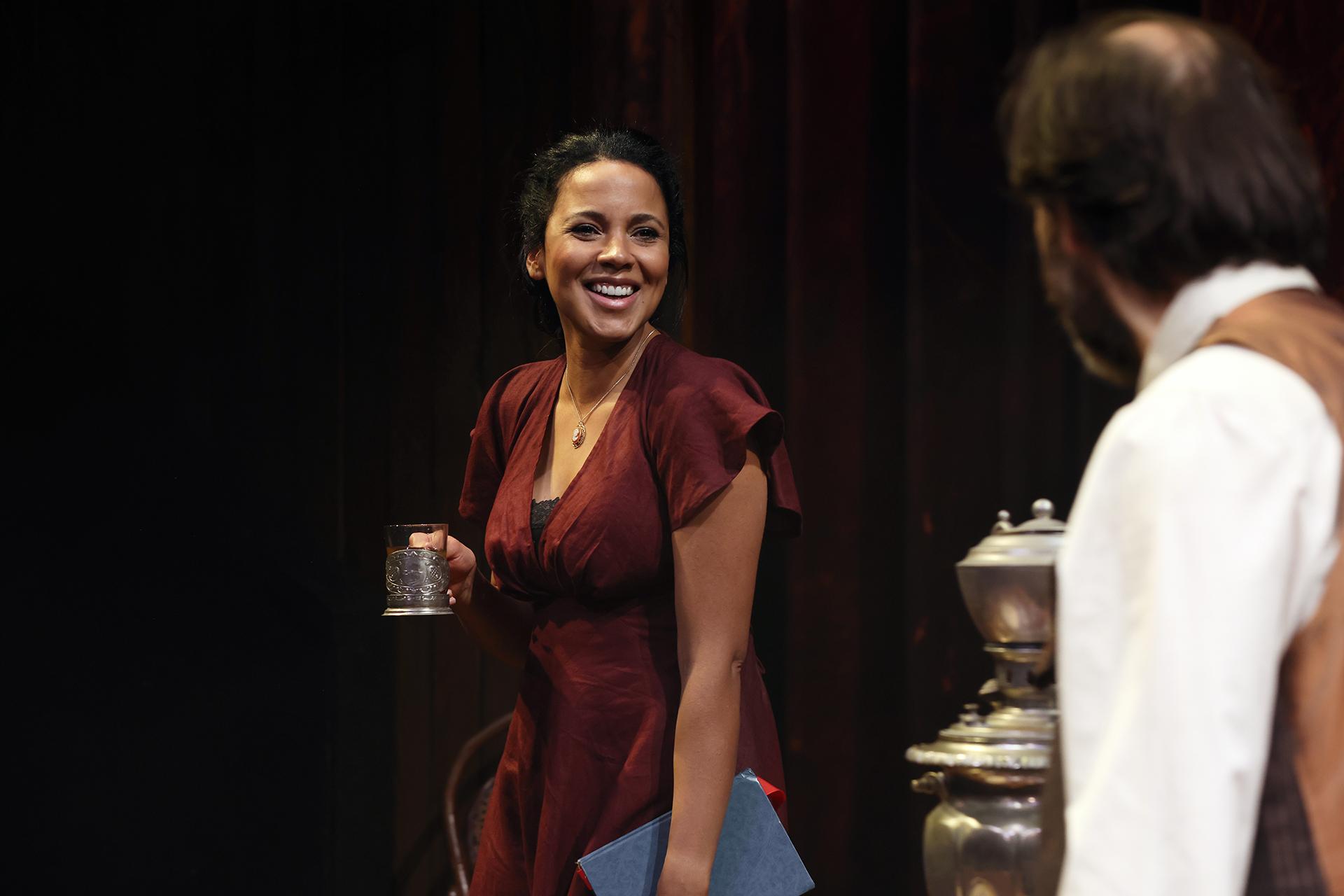
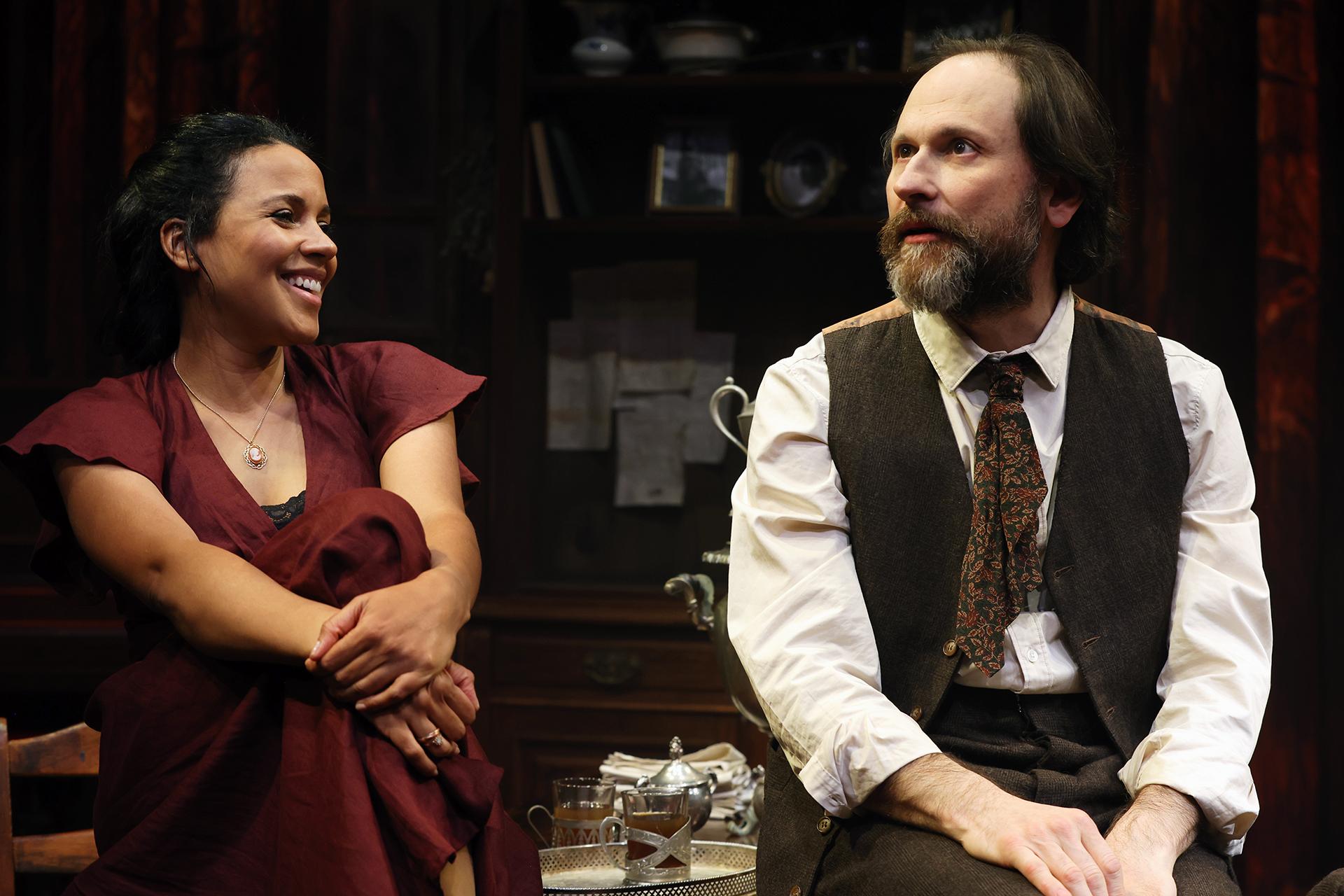
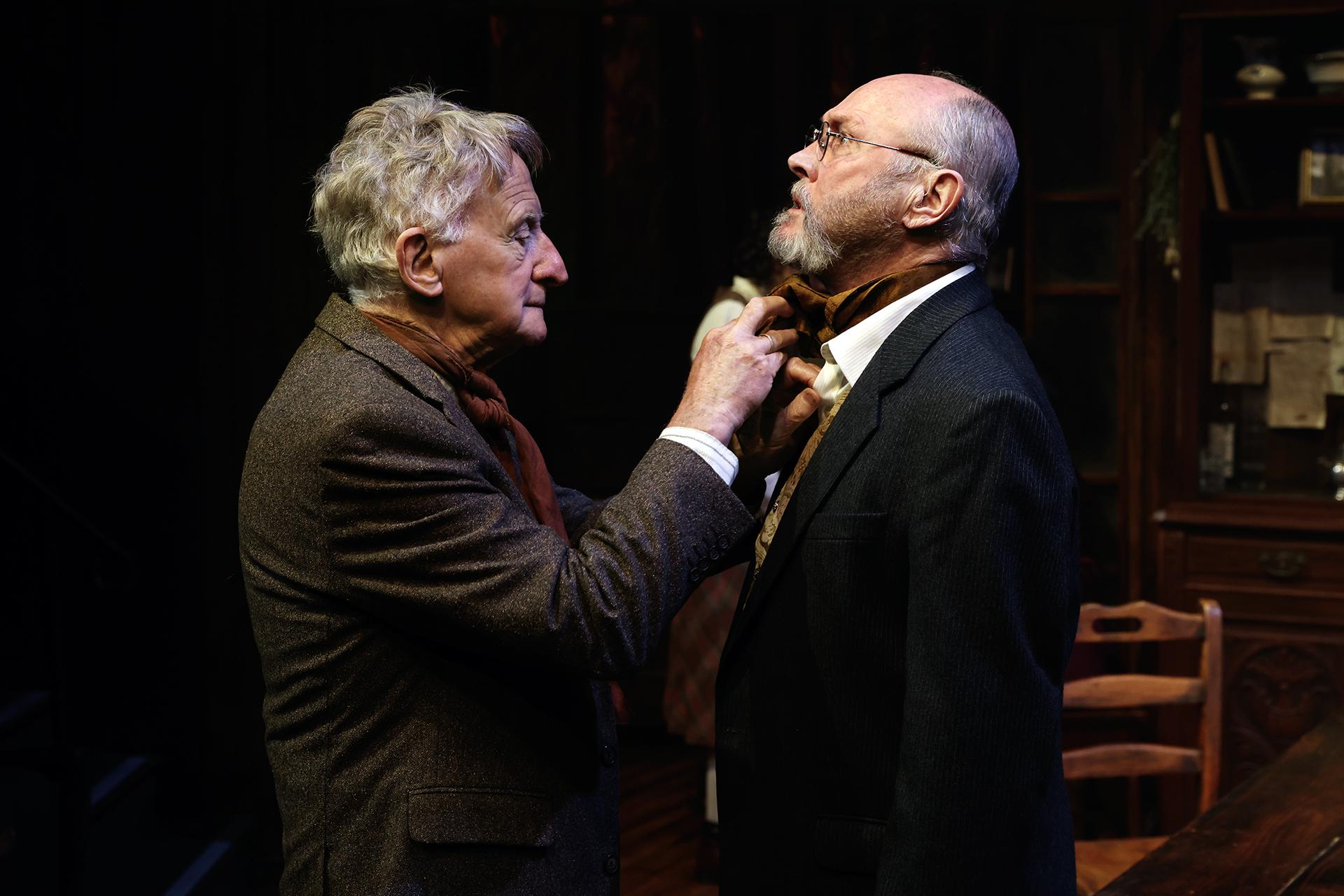
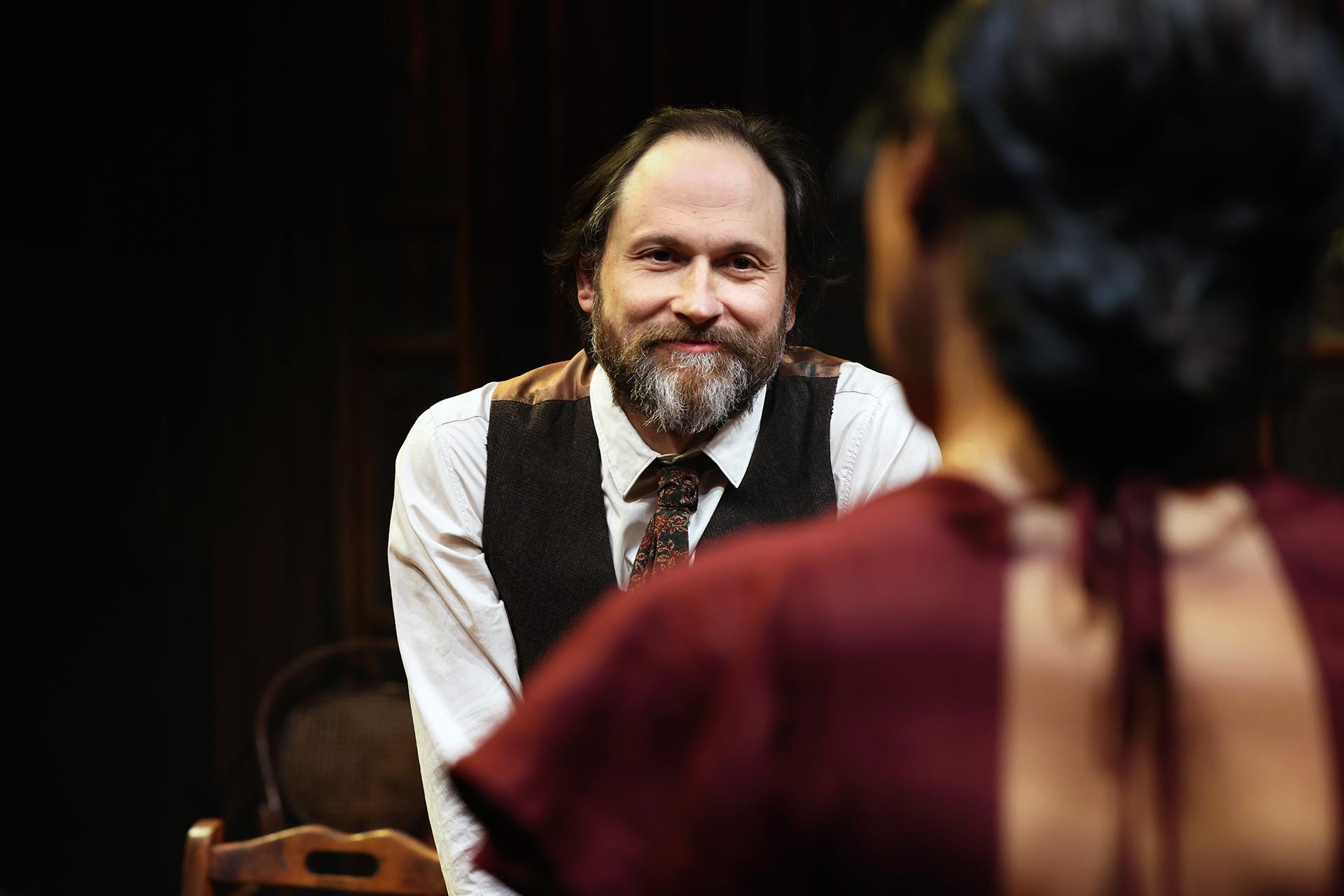
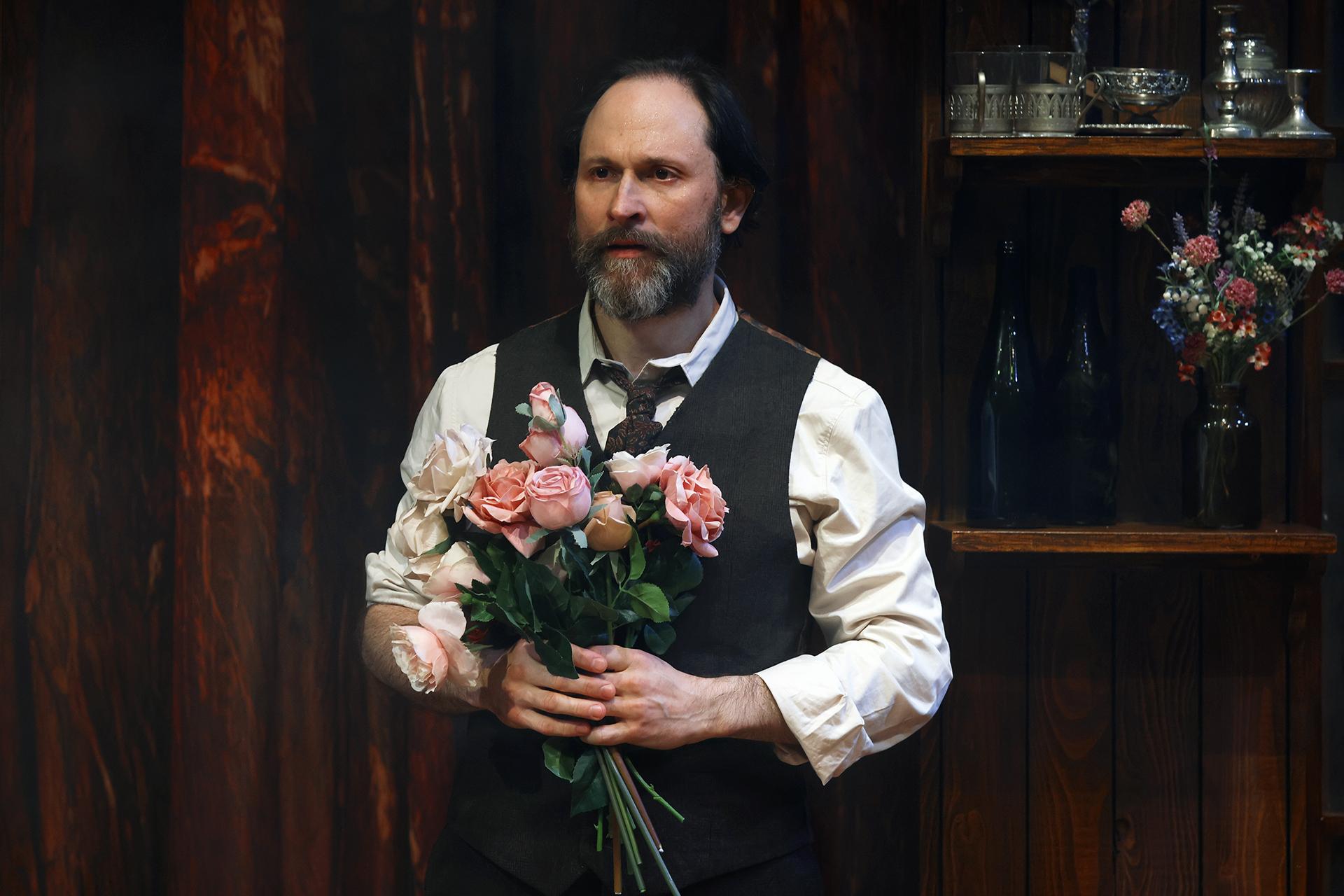
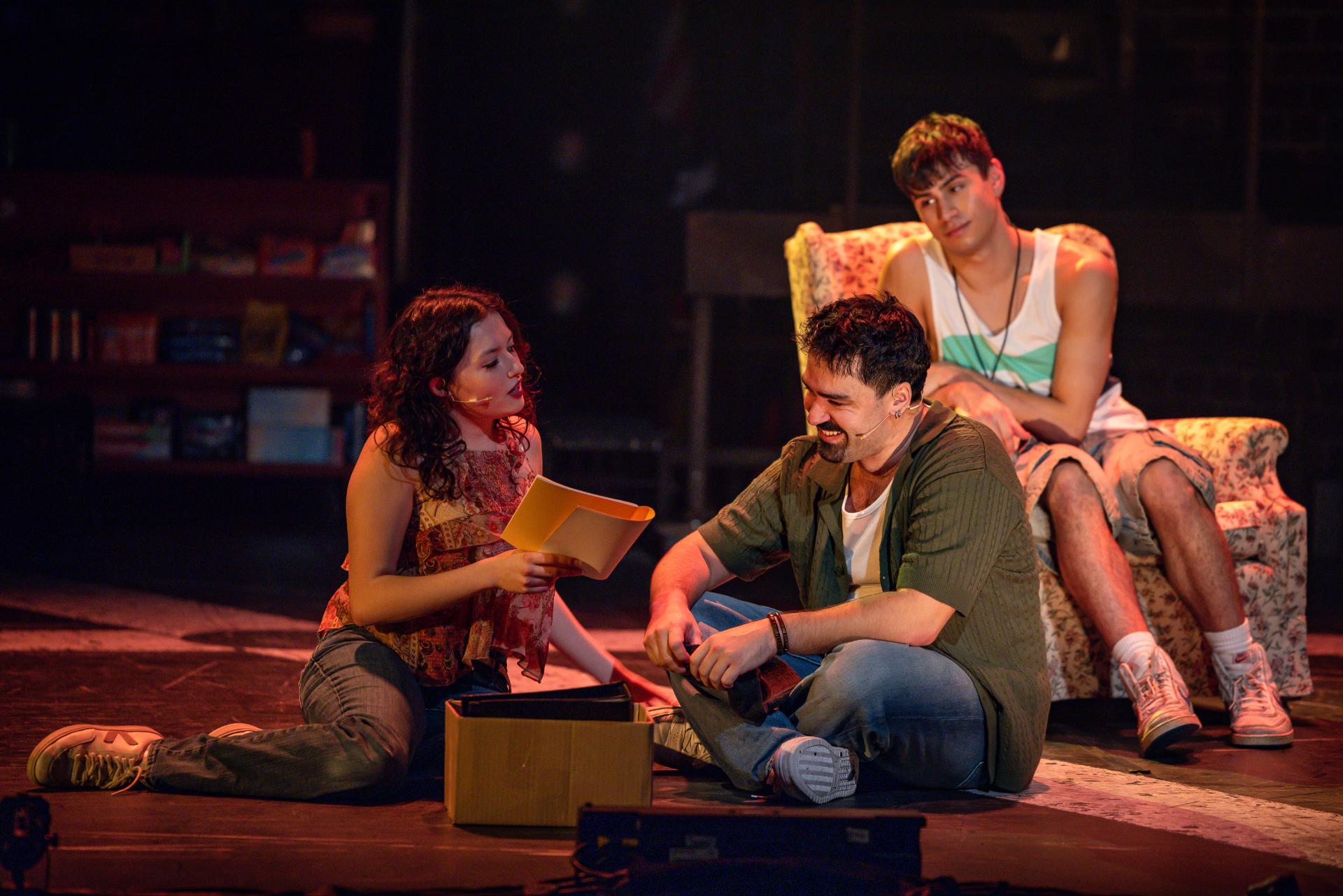
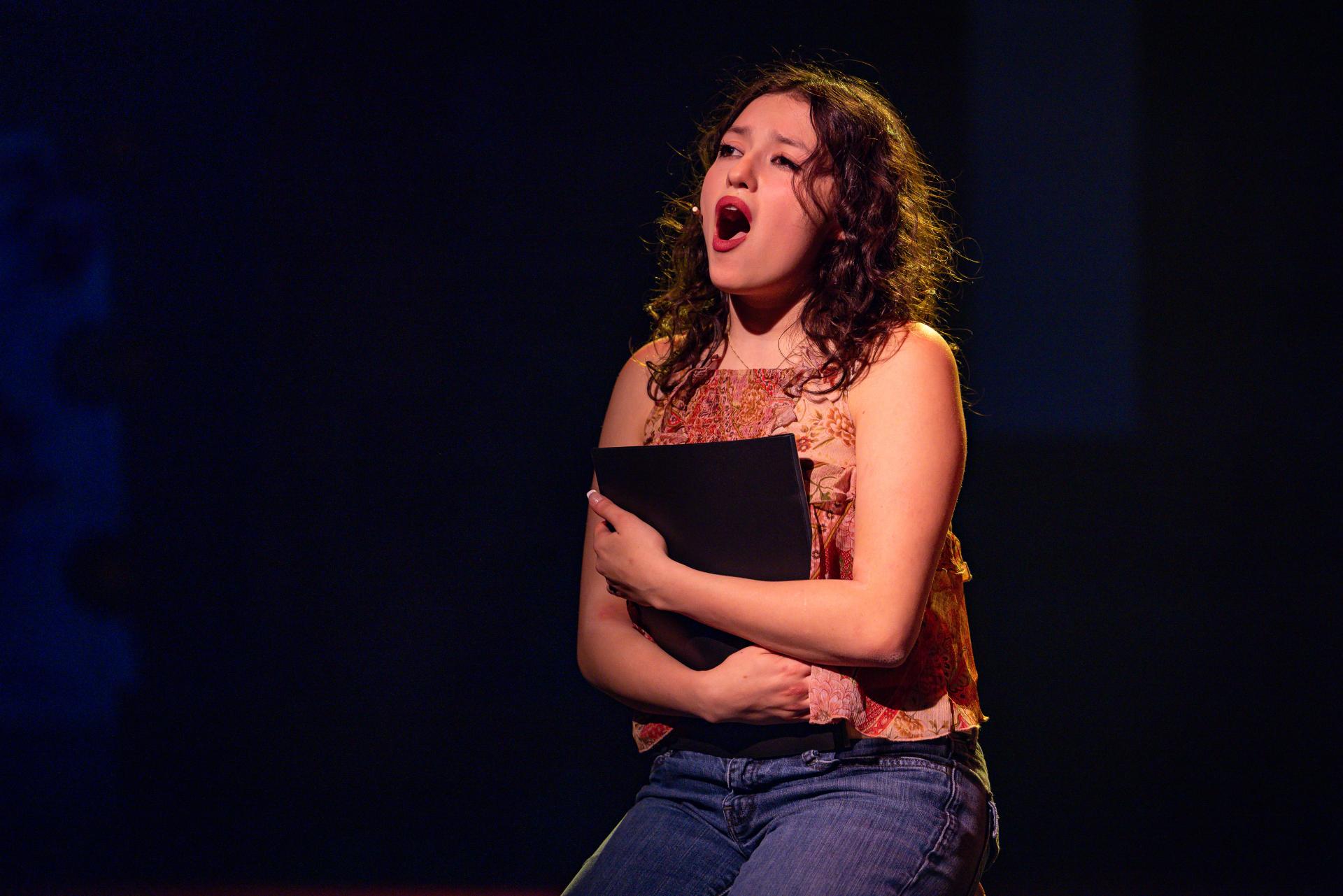
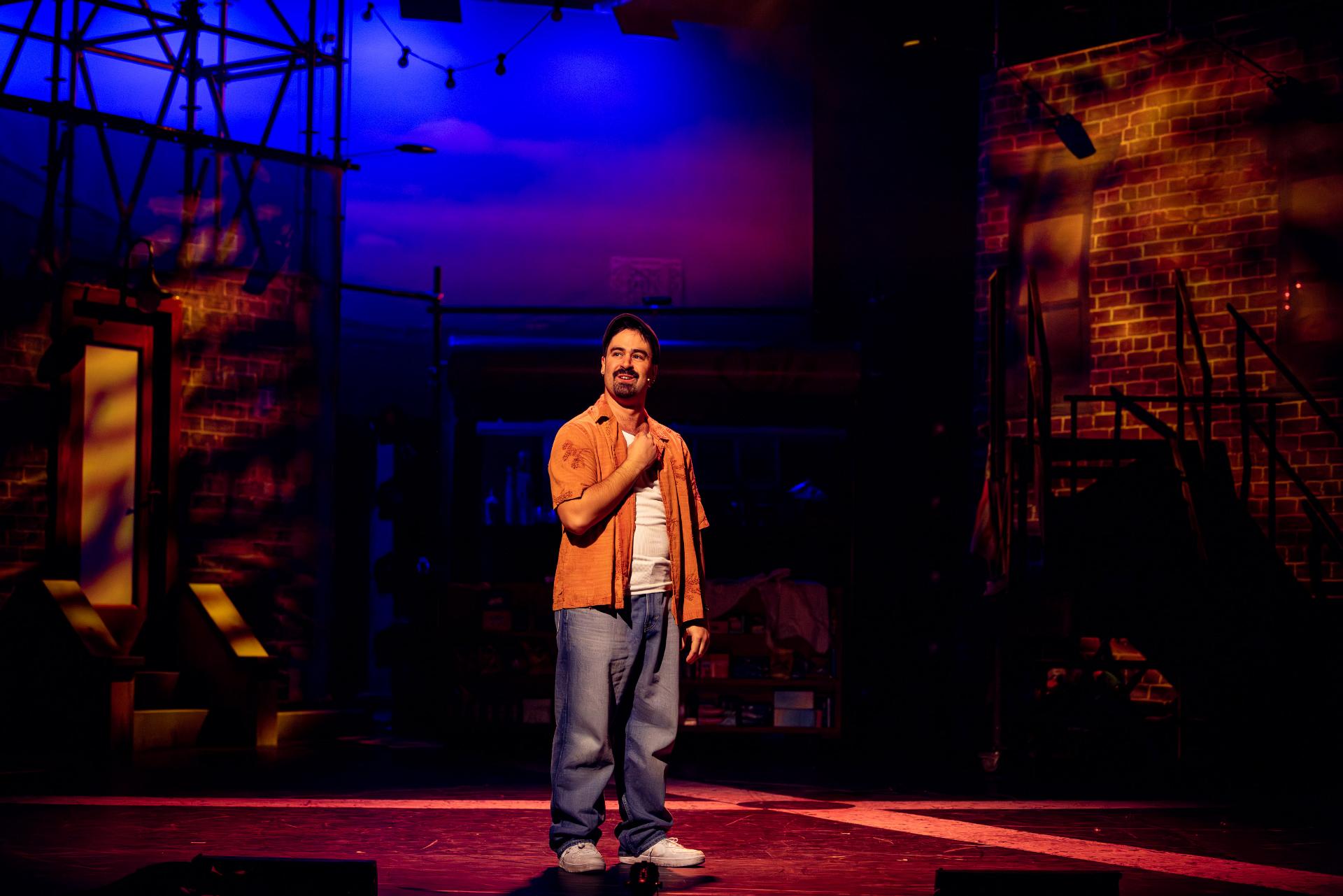
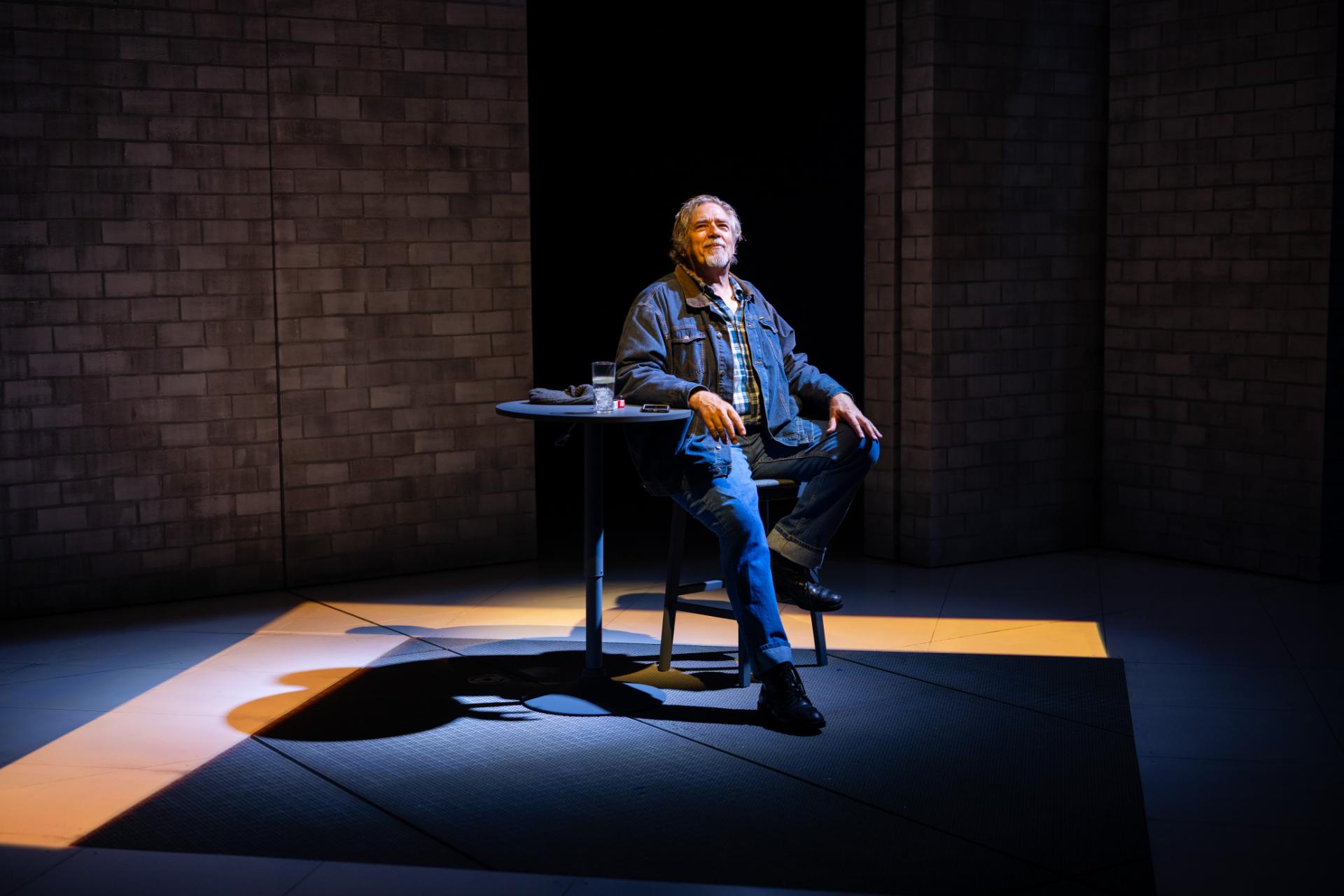
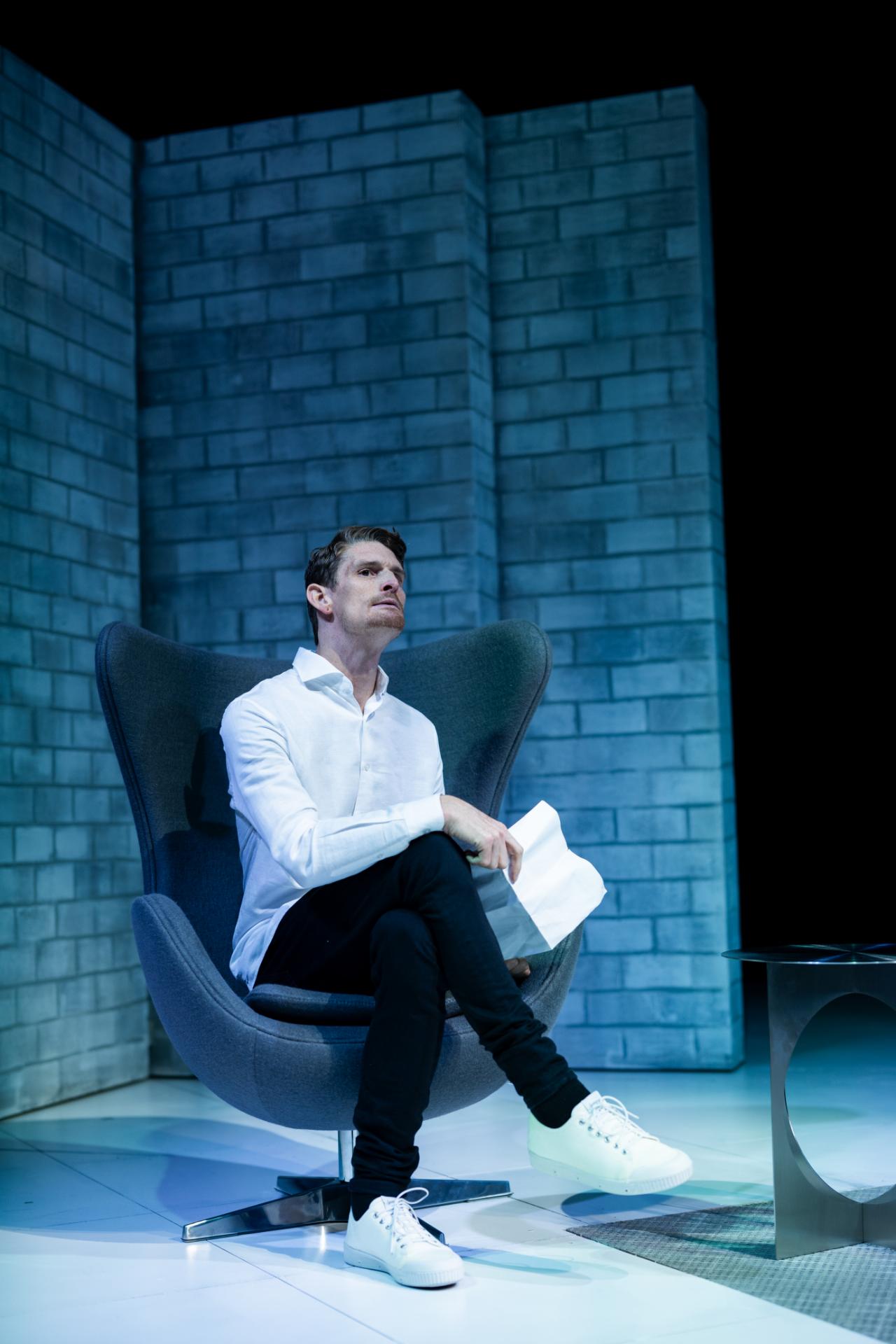
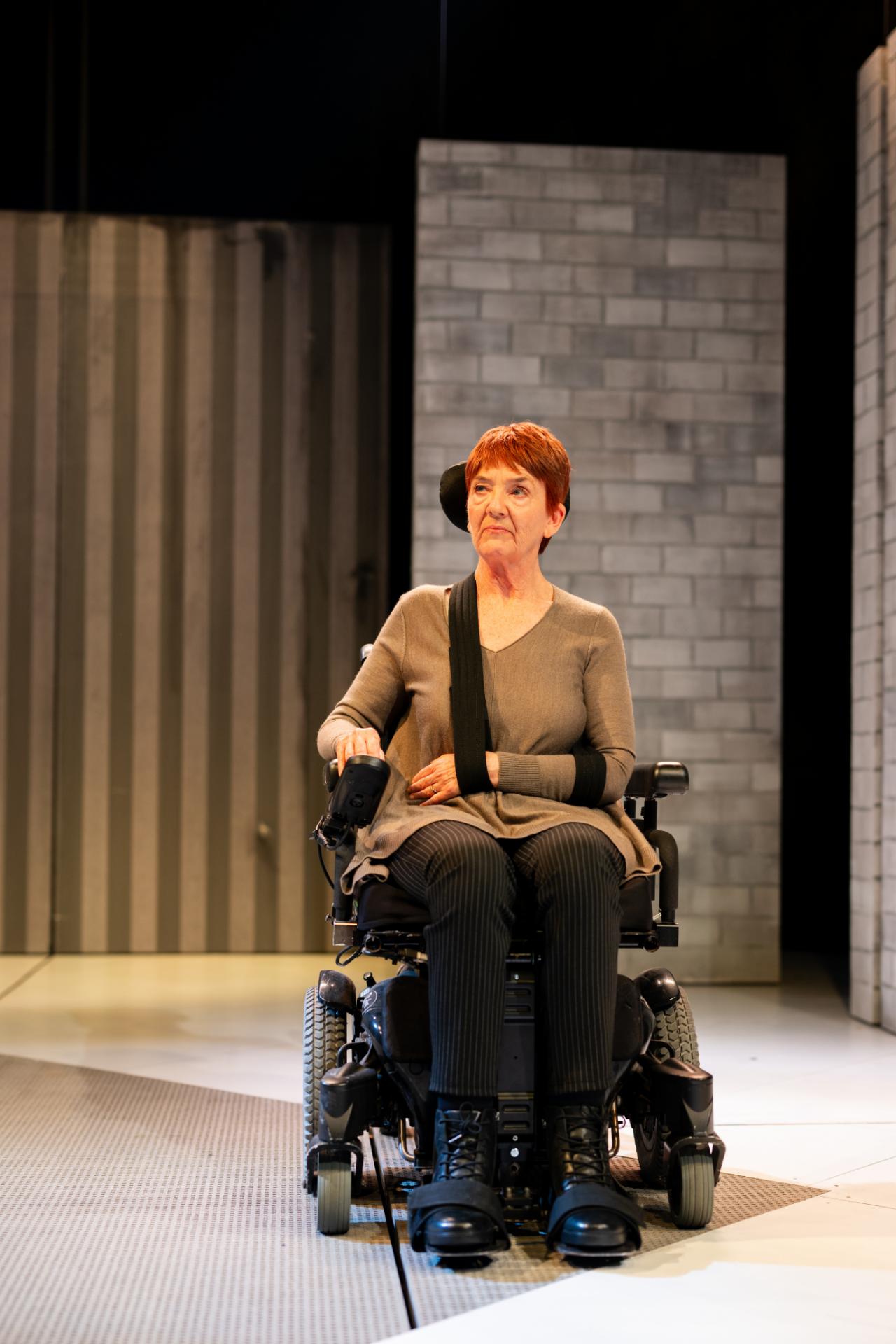
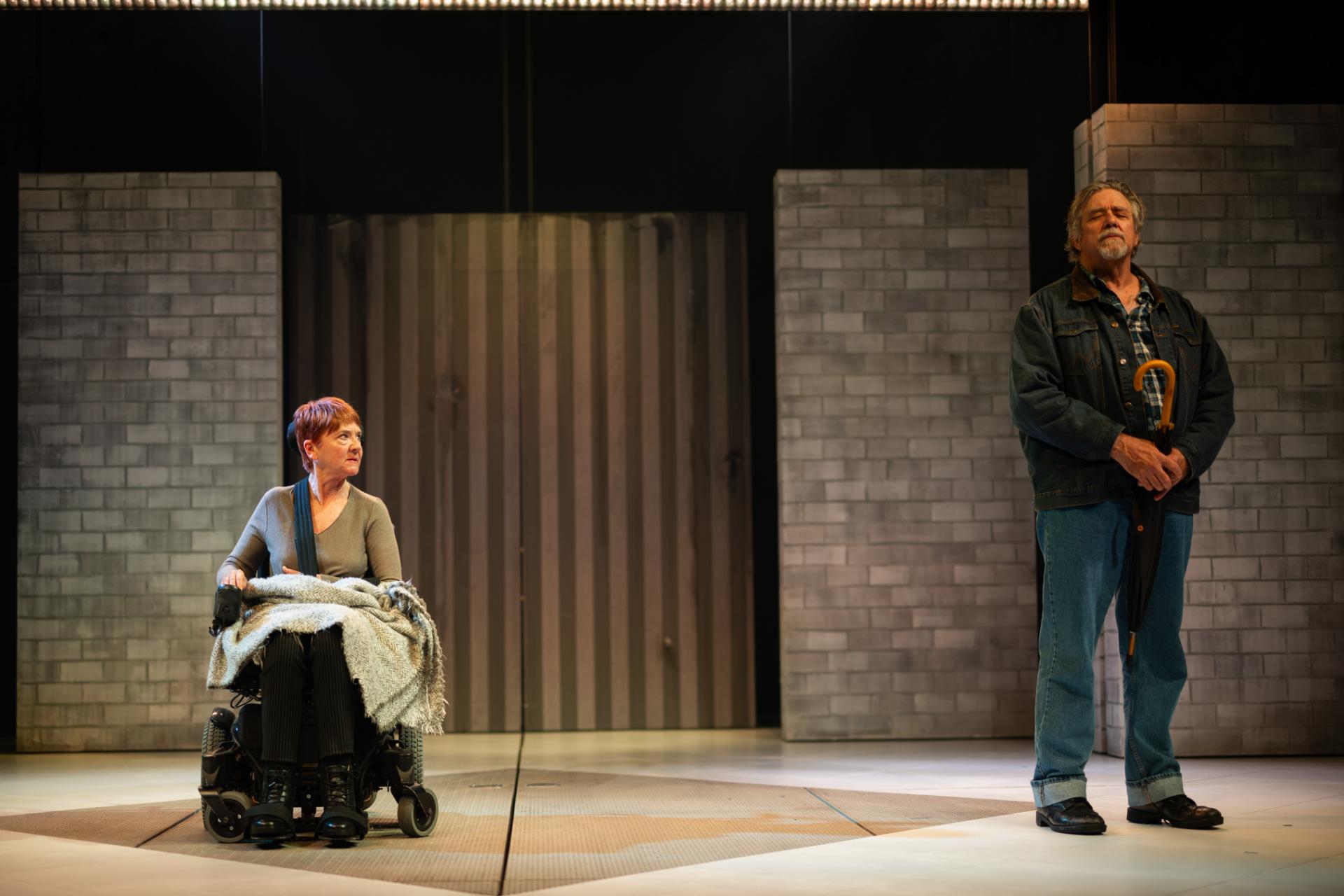
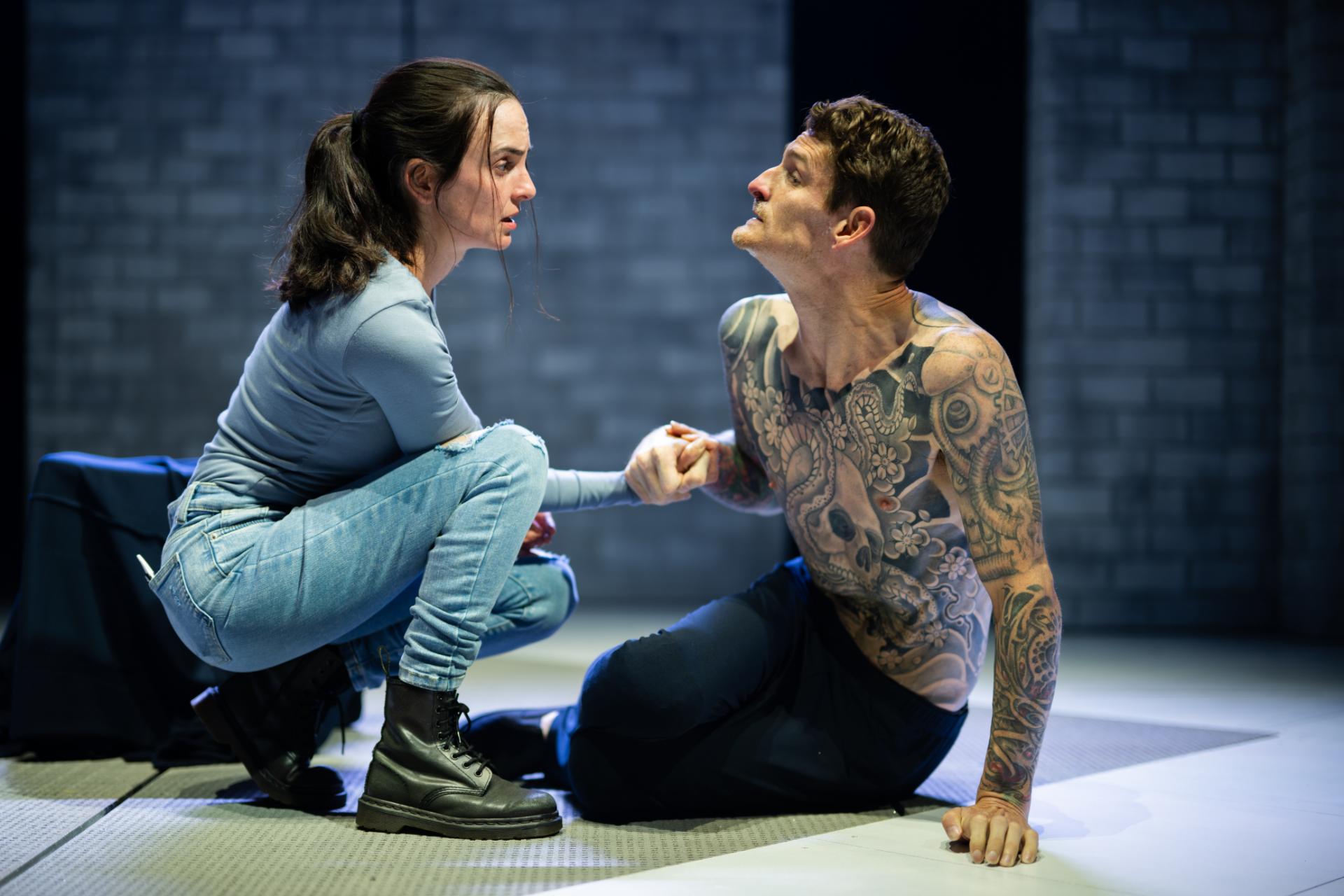
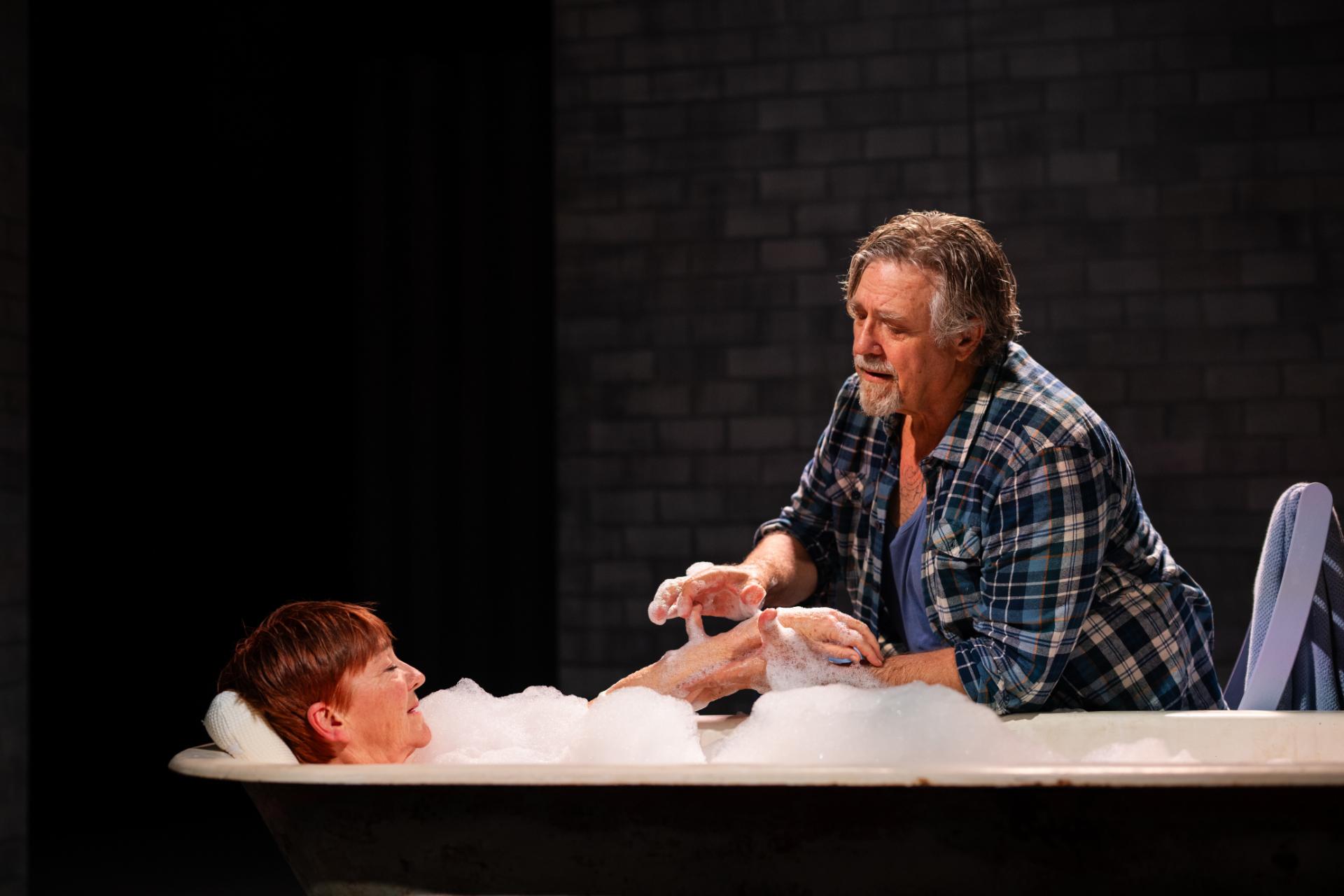
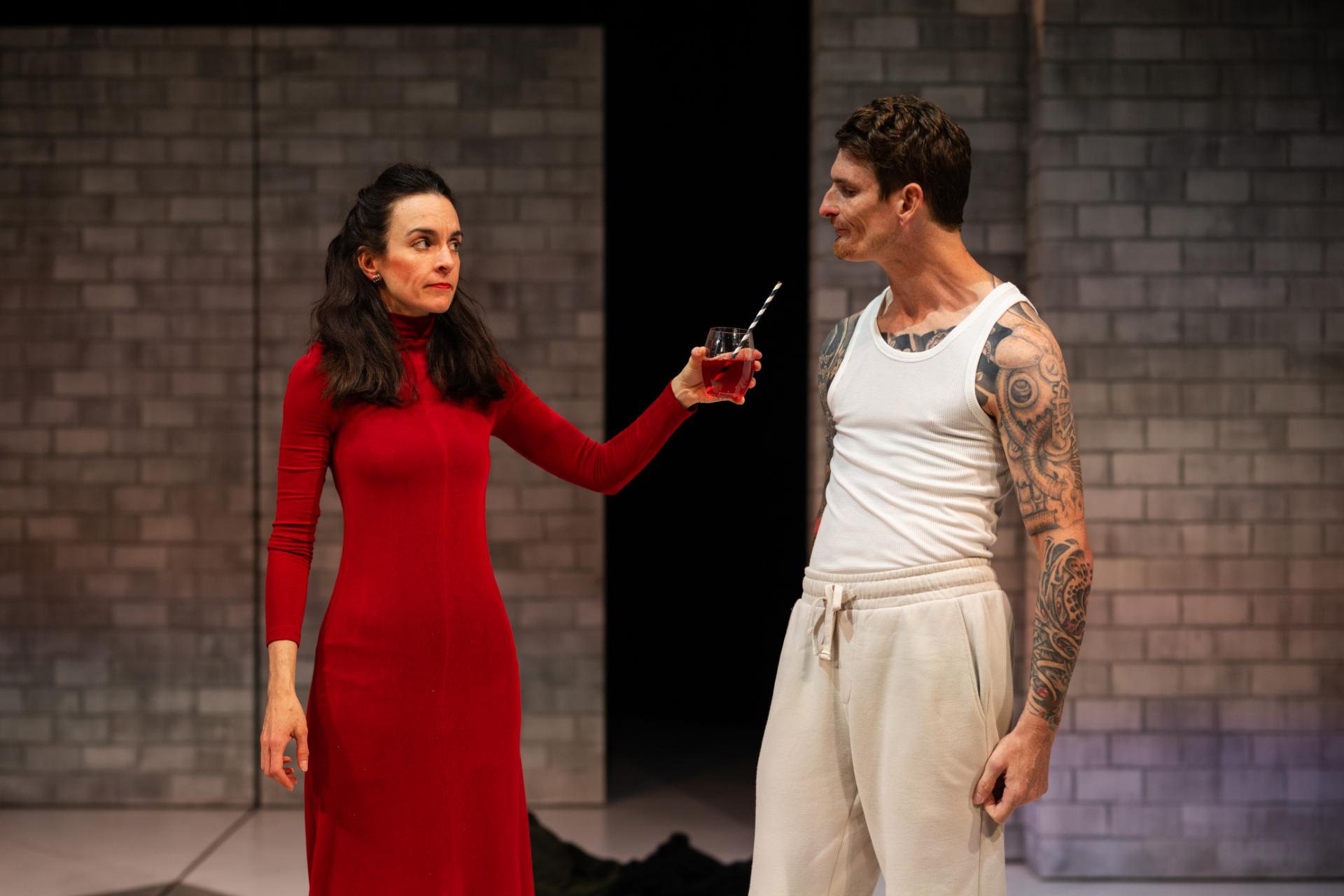
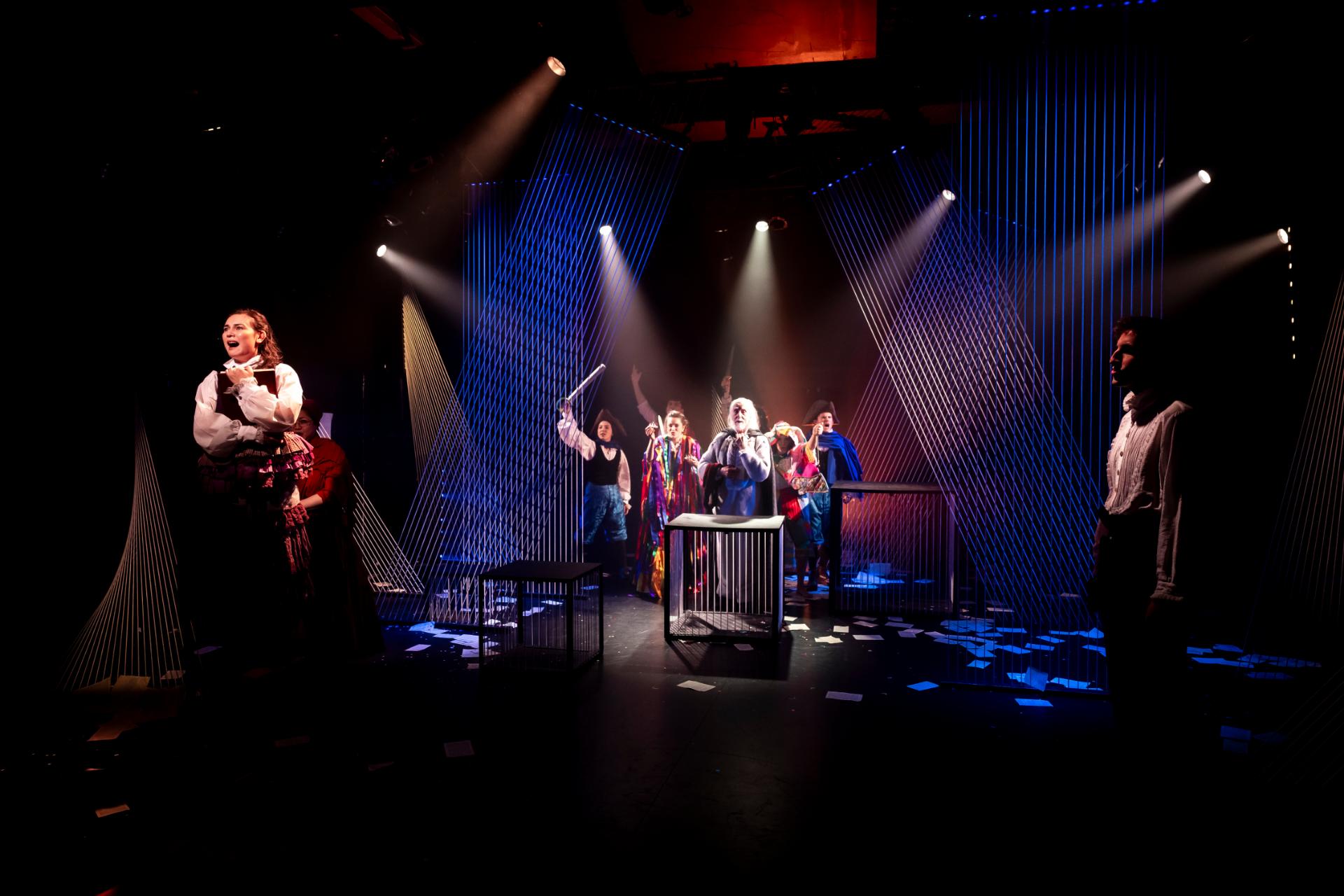
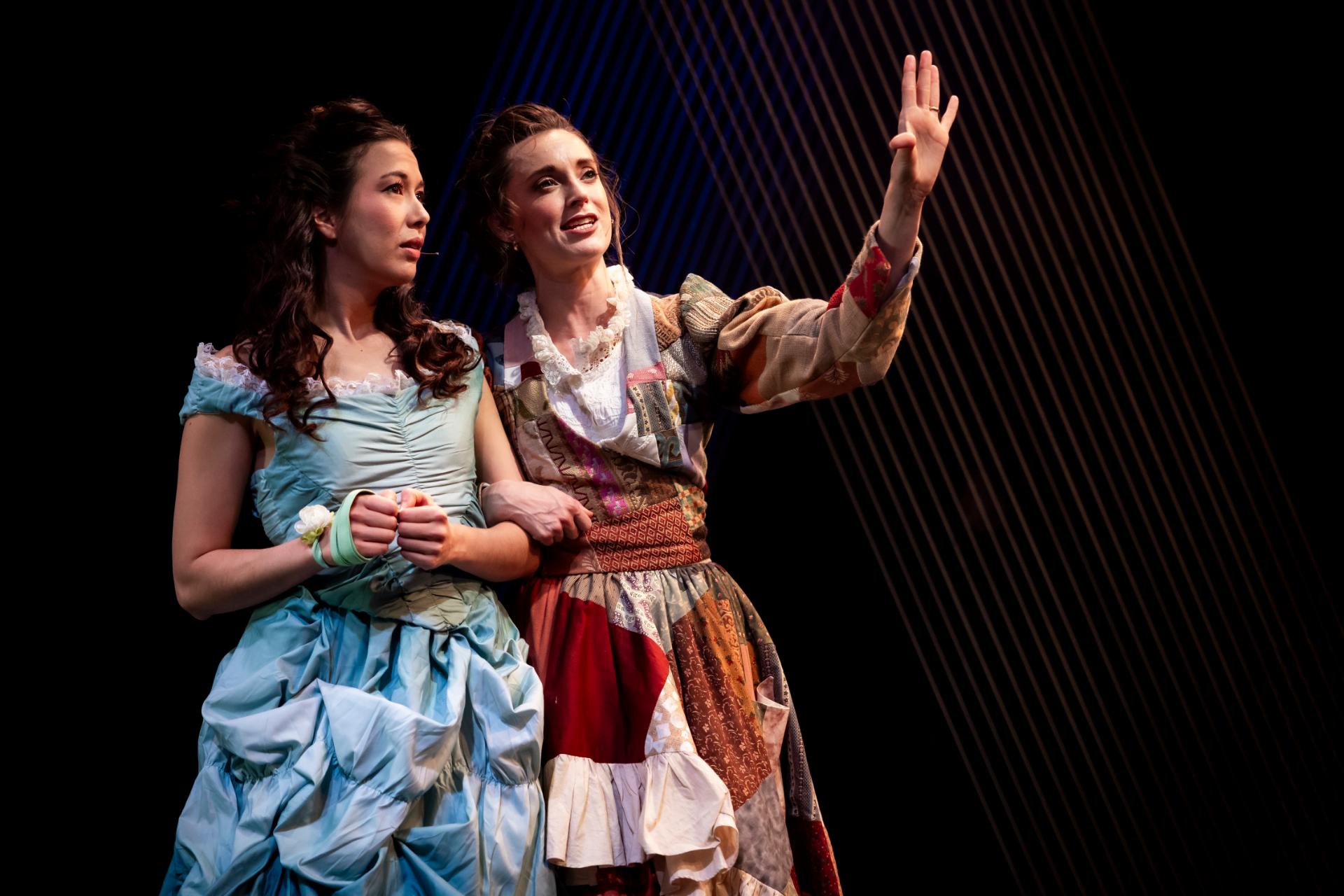
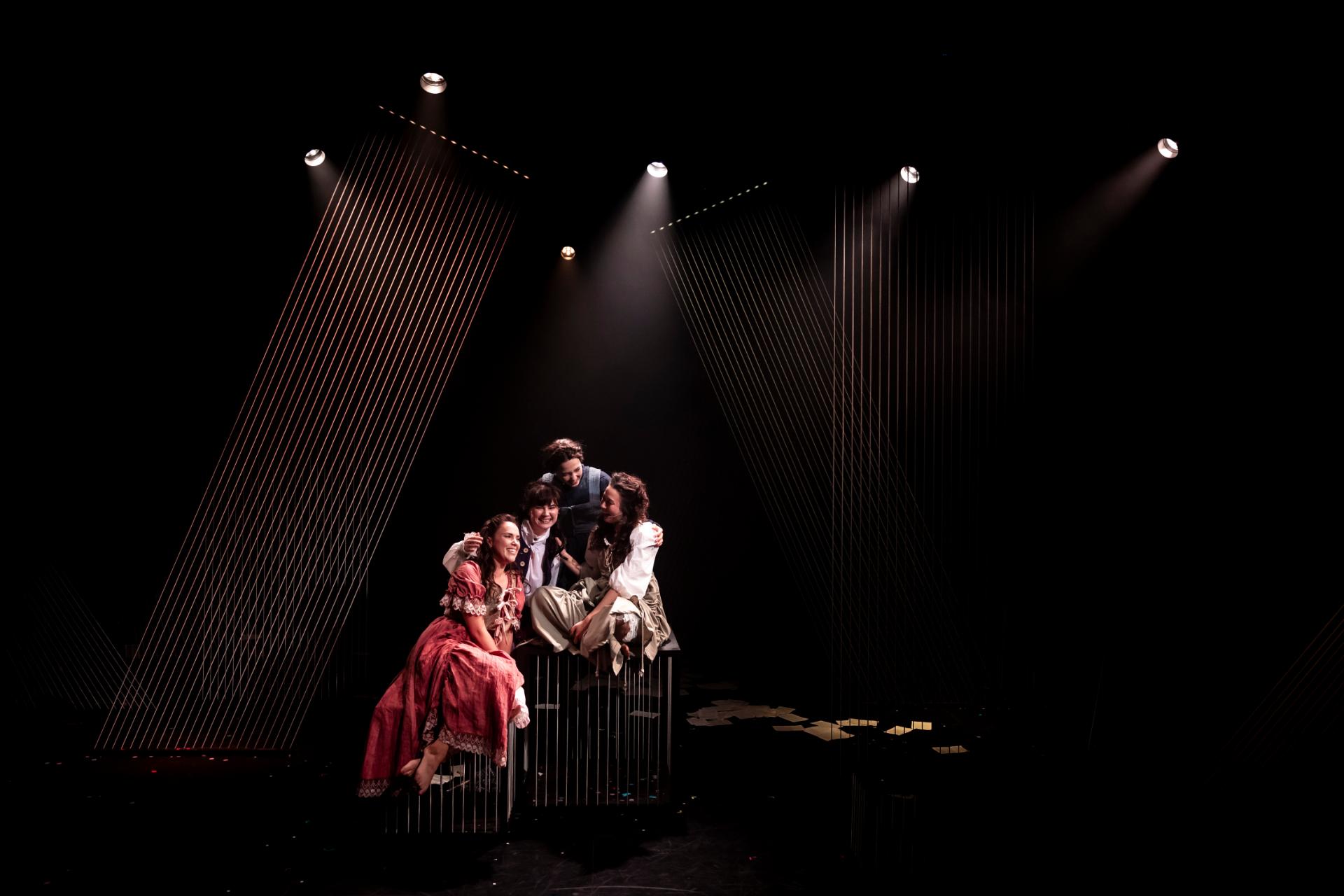
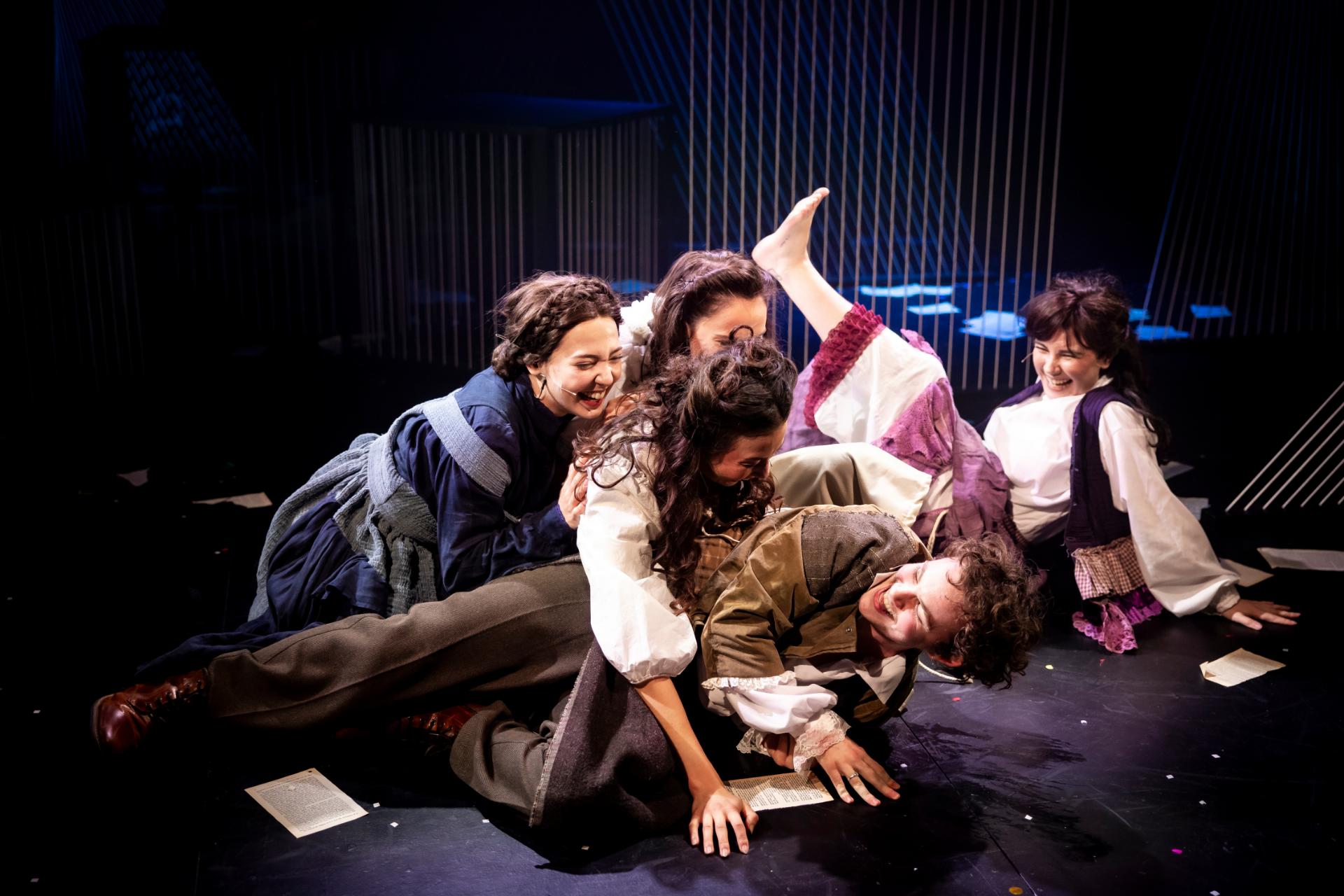
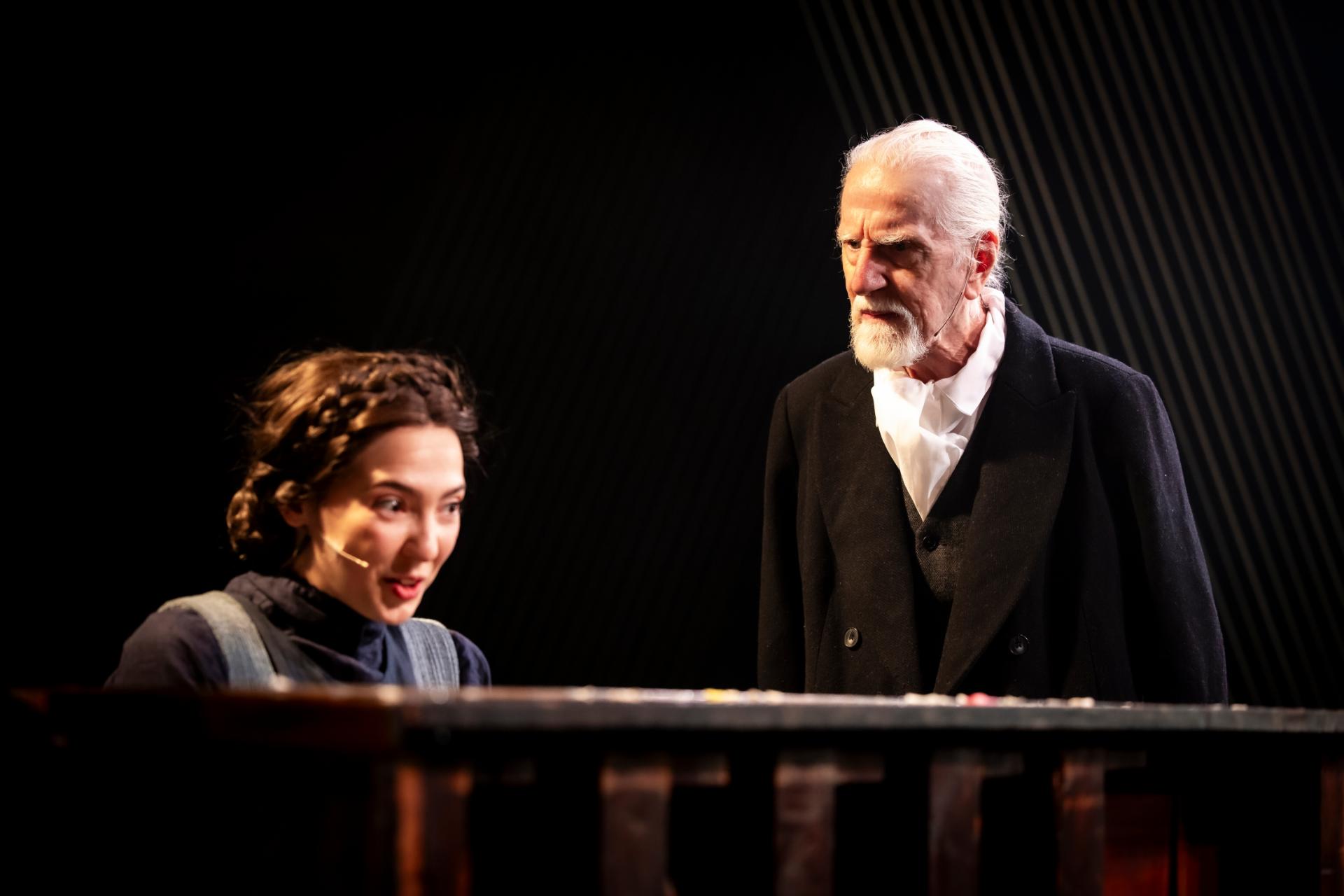
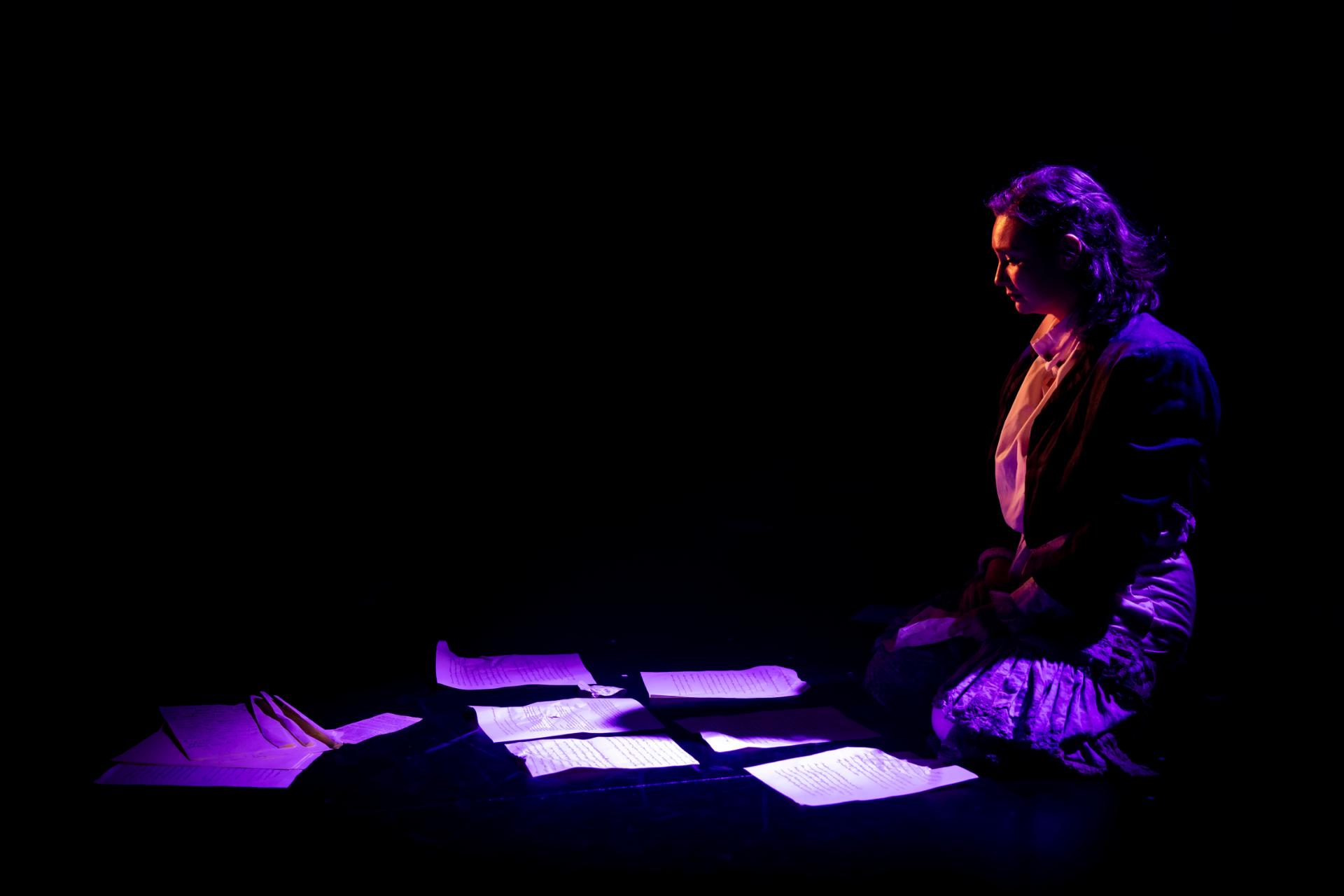
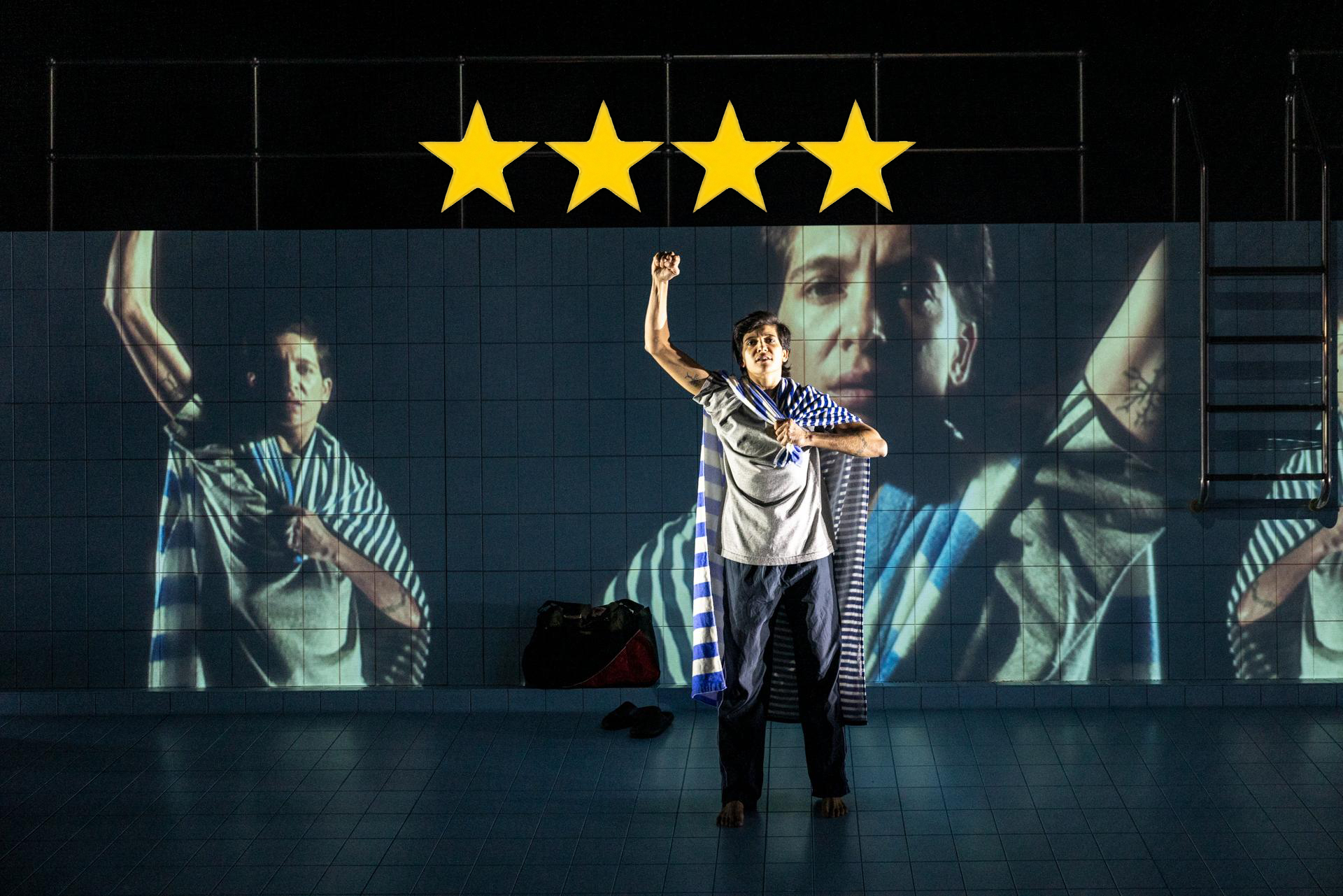
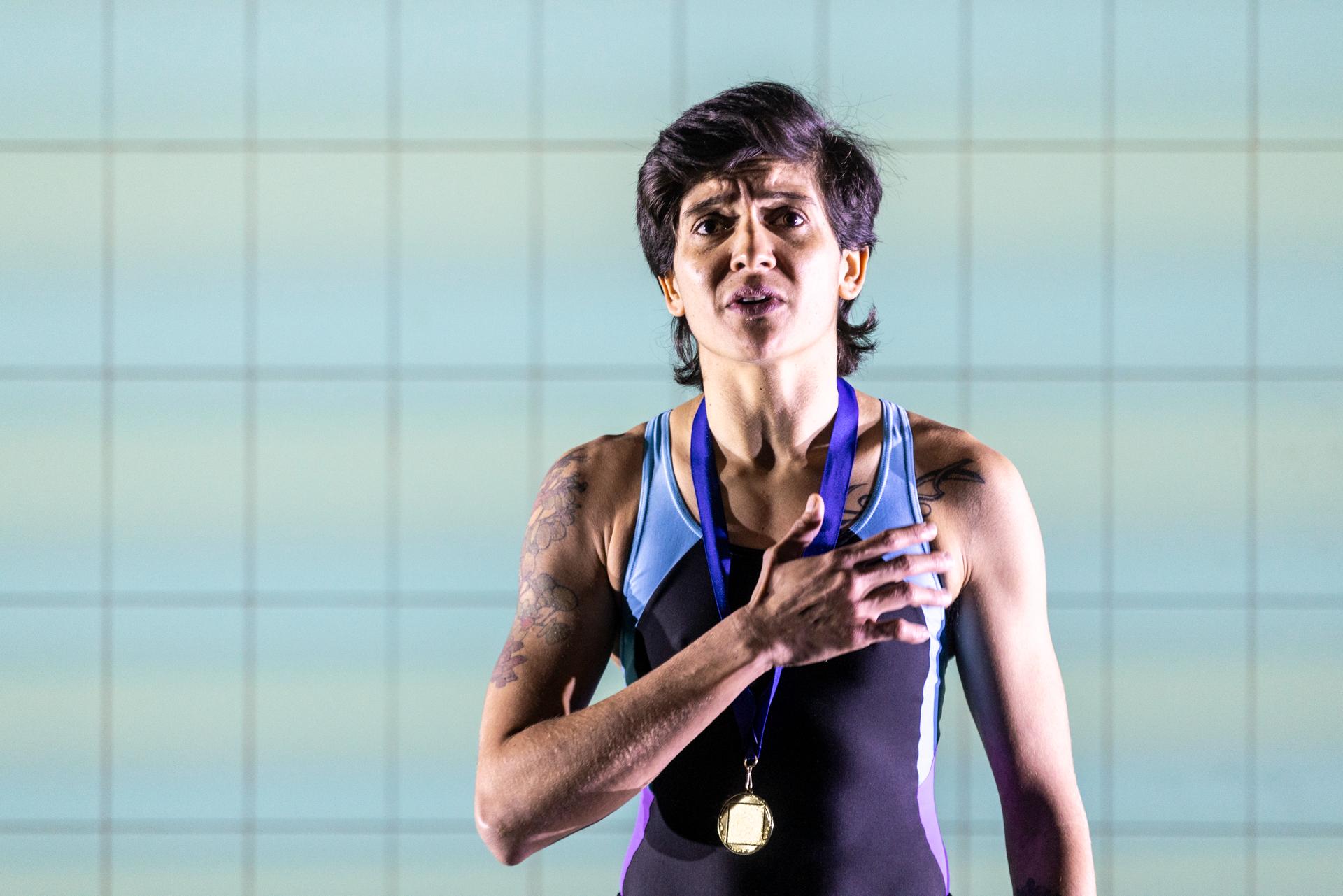
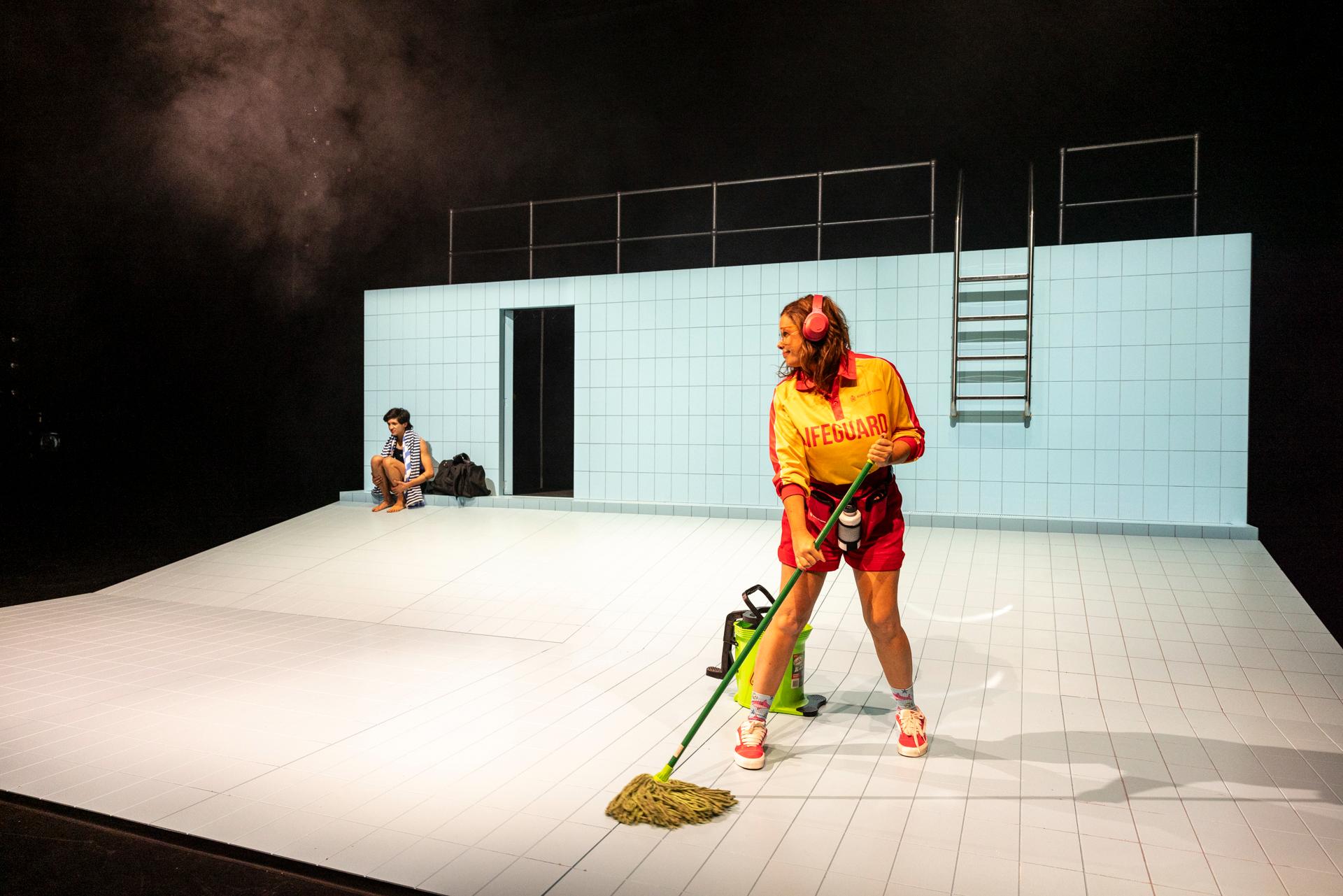
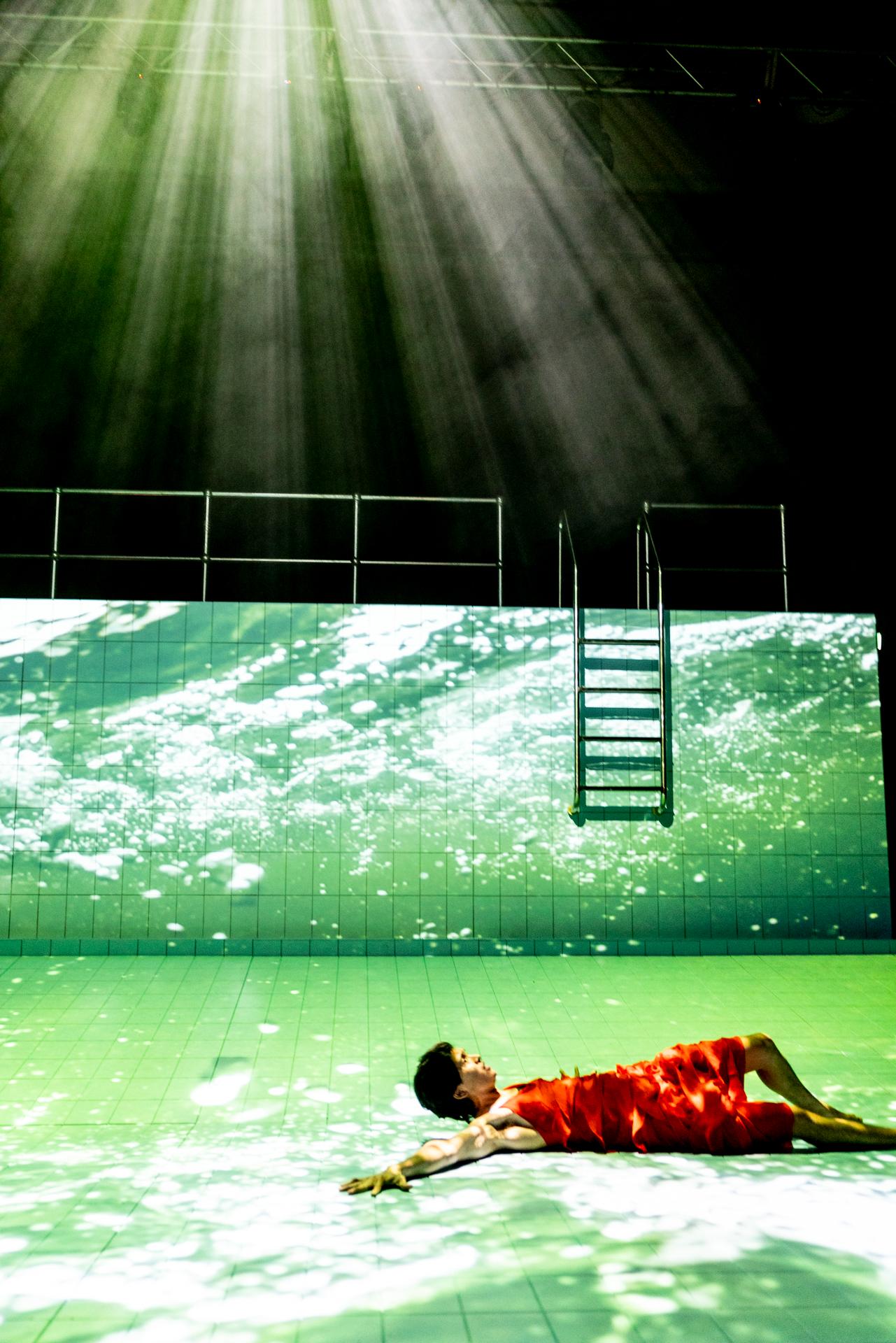
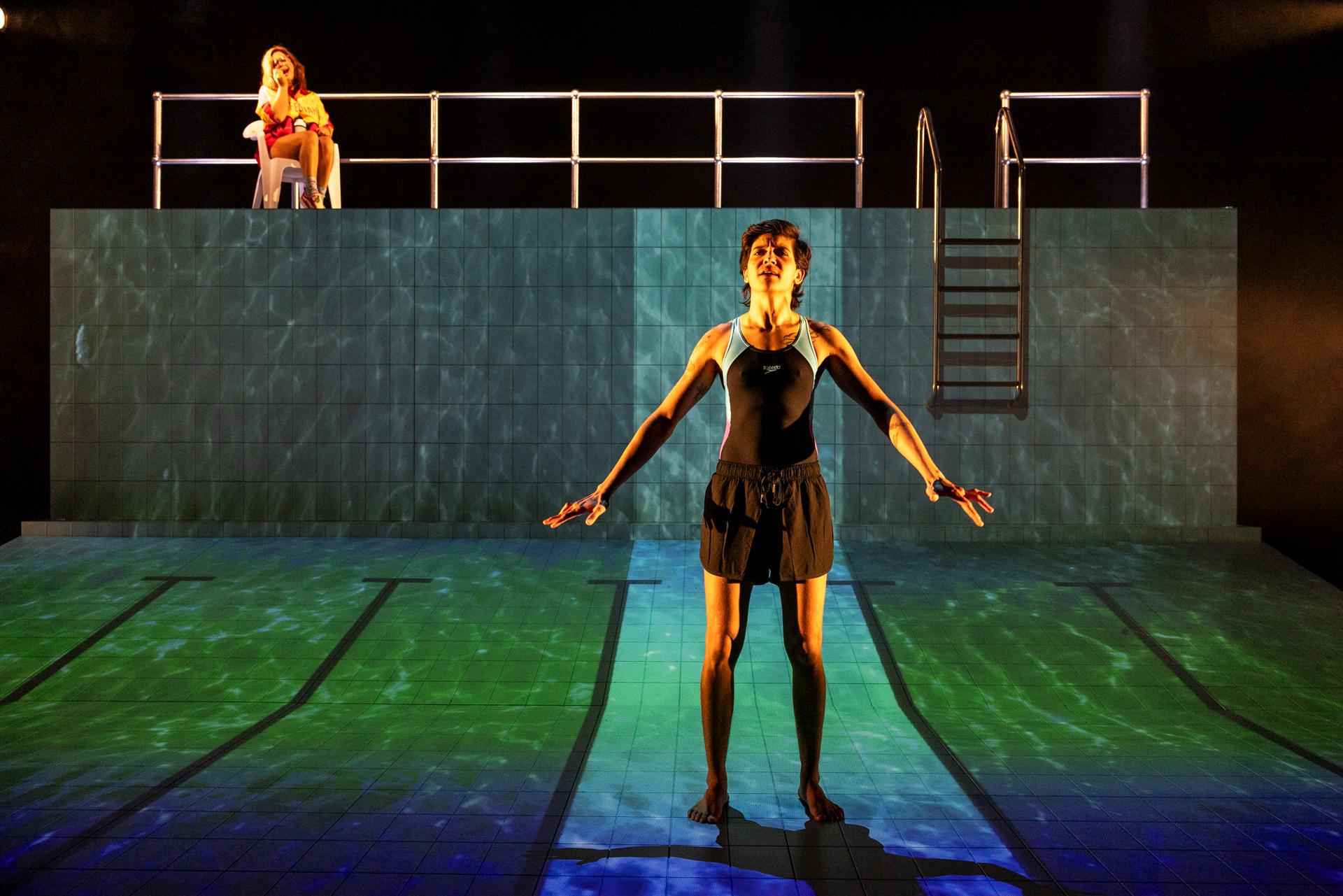
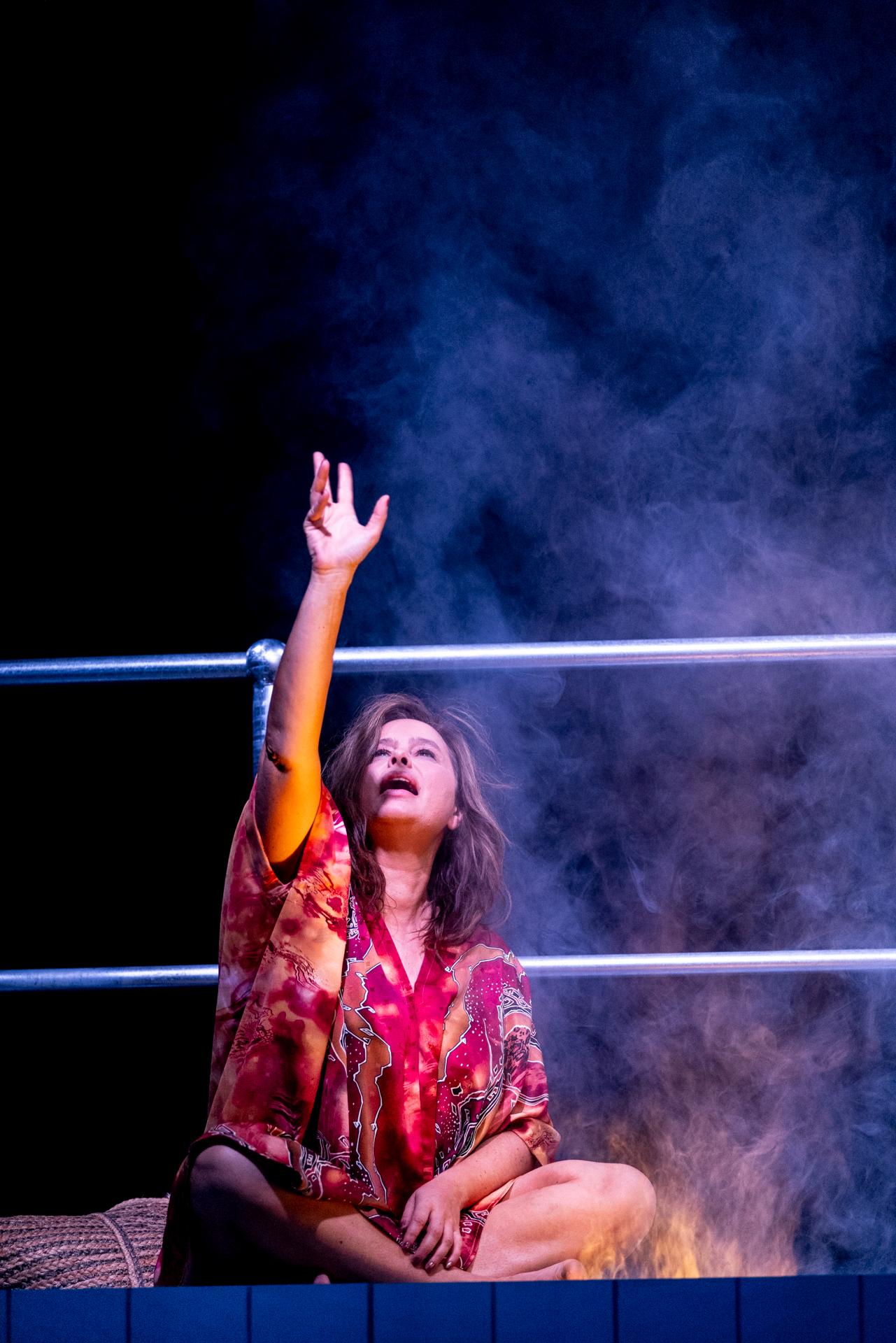
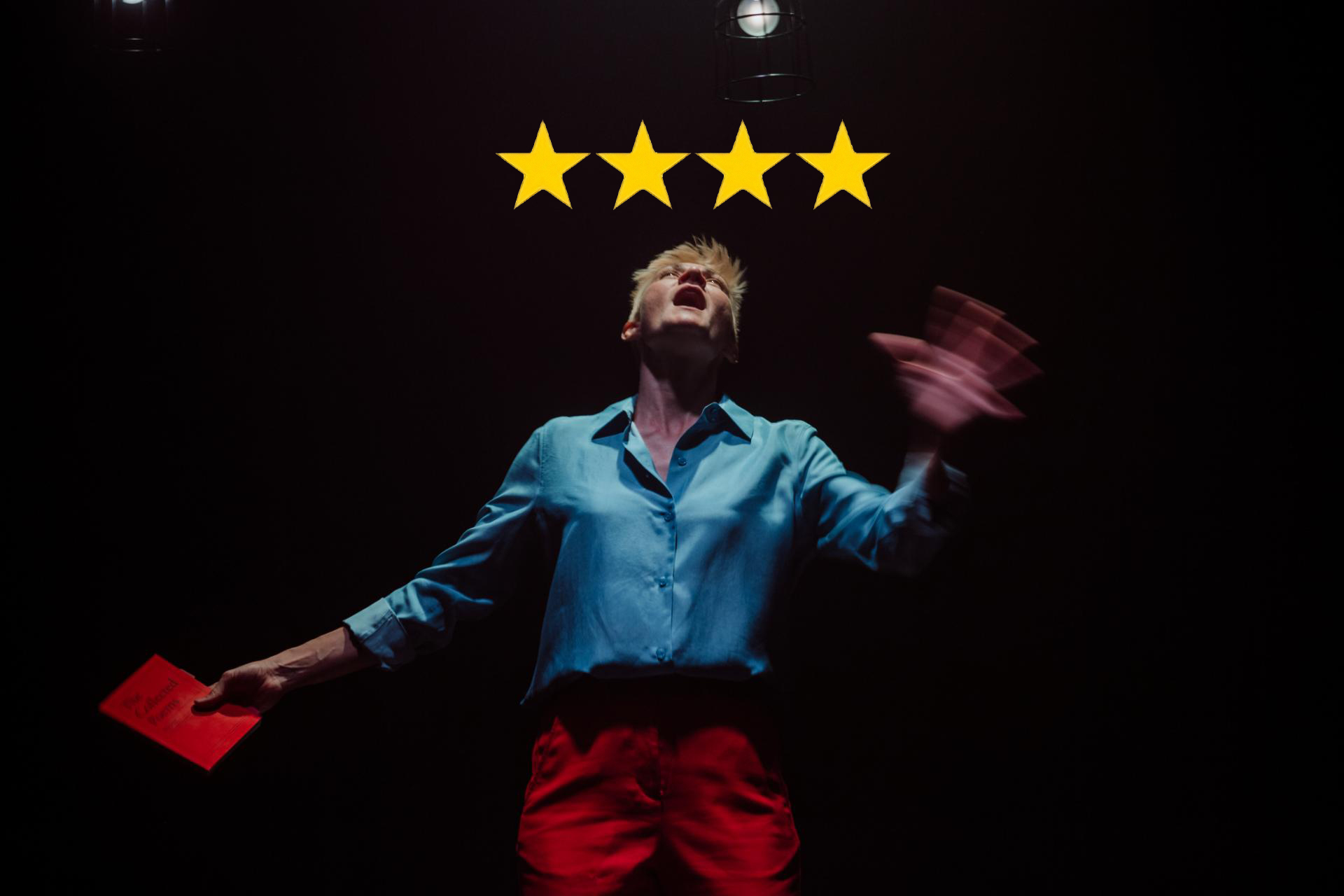
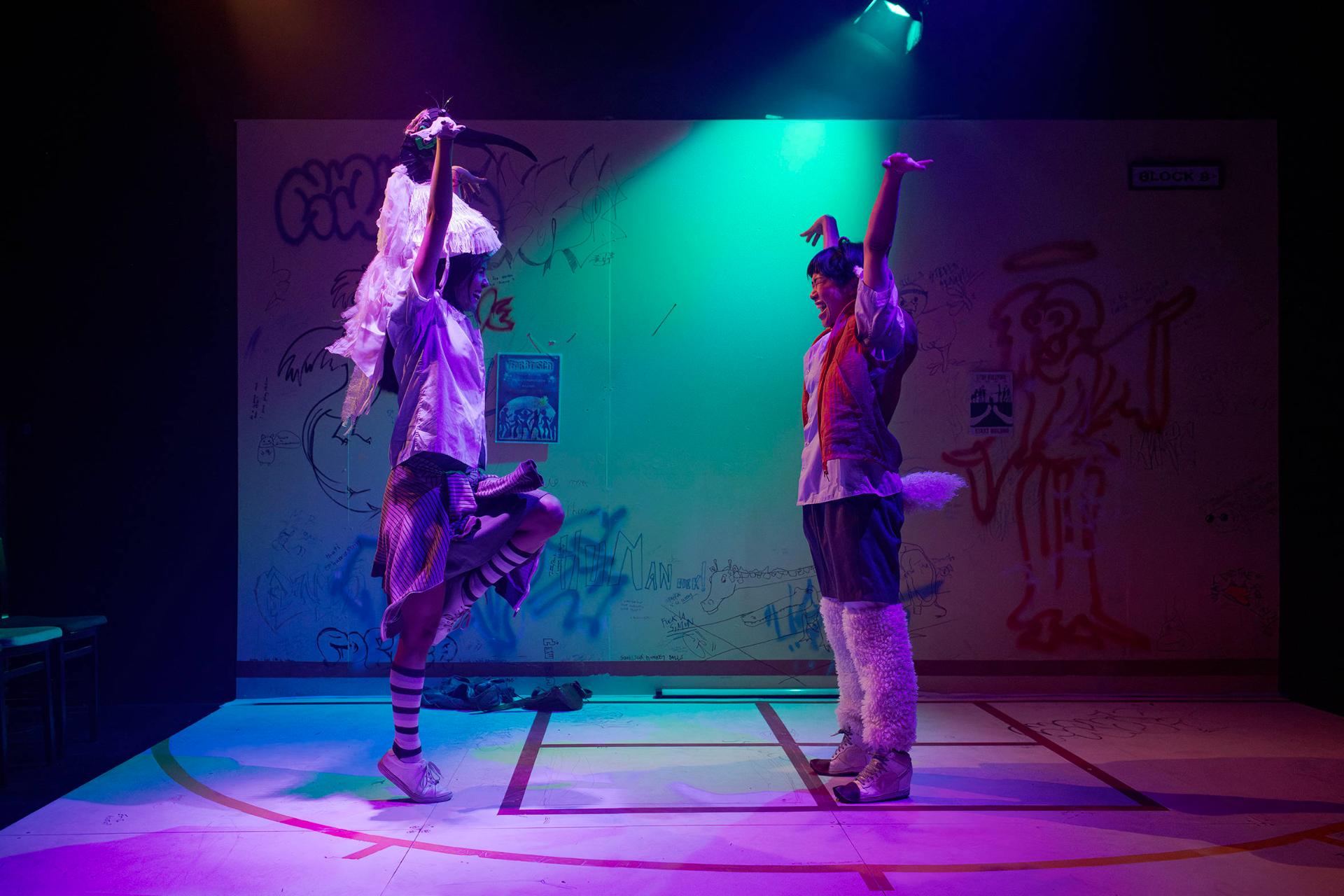
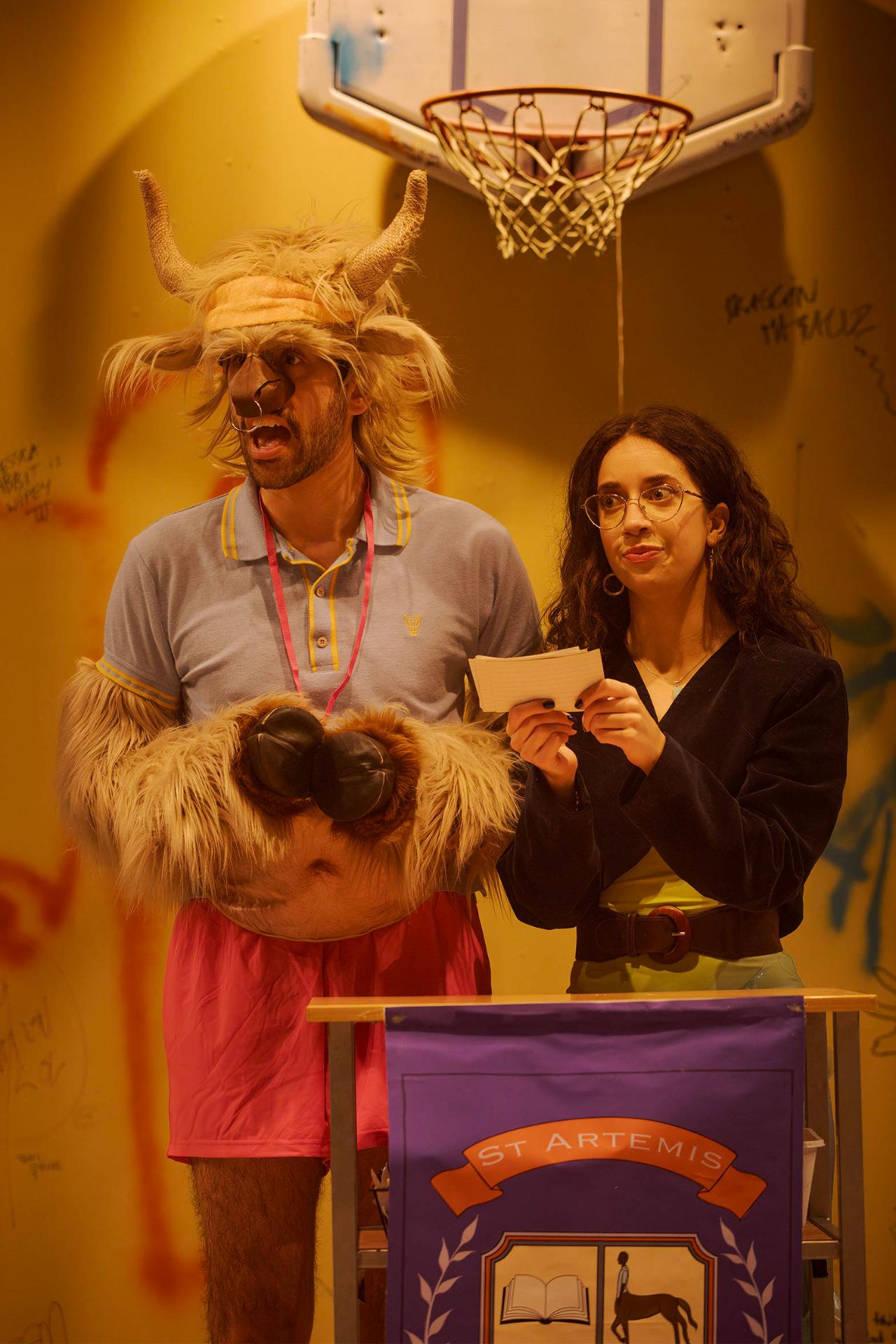
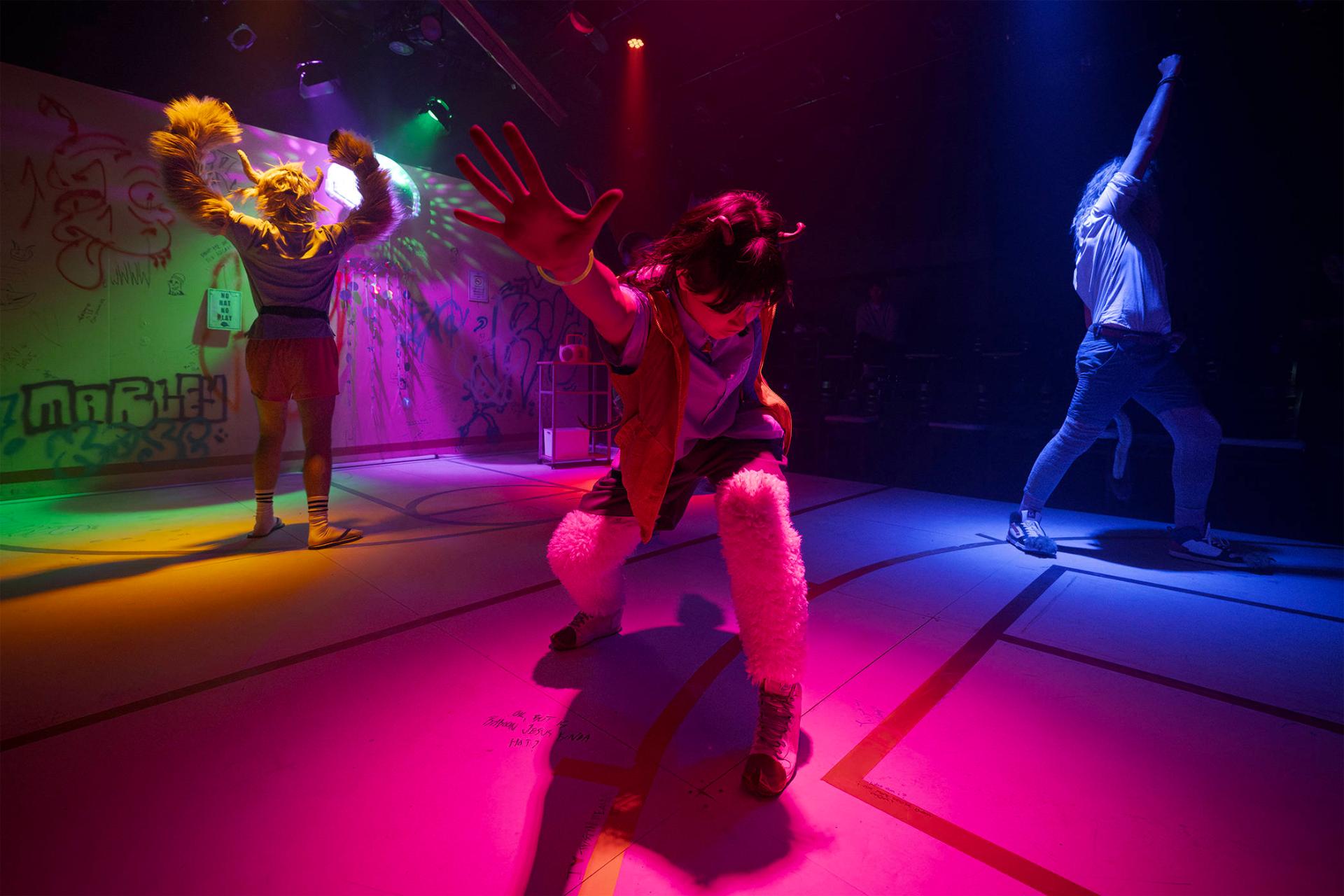
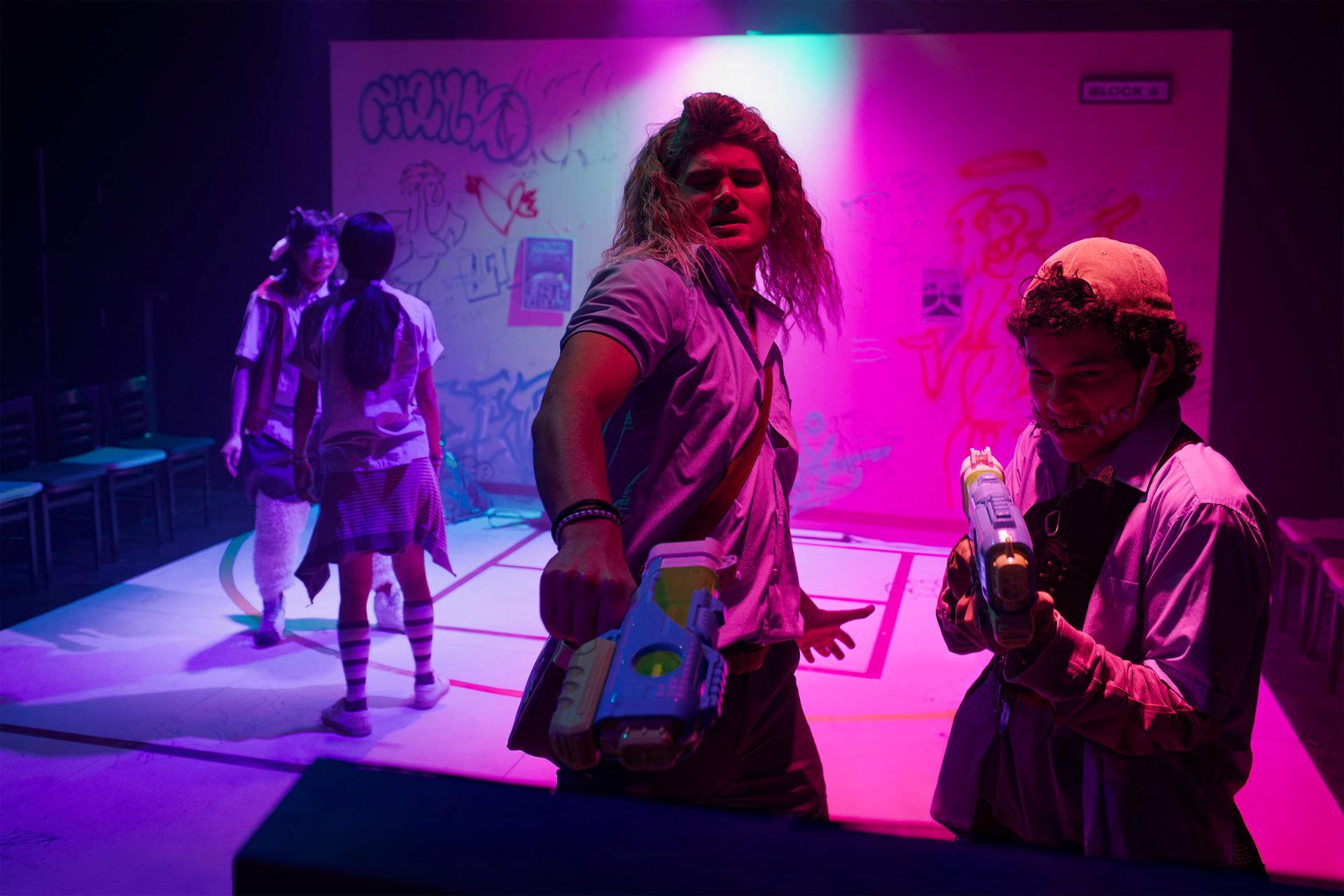
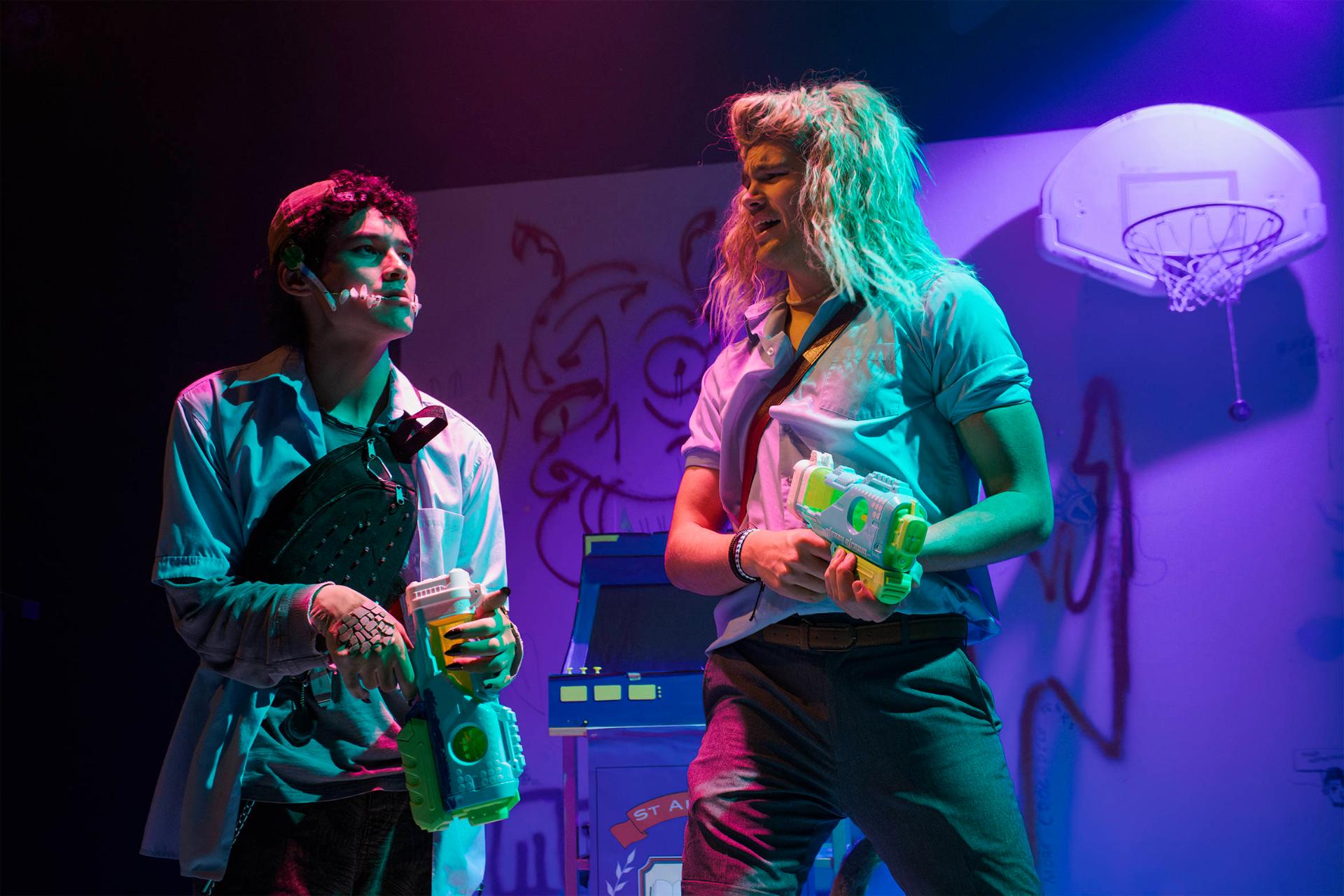
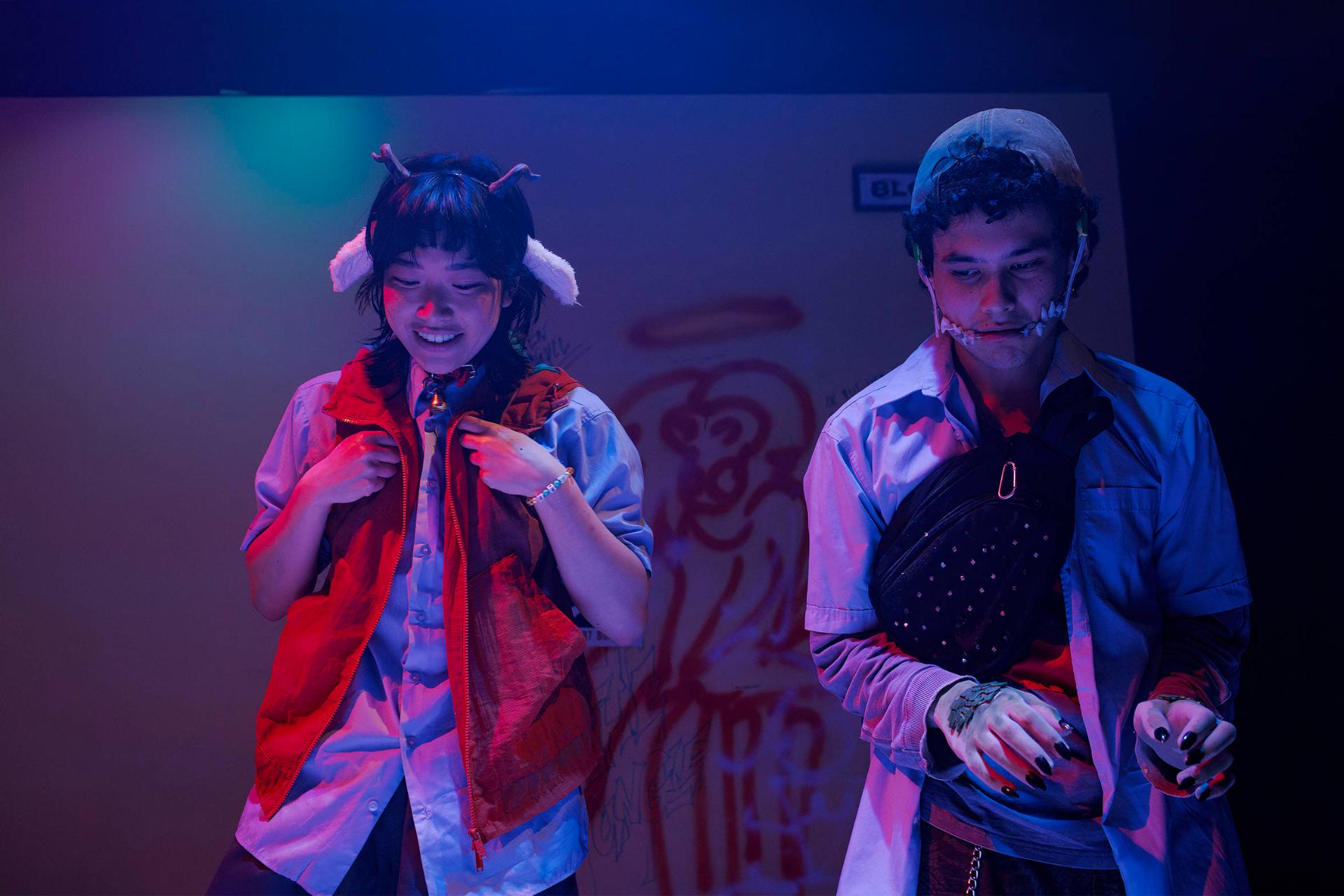
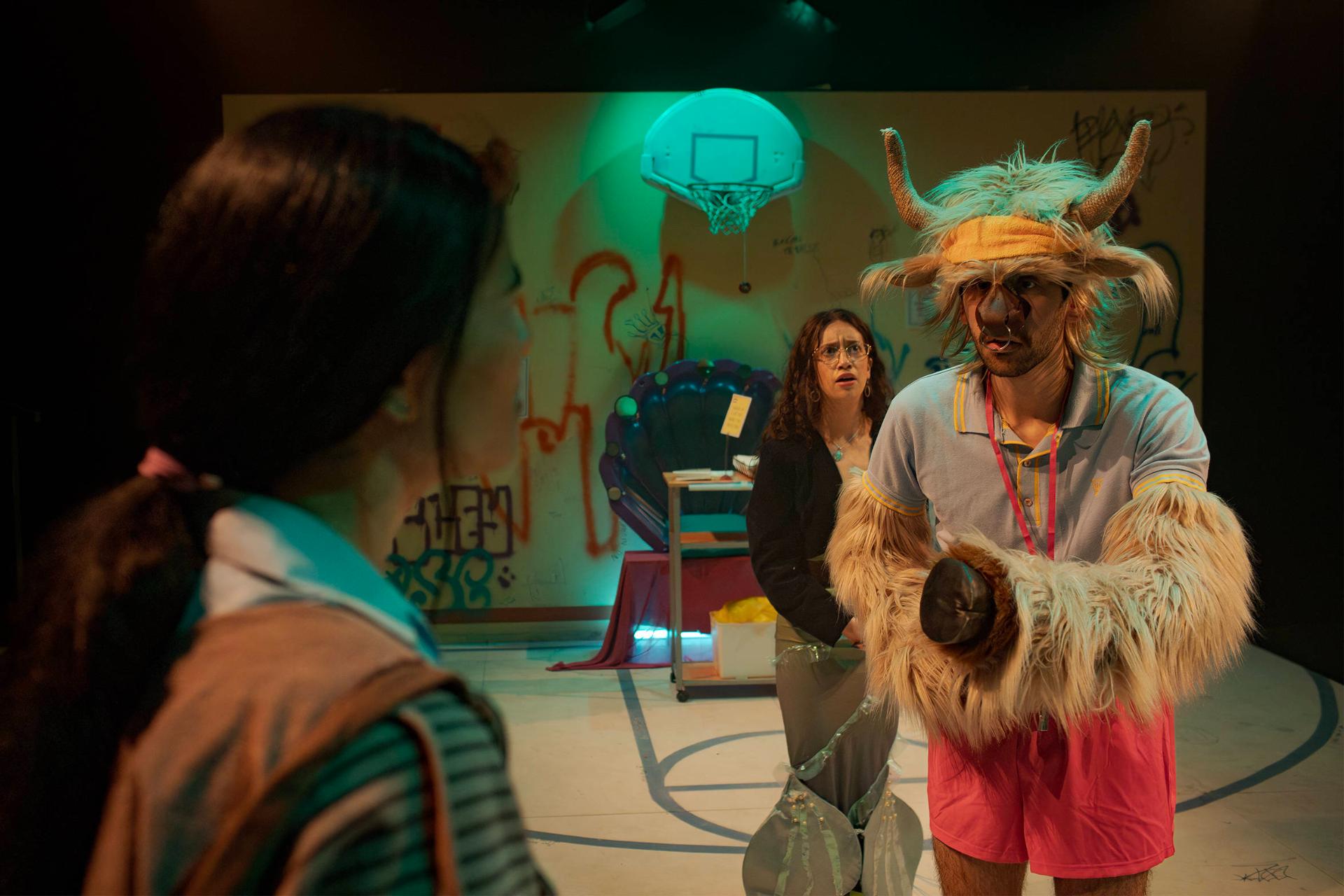
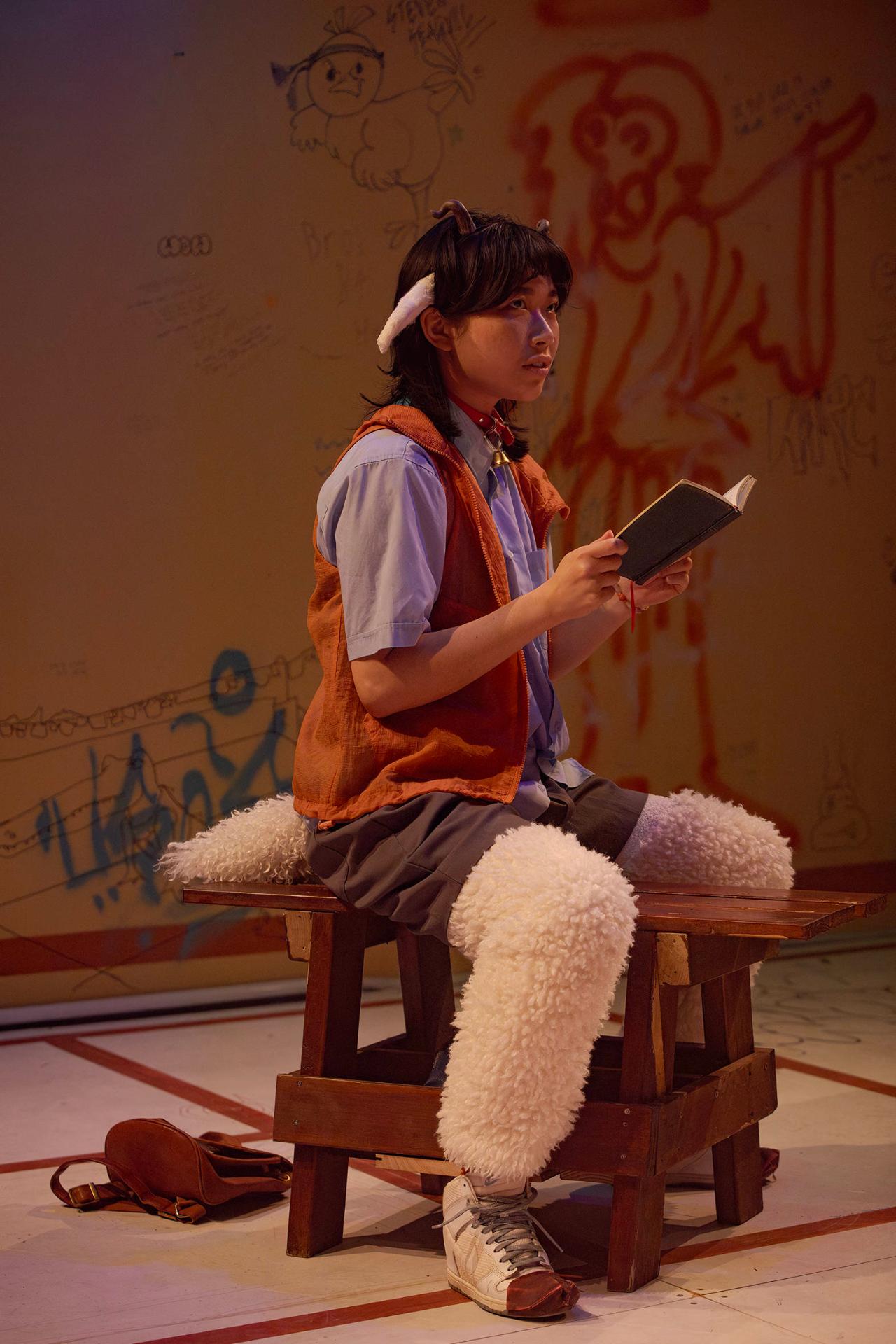
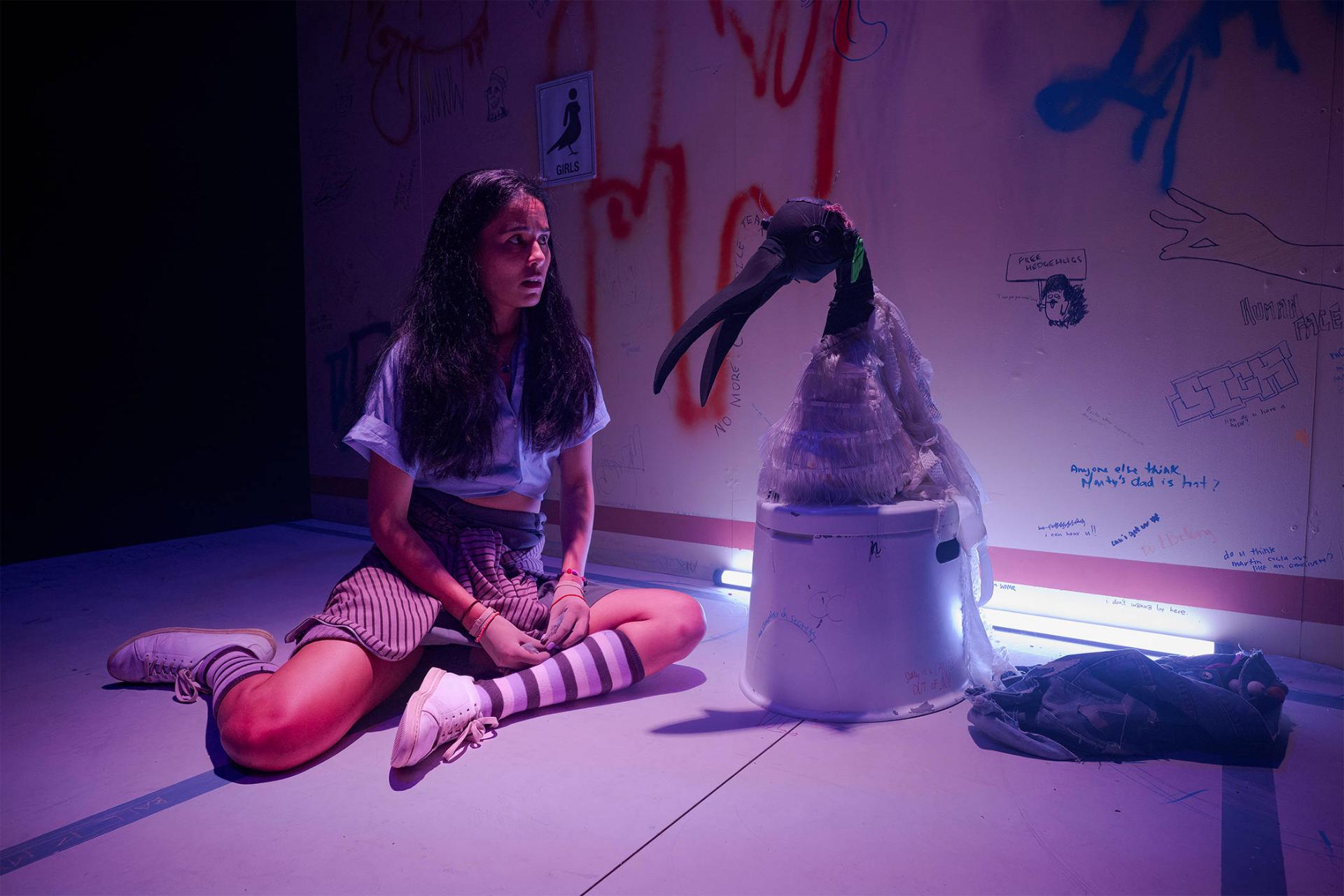
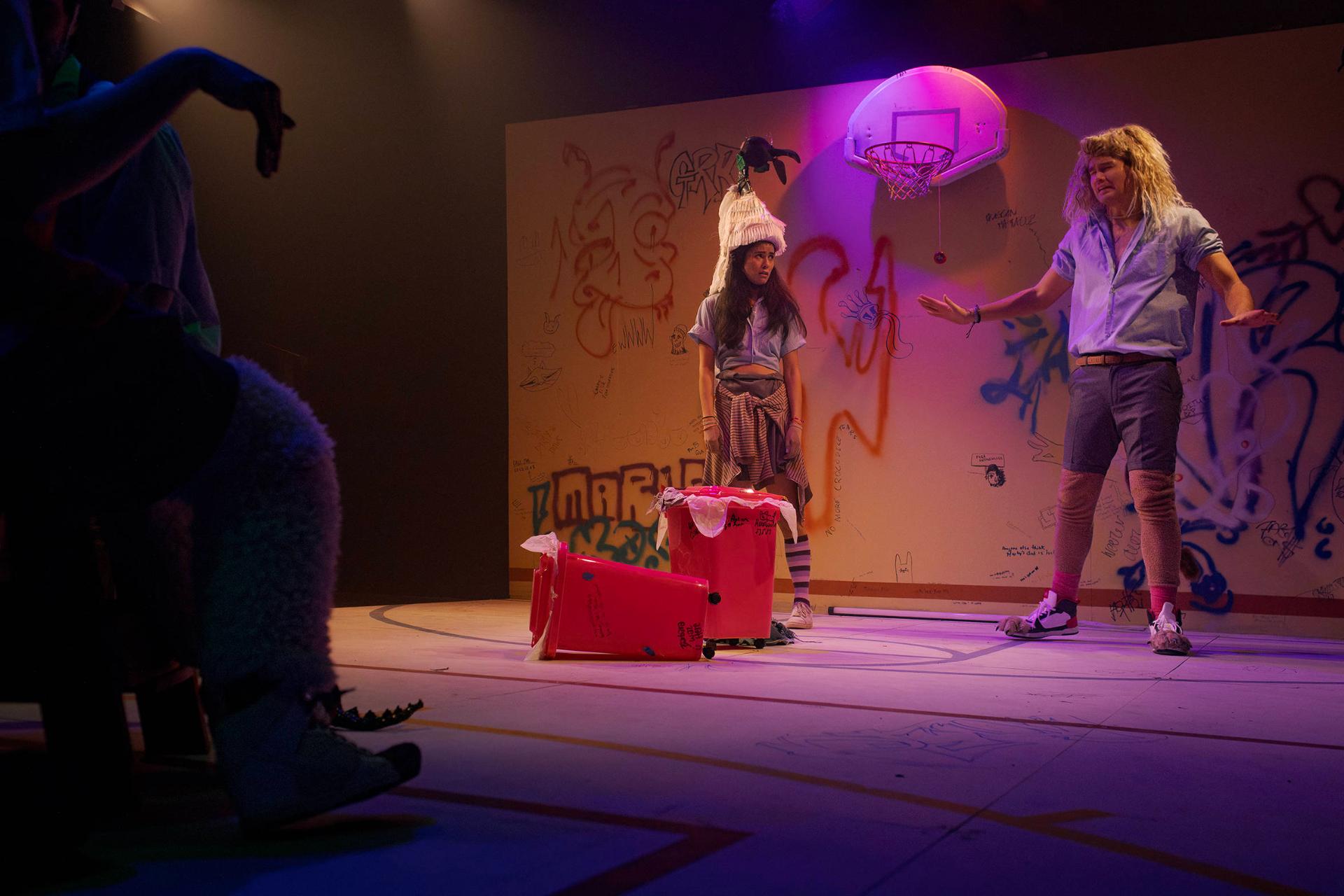
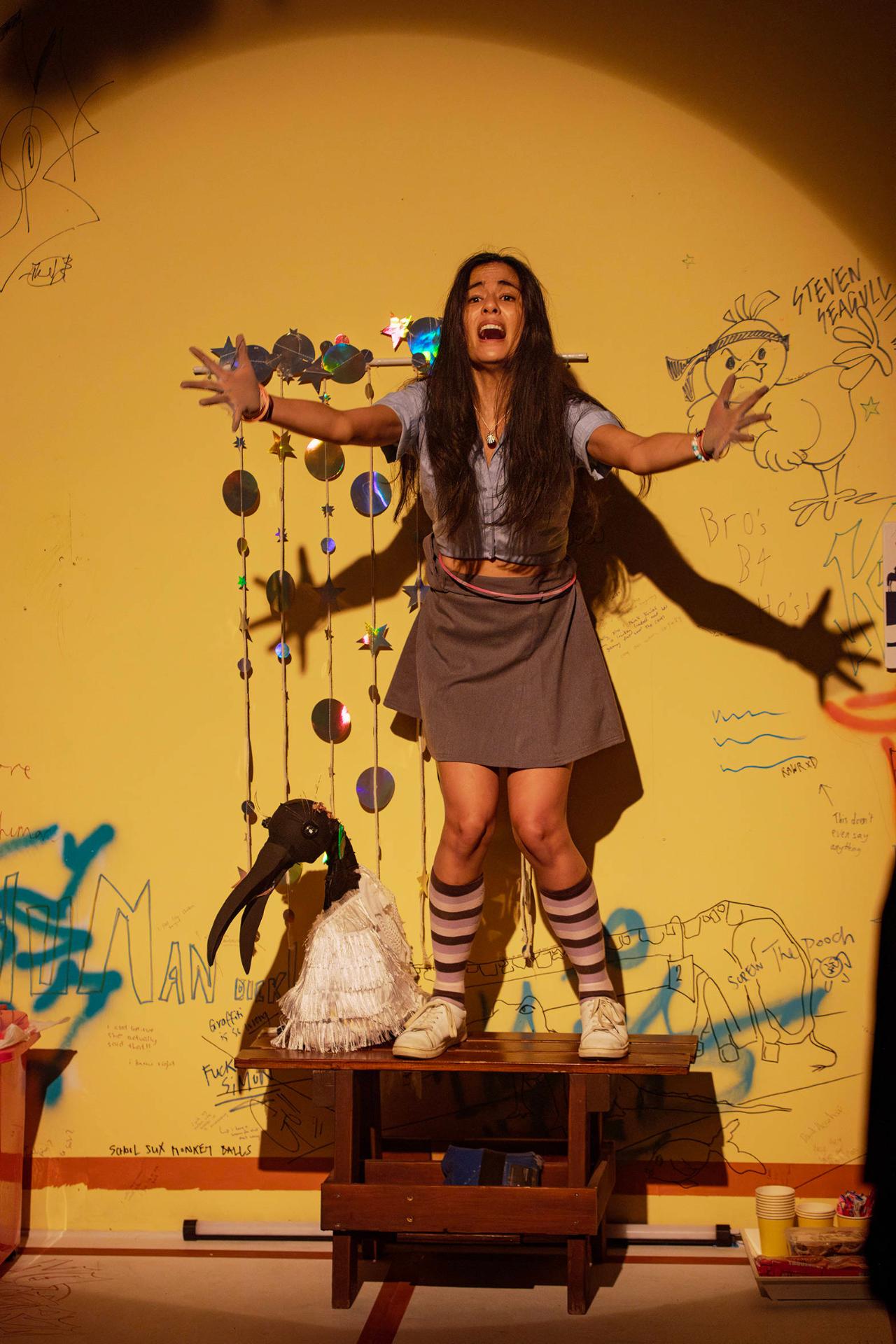
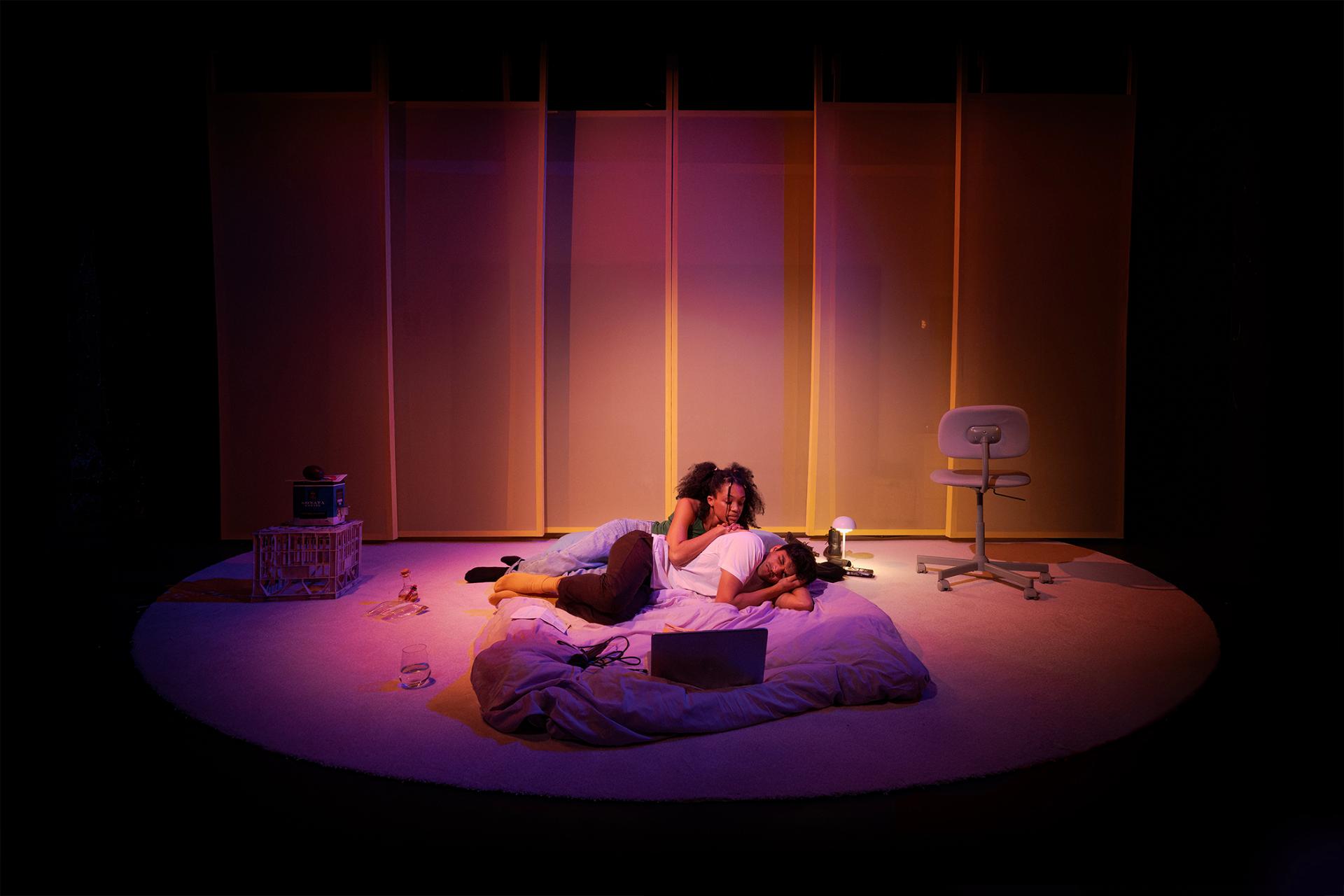
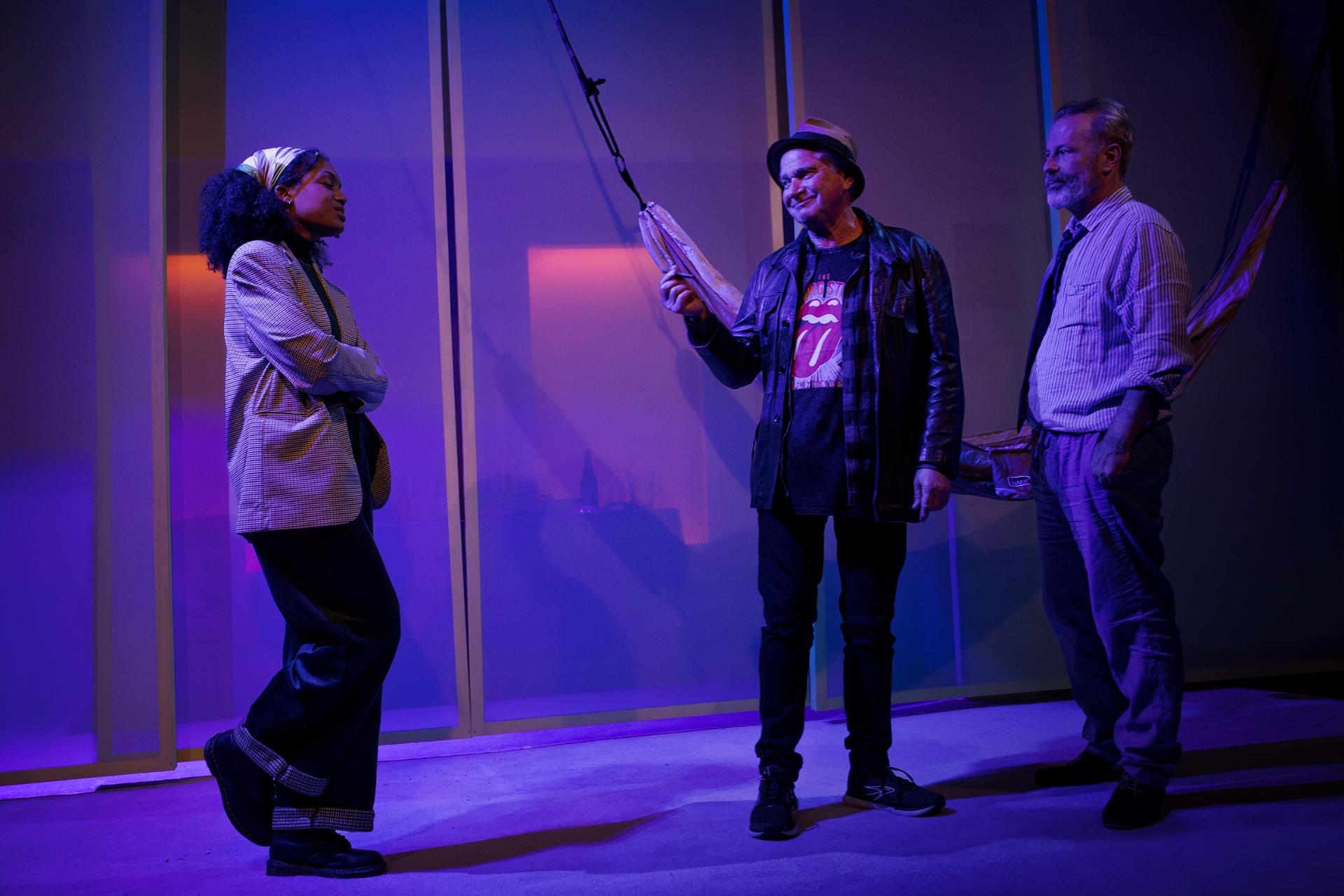
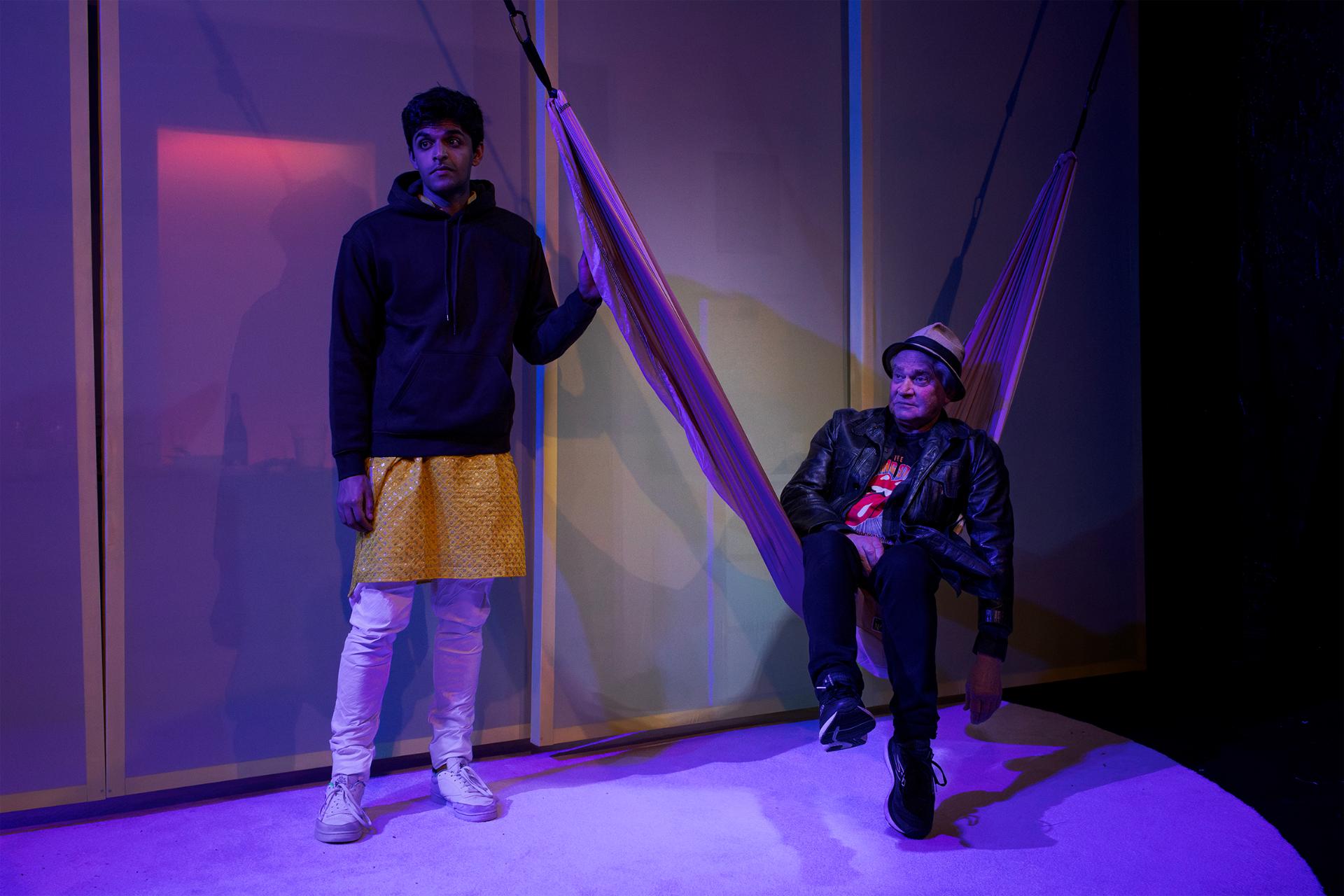
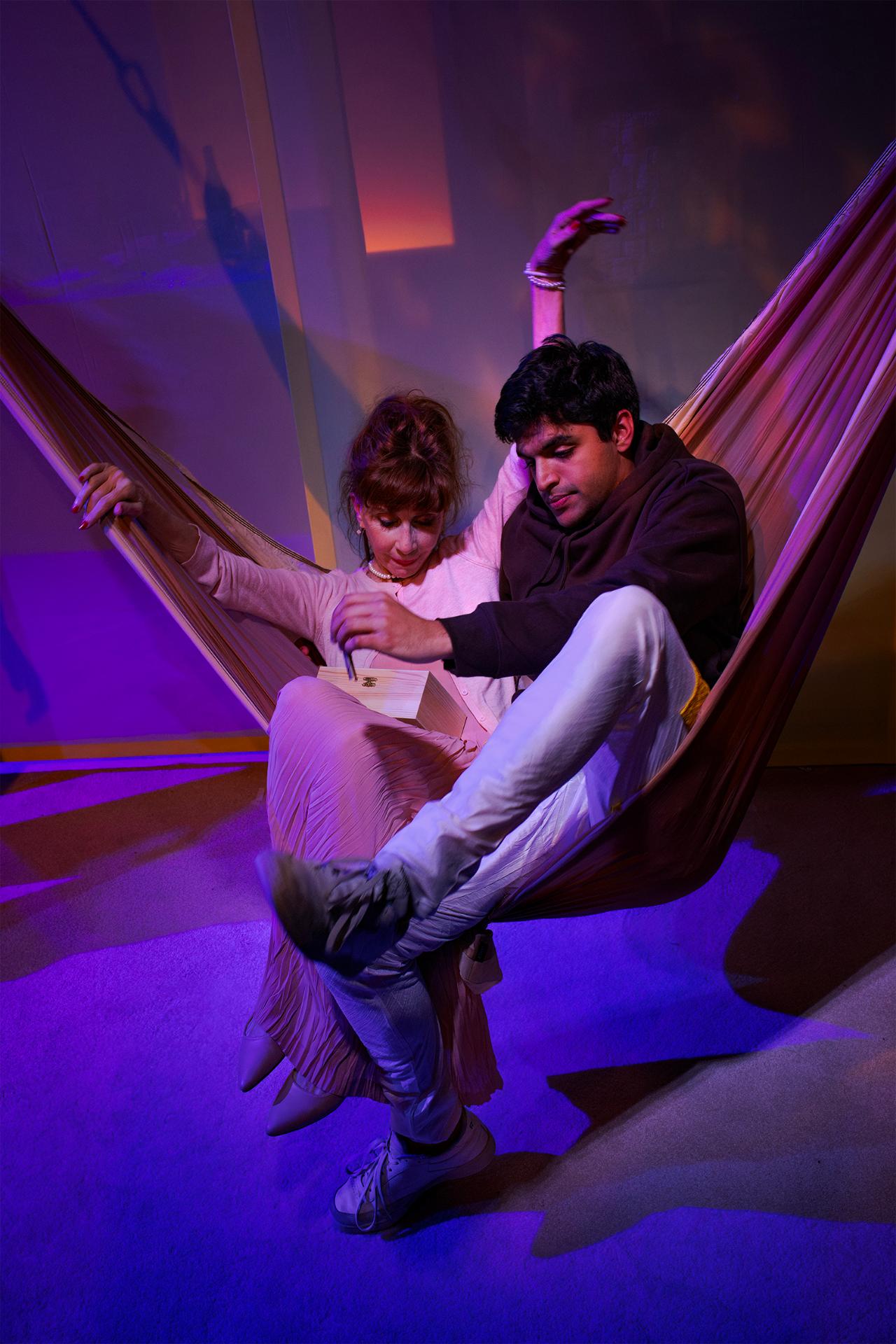
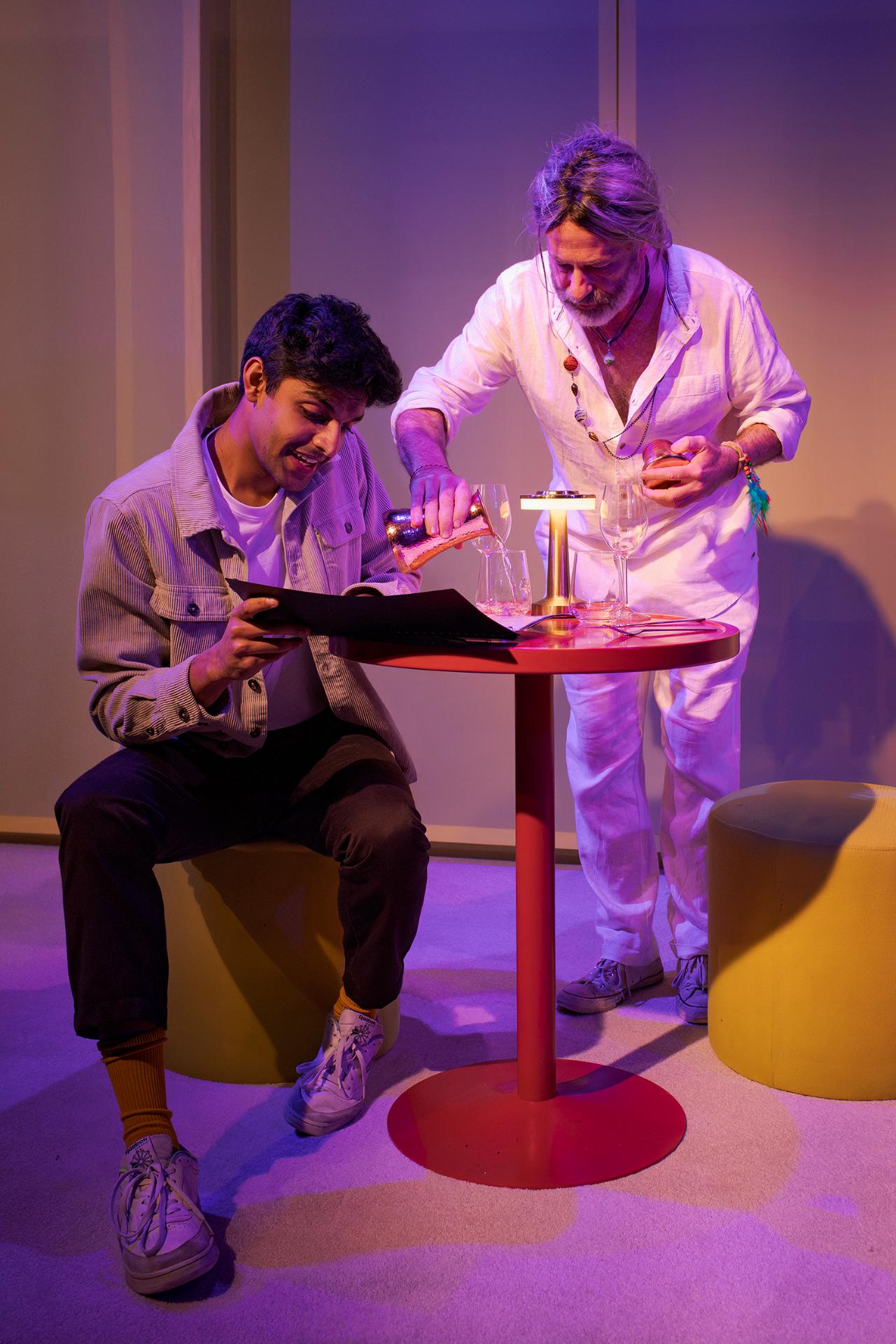
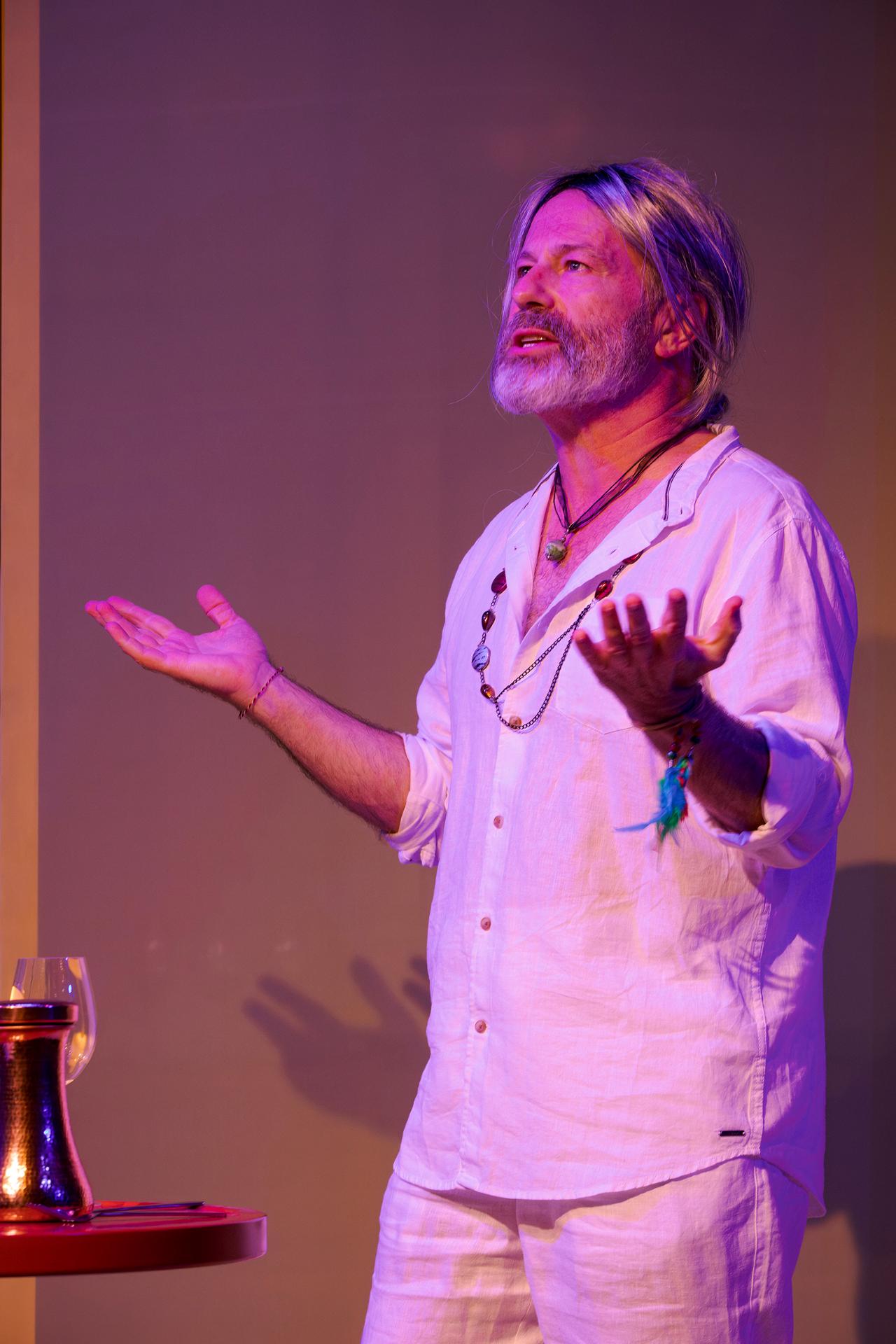
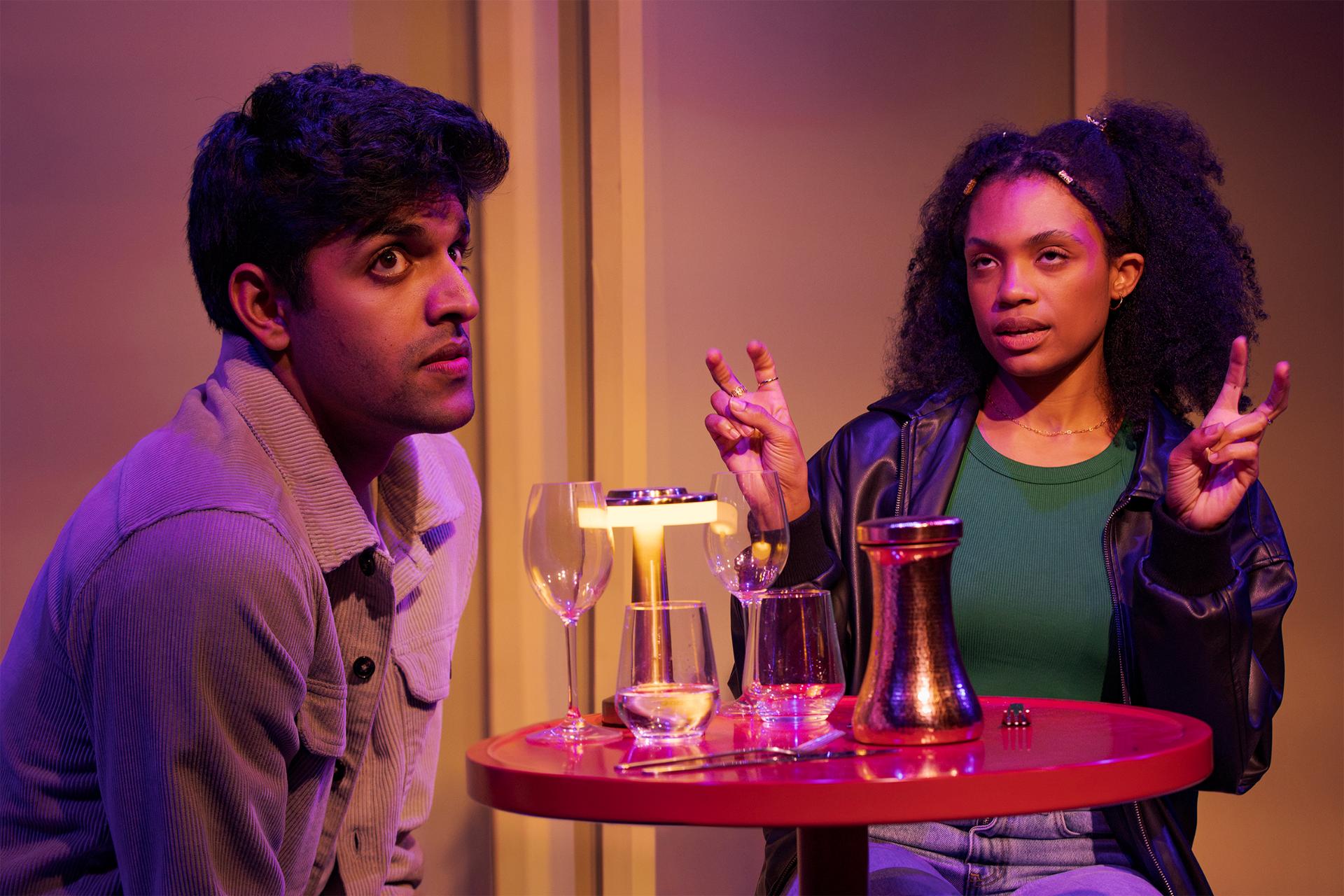
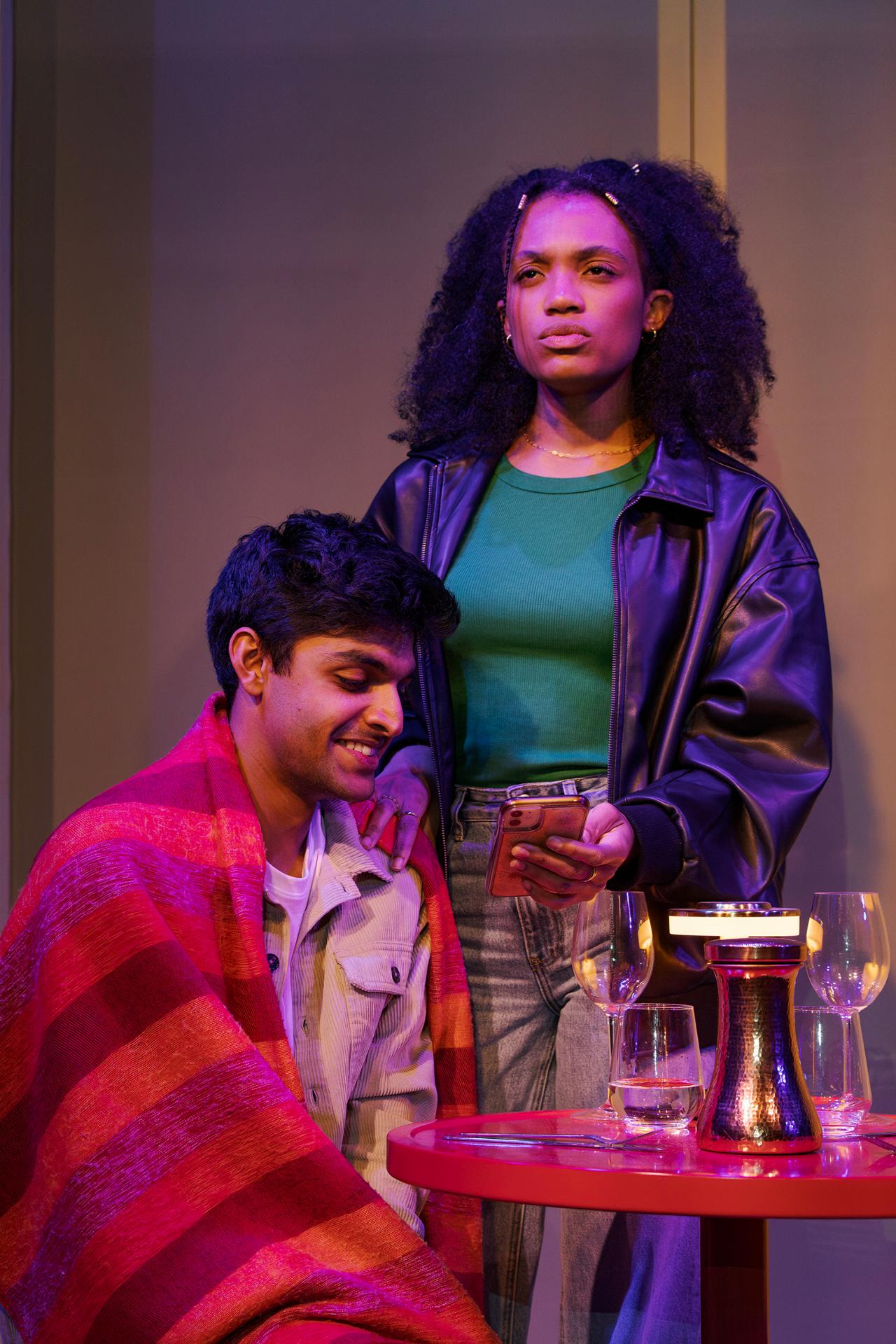
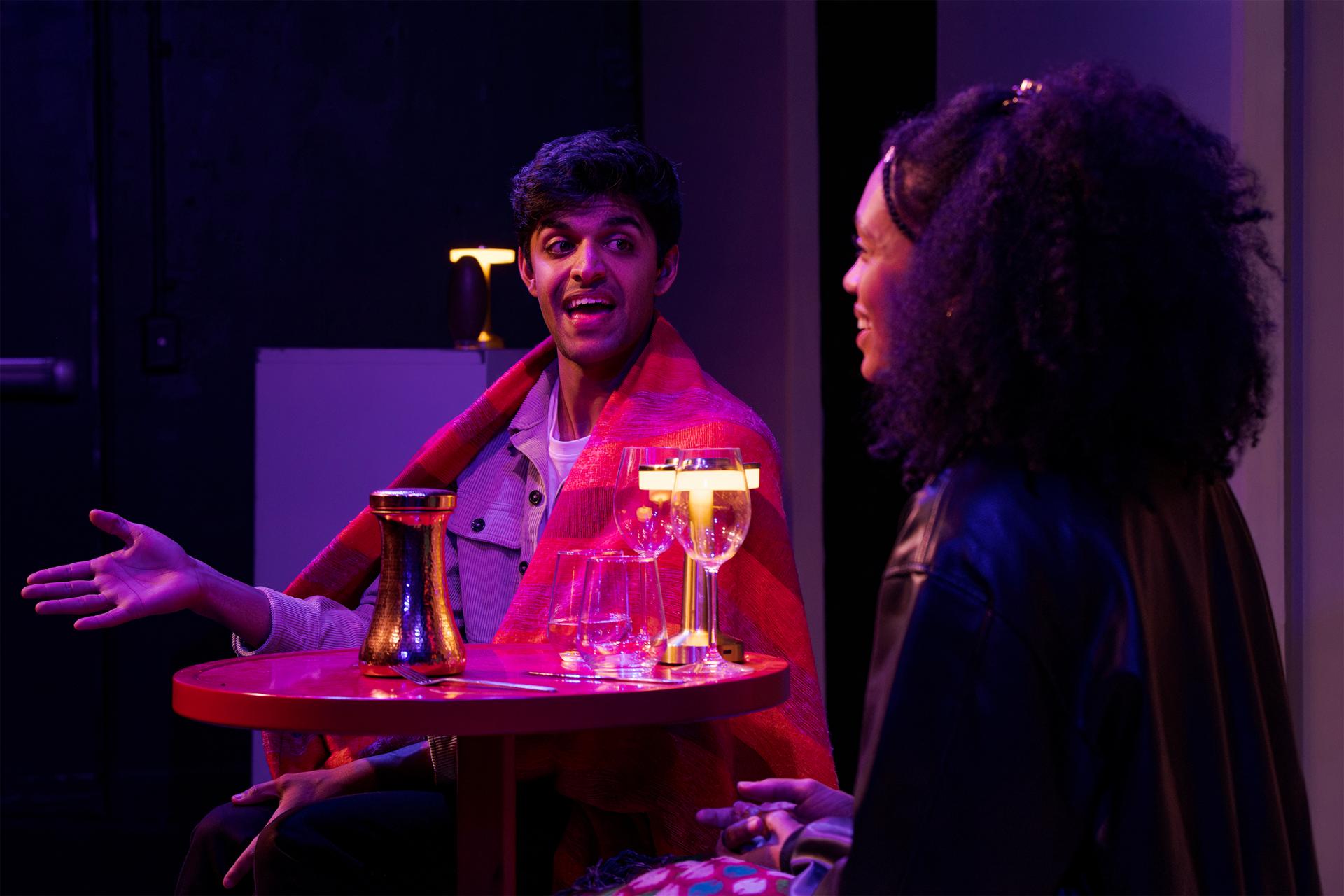
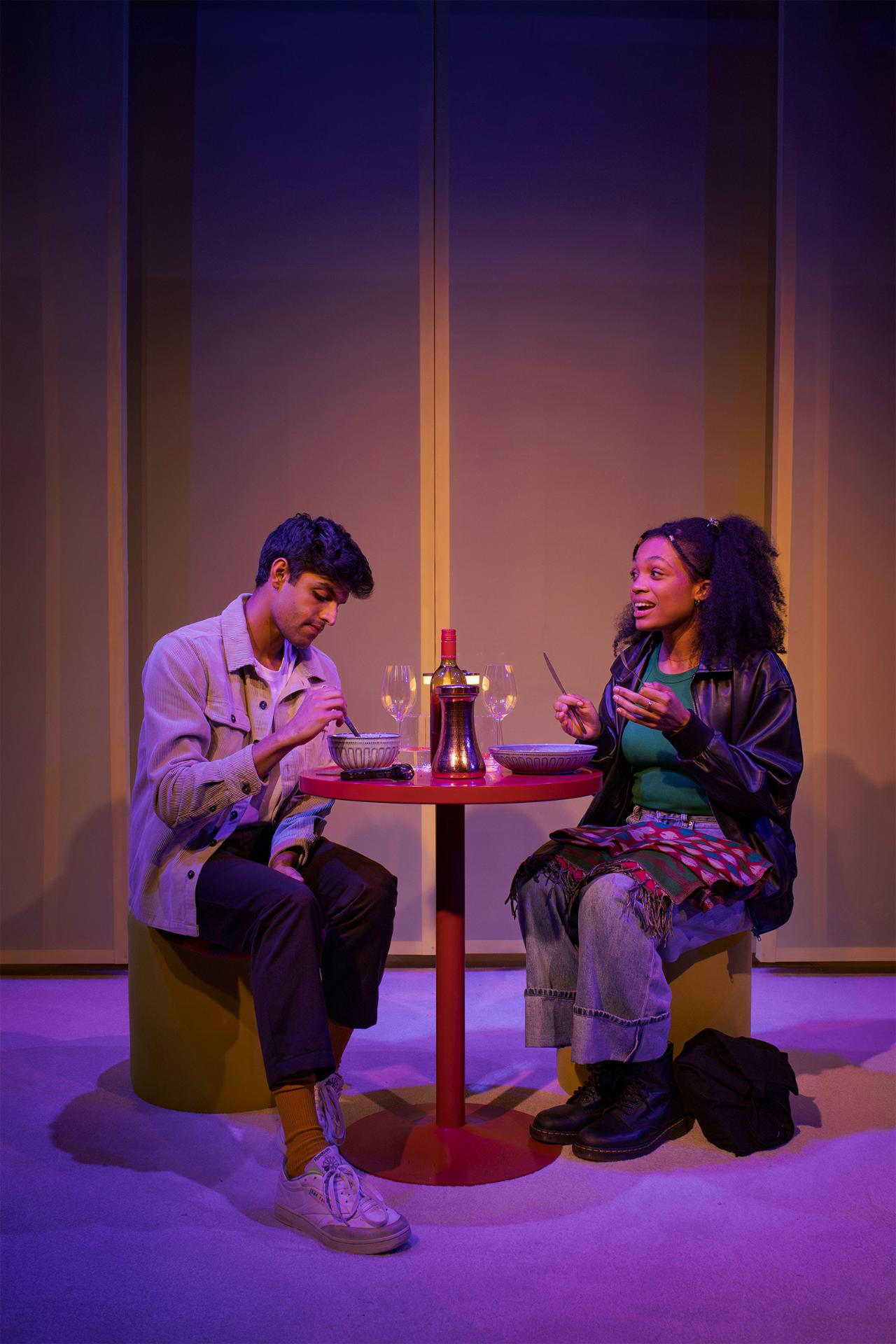
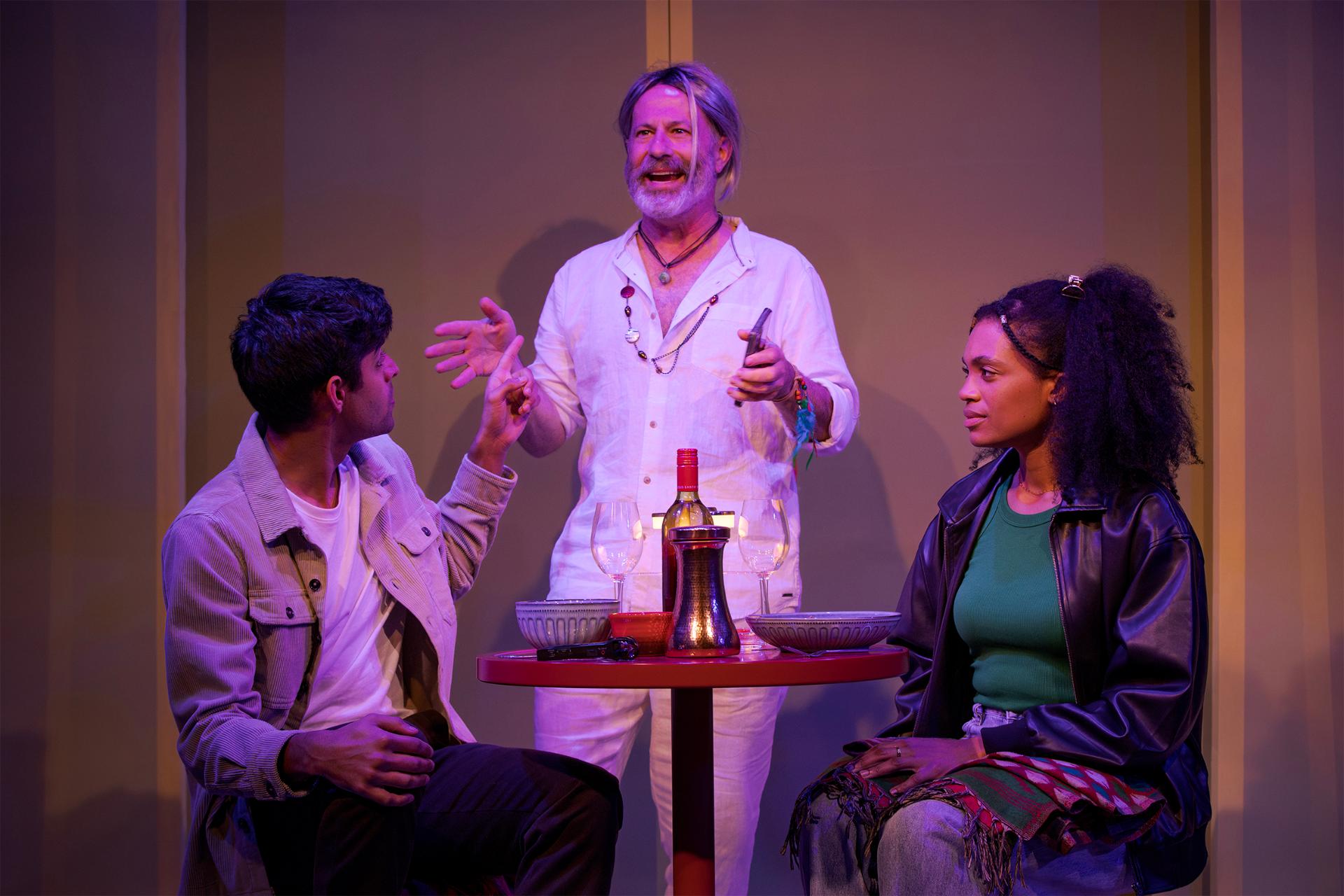
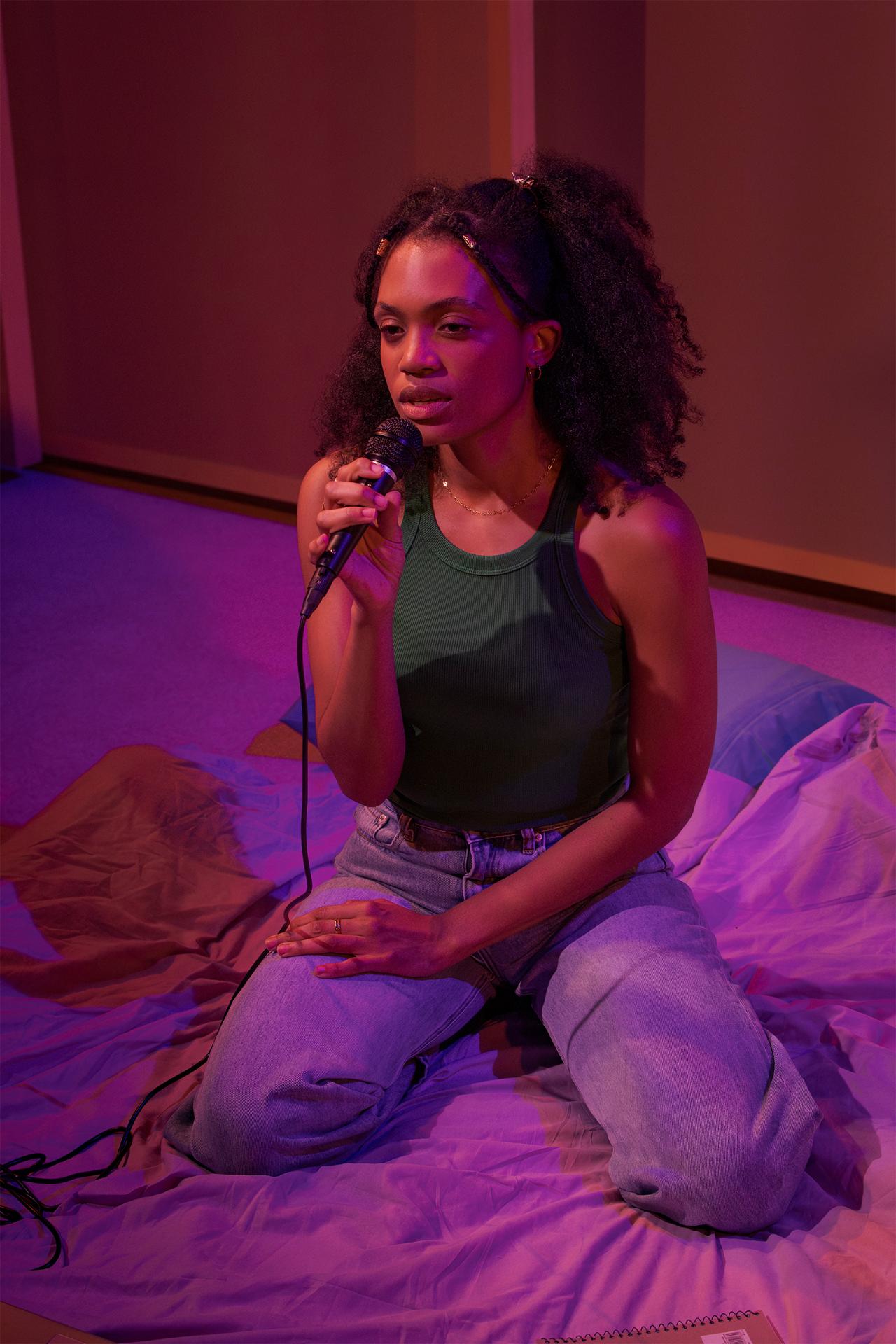
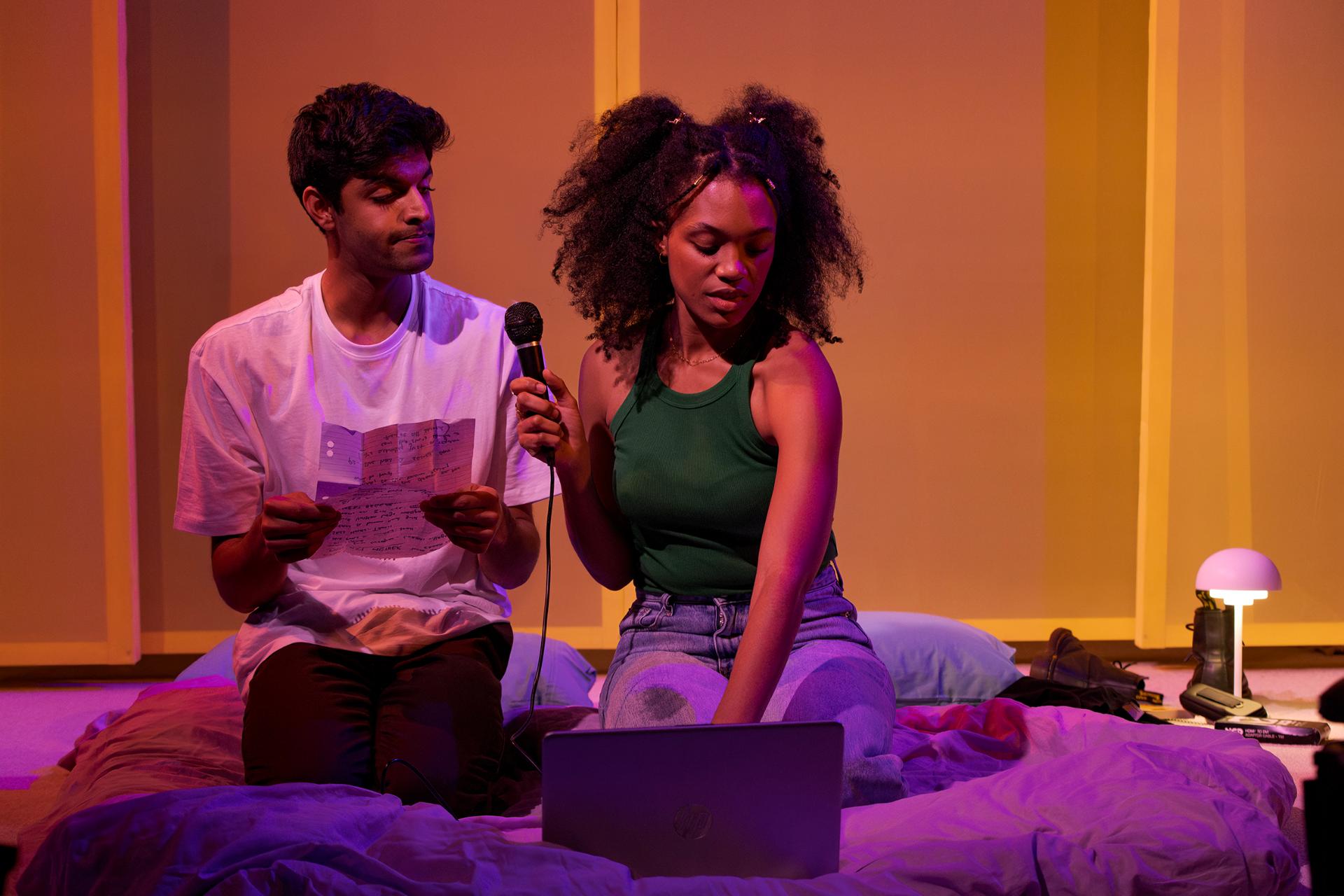
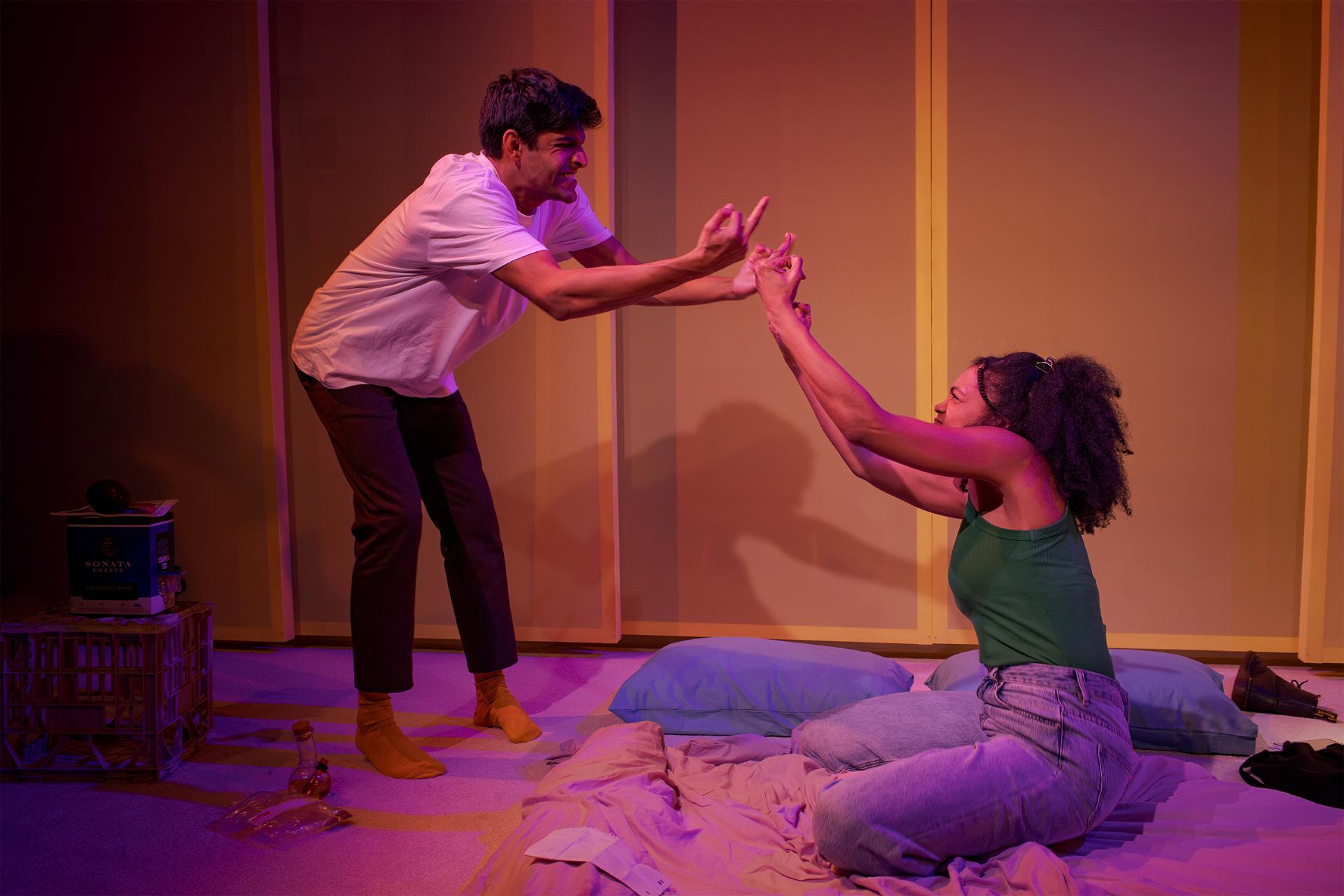
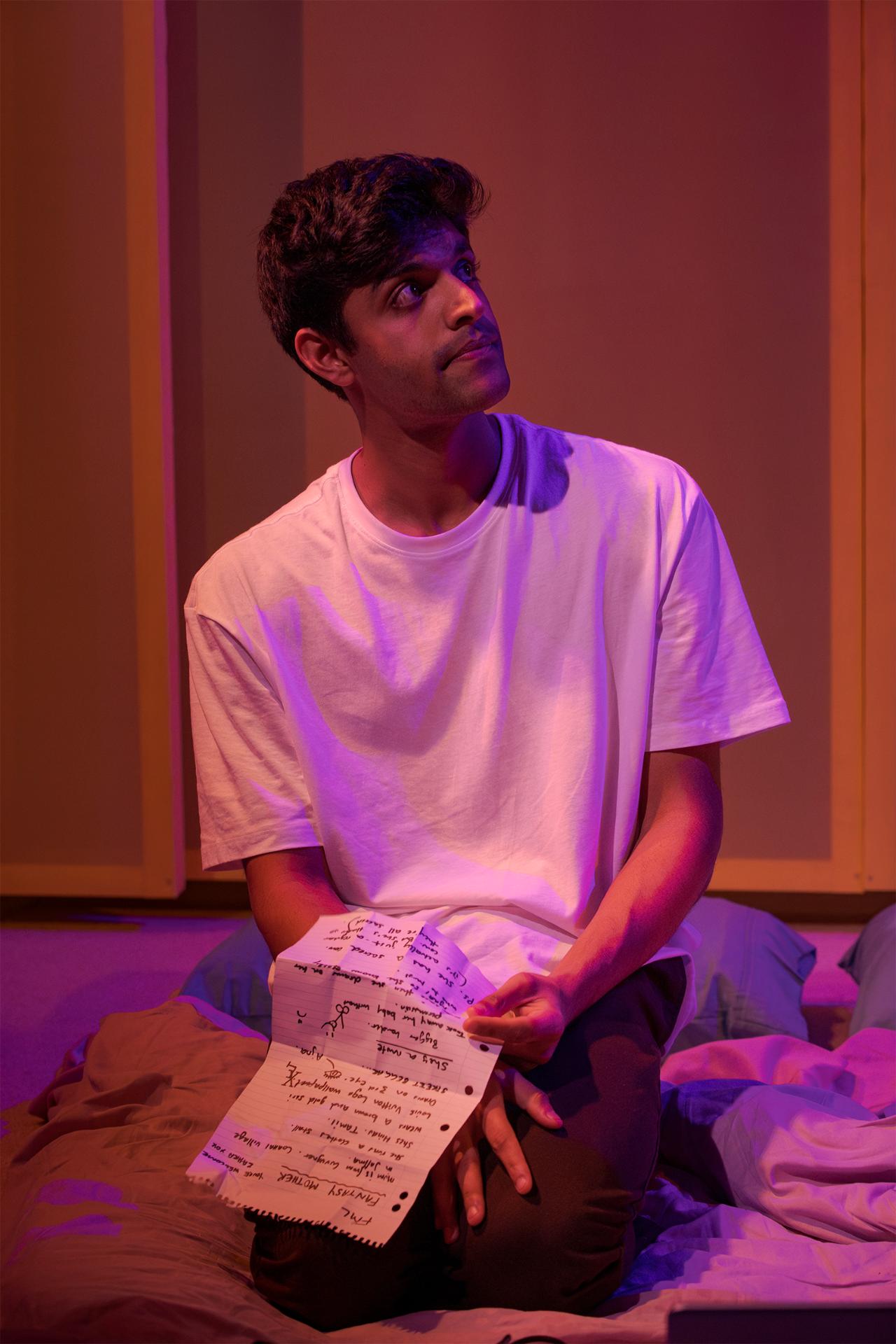
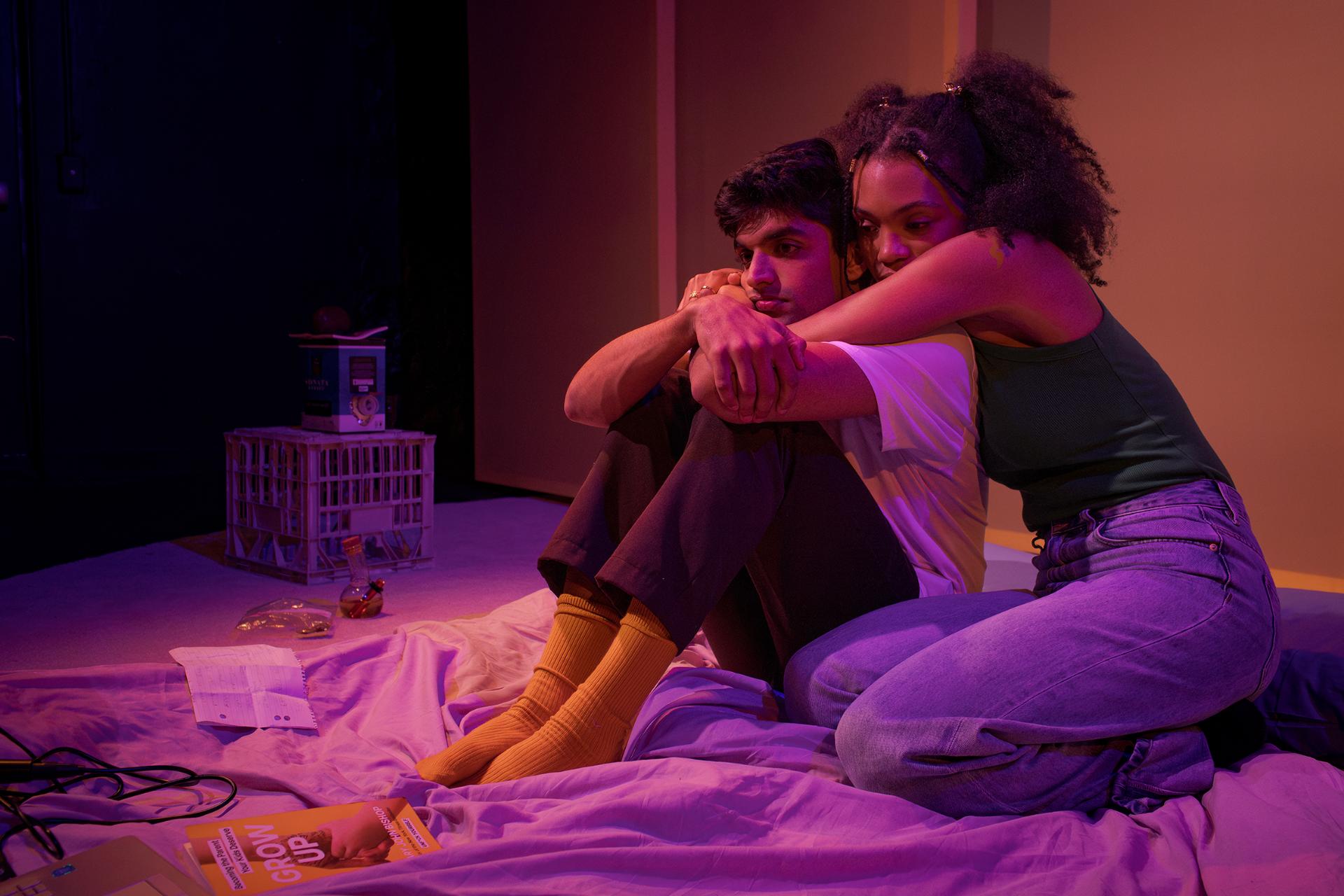
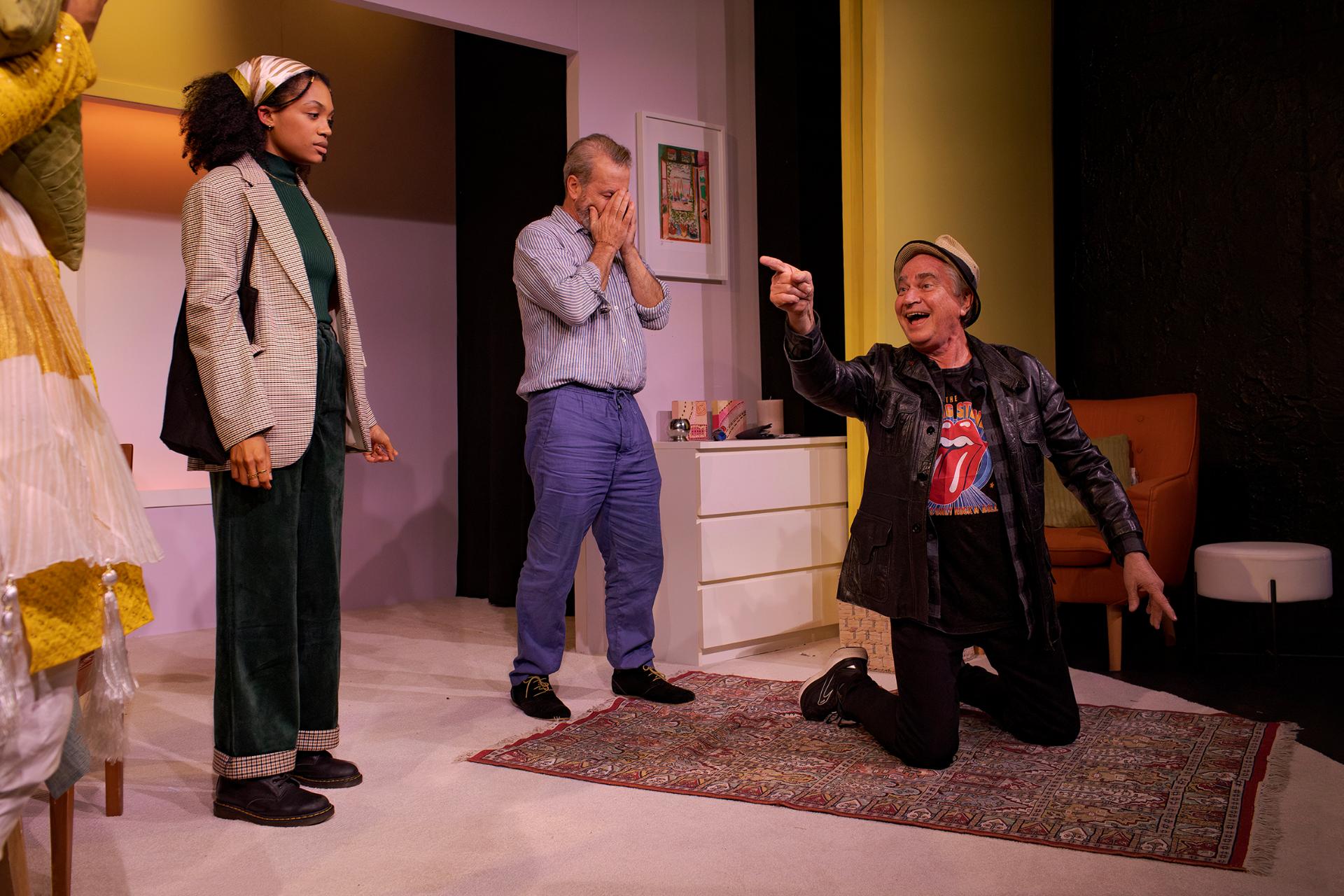
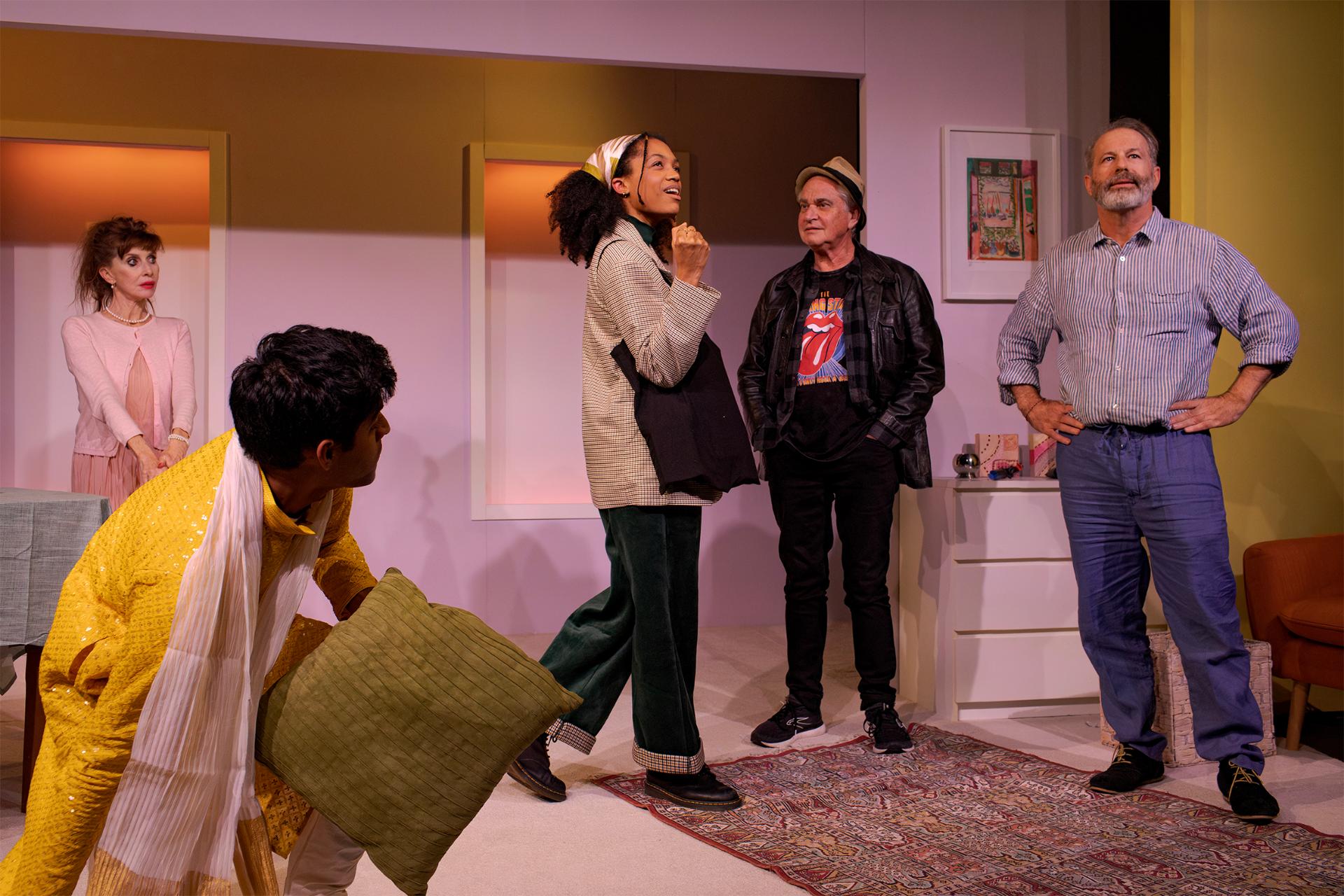
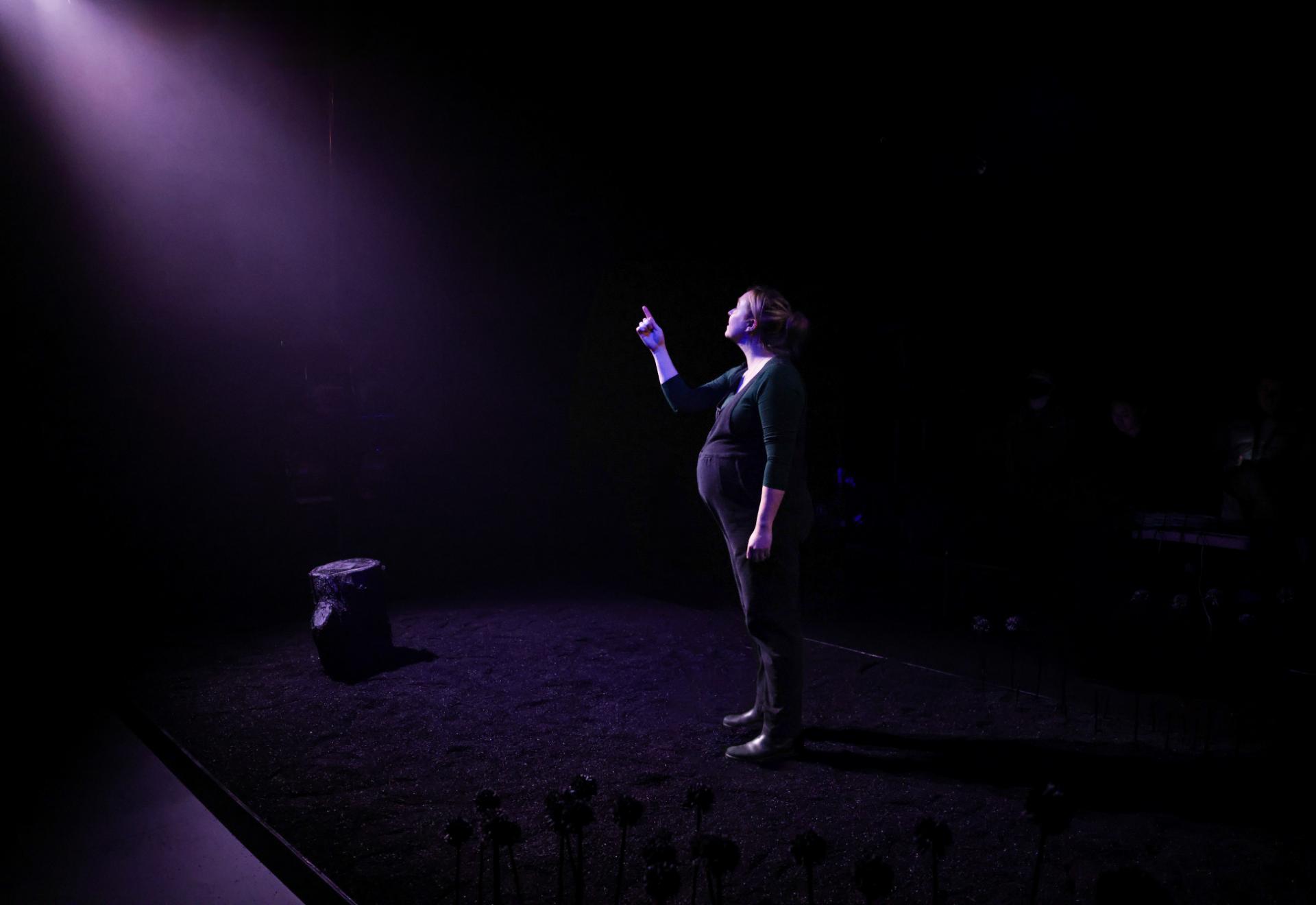
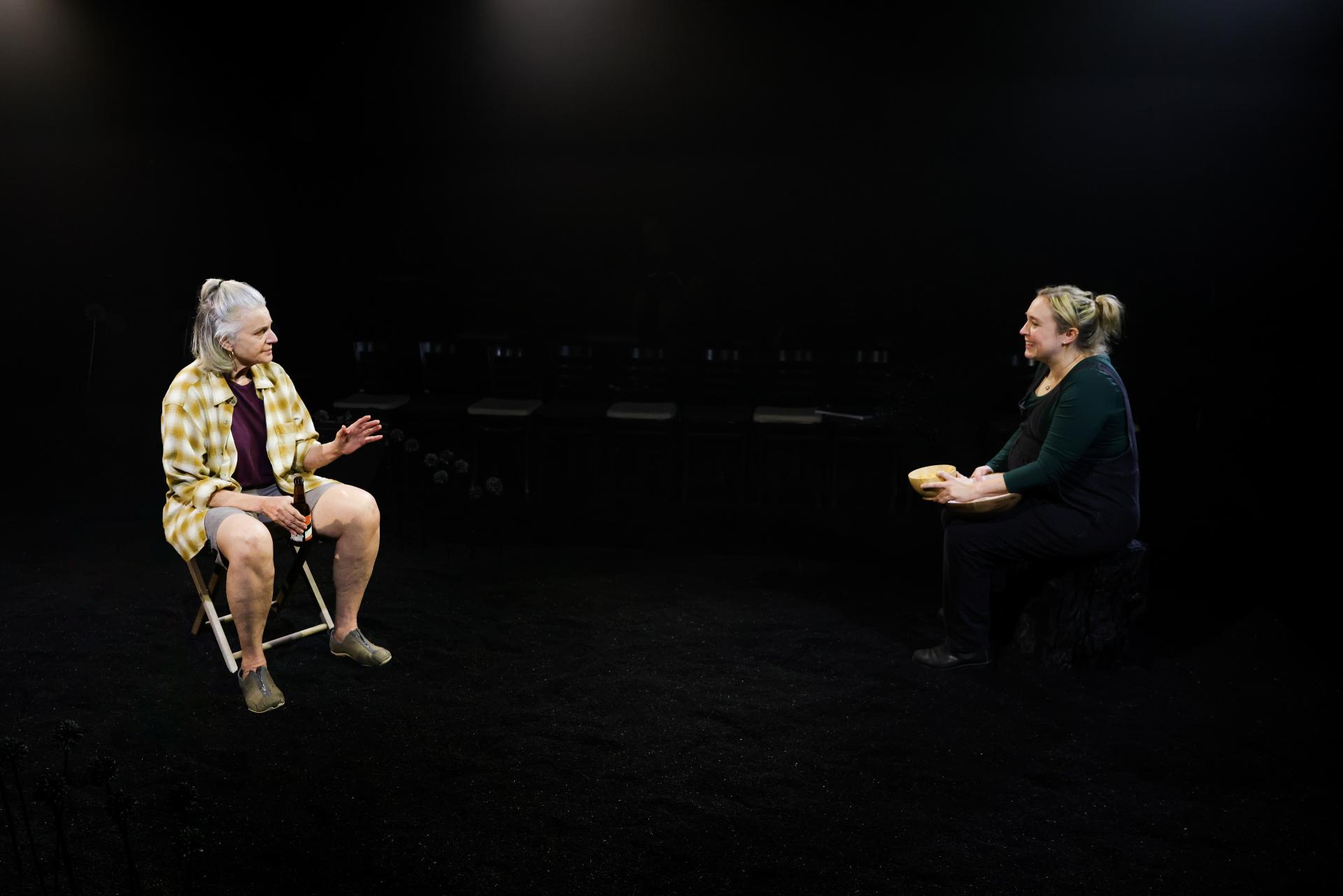
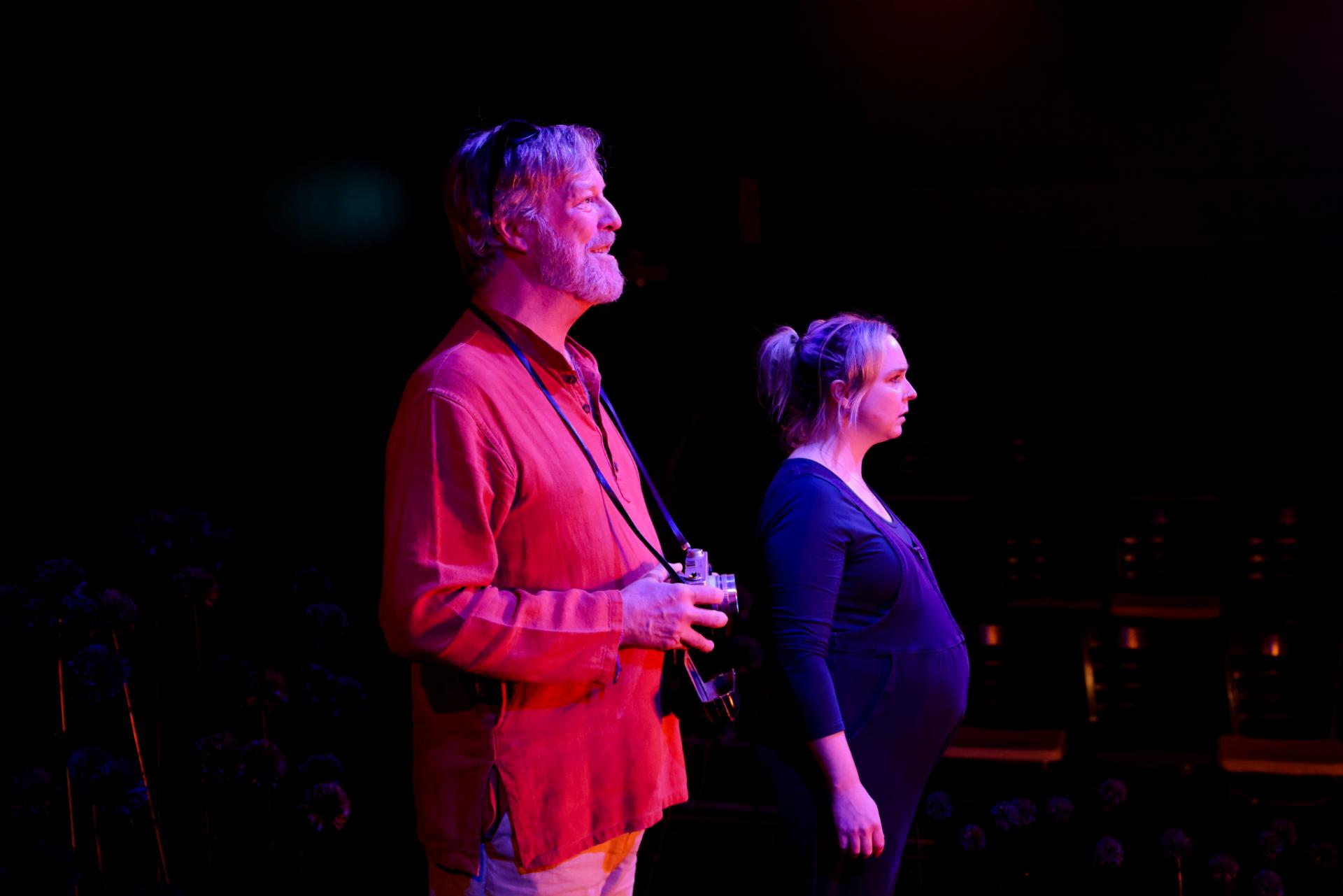
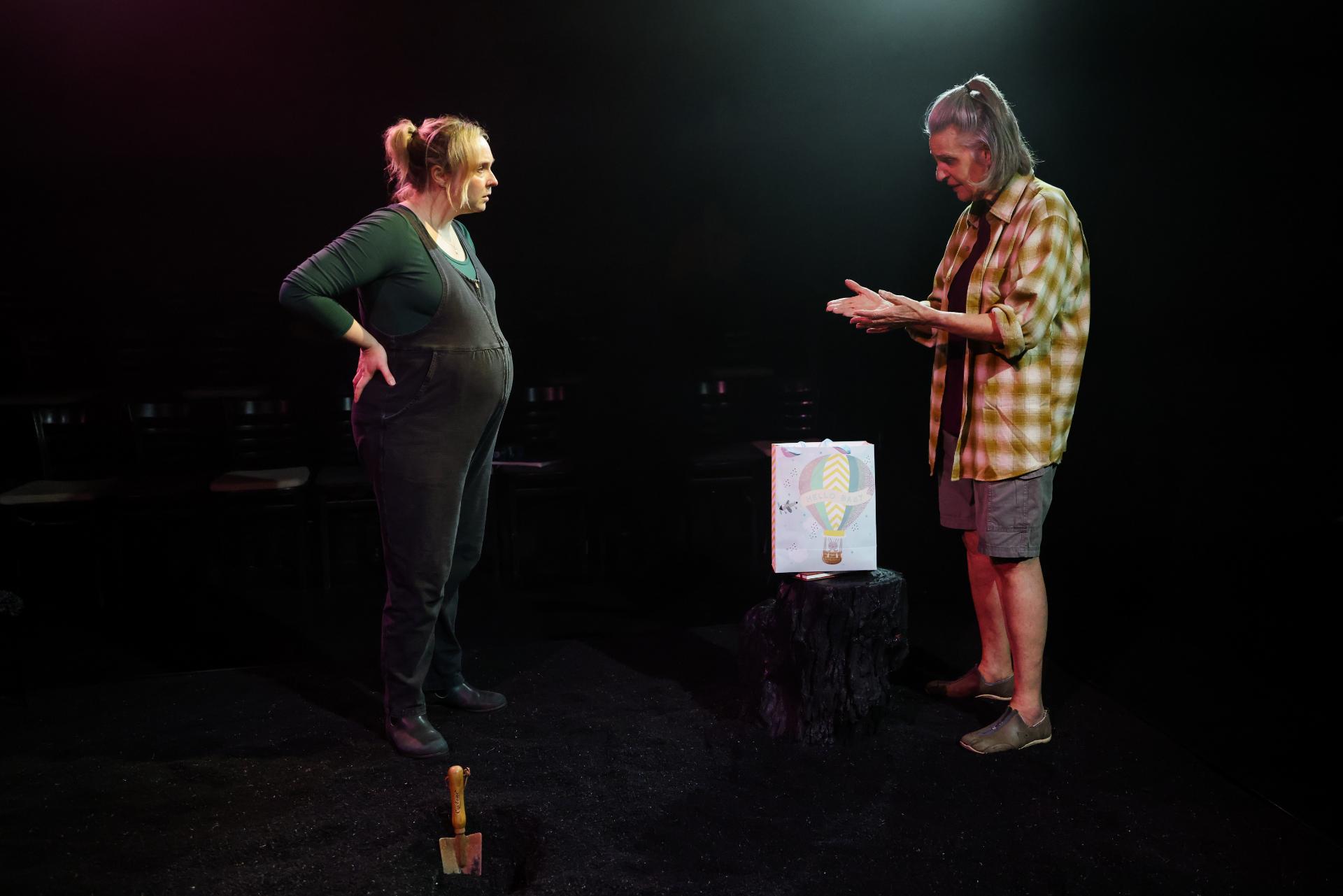
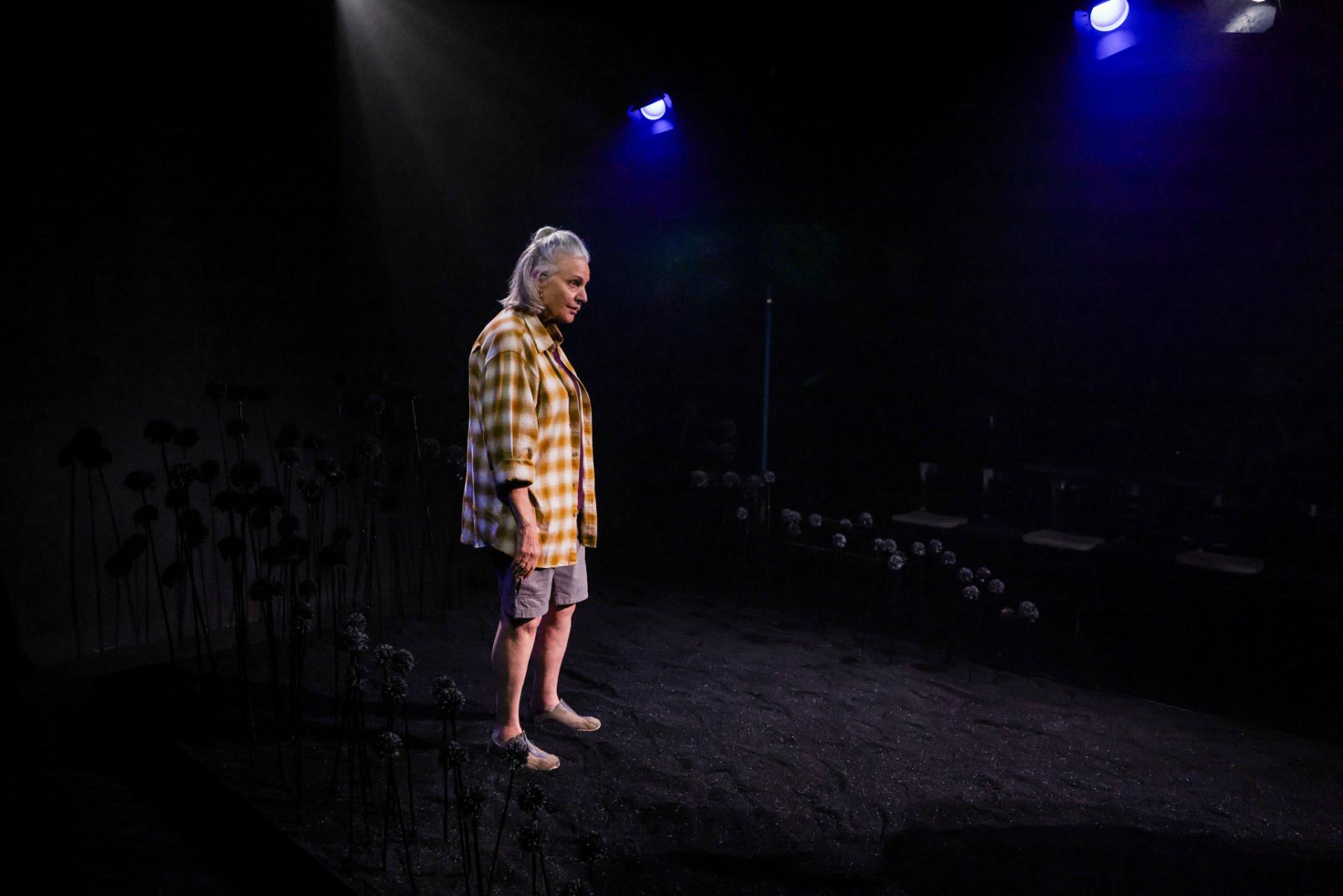
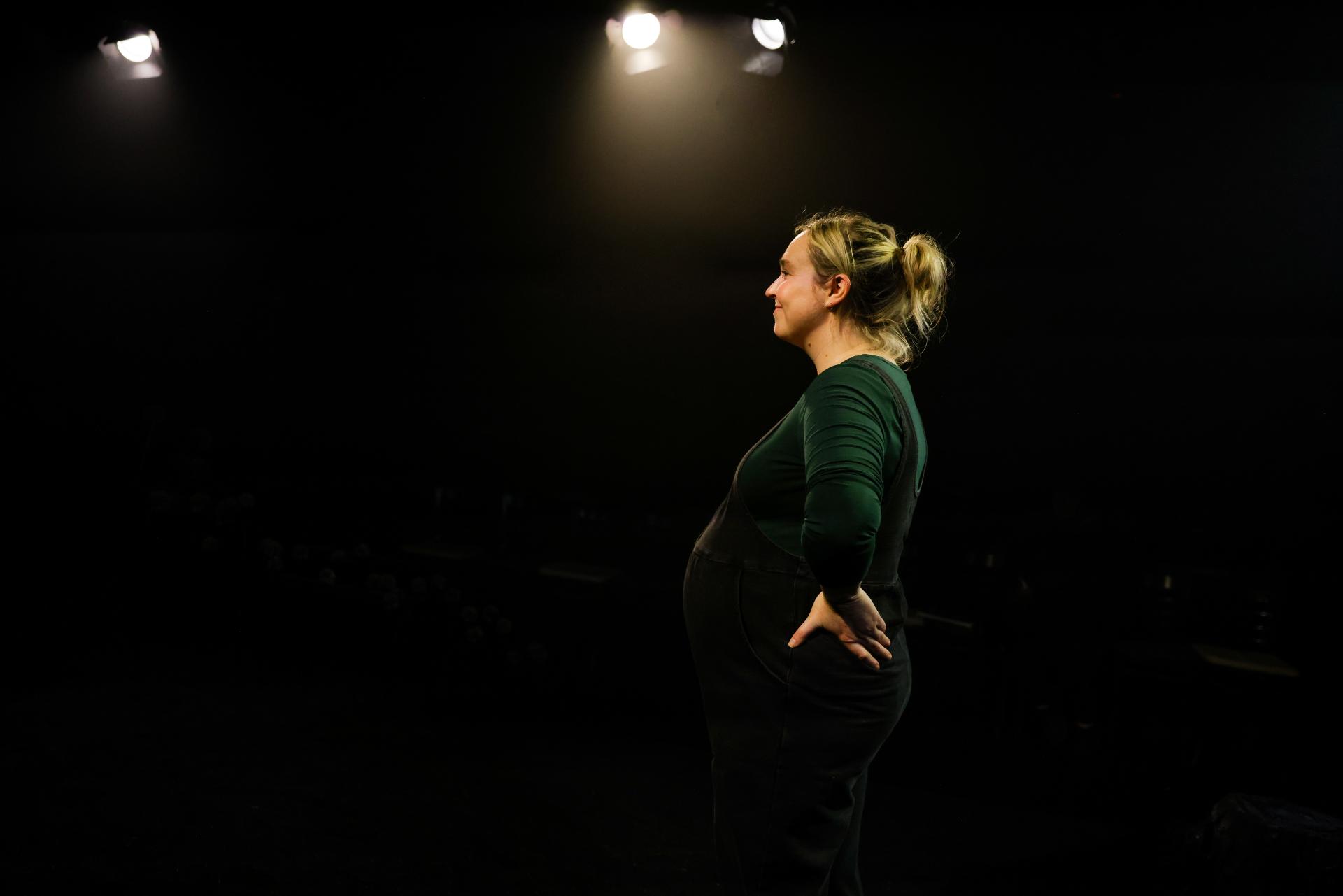
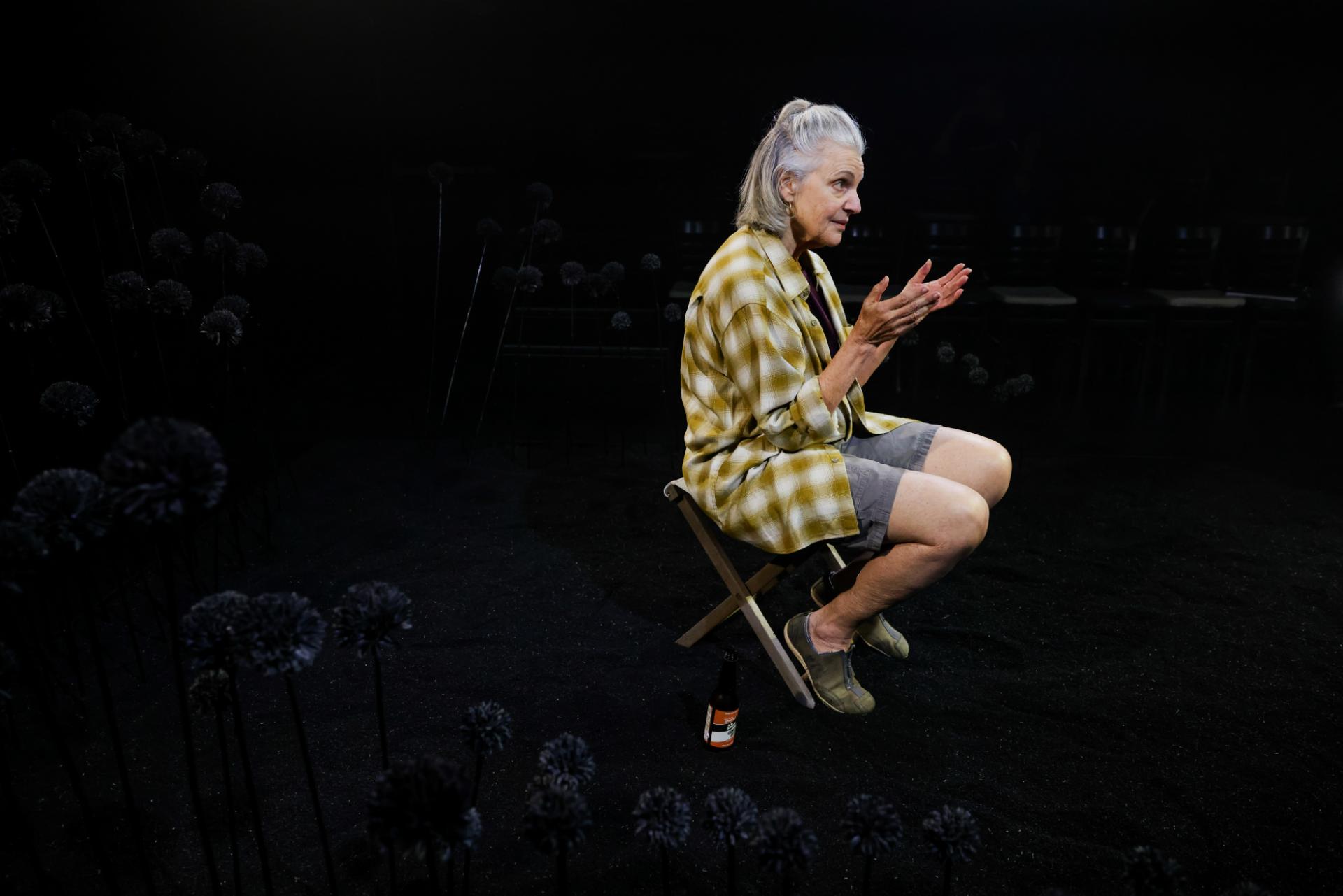
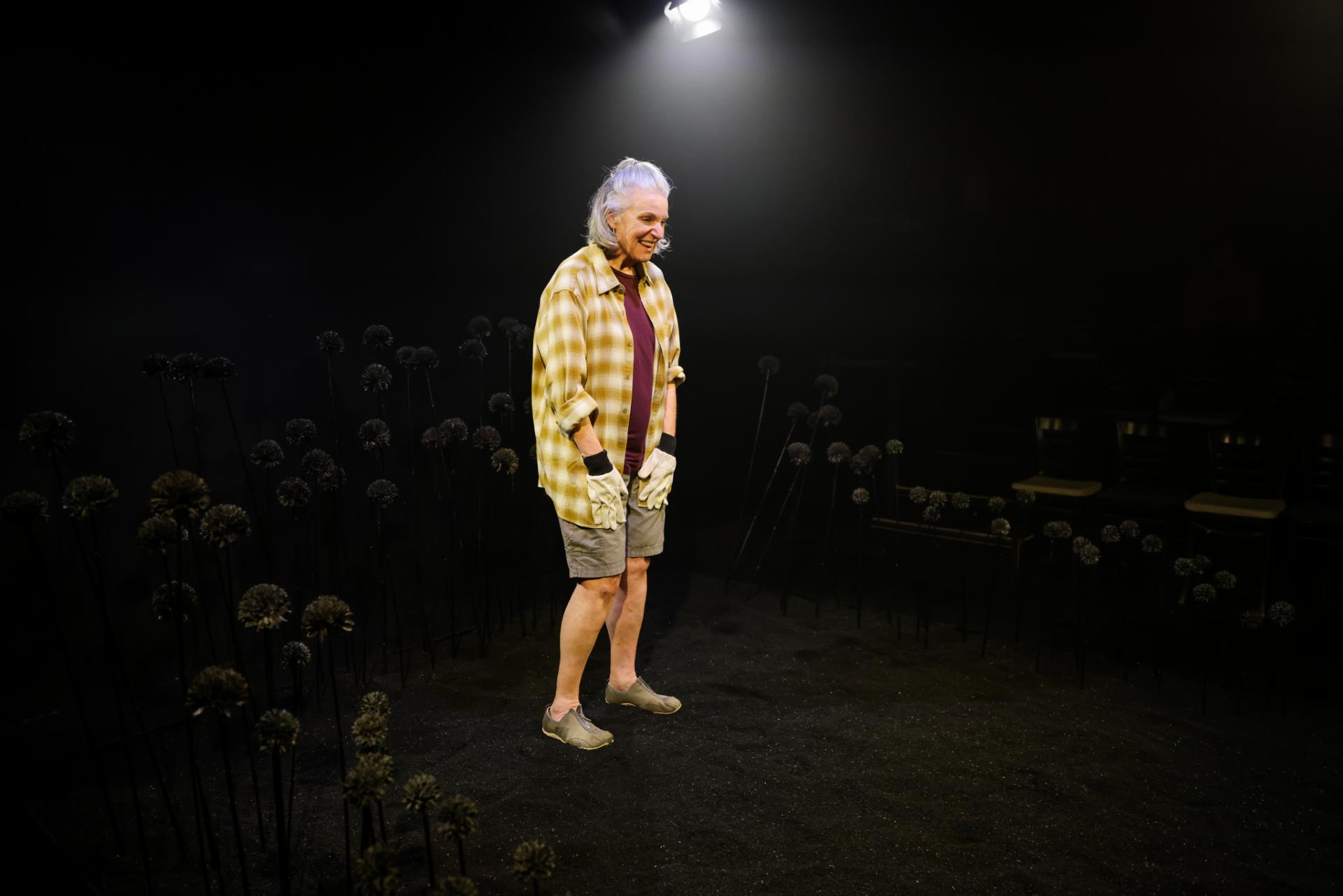
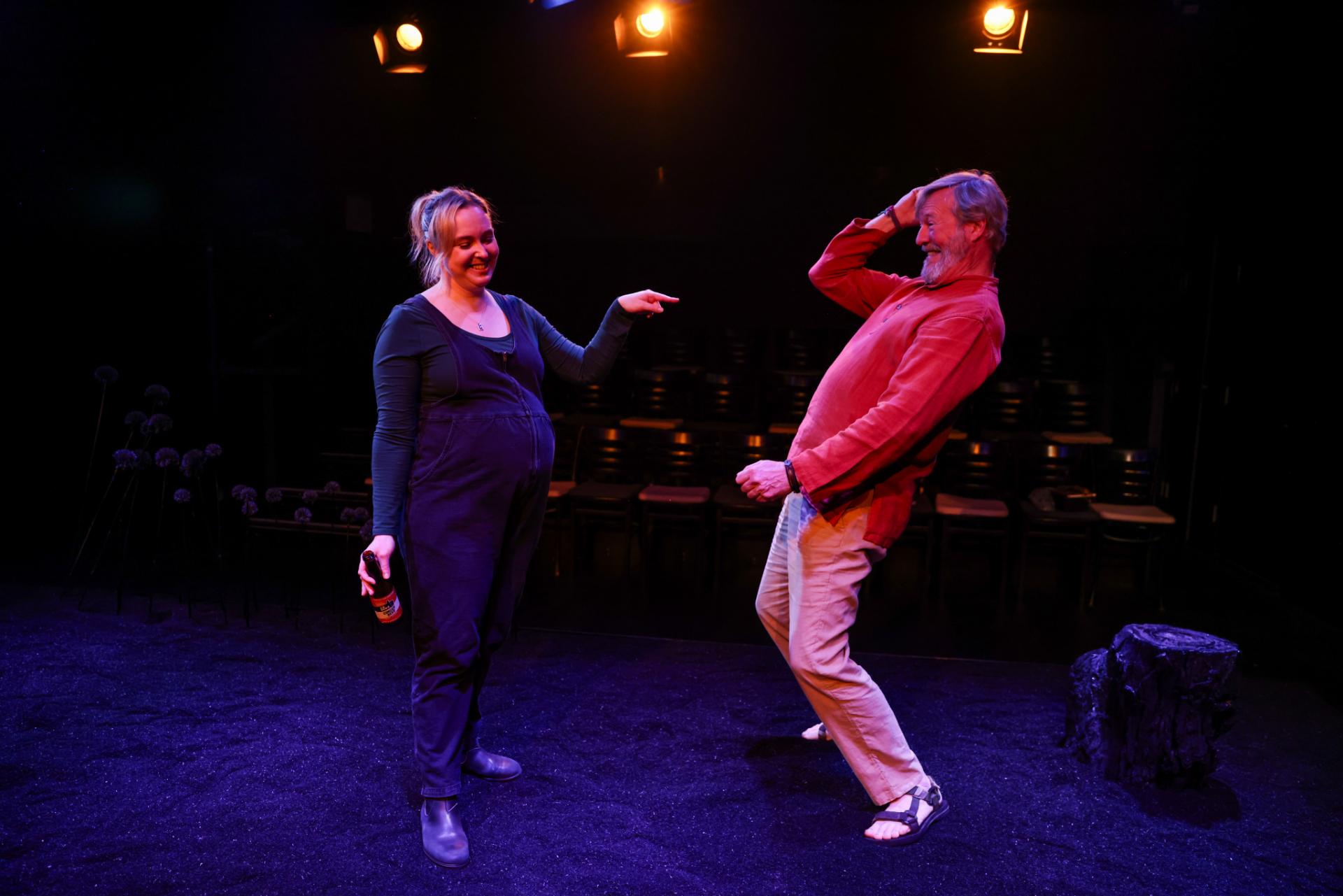
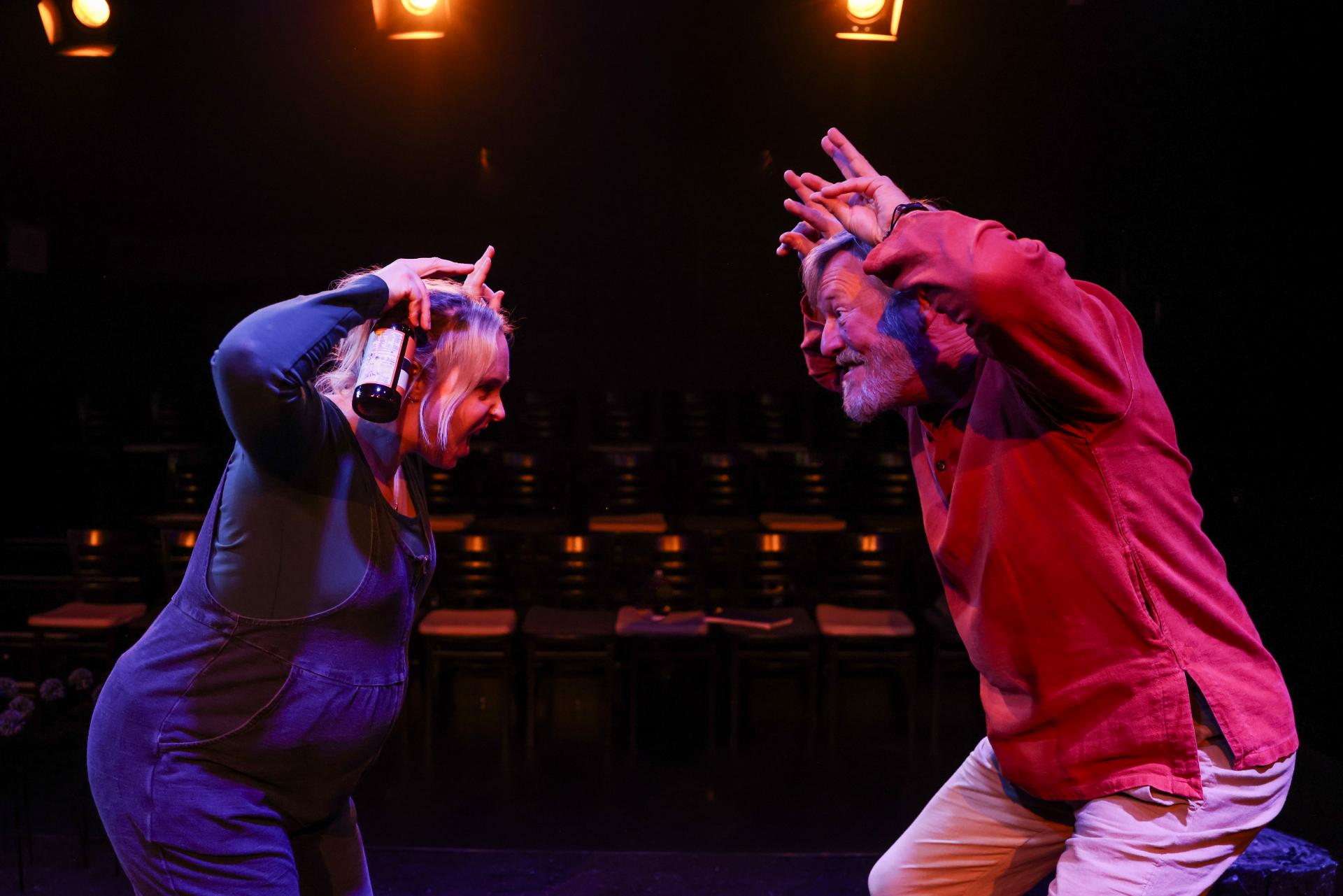
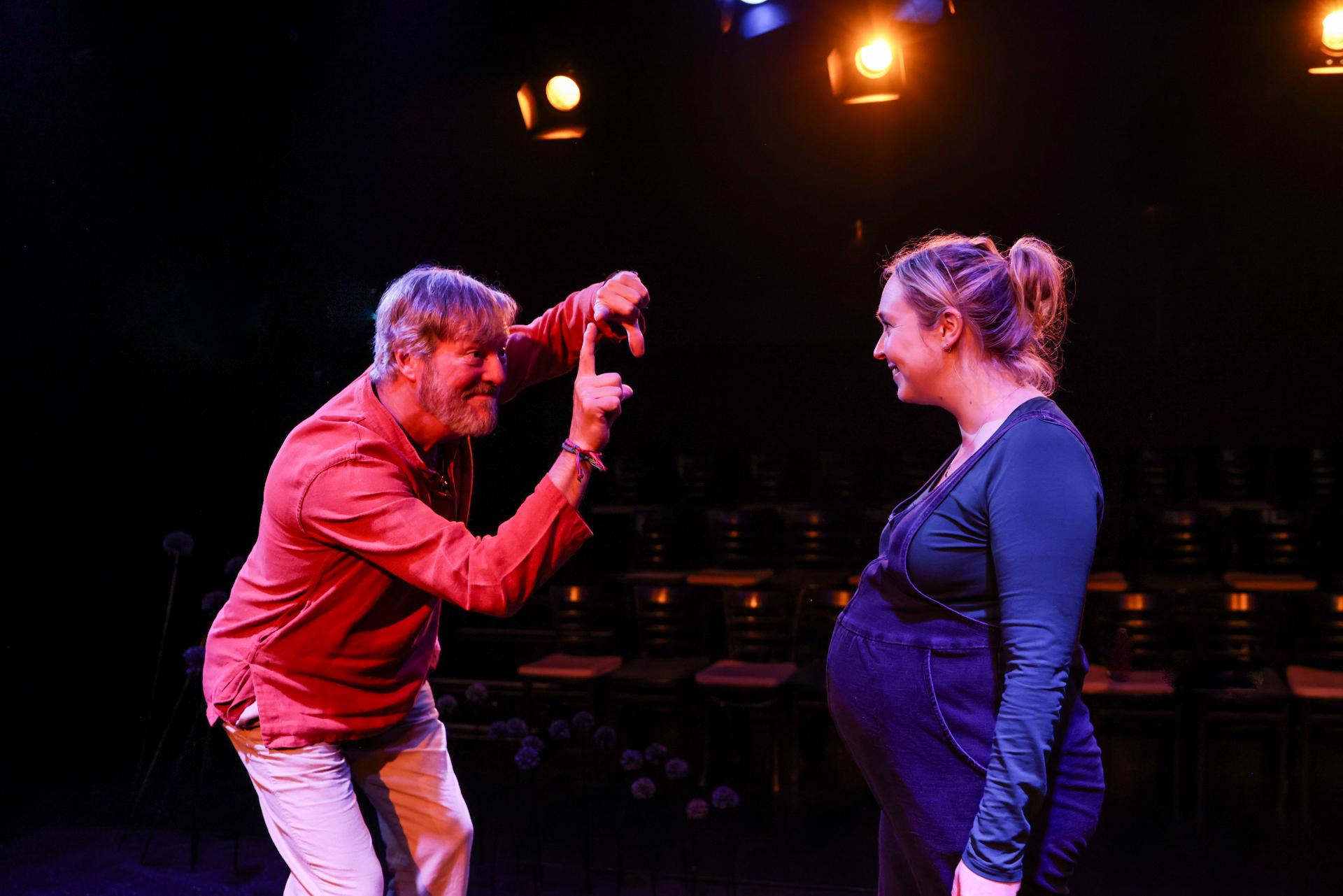
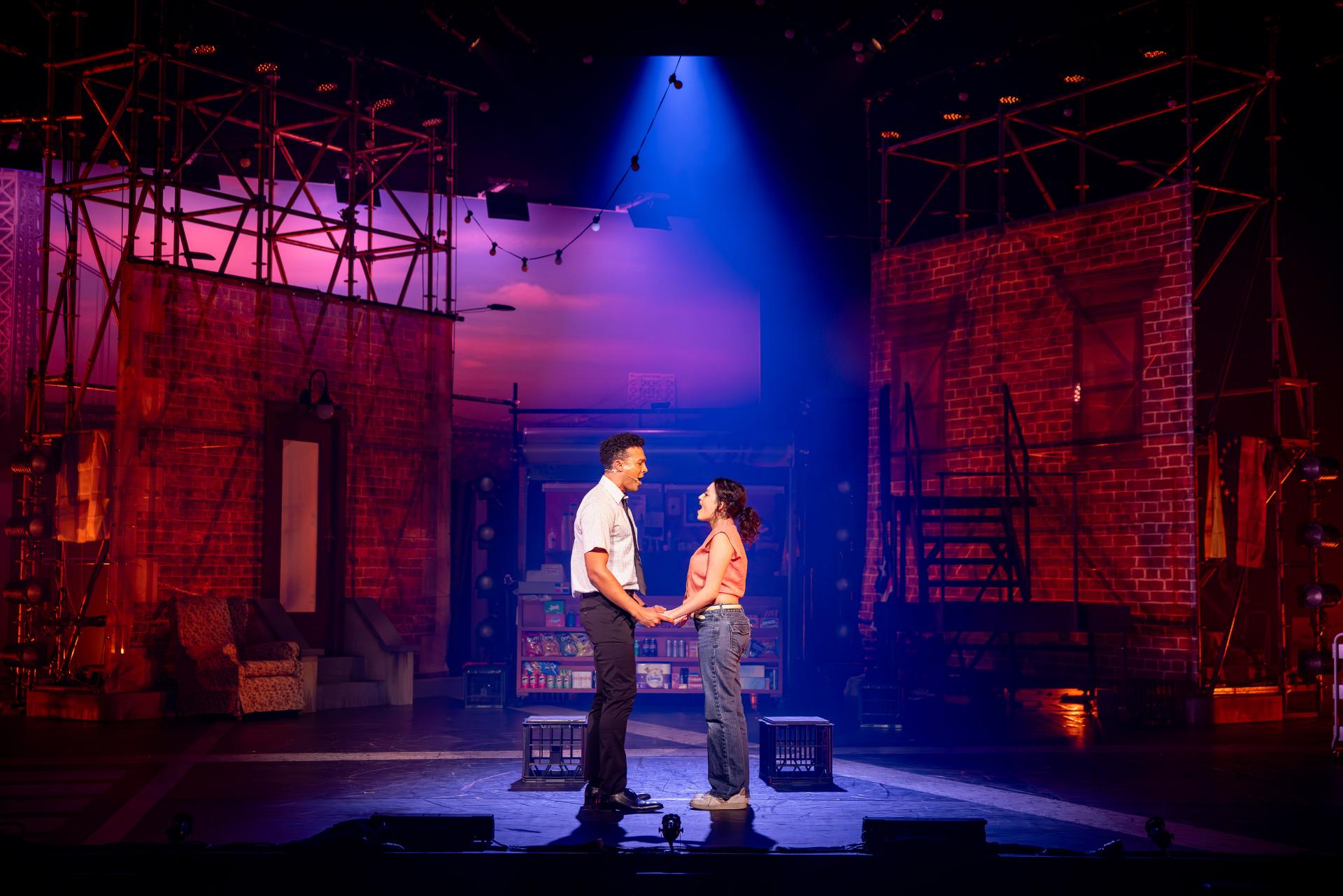
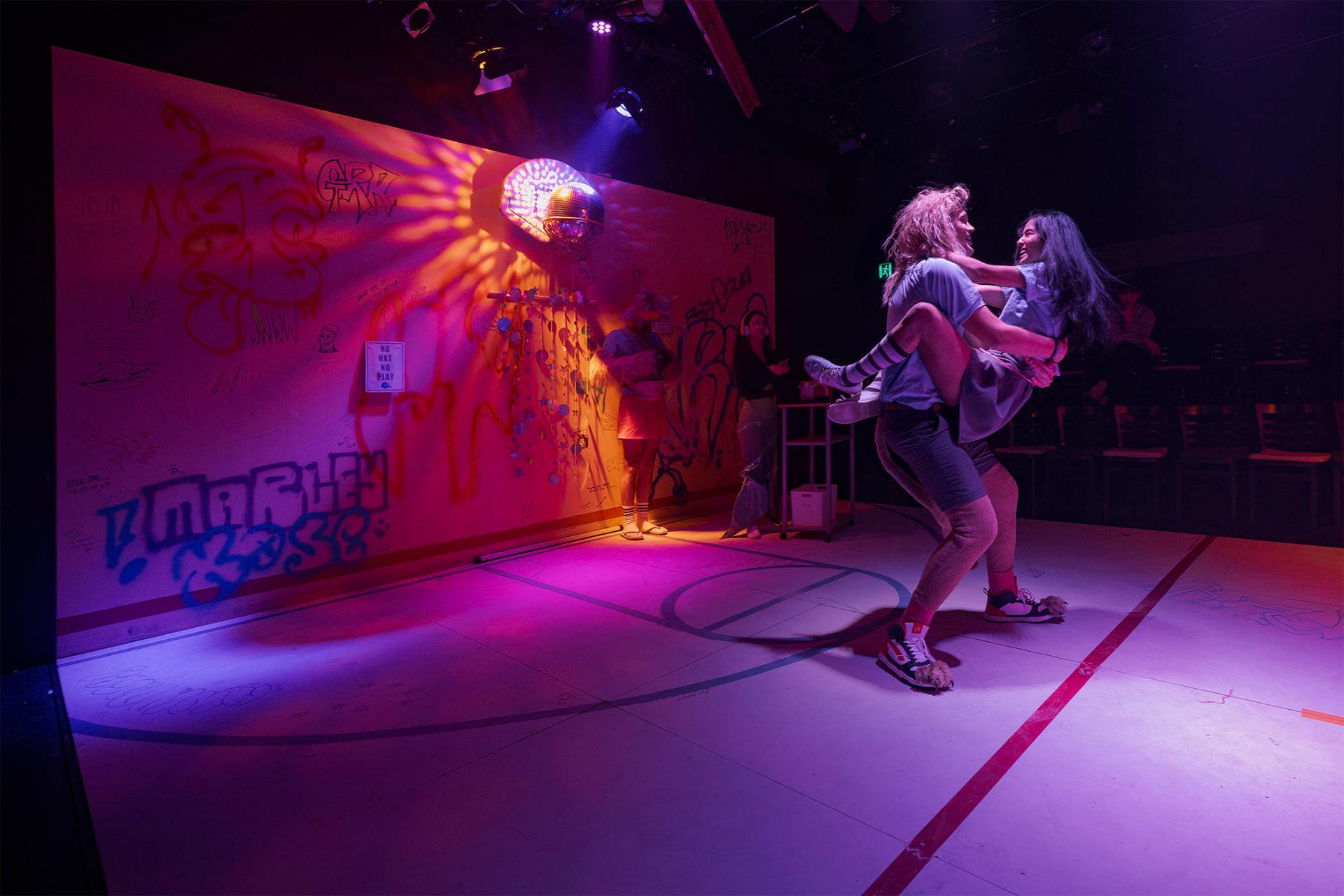
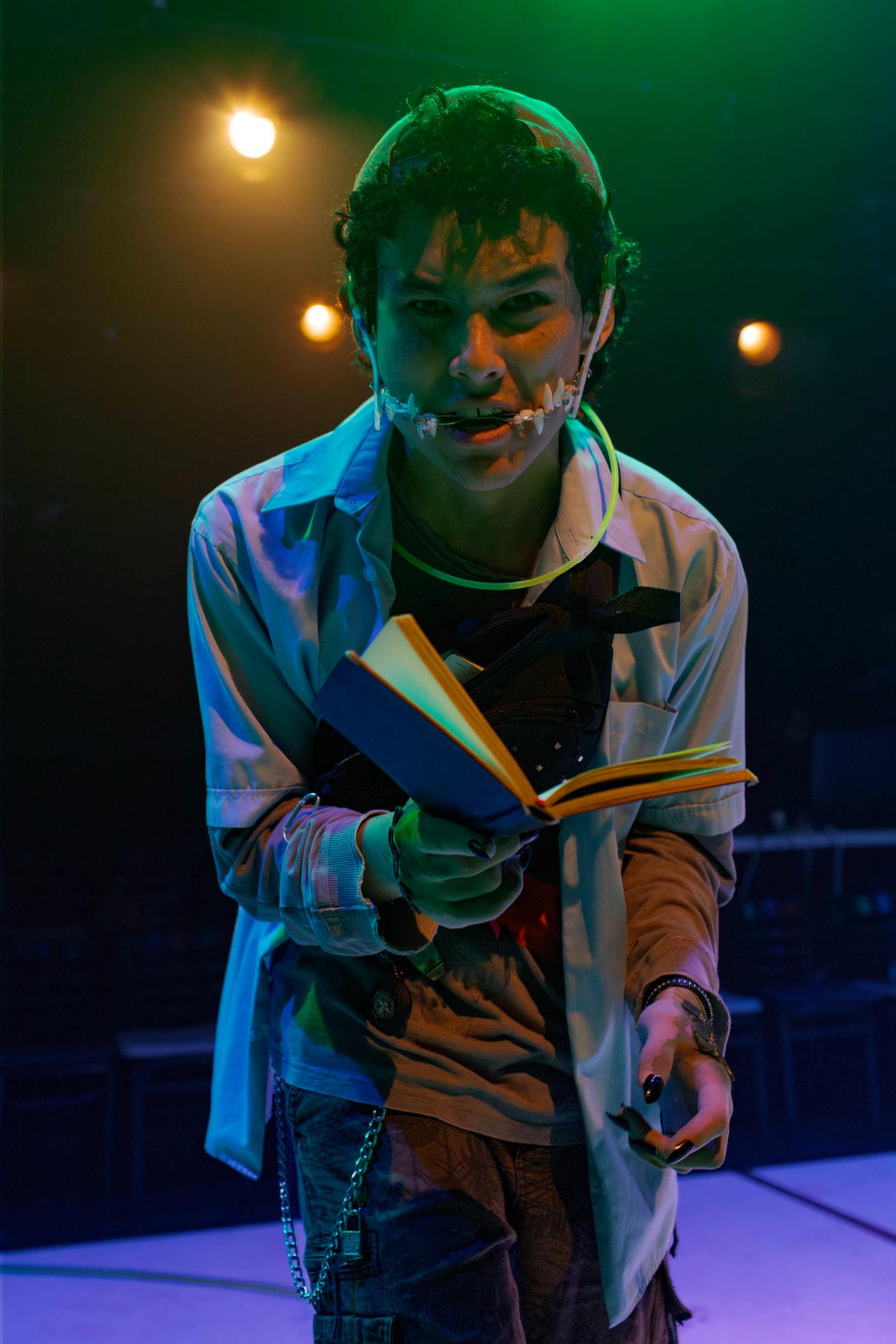
Based on the 1911 novel Peter and Wendy by J.M. Barrie, The Lost Boys is a freeform immersive work of theatre, dealing with issues pertaining to early masculinity and the loss of innocence. Its scene are distinct and separate, each with an independent style of presentation, but kept within a uniform aesthetic by directors Craig Baldwin and Eliza Scott, to convey a sense of cohesion for the production.

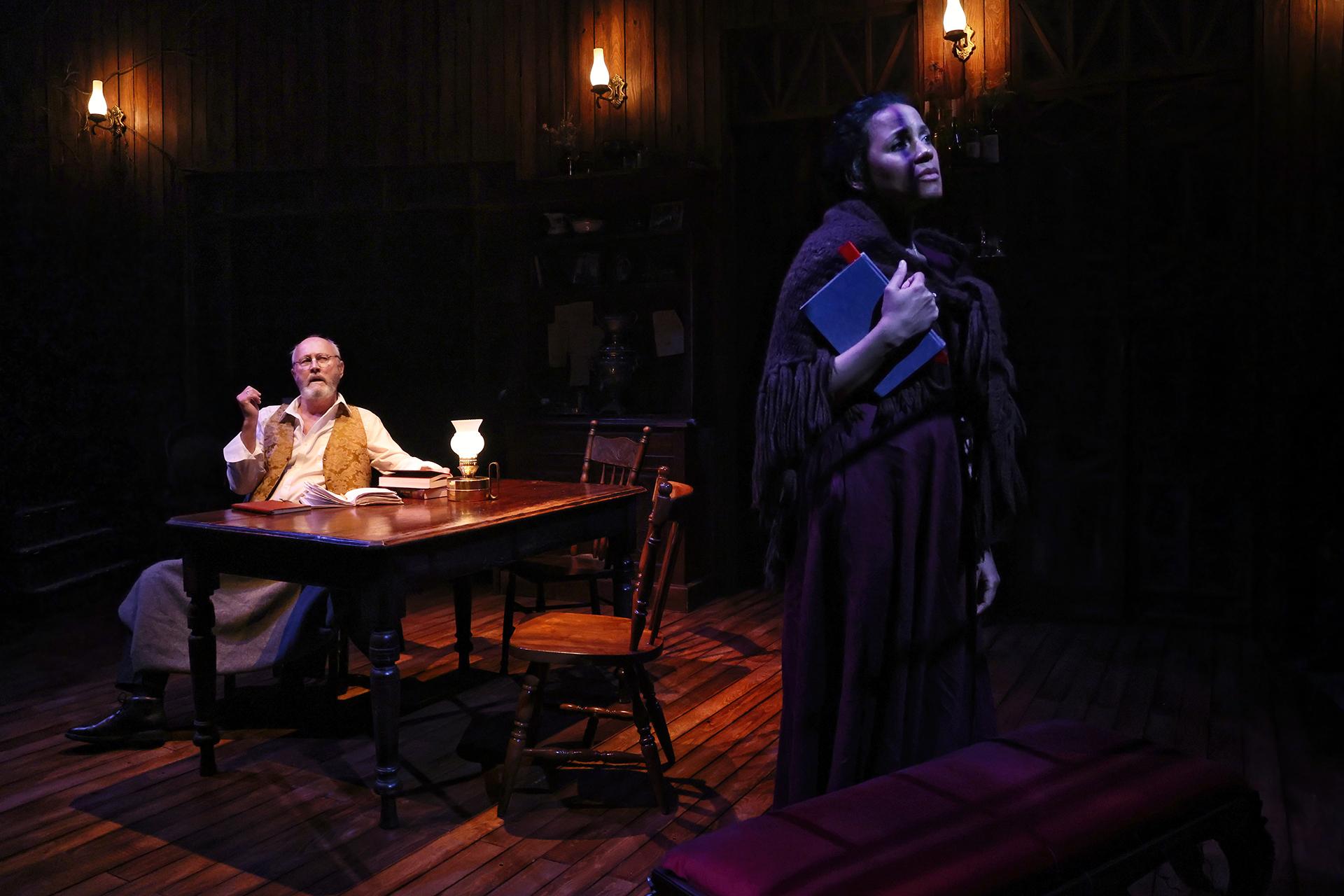
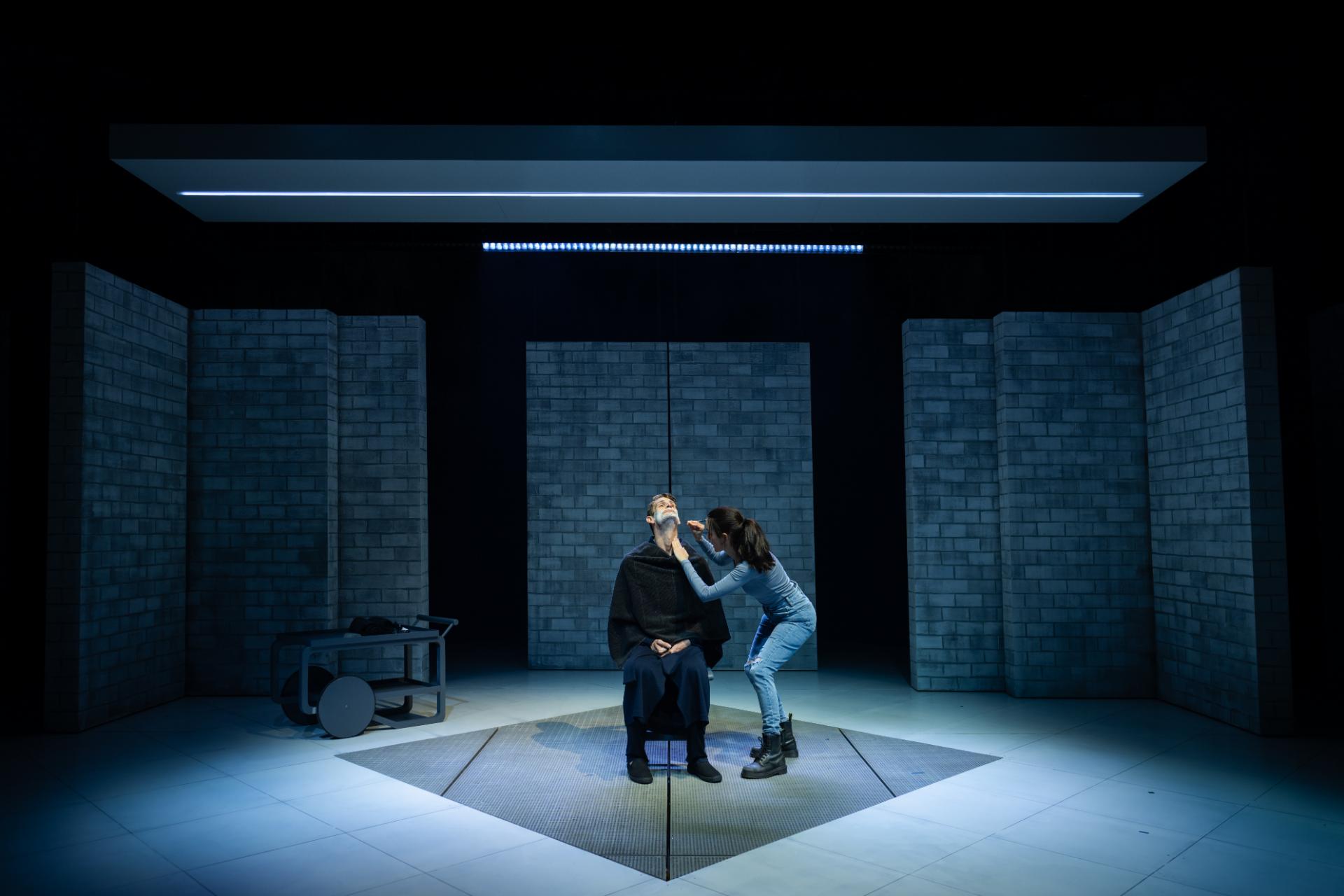
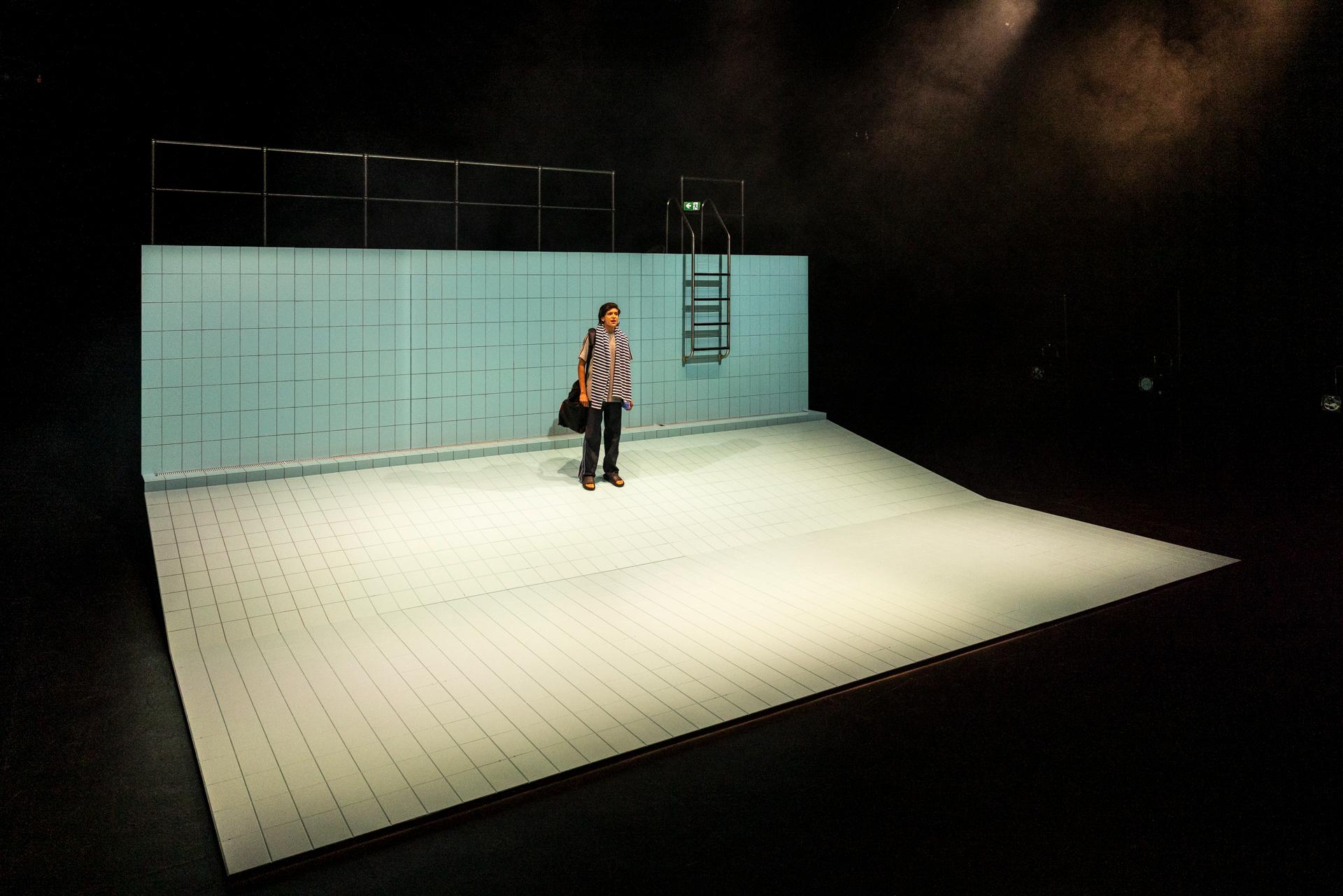
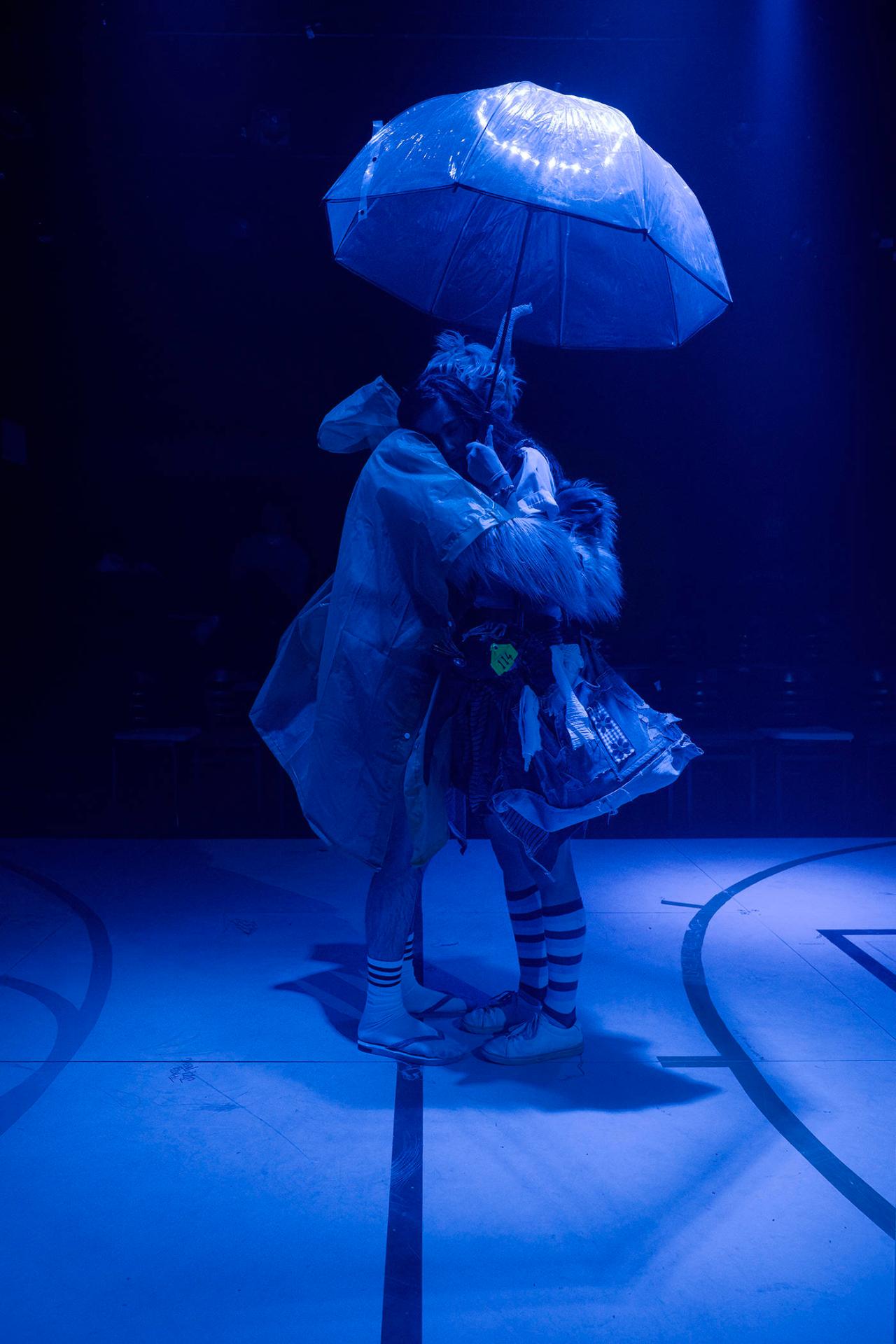
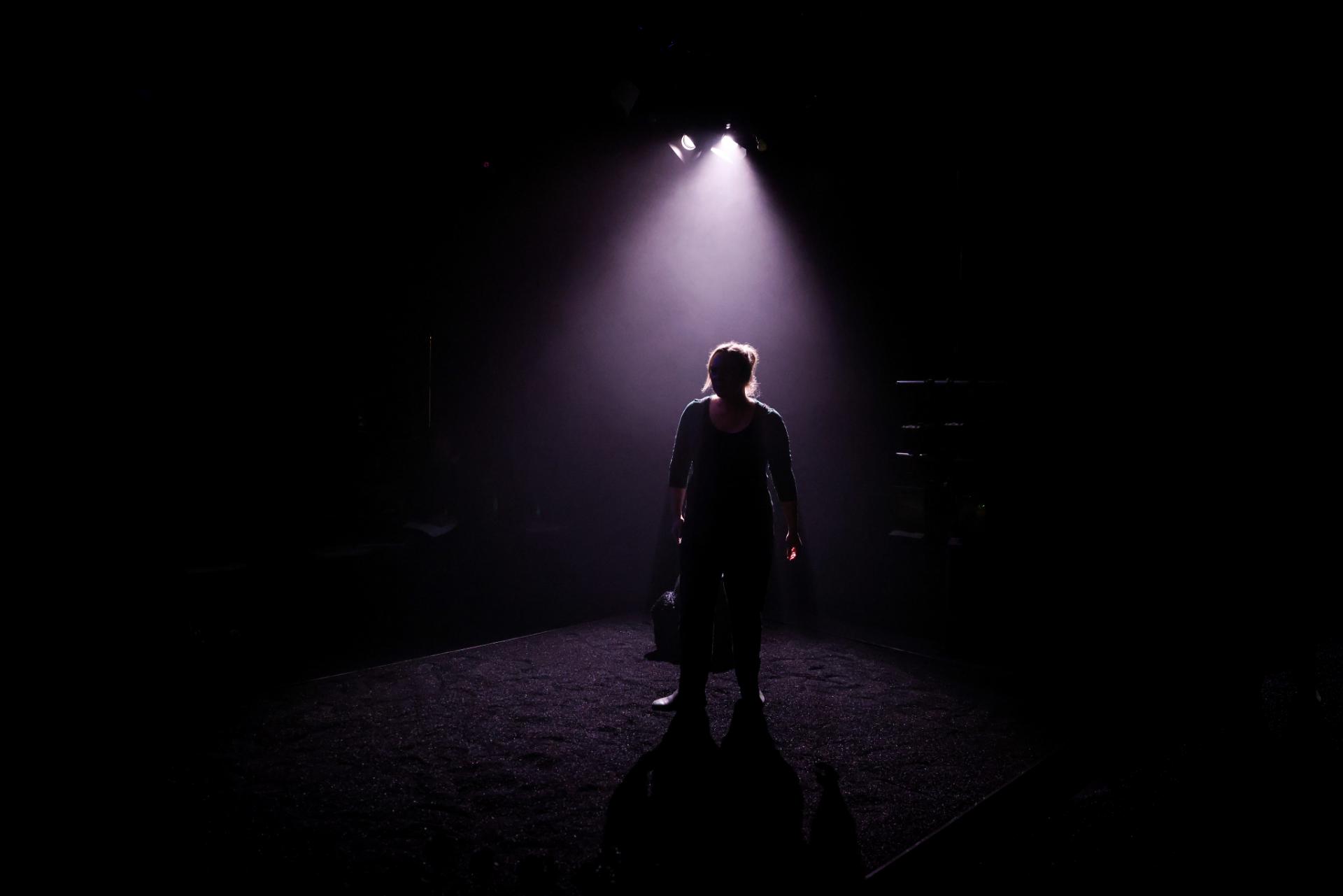
Set and lighting design by Ryan McDonald addresses tastefully the unusual spatial concerns of The Lost Boys, able to deliver style and a quality of surprise, for the series of imagery we encounter. Costumes by Esther Zhong are appropriately youthful, accurate in depicting the times and the culture being interrogated. Sounds are a highlight, especially the electronic music being deployed whether pulsating or ambient, to have us engaged with the show’s carefully calibrated atmospherics.

An ensemble of eight with divergent skills and talents, creates a one-hour presentation notable for its poetic sensibility. The Lost Boys commences at high octane, full of energy and promise, but struggles to sustain that intensity. Its first half is enjoyable for quirky and startling interpretations of Barrie’s writing, but an unintended juvenility sets in midway, and the show turns regretfully banal. There is no questioning the commitment on display by the vibrant collective, but it seems their ingenuity is depleted too early in the piece.

It is crucial that we undertake a deconstruction of masculinity, and redefine its virtues, for men and for people of other genders. Much of masculinity has been harmful, but like all other damaging systems that furnish power to few, it is stridently persistent, bolstered perversely by those who suffer its consequences. Its values are so ubiquitous that we rarely question their validity, unconsciously absorbing them into the ways we navigate all of existence. We regard them as natural and elemental, when they are demonstrably malleable, with meanings that are almost entirely imaginary and indeed, illusory. We may not be able to do away with gender altogether in the current lifetime, but disallowing it from taking on immutable and invulnerable shapes, is ultimately of benefit to all.

www.seymourcentre.com | www.littleeggscollective.com

Review: The Master & Margarita  (Belvoir St Theatre)

Venue: Belvoir St Theatre (Surry Hills NSW), Nov 11 – Dec 10, 2023
Playwright: Eamon Flack (adapted from the book by Mikhail Bulgakov)
Director: Eamon Flack
Cast: Paula Arundell, Marco Chiappi, Tom Conroy, Gareth Davies, Amber McMahon, Josh Price, Matilda Ridgway, Anna Samson, Mark Leonard Winter, Jana Zvedeniuk
Images by Brett Boardman

Theatre review
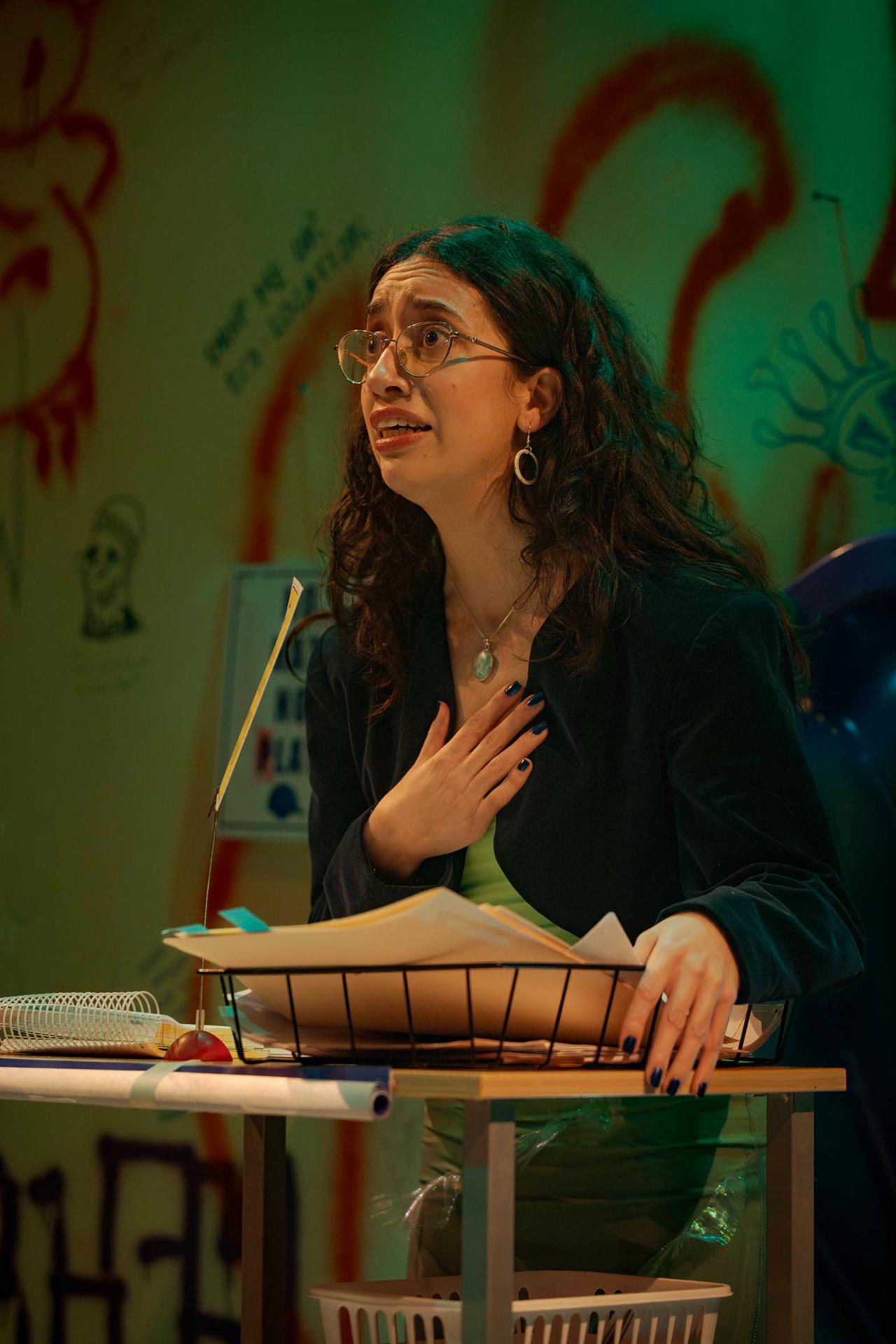
Mikhail Bulgakov’s The Master and Margarita features Satan as provocateur, a figure intent on exposing hypocrisy and failings of society. There are also a novelist and a poet, who create further flights of fantasy, in addition to the already complex narratives being woven by Bulgakov. Eamon Flack’s adaptation not only transposes for the stage, key portions of the book, it also introduces biographical information about the author’s experiences with censorship in Stalin’s Soviet Union, and includes modernist commentary on the very process of adaptation.
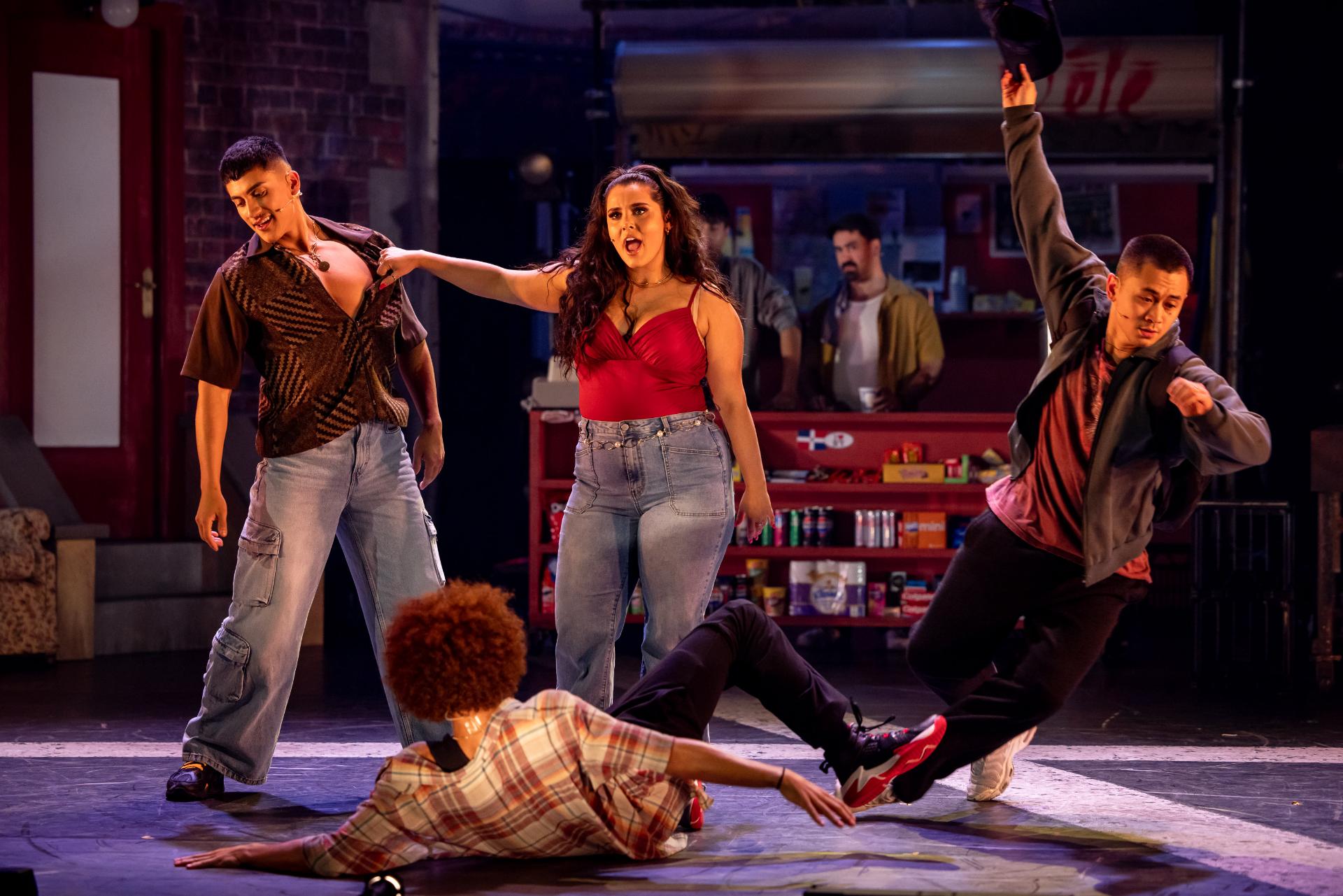
The staging is ambitious, expansive and brave, full of passion in its often wild transformations of space and atmosphere. Inspired by the imaginative and unconstrained qualities of the source material, The Master & Margarita becomes a work of theatre that feels commensurately boundless, in both scope and intention, successful at translating a sense of spirit and of essence, rather than attempting to labour excessively over plot details. Almost a century old, references and contexts in Bulgakov’s text now feel inevitably distant, but his exuberant commitment to art and to politics, evidently remains an inspiration. The artists, under Flack’s directorship, demonstrate the perennial relevance of that dedication to truth and to an existential vigour, and their audience is certainly reminded of those virtues.
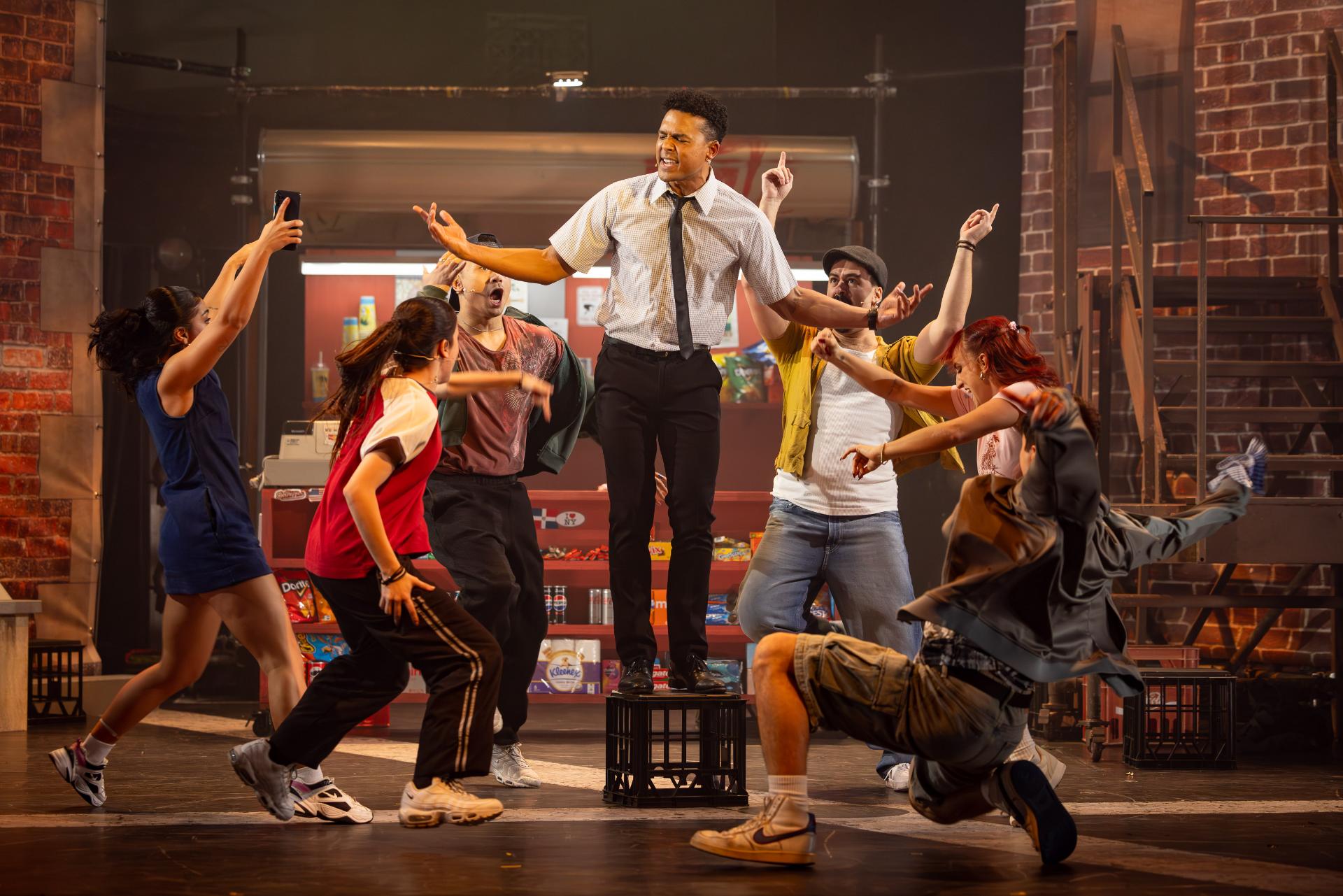
Lighting design by Nick Schlieper imbues sophistication for the production, increasingly flamboyant as the show progresses, but is curiously reticent at times, in something that should not shy from extravagance. Costumes by Romanie Harper indicate with clarity, the characters being presented, along with the times and places to which they belong, often with a gentle humour that adds valuable idiosyncrasy to the imagery we encounter. Memorable elements of magic and illusion are designed by Adam Mada, to engender an otherworldliness so crucial to any reading of Bulgakov’s work. Sounds and music by Stefan Gregory are gently transportative, surreptitious but highly effective in having us beguiled and attentive.

A formidable ensemble of ten performers take us through three hours of joyous mayhem, remarkable  in their zeal and inventiveness. Each is given ample opportunity to showcase their individual strengths, and as a group, their chemistry is simply mesmerising. Performance guidance is provided by Emma Maye Gibson, who ensures uniformity in style, and establishes for the show, an air of decadence that proves transgressive not only as an artistic gesture, but also for how we can decipher and deconstruct the paradigms involved, in navigating life as contemporary colonised Australians.

There is a great beauty in this rendition of The Master & Margarita, with no shortage of courage and integrity being displayed, yet what it does say, seems never to be pointed enough. Perhaps abstractions can only speak on what the viewer is ready to receive, and not what the initiator wishes to convey. Perhaps wishing for art to change the world, can only be true in small increments, that its revolution can only happen gradually. Much as art can appear radical, maybe what it brings about, can only ever be subtle and slow. In the moment of interaction, The Master & Margarita seems commanding and forceful with all that it delivers, but what is actually being communicated sits somewhere visceral, likely to emerge with real poignancy at some unpredictable juncture.

www.belvoir.com.au

Review: Oil (Sydney Theatre Company)

Venue: Wharf 1 Sydney Theatre Company (Walsh Bay NSW), Nov 4 – Dec 16, 2023
Playwright: Ella Hickson
Director: Paige Rattray
Cast: Saif Alawadi, Violette Ayad, Jing-Xuan Chan, Callan Colley, Charlotte Friels, Josh McConville, Benedict Samuel, Brooke Satchwell, Damien Strouthos, Anne Tenney
Images by Prudence Upton

Theatre review
Ella Hickson’s Oil begins in 1889 with young May falling pregnant with Amy, whilst navigating abject poverty in Cornwall, England. With each subsequent chapter, May and Amy jump decades ahead theatrically, allowing us to see an evolution of English womanhood in parallel with the industrial revolution and, more specifically, the modern history of petroleum. It is a complex, although surprisingly comprehensible, work that deals with environmental degradation, along with providing an evaluation of the trajectory of Western feminism, as well as a meditation on human nature.

Oil talks about our survival, including both our ingenuity and our incapacities, for a narrative on our progress, and perhaps regressions, to offer new reflections on human propensities, benevolent and otherwise, that may inspire improved methods for how we may forge ahead. Paige Rattray’s remarkable direction of the work captivates with endless intrigue, for something that could have easily become overly intellectual. It asks many questions, and leaves them unanswered, yet we feel sated by the end, nourished by passionate and pointed depictions of our shared pasts and likely futures.

Actor Brooke Satchwell brings scintillating intensity and focus to May, the maternal figure who always intends to do her best, but who is never safe from making errors. Satchwell’s confidence helps gain our trust in the unpredictable storytelling, taking us on a confronting ride that proves to be thoroughly thought-provoking. Amy is played by Charlotte Friels, spirited and purposeful with her creative choices, admirable for her ability to cultivate excellent chemistry with all she partners with. The leads are supported by a highly proficient ensemble, with each performer leaving a strong impression, in a detailed and refined presentation of an urgent message.

Set design by Emma White is wonderful in its versatility, cleverly adapting to the requirements of each era, as the play takes inordinately big leaps through the years. The creation of props for the show are especially commendable, completely fascinating in the ways they embellish the space for a series of imagery to manufacture an absorbing realism. David Fleischer’s costumes are commensurately believable, adorning the cast with a persuasive sense of naturalism, even when we step into the realm of science fiction. The stage, in the round, is illuminated meaningfully by Paul Jackson, who demonstrates great care with how we perceive lights, in a tale based on the immense repercussions of our relationship with crude oil. Sound and music by Clemence Williams are intricately rendered, whether with their subtle influence or through bigger dramatic gestures, all effective in keeping our psyche deeply invested.
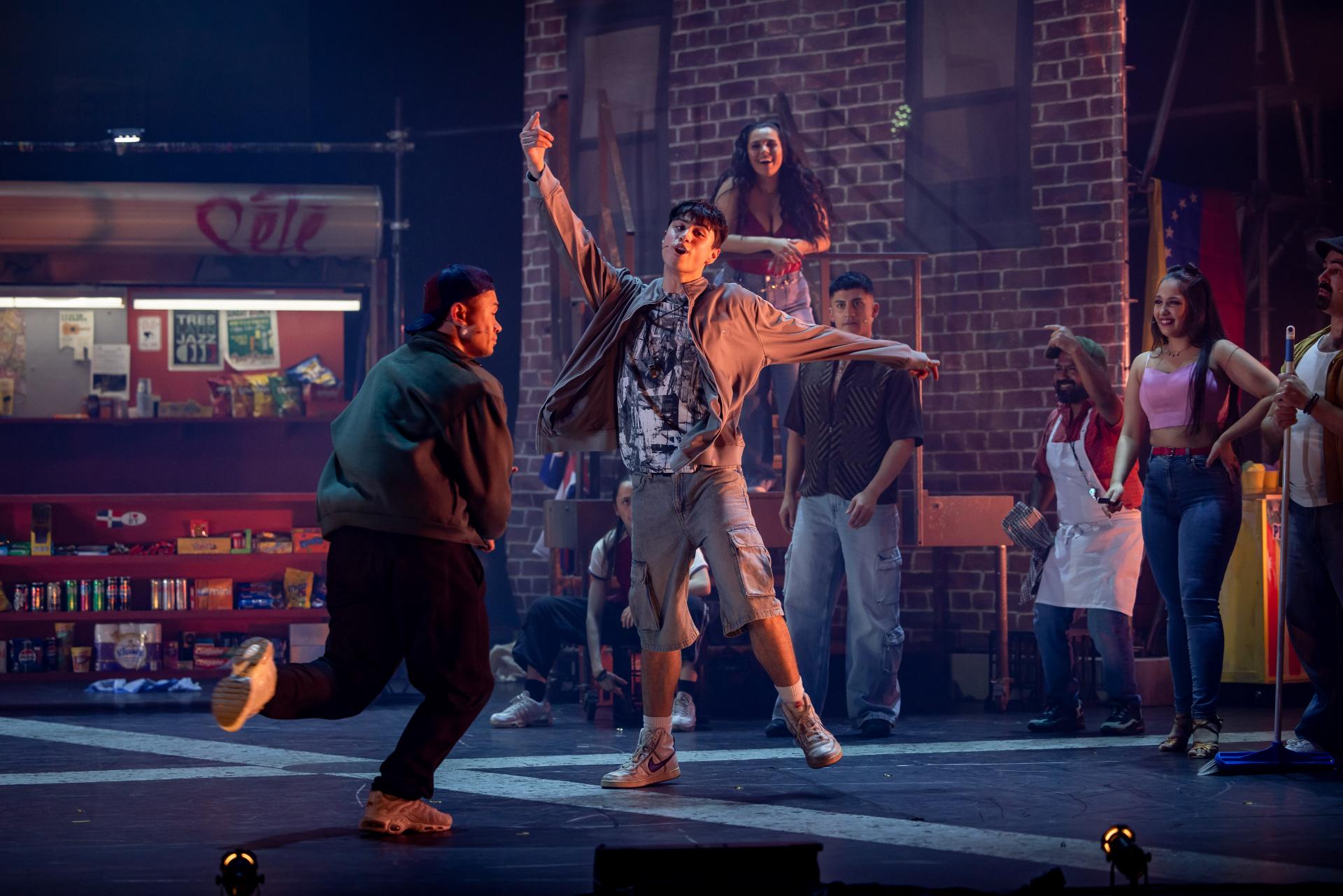
May wants always to make noble decisions, but there is something about her dedication to her own family unit that eventually appears selfish. We see May’s struggles for survival, and her earnest efforts in providing for Amy, and learn about the ignorance and the carelessness, in how we have conceived of the future. Oil encourages us to imagine alternatives, where we had perhaps previously believed that none exist. It contextualises existential threat in a way that makes us realise the inevitability of shifting our lives, and makes us want the notion of sustainability to henceforth become essential and unyieldingly ubiquitous.

www.sydneytheatre.com.au

Review: The Face Of Jizo (Old Fitz Theatre)

Venue: Old Fitzroy Theatre (Woolloomooloo NSW), Oct 28 – Nov 18, 2023
Playwright: Hisashi Inoue (translated By Roger Pulvers)
Director: David Lynch, Shingo Usami
Cast: Mayu Iwasaki, Shingo Usami
Images by Phil Erbacher

Theatre review
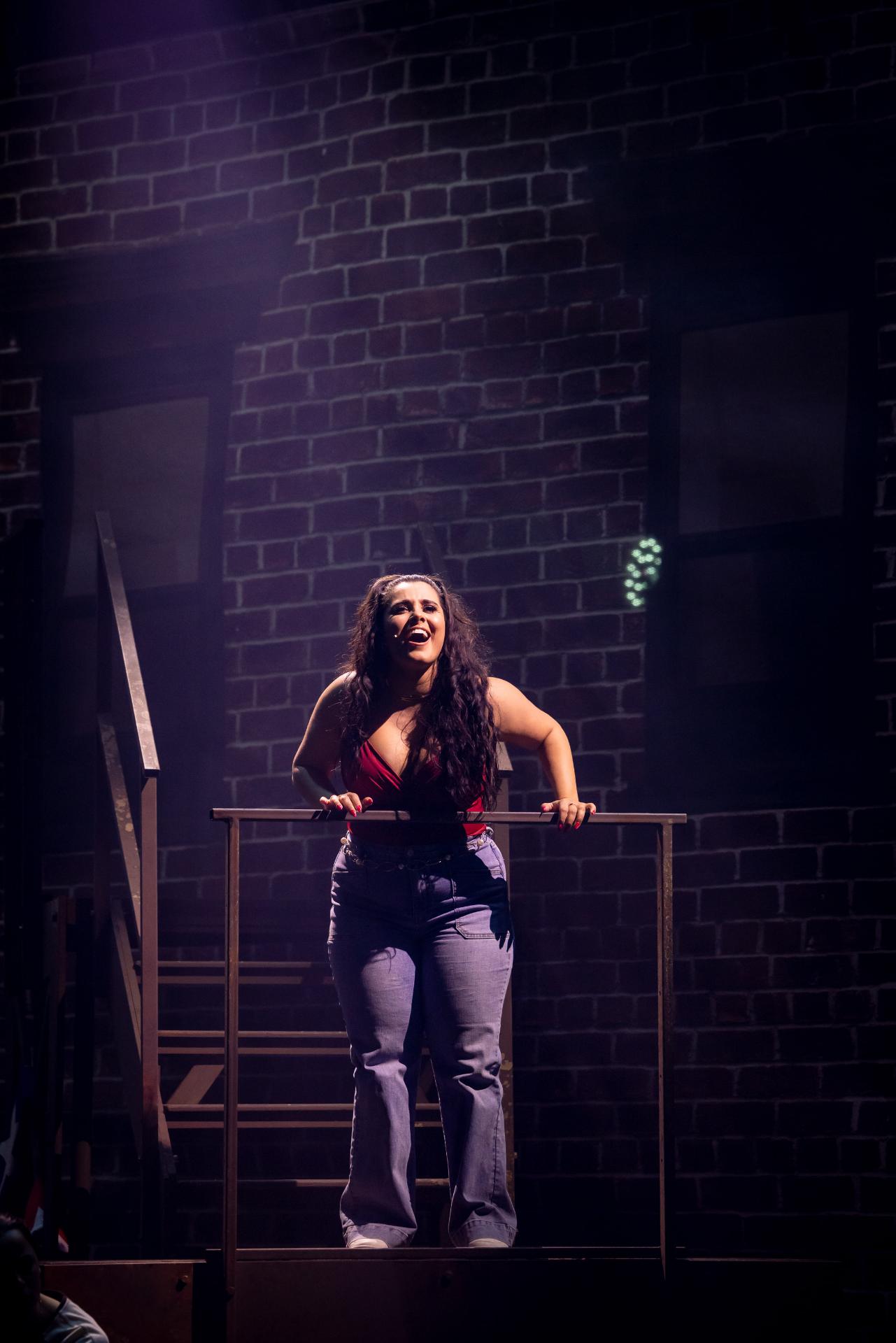
Mitsue is on the surface, a contented librarian in mid-century Hiroshima, but having lived through the devastating bombing by Americans only three years prior, her inner turmoil is much more profound than can be easily perceived. The 2001 play The Face Of Jizo by Hisashi Inoue 井上 ひさし may be set decades ago, but its reflections on survivor guilt reverberate beyond its narrative about one particular catastrophe. Along with serving as a reminder on the tragic consequences of war, The Face Of Jizo is concerned with how we emerge from trauma, emphasising the point that to live well, is often a matter of choices we make.

It is perhaps inevitable that the play’s gravity is central and severe, but there is also excellent humour coaxing us into the story and its stirring intentions. Directed by David Lynch and Shingo Usami, the show is charmingly inviting, with a palpable warmth that accompanies the harder edges of a sobering tale. Simultaneously gentle and heartrending, this theatrical experience proves enjoyable even though its themes are unquestionably foreboding.

Set design by Tobhiyah Stone Feller convey a sense of accuracy, for the time and place being depicted. The subtleties of Matt Cox’s lights, as well as his more dramatic manoeuvres, reveal a commendable attentiveness to the meaningful text. Music by Me-Lee Hay and sound design by Zachary Saric are appropriately restrained, called upon when necessary to add embellishment and refinement, to a thoughtful and sensitive work.

Actor Mayu Iwasaki brings both exuberance and poignancy to the role of Mitsue, with an extraordinary focus that keeps us compelled and hooked to her emotional journey. The aforementioned Usami plays the ghost of Mitsue’s father, similarly absorbing and persuasive, whether delivering joy or anguish, in a show that always takes care to render the light with the dark. The pair applies a distinct style of performance, for this translation by Roger Pulvers, to ensure that the English language never detracts from the cultural specificity being portrayed. Some of the adapted dialogue may feel awkward, but its sensibilities never for a moment, stray from mid-century Japan.

Guilt that turns inward, and that never finds resolution, can only be harmful. We see in Mitsue the futility of sorrowful regret and the damage it causes, having survived unspeakable losses. It is of course easier said than done, when urging a person to simply get over hardship of this magnitude. Indeed, the ray of hope should always be fundamental to any survival, but the grace of community is equally vital, to how we can heal, and how we can curtail the evil that always seems ready to inflict death and destruction.
www.redlineproductions.com.au

Review: The Lives Of Eve (KXT on Broadway)

Venue: KXT on Broadway (Ultimo NSW), Oct 27 – Nov 11, 2023
Playwright: Stephen Sewell
Director:
Kim Hardwick
Cast: Annie Byron, Helen O’Connor, Louisa Panucci, Noel Hodda
Images by 

Theatre review
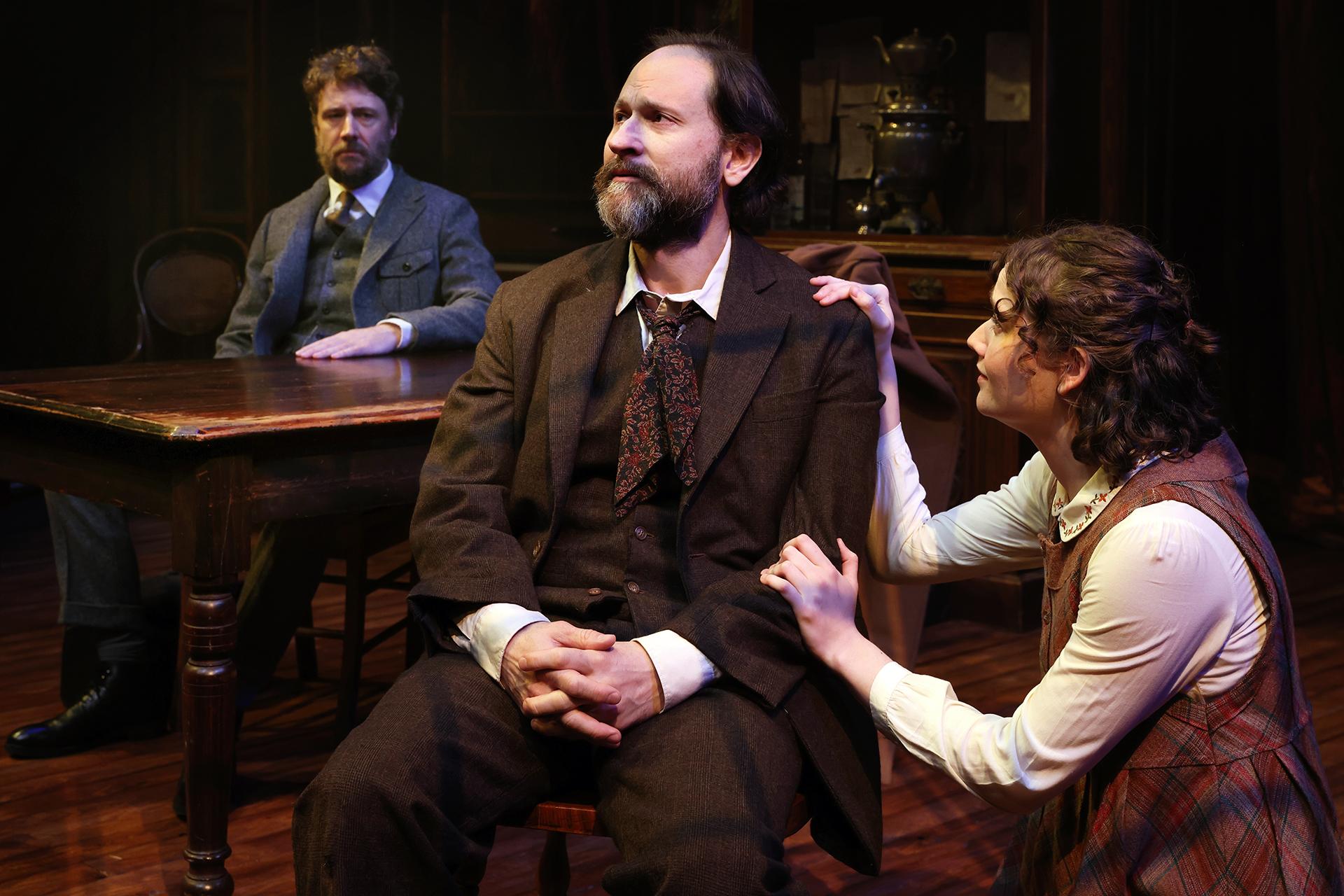
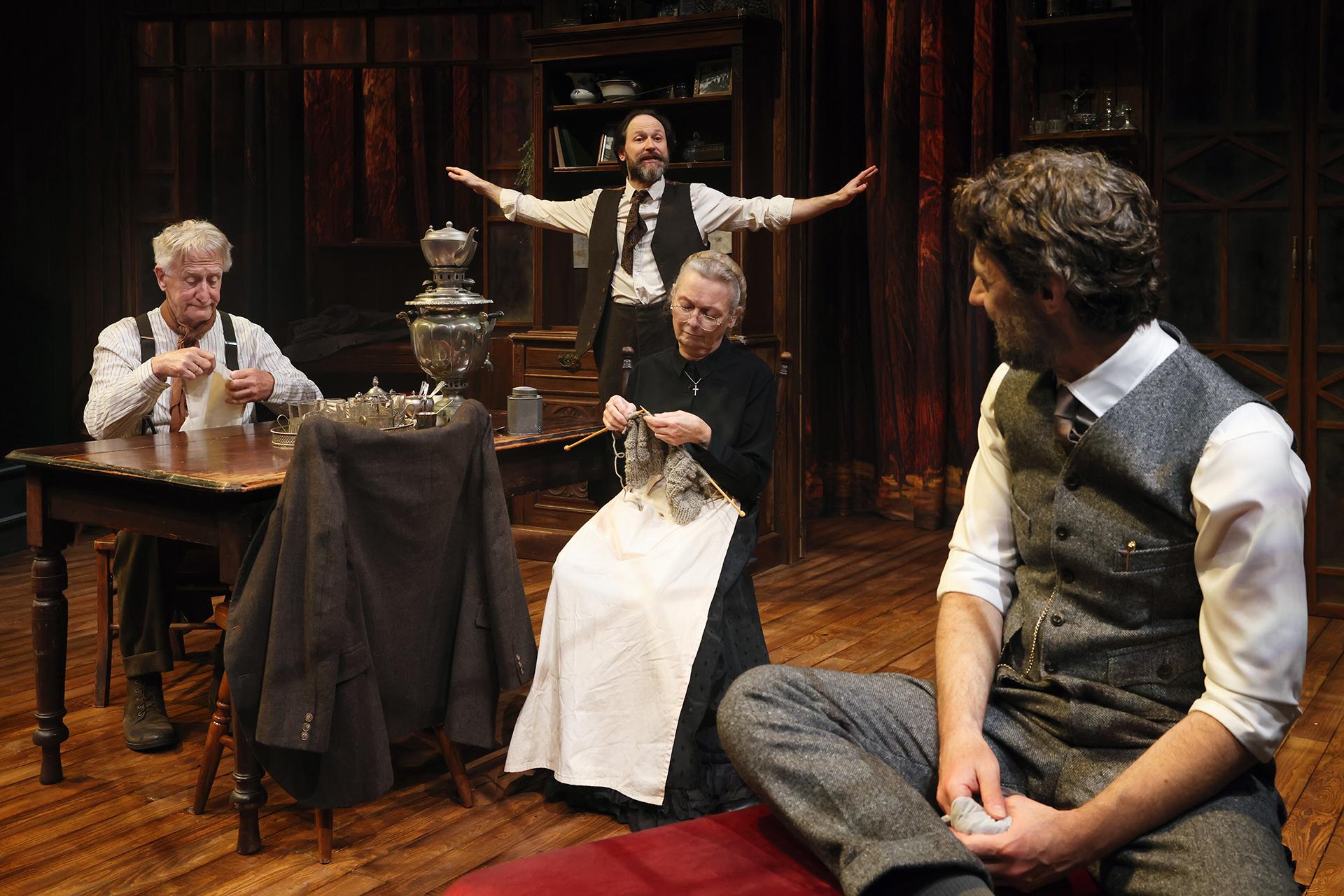
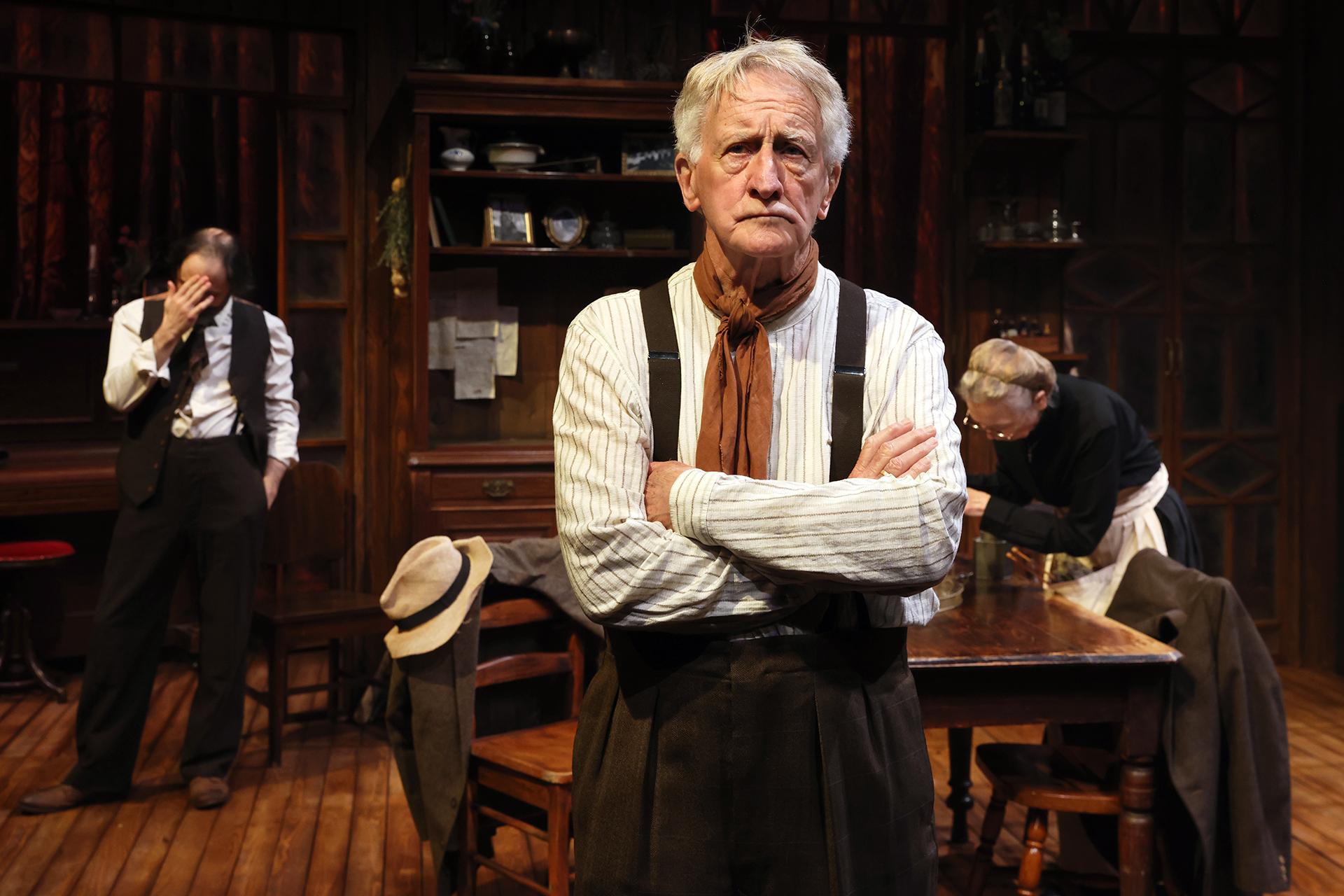
Eve is as terrible a wife as she is a psychoanalyst, yet has strangely been able to maintain both a marriage and a career for decades. Stephen Sewell’s The Lives of Eve is deeply mercurial and academic, inspired heavily by the work of psychiatrist Jacques Lacan (1901-1981). The characters are fanciful, never actually authentic in their manifestations, with narratives that struggle to resonate. Sewell’s real interest however is in Lacan’s writing, which he attempts to recontextualize and expound. For those unfamiliar with that obscure domain, there is a four-and-a-half-thousand word document  in the foyer to help one prepare for the show.

Direction by Kim Hardwick tries to introduce a sense of believability, especially in more pedestrian scenes, during which Eve is seen to be fighting alternately, with her patient and her husband. Depictions of Eve’s dysfunctions are persuasive, although coming to an understanding of her problems seems to require enthusiasm for and prior familiarity with the Lacan material, which is probably too arduous a proposition for most.

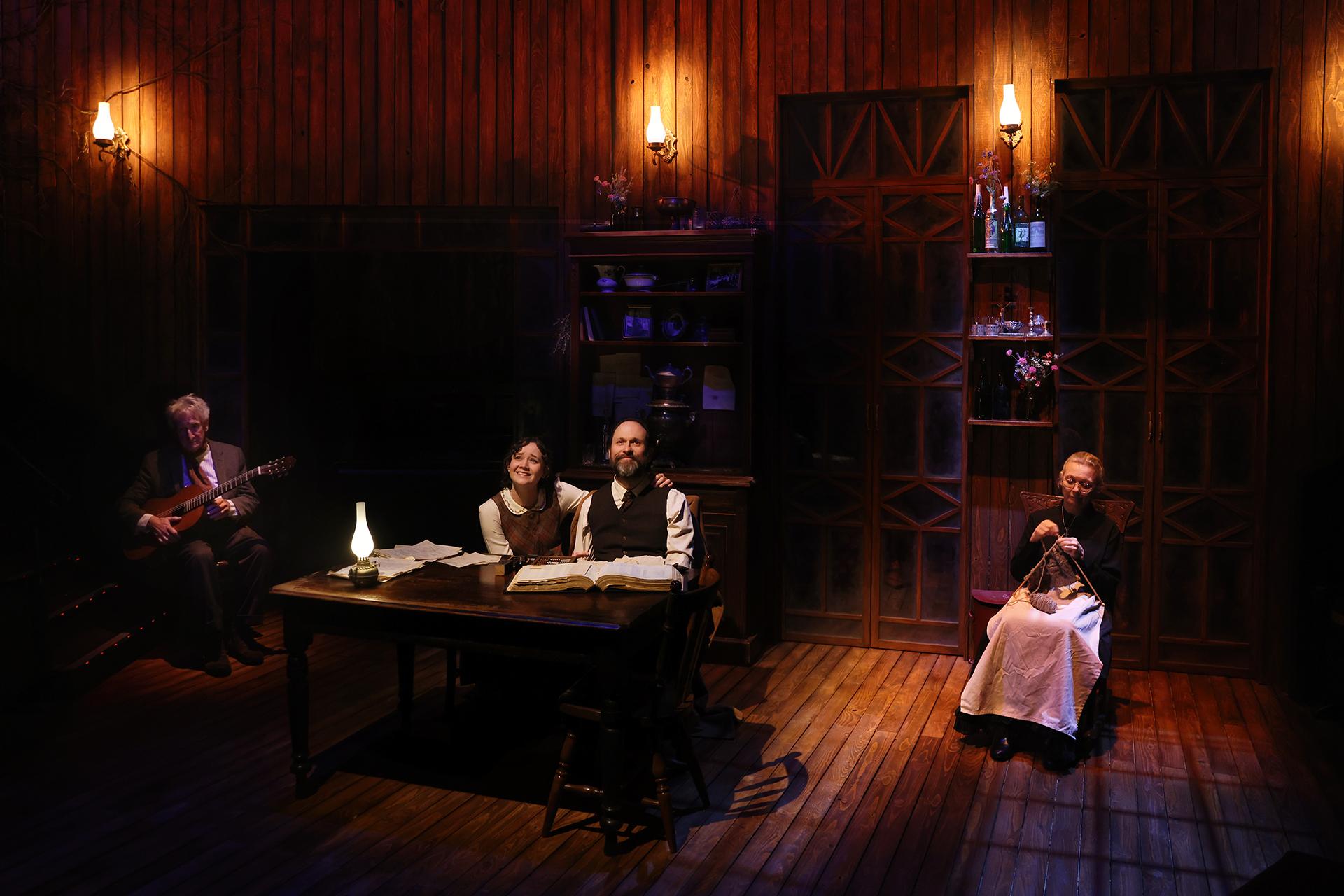
Atmosphere for the production however is calibrated beautifully. Hannah Yardley’s set design delivers a dose of surrealism, with an abundance of crimson Persian style rugs enveloping surfaces of the performance space. Lights by Martin Kinnane introduce nuance and intensity, as do sounds by Jessica Pizzinga, both intricately and sensitively rendered, to communicate with accuracy the increasingly passionate temperaments being explored.

Actor Helen O’Connor is convincing with her submergence into the immensely cerebral qualities of the titular role. We may not always comprehend what she is tasked to convey, but Eve certainly appears to be enthralled by her various crises. Other cast members are understandably less assured, considering the often bizarre ways their characters are made to speak and act.

Not every work of theatre is meant for everyone. Art should always encourage idiosyncrasy, particularity and peculiarity. The Lives of Eve emerges from somewhere that seems detached from many contemporary realities, thus reflecting our artistic landscape’s admirable capacity for diversity. Art that does not do enough to connect however, could have a fraught relationship with its audience, or worse, one characterised only by apathy and nonchalance.

www.kingsxtheatre.com | www.whiteboxtheatre.com.au

Review: The Dictionary Of Lost Words (Sydney Theatre Company)

Venue: Sydney Opera House (Sydney NSW), Oct 26 – Nov 16, 2023
Playwright: Verity Laughton from the novel by Pip Williams
Director: Jessica Arthur
Cast: Brett Archer, Rachel Burke, Tilda Cobham-Hervey, Raj Labade, Ksenja Logos, Angela Mahlatjie, Chris Pitman, Anthony Yangoyan
Images by Daniel Boud

Theatre review
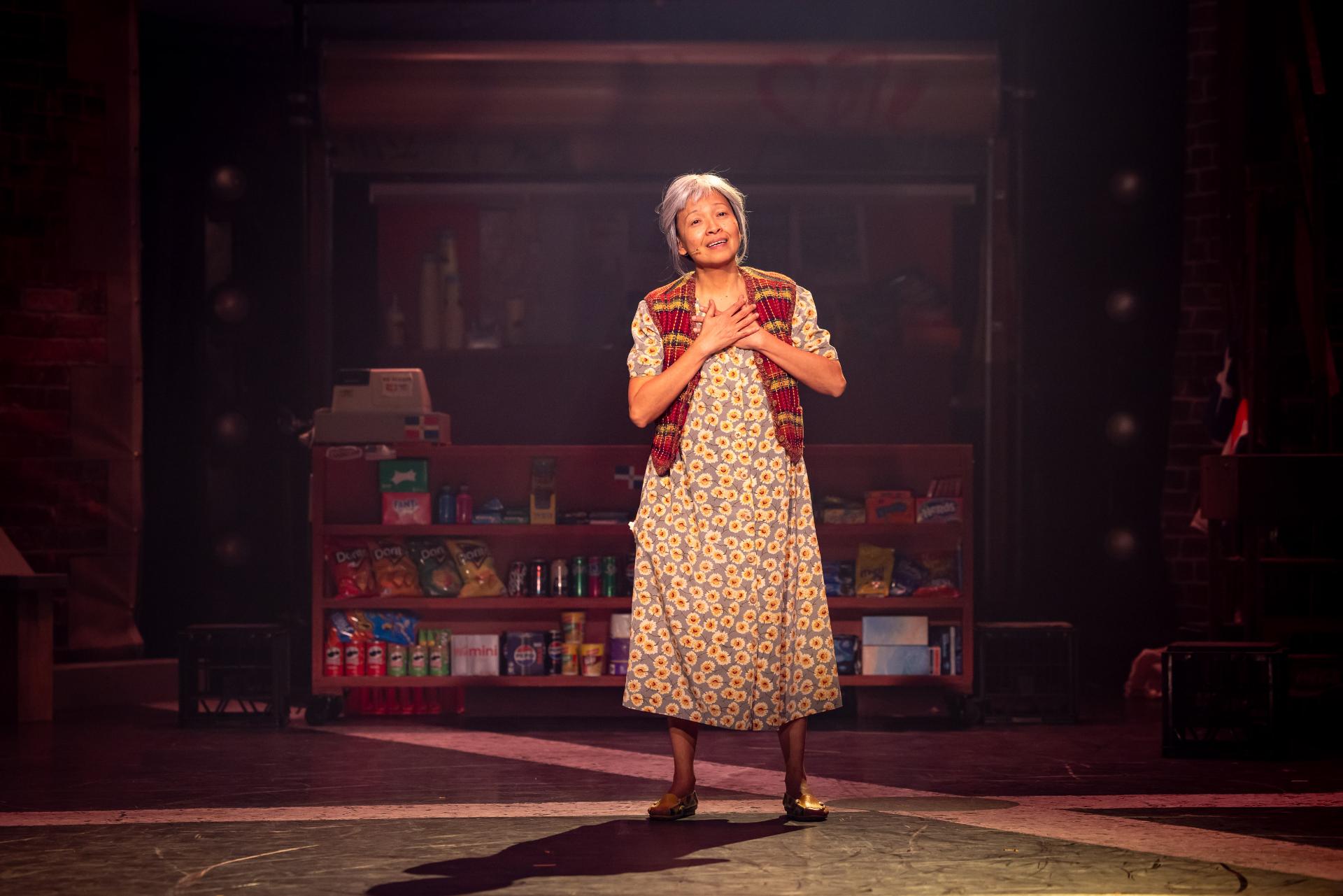
It was the end of the 19th Century when Esme began cultivating a passion for collecting words. She had observed her father working with a team editing the Oxford Dictionary, and felt compelled to save the many words, familiar only to women of the lower classes, but neglected in that process of authoritative evaluation and screening. It is no accident that Esme’s narrative in the novel The Dictionary of Lost Words by Pip Williams coincides with women’s suffrage and their historic campaign for the right to vote.

It is certainly a meaningful work that examines the culture of exclusion in our institutions, and proffers an example of radical acceptance by those in positions of power and privilege. This stage adaptation by Verity Laughton retains the valuable message of the original, but is overly faithful to the form and style of the book. It is unfortunately a transposition that often feels staid, with insufficient liveliness and wit to truly excite or inspire.

Direction by Jessica Arthur too is missing elements of joy or playfulness, in a production that proves to be needlessly serious. The story is worthy of its creators’ earnestness, but at three hours, a greater variance and theatricality in its tone is required, as the audience tries to invest into Esme’s journey of two decades. Actor Tilda Cobham-Hervey plays the lead role with integrity, able to convey the character’s benevolence persuasively, and with a distinct vulnerability that makes us endear to her life story. The cast of eight is warm and cohesive, admirable for keeping us attentive, even if their message is relayed too gently.

Set design by Jonathon Oxlade features hundreds of pigeon holes, guided by a narrative that discusses the nature of categorisation and organisation, so central to the ways we structure our societies. A projection screen occupies the entire top half of our vista, with helpful (although not always elegantly rendered) video supplementing the action. Ailsa Paterson’s costumes are appropriately conservative in their depictions of life in the Edwardian era. Lights by Trent Suidgeest are flattering and romantic, occasionally injecting a sense of drama to disrupt the general placidity. Music and sounds by Max Lyandvert add to the melancholy, unable to help with the lack of verve, but beautiful nonetheless.
The word “lost” in the title connotes inadvertence, that there is a certain lack of intention when classes and categories of people are excluded. This may be true on some levels, but the persistent refusal to address and amend these inequities only demonstrates a conscious choice of persisting with injustice. Esme does not present herself as a strident activist, she never partook in hunger strikes, or stood next to Emily Davison who in 1913 took to the race tracks in protest, only to be killed by the king’s horse. Regardless, individuals are always capable of making a difference, even if one is resolutely mild in temperament and constitution, every effort to identify our ills and turn them for the better, is how progress can happen.

www.sydneytheatre.com.au | www.statetheatrecompany.com.au

Review: Twelfth Night (Bell Shakespeare)

Venue: Sydney Opera House (Sydney NSW), Oct 24 – Nov 19, 2023
Playwright: William Shakespeare
Director: Heather Fairbairn
Cast: Keith Agius, Isabel Burton, Alfie Gledhill, Amy Hack, Garth Holcombe, Mike Howlett, Tomáš Kantor, Chrissy Mae, Ursula Mills, Jane Montgomery Griffiths
Images by Brett Boardman

Theatre review
In Twelfth Night, William Shakespeare’s comedy is based largely on the absurd and abhorrent idea of love and sex between people of the same gender. We are meant to laugh at Olivia being in love with Viola, and Orsino with Cesario, but many of us today no longer wish to participate in that cruel charade, of ridiculing something we know should be cherished and honoured. Director Heather Fairbairn too rejects that obsolete perspective, and in her rendition subverts Shakespeare’s tired tropes to make a statement about queer autonomy and acceptance.

Fairbairn’s production is endlessly vivacious and amusing, marvelously playful and imaginative with its characters and their hijinks. Each scene is rigorously explored, to ensure that we are kept entertained, even when the text proves tedious. A set design by Charles Davis cleverly concentrates the action into the stage’s middle, where along with Verity Hampson’s lights, great energy is channeled, creating a dynamic focal point. Davis’ fashionable costumes are a delight, as are Hampson’s illumination, especially at moments of heightened drama. David Bergman’s sounds are sophisticated and rich, particularly enjoyable when they nudge us into surreality. Songs by Sarah Blasko are an unequivocal highlight, extraordinarily beautiful with what they add to the presentation.
Sung mostly by Tomáš Kantor, who impresses not only with their remarkable vocal talents, but also with their physical agility and mischievous humour. Isabel Burton and Alfie Gledhill play the twins at the centre of all the shenanigans, intriguing with the meanings they inspire in terms of the performance and experience of gender. Duke Orsino and Countess Olivia are portrayed by Garth Holcombe and Ursula Mills respectively, both alluring and admirable with their commitment to elevating some of the more inane elements of the writing.

Undeniable star of the show however, is Jane Montgomery Griffiths, who as a female Malvolia brings immense amplification to both the comedic and tragic aspects of the lovelorn steward’s narrative. The humiliation she suffers under Shakespeare’s pen is given significant magnification, so powerfully depicted at a key moment of chastisement, that we almost feel as if she embodies the vengeance due to every queer and every woman degraded in his hallowed oeuvre. Griffiths’ turn as Malvolia is breathtaking, if only her castigations could become a reckoning truly monumental, beyond the confines of this singular instance of theatrical pleasure.

www.bellshakespeare.com.au

Review: The Memory Of Water (Ensemble Theatre)

Venue: Ensemble Theatre (Kirribilli NSW), Oct 20 – Nov 25, 2023
Playwright: Shelagh Stephenson
Director: Rachel Chant
Cast: Michala Banas, Thomas Campbell, Nicole Da Silva, Jo Downing, Madeleine Jones, Johnny Nasser
Images by Prudence Upton

Theatre review
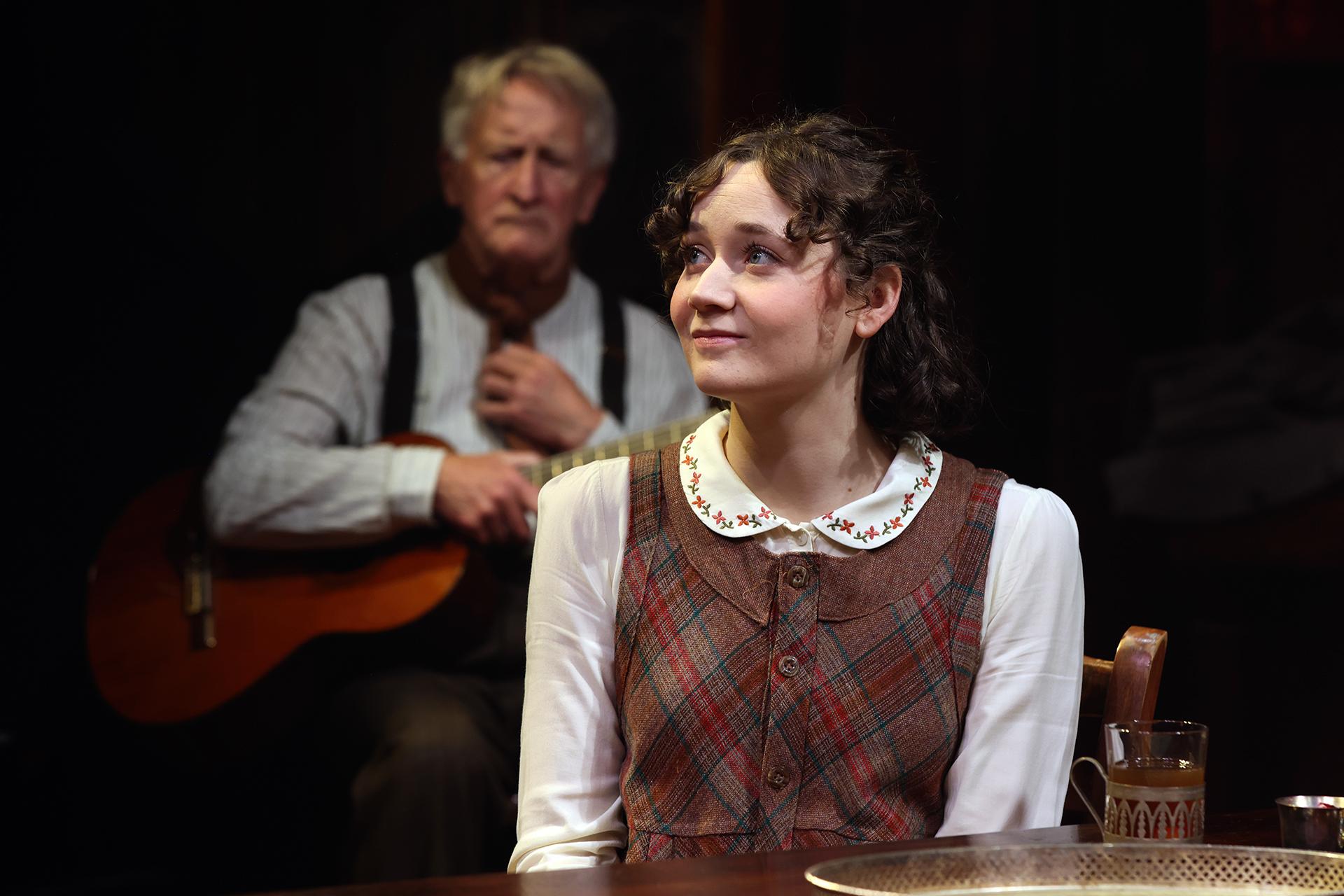
Violet has died, and we find her three daughters at their family home getting ready for the funeral. Their emotions are understandably in a state of disarray, and as they go through a process of unravelment, we discover the challenges and inadequacies each woman experiences as they navigate life in 1996 England. Shelagh Stephenson’s now 27-year-old comedy The Memory of Water, is an amusing work that showcases the various idiosyncrasies of Western feminine archetypes, at a time that can be regarded as having freshly emerged from the third wave of feminism.

With the passage of time, the play feels excessively concerned with the granular individuality of its characters. More contemporary tastes tend to favour sociality over particularity in our storytelling, and The Memory of Water struggles in the current climate to speak with sufficient relevancy and urgency, even though there is undeniable authenticity in all of its depictions.

Direction by Rachel Chant honours that sense of truth, and delivers a production admirable for its integrity. With its excellent cast, the show proves consistently engrossing, even if we never really find moments of significant resonance. Michala Banas, Jo Downing and Madeleine Jones play the sisters, colourful and dynamic, full of surprises in their unpredictable portrayals of erratic personalities. Other performers include Thomas Campbell, Nicole Da Silva and Jonny Nasser, all highly persuasive in their respective roles, in a staging many will find entertaining.

Set design by Veronique Benett features Violet’s flamboyant bedroom from the decadent seventies, impressive with its detail and finesse, and although dripping with irony, is simultaneously alluring with its sensual colour palette. Lights by Kelsey Lee and music by David Bergman are mostly subdued, in service of the intricate humour being manufactured, but are both noteworthy for their efficacy when given the opportunity to convey a greater sentimentality, especially during scenes later in the piece.

It is easy to begrudge parents their deficiencies; we never really come to terms with their human fallibilities. As women however, we can never deny that with each generation, our place in the world has improved, and looking back at what our mothers and grandmothers had had to endure, is always sobering. Violet’s daughters can certainly blame her for whatever they think is impairing their lives, but none will want to take her place, at a time when things were unequivocally worse.

www.ensemble.com.au

Review: Beyond The Break (25A Belvoir)

Venue: Belvoir St Theatre (Surry Hills NSW), Oct 18 – 29, 2023
Playwright: Challito Browne
Director: Bobbie-Jean Henning
Cast: Challito Browne
Images by 

Theatre review
Identity has not come easy for Challito Browne. In Beyond the Break, we see him grapple with the complications of being mixed race, in an Australia that struggles to accept cultural difference, even if it has little claim to any real legitimacy, with its own dubious colonial origins. Not white enough for white folks, and too white for people of colour, the rejection he encounters comes from all sides. It is no wonder then, that Browne is thrust into a state of isolation, in the mind especially, where he finds company in unremitting introspection.
Beyond the Break is extraordinary in its thoughtfulness, with incredibly astute observations about humanity, expressed in ways that alternate unexpectedly between hilarity and heartache. Browne’s writing is disarmingly soulful, with a deep vulnerability that insists on our emotional investment, for a story that is ultimately about community, and the fundamental notion of belonging, that none can ever negate. It sheds light on the psyche for a look at how an individual like Browne makes sense of the world, and how he forms meaning in environments that persistently diminish and devalue his very existence. We are also given insightful depictions of ostracism, so that we may come to a greater understanding about the constructions of race and difference, and how white supremacy can manifest in devious ways, effectuated by all colours.

Directed by Bobbie-Jean Henning, the one-person show impresses with its richness, not only in cerebral terms, but also with the captivating entertainment that it provides. Henning ensures that we are amused, intrigued and challenged for the 70-minute duration, delivering theatre that keeps open our eyes, ears and hearts, to receive its important message. An immaculate set design by Brendan De La Hay conveys purity, to help us find beautiful transcendence in the experience. Frankie Clarke’s lights are  sensitive yet dynamic, persuasive with how it guides our sentimental responses through the production’s frequent tonal oscillations. Sounds by Johnny Yang are rendered with intricacy and rigour, bringing delicious drama to this surprisingly expansive discussion about one man’s ethnicity.

Browne is at least as strong a performer as he is a writer. His presence is resolute but warm, with a sense of generosity that makes even the more sardonic passages feel empathetic. The skill he displays is astonishing, with a level of agility and precision, along with an effortless confidence, that has us marveling at his artistic prowess, whilst keeping our minds firmly engaged in the ideas being presented.

When Browne says “I am Australian,” as he does repeatedly, the statement can feel like it means everything and nothing. Identity is illusory and impermanent, but the consequences are real, of how others regard the self, and indeed of how one regards themself. In negotiating the world, one can rarely have the privilege of being ephemeral or transient; we are required to be solid, to mean something, and to stand for something. We have responsibilities in kinship, friendship, and in citizenry. You have the freedom to be who you wish, but the duty to leave this a better place is incontrovertible.

www.instagram.com/like.water.entertainment | www.belvoir.com.au

Review: Bark Of Millions (Sydney Opera House)

Venue: Sydney Opera House (Sydney NSW), Oct 20, 2023
Concept: Taylor Mac, Matt Ray
Lyrics: Taylor Mac
Music: Matt Ray
Director: Taylor Mac
Cast: Ari Folman-Cohen, Bernice “Boom Boom” Brooks, Chris Giarmo, Dana Lyn, El Beh, Greg Glassman, Jack Fuller, Joel E. Mateo, Jules Skloot, Le Gateau Chocolat, Lisa “Paz” Parrott, Machine Dazzle, Mama Alto, Marika Hughes, Matt Ray, Sean Donovan, Steffanie Christi’an, Stephen Quinn, Taylor Mac, Thornetta Davis, Viva DeConcini, Wes Olivier
Images by Daniel Boud

Theatre review
55 songs are performed over 4 hours, with 13 performers and 8 musicians on stage for virtually its entirety; Bark of Millions by Taylor Mac and Matt Ray is pure extravagance, an expression of queer joy, or exaltation even, if one connects with the spirituality that inevitably arises when an abundance of marginalised experiences converge. Performer Mama Alto explains from the outset, that the stories are inspired by antecedents of queer peoples, as though revealing an understanding that to completely decipher the lyrics would be beyond the abilities of most.

Central to the work is chaos, but a strange coherence derived from a strong, some might say strident guiding principle, keeps things in check. We never really know what we are observing, but we certainly feel at one with all the action. It is perhaps a zen-like philosophy that we encounter, one that uses art to get us closer to the truth, about life and about this universe. This is all real, but how we can construct the truth, is always open to manipulation. Mac and Ray want to transform our modes organisation, of sociality and of belief, so that the lessons of queerness can be applied for all, not least of which is that our human propensity for exclusion must be banished without hesitation, once and for all.
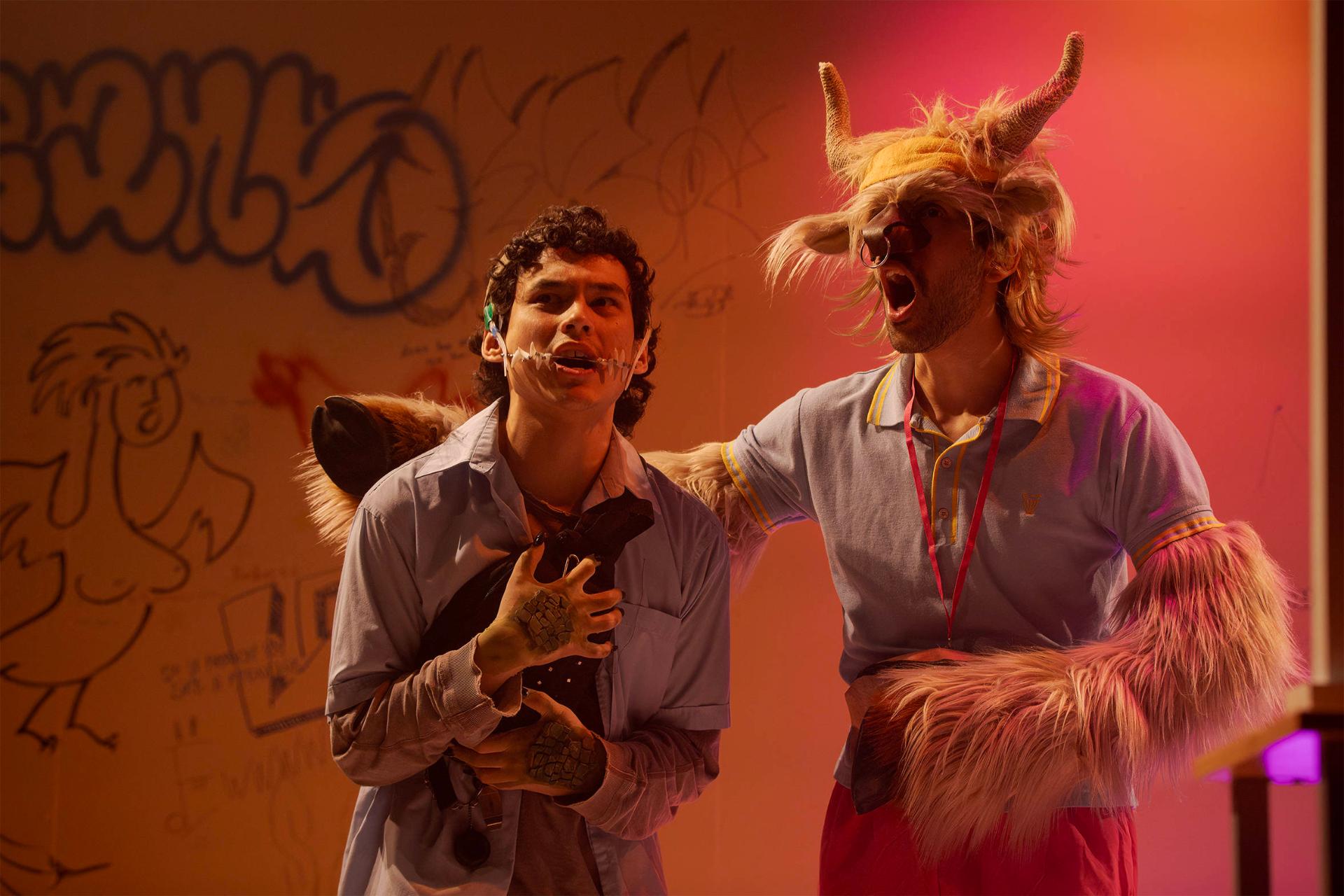
Or maybe to distil the vastness of Bark of Millions can only ever be a reductive exercise. It is the kind of theatre that can mean any array of things to any person. A persistent refusal to be quantifiable, or to be pinned down, is not about being evasive, but rather, it forces us to eradicate that very need for certainty. When we stop wanting to determine, to categorise, and to hinder the essential fluidity of the very nature of being, is possibly when we are most able to exist in a state of purity. There is certainly an immense sense of purity in this work, one that confounds yet is extremely comforting; we are confronted with a sensation much like confusion, only that it is never alienating. It is a lesson in radical acceptance, an introduction to a new discipline that seeks to overturn conventions, especially useful for those who have come to recognise that old disciplines only serve the immeasurable harms of capitalism, of the patriarchy and of white supremacy.
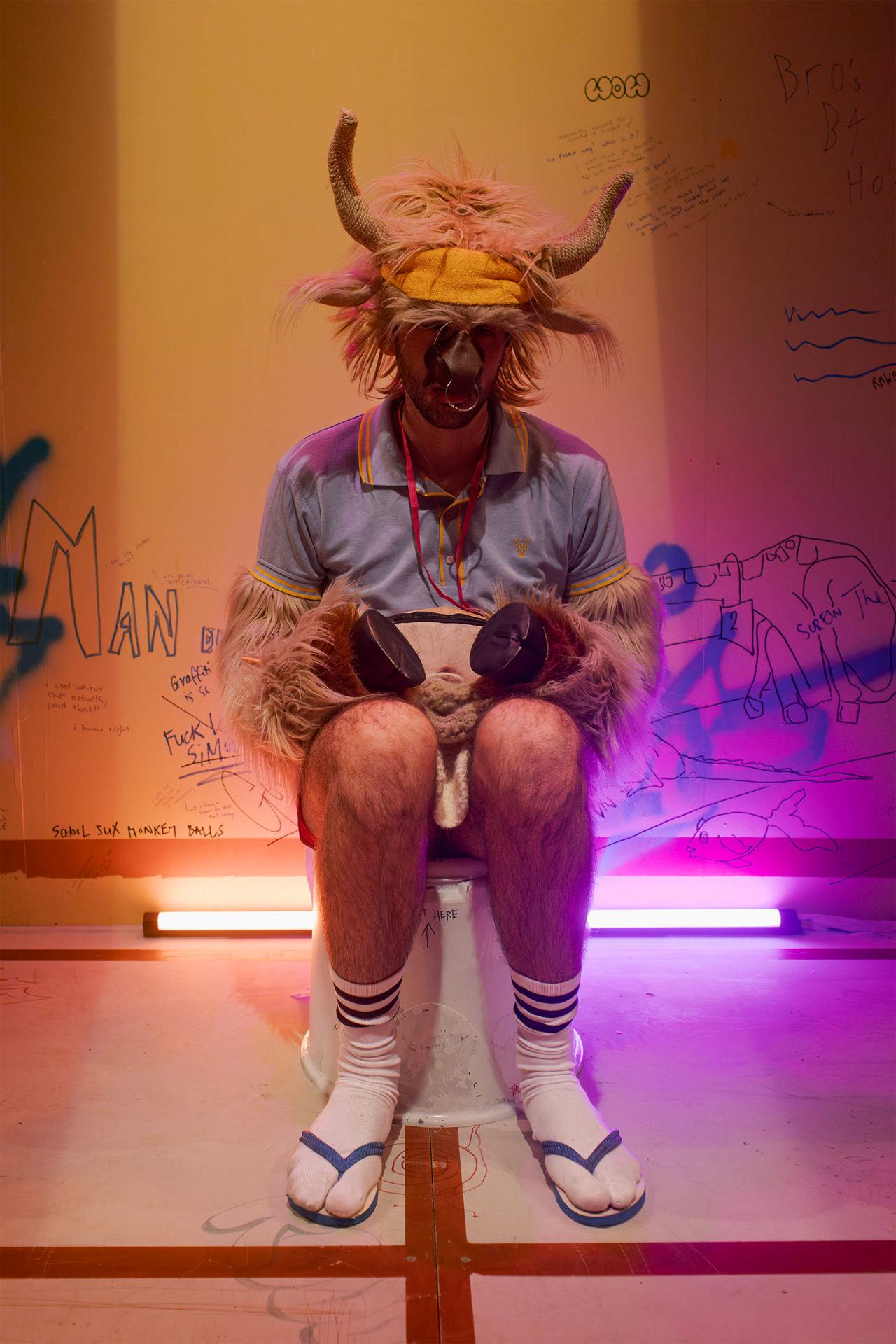
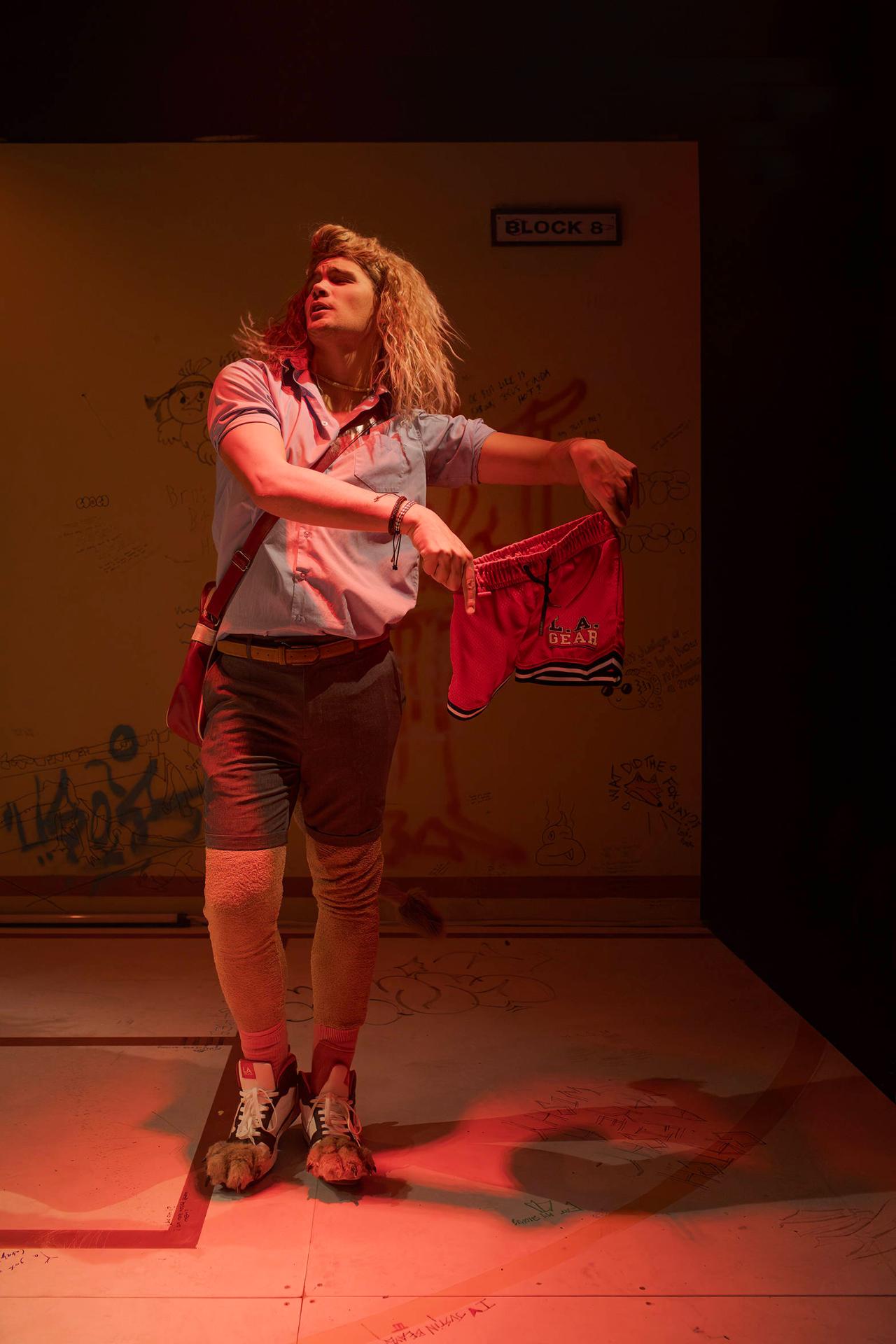
In the presence of a cast replete with astonishing talent, along with boundless and vociferous idiosyncrasies, we are urged to witness humanity at its most honest, with an approach best described as loving. They present an inexhaustible vulnerability, that convinces us to let down our guard and along with it, obsolete values obstructing us from something better and brighter. Ostentatious costumes by Machine Dazzle offer exceptional beauty, in humorous ways, as well as in titillating and thought-provoking ways, so that our eyes are continually mesmerised, luring us into this experiment of patient coaxing, somewhat akin to an irreligious exorcism. Lights by Toby Sewell too take us into esoteric realms, often hypnotic in effect, seemingly inducing a paralysis to have us receptive to all the mysterious goings on.

The songs draw influence from every conceivable genre. With intentions of being all-encompassing, reasons for the lengthy duration of Bark of Millions gradually becomes clear. While the lyrics can bewilder, the rhythms always keep us in a firm grip. In that security, we allow the show to throw us around, in a wild abandonment that feels very much like freedom. Emancipation is what the queers know to see in black and white, it is perversely the greatest gift we offer. Emerging from subjugation, oppression, prejudice, deprivation, humiliation and murder, this glorious release is divine, and is here if you want it.

www.sydneyoperahouse.com