Review: The Queen’s Nanny (Ensemble Theatre)

Venue: Ensemble Theatre (Kirribilli NSW), 6 Sep – 12 Oct, 2024
Playwright: Melanie Tait
Director: Priscilla Jackman
Cast: Matthew Backer, Elizabeth Blackmore, Emma Palmer
Images by Phil Erbacher

Theatre review
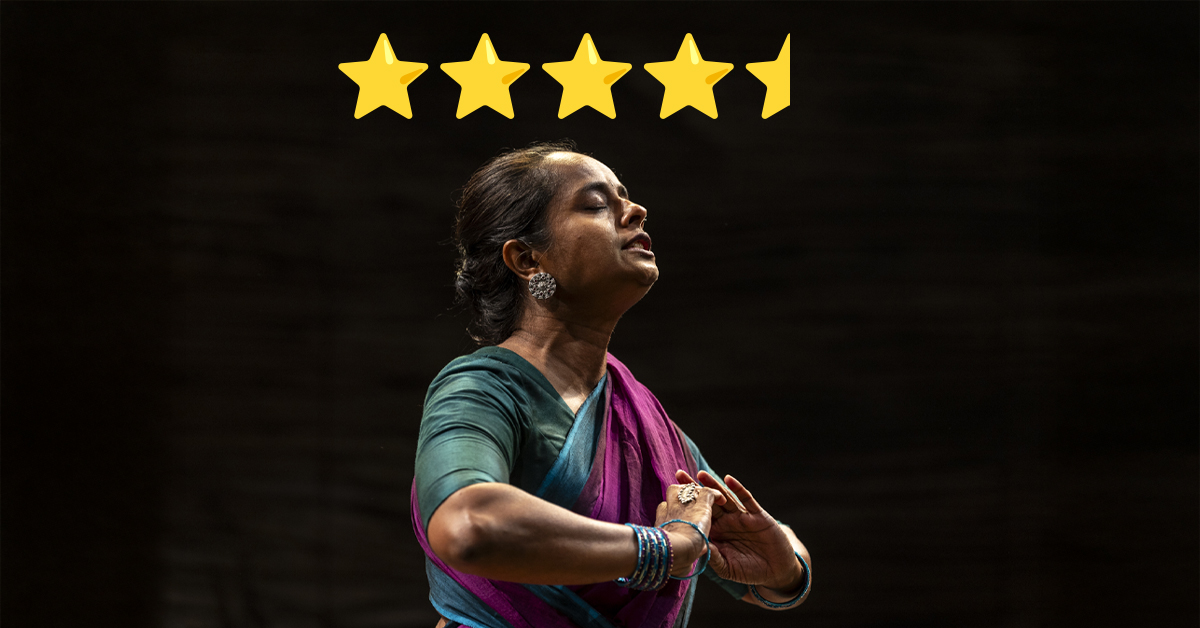
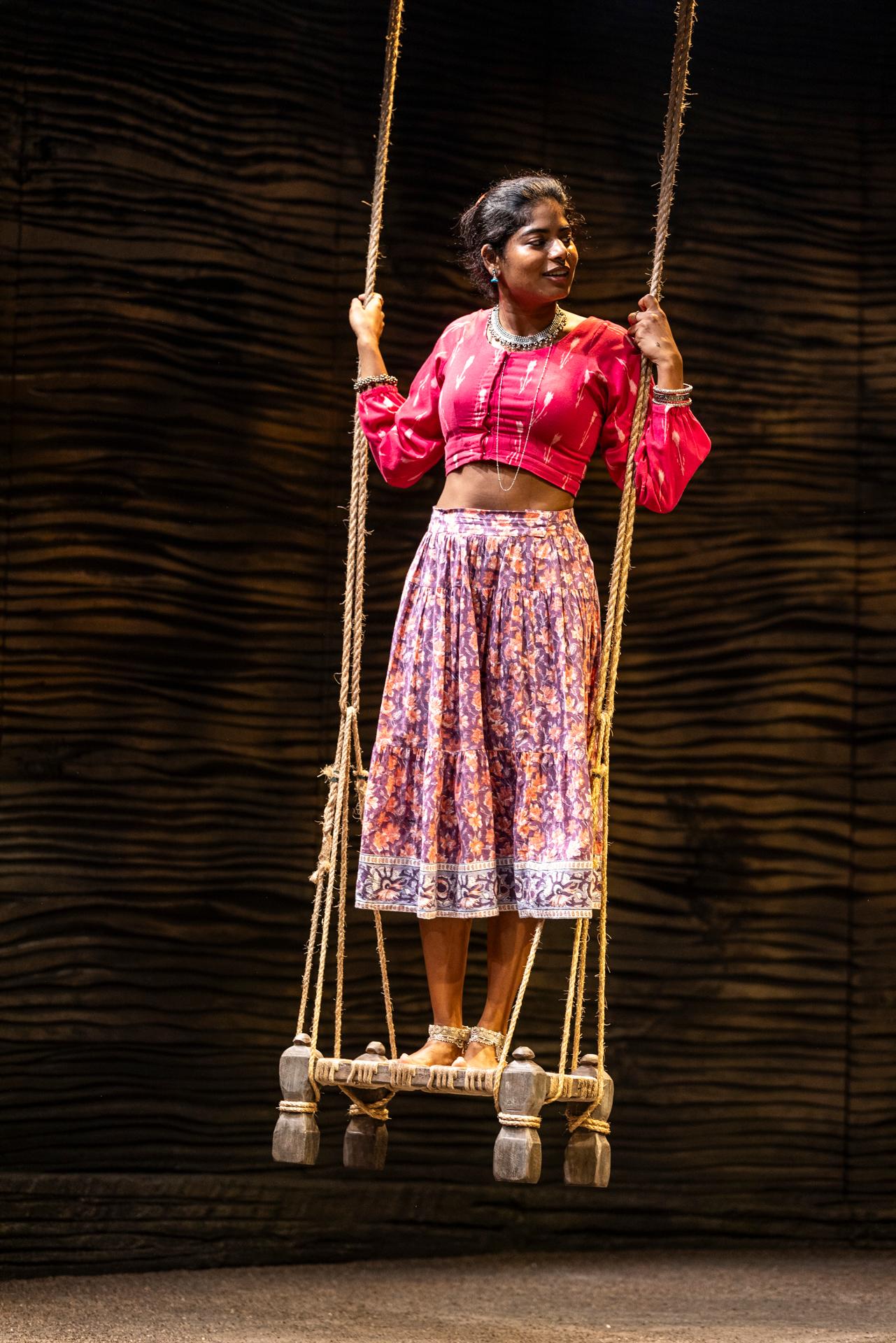
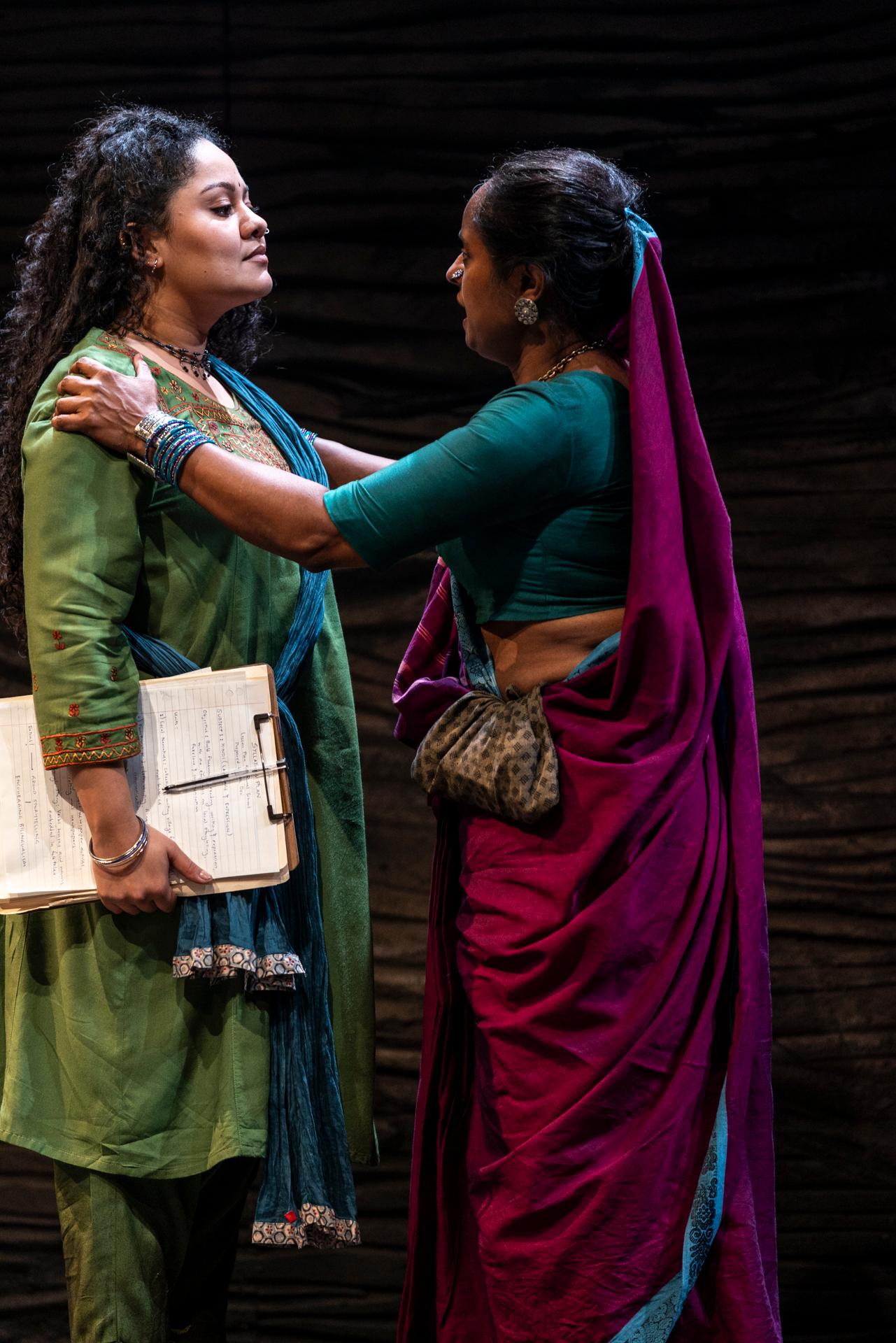
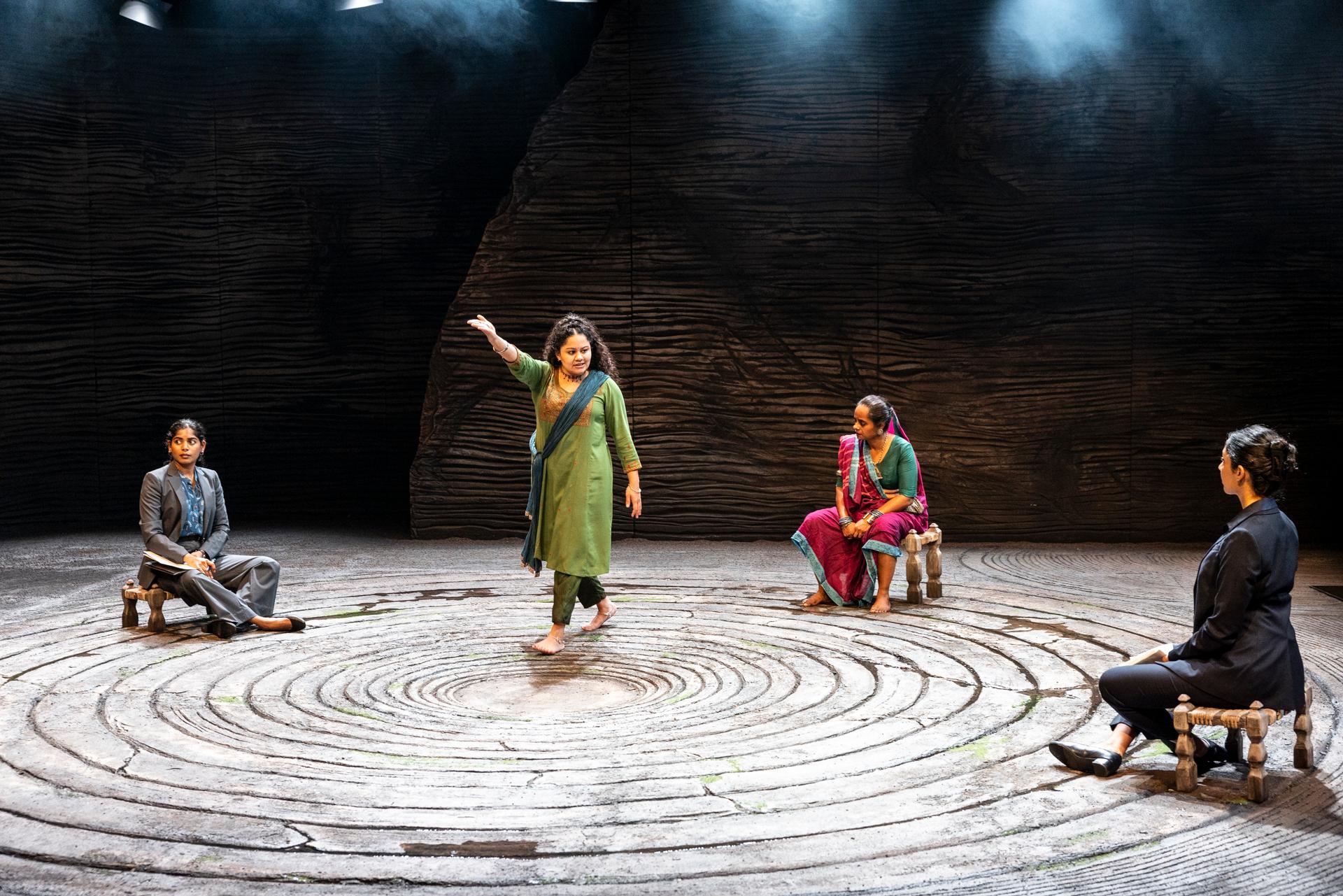
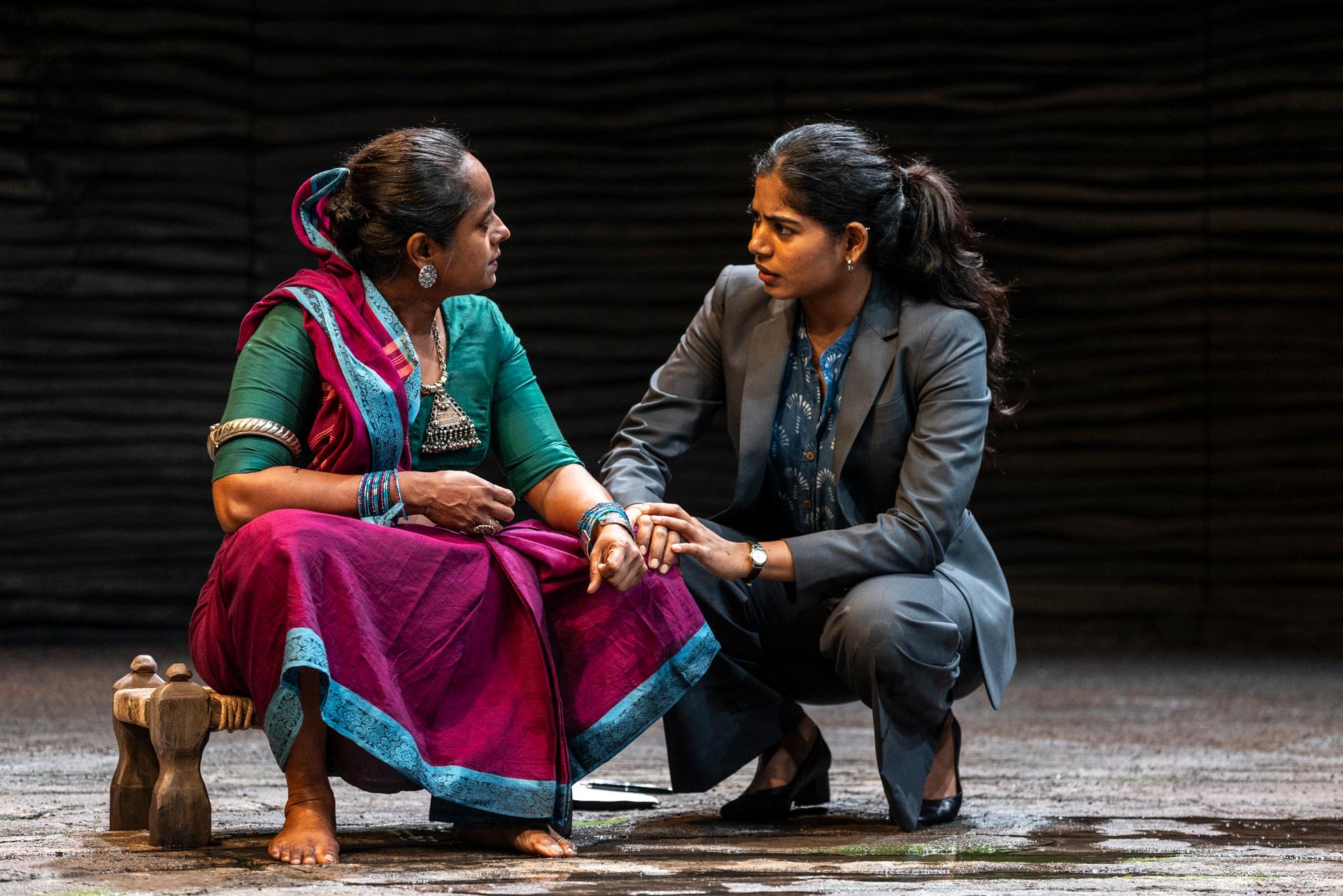
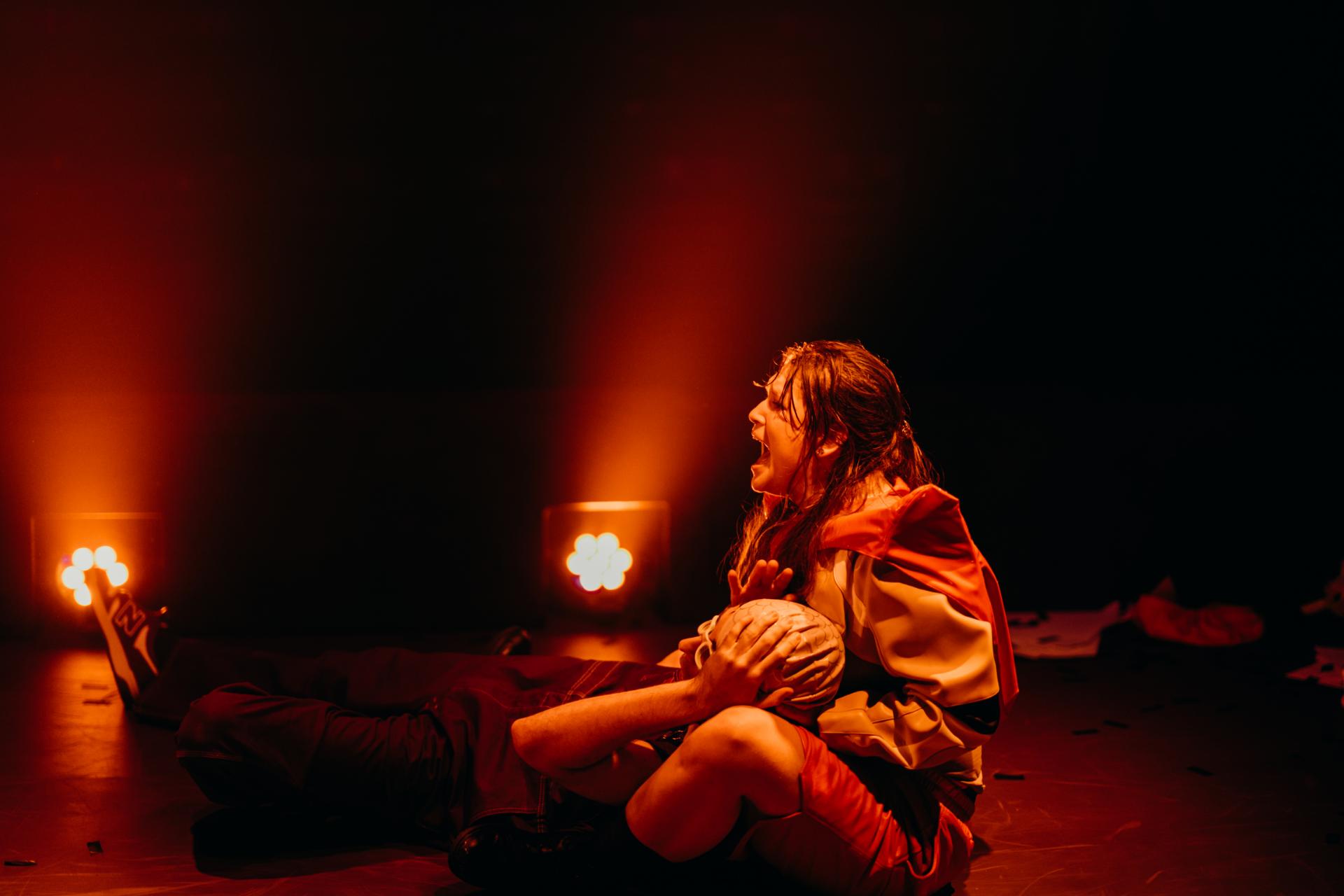
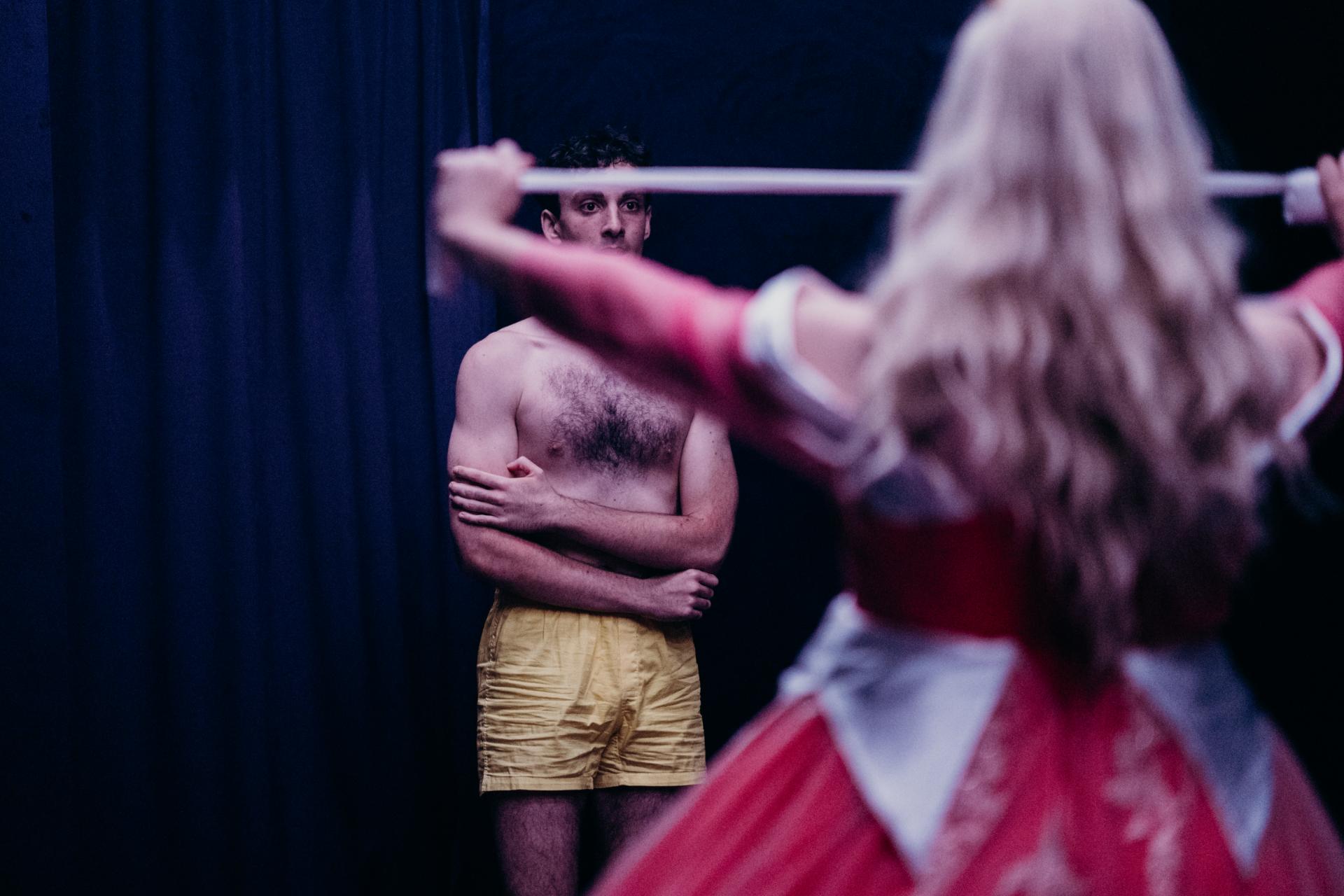
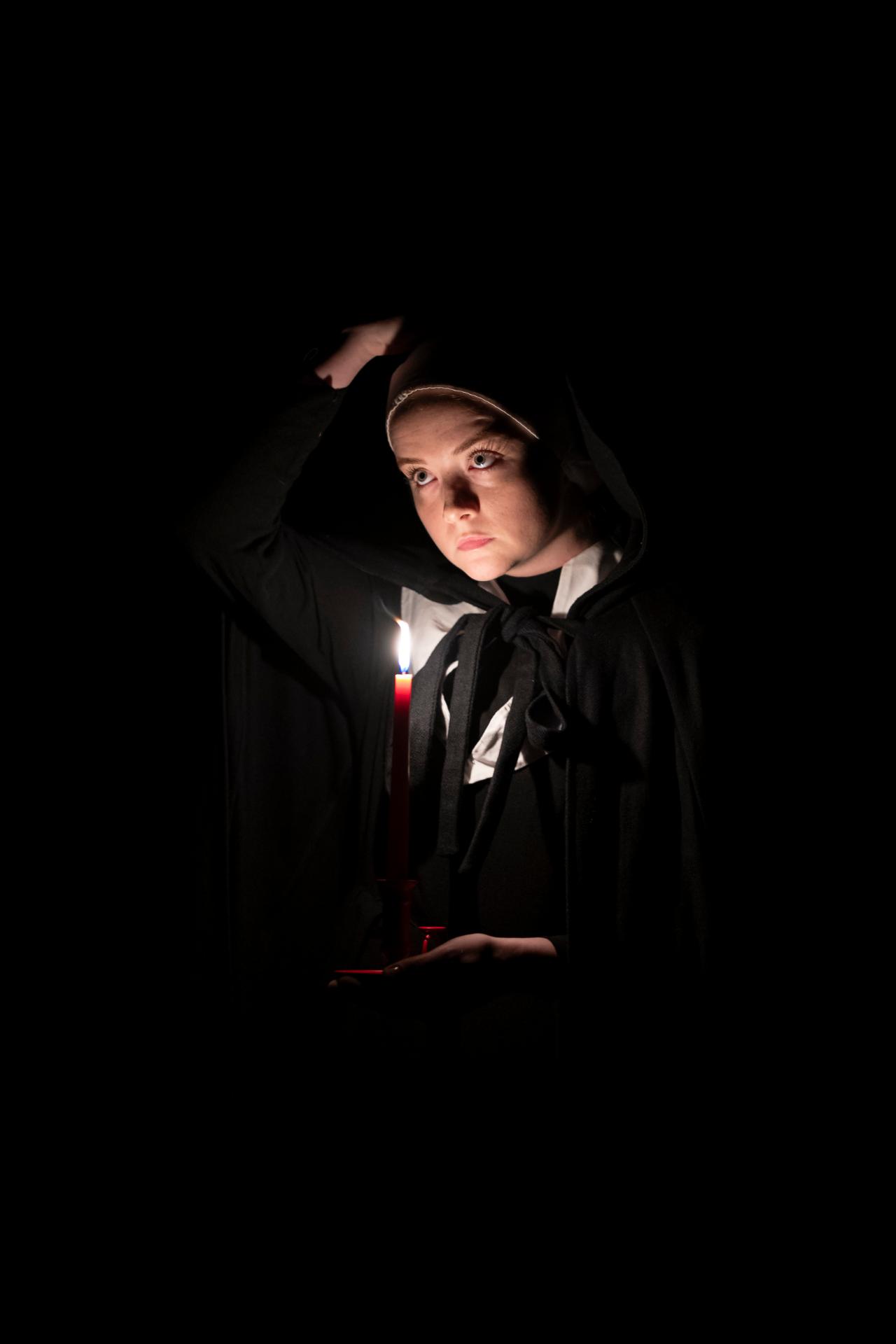
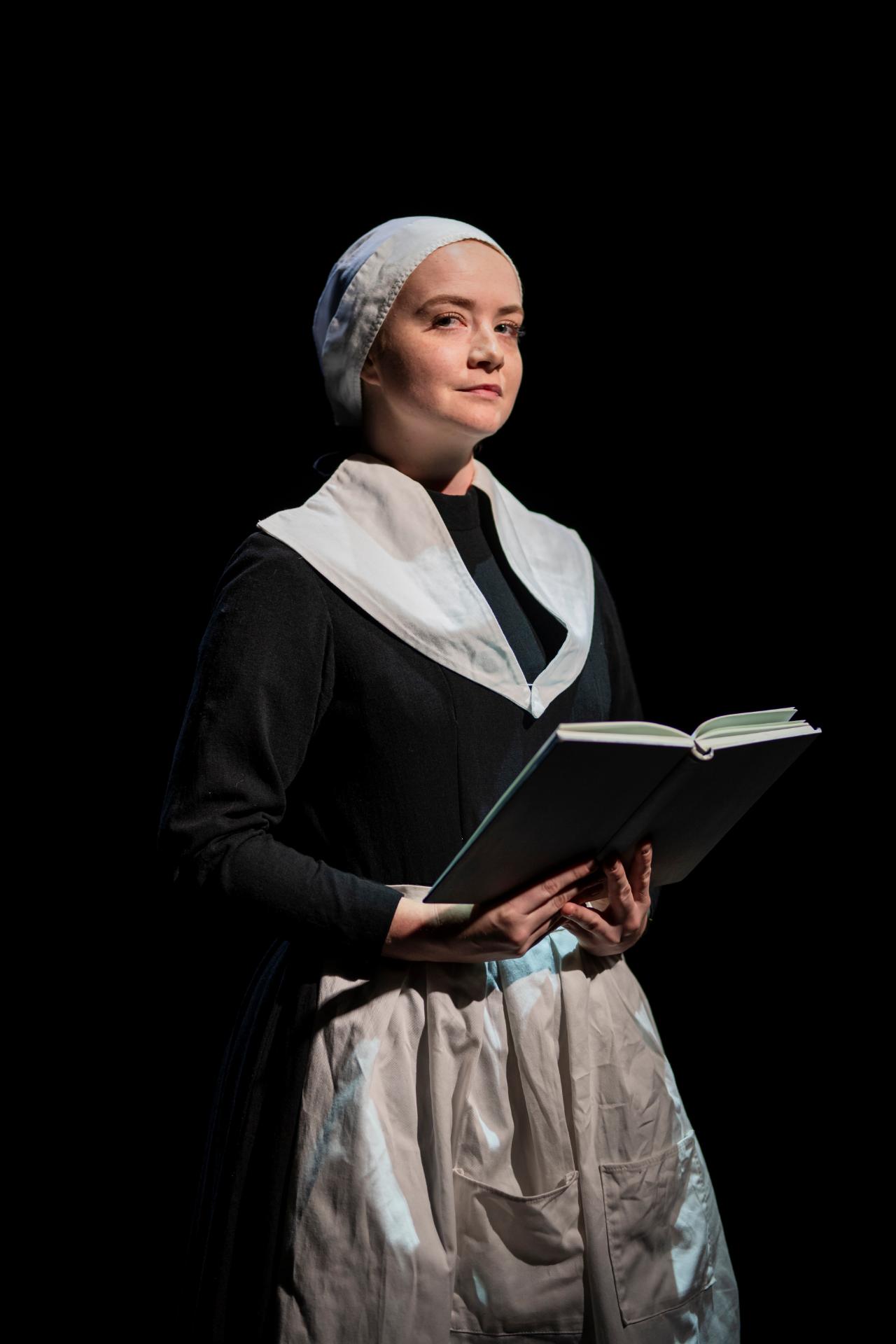
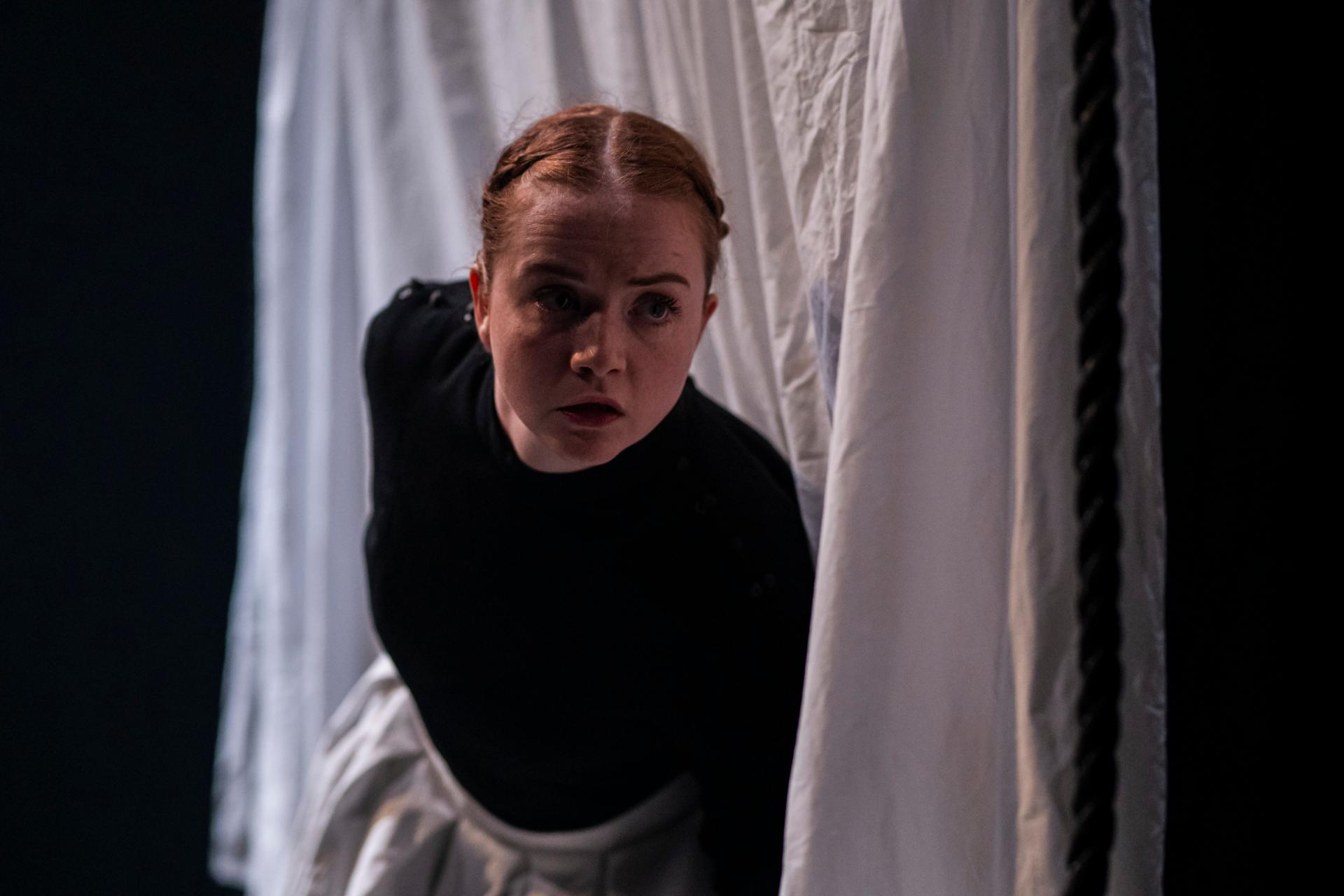
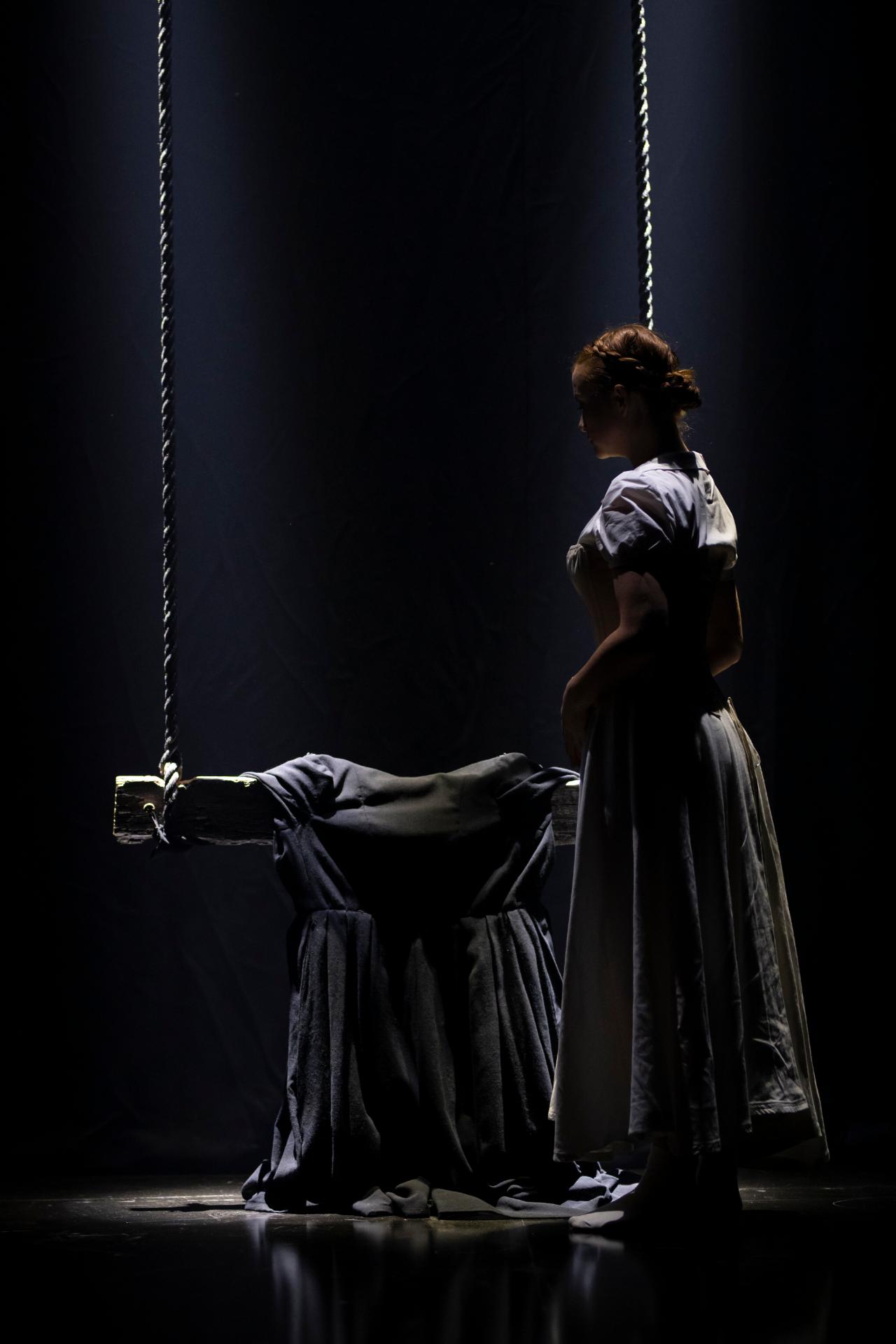
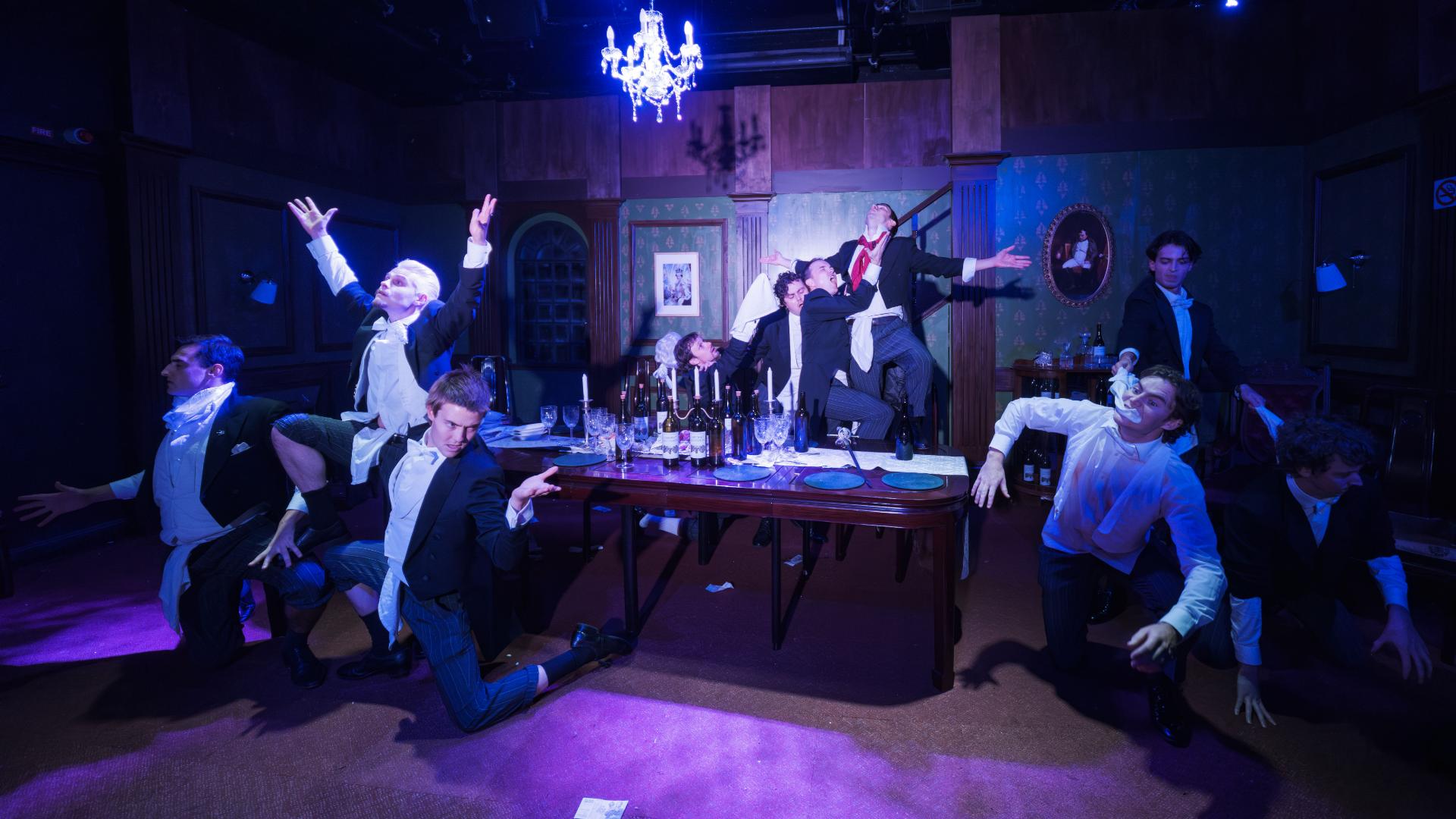
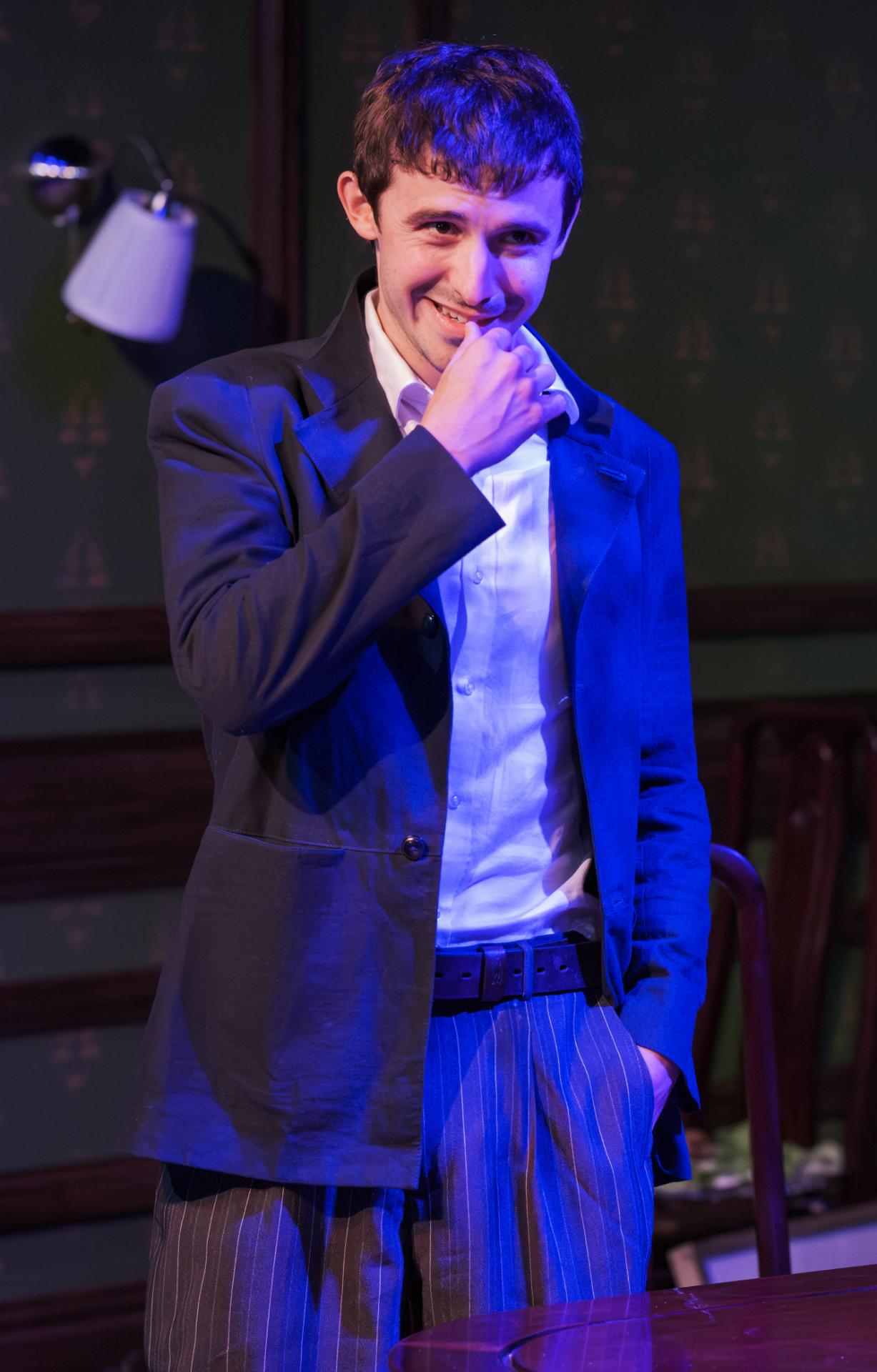
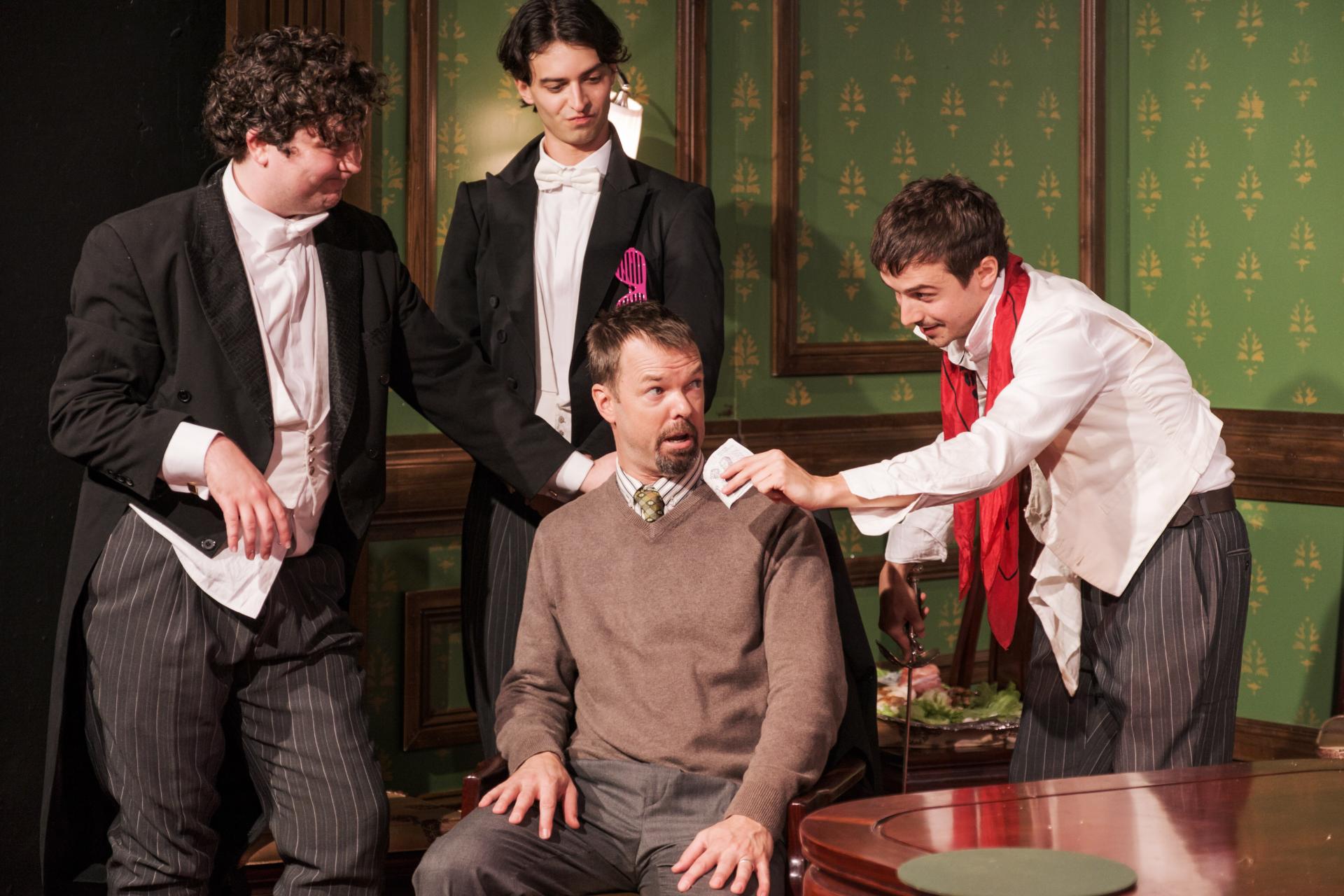
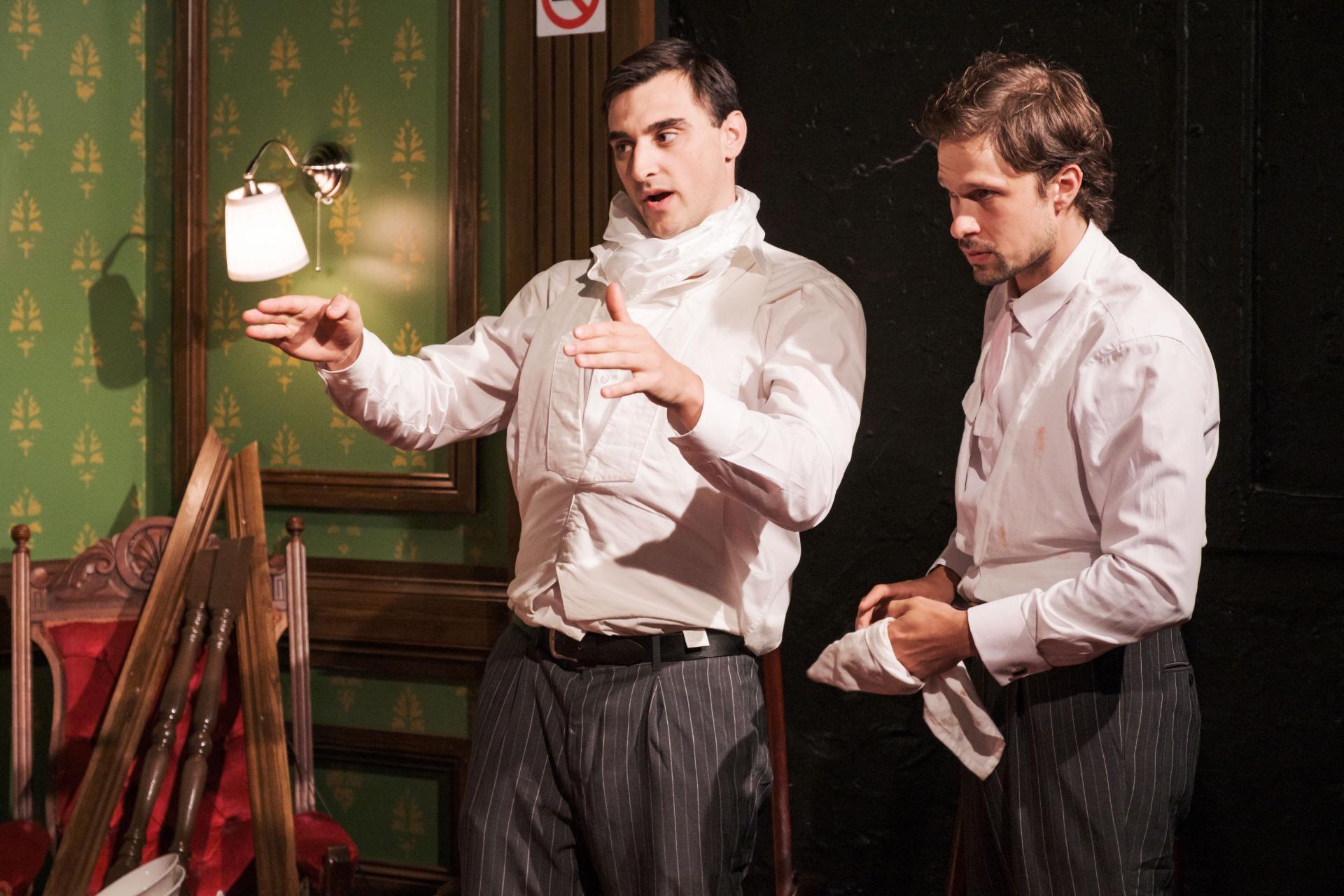
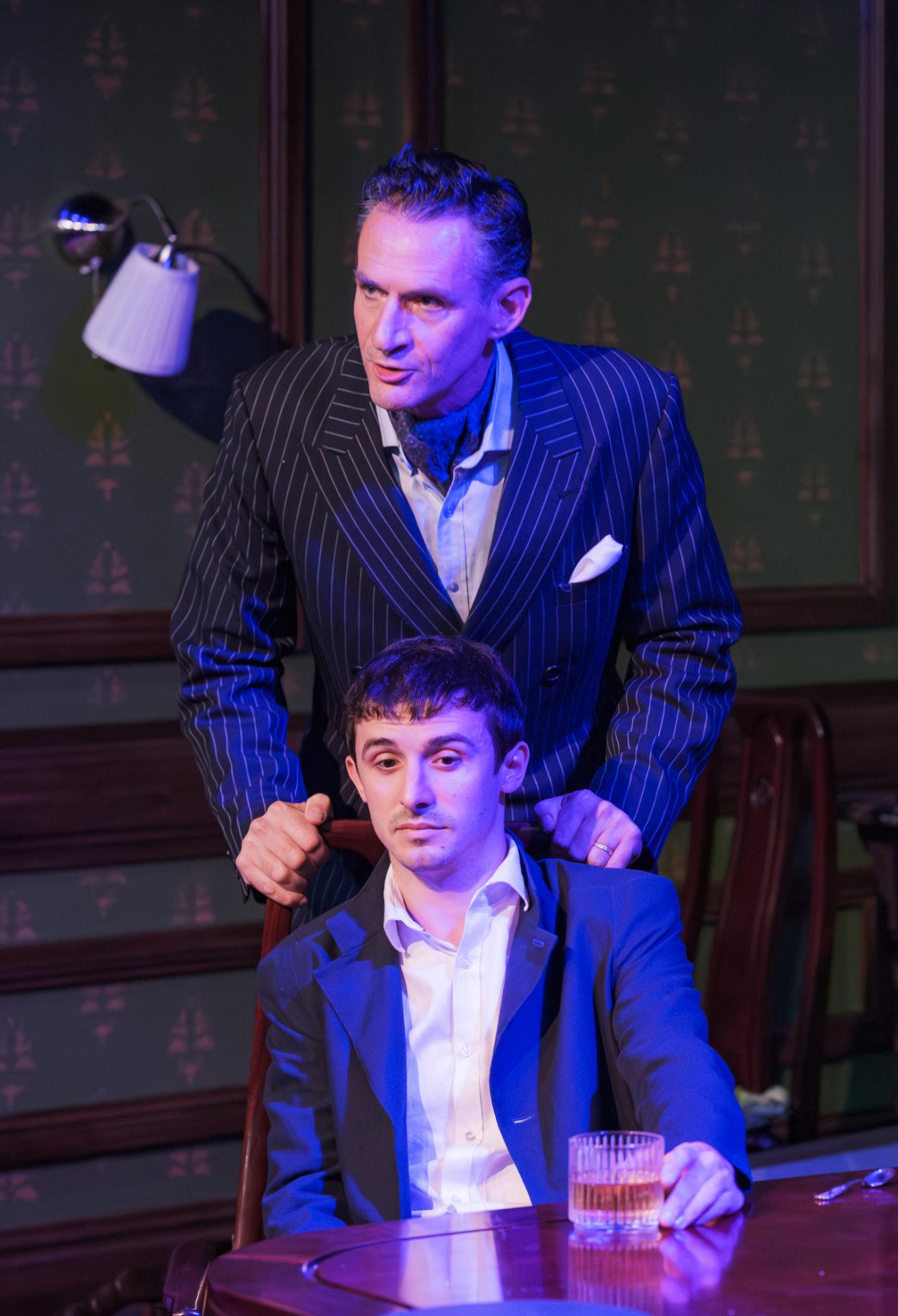
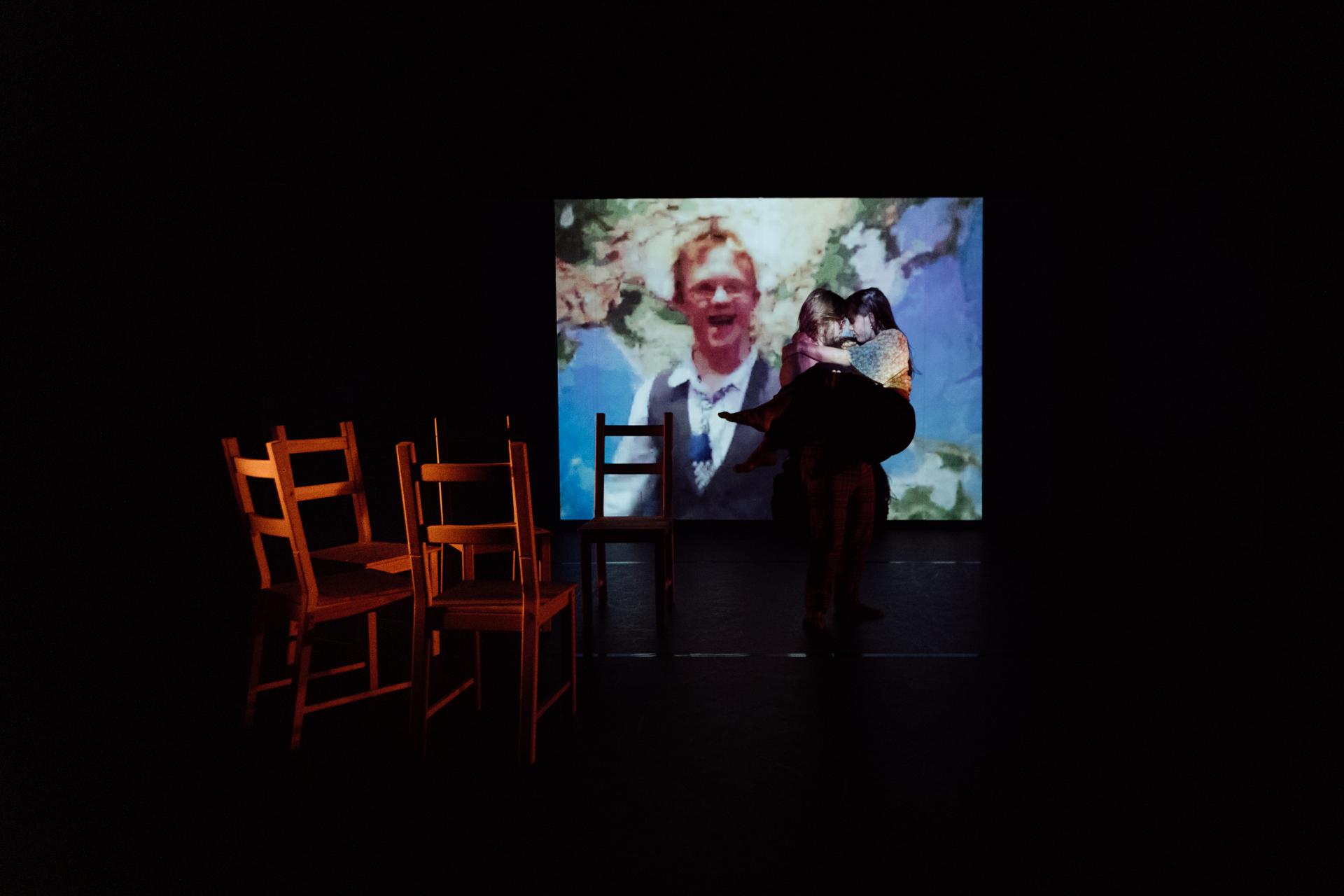
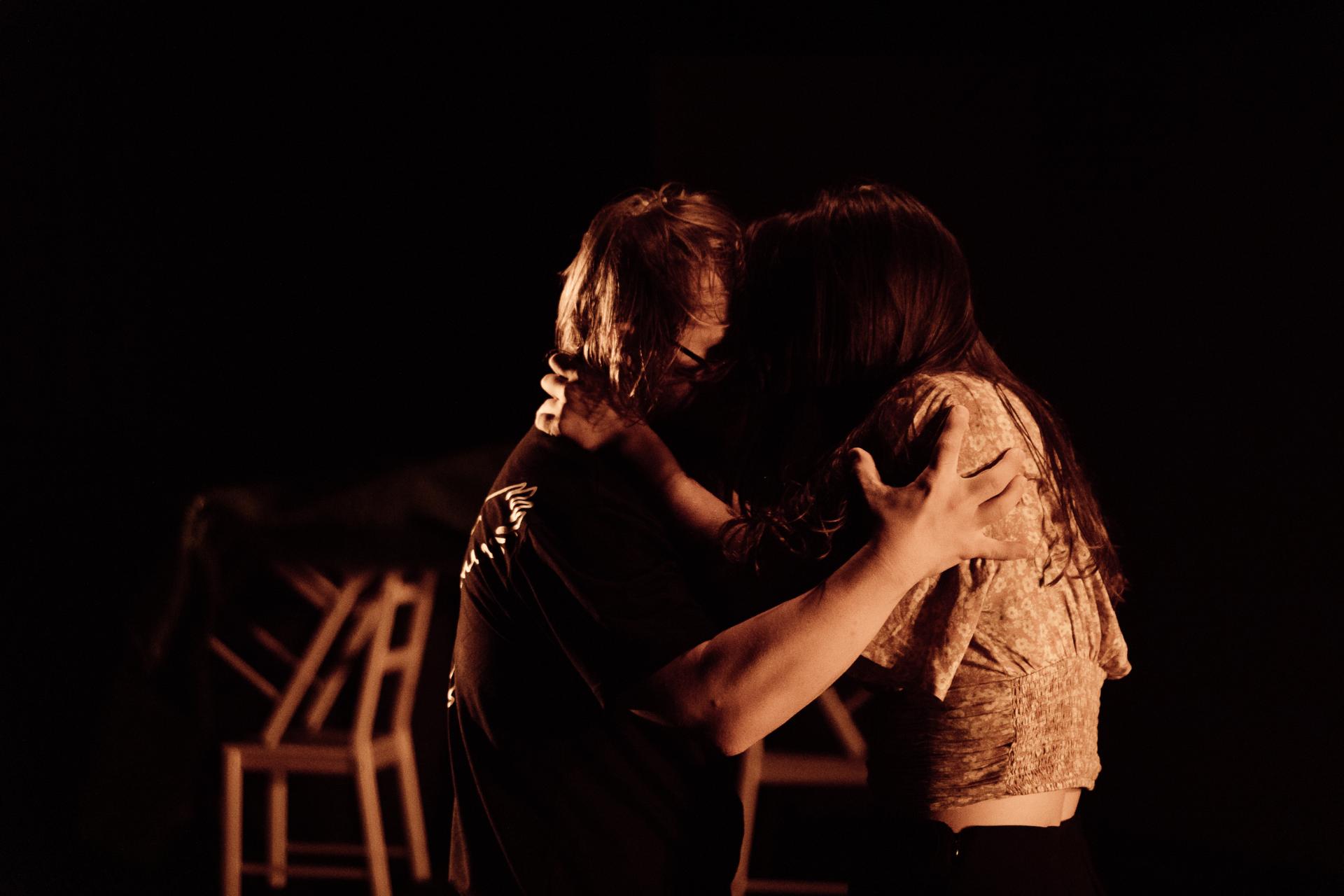
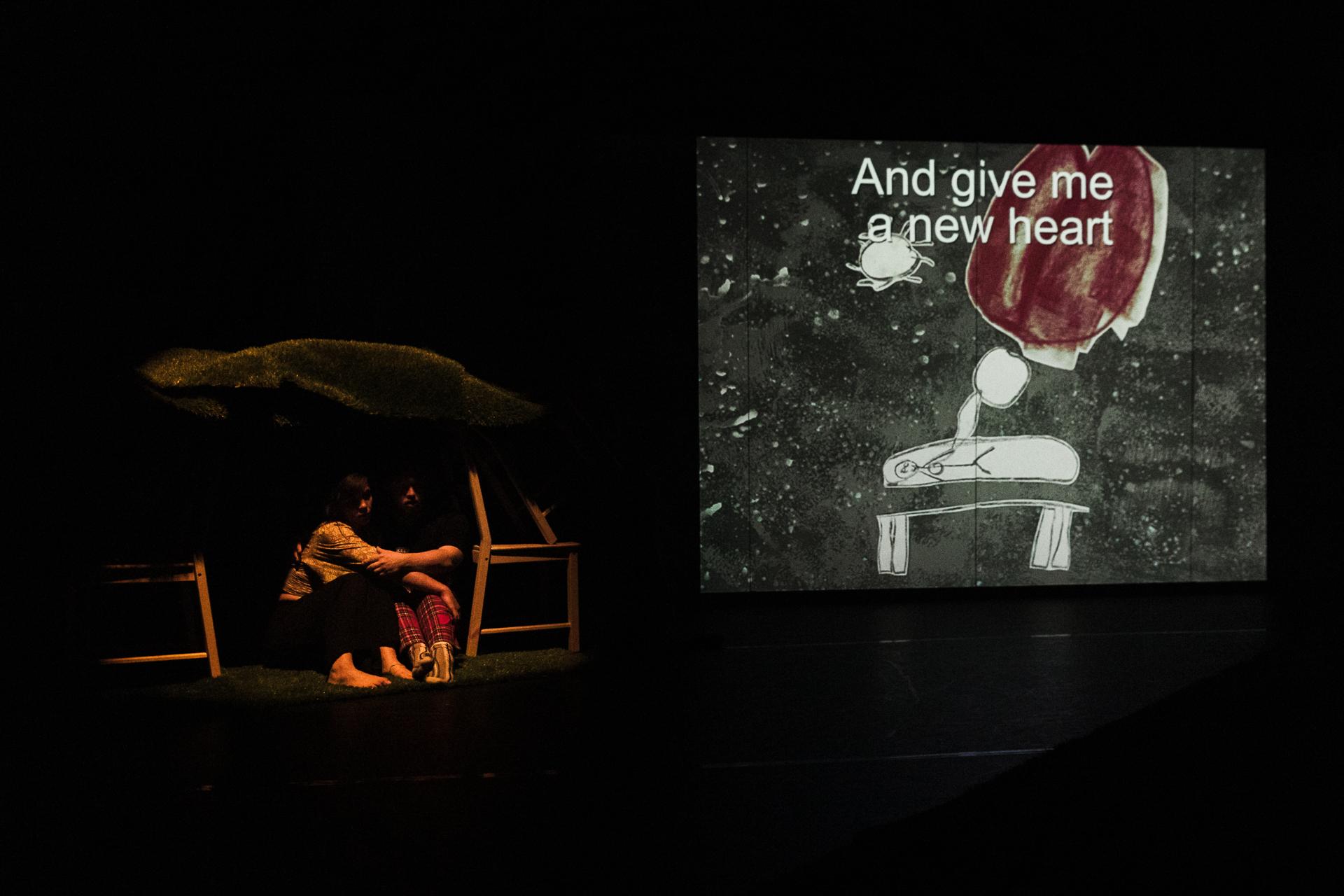
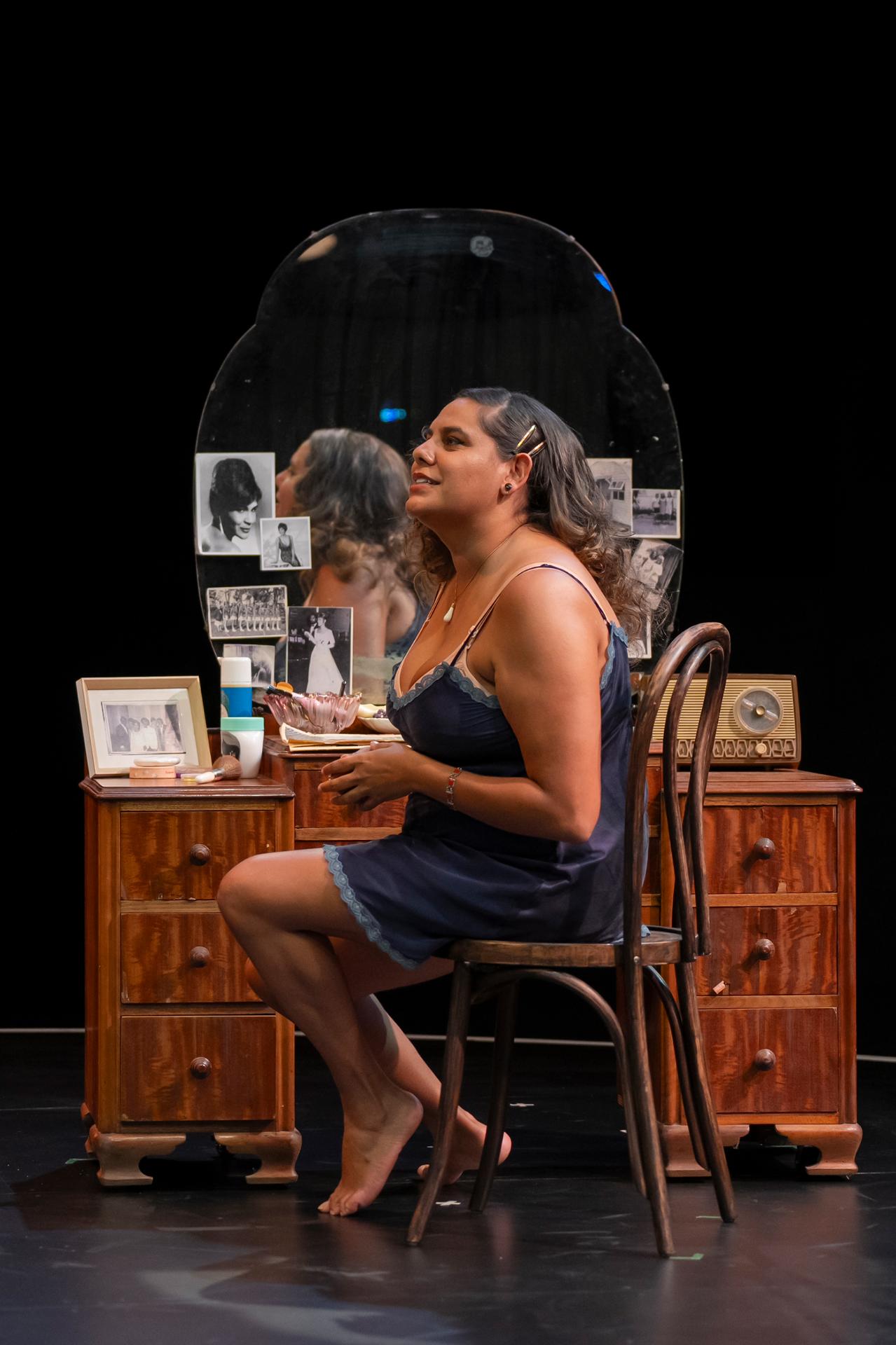
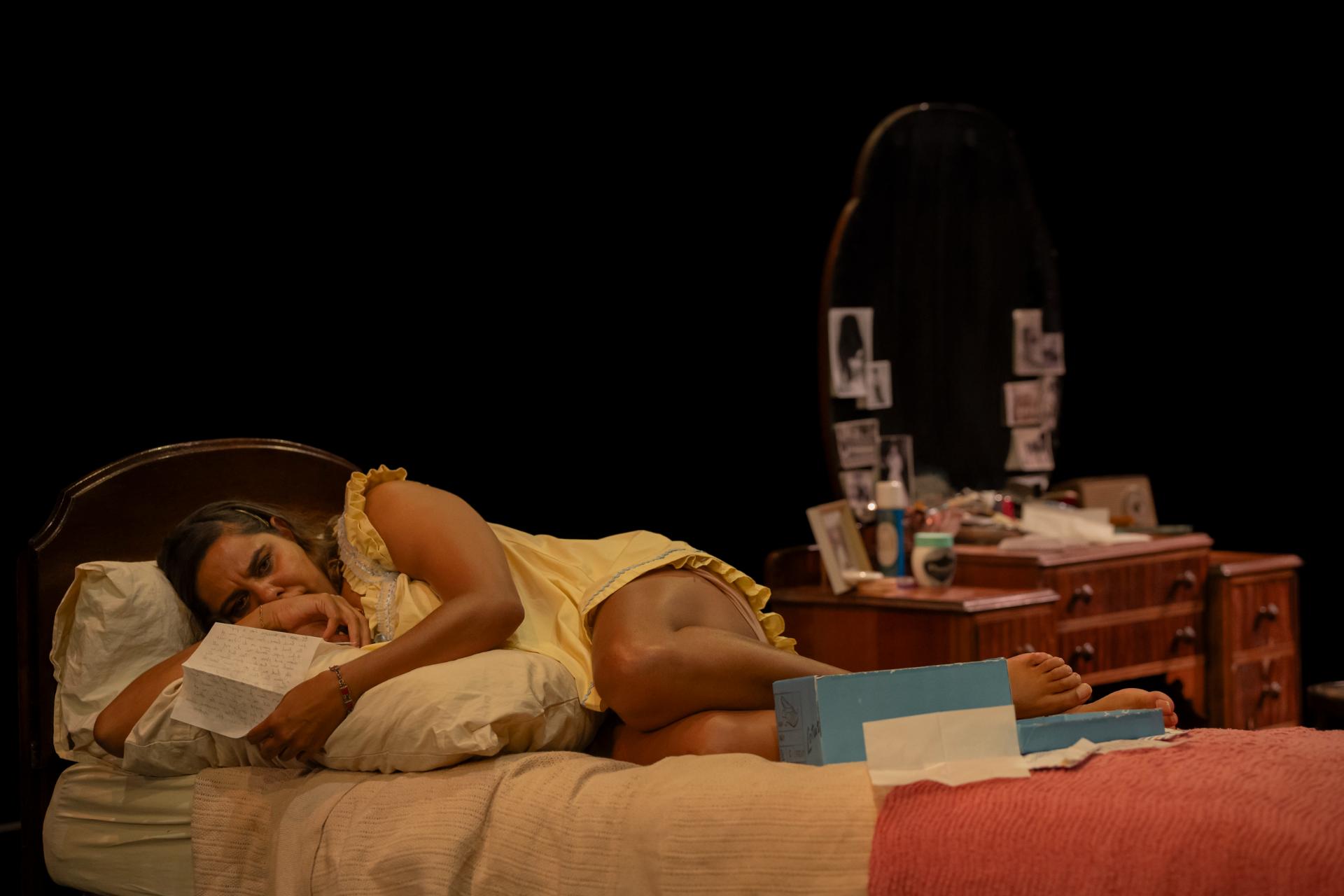
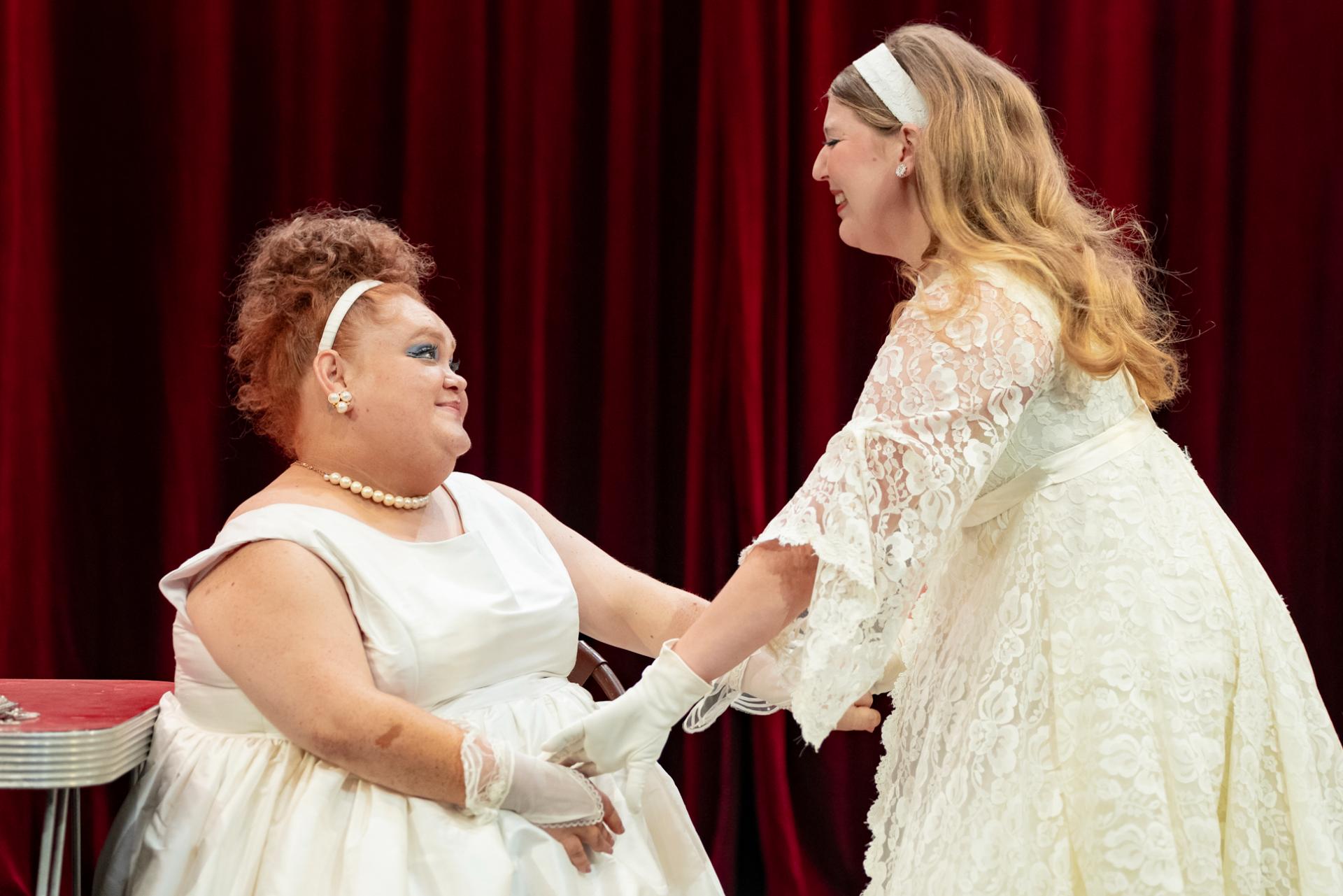
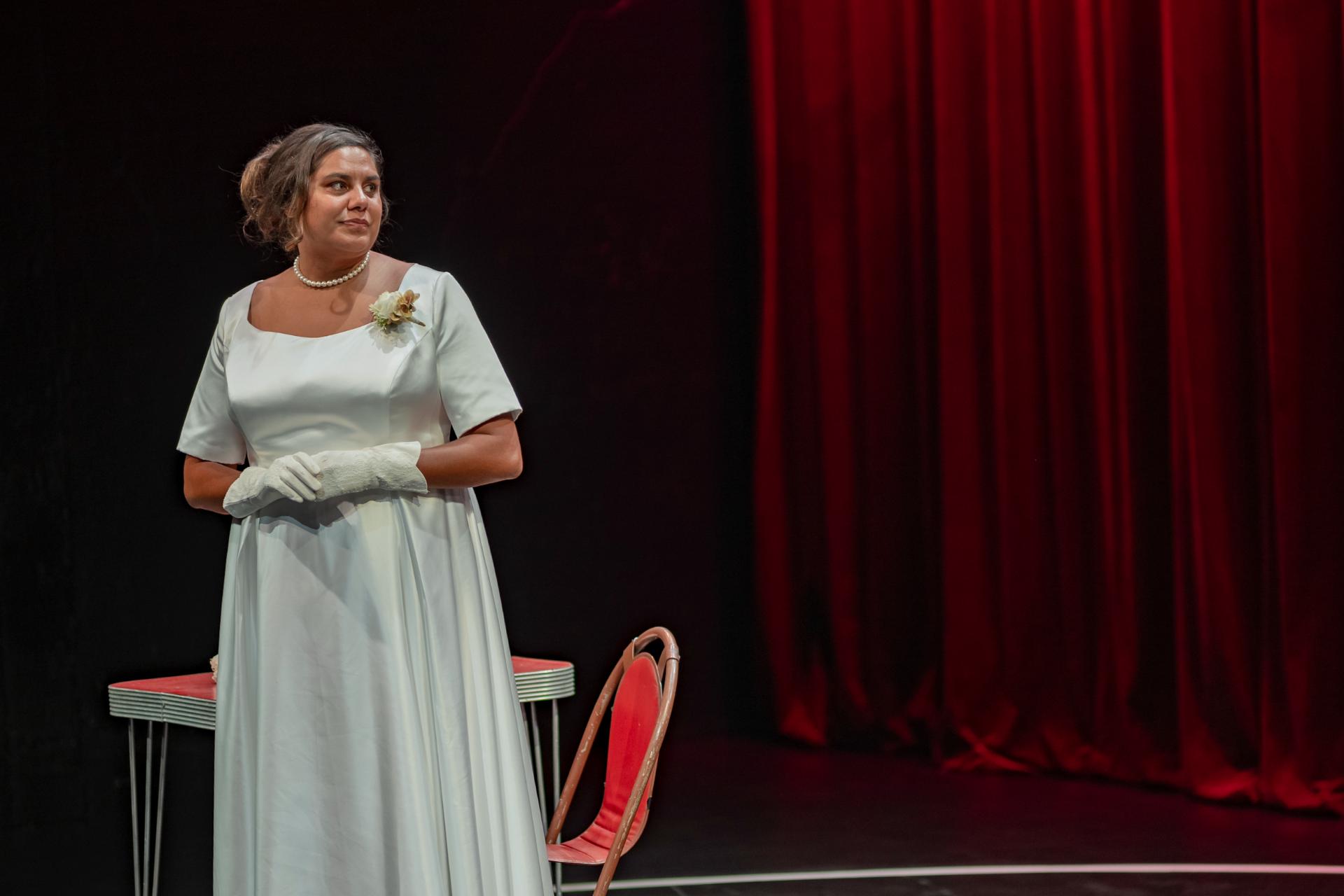
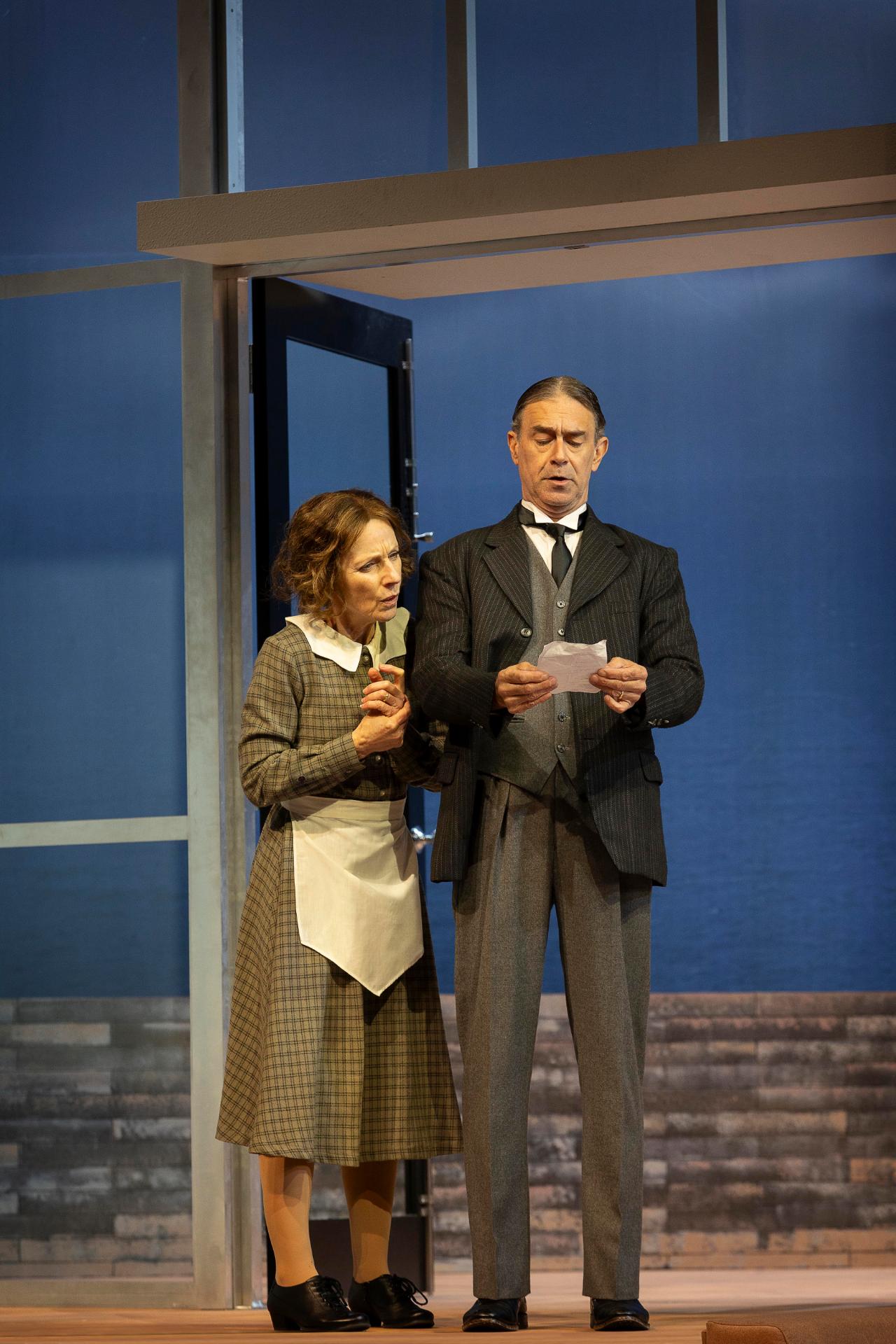
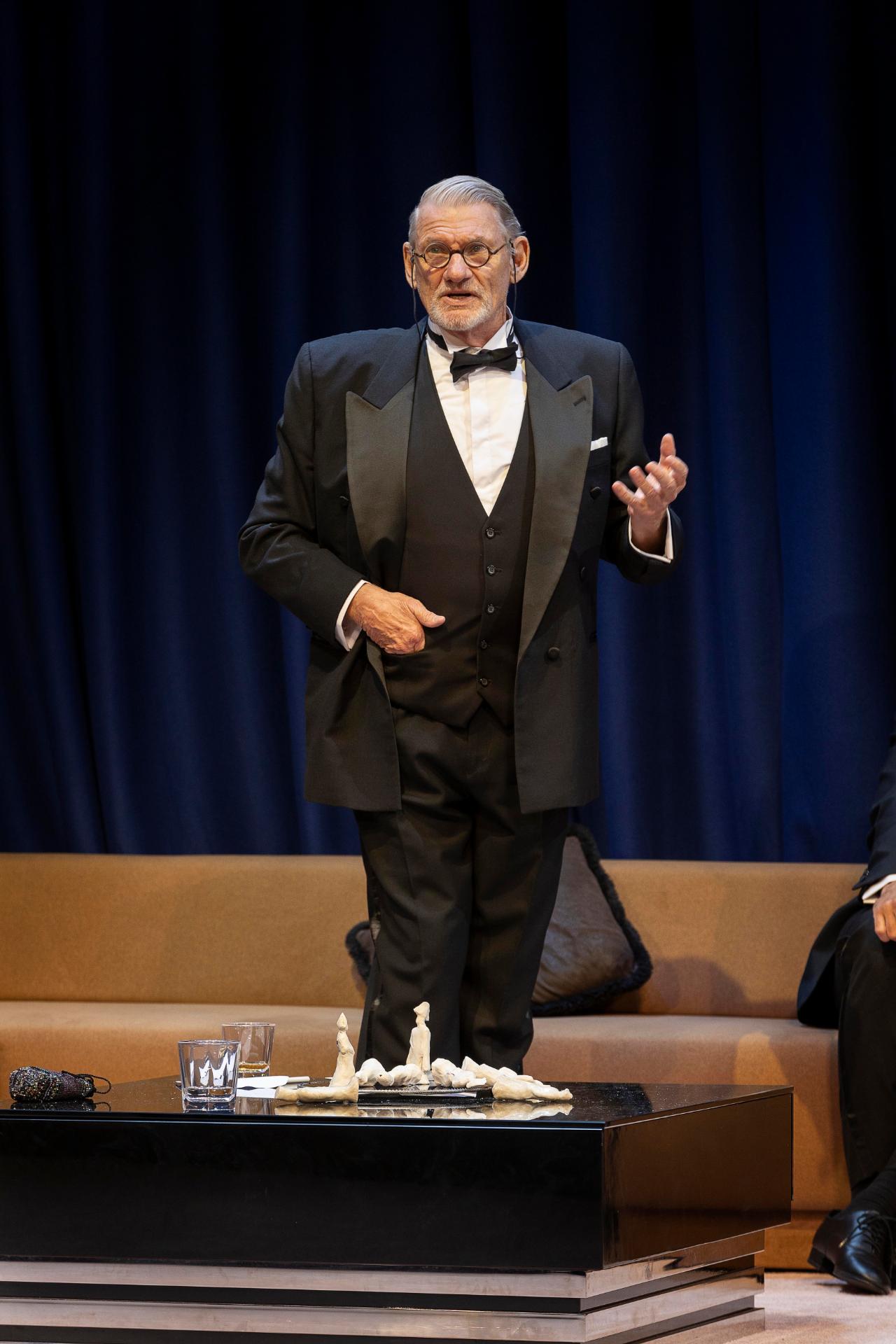
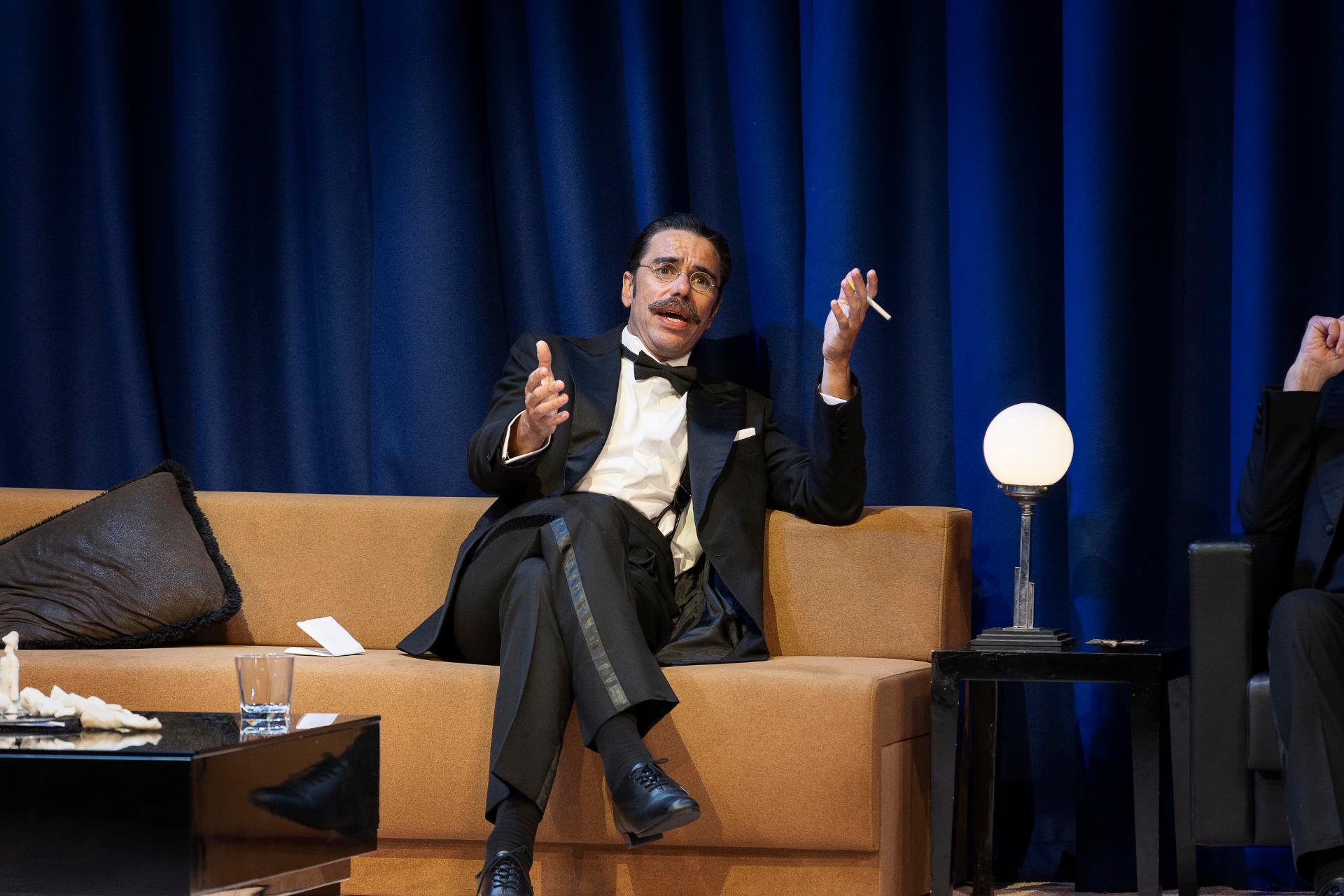
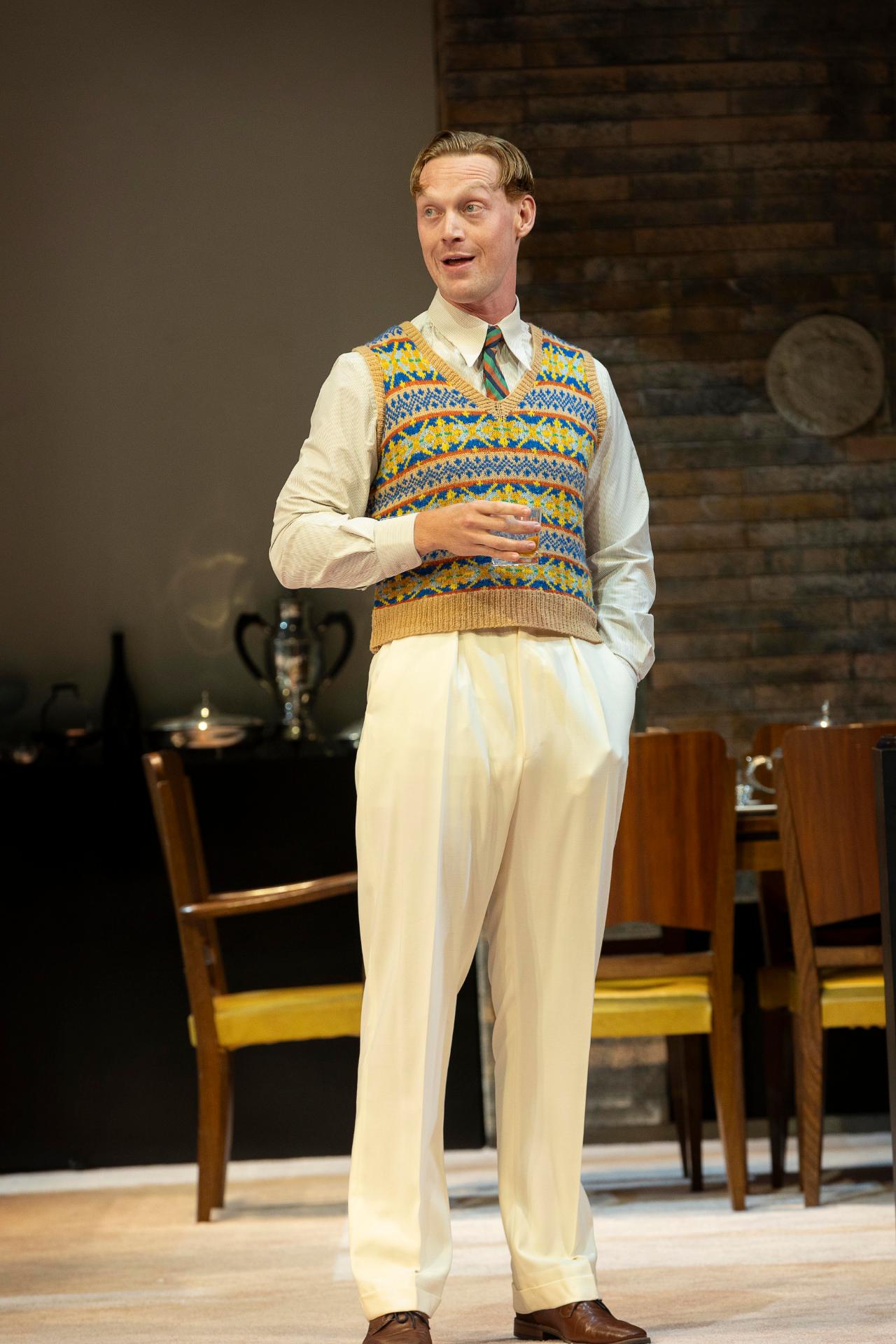
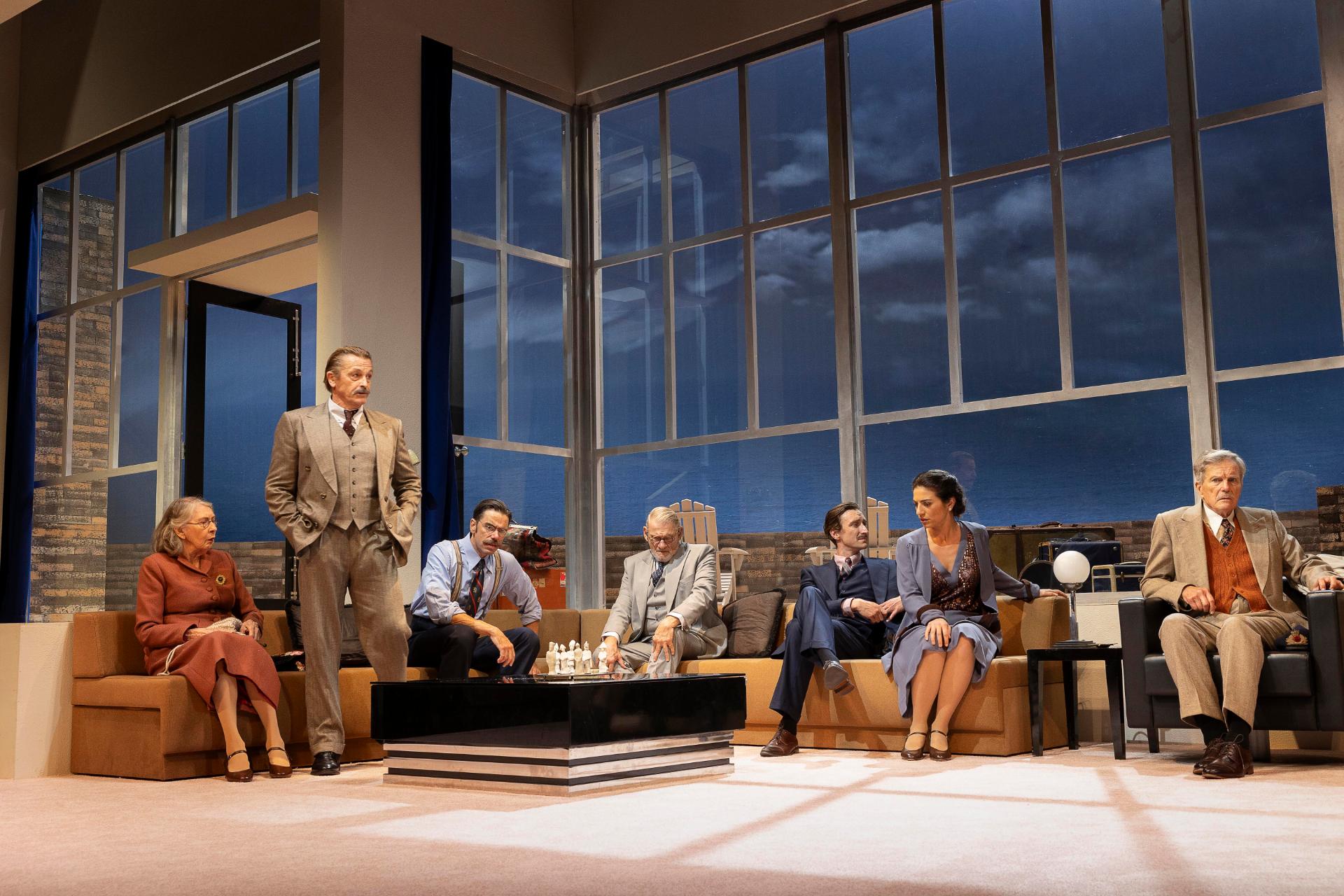
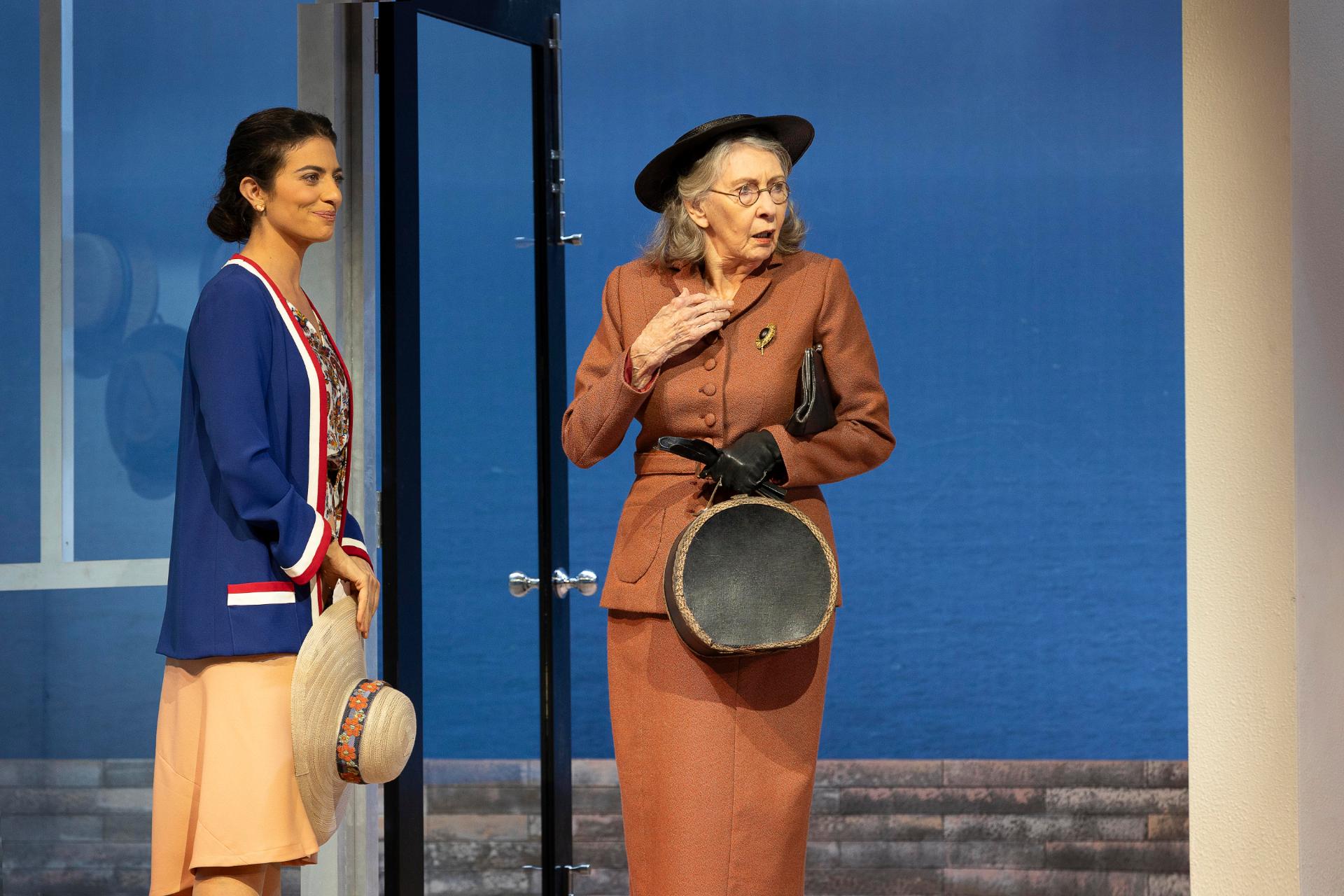
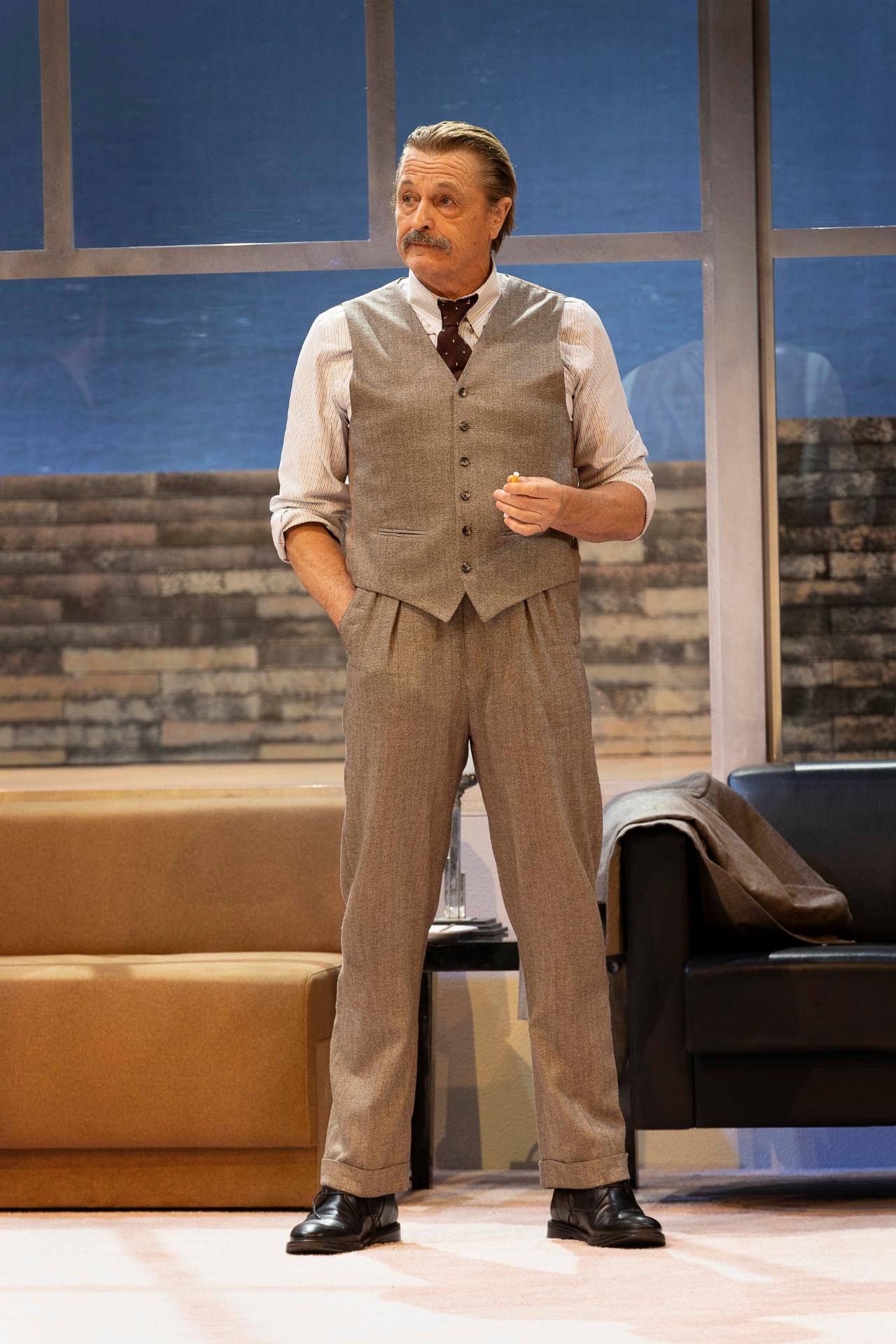
Marion Crawford worked as governess for 17 years, caring for Princesses Elizabeth and Margaret of England. Although she had published articles and a book about her time with royalty, Crawford remained faithful, never writing a disrespectful or denigrating word. Melanie Tait’s play The Queen’s Nanny is accordingly courteous, in its renderings of a woman’s memories pertaining to a special time. There is no questioning the integrity of Tait’s work, but when it comes to stories relating to the crown, some audiences prefer a more creative approach, as evidenced by the success of titles that have taken great liberties in fabricating anecdotes, to have us truly riveted.

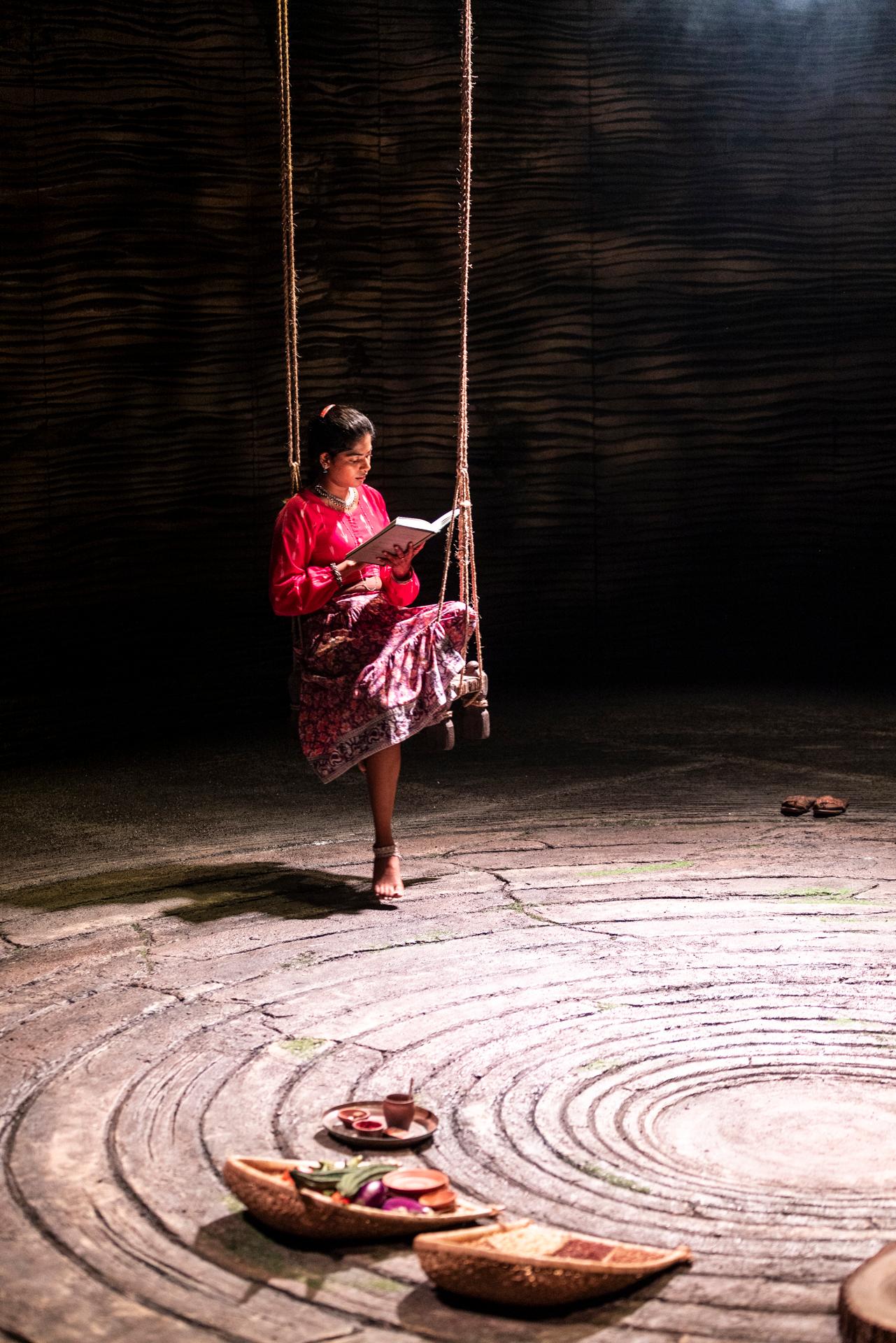
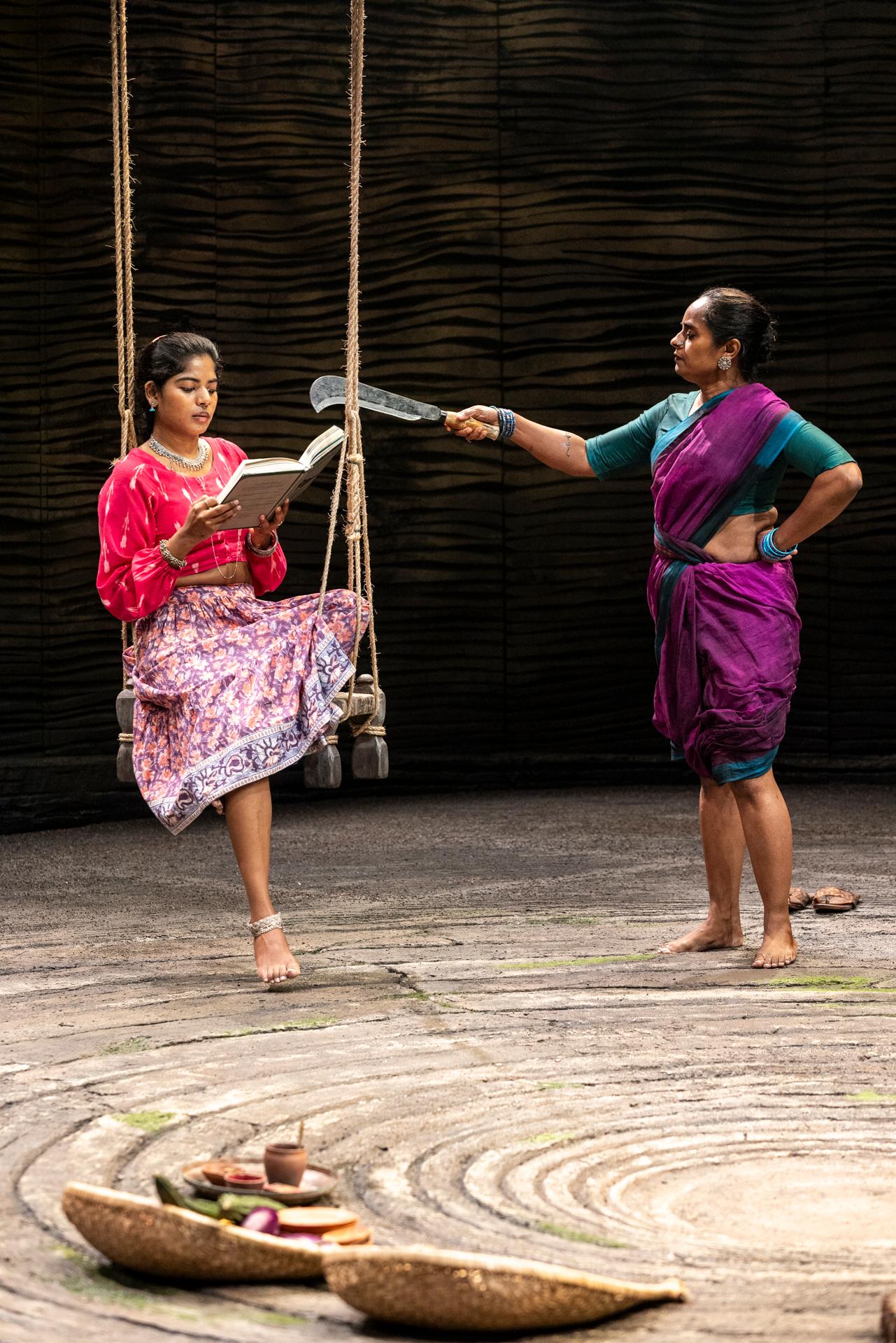
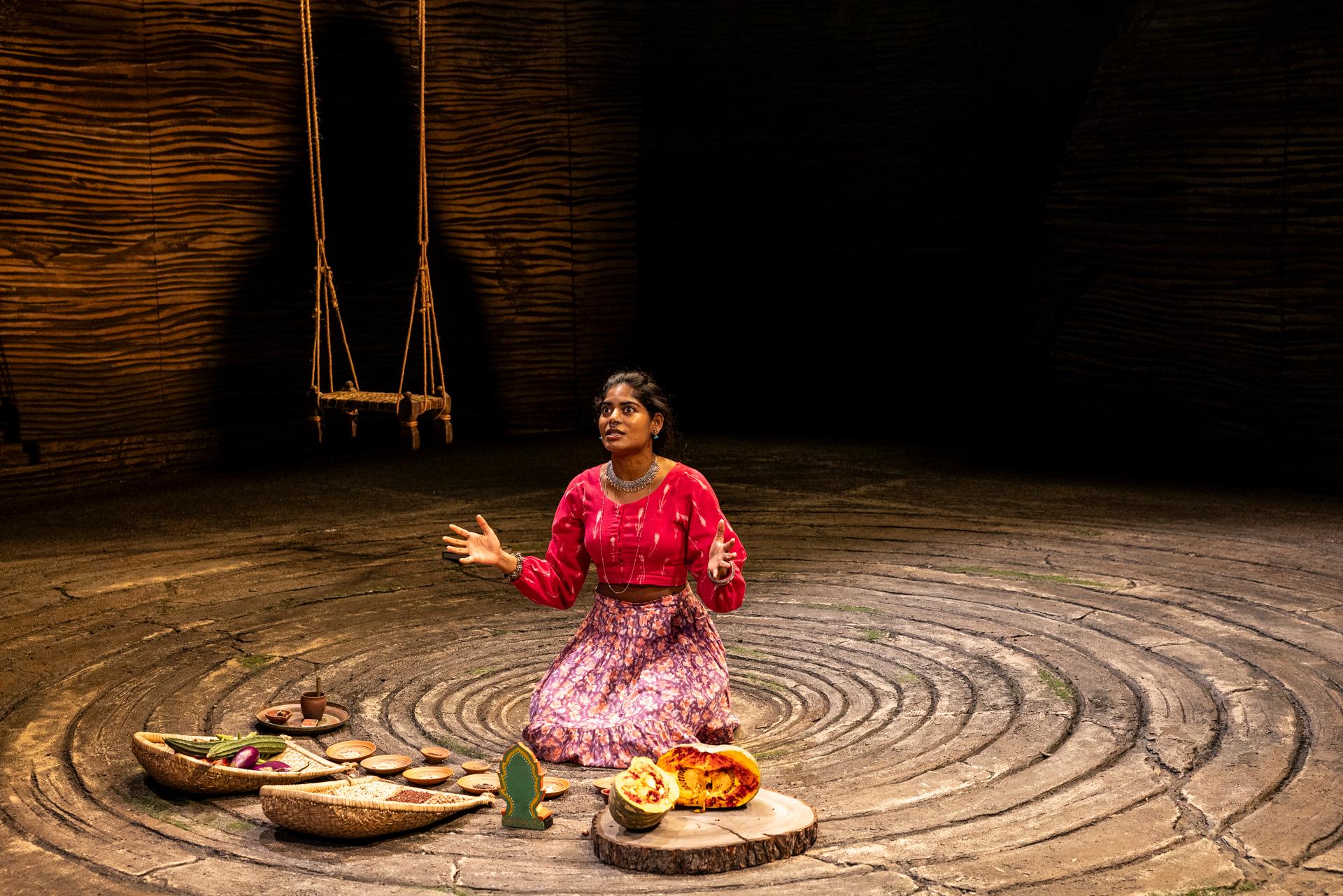
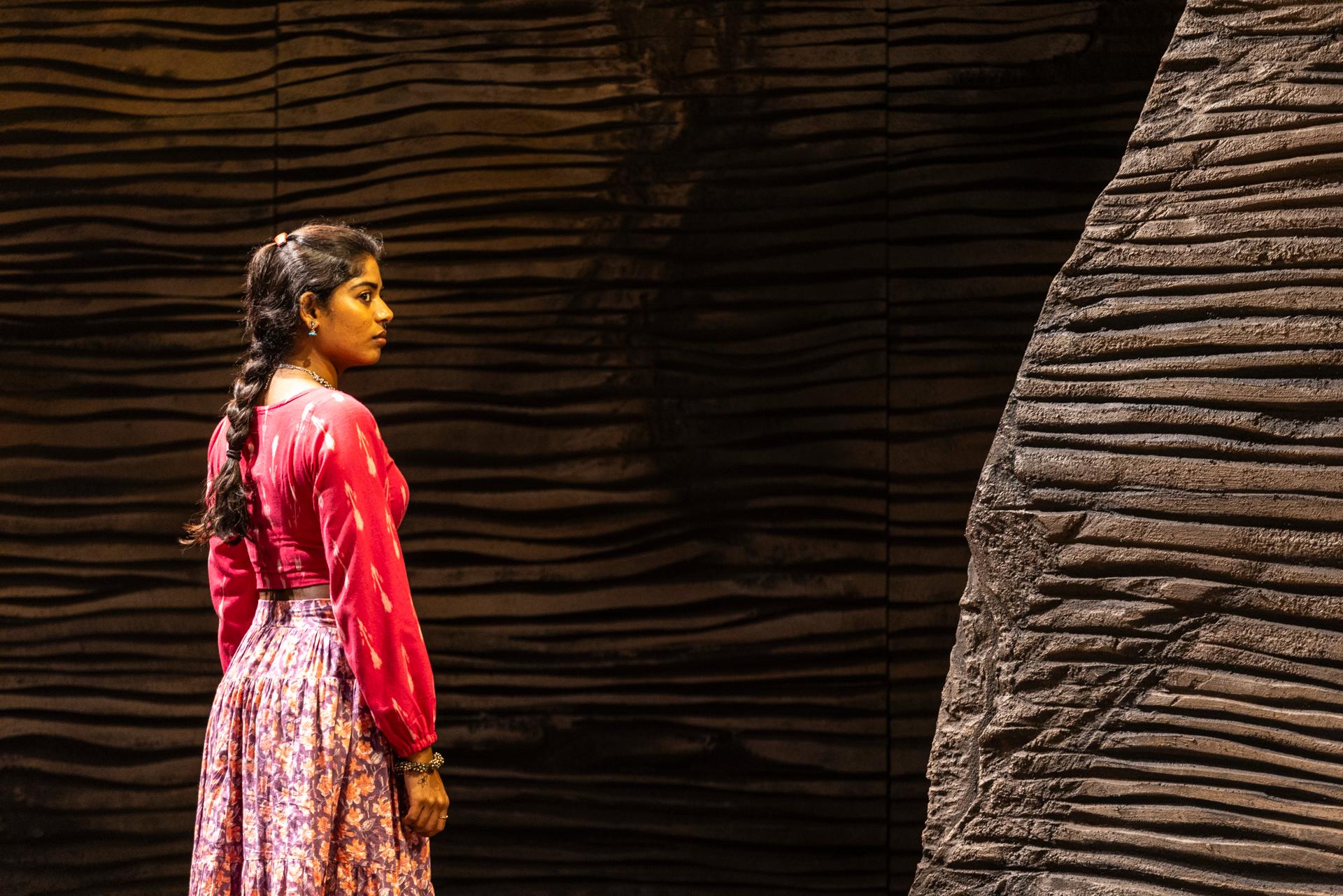
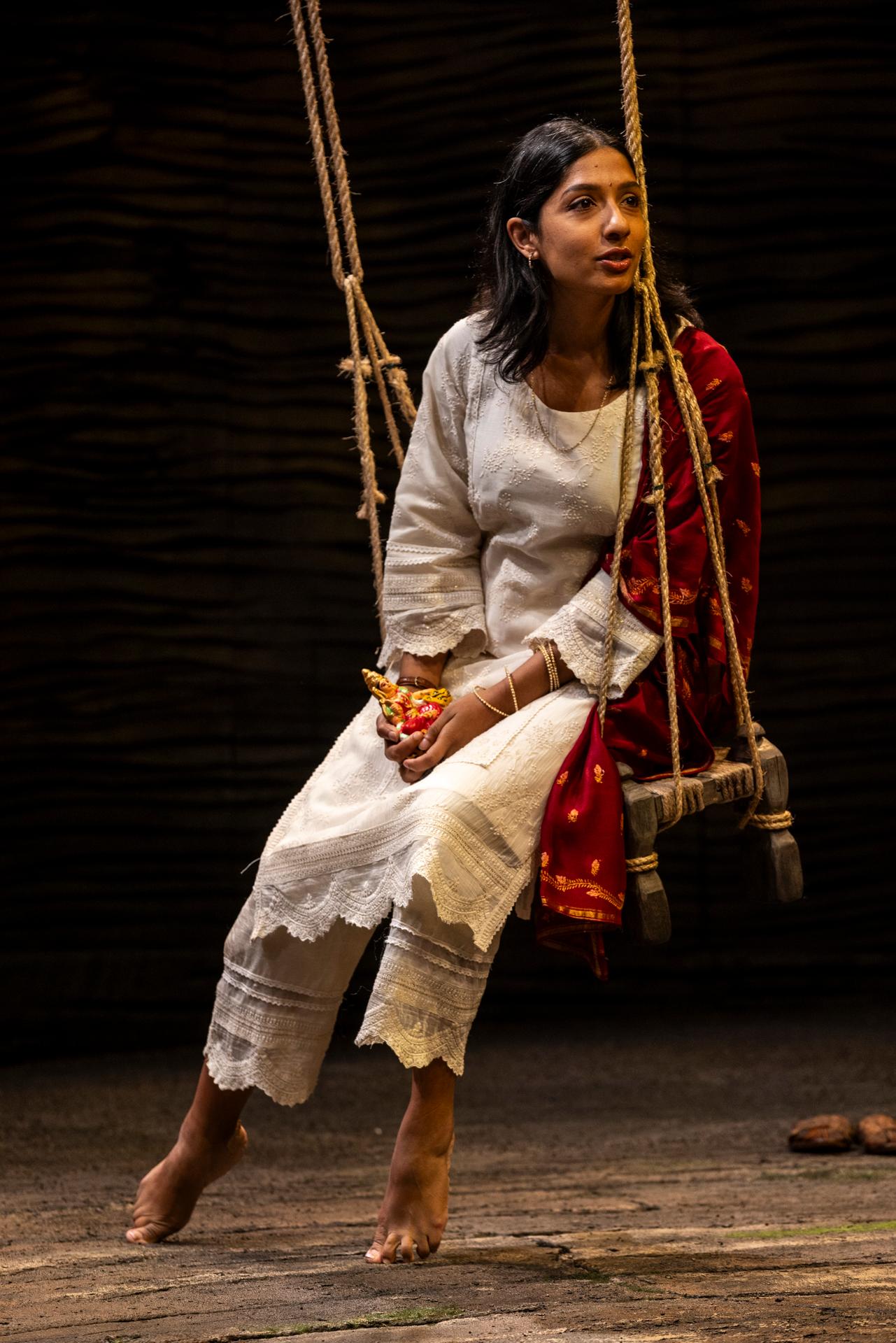
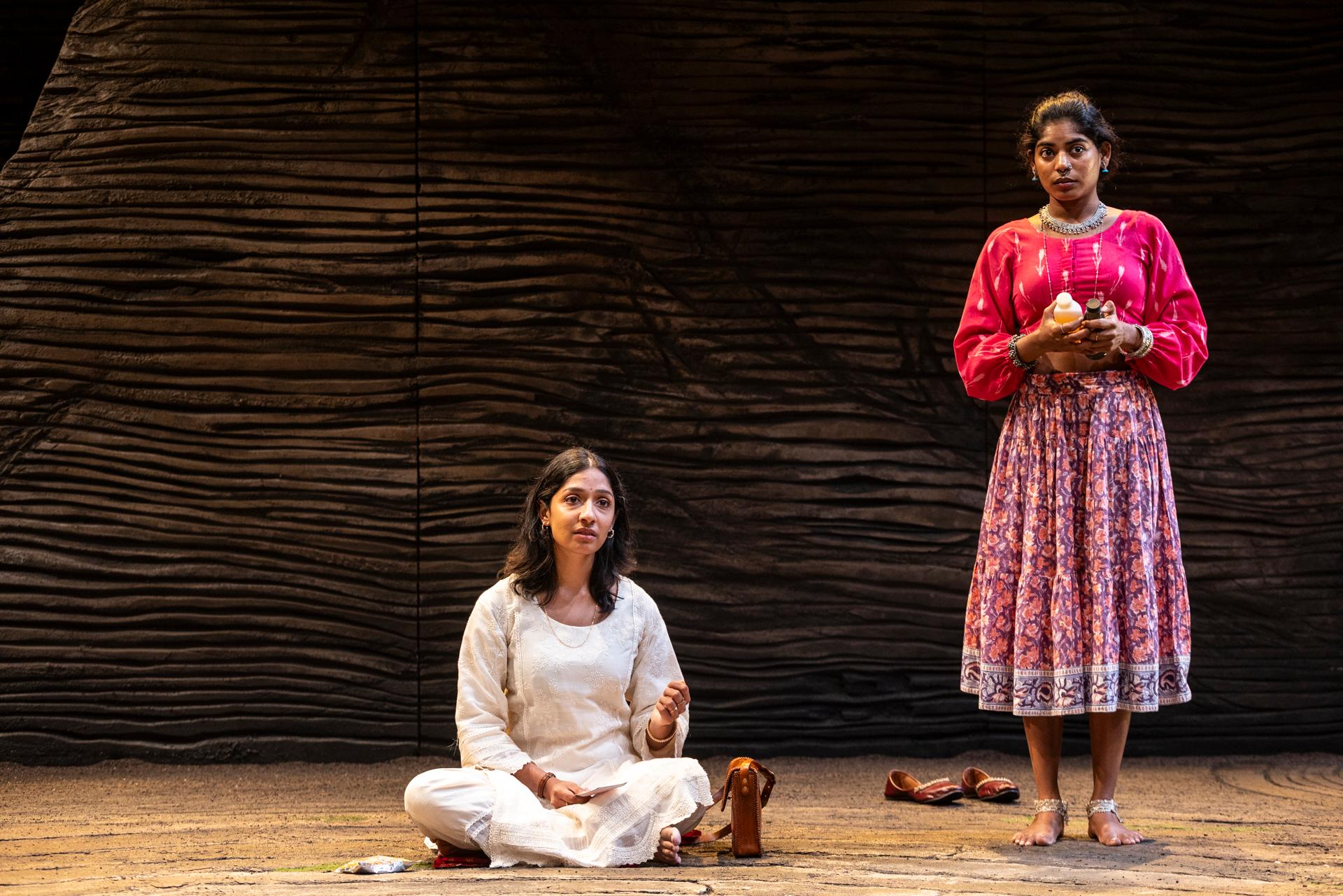
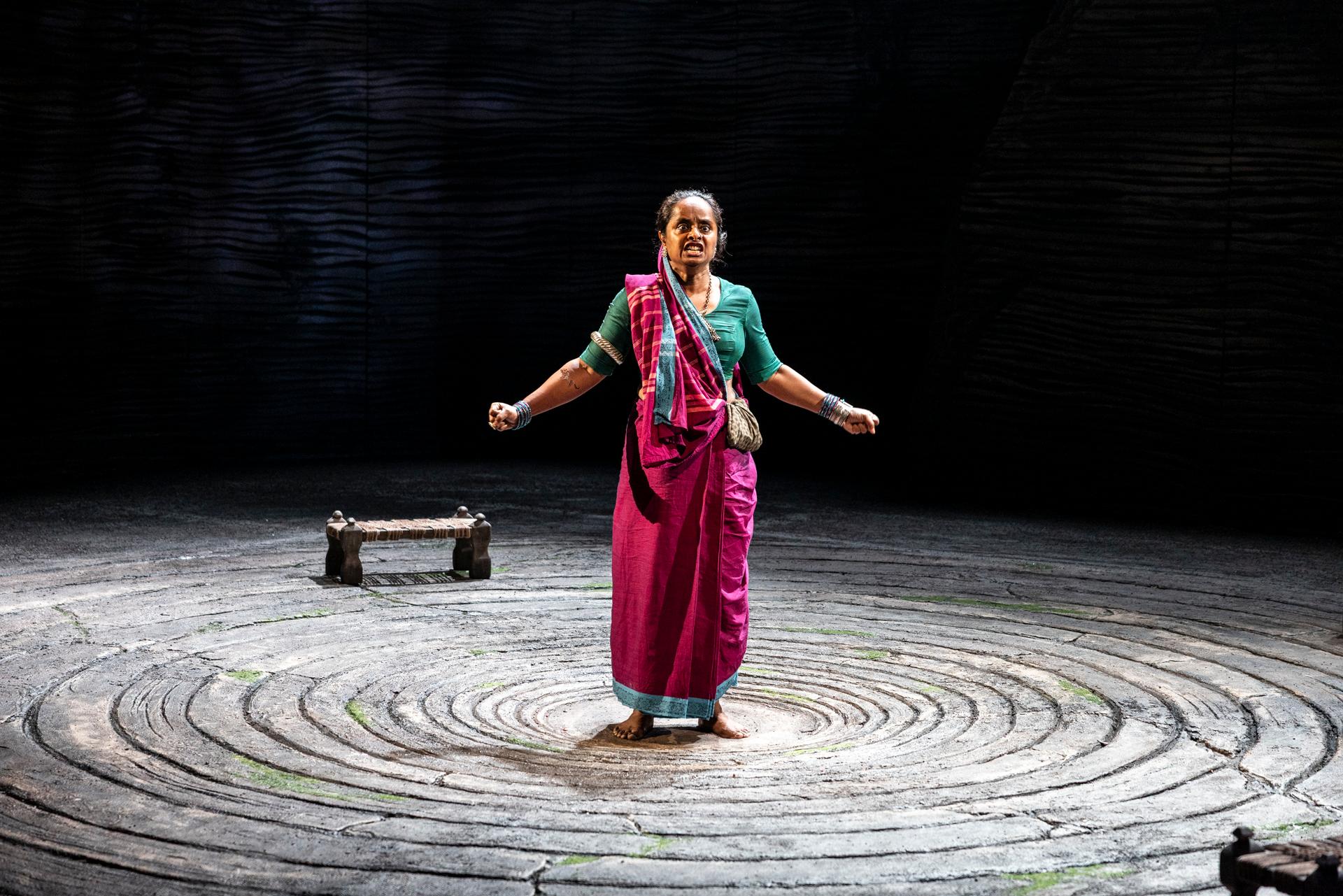
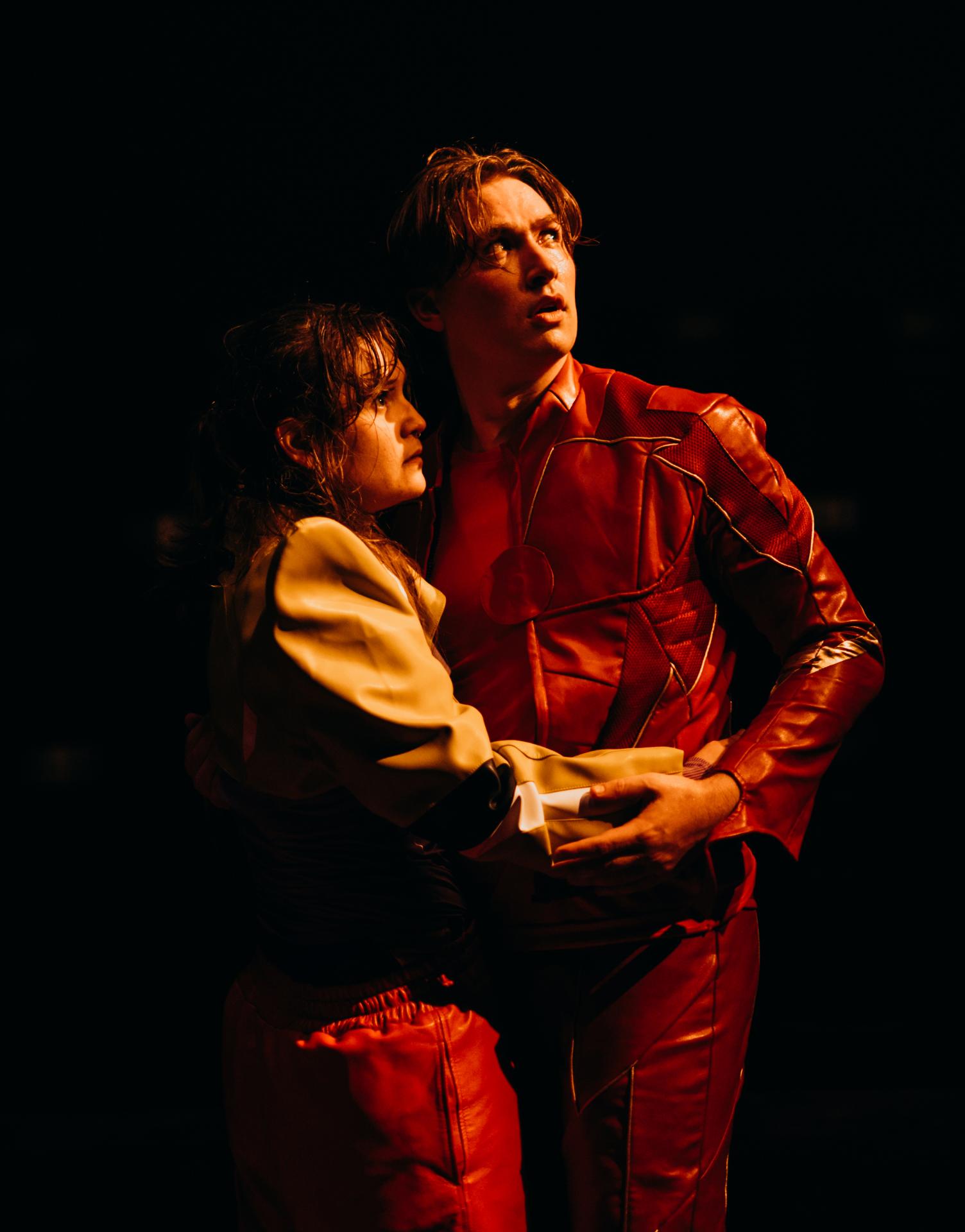
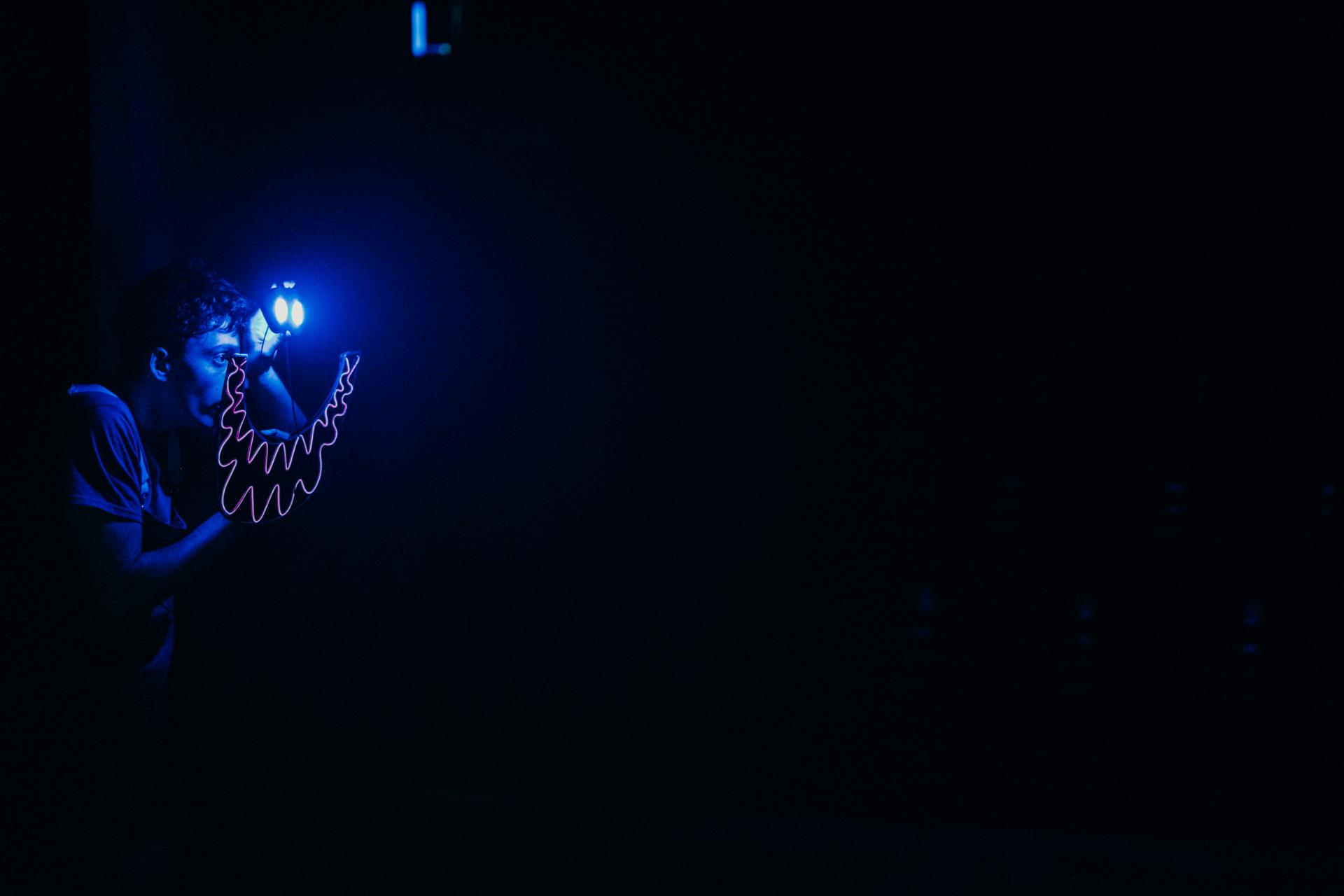
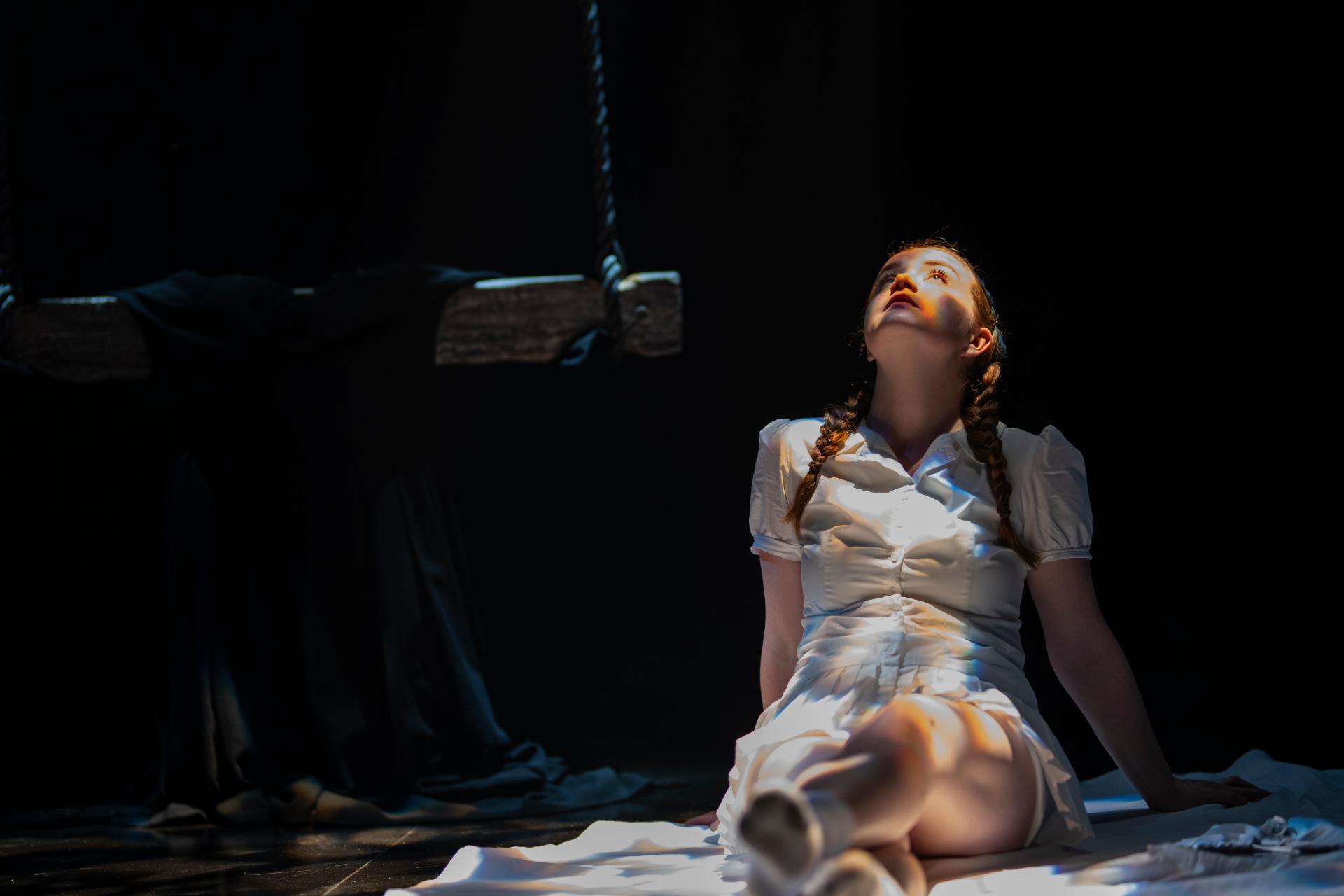
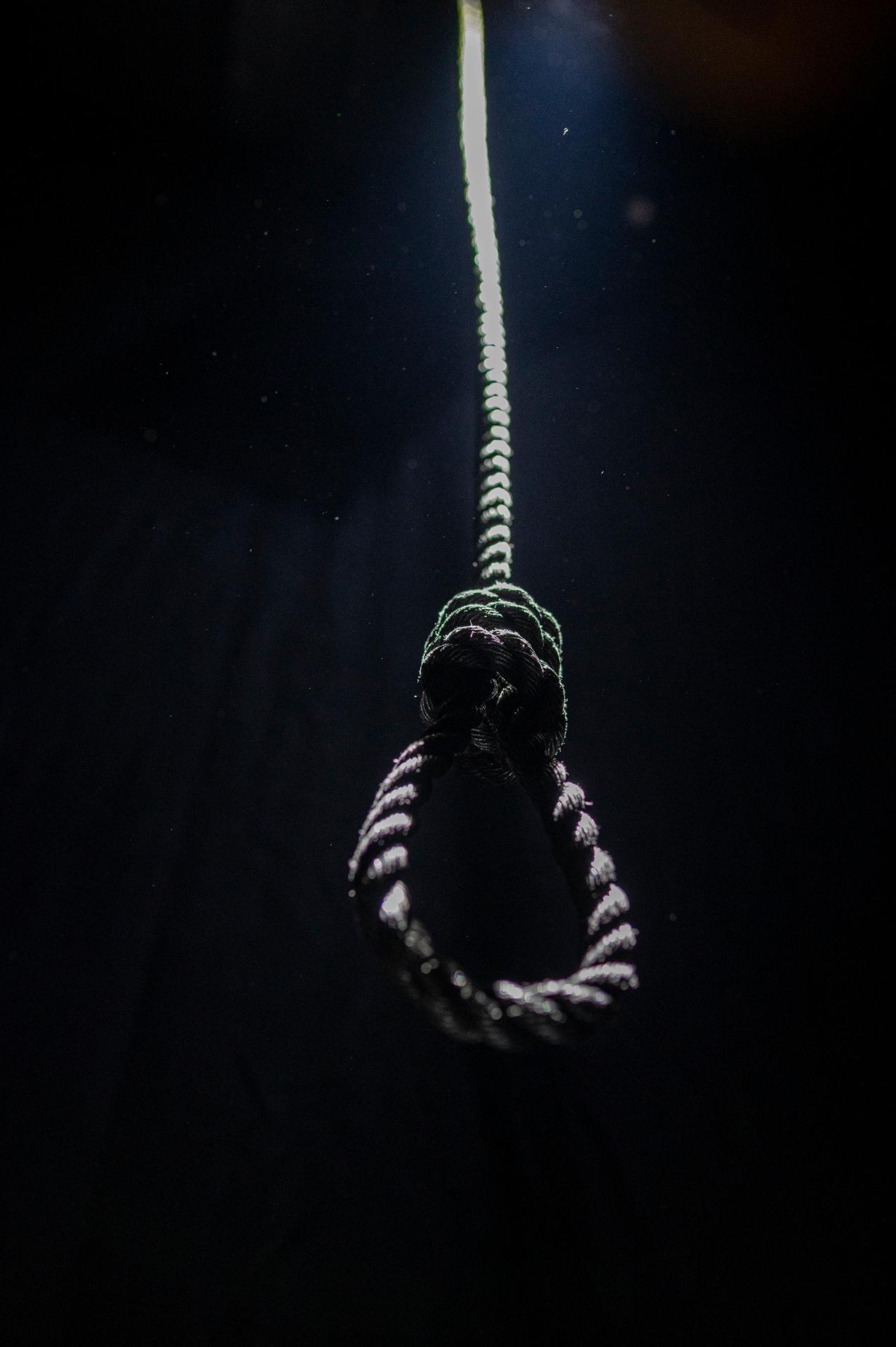
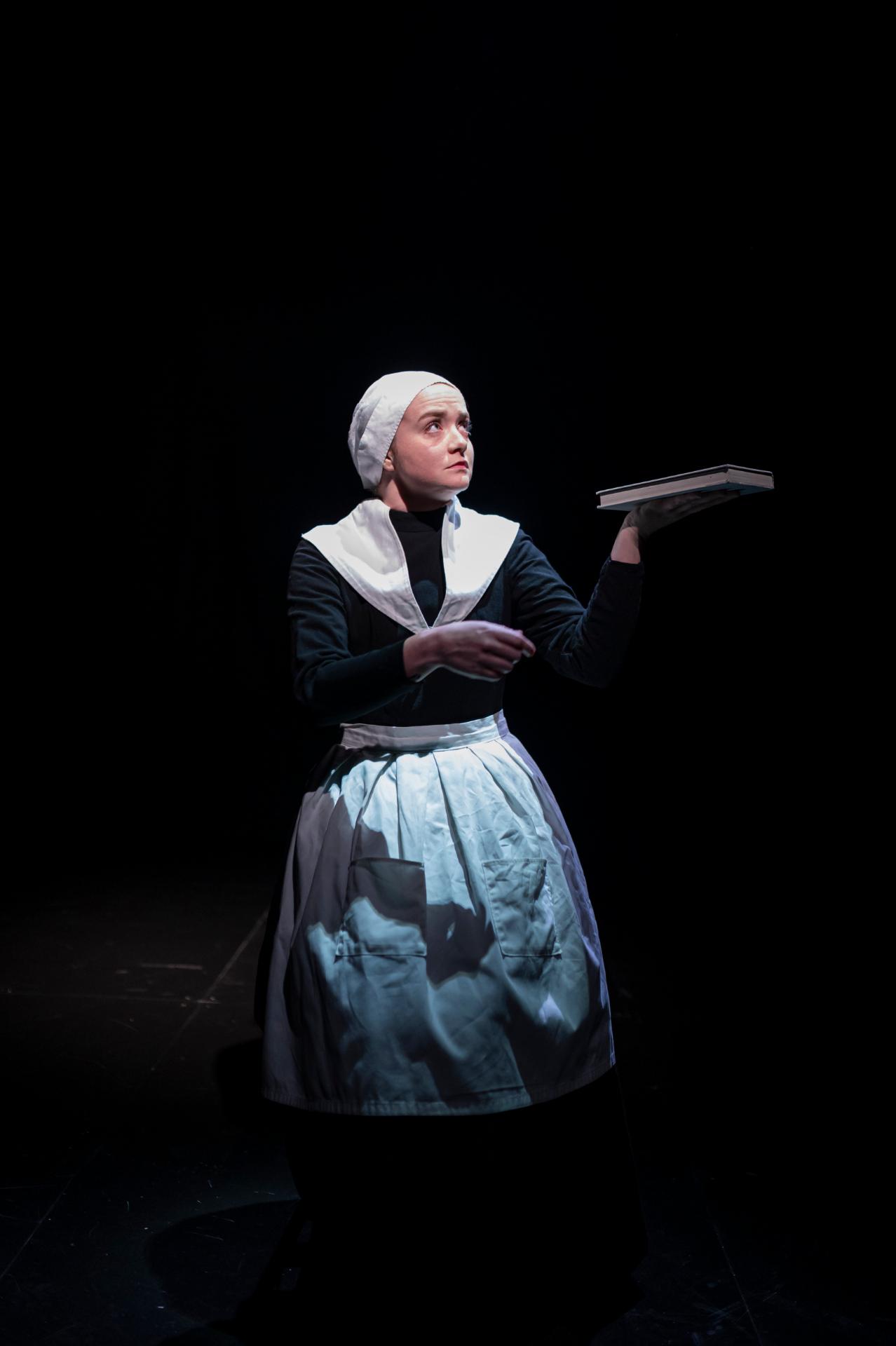
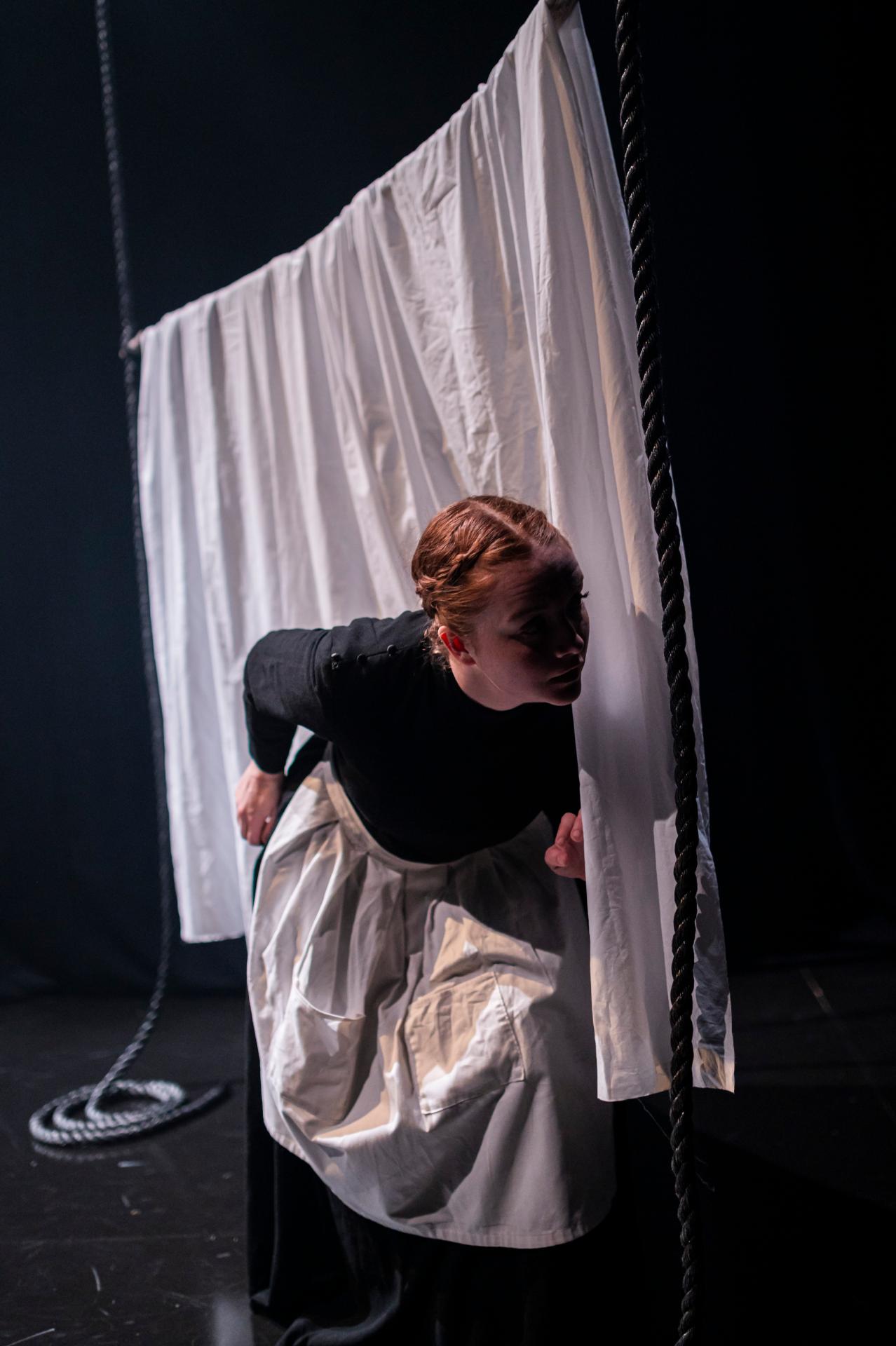
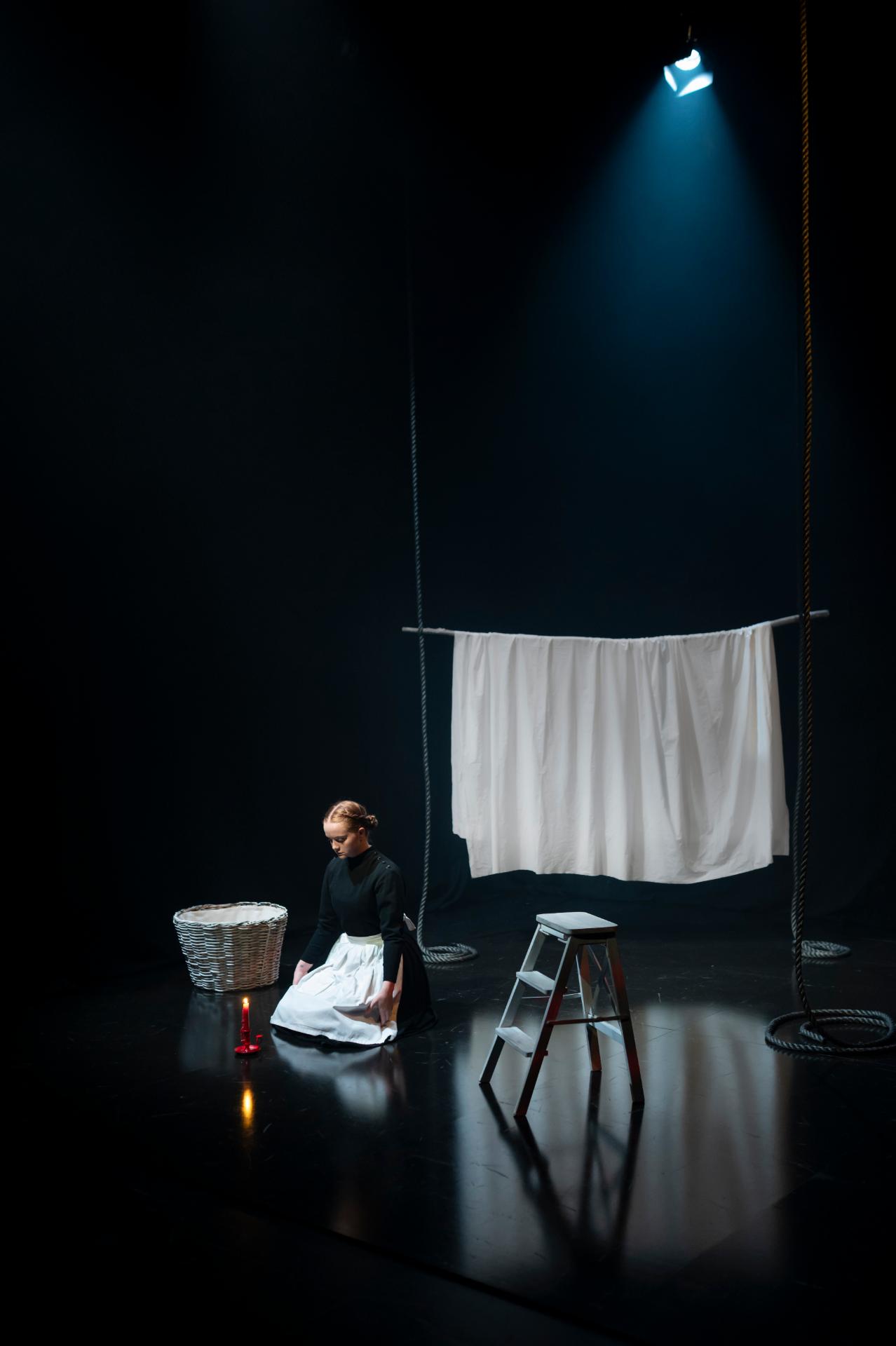
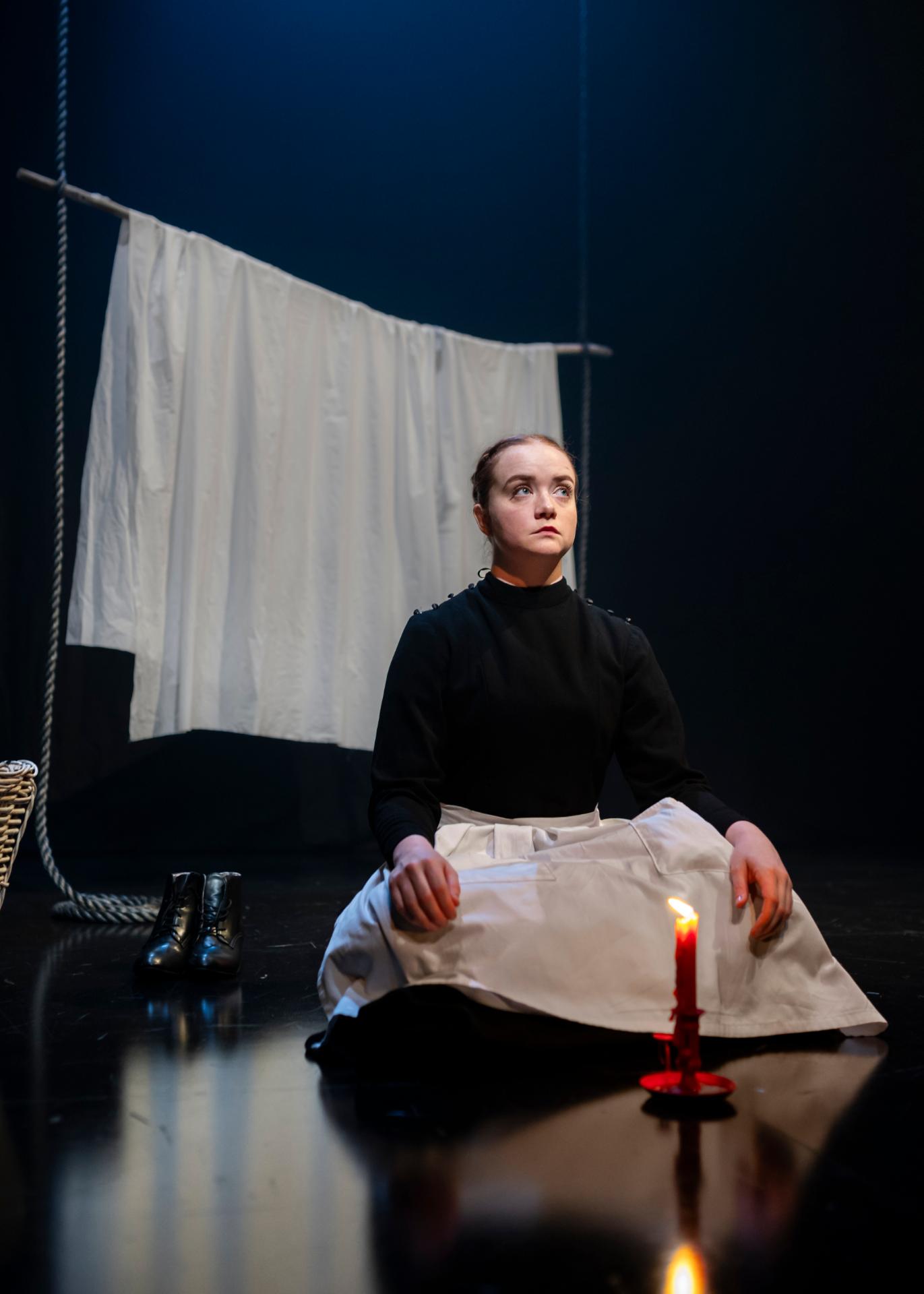
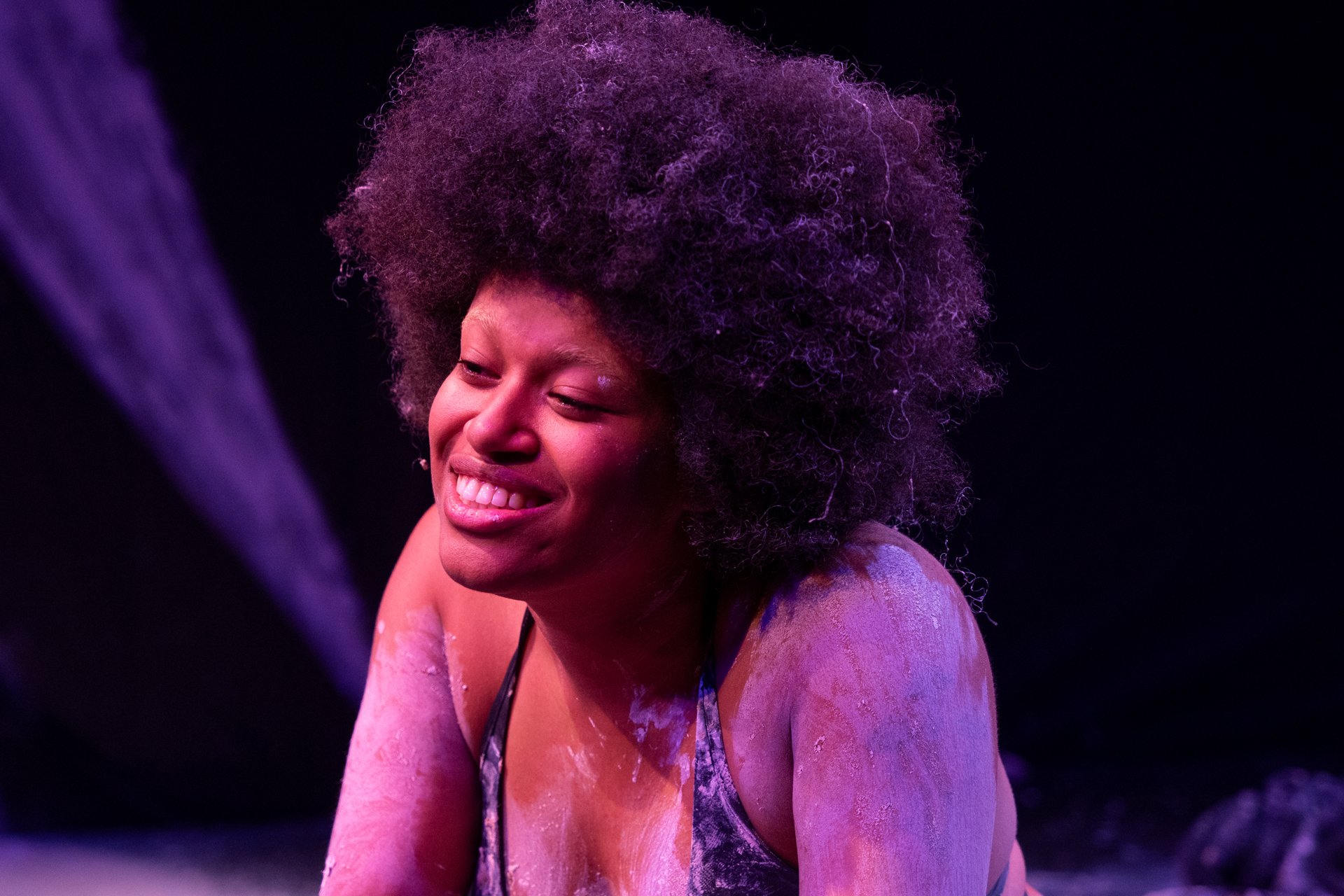
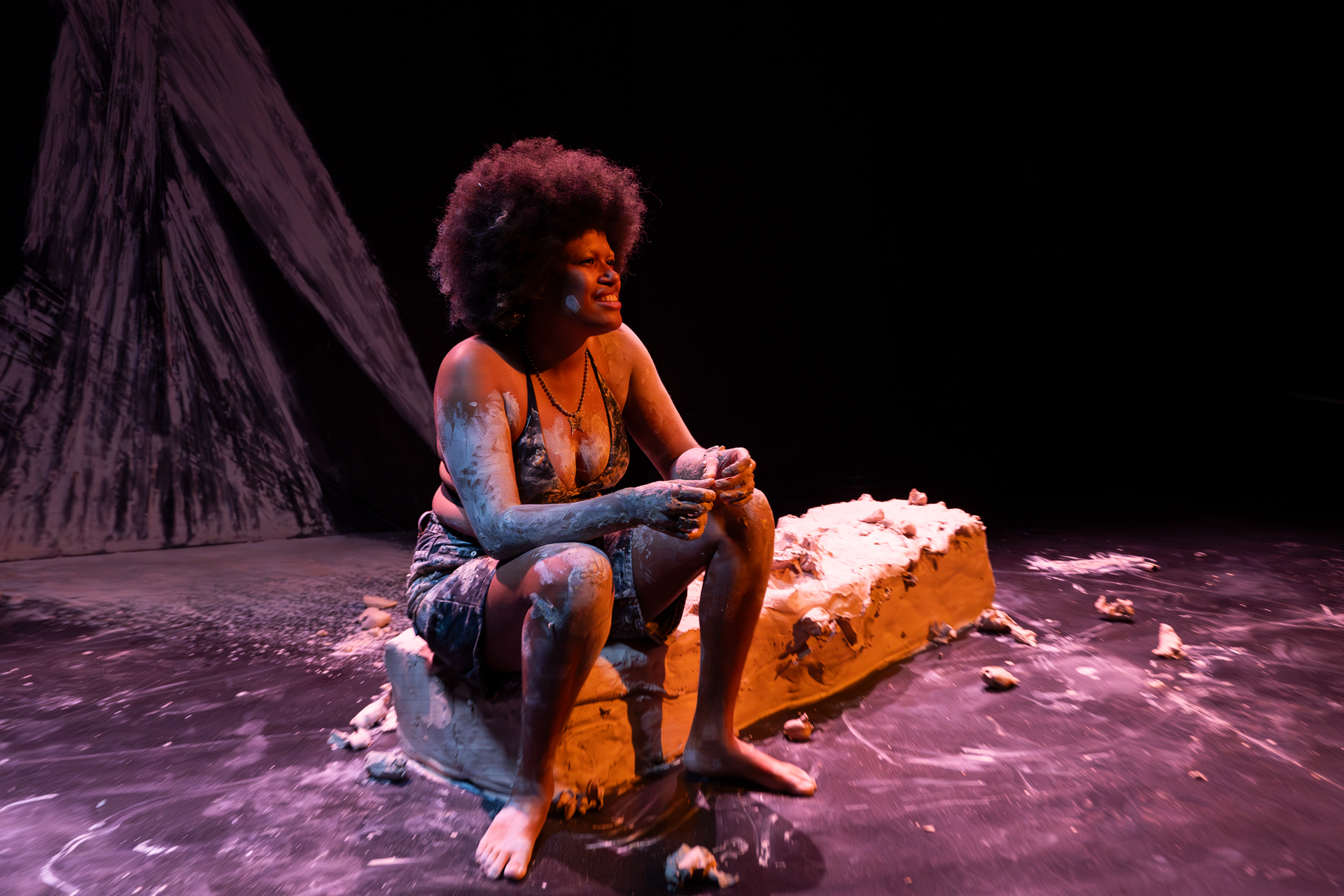
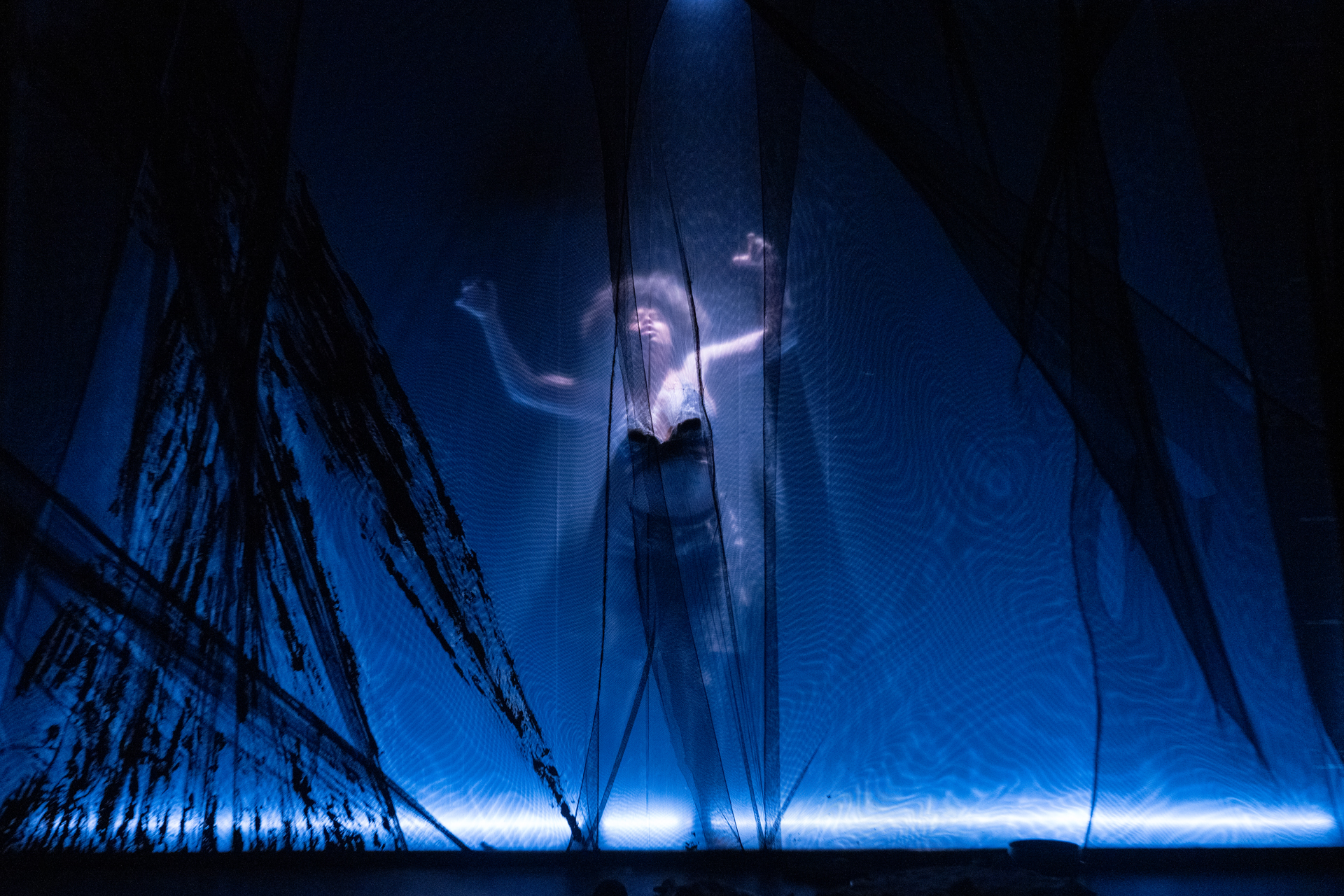
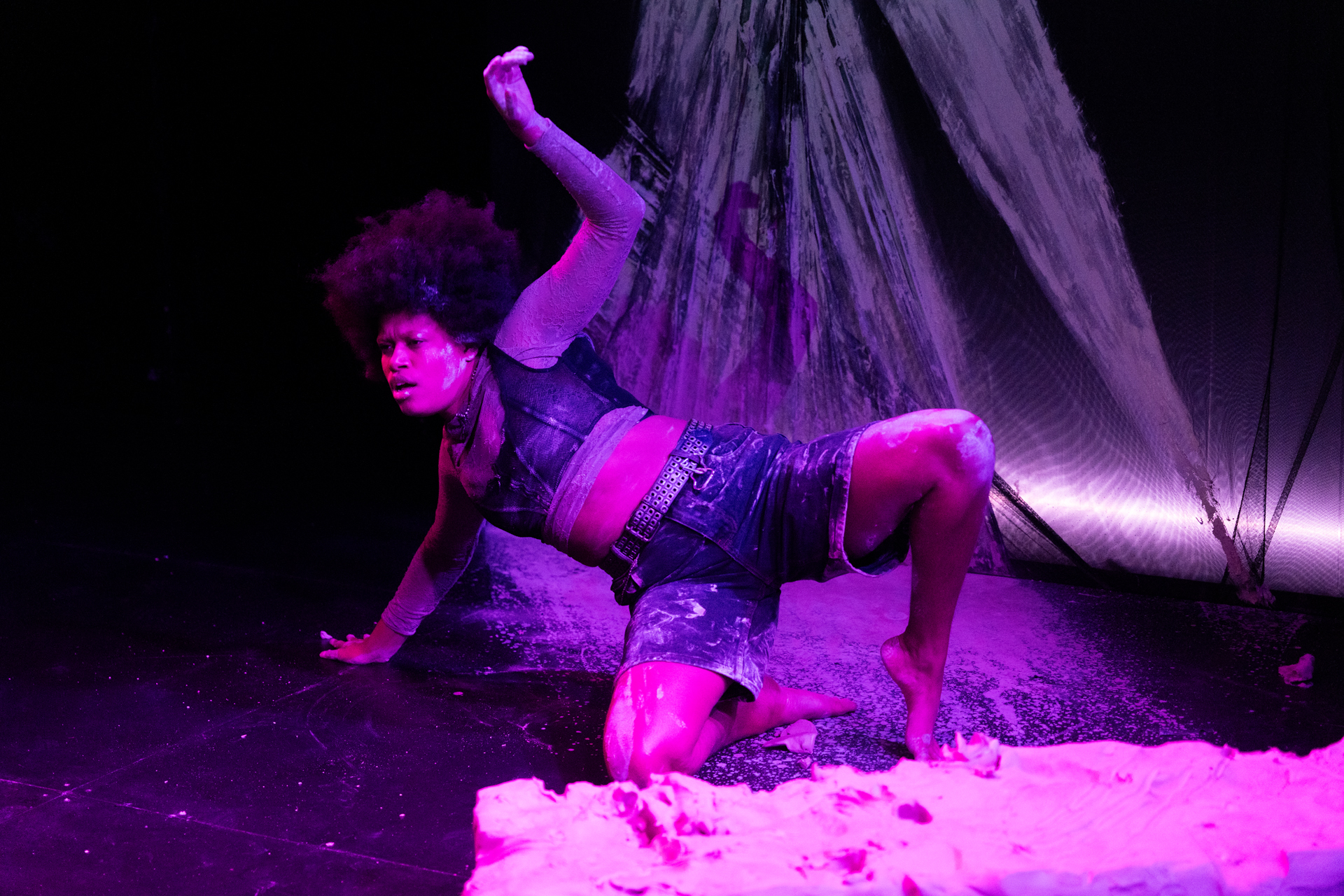
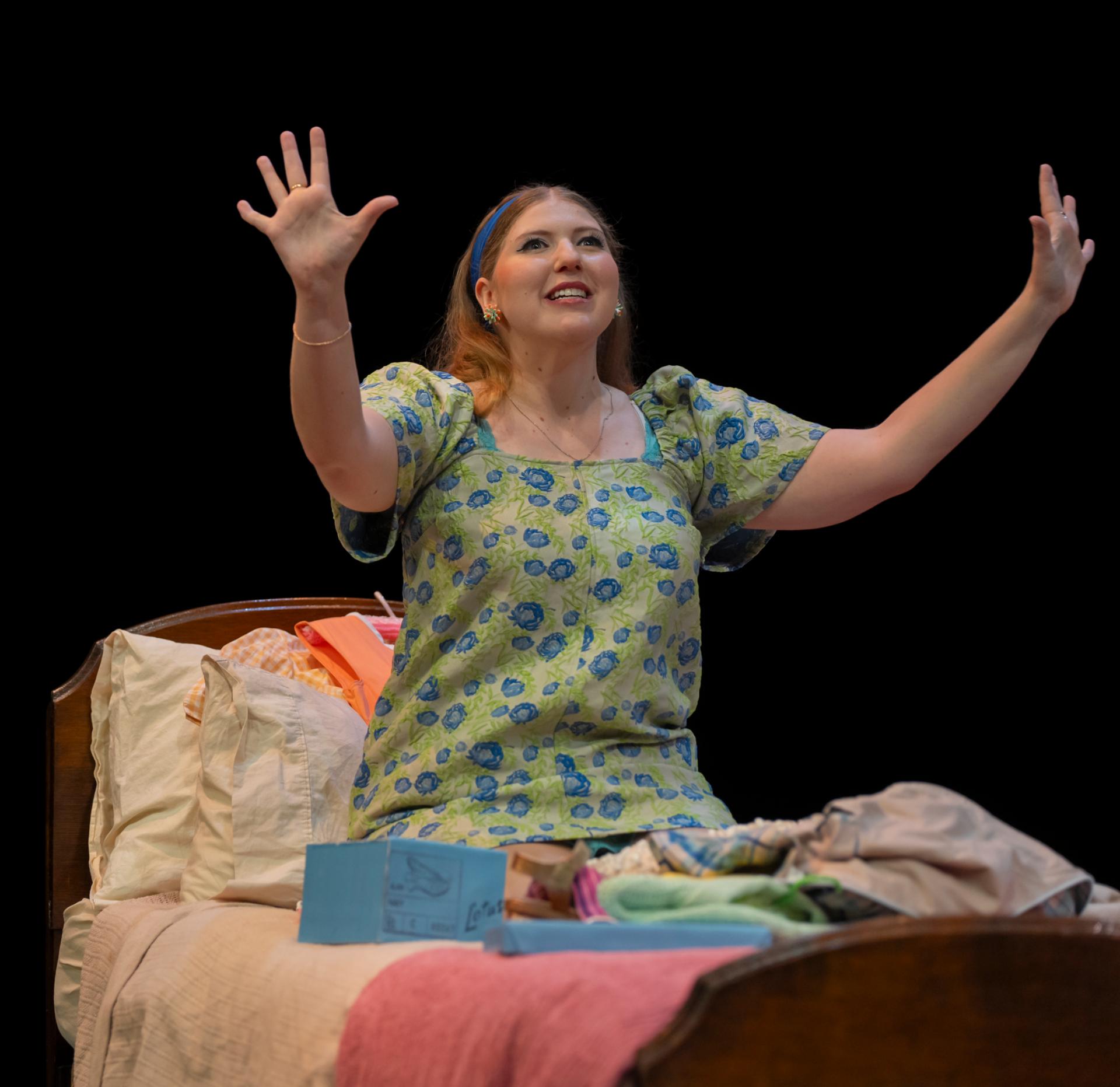
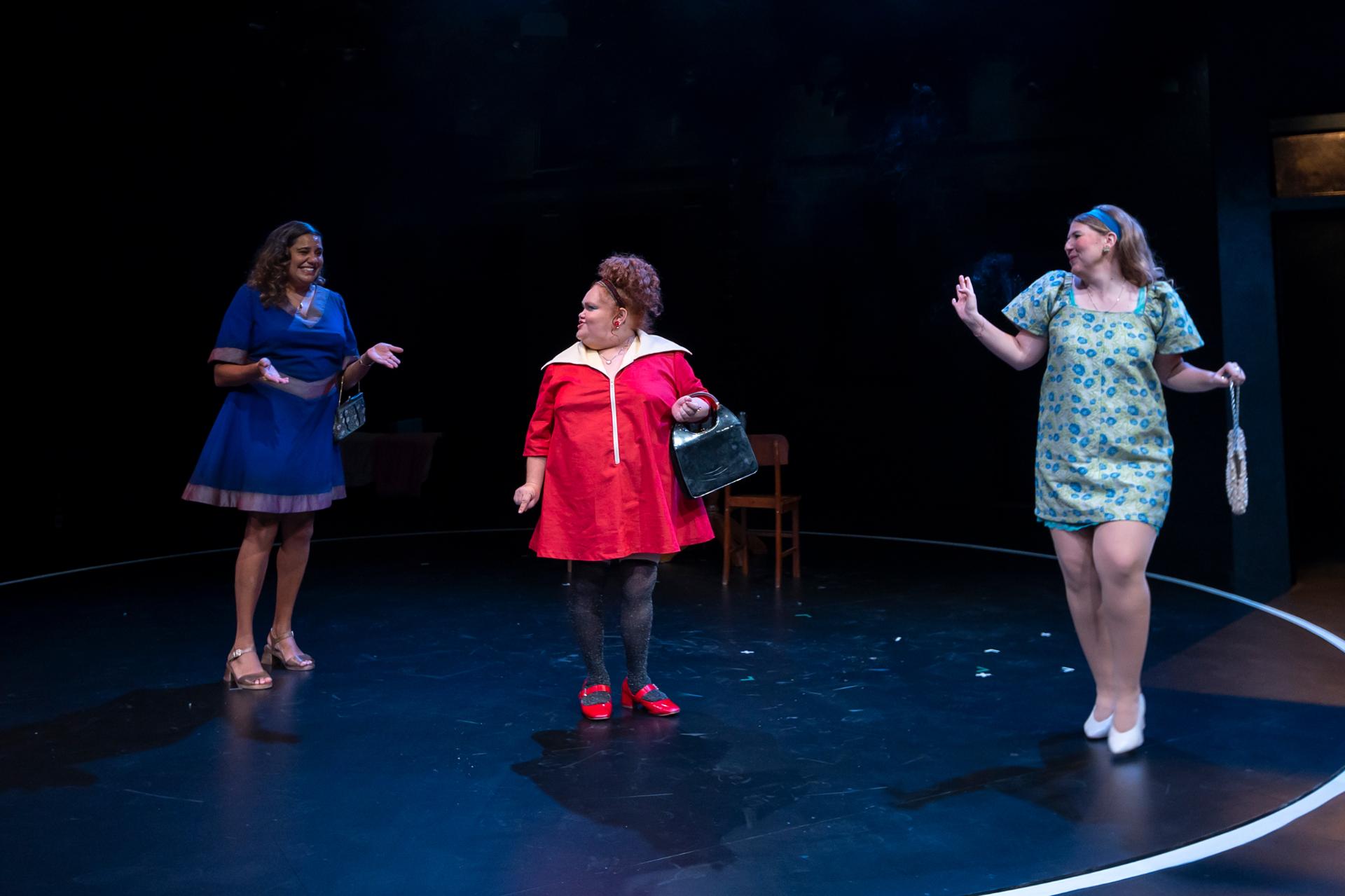
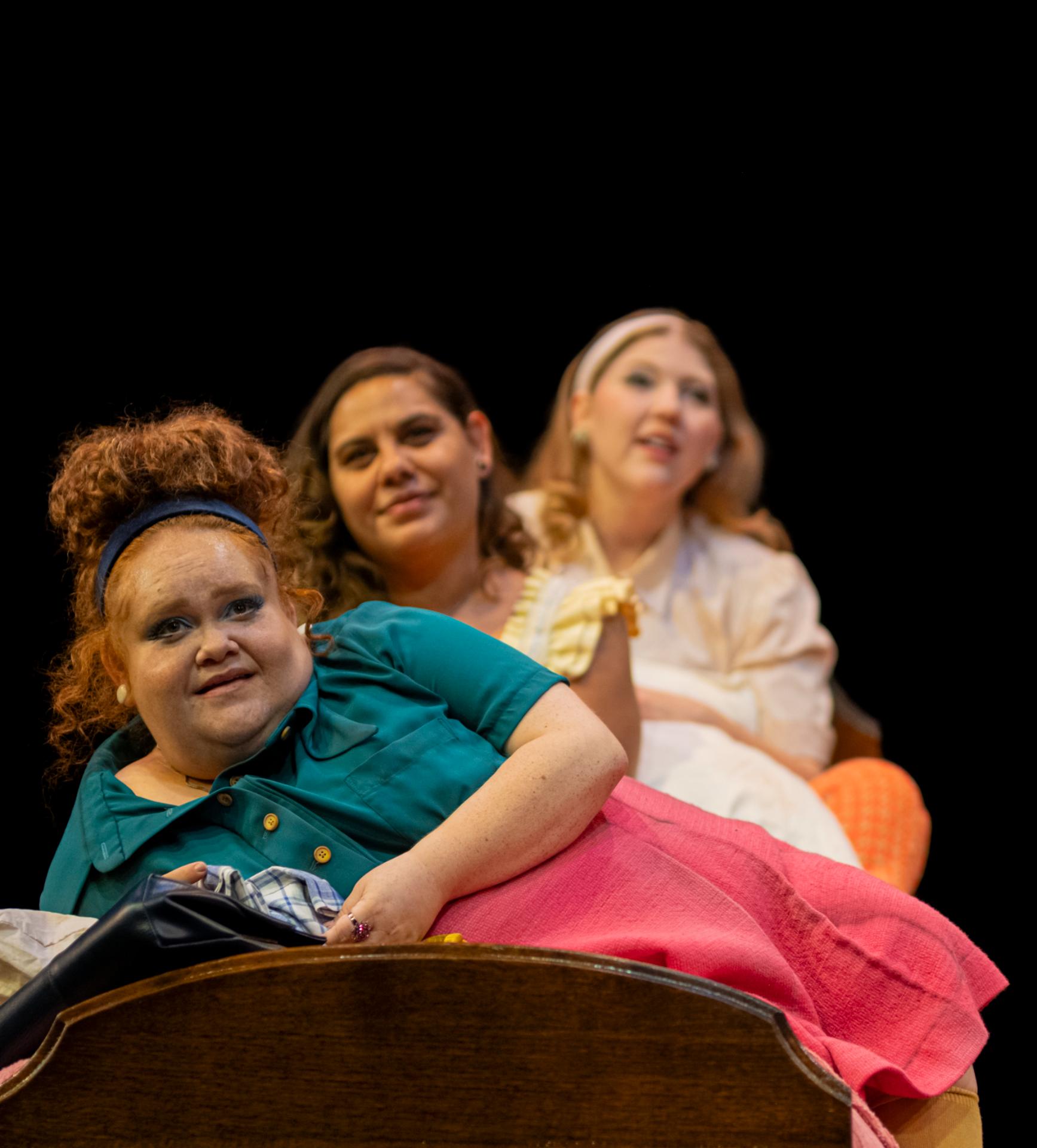
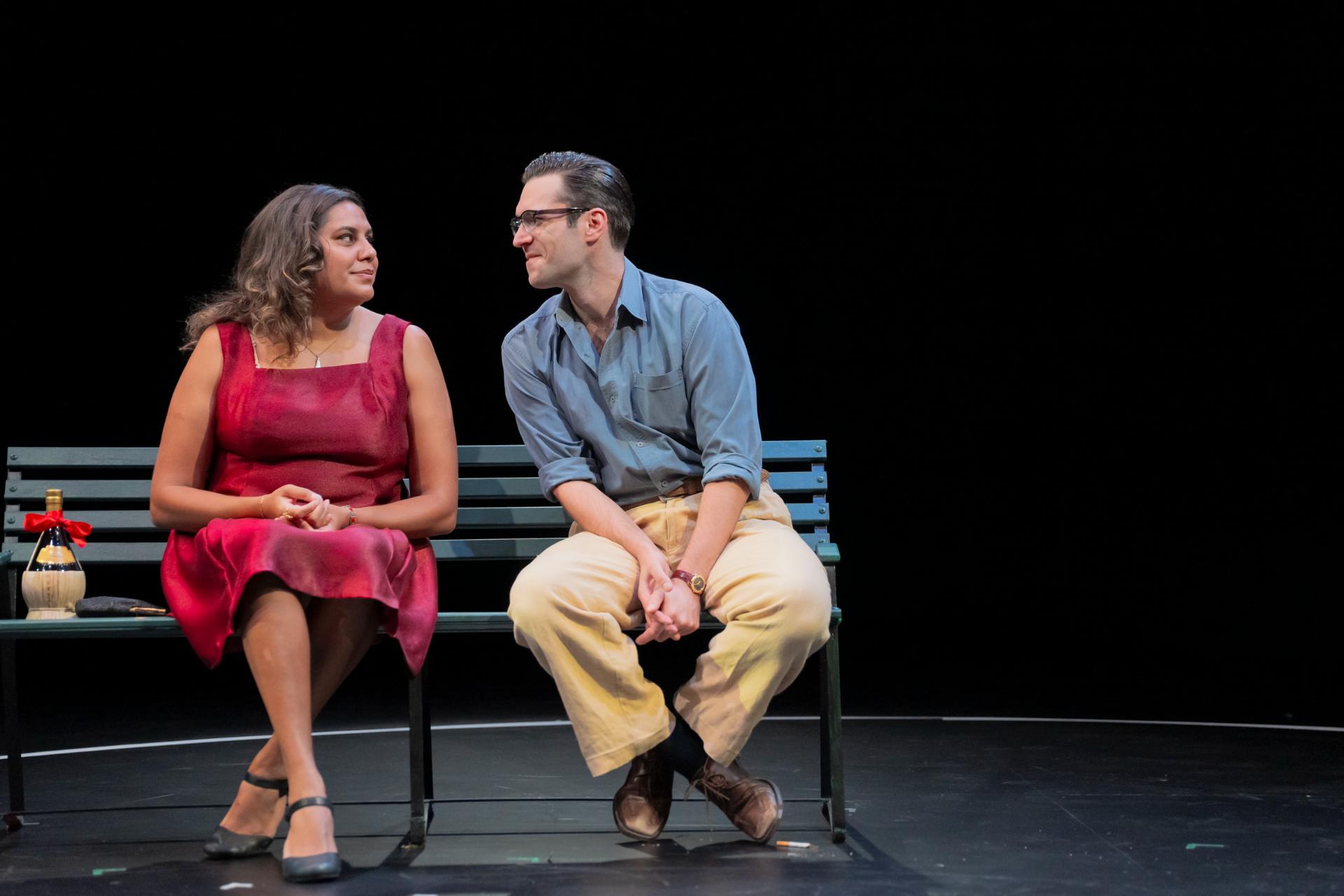
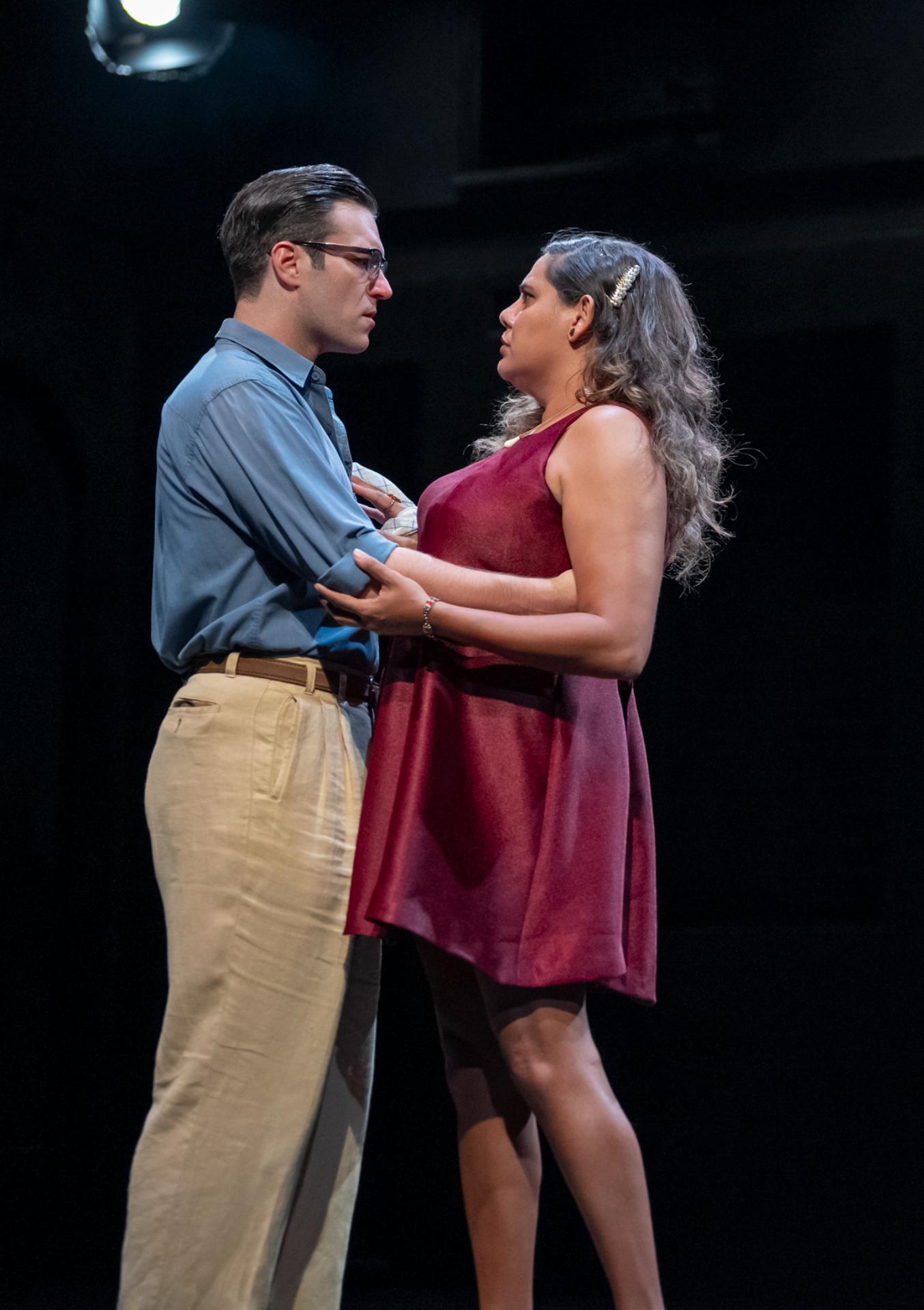
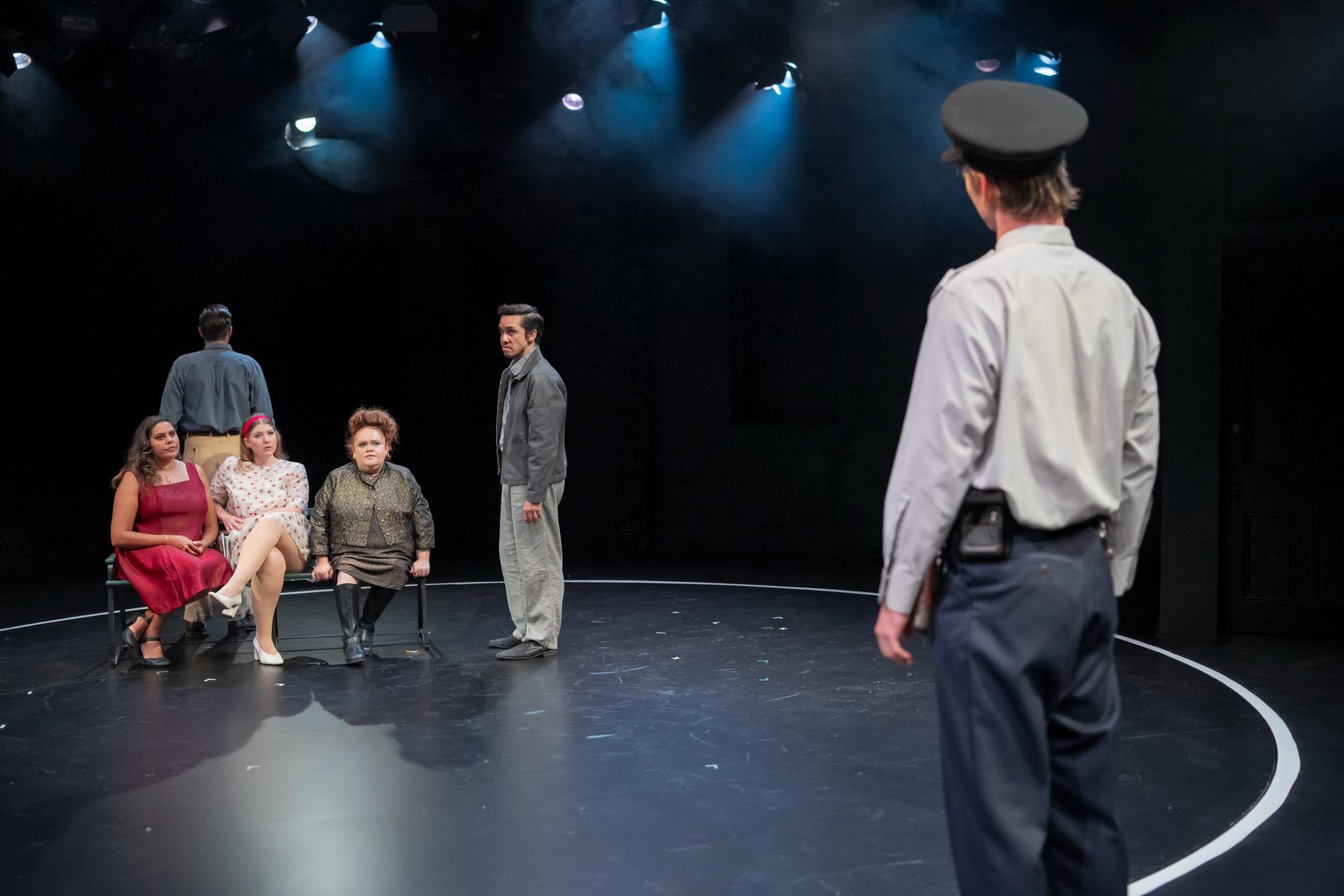
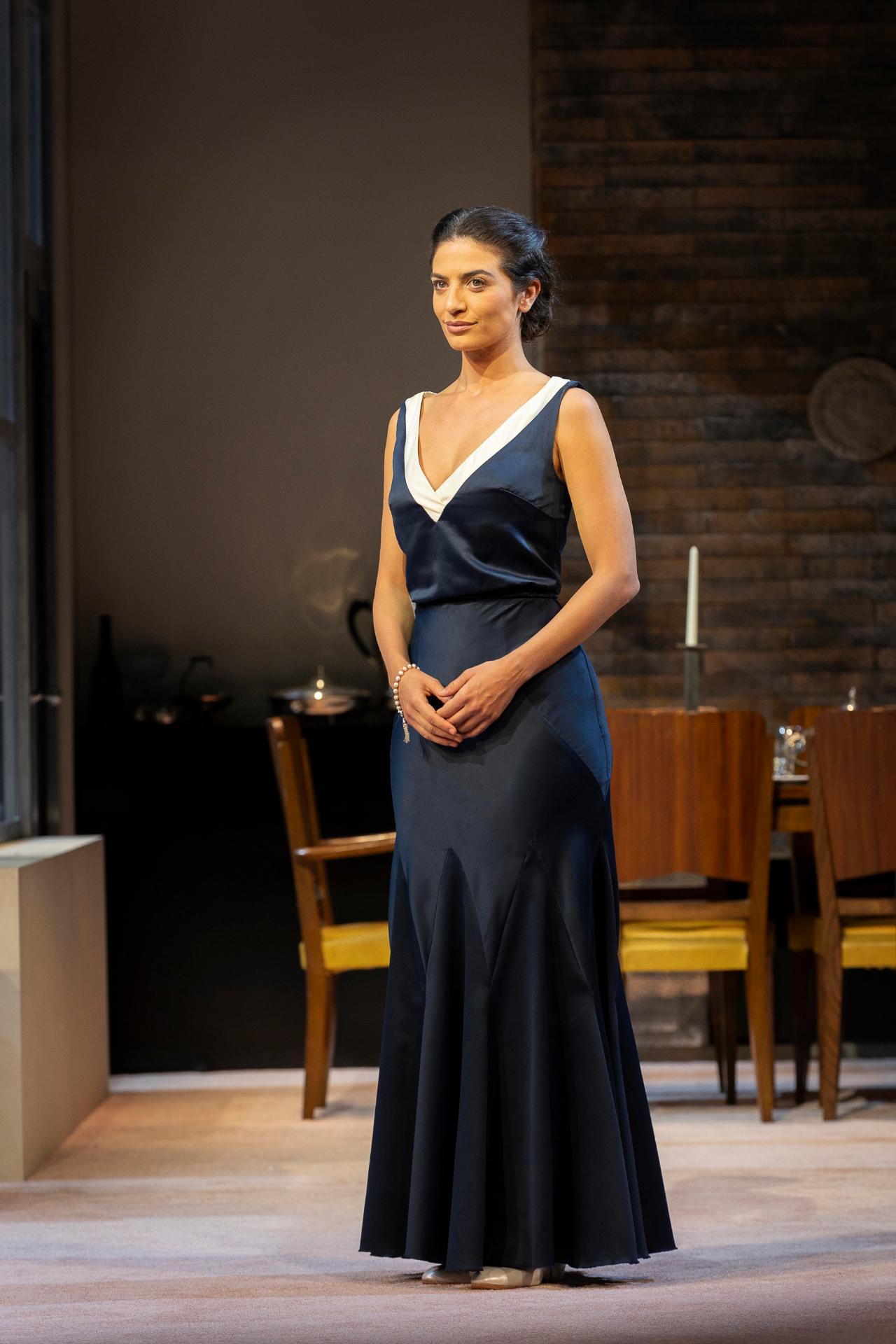
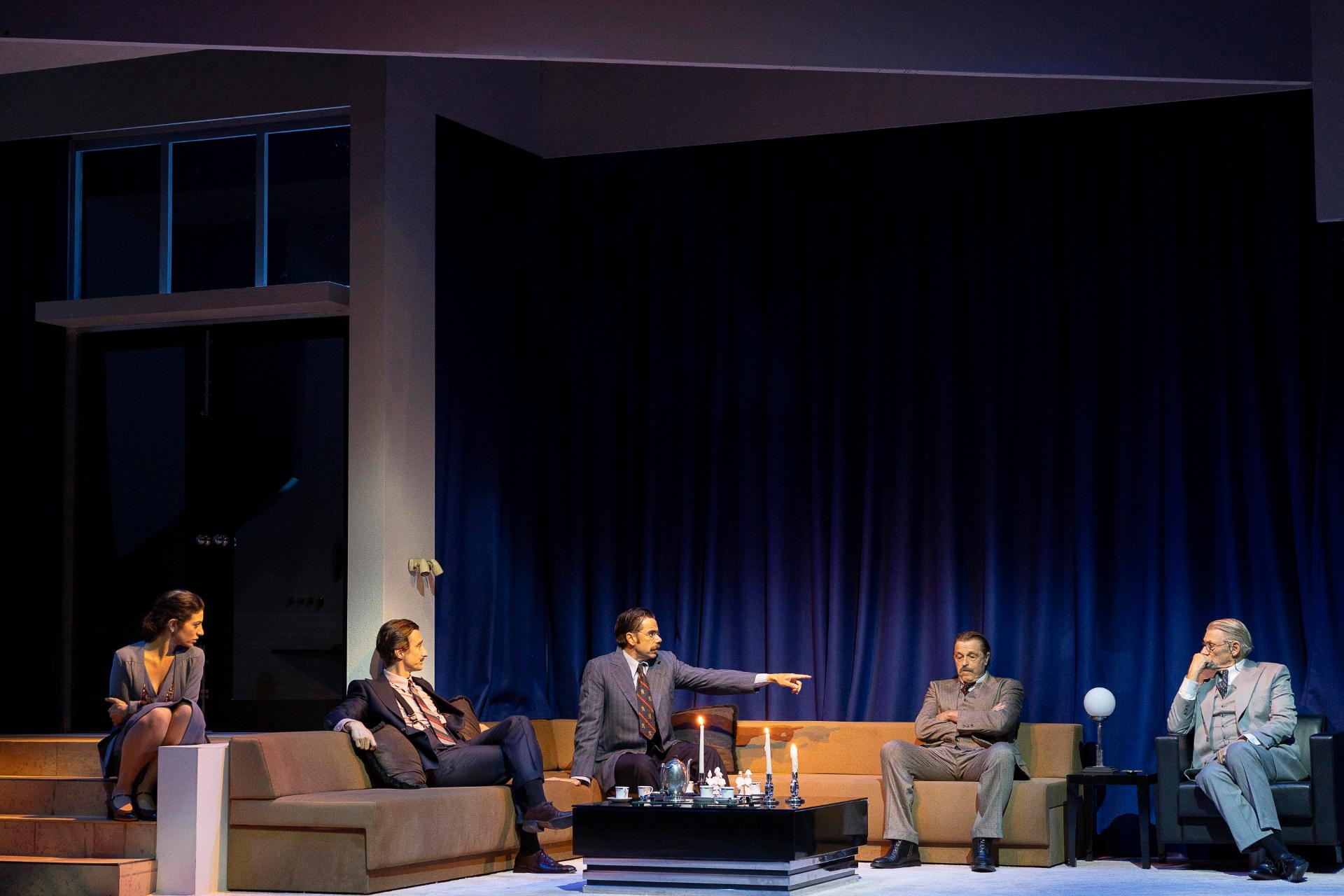
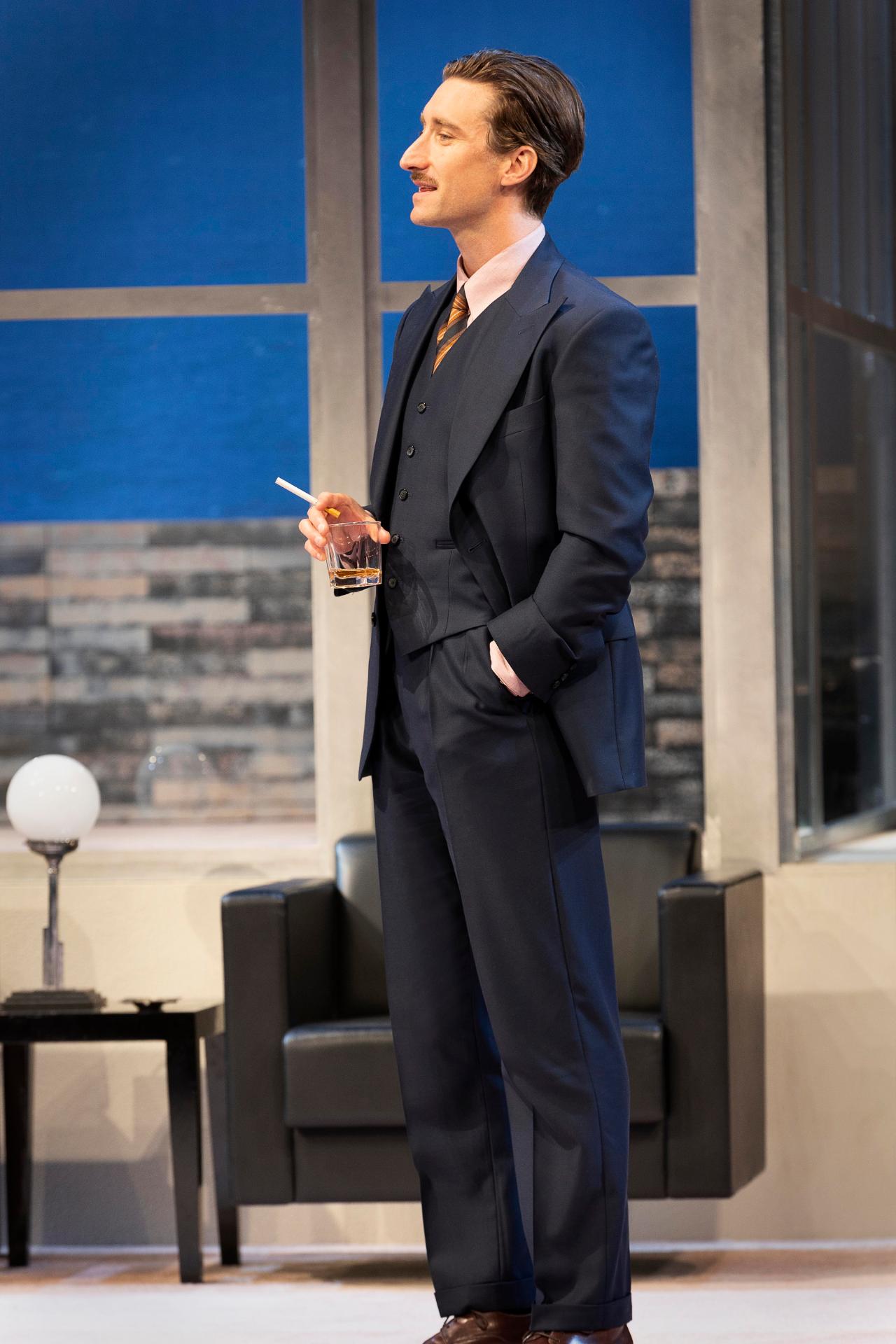
The production is nonetheless vibrantly directed by Priscilla Jackman, who ensures that the staging is beautifully crafted in all aspects. Michael Hankin’s set design is elegant in its simplicity, featuring scale model versions of buildings that help us imagine the rarefied world of The Queen’s Nanny. Costumes by Genevieve Graham are splendidly tailored, to accurately convey the class of people being depicted. Lights by Morgan Moroney are intricately designed, to manufacture dramatic tension, and to represent a sense of opulence. There is an intense sensitivity in James Peter Brown’s music that offer a gravity to the experience, as though a constant reminder that there is always a real humanity at the centre of this show.

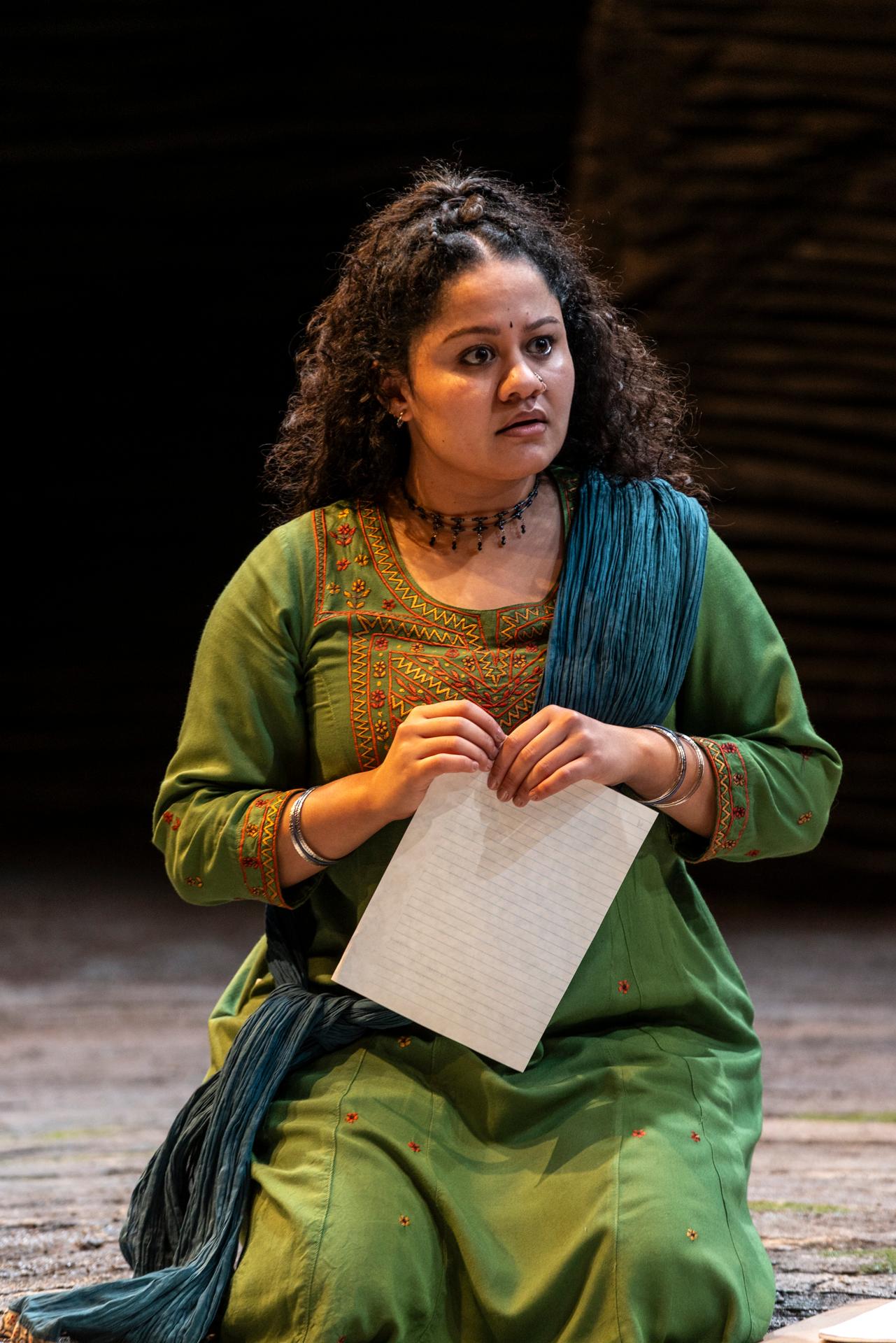
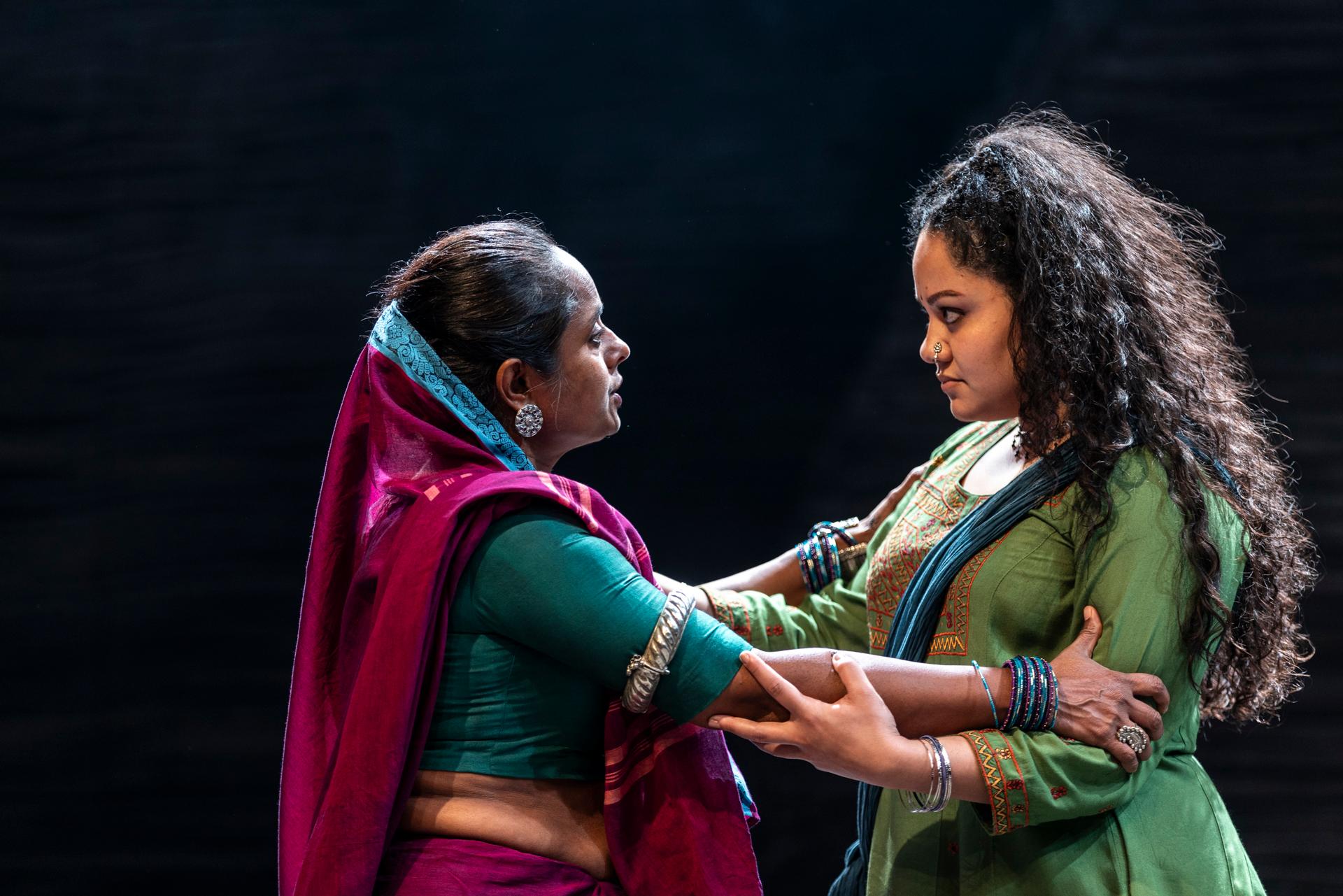
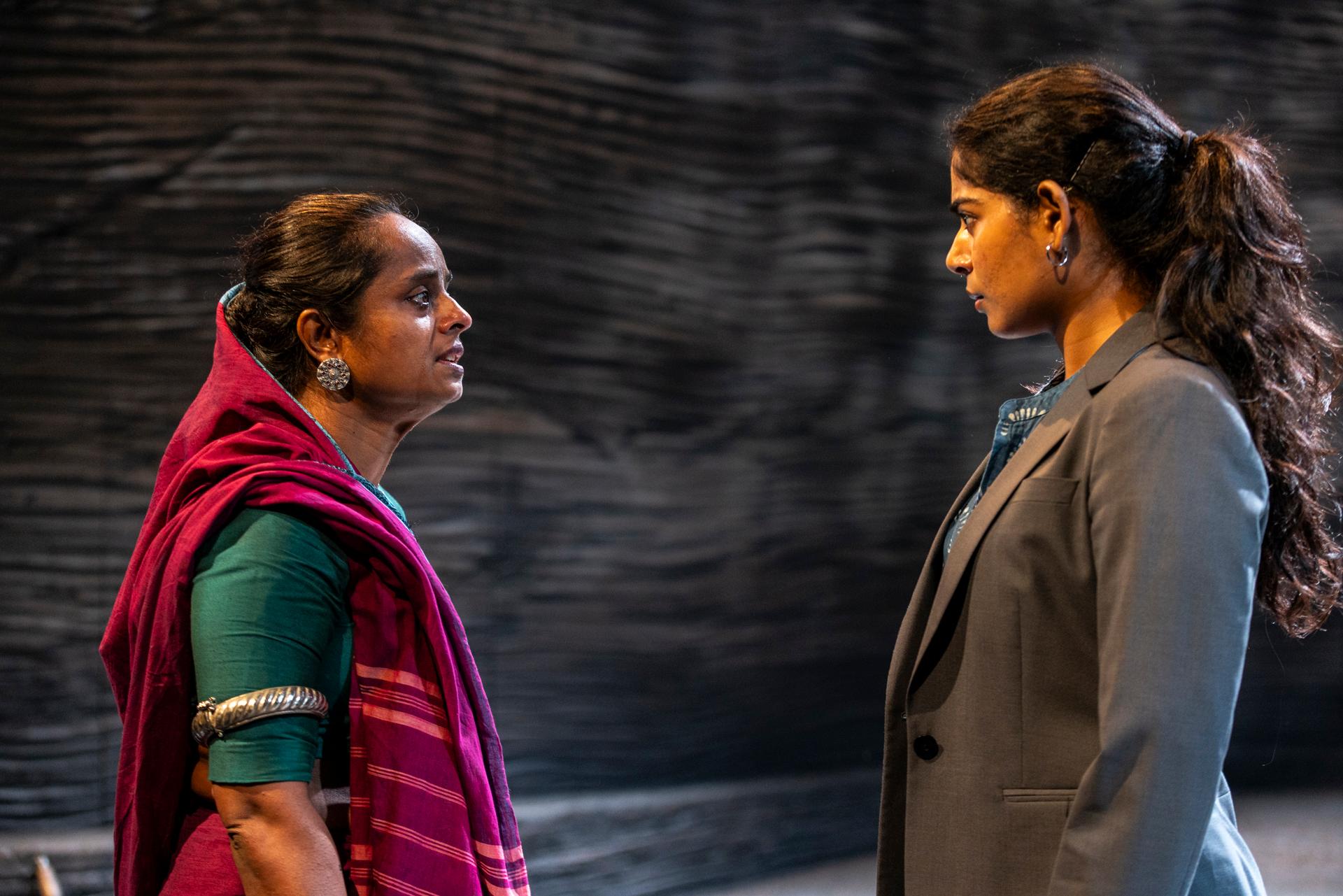
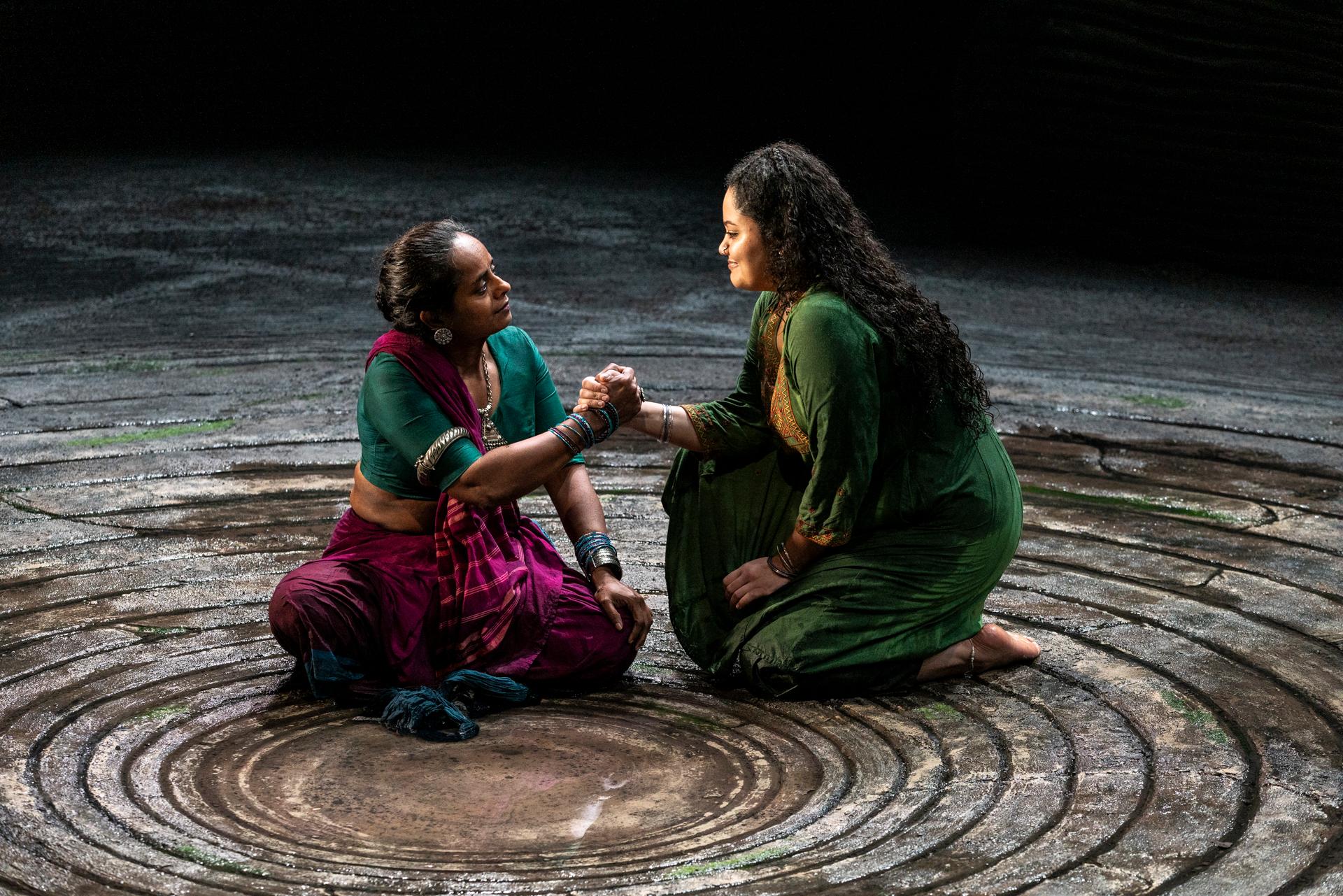
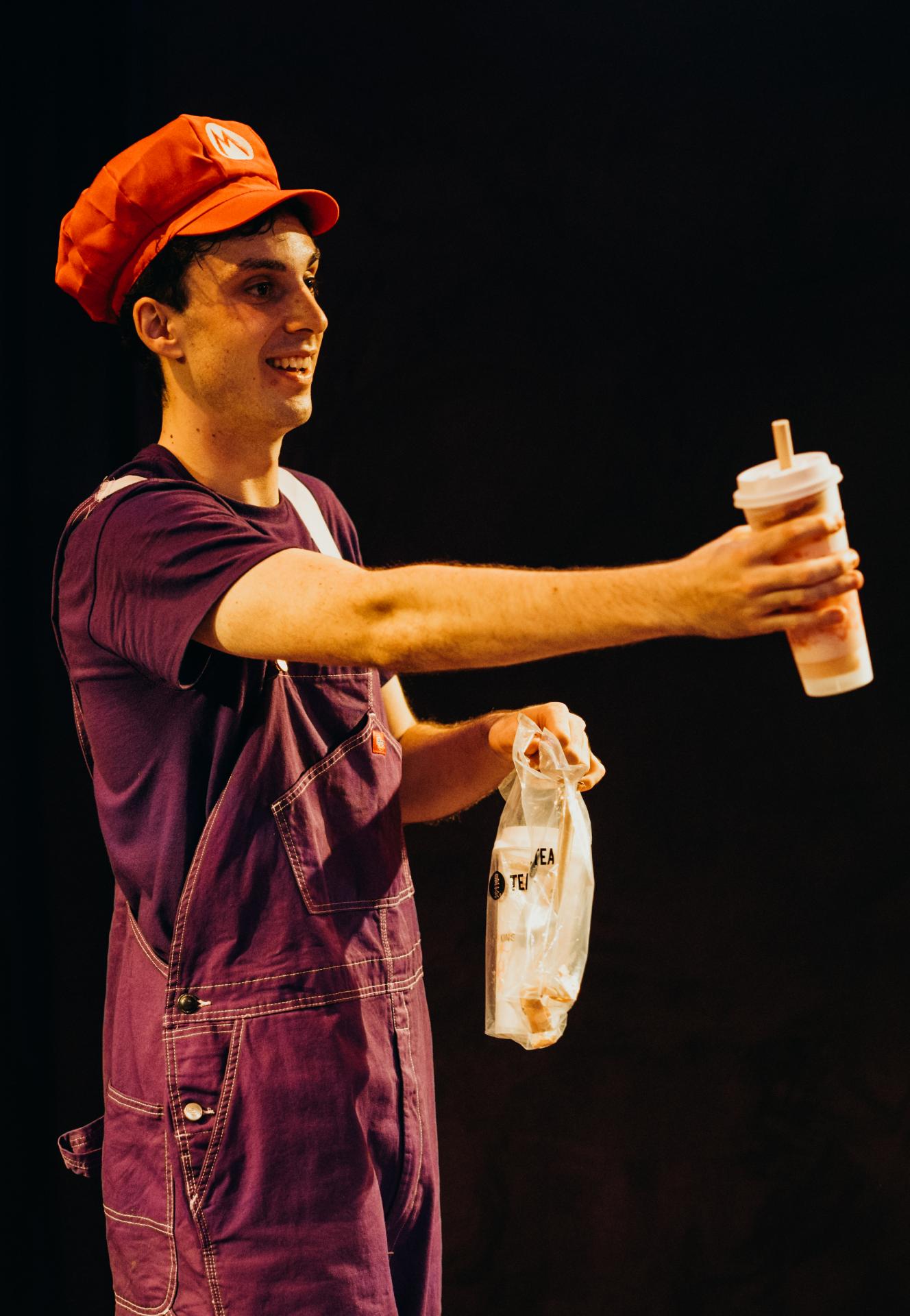
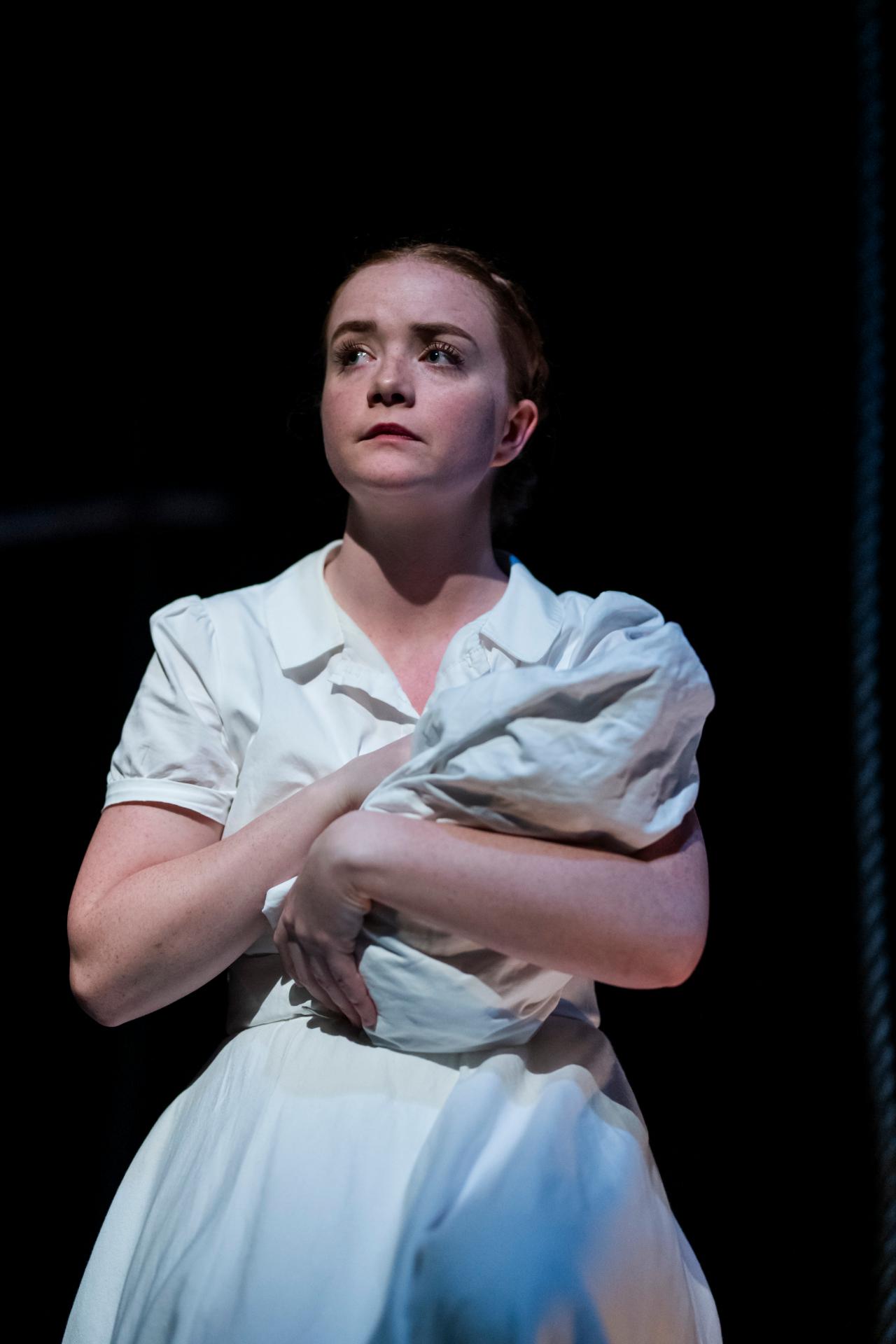
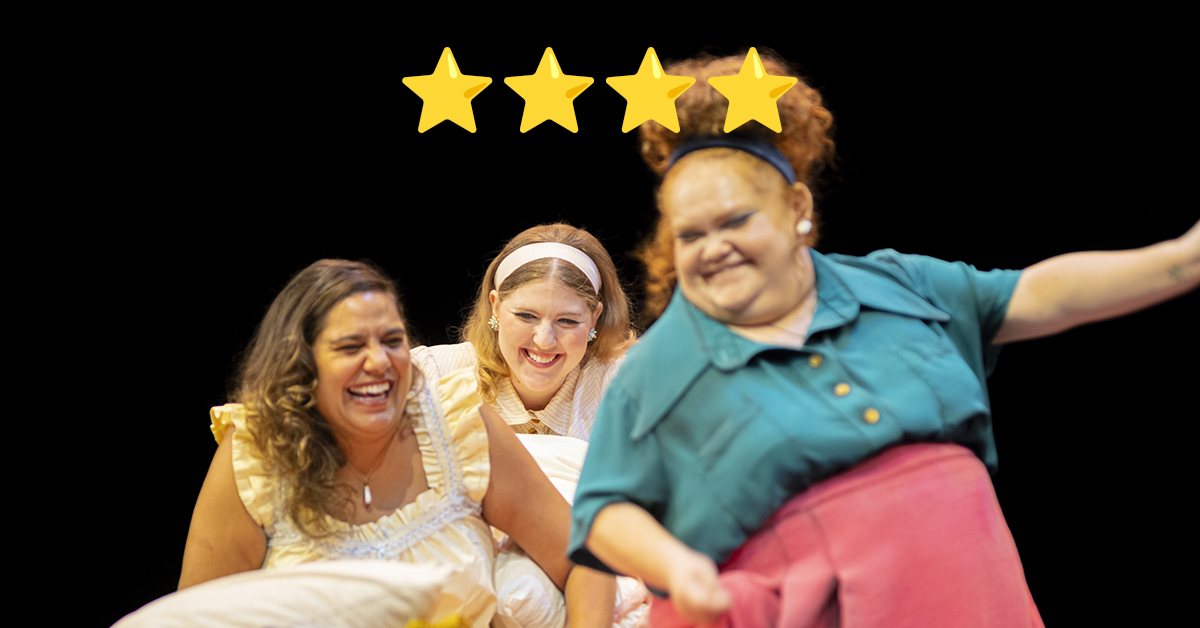
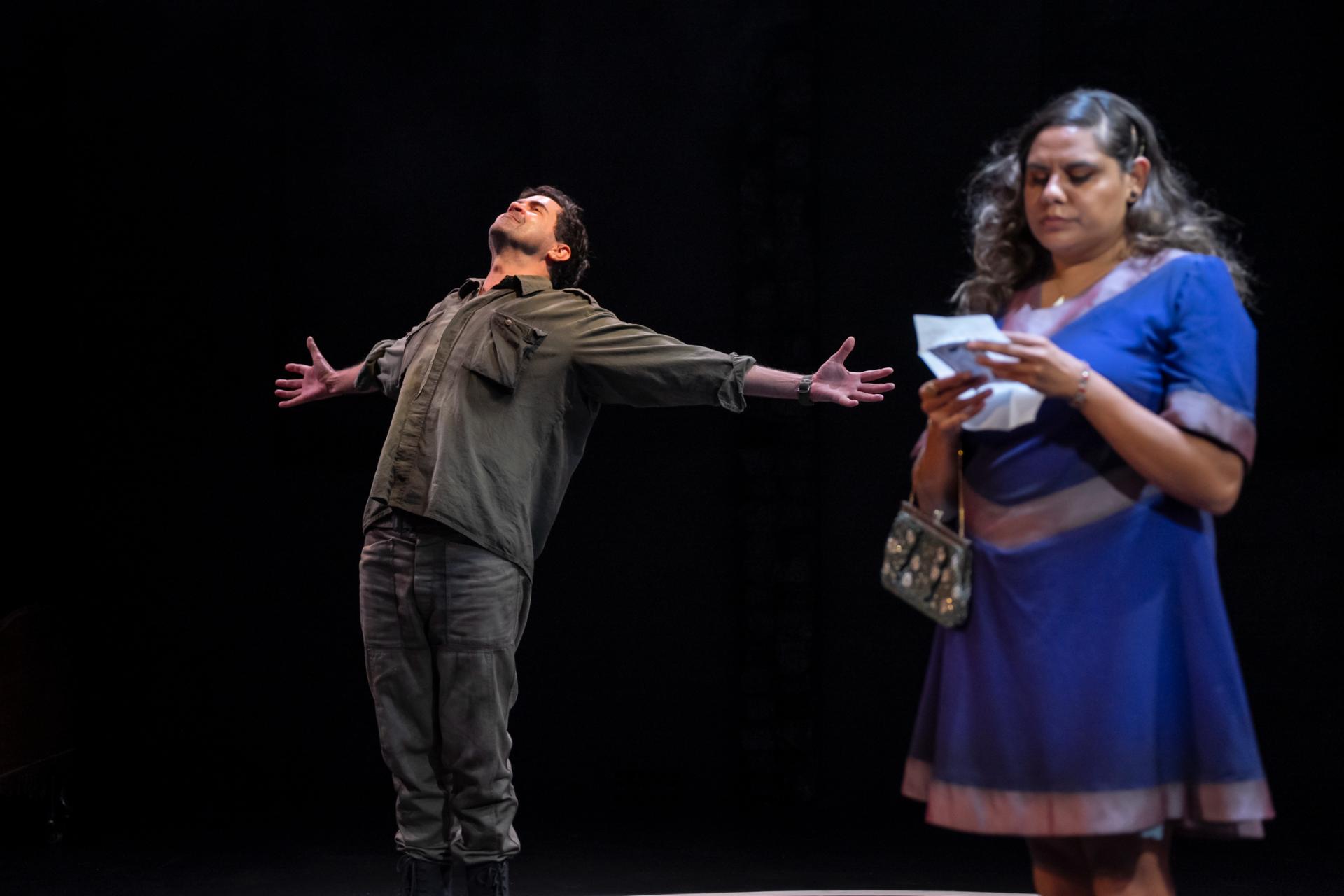
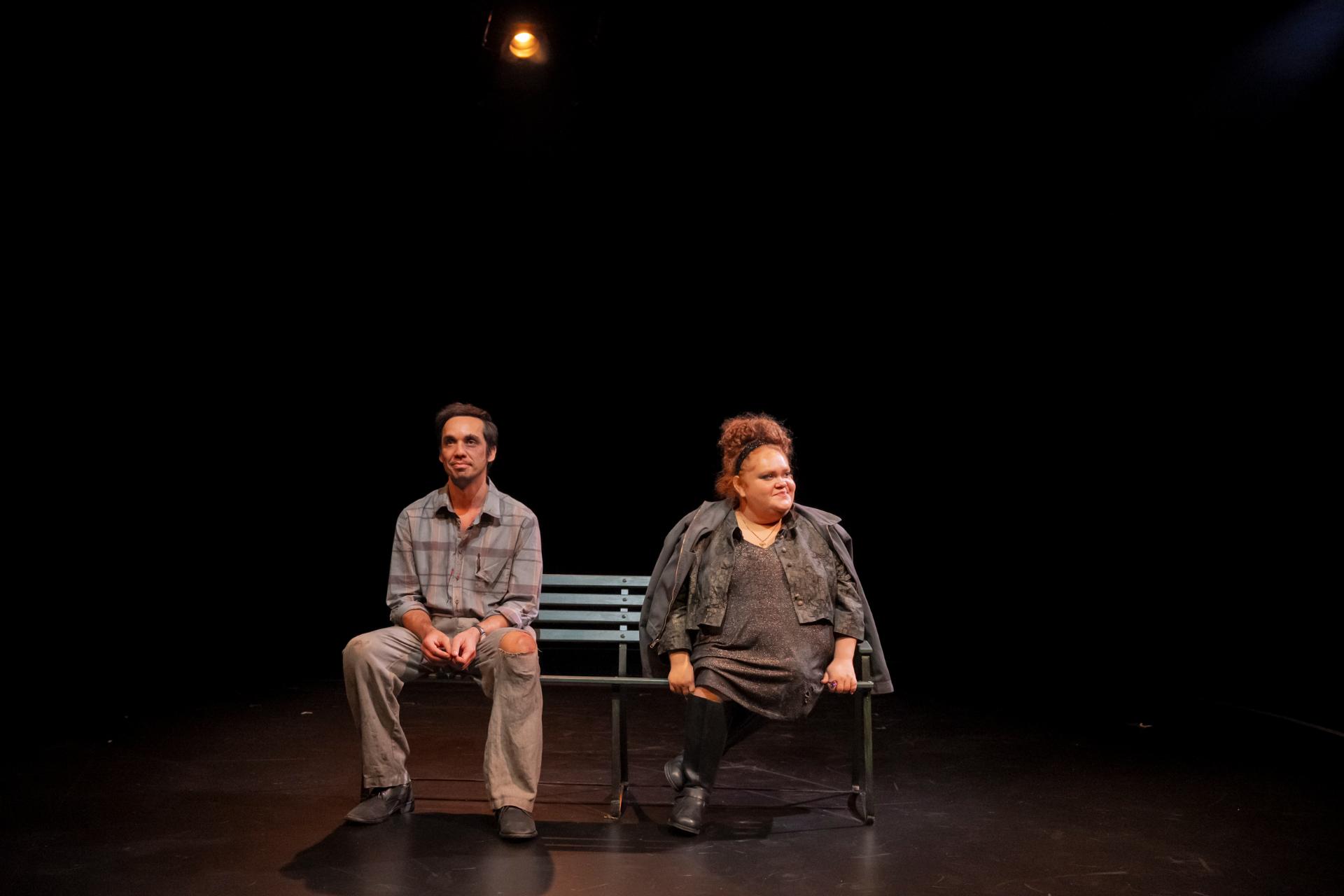
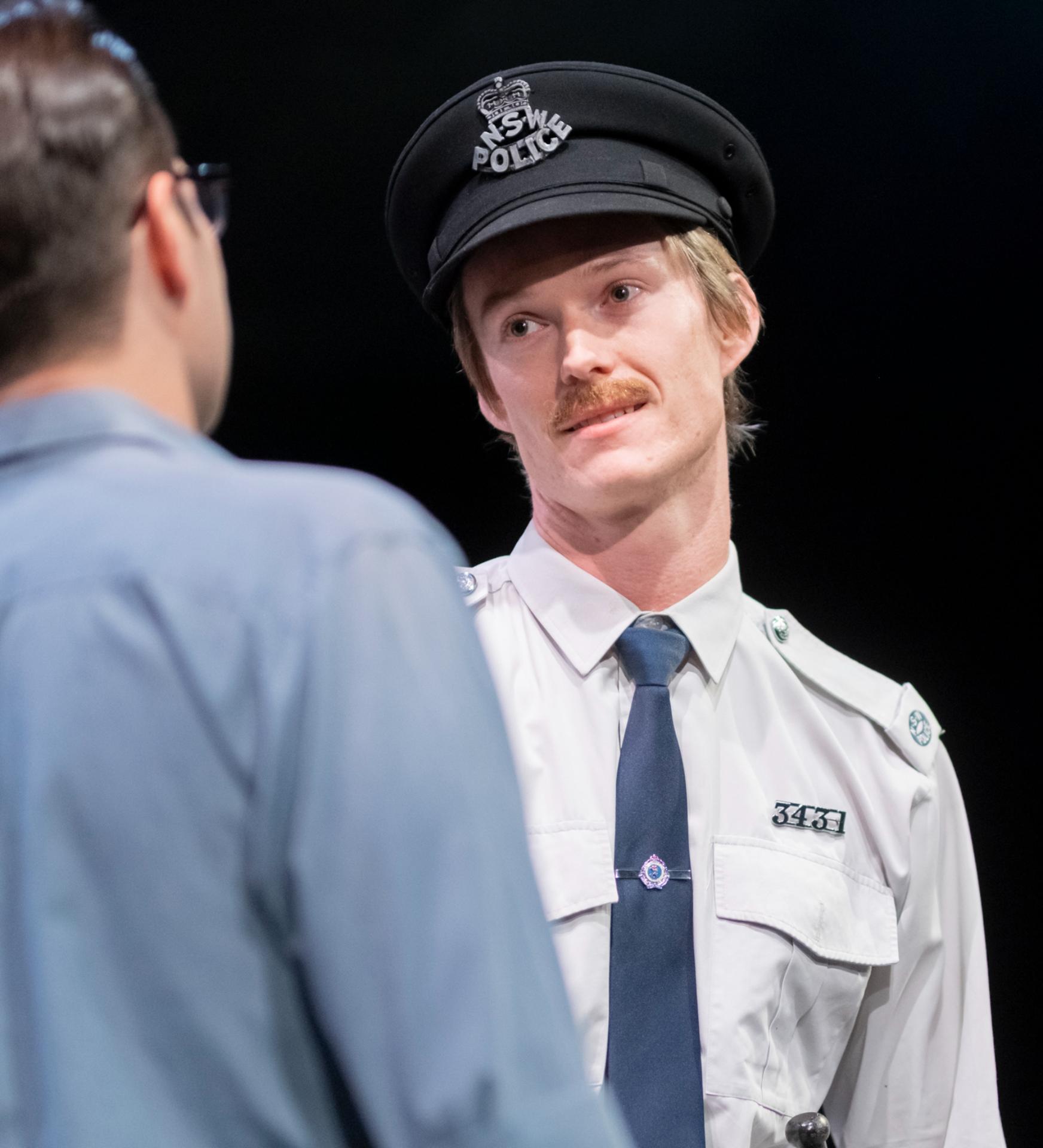
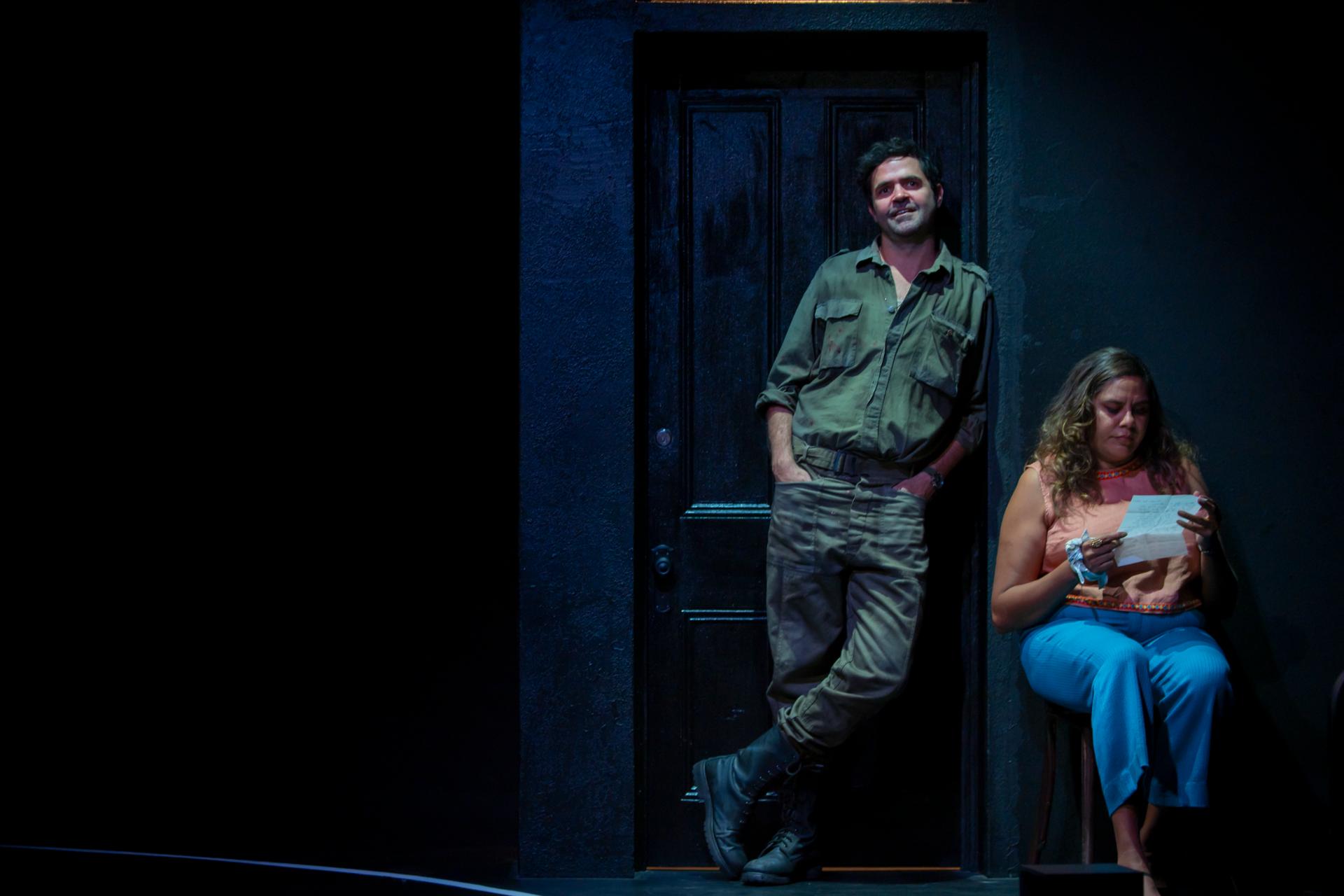
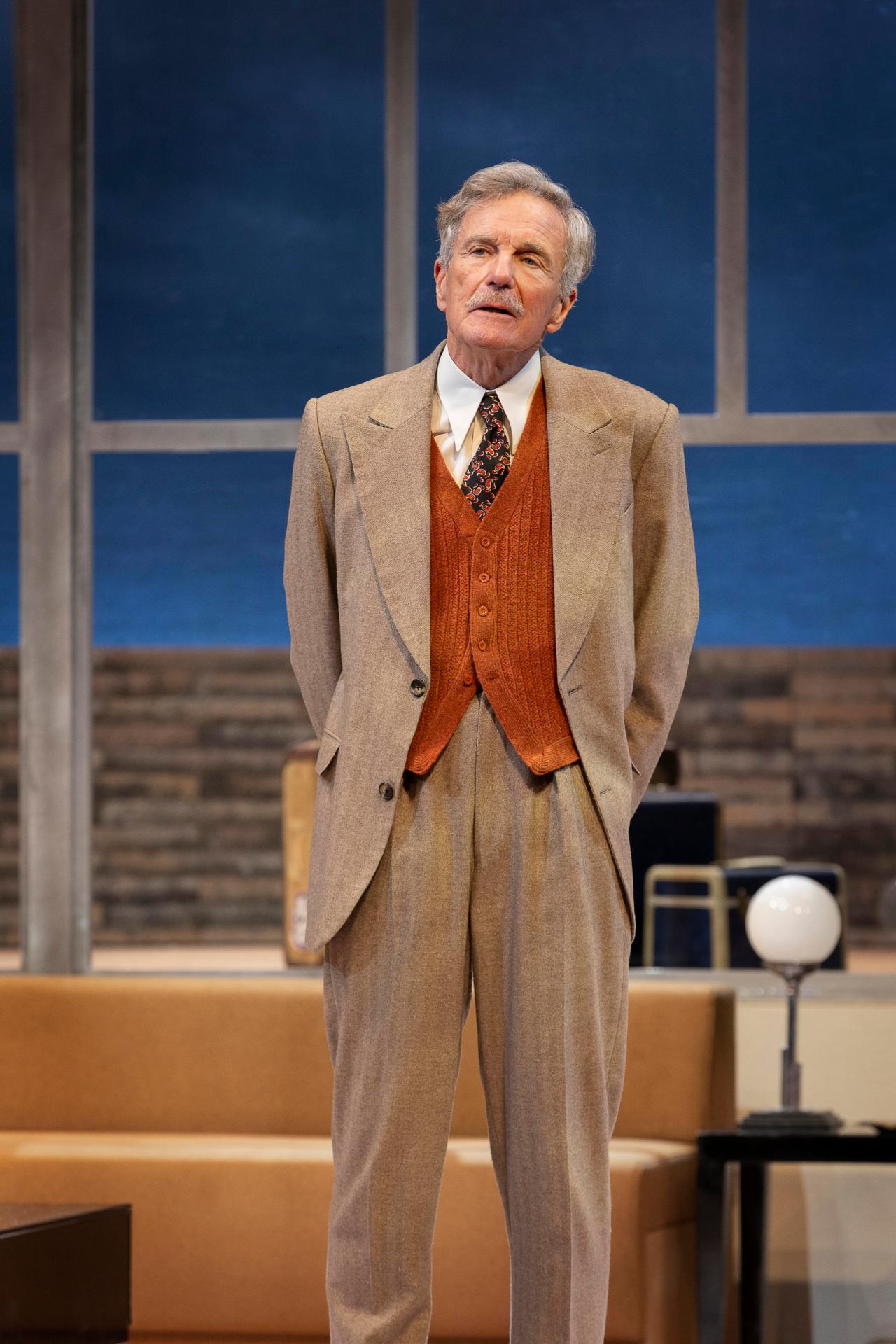
In the titular role is Elizabeth Blackmore who excels at finding emotional range, for a personality from somewhere noted for its great restraint. We may not always be interested in her chronicles, but there is an authenticity to Blackmore’s performance that makes everything feel truthful. A very endearing Emma Palmer plays The Queen Mother with delicious aplomb, bringing a valuable flamboyance that keeps the storytelling buoyant and colourful. Matthew Backer is highly impressive as he morphs into a wide range of characters, each one persuasive and beguiling, demonstrating remarkable skill as he imaginatively carves out his portions of the tale.

It is often a mystery, how an artist finds inspiration, and what results from their efforts. We can very rationally map out the kinds of stories we wish to share at our theatres, but we must also be mindful about the restrictions we impose on our artists. There is a freedom that must be afforded to those in the business of creativity, in order that they may discover something astonishing and unanticipated. It is also important to believe that a greater moment can only happen, after the current one is completed. Marion Crawford was only 39 when her time with queens and kings was over. Her subsequent years may not have been documented as extensively, but we have to believe that they remained cherished and meaningful, even as her life had taken on a different complexion.

www.ensemble.com.au

Review: New Works Festival Part 1 (Old Fitz Theatre)

Venue: Old Fitzroy Theatre (Woolloomooloo NSW)

All The Fraudulent Horse Girls Aug 30 – Sep 14, 2024
Playwright: Michael Louis Kennedy
Director: Jess Arthur
Cast: Janet Anderson, Caitlin A. Kearney, Shirong Wu
Images by Robert Catto

Probe Sep 5 – 14, 2024
Playwright: Becca Hurd
Director: Rachel Chant
Cast: Ryan Panizza, Ziggy Resnick
Images by Phil Erbacher

Theatre review
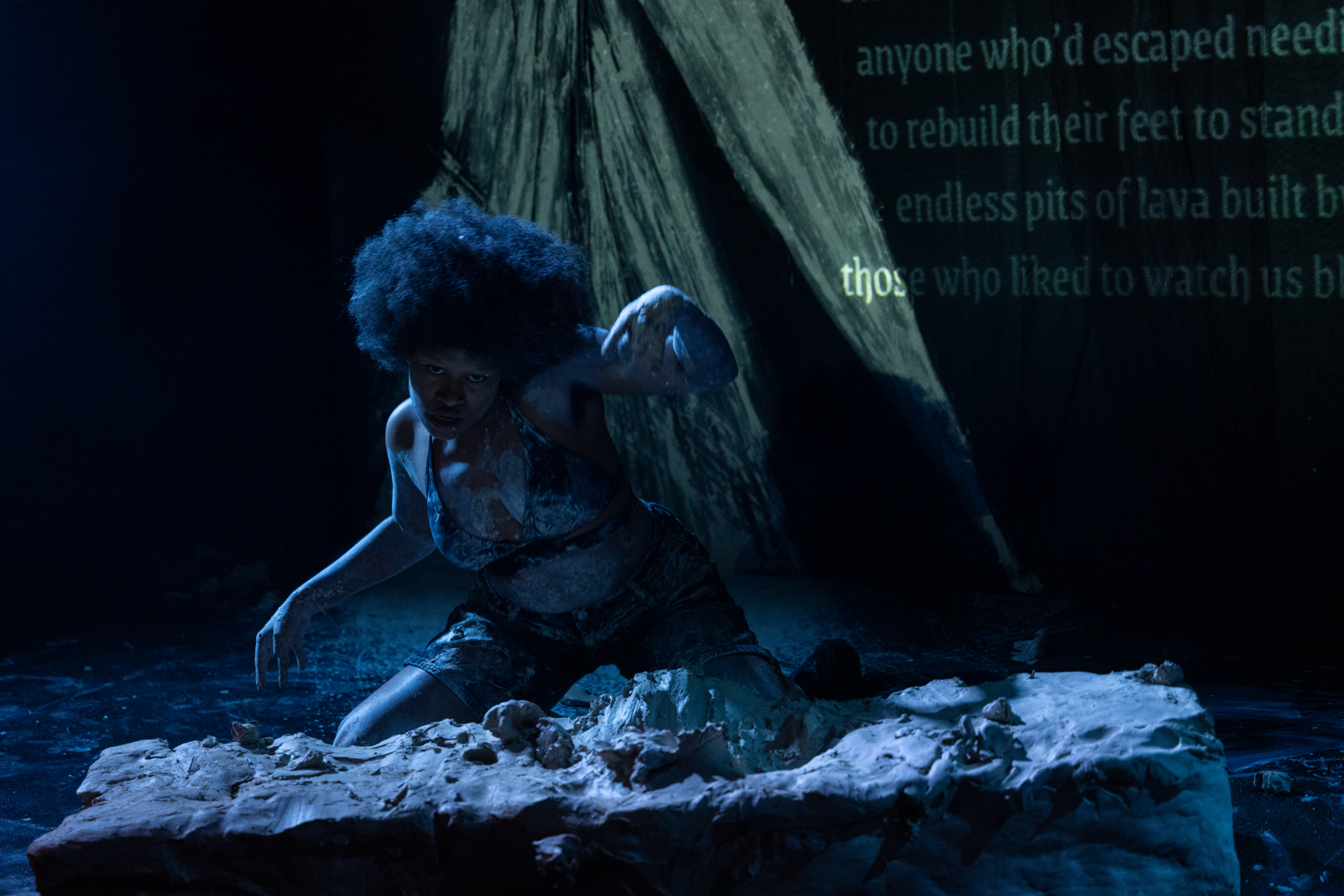
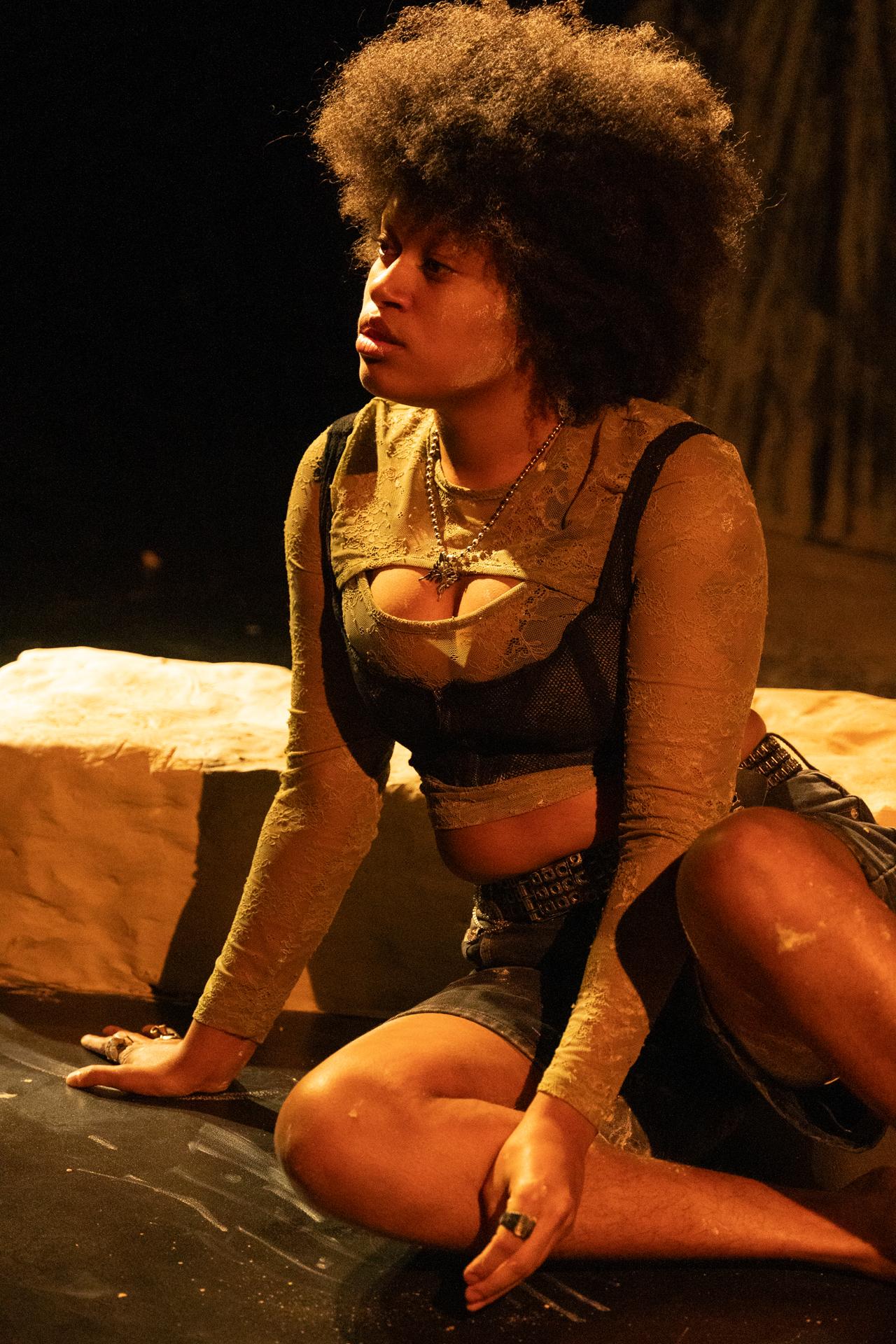
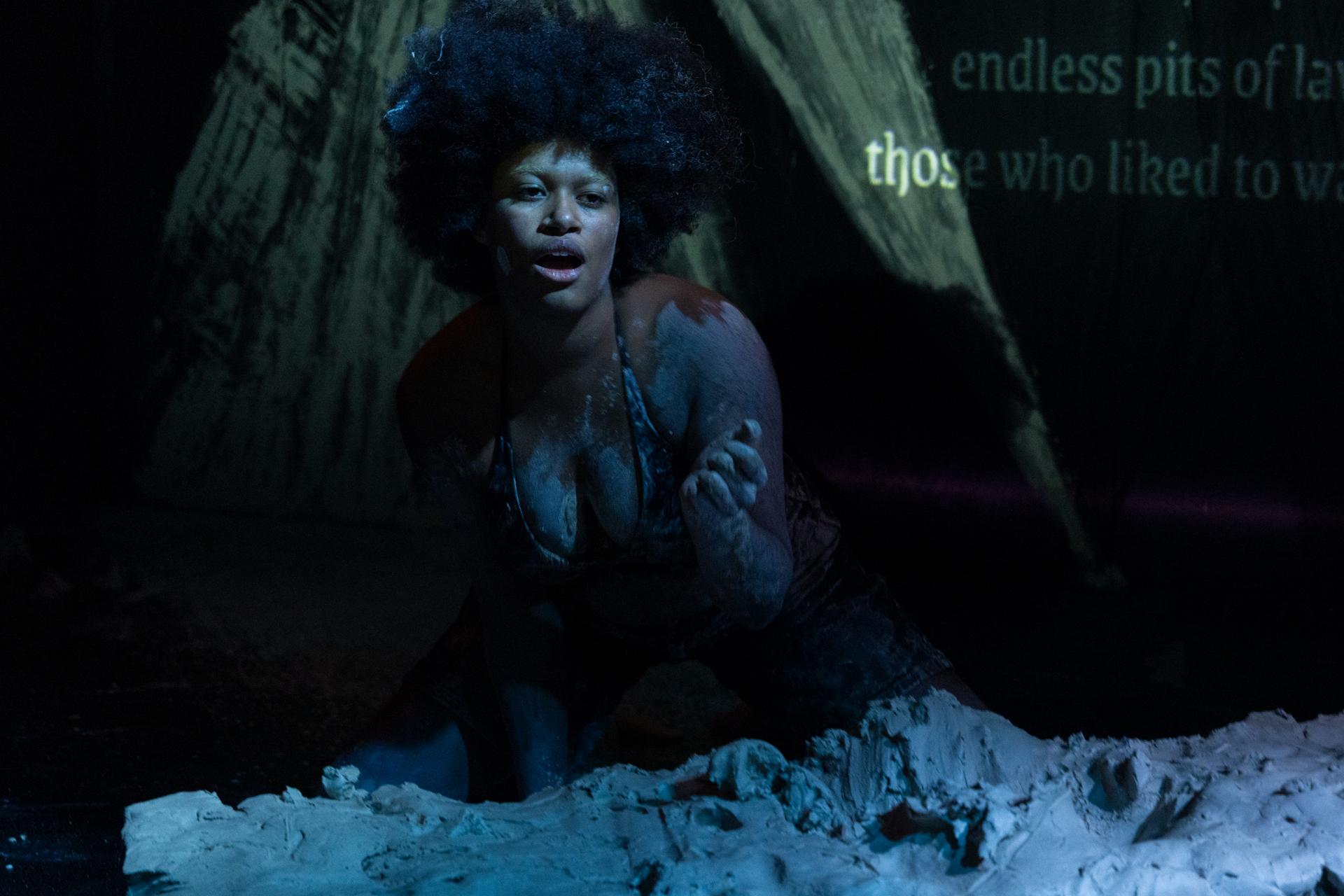
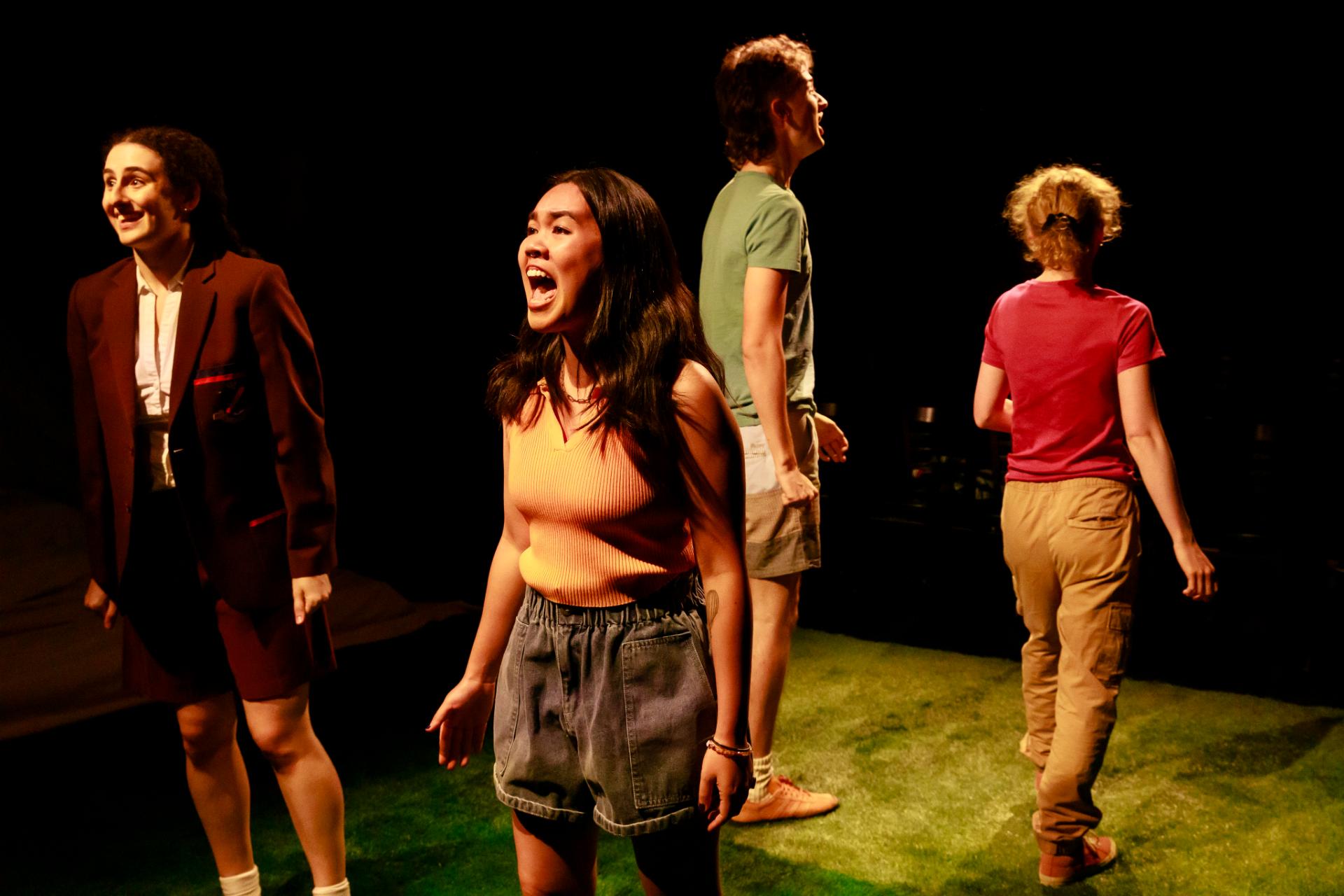
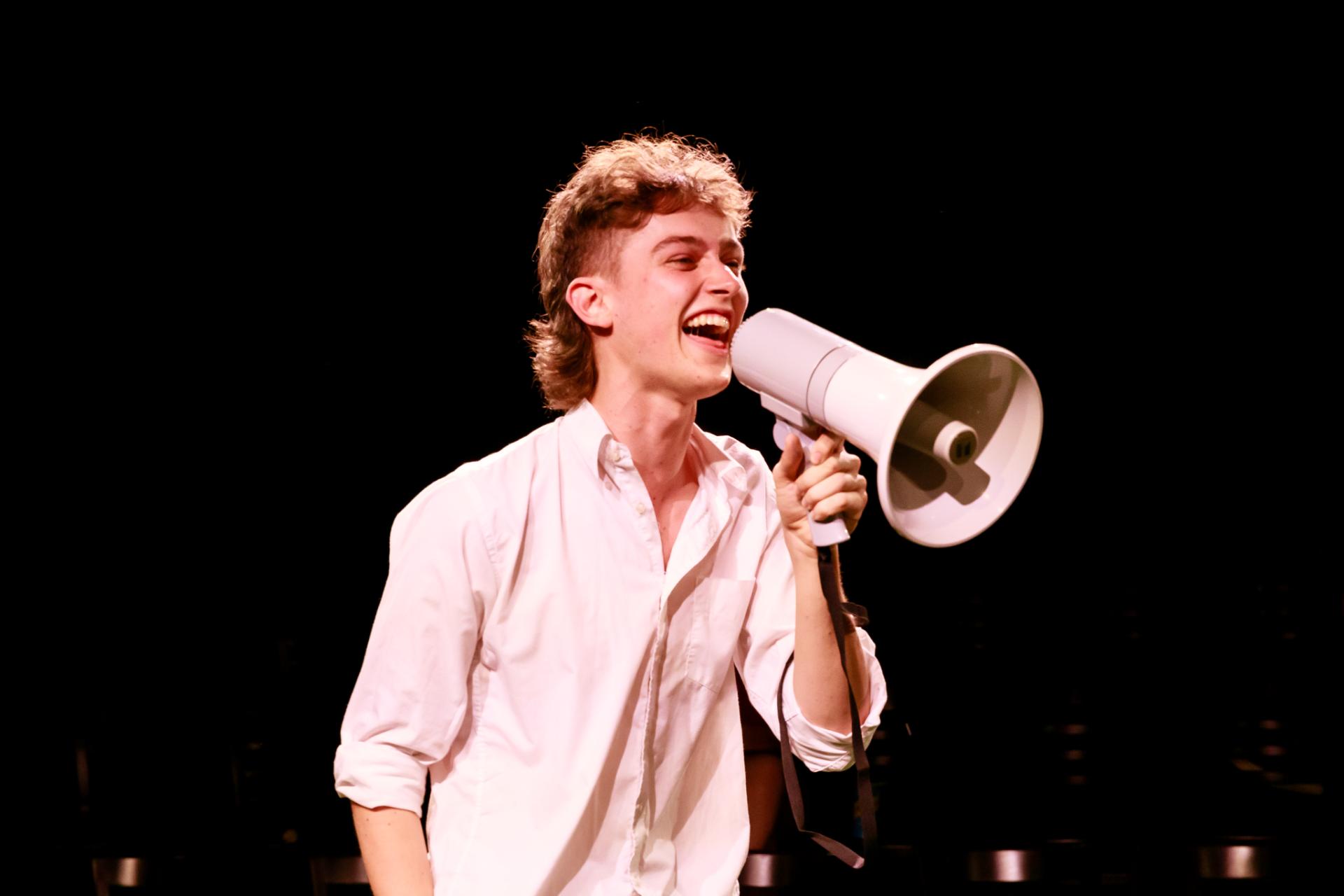
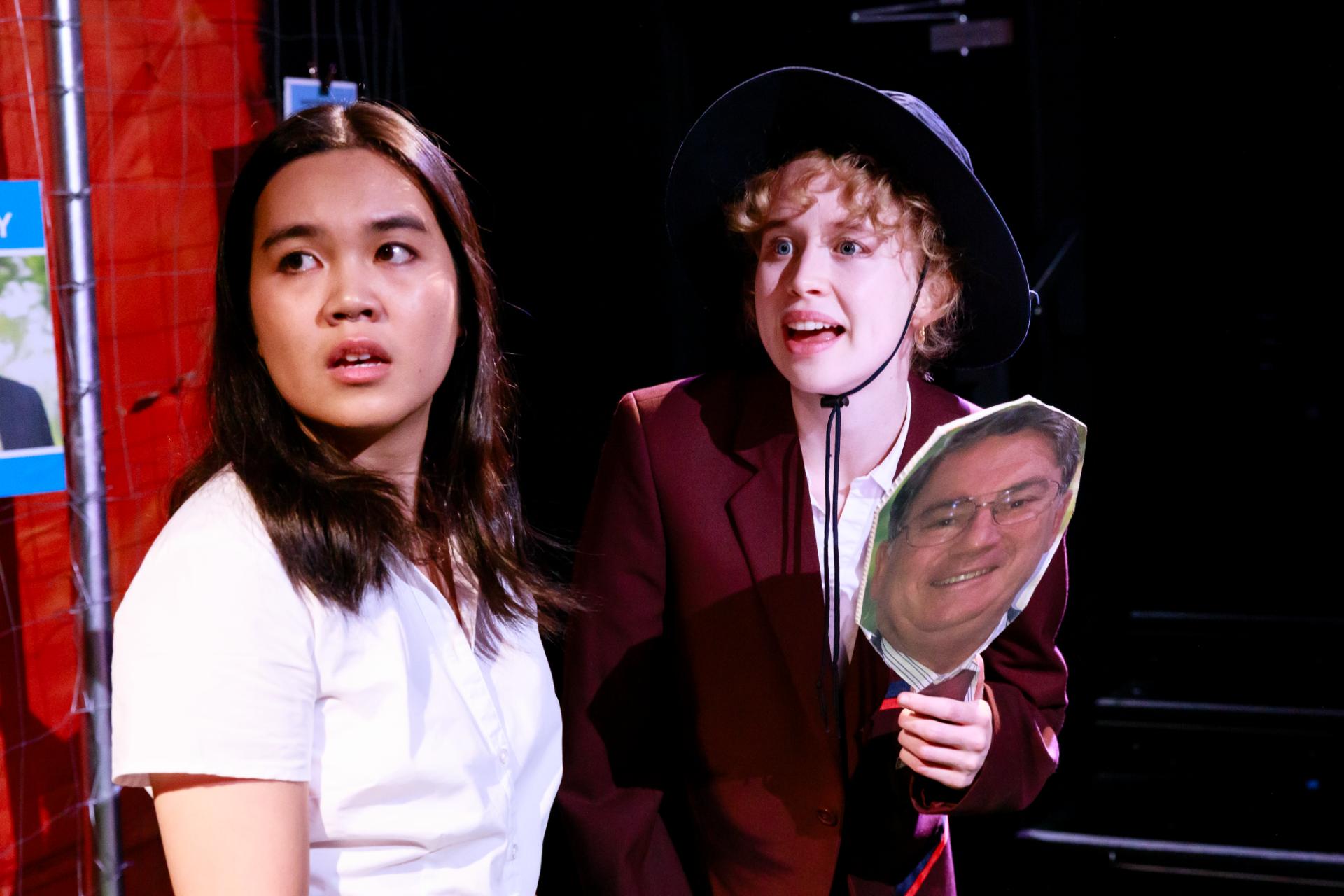
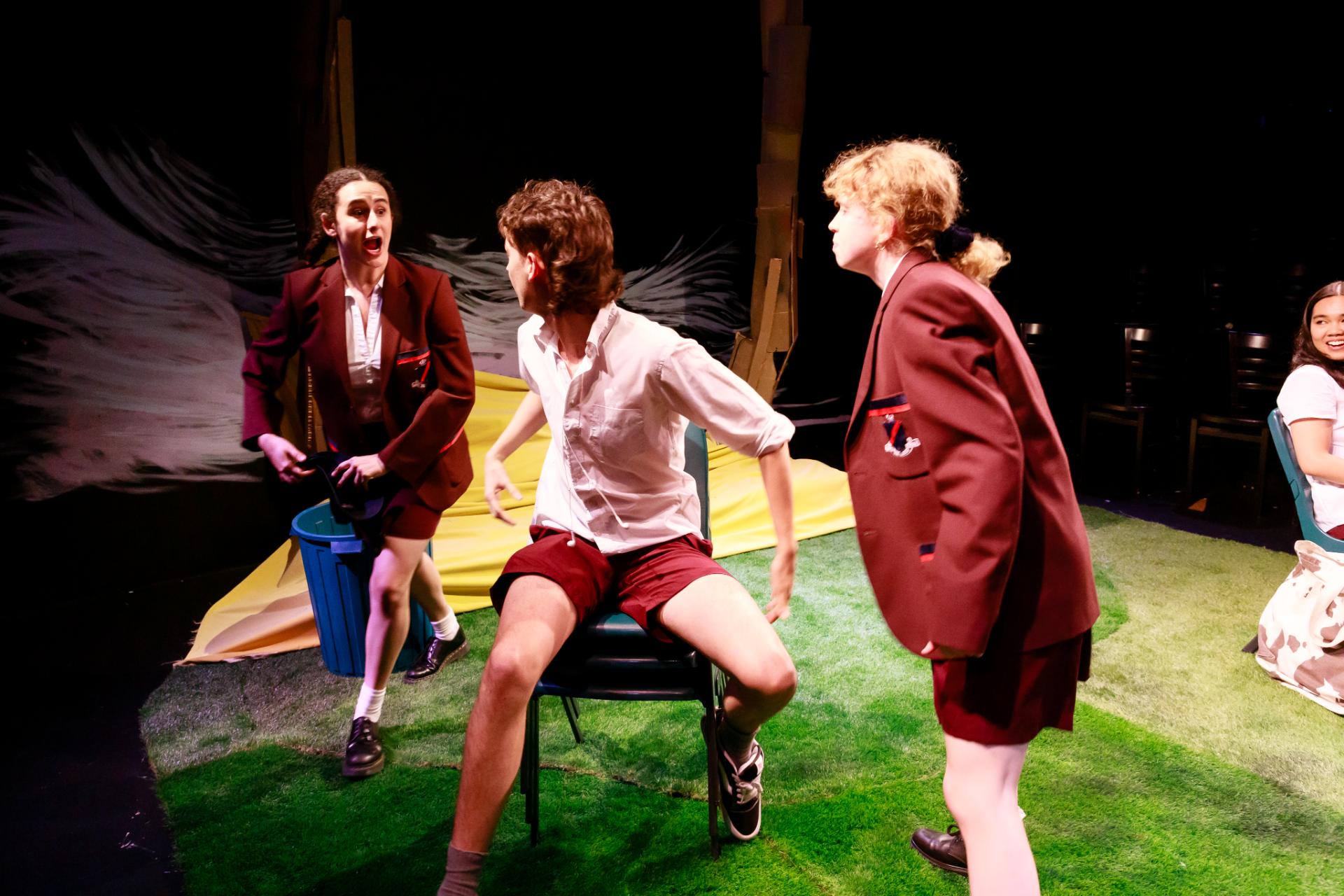
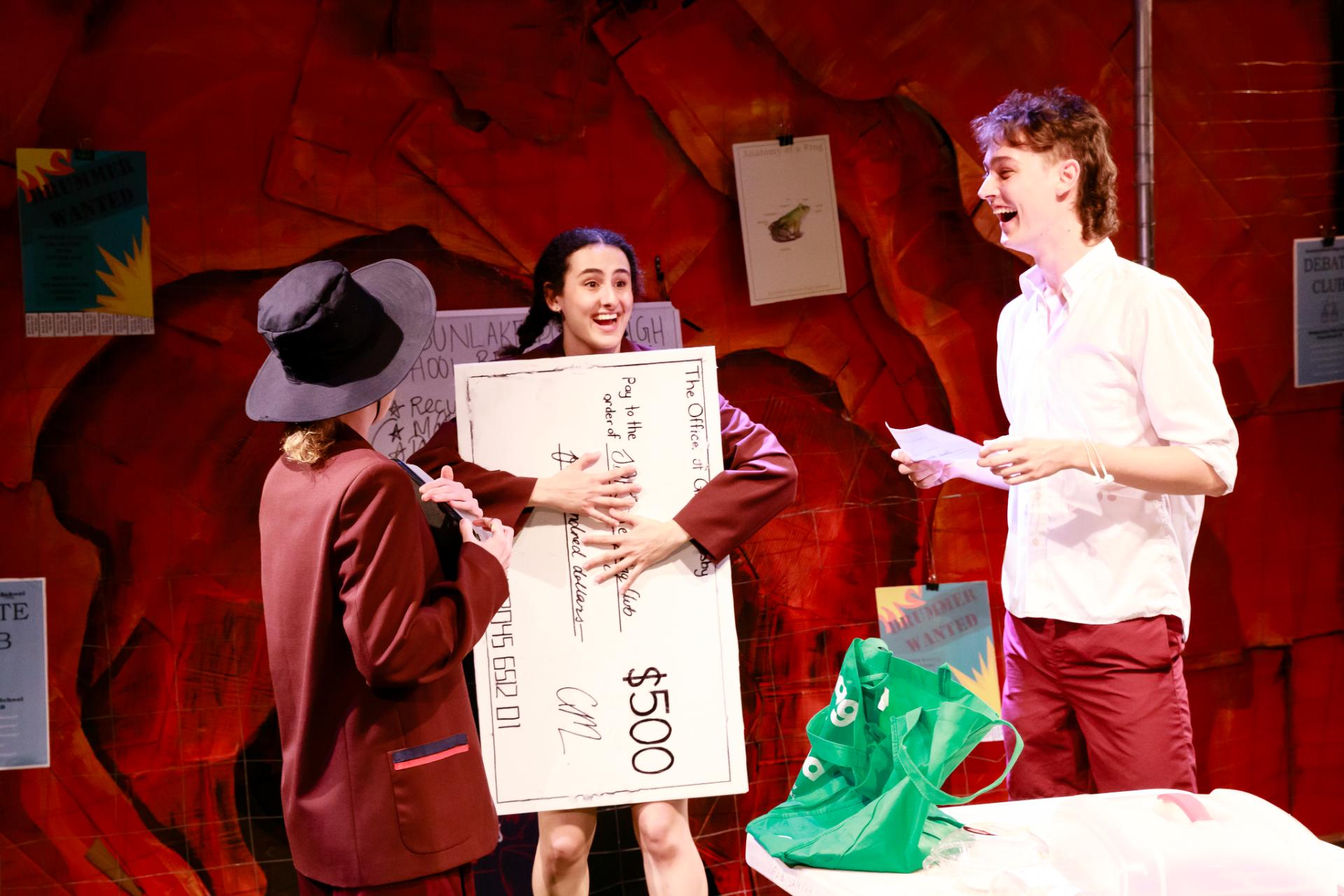
The first in a series of double bills, at the New Works Festival by Old Fitz Theatre, features All The Fraudulent Horse Girls by Michael Louis Kennedy and Probe by Becca Hurd. The former tells the whimsical story of an 11-year-old’s fascination with horses, full of comical imagination if slightly too bizarre to meaningfully engage in. The latter is a two-hander about the current state of the film industry, with a particular interest in the prevailing gender inequity that firmly undergirds the system, notable for its mischievous dialogue, but could benefit from some thoughtful editing.

Direction for both pieces are sensitively and elegantly accomplished, by Jess Archer for Horse Girls and by Rachel Chant for Probe. There is a bold theatricality in their work that translates as an effervescence to help sustain our attention. Lighting design by Emma Van Heen demonstrates a keen for dramatic tension as well as for humour, able to manufacture effective atmospheric transformations to keep our sensibilities attuned.

A uniformly excellent group of performers, each one of them deliberative yet uninhibited, insists on making us convinced and interested in what they present. Janet Anderson, Caitlin A. Kearney and Shirong Wu are wonderful with the kookiness of their equine themed creation, offering great variety to their depictions of something fantastical and strange. Playing filmmakers at different stages of their careers, Ryan Panizza and Ziggy Resnick are often powerful with what they bring, and impressive with the level of conviction they deliver for a couple of very challenging characters. These two plays in the first instalment of New Works Festival prove demanding in different ways, but the cast makes it a worthwhile experience, in an artform that is always collaborative, and as can be witnessed here, eternally optimistic.

ww.oldfitztheatre.com.au | www.instagram.com/sourcherry.productions

Review: Sunset Boulevard (Sydney Opera House)

Venue: Sydney Opera House (Sydney NSW), 28 Aug – 1 Nov, 2024
Music: Andrew Lloyd Webber
Book and Lyrics: Don Black, Christopher Hampton (based on the Billy Wilder film)
Director: Paul Warwick Griffin
Cast: Sarah Brightman, Jarrod Draper, Tim Draxl, Robert Grubb, Paul Hanlon, Ashleigh Rubenach, Troy Sussman
Images by Daniel Boud

Theatre review
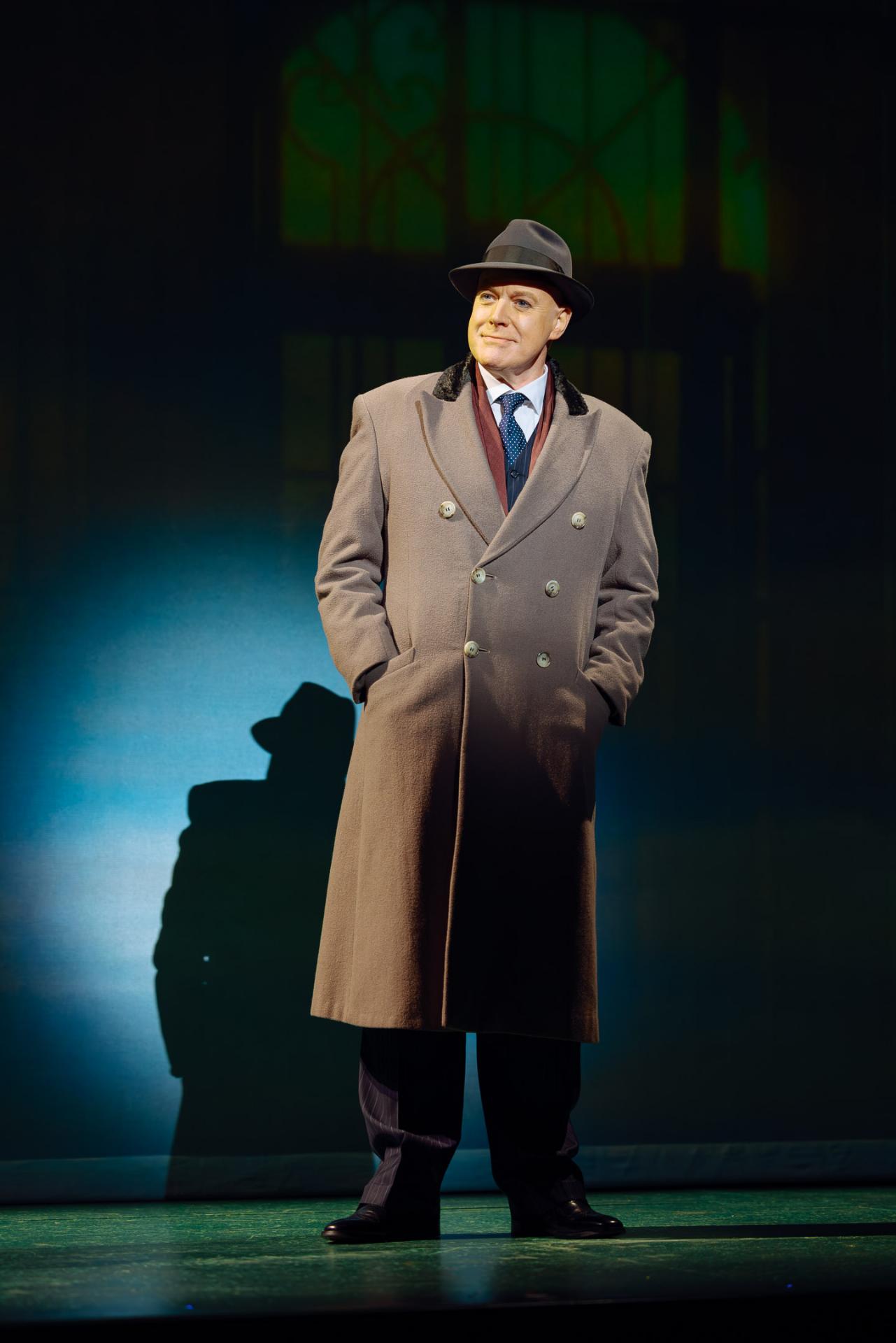
Hollywood legend Norma Desmond is desperately trying to claw back her glory days, while relative upstart screenwriter Joe Gillis will do almost anything to make it in the big time. When the two meet, their ambitions prove a lethal combination, leading to the highest of dramatic foibles. Billy Wilder’s unequivocal icon of a film Sunset Boulevard may be 74 years-old, but nothing about this story of faded glamour seems dated; women in showbusiness today are still being chewed up and spat out, and endless aspirants continue to want in on the action.

The 1993 musical adaptation with music by Andrew Lloyd Webber and a book by Don Black and Christopher Hampton, is similarly intoxicating. Old-world extravagance and delicious camp, converge to provide the perfect fodder for this flamboyant, Broadway-style outing. Direction by Paul Warwick Griffin does not reinvent the wheel, but certainly restores the emotive propulsion of the piece, as well as resurrecting the irresistible allure of a narrative on seduction, power and decadence. Splendid design on set and costumes by Morgan Large, along with sumptuous lights by Mark Henderson, ensure that we are thoroughly mesmerised and immersed, in this world of illusory wonder.

In the role of Norma is Sarah Brightman, who although lacks the wicked humour usually associated with the piece, and presents a somewhat less grotesque version of this Hollywood monster, impresses with her searing commitment to the project. This Norma is as terrifically delusionary as any, whether or not we perceive Brightman’s renderings as intentional. Joe is played by a striking Tim Draxl, who brings immense magnetism, coupled with steely precision and technical brilliance, to keep us wholly invested. When required to deliver vulnerability, Draxl is astonishing in his ability to disarm, in order that we may see the deep humanity being explored at the centre of Sunset Boulevard.

Joe witnesses first-hand, the way the system has royally abused Norma, yet he remains unfazed, and continues to pursue his celluloid dreams at full bore. Norma herself too, cannot help but keep fighting to reclaim status, to the extent that she has to completely lose her mind. Such is the formidable might of American capitalism.

www.opera.org.au | www.gwbentertainment.com

Review: Pickled ﻛﺑﯾس (25A Belvoir)

Venue: Belvoir St Theatre (Surry Hills NSW), Aug 20 – Sep 8, 2024
Concept: Najee Tannous
Story: Antony Makhlouf, Francesco Pelli, Najee Tannous, Hayden Tonazzi, May Yousif
Directors: Hayden Tonazzi, May Yousif
Cast: Antony Makhlouf, Najee Tannous
Images by Anna Kucera

Theatre review
Summoned home by the death of his mother, Sam returns after a long absence. His brother Yousif is understandably resentful, having stayed put all this time, and now feeling as though he has missed out on a lot. Conceived by Najee Tannous, Pickled ﻛﺑﯾس deals humorously with family ties and the myriad complications involved in these often difficult entanglements. Thoroughly amusing, and interminably relatable, Pickled ﻛﺑﯾس explores some of the most authentic challenges in our emotional lives. Wonderfully candid and intricately considered, the interactions between Sam and Yousif offer valuable insights into human behaviour, and that eternally troublesome nature of love.

Pickled ﻛﺑﯾس is also an exploration of masculinity, in which we witness the tensions between the need for connection, alongside the obstacles to truthful expression. The characters may only rarely say what they mean, but thoughtful and innovative direction by Hayden Tonazzi and May Yousif always offers substantive illumination, to all the critical undercurrents that inform how the brothers think and act. What results is a show that proves immensely entertaining, whilst inspiring some stirring meditations about kinship that many will certainly find resonant.

Set design by Soham Apte depicts an unpretentious scene of domesticity, that turns poignant at pivotal moments. Lights by Elyse Drenth are a creative touch that brings theatricality and sentimentality, whenever we need a sense of intensification for the storytelling. Sounds and music by Chrysoulla Markoulli are  inventive, penetrating and beautiful, bringing to the production an air of elevated sophistication.

The siblings in Pickled ﻛﺑﯾس  are played by the aforementioned Tannous as Yousif, and by Antony Makhlouf as Sam, who both bring extraordinary authenticity to their portrayals of contemporary gay Lebanese-Australian men, as well as being a marvellously engrossing and endearing pair. The harmony in their performance has us entirely captivated, in their sometimes moving and often kooky presentation, of a sweet tale between queer Arab siblings.

Sam and Yousif might not see very much of each other, but there is no questioning the depth at which they know one another. There are people we see often in passing, but whom we only know on perfunctory levels. Queer Arabs are a marginalised group, whose voices are rarely represented in so many parts of Australian life. There are Australians who dominate our consciousness, and there are Australians who are routinely excluded. We are meant to be equal, but evidence suggests that the disparities are profound.

www.belvoir.com.au | www.pyt.com.au

Review: Gaslight (Roslyn Packer Theatre)

Venue: Roslyn Packer Theatre (Sydney NSW), Aug 21 – Sep 8, 2024
Writer: Patrick Hamilton (adapted by Johnna Wright and Patty Jamieson)
Director: Lee Lewis
Cast: Courtney Cavallaro, Kate Fitzpatrick, Geraldine Hakewill, Toby Schmitz
Images by Brett Boardman

Theatre review
Bella is trying hard to settle into her new home with husband Jack, but things are not going at all well. Jack convinces Bella that her mind is playing tricks, and causing great amounts of anxiety, but in fact Jack is the one behind all the machinations of her escalating delusions. Patrick Hamilton’s 1938 play Gaslight, as adapted by Johnna Wright and Patty Jamieson in 2022, is certainly modernised and given a feminist perspective, but the work’s effectiveness is doubtful.

Direction by Lee Lewis depicts upper class English life, in the late 19th century, with stylistic splendour, but we are never really completely gripped by this psychological thriller. There are comedic elements, as well as a lot of drama, but much of it feels hesitant. The production bears an indecisive ambivalence in the portrayal of its villain, that makes the audience confused as to how it should respond to its narrative of deceit.

It must be noted however, that actor Geraldine Hakewill’s commitment as Bella cannot be denied. We may not be convinced by the character she plays, but there is a lot to be admired in Hakewill’s professionalism. The role of Jack is performed by Toby Schmitz, who gives us no reason to believe in Bella’s devotion, but his mischievous theatricality is an asset to the staging. 

Production design by Renee Mulder may be predictable but is clearly accurate in its rendering of a specific time and space, with a refinement that always pleases the eye. Lights by Paul Jackson are sumptuous and appropriately alluring, in this story about lies and manufactured hallucinations. Sounds and music by Paul Charlier are memorable in heightened moments, leaving no room for doubt that we are witnessing melodrama in its most classic form.

In Gaslight, we observe a young woman’s obedience, as dictated by society at large, and its subsequent deterioration, but only after she can take no more. Watching Bella play the role of the doting wife, can be a bizarre experience, but we also understand her behaviour to be a result of the way so many of our daughters had been brought up. It could be that we are terrified when women and girls think too much for themselves. Jack and his ilk will definitely no longer be able to do as they wish, if we stop adhering to the narratives of their determination.

www.gaslightplay.com.au

Review: The Curious Incident Of The Dog In The Night-Time (Belvoir St Theatre)

Venue: Belvoir St Theatre (Surry Hills NSW), Aug 17 – Sep 22, 2024
Playwright: Simon Stephens (based on the novel by Mark Haddon)
Director: Hannah Goodwin
Cast: Nicholas Brown, Roy Joseph, Tracy Mann, Brandon McClelland, Daniel R. Nixon, Matilda Ridgway, Ariadne Sgouros, Brigid Zengeni
Images by Brett Boardman

Theatre review
Christopher discovers that his neighbour’s dog has been killed, and sets out to solve the mystery of who committed the crime, embarking on an investigation that leads him to uncover unexpected truths about his own family. Based on Mark Haddon’s novel of the same name, The Curious Incident of the Dog in the Night-Time by Simon Stephens depicts a central character with an unnamed form of neurodivergence, allowing us to better understand those within our community who live every day with challenges that go beyond the normative.

Actor Daniel R. Nixon is unequivocally brilliant as Christopher, with an impressive precision to his approach, yet consistently soulful and warm, in his portrayal of an exuberant 15-year-old. It is not a particularly remarkable story that we encounter, but Nixon imbues the protagonist with so much charm and spirit, that we cannot help but invest earnestly into the production. The supporting cast of seven is wonderfully entertaining, in a large number of roles, that thoroughly enrich the experience.

Direction is provided by Hannah Goodwin who demonstrates great inventiveness, in a show that is never short of imagination or theatricality. Set and costumes by Zoë Atkinson are designed to enhance the ensemble’s work in subtle ways. Lights by Kelsey Lee too are effective but mostly understated, delivering imagery memorable for its sense of delicateness. Sounds by Alyx Dennison are meticulously and intensely rendered, to have us unexpectedly riveted, to this simple tale.

People in minority groups are always in positions that require them to yield to standards set by the mainstream. Having to constantly capitulate to what is considered normal, can make one feel a sense of grave inadequacy. Even for those who are unusual, it is easy to forget that there is a lot to aspire to, in unusualness. There seems something about that need for conformity, that feels to be fundamentally human. It is perhaps a misunderstanding that the virtue of harmony, which we should always pursue, requires that we all be the same. The truth is that no two people can ever be the same, and much as our differences can prove inconvenient, it is in that acceptance of variance that we can reach for our higher selves.

www.belvoir.com.au

Review: The Cherry Orchard (Old Fitz Theatre)

Venue: Old Fitzroy Theatre (Woolloomooloo NSW), Aug 8 – 24, 2024
Playwright: Gary Owen
Director: Anthony Skuse
Cast: Jane Angharad, Talia Benatar, Deborah Galanos, Charles Mayer, Amelia Parsonson, James Smithers, Dorje Swallow
Images by Braiden Toko

Theatre review
It is 1982 and Rainey has returned to the Welsh countryside, to face the financial difficulties associated with her family estate. Much like Chekhov’s original, Gary Owen’s The Cherry Orchard is interested in the matter of class, in a play depicting the deterioration of an old upper echelon. Essentially a humorous work, the tragedy at its centre is however portrayed by director Anthony Skuse, with considerable empathy. There is no nostalgic longing for a bygone glory, but we are encouraged to regard characters in the story with humanity, and their foibles with some level of compassion.

Actor Deborah Galanos is certainly committed to putting all of Rainey’s deficiencies on display, highly convincing with both the narcissistic alcoholism and the mournful brokenness that define the role. The incisive Charles Mayer brings delicious comedy to the part of Gabriel, middle-aged but laughably naïve from a sheltered life. Lewis is played by Dorje Swallow who represents the new bourgeoisie with an appealing earthiness, able to deliver a complexity that prevents us from reading the personality with undue exaltation.

The overall aesthetics of the production could make a stronger statement, although what it does present is satisfactory. Set design by James Smithers conveys an appropriate sense of fading glamour. Lights by Topaz Marlay-Cole and sounds by Johnny Yang are overly restrained, but occasional dramatic gestures prove to be judiciously rendered.

It is now well over a century since Chekhov had dreamed up the ruin of Ranyevskaya’s property, and today we find ourselves back to anticipating the felling of cherry trees. Wealth discrepancy is again a significant social issue, with housing problems becoming an exacerbating concern. What should be an element of wellbeing and indeed survival, is concurrently being hoarded by the rich, who can only think of home ownership in monetary terms. People simply need places to live, but we are failing at fulfilling that very basic requirement, unable to allocate resources in fair and just ways, choosing instead to help people with more than they need, to keep endlessly accruing.

www.oldfitztheatre.com.au | www.secrethouse.com.au

Review: Sister Act (Capitol Theatre)

Venue: Capitol Theatre (Sydney NSW), from Aug 7 – Oct 20, 2024
Music: Alan Menken
Lyrics: Glenn Slater
Book: Cheri Steinkellner & Bill Steinkellner, with Douglas Carter Beane
Cast: Bianca Bruce, James Bryers, Rhonda Burchmore, Casey Donovan, Genevieve Lemon, Sophie Montague, Raphael Wong
Images by Daniel Boud

Theatre review
Deloris takes refuge in a convent, after getting in trouble with her gangster boyfriend. An opportunity to escape the seedy underground of Philadelphia presents itself, but it is up to our protagonist to make the right decisions. Sister Act the musical is based on the hugely popular Hollywood film from 1992, and although lacking the wit of the original, the charm of its characters is dutifully retained, to provide amusement for a wide range of audiences.

Music by Alan Menken is catchy and uplifting, taking inspiration from gospel and disco, in an adaptation that takes the action back to the heady 70s. Deloris is played by the luminescent Casey Donovan, who aside from being eminently likeable, sings every note to perfection, demonstrating extraordinary vocal versatility, in a deeply satisfying performance of some very demanding songs.

All other members of cast too, impress with their talent and dedication. Genevieve Lemon brings authenticity and warmth to her portrayal of Mother Superior. Rhonda Burchmore and Raphael Wong are standouts, with their dazzling comic dexterities, able to elevate some frankly ordinary material, and turn their parts memorable. 

In Sister Act, we discover that it is through adversity that Deloris finds herself. Not unlike the nuns at Our Lady of Perpetual Sorrow, she learns the big lessons in life, by experiencing it the hard way. We can be critical of religious types who seem to indulge excessively in suffering, but there is no question that one can see the light much better, after being engulfed in the most agonising dark.

www.sisteractthemusical.com.au

Review: Arlington (Seymour Centre)

Venue: Seymour Centre, Reginald Theatre (Chippendale NSW), Aug 2 – 24, 2024
Playwright: Enda Walsh
Director: Anna Houston
Cast: Phaedra Nicolaidis, Jack Angwin, Georgina Symes, Emma Harrison
Images by Phil Erbacher

Theatre review
A large display flashes random numbers, very much akin to a bureaucratic queue management system, in an inhospitable room designed only with practical considerations in mind. Three individuals take their turn, under strict surveillance, to express their anguish and desperation, about ambiguous incidents, that we know only by inference to be interrelated. In Enda Walsh’s Arlington, we can be forgiven for never really knowing the narrative that runs through the play, as its concerns are with the fallout of trauma, rather than the precipitating events that have brought us here.

Direction by Anna Houston demands that we focus on the present. In lieu of sufficient understanding about contexts, we are required to expend imagination, alongside an investigative curiosity, to create interpretations of the abstract renderings that we encounter. The work can feel impenetrable, but it also speaks with integrity, always with an air of certainty and commitment, to its mysterious sequences exploring the human condition at its most painful and vulnerable.

A key feature of this staging is its remarkable design. An impressive set by the ambitious Kate Beere, delivers a sense of apocalyptic dread, through an ironic representation of something that could be thought of as our mundane modernity, with skewed perspectives offering an enjoyable visuality that is decidedly theatrical. Lights and video by Aron Murray are appropriately foreboding, but also sensual, to consistently guide our sensibilities somewhere inexplicably dangerous. Sounds by Steve Toulmin are highly dramatic, and intricate, for an Arlington memorable for its sensory overload.
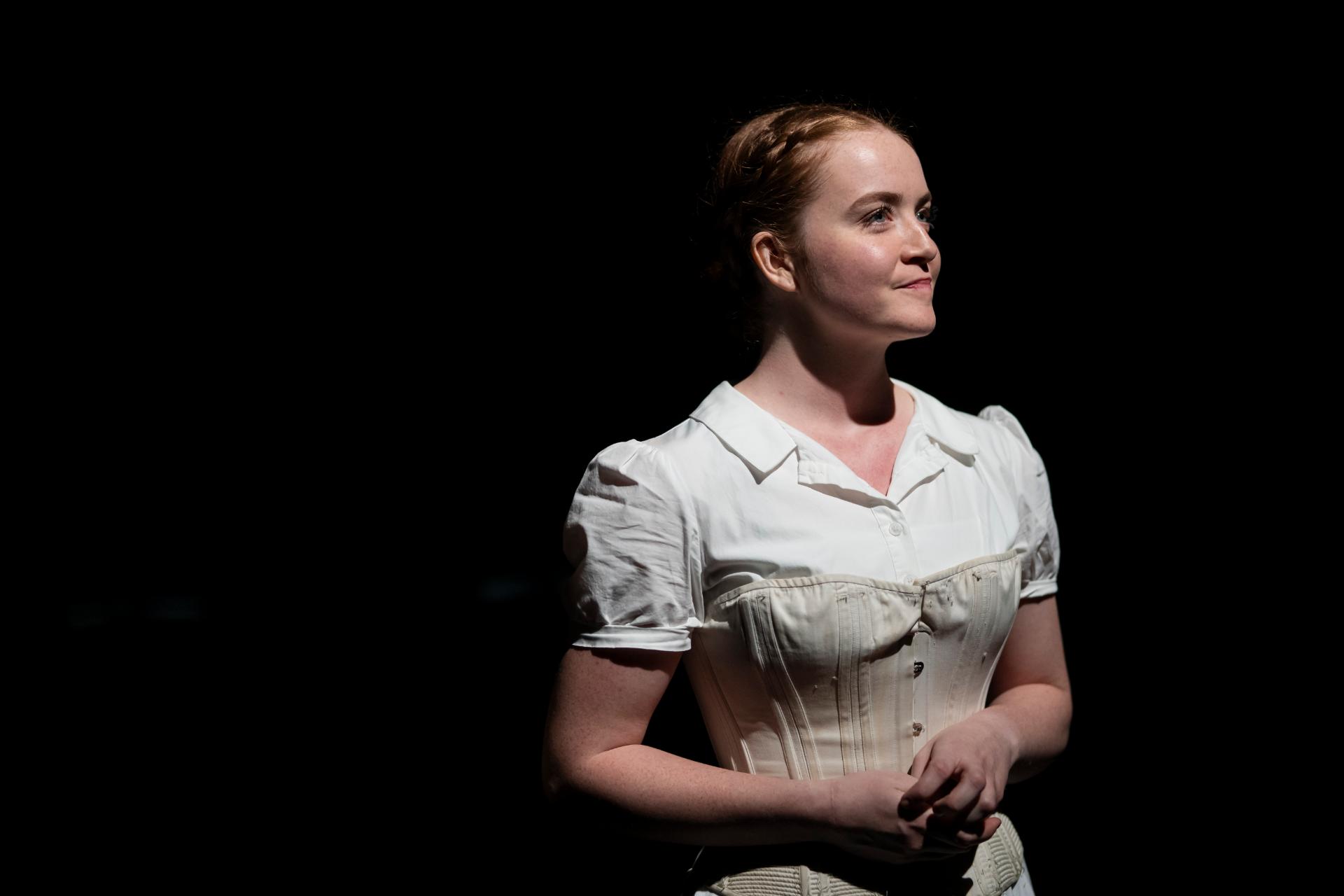
A powerful cast of four comprising Phaedra Nicolaidis, Jack Angwin, Georgina Symes and Emma Harrison, is to be commended for providing something intense and uncompromising. We always believe them, even when we feel kept in the dark about what goes on. Their depictions of anguished terror make for a confronting experience. In this observation of people with no control over their own destinies, trapped in unbearable circumstances, we can only respond with revulsion. When characters reach for notions of hope, it is futility that we recognise instead. Arlington does not give everything that our instincts seek, but its insistence on authenticity cannot be denied.

www.seymourcentre.com | www.empresstheatre.com.au

Review: Occasional Combustible Disaster (Qtopia)

Venue: Qtopia (Darlinghurst NSW), Jul 31 – Aug 10, 2024
Playwright: Daniel Cottier
Director: Benjamin Brockman
Cast: Nicholas Cradock, Nyx Calder, Hester van der Vyver, Richard Hilliar
Images by Phil Erbacher

Theatre review
Freddy is ridden with anxiety. Aside from his HSC exams coming to a crescendo, and the fact of a bleak climate future, he is also certain about being responsible for starting a bush fire not too long ago. Occasional Combustible Disaster by Daniel Cottier, tells of a teenager with too much on his mind, in a world that often appears impossibly challenging.

The play offers valuable insights pertaining to what our young have to contend with, as they inherit a planet with seemingly irreparable damage. Although arranged in a plot structure that may not always communicate effectively, many of Cottier’s thoughts are resonant and valuable, expressed through a lead character who embodies beautifully the discontentment of our times.
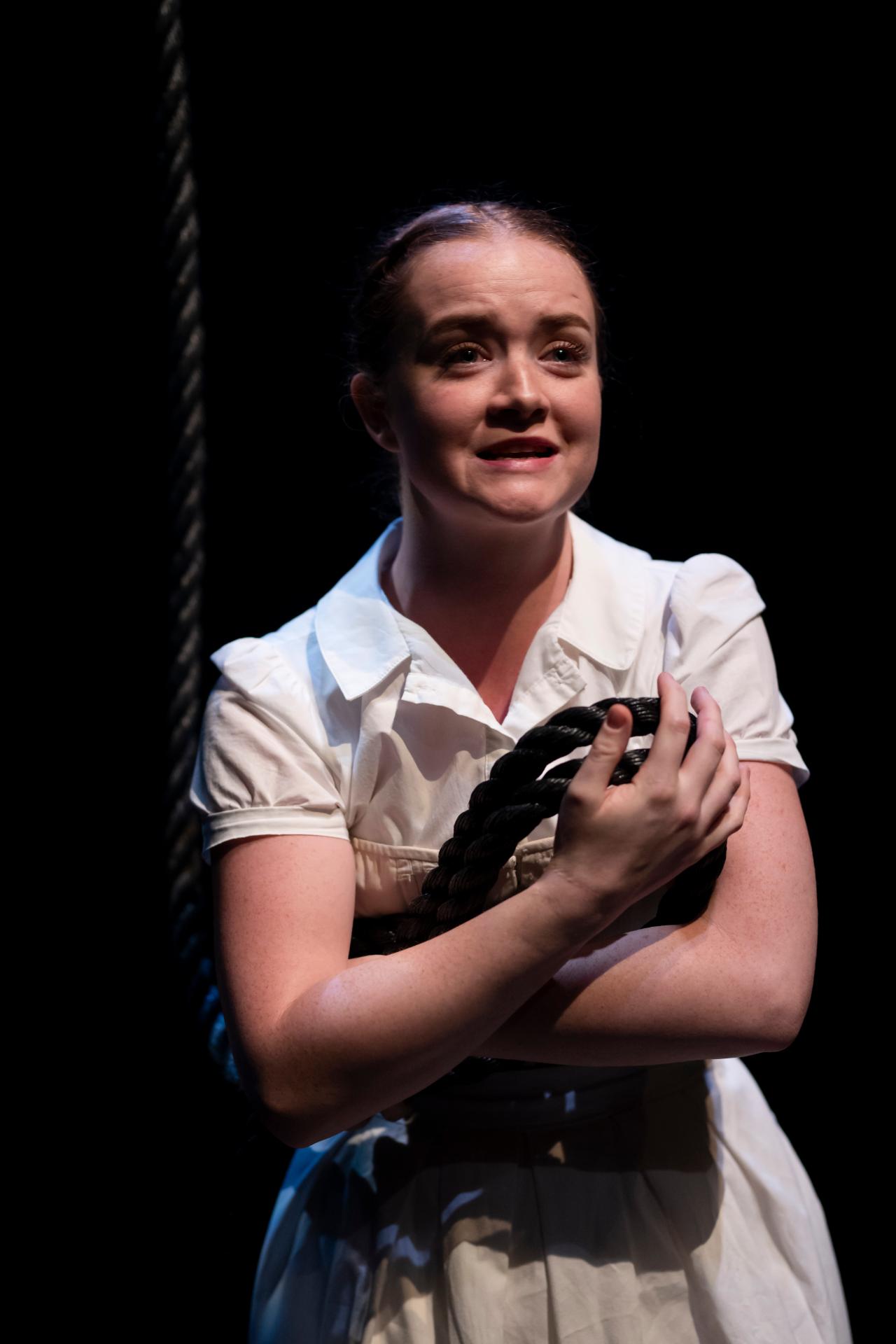
Freddy is troubling but also endearing, played by a powerfully committed Nicholas Craddock, proficient at bringing a wonderful sense of drama, whilst keeping us intrigued for the show’s duration. Supporting members of cast are comparable in focus and energy, but family dynamics are never really convincing, in a story set entirely at home. Direction by Benjamin Brockman ensures a consistent intensity to the tone of storytelling, even in moments when its persuasiveness falters.
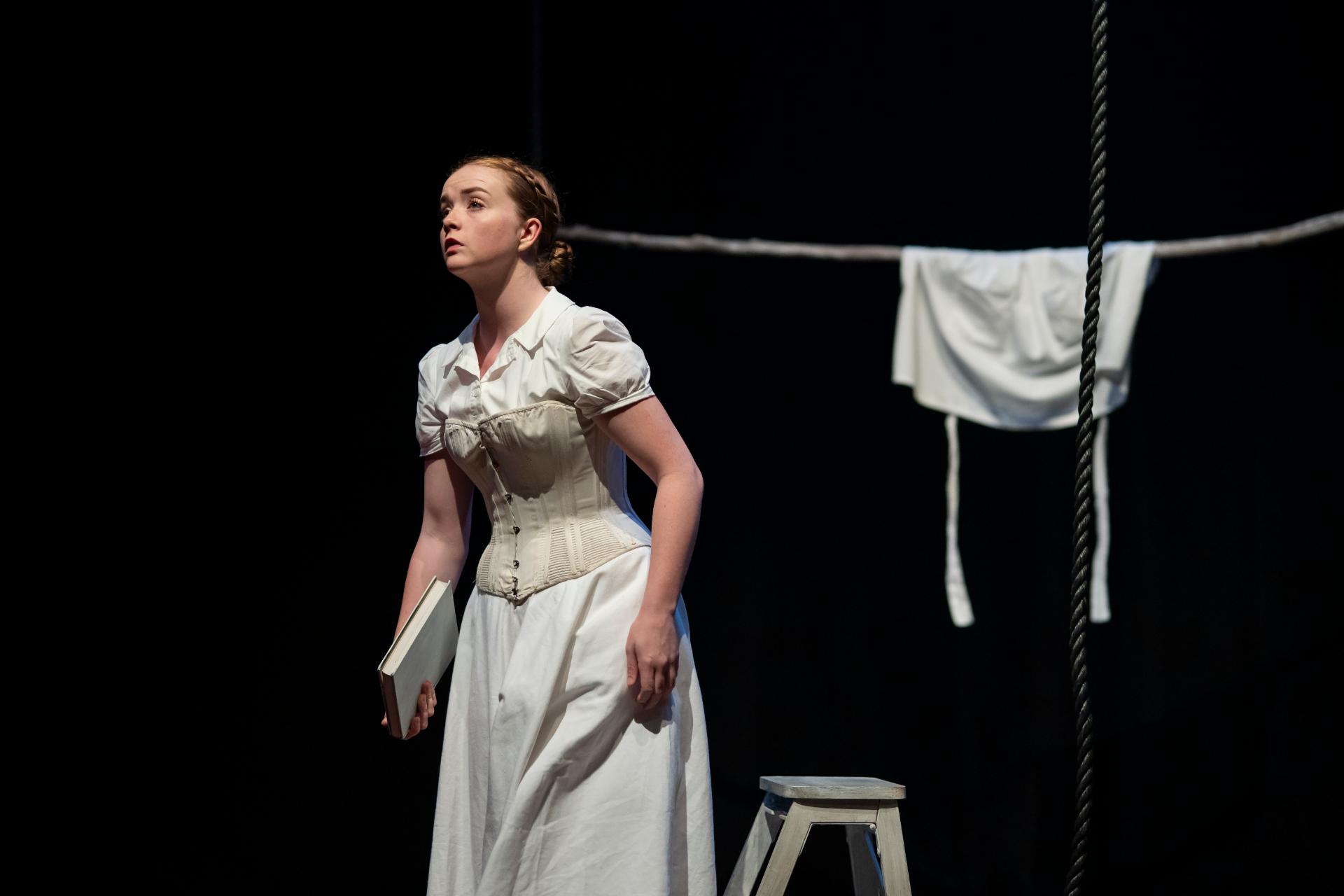
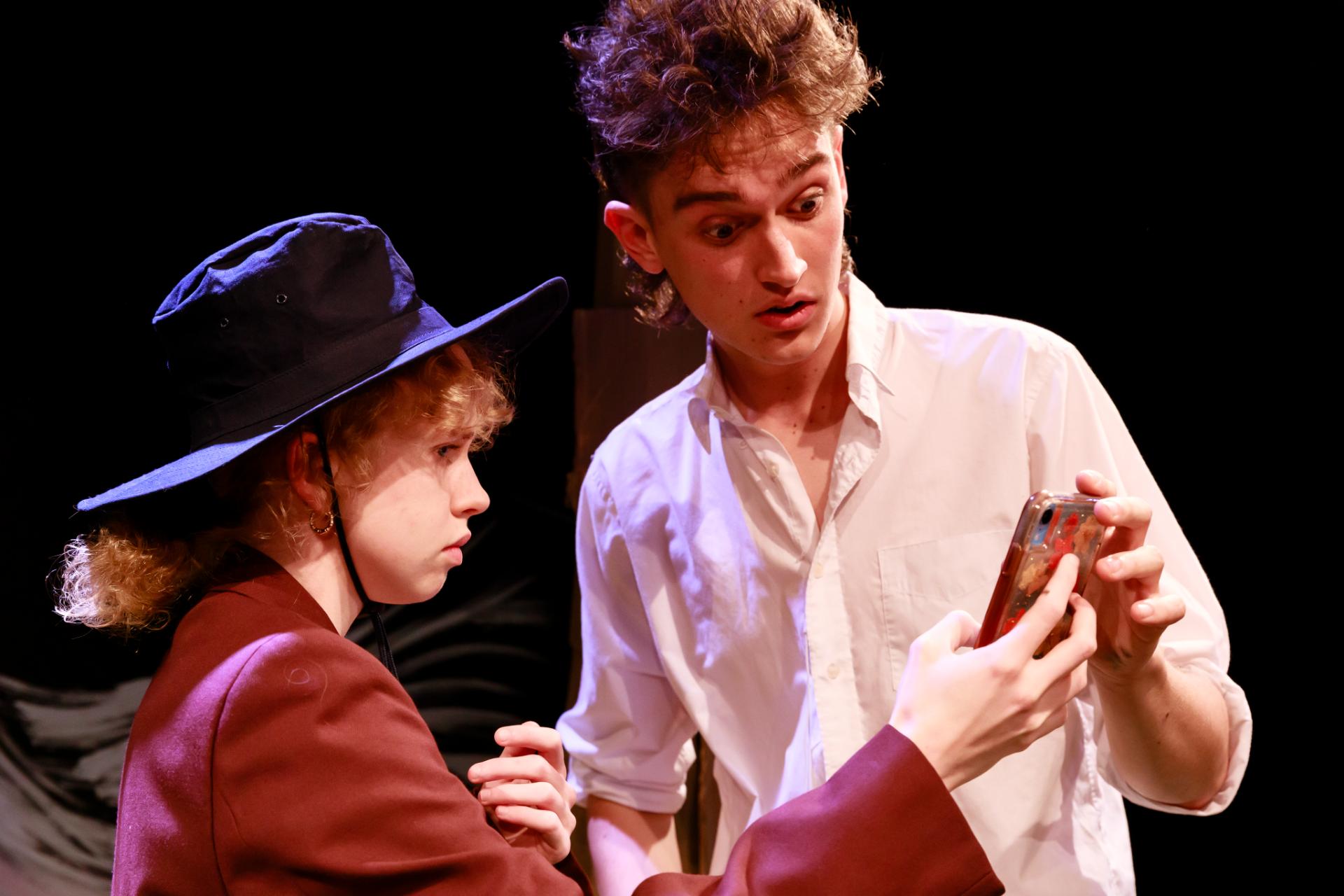
Set design by Paris Bell offers an accurate simulation of a regular suburban home, alongside costumes by Rita Naidu that are similarly ordinary by intent. Brockman’s lights are memorable for their ability to convey Freddy’s inner struggles in contrast with the mundanity of his physical environment. Sounds by Beau Esposito deliver considerable tension, to a narrative about our disquiet as modern humans.
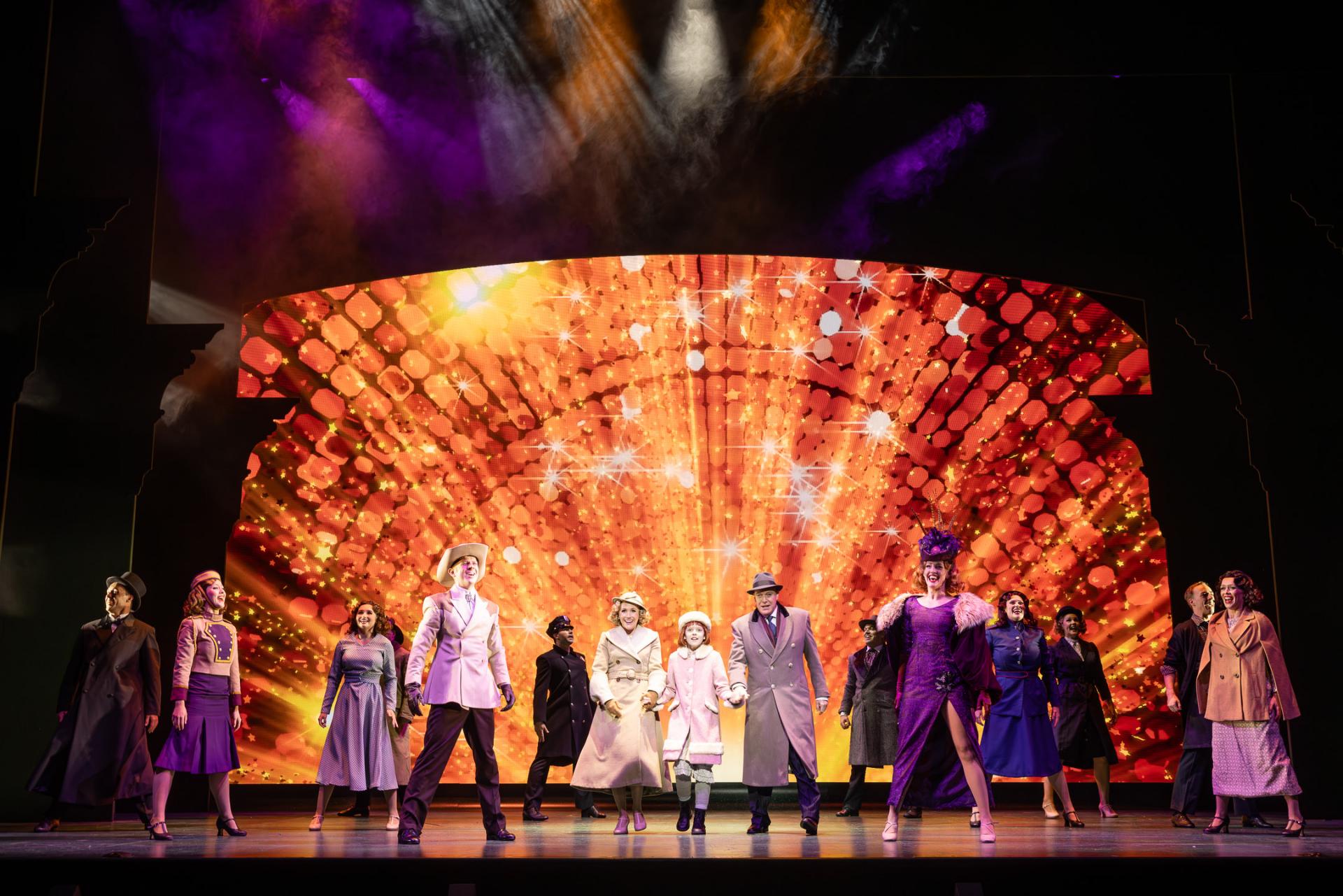
There are many convincing arguments about how so much of what we have, is broken. Freddy finds out, that to grow up is to get acquainted with all the solutions that are available, that can make existence tolerable. He will be told that he needs to shift his beliefs, for a new state of mind that is essential to his survival, but it is up to him whether to retain any of the idealism that is necessary, if he wants to make things better, particularly for those who follow.

www.qtopiasydney.com.au | www.danielcottier.com.au