Venue: Theatre Royal (Sydney NSW), Oct 22 – 26, 2025
Playwright: Willy Russell
Director: Lee Lewis
Cast: Natalie Bassingthwaighte
Images by Brett Boardman
Theatre review
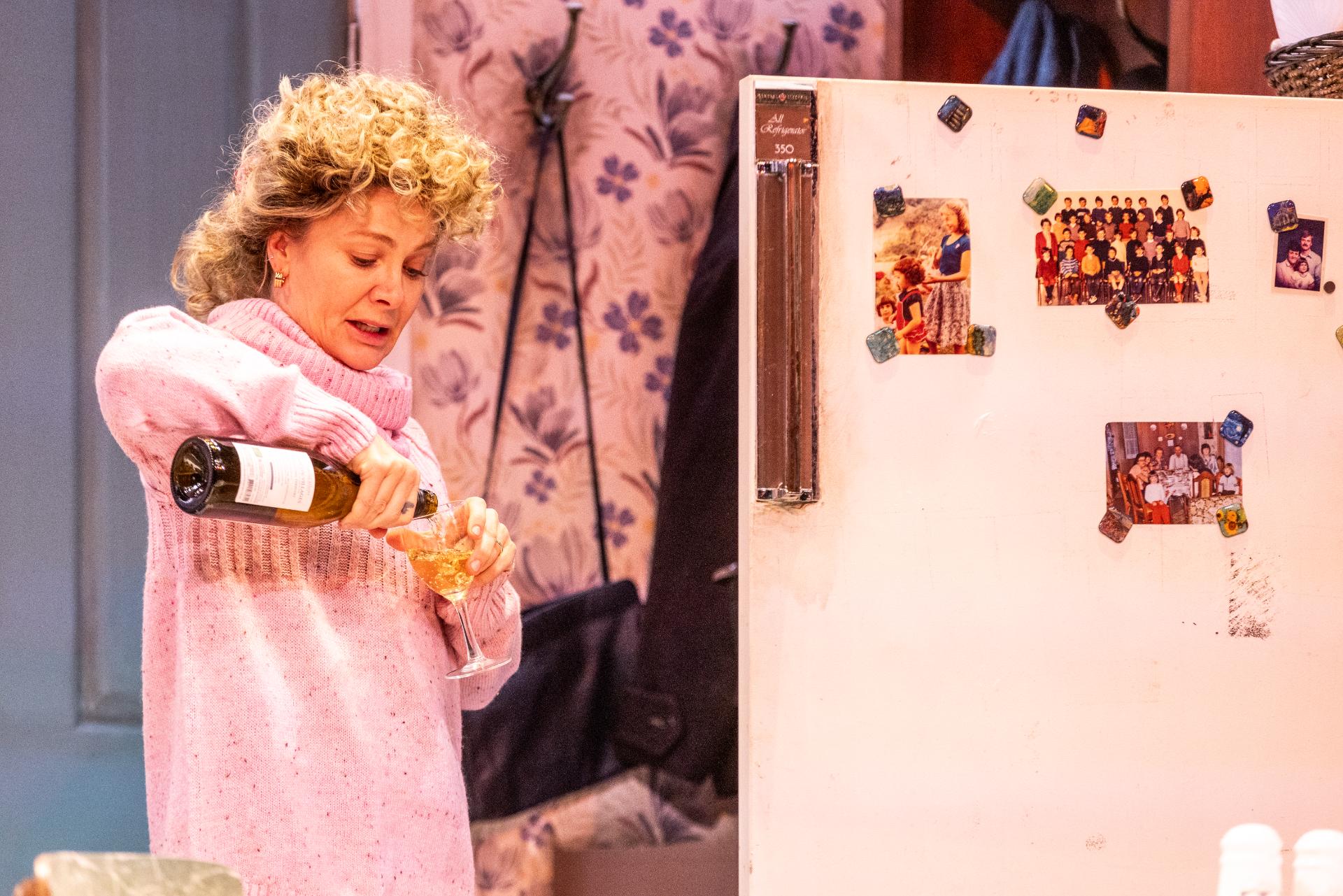
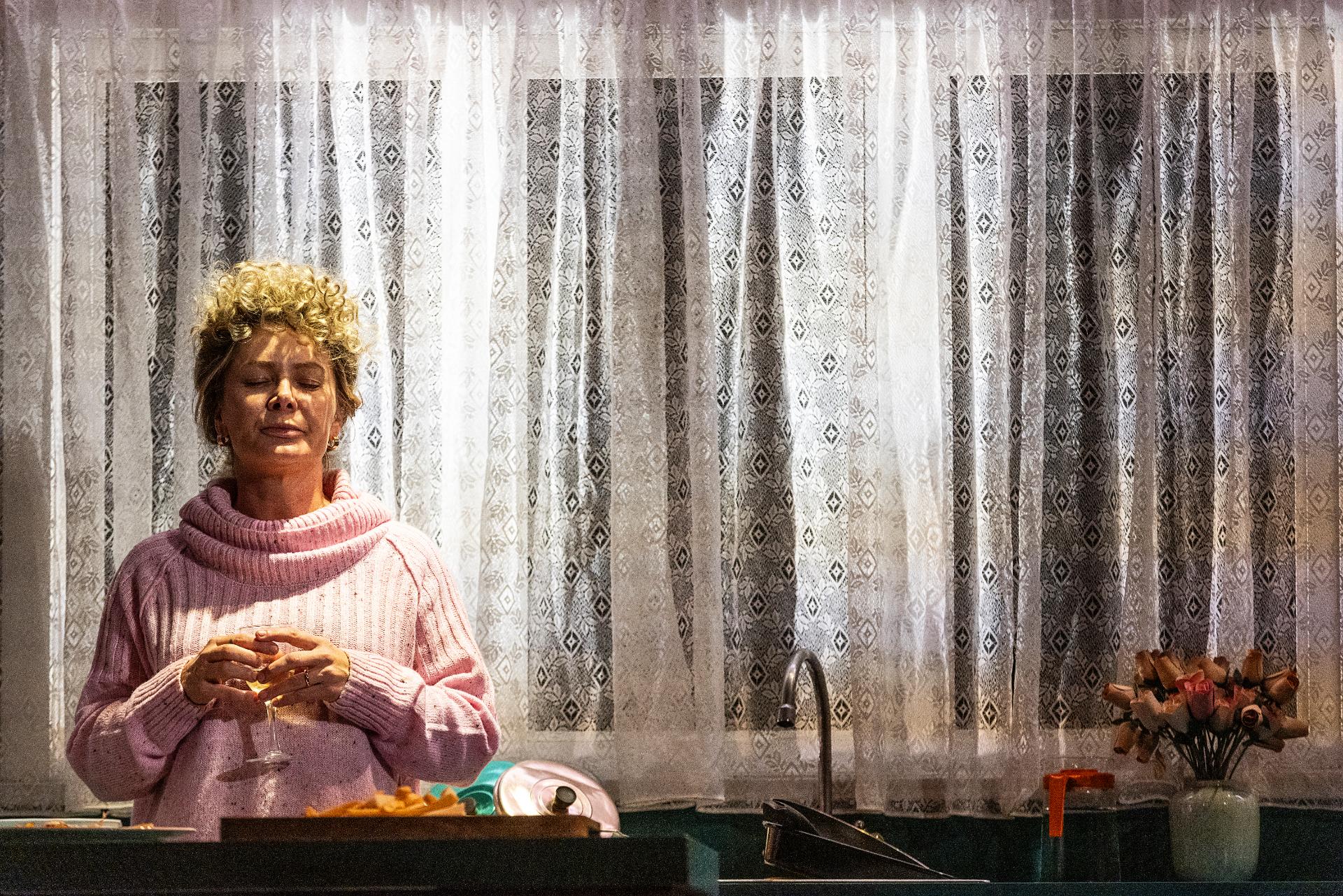
Shirley is at home, drinking too much wine and talking to the walls. Once the devoted wife and mother to an ungrateful family, she now finds herself, at 42, confronting the emptiness that domestic duty has left behind. Willy Russell’s Shirley Valentine (1986) still beats with the pulse of liberation, but its rhythm has softened. What was once piercingly funny and quietly radical now feels more quaint than provocative. The world has moved on, and so has the conversation about women’s liberation — though the play’s plea for self-possession remains universal, a reminder that the longing for selfhood, for the courage to live beyond the roles we are assigned, is timeless.
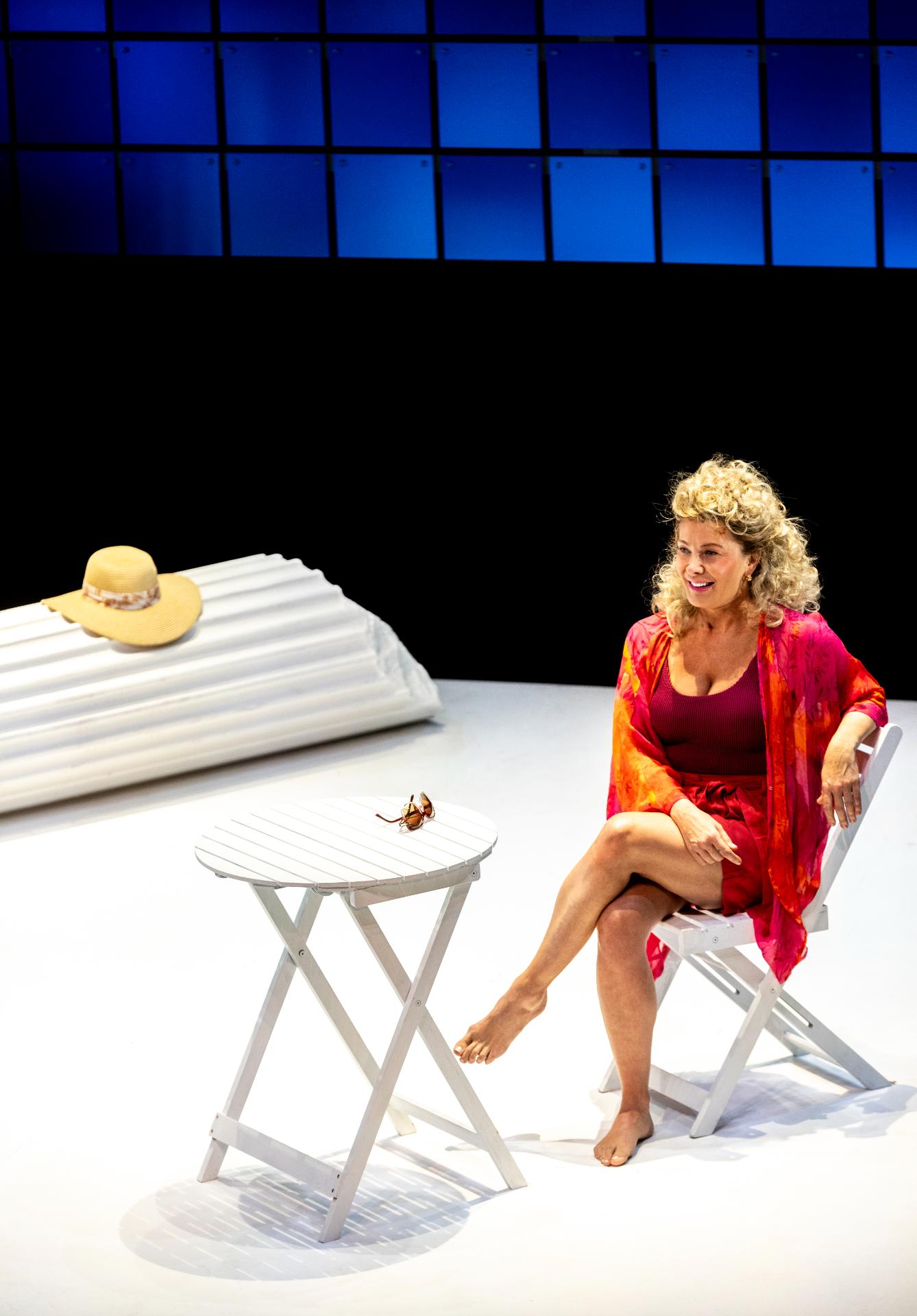
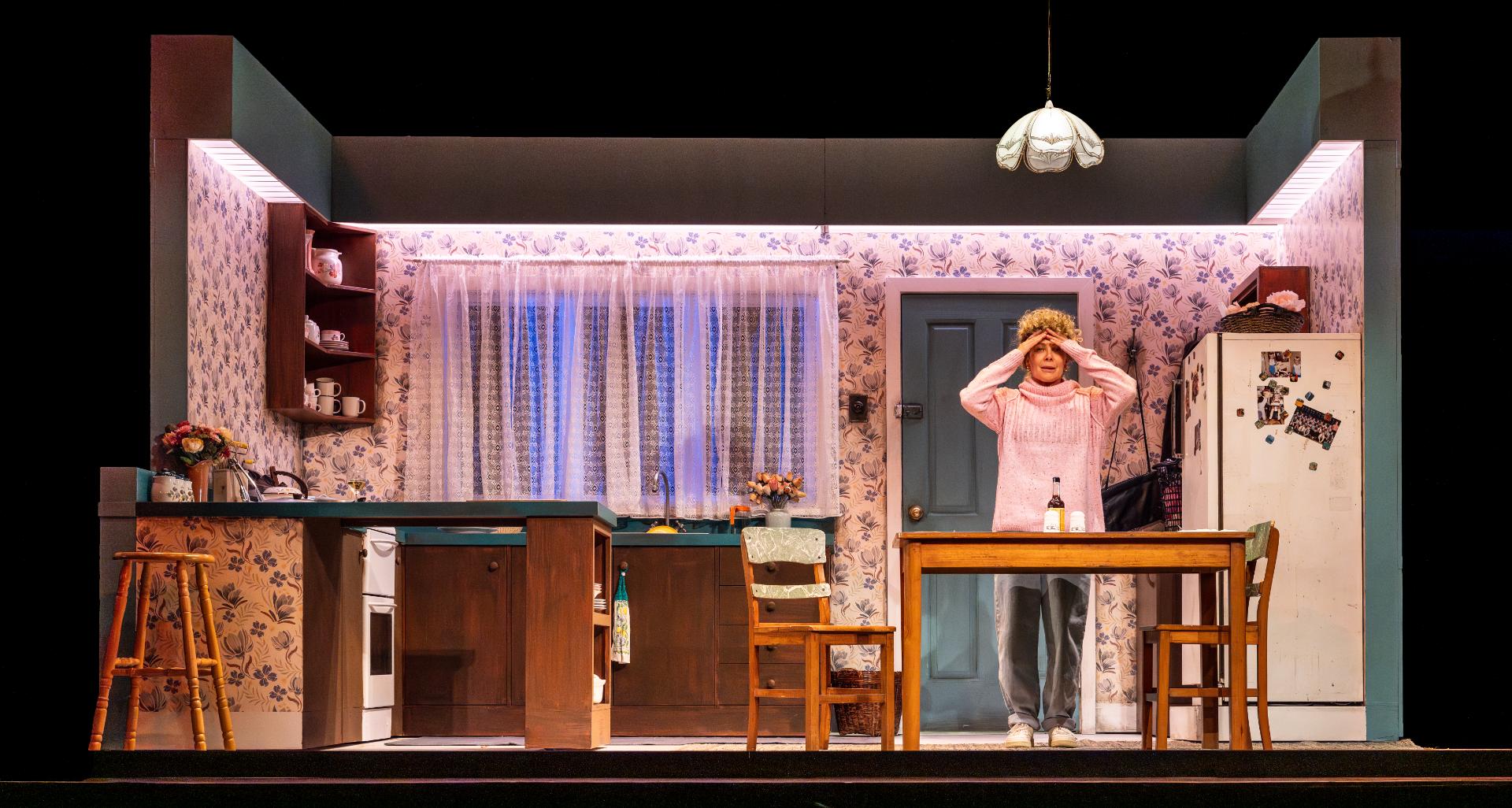
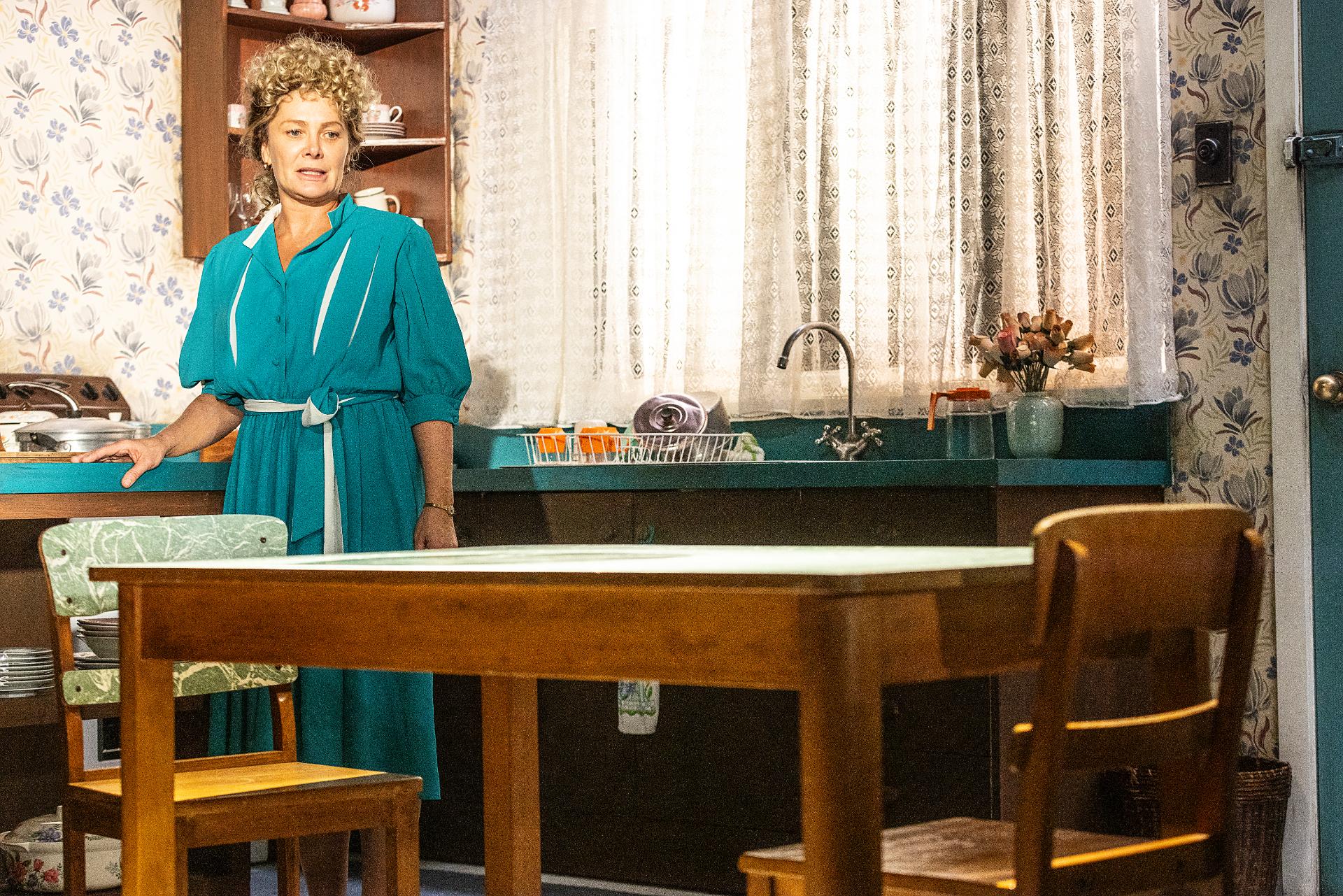
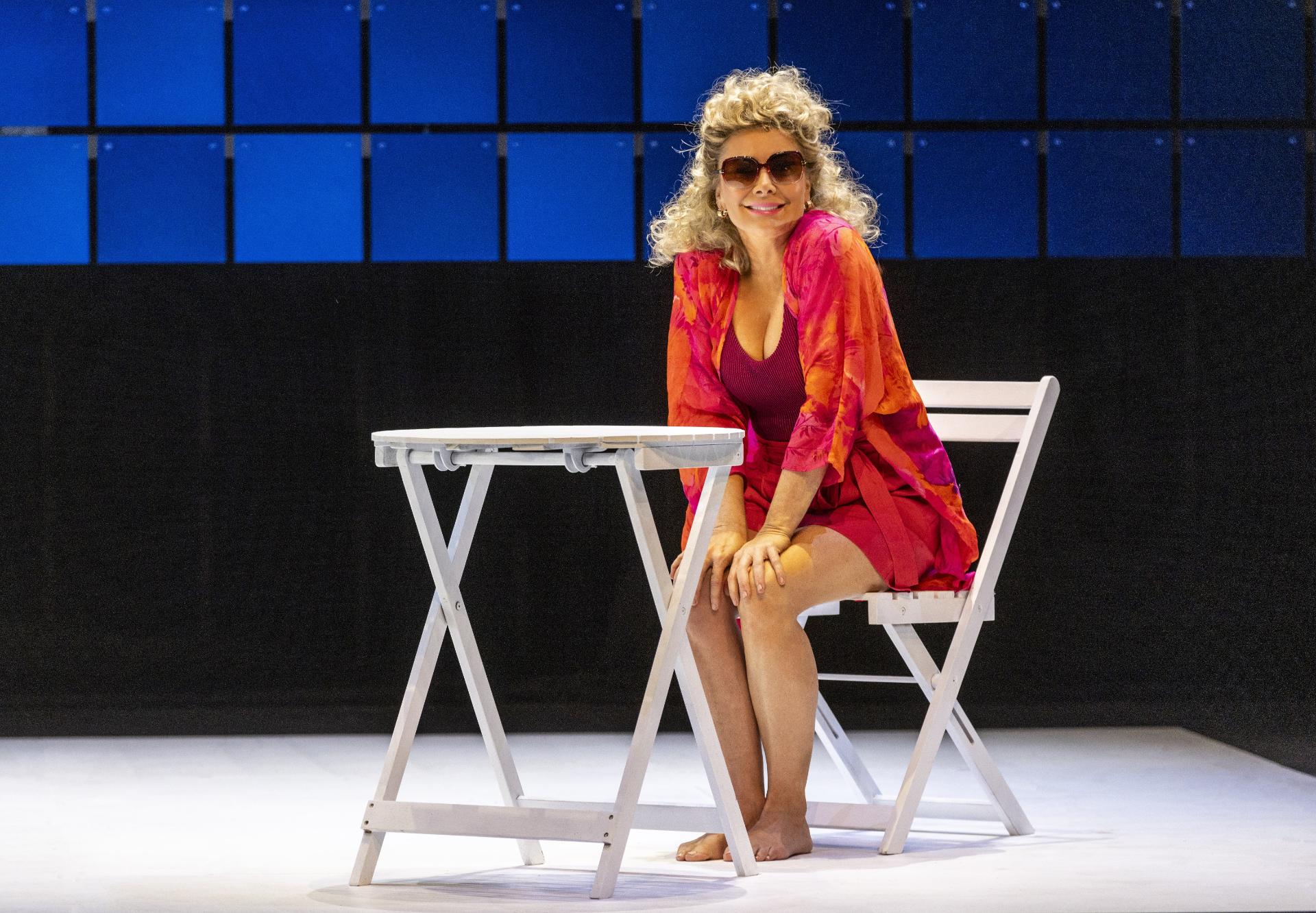
Lee Lewis’s direction proves almost too faithful to the original’s stylistic and philosophical blueprints, resulting in a production that feels somewhat restrained by contemporary standards. Still, it is a respectable staging — elegant, measured, and clear in its moral throughline. Simone Romaniuk’s set and costume design offer little in the way of reinvention, yet they convincingly evoke the dual worlds Shirley inhabits, from domestic confinement to sunlit escape. Paul Jackson’s lighting, unembellished but effective, complements Brady Watkins’s music and Marcello Lo Ricco’s sound design, both of which are finely judged in modulating the audience’s emotional terrain.
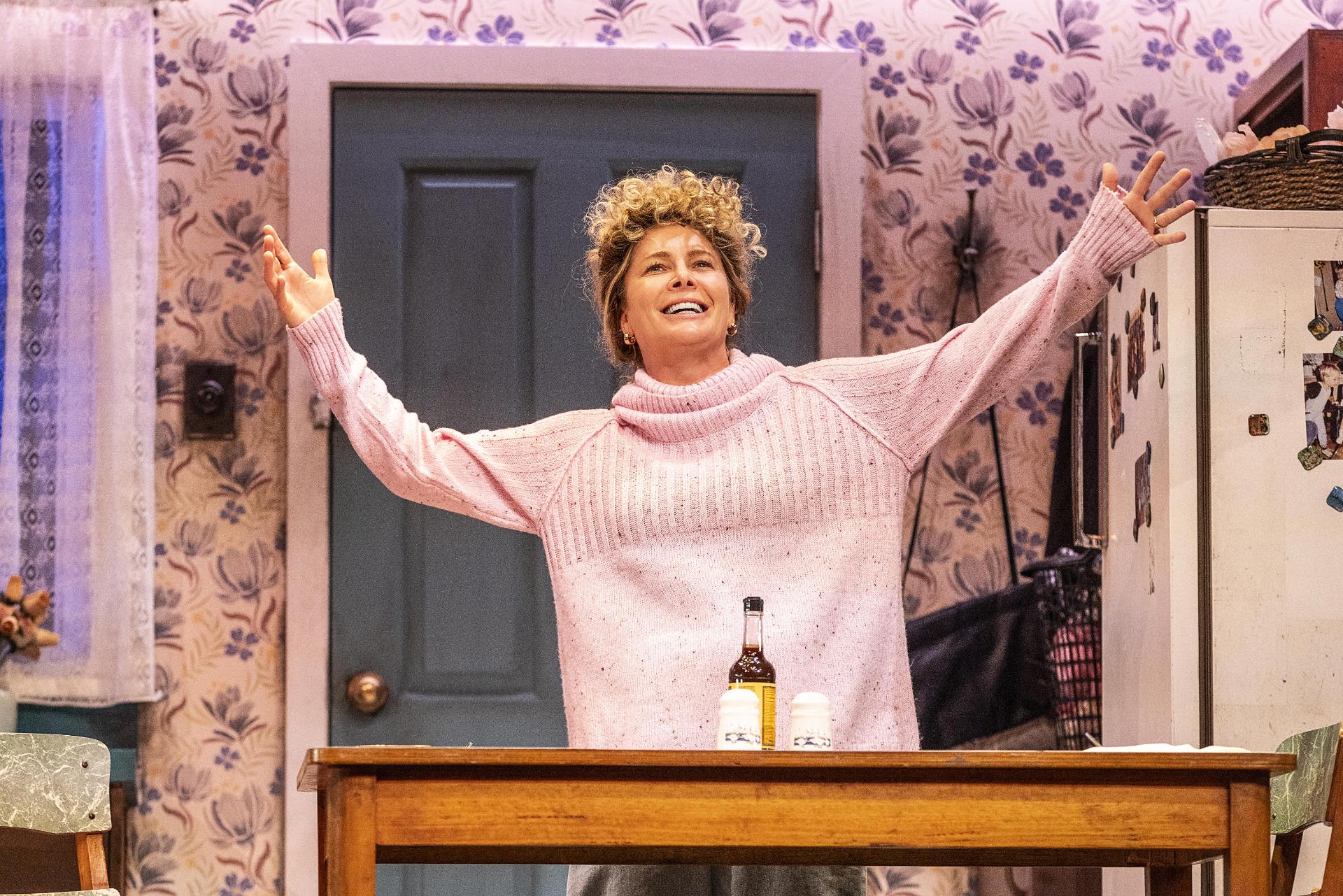
Natalie Bassingthwaighte’s natural charisma positions her perfectly for the role of Shirley. With impeccable timing and clear command of the material, she lends the one-woman show a sense of substance and confidence throughout. While she doesn’t entirely bridge the gap between the play’s dated sensibilities and a modern audience, her performance radiates authenticity, grounding the work with a valuable sense of integrity and emotional truth.
Shirley Valentine reflects not only the lives our mothers and grandmothers once led, but the continuum of feminist struggle that binds their stories to ours. It makes clear the extent of our progress, and the fragility of it — how readily it can unravel the moment we presume the fight has been won. Freedom, as ever, survives only in motion — and Shirley, we hope, is still forging ahead, still living out the promise of a brighter future.
 Suzy Goes See