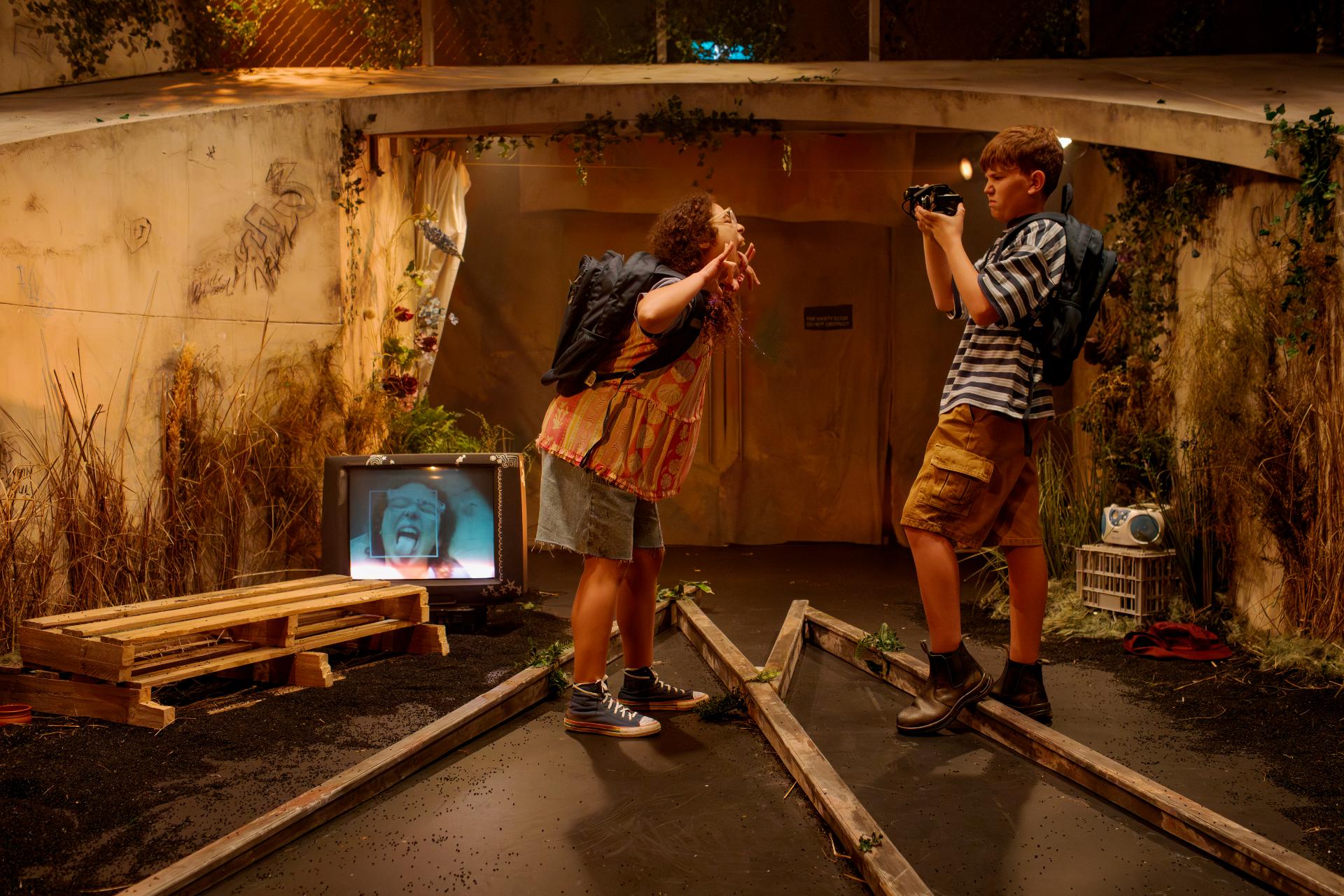
Venue: The Popsy (Sydney NSW), Mar 11 – 21 , 2026
Playwright: Callum Mackay
Director: Hayden Tonazzi
Cast: Tyallah Bullock, Rylea Eilis, Sophie Gnodtke, Finn Middleton, Rory Spinks, Leon Walshe
Images by Phil Erbacher
Theatre review
Madeline and Luke’s friendship, forged in childhood amid the quiet streets of Wangaratta in 2003, serves as the emotional bedrock of Callum Mackay’s The Last Train to Madeline. Their shared rural upbringing and divergent fates—she escaping to the metropolis to chase ambition, he remaining tethered to their regional origins—form the narrative’s central tension. Mackay crafts a meditation on parallel lives that never quite intersect, where unfulfilled longing persists despite geographical and emotional distance.
The work arrives as something of an anomaly: an unabashedly sentimental romance in an era dominated by ironic detachment. Mackay excavates emotional terrain with commendable earnestness, offering nuanced portraits of maturation in isolated communities. Yet for all its sincerity, the narrative struggles to achieve universal resonance; its specificities, while authentically rendered, may leave broader audiences unmoved.
Hayden Tonazzi’s direction compensates somewhat through vigorous staging—kinetic movement and concentrated emotional intensity lend the production a visceral pulse. Ultimately, however, neither the narrative architecture nor its inhabitants achieve the gravitational pull necessary to fully captivate. The production remains admirable in its intentions, yet distant in its execution.
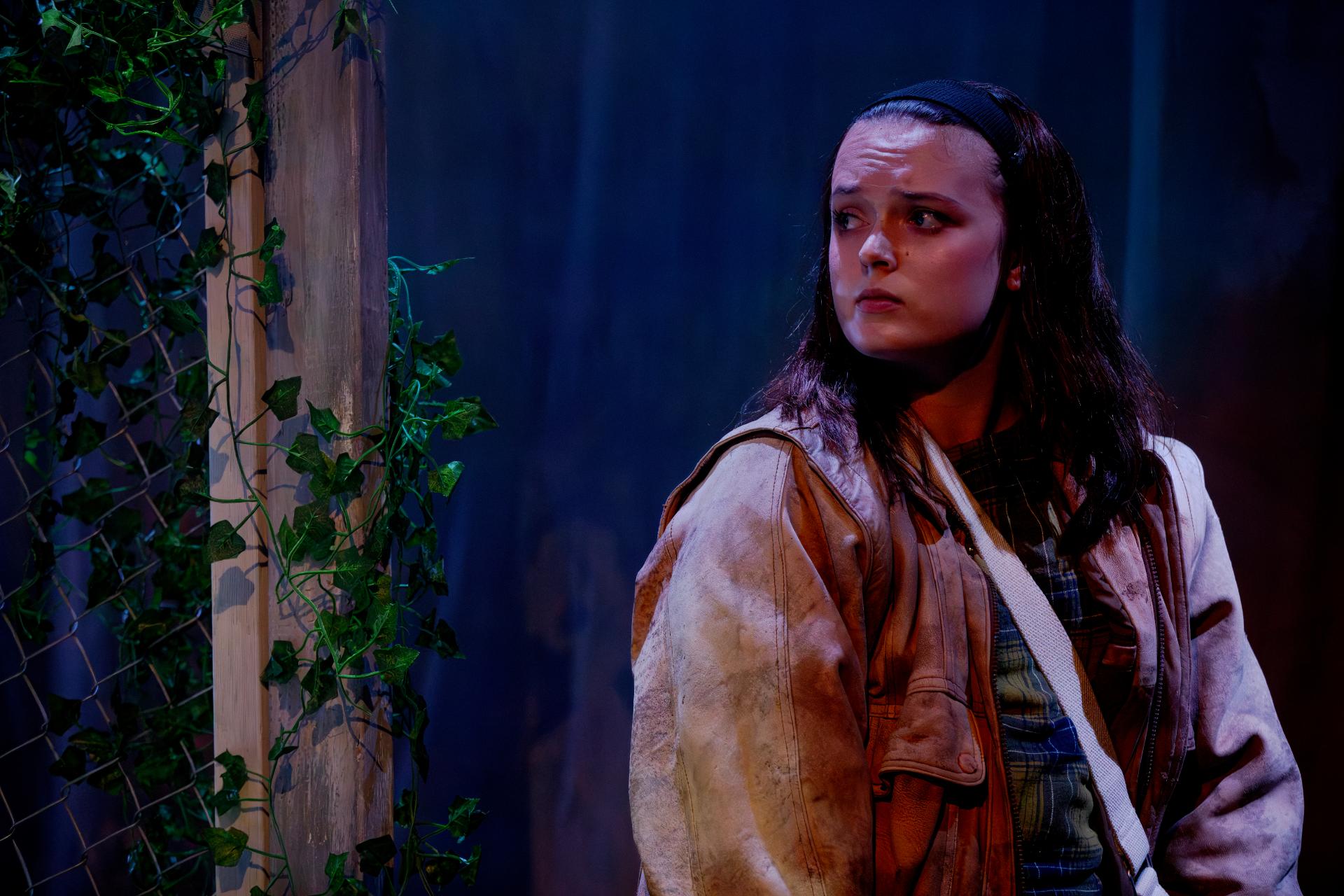
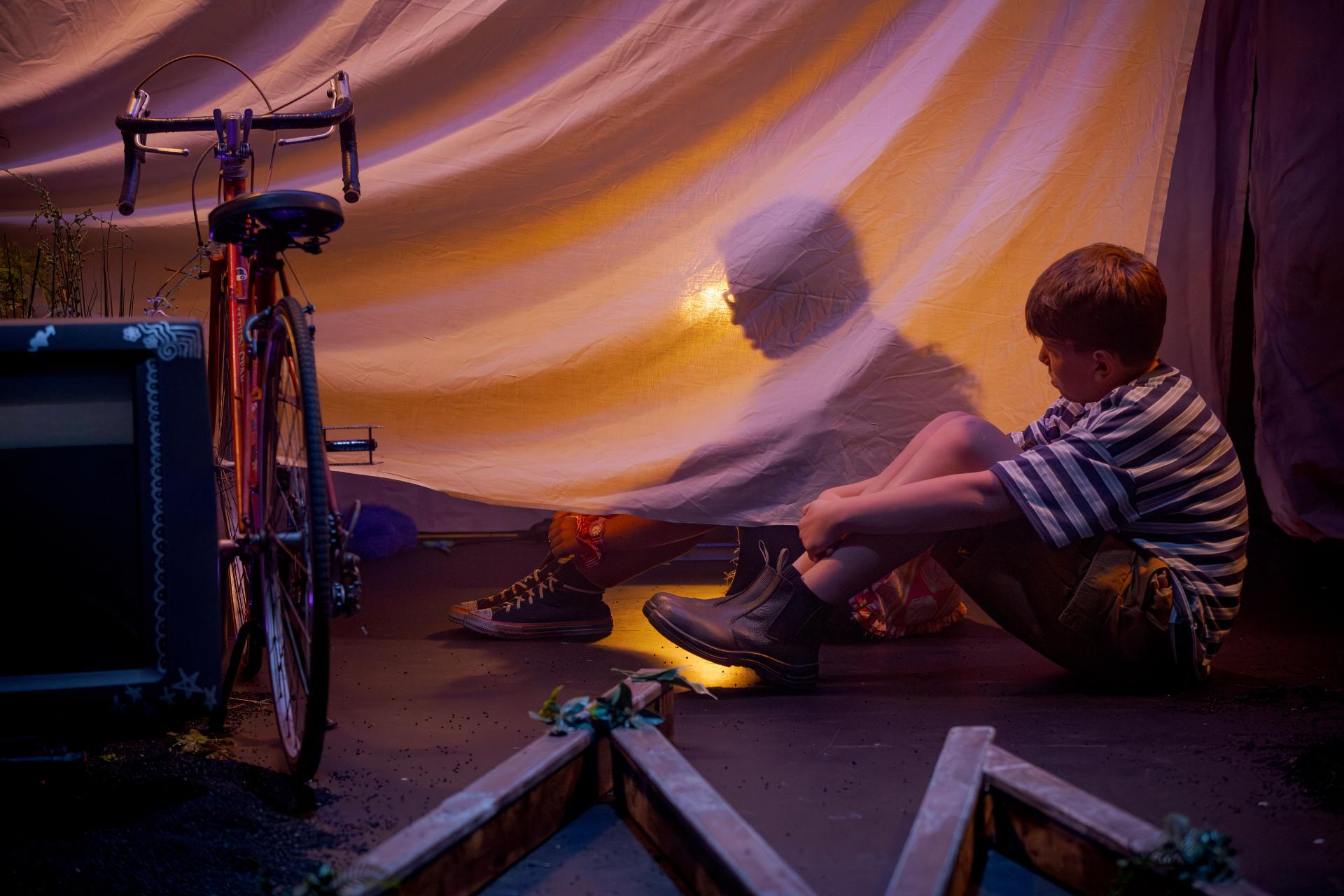
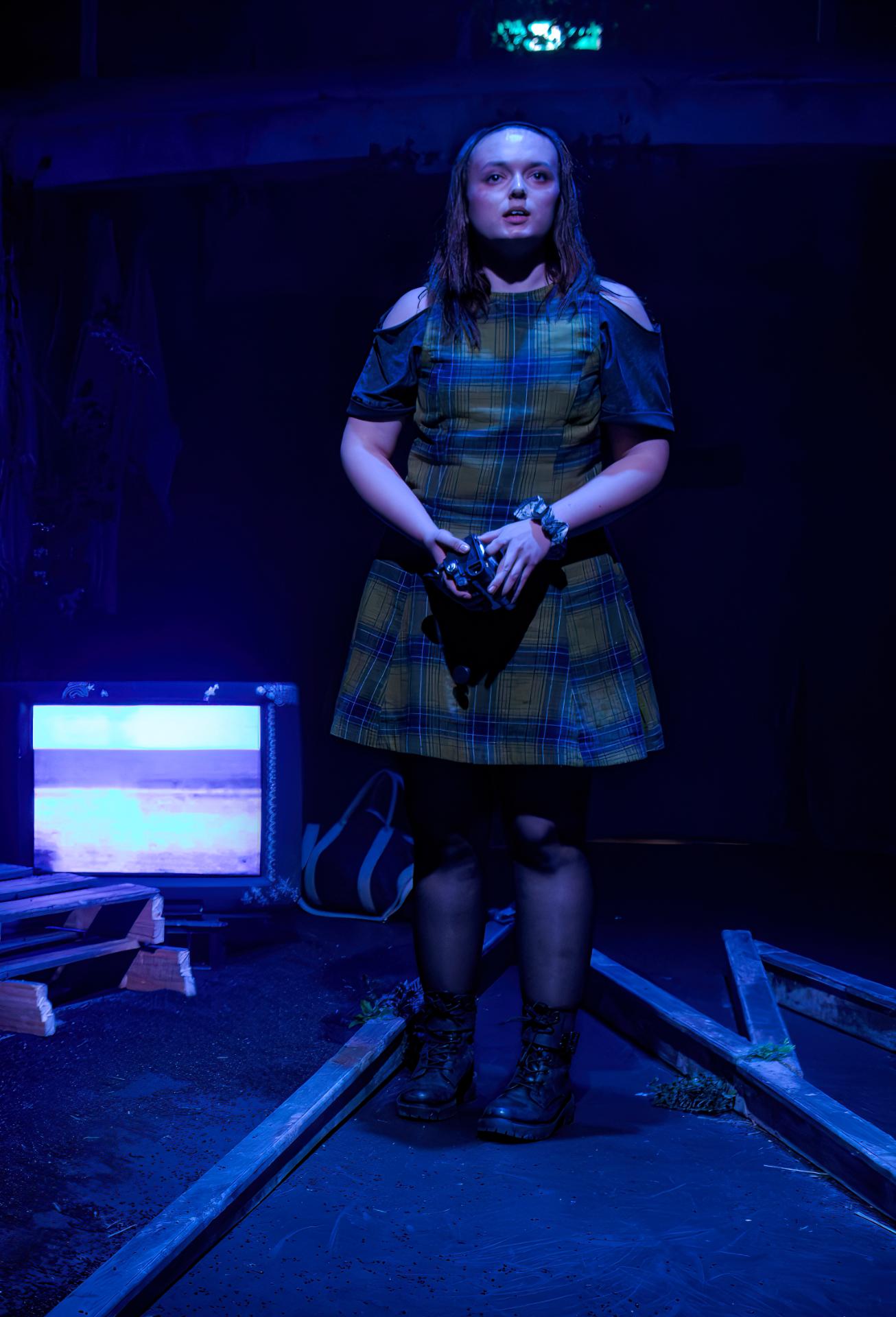
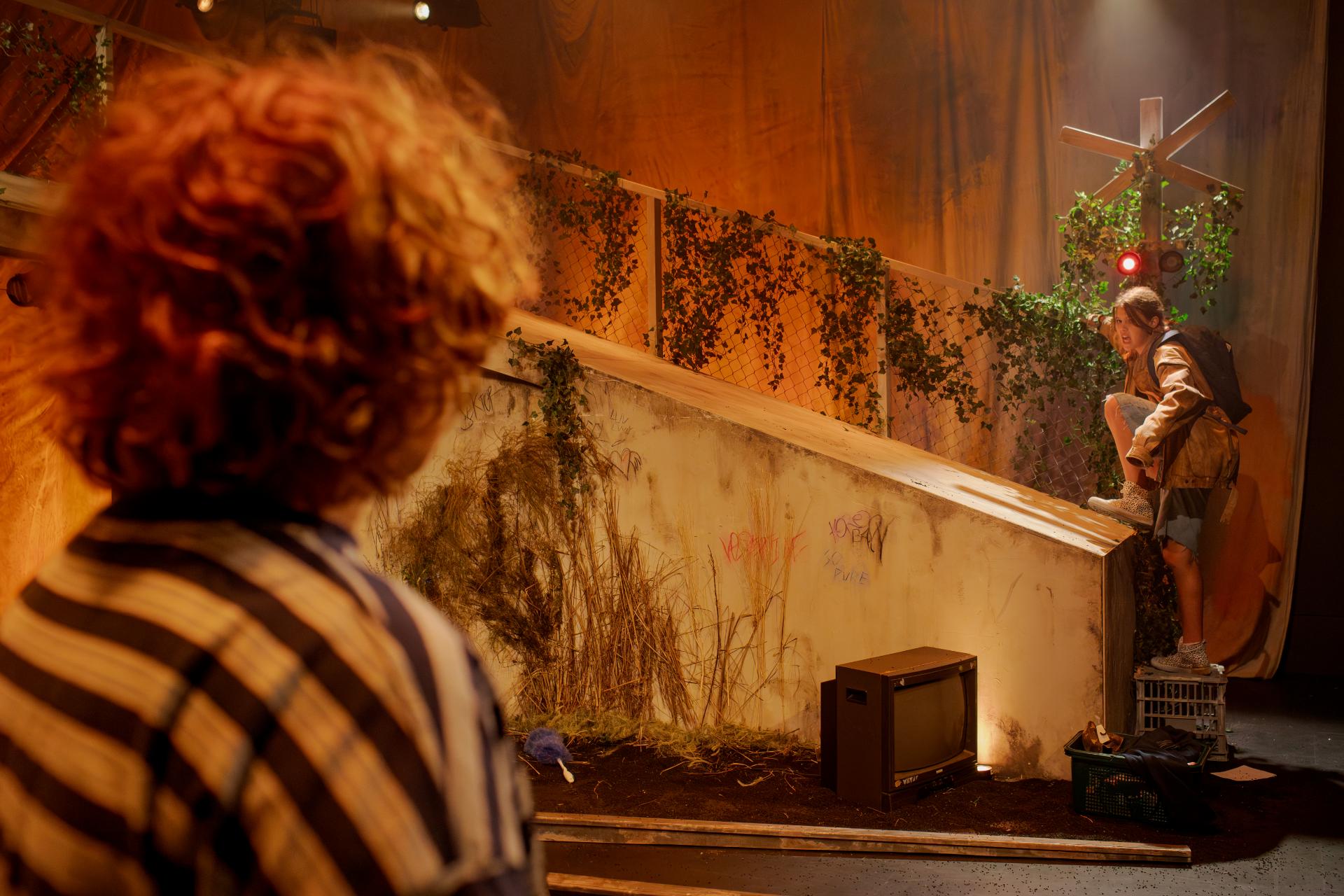
Savanna Wagman’s production design evokes the particular textures of small-town existence, grounding the narrative in an authentic provincial milieu while simultaneously asserting a bold theatrical vision that proves consistently satisfying to the eye. Spencer Herd’s lighting design complements this approach with soft, languid imagery that mirrors the narrative’s prevailing tone of wistful tenderness. Oliver Beard’s soundscape and musical compositions operate on dual registers: establishing atmospheric immersion while penetrating the interior landscapes of the characters’ private struggles.
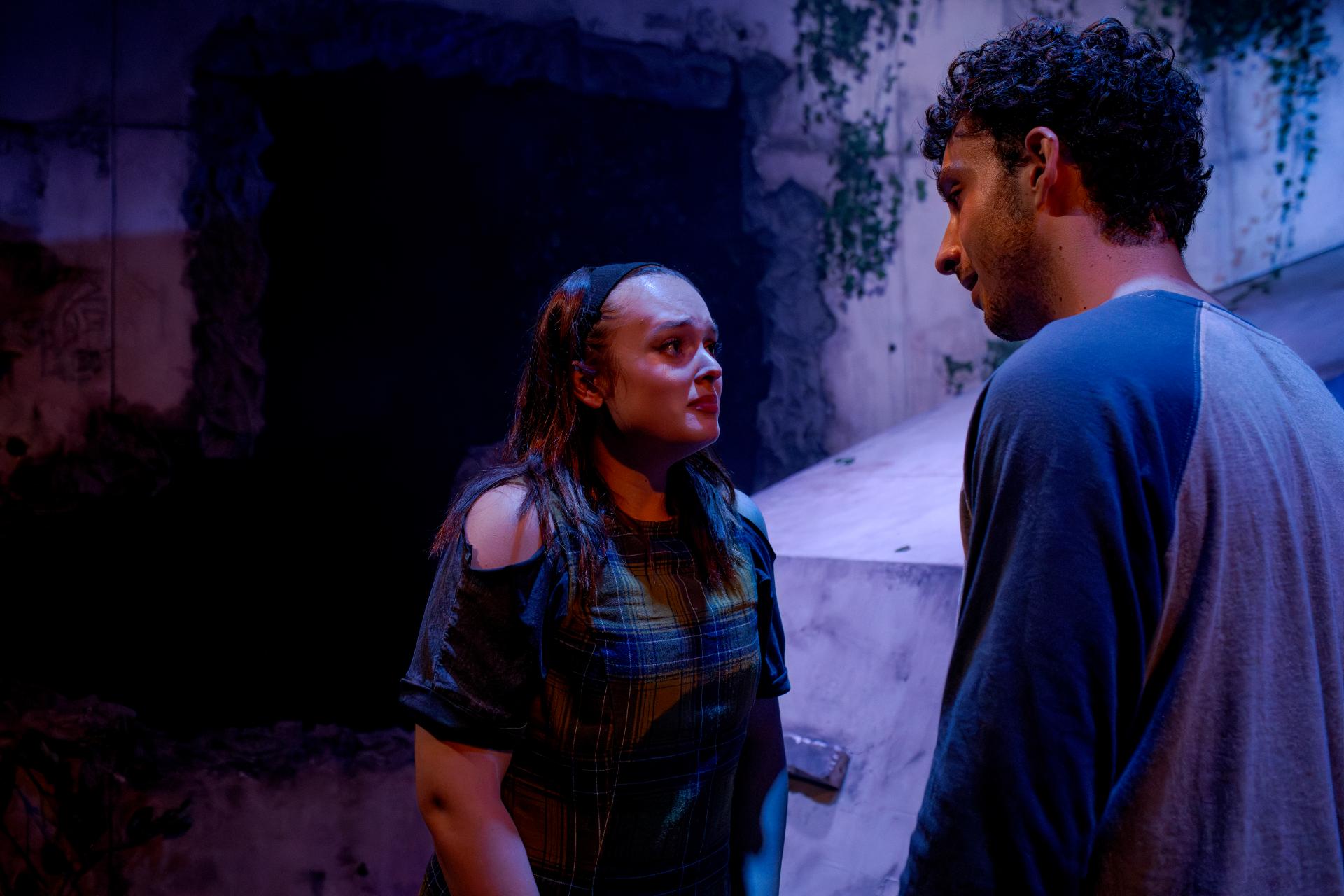
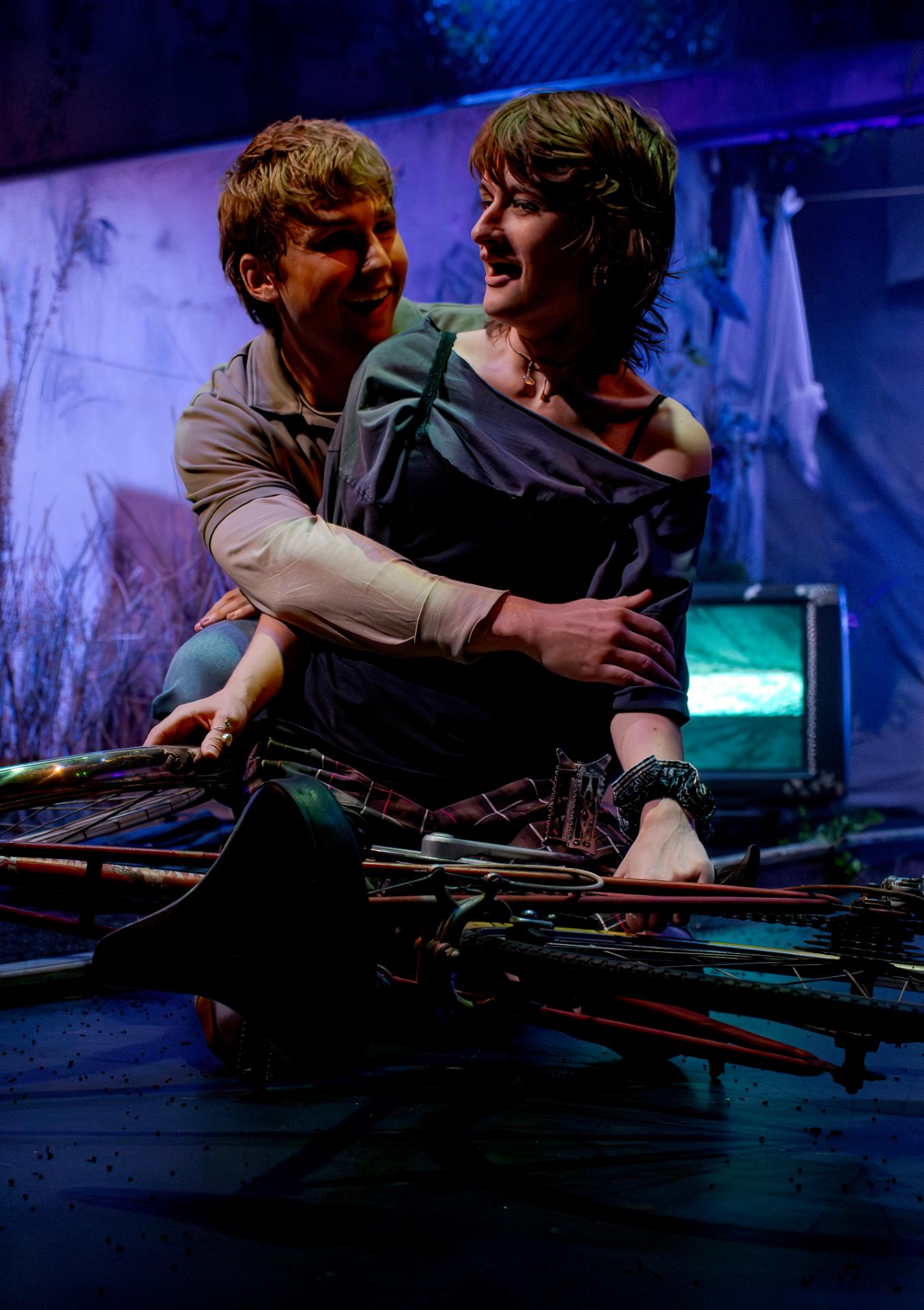
Six performers inhabit the evolving personas of Madeline and Luke across the temporal arc of their lives, with Rylea Eilis and Finn Middleton emerging as the production’s most compelling interpreters. The pair craft distinct psychological profiles that resonate with verisimilitude, and their chemistry as a romantic unit achieves a persuasiveness that anchors the narrative’s emotional stakes. We observe these figures gradually establish interdependence, cultivating a bond that becomes instrumental in fortifying their respective passages toward maturity.
What unfolds between them is a gradual architecture of trust and interdependence, as two young people navigate the precarious terrain of shared adolescence. Their friendship becomes a vessel for resilience, each finding in the other a quiet scaffolding upon which to lean while charting the uncertain passage toward adulthood. It is a portrait of connection as both refuge and rudder—anchoring even as it orients.
Yet the work quietly demonstrates that such bonds, however formative, cannot permanently substitute for the sovereignty of self. Adulthood demands a different kind of mastery: not over another, but over oneself. The old intimacies, once vital, must be relinquished, or maybe temporarily set aside, as one sets aside a compass once the destination is in sight. It is a bittersweet acknowledgment that growth often requires distance, and that love, in its most mature form, often means letting go.
 Suzy Goes See