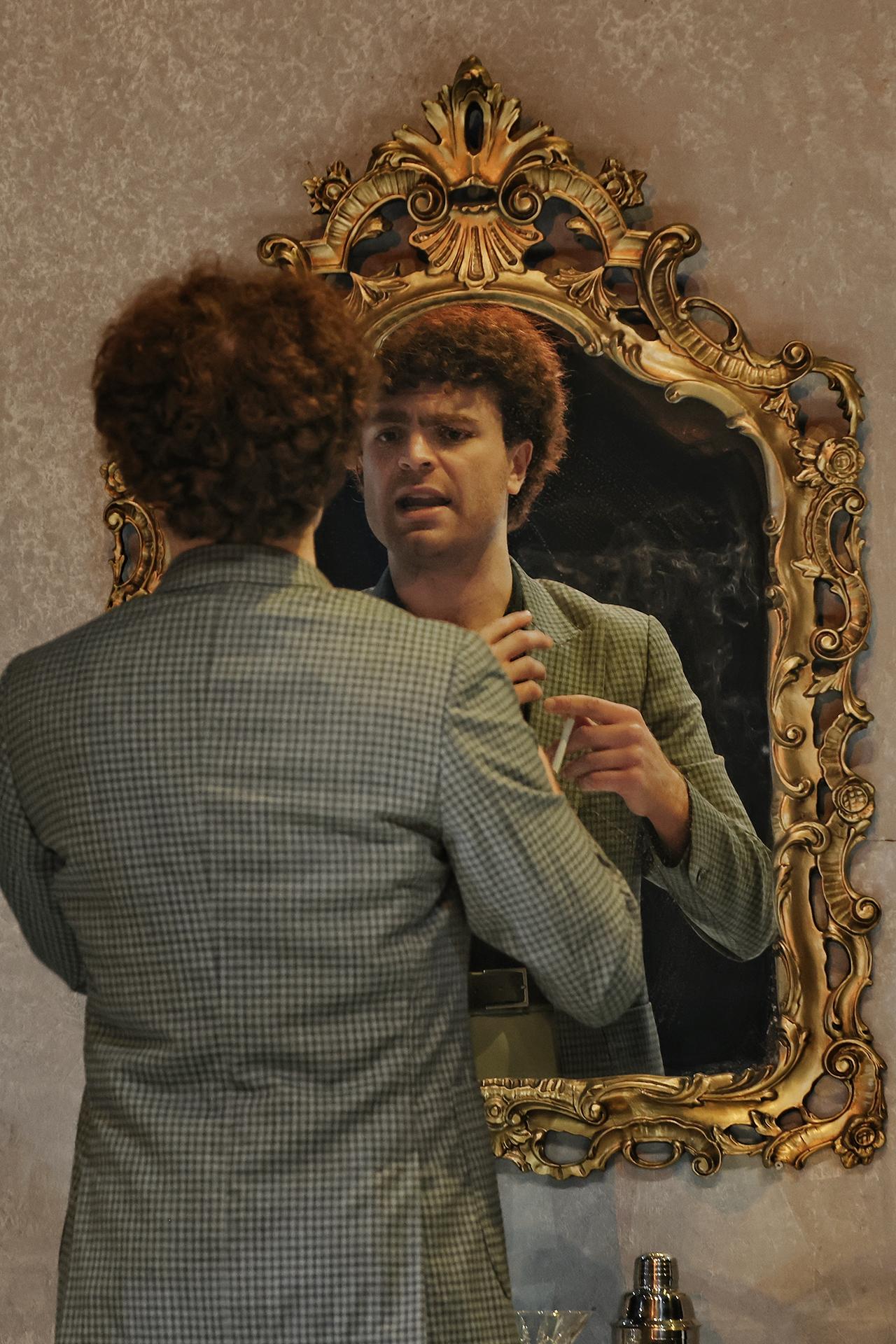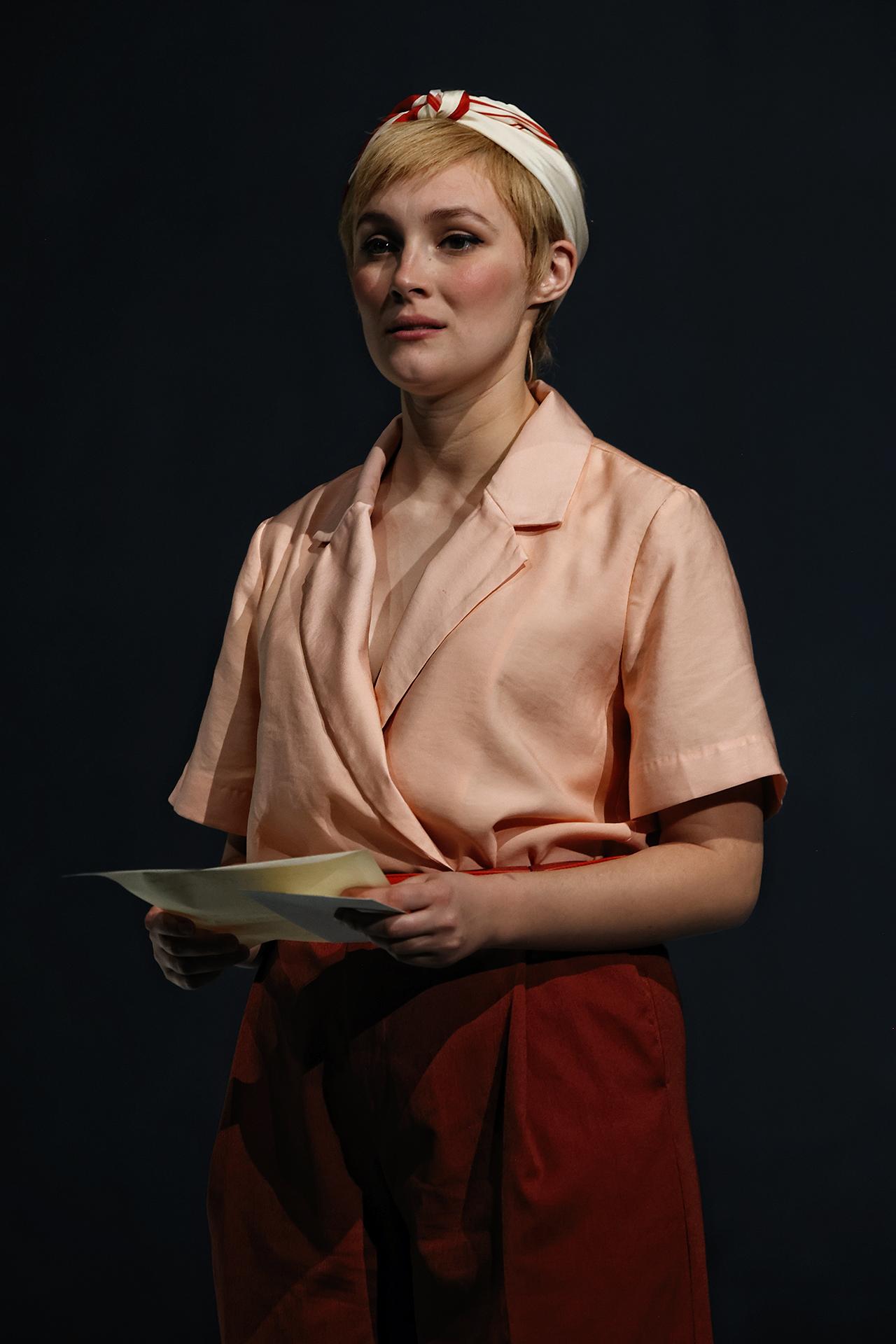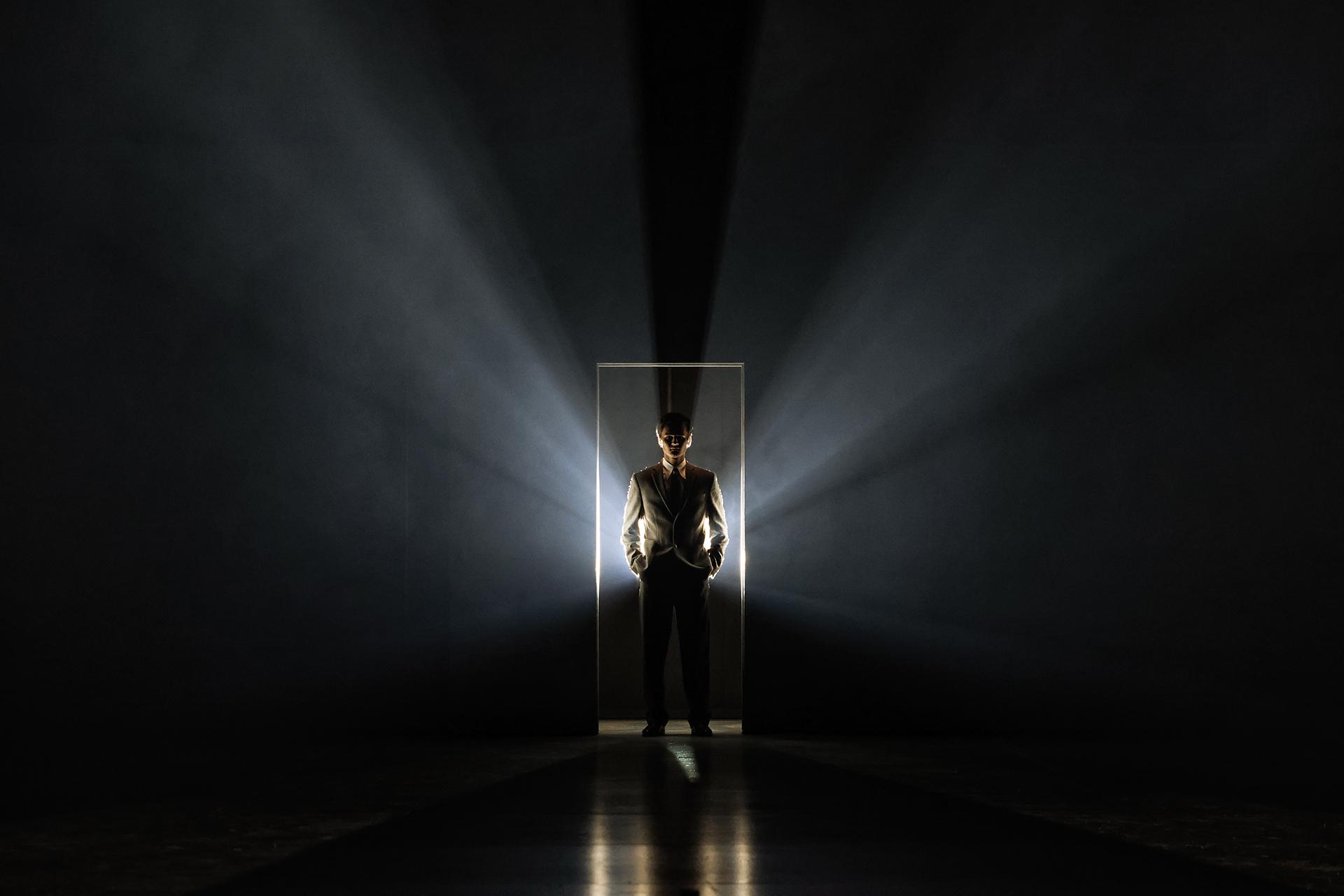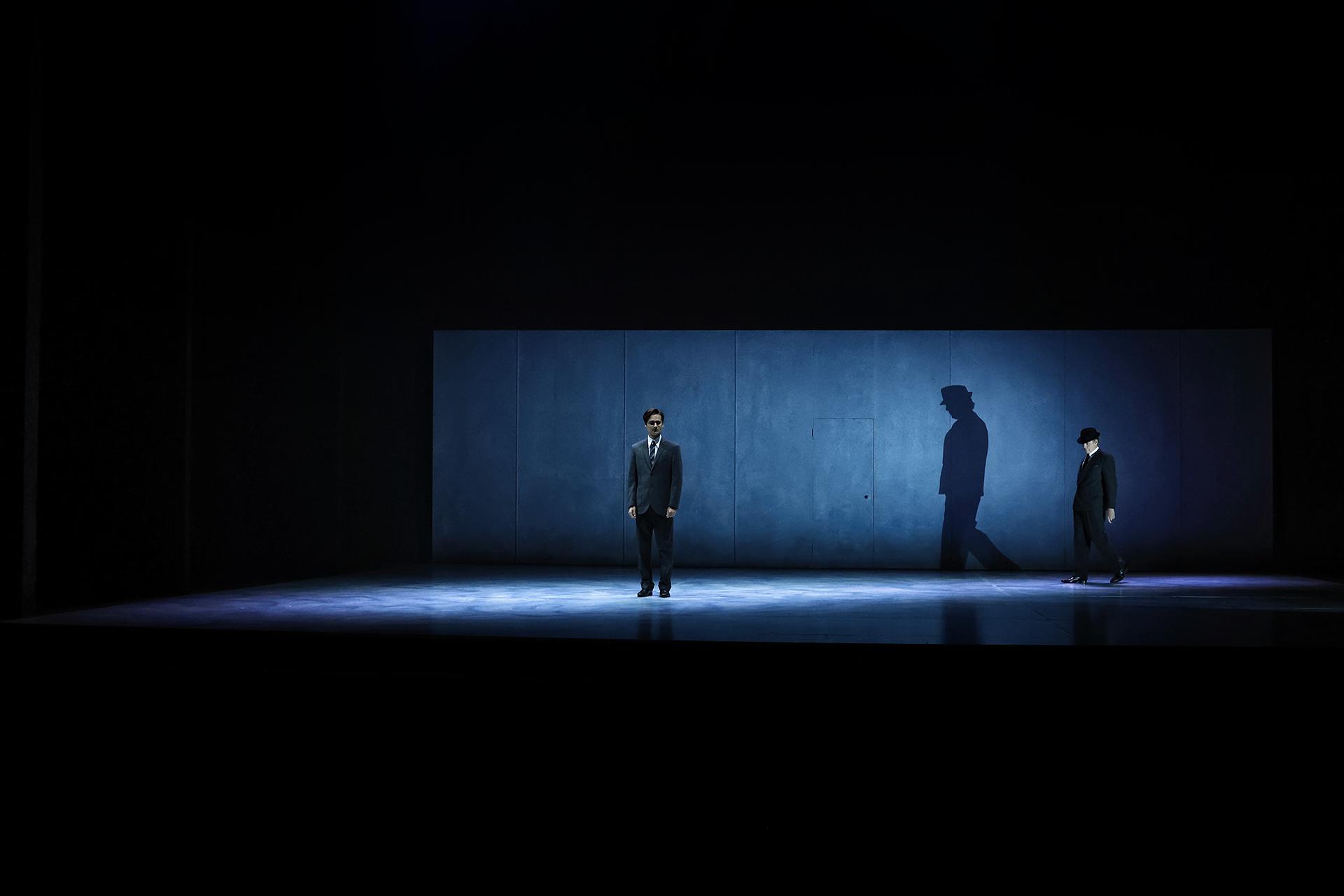
Review: Congratulations, Get Rich! 恭喜发财, 人日快乐 (Sydney Theatre Company)

Venue: Wharf 1 Sydney Theatre Company (Walsh Bay NSW), Nov 21 – Dec 14, 2025
Playwright: Merlynn Tong
Director: Courtney Stewart
Cast: Zac Boulton, Seong Hui Xuan, Merlynn Tong, Kimie Tsukakoshi 
Images by Prudence Upton

Theatre review
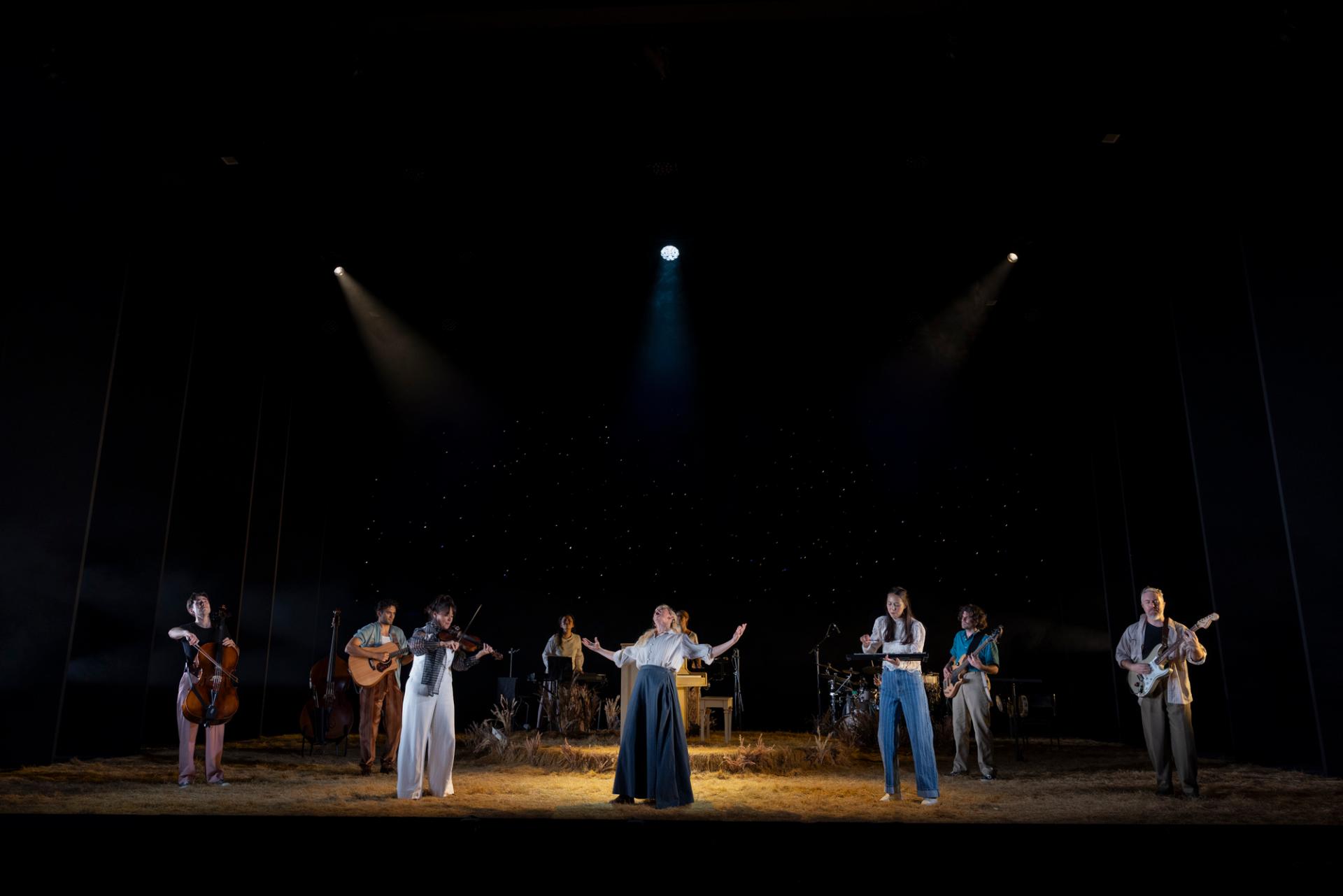
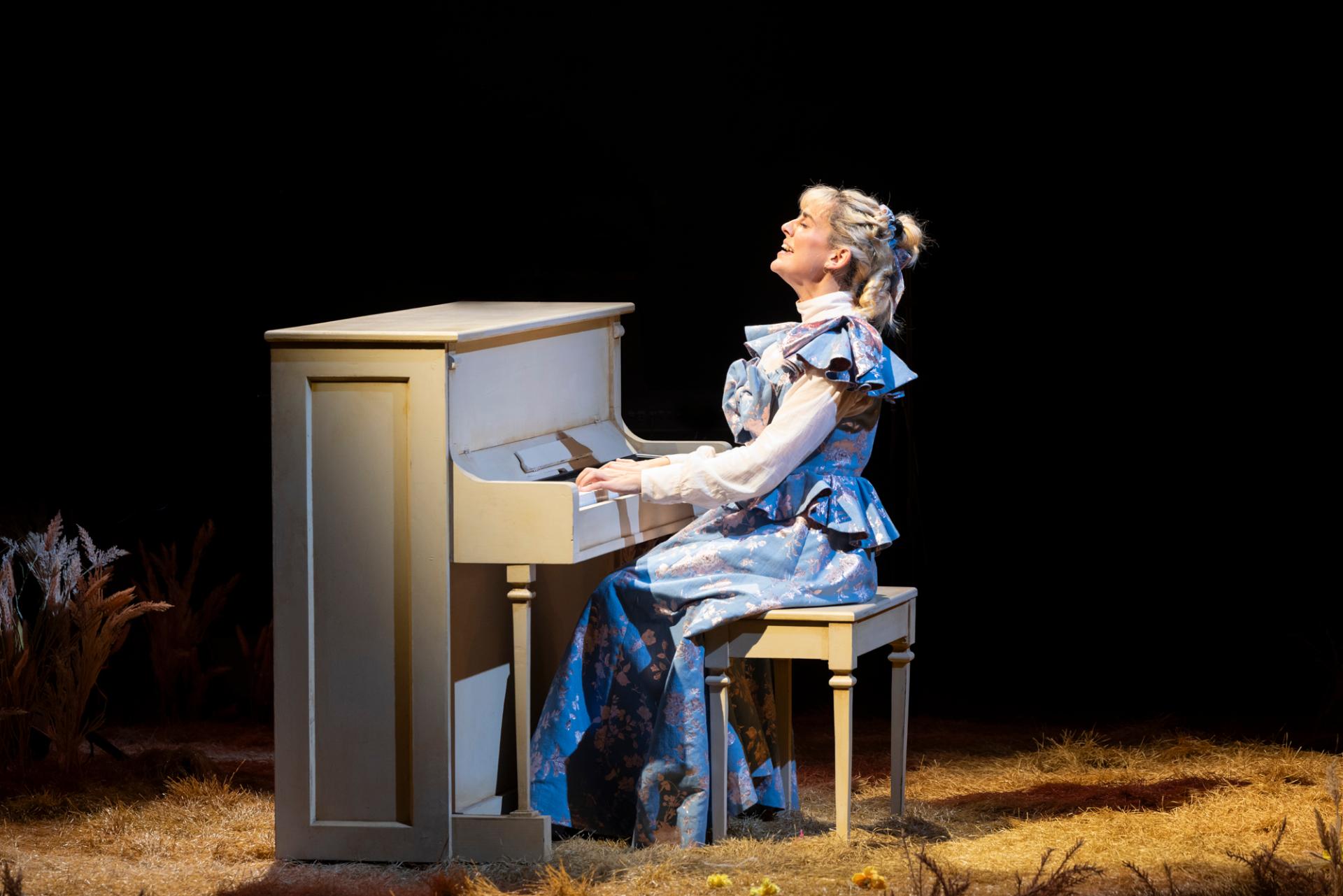
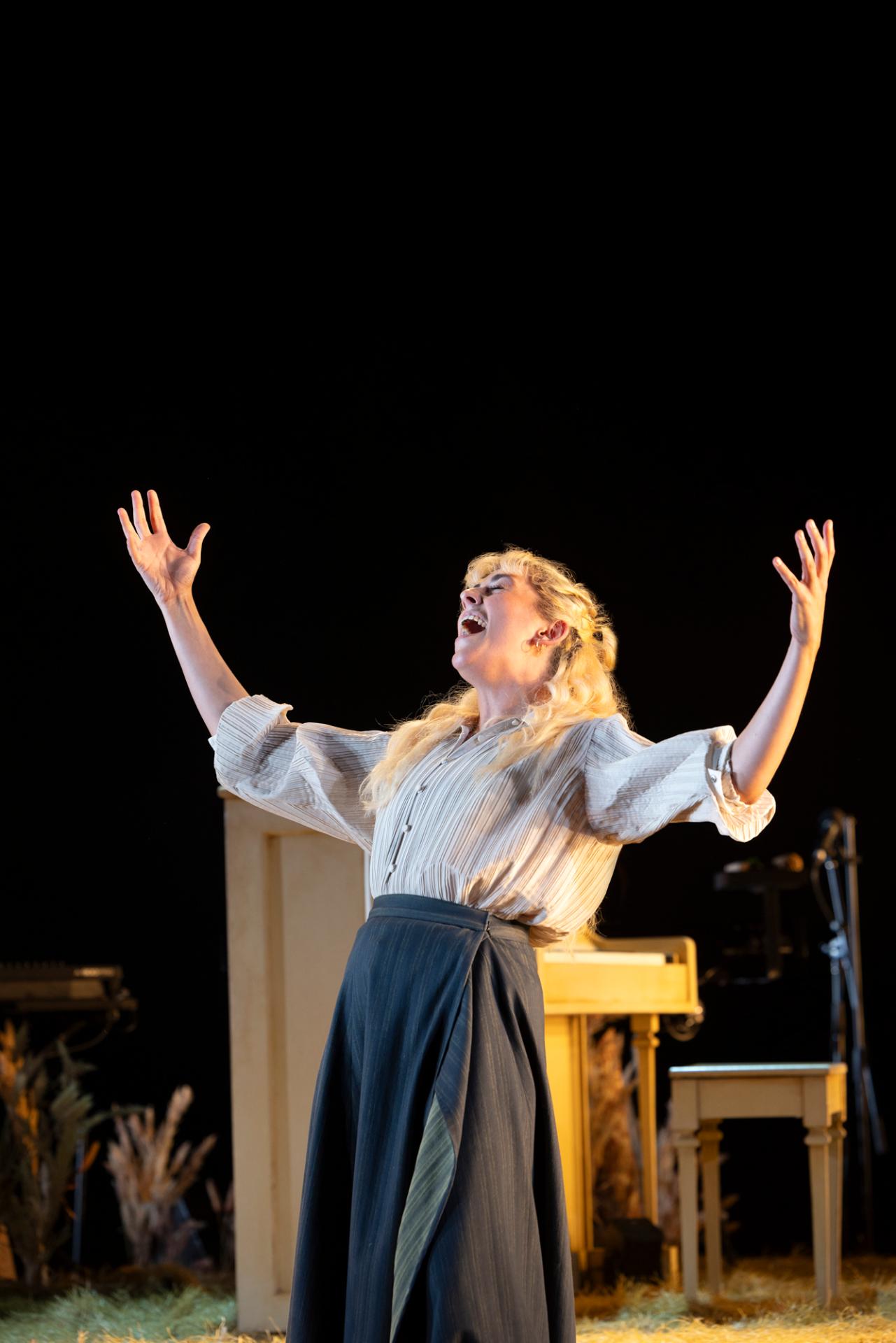
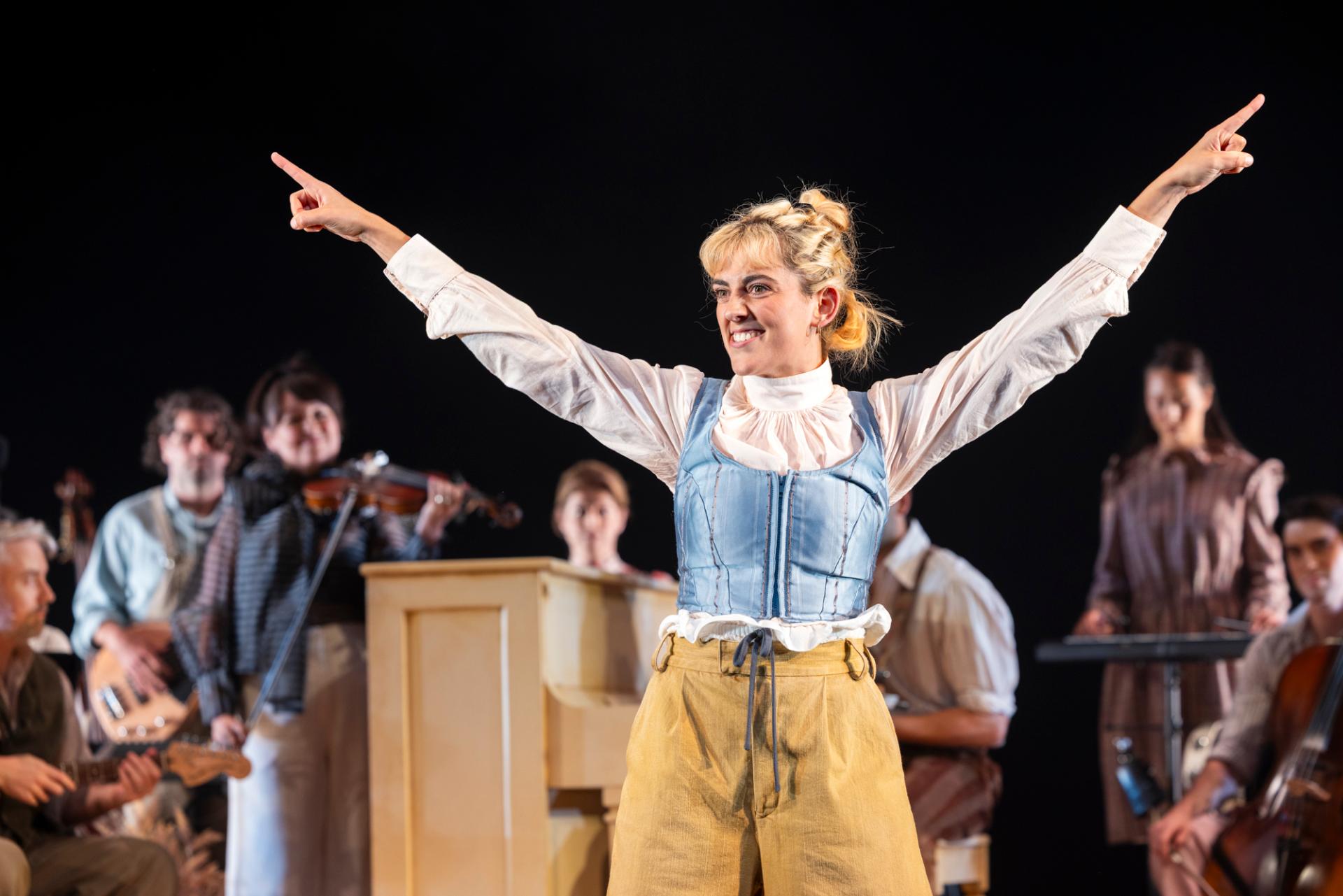
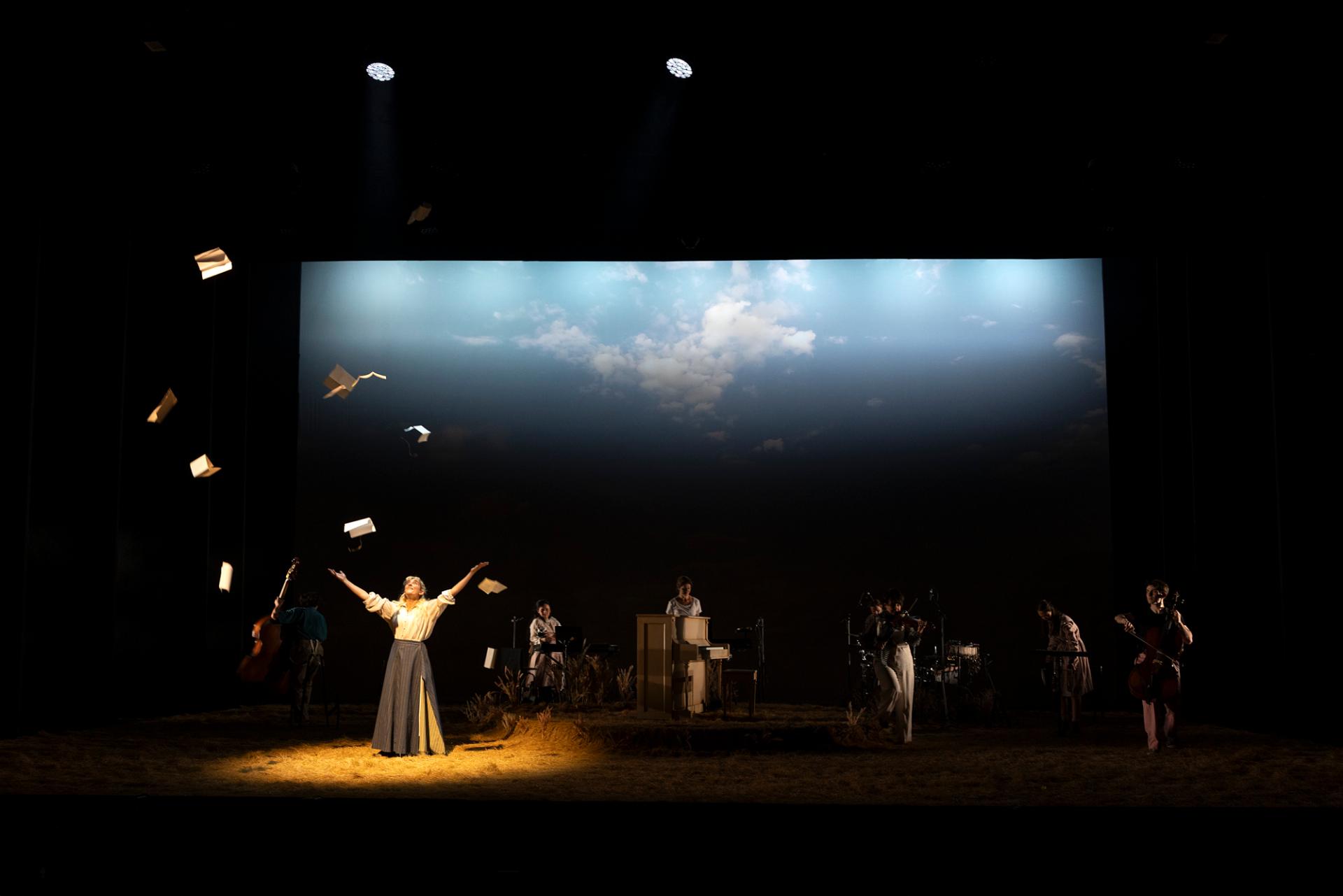
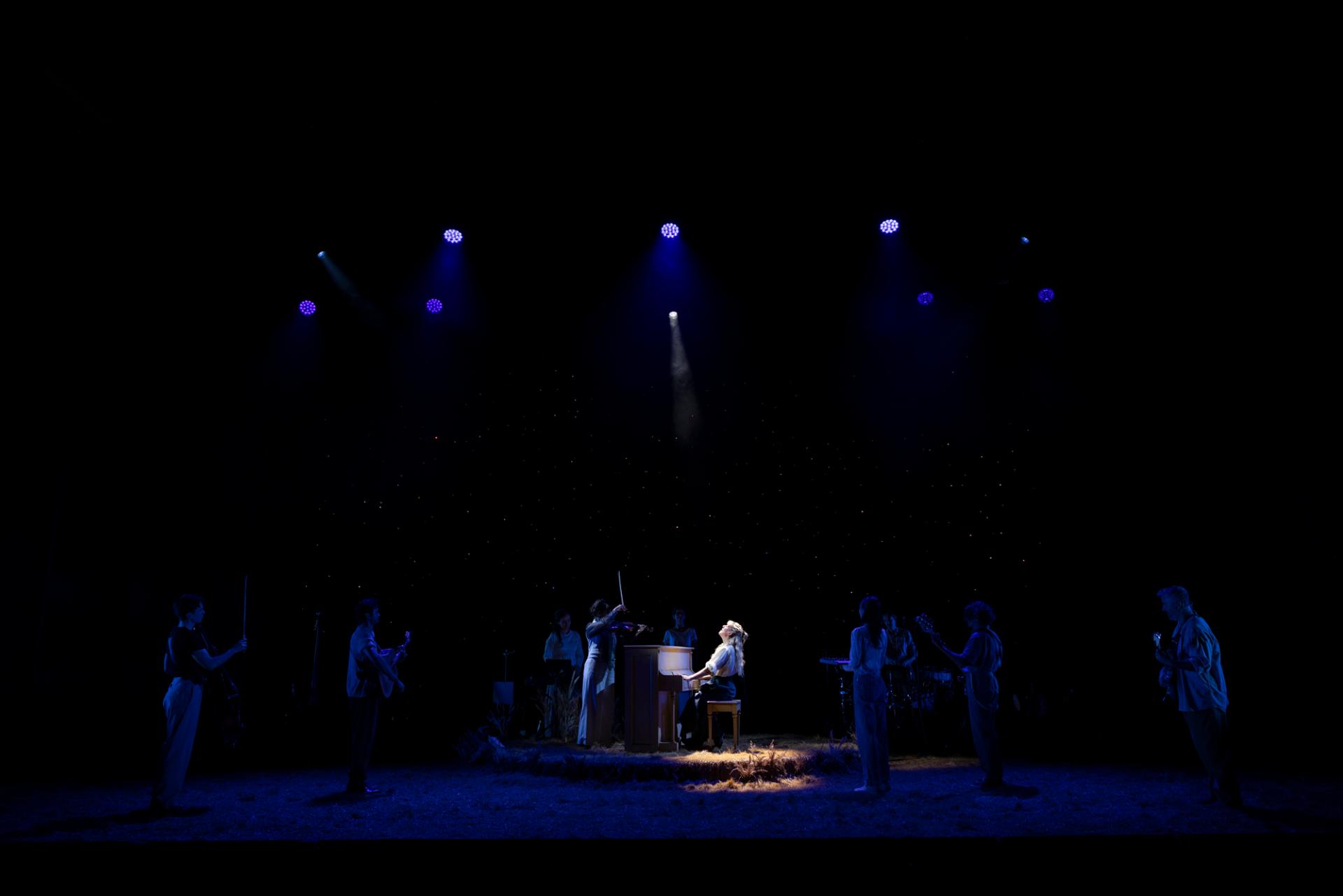
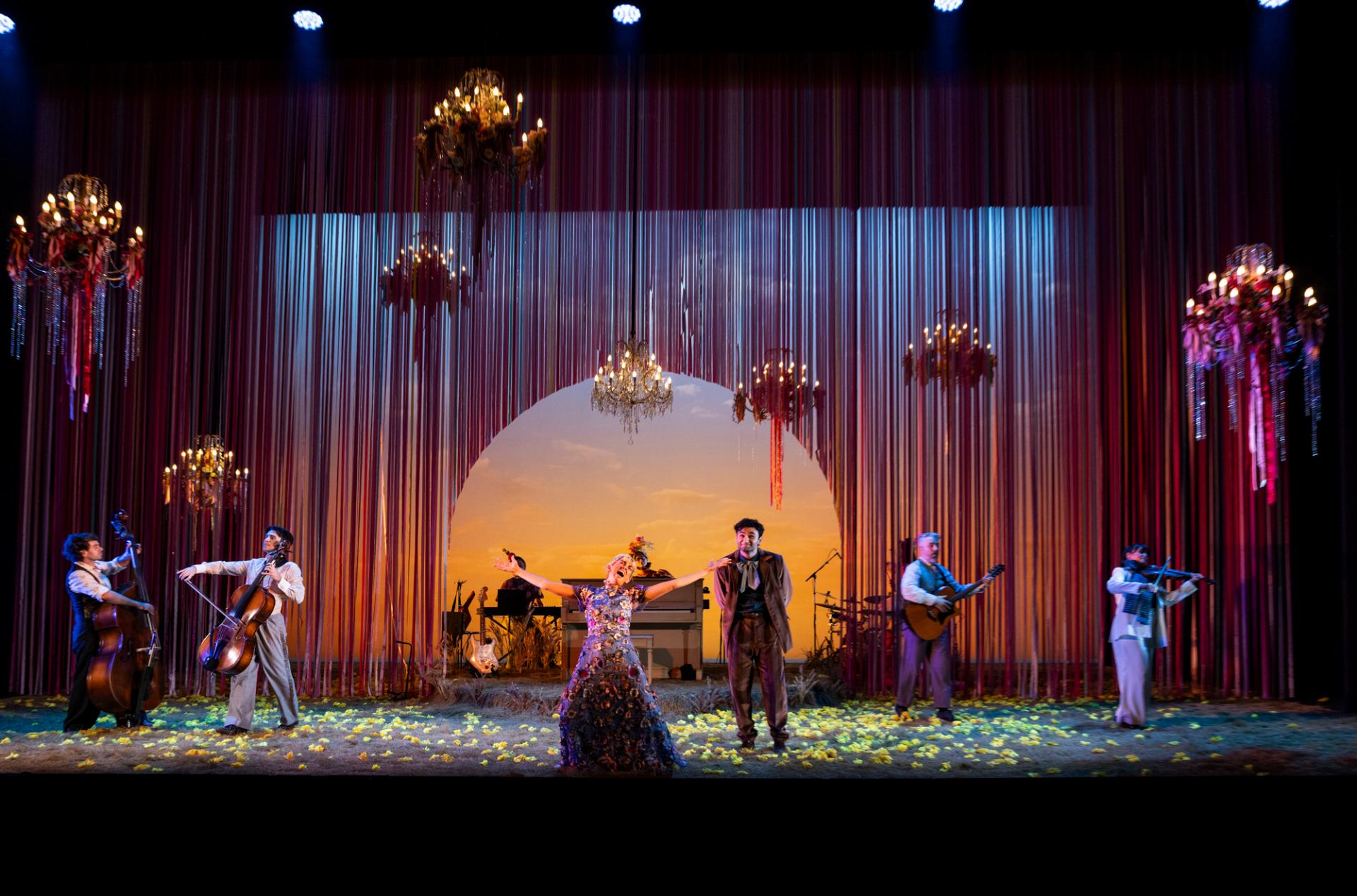
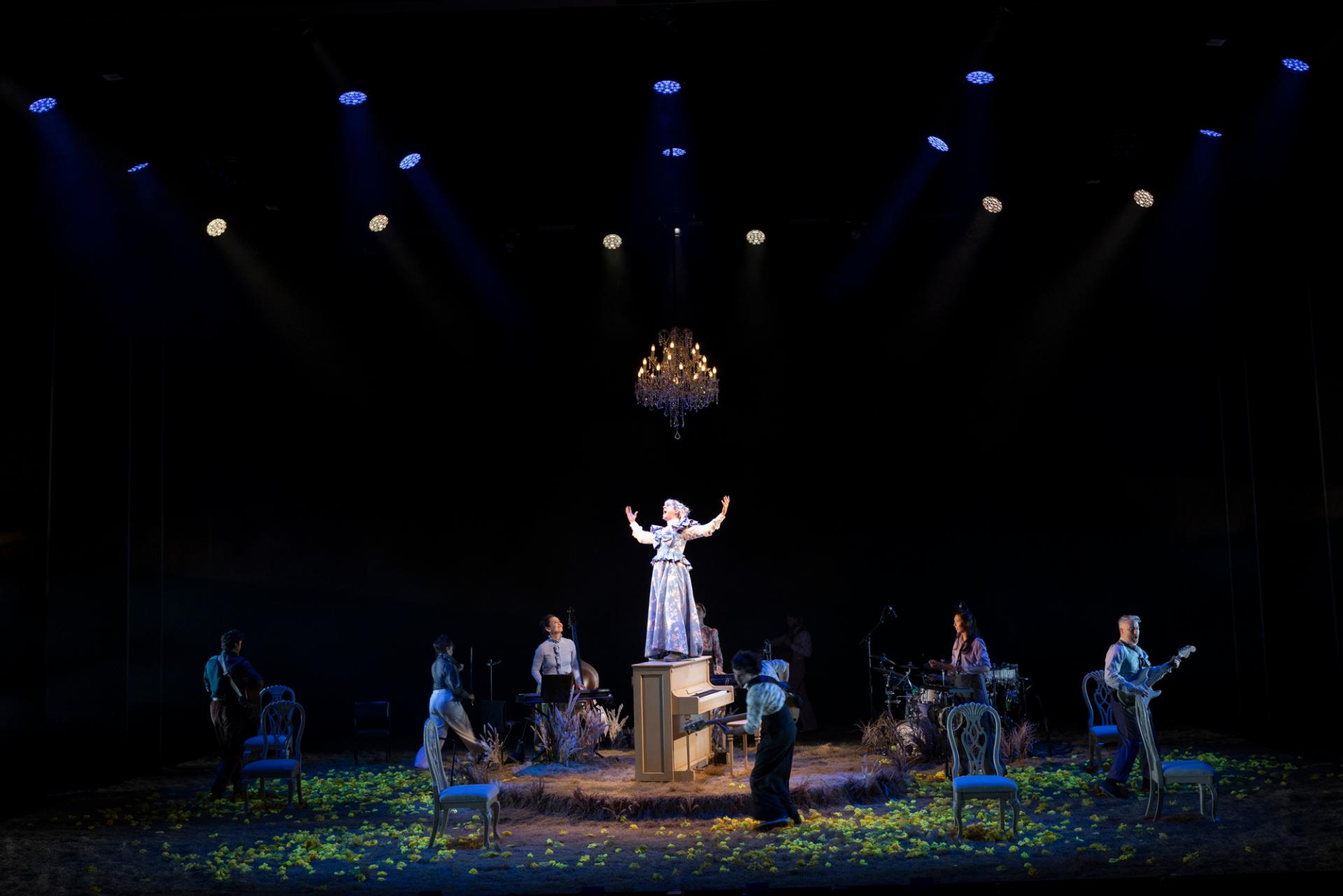
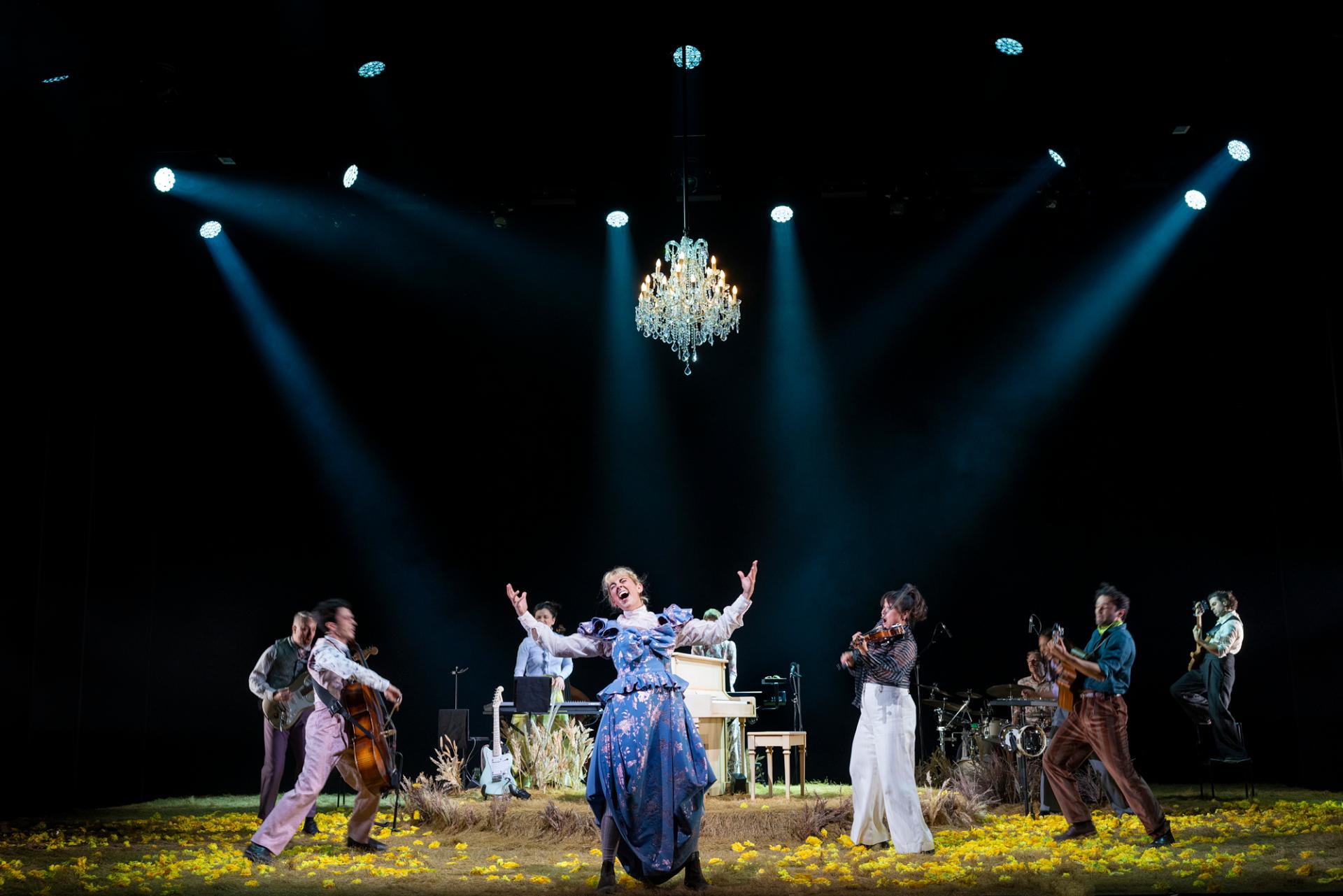
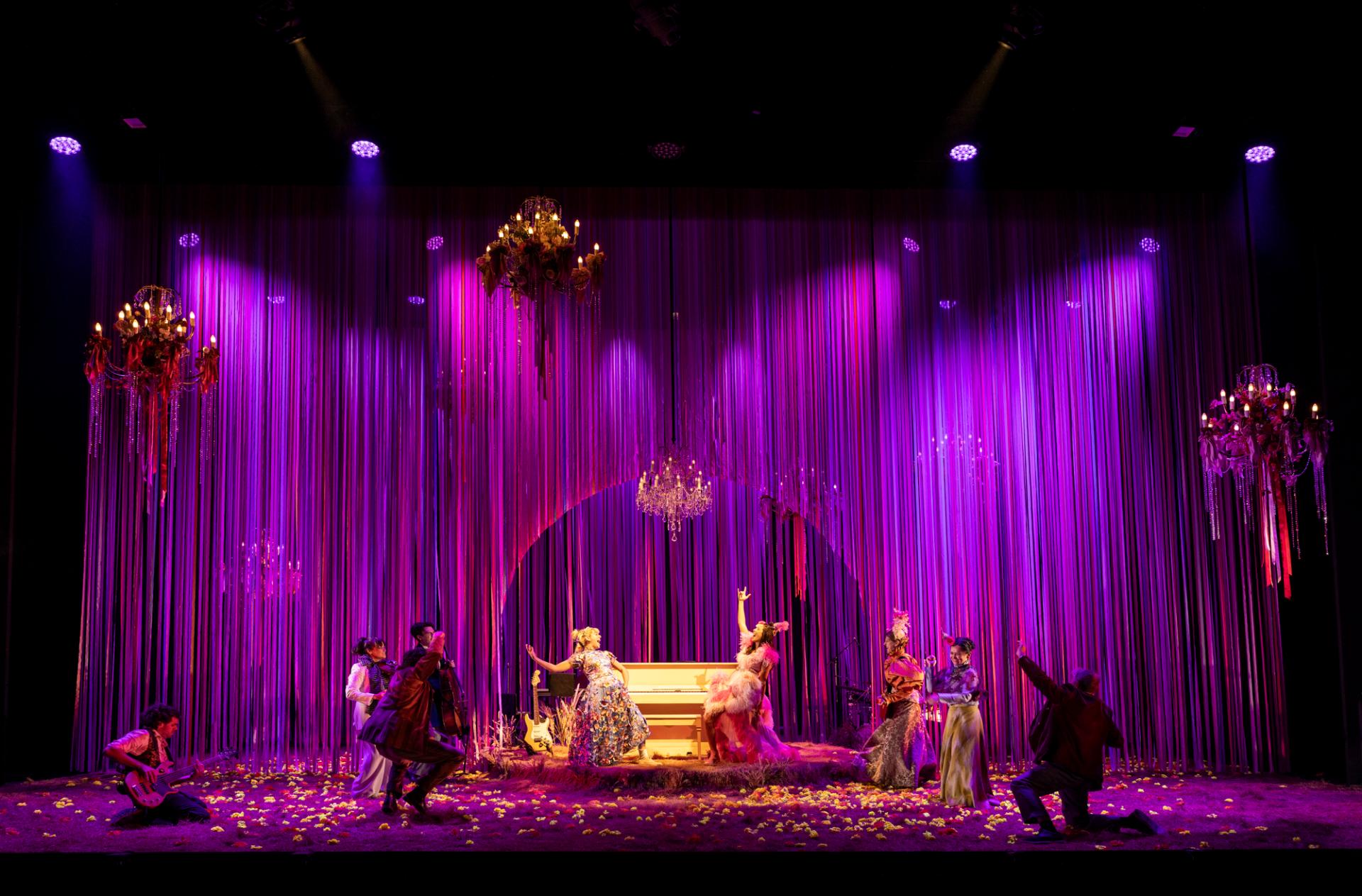
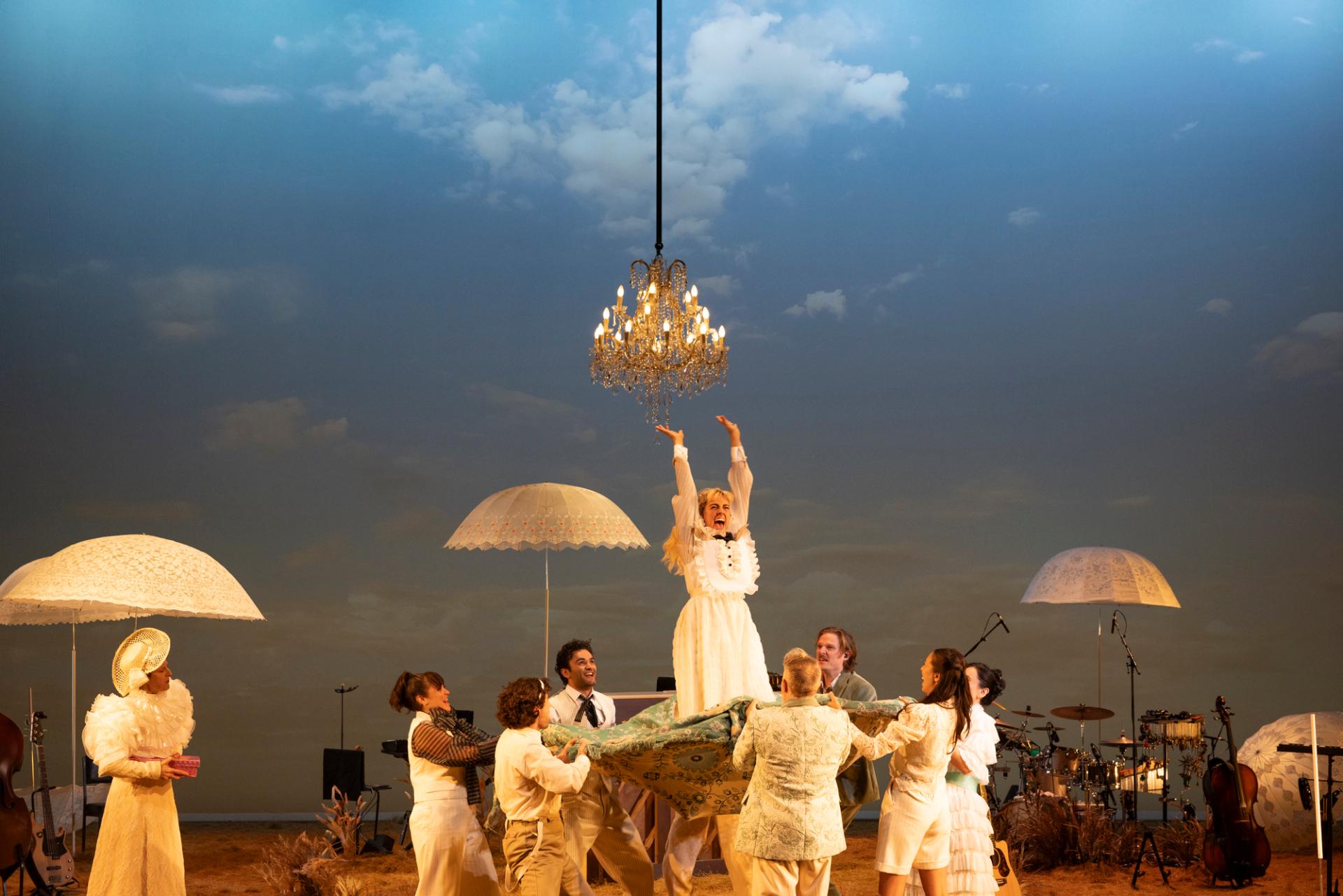
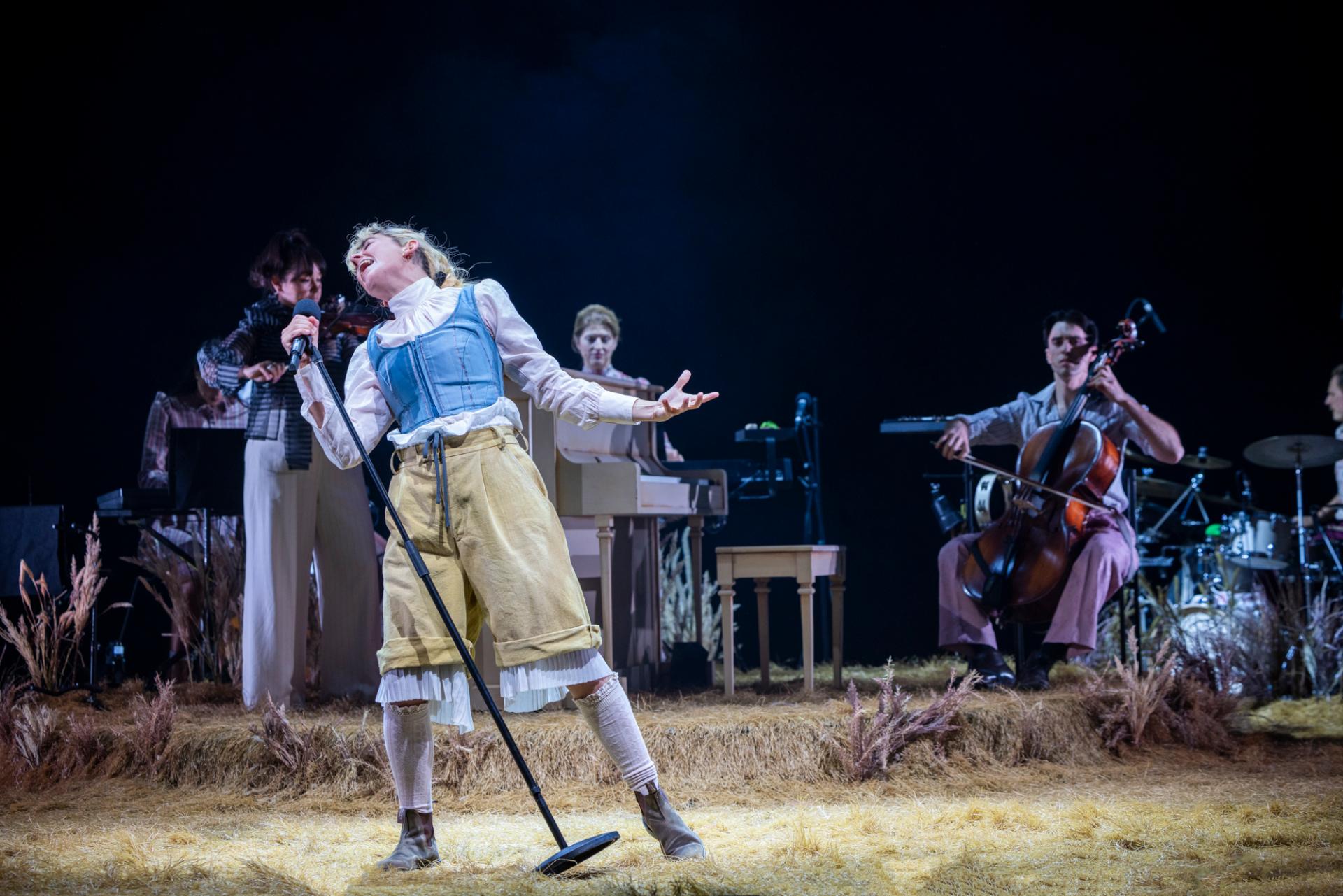
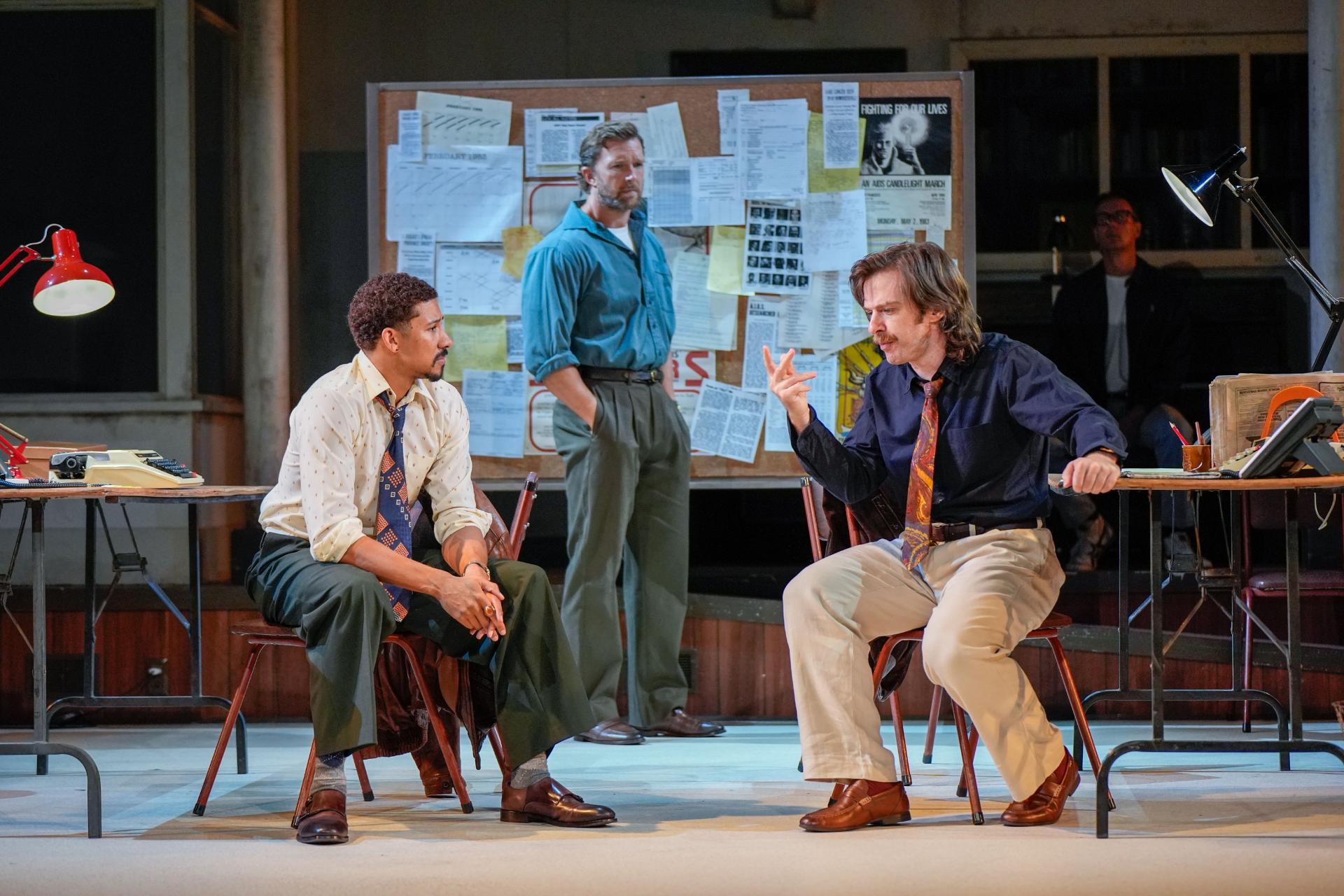
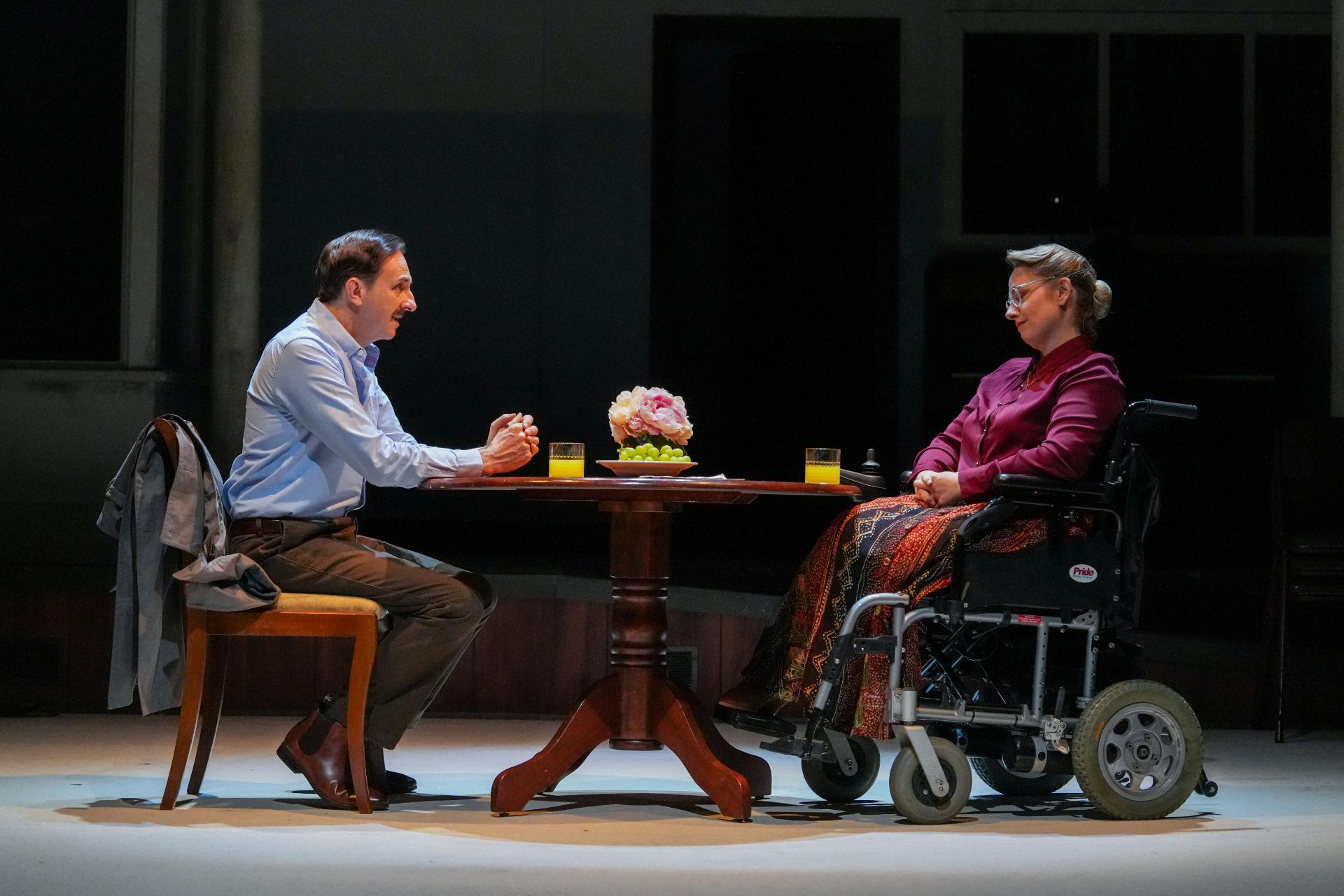
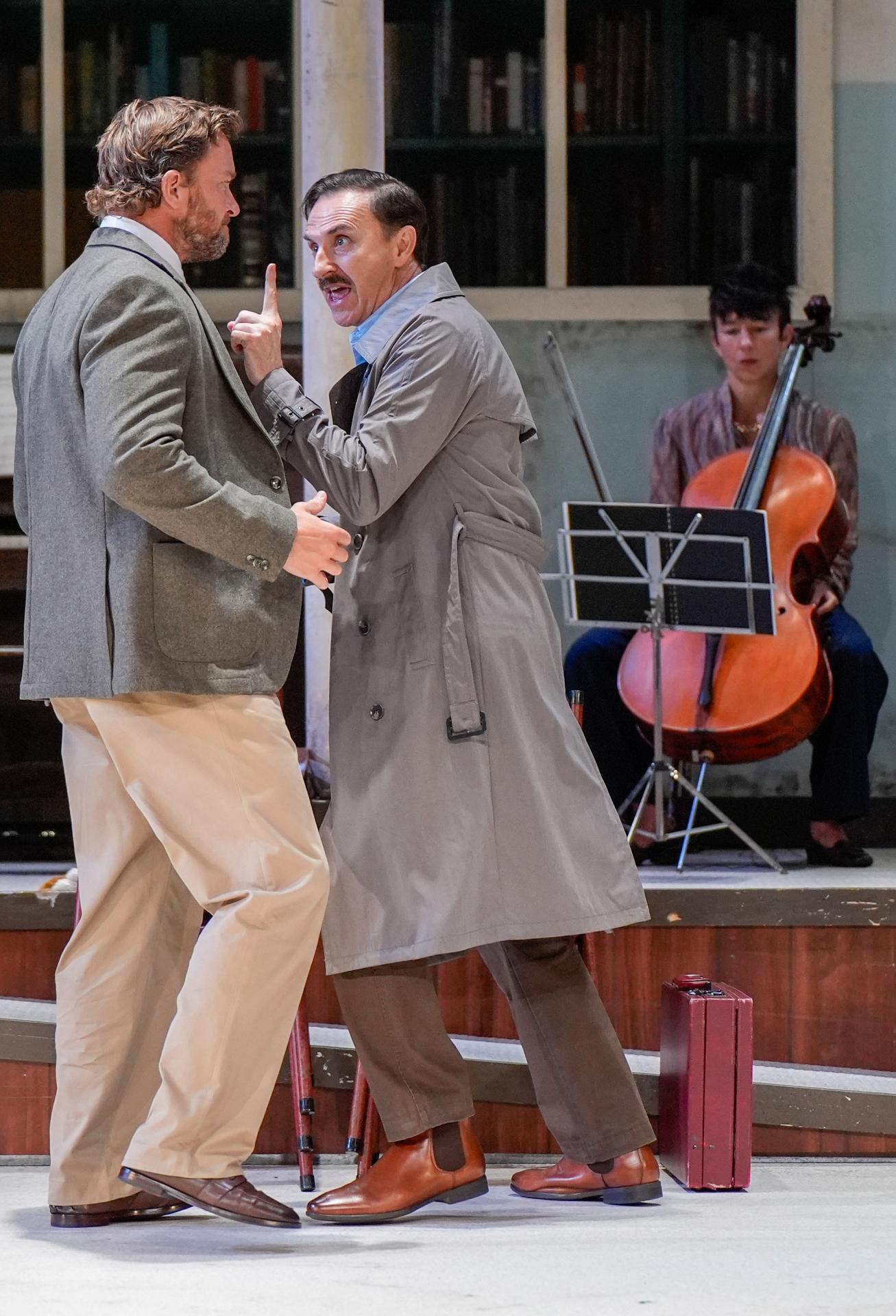
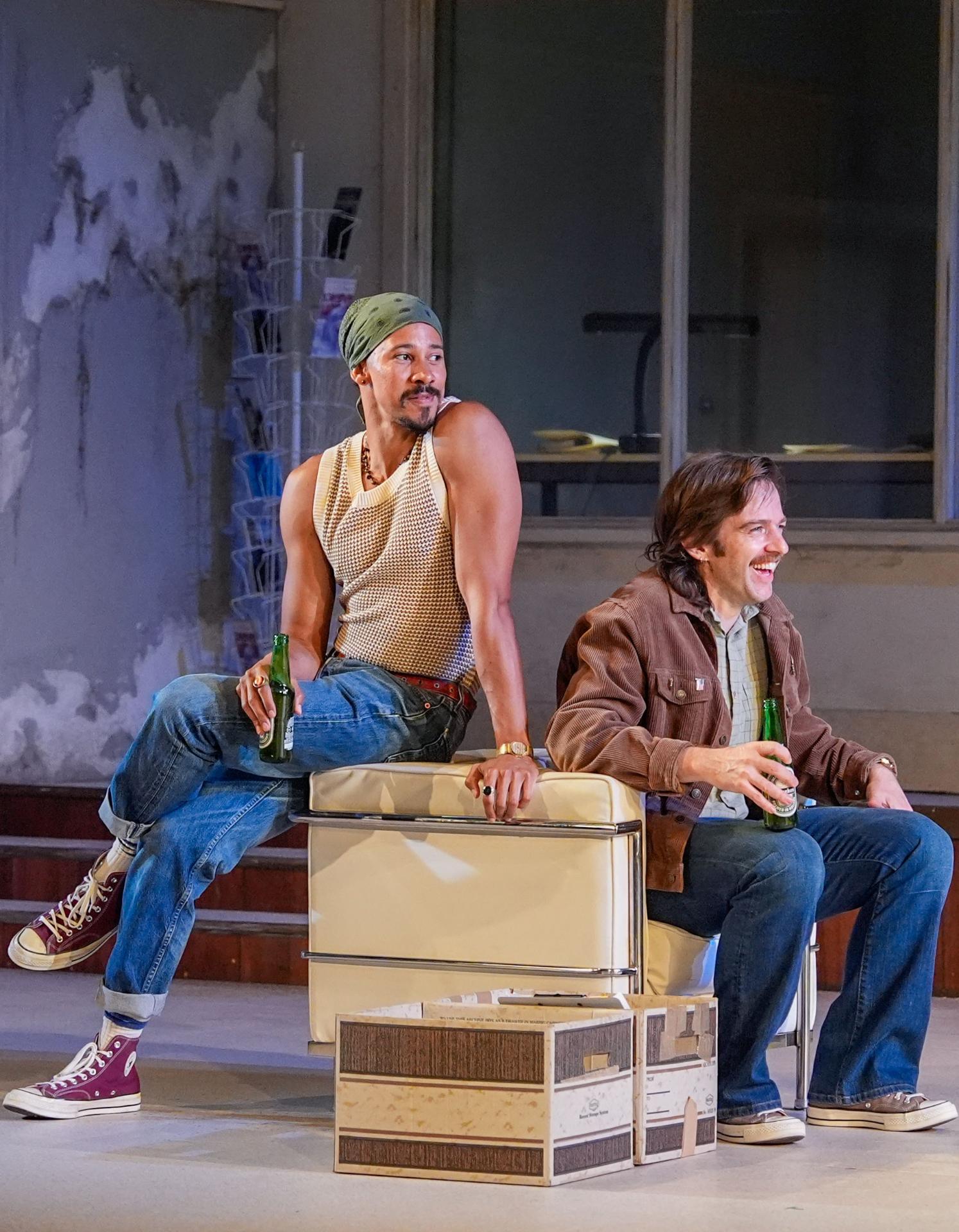
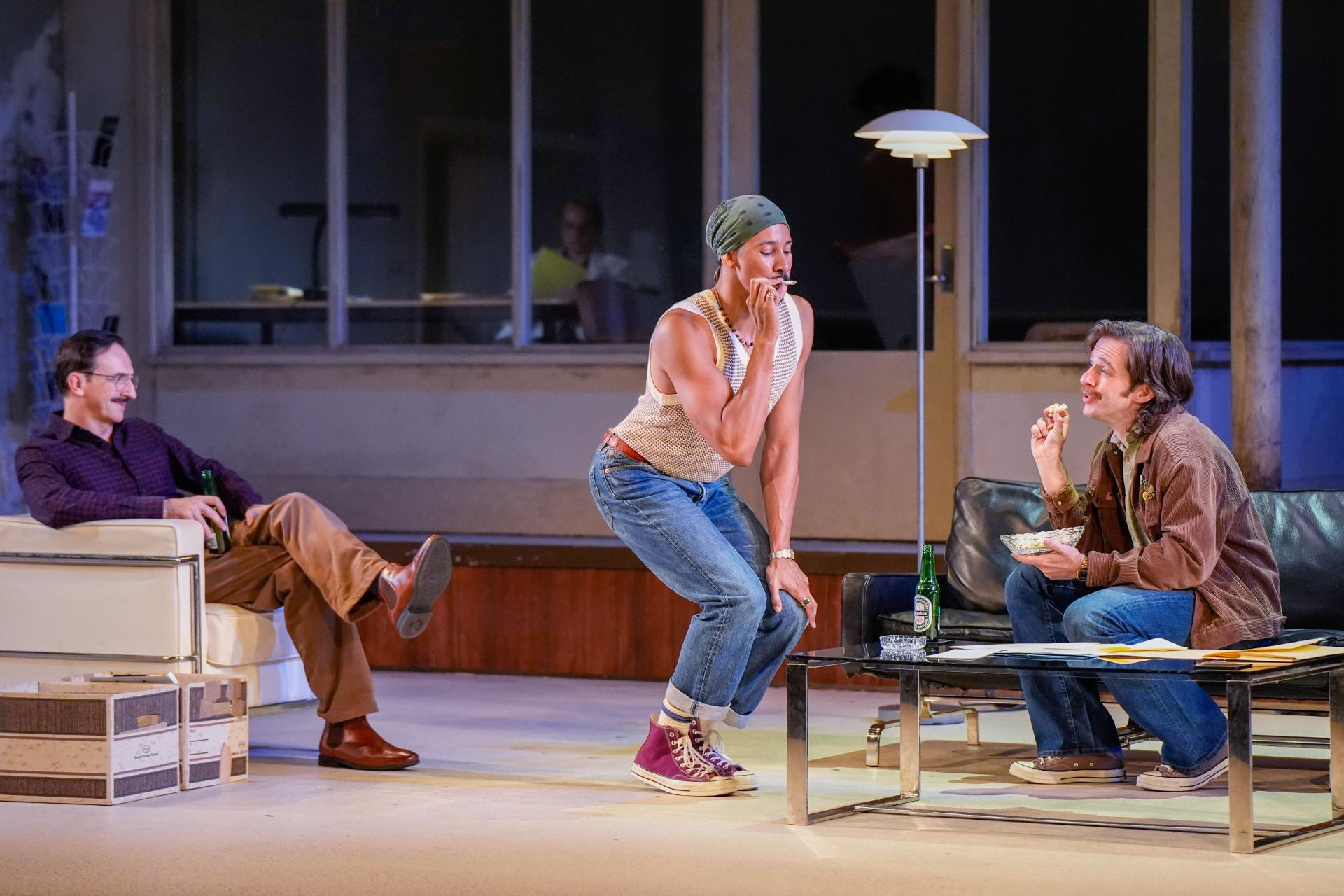
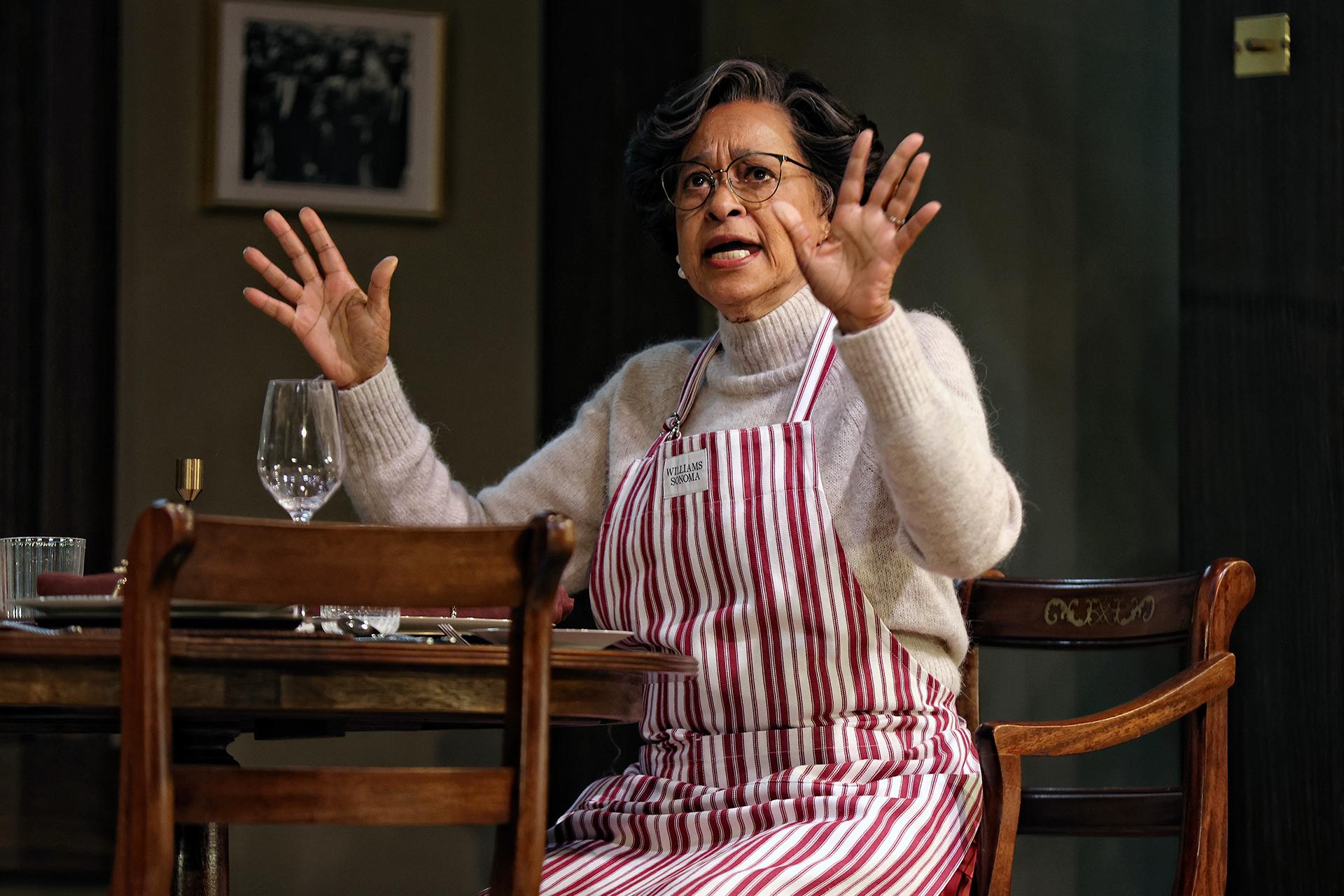
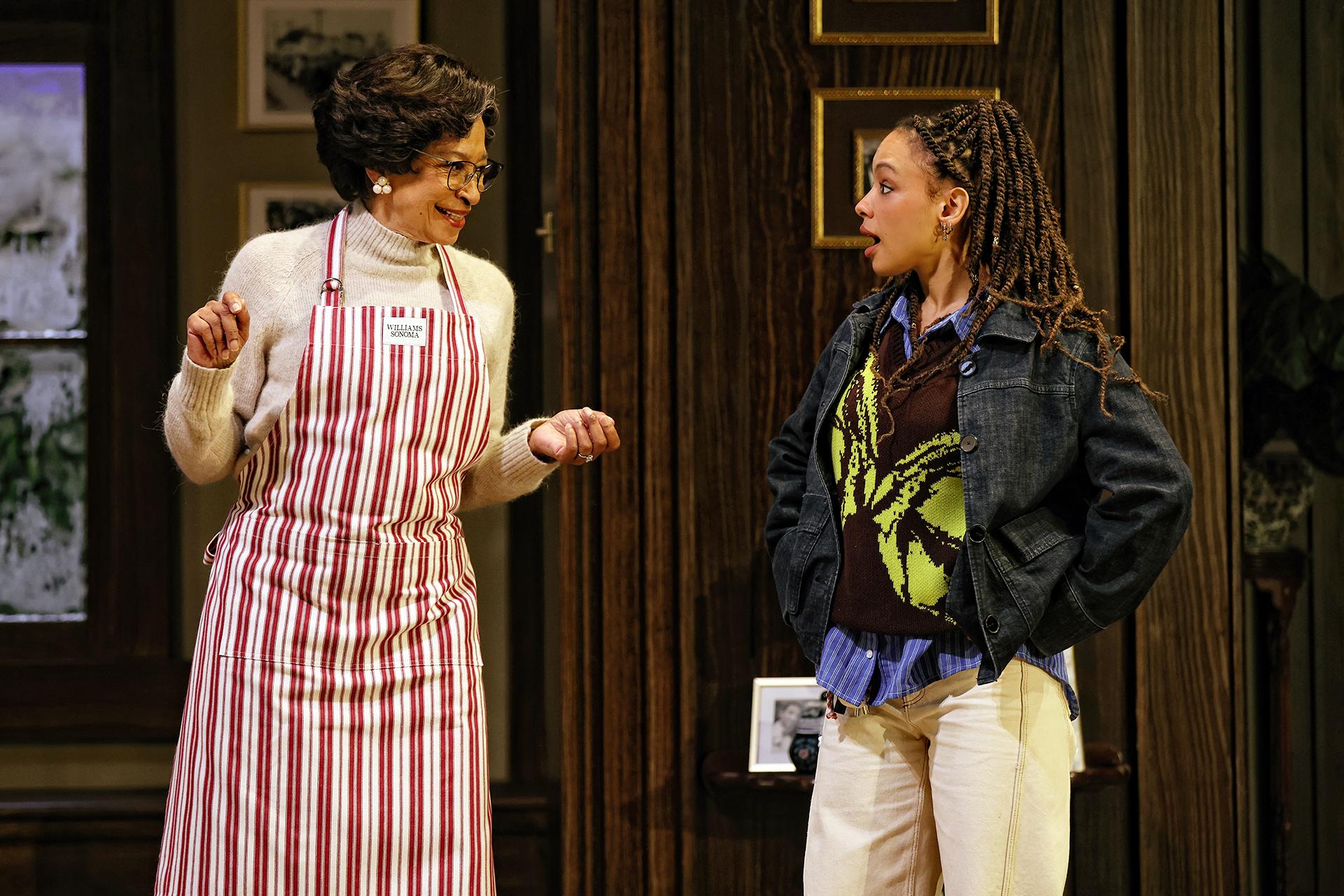
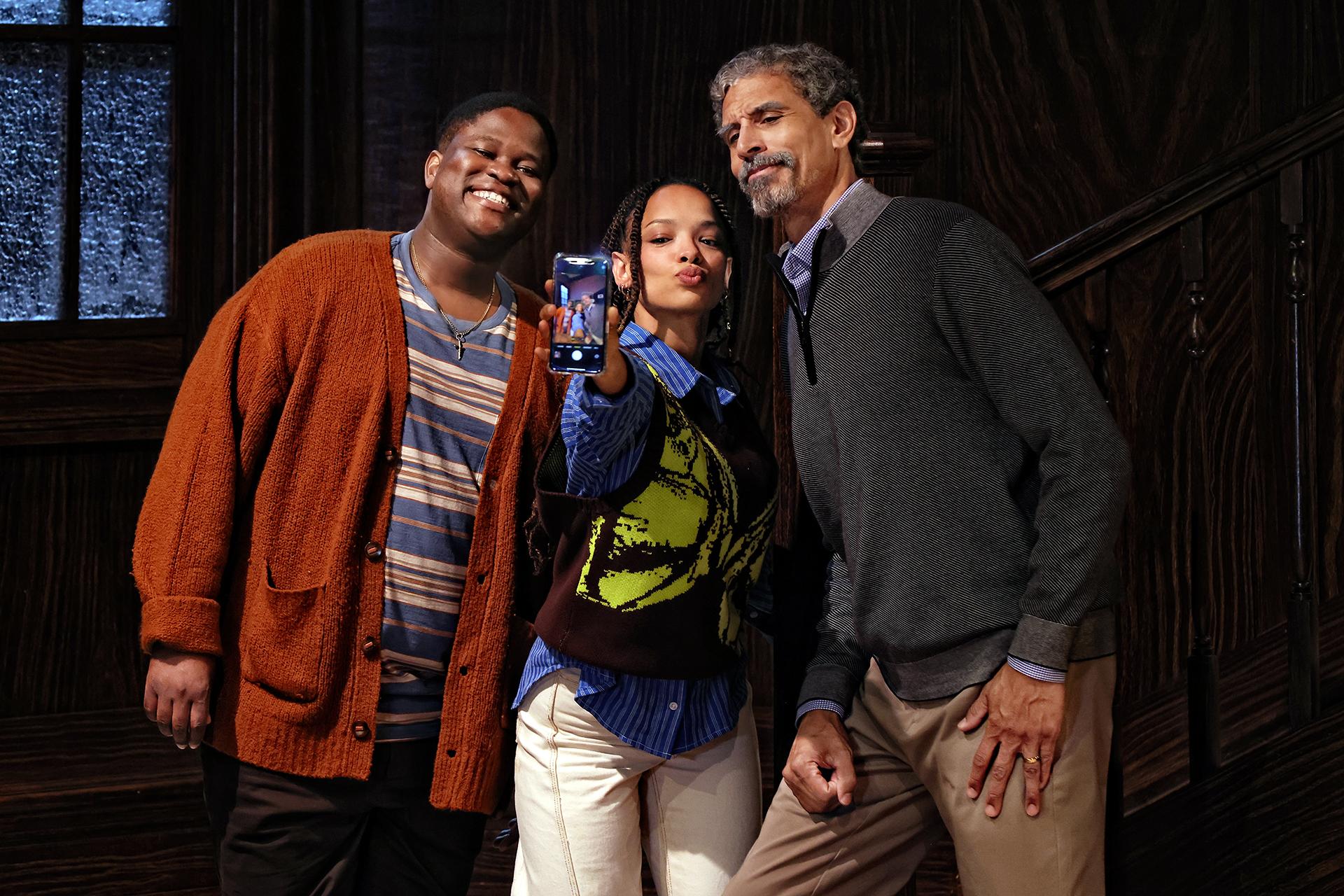
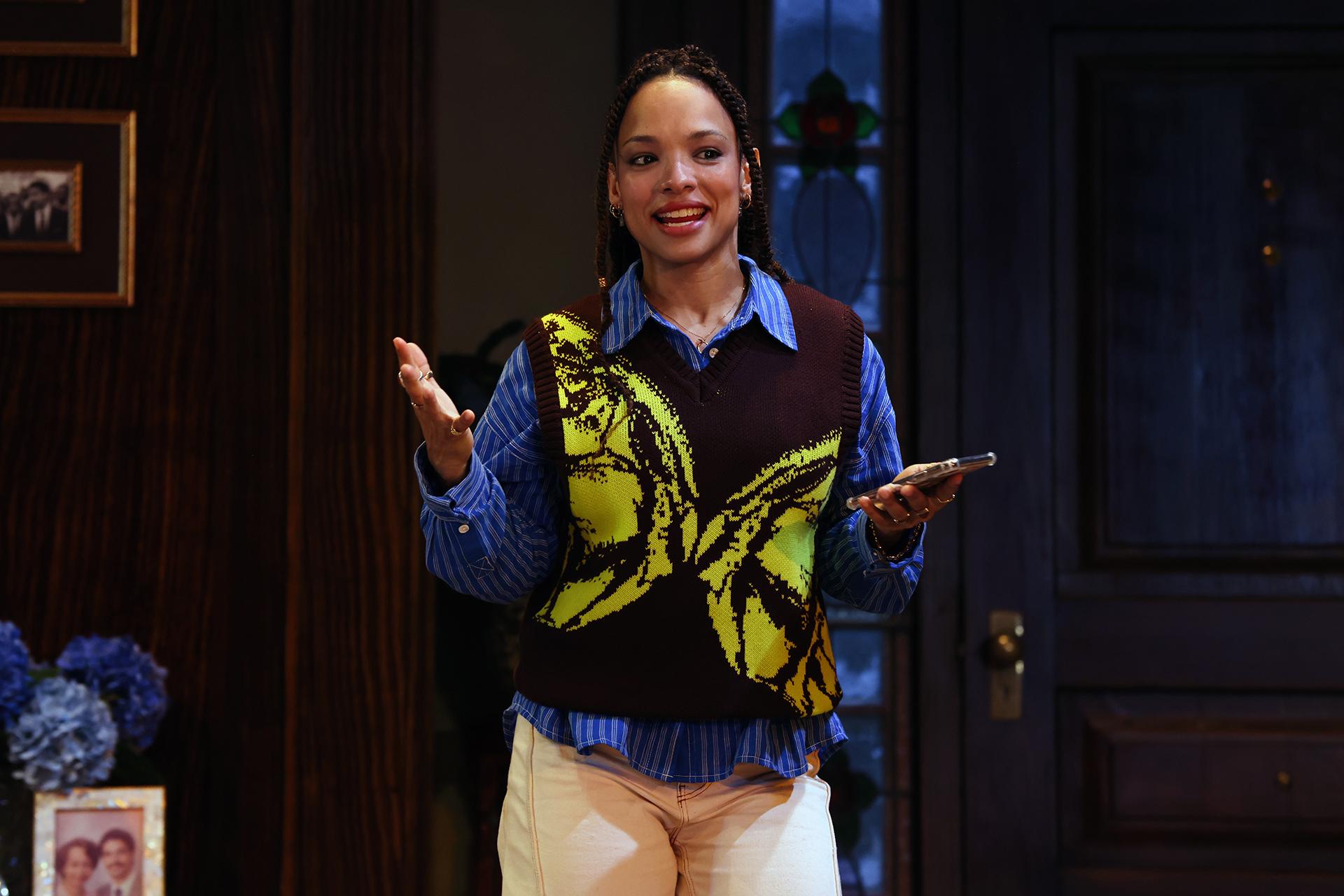
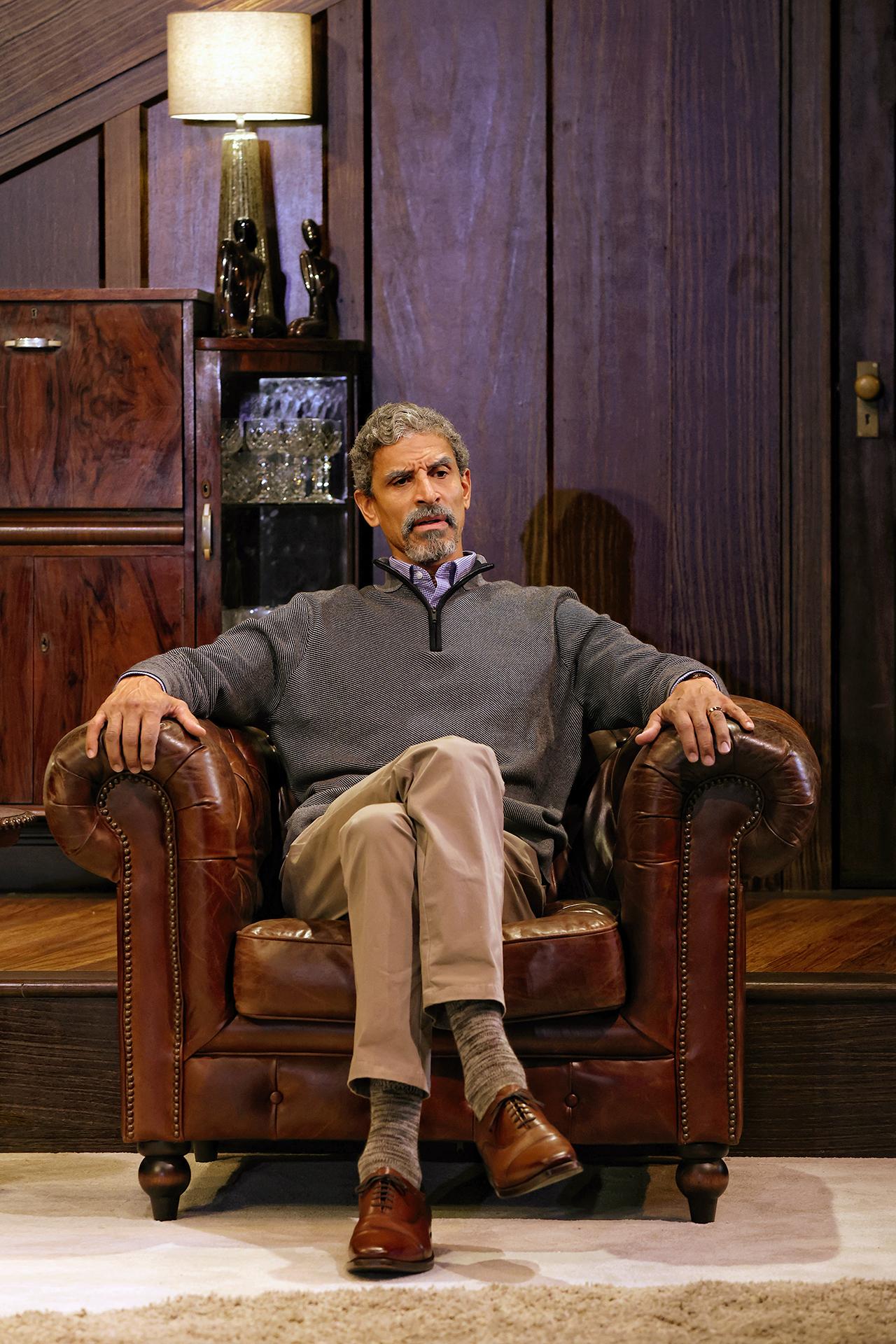
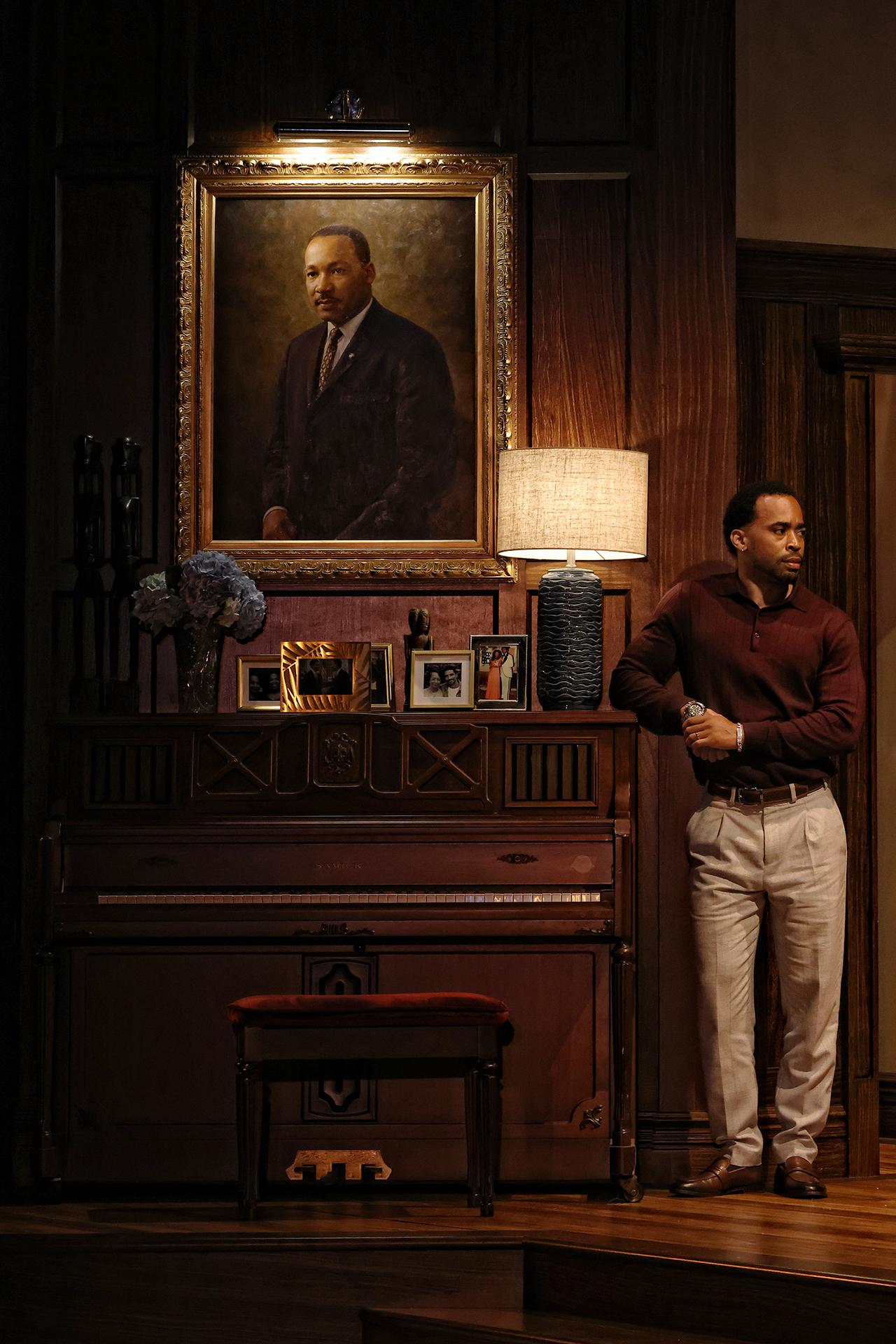
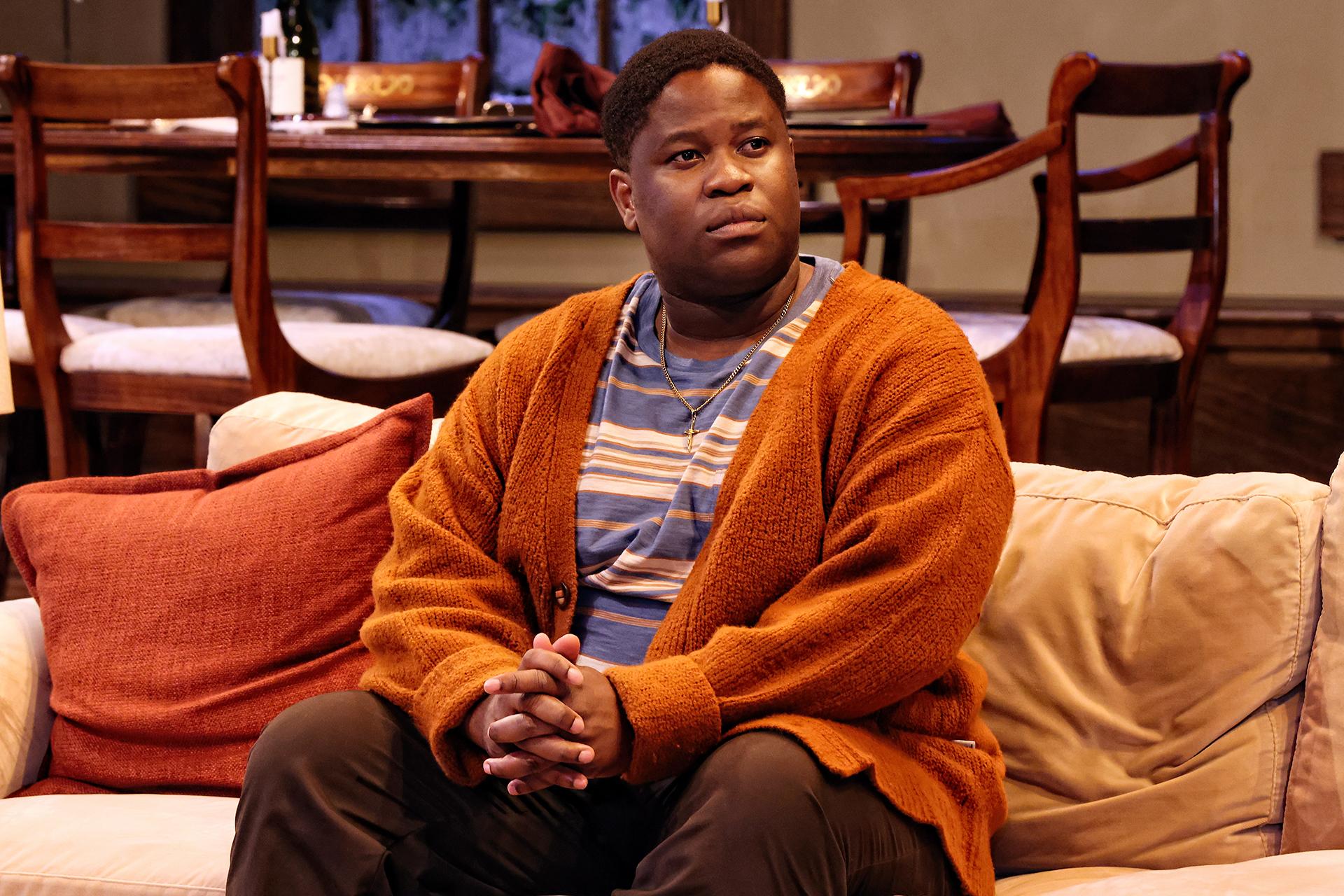
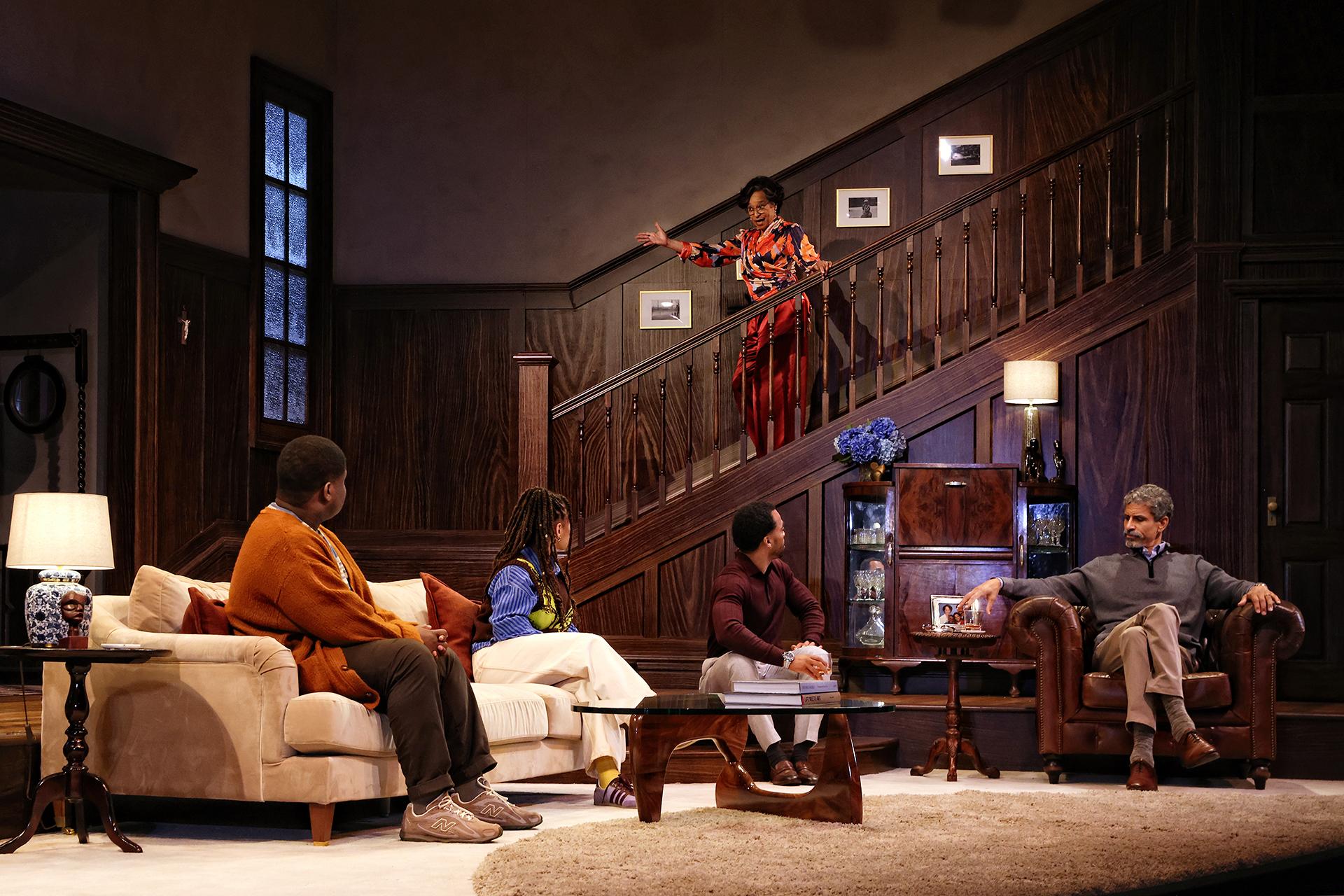
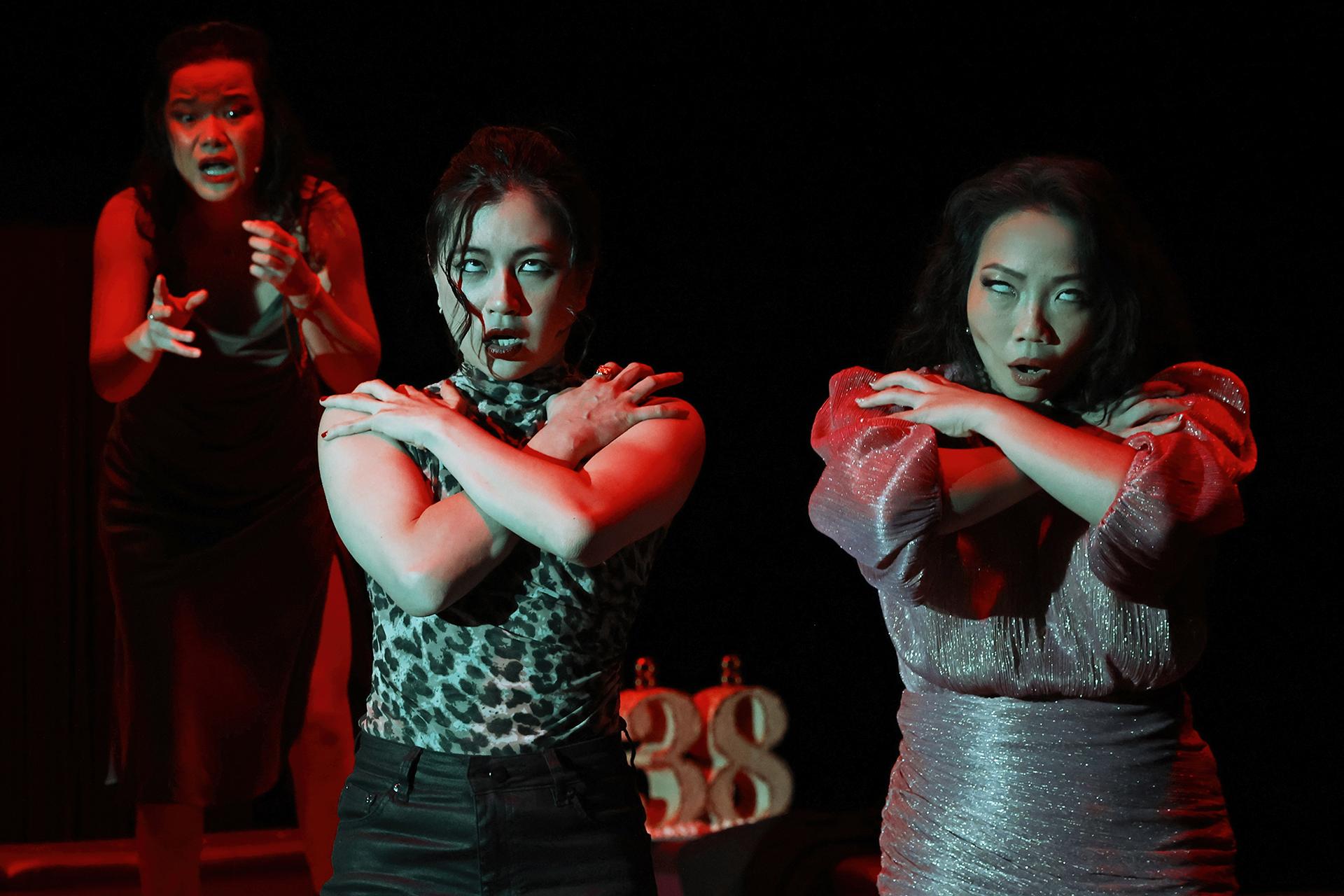
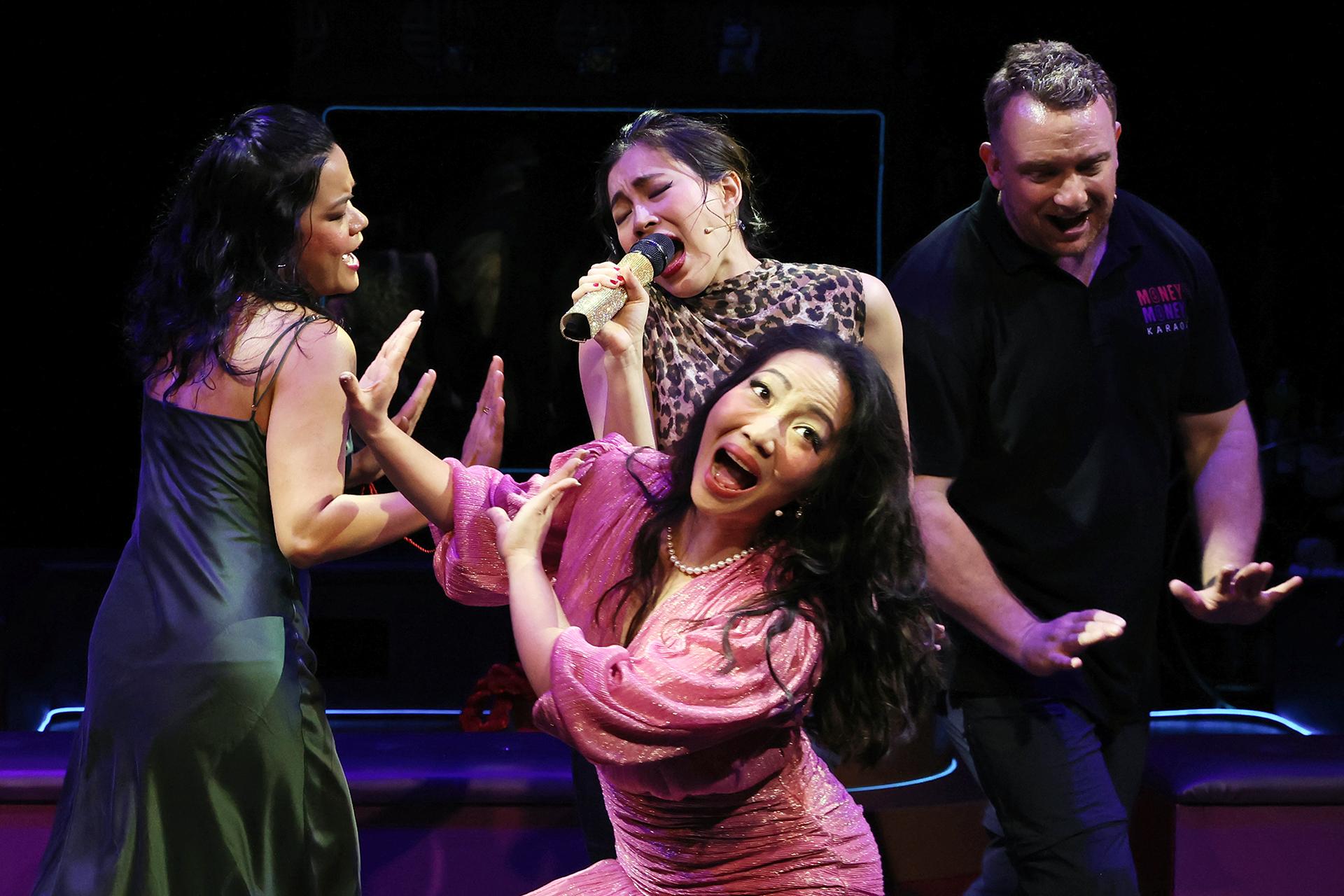
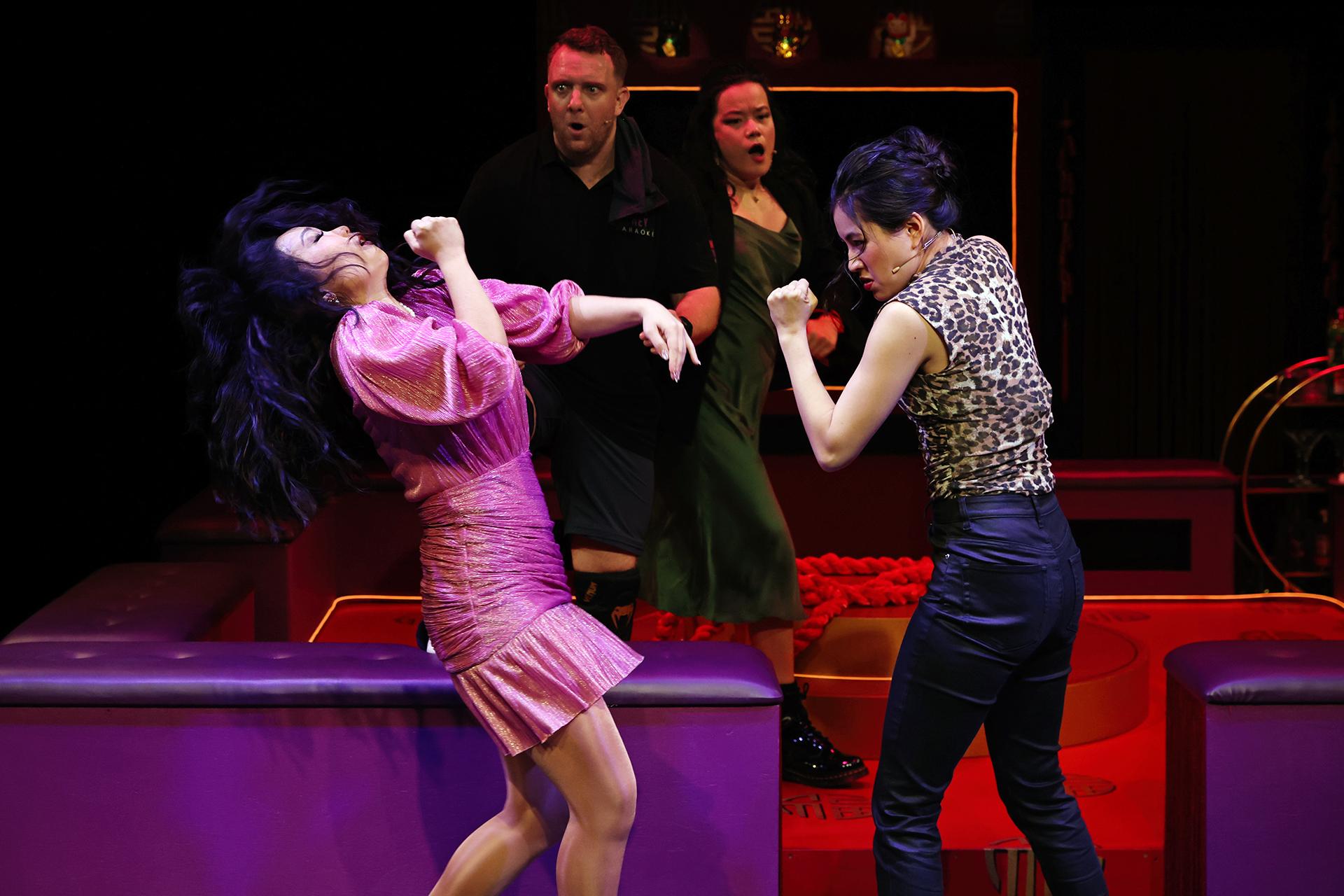
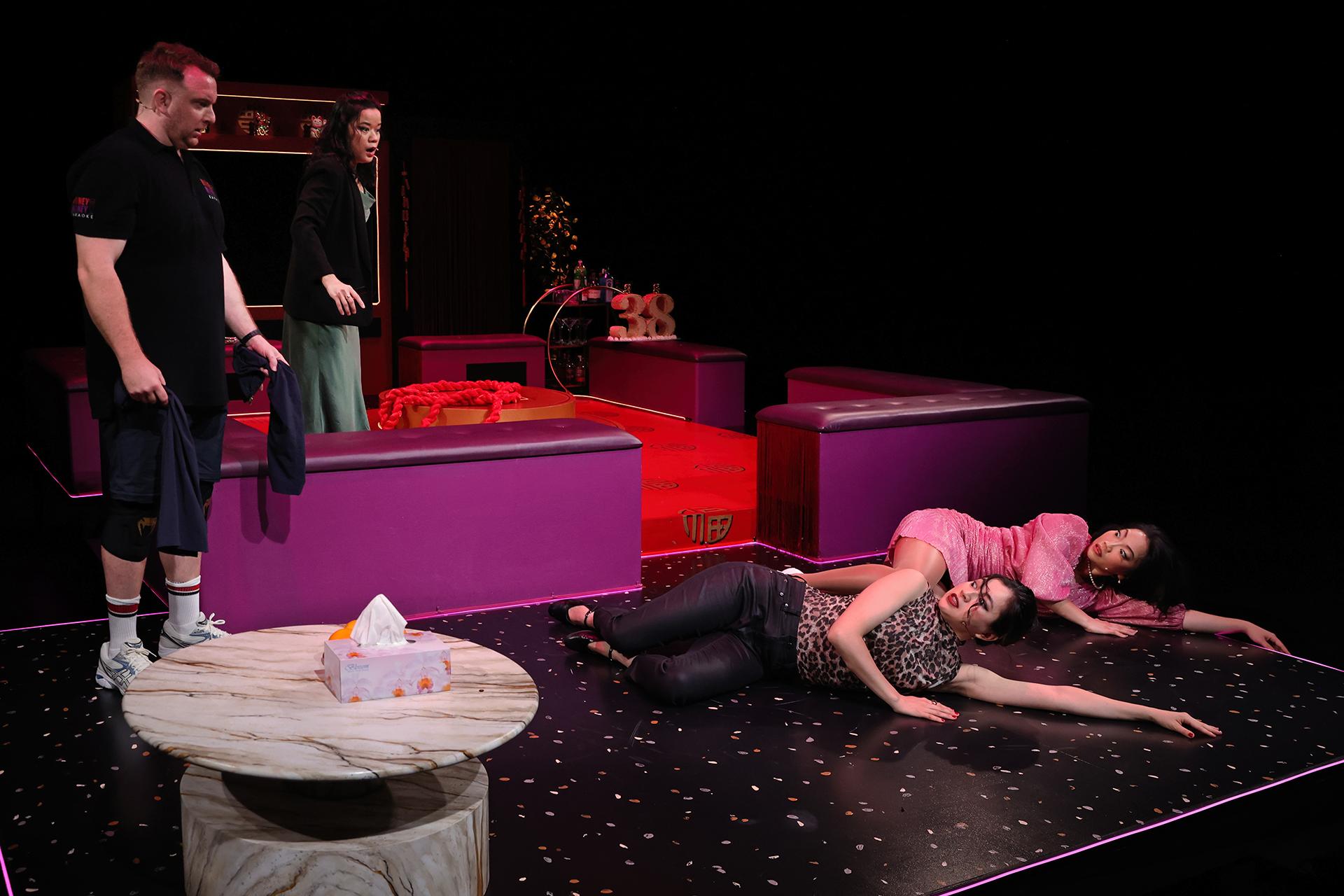
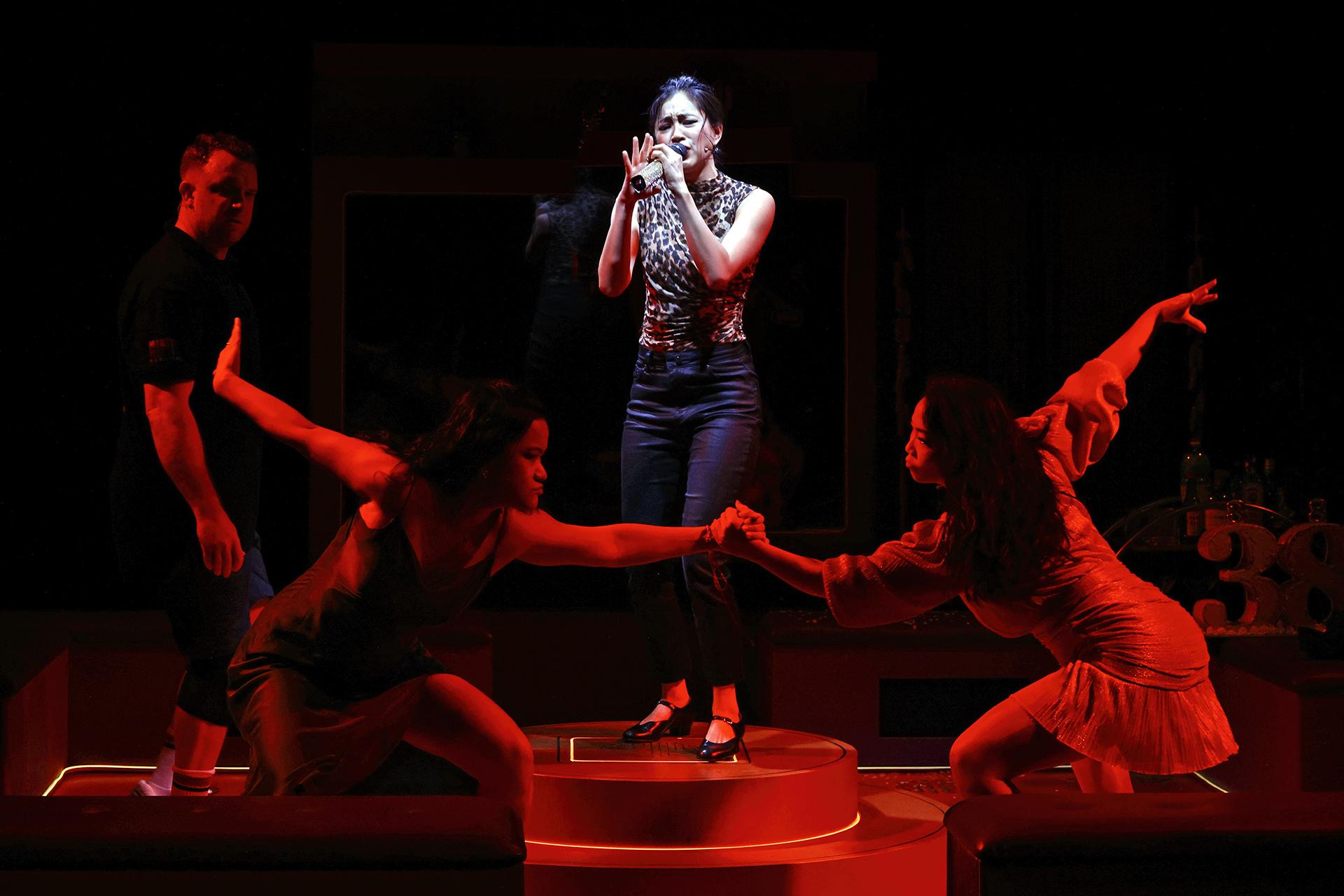
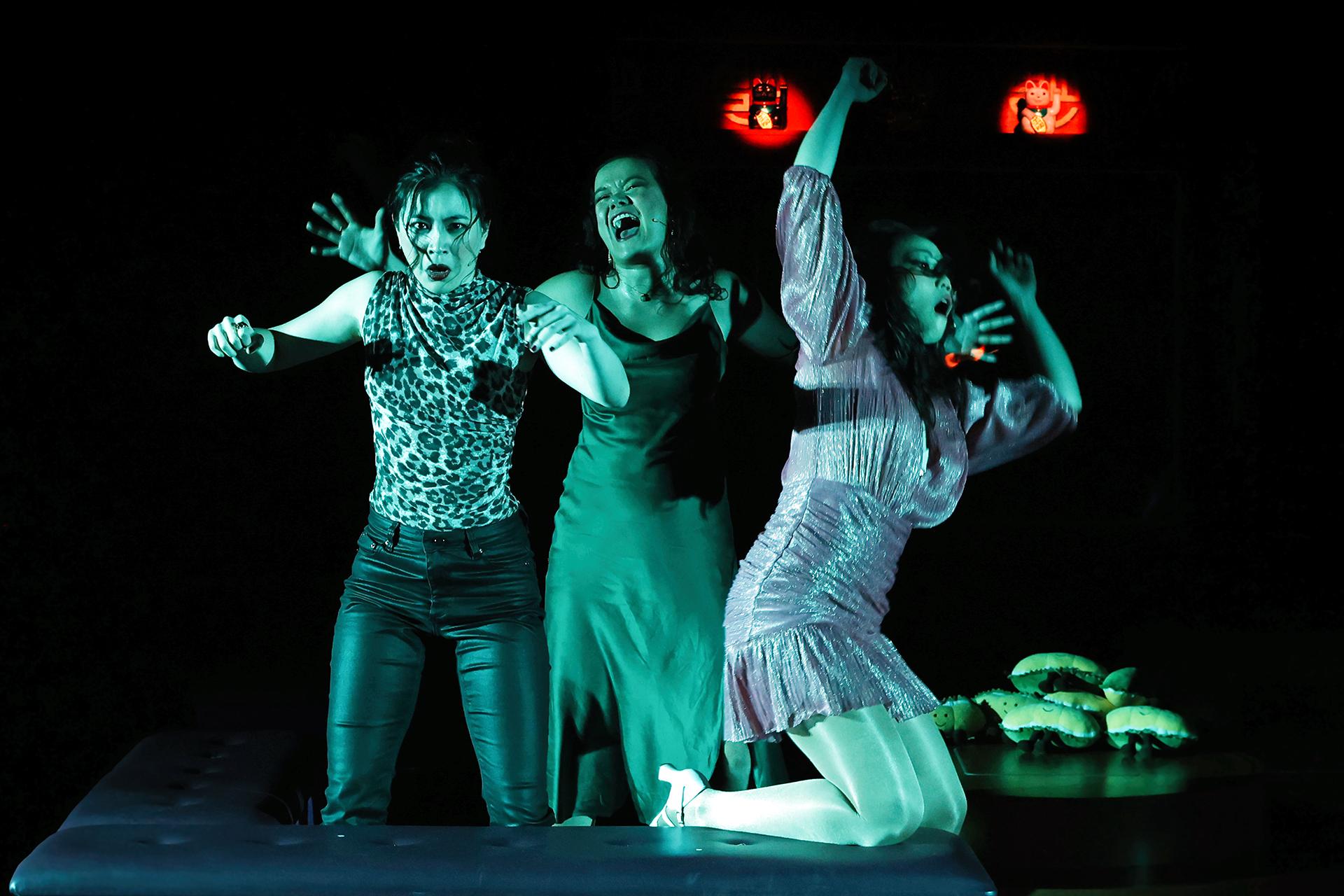
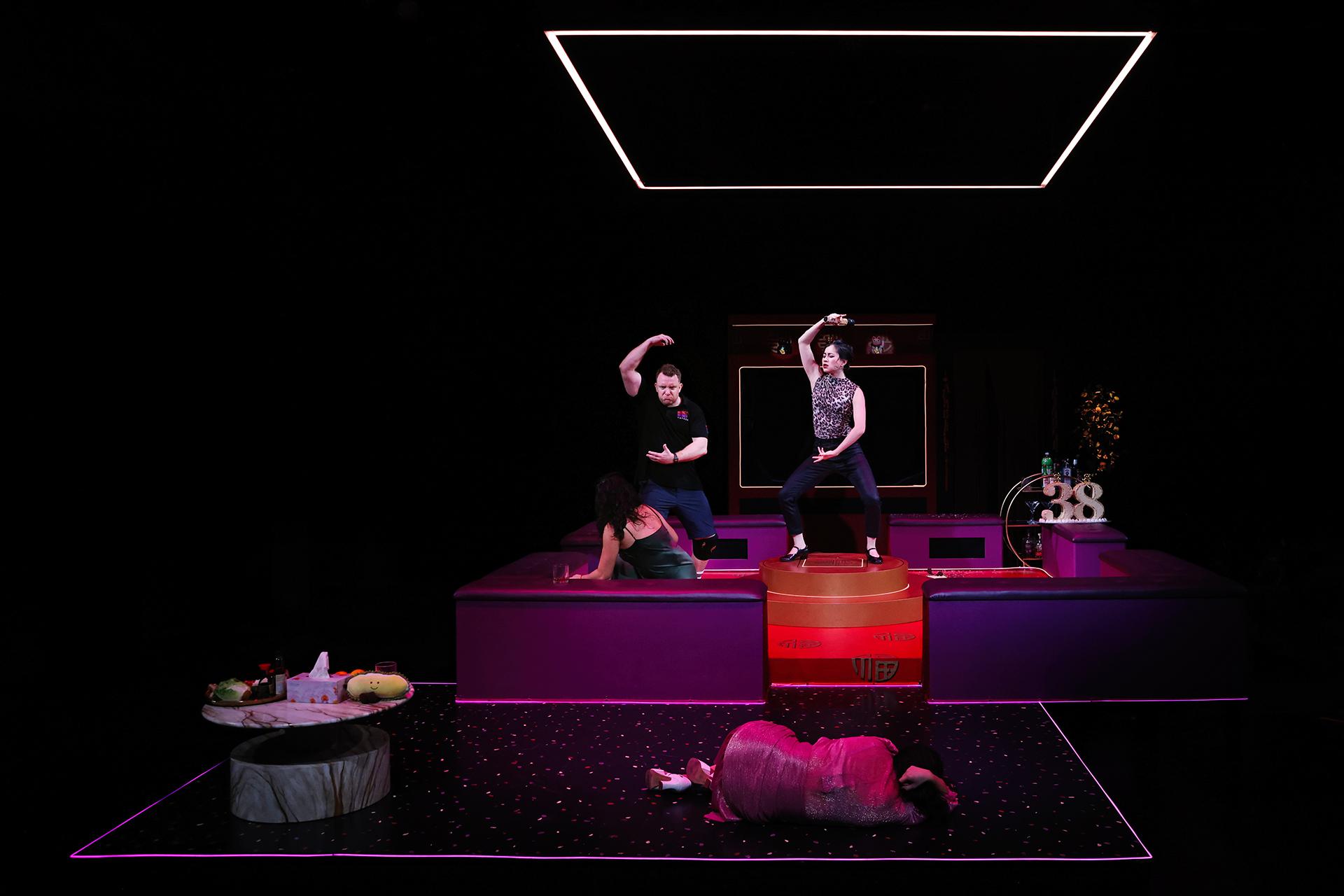
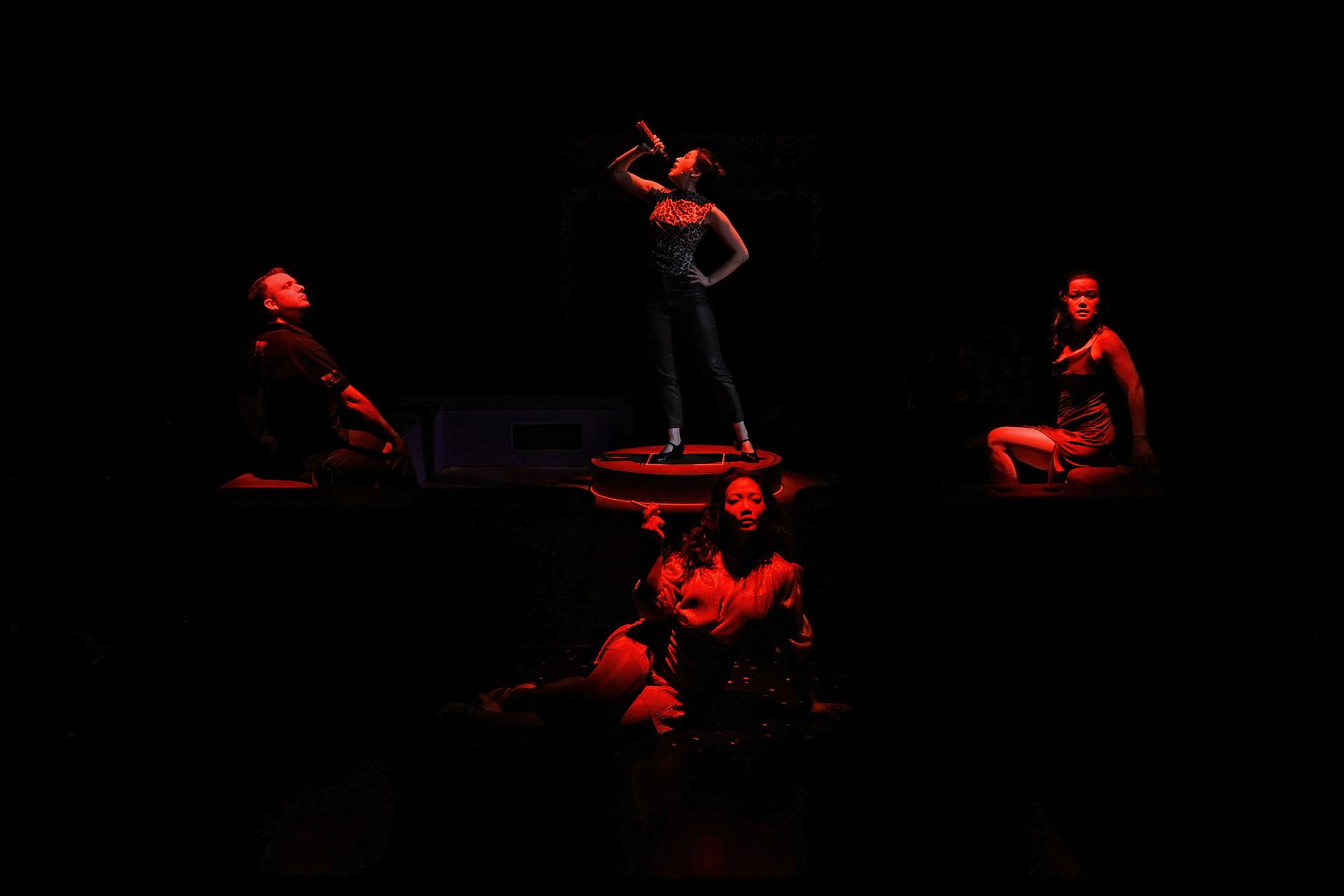
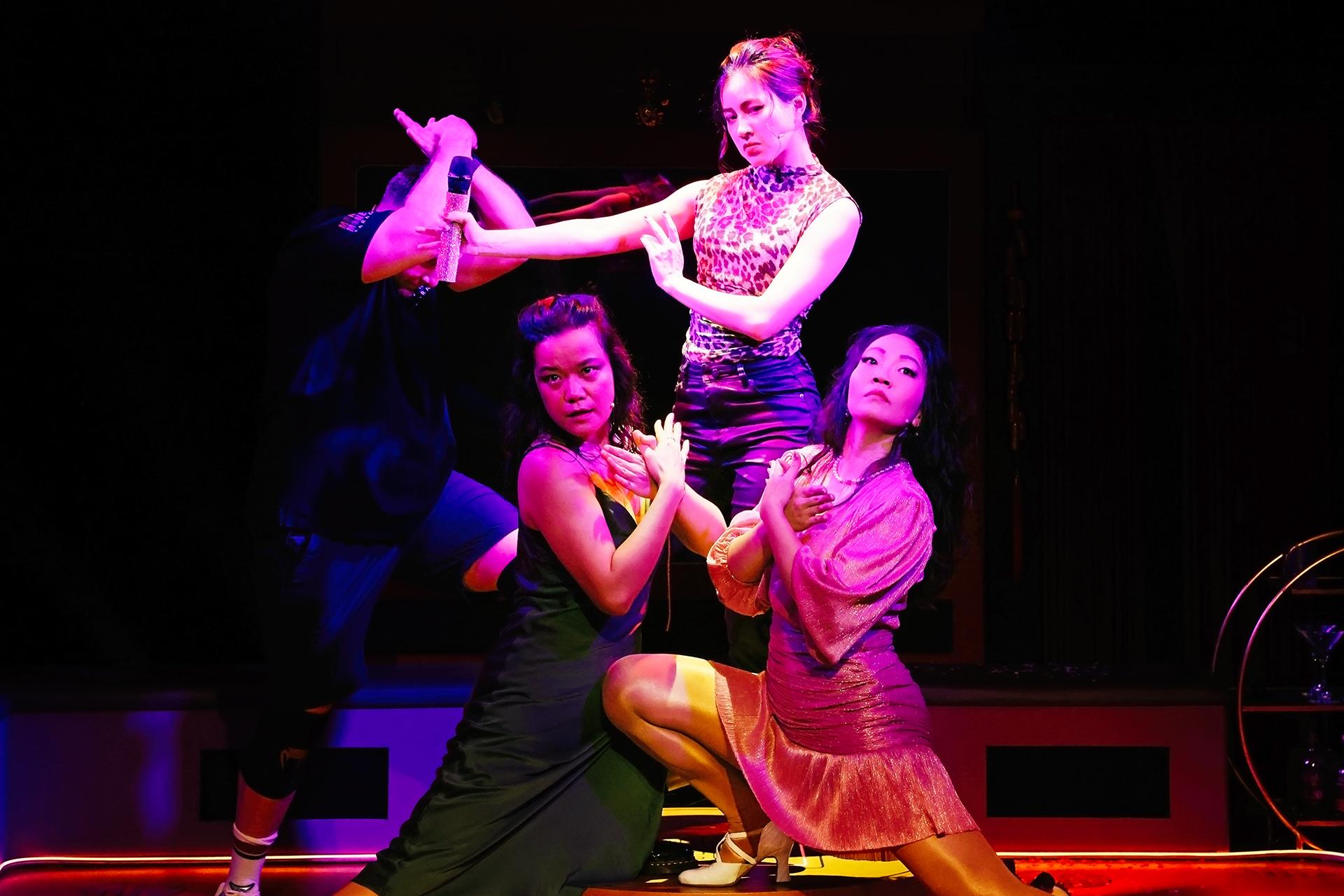
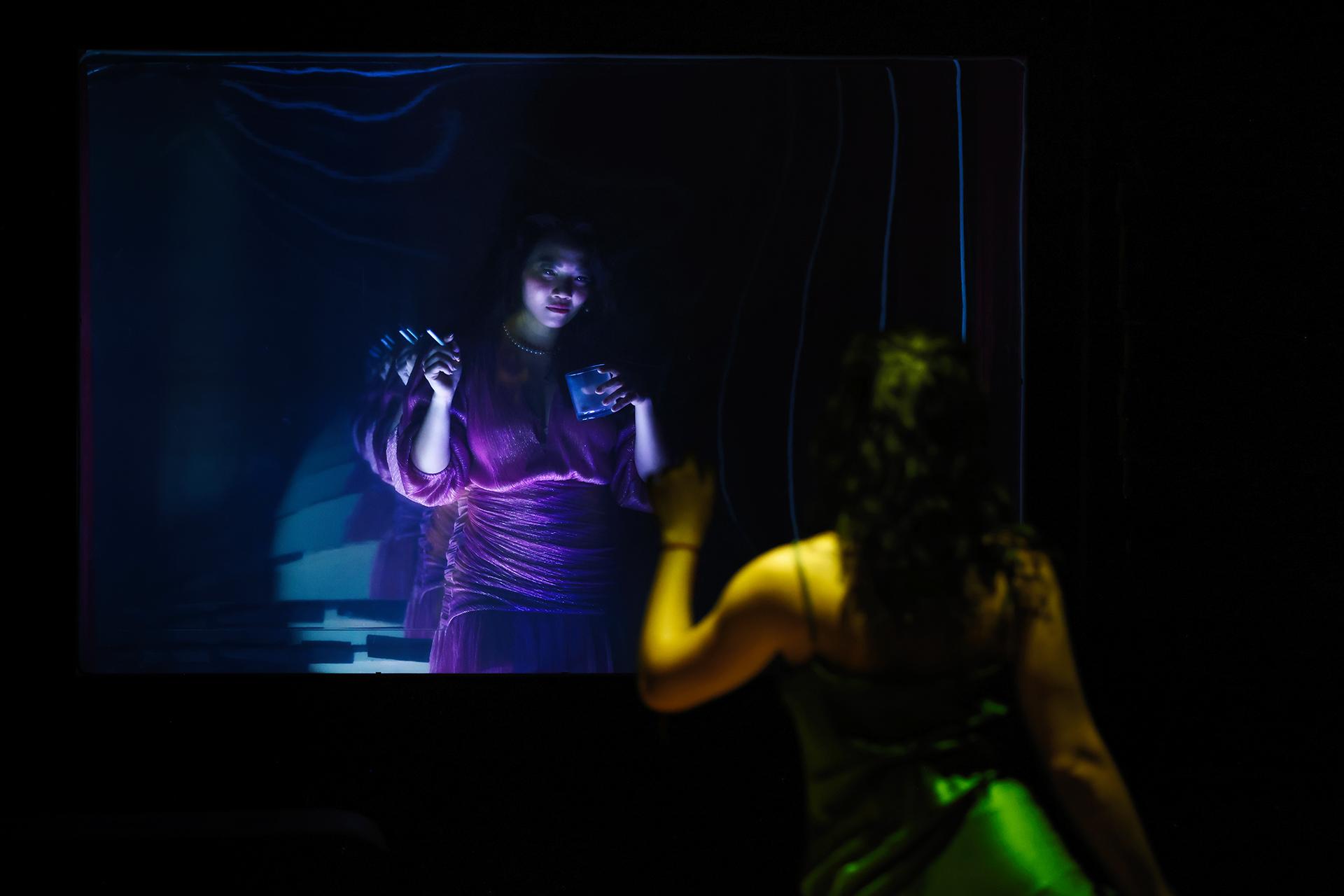
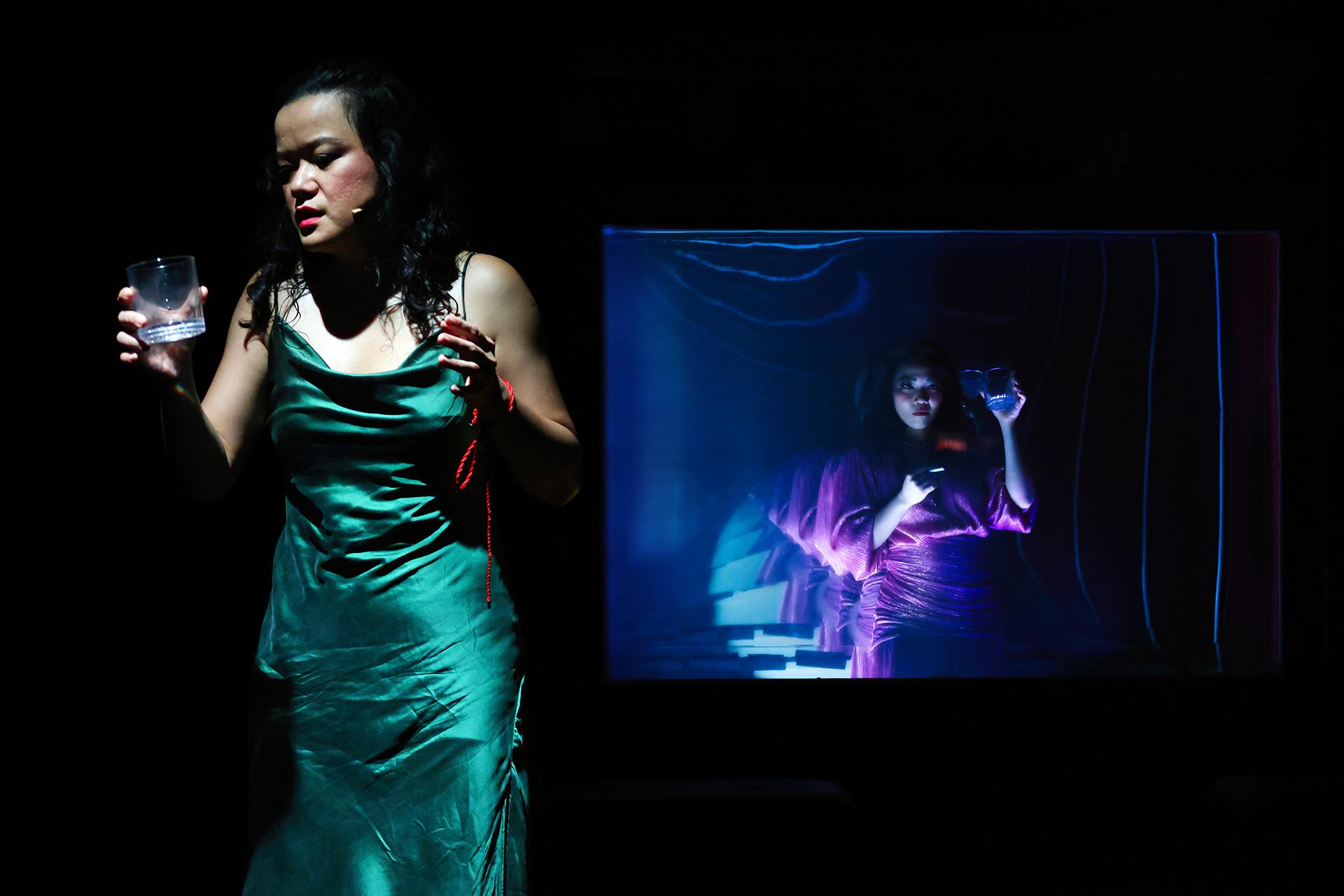
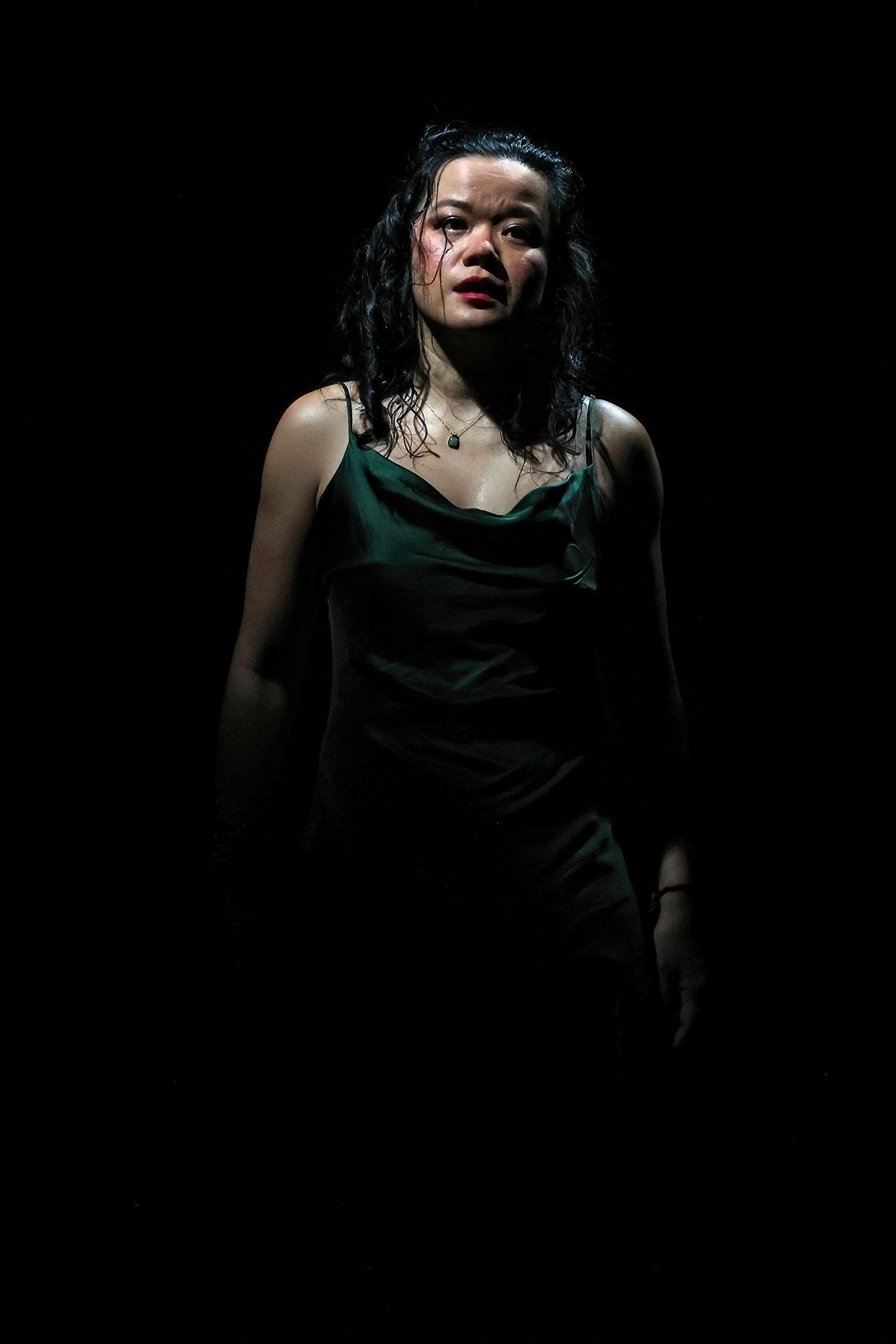
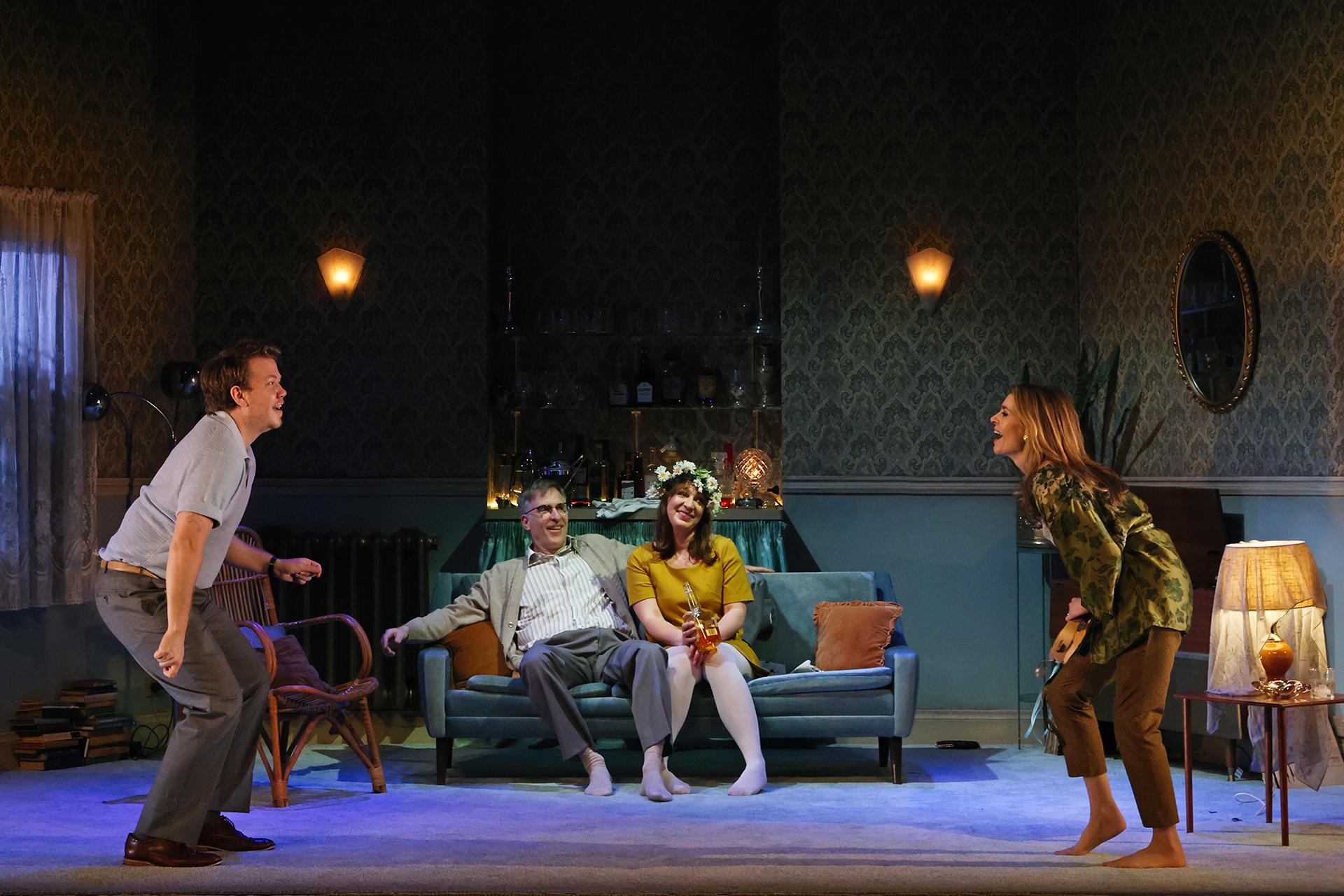
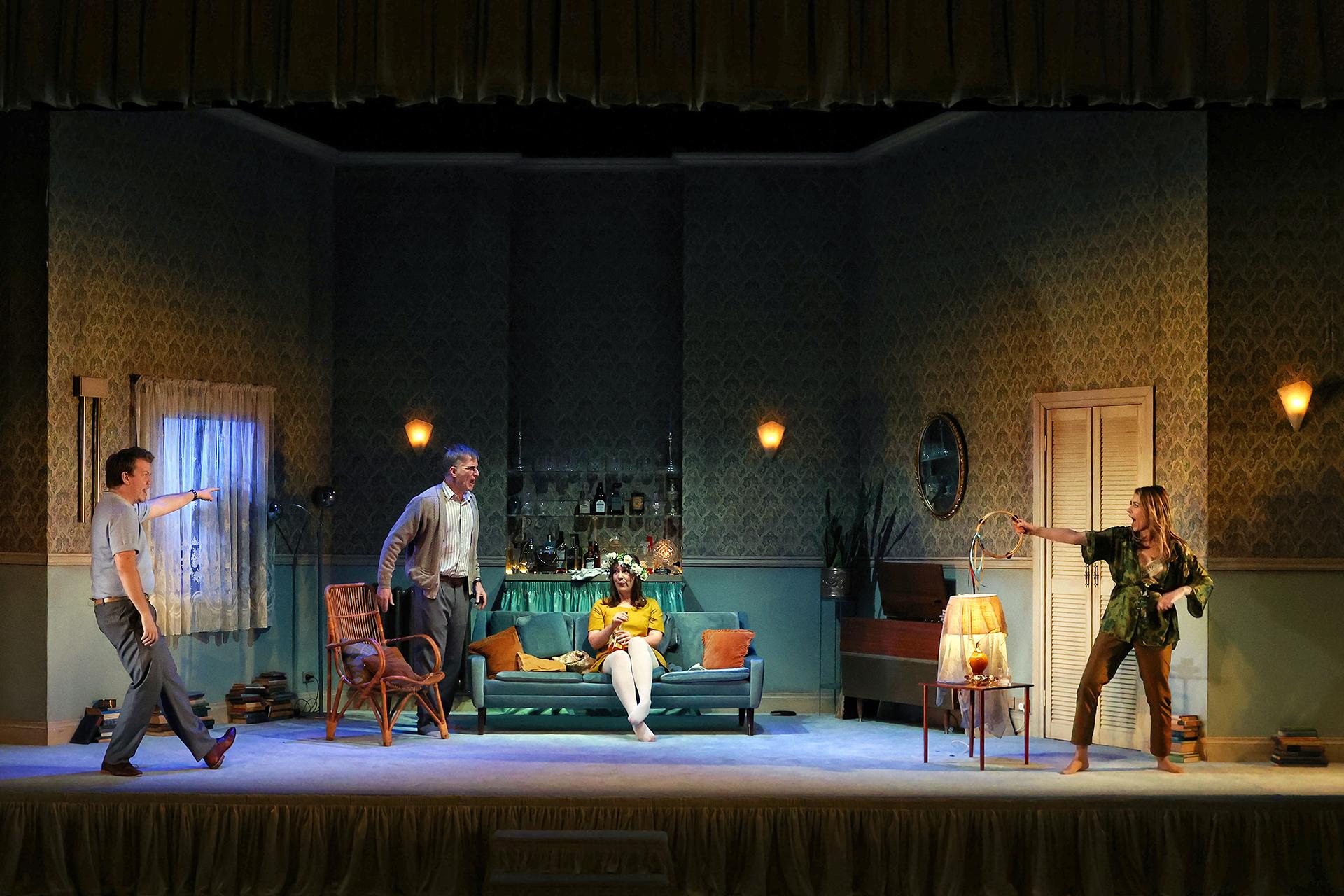
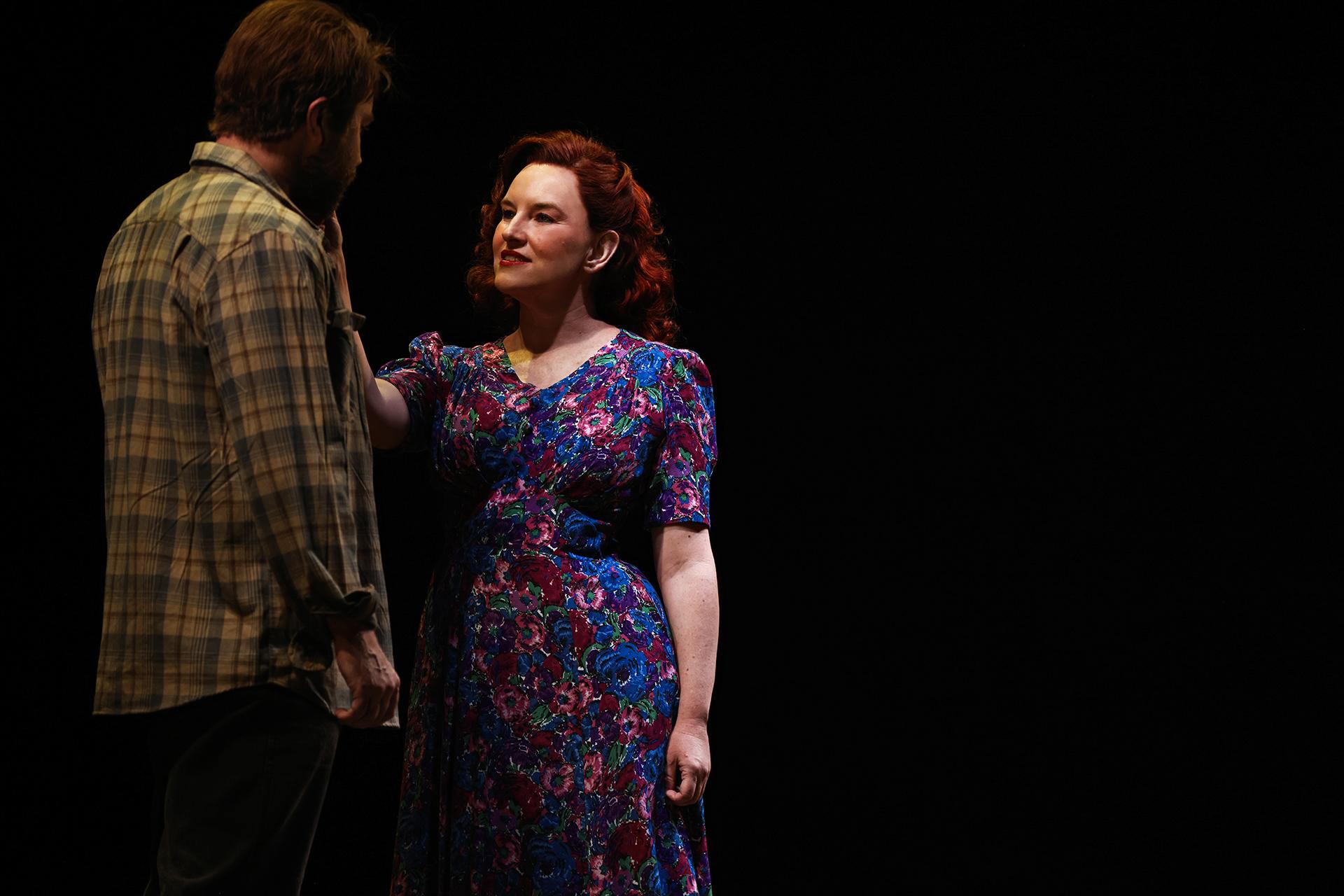
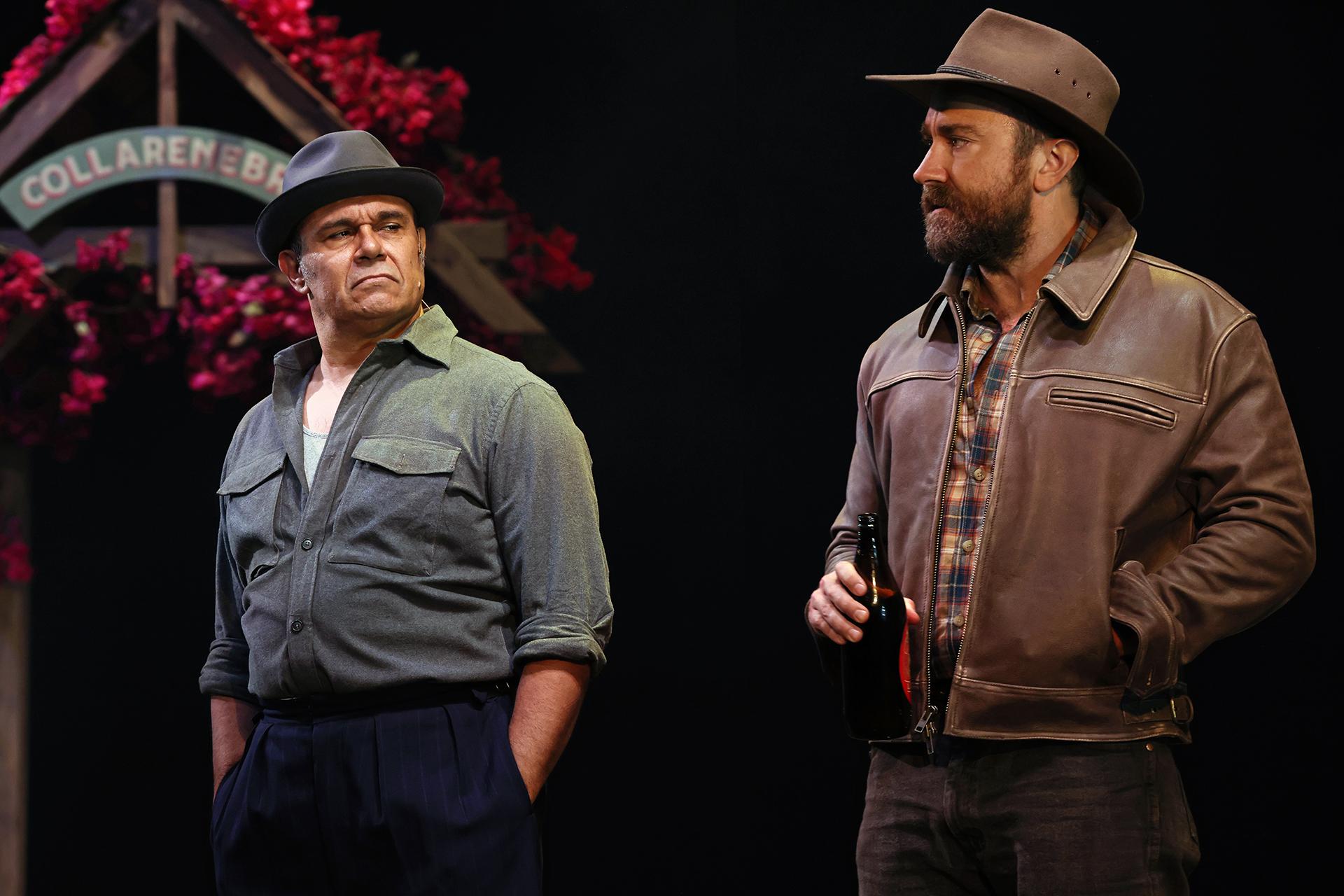
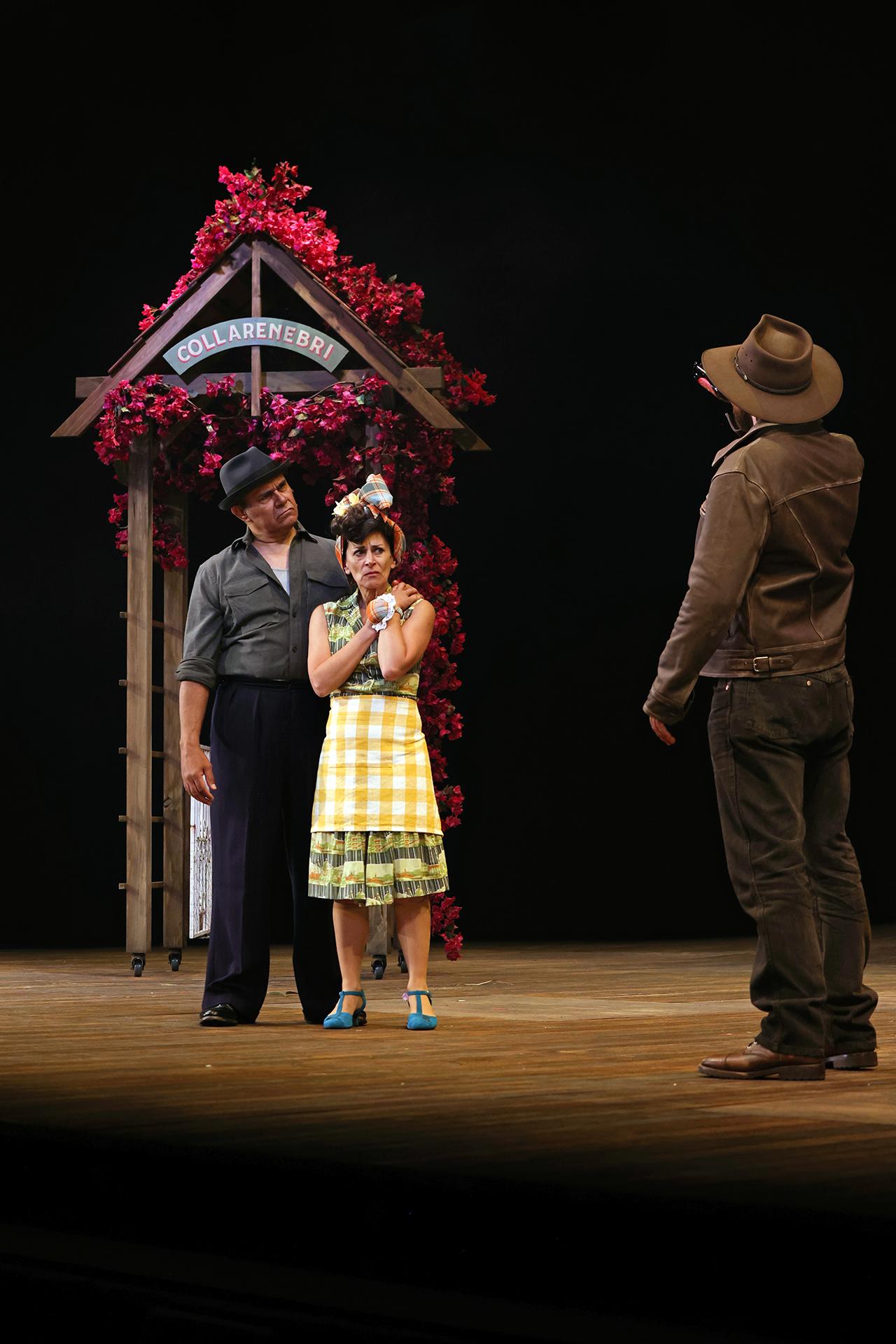
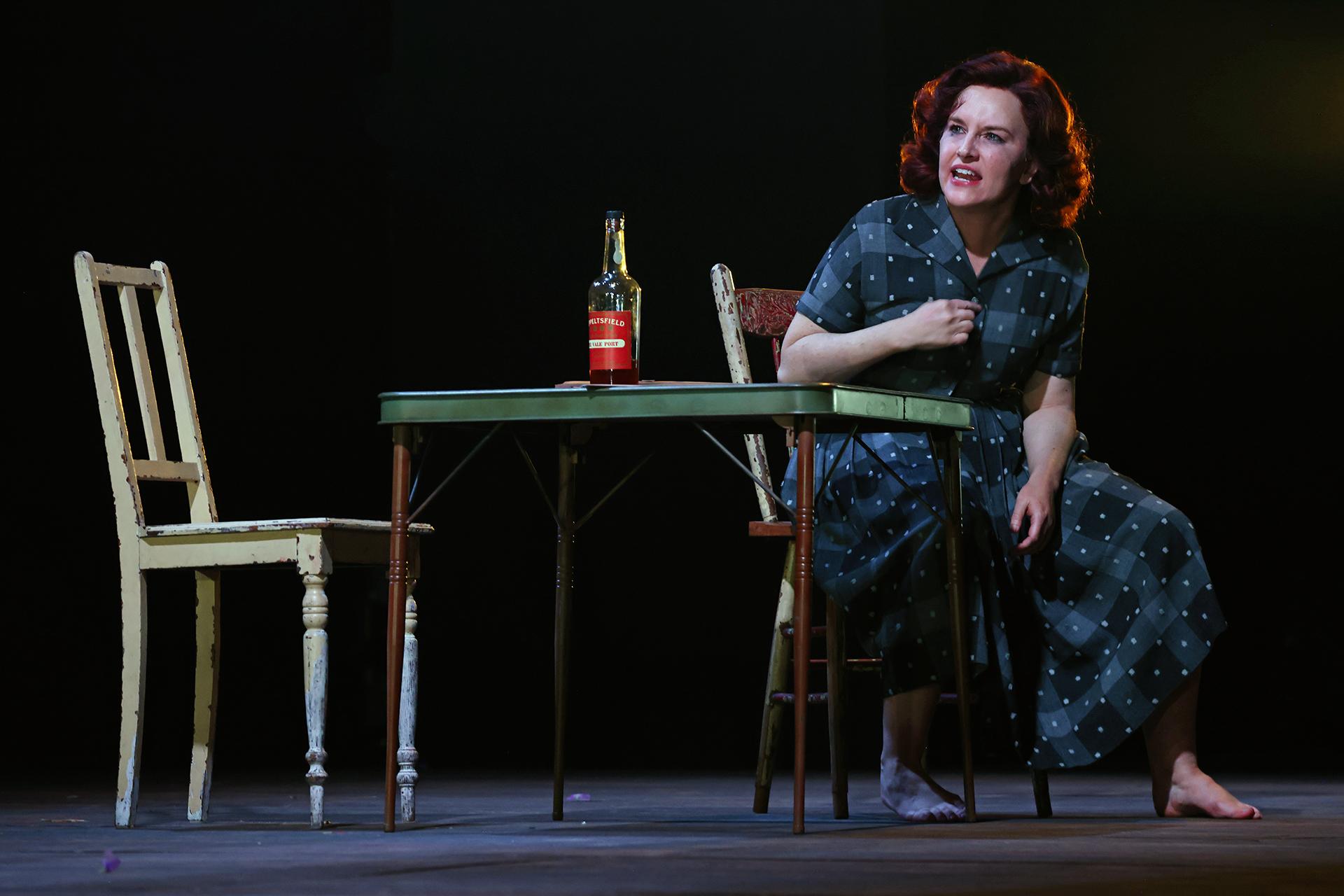
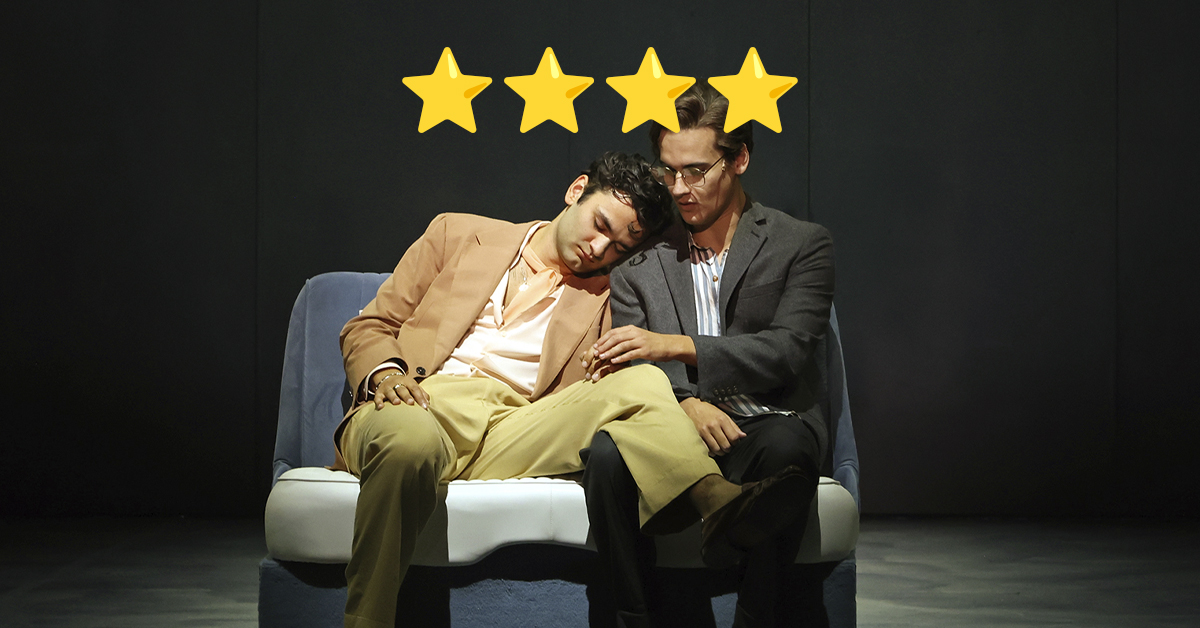
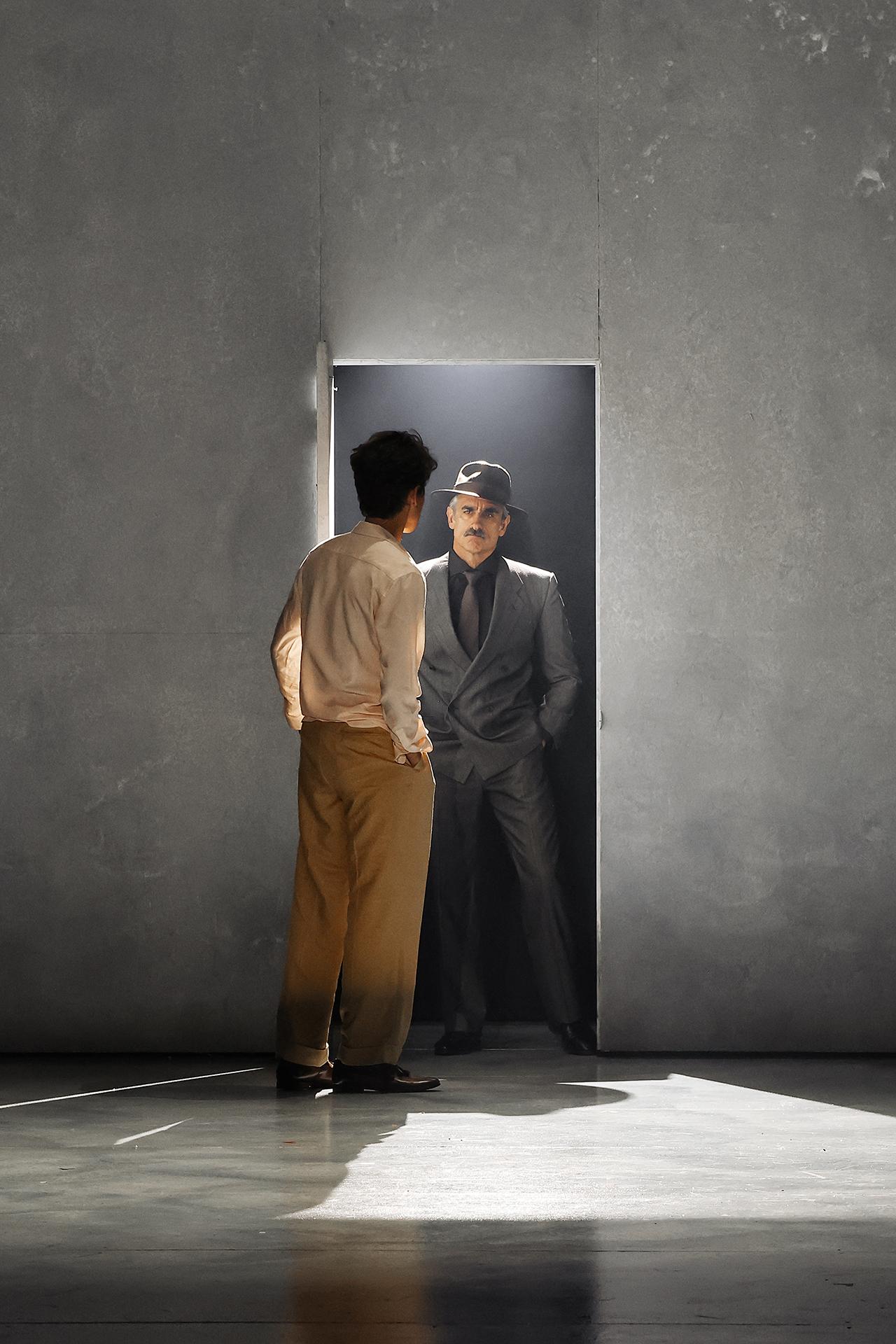
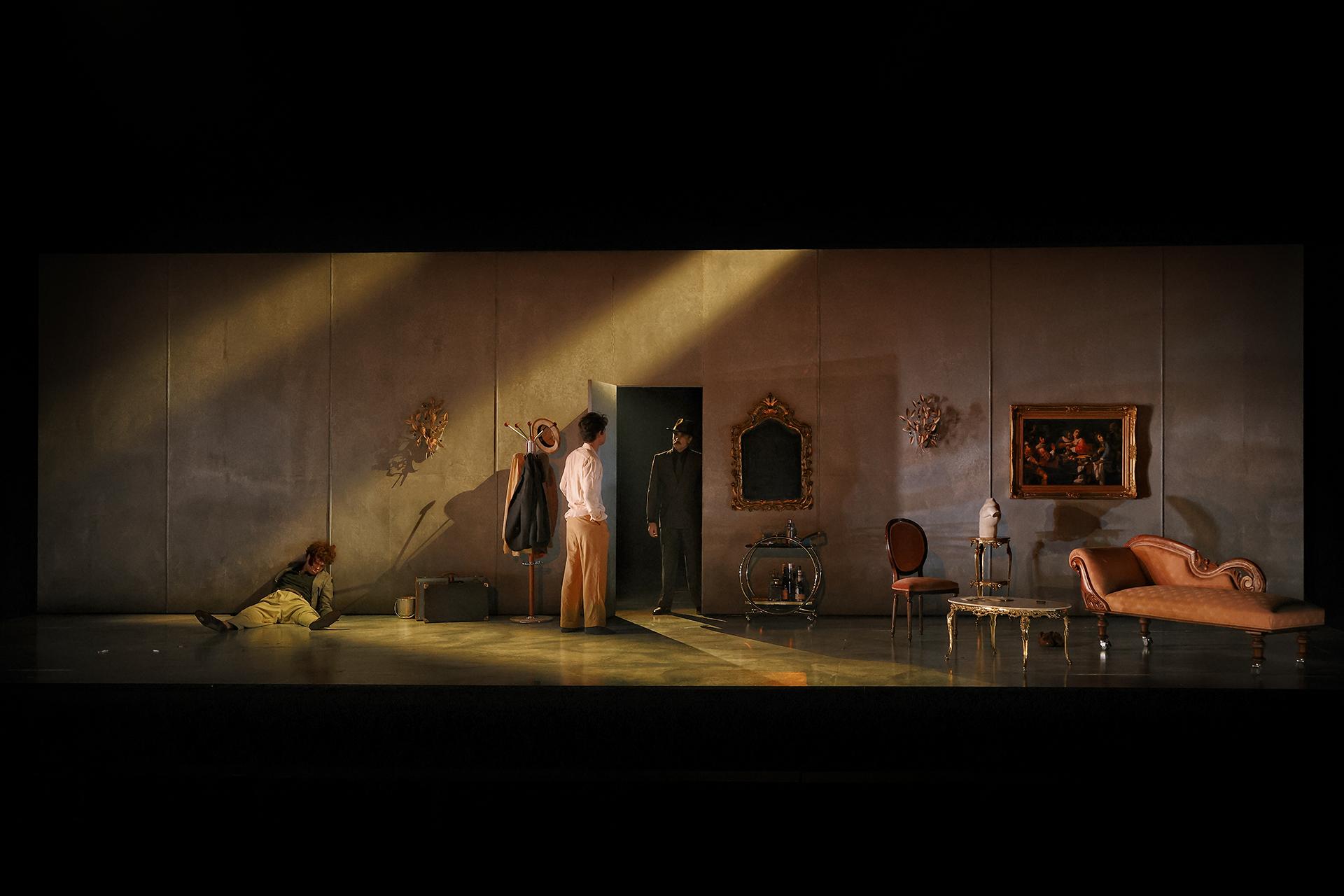
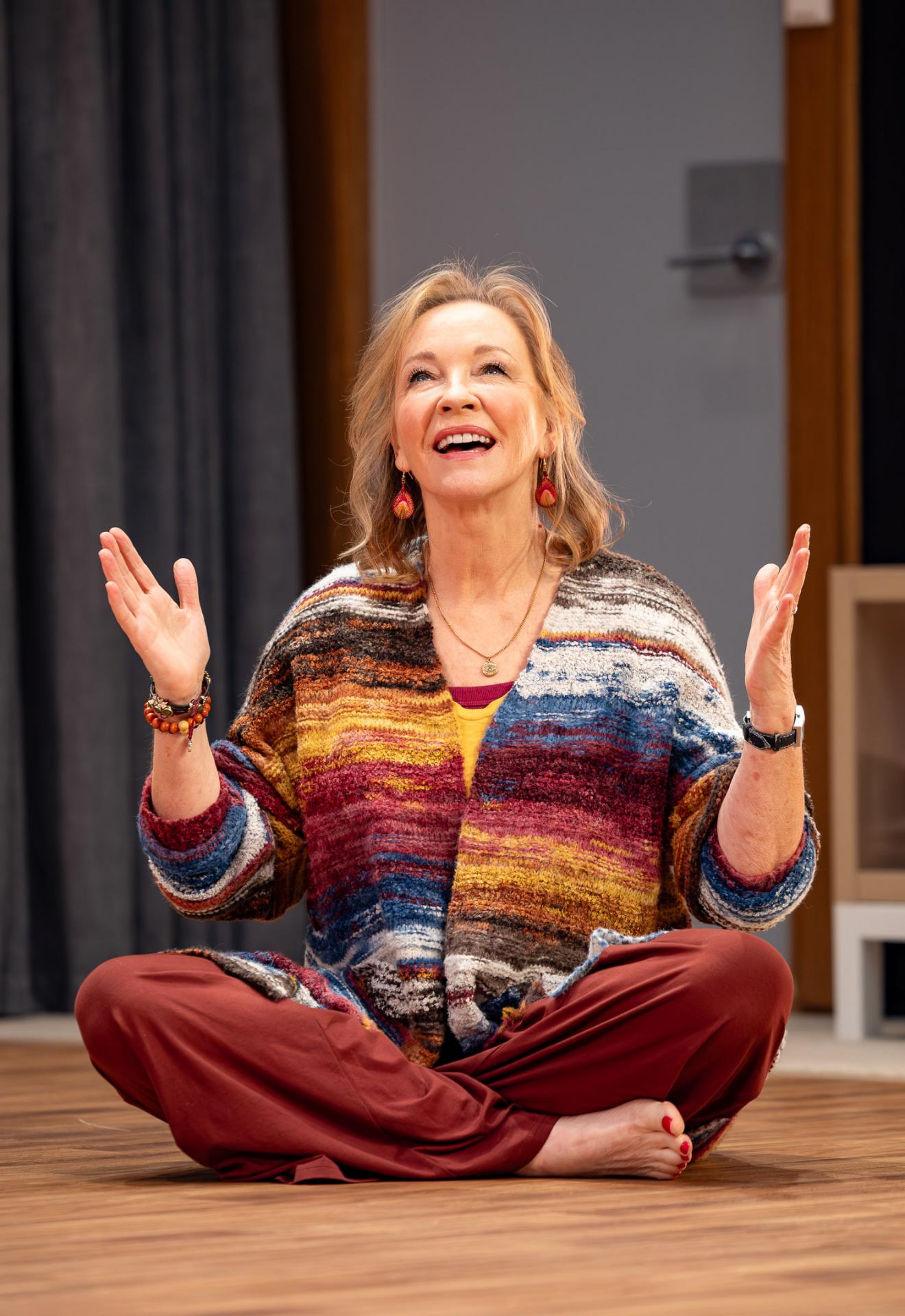
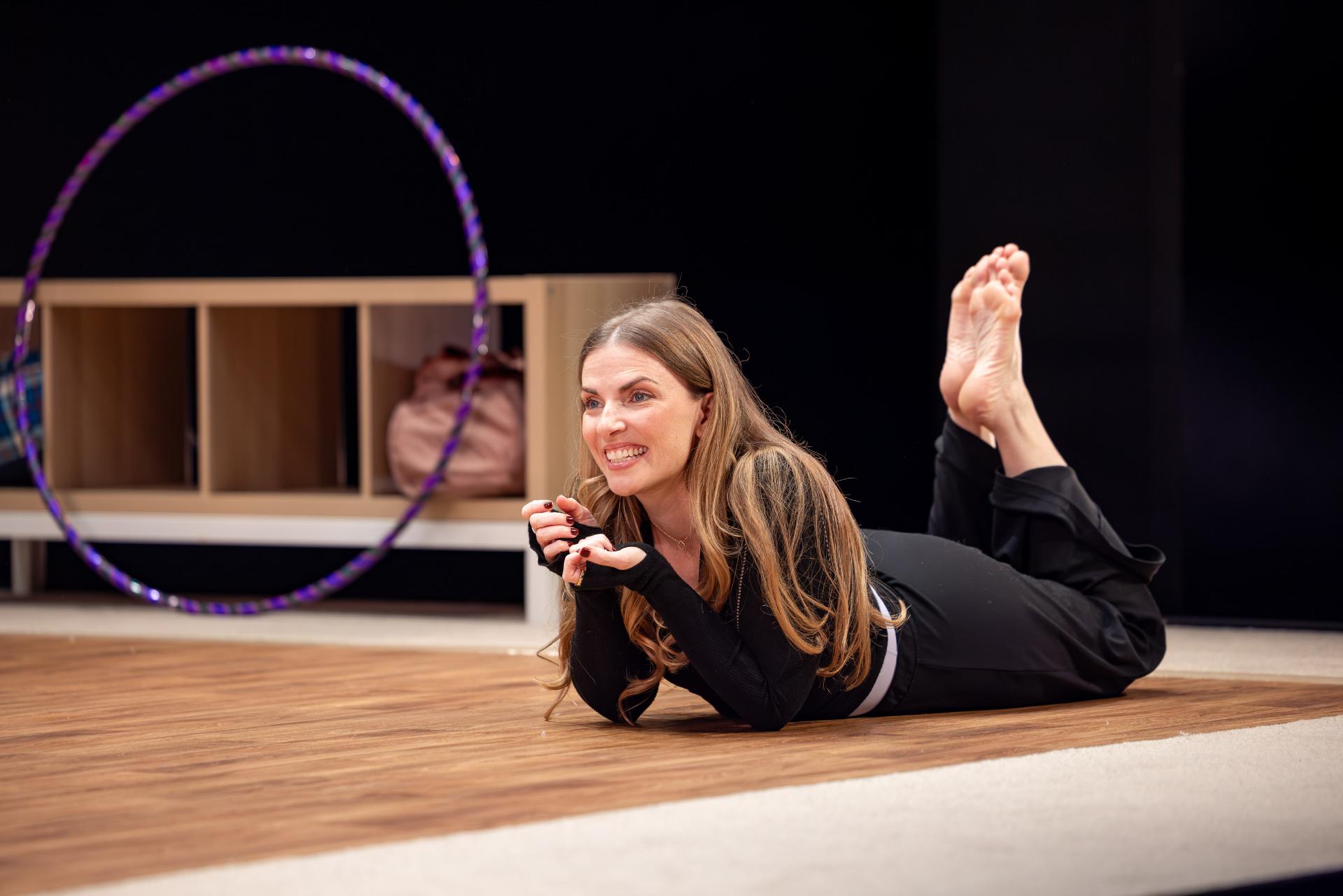
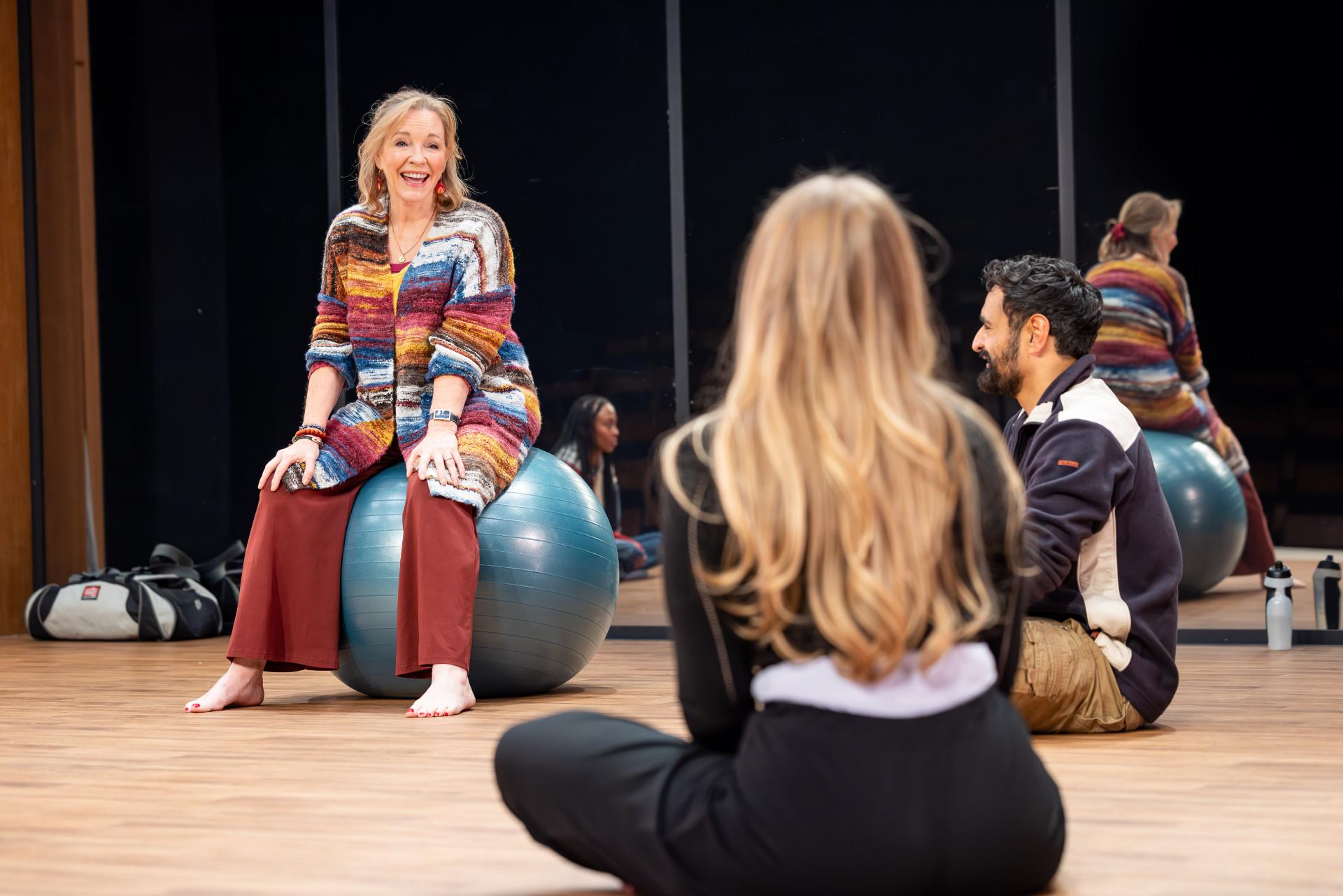
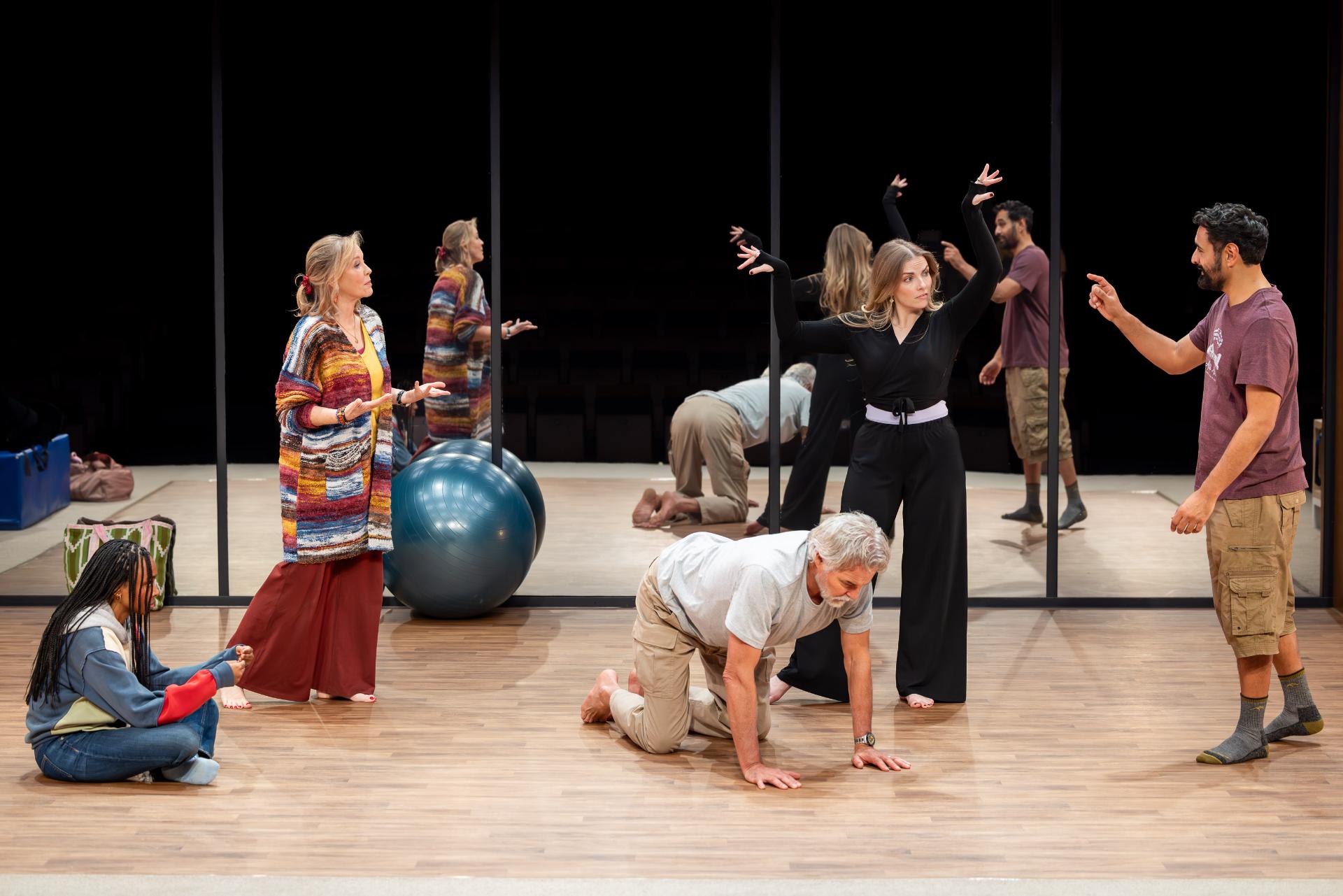
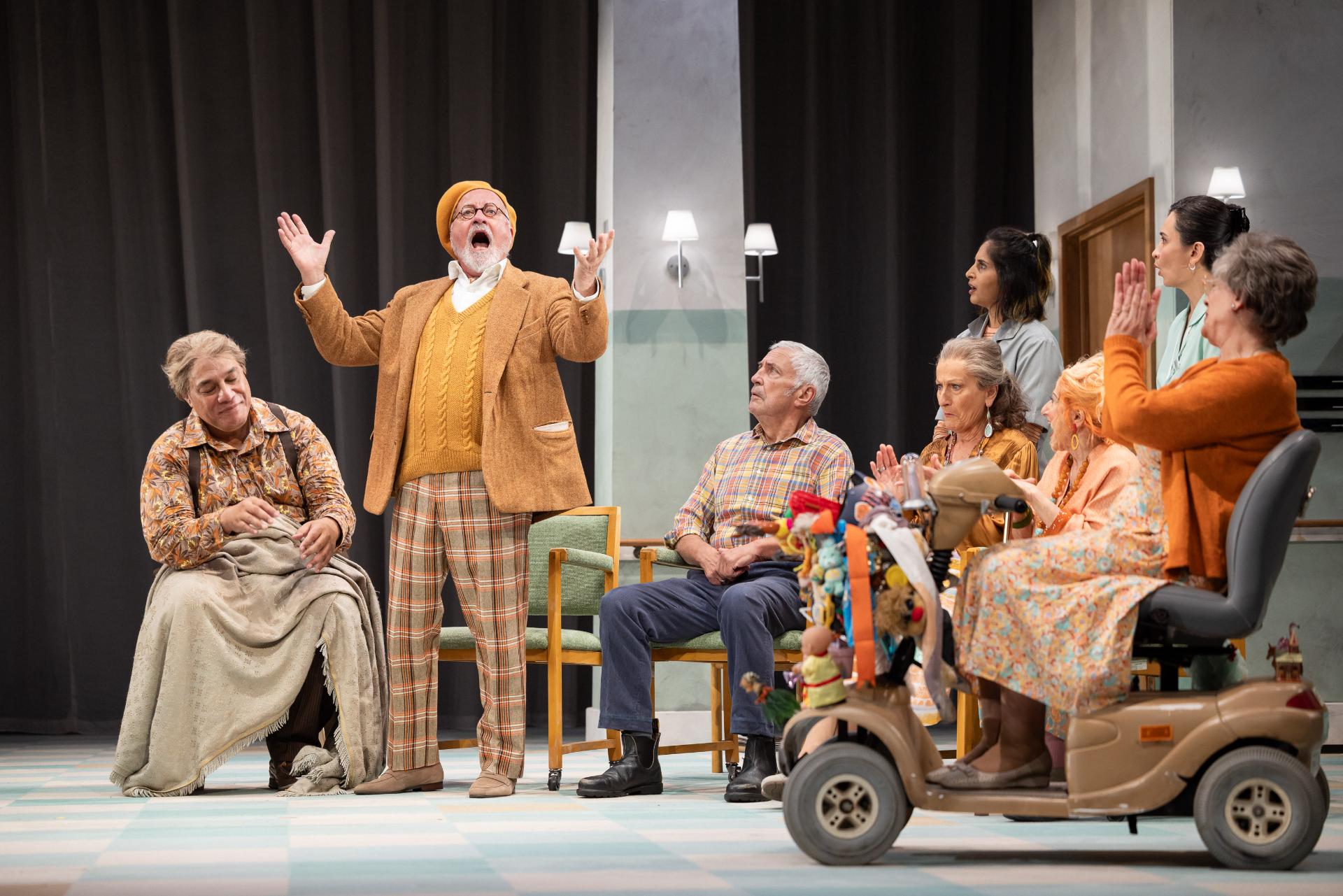
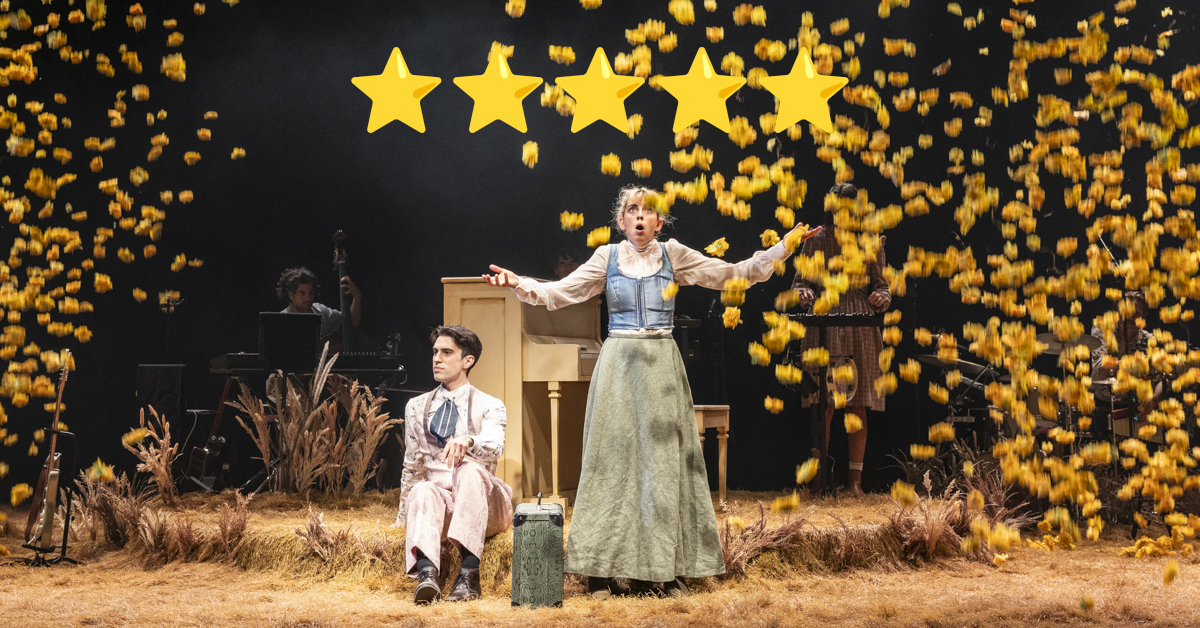
It is opening day at Mandy’s new karaoke bar, and she is plainly on the verge of collapse. It also happens to be her thirty-eighth birthday—a milestone that terrifies her, for both her mother and grandmother died at precisely that age. Amid this psychological unravelling, those very forebears return as ghosts from the afterlife or underworld, appearing as if to mock her dread and deepen her sense of inevitability. Congratulations, Get Rich! by Merlynn Tong, probes the intertwined notions of curses and legacies—ideas often treated as distinct but revealed here to be inseparable. Mandy fears repeating history, even as she begins to recognise, somewhere beneath the panic, that her own hard-won successes might yet rewrite the story her family has carried for generations.

The writing is wildly inventive, holding us rapt from the first moment to the last. Unpredictable and delightfully eccentric, it balances sincerity with a sense of the marvellously outlandish. Courtney Stewart’s direction brings together rich cultural specificity and deep emotional truth, guiding a story that moves between Singapore and Australia while allowing its layered meanings to reverberate across cultural lines. At times the humour edges toward the contrived, yet the production’s unwavering commitment to its distinctive tone renders even its most exaggerated moments disarmingly persuasive.

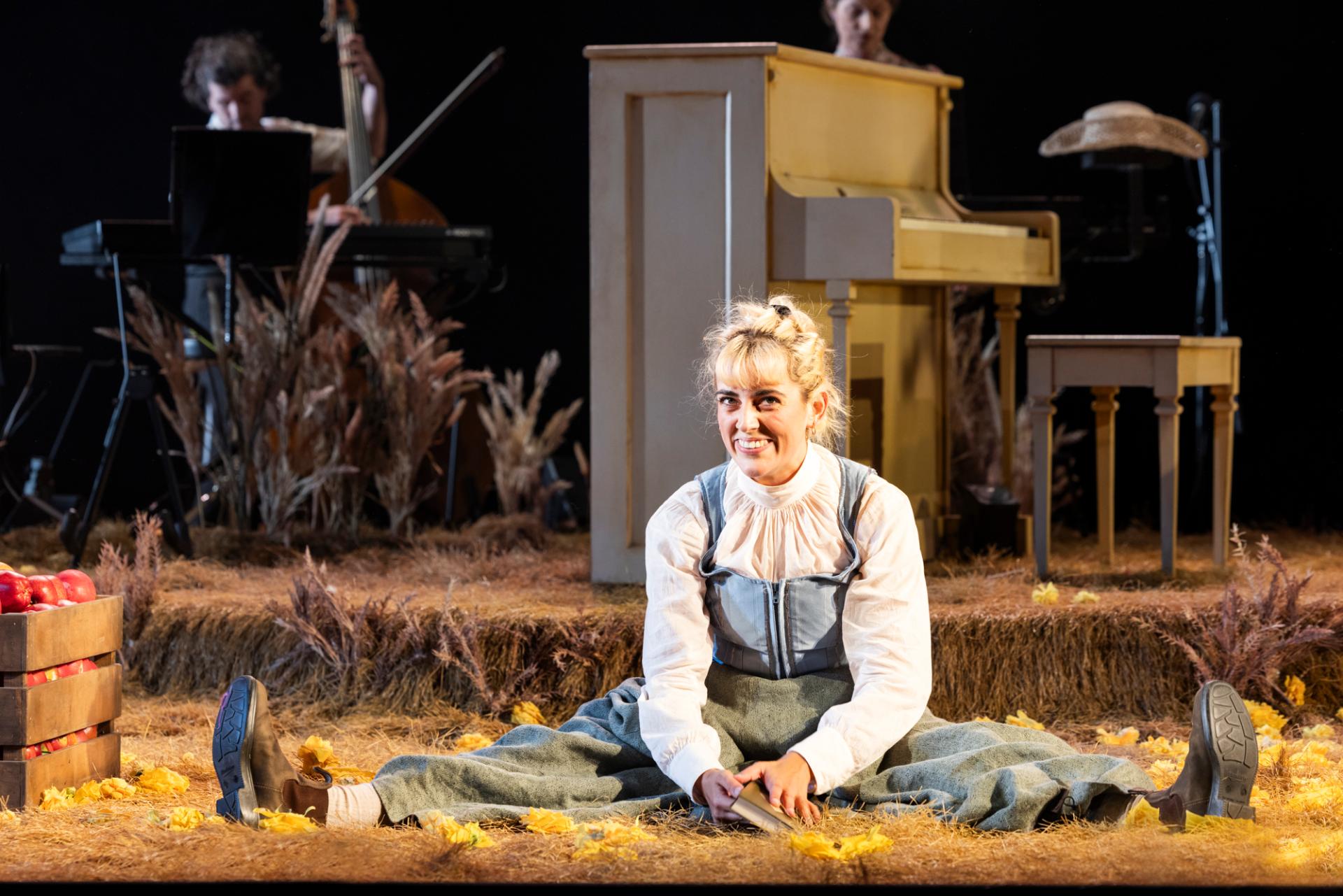
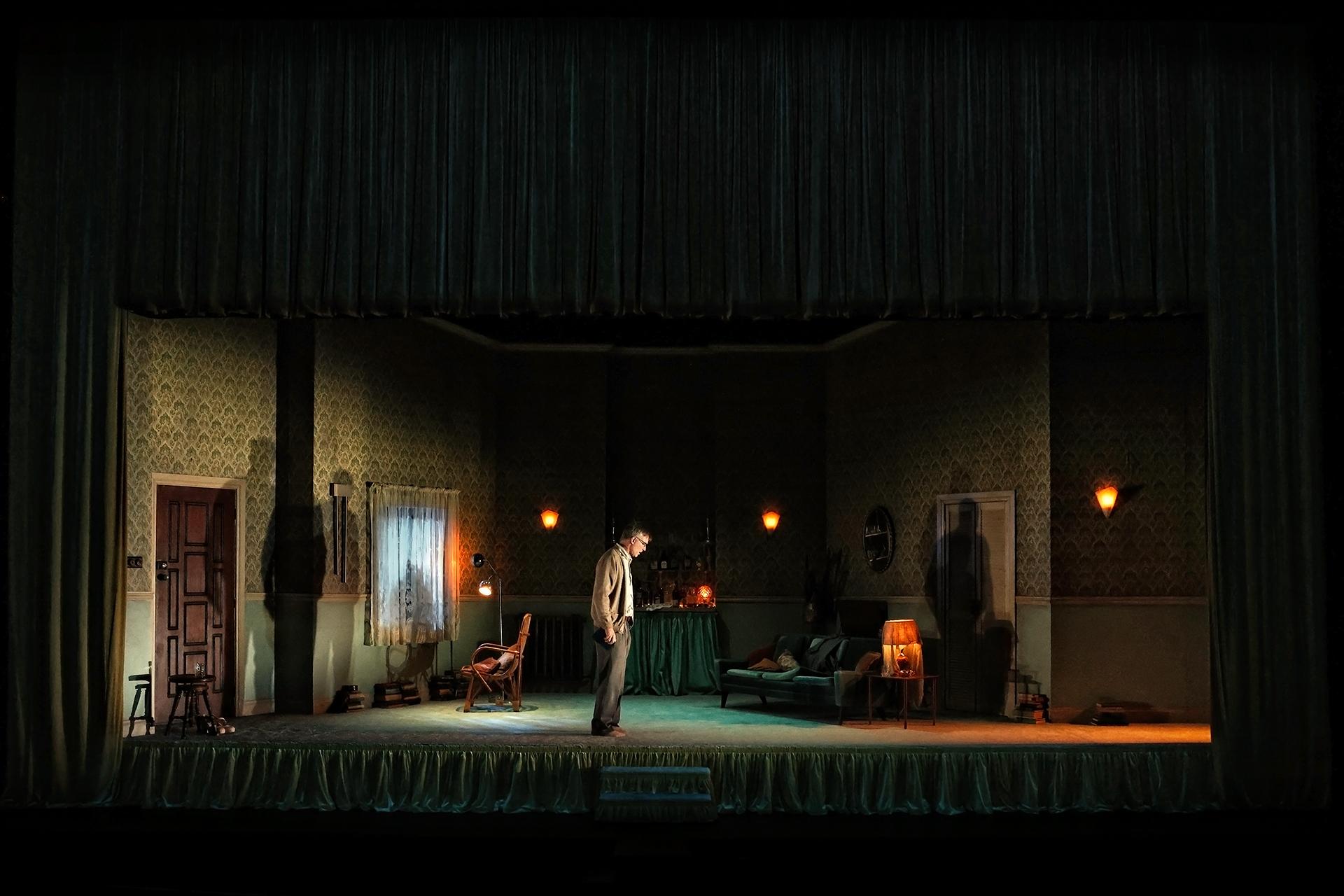
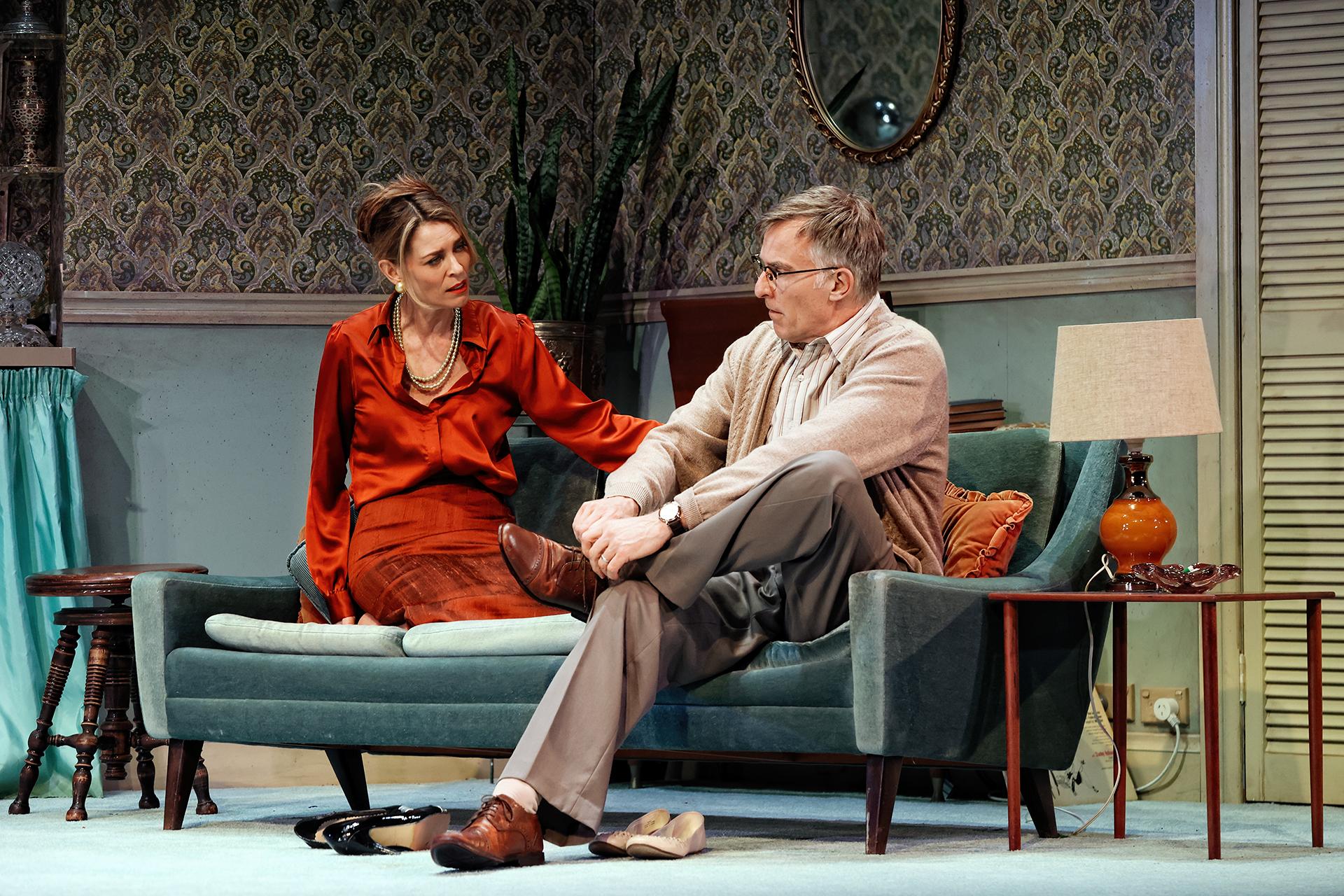
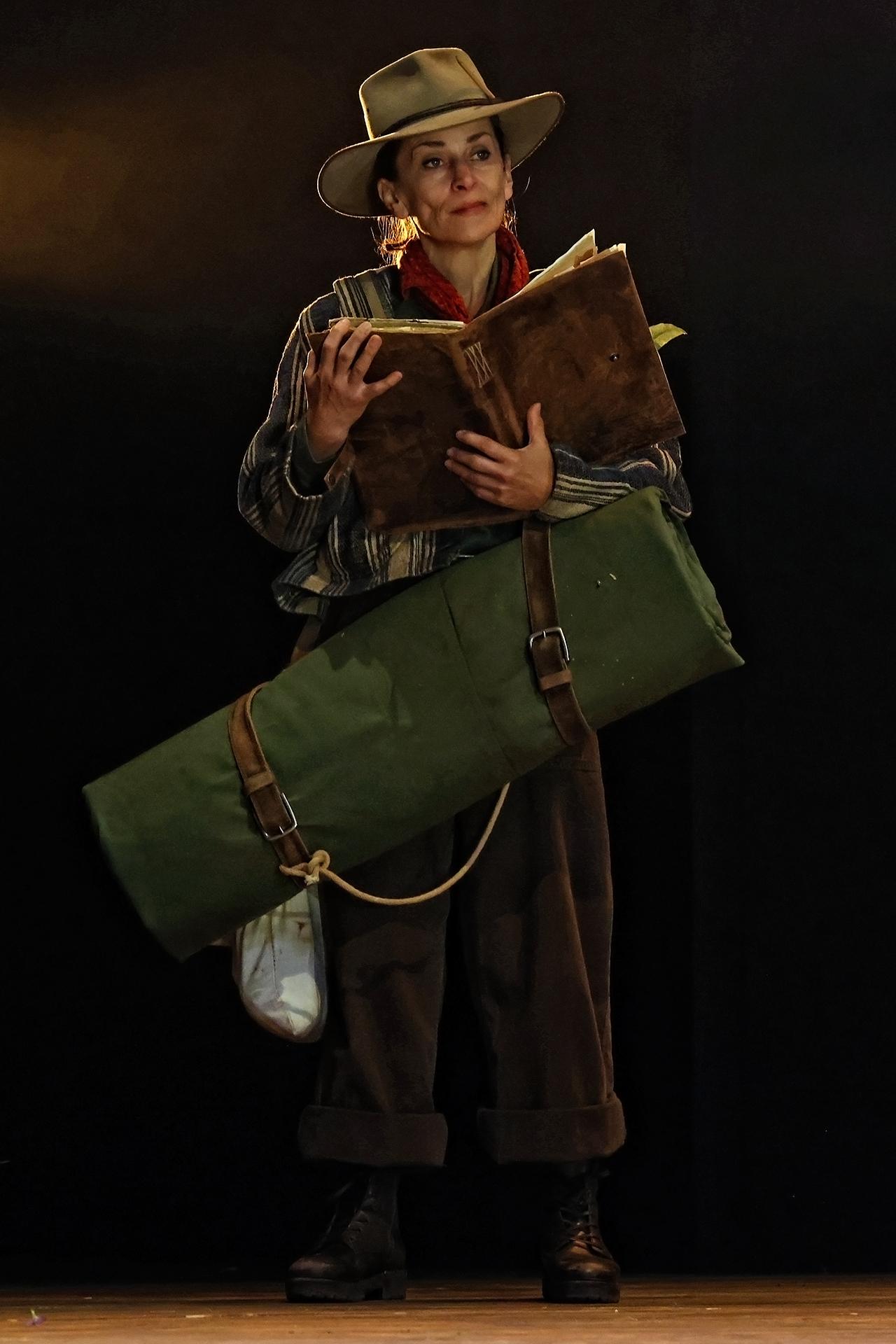
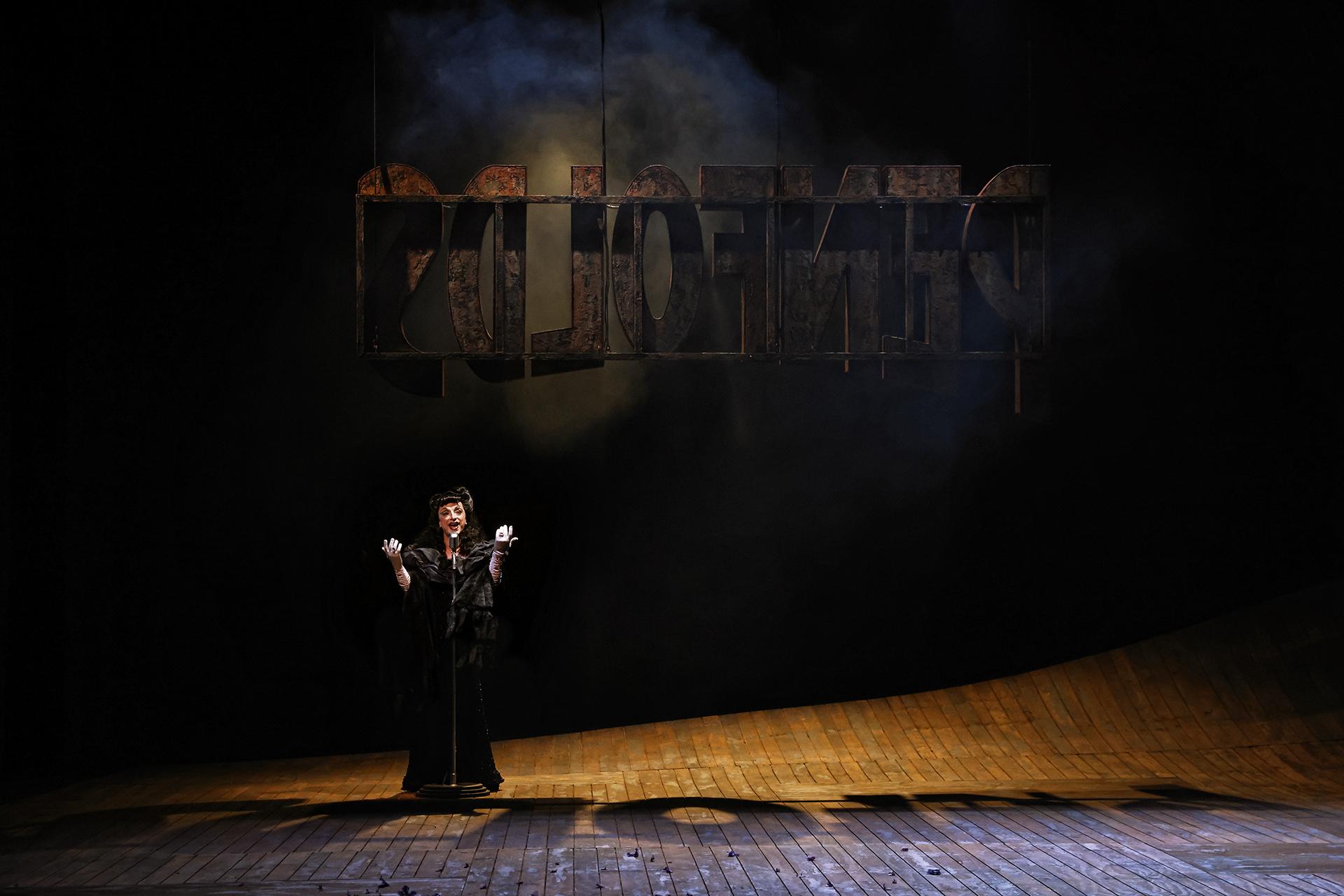
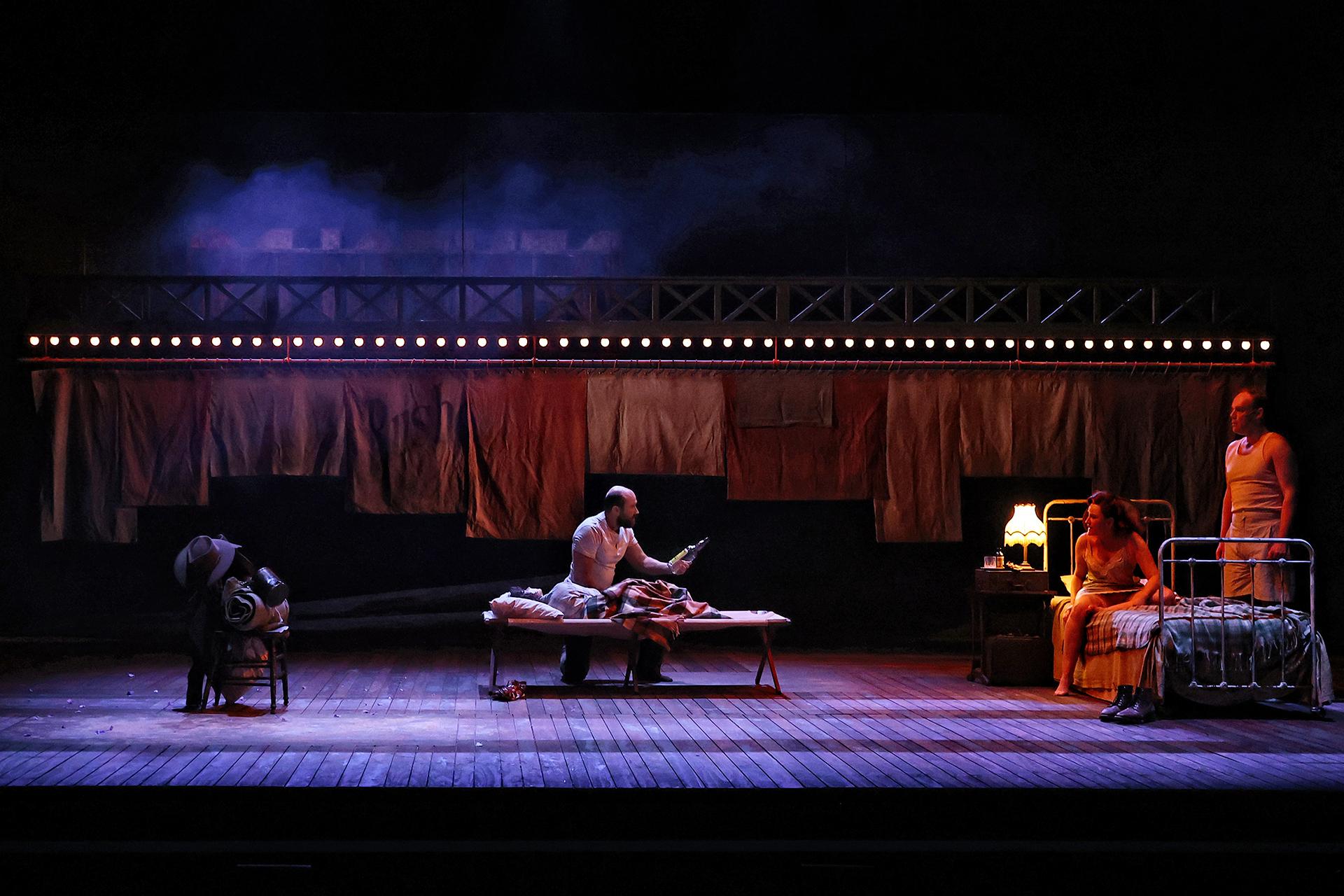
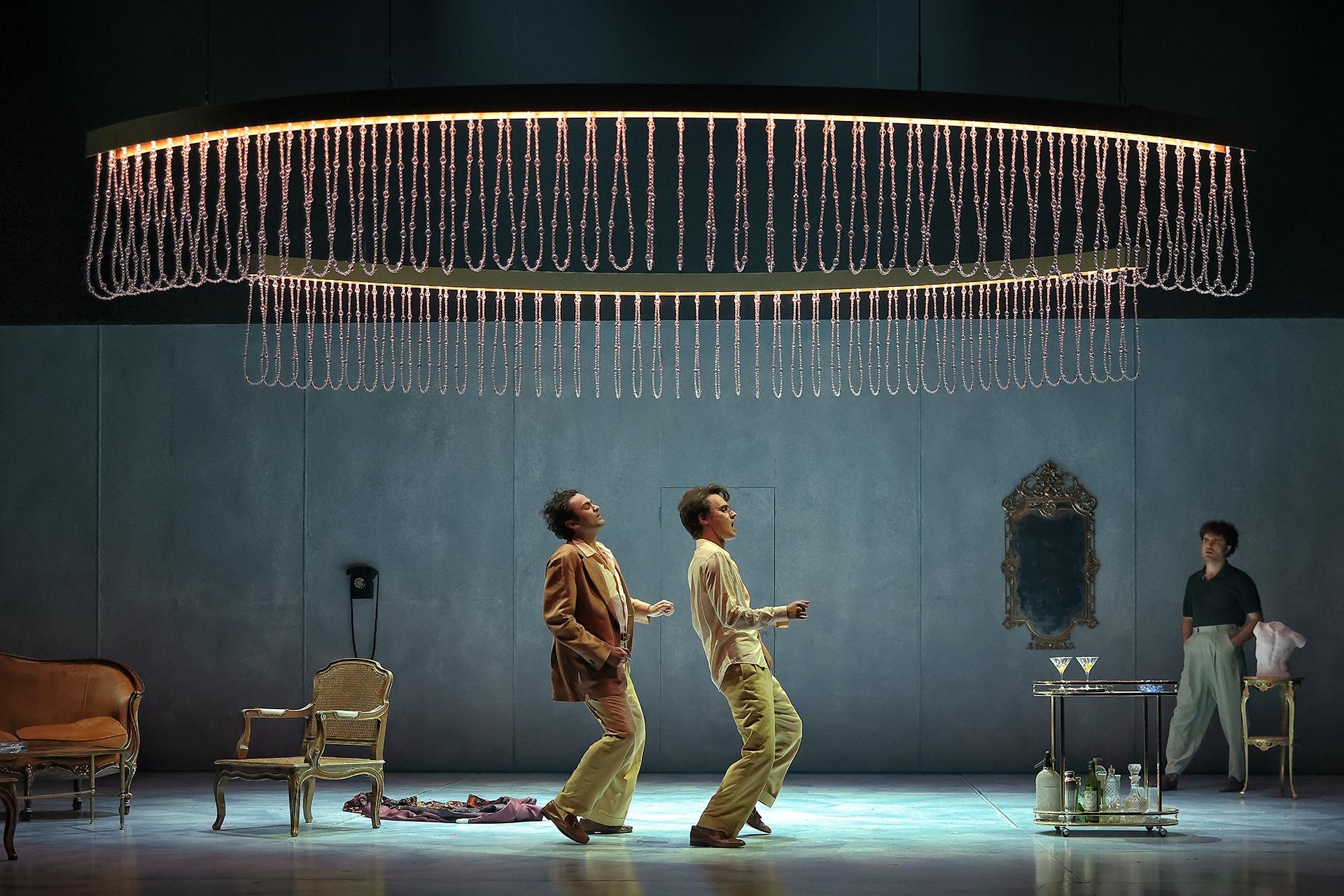
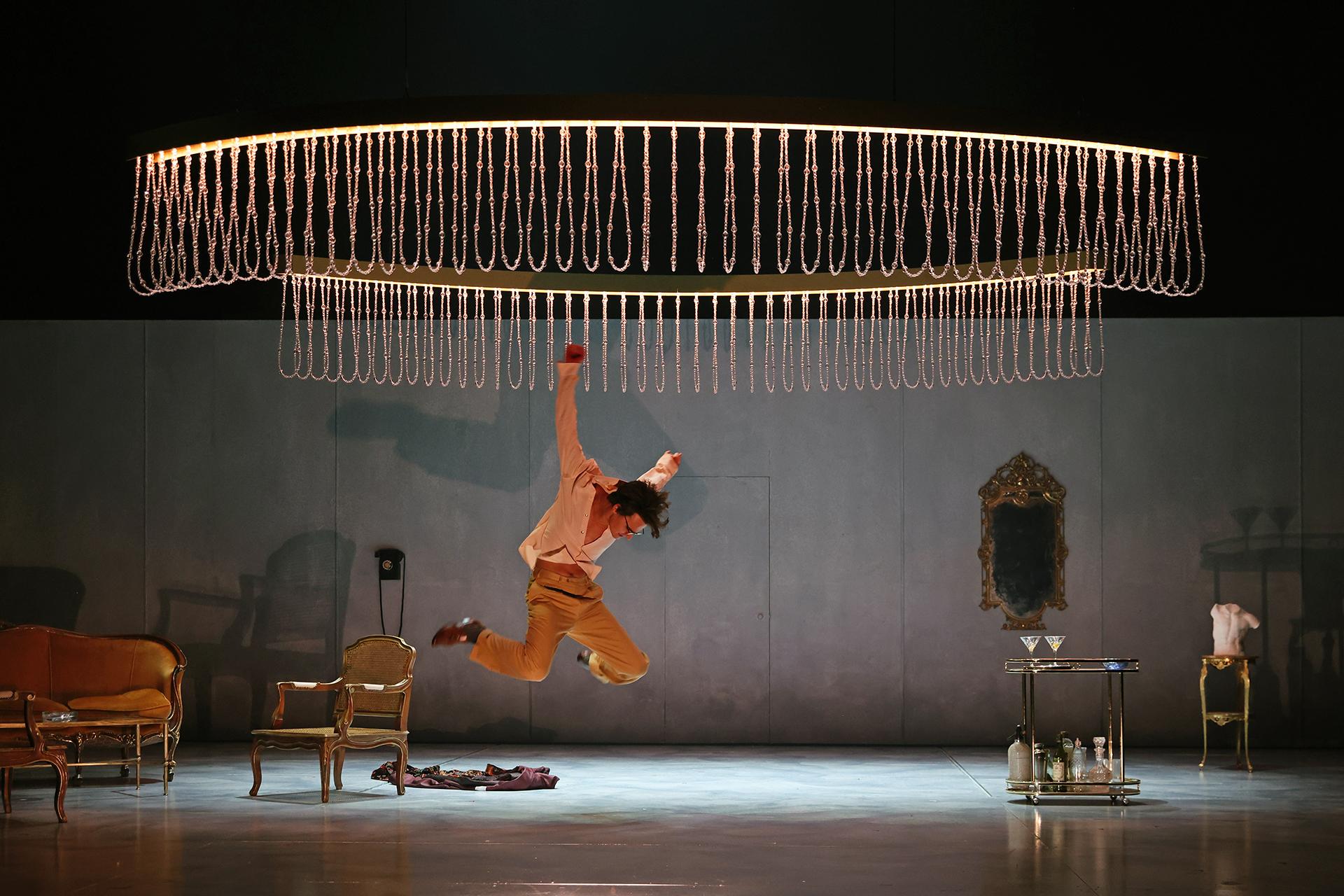
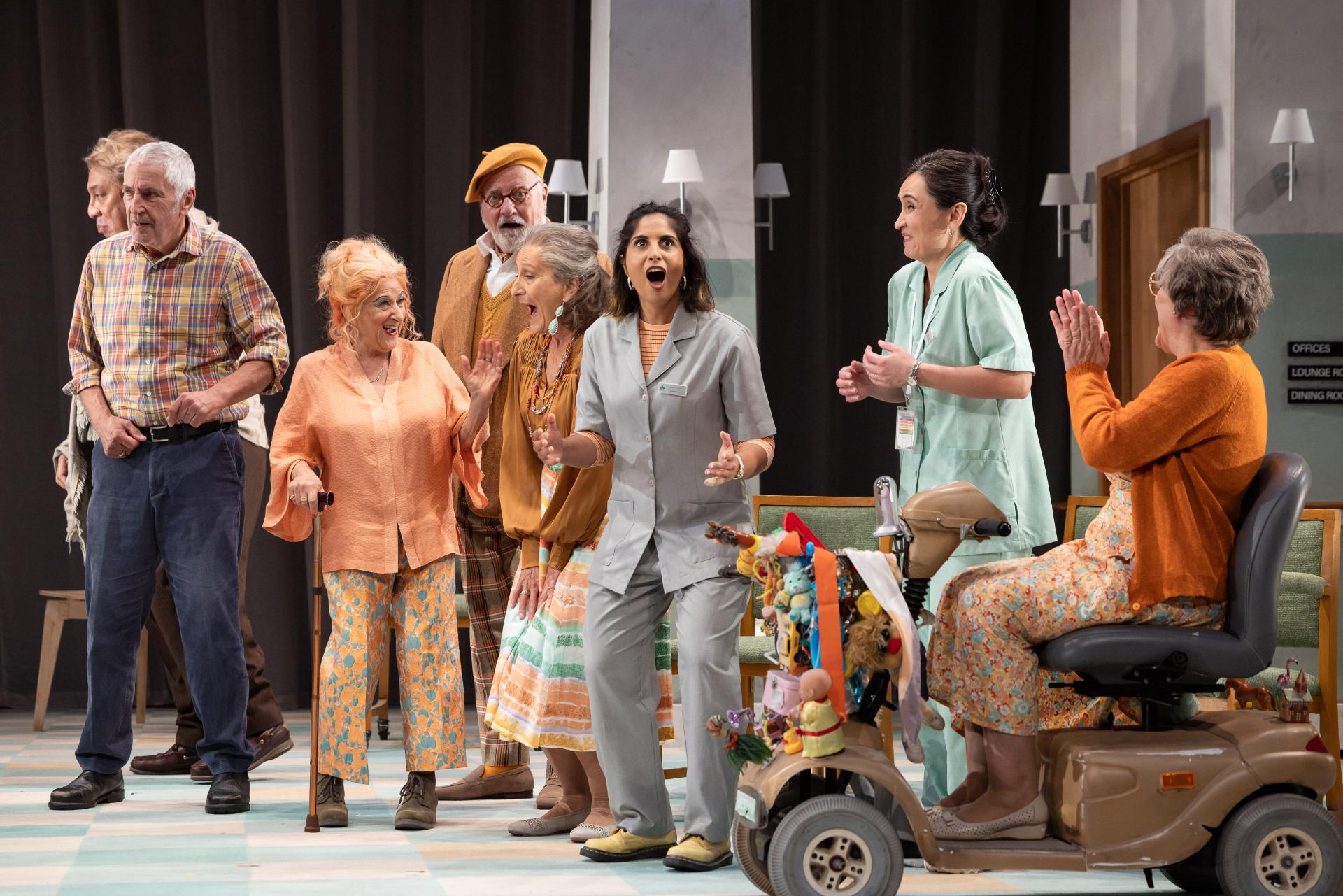
James Lew’s production design is richly considered, weaving symbolism into a visual language that is at once grounded and strikingly theatrical. His work carries a pleasurable sense of extravagance, yet never loses sight of the social resonances that inform each aesthetic choice. Gabriel Chan’s lighting is similarly exuberant, though one occasionally wishes for greater nuance to draw us further into the emotional terrain. Guy Webster’s sound design, gloriously amplified and unabashedly heightened, proves an ideal match for the work’s supernatural comic register. Particularly noteworthy are the original songs that Tong weaves into the piece, rendered delightfully camp through Alex Van den Broek’s playful, uninhibited music direction.

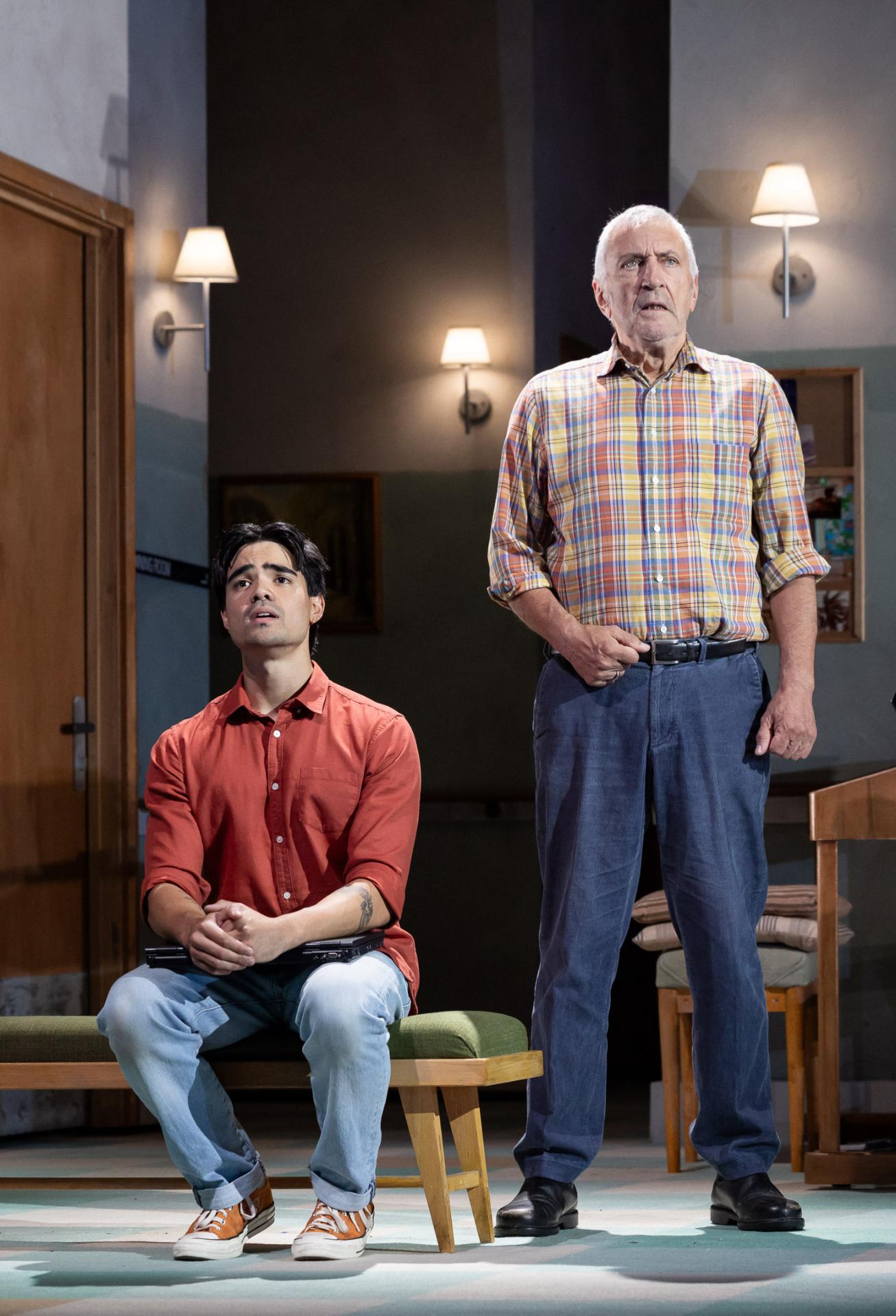
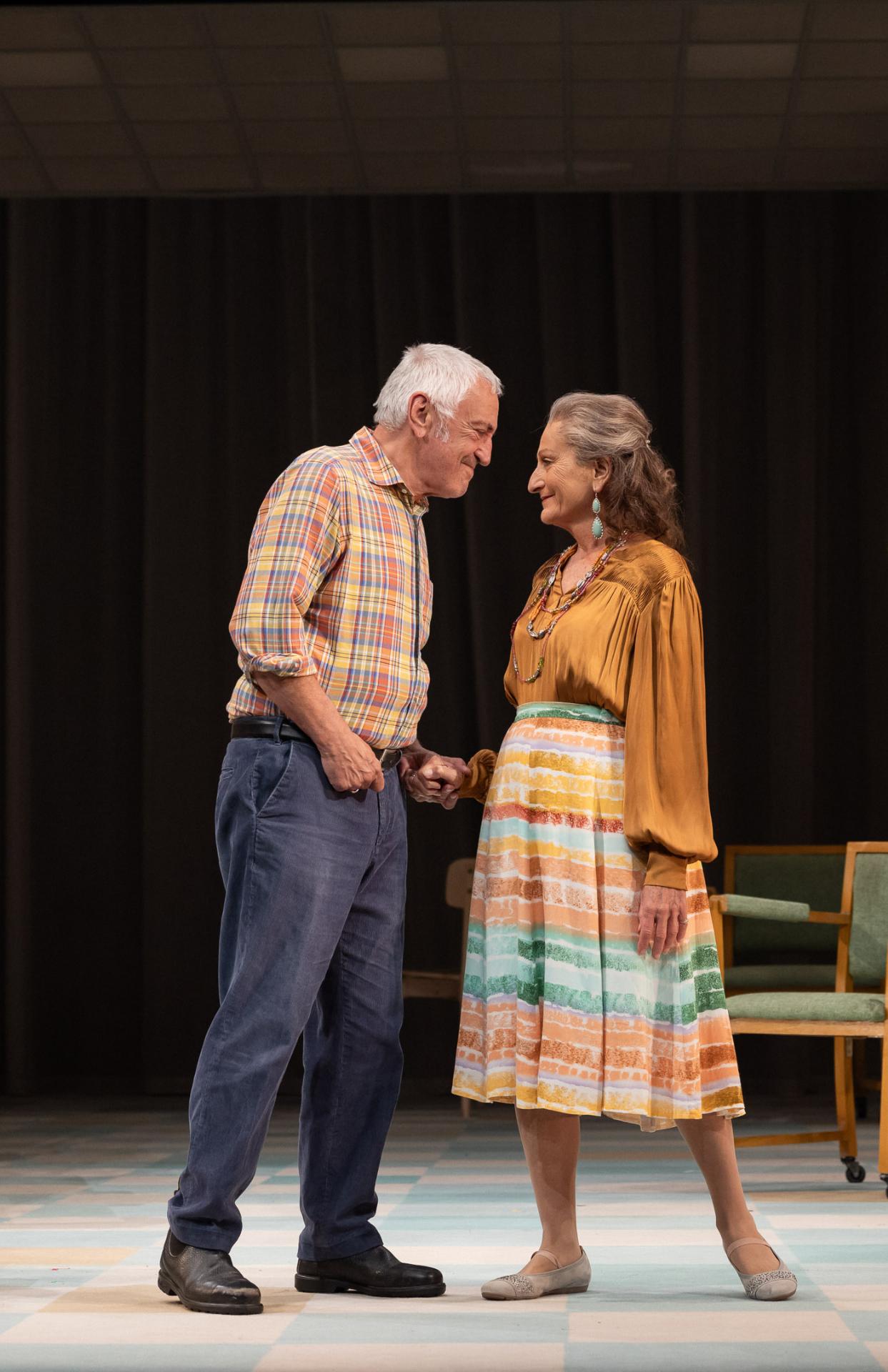
An exceptional ensemble anchors the production, with Tong herself embodying Mandy with indefatigable verve and an arresting emotional intensity. Kimie Tsukakoshi delivers a masterfully layered performance as the grandmother—precise, commanding, and utterly persuasive in her traversal of time and space. As Mandy’s mother, Seong Hui Xuan is unassailably authentic, capturing the poignant duality of a woman who bequeaths her daughter both profound anxieties and an equally steadfast resilience. Zachary Boulton shines as Xavier, Mandy’s partner in life and business, his impeccable comic timing offering welcome buoyancy whenever the domestic tensions threaten to overwhelm. The ensemble as a whole is remarkable for its discipline and cohesion, contributing to a staging distinguished by its tightness, clarity, and shared purpose.

The three women of Congratulations, Get Rich!, spanning three generations, trace a lineage of womanhood that feels both linear and perpetual—distinct lives that nonetheless echo one another with a clarity suggesting something almost divine in the continuity of mothers and daughters. Across cultures, whether East or West, women are routinely diminished, yet time and again reveal themselves to be far more powerful than the structures that seek to contain them. Mandy’s ancestors may have been claimed too early by the worlds that shaped them, but their struggles permeate unmistakably into the present. Mandy, however, stands on different ground, no longer bound by their limitations—and poised, at last, to carry the story further.

www.sydneytheatre.com.au | www.laboite.com.au

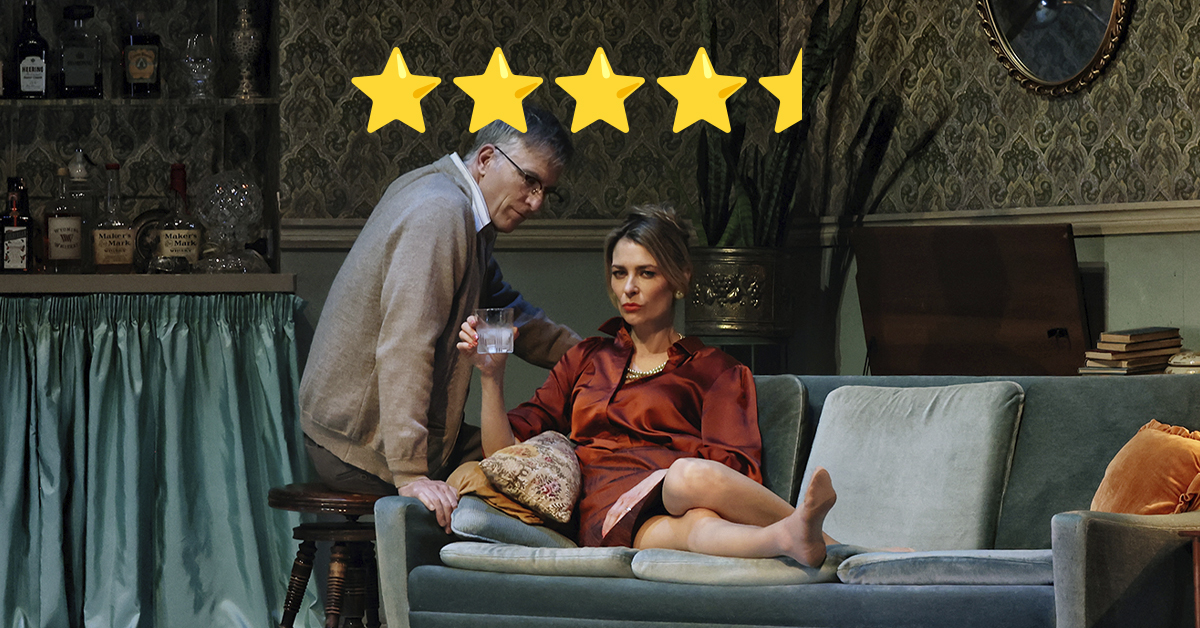
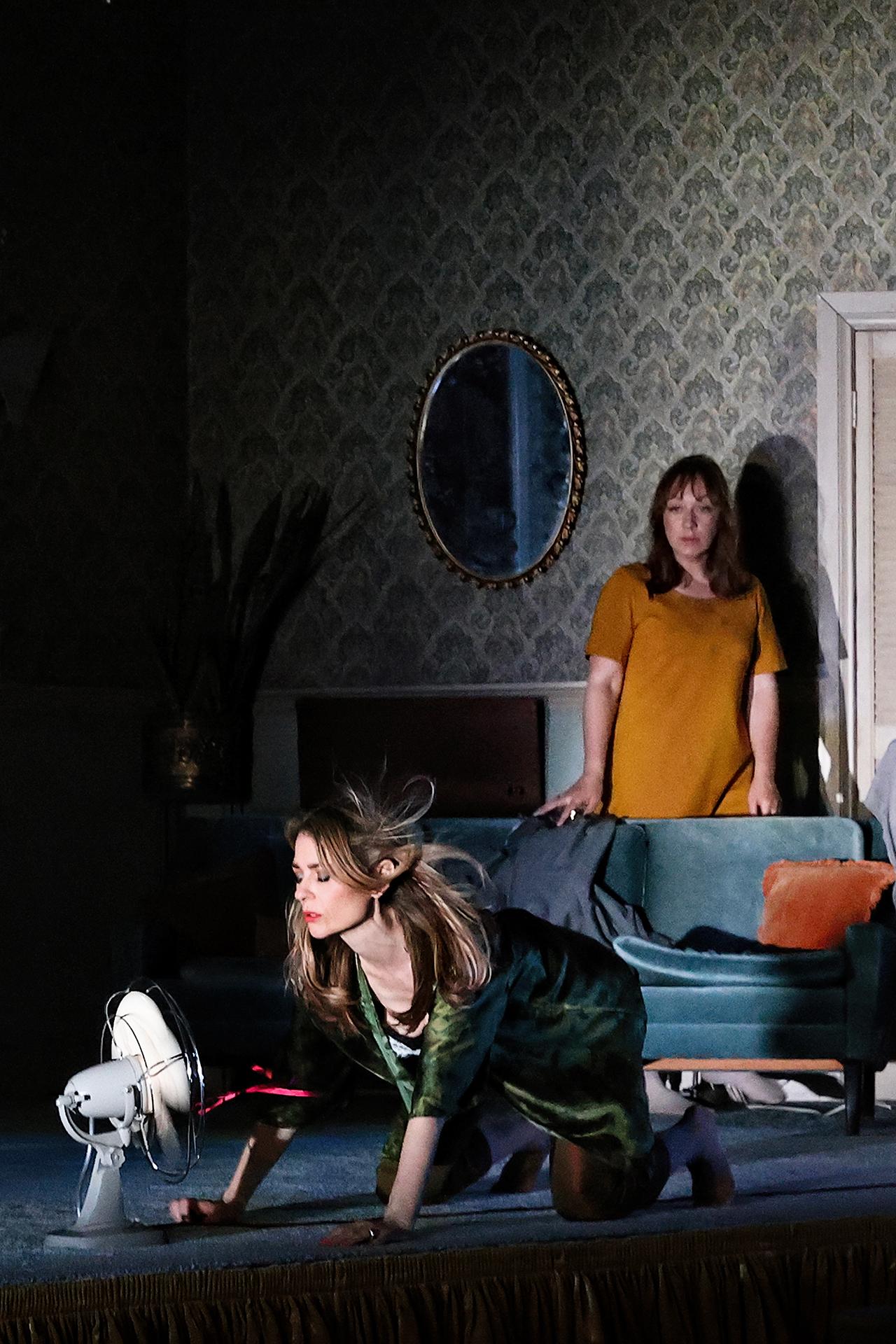
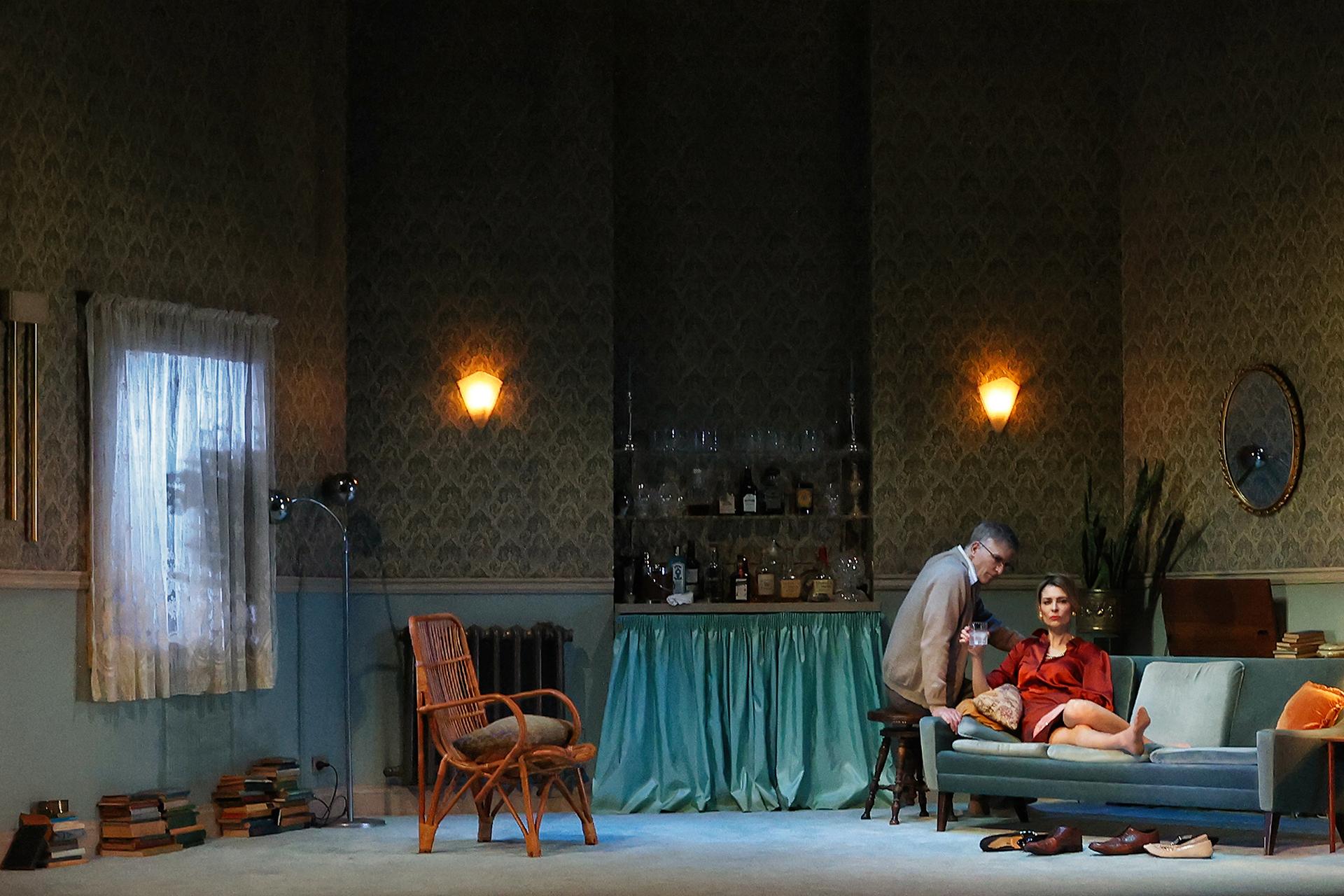
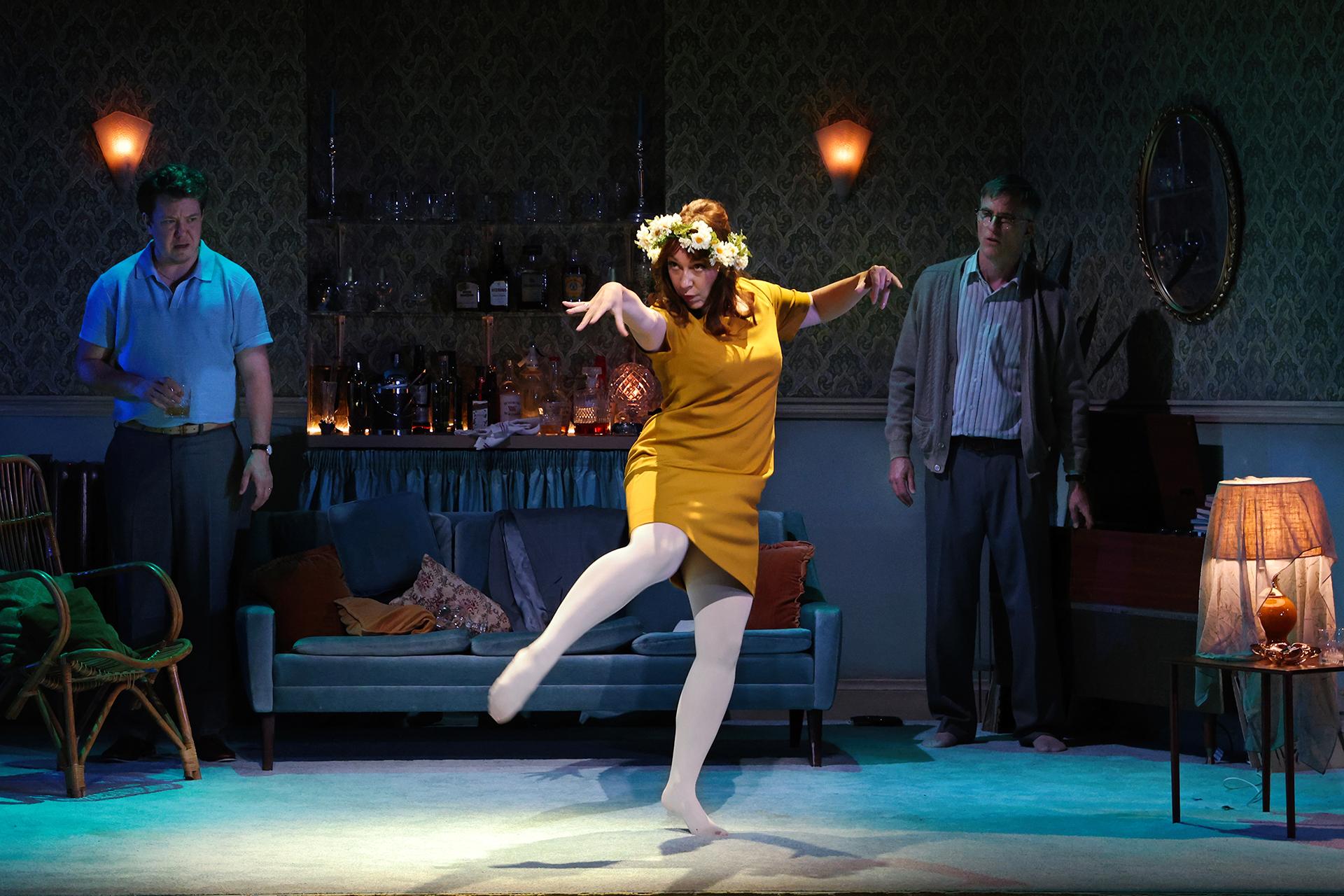
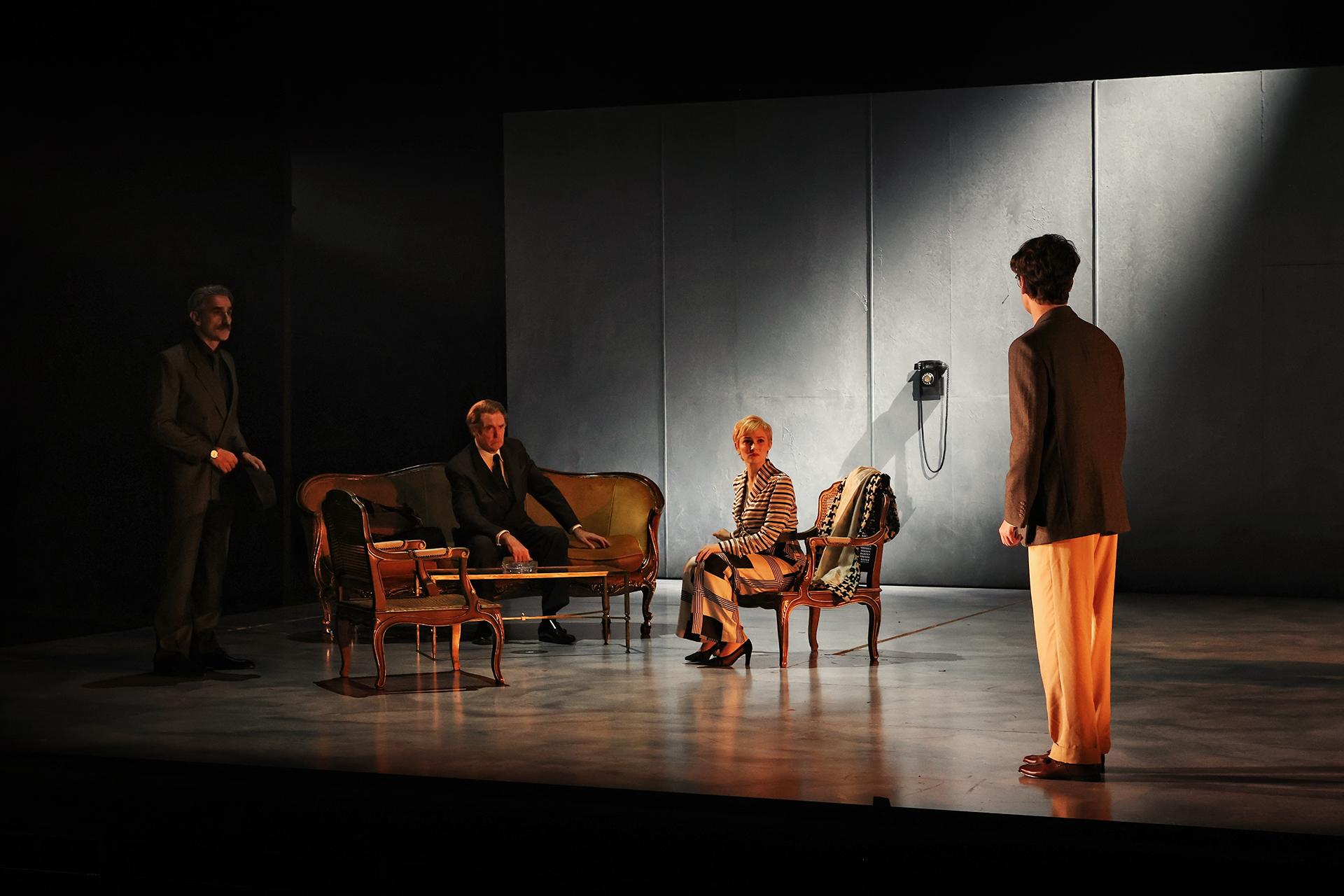
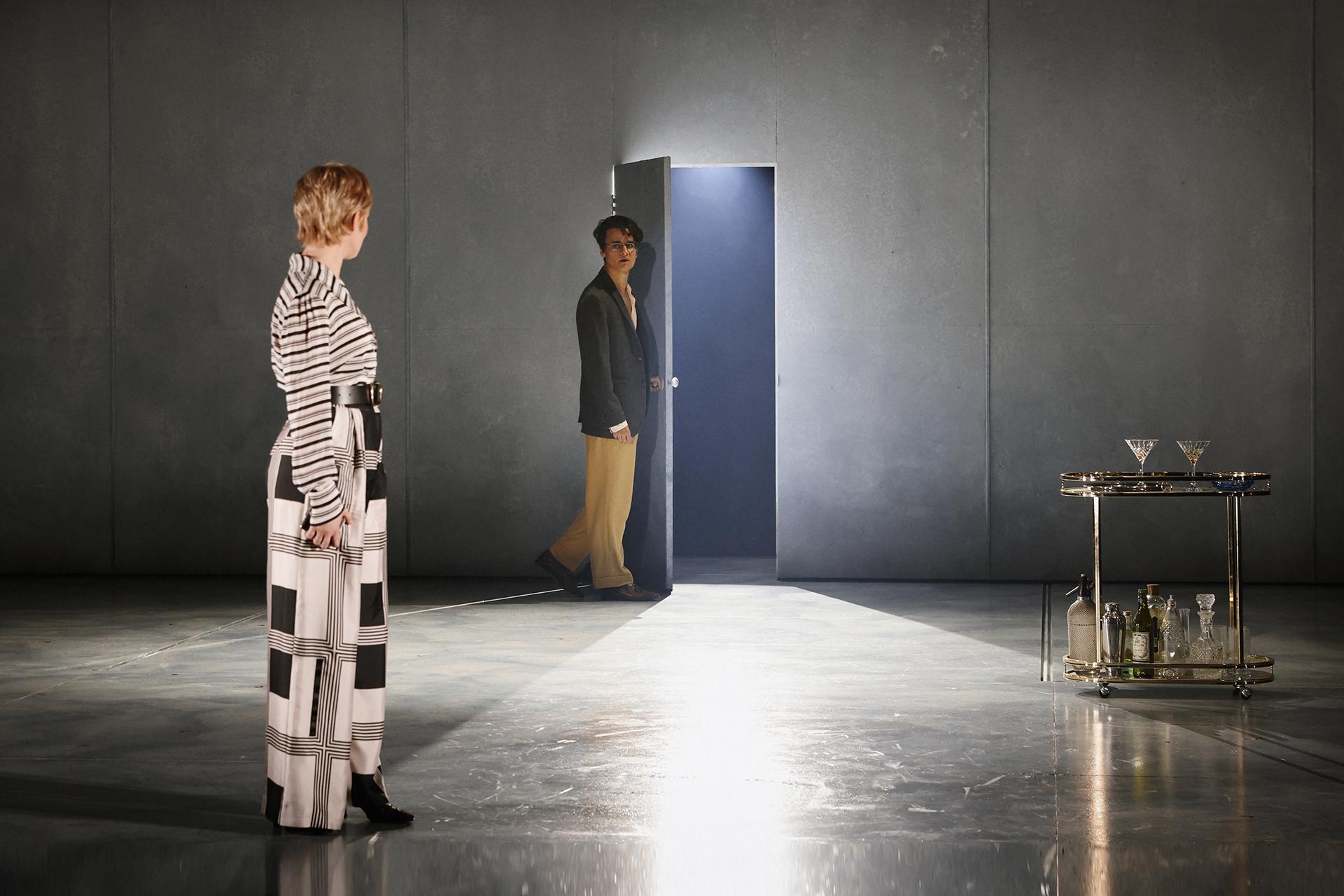
Review: Who’s Afraid Of Virginia Woolf (Sydney Theatre Company)

Venue: Roslyn Packer Theatre (Sydney NSW), Nov 7 – Dec 14, 2025
Playwright: Edward Albee
Director: Sarah Goodes
Cast: Emily Goddard, Kat Stewart, David Whiteley, Harvey Zielinski
Images by Prudence Upton

Theatre review
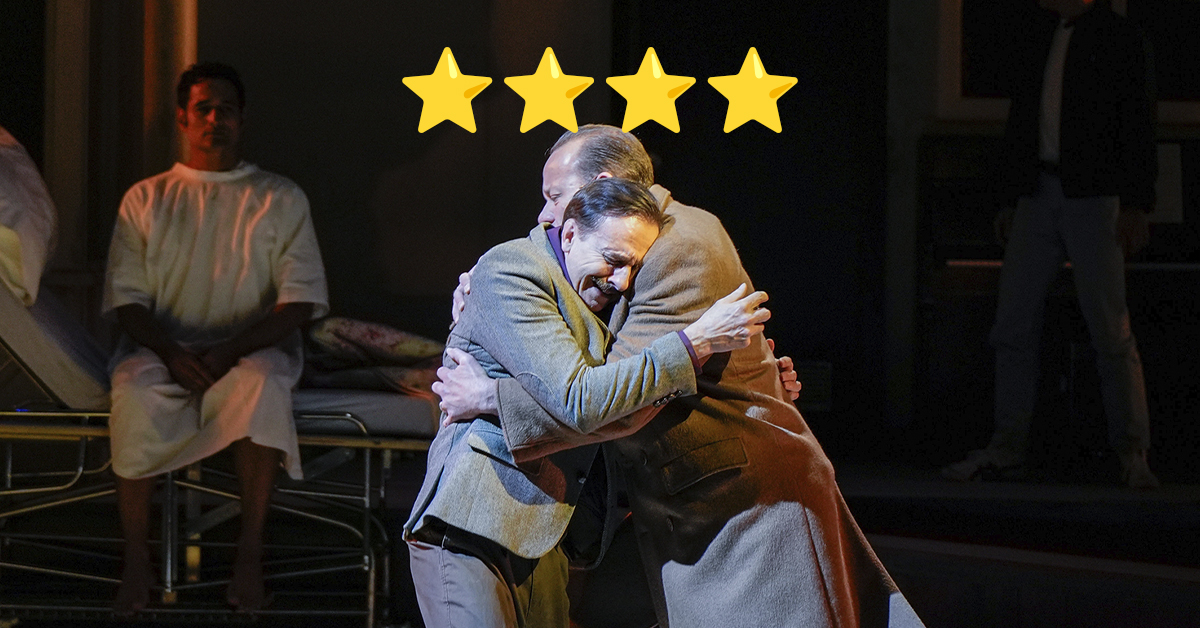
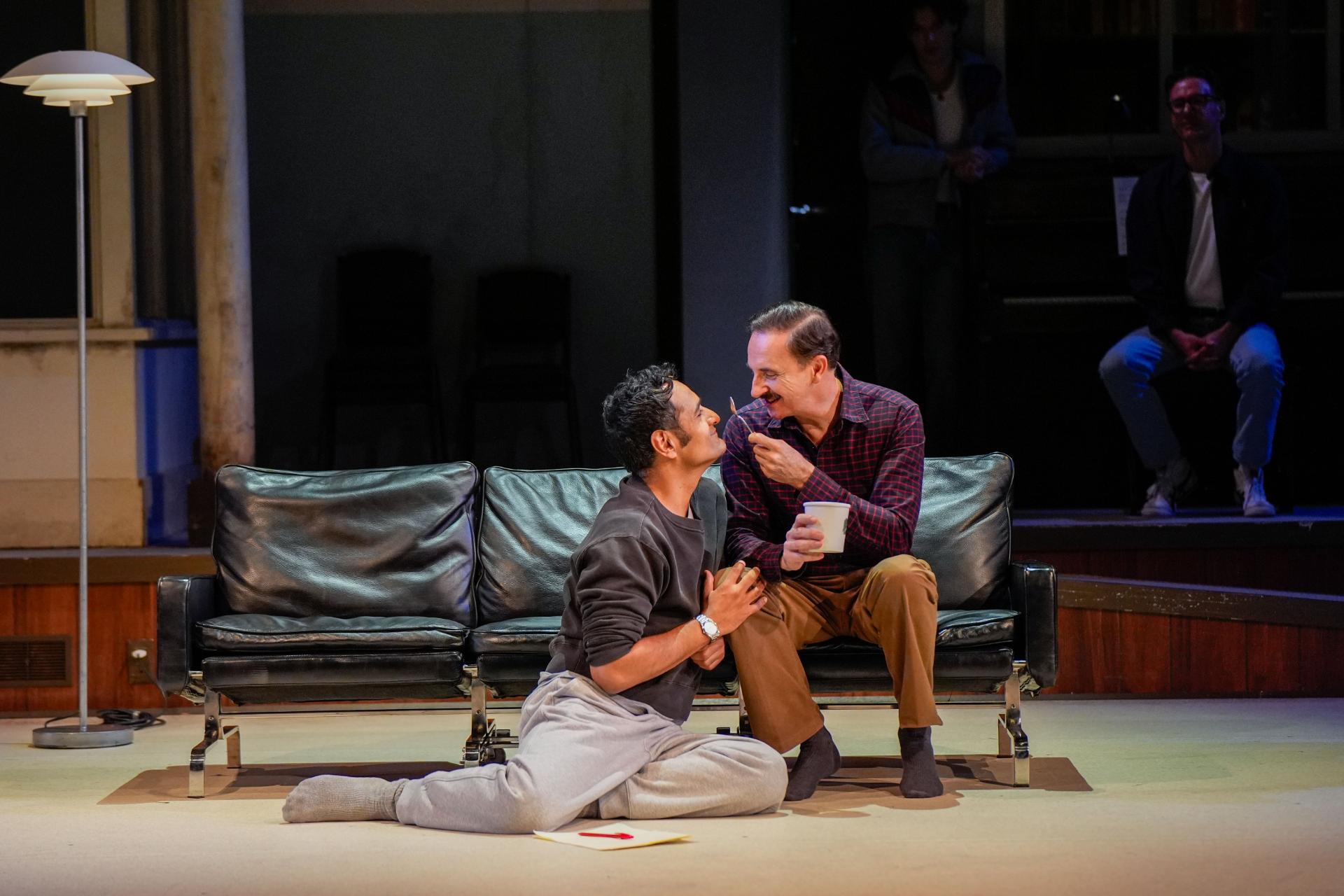
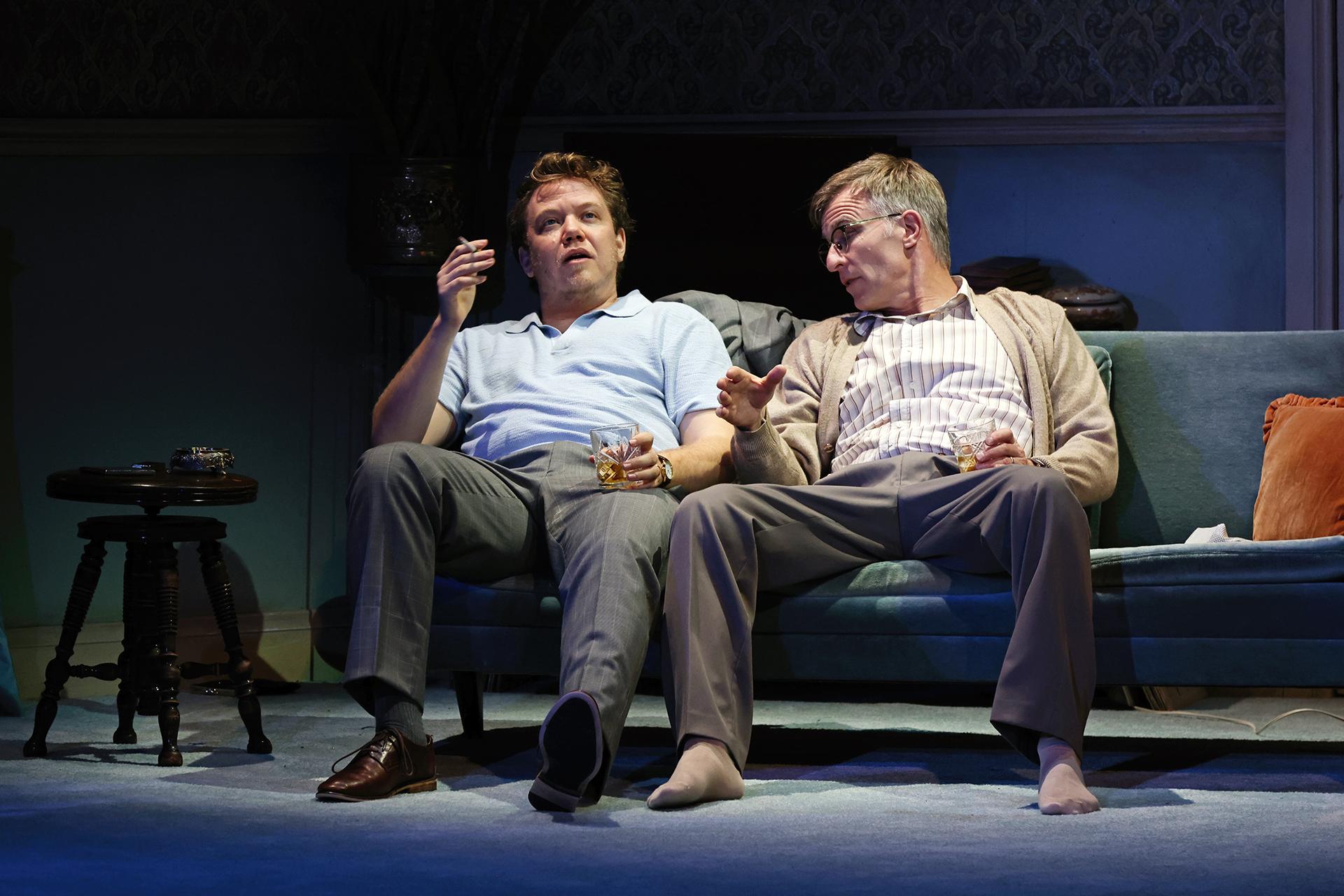
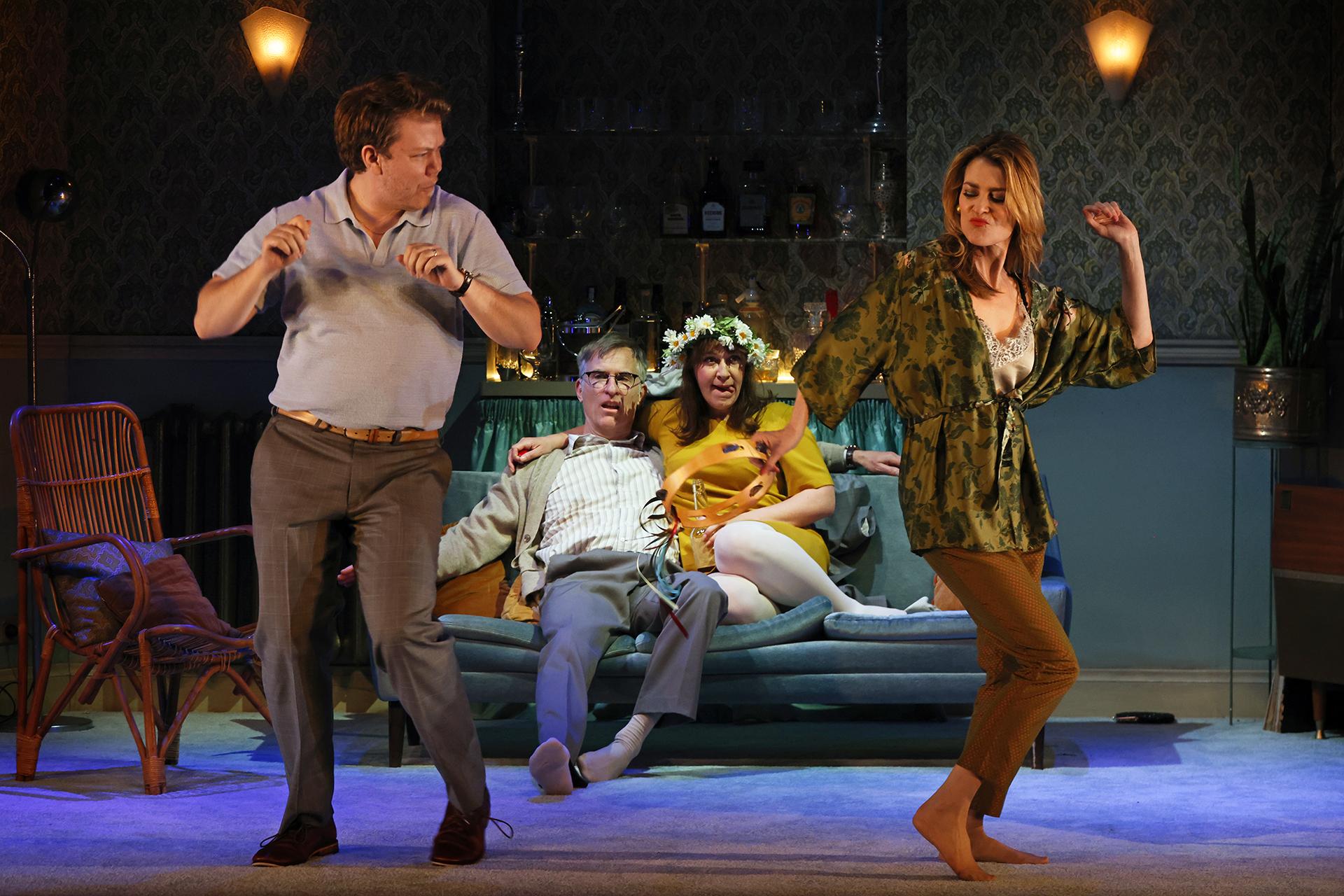
Martha and George are locked in perpetual combat, their hostility not merely private but performative. Their decision to invite a young couple into their home becomes an act of exhibition, a deliberate staging of their mutual destruction. In Who’s Afraid of Virginia Woolf?, Edward Albee exposes the tenacity with which individuals cling to their own suffering, sustained by an insatiable attachment to prestige, privilege, and power. Though Martha and George possess the agency to abandon their cyclical torment, they remain ensnared by the illusion of respectability, choosing the stability of social appearance over the uncertainty of liberation.

At sixty-three years old, the play has become something of a grand old dame of the theatrical canon, yet its genuinely subversive sensibilities ensure it remains as confrontational and affecting as ever. Under the direction of Sarah Goodes, the work gains renewed vitality: she not only excavates the raw truths within Martha and George’s volatile dynamic but also deftly unearths the humour embedded in their vicious exchanges. Goodes has taken an enduring classic and rendered it freshly incisive—polished to a gleam, yet capable of striking with the force of a blunt instrument.

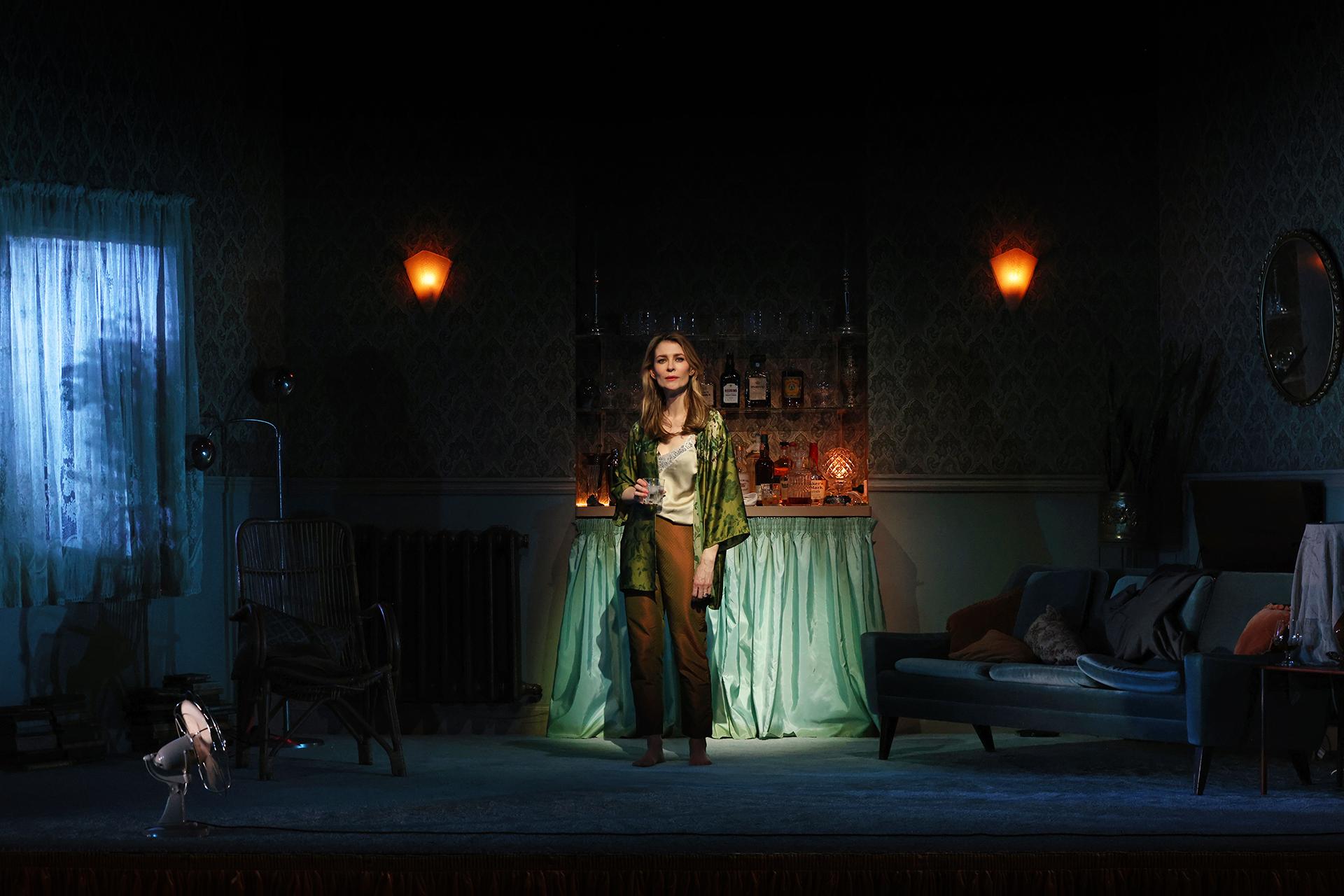
Harriet Oxley’s production design evokes the period with accuracy—perhaps a touch conventional, yet undeniably effective in grounding the drama. Matt Scott’s lighting, together with music and sound design by Grace Ferguson and Ethan Hunter, begins with subtle restraint, almost imperceptible at first, but grows increasingly potent as the evening unfolds. By the time the bickering subsides and the underlying trauma surfaces, their contributions prove essential, shaping the production’s emotional crescendo with impressive efficacy.

Kat Stewart could hardly be more compelling in the role of Martha. She delivers a richly nuanced portrayal, demonstrating an intricate grasp of the character’s psychological intricacies while imbuing every moment with delectable theatricality. Her gestures, whether minute or grand, command attention, and we remain enthralled by each. As George, David Whiteley conjures the precise timbre of the mid-century American bourgeoisie through his masterful vocal modulations. His comparatively restrained approach proves just as resonant and magnetic as Stewart’s flamboyance, creating a riveting equilibrium in this deliciously acrimonious marital duel. By contrast, the younger couple, Honey and Nick—played by Emily Goddard and Harvey Zielinski—are less persuasive. Though their performances elicit steady laughter, their characterisations lack conviction, never fully embodying the personas they attempt to construct.

We can see so clearly that Martha and George could lead far better lives, if only they could embrace a simpler existence. Yet the seductive allure of wealth and status keeps them shackled to their interminable misery. Each day, they choose to persist in their poisonous habits, unable—or unwilling—to relinquish the trappings of class that sustain their suffering. In the end, we recognise something of ourselves in their torment—the way we cling to what hurts us most, simply because it feels like home.

www.sydneytheatre.com.au

Review: The Shiralee (Sydney Theatre Company)

Venue: Sydney Opera House (Sydney NSW), Oct 6 – Nov 29, 2025
Playwright: Kate Mulvany (from the novel by D’Arcy Niland)
Director: Jessica Arthur
Cast: Stephen Anderson, Paul Capsis, Lucia Mastrantone, Josh McConville,  Kate Mulvany, Aaron Pedersen, Ziggy Resnick, Catherine Văn-Davies
Images by Prudence Upton

Theatre review
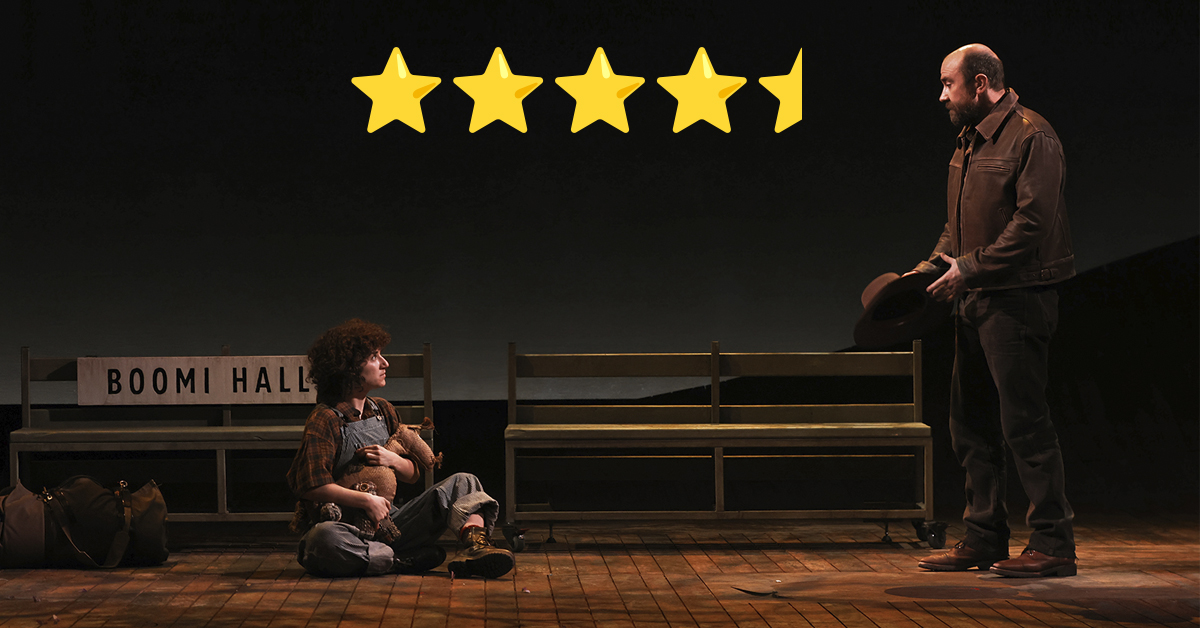
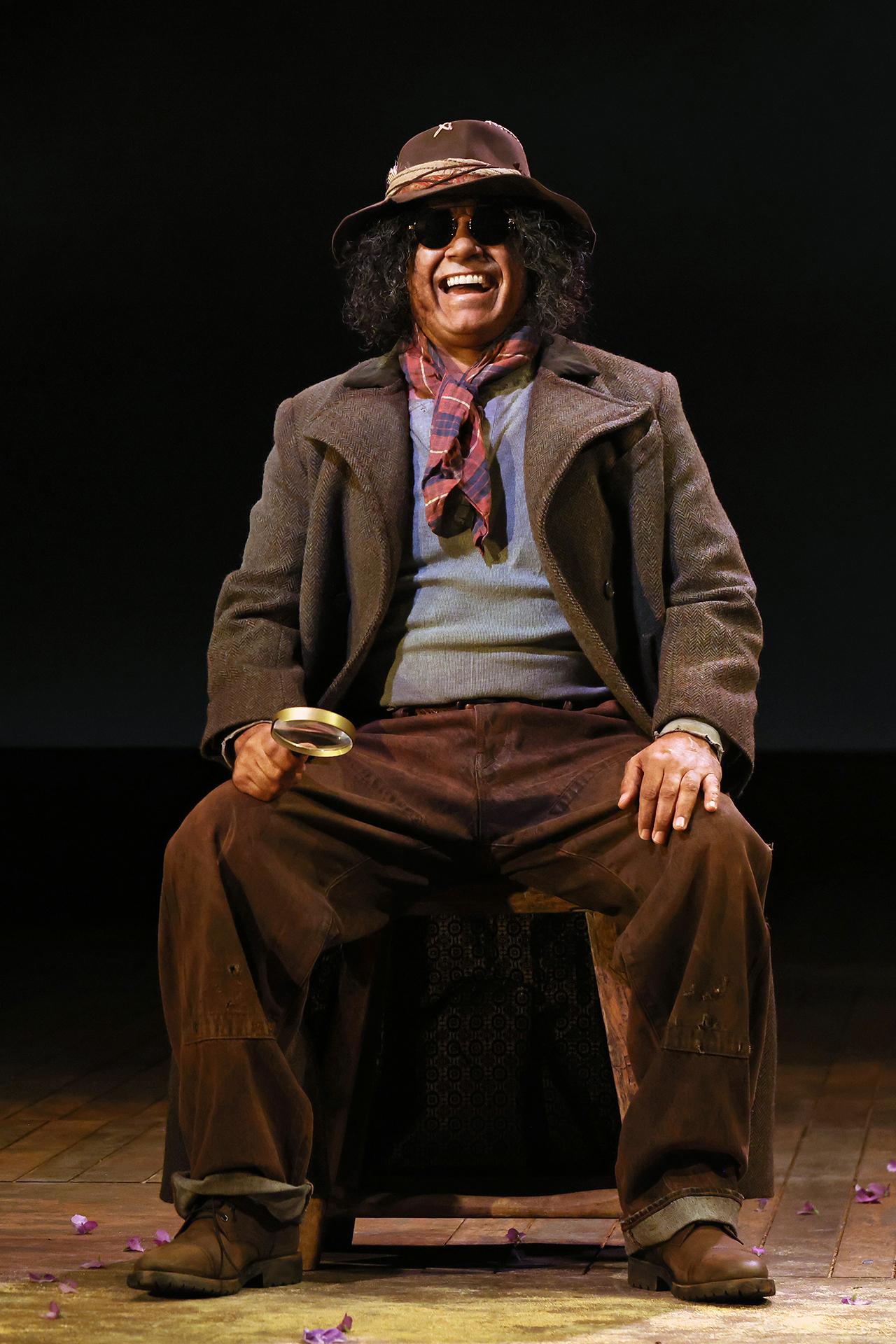
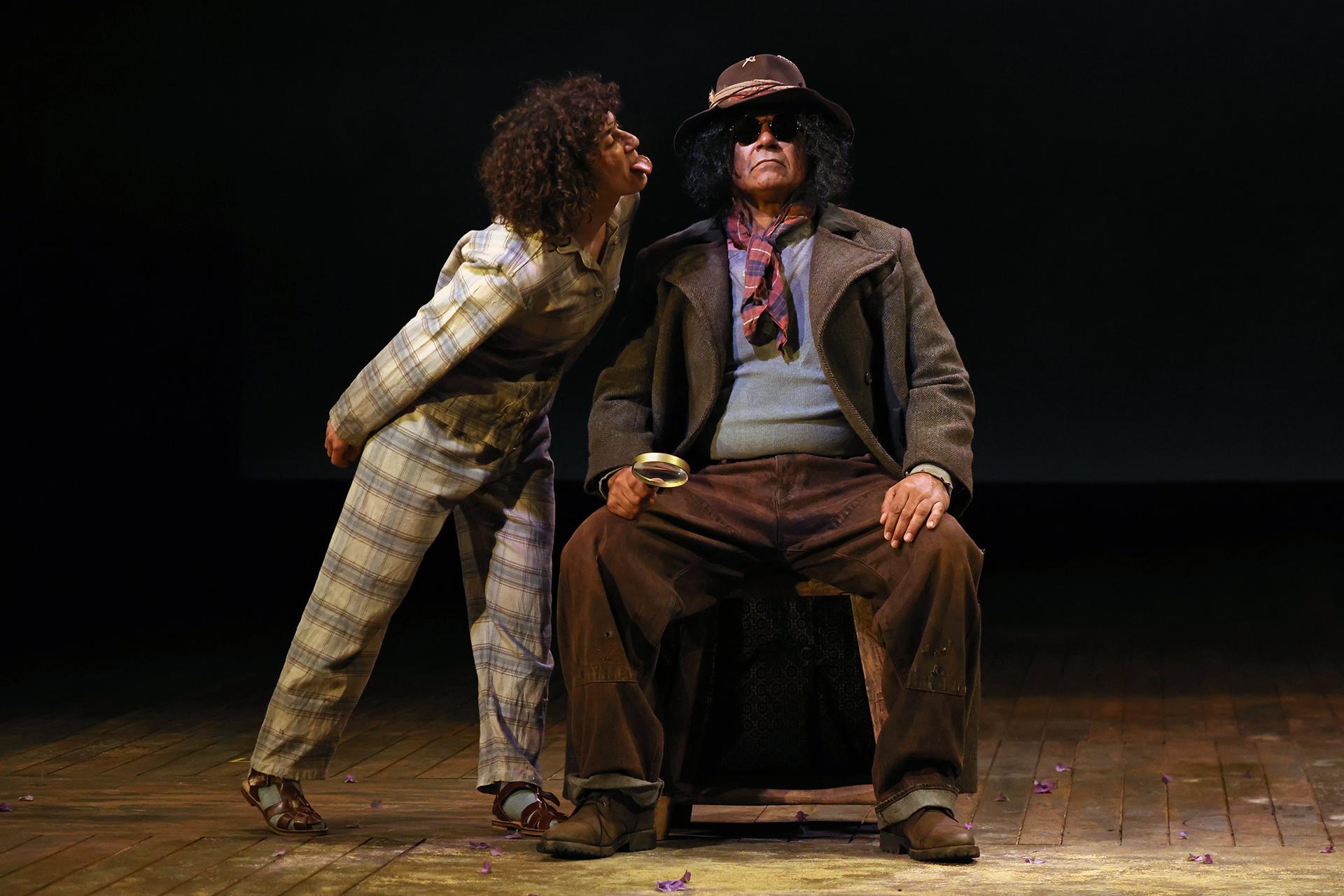
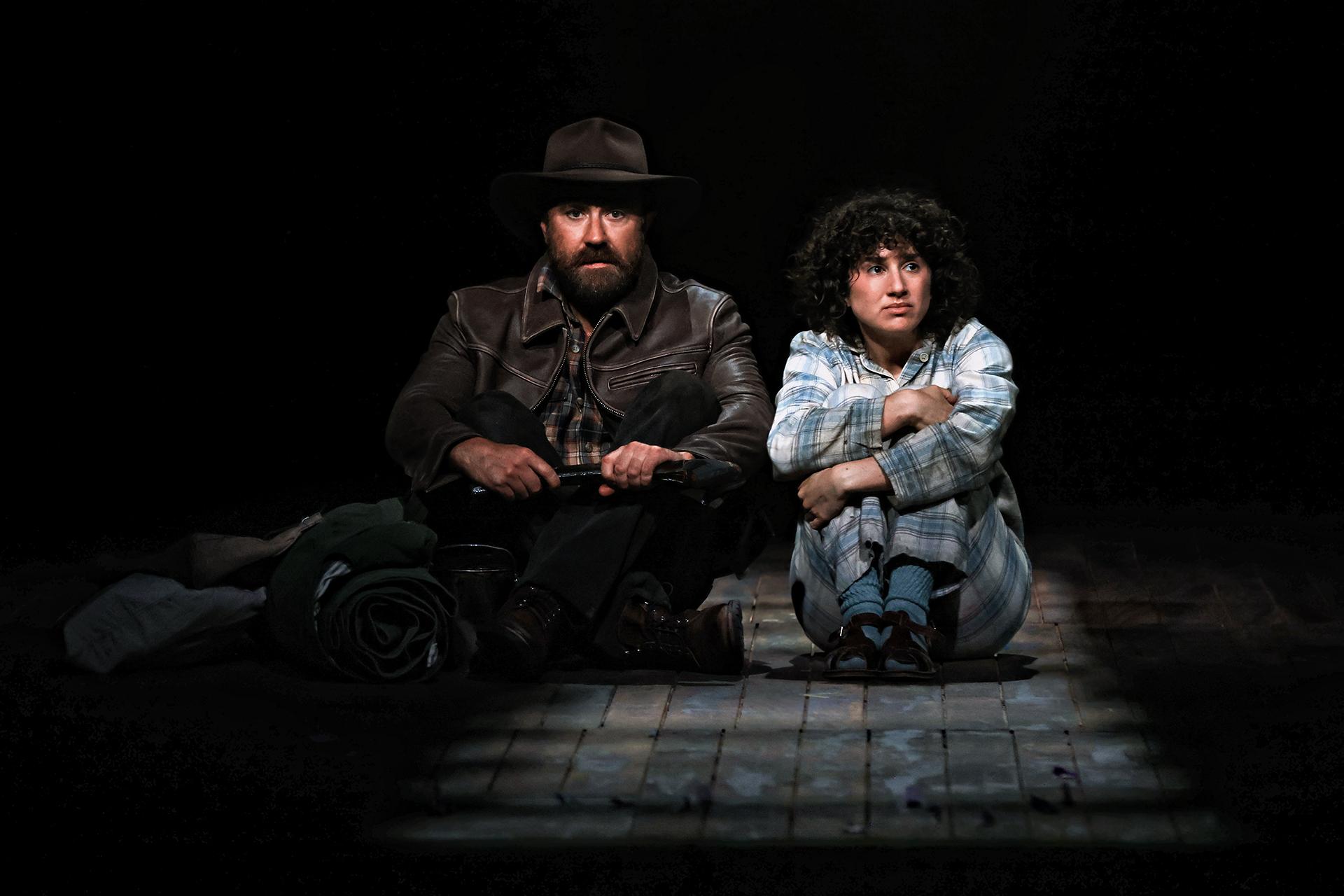
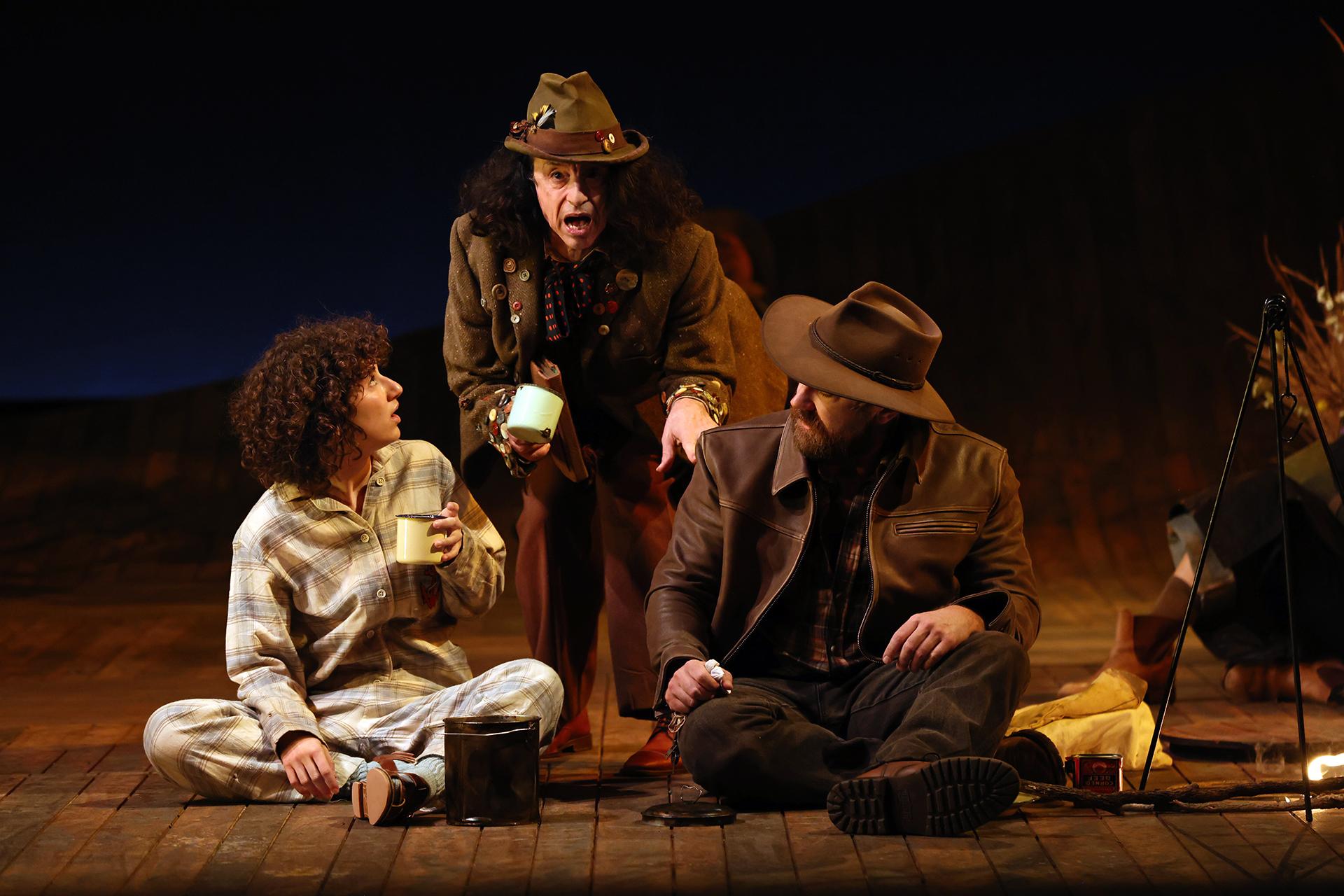
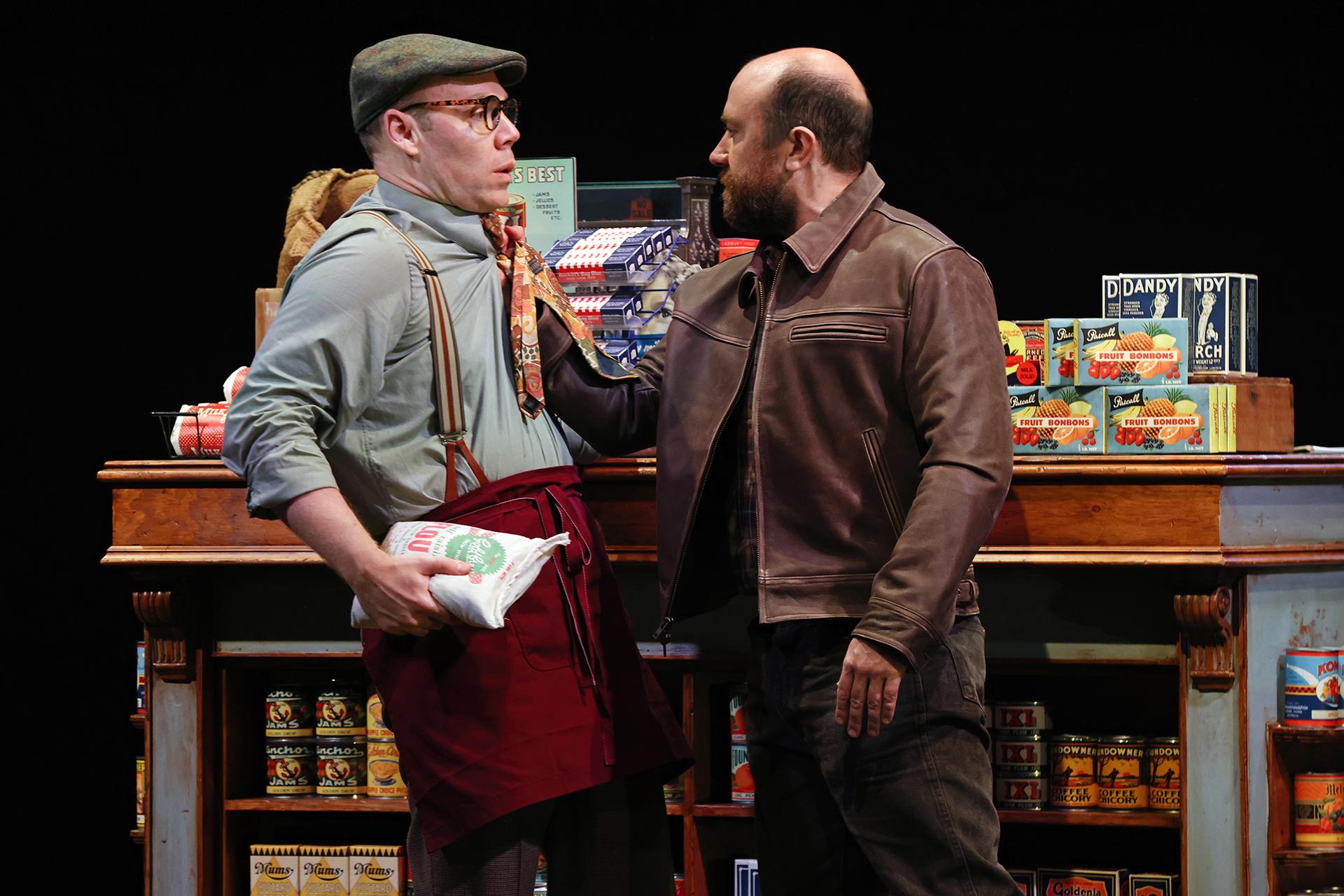
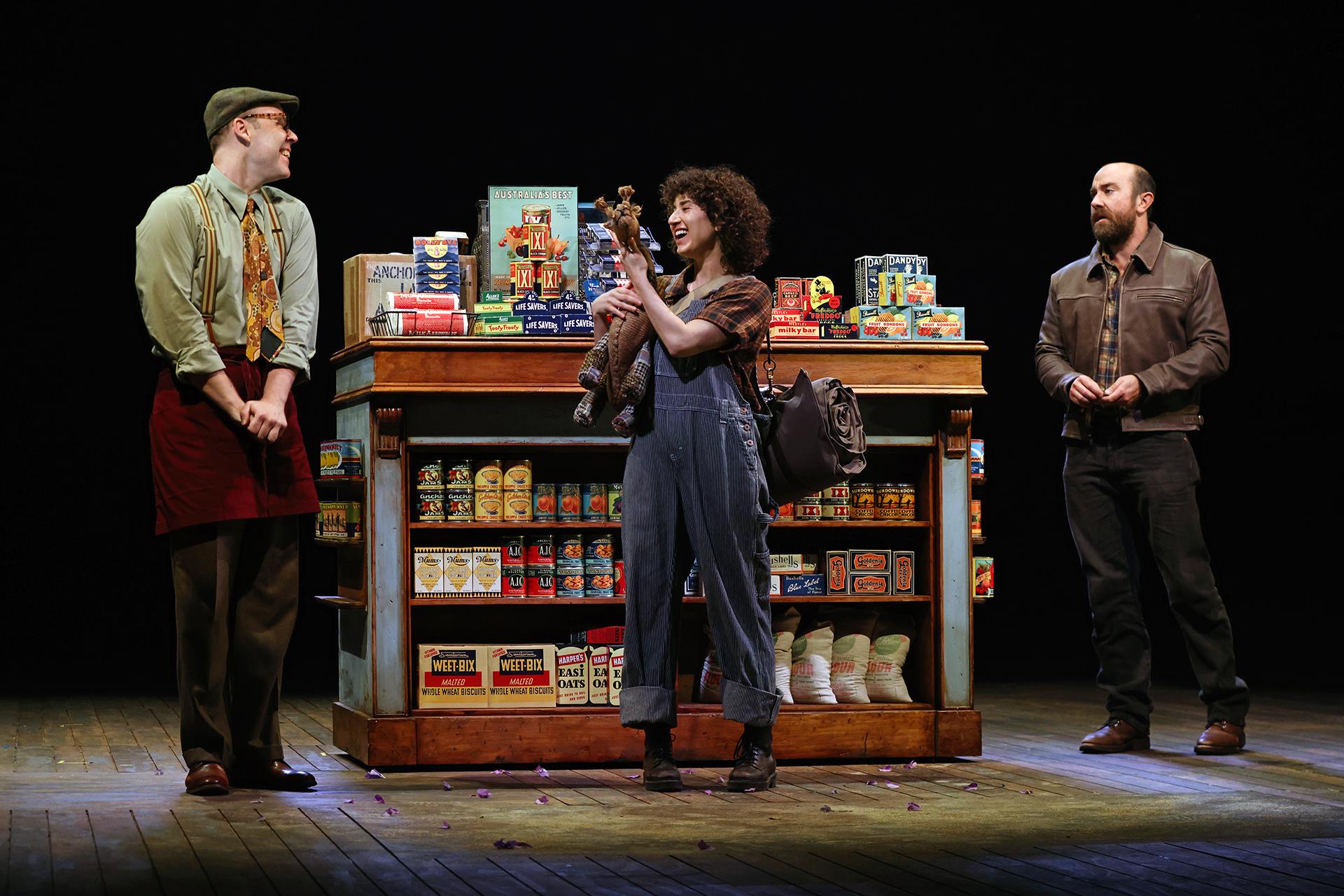
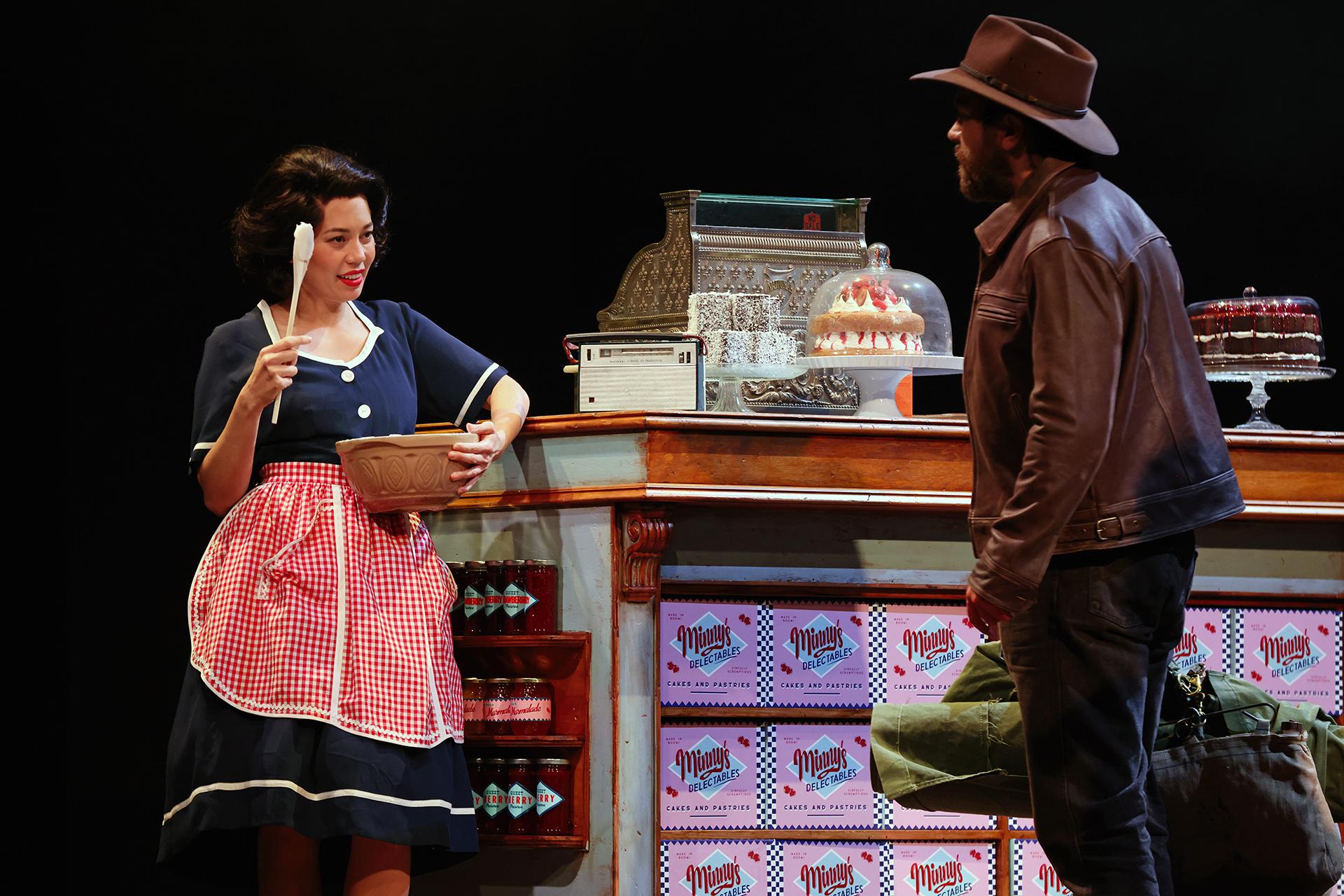
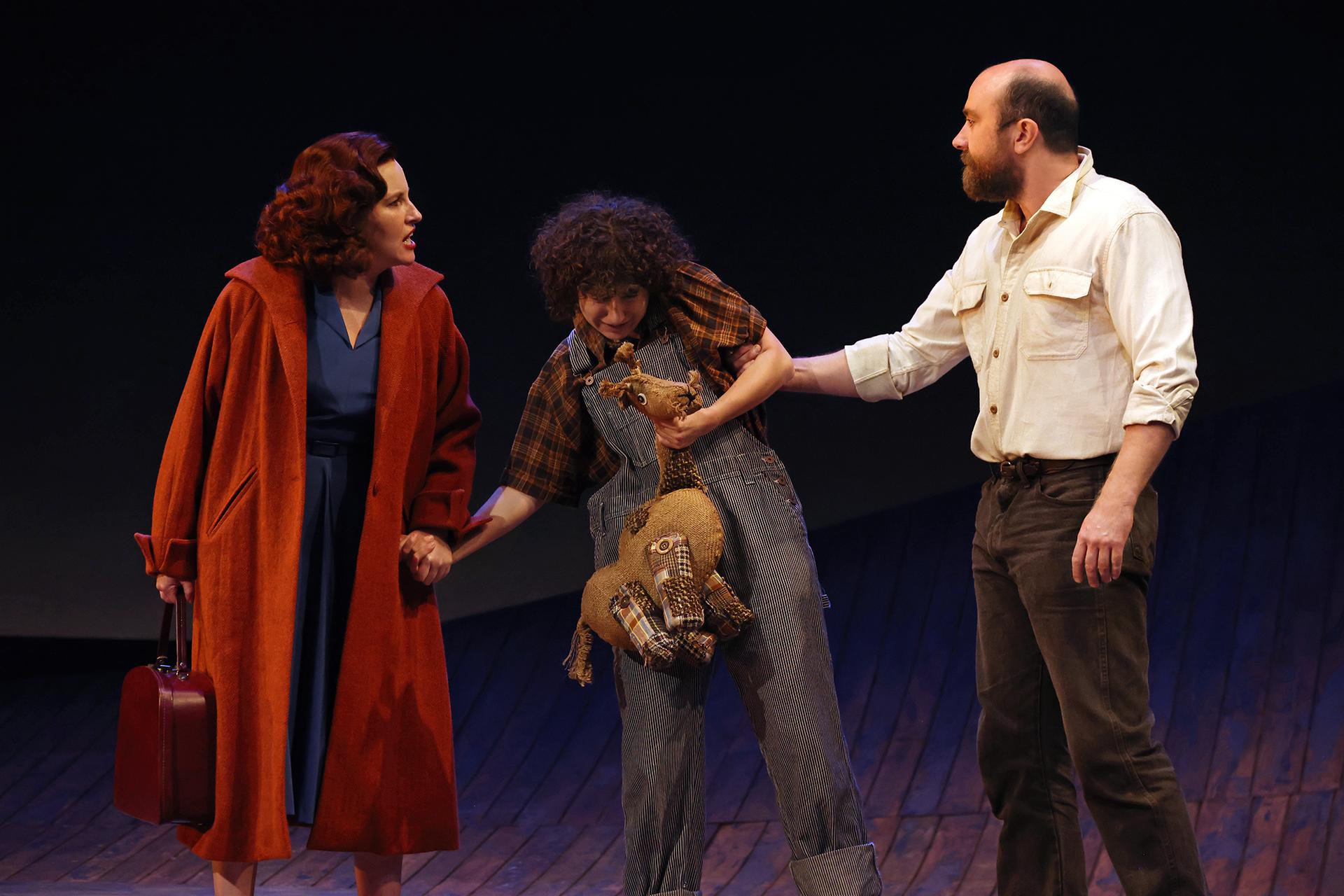
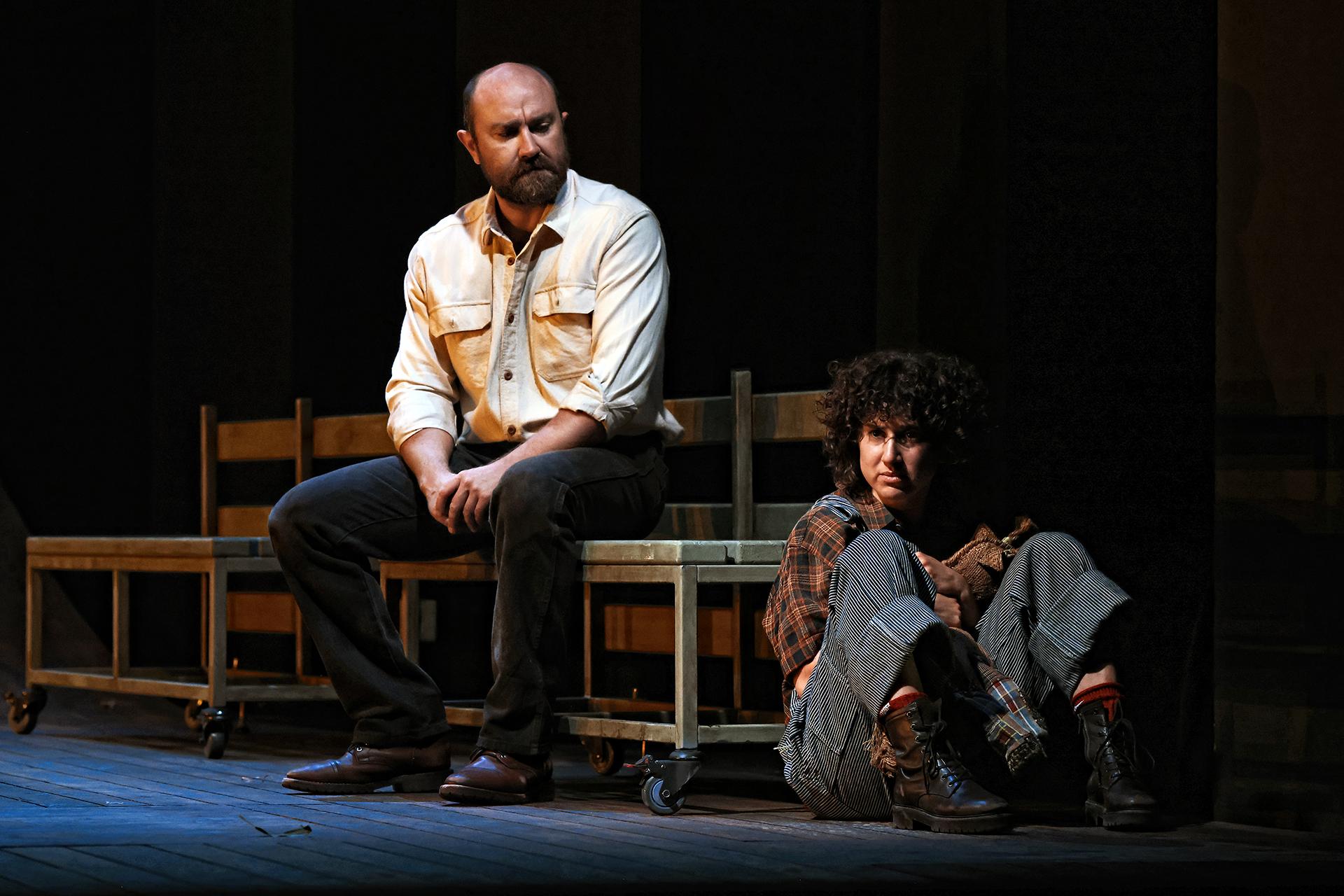
In Kate Mulvany’s retelling of The Shiralee, D’Arcy Niland’s 1955 novel, the swagman Macauley finds purpose only when he chooses to embrace his parental responsibilities as his daughter Buster approaches her tenth birthday. Together they walk through the shadow of the Great Depression, where dust and hunger become the measure of endurance. The hardships they face quickly draw them close, allowing both to flourish in unexpected ways.

What was once a folksy tale of toil and redemption is transformed by Mulvany’s deft writing into something vibrantly humorous and sharply contemporary. Her play is delightful, charming, and consistently hilarious — a thoroughly entertaining reimagining that recontextualises a classic story for modern sensibilities.

Directed by Jessica Arthur, the production leans wholeheartedly into its comedic potential, unearthing every possible moment of laughter to create a show brimming with joy and playfulness. Driven by an expansive imagination and free-spirited inventiveness, Arthur’s work is a profound uplift, offering sincere explorations of love, belonging, and the meaning of home.

The cast glows with an irresistible warmth — each performer uncovering fresh, idiosyncratic ways to awaken an old tale for our restless, modern hearts. They play to our weariness with laughter, coaxing joy from every line, finding light in even the smallest turns of phrase.

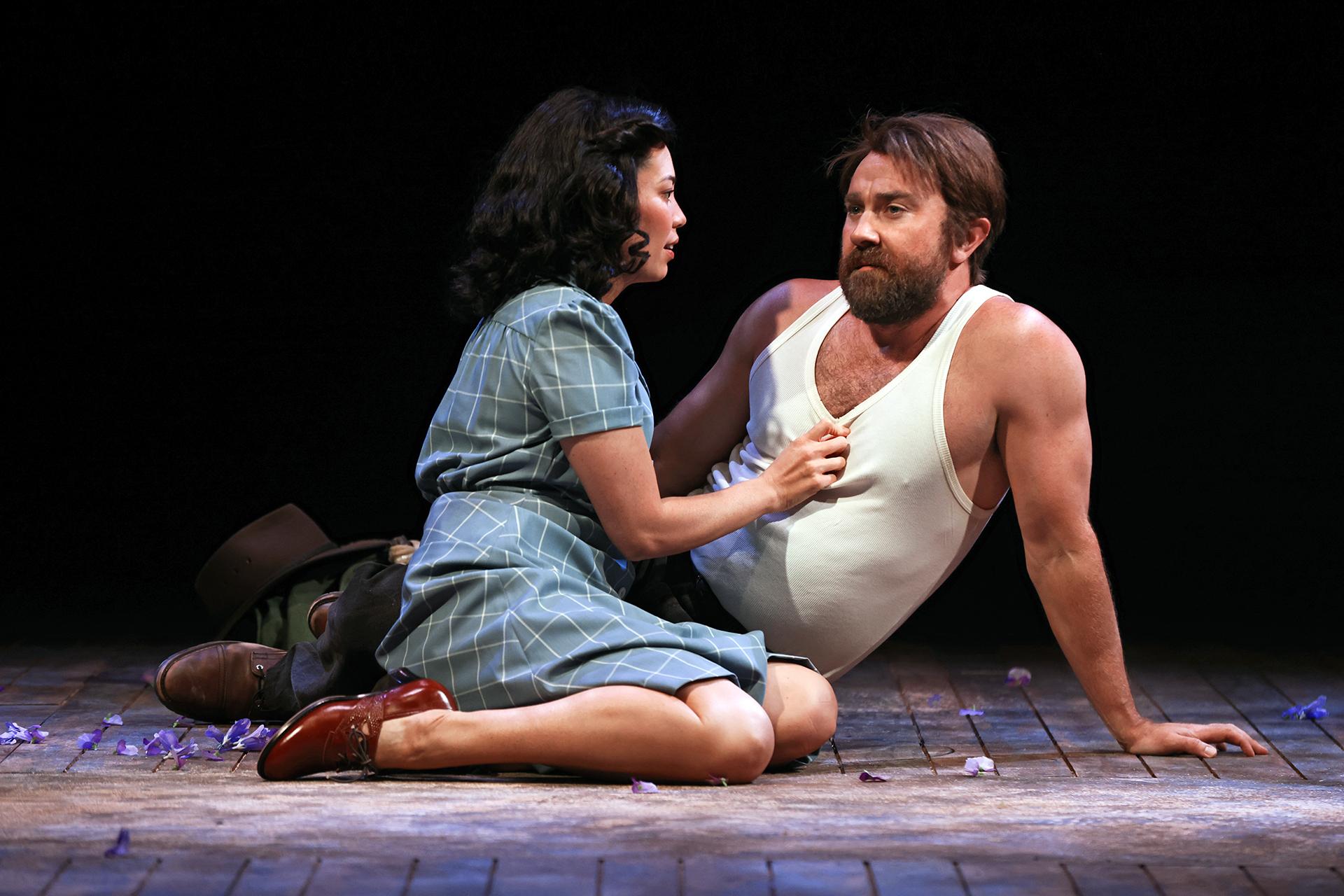
As Macauley, the magnetic Josh McConville strikes a perfect balance between gruff masculinity and raw vulnerability, allowing us to see both the archetypal Aussie bloke and the tender humanity that quietly resides beneath the façade. The endlessly endearing Ziggy Resnick radiates pure exuberance as Buster, delivering a performance that is both impeccably timed and deeply sensitive — a portrait of a child wise beyond her years.

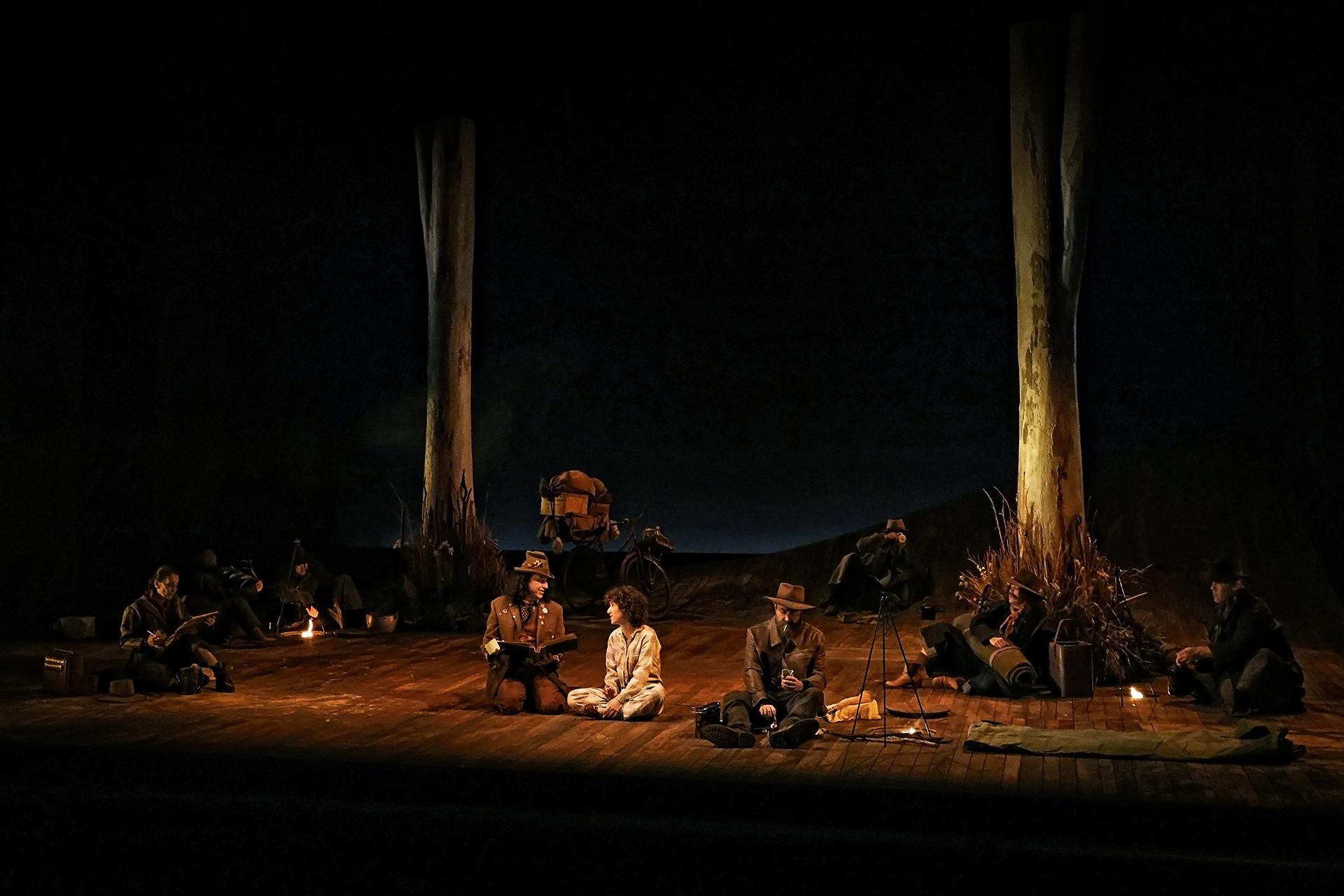
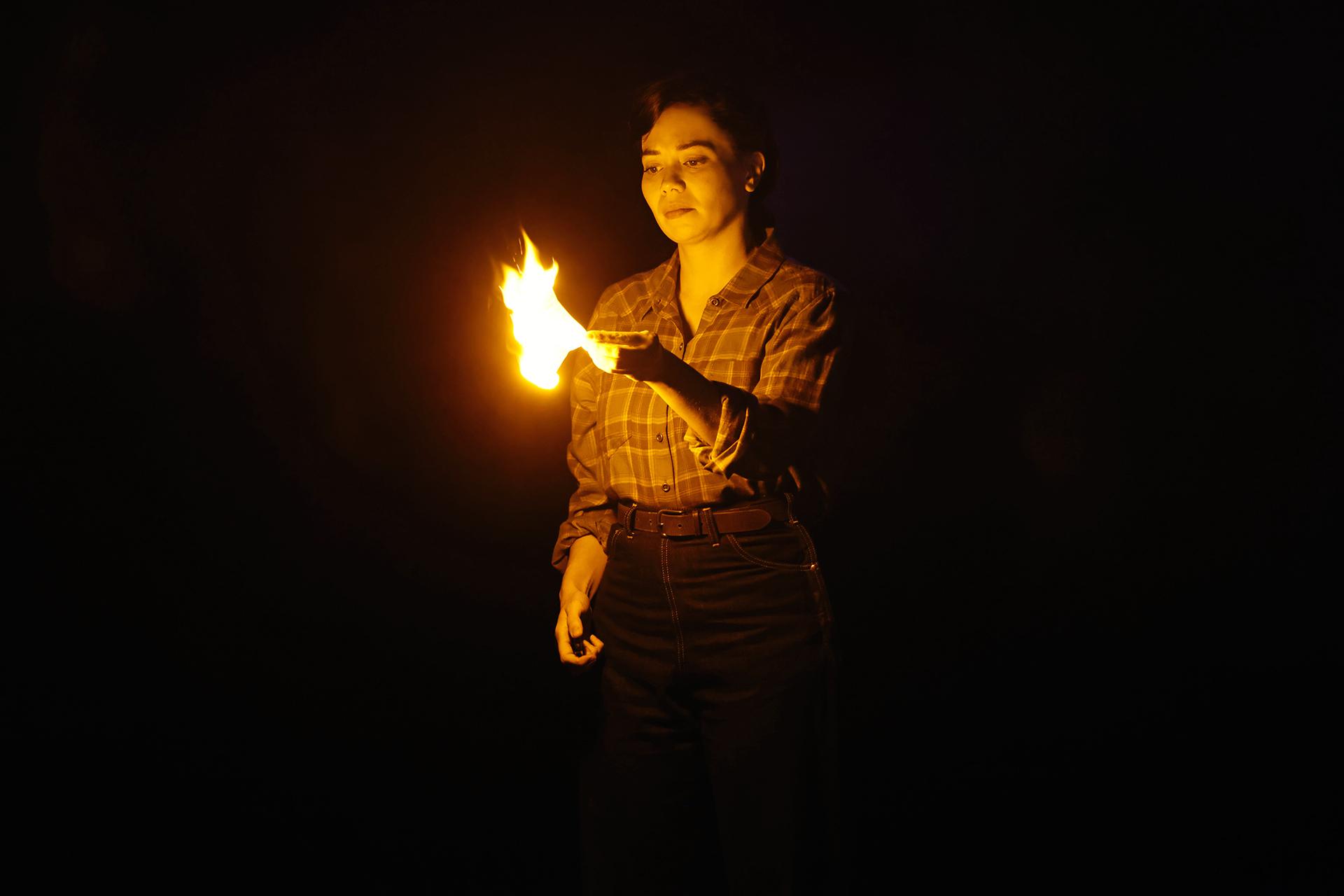
Jeremy Allen’s production design is elegantly spare, mirroring the harshness and austerity of the Australian outback. His use of gumtrees, at once iconic and nostalgic, evokes a landscape that feels both mythic and deeply personal. Trent Suidgeest’s lighting design is remarkable, seamlessly transforming the stage into a multitude of imagined places while crafting moments of sheer visual poetry that satisfy our longing for beauty. Equally striking is Jessica Dunn’s sound and composition, which capture both the vast, unforgiving sweep of the land and the tender intimacy of this unlikely father and daughter bond. Dunn’s work brims with feeling, but her sentimentality is never cloying; it moves us because it is always saying something true.

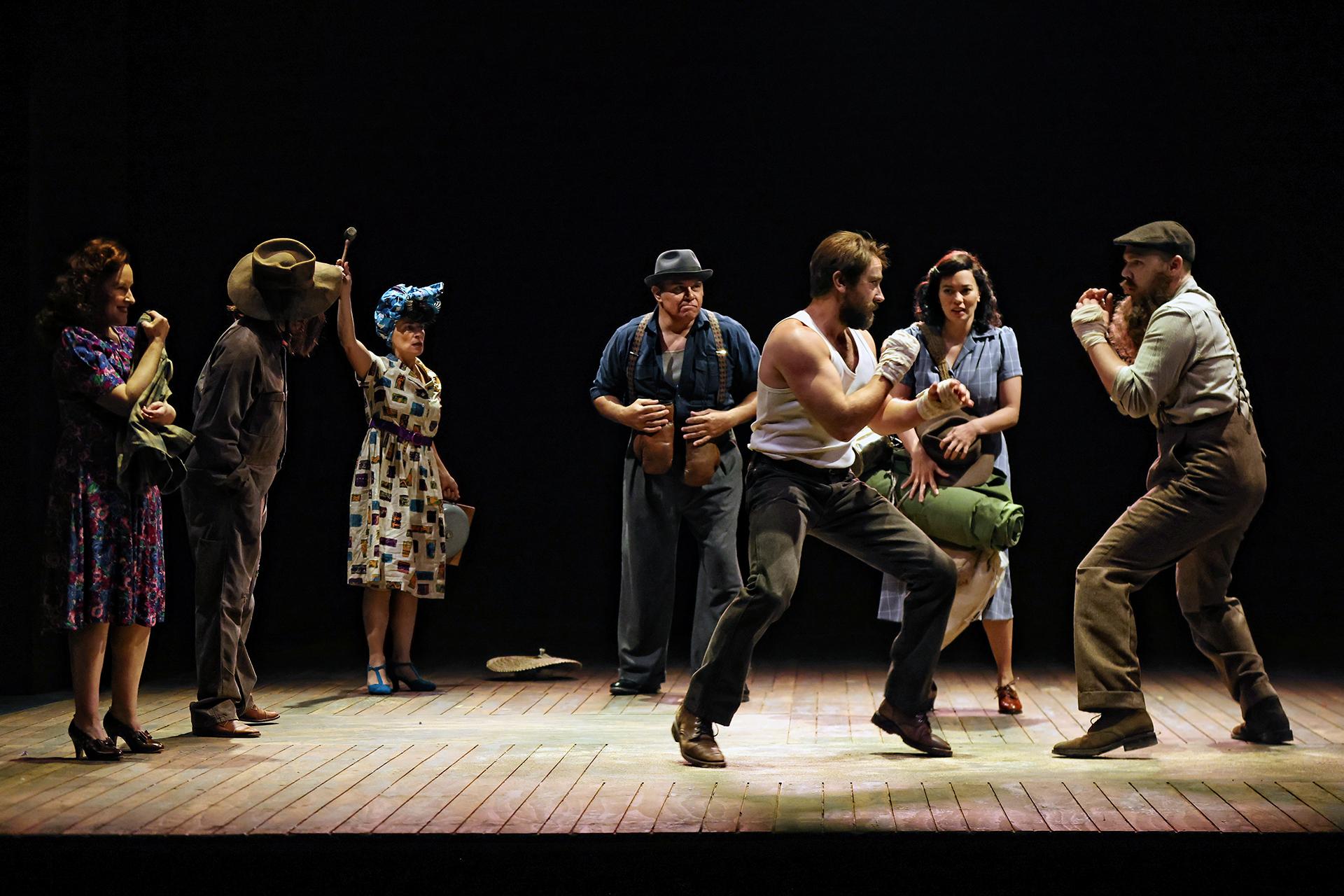
In this 2025 reiteration of The Shiralee, are unforgettable encounters with Indigenous and other people of colour, alongside multiple queer identities and unapologetic women of substance. Beneath the lively retelling of a story about familial bonds and traditional maleness lie subtle but profound redefinitions of the marginalised, insisting that we see ourselves not as outsiders but as integral threads woven into the tapestry of the Australian myth, forever reshaping it with our resolute presence and undaunted voices.

www.sydneytheatre.com.au

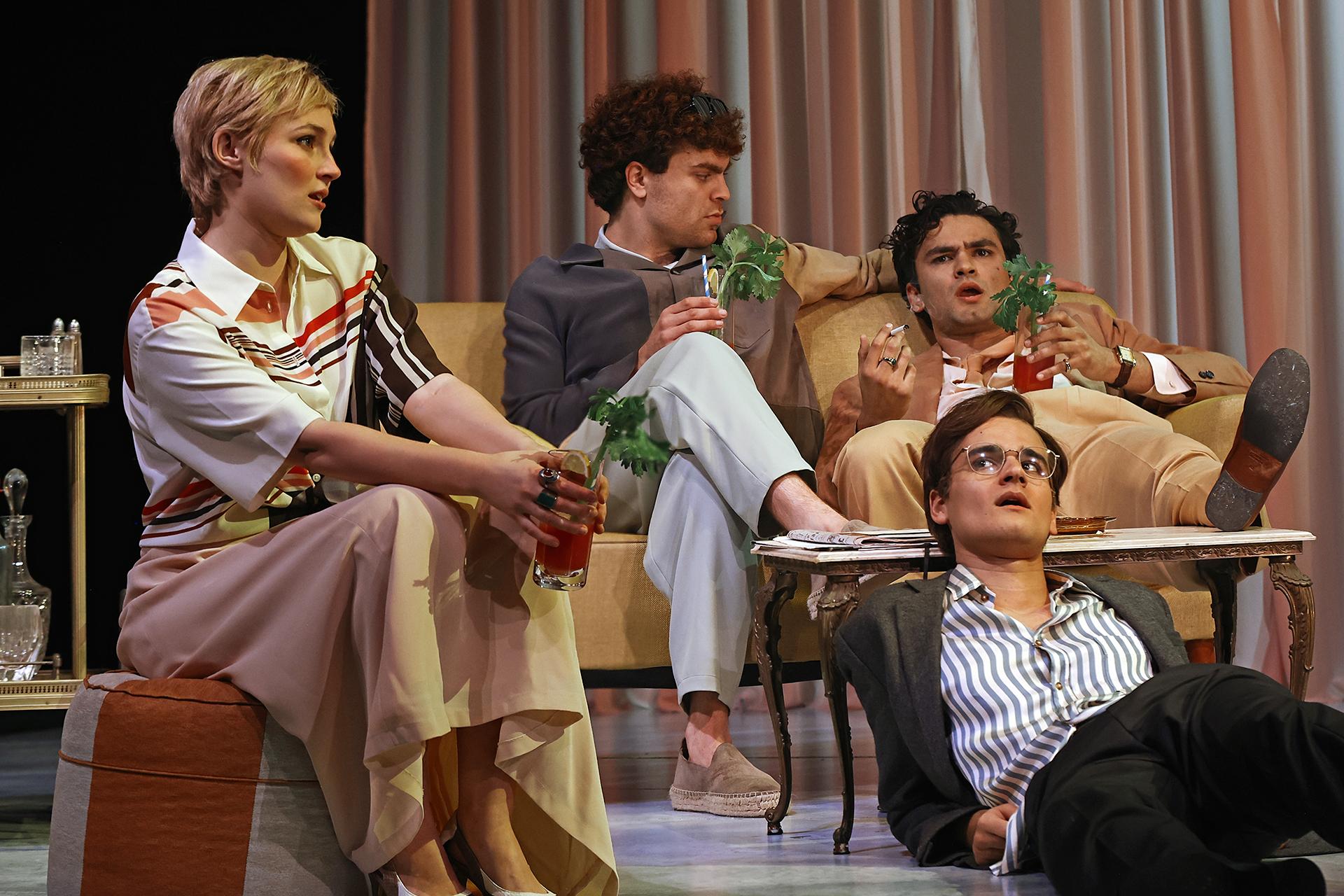
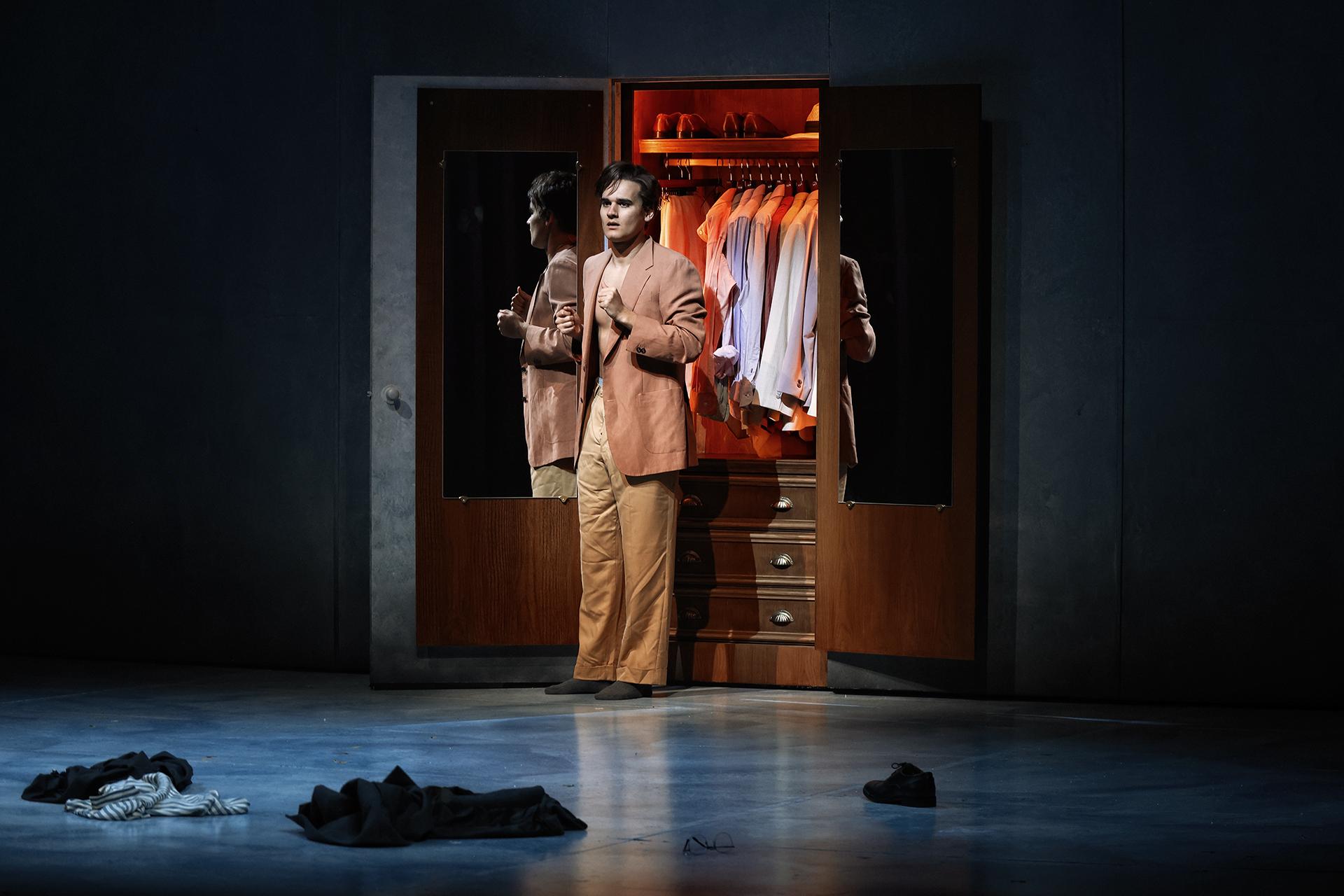
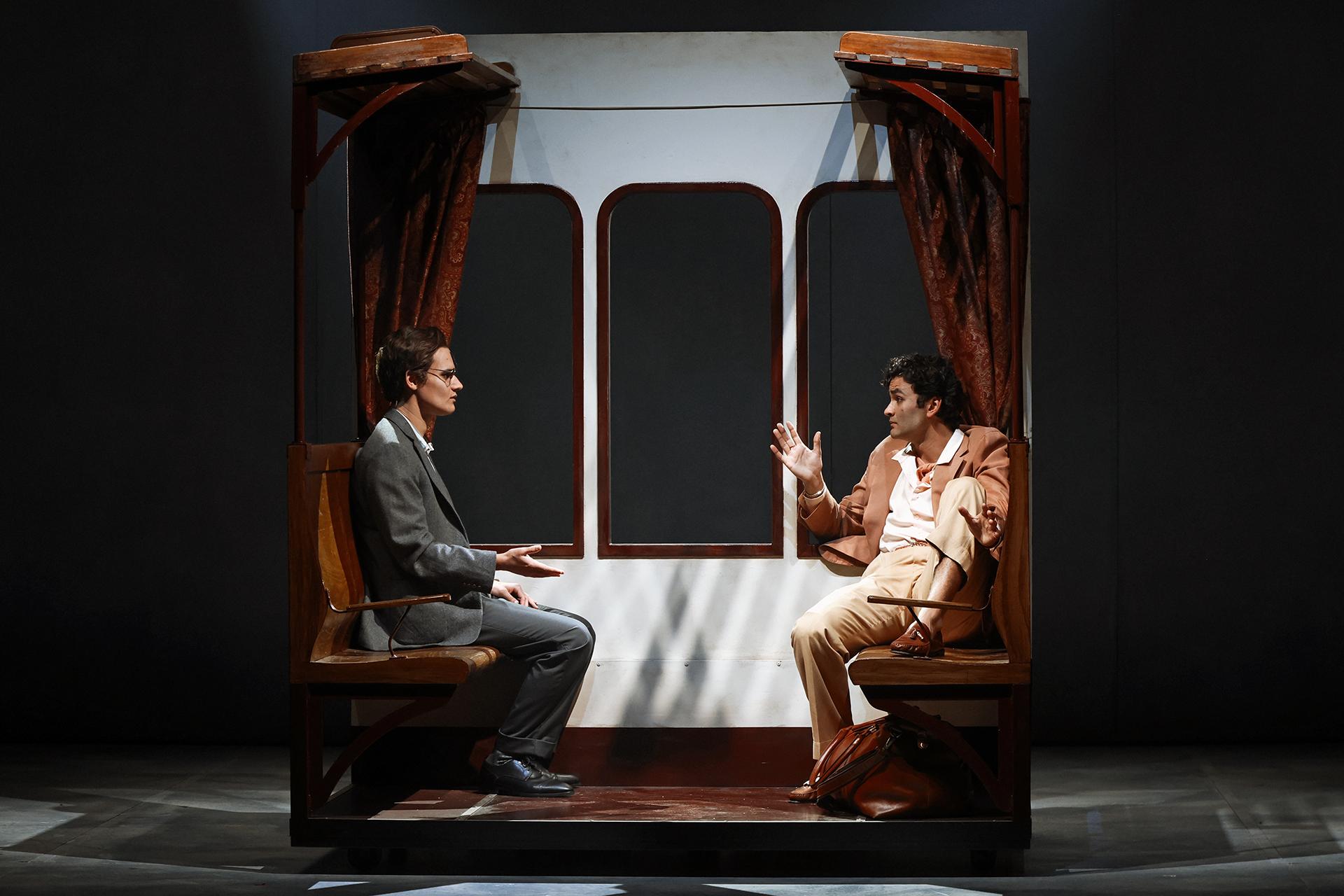
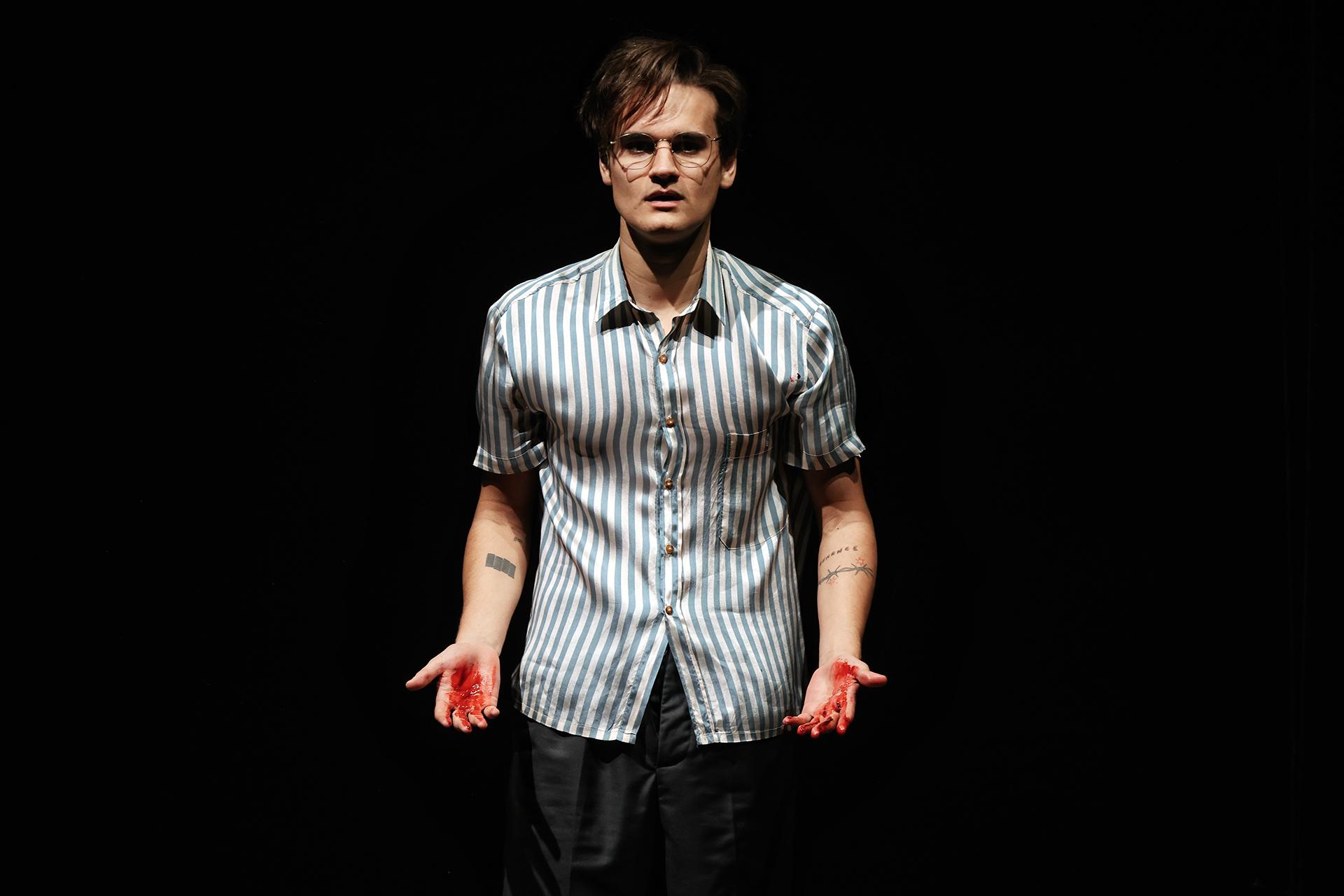
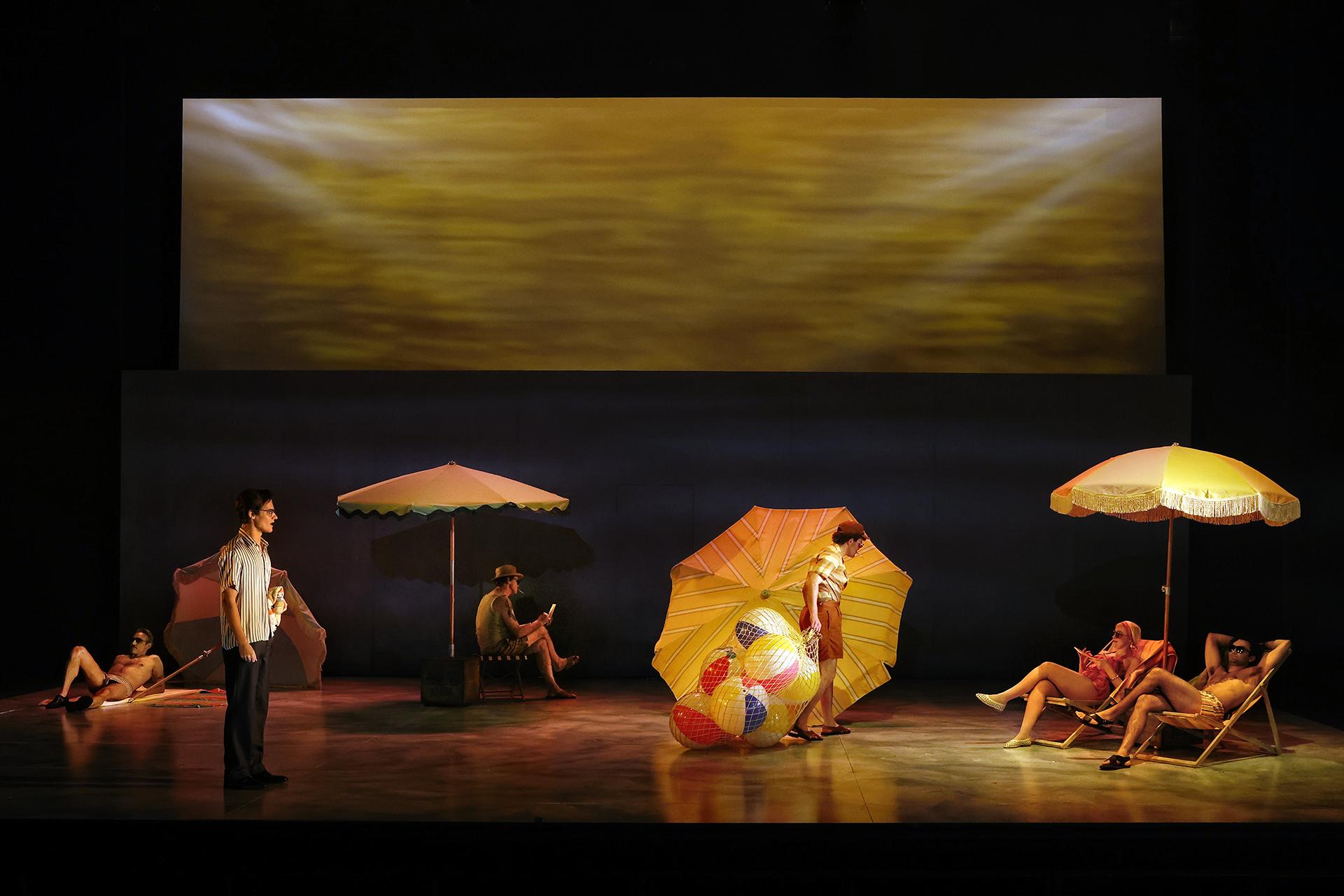
Review: The Talented Mr. Ripley (Sydney Theatre Company)

Venue: Roslyn Packer Theatre (Sydney NSW), Aug 19 – Sep 28, 2025
Playwright: Joanna Murray-Smith (based on the novel by Patricia Highsmith)
Director: Sarah Goodes
Cast: Faisal Hamza, Raj Labade, Will McDonald, Andrew McFarlane, Johnny Nasser, Claude Scott-Mitchell 
Images by Prudence Upton

Theatre review
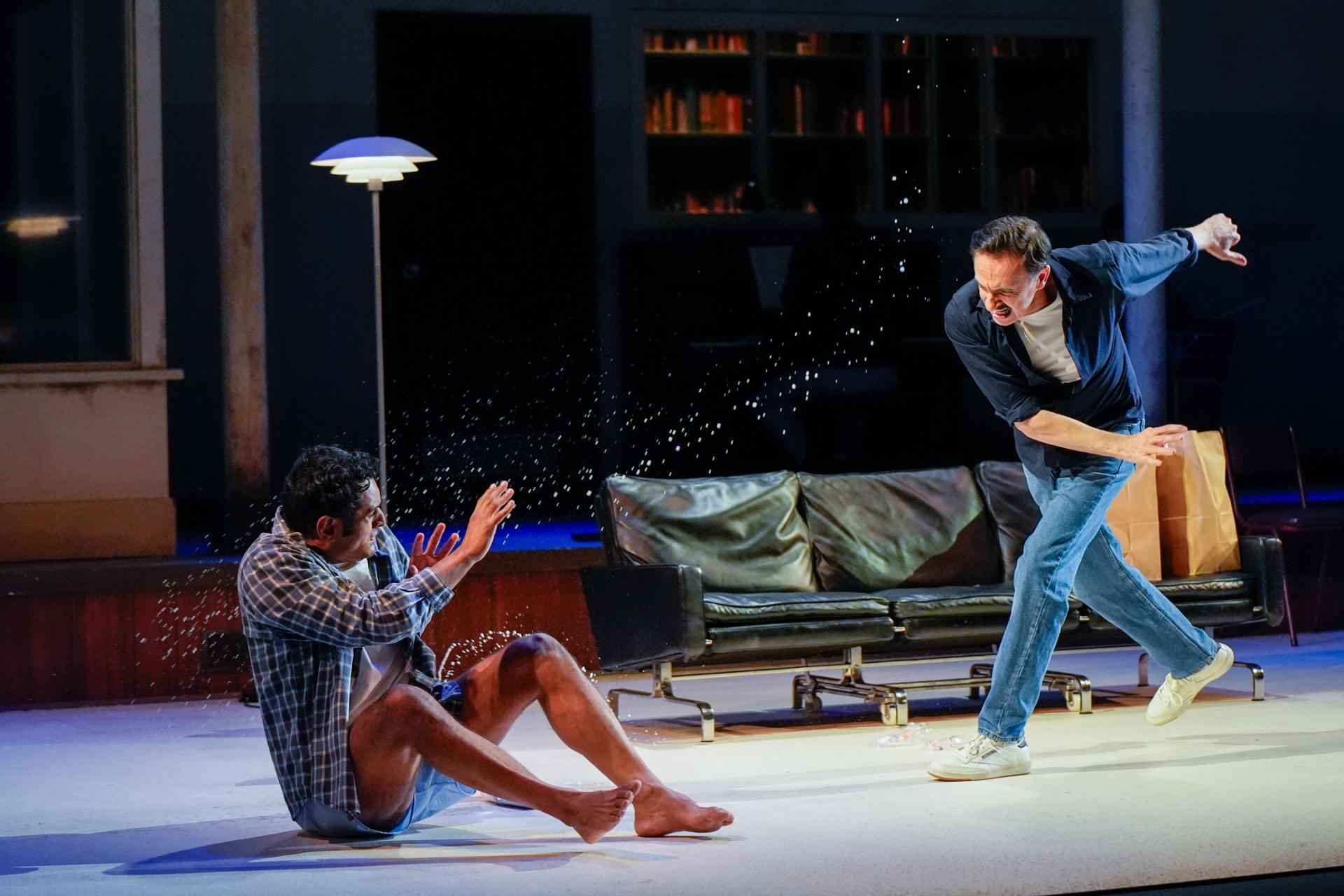
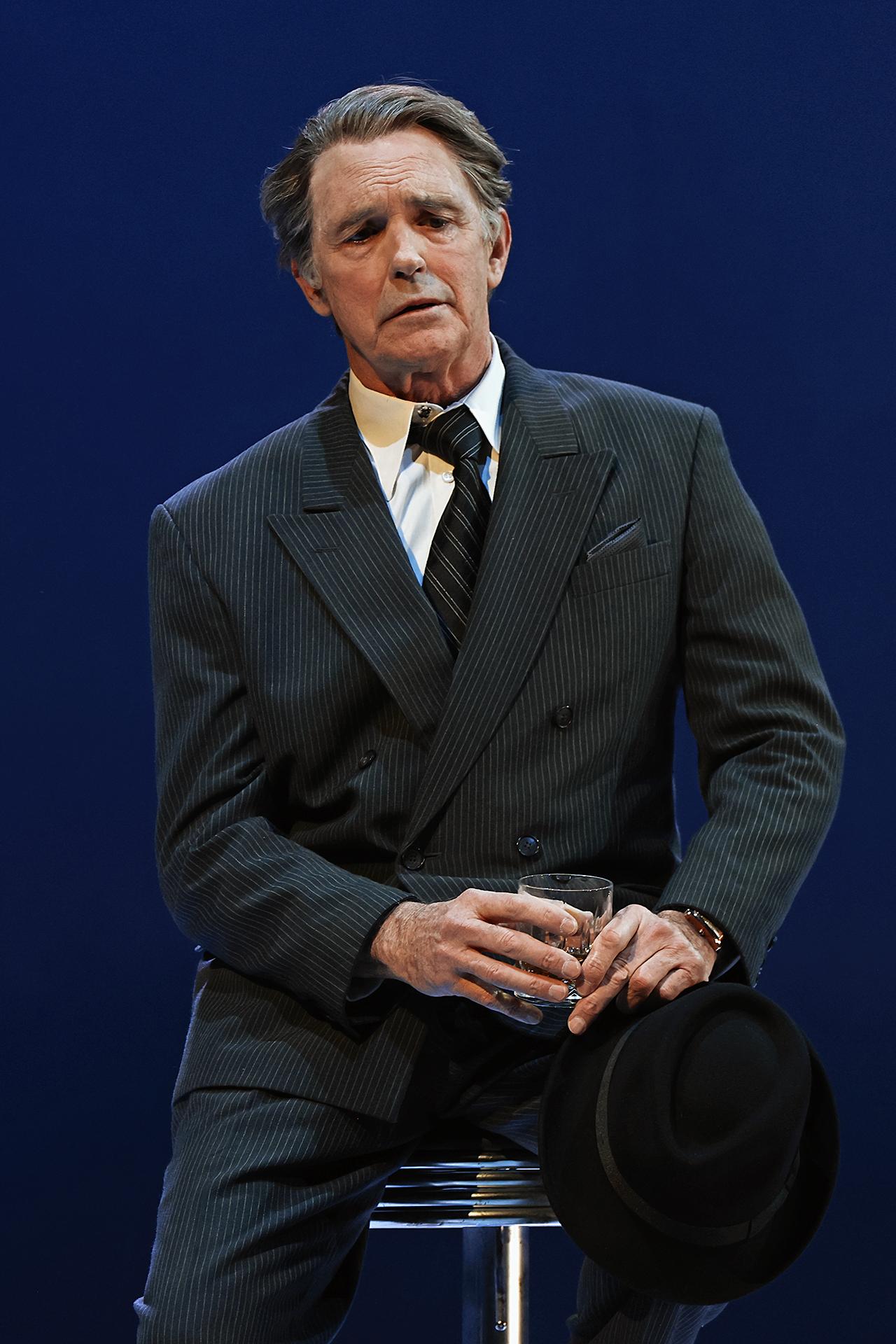
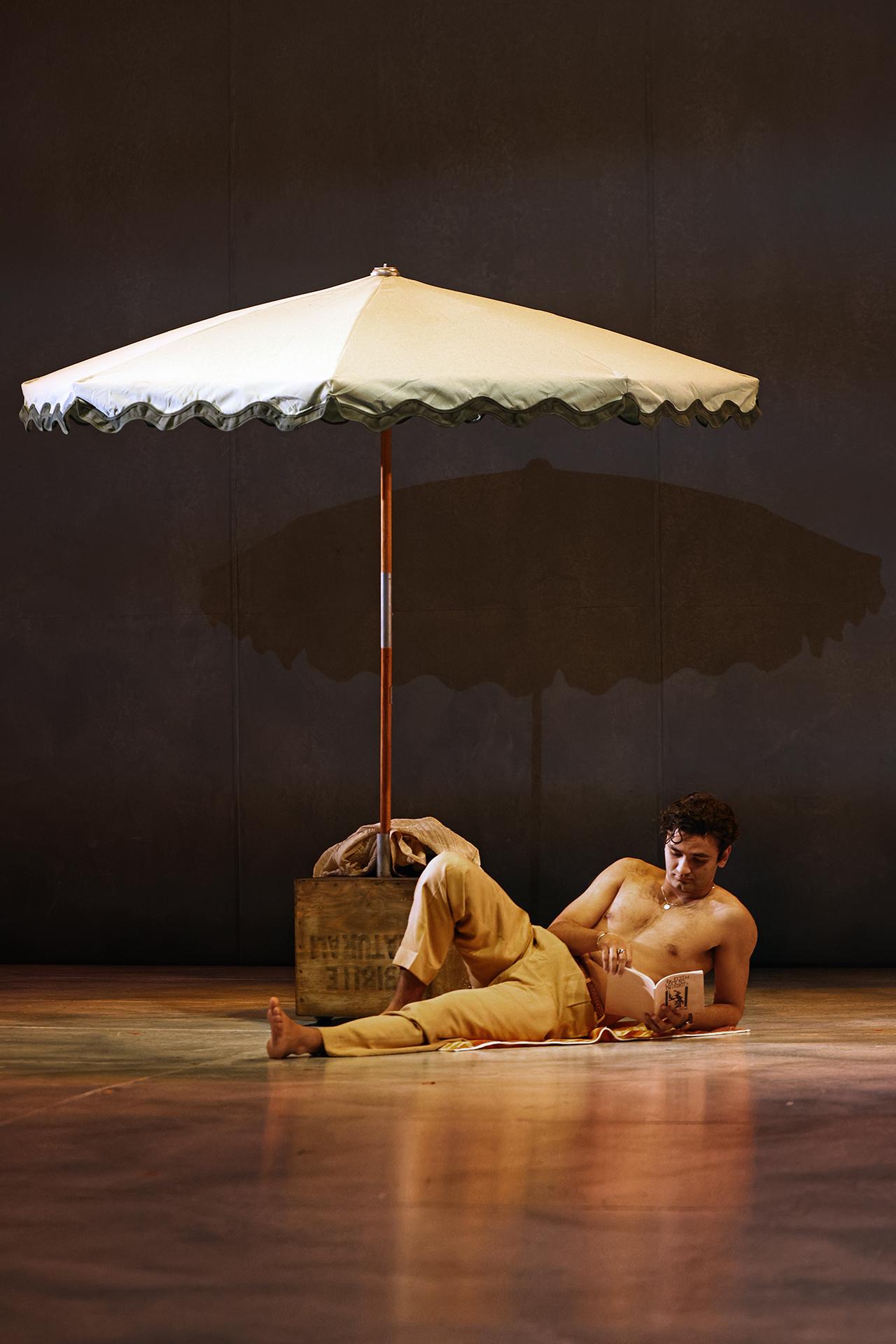
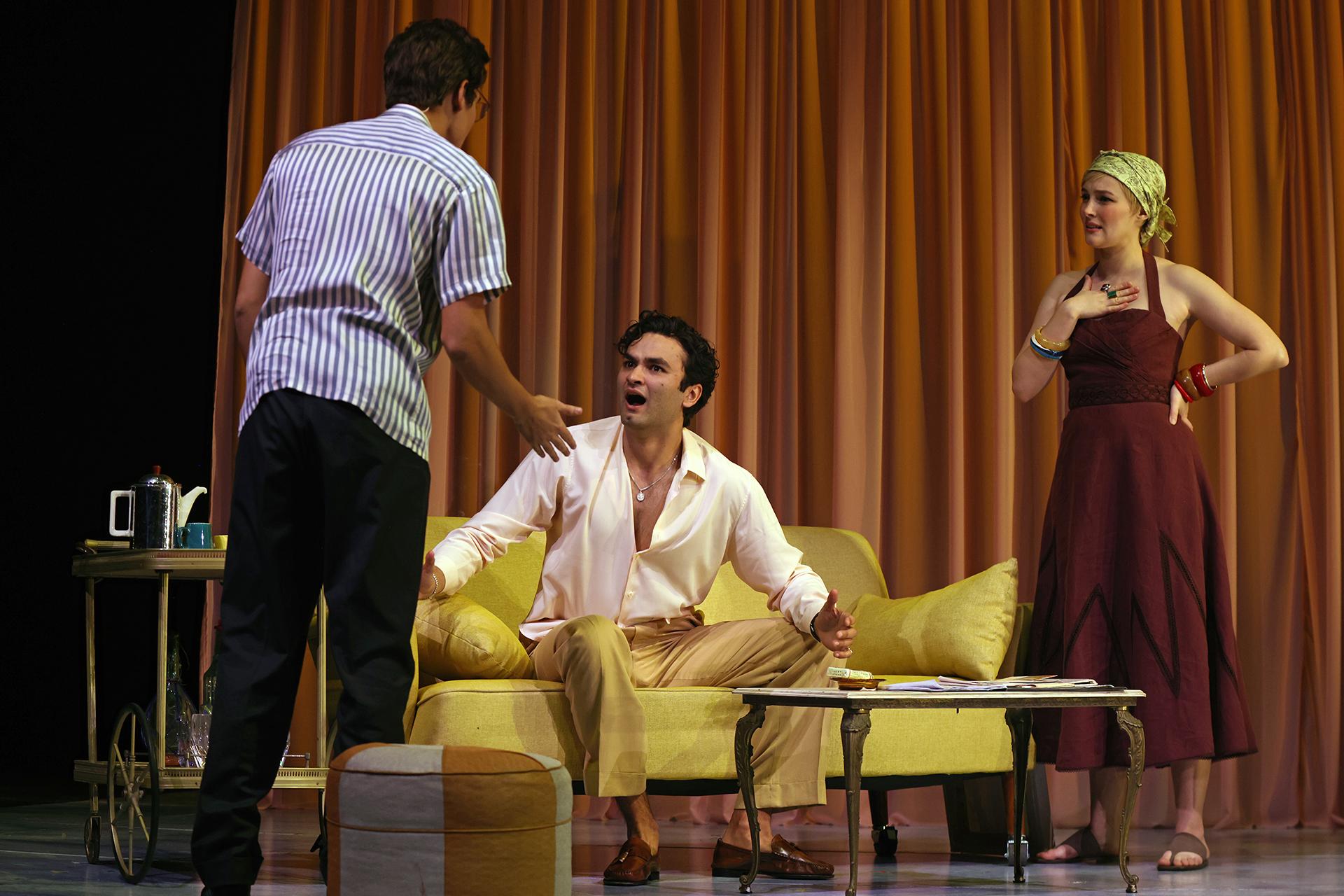
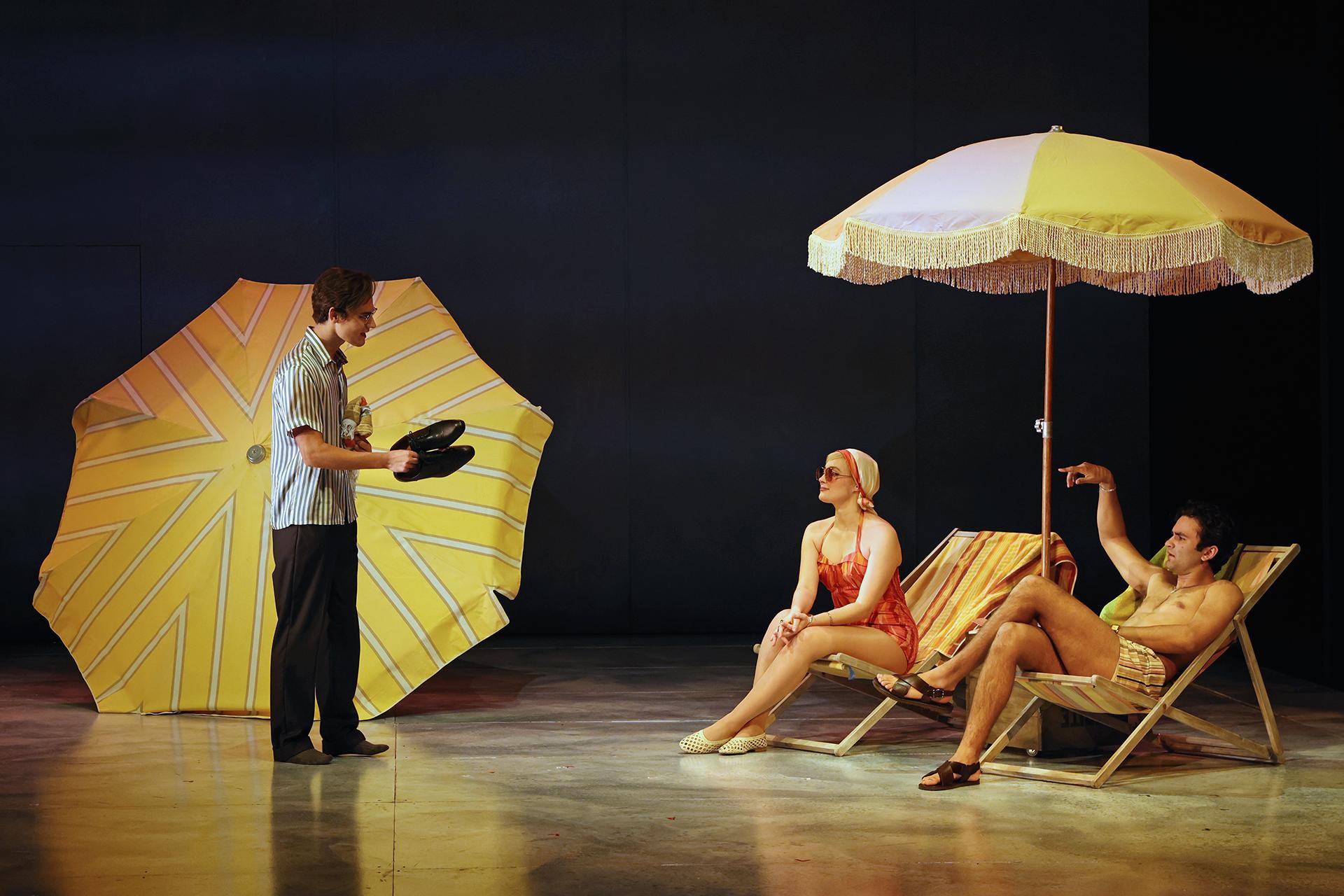
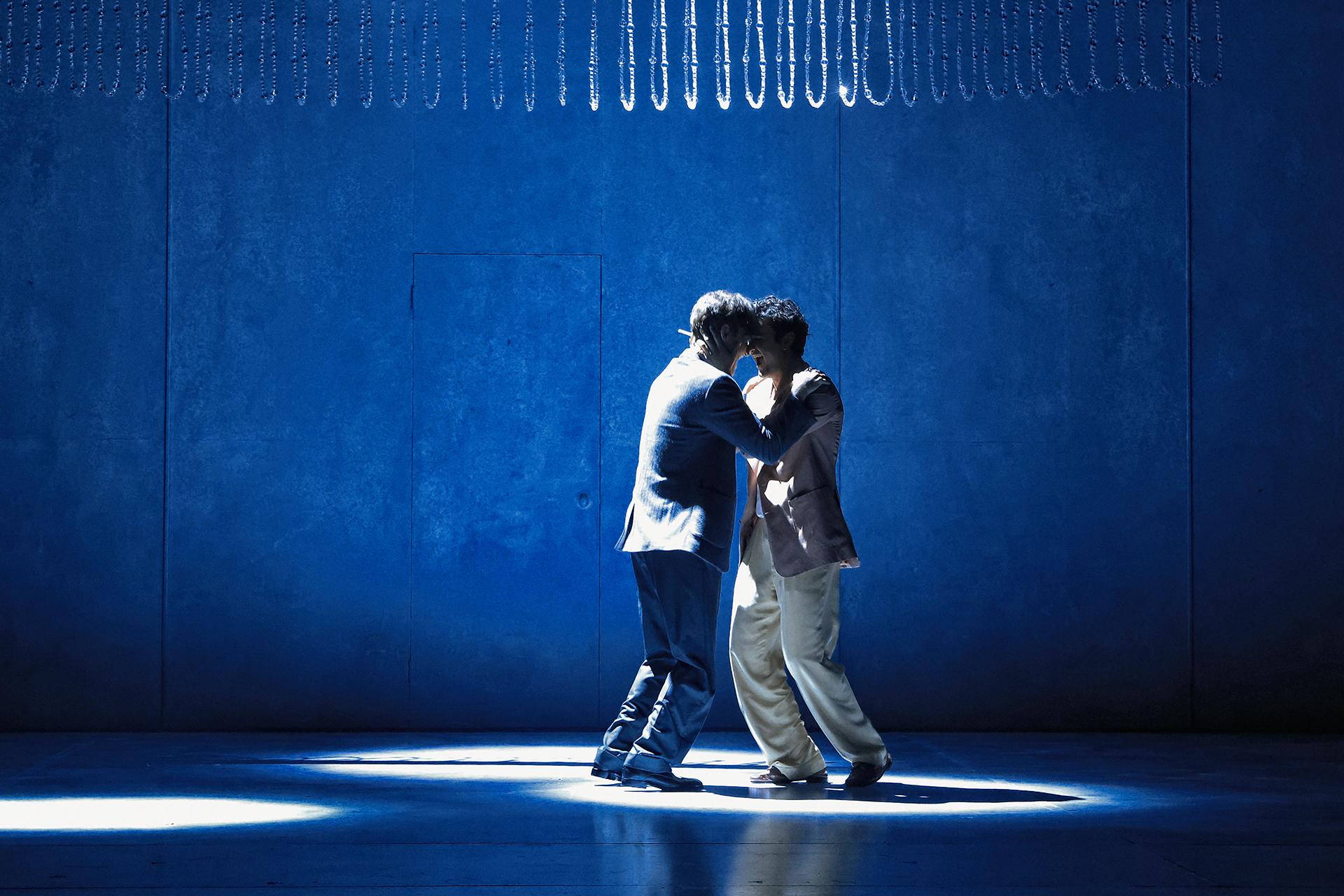
There are many possible reasons for Patricia Highsmith’s famous protagonist making the appalling decisions he does. Without overt explanations of Tom Ripley’s psychological constitution, we are left to observe his actions and to speculate on his motivations, often through notions of humanity that we can only presume to be universal. Joanna Murray-Smith’s adaptation comes 60 years after the novel’s publication, and although The Talented Mr. Ripley is thankfully rendered identifiably queer in this new stage version, we remain seduced by its enigmatic characters and their fundamentally dangerous story.

It is almost always a challenge to condense a work from book to play, but Murray-Smith does wonderfully to retain not only the essence, but also the delicious details of Highsmith’s original narrative. Direction by Sarah Goodes however feels rushed at several key moments, likely a consequence of wishing to keep running time within the conventional two hours. The show prevents itself from sprawling and luxuriating, in something that cannot disguise its tendencies toward indulgence.

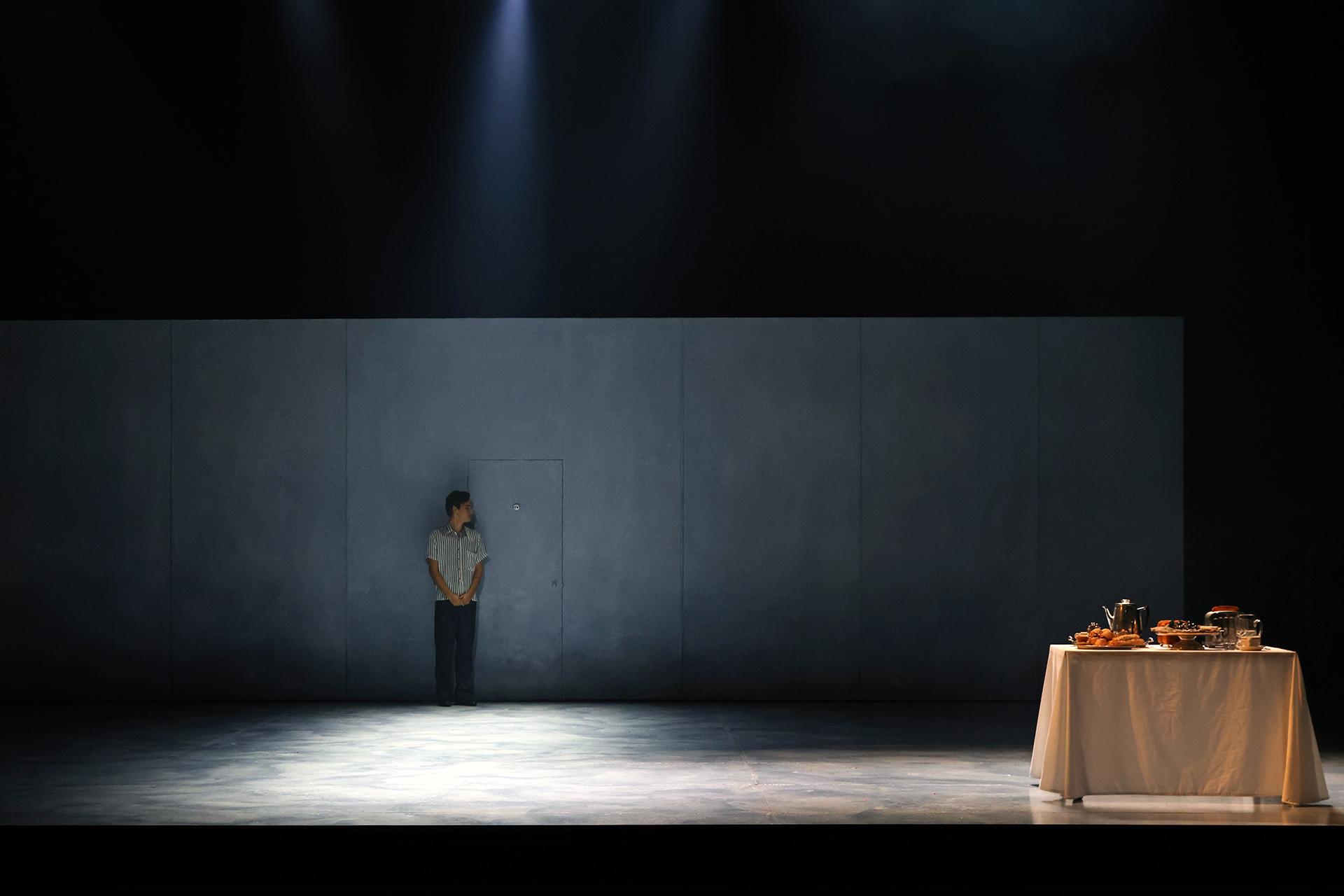
Visual aspects too fall short of the extravagance and decadence one might anticipate from a narrative steeped in class and envy, but the crucial scene of Ripley’s first murder, is certainly some of the most beautiful theatre to appear in recent memory. Set design by Elizabeth Gadsby is modern and sparse. Emma White’s costumes subtly represent the distinctions of social stratum. Damien Cooper’s lighting brings dynamism, though it can appear somewhat unnecessarily restrained. Music and sound by Steve Francis is an unequivocal highlight, delivering huge doses of unabashed drama, to match Ripley’s intensifying delusions of grandeur.

Leading man Will McDonald is both compelling and convincing as the disturbed charlatan, brilliantly conveying the unspoken dimensions of Ripley’s inner world, which form the very heart of the production. Object of desire Dickie Greenleaf is performed with charismatic verve by a highly memorable Raj Labade, who strikes a delicate balance between likeable cad and despicable scoundrel. Also noteworthy is Faisal Hamza as Freddie Miles, wonderfully mischievous in his portrayals of nauseating privilege and wanton youth.

There is little reason to admire Ripley, yet despite his heinous crimes, we never for a moment want him to be caught. Every subsequent kill, though met with our derision, remains an irresistible pleasure in the purely artistic sense. That we can find ways to enjoy learning about Ripley’s atrocities, only means that there are parts of our psyche that can somehow appreciate his debauched descent. Though we strive to uphold honour in our personal choices, the sheer talent of those who commit barbarities proves always to exert a relentless, undeniable fascination.

www.sydneytheatre.com.au

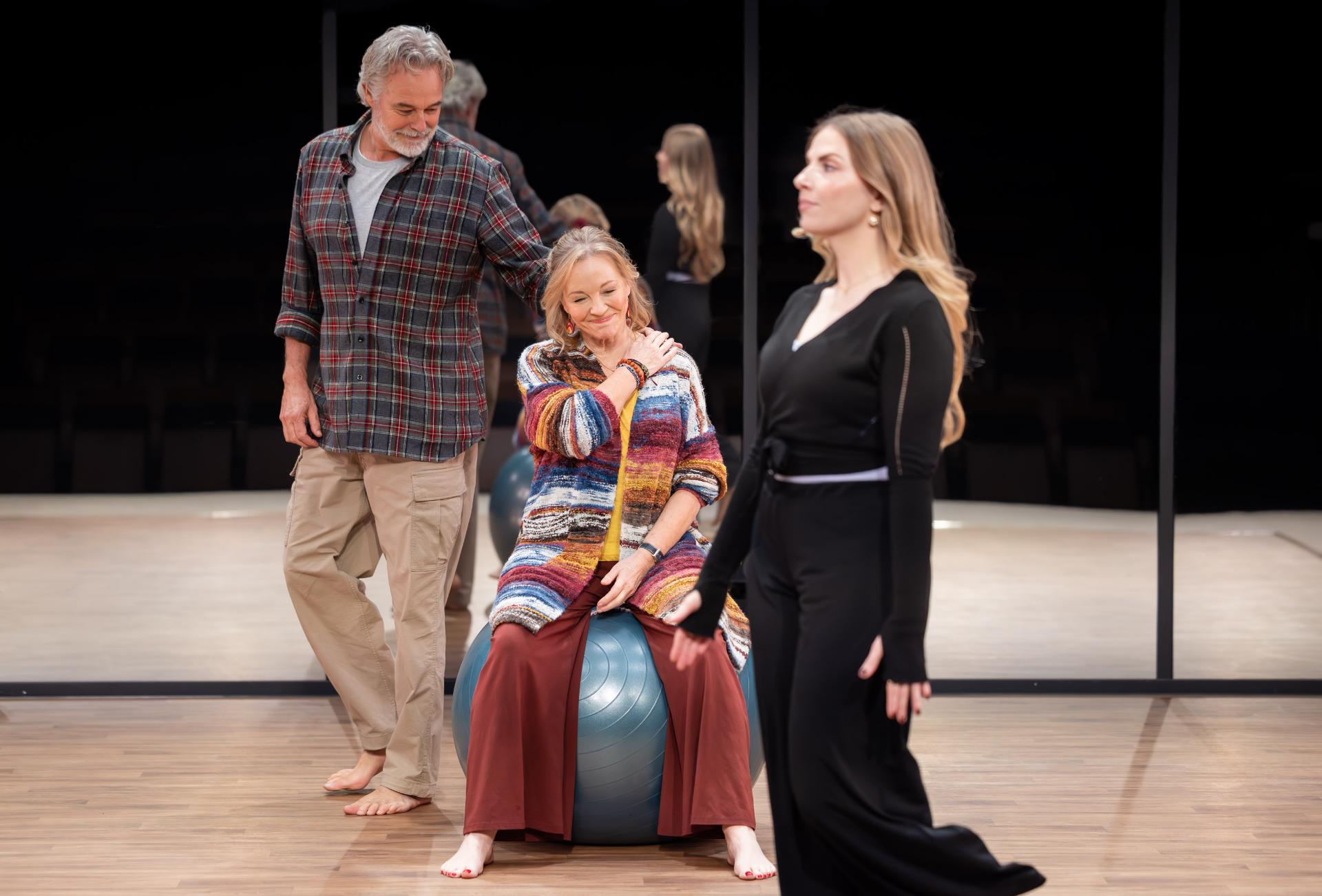
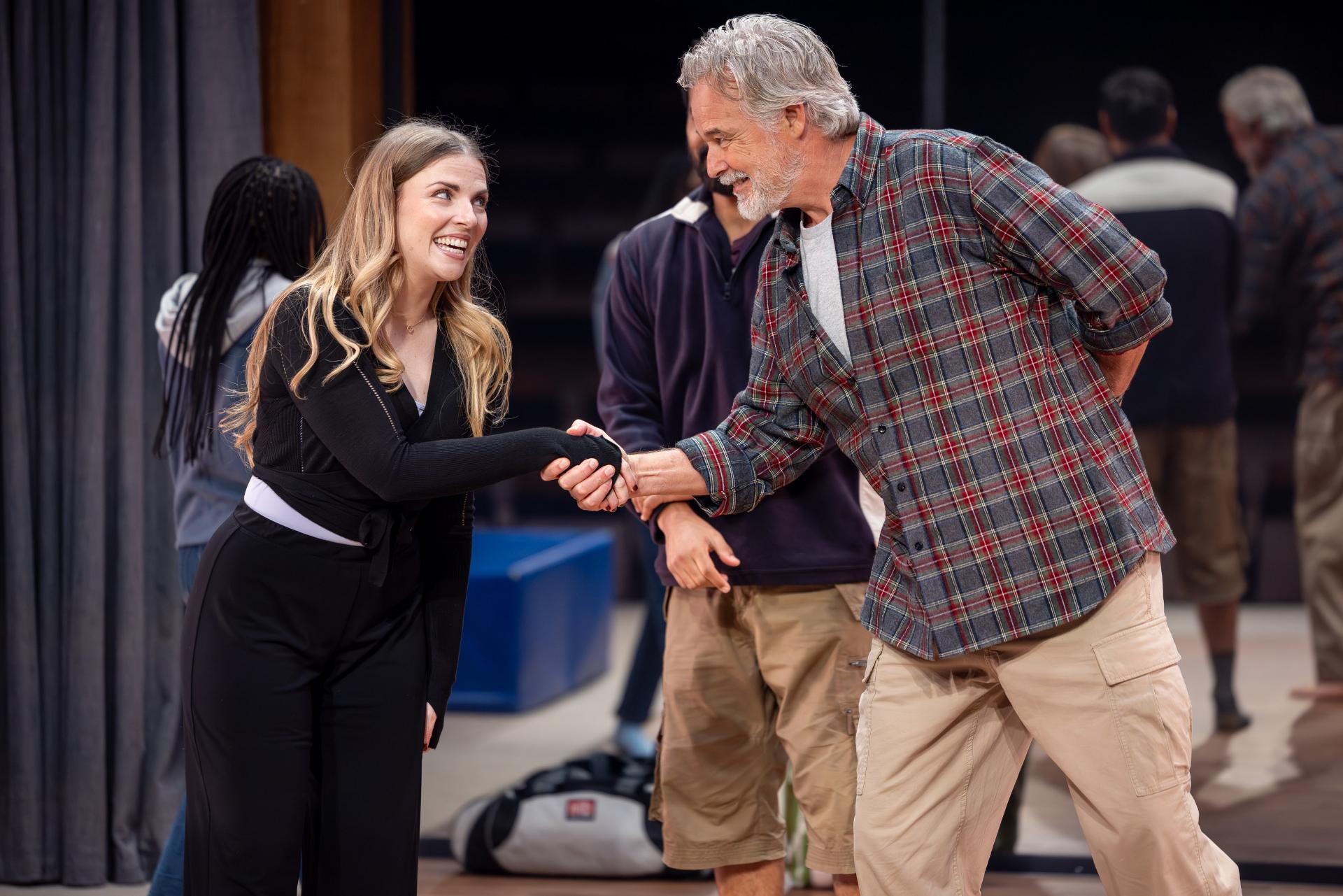
Review: Circle Mirror Transformation (Sydney Theatre Company)

Venue: Wharf 1 Sydney Theatre Company (Walsh Bay NSW), Jul 12 – Sep 7, 2025
Playwright: Annie Baker
Director: Dean Bryant
Cast: Ahunim Abebe, Nicholas Brown, Cameron Daddo, Rebecca Gibney, Jessie Lawrence 
Images by Daniel Boud

Theatre review
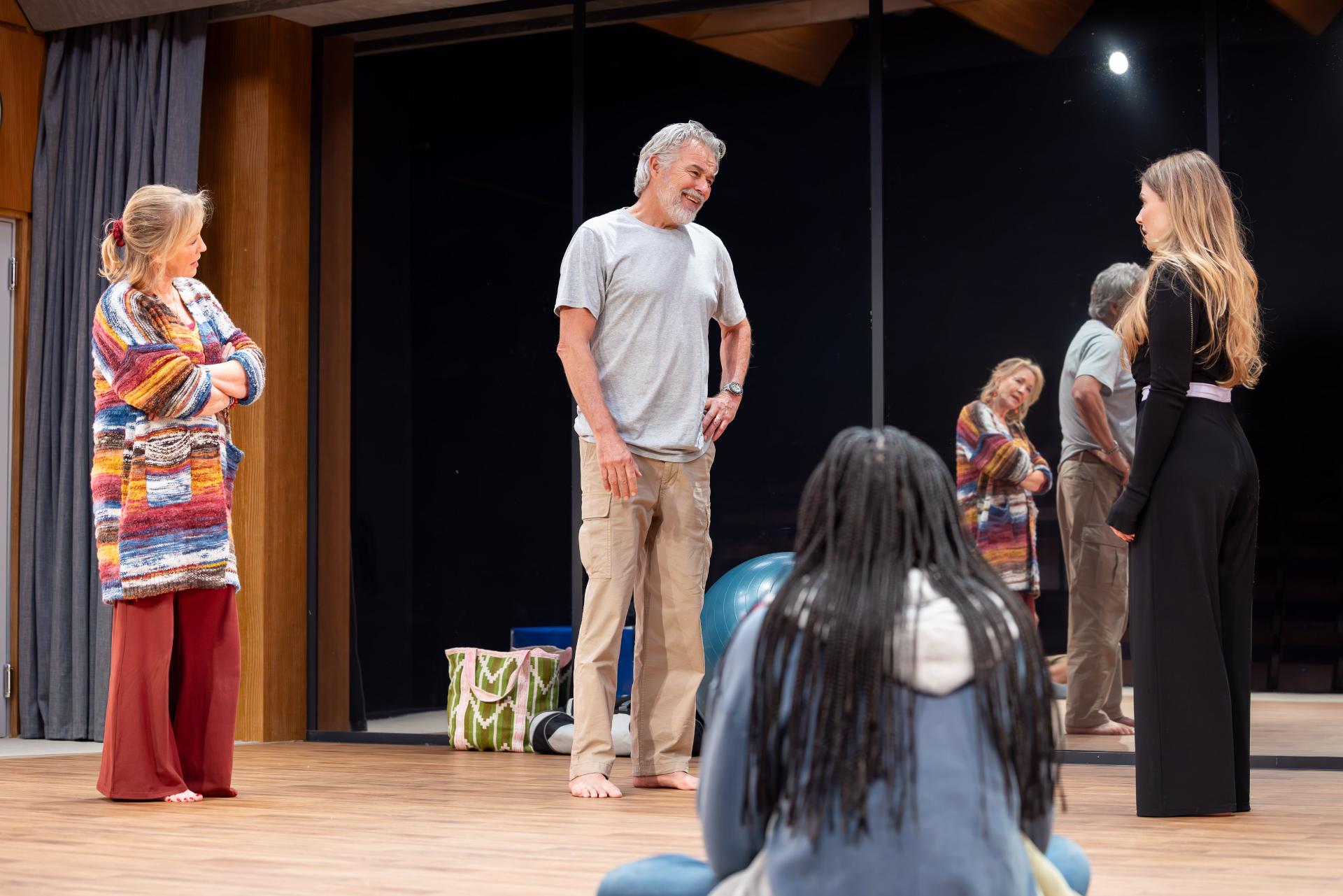
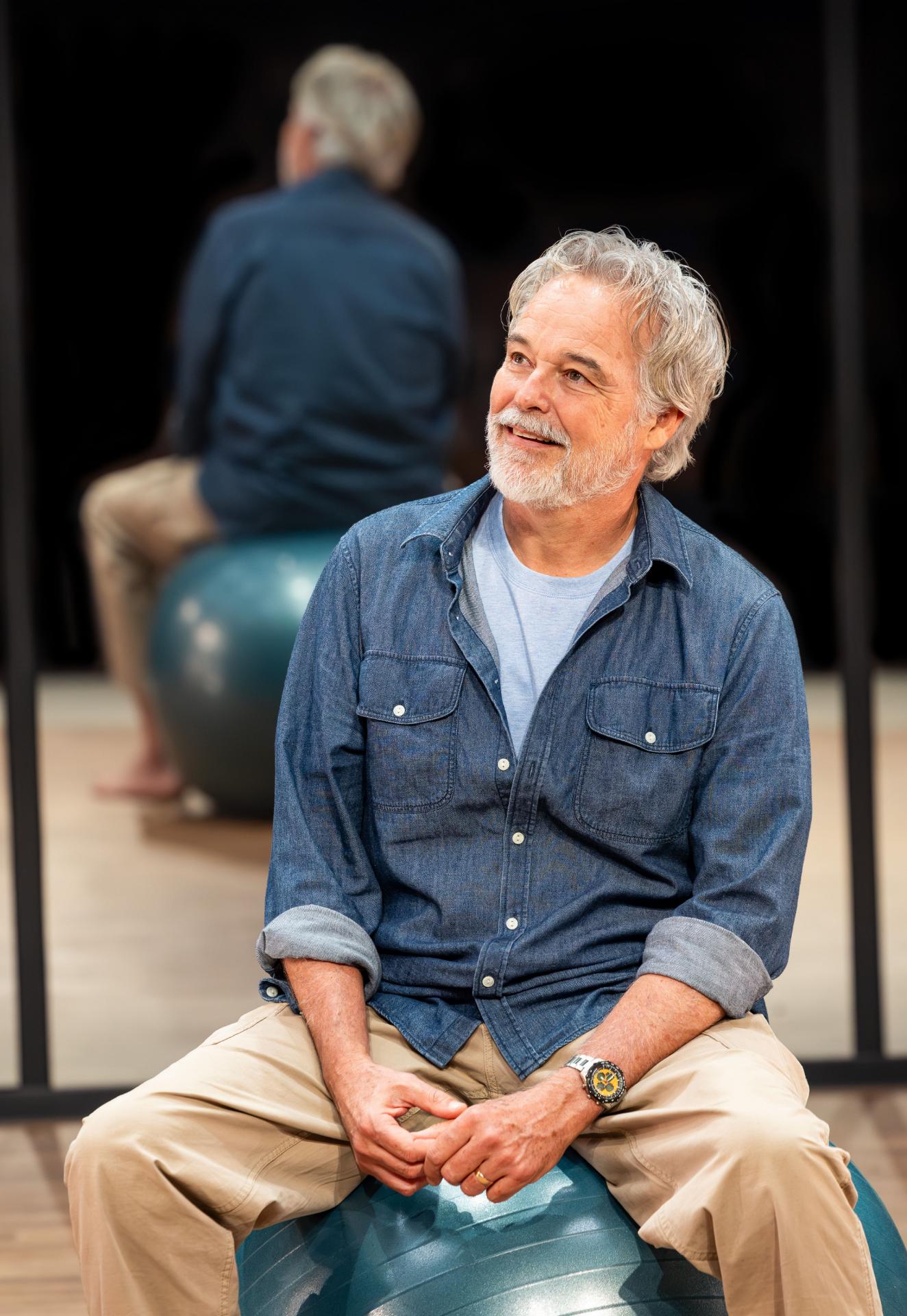
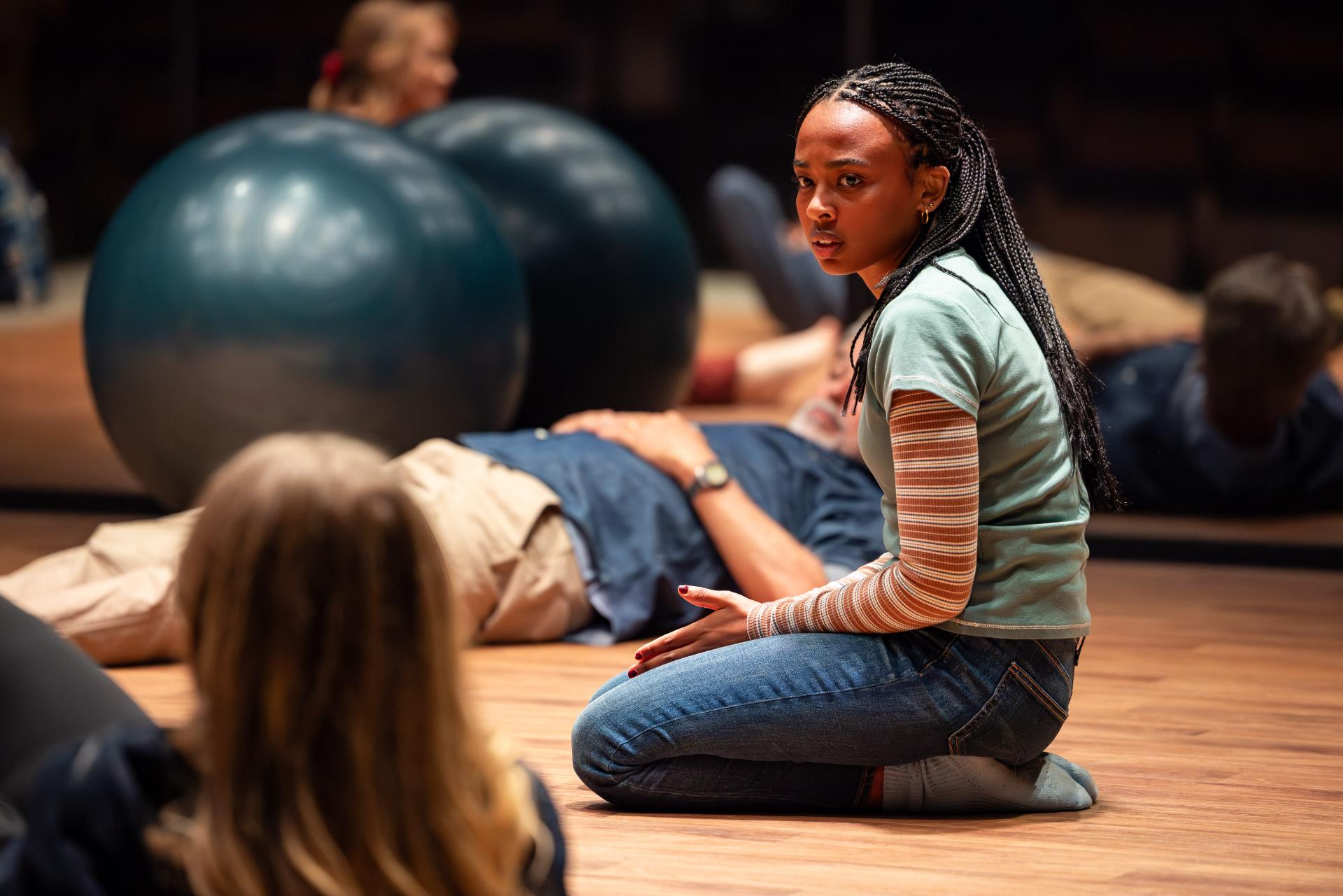
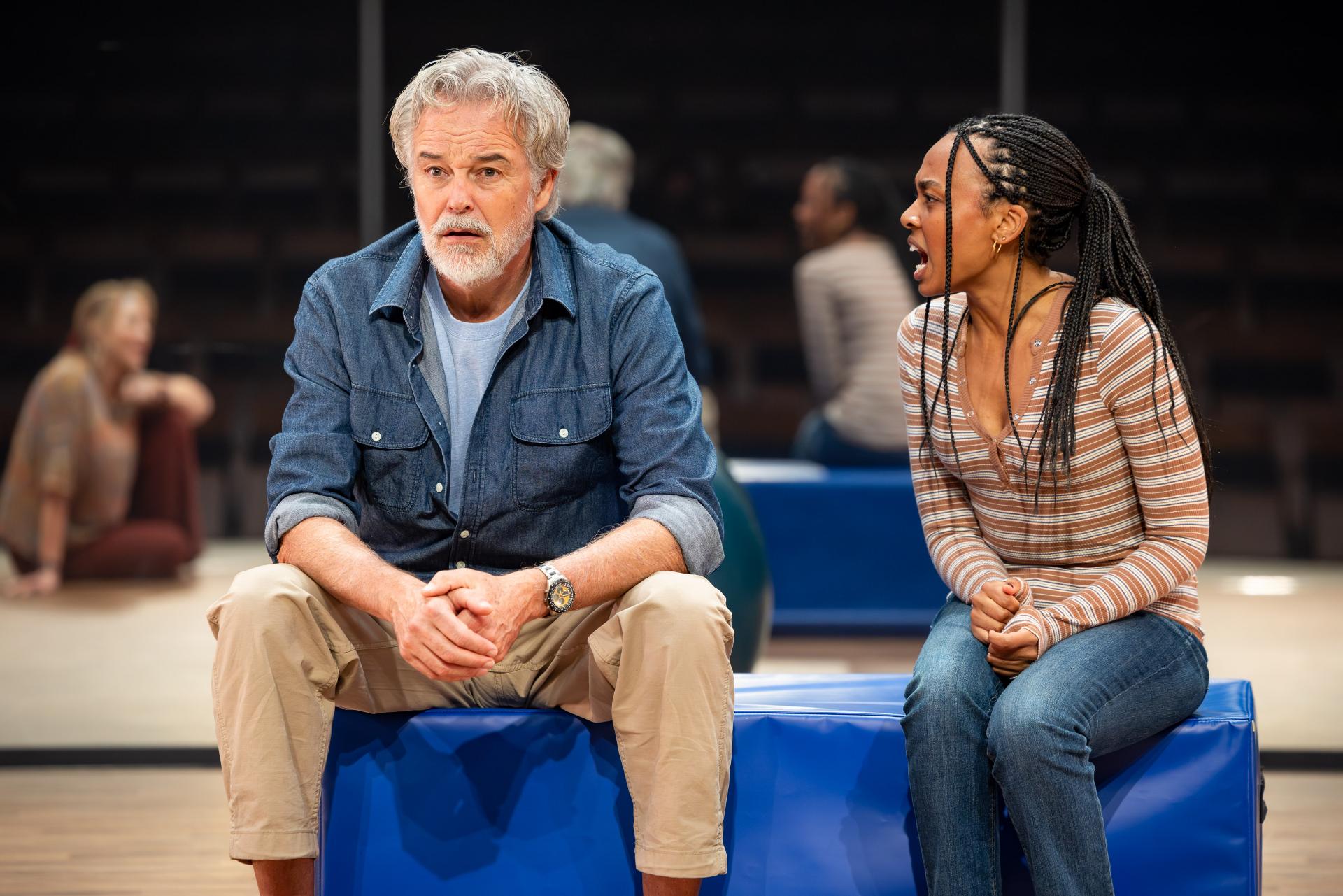
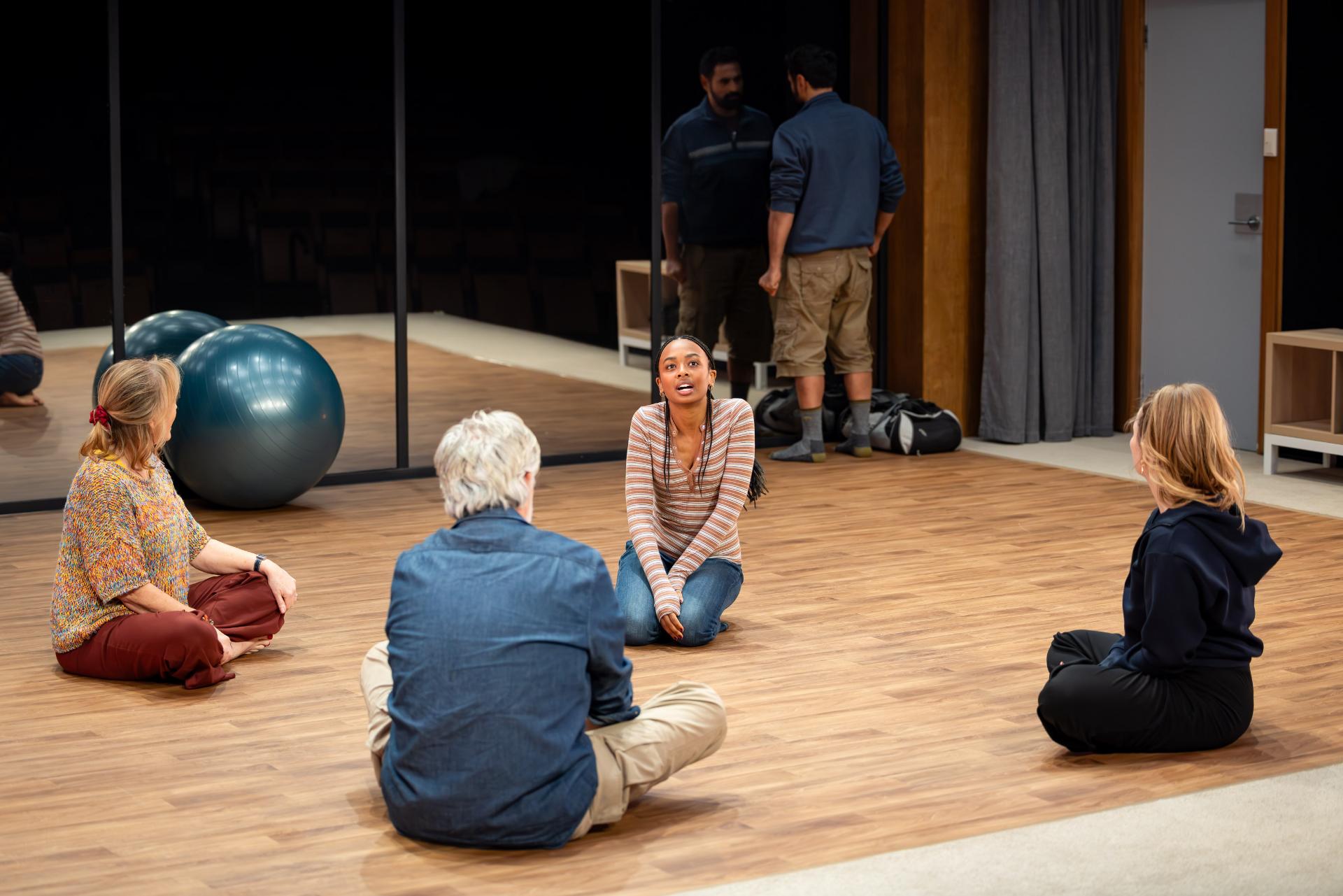
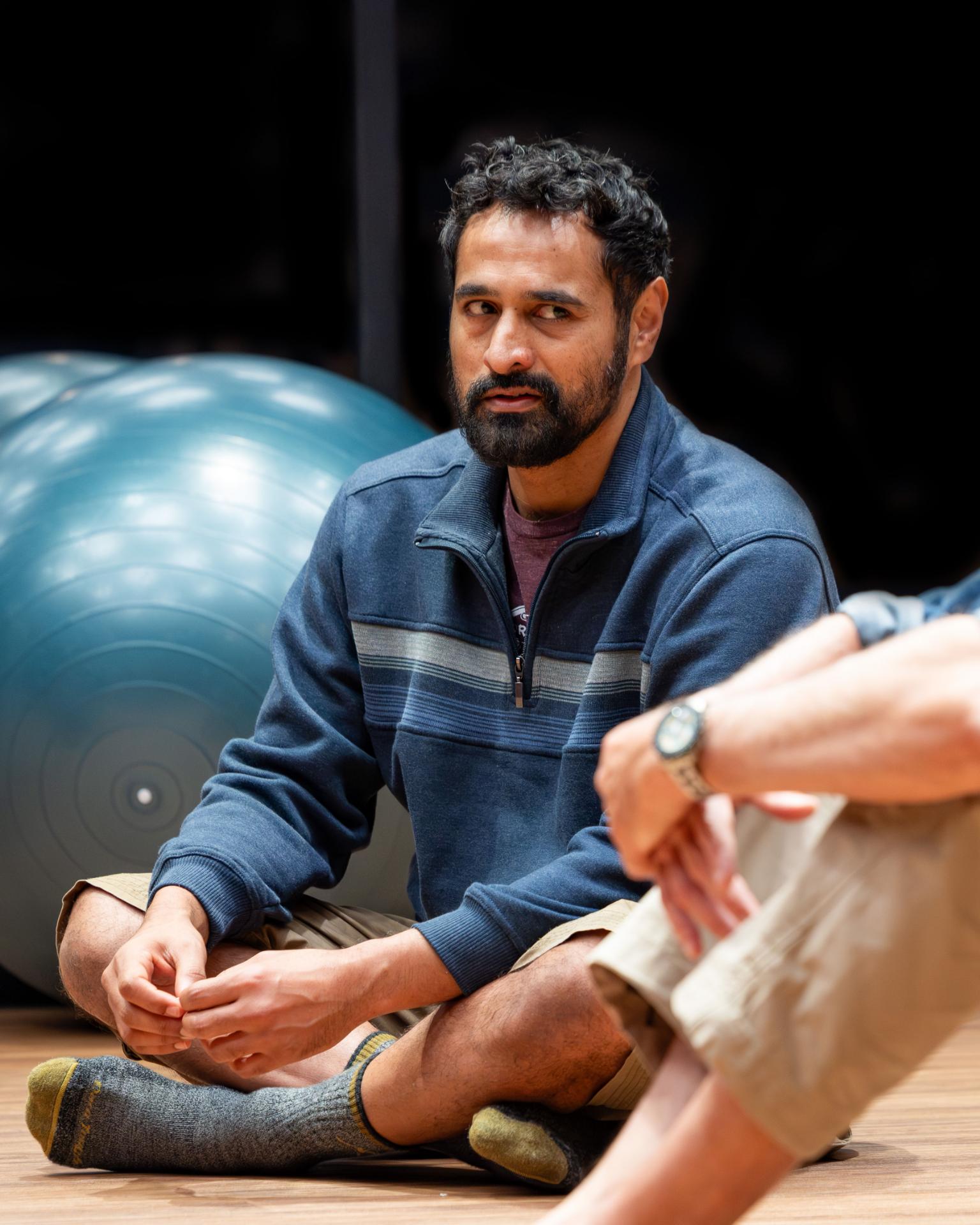
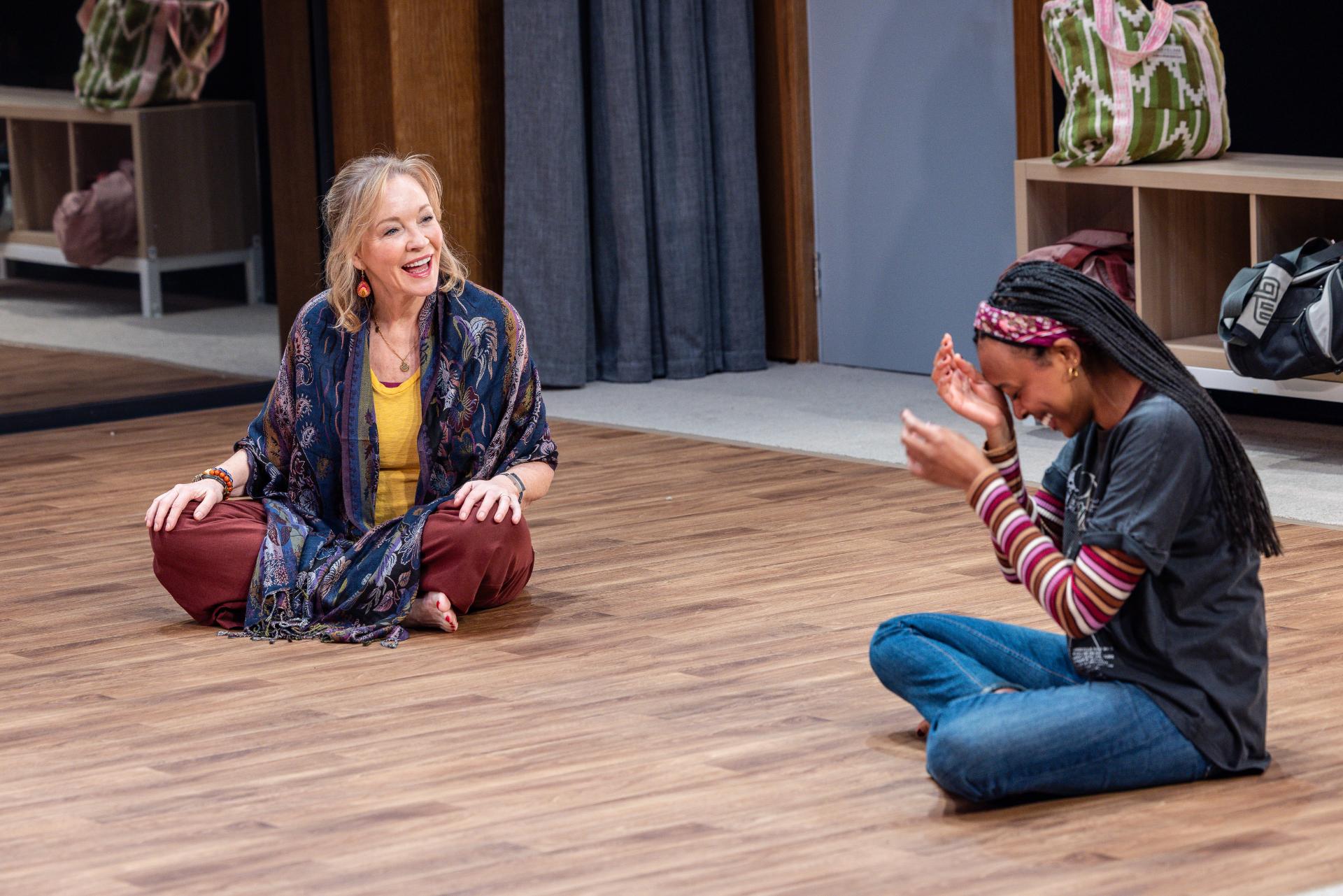
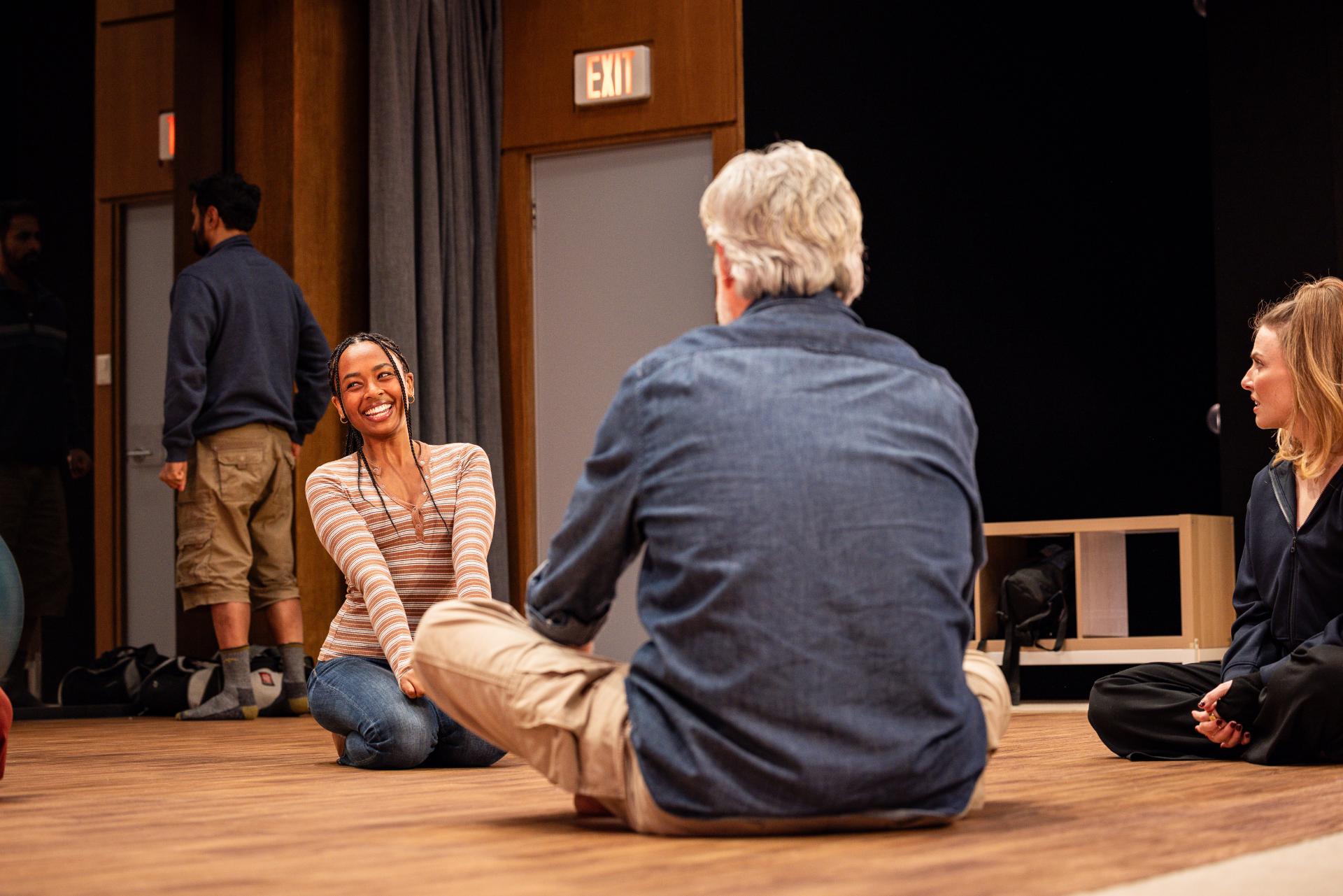
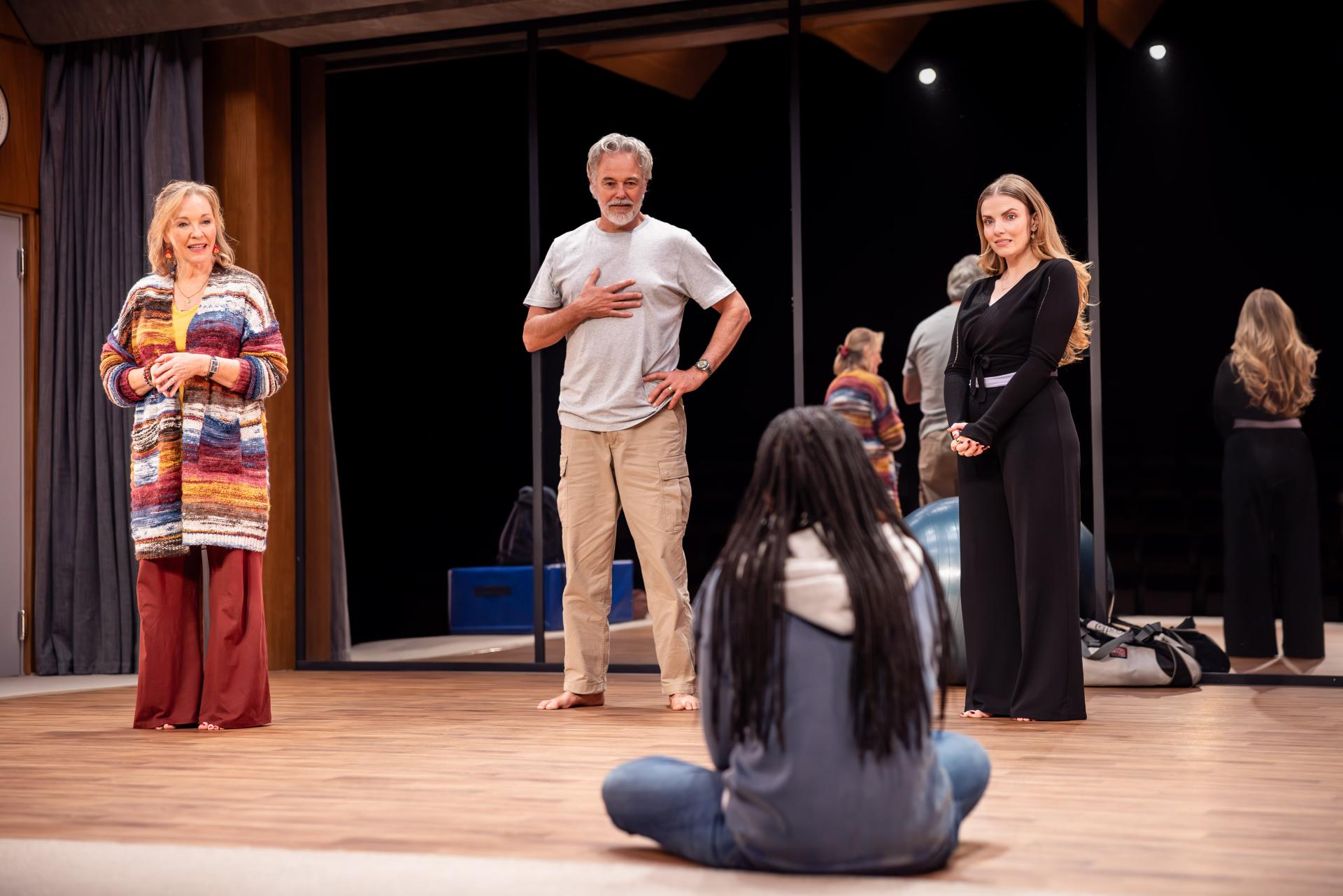
A small group convenes over six weeks, for drama lessons at a rural community centre. They focus on acting exercises, which look initially to be incredibly inane, but they lead to deep discoveries of a personal nature. Annie Baker’s Circle Mirror Transformation takes us into a microcosm of North American ordinariness. It is a quiet portrait of the middle class from 2009, years before any hint of the current pandemonium could even be detected. 

If there are any socio-political implications in Baker’s play, they are deeply subsumed and open to all manner of interpretation. Direction by Dean Bryant provides no indication to wider connotations of the story, making for a somewhat pedestrian experience, but the intricacy he puts into the unfurling of subjective narratives, reflects an admirable level of integrity.

The very accomplished actor Rebecca Gibney grounds the work in a hyper naturalistic space as group leader Marty, making for a completely believable depiction of daily life at the dawn of the Obama years. There is a conspicuous blandness to the presentation which, although understandable within context, makes viewing somewhat challenging due to its lack of theatricality.

Fortunately Nicholas Brown and Jessie Lawrence are on hand to dial up the idiosyncrasy. As Schultz and Theresa, both performers bring exceptional depth and colour to the show, allowing us to enjoy more than the mundanity being explored. Ahunim Abebe brings a valuable richness to the humanity that her character Lauren reveals in later sections, and Cameron Daddo leaves an impression with his understated authenticity as James.

Designer Jeremy Allen brings unexpected texture to otherwise nondescript scenic requirements. Lights by Brockman and sound by Clemence Williams, are understandably operative rather than ornamental, rarely attention grabbing but certainly effective.

It is almost peculiar to return to a time when Americans could simply worry about their individual foibles, rather than having to grapple with unrelenting chaos and the impending collapse of their social structures. Circle Mirror Transformation may not even be a score of years old, but the vast changes that we witness the USA undergoing, make the play seem quaint, almost unrecognisable in its representation of modern normalcy.

www.sydneytheatre.com.au

Review: Happy Days (Sydney Theatre Company)

Venue: Wharf 1 Sydney Theatre Company (Walsh Bay NSW), May 5 – Jun 15, 2025
Playwright: Samuel Beckett
Director: Nick Schlieper, Pamela Rabe
Cast: Markus Hamilton, Pamela Rabe
Images by Brett Boardman

Theatre review
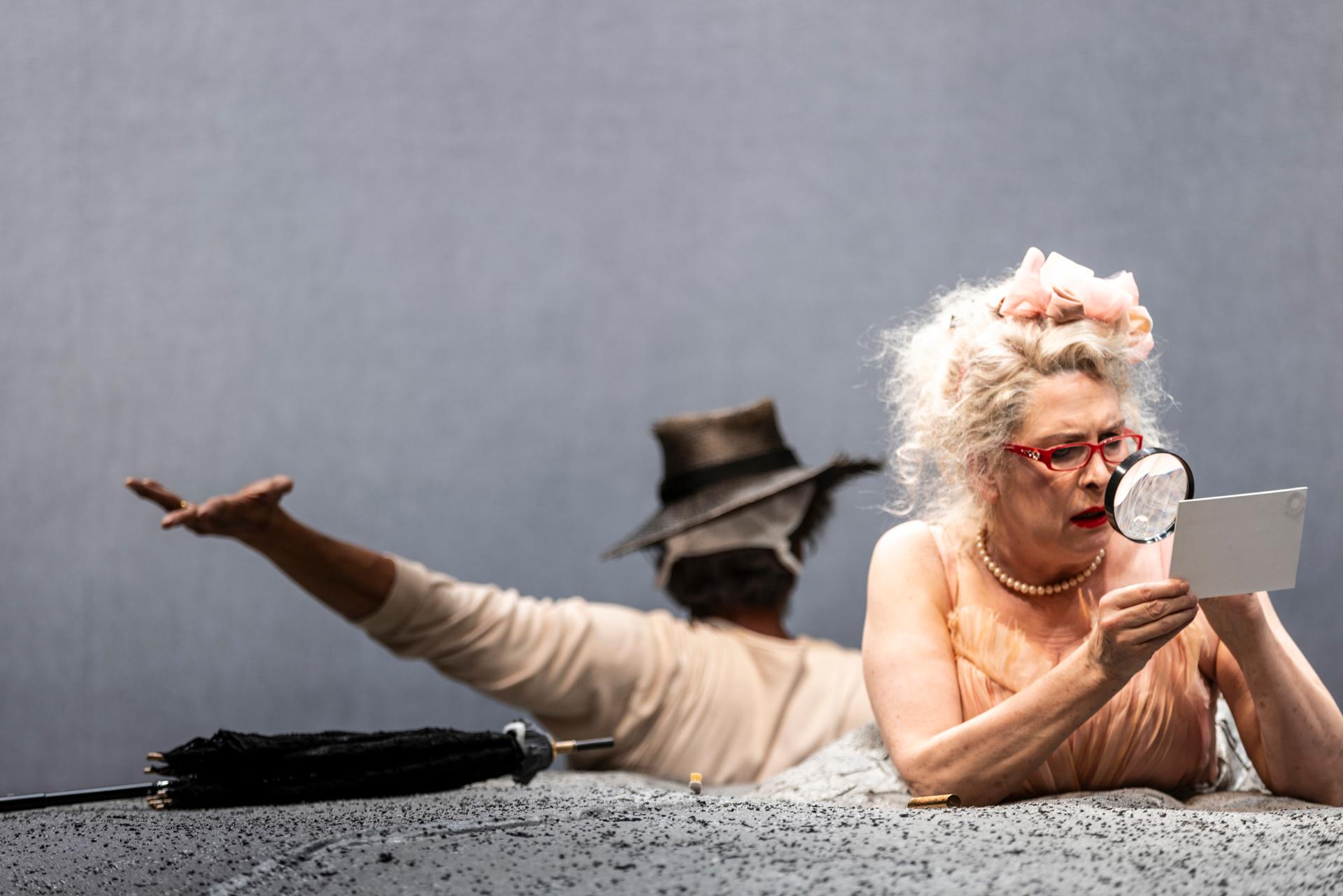
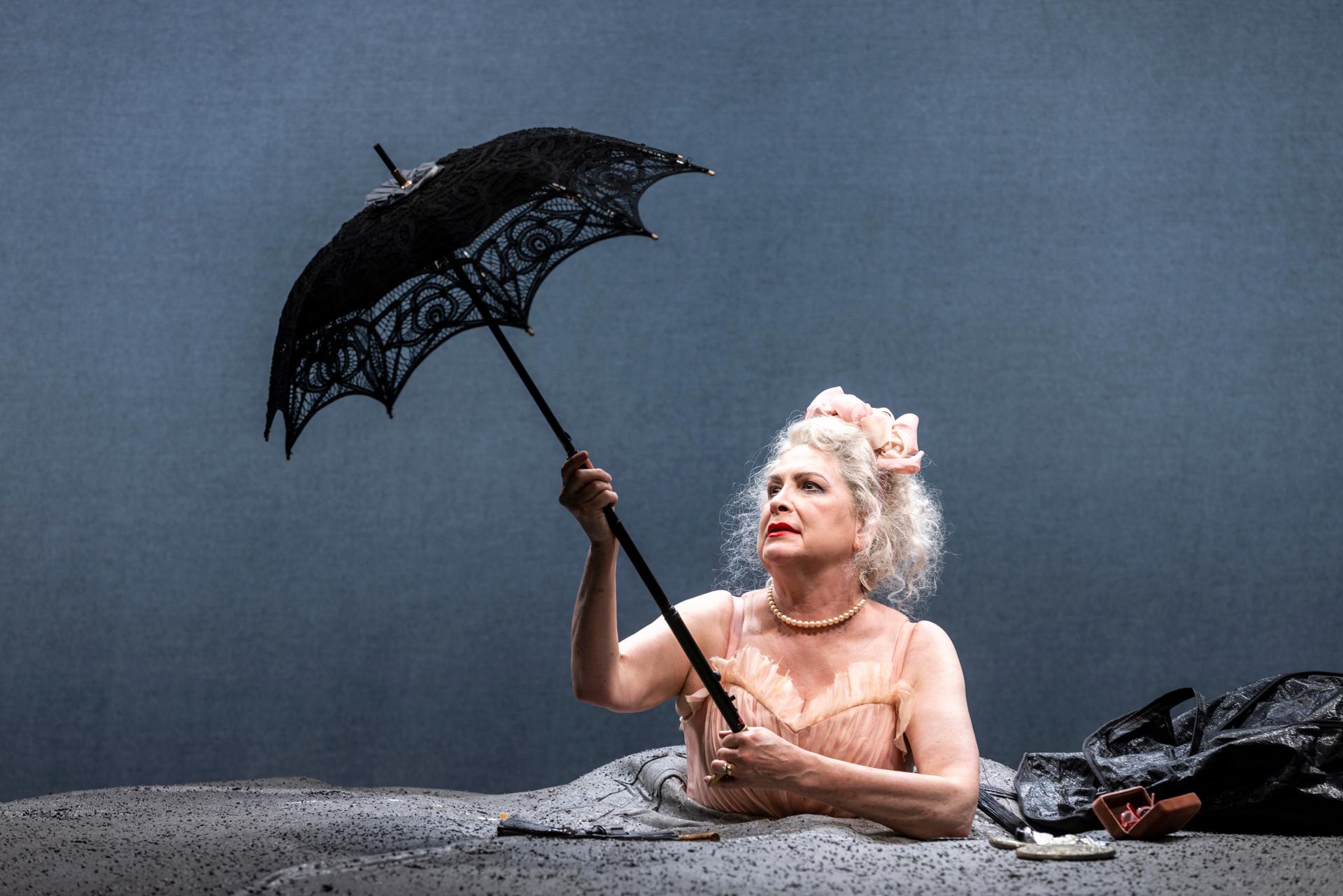
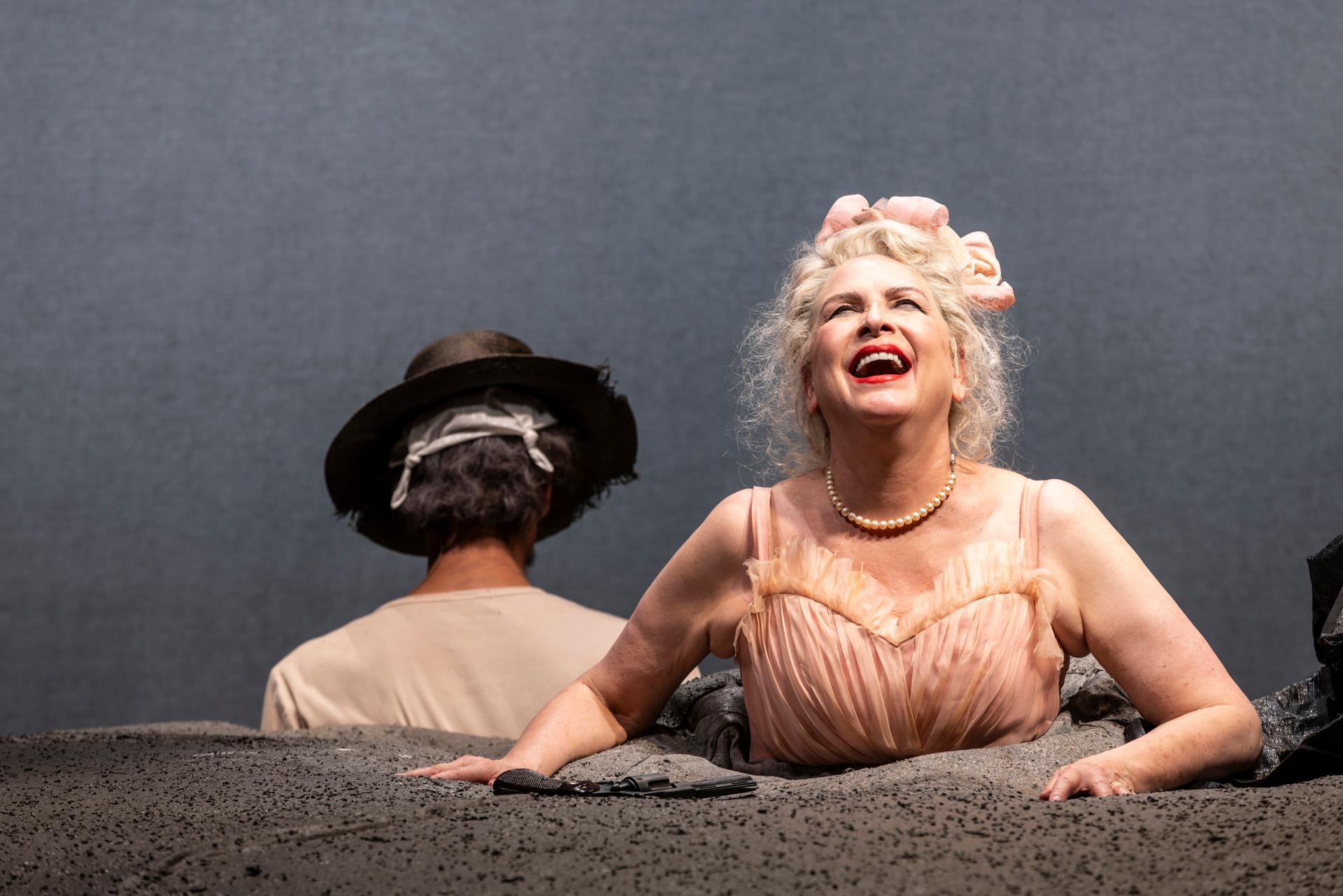
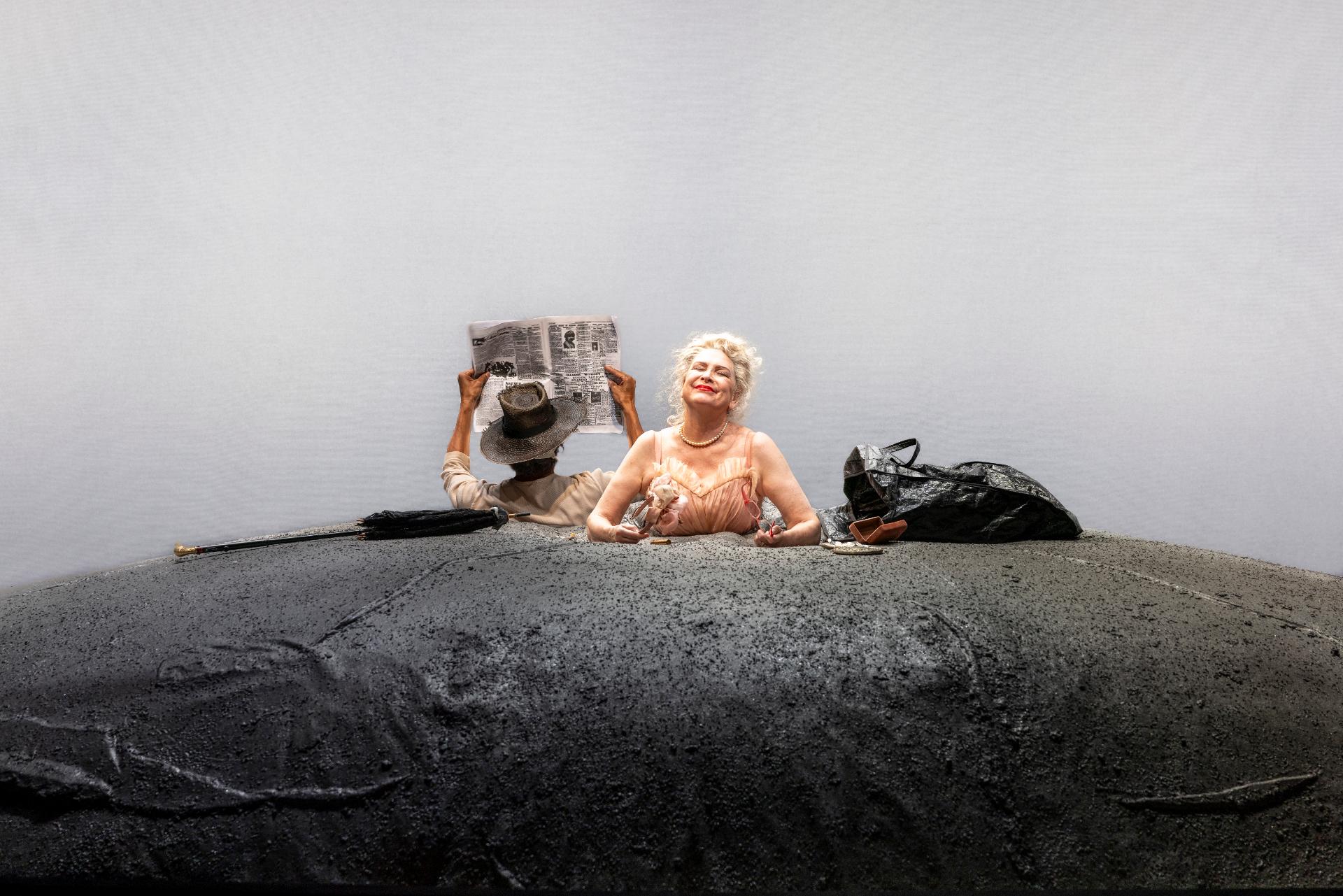
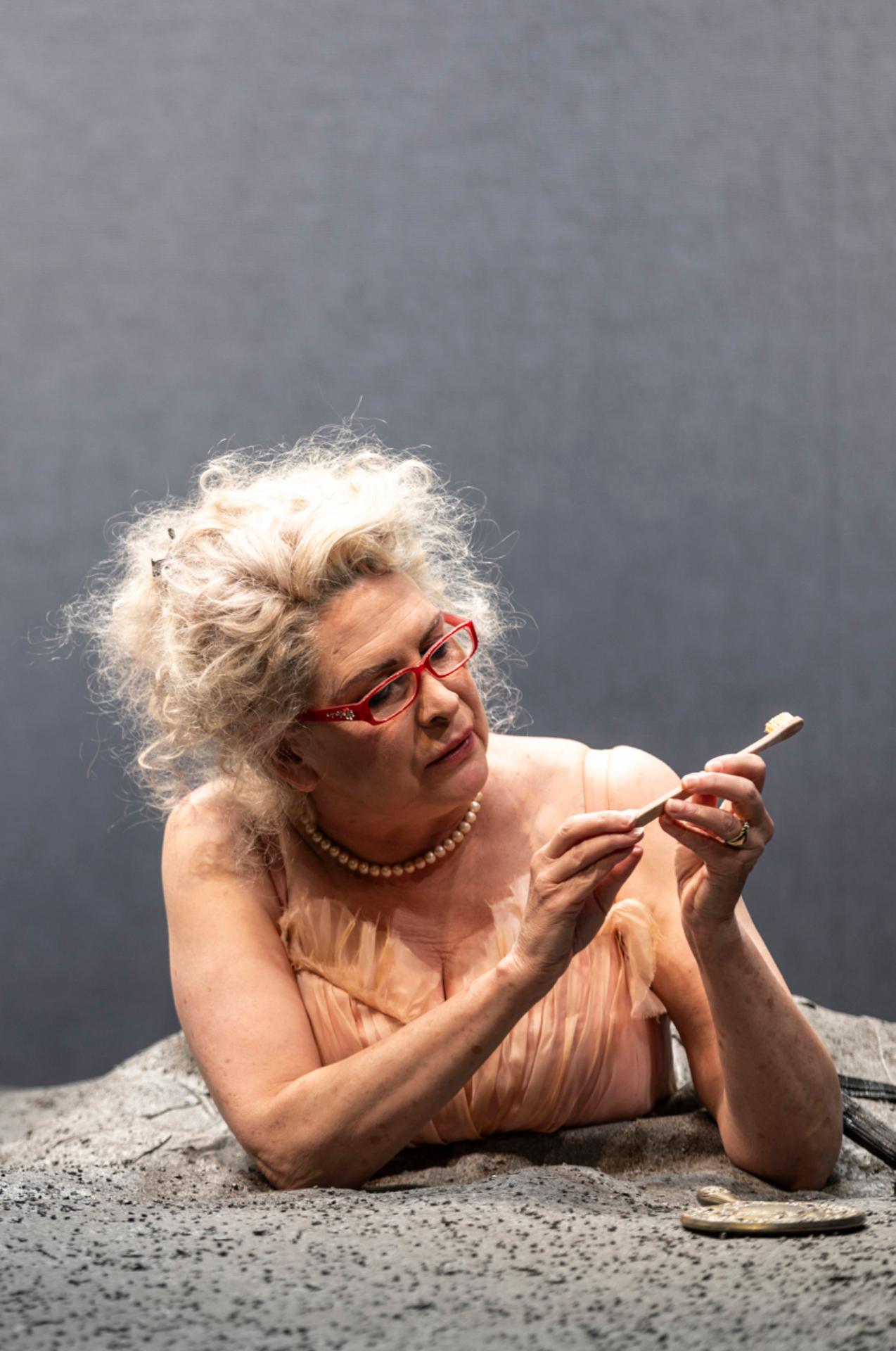
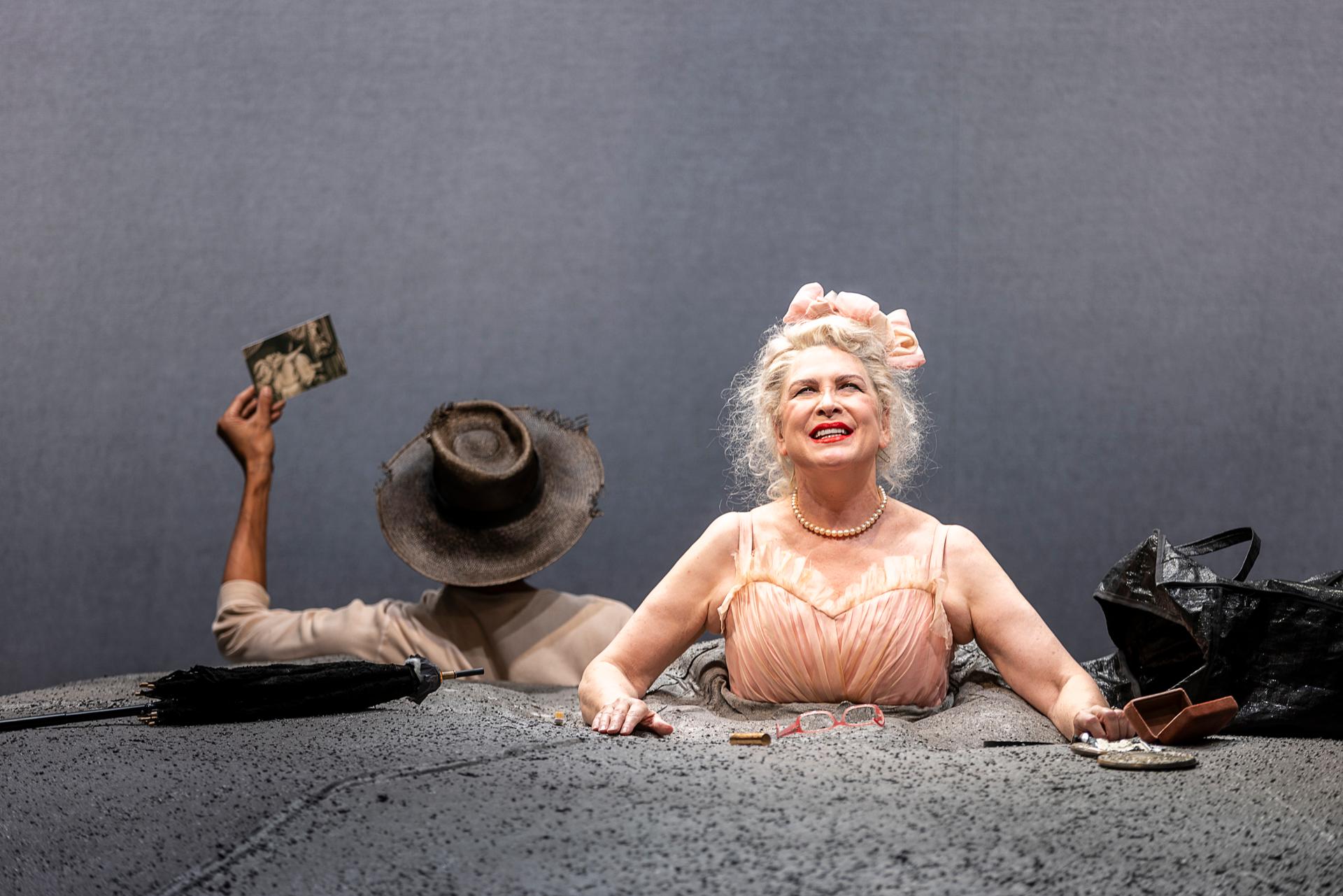
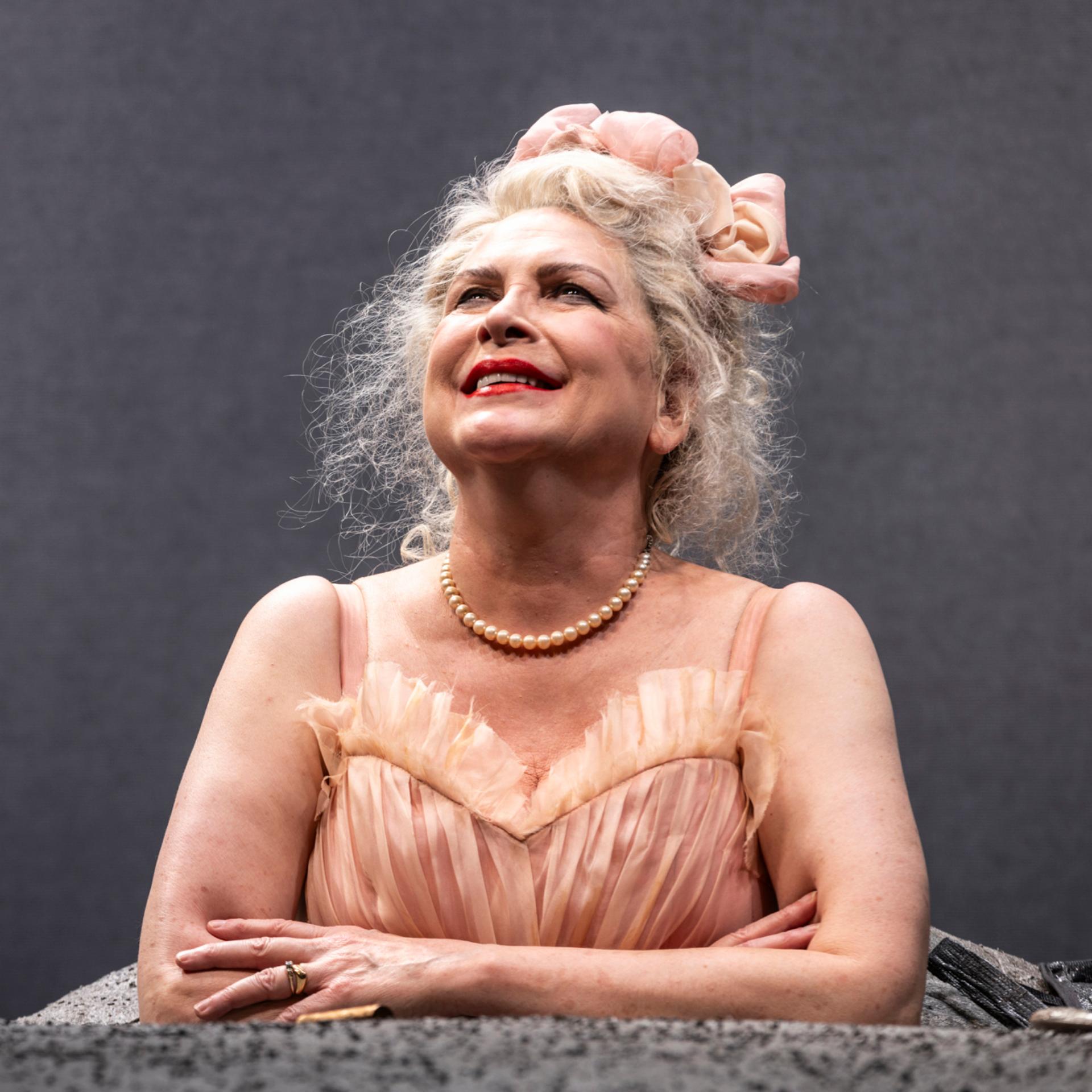
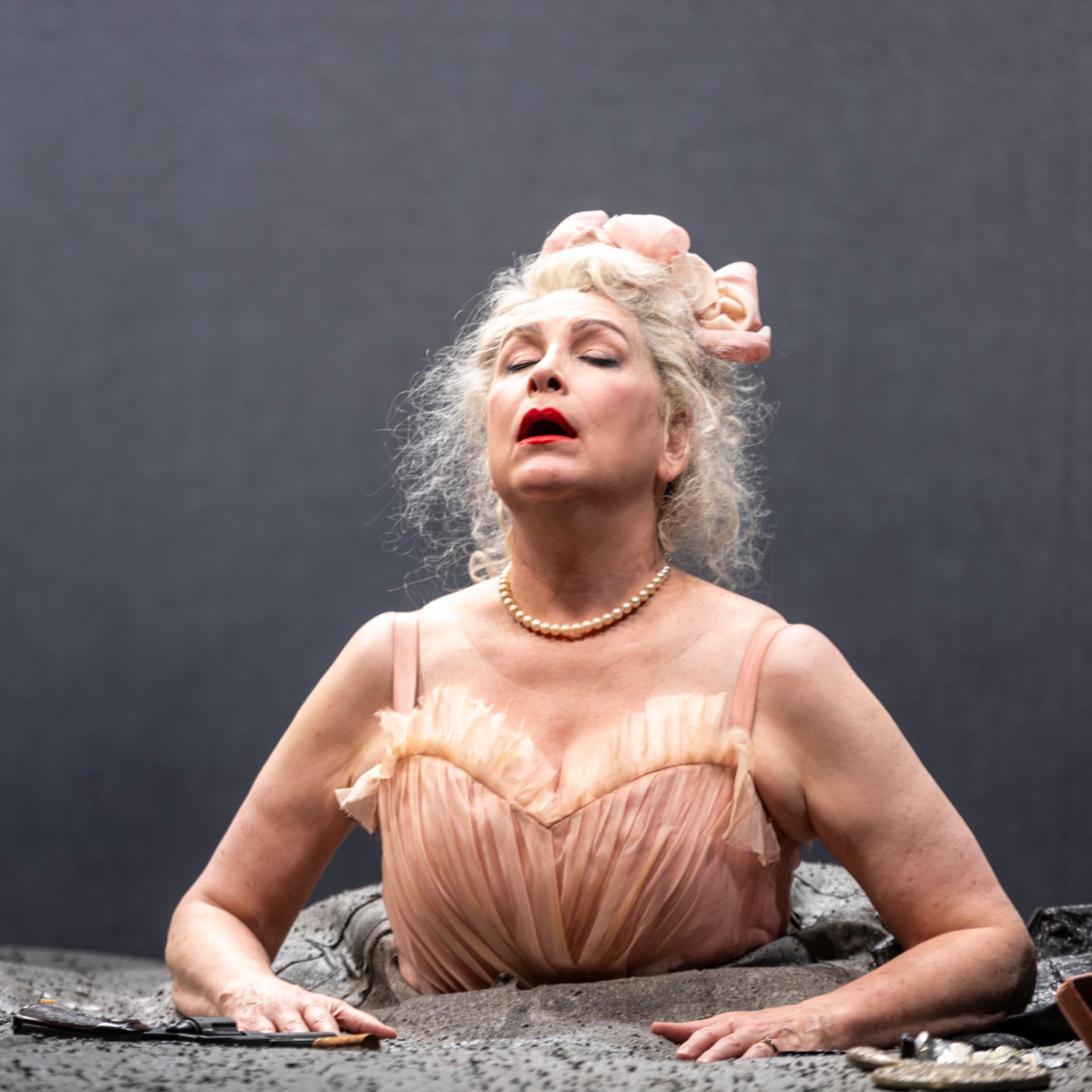
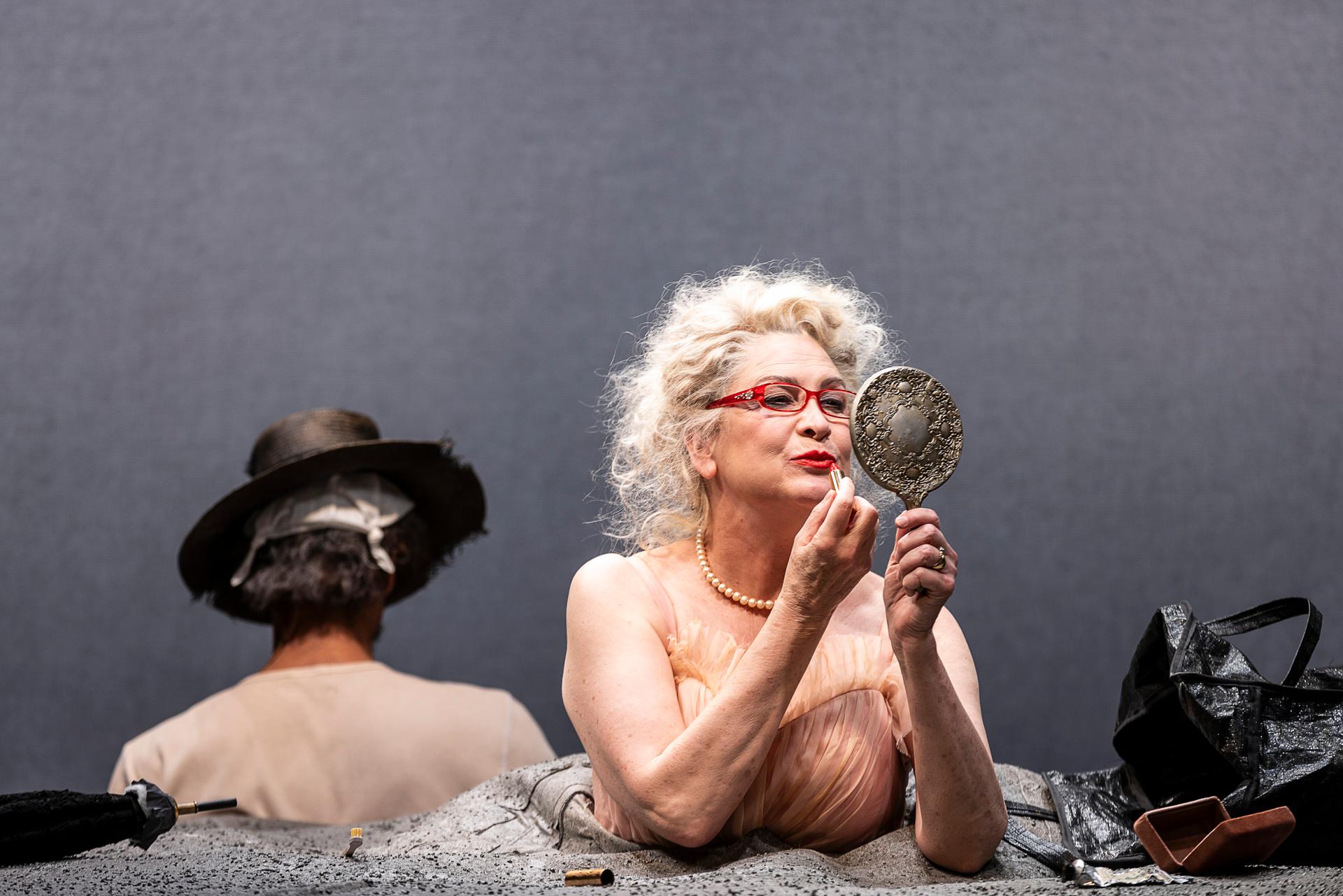
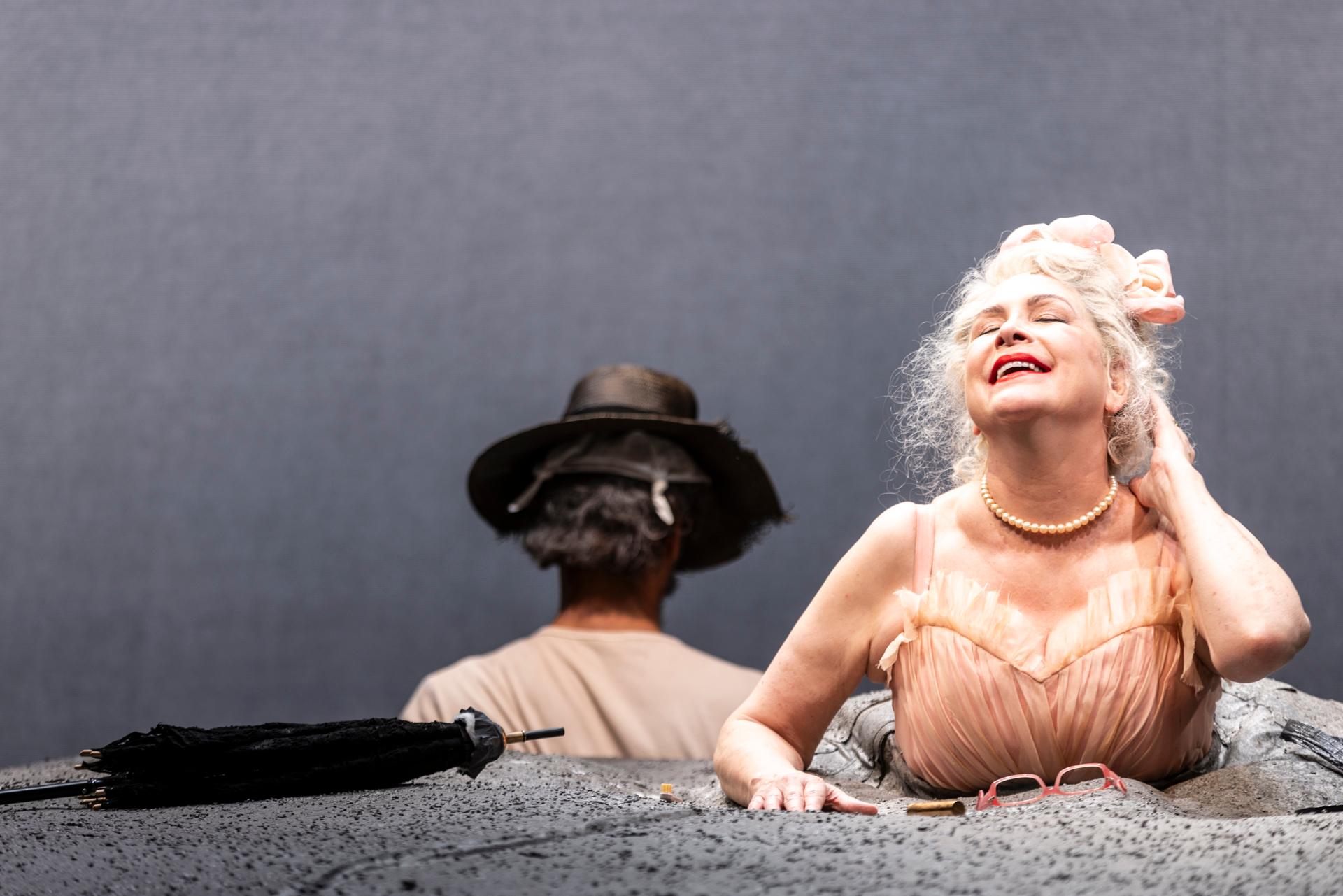
Winnie is submerged up to her waist, living in a state of constant suspension. The paralysis stems from circumstance, although it is never clear why or how Winnie finds herself thus. There appears nothing much to live for, yet she strives for optimism, in Samuel Beckett’s Happy Days, a work that could be considered allegorical for any number of things, although there is no mistaking its ruminations about the human condition.

Direction by Nick Schlieper and Pamela Rabe embraces wholeheartedly the central abstraction of the piece. Reluctant to make obvious gestures that would provide convenient indications about the meanings of Happy Days, the audience is left to its own devices. The experience is often confounding. The extent to which individuals can engage, or indeed feel alienated, likely depends on one’s own constitution and temperament. Even if it leaves us cold, there is no questioning the integrity of this interpretation of Beckett’s 1961 masterpiece.

Schlieper’s set and lighting design for the production, although minimalist in approach, convey a certain grandeur. There is a stillness being rendered that is key to the very essence of Happy Days, but we are always cognisant of a much wider context. Although the play seems a lot to be about Winnie’s isolation, Schlieper reminds us of the greater world that exists, beyond the confines of her monologue. Costumes by Mel Page talk of a faded glory, and Stefan Gregory’s restrained sound design becomes prominent in conclusion moments, to imbue a dramatic crescendo to the piece.

Rabe performs the part of Winnie with admirable gusto, impressive with the intricacy of her textual analysis. The laconic Willie is played by Markus Hamilton who brings a strong presence, to his depiction of a secondary character. The pair embody a mysterious world that is often impenetrable, but we never doubt the honesty they bring to their parts.

It is the stasis in Happy Days that should scare us. Death will surely come, and to deny it is foolish. To sit around waiting for the inevitable, is worse.

www.sydneytheatre.com.au

Review: Bloom (Sydney Theatre Company)

Venue: Roslyn Packer Theatre (Sydney NSW), Mar 29 – May 11, 2025
Book and Lyrics: Tom Gleisner
Music: Katie Weston
Director: Dean Bryant
Cast: Evelyn Krape, Vidya Makan, Maria Mercedes, Eddie Muliaumaseali’i, John O’May, Christina O’Neill, Jackie Rees, Slone Sudiro, John Waters, Christie Whelan Browne
Images by Daniel Boud

Theatre review
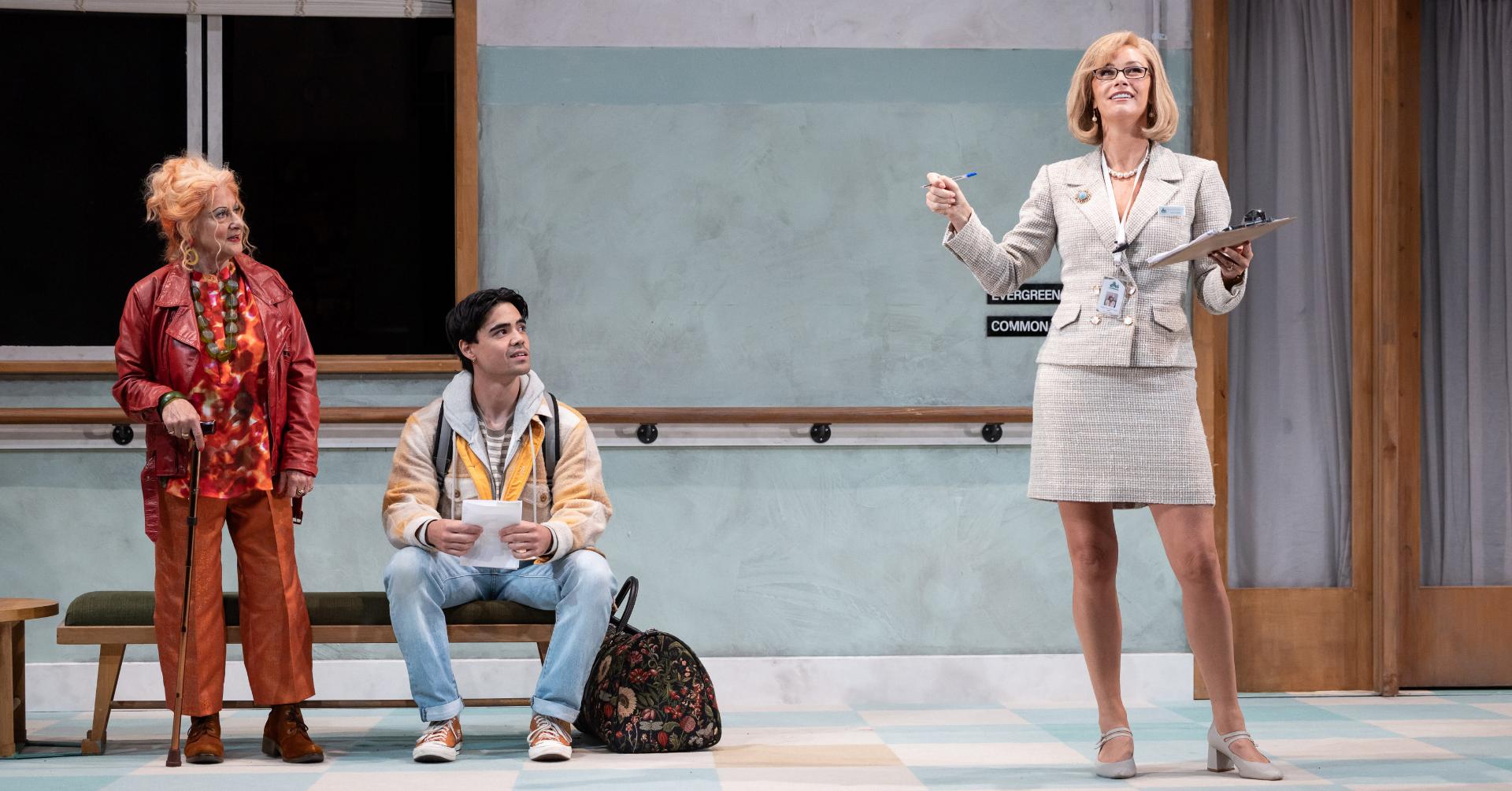
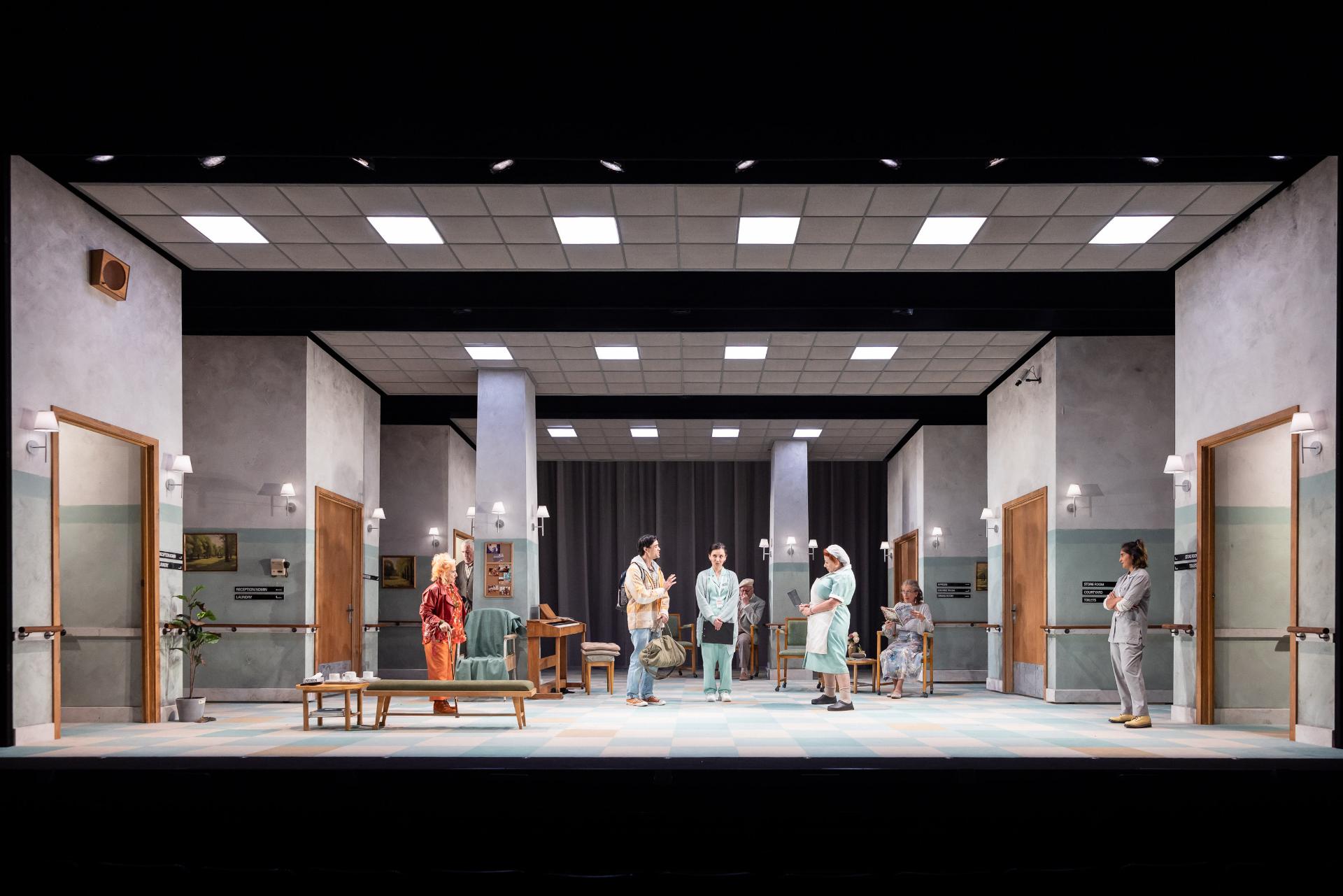
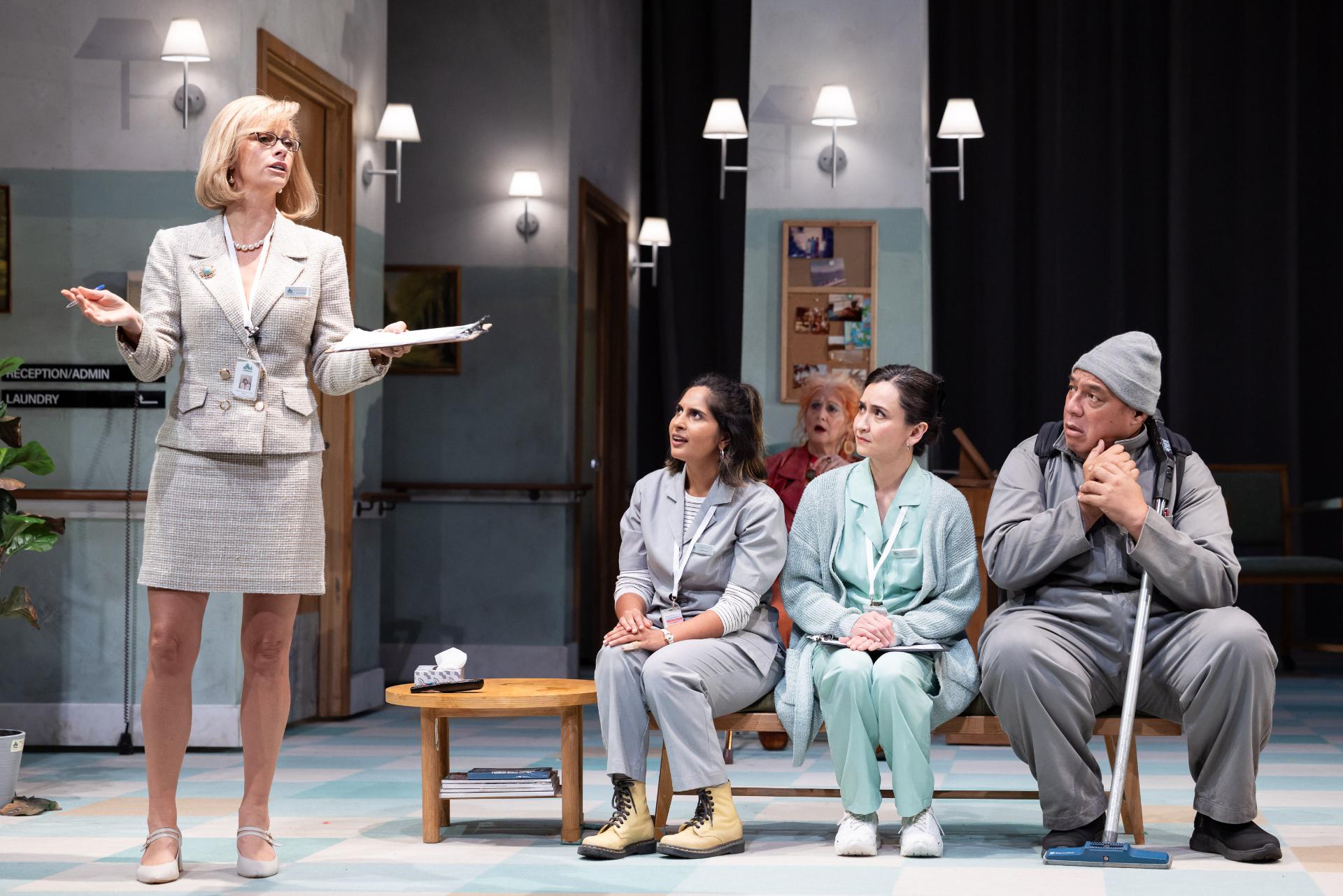
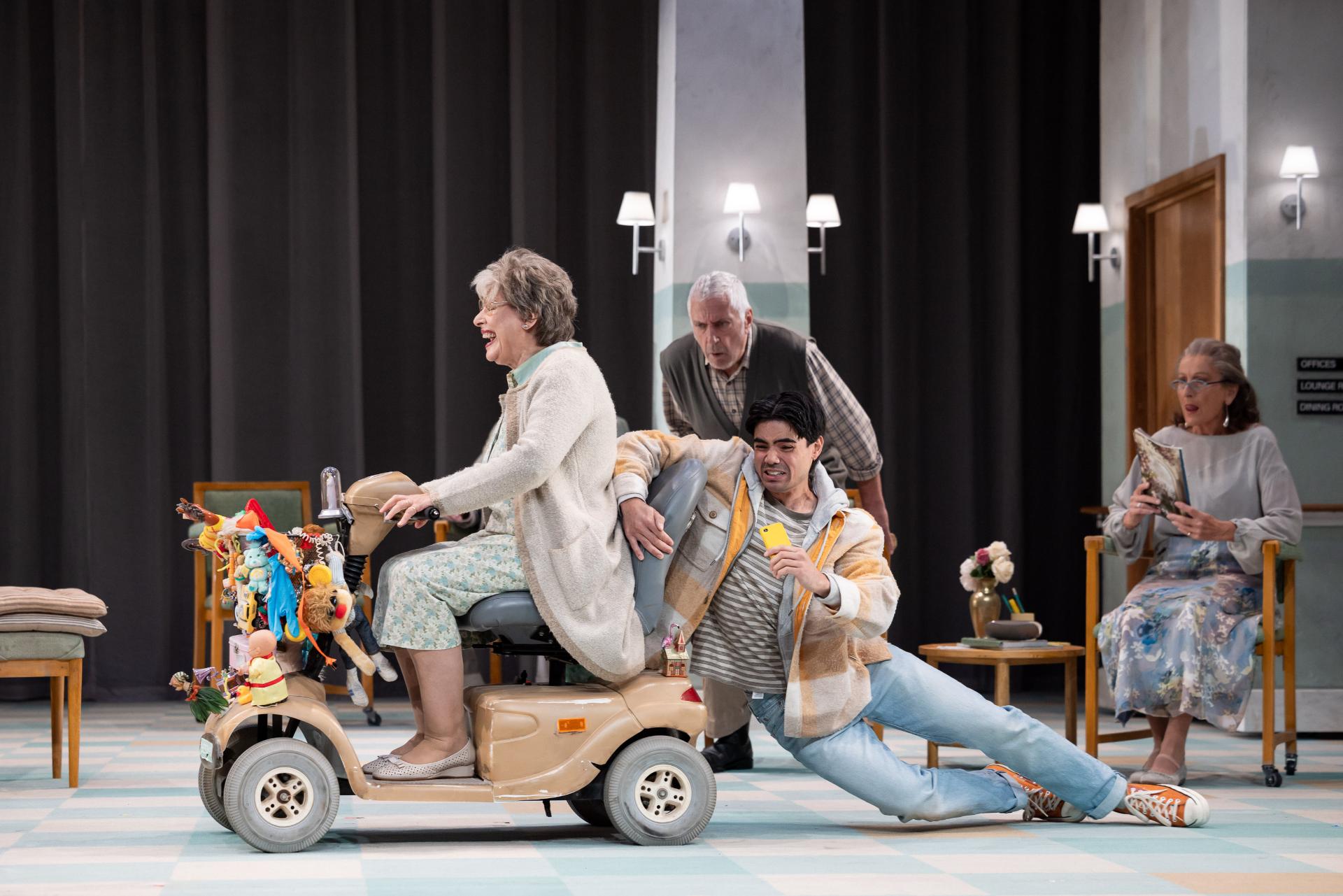
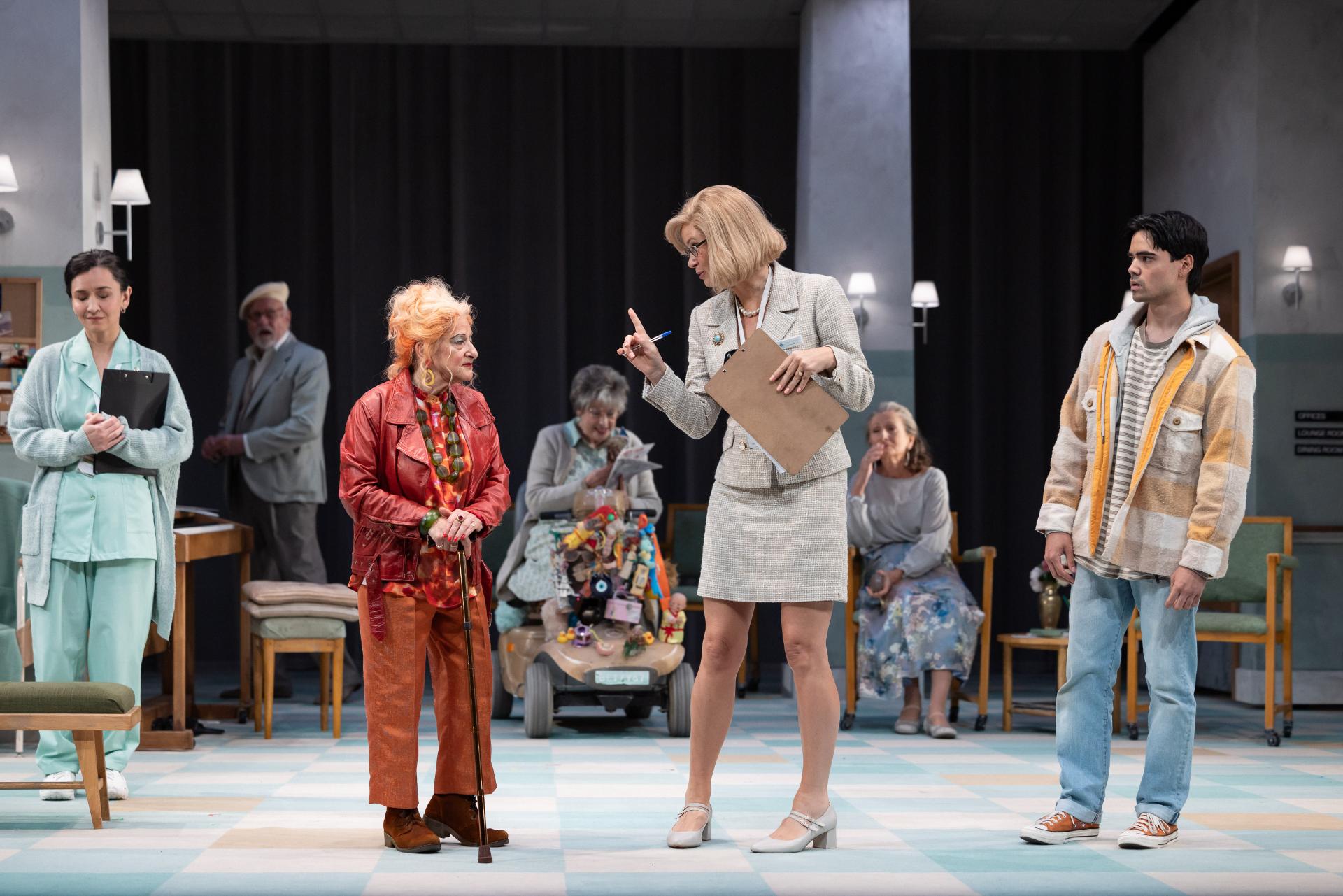
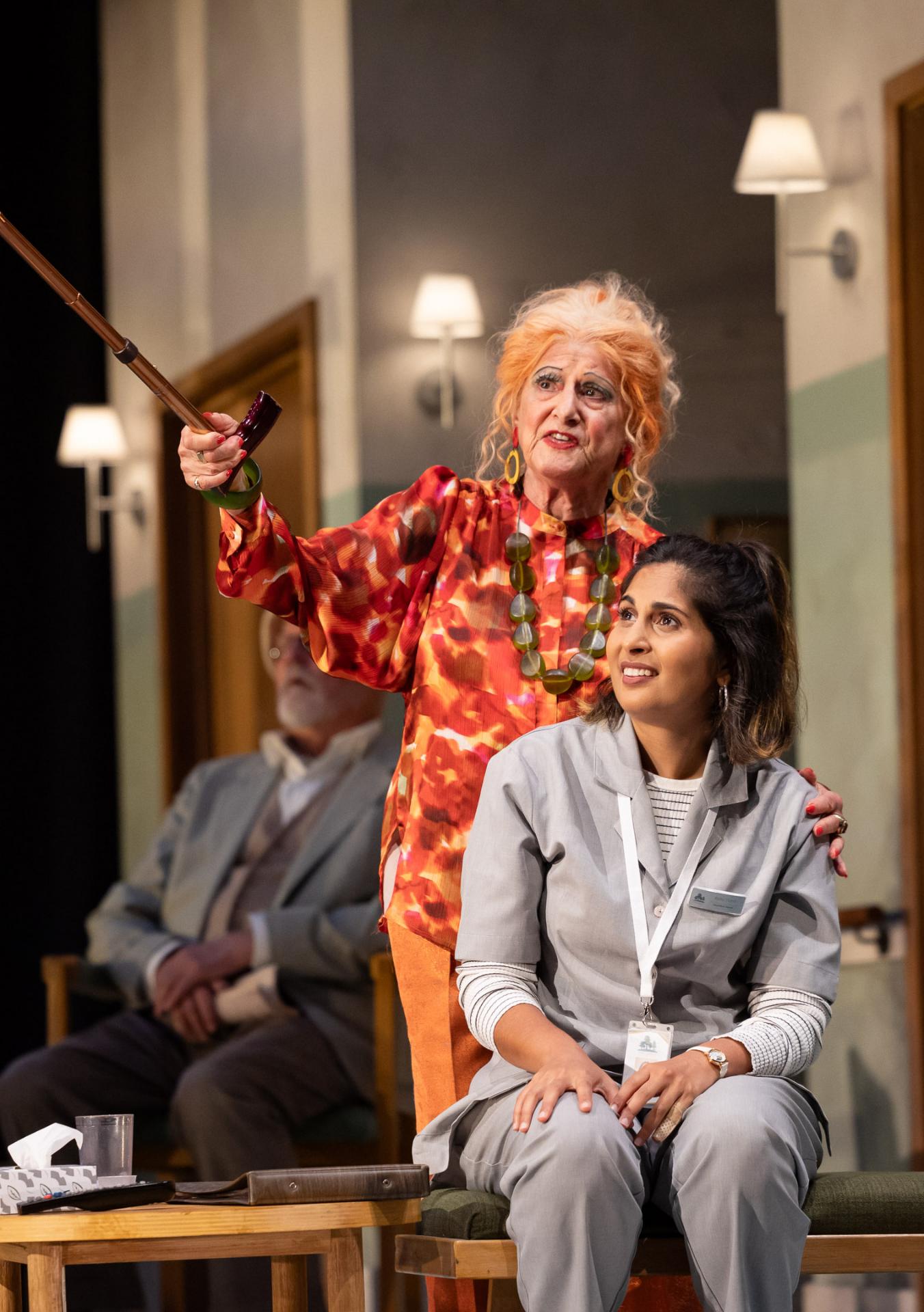
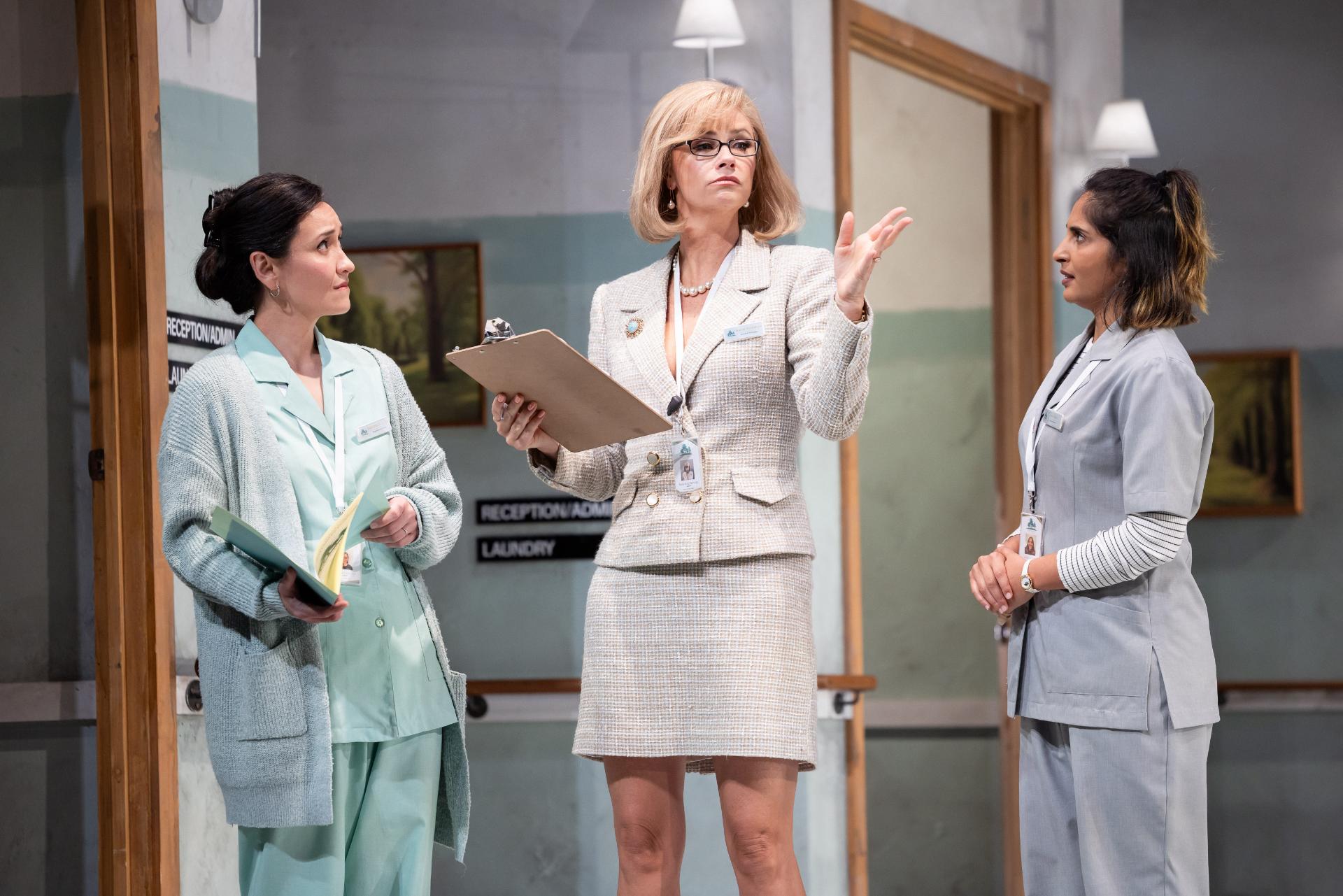
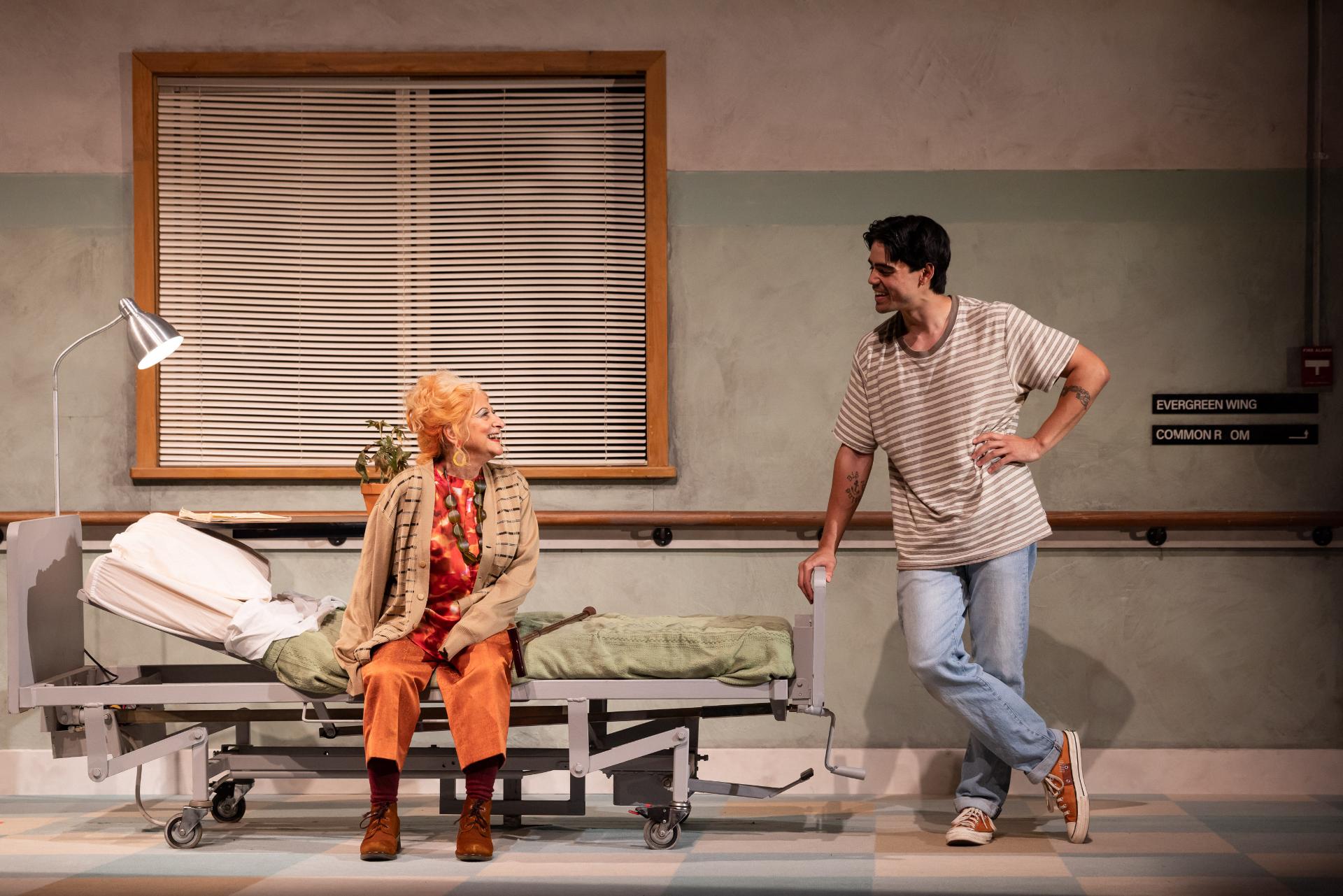
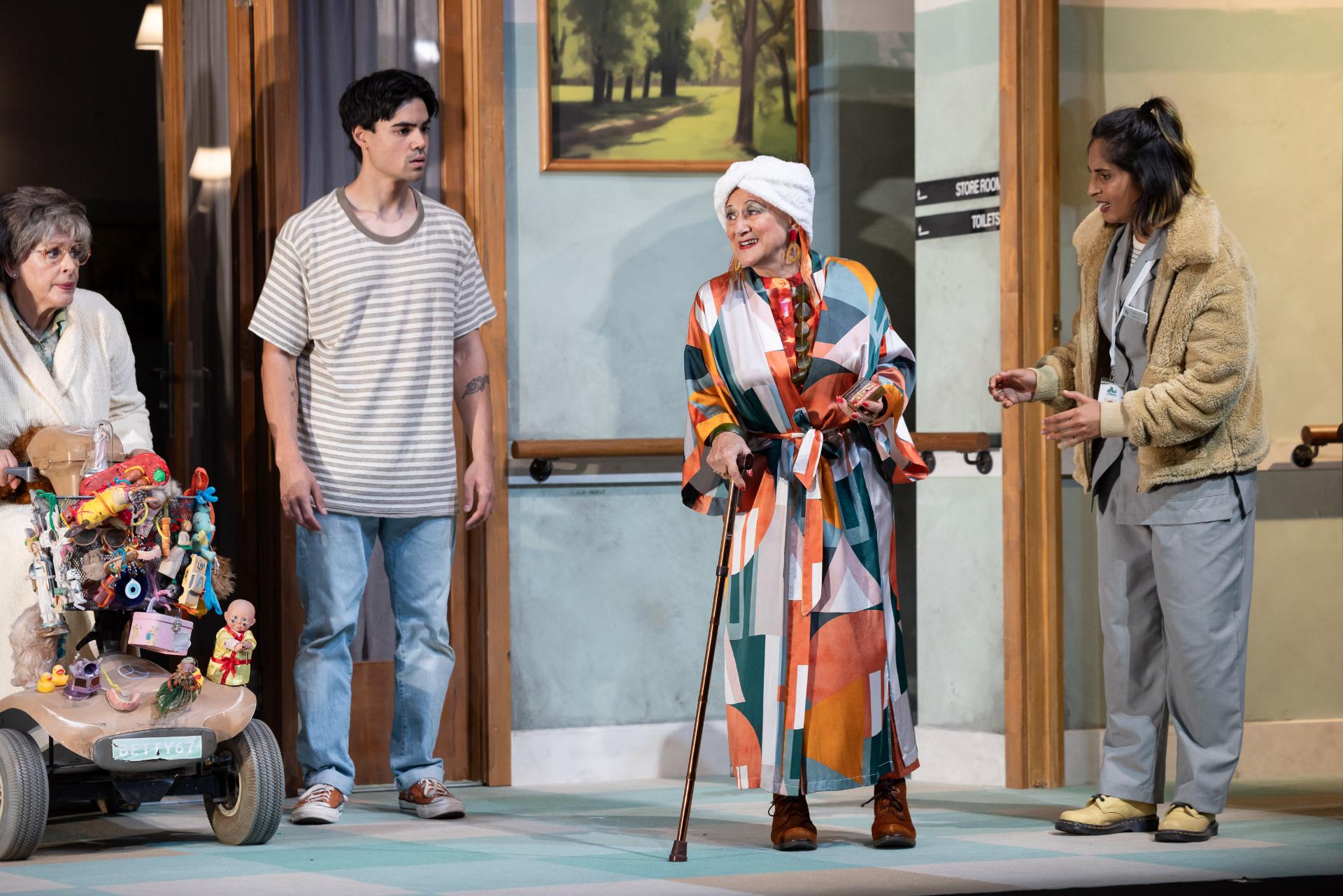
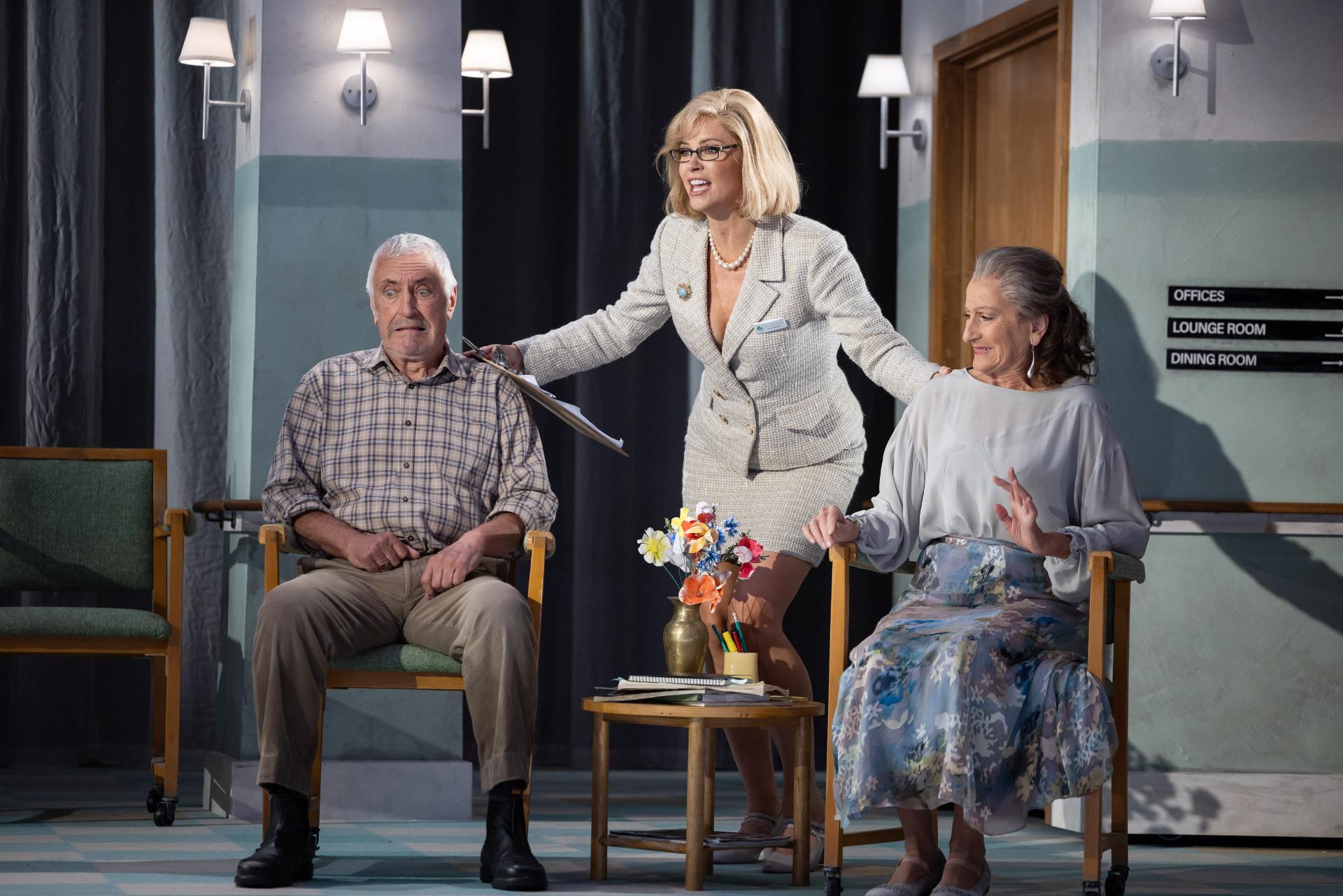
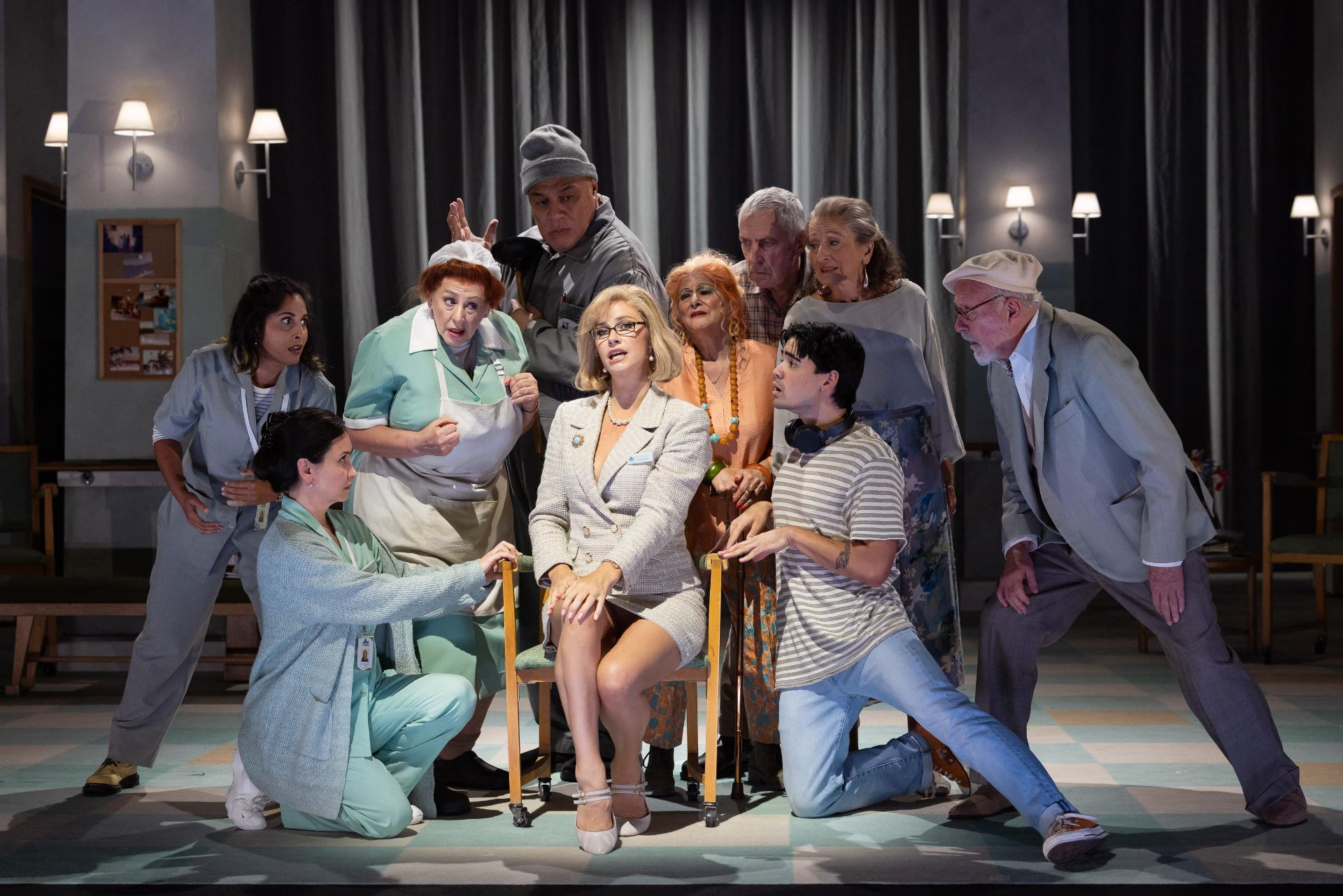
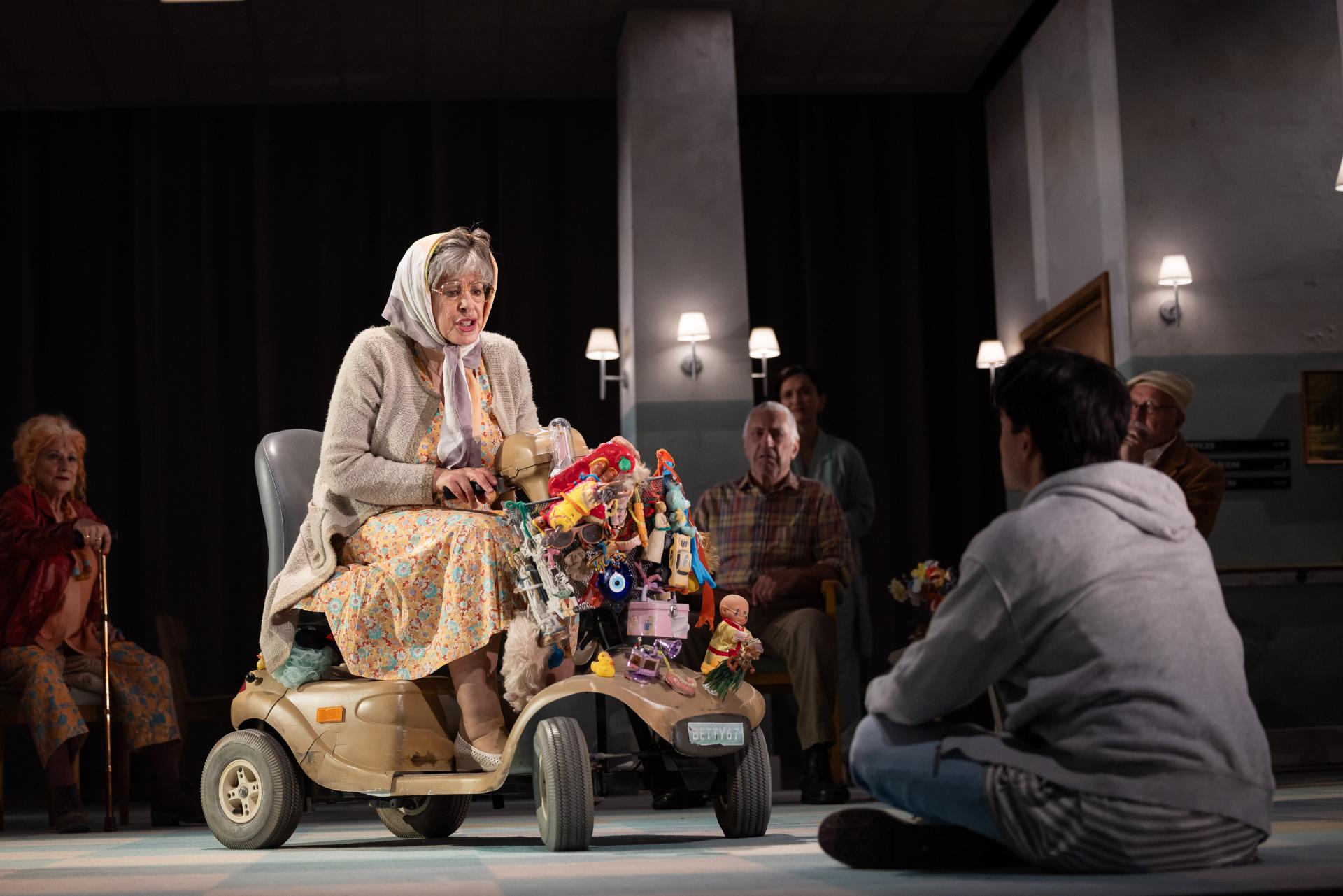
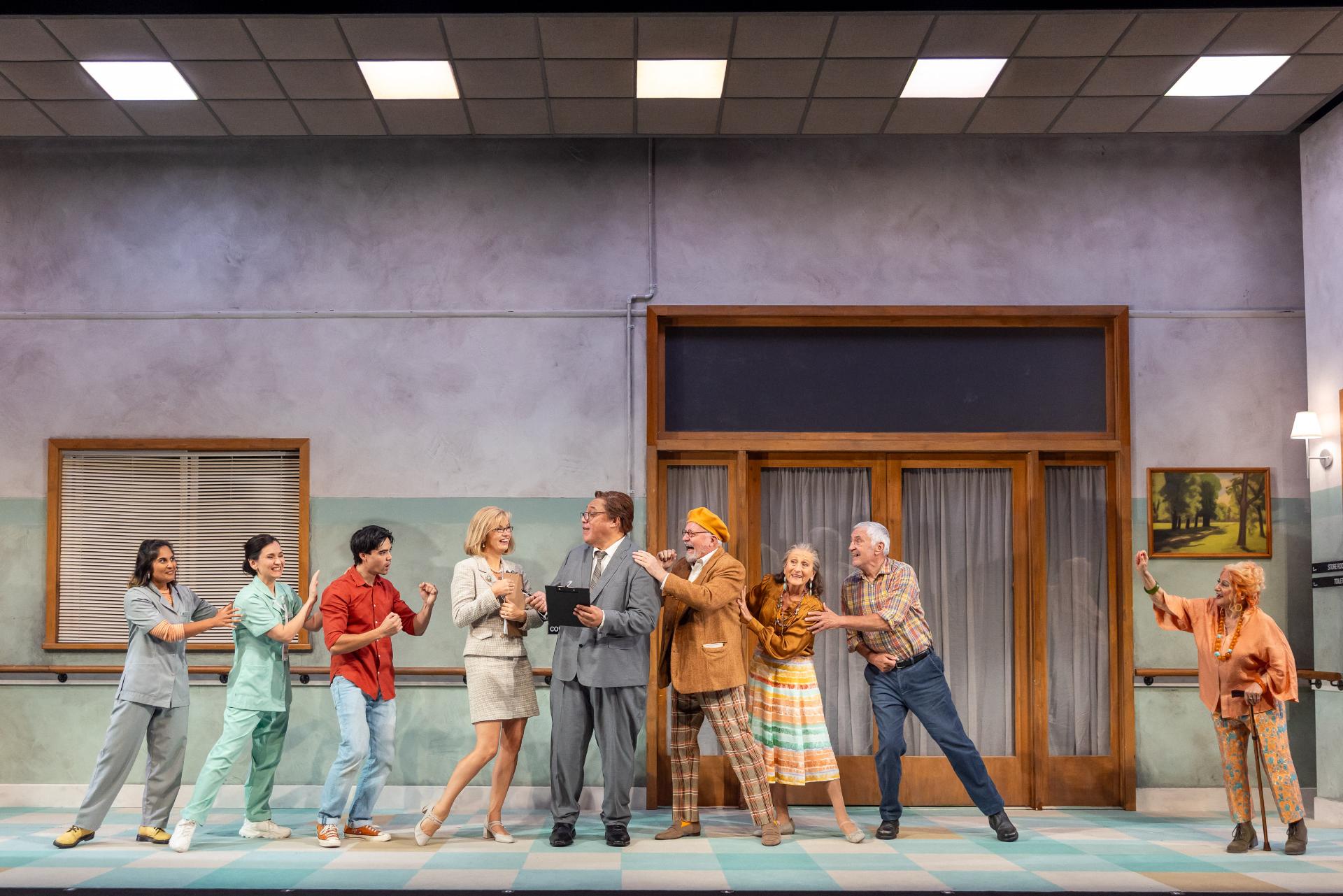
One would hope that retirement homes are the most idyllic places in which the elderly can enjoy their twilight years, but Pine Grove is no such institution. In Tom Gleisner’s musical comedy Bloom, senior residents are treated with no respect, by a management that thinks only of the bottom line. The characters we encounter in Gleisner’s writing are thoughtfully assembled, but his plot unfolds predictably at every juncture, and a clichéd sense of humour guides the tone for the entire presentation.

Direction by Dean Bryant demonstrates little need for inventiveness, focussing efforts instead on creating a show that speaks with poignancy and tenderness. Its efficacy as a heart-warming tale is however debatable, with some viewers likely to respond favourably to its sentimentality, while others may be left unmoved by its hackneyed approach. The music of Bloom, written by Katie Weston and directed by Lucy Bermingham, is somewhat pleasant but the thorough conventionality of its style might prove uninspiring for some.

Set design by Dann Barber, along with costumes by Charlotte Lane, are appropriately and intentionally drab for a story about the failures of aged care systems. Lights by Sam Scott too, fulfil with unquestionable proficiency, the practical requirements of the simple narrative.

The ensemble is commendable for the gleam it brings to Bloom, with their confident singing and spirited delivery of old-school comedy, ensuring a consistent sense of professionalism. Performer Christie Whelan Browne is especially noteworthy for her flamboyant approach, in the hilarious role of Mrs MacIntyre the dastardly owner of Pine Grove. As staff member Ruby, Vidya Makan’s big voice is a treat and a memorable feature, in a production that has a tendency to feel more than a little tired.

www.sydneytheatre.com.au | www.mtc.com.au

Review: Picnic At Hanging Rock (Sydney Theatre Company)

Venue: Sydney Opera House (Sydney NSW), Feb 17 – Apr 5, 2025
Playwright: Tom Wright (from the novel by Joan Lindsay)
Director: Ian Michael
Cast: Olivia De Jonge, Kirsty Marillier, Lorinda May Merrypor, Masego Pitso, Contessa Treffone 
Images by Daniel Boud

Theatre review
Joan Lindsay’s Picnic at Hanging Rock, is likely the most famous story ever told about this land exacting revenge on its inhabitants. Since the time colonisers deemed it fit to declare terra nullius and named her Australia, European settlers and their descendants, have always borne a pang of guilt in their conscience. They know something is not quite right about the ways they have claimed this their own, and much as they often try to deny the unjust displacement of Indigenous peoples, the truth always finds a way to strike back.

In Tom Wright’s magnificently theatrical stage adaptation of Lindsay’s novel, we are able to observe tangibly, the concurrent effects of both metaphysical and psychological consequences, of land being stolen. The monolith at the centre of Picnic at Hanging Rock serves as symbolic projection, for those unable to acknowledge the actual dilemma, and therefore enact a series of horrors onto their own bodies, as though emanating from that geological feature. Also valid however, is the interpretation that the monolith is in fact sentient, and is executing tactics of protection, in attempts to right those historical wrongs.

Ian Michael’s direction offers all the possibilities, enabling viewers to draw personalised conclusions that would resonate most intimately. Built into the production are a great variety of sensorial textures and psychic dimensions, resulting in a work ambitiously vast, not just in its sheer experiential capacity to leave us breathless and overwhelmed, but also in its scale of representations. Michael’s artistry ensures that everything is laid out to be seen, yet nothing is ever forced; we are presented all the details, and left to consume what we can. Picnic at Hanging Rock is as horrifying as you would allow, as funny as you want, and as political as you are ready to accept.
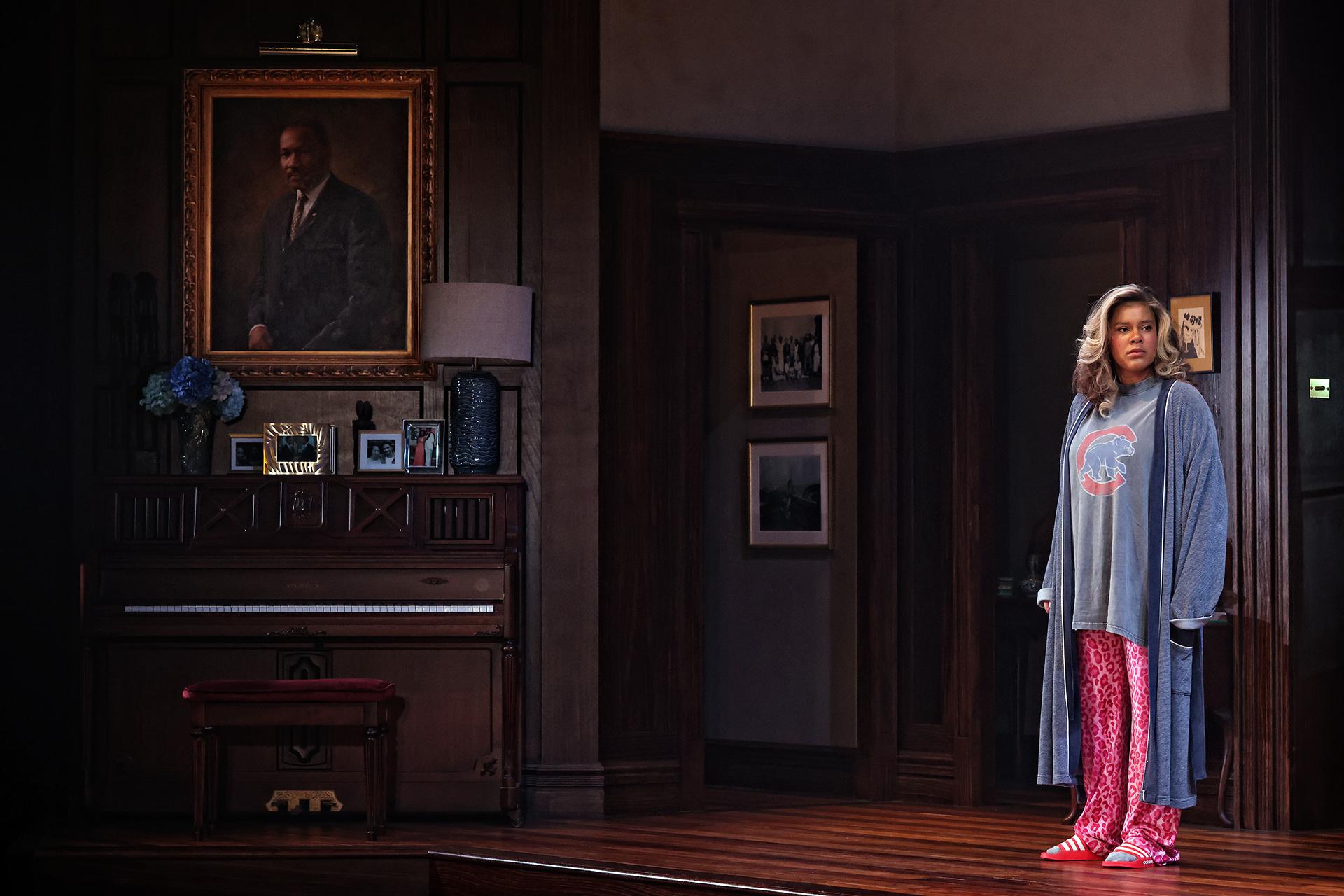
Dominant in the set design by Elizabeth Gadsby is a raised and tilted structure, that looks as though a proscenium arch has eerily shifted upward, subsequently pouring its contents onto the earth. Imposing like the rocks of Dja Dja Wurrung country, whilst demonstrating the vexing presence of Western structures that cannot hold. Lighting by Trent Suidgeest is an exciting element, extravagant in sensibility but consistently tasteful in execution, and memorable for being absolutely electrifying at the most dramatic instances. Exquisite sounds by James Brown are flawlessly orchestrated to usher us not only to the year 1900, but also through various membranes of reality, so that we encounter realms beyond the mundane, that seem to have always existed, but are rarely accorded due attention. Picnic at Hanging Rock is greatly concerned with what we cannot see, all of which is translated on this occasion, into everything that we can hear.

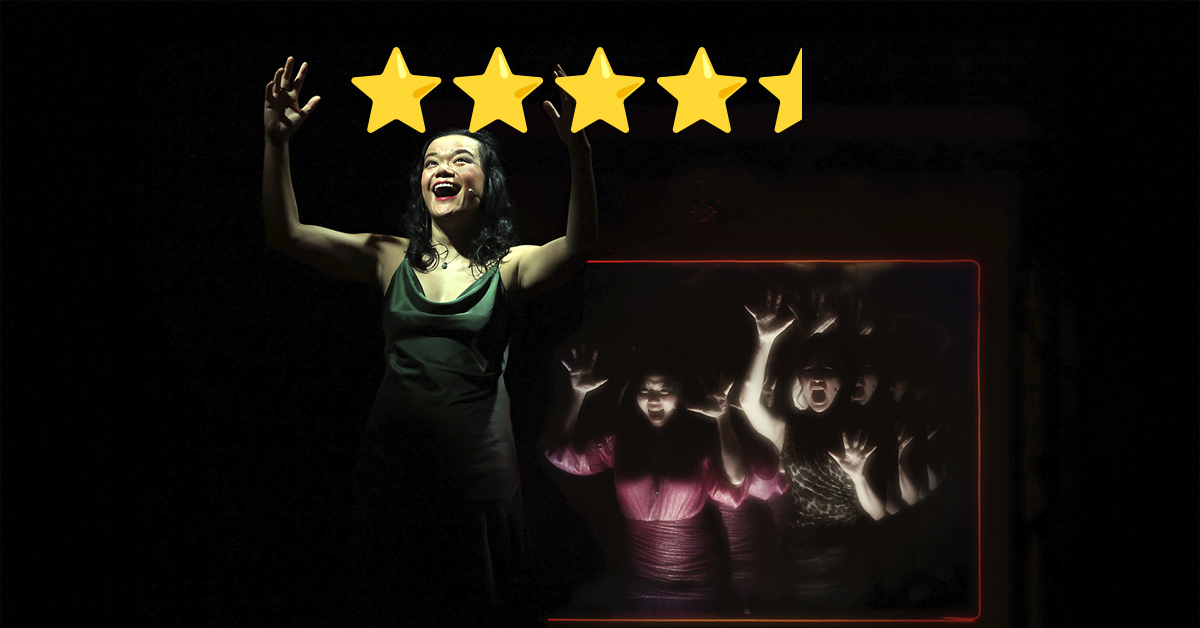
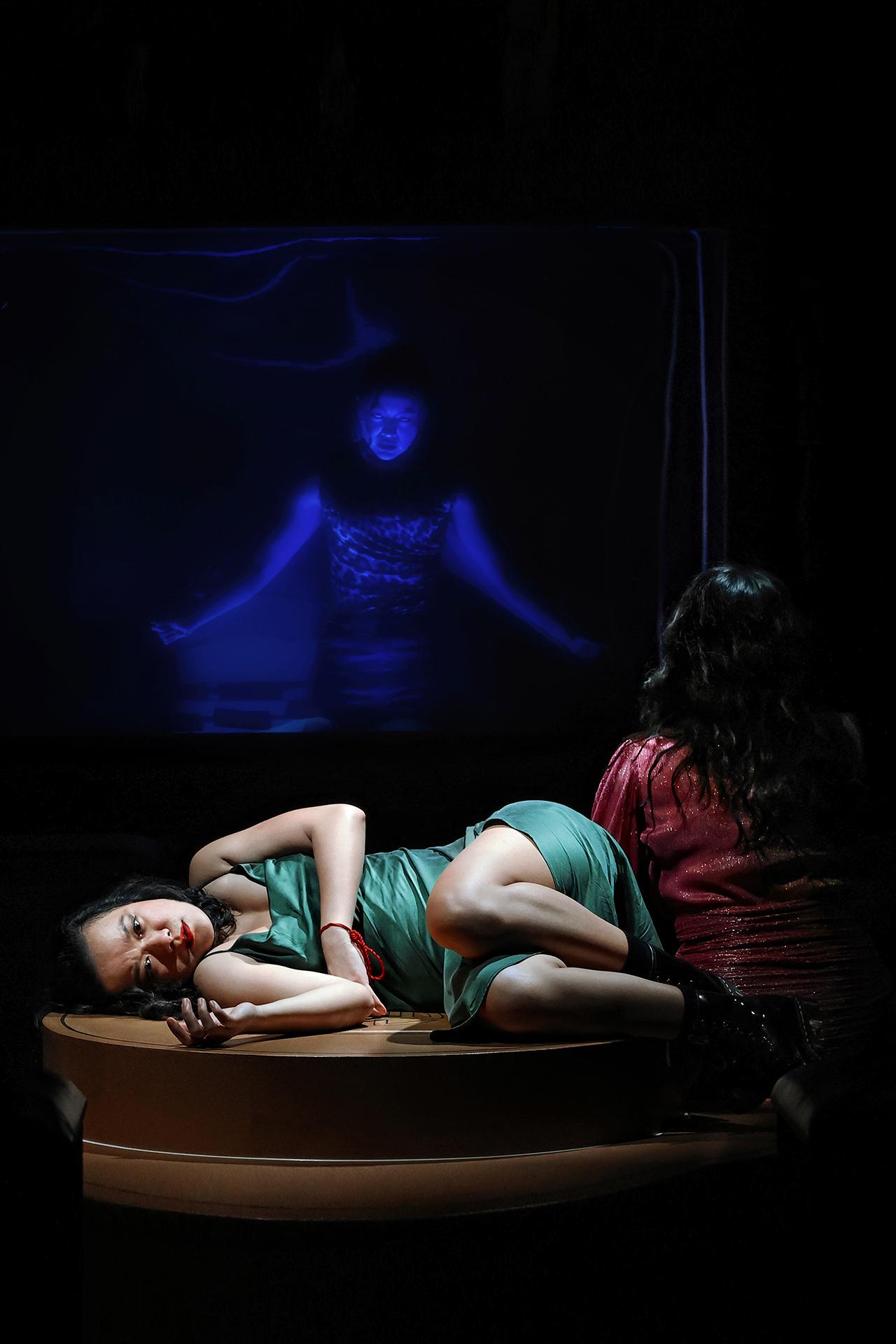
An astonishing ensemble of five extraordinary performers, namely Olivia De Jonge, Kirsty Marillier, Lorinda May Merrypor, Masego Pitso and Contessa Treffone, deliver a 90-minute show that is always urgent, and never predictable. They play naturalism one moment, then seamlessly transition to the most heightened of expressions the next, fully embodying both the sociological and the macabre aspects of their narrative. The women’s thrilling inventiveness is awe-inspiring, and the depth and gravity they reveal for this important instalment of our modern literary canon, is likely paradigmatic.

Something magical occurs when art precipitates transcendence. Call it healing, catharsis, or even exorcism, art can offer enlightenment in ways beyond the capacities of conventional language. This staging of Picnic at Hanging Rock leaves one feeling like they had been grabbed tight and shaken vigorously. An intense sensation is instilled, but what it communicates may not be immediately clear or explicitly understandable. Art will change people, and when it stokes the fire of human conscience, is when it serves its most noble purpose.
www.sydneytheatre.com.au

Review: 4000 Miles (Sydney Theatre Company)

Venue: Wharf 1 Sydney Theatre Company (Walsh Bay NSW), 8 Feb – 23 Mar, 2025
Playwright: Amy Herzog
Director: Kenneth Moraleda
Cast: Nancye Hayes, Shiv Palekar, Ariadne Sgouros, Shirong Wu
Images by Daniel Boud

Theatre review
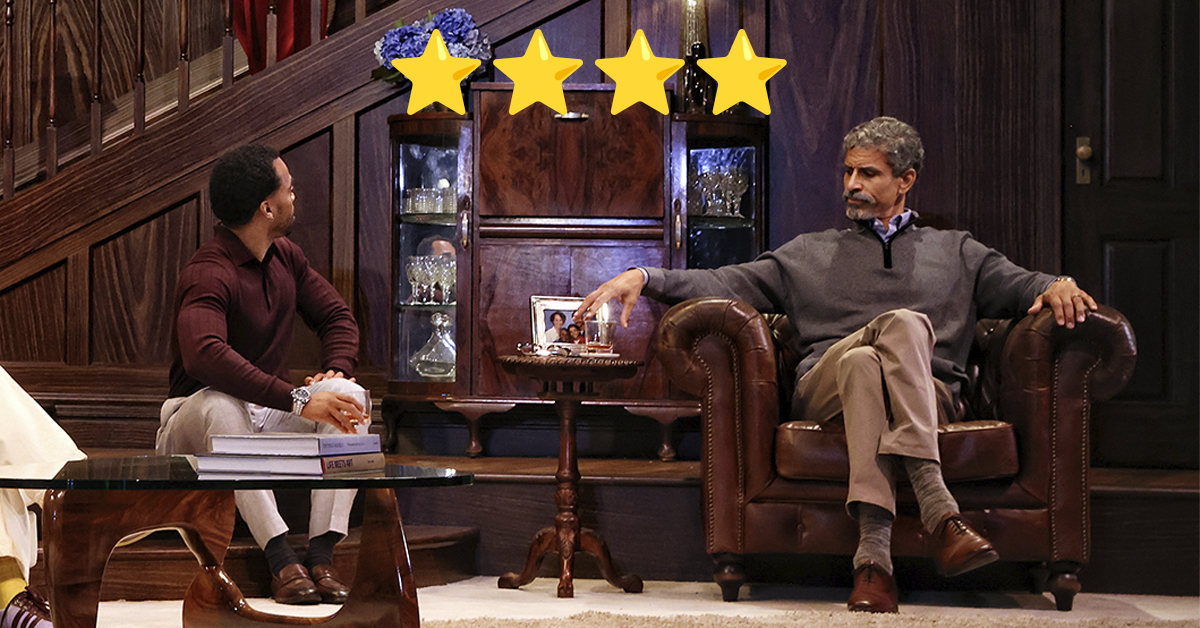
Leo had only intended to drop in at his grandmother Vera’s for a quick visit, but ends up staying for much longer. Amy Herzog’s 4000 Miles is about kinship, and the human need for connection at a time when we are increasingly isolated. It is almost strange to see a young and an old person together, even though they are family, and should appear completely natural and matter of course. Such is the extent of our alienation in this day and age.

It is a humorous piece of writing by Herzog, remarkable for the delicate rendering of its characters’ frailties along with the intimate refuge they find in each other. Direction by Kenneth Moraleda is strikingly tender, full of sensitivity and genuine poignancy, for a show that speaks volumes about what we should regard to be the most important in life. It is never a saccharine experience, but always quietly profound, and subtly persuasive.

Production design by Jeremy Allen delivers a realism that helps make the storytelling seem effortless. Kelsey Lee’s lights bring immense warmth, with occasional punctuations of visual poeticism that feel transcendent. Music compositions by Jess Dunn are wonderfully pensive, with a rich sense of yearning to inspire further emotional investment in something truly universal.

Actor Nancye Hayes captivates with the charm she imbues Vera, but it is the honesty she is able to convey that really impresses. The eminently watchable Shiv Palekar as Leo too is resonantly truthful, in his depictions of someone finding his way out of trauma. The exquisite chemistry between the two is quite a thing to behold, and can be credited as the main element behind the production’s success. Also memorable is performer Shirong Wu as Amanda, utterly hilarious in her one unforgettable scene. Leo’s girlfriend Bec is played by Ariadne Sgouros, adding dimension to our understanding of dynamics between characters in 4000 Miles.

Vera’s friends are all leaving this plain, one at a time. In her twilight moments, she finds herself becoming an essential source of support for her grandson, and in this discovery of new meaning, we observe a new lease of life, for both Vera and Leo. In their care of one another, each is required to bring out the best of themselves. Modernity seems intent on drawing attention to many of our worst sides, but it seems that when we tend only to things that matter, a clarity emerges to help us decipher what is good.

www.sydneytheatre.com.au

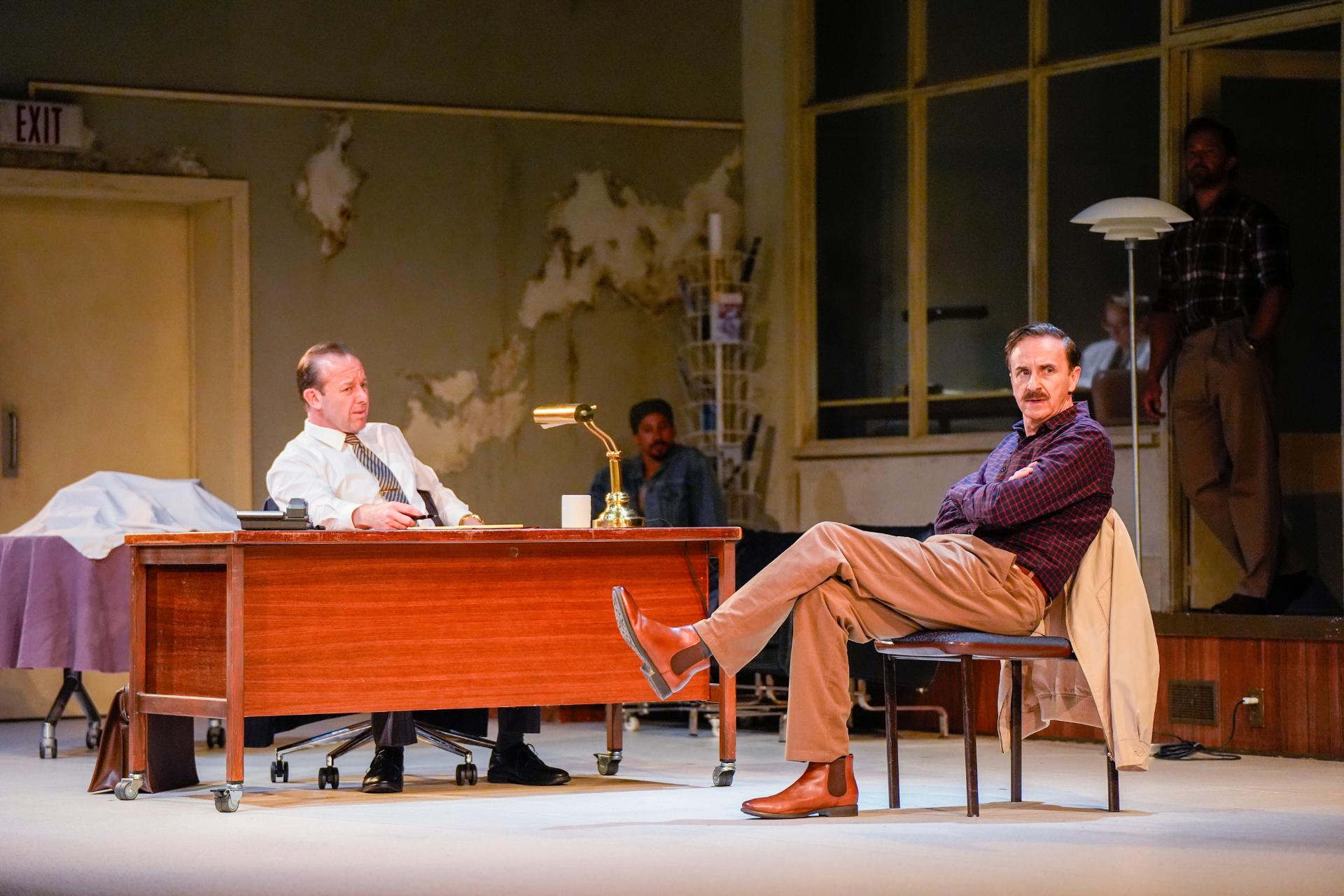
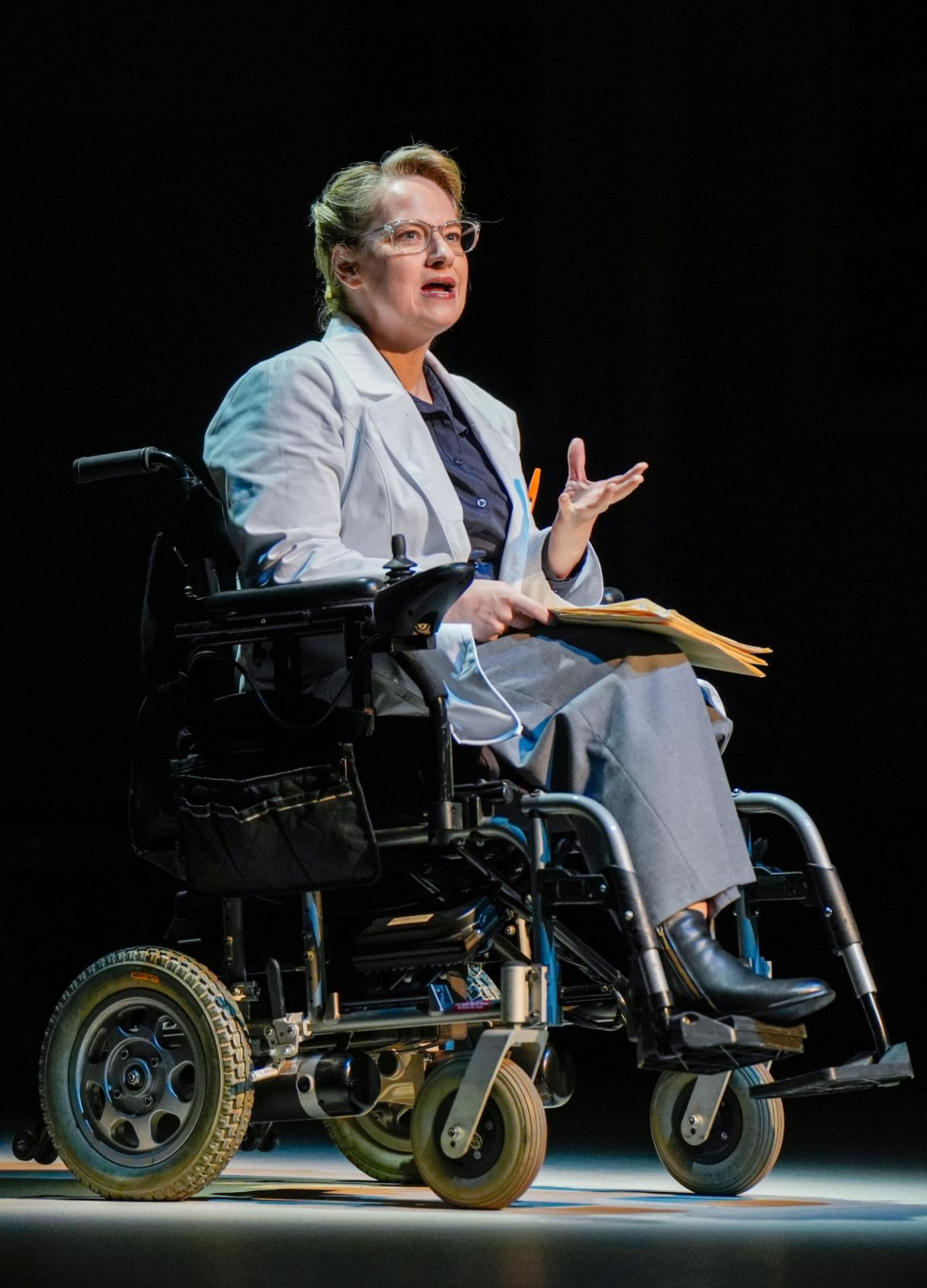
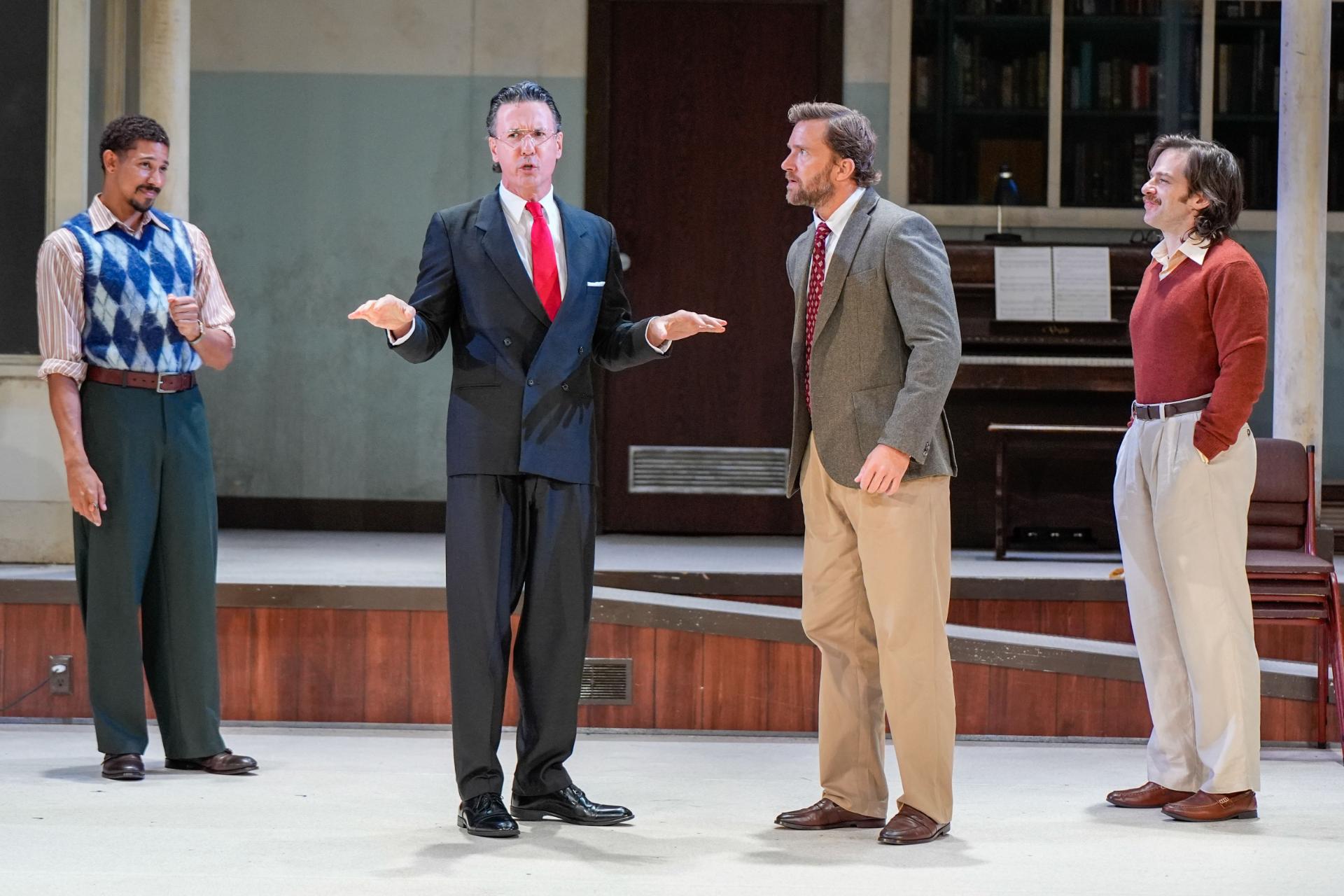
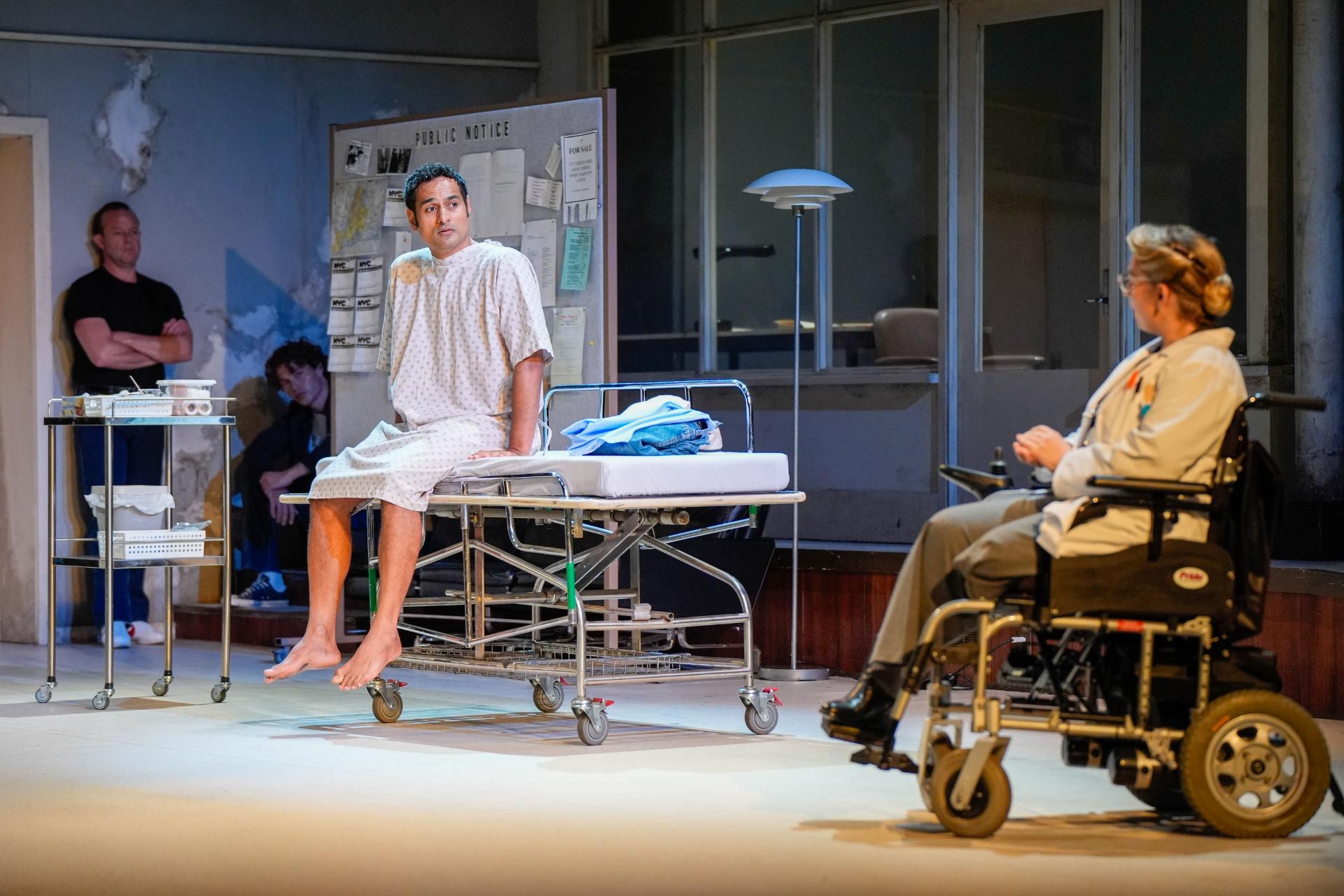
Review: Sweat (Sydney Theatre Company)

Venue: Wharf 1 Sydney Theatre Company (Walsh Bay NSW), 11 Nov – 22 Dec, 2024
Playwright: Lynn Nottage
Director: Zindzi Okenyo
Cast: Gabriel Alvarado, Paula Arundell, Yure Covich, James Fraser, Deborah Galanos, Markus Hamilton, Tinashe Mangwana, Lisa McCune
Images by Prudence Upton

Theatre review
The story takes place in Pennsylvania at the turn of the century, when its economy is experiencing a severe downturn. A steel factory that has employed several generations of residents in the town of Reading, is laying off workers in large numbers, causing great unrest among the populace. Lynn Nottage’s Sweat looks at the disconnect between lives of workers and decisions of resource owners. It examines the phenomenon of humans being regarded as nothing more than means of production, and how our day-to-day suffers as a result.

A strong cast of eight takes on the responsibility of storytelling, and their commitment to advocating for the underclass is evident in the level of focus each player brings to the piece. As a collective though, the ensemble never really finds an effective chemistry and their show, although believable, does not bear an authentic immediacy required to earn our instinctual empathy. Direction by Zindzi Okenyo demonstrates no shortage of earnestness, and we invest intellectually as a response, but how we feel for the situations being discussed, never really turns impassioned. 
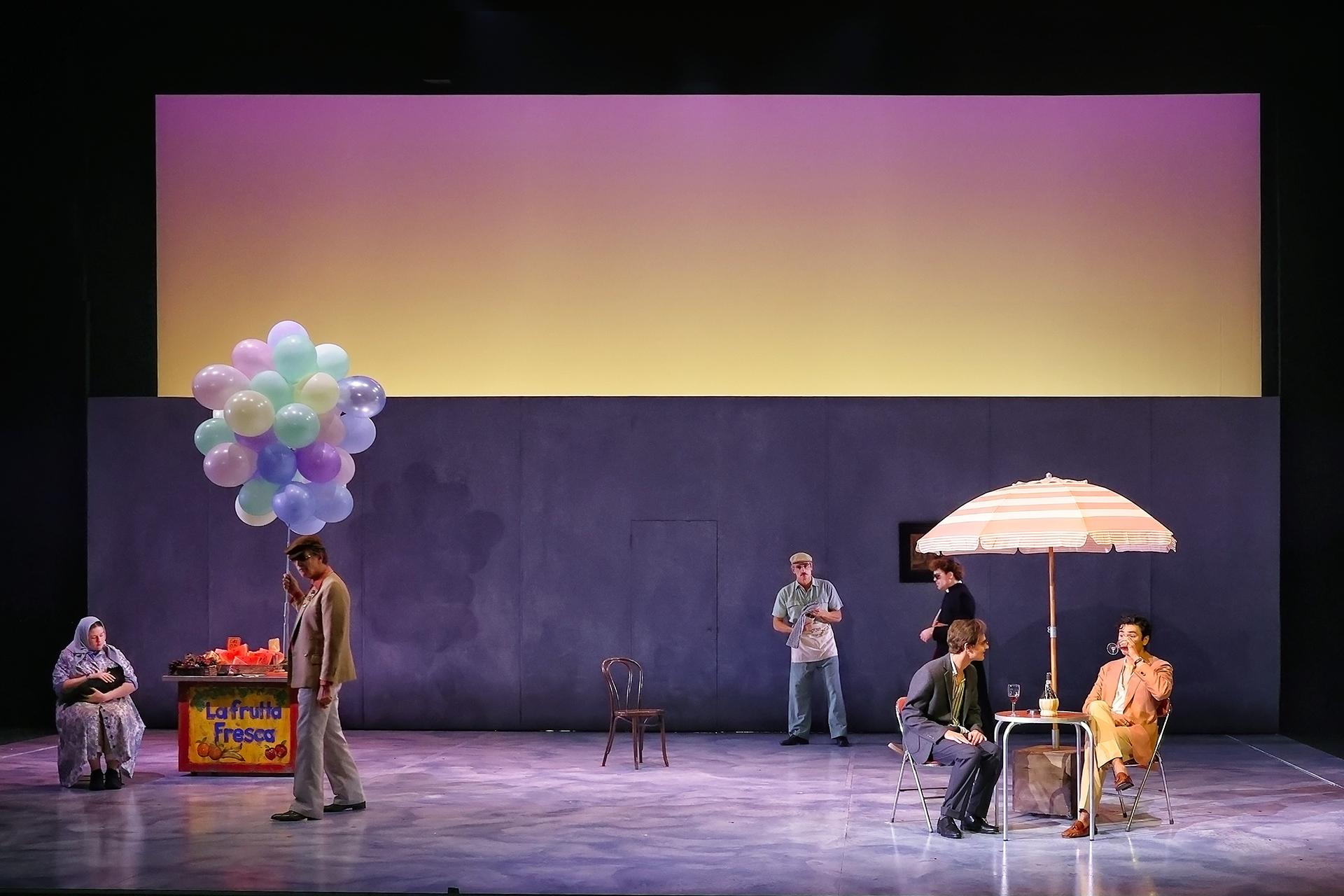
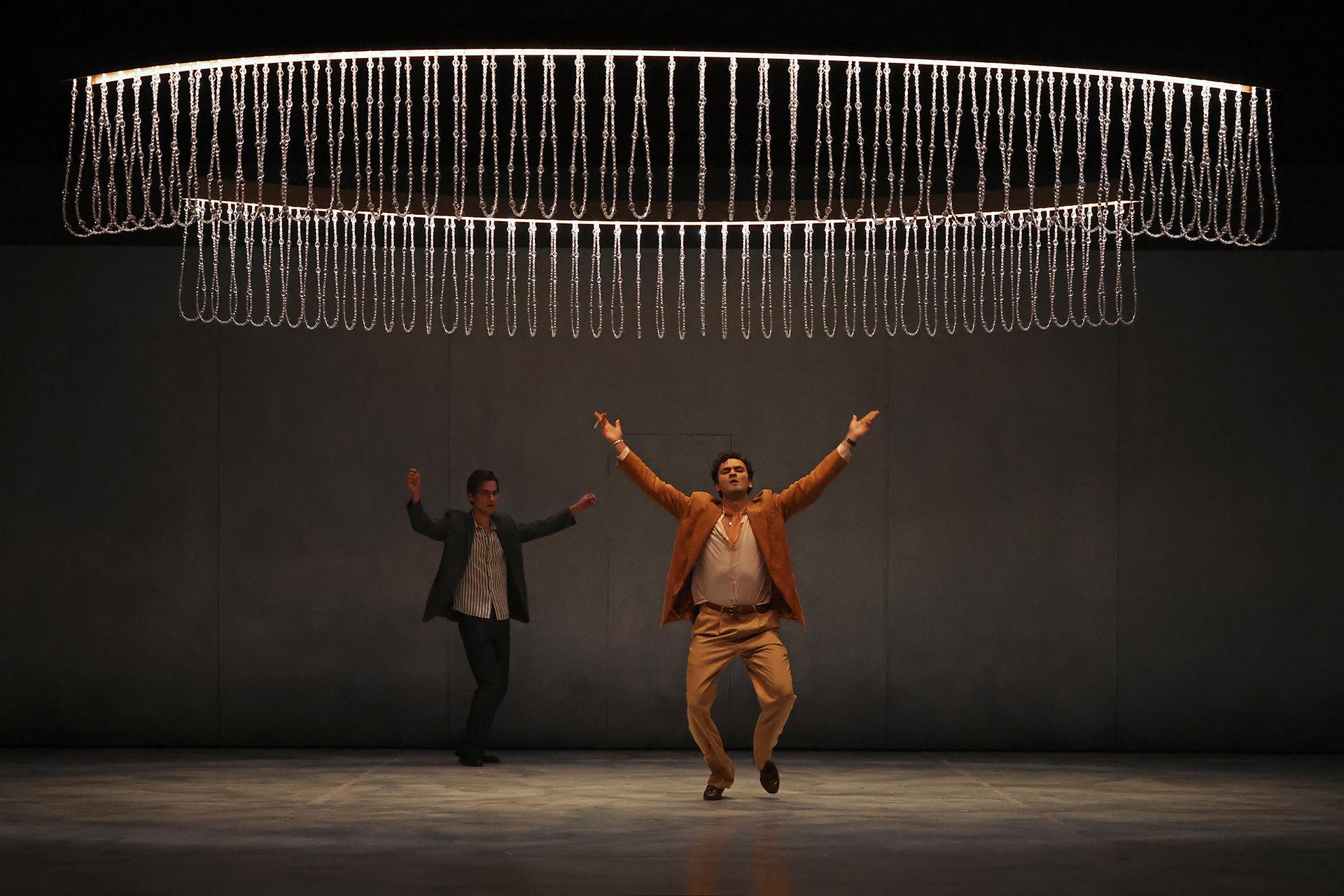
Jeremy Allen’s set design is aesthetically pleasing but its spaciousness conveys a corresponding emptiness that seems to struggle at harnessing dramatic intensity. Lights by Verity Hampson are often excessively languid in tone, although its realism does help us gain an appreciation for the environment being explored. Music by Brendon Boney delivers an appropriate nostalgia in this flash back to the year 2000, even if it does little to rouse our sentiments.

In all the trauma and hardship of Sweat, we can deduce that income inequality renders a powerlessness, both perceived and real, amongst those we might call the proletariat. Characters in the play turn on one another, instead of fighting the real enemy at the top. An incapacitation occurs that dissuades the disadvantaged from confronting those that can improve conditions, shifting attention to scapegoats, often at the encouragement of those who shirk their social and moral duty. It is understandable that those at the bottom should adhere to the language and mechanisms of power, but finding alternatives seems to be the only way we can hope to help ourselves.

www.sydneytheatre.com.au