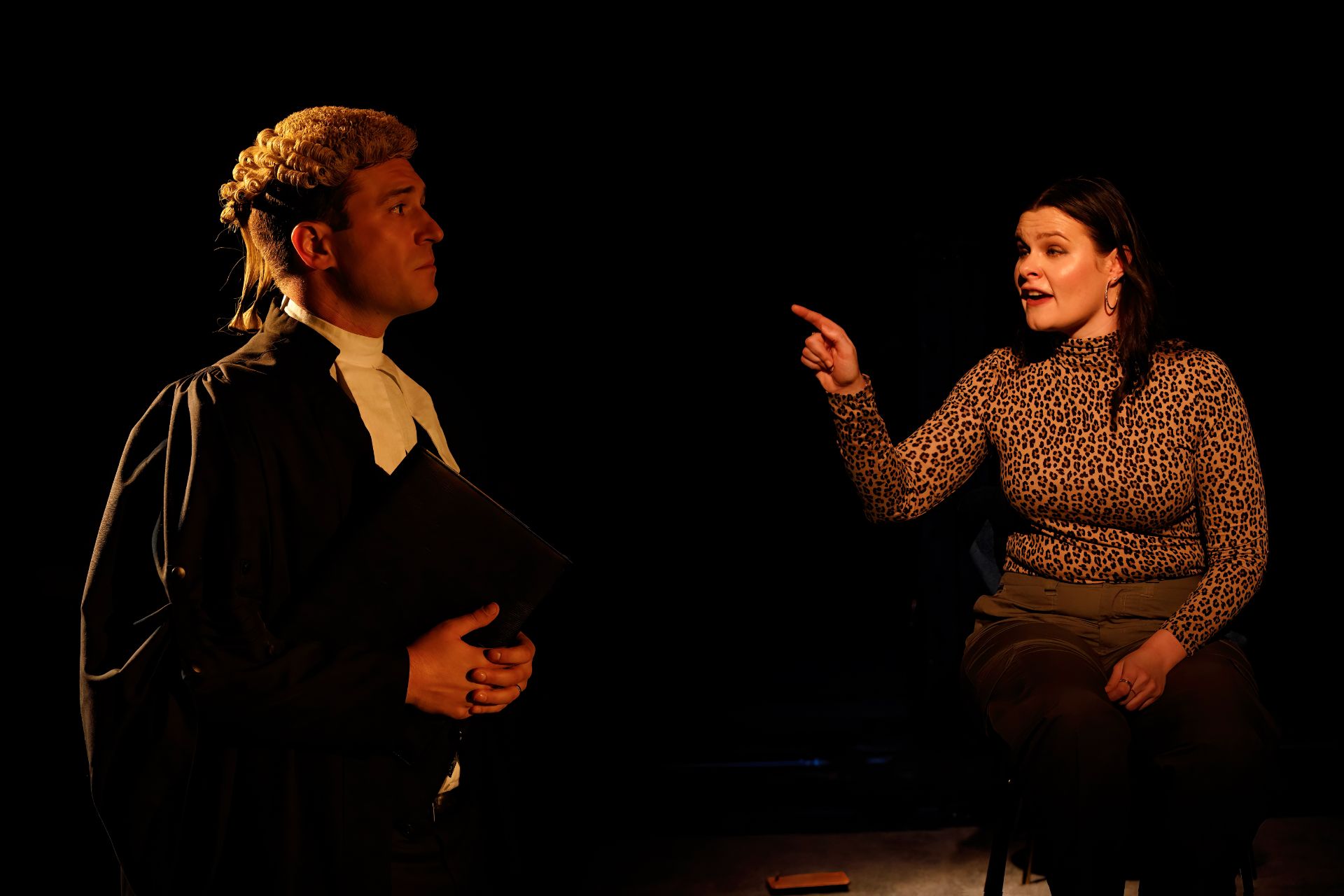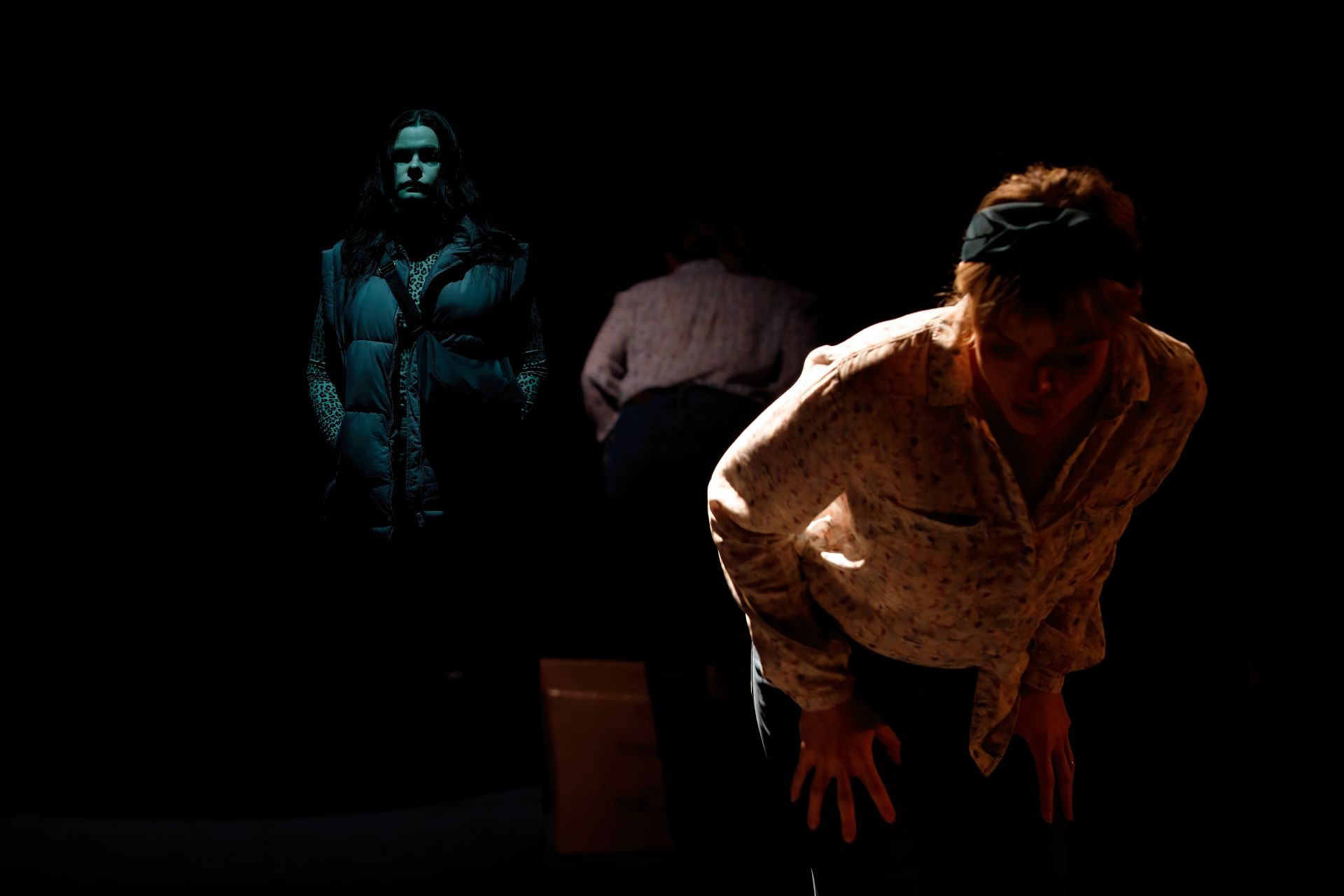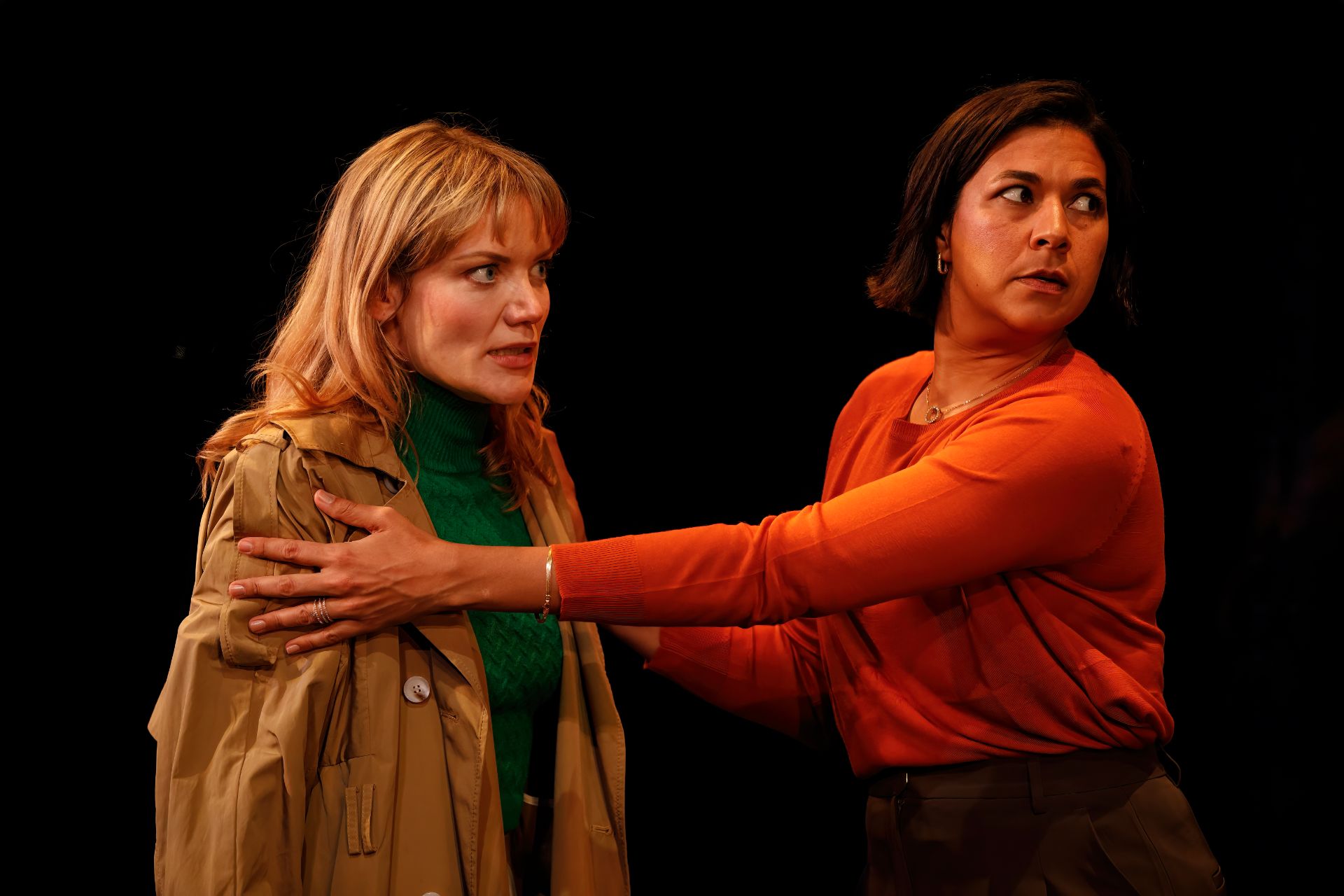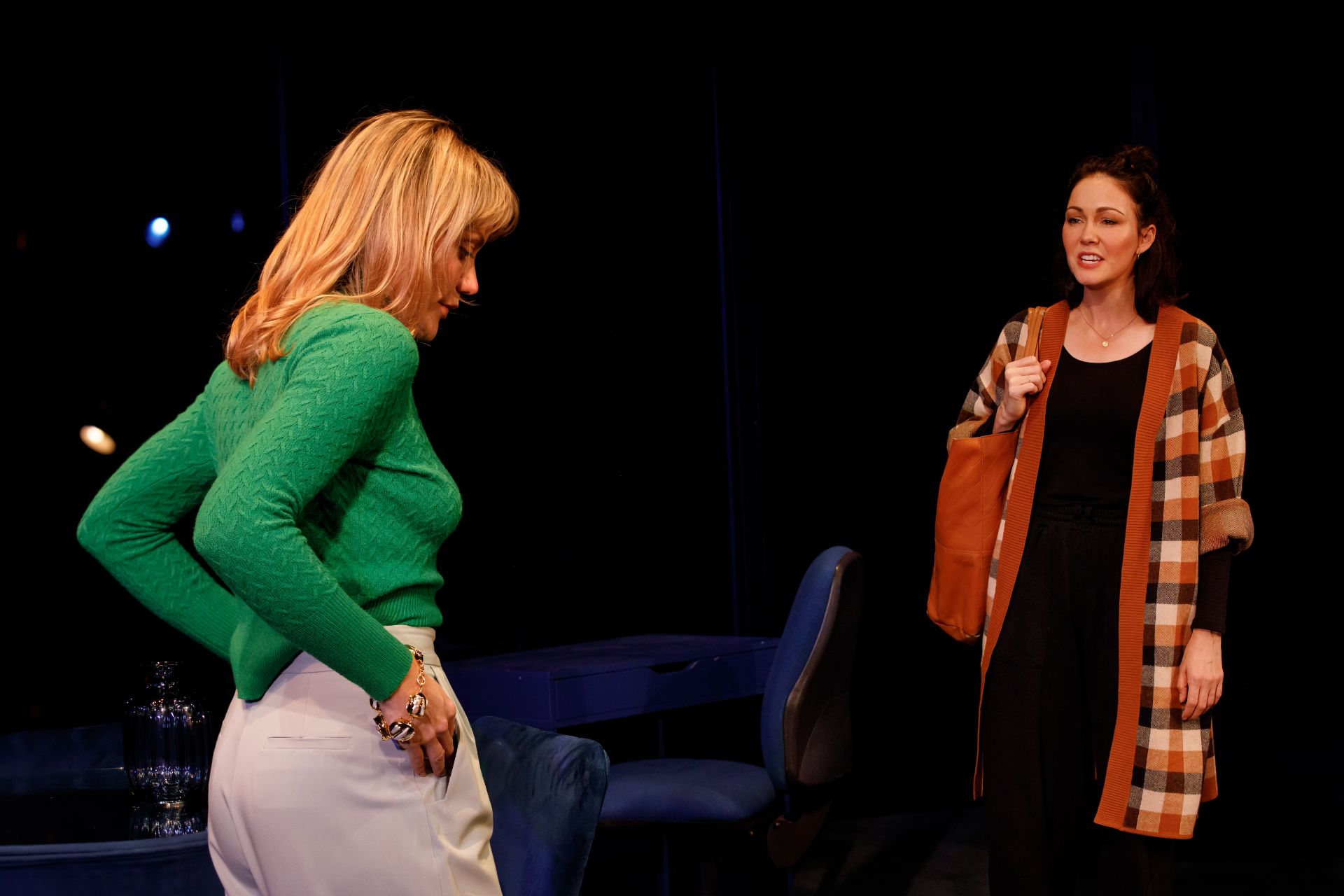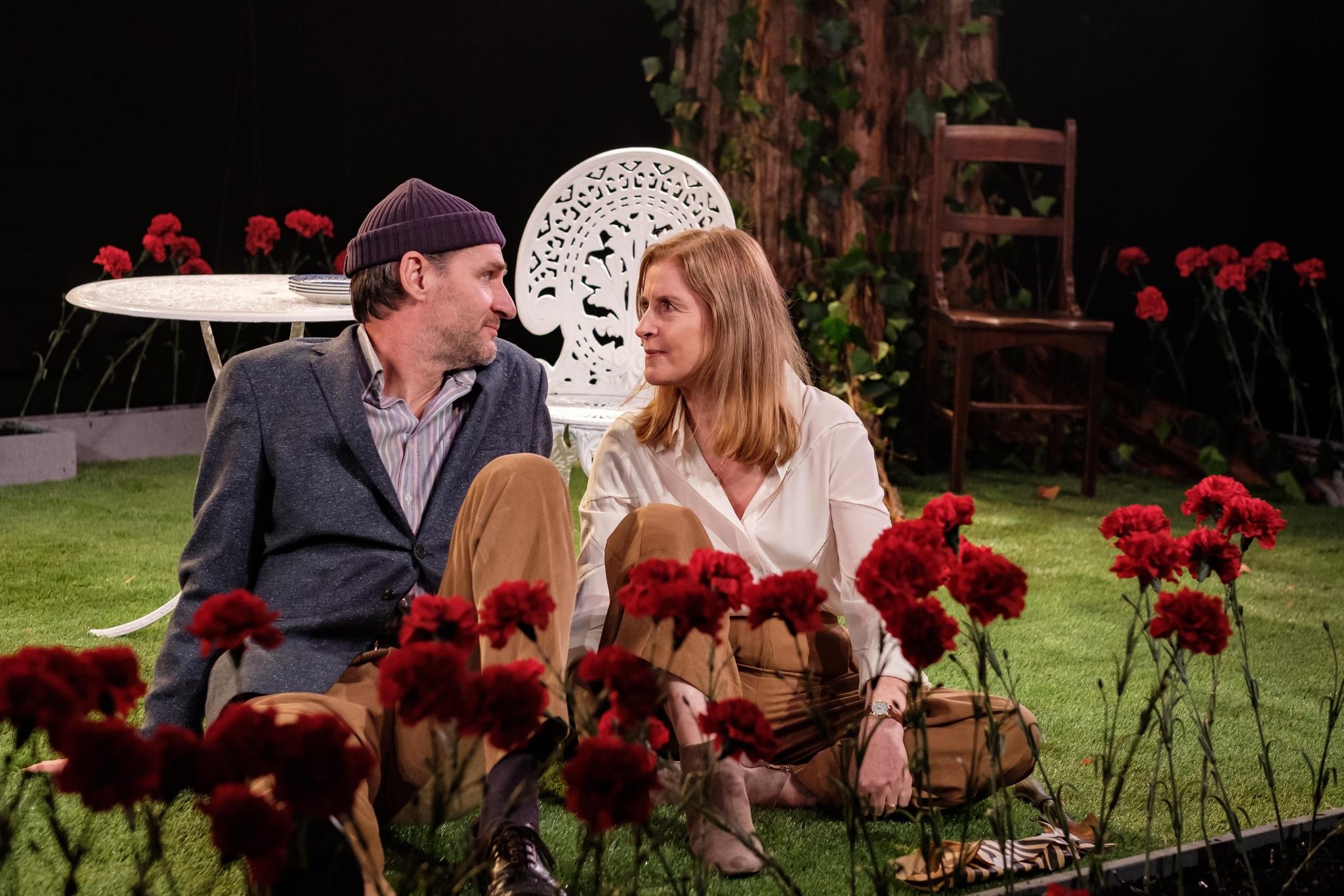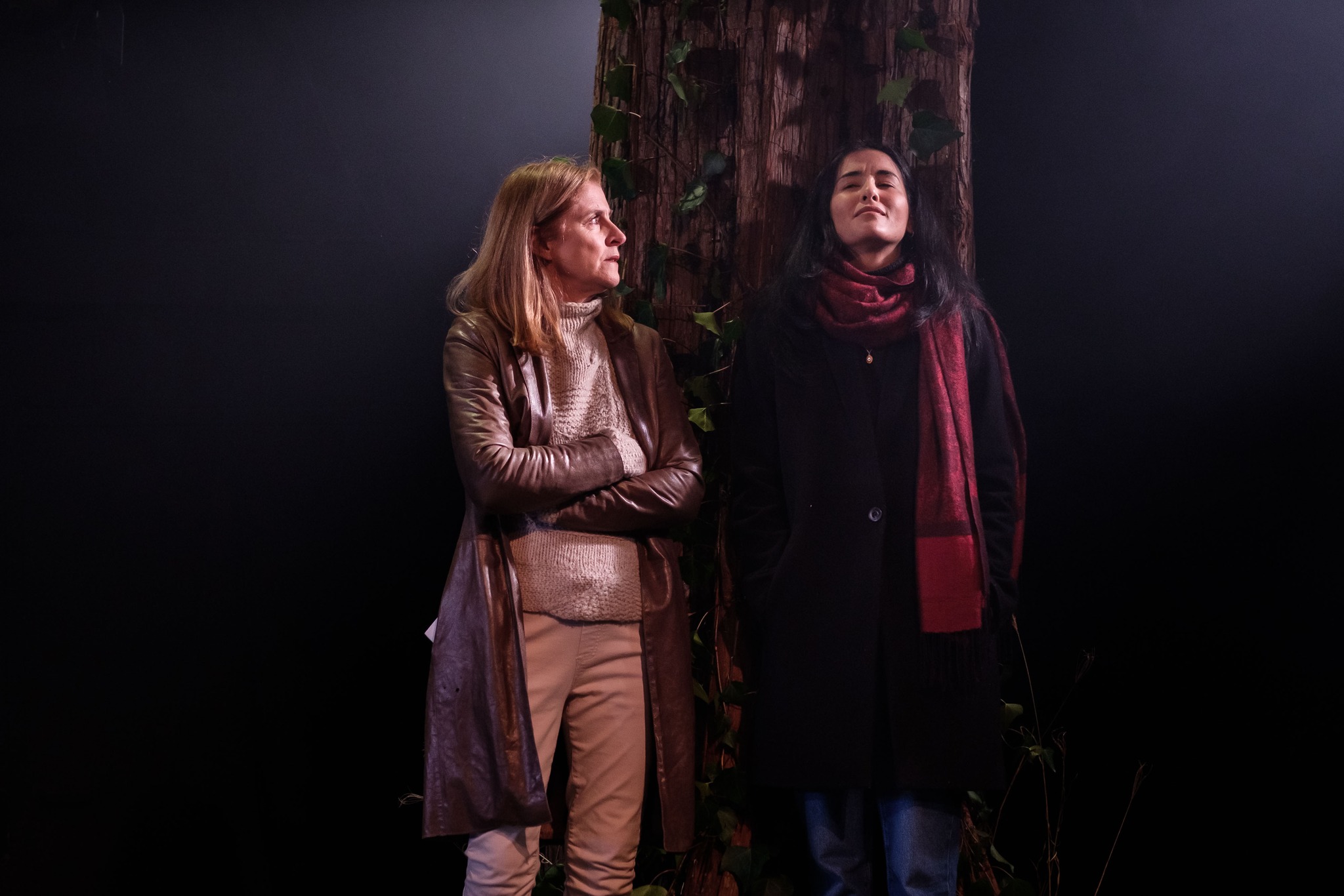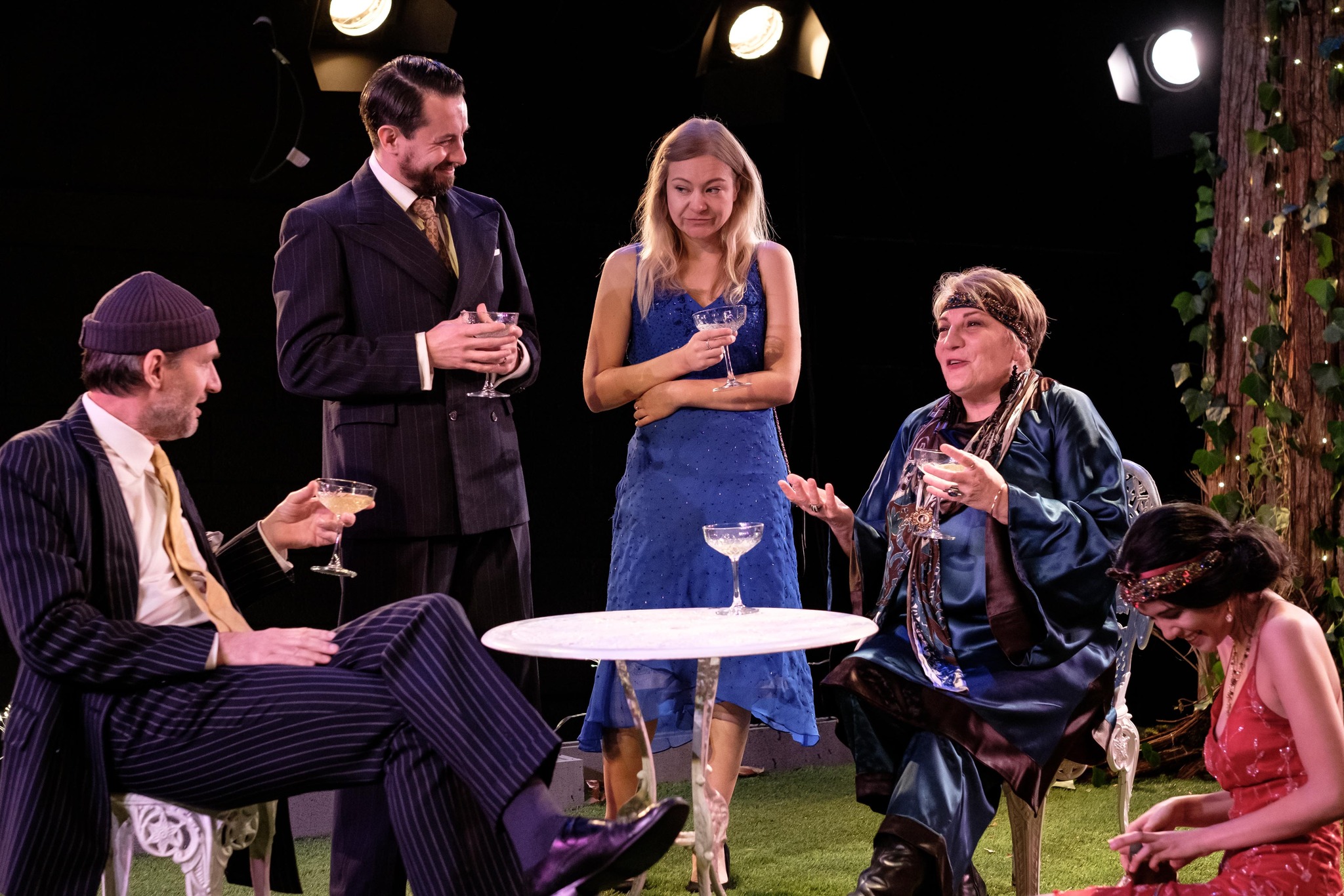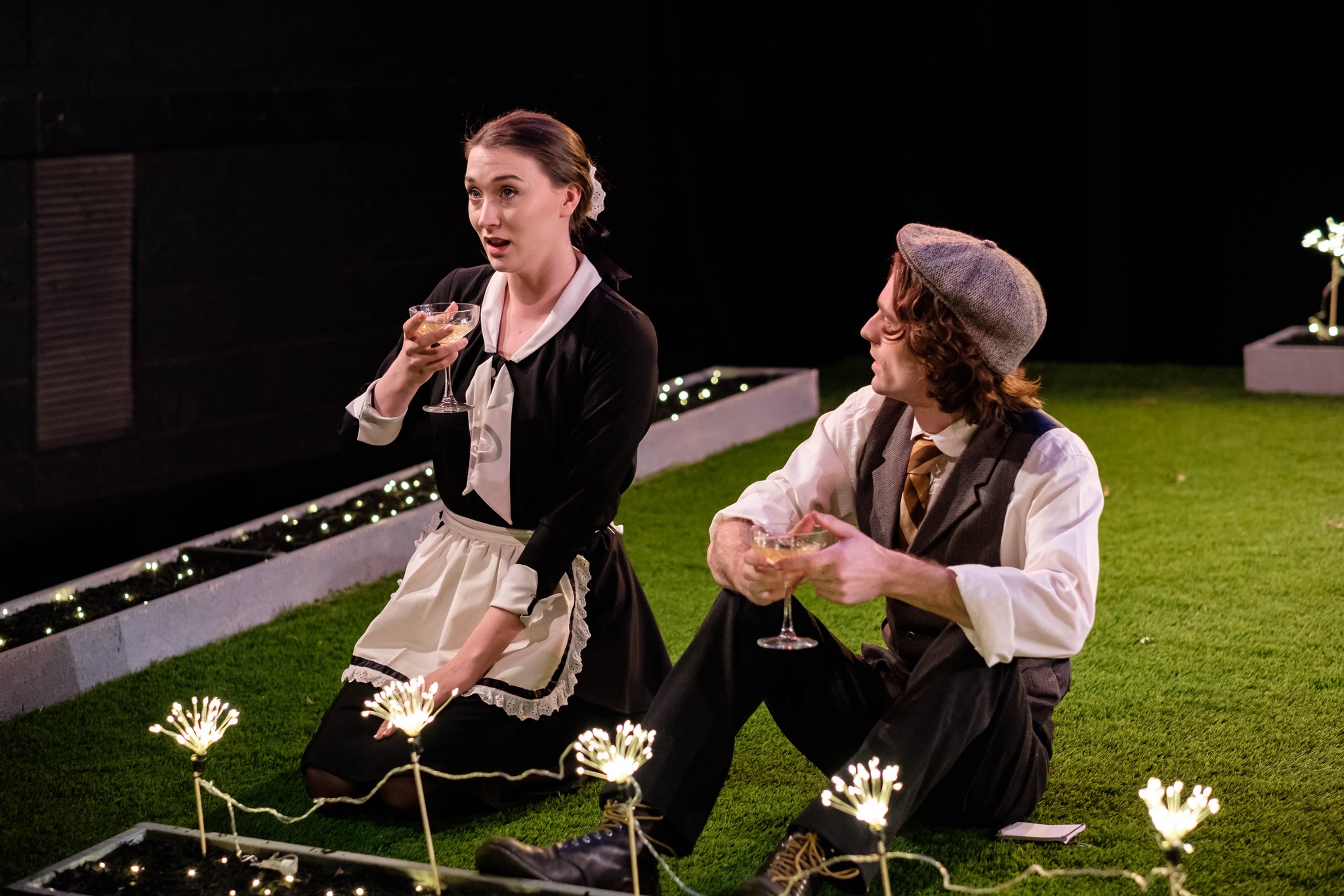
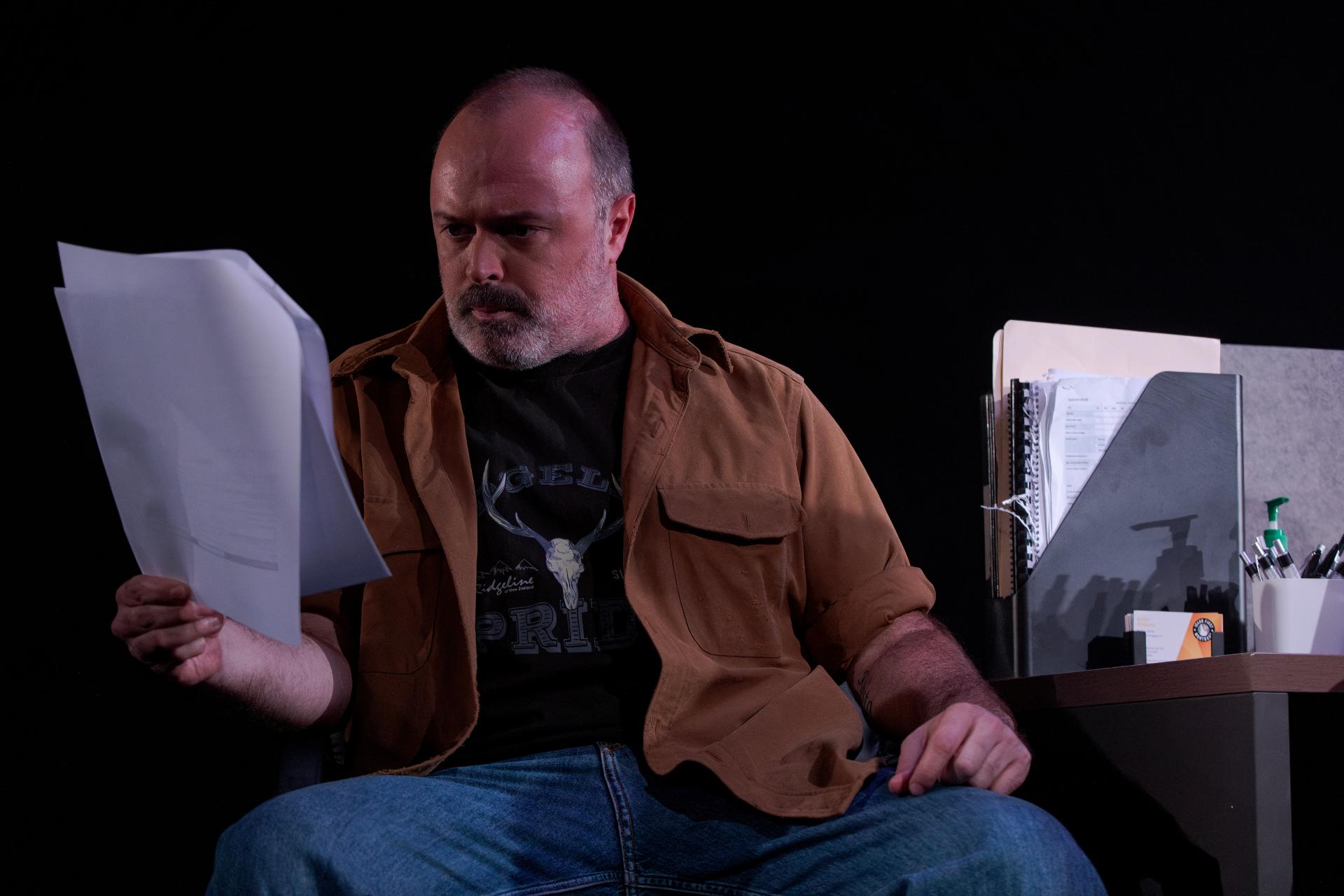

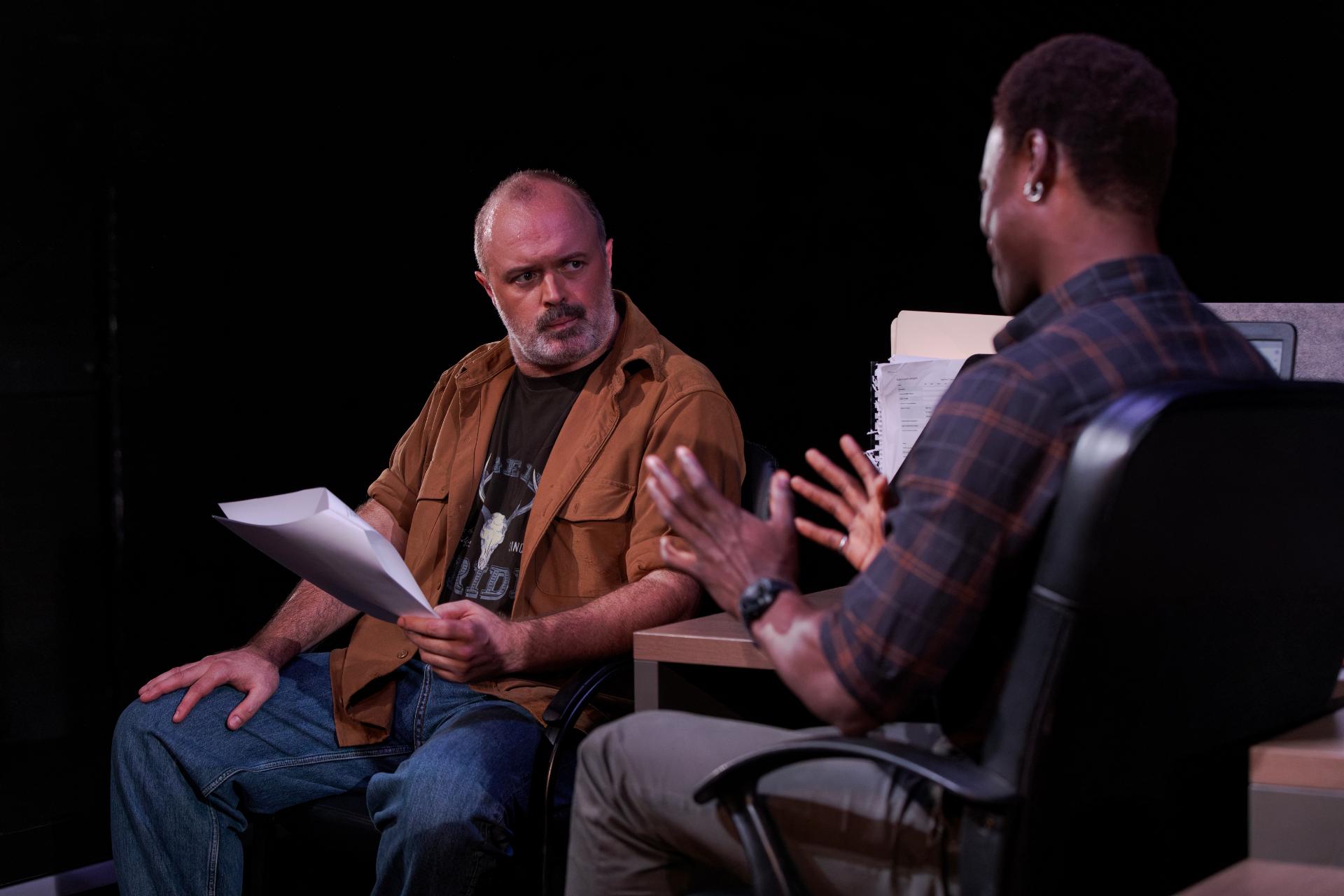
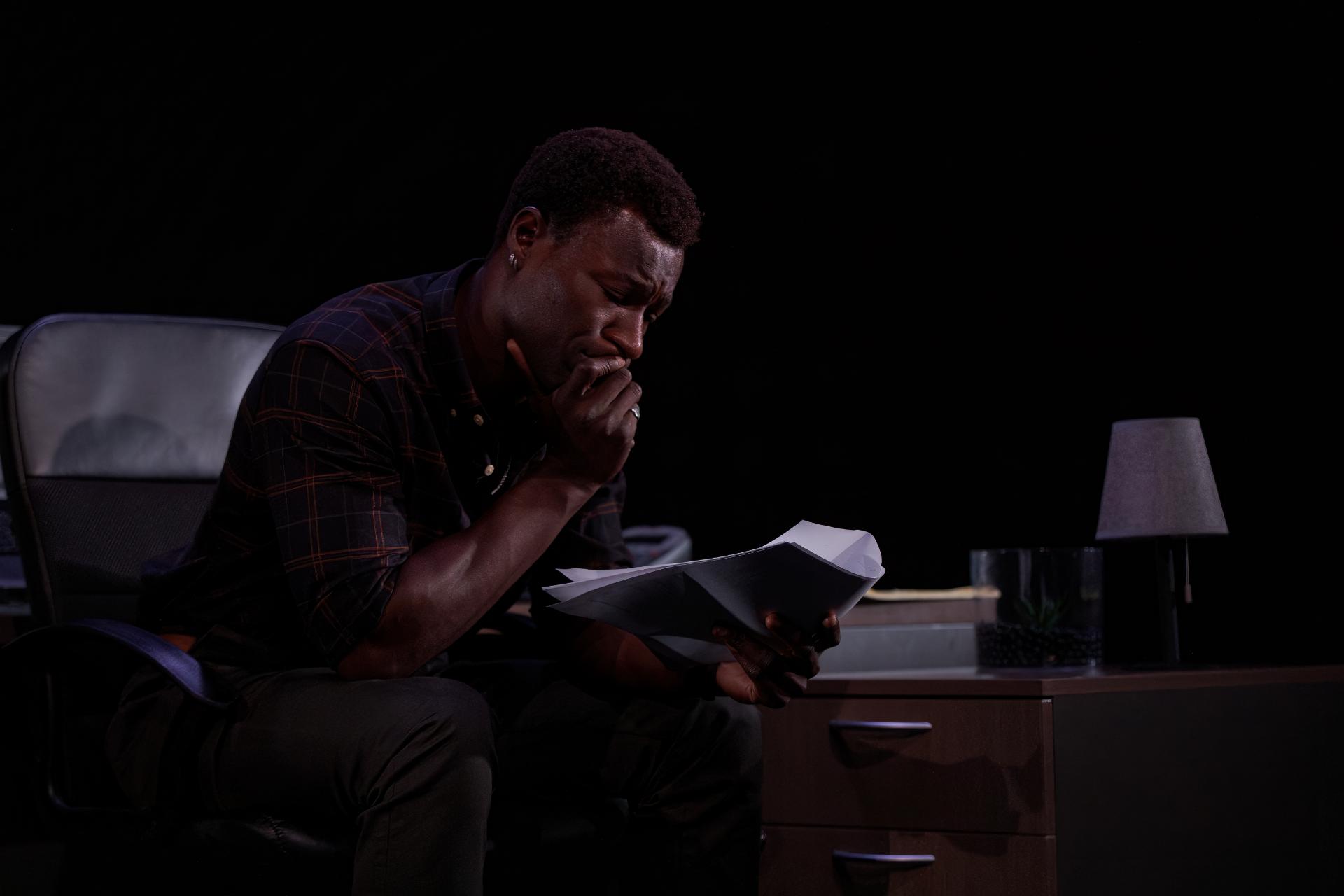
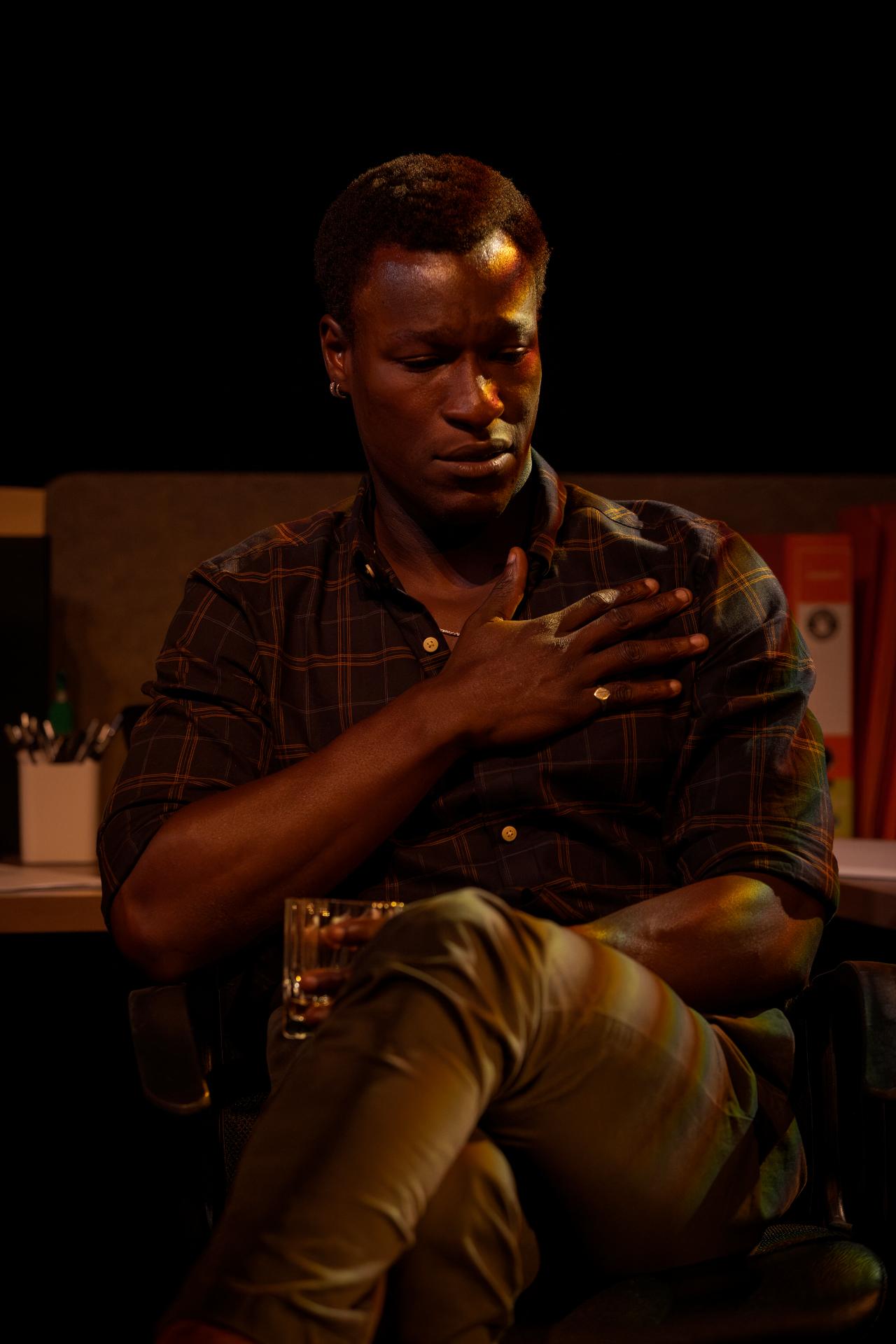
Review: The Lost Boys (Seymour Centre)

Venue: Seymour Centre (Chippendale NSW), Nov 10 – Dec 1, 2023
Directors: Craig Baldwin, Eliza Scott
Cast: Samuel Beazley, Adriane Daff, Emma Harrison, Romain Hassanin, Julia Robertson, Eliza Scott, Anusha Thomas
Images by Grant Leslie

Theatre review
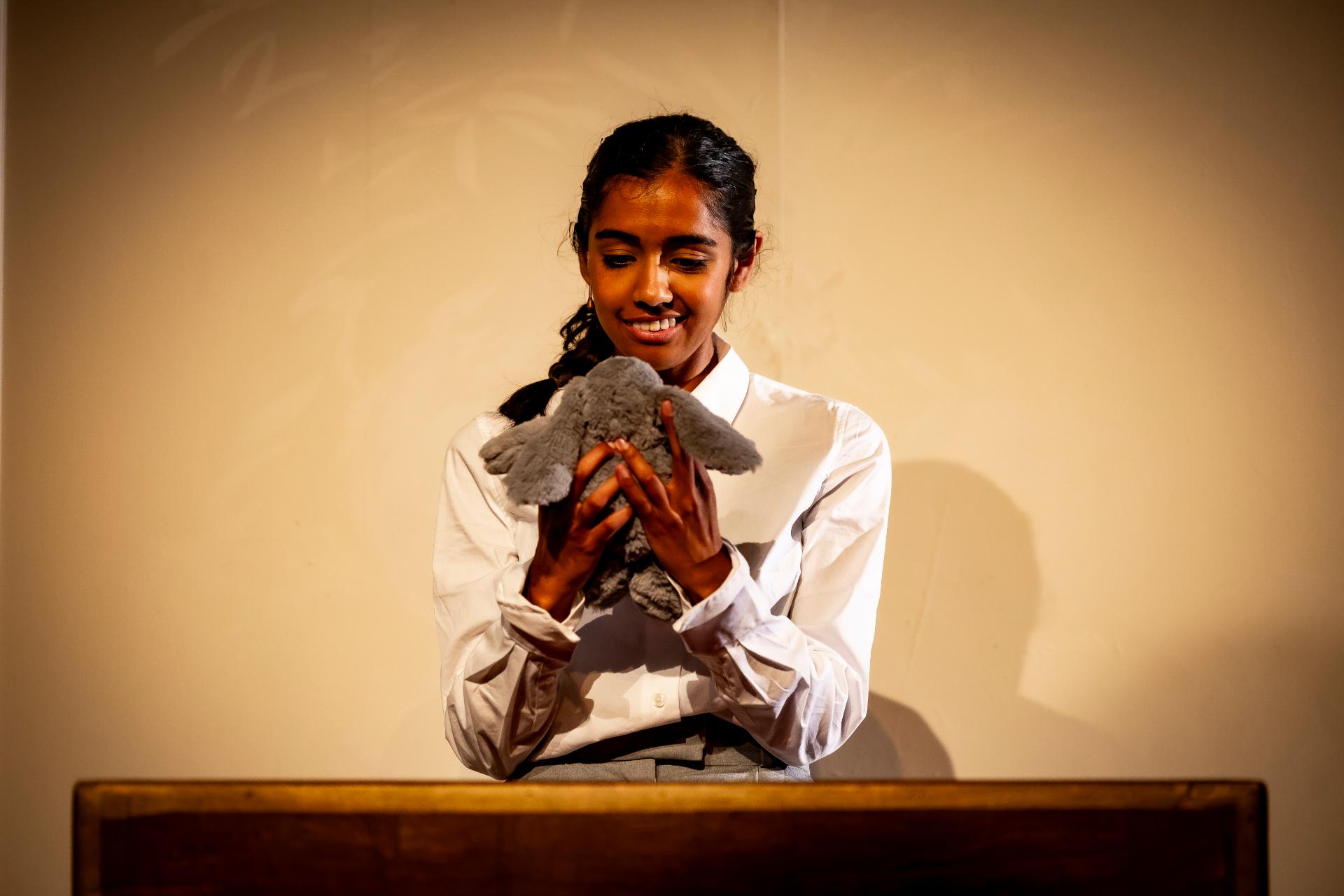
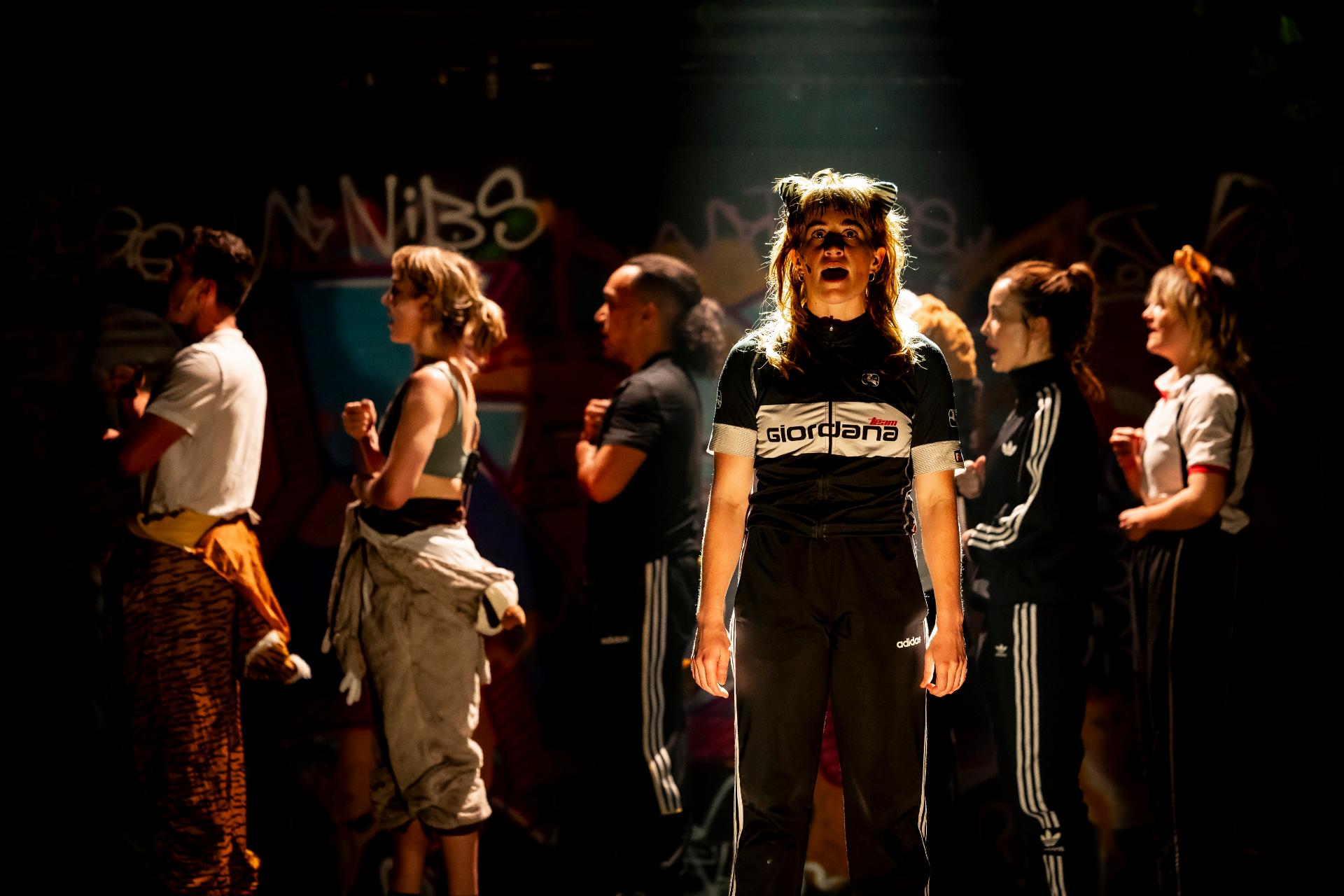
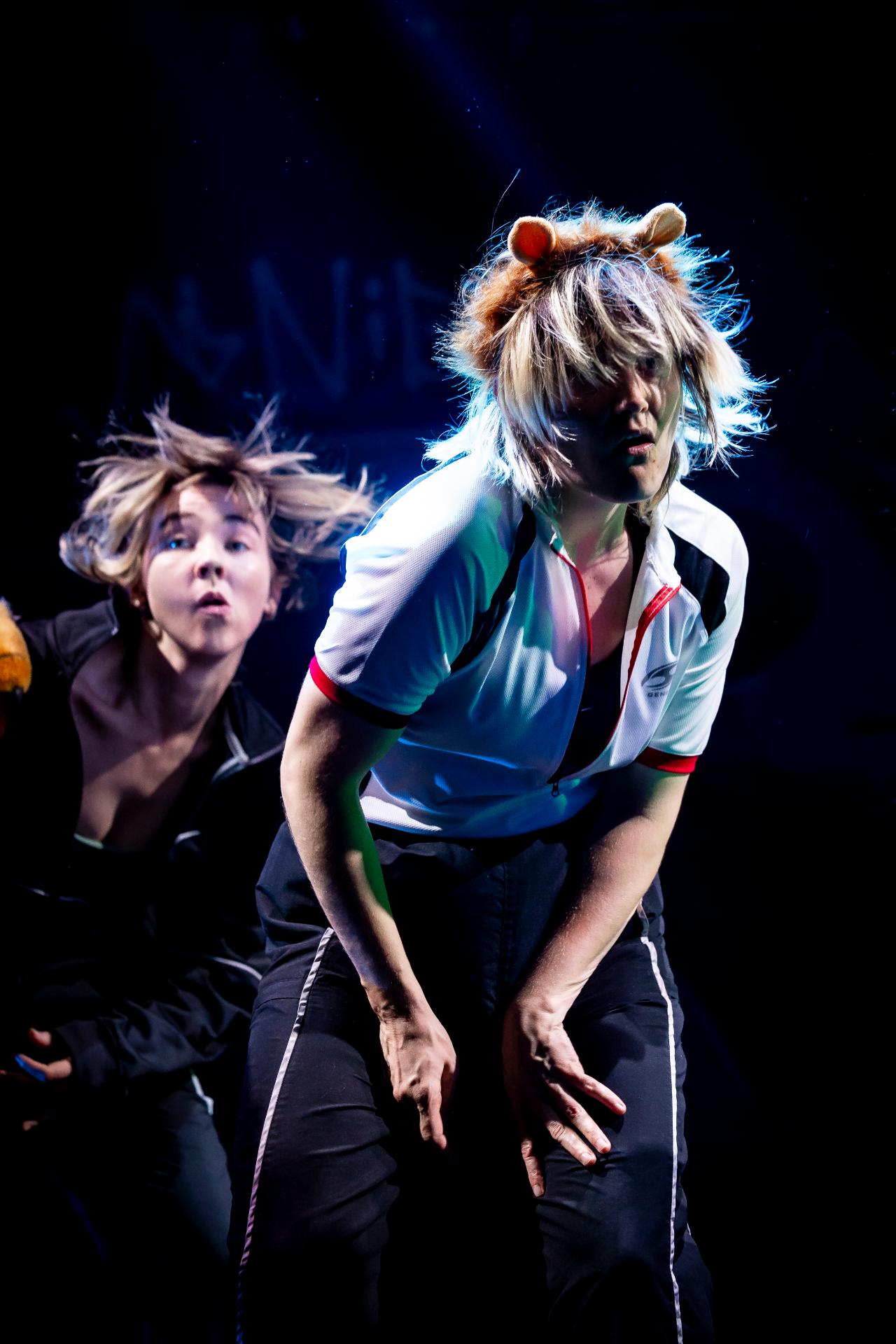
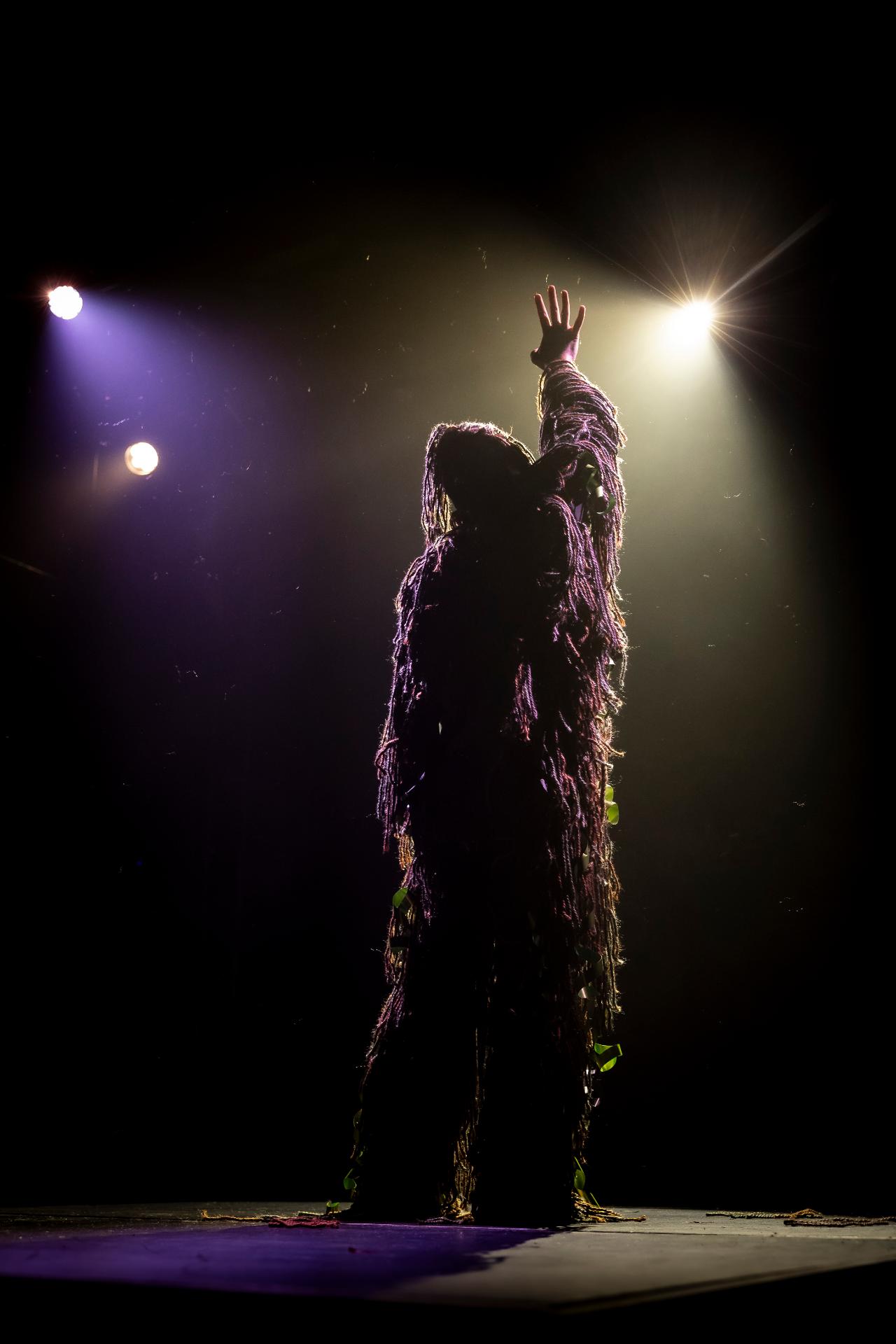
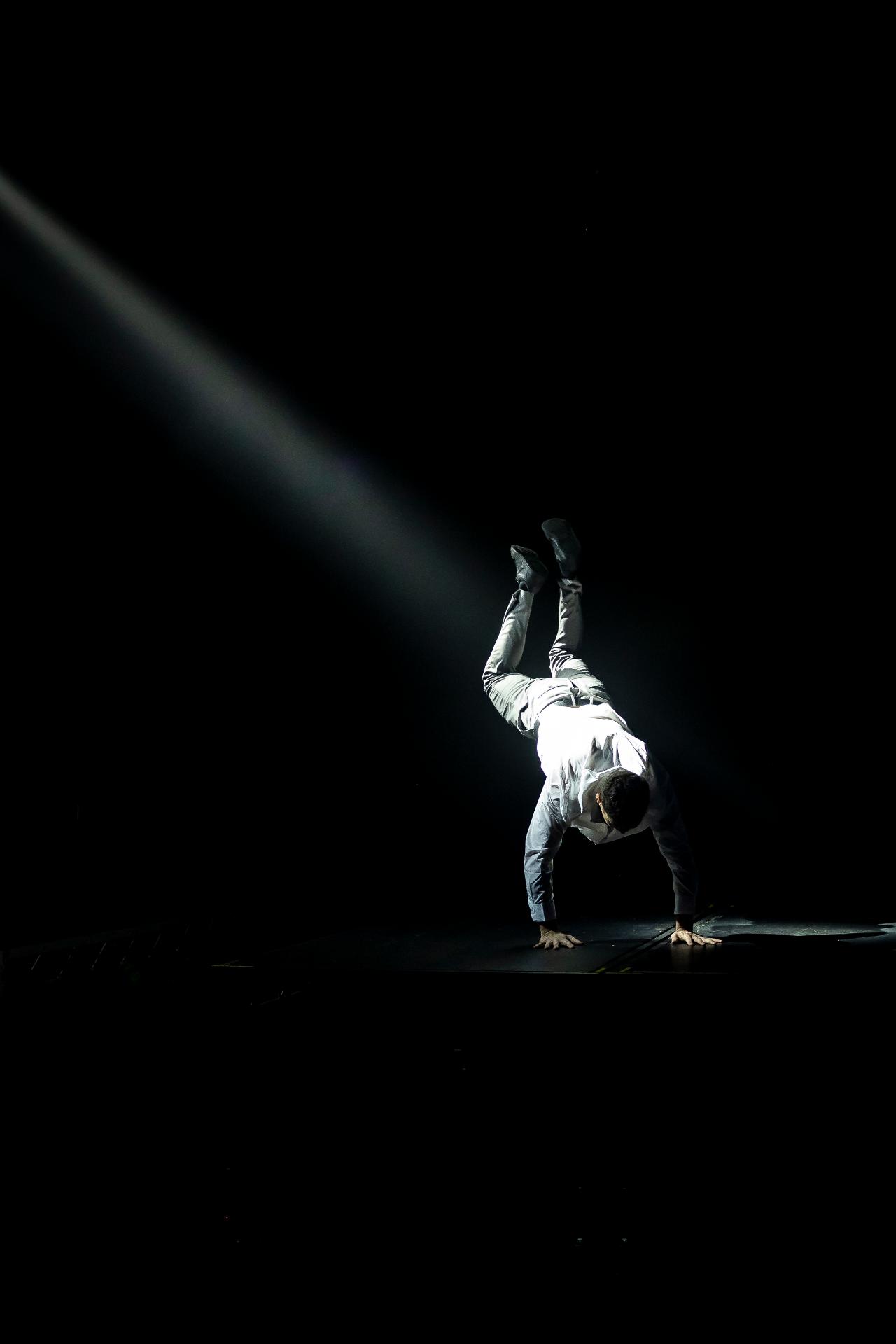
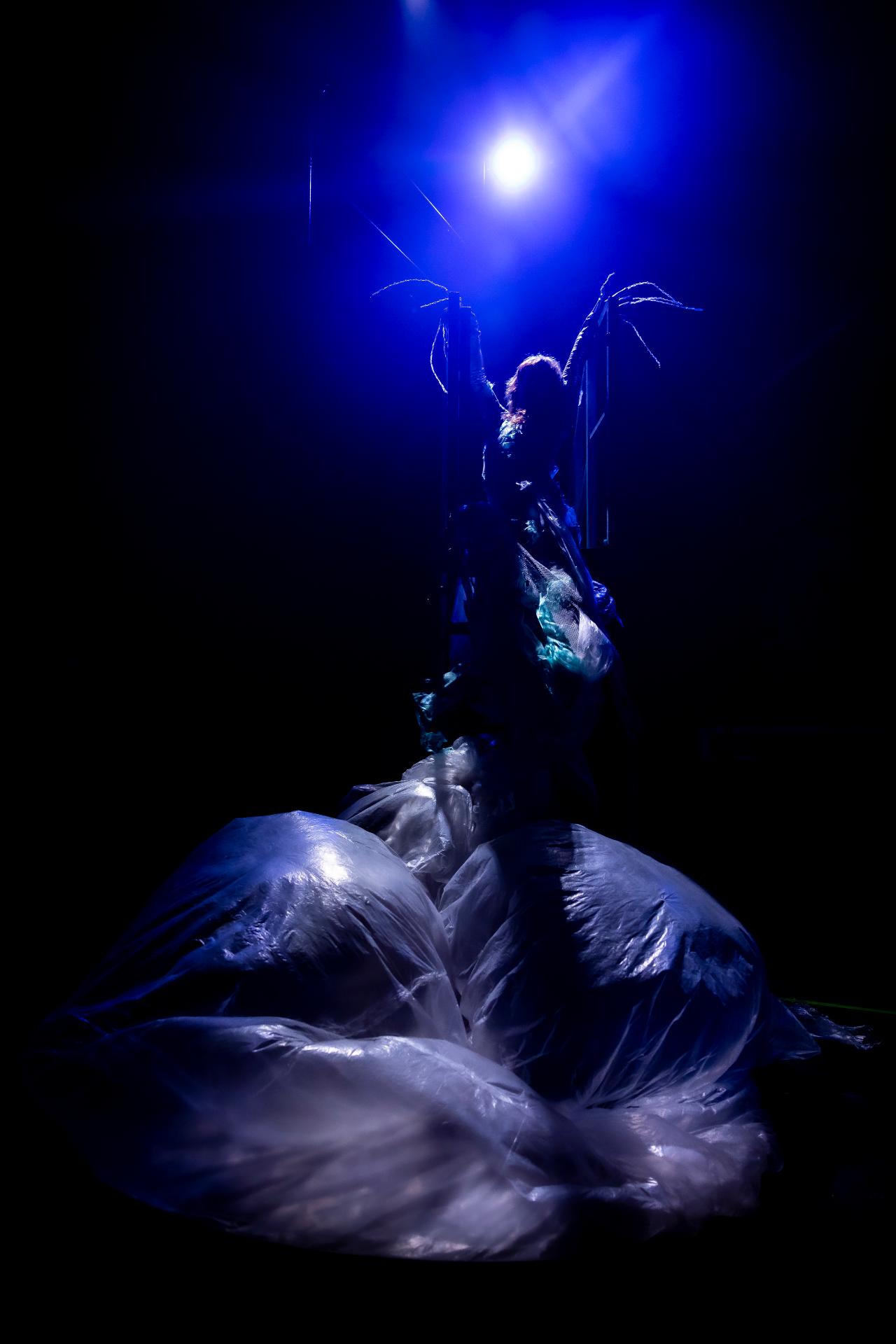
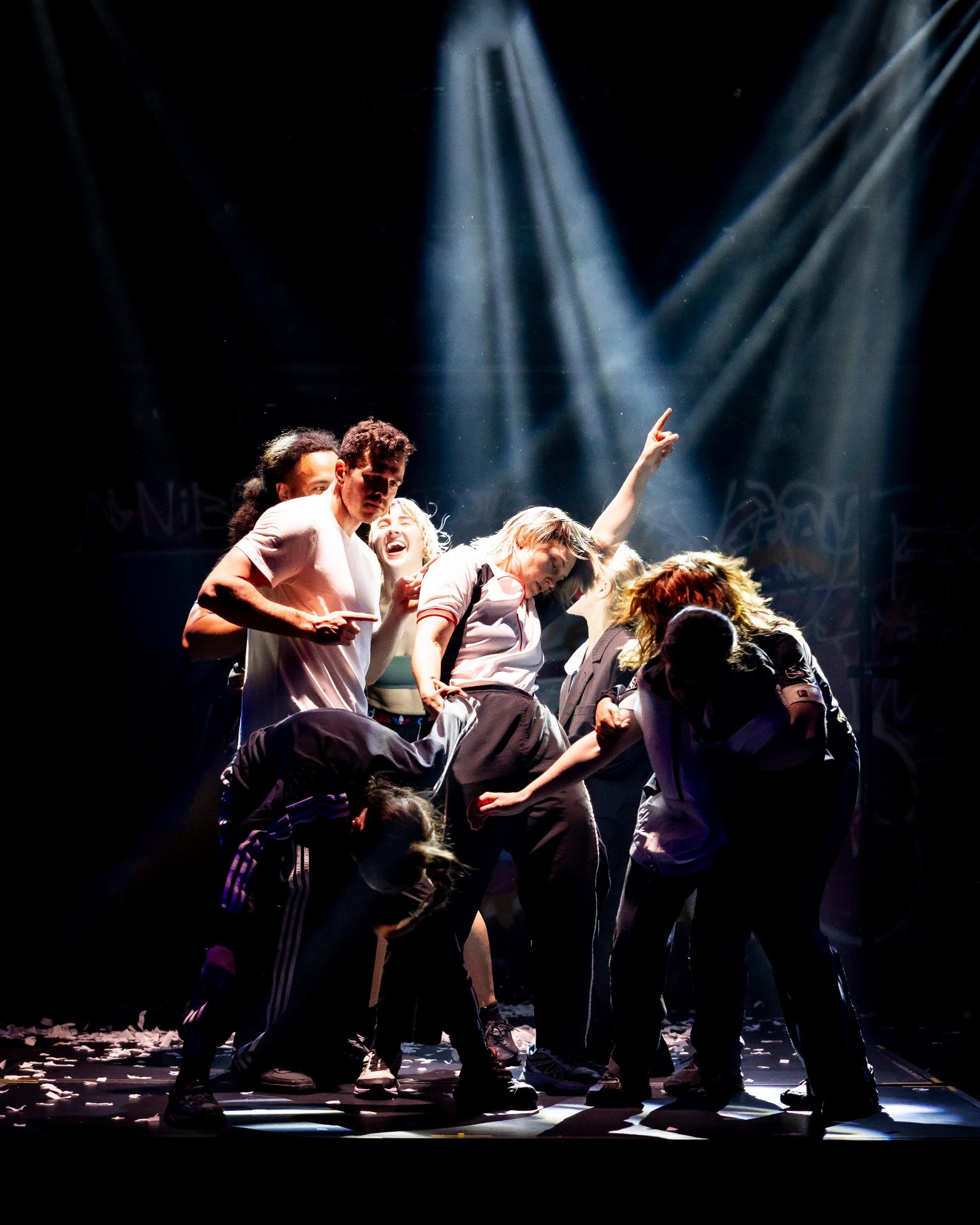
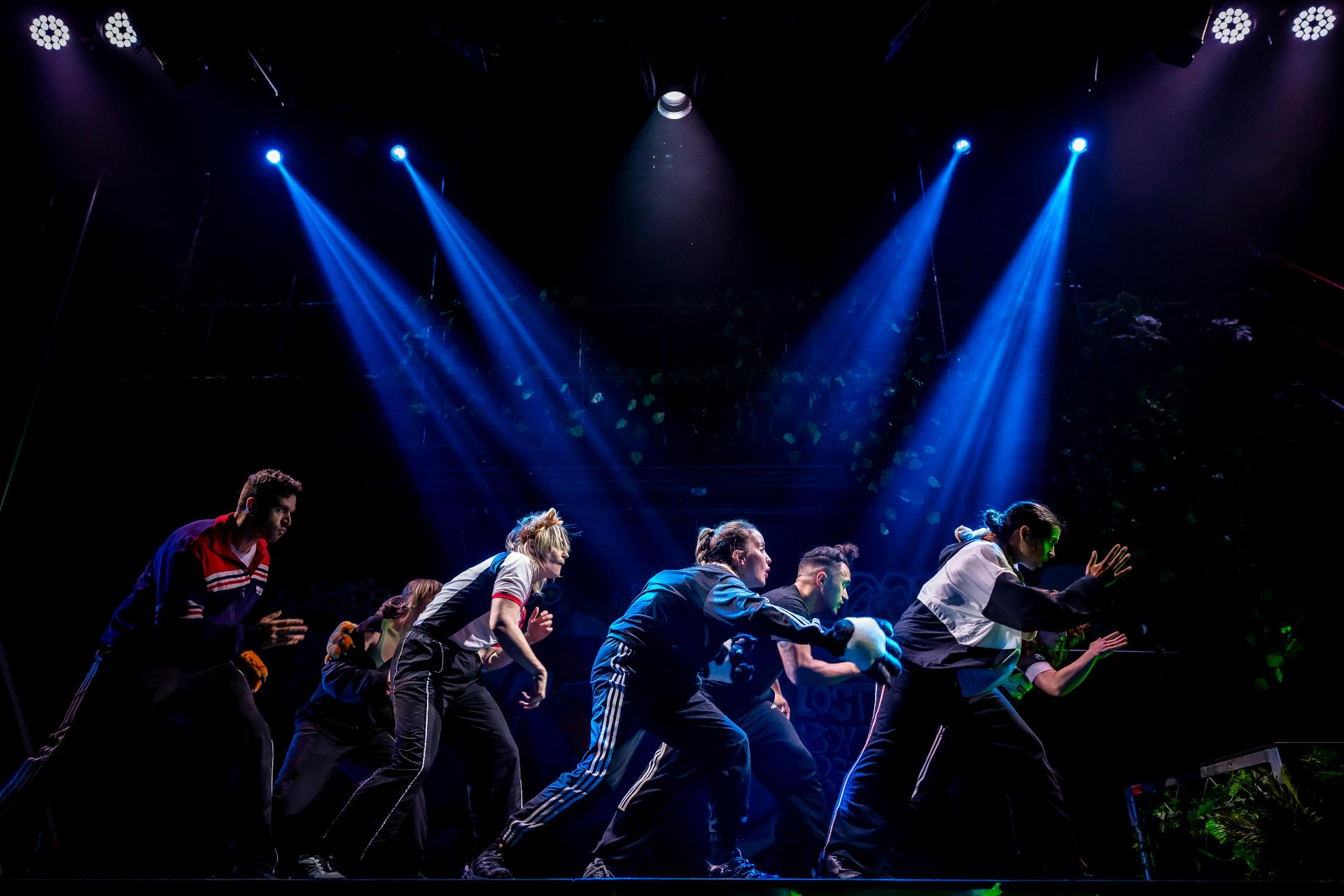
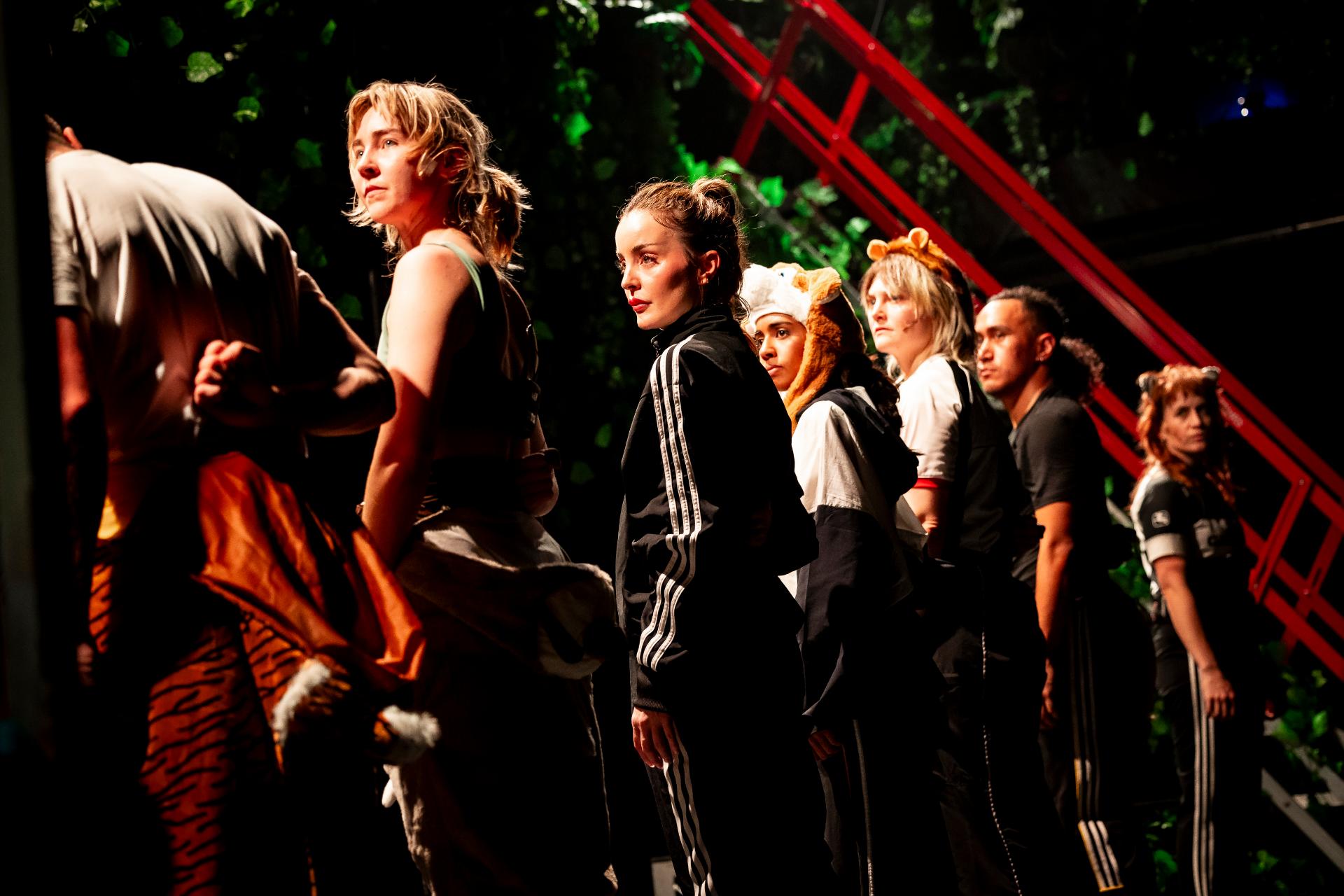
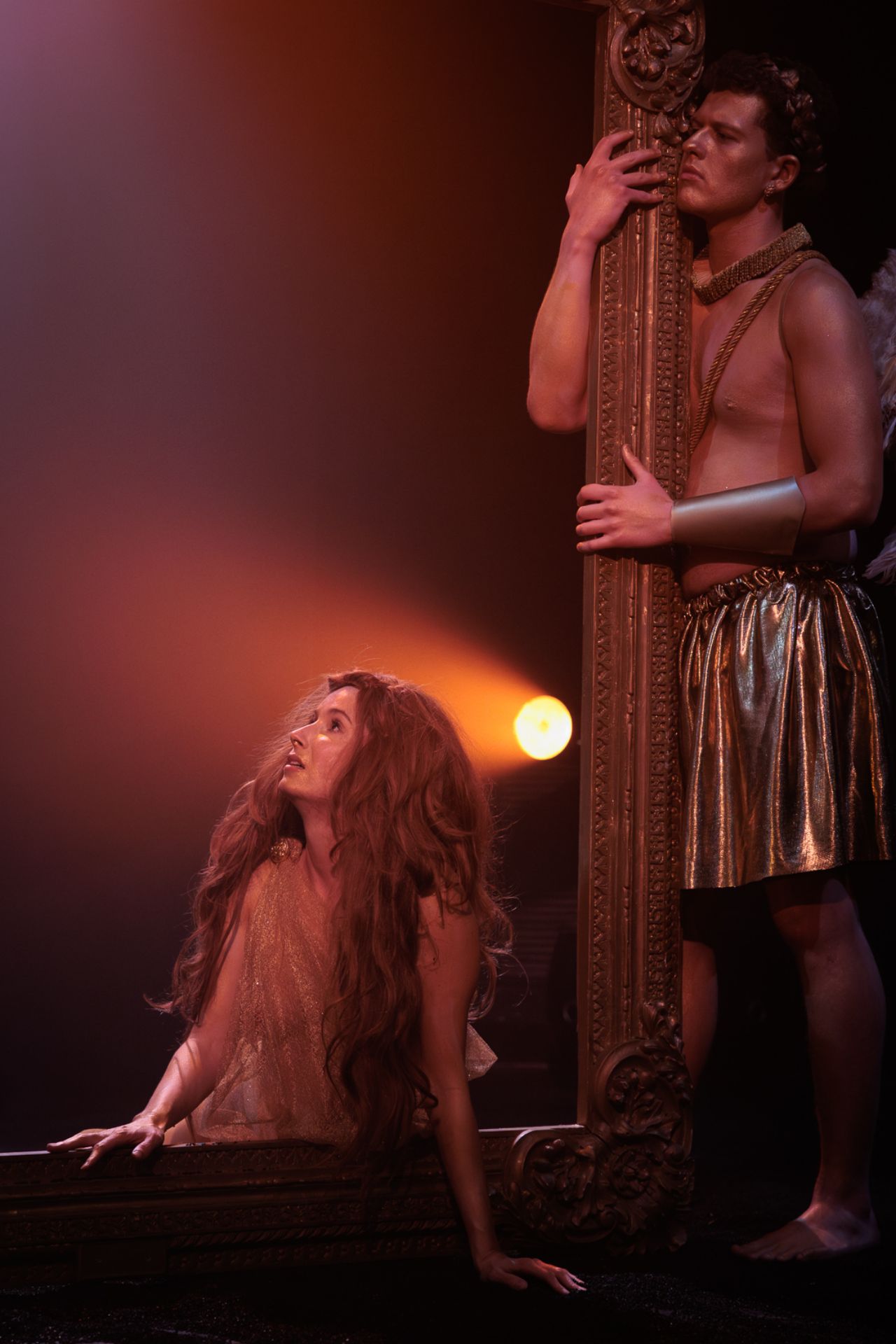
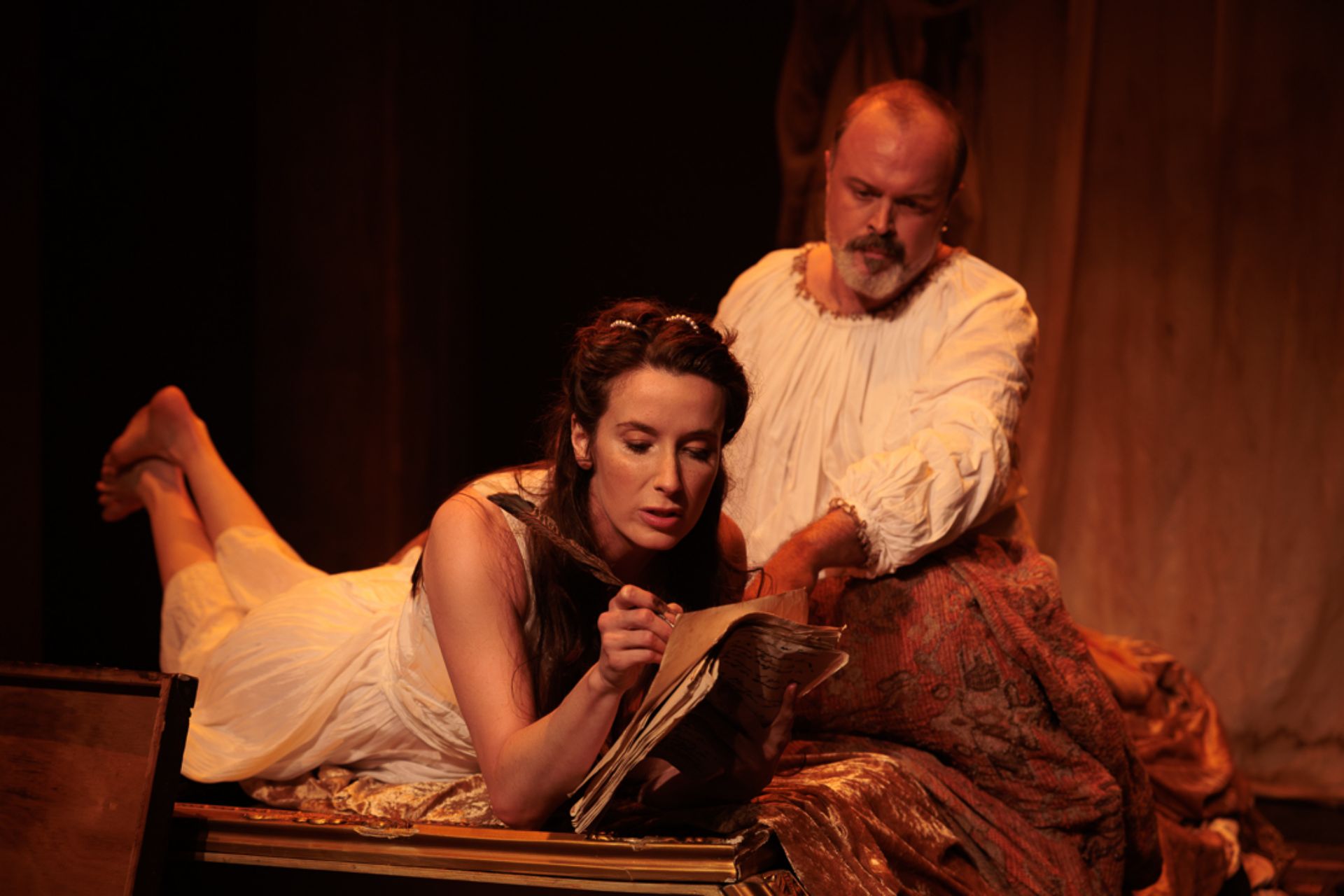
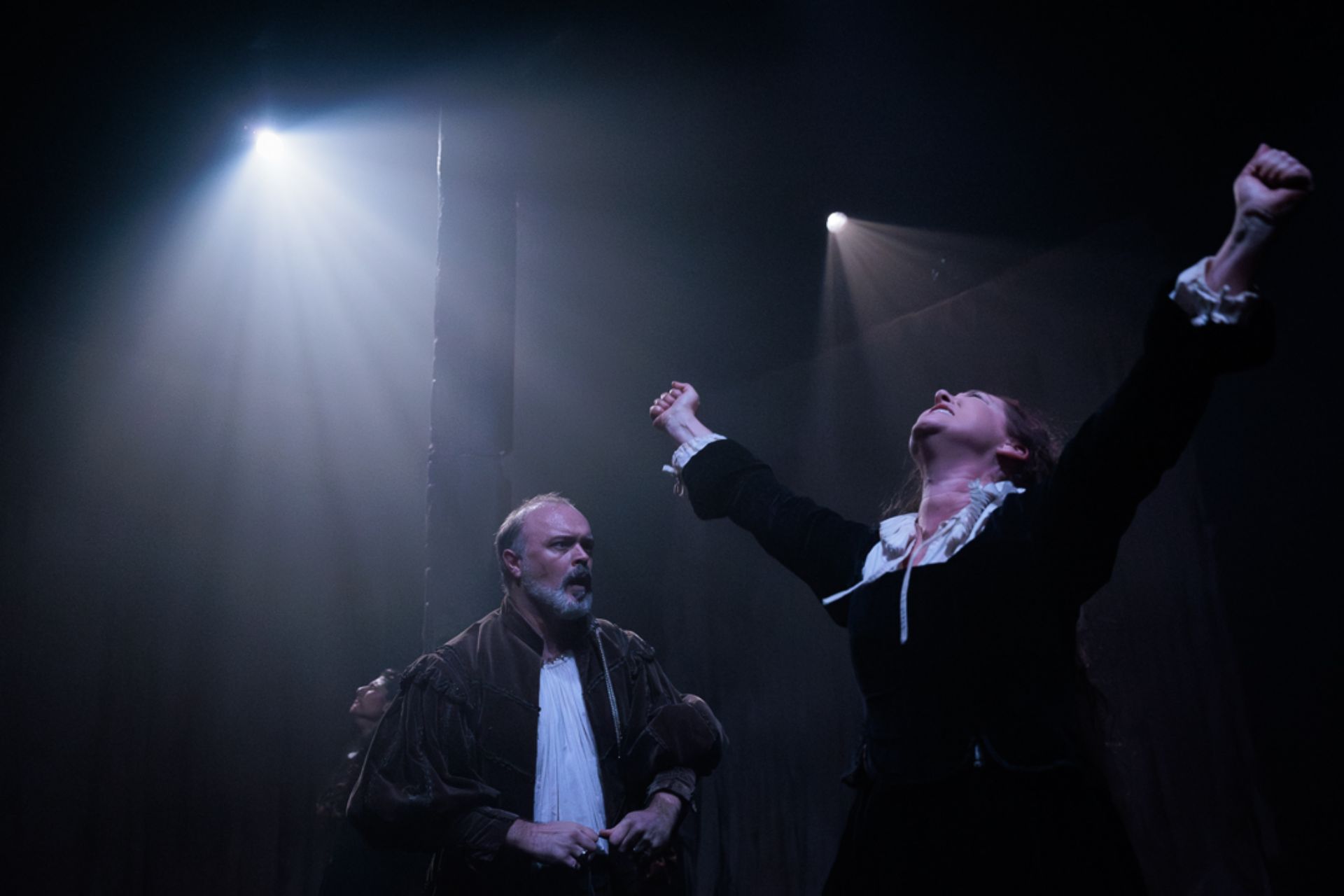
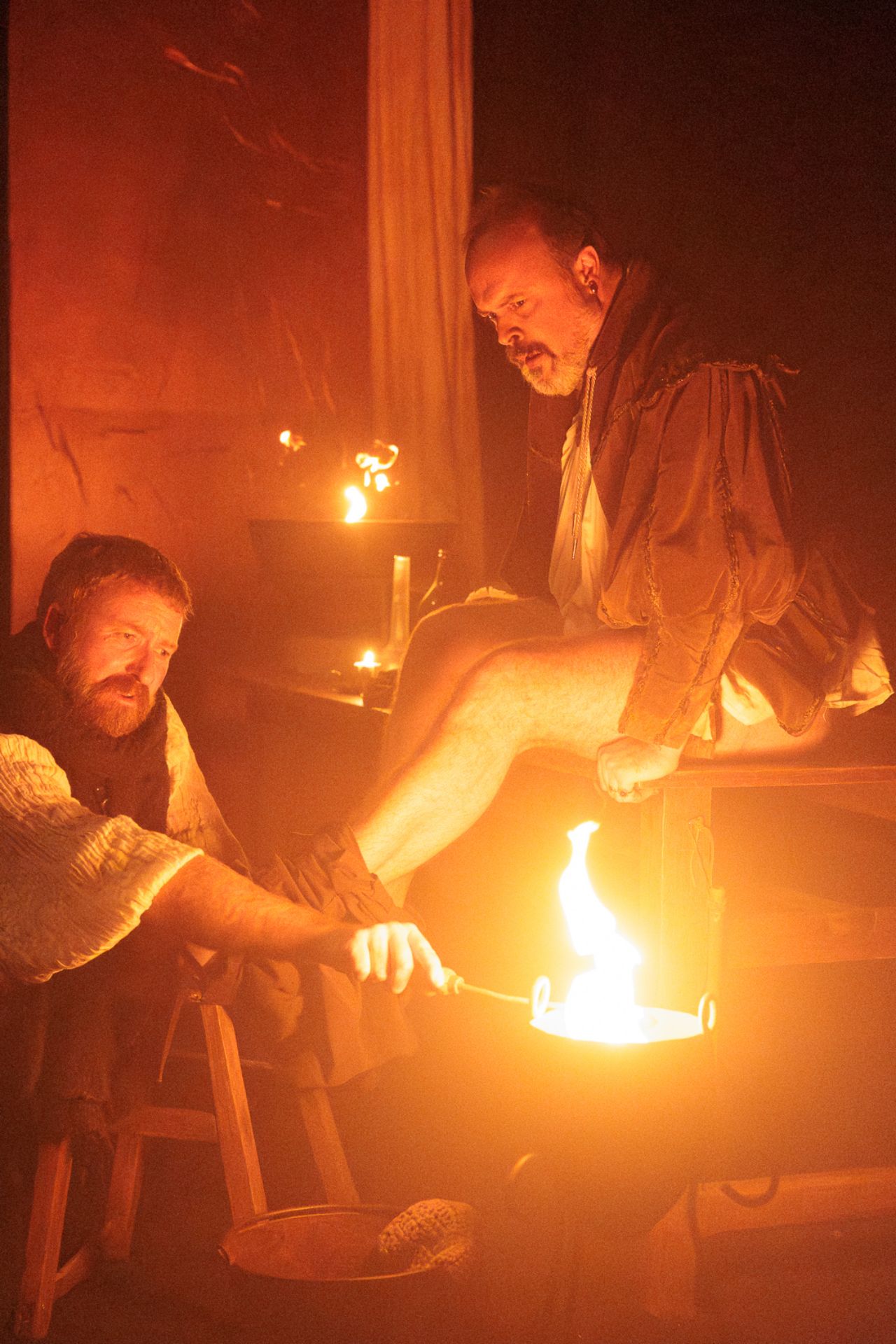
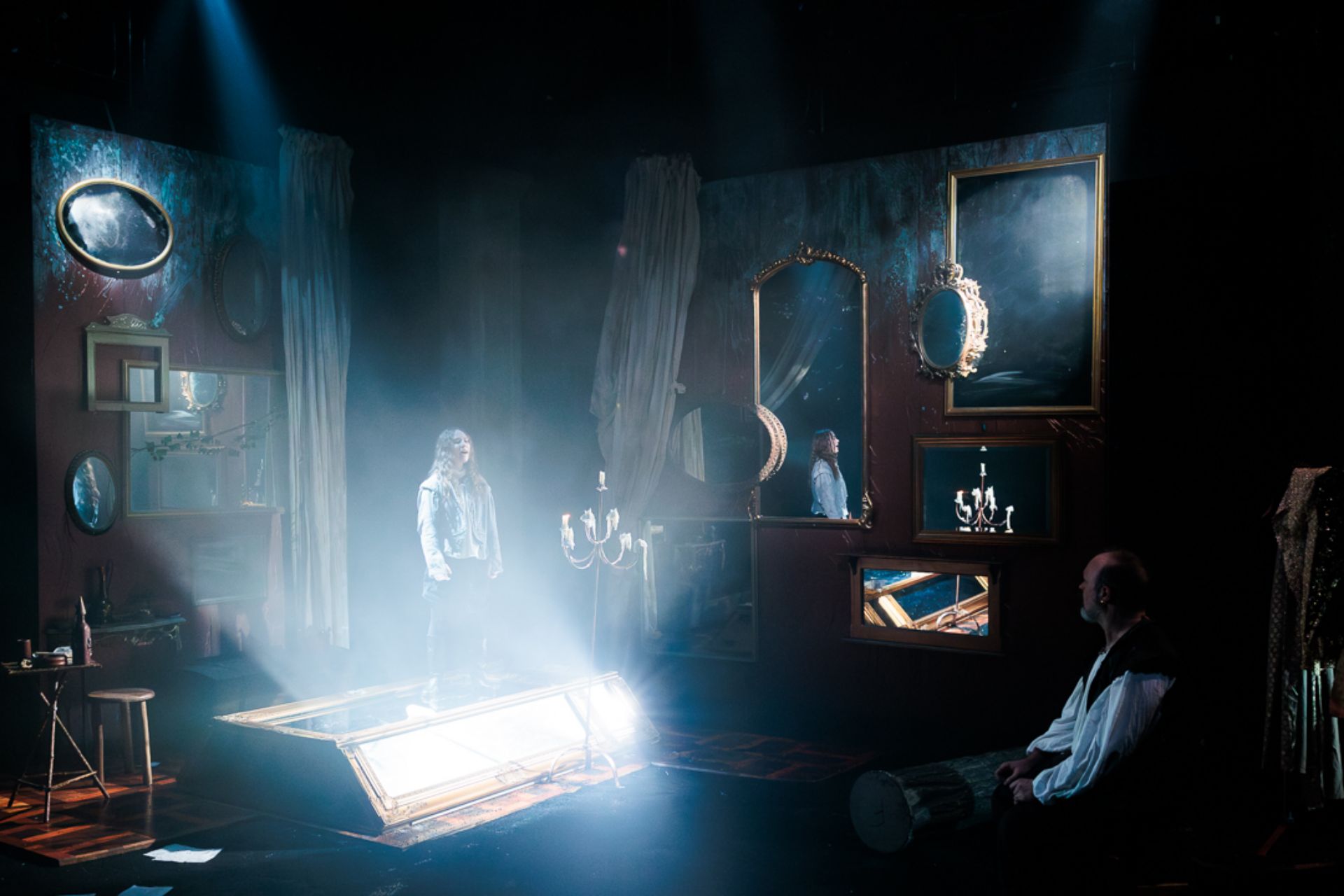
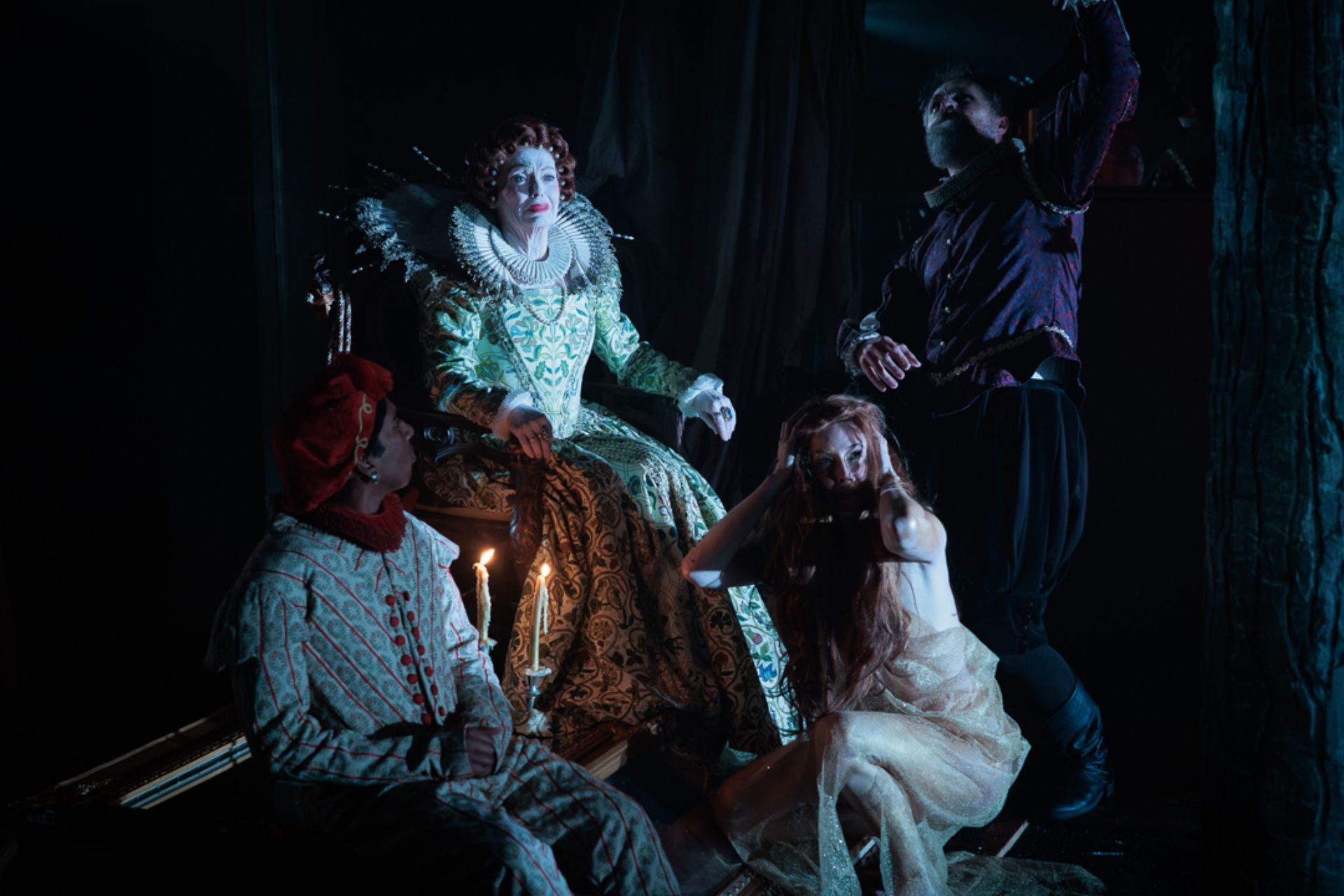
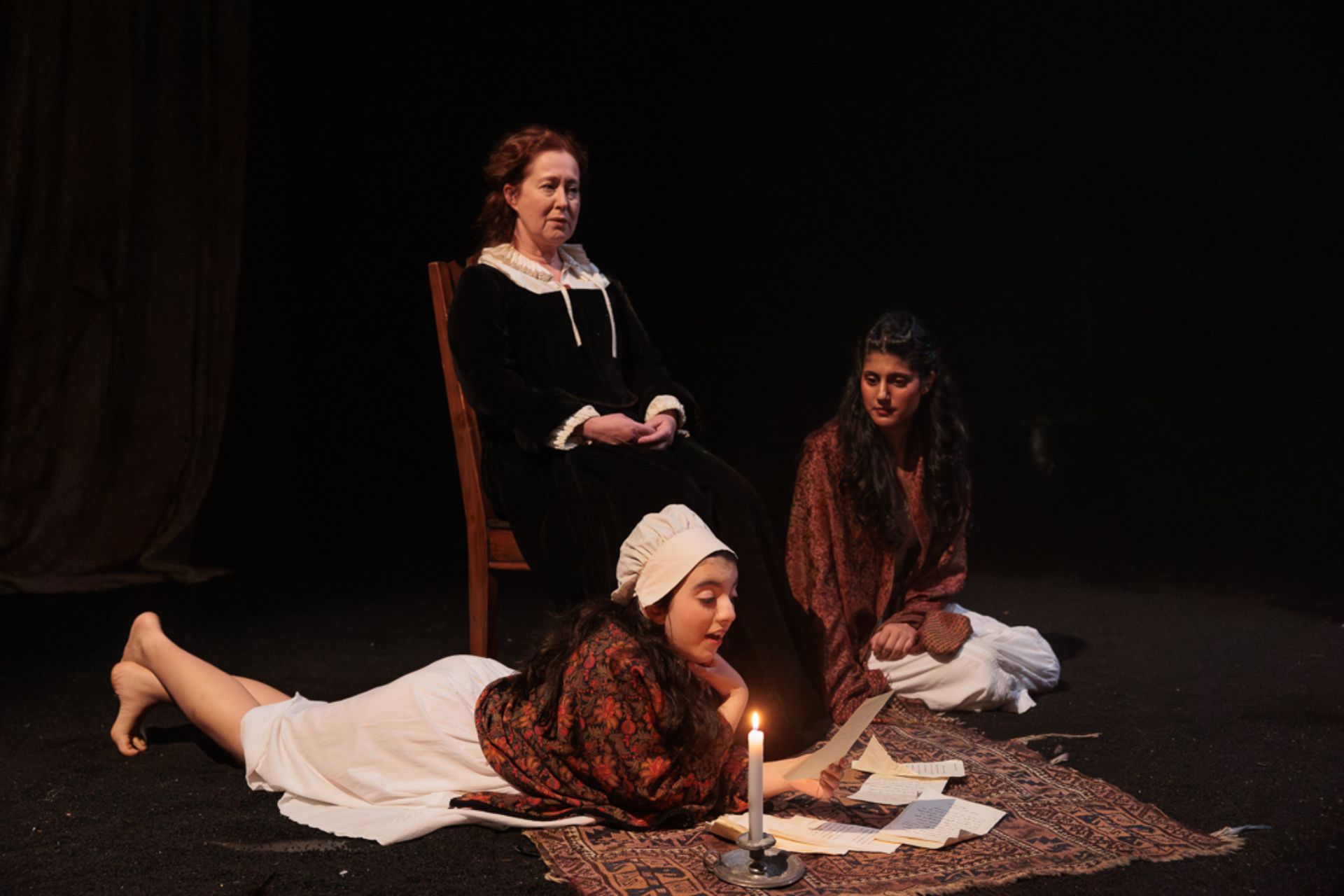
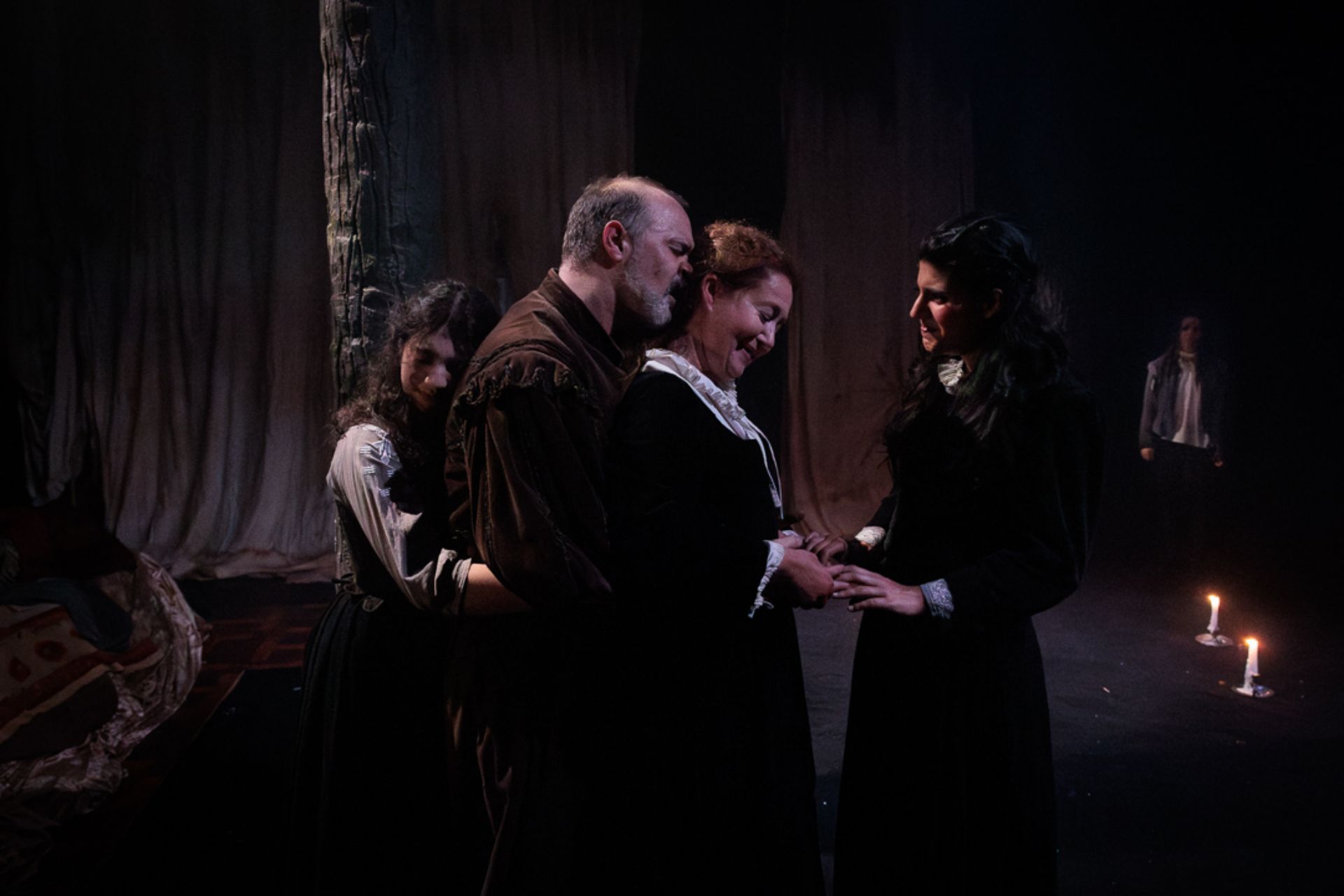
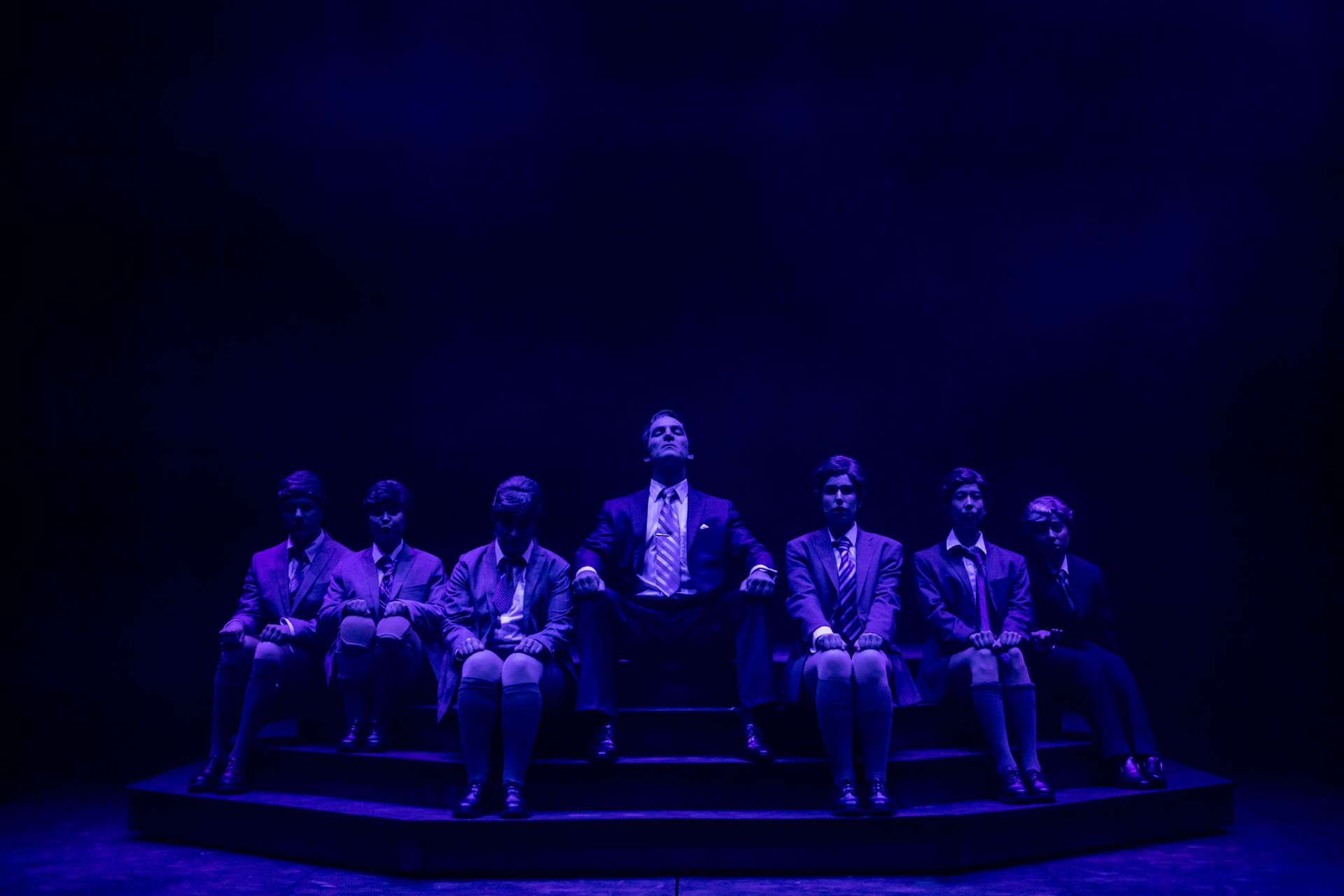
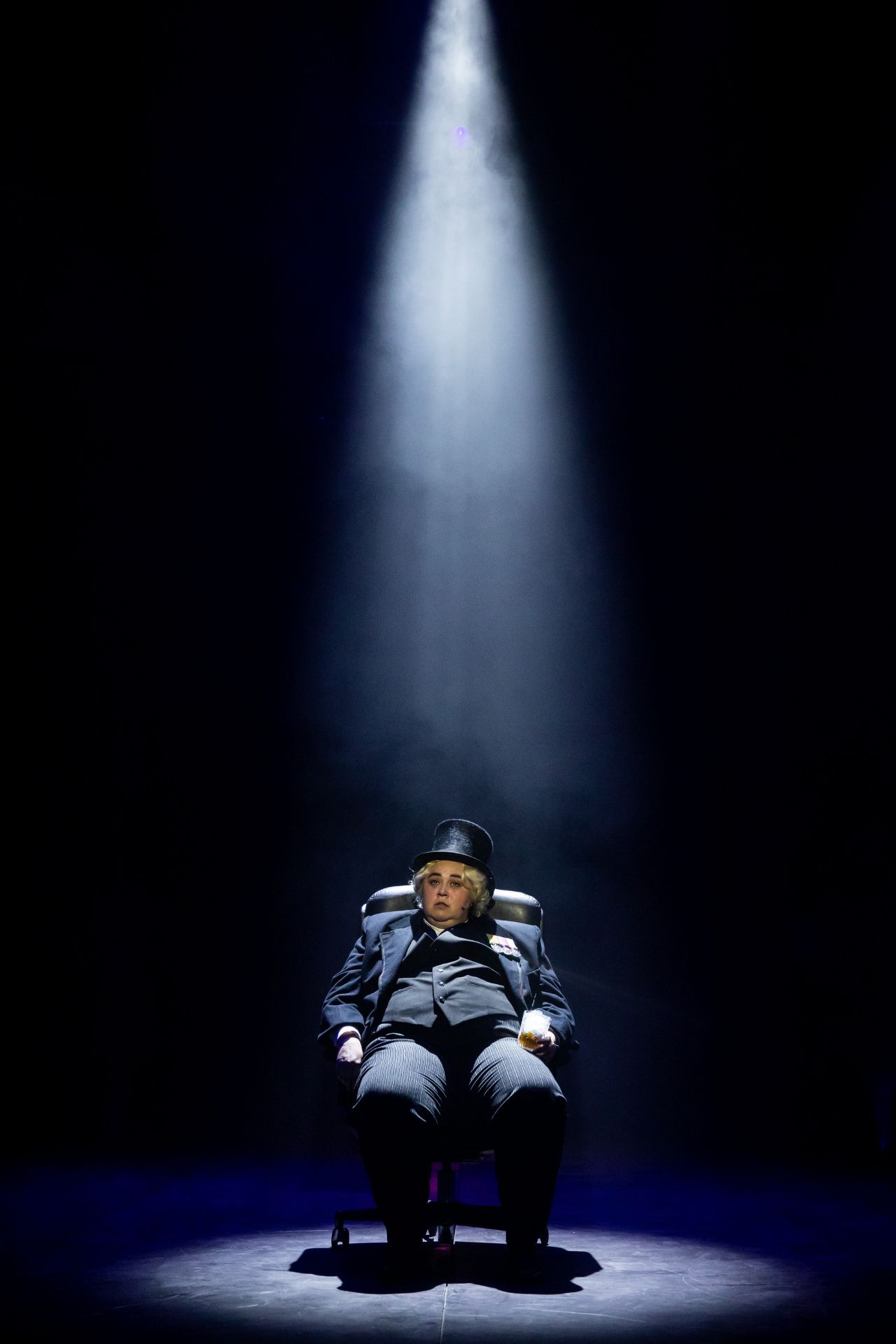
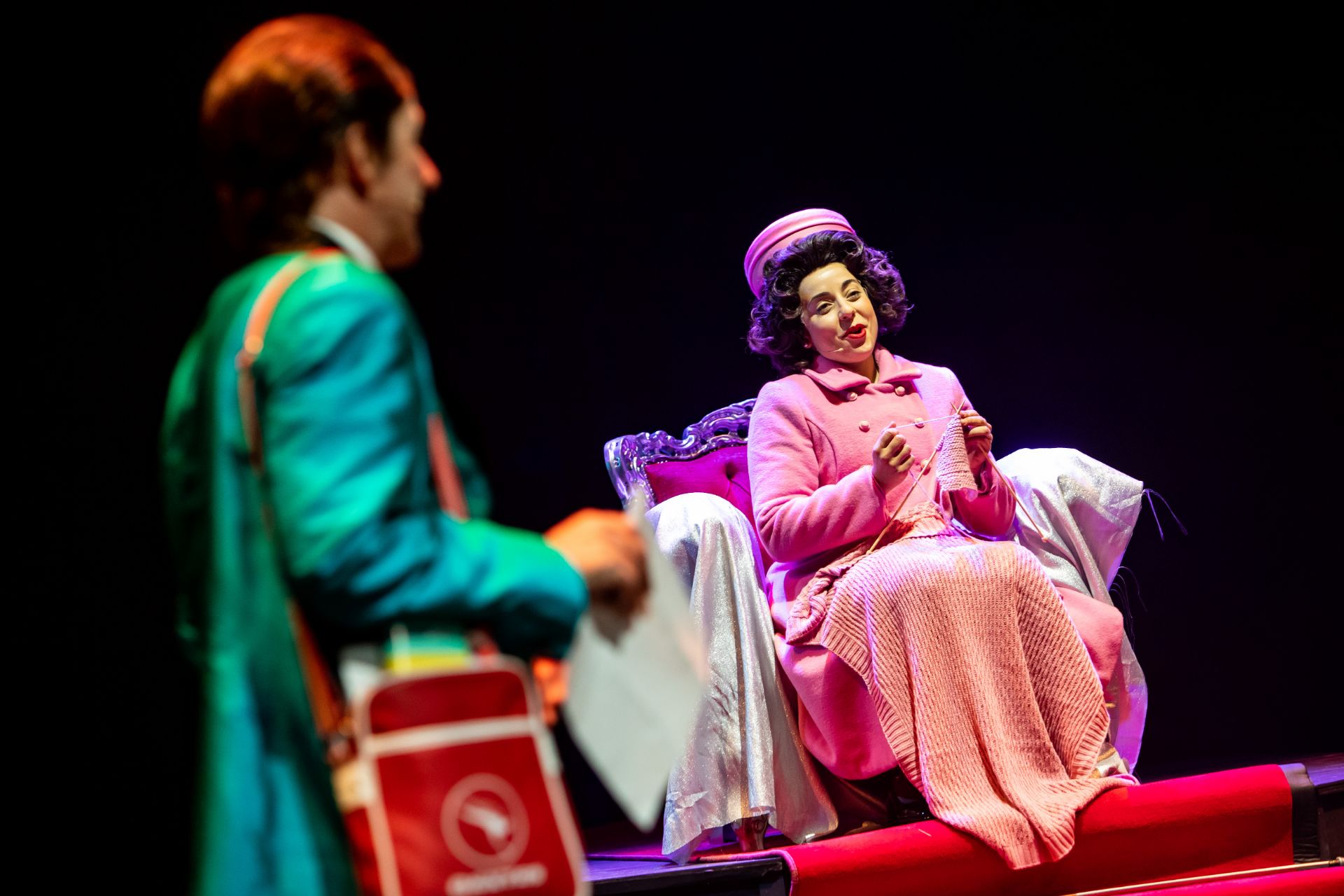
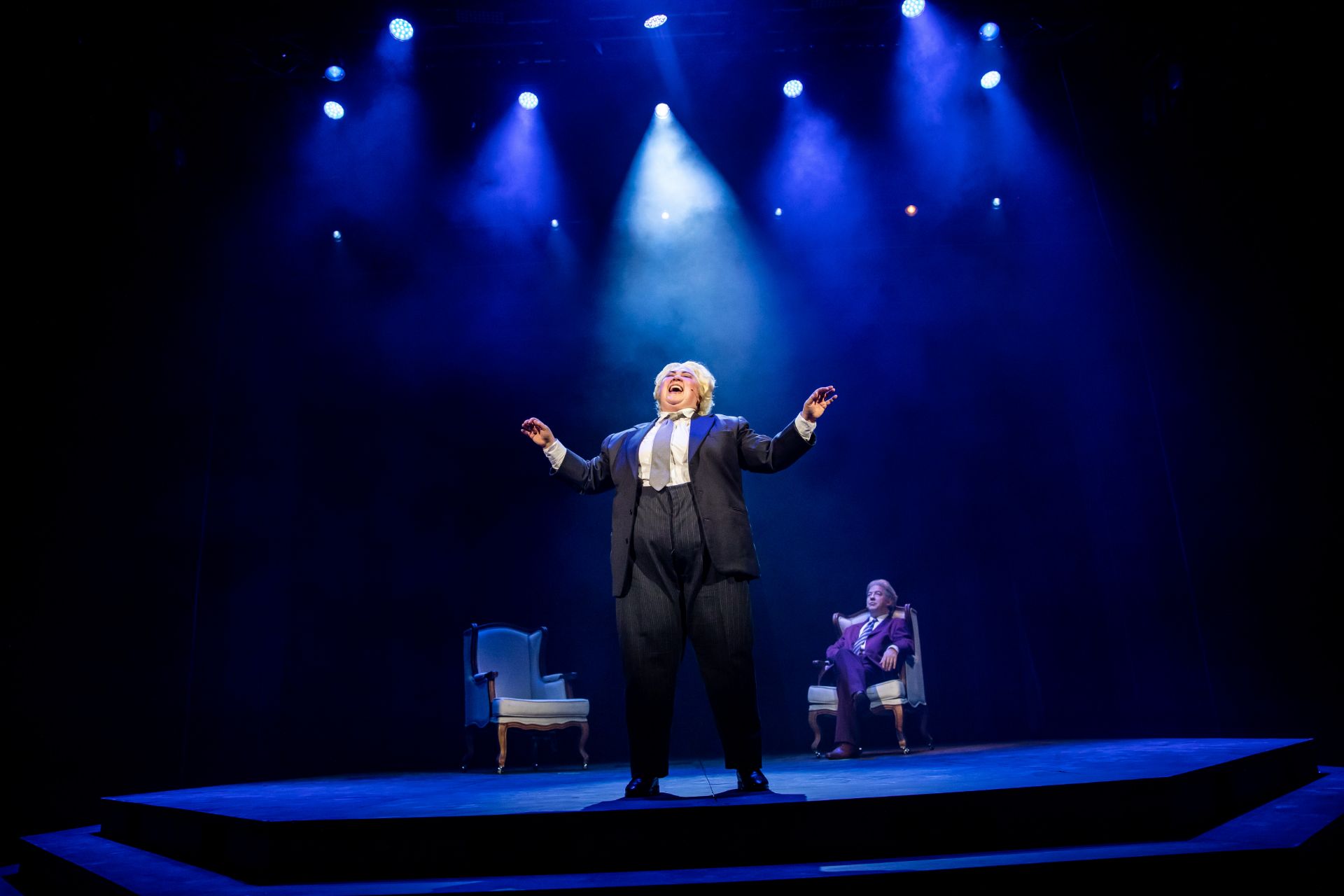
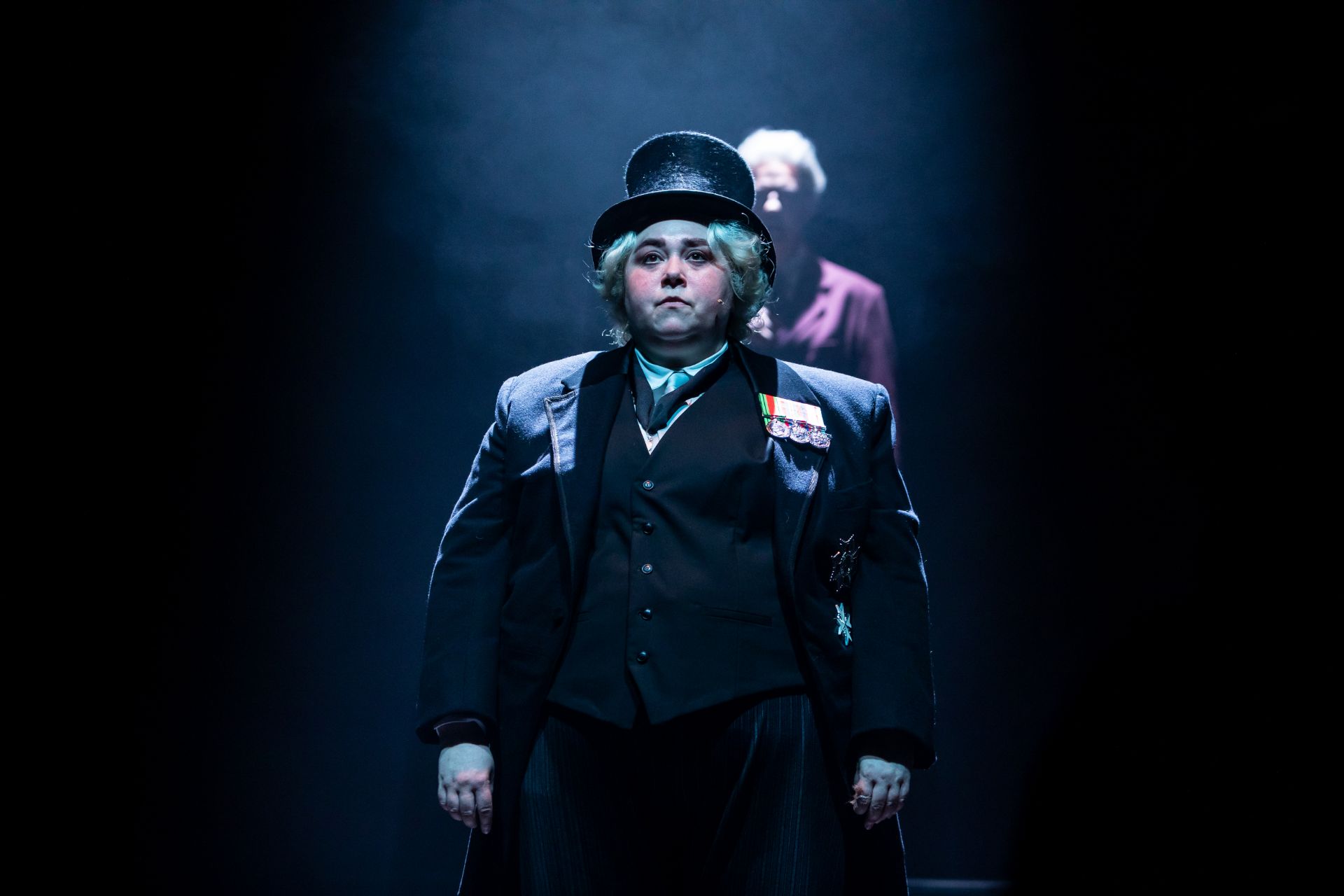
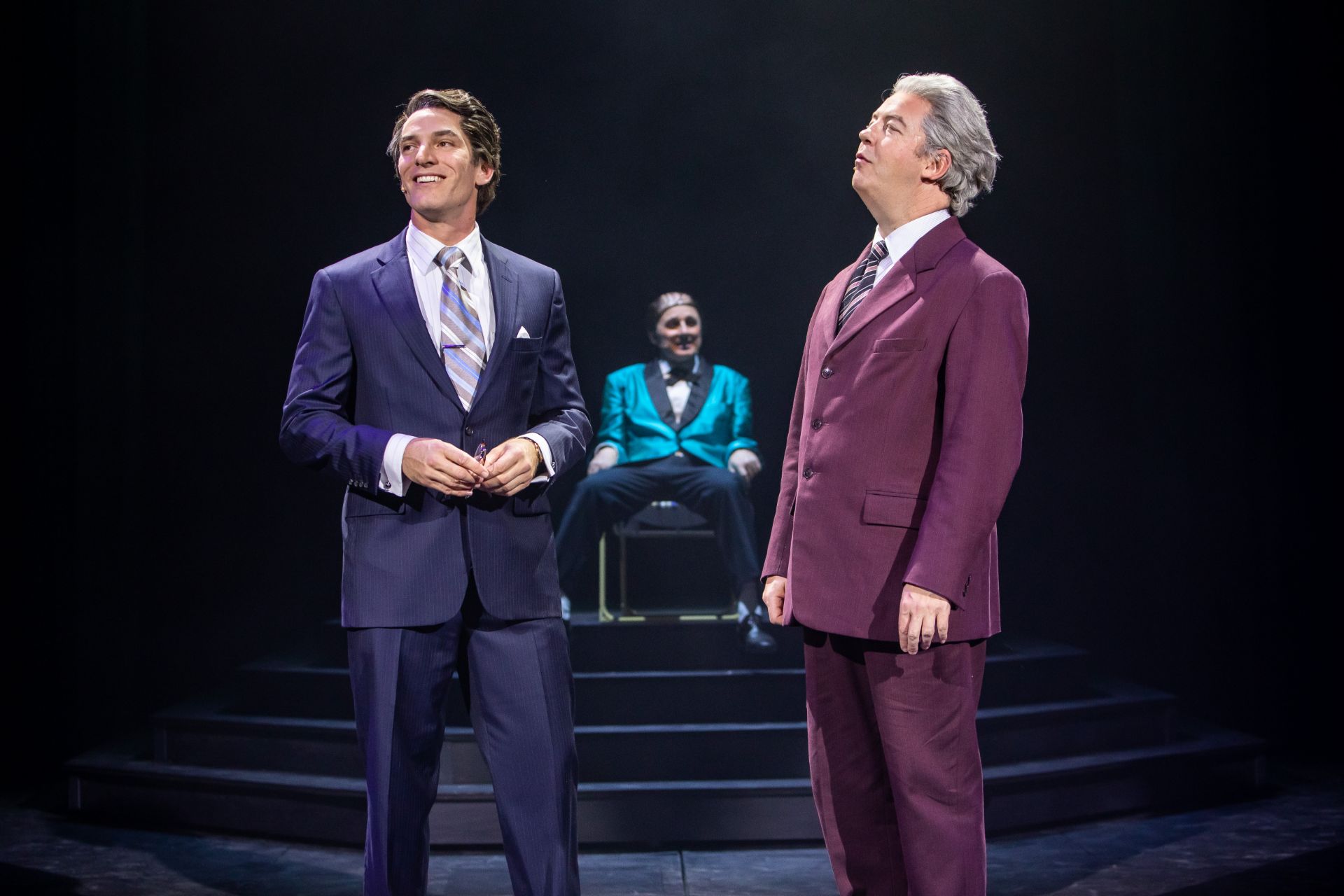
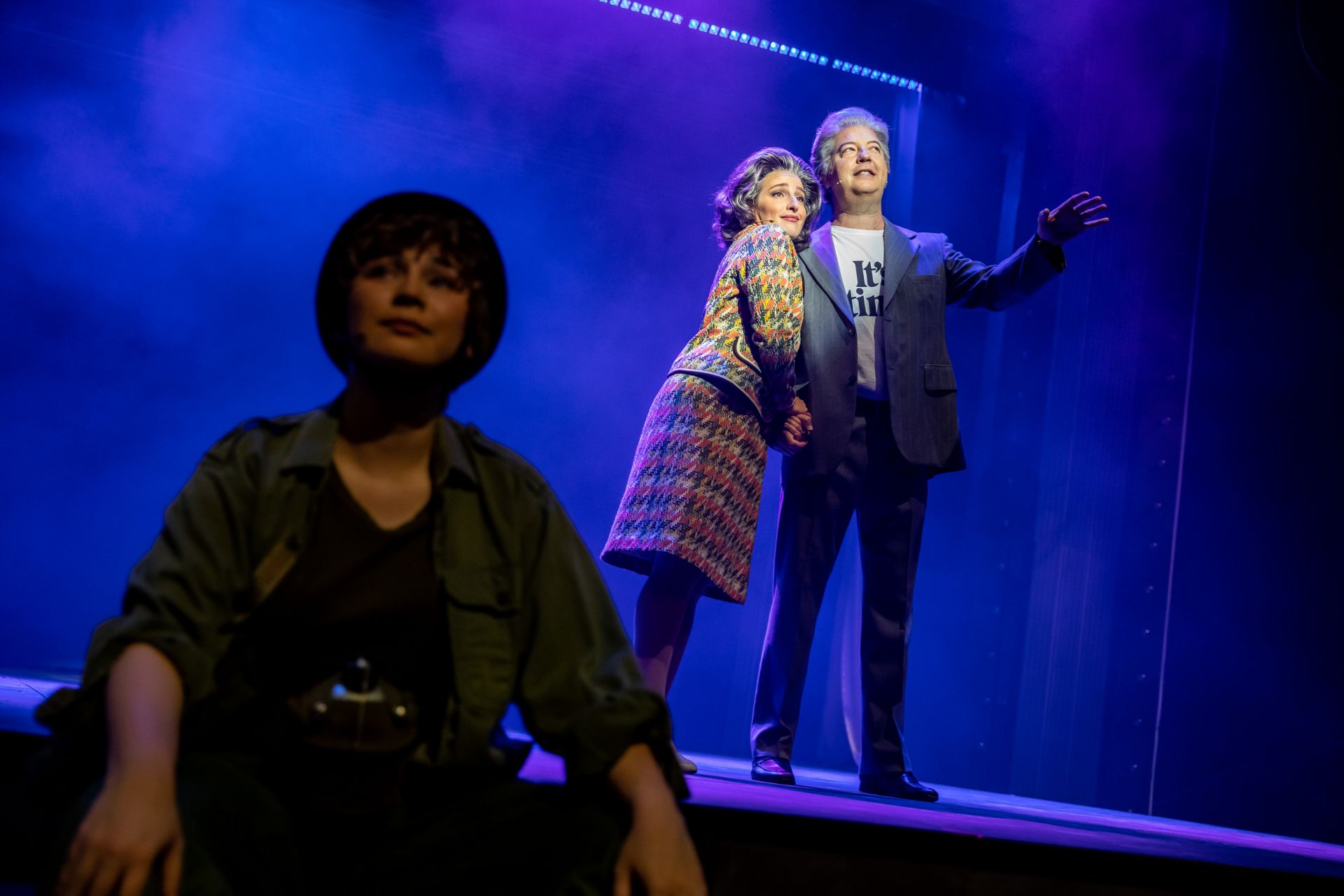
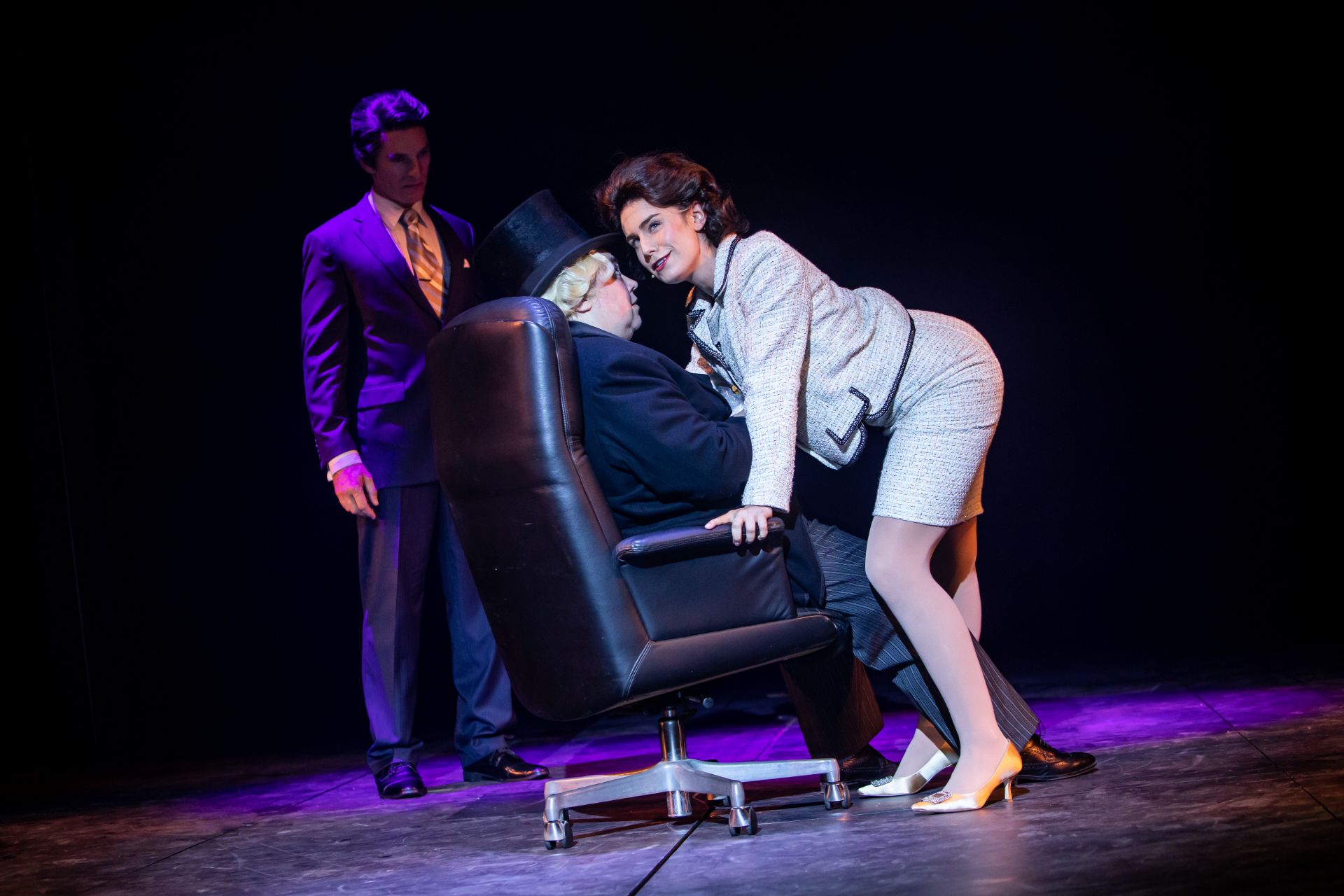
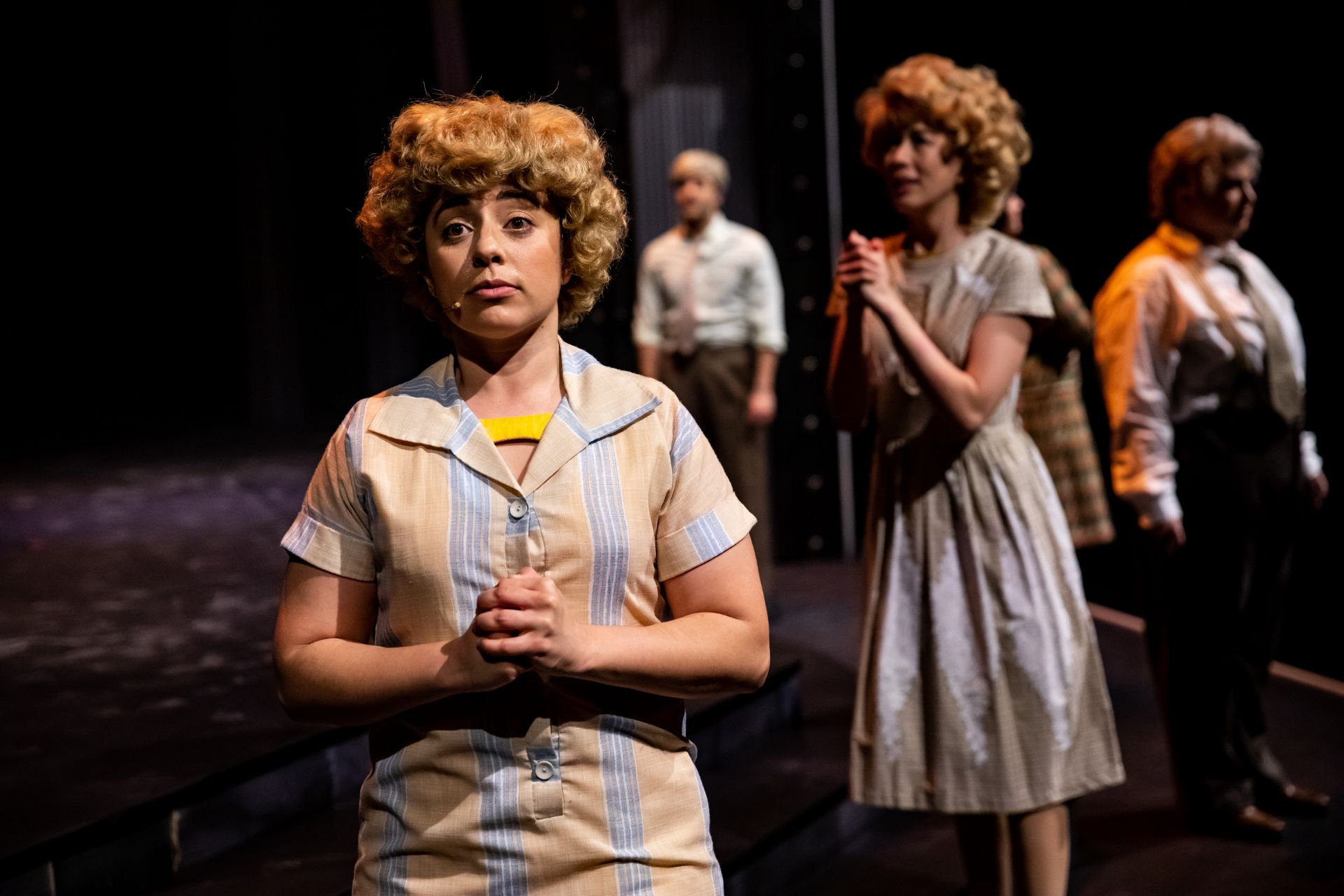
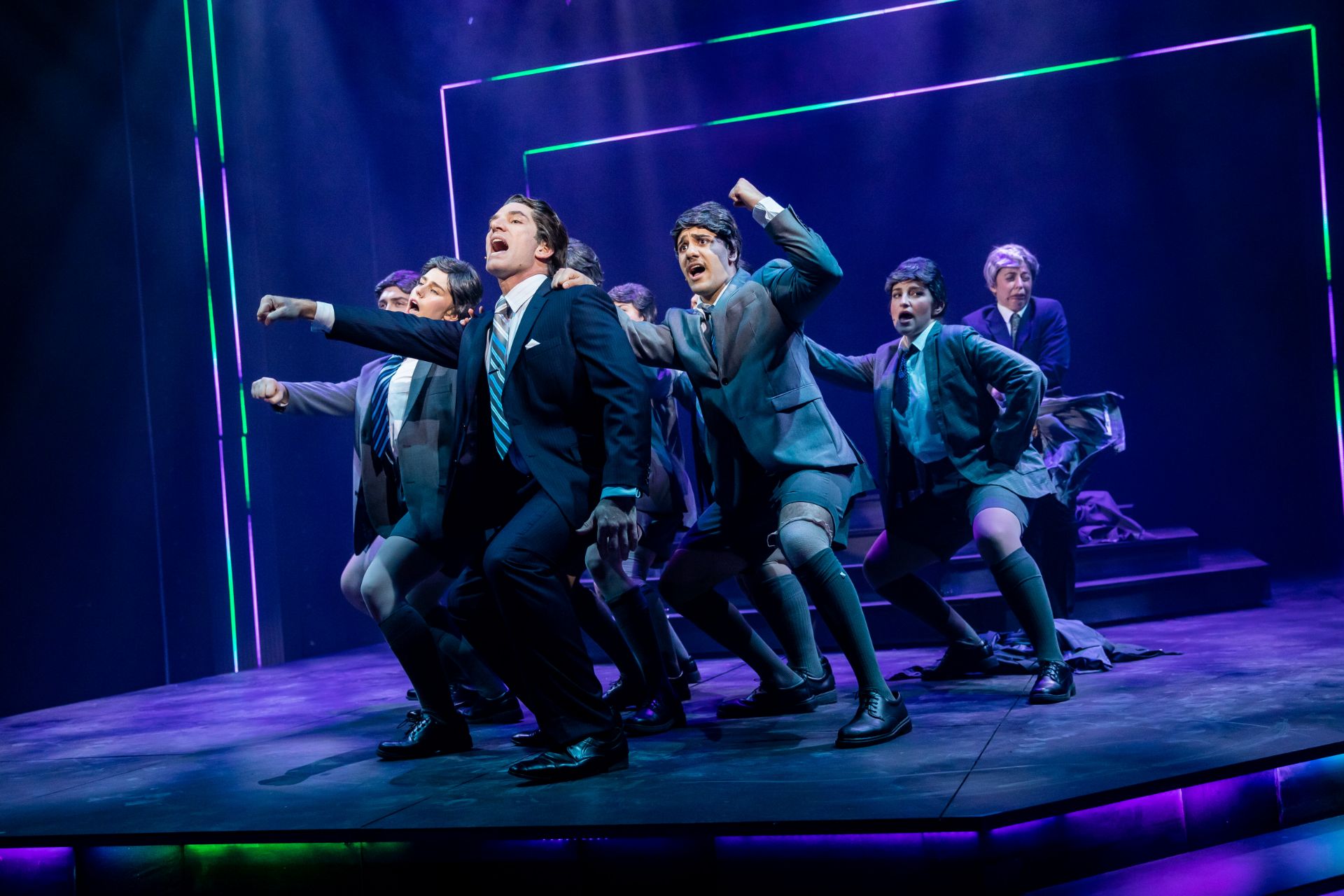
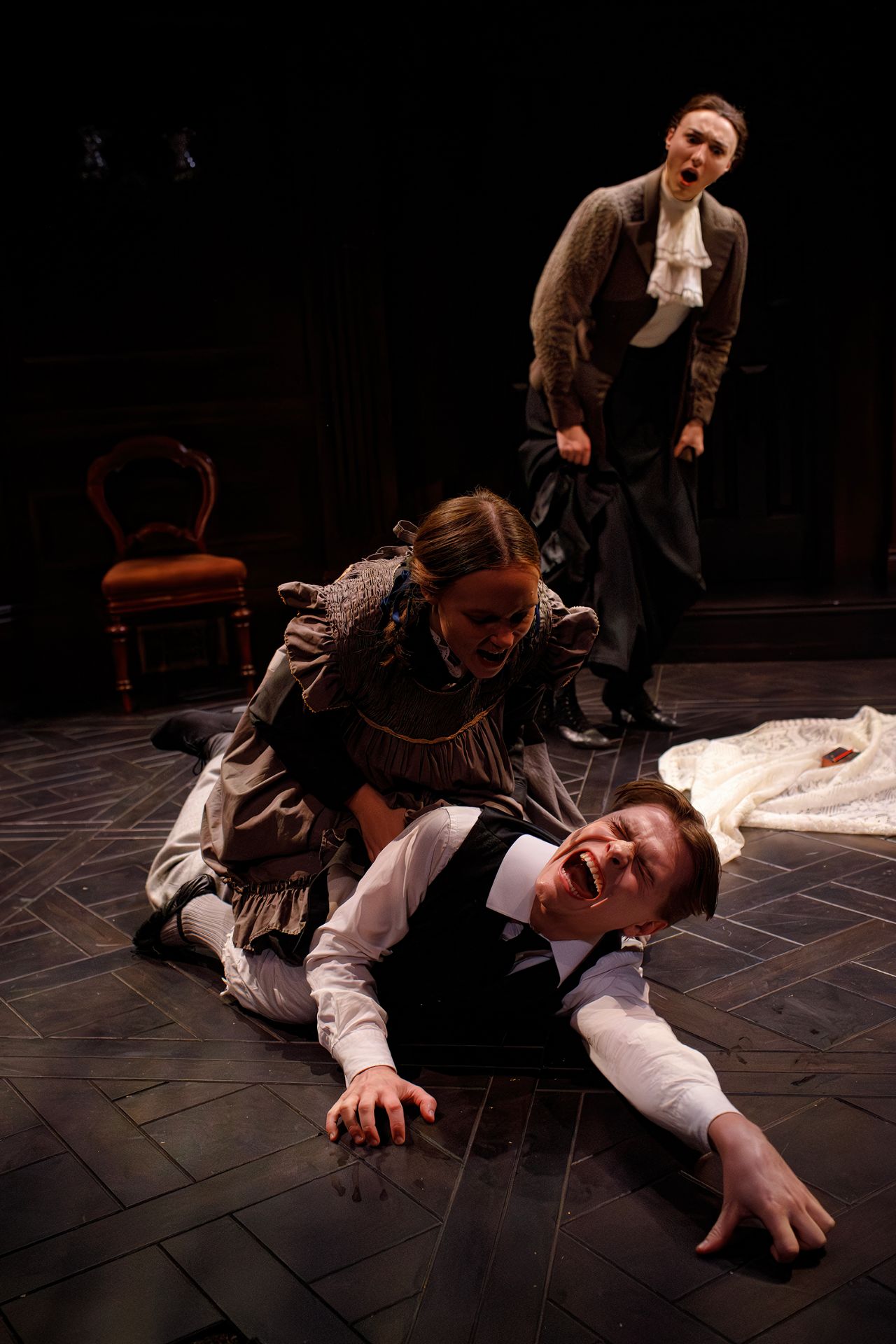
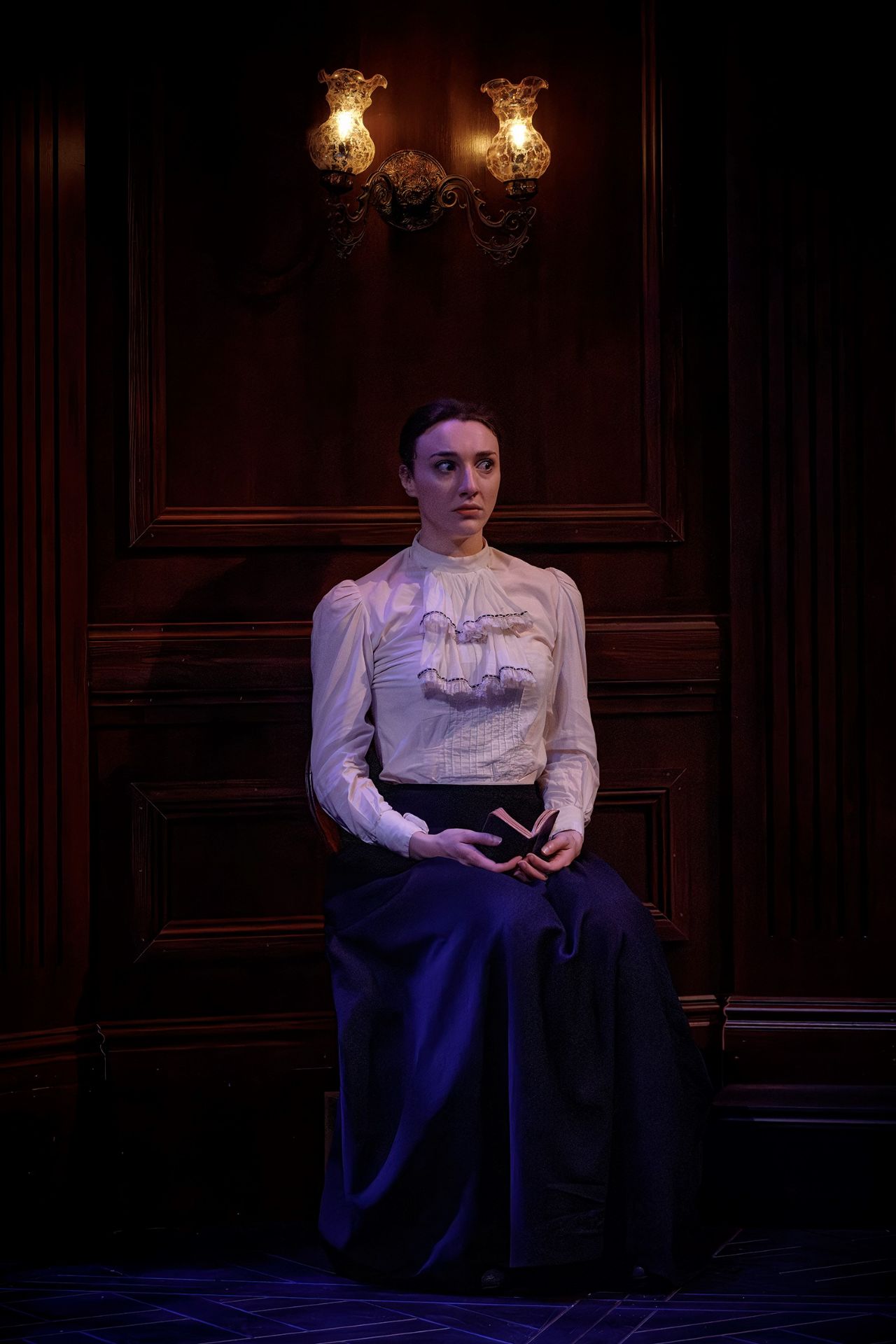
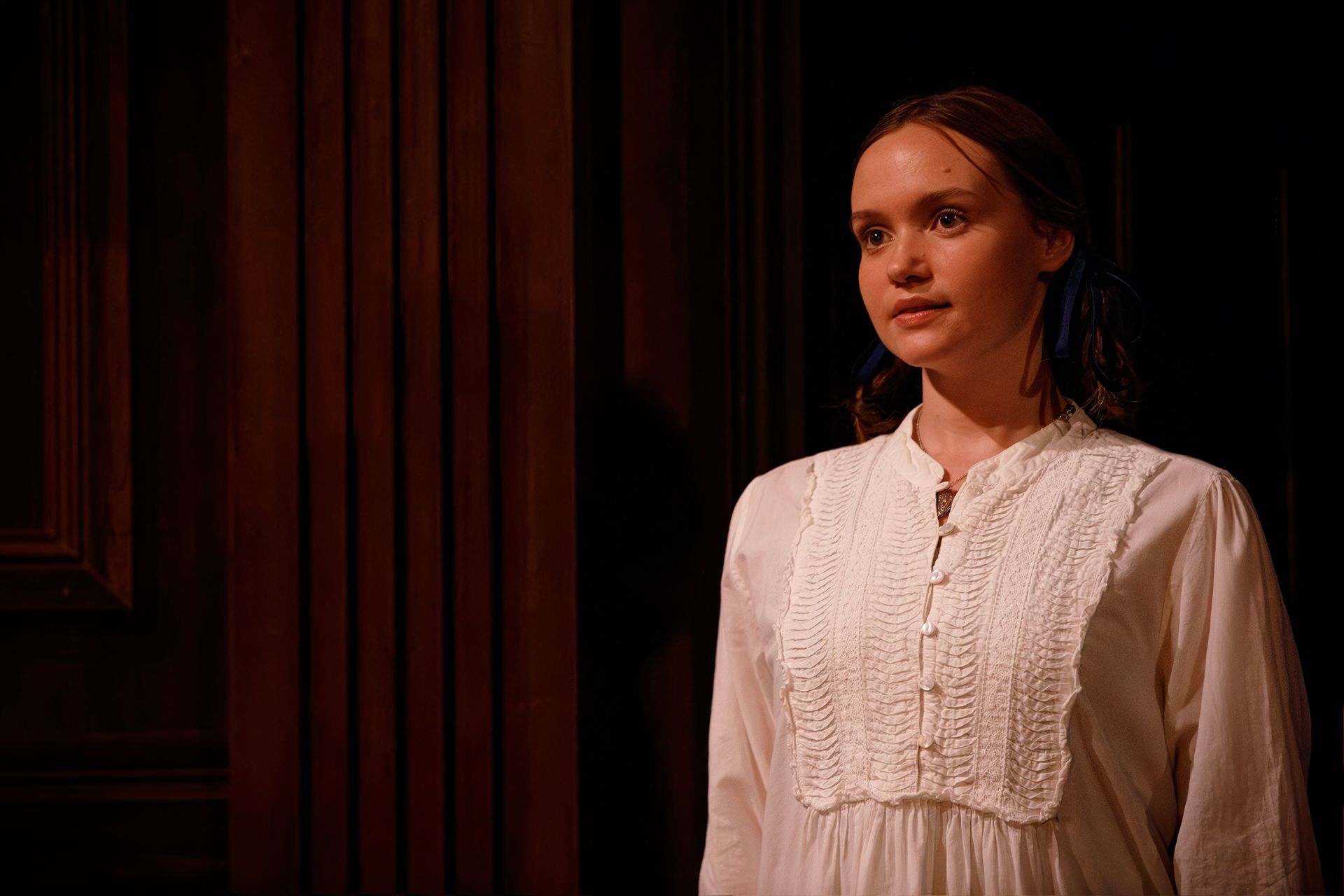
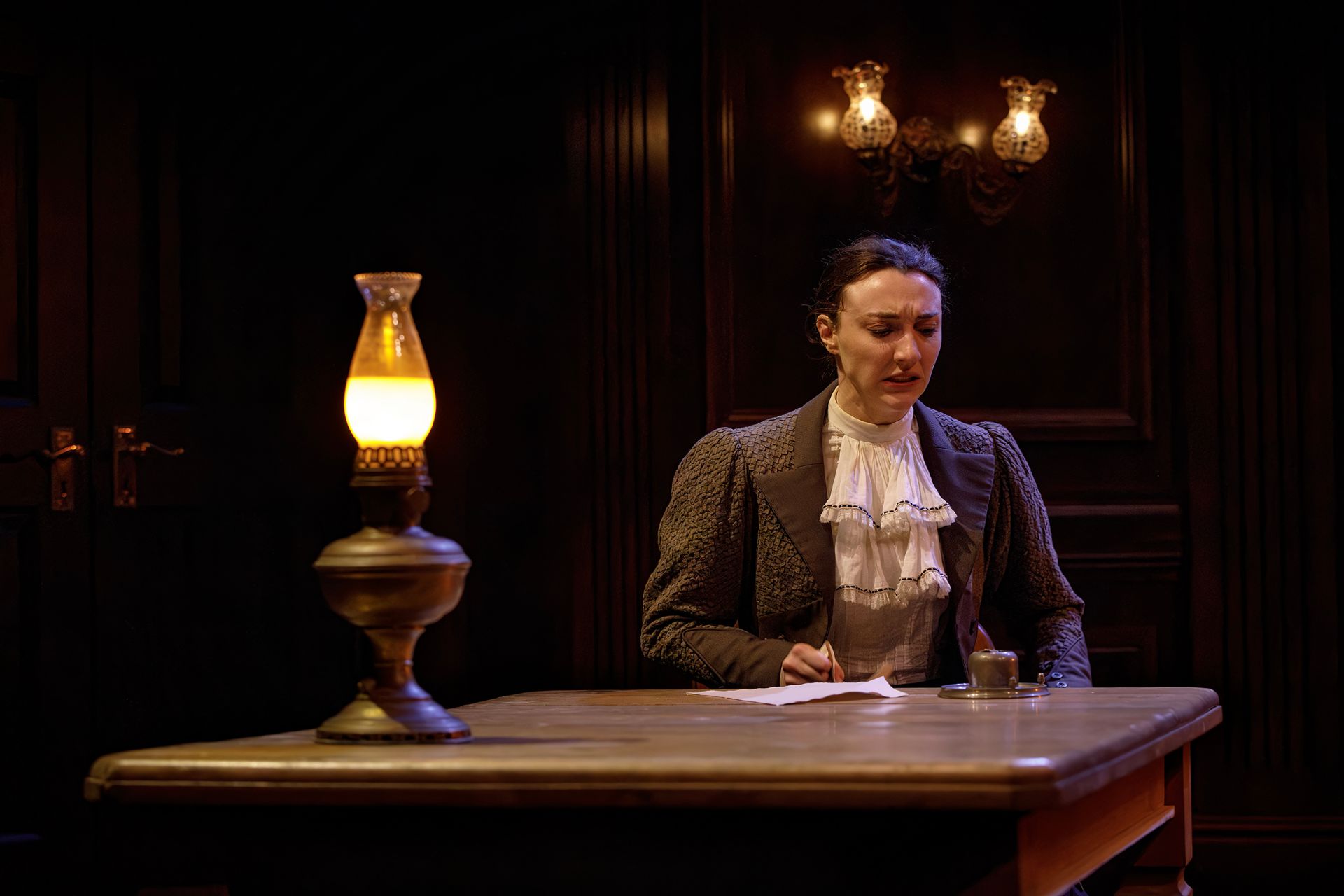
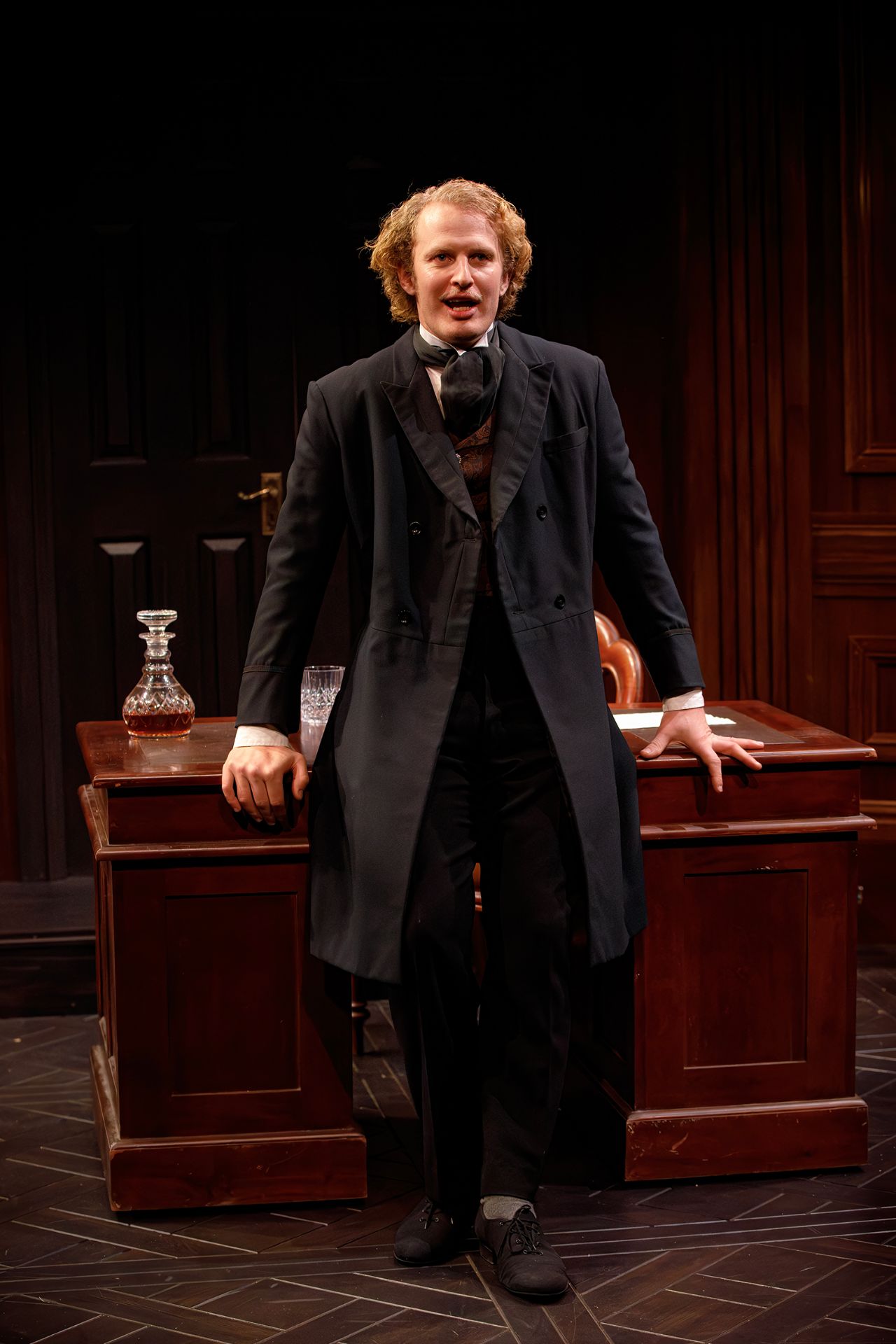
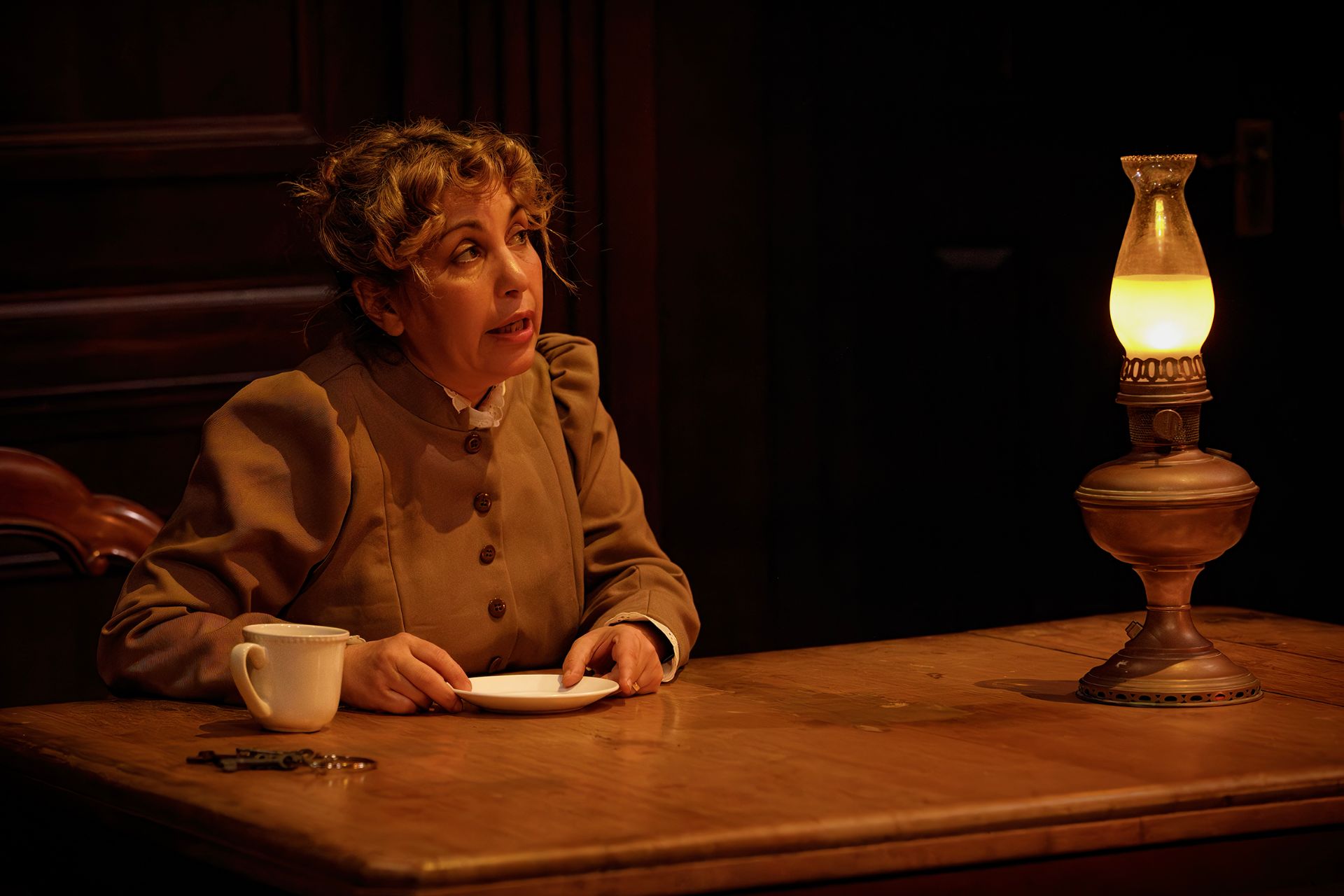
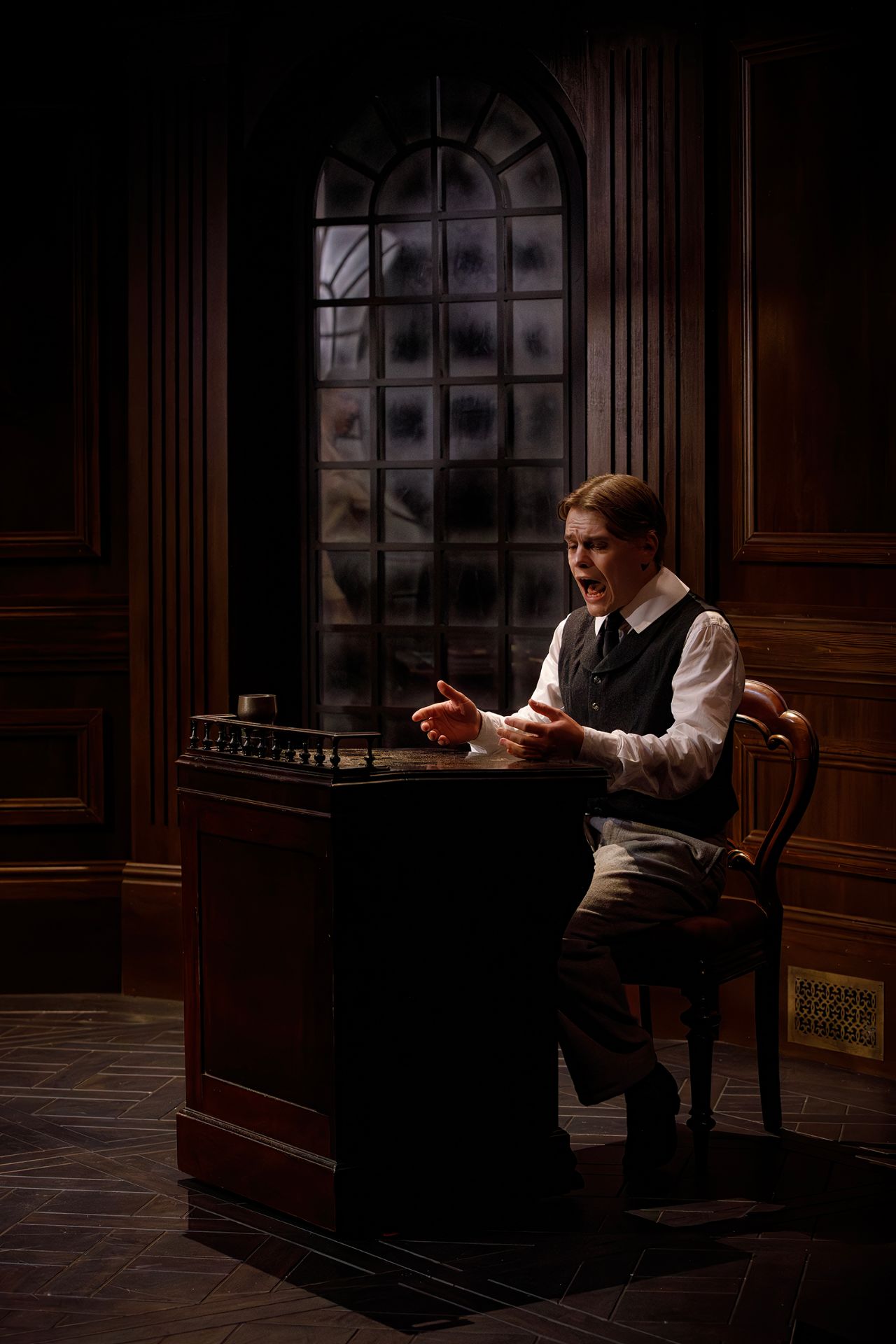
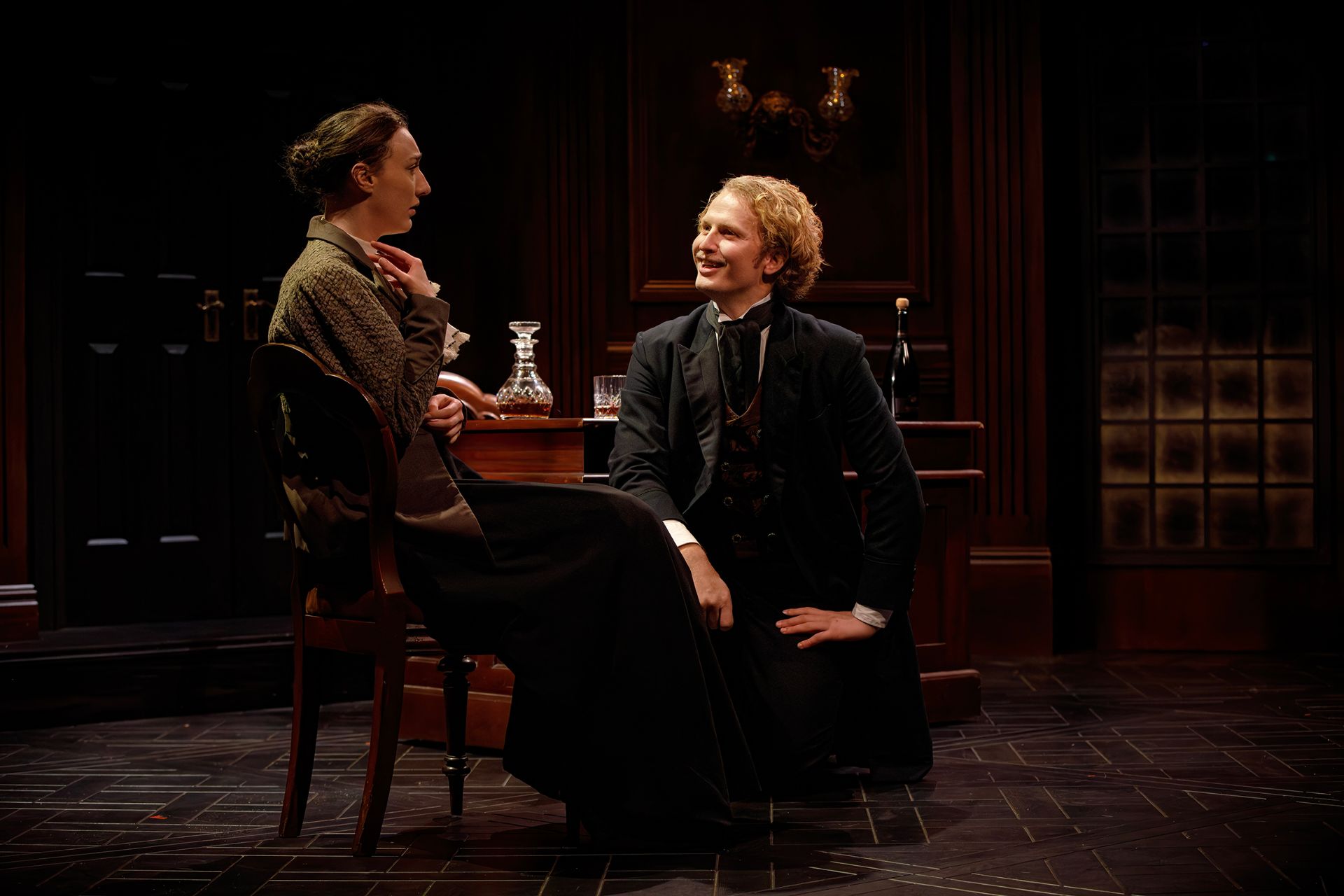
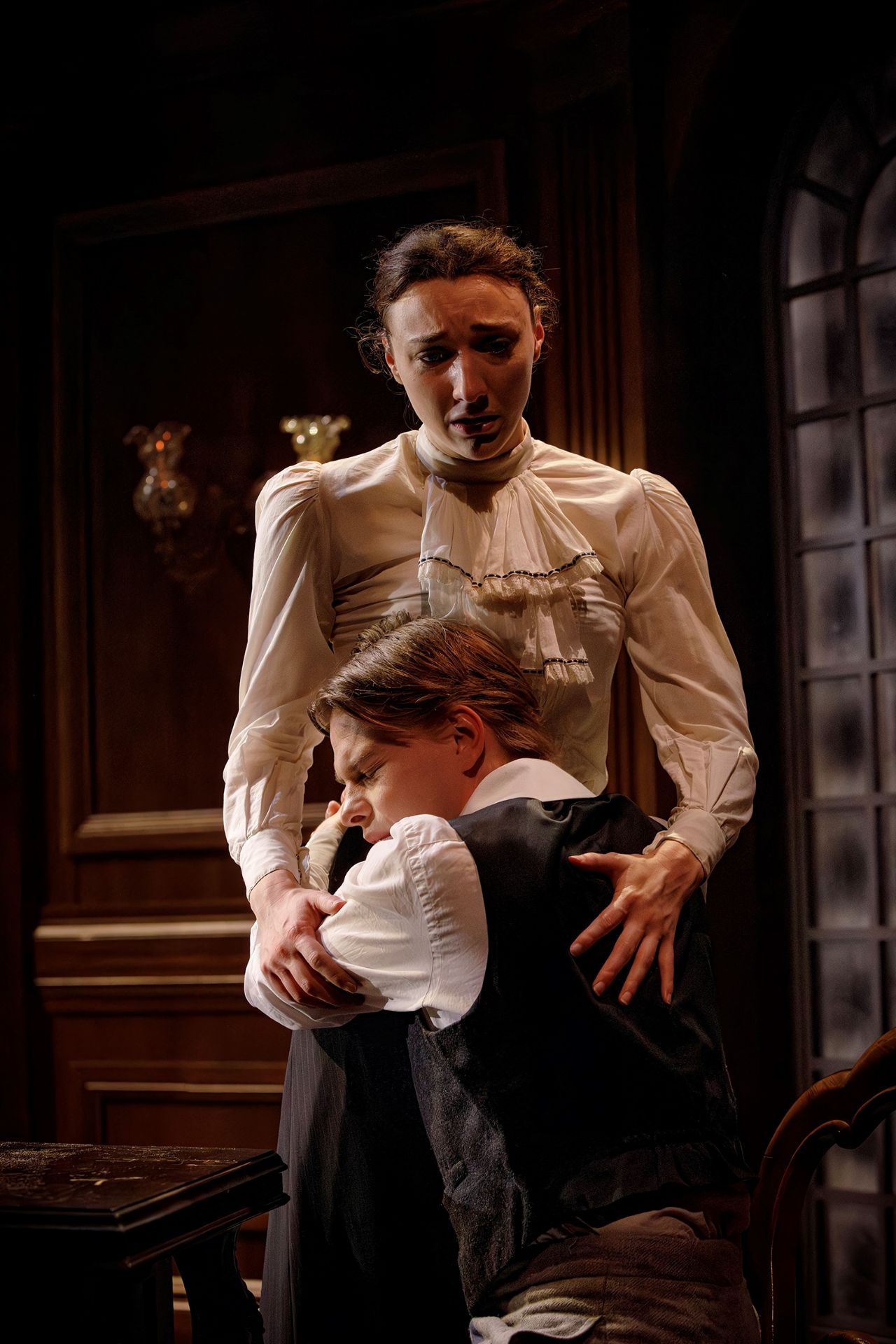
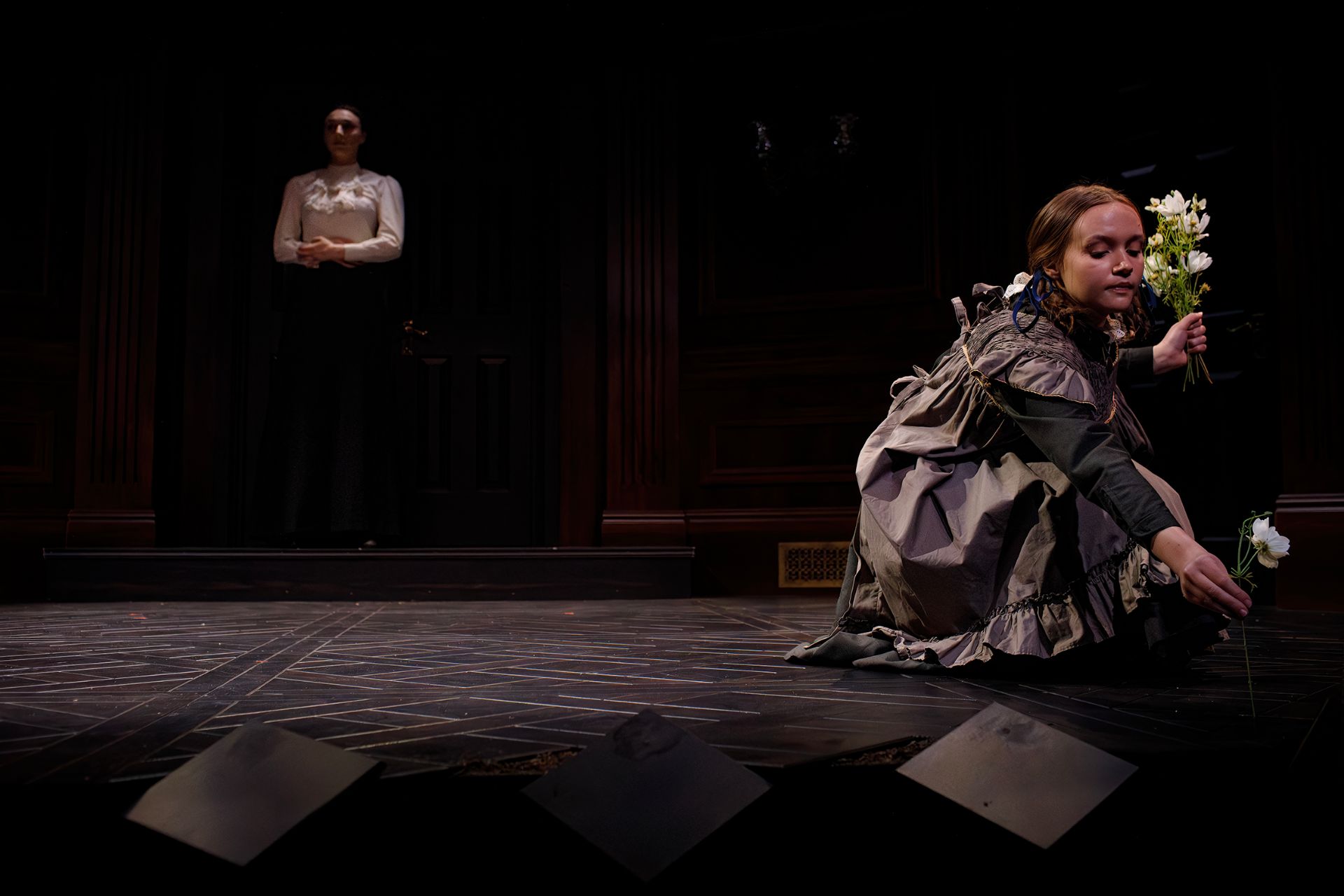
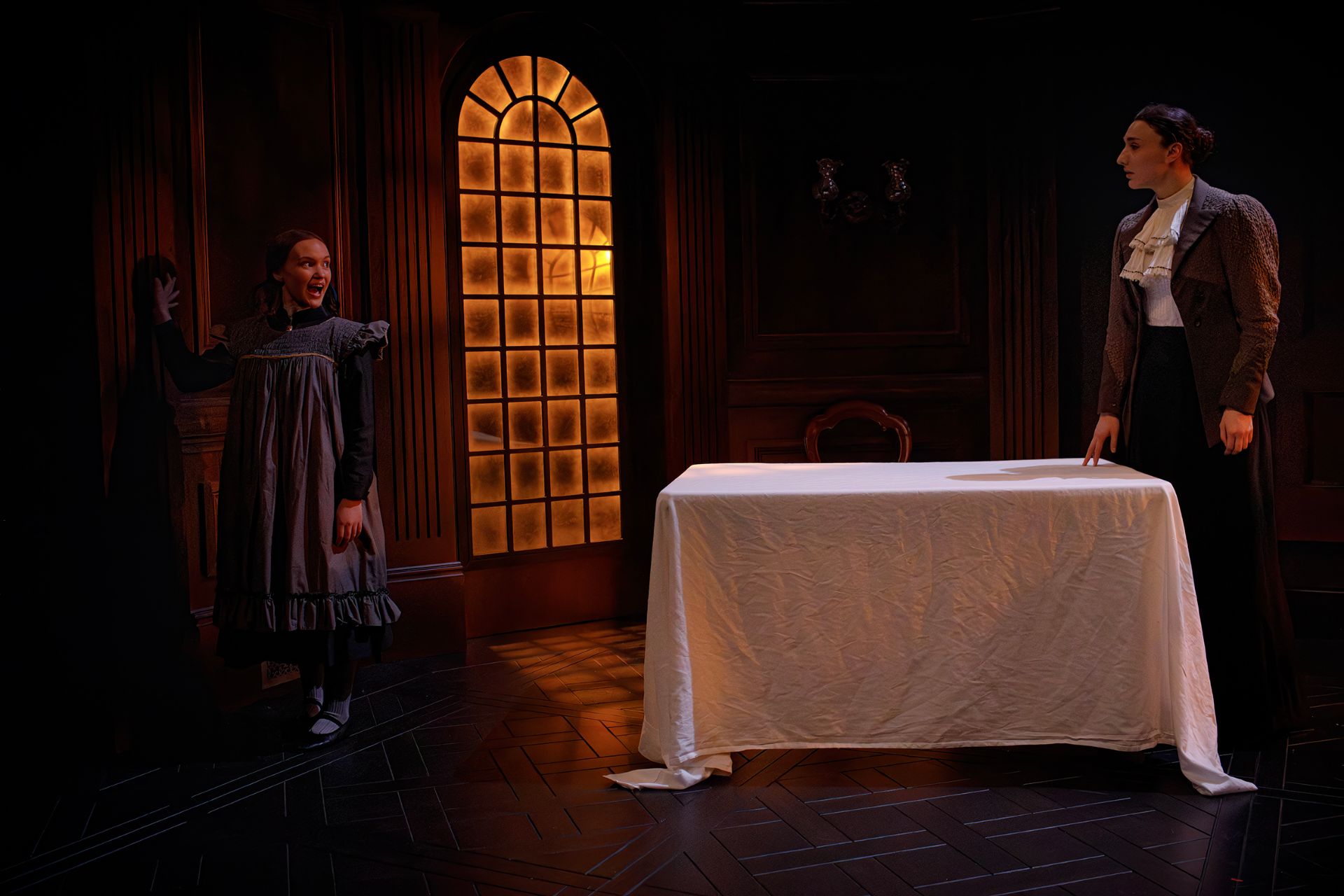
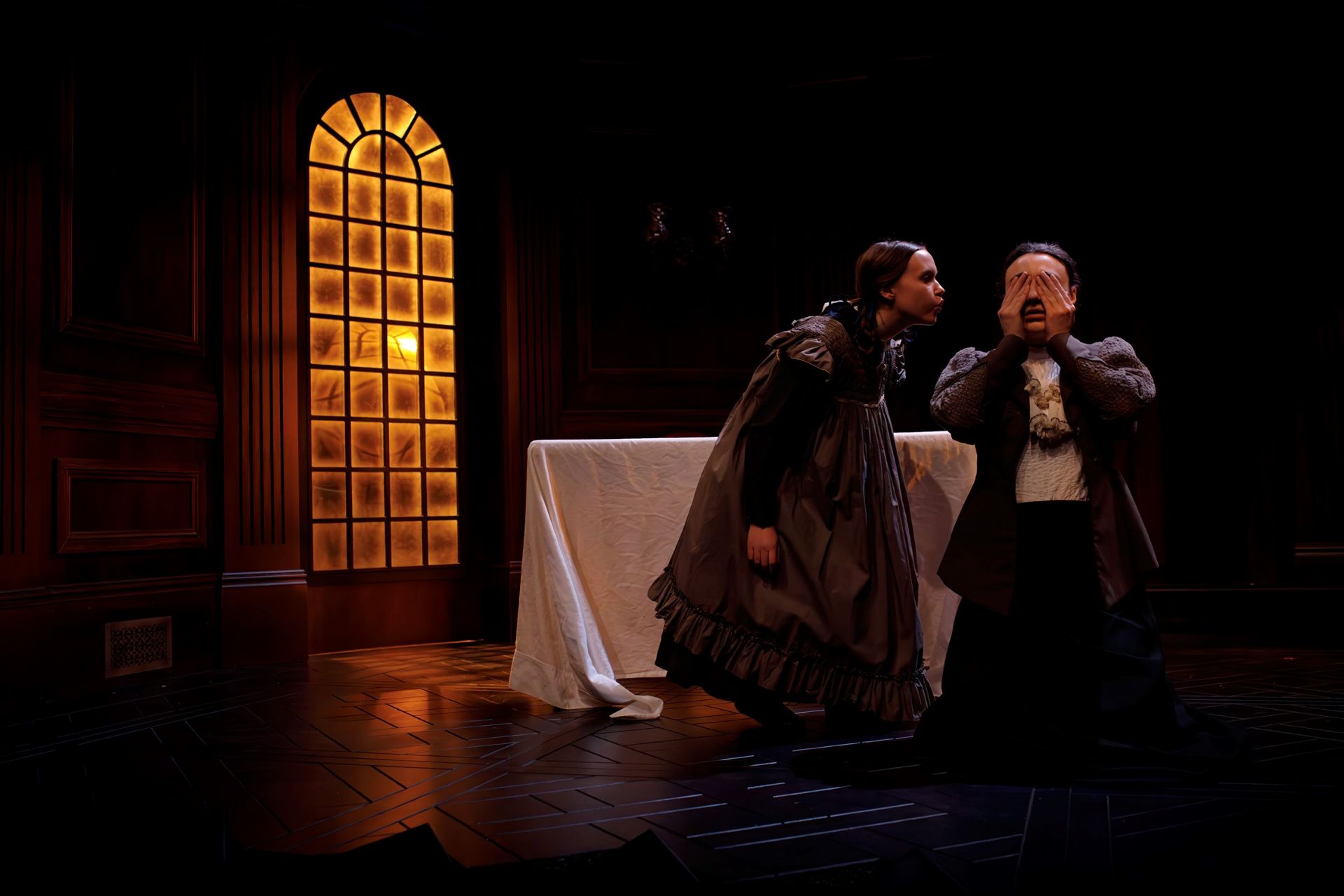
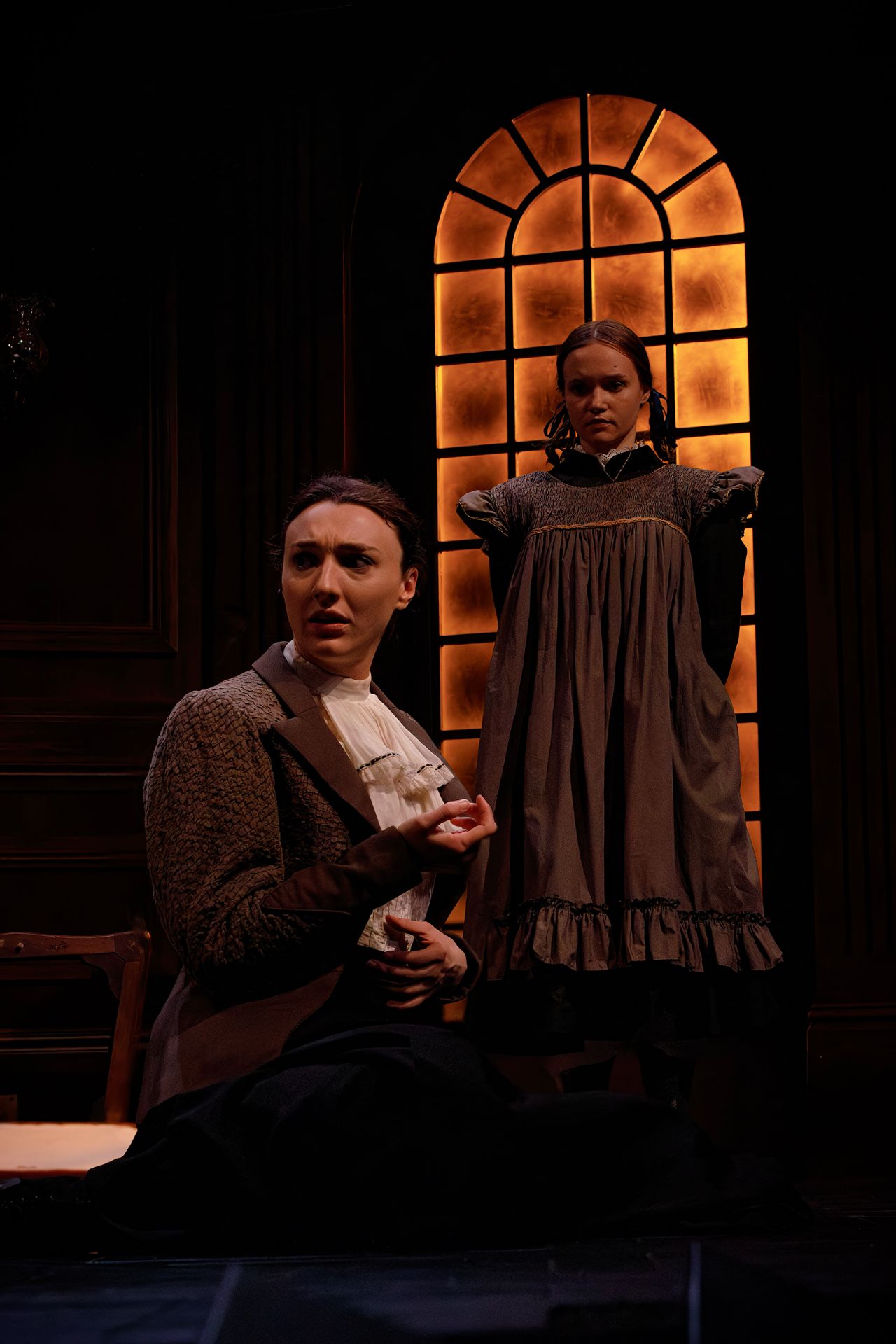
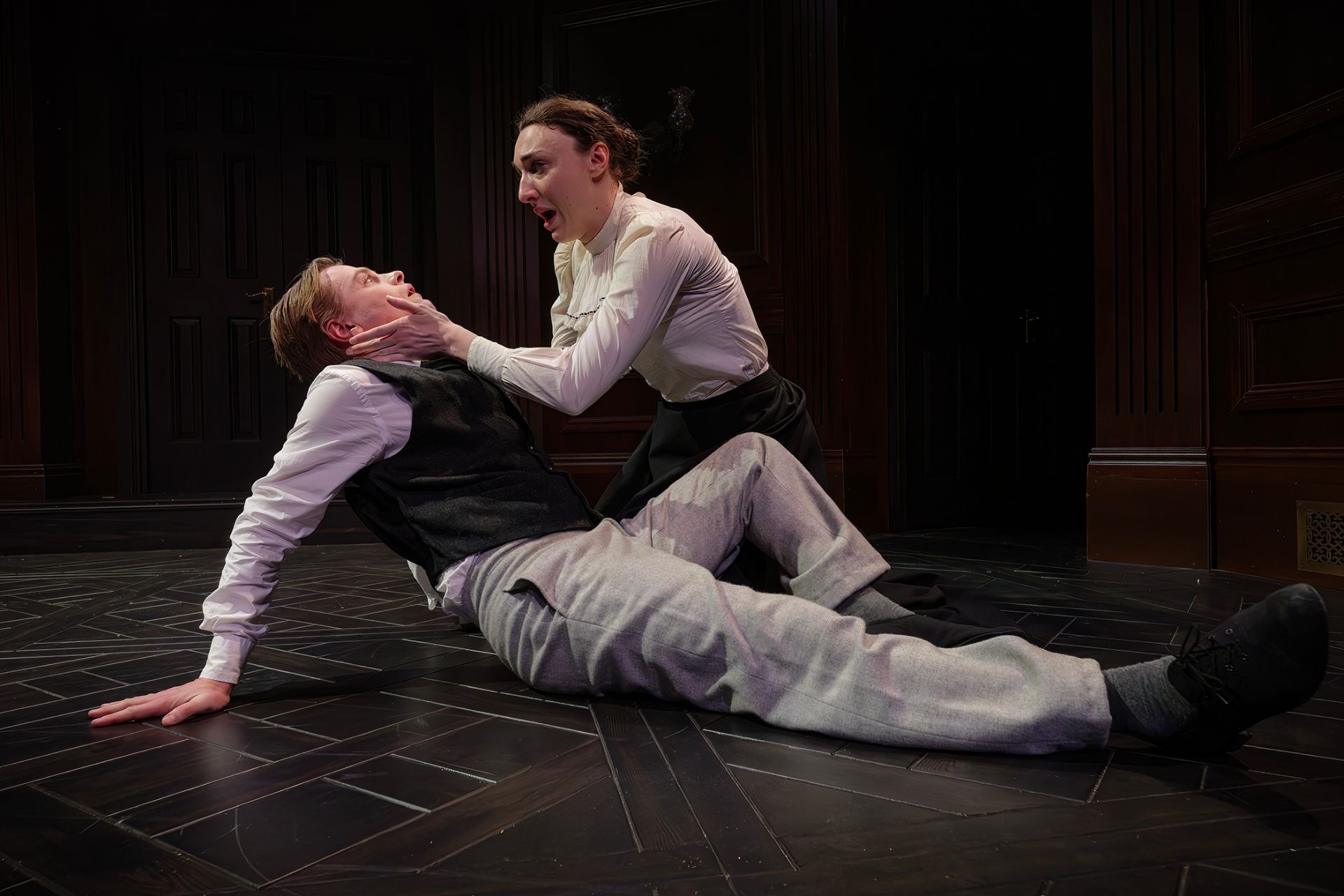
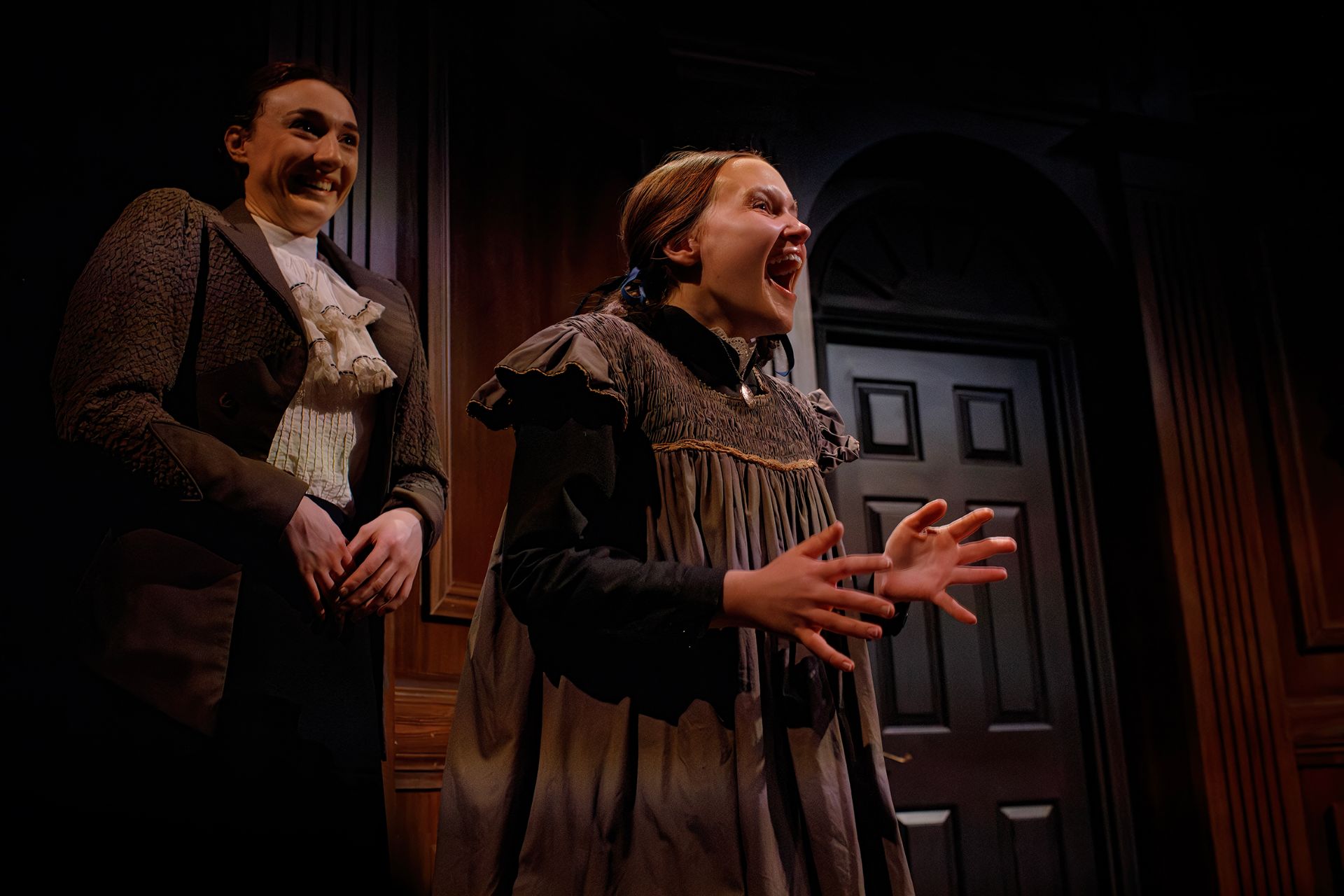
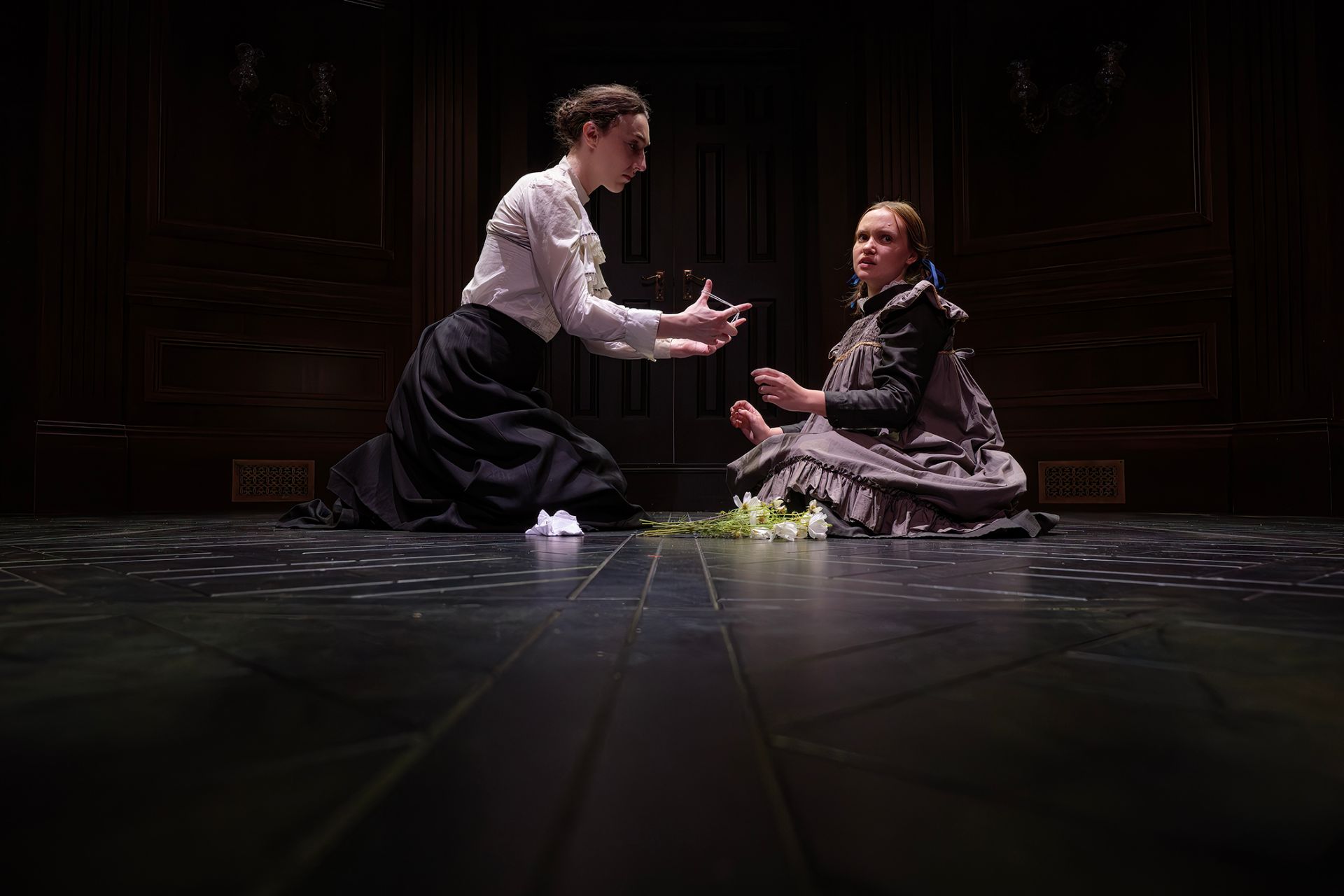
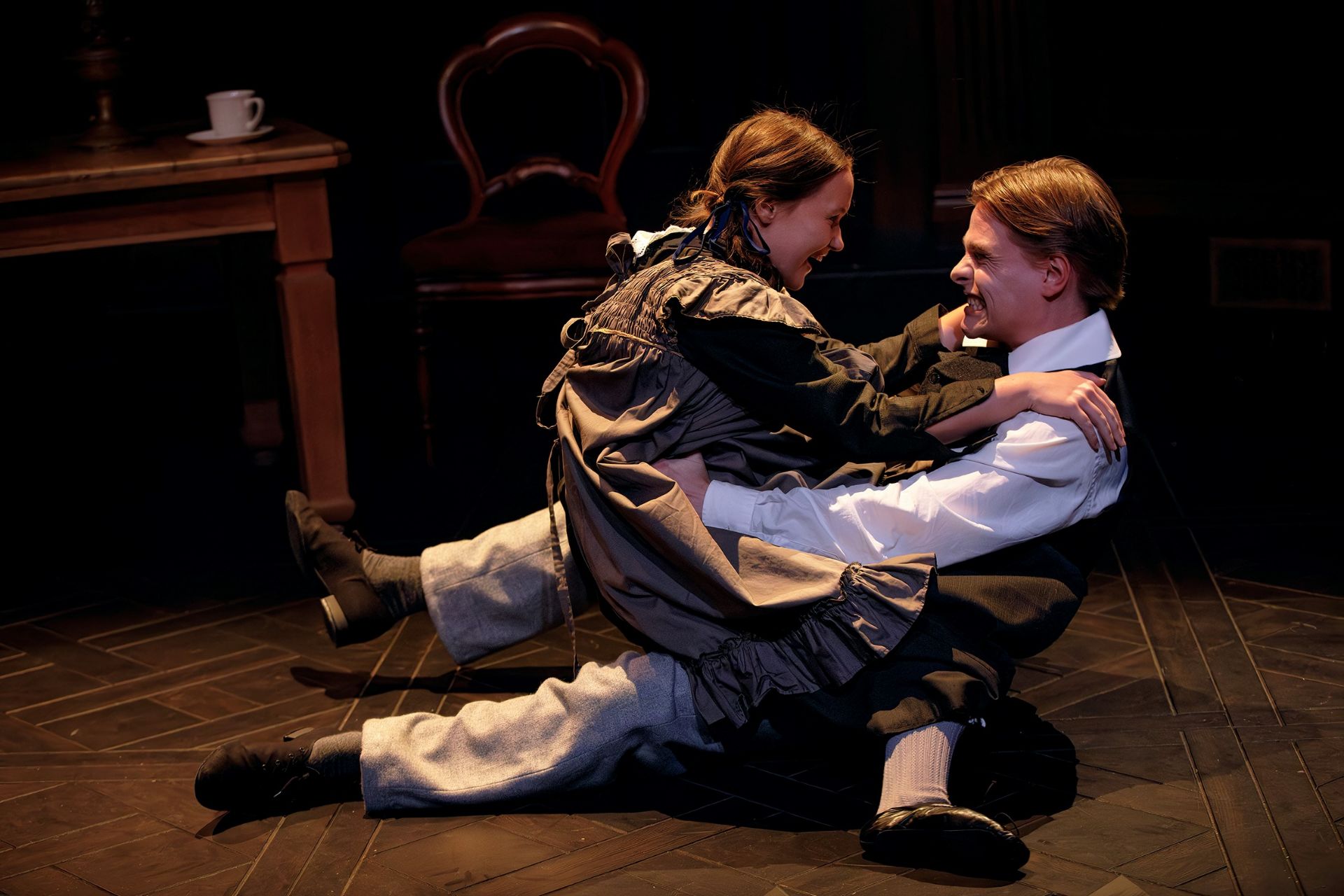
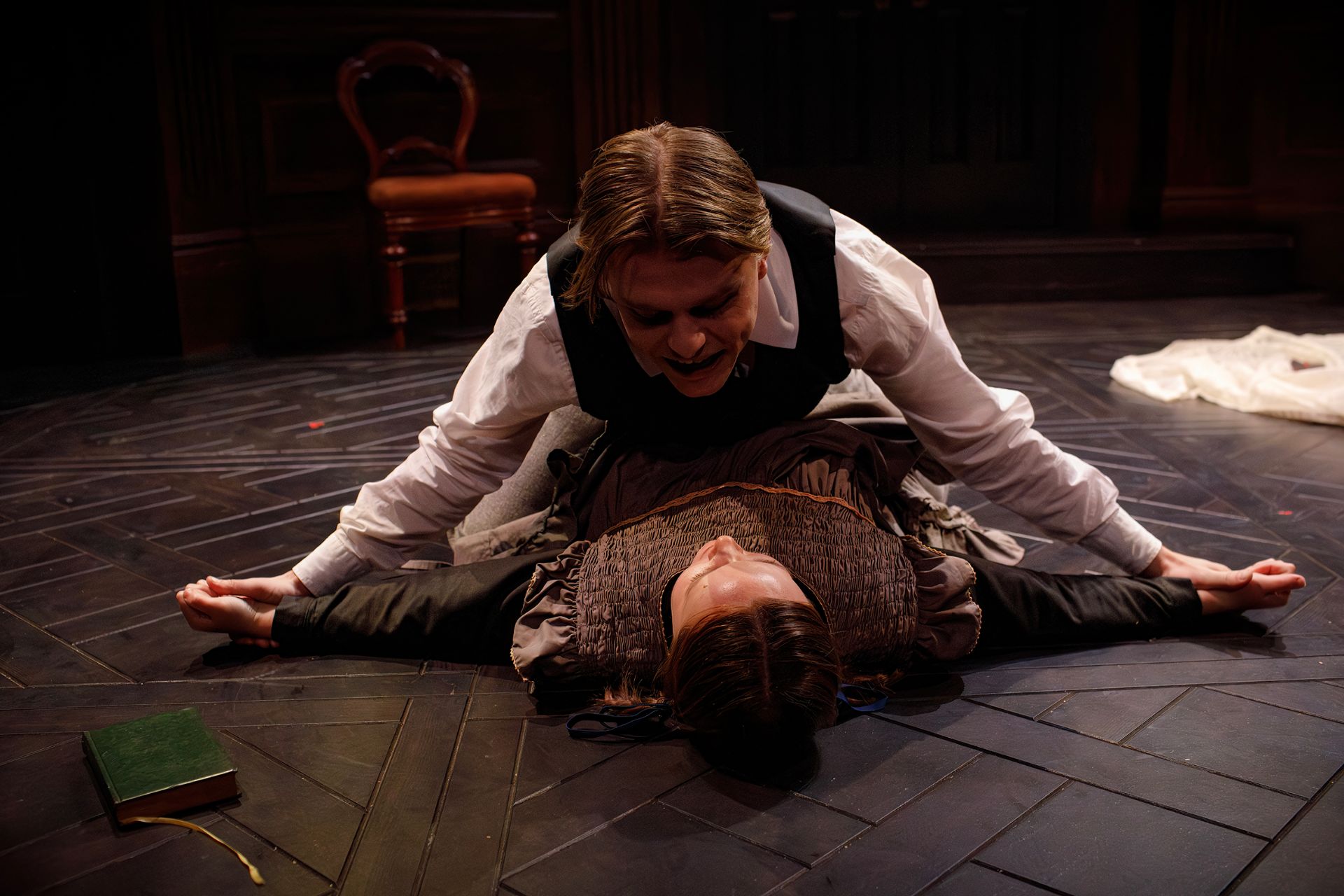
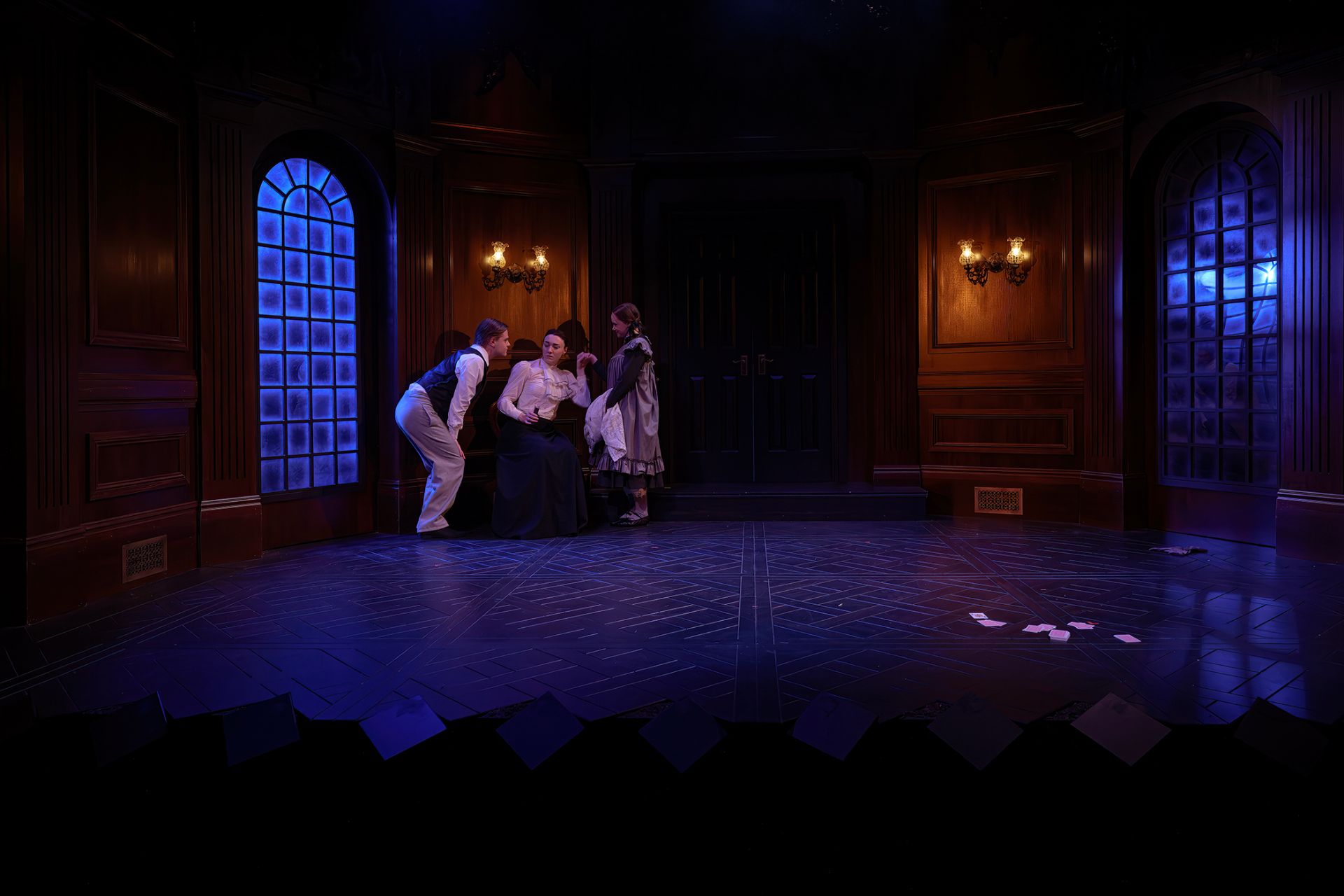
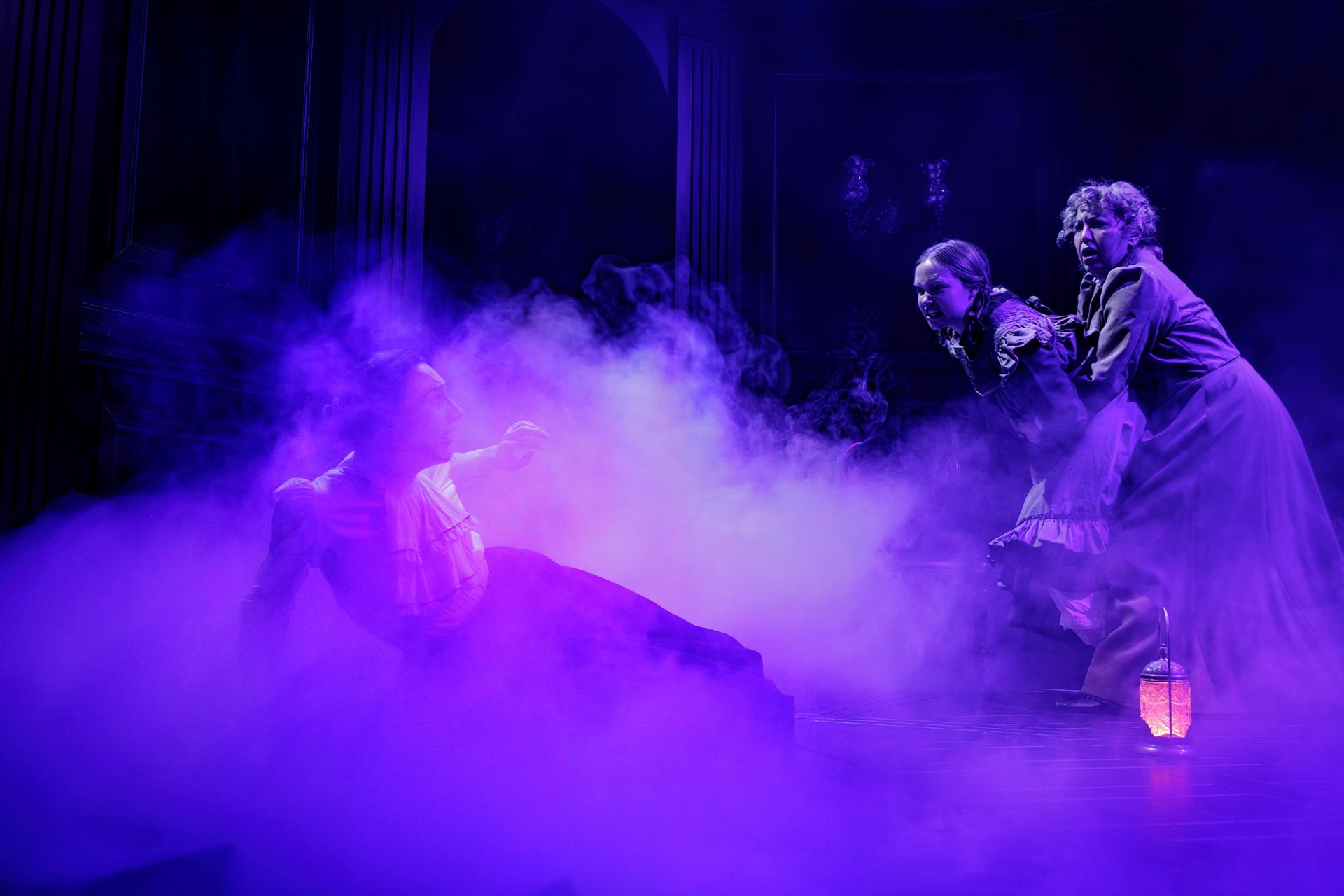
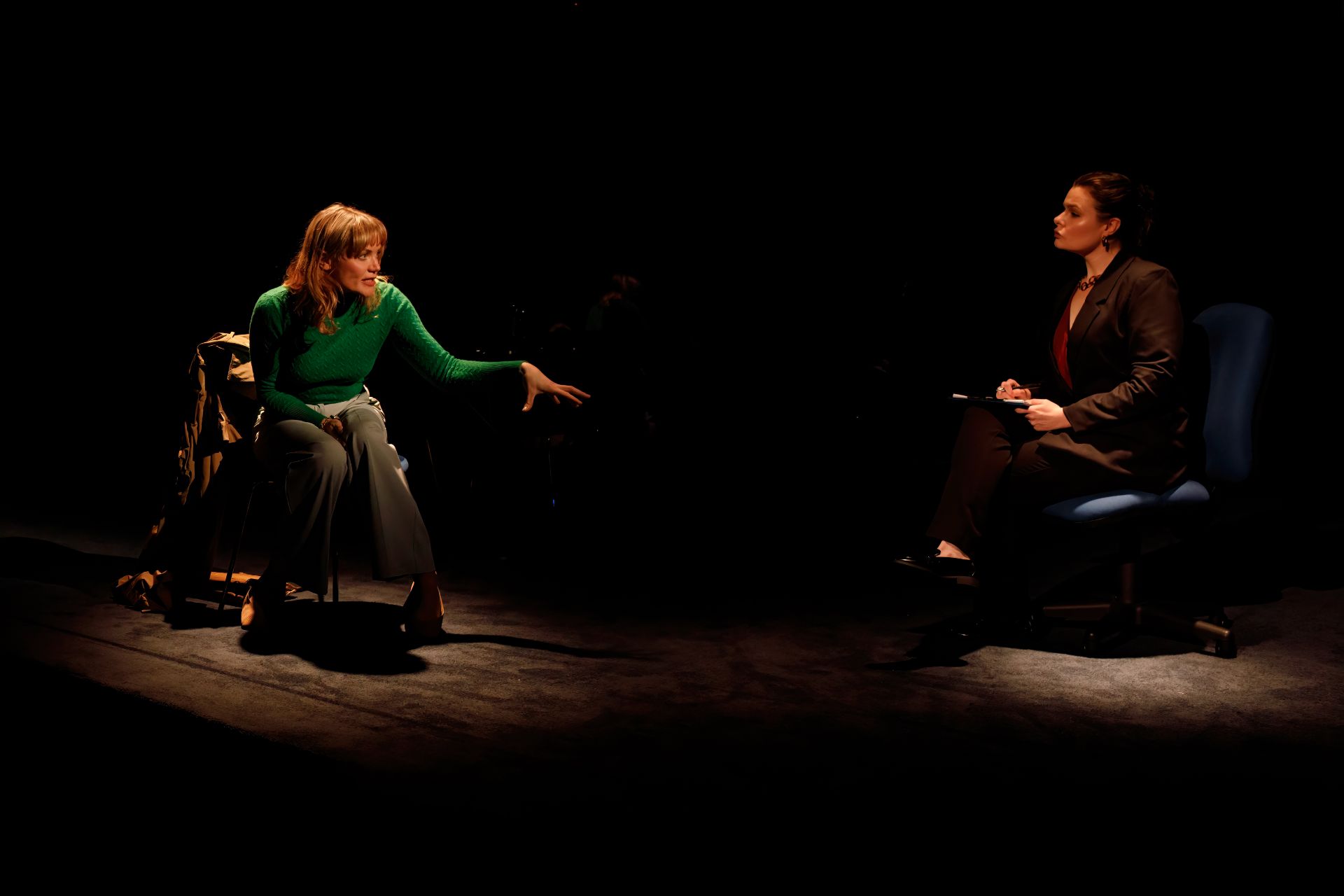
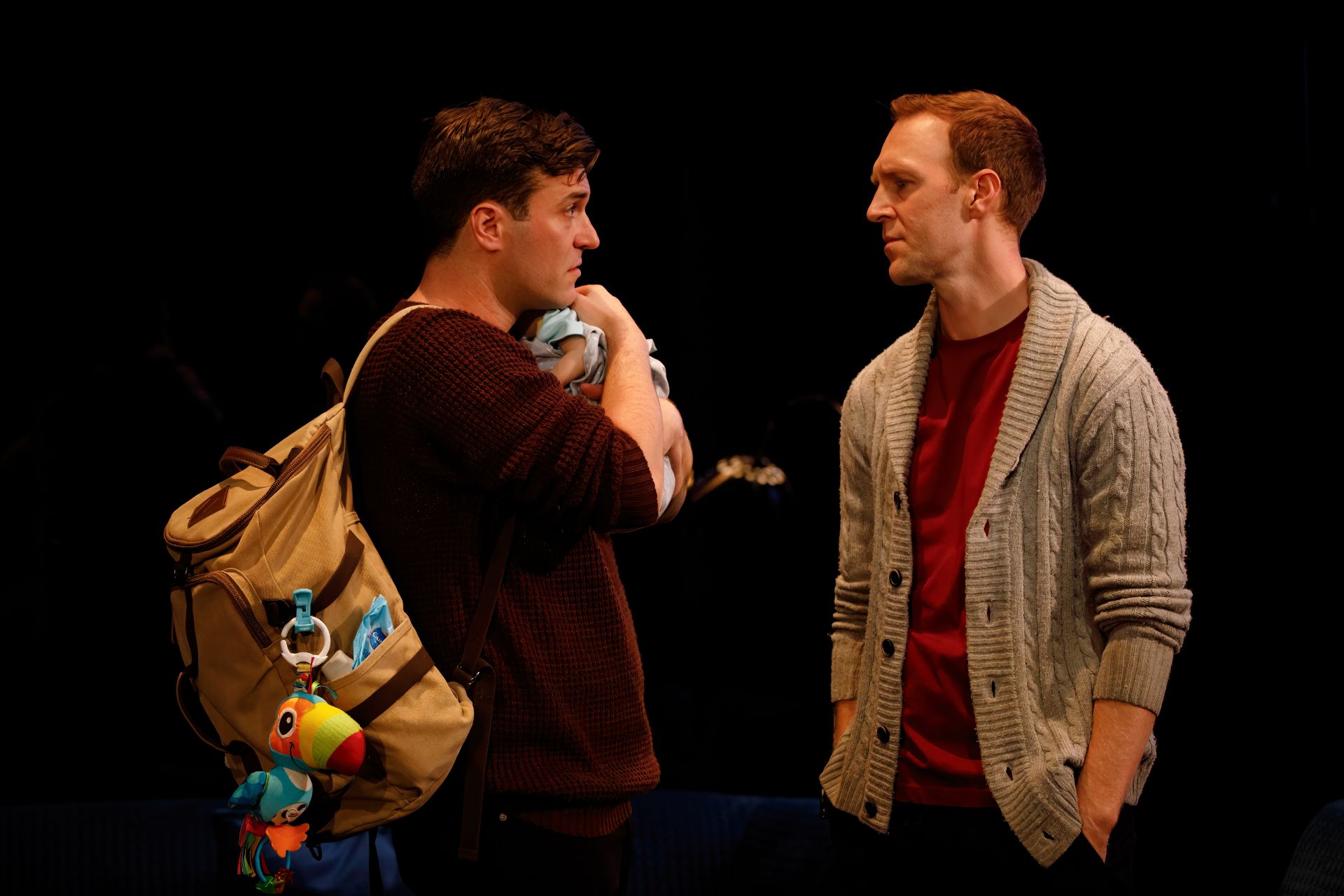
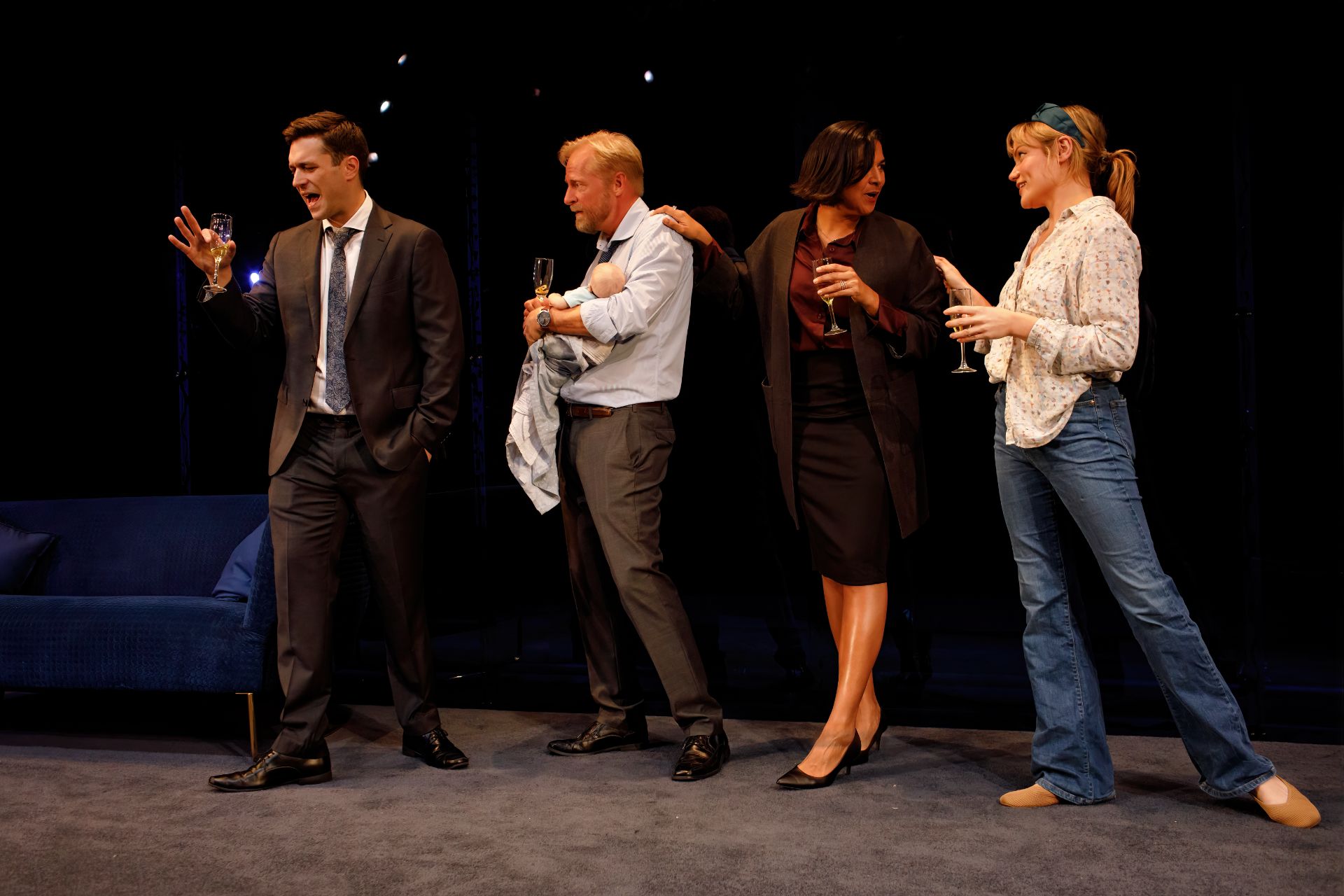
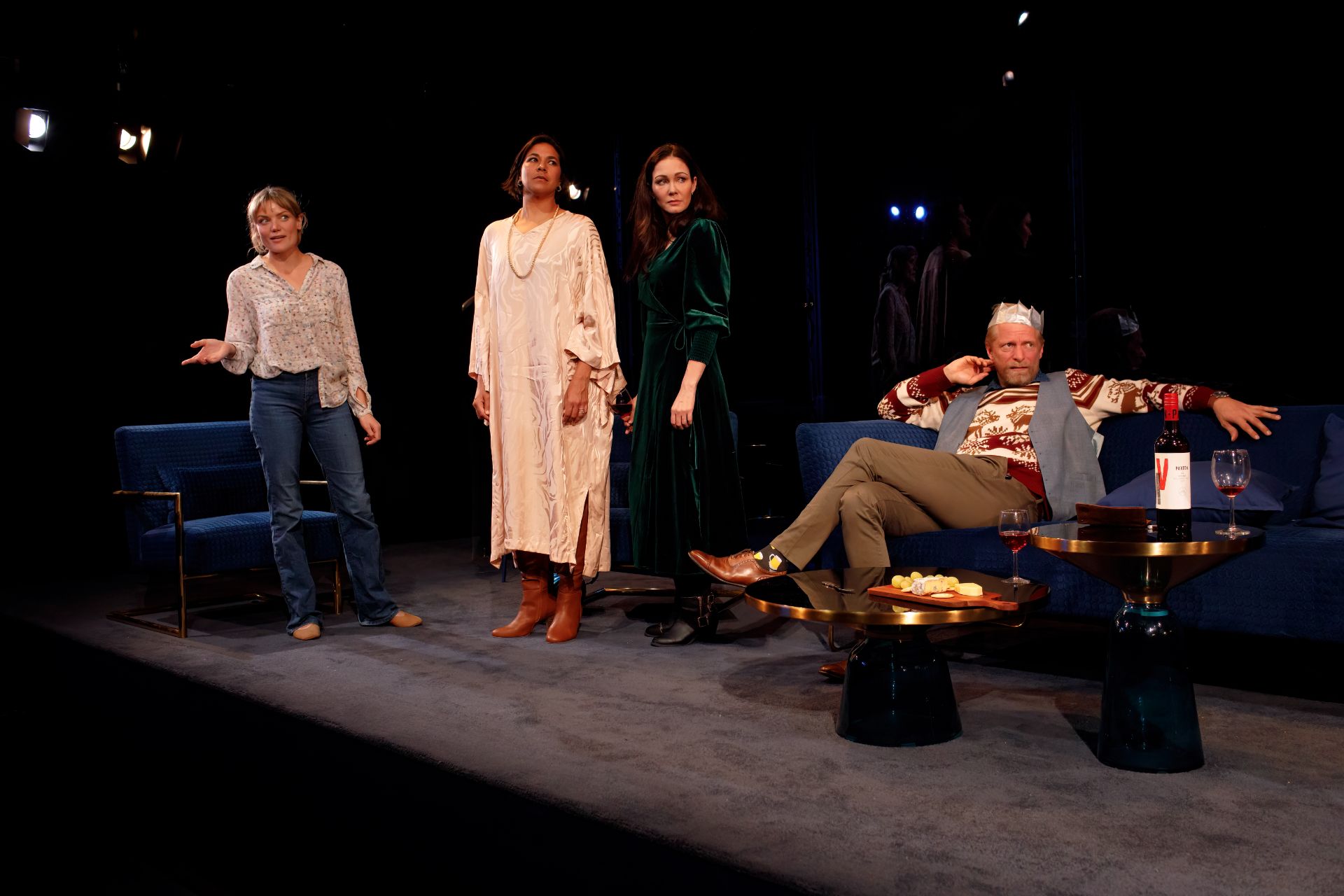
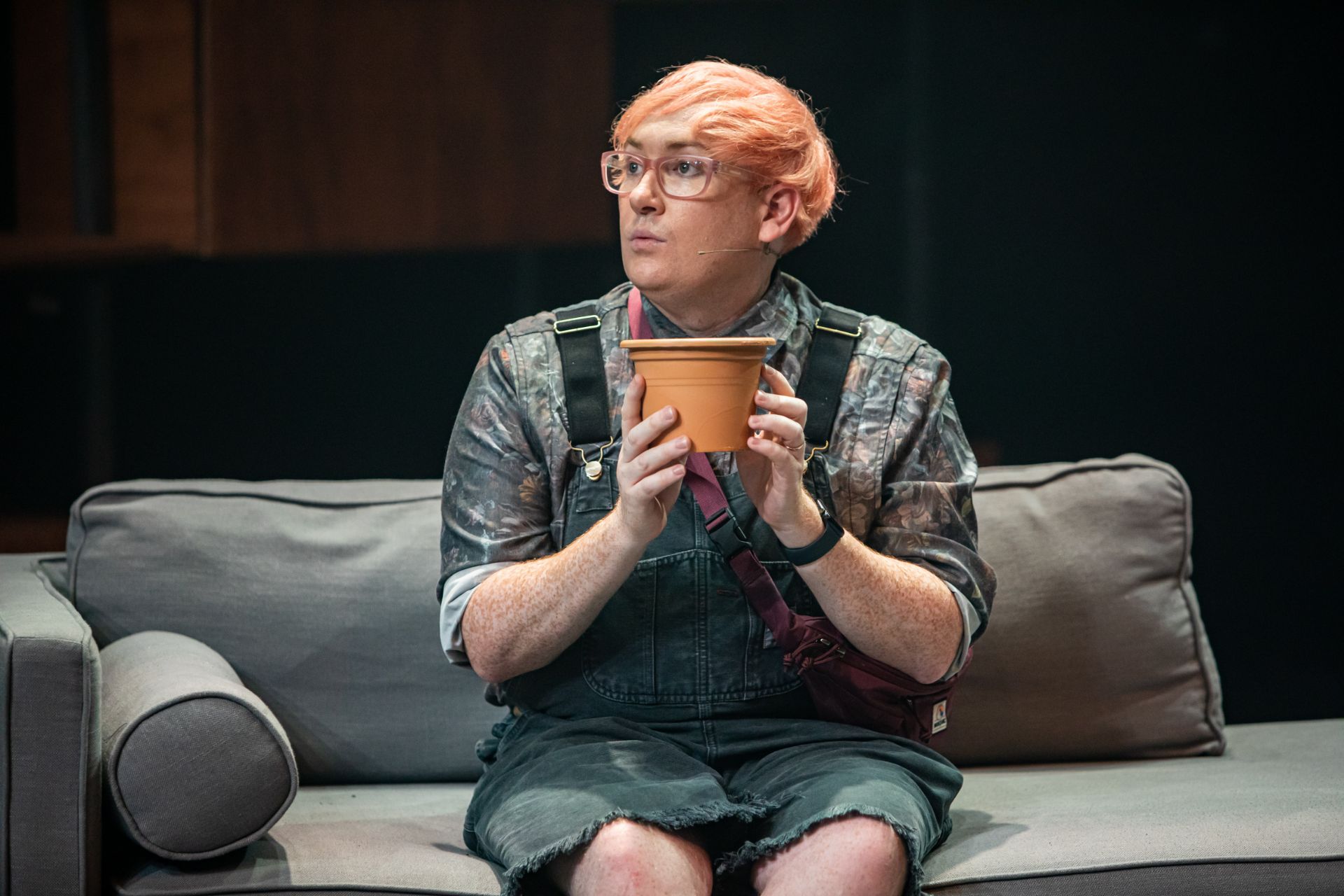
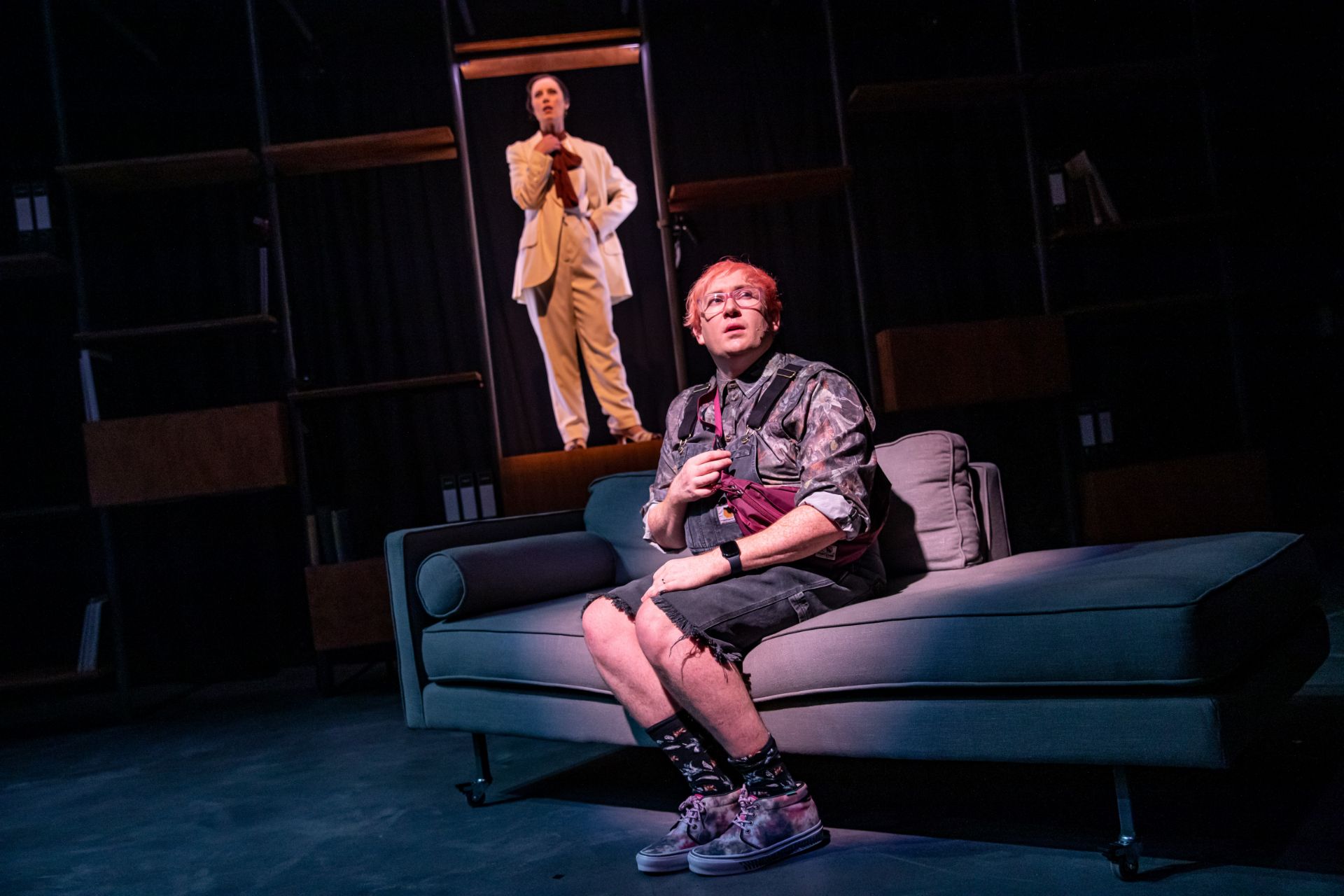
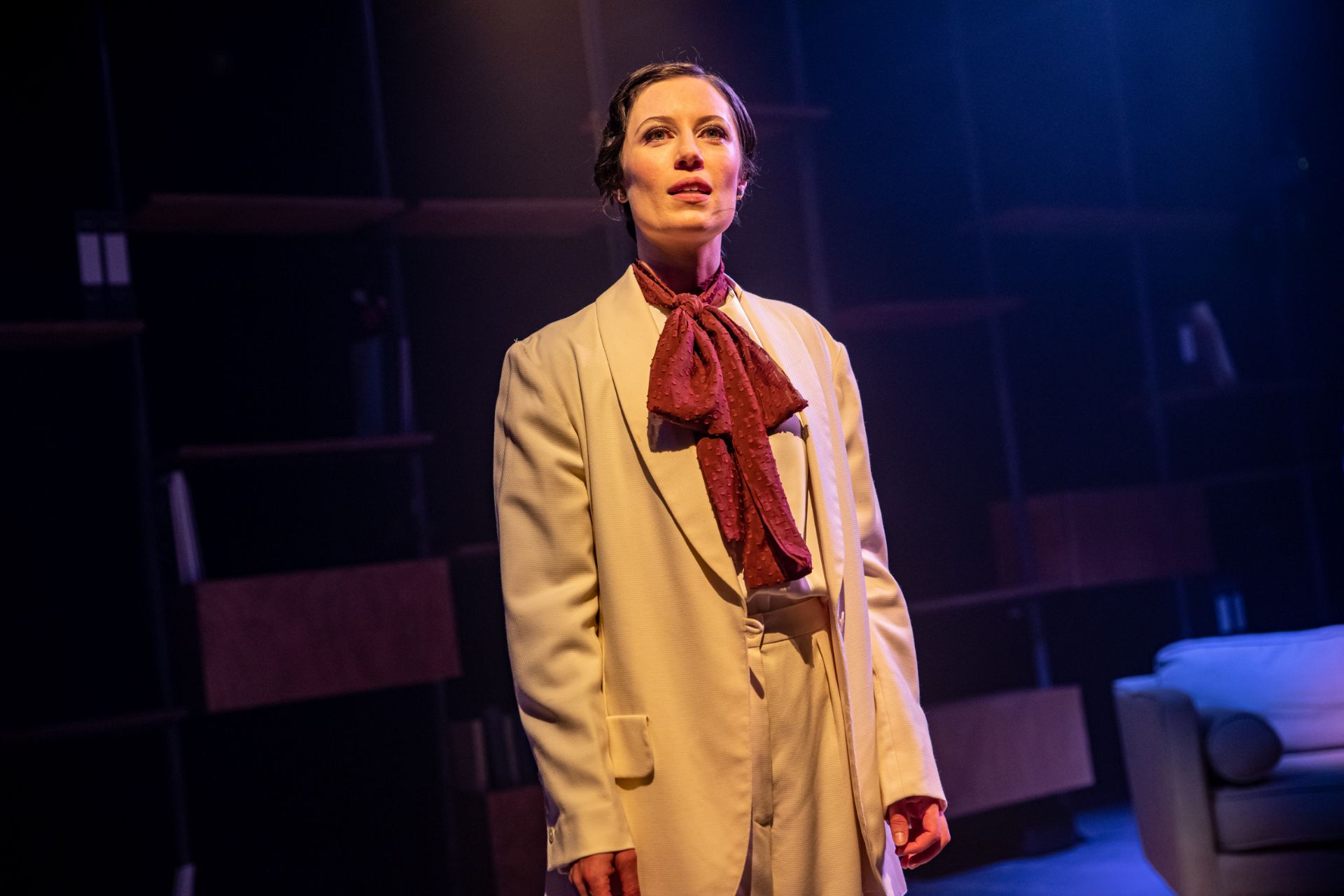
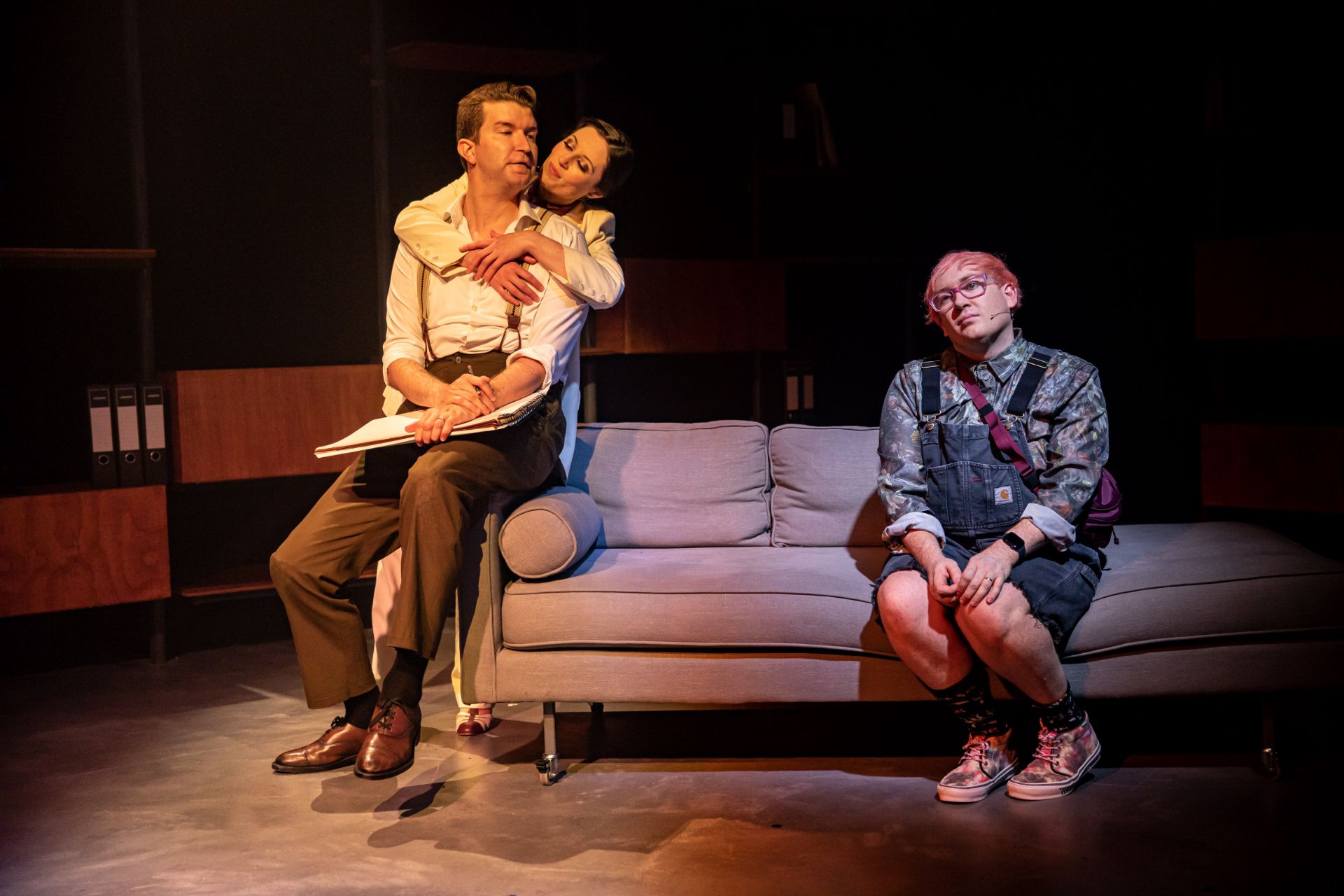
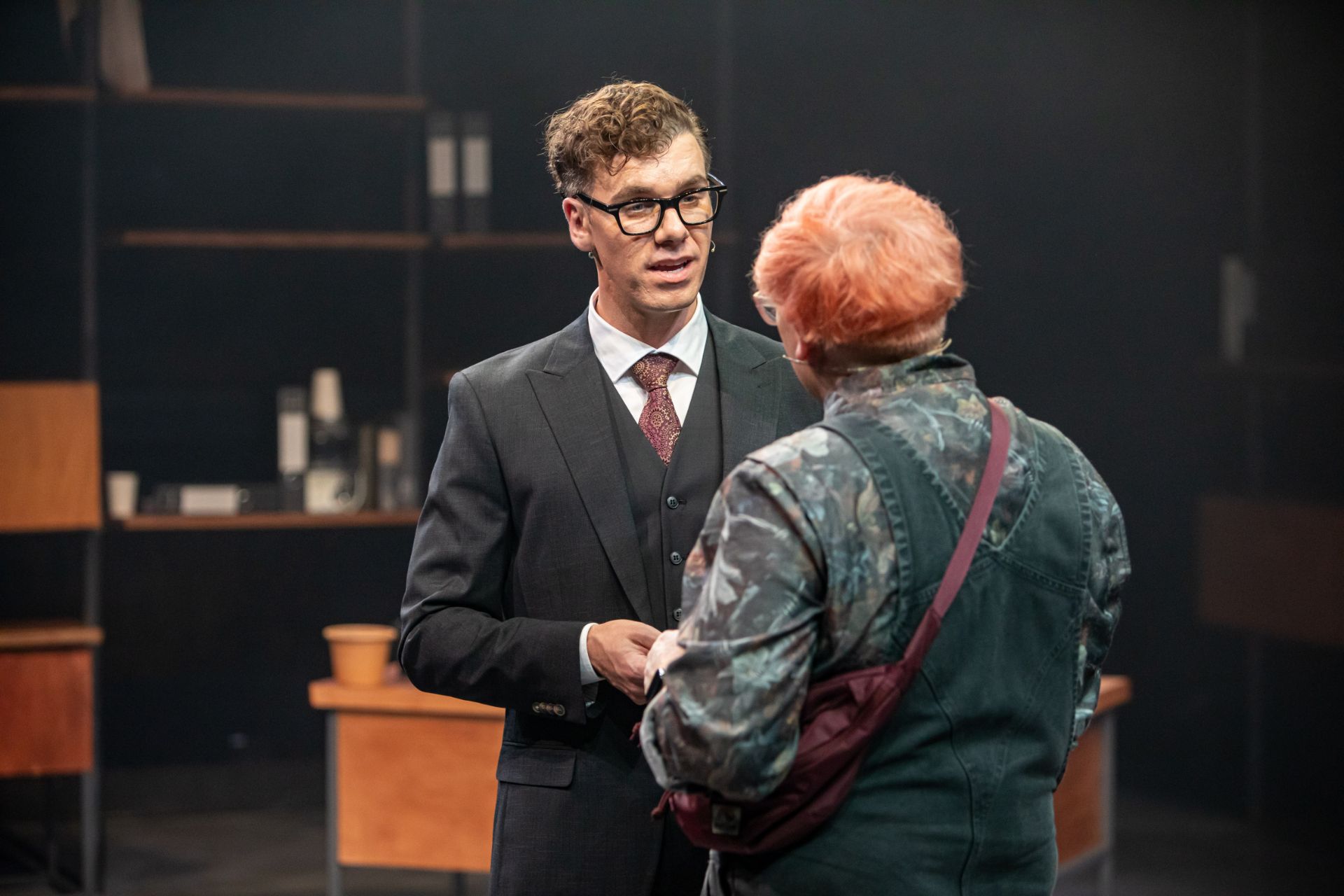
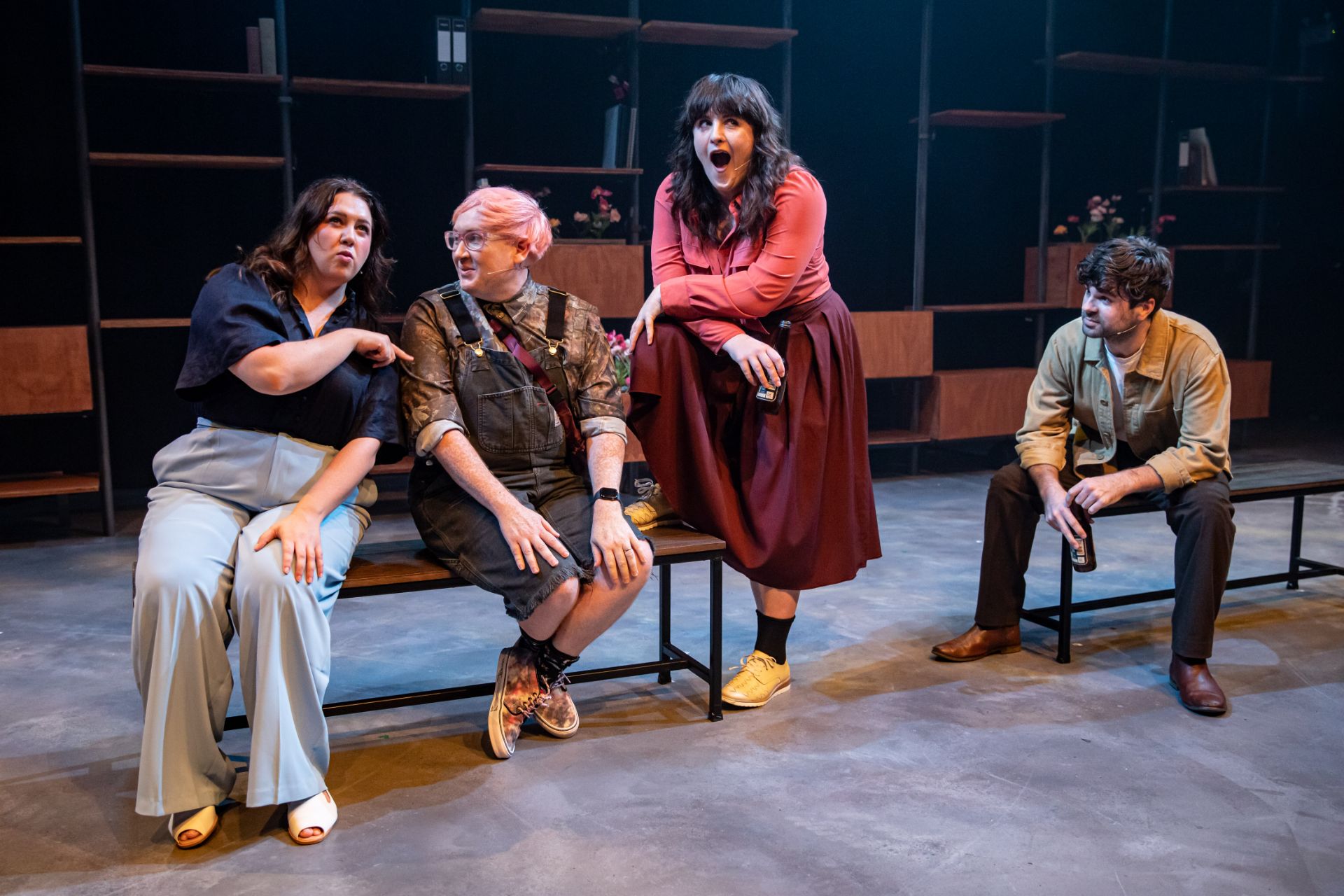
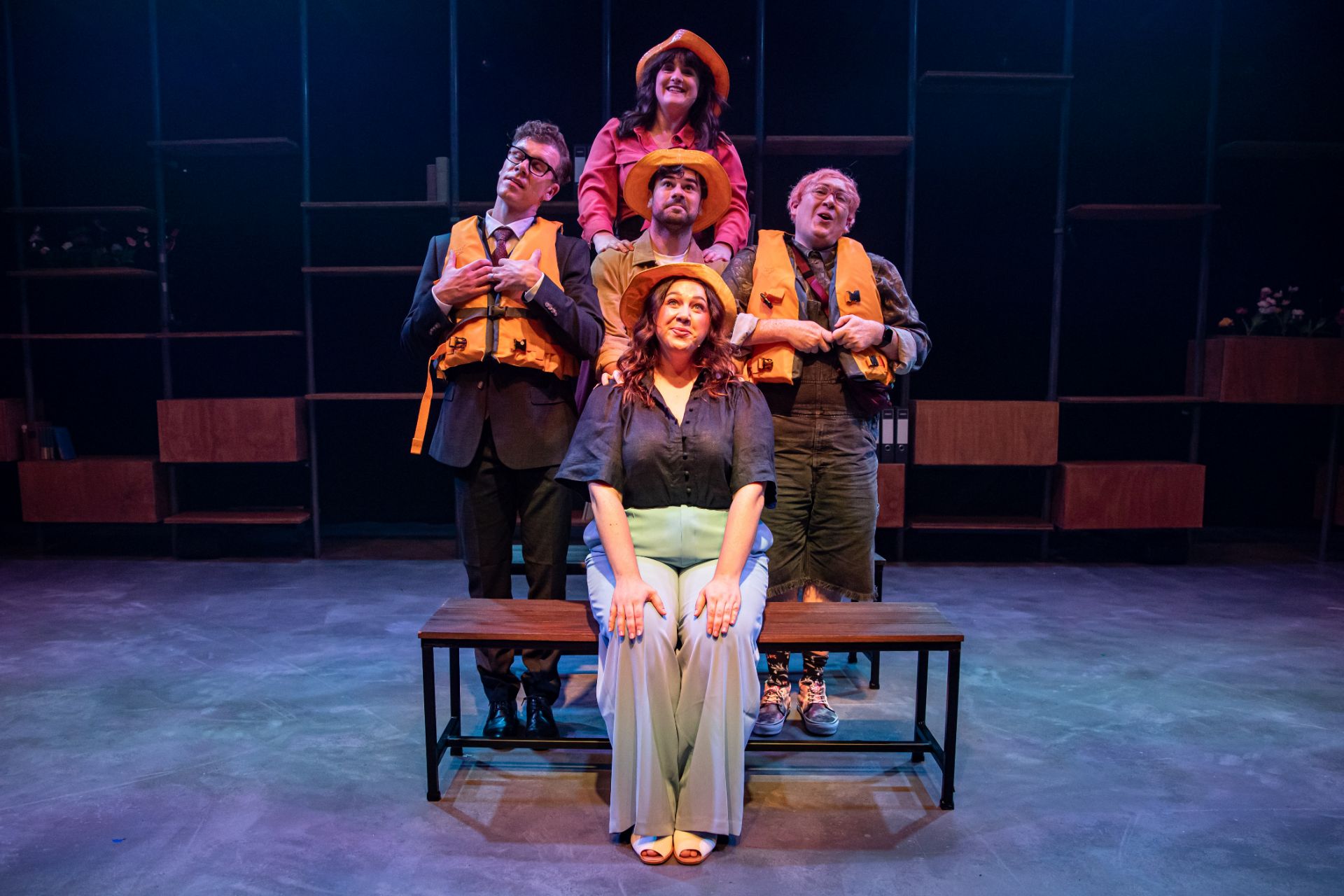
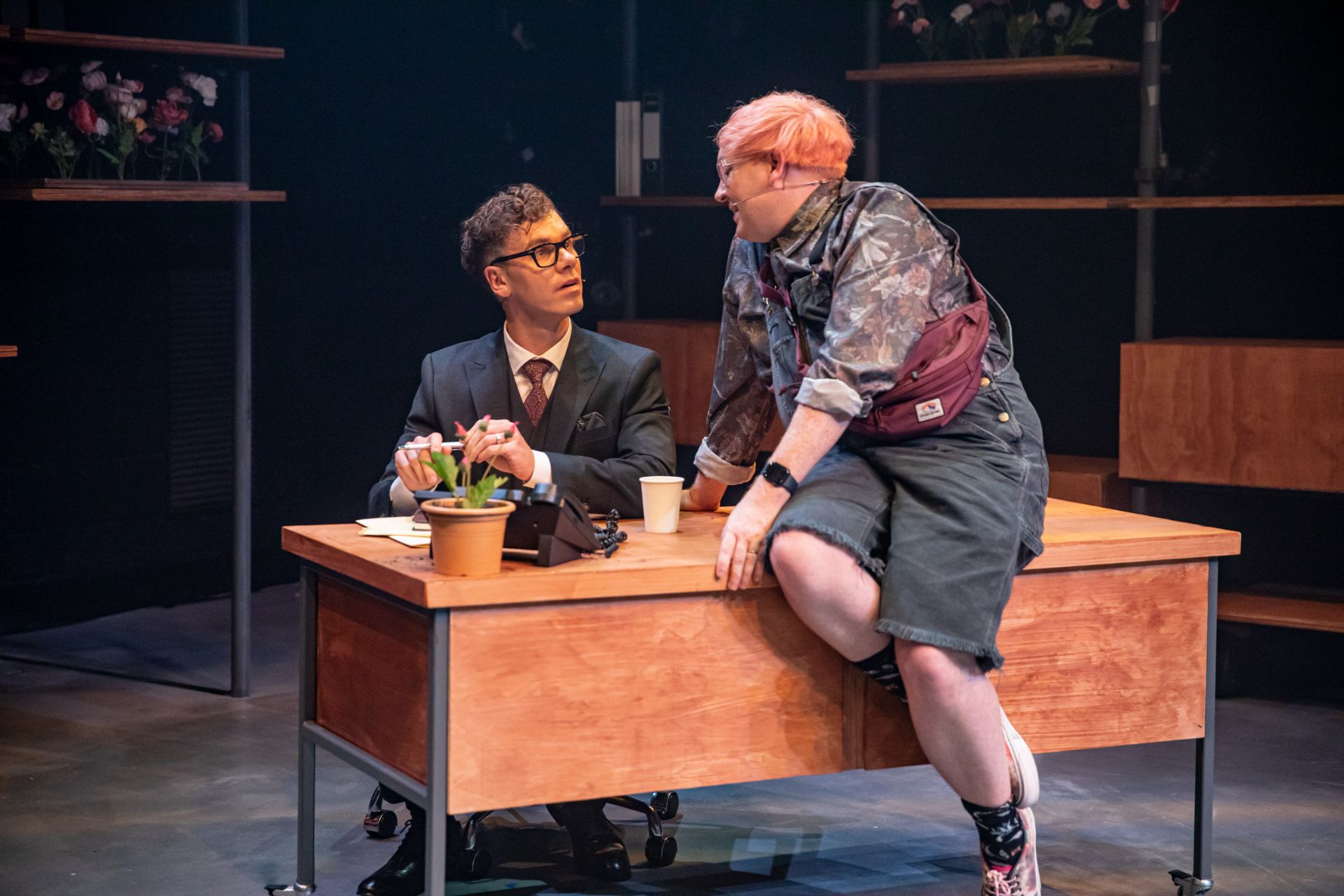
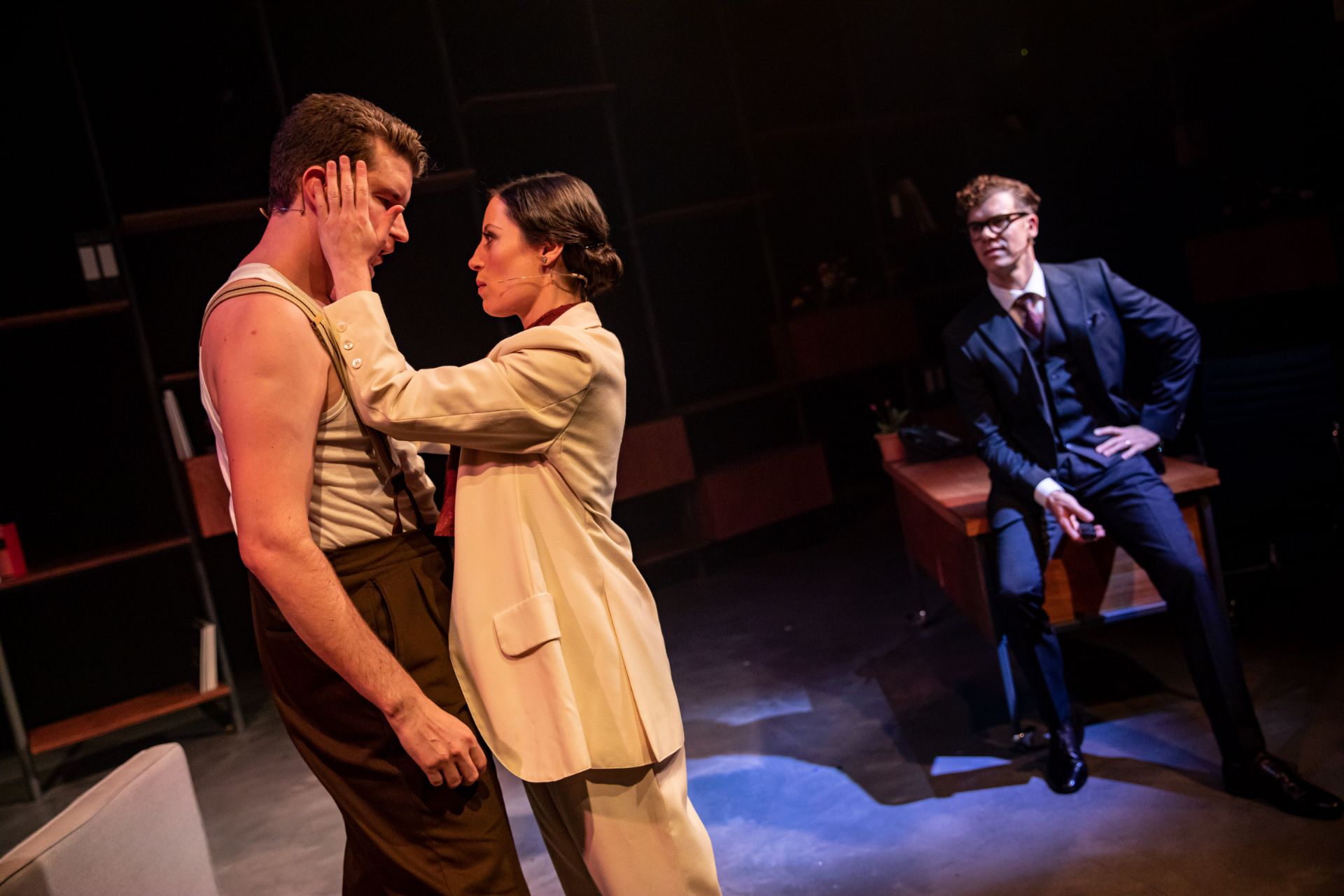
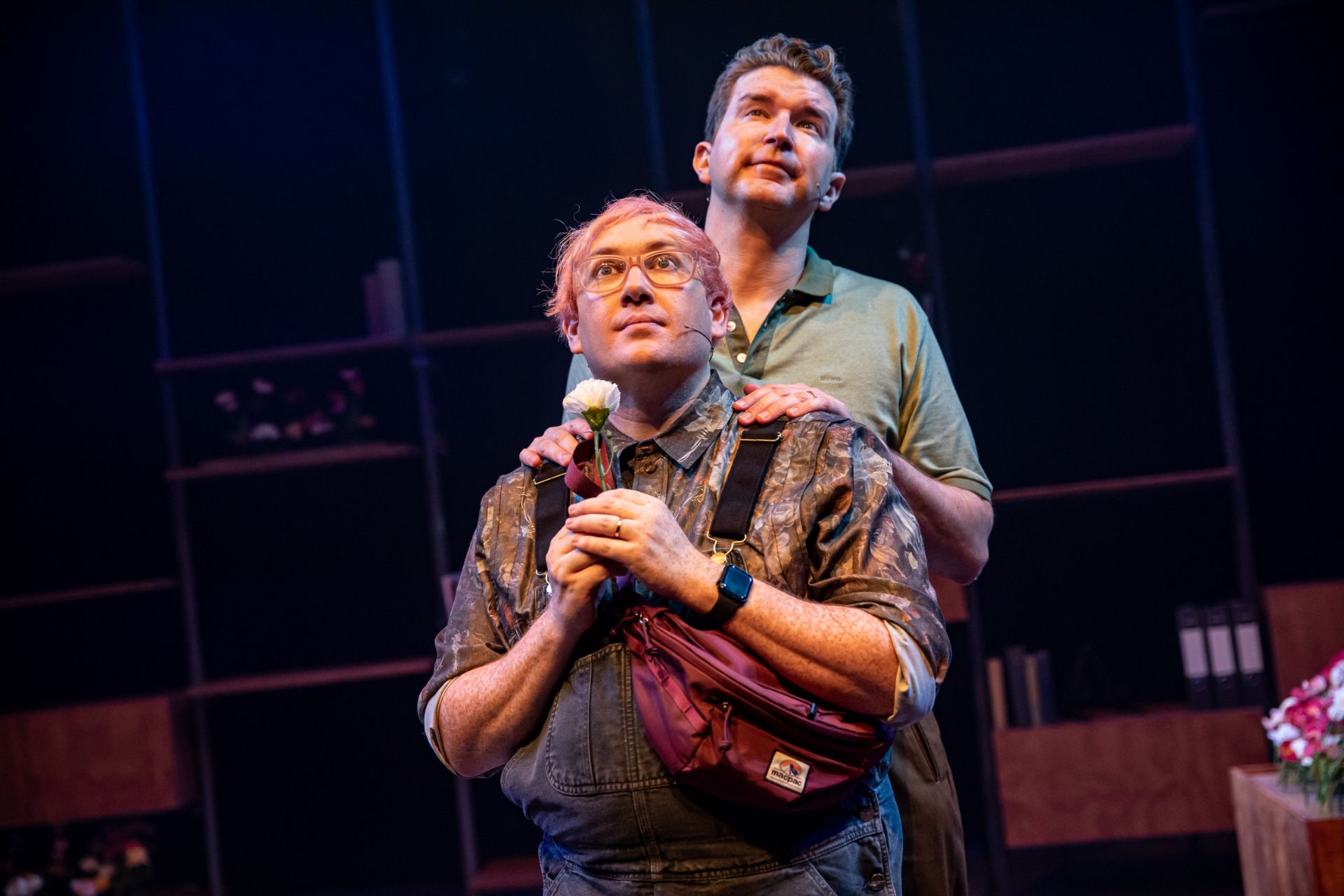
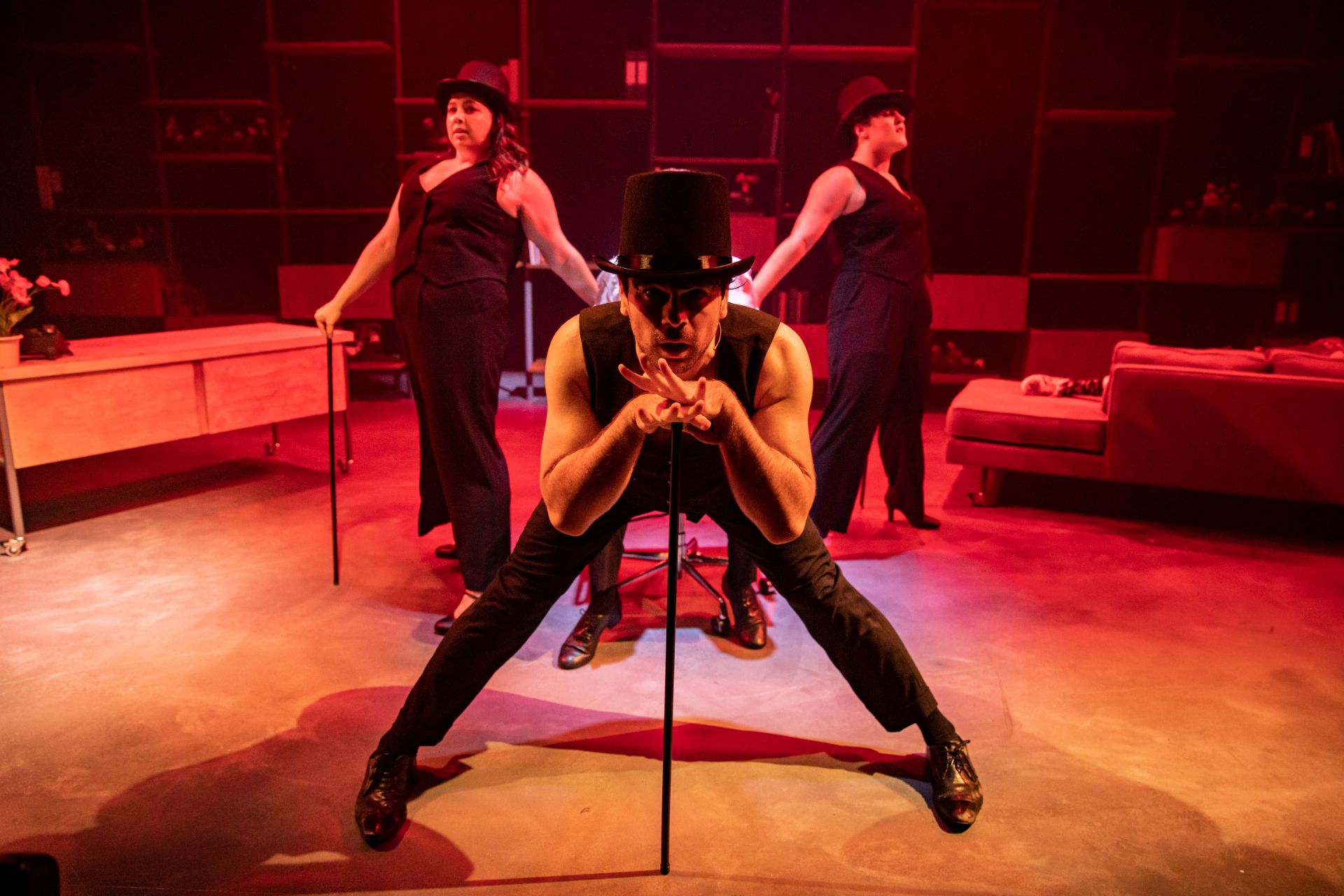
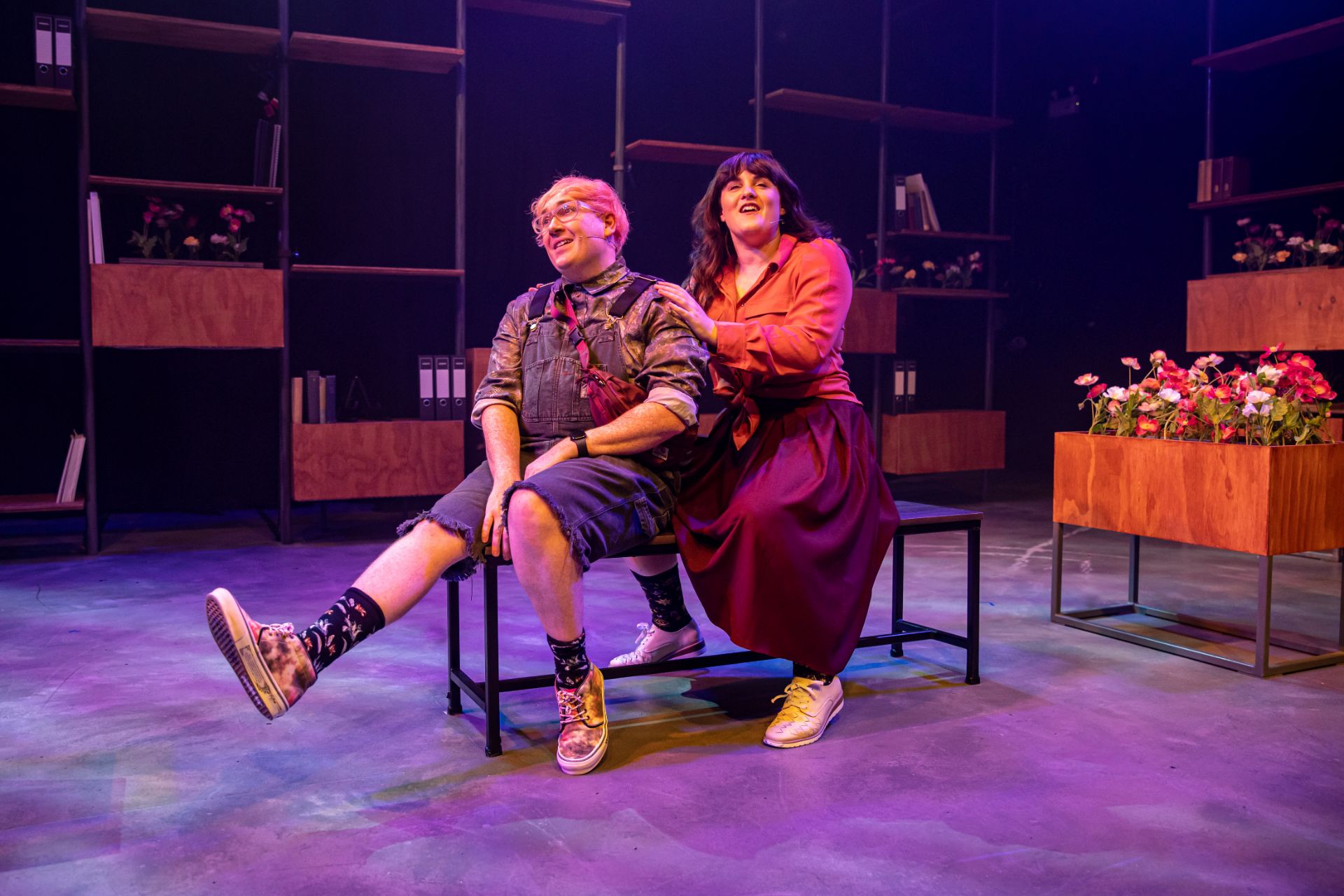
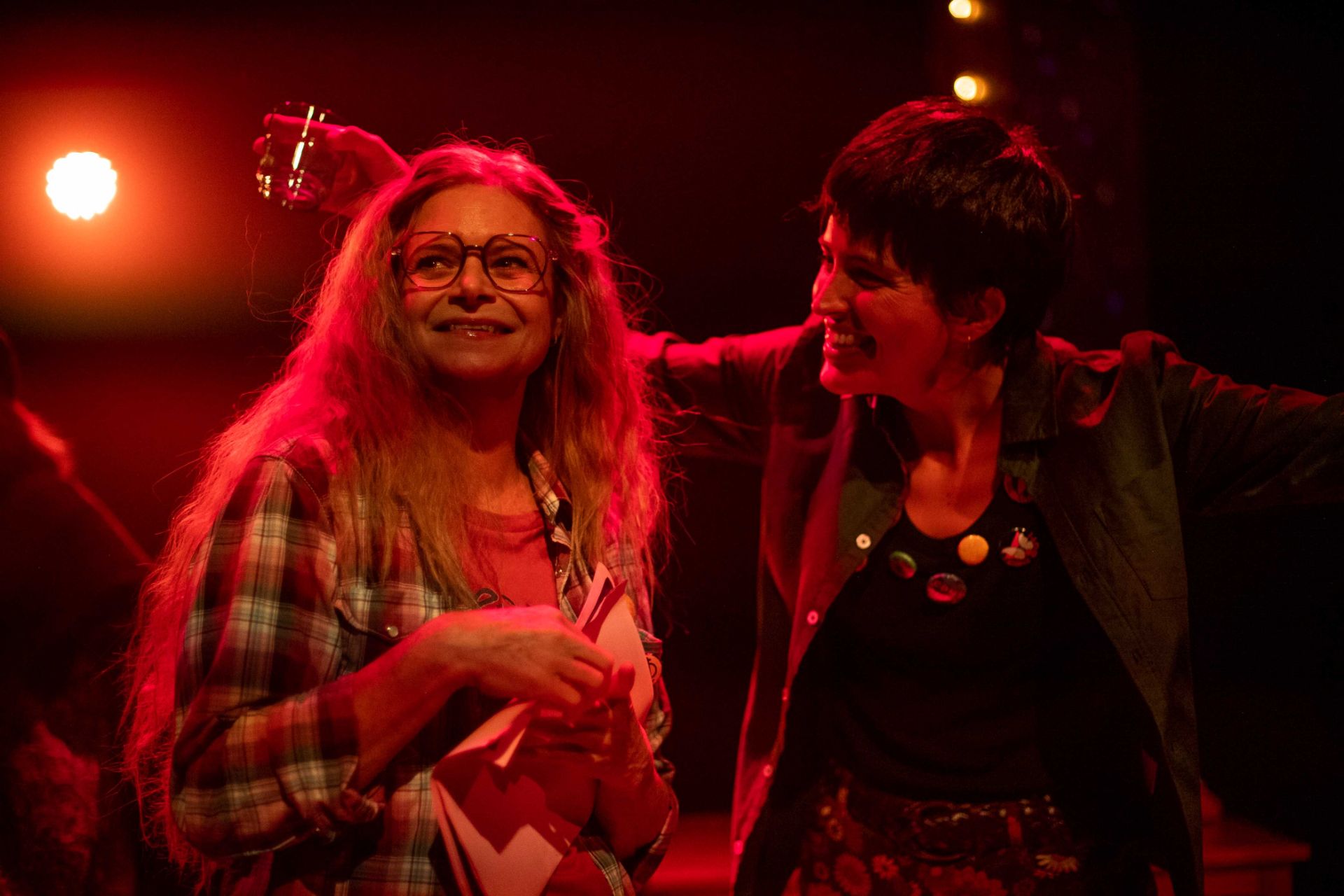
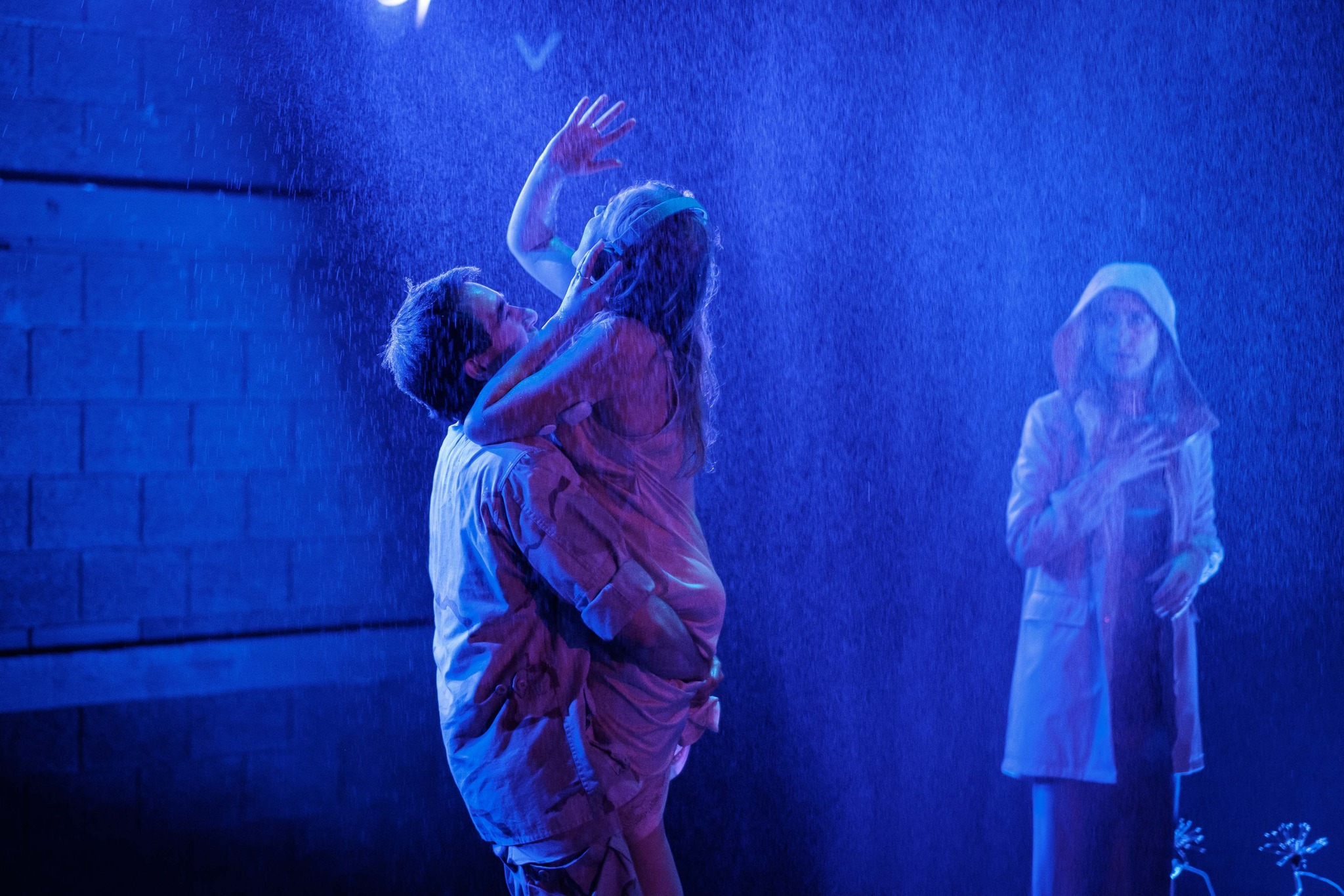
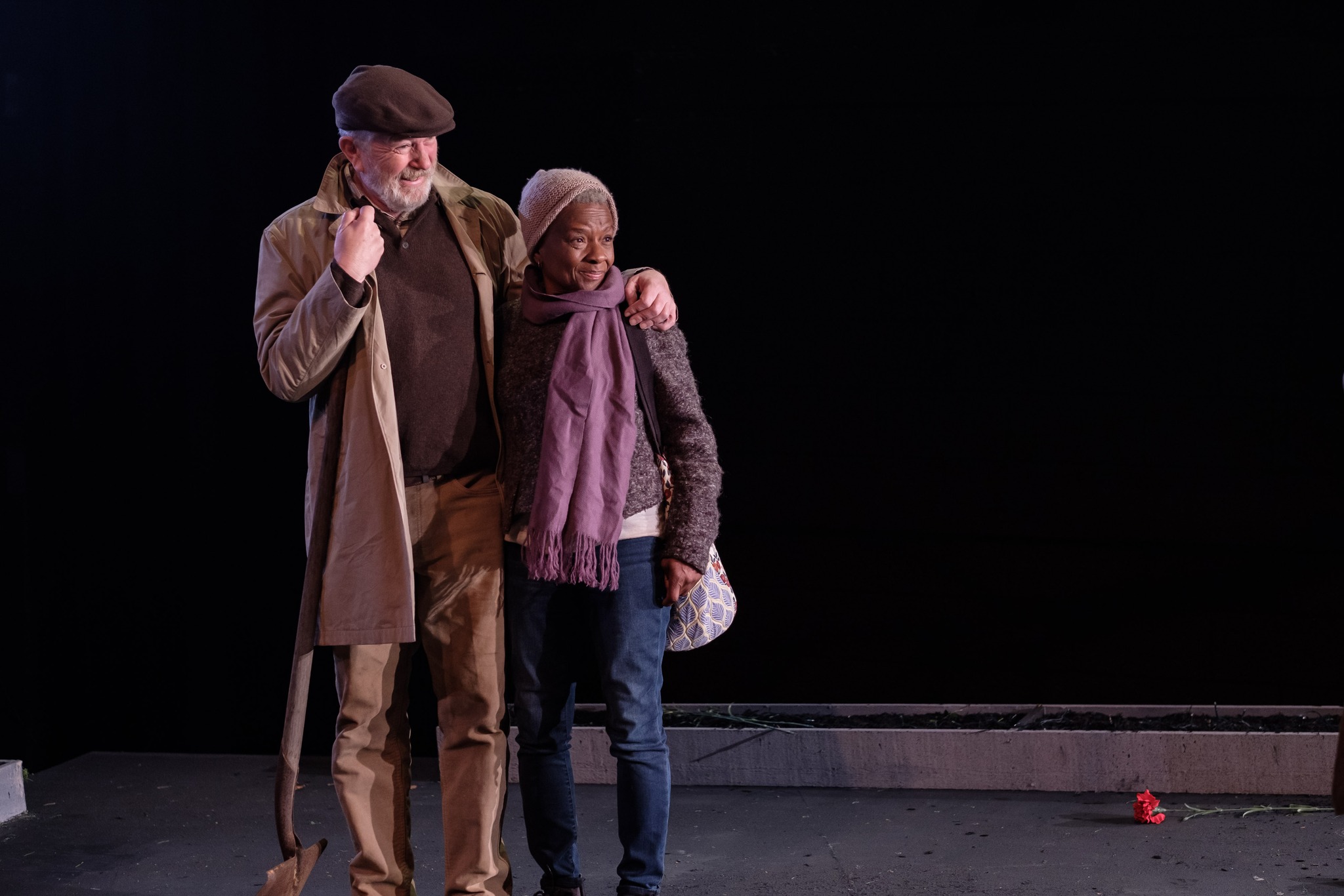
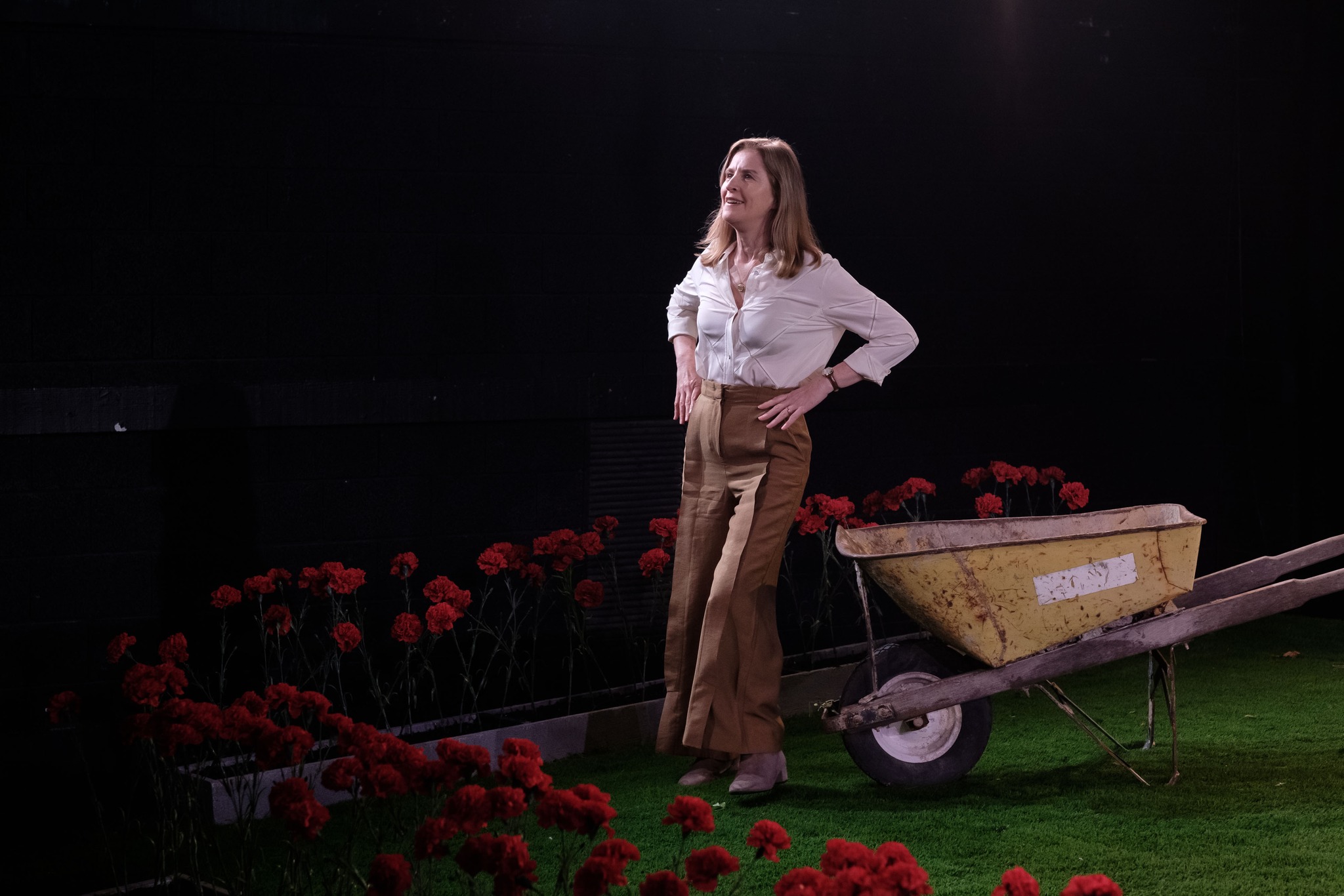
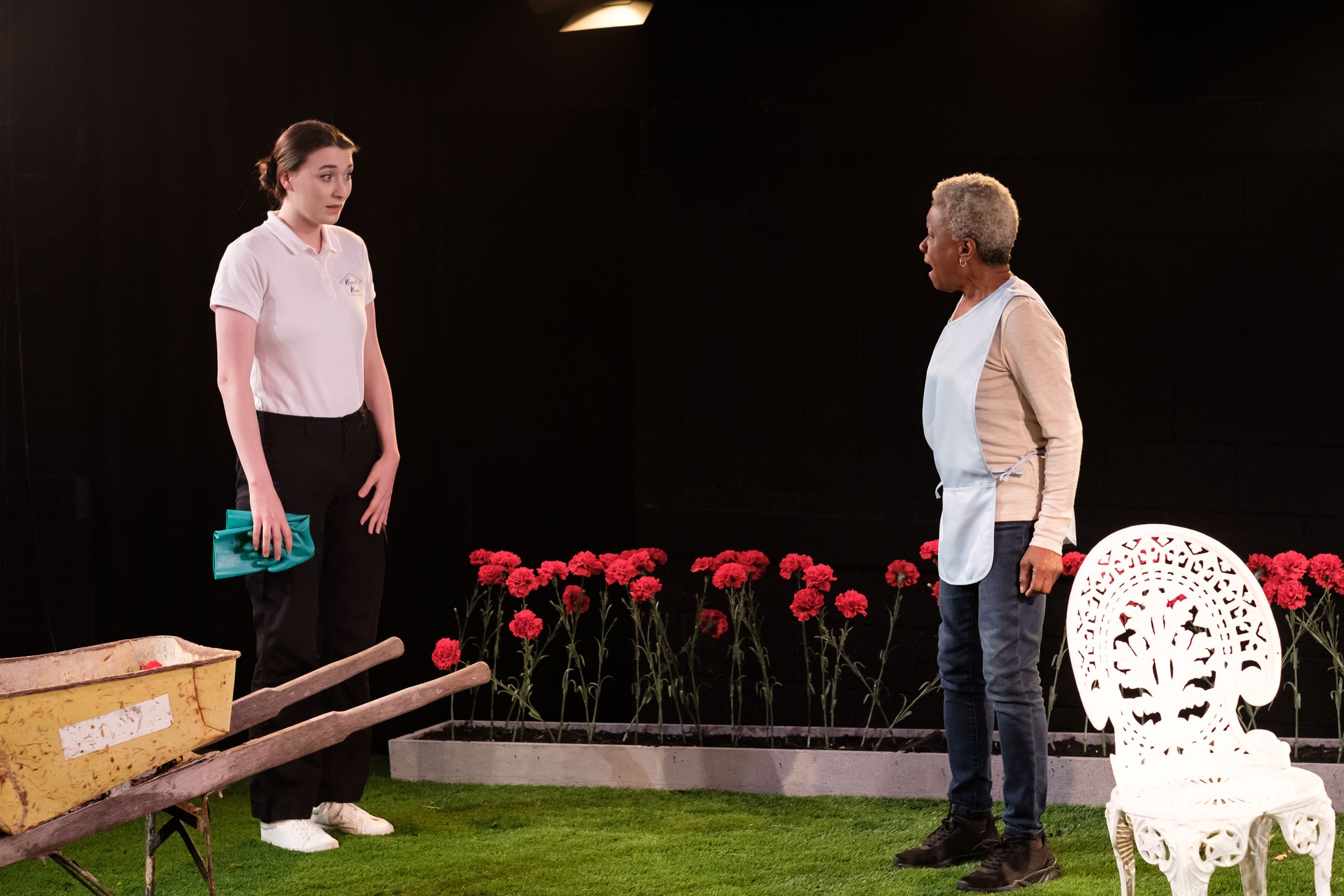
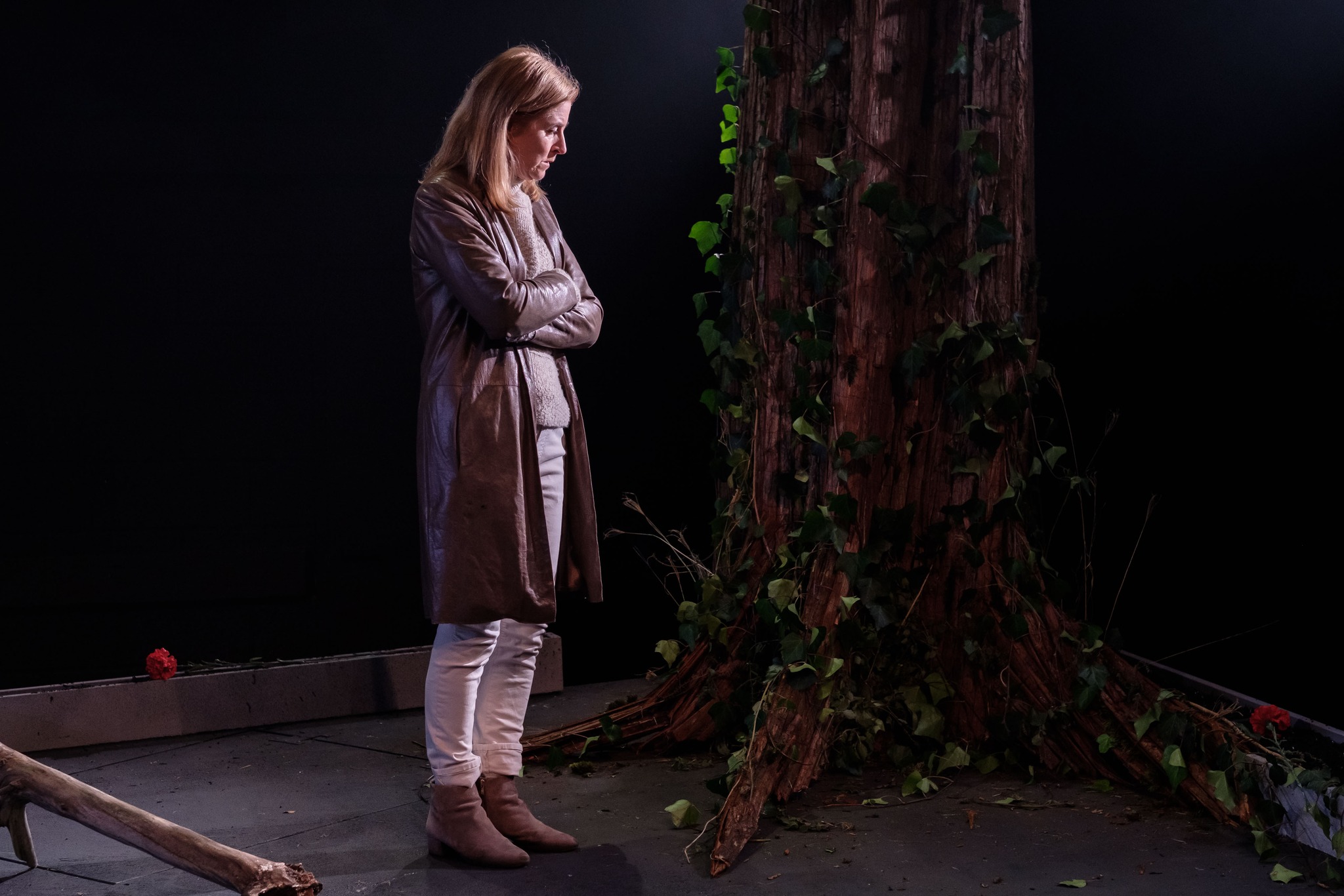
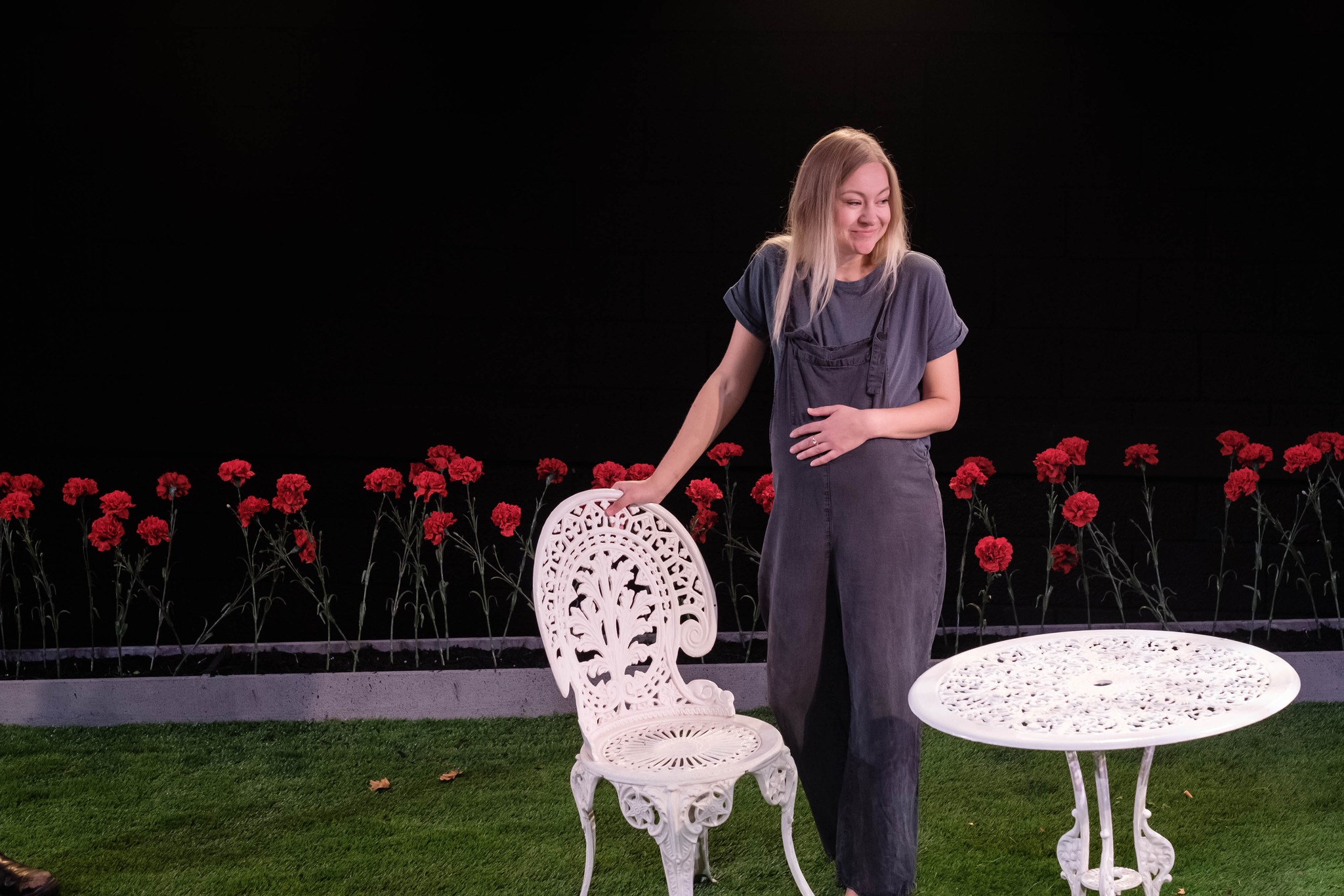
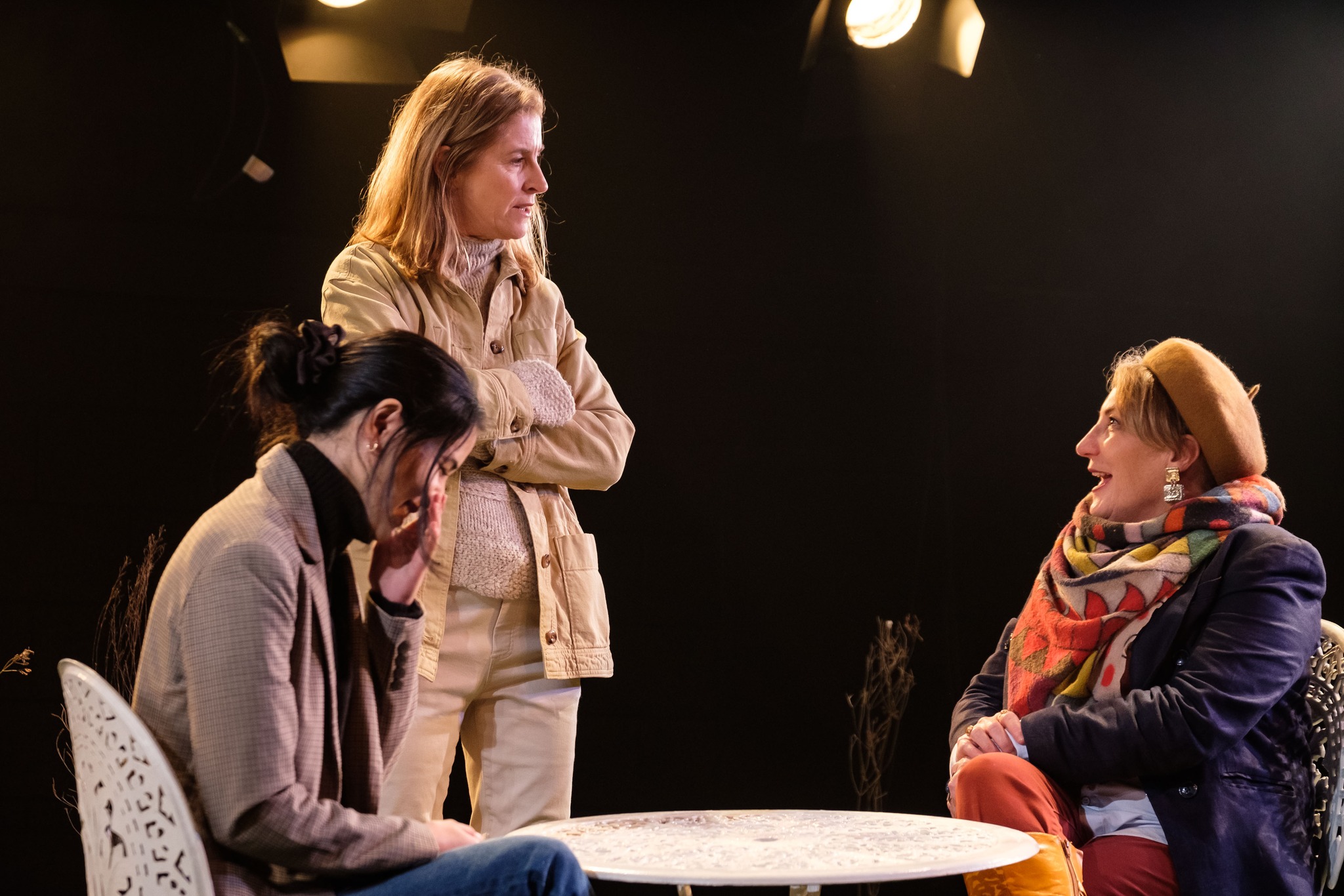
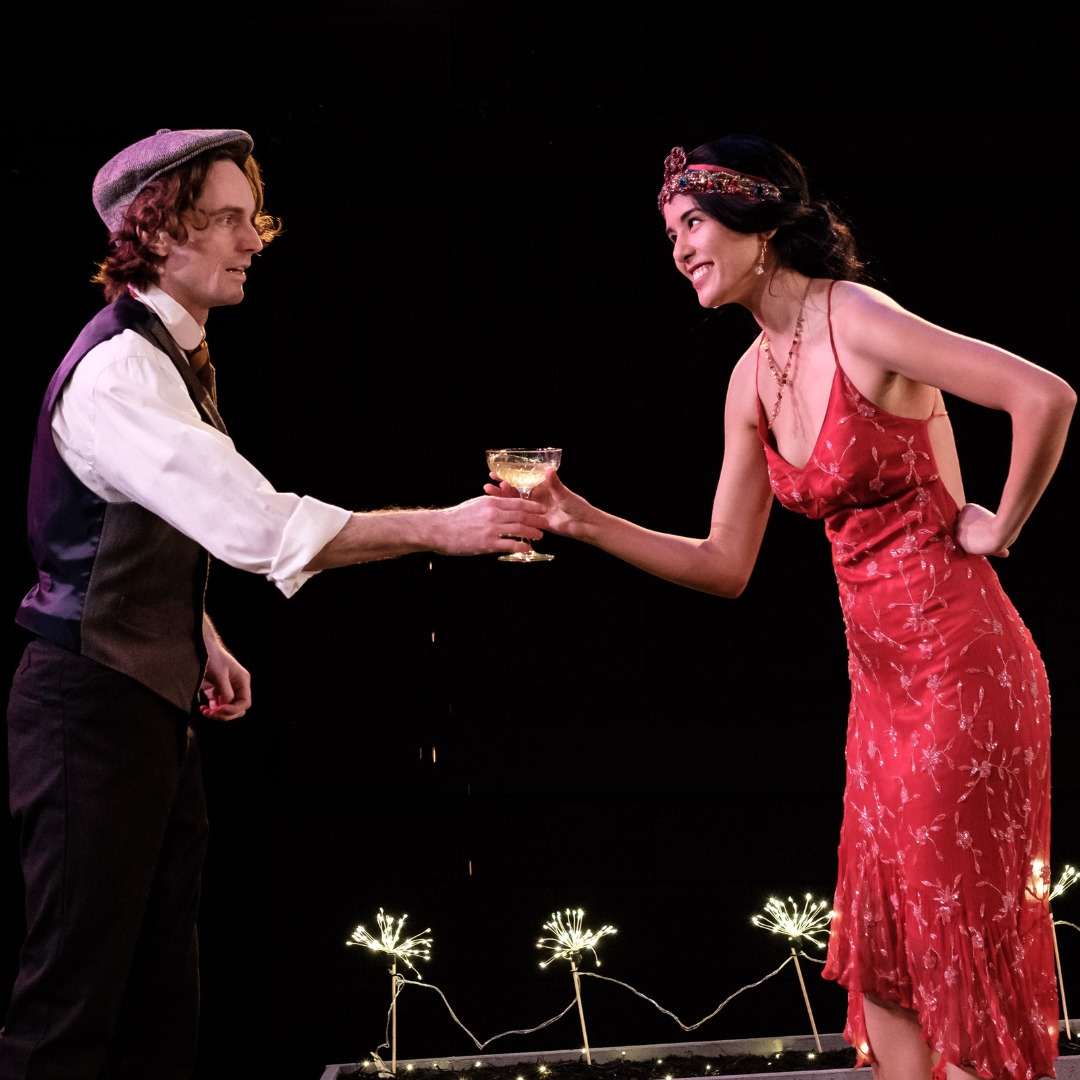
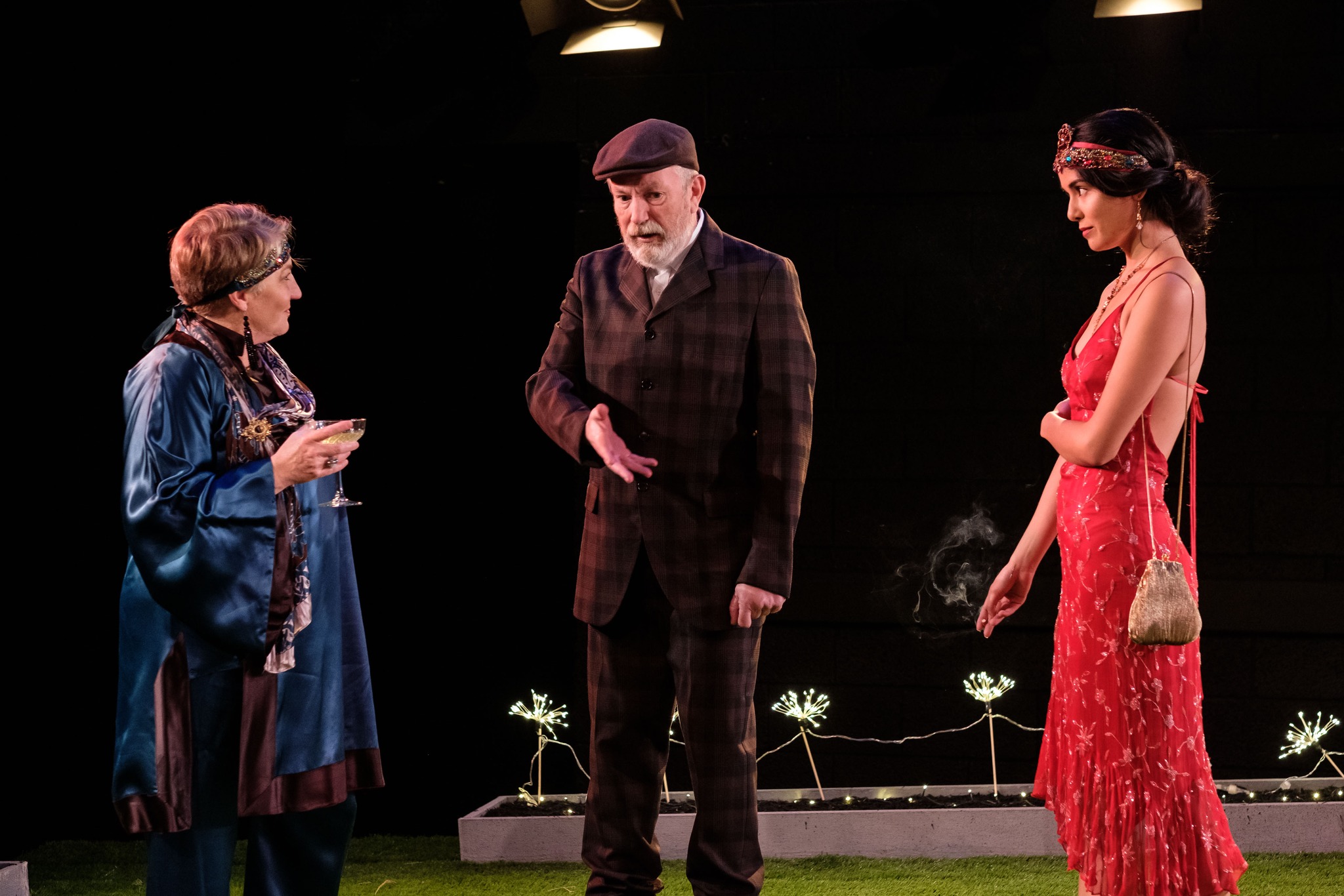
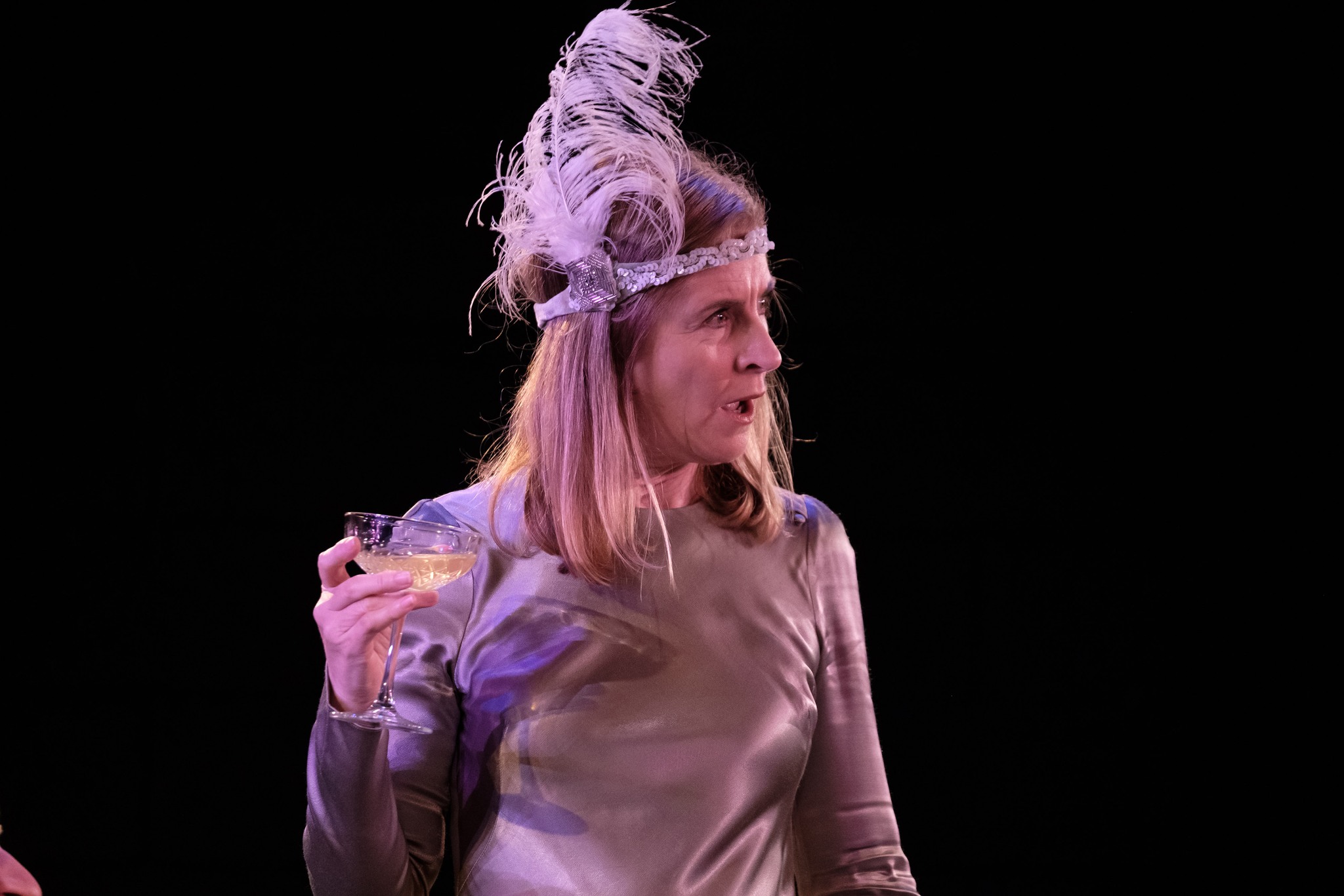
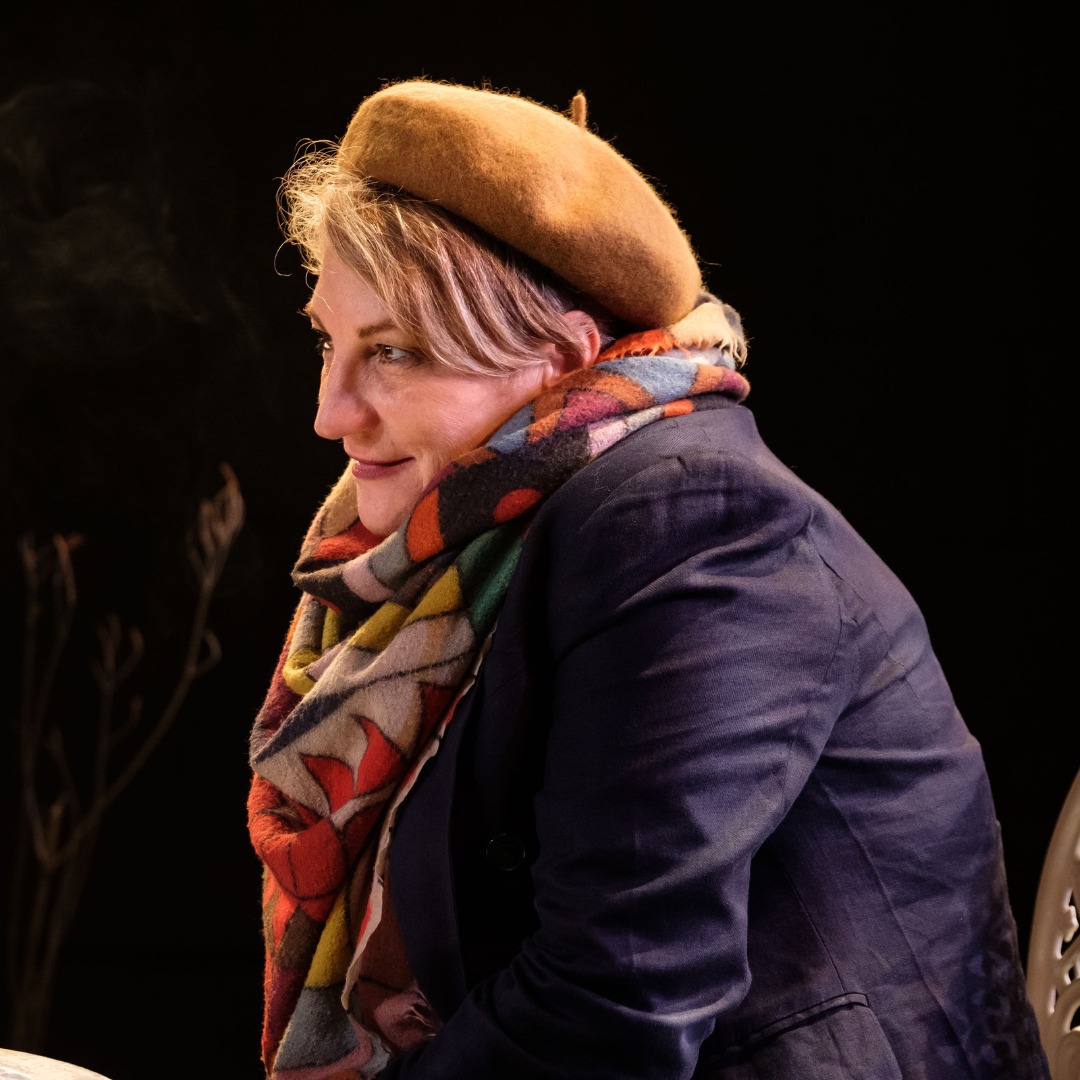
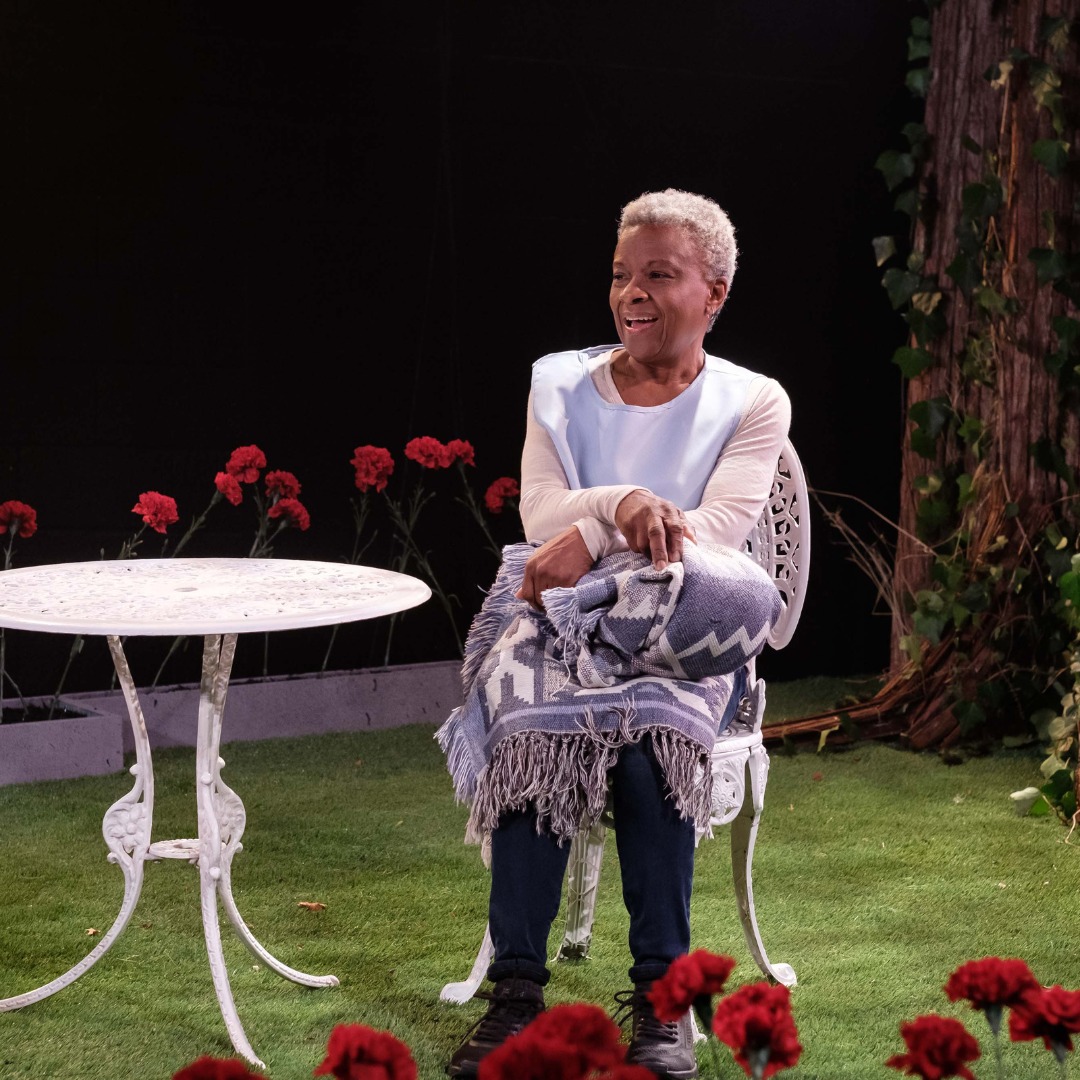
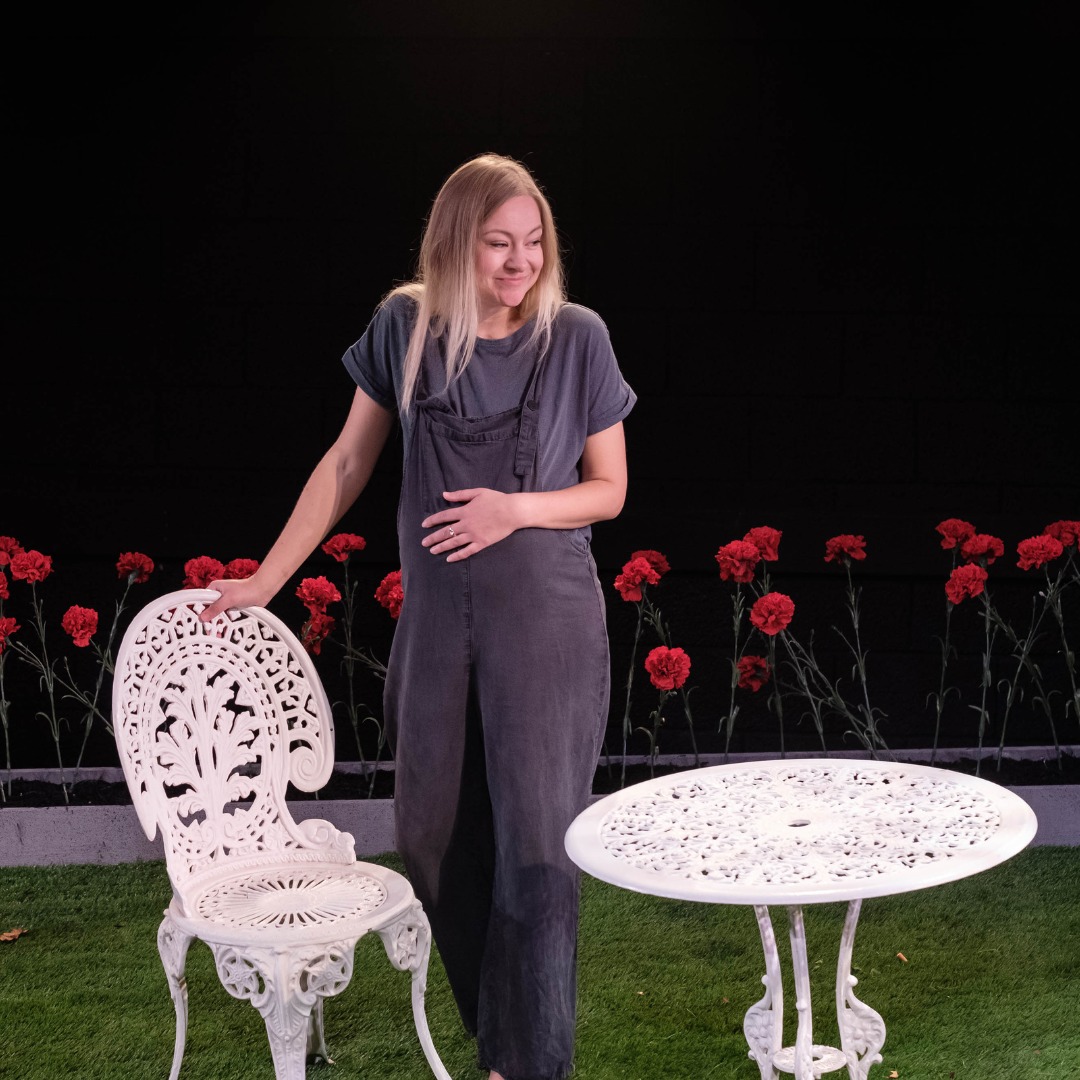
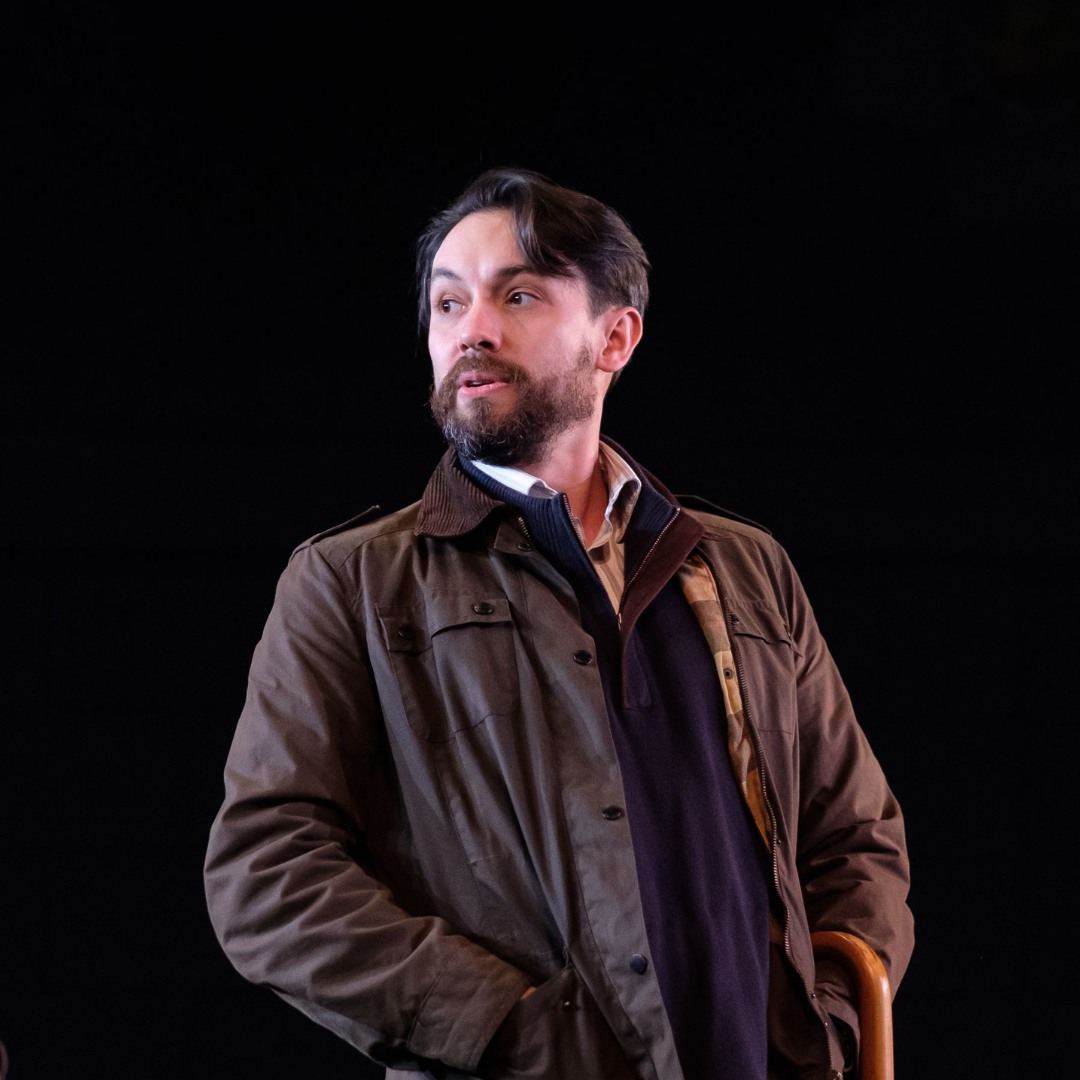
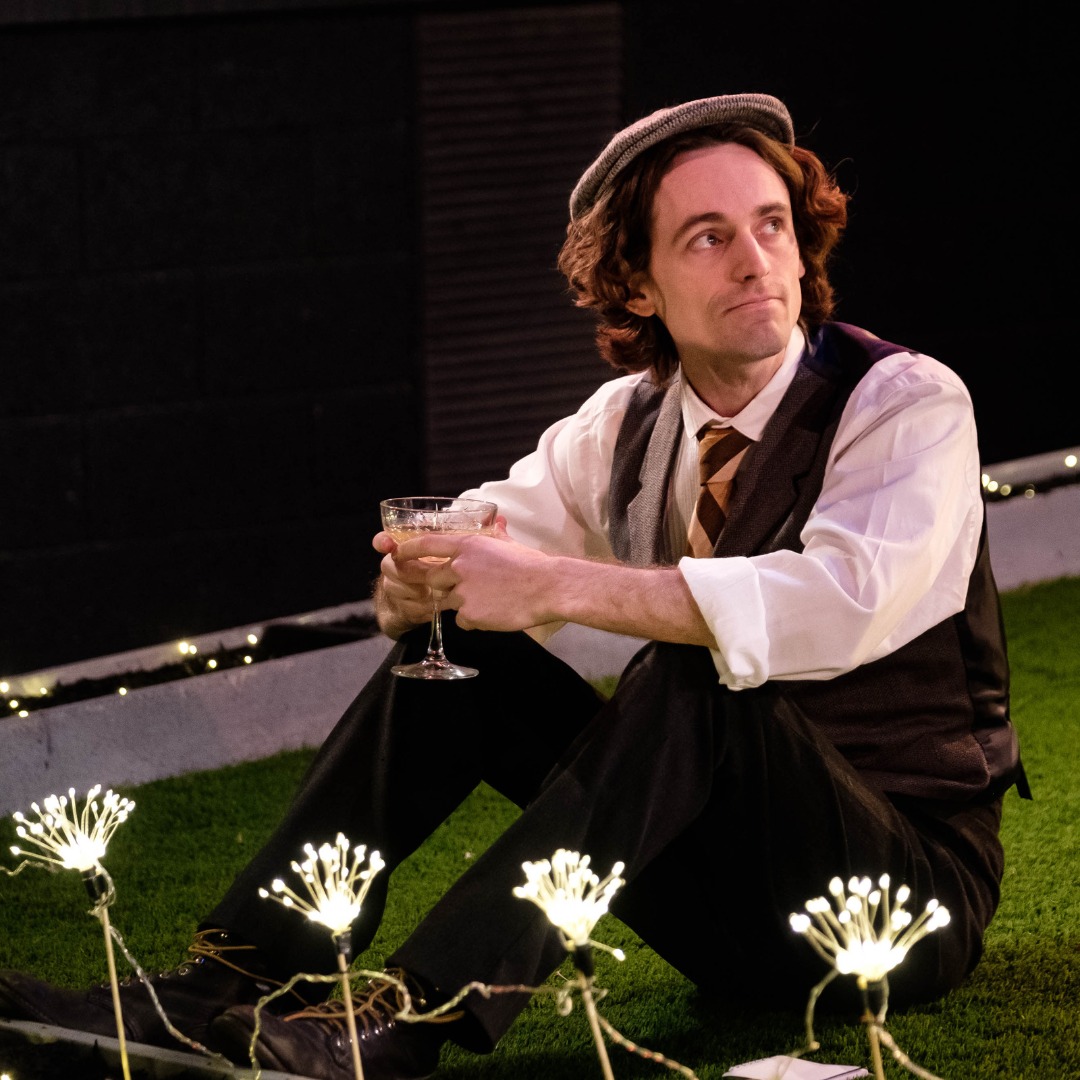
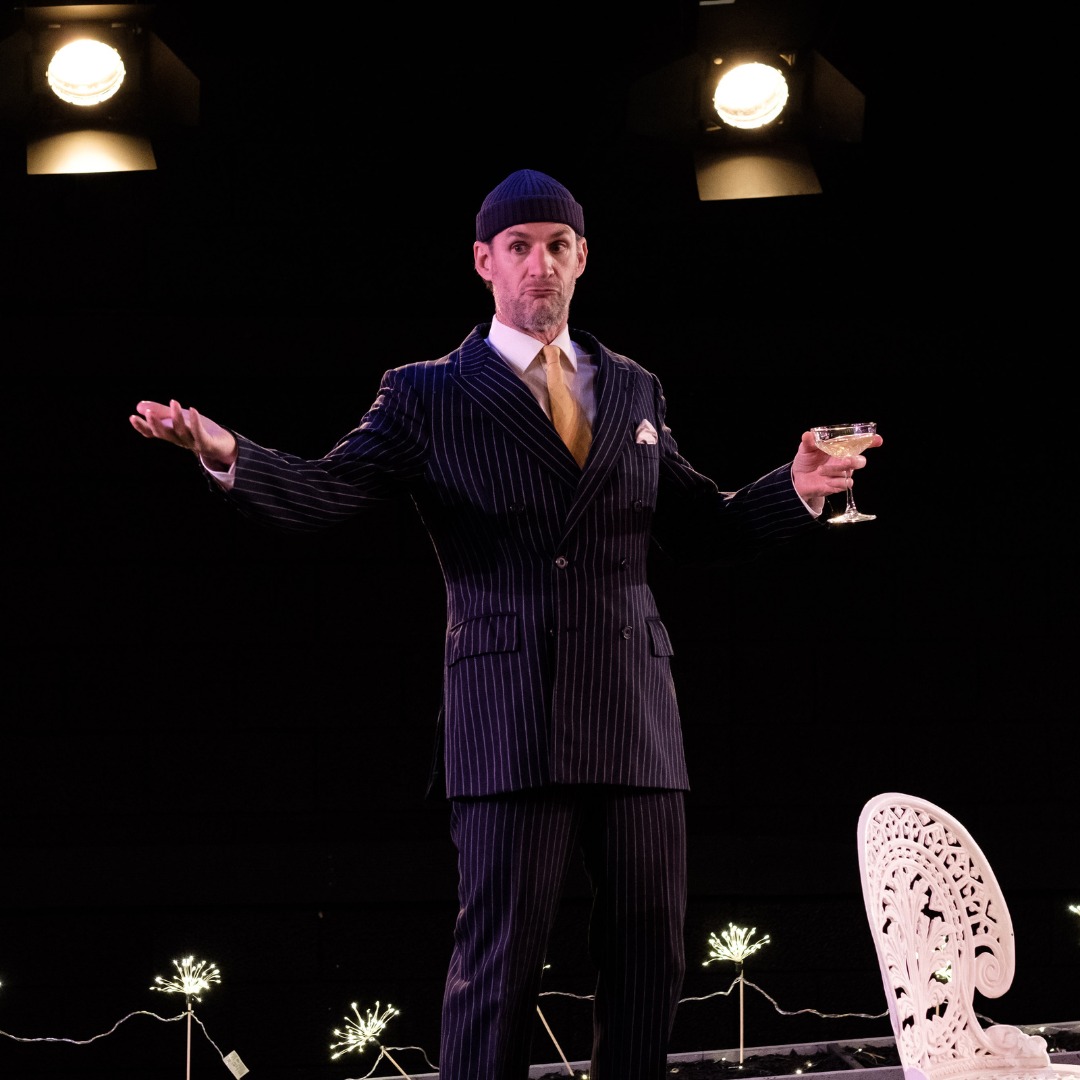
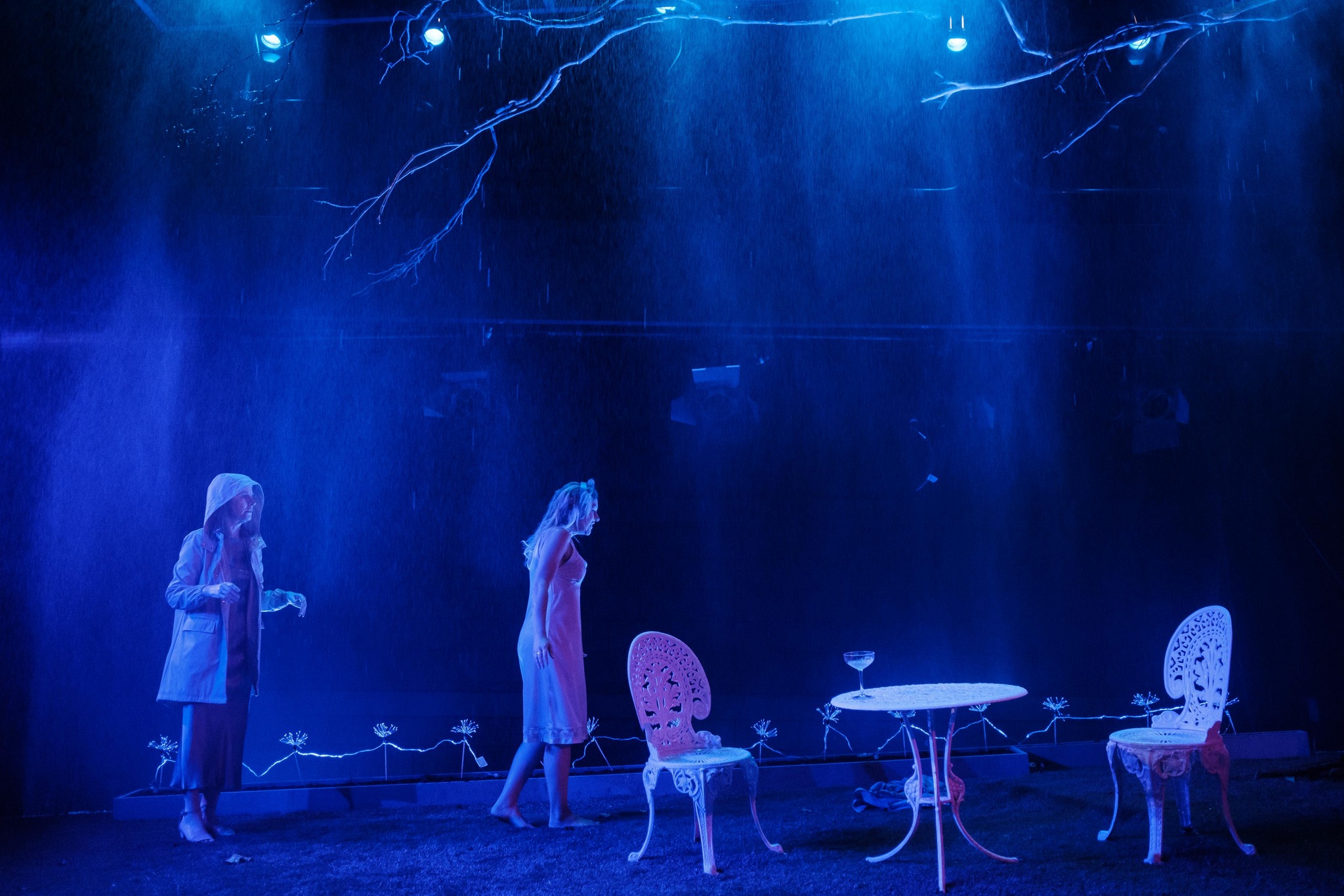
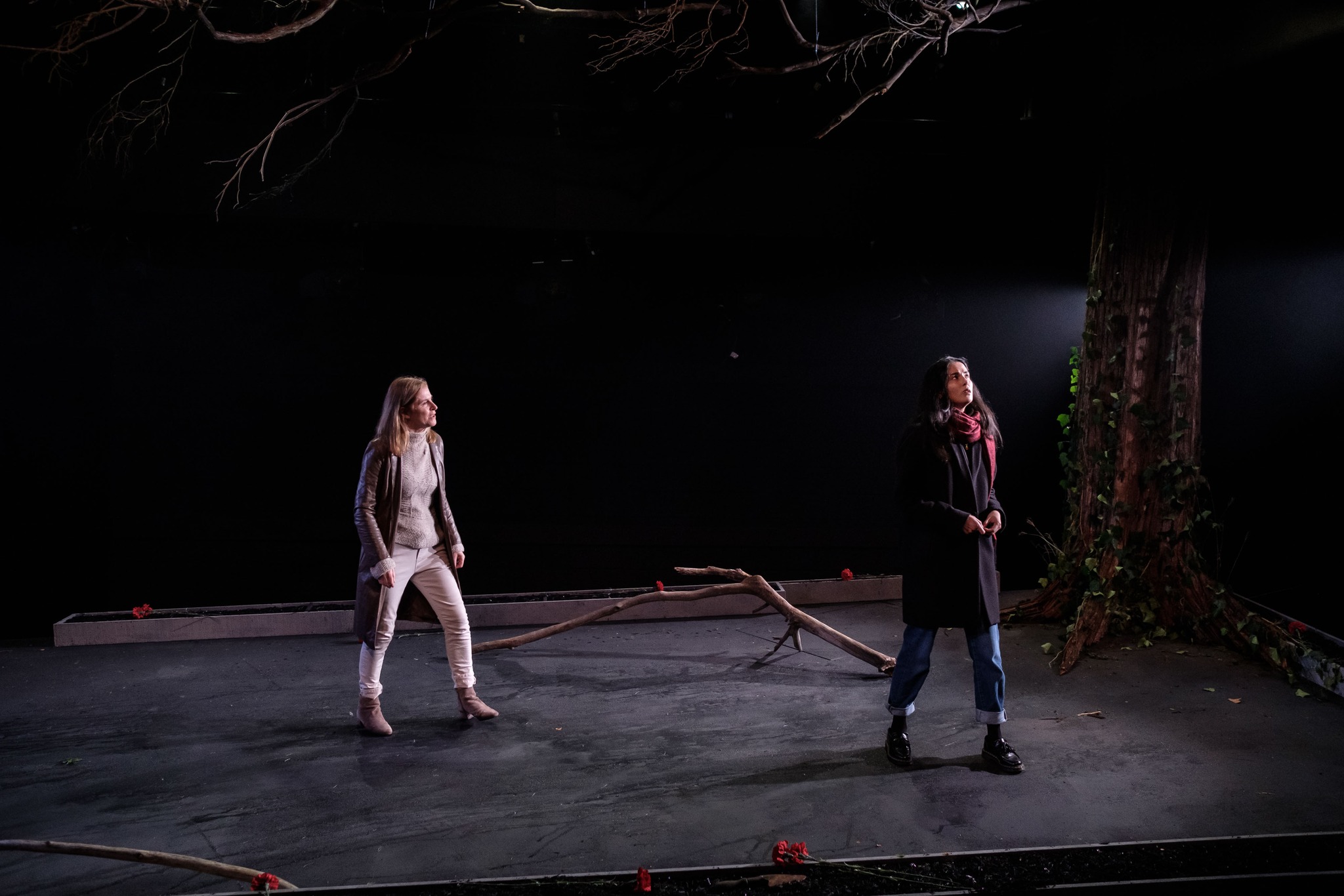
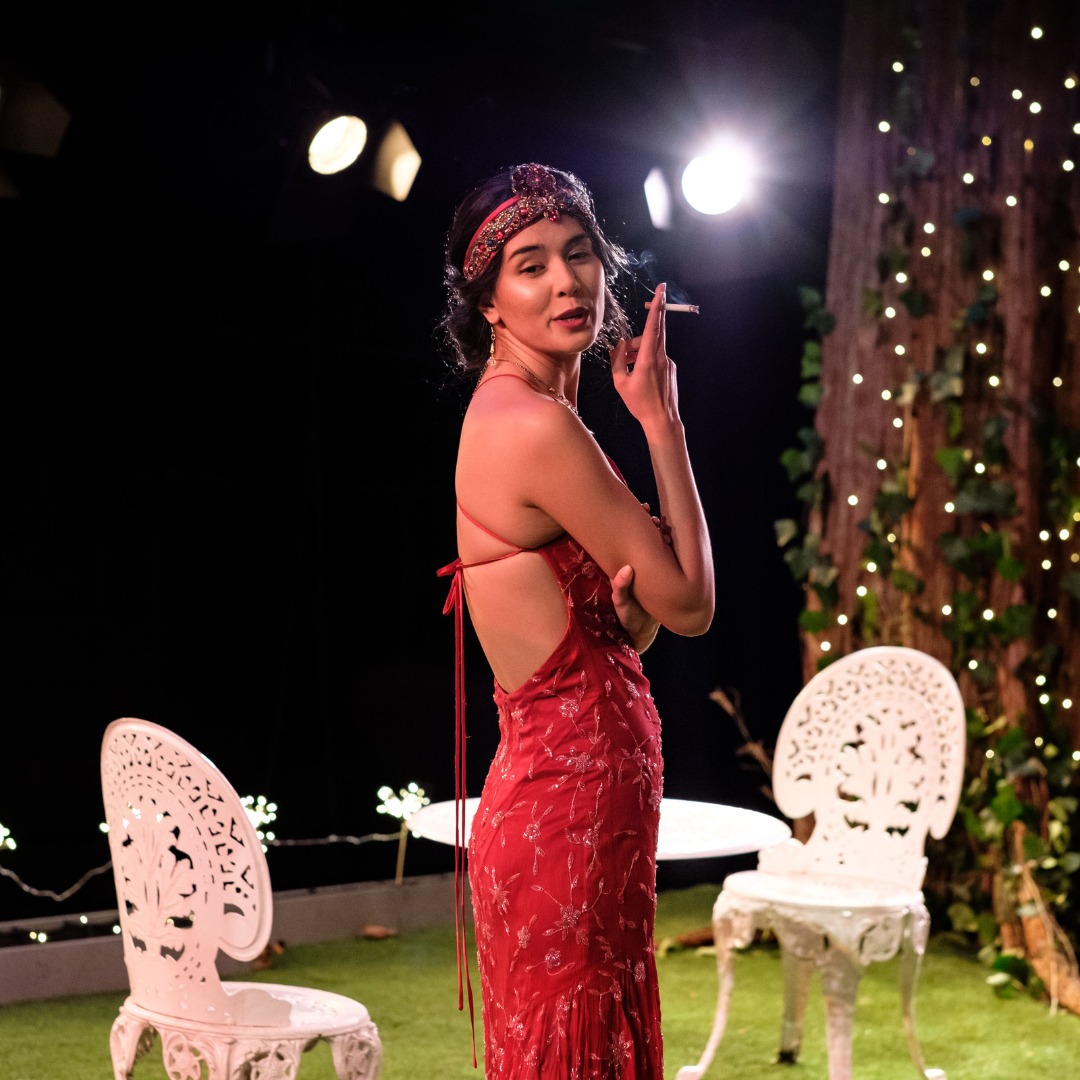
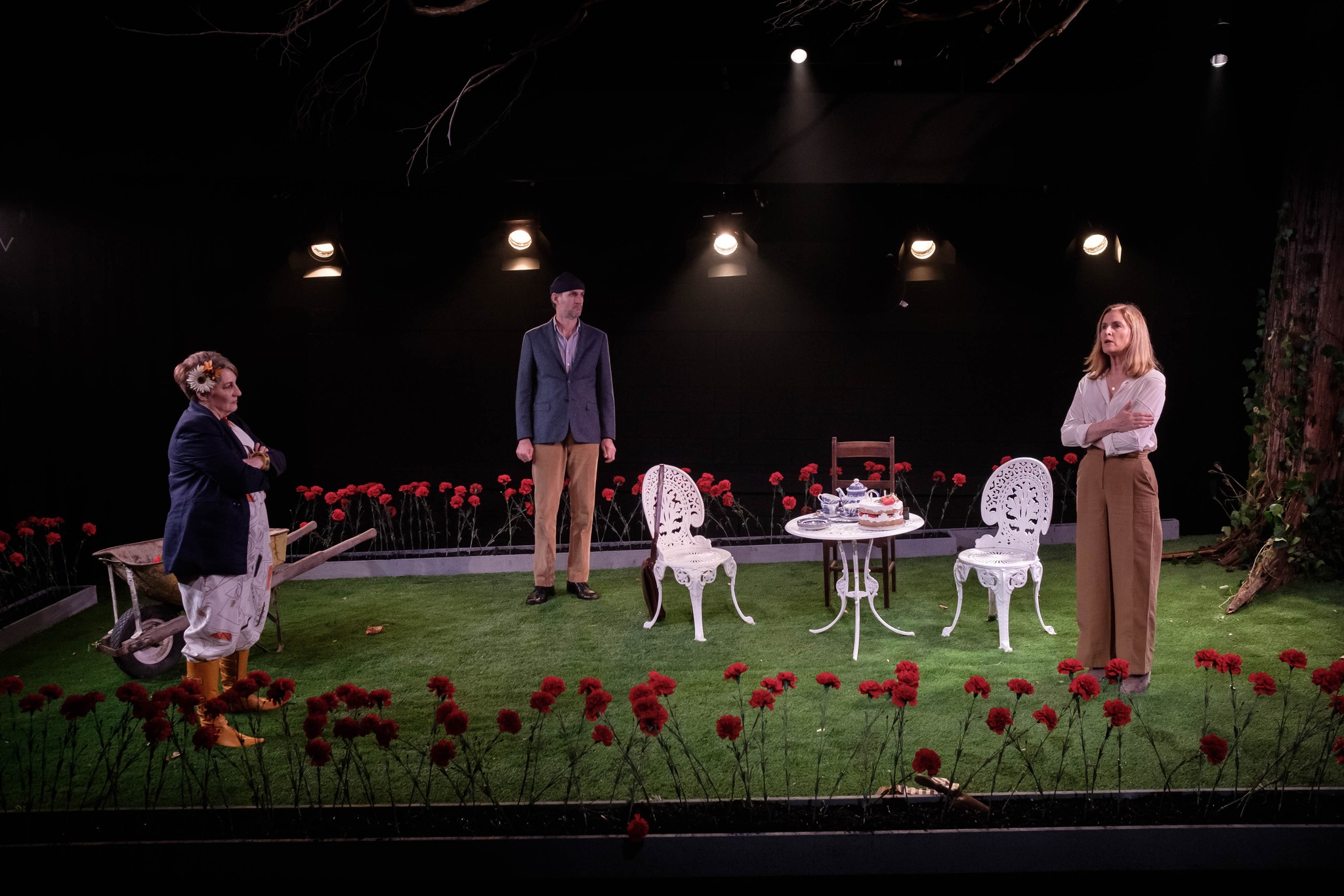
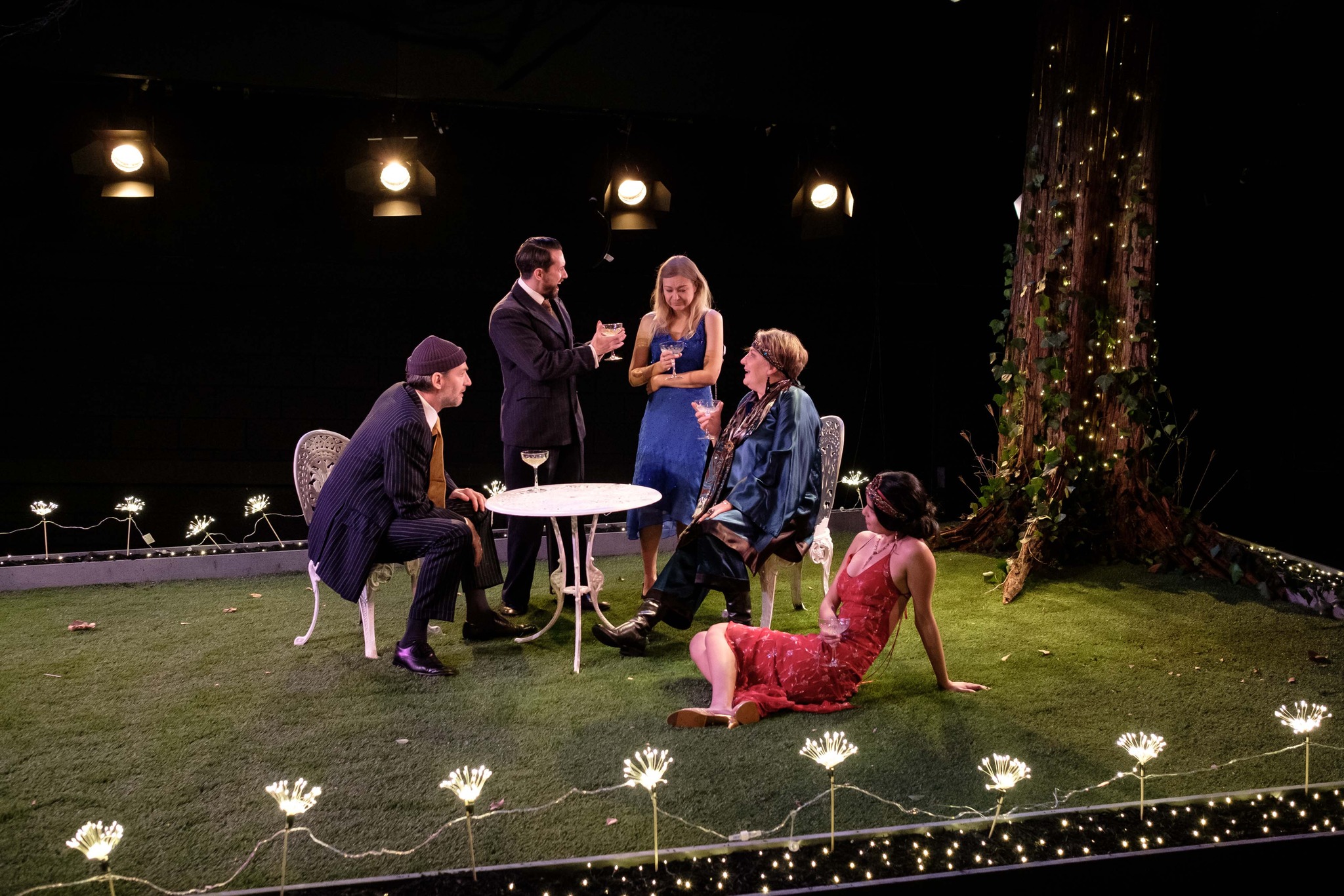
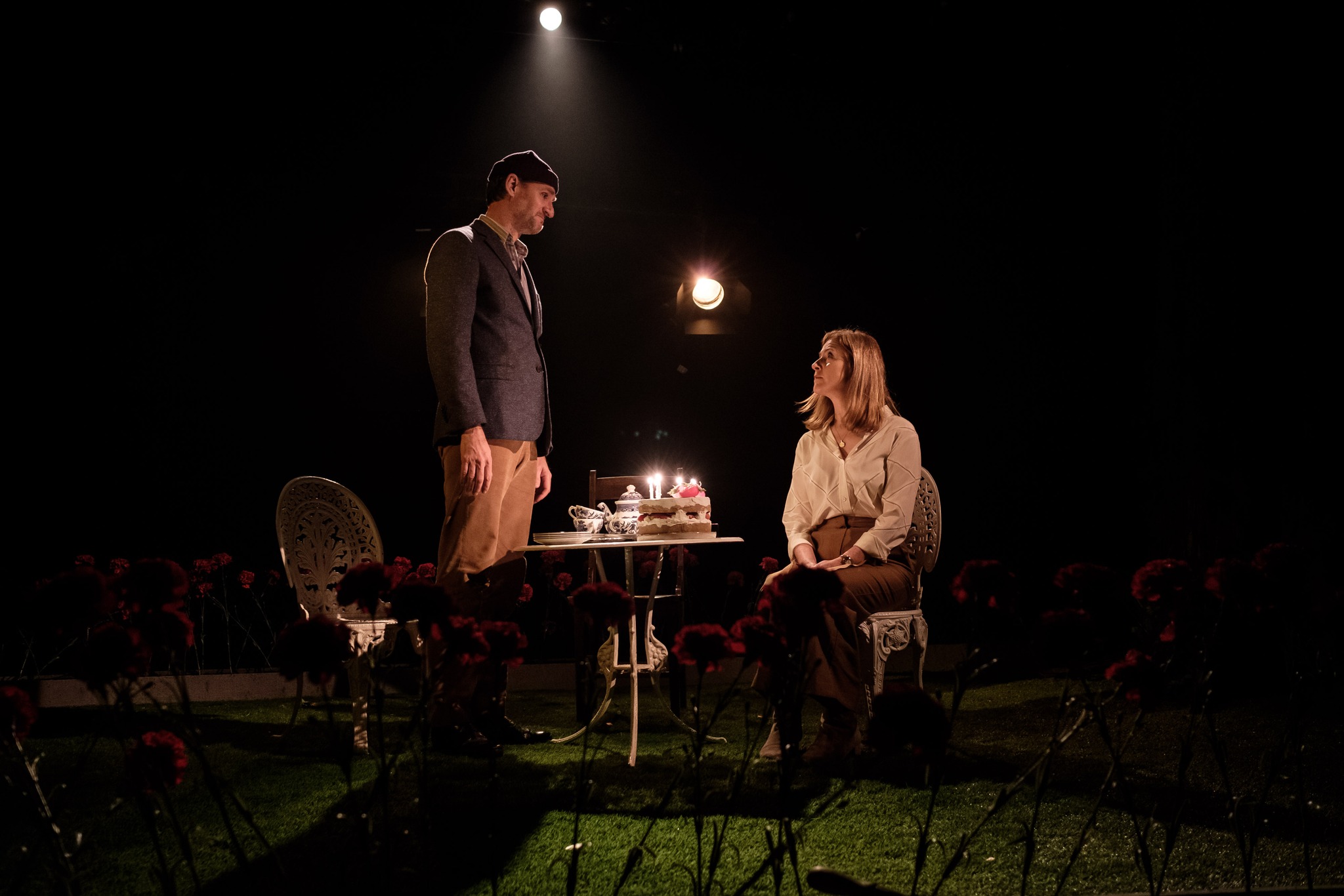
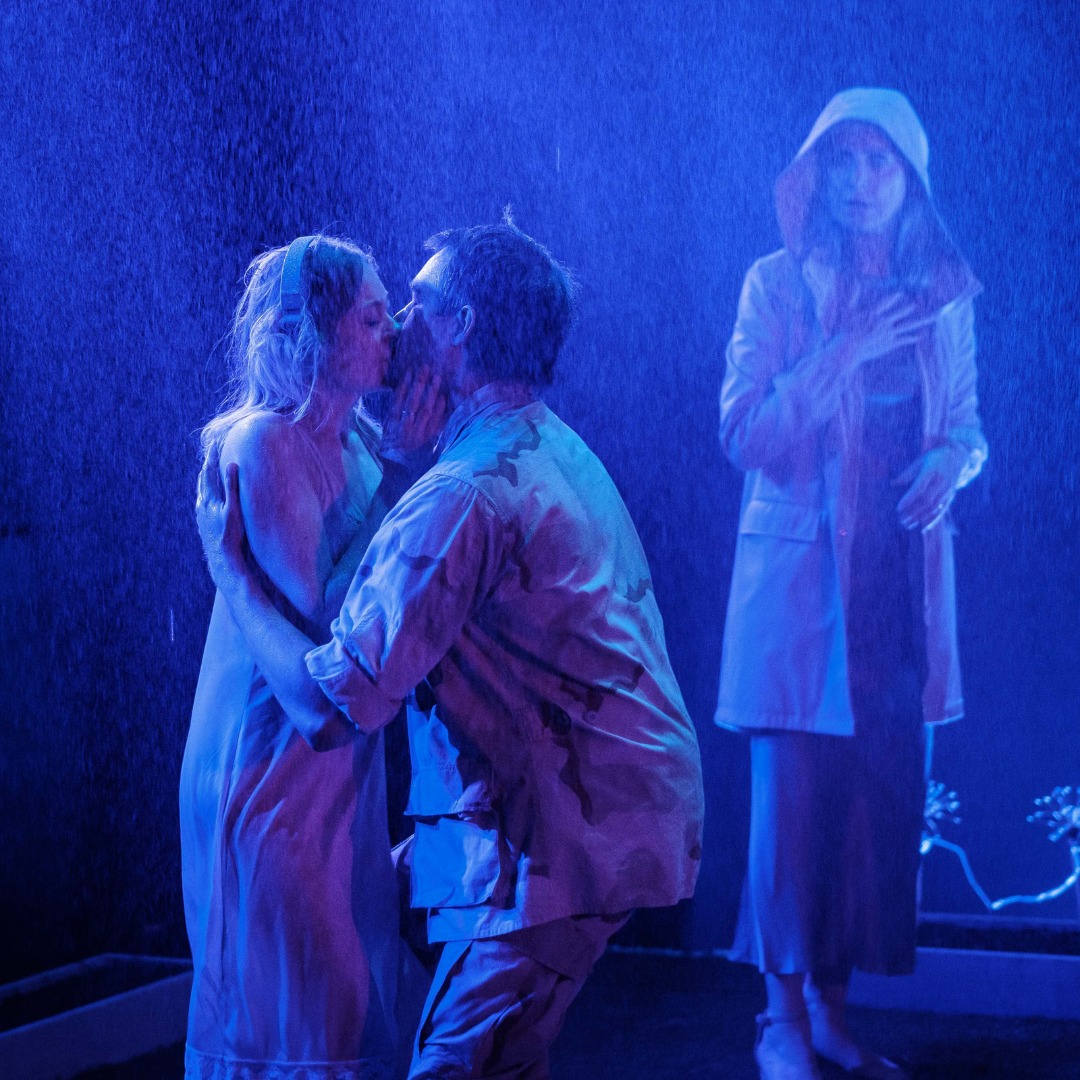
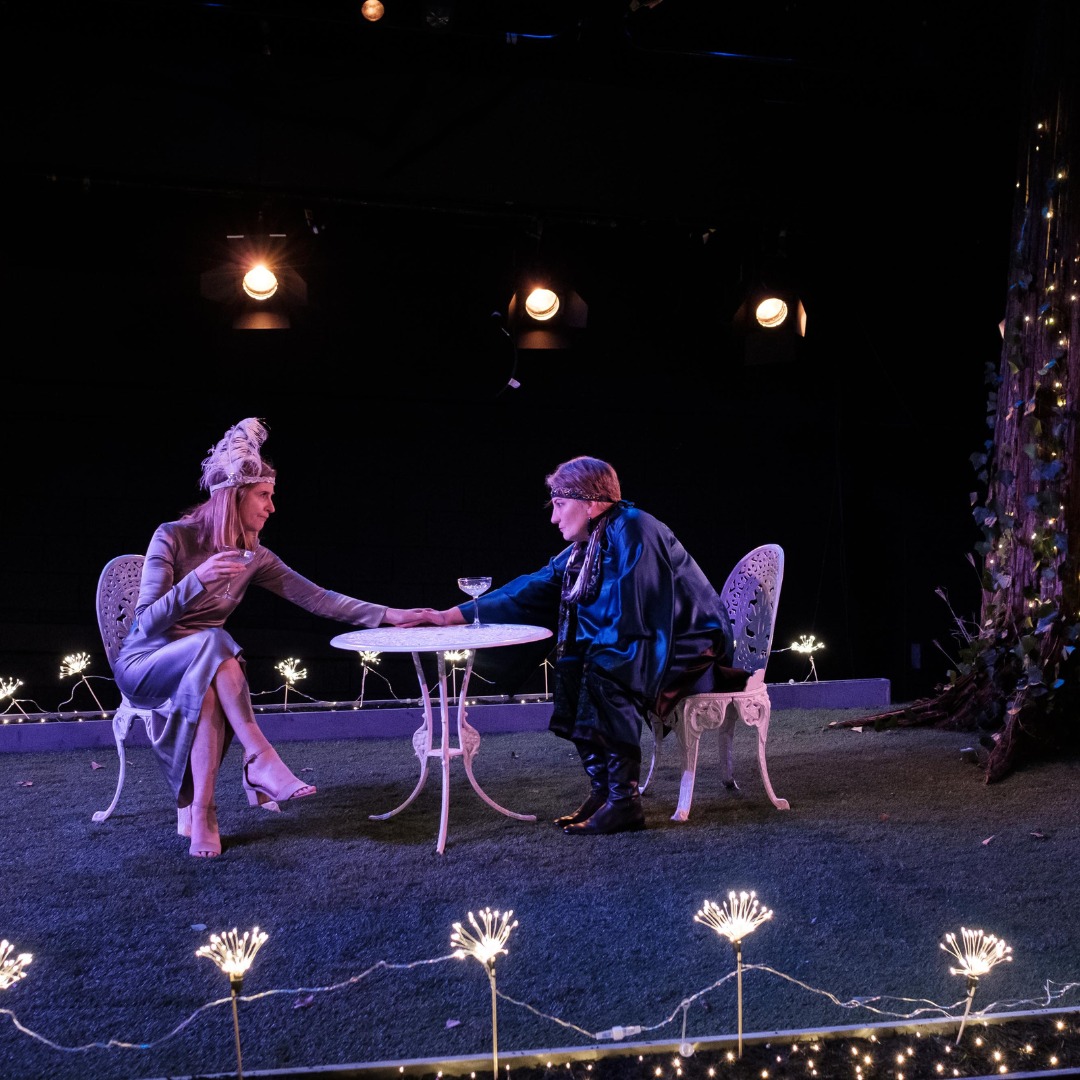
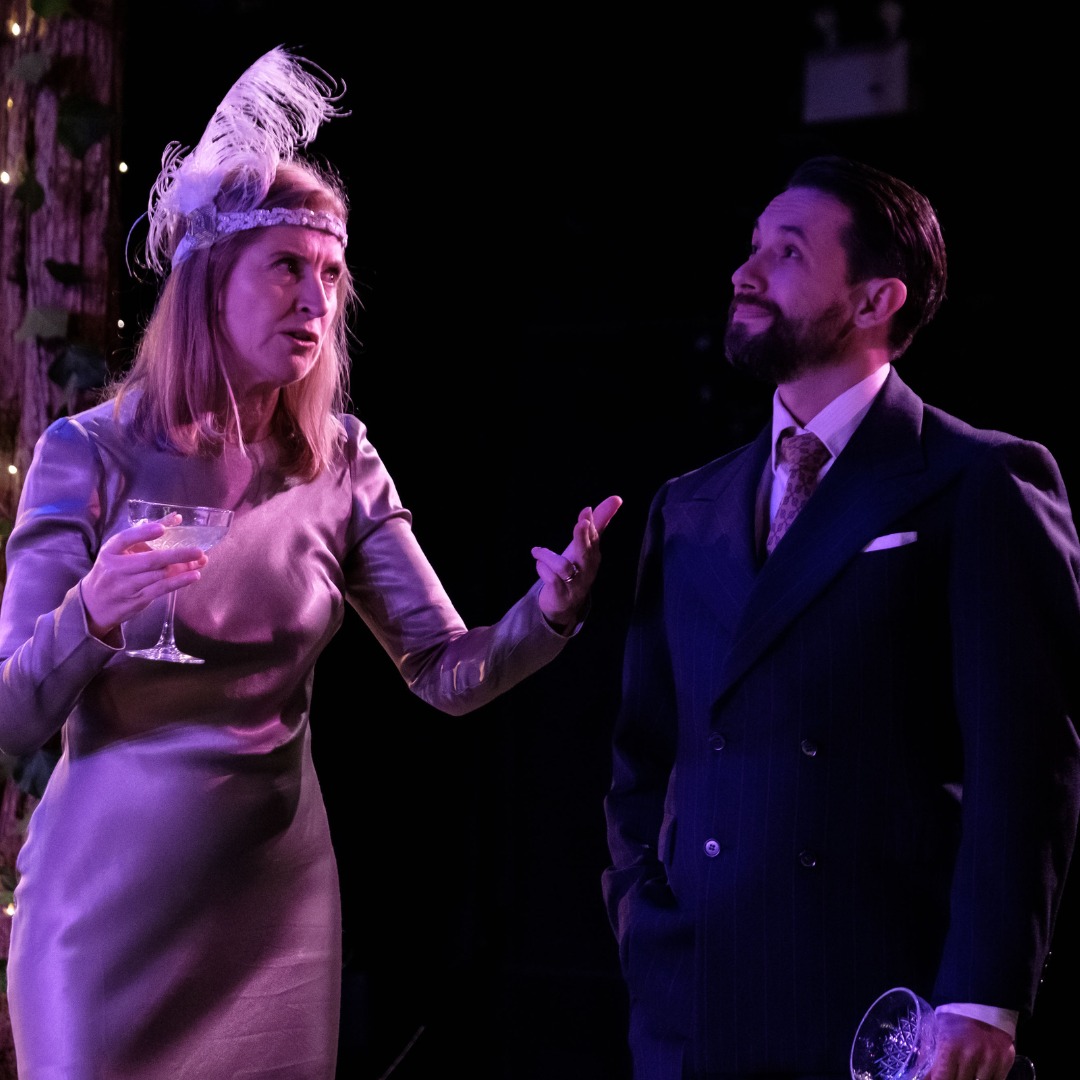
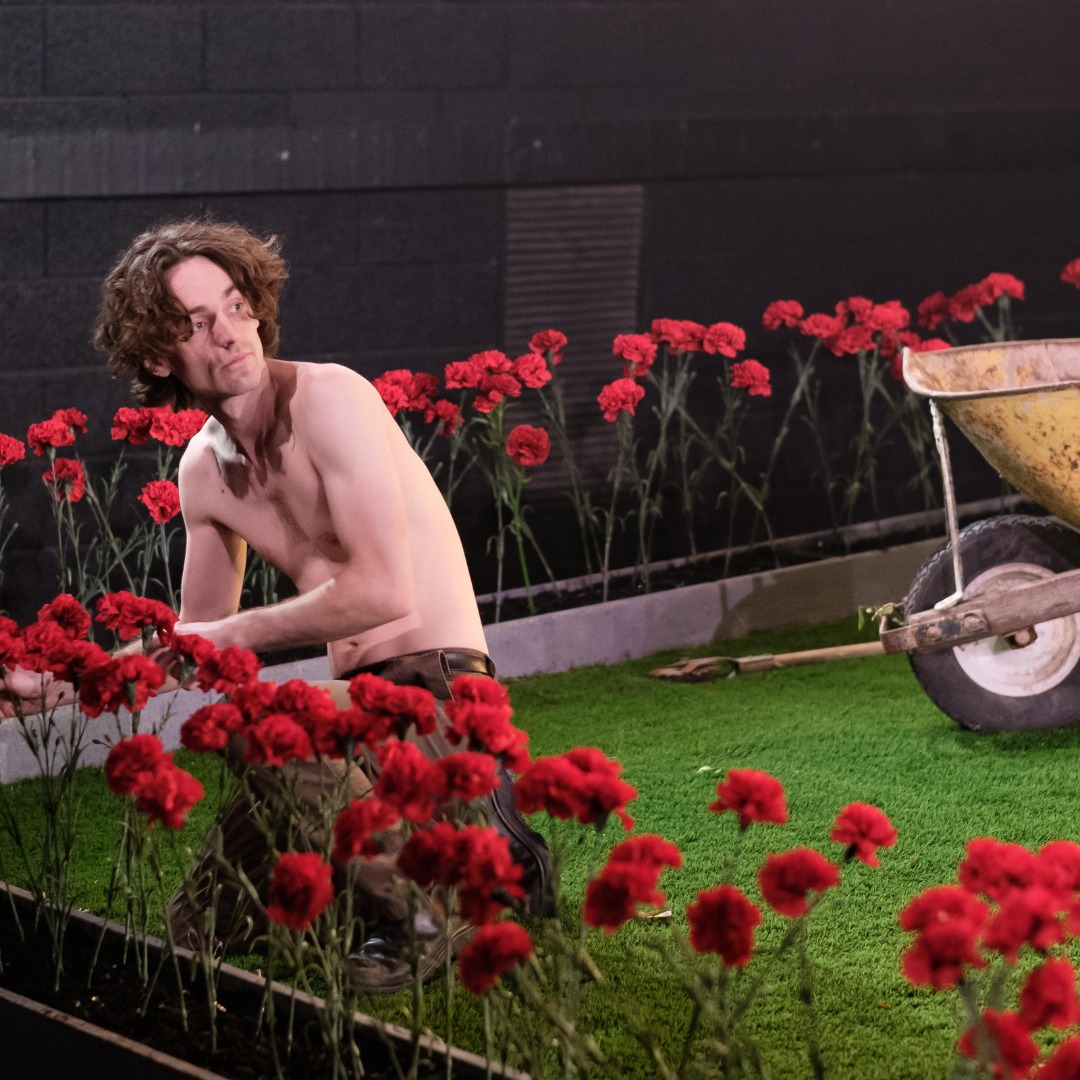
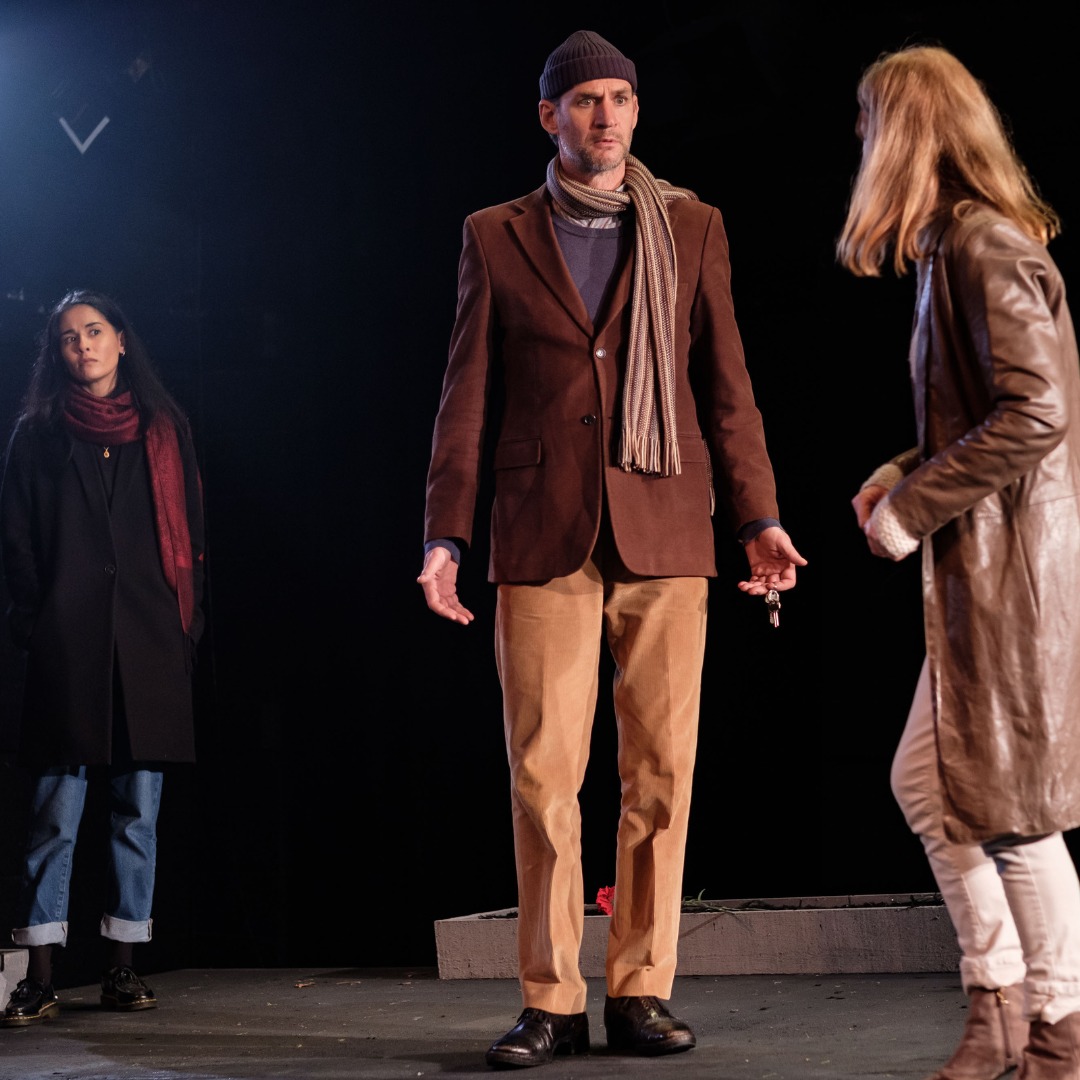
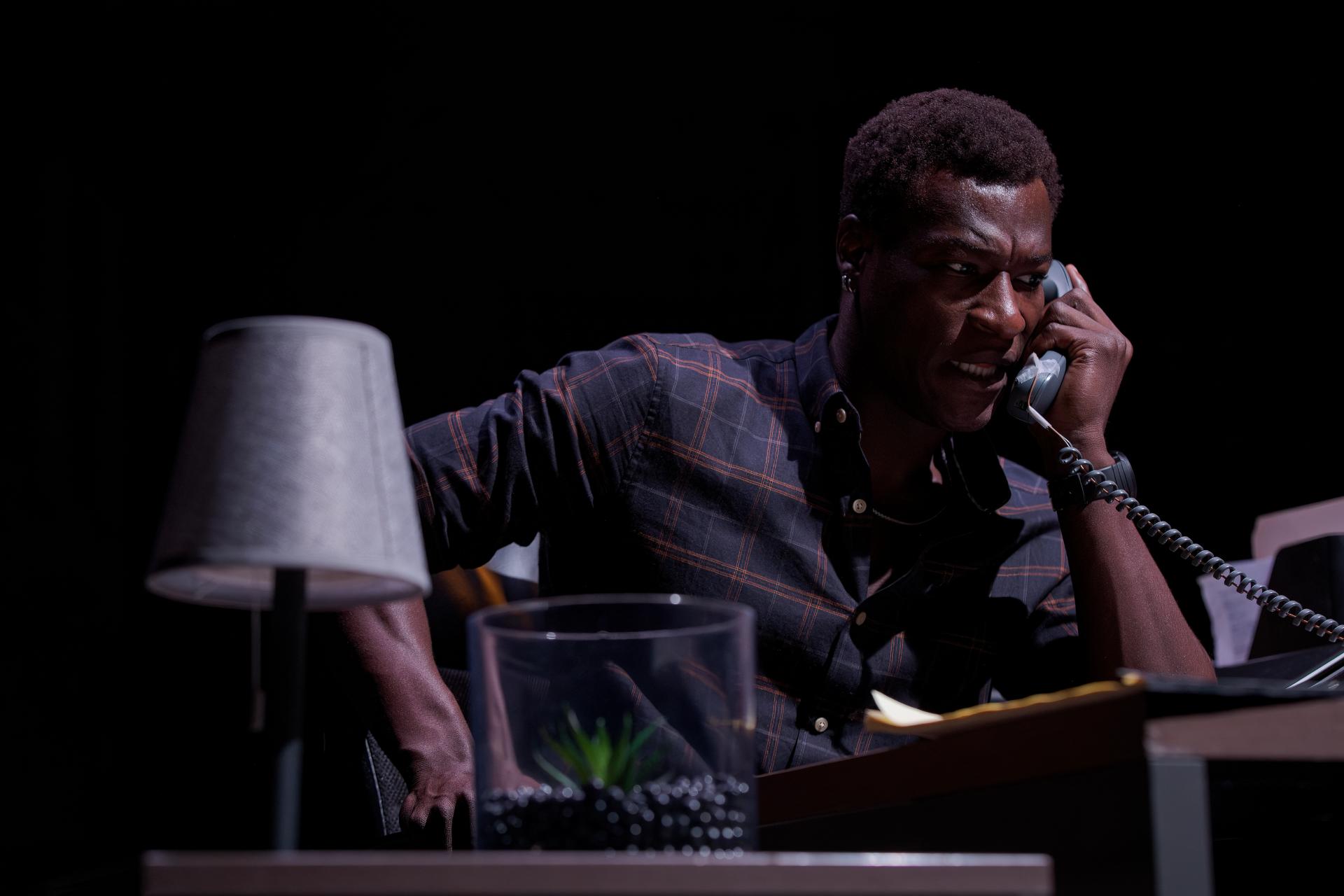
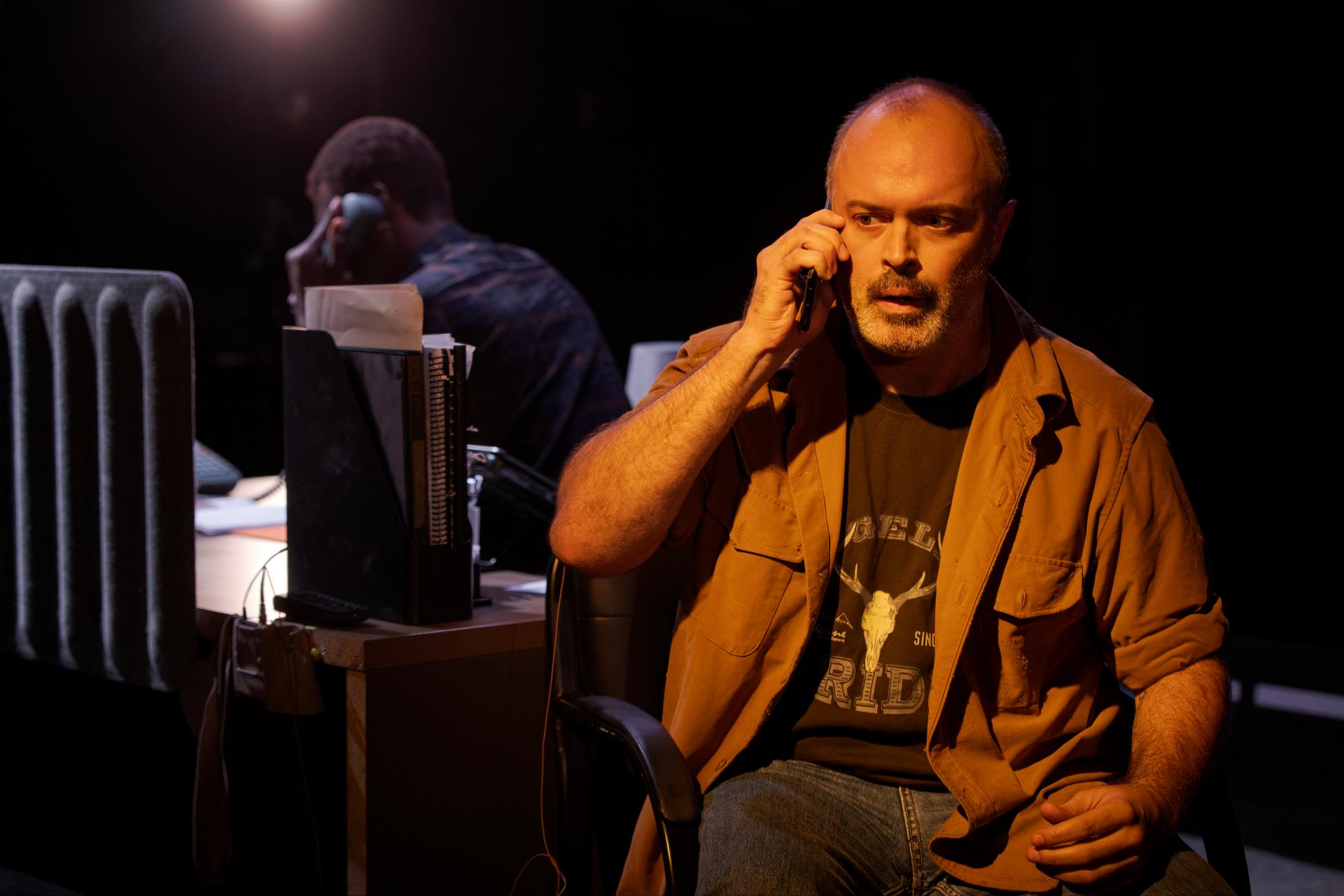
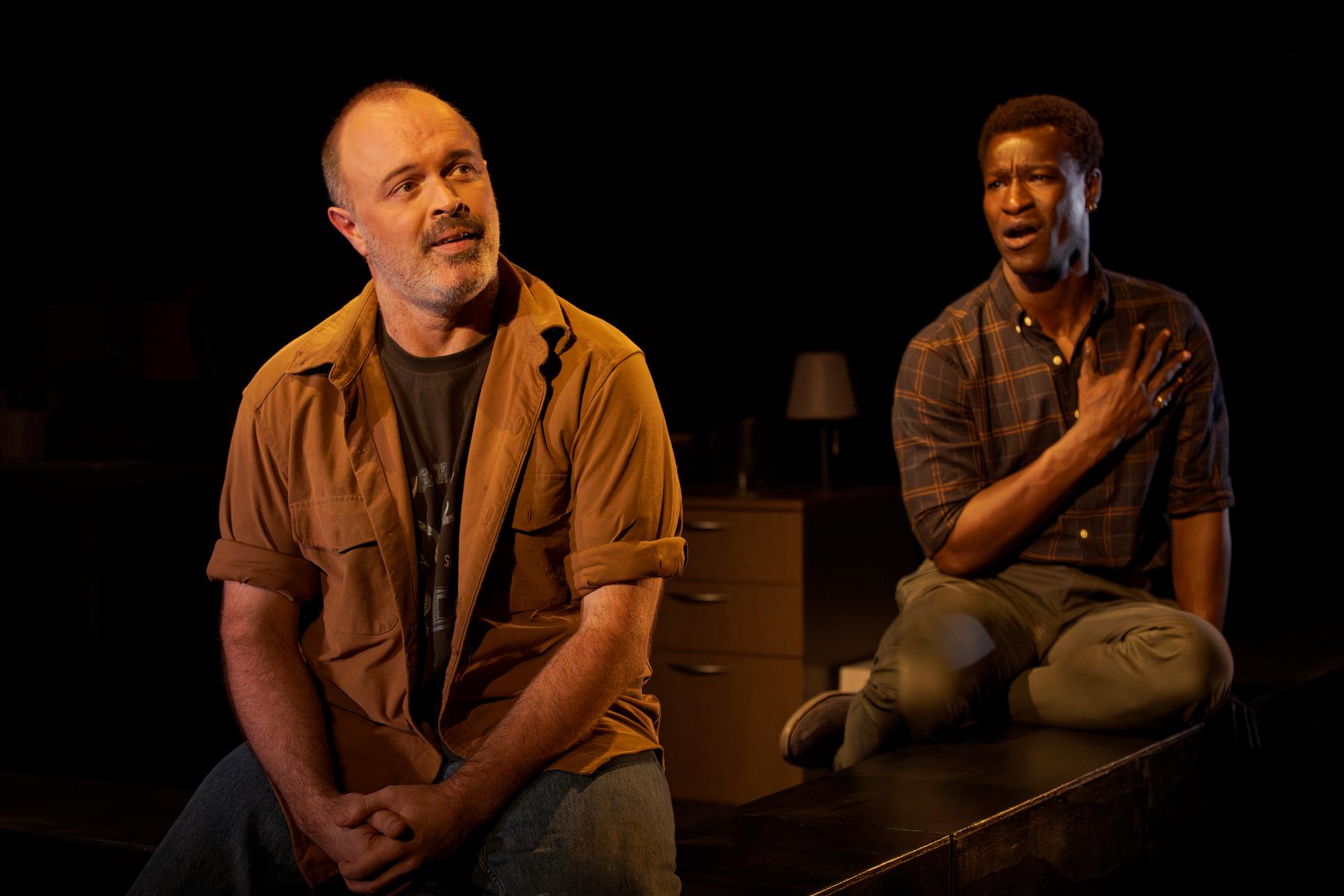
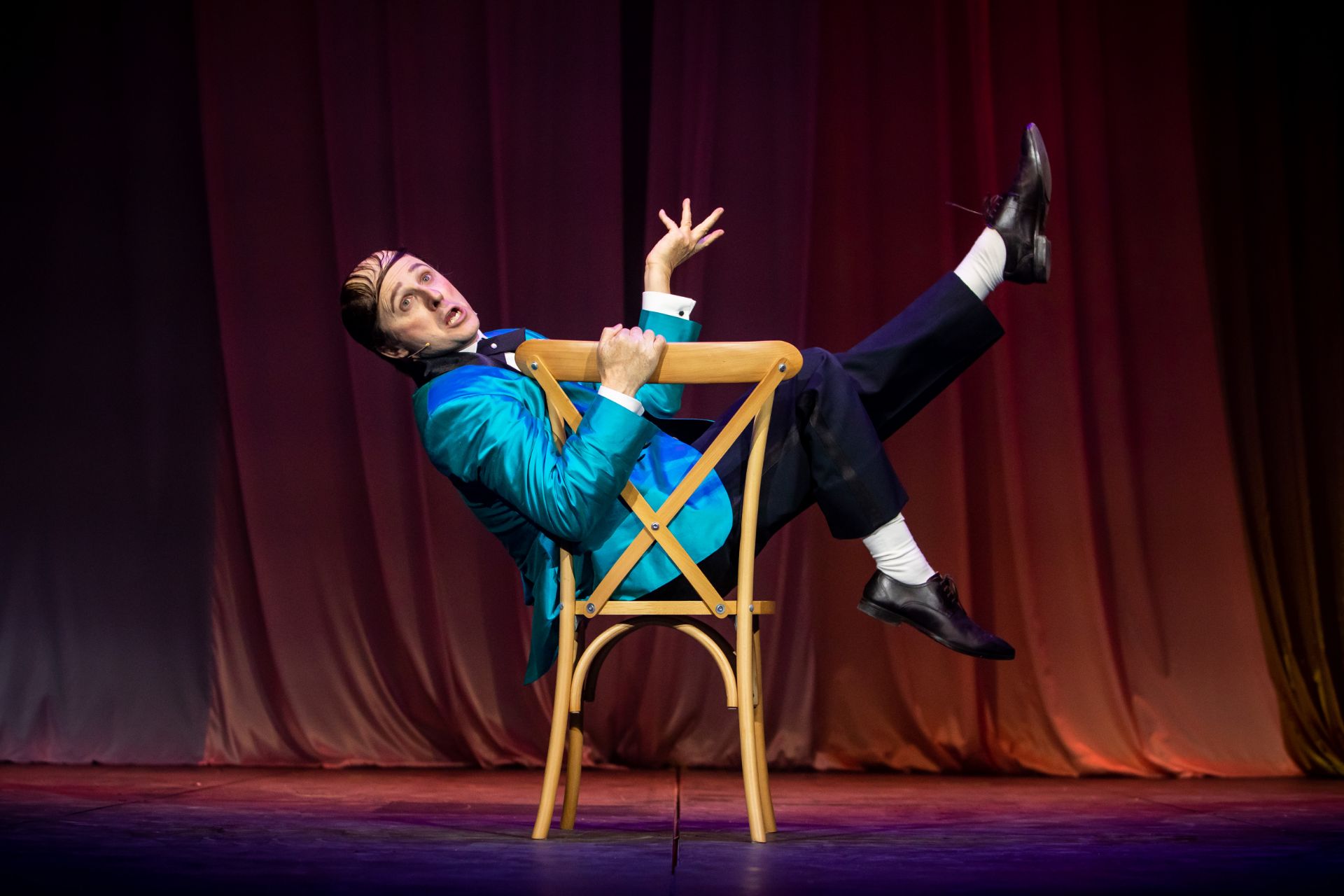
Based on the 1911 novel Peter and Wendy by J.M. Barrie, The Lost Boys is a freeform immersive work of theatre, dealing with issues pertaining to early masculinity and the loss of innocence. Its scene are distinct and separate, each with an independent style of presentation, but kept within a uniform aesthetic by directors Craig Baldwin and Eliza Scott, to convey a sense of cohesion for the production.
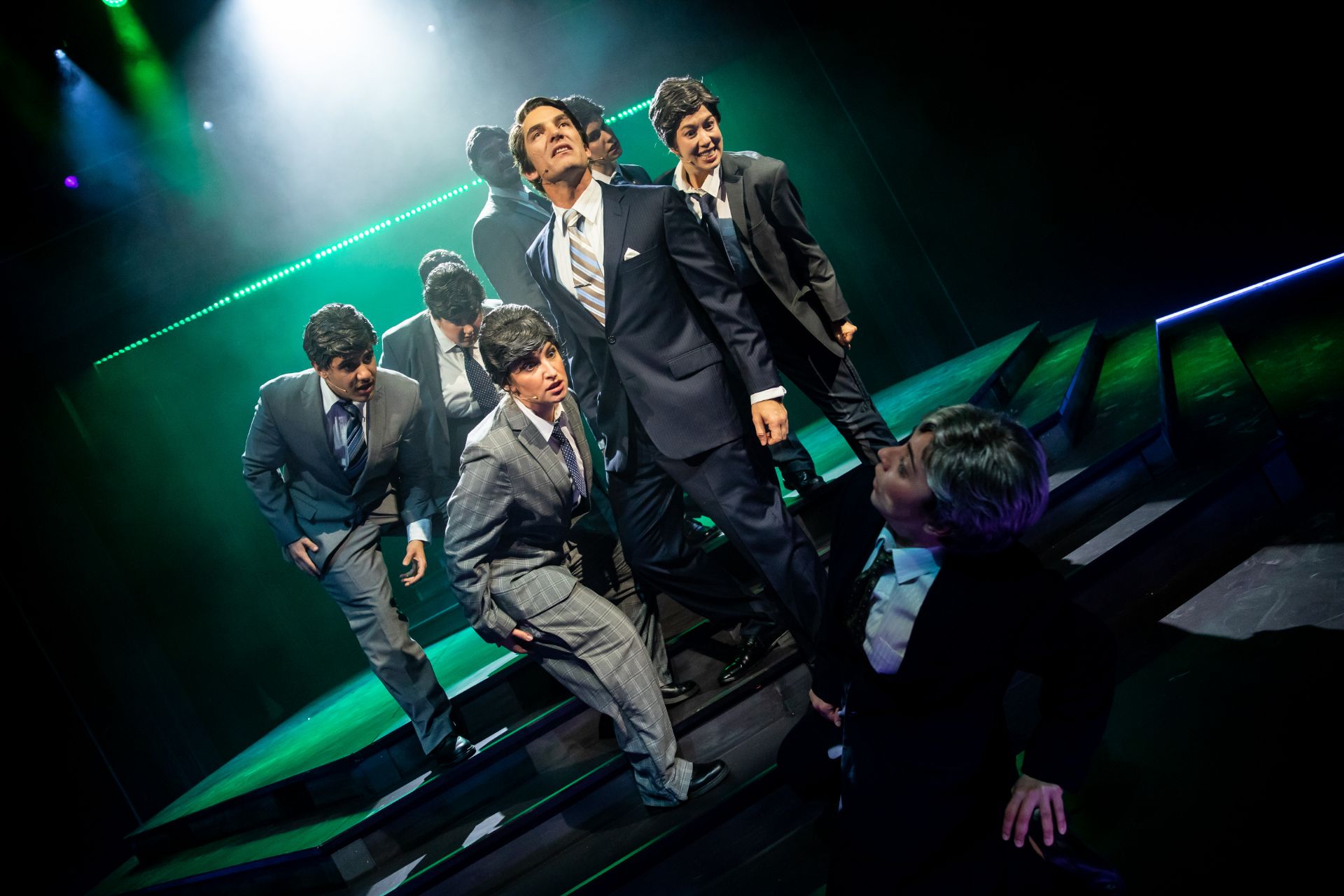
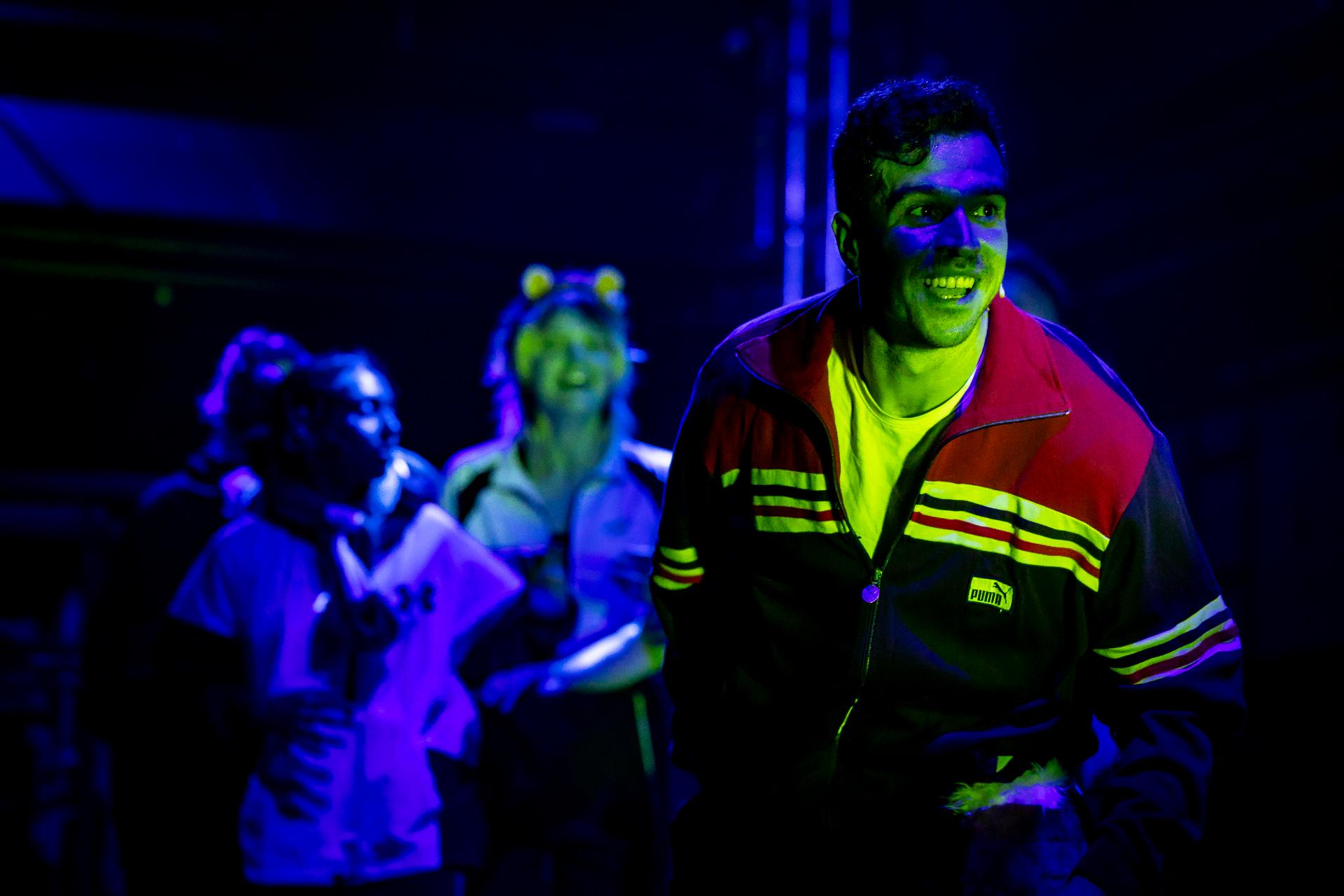
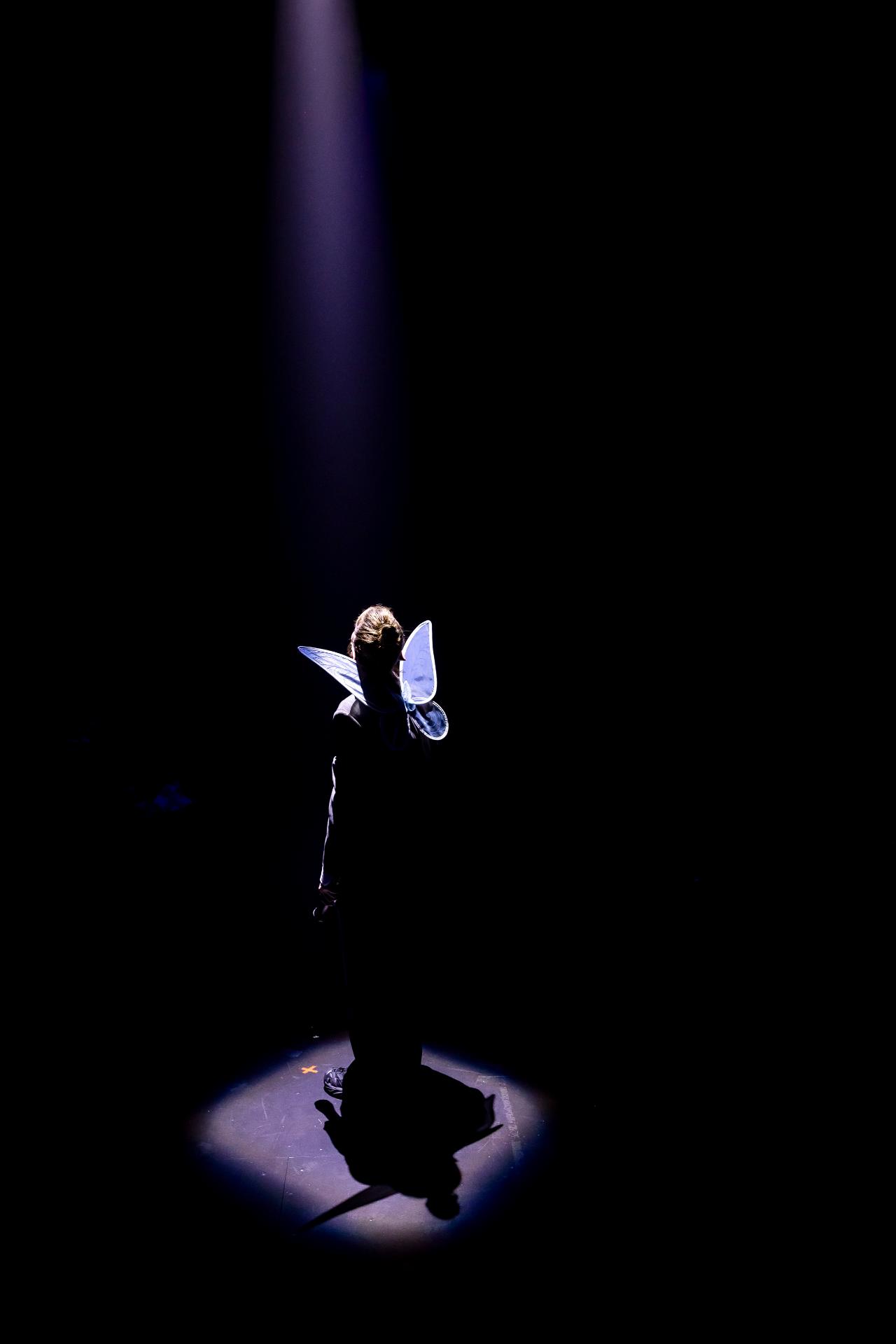
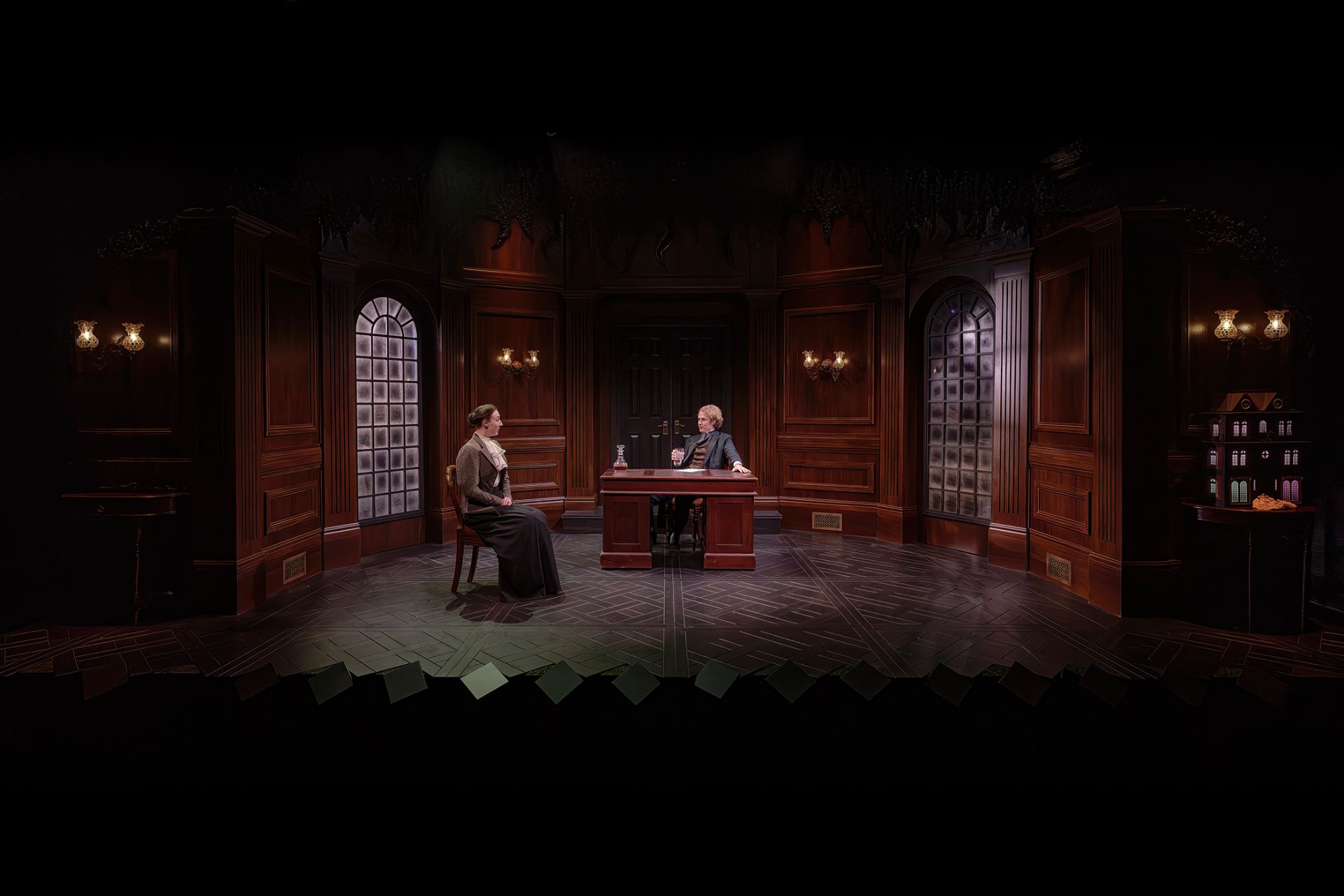
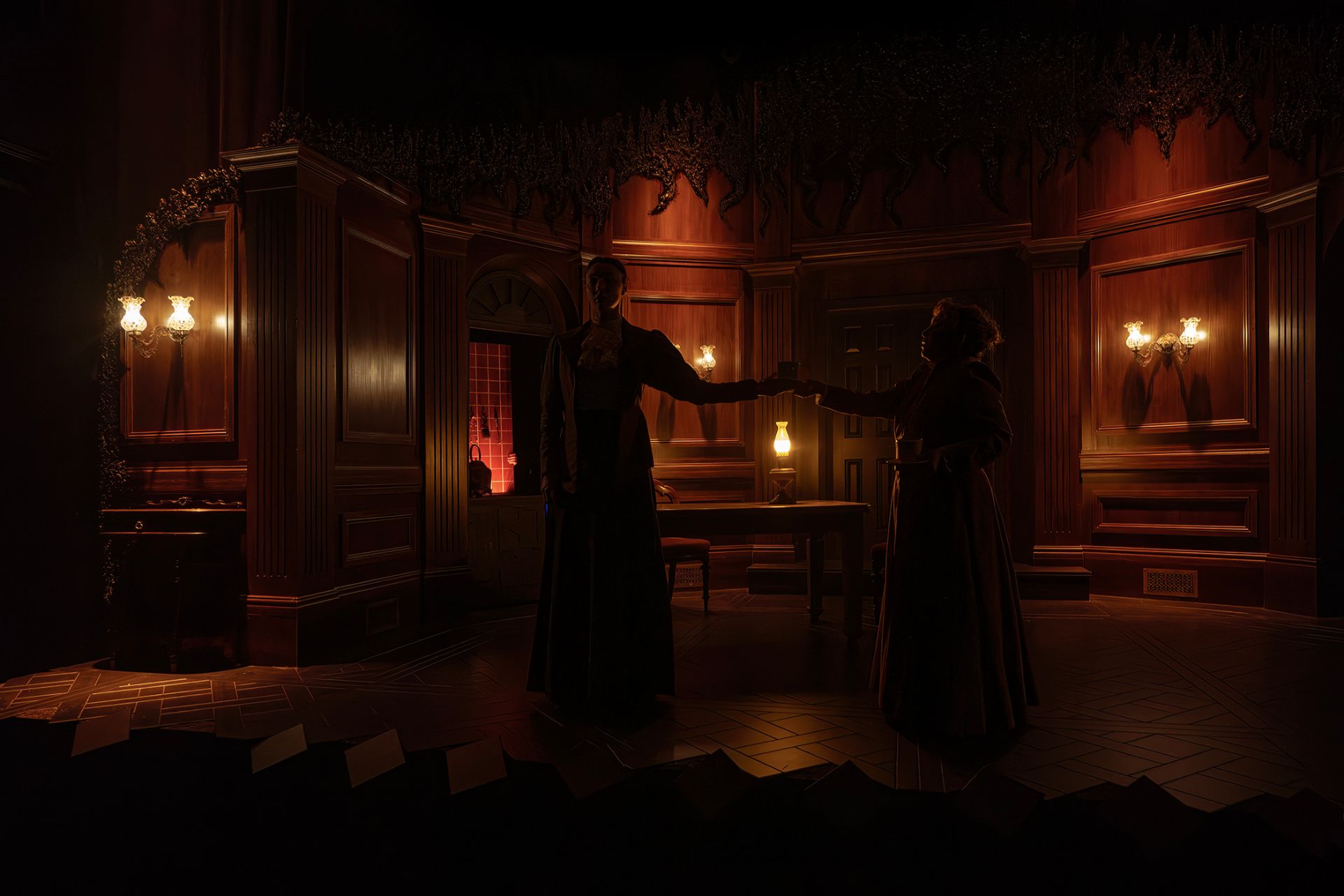
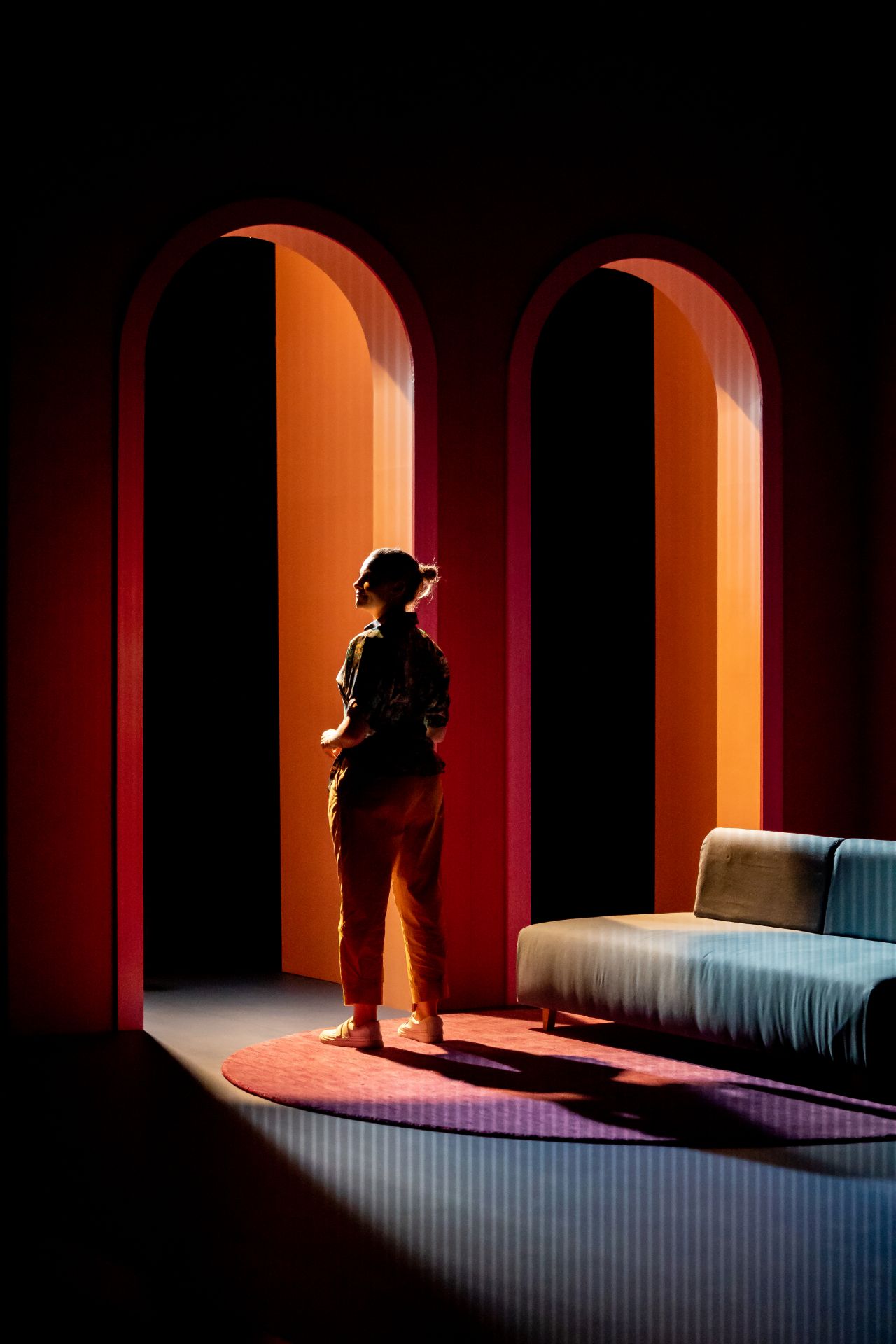
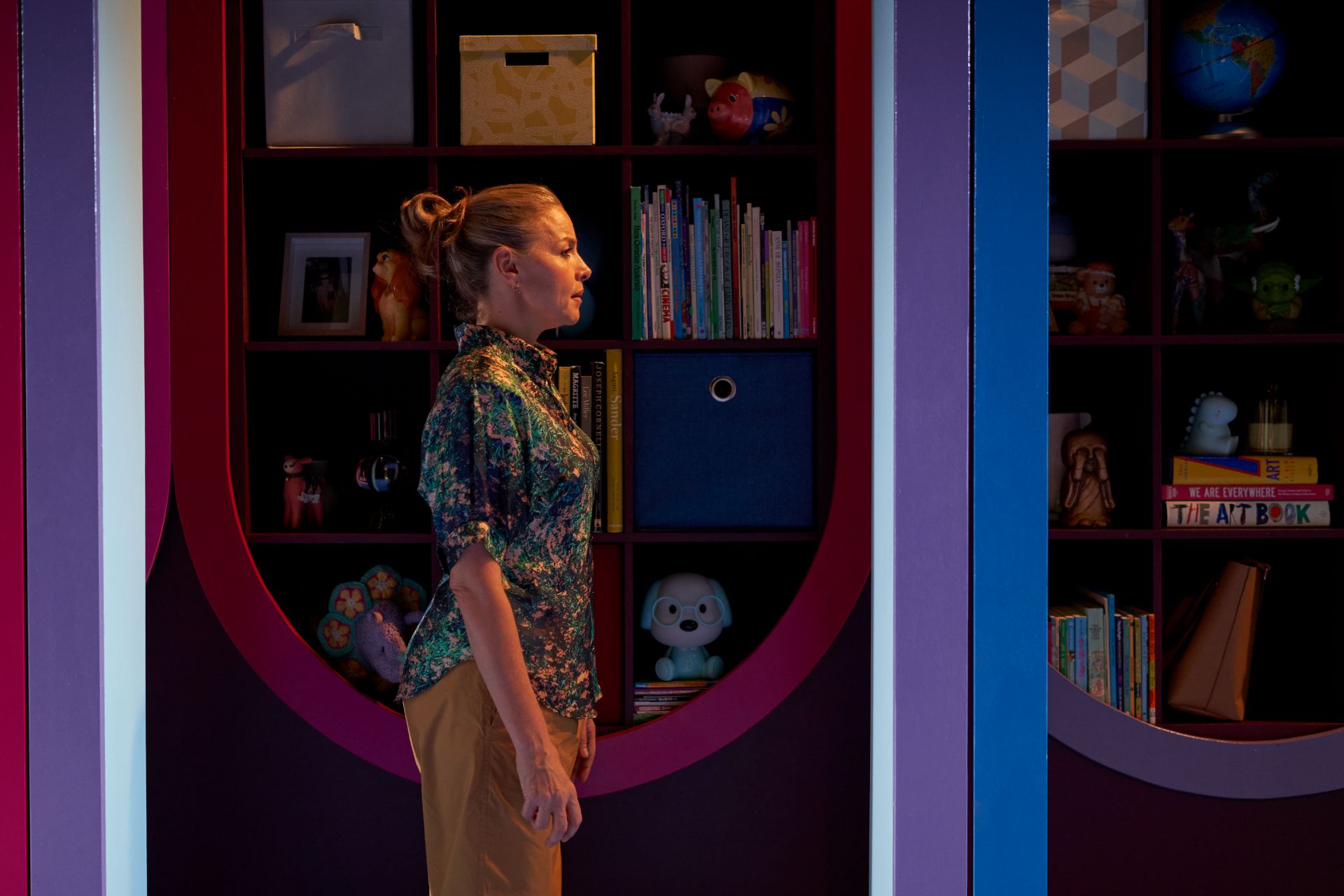
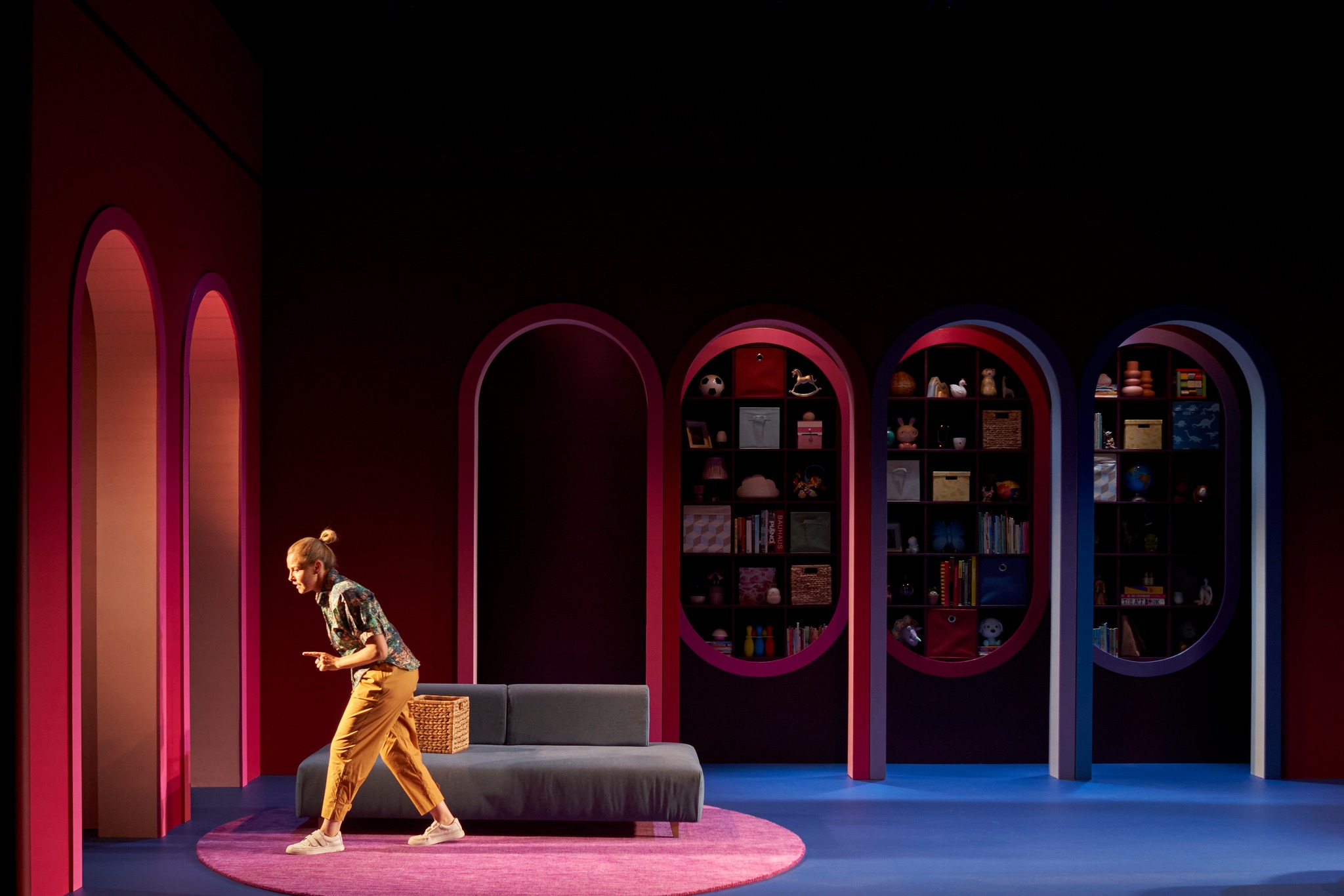
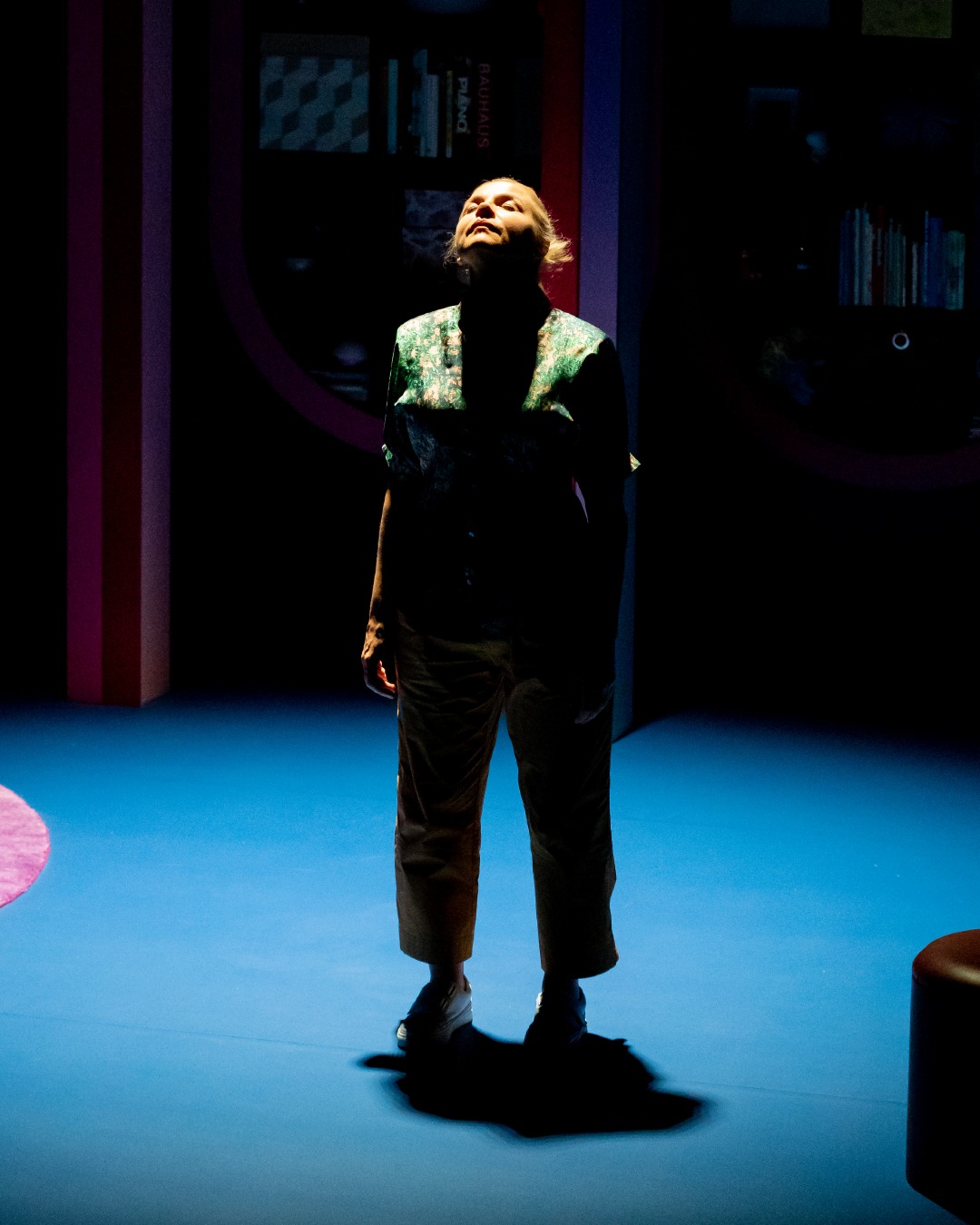
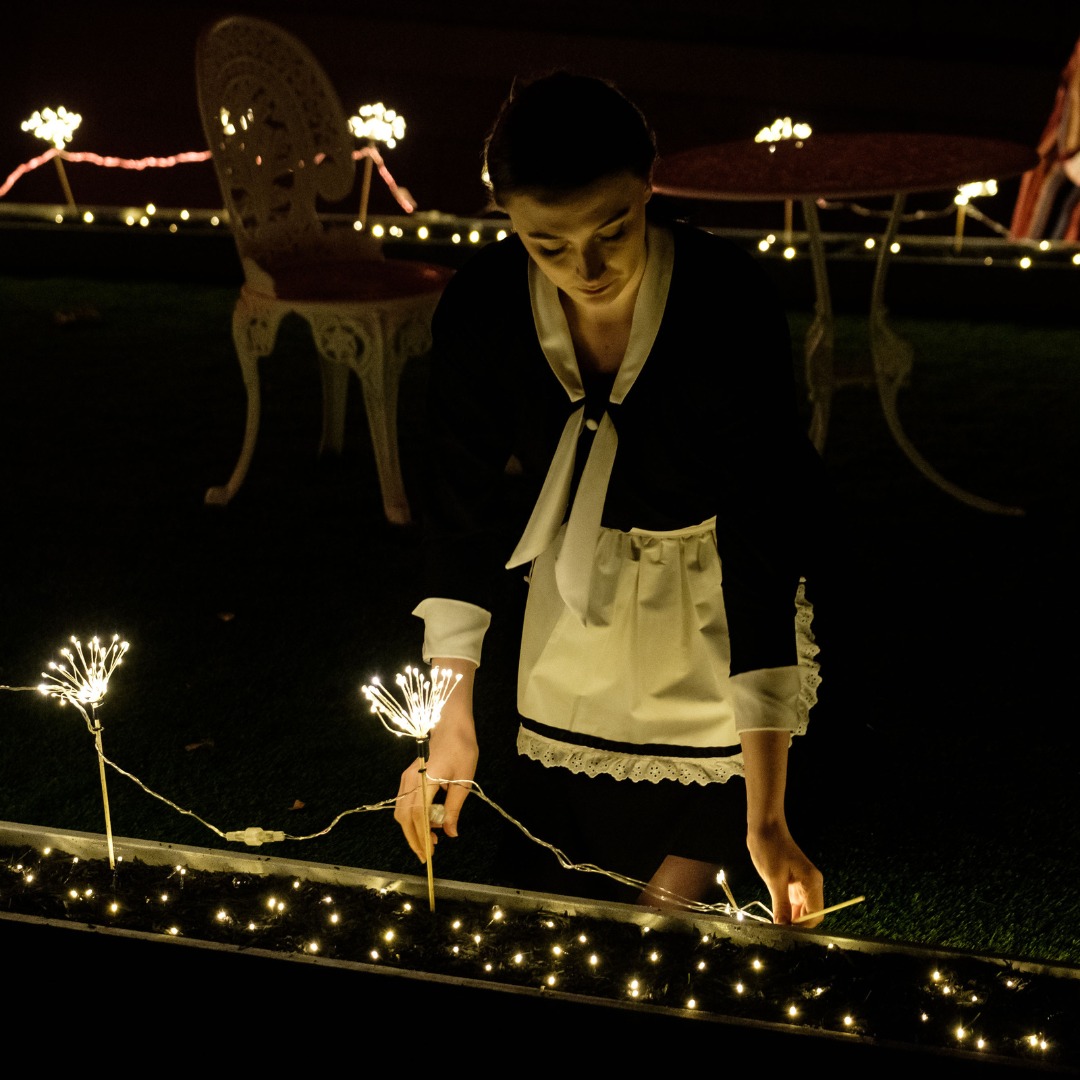
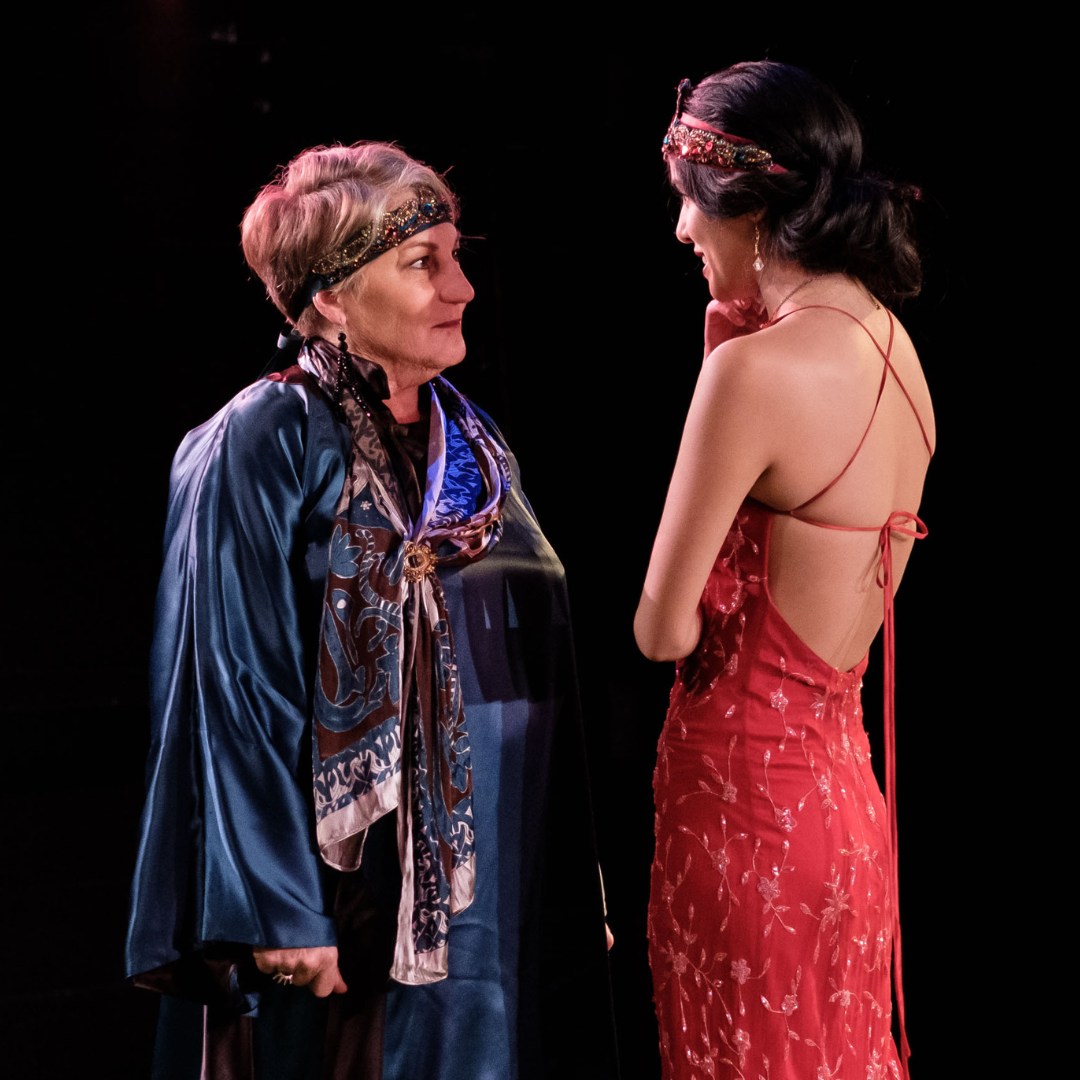
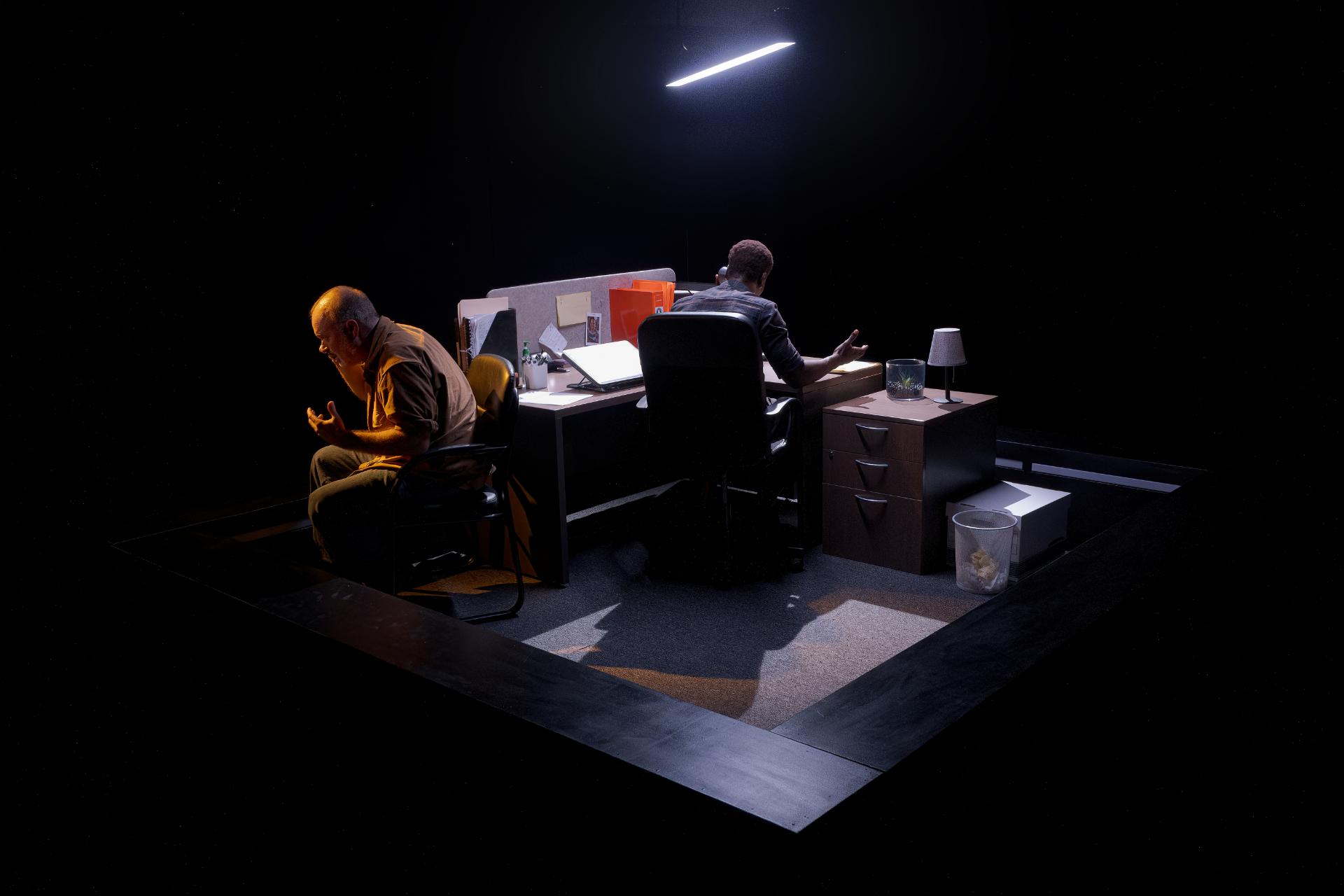
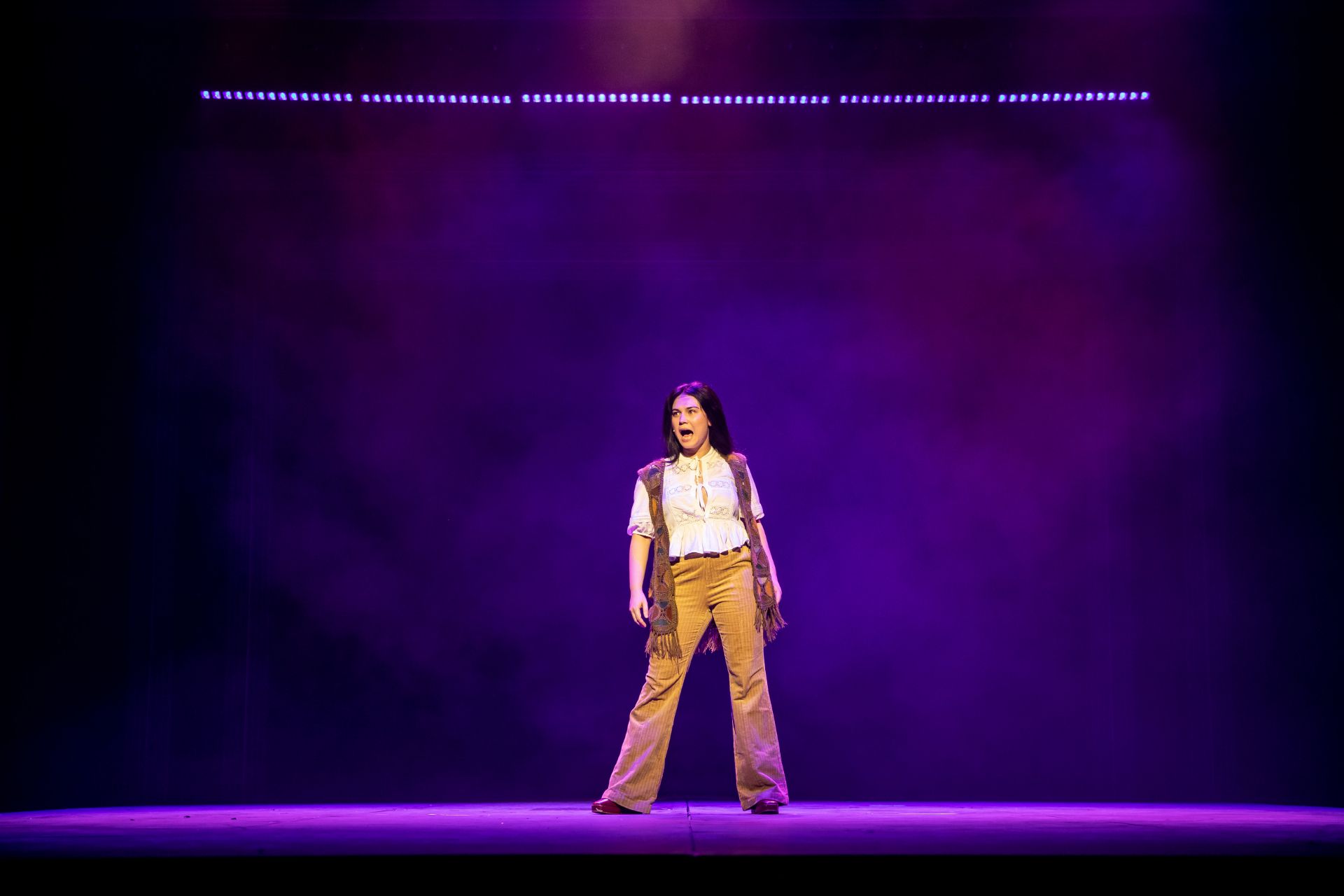
Set and lighting design by Ryan McDonald addresses tastefully the unusual spatial concerns of The Lost Boys, able to deliver style and a quality of surprise, for the series of imagery we encounter. Costumes by Esther Zhong are appropriately youthful, accurate in depicting the times and the culture being interrogated. Sounds are a highlight, especially the electronic music being deployed whether pulsating or ambient, to have us engaged with the show’s carefully calibrated atmospherics.

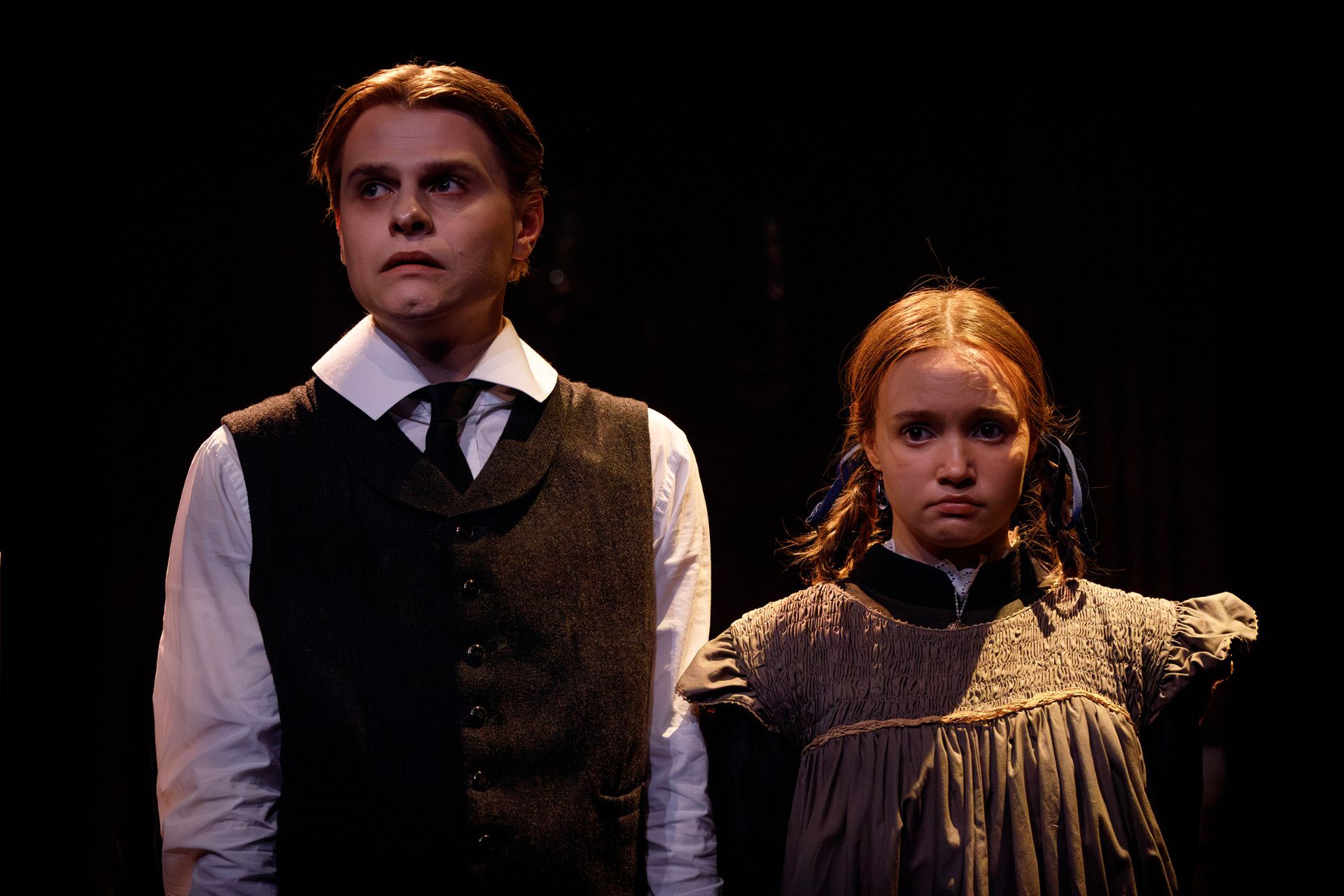
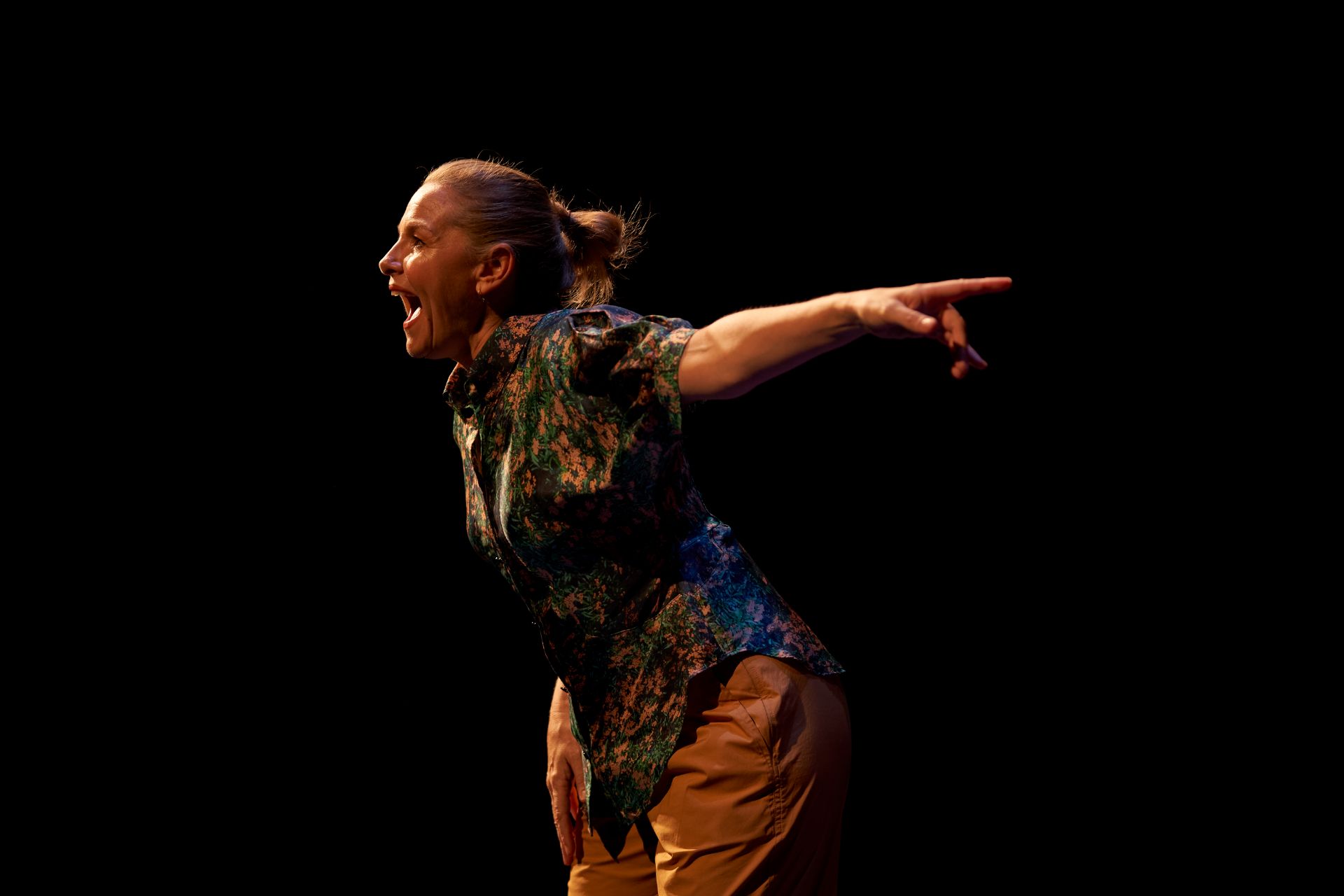
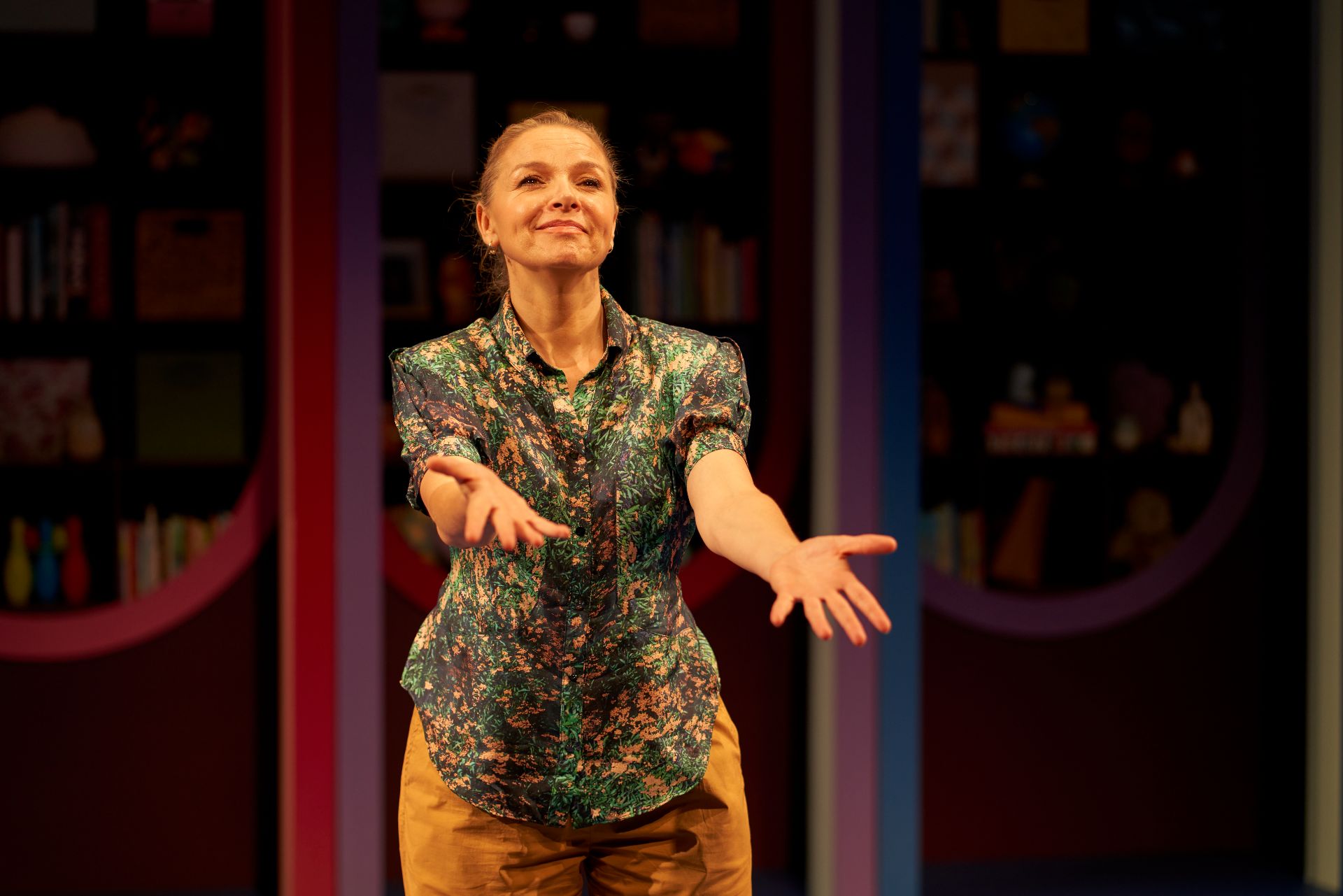
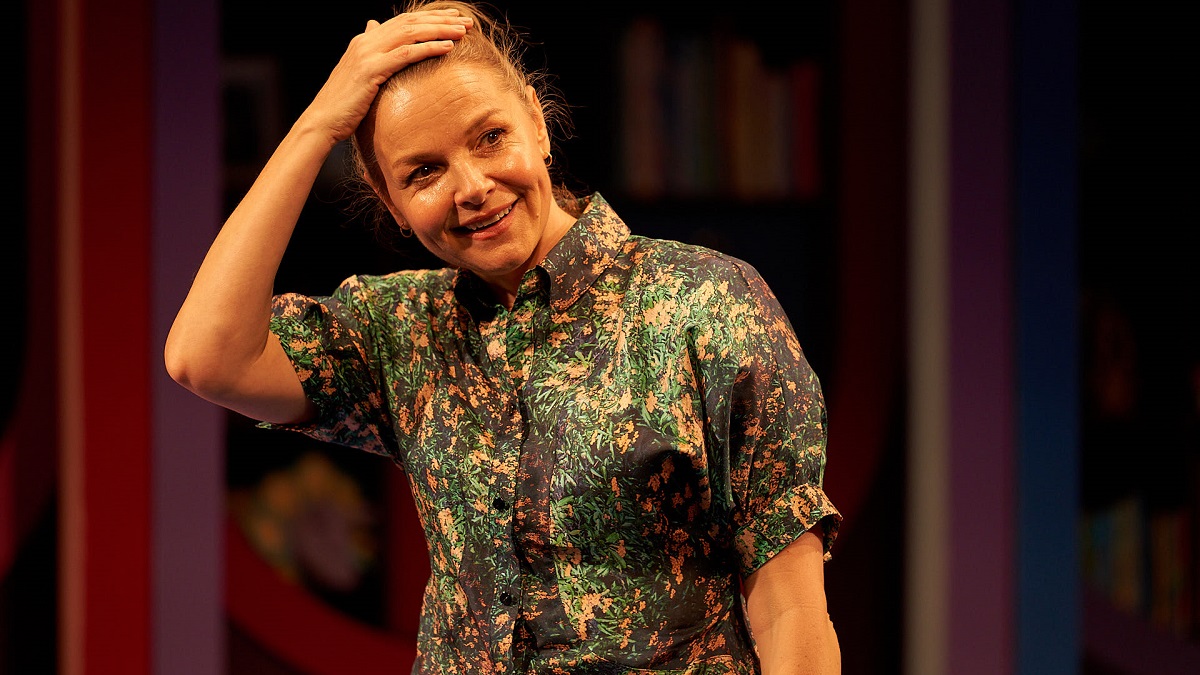
An ensemble of eight with divergent skills and talents, creates a one-hour presentation notable for its poetic sensibility. The Lost Boys commences at high octane, full of energy and promise, but struggles to sustain that intensity. Its first half is enjoyable for quirky and startling interpretations of Barrie’s writing, but an unintended juvenility sets in midway, and the show turns regretfully banal. There is no questioning the commitment on display by the vibrant collective, but it seems their ingenuity is depleted too early in the piece.
It is crucial that we undertake a deconstruction of masculinity, and redefine its virtues, for men and for people of other genders. Much of masculinity has been harmful, but like all other damaging systems that furnish power to few, it is stridently persistent, bolstered perversely by those who suffer its consequences. Its values are so ubiquitous that we rarely question their validity, unconsciously absorbing them into the ways we navigate all of existence. We regard them as natural and elemental, when they are demonstrably malleable, with meanings that are almost entirely imaginary and indeed, illusory. We may not be able to do away with gender altogether in the current lifetime, but disallowing it from taking on immutable and invulnerable shapes, is ultimately of benefit to all.

www.seymourcentre.com | www.littleeggscollective.com

Review: Venus & Adonis (Seymour Centre)

Venue: Seymour Centre (Chippendale NSW), Sep 29 – Oct 21, 2023
Playwright: Damien Ryan
Director: Damien Ryan
Cast: Anthony Gooley, Adele Querol, Jerome Meyer, Belinda Giblin, Bernadette Ryan, Christopher Tomkinson, Ava Madon, Akasha Hazard, Kevin MacIsaac, Oliver Ryan, Max Ryan, Dinitha Senevirathne, Liv Rey Laaksonen
Images by Kate Williams

Theatre review
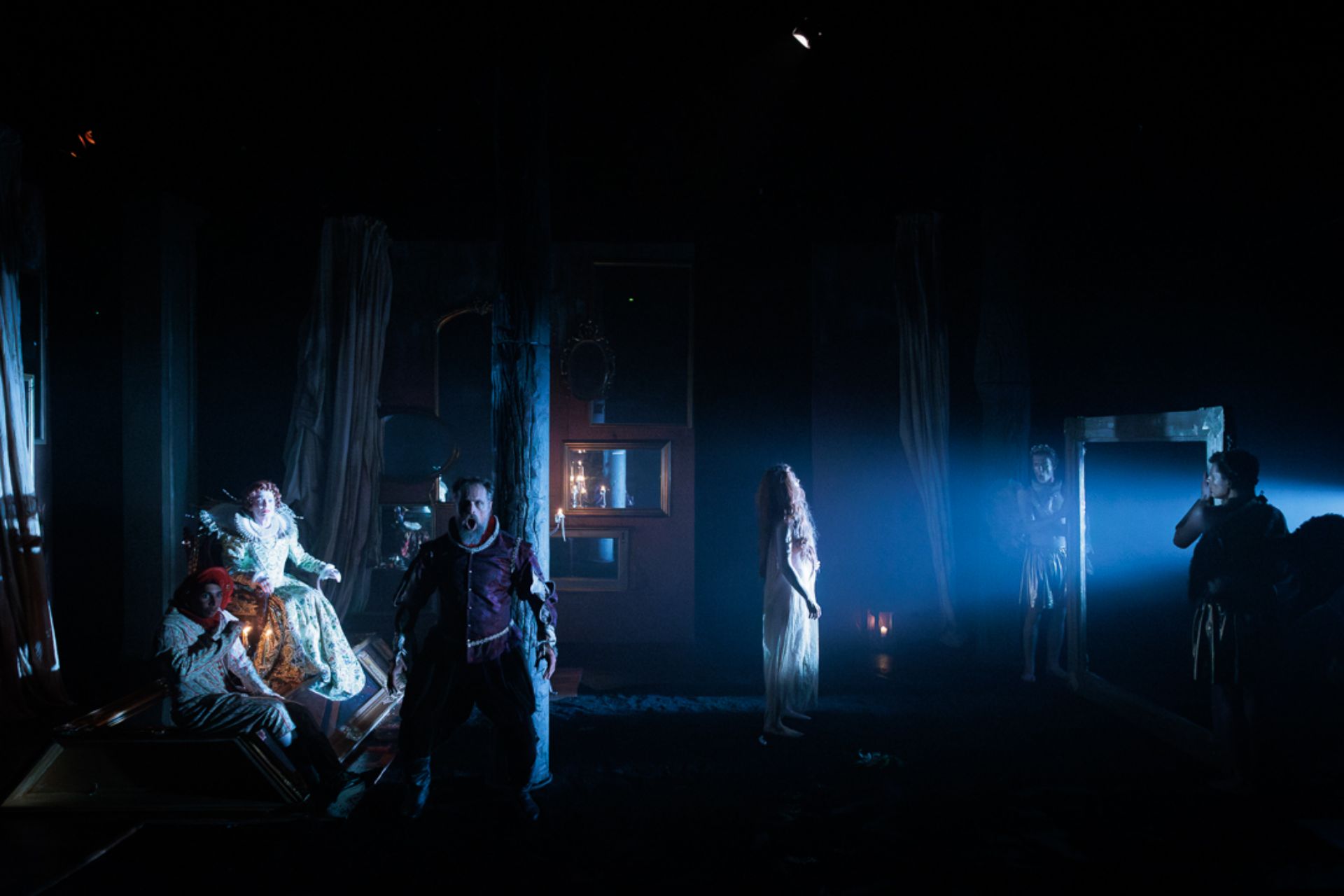
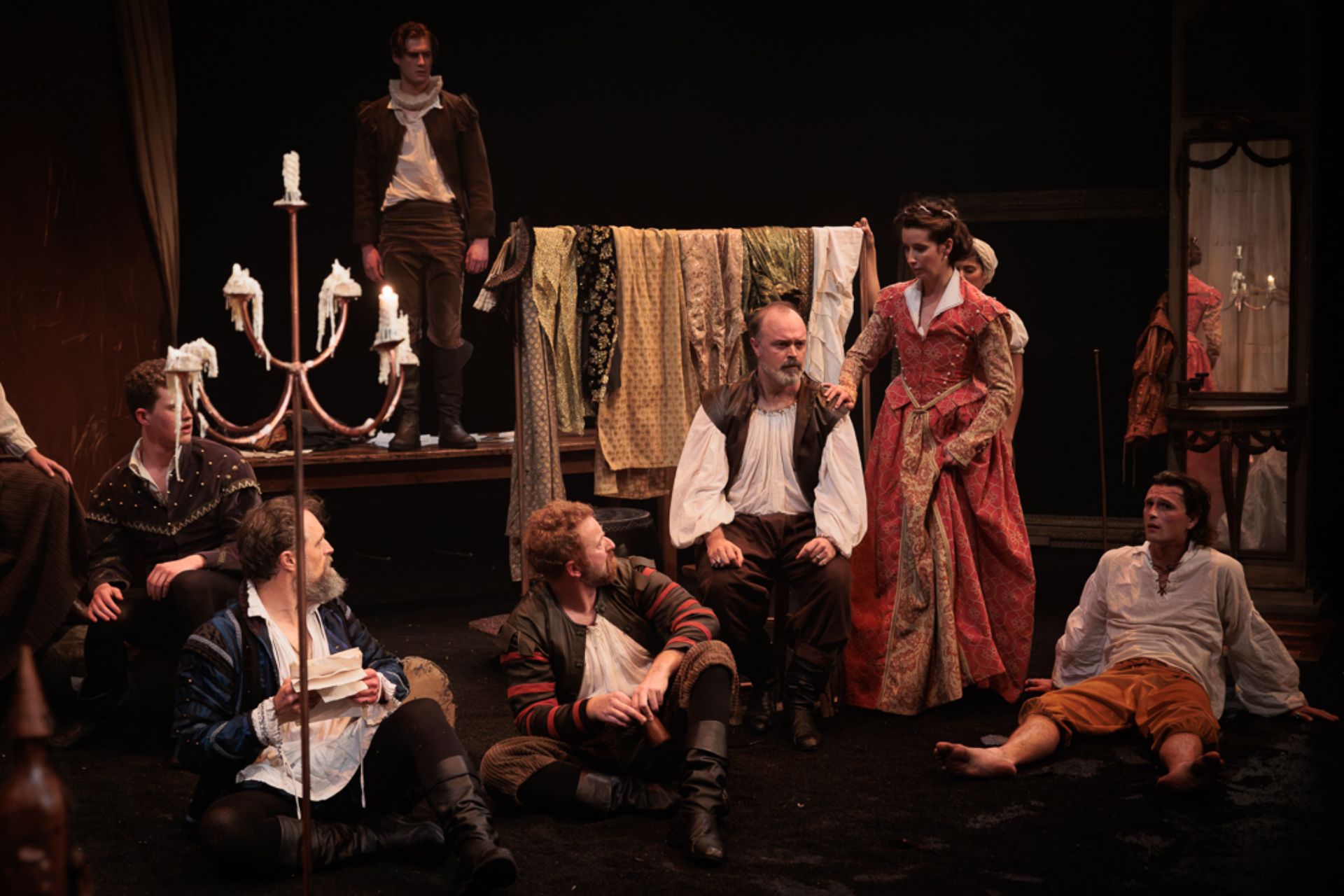
William Shakespeare is preparing to stage a new poem, with his lover Aemilia Lanyer in the lead. Meanwhile, Shakespeare’s own family is suffering from neglect, as his attention is divided among work, the affair, and dealing with a venereal disease resulting from his indiscretions. Lanyer, a poet in her own right, takes every opportunity to assert her progressive values, not only on the project, but also in all her professional and personal relationships.

Damien Ryan’s 3-hour play Venus & Adonis, named after the very poem at its inspirational centre, travels along many tangents, in an effort to contemporarise the most classical of storytelling. It is conscious of divergent perspectives, and attempts to be inclusive especially of feminine viewpoints, that have been traditionally ignored over centuries of Shakespearean reverence. There is an enjoyable theatricality to Ryan’s work as both writer and director, but the multi-faceted nature of the piece might prove inconsistent in its ability to engage. Its competing textures seem unlikely to be wholly captivating for those who need a more conventional commitment to a stronger, more defined point of view.
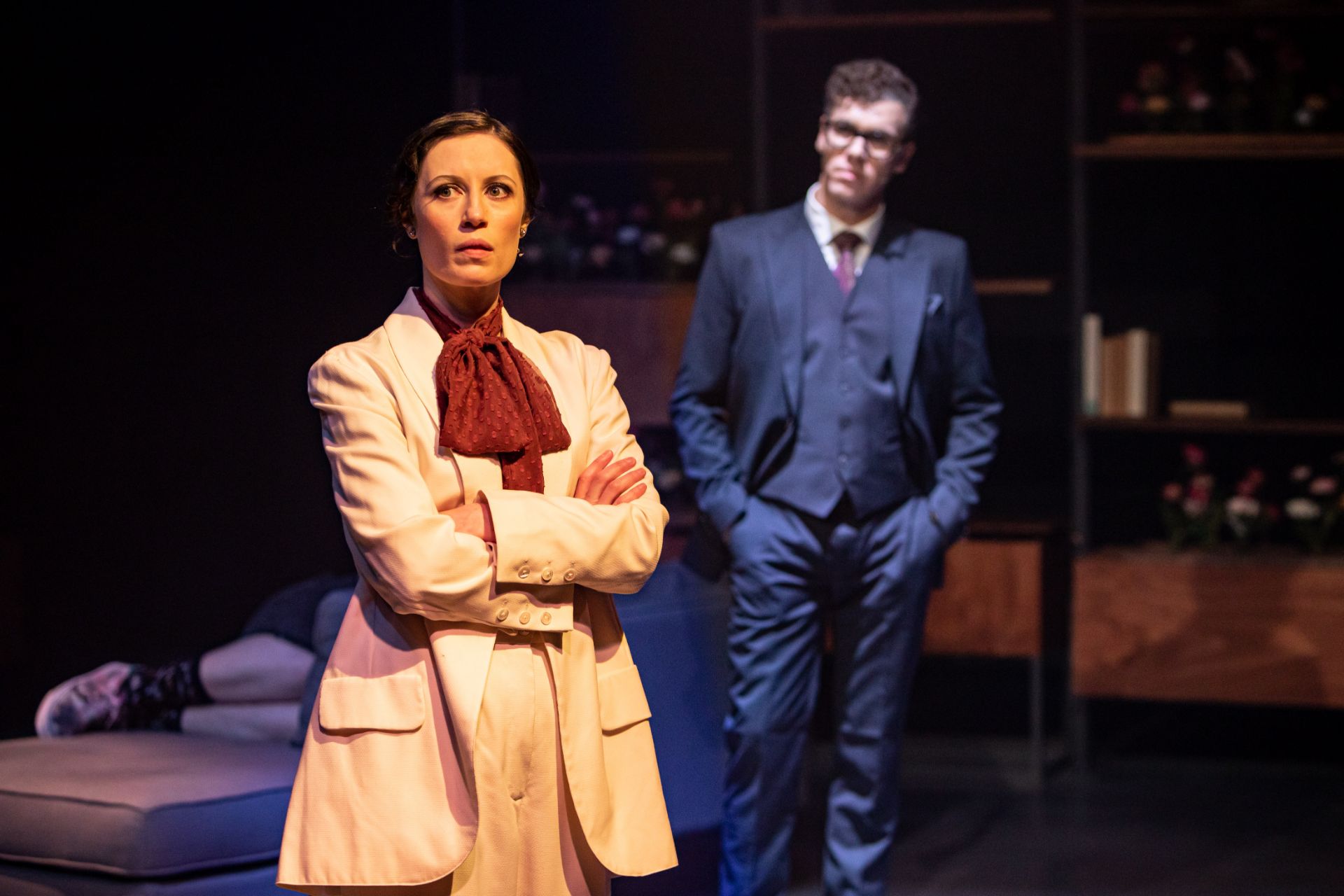

Ryan’s own stage design is surprisingly versatile, as we find our imaginations morphing effortlessly along with the many spatial transformations that occur in the play. Bernadette Ryan’s costumes are sensual, and memorable for the sense of luxury they introduce. Lights by Sophie Parker are beautiful in a painterly manner, and sounds by Jay Cameron although appropriately dramatic, have a tendency to be abrupt in their manipulations of atmosphere.

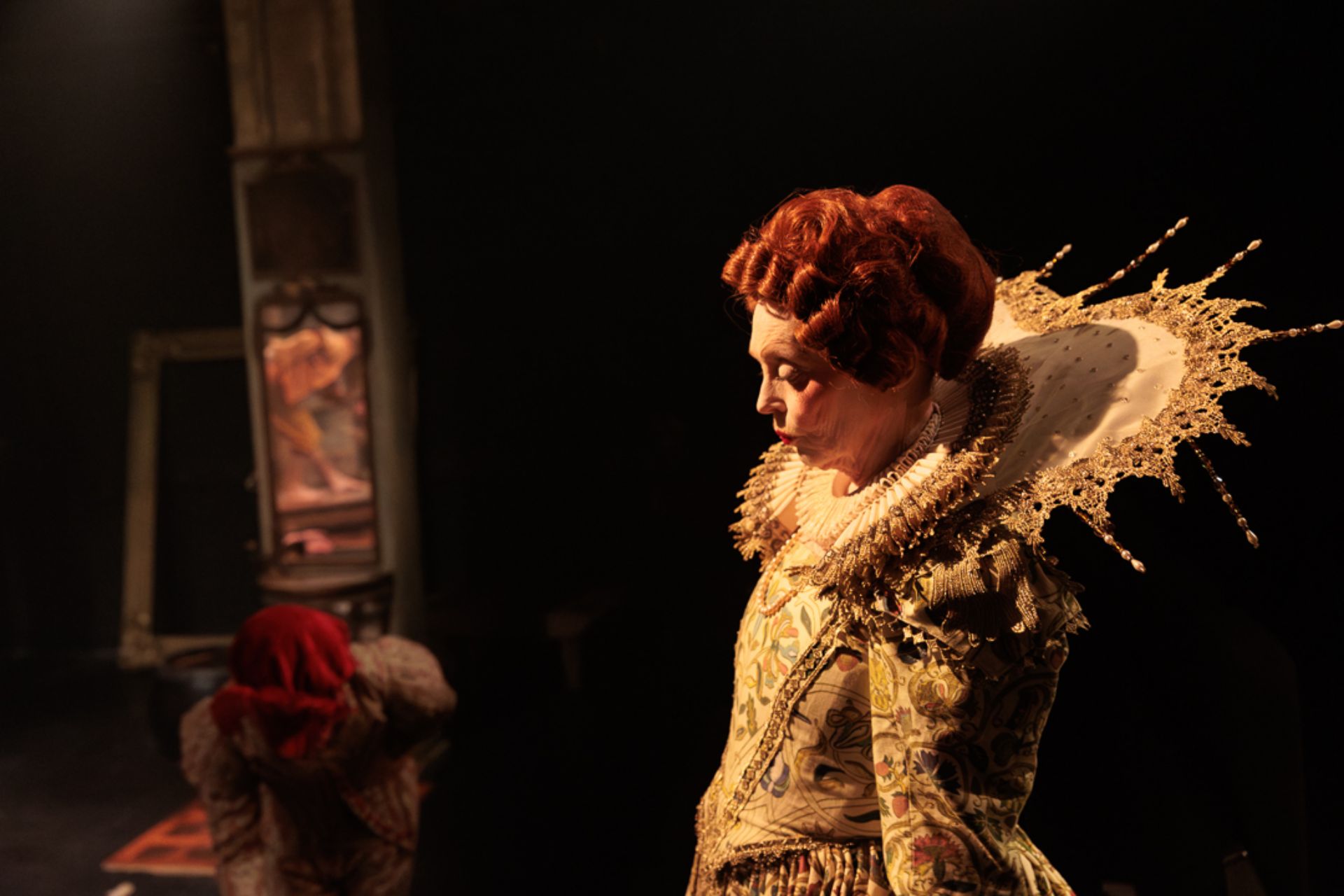
Actor Anthony Gooley plays a vulnerable Shakespeare, bringing depths of emotion that reveal a greater humanity, in an art form that has the ability to connect beyond the confines of words and narratives. Adele Querol as Lanyer is rigorous and passionate, very persuasive as a true bohemian, full of daring and conviction, whether as a woman of the 16th or 21st Century. Highly noteworthy too are Belinda Giblin and Christopher Tomkinson, playing Queen Elizabeth I and Richard Burbage respectively, both performers robust with humour and meaning, completely magnetic whenever given opportunity to occupy centre stage. Jerome Meyer is both precise and instinctual in the role of drag artist Nathaniel Field, but several jokes pertaining to gender, a main concern of the production, could easily be construed as transphobic.

To be able to look properly ahead, requires a rich understand of the past. Even for those of us who wish for a clean break from histories, need intricate knowledge on the machinations of people and society, in order that we can keep steering our lives on improved trajectories. Not all of us want to leave the past behind however, because what represents pure torment for some, is for others a symbol of their glory days. It is always a difficult entanglement. In our democratic communities, values will differ and beliefs will deviate, but the thing most worth fighting for, is a way to attain harmony, within the infinite variations of how we each experience the world.

www.seymourcentre.com | www.sportforjove.com.au

Review: The Dismissal (Seymour Centre)

Venue: Seymour Centre (Chippendale NSW), Aug 31 – Oct 21, 2023
Book: Blake Erickson, Jay James-Moody
Music and Lyrics:
Laura Murphy
Director: Jay James-Moody
Cast: Octavia Barron Martin, Georgie Bolton, Peter Carroll, Andrew Cutcliffe, Lincoln Elliott, Joe Kosky, Kaori Maeda-Judge, Shannen Alyce Quan, Quinton Rofail Rich, Monique Sallé, Brittanie Shipway, Anusha Thomas
Images by David Hooley

Theatre review
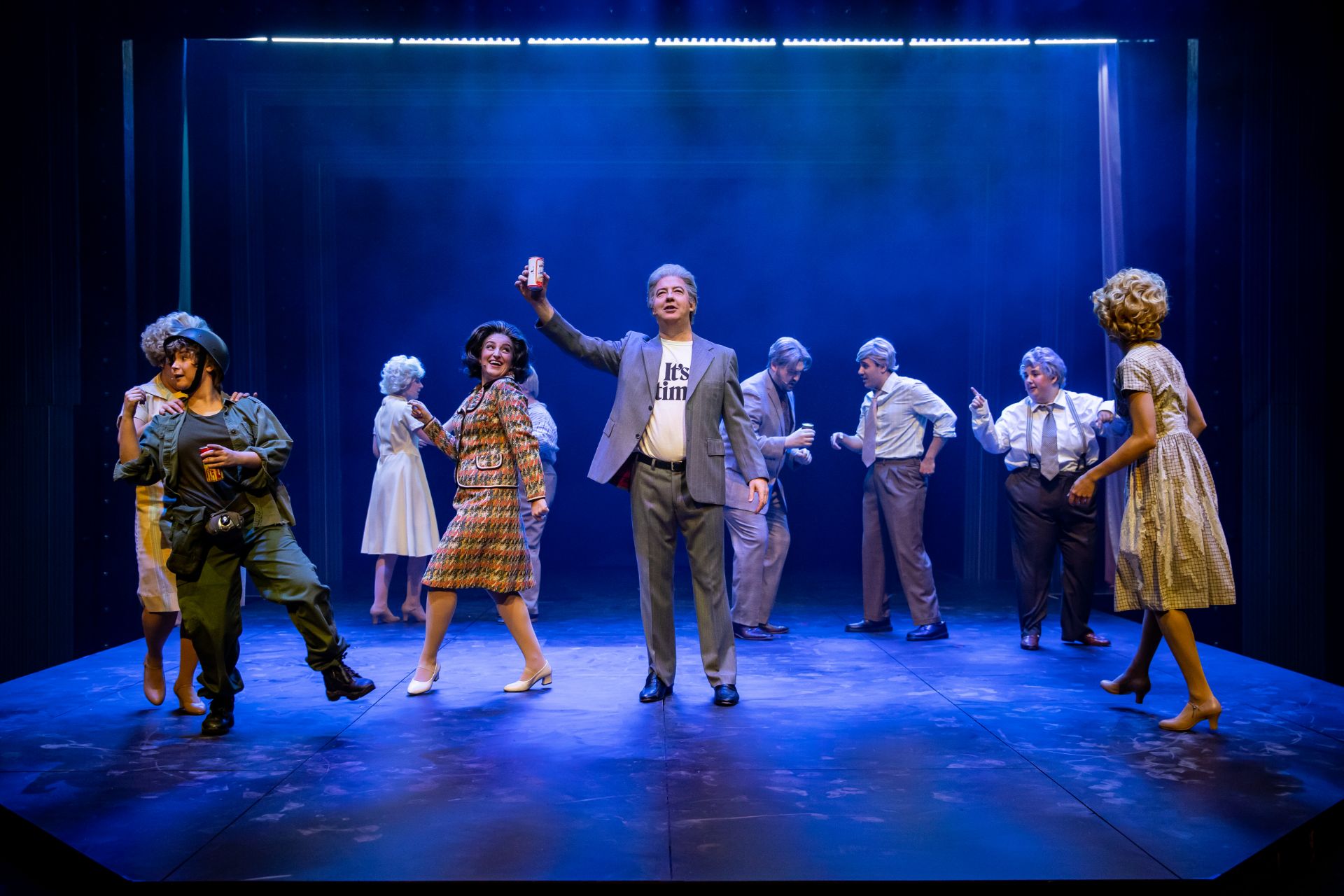
When the Whitlam government was deposed in 1975, it became clear that the Governor-General possessed much more power, than being the mere figurehead most had thought. In The Dismissal, we are reminded not only of the insidious implications of our constitutional monarchy, but also of the class segregations that exist in how the Australian government runs this country. With a provocative book by Blake Erickson and Jay-James Moody, along with cleverly concocted songs by Laura Murphy, this work of musical theatre is however not a resolutely dark piece of political commentary, but one brilliant with ironic humour.

At almost three hours, The Dismissal can feel too detailed, although its thorough explorations of nepotism and malfeasance in our high offices, are unequivocally valuable. Half a century on, many of us will benefit from a refresher of that most significant of cultural milestones, if only to cause momentary disruption to our characteristic apathy and ignorance on matters of a bureaucratic nature. This is important stuff, and under the direction of creator and aforementioned co-writer Moody, the show is effective at turning amusing all the events leading up to the unceremonious ousting, of a democratically elected leader.

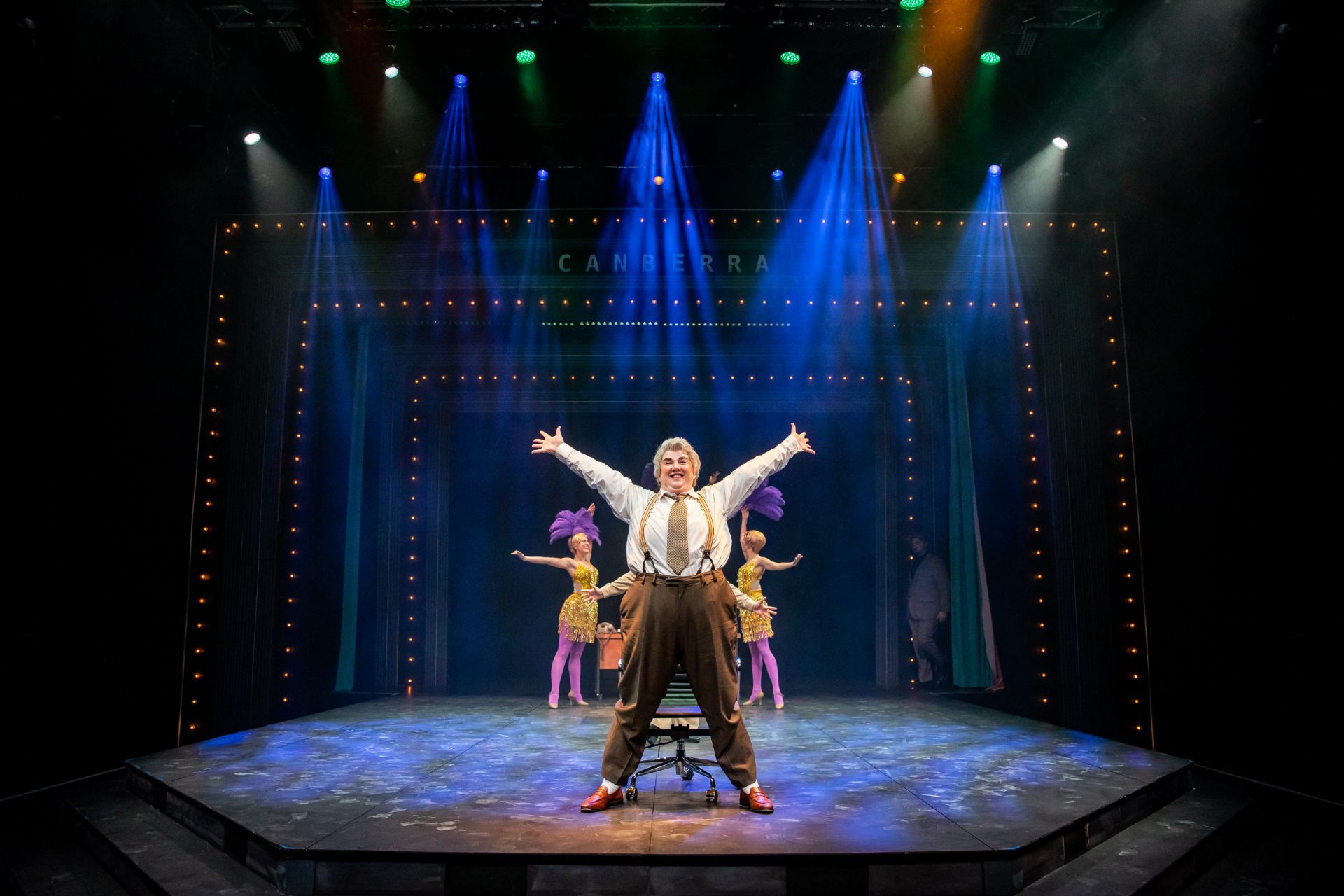
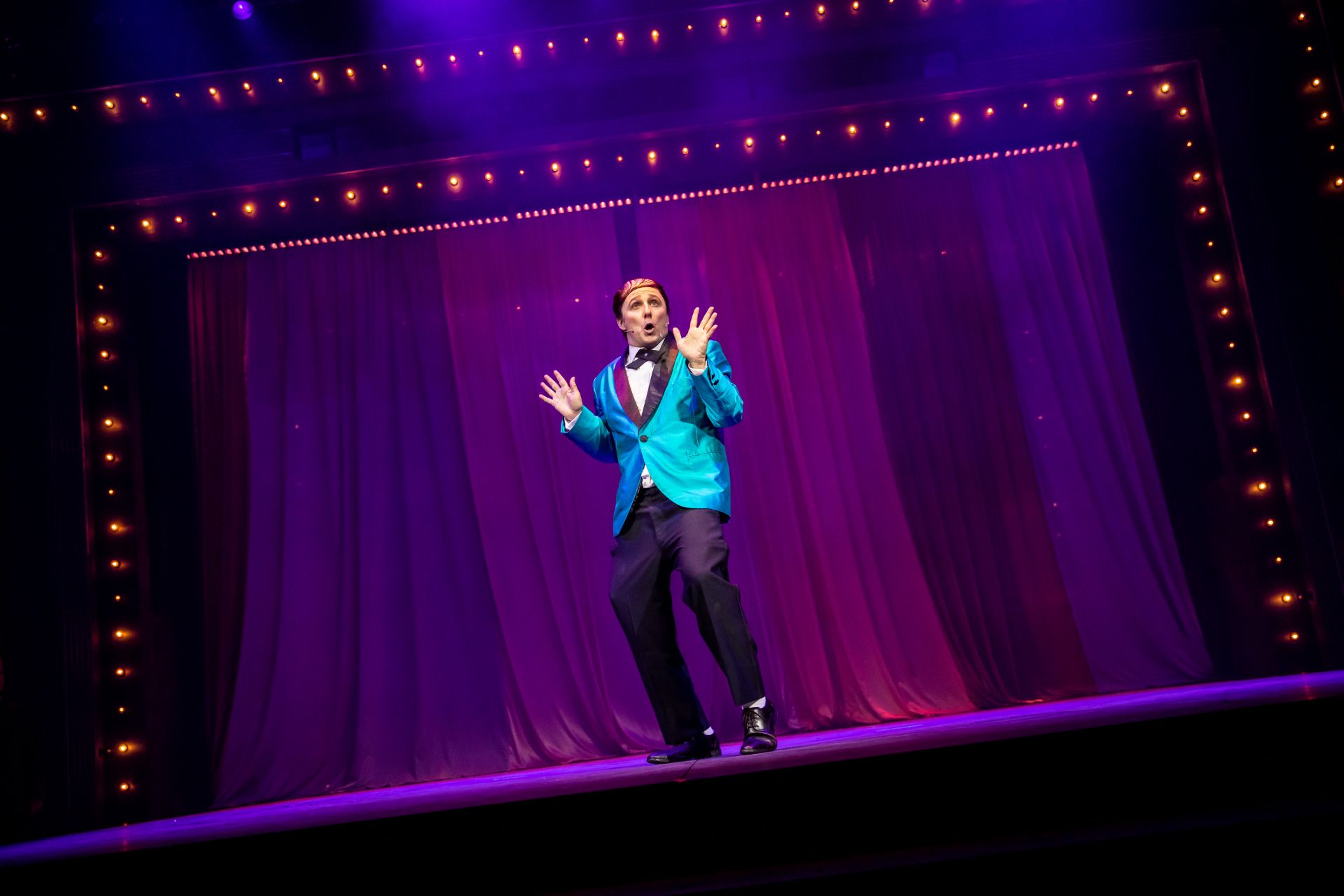
The Dismissal is remarkably witty, and much of it is wonderfully entertaining. Strong performances by the likes of Justin Smith and Andrew Cutcliffe who play Prime Ministers Whitlam and Fraser respectively, sustain our emotional investment in the story. Both performers are highly convincing as the historical figures, with a precision to their delivery that help us identify nuances to make the narrative speak with resonance. In the role of Governor-General John Kerr is the unforgettable Octavia Barron Martin who impresses with an uncanny ability to convey both vulnerability and cunning, for an impactful portrayal of corruption in our system. The satirical icon Norman Gunston is played by Matthew Whittet with marvellous physicality and timing, operating as narrator to provide a sense of elevation to the style of how the story is told.

Choreography by Amy Campbell can appear awkward when trying to convey naturalistic dimensions of the musical, but when depicting the many comical scenarios in The Dismissal, she accomplishes them with great aplomb. The stage is uncomfortably bare, with an overwhelming amount of plain surfaces that look persistently lifeless. Designers Charles Davis and Emma White achieve higher standards with costumes, especially in an instance of heightened theatricality, although a general overreliance on realism does make visual aspects of the production unremarkable. Lights by James Wallis help to improve a sense of dimension, allowing us to perceive spaces in ways that exceed the ordinary.

There may be much that can be enhanced cosmetically about the show, but there is no denying the strength of its core material. It may seem the converse is true about our governments. Politics have become so much about the surface, that we are never sure if any integrity resides therein. What we can rely on, are our observations of real world consequences. We never really know what happens in those hidden realms of influence and control, but we can see the effects on our lives. To regard our rulers with scepticism is healthy, and to doggedly hold them accountable, is indicative of a virtuous citizenry to which we should all aspire.

www.seymourcentre.com | www.thedismissal.com

Review: The Turn Of The Screw (Seymour Centre)

Venue: Seymour Centre (Chippendale NSW), Jul 21 – Aug 12, 2023
Playwright: Richard Hilliar (after Henry James)
Director: Richard Hilliar
Cast: Kim Clifton, Martelle Hammer, Lucy Lock, Harry Reid, Jack Richardson​
Images by Phil Erbacher

Theatre review

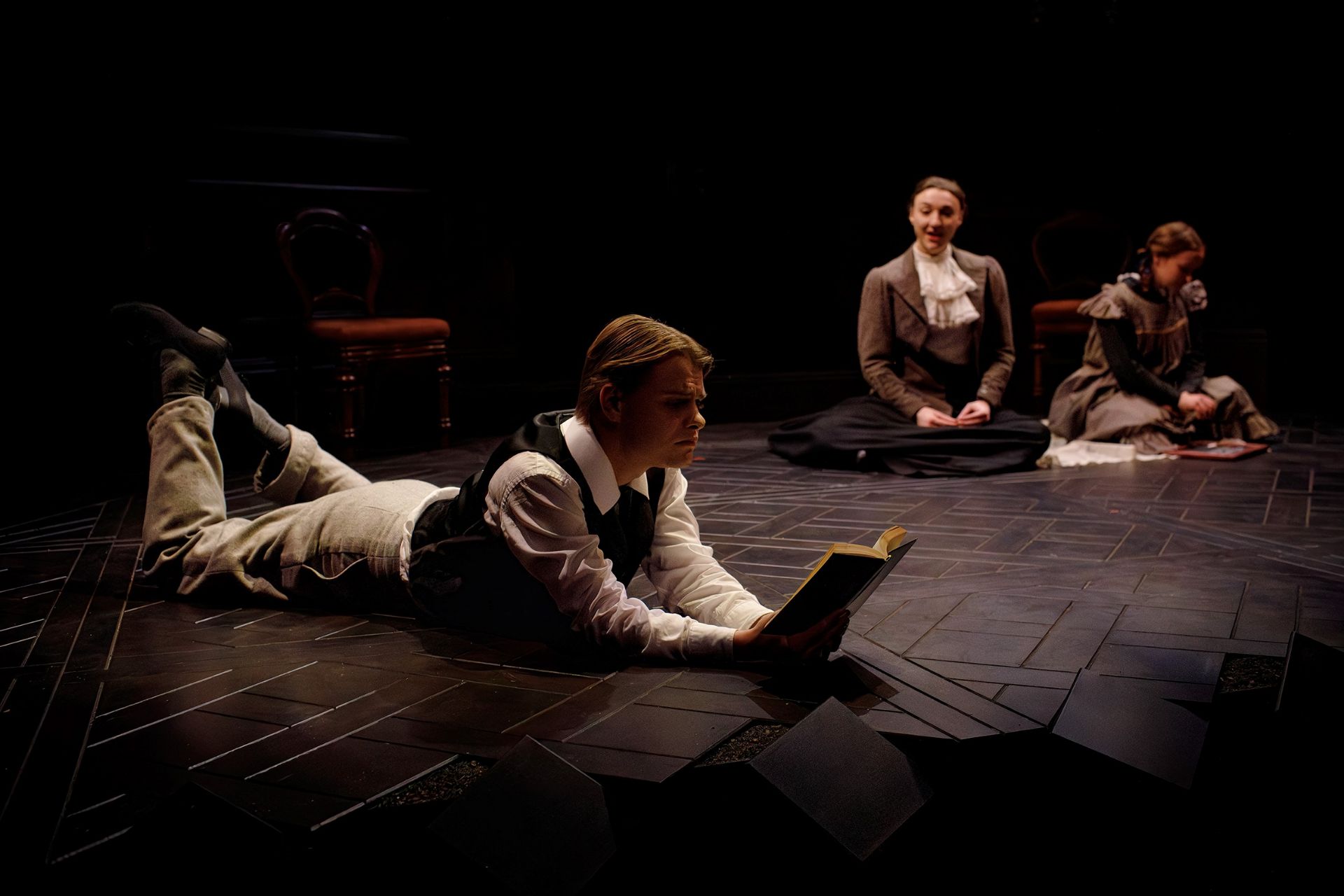
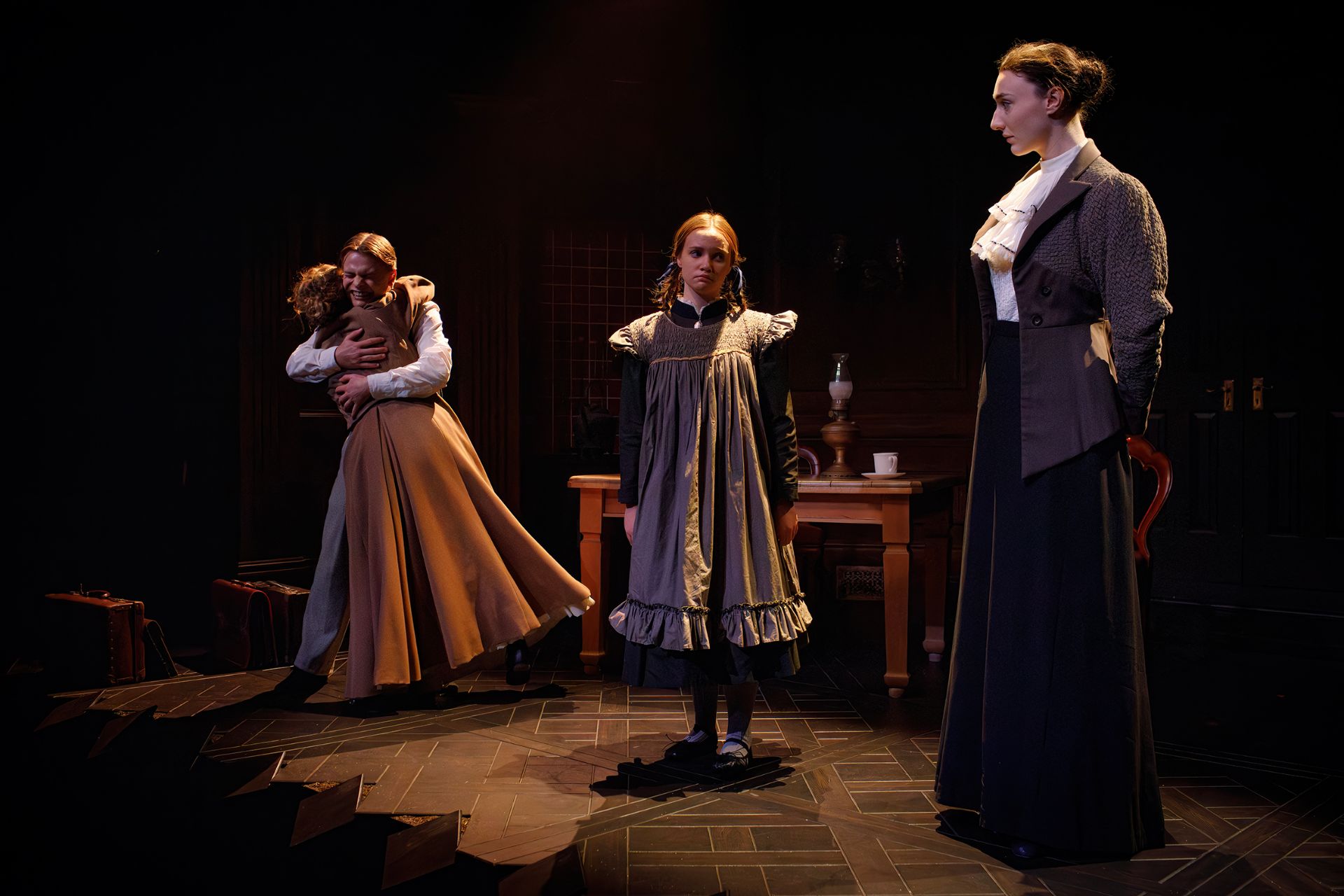
A young woman is hired to be governess at an English country estate, where she is to care for 12-year-old Miles and his younger sister Flora. The unnamed governess soon discovers strange goings-on and decides that the house is haunted. The children too are not quite what they seem. Richard Hilliar’s stage adaptation of The Turn of the Screw, is a savvy reframing of Henry James’ 1898 horror novella , that accommodates judiciously, our contemporary sensibilities. It is the same old story, but adjusted for the ways we now talk about child abuse and mental health. Thankfully, supernatural elements are very much kept intact, allowing us to enjoy both the realistic and the metaphysical aspects, of this spooky tale.

That amalgamation of period and modern styles, is seamlessly rendered by Hilliar, who as writer and as director, delivers an experience that addresses our need for a certain veracity in nostalgic terms, but with a rhythm and pace that is unmistakeably of the present day. The show moves quickly and boldly, switching from taciturn to explicit when required, to ensure that we invest in the historical context in meaningful ways. The production may not always hit the mark with its scary elements, but it is definitely creepy enough to keep us on the edge of our seats for its entirety, making us give full attention to the highly intriguing occurrences.

A very handsome set design by Hamish Elliot lures us into this foreboding domain, while efficiently addressing the many practical stipulations of the production. Angela Doherty’s costumes are assembled to convey authenticity, not just in terms of era but also of class. Lights by Ryan McDonald do a splendid job of traversing oscillating states of realism, able to engender warmth in one moment, and then swiftly switching to depict terror the next. Sound and music by Chrysoulla Markoulli are richly rendered, especially for the many instances of heightened dramatics.

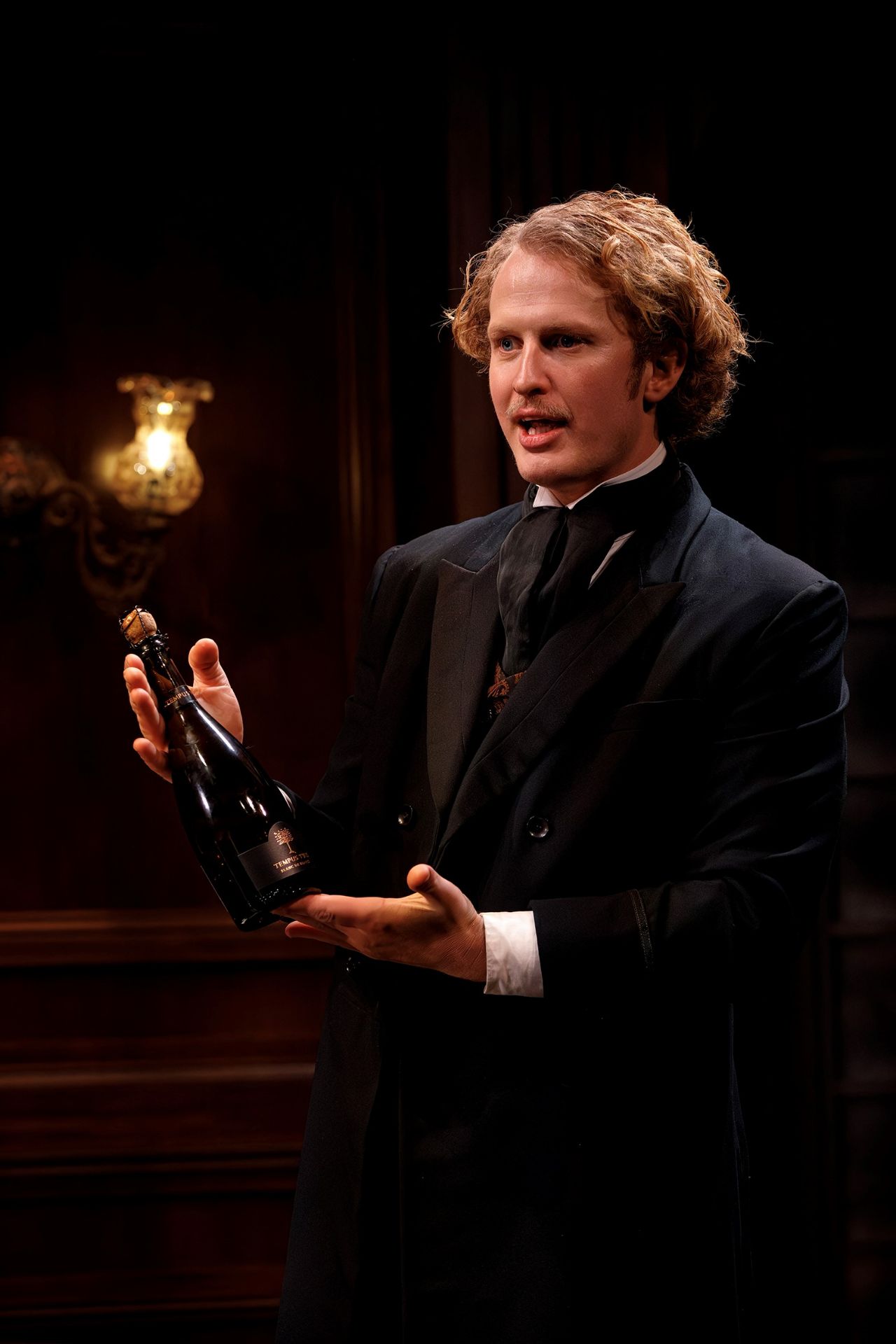
Actor Lucy Lock demonstrates impressive versatility as the governess, believable whether doting and tender, or in complete panic and hysteria, beautifully nuanced with her interpretation of the dynamic role. Jack Richardson is sensational as Miles, with excellent humour and a knack for making every extravagant gesture feel convincing and appropriate. Kim Clifton’s exemplary commitment never lets us diverge from the notion that Flora is a child, thus raising the stakes continually, as the plot unfolds. Housekeeper Grose is played by a remarkable Martelle Hammer, whose prodigious range is showcased perfectly, in a play that lets her perform at ever changing levels of intensity. The irrepressible Harry Reid establishes a tone of devious mischievousness in the opening scene, and although appears only for that singular instance as the children’s uncle, proves unforgettable with his flair for subtle expressions and delicious timing.

When we talk about ghosts, we are opening the doors to pasts that yearn to be exhumed. In order for life to move on, so much of what we have encountered needs to be left behind. Trauma especially wants to hide away, in order that we may awake to every new dawn. Pain however refuses to be muted. It finds ways to manifest, sometimes in the flesh, sometimes in the mind, be it physical, emotional or spiritual, trauma always resurfaces. Ghosts may be an allegory for the return of anguish, but they may also very well be assertions of truths that simply will not be denied, come hell or high water.

www.seymourcentre.com | www.toothandsinew.com

Review: Consent (Seymour Centre)

Venue: Seymour Centre (Chippendale NSW), Jun 1 – 24, 2023
Playwright: Nina Raine
Director: Craig Baldwin
Cast: Jessica Bell, Nic English, Sam O’Sullivan, Jennifer Rani, Anna Samson, Anna Skellern, Jeremy Waters
Images by Phil Erbacher

Theatre review

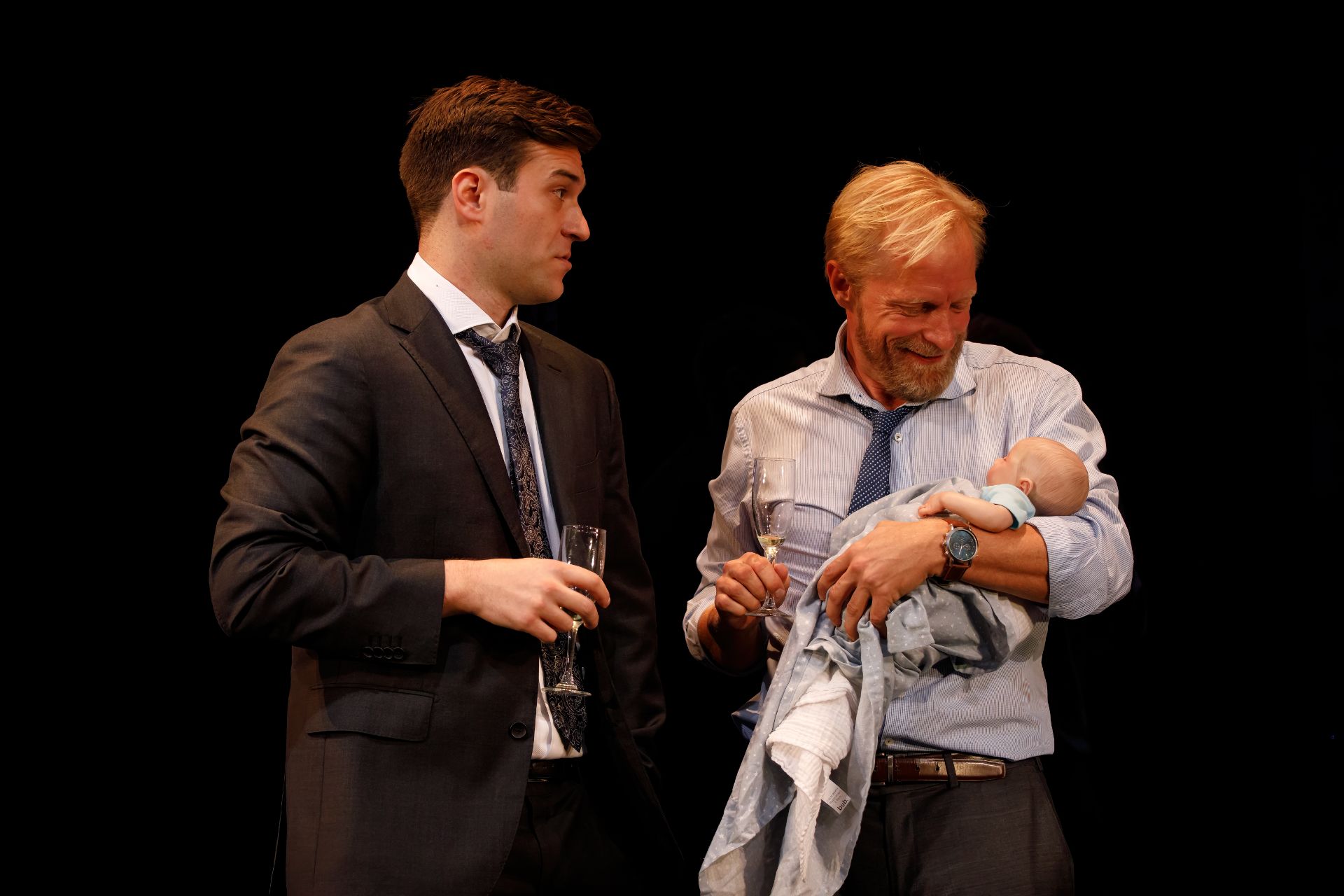
Kitty never forgave her husband Ed’s indiscretions from five years ago, so their marriage remains strained even with the arrival of a new baby. Meanwhile, Ed serves as a barrister prosecuting against rape allegations, in which we see the victim being treated with little compassion or fairness. Nina Raine’s Consent explores bodily transgressions within differing realms, stretching the notion of consent to cover issues from sexual assault to infidelity.

The play’s attempts to draw parallels can feel somewhat tenuous, and uncomfortable in its tendencies to diminish the severity of rape, in favour of a more intensive discussion about adultery. There is a sadistic pleasure in watching a group of affluent lawyers go through emotional turmoil, but it can prove challenging to evoke genuine empathy, for entitled personalities who only have themselves to blame for their strife.

The production is directed by Craig Baldwin, who emphasizes emotional authenticity in portraying the numerous arguments that characterize this play about bickering posh couples. Baldwin demonstrates admirable integrity by resisting excessive humiliation of the characters, although this approach can sometimes miss opportunities for bigger laughs. The staging honours the text’s central ideas about betrayal, but the unsavoury personalities of Consent prevent us from fully engaging in a sufficiently meaningful way.

Design aspects are however accomplished effectively. Soham Apte’s sets and costumes are satisfyingly theatrical, yet bear a sense of accuracy in their depictions of a world inhabited by lawyers and their spouses. Lights by Ryan McDonald provide visual finesse, always aiming for polish without ever being obtrusive. Eliza Jean Scott’s segments of interstitial music are creatively rendered, offering us momentary reprieve from intense altercations, whilst manufacturing an air of refinement appropriate to the piece.

Anna Samson and Nic English play Kitty and Ed respectively, both highly believable in their execution of this domestic drama, with an intricacy in approach that encourages us to bring nuance to our interpretations of the story. Also bringing vim and vigour are Jessica Bell, Sam O’Sullivan, Jennifer Rani, Anna Skellern and Jeremy Waters, who conspire to bring energy to an experience that can very easily become overly cerebral.

It certainly feels awful to be cheated on, but it is audacious to say that it is in some ways similar, to having suffered sexual assault. We all understand human fallibility, yet we continue to hang on to old ways of thinking about monogamy and marriage. On one hand, we understand the nature of lust, including its inevitable superficiality, and on the other, we insist on defining the success of marital unions, on the ability of individuals to prevent themselves from committing these sins that ultimately mean little. Yes, rape and infidelity are forms of betrayal, but they are far from commensurate.

www.seymourcentre.com | www.outhousetheatre.org

Review: On A Clear Day You Can See Forever (Seymour Centre)

Venue: Seymour Centre (Sydney NSW), Mar 17 – Apr 15, 2023
Book and Lyrics: Alan Jay Lerner (adaptation by Jay James-Moody)
Music: Burton Lane
Director: Jay James-Moody
Cast: Natalie Abbott, Blake Bowden, Lincoln Elliott, James Haxby, Jay James-Moody, Madeleine Jones, Billie Palin
Images by David Hooley

Theatre review

Daisy is put under hypnosis by Dr Bruckner, to explore a sort of regression therapy, in order that the origins of Daisy’s ESP abilities can be uncovered. Quite by accident, a past life emerges, and Bruckner promptly falls for the ghost of Melinda, who seems to reside in Daisy’s body. The trouble however, is in the liberties that the doctor takes with his patient’s body. Daisy remains unaware of Melinda’s existence, and is certainly oblivious to the physical intimacies being shared, whilst in a trance.

Alan Jay Lerner’s 1965 book and lyrics for the musical On a Clear Day You Can See Forever certainly would not fly in today’s climate, especially if Daisy was a woman. This current adaptation by Jay James-Moody, takes inspiration from the 2011 Broadway adaptation, and makes Daisy a man, presumably so that the quandary of gender imbalance in the original is eliminated. A case of sexual assault between men, along with professional impropriety, is however still at the centre of the piece, and it is arguable if the production addresses either adequately.

The show begins with wonderful charm, as we are introduced to the three main characters, all of whom are played by extremely likeable performers; James-Moody as Daisy, along with Blake Bowden as Bruckner and Madeleine Jones as Melinda, form quite the formidable team.  The supporting cast of Natalie Abbott, Lincoln Elliott, James Haxby and Billie Palin, too is an accomplished foursome, each with evident commitment to the cause.

As we get into the nitty-gritty of the story, a lethargy unfortunately develops, and a conspicuous lack of theatrical verve persists until the end of Act 1. Returning from interval, things take a swift turn, and a much more convivial experience takes hold, for a comedy that is although problematic, has the capacity to keep its audience engrossed.

Set design by Michael Hankin is creatively imagined, and beautifully realised by Bella Rose Saltearn, but awkward entrances and exits, reveal an oversight perhaps, of the show’s more practical requirements. Costumes, also by Hankin, establish strongly the personality types we encounter, but it is not entirely convincing that an English woman from 1923 is wearing trousers outside of the sporting field, or that Daisy would be wearing shorts, to embark on a vacation to Vancouver. Lights by James Wallis, operate delicately to offer visual enhancements for recurring supernatural elements, but several deficient blackouts, prove distracting for an otherwise pleasurable vista.

Natalya Aynsley’s orchestrations and arrangements are inexhaustibly elegant, fully utilising the score’s old Broadway sound to great nostalgic effect. Subtle sound design by Oliver Brighton delivers further auditory magic, with thoughtful adjustments that help us place the narrative in oscillating realms, moving us between past and present, real and metaphysical.

Not only has Dr Bruckner recently lost his wife, he is now dealing with the complications of having amorous feelings for another dead woman, as well as being newly enamoured with a real human male. All this vulnerability could make Brucker an empathetic character,  but he should not be regarded as anything other than the villain of the piece. It is unforgivable behaviour, even if disguised by some of the most romantic music, and plenty of sweet nothings, one can hear.

www.squabbalogic.com.au

Review: CAMP (Seymour Centre)

Venue: Seymour Centre (Chippendale NSW), Feb 15 – Mar 4, 2023
Playwright: Elias Jamieson Brown
Director: Kate Gaul
Cast: Adriano Cappelletta, Anni Finsterer, Genevieve Mooy, Jane Phegan, Lou McInnes, Sandie Eldridge, Tamara Natt
Images by Alex Vaughan

Theatre review

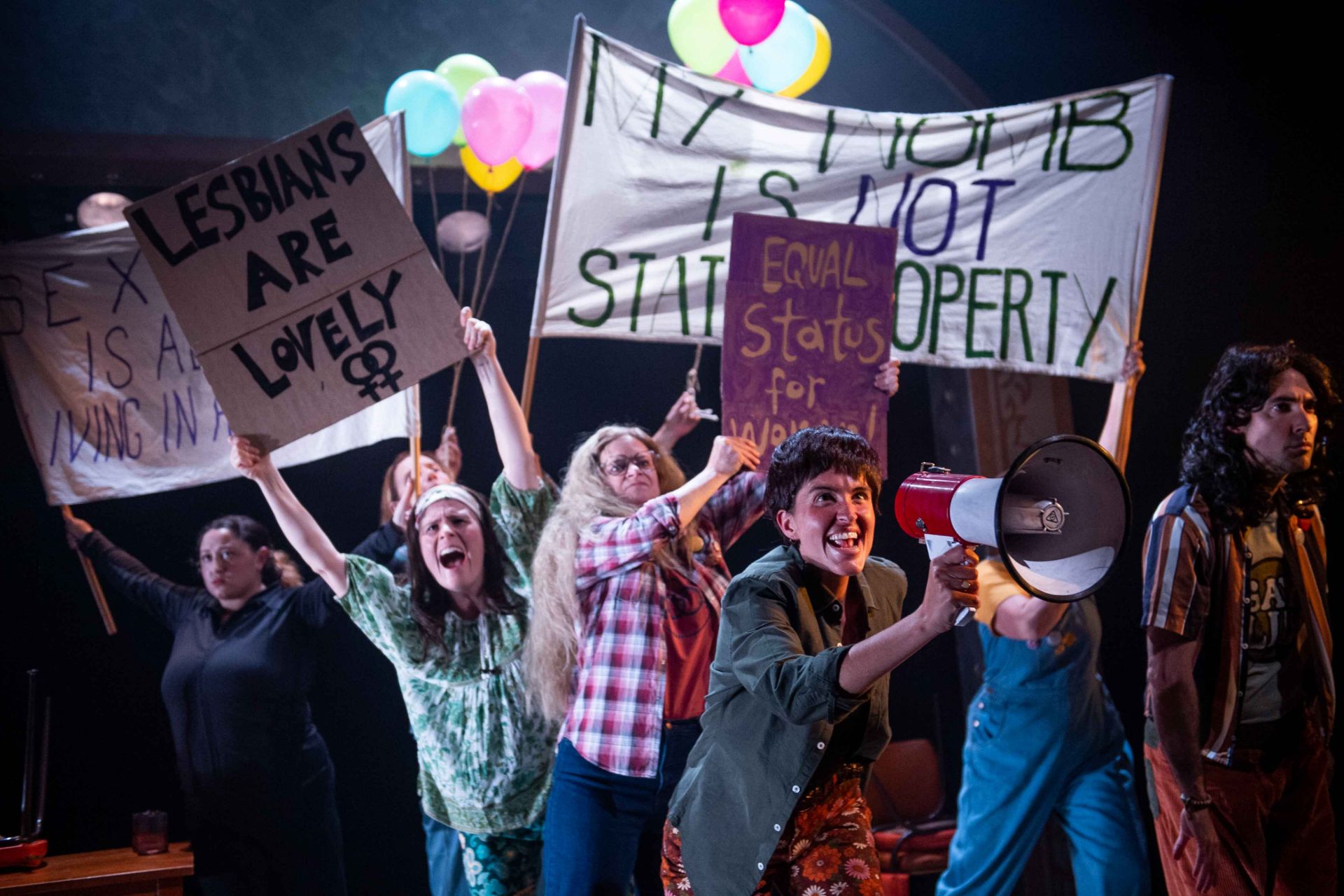
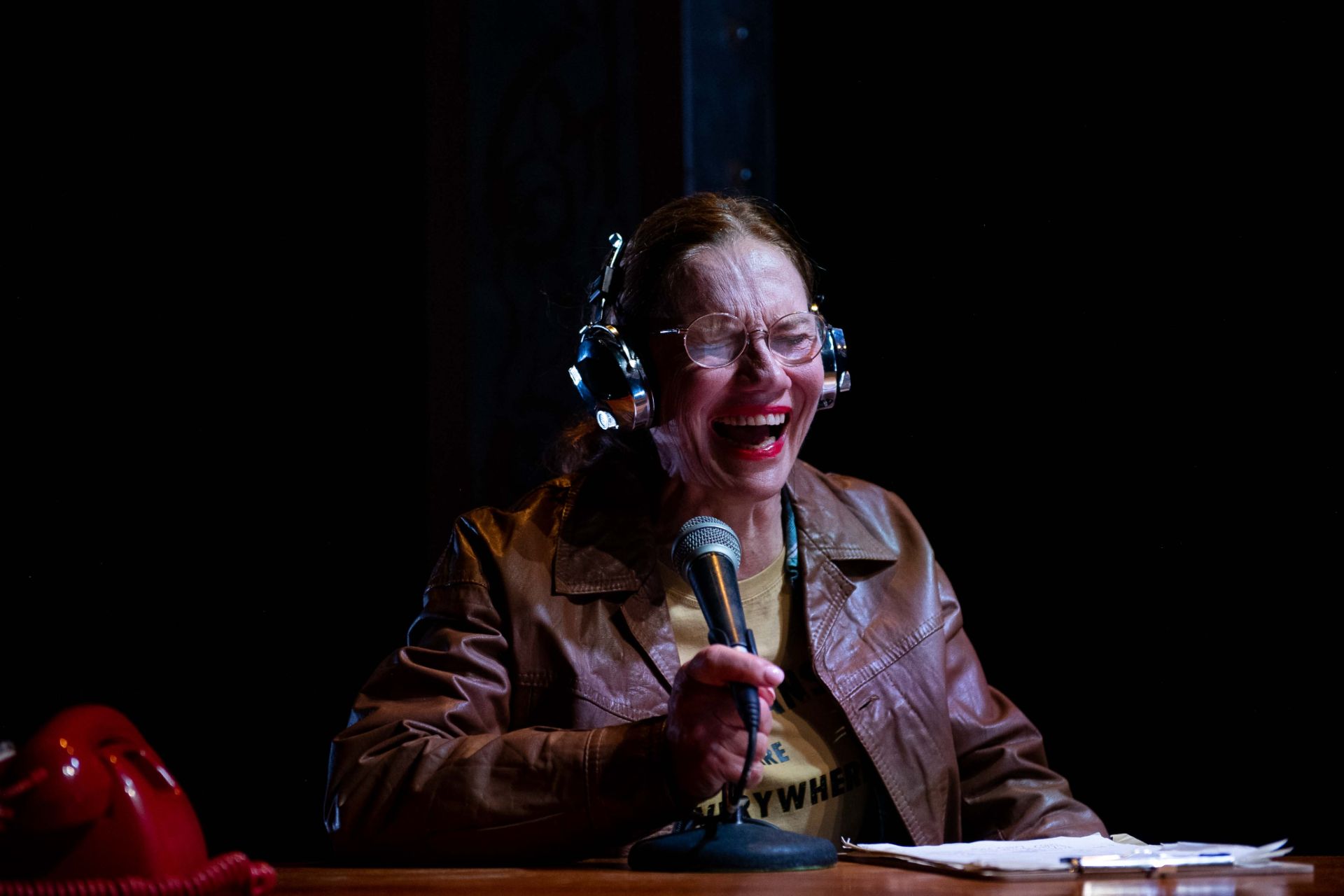
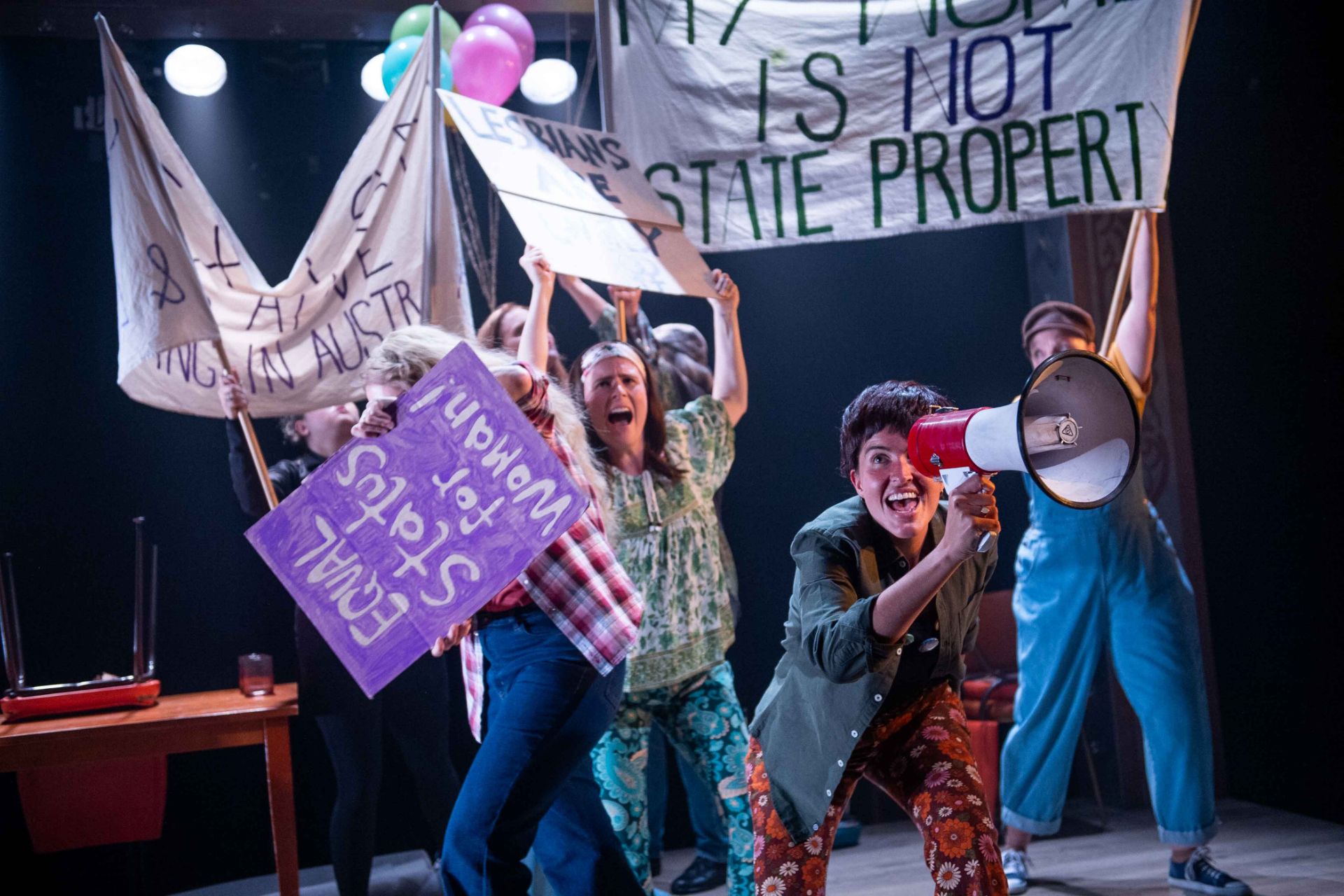
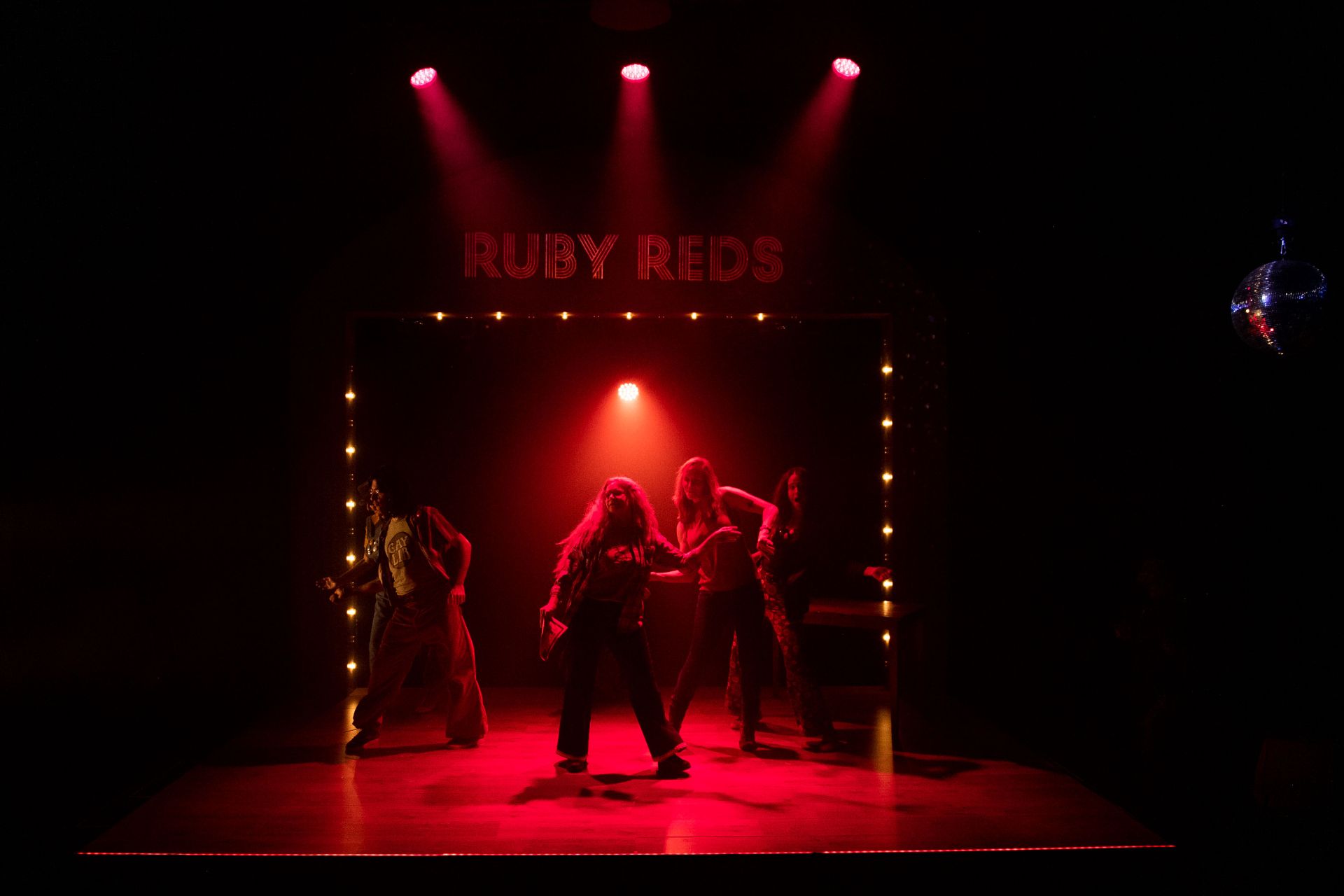
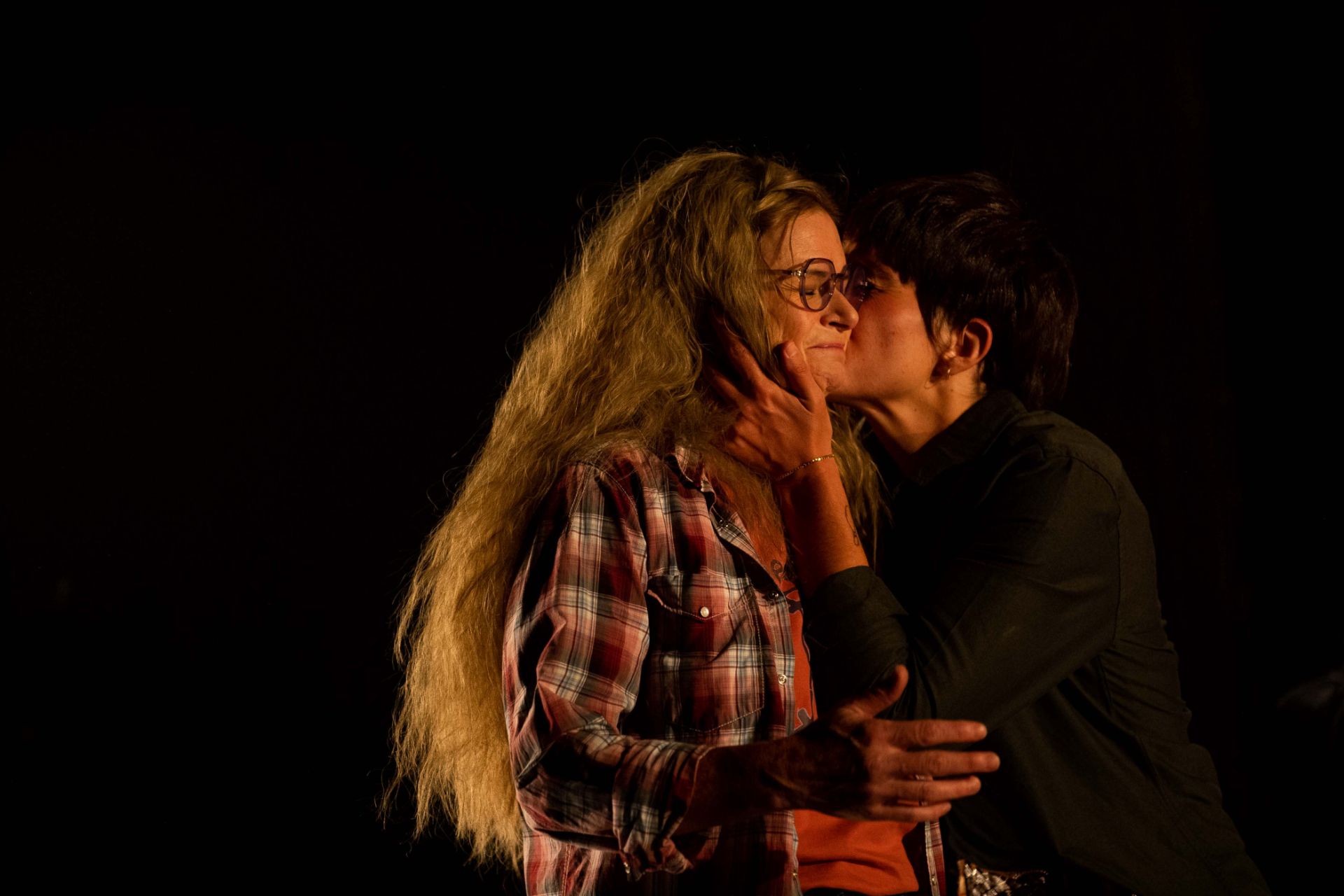
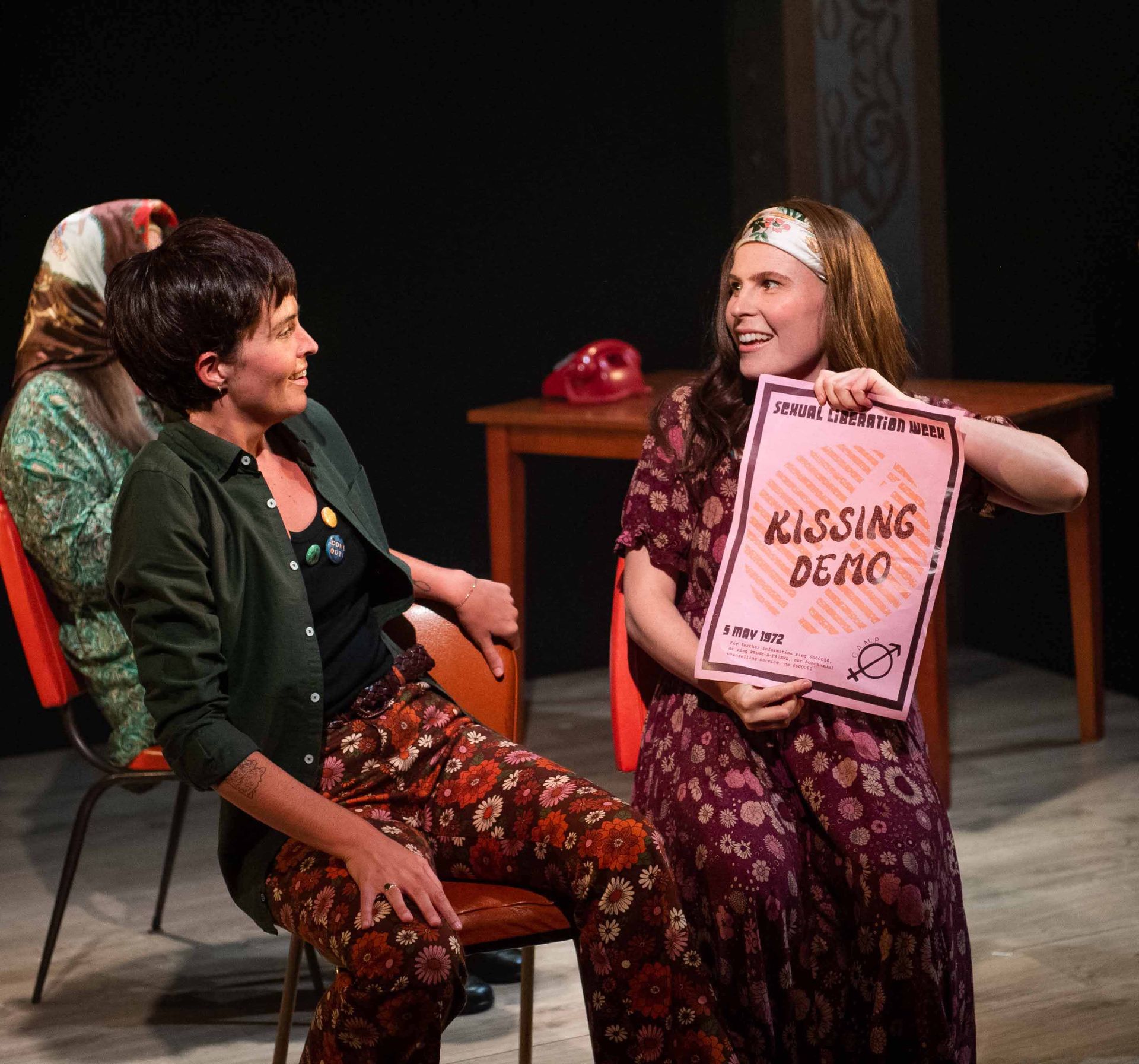
Elias Jamieson Brown’s CAMP tells the 50-year story of a Sydney based queer activism group, Campaign Against Moral Persecution. Comprising mainly of women, the group aims to bring social and legislative progress for Australian gays and lesbians. A pastiche of anecdotes, chronicling the coalition’s achievements, as well as the many details of their personal lives, the play is an important documentation of the LGBTQIA+ movement, especially of key events in the formative decade of the 1970s.

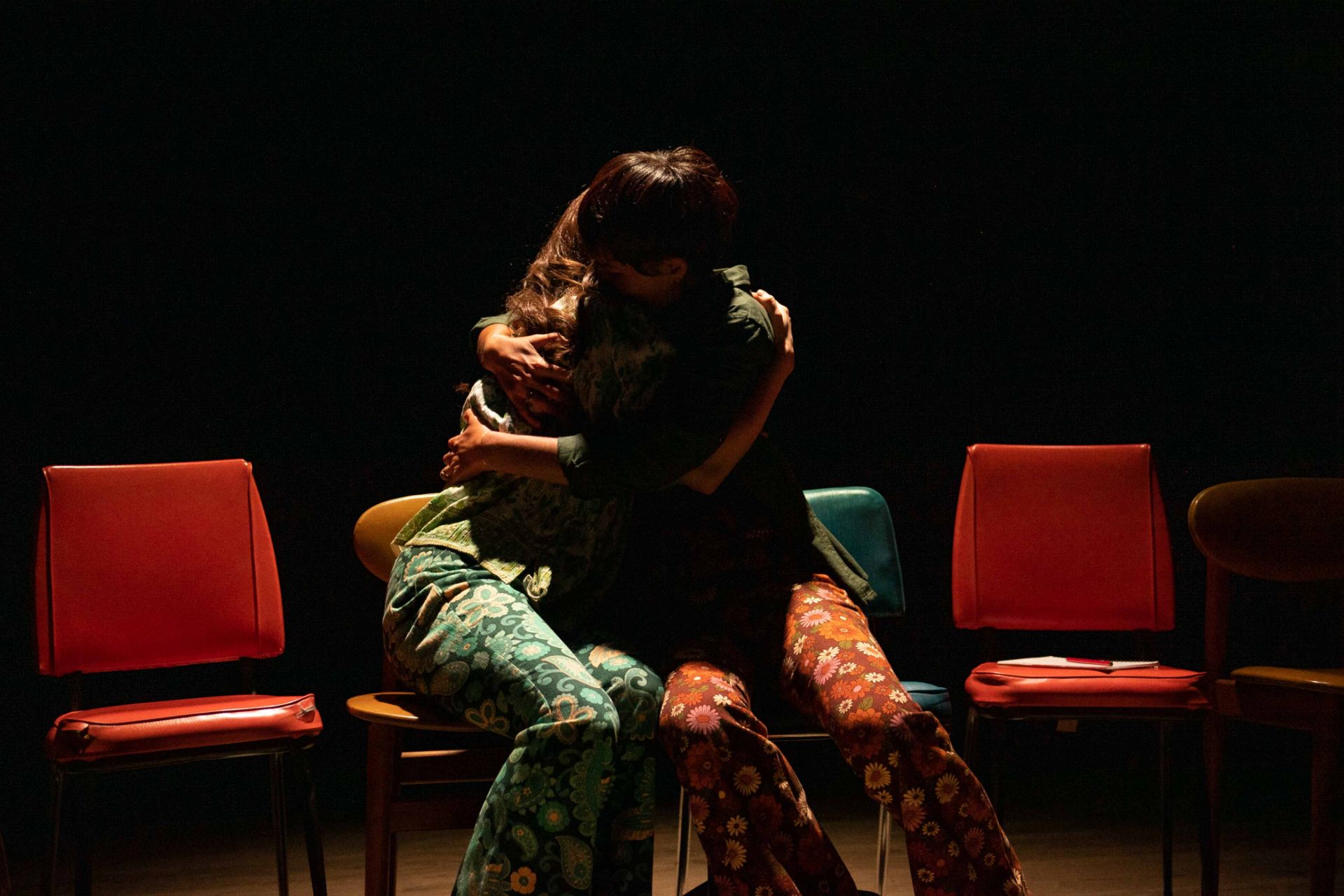
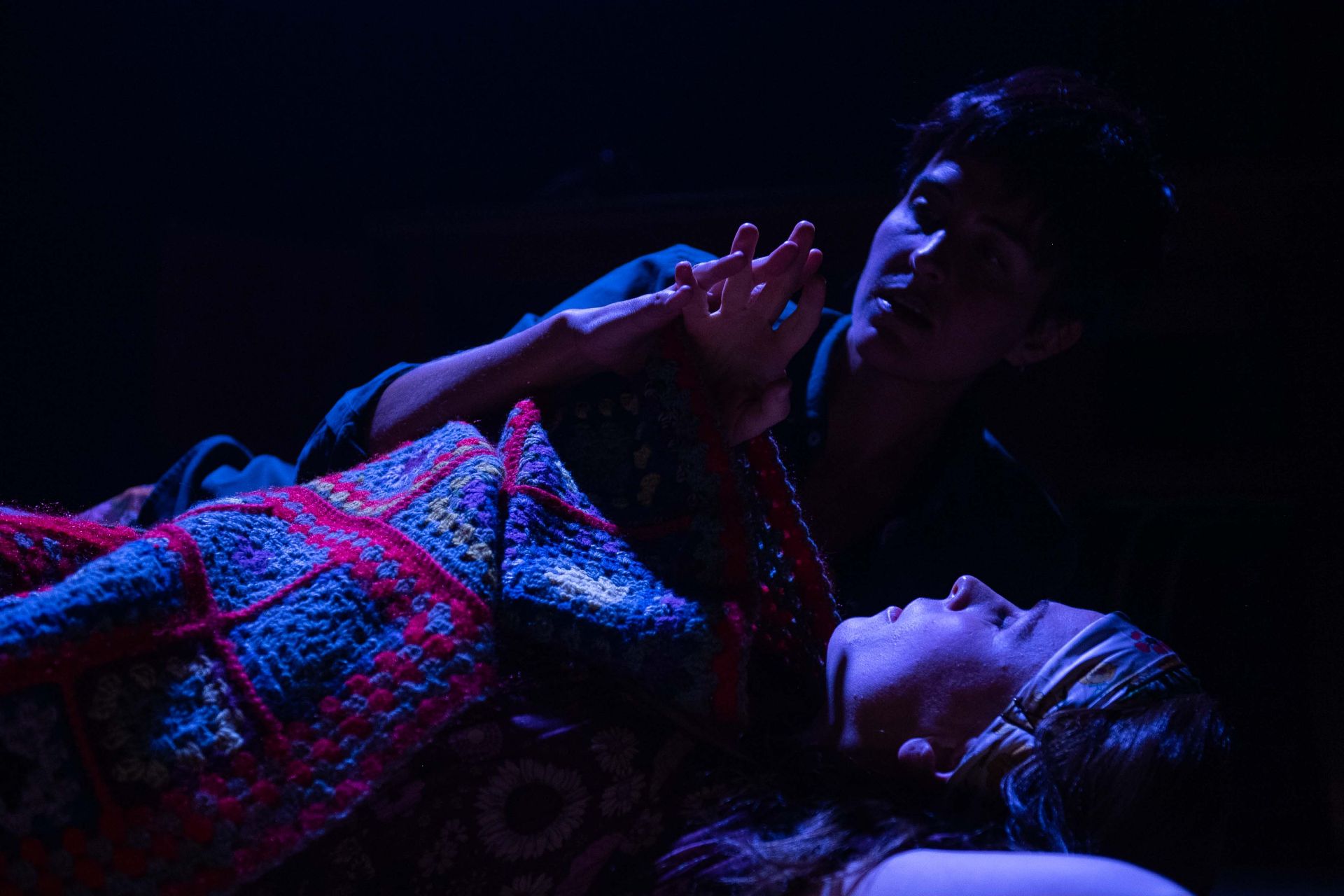
More intimate sections of the writing, provide an opportunity for greater appreciation for the individuals and their sacrifices during those challenging years. CAMP is perhaps not as emotional an experience as one would expect, from a show that is entirely about reminiscences and nostalgia. We can certainly recognise the gravity of its narrative, but the work remains strangely unaffecting, perhaps due to its earnest desire to cover too much ground.

Production design by Angelina Meany evokes the wistful charm of community halls, where meaningful gatherings have taken place on this land for many generations. Morgan Moroney’s lights help us navigate the many shifts in time, making it clear whenever the plot takes a turn, and conveying distinct changes in mood and tone. Sound and music by Jessica Dunn are ambitiously rendered, for thorough transformations of time and space, as CAMP takes us through the many valuable and varying facets of these activists’ lives.

Directed by Kate Gaul, the production is consistent in its representations of the passions behind the politics; the noble intentions are always evident and admirable. The ensemble cast is appropriately enthusiastic, in their depictions of personalities who had fought for the betterment of society. Scenes tend to be brief, in a show that has a lot to talk about, but characters feel nonetheless deeply explored, by actors who demonstrate strong levels of commitment.

Without a concern for legacy, one will likely struggle to find guiding principles that will shape a good life. Without courage, existence can only be one of passivity, in adherence to rules and conventions that are likely to have been established in the interest of others. Understanding the nature of the greater good, that the rising tide lifts all boats, will prevent any person from falling into an insular despondency, that has become so characteristic of these times. Not all of us have to be warriors, but the fighting spirit, as exemplified by our queer leaders, is essential in preventing time on earth from going to waste.

www.seymourcentre.com | www.sirentheatreco.com

Review: Girls & Boys (Seymour Centre)

Venue: Seymour Centre (Chippendale NSW), Jan 5 – 15, 2023
Playwright: Dennis Kelly
Director: Mitchell Butel
Cast: Justine Clarke
Images by Sam Roberts

Theatre review

The play is at first incredibly banal, with a woman beginning to tell her life story, with no hint of how her experiences may be of any significance or consequence, to anyone but herself. For almost an hour, the unnamed character in Dennis Kelly’s Girls & Boys tries to beguile her audience with mildly amusing tales of love, family and career, only to come across strangely oblivious to the increasingly ordinariness of what she is sharing. A bombshell is dropped however, in the middle of the show, and everything changes drastically.

Kelly’s writing does not begin at the point of trauma, choosing instead to take an inordinate length of time to set the stage, in order to convey a sense of everyday mundanity, before unleashing its drama of catastrophic proportions. It is arguable if the phenomenon of normative domesticity requires such intricate definition, but there is no questioning the theatrical efficacy of the tension and agony that subsequently surfaces. Girls & Boys takes a while to get to its point, but what it wishes to say about gender is certainly valuable.

Mitchell Butel’s direction of the piece is unremittingly sensitive, able to create resonance in every moment, whether they be simple or vivid. For almost two hours, our attention is held entirely captive, even when nothing particularly substantial seems to be happening. Set design by Ailsa Paterson is colourful and curvaceous, helpful in keeping our eyes animated and engaged. Lights by Nigel Levings and sound by Andrew Howard, are elegantly, and sparingly, utilised to manipulate atmosphere, for a show that speaks in nuance.

Performer Justine Clarke is flawless in this one-woman show, so impressively enamouring with her talent, dedication and skill, that we almost disregard the big messages of the show itself. Clarke’s work is thorough and deep, yet it never feels laboured, and along with an exceptional charm, we find ourselves completely absorbed, in everything she wishes to impart.

What Girls & Boys says about gender, is worth repeating, and has certainly been said time and time again. The woman in the play, would have heard those messages of admonishment many times, before encountering the devastating events that will eventually shape her entire life. We can tell each other everything about these profound truths, yet it seems it is in our nature, to only learn from first-hand experience, these hardest lessons of life.

www.sydneyfestival.org.au | www.statetheatrecompany.com.au

Review: Albion (Seymour Centre)

Venue: Seymour Centre (Chippendale NSW), Jul 27 – Aug 20, 2022
Playwright: Mike Bartlett
Director: Lucy Clements
Cast: Jane Angharad, Joanna Briant, Claudette Clarke, Alec Ebert, Deborah Jones, Mark Langham, Rhiaan Marquez, Ash Matthew, Charles Mayer, James Smithers, Emma Wright
Images by Clare Hawley

Theatre review

After making a fortune from her retail business, Audrey decides to revive a stately home, located some distance away from her usual London residence. What initially looks to be a noble enterprise, soon reveals itself to be a project that is more problematic, than Audrey had ever imagined. Mike Bartlett’s Albion explores the meanings of conservative values in the twenty-first century. In a literal way, characters play out the repercussions of one rich woman’s desire to preserve a relic. Wishing to hold on to the past, can be thought of as part and parcel of being human, but in Albion it becomes evident that to resist change, is perhaps one of the most extravagant indulgences, that only the privileged can afford.

Bartlett’s writing is irrefutably magnetic, replete with confrontational ideas and delicious scorn. The staging on this occasion, as directed by Lucy Clements, gleams with emotional authenticity, although its humour feels needlessly subdued, and its politics ultimately shape up to be somewhat muted in effect. A reluctance to cast explicit and pointed judgement over Audrey, diminishes the dramatics that the story should be able to deliver.

Actor Joanna Briant is a very convincing leading lady, with a performance that looks and feels consistently genuine, but other elements of the production bear a certain uncompromising earnestness that detracts from her work. Briant makes excellent choices at creating a personality who only thinks of herself as sincere and well-meaning, but other forces can work harder to create a sense of opposition to Audrey’s behaviour.

Thankfully, Briant’s is not the only strong performance from the cast. Claudette Clarke’s spirited defiance as Cheryl the ageing house cleaner, is a joy to watch, with an edgy abrasiveness that thoroughly elevates the presentation. Also highly persuasive is Charles Mayer, who plays Audrey’s ride-or-die lover Paul with a lightness of touch, humorously portraying the complicity of bystanders who have every opportunity to intervene but who choose to ride passively with the tides.

Imagery from this staging too, has its moments of glory. The collaboration between production designer Monique Langford and lighting designer Kate Baldwin, is a fairly ambitious one, able to invoke a grand landscape on foreign lands, with only the power of suggestion. Music and sound by Sam Cheng provide a gravity befitting the stakes involved, reminding us of the wider impact of these personal narratives.

Romantic nostalgia, the kind that Audrey is so invested in, represents a longing that those, for whom the system works, is bound to have. Of course Audrey is able to look back with rose-tinted glasses, now that she has her millions. There are others who simply cannot look at those symbolic structures, without having to wish for improvements. We do not regard icons with the same reverence, or indeed irreverence, because they mean different things to different people. The way in which we live our lives, have hitherto relied upon power discrepancies and injustices. Of course Audrey and her ilk will want to retain old things, but unless they can afford to make up for all the sacrifices, that the lower classes are no longer willing to submit to, then they too will have to move on with the times.

www.seymourcentre.com

Review: Before The Meeting (White Box Theatre)

Venue: Seymour Centre (Chippendale NSW), May 21 – Jun 11, 2022
Playwright: Adam Bock
Director: Kim Hardwick
Cast: Alex Malone, Tim McGarry, Jane Phegan, Ariadne Sgouros, Tim Walker
Images by Danielle Lyonne

Theatre review
In a church basement somewhere in America, one of the world’s many Alcoholics Anonymous meetings is being held. Four individuals become friends through this process, offering support and guidance to one another, as each seeks to navigate this arduous thing called life. Adam Bock’s Before the Meeting offers a glimpse into the experience of sobriety, and by implication, the effect of alcohol consumption on some people. Bock’s writing is acutely observed, with palpably realistic characters. Alternating between funny and serious, the play is careful not to dwell too heavily in the bleak, but the insight that it ultimately delivers can feel somewhat surface.

Kim Hardwick’s direction of the show is earnest, with a gentle and benevolent humanity that underscores all the action. The quietness in approach is reflected in Chrysoulla Markoulli’s music compositions and in Pru Montin’s sound design, both appropriately subtle in their calibrations of atmosphere. Lights by Jasmin Borsovszky provide a warmth to accompany these stories of the heart, and production design by Martin Kinnane manufactures a visual realism that we can easily relate to. 

A uniformly impressive cast steers us through 80 minutes of emotional authenticity. Jane Phegan is particularly memorable as Gail, proving herself a remarkably thorough artist, who ensures each word of dialogue is imbued with intent and nuance. Tim McGarry turns on the charm as Ron, taking every opportunity to lighten the mood, in a production that can often be overly sombre in tone. Alex Malone brings a beautiful volatility, that demonstrates the daily precarity of trying to survive the world as Nicole. Newcomer to the support group Tim, is played by Tim Walker whose convincing naturalism is quite a wonder to behold. Ariadne Sgouros’ dramatic intensity is a very welcome inclusion, when she appears later in the piece as Angela.

The world that humans have created is evidently intolerable. It therefore makes complete sense that, from time to time, we need chemicals and substances to be able to stomach it. Problems arise when these intoxicants overwhelm, and we find one big problem adding to another. So much of our attitude in dealing with the world’s troubles, is to turn introspective and try to make changes within. We are encouraged too often to think that the problem lies with the individual self, instead of interrogating the sets of circumstances that make things terrible for many. The powers that be, will always want us to look away, so that they may plunder and exploit as they wish. The first step to addressing obstacles, is to look at the world clearly.

www.whiteboxtheatre.com.au