Review: Cowbois (Seymour Centre)

Venue: Seymour Centre (Chippendale NSW), Nov 20 – Dec 13, 2025
Playwright: Charlie Josephine
Director: Kate Gaul
Cast: Matthew Abotomey, Zachary Aleksander, Jules Billington, Emily Cascarino, Faith Chaza, Branden Christine, Clay Crighton, Nelson Fannon, Lana Filies, Nicholas Hiatt, Henry Lopez, Aimie McKenna, Edward O’Leary, Jane Phegan, Rory Spinks, Leon Walshe
Images by Alex Vaughan

Theatre review
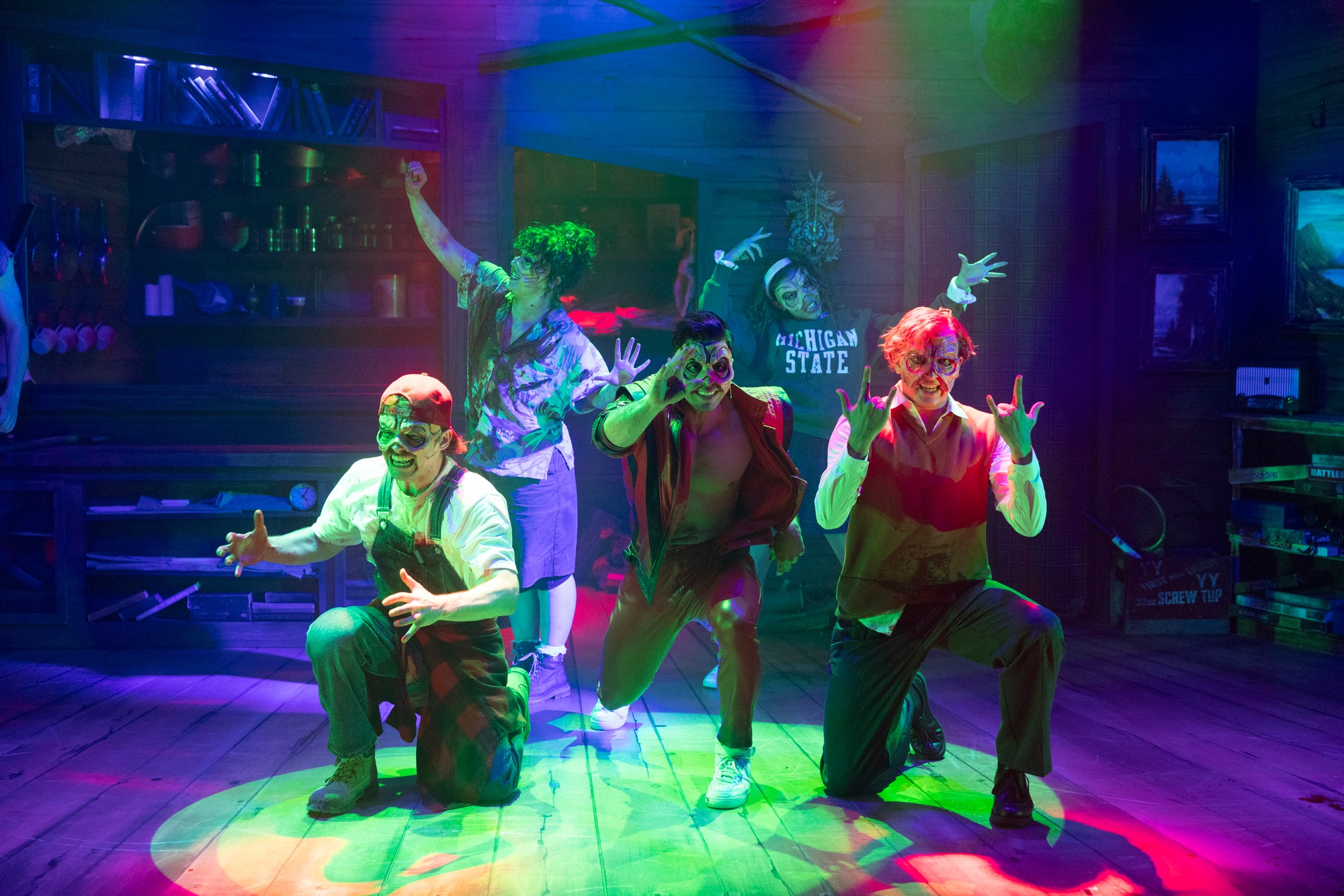
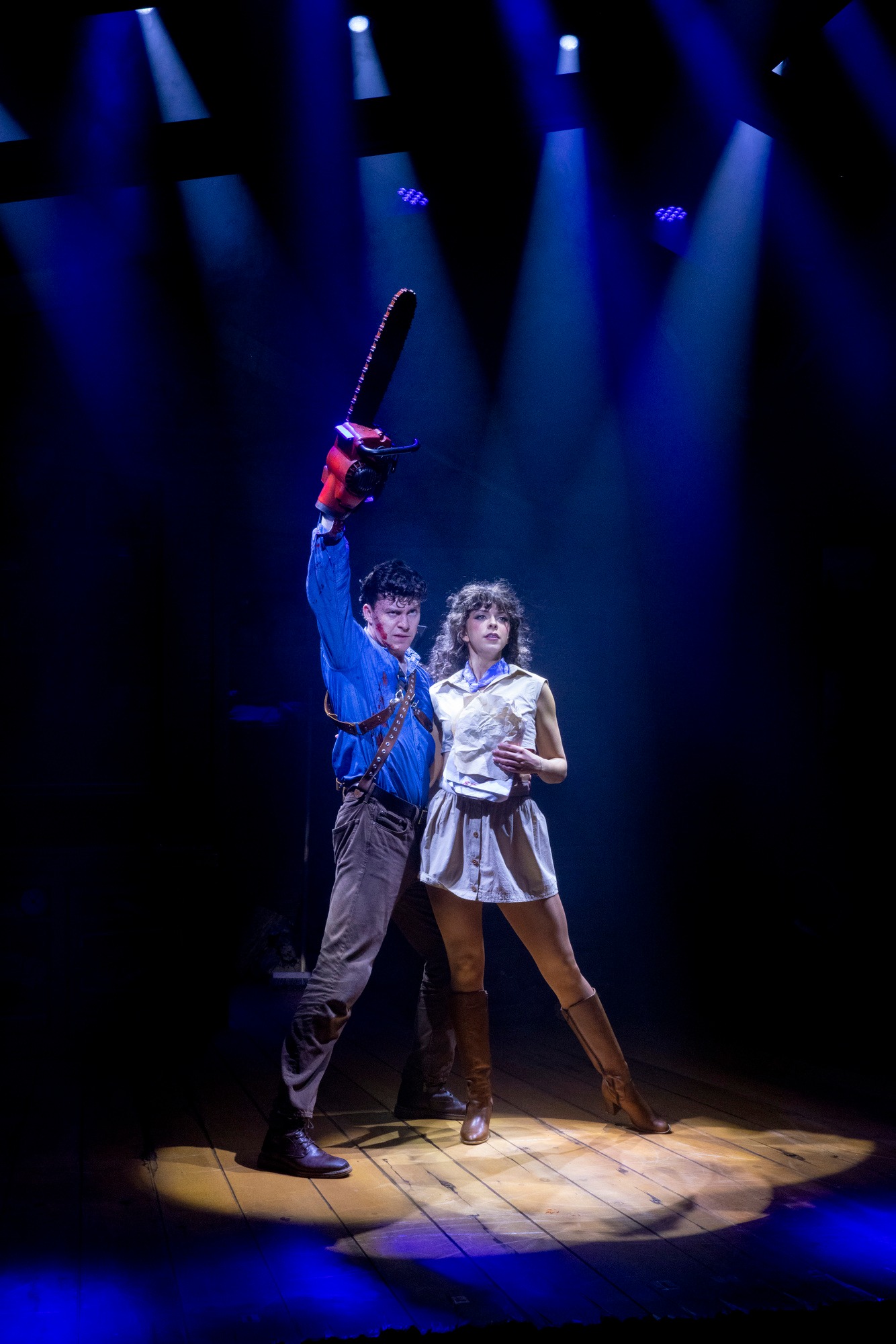
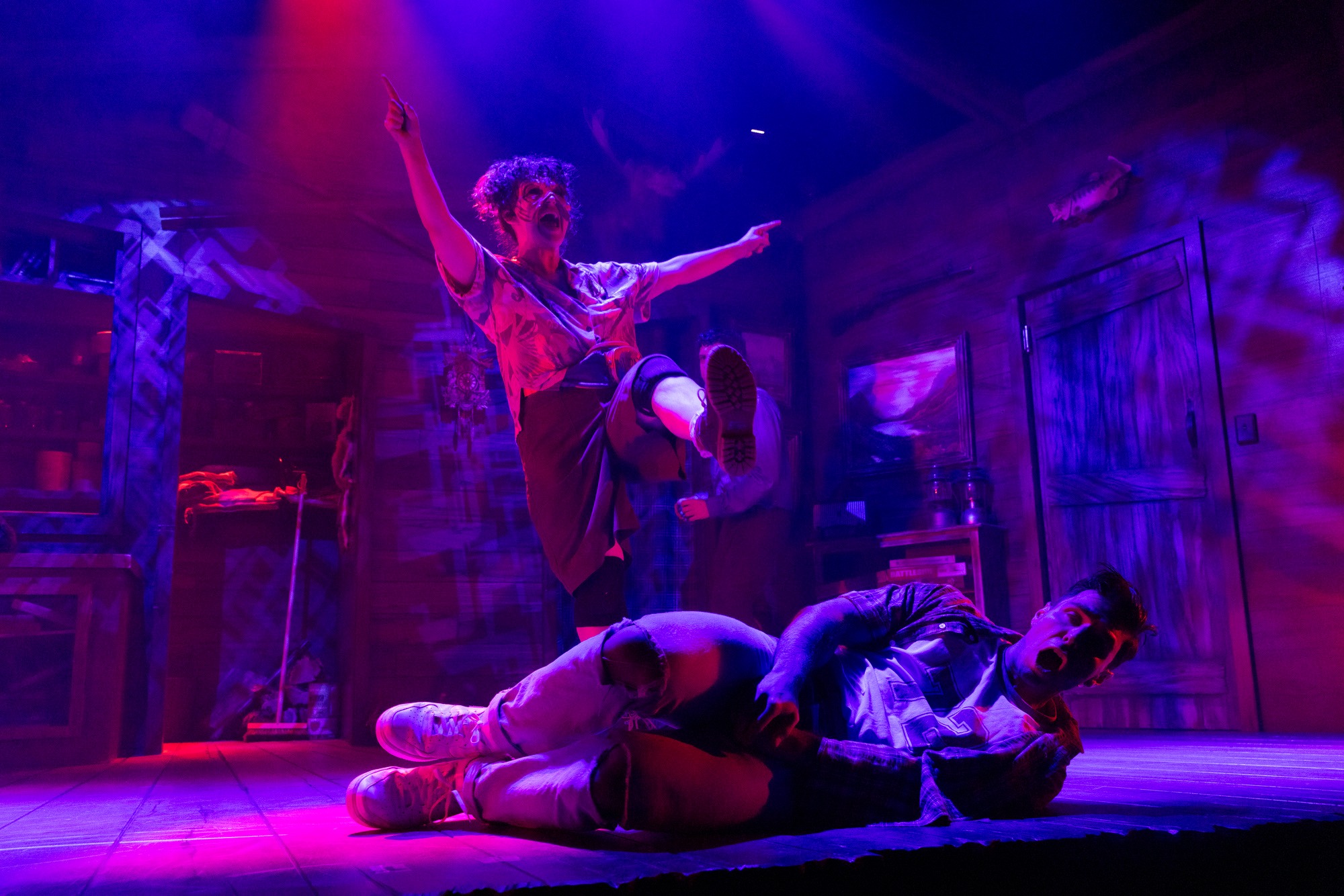
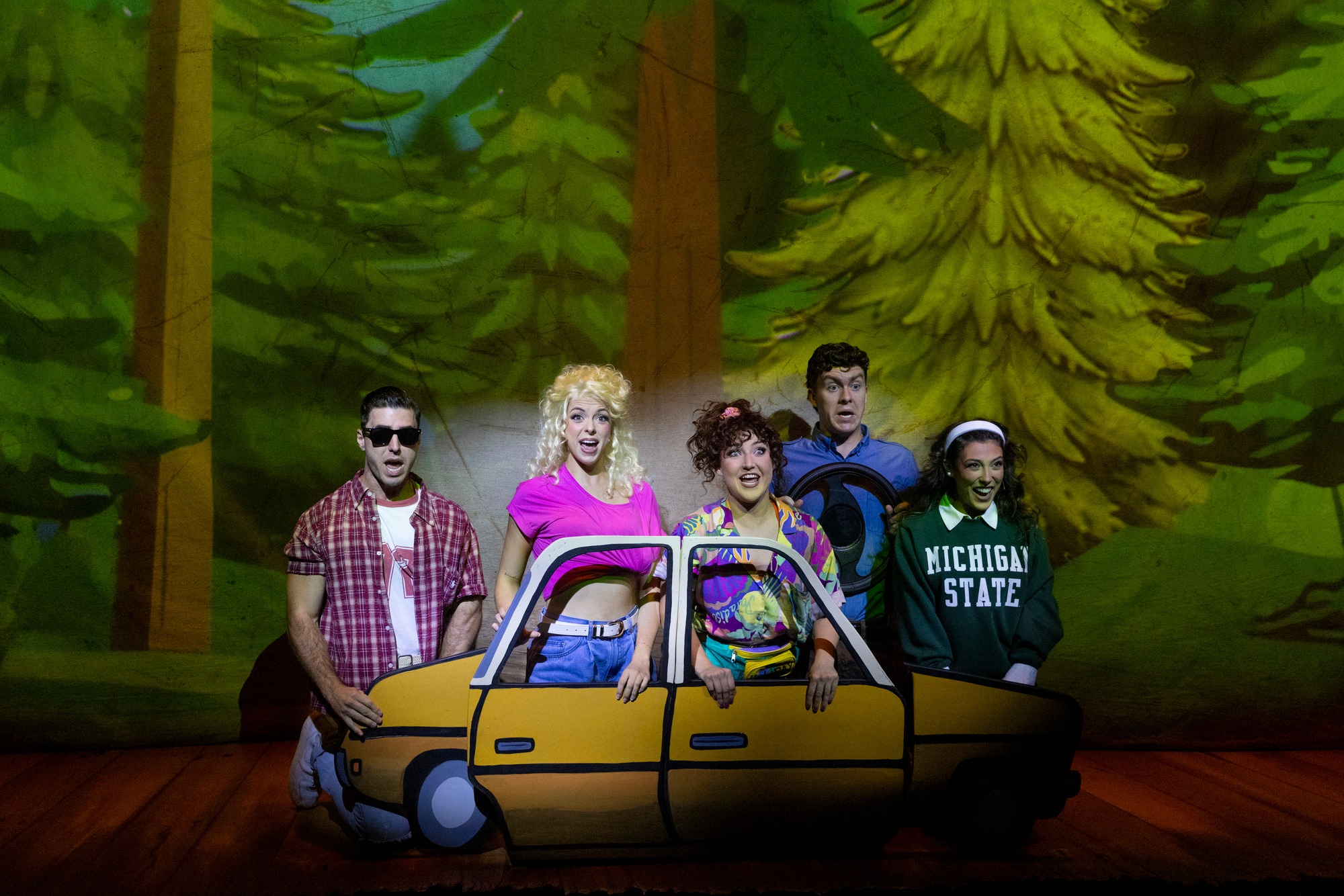
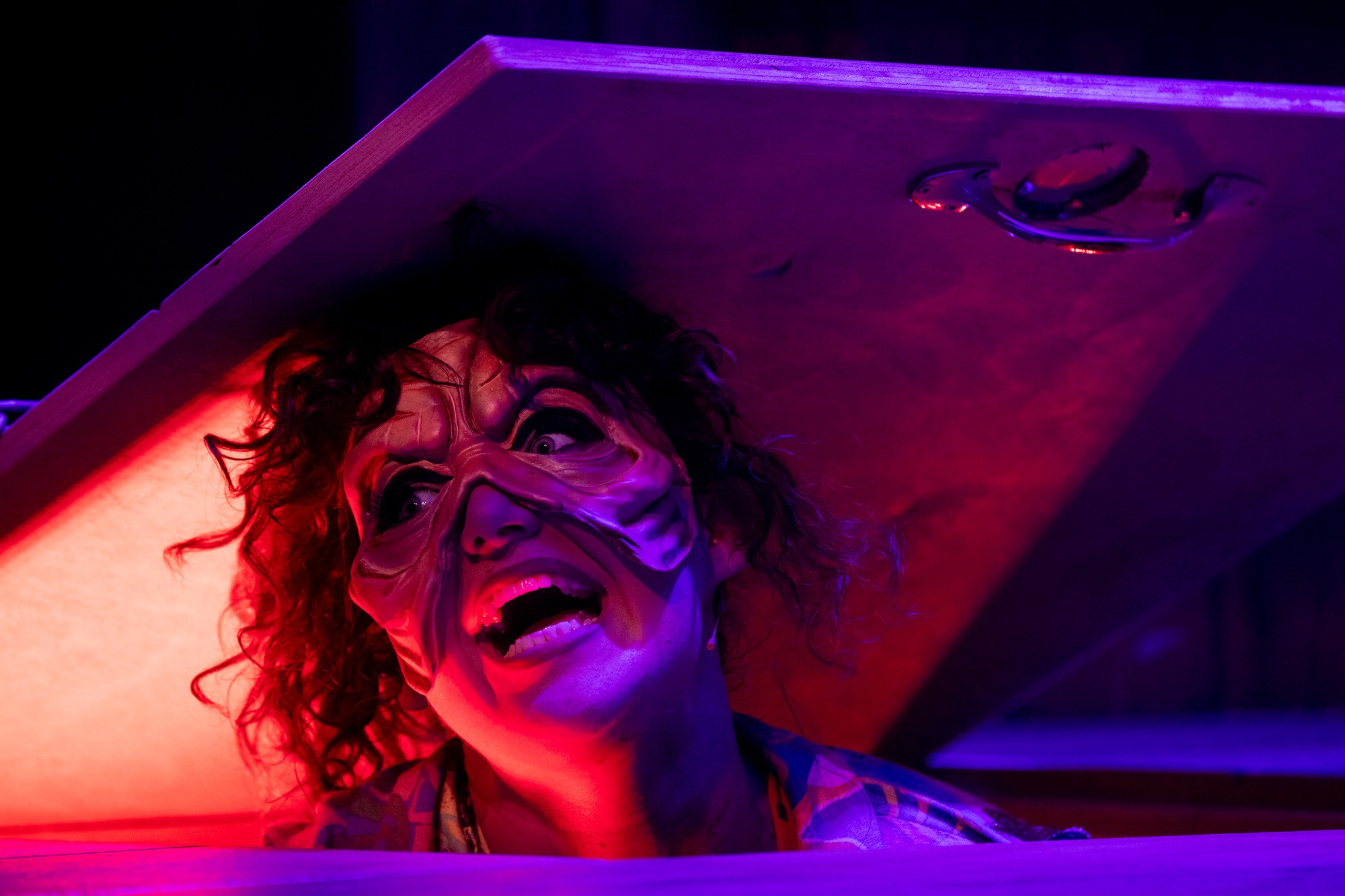
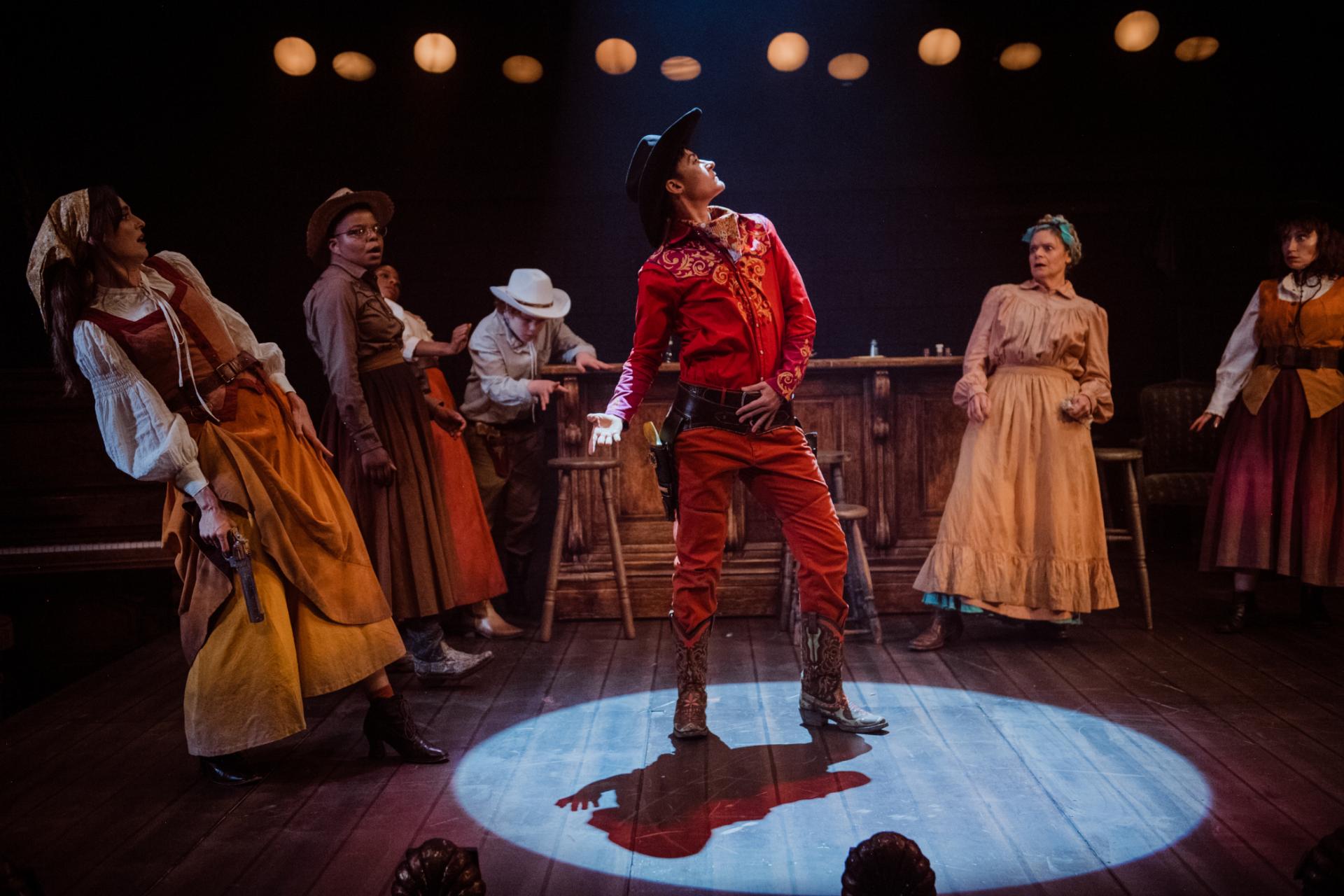
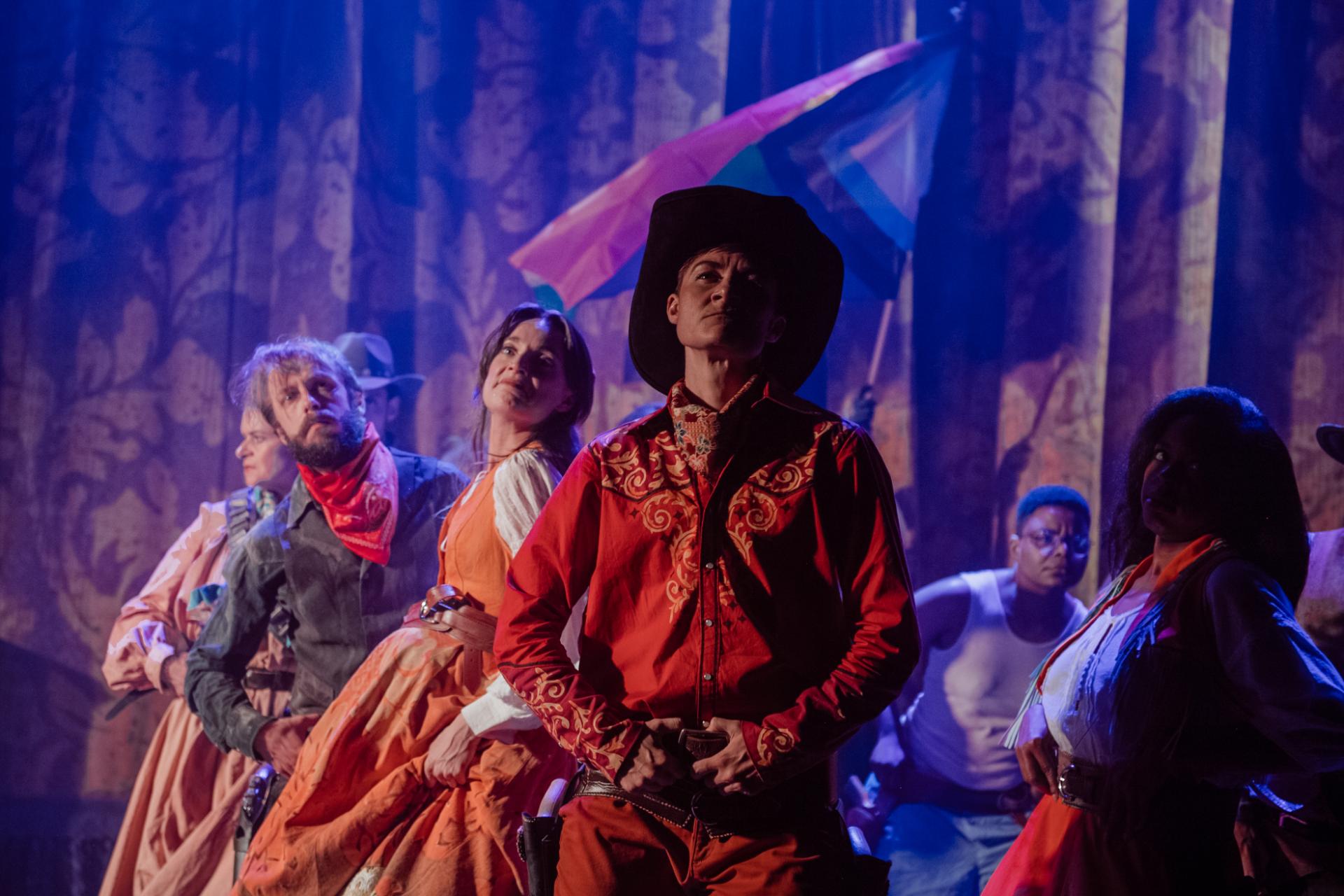
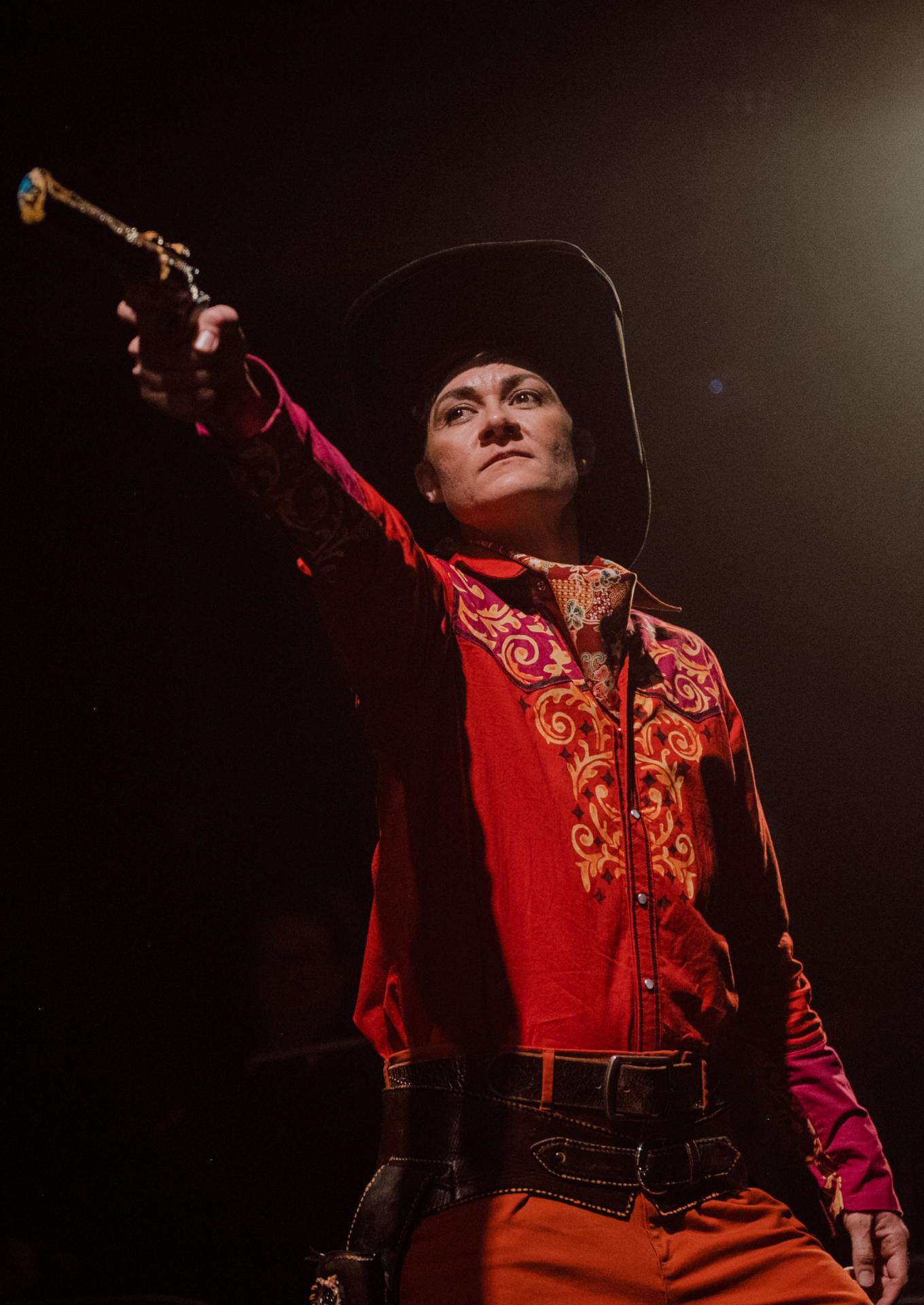
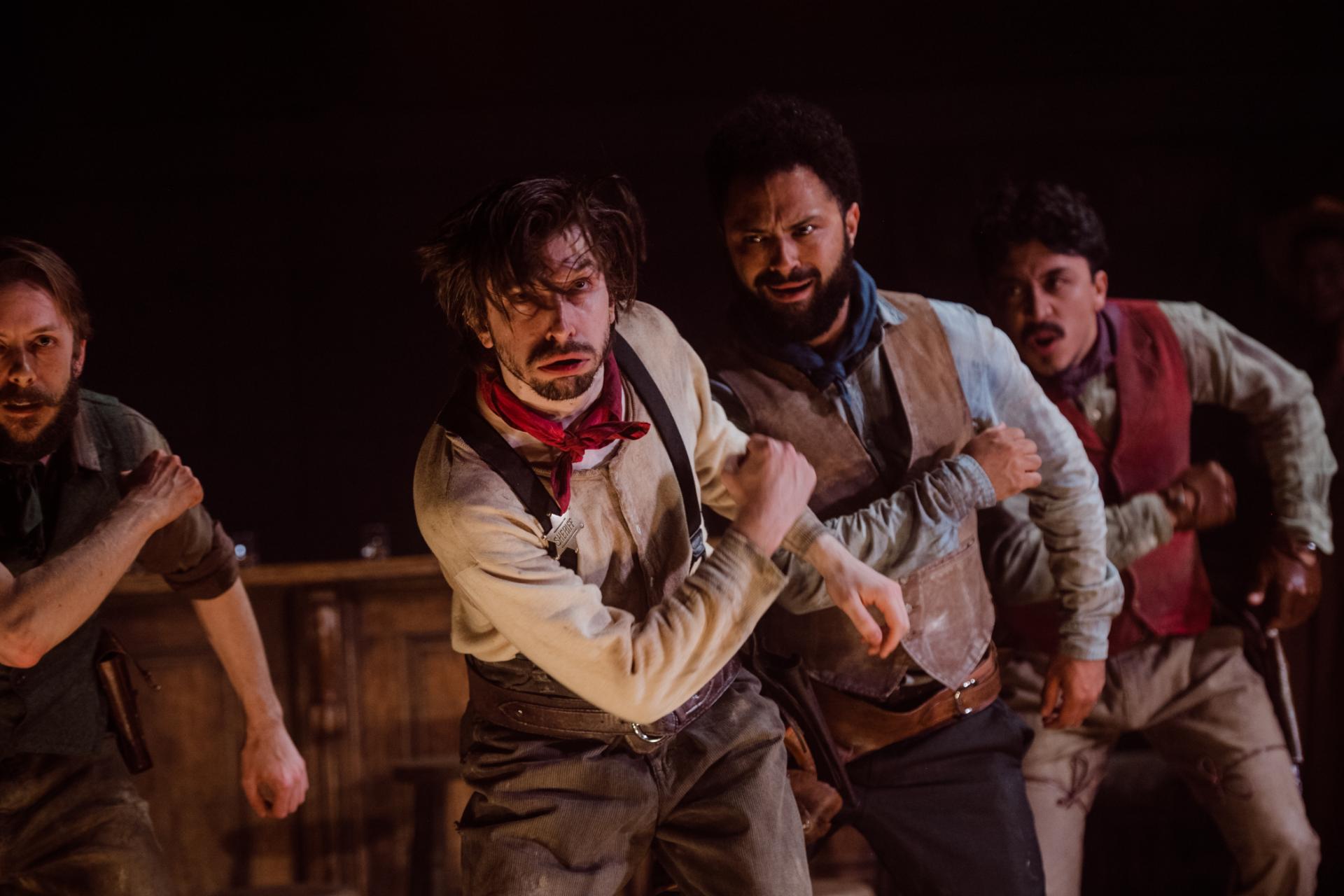
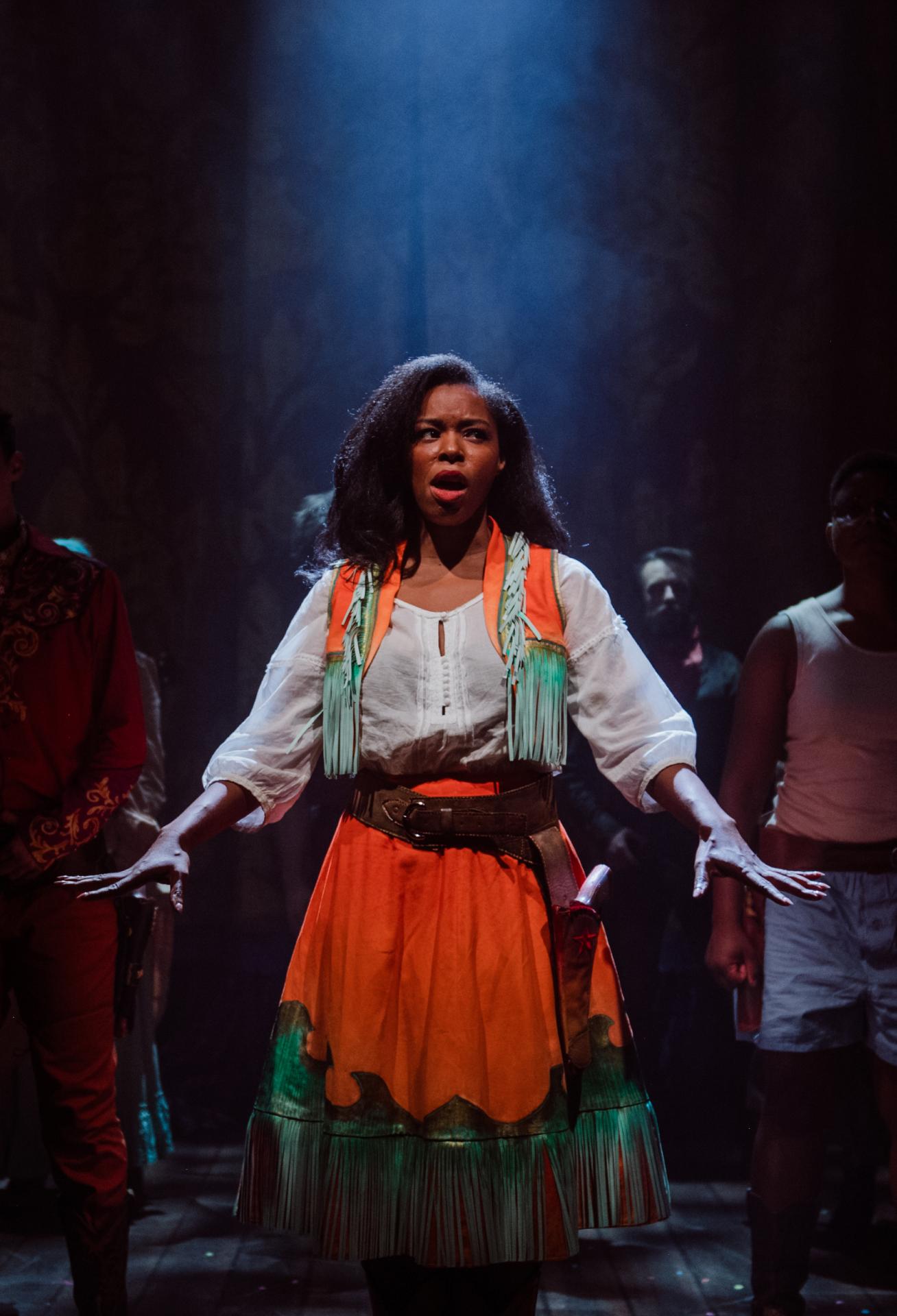
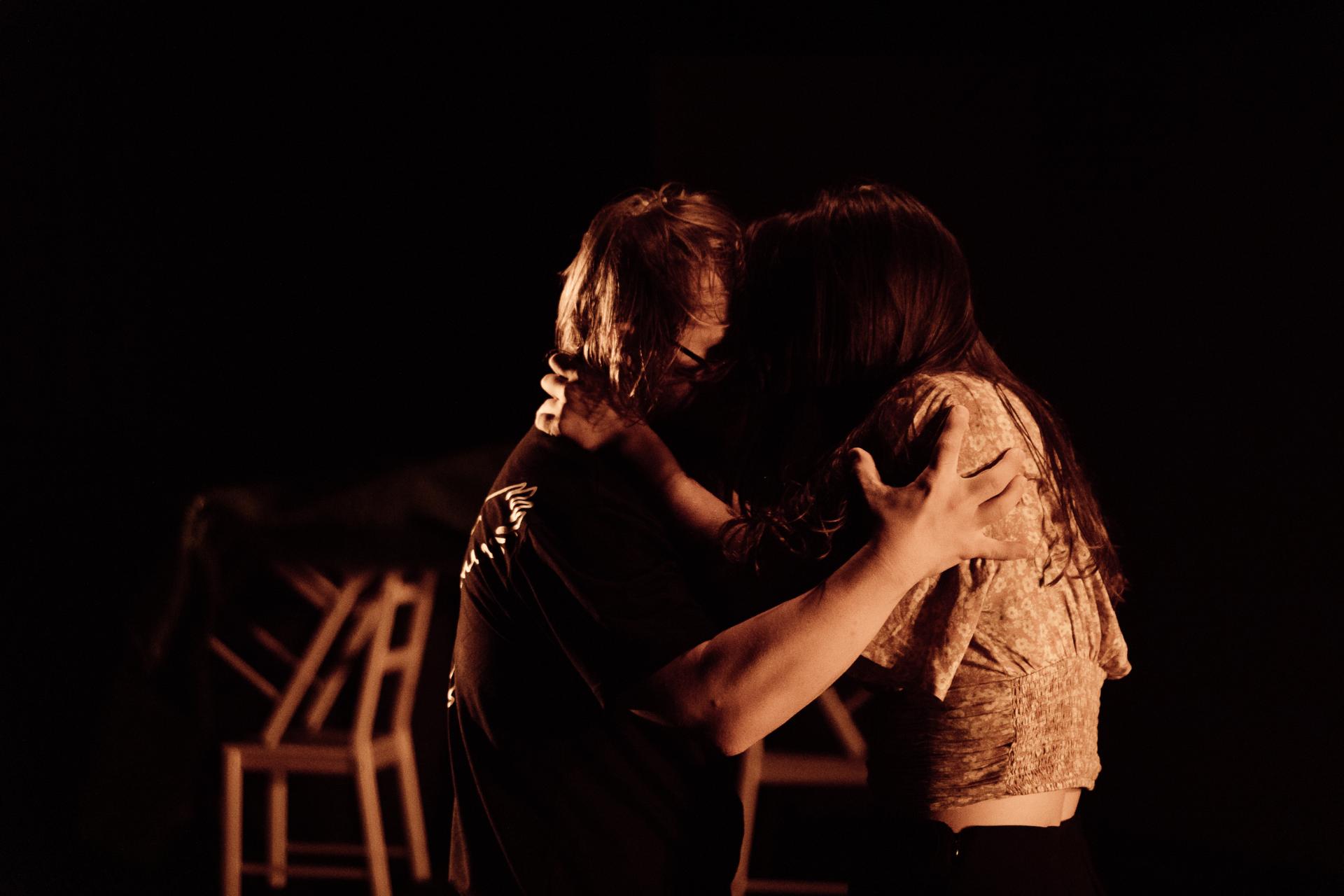
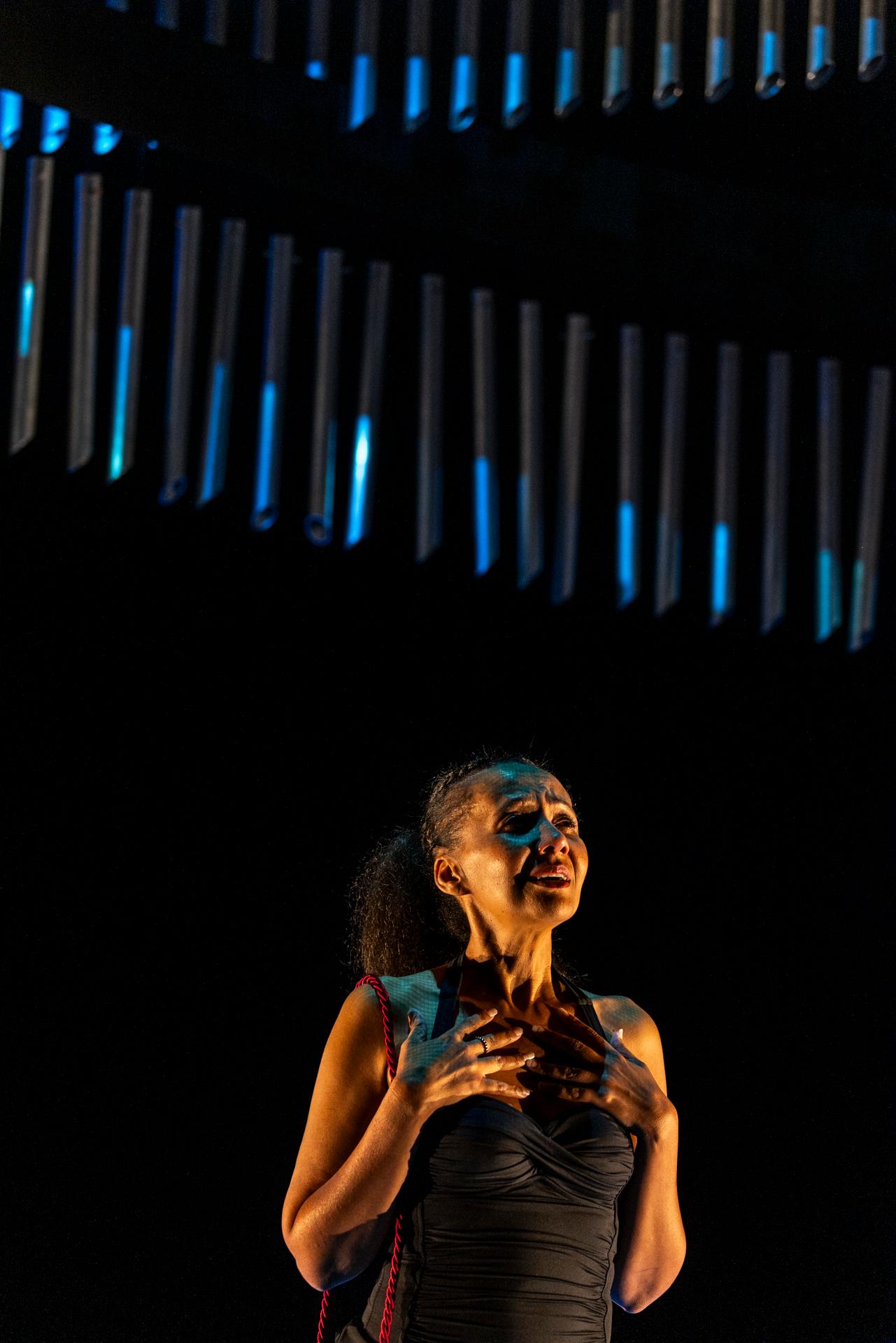
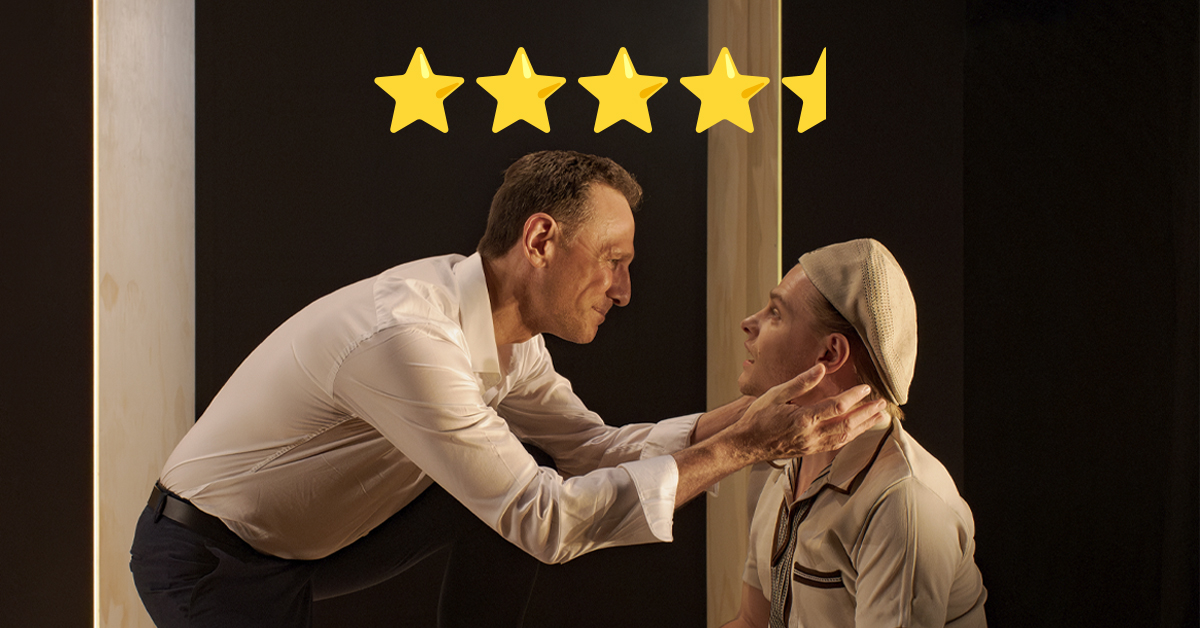
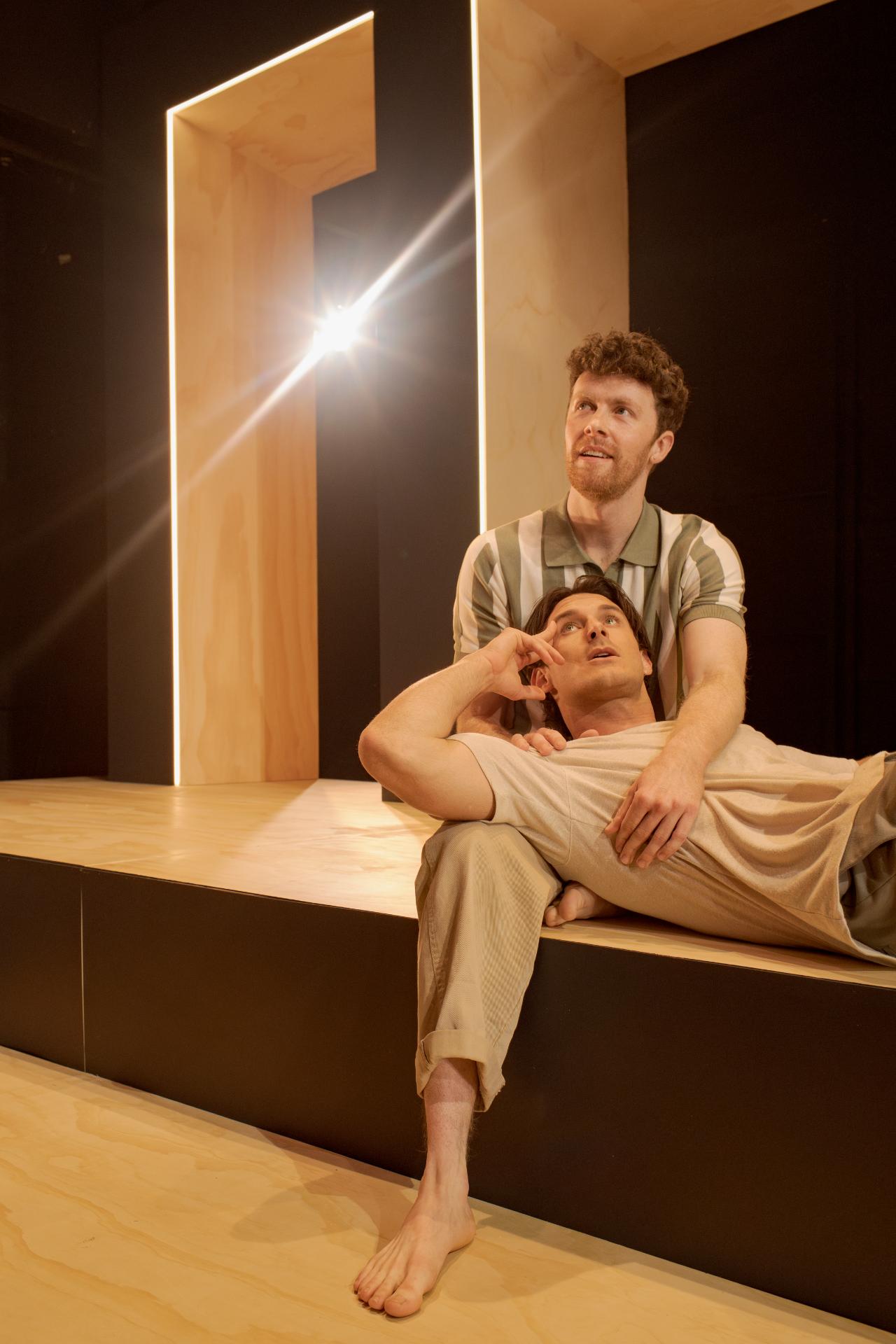
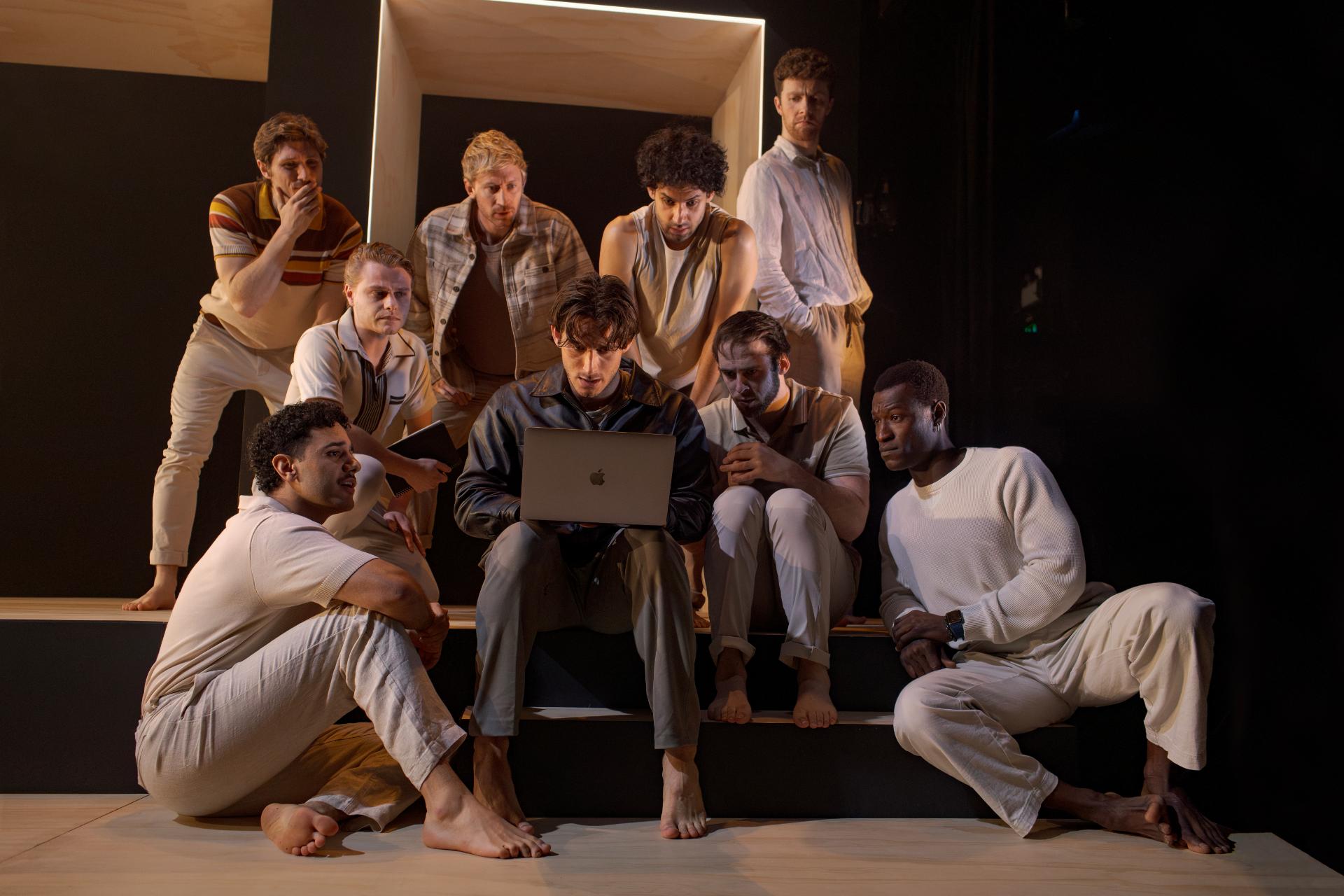
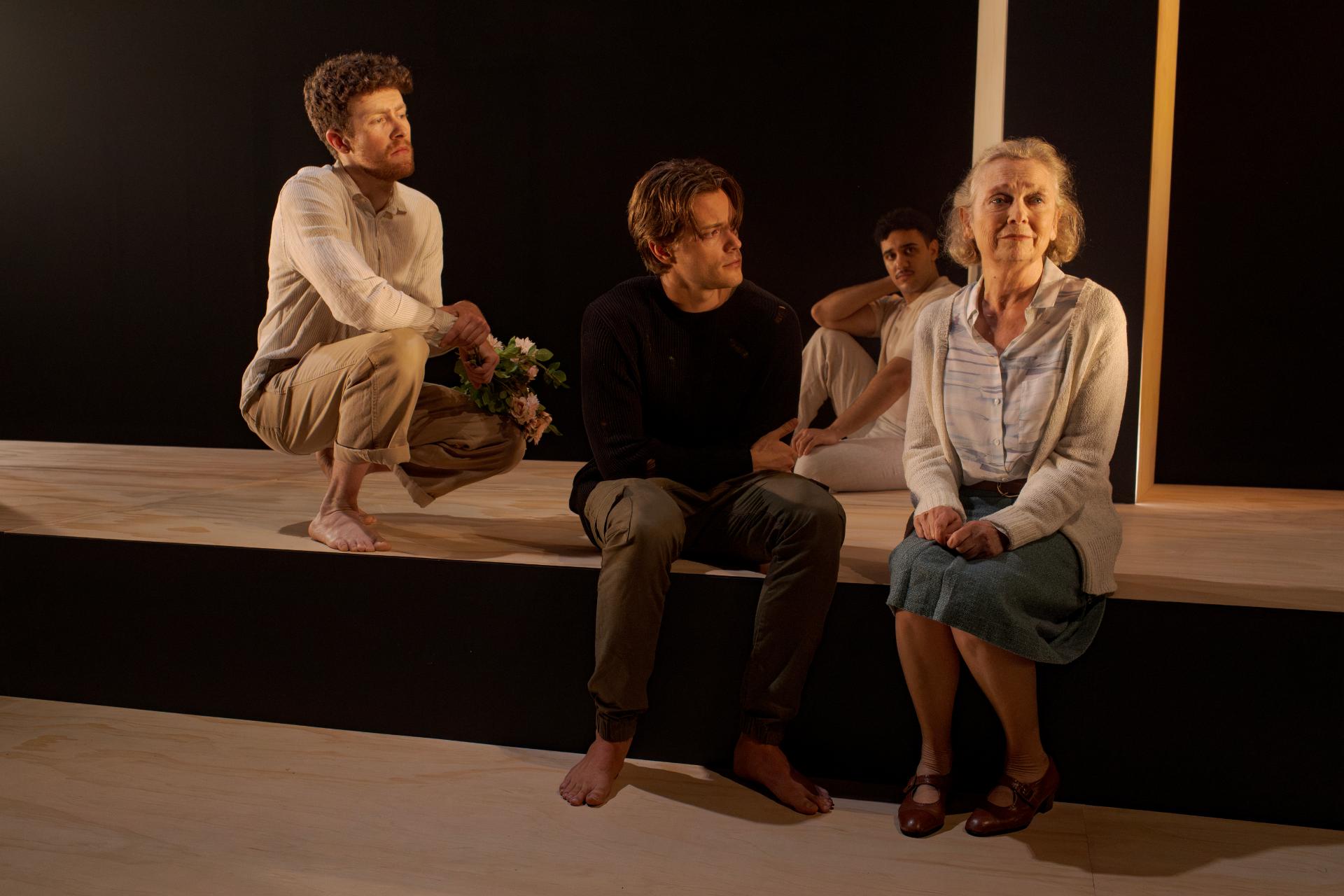
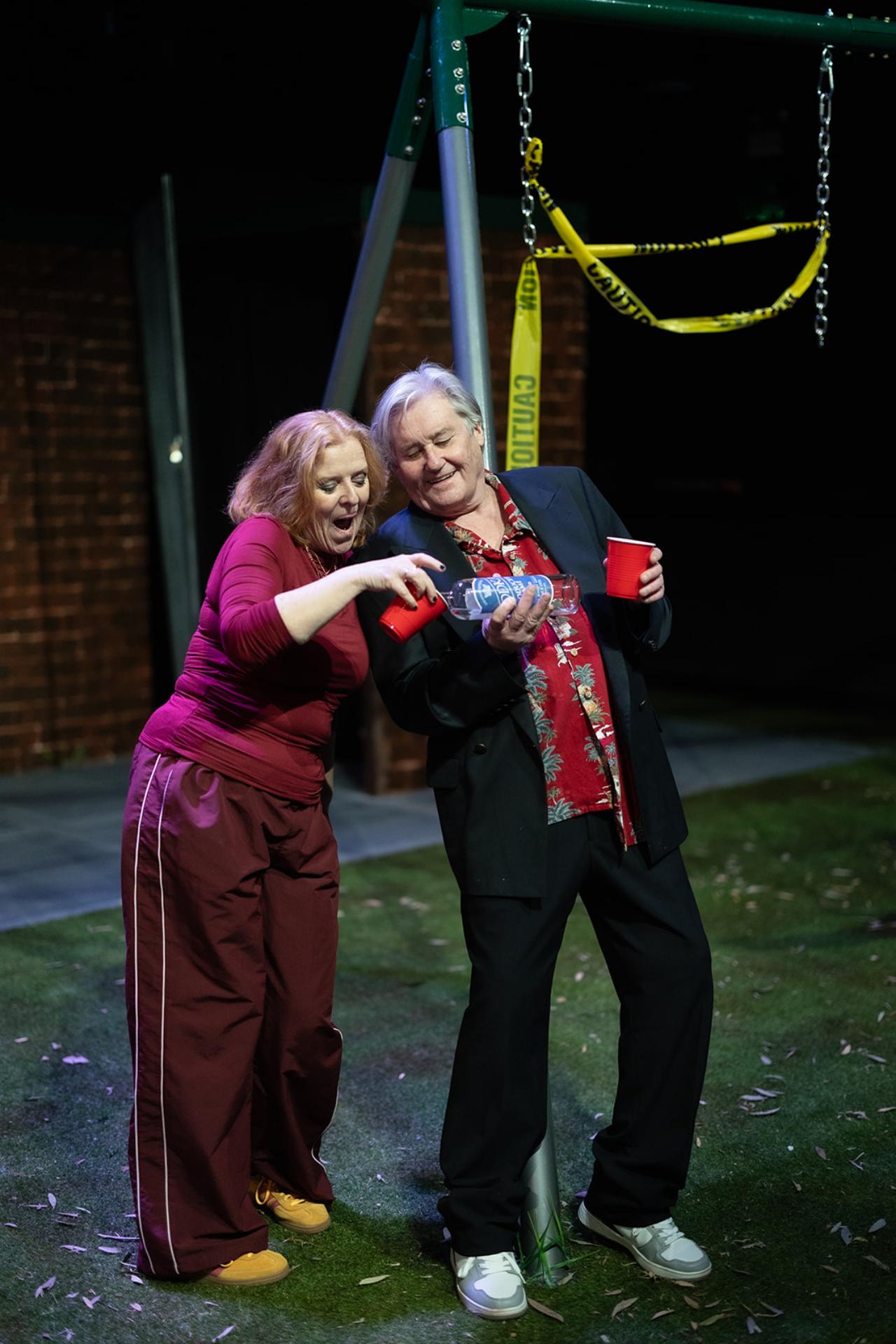
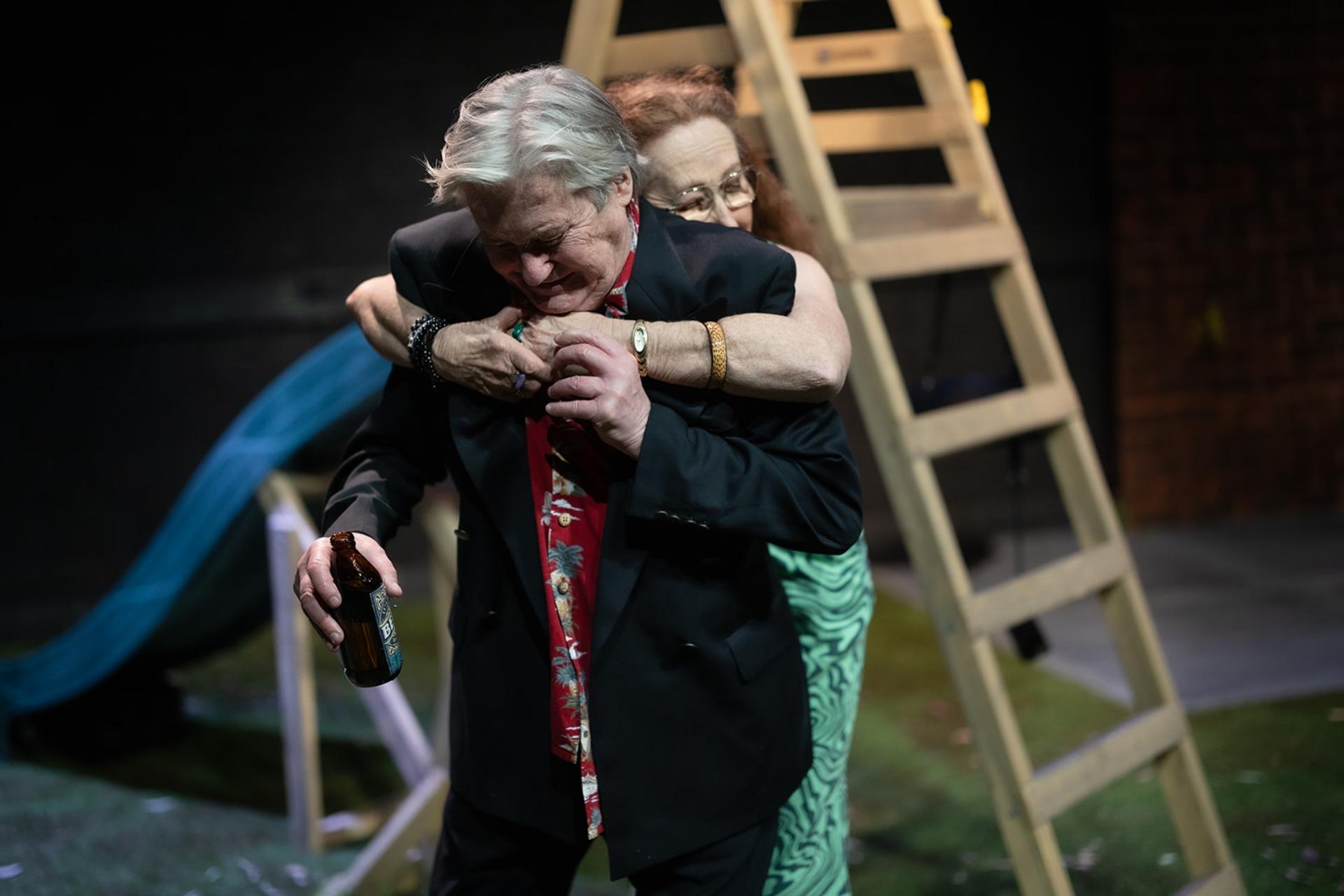
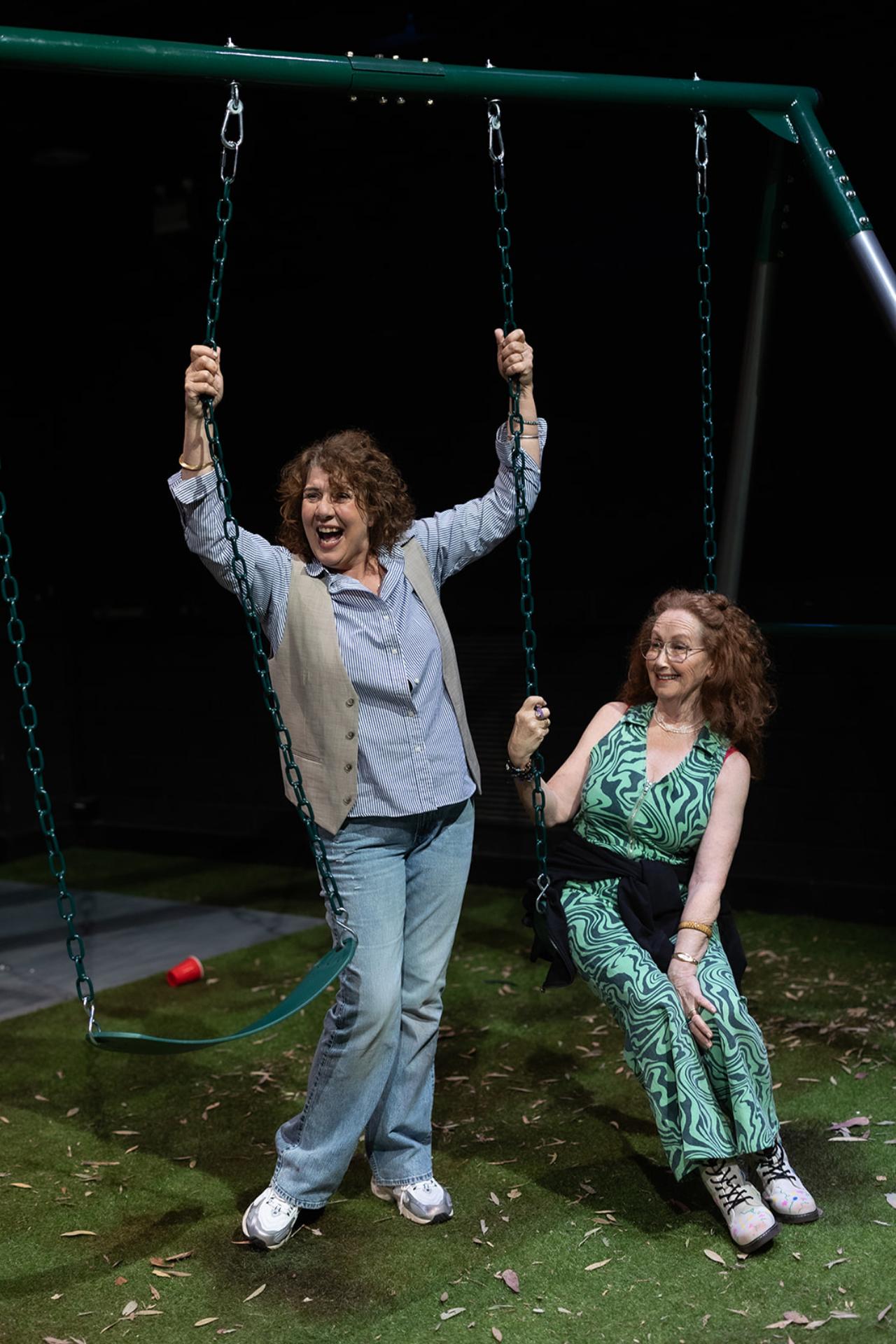
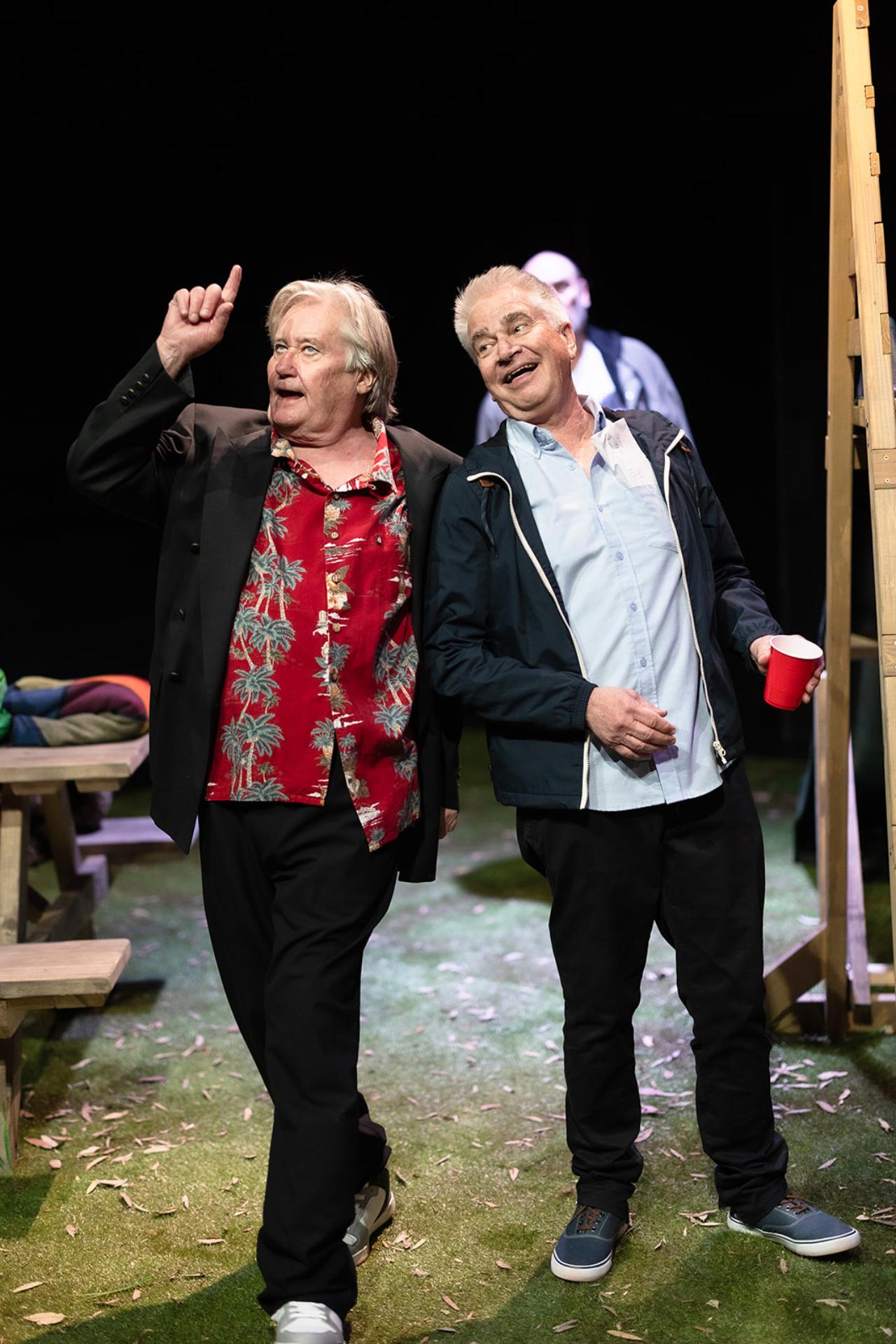
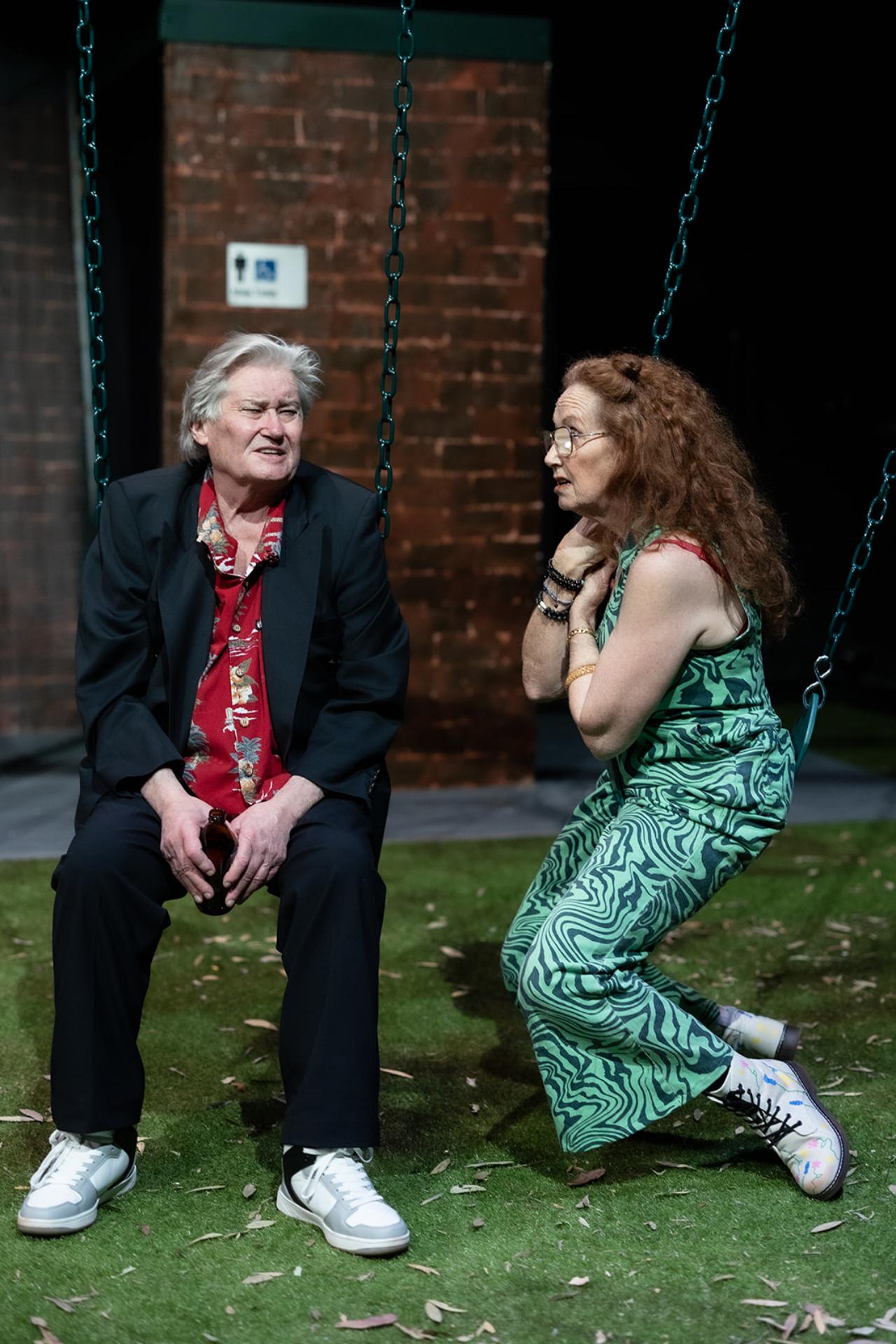
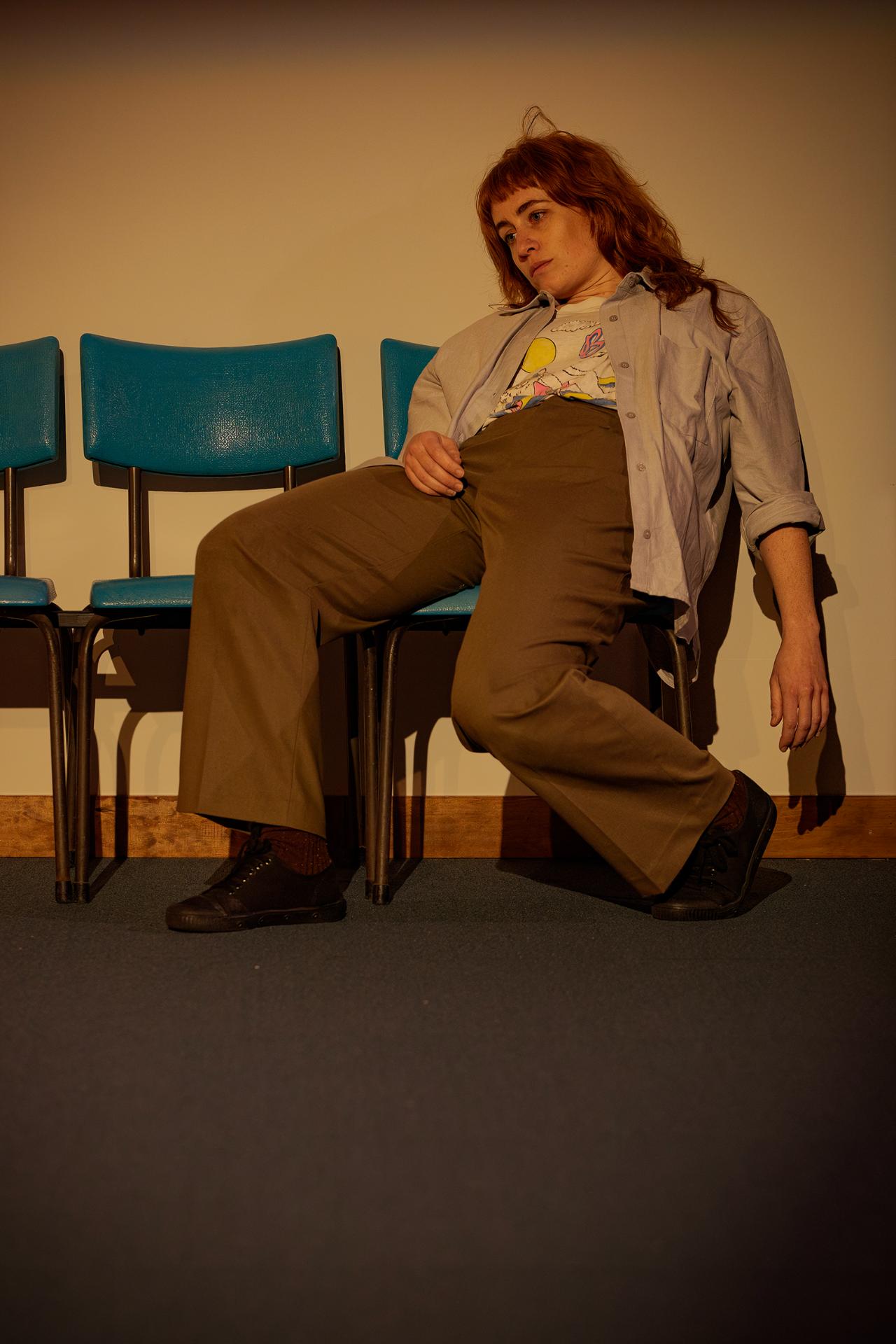
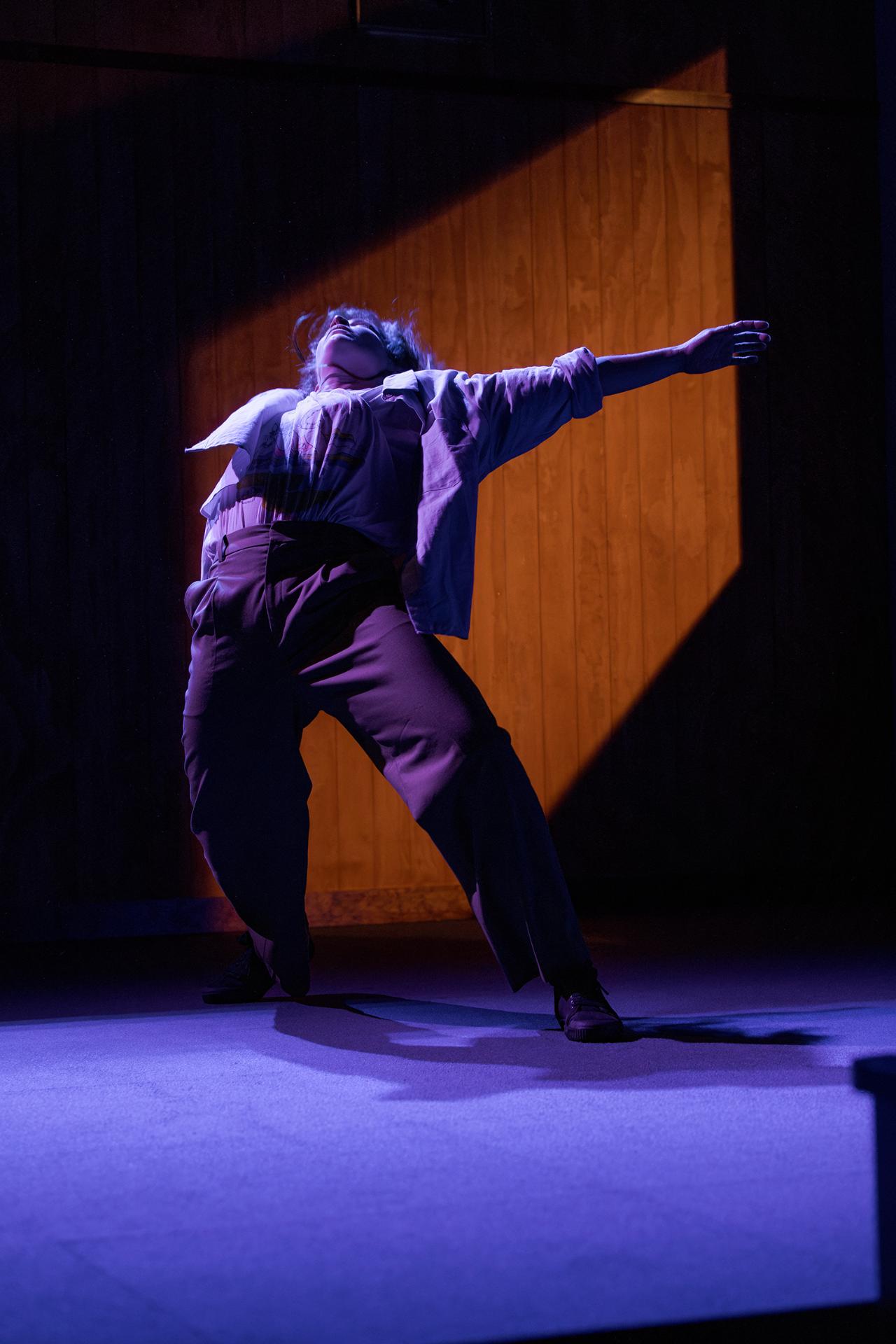
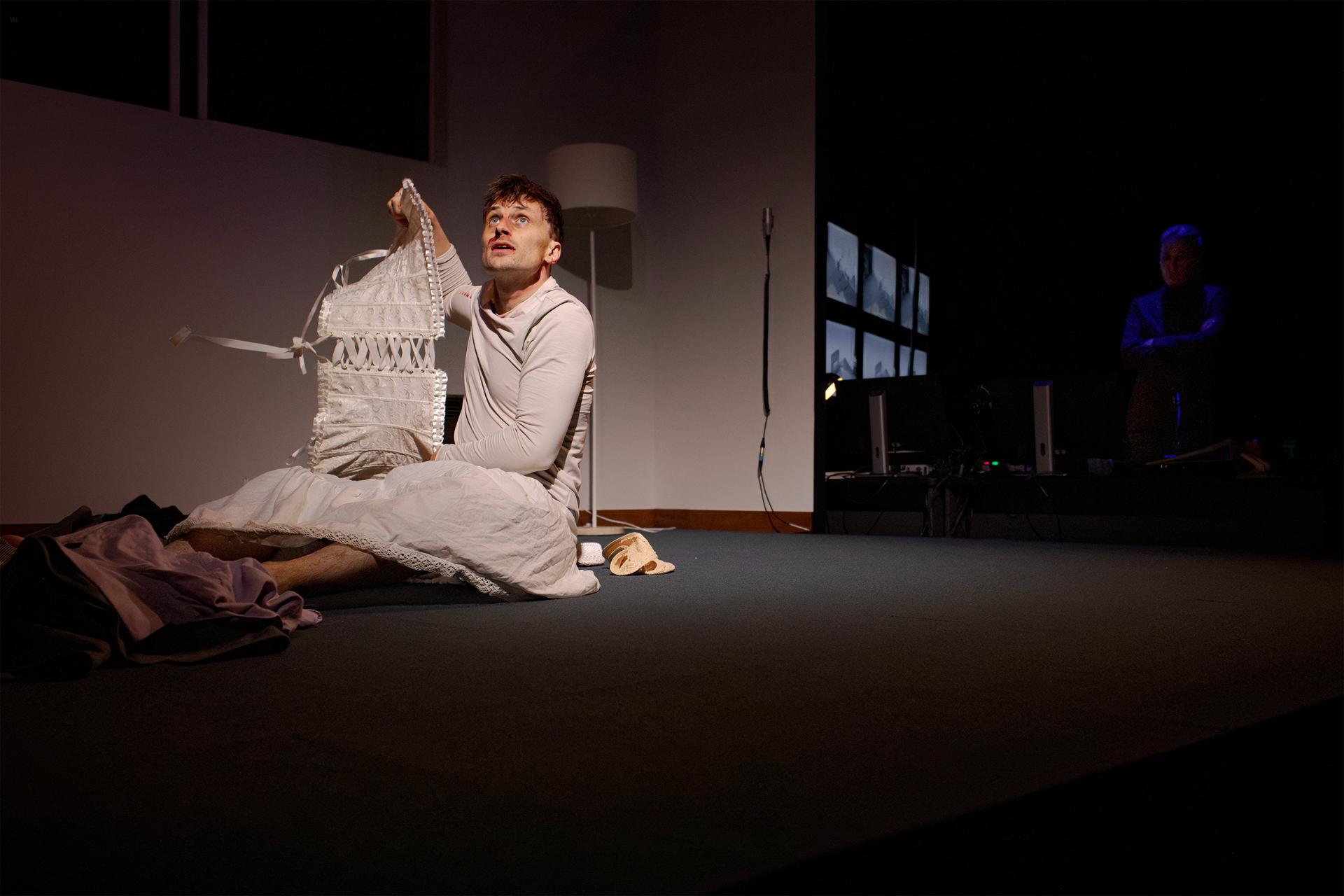
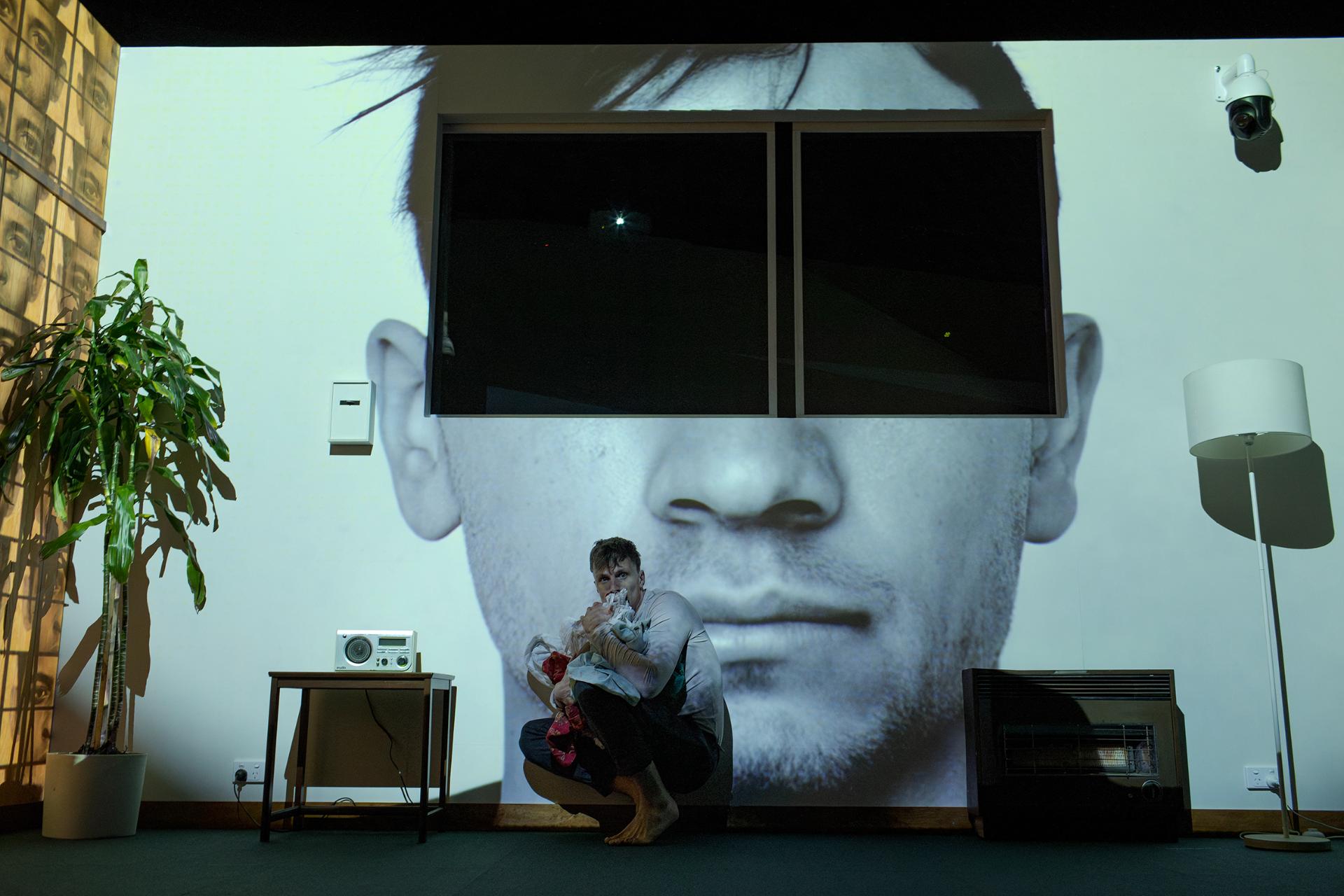
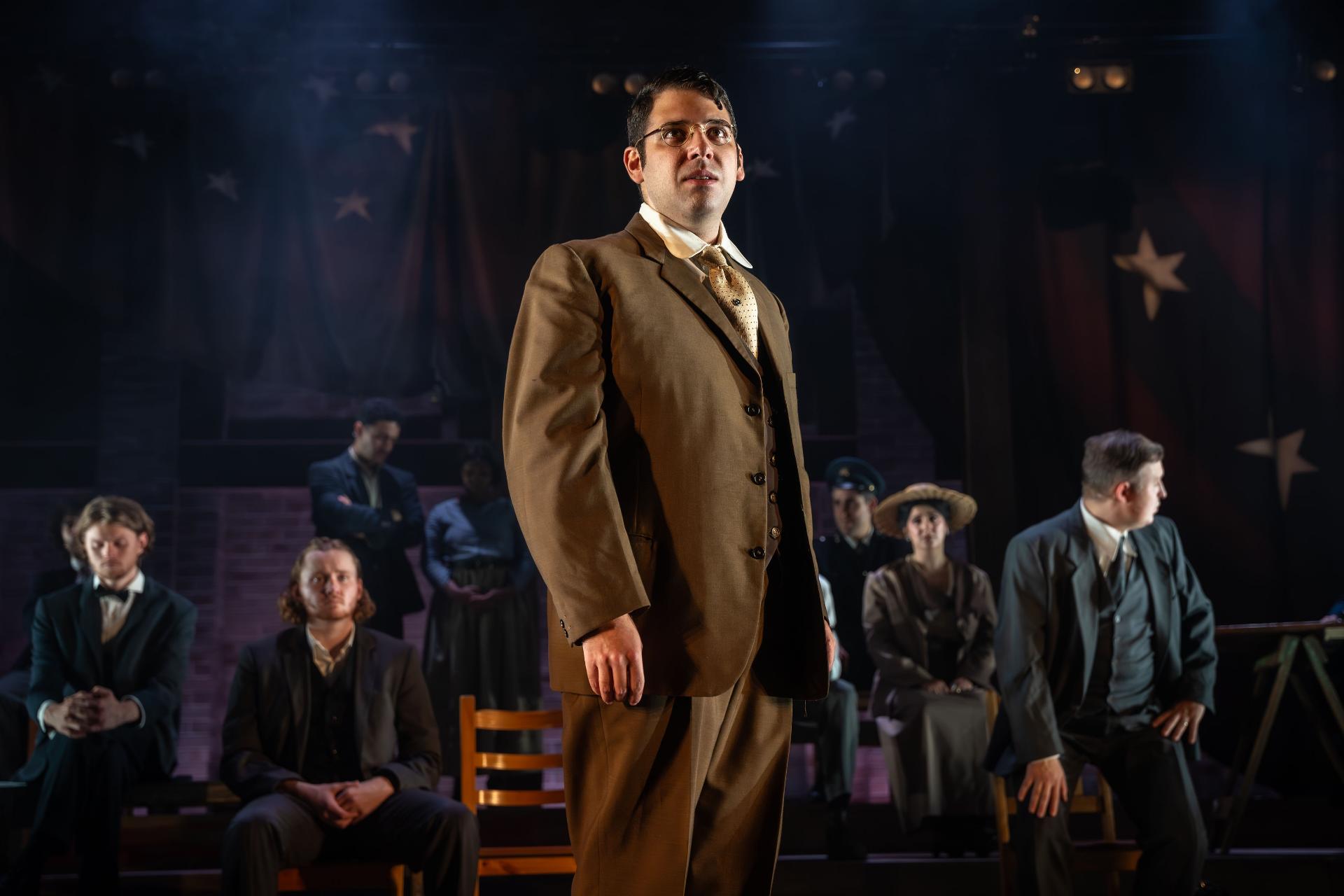
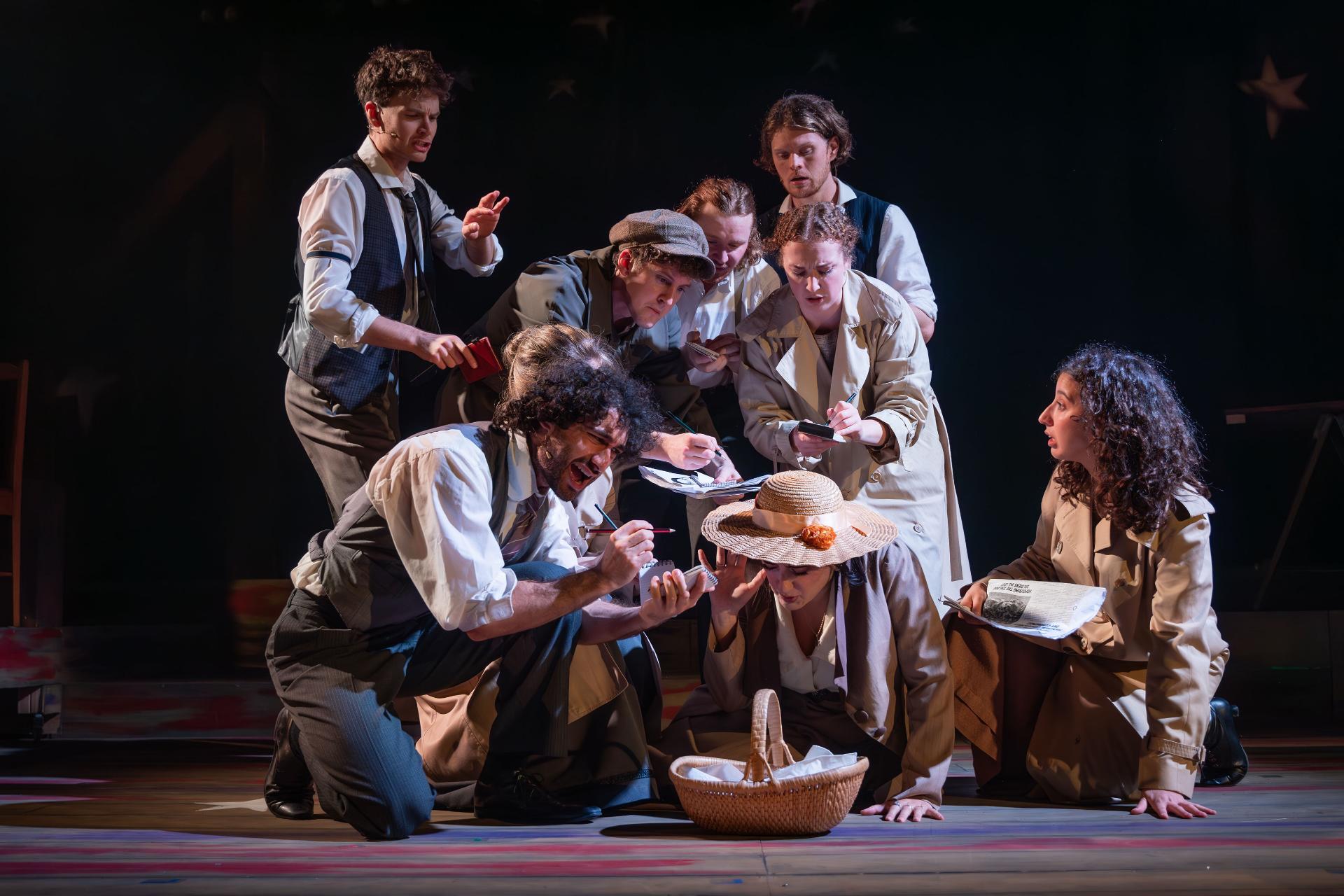
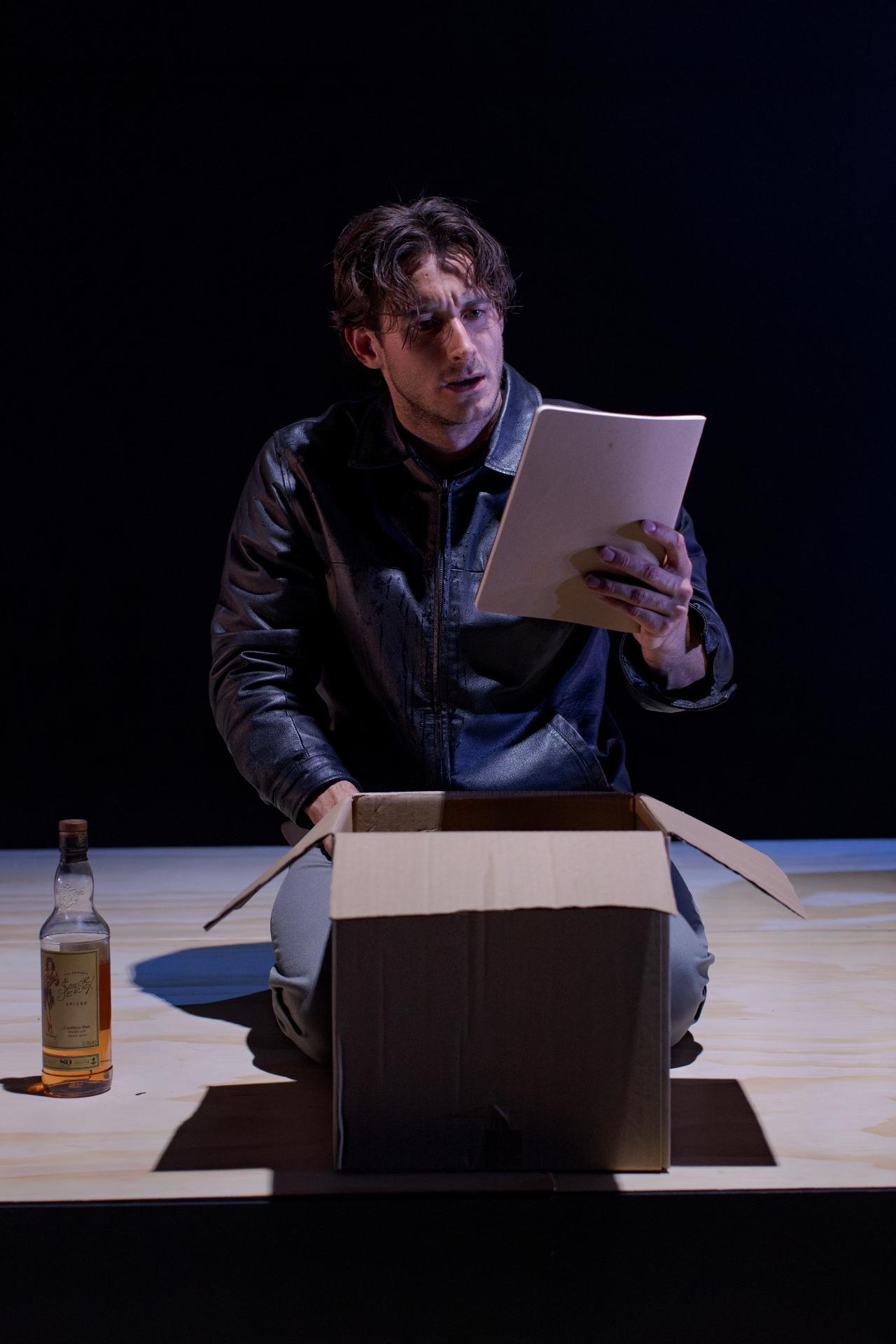
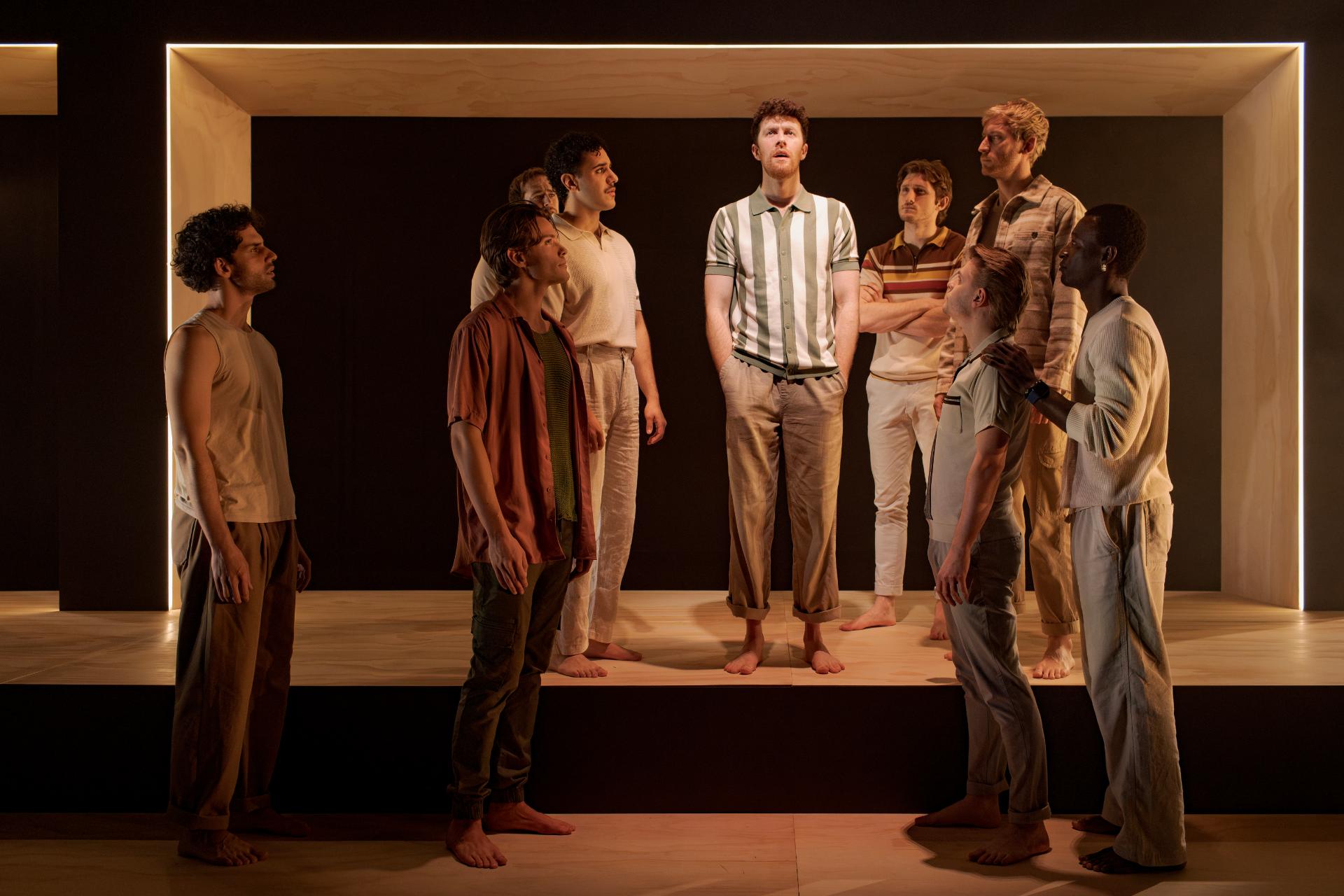
Set in the Wild West of 1883, Charlie Josephine’s Cowbois introduces us to Jack, a fugitive whose sudden arrival in a quietly dwindling frontier town—its menfolk having vanished into the goldfields—sparks a quietly radical upheaval. Encountering only women, the handsome outlaw quickly finds that their initial suspicion melts away, even as he is forthright about being trans. Josephine’s 2023 play is a wonderfully fantastical reimagining of the Western, an exuberant, if at times didactic, meditation on gender, desire, and the myths that shape them.

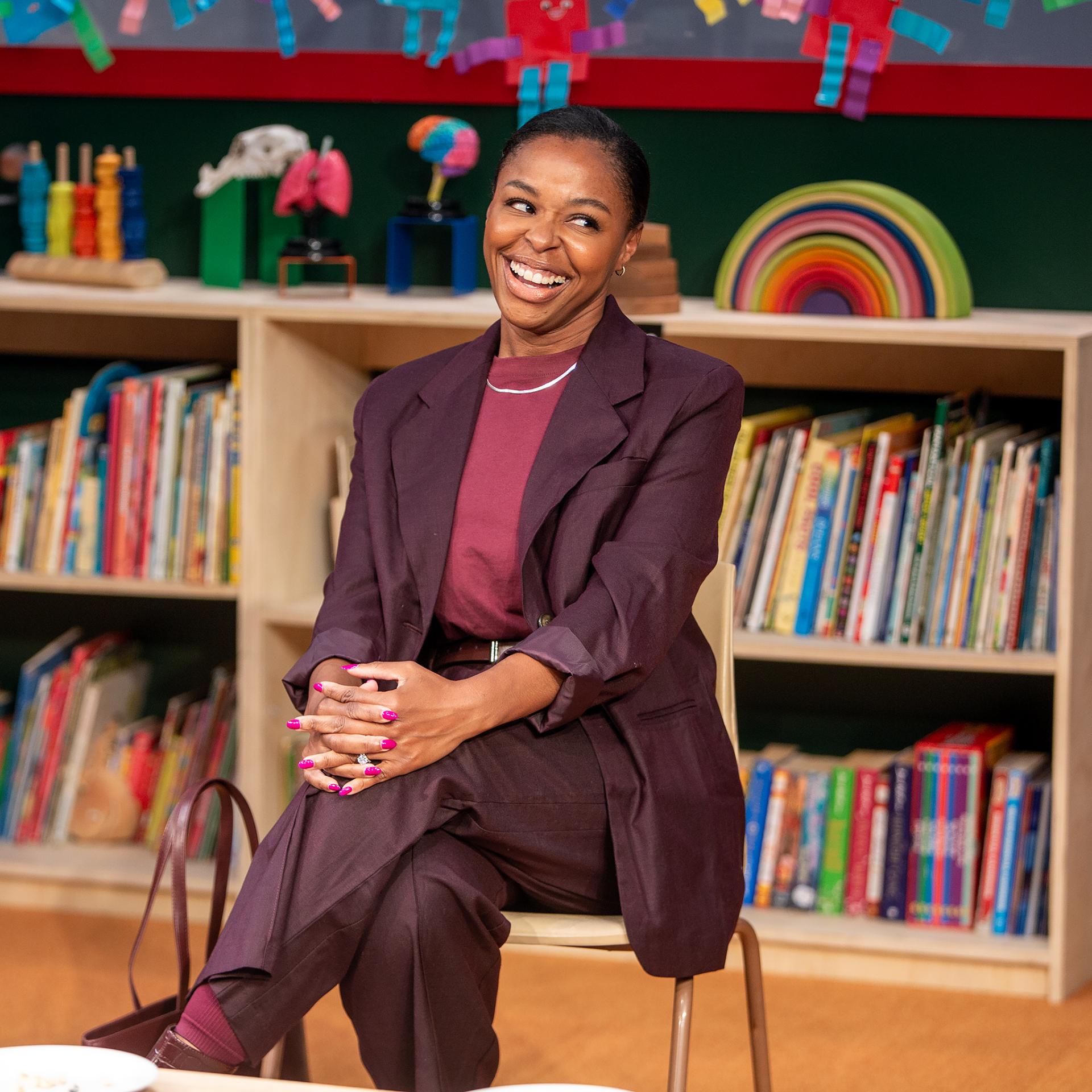
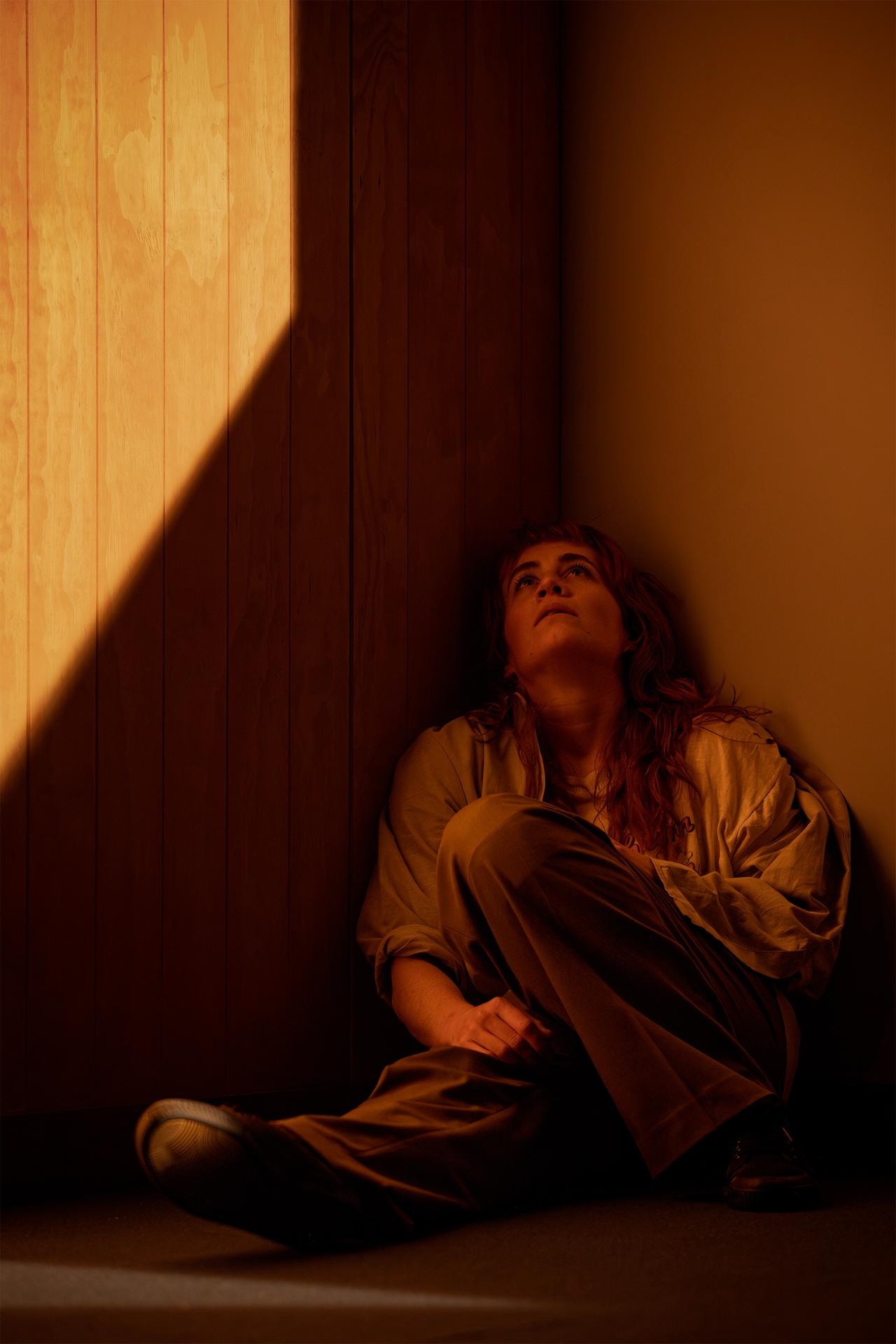
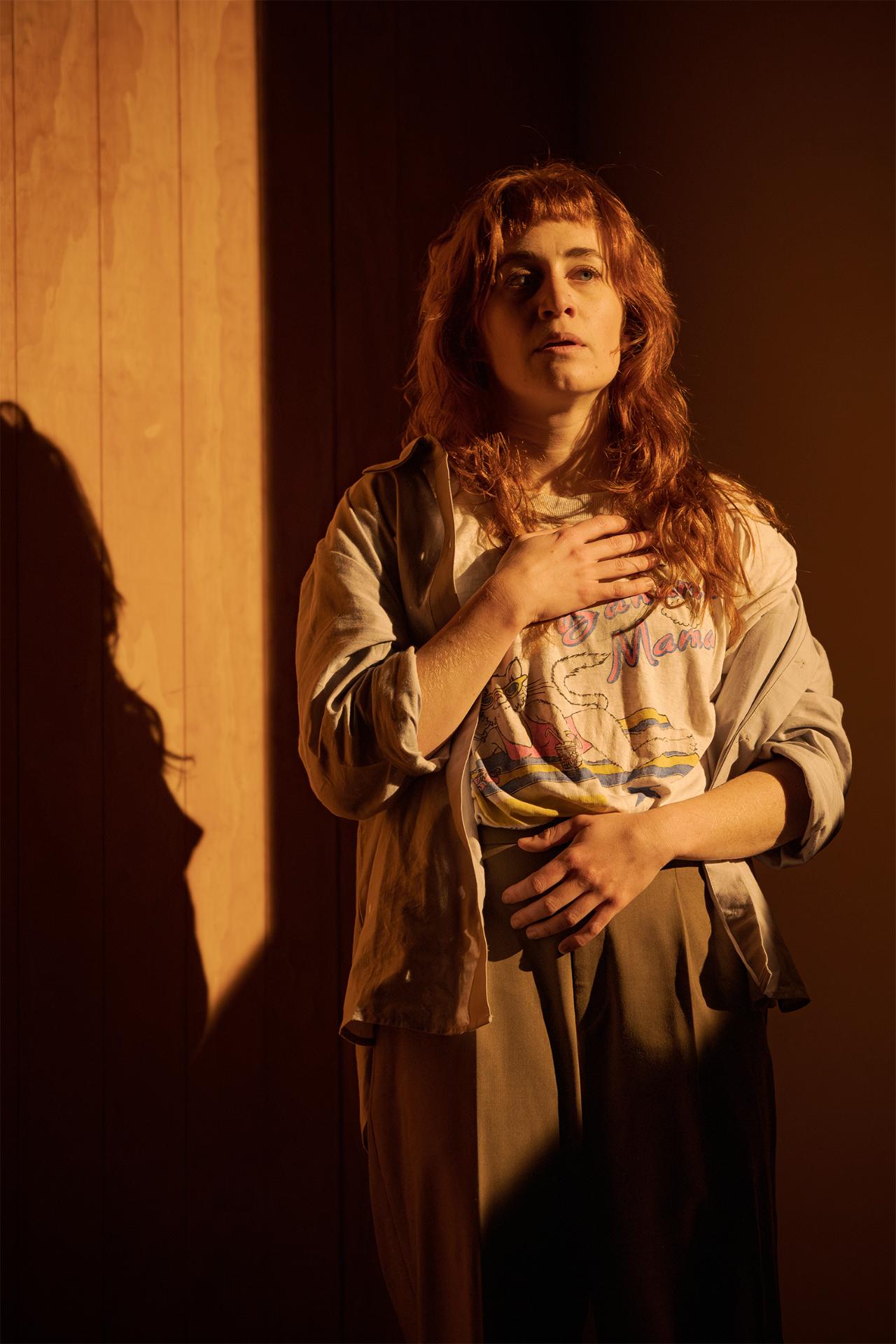
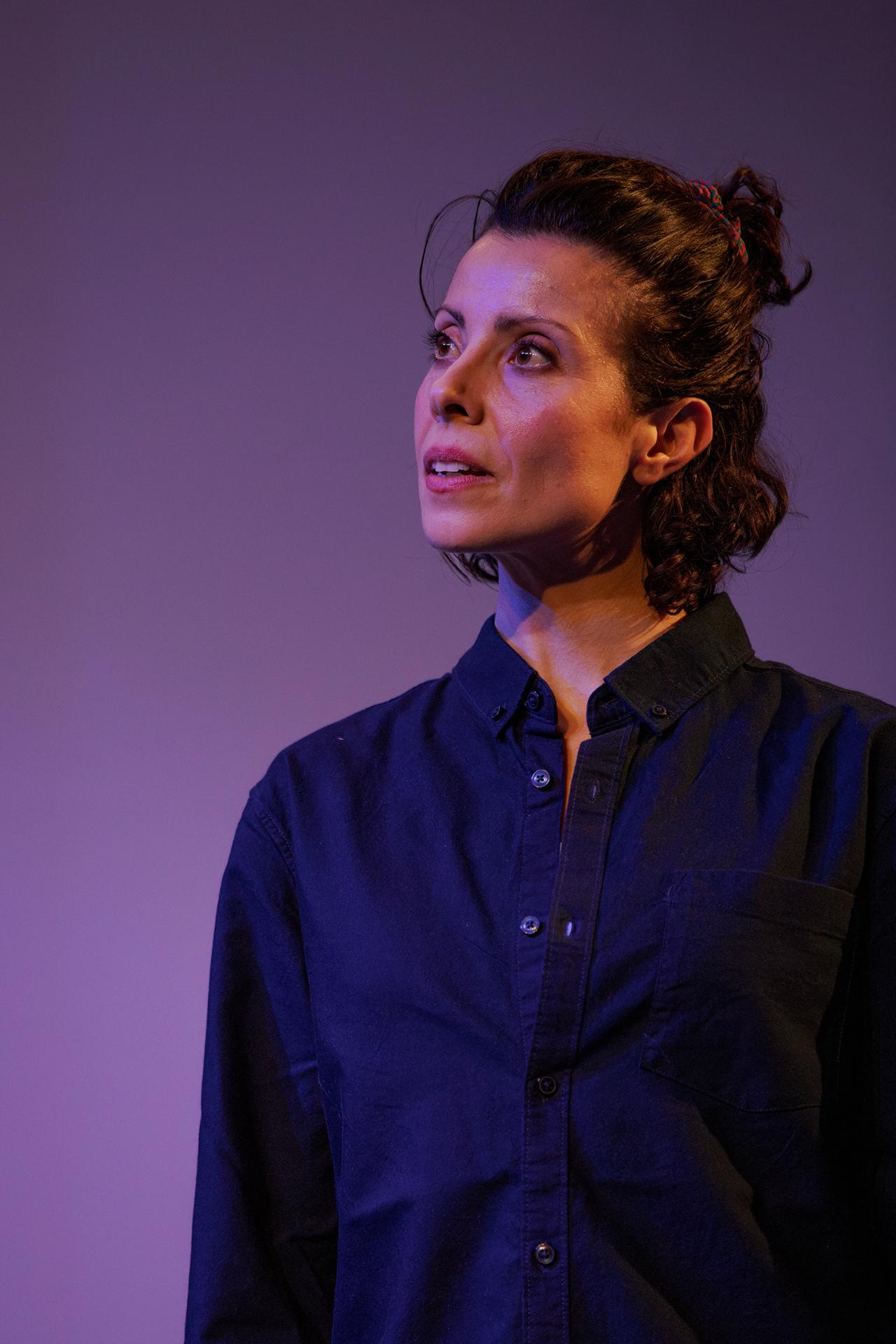
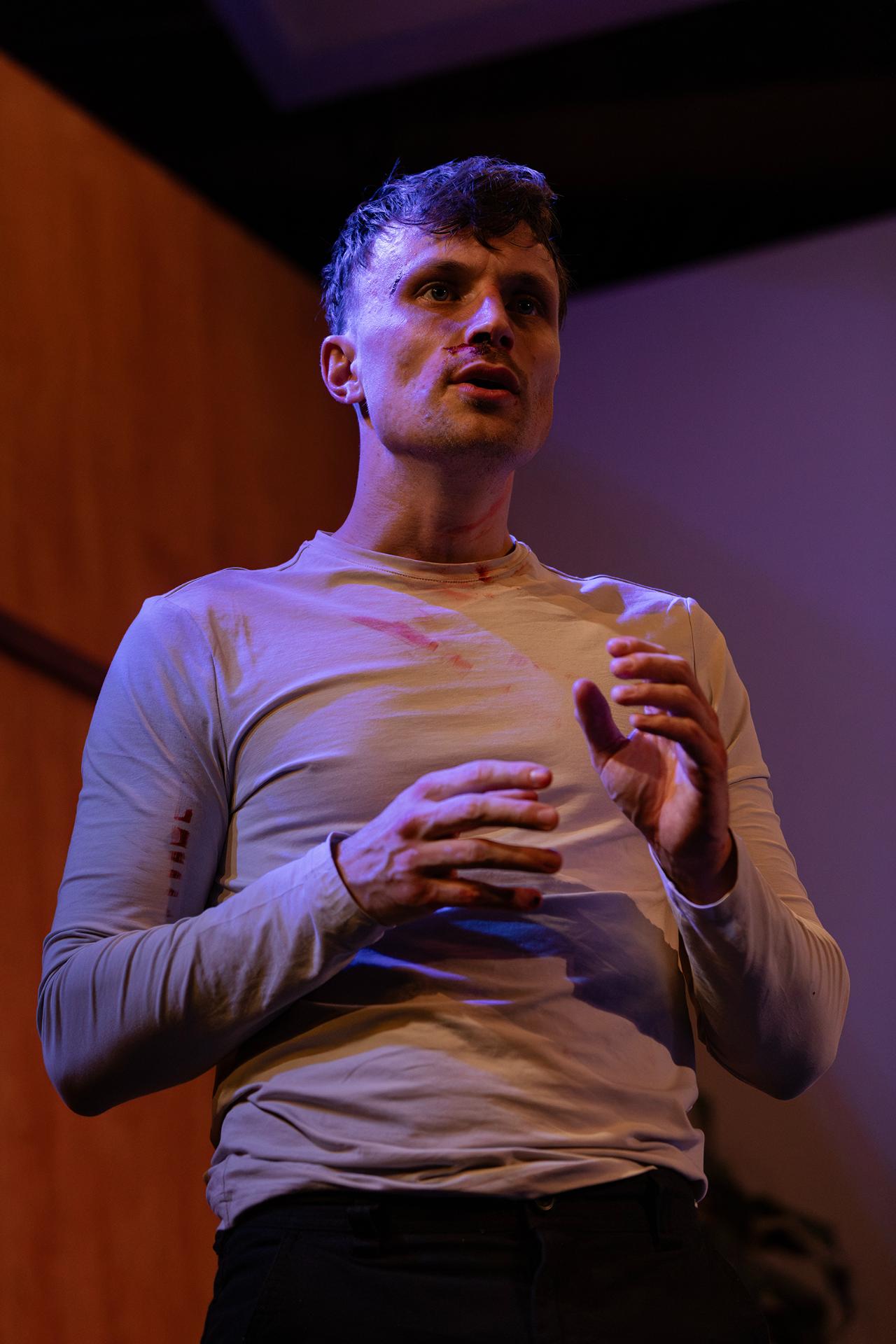
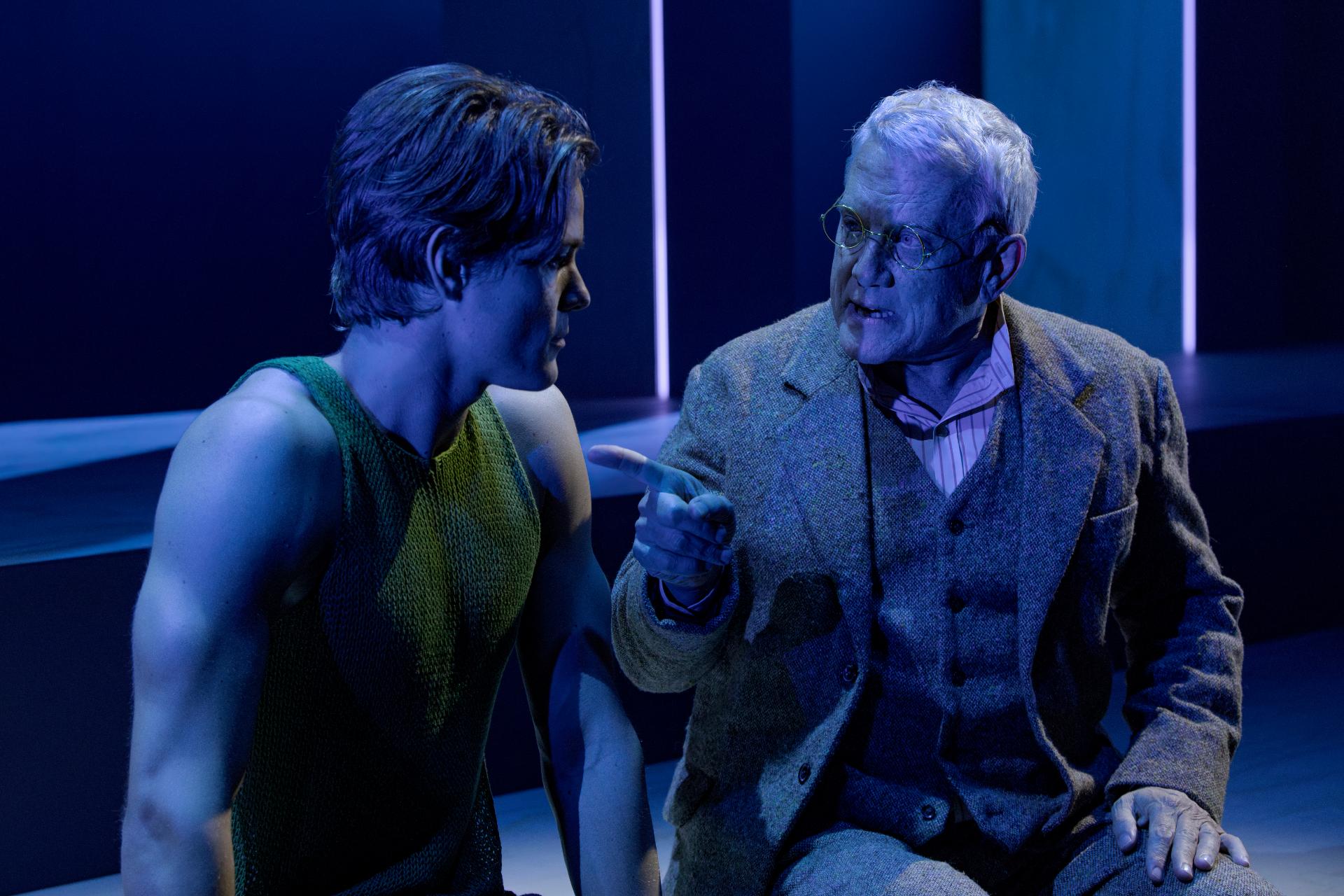
Kate Gaul’s direction is spirited and mischievously playful, though the production would benefit from a brisker pace and humour honed to a finer edge. As Jack, non-binary actor Jules Billington delivers a riveting, impassioned performance that swiftly earns our allegiance. Equally compelling are fellow non-binary performers Faith Chaza and Clay Crighton, each articulating masculinity in strikingly different—yet equally resonant—forms.

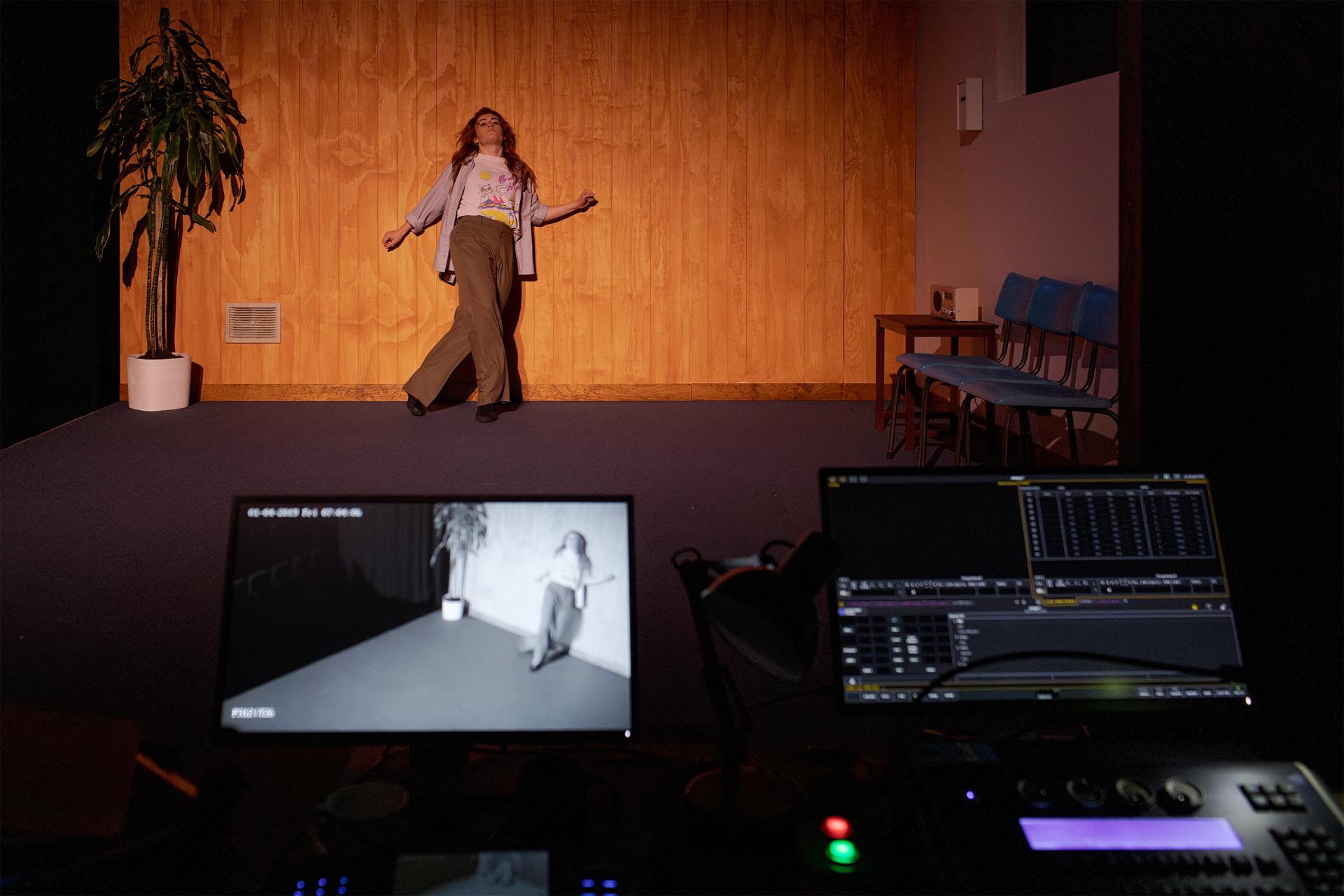
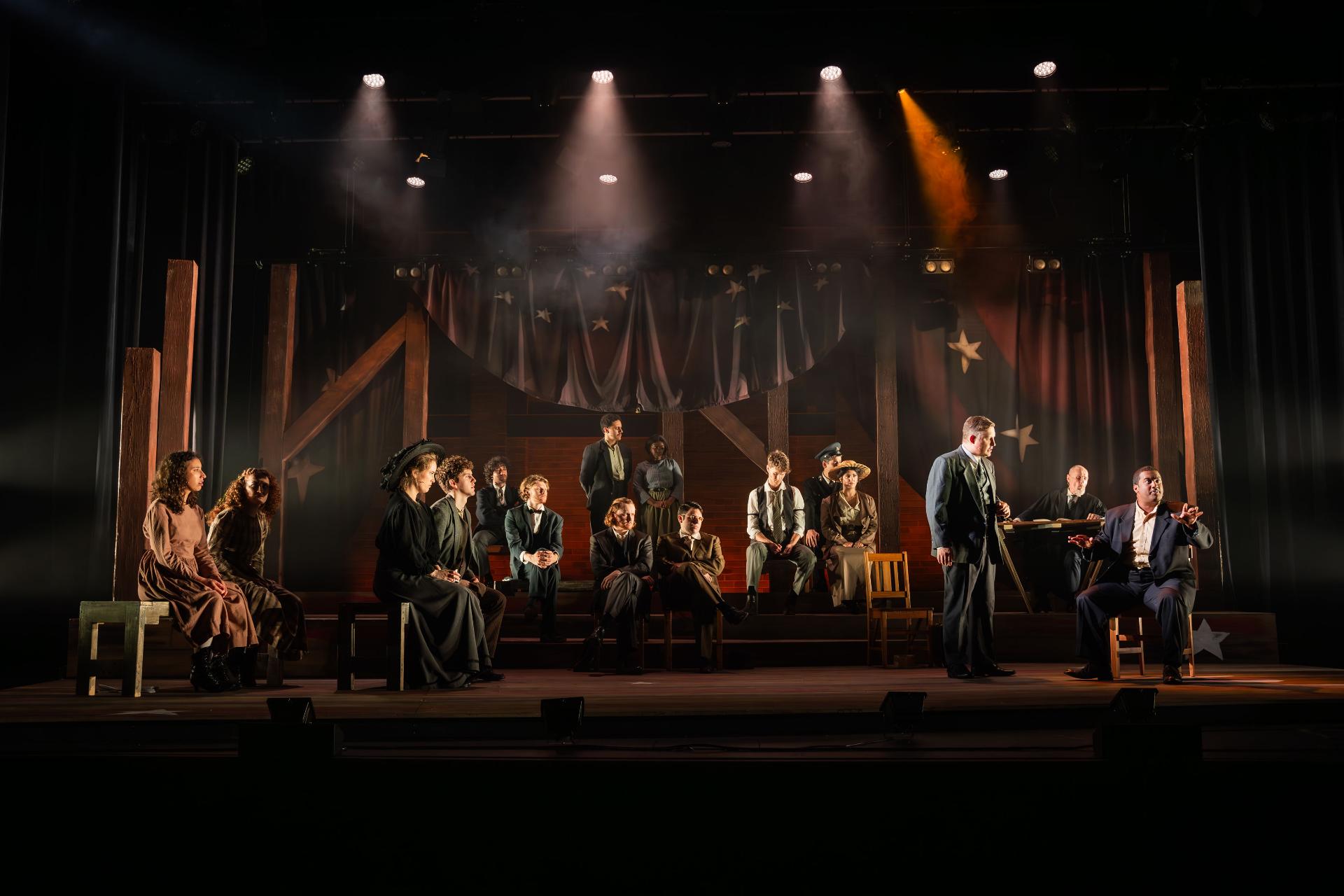
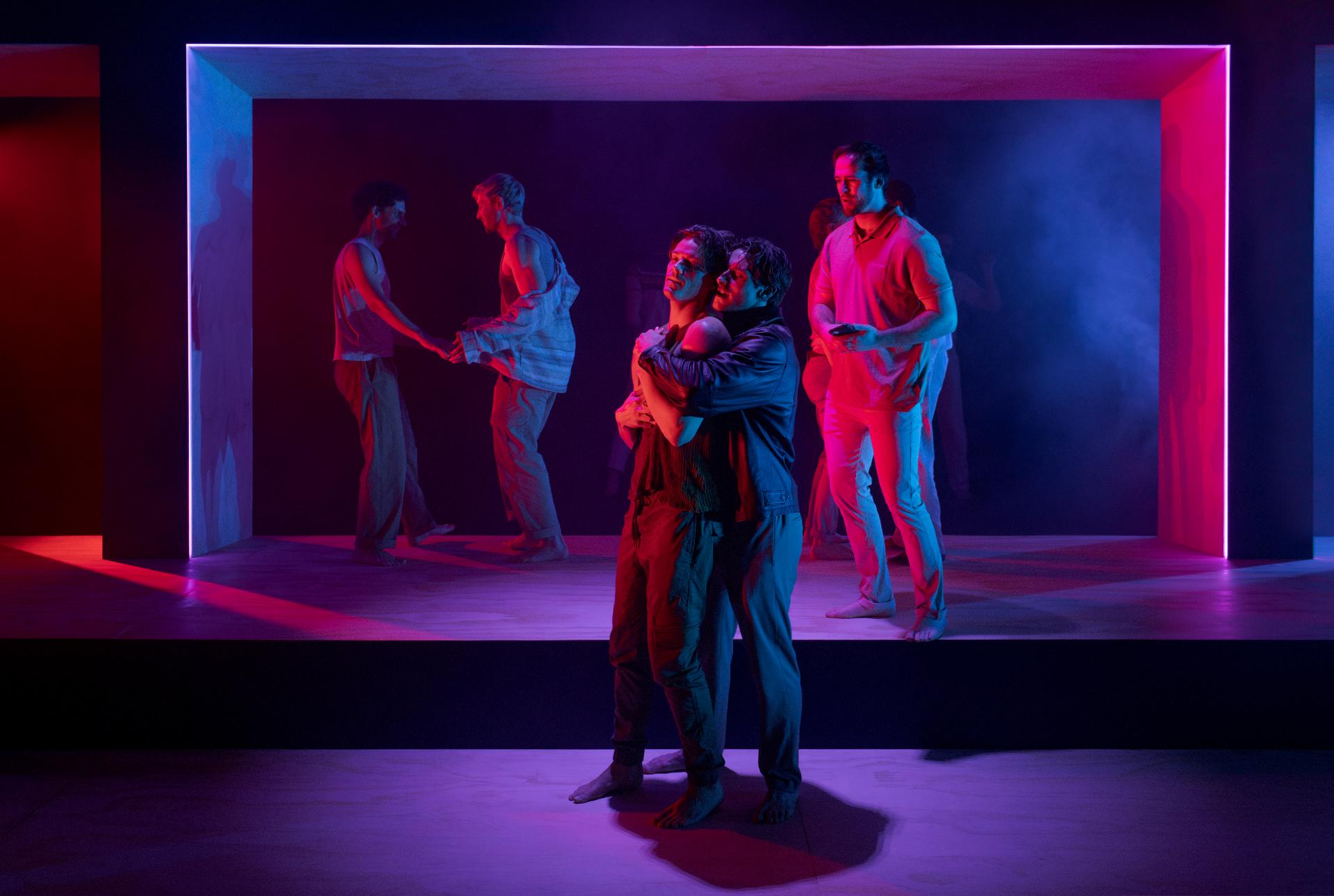
Production designer Emelia Simcox excels across both costumes and sets, supplying everything necessary for us to recognise the genre’s familiar iconography while elevating it with a visual flair that sustains a satisfying sense of theatricality. Brockman’s lighting shifts deftly between warm, atmospheric glow and bursts of exuberant spectacle, lending the production an invigorating dynamism. The action is further enriched by an expansive soundtrack devised by Crighton, whose intricately crafted soundscape transports us wholly into the world the play conjures.

It is long overdue that queer audiences are offered stories in which inspiration and hope arise from something other than supplication or suffering. Such visions, like those in Cowbois, may demand audacious leaps of imagination, but they constitute an art we richly deserve. By coupling truth with fantasy, we begin to fashion new modes of self-determination, claiming the right to decide how we are seen—and, ultimately, how we choose to be.

www.seymourcentre.com | www.sirentheatreco.com

Review: Eureka Day (Seymour Centre)

Venue: Seymour Centre (Chippendale NSW), May 29 – Jun 21, 2025
Playwright: Jonathan Spector
Director: Craig Baldwin
Cast: Deborah An, Christian Charisiou, Branden Christine, Jamie Oxenbould, Katrina Retallick
Images by Richard Farland

Theatre review
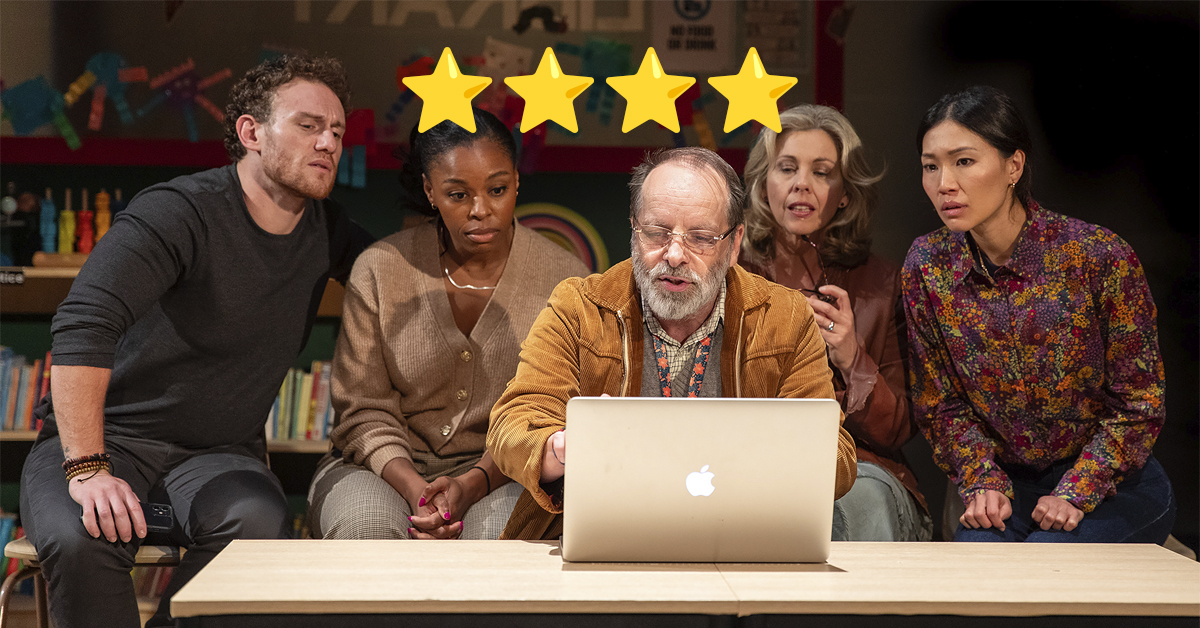
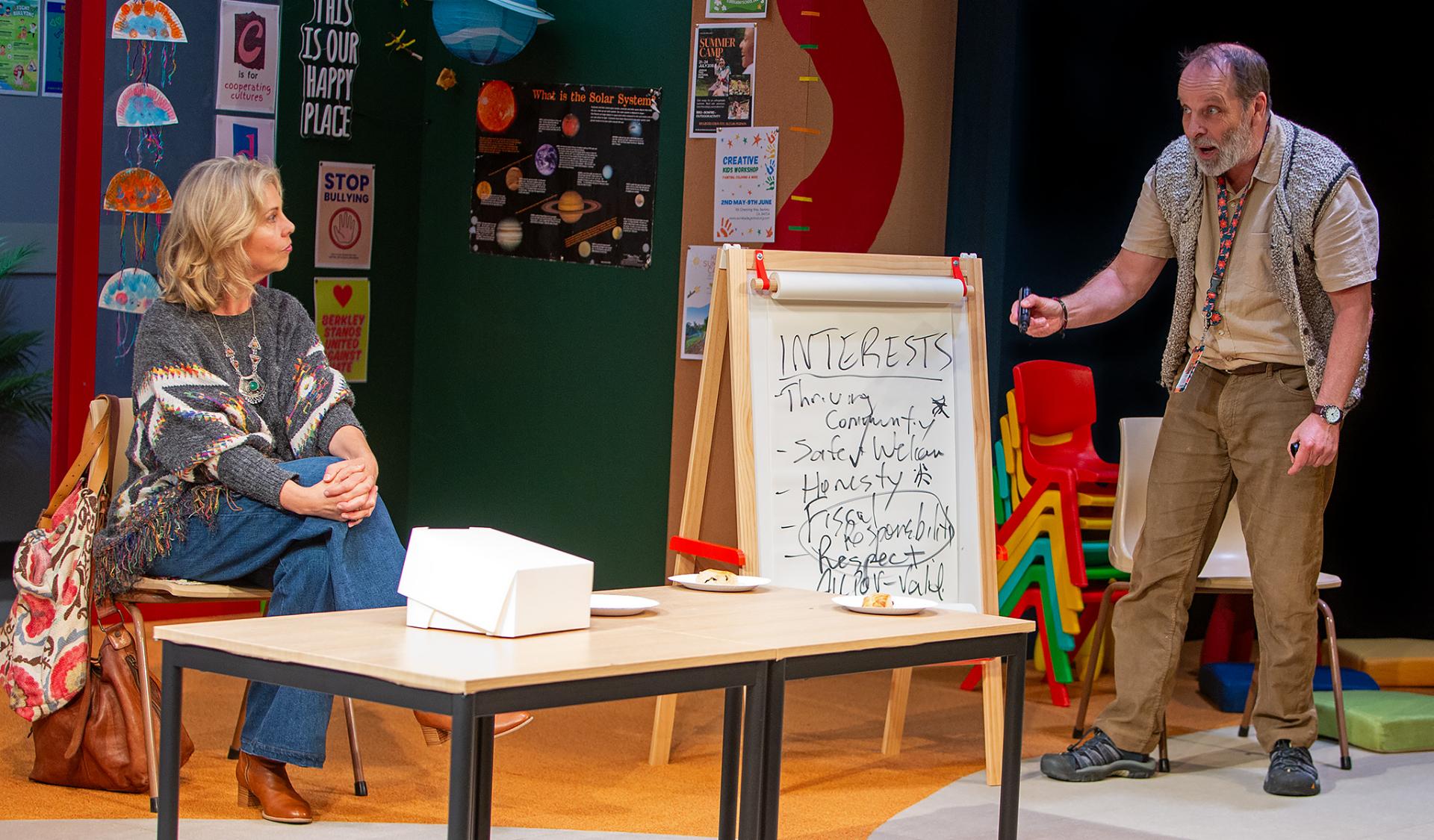
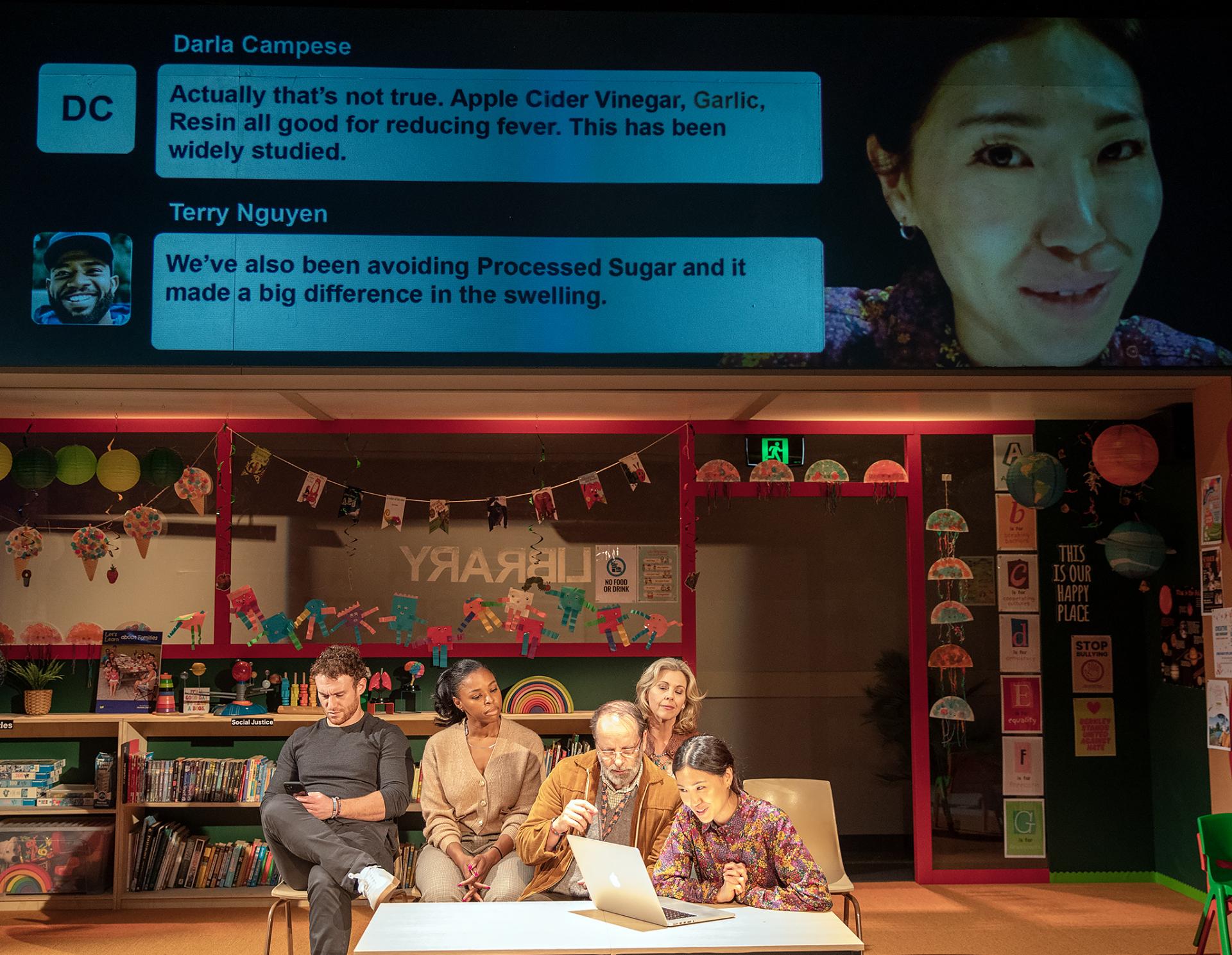
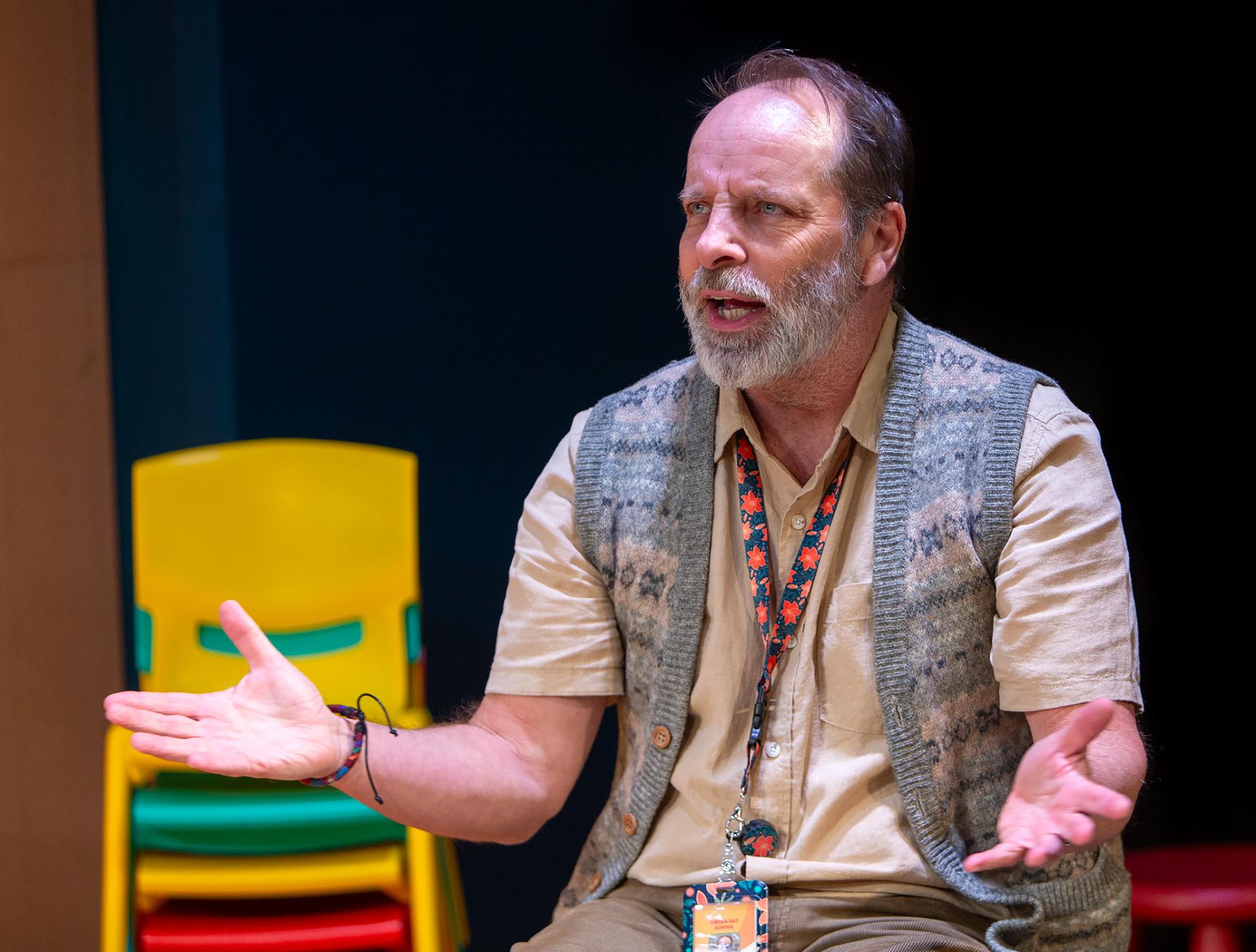
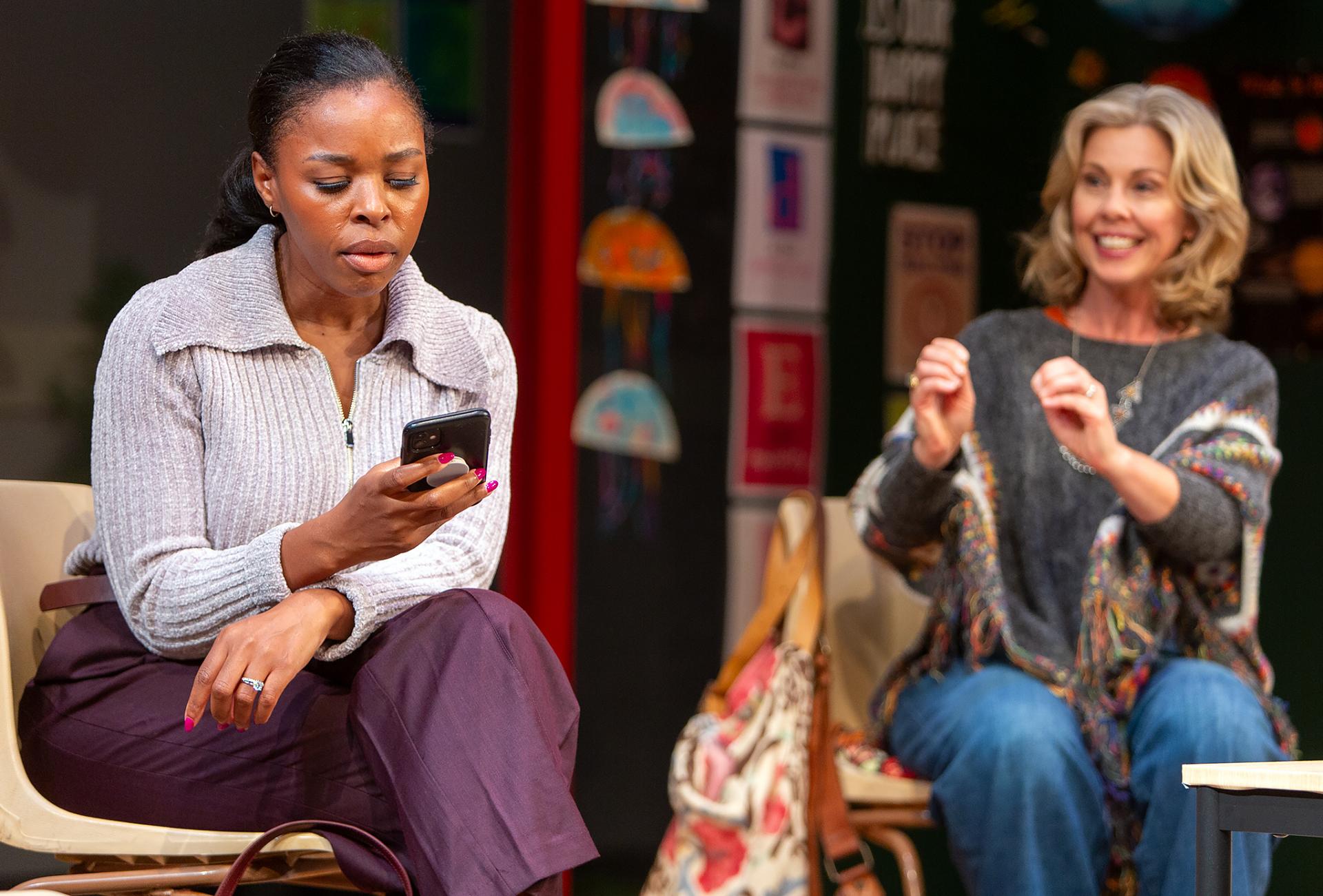
It is the 2018-19 school year, and a child comes to their Californian school with mumps, and sends everyone into a tailspin, when it is discovered that a substantial number of families have refused the MMR vaccine.

The comedy Eureka Day by Jonathan Spector emerged slightly before the pandemic, when it had become clear that conspiracy theories were more popular than ever, due to their unchecked proliferation on the internet. An unequivocally pertinent discussion for our times, Spector’s play encourages reflections on the phenomenon of parallel truths and fake news. It is thoughtful writing, and certainly worthwhile of attention, even if its generosity for those deceived and deluded, can often feel deeply frustrating.

Direction by Craig Baldwin makes use of that difficult conflict between ideological tribes, to create a stimulating work of theatre. Anger and exasperation might not be pleasurable emotions, but they are certainly powerful ones, that the production rouses for a communal experience that resonates with marvellous authenticity and familiarity.

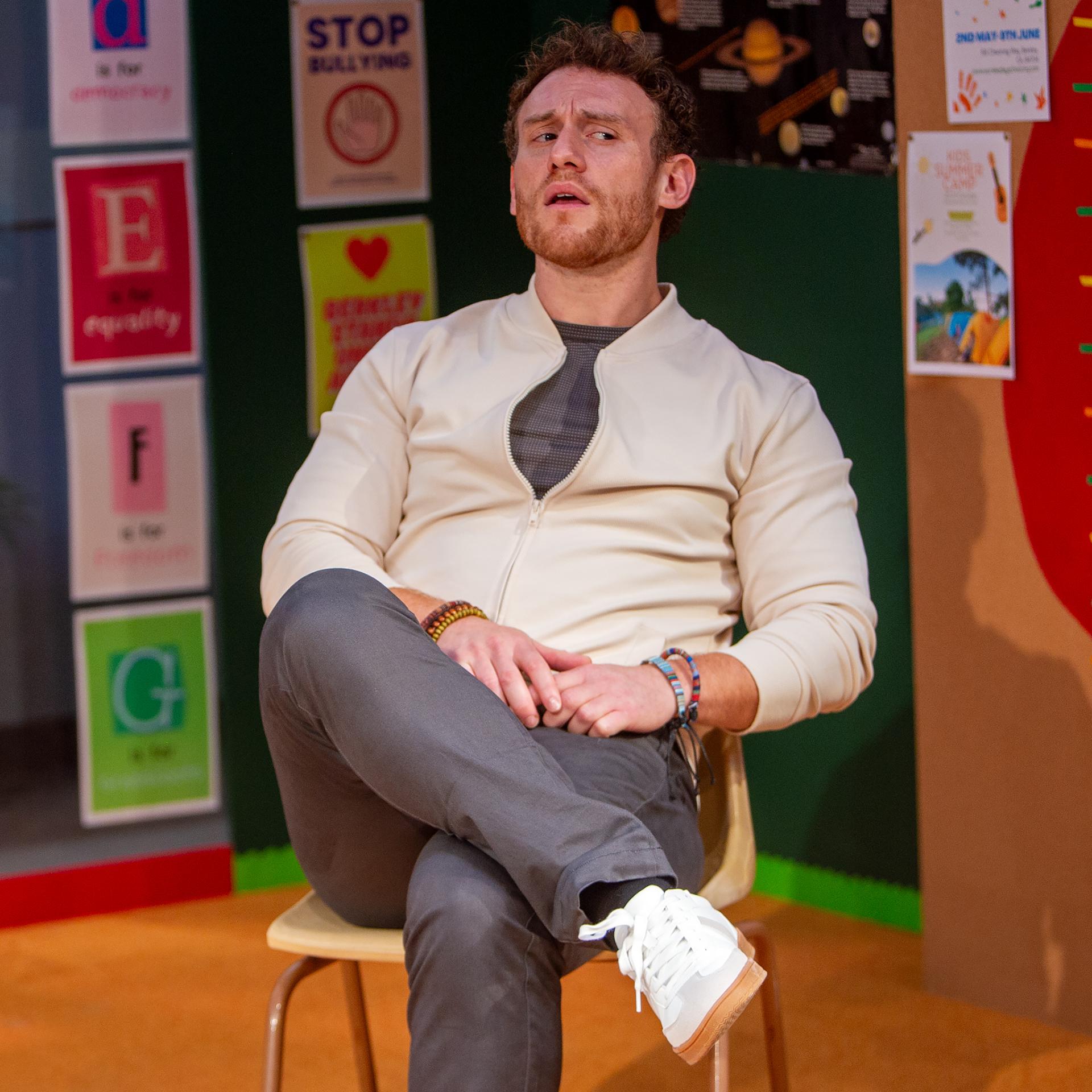
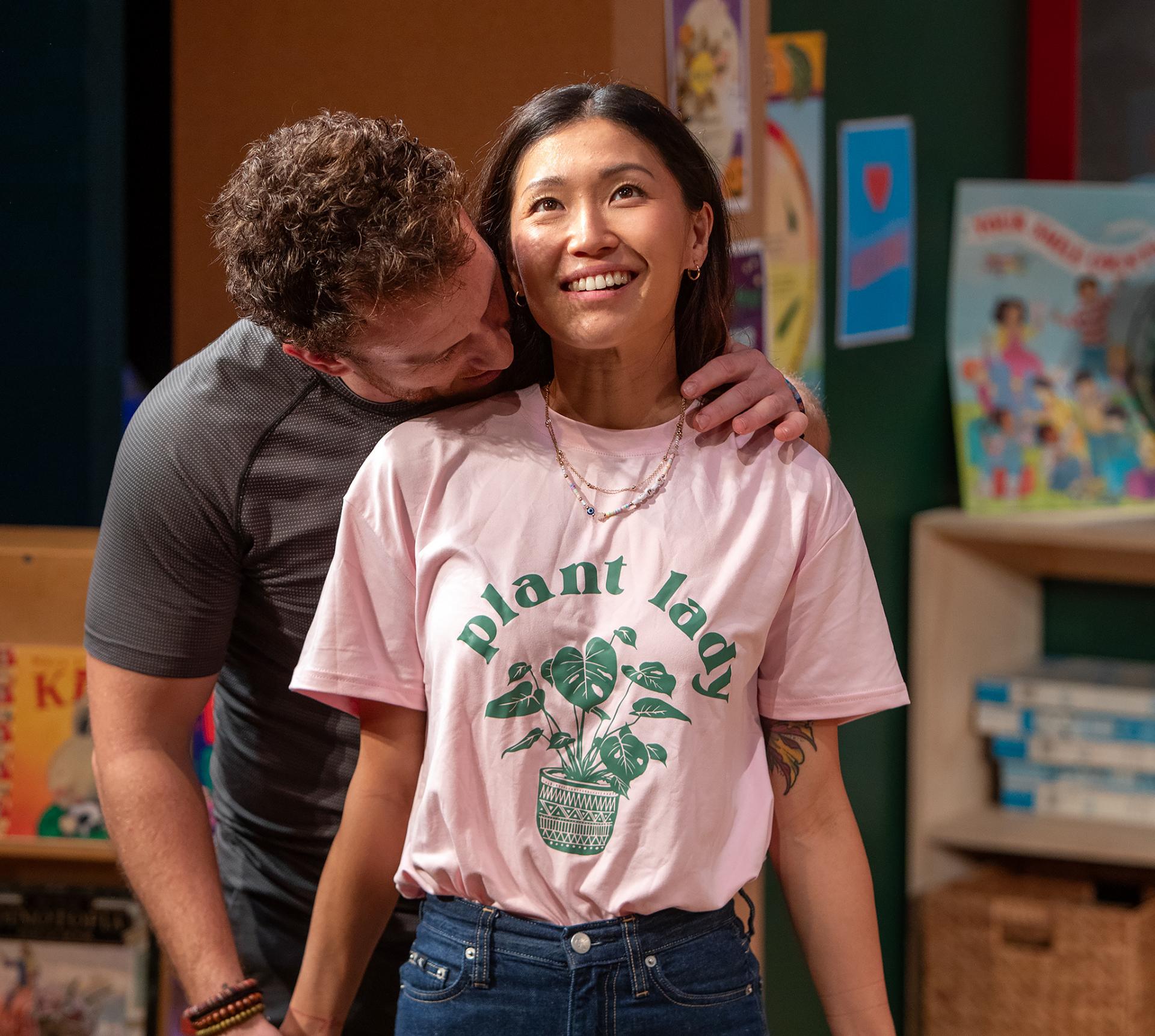
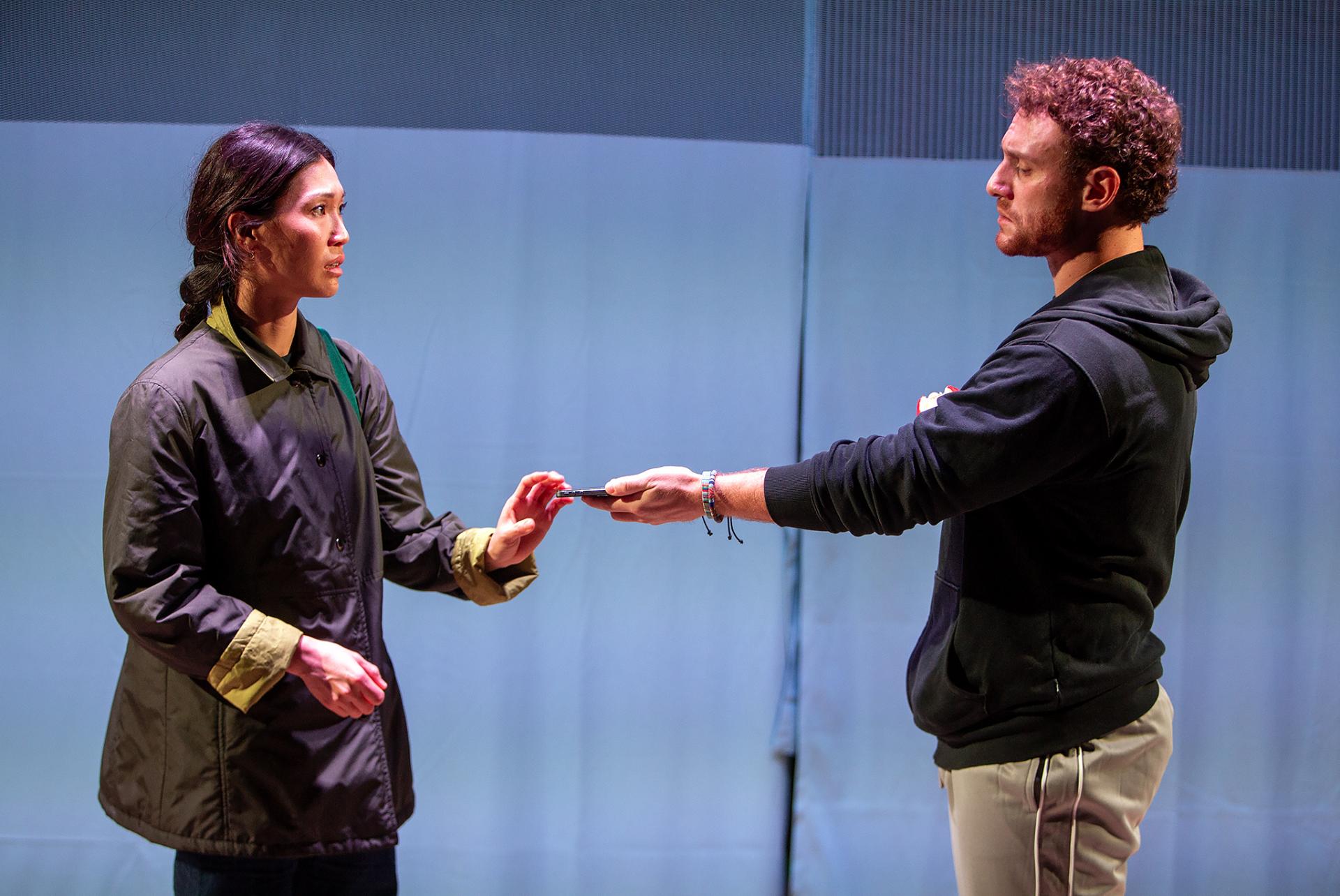
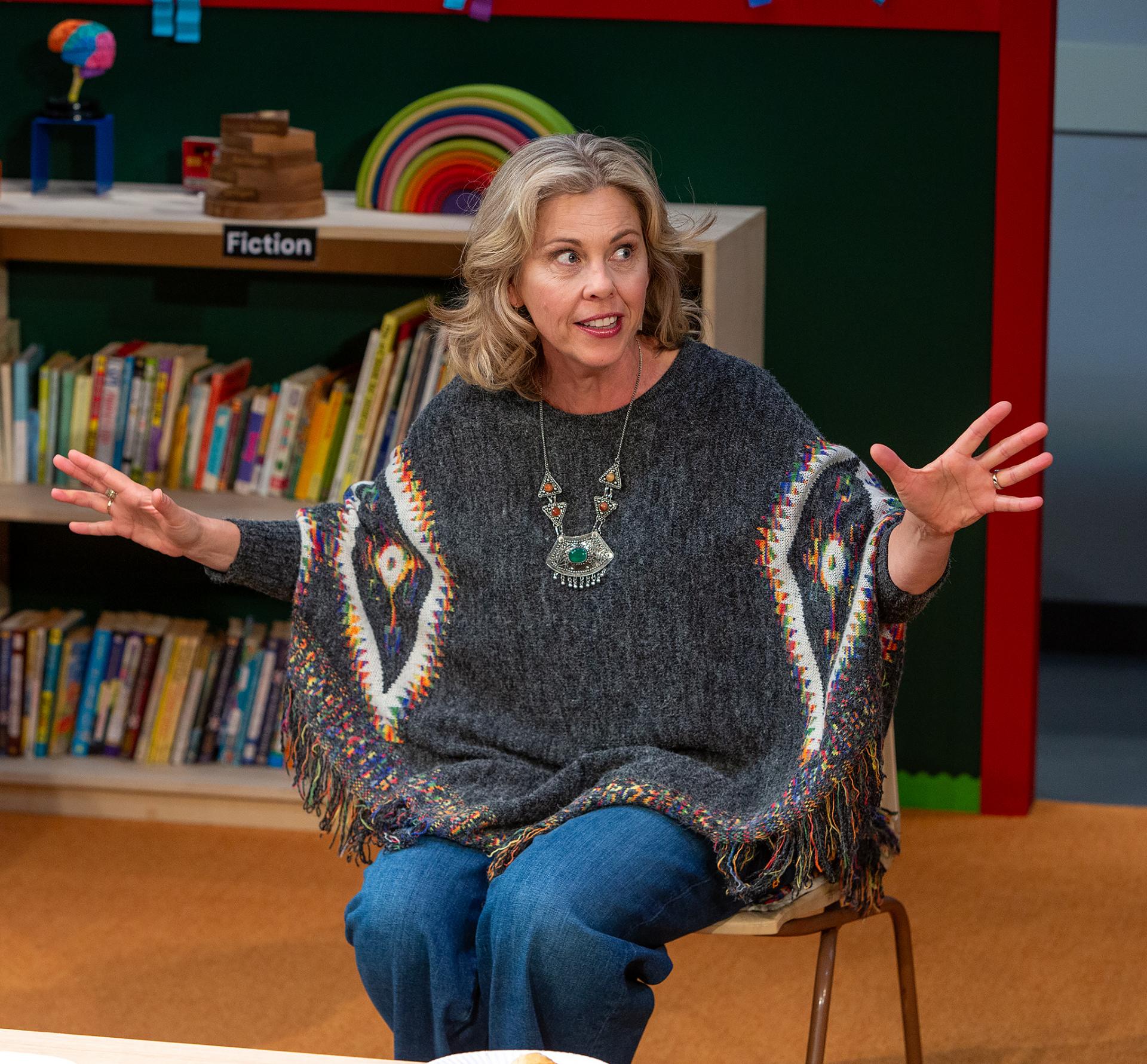
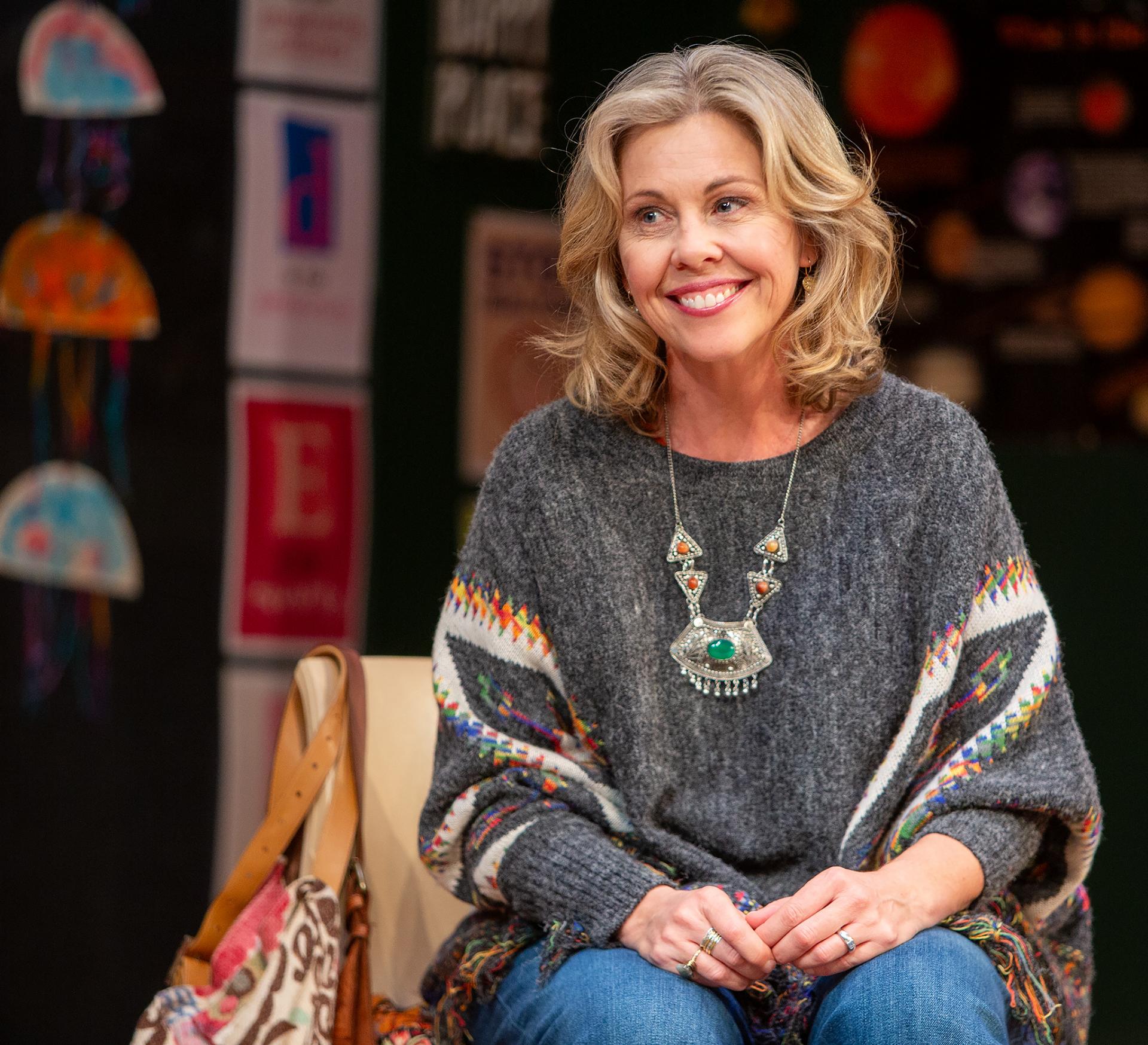
An evenly dazzling cast of five delivers with urgent immediacy, a story that touches all in the modern age. Each actor is engaging, with palpable empathy and with sardonic humour, to earn our complete investment, if not for finding real solutions to the problem, then at least to simply commiserate about our sad state of affairs. Also noteworthy is production design by Kate Beere, offering simple yet colourful solutions that make believable, Eureka Day‘s explorations of a very upper middle class sanctuary.

A few short years since the original premiere of Eureka Day, we find ourselves in the preposterous position of fearing for the demise of science. Investigative, regulatory, and tertiary institutions in the USA are being systematically undermined, by a new kleptocracy determined to bankrupt any concept of the common good. Until very recently we have been able to “defer to science” in debates involving personal choice and public interest, but it seems that venerable authorities are being stripped of their credibility and efficacy, leaving us in an immensely troubling precarity.

www.seymourcentre.com | www.outhousetheatre.org

Review: Glass Child (Seymour Centre)

Venue: Seymour Centre, Reginald Theatre (Chippendale NSW), Apr 9 – 16, 2025
Creators: Kayah and Maitreyah Guenther, Kate Harman, Gavin Webber
Directors: Kate Harman, Gavin Webber
Cast: Kayah and Maitreyah Guenther
Images by Kate Holmes

Theatre review
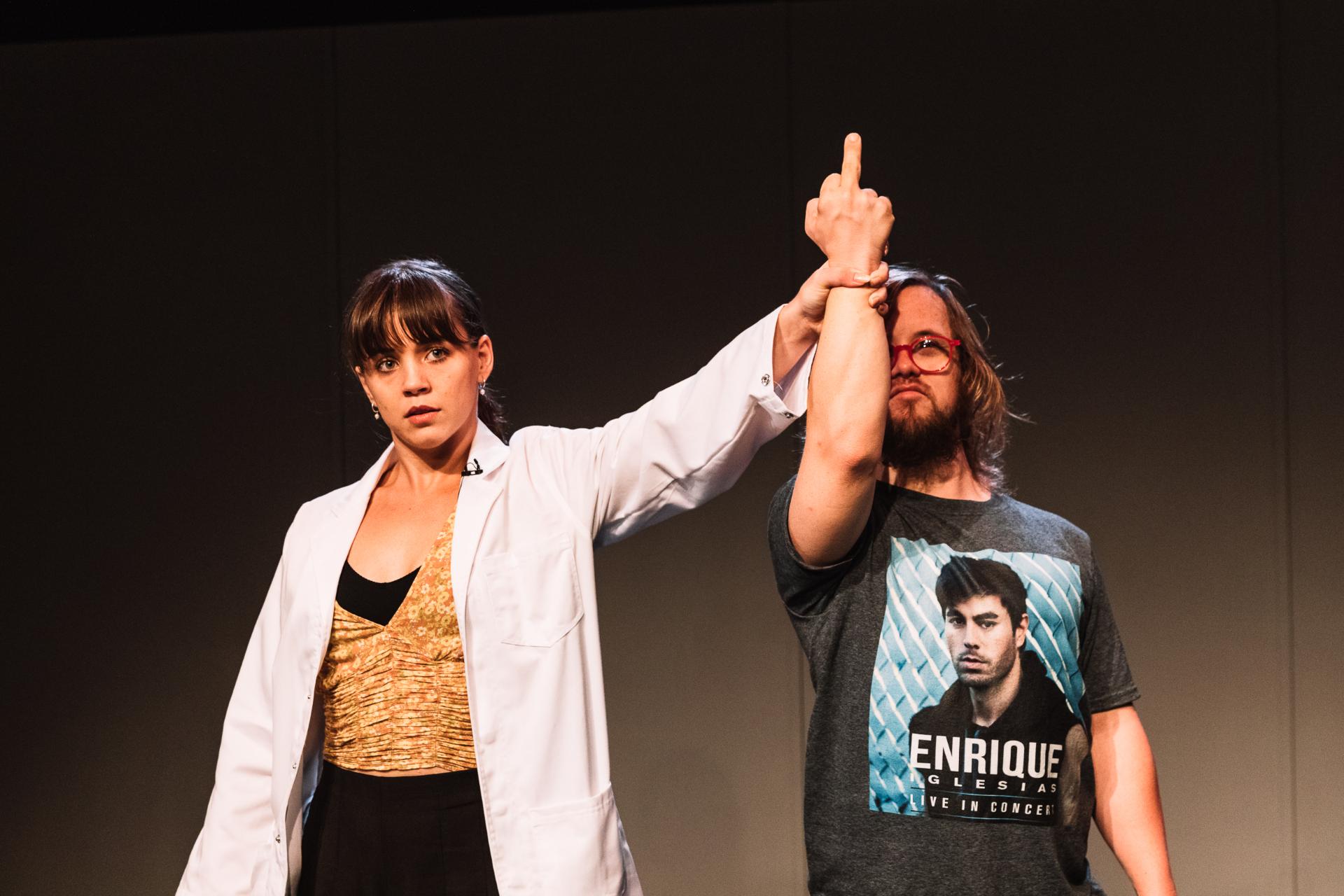
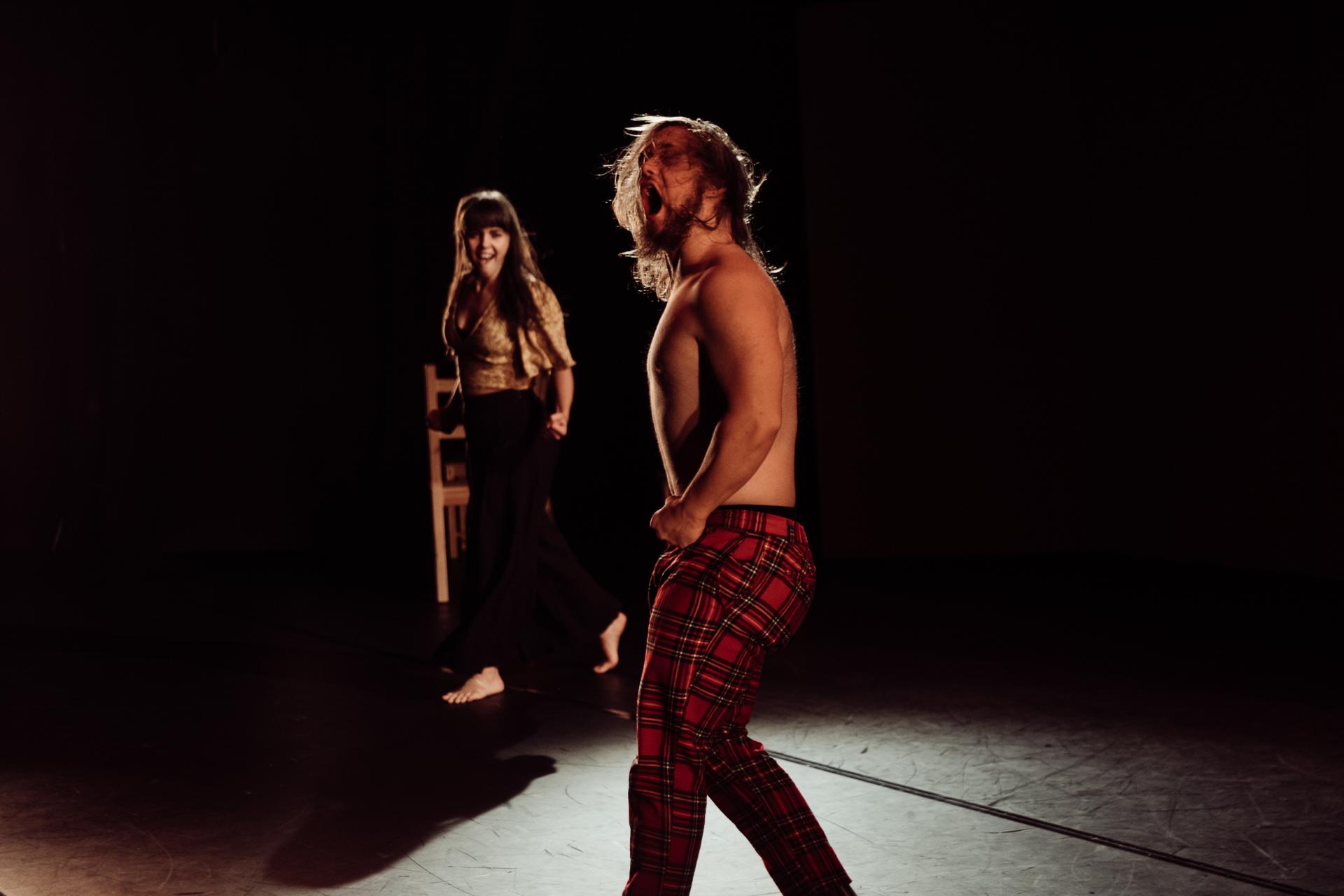
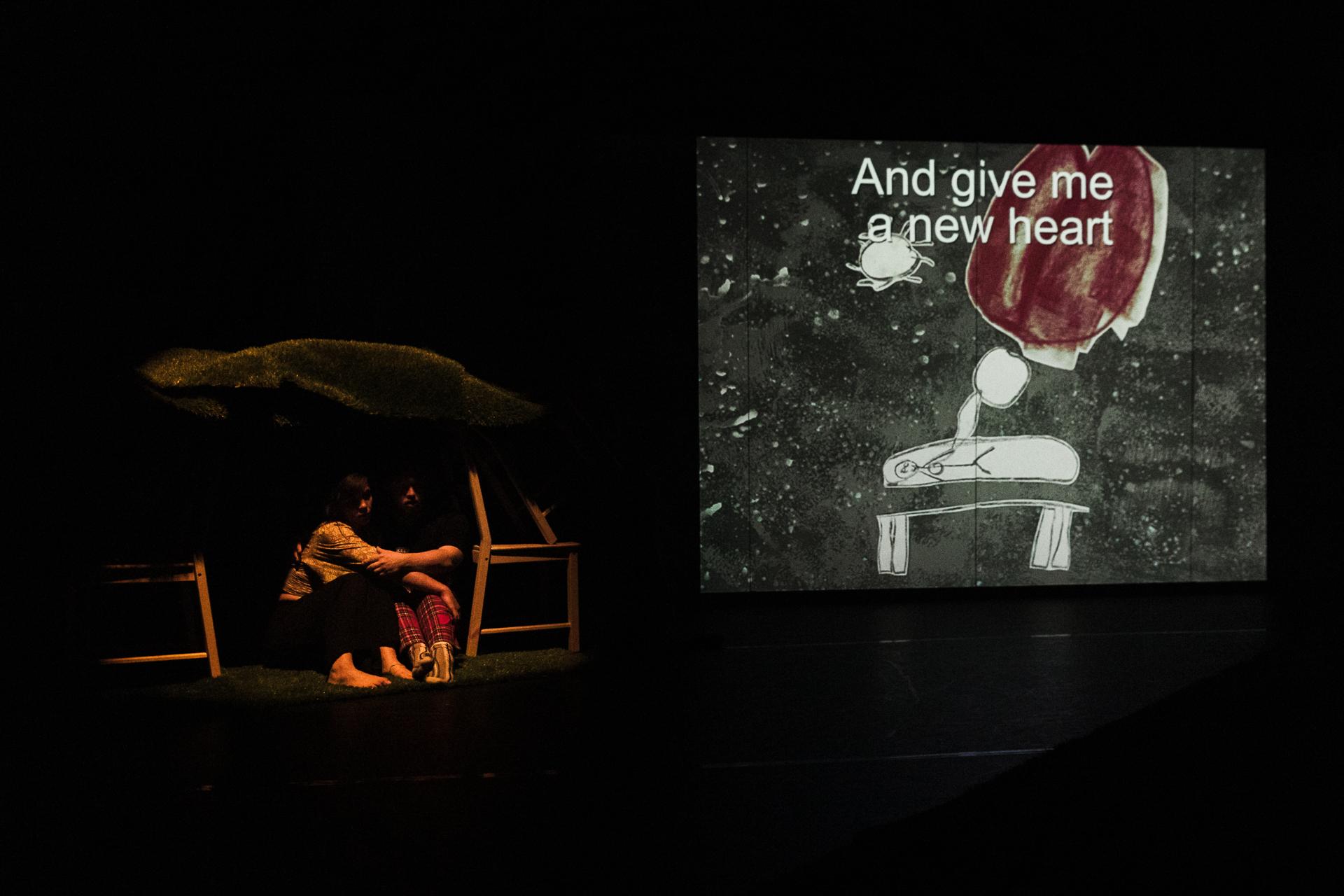
There is an enviable closeness to Kayah and Maitreyah, a pair of siblings who seem to connect at the deepest levels, and in Glass Child, we see that it makes perfect sense that they should work together on a piece of theatre. Kayah lives with down syndrome, and through his partnership with Maitreyah, is able to bring expression to a form of experience that is rarely explored in our performing arts.

Kayah is always depicted as an autonomous individual, and there is no denying the immense value, of witnessing the representation of a person living with a disability, from one so determined and unambiguous about how he wishes to be perceived. Maitreyah is on hand for the entirety to ensure that her brother has everything he needs, to make every statement he desires.

The dynamic duo is directed by Kate Harman and Gavin Webber, who deliver a considerable amount of entertainment, along with many moments of epiphanies. For those of us who are ignorant of the challenges faced by those disadvantaged by an ableist world, Glass Child is especially meaningful.

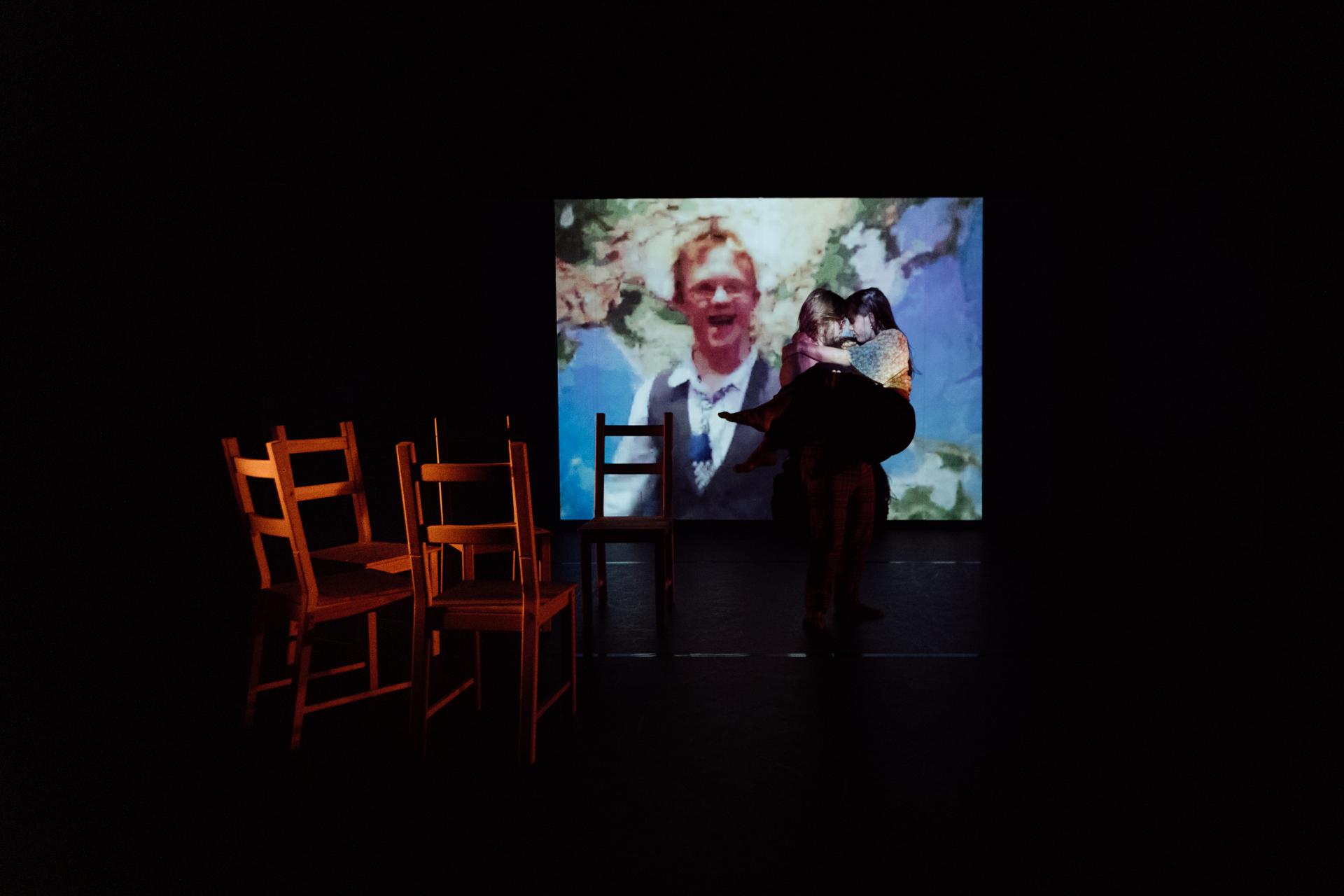
Music and sounds by Anna Whittaker are a noteworthy feature of the production, highly evocative with their often pulsative rhythms, in a staging that communicates more effectively with percussive beats than with words. Lights by Chloe Ogilvie offer heightened drama at key moments, adding visual texture to an uncomplicated space.

Kayah reveals both dark and light aspects of his personality, in Glass Child. Those who feel misunderstood, tend to be overly cheerful with our public persona, always wishing to present an approachable image. This opportunity to see a person with down syndrome at his most joyous and most anguished, is in some ways a demystification; a wonderful invitation to a somewhat unusual perspective of life.

www.seymourcentre.com | www.thefarm.company

Review: Nucleus (Griffin Theatre Company)

Venue: Seymour Centre, Reginald Theatre (Chippendale NSW), Feb 14 – Mar 15, 2025
Playwright: Alana Valentine
Director: Andrea James
Cast: Paula Arundell, Peter Kowitz
Images by Brett Boardman

Theatre review
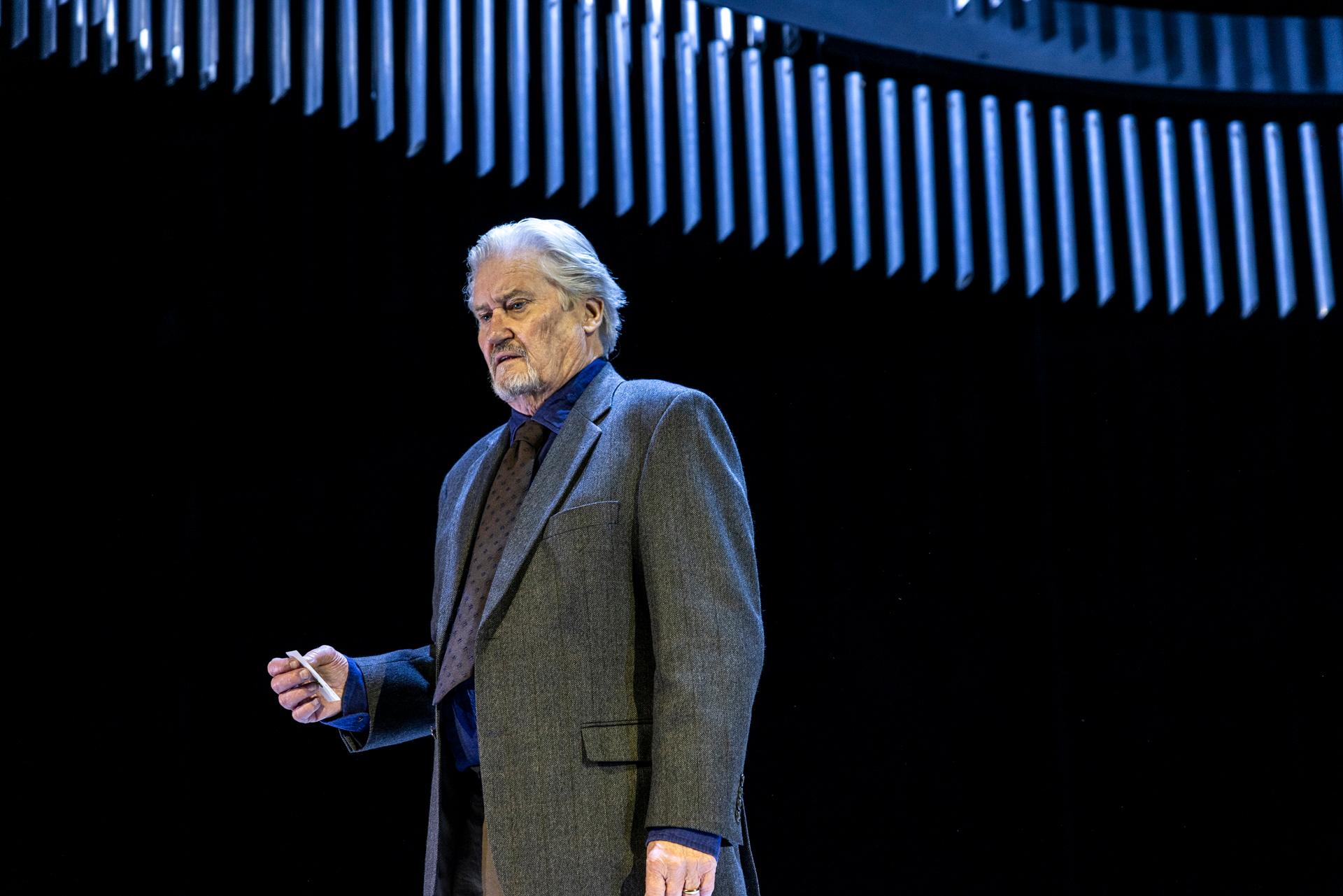
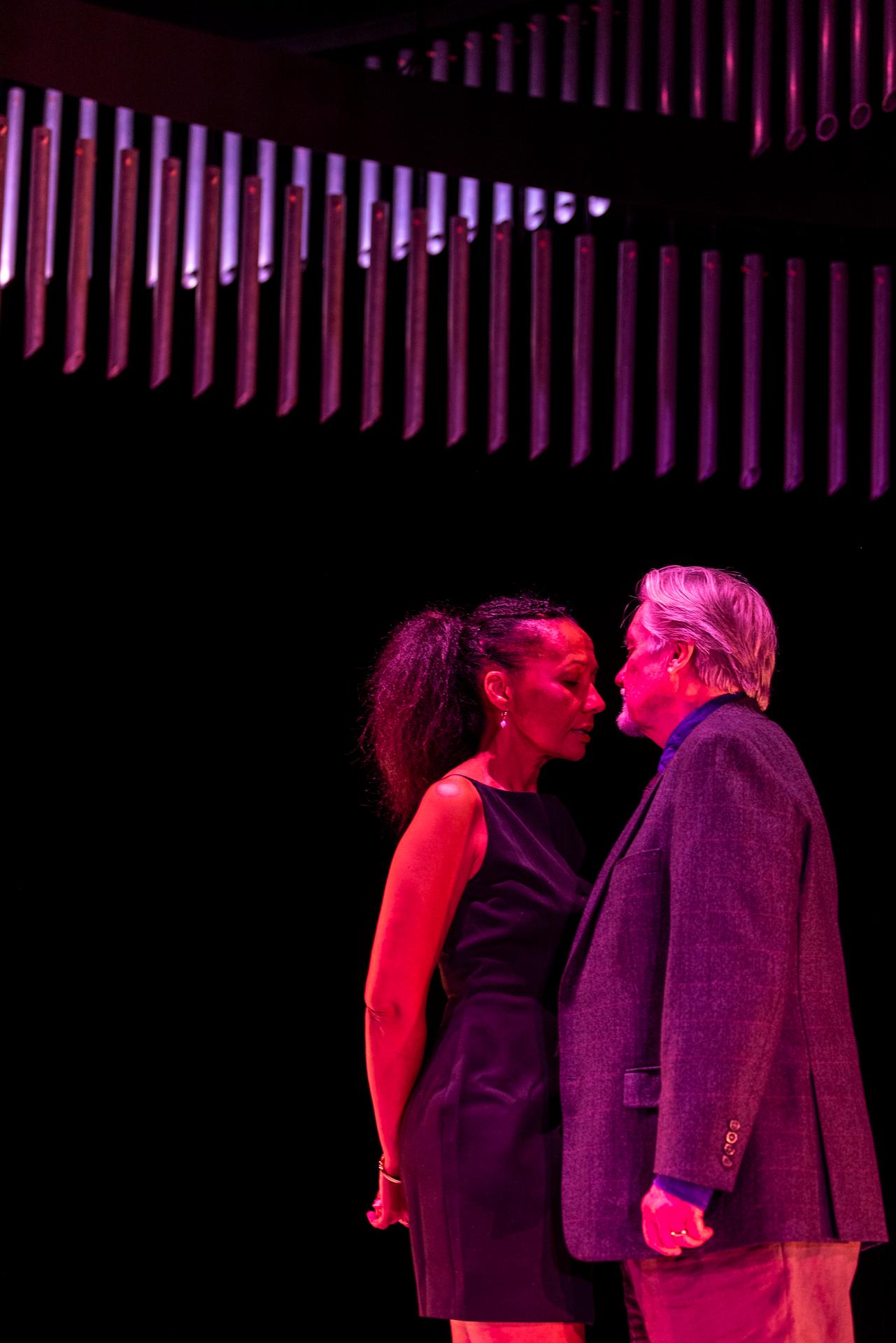
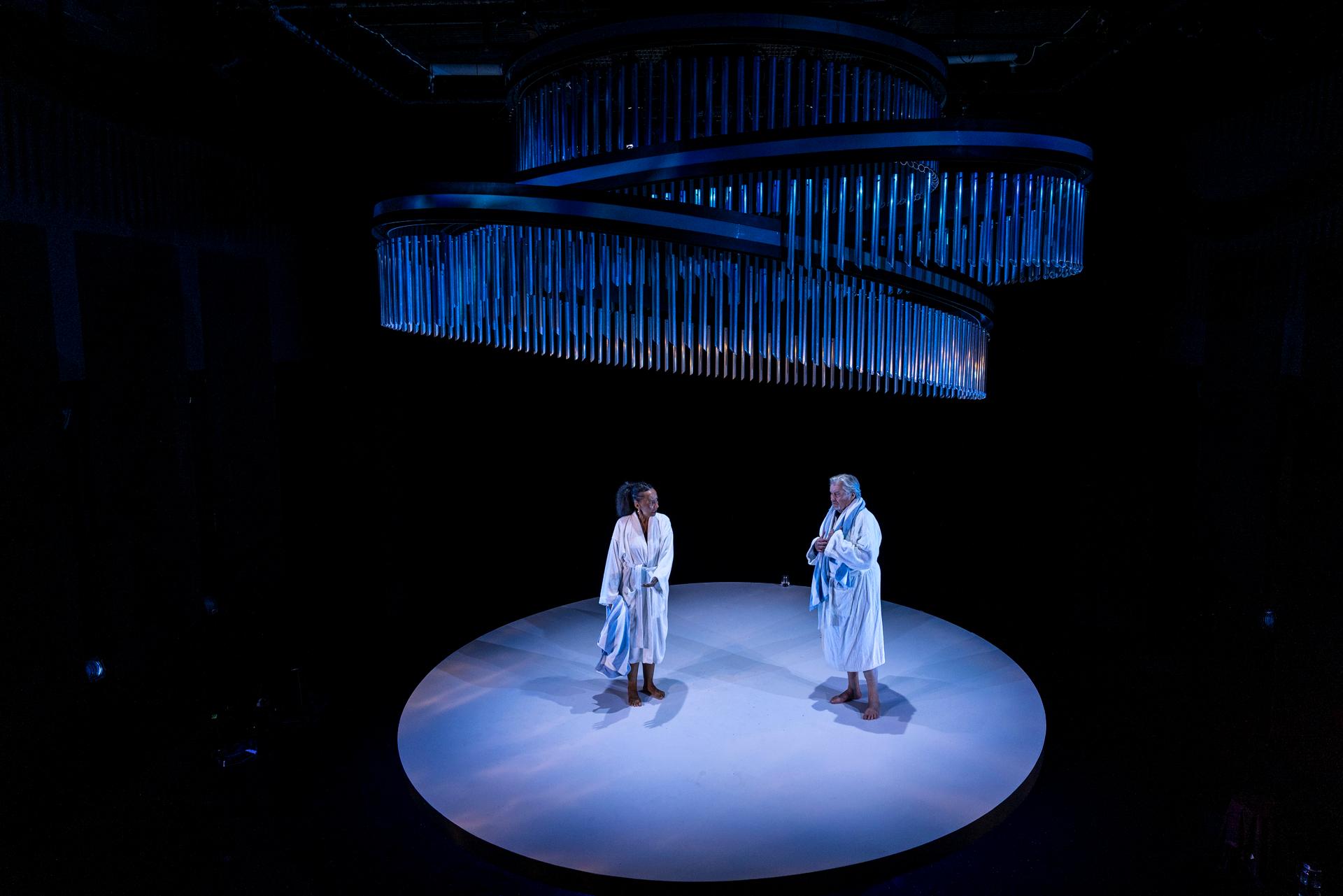
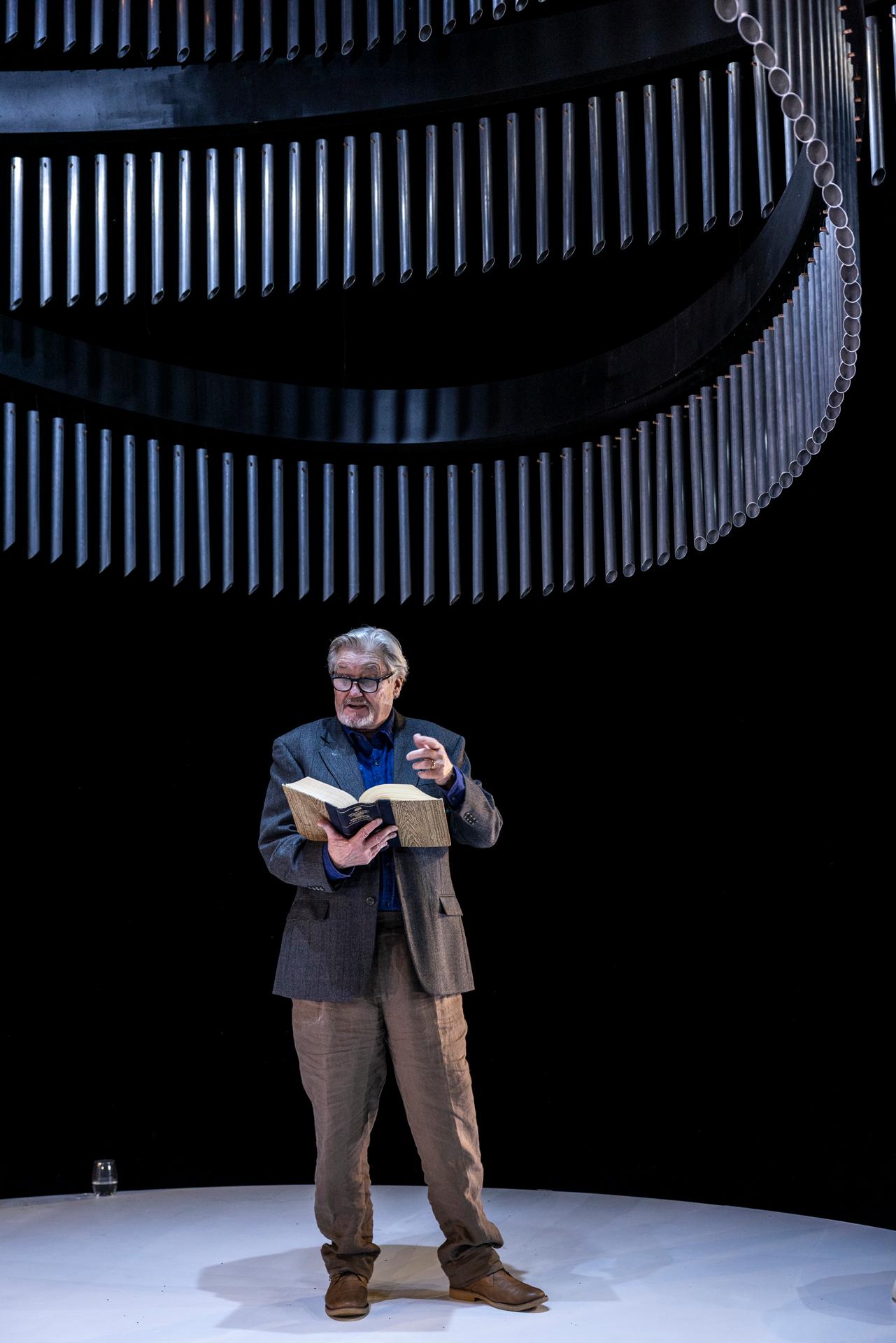
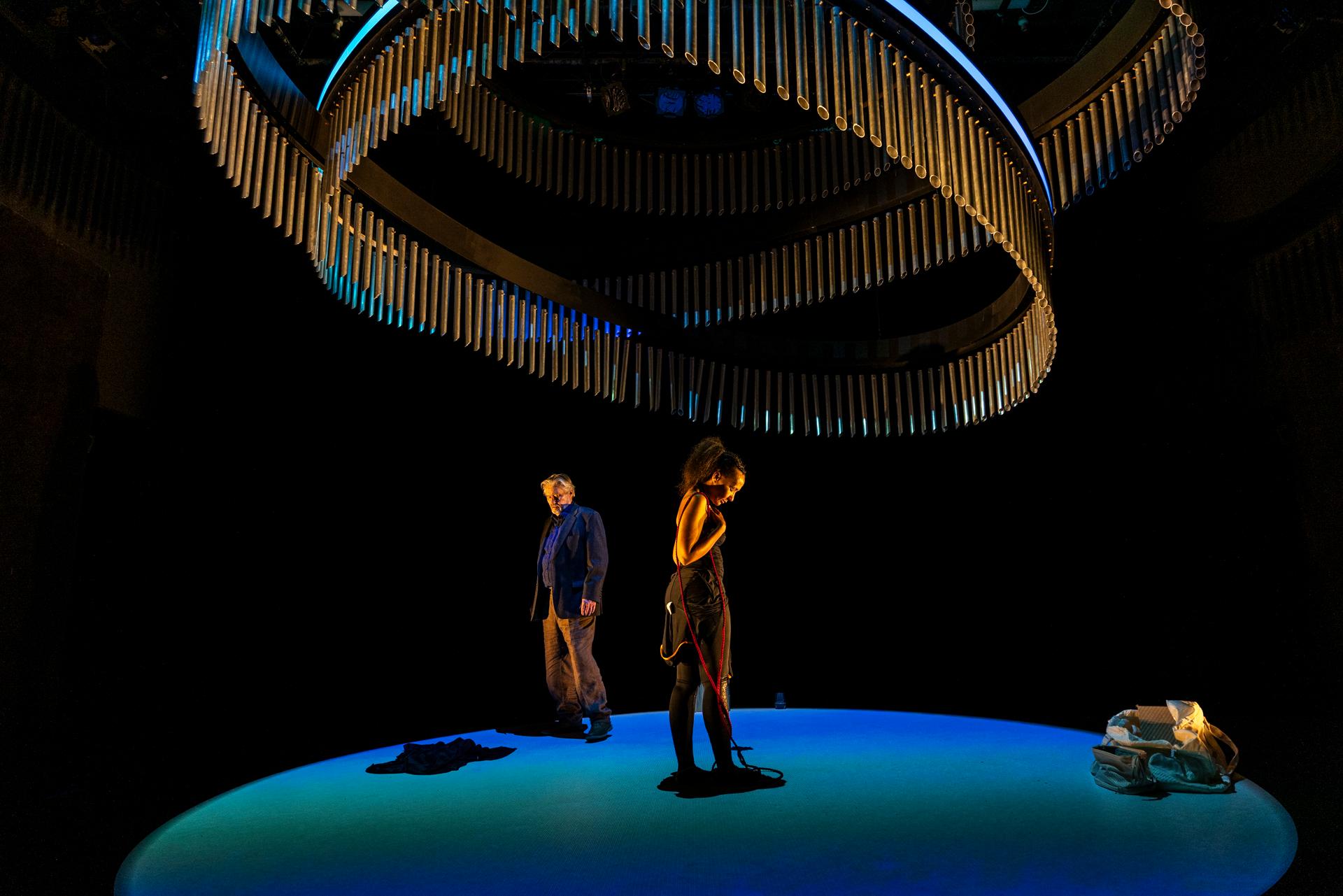
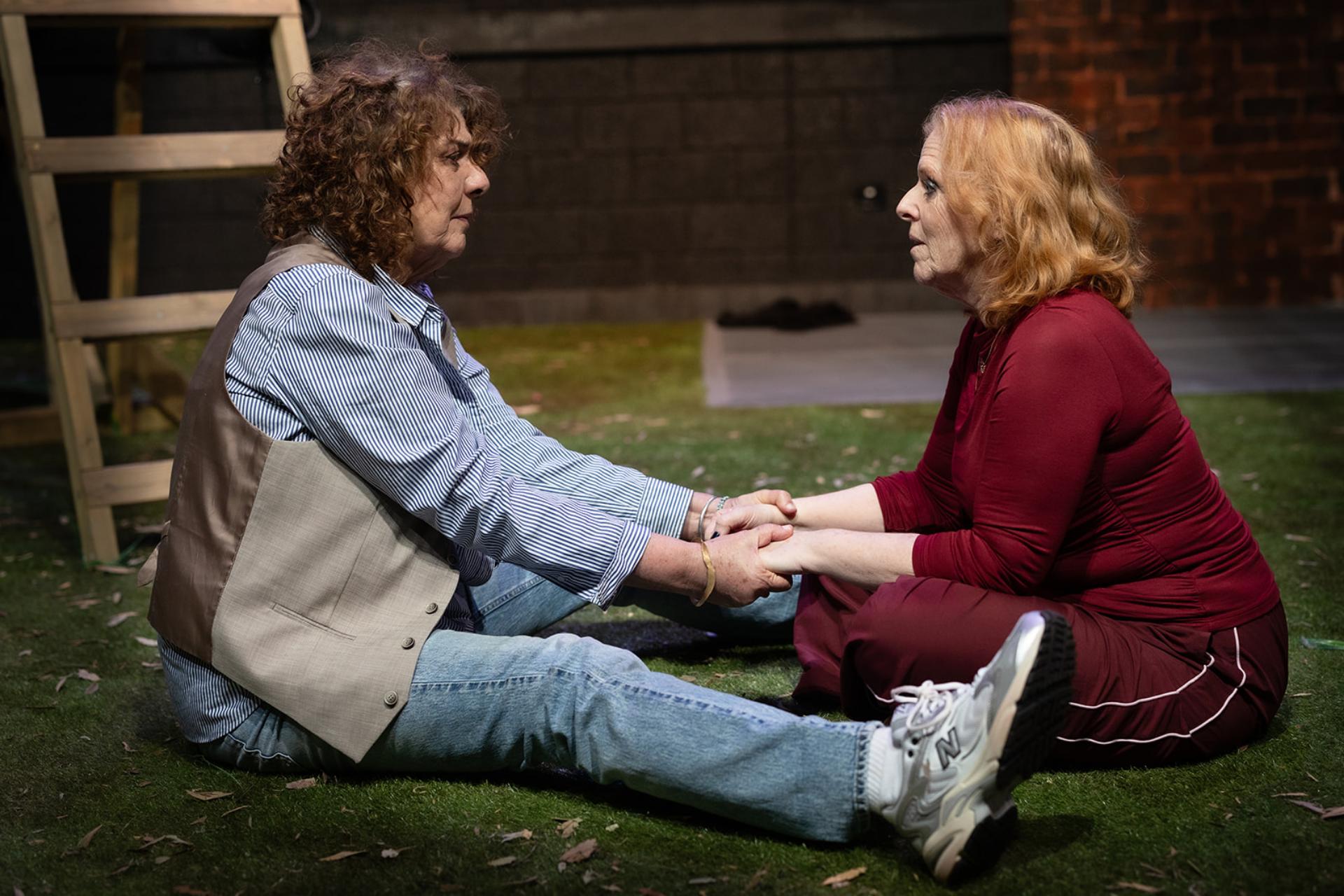
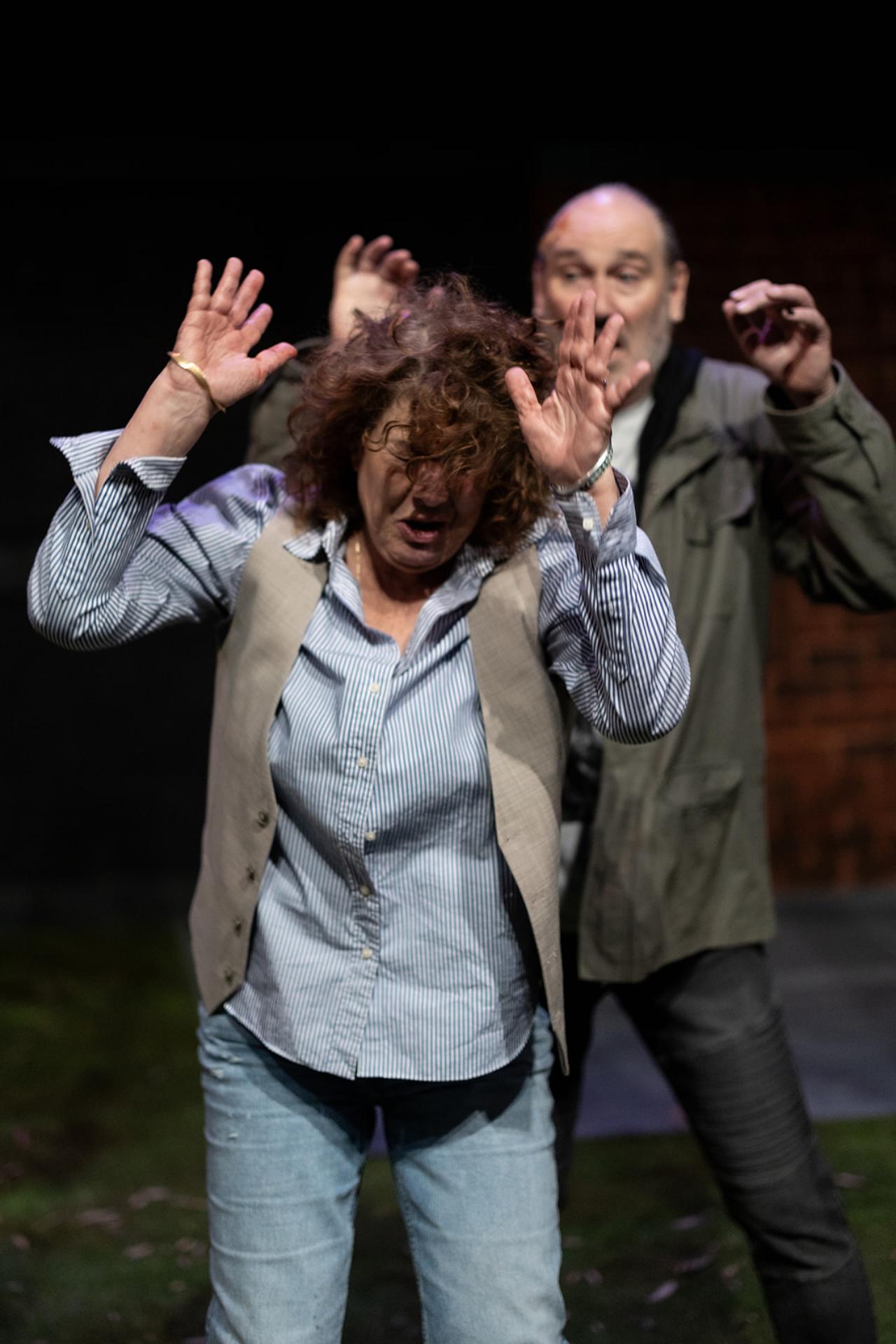
Cassie and Gabriel have known each other for decades, but because the former is an anti-nuclear activist, and the latter a pro-nuclear engineer, they are unable to conceive of their relationship as anything other than adversarial. Alana Valentine’s Nucleus is in some ways a boy-meets-girl story, and in other ways, an exploration into debates about nuclear energy. Scientific portions feel thoroughly researched, able to offer valuable insight, if slightly too densely assembled for this 90-minute production. Romantic aspects of Nucleus may not be entirely convincing, but they certainly keep us attentive to an important subject that relates to the very survival of our species.

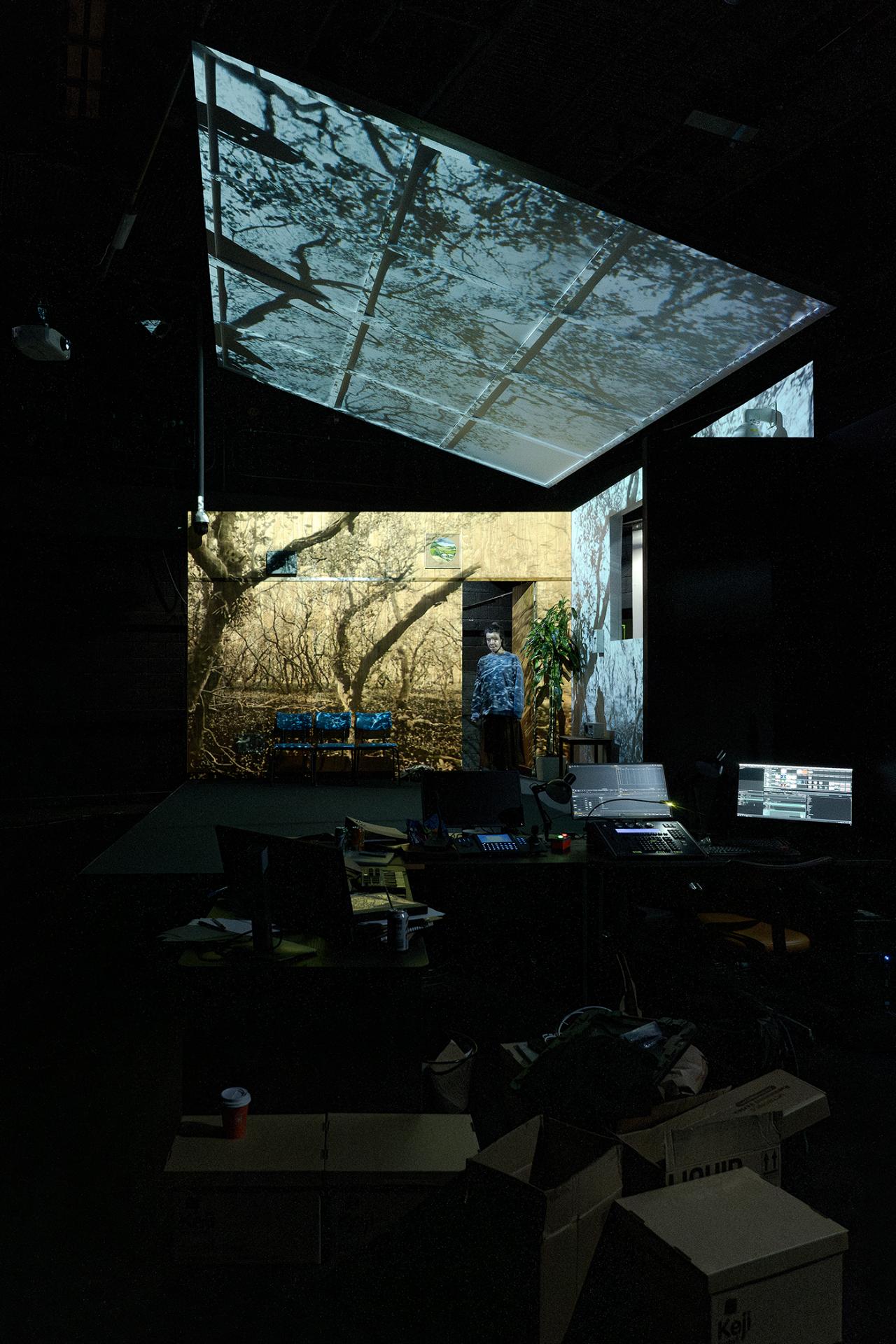
Direction by Andrea James provides a sense of precision to the escalation of dramatic urgency, that ensures our investment in the piece. Production design by Isabel Hudson encourages us to regard the show’s ideas with an expansive attitude, whilst manufacturing a satisfying elegance to the staging. Lighting by Verity Hampson, along with video projections by Laura Turner, offer meaningful transformations of atmosphere, although a greater dynamism could improve the experience. Phil Downing’s music and sound are thoroughly considered, to help manufacture an aural richness to inspire sentimental responses.

For the role of Cassie, actor Paula Arundell is required to embody a wide range of temperaments and emotions, and the clarity she brings to all those distinctions of mental states is remarkable to observe. As Gabriel, Peter Kowitz is less detailed in his performance, often looking inadequately prepared and unconfident. Chemistry between the two is sorely lacking, which makes a lot of this two-hander hard to enjoy.

In the current age of distrust in media and of authorities in general, obtaining accurate information on something as crucial as energy resources, can feel an absolute quagmire. Competing interests, with competing truths, make for the gathering of facts so arduous that giving up trying, is almost always the result. In a world where we have grown accustom to having other people, who we never really trust, deal with each and every environmental crisis, it will come as no surprise that the ultimate consequence of populaces not paying attention, is of course going to be dire.

www.griffintheatre.com.au

Review: The Inheritance (Seymour Centre)

Venue: Seymour Centre, Reginald Theatre (Chippendale NSW), Nov 7 – Dec 8, 2024
Playwright: Matthew López (inspired by the novel Howards End by E.M. Forster)
Director: Shane Anthony
Cast: John Adam, Simon Burke, Vanessa Downing, Teale Howie, Ryan Panizza, Tom Rodgers, Zoran Jevtic, Quinton Rofail Rich, Matthew McDonald, Elijah Williams, Jack Mitsch, Bayley Prendergast, Jack Richardson
Images by Phil Erbacher

Theatre review
Walter has bequeathed his house in upstate New York, to Eric. They had been neighbours in Manhattan who had connected on a deep level, with both being of a similar giving nature, and both in relationships with troubled men. The Inheritance by Matthew López talks about the legacy that exists between generations of gay men, and the struggles that bind them. In part a tribute to E.M. Forster and his novel Howards End, López’s creation is a grand, sprawling tale with ambitions to encapsulate the experiences of gay men as individuals and as collectives. It has a tendency to veer into didacticism, but its characters and narratives are gripping, with an abundance of brilliantly crafted humour and pathos to have us invested, for its lengthy duration of over six hours.

Striking a fine balance between earnestness and levity, direction by Shane Anthony is as enjoyable as it is provocative, always able to have us intellectually stimulated, even as it lulls us into its underscoring romanticism. Replete with passion, The Inheritance bears a seductive power that never lets up, persistent with its need to say something important, about community and about humanity, to an audience that may be queer or straight, liberal or conservative.

Actor Teale Howie is deeply affecting with his restrained but nonetheless deliberative interpretation of Eric, wonderful at establishing a soulful centre for the structurally complex storytelling that we find ourselves relishing in. Toby is Eric’s prideful boyfriend, played by Ryan Panizza with persuasive vulnerability, and with irresistible charm, to earn our sympathetic understanding of the damage that has come to define his personality.

Simon Burke takes on dual roles, compelling as both Walter and E.M. Forster, offering sensitive representations of gay elders, past and present. Walter’s longtime companion Henry is depicted by an intense John Adam, who brings scintillating drama with every appearance. Also noteworthy is Tom Rodgers, whose fragile presence as younger characters Adam and Leo demands that we regard The Inheritance with an open heart, reminding us that life is delicate, and that some may require more care than others, even if the brutality of homophobia may appear indiscriminate. The show can occasionally feel slightly under-rehearsed, but the ensemble impresses with a wonderful sincerity and tenderness, completely believable with all that they wish to impart.

It is a stylish production, with elegant set design by Kate Beere making effective demarcations of space that convince us of the story’s many locations with minimal fuss. Its beauty is enhanced by Alex Berlage’s exquisite lights, rigorous in their explorations of atmosphere, as they deliver calibrations of hue and luminosity that delight at every turn. Costumes by Tim Chappell may not be consistently flattering, but they certainly demonstrate a distinct aesthetic that reflects clarity of perspective. Music by Damien Lane, along with sounds by Jessica Pizzinga, are sensitively rendered, and deeply enchanting, although greater finesse is required for their implementation.

The staging may have its imperfections, but the way it touches the spirit, is quite extraordinary. Henry cannot bear the painful past, and has cultivated a mechanism of only looking ahead, and pretends that history can be discarded, along with all the hurt that he wishes to leave behind. He represents a kind of survival that seems not to be truly fulfilling, as we see a certain contradiction and betrayal, as he goes against his nature, in order to attain something idealistic, rather than something honest. Gay men need to know their histories, so that they can remember to value their advancements, and in turn be able to elevate the positions of those who are still left behind.

www.seymourcentre.com | www.sugaryrumproductions.com
Review: Seventeen (Seymour Centre)

Venue: Seymour Centre, Reginald Theatre (Chippendale NSW), Sep 27 – Oct 19, 2024
Playwright: Matthew Whittet
Director: Mary-Anne Gifford
Cast: Di Adams, Katrina Foster, Noel Hodda, Peter Kowitz, Colin Moody, Di Smith
Images by Carlita Sari

Theatre review
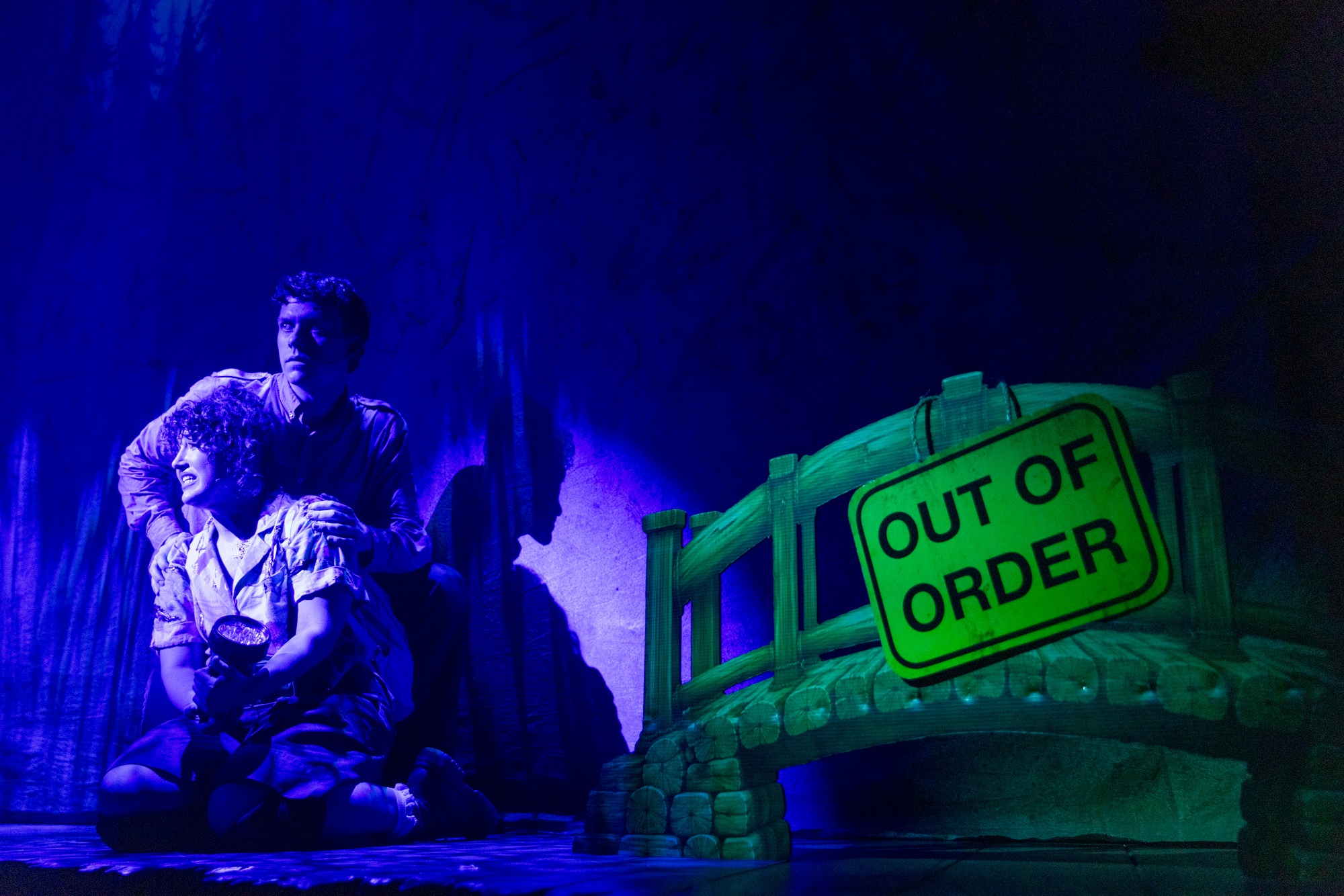
A group of teenagers has completed their final day in high school, and is now poised for the rest of their lives. It is all very daunting for characters in Matthew Whittet’s Seventeen, at a moment where big changes are afoot, and with new identities being formed, but for those of us who have been through that rite of passage,  it can all seem a little trite and pedestrian.

Once again the play is performed by older actors, presumably in their sixties, in order that the text may communicate with greater poignancy. Indeed it is the notion of transience that becomes a prominent dimension of the storytelling, juxtaposing against the naivety of young people in the throes of something that feels defined by finality.

Actors Noel Hodda and Di Smith are particularly captivating, both bringing a savvy to their performative representations, of personalities decades their junior. Others in the cast tend to be overly earnest, which only draws greater attention to the mundane qualities of Seventeen. Direction by Mary-Anne Gifford could benefit from a more flamboyant approach, but there is certainly an integrity to her realism that cannot be denied.

Set design by Paris Burrowes introduces visual familiarity to the experience, although it is doubtful if her costumes convey that same accuracy. Lights by Grant Fraser and sounds by Michael Huxley are implemented with simplicity, in a production that errs on the side of reticence. 

Watching the seniors play juvenile roles, it is the nature of time that comes to the fore. The impermanence of human experience should tell us that it can all be taken with a pinch of salt, but life has a knack for having us completely invested in all of its ups and downs. We should know to be unperturbed, but the truth is that we are embroiled, hopelessly engaging in every emotion, even as we understand more clearly their ironic futility.

www.seymourcentre.com | www.wildthingproduction.com
Review: Arlington (Seymour Centre)

Venue: Seymour Centre, Reginald Theatre (Chippendale NSW), Aug 2 – 24, 2024
Playwright: Enda Walsh
Director: Anna Houston
Cast: Phaedra Nicolaidis, Jack Angwin, Georgina Symes, Emma Harrison
Images by Phil Erbacher

Theatre review
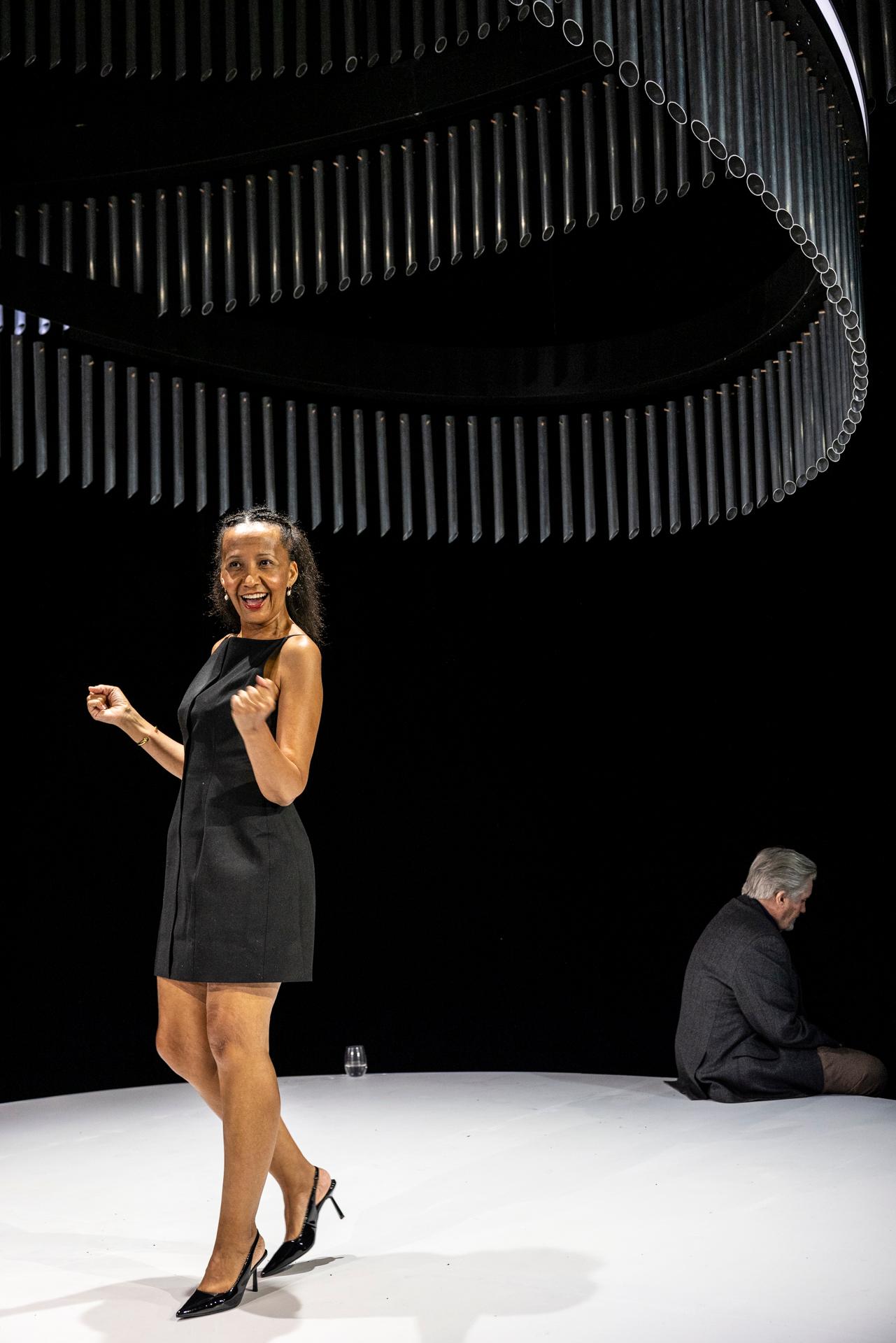
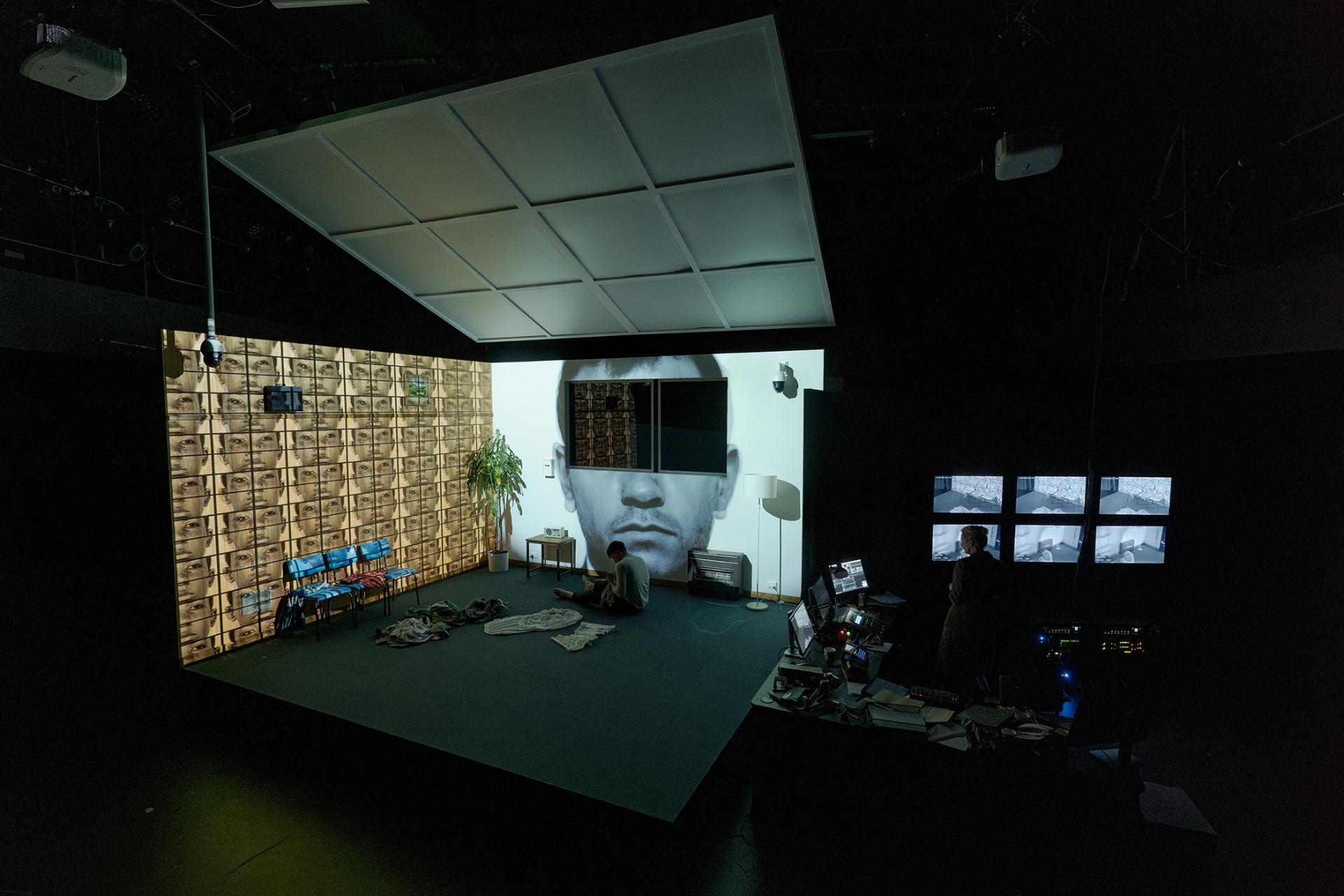
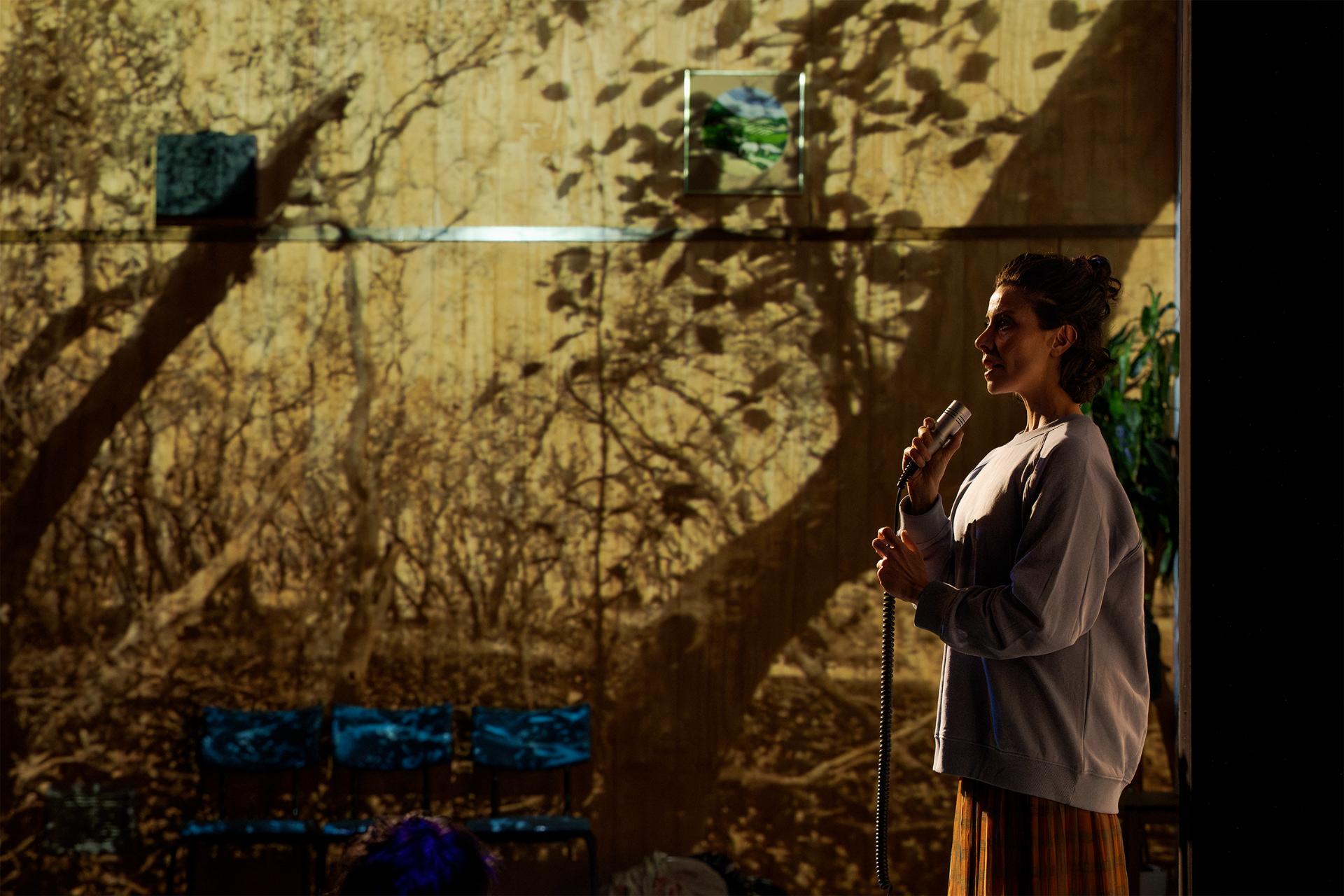
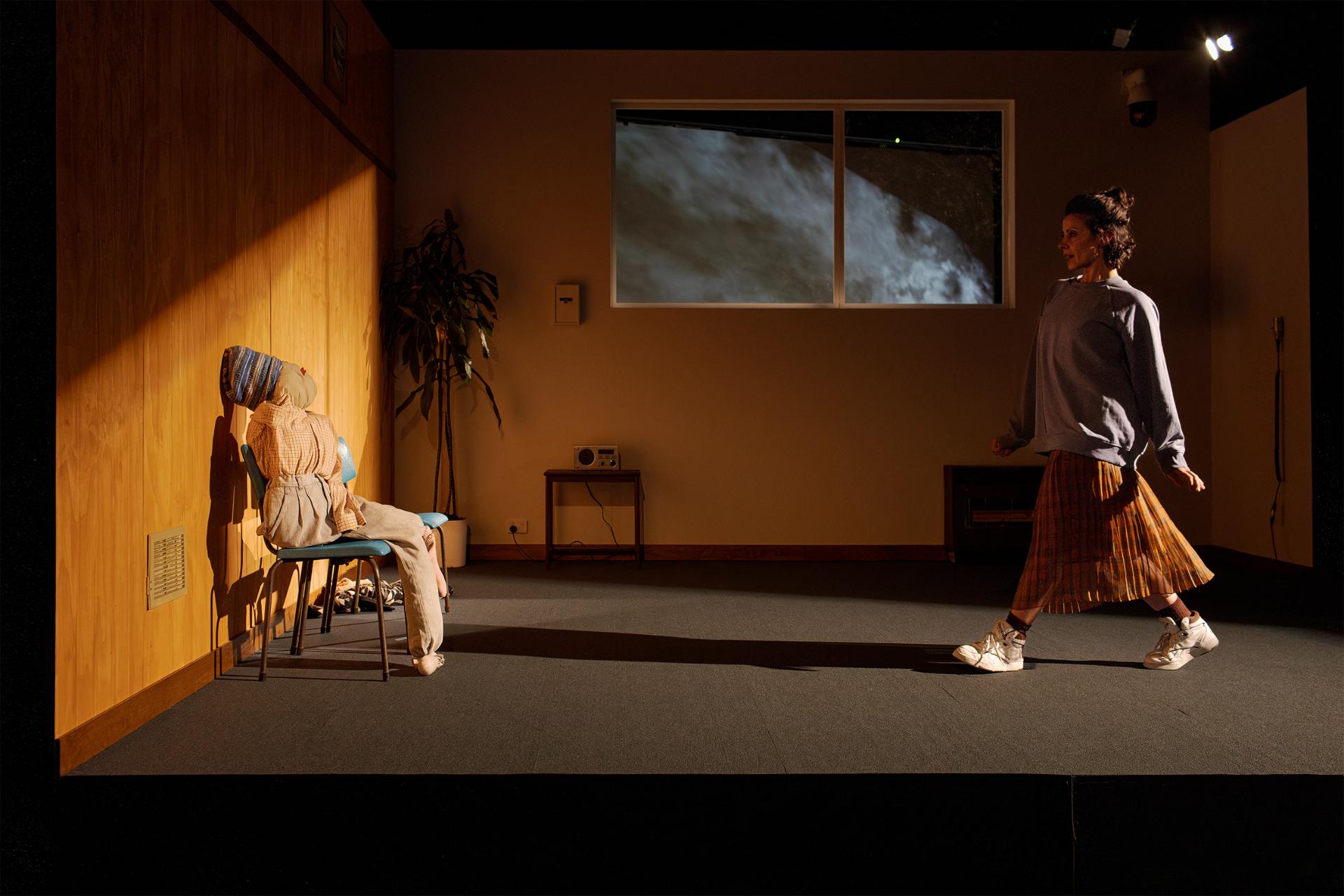
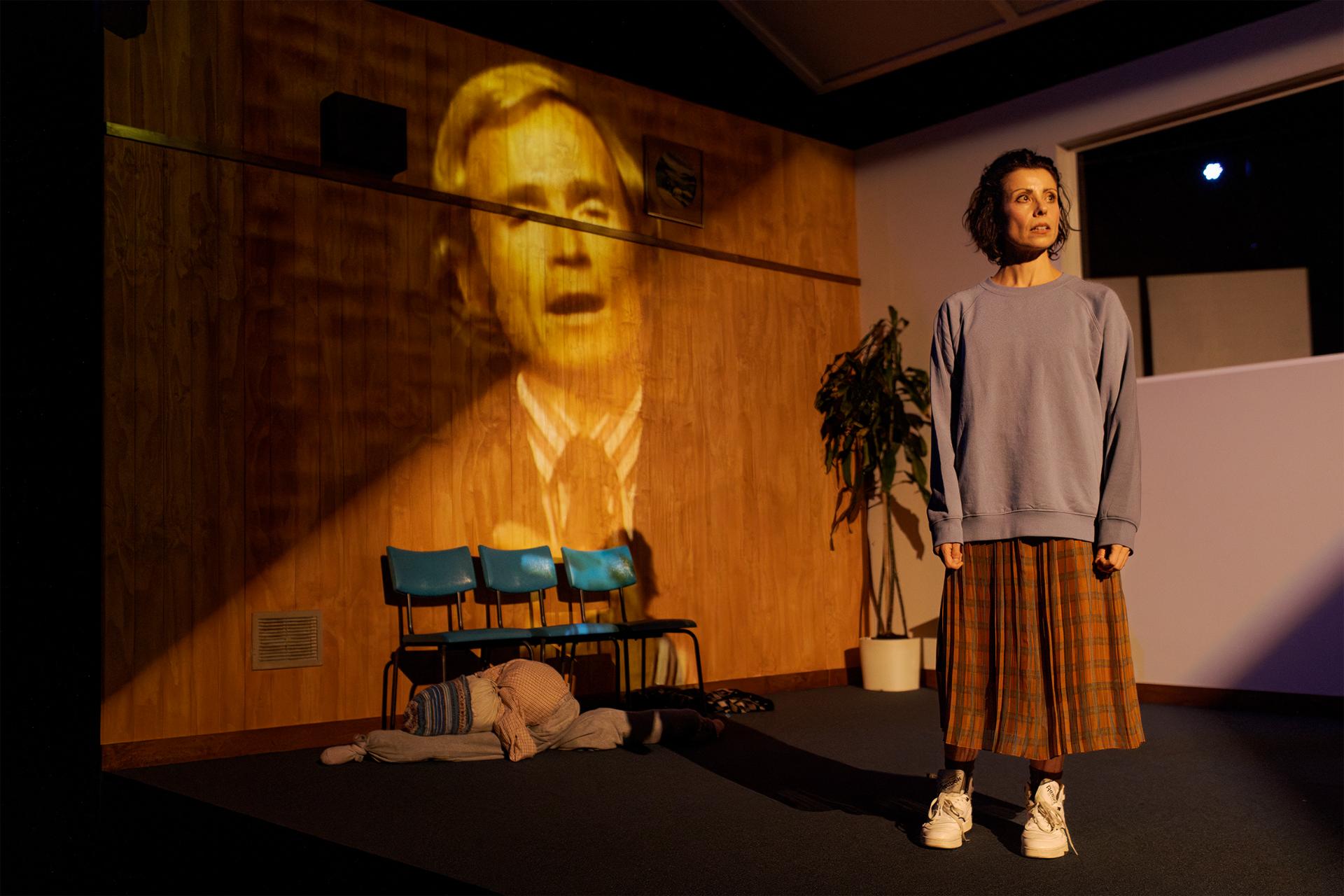
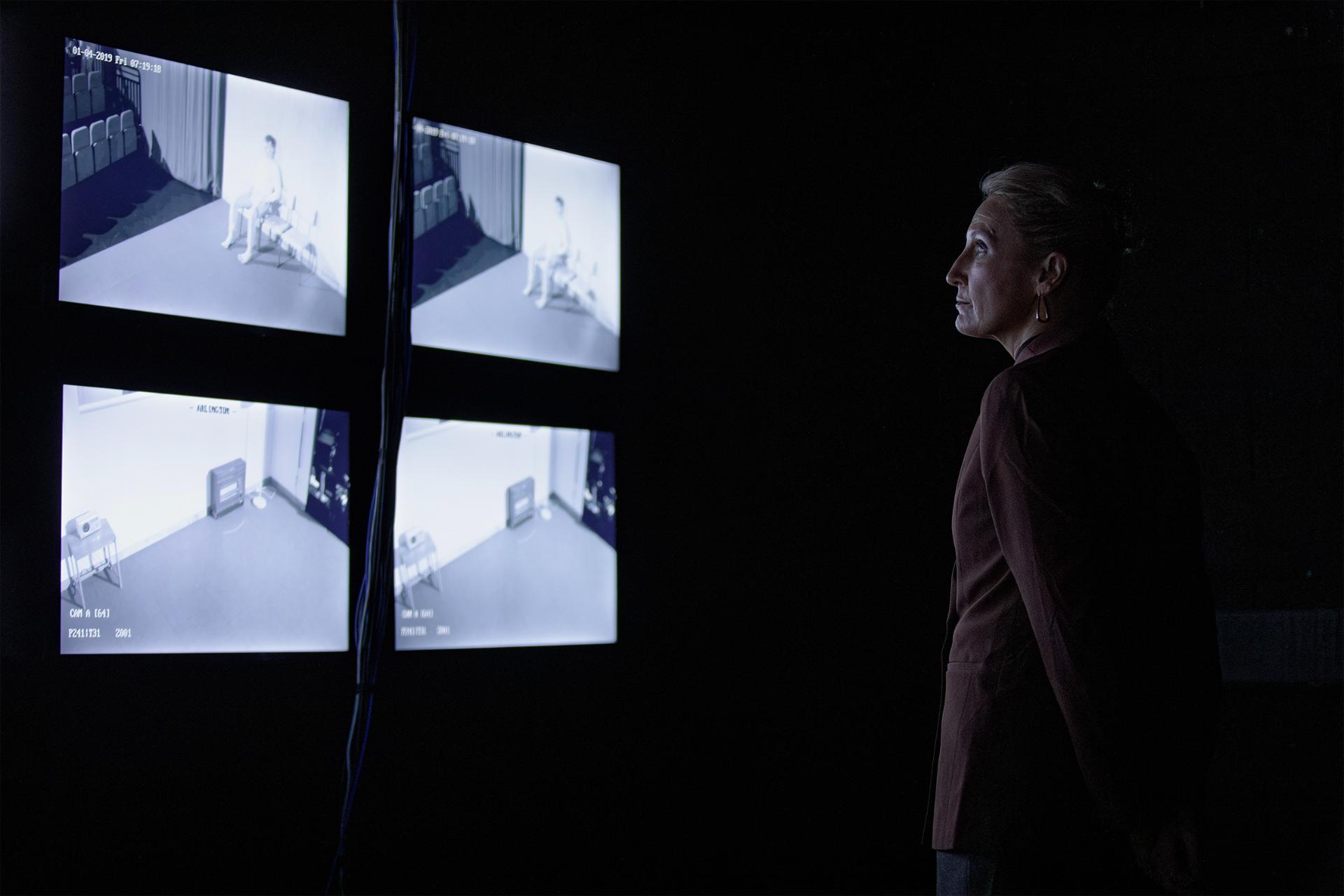
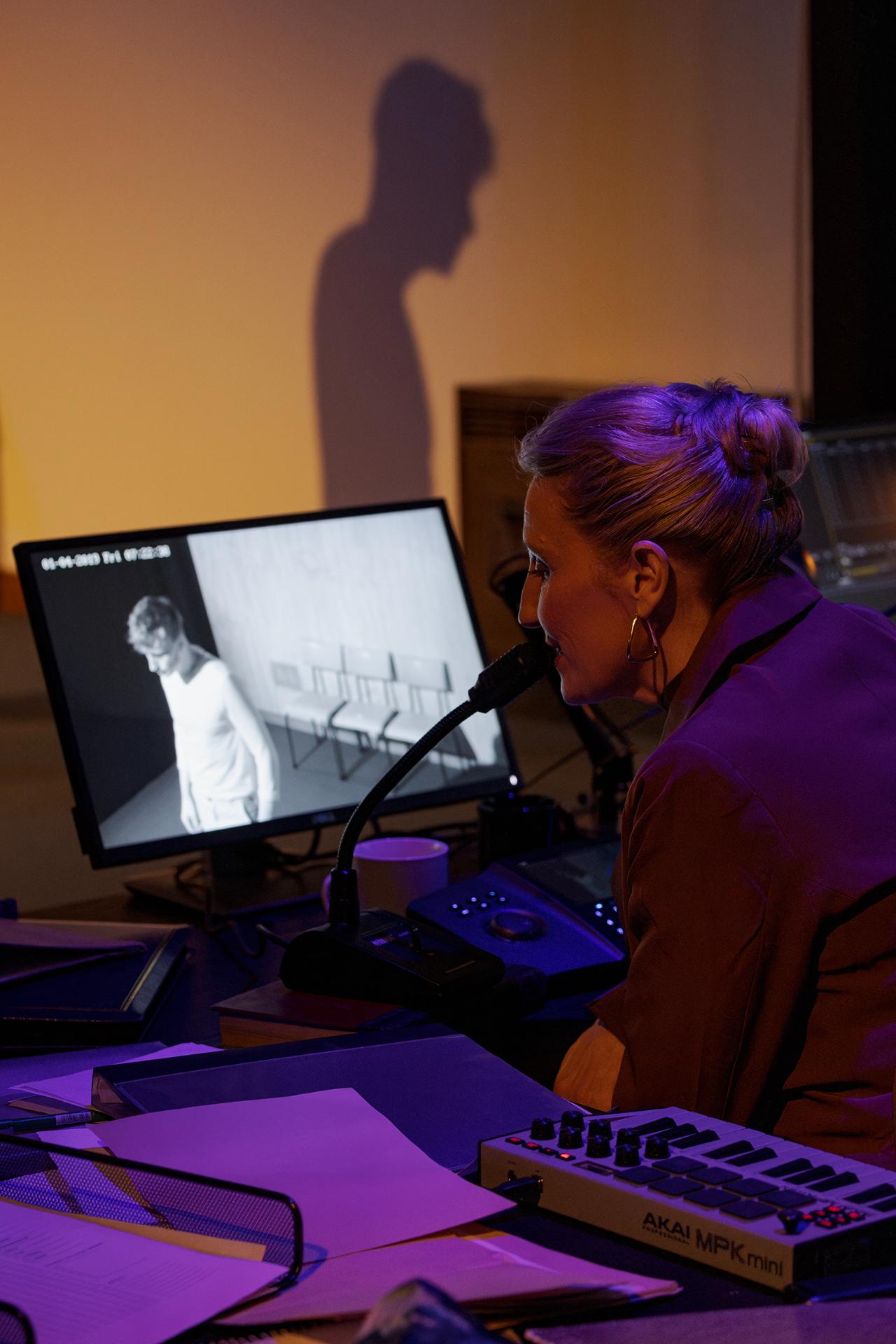
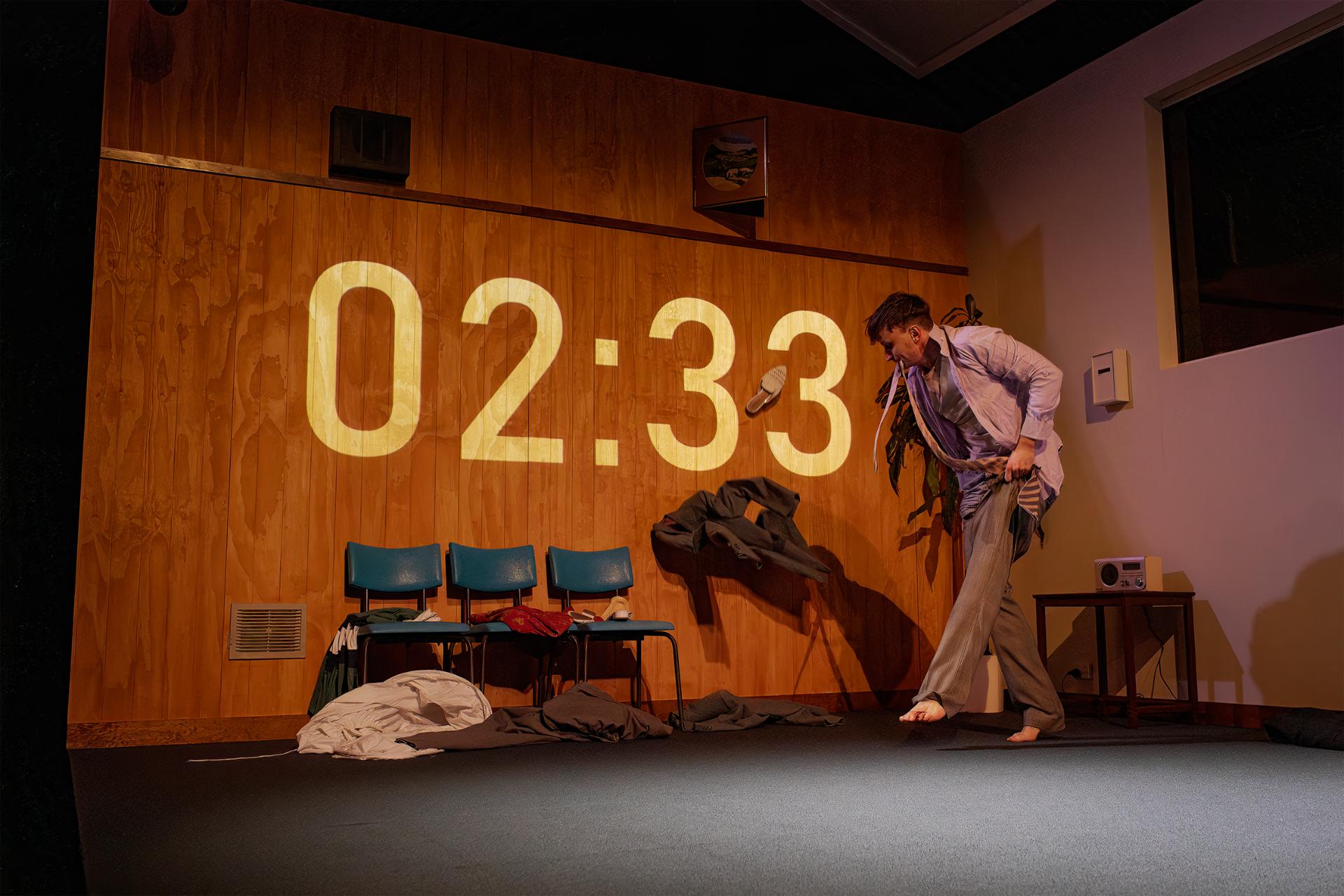
A large display flashes random numbers, very much akin to a bureaucratic queue management system, in an inhospitable room designed only with practical considerations in mind. Three individuals take their turn, under strict surveillance, to express their anguish and desperation, about ambiguous incidents, that we know only by inference to be interrelated. In Enda Walsh’s Arlington, we can be forgiven for never really knowing the narrative that runs through the play, as its concerns are with the fallout of trauma, rather than the precipitating events that have brought us here.
Direction by Anna Houston demands that we focus on the present. In lieu of sufficient understanding about contexts, we are required to expend imagination, alongside an investigative curiosity, to create interpretations of the abstract renderings that we encounter. The work can feel impenetrable, but it also speaks with integrity, always with an air of certainty and commitment, to its mysterious sequences exploring the human condition at its most painful and vulnerable.

A key feature of this staging is its remarkable design. An impressive set by the ambitious Kate Beere, delivers a sense of apocalyptic dread, through an ironic representation of something that could be thought of as our mundane modernity, with skewed perspectives offering an enjoyable visuality that is decidedly theatrical. Lights and video by Aron Murray are appropriately foreboding, but also sensual, to consistently guide our sensibilities somewhere inexplicably dangerous. Sounds by Steve Toulmin are highly dramatic, and intricate, for an Arlington memorable for its sensory overload.

A powerful cast of four comprising Phaedra Nicolaidis, Jack Angwin, Georgina Symes and Emma Harrison, is to be commended for providing something intense and uncompromising. We always believe them, even when we feel kept in the dark about what goes on. Their depictions of anguished terror make for a confronting experience. In this observation of people with no control over their own destinies, trapped in unbearable circumstances, we can only respond with revulsion. When characters reach for notions of hope, it is futility that we recognise instead. Arlington does not give everything that our instincts seek, but its insistence on authenticity cannot be denied.

www.seymourcentre.com | www.empresstheatre.com.au
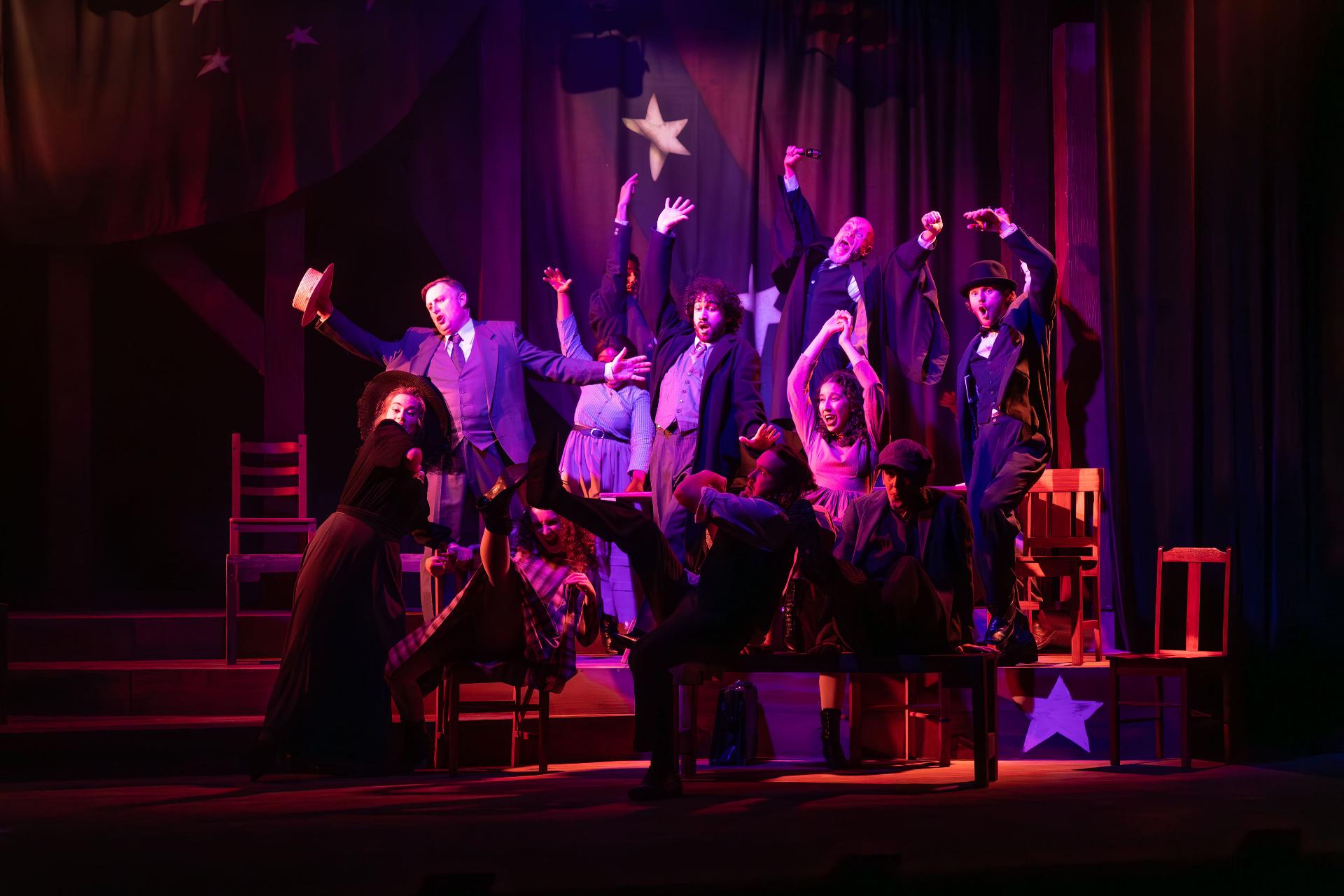
Review: Trophy Boys (Seymour Centre)

Venue: Seymour Centre, Reginald Theatre (Chippendale NSW), Jun 19 – Jul 7, 2024
Playwright: Emmanuelle Mattana
Director: Marni Mount
Cast: Leigh Lule, Emmanuelle Mattana, Gaby Seow, Fran Sweeney-Nash
Images by Ben Andrew

Theatre review
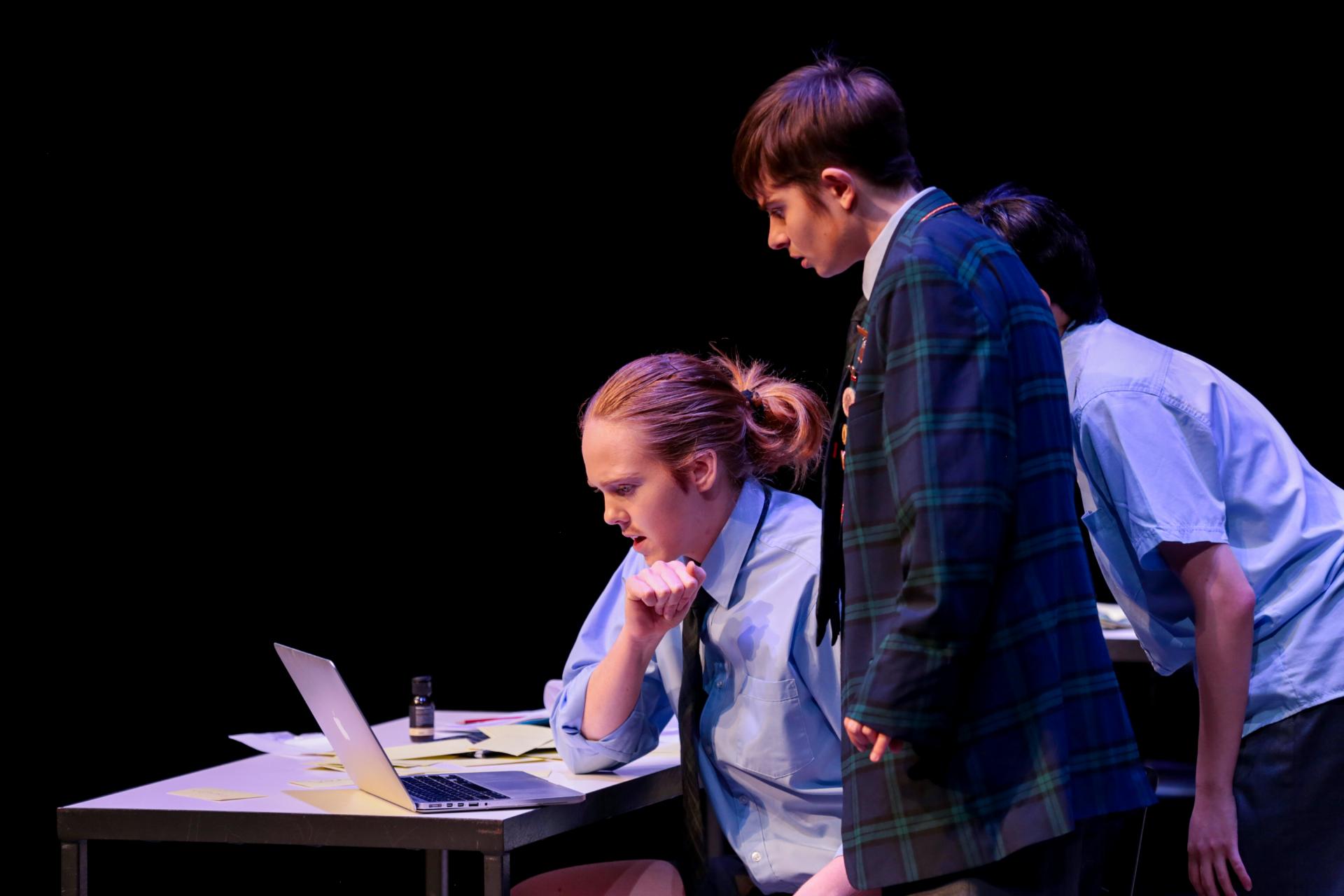
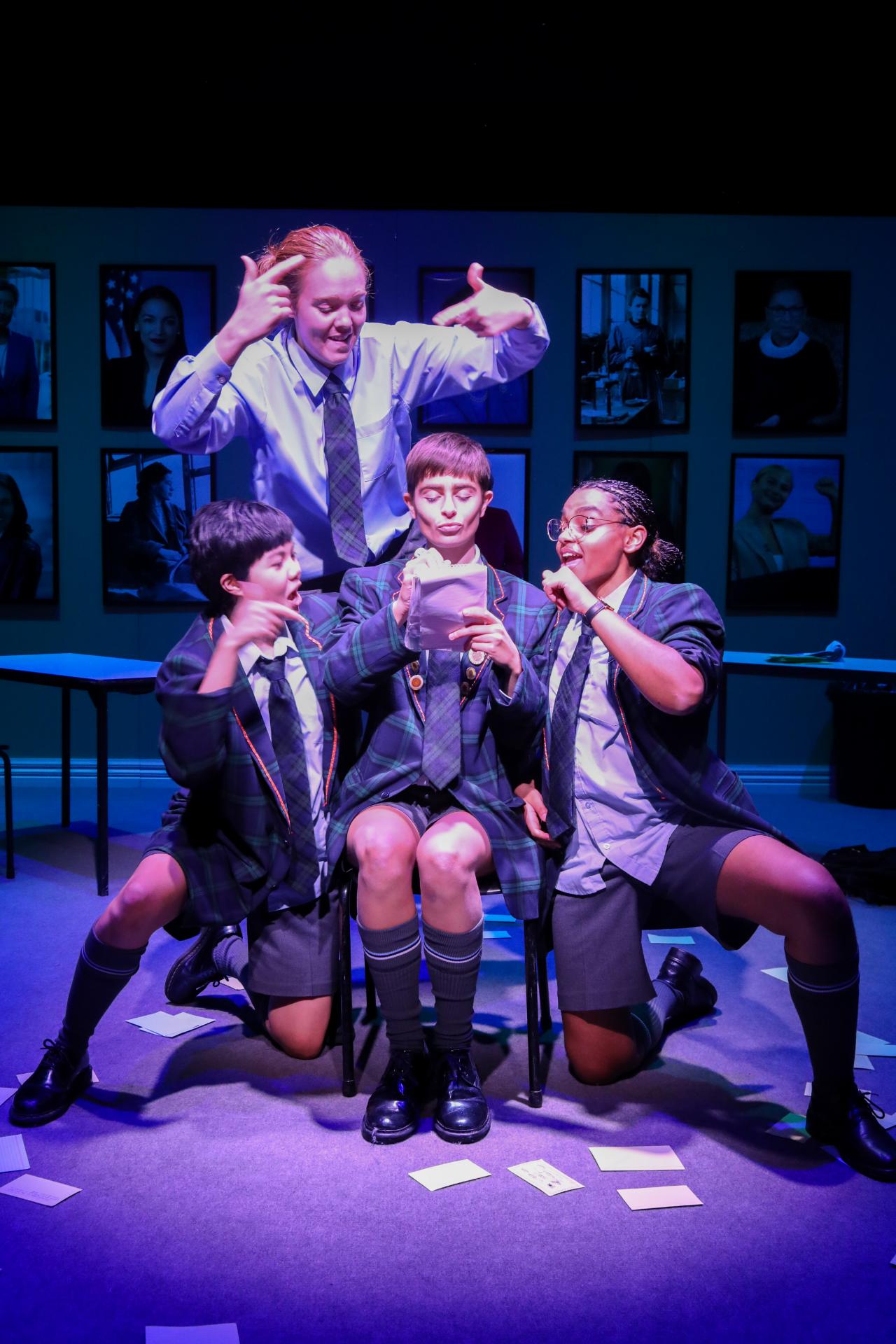
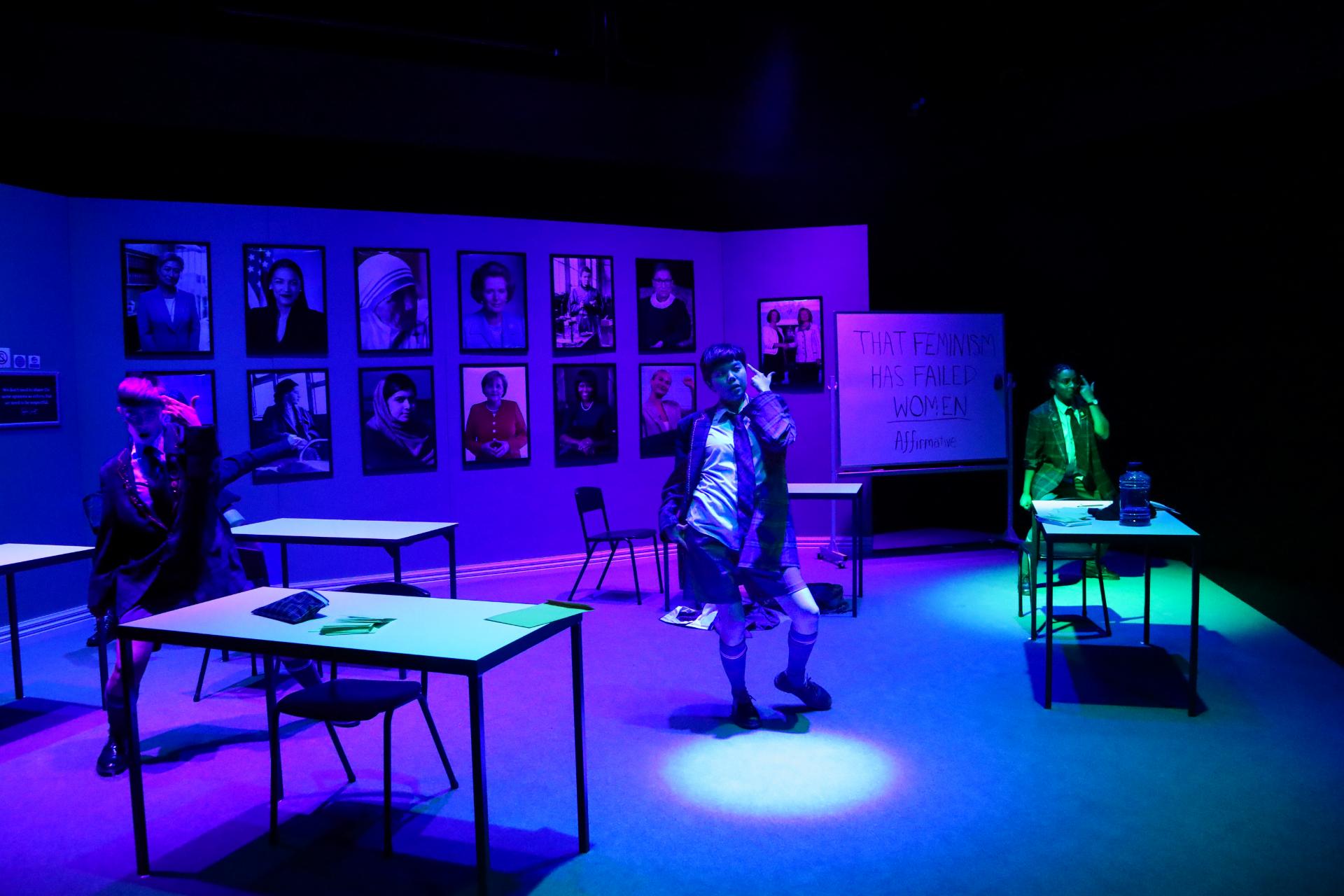
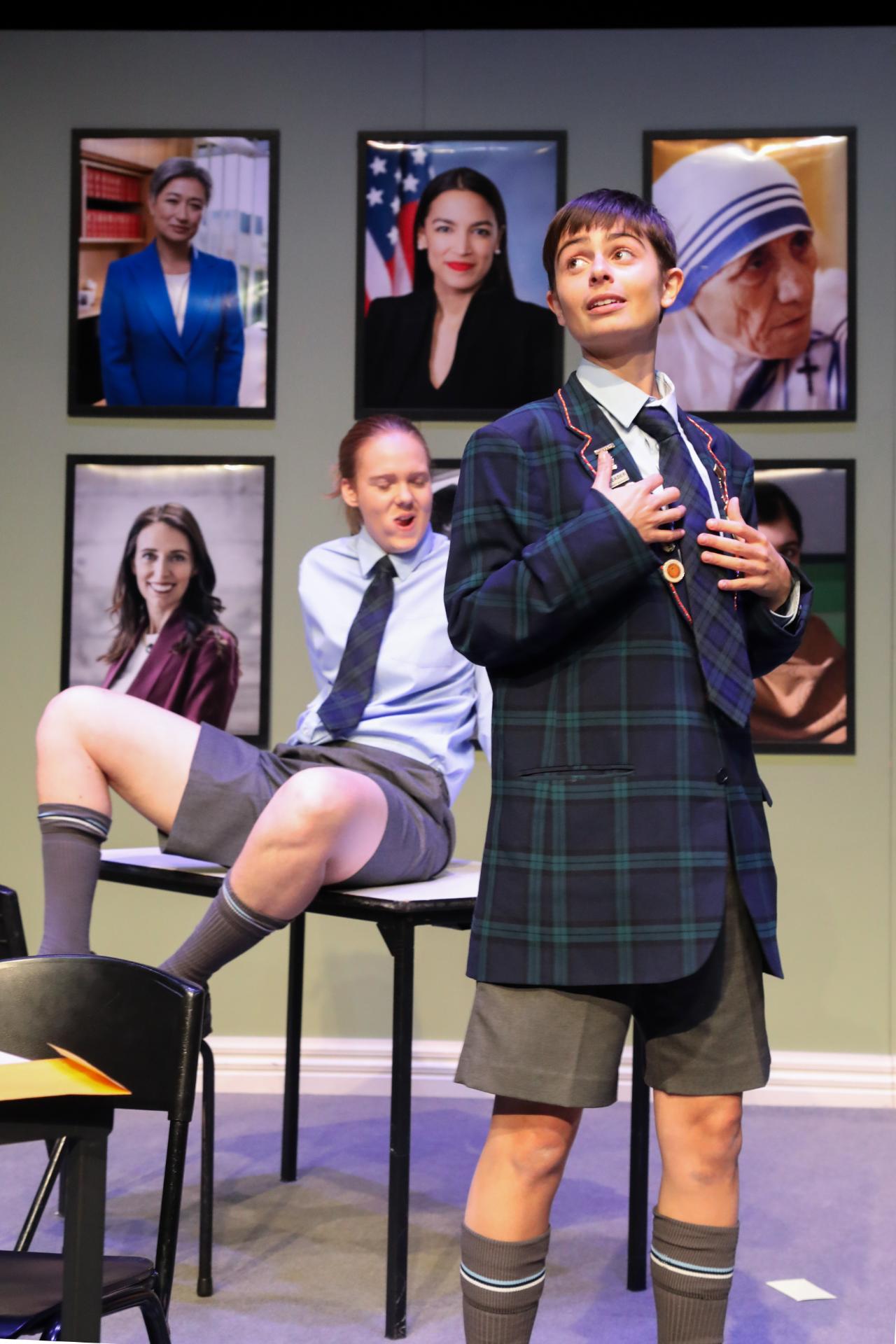
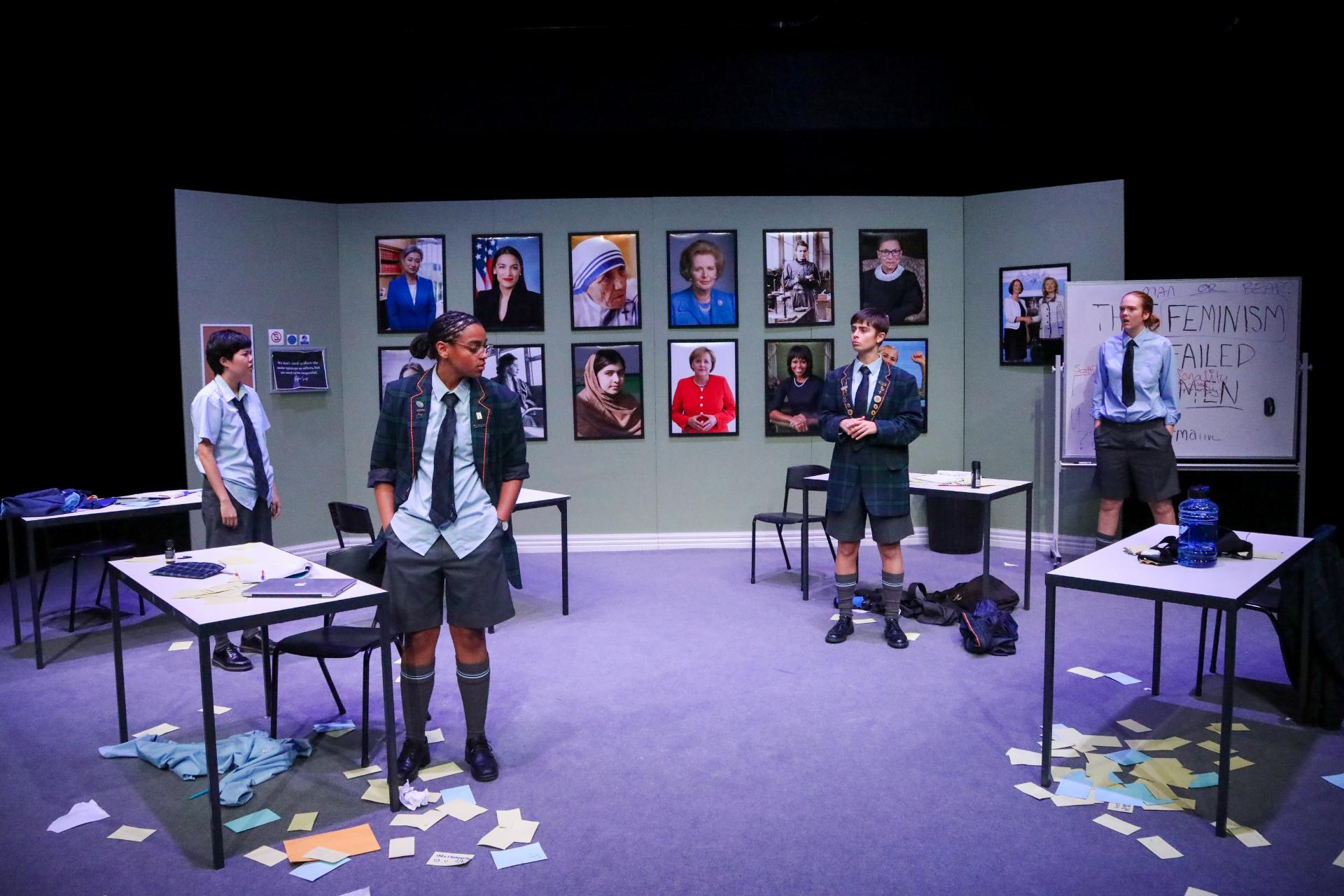
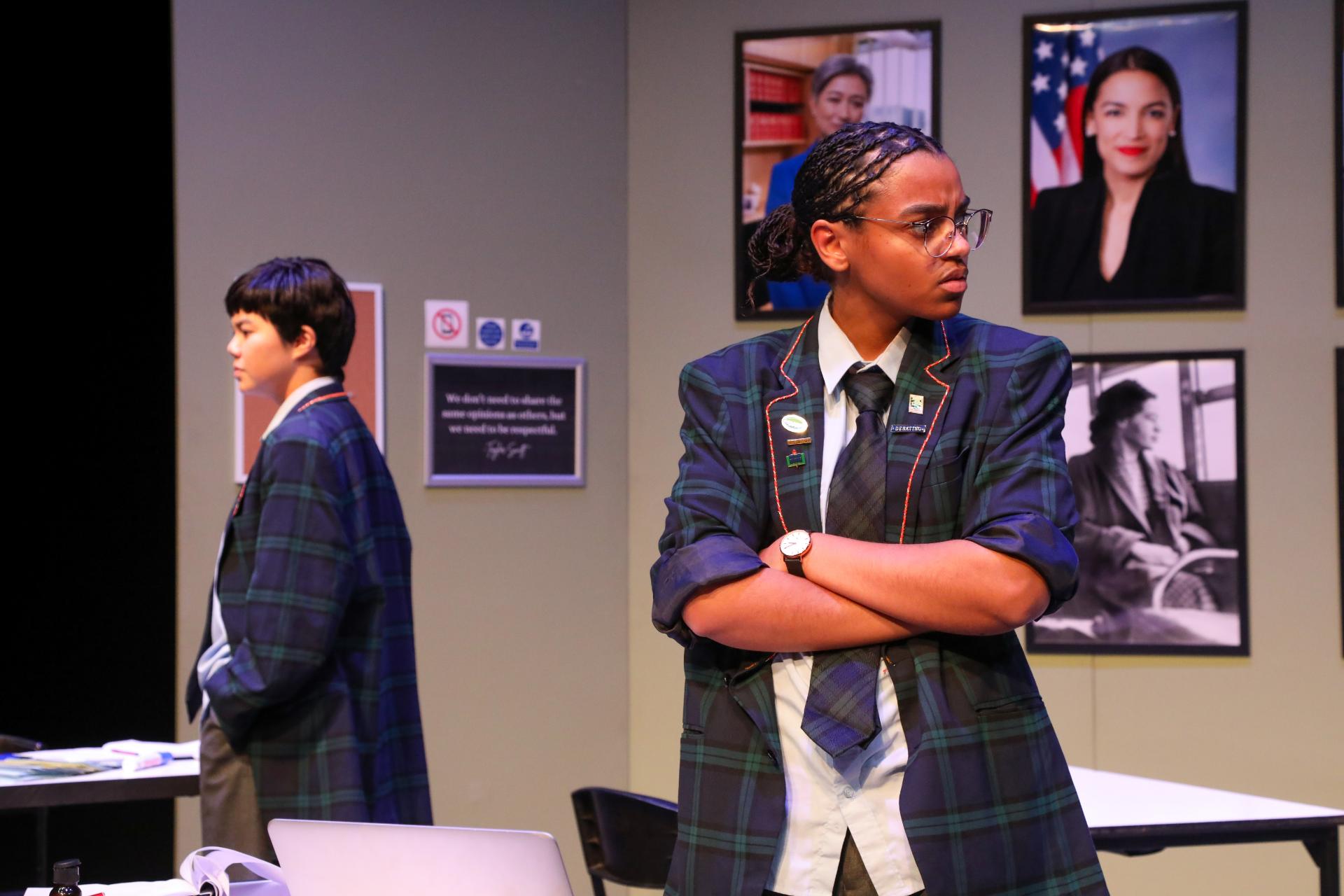
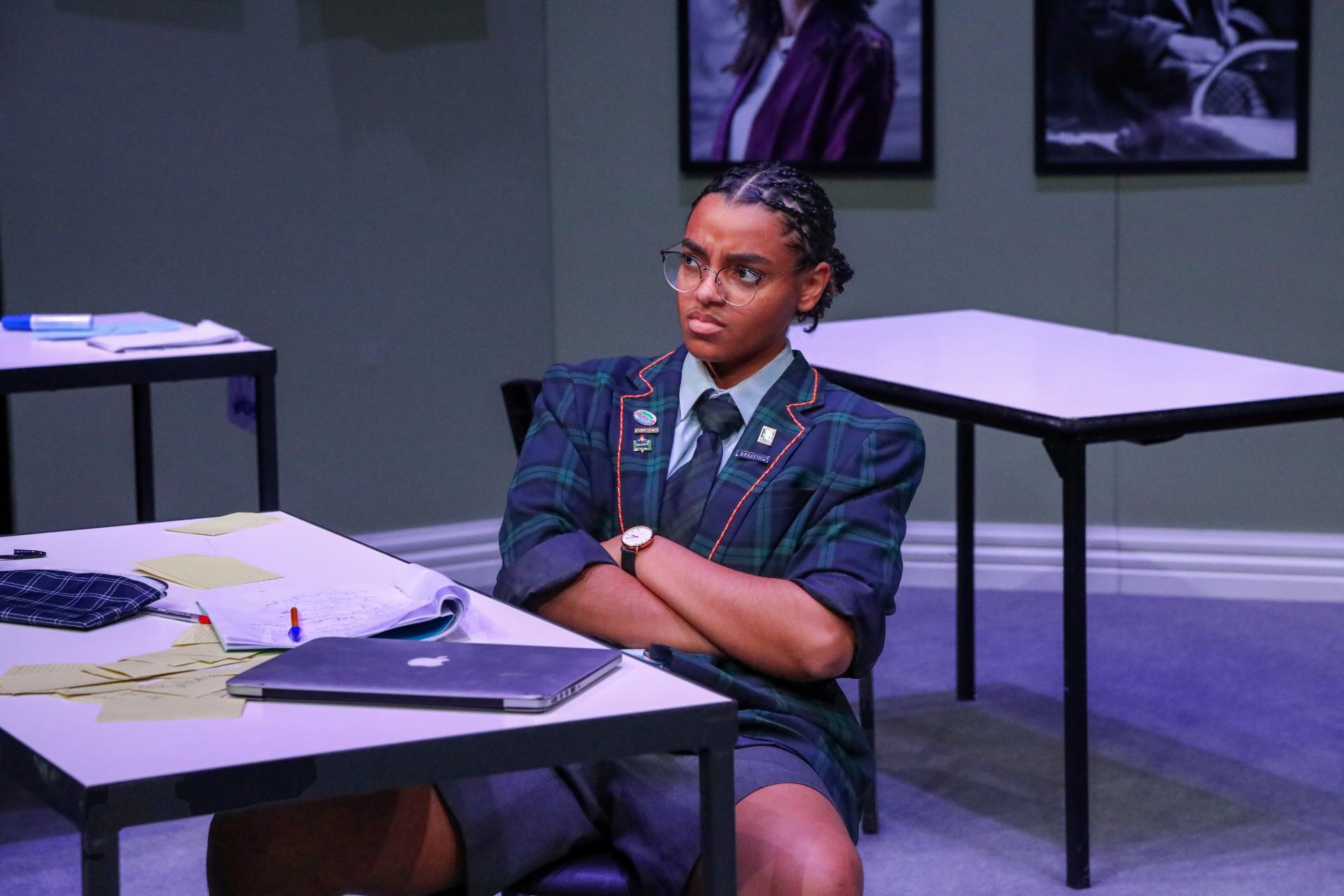
Four private school boys are preparing for the grand finale of their debating tournament, where they are to argue the affirmative position: ‘That feminism has failed women.’ Keen to win the competition, but also worried about being perceived as regressive on the subject, the team struggles as it tries to come up with an appropriate strategy. When a piece of breaking news surfaces that threatens their dominance as privileged males however, finding assertions and justifications suddenly becomes a simple exercise, as they resort to old established patterns of deceit and gaslighting, to preserve the hegemony.

Emmanuelle Mattana’s Trophy Boys starts off incredibly funny, with its rendering of disingenuous attempts by young elites to present themselves as liberal and socially conscious. Things take a dark turn, and we see them ruthlessly defend the patriarchy, when confronted by consequences of their real actions outside of the hypothetical academic realm. Mattana’s writing is intelligent, witty and captivating, and as actor performing the pivotal role of Owen, they are piercing and meticulous, with an exuberance that sustains energy for the entire production.

Leigh Lule, Gaby Seow and Fran Sweeney-Nash too are effective with the political dimensions of Trophy Boys, playing the other characters in the style of drag, with its inherent exaggerations that foreground the absurdity of these entitled beings. Direction by Marni Mount can feel slightly too hectic, for something that provides a lot of food for thought. Nonetheless, the show remains thoroughly enjoyable, even if it tends to race past too quickly for meaningful contemplation. Production design by Ben Andrews, along with lights by Katie Sfetkidis, offer uncomplicated solutions that efficiently facilitate the telling of a timely story.

The boys choose to do the right thing, only when it costs them nothing. The rest of us too, rarely make sacrificial decisions, even if we are at the wrong end of the totem pole. The patriarchy knows to keep us from having nothing to lose, for that is when we become truly dangerous. It offers crumbs in ways that distracts us from power imbalances and wealth disparities, making us believe that ultimately, the system works. It convinces people that something as diabolical as “rape culture” is but a trendy turn of phrase and an overreaction, for something that has always been traditional and eternal.

www.seymourcentre.com | www.themaybepile.com.au | www.softtread.com.au
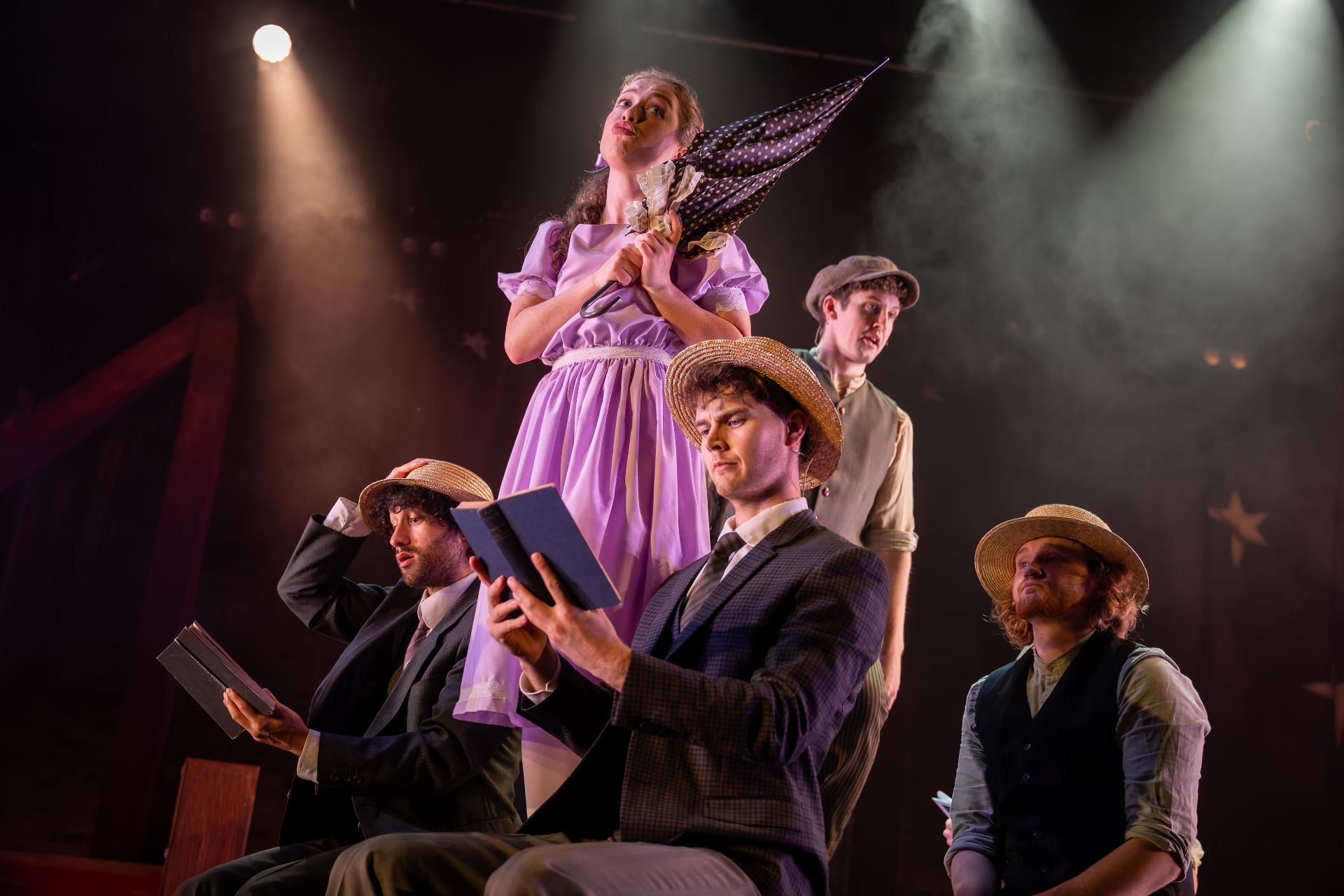
Review: Parade (Seymour Centre)

Venue: Seymour Centre, Everest Theatre (Chippendale NSW), May 9 – 25, 2024
Book: Alfred Uhry
Music & Lyrics: Jason Robert Brown
Director: Mark Taylor
Cast: Georgia Barron, Nic Davey-Greene, James Frampton, Ashley Garner, Guillaume Gentil, Genevieve Goldman, Adeline Hunter, James Lee, Sophie Loughran, Noah Missell, James Nation-Ingle, Maverick Newman, Rebecca Ordiz, Aaron Robuck, Quinton Rofail Rich, Montana Sharp, Tarisai Vushe, Liam Wigney
Images by Matthew Chen

Theatre review
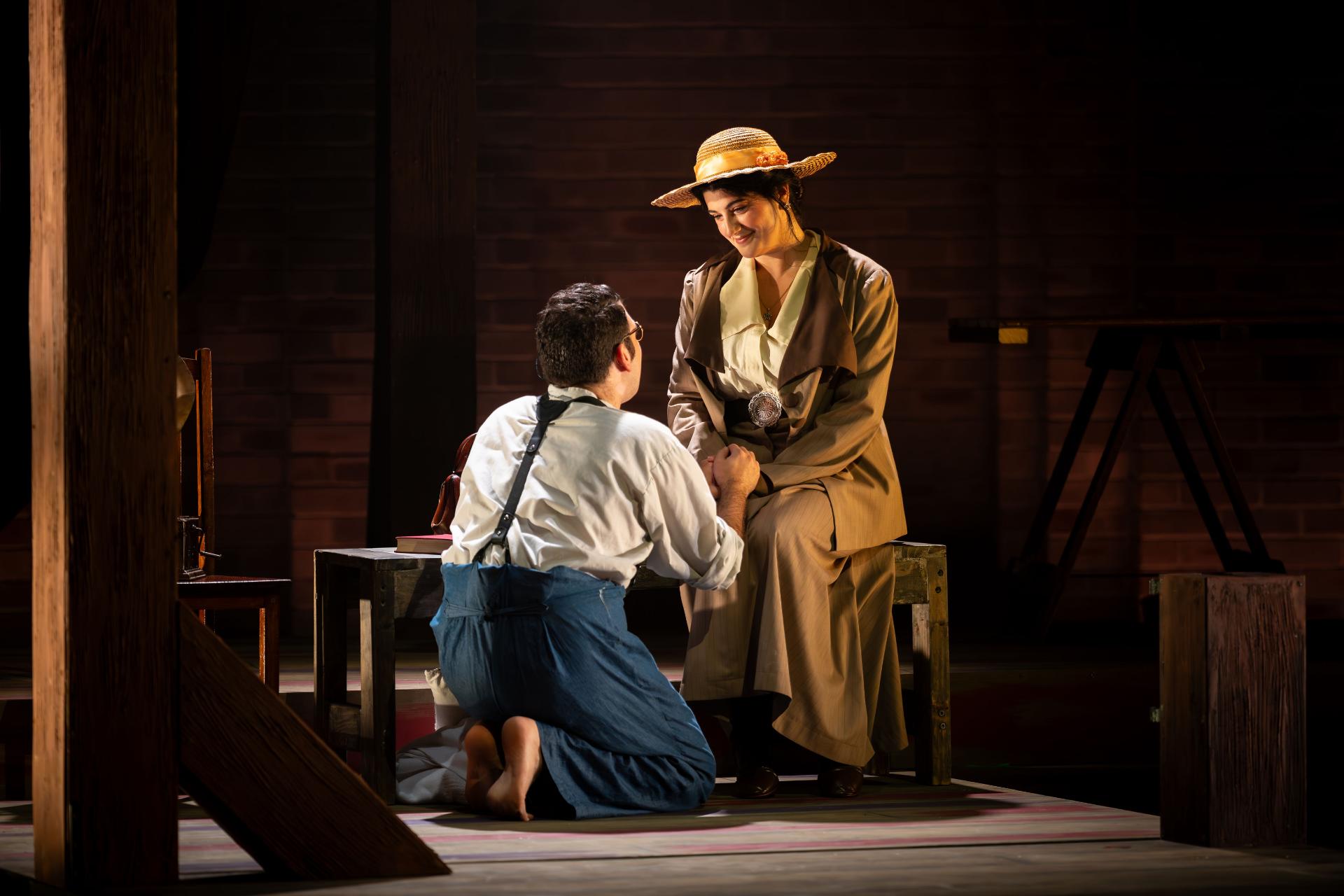
It was 1913 in the USA state of Georgia, when Leo Frank was charged with the murder of a young girl. The case remains an important and deplorable example of antisemitism, and over a century later, authorities recommenced investigations, in efforts to clear the name of the wrongfully accused. The musical Parade, by Alfred Uhry and Jason Robert Brown, details that infamous trial. Although appropriately sombre, and containing some eternally useful lessons on human behaviour and injustice, the piece features highly enjoyable songs, that keeps an audience attentive to the meaningful story.

Music direction by Mark Bradley is richly inspiring for this 2024 Australian production, but sound engineering proves a significant deficit, often preventing us from sufficiently connecting with the creative endeavours being carried out. Lights too, keep us wanting. Although imaginatively rendered by Sidney Younger, the show is frequently shadowy and consistently dim, further alienating us from the action. Production design by Harry Gill, although overly muted with its palette, conveys a sense of authenticity, and provides impressive spatial adaptability that helps with engagement of the narrative.
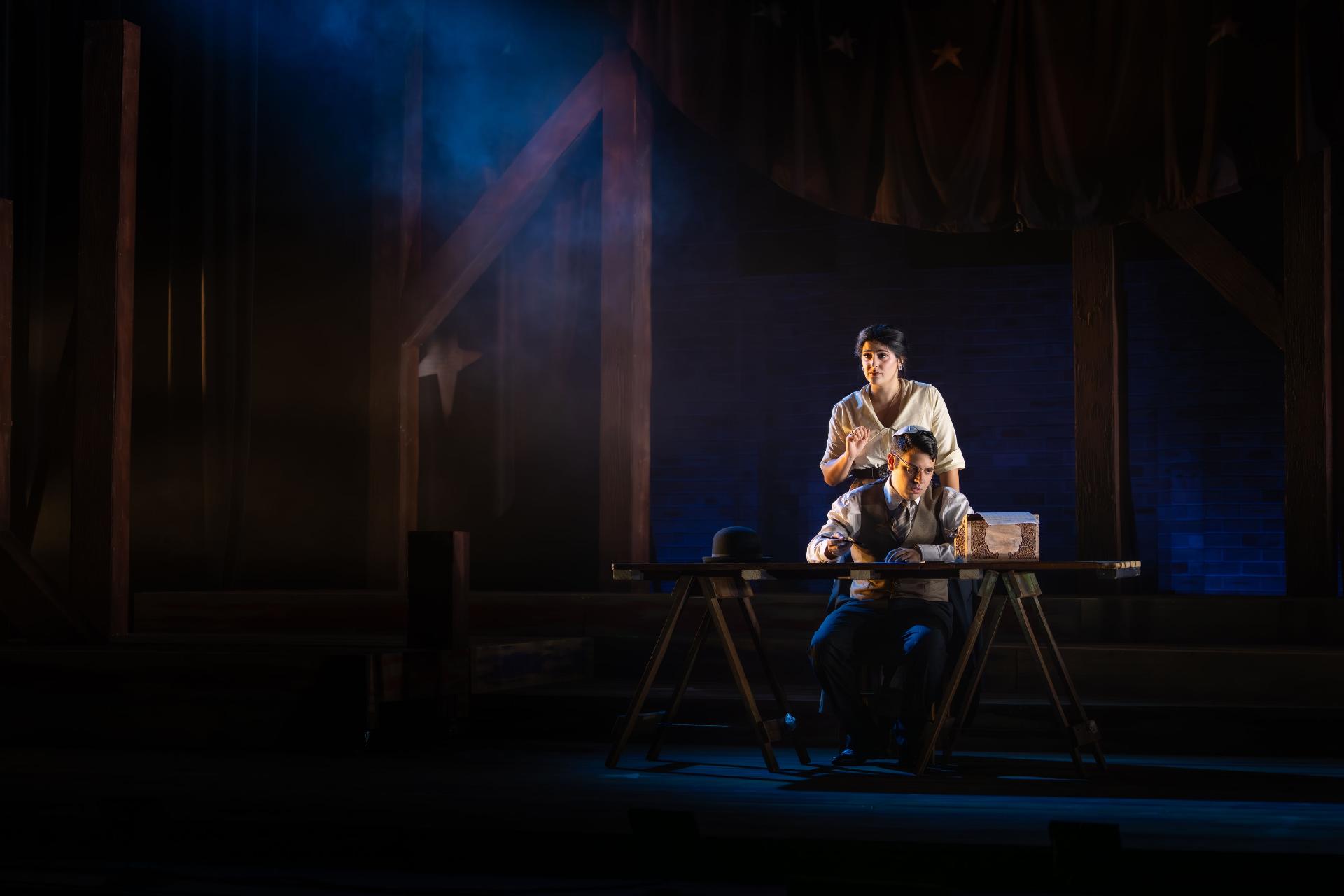
Direction by Mark Taylor, along with choreography by Freya List, delivers a staging that is swiftly paced yet admirably earnest, in this valuable recount of history. Performer Aaron Robuck brings integrity to the portrayal of Frank, and Montana Sharp is especially memorable as wife Lucille, with a vocal brilliance and a dramatic urgency, that encourages our emotional investment. Also noteworthy is Adeline Hunter who is surprisingly convincing as the 14-year-old victim, with a believable innocence that accompanies very strong singing, for her interpretation of a crucial role.

The American Civil War was meant to have ended in 1865, but we see time and time again, that a system built on subjugation of peoples, will keep rearing its ugly head, and make refreshed nemeses of new others. We seem always to work on the liberation of particular communities, but in failing to address the very fascistic tendencies of how we relate to one another, we find ourselves simply creating different enemies and scapegoats. Humans understand peace, but it appears we know it much more as an abstract concept, than as a lived reality.

www.seymourcentre.com | www.soundworksproductions.com.au

Review: A Case For The Existence Of God (Seymour Centre)

Venue: Seymour Centre (Chippendale NSW), Apr 11 – May 4, 2024
Playwright: Samuel D. Hunter
Director: Craig Baldwin
Cast: Anthony Gooley, Elijah Williams
Images by Phil Erbacher

Theatre review
The two men in A Case for the Existence of God live in different worlds, but when Ryan engages Keith as mortgage broker, they become unexpected friends, and discover that they “share a specific kind of sadness”. Samuel D. Hunter’s play is a sensitive work, about the bond between men, and the tenderness that is rarely acknowledged , but that is crucial to the health and wellbeing of any modern male person. It is also a portrait of single fatherhood in contemporary USA, where like in many Western societies, the evolution of masculinity seems to be at a moment of reckoning.

This deeply reflective piece of writing is imbued commendable integrity, in a staging by director Craig Baldwin, whose depictions of the two individuals, and their burgeoning friendship, beams with authenticity. The tone of the production can feel somewhat unvarying, but the storytelling is nonetheless consistently engaging. With the captivating duo of Anthony Gooley and Elijah Williams performing as Ryan and Keith respectively, we are immediately endeared to both characters, and never let up on our investment in their connections. We may not always see enough contrasts or oppositions in their dynamic, but their generous symbiosis ensures our engagement in the piece.

Set design by Veronique Bennet conveys evocatively the claustrophobic nature of smalltown life, and of traditional masculinity, but lacks the versatility required to transport us to the assorted locations of the play. Bennet’s lights though are marvellously detailed, able to render precisely the appropriate temperament for each scene. Costumes by Jeremy Waters are fittingly stoic, for a presentation that deals with the often overlooked aspects of being male. Sounds by the aforementioned Baldwin offer simple solutions to relay the passage of time, in a show that is distinct for its sense of stillness.

In A Case for the Existence of God, we watch Ryan and Keith find value in the present, by always referring to the past and the future. Family history is key to their identity, which can seem an obvious statement, but in our increasingly individualistic modes of living, concepts of heritage and of legacy are rarely central in how we think and act, and they need our renewed attention. In the pursuit of personal joy and freedoms, one can easily find themself eventually completely unmoored. It is true that all is transient, but to view everything as impermanent, can be unbearable for humans that thrive almost exclusively on meaning. It can be argued that altruism is the solution for our disquiet, and family is the most convenient location for its practice.

www.seymourcentre.com | www.outhousetheatre.org