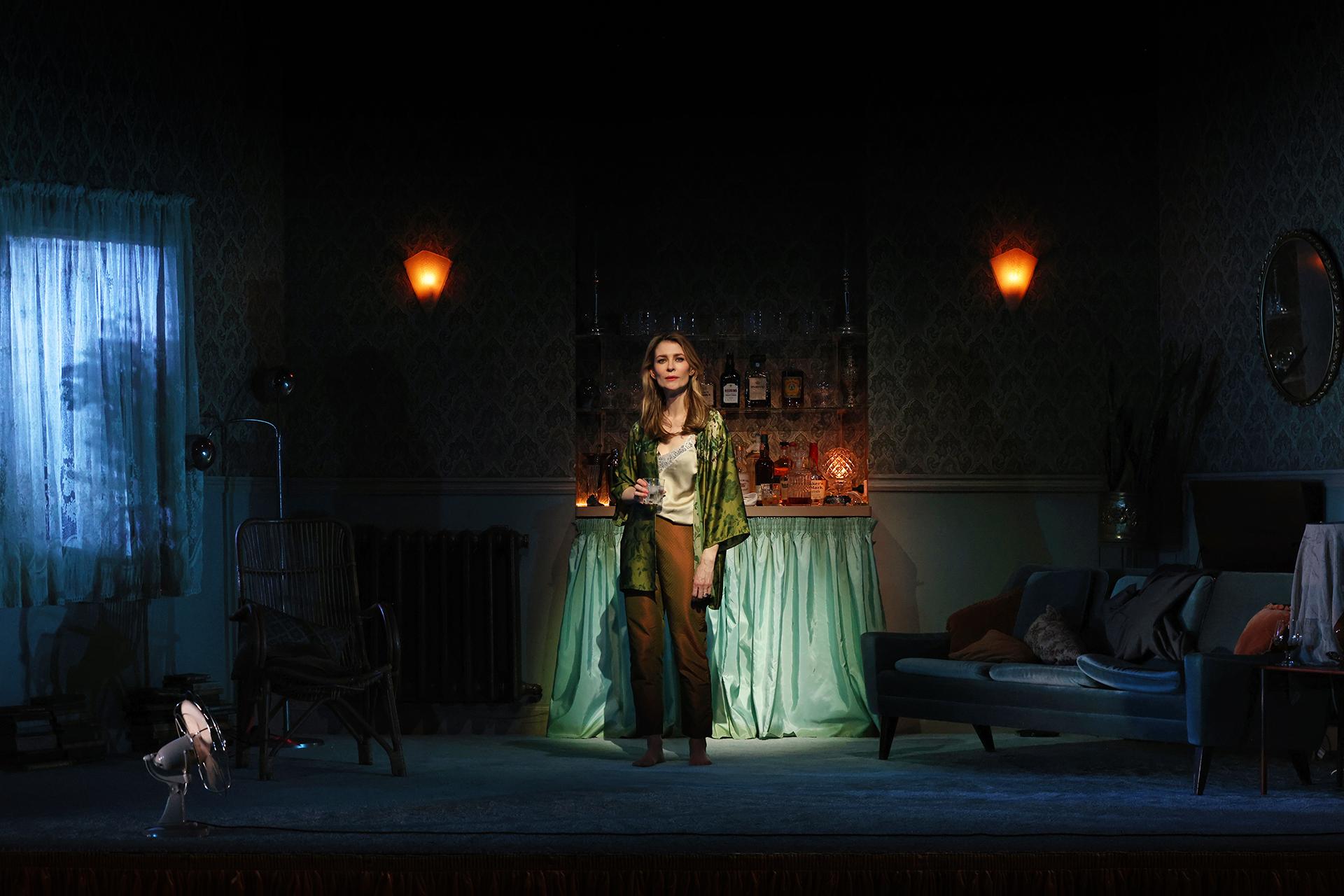
Review: Who’s Afraid Of Virginia Woolf (Sydney Theatre Company)

Venue: Roslyn Packer Theatre (Sydney NSW), Nov 7 – Dec 14, 2025
Playwright: Edward Albee
Director: Sarah Goodes
Cast: Emily Goddard, Kat Stewart, David Whiteley, Harvey Zielinski
Images by Prudence Upton

Theatre review
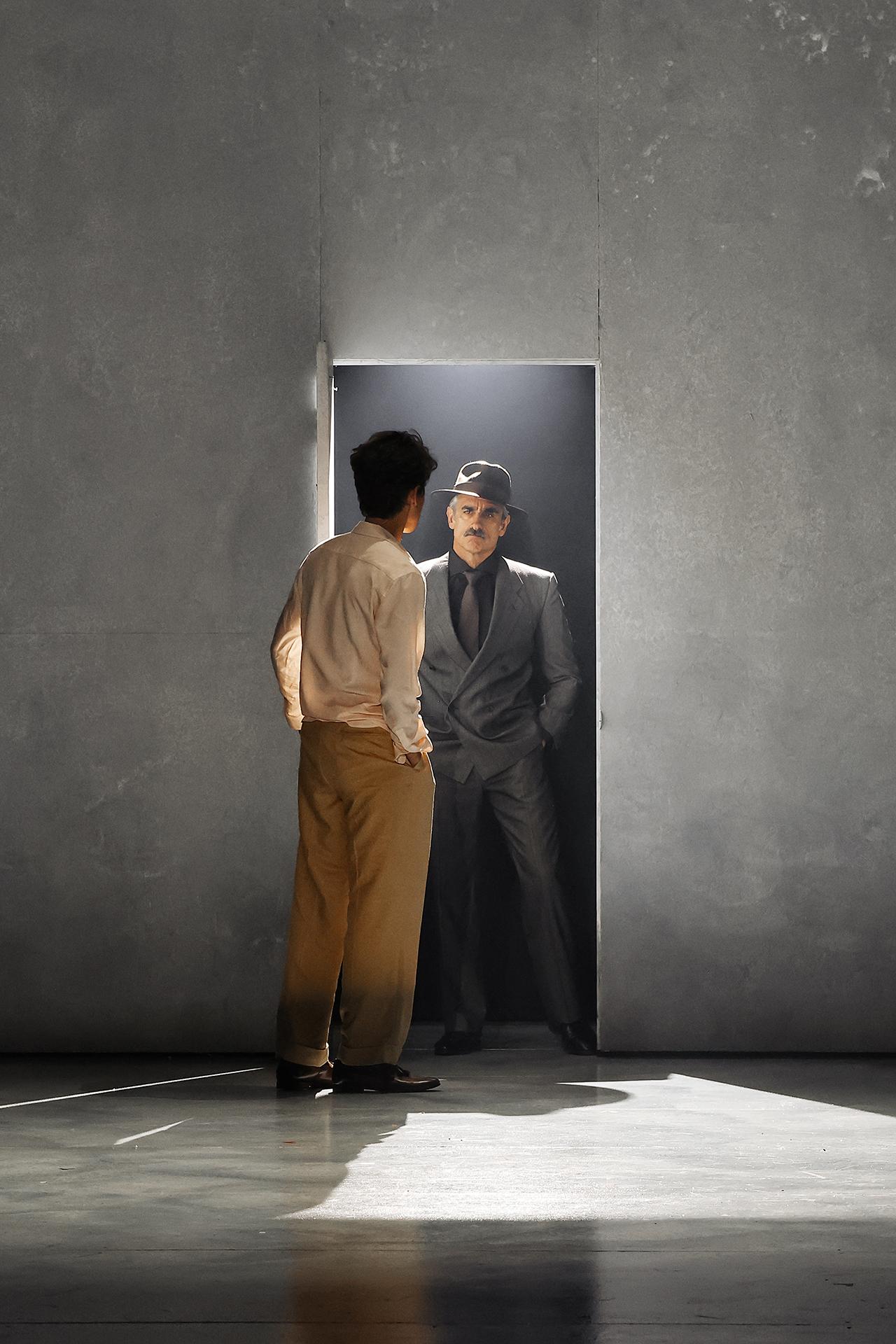
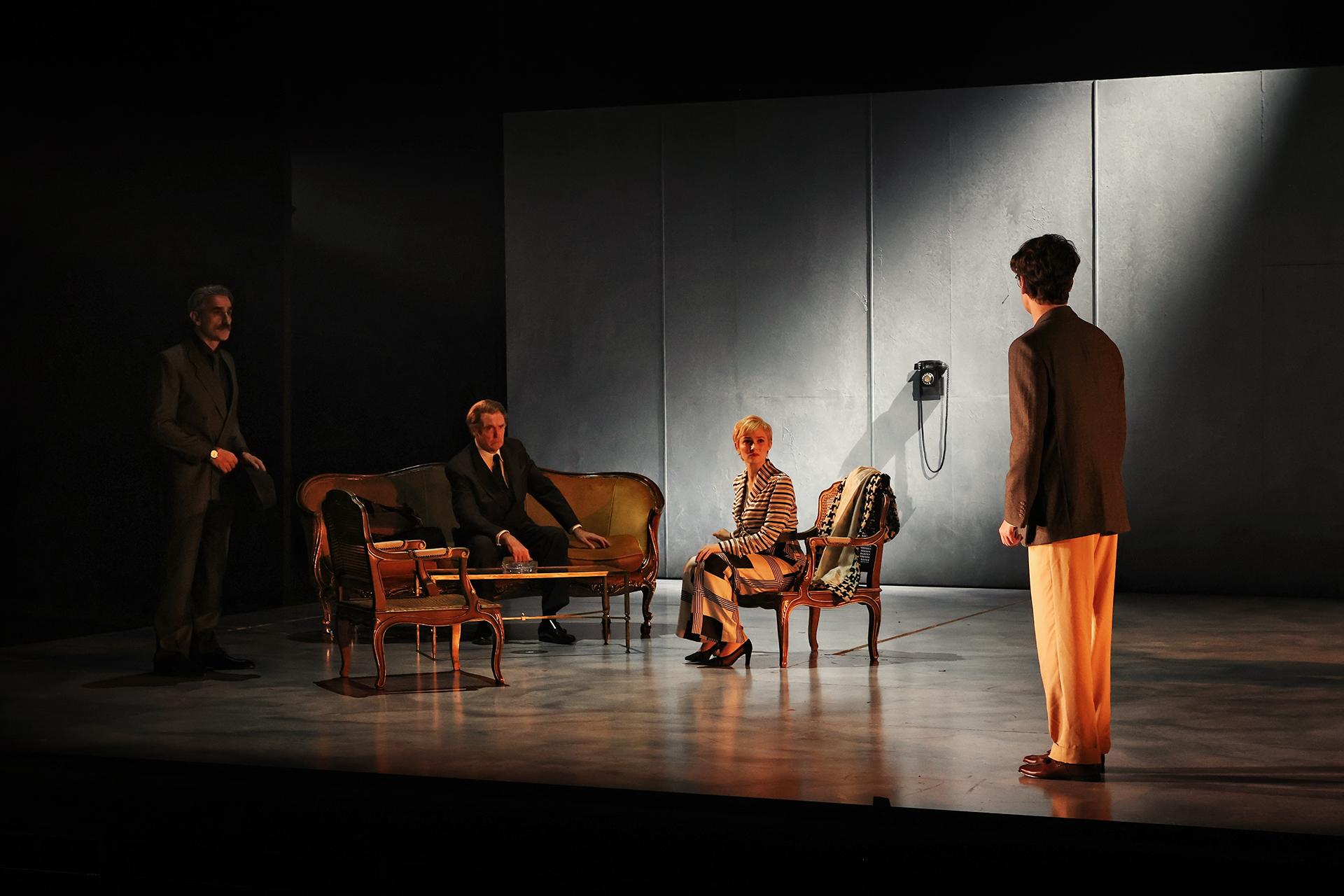
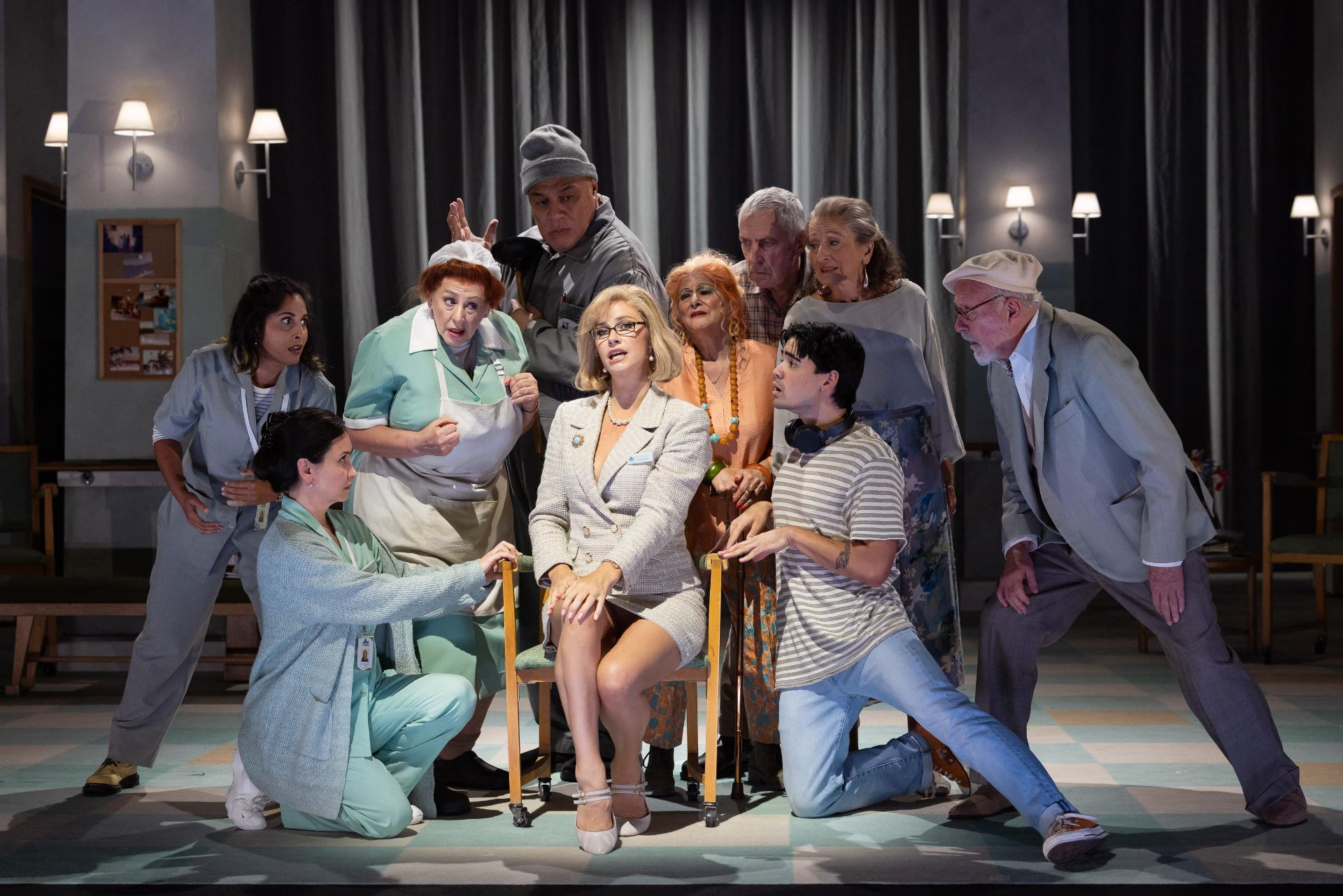
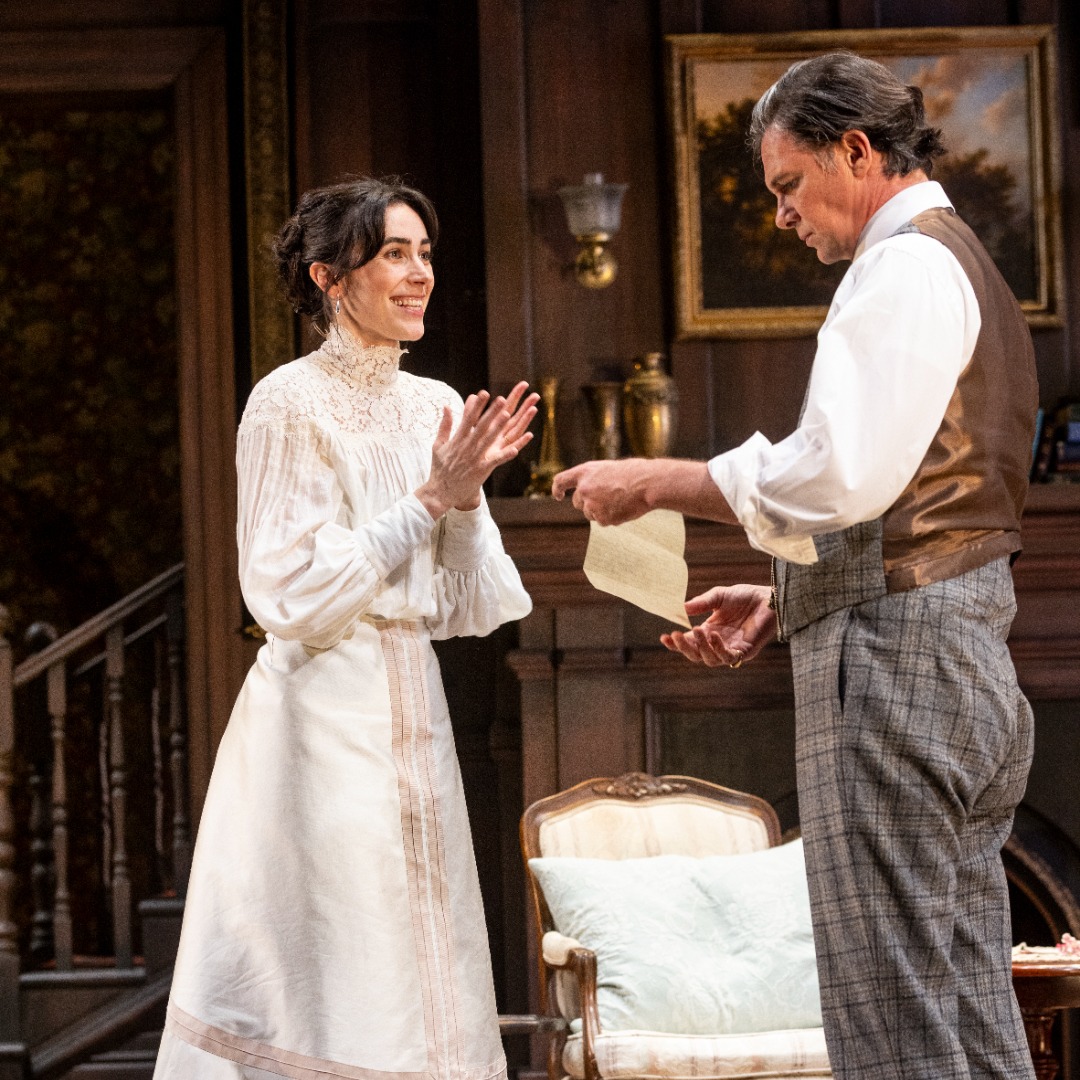
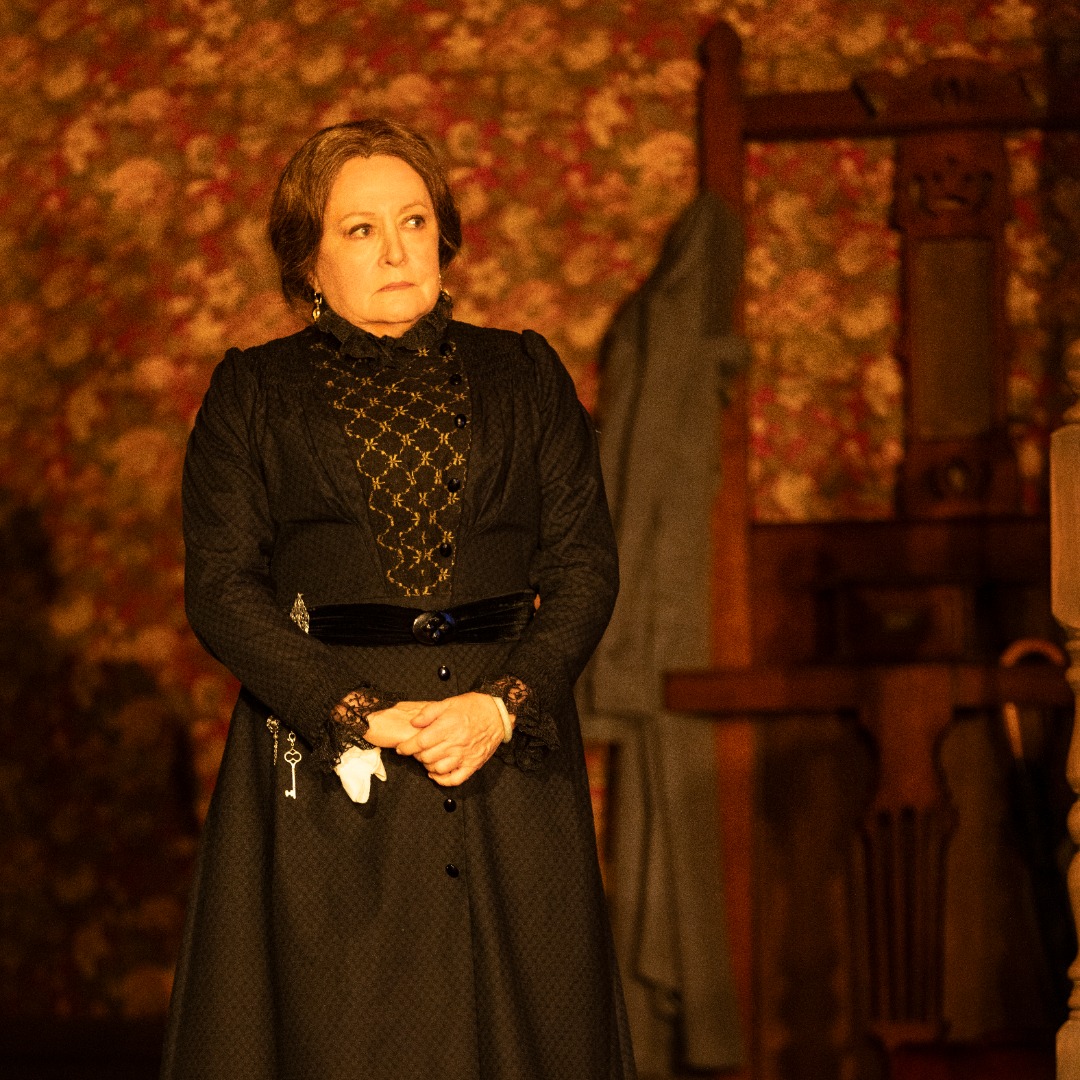
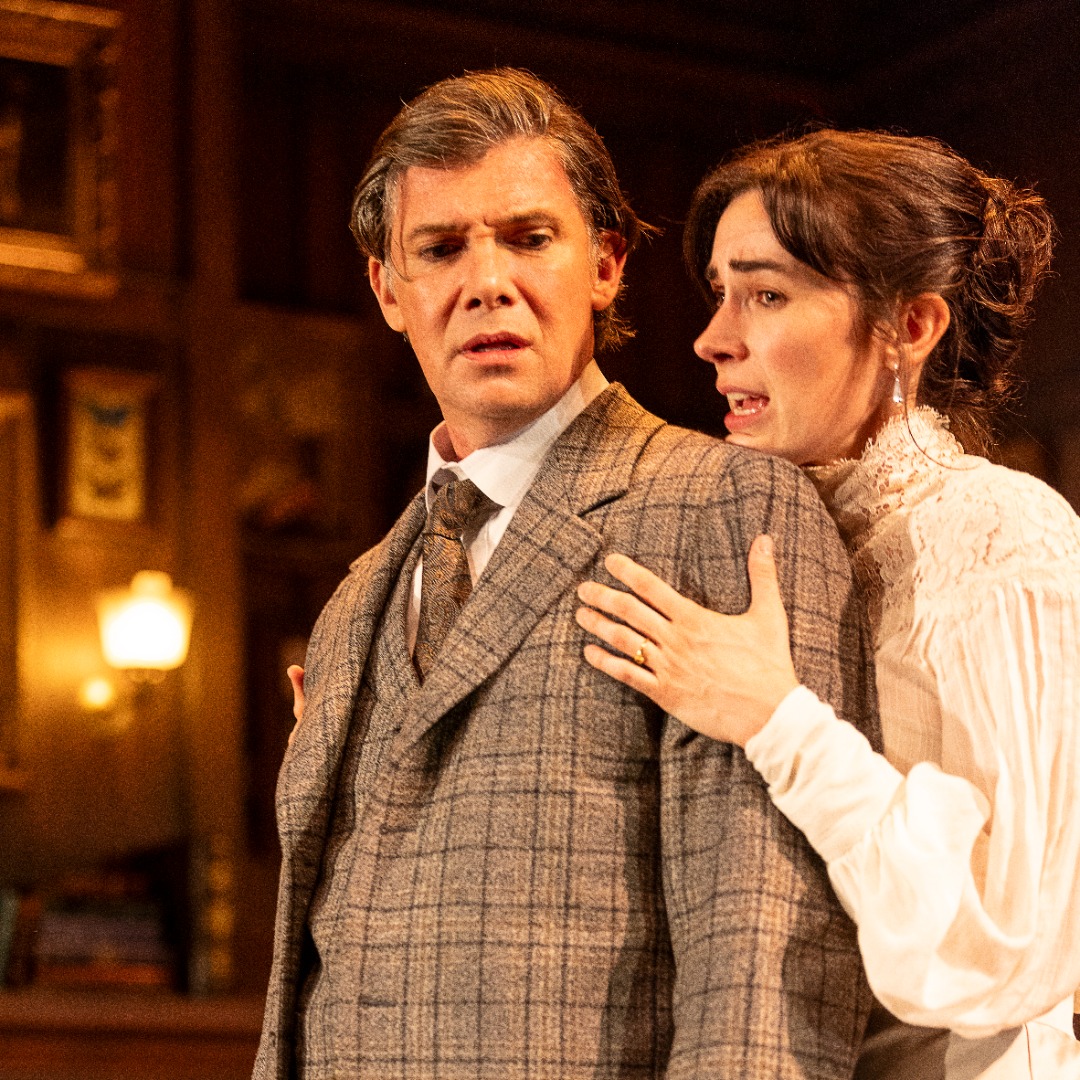
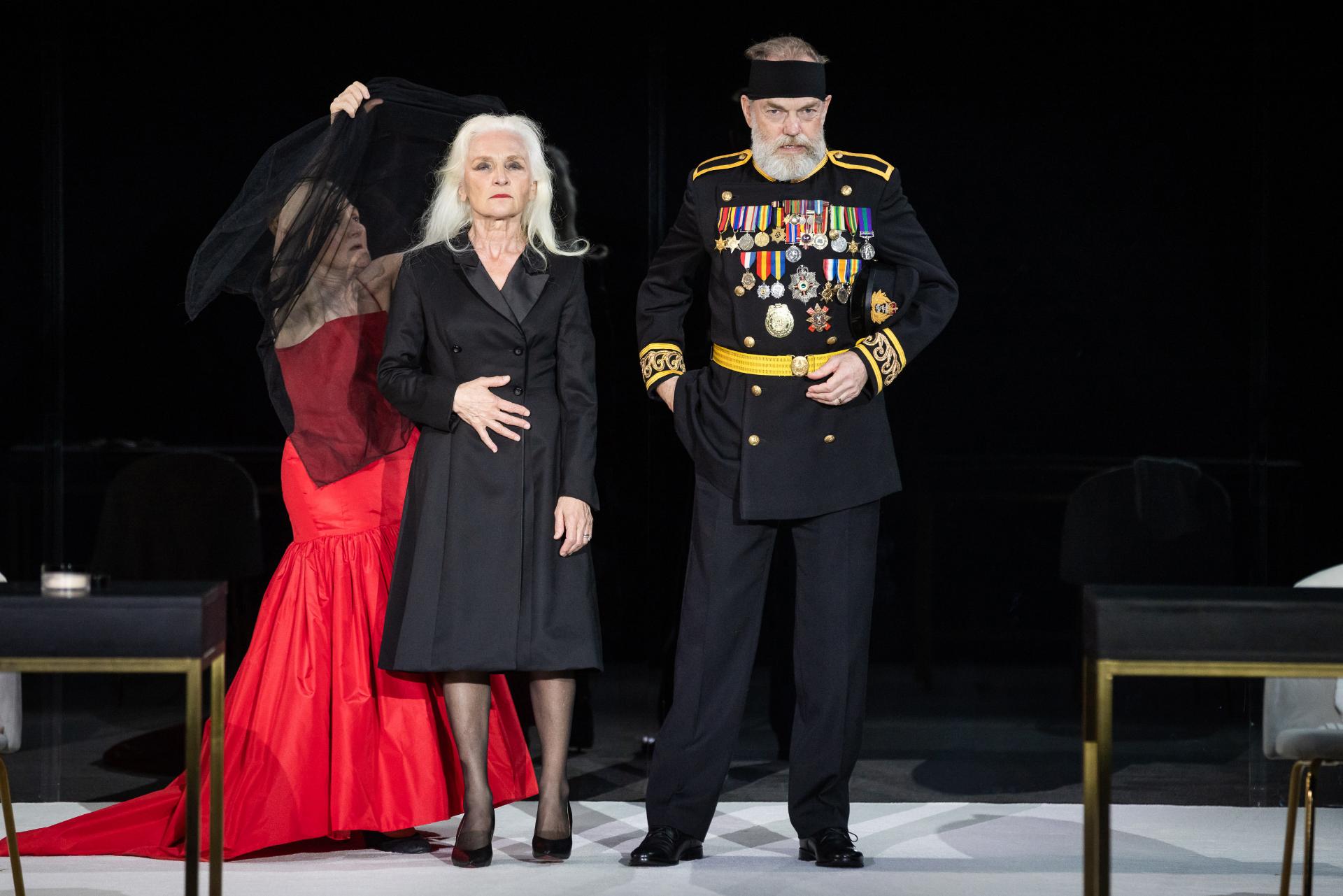
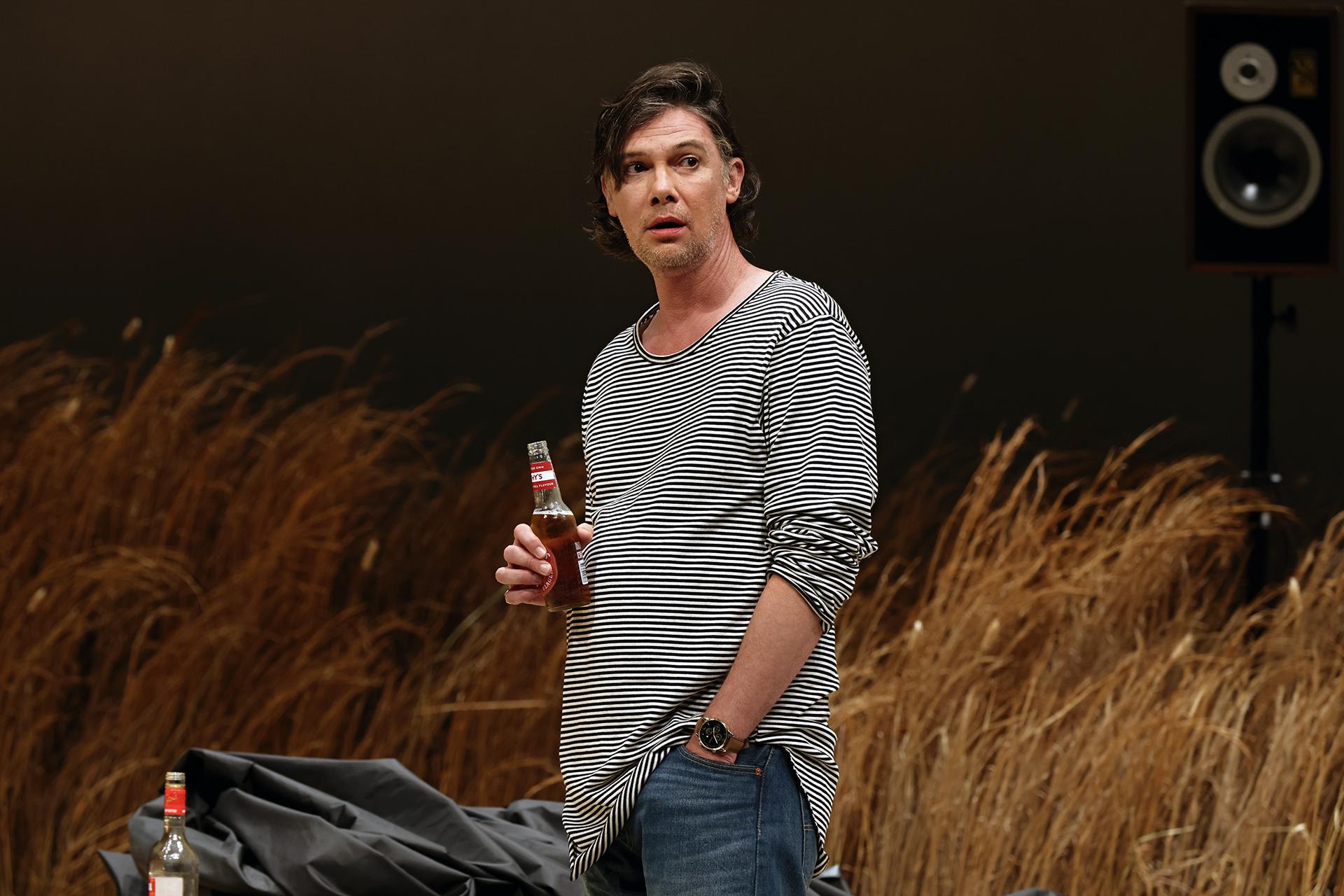
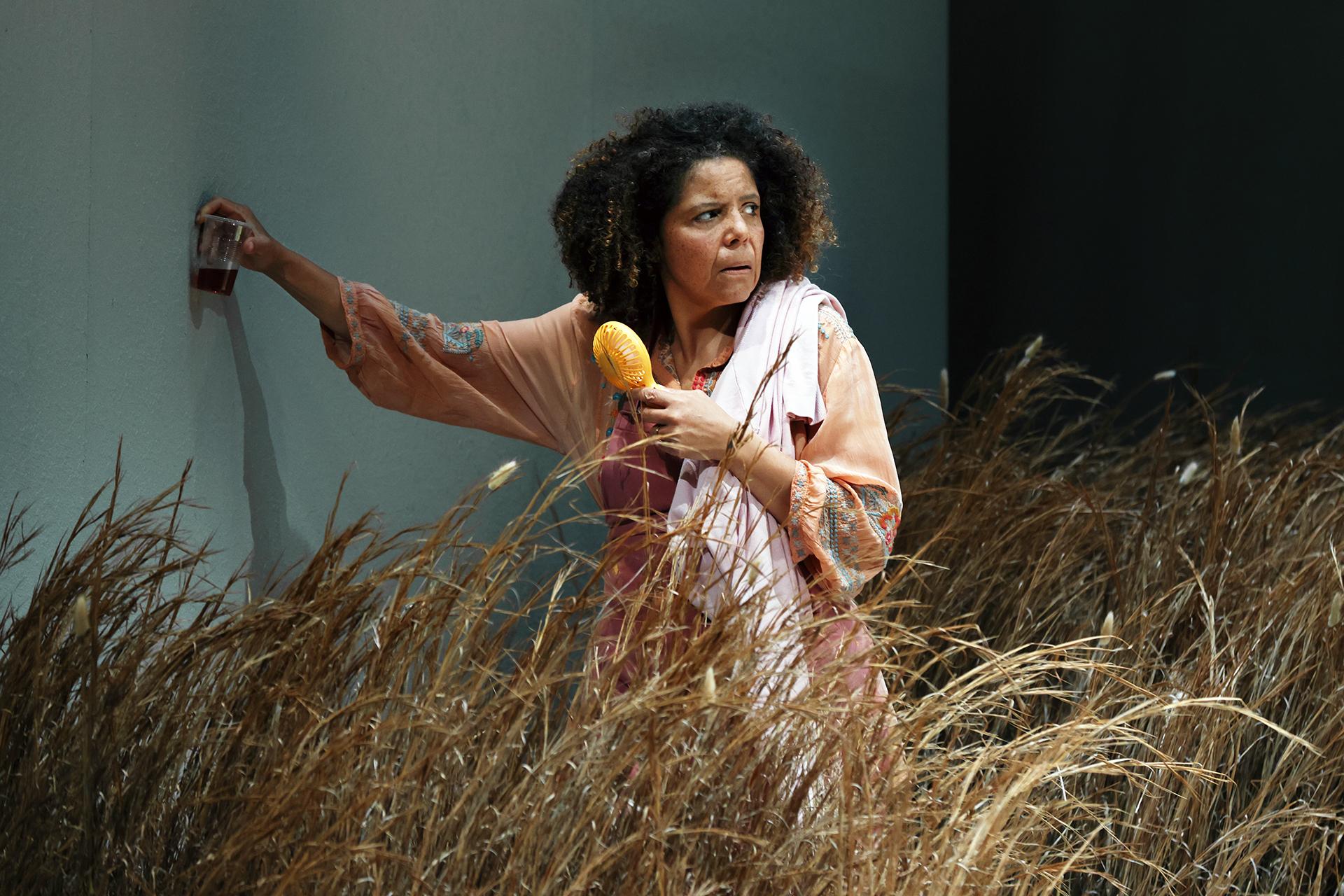
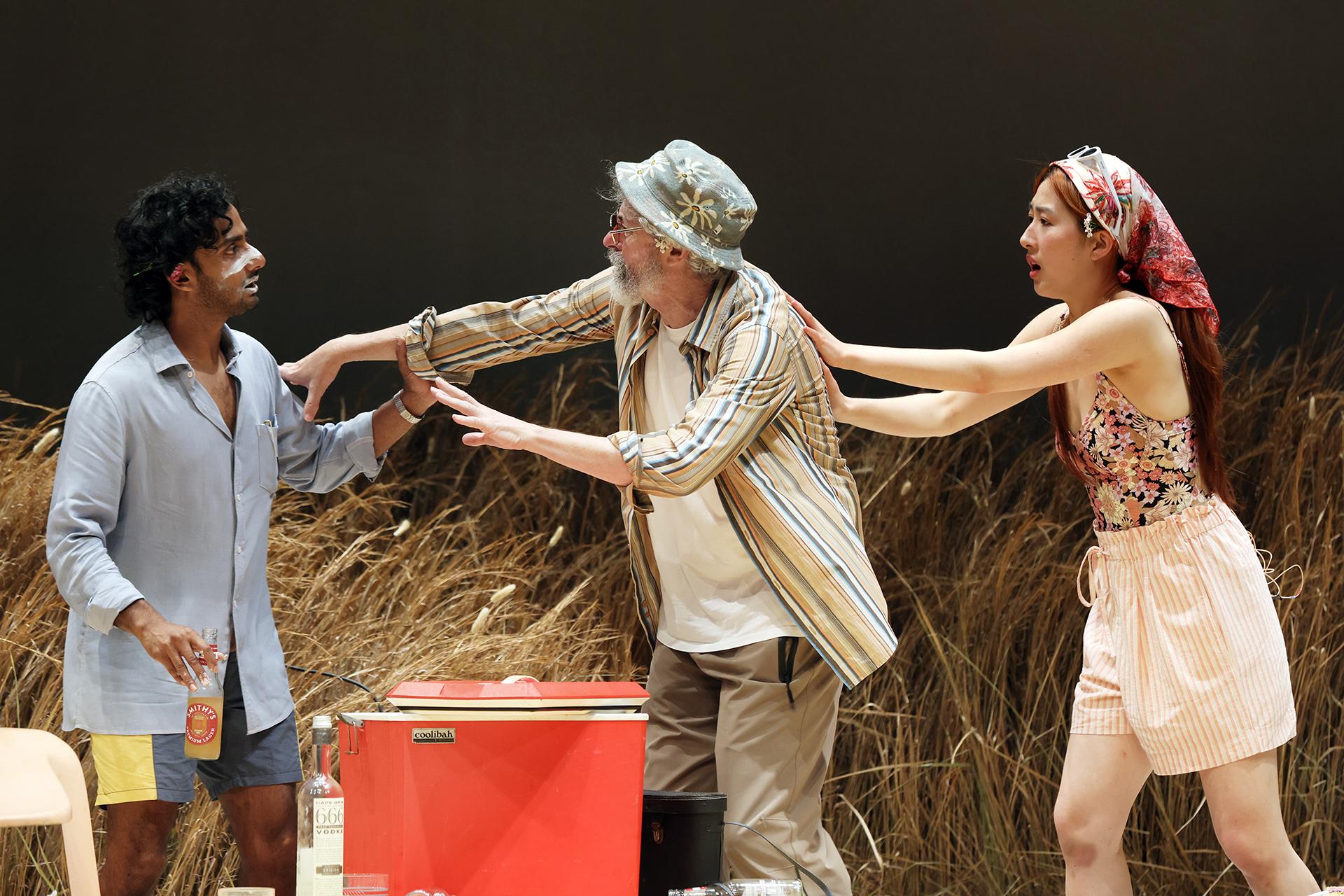
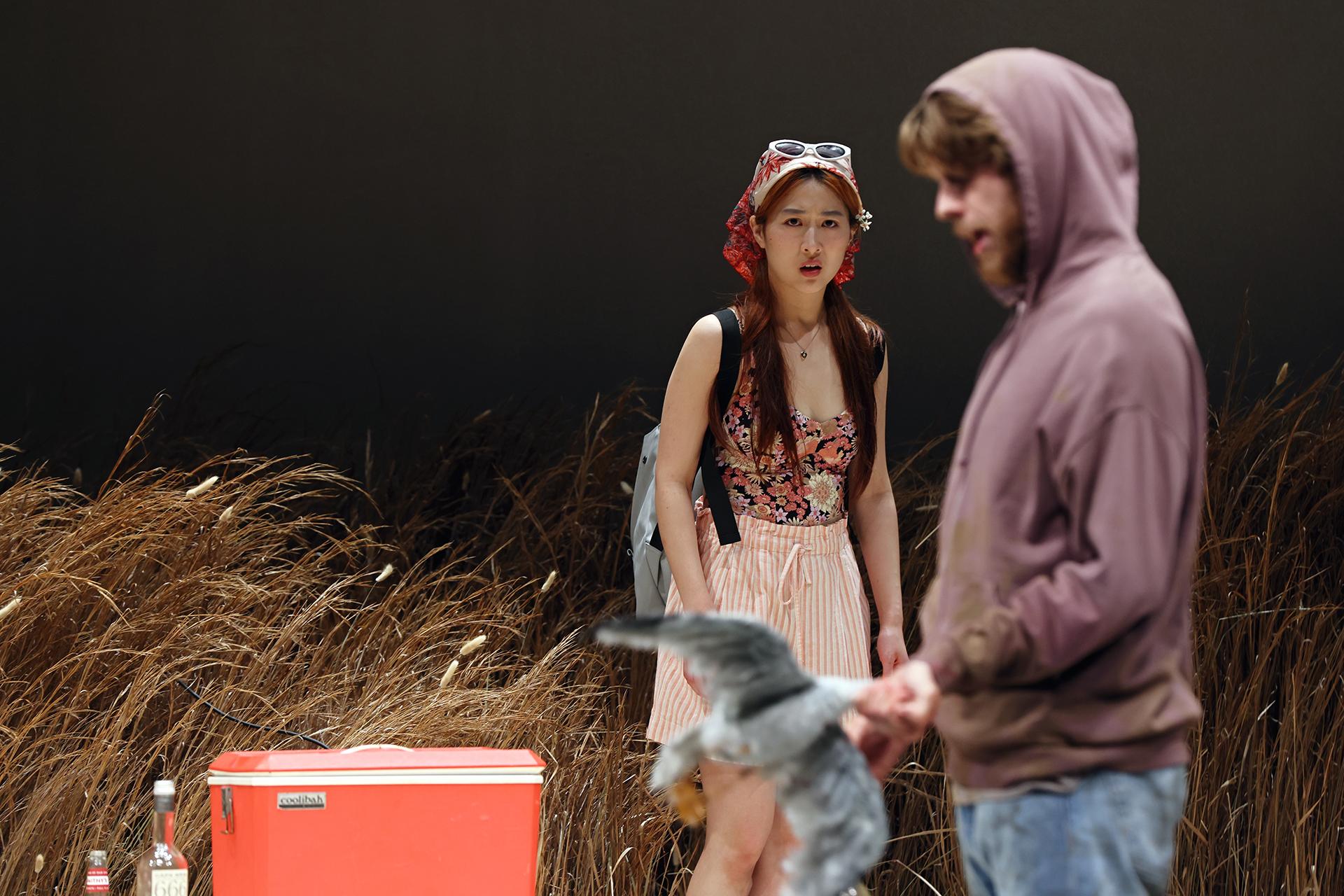
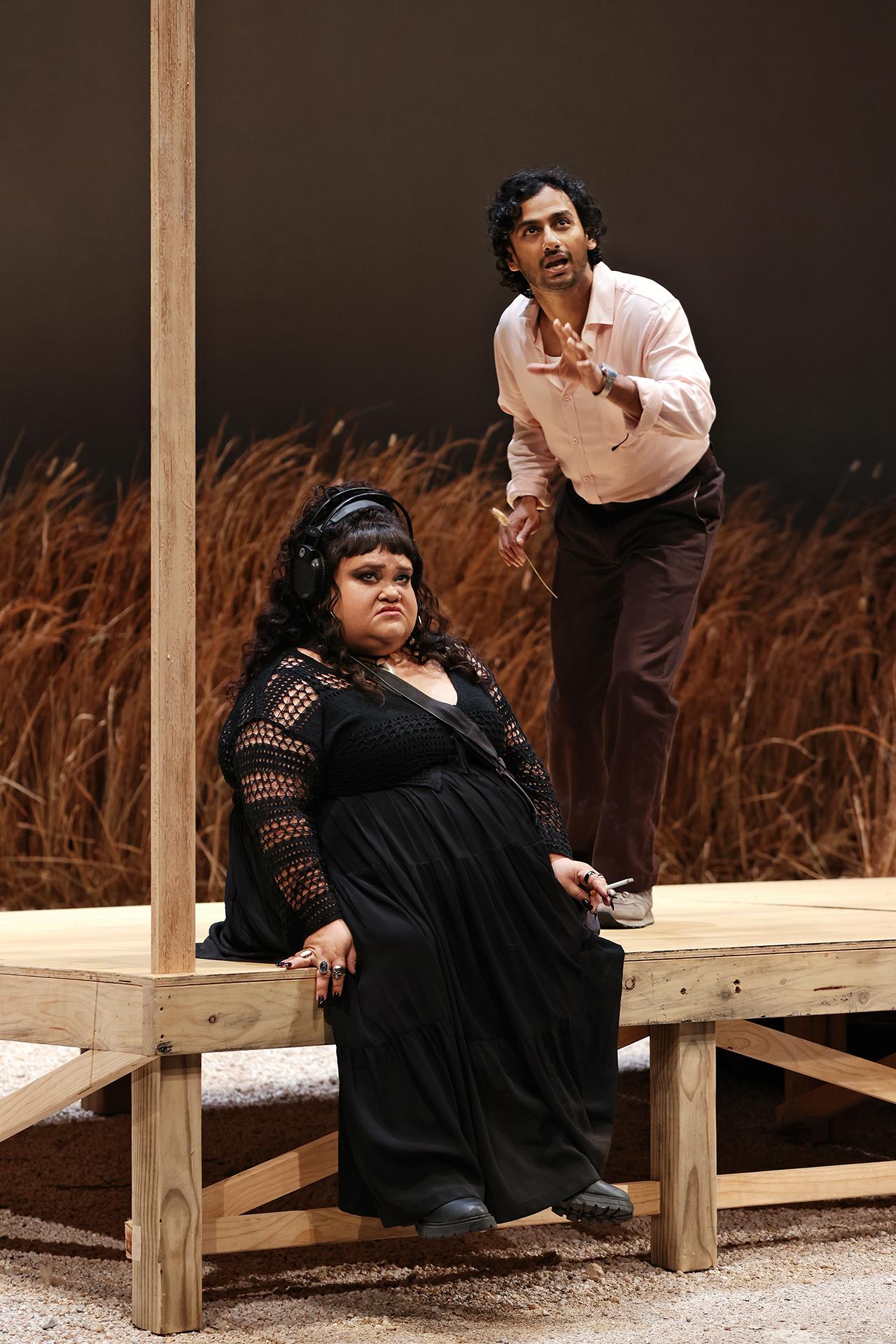
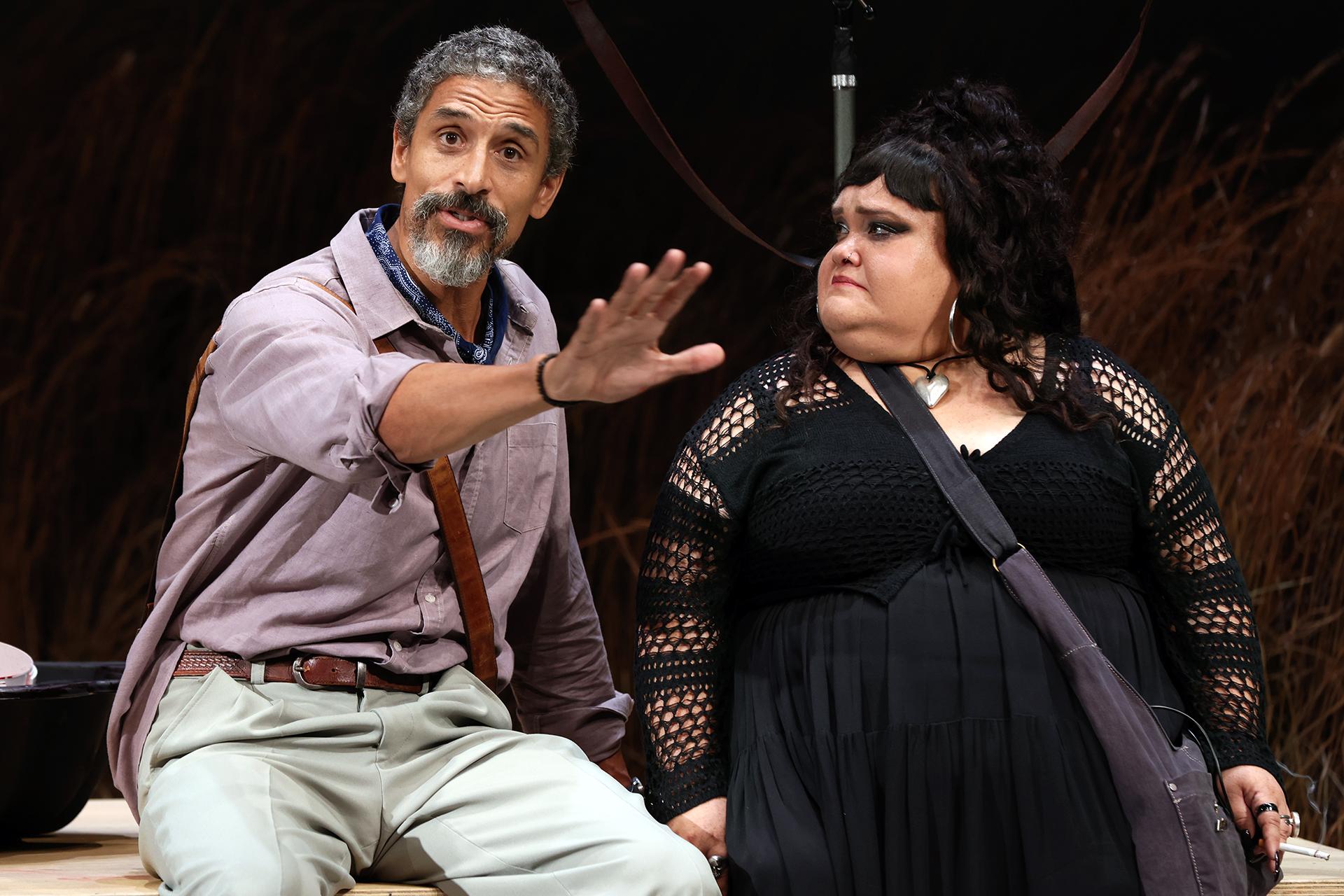
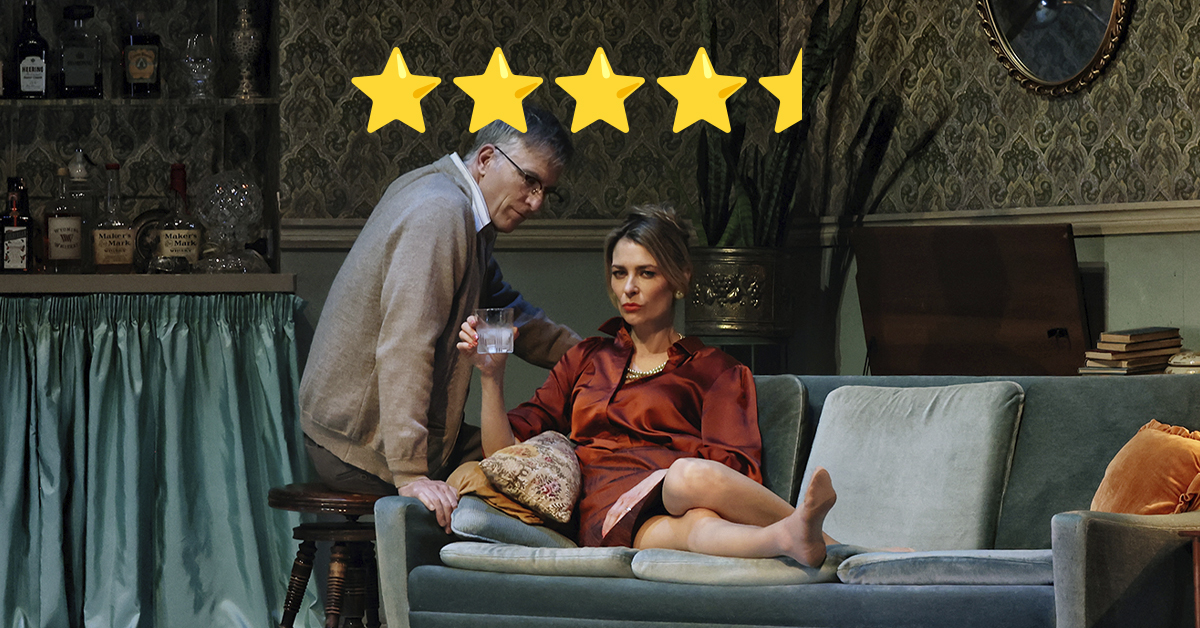
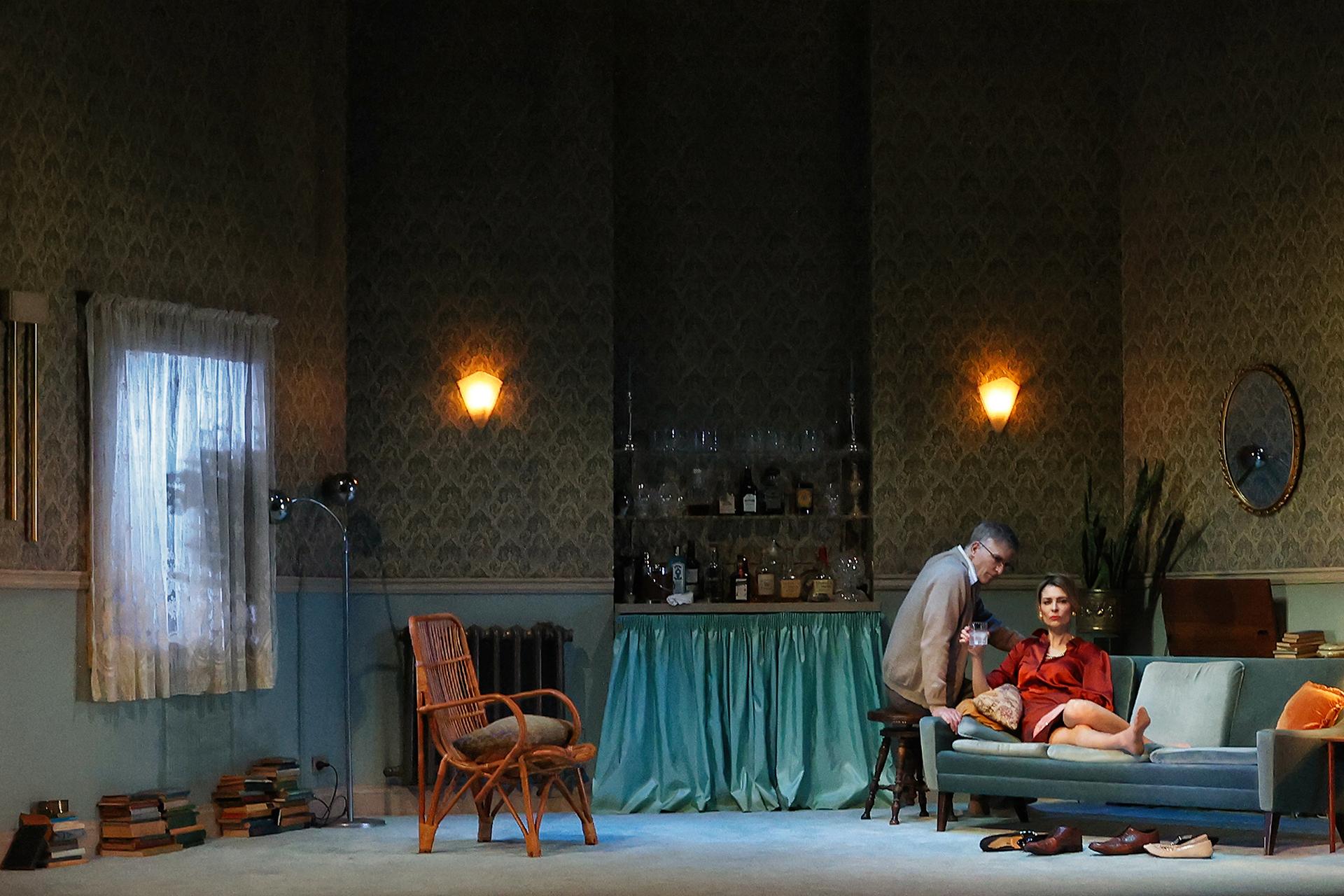
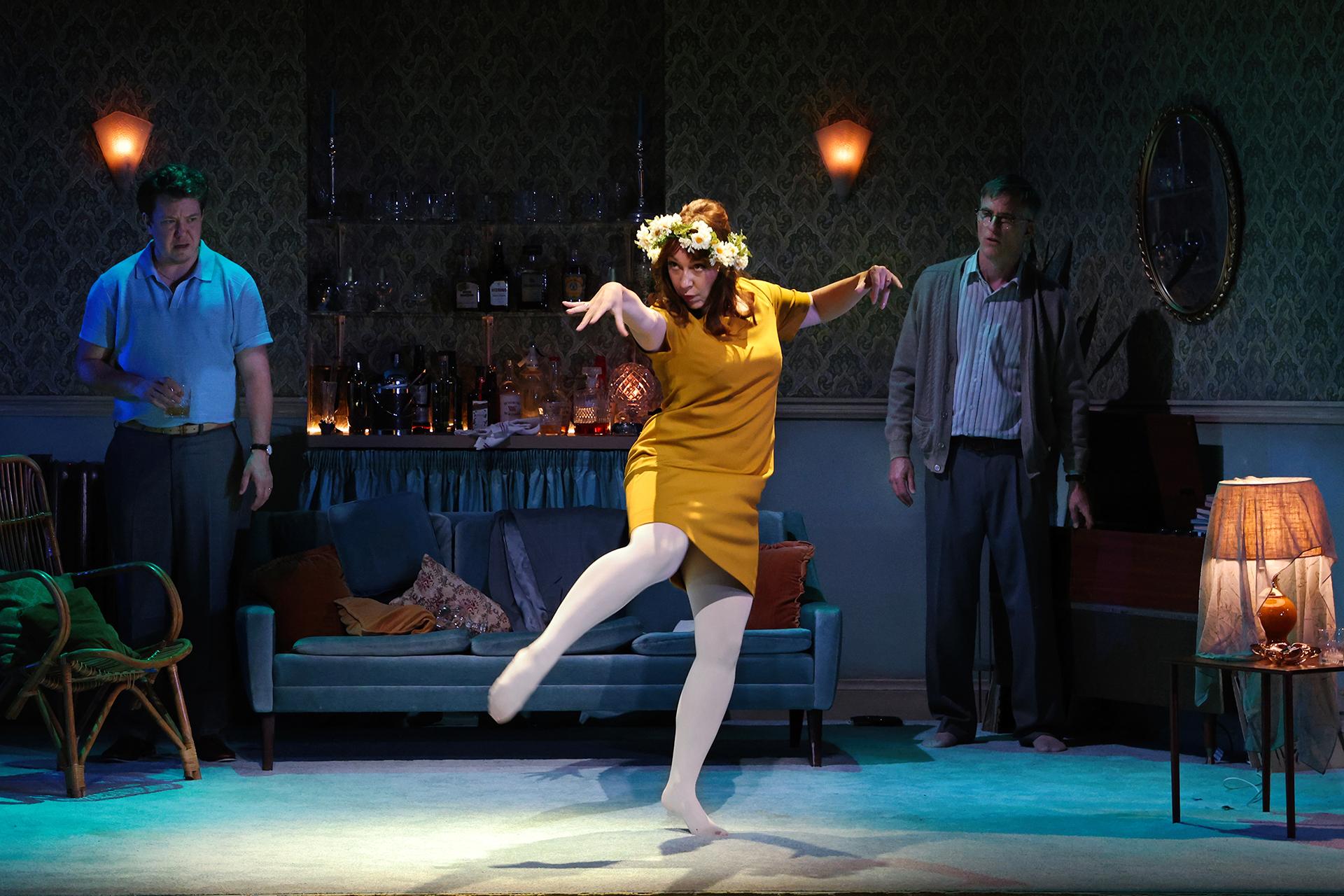
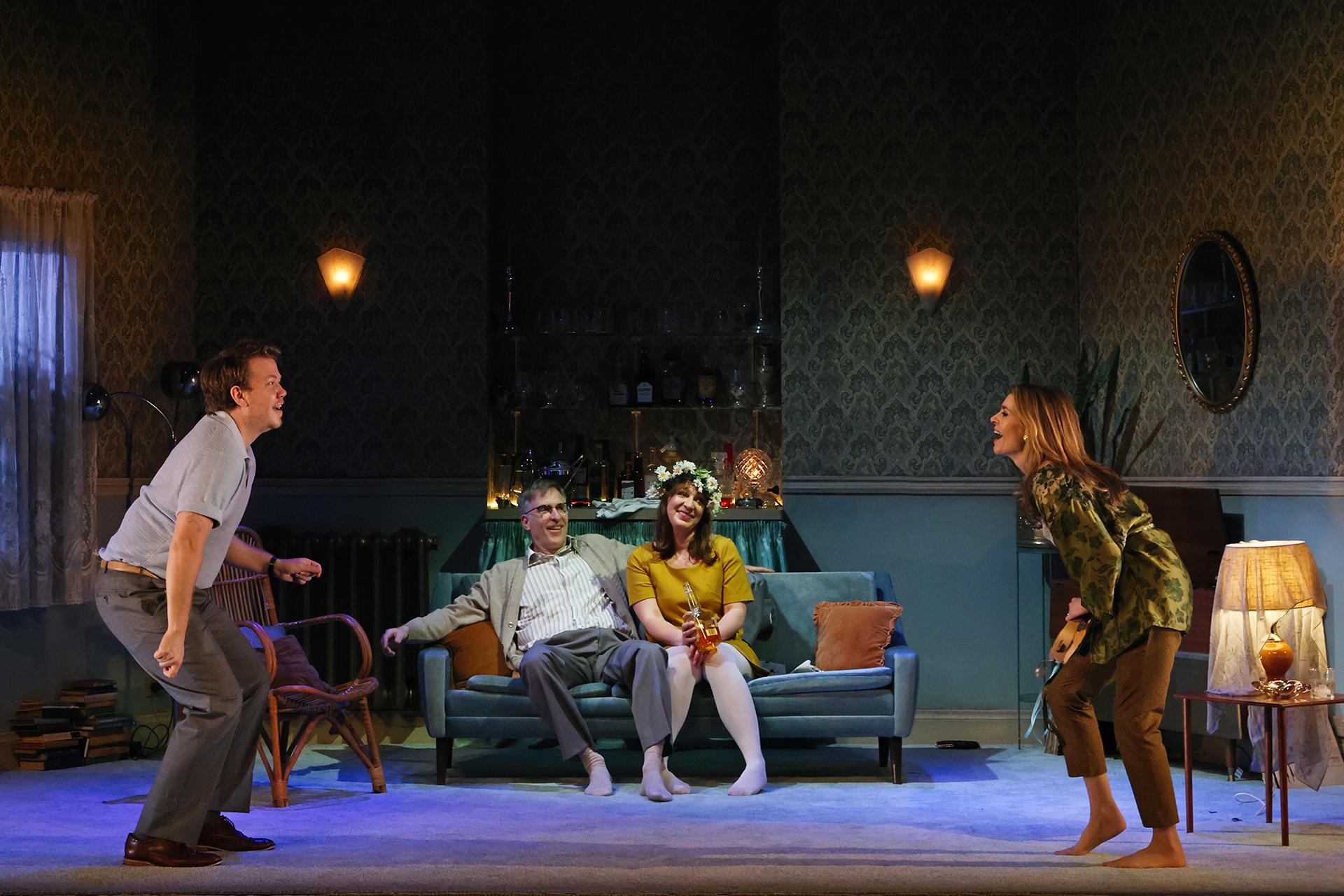
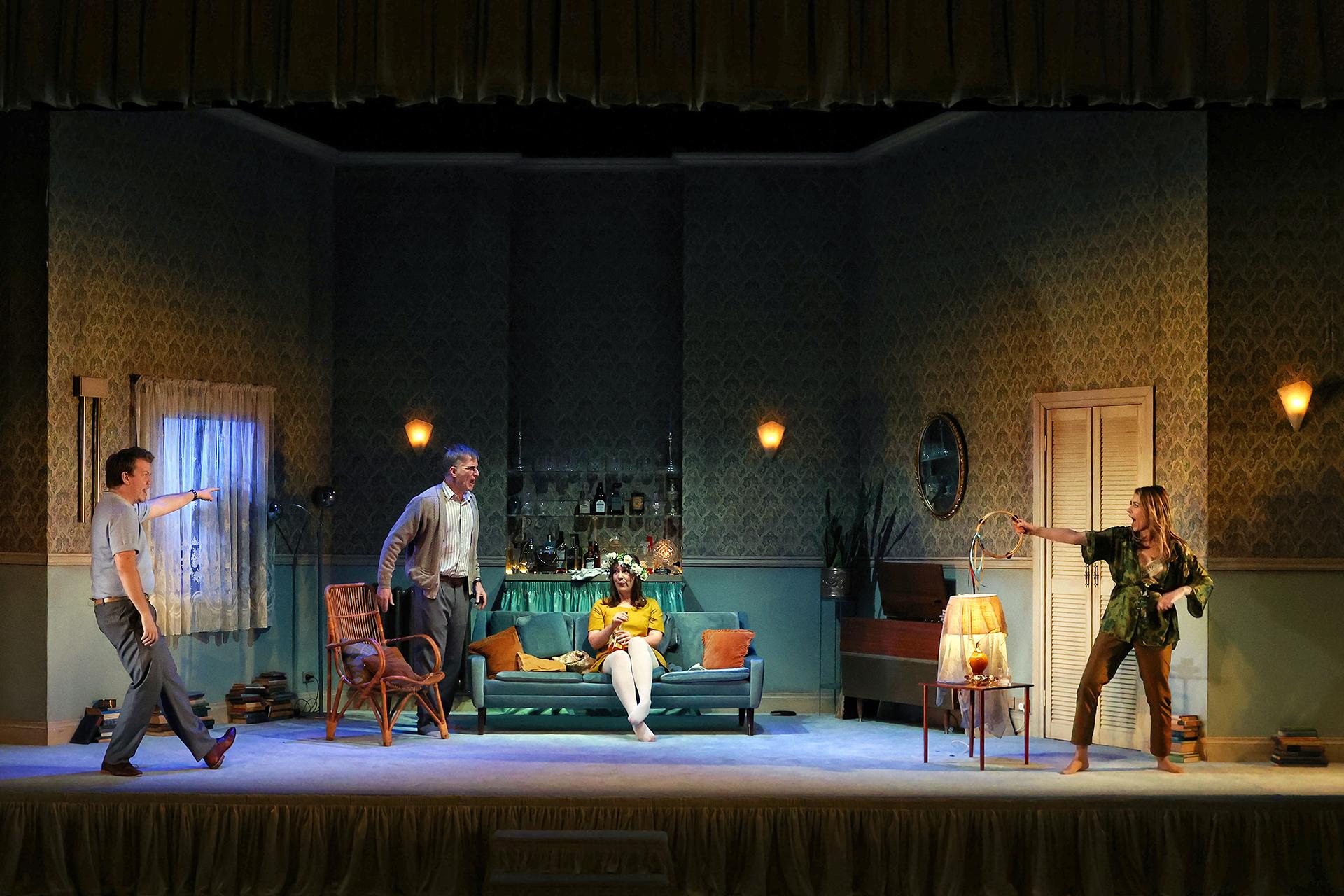
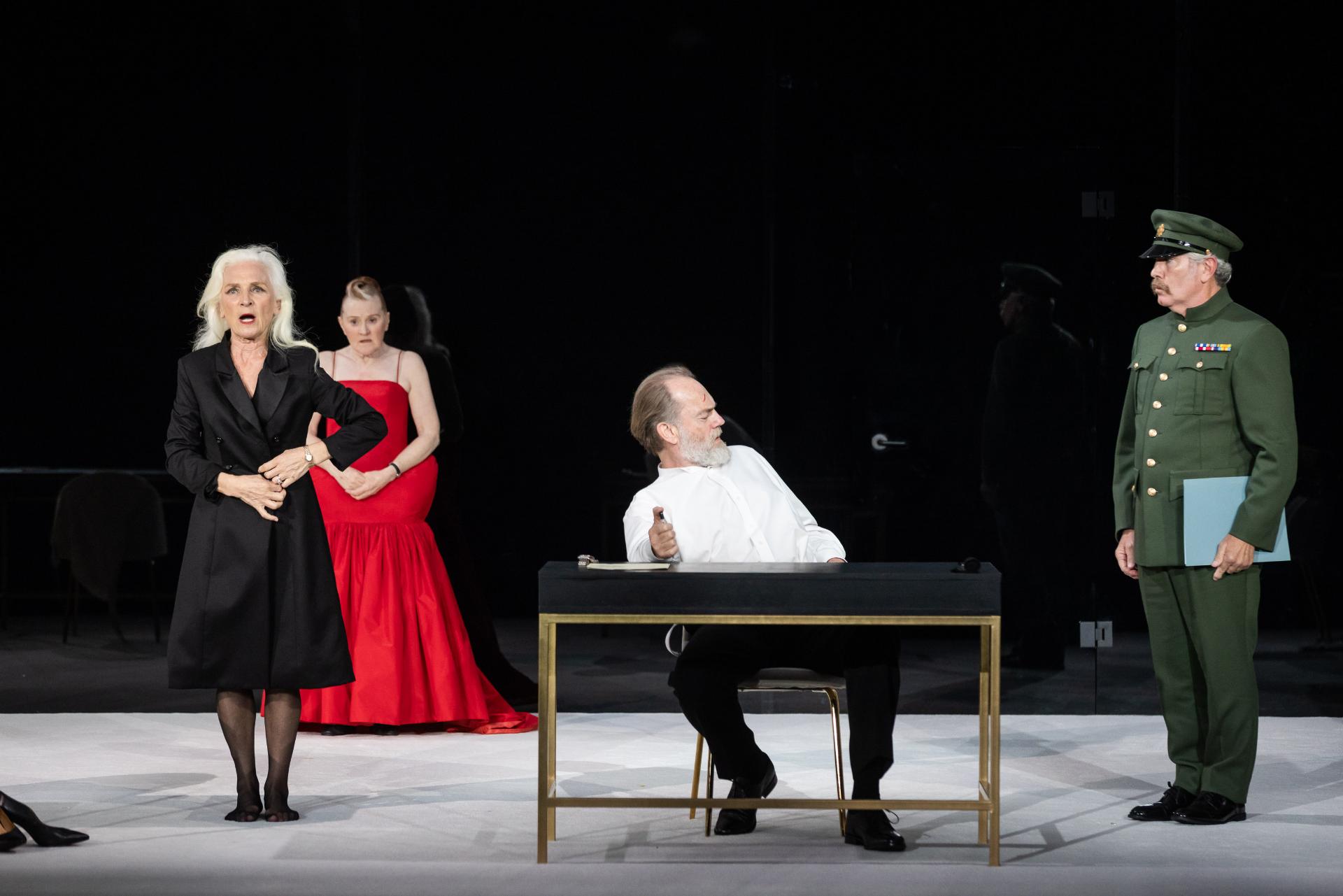
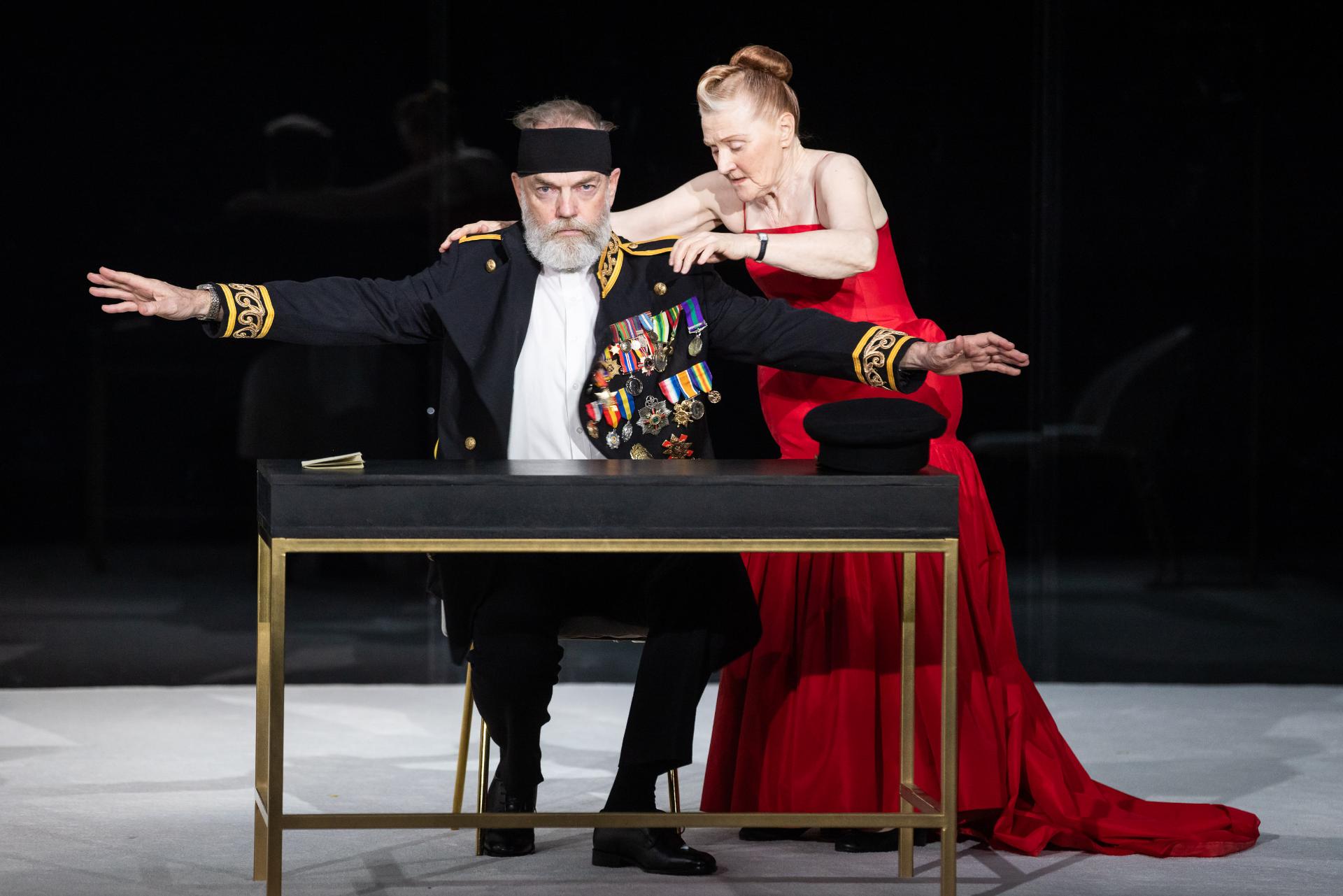
Martha and George are locked in perpetual combat, their hostility not merely private but performative. Their decision to invite a young couple into their home becomes an act of exhibition, a deliberate staging of their mutual destruction. In Who’s Afraid of Virginia Woolf?, Edward Albee exposes the tenacity with which individuals cling to their own suffering, sustained by an insatiable attachment to prestige, privilege, and power. Though Martha and George possess the agency to abandon their cyclical torment, they remain ensnared by the illusion of respectability, choosing the stability of social appearance over the uncertainty of liberation.

At sixty-three years old, the play has become something of a grand old dame of the theatrical canon, yet its genuinely subversive sensibilities ensure it remains as confrontational and affecting as ever. Under the direction of Sarah Goodes, the work gains renewed vitality: she not only excavates the raw truths within Martha and George’s volatile dynamic but also deftly unearths the humour embedded in their vicious exchanges. Goodes has taken an enduring classic and rendered it freshly incisive—polished to a gleam, yet capable of striking with the force of a blunt instrument.

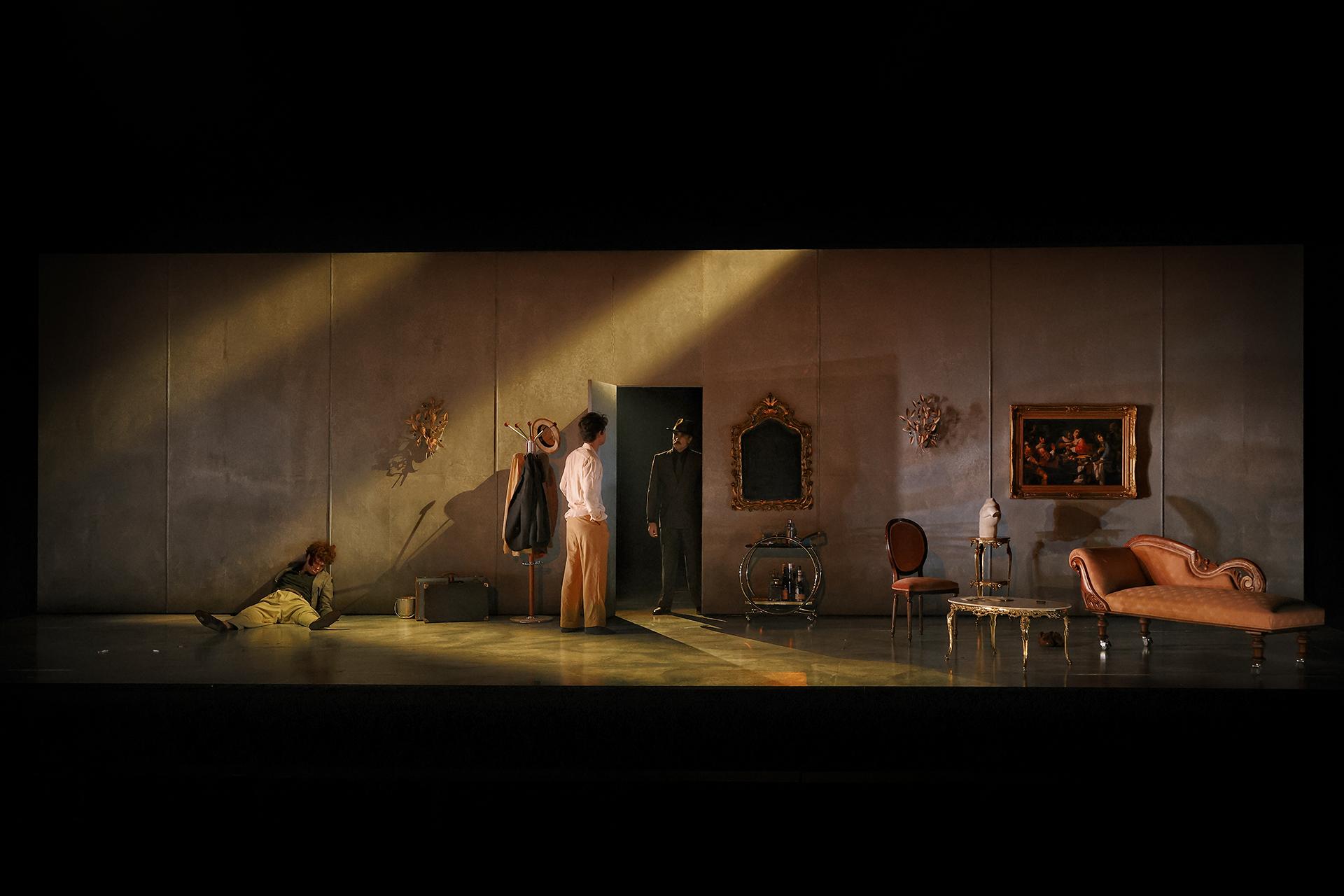
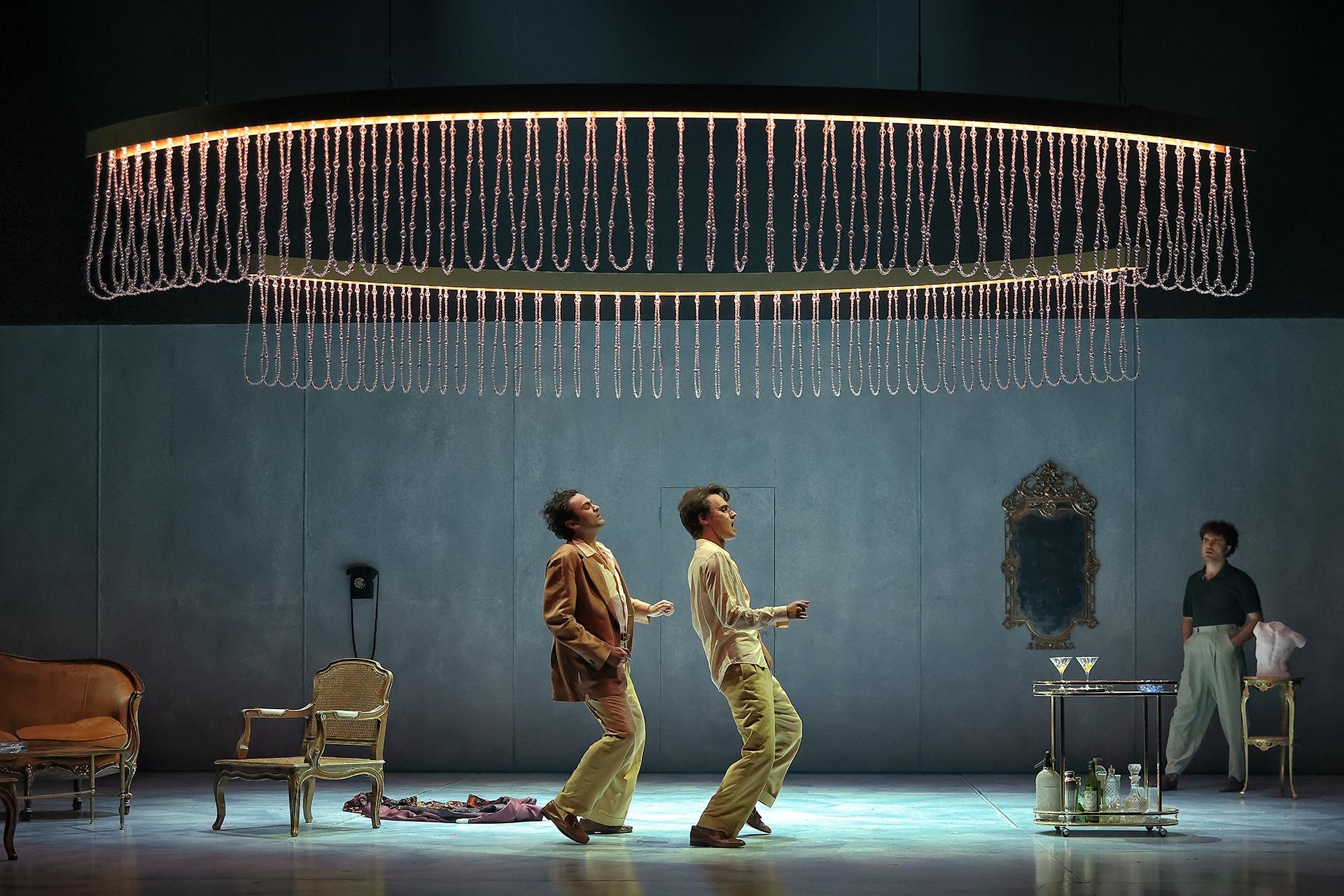
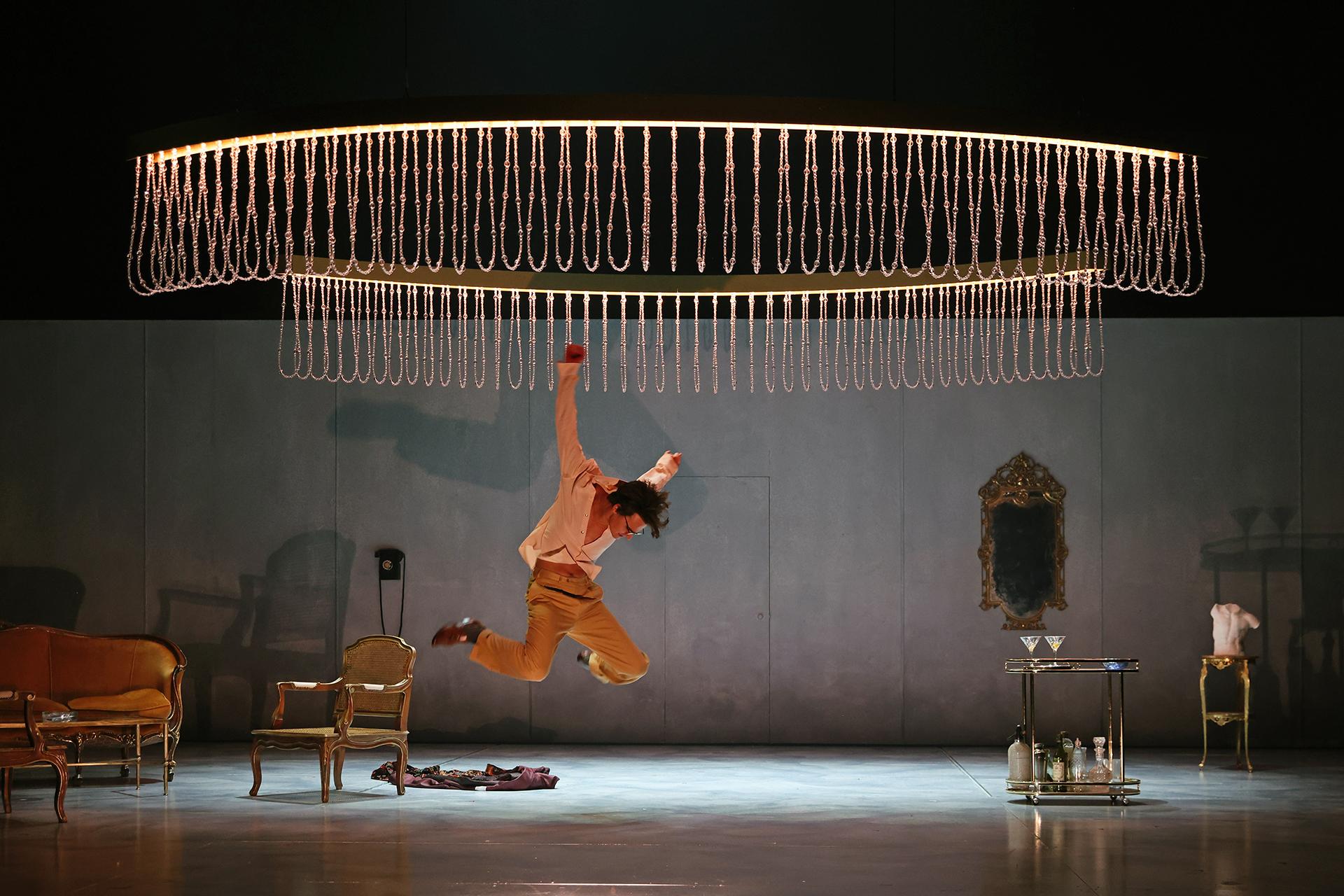
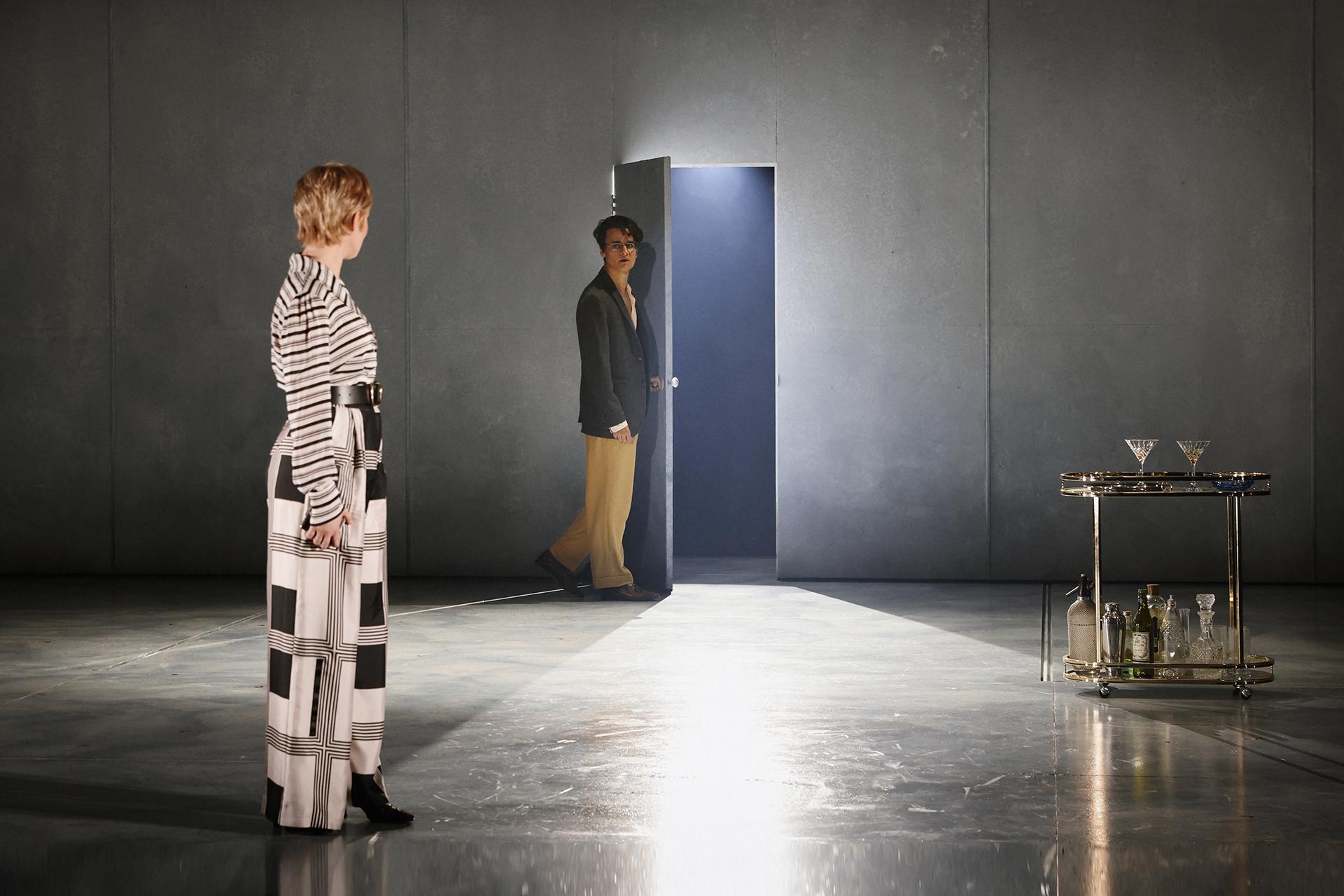
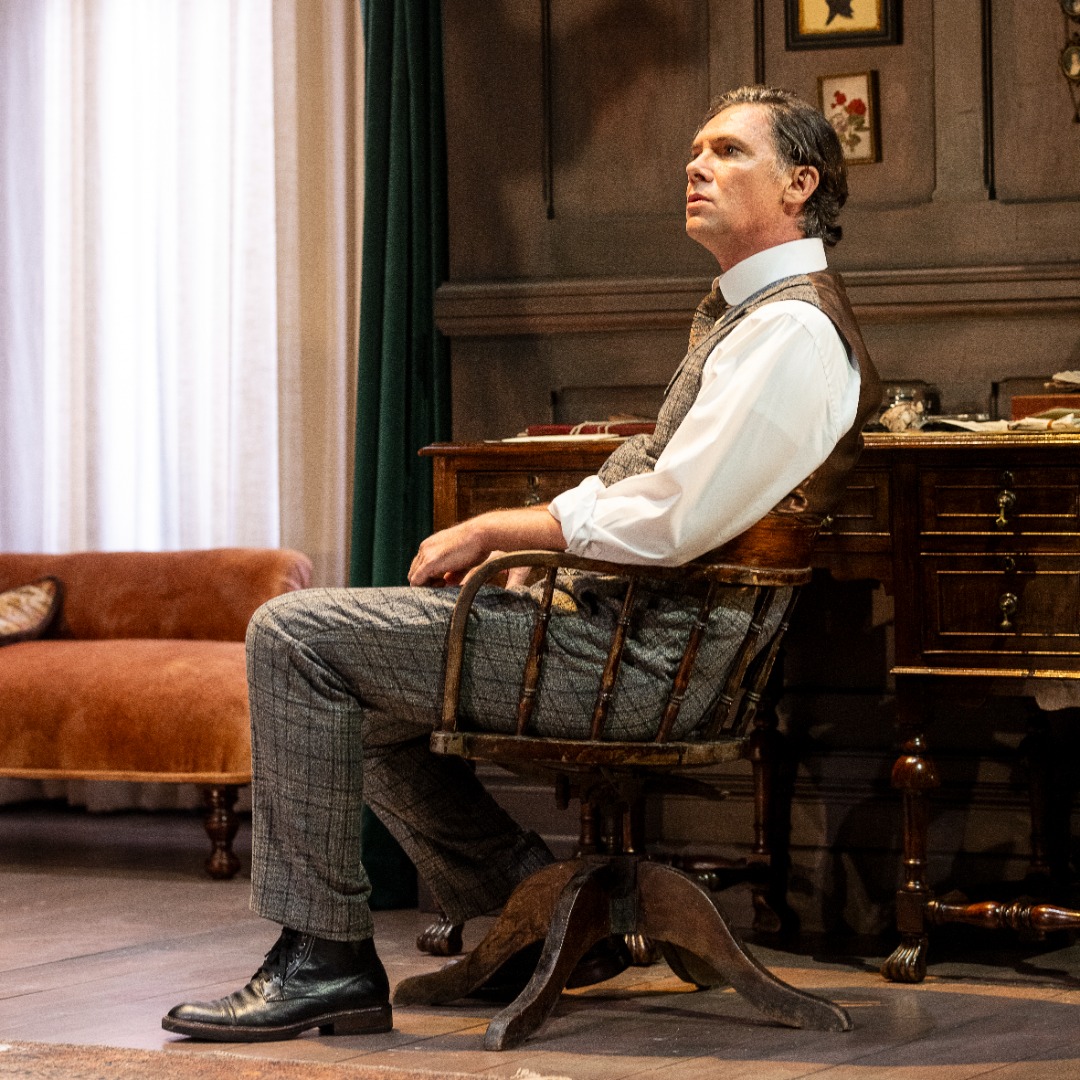
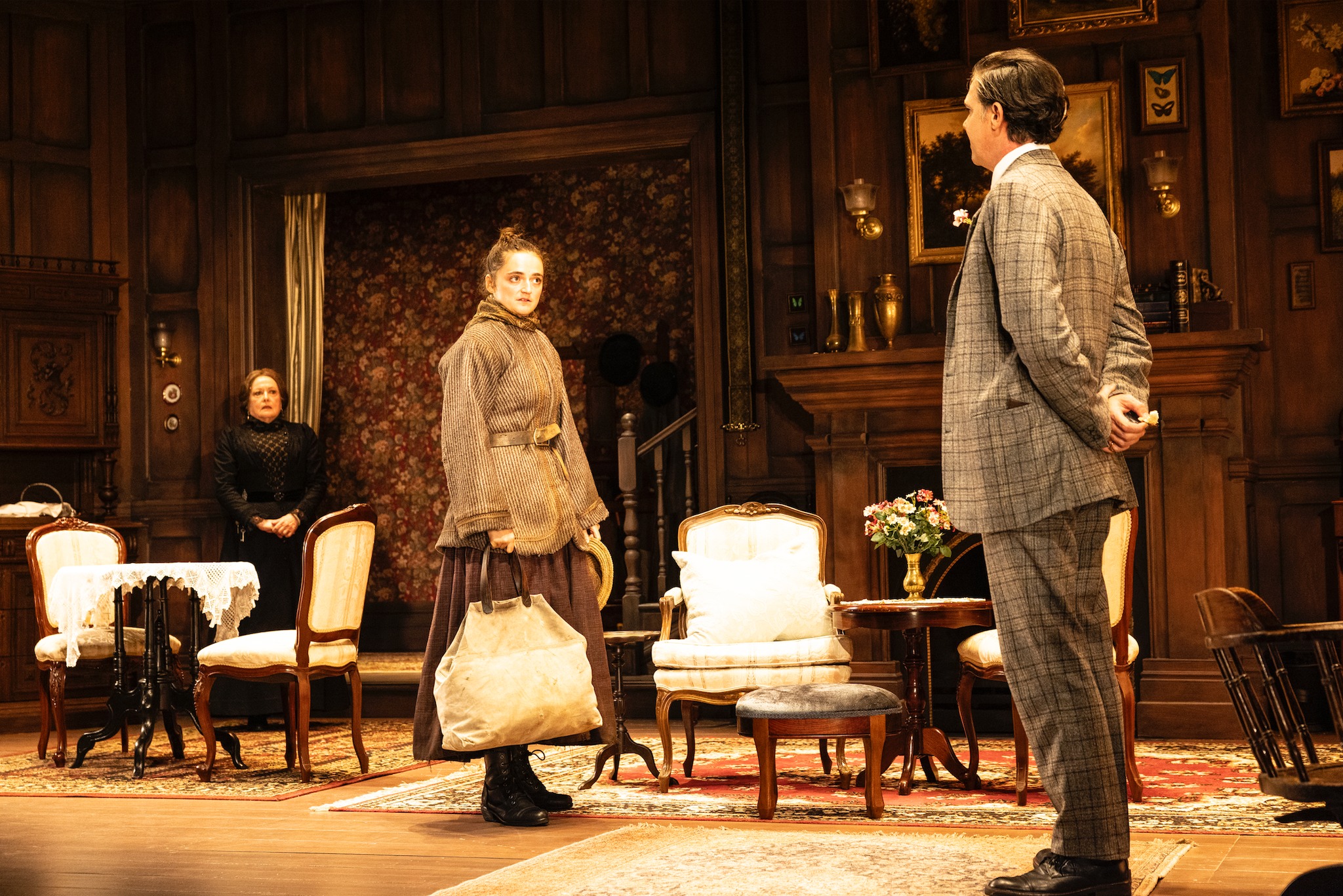
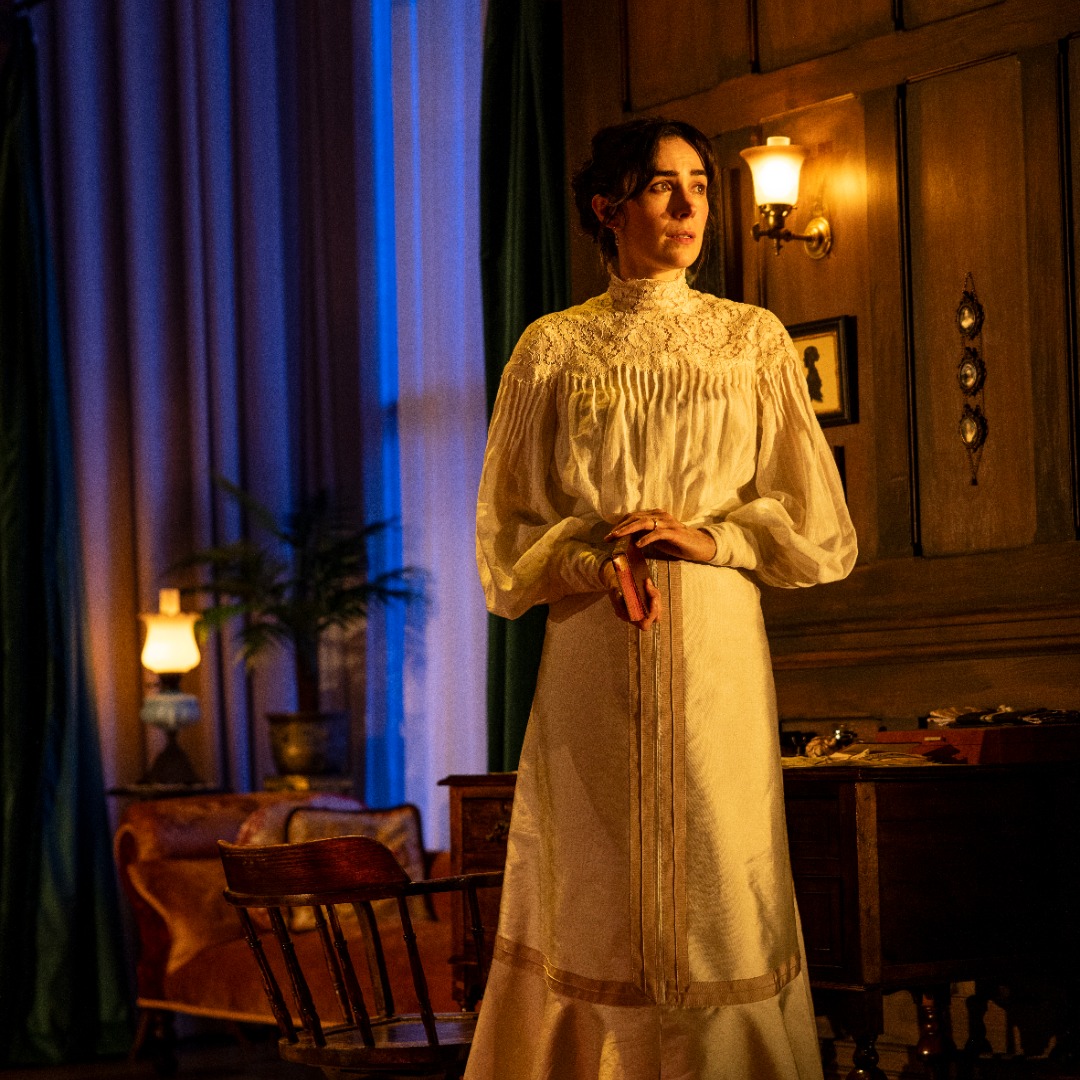
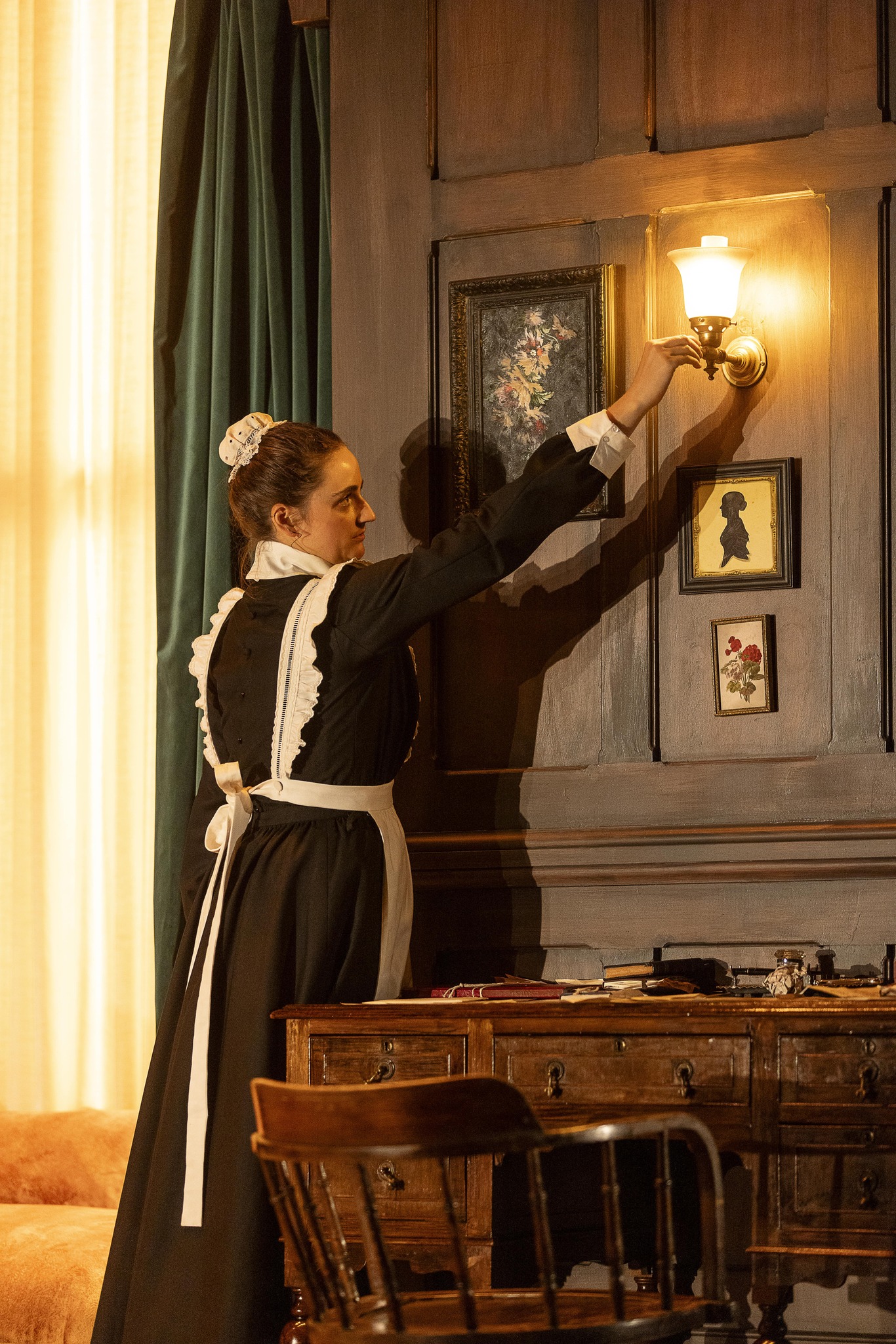
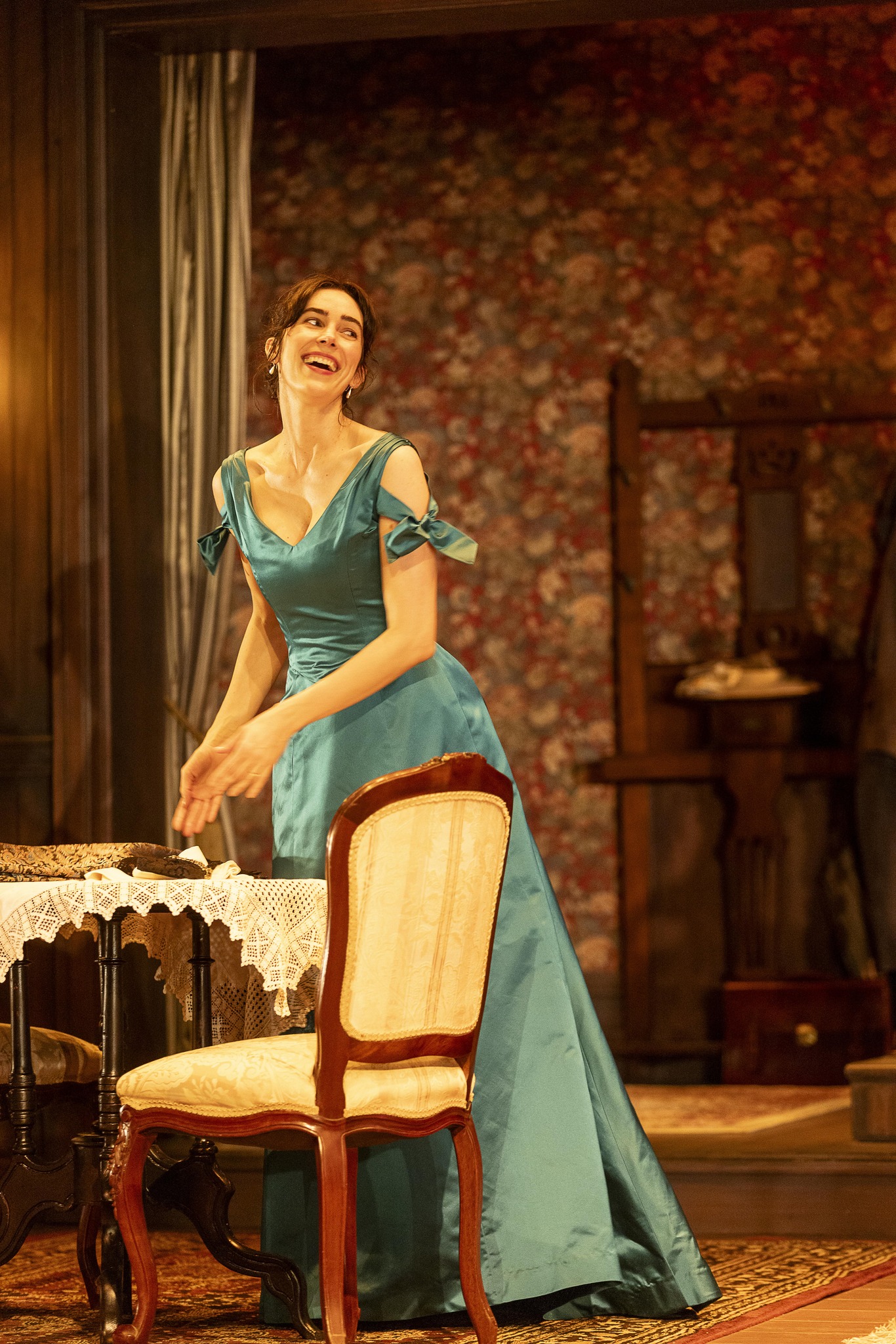
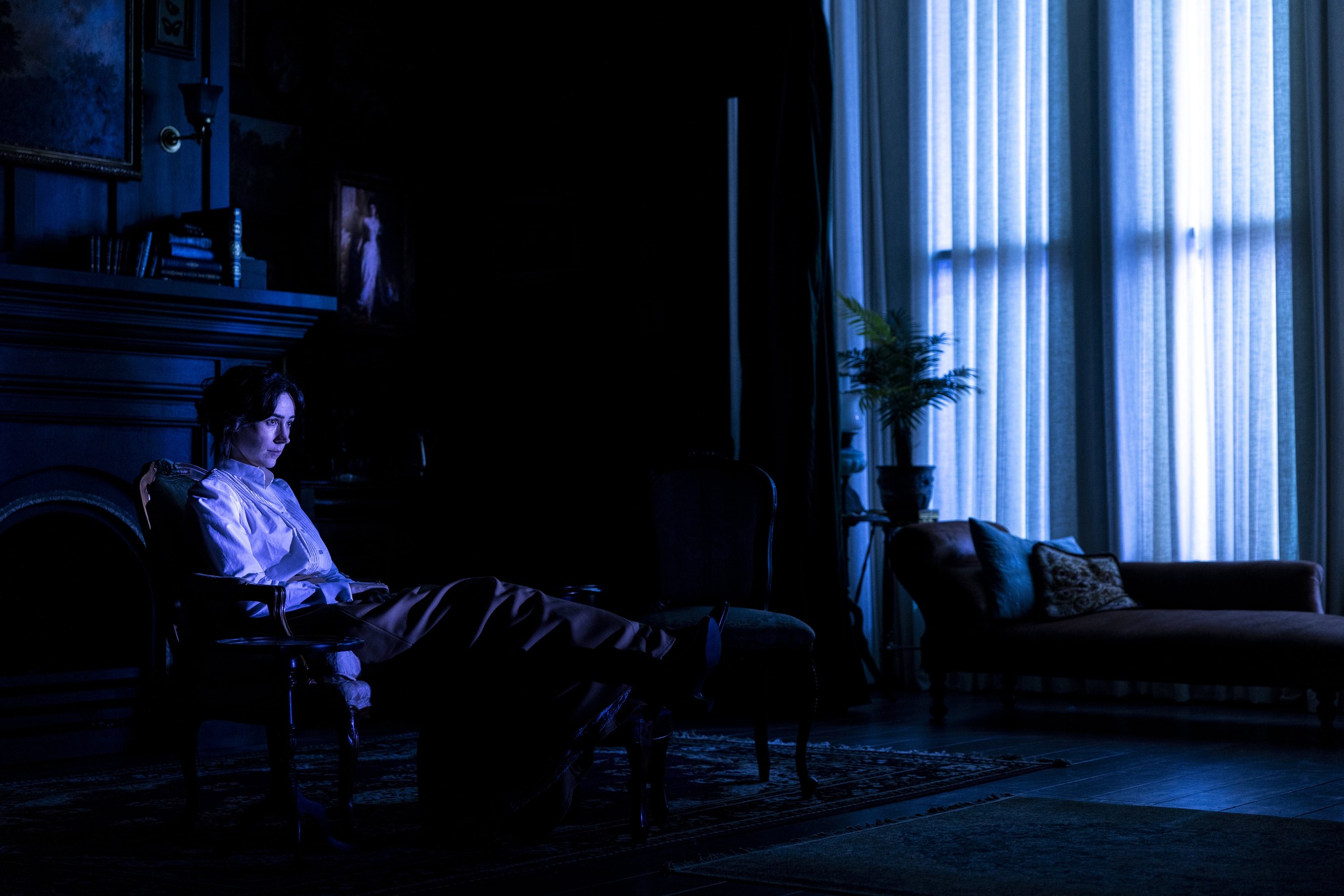
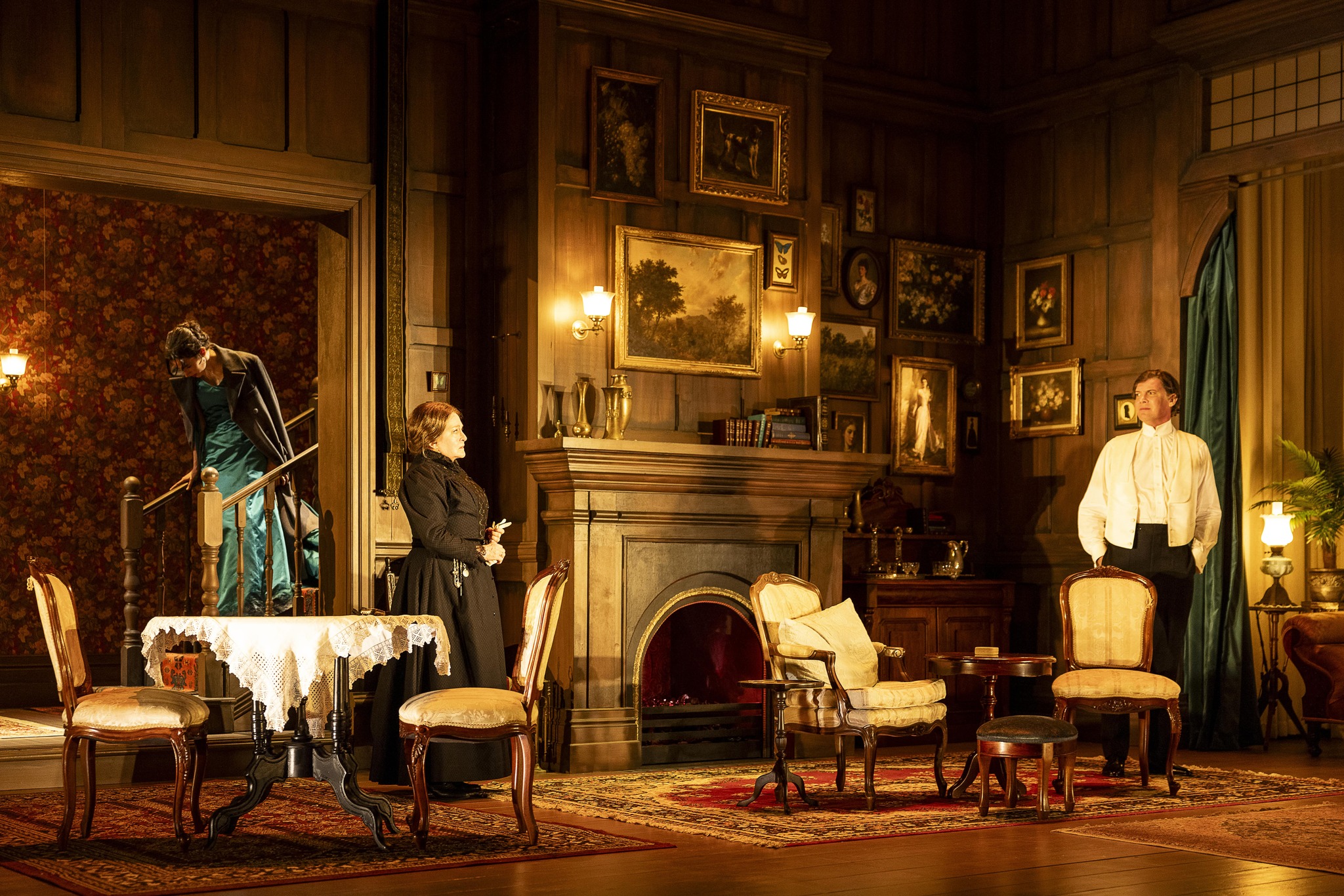
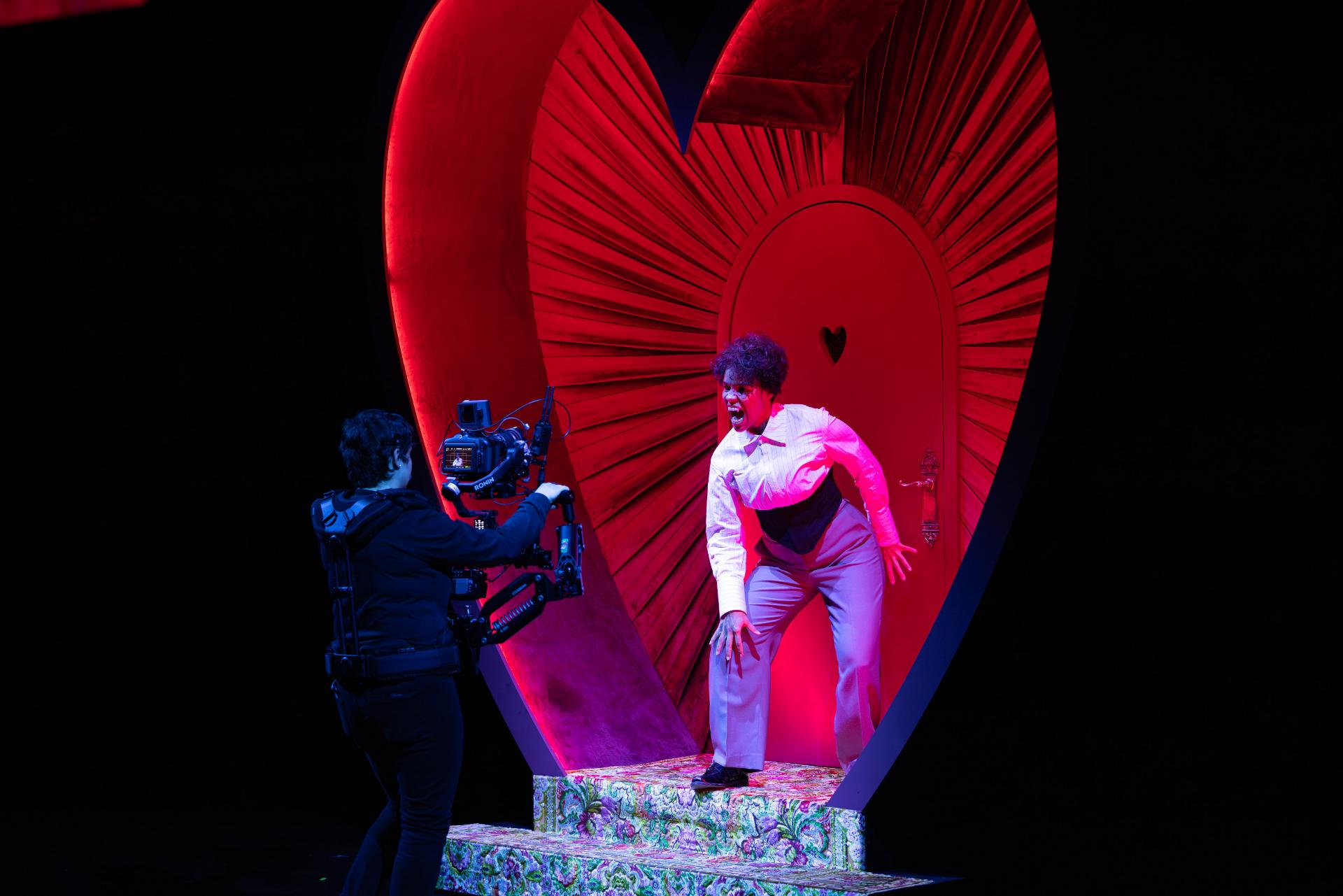
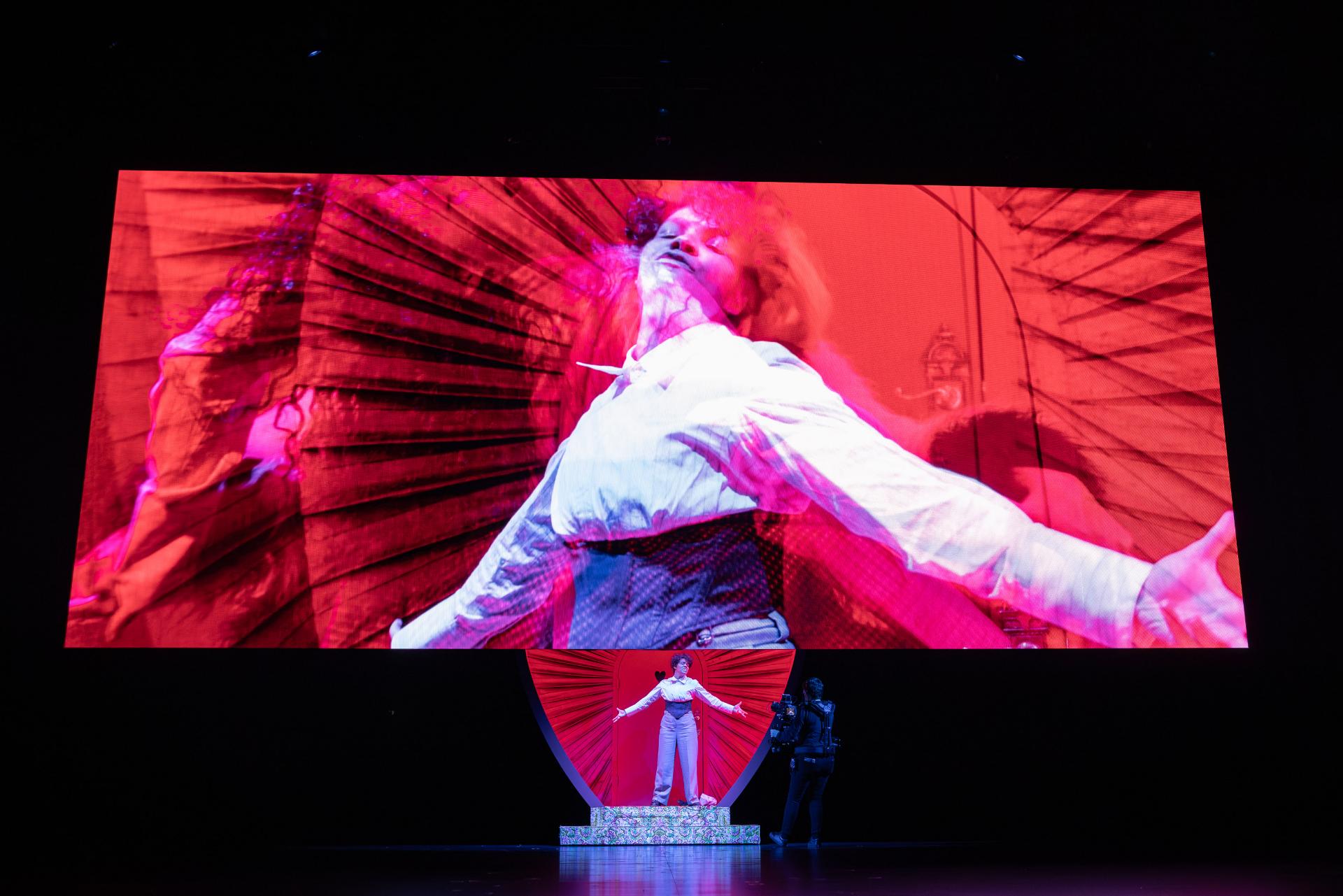
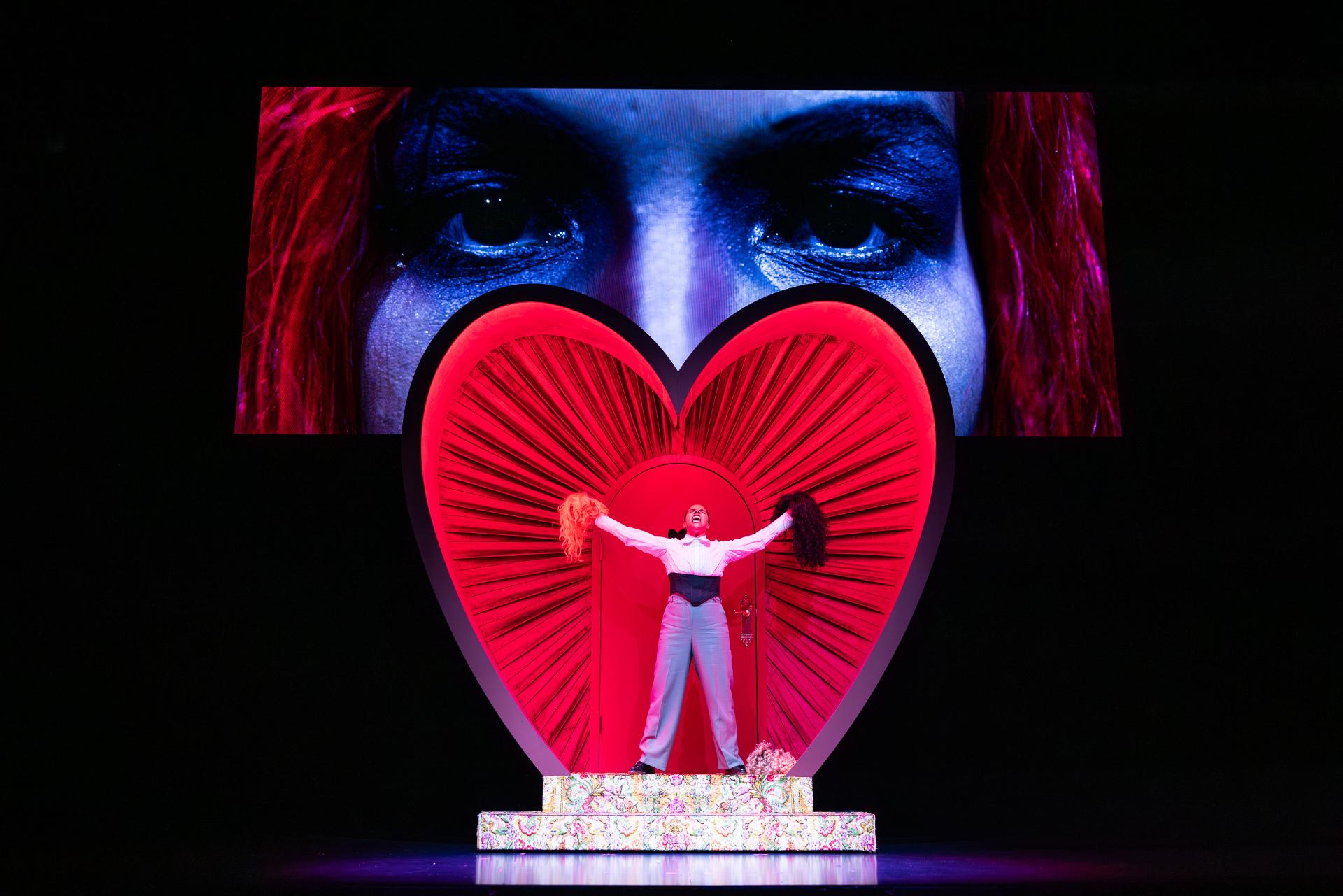
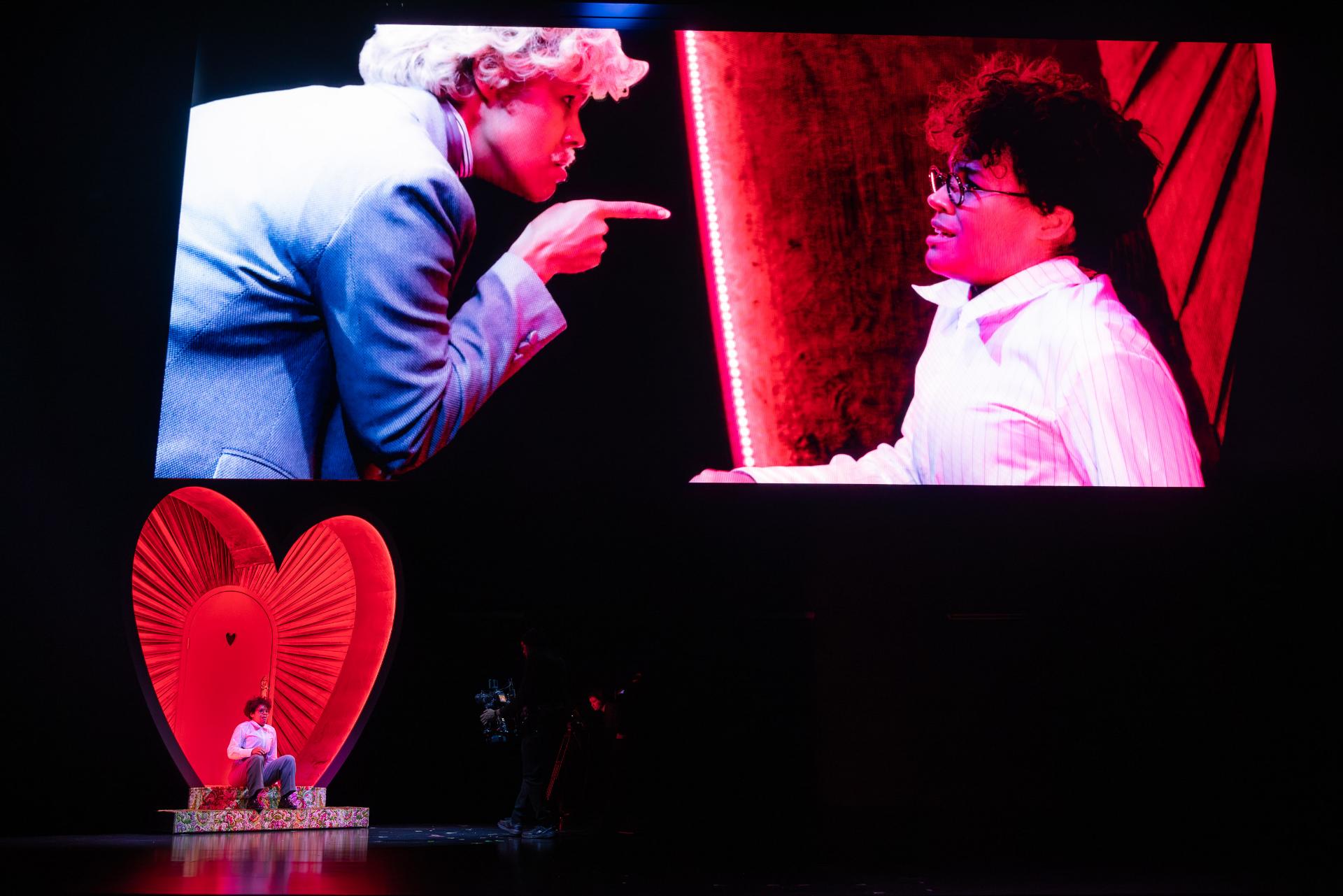
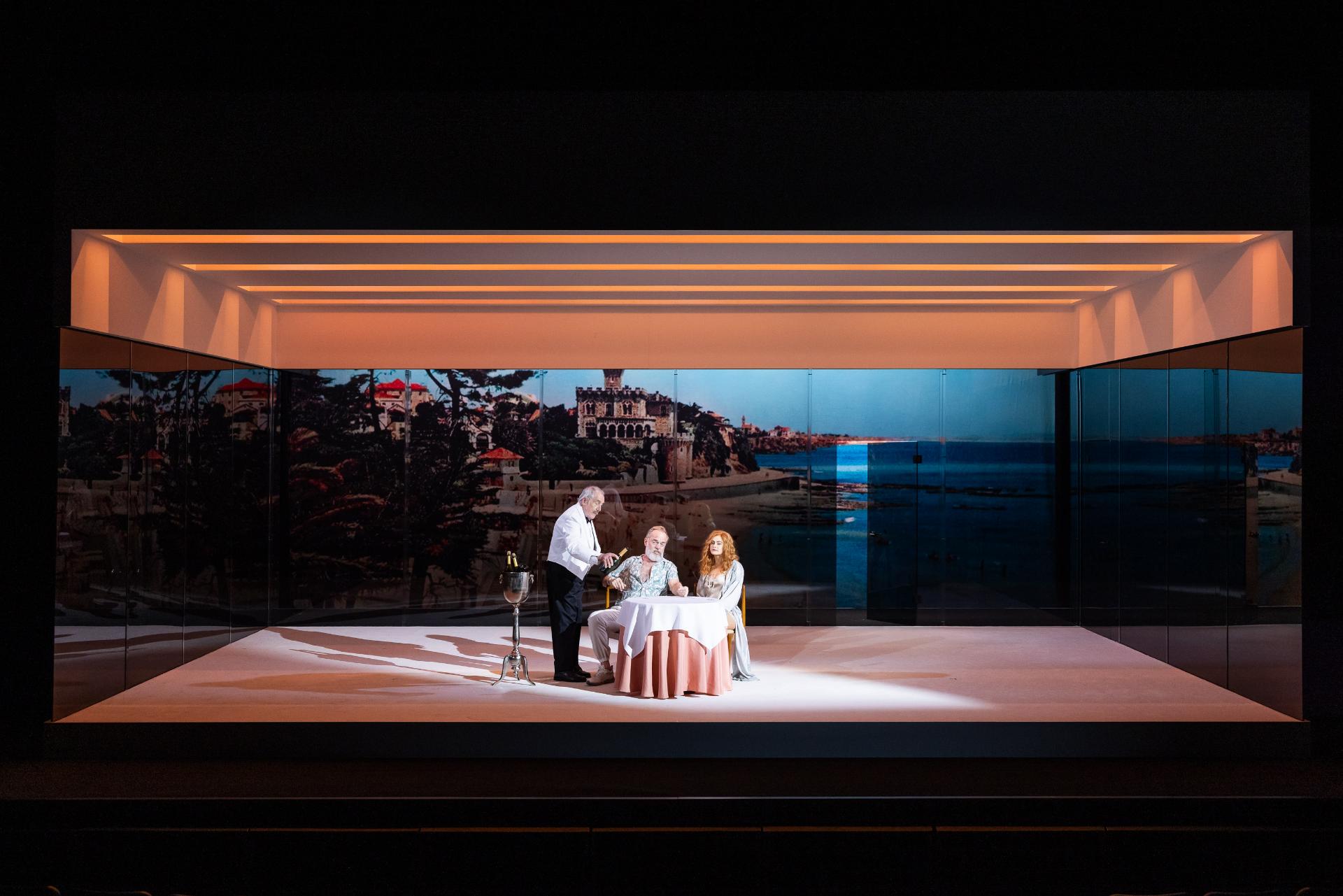
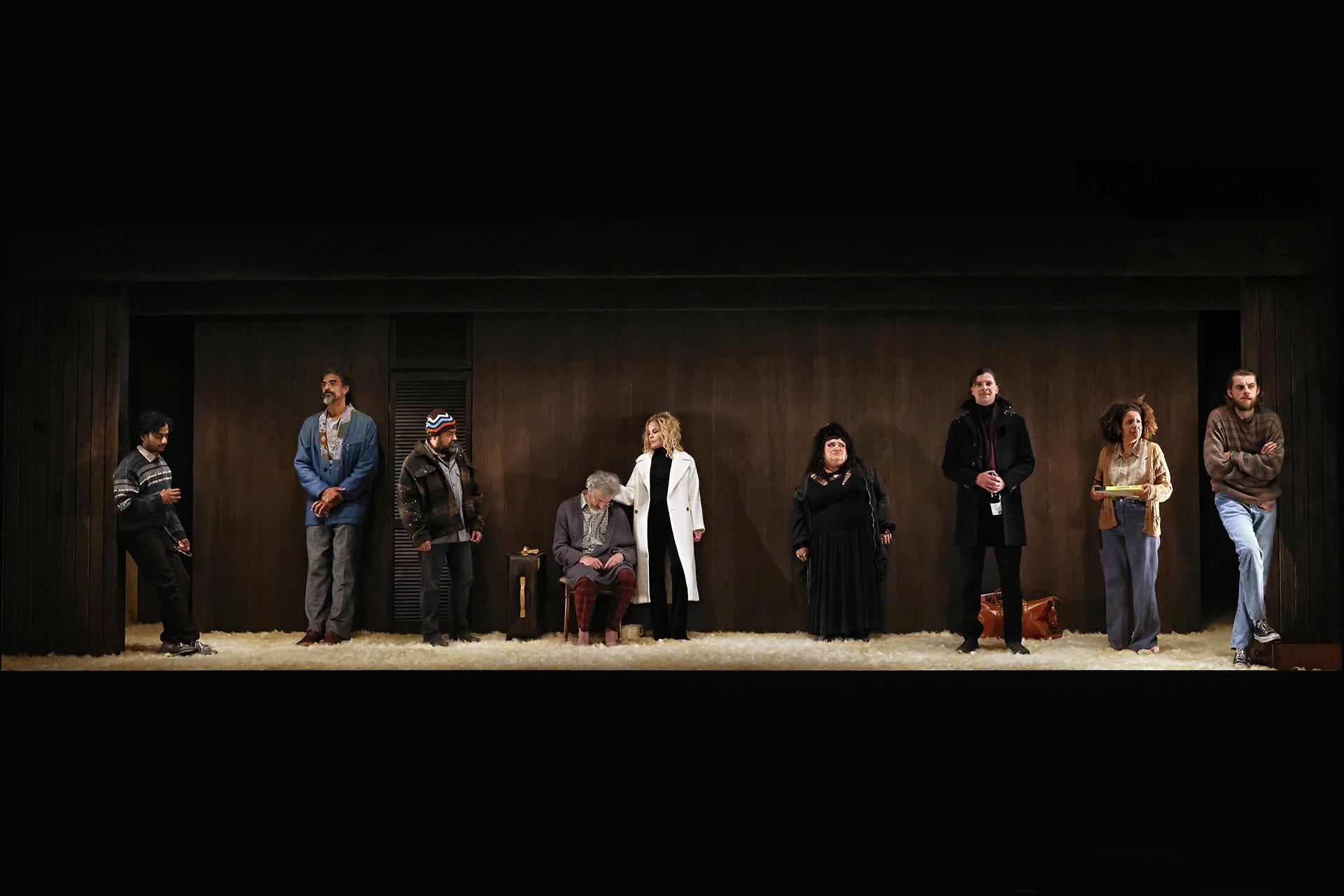
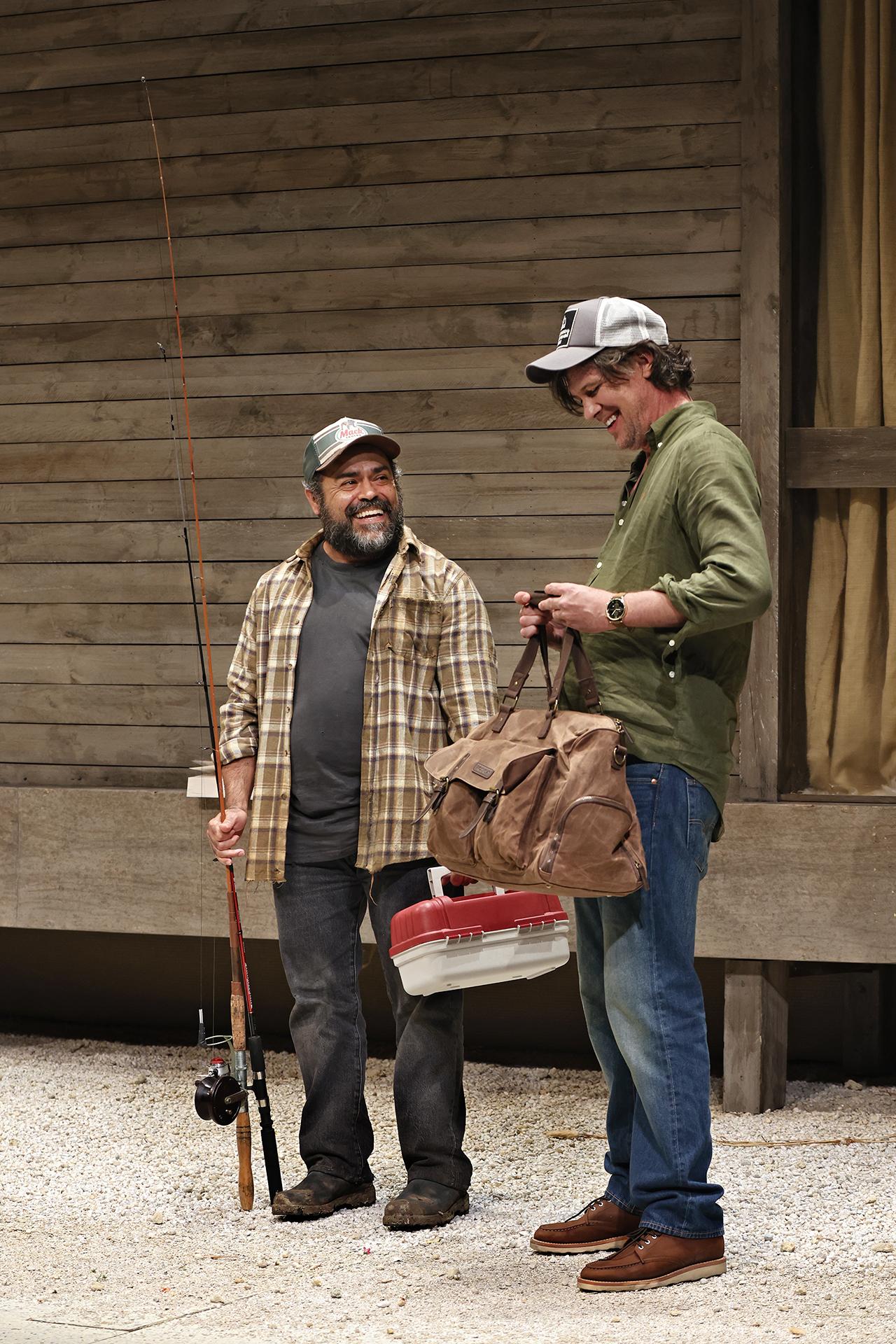
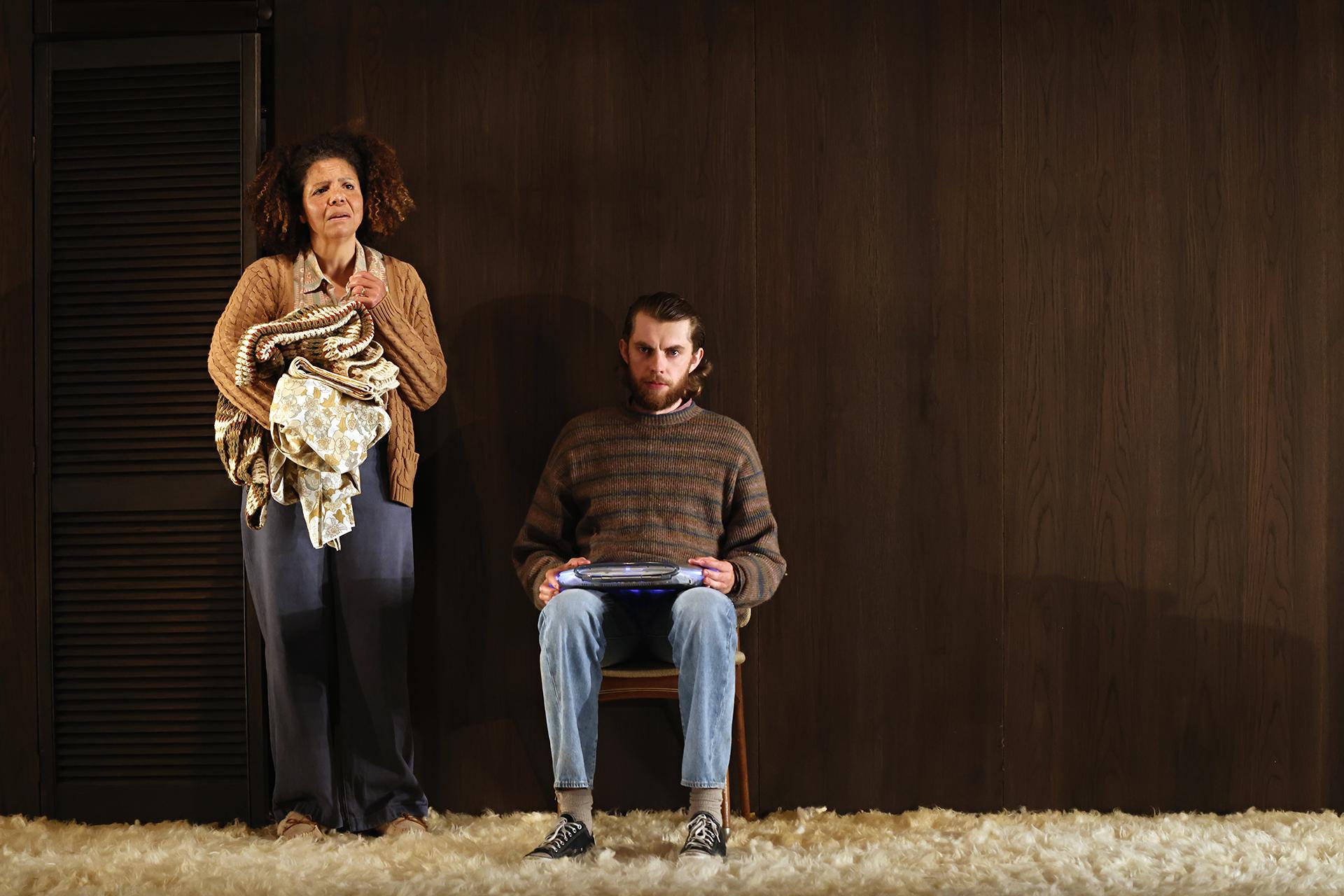
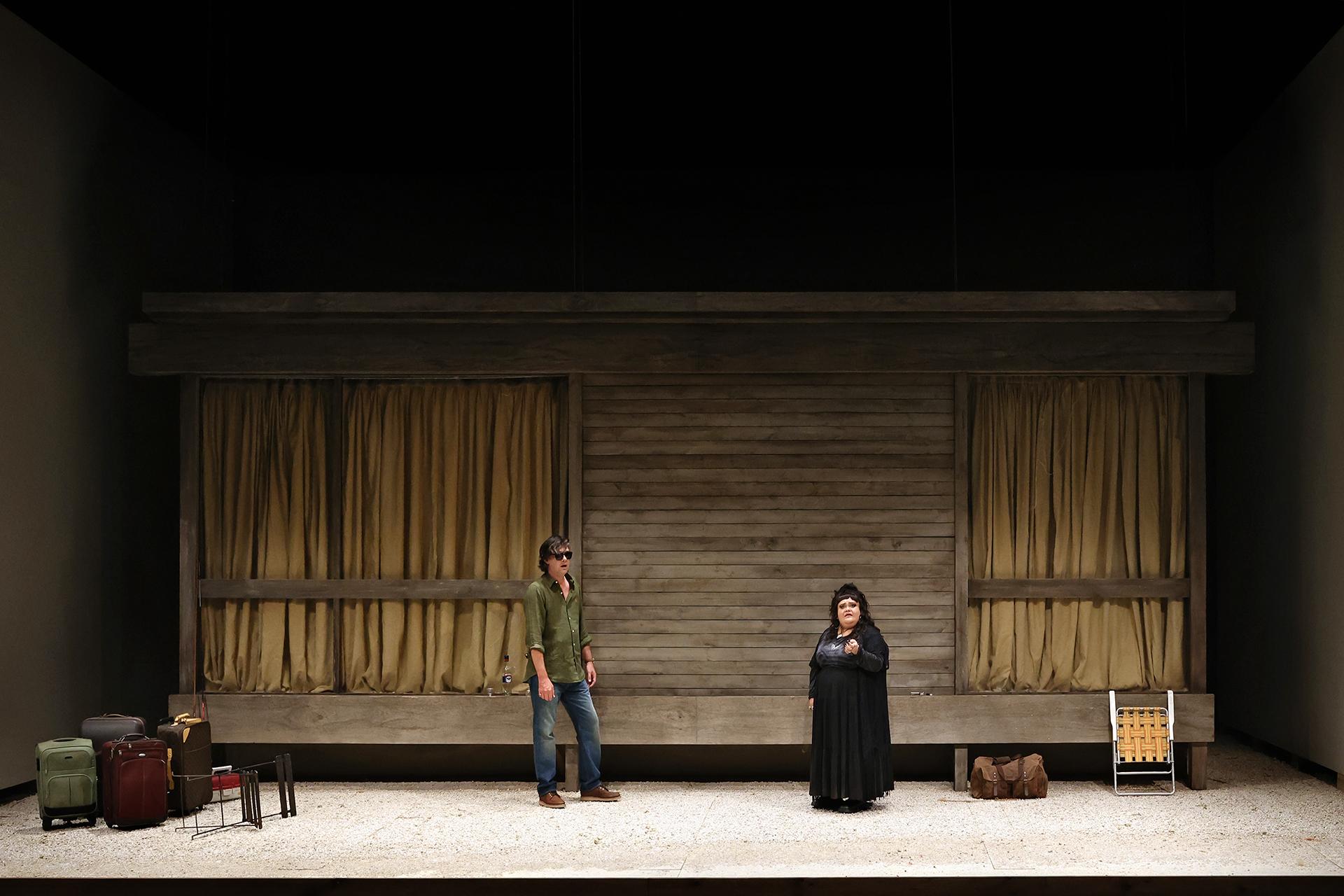
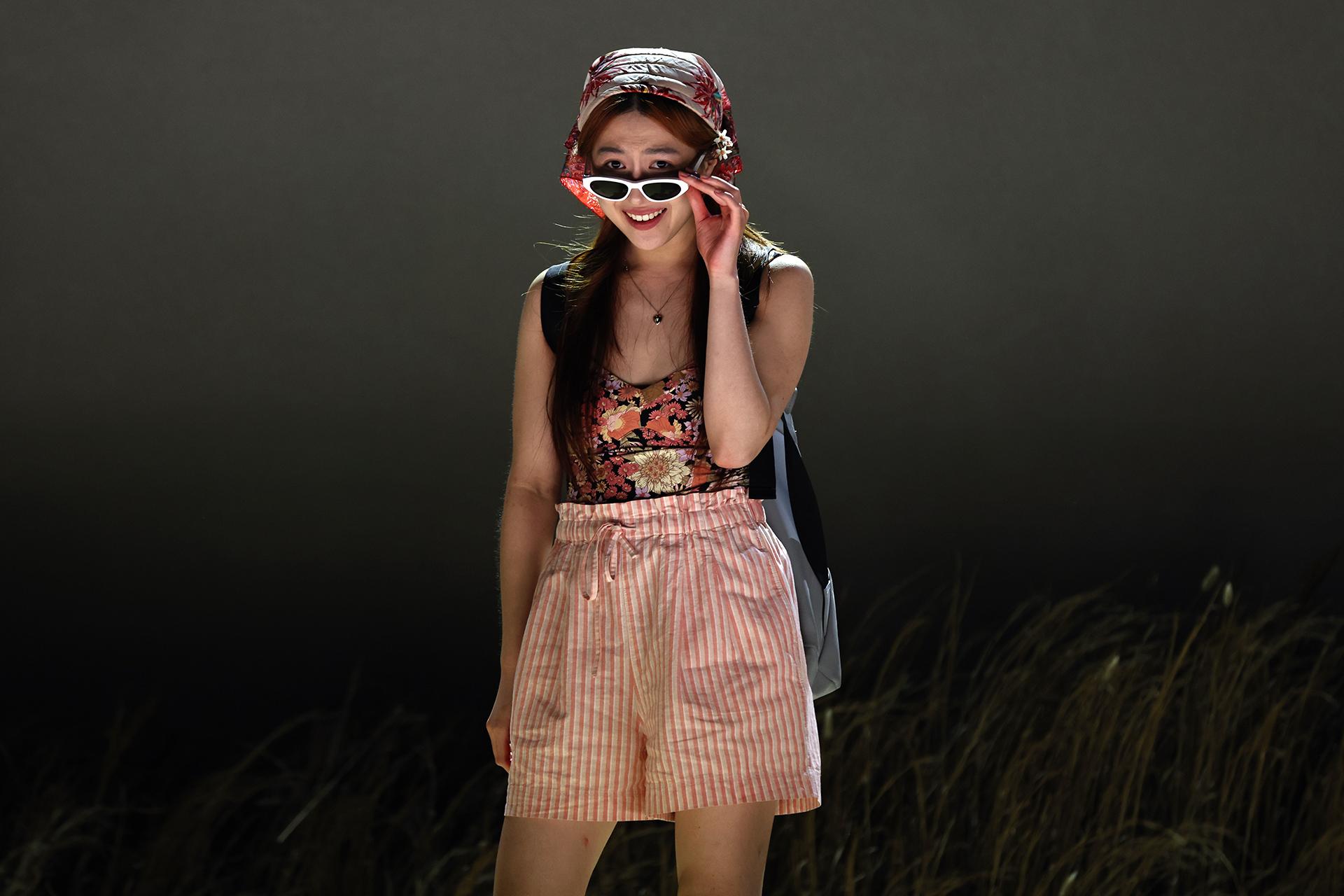
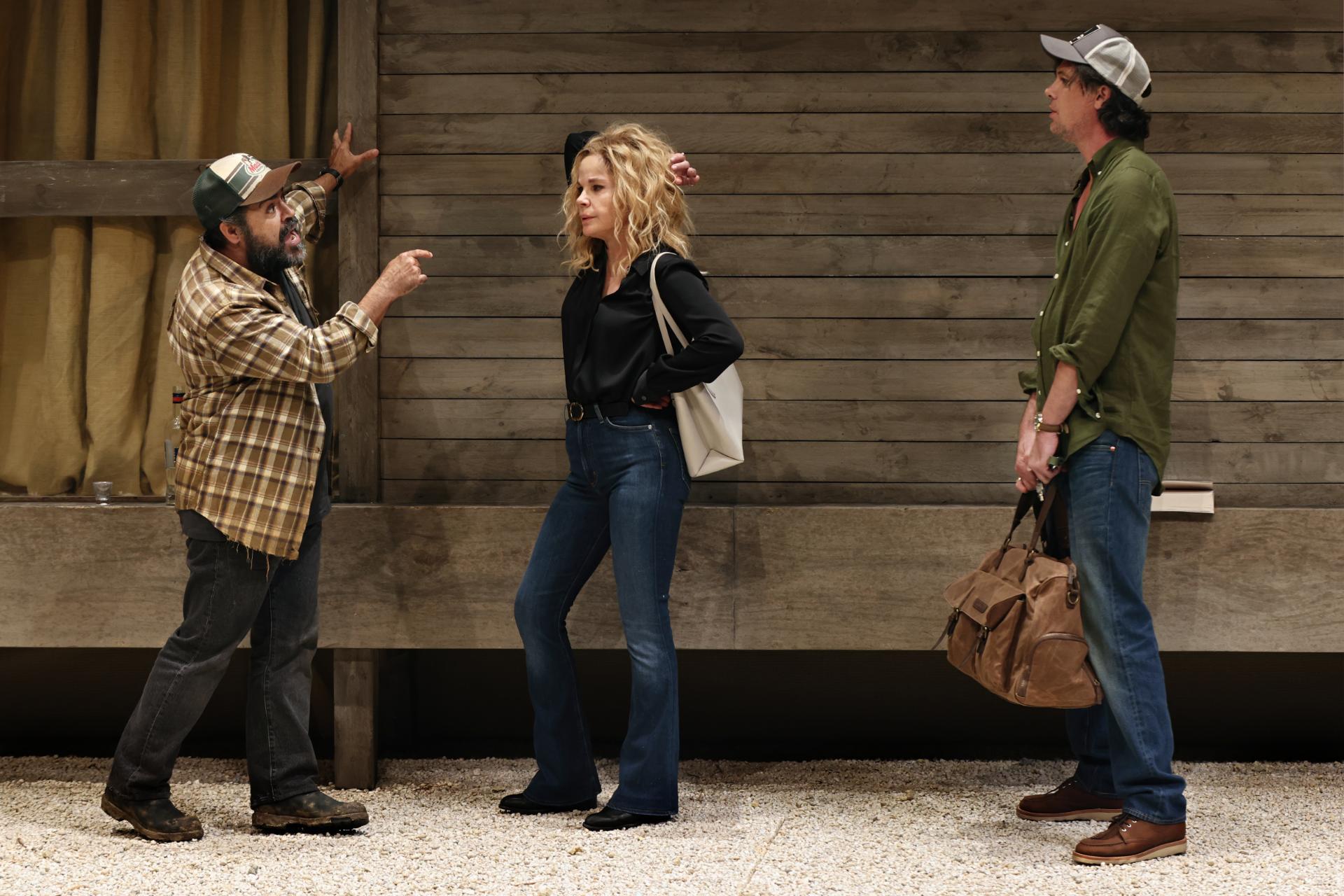
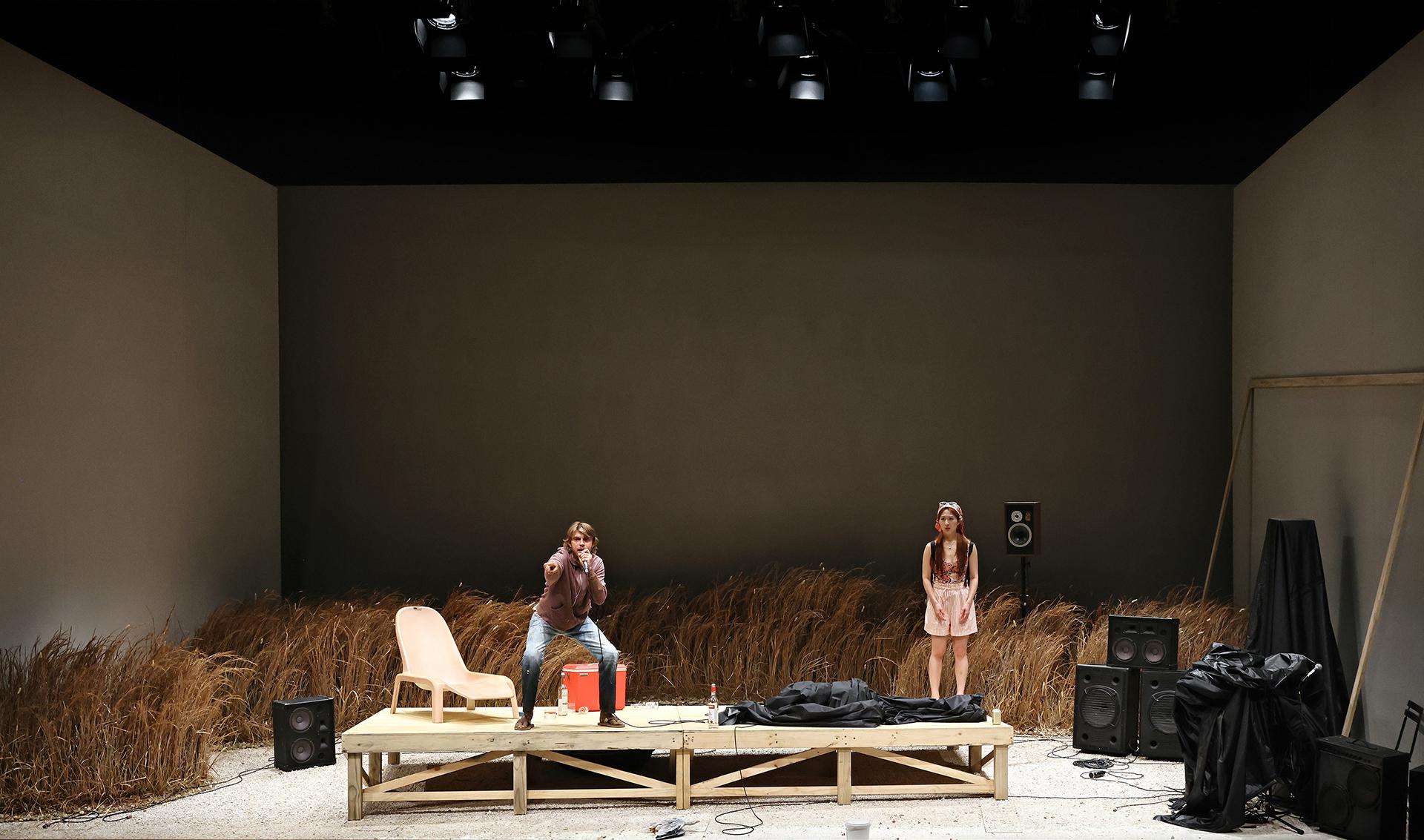
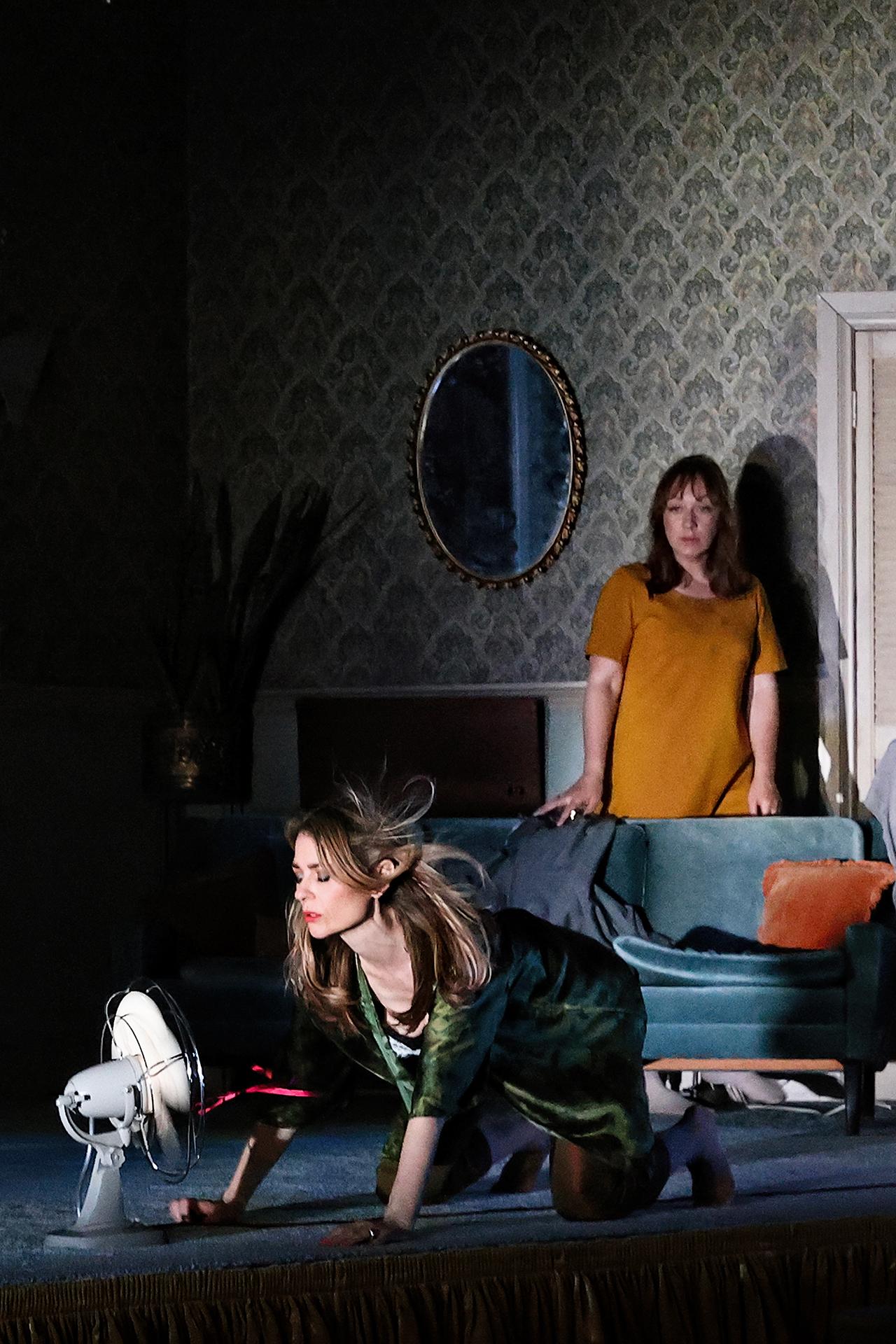
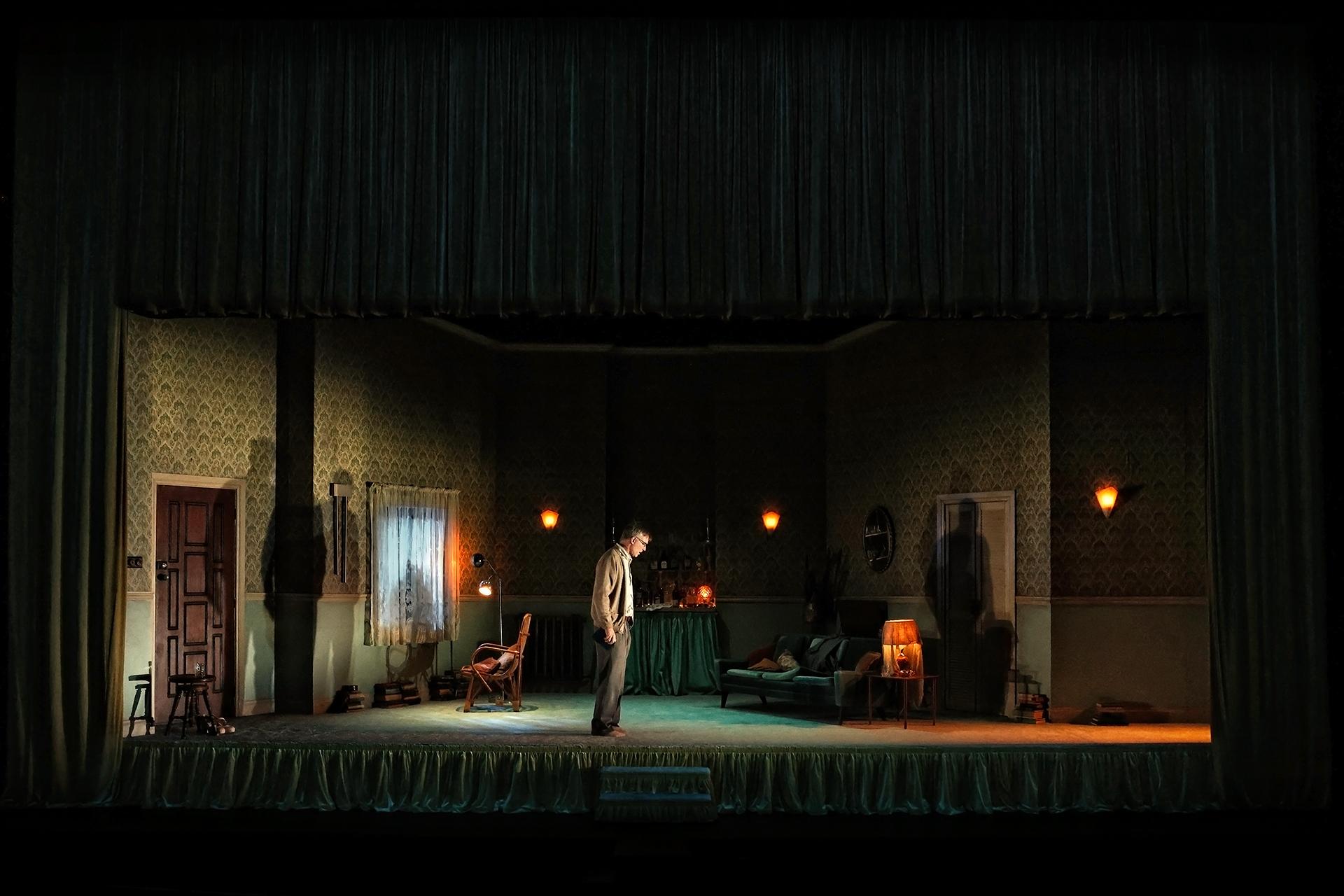
Harriet Oxley’s production design evokes the period with accuracy—perhaps a touch conventional, yet undeniably effective in grounding the drama. Matt Scott’s lighting, together with music and sound design by Grace Ferguson and Ethan Hunter, begins with subtle restraint, almost imperceptible at first, but grows increasingly potent as the evening unfolds. By the time the bickering subsides and the underlying trauma surfaces, their contributions prove essential, shaping the production’s emotional crescendo with impressive efficacy.

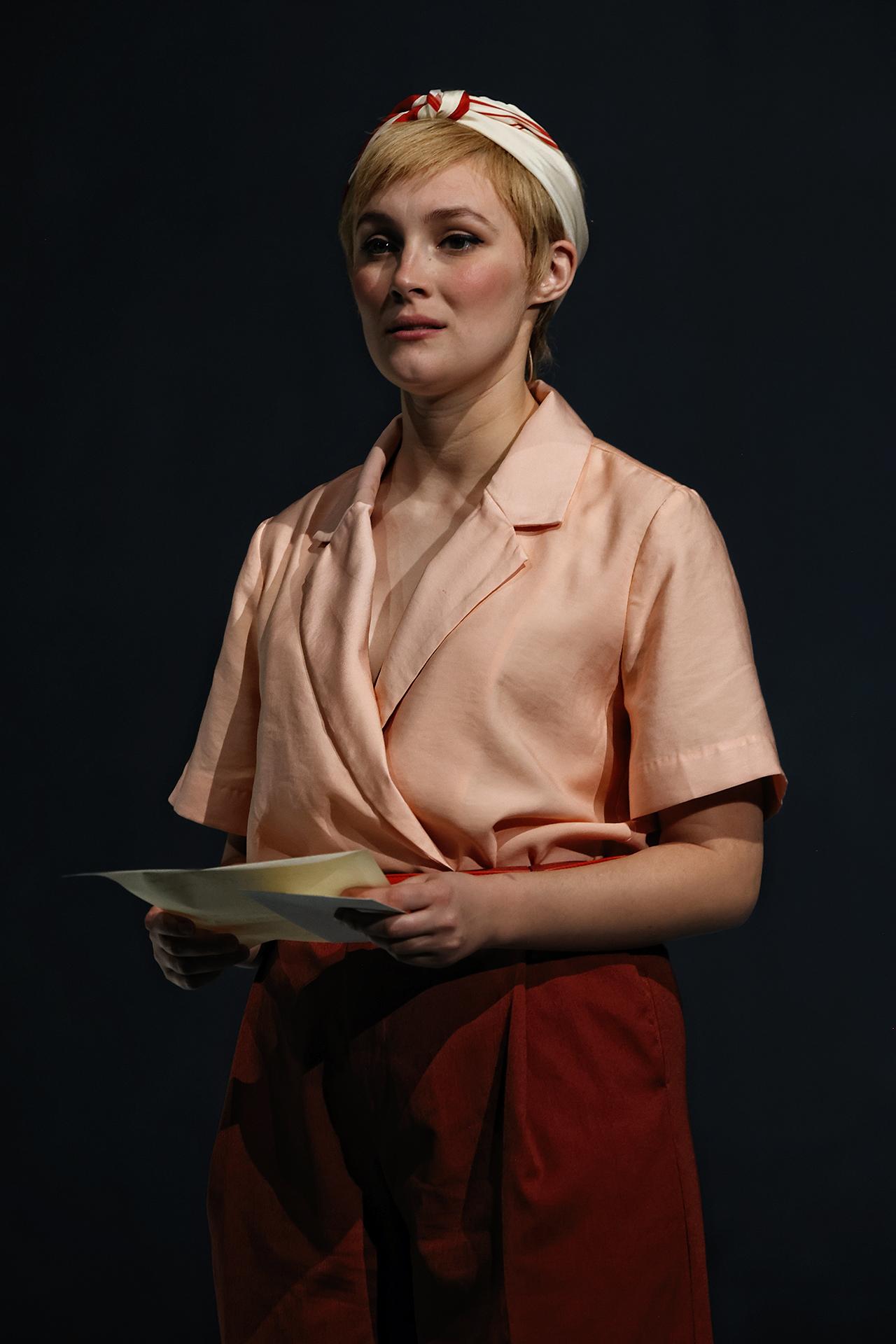
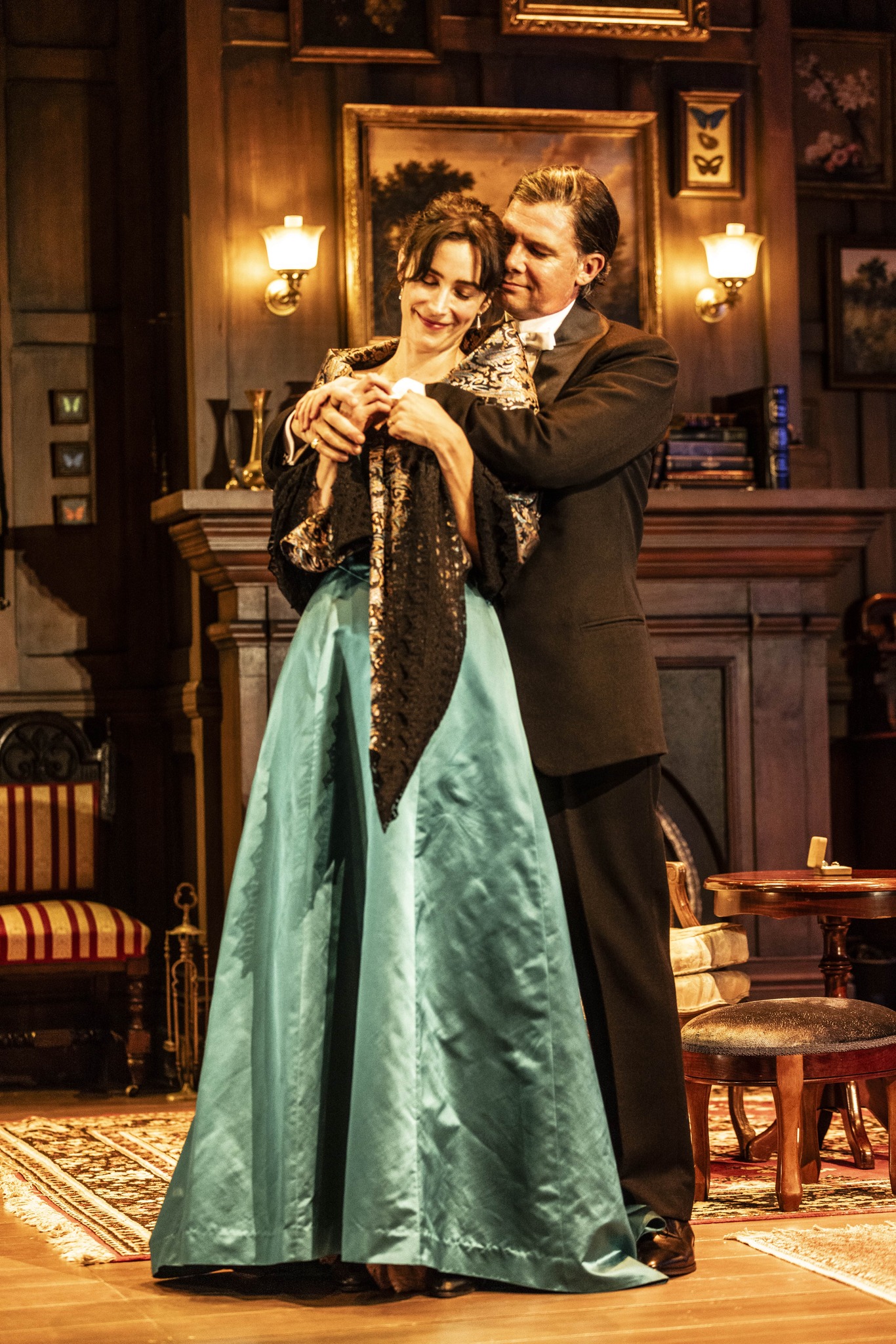
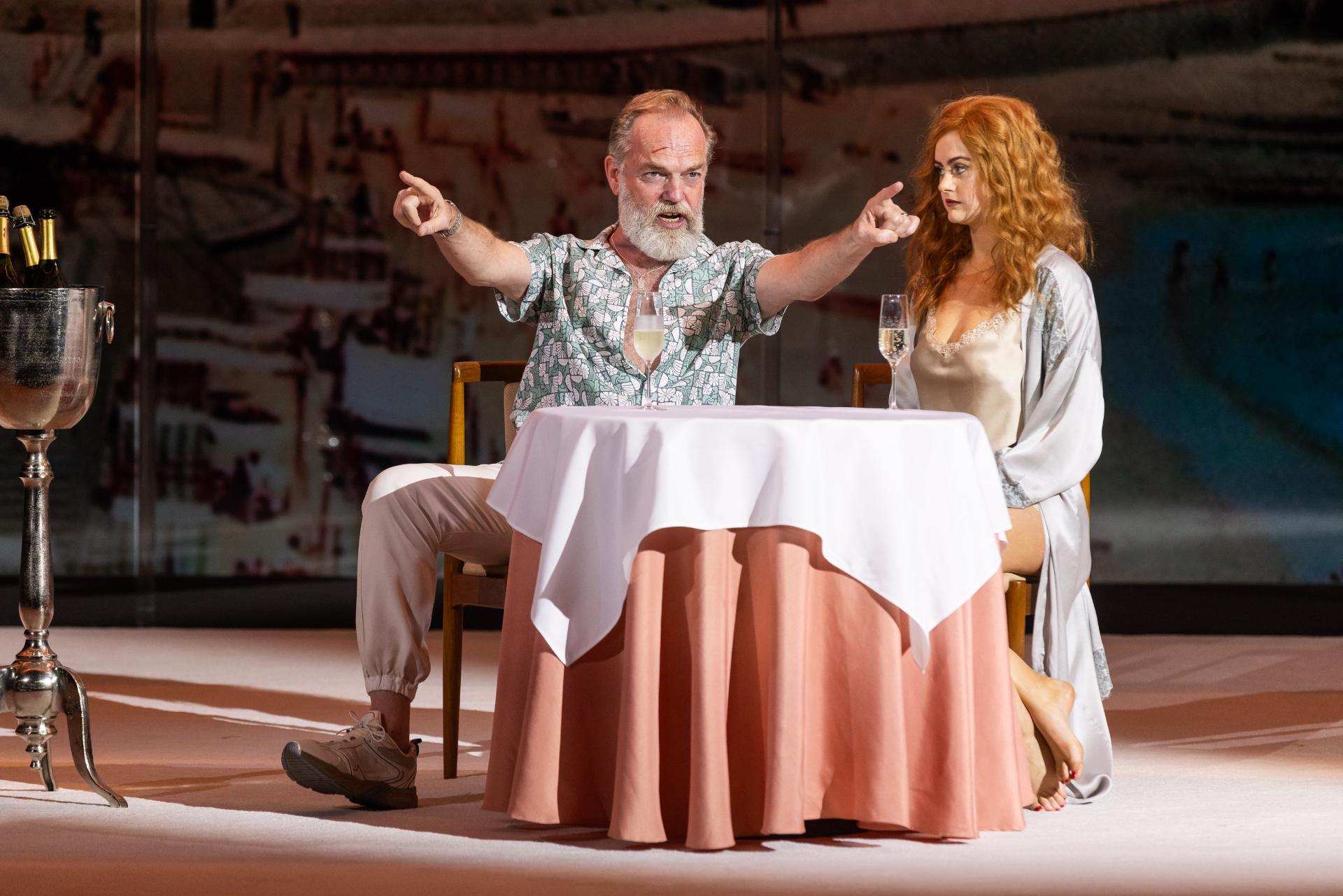
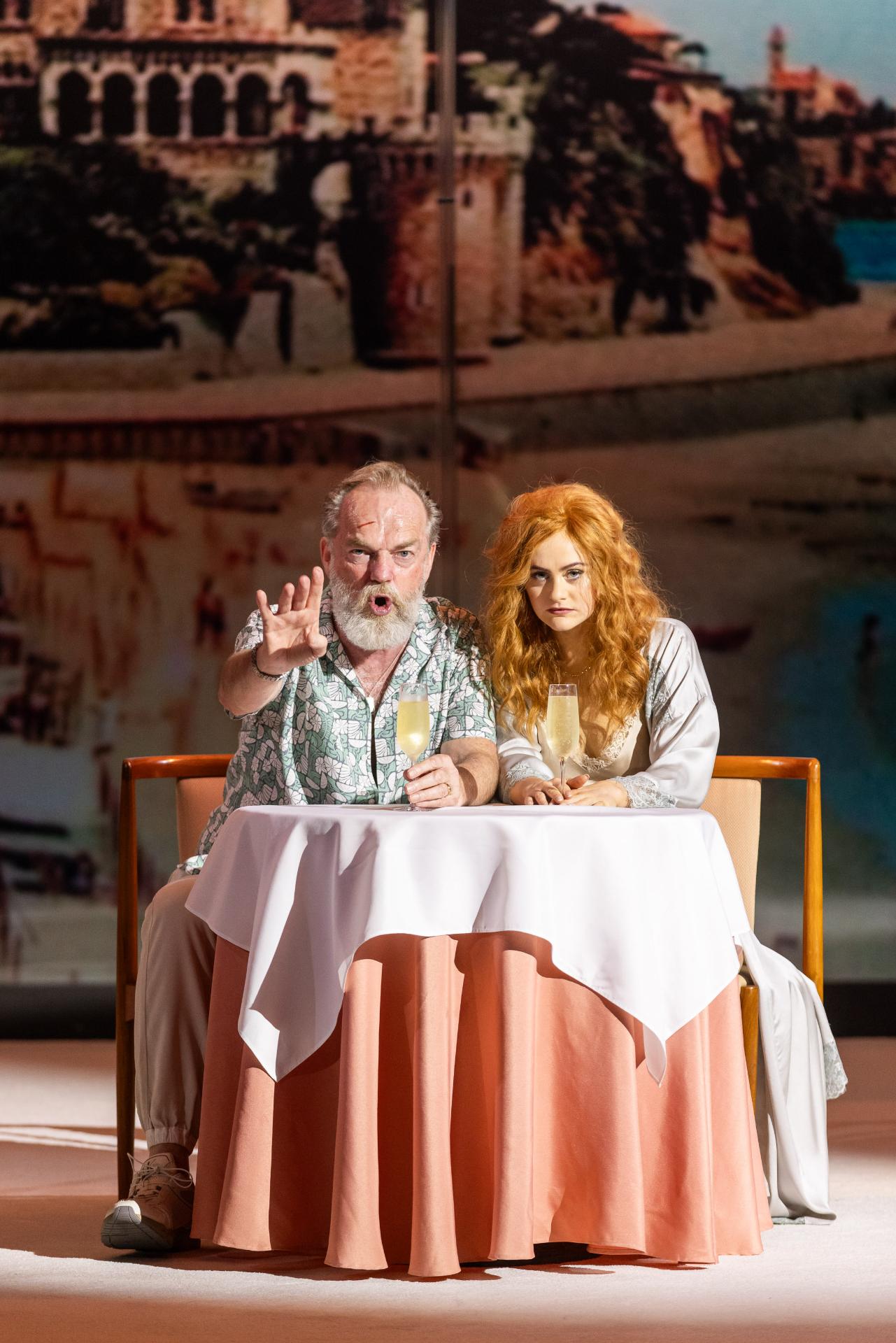
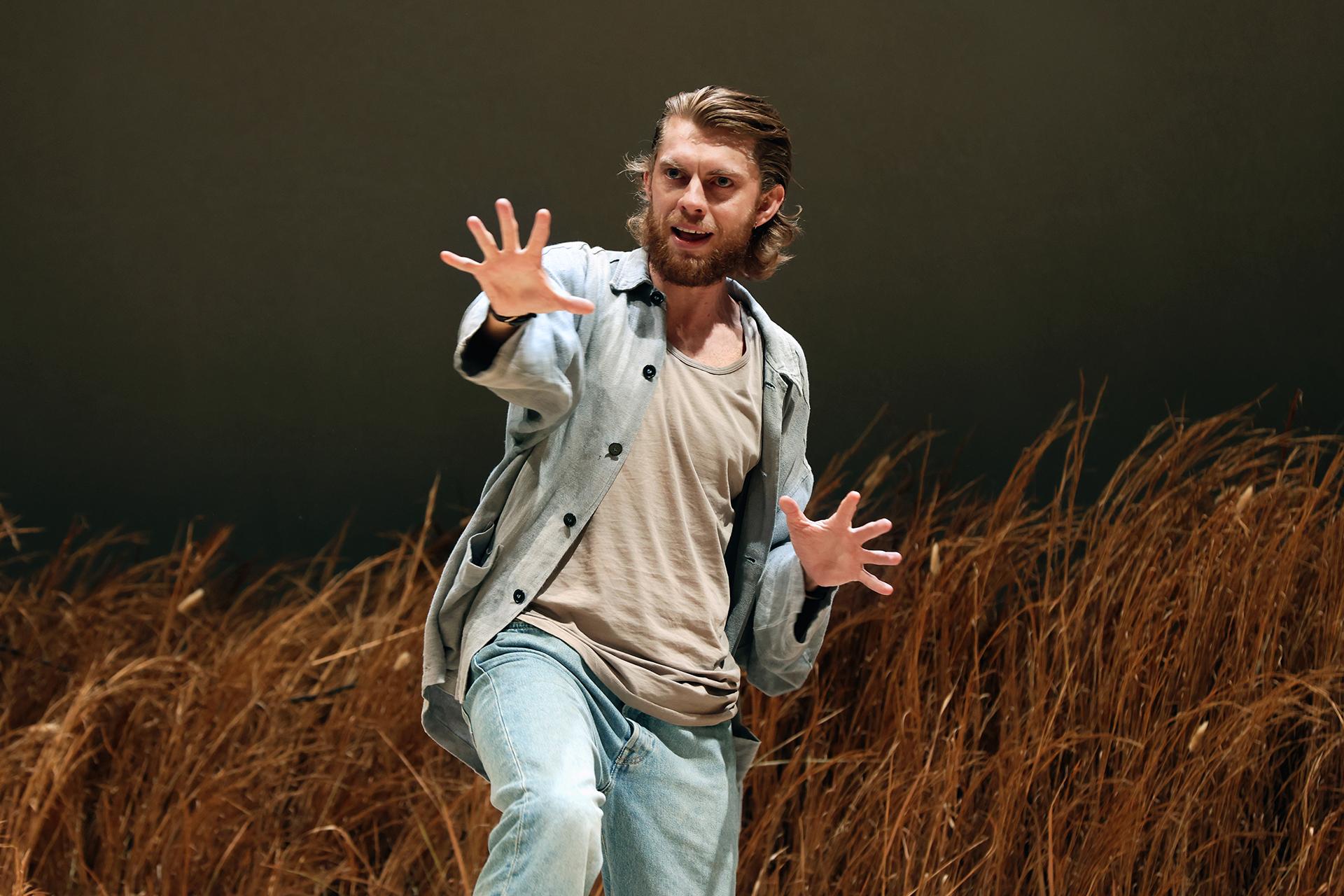
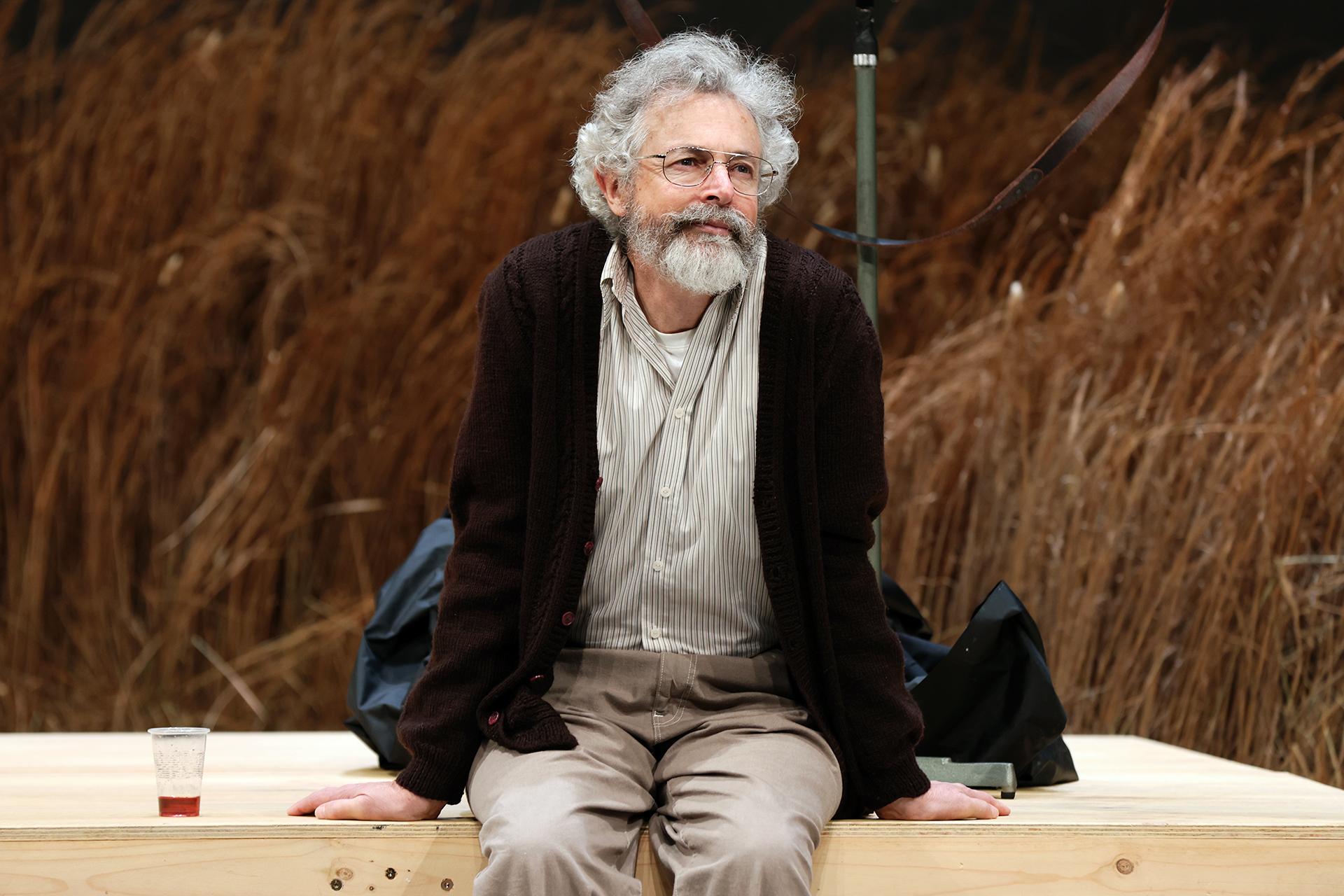
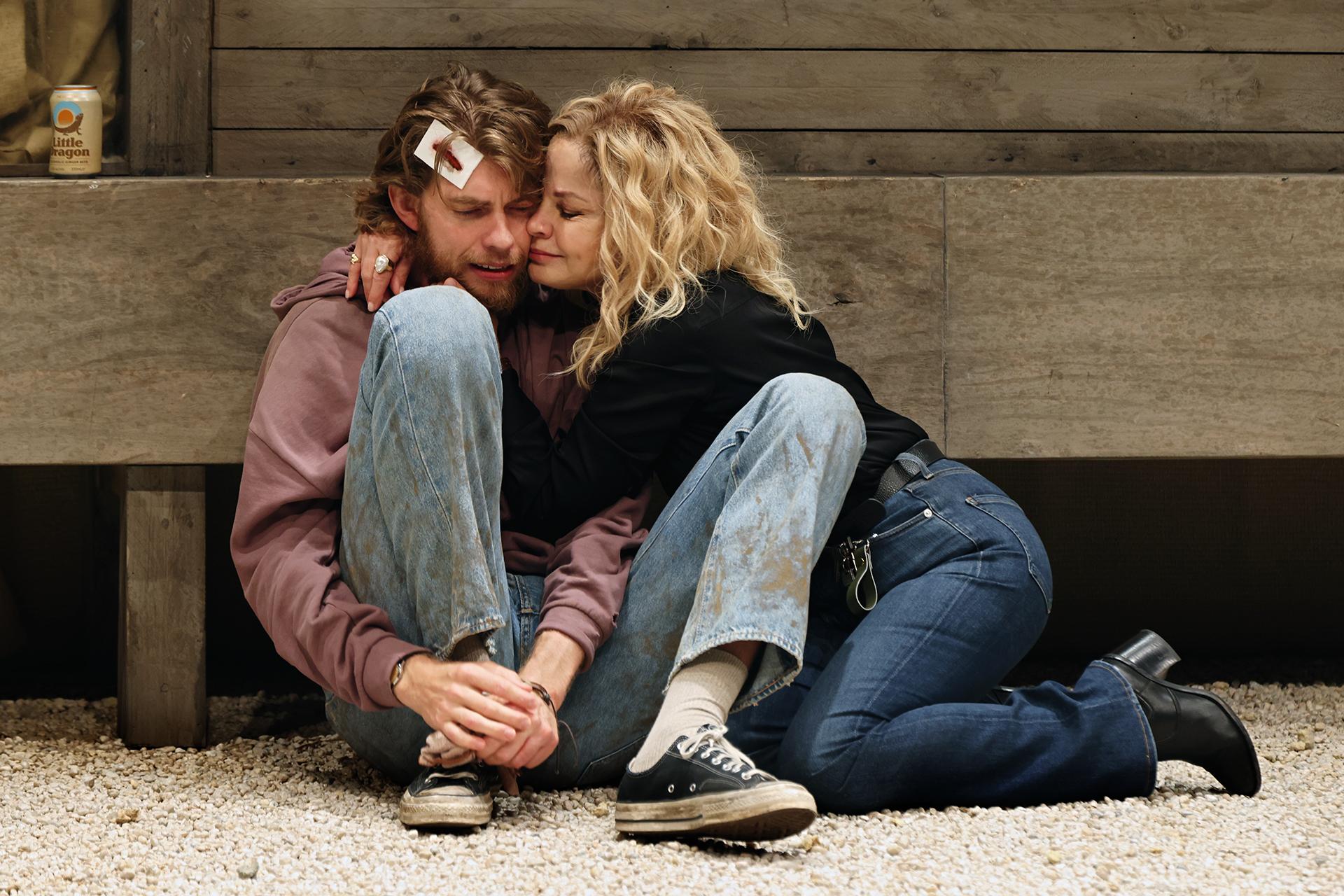
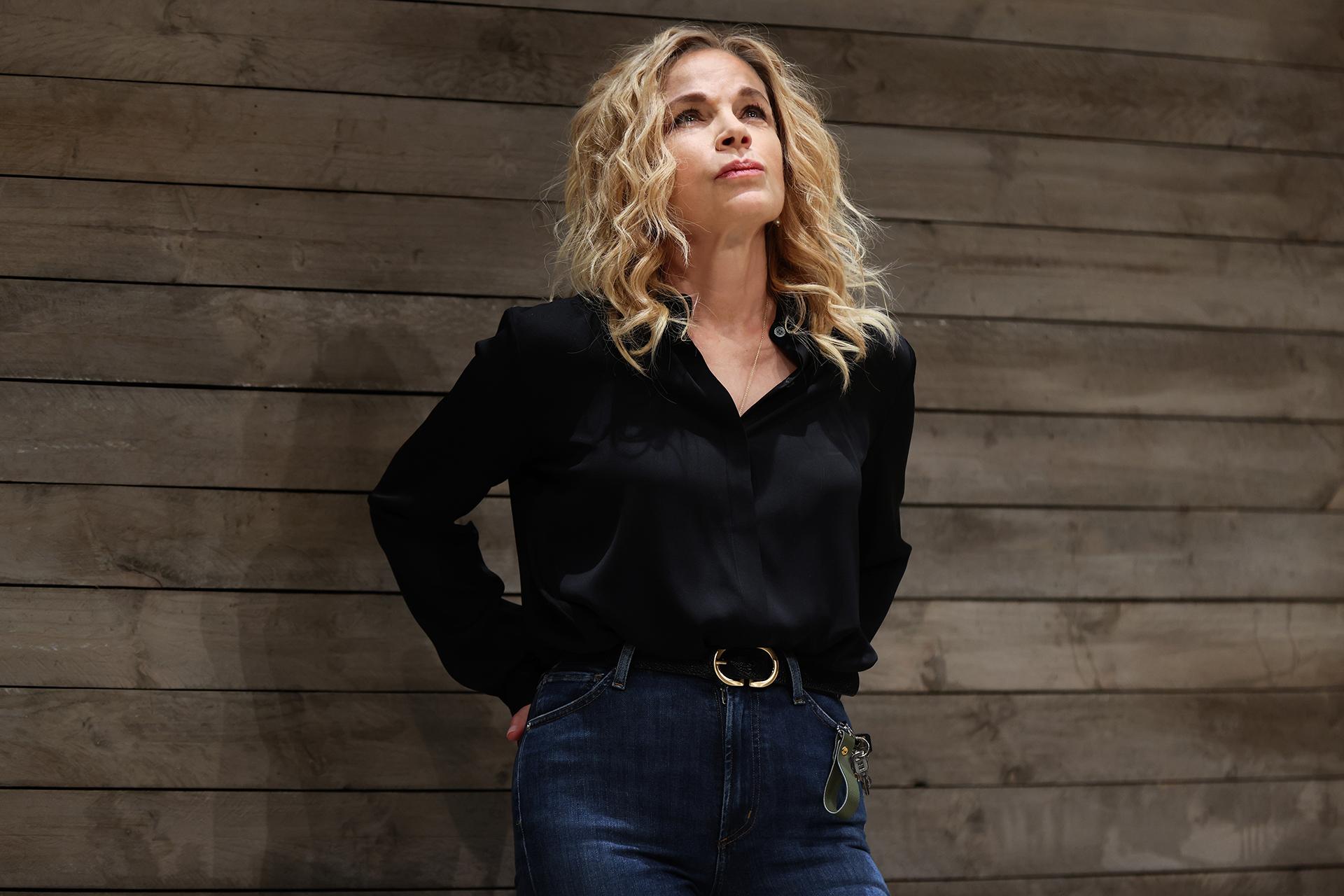
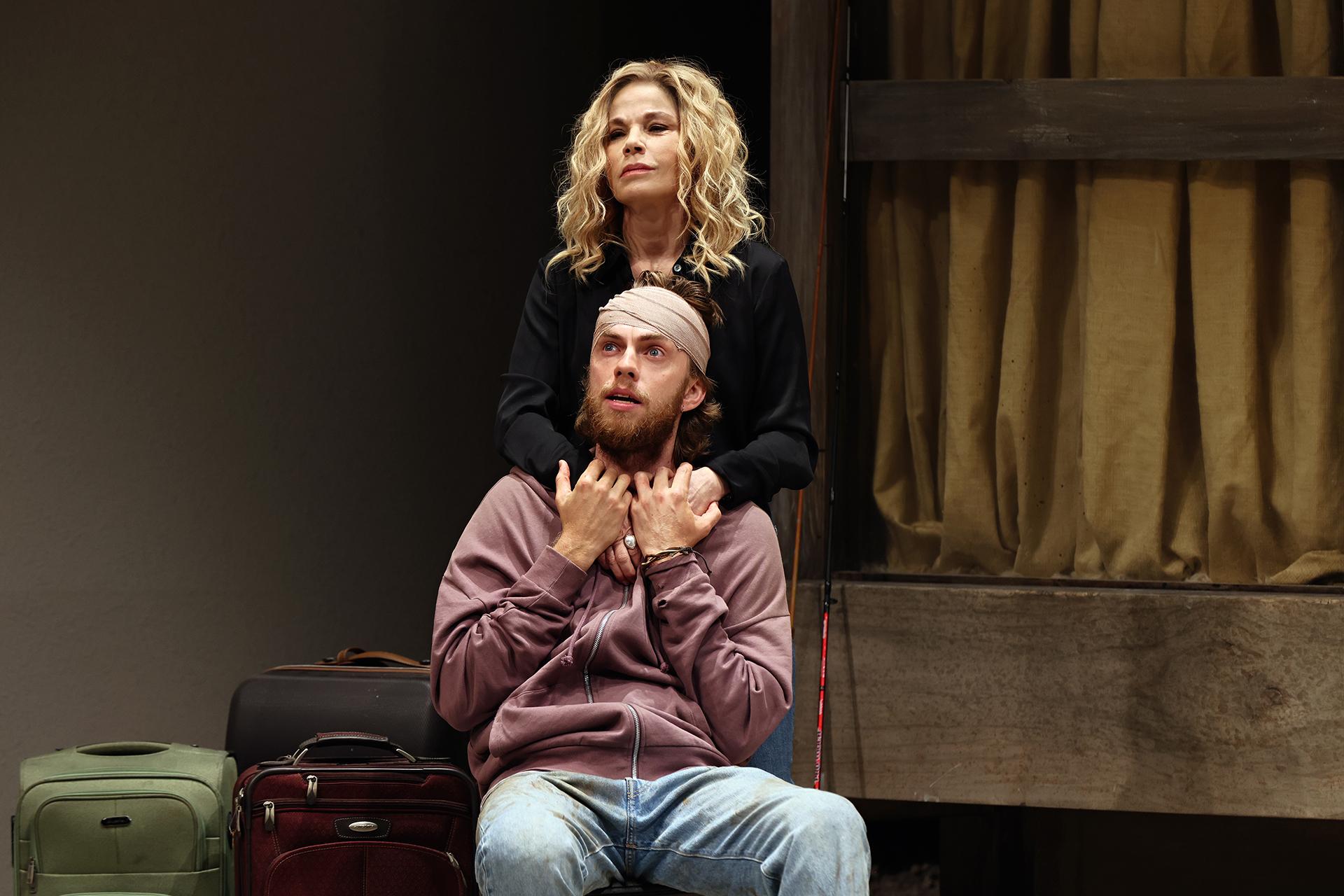
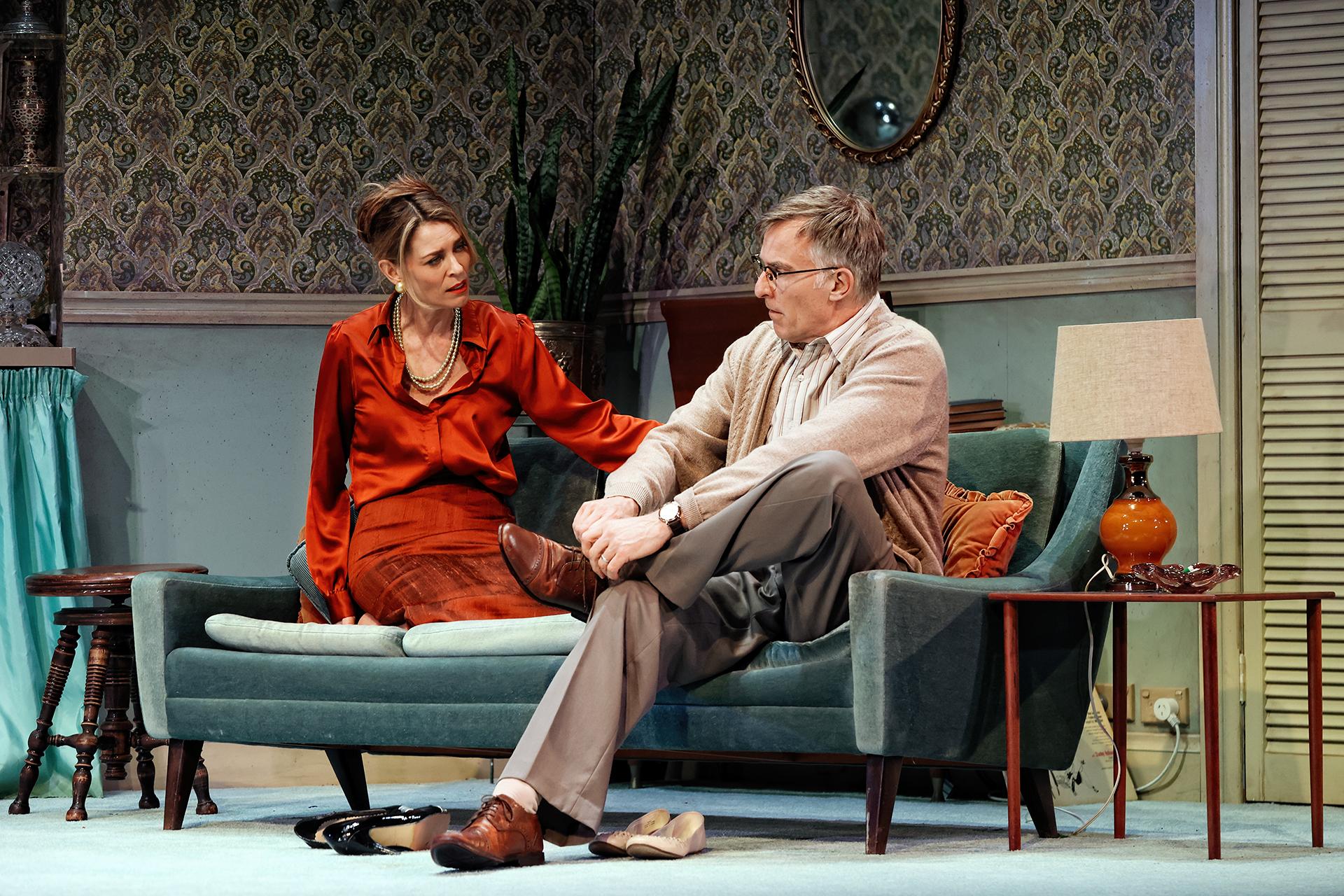
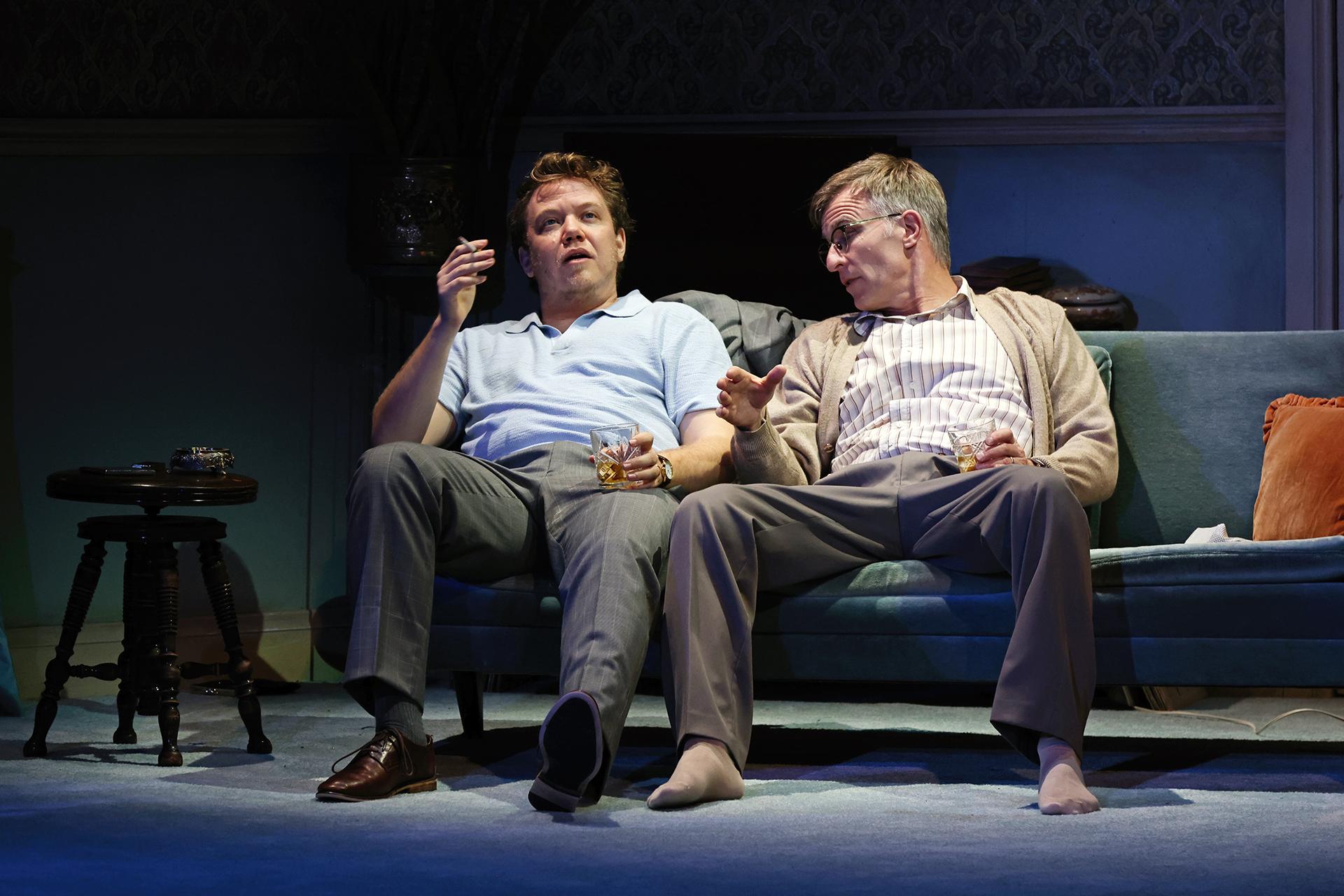
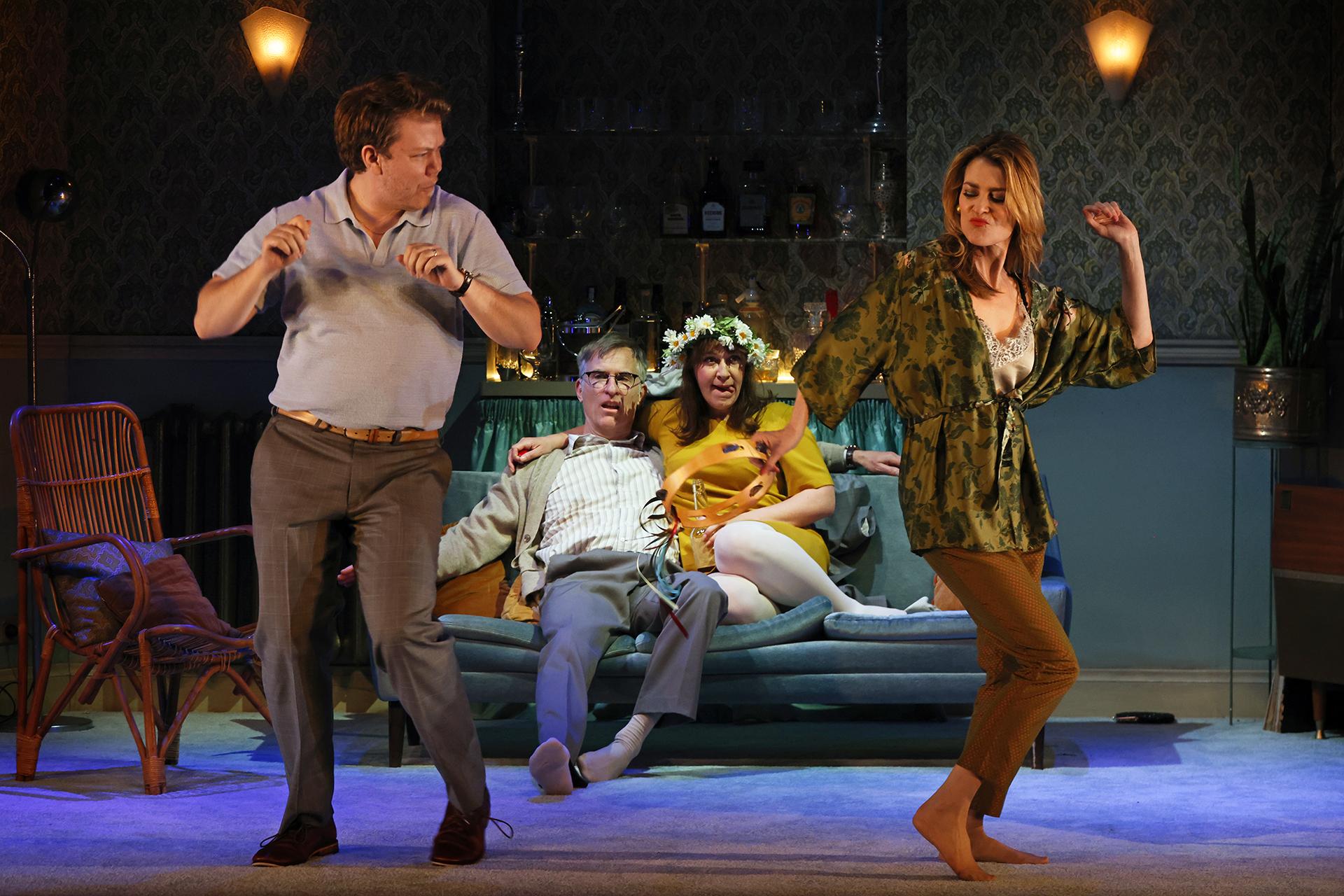
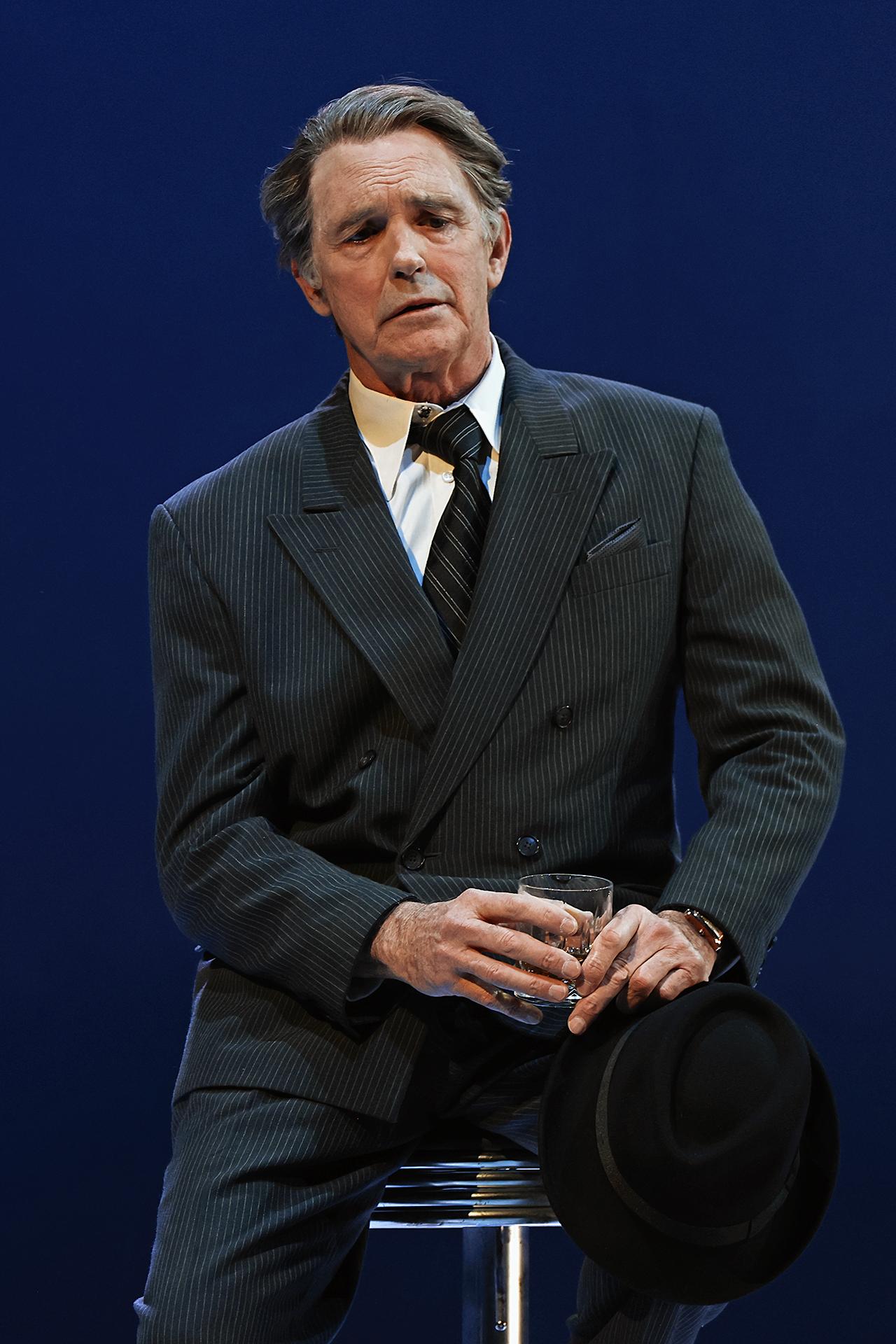
Kat Stewart could hardly be more compelling in the role of Martha. She delivers a richly nuanced portrayal, demonstrating an intricate grasp of the character’s psychological intricacies while imbuing every moment with delectable theatricality. Her gestures, whether minute or grand, command attention, and we remain enthralled by each. As George, David Whiteley conjures the precise timbre of the mid-century American bourgeoisie through his masterful vocal modulations. His comparatively restrained approach proves just as resonant and magnetic as Stewart’s flamboyance, creating a riveting equilibrium in this deliciously acrimonious marital duel. By contrast, the younger couple, Honey and Nick—played by Emily Goddard and Harvey Zielinski—are less persuasive. Though their performances elicit steady laughter, their characterisations lack conviction, never fully embodying the personas they attempt to construct.

We can see so clearly that Martha and George could lead far better lives, if only they could embrace a simpler existence. Yet the seductive allure of wealth and status keeps them shackled to their interminable misery. Each day, they choose to persist in their poisonous habits, unable—or unwilling—to relinquish the trappings of class that sustain their suffering. In the end, we recognise something of ourselves in their torment—the way we cling to what hurts us most, simply because it feels like home.
www.sydneytheatre.com.au

Review: The Talented Mr. Ripley (Sydney Theatre Company)

Venue: Roslyn Packer Theatre (Sydney NSW), Aug 19 – Sep 28, 2025
Playwright: Joanna Murray-Smith (based on the novel by Patricia Highsmith)
Director: Sarah Goodes
Cast: Faisal Hamza, Raj Labade, Will McDonald, Andrew McFarlane, Johnny Nasser, Claude Scott-Mitchell 
Images by Prudence Upton

Theatre review
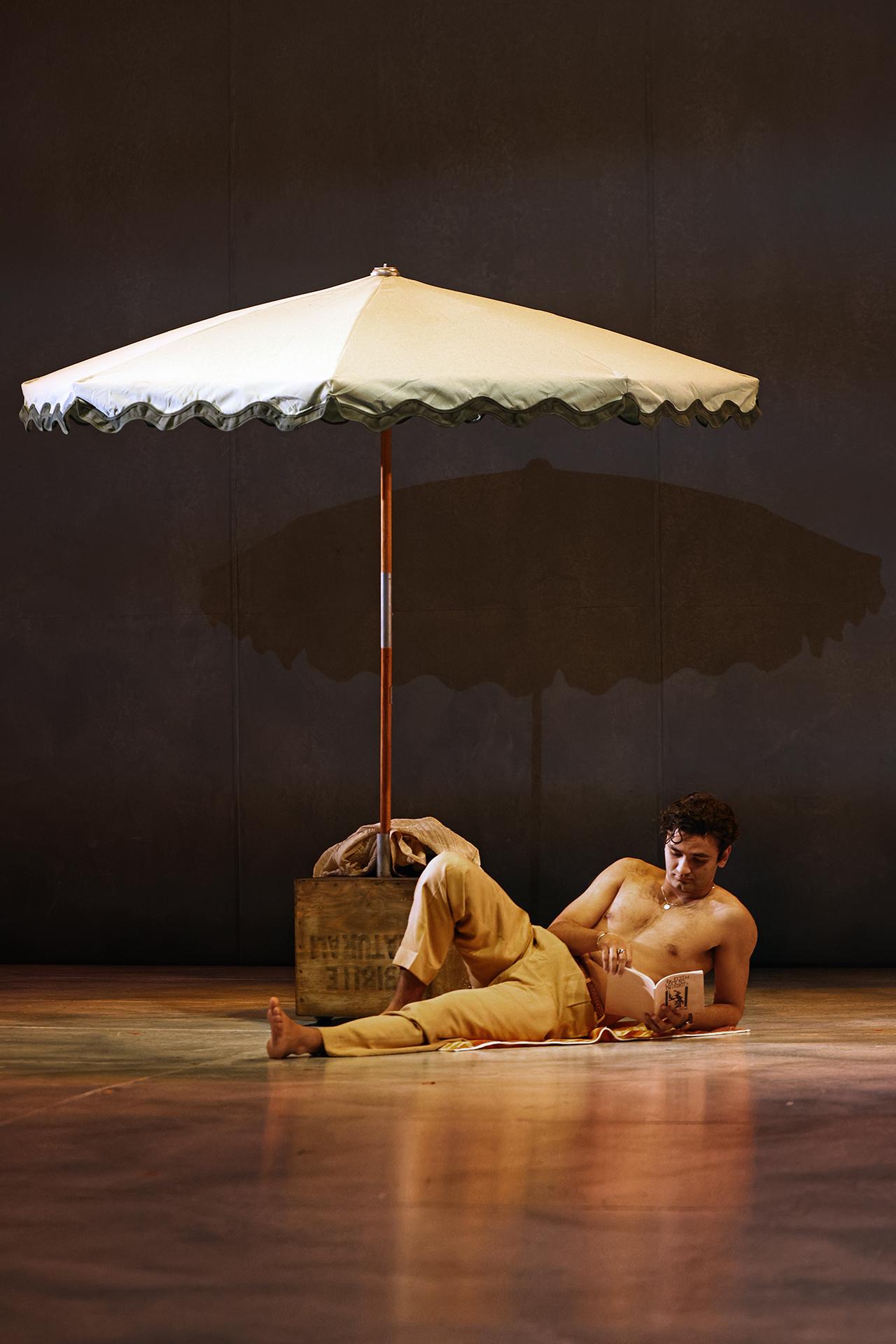
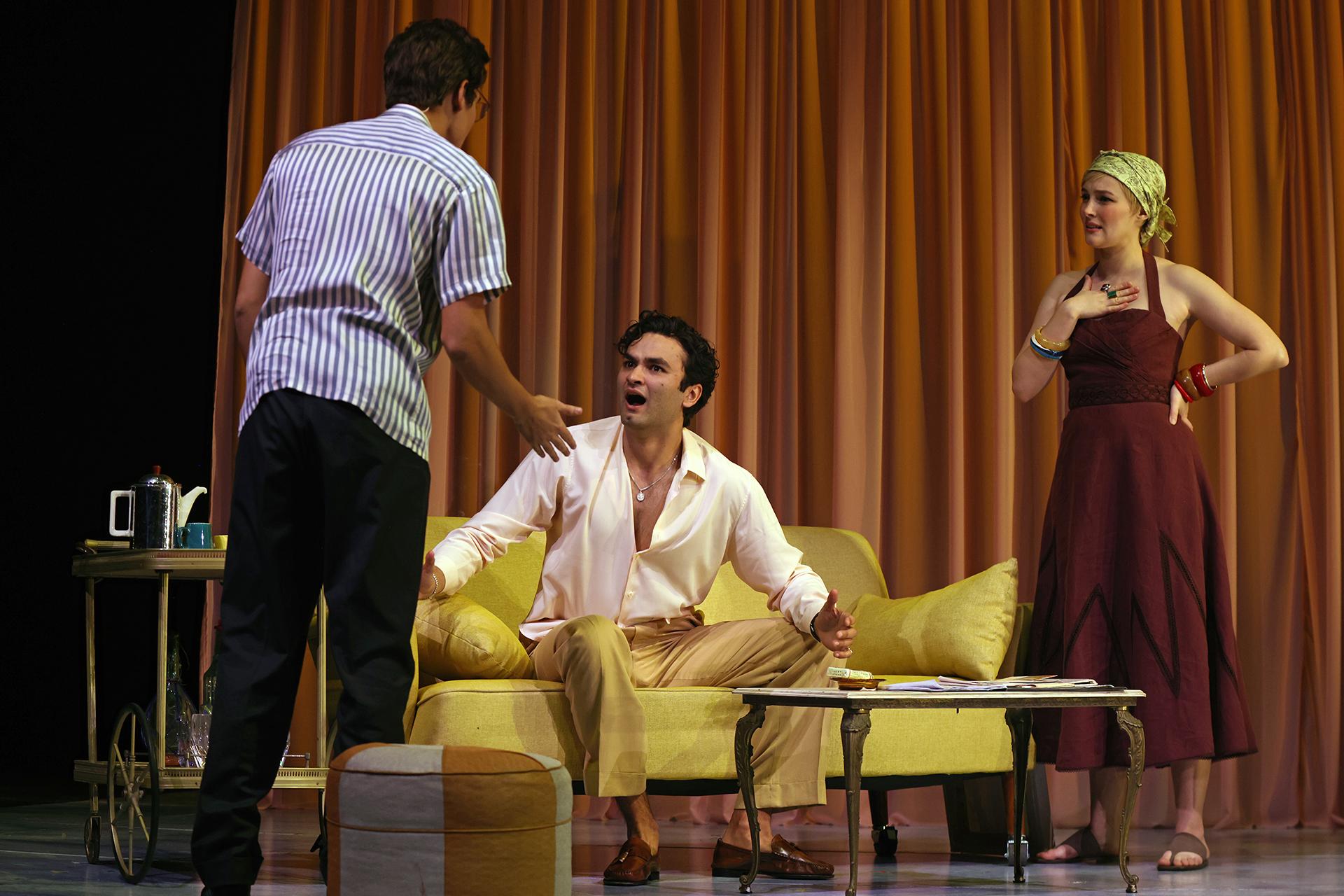
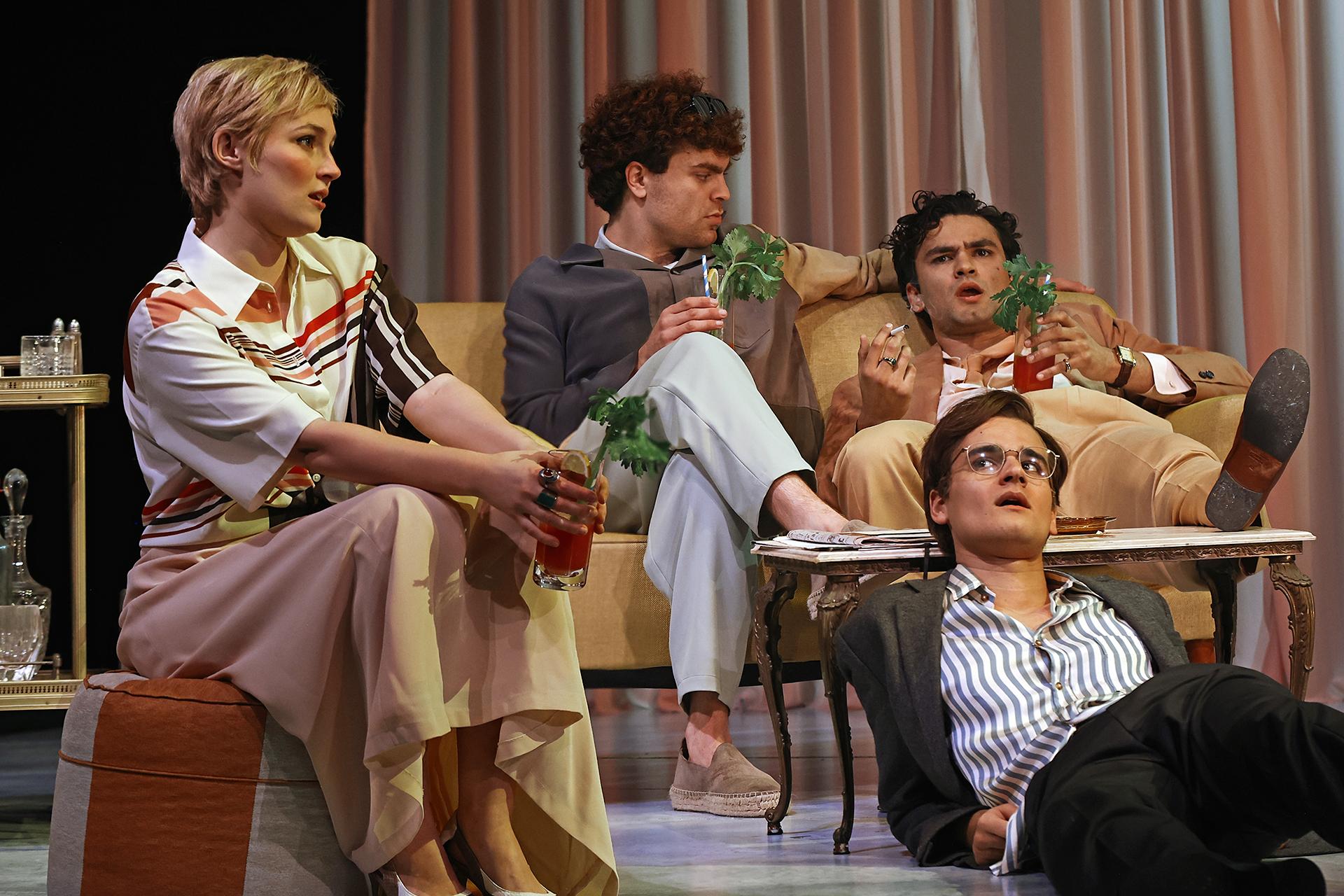
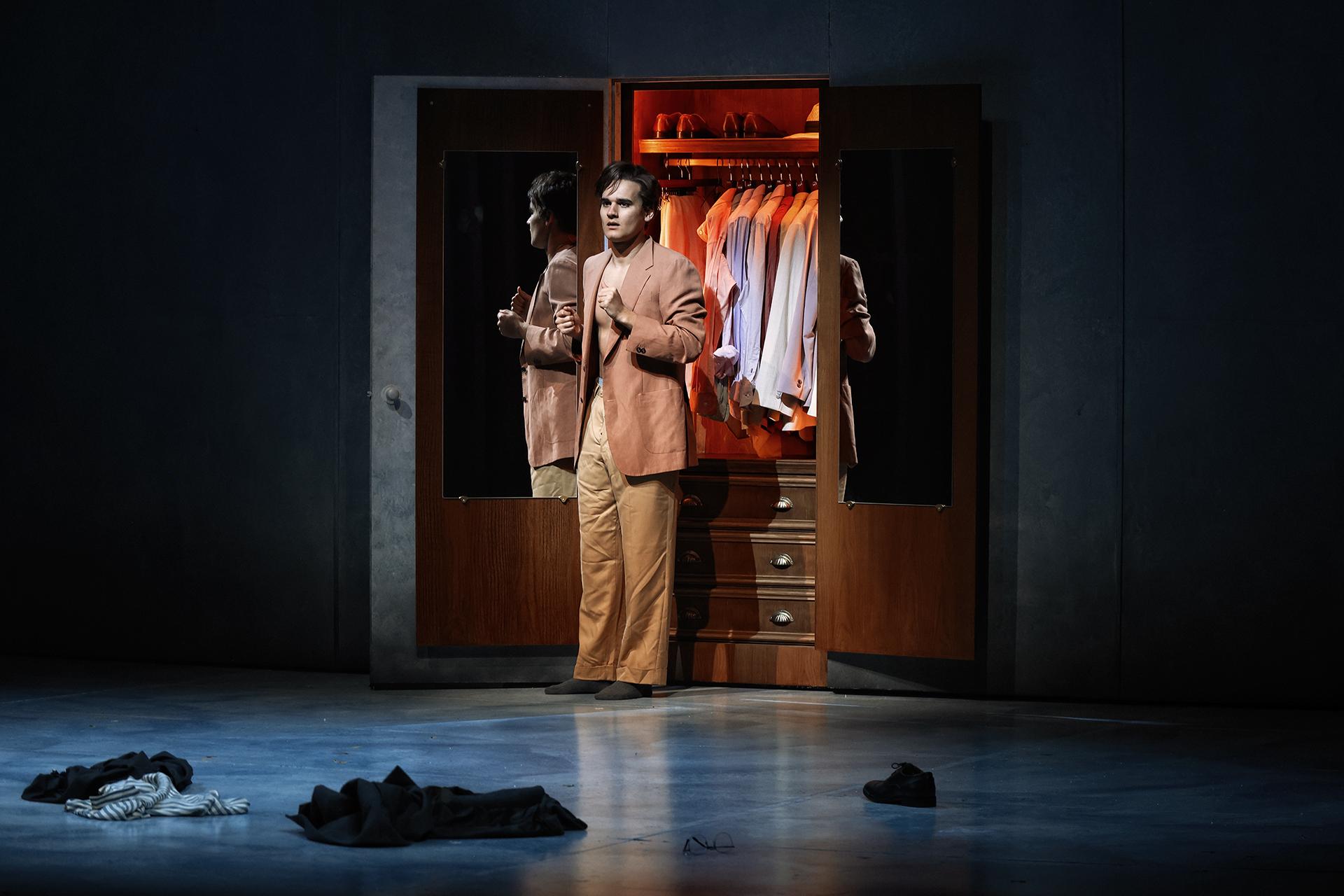
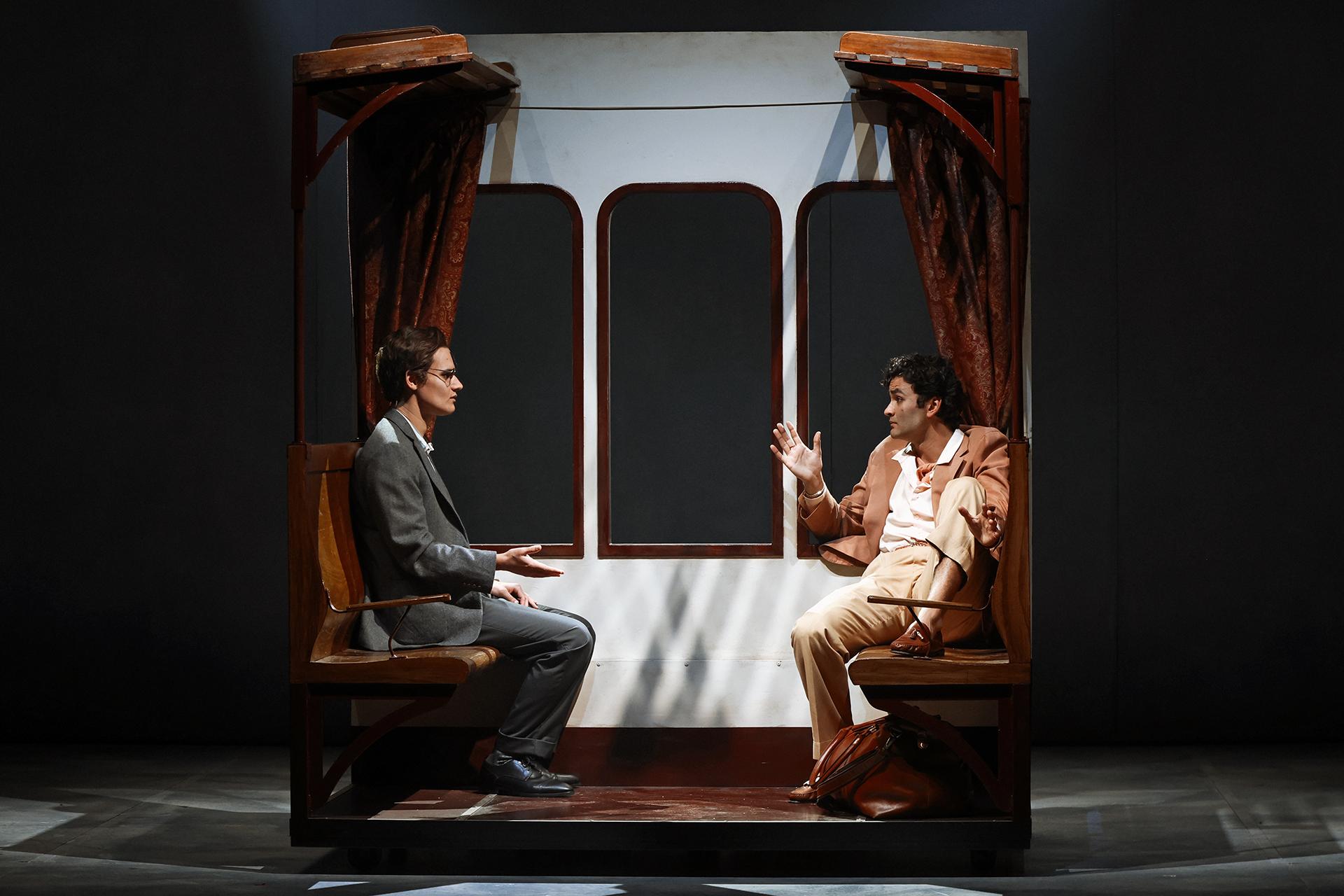
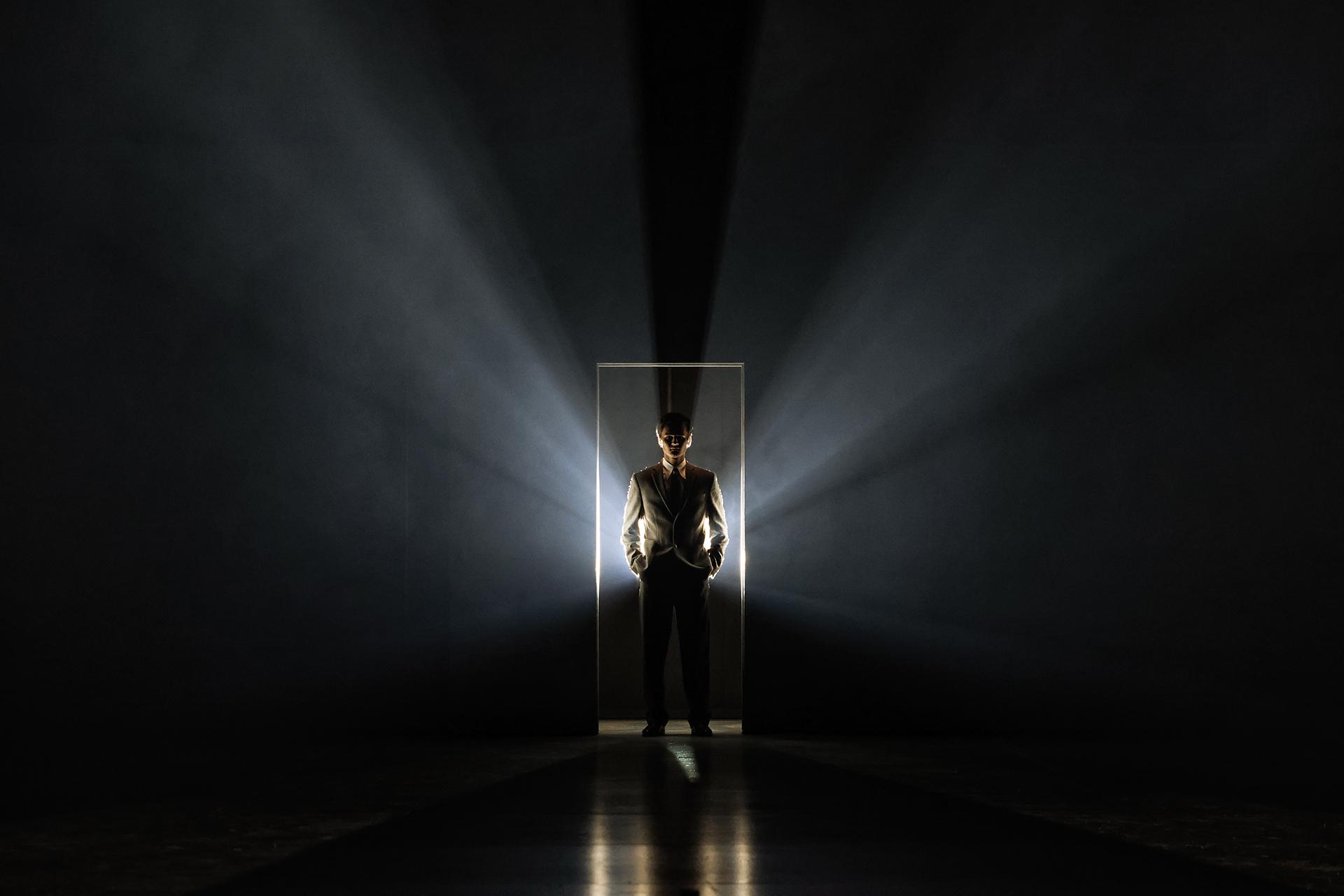
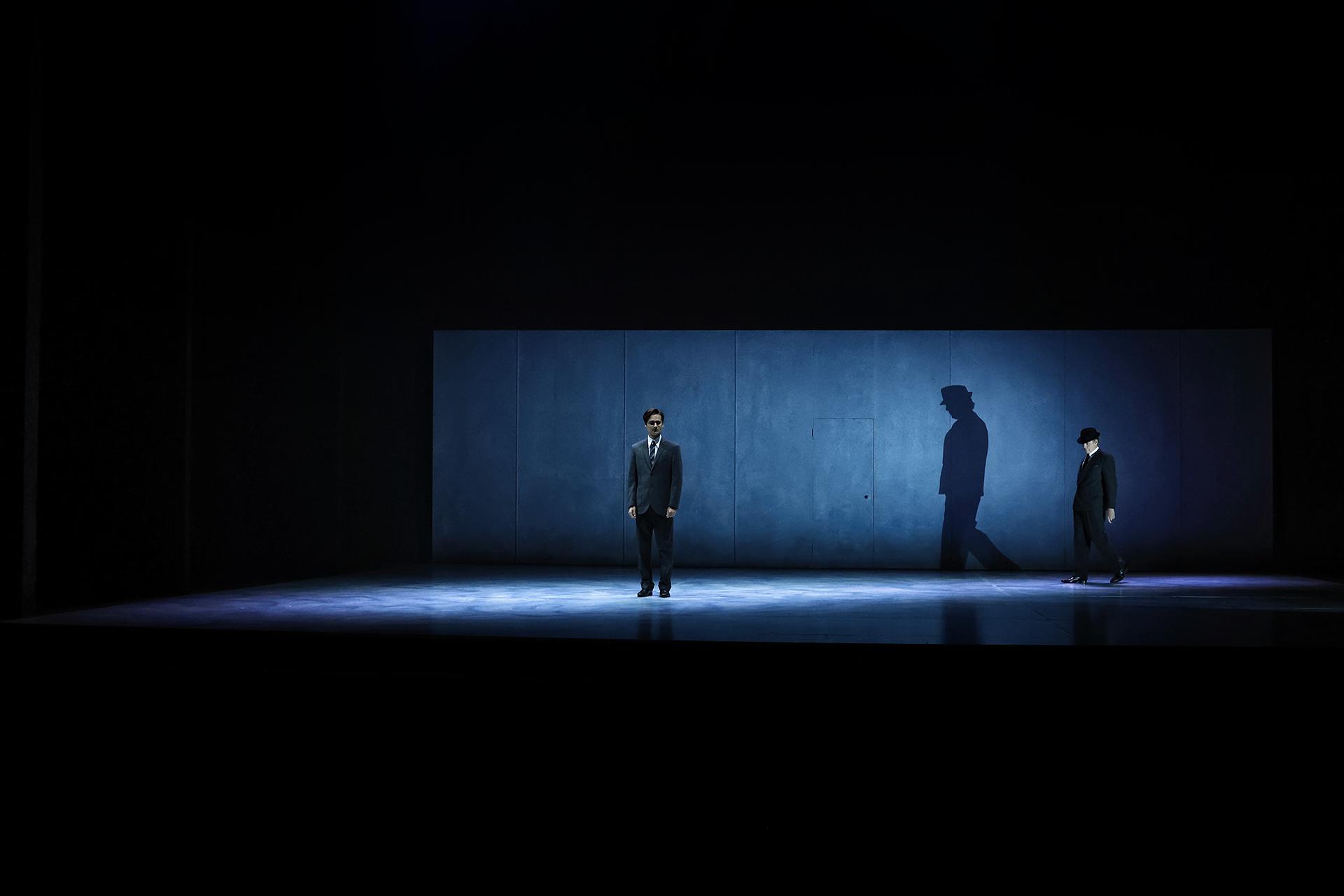
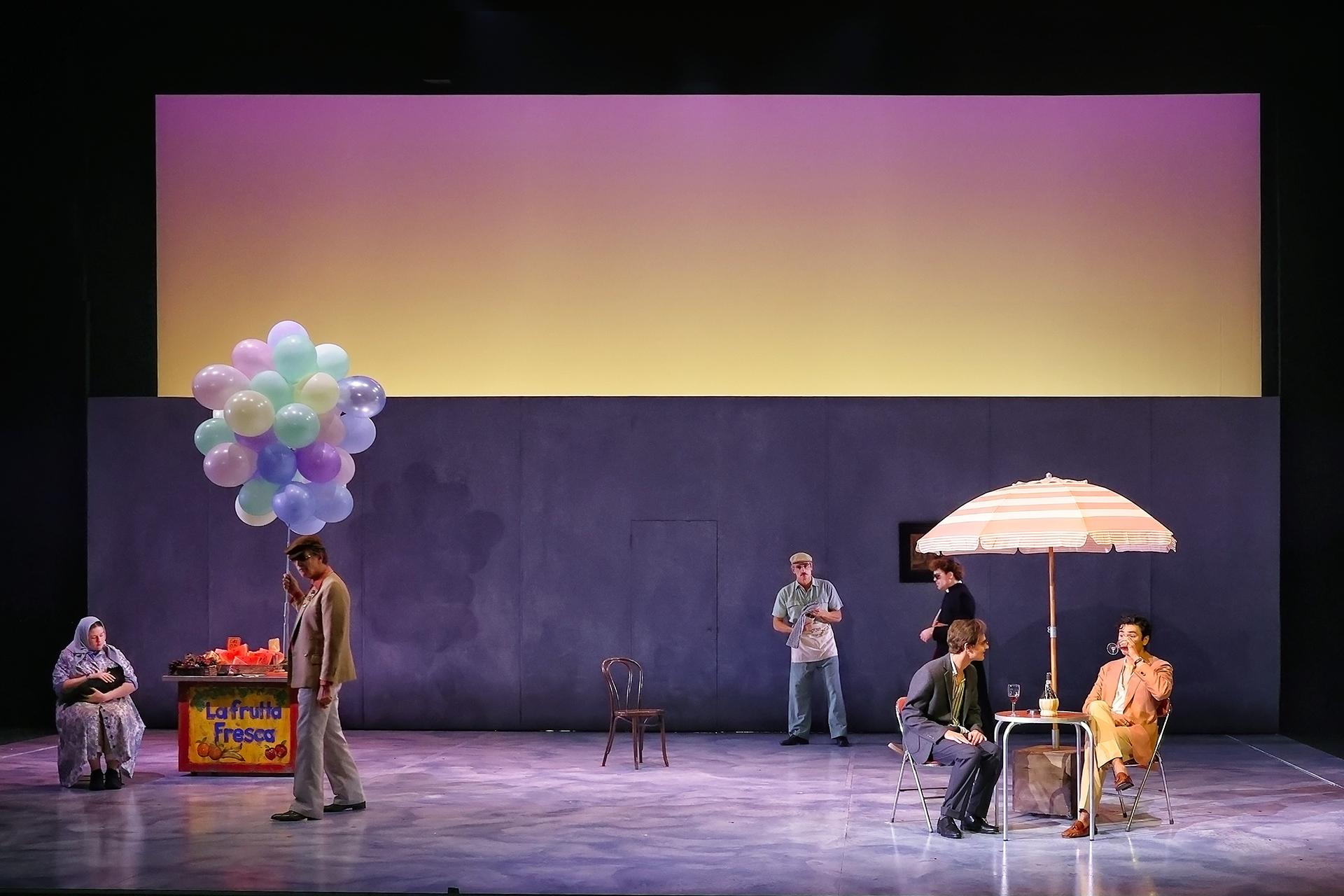
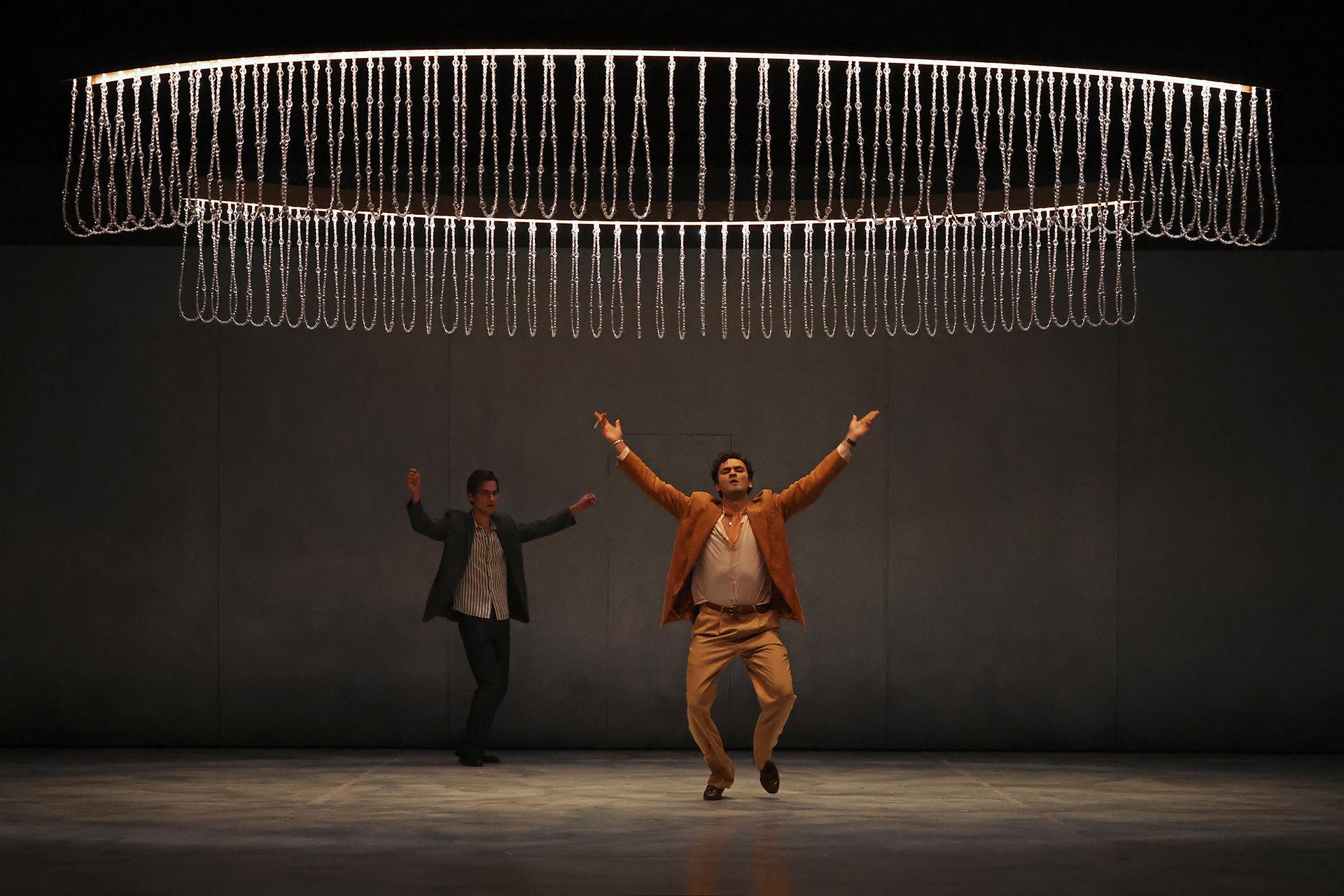
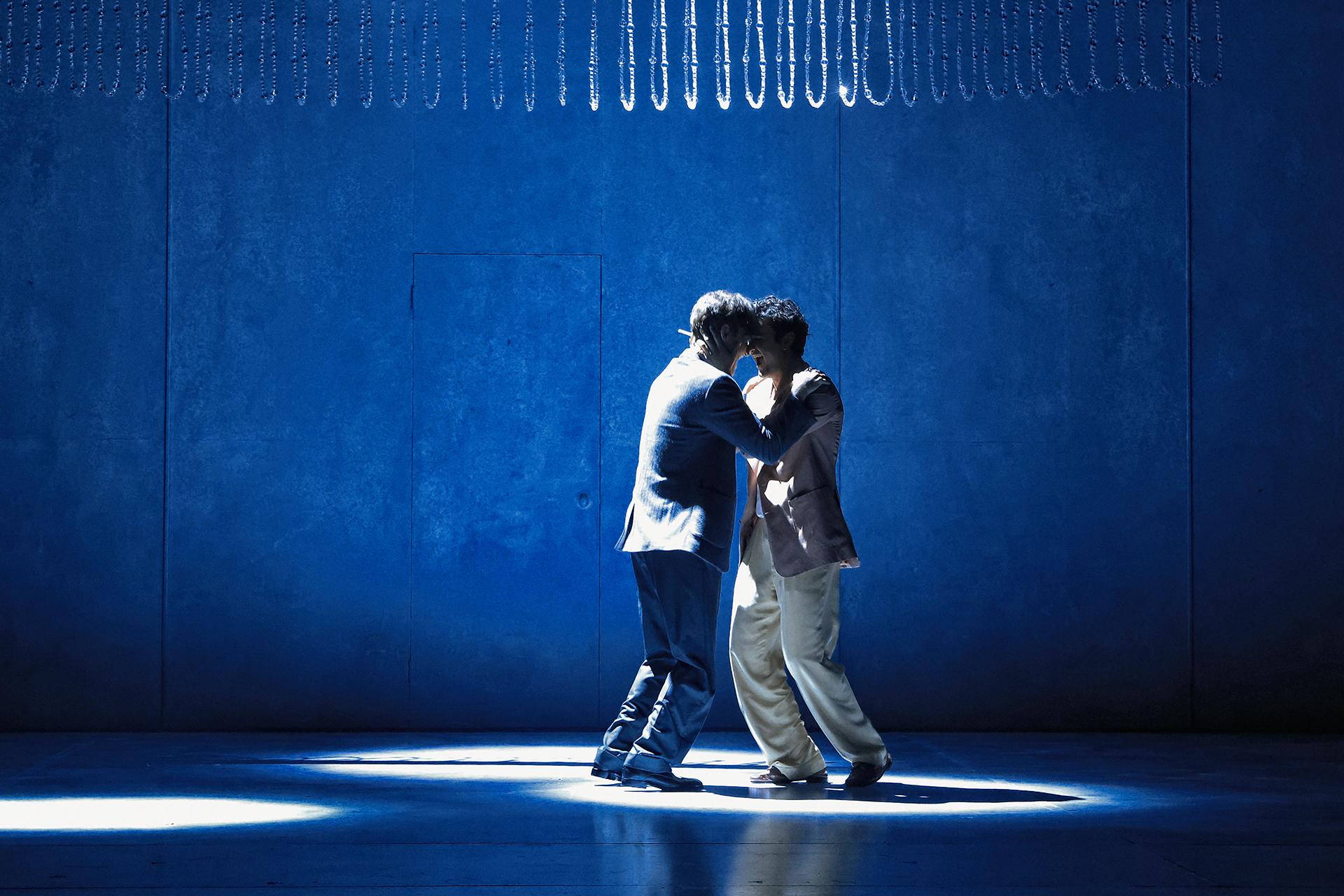
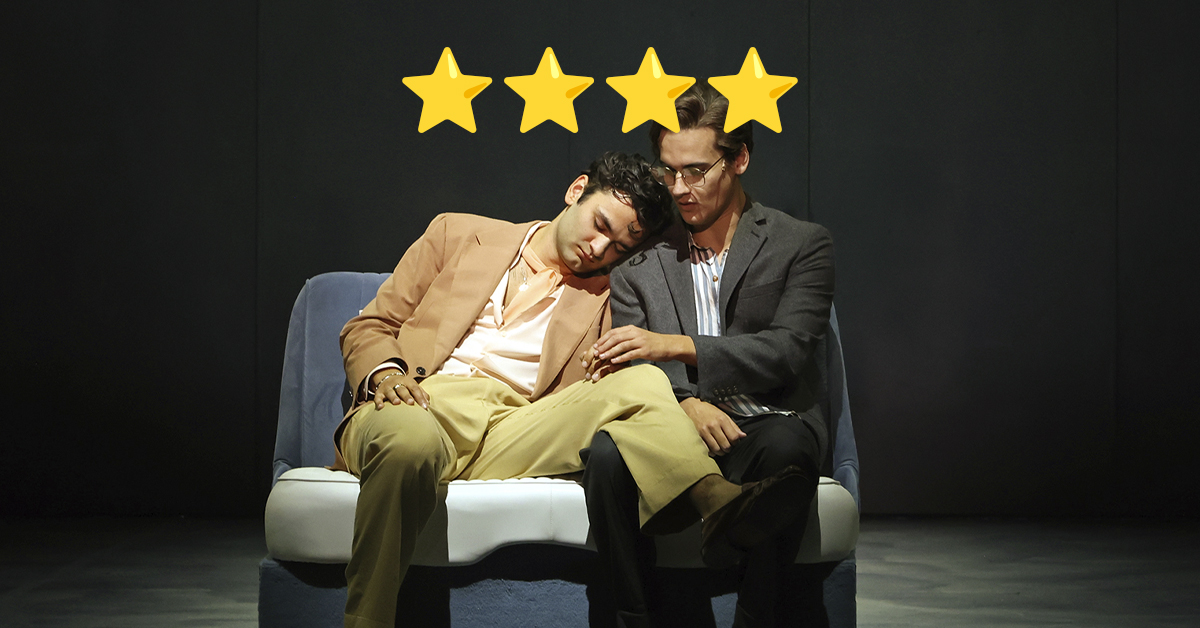
There are many possible reasons for Patricia Highsmith’s famous protagonist making the appalling decisions he does. Without overt explanations of Tom Ripley’s psychological constitution, we are left to observe his actions and to speculate on his motivations, often through notions of humanity that we can only presume to be universal. Joanna Murray-Smith’s adaptation comes 60 years after the novel’s publication, and although The Talented Mr. Ripley is thankfully rendered identifiably queer in this new stage version, we remain seduced by its enigmatic characters and their fundamentally dangerous story.

It is almost always a challenge to condense a work from book to play, but Murray-Smith does wonderfully to retain not only the essence, but also the delicious details of Highsmith’s original narrative. Direction by Sarah Goodes however feels rushed at several key moments, likely a consequence of wishing to keep running time within the conventional two hours. The show prevents itself from sprawling and luxuriating, in something that cannot disguise its tendencies toward indulgence.

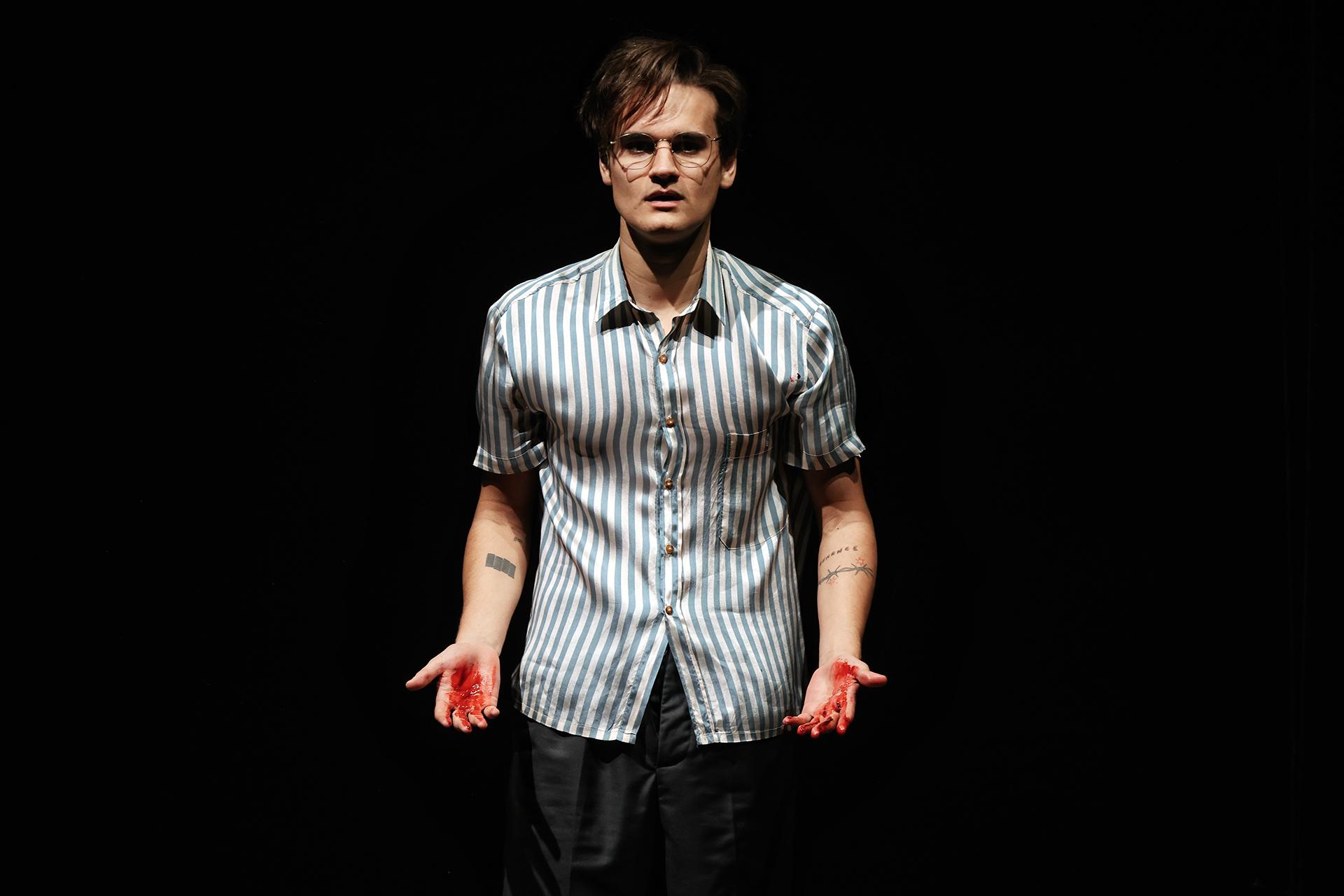
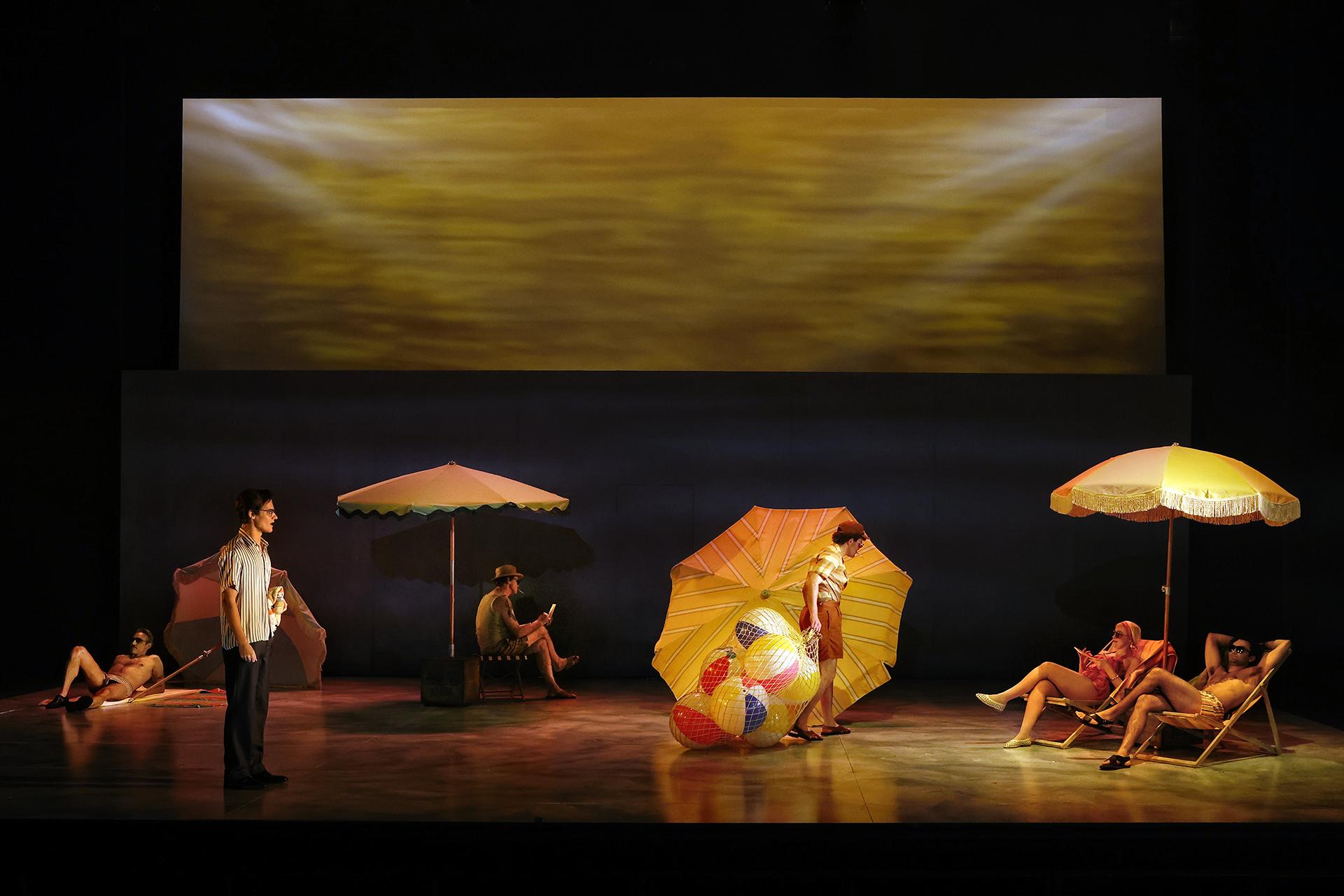
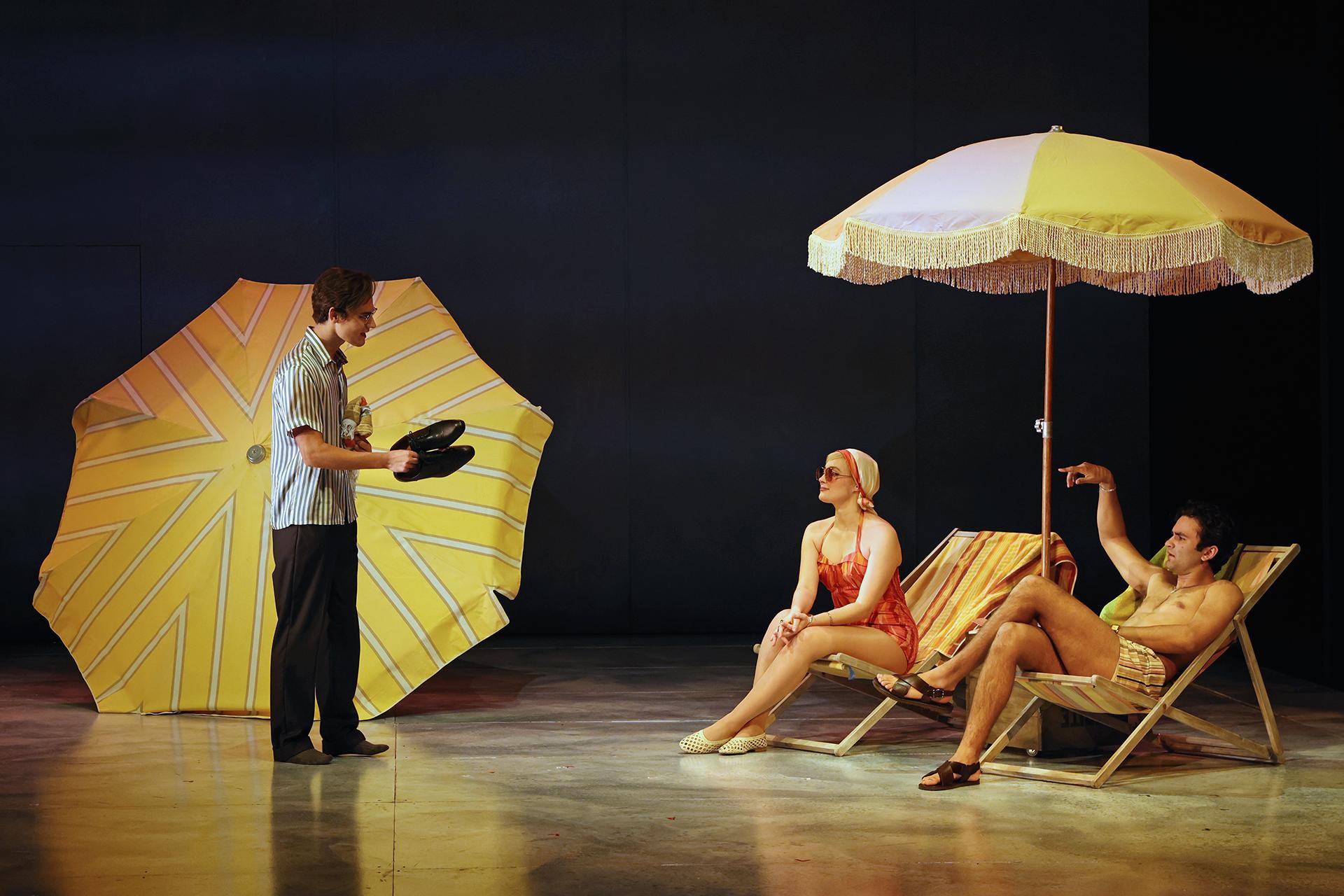
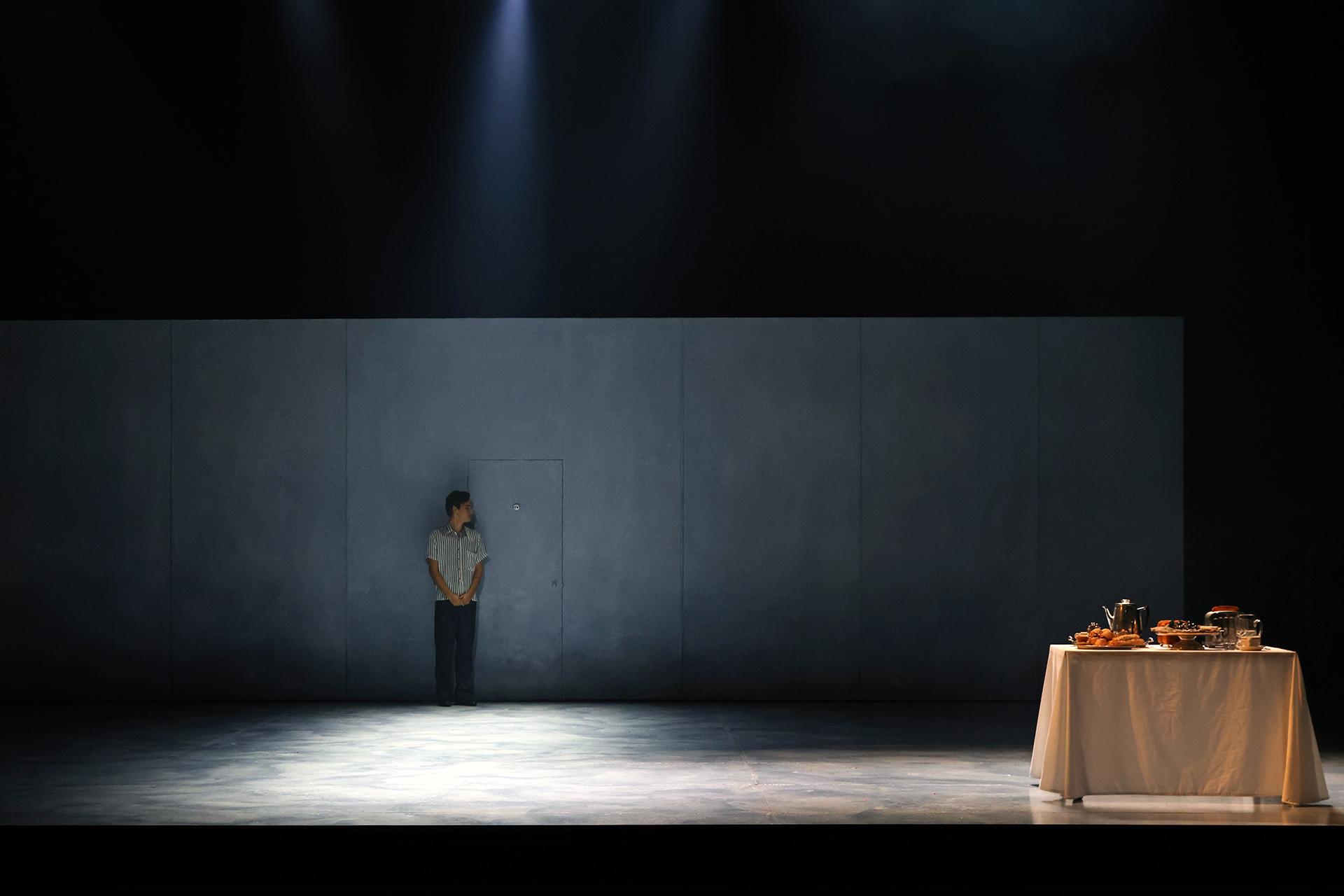
Visual aspects too fall short of the extravagance and decadence one might anticipate from a narrative steeped in class and envy, but the crucial scene of Ripley’s first murder, is certainly some of the most beautiful theatre to appear in recent memory. Set design by Elizabeth Gadsby is modern and sparse. Emma White’s costumes subtly represent the distinctions of social stratum. Damien Cooper’s lighting brings dynamism, though it can appear somewhat unnecessarily restrained. Music and sound by Steve Francis is an unequivocal highlight, delivering huge doses of unabashed drama, to match Ripley’s intensifying delusions of grandeur.

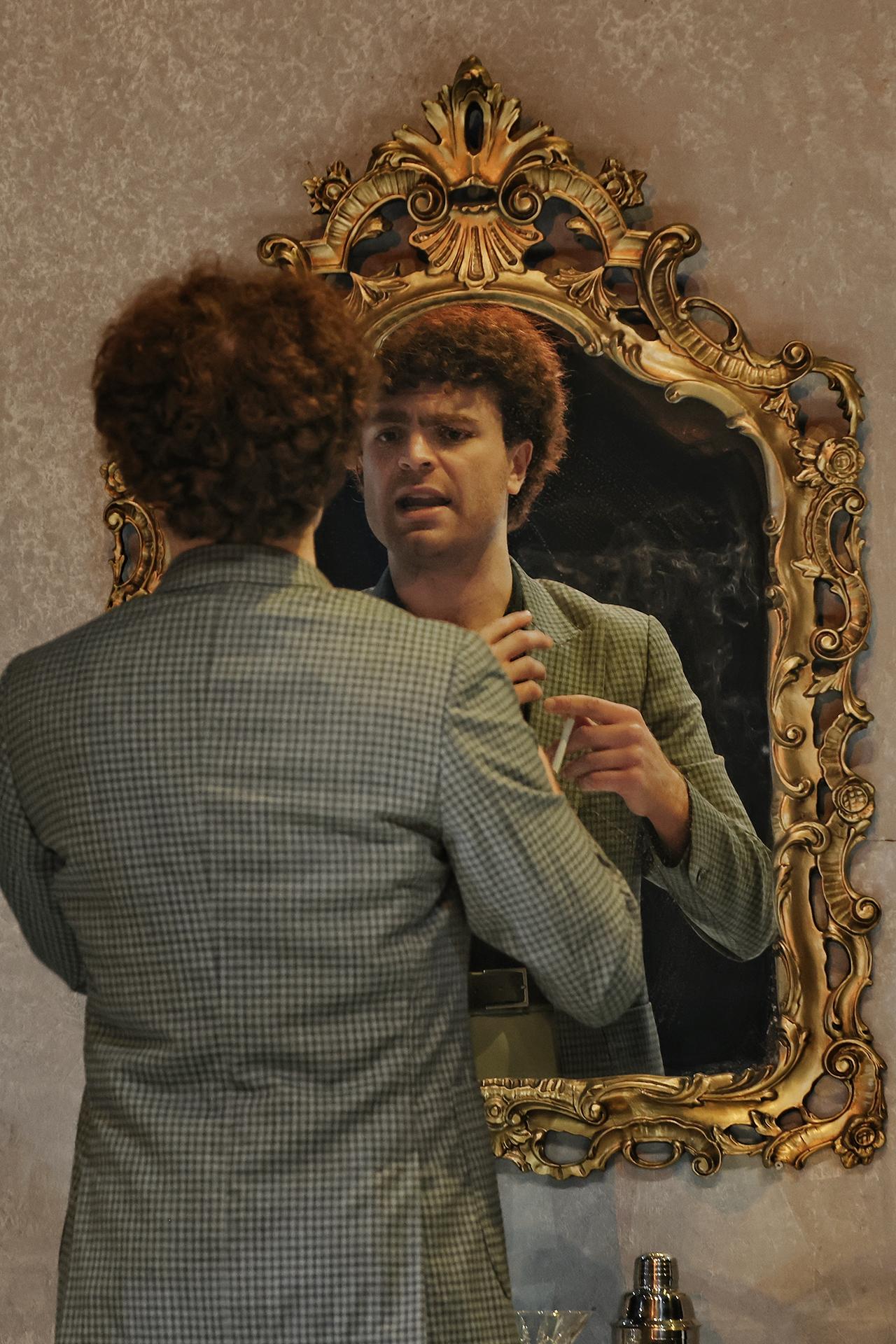
Leading man Will McDonald is both compelling and convincing as the disturbed charlatan, brilliantly conveying the unspoken dimensions of Ripley’s inner world, which form the very heart of the production. Object of desire Dickie Greenleaf is performed with charismatic verve by a highly memorable Raj Labade, who strikes a delicate balance between likeable cad and despicable scoundrel. Also noteworthy is Faisal Hamza as Freddie Miles, wonderfully mischievous in his portrayals of nauseating privilege and wanton youth.

There is little reason to admire Ripley, yet despite his heinous crimes, we never for a moment want him to be caught. Every subsequent kill, though met with our derision, remains an irresistible pleasure in the purely artistic sense. That we can find ways to enjoy learning about Ripley’s atrocities, only means that there are parts of our psyche that can somehow appreciate his debauched descent. Though we strive to uphold honour in our personal choices, the sheer talent of those who commit barbarities proves always to exert a relentless, undeniable fascination.

www.sydneytheatre.com.au

Review: Bloom (Sydney Theatre Company)

Venue: Roslyn Packer Theatre (Sydney NSW), Mar 29 – May 11, 2025
Book and Lyrics: Tom Gleisner
Music: Katie Weston
Director: Dean Bryant
Cast: Evelyn Krape, Vidya Makan, Maria Mercedes, Eddie Muliaumaseali’i, John O’May, Christina O’Neill, Jackie Rees, Slone Sudiro, John Waters, Christie Whelan Browne
Images by Daniel Boud

Theatre review
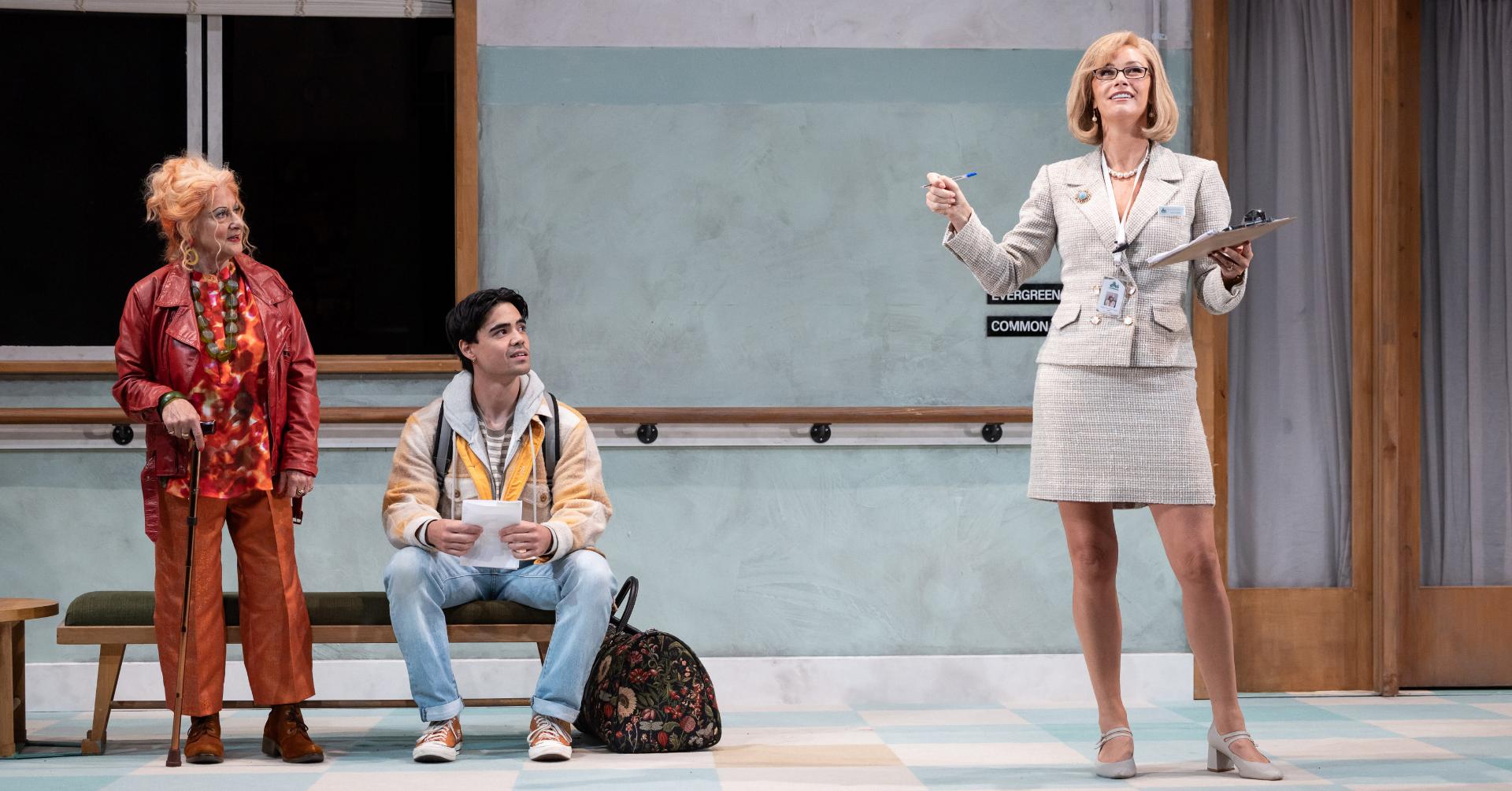
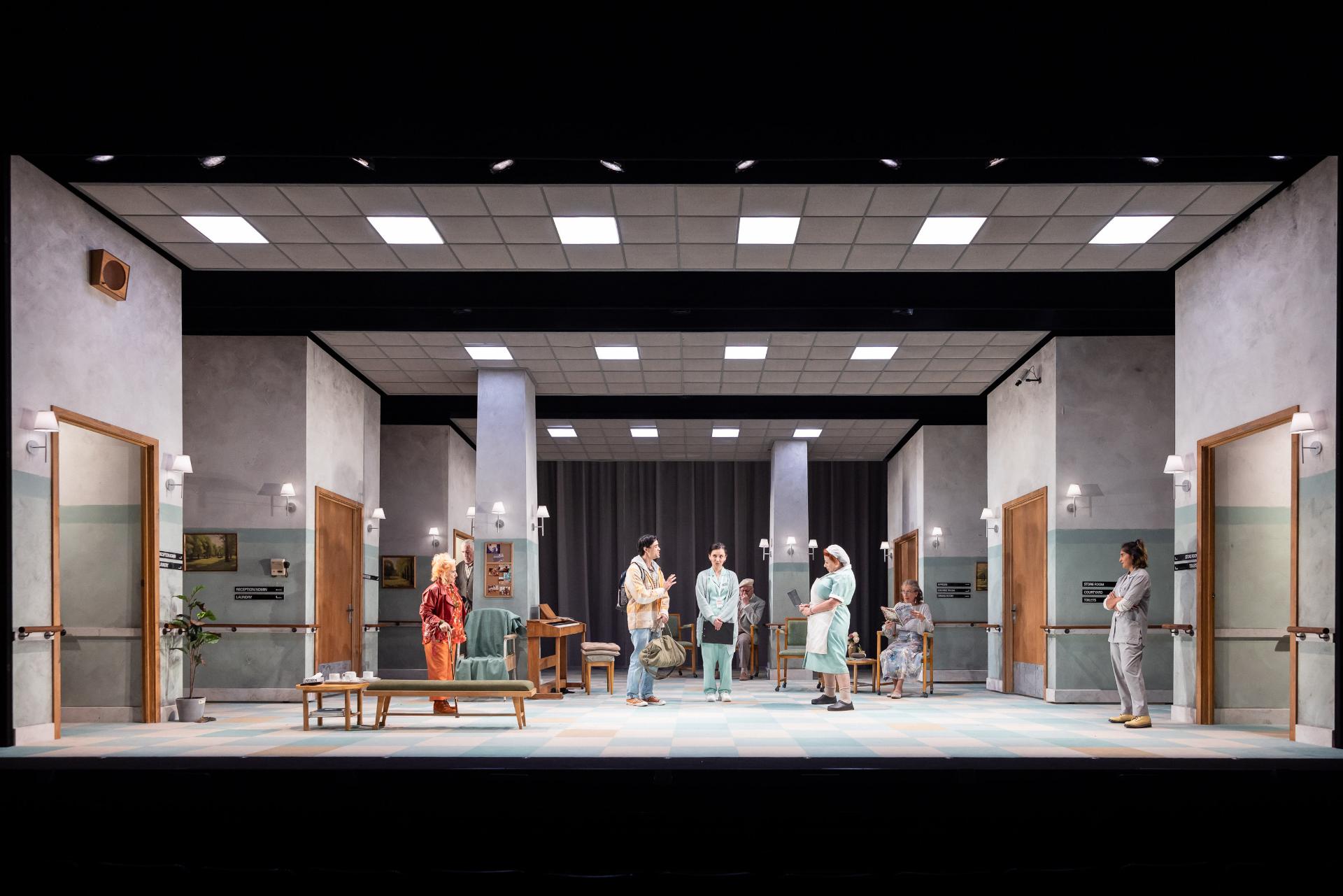
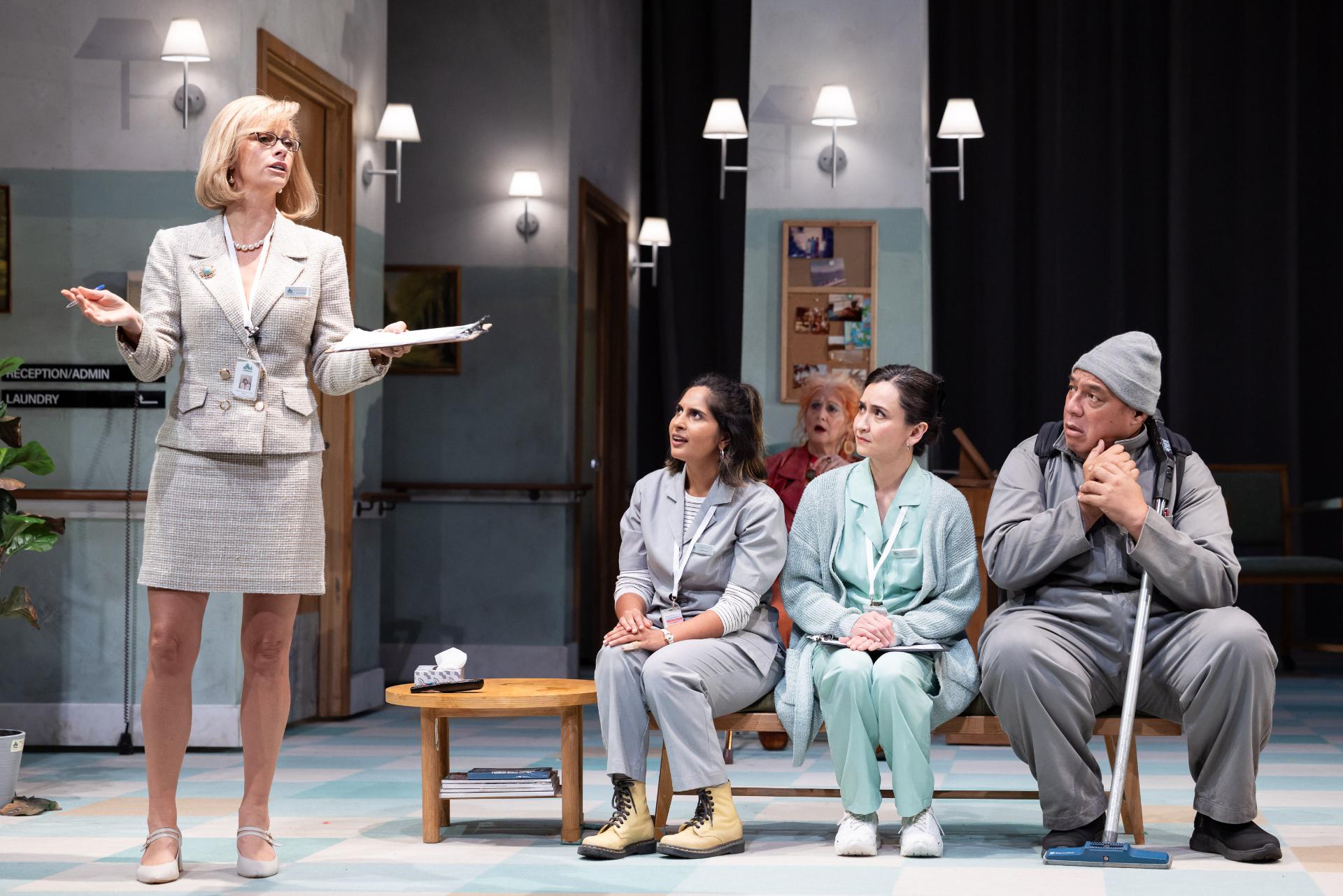
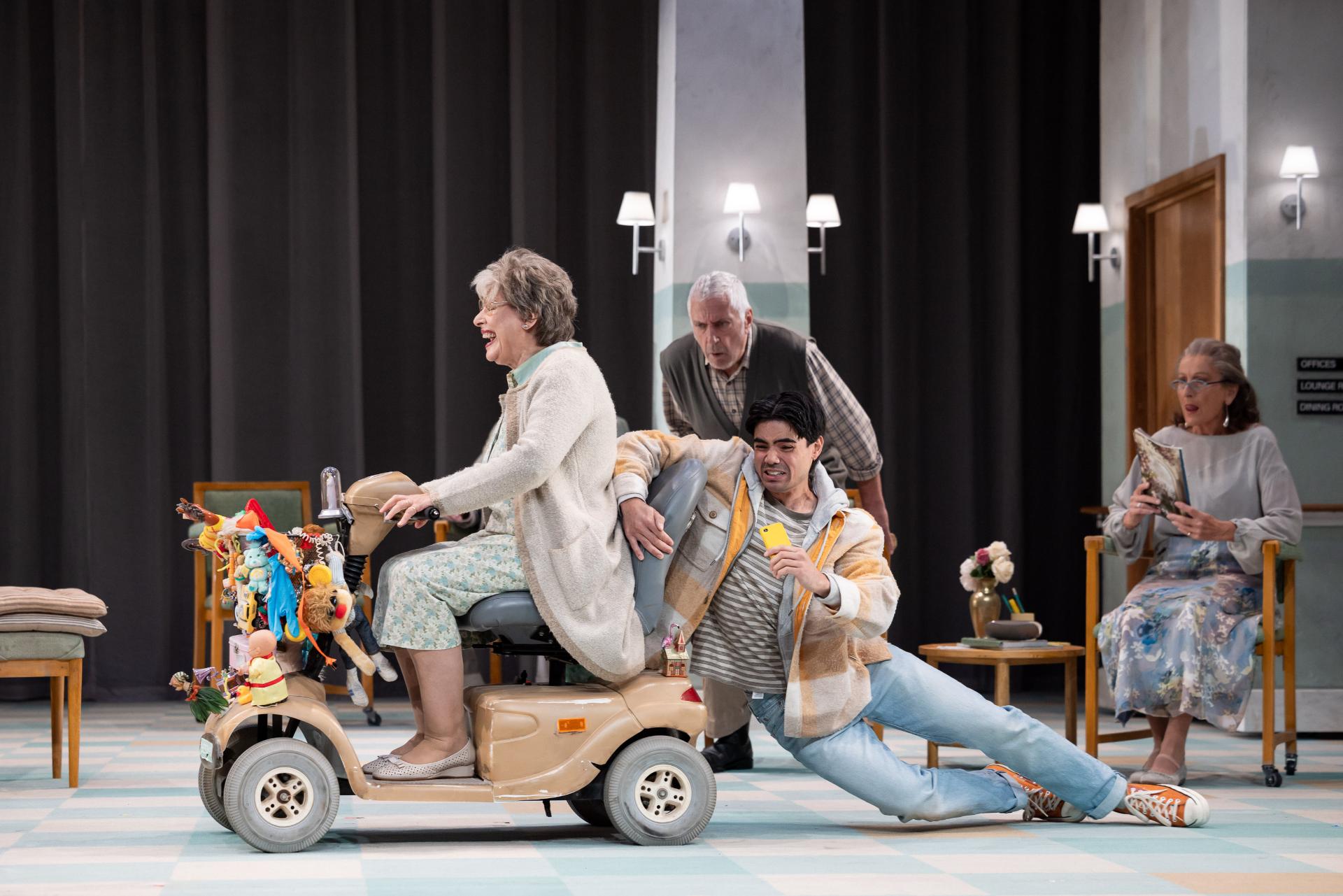
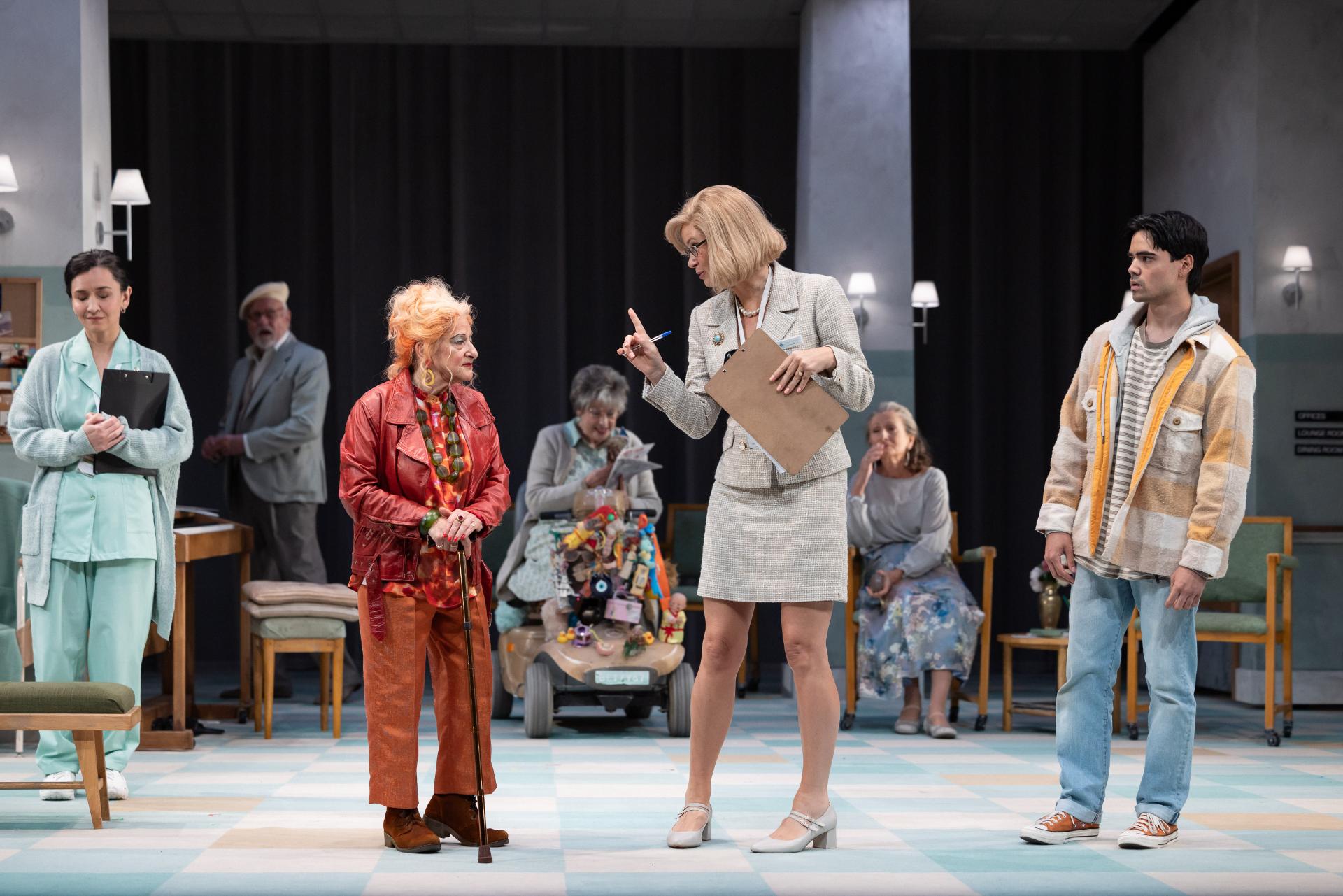
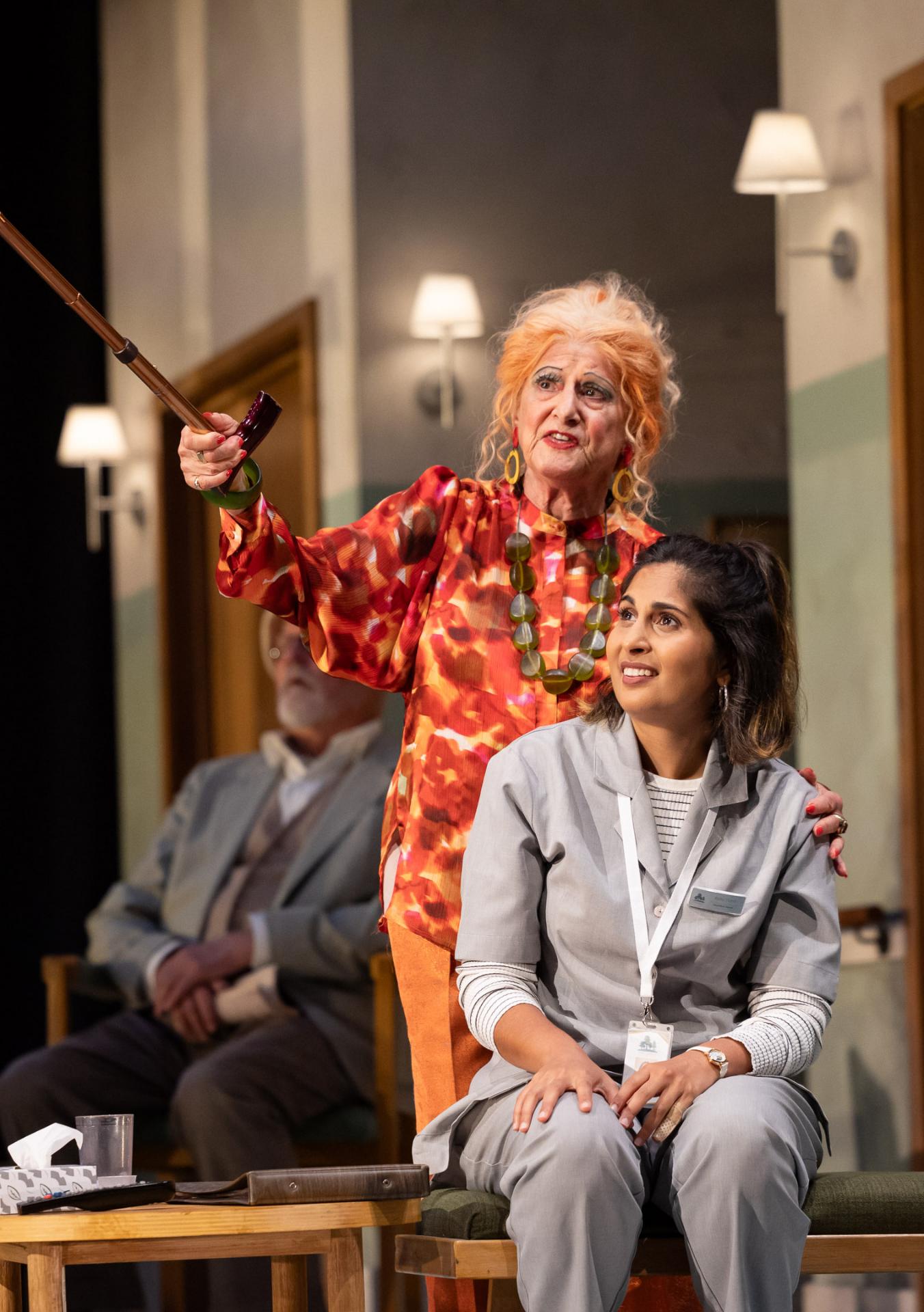
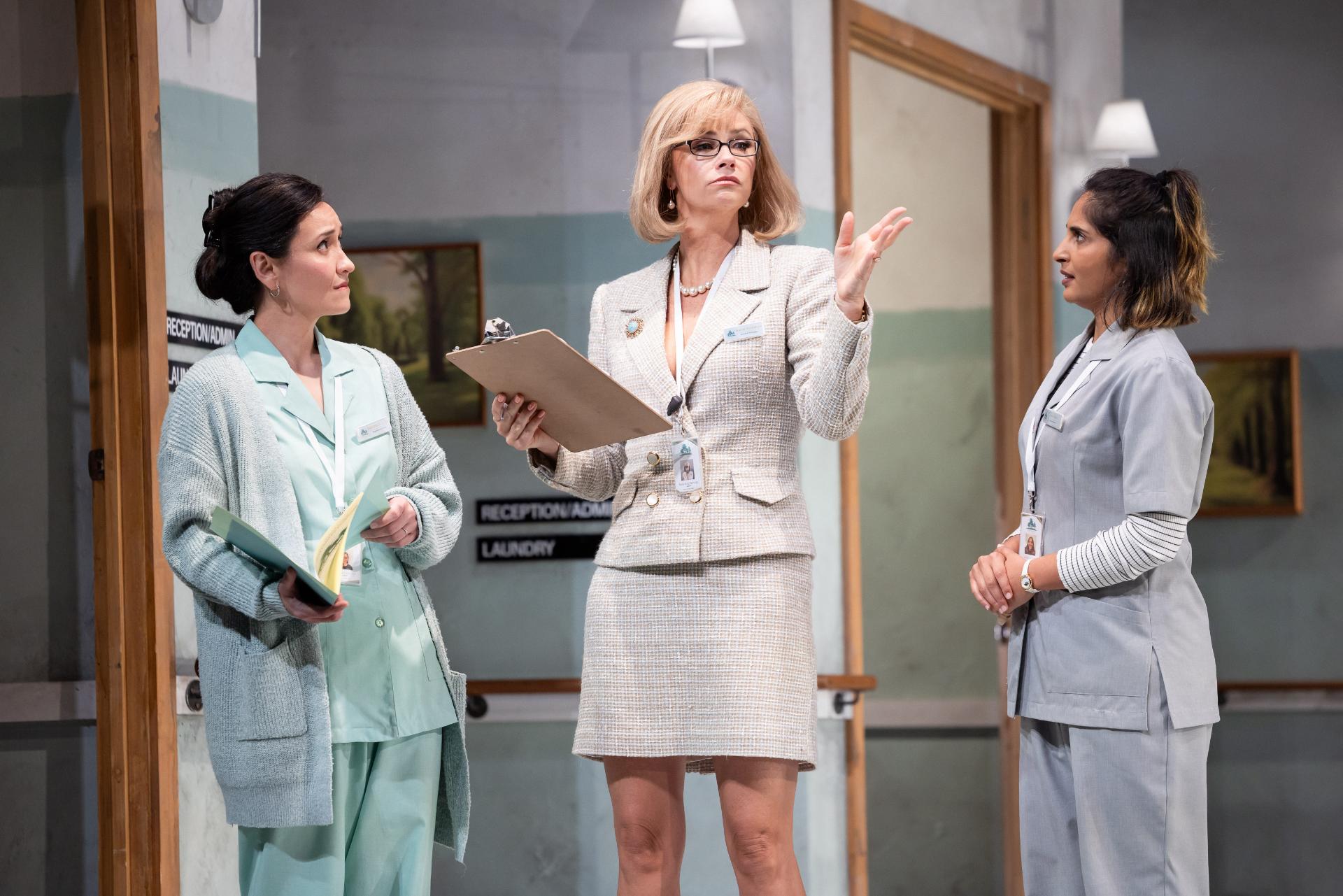
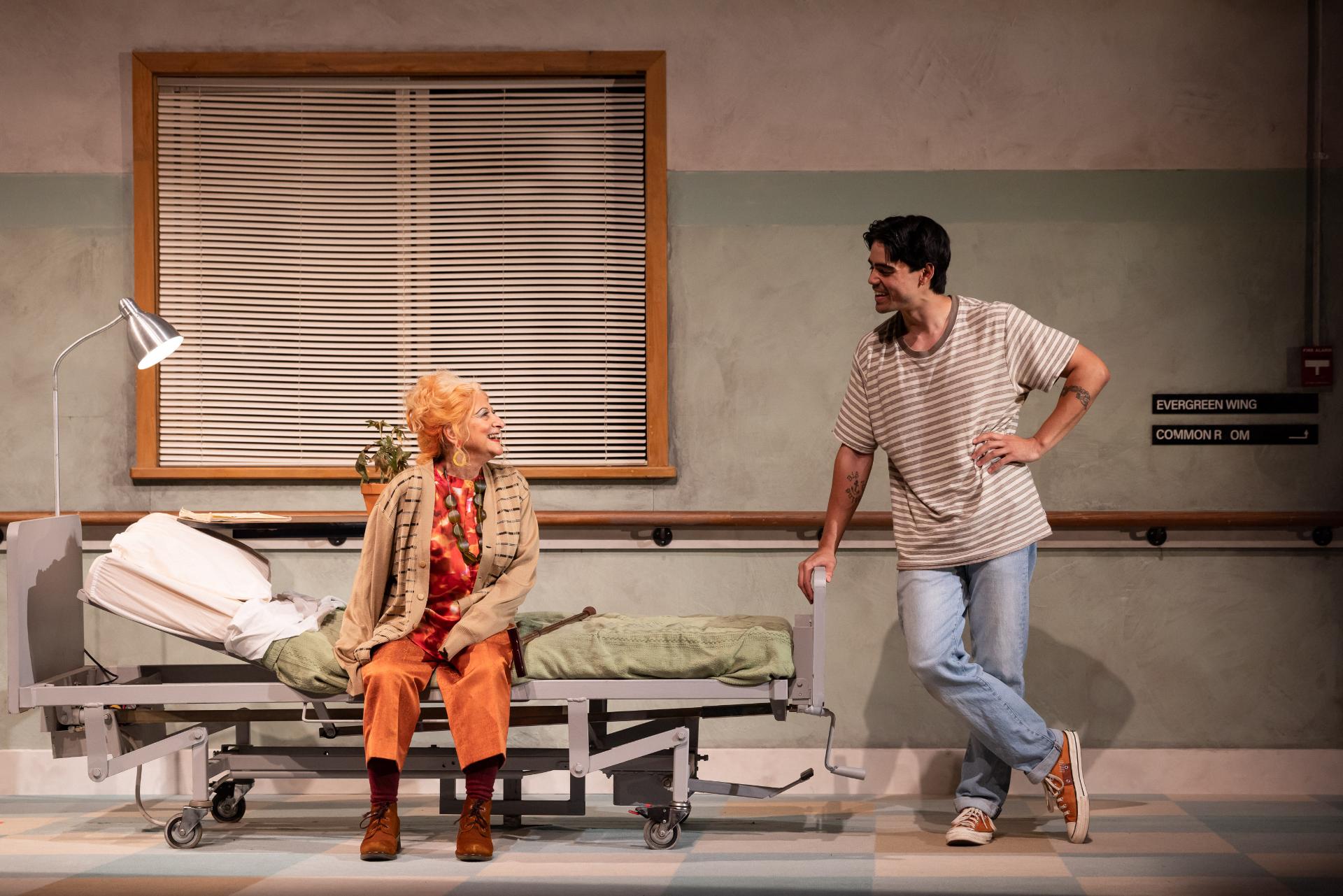
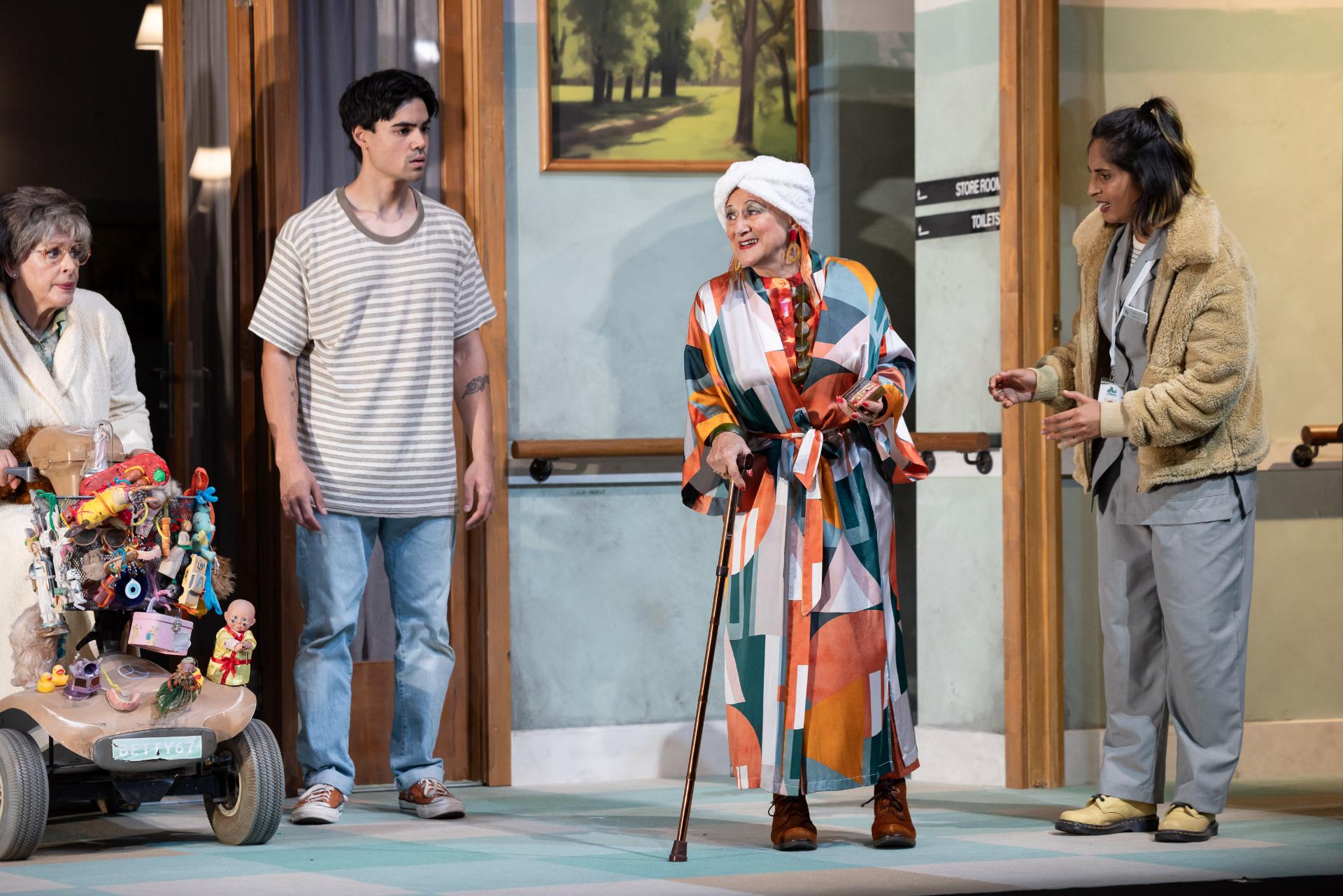
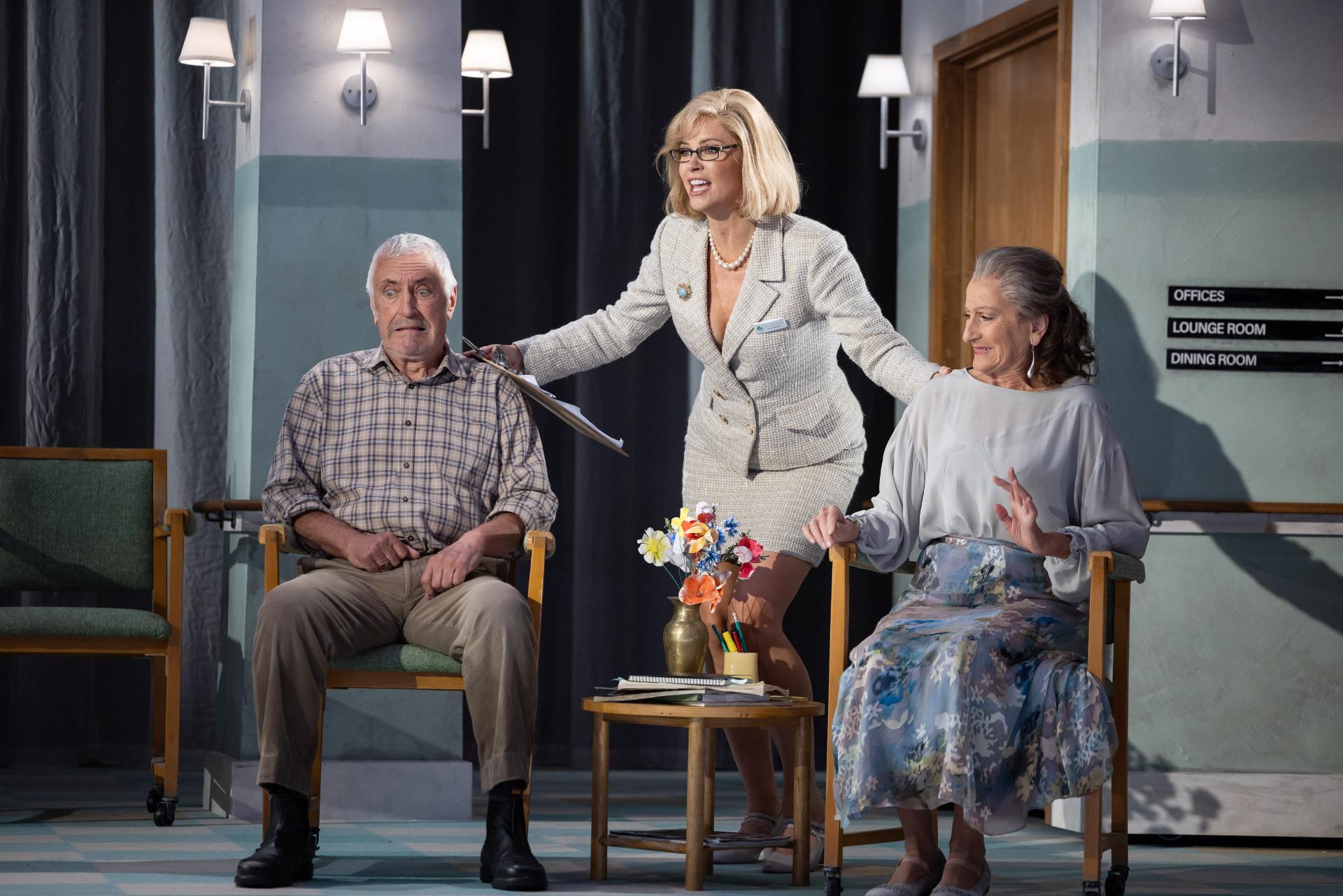
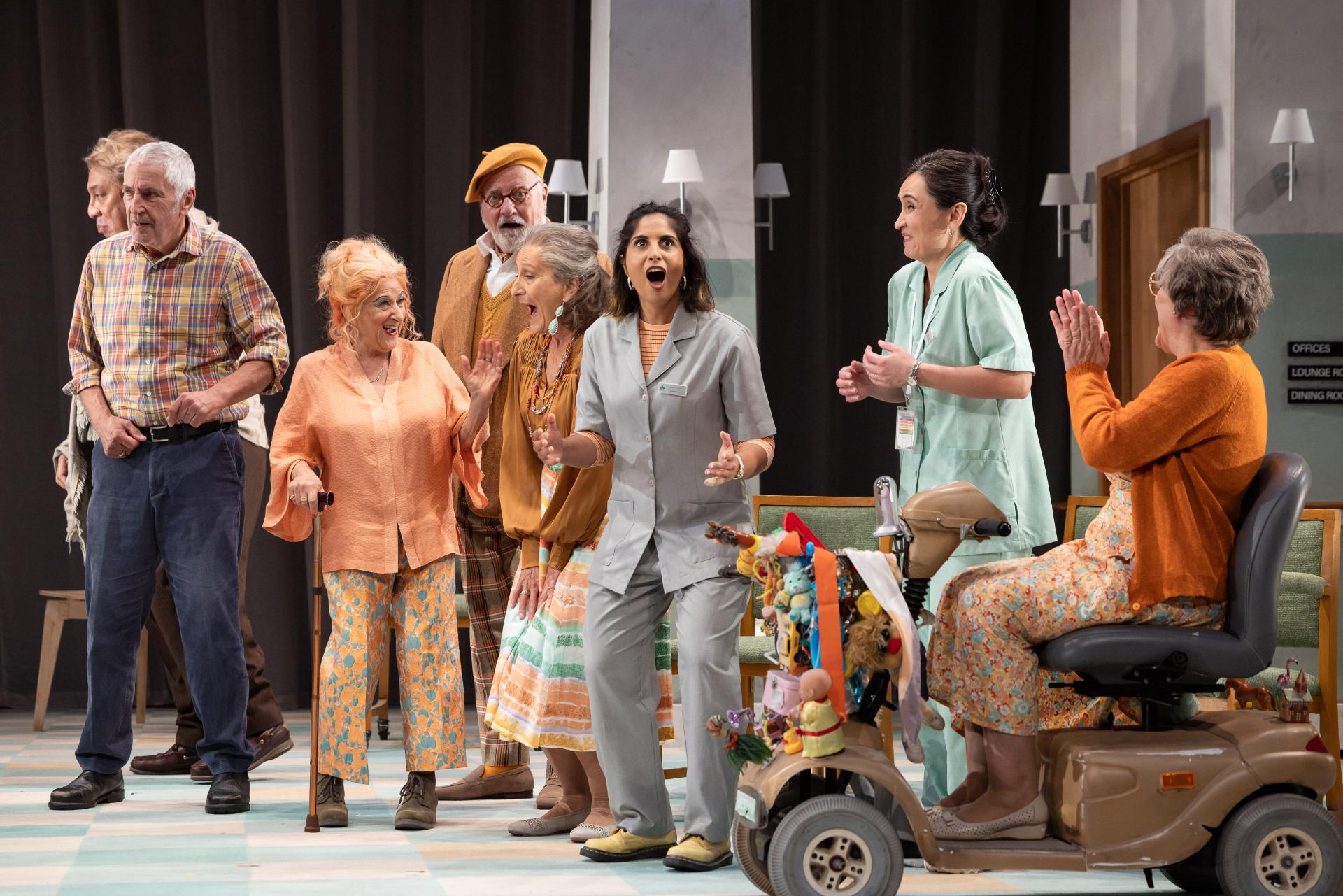
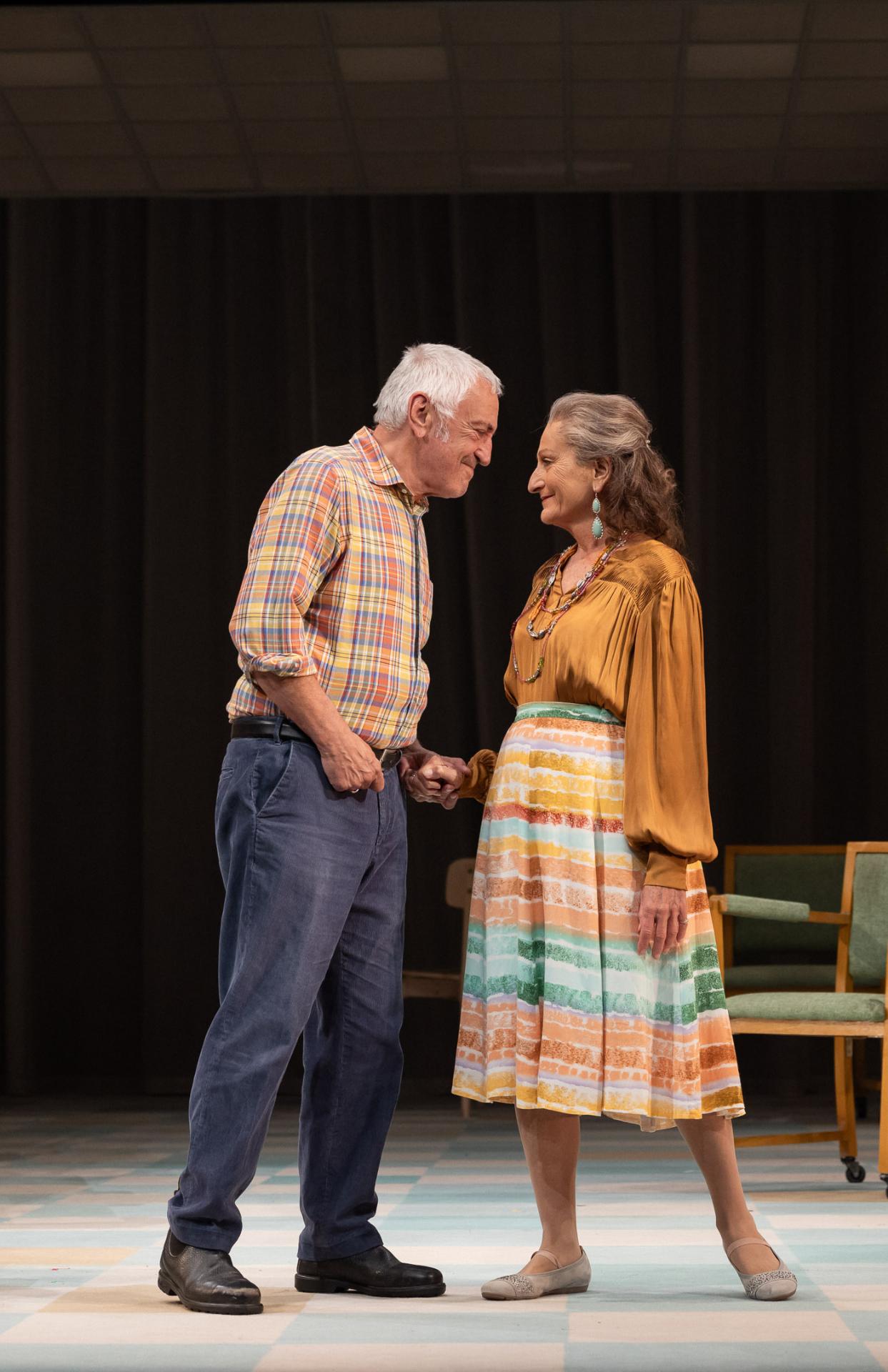
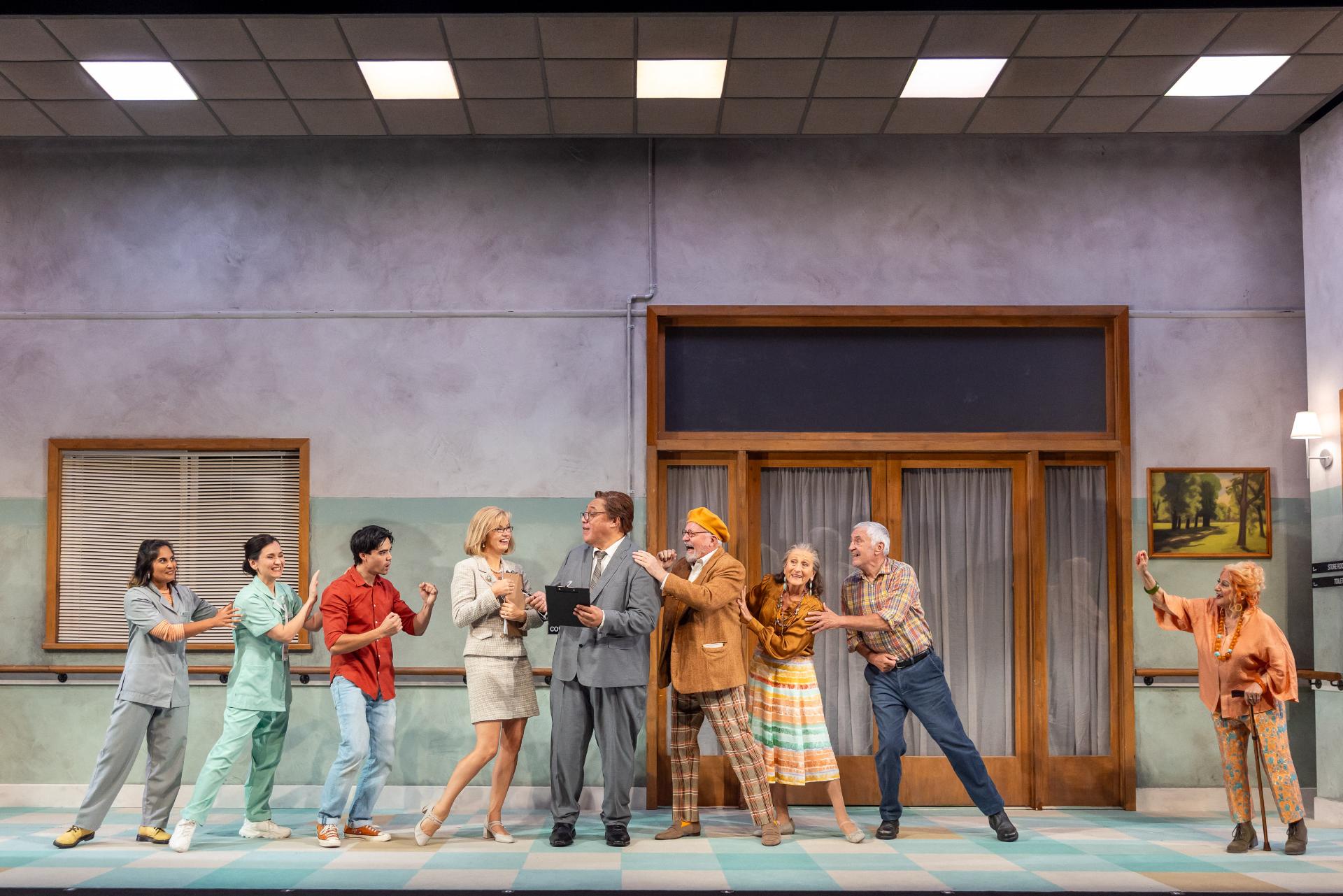
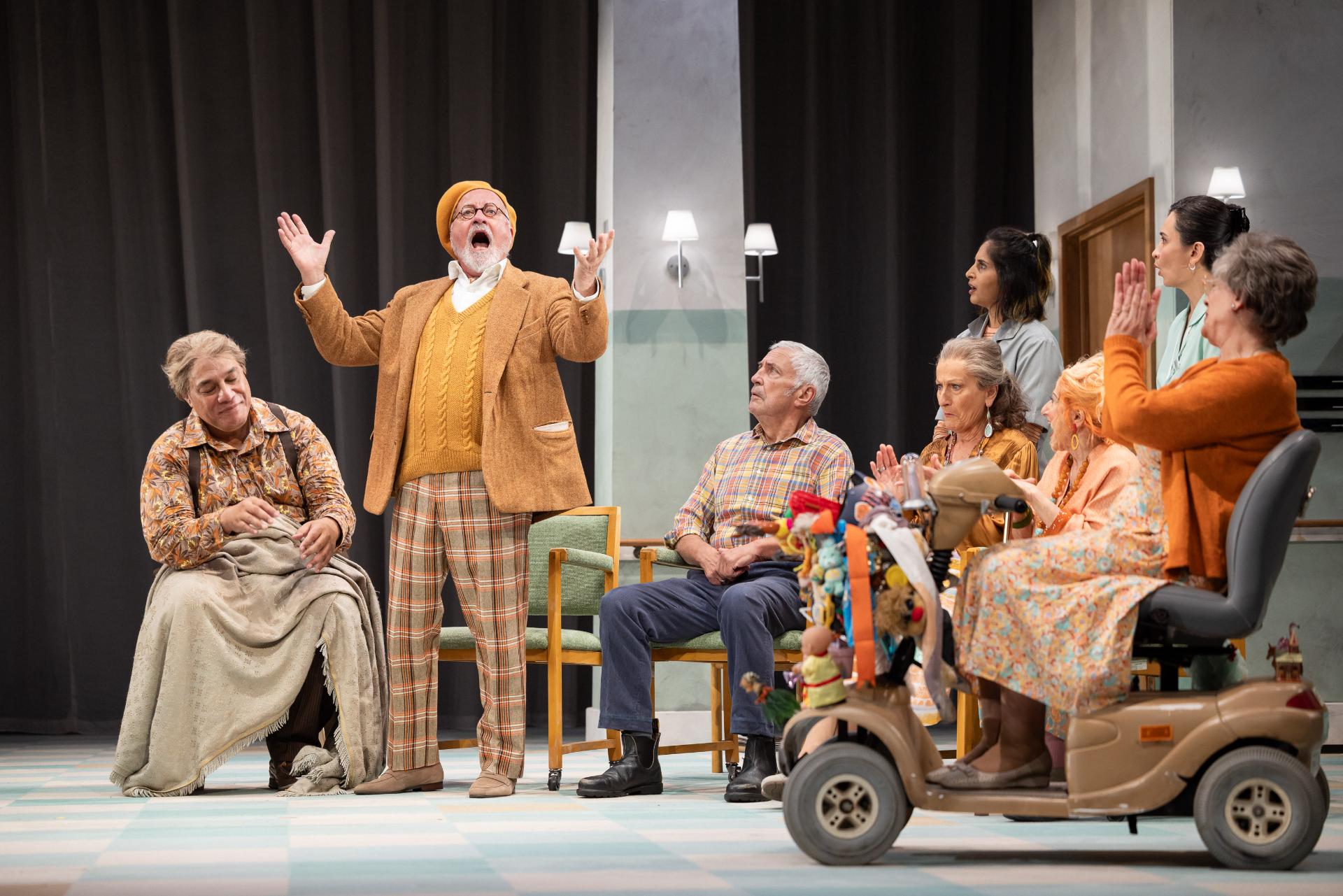
One would hope that retirement homes are the most idyllic places in which the elderly can enjoy their twilight years, but Pine Grove is no such institution. In Tom Gleisner’s musical comedy Bloom, senior residents are treated with no respect, by a management that thinks only of the bottom line. The characters we encounter in Gleisner’s writing are thoughtfully assembled, but his plot unfolds predictably at every juncture, and a clichéd sense of humour guides the tone for the entire presentation.

Direction by Dean Bryant demonstrates little need for inventiveness, focussing efforts instead on creating a show that speaks with poignancy and tenderness. Its efficacy as a heart-warming tale is however debatable, with some viewers likely to respond favourably to its sentimentality, while others may be left unmoved by its hackneyed approach. The music of Bloom, written by Katie Weston and directed by Lucy Bermingham, is somewhat pleasant but the thorough conventionality of its style might prove uninspiring for some.
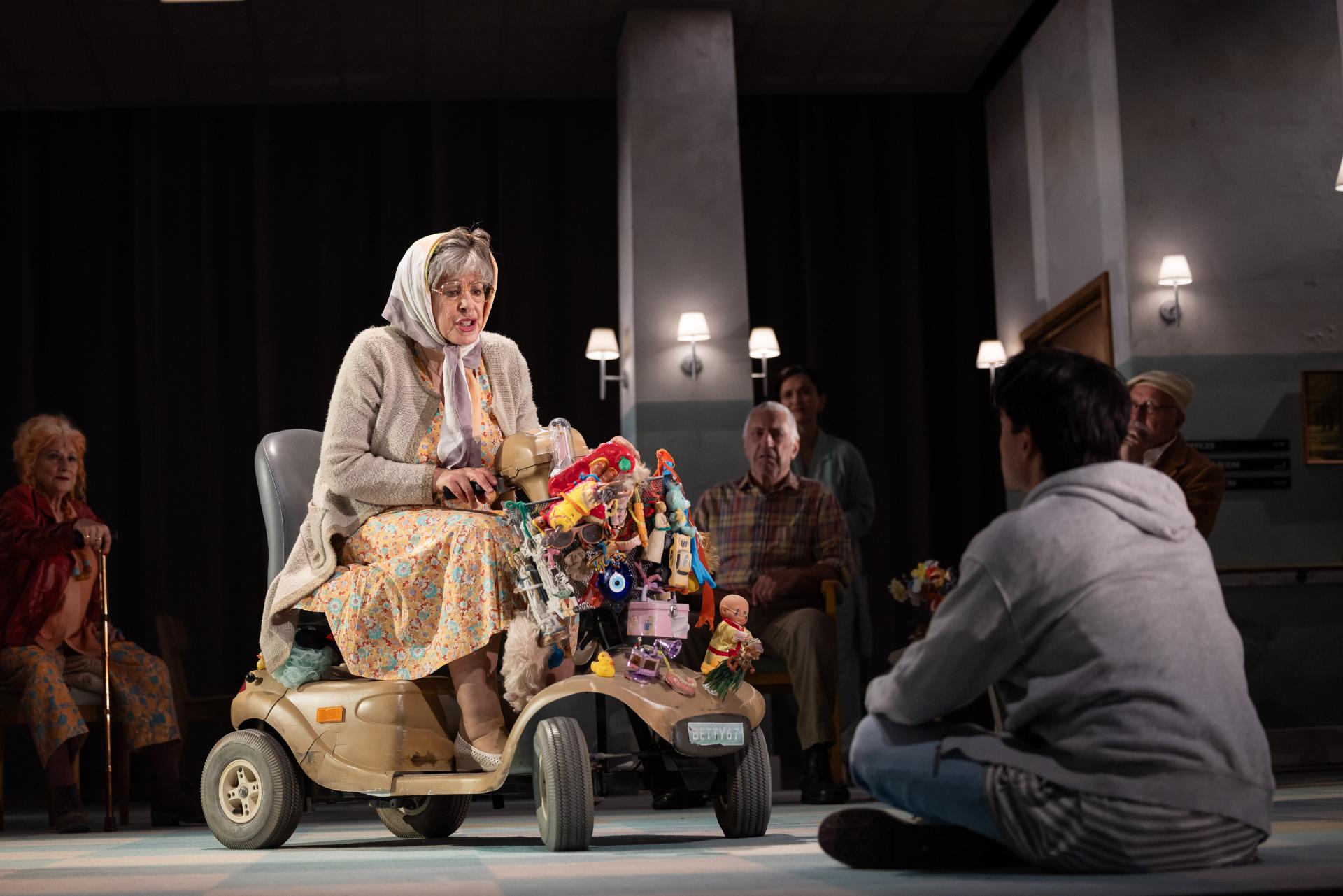
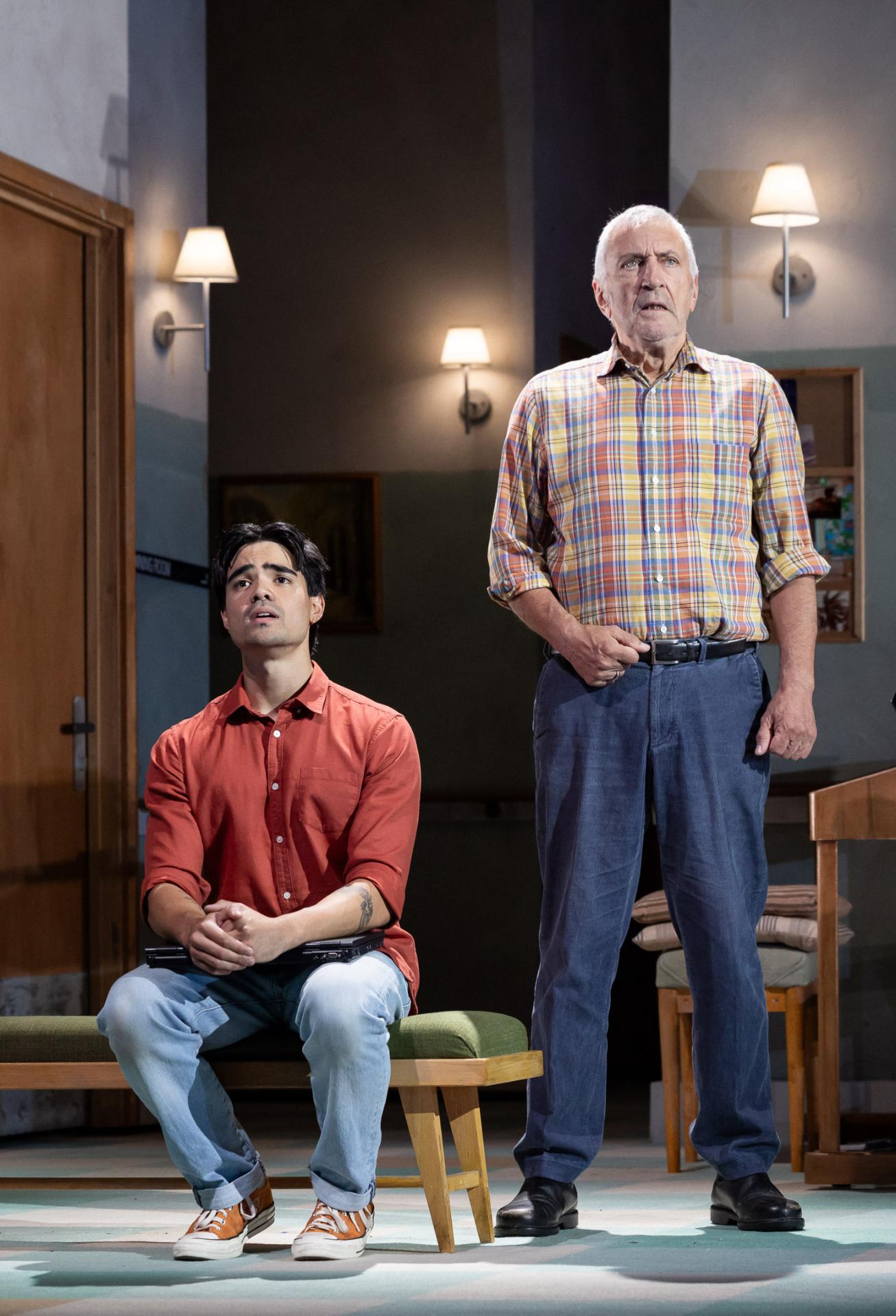
Set design by Dann Barber, along with costumes by Charlotte Lane, are appropriately and intentionally drab for a story about the failures of aged care systems. Lights by Sam Scott too, fulfil with unquestionable proficiency, the practical requirements of the simple narrative.

The ensemble is commendable for the gleam it brings to Bloom, with their confident singing and spirited delivery of old-school comedy, ensuring a consistent sense of professionalism. Performer Christie Whelan Browne is especially noteworthy for her flamboyant approach, in the hilarious role of Mrs MacIntyre the dastardly owner of Pine Grove. As staff member Ruby, Vidya Makan’s big voice is a treat and a memorable feature, in a production that has a tendency to feel more than a little tired.

www.sydneytheatre.com.au | www.mtc.com.au

Review: Wuthering Heights (Roslyn Packer Theatre)

Venue: Roslyn Packer Theatre (Sydney NSW), Jan 31 – Feb 15, 2025
Adaptor: Emma Rice (from the novel by Emily Brontë)
Composer: Ian Ross
Director: Emma Rice
Cast: Sam Archer, Nandi Bhebhe, Matthew Churcher, Rebecca Collingwood, Frederick Double, Stephanie Elstob, Thomas Fox, Stephanie Hockley, TJ Holmes, John Leader, Robyn Sinclair
Images by Steve Tanner

Theatre review
It is the story of star-crossed lovers Heathcliff and Catherine, from the pen of Emily Brontë but adapted for a contemporary stage. The circumstances around the dark romance of Wuthering Heights may seem a relic of the past, but the emotions that it represents prove enduring.

Transformed into a musical, we are swept away by compositions from Ian Ross that are alternately ethereal and intense, creating a majestic soundscape that takes us far away to 18th-century northern England. Its characters make choices that are unlikely to make sense today, but the music connects with something primal, for an instinctive understanding of how they might have felt.

This reinvigorated version by Emma Rice is as imaginative as it is exuberant, with pop influences that help the old novel resonate anew. Choreography by Etta Murfitt introduces an unexpected kineticism, adding a sense of palpable urgency. Production design by Vicky Mortimer may look somewhat home-spun and dwarfed by the lofty sleekness of the auditorium, but quirky elements are nonetheless delightful.

It is an endearing cast that takes the charge, with John Leader’s idiosyncratic interpretation of a marvellously suave Heathcliff, earning our investment in his epic tale of ambition and regret. Stephanie Hockley’s passionate defiance as Catherine brings an undeniable spiritedness to the production. Also notable are Nandi Bhebne as Leader of the Moors, and Robyn Sinclair as Young Cathy, both highly compelling with their splendid vocals and considered depictions.

There are so many tragic deaths in Wuthering Heights, most of which are related to the notion of a broken heart. Heathcliff was indeed devastated by the loss of his love, and even though it is a truism that life without love is worth little, it is easy to mistakenly believe the same about romance. Only love is essential, and fortunately much more attainable than its illusory and evanescent echo.

www.wutheringheightsaustralia.com

Review: Dear Evan Hansen (Roslyn Packer Theatre)

Venue: Roslyn Packer Theatre (Sydney NSW), Oct 12 – Dec 1, 2024
Book: Steven Levenson
Music and Lyrics: Benj Pasek & Justin Paul
Director: Dean Bryant
Cast: Martin Crewes, Verity Hunt-Ballard, Georgia Laga’aia, Natalie O’Donnell, Carmel Rodrigues, Jacob Rozario, Harry Targett, Beau Woodbridge 
Images by Daniel Boud

Theatre review
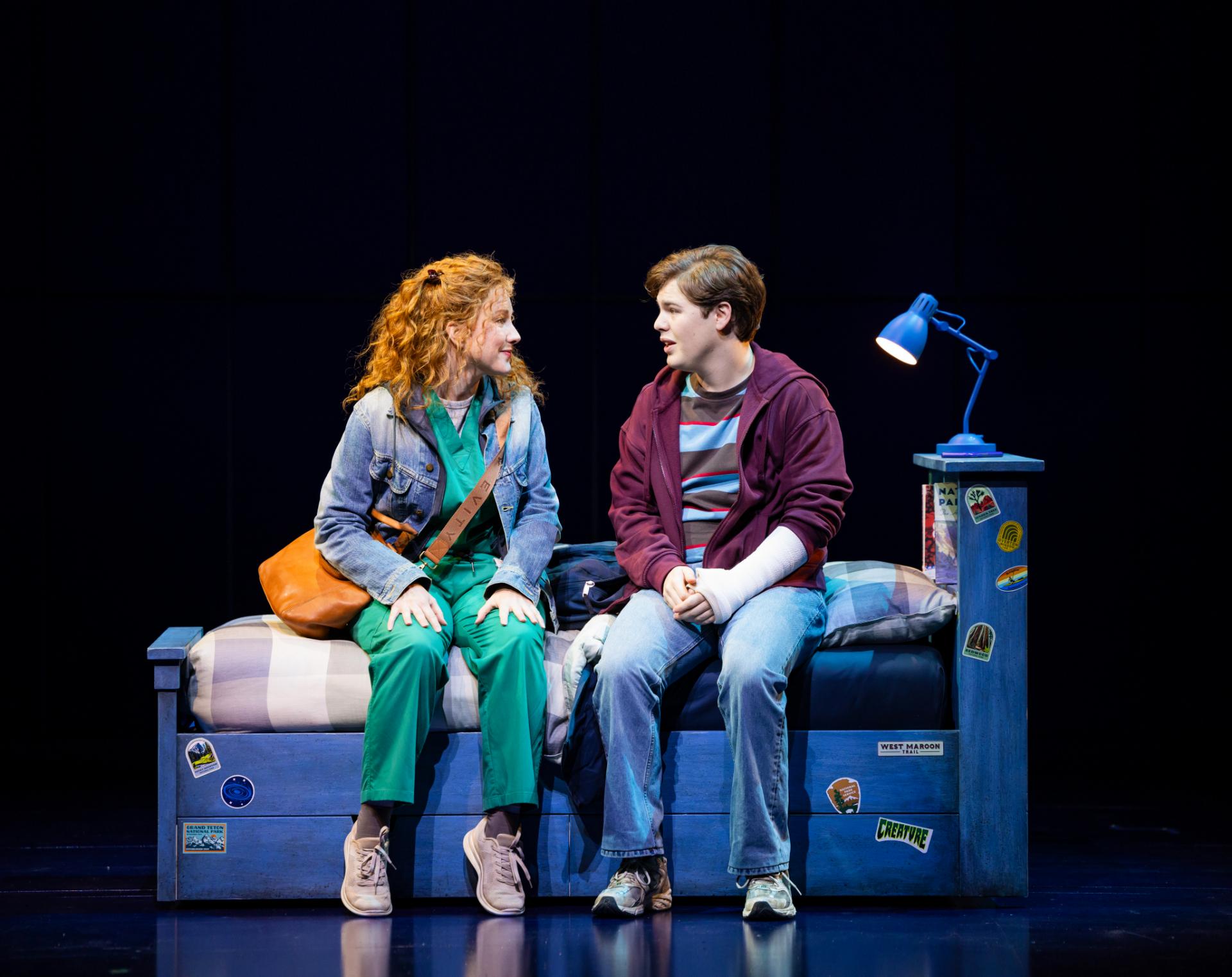
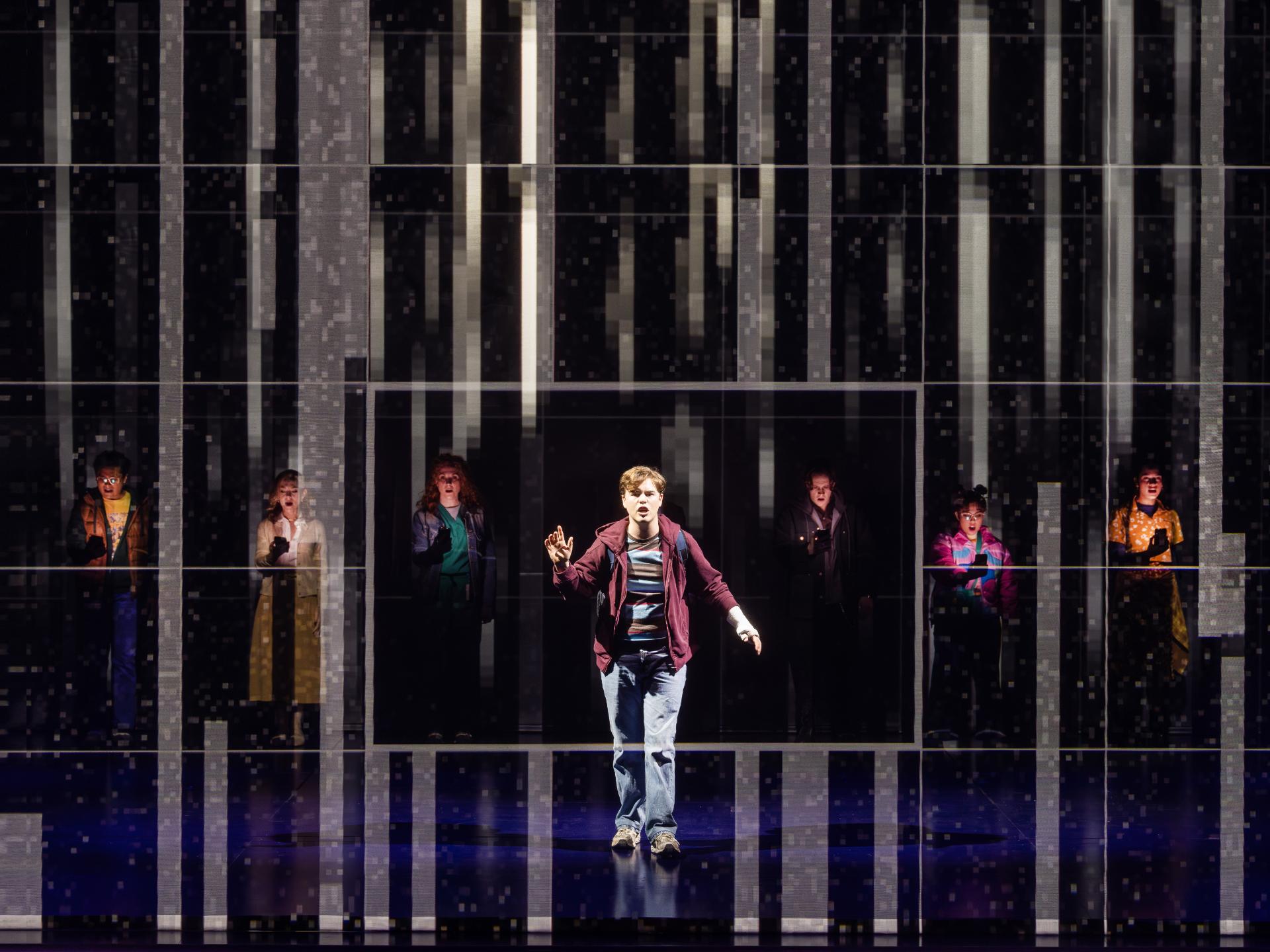
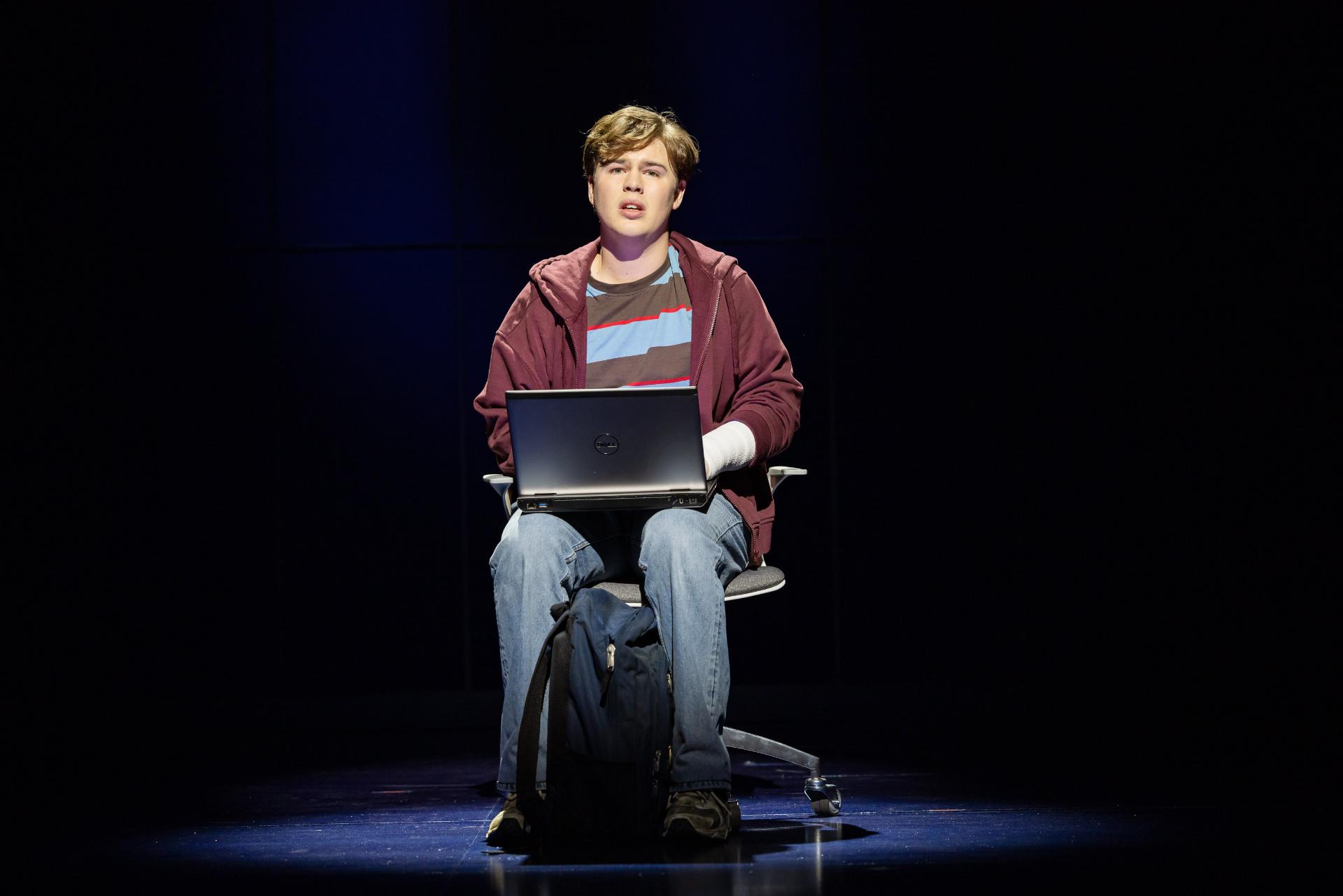
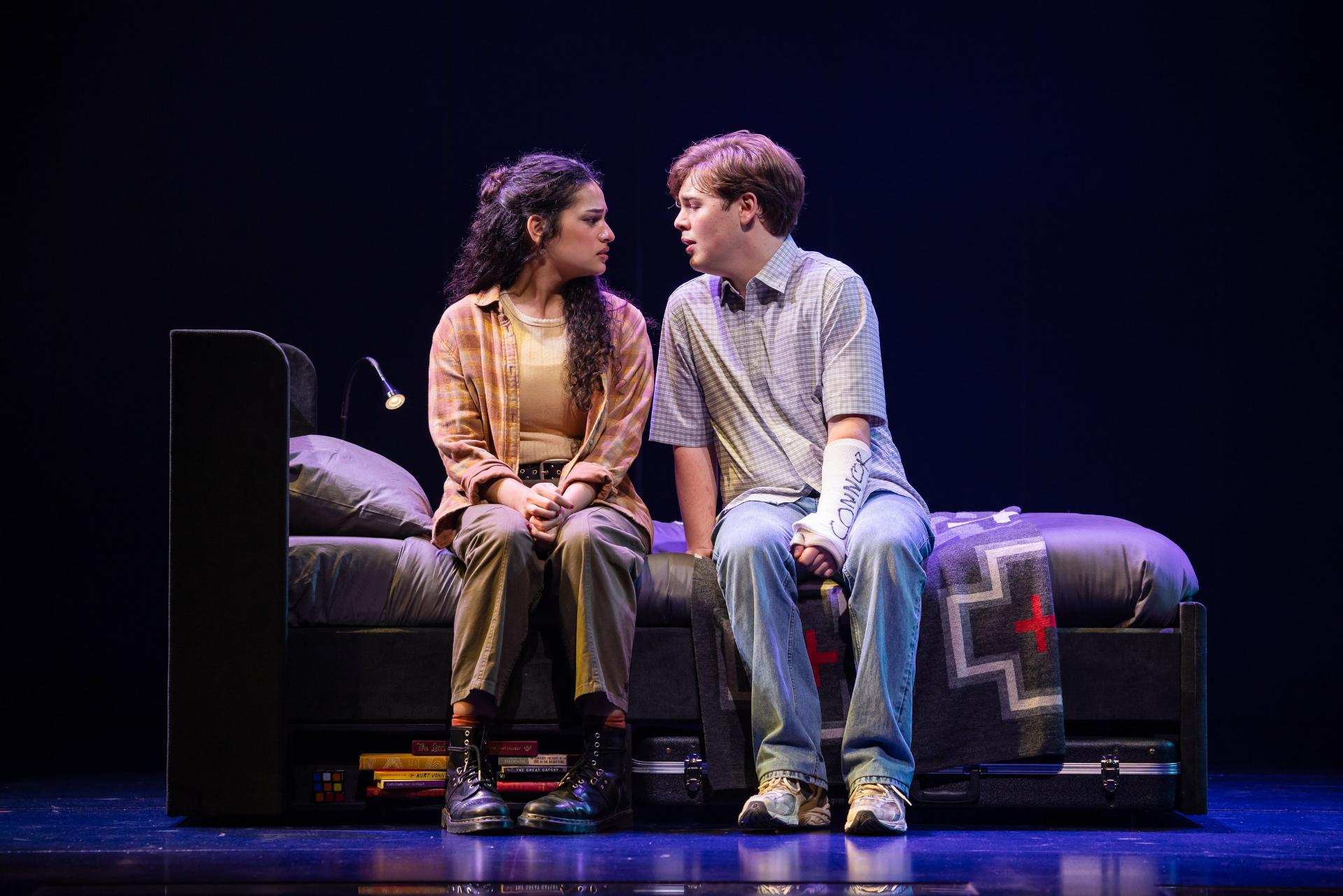
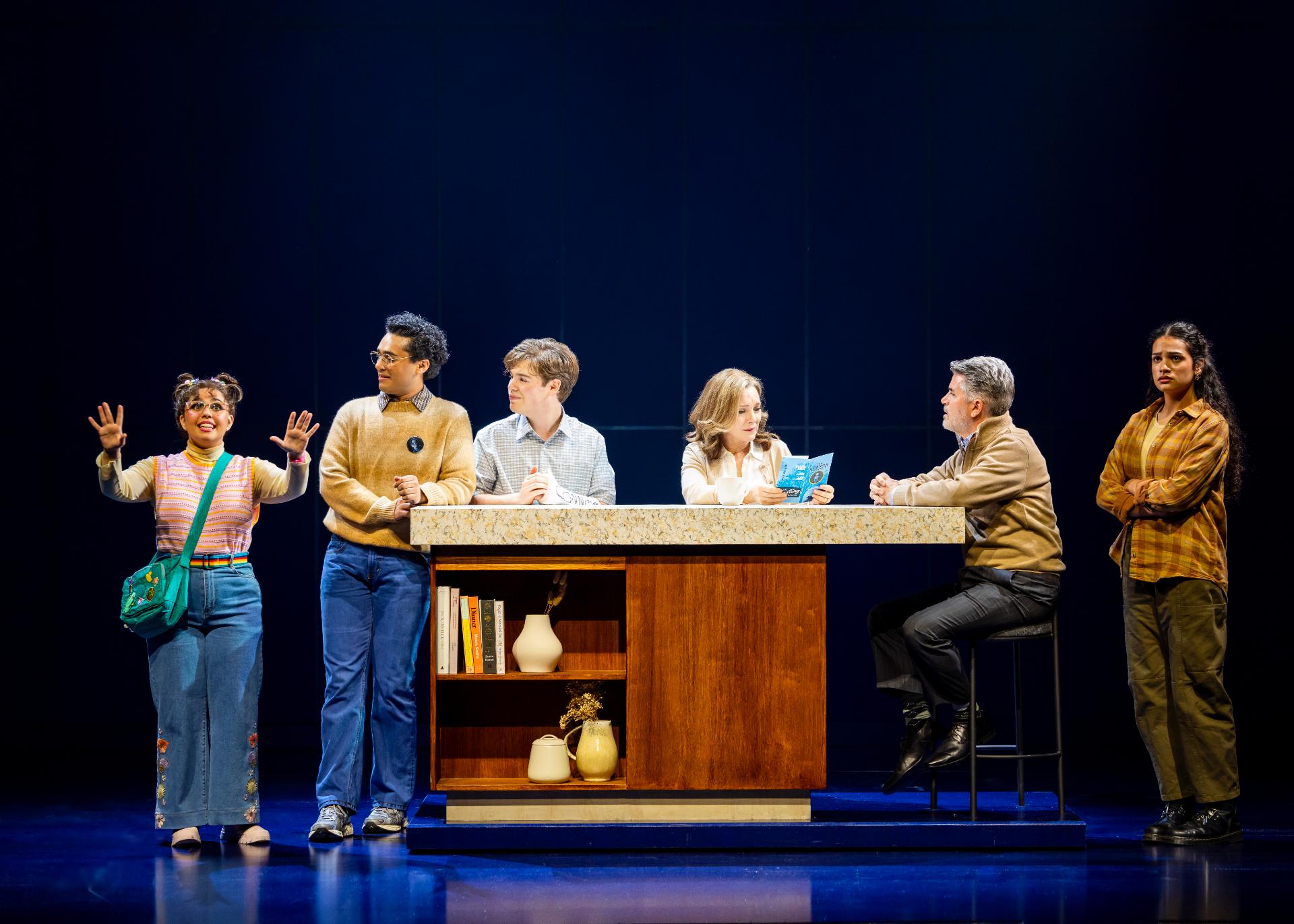
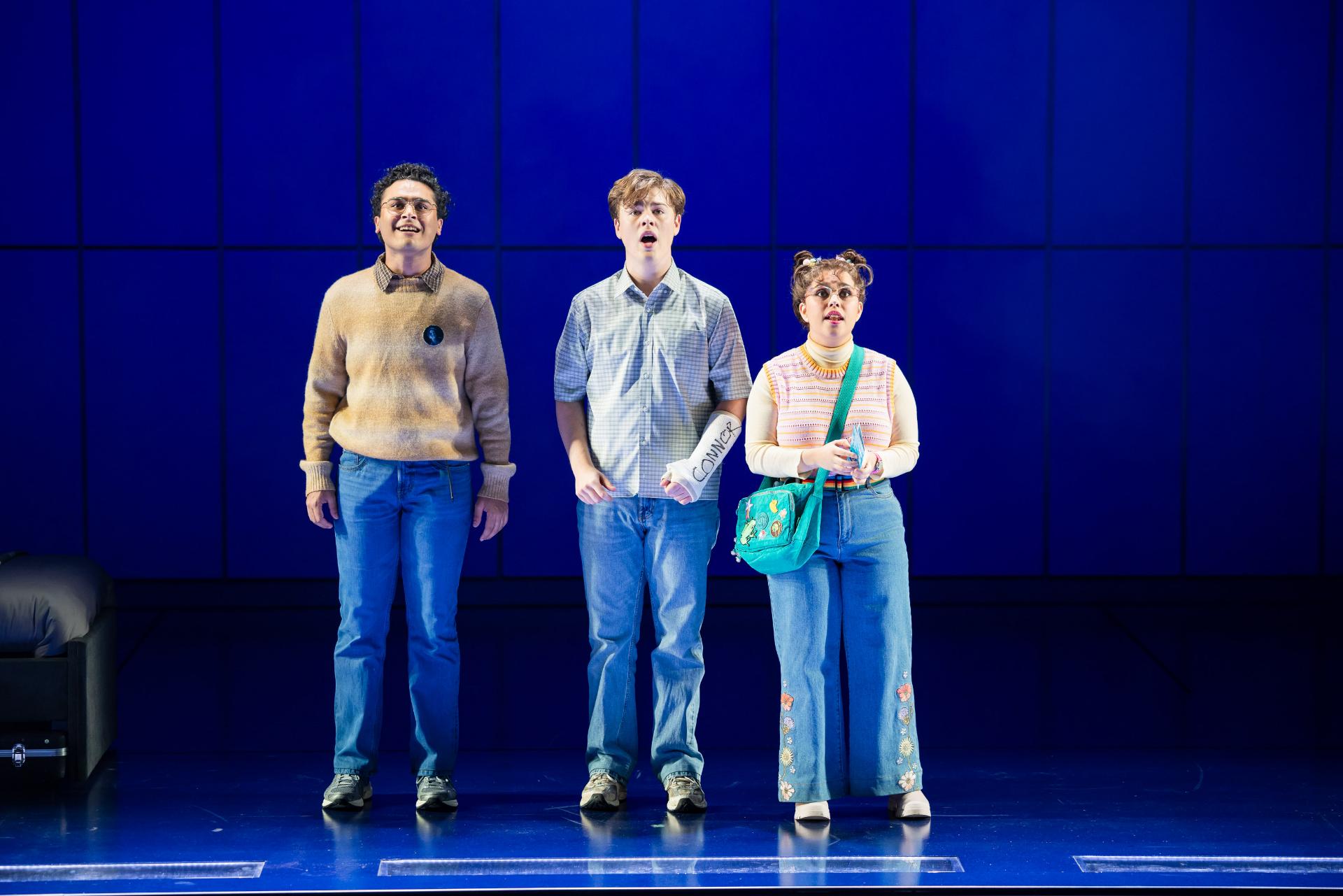
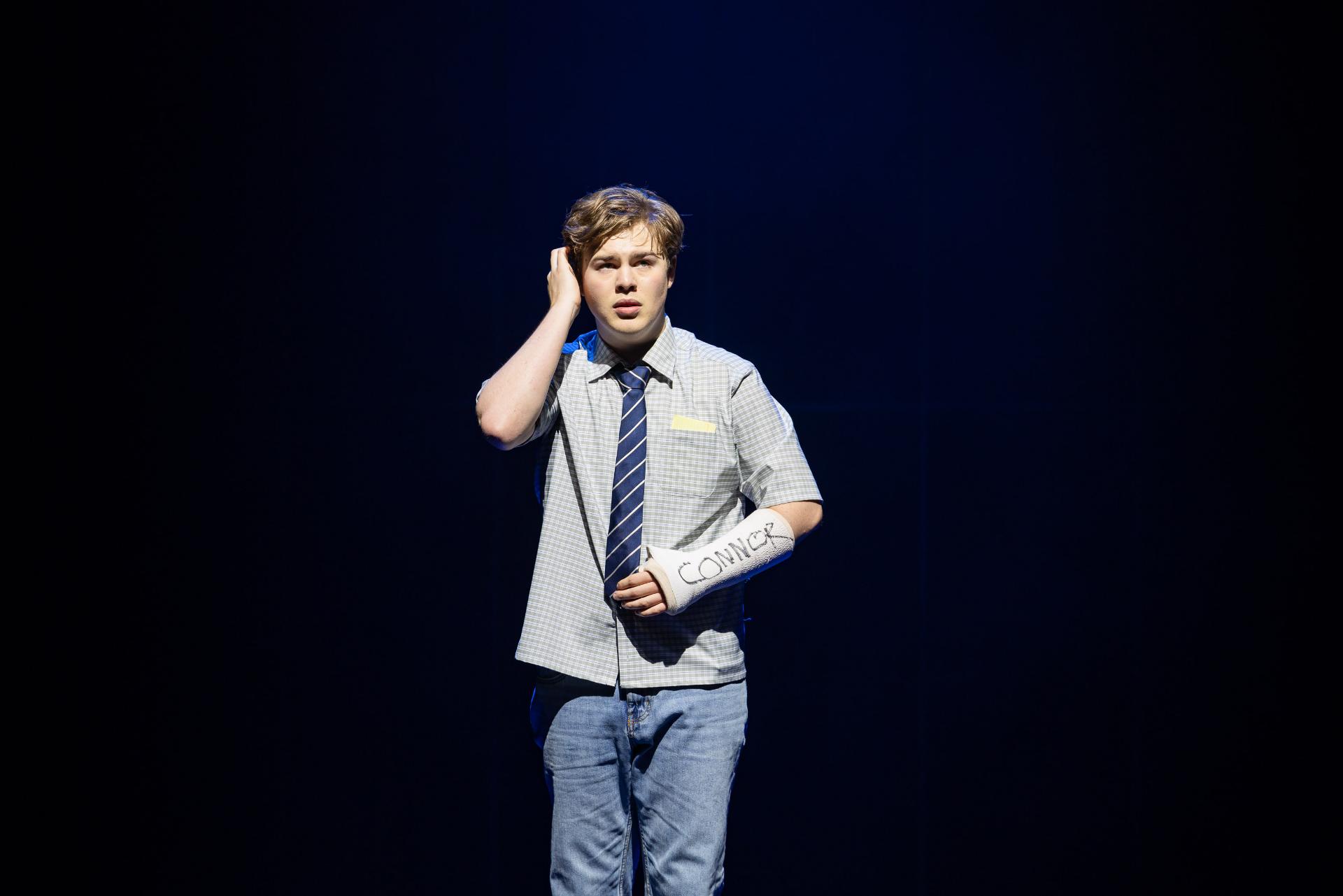
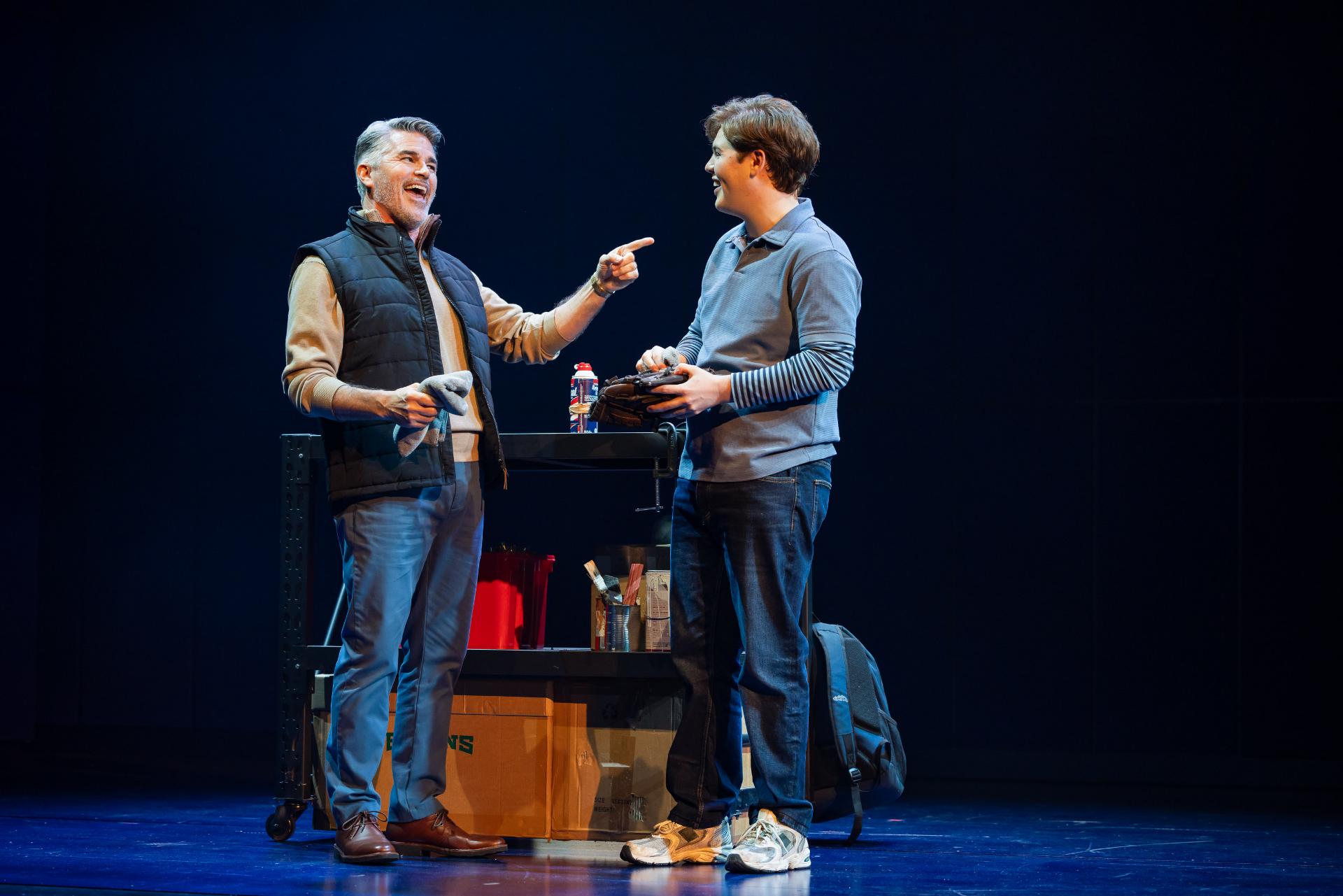
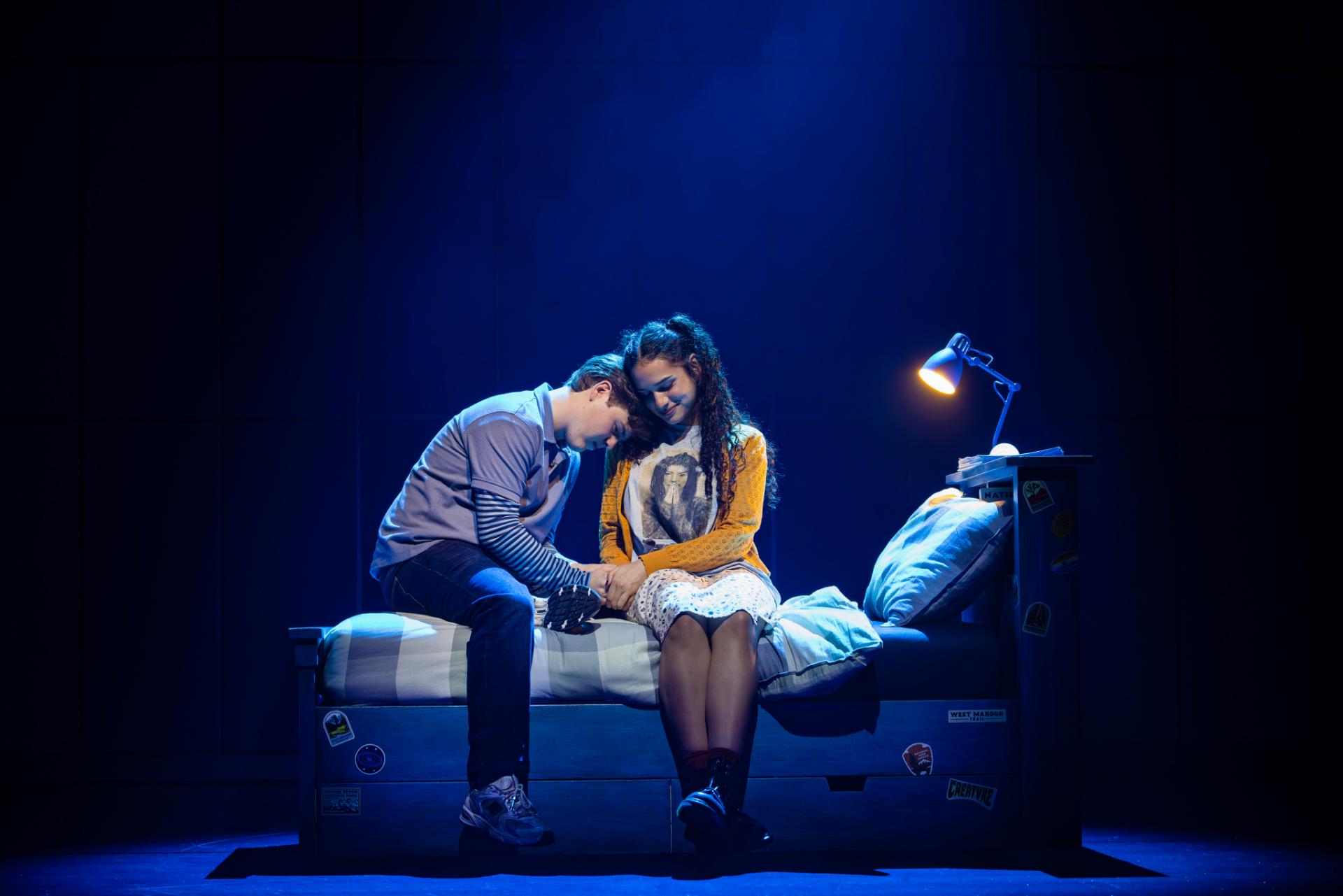
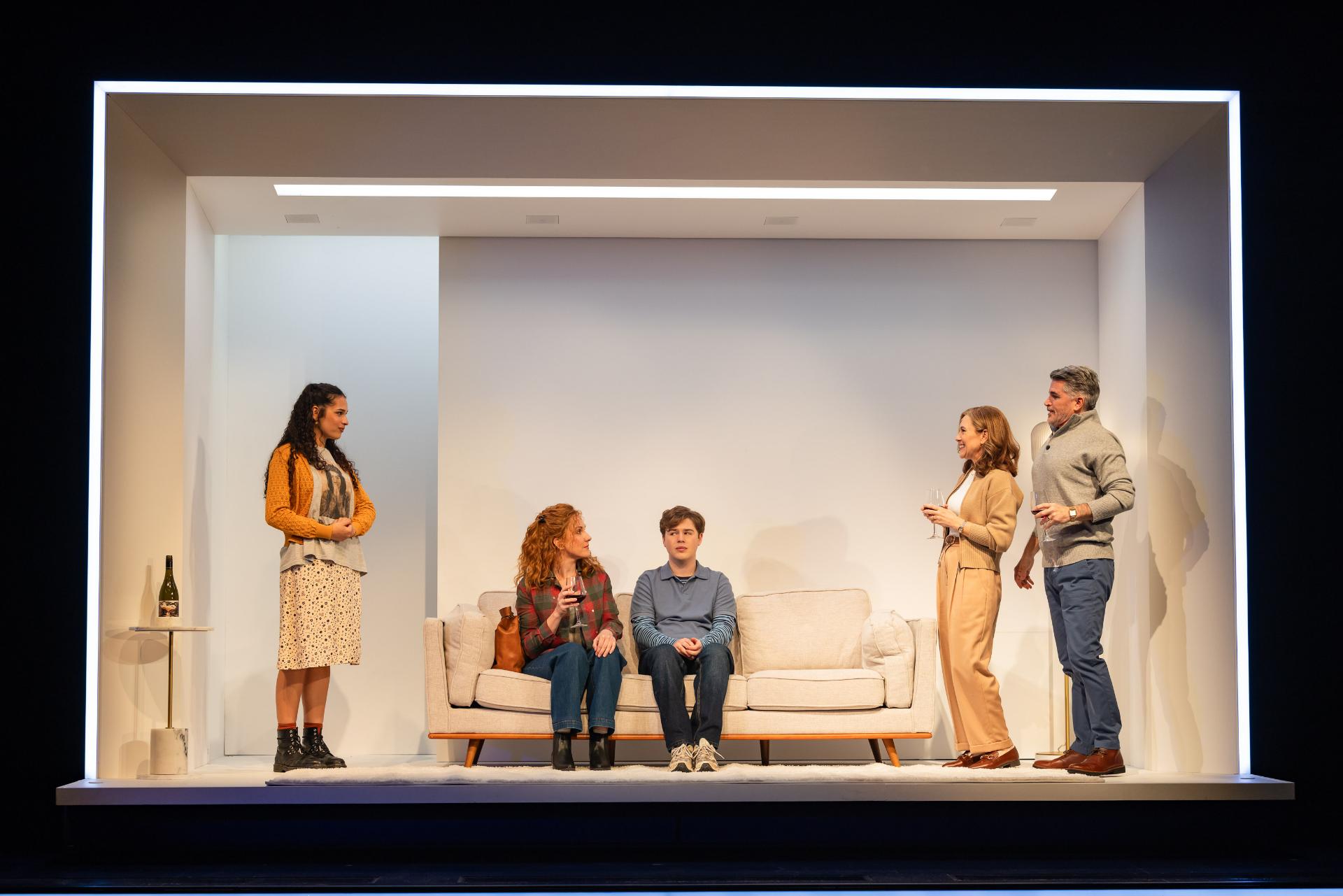
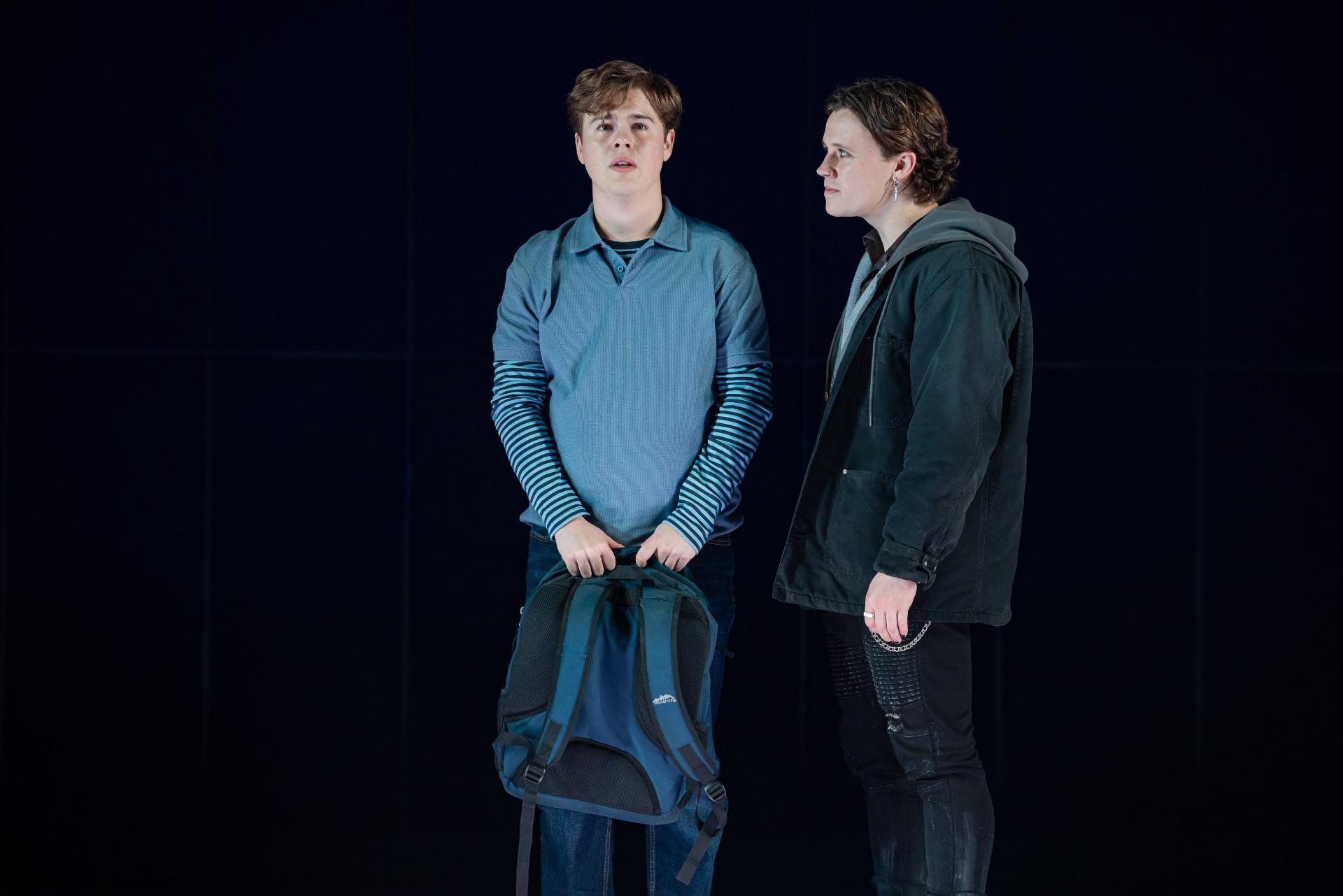
Evan finally becomes popular, after fabricating a close relationship with Connor, after Connor’s suicide. In the teen drama of Dear Evan Hansen, we watch a protagonist suffer from loneliness and anxiety, but gradually grow in maturity and self-awareness, after learning from his mistakes. The narrative, like the songs of this 2016 musical, is earnestly sentimental to a fault. The book by Steven Levenson, with songs by Benj Pasek and Justin Paul, depict the substantive effects of a snowballing lie, but everything works too hard to keep Evan likeable throughout the piece.

What may be saccharine for some, is also the ticket to commercial viability, in this business of the musical theatre. Productions like Dear Evan Hansen often prove successful even when deficient in literary complexity, or indeed any simple sense of irony. The show’s stakes too are never really high enough, but it does seem that formulaic song writing is more than adequate to have audiences invest, both in terms of emotions and money.

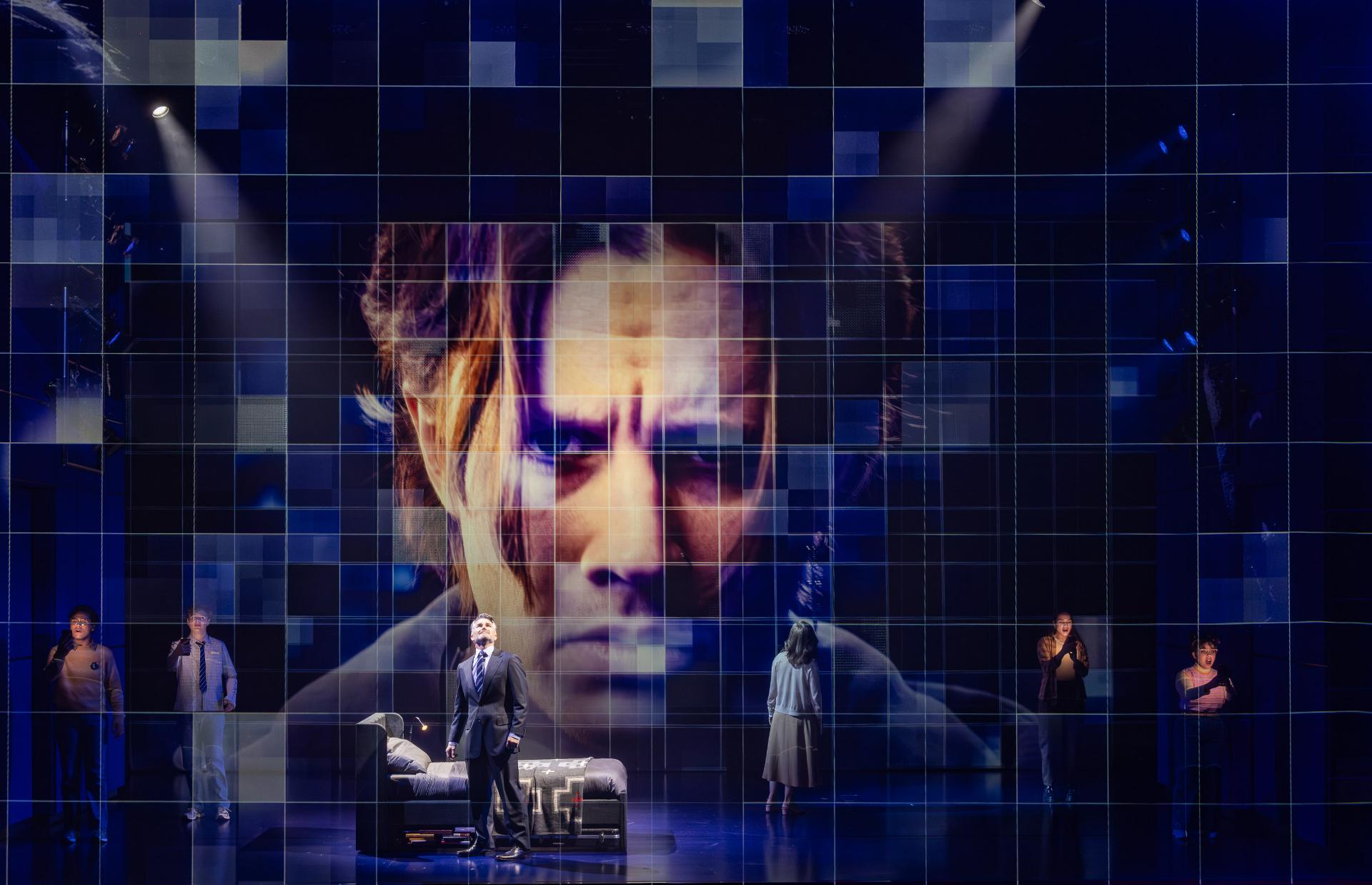
The staging is however, very slick and frequently spectacular, as directed by Dean Bryant, with enveloping video projections by David Bergman leaving a particular strong impression, and musical direction by Zara Stanton never failing to have the audience roused and beguiled. Sound engineering by Ghiovanna De Oliveira is highly effective in achieving extraordinary clarity and balance, and can be credited for enriching the quality of singing by its passionate cast.

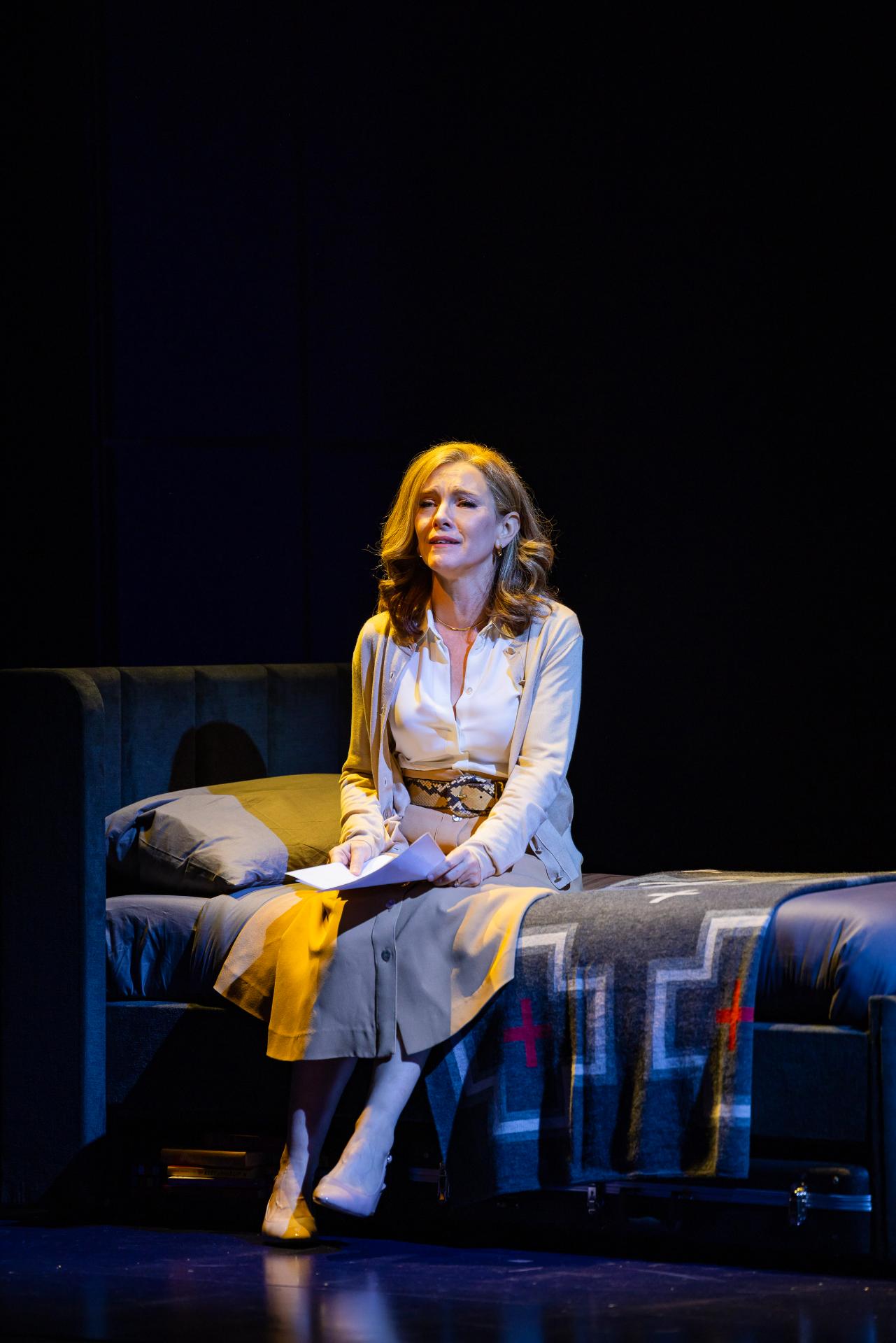
Beau Woodbridge plays Evan, with immense sincerity and an admirable precision, in a presentation memorable for its technical excellence. Jacob Rozario is a godsend as classmate Jared, able to introduce some uplifting playfulness, to an excessively solemn experience. Maternal characters are played powerfully by Verity Hunt-Ballard and Natalie O’Donnell, both bringing an air of substance, to roles that are mediocrely written.

It should be no surprise that entertainment can be packaged in something bland and inoffensive, in its commercial aspirations to have the widest reach. When art bears those same qualities however, we have to be suspicious of what it says, in the possible absence of integrity and truth. The message of Dear Evan Hansen can feel dubious on reflection, and we begin to understand that a momentary sensation of heightened dramatics, can prove subsequently to be empty and cheap.

www.dearevanhansenmusical.com.au

Review: Gaslight (Roslyn Packer Theatre)

Venue: Roslyn Packer Theatre (Sydney NSW), Aug 21 – Sep 8, 2024
Writer: Patrick Hamilton (adapted by Johnna Wright and Patty Jamieson)
Director: Lee Lewis
Cast: Courtney Cavallaro, Kate Fitzpatrick, Geraldine Hakewill, Toby Schmitz
Images by Brett Boardman

Theatre review
Bella is trying hard to settle into her new home with husband Jack, but things are not going at all well. Jack convinces Bella that her mind is playing tricks, and causing great amounts of anxiety, but in fact Jack is the one behind all the machinations of her escalating delusions. Patrick Hamilton’s 1938 play Gaslight, as adapted by Johnna Wright and Patty Jamieson in 2022, is certainly modernised and given a feminist perspective, but the work’s effectiveness is doubtful.

Direction by Lee Lewis depicts upper class English life, in the late 19th century, with stylistic splendour, but we are never really completely gripped by this psychological thriller. There are comedic elements, as well as a lot of drama, but much of it feels hesitant. The production bears an indecisive ambivalence in the portrayal of its villain, that makes the audience confused as to how it should respond to its narrative of deceit.

It must be noted however, that actor Geraldine Hakewill’s commitment as Bella cannot be denied. We may not be convinced by the character she plays, but there is a lot to be admired in Hakewill’s professionalism. The role of Jack is performed by Toby Schmitz, who gives us no reason to believe in Bella’s devotion, but his mischievous theatricality is an asset to the staging. 

Production design by Renee Mulder may be predictable but is clearly accurate in its rendering of a specific time and space, with a refinement that always pleases the eye. Lights by Paul Jackson are sumptuous and appropriately alluring, in this story about lies and manufactured hallucinations. Sounds and music by Paul Charlier are memorable in heightened moments, leaving no room for doubt that we are witnessing melodrama in its most classic form.

In Gaslight, we observe a young woman’s obedience, as dictated by society at large, and its subsequent deterioration, but only after she can take no more. Watching Bella play the role of the doting wife, can be a bizarre experience, but we also understand her behaviour to be a result of the way so many of our daughters had been brought up. It could be that we are terrified when women and girls think too much for themselves. Jack and his ilk will definitely no longer be able to do as they wish, if we stop adhering to the narratives of their determination.

www.gaslightplay.com.au

Review: Dracula (Sydney Theatre Company)

Venue: Roslyn Packer Theatre (Sydney NSW), Jul 2 – Aug 4, 2024
Writer: Bram Stoker (adapted by Kip Williams)
Director: Kip Williams
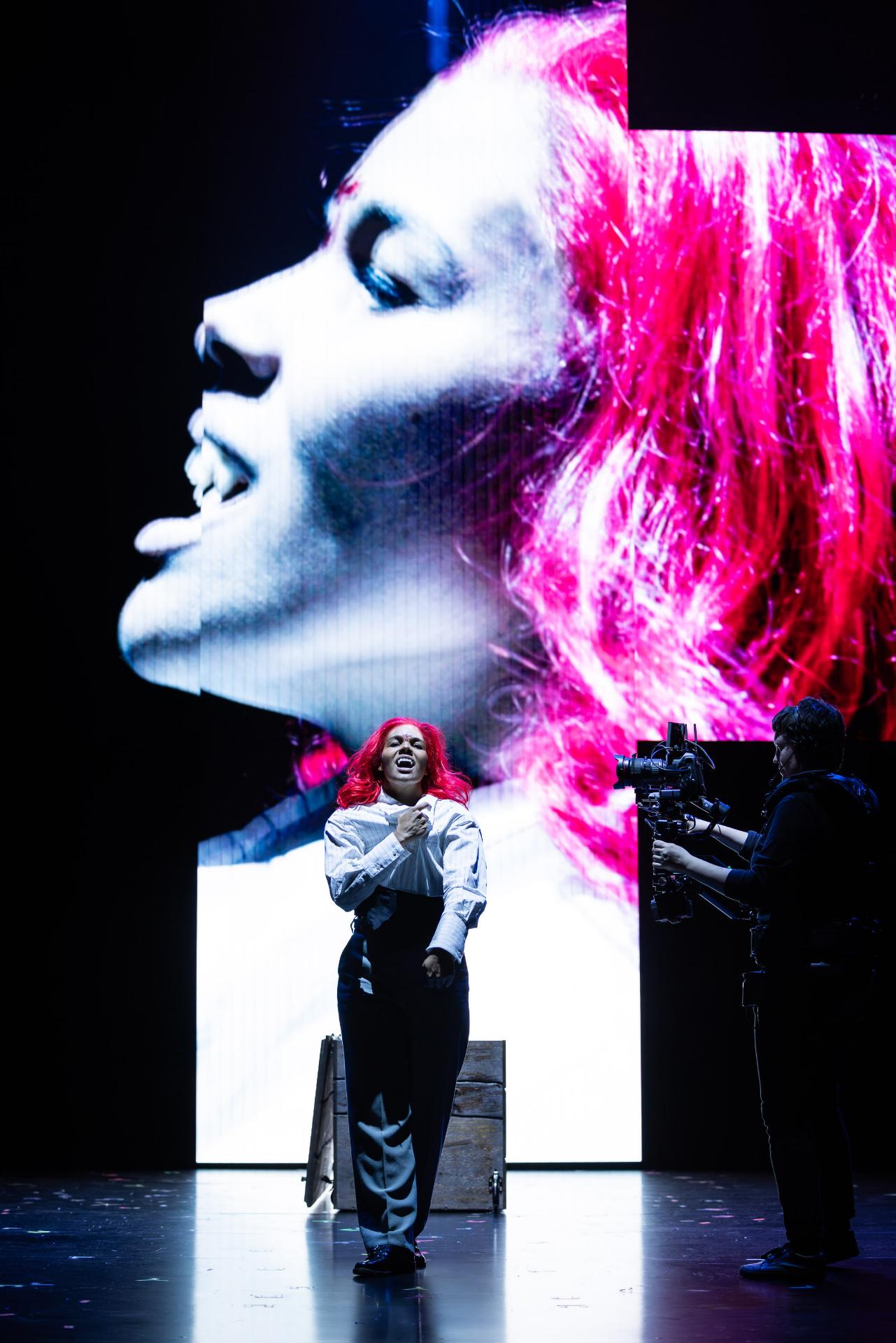
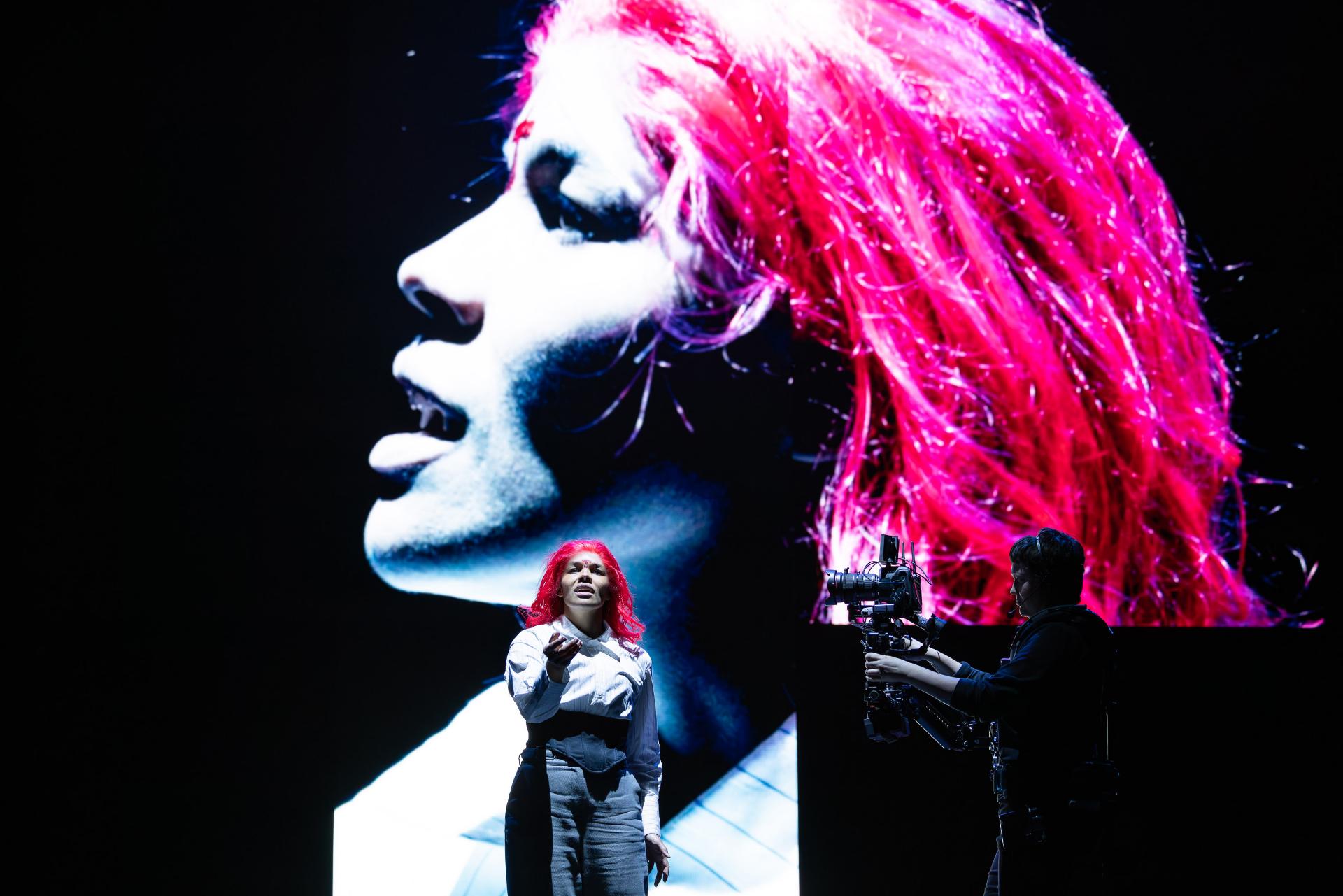
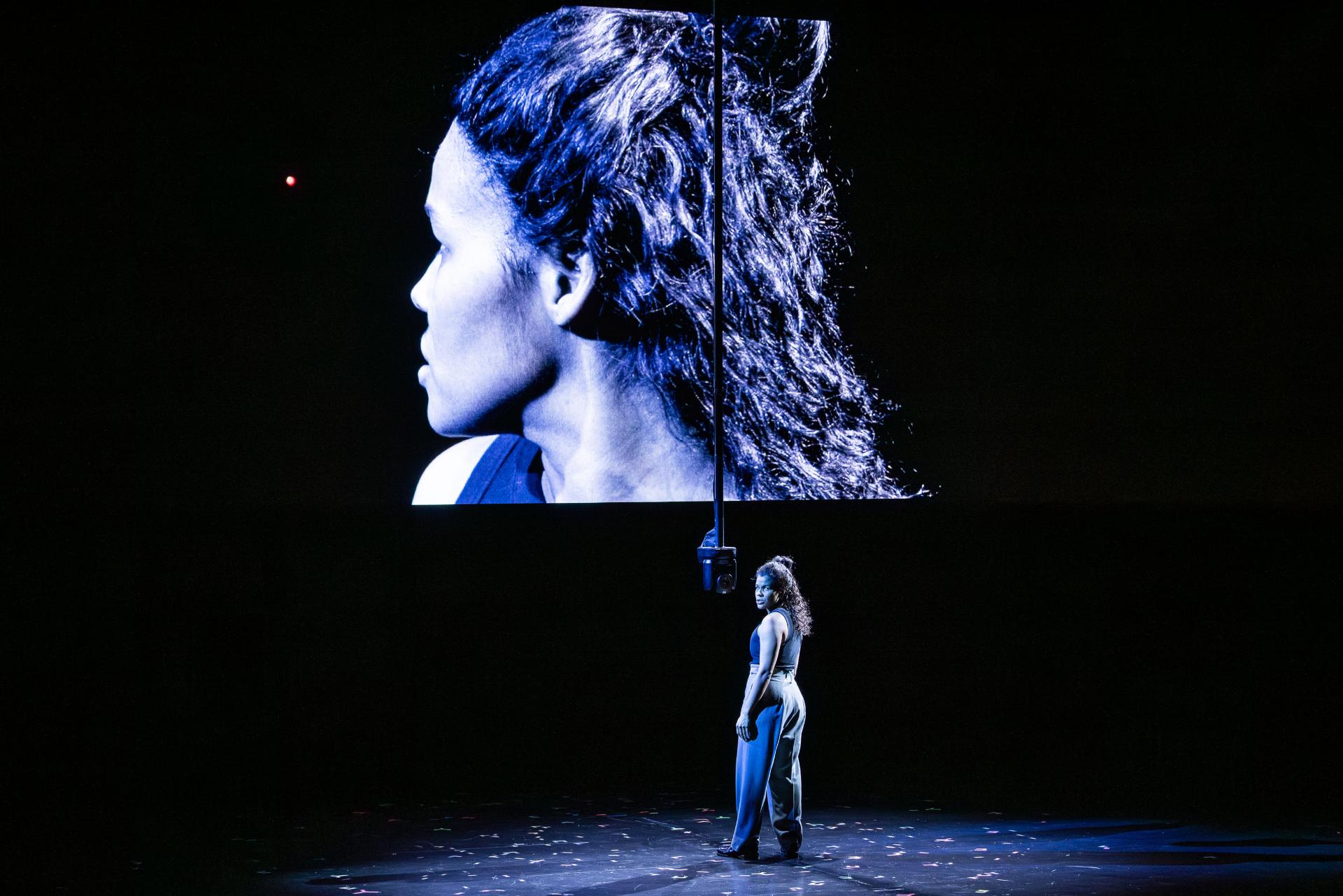
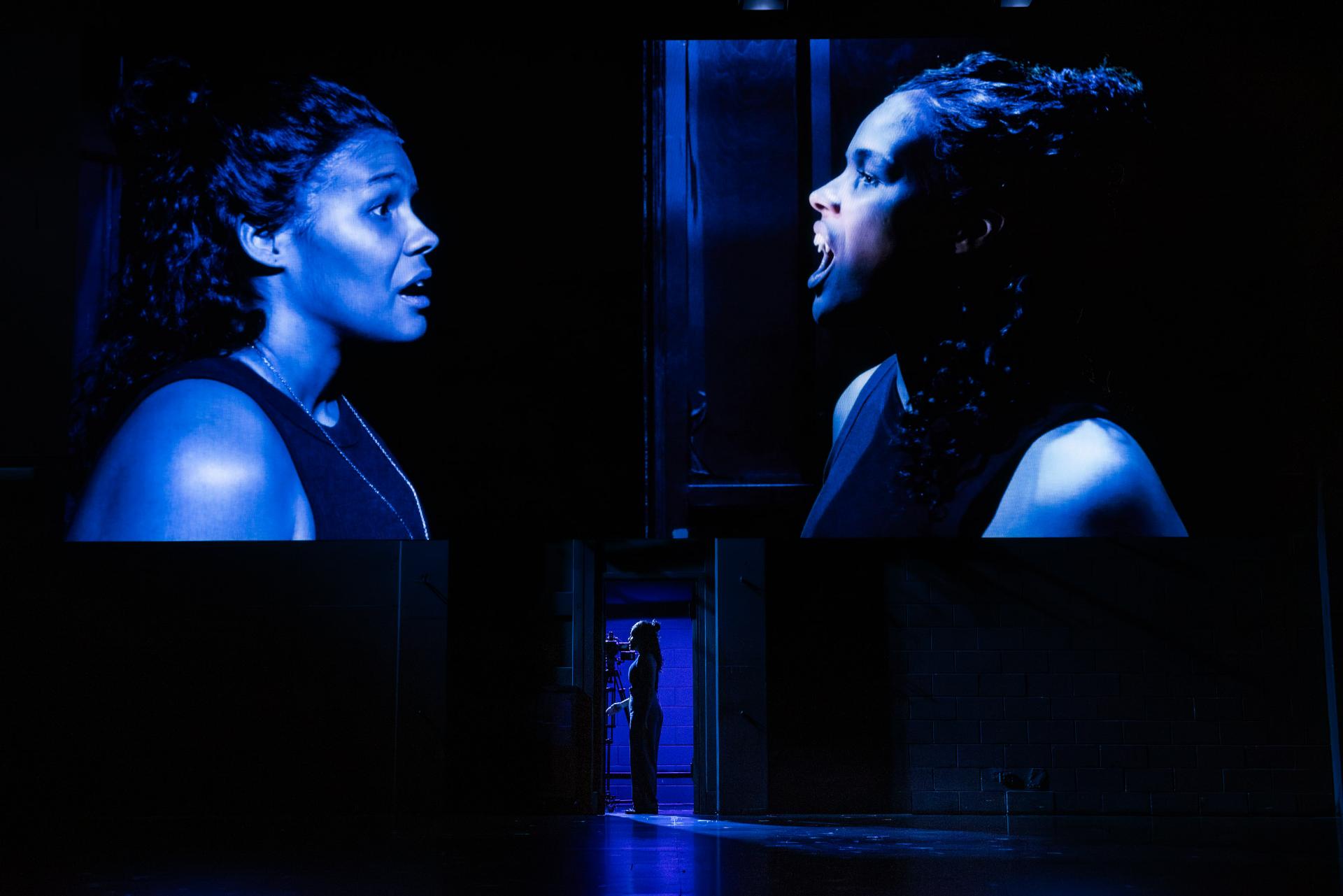
Cast: Zahra Newman
Images by Daniel Boud

Theatre review
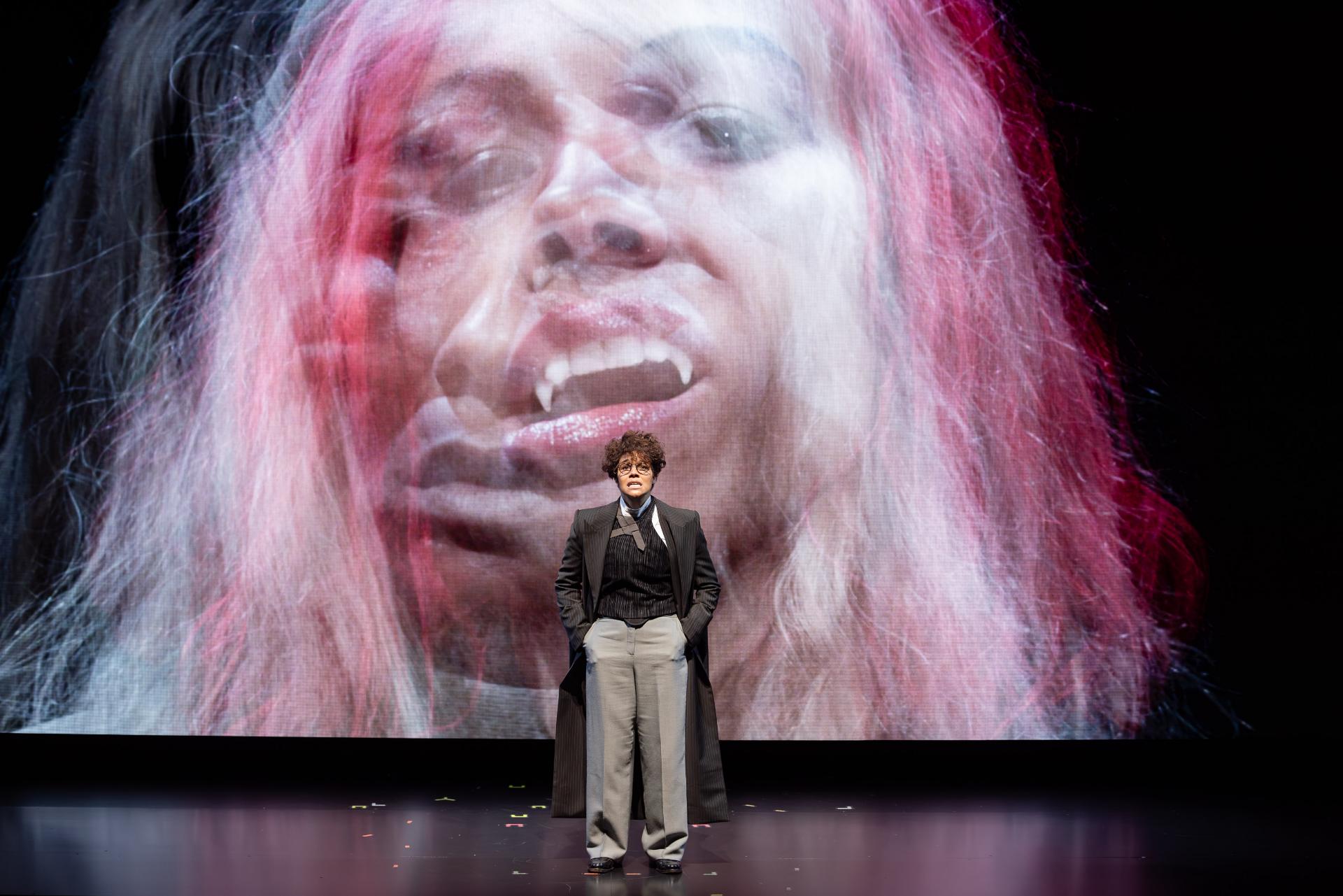
In Bram Stoker’s Dracula, mortality is under constant threat, by its central immortal figure. Fear is represented entirely by deathlessness, the very phenomenon we desire the most. In Kip Williams’ single-performer stage adaptation, we see that all this struggle and terror, exists completely within one’s mind. In a story about petrifying phantoms and alarming apparitions, otherness is presented as being utterly heinous, yet only located on the inside.

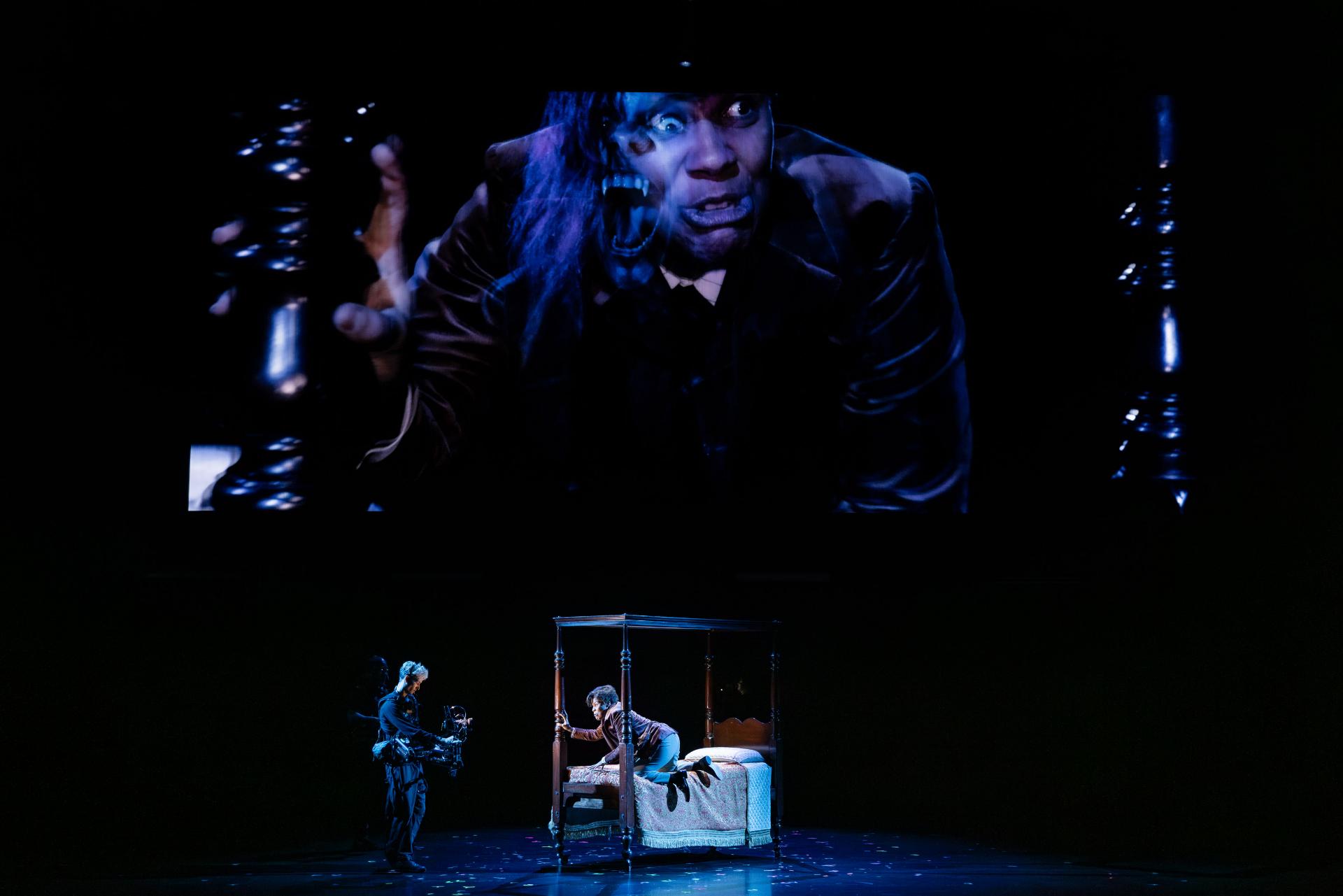
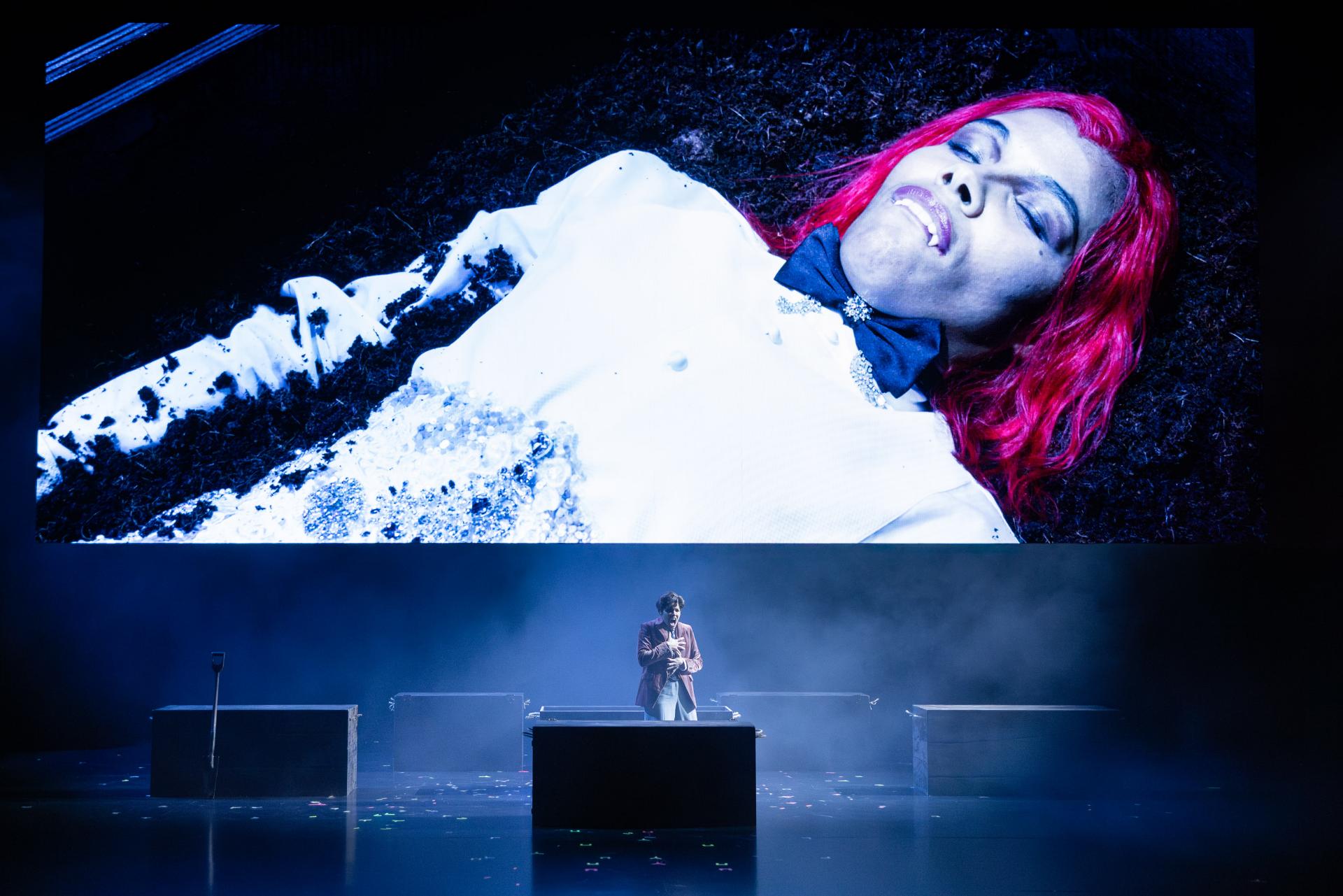
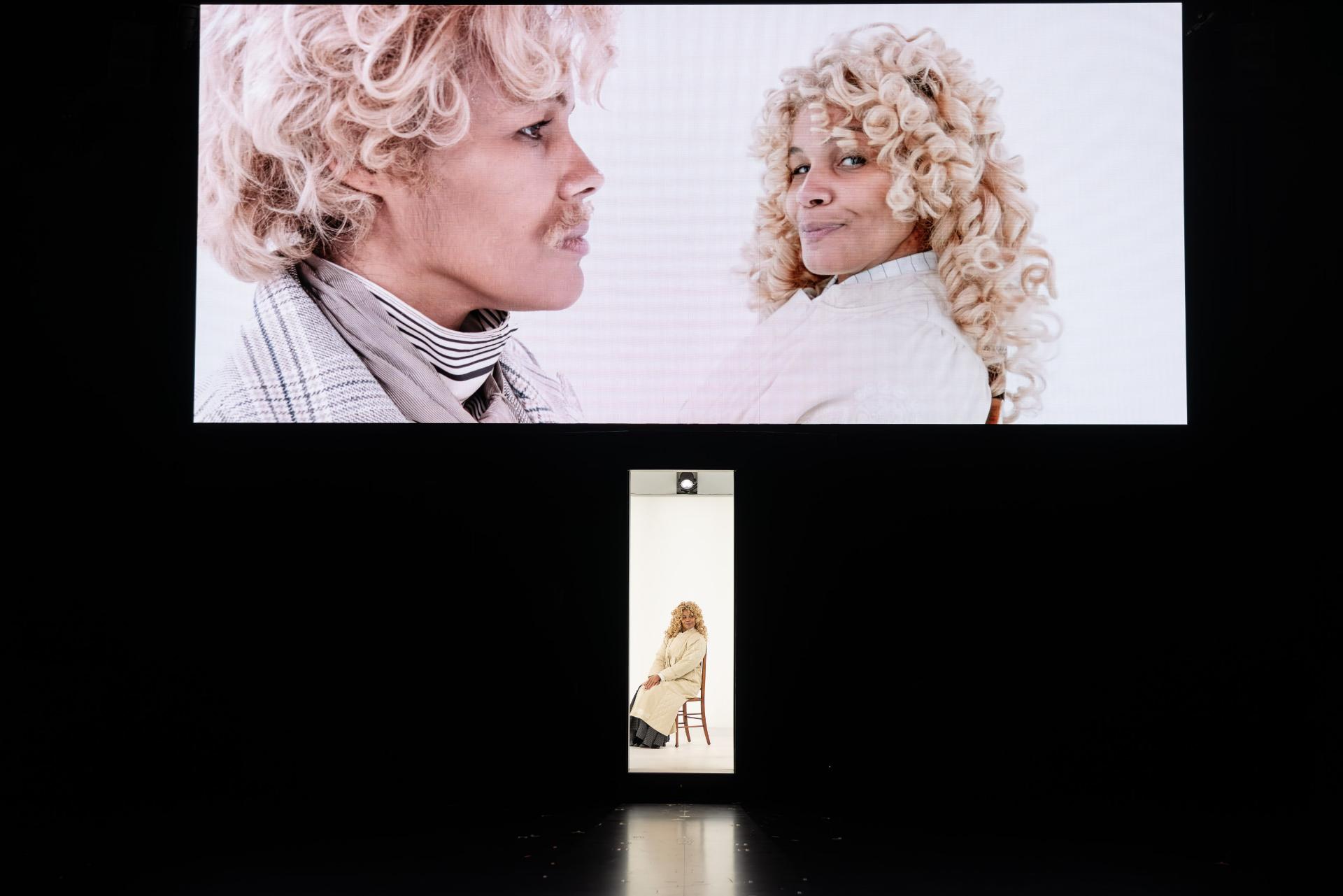
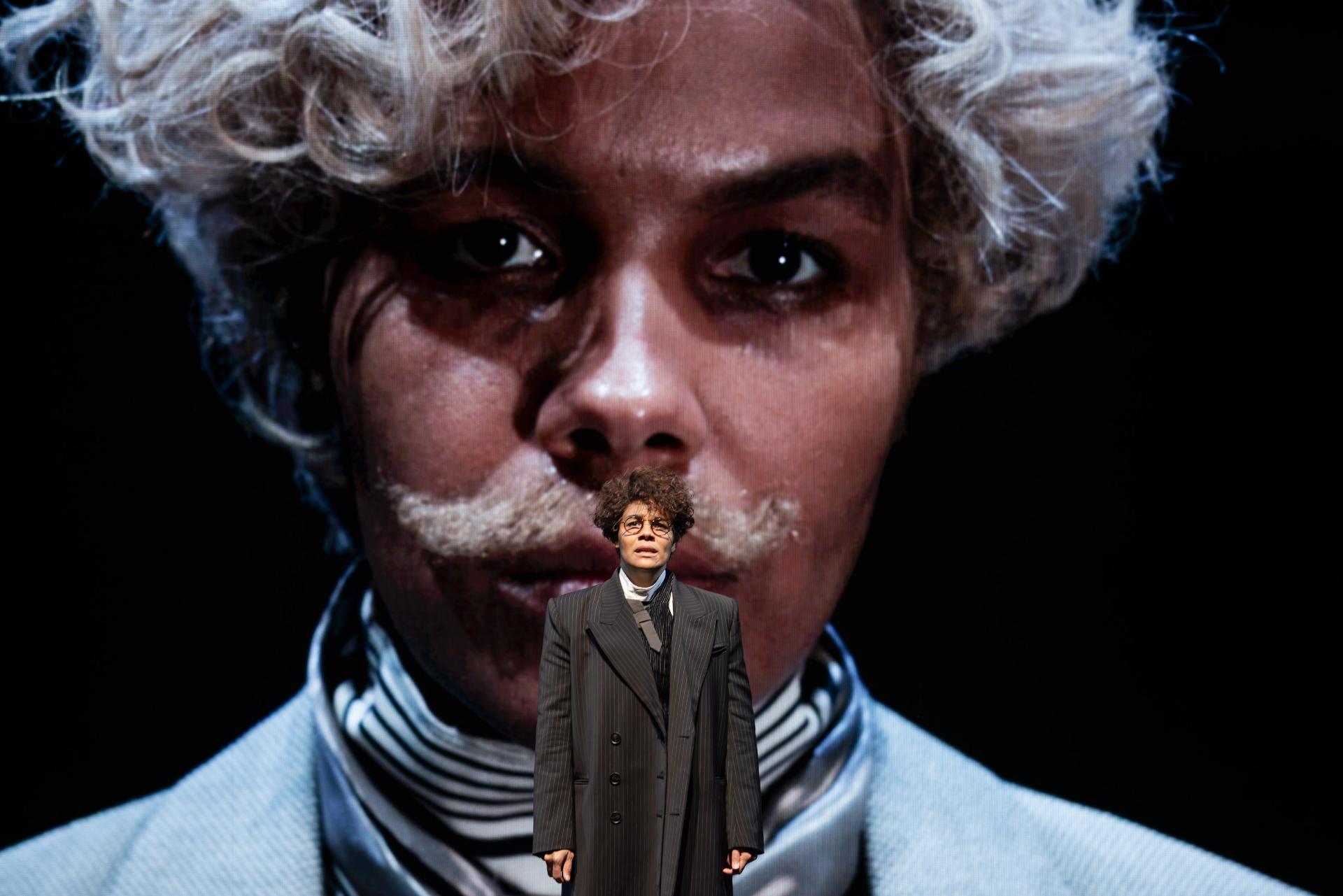
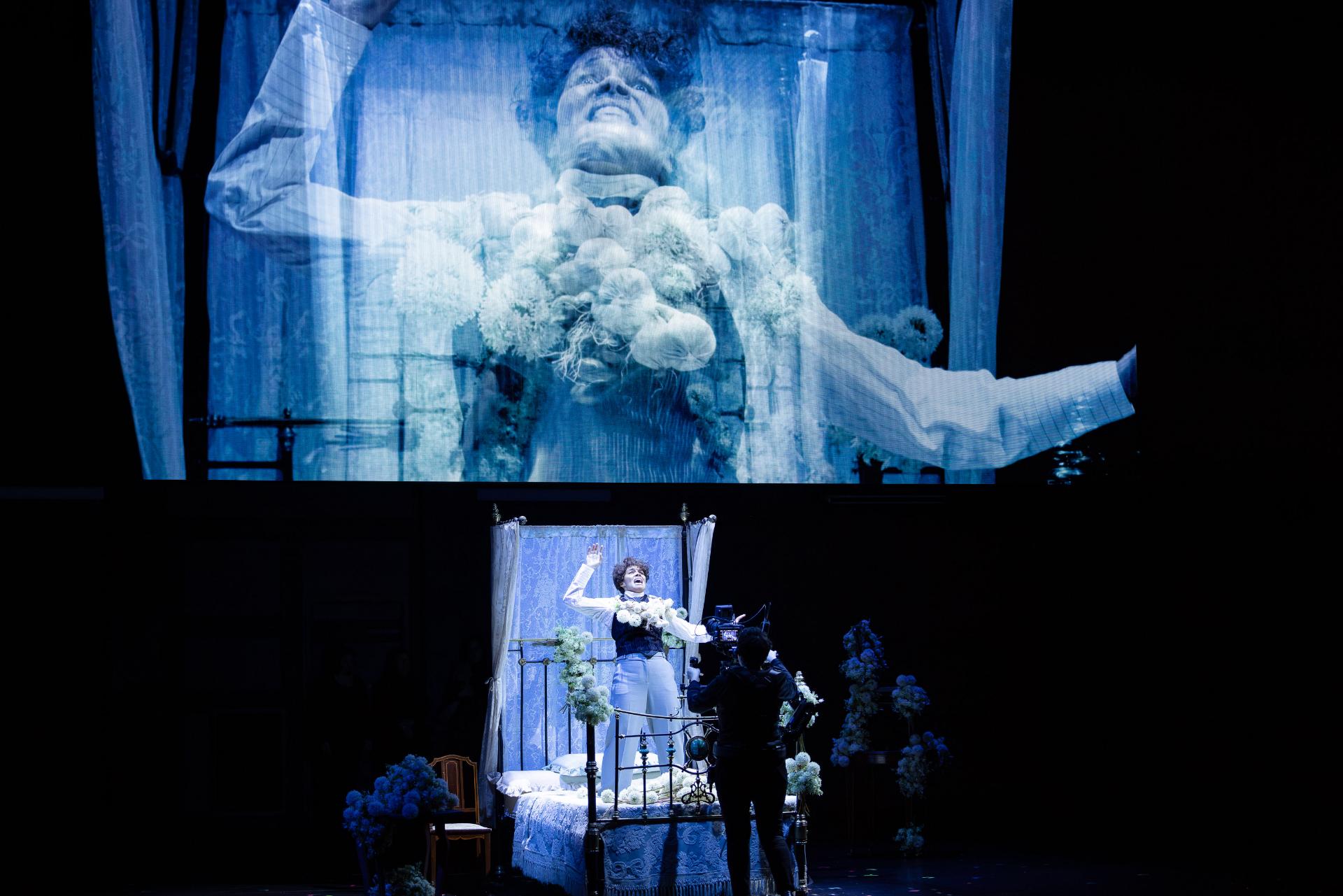
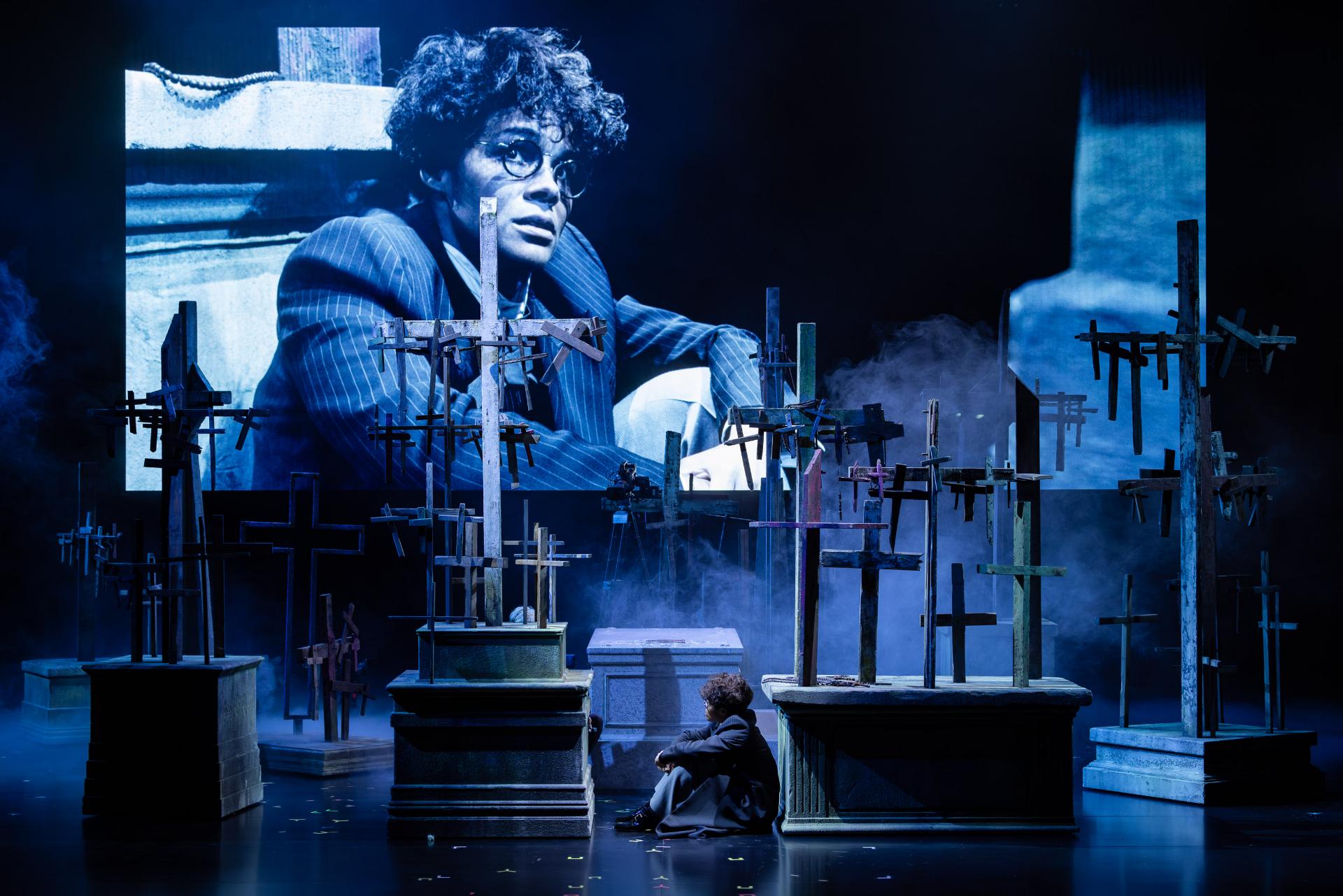
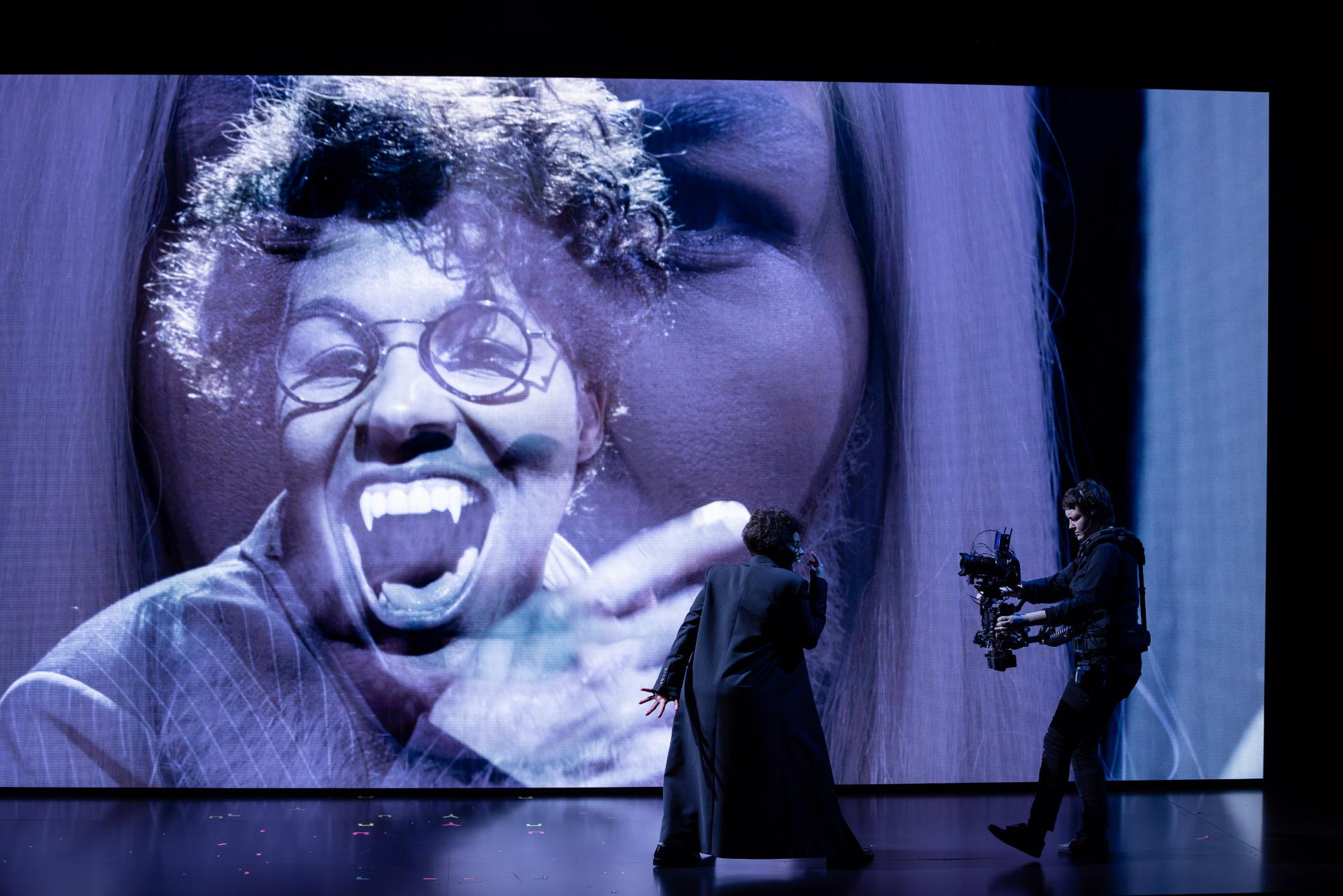
It may be the old adage, “the only thing to fear is fear itself”, that we so clearly see in actor Zahra Newman’s sublimely rhapsodic performance, as her body and mind masterfully transform before our eyes, into 23 different characters from Stoker’s legendary work. We observe the astonishing courage of a person undertaking a manifestly herculean task, making a persuasive argument in this tour de force about horror and paranoia, demonstrating that what may be only a figment of a person’s imagination, can lead to absolutely devastating consequences.

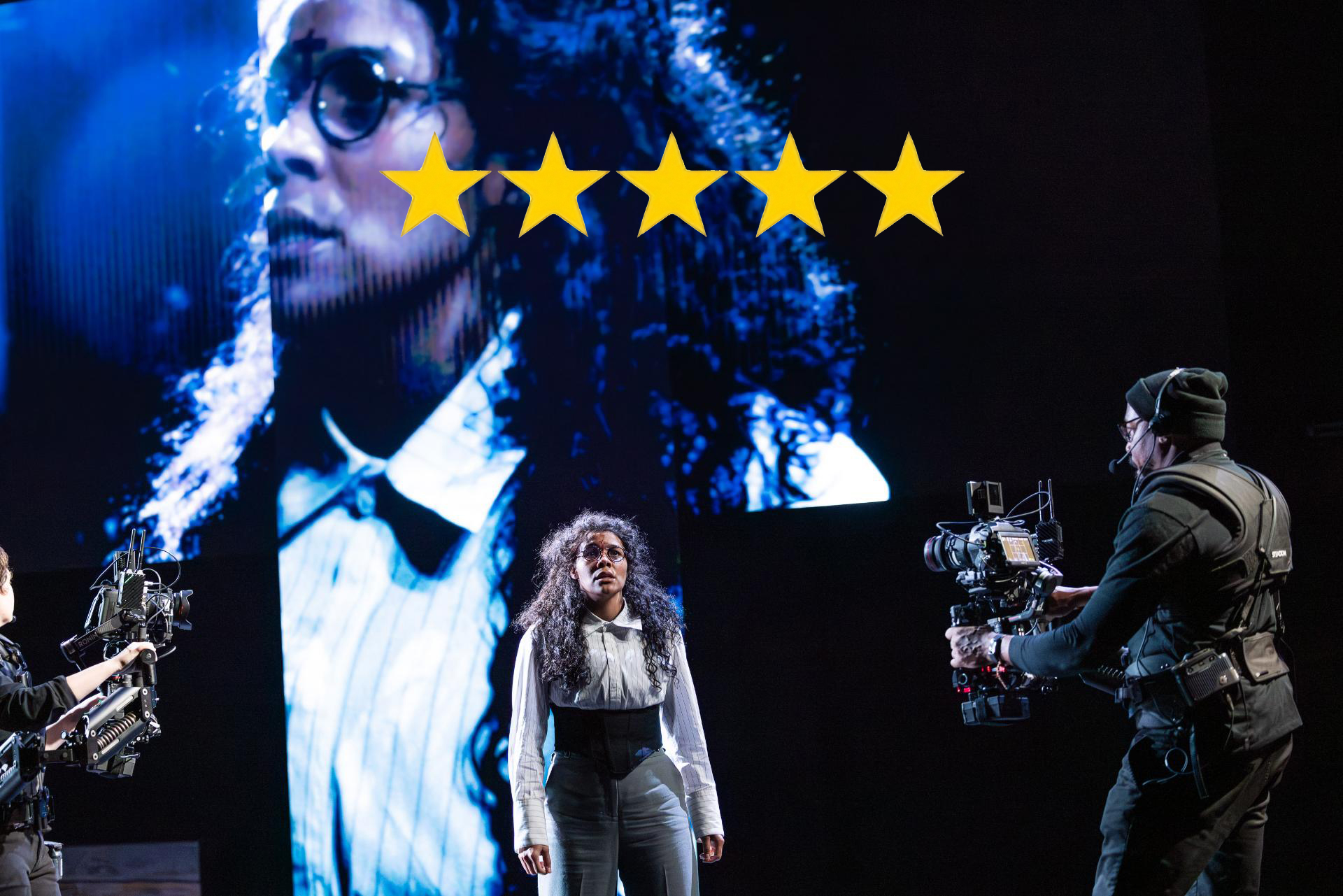
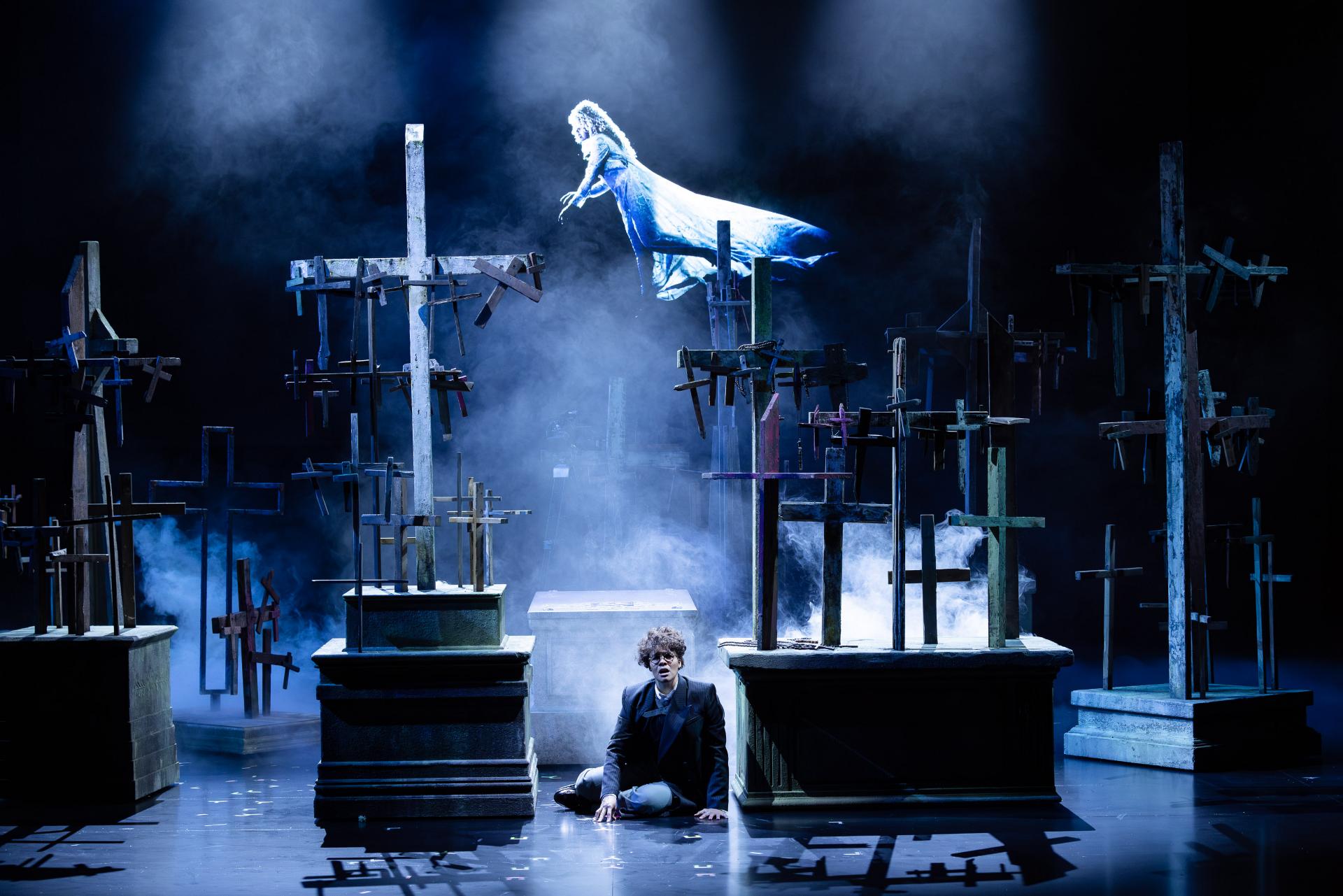
Combining stage and screen, Williams’ cine-theatre approach deals perfectly with competing concepts of reality and delusion. On film, all manner of fantastical imagery can be shown, and the audience easily invests in its fiction, no matter how extravagant. By contrast, the materiality of the live format is used simultaneously to expose the truth, and we find ourselves in a constant state of discombobulation, experiencing both aspects, virtually at the same time. Williams’ ability to deliver that delightfully bizarre sensation, of being immersed in circumstances that are at once congruent and divergent, is theatrical magic at its most sensational. In Dracula, we learn that art and technology can coalesce to deliver a psychological effect that could perhaps neve be encountered otherwise, and reveal something quite fundamental about how we are.
The immense video work is designed by Craig Wilkinson, whose inventiveness leaves us breathless time and again. Marg Howell’s costumes and sets are consistently surprising, and marvellous in the sense of cohesiveness they manufacture for a show that dares to be thoroughly unhinged. Lights by Nick Schlieper give us seamless and balanced visuals, every which way we choose to position our eyes. Music by Clemence Williams and sounds by Jessica Dunn, are relentlessly gripping, and memorable for being unabashedly dramatic, in their delicious interpretations of Stoker and his essential flamboyance.
The human imagination is unequivocally powerful. It can twist material realities into infinite different meanings, that in turn spur us onto wildly varying trajectories. Our mind has great capacities, yet we can never claim to have real control over it. Count Dracula may or may not be who they think he is, but there is certainly no doubting their dismal failure at ever hoping to resist his allure.

www.sydneytheatre.com.au

Review: The President (Sydney Theatre Company)

Venue: Roslyn Packer Theatre (Sydney NSW), Apr 13 – May 19, 2024
Playwright: Thomas Bernhard (translated by Gitta Honegger)
Director: Tom Creed
Cast: Danny Adcock, Helmut Bakaitis, Tony Cogin, Alan Dukes, Julie Forsyth, Olwen Fouéré, Kate Gilmore, Hugo Weaving
Images by Daniel Boud

Theatre review
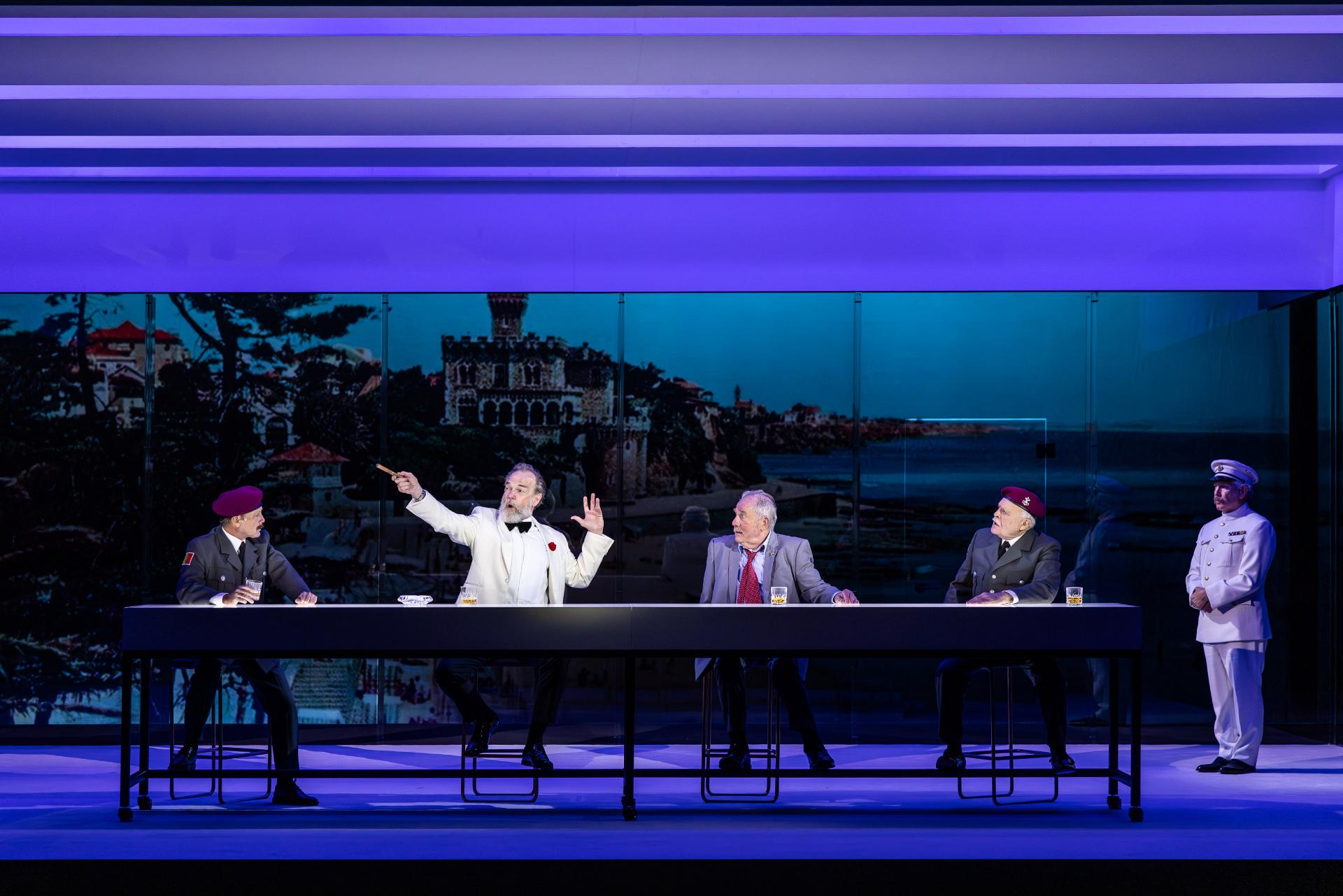
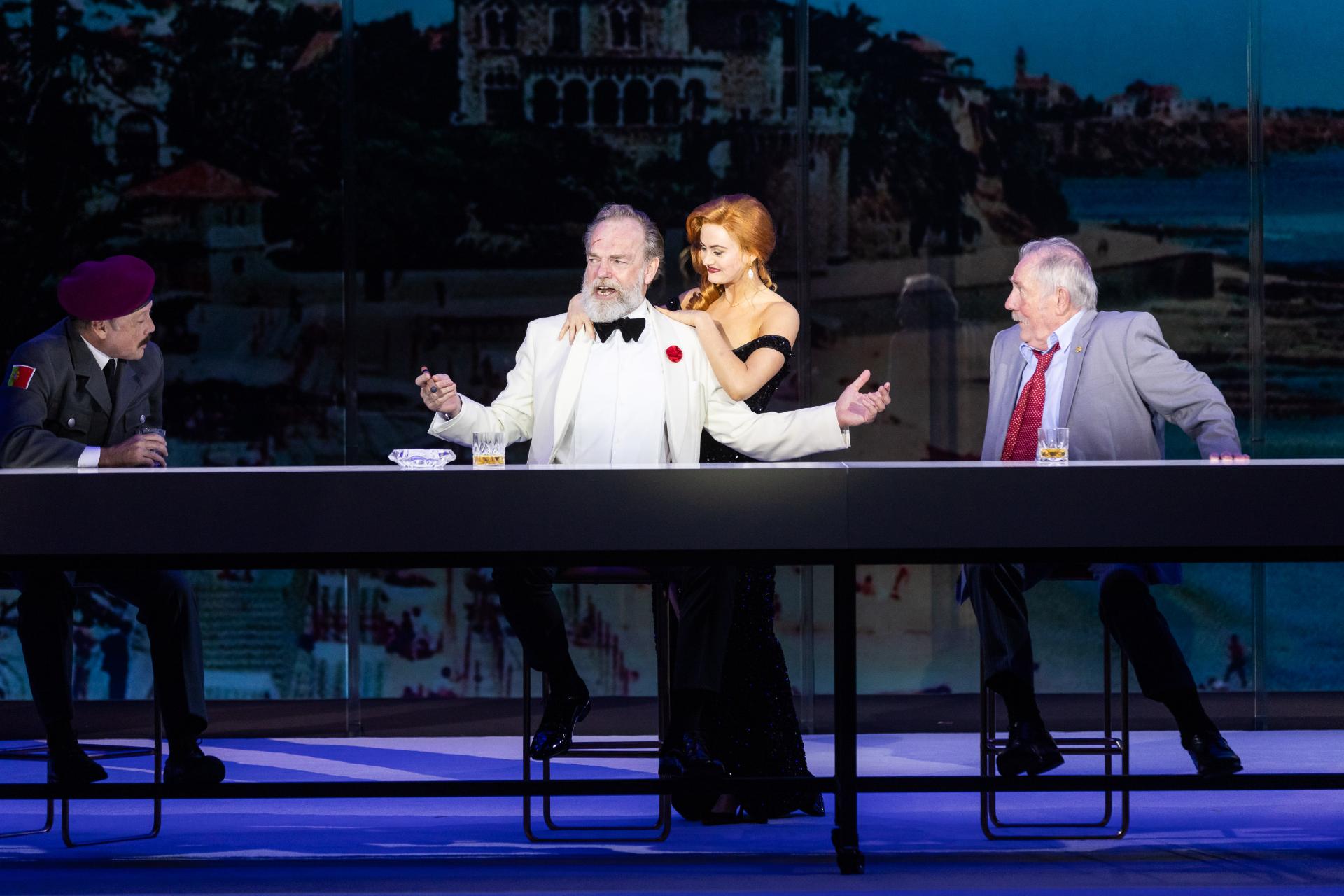
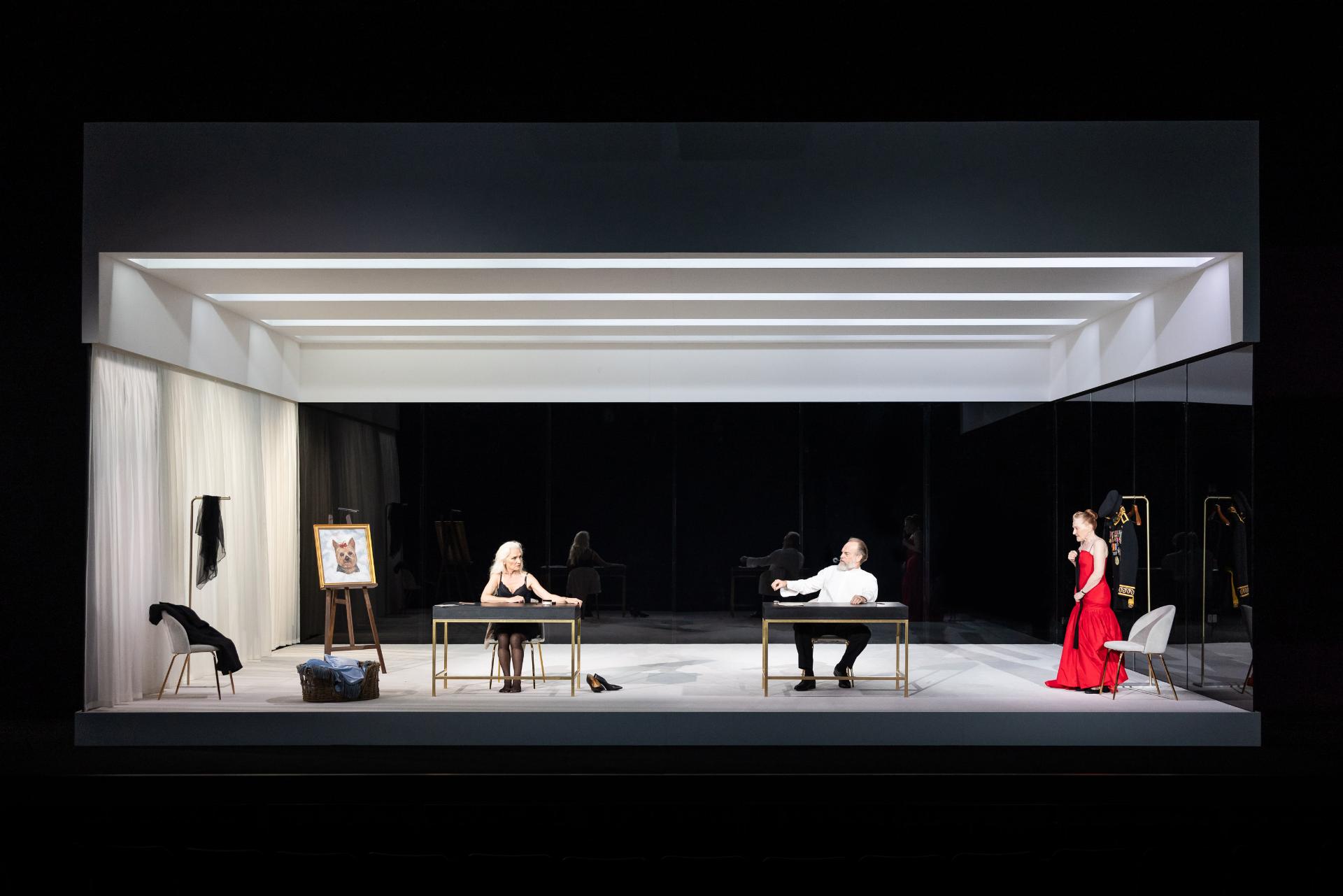
The president and first lady of a small unnamed European country have no one to talk to, even though there is never a shortage of hangers-on. They both go on long, repetitive tirades, clearly having stopped listening a long time ago, to anything but their own voices. The nation is on high alert, with the escalating threat  of anarchic activity, but both the head of state and his wife, are preoccupied with their own laments that are patently irrelevant to anyone but themselves.

The four acts in Thomas Bernhard’s 1975 play The President feel very much like a series of monologues, although there is always more than one actor present. In a work that is ostensibly about megalomania, Bernhard’s dialogue never sounds like conversation, and what the characters do say, is unlikely to be of great interest to contemporary audiences. What results is something that does not consistently engage, but under the directorship of Tom Creed, the production is certainly curious, if not completely fascinating. Although this half-century-old piece may not bear obvious resonances for our immediate epochal concerns, The President is nonetheless creatively assembled, and ironically refreshing in its presentation of a theatrical style that seems contrary, to what is considered en vogue.

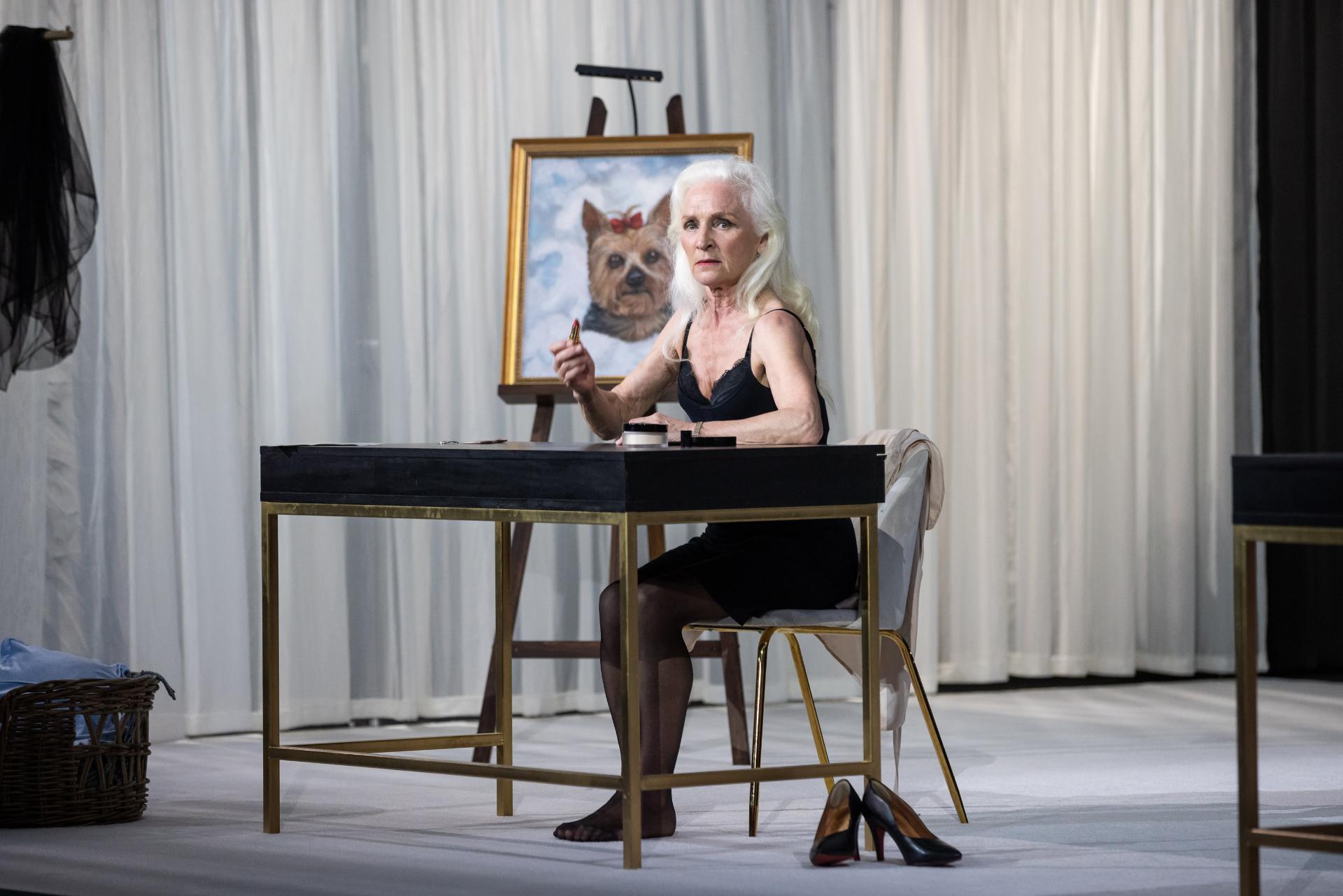
Its visual aesthetic however is very much on trend, with production design by Elizabeth Gadsby offering sumptuous imagery through sets and costumes depicting the rich and rarefied existence of the political elite. Lights by Sinead Mckenna and sound by Stefan Gregory are relatively minimal in approach, never superfluous with their artistic gestures, only delivering elegant solutions for this instance of cerebral satire.

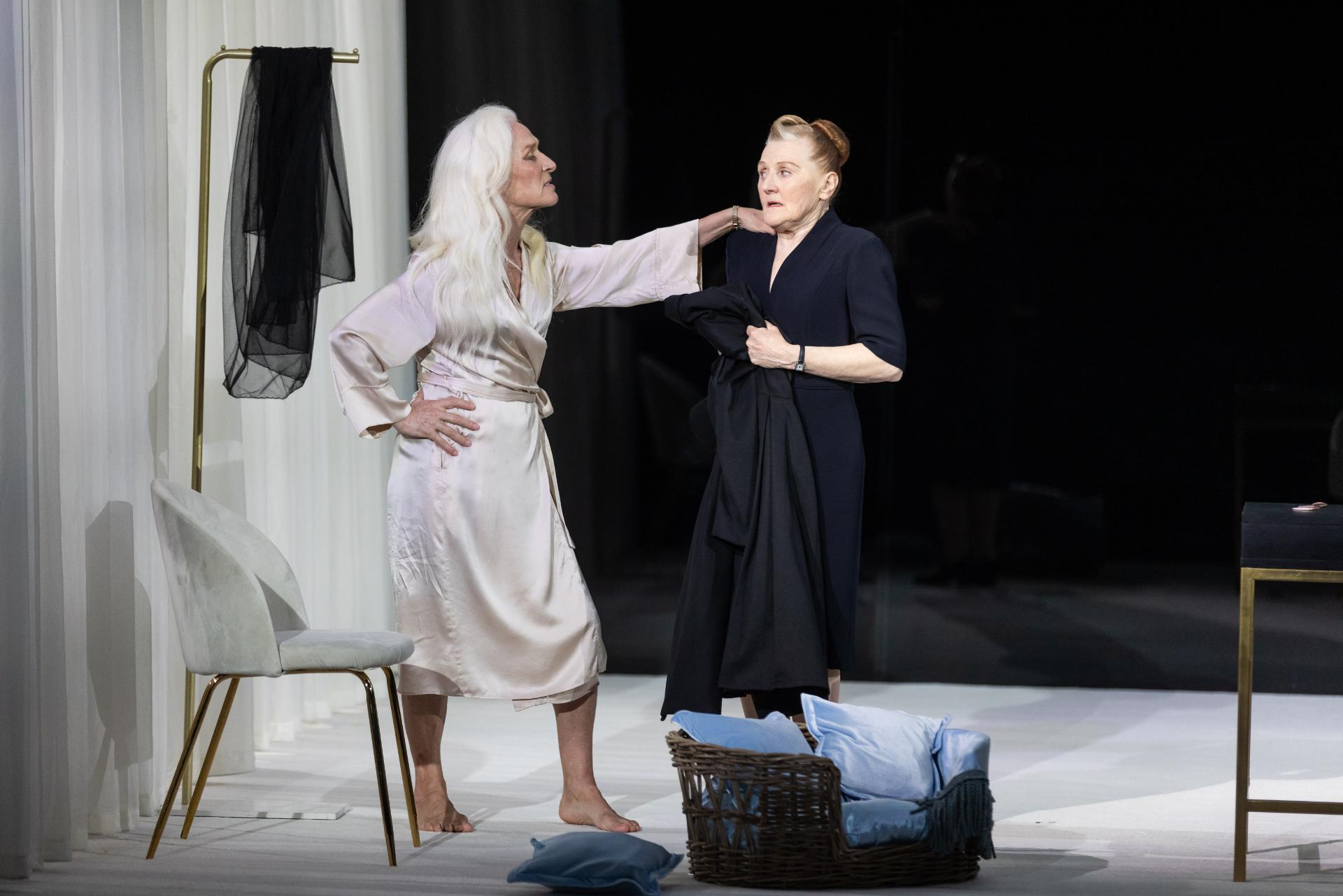
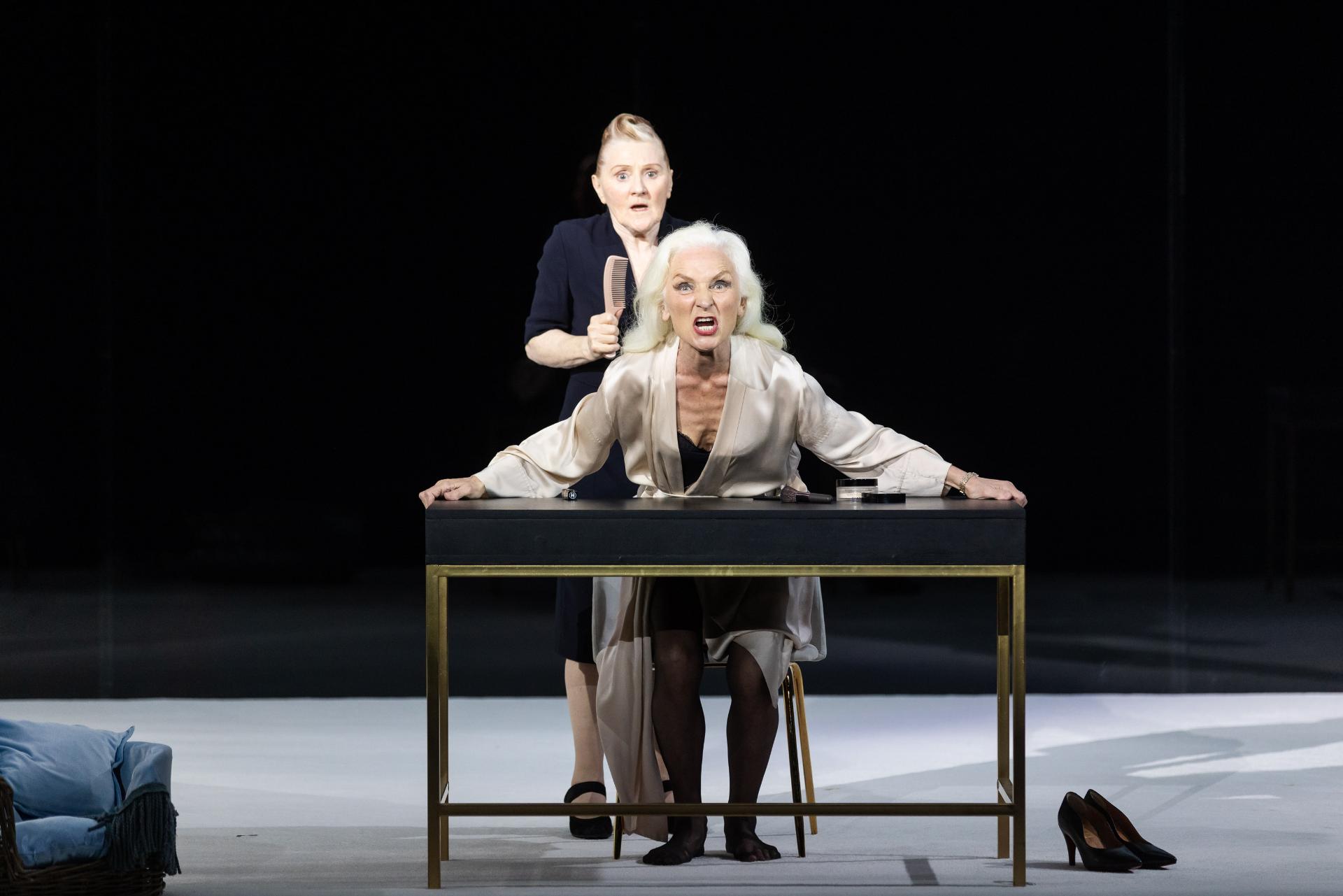
The luminous Hugo Weaving plays the president, commanding and mesmerising, almost able to help us make sense of all the despotic rants and raves inflicted by his part. Weaving’s capacity to portray someone despicable, whilst keeping us thoroughly charmed, is nothing short of masterful. In the role of the first lady is Olwen Fouéré, whose immense energy sustains our attention, and whose talent for blending the surreal with the natural, makes for a fascinating study of a woman unravelling, almost having us overlook the misogyny in Bernhard’s legacy.

So much of politics have changed since the original staging of The President, but it seems that the need to regard the powerful with suspicion, is eternal. Power affords those who wield it, secrecy and inconsequence, so that they may abstain from accountability, and act with no consideration for morality. Humans are susceptible to corruptibility; anyone can imagine themselves accorded unchecked authority, and understand that to withstand temptation requires extraordinary, or perhaps impossible, integrity. This can only mean that our leaders must be kept under constant scrutiny, even when we do entrust them with all our greatest hopes.

www.sydneytheatre.com.au | www.gatetheatre.ie

Review: Big Name, No Blankets (Ilbijerri Theatre Company)

Venue: Roslyn Packer Theatre (Sydney NSW), Jan 10 – 14, 2024
Playwright: Andrea James
Directors: Dr Rachael Maza AM and Anyupa Butcher
Cast: Baykali Ganambarr, Googoorewon Knox, Teangi Knox, Aaron McGrath, Jackson Peele, Cassandra Williams, Tibian Wyles
Images by Brett Boardman

Theatre review
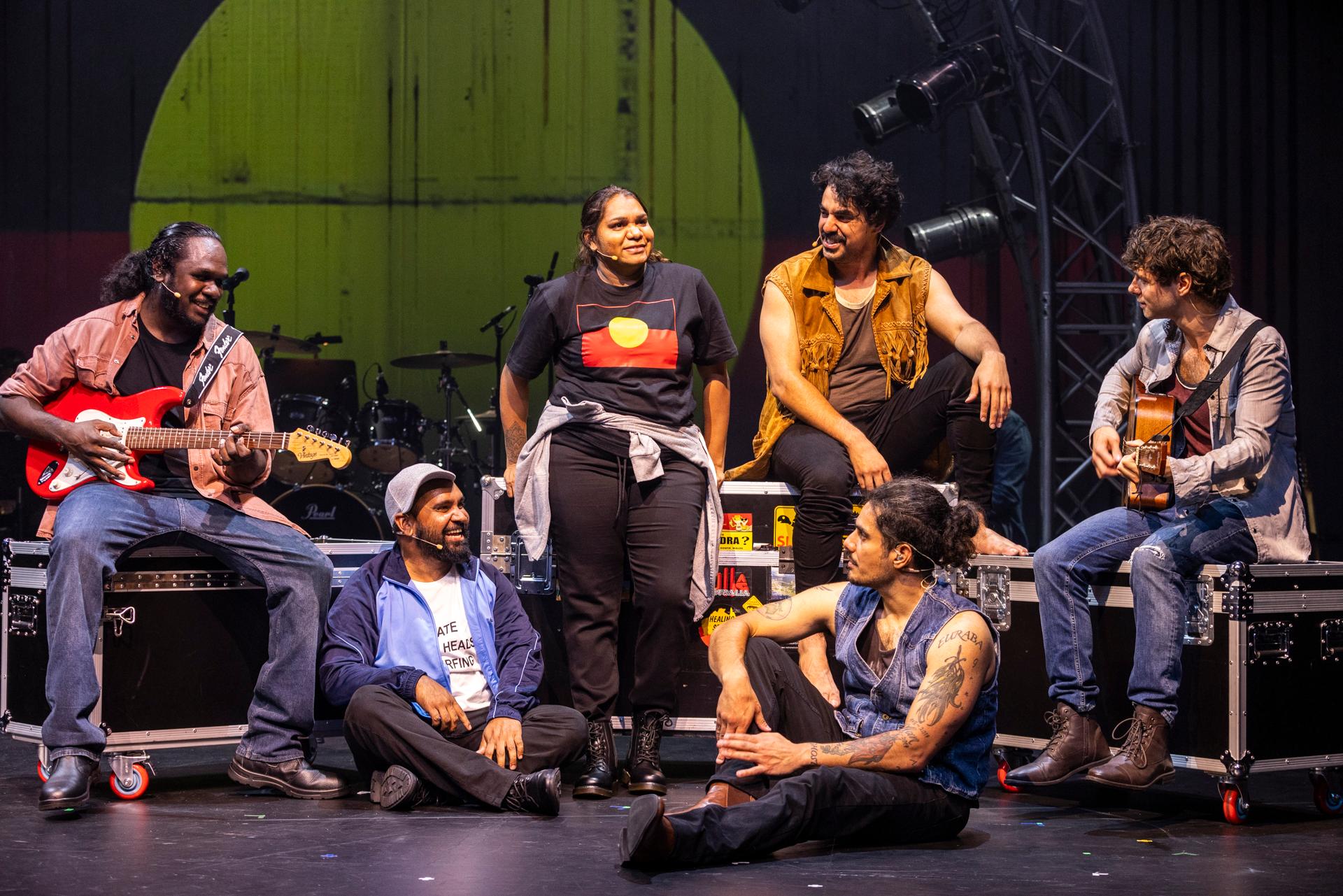
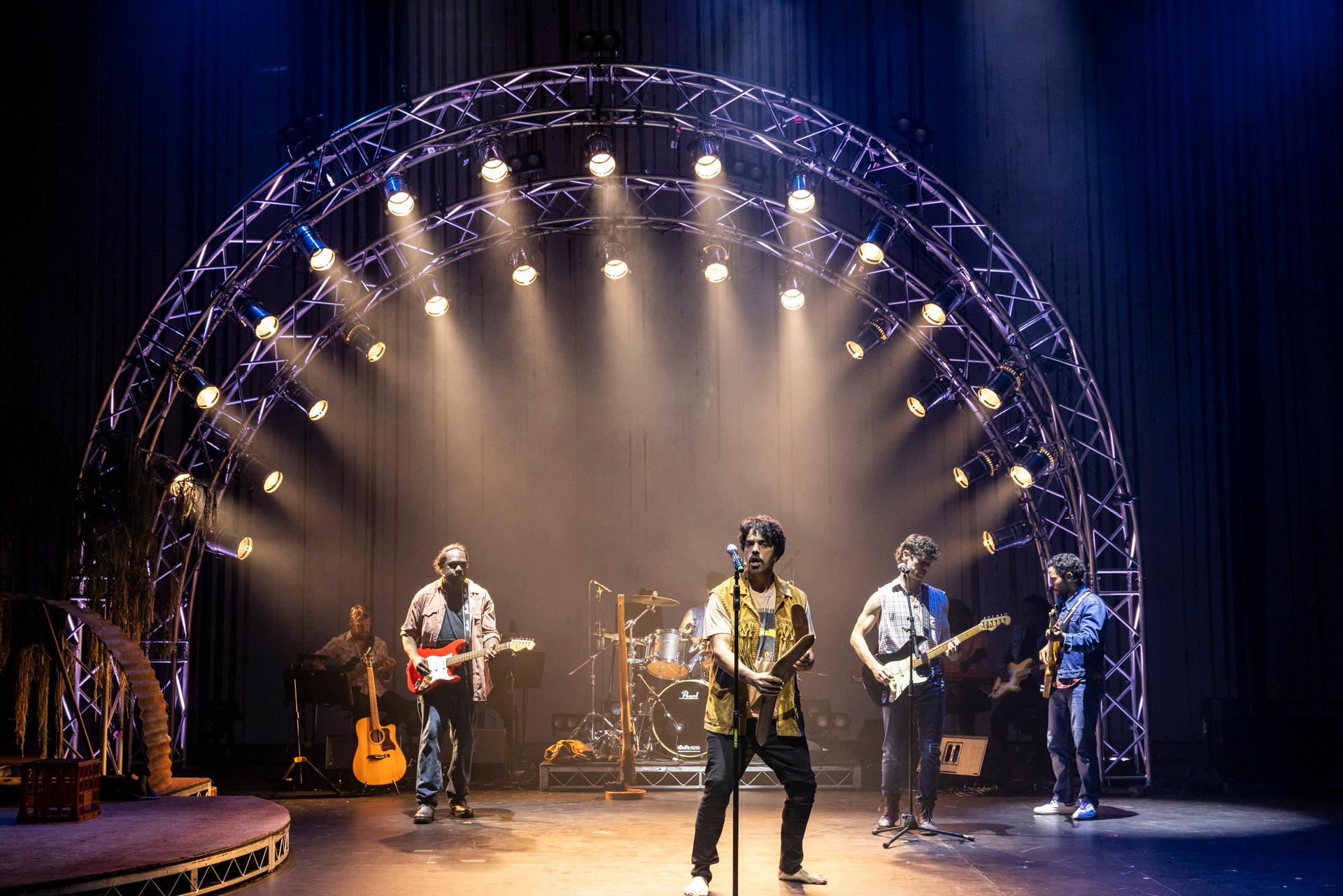
It was 1980 when the Butcher brothers from Papunya in the Northern Territory, along with some great friends, formed the iconic Warumpi Band. Bringing their act all over Australia, and to Europe, the group cemented themselves as an integral part of our national and Indigenous cultural histories. The new play with music Big Name, No Blankets by Andrea James, offers an opportunity to acquire a deeper knowledge of the band, juxtaposing anecdotes of their formation and stories from the road, with legendary songs that prove to stand the test of time.
Co-directed by Dr Rachael Maza AM and Anyupa Butcher, the show shifts seamlessly between its dramatic portions and its musical sections, perfectly blending both aspects for a wonderfully cohesive telling of a captivating tale. Performer Baykali Ganambarr leads the charismatic cast, playing the role of Sammy Butcher Tjapanangka and serving as narrator, with a humorously tender approach that engenders a consistent simpatico connection with the audience.
Also noteworthy is Googoorewon Knox, who as the band’s lead singer George Burarrwanga brings glamour and energy, completely electrifying when performing Warumpi Band’s many rock numbers. Music direction by Gary Watling, together with arrangements by Crystal Butcher, are an unequivocal joy, presented powerfully by live musicians who demonstrate beautifully the genius of the source material. Sound design by James Henry create further auditory embellishments, to keep us engaged and invested.

Set design by Emily Barrie addresses sensitively the various spatial requirements of the storytelling. Lights by Jenny Hector fill the atmosphere with warmth, but switch effortlessly to alluring vivacity when characters are in rock star mode. Video projections by Sean Bacon, Patricia McKean and Guck help us contextualise times and places, as we delve into different pockets of the past. Costumes by Heidi Brooks provide a sense of authenticity for the personalities we encounter, and for an era that most do still remember.

Members of Warumpu Band followed their hearts, and created a legacy out of passion and bliss. Big Name, No Blankets represents and exemplifies the integrity that we should all seek in how we make our decisions, and in how we live our lives. In the show, we see people being their true selves, and are reminded that trying to be anything else, is always a futile, and often harmful, exercise.

www.ilbijerri.com.au

Review: The Seagull (Sydney Theatre Company)

Venue: Roslyn Packer Theatre (Sydney NSW), Nov 21 – Dec 16, 2023
Playwright: Anton Chekhov (adapted by Andrew Upton)
Director: Imara Savage
Cast: Arka Das, Michael Denkha, Harry Greenwood, Markus Hamilton, Mabel Li, Sean O’Shea, Toby Schmitz, Sigrid Thornton, Megan Wilding, Brigid Zengeni
Images by Prudence Upton

Theatre review
Constantine’s angst remains resolute, even though he no longer lives in 1896 Russia. Andrew Upton’s adaptation of Chekhov’s The Seagull takes place in current day Australia, refreshed with modernised dialogue that effervesces amusingly, but is otherwise entirely faithful to the original. It is arguable whether these characters would think and behave the same, having moved continents and centuries. Even though human nature can be disconcertingly rigid, the dramatic (and iconic) conclusion of Chekhov’s play, feels too characteristic perhaps of an olden Russia. It is however certainly possible that that despondence is in fact no different, wherever and whenever the story takes place. Upton could be making the point, that we are in fact deluded, should we consider ourselves evolved and improved.

Nevertheless, the update feels somewhat tenuous, even though the contemporarised humour of the piece is an unequivocal pleasure. Directed by Imara Savage, the show is at its most appealing when moments are drenched in irony, as we watch persons of a certain privilege, unable to evade nihilistic despair. Reflecting on Chekhov’s times, we can associate The Seagull with impending revolutions, and explain that malaise within a context of disquietude and a thirst for upheaval. Watching the same tale unfold in our here and now, is a confronting proposition. That unflinching pessimism could be saying something appalling about the people we are, or we could simply regard this transposition to be somehow inauthentic.

All the same, drama is delicious. Actor Harry Greenwood as Constantine is less sympathetic than is traditionally portrayed, but renders an unassailable sense of truth and integrity, to persuade us of his narrative. Other notable performers include Mabel Li, equally impressive in comedic and tragic portions of Nina’s exploits, able to make convincing the drastic shift in temperaments, for this classic showcase of lost innocence. Sean O’Shea’s highly idiosyncratic turn as Peter proves thoroughly delightful, very extravagant in style but unquestionably charming with his interpretations of an ageing invertebrate. Playing Boris the cad is Toby Schmitz, wonderfully inventive and unpredictable, in his thrilling explorations of self-absorption and immorality. On stage, Schmitz’s impulsiveness is a real joy.

Set design by David Fleischer conveys a rustic sensibility, but always with a quiet sophistication that reminds us of the social class being depicted. Costumes by Renée Mulder emphasise the modernity of characters, keeping them accurately within the current generation. Lights by Amelia Lever-Davidson, along with sounds and music by Max Lyandvert, are extremely subtle until the final climactic scenes, when we are treated to a greater theatricality, as the show approaches its inevitable melodramatic conclusion.

The world tells Constantine that by virtue of his biological and social distinctions, that he is destined to be a leader and a winner. In the microcosm of his daily existence however, he only feels belittled and disgraced. Males account for three-quarters of suicide in Australia today. We can diverge in our understandings of that statistic, but it is a clearly a question of gender that cannot be ignored. We are all vulnerable beings. It is the quixotic notion that some of us have to be impervious to human fallibilities, that can drive a person to the brink.

www.sydneytheatre.com.au