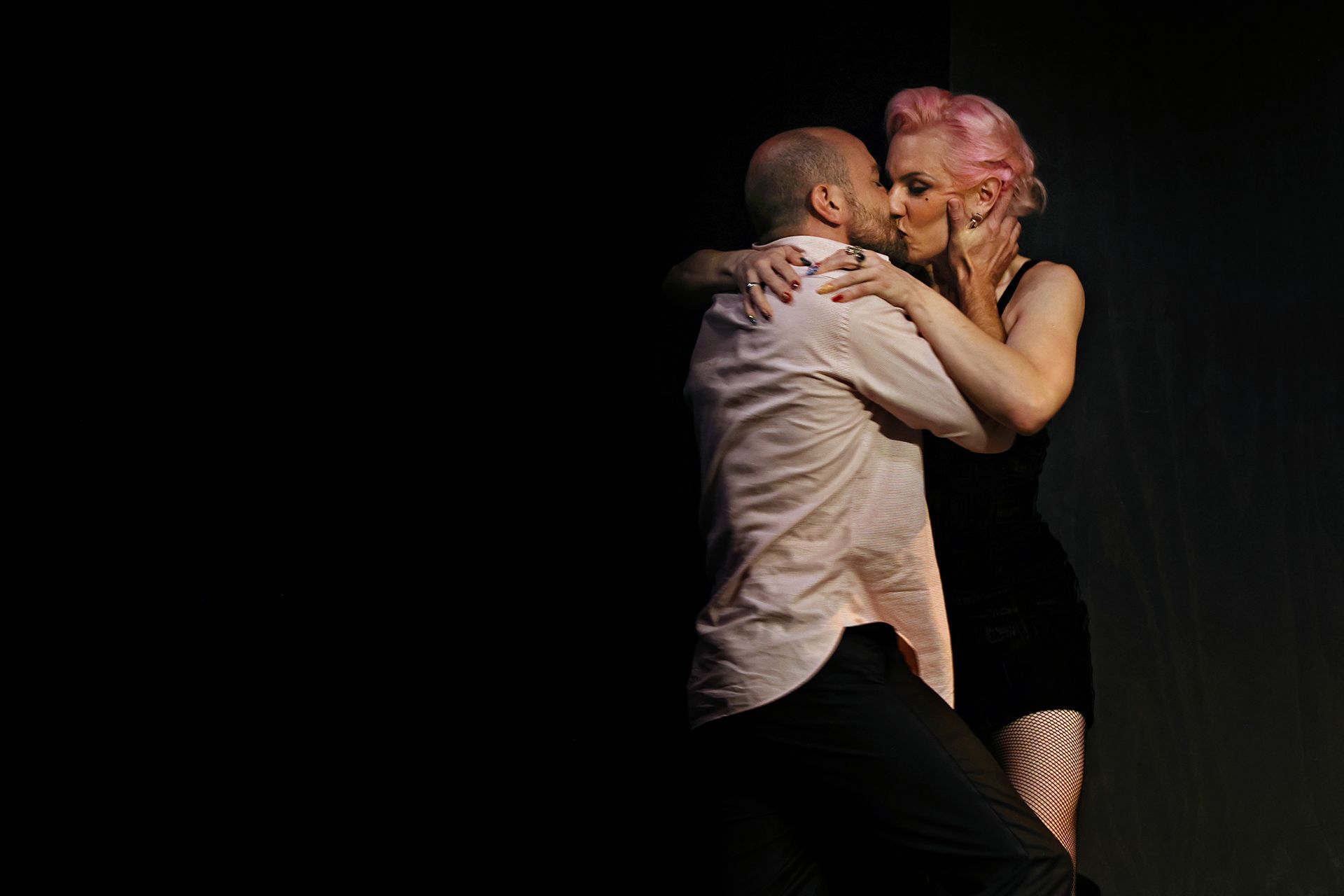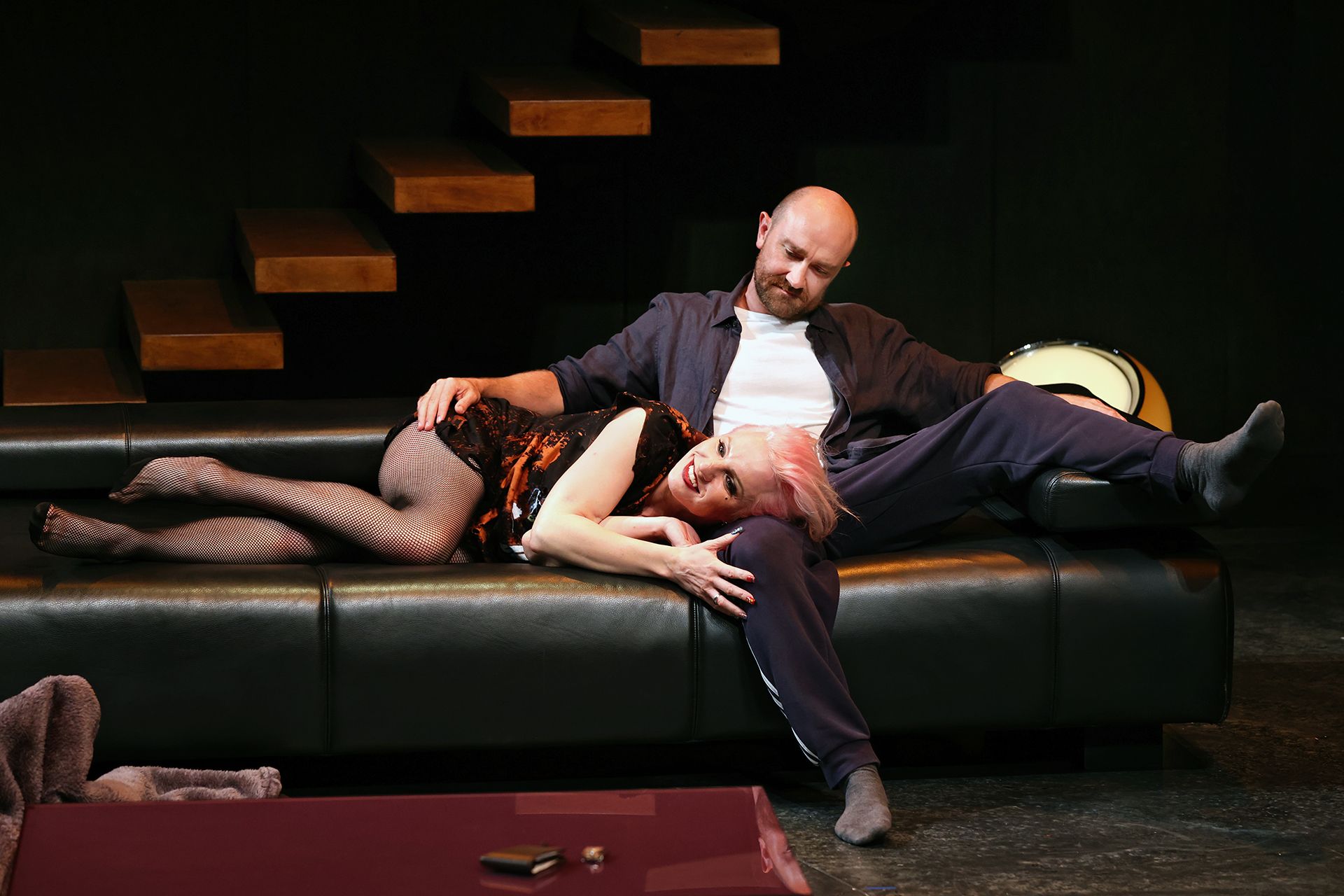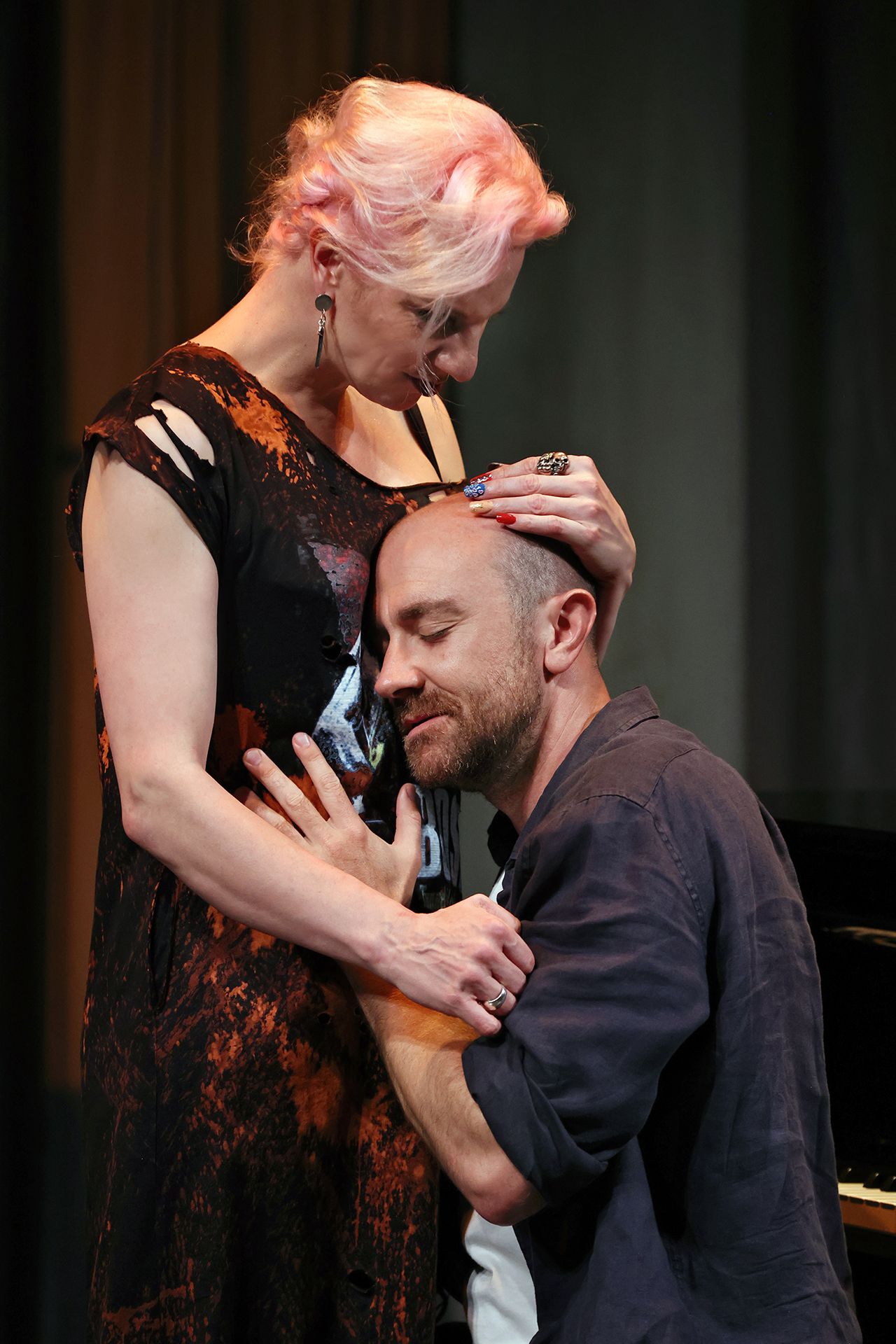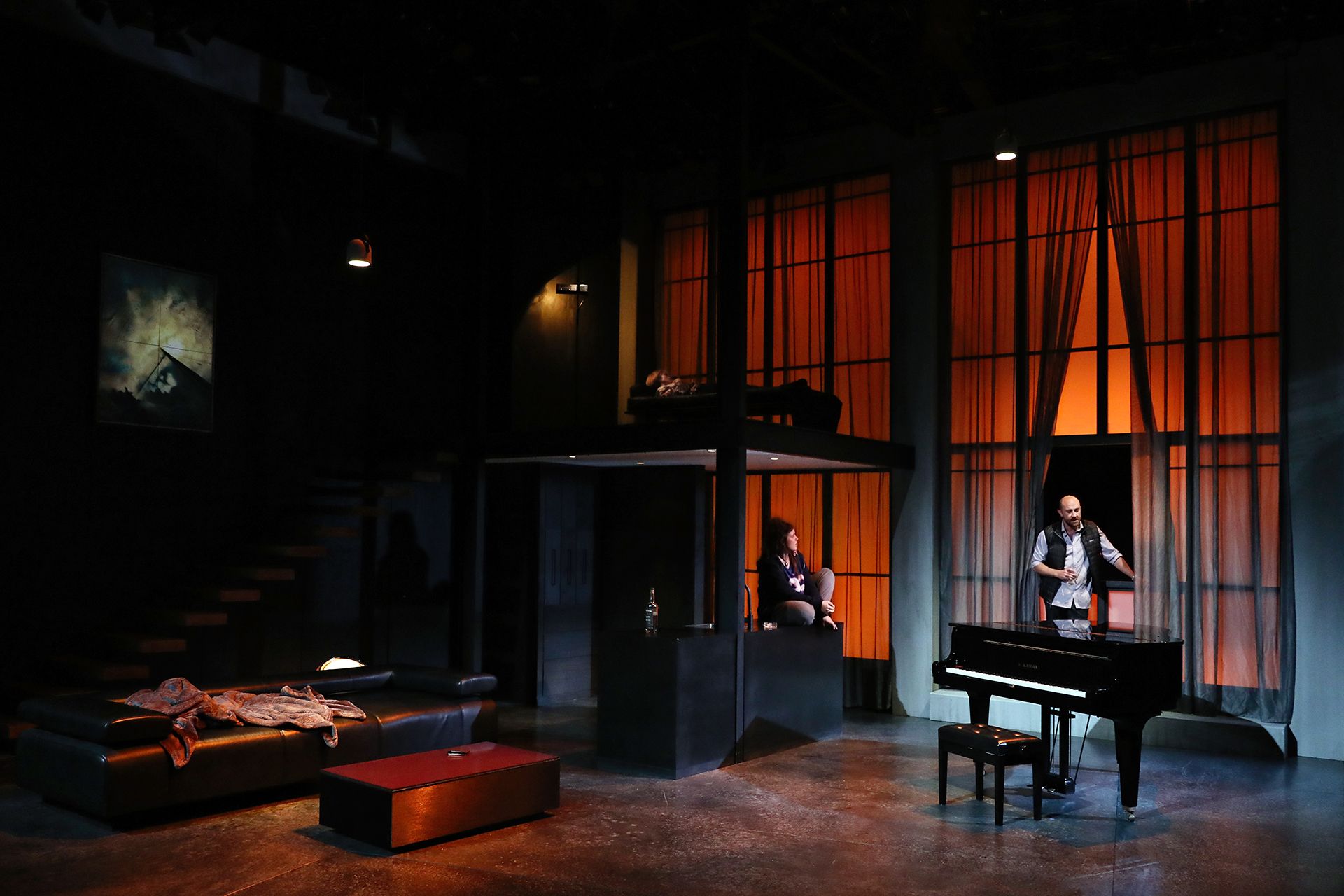
Review: Killing Katie: Confessions of a Book Club (Ensemble Theatre)

Venue: Ensemble Theatre (Kirribilli NSW), Jan 9 – Feb 26, 2022
Playwright: Tracey Trinder
Director: Francesca Savige
Cast: Valerie Bader, Chantelle Jamieson, Bron Lim, Kate Raison, Georgina Symes
Images by Lisa Tomasetti

Theatre review
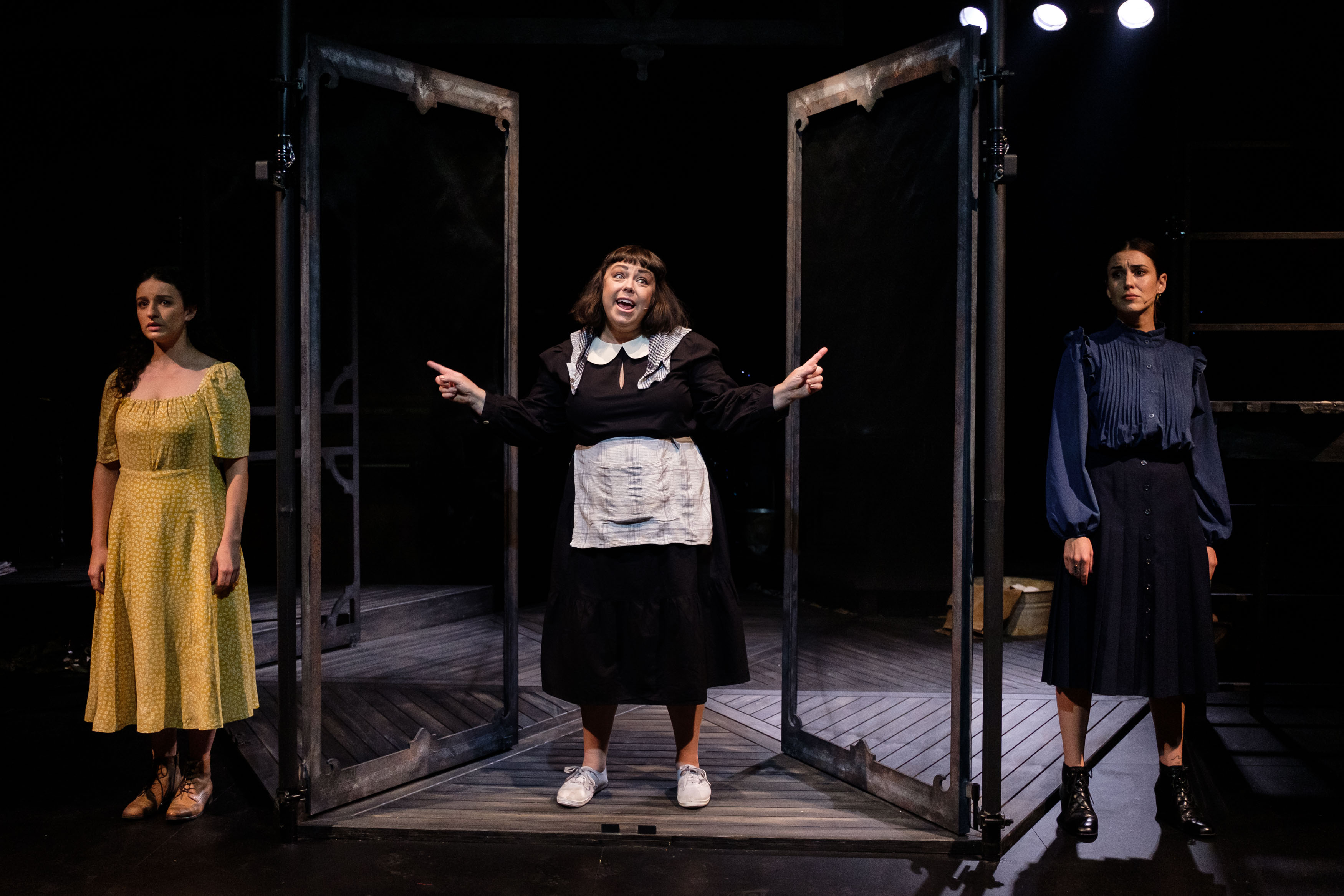
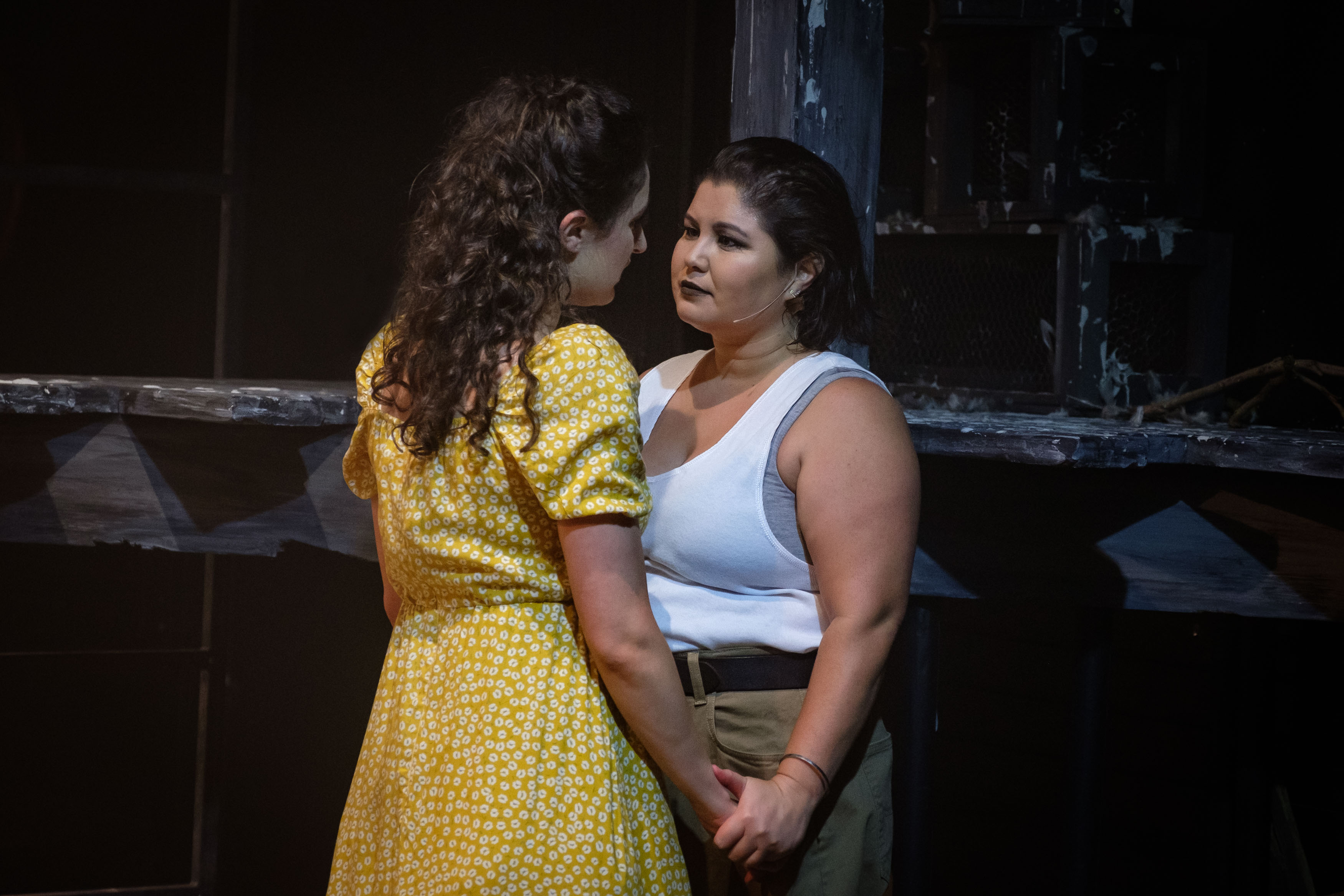
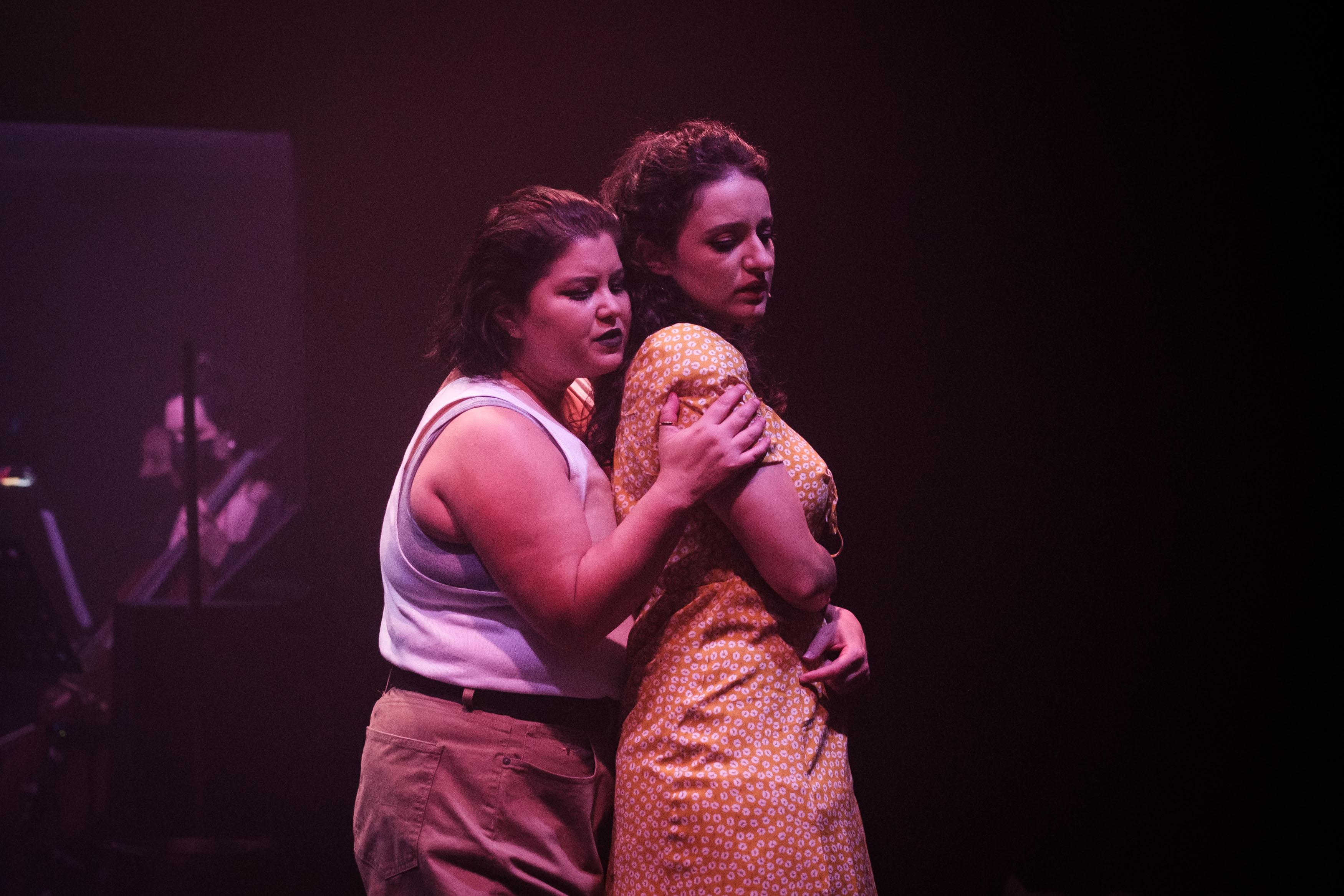
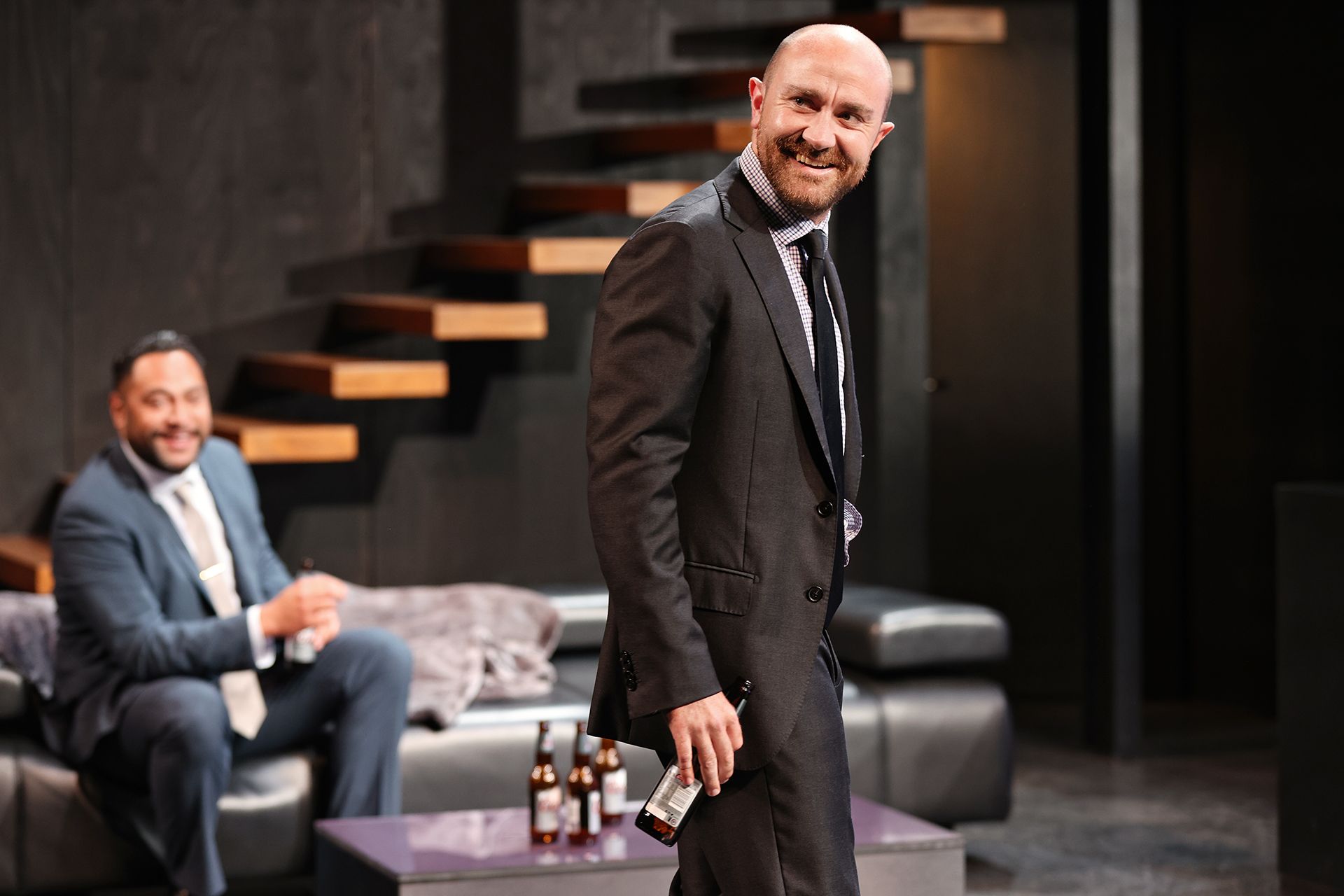
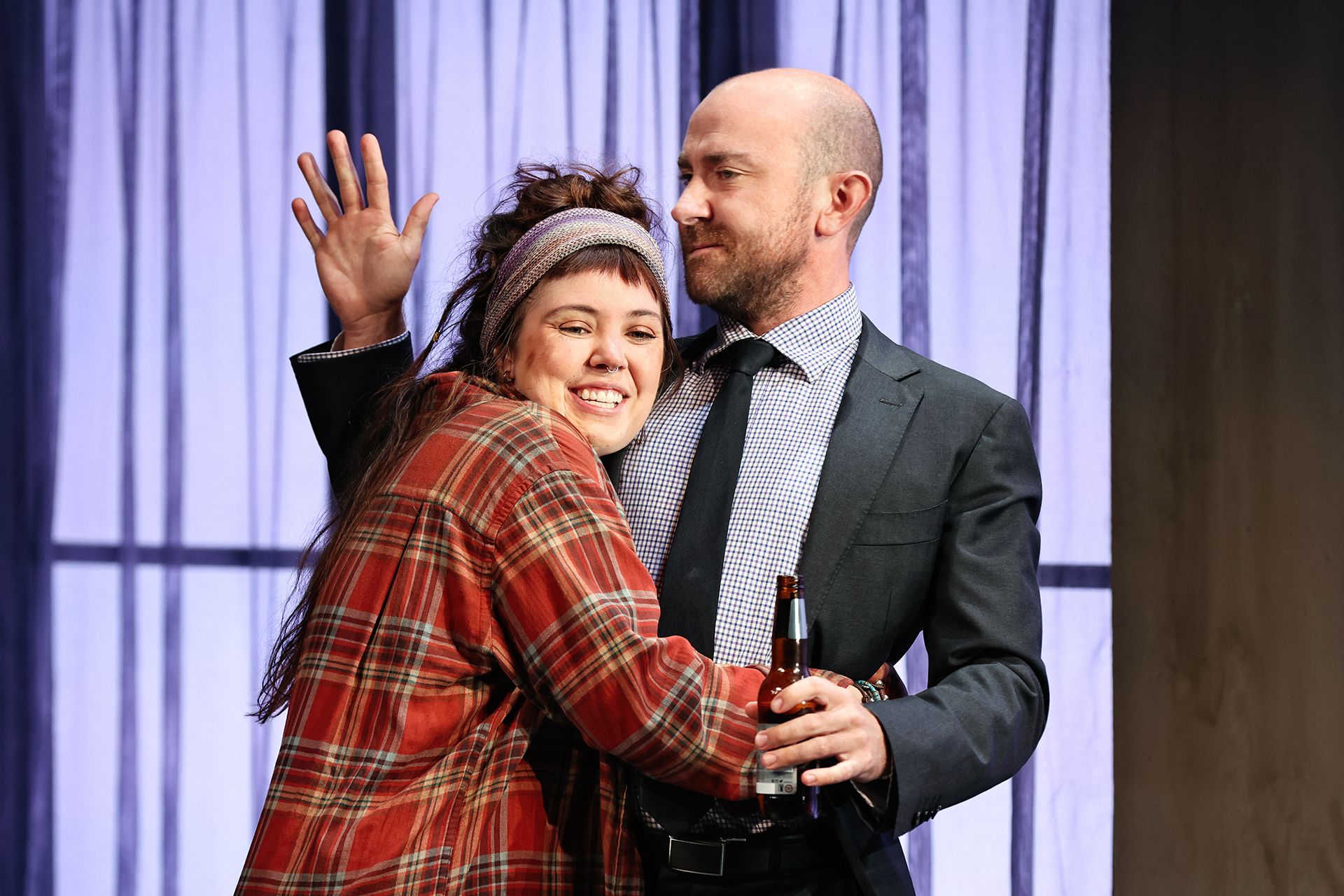
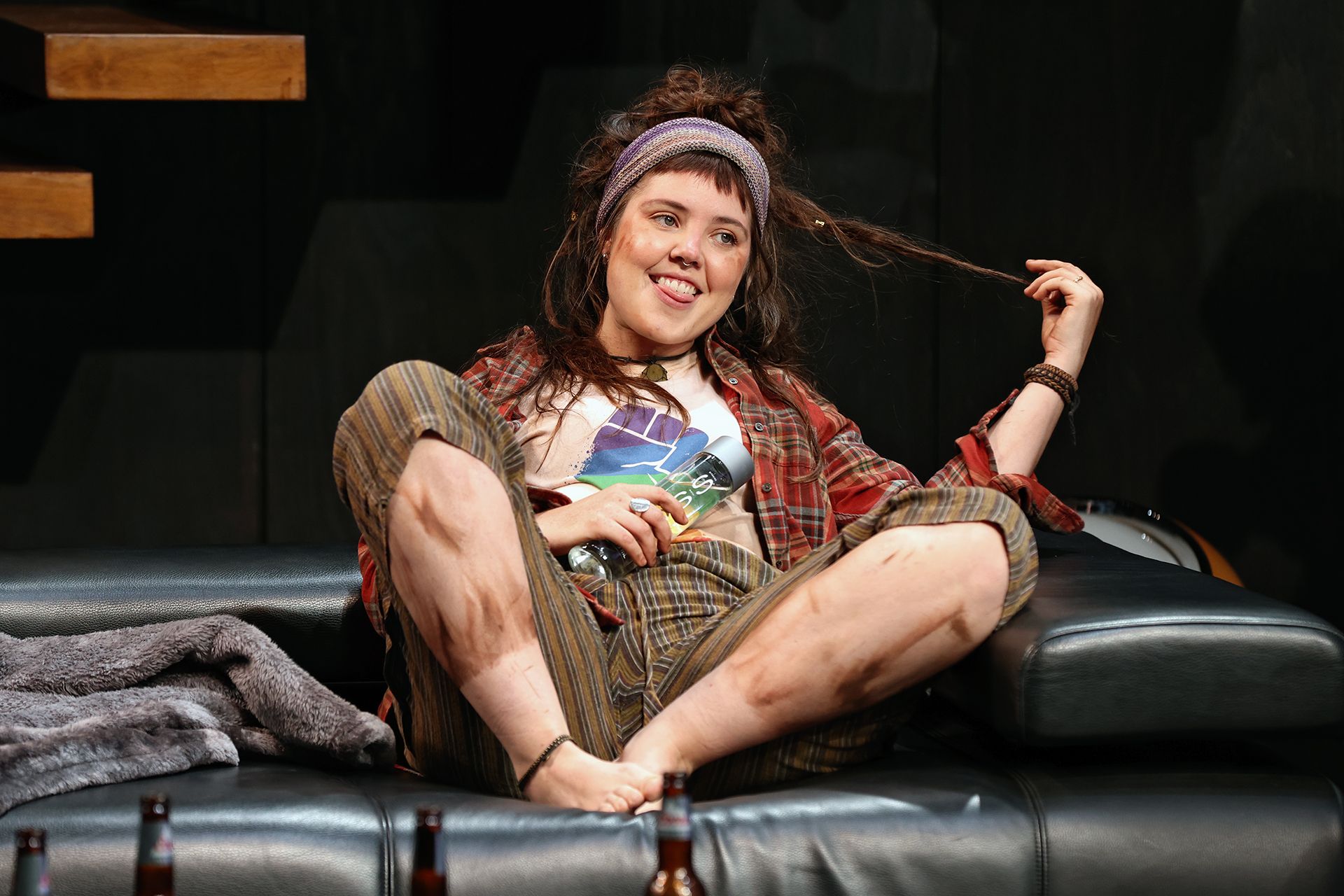
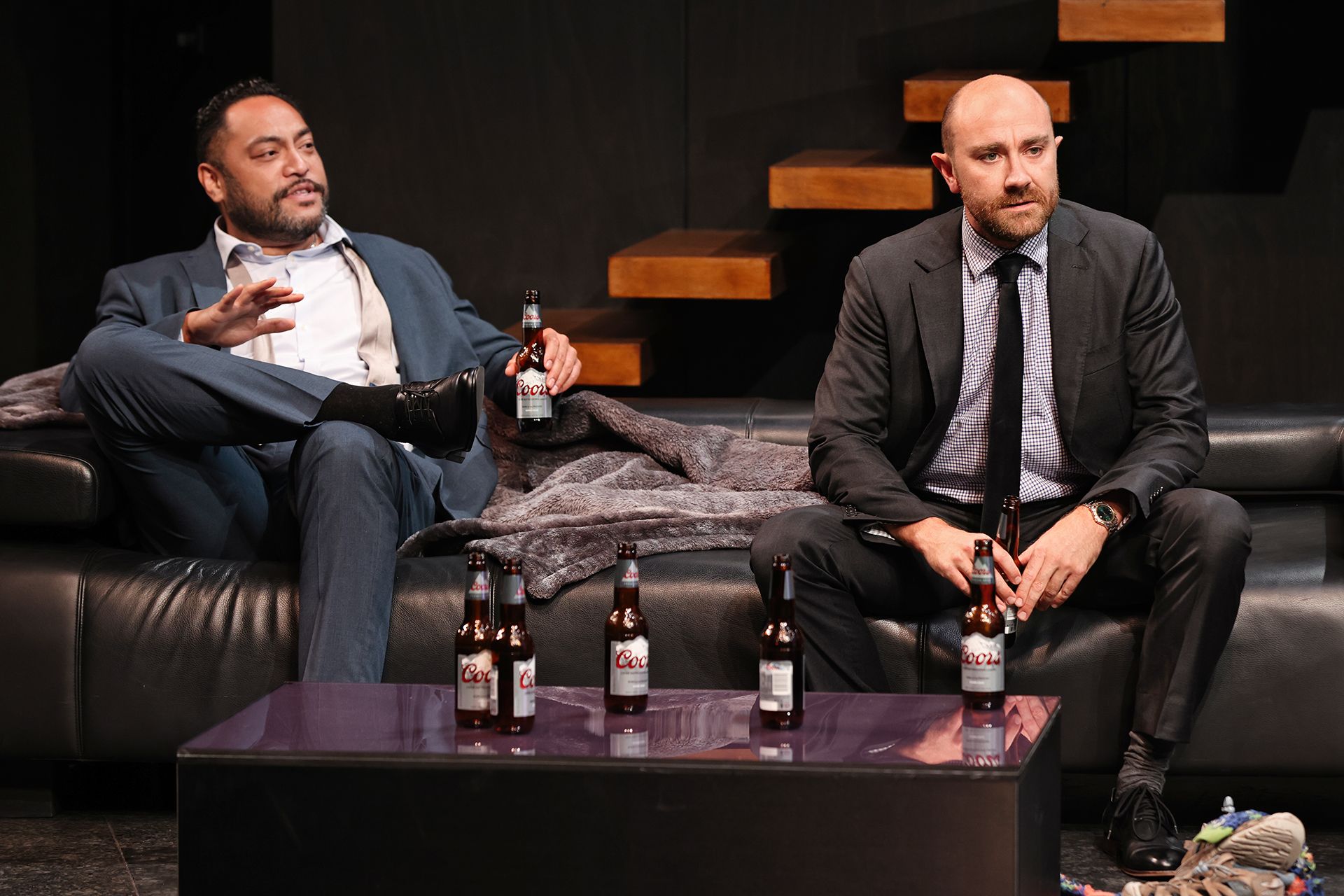
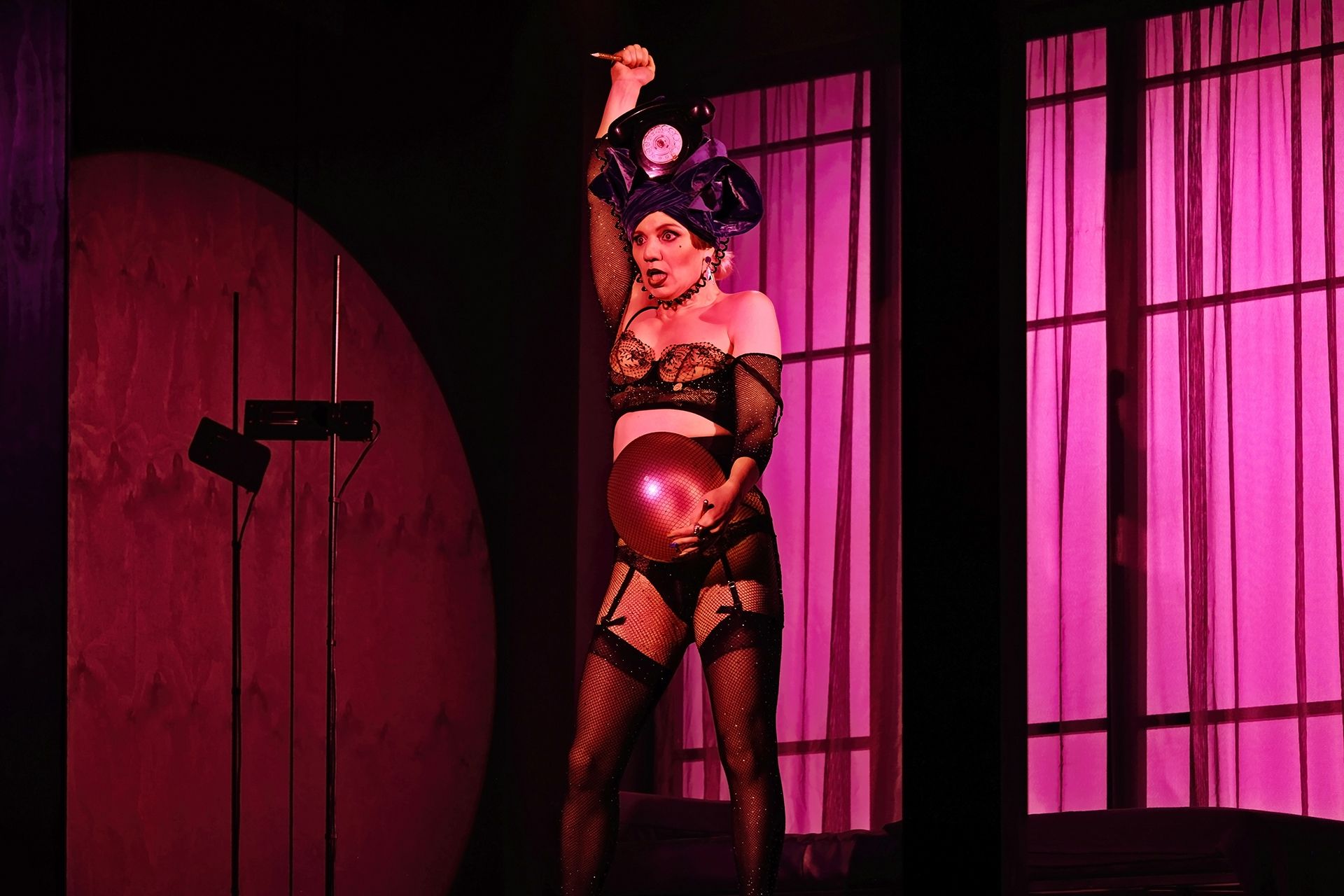
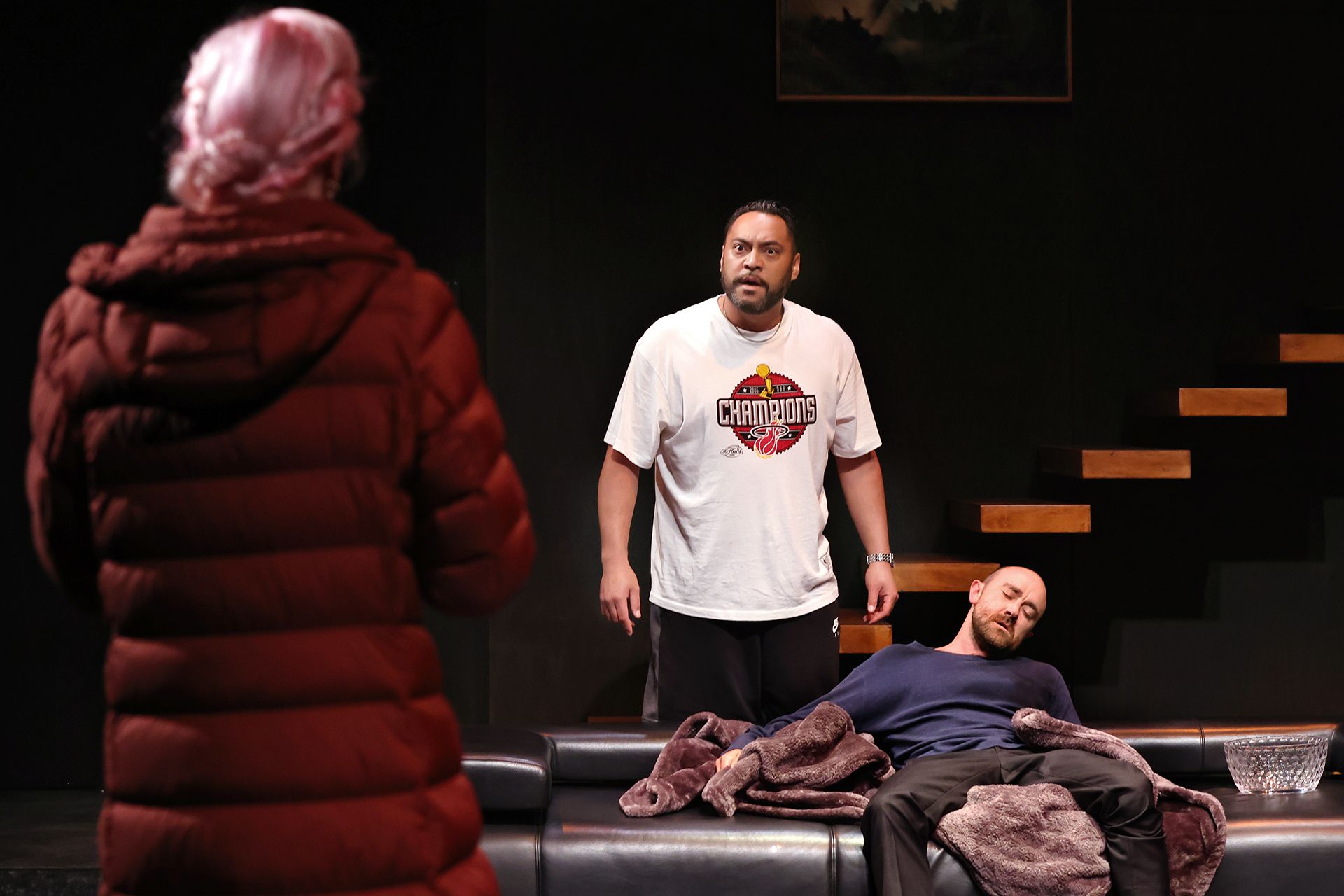
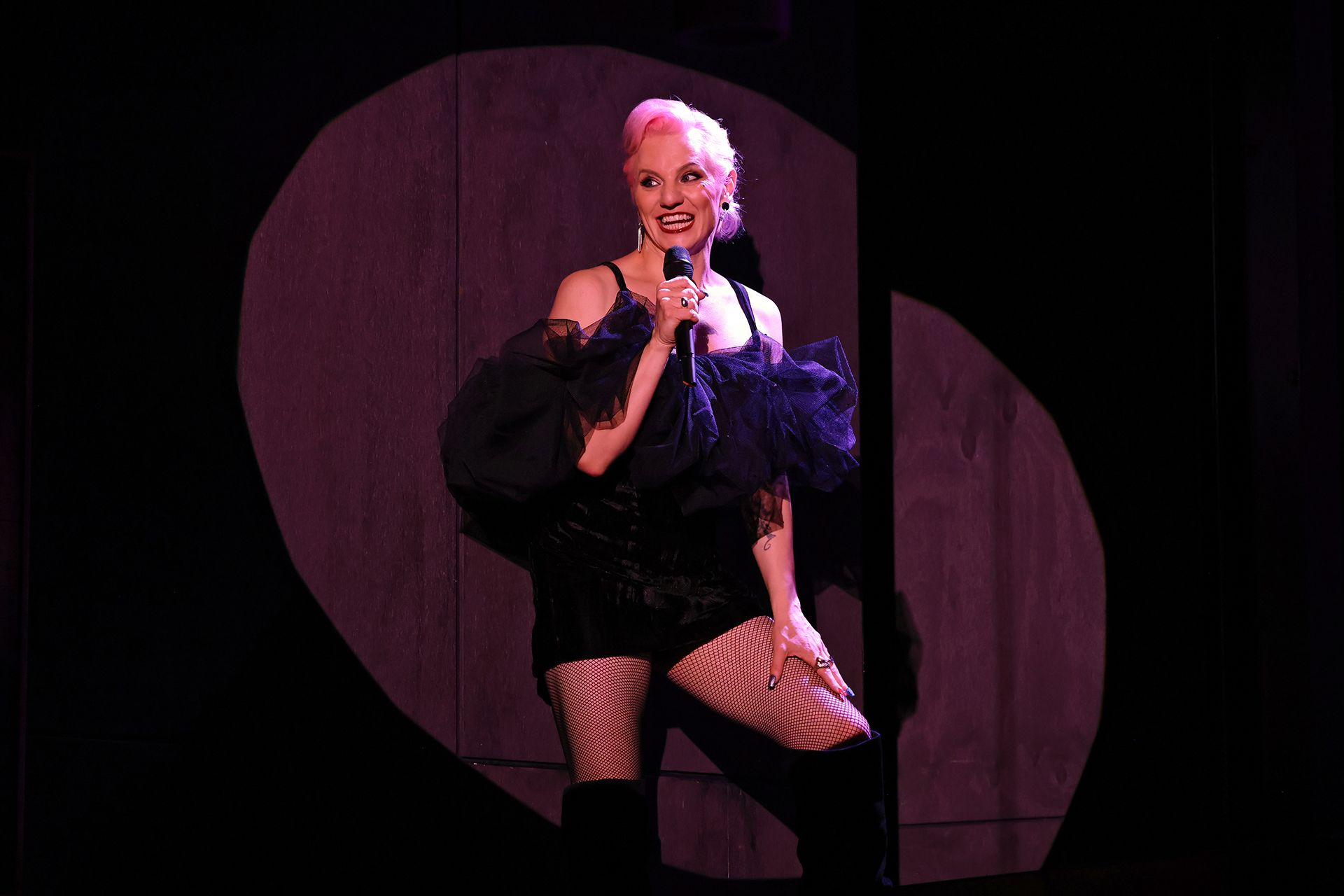
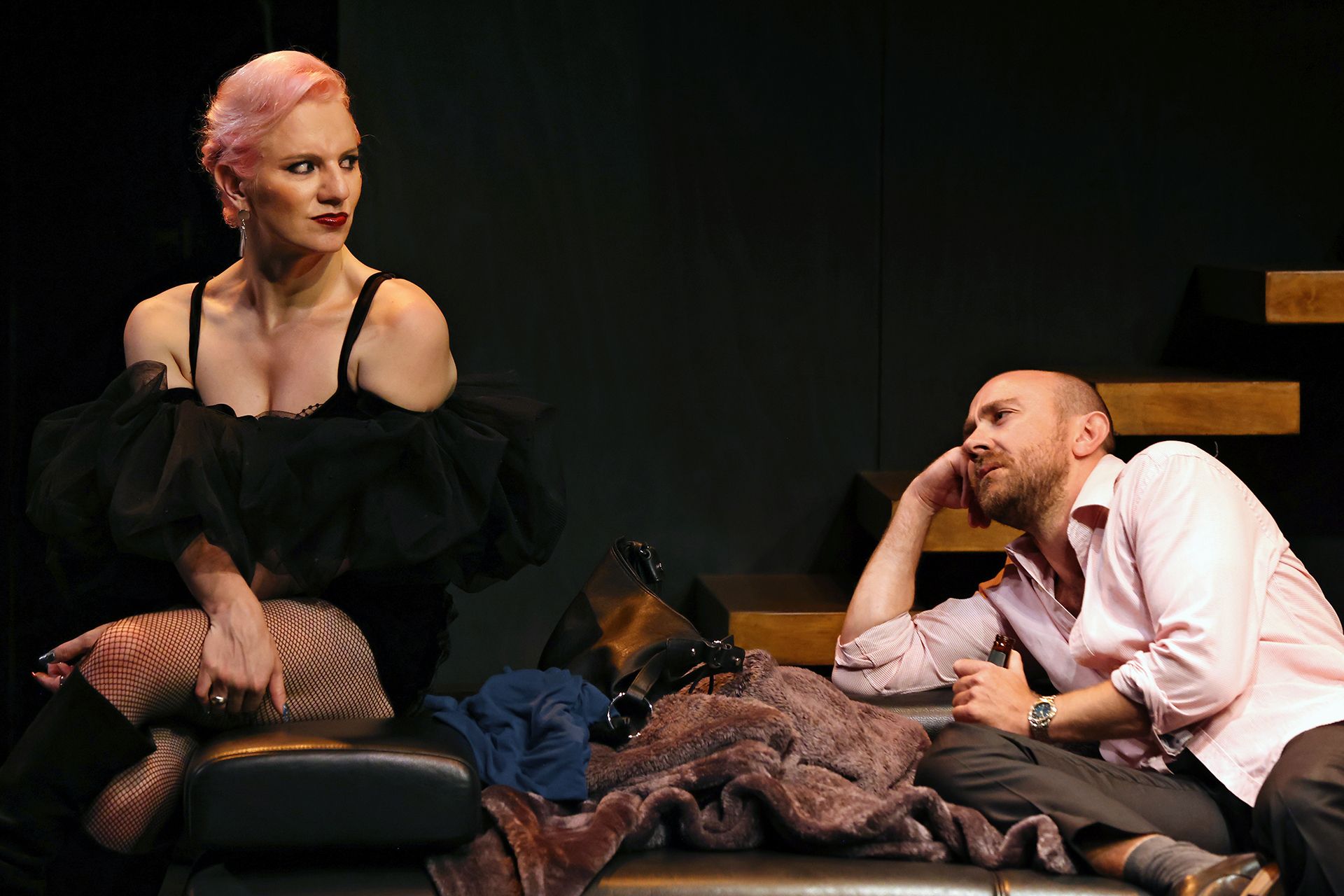
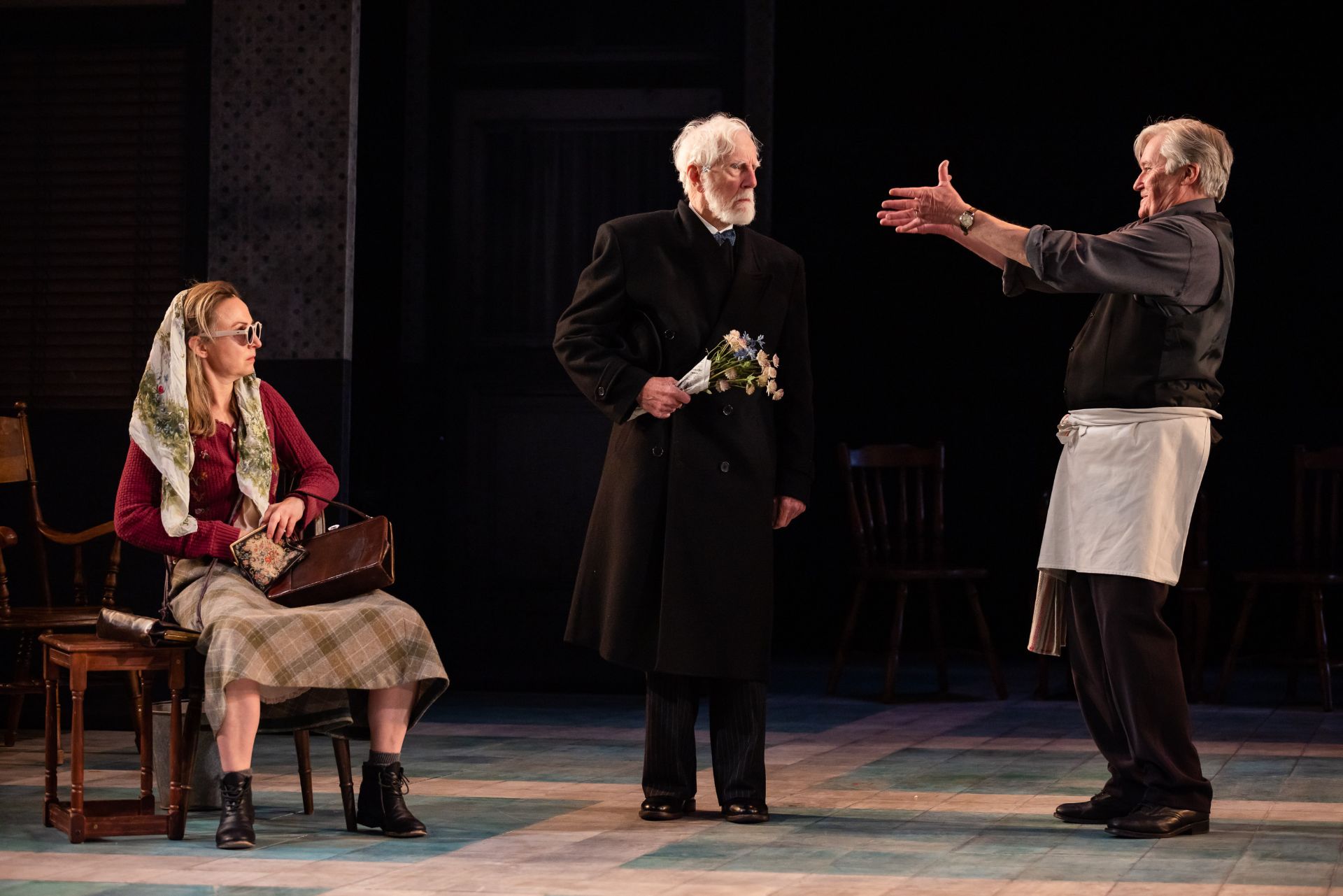
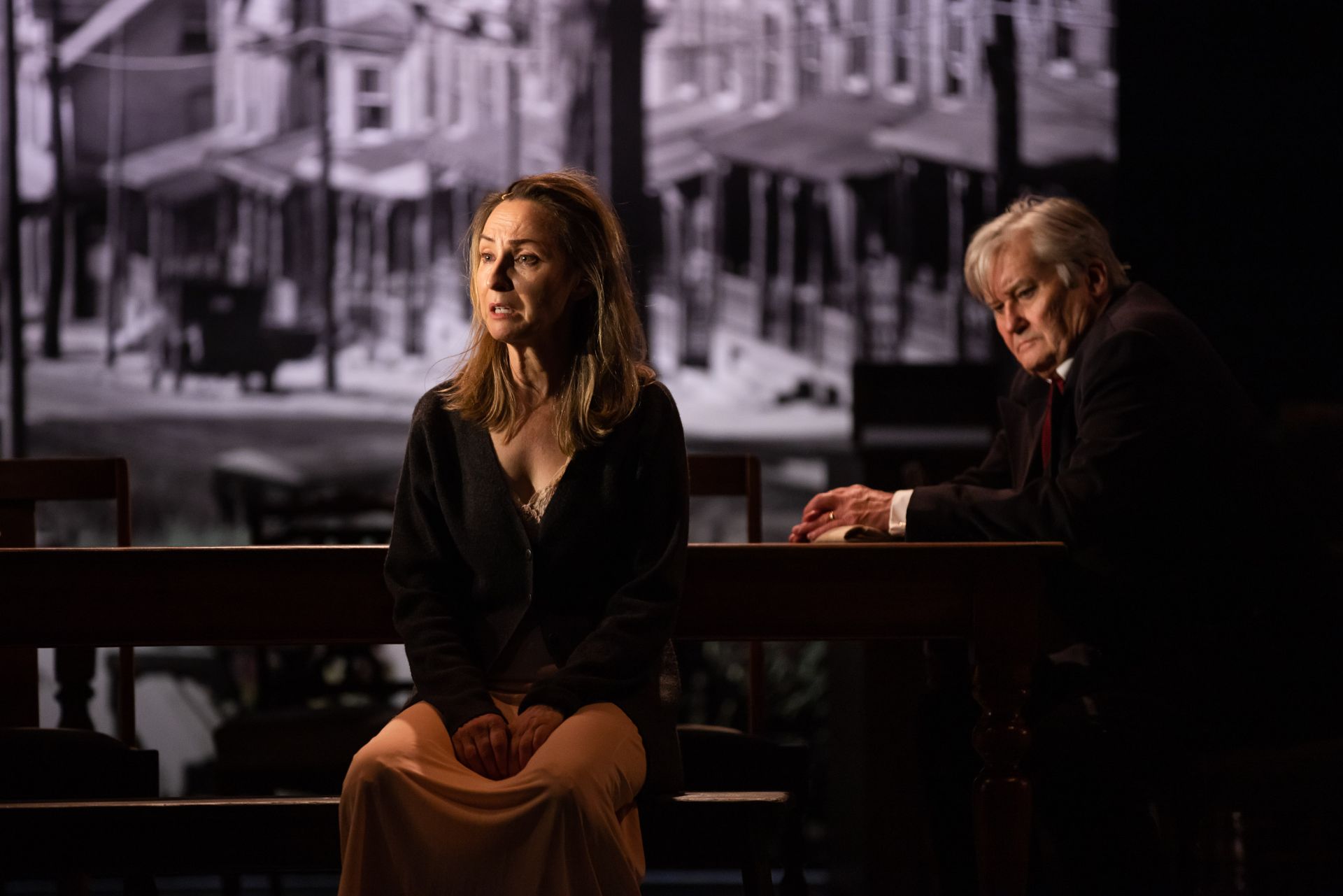
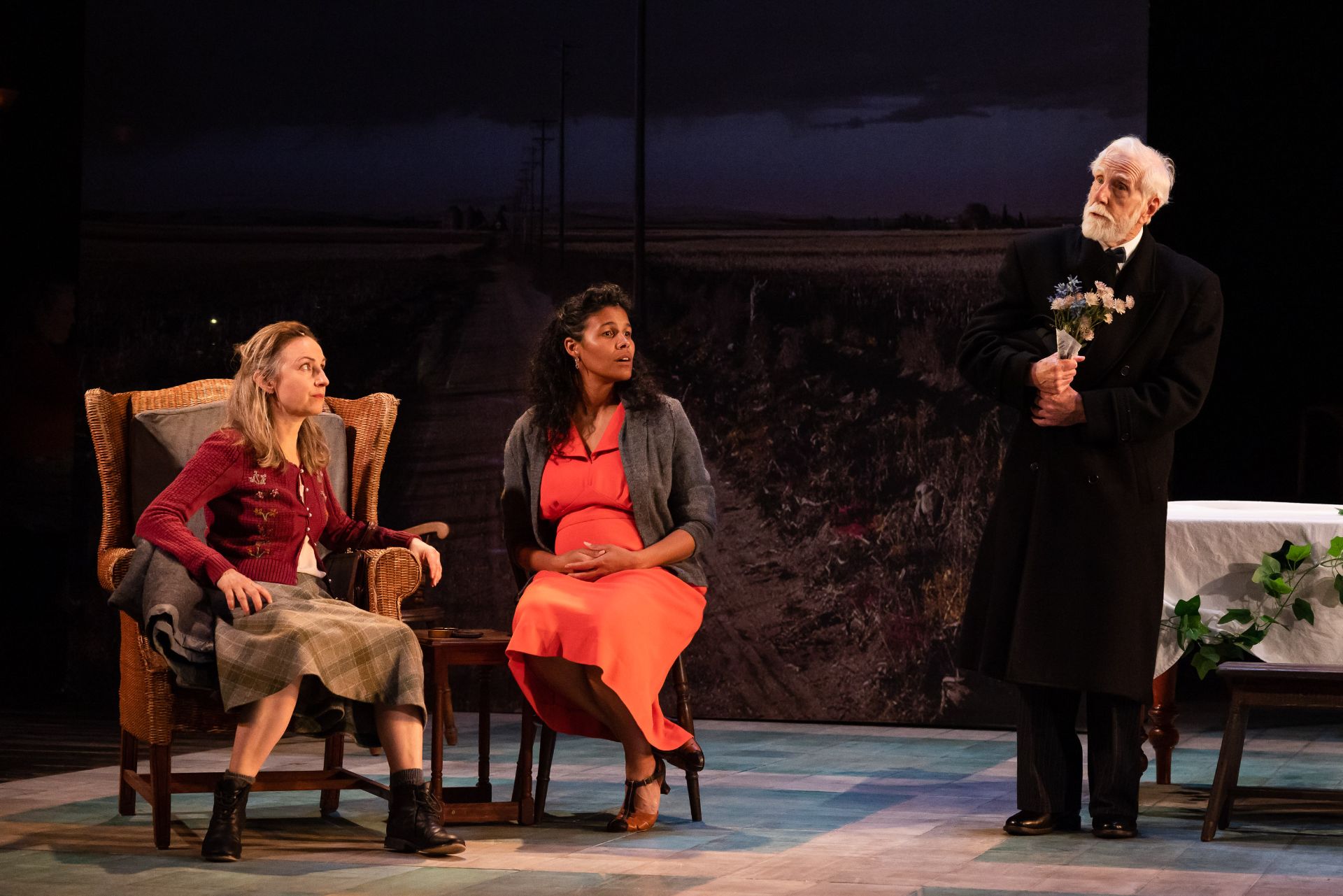
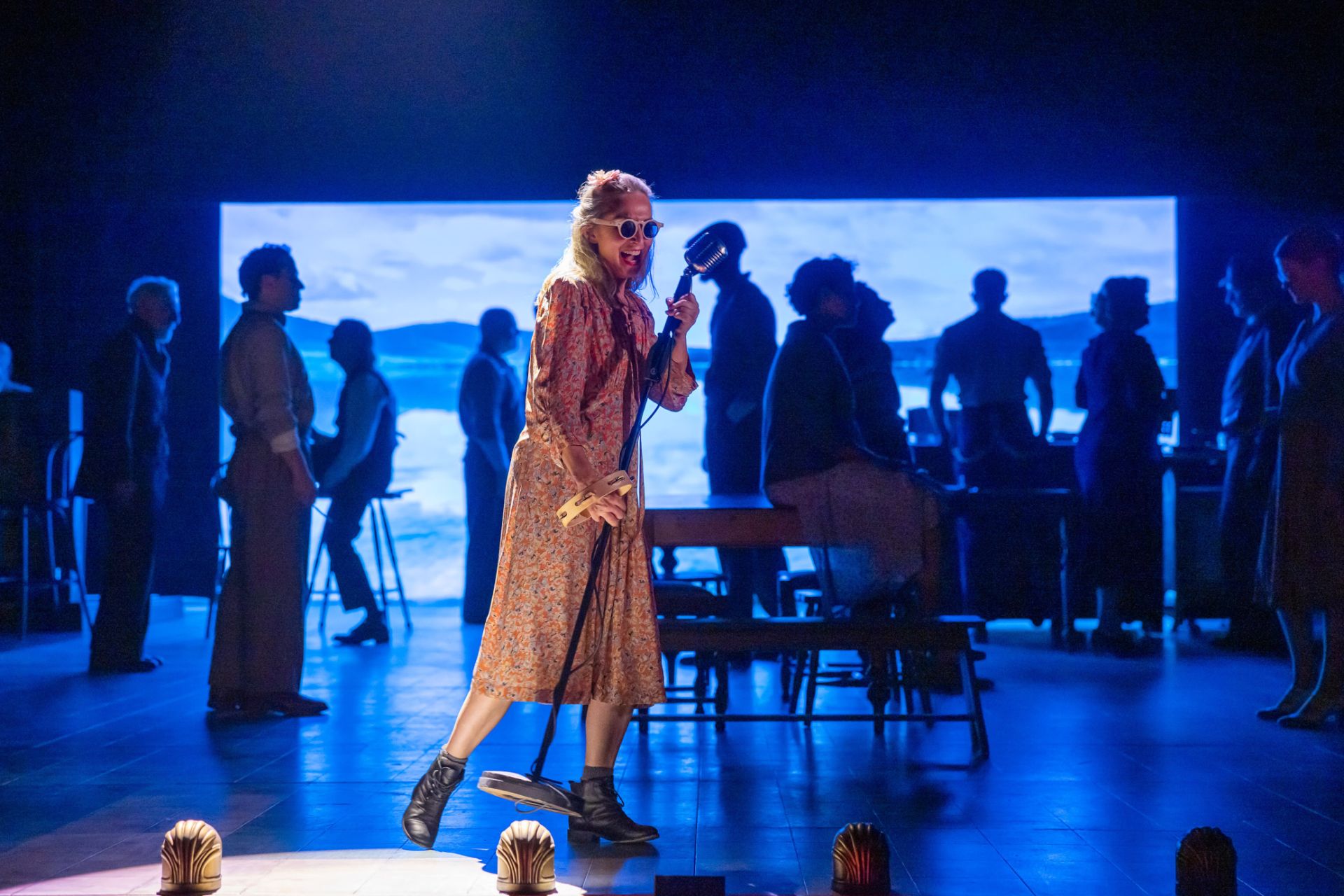
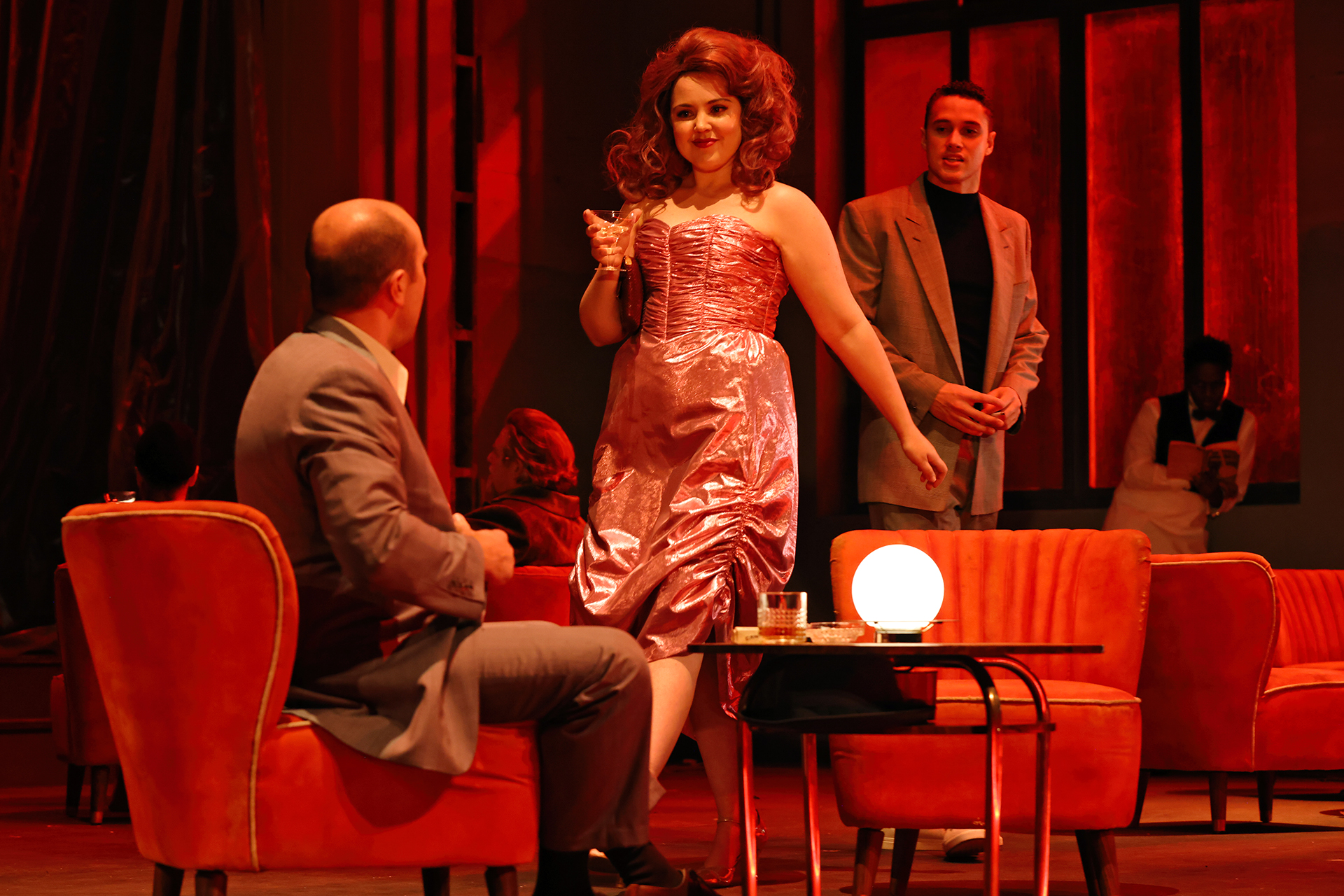
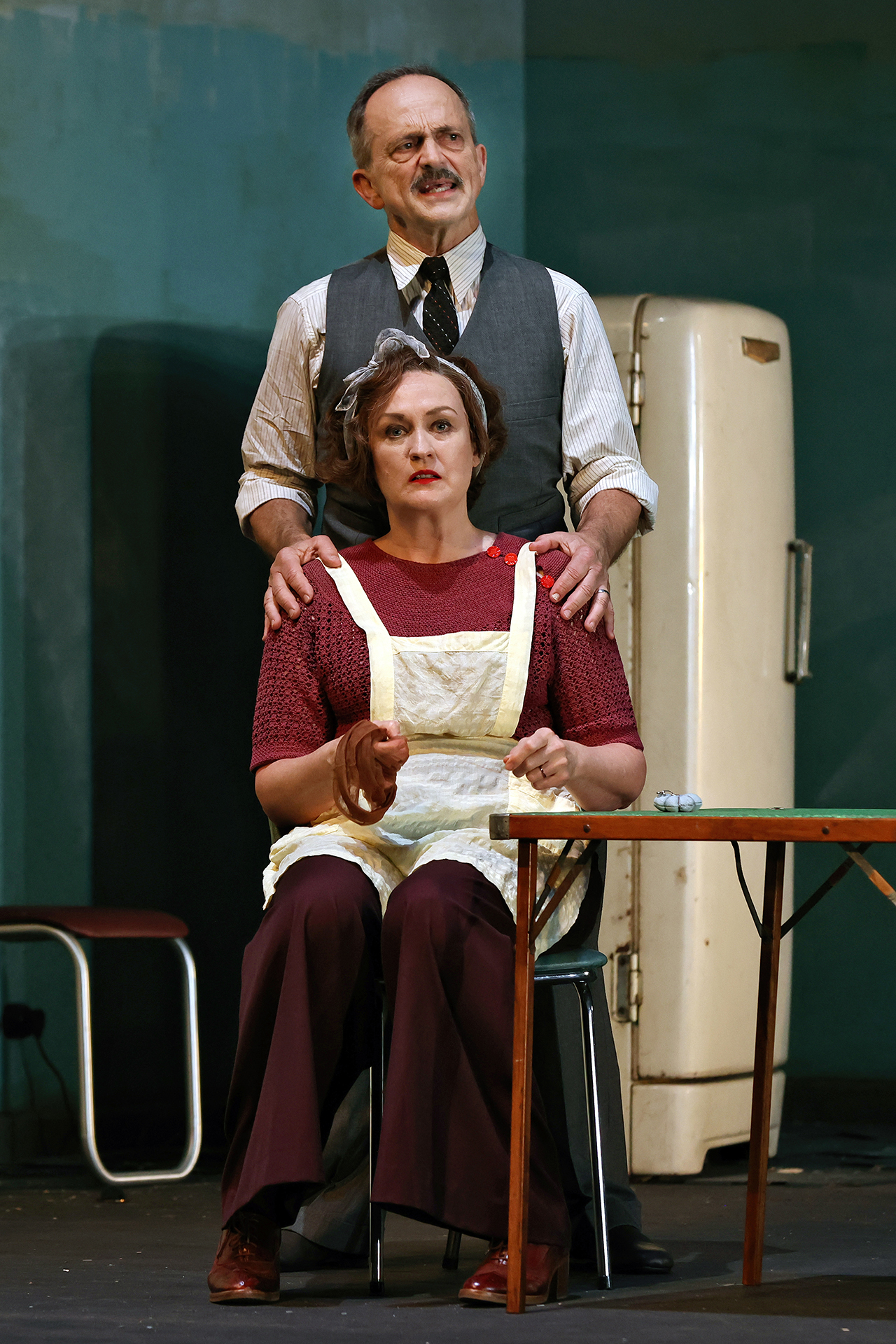
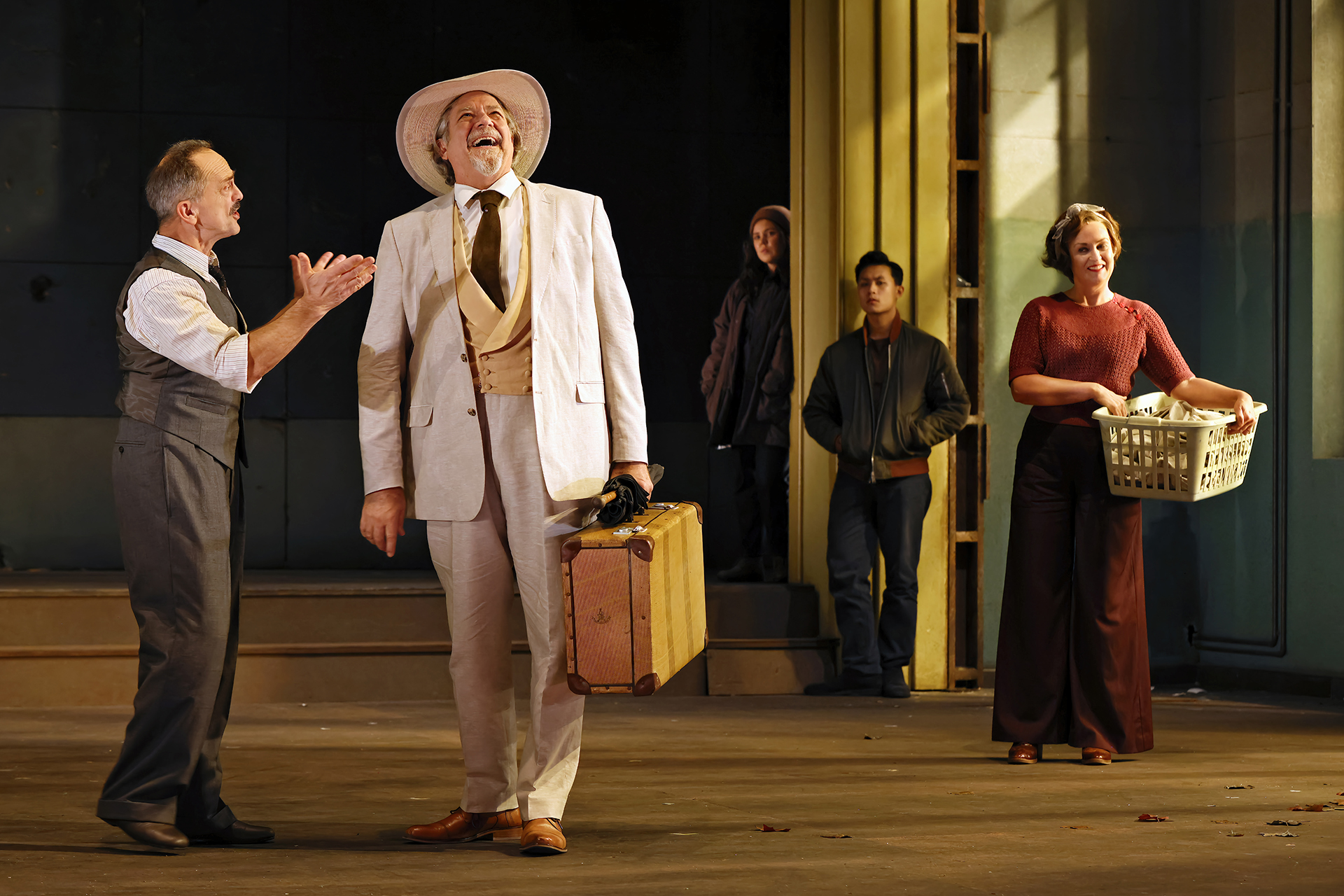
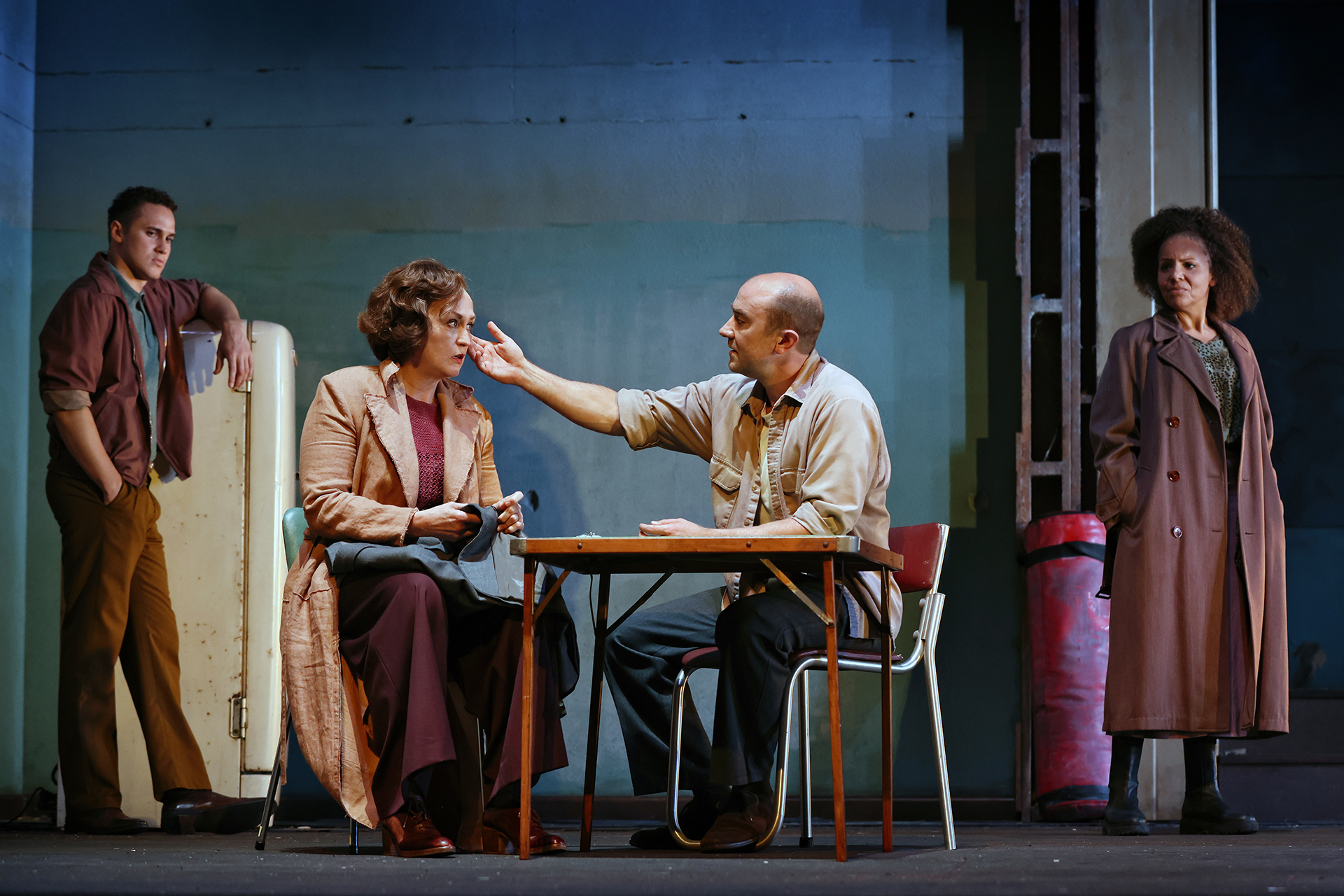
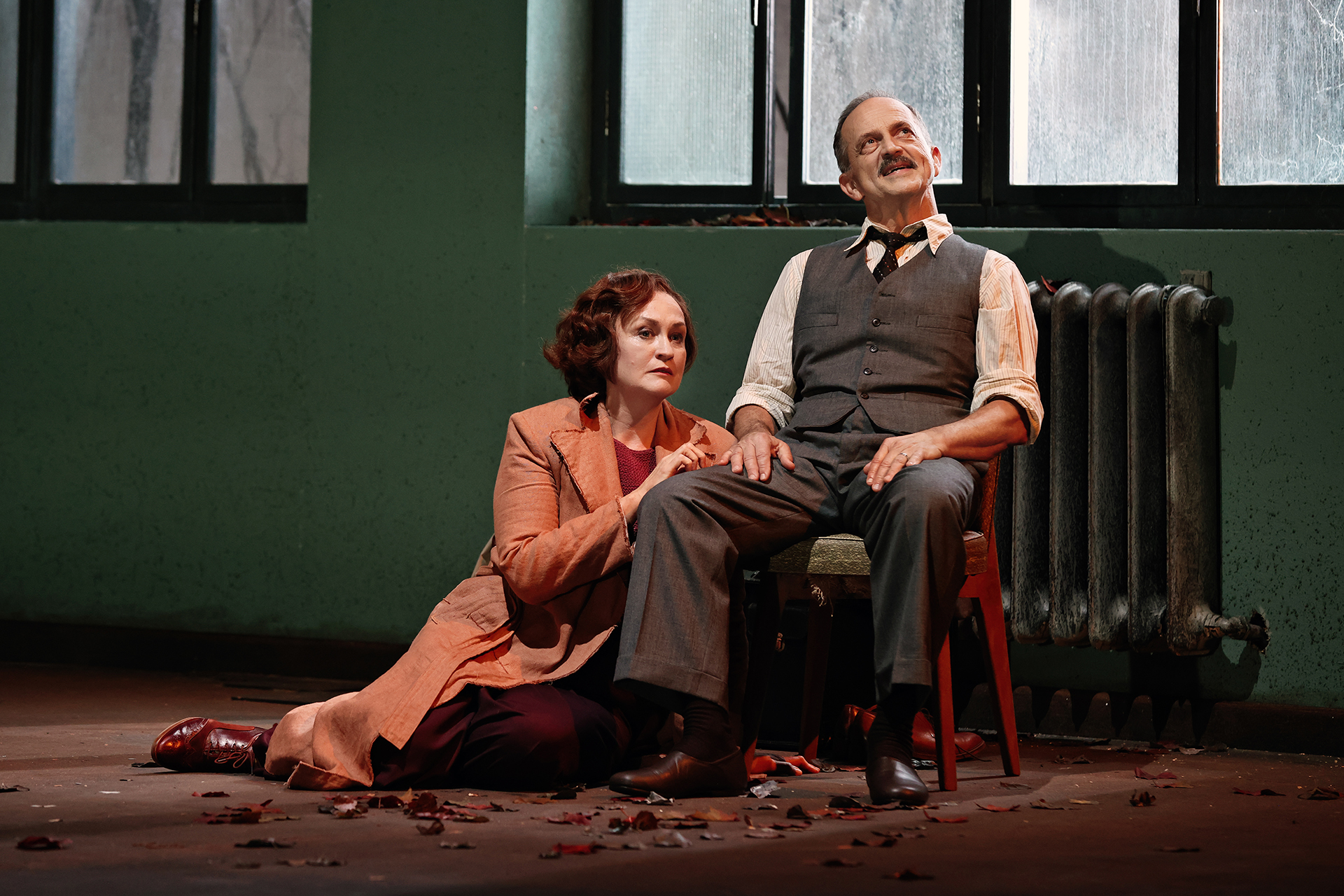
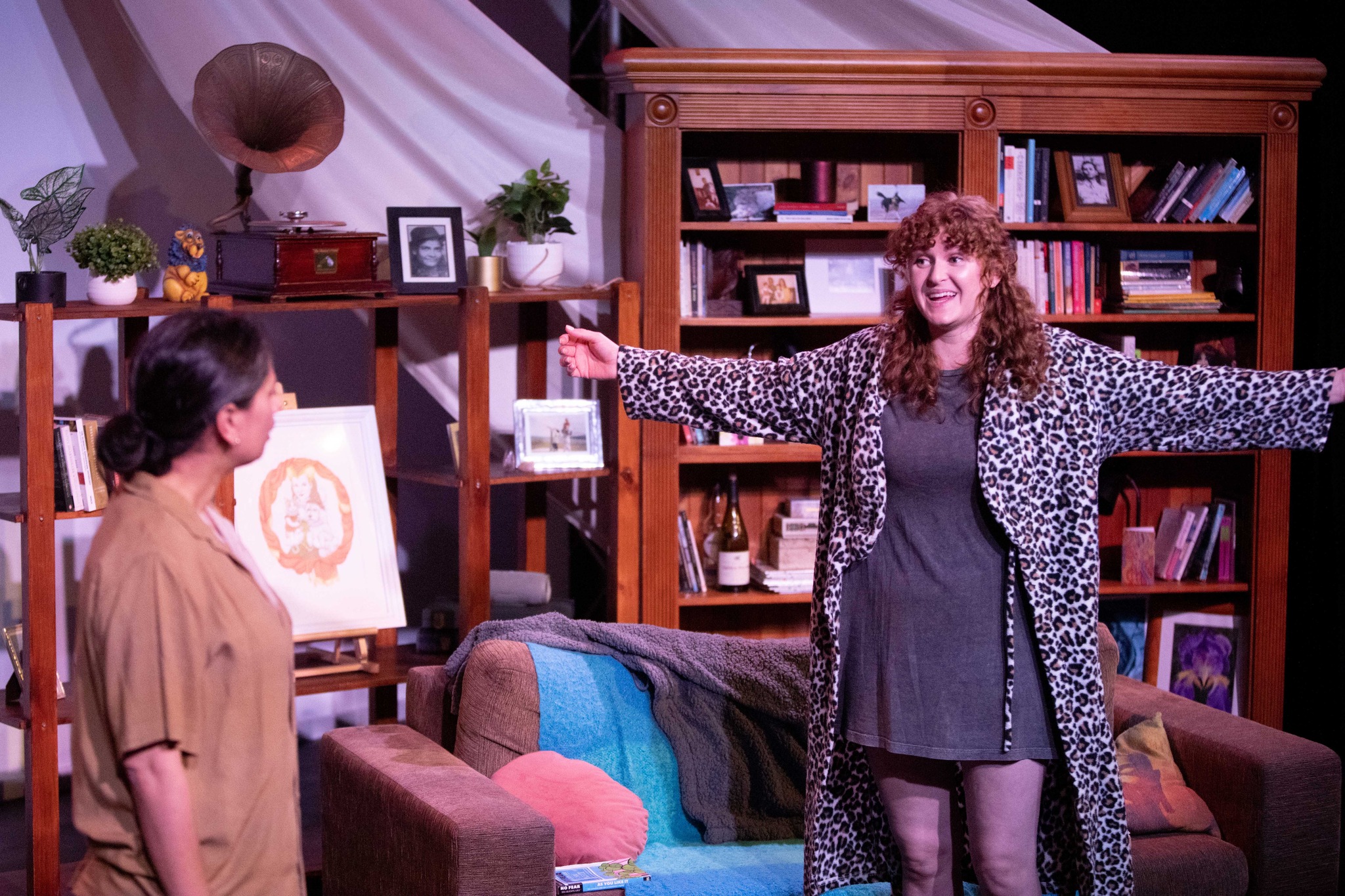
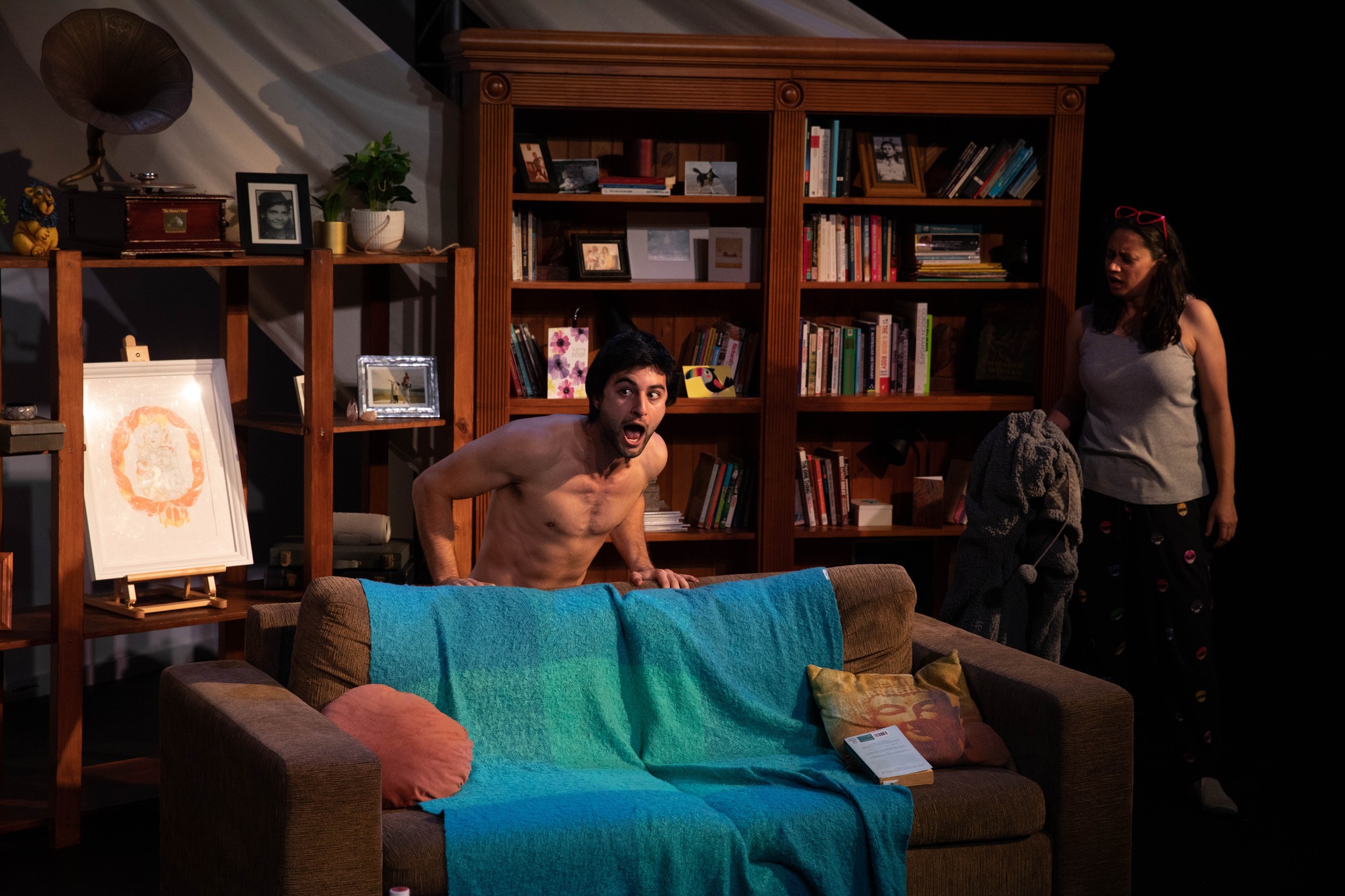
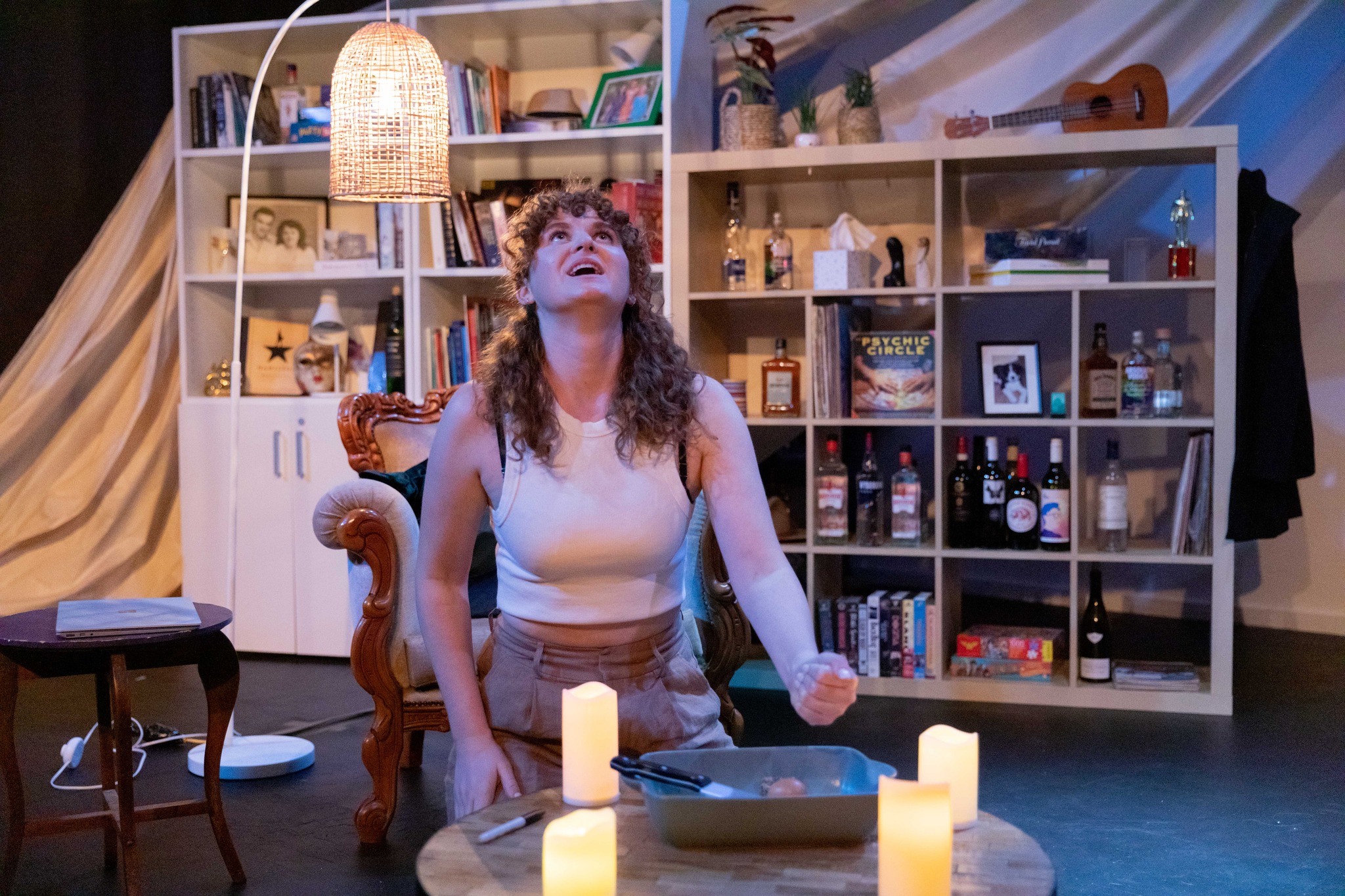
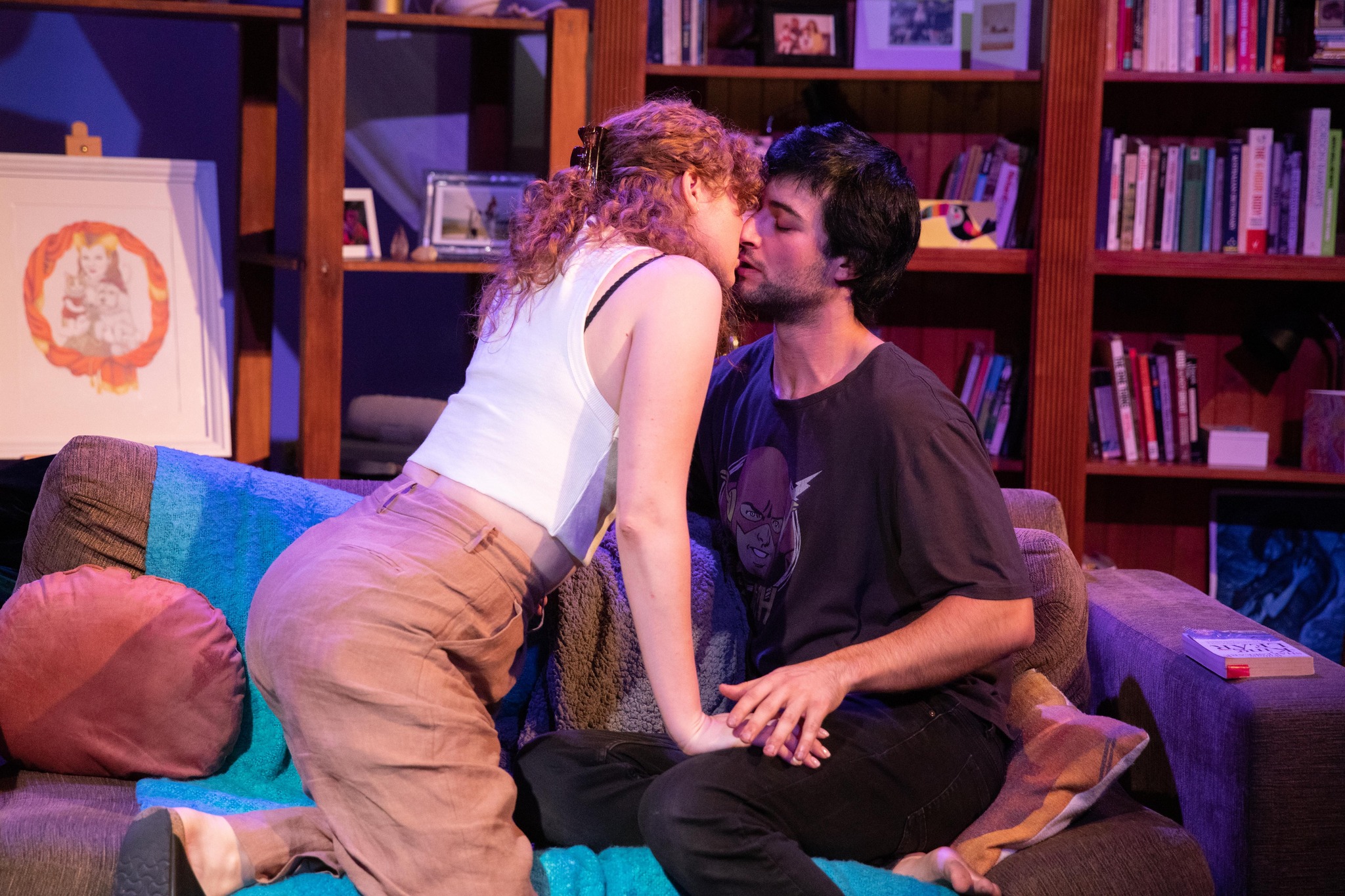
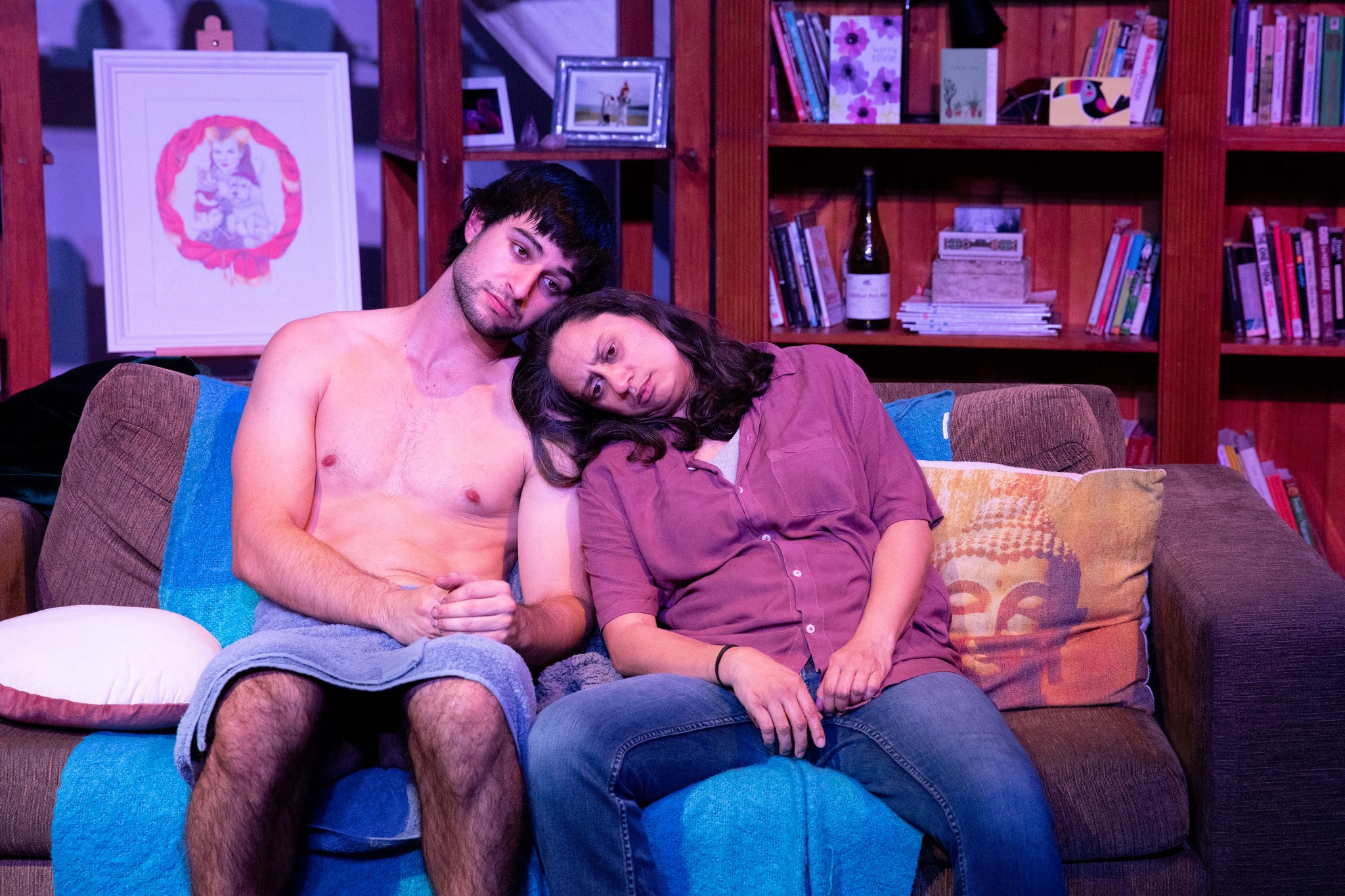
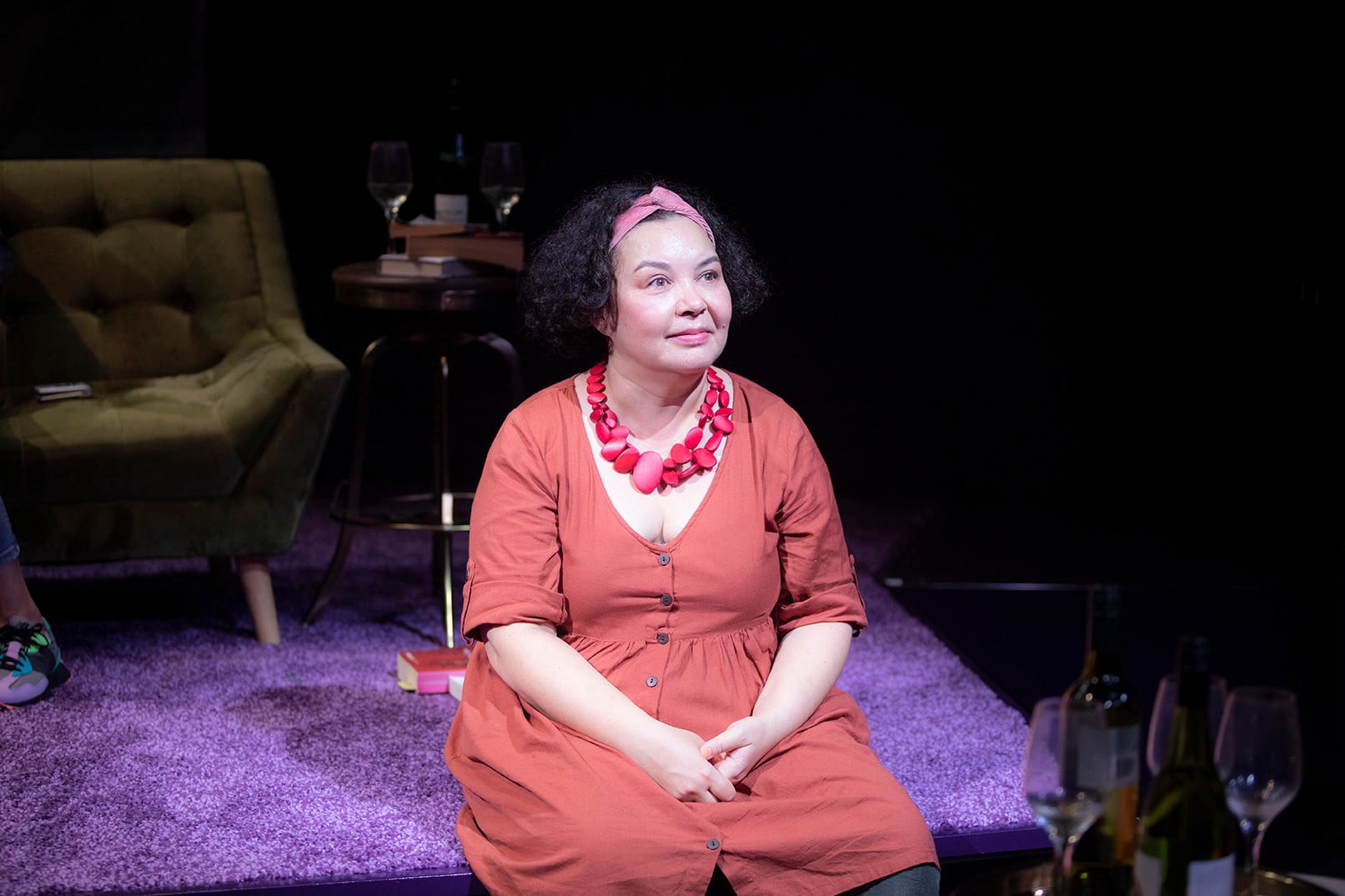
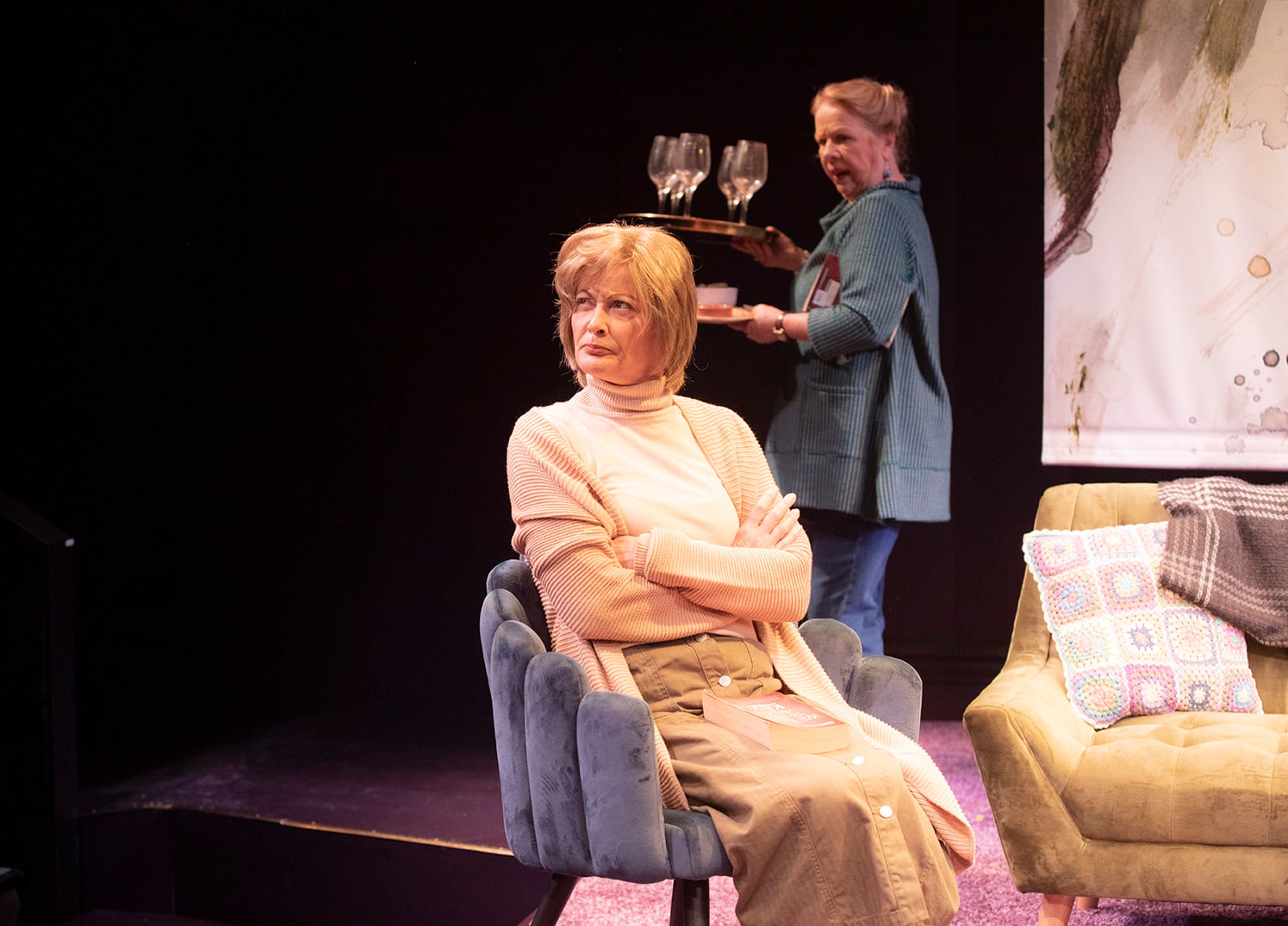
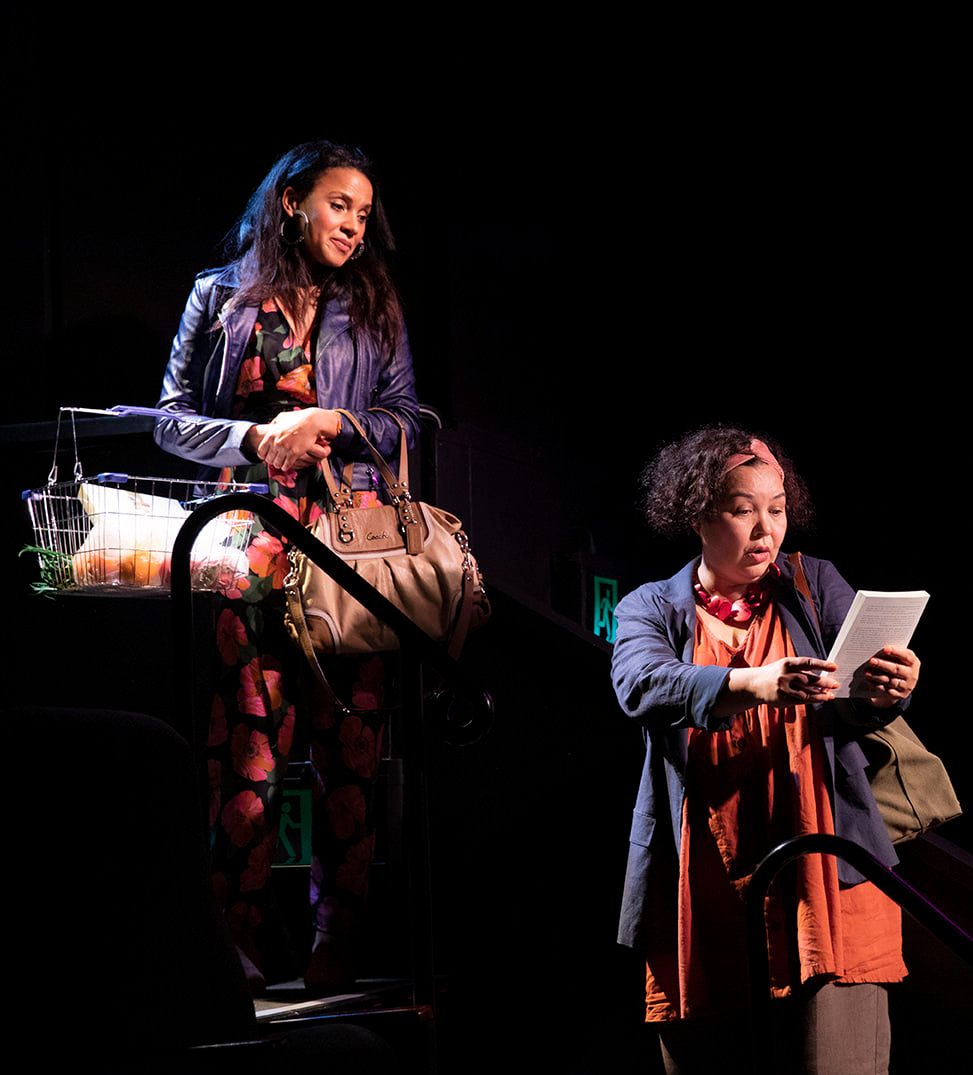
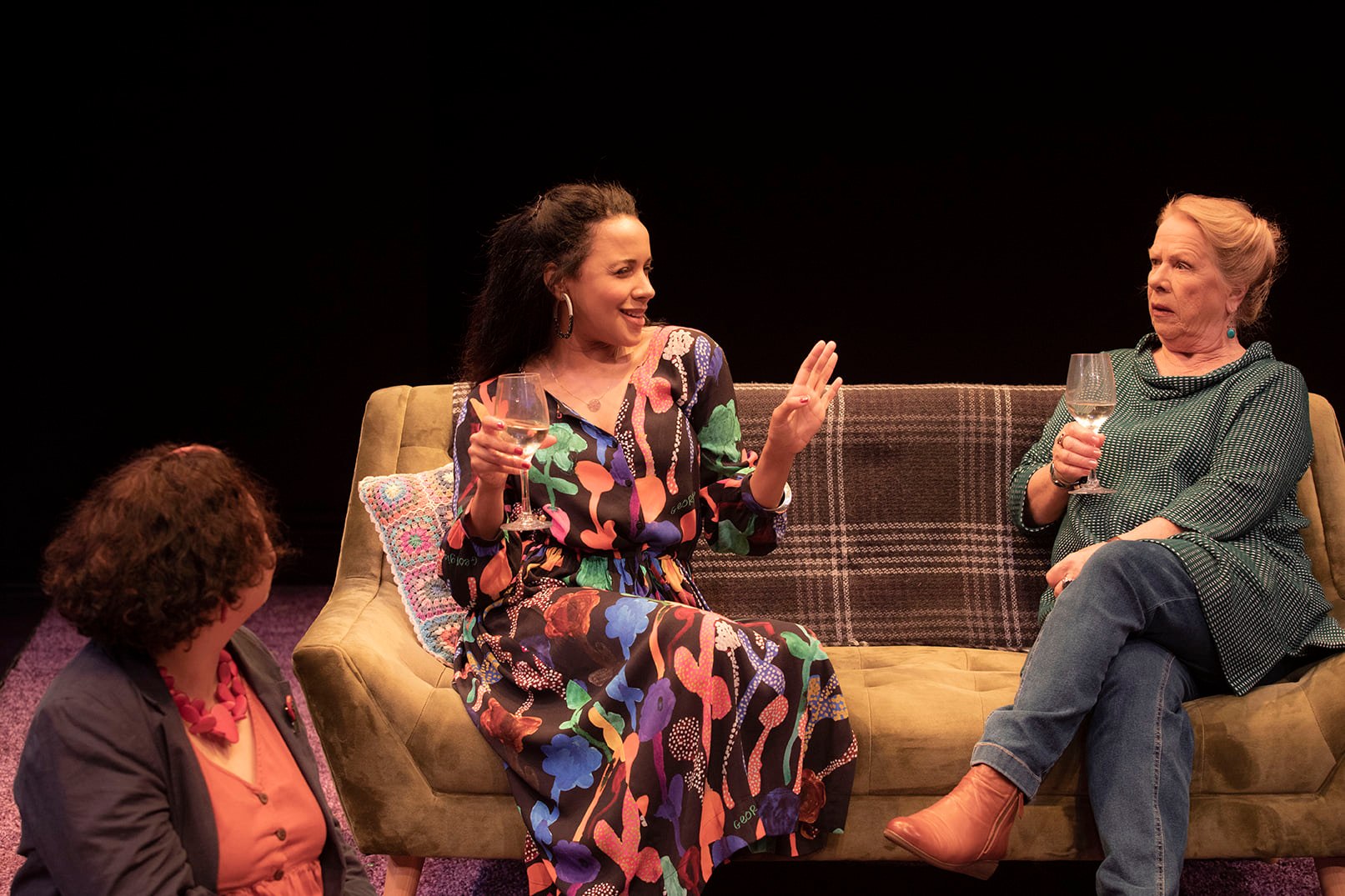
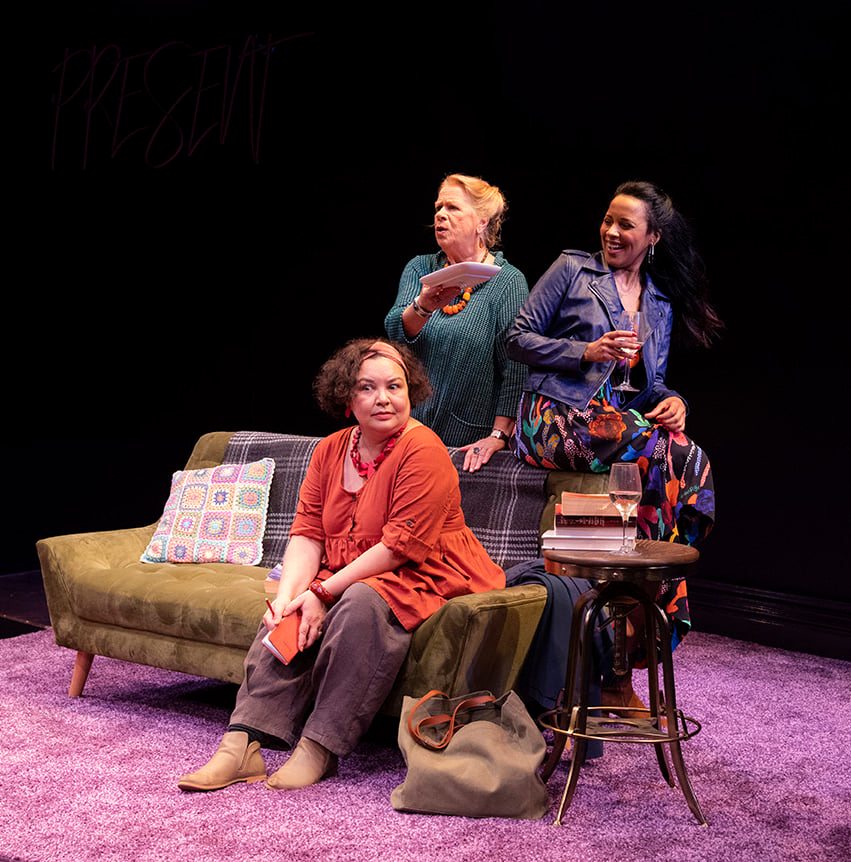
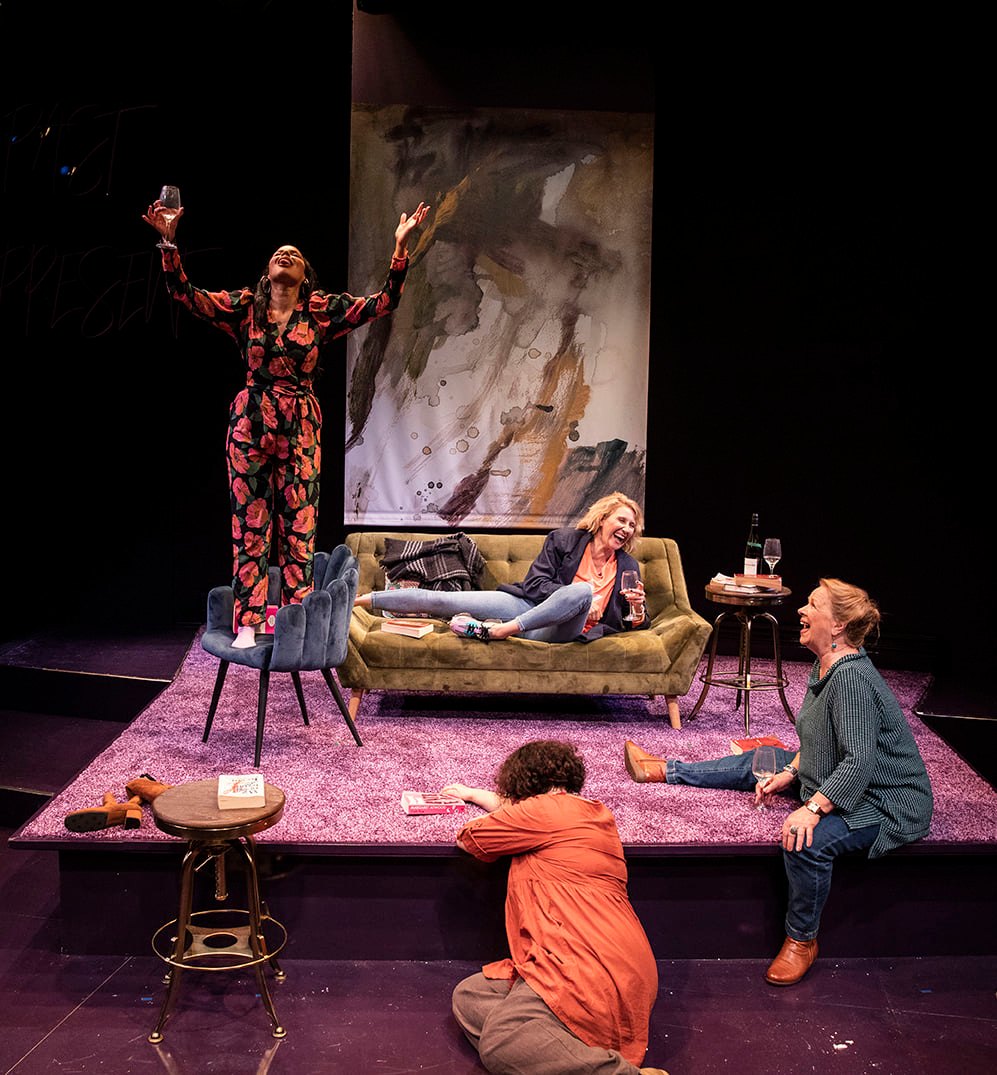
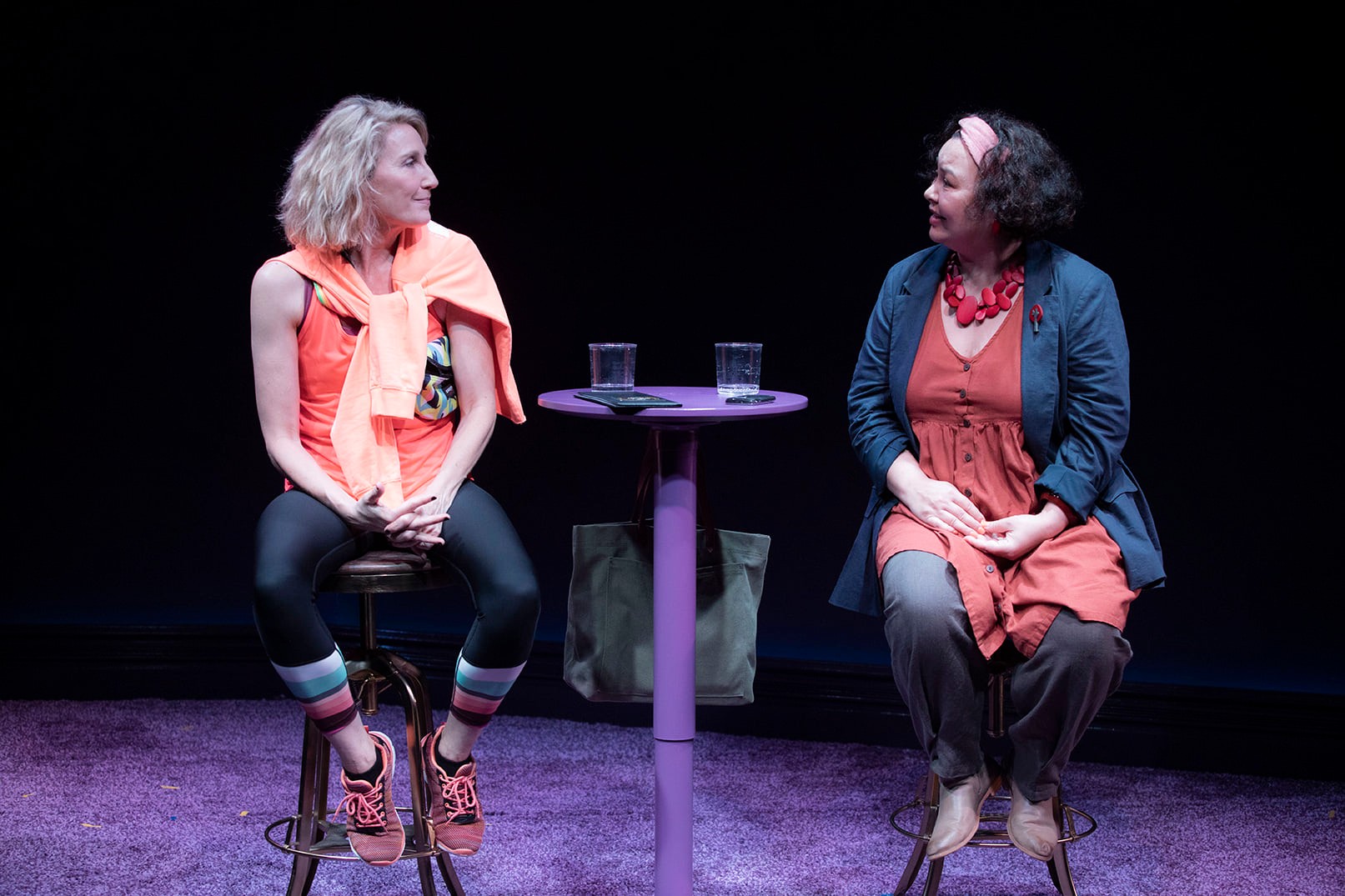
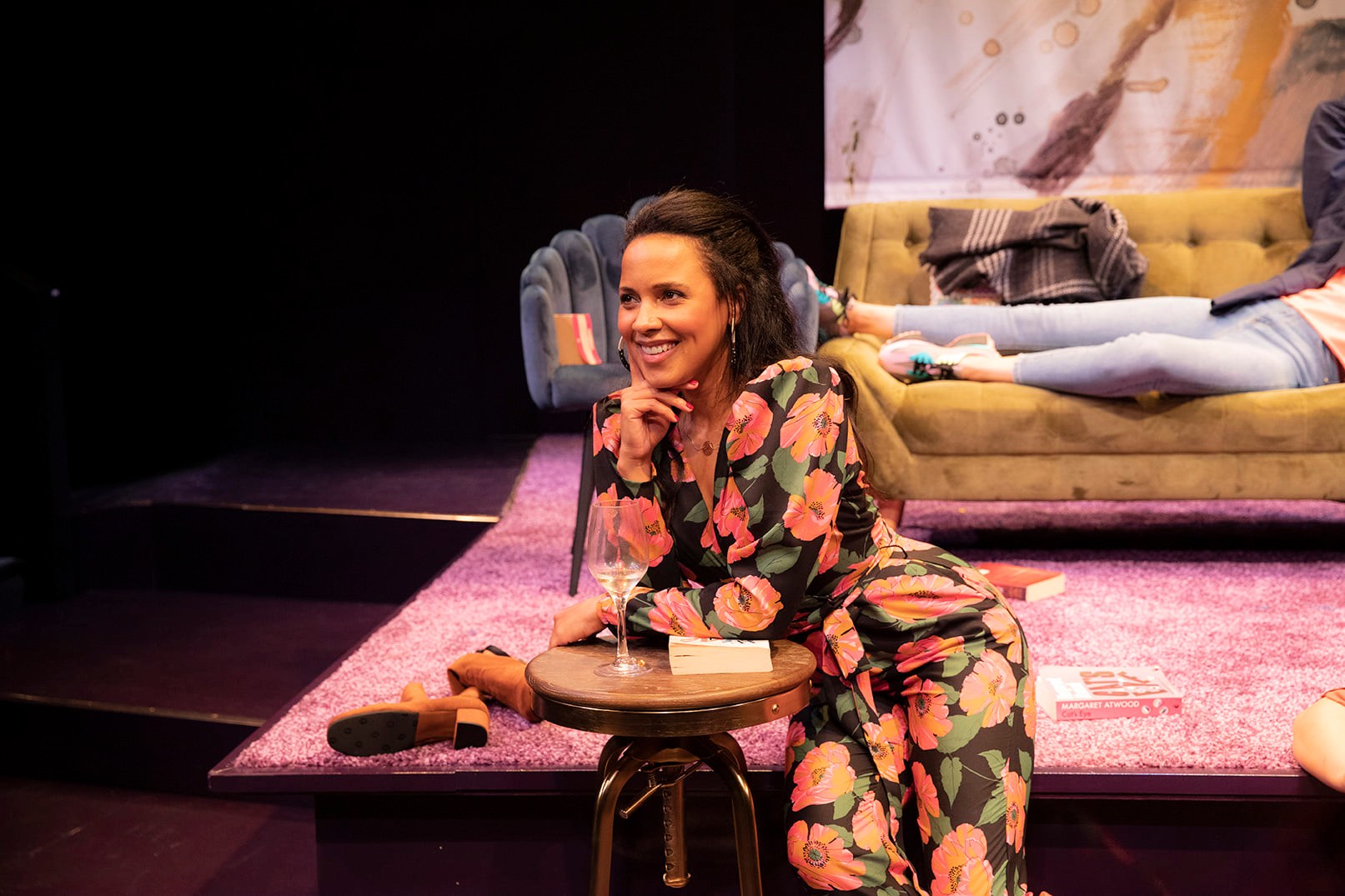
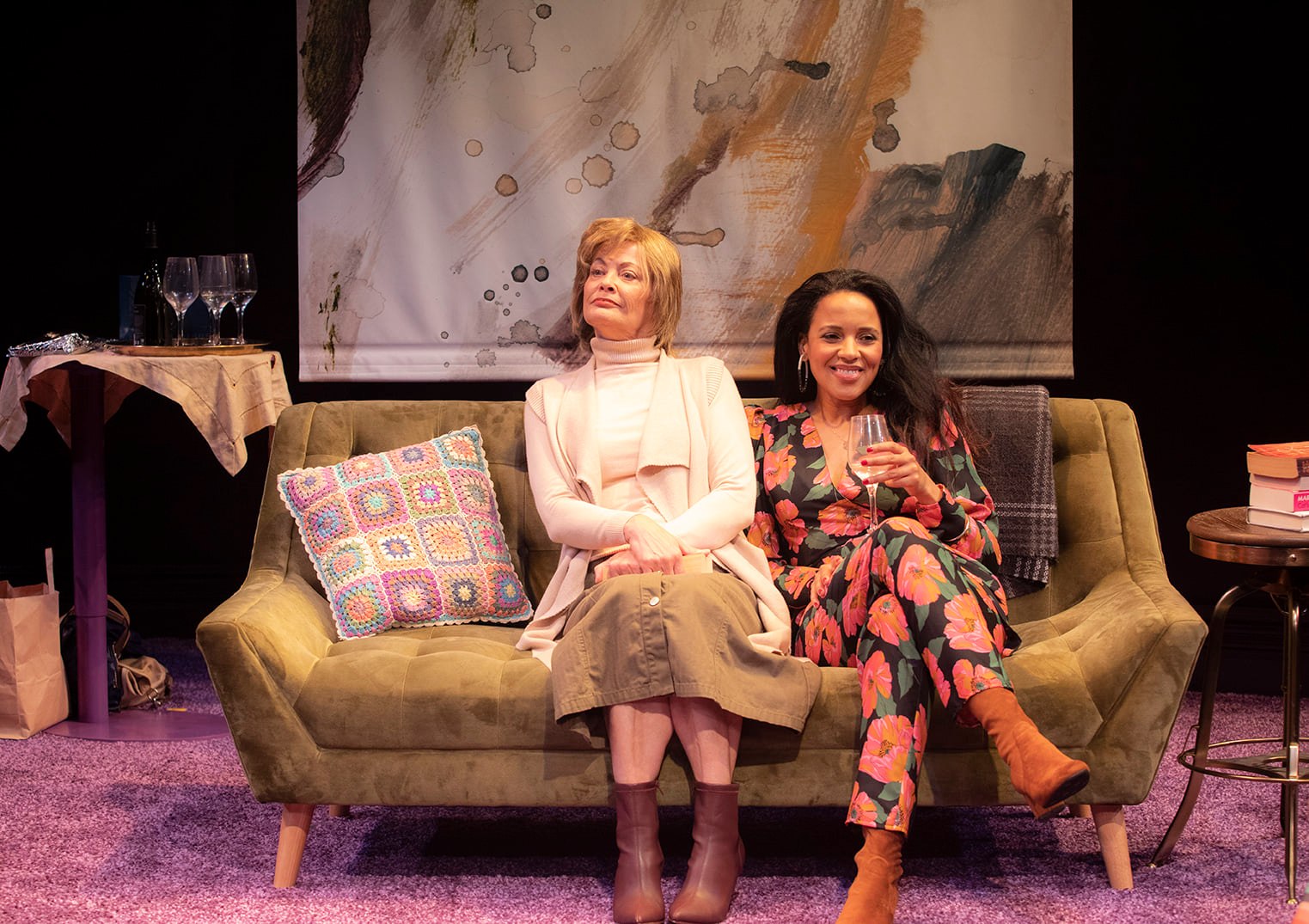
Katie is the new addition to a small book club, of which Robyn is the unofficial head. The two women are diametric opposites, with Katie being the vivacious and carefree one, and Robyn showing herself to be quite the stodgy, uptight character. In Killing Katie: Confessions of a Book Club, playwright Tracey Trinder does not quite pit women against each other, as much as she tries to portray the challenges in how we are able, or not able, to find inspiration in one another, especially when coming from a range of diverse experiences.

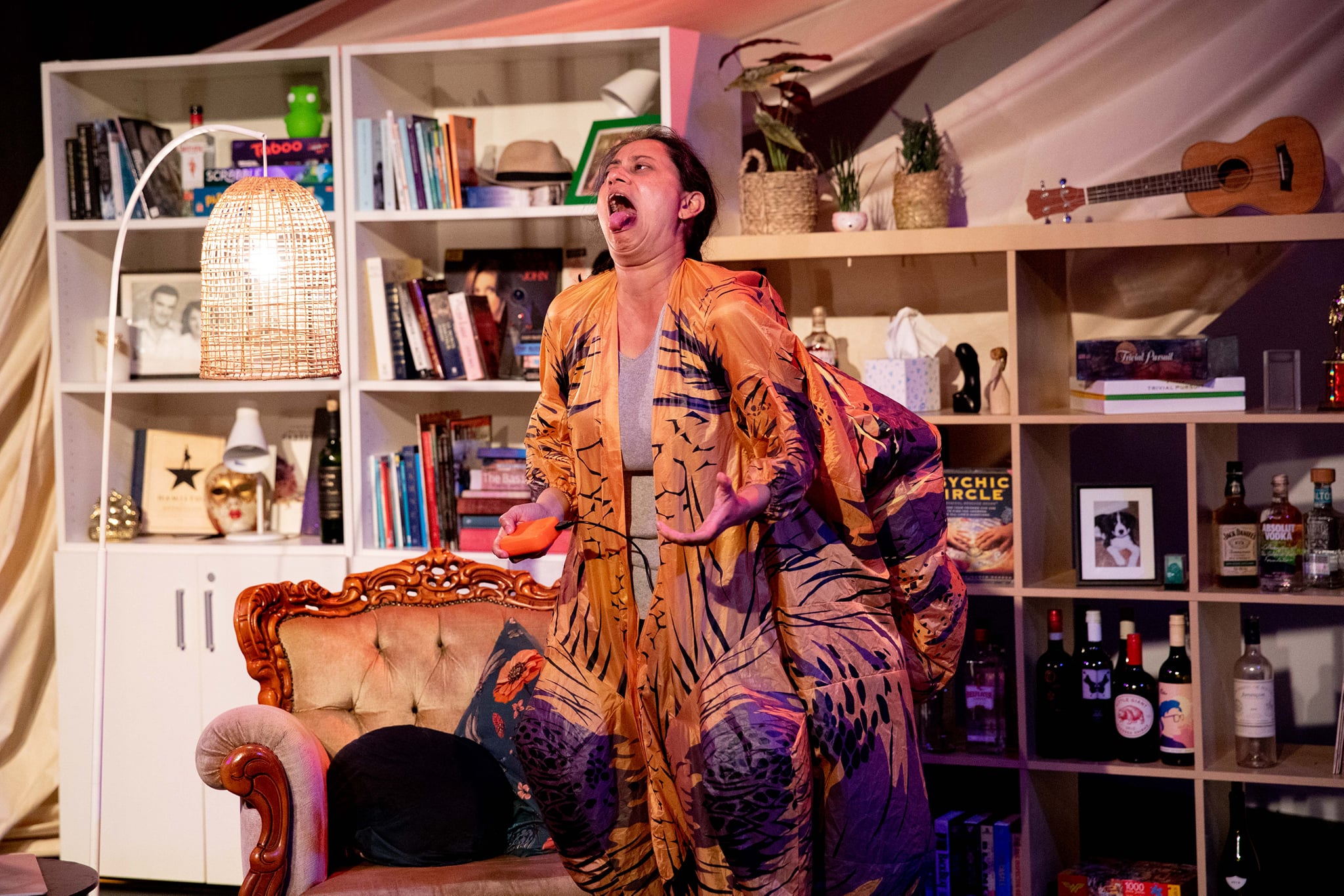
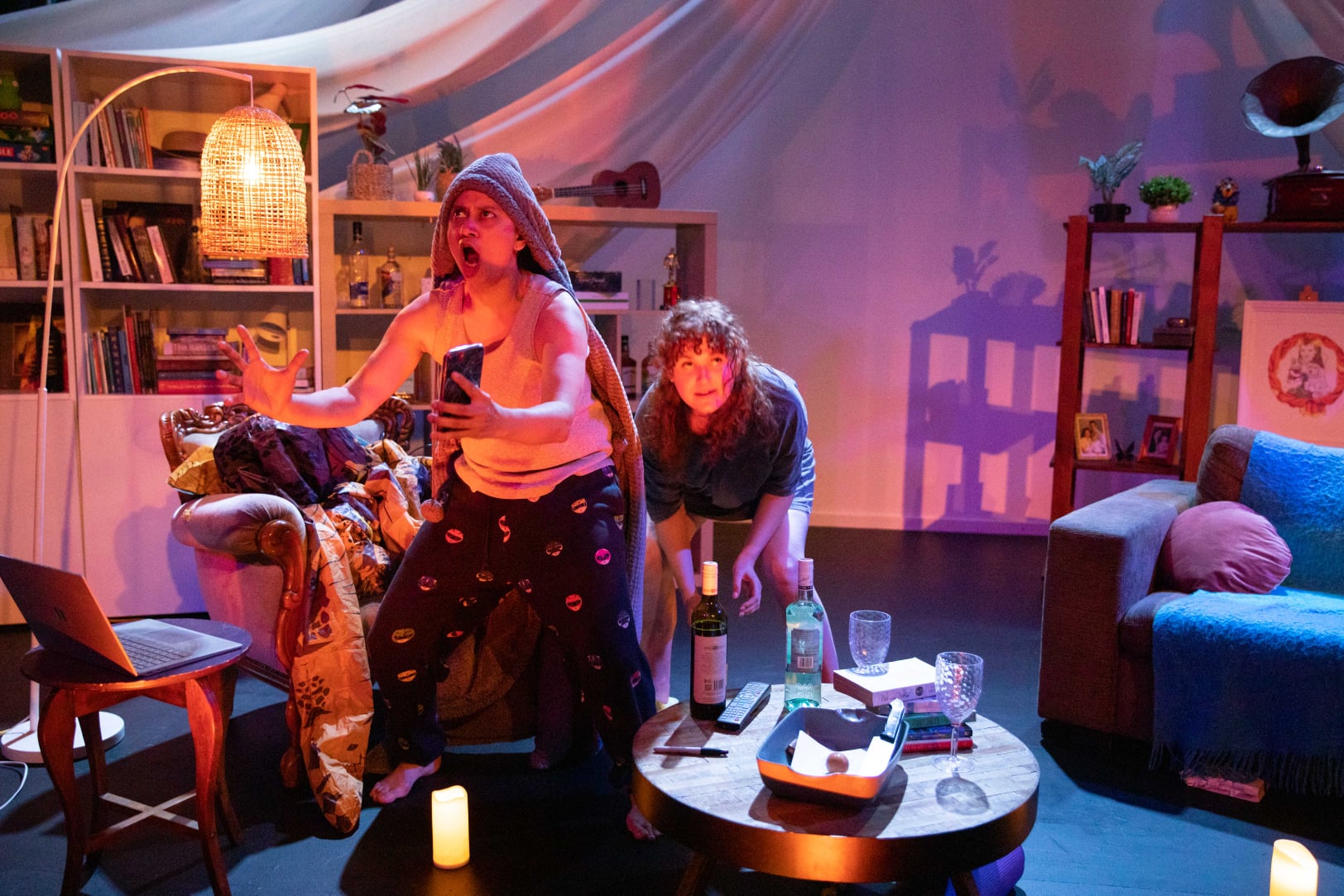
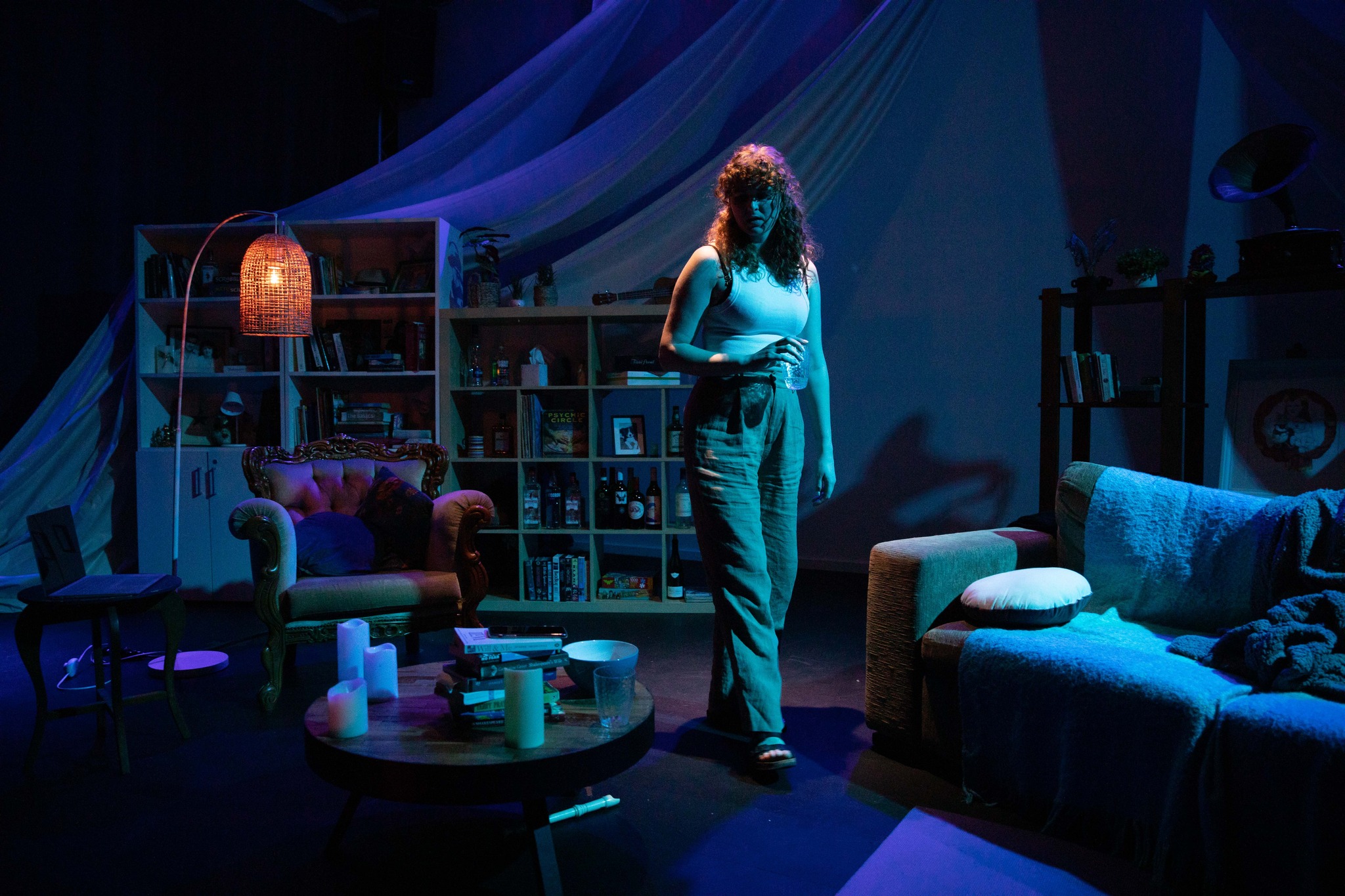
The vast difference in personalities gives rise to immediate conflict, which lends to great humour, but not all of Trinder’s dialogue is consistently witty. The production relies on an unrelenting effervescence, that director Francesca Savige so cleverly manufactures, to keep us in a cheery mood. Tobhiyah Stone Feller’s set and costume designs are suitably whimsical and colourful, proving effective in foregrounding amusing aspects of the story. Kelsey Lee’s lights, along with Daryl Wallis’ sound, provide valuable variation in tone between scenes to sustain our attention, in addition to the many subtle enhancements for when nuance in the text needs to be highlighted.

A wonderfully cohesive ensemble of five, comprising women across three generations, deliver a show that practises exactly what it preaches. The cast’s extraordinary camaraderie demonstrates the successes available to us, when our forces are joined in good faith. Chantelle Jamieson’s natural and confident charm, turns Katie’s grating tendencies into something altogether more appealing; we can see how the unrelenting exuberance is gnawing to Robyn, but Jamieson ensures that her character translates only with joy and glee, to her captive audience. The exasperating Robyn is played by a deeply committed Kate Raison, who brings maddening authenticity to a painful personality we have all encountered.

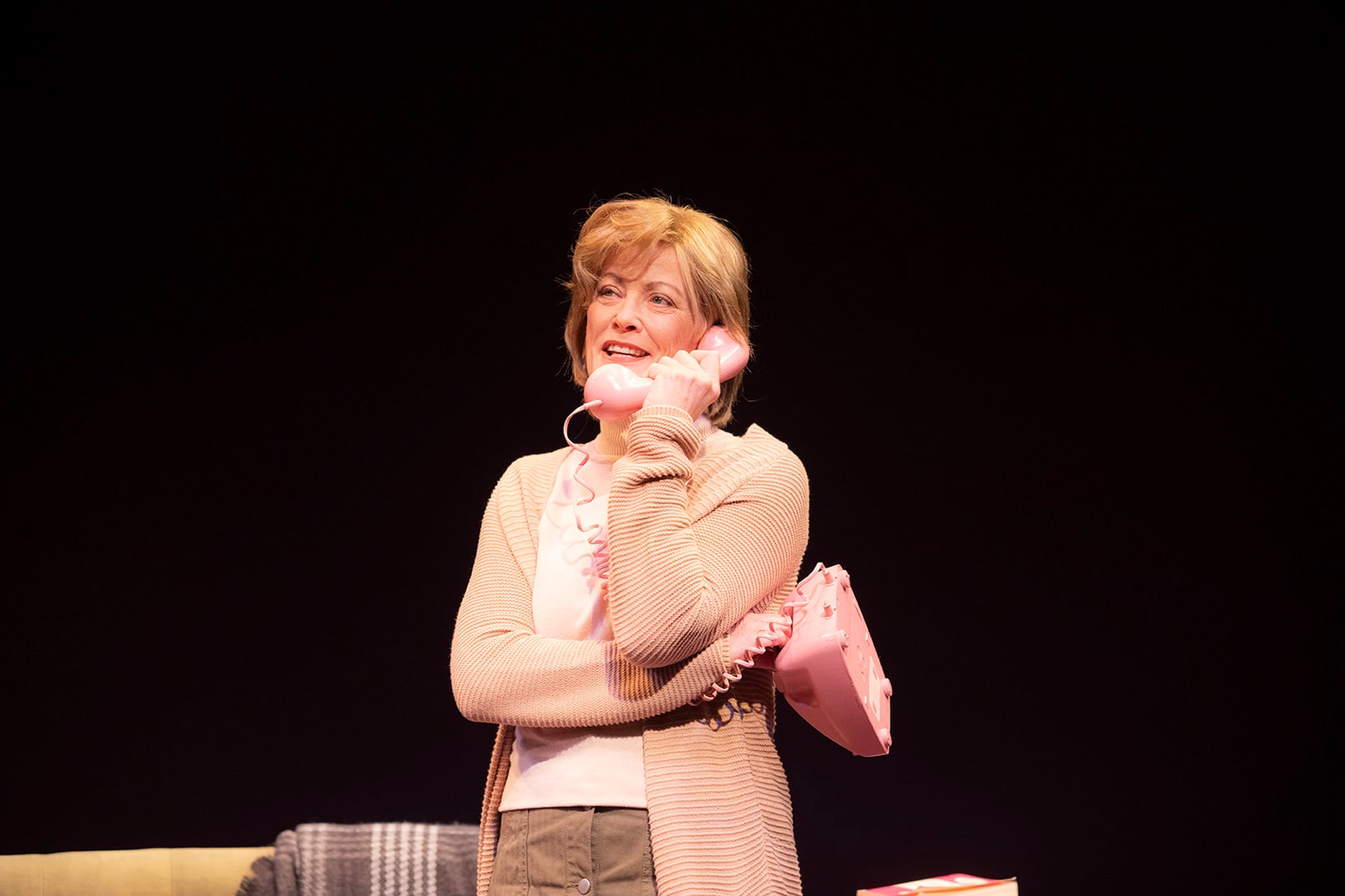
Bron Lim does marvellously as Linda, with a warm sincerity and an endlessly reliable instinct, that allow everything she offers, to feel believable and immediate. Georgina Symes is quirky as Sam, with an enjoyable intensity that keeps the stage abuzz with energy. Valerie Bader’s flawless comic timing makes unforgettable her turn as Angela, whose pointed quips are counted on, to provoke some of the show’s biggest laughs.

Plurality is surely better than singularity, in how we perceive our identities as women. The more we are able to be appreciative of other women’s idiosyncrasies, the more likely it is for us to be individually self-accepting. Invariably, we have all suffered from having been conditioned into believing that certain women are good and many, many others are not good enough. We are all trained to be convenient, and in turn, we routinely impose those same constrictions on everybody else. Most of those rules are in desperate need to be broken, and the permission to do so, can only come from within.
www.ensemble.com.au

Review: Chewing Gum Dreams (Old Fitz Theatre)

Venue: Old Fitzroy Theatre (Woolloomooloo NSW), Jan 13 – Feb 19, 2022
Playwright: Michaela Coel
Director: Bernadette Fam
Cast: Masego Pitso
Images by Teniola Komolafe

Theatre review
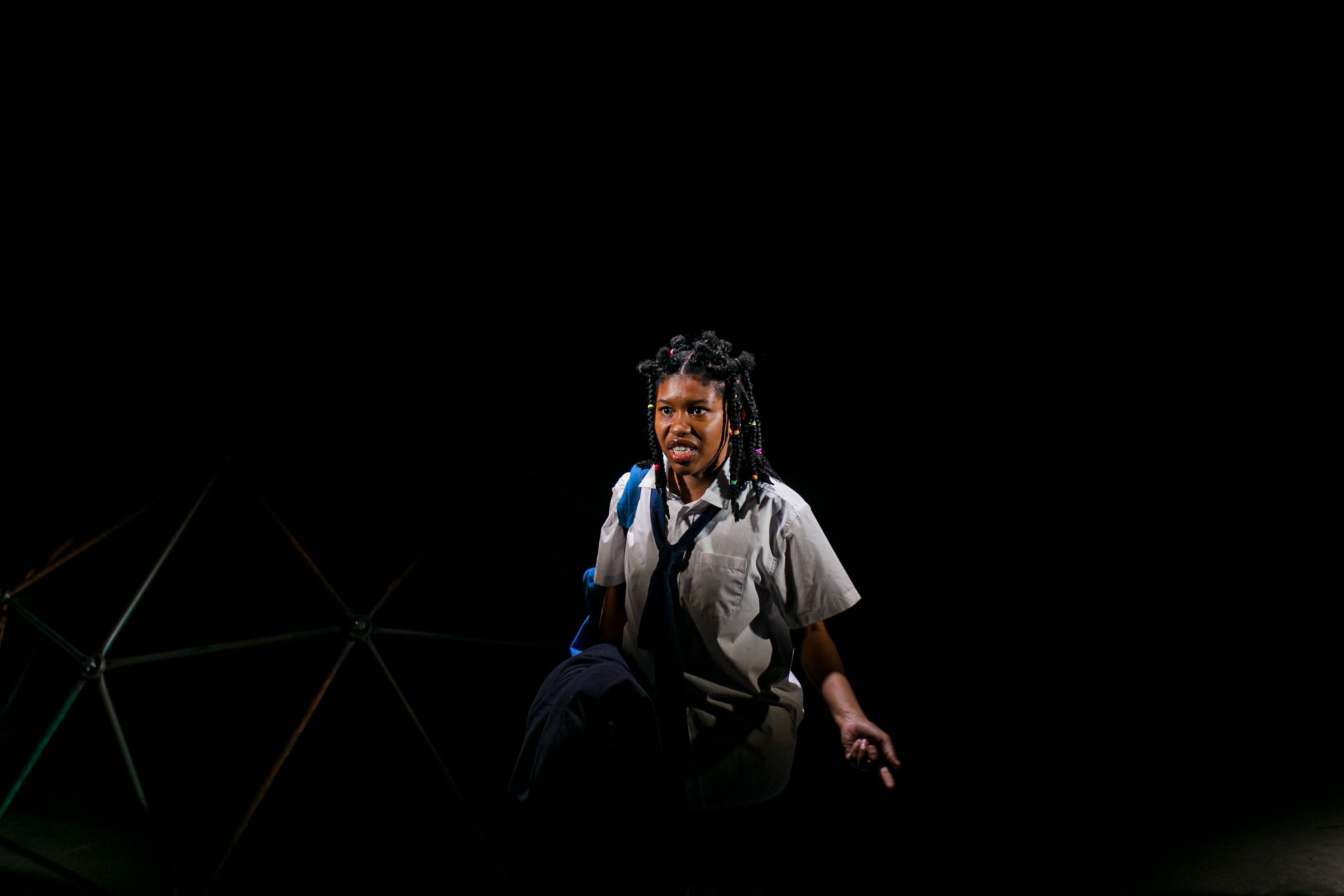
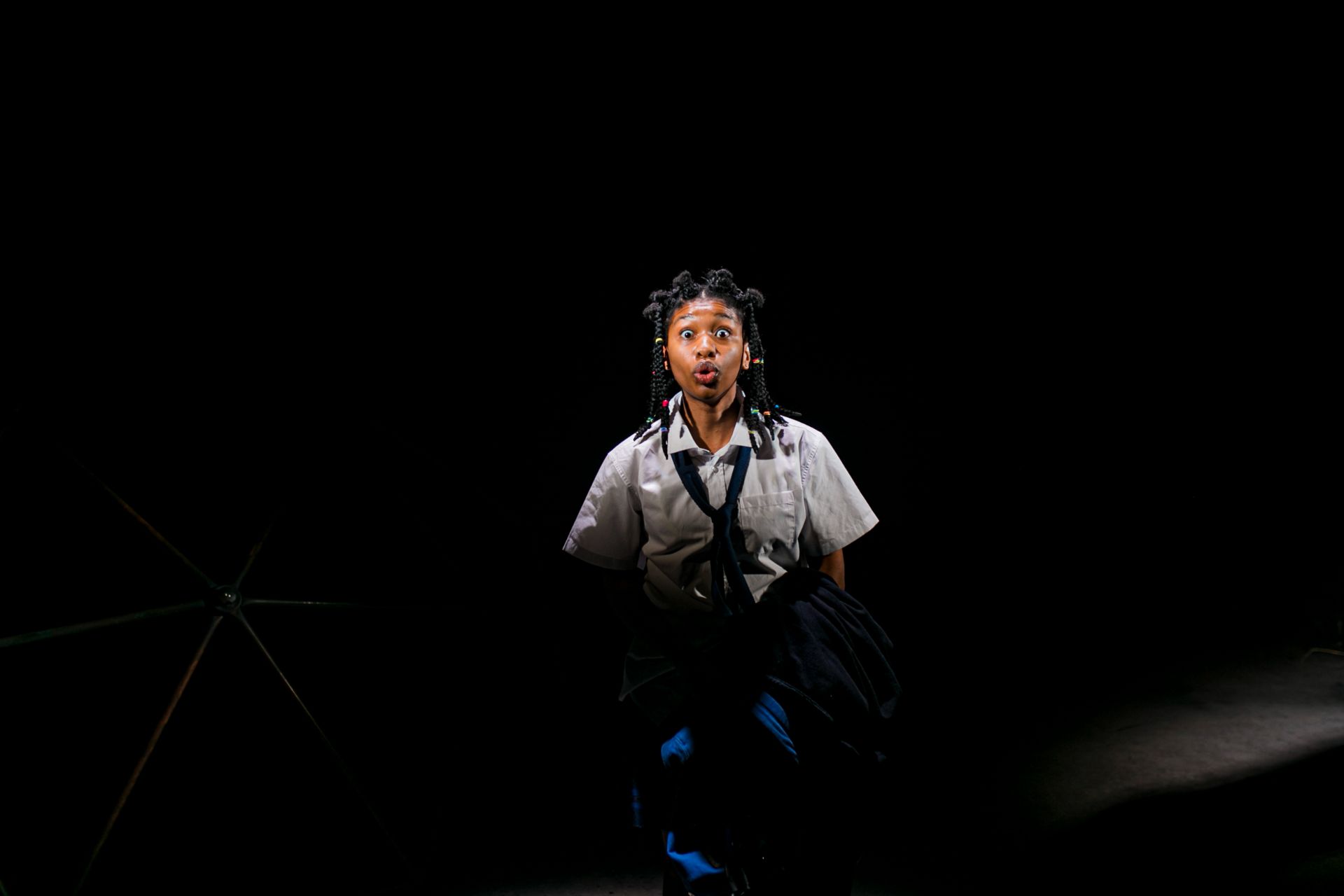
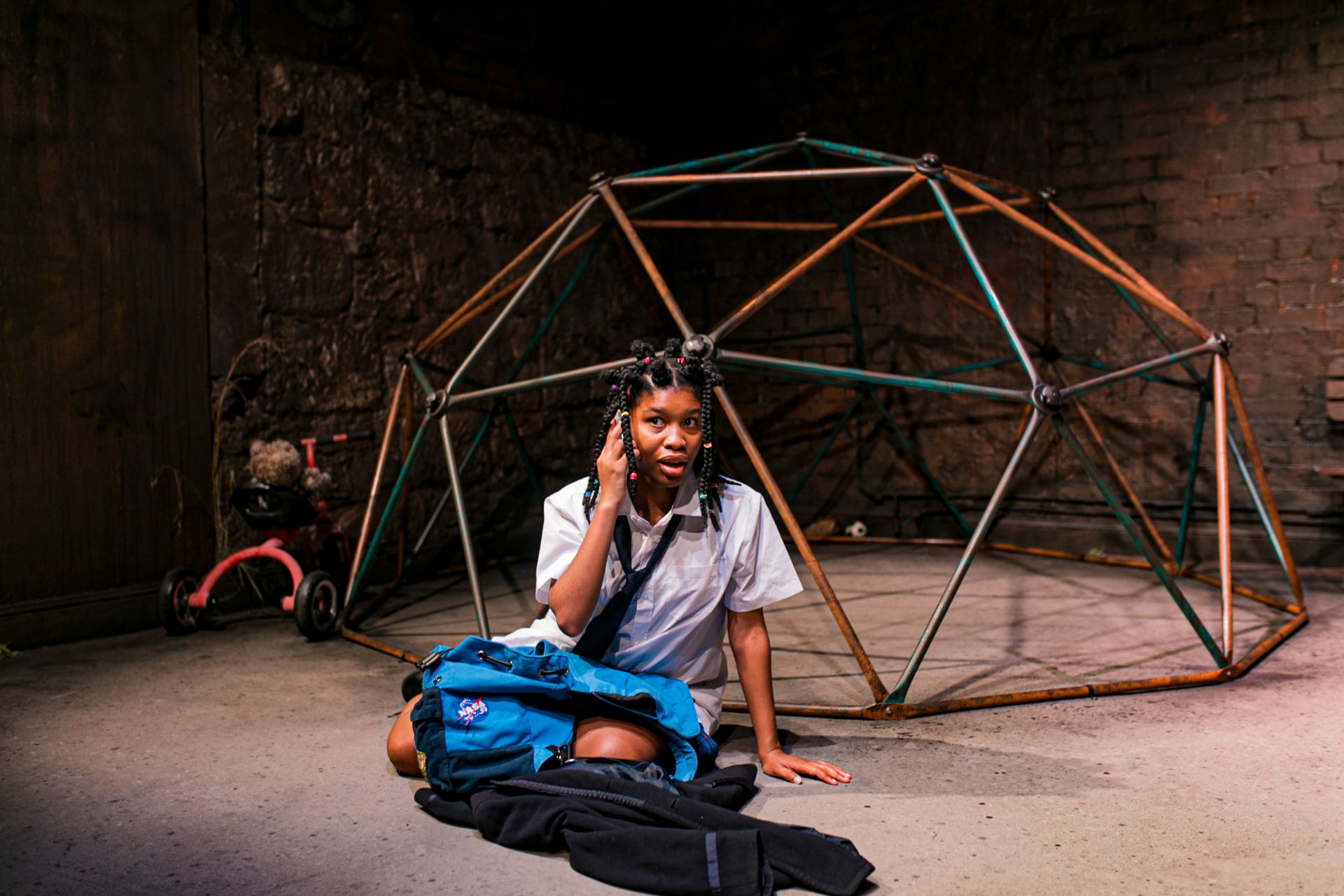
Fourteen-year-old Tracey Gordon talks a big game around the school yard, but really she is no different from any kid next door. English playwright Michaela Coel’s Chewing Gum Dreams is a hilarious look at early adolescence, a stage of life where there is often, too much of a hurry to grow up.

Coel’s refusal of condescension in her comical depictions, makes us regard young Black girls with only respectful humanity. Probably the most underestimated group in many of our societies, this realistic and thoroughly natural portrayal of a person like Tracey, is an effective attempt at changing the narrative in the West, about Blackness, and about girlhood, at their point of intersection.

Imbuing the story with admirable profundity is director Bernadette Fam, whose adoration for Tracey is plain to see. An air of reverence for the character, and for Coel’s text, puts strongly in focus, all that is important about Chewing Gum Dreams, demanding of us a corresponding gravity with which to consider the themes at play.

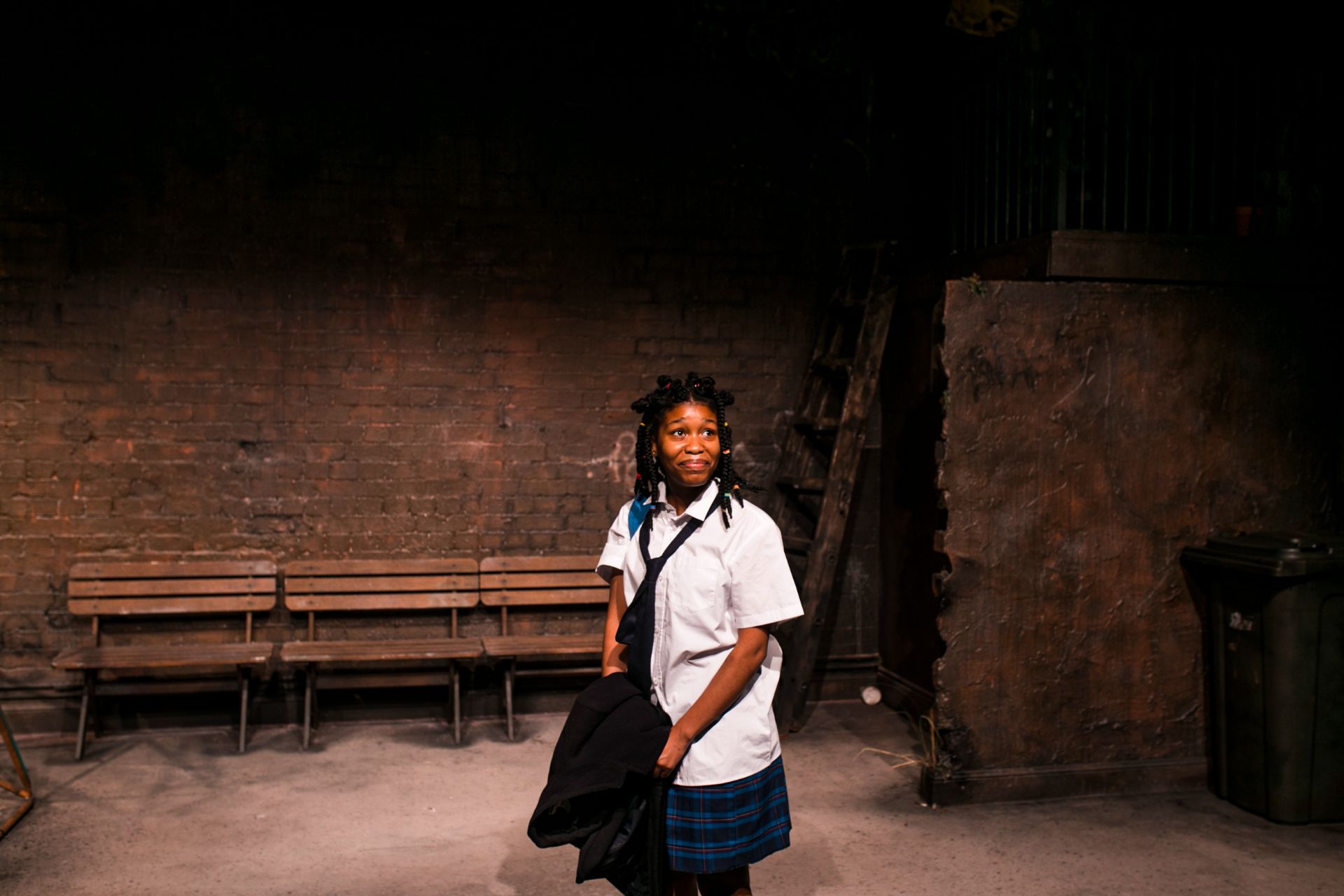
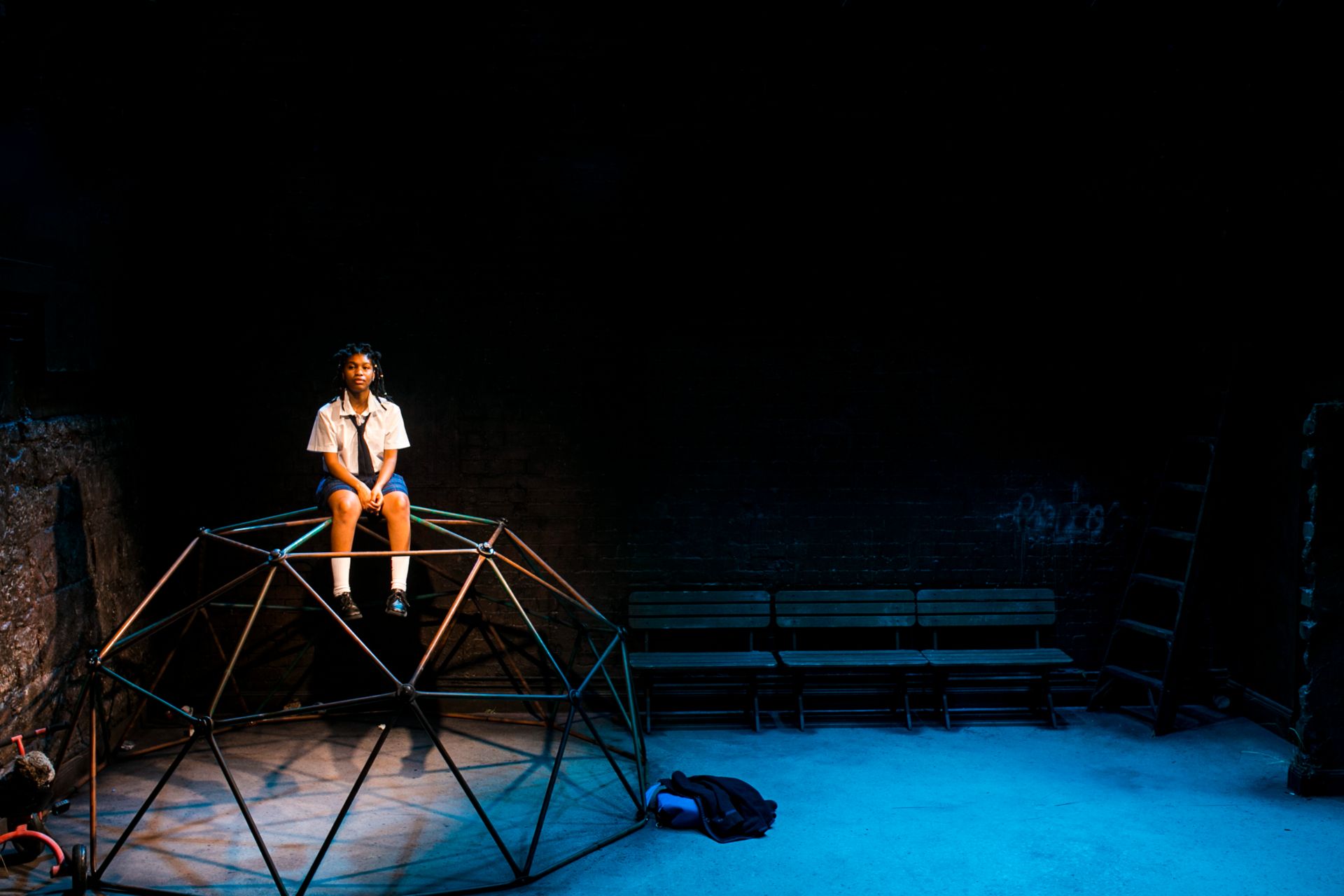
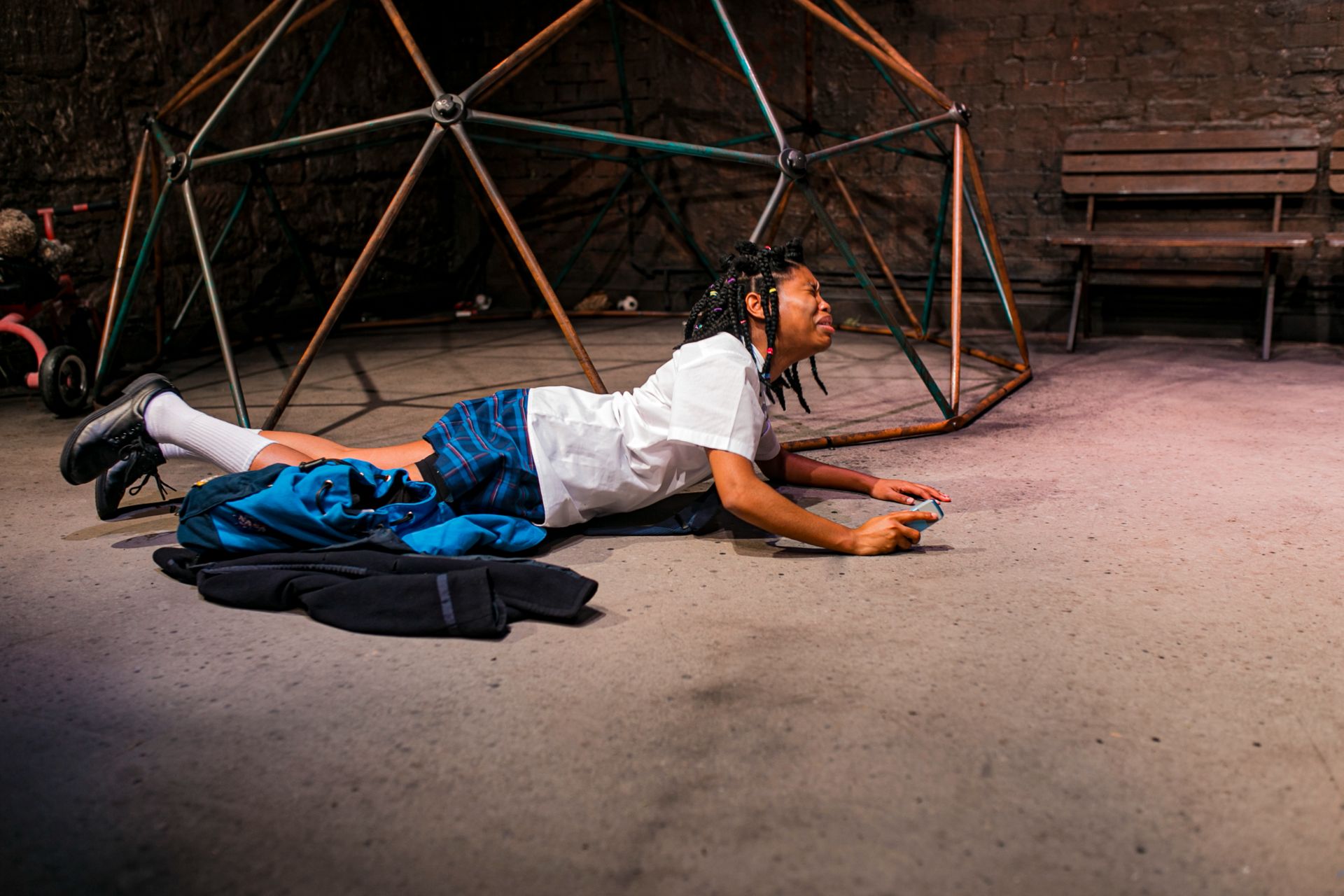
Set design by Keerthi Subramanyam offers simple solutions to assist our imagining of Tracey’s places. whilst Kate Baldwin’s lights bring unexpected variation and dynamism to the visuals presented, on what initially looks to be a minimal stage. Liliana Occhiuto’s sound design is memorable for the melancholy that takes over our senses at certain crucial points, but a sparseness in her approach contributes to a slight deficiency in energy for the overall experience.

Playing Tracey is Masego Pitso, a captivating performer whose mischievous glint in the eye sets the tone for the production. Effortlessly endearing, Pitso occupies our attention for the entire duration, able to make us hang on to her every word and gesture. Her confidence makes us feel at ease, and the exuberance she puts into the creation of Tracey, ensures that we fall in love with the character even before she utters her first words.

A sombre moment in Chewing Gum Dreams, sees young Tracey talking about cracks in the floor, designed for people like her, and her mother, to fall through. It is a reminder that for many of us, so much of our destinies, in these colonised spaces, are determined by external forces that never allow our well-being, and our ambitions, to be a priority. We exist mainly as instruments for the advancement of their agenda. We are at best, stepping stones that allow them to further perpetuate their project of inequity, always merely dispensable objects in their estimation. Chewing Gum Dreams shows us quite matter-of-factly, the ordinariness of Tracey. Yet, what we wish for her future, is something that in most of our realities, would look nothing less than a rare exception.

www.redlineproductions.com.au / www.greendoortheatrecompany.com

Review: Lizzie (Hayes Theatre)

Venue: Hayes Theatre Co (Potts Point NSW), 13 Jan – 5 Feb, 2022
Book: Tim Maner
Music & Lyrics: Steven Cheslik-Demeyer, Tim Maner, Alan Stevens Hewitt
Director: Maeve Marsden
Cast: Stefanie Caccamo, Ali Calder, Marissa Saroca, Sarah Ward
Images by Clare Hawley

Theatre review
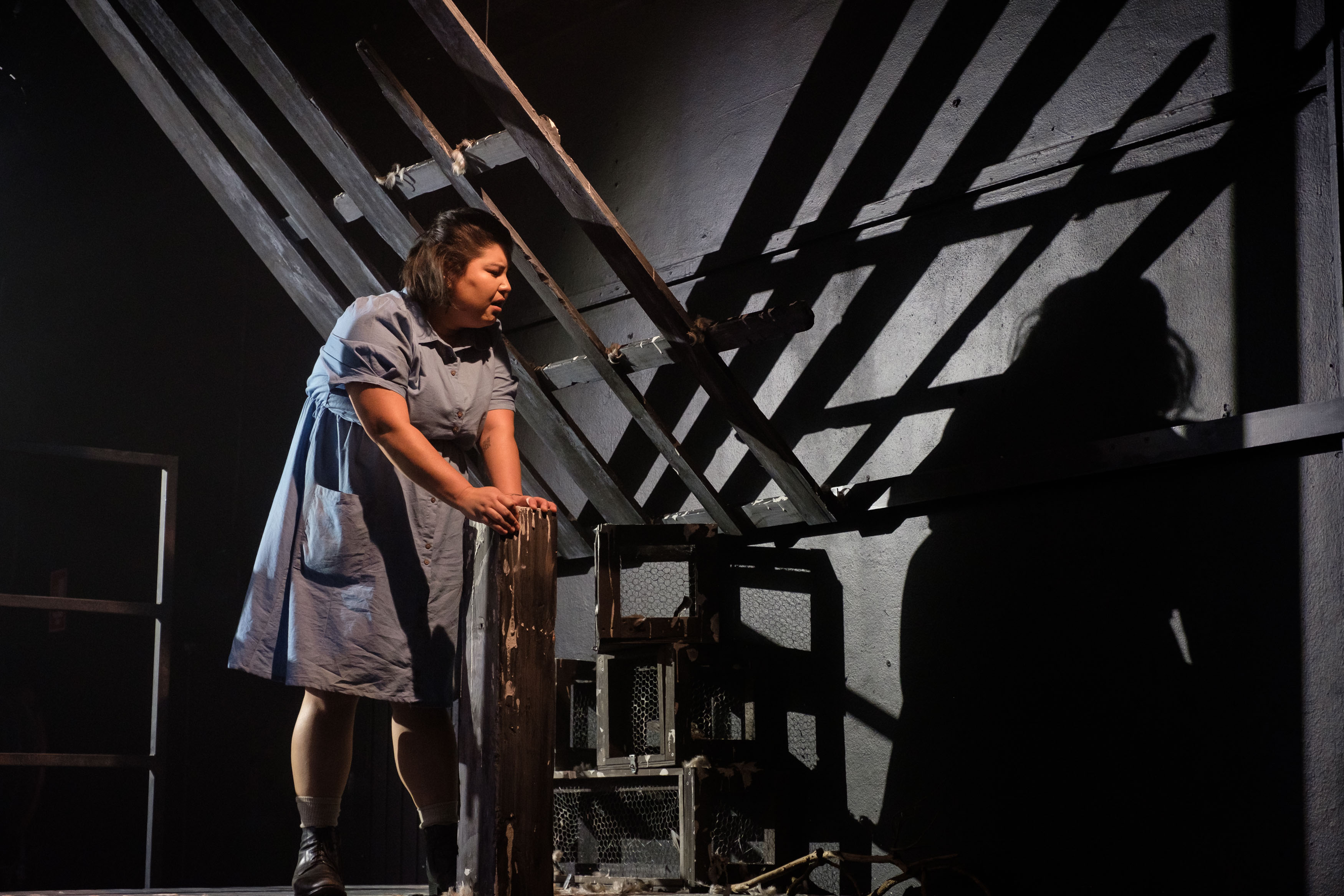
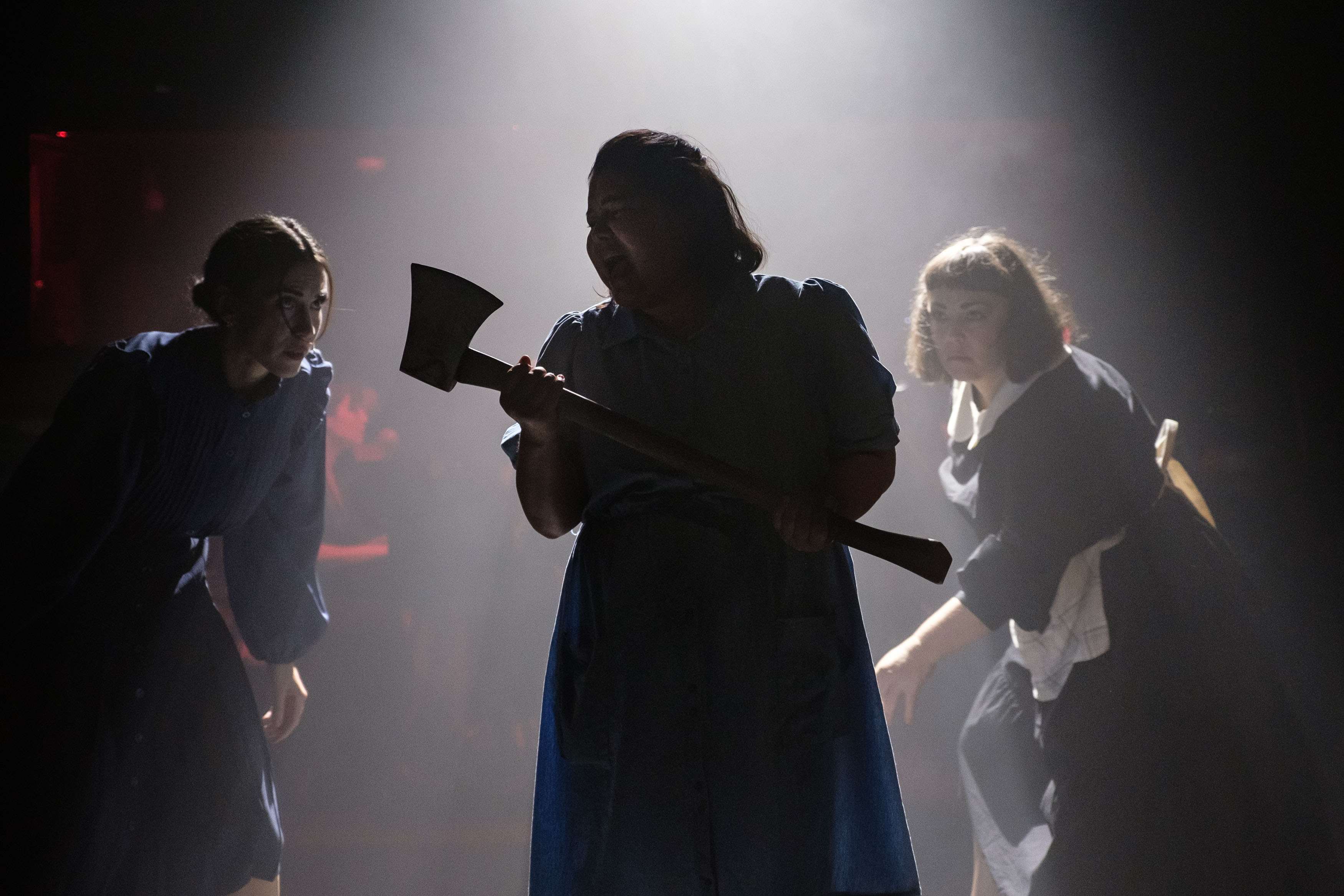
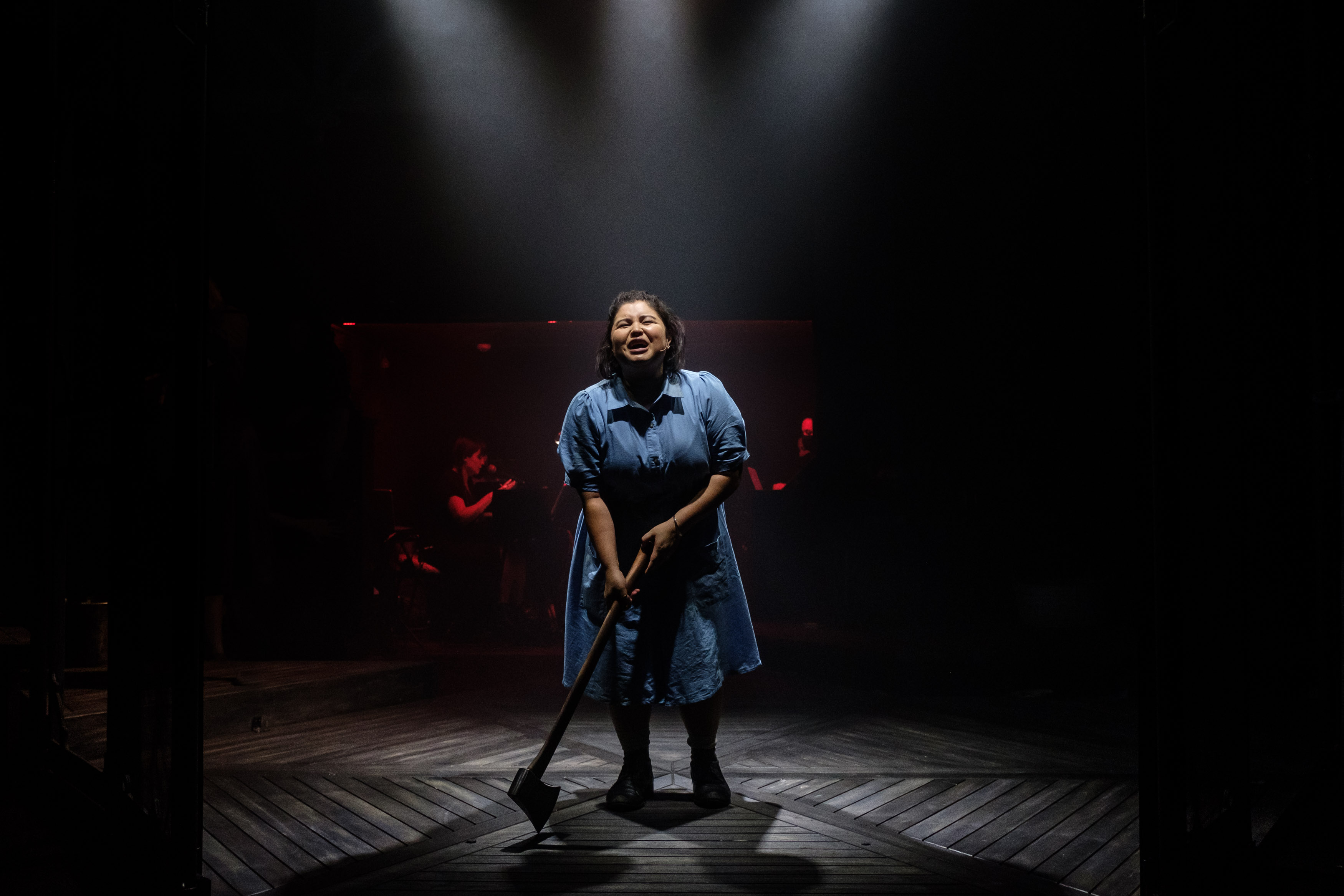
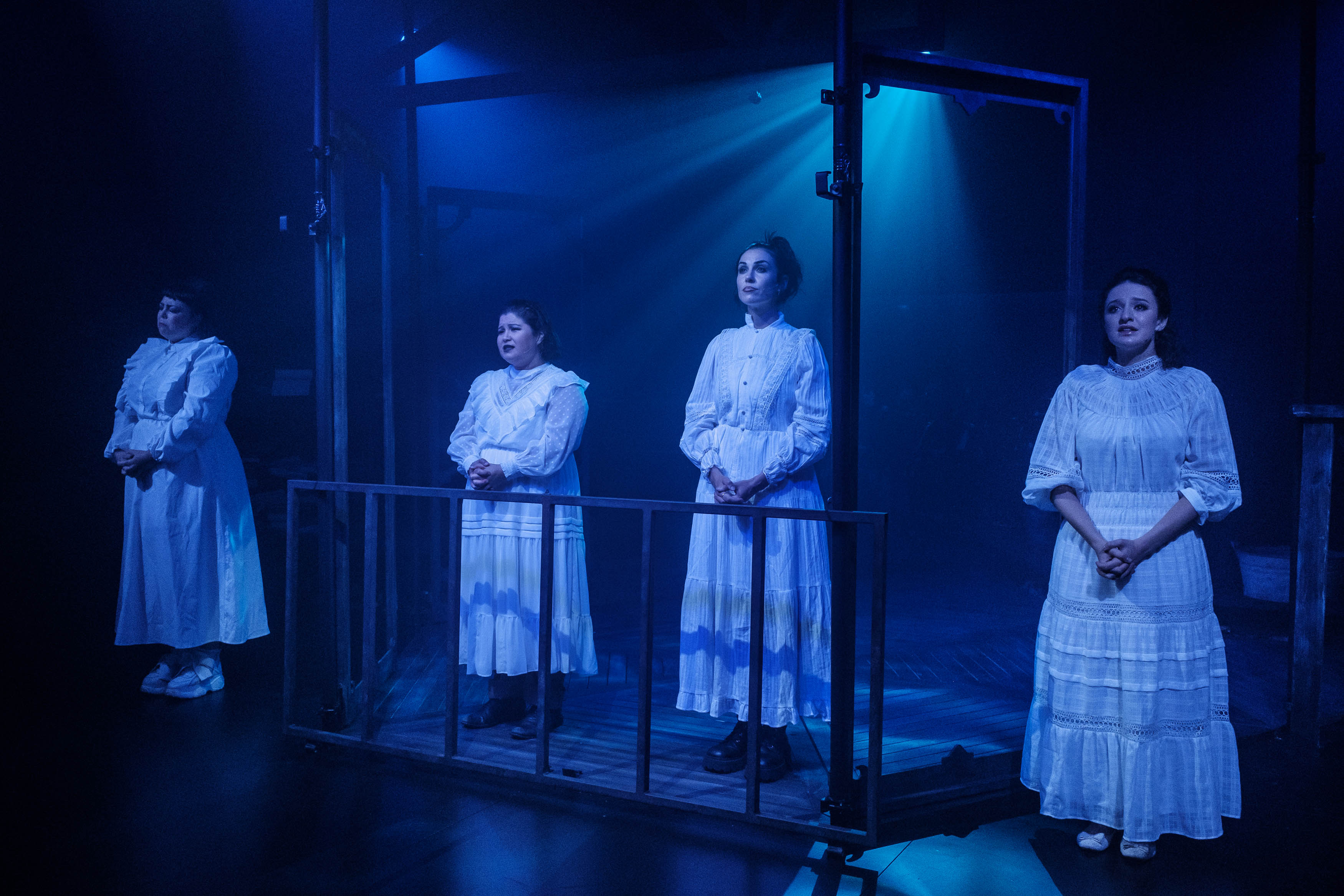
It was 1892 in Massachusetts, that Lizzie Borden was believed to have murdered her father and step-mother. There is little in the musical Lizzie, that talks about the morality of her actions, and although it does not necessarily make her a heroic figure, the central ferocity of her convictions, is quite an admirable thing to behold.

Based on an original concept by Steven Cheslik-Demeyer and Tim Maner, the show depicts a young woman living in puritanical times, but unable to contain her fury that arises from persistent ill-treatment. That very inexorable and fervid drive, if present today in our somewhat improved circumstances, would surely see Lizzie achieve a great deal more than notoriety and scandal.

Directed by Maeve Marsden, who uses the hard rock energy of Lizzie‘s song list, to facilitate a passionate staging that appeals to our desire, for stories about feisty women in these modern times. Musical direction by Victoria Falconer is a highlight, informed by feminist philosophy and brimming with a joyful punk edge. Ghenoa Gela’s choreography is inventive and unpredictable, offering physical manifestations to characters that allow us to read them more clearly between the lines.

Melanie Liertz’s set and costume designs evoke a gothic quality that is perfectly suited to the narrative, although several vertical poles positioned downstage can sometimes obscure the view of action taking place further upstage. Verity Hampson’s lights are a dramatic element of the show, bringing great dynamism to all the imagery being presented.

Performer Marissa Saroca as Lizzie, is spirited and wonderfully enthusiastic, although her vocals can be slightly hit-and-miss for the musical’s very rambunctious tunes. Ali Calder and Sarah Ward play the sister and the maid, respectively, and both are reliable in delivering big rock vocals, whilst making some genuinely hilarious comedic choices that endear themselves to the audience incontrovertibly. The part of Lizzie’s love interest Alice, is performed by Stefanie Caccamo who sings beautifully, albeit in a more conventional Broadway style, and who makes believable the speculative sapphic romance.

Considering the conditions women like Lizzie Borden had had to tolerate just to survive, it is a wonder that more murders were not committed. That we think of her as an exception only shows the depth of our habit for compliance, and our capacity to withstand abuse and humiliation. Most of us never reach breaking point, and that is without question, the way manifold forces work to exploit our tendency to bend and acquiesce. We do not always need to draw blood in order to rise up, but it is important that we learn to take cues from women like Lizzie, who have lost patience, long before we are completely drained of the ability to retaliate.

www.hayestheatre.com.au

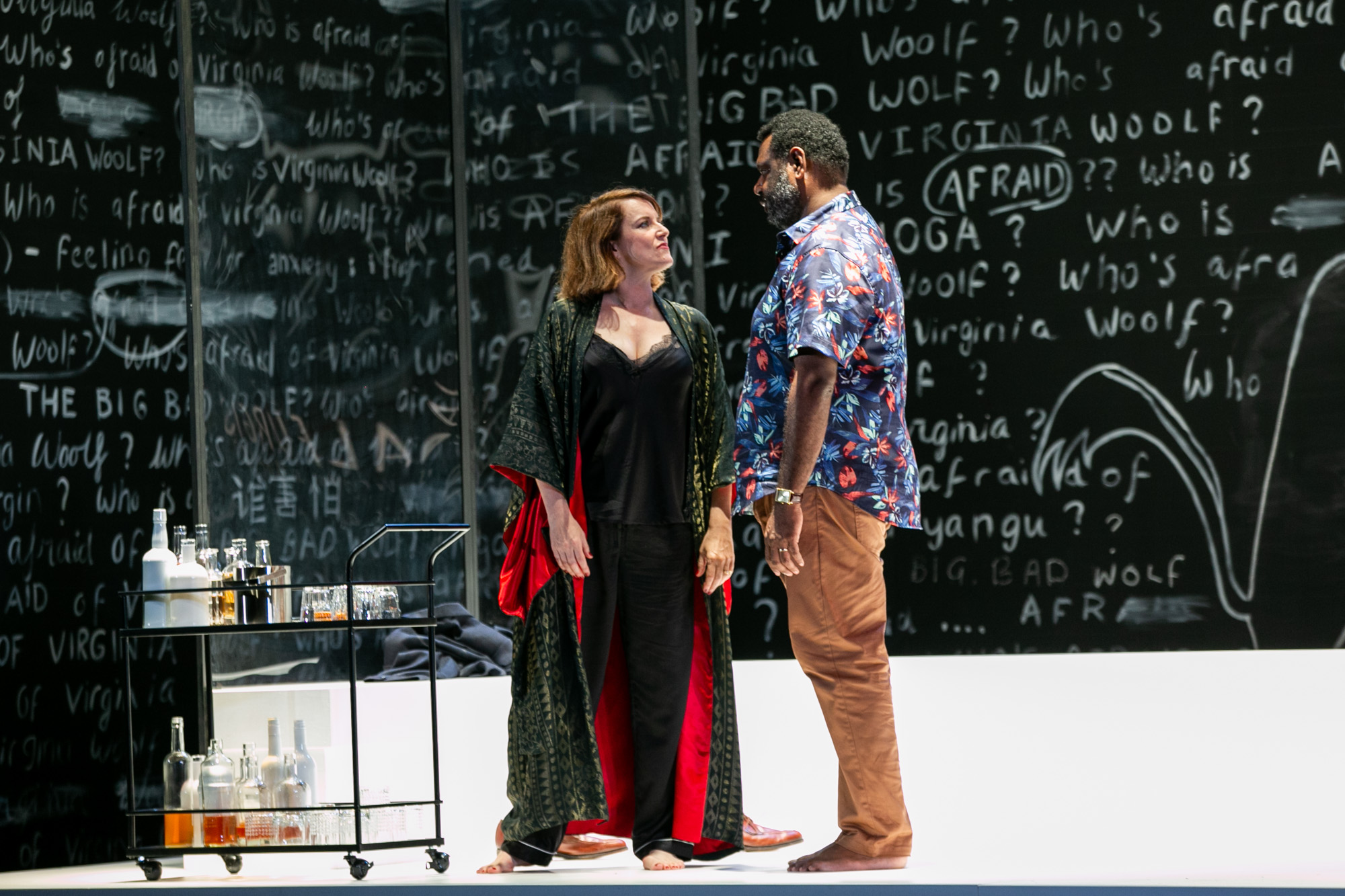
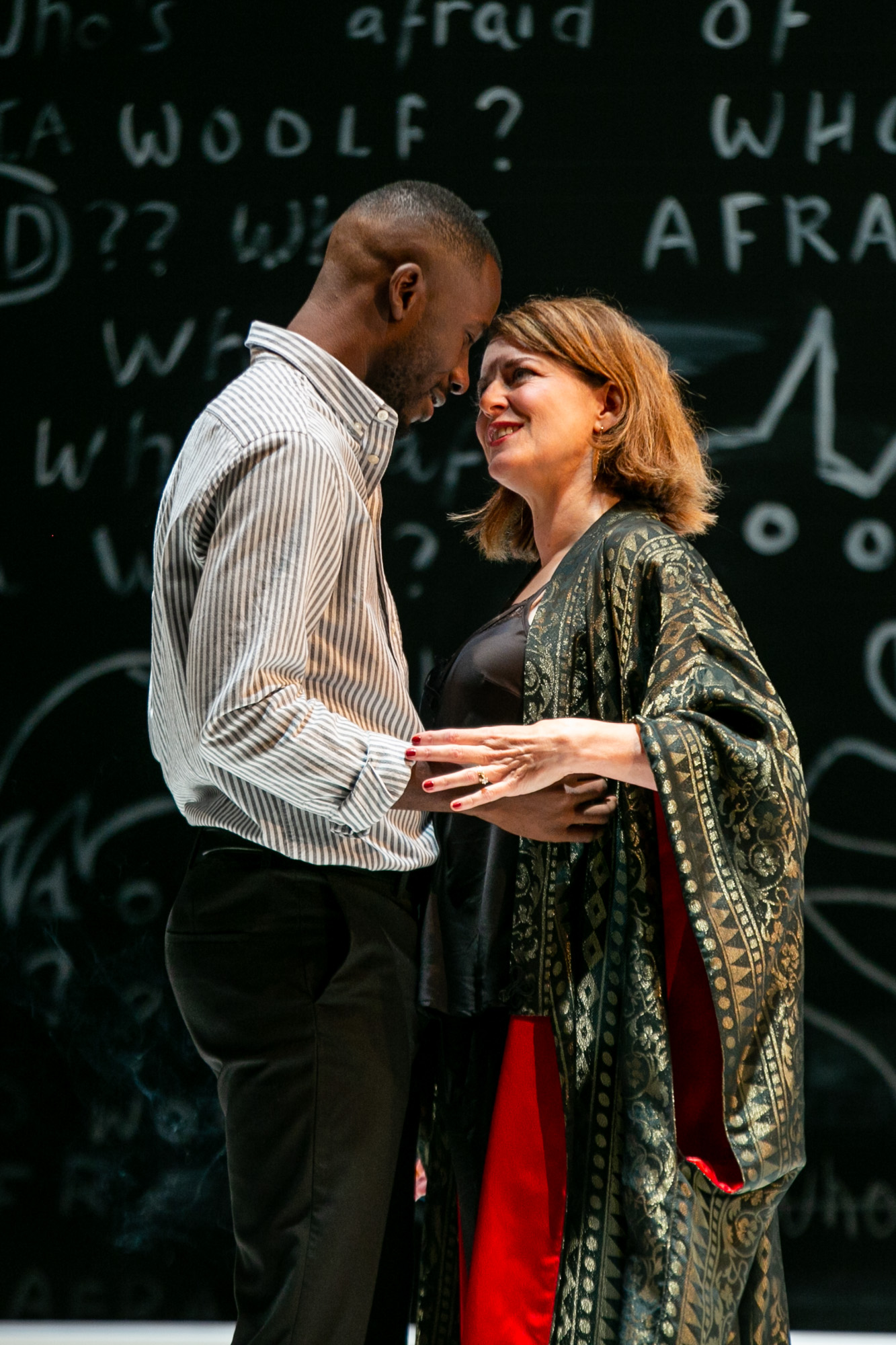
Review: Who’s Afraid Of Virginia Woolf? (State Theatre Company South Australia)

Venue: Sydney Opera House (Sydney NSW), Jan 13 – 23, 2022
Playwright: Edward Albee
Director: Margaret Harvey
Cast: Jimi Bani, Rashidi Edward, Juanita Navas-Nguyen, Susan Prior
Images by Yaya Stempler

Theatre review
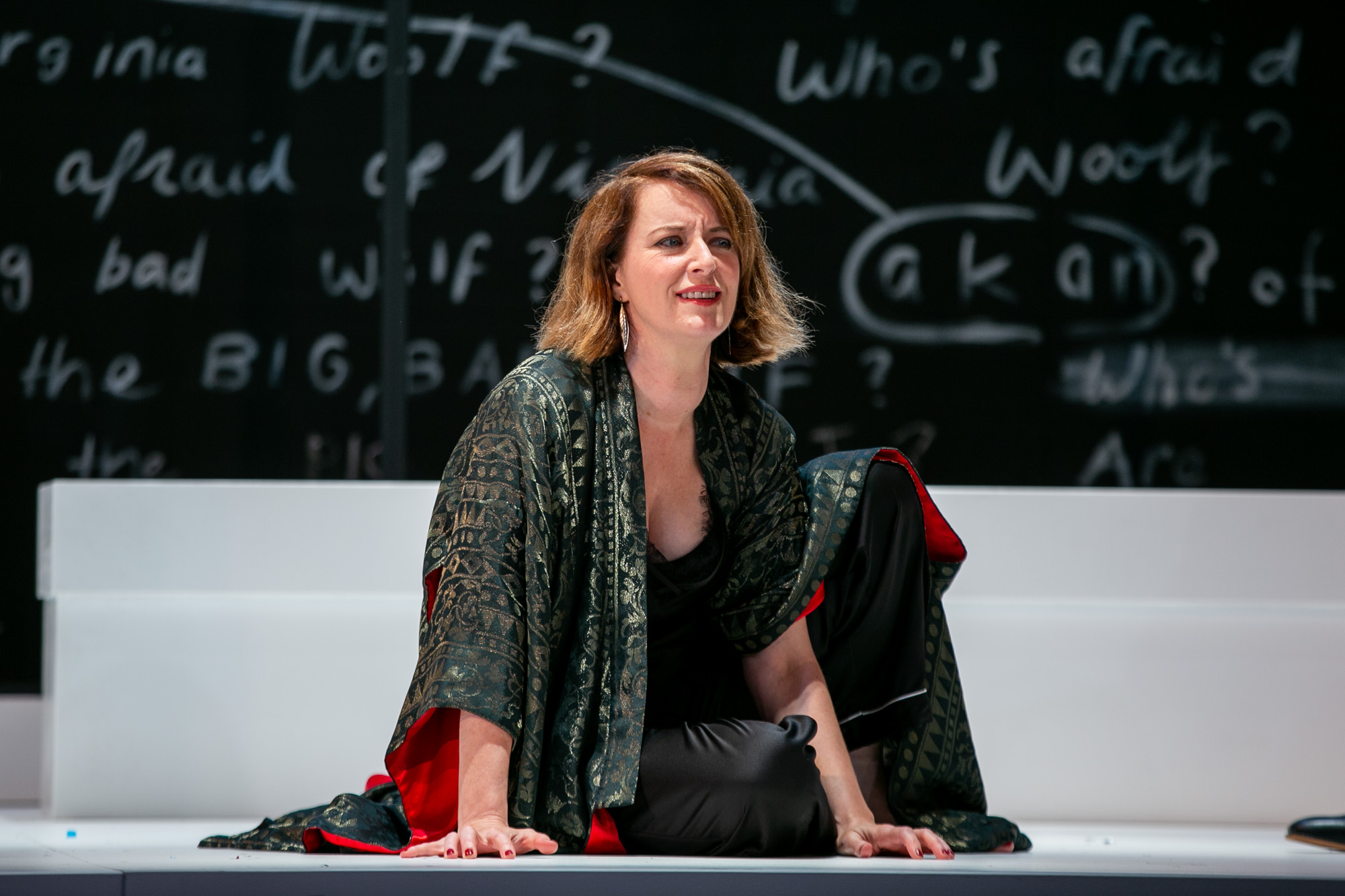
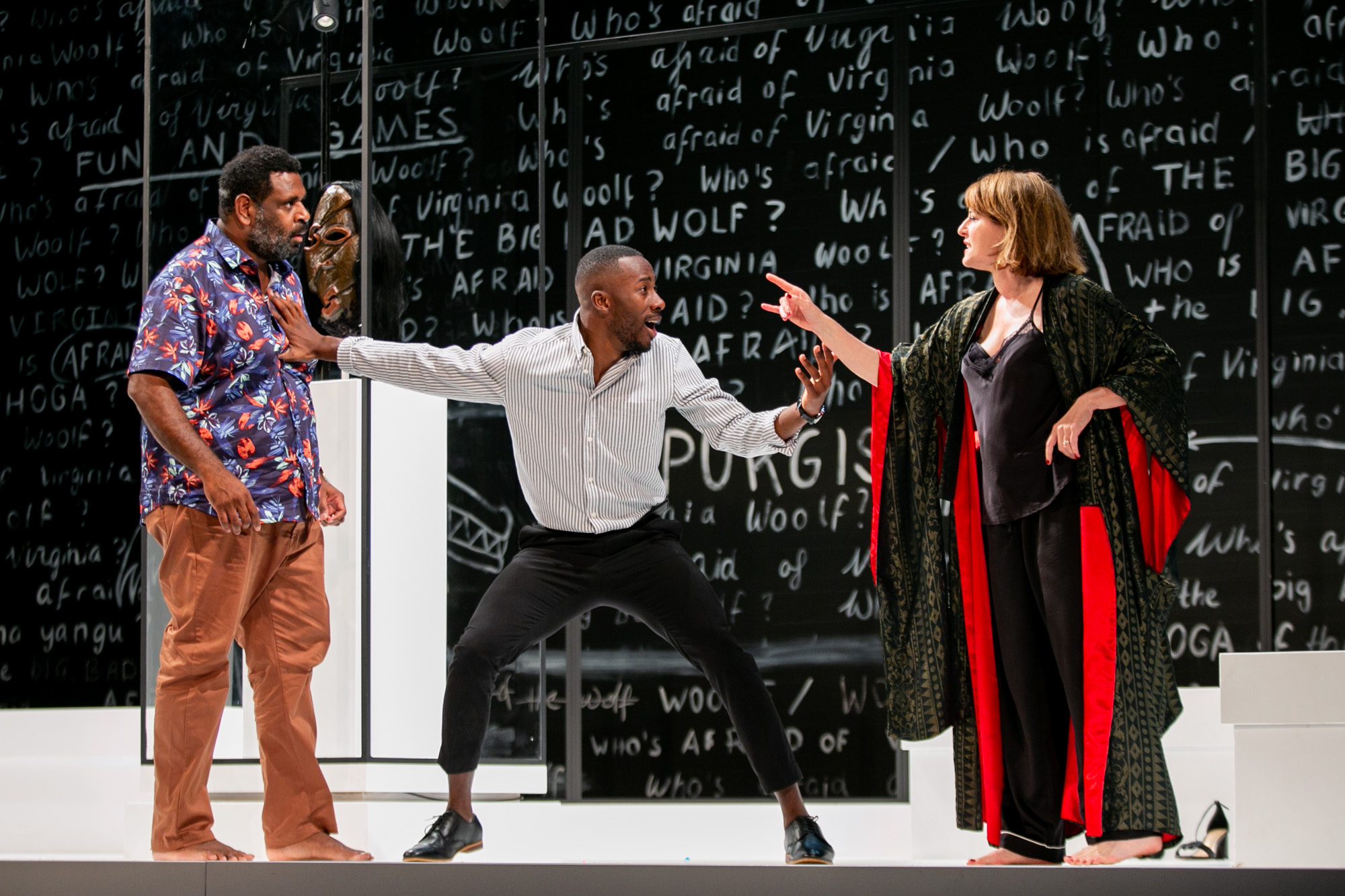
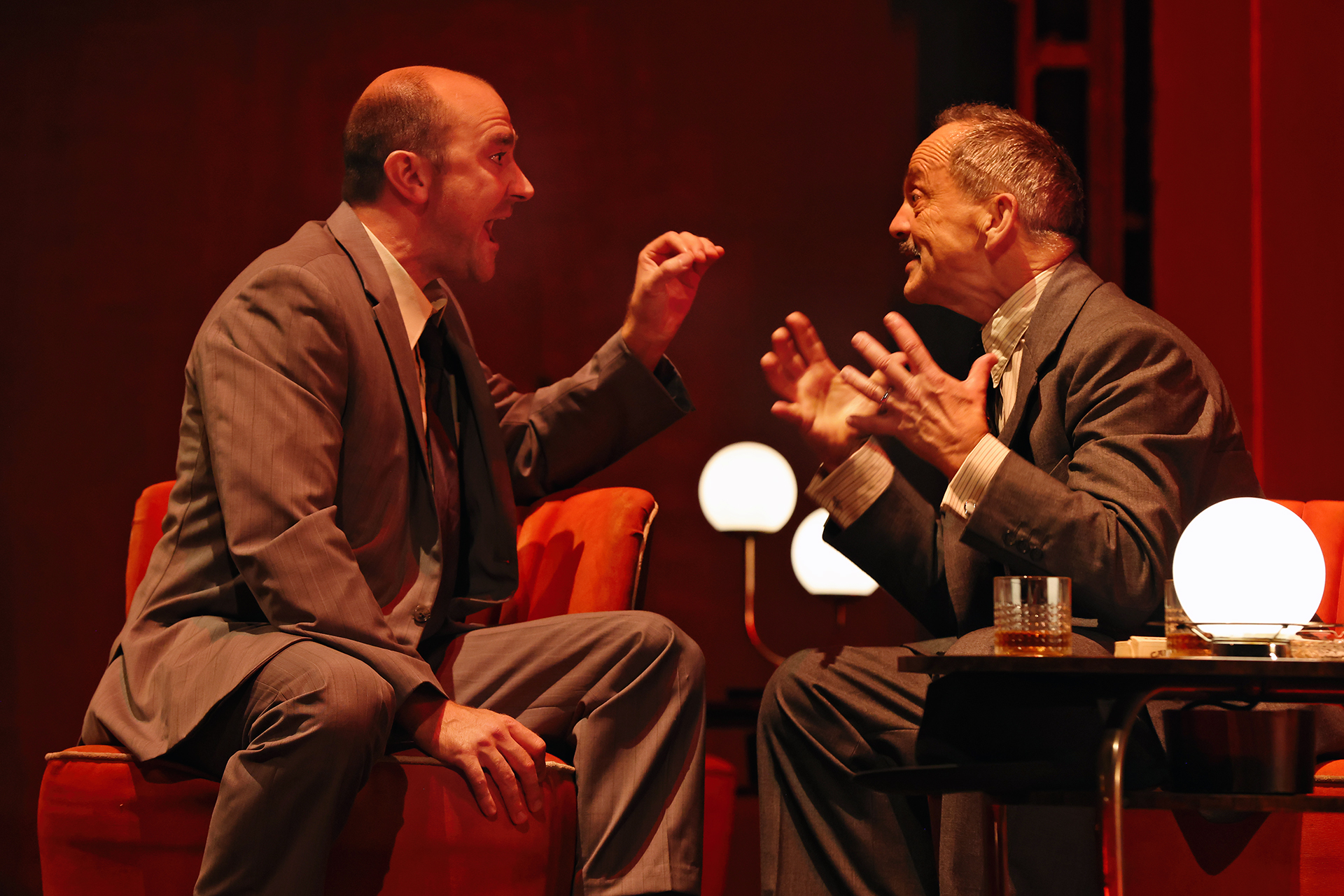
Martha and George are always fighting. The perpetuality of their battles seems to point to a certain masochism that resides at the centre of their marriage, and we discover that perhaps their endless struggle for power, forms the very foundation of their life together. As viewers on the sidelines, we gladly ride that momentum of conflict, knowing that things simply will never get better for the couple, in Edward Albee’s Who’s Afraid of Virginia Woolf?

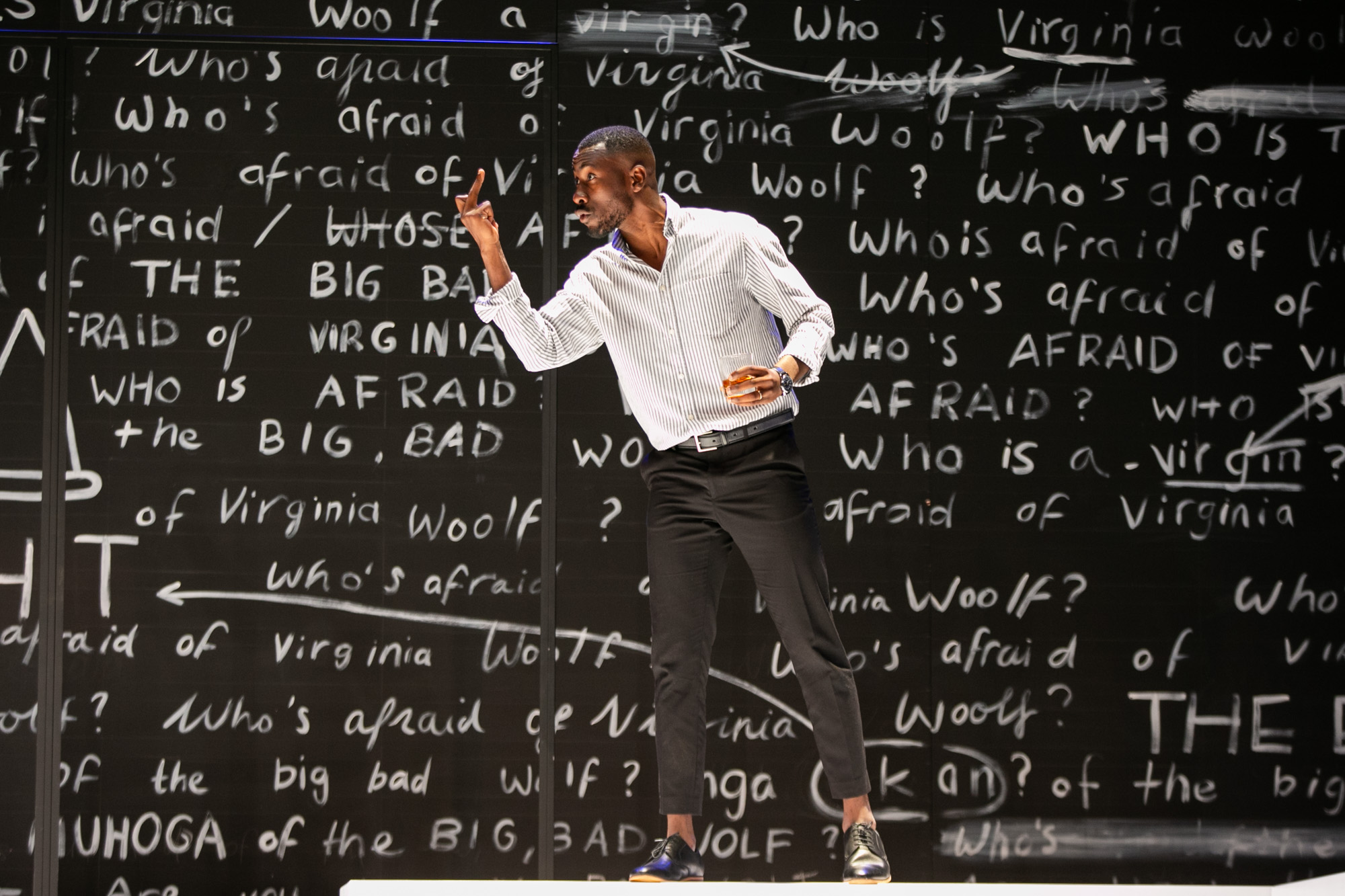
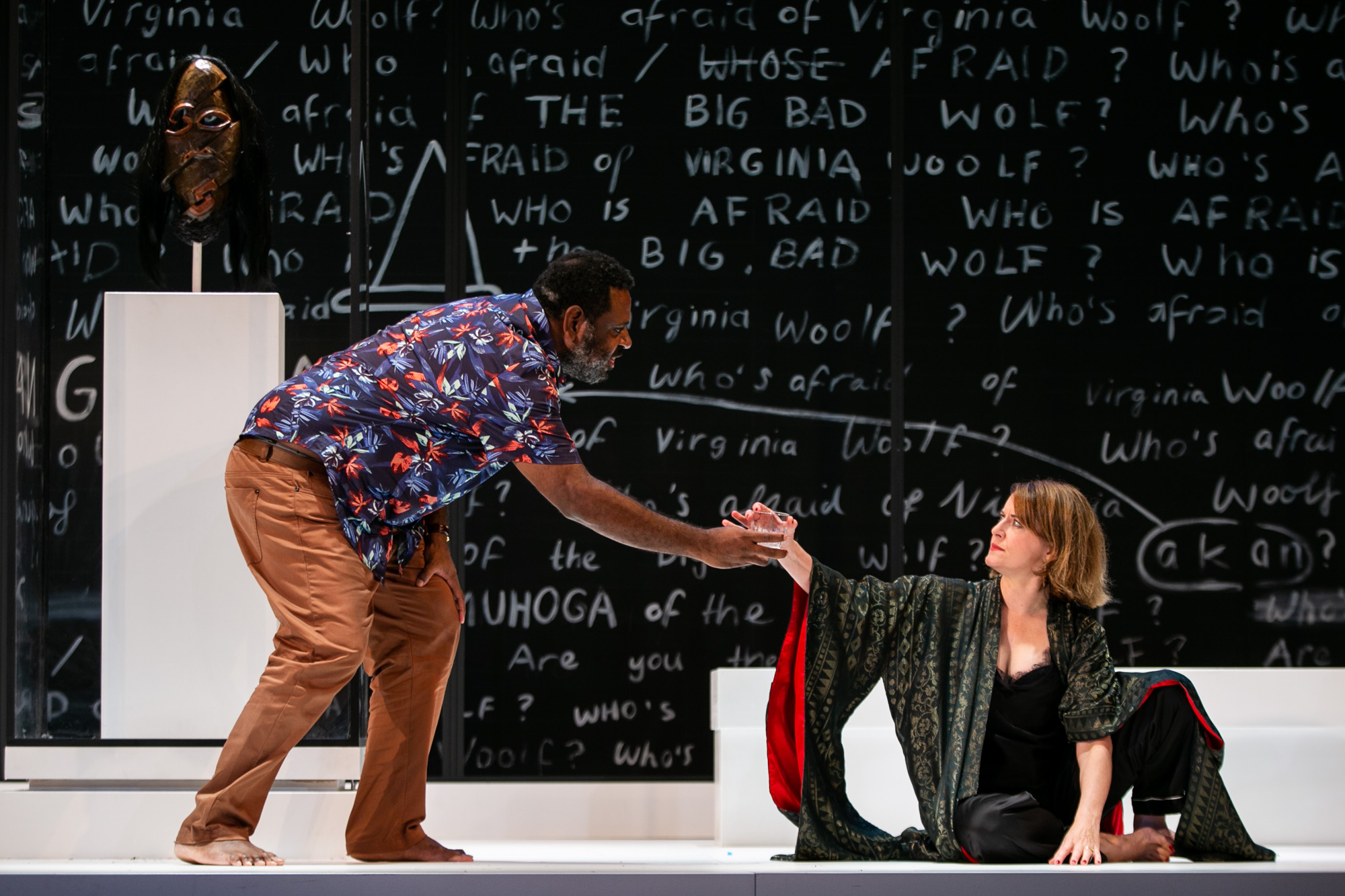
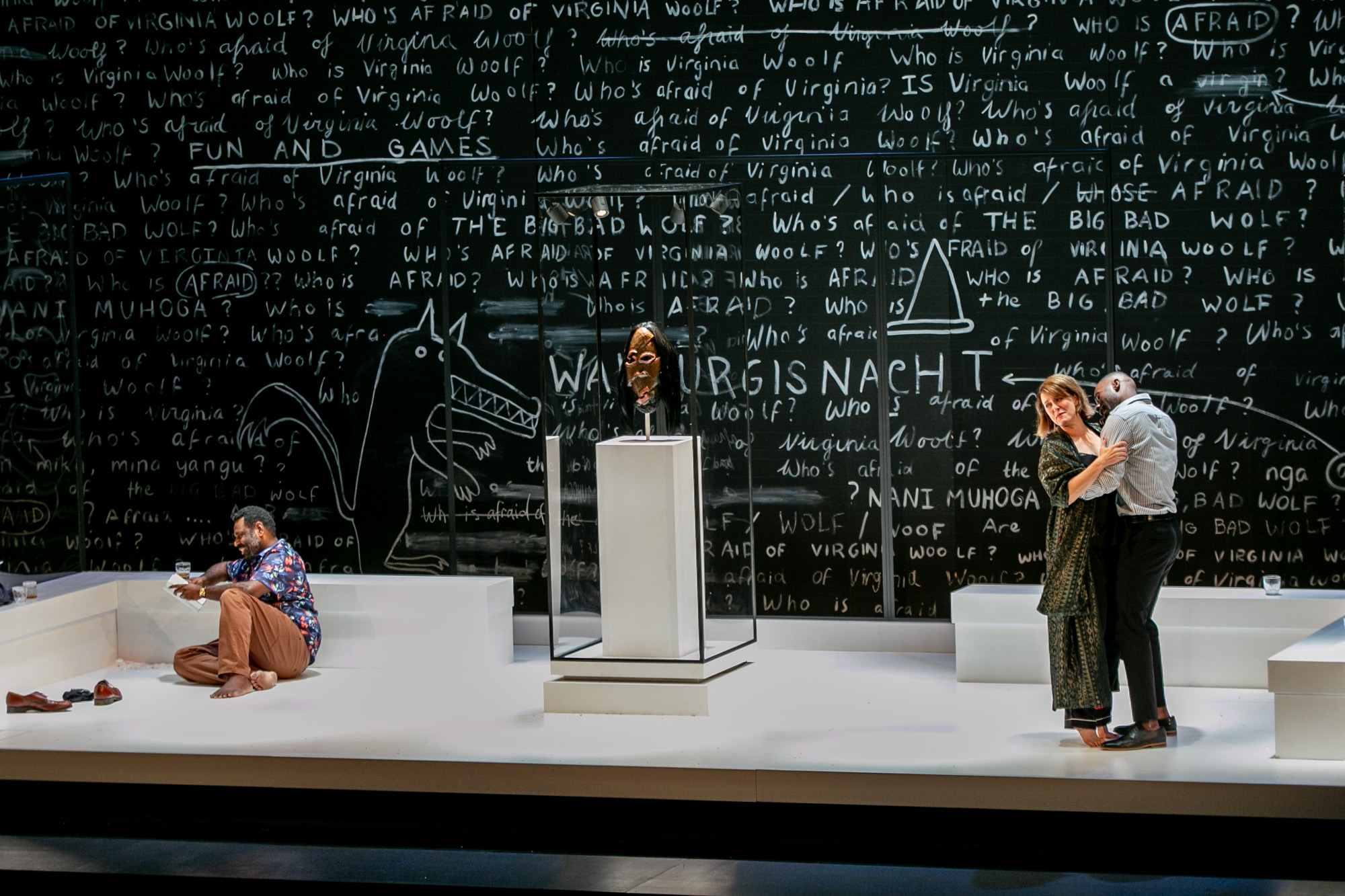
Set in the world of academia, in the New England region of the USA, Albee’s discussions about power, pertain to a kind that is particularly white. Director Margaret Harvey’s decision to cast Black men in the roles of the duelling academics George and Nick, brings greater focus to the whiteness that is being interrogated. The futility of these two men trying to climb the social and professional ladders, within a system built upon the exclusion of people like them, are made mournfully clear by the darkness of their skin.
Although never lacking in energy, the production suffers from a shortage of precision, in the way Albee’s often rambling dialogue is presented. The writing’s abstract qualities has a tendency to become overly ambiguous on this stage, making the experience feel at times, somewhat hollow.

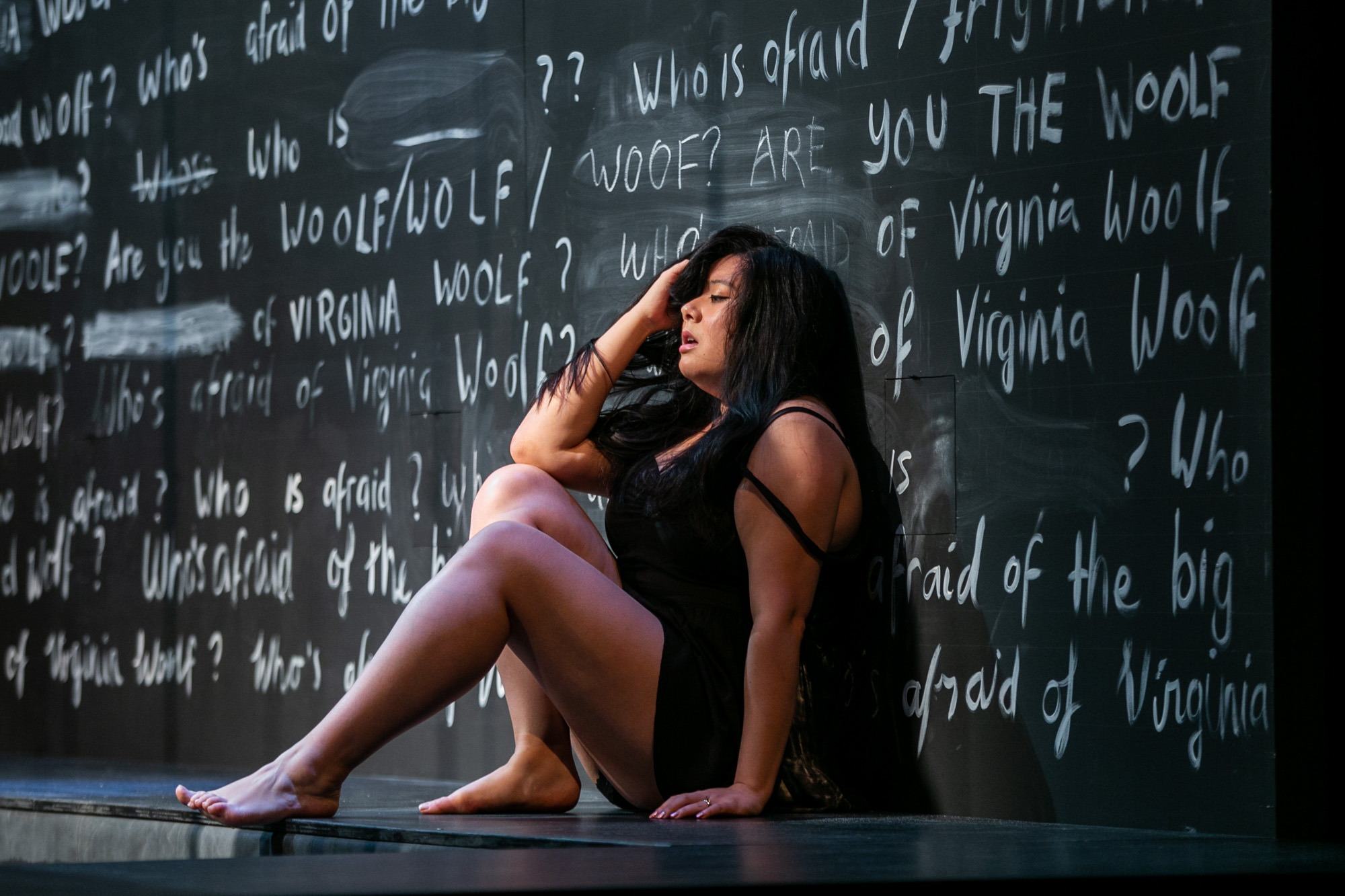
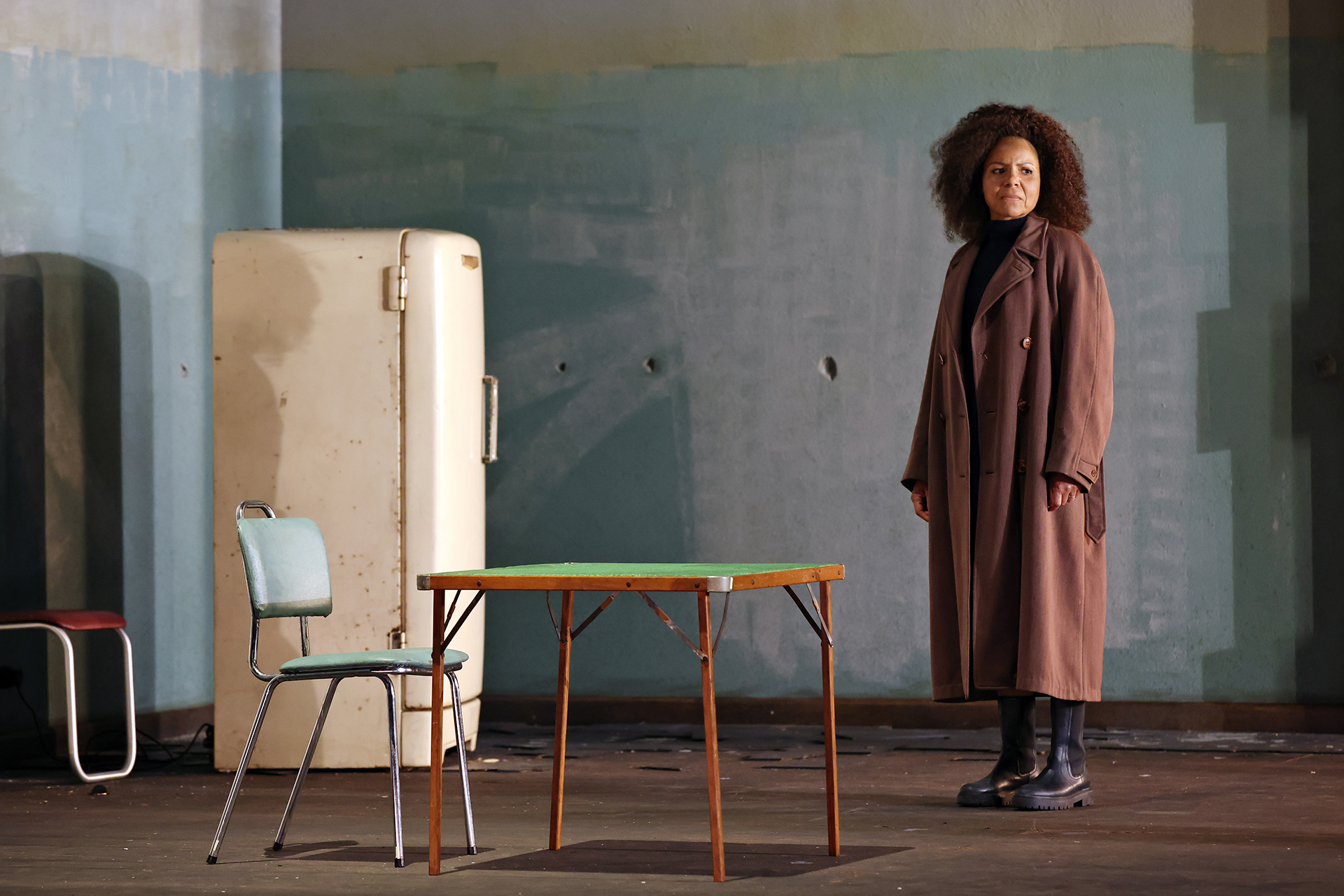
Ailsa Paterson’s set design is an elegant update that provides the story with a present day context, but a strangely domineering centrepiece that makes reference to the white practice of pilfering historical artefacts is, although well-meaning, an unnecessary distraction. Lights by Nigel Levings are effectively chilling, in the cold white box of Martha and George’s home. Sound design by Andrew Howard is sparse, but memorable for its use of drums to rouse tensions.
Actor Susan Prior is suitably nebulous as the heavily intoxicated Martha. Jimi Bani’s bouts of anger as George dials up the drama, but a characteristic cynicism seems to be missing. Nick is played by Rashidi Edward who brings great intensity, and his counterpart Honey is thankfully given some backbone by Juanita Navas-Nguyen.

Martha’s father never appears in the play, but he holds absolute power over the people that we meet. Just like the white patriarchy on this land, it is never the ones who benefit most that do the dirty work, but all the foot soldiers who fight amongst themselves, thinking they are advancing their personal ambitions, when in fact are only serving the purposes of those on top. We are given crumbs, that are designed to gaslight us into believing, that the rules of engagement are fair. That we persist with these rules, is as strange as Martha and George persisting with their marriage.

www.statetheatrecompany.com.au

Review: Triple X (Sydney Theatre Company)

Venue: Wharf 1 Sydney Theatre Company (Walsh Bay NSW), Jan 8 – Feb 26, 2022
Playwright: Glace Chase
Director: Paige Rattray
Cast: Glace Chase, Josh McConville, Christen O’Leary, Anthony Taufa, Contessa Treffone
Images by Brett Boardman, Prudence Upton

Theatre review
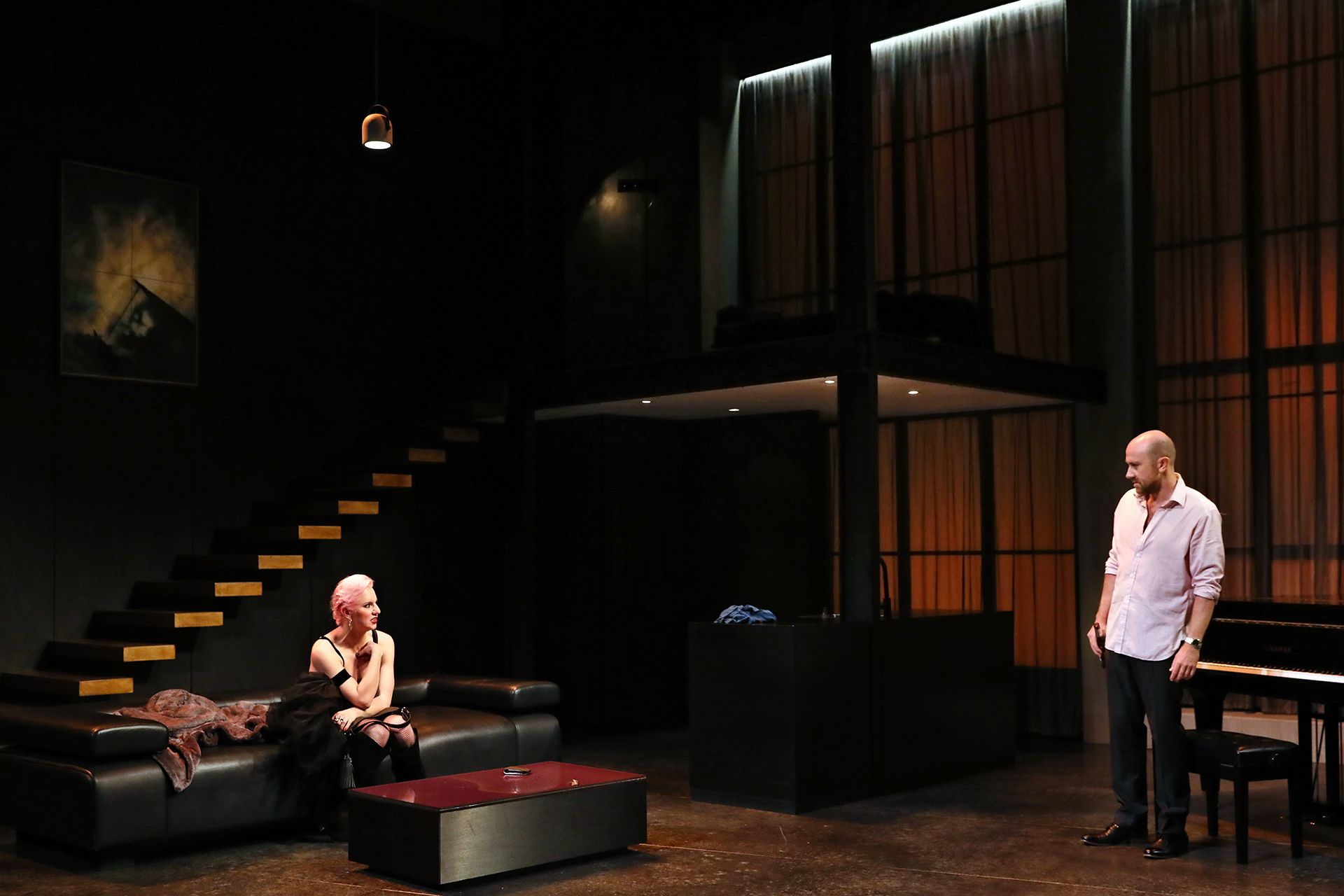
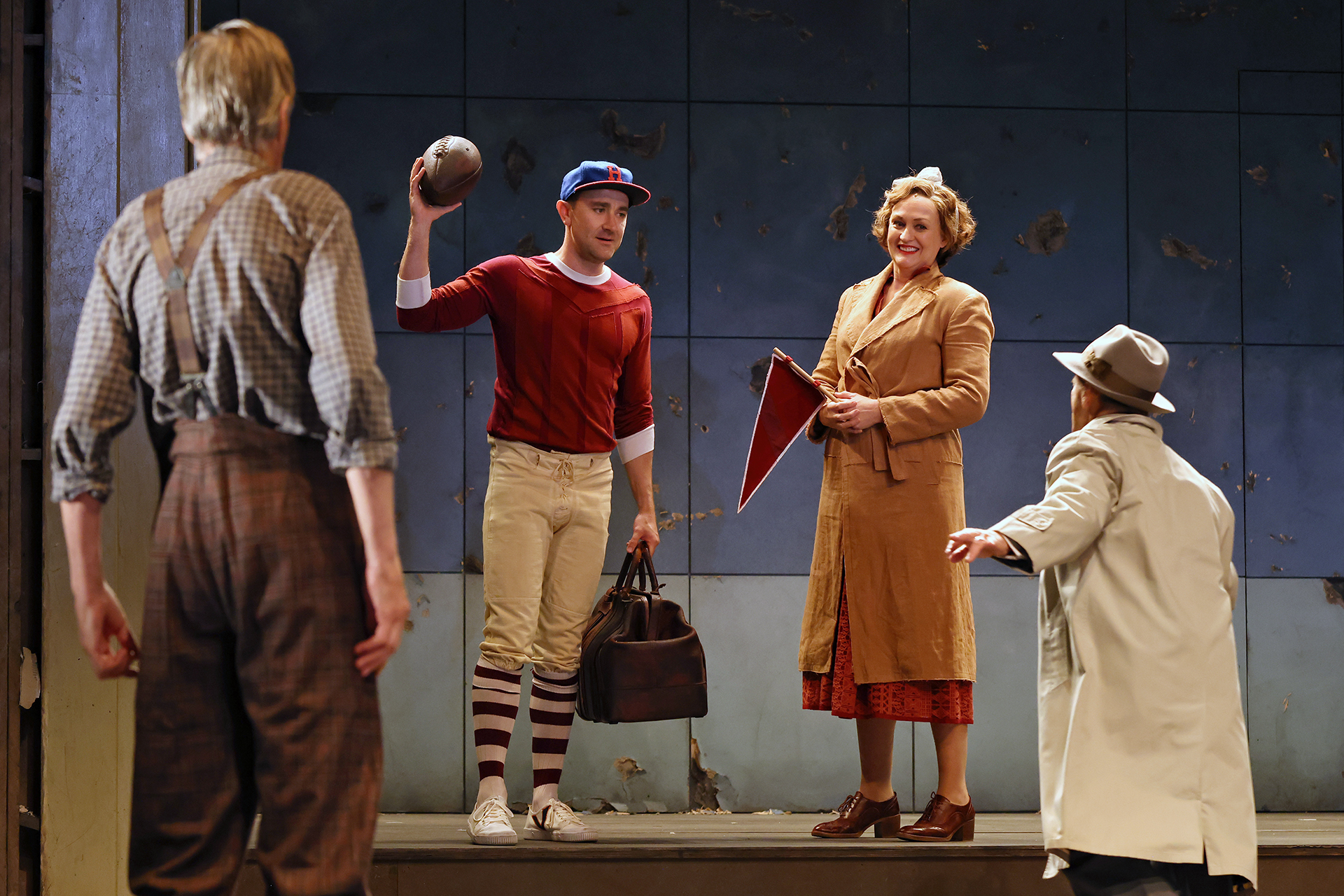
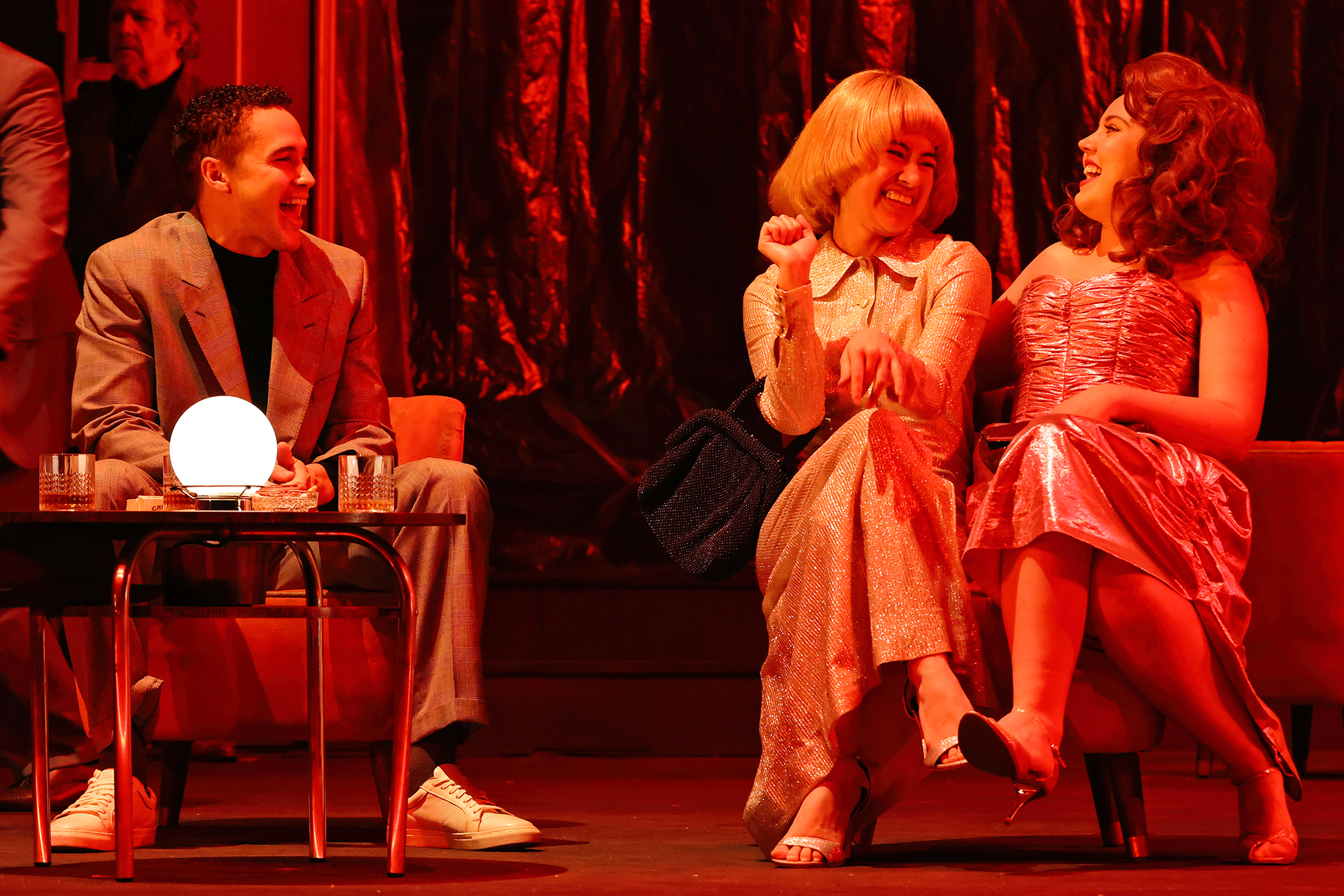
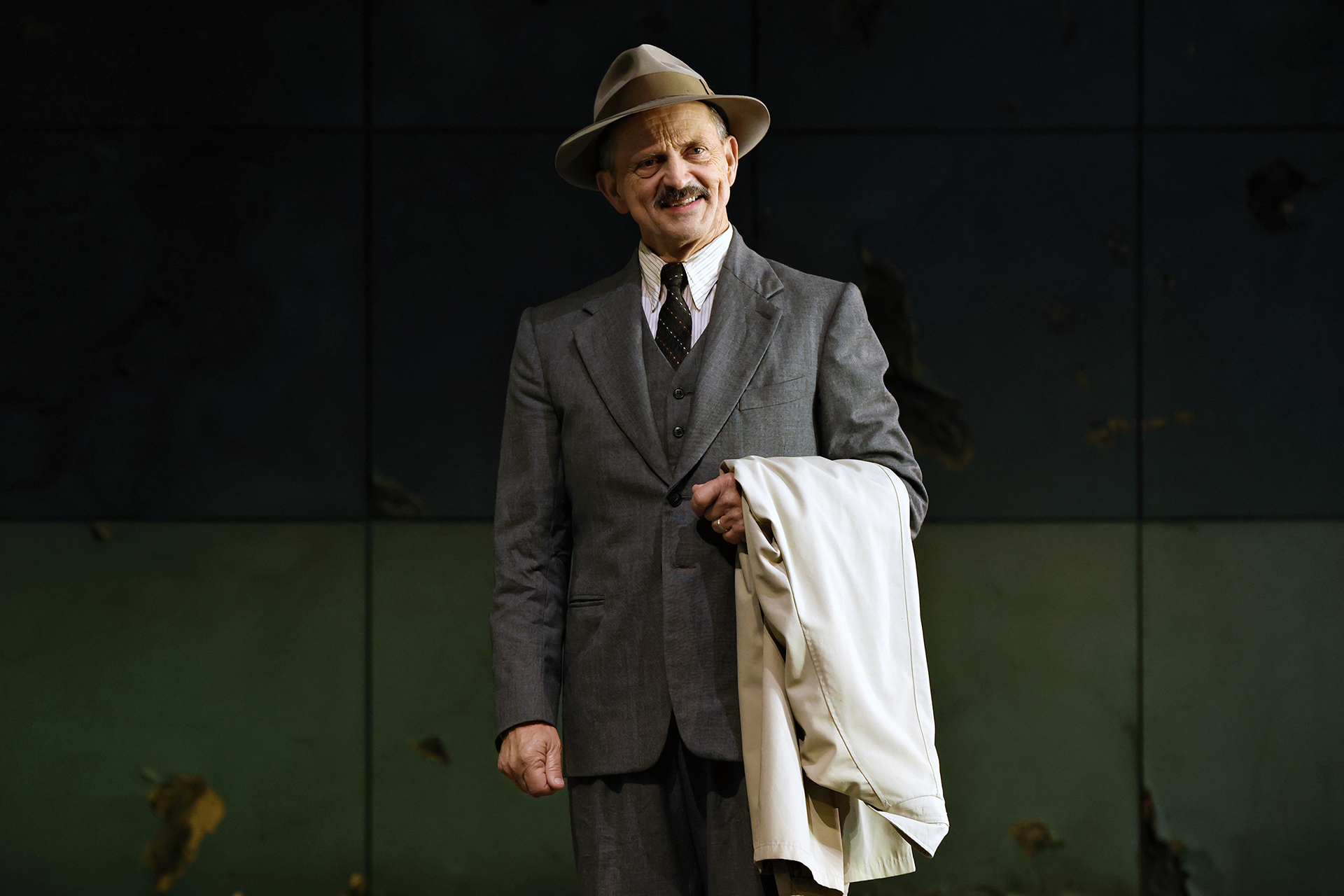
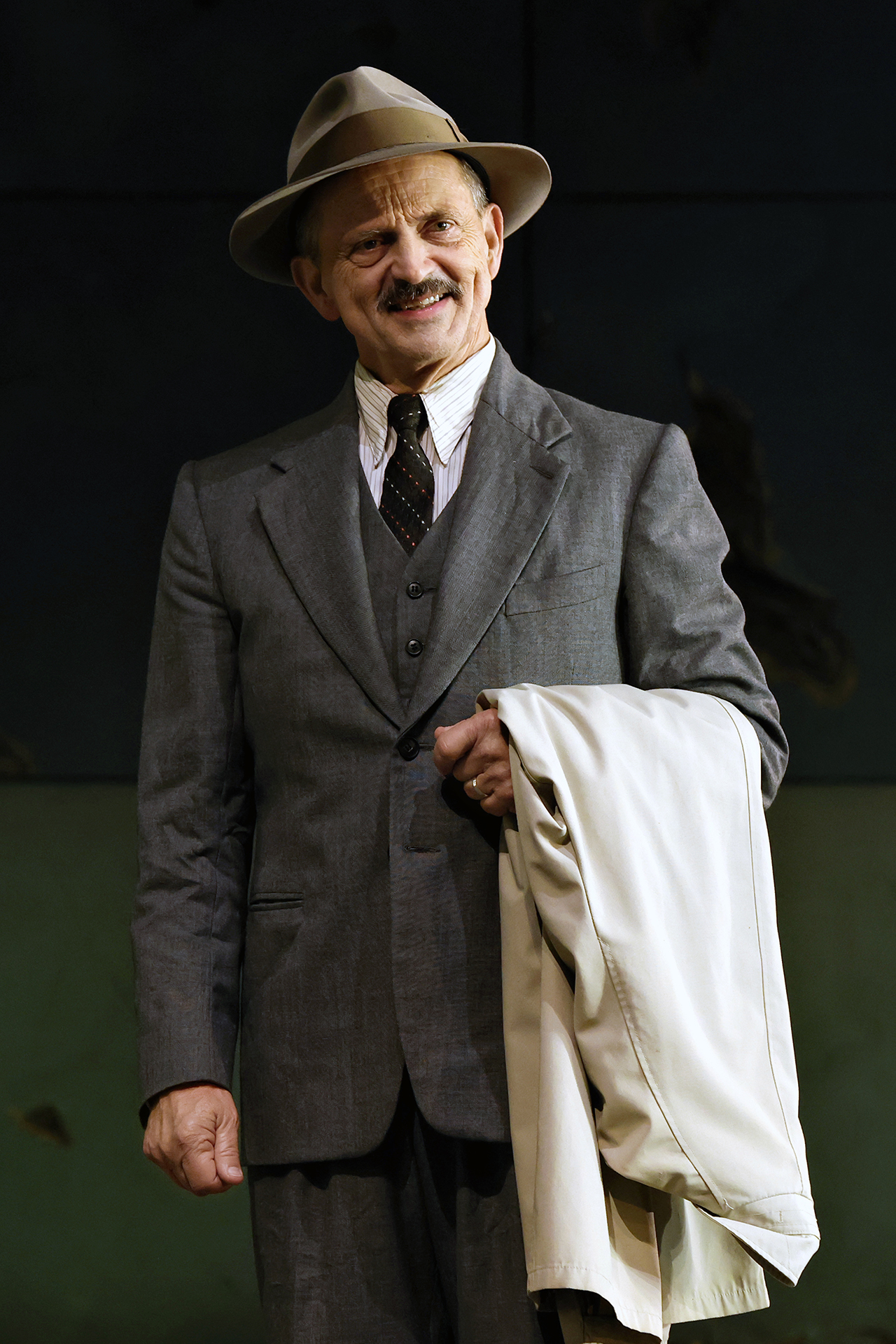
Not only does Scotty have a highflying job on Wall Street, he lives in a US$3.5 million Tribeca loft, and is about to marry a Birkin-toting Kymberly. Everything looks to be peachy keen, but on the inside, he is a complete mess. The only saving grace is his secret affair with trans entertainer Dexie, but Scotty relegates the sole joy of his existence to the dark allegorical closet, afraid that the truth will destroy all.

Glace Chase’s Triple X tells an age-old story, but such is the severity of its associated taboo, that it feels like we are taking this conversation to the public domain, for the very first time. Chase’s writing is intricate and insightful, replete with splendid wit and a generosity of spirit that allows her show its wide appeal. The depth of honesty she is able to access for the play, is so confronting it feels almost self-sacrificial. The result of course, is the initiation of a big and necessary discussion, that is crucial to the well-being of trans people everywhere.

The show is given vibrant and taut direction by Paige Rattray, who makes the near three hours of Triple X feel a mere blink of an eye. The comedy is wild and raucous, yet bears an unmistakeable sense of sophistication. The deconstruction and analysis of ideas, are accomplished with admirable thoroughness. For all the irony and sarcasm dripping off of Triple X, there is thankfully no ambiguity to the important message it imparts.

Designer Renée Mulder establishes on the stage, a versatile and highly functional set that provides a wealth of possibilities, whilst making Scotty’s apartment look every bit the million dollar listing that it aims to depict. Costumes are convincingly assembled, with several of Dexie’s more flamboyant outfits demonstrating great style and humour. Light by Ben Hughes too, add colour and texture that wonderfully enhance the mood of each scene.

Chase herself plays Dexie, the scruffy warrior from clubland, and provocateur whose very presence insists the truth be out. The uncompromising authenticity that Chase brings to the role, is the lynchpin of the entire exercise. She makes us fall in love with Dexie, and respond with appropriate outrage, at the injustices that befall her. Josh McConville scintillates as Scotty, with boundless energy, both physical and emotional, to convey the frenzied discontentment that the character goes through in every waking moment.

Similarly full of vigour is Christen O’Leary, whose unforgettable performance as Deborah, proves an unequivocal highlight of the production. Captivating and irresistibly funny, yet able to bring sincerity to her work, O’Leary is truly remarkable. Anthony Taufa and Contessa Treffone both create likeable personalities, who add dynamism and complexity to the story being told. The entire cast is passionate, with an infectious earnestness that really drive home the urgency of all that is being discussed.

The main thing that Triple X says, is that although there is nothing wrong with Dexie, and that she lives her life to the fullest of her abilities, the world around her is constantly trying to pull her down. Even when she finds love unexpectedly, the embarrassing predictability of a man’s cowardice, is determined to replace pleasure with misery, joy with anguish. Of course Dexie deserves love, but more than that, she deserves dignity, and the well-founded wisdom of knowing better.

For Scotty, the affair means much more than it does to Dexie. Trans women of a certain age have seen it all before, and there will always be plenty more fish in the sea, should one choose to partake in a never-ending revolving door of fleeting romances. On the other hand, for men like Scotty who know that intimacy with a trans woman, is part of their journey to true happiness, to lose a love could easily be an irrevocable error. Those who remain cowards shall find no peace, and those who relish in bravery certainly deserve no cowards.

www.sydneytheatre.com.au

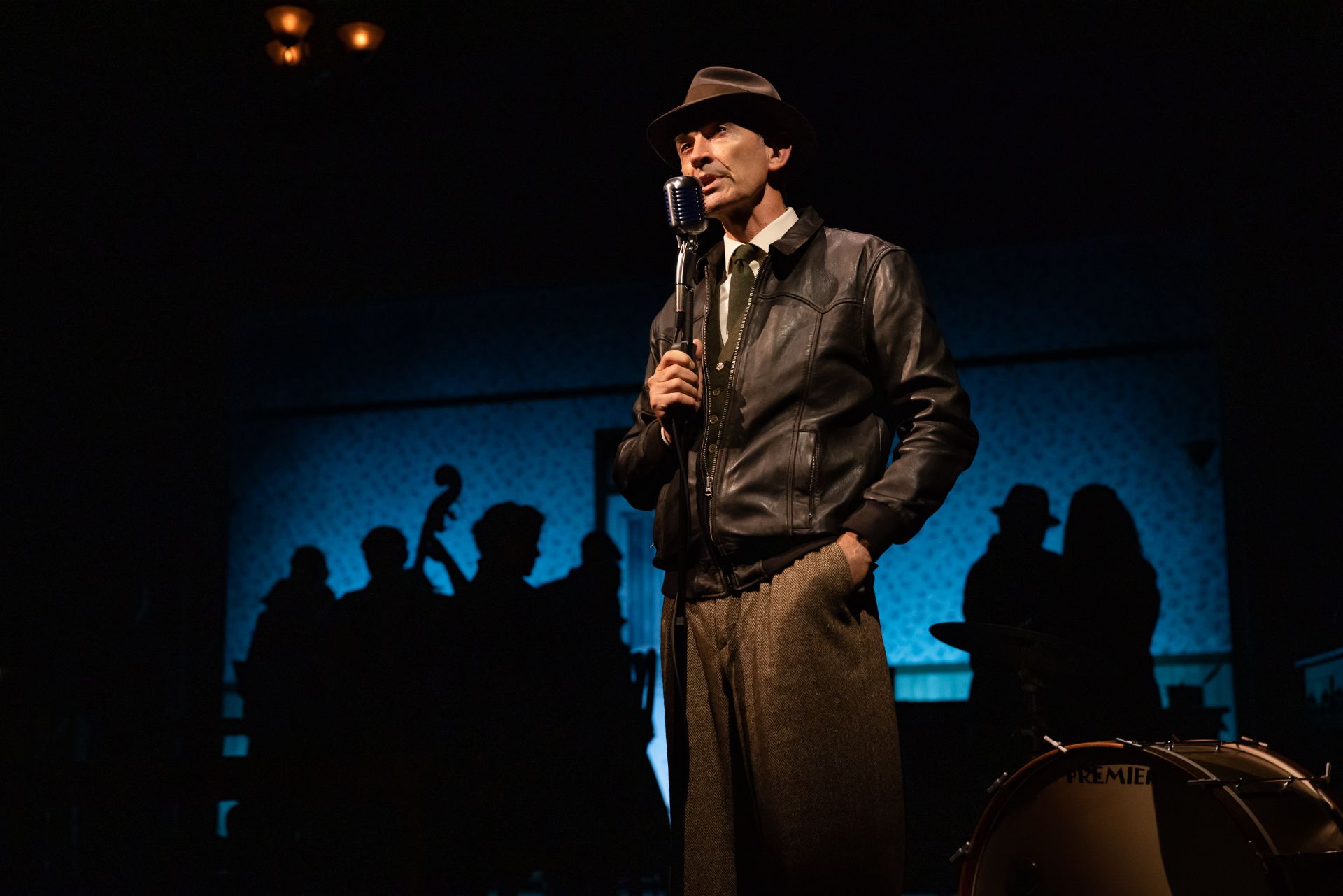
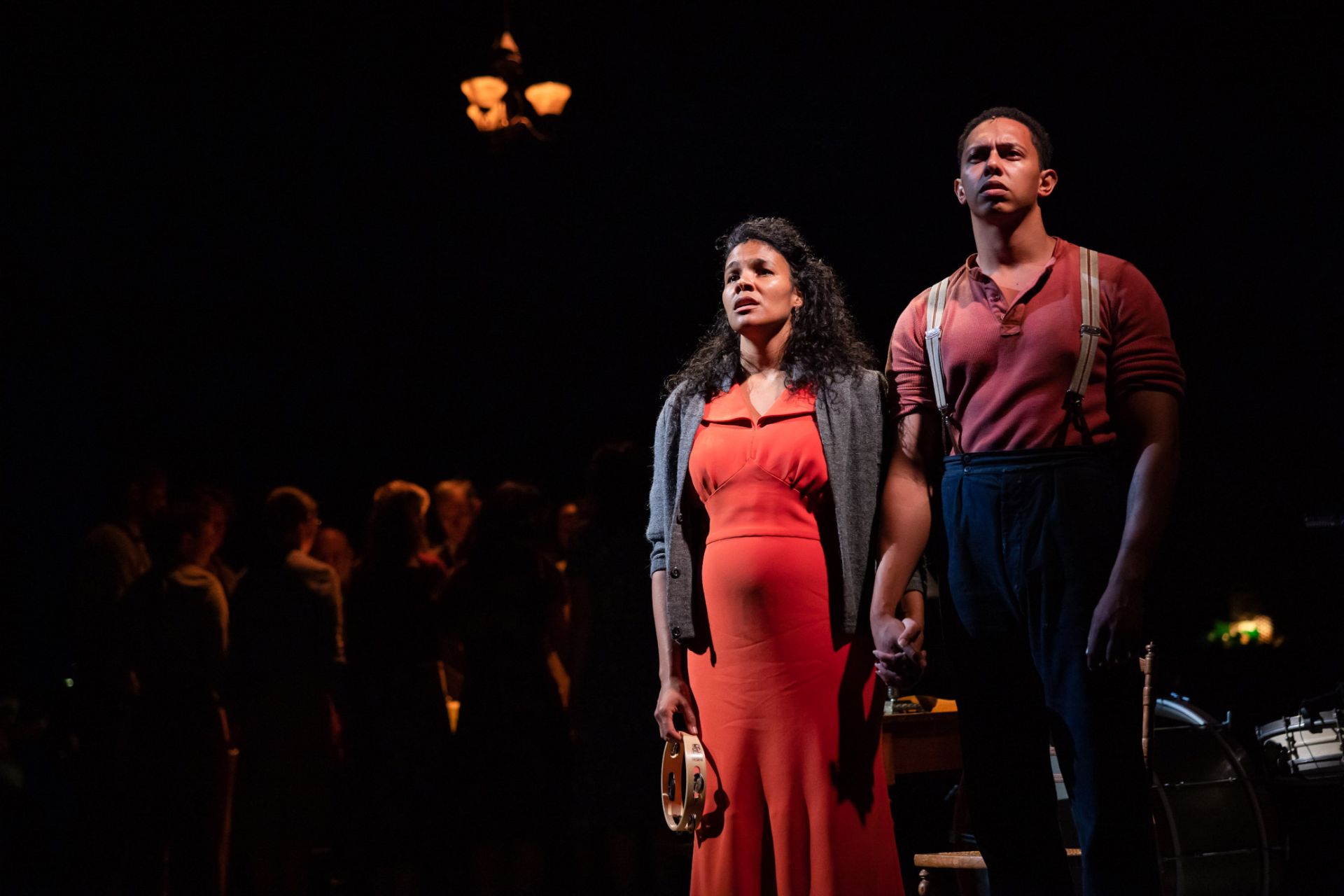
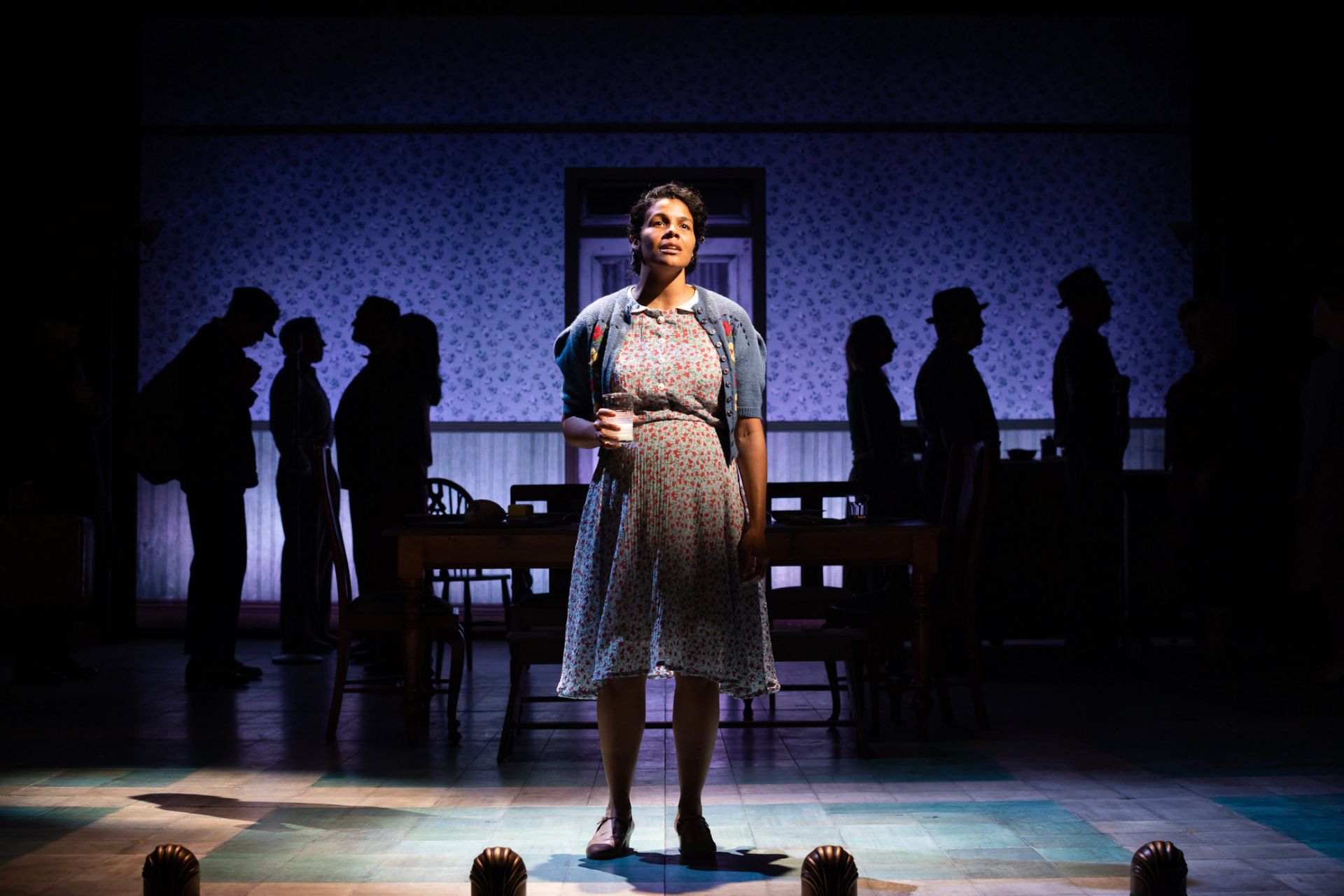
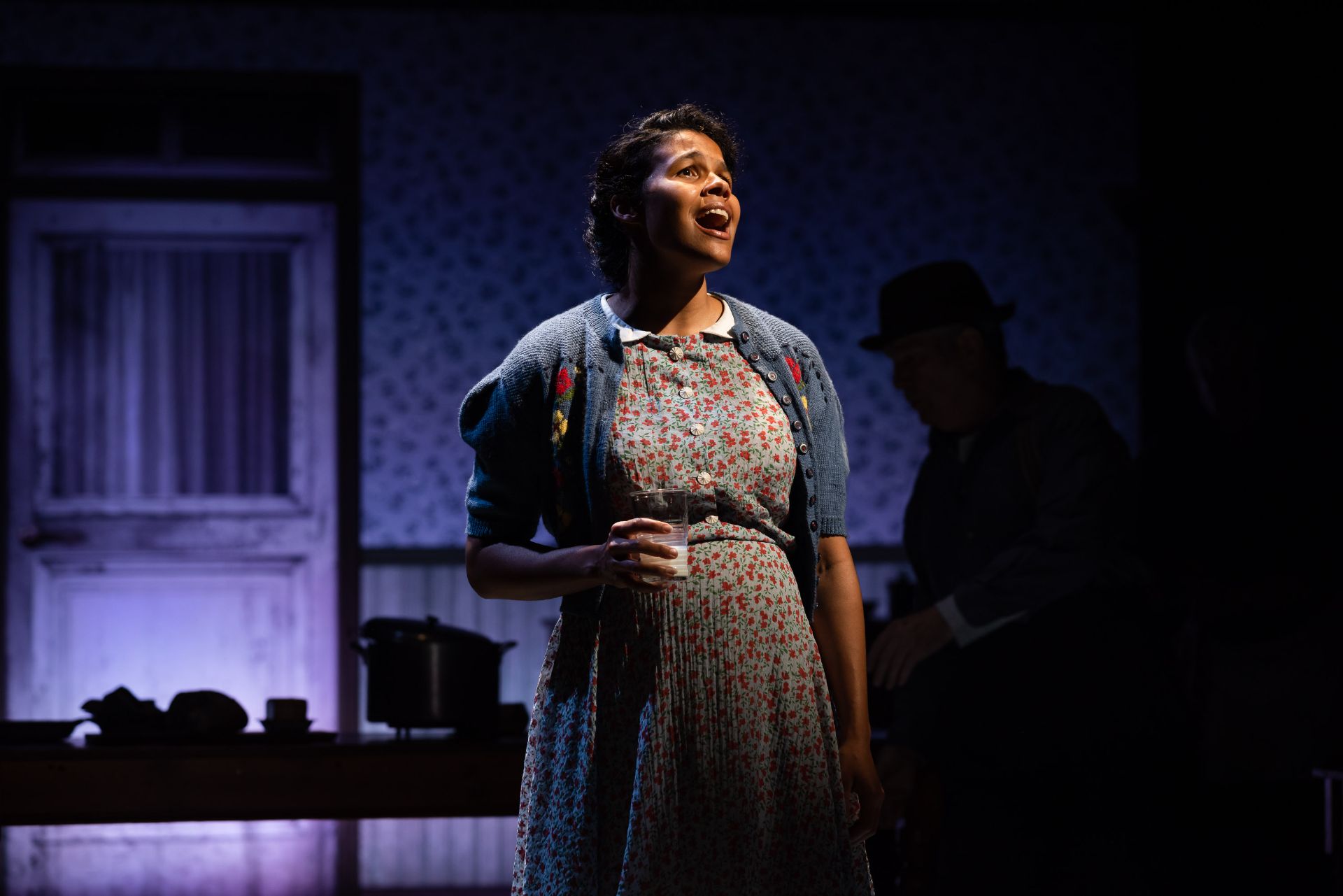
Review: Girl From The North Country (Theatre Royal Sydney)

Venue: Theatre Royal Sydney (Sydney NSW), 6 Jan – 27 Feb, 2022
Book: Conor McPherson
Music & Lyrics: Bob Dylan
Director: Conor McPherson
Cast: Tony Black, Peter Carroll, Tony Cogin, Laurence Coy, Terence Crawford, Helen Dallimore, Blake Erickson, Callum Francis, Elizabeth Hay, Peter Kowitz, Lisa McCune, Samantha Morley, Zahra Newman, Christina O’Neill, Grant Piro, James Smith, Greg Stone, Chemon Theys, Liam Wigney
Images by Daniel Boud

Theatre review
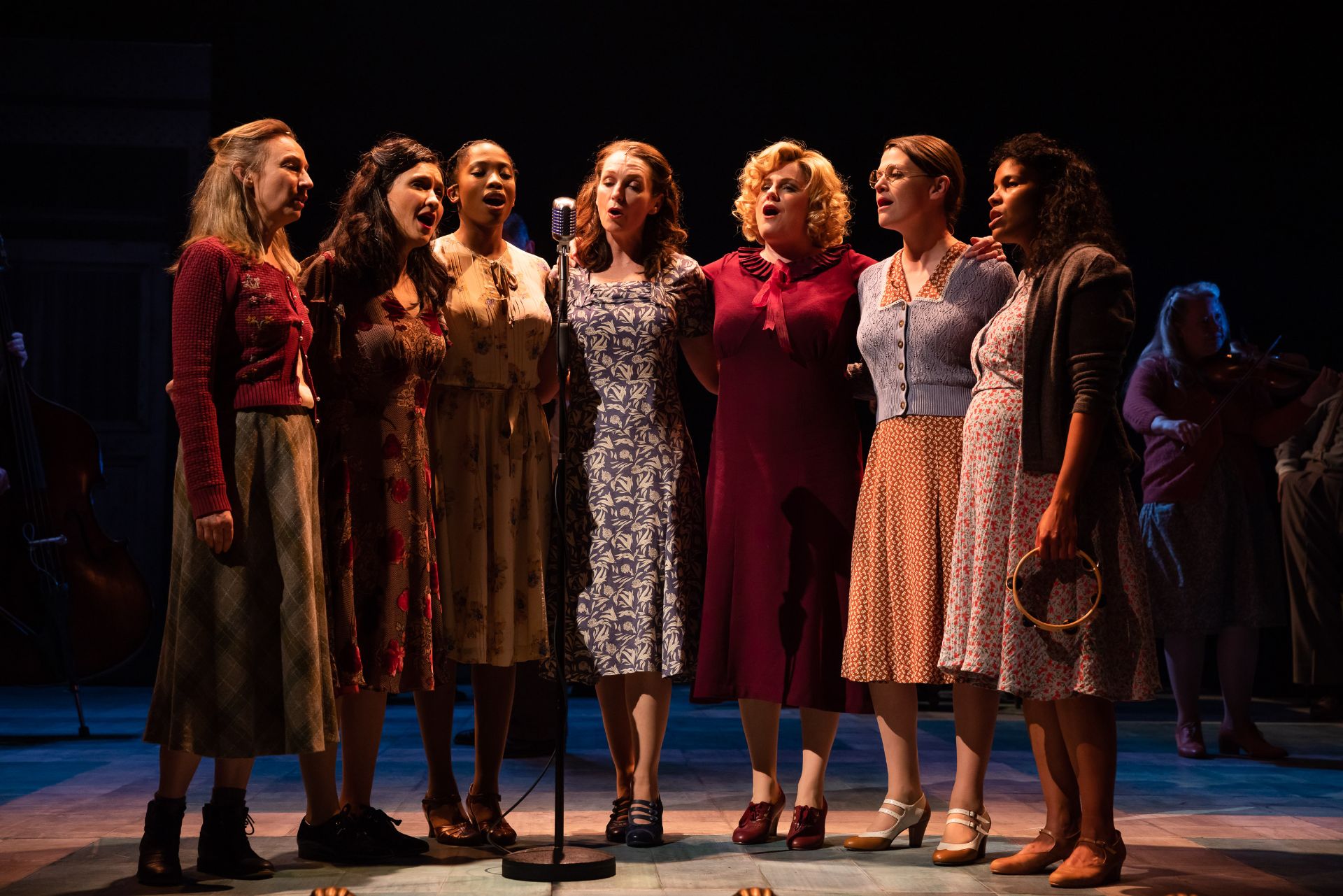
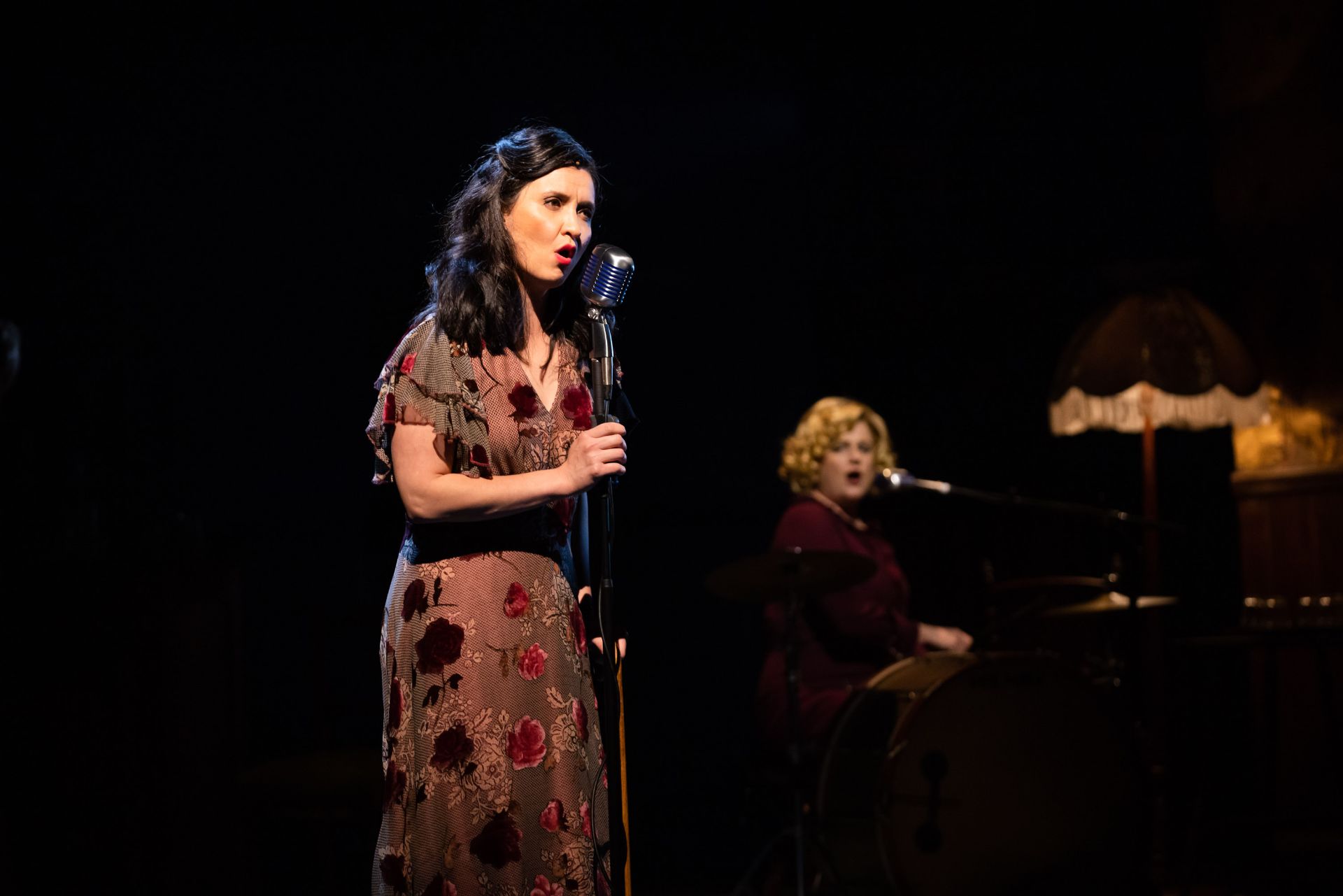
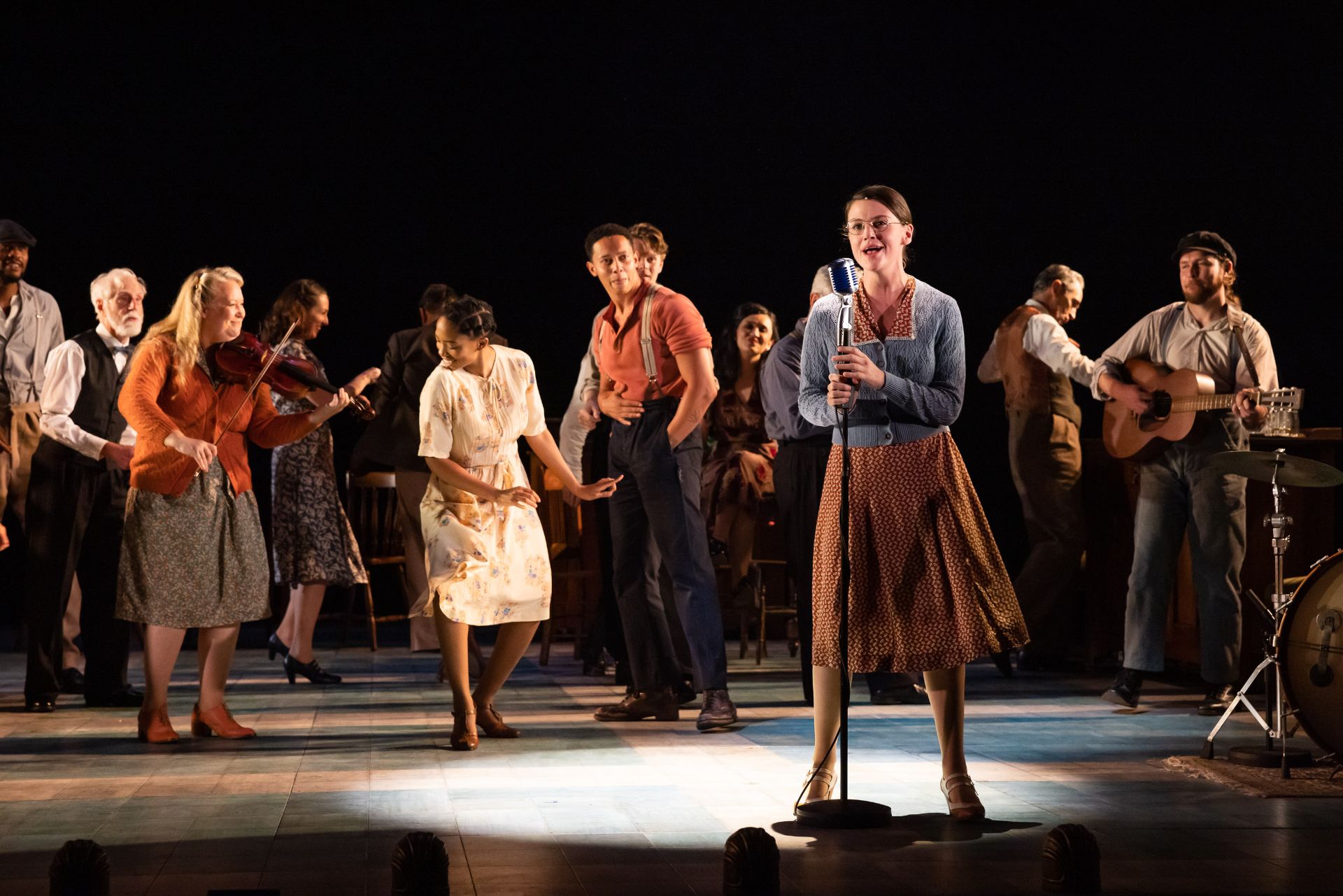
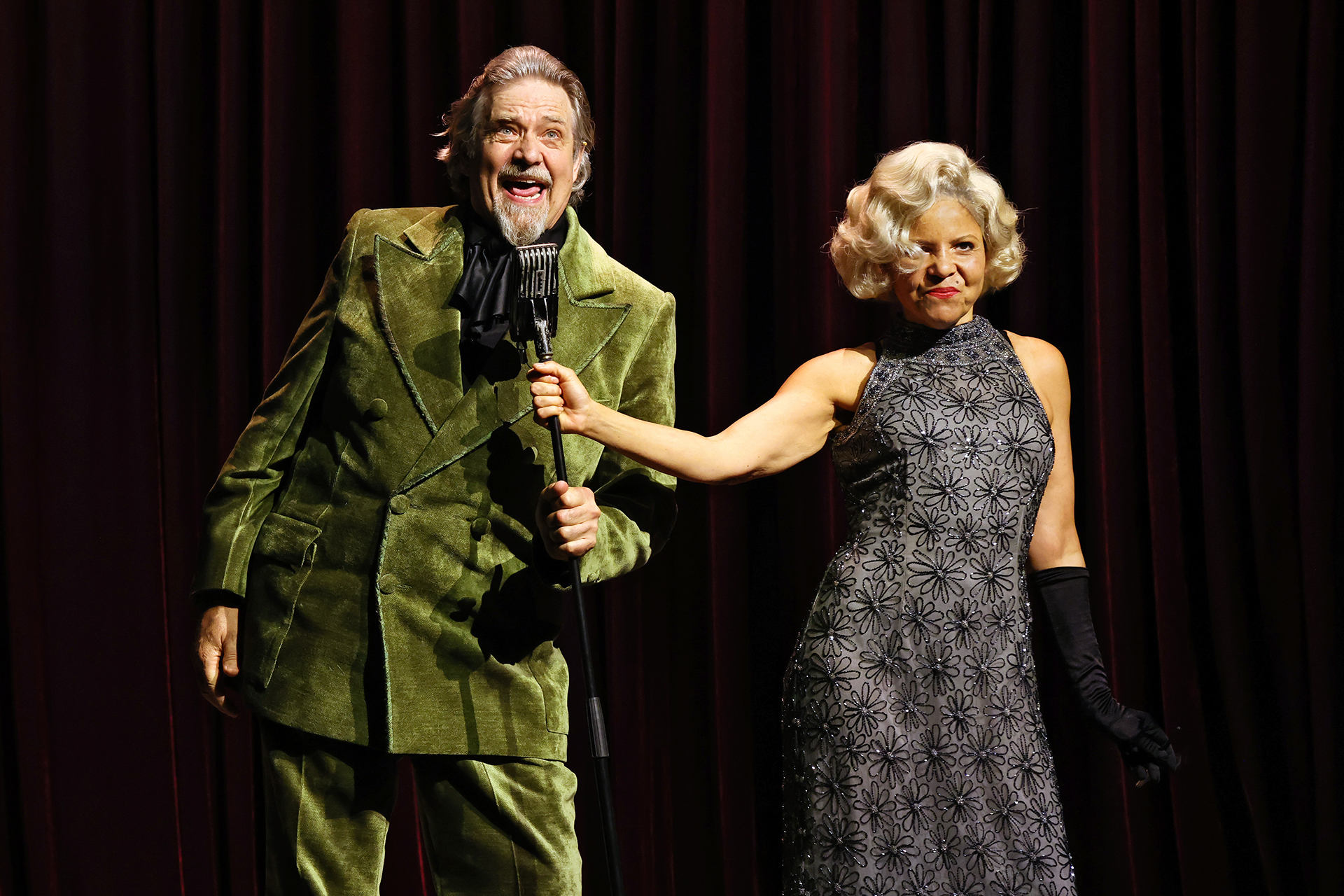
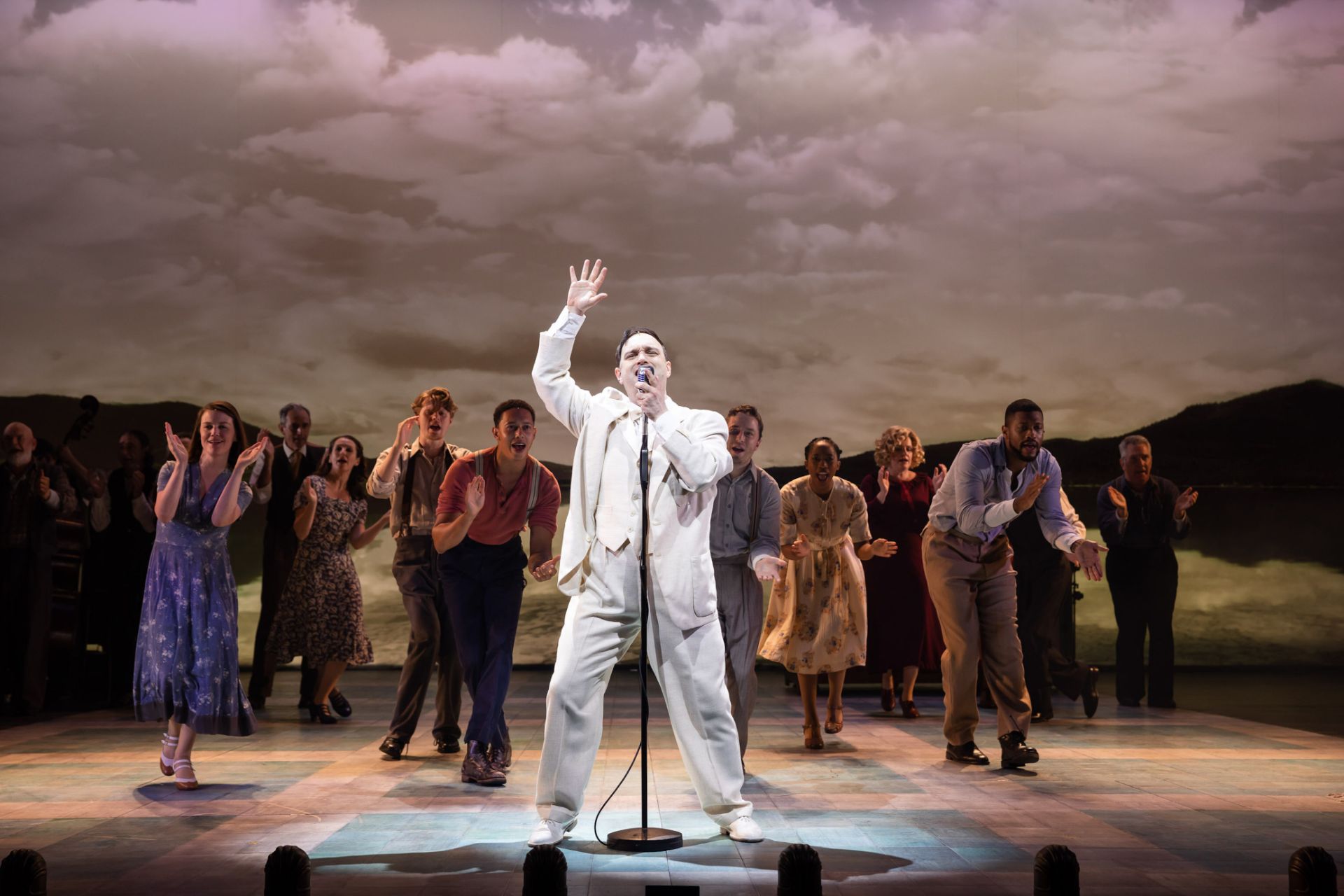
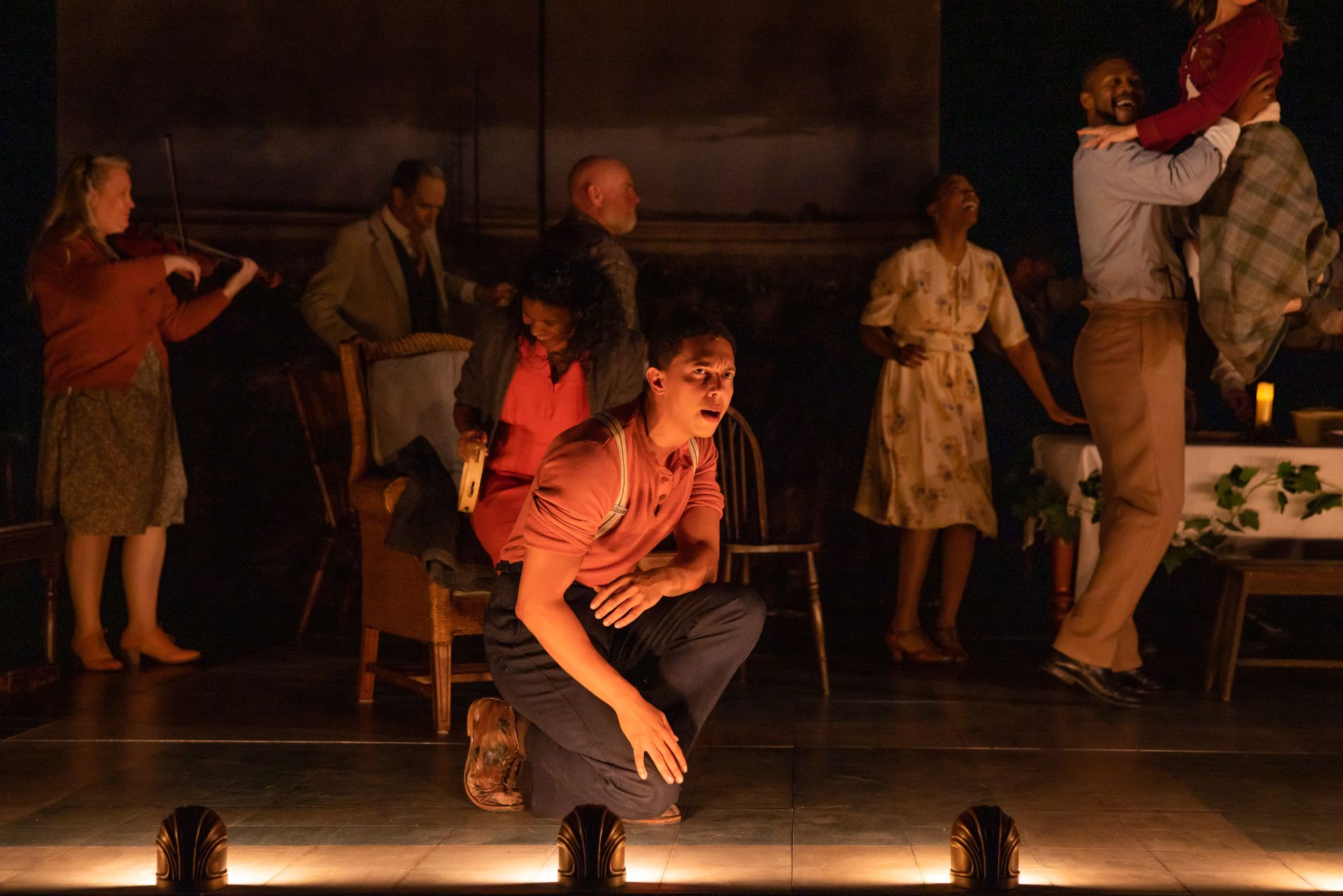
Characters of Girl from the North Country weave in and out of a Minnesota house, in 1934 when the Great Depression was in full force. Their stories are written by Conor McPherson, whose flair for sentimental nostalgia is put to good use, in this musical set to the songs of Bob Dylan. A kind of specific Americanness, found in its themes as well as in its style, might make the show feel somewhat distant to Australian sensibilities, but a transcendent beauty so present in all its creative considerations, almost bridges that cultural gap.

Although not always engaging, the work is certainly transportative. Directed by McPherson, Girl from the North Country takes us to another time and place, with a level of elegance rarely seen on our musical theatre stages. Mark Henderson’s lighting design, in collaboration with Rae Smith’s sets and costumes, offer up lush vistas that meld so wonderfully with musical director Andrew Ross’ reworking of Dylan’s songs. Lucy Hind’s sensitive choreography too is memorable, in a production that feels so confident yet remarkably understated.

The languid aesthetic is brought to manifestation by an endearing cast, including Peter Carroll, Lisa McCune and Zahra Newman, who deliver captivating personalities, in a show that is otherwise fairly resistant of our need to identify with its people and situations. Sublime singing from the likes of Callum Francis, Elizabeth Hay and Christina O’Neill pull us in, so that we can regard the heart and soul of these artistic renderings, at close proximation.

There are many moments of theatrical magic in Girl from the North Country, but there are also many instances where it leaves us unexpectedly cold. It includes an abundance of exquisite elements that amount to something best described as mellow. One would not be surprised to discover that the songs connect more than the stories do, in a work that stands most importantly, as a tribute to the legend that is Bob Dylan.

www.northcountry.com.au

Review: Pollon (Little Eggs Collective)

Venue: Kings Cross Theatre (Kings Cross NSW), Dec 14 – 18, 2021
Creator and Performer: Eliza Scott
Director and Dramaturg:
Craig Baldwin
Images by Yannick Jamey

Theatre review
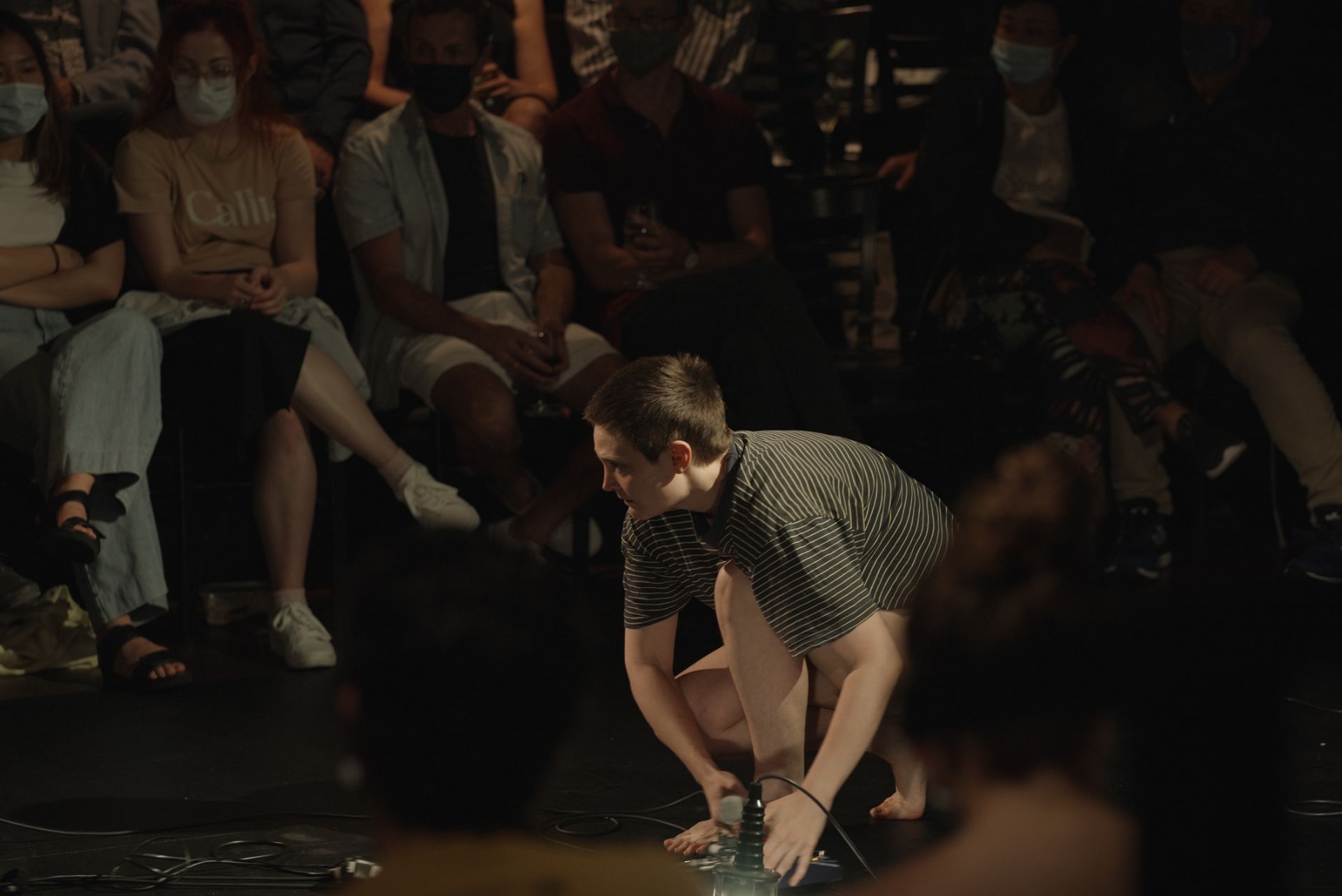
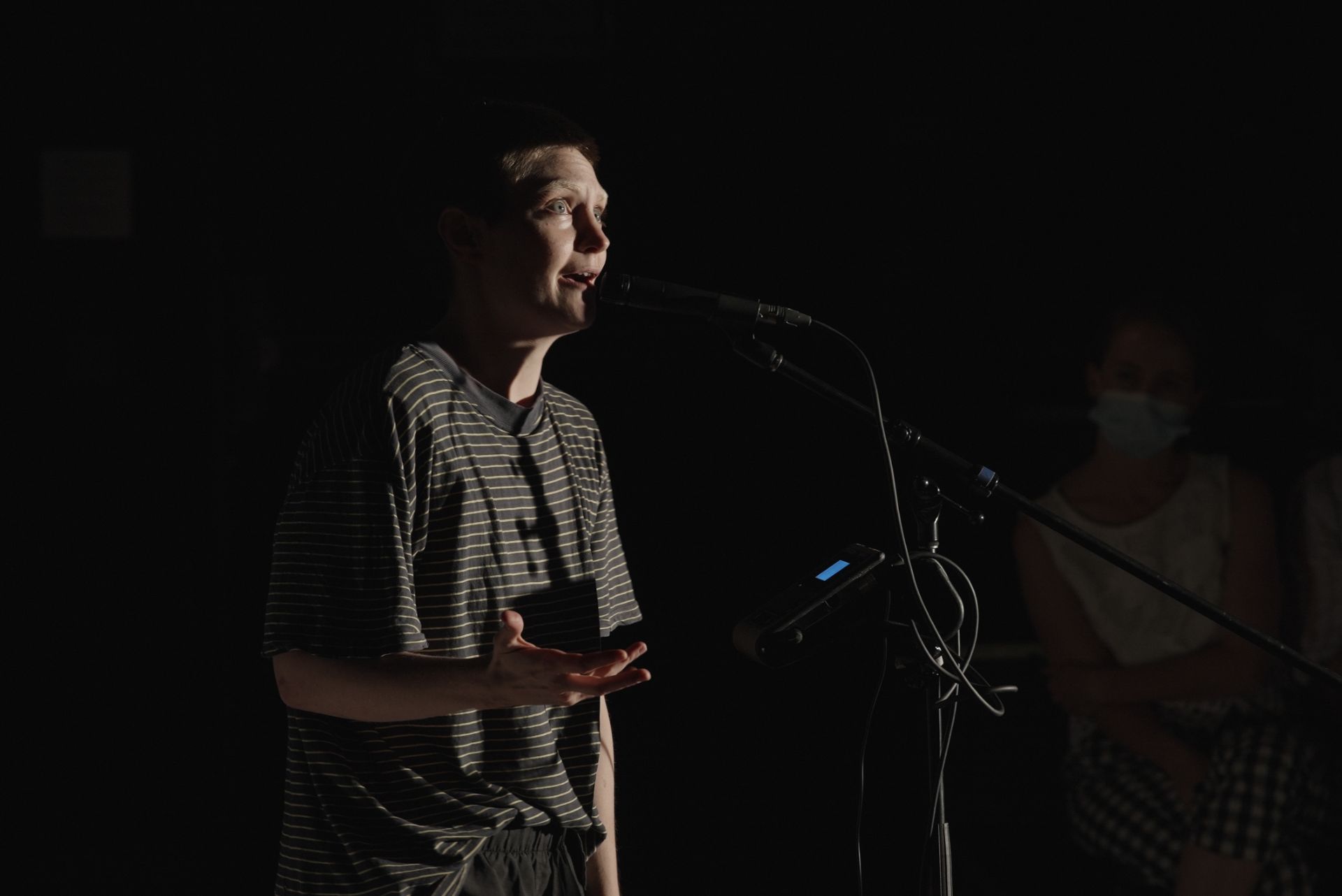
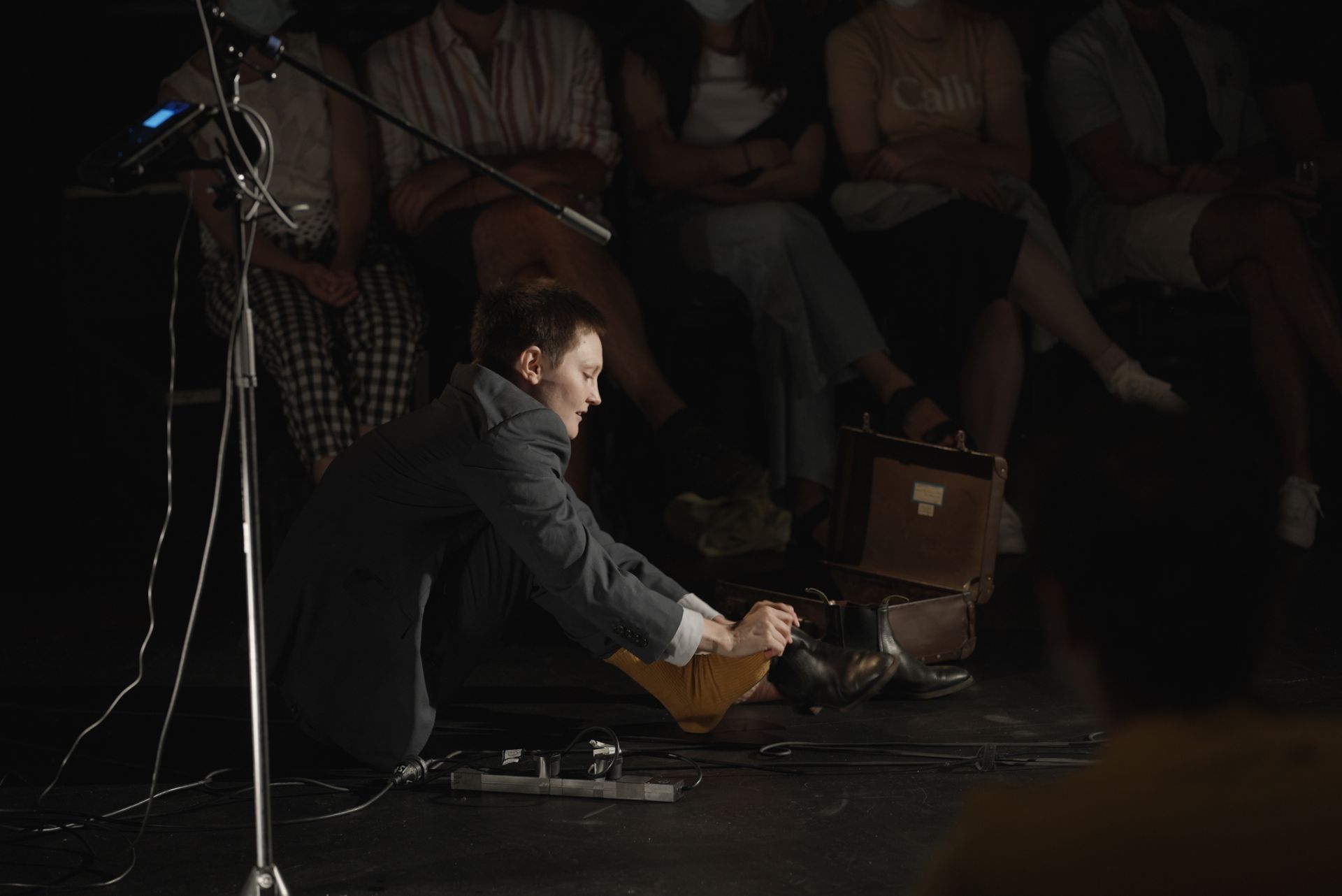
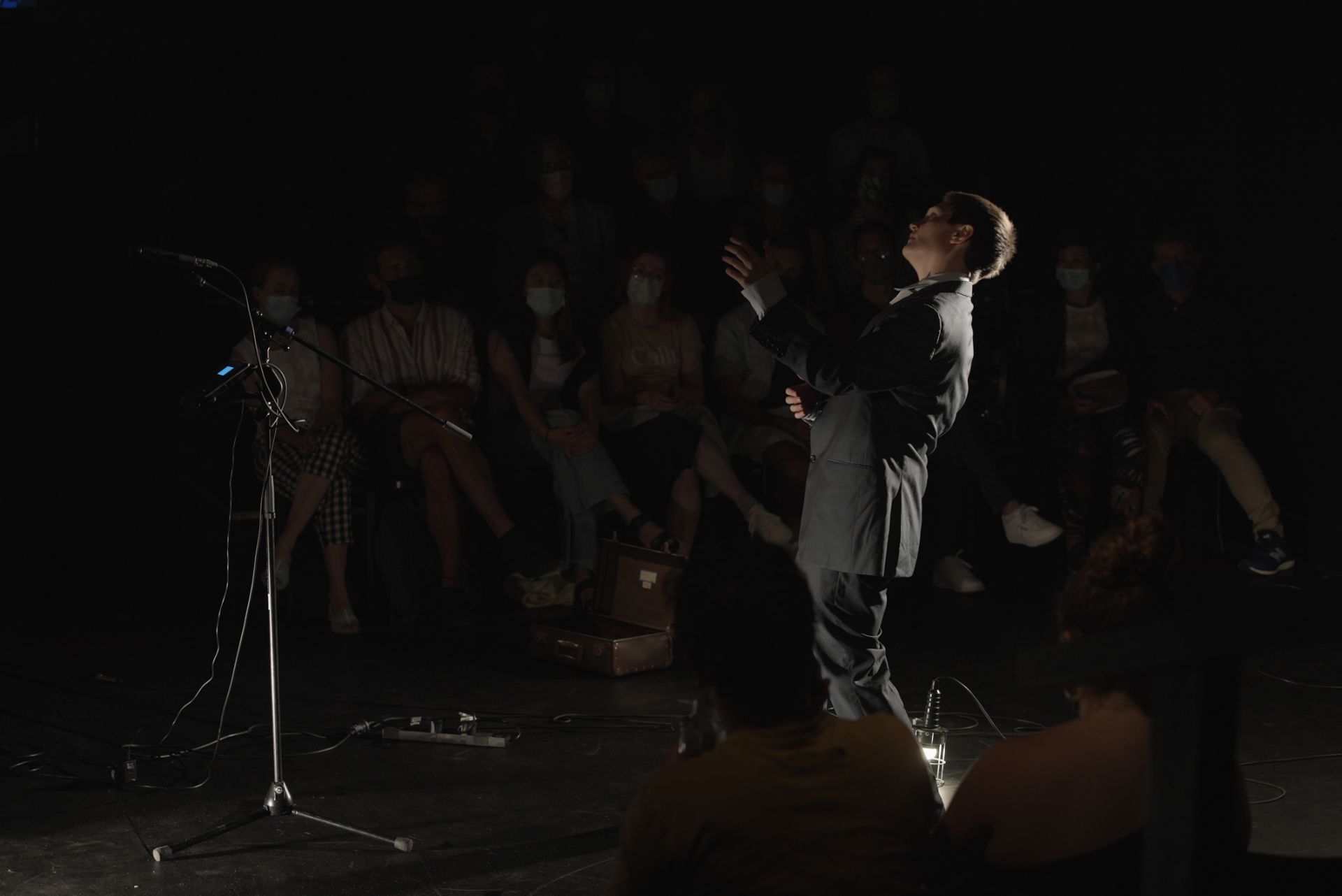
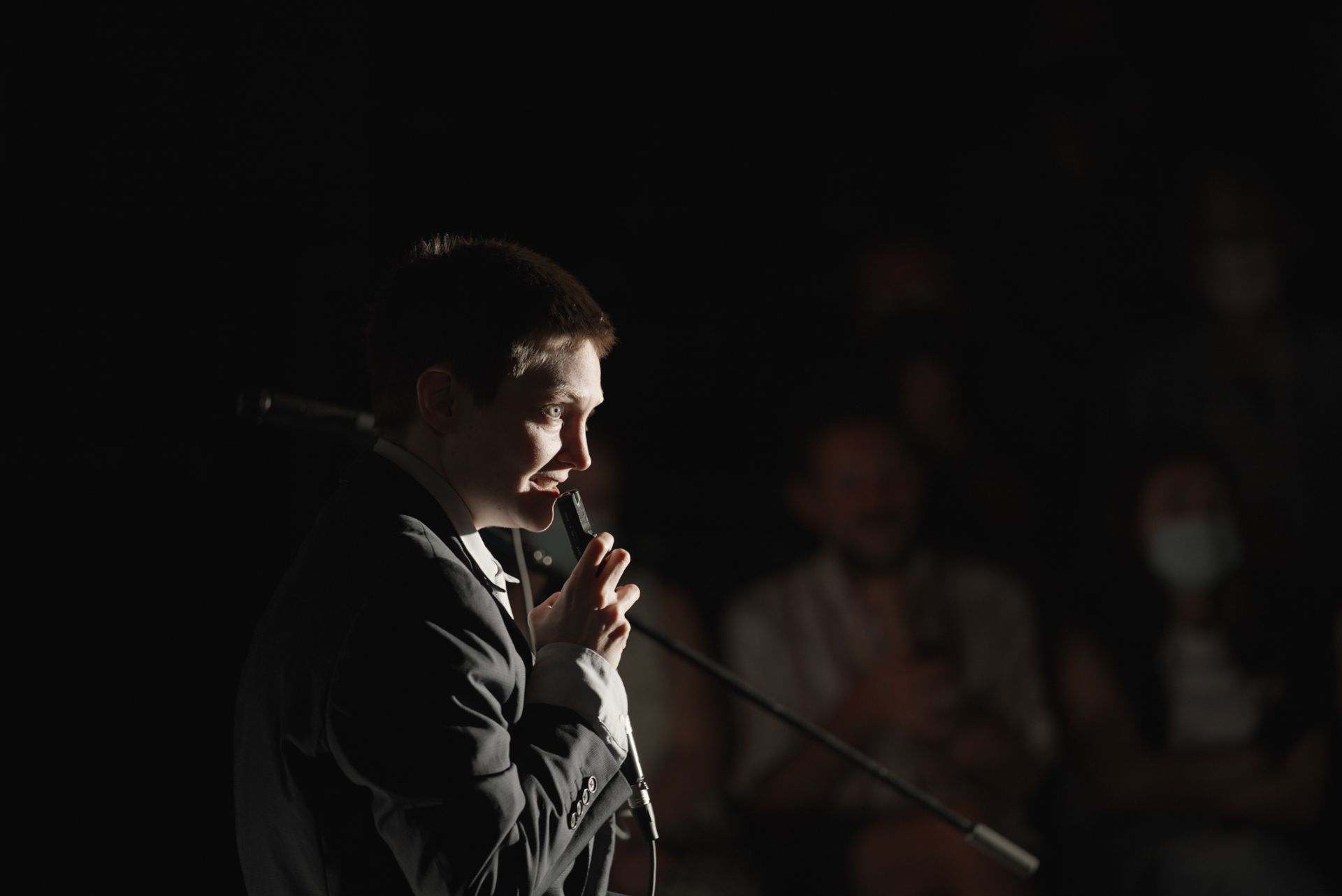
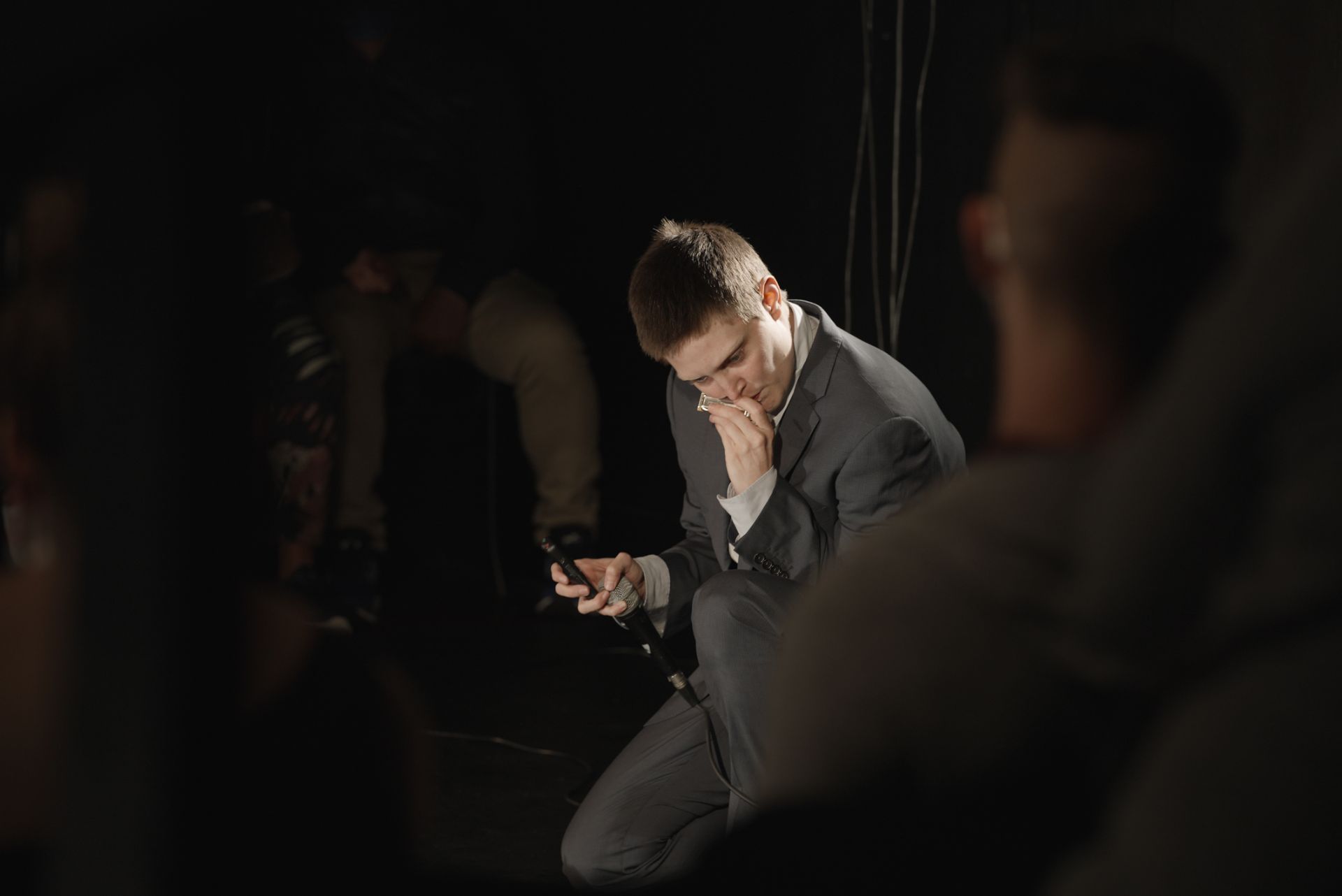
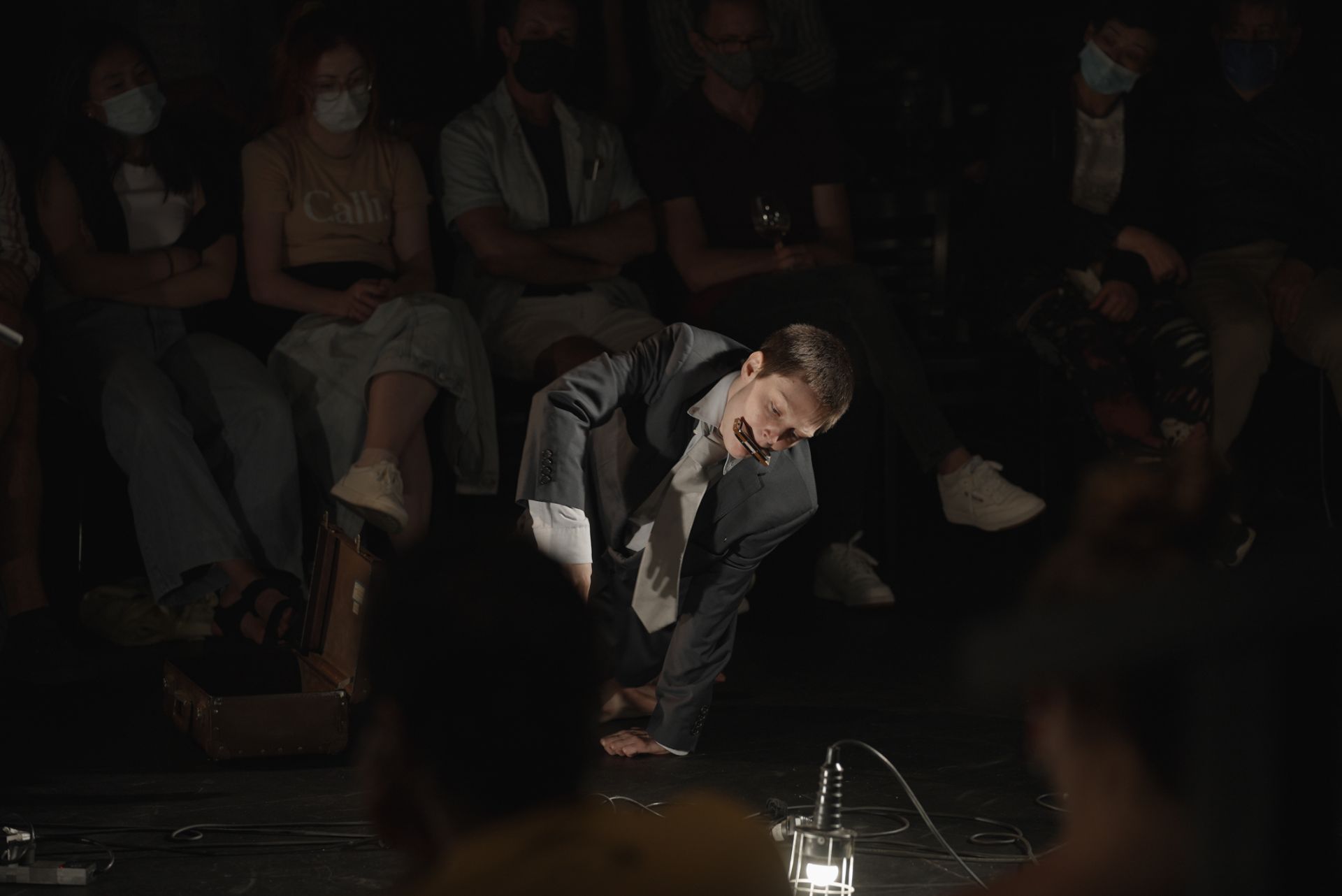
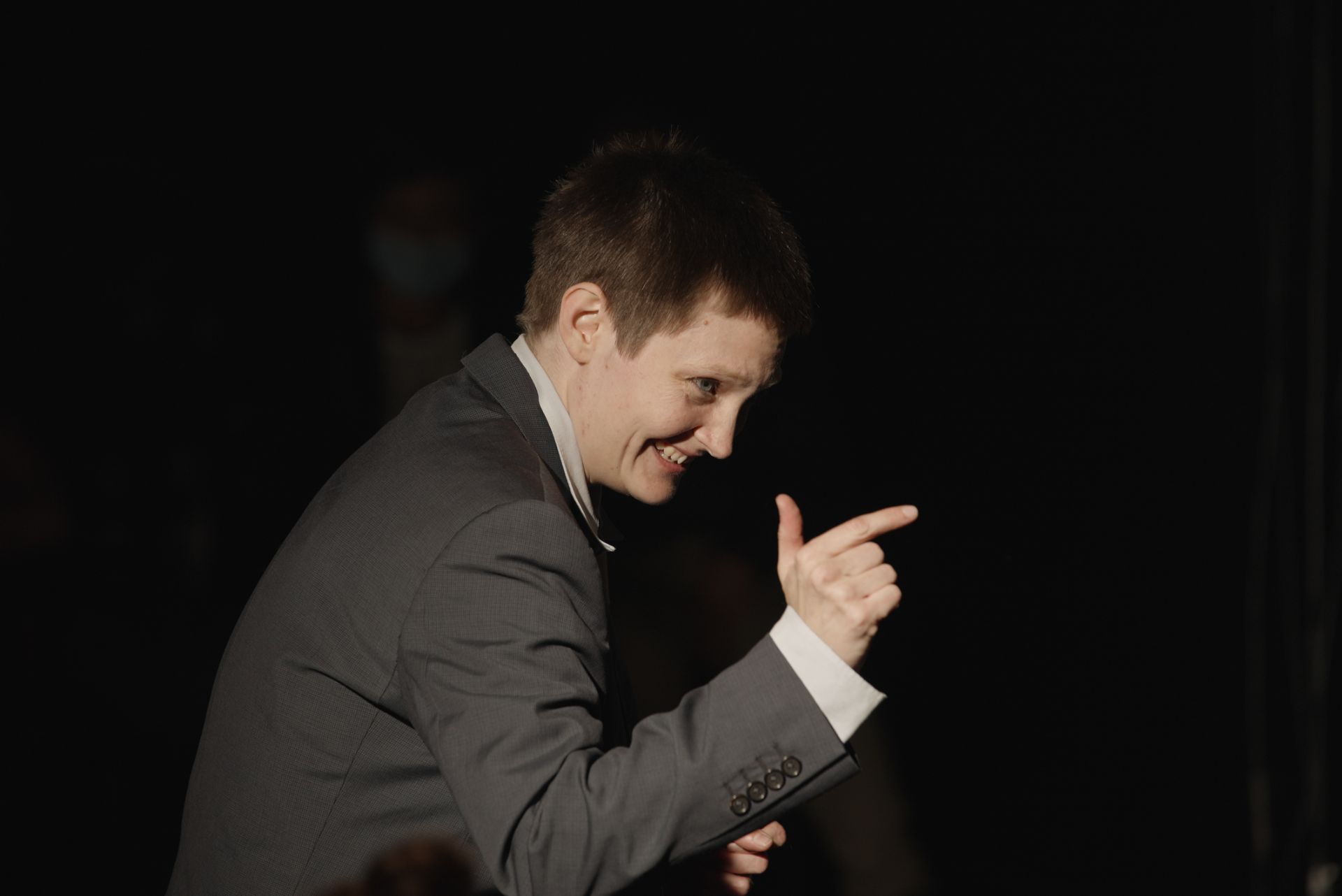
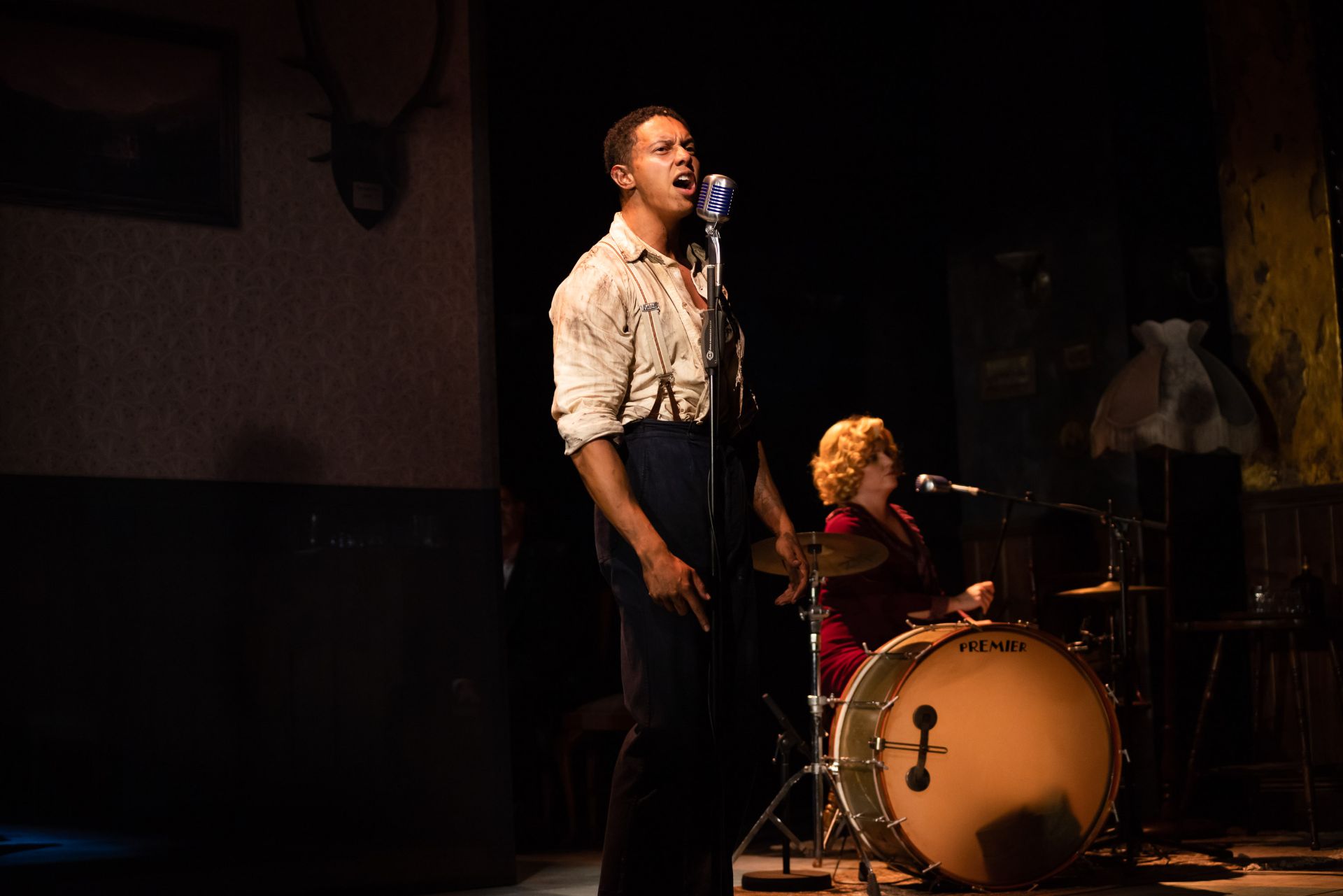
In Pollon, we witness Eliza Scott attempting to recreate the presence, of someone no longer present. An older man maybe Scott’s father, has fallen critically ill or perhaps died, and the artist, like all who are left behind, has to grapple with the nature of grief and of memory, in ways that are utterly personal. In Pollon, it is that process of mourning that reveals the things that we hold dear, that often do not come into true consciousness until too late.

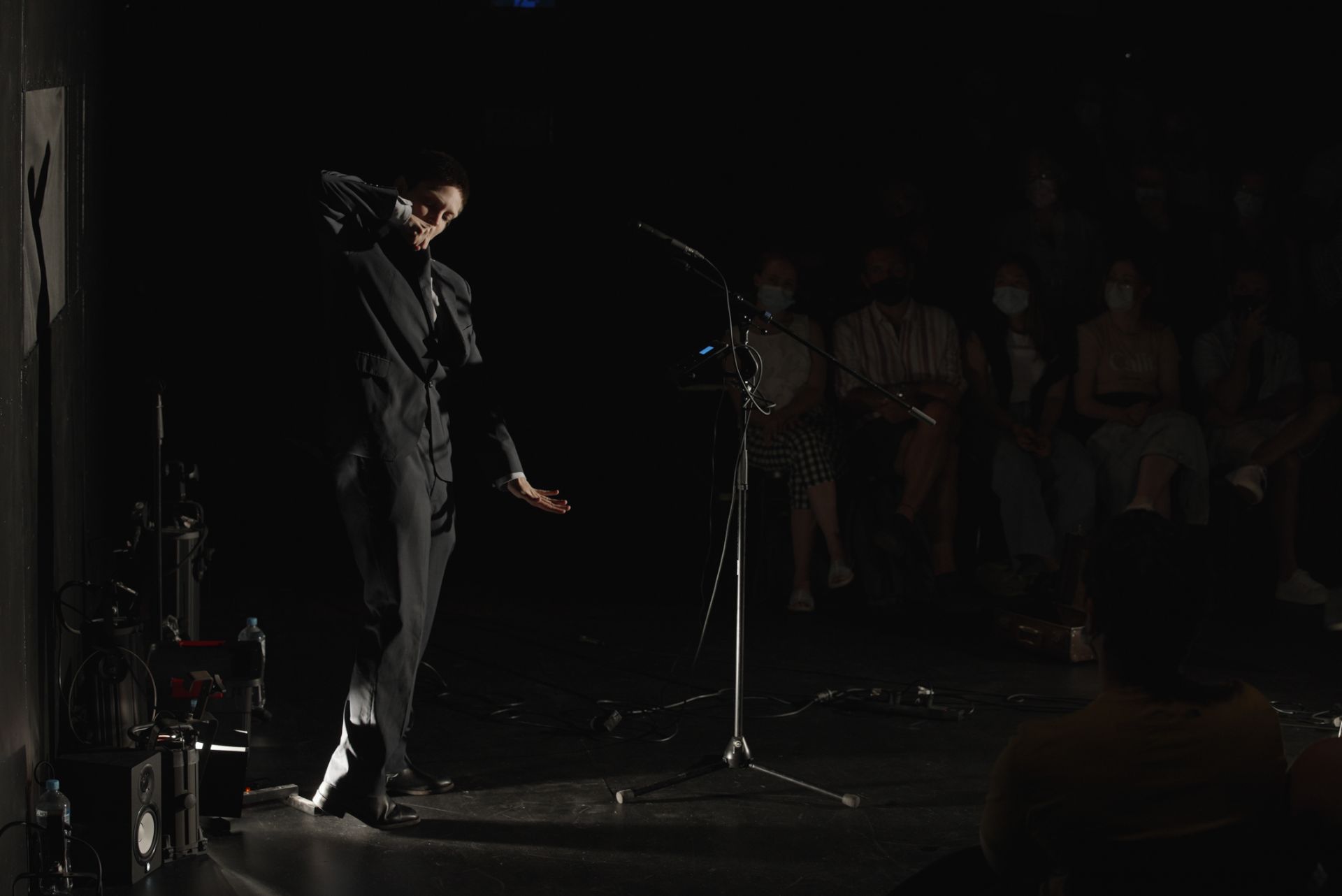
The memory of a lost love is retrieved, most notably in this staging, through the sense of sound. Scott’s reminiscences are based heavily on old utterances that might have been fleeting or indeed, repeated time and again. That search for yesterday’s intimate moments, are made material by the performer’s various constructions of sonic presentations. Utilising the simple combination of a microphone with two loop stations, impromptu “songs” are created to fascinating effect.
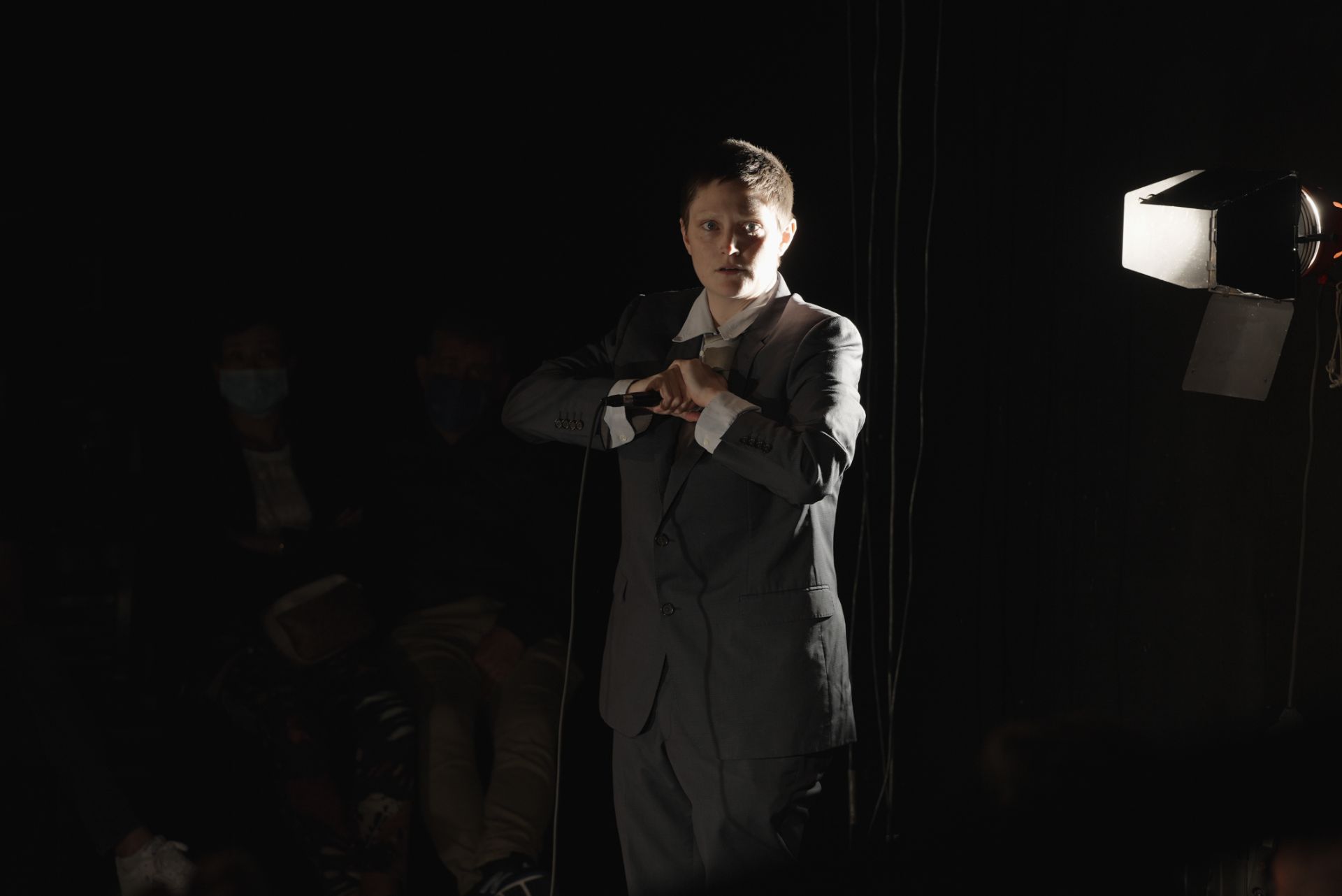
Directed by Craig Baldwin, visual aspects are even more pared back, with minimal costumes and light changes, on a set that looks almost perfunctory by design. The result however is commendably elegant, in its rendering of a kind of essentialist aesthetic. As performer, Scott is irresistibly charming, with an intense vulnerability that makes everything they serve up, seem captivating and important. For an abstract work about presence, Scott’s sheer star quality is a convincing ingredient, that keeps us completely at ease and attentive.
Nobody can remember the days before they were born, but to think that one’s existence on this plane, in the posthumous, might become equally imperceptible and intangible, is unbearable. If we do not wish to contend with the idea that we simply vanish into thin air, it must be true then, that humans are concerned with legacy. Yet, we do so little to ensure that what we leave behind, is good and fair. The remnants of a generation will always inform how subsequent lives will conceive of the world. One can only hope that all the bad that lingers, can somehow be transformed into something better.

www.littleeggscollective.com

Review: Jagged Little Pill (Theatre Royal Sydney)

Venue: Theatre Royal Sydney (Sydney NSW), 2 – 19 Dec, 2021
Book: Diablo Cody
Music: Glen Ballard, Alanis Morissette
Lyrics: Alanis Morissette
Director: Diane Paulus
Cast: Natalie Bassingthwaighte, Tim Draxl, Emily Nkomo, Liam Head, Maggie Mckenna, Grace Miell, Aydan, Josh Gates, Imani Williams, Caleb Jago-ward, Mon Vergara, Baylie Carson, Georgina Hopson, Noah Mullins, Trevor Santos, Isabella Roberts, Marie Ikonomou, Bella Choundary, Jerome Javier, Romy Vuksan
Images by Daniel Boud

Theatre review
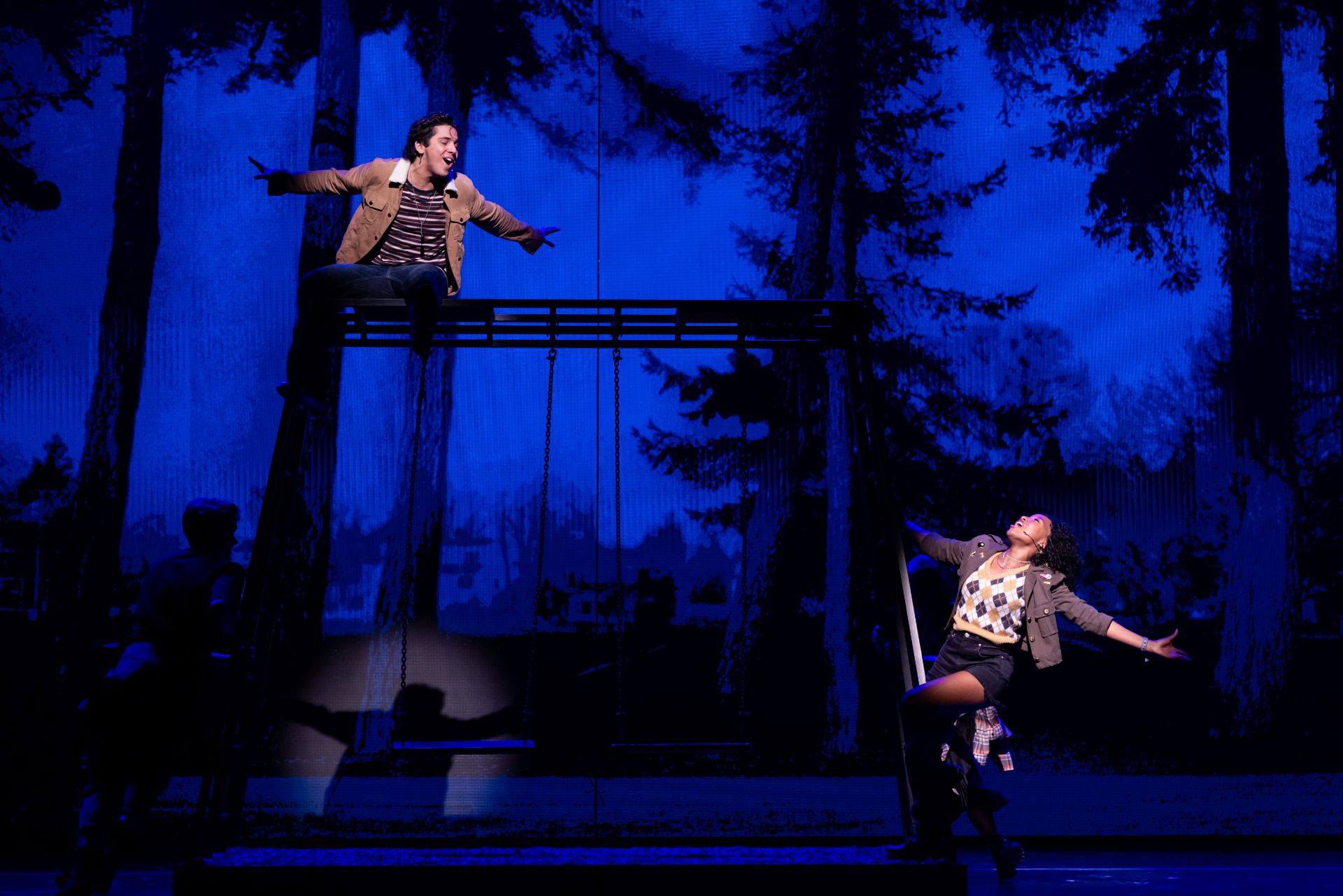
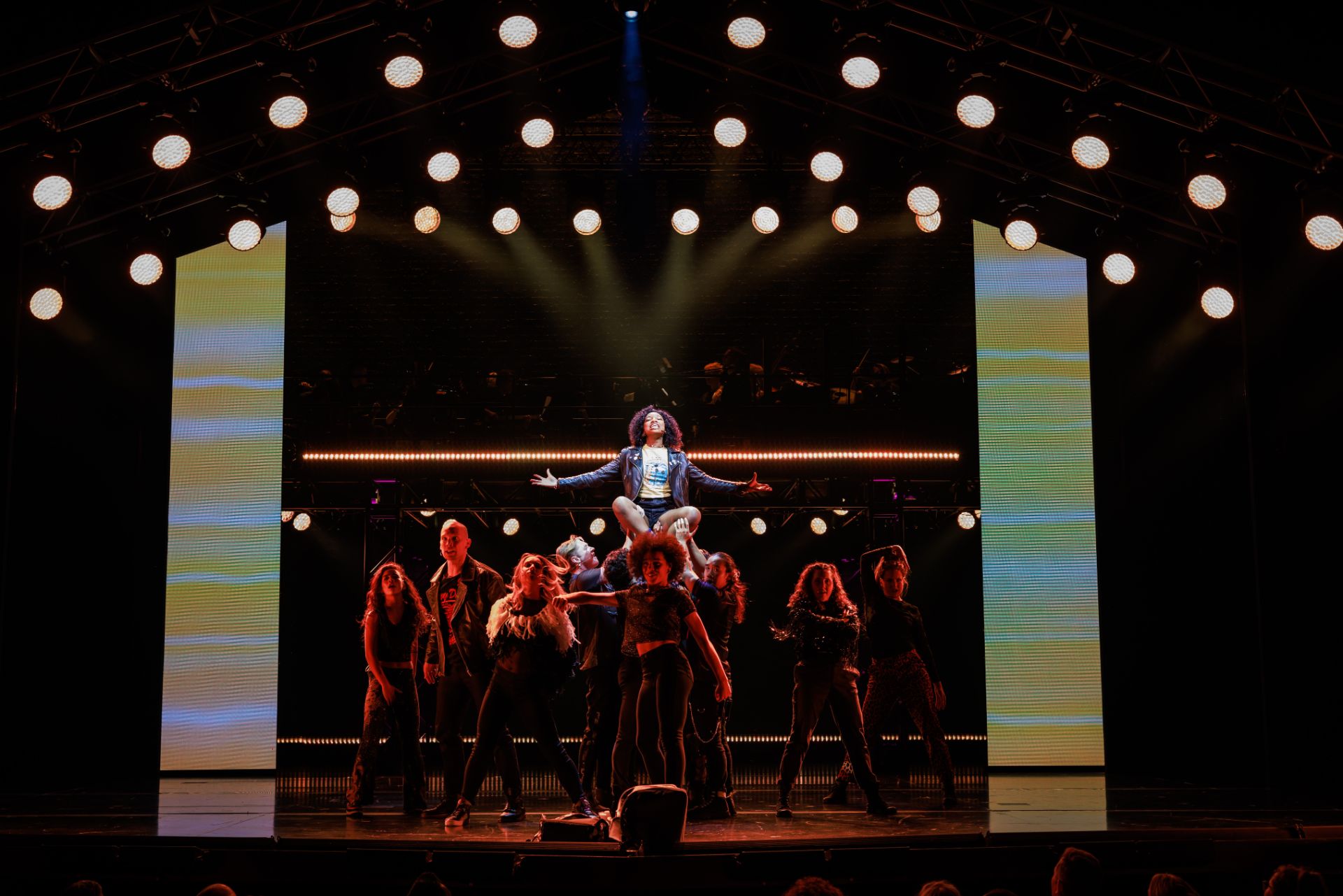
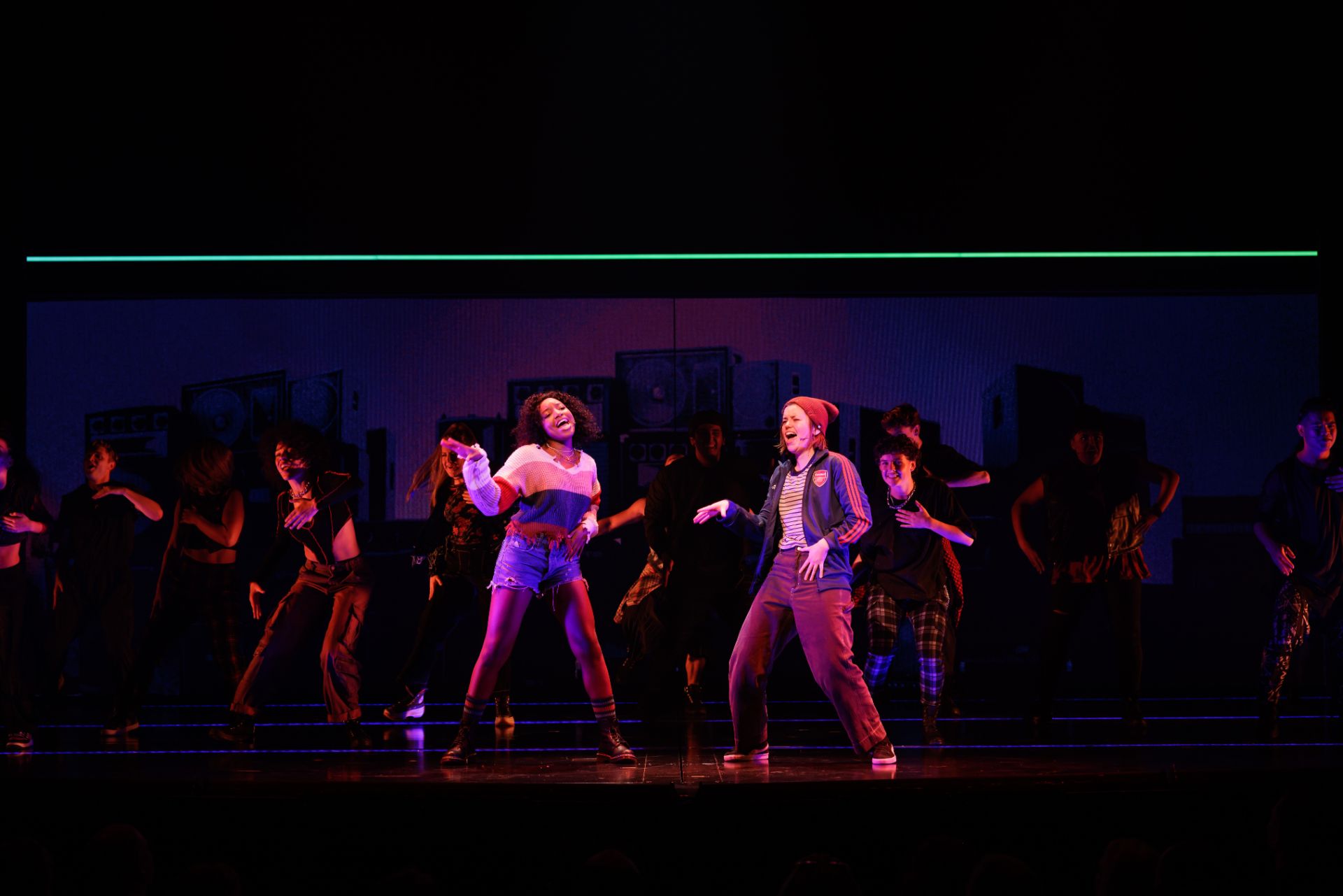
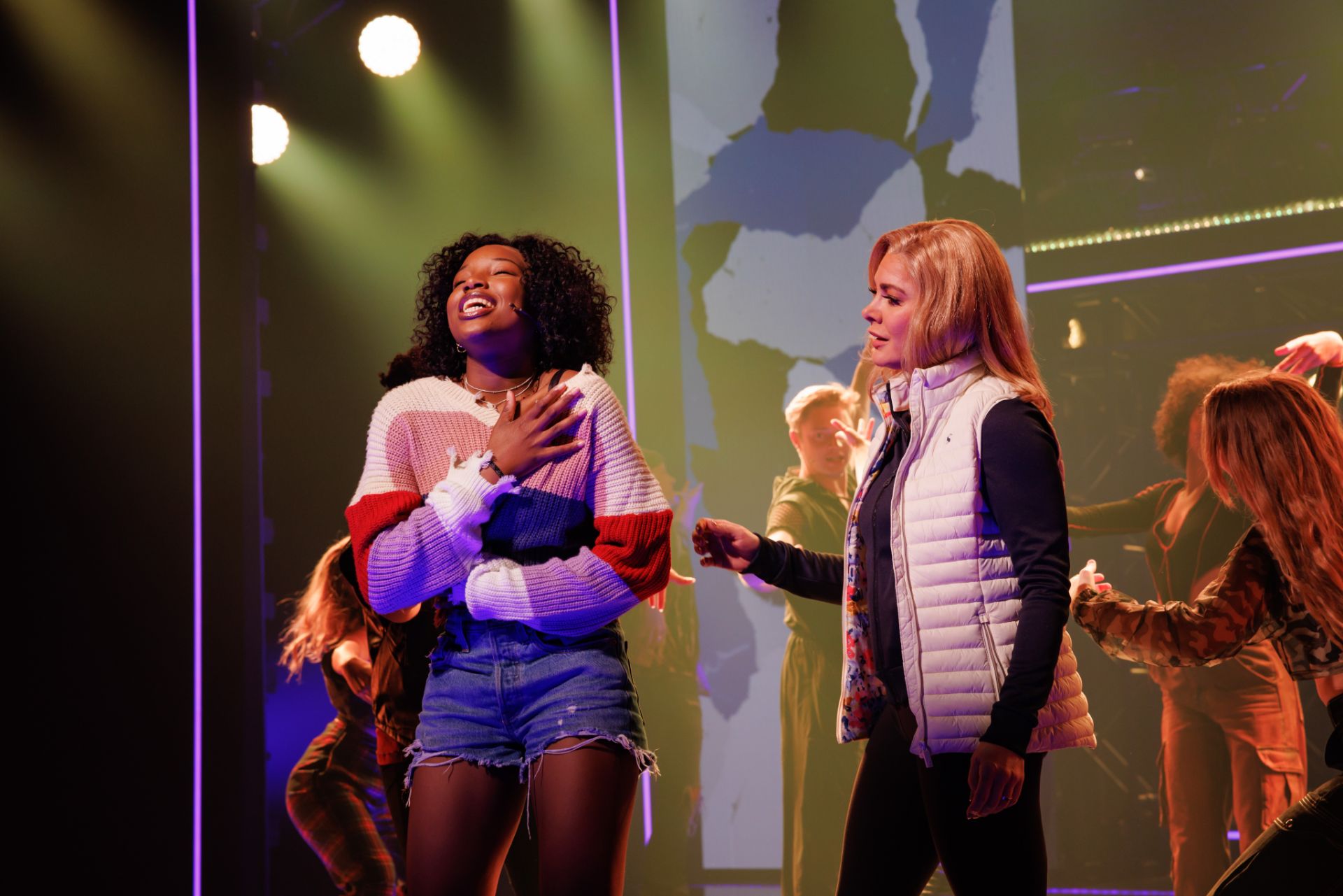
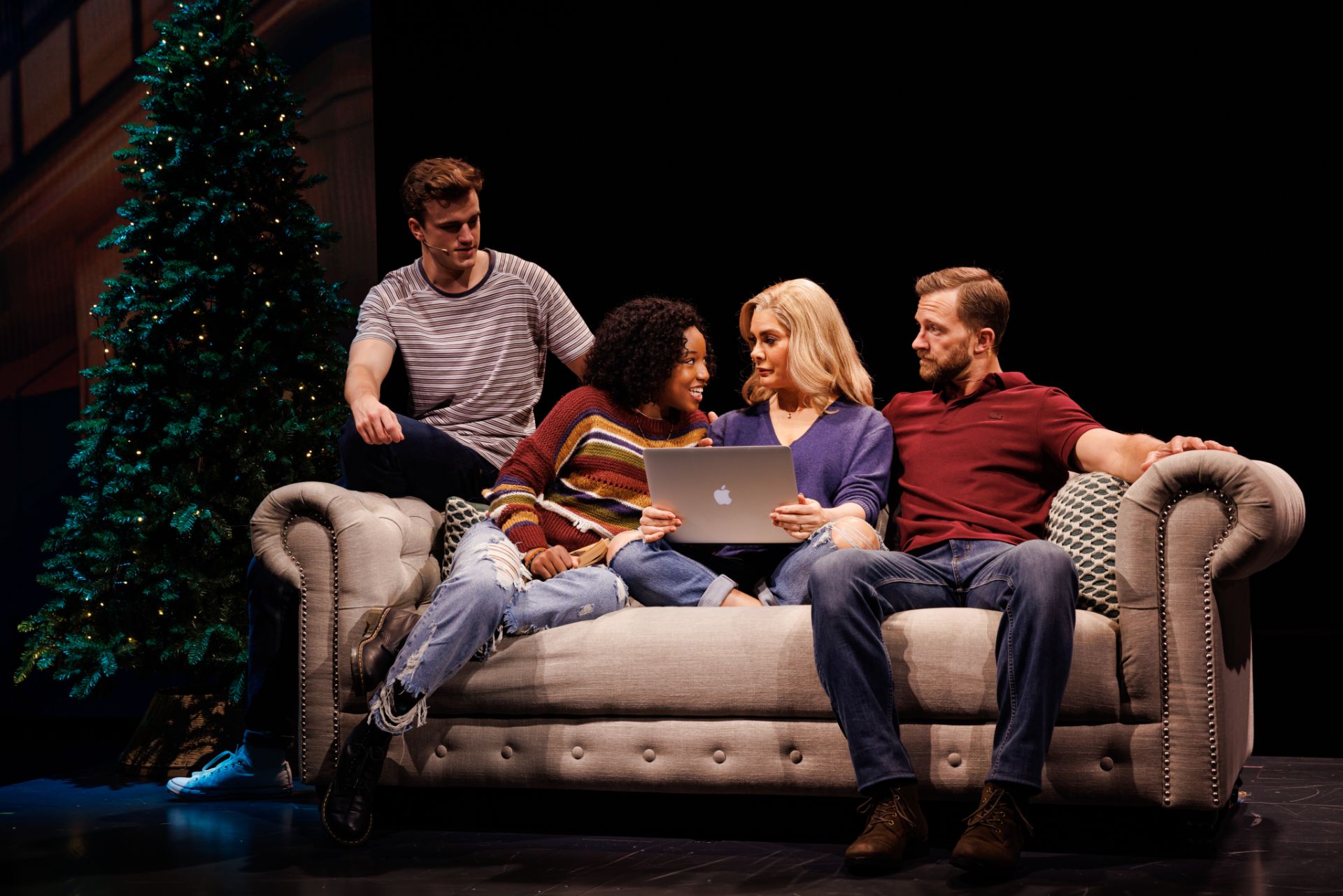
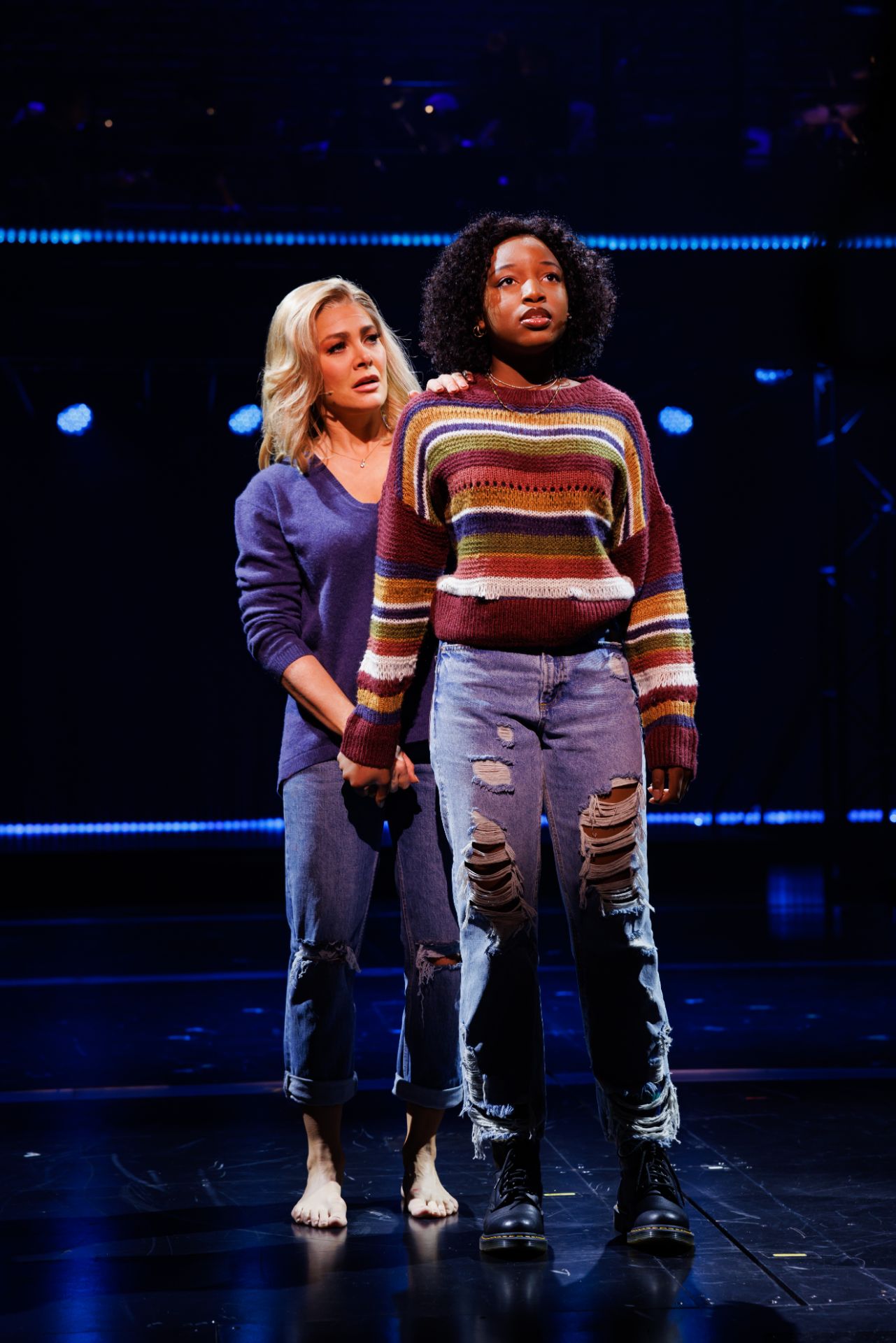
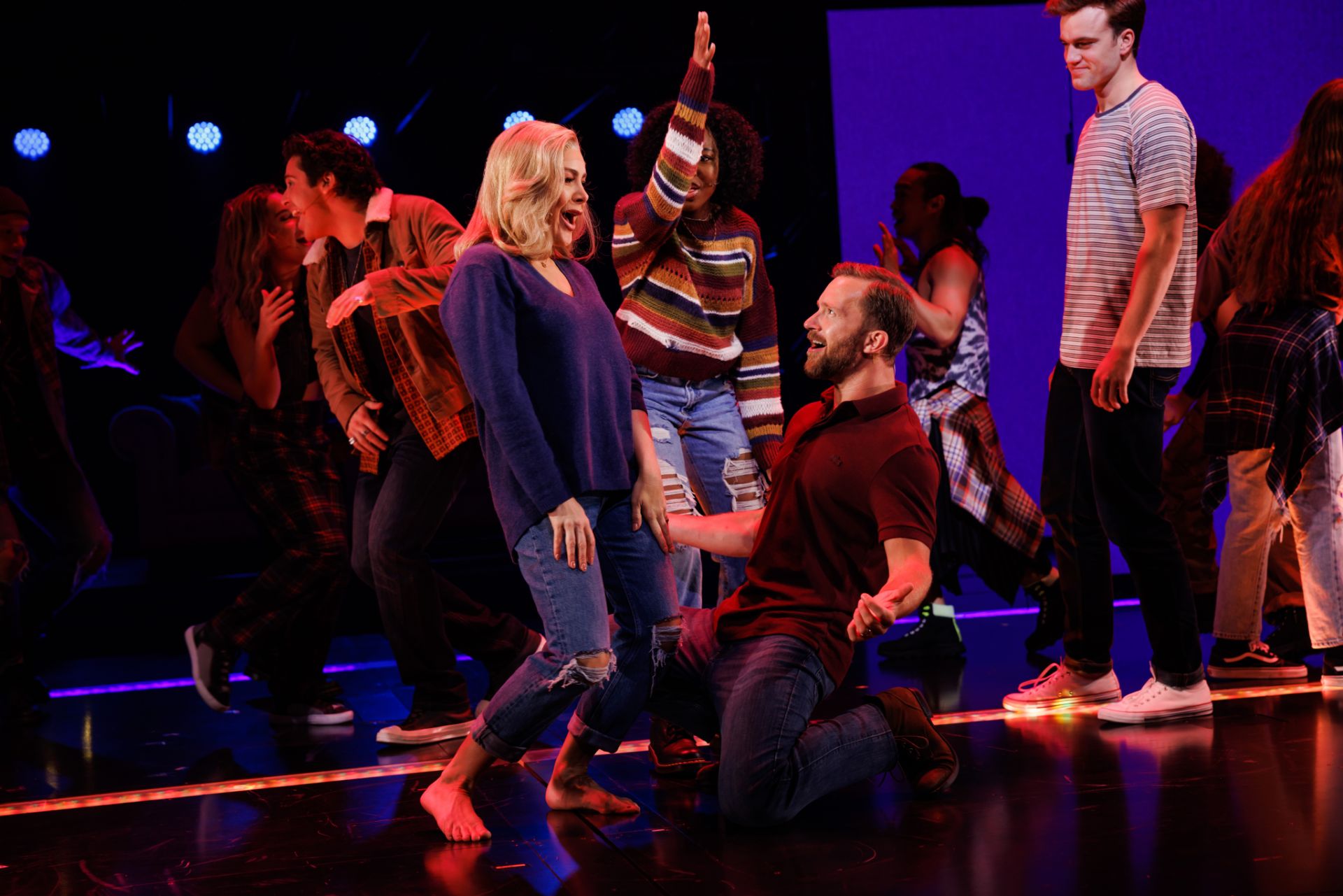
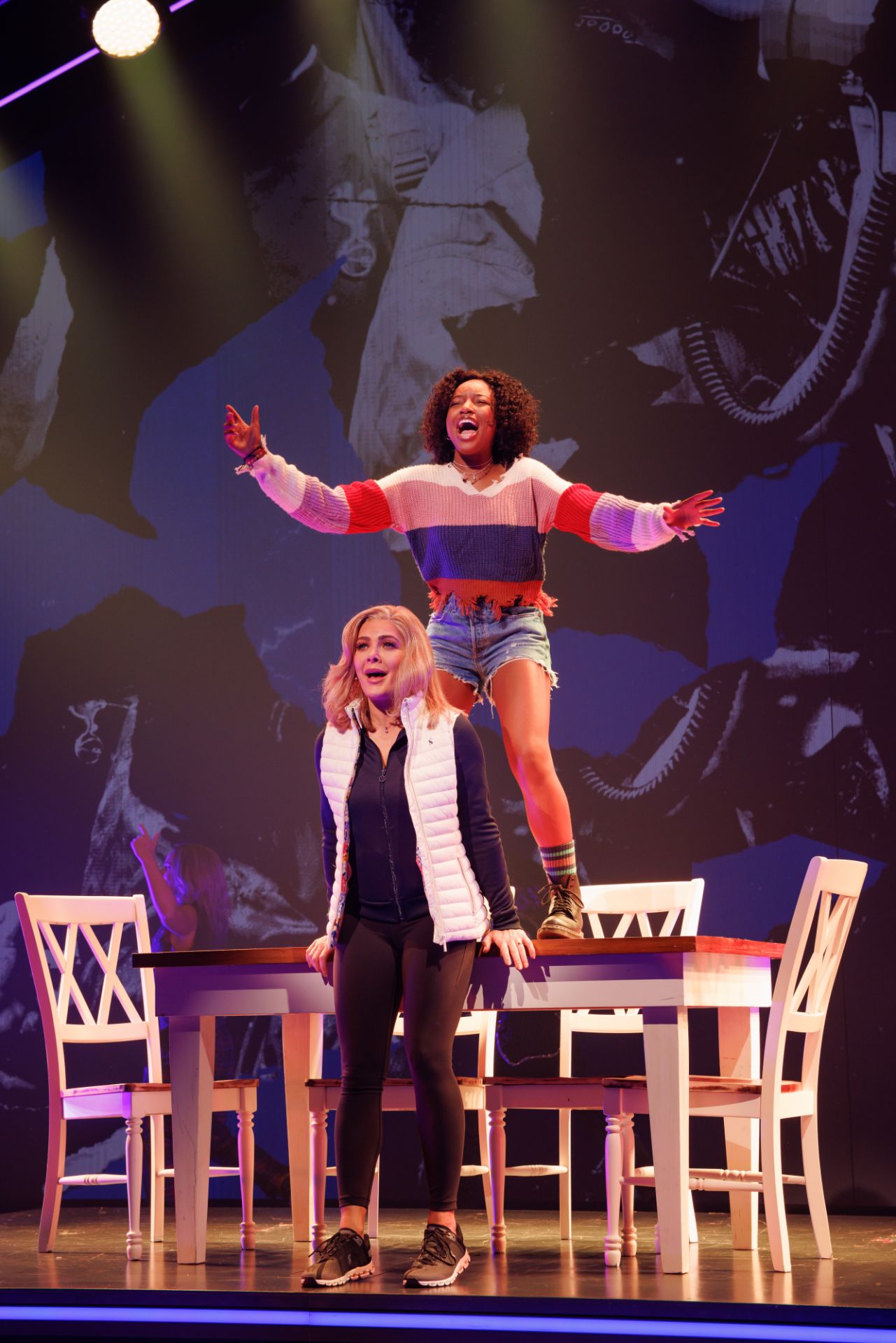
The story takes place in upper-middle class suburbia, where Mary Jane, a classic Connecticut housewife hiding a secret drug problem, invests extraordinary energy into making everything at home appear perfect, to all and sundry. A reckoning is forced into being however, when her teenage children’s upheavals precipitate an embrace of the ugly truth. Adopted daughter Frankie is Black and coming of age, and has lost all patience for her community’s pretentiousness, and son Nick is embroiled in a case of sexual assault, that leads us to discover the depths of Mary Jane’s personal struggles.

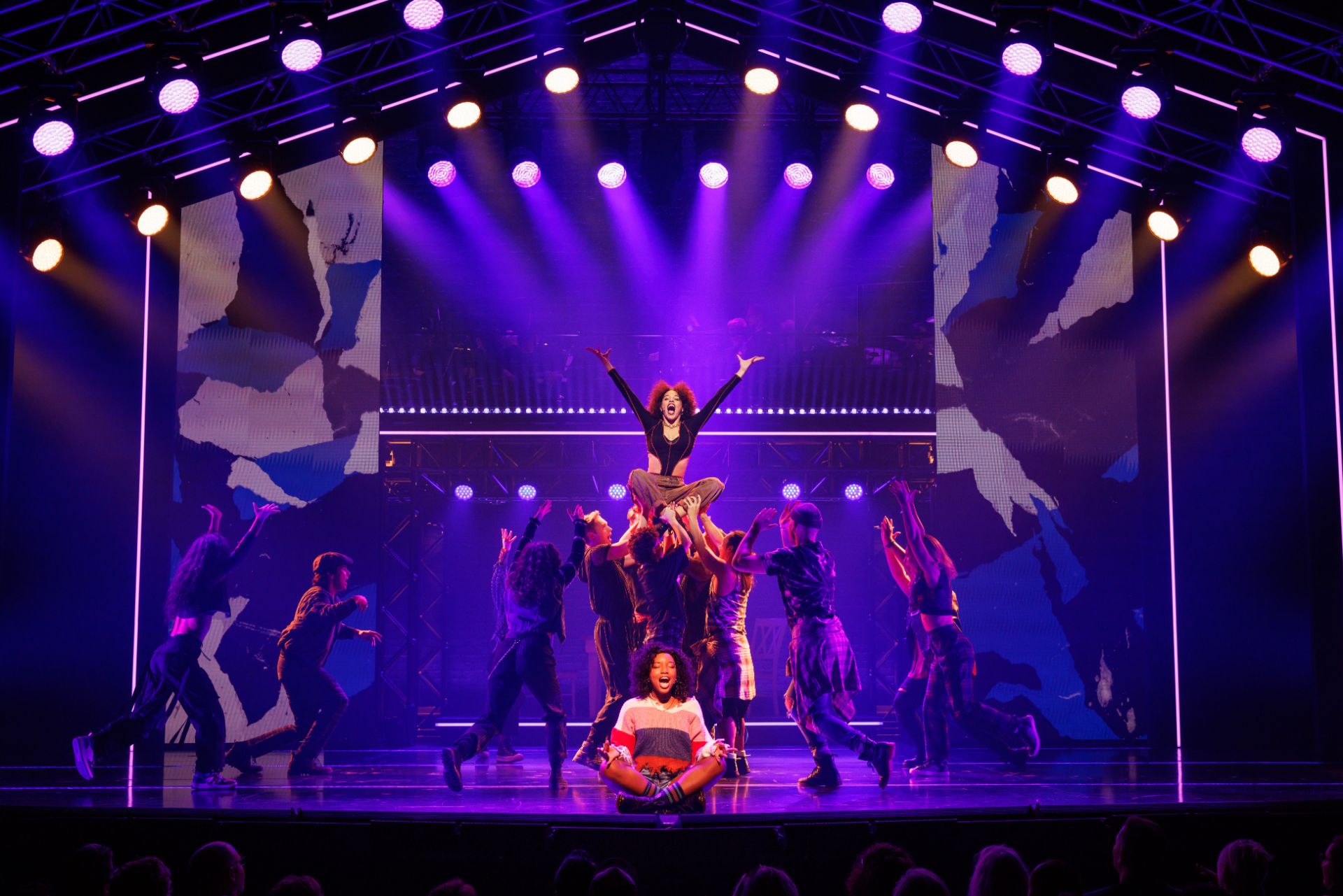
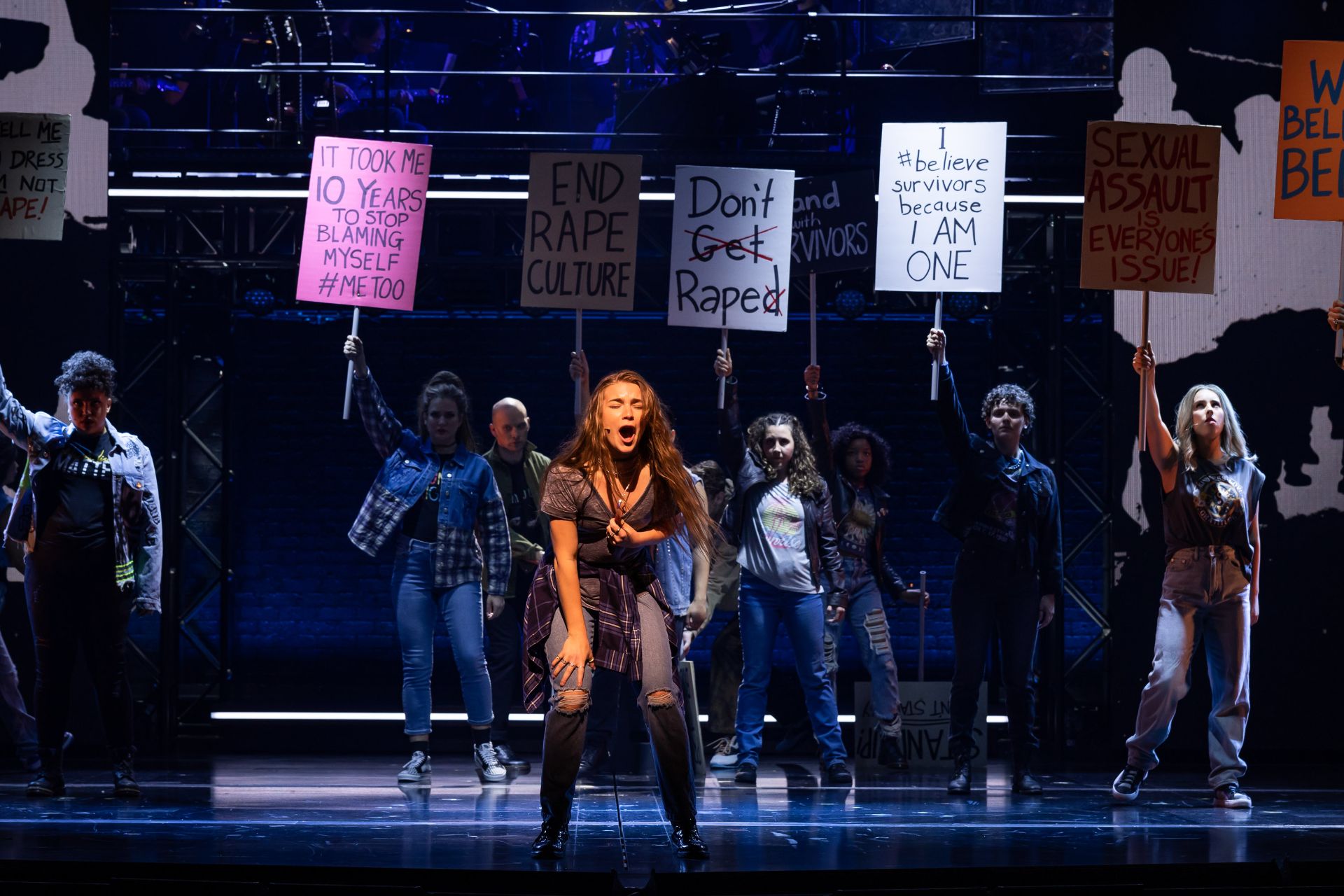
The book for Jagged Little Pill by Diablo Cody is carefully considered, and admirable in its commitment to incorporating social issues that are of immense concern today. It represents a strong attempt at pushing forward the musical theatre format, in order that entertainment could be combined, with something altogether more substantial in the way we tell stories, in this age of cultural reinvention. The dominant presence of political activists in the show, complete with slogans on placards, is not only a sign of the times, but a real manifestation of the spirit and intention, of this very 21st century musical.

Featuring songs from the seminal 1995 Alanis Morissette rock album of the same name, the show however is not always completely engaging. The flow from dialogue to song is often less than seamless, and choreography of dance sequences feel awkwardly dated, even if we are conscious of the source material’s age. Fortunately, direction by Diane Paulus (implemented by Resident Director Leah Howard) is full of heart, and although not completely finessed, Jagged Little Pill succeeds in making its art say something deeply meaningful, and very probably, enduringly memorable.

Performer Natalie Bassingthwaighte does an excellent job of presenting Mary Jane’s vulnerability, beautifully detailing all her character’s flaws, whilst keeping us firmly on her side. It is a charm offensive of the most convincing kind. Her family is portrayed by Tim Draxl, Liam Head and Emily Nkomo, who offer nuance to challenging relationships, that all can surely identify with. Singing for Morissette’s rock tunes however, are more powerfully delivered by Aydan, Maggie McKenna and Grace Miell, who play Frankie’s friends and lovers from school. Their ability to bridge the considerable gap between rock and Broadway styles of singing, are the crucial ingredient for some of Jagged Little Pill‘s more transcendent moments.

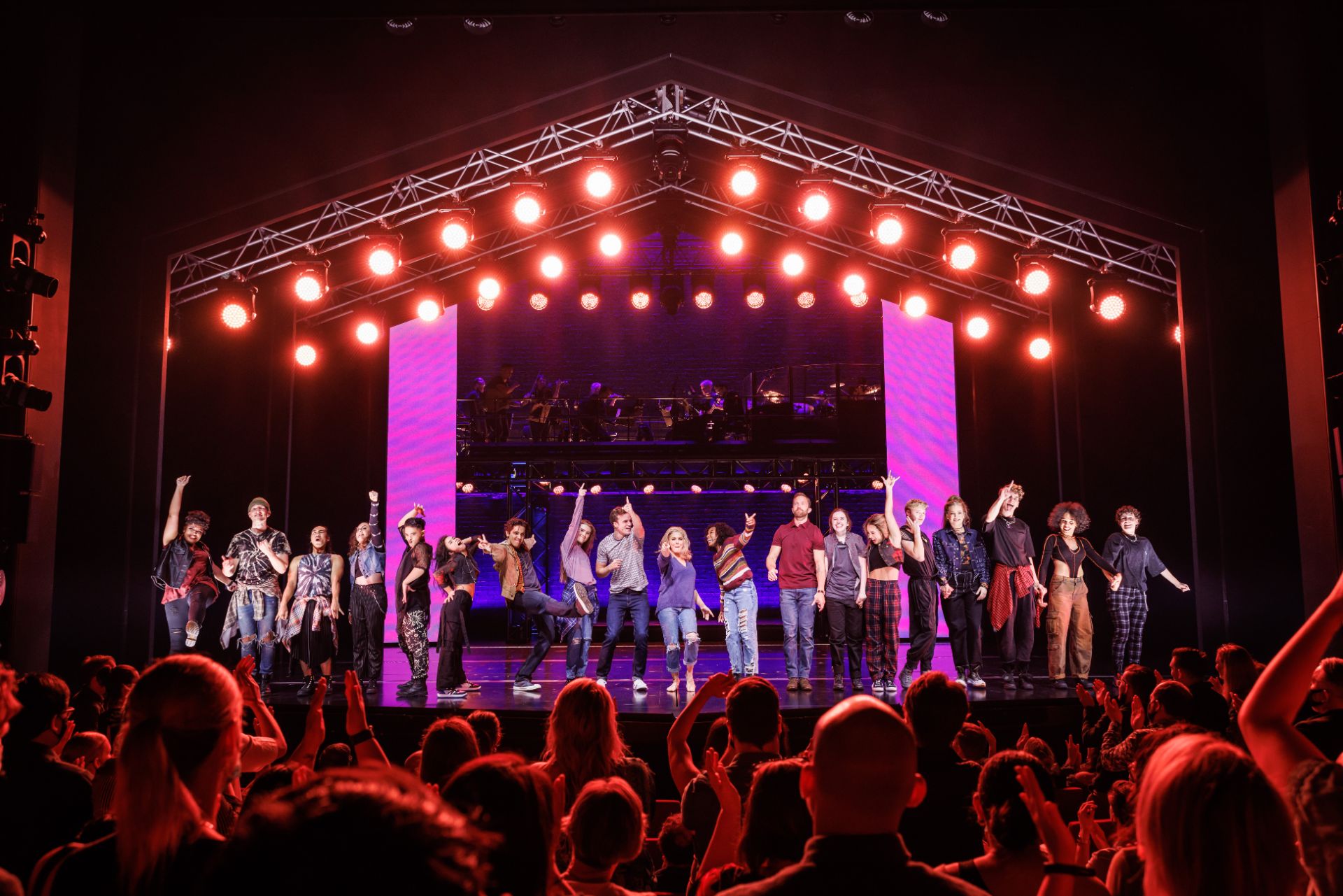
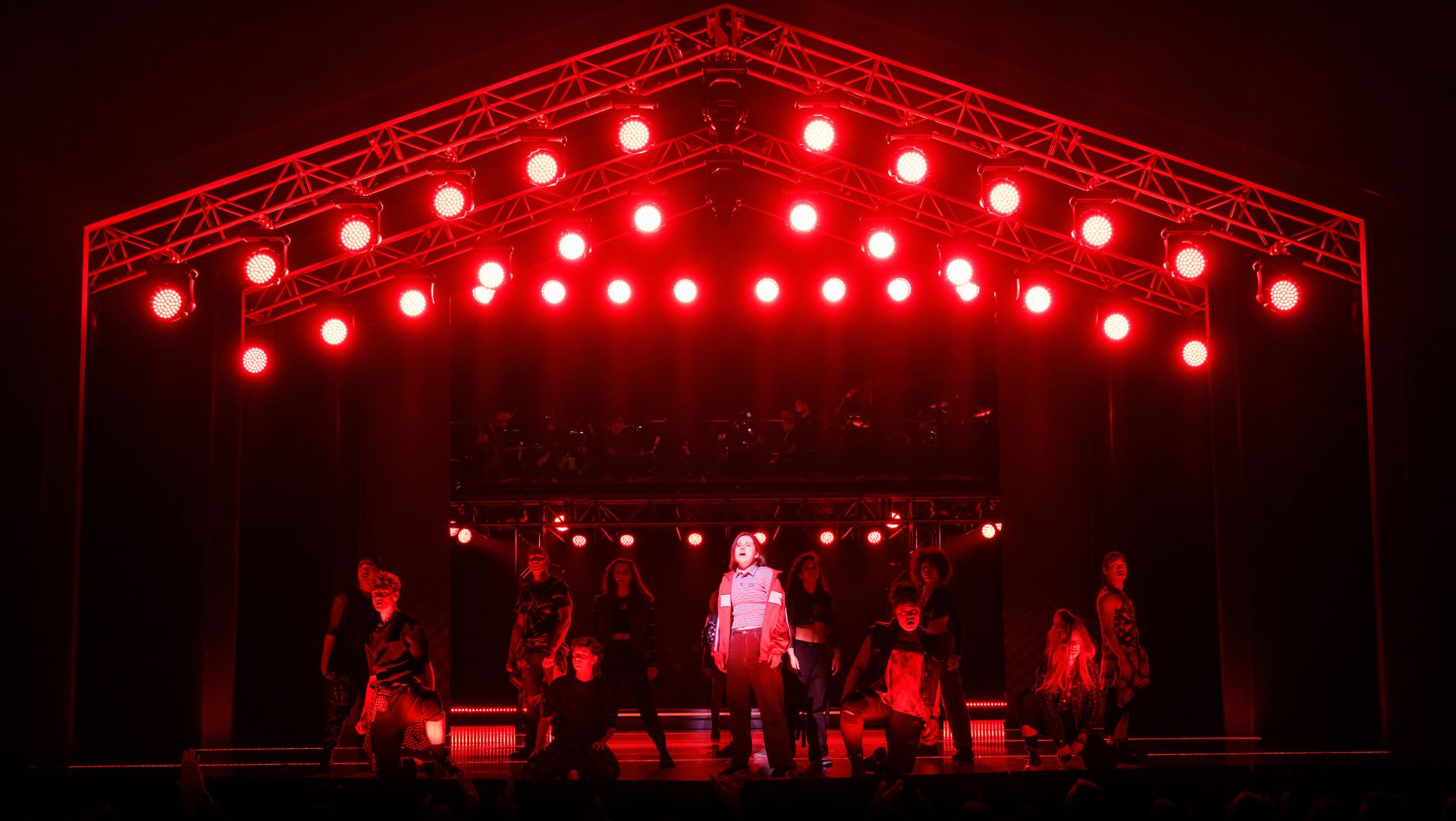
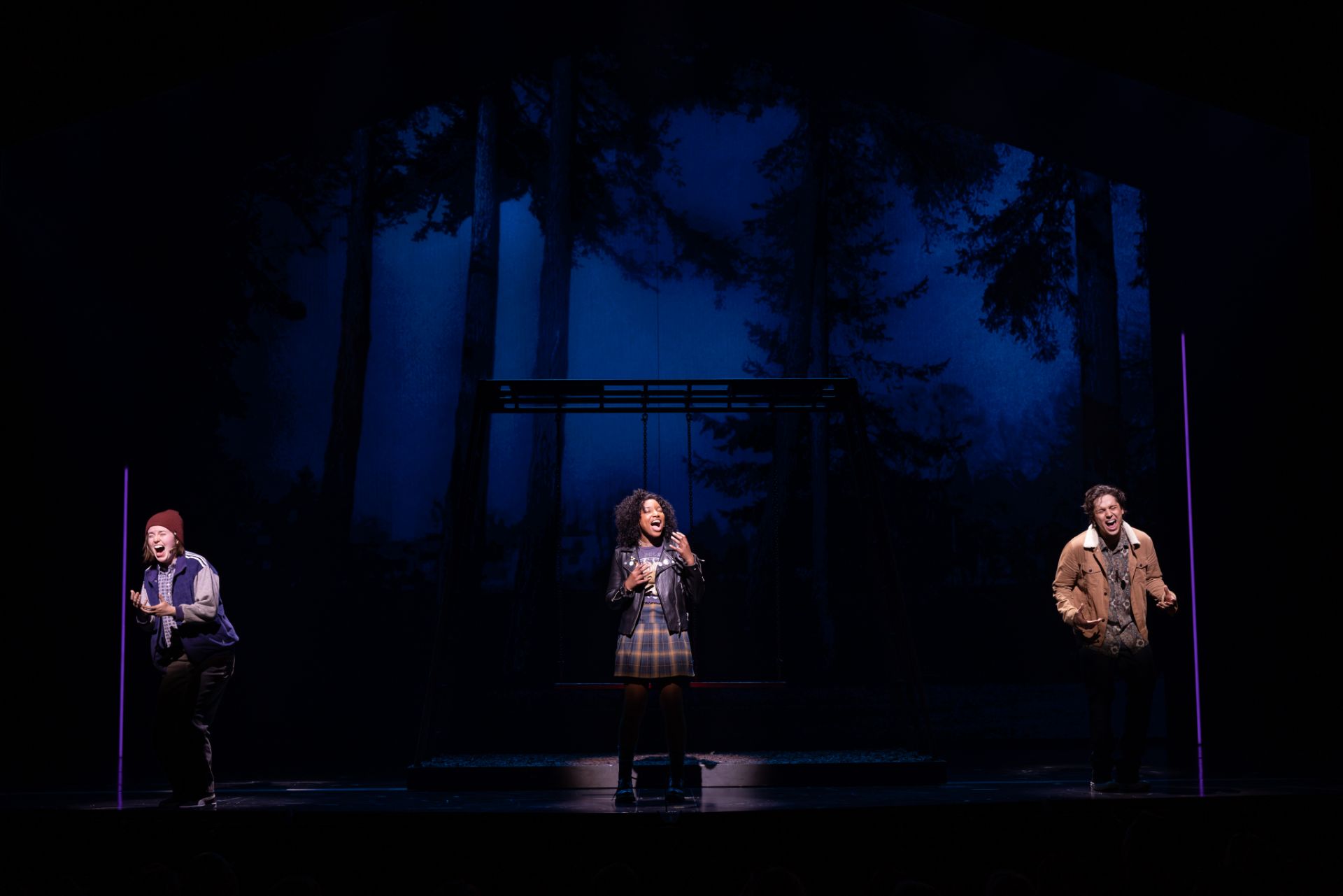
It all ends too neatly and too easily, of course. A big musical, it seems, can only ever accommodate “happily ever after”. The lasting imagery from the show involves young people demanding change, and it is that insistence on something better, that extends beyond the convenient conclusion, an ongoing discussion about our future. We think about the conventions that govern parameters in art, and how every production bears the responsibility of invention and improvement. We think about the way we talk to one another, and how we must learn to reach better resolutions, even if it means having to grapple with humility. Jagged Little Pill is about a youthful spirit, and all the potential we can unleash when the idealism of our young, is given a chance. The show is not quite a call to arms, but the awareness it raises about a need for revolution, is hard to deny.

www.jaggedmusical.com

Review: Death of a Salesman (Sydney Theatre Company)

Venue: Roslyn Packer Theatre (Sydney NSW), Dec 3 – 22, 2021
Playwright: Arthur Miller
Director: Paige Rattray
Cast: Callan Colley, Jacek Koman, Josh McConville, Philip Quast, Bruce Spence, Thuso Lekwape, Helen Thomson, Contessa Treffone, Kimie Tsukakoshi, Brigid Zengeni, Alan Zhu
Images by Prudence Upton

Theatre review
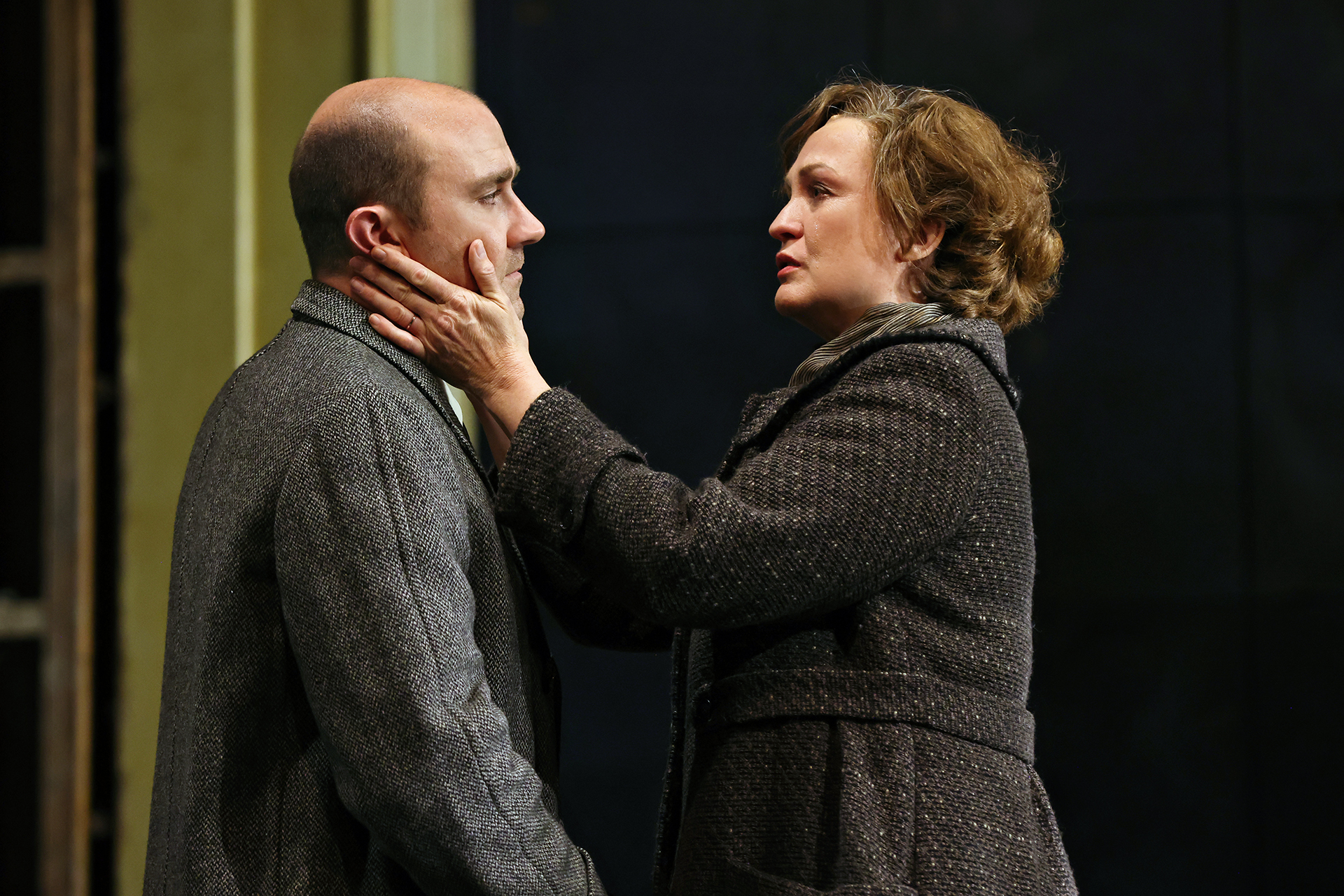
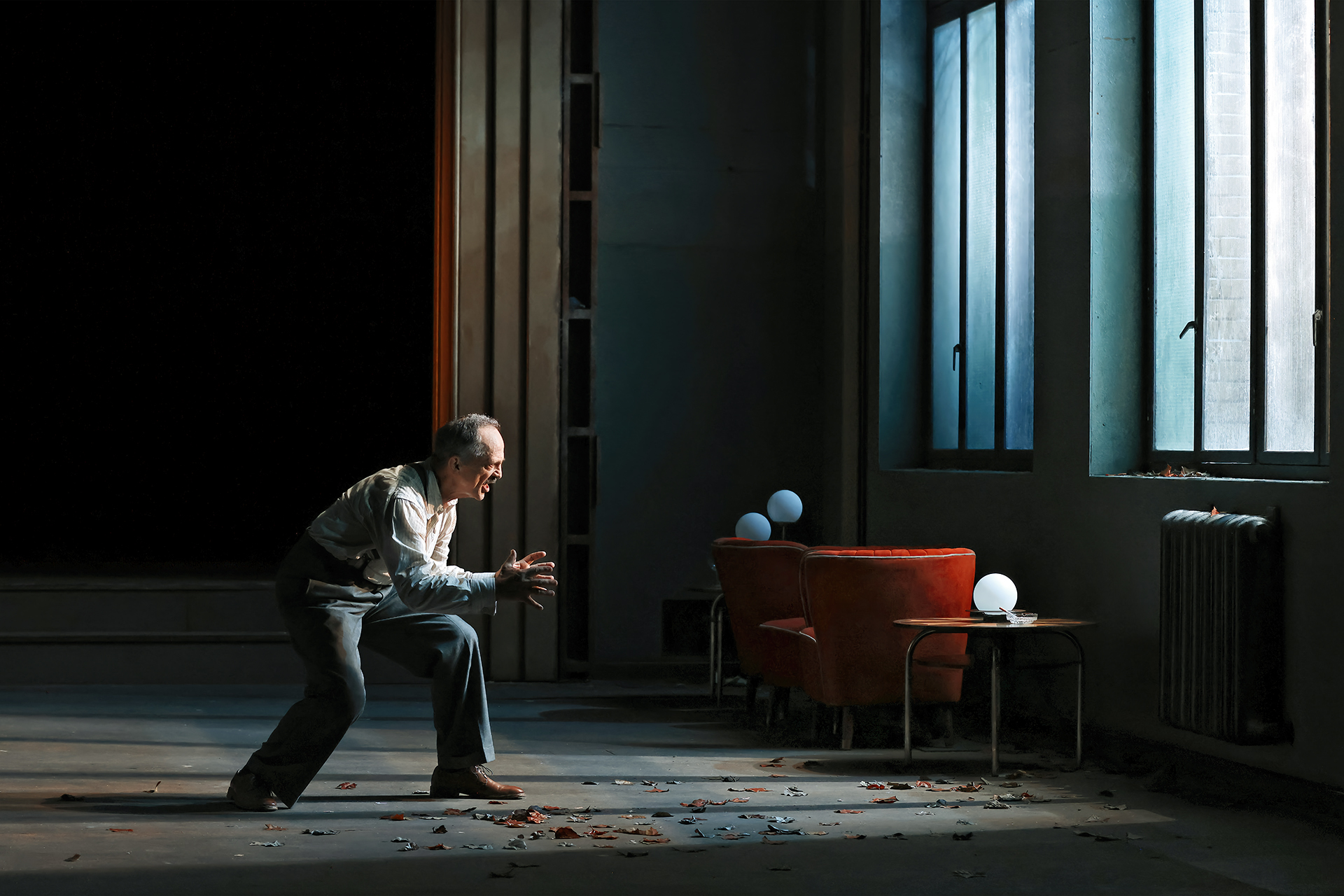
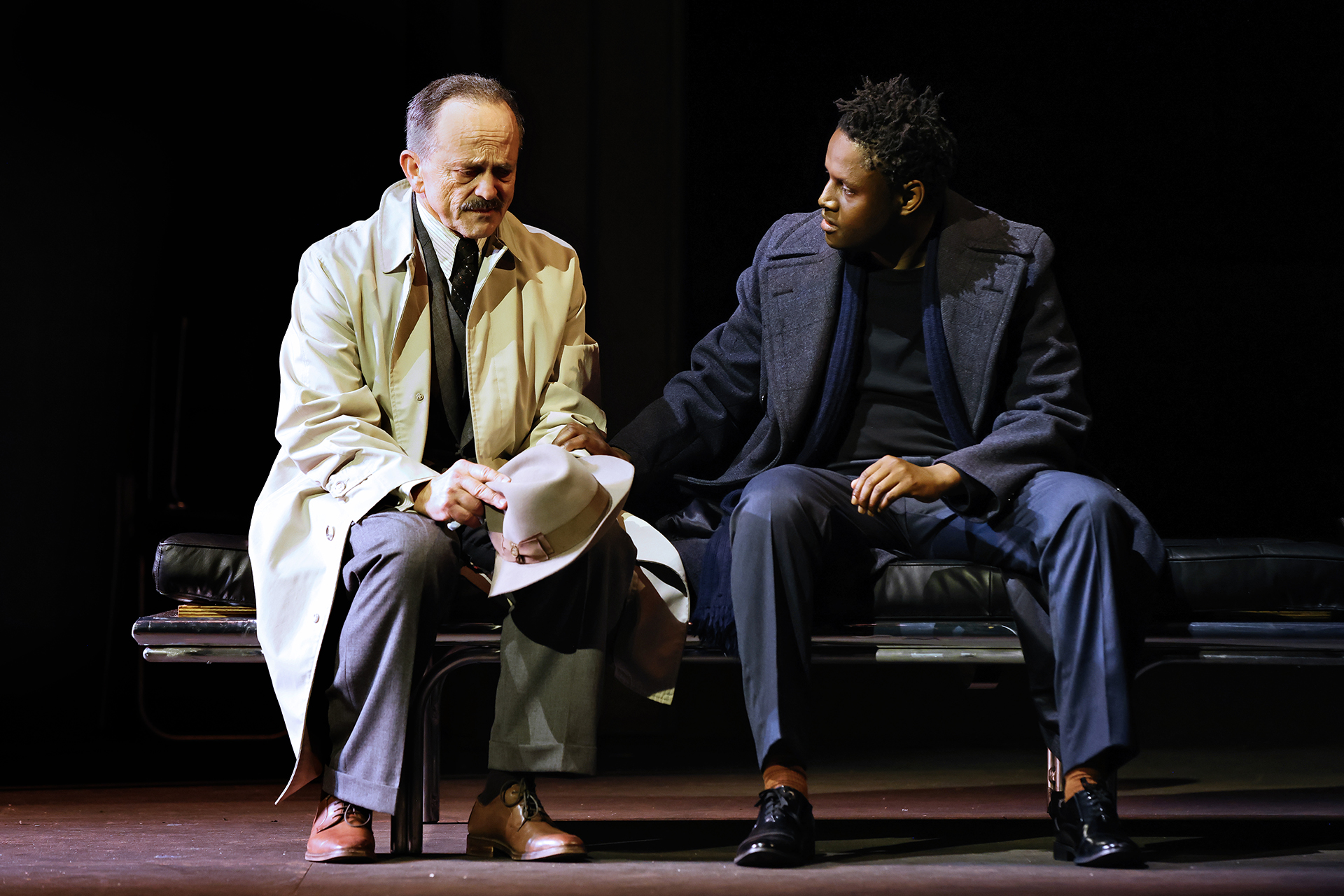
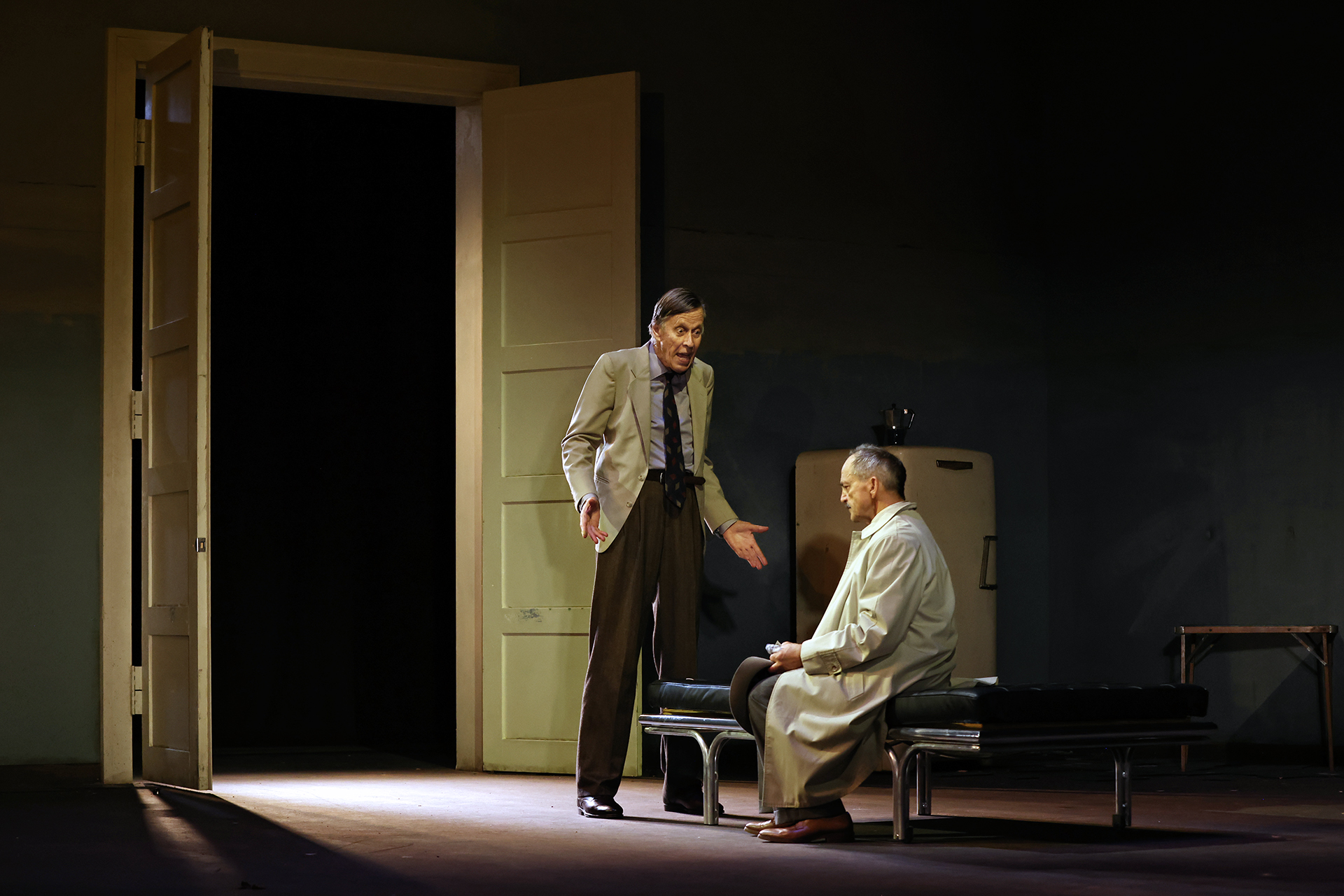
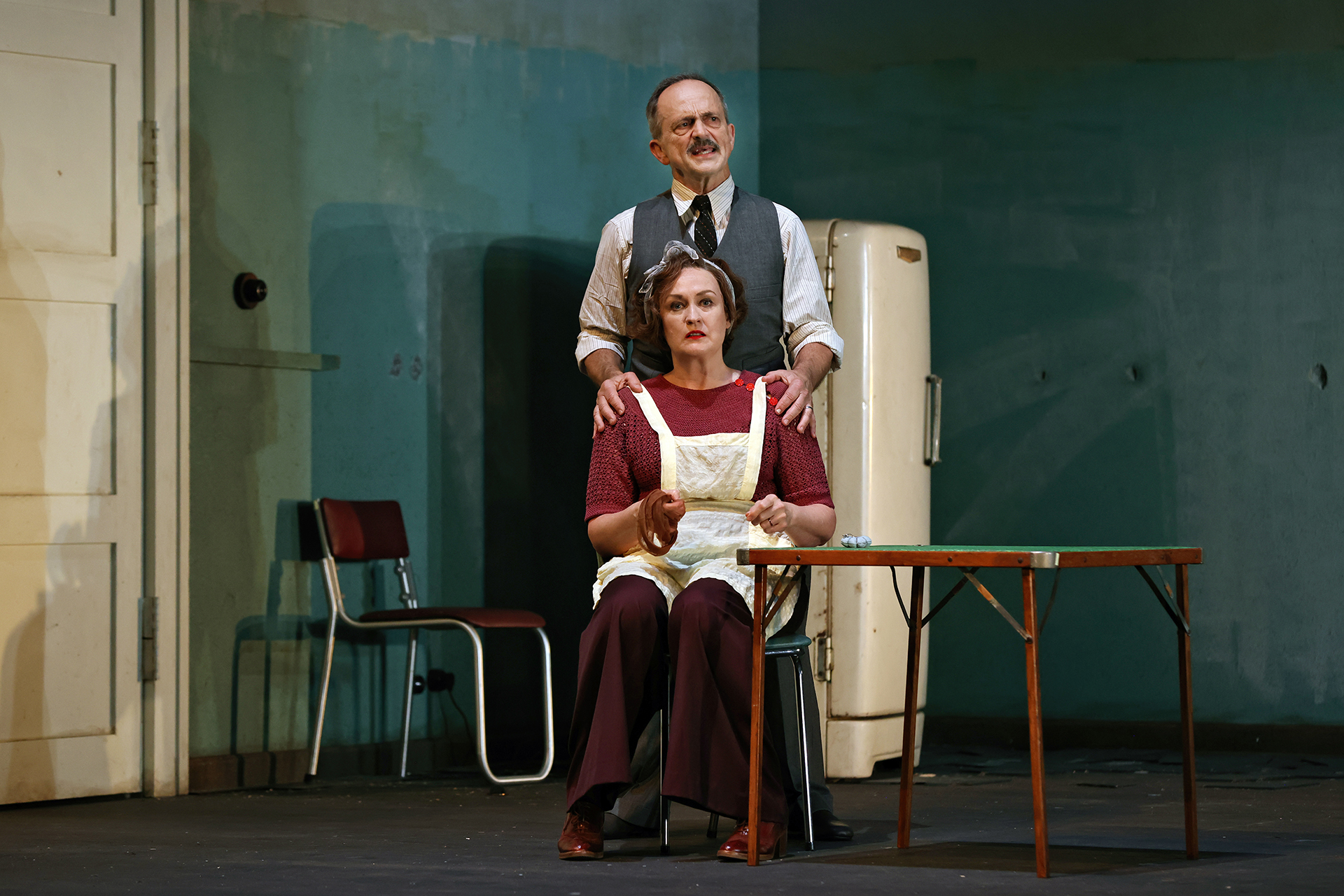
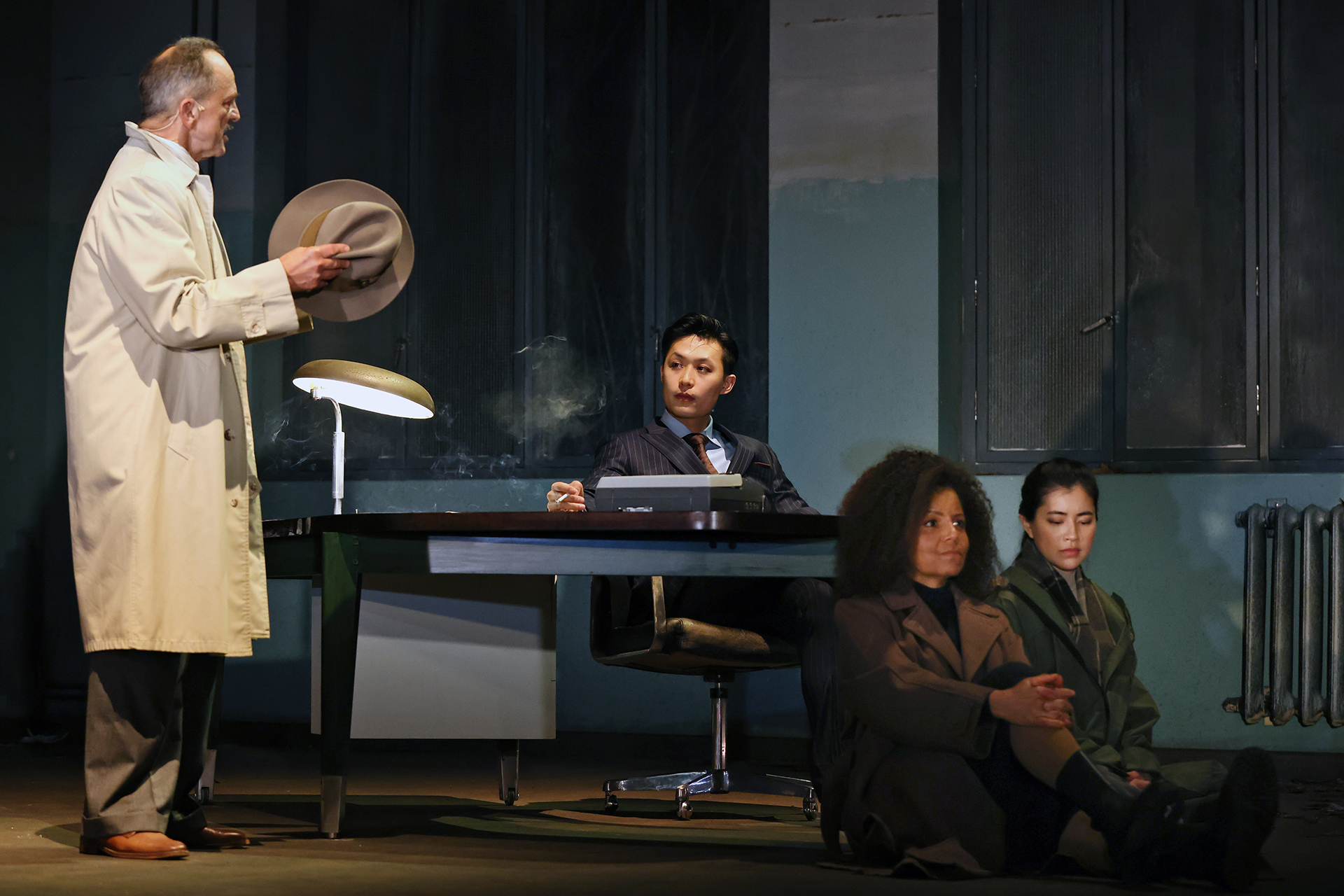
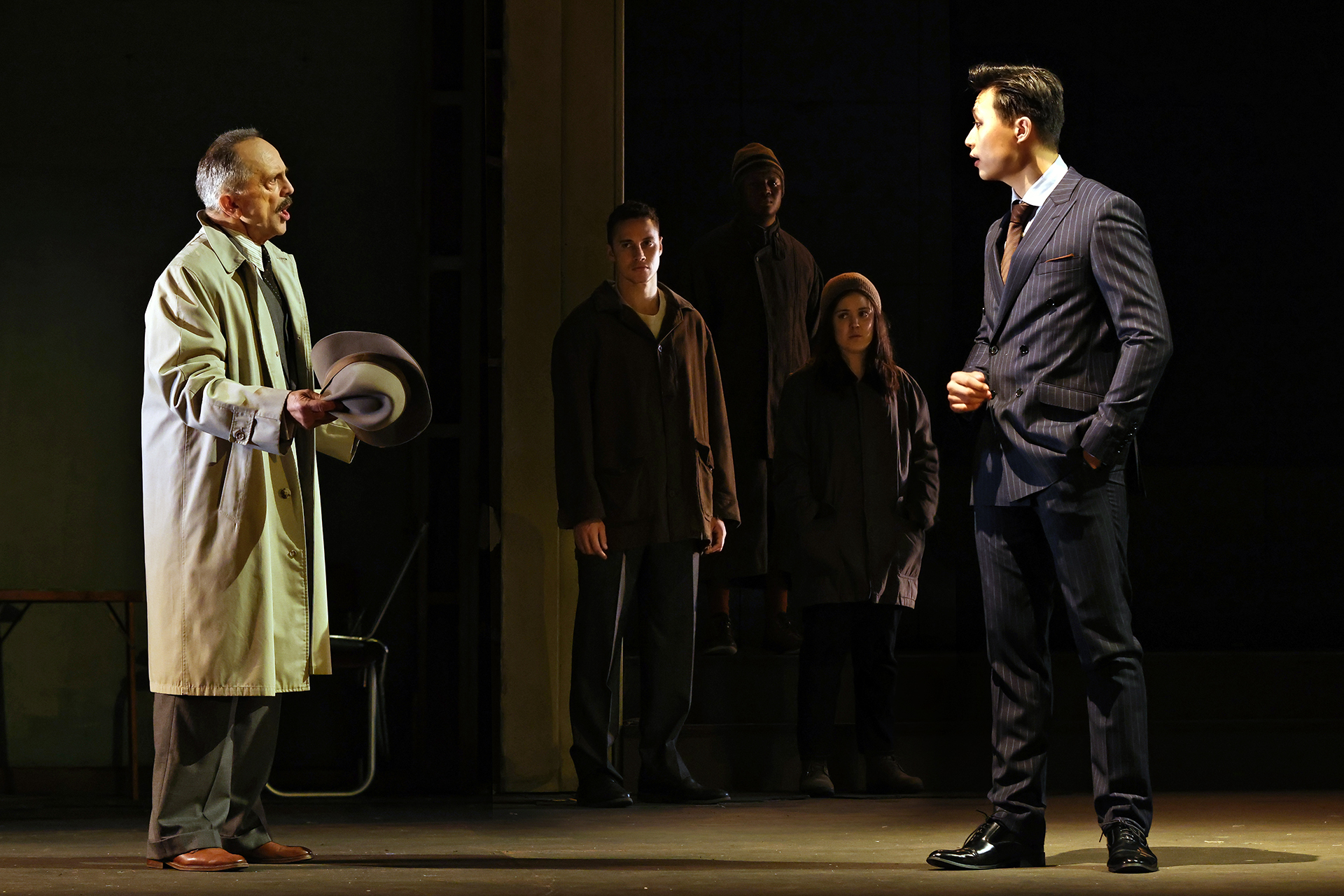
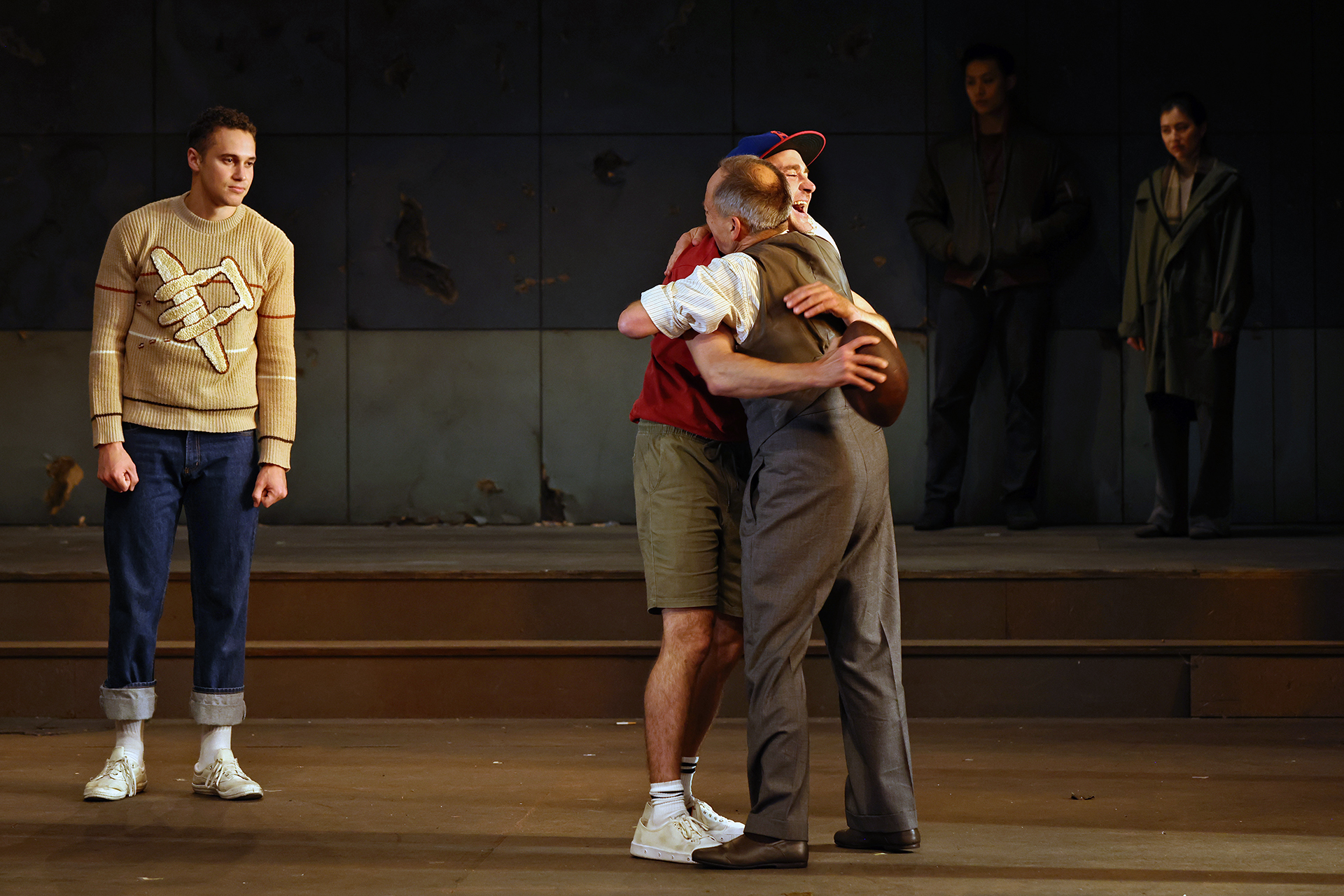
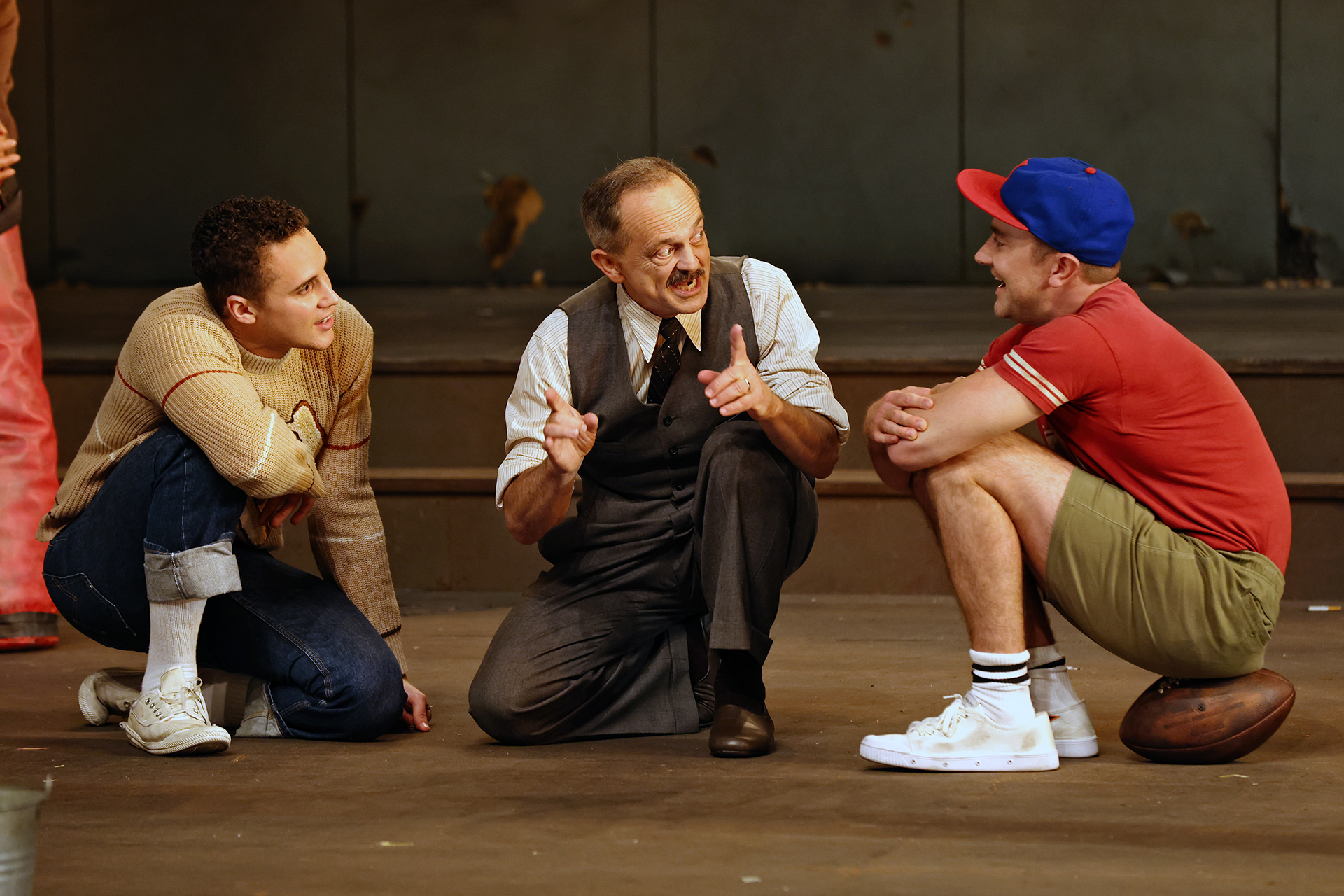
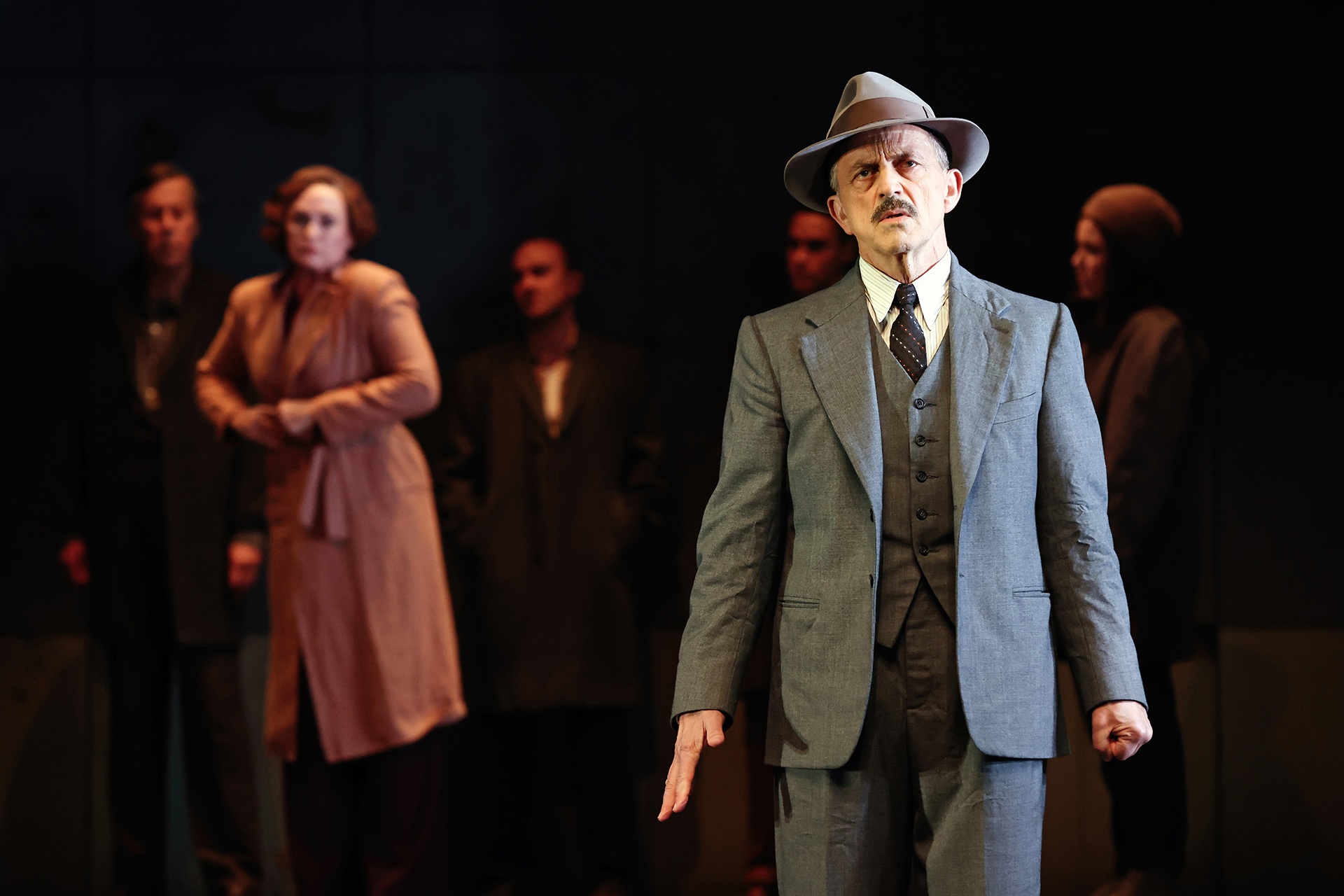
Willy Loman is finally waking up to the fact that so many of life’s promises are bound to amount to nothing. The 63 year-old salesman has worked hard for decades, completely invested in the American Dream, but with the impending certainty of death, comes the realisation that he had been sold a big fat lie. It is now 72 years since Arthur Miller’s Death of a Salesman had first appeared on Broadway. Much has changed in the ways we live, yet the play’s central ideas seem never to lose their pertinence. Capitalism continues to broaden its grip over the very values with which we navigate existence, and no matter how many times we hear Willy Loman’s story, it appears few of us can avoid his fate. Such is the control, that desire for money and status, has over so many.

In her faithful 21st century rendition, director Paige Rattray has ensured a presentation stunning in its aesthetics, with exquisite design work occupying our attention over the near three-hour duration. The legacy of Edward Hopper in particular, is referenced beautifully in its evocation of 1940’s Americana. Paul Jackson’s lights steal the show, painterly and sublimely dramatic, in their bold manifestations of every tragic scene.

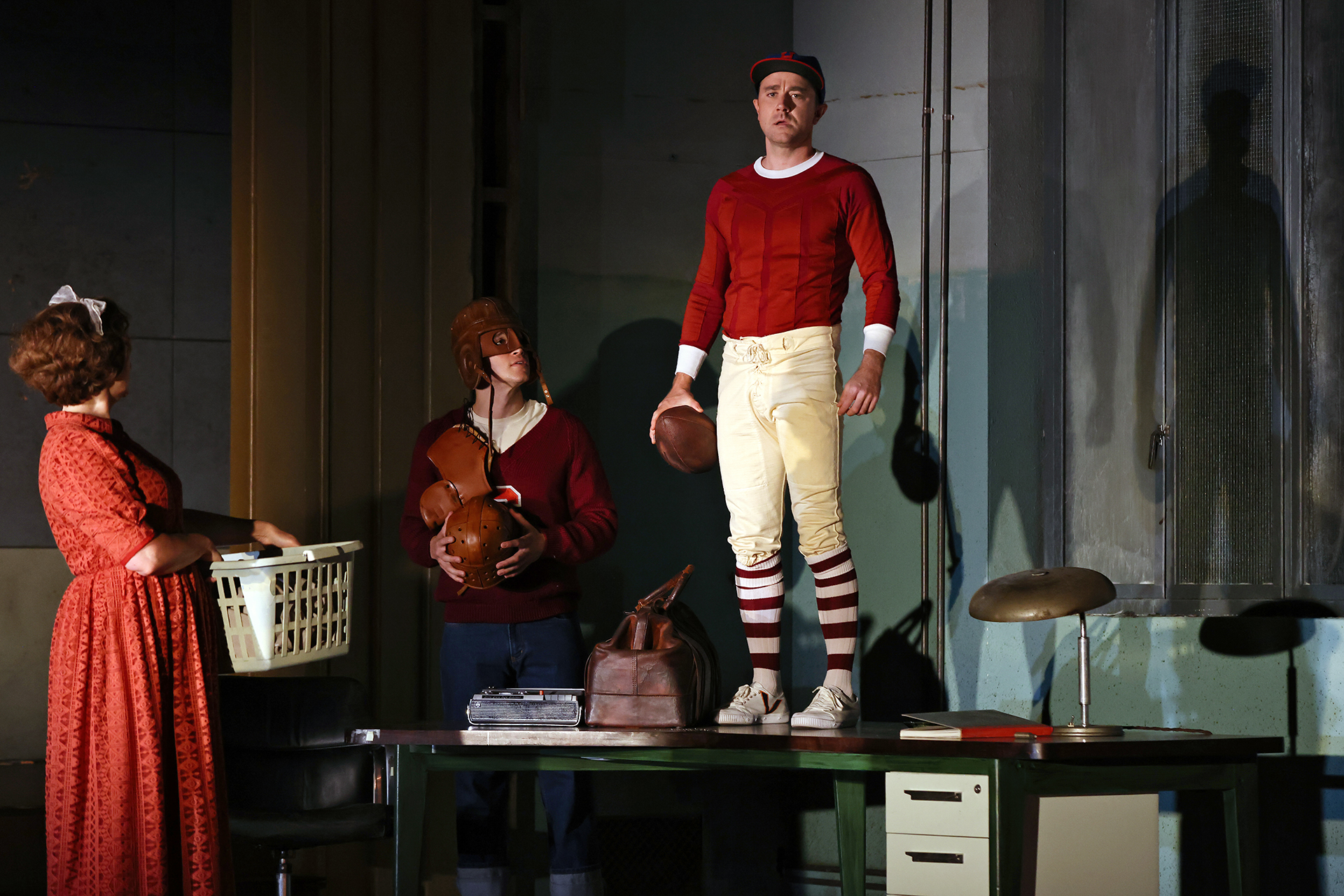
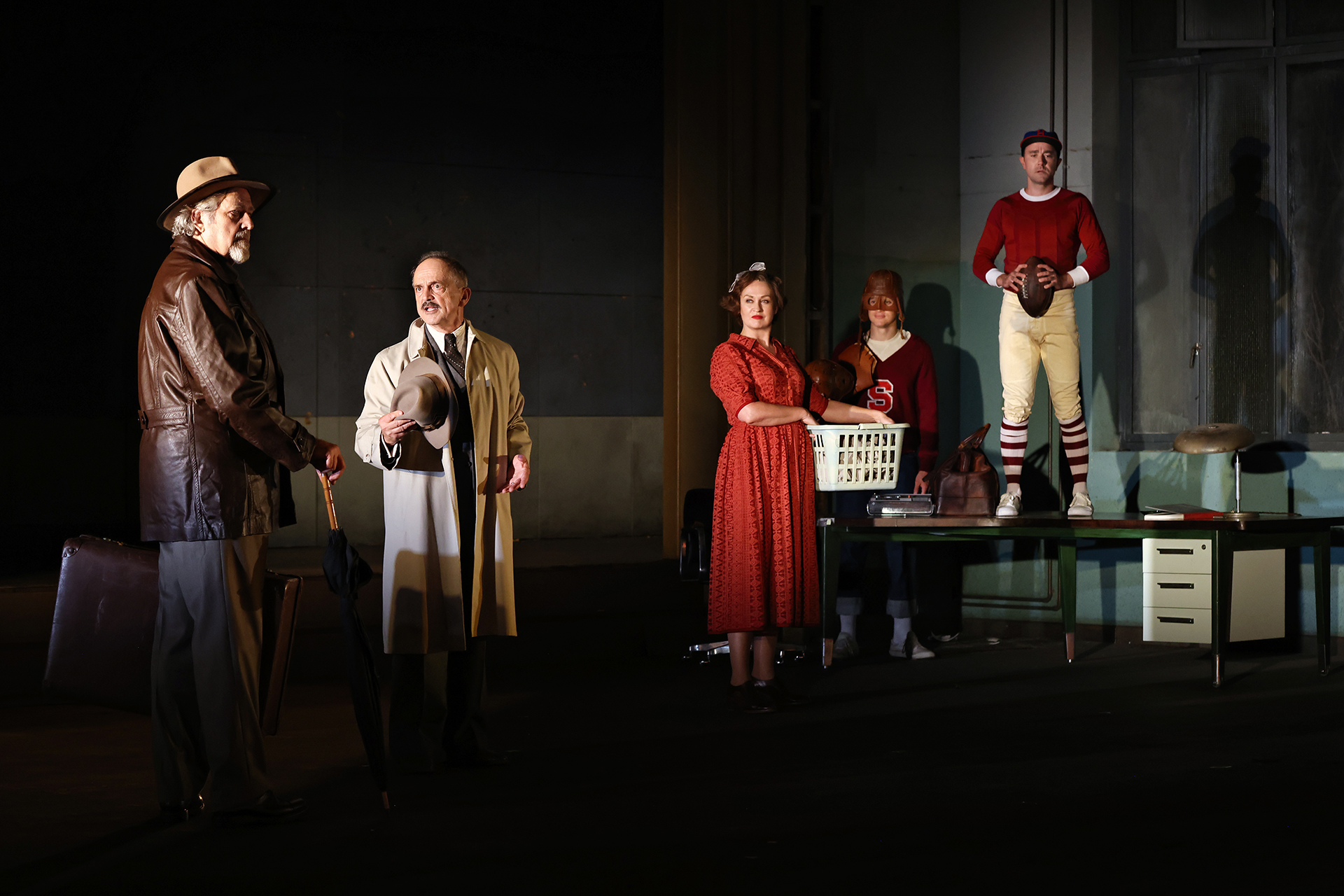
David Fleischer’s set design alters proportions of the proscenium, in order that we may obtain more intimate glimpses into the small lives being explored, whilst conveying the decrepitude of the Loman world view that many of us inevitably share. Costumes by Teresa Negroponte make statements about aspiration and disappointment, as they help transport us to a nostalgia that is more disconcerting than wistful. Music and sound design by Clemence Williams is noir-tinged, almost macabre in its grand invocations of regret and broken dreams.

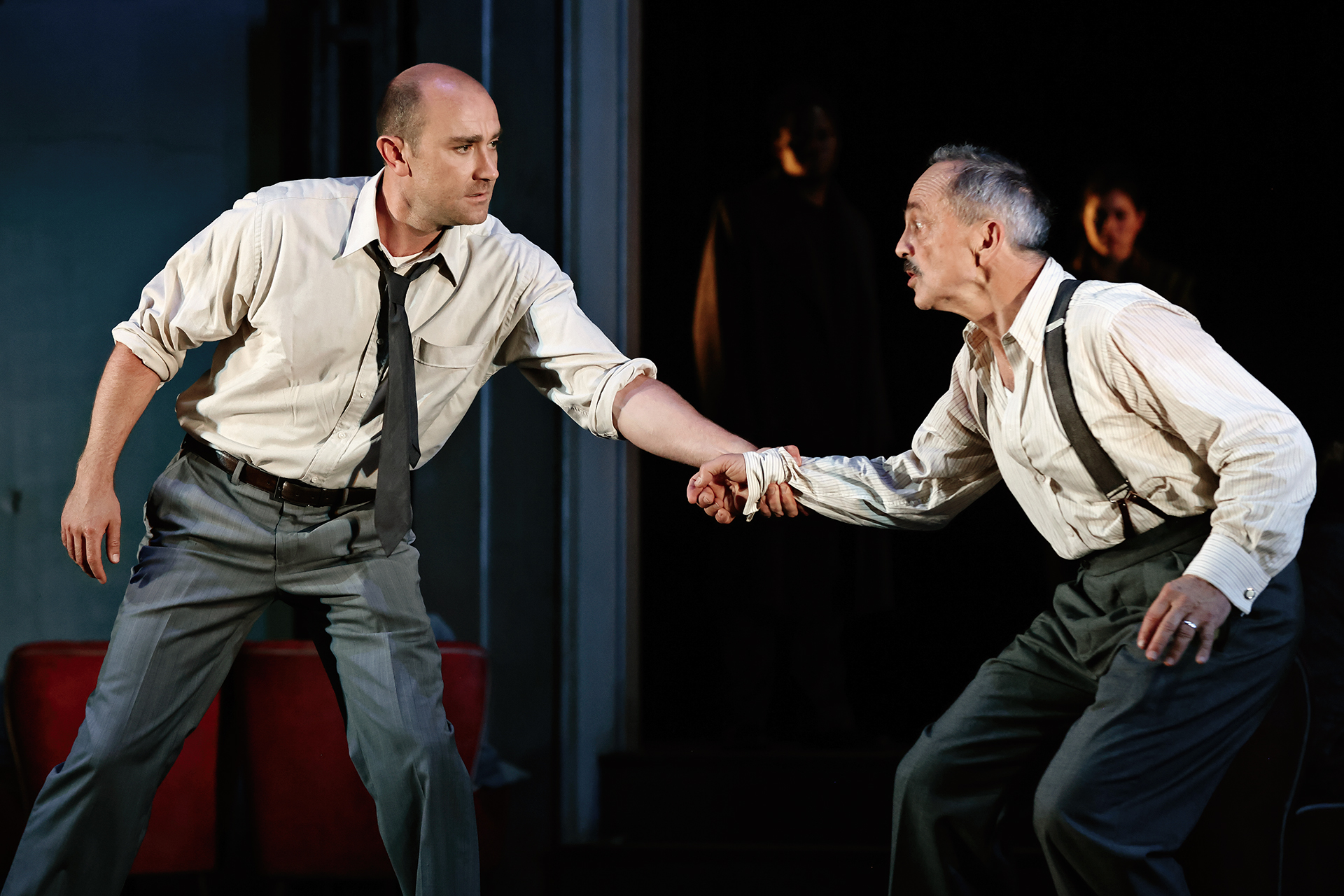
Aspects of the performance utilises the device of a Greek Chorus, thankfully in an understated manner, which help manufacture a sense of gloom, and to prevent the vast space from falling too frequently into an unbearable emptiness. There is however a certain lack of soulfulness in the staging. Undoubtedly we witness a lot of passion being displayed, most notably by Jacek Koman who plays an irrepressible Willy, but the ensemble is not always convincing in their efforts, to represent the spirit of a play that aims to stand up for the little guy.

As Linda, actor Helen Thomson takes every opportunity to bring levity to a dark tale, but a lack in chemistry between the Loman spouses, has a tendency to make the mother and wife character seem somewhat disconnected. Callan Colley and Josh McConville are the sons, Happy and Biff respectively, both amiable personalities, if slightly surface in their depictions of a collapsing patriarchy. McConville does however, bring the show to a satisfying crescendo, late in the piece, when Biff unravels and exposes the truths about his torment.

Willy Loman’s death is important. We will all go about our lives, finding individual ways to figure out what is true and what are lies, based on all manner of evidence and introspection, but featuring prominently in Arthur Miller’s play is the undeniable centrepiece of a person’s death. The decisions we make, the things we value, and the way we love, should never be divorced from the singular fact of certain death, yet we seem in our American Dreams to forever act as though the self is immortal. “You can’t take it with you” is a common refrain, if only we care to listen.

www.sydneytheatre.com.au

Review: Wil & Grace (Rogue Projects)

Venue: FringeHQ (Newtown NSW), Nov 24 – Dec 4, 2021
Playwright: Madeleine Withington
Director: Erica Lovell
Cast: Suz Mawer, Joshua Shediak, Madeleine Withington
Images by Noni Carroll

Theatre review
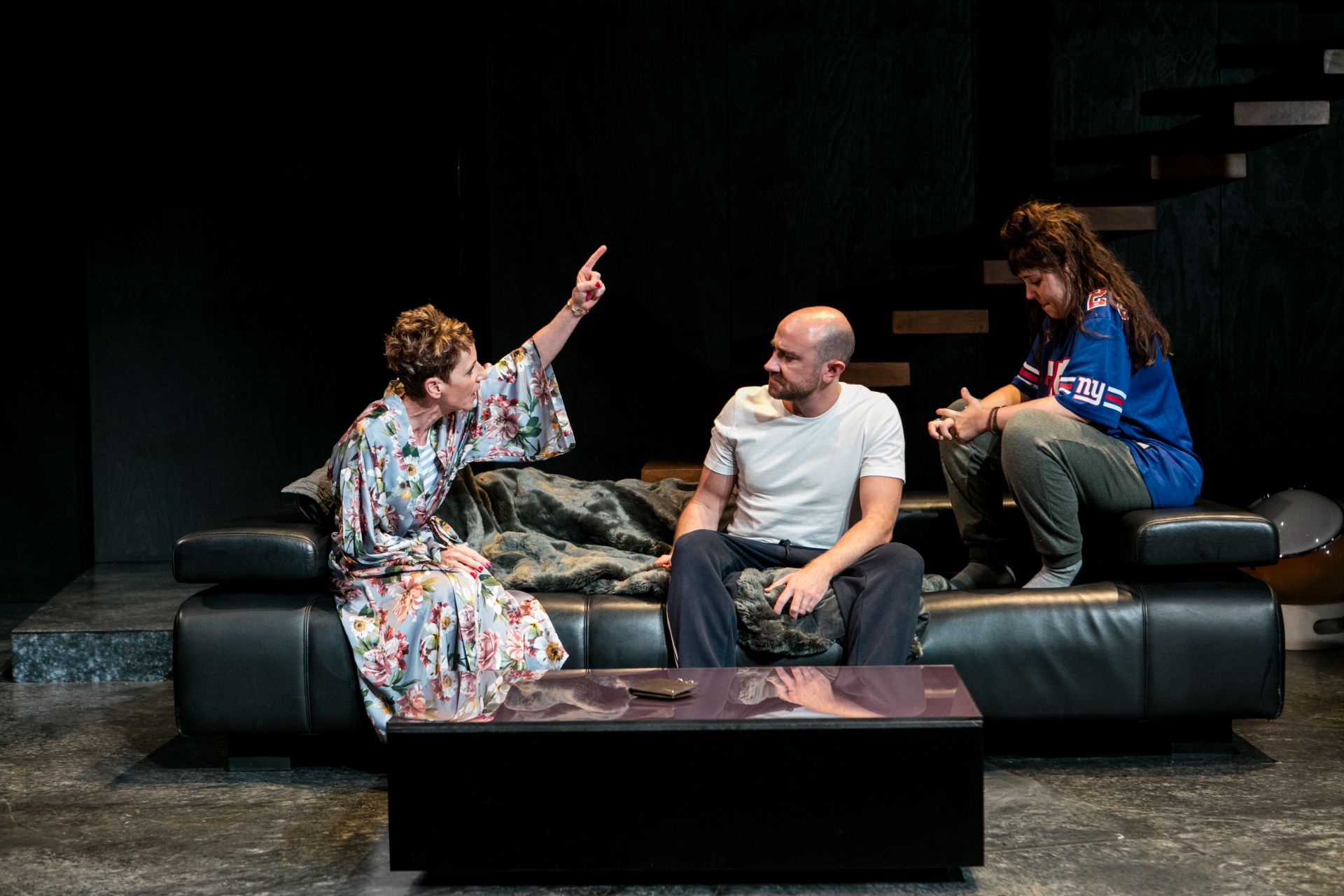
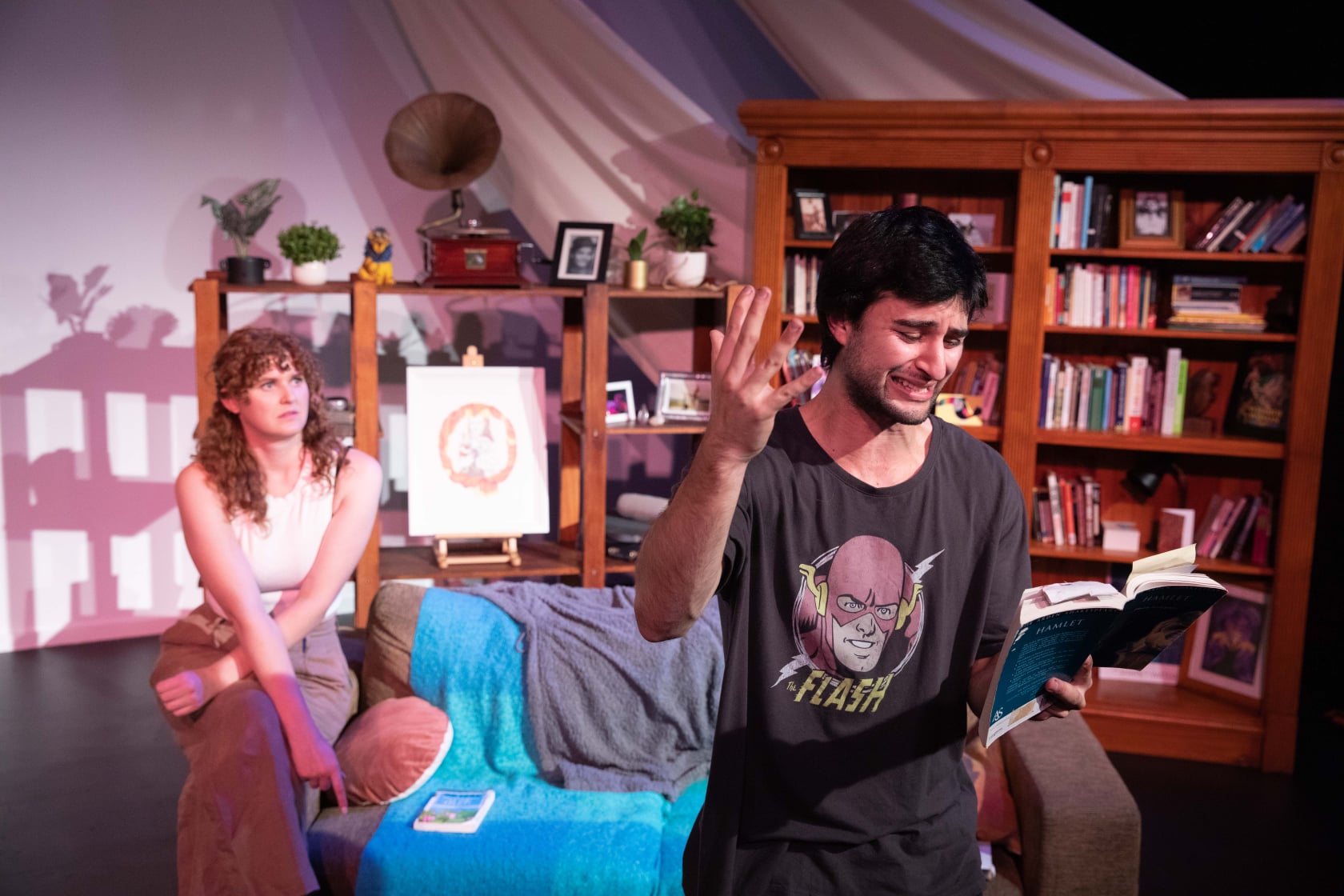
Grace is having a hard time. Things are not going well in her personal and professional spheres, so having a big boozy night at home with flatmate Varya, is an understandable and much needed distraction. The two discover on the internet, a spell that can raise the dead, and because Grace is a theatre nerd, she chooses to bring William Shakespeare back to life. Next morning, they wake up to a drunk Brit in the living room, and Grace fixates on him being the Bard resurrected.

Wil and Grace, like its sitcom namesake, features a silly plot and unrestrained performances, to deliver light-hearted laughs in its efforts to entertain. Underpinning all the frivolity and impracticable narrative,  however are certain truths about the human experience. Written by Madeleine Withington, the play can be seen as a tribute to a television genre that has touched lives all over the world, with notable hints of unassailable honesty that help us connect fantasy with reality. Something is bothering Grace, and the more she indulges in the bizarre notion that Shakespeare lives in her home, the more we wish to discover her truth.

The show is involving and funny, and director Erica Lovell’s ability to build nuance into the outlandish premise, extends Wil and Grace beyond the single joke that precipitates all the action. Ambitious music by Chrysoulla Markoulli contradicts the sitcom style of presentation, choosing instead to offer glimpses of what is actually going on, inside Grace’s hidden inner world. Jasmin Borsovszky lights the stage with commendable dynamism, bringing much needed variation to the imagery that we see.

Withington performs the part of Grace, sensitive in her portrayal of a troubled individual. Suz Mawer is rambunctious as Varya, wonderfully confident in her embodiment of the role’s flamboyant comedy. The pivotal character of the English visitor, is played by Joshua Shediak whose easy charm and wide-eyed earnestness, helps us invest in the improbable fantasy.

It is never clearer than in 2021, that humans engage, routinely and habitually, in delusions. A businessman who repeatedly asserts his narcissism, is elected President by millions who interpret his greed as charity. Throngs march the streets to fight for the right, to catch a disease and spread it to the vulnerable, in the name of autonomy. Grace insists that a dead man has returned, and sleeps on her couch every night. We are a disturbed populace. We are also optimistic in our interminable belief that brighter days are ahead, although that optimism often seems no different from delusion.

www.rogueprojects.com.au