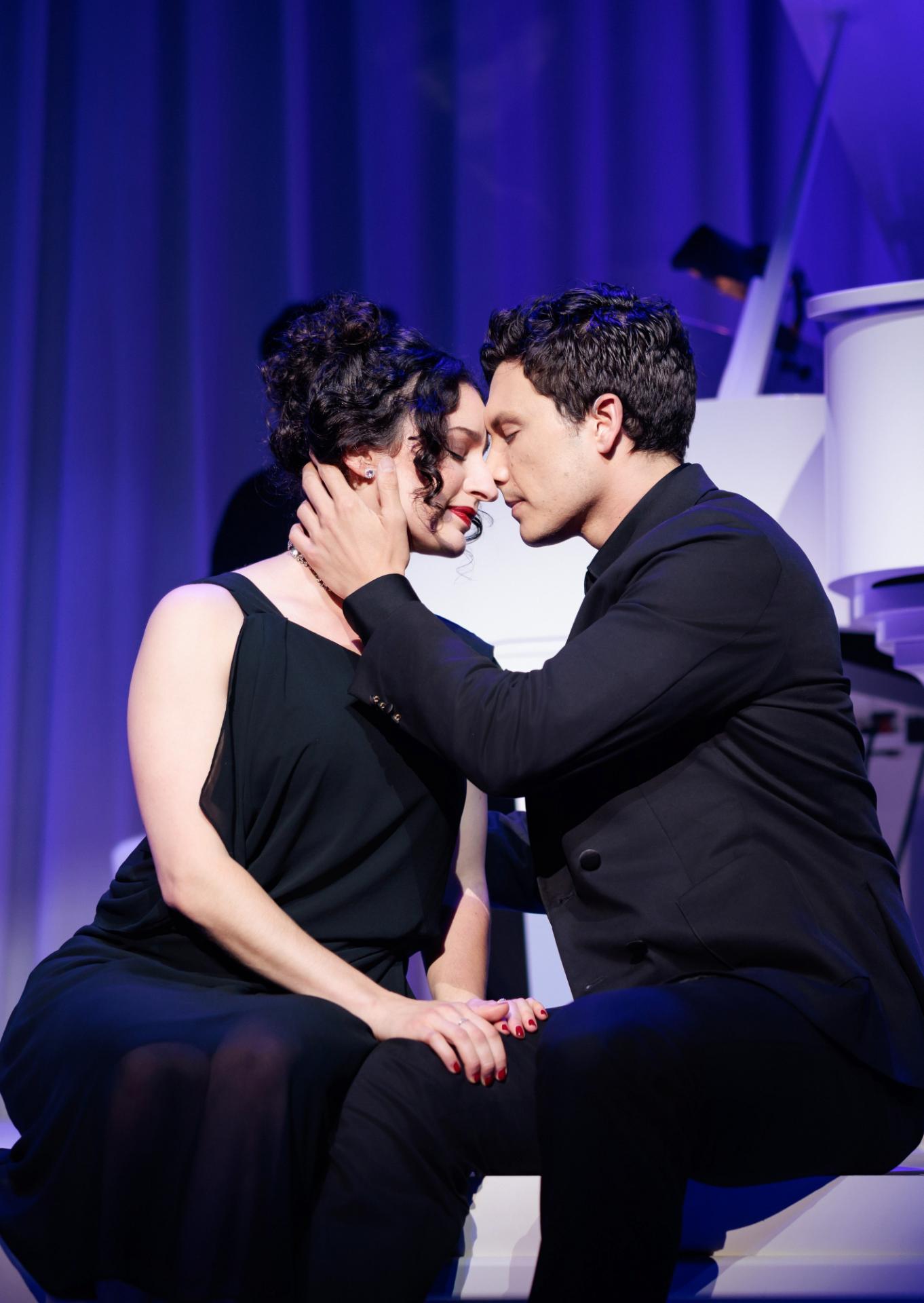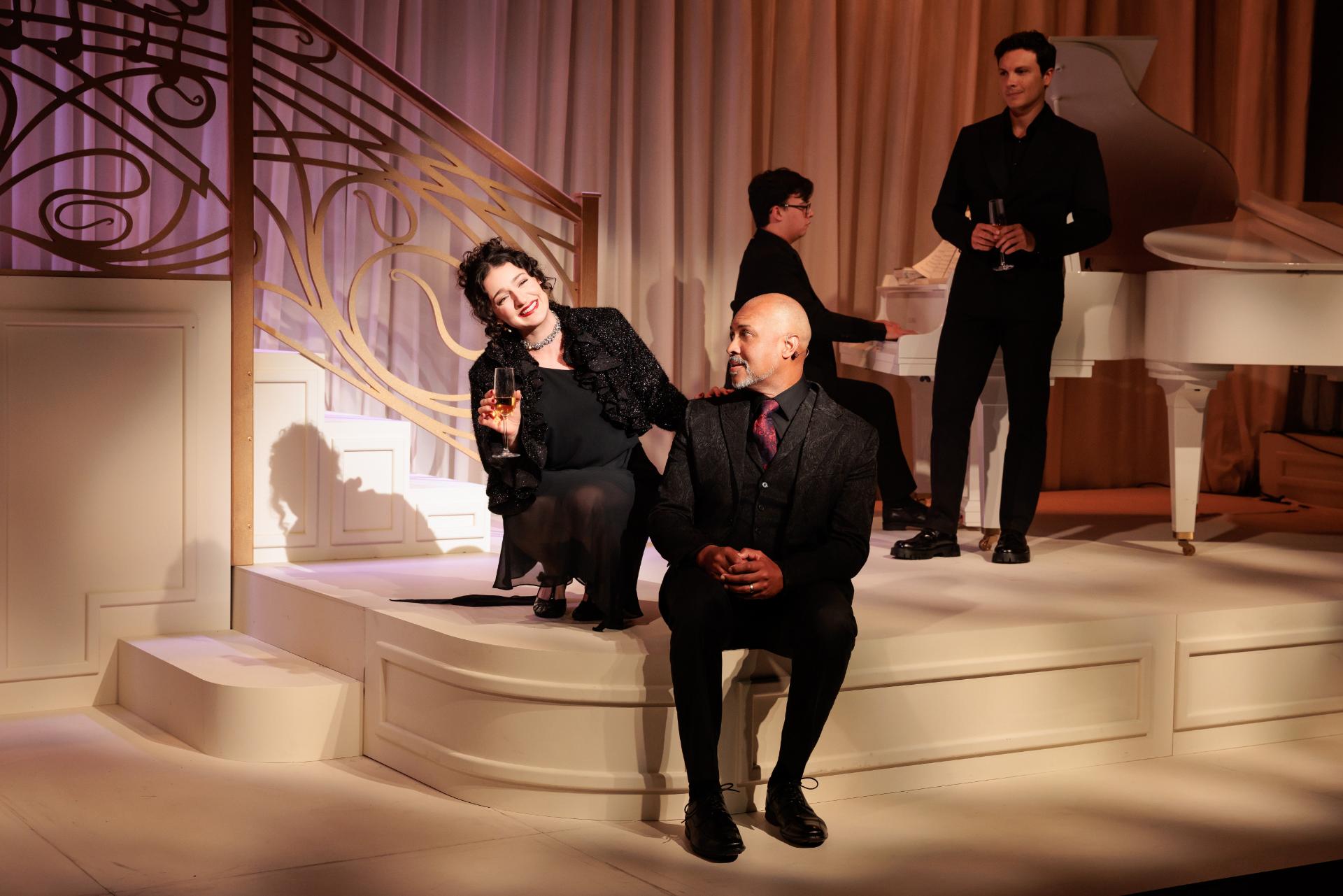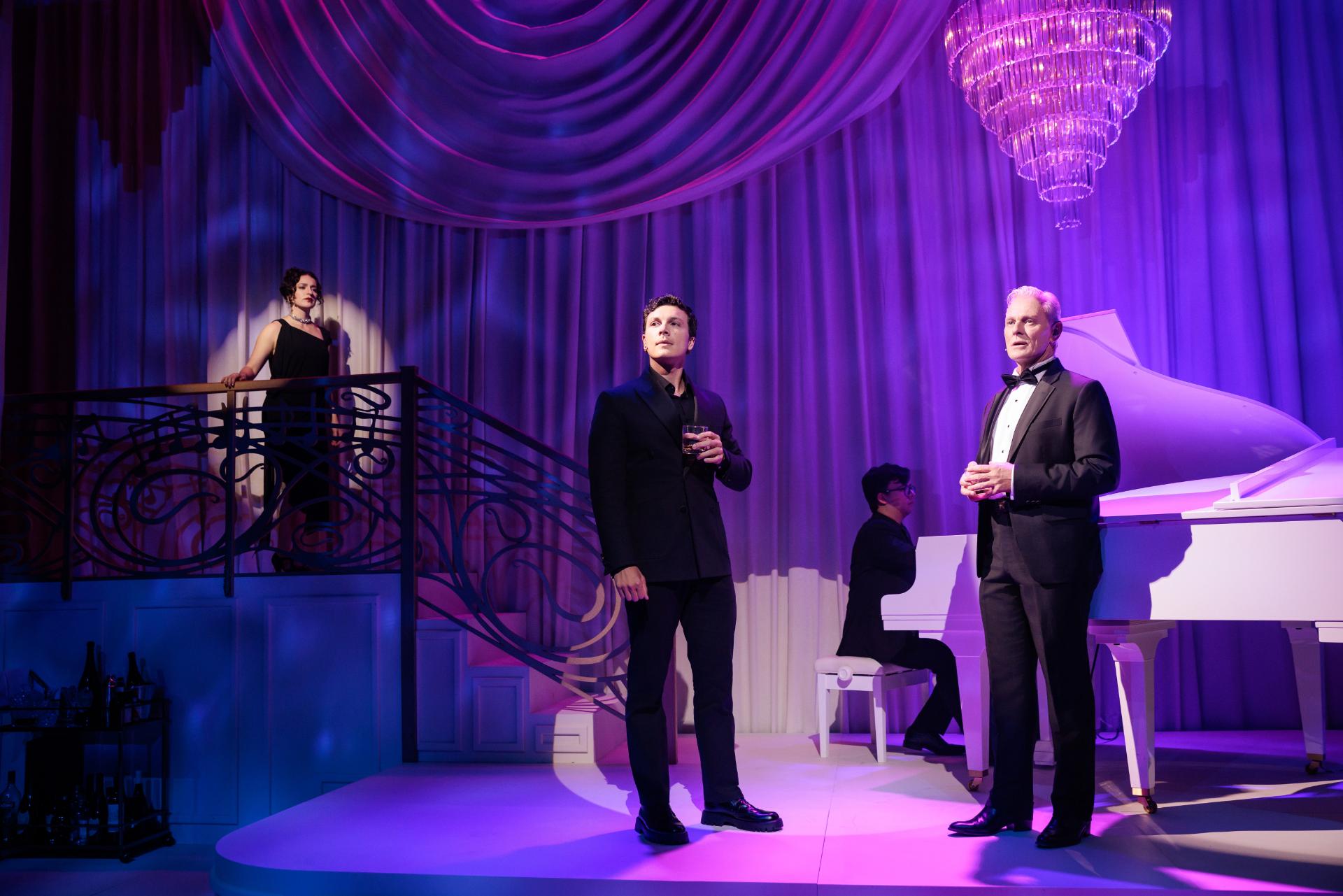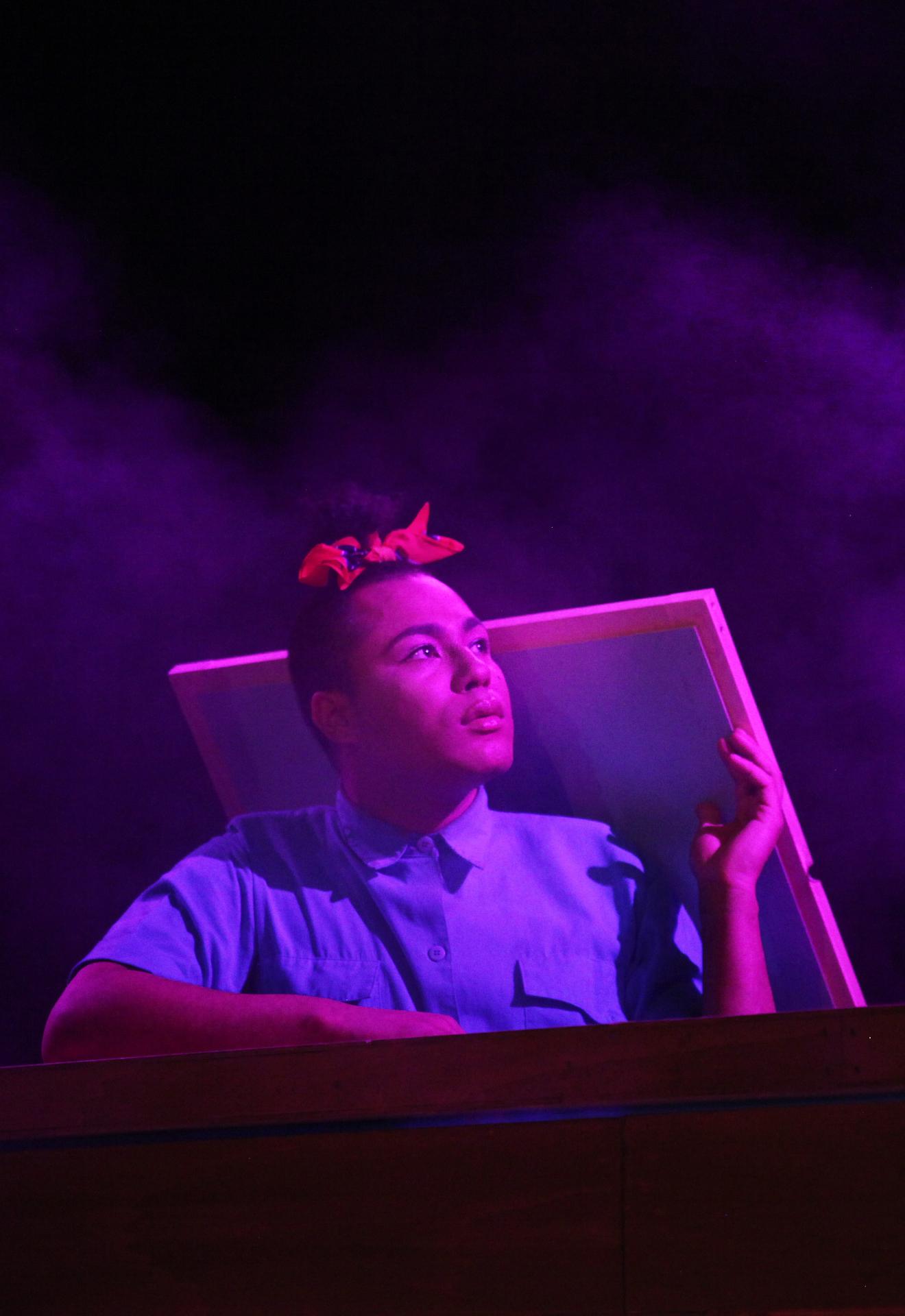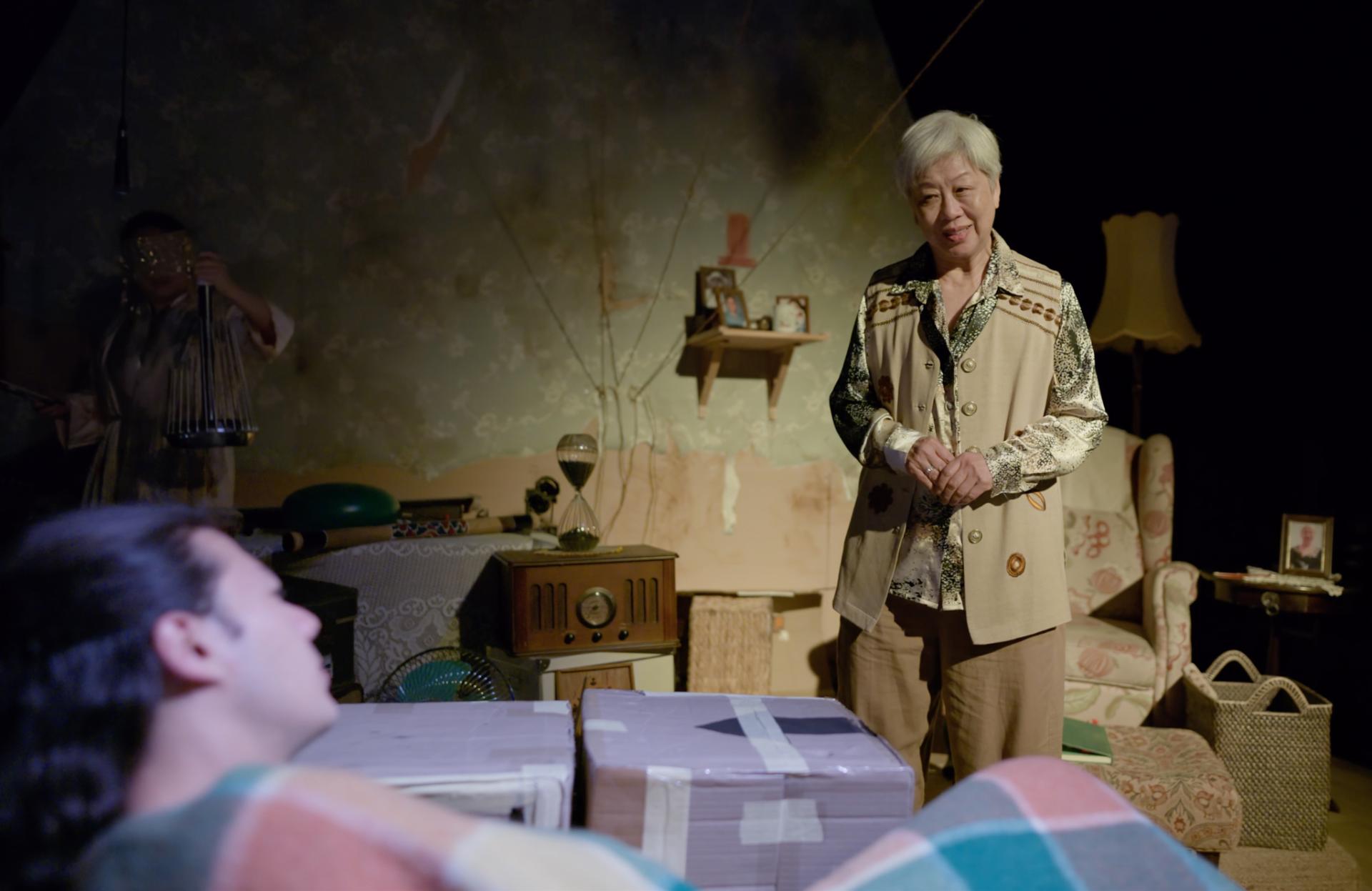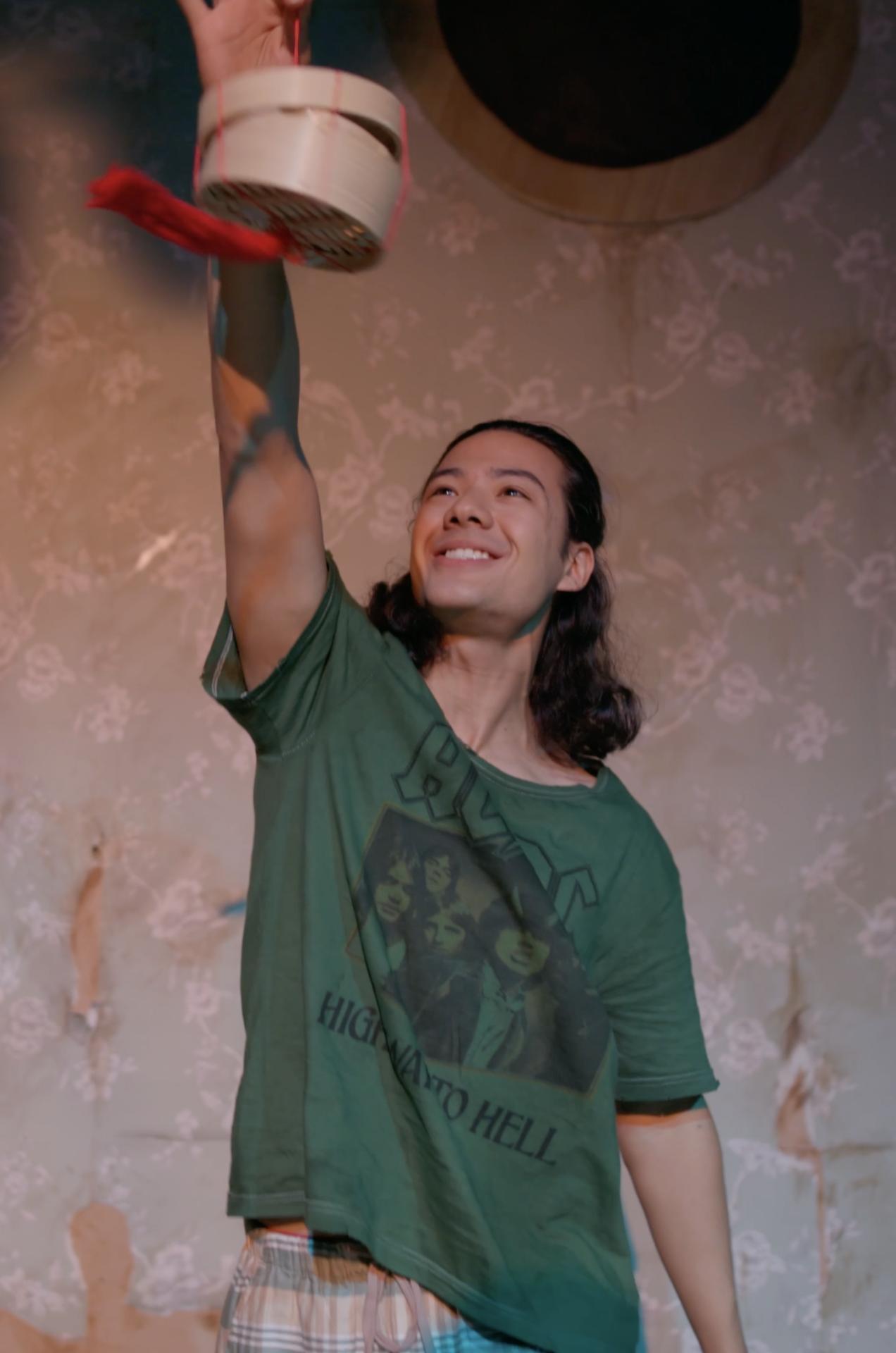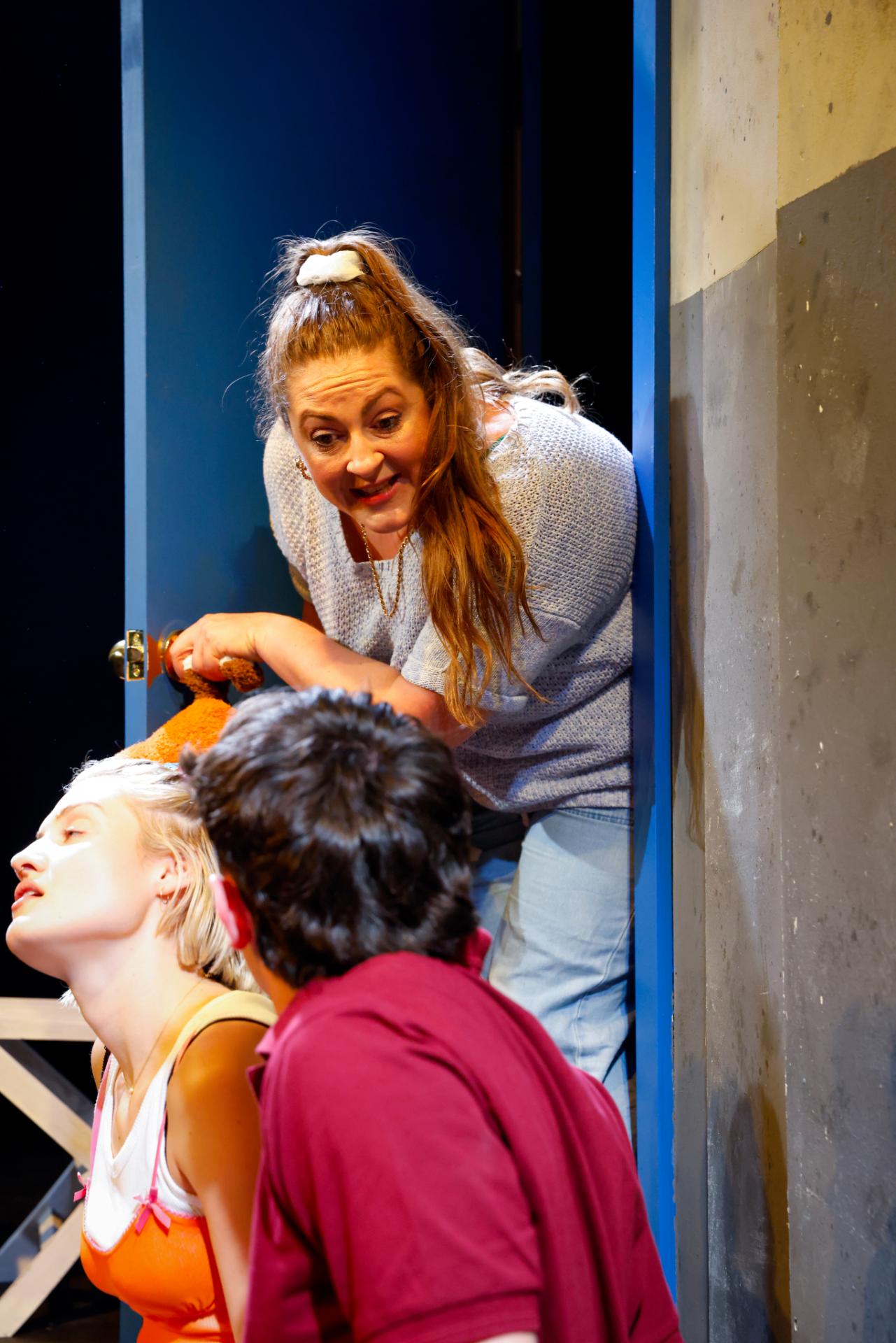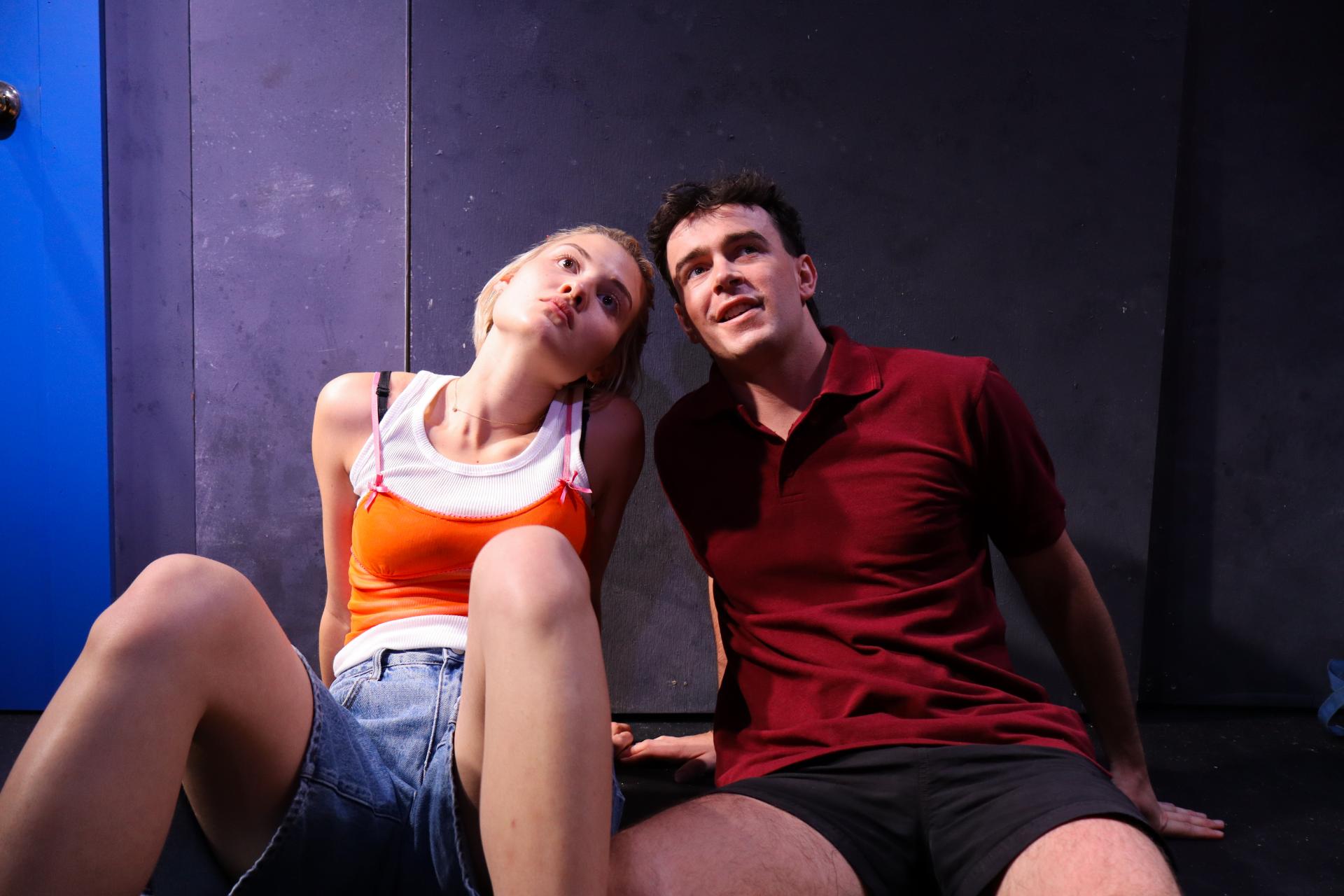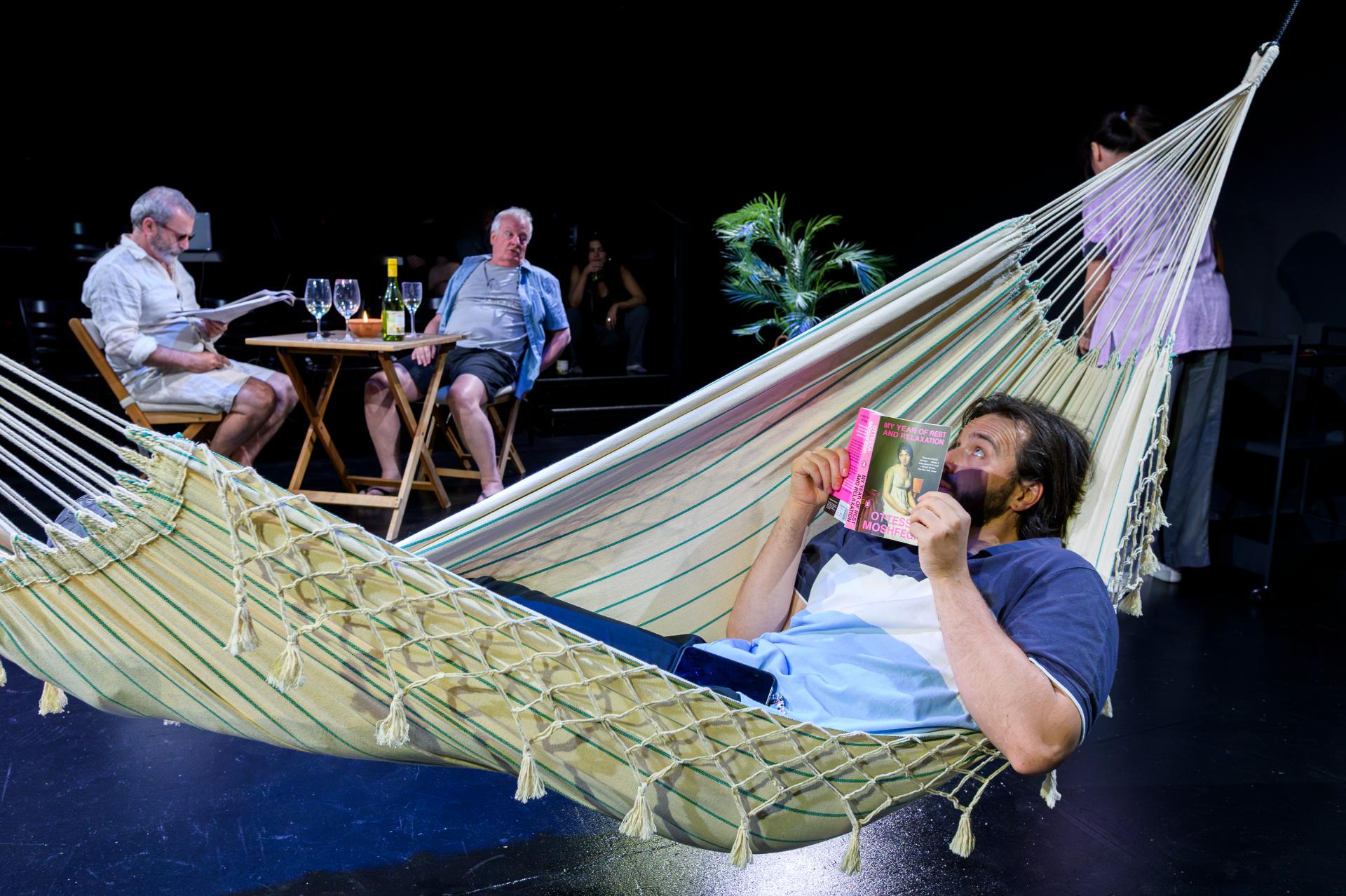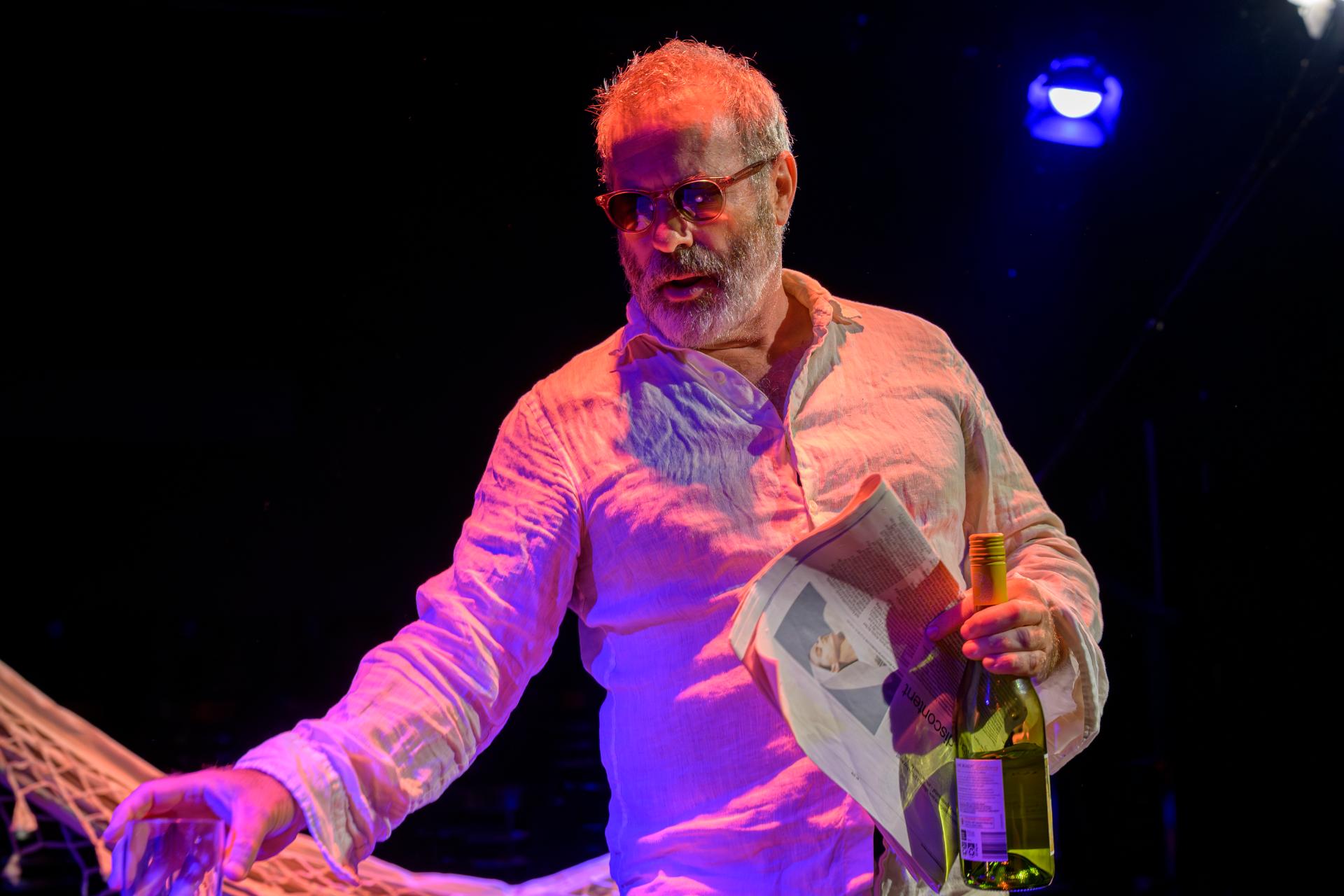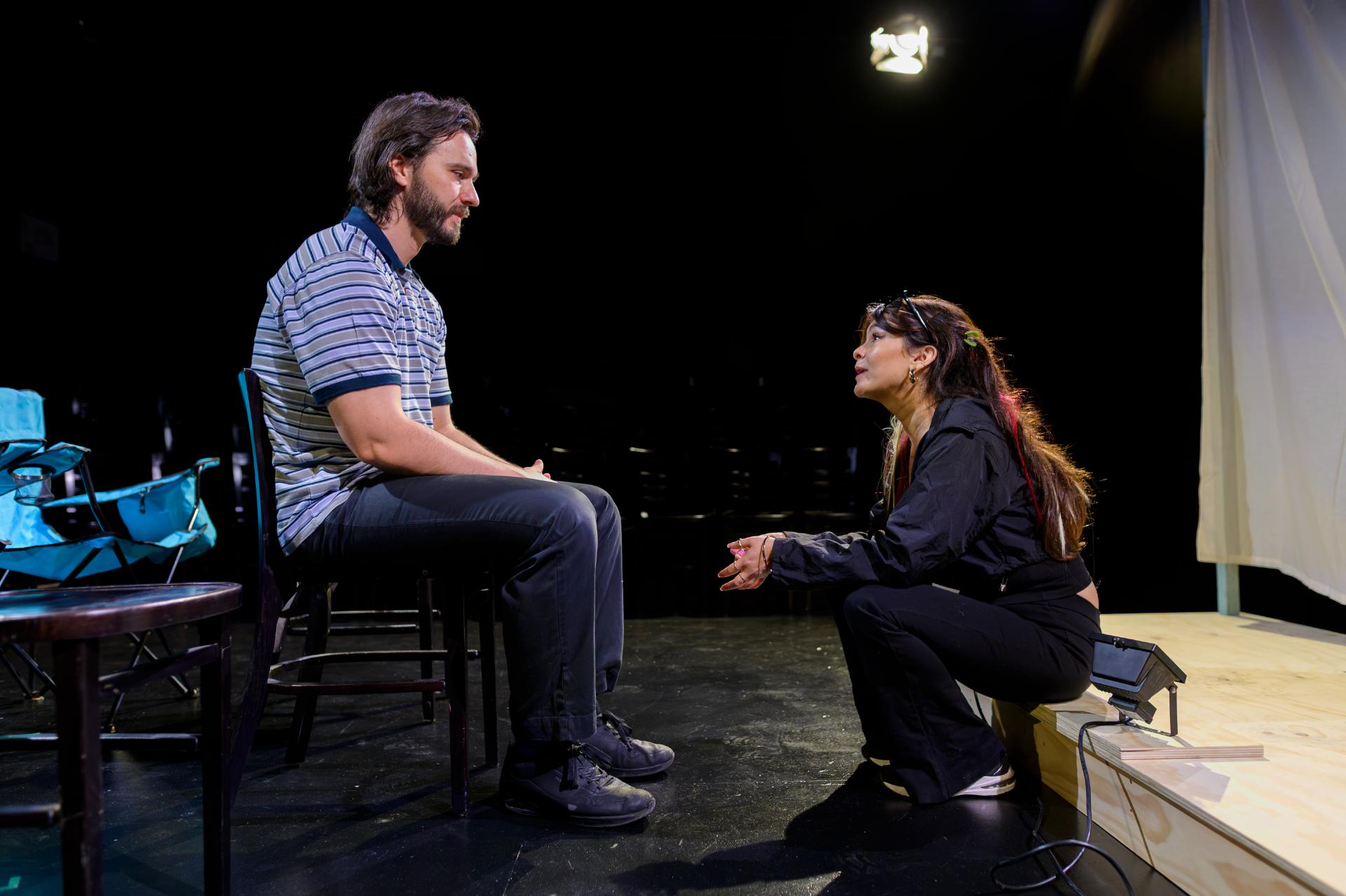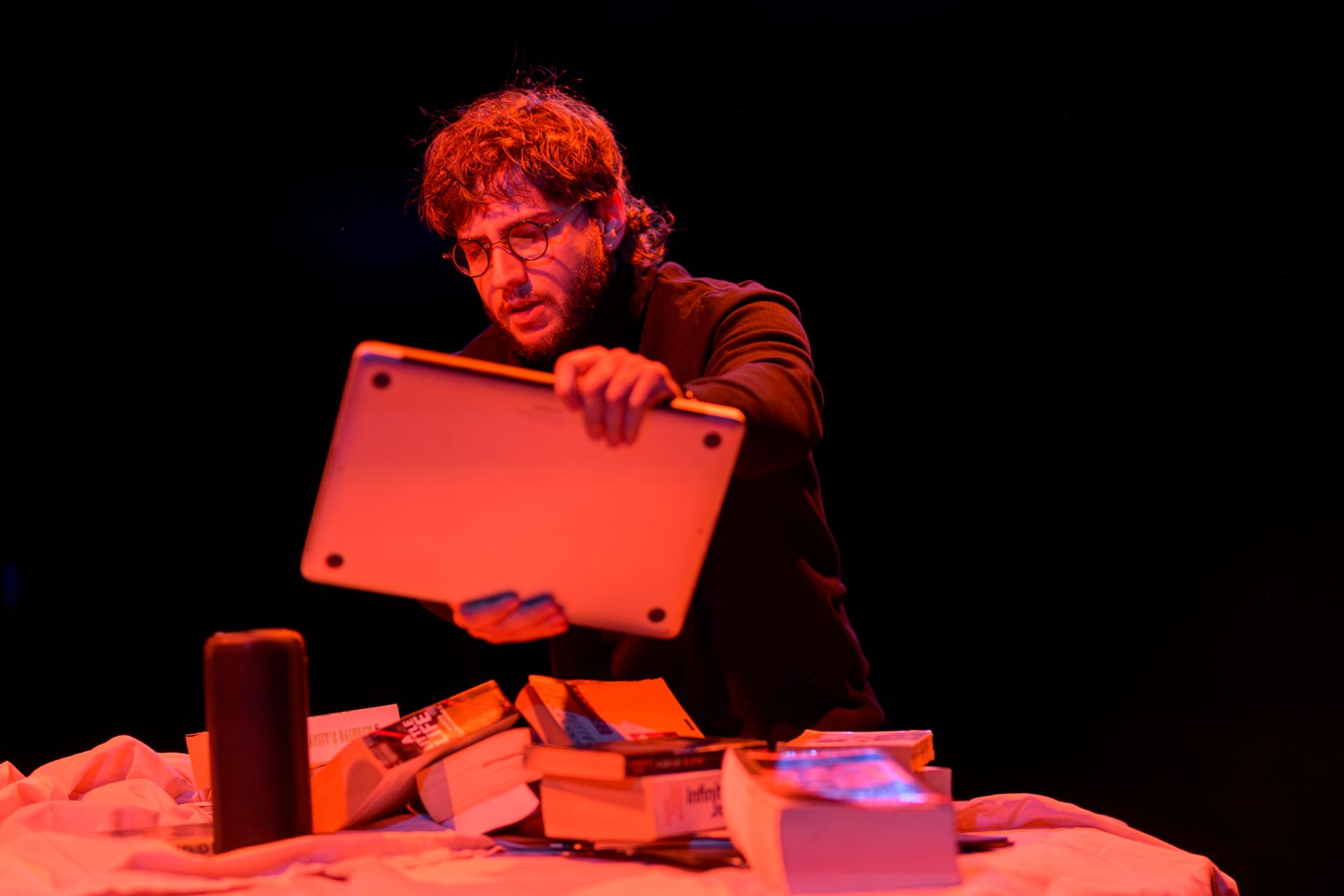
Review: Port (KXT on Broadway)

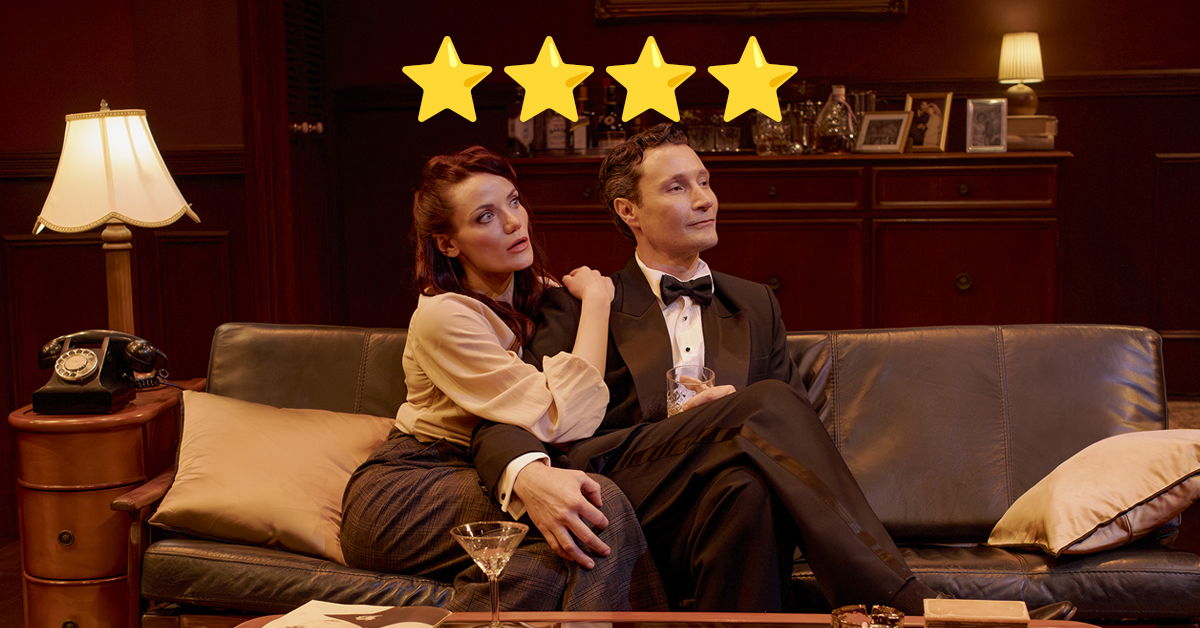
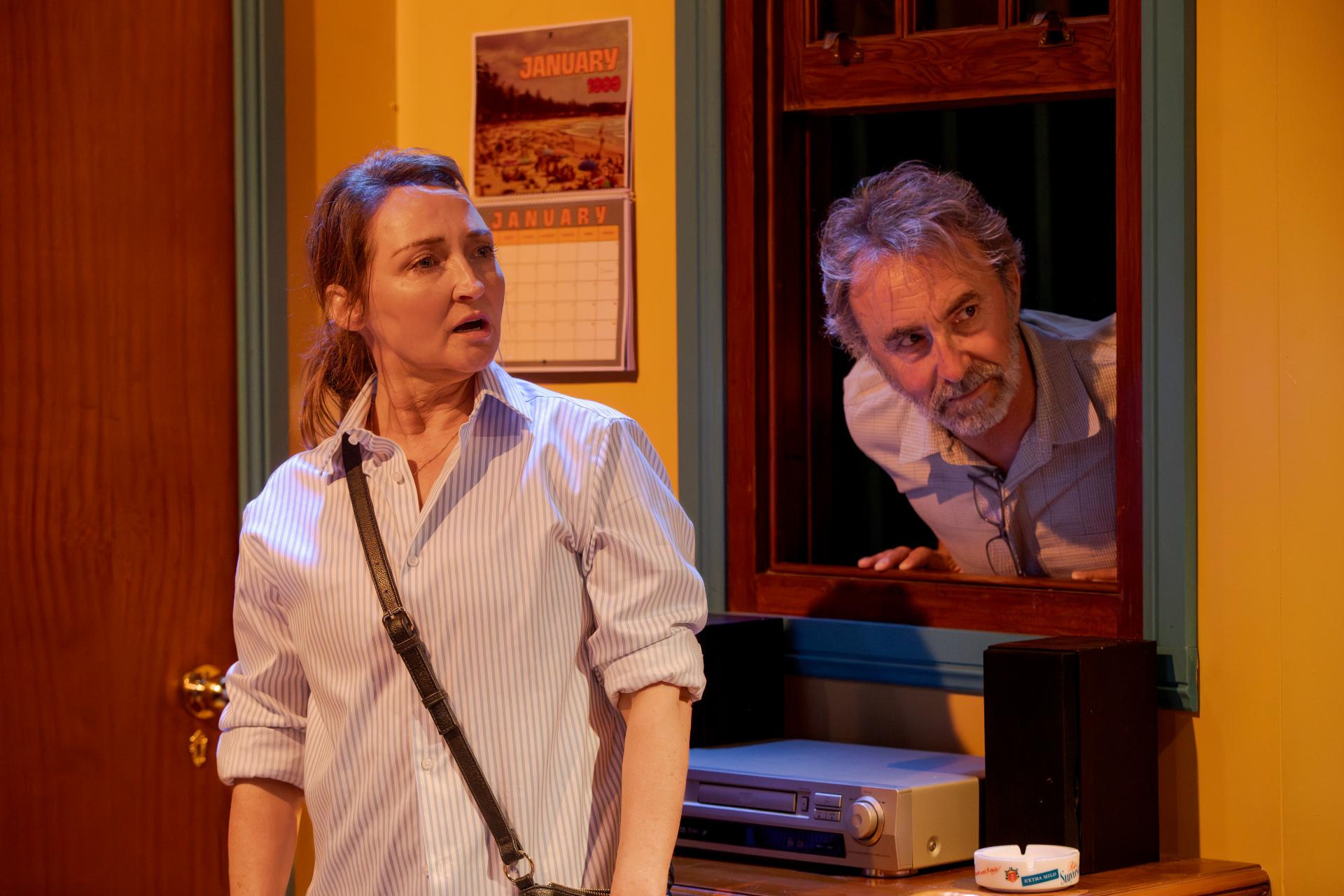
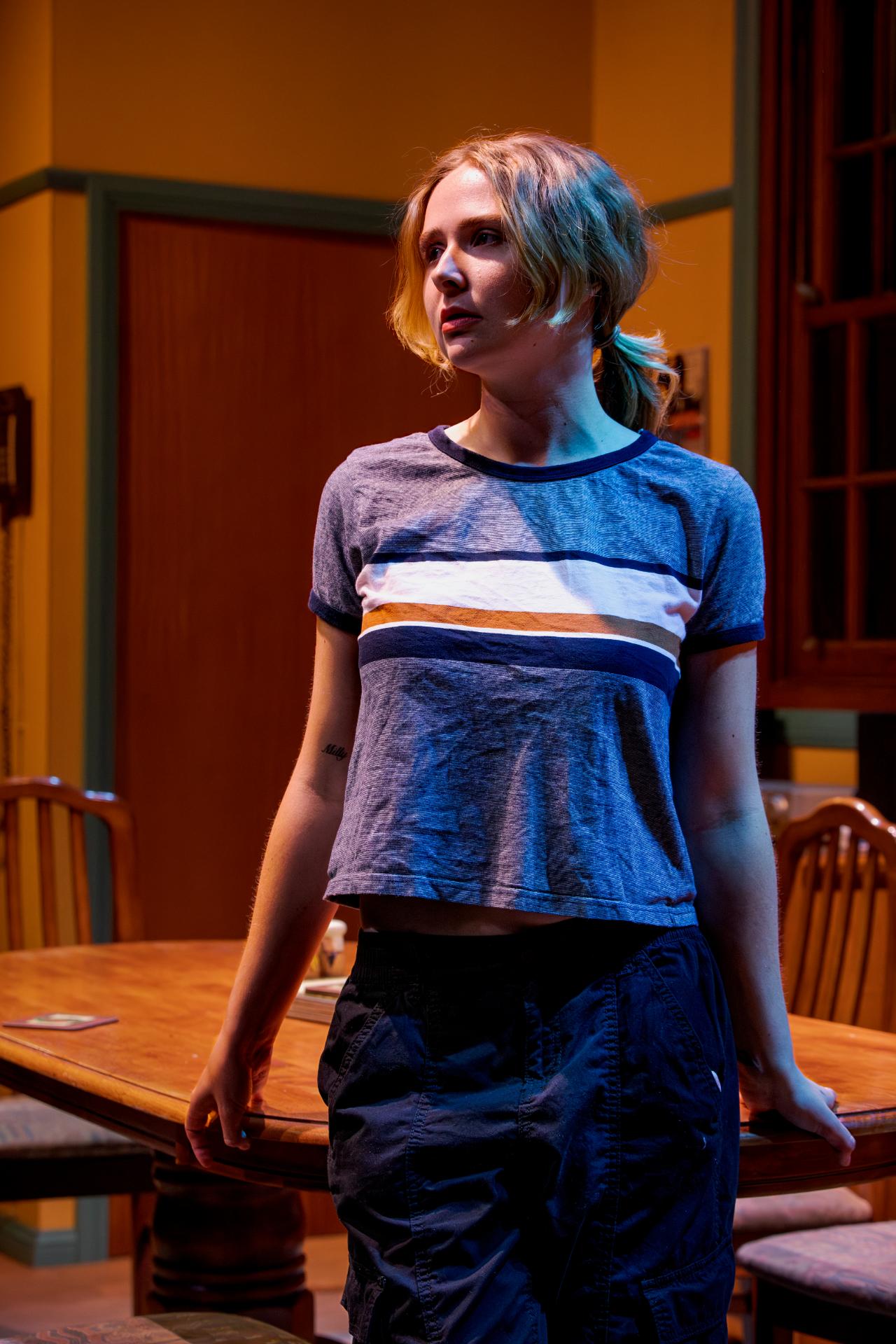
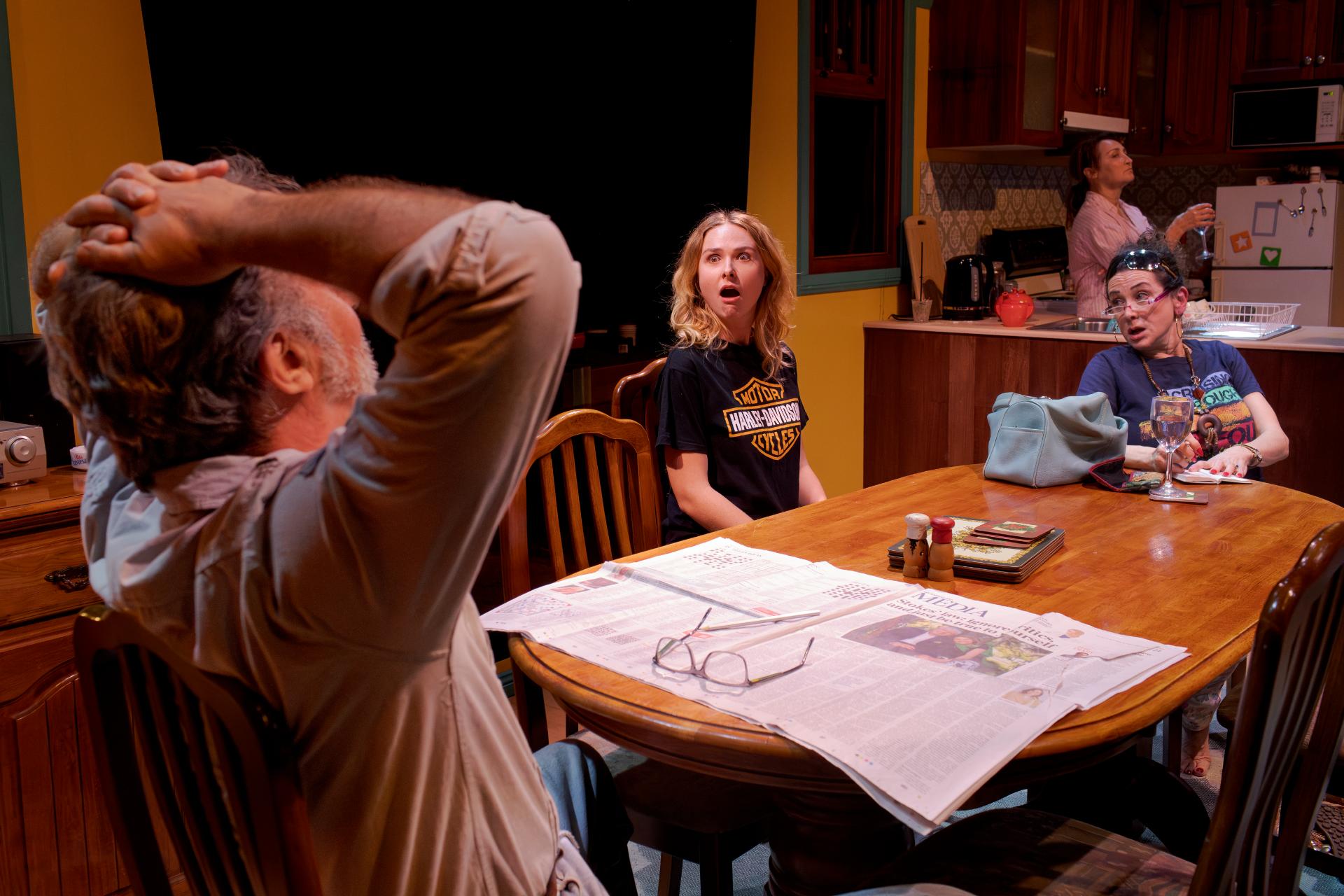
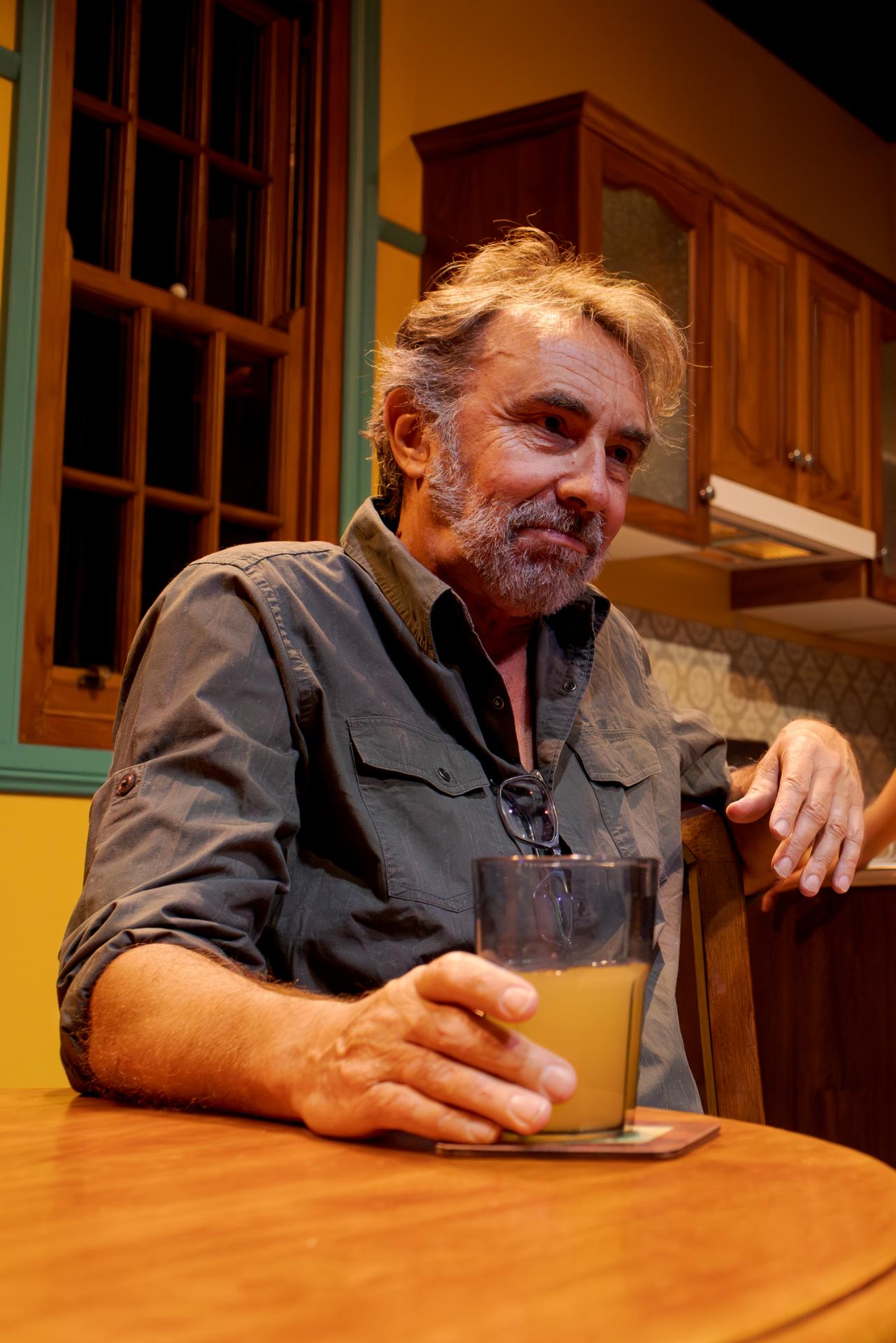
Venue: KXT on Broadway (Ultimo NSW), Sep 24 – Oct 4, 2025
Playwright: Simon Stephens
Director:
Nigel Turner-Carroll
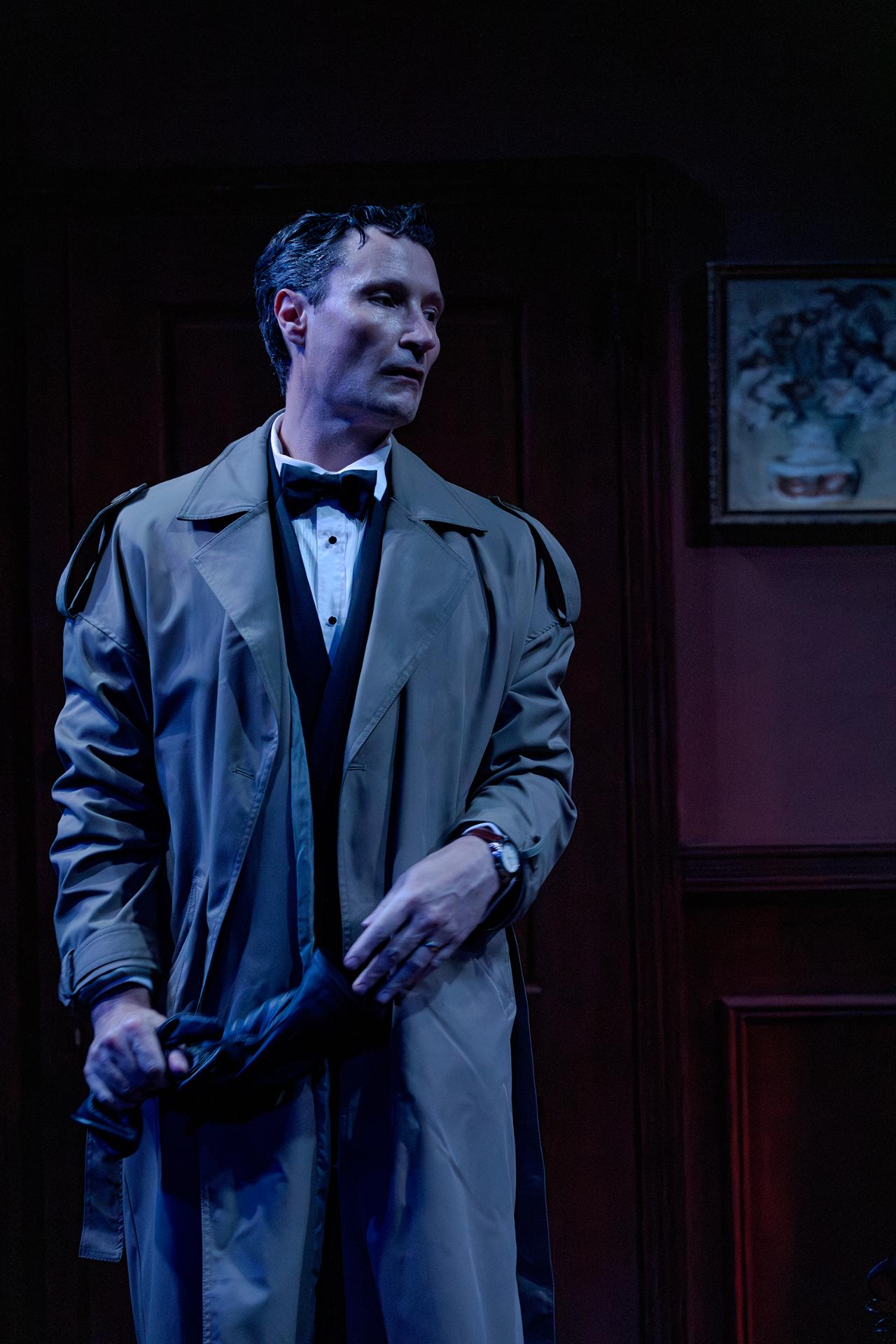
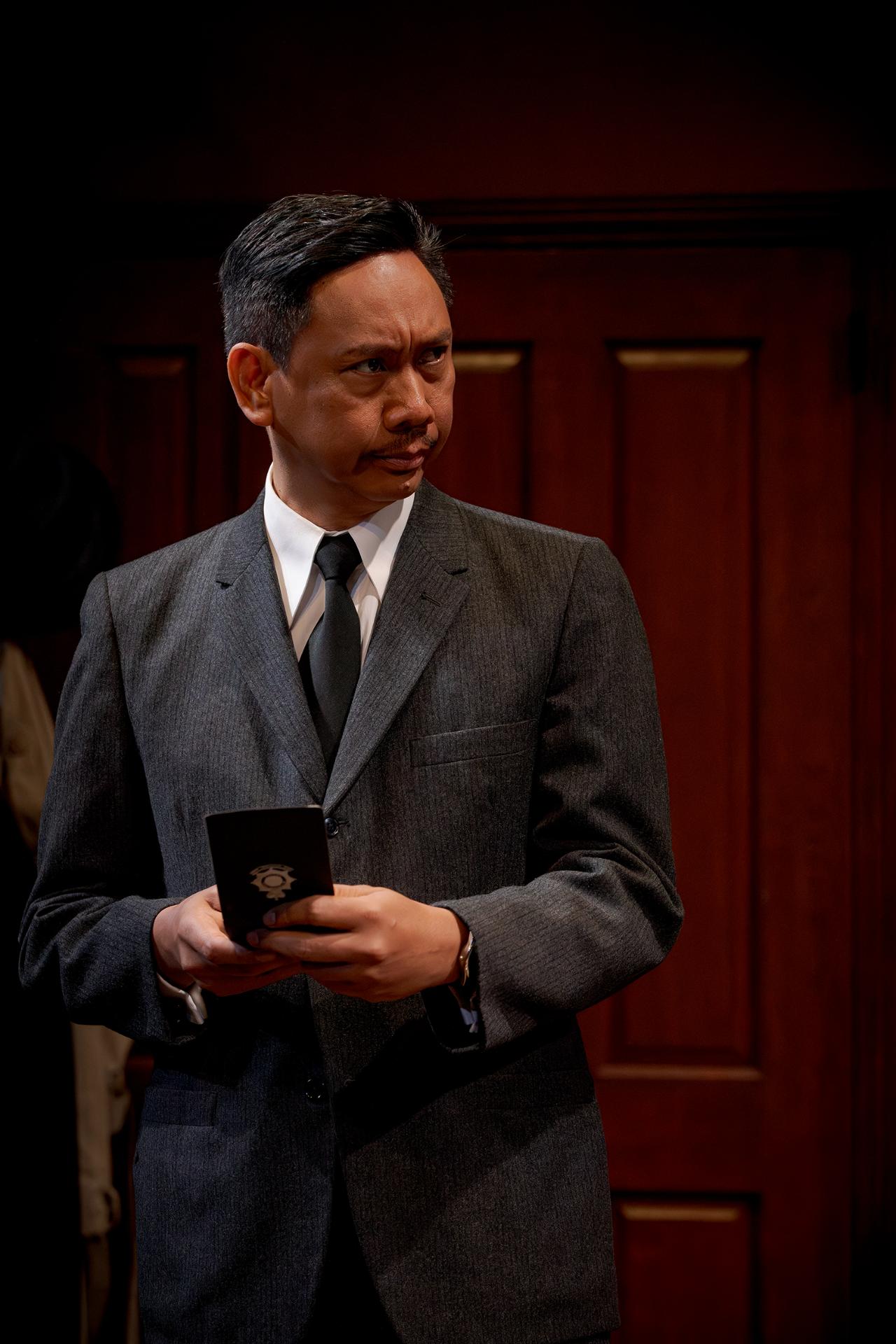
Cast: Kyle Barrett, James Collins, Rachel Crossan, Owen Hasluck, Benjamin Louttit, Finn Middleton, Megan O’Connell, Grace Stamnas
Images by Phil Erbacher

Theatre review
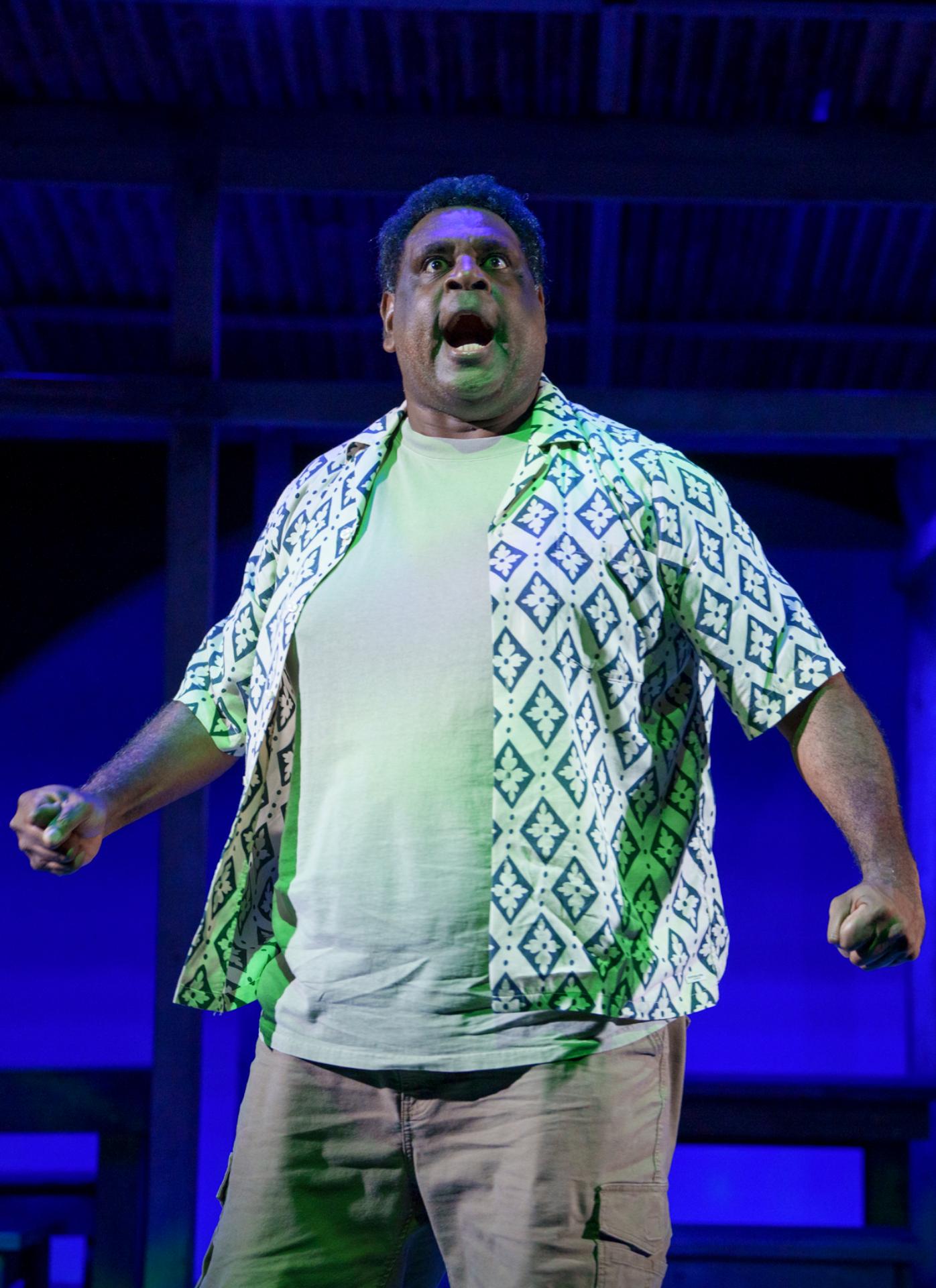
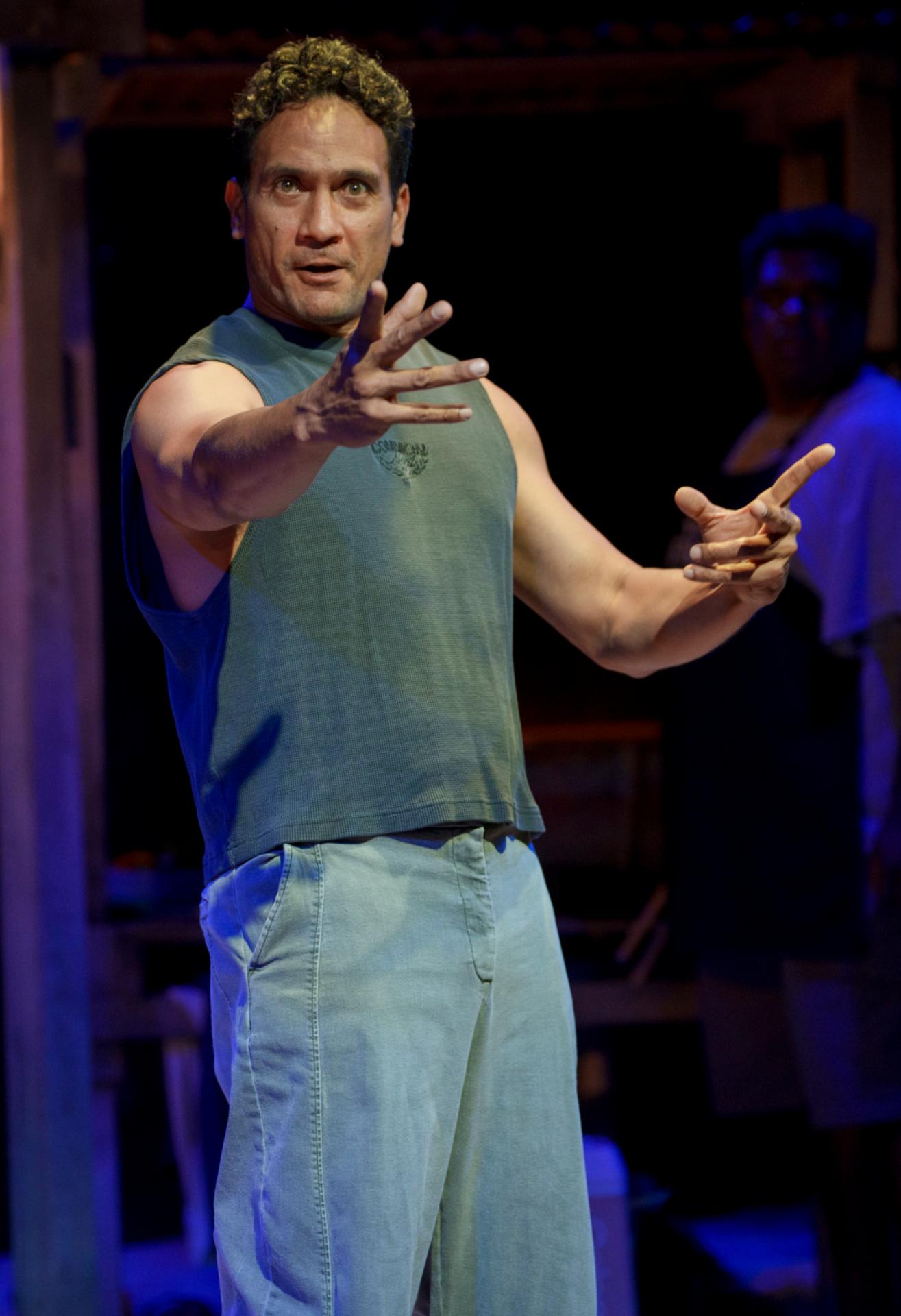
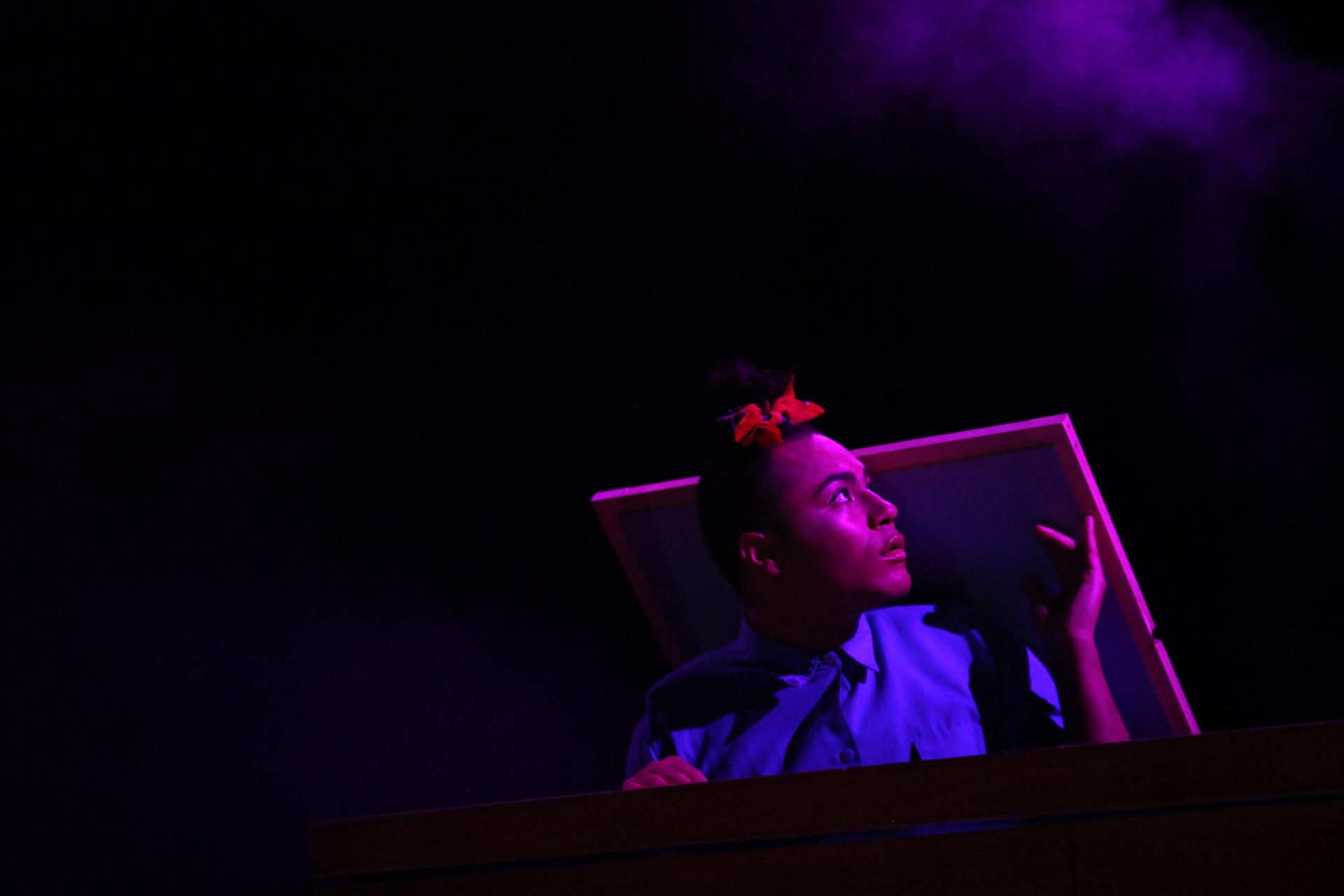
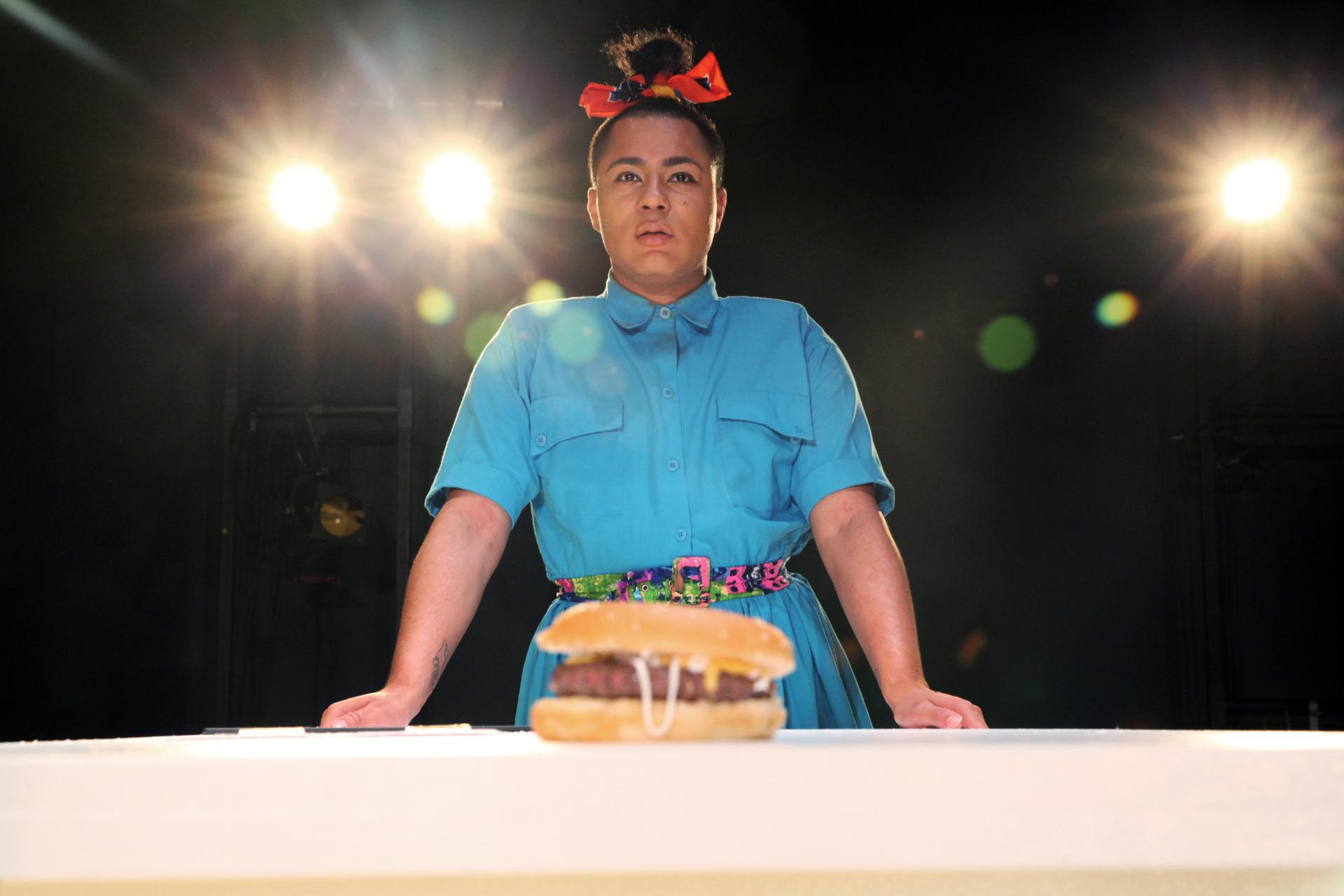
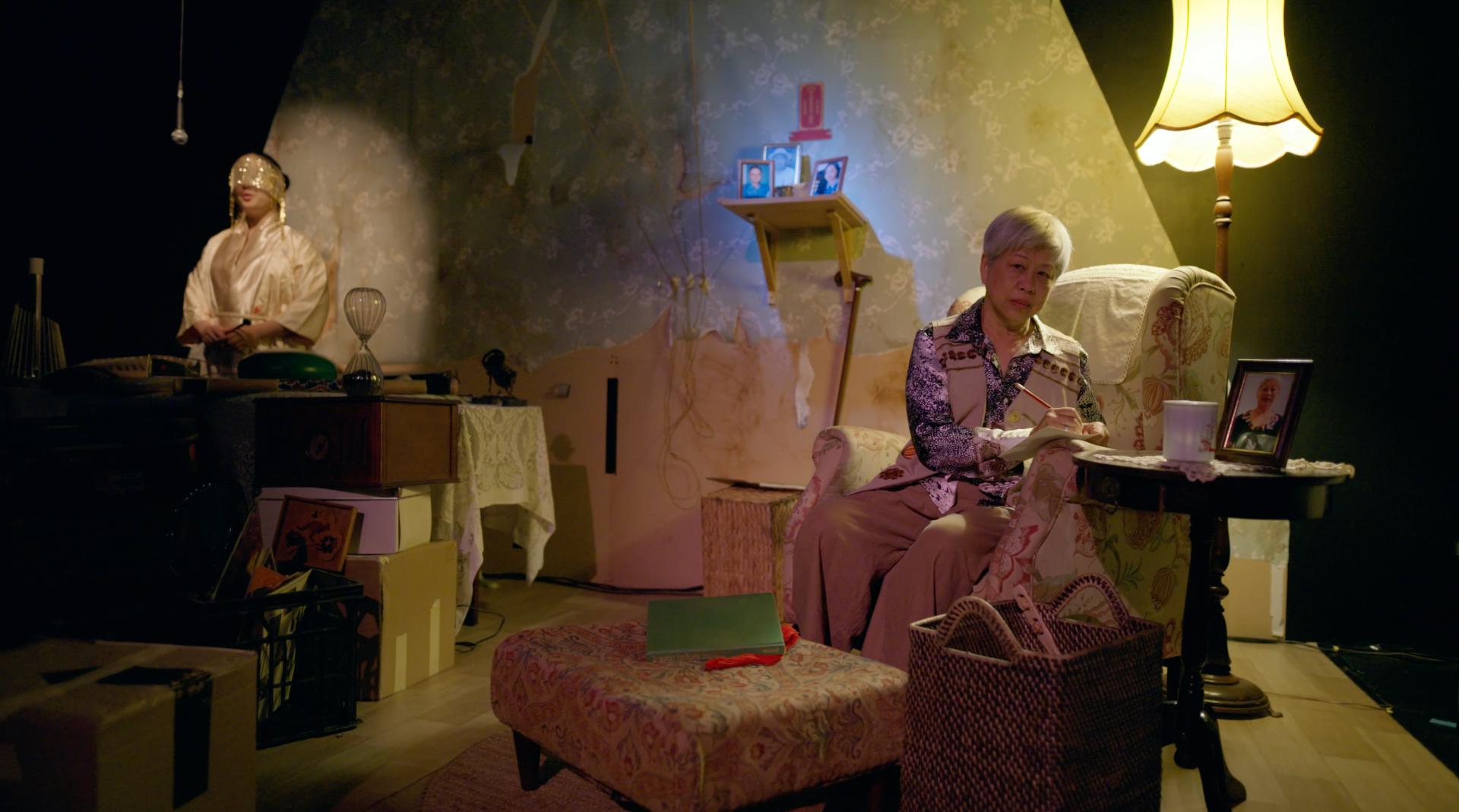
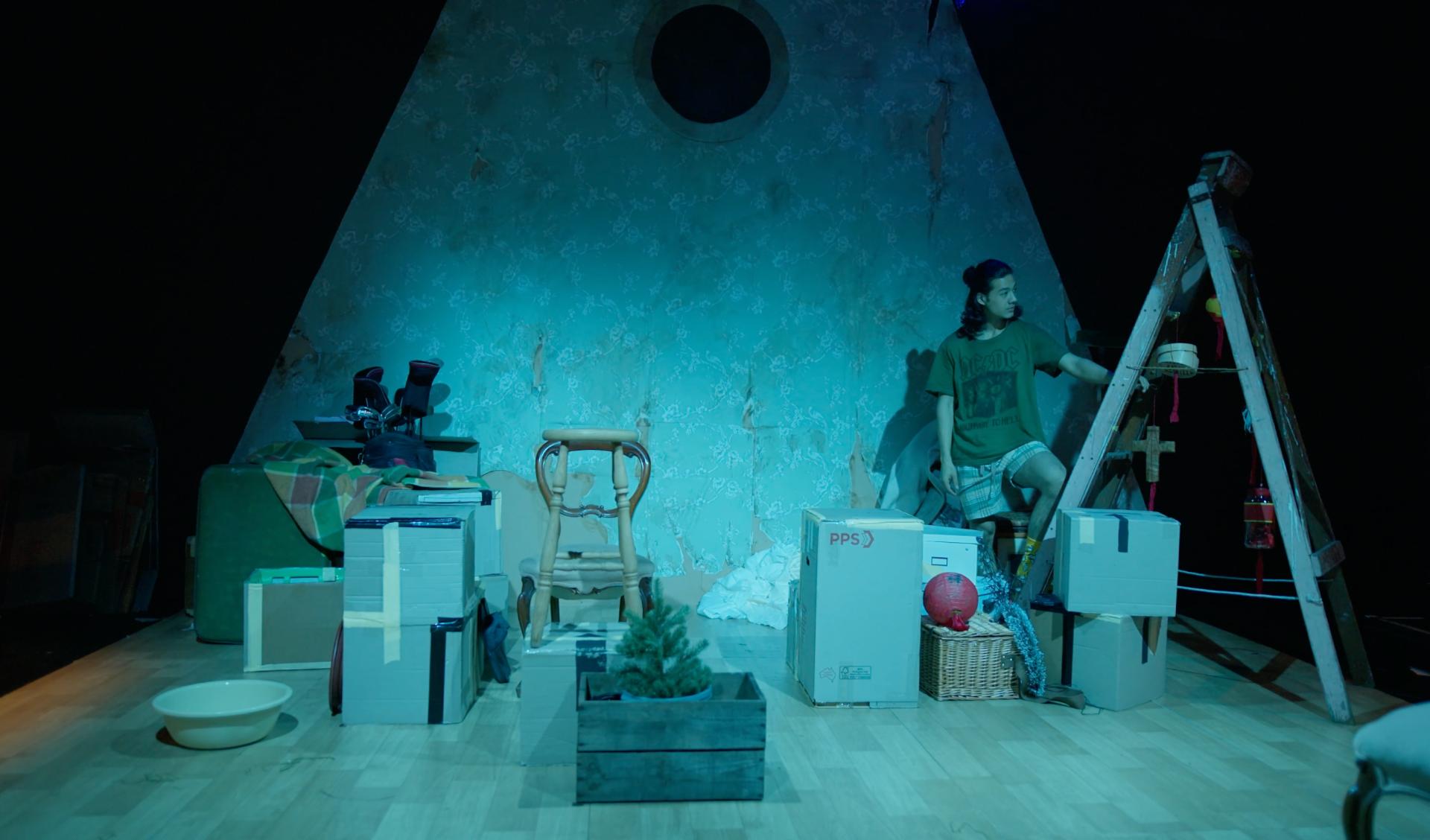
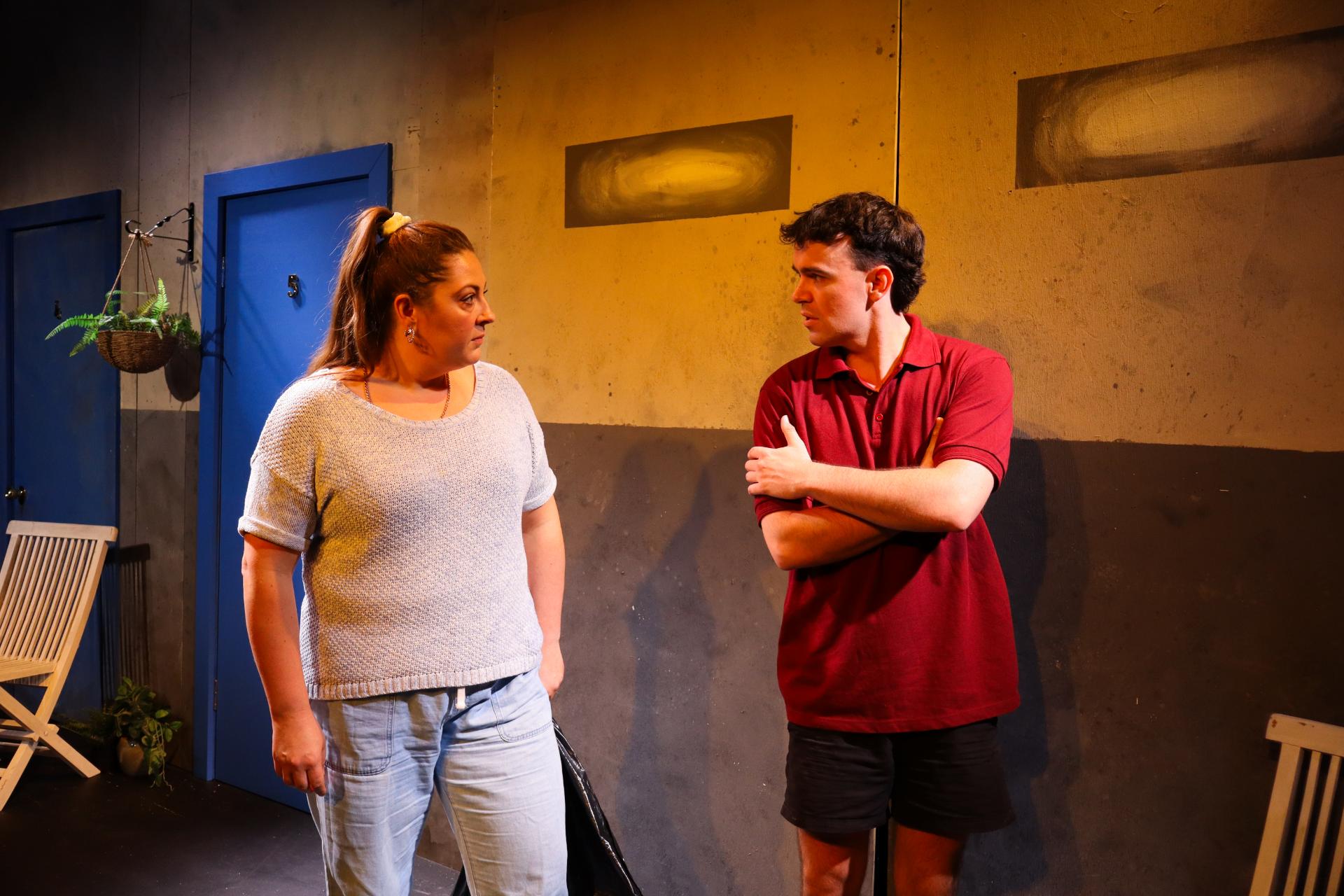
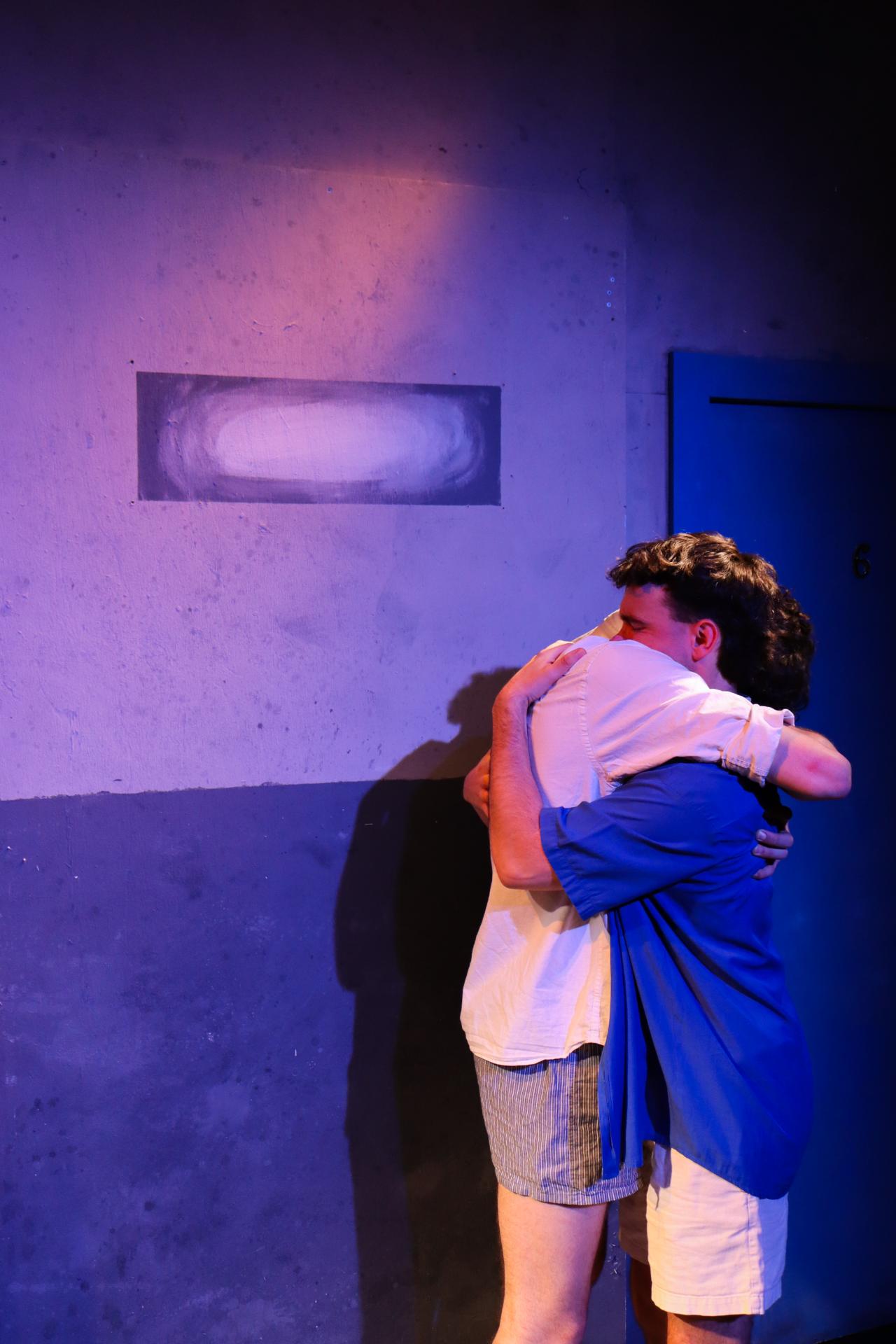
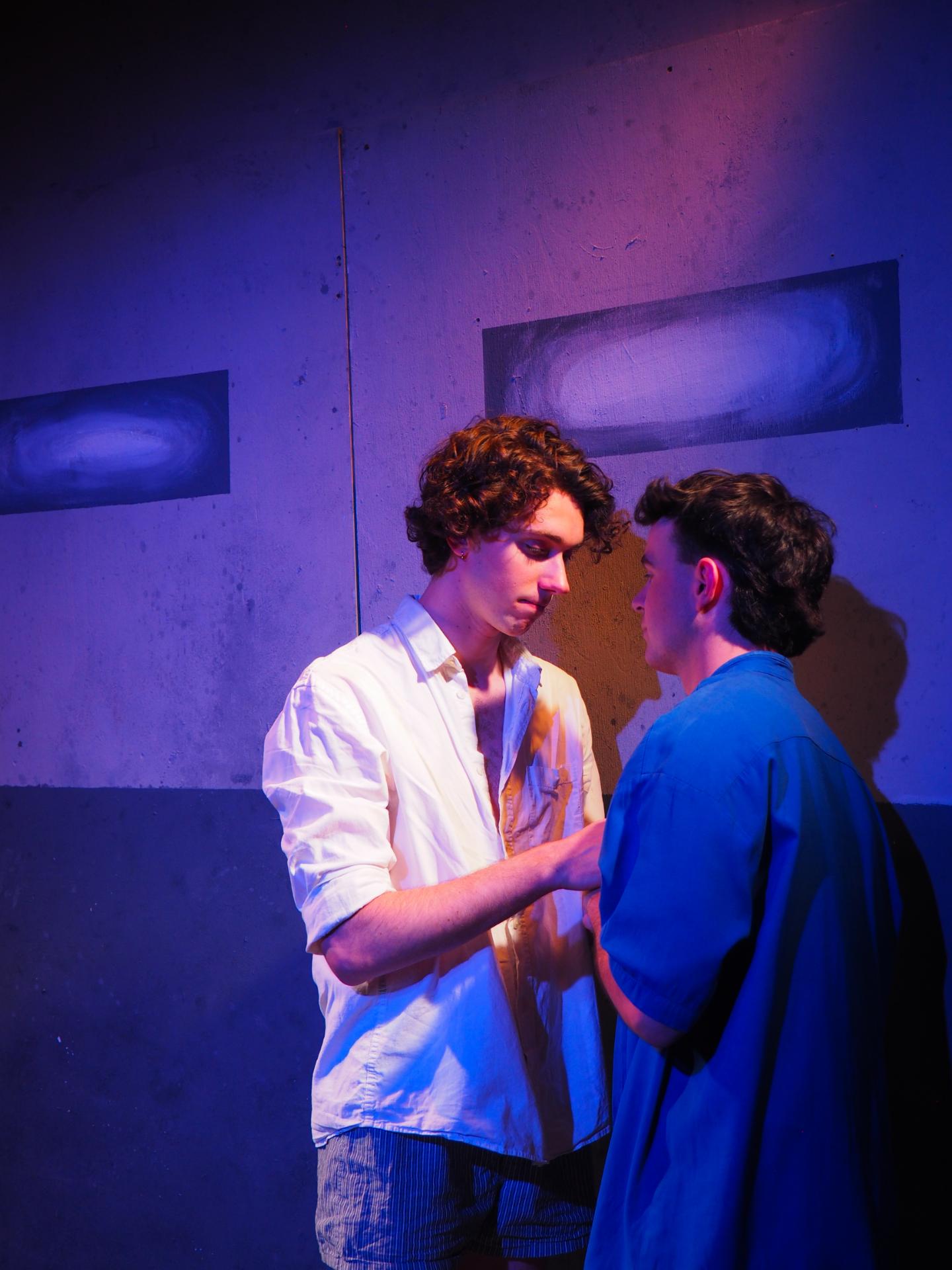
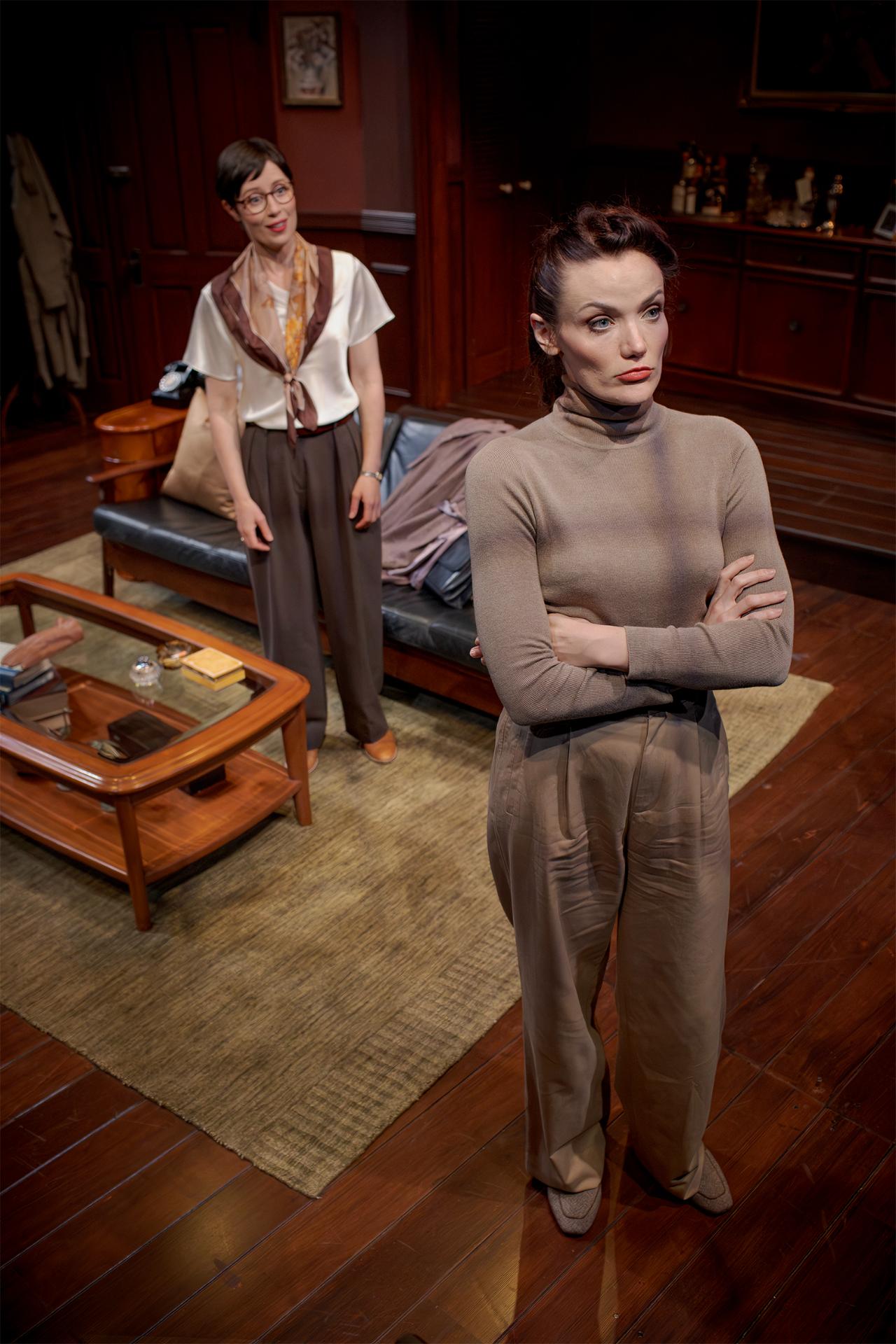
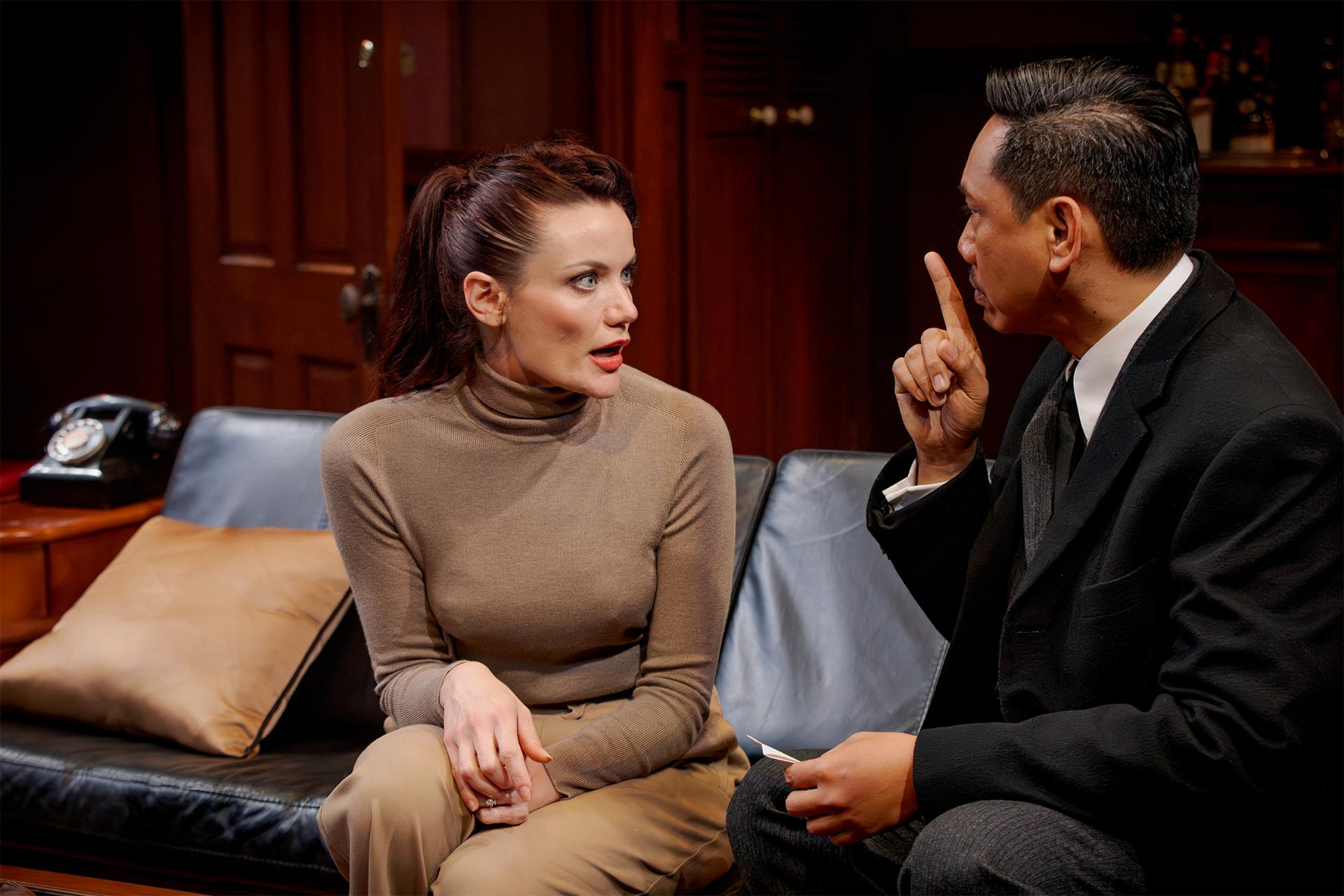
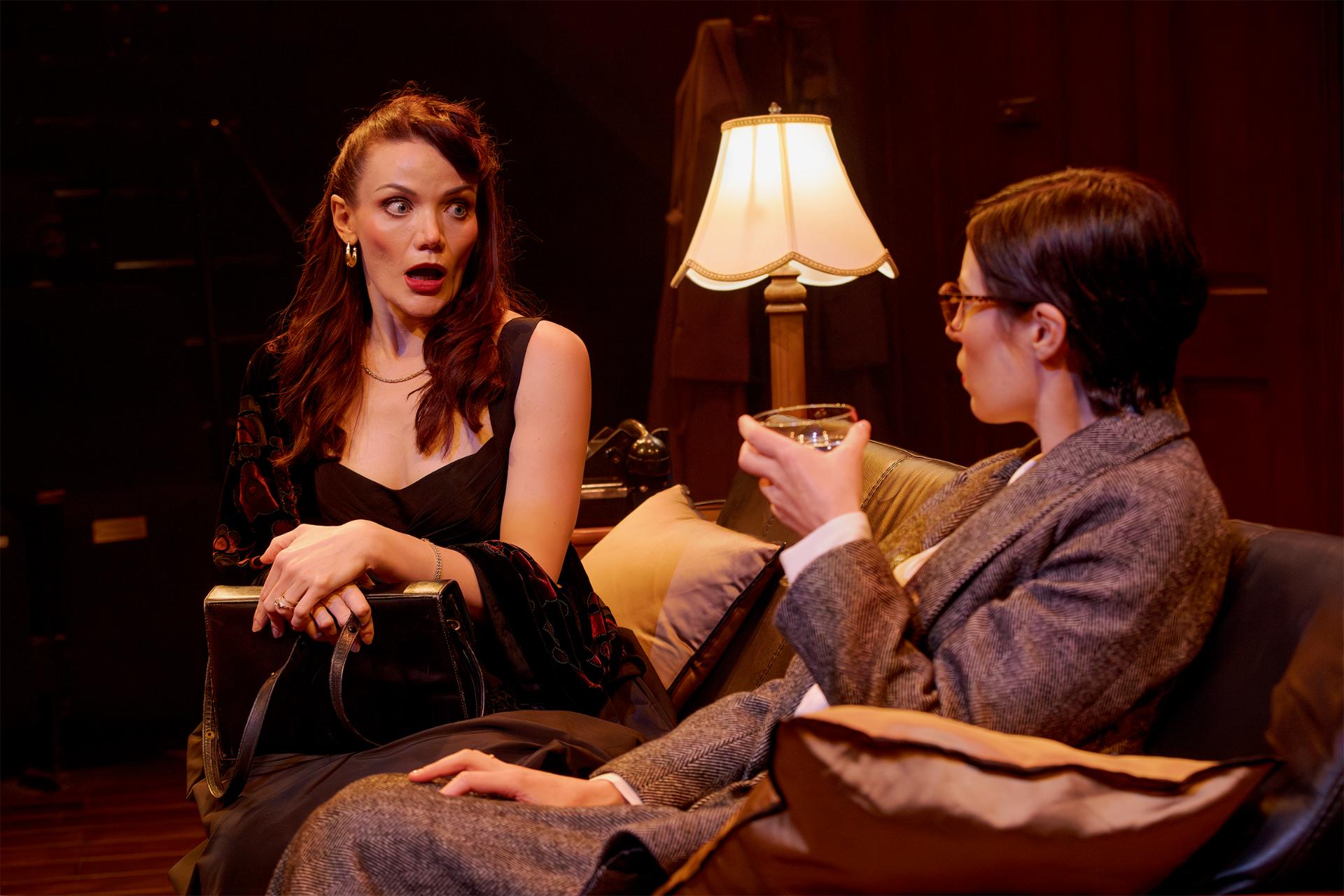
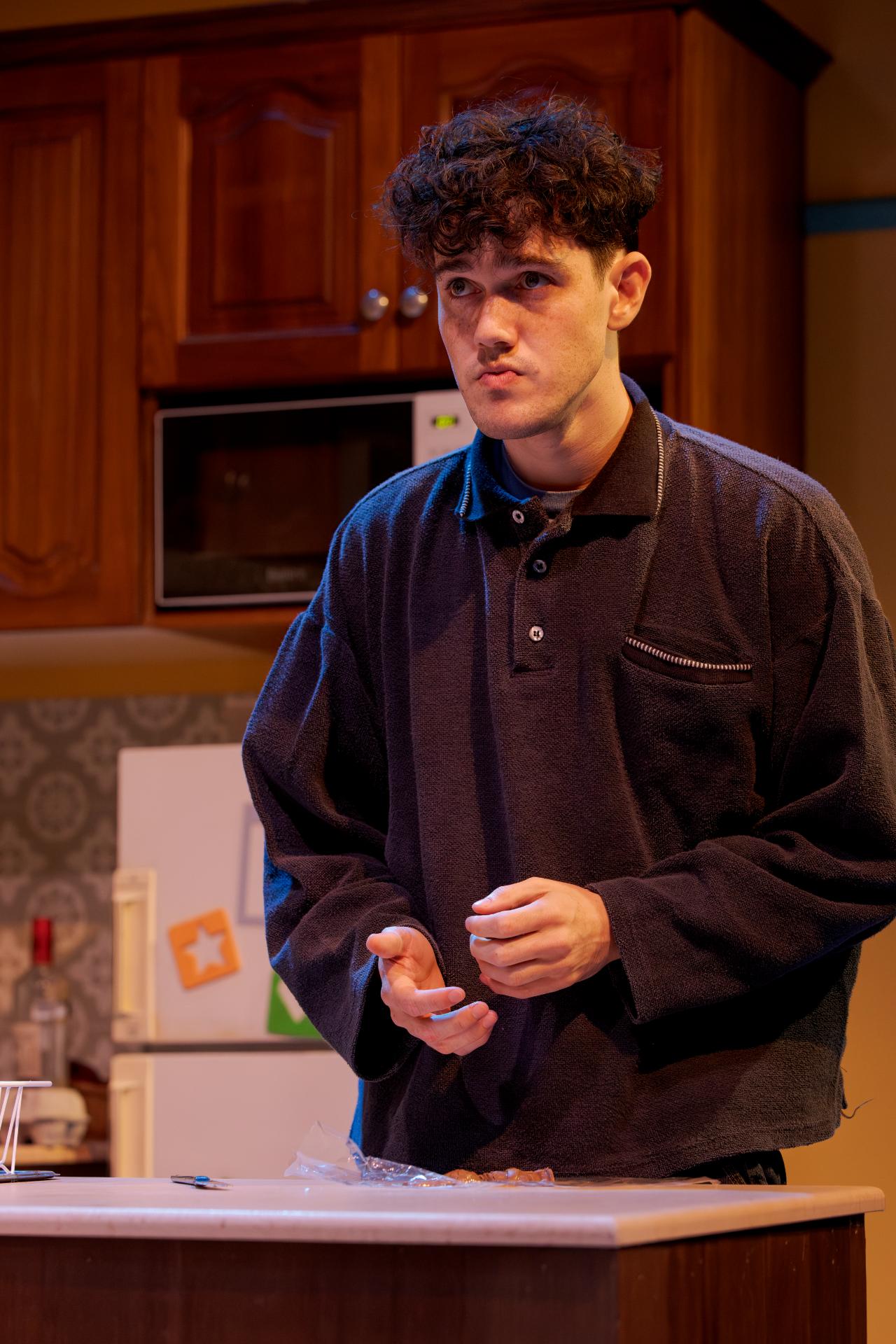
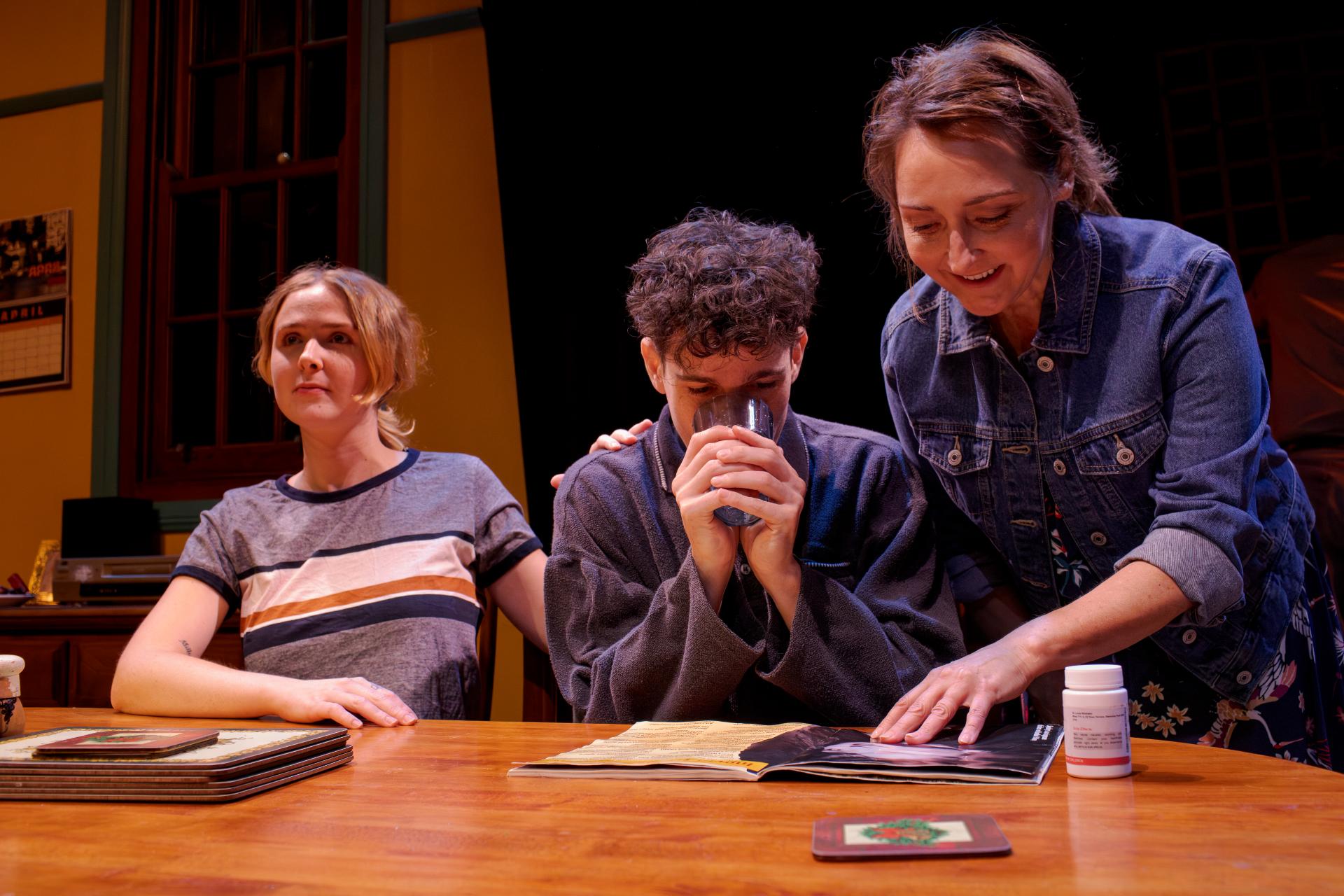
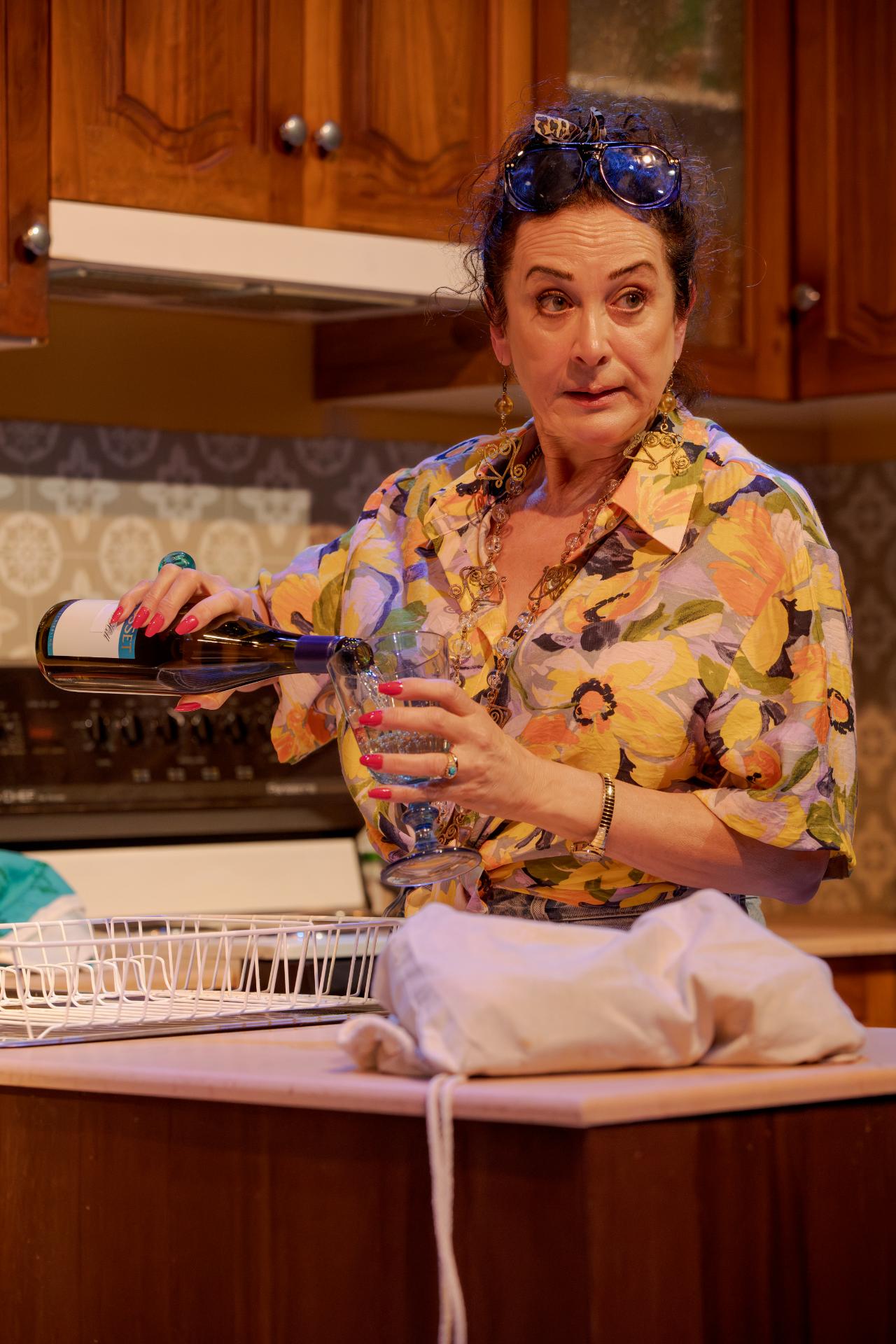
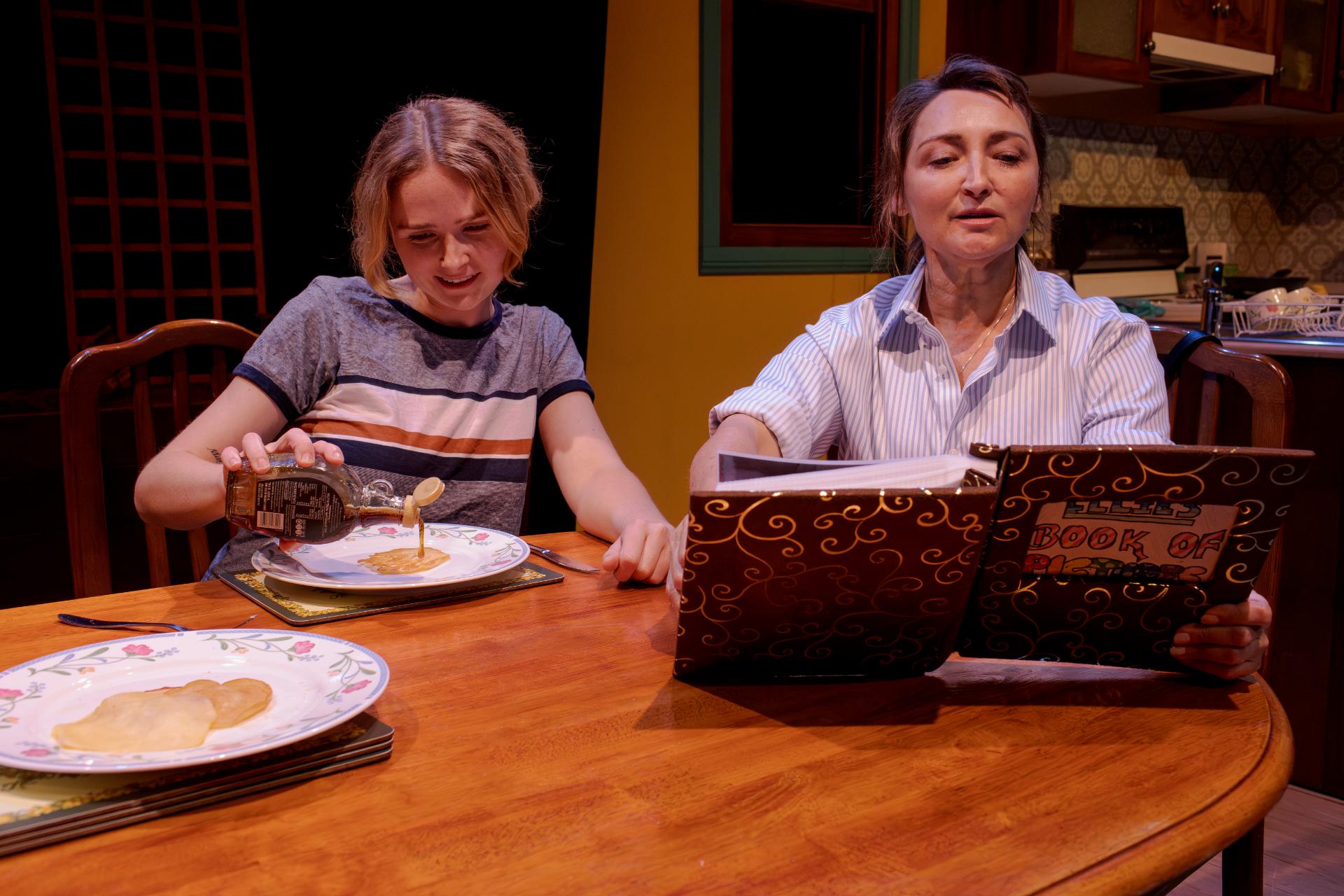
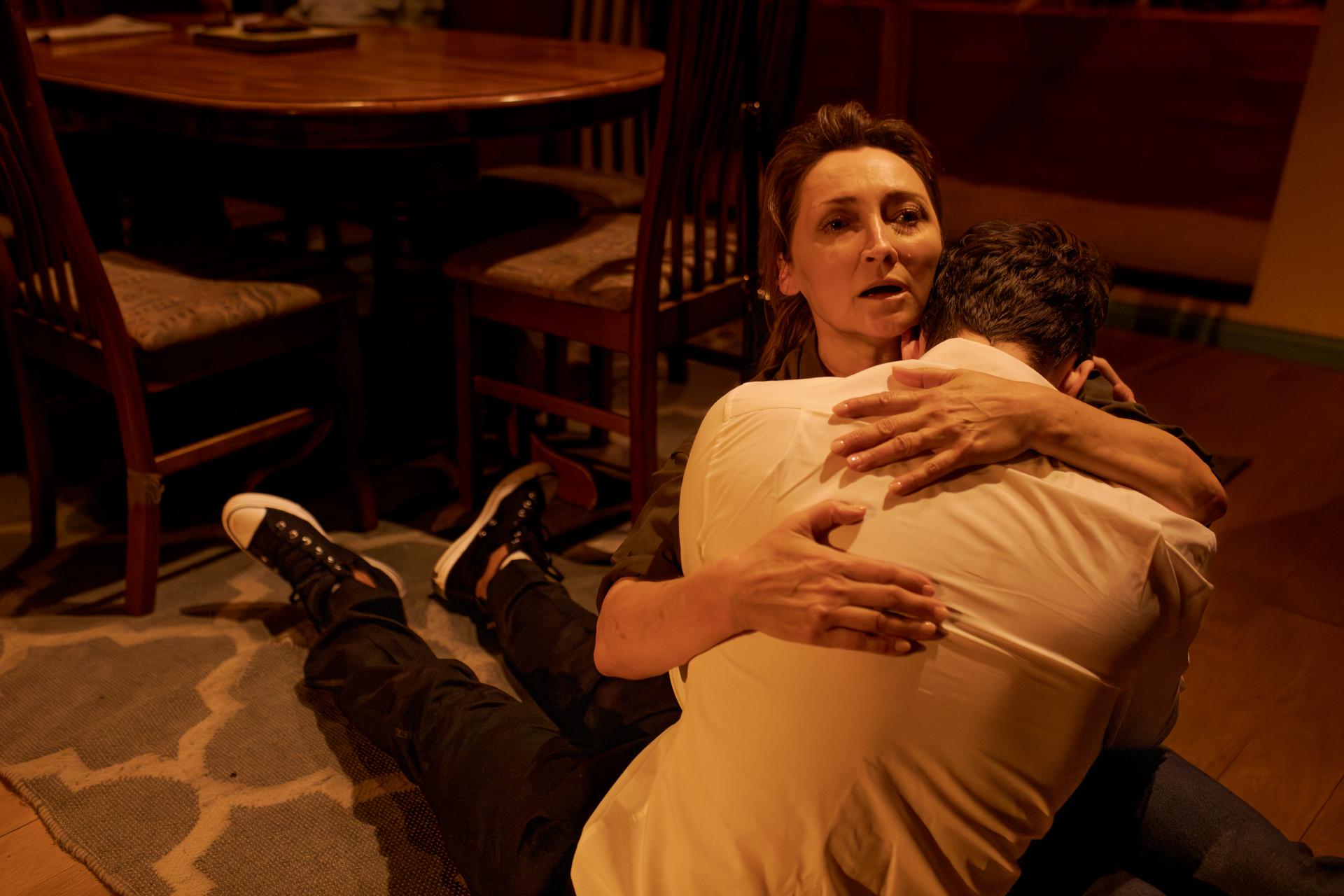
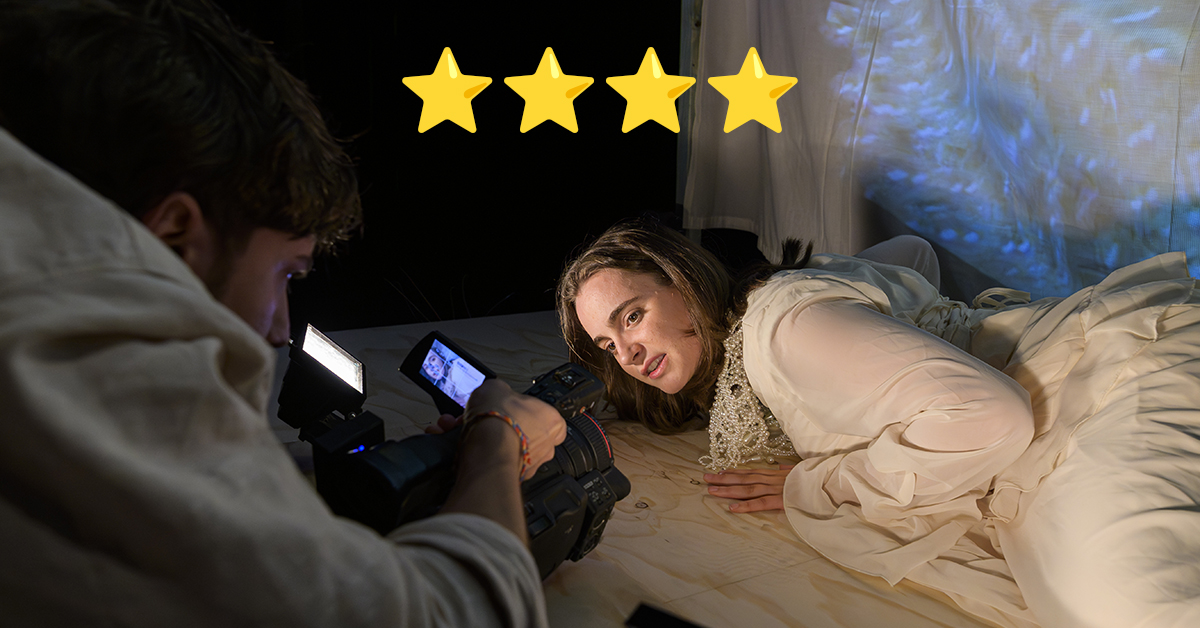
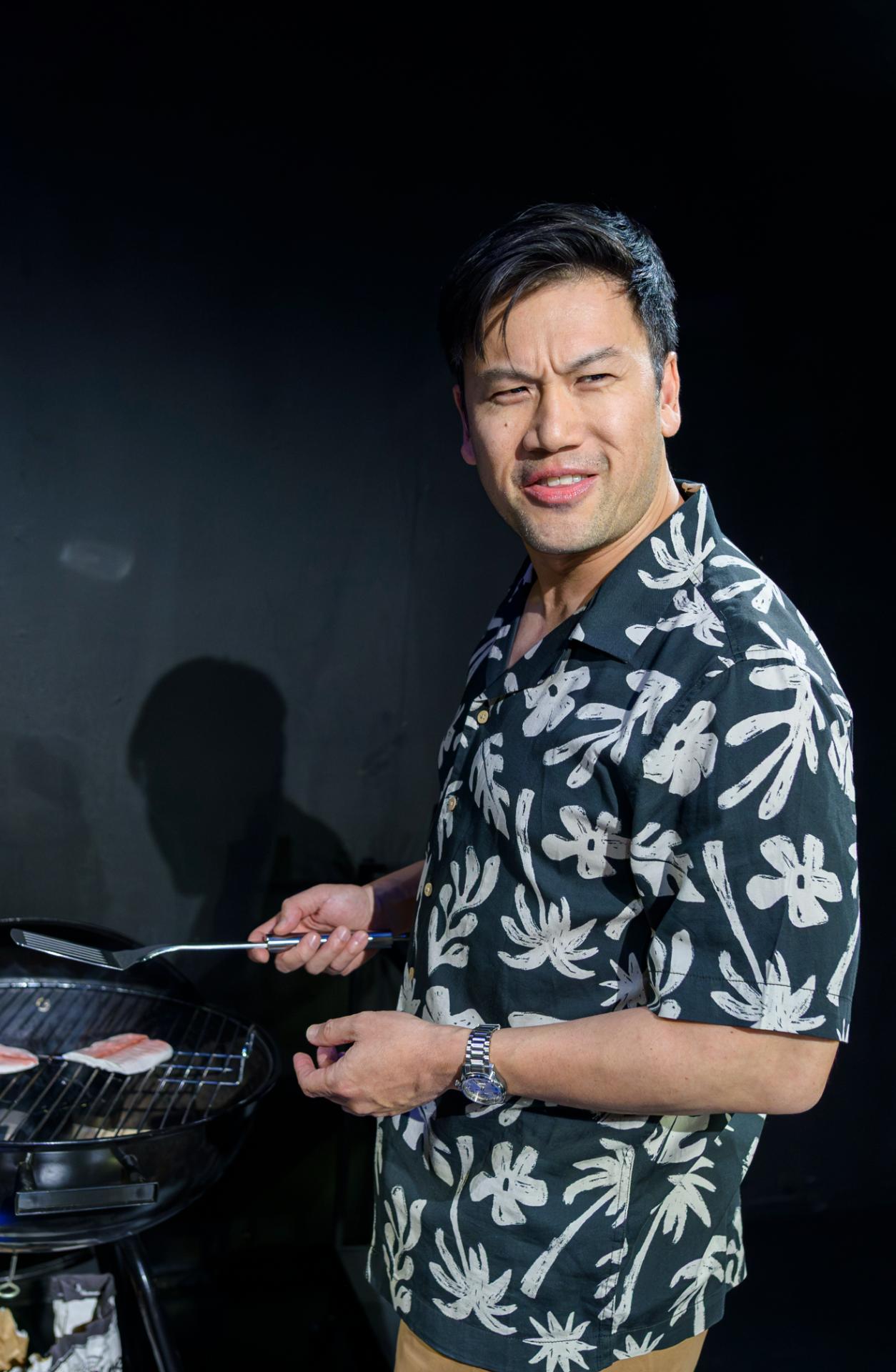
Racheal has spent much of her life in Stockport, a largely working-class town in the north-west of England. The hardships she endures are considerable, yet we perceive them as ordinary, knowing that life is never a bed of roses, especially for those on society’s lower rungs. In his 2002 play Port, Simon Stephens shows a keen ear for the rhythms of everyday conversation, but the tale he tells is ultimately one of mediocrity, a portrait of existence so ordinary that it struggles to sustain our deeper interest.

Fortunately, director Nigel Turner-Carroll brings considerable intensity to the drama, encouraging us to invest in the possibility of uncovering greater depths within the narrative. That hope, however, proves unfounded, as we gradually realise there is little of real substance in Racheal’s story.

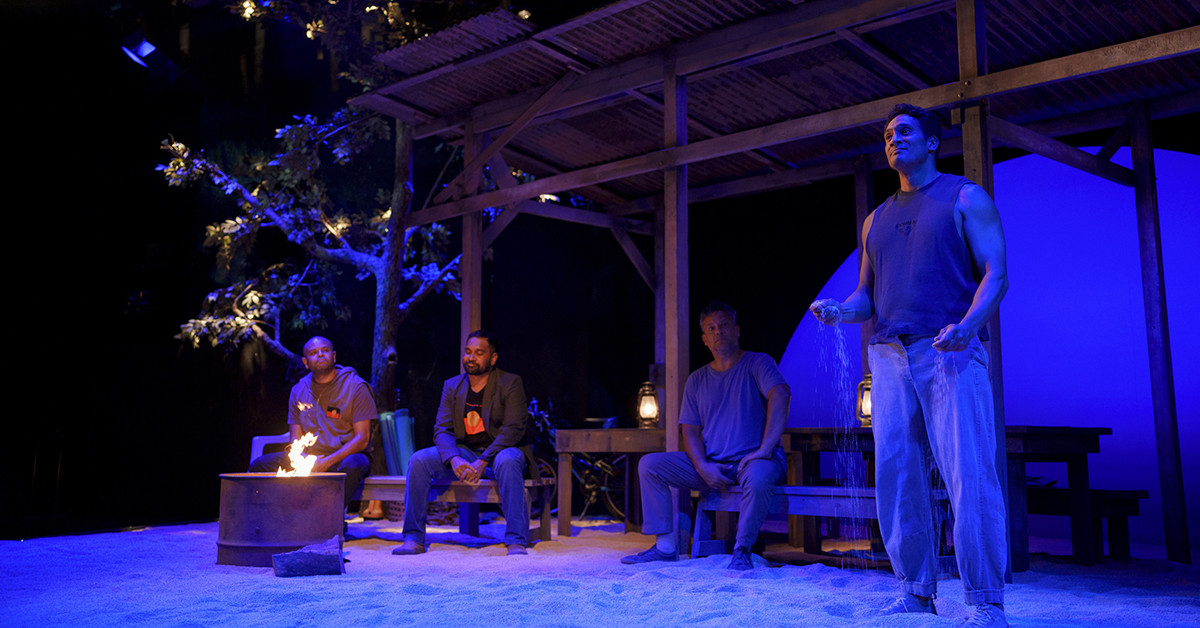
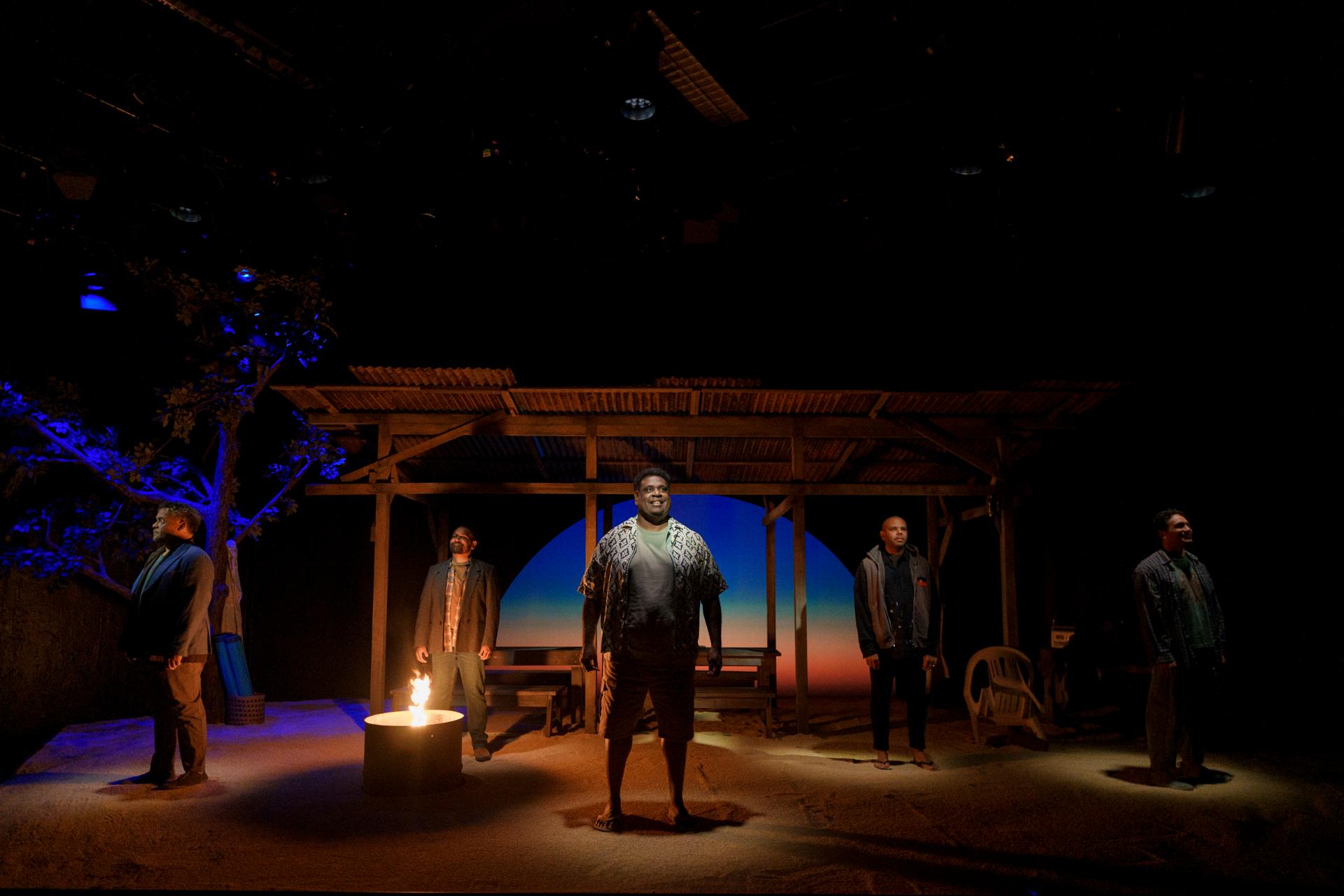
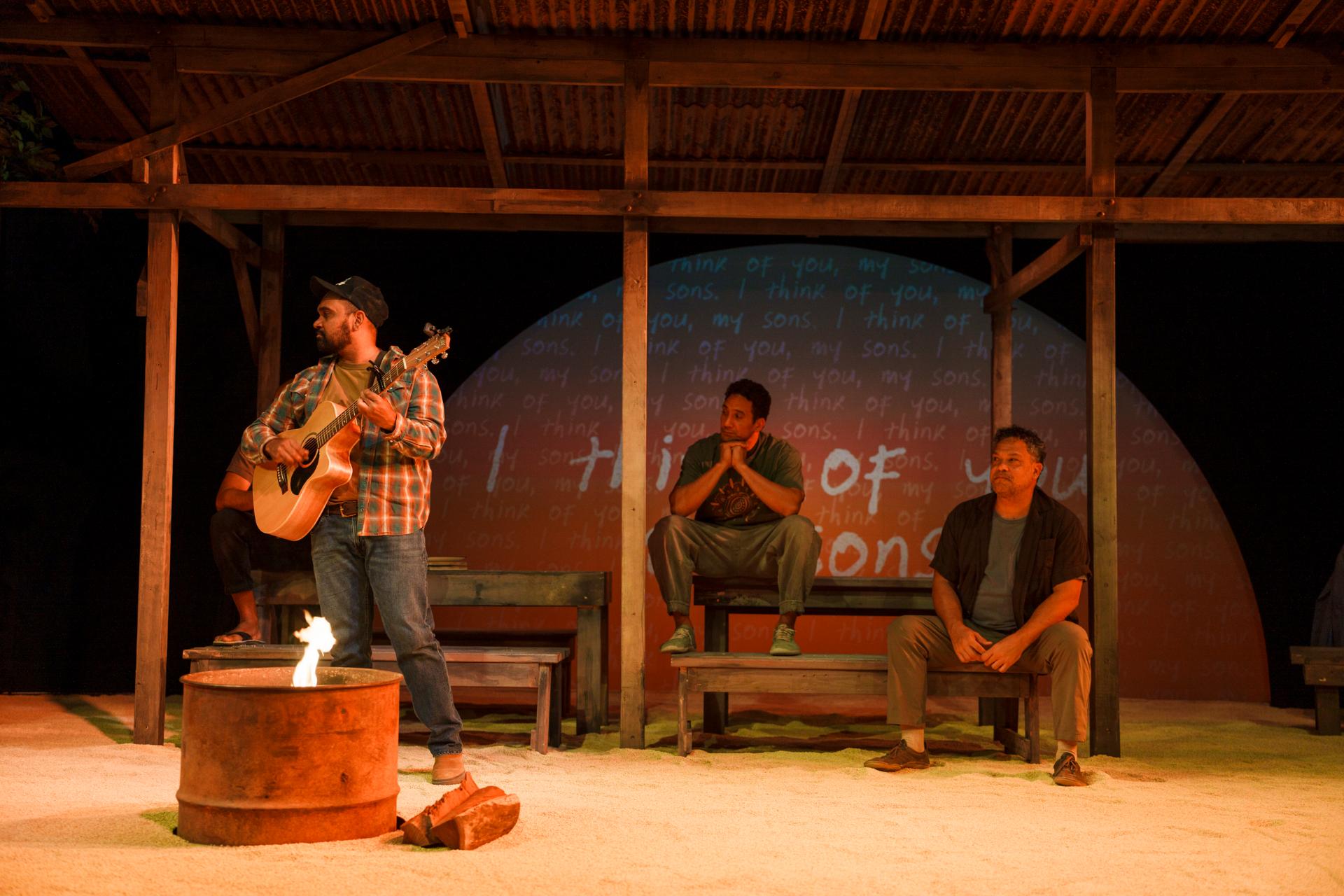
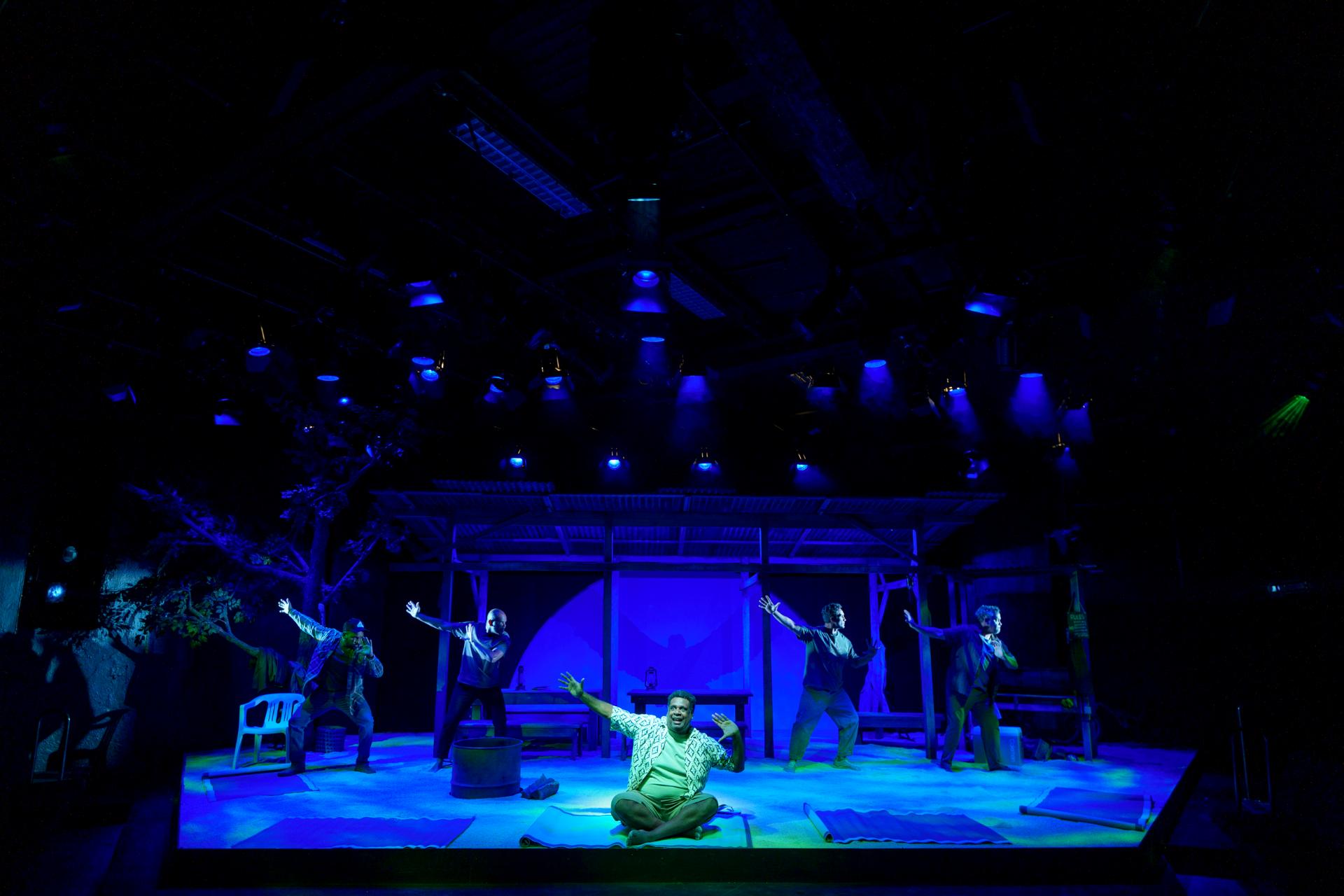
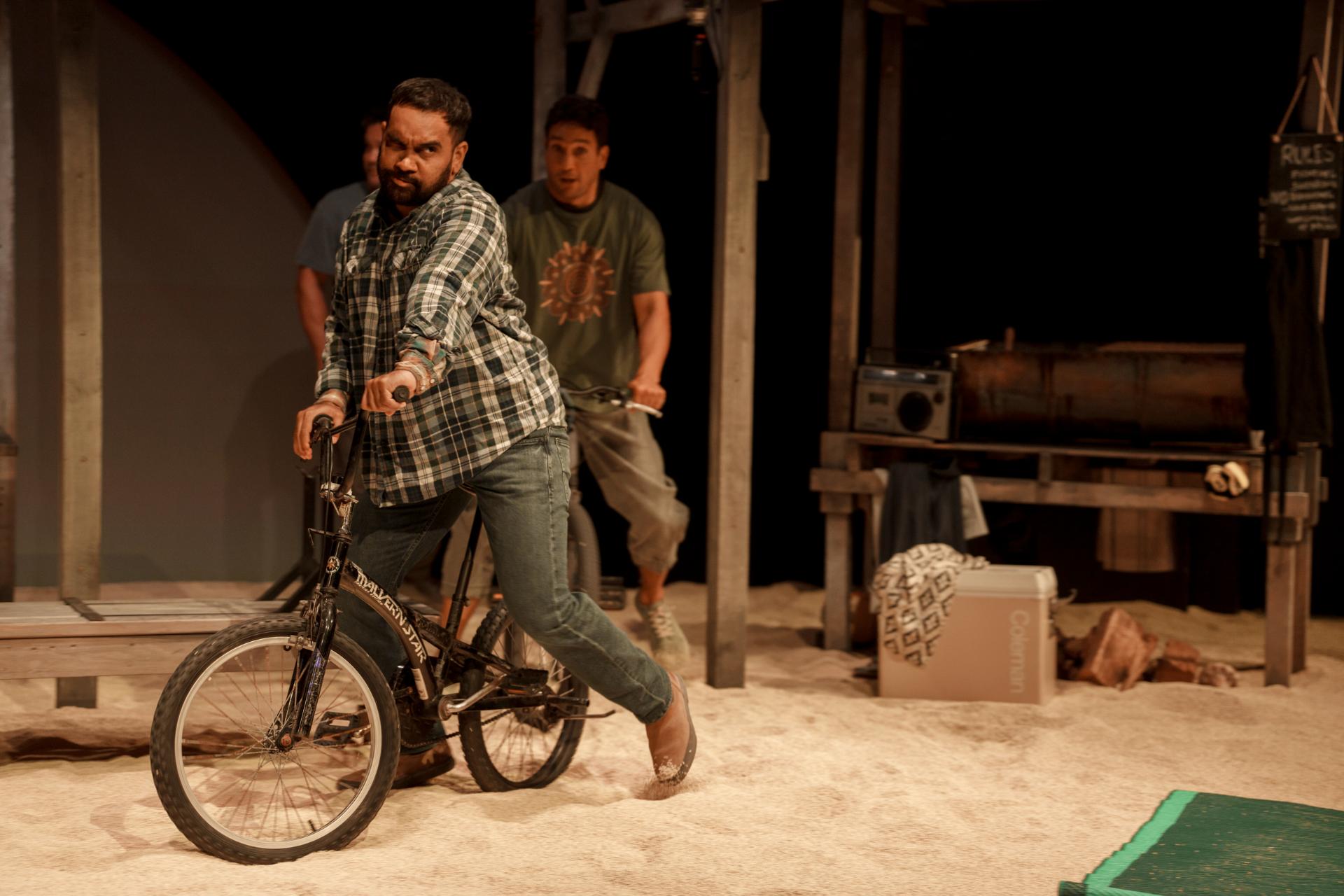
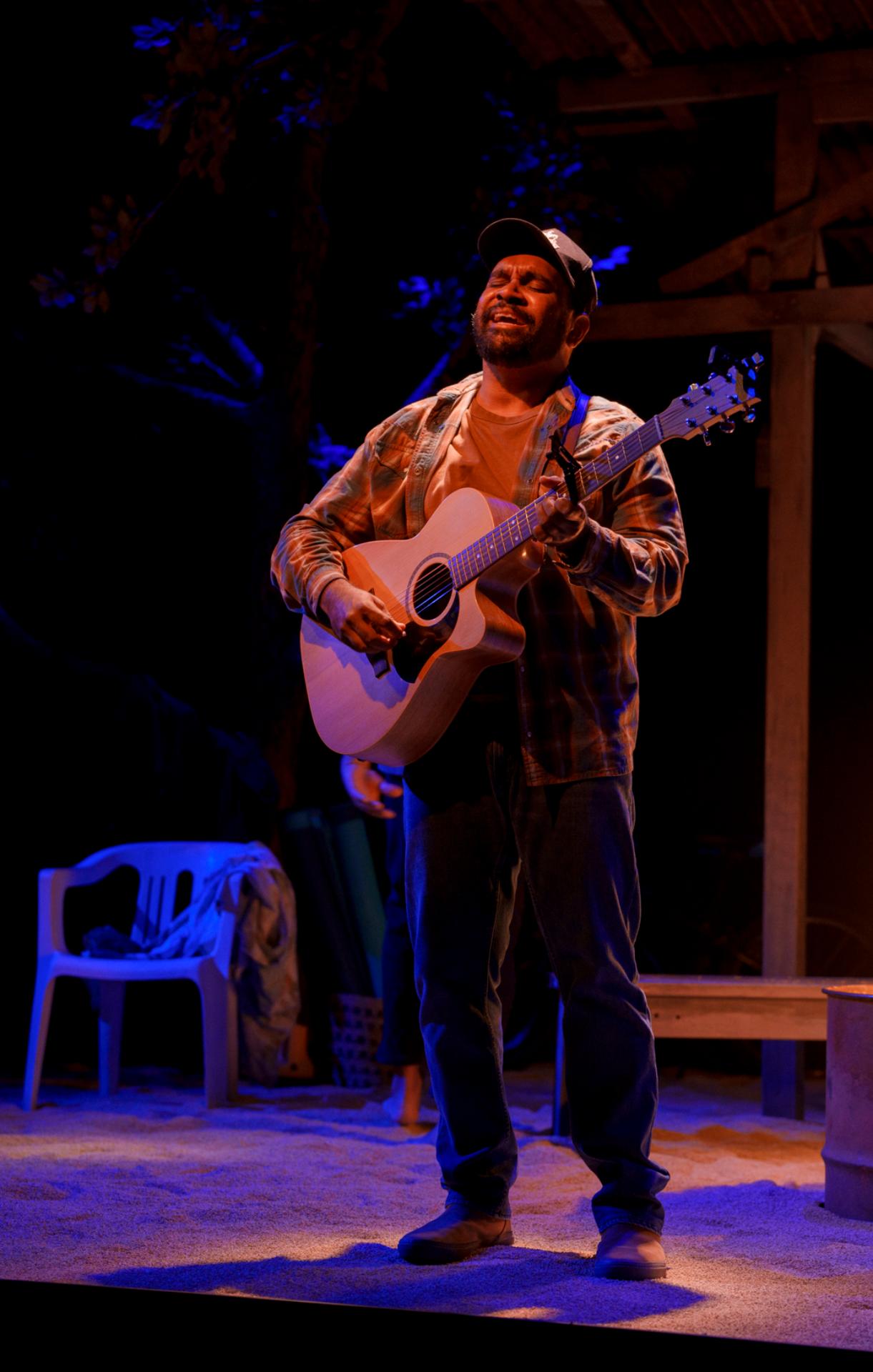
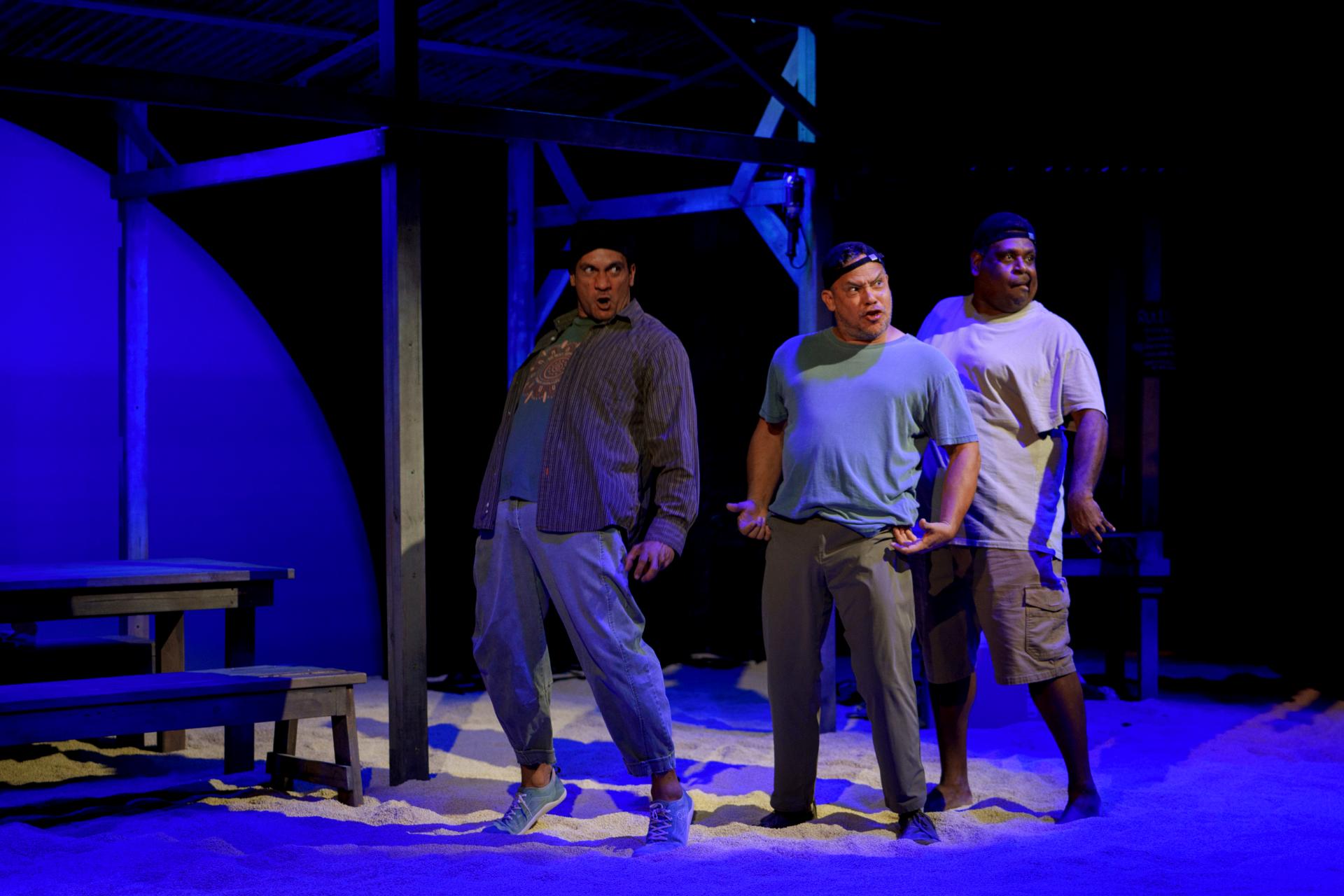
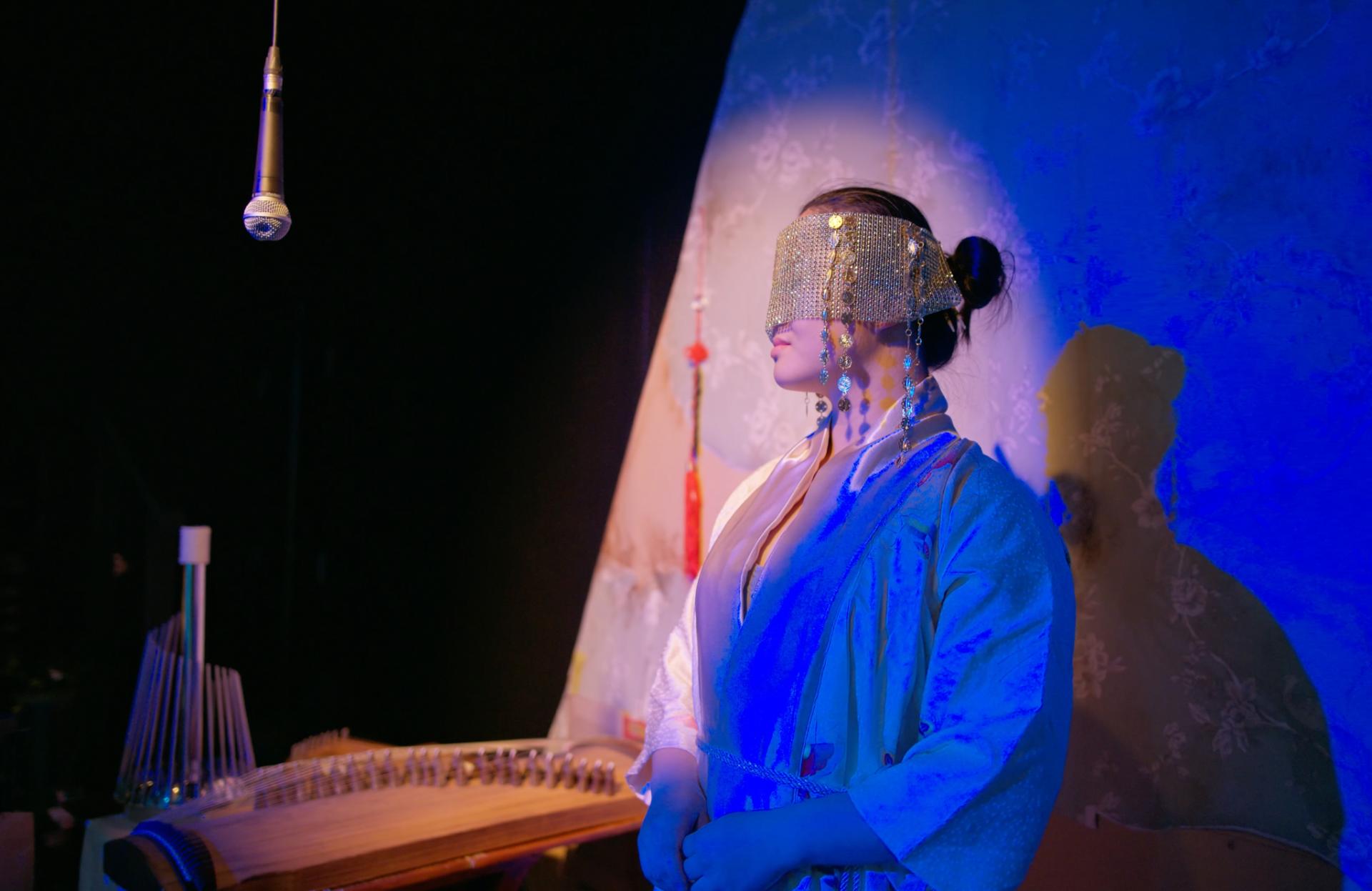
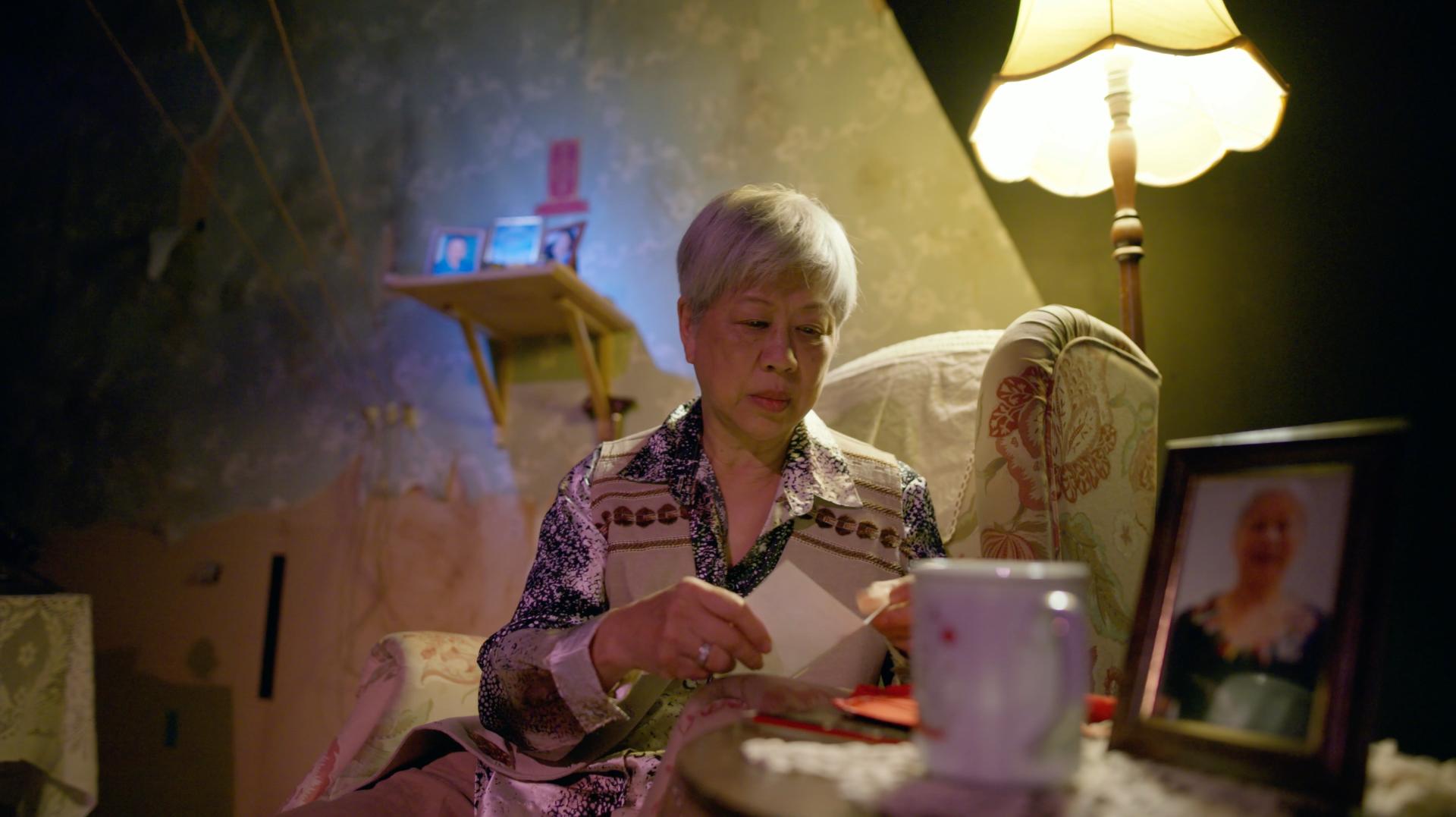
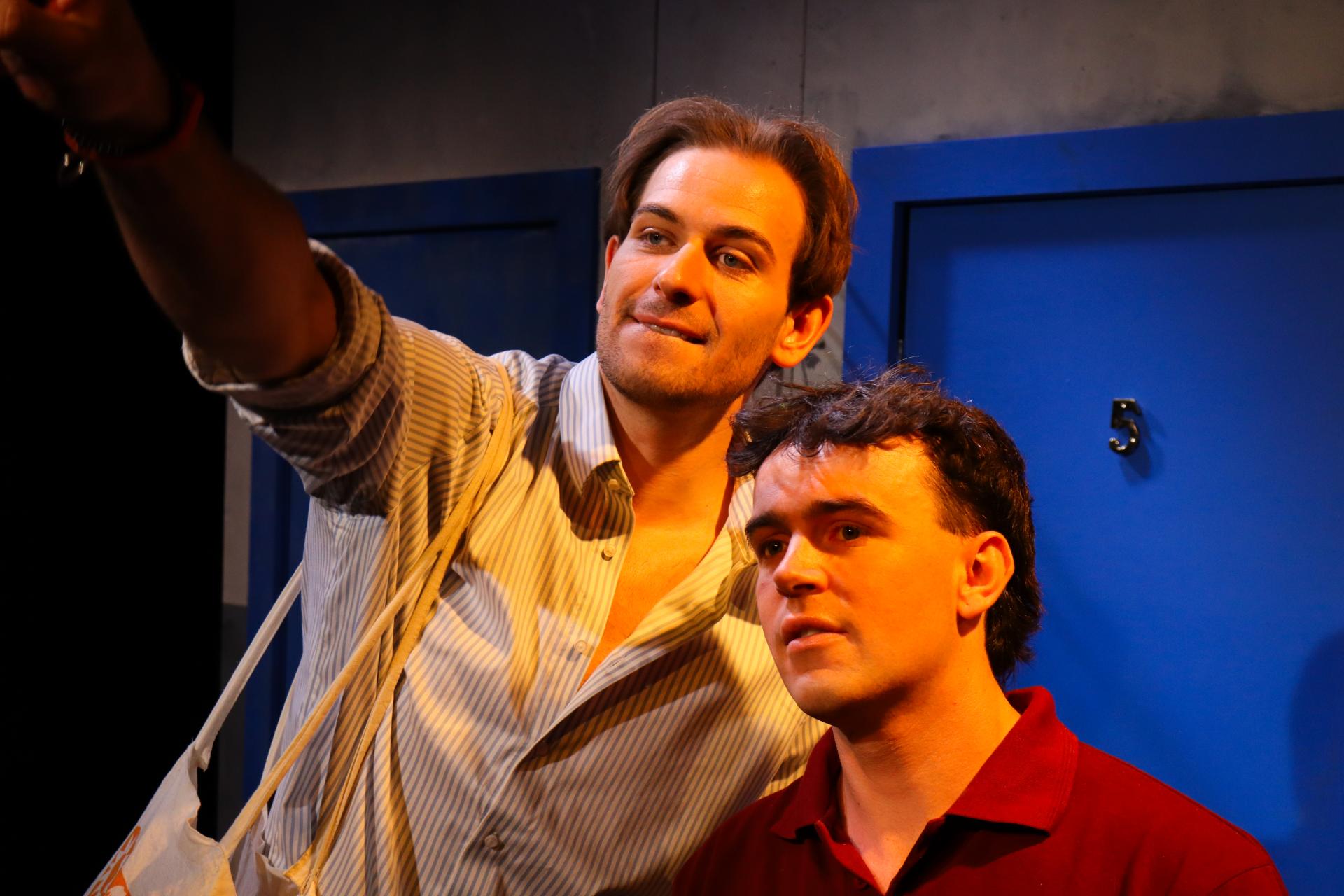
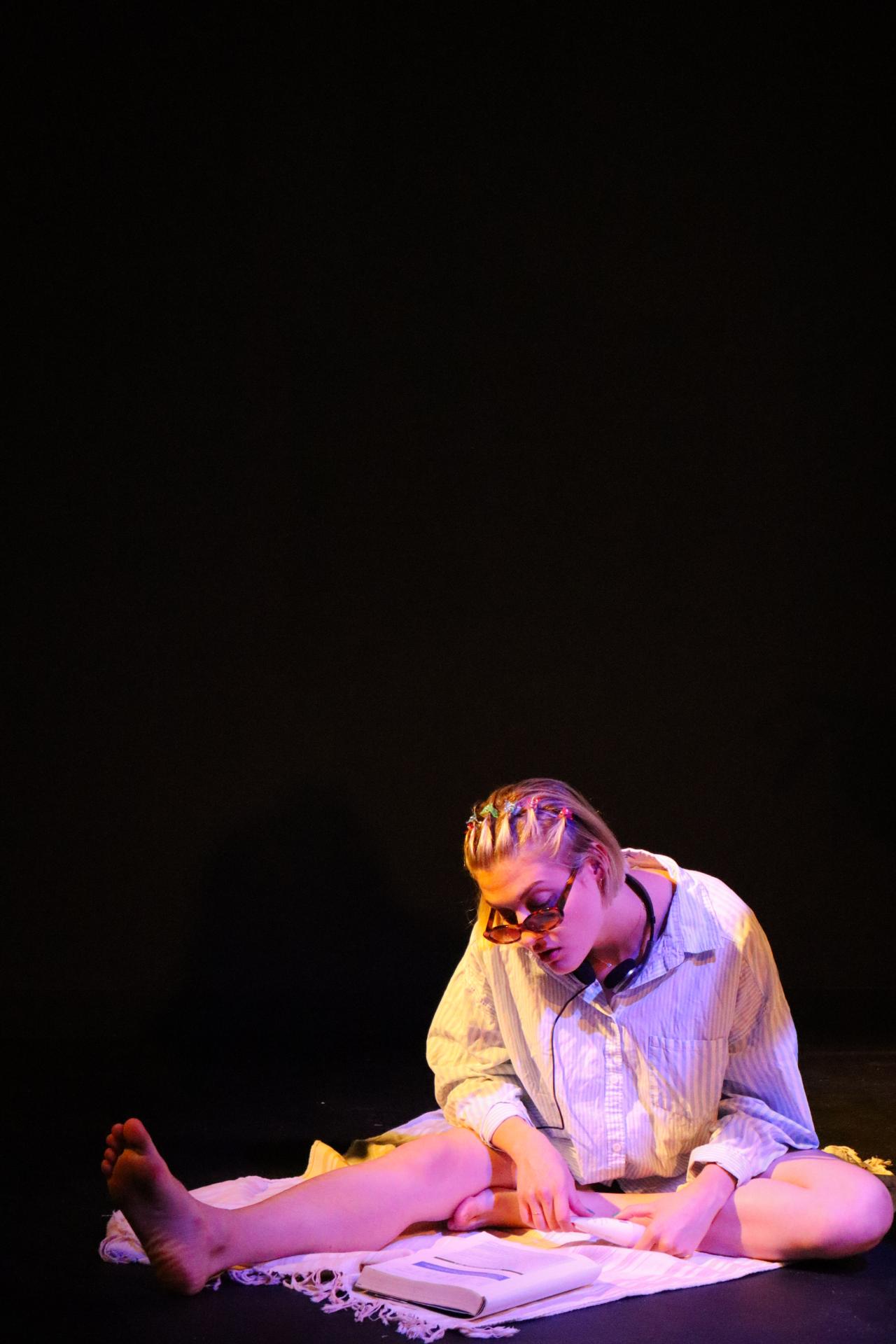
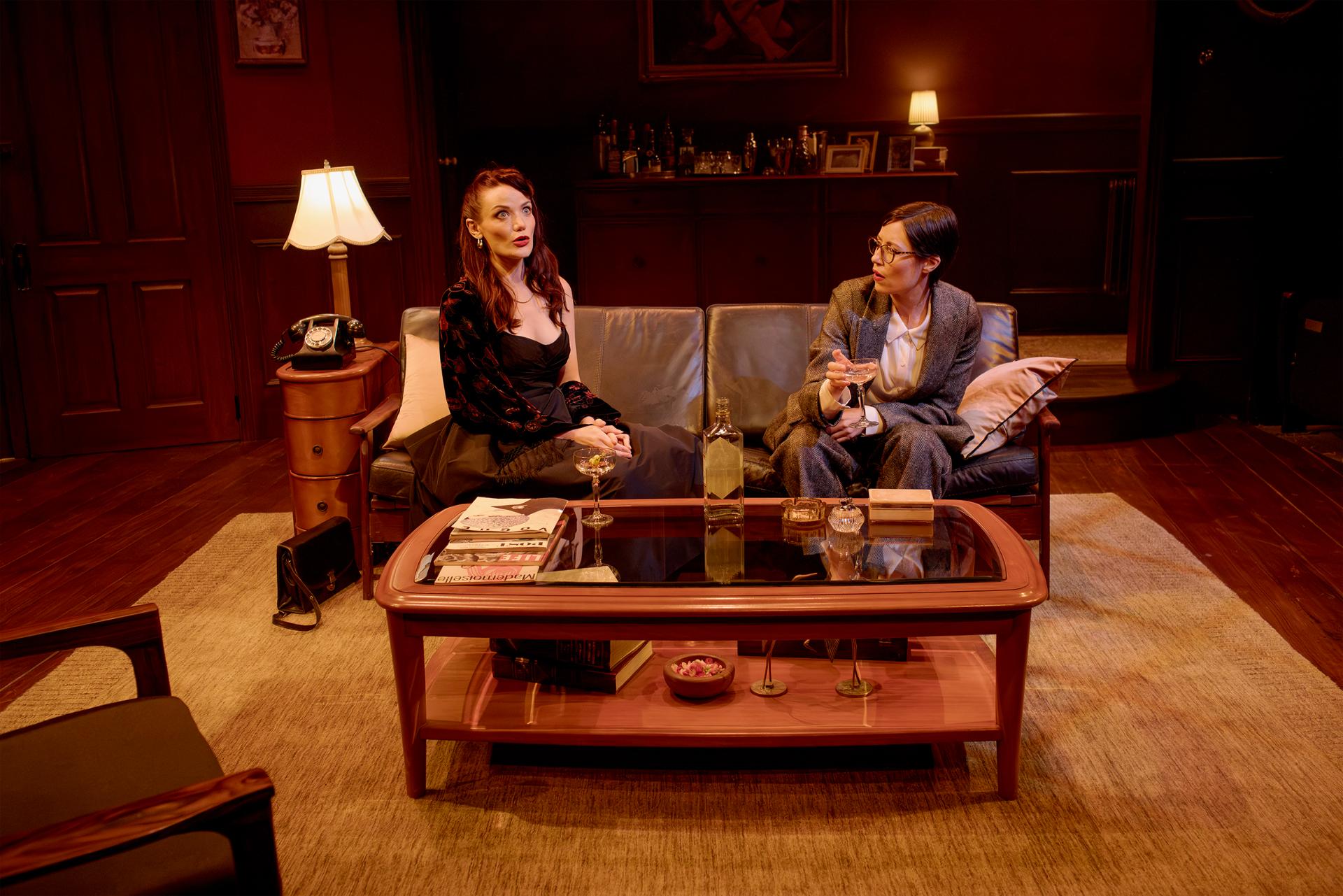
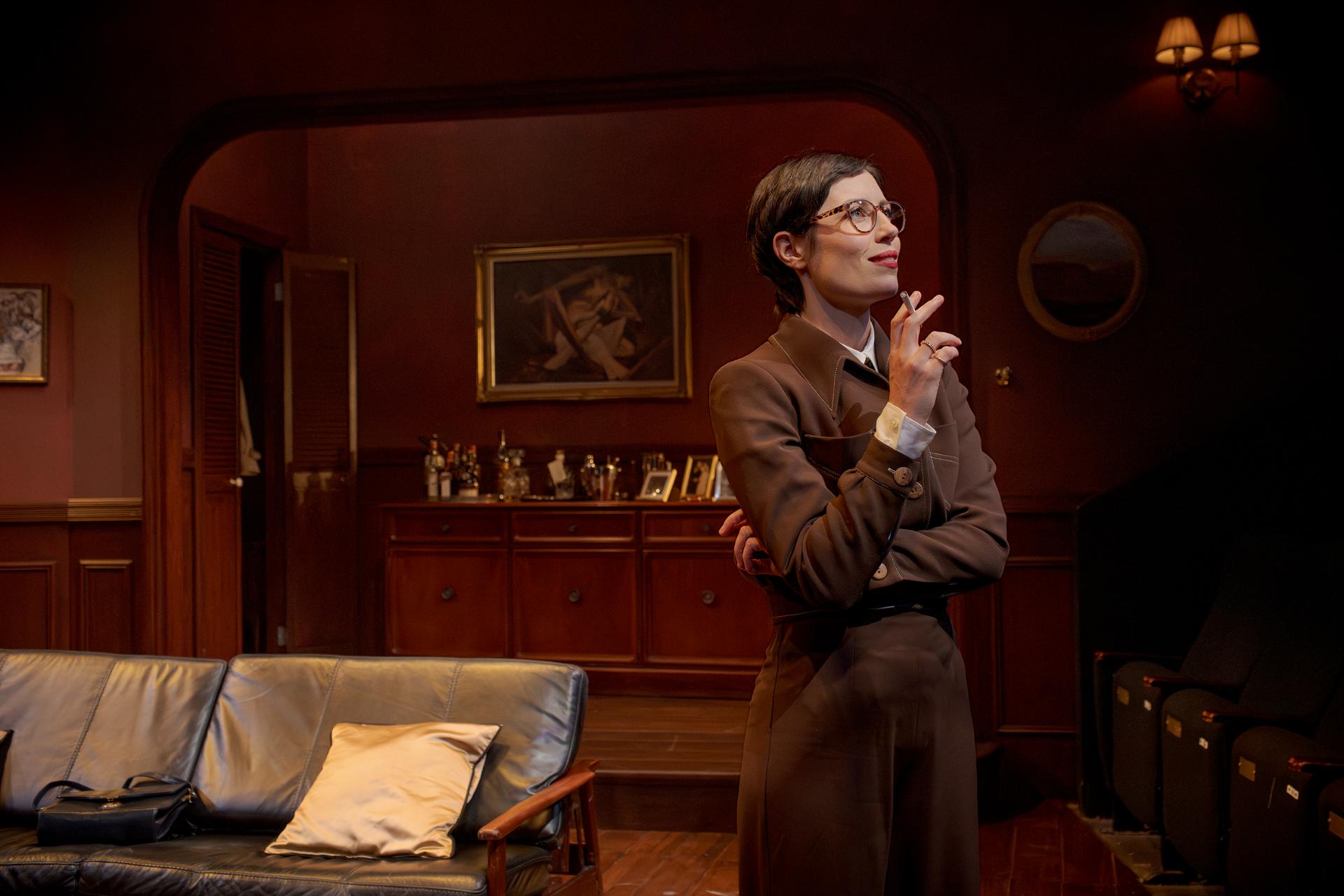
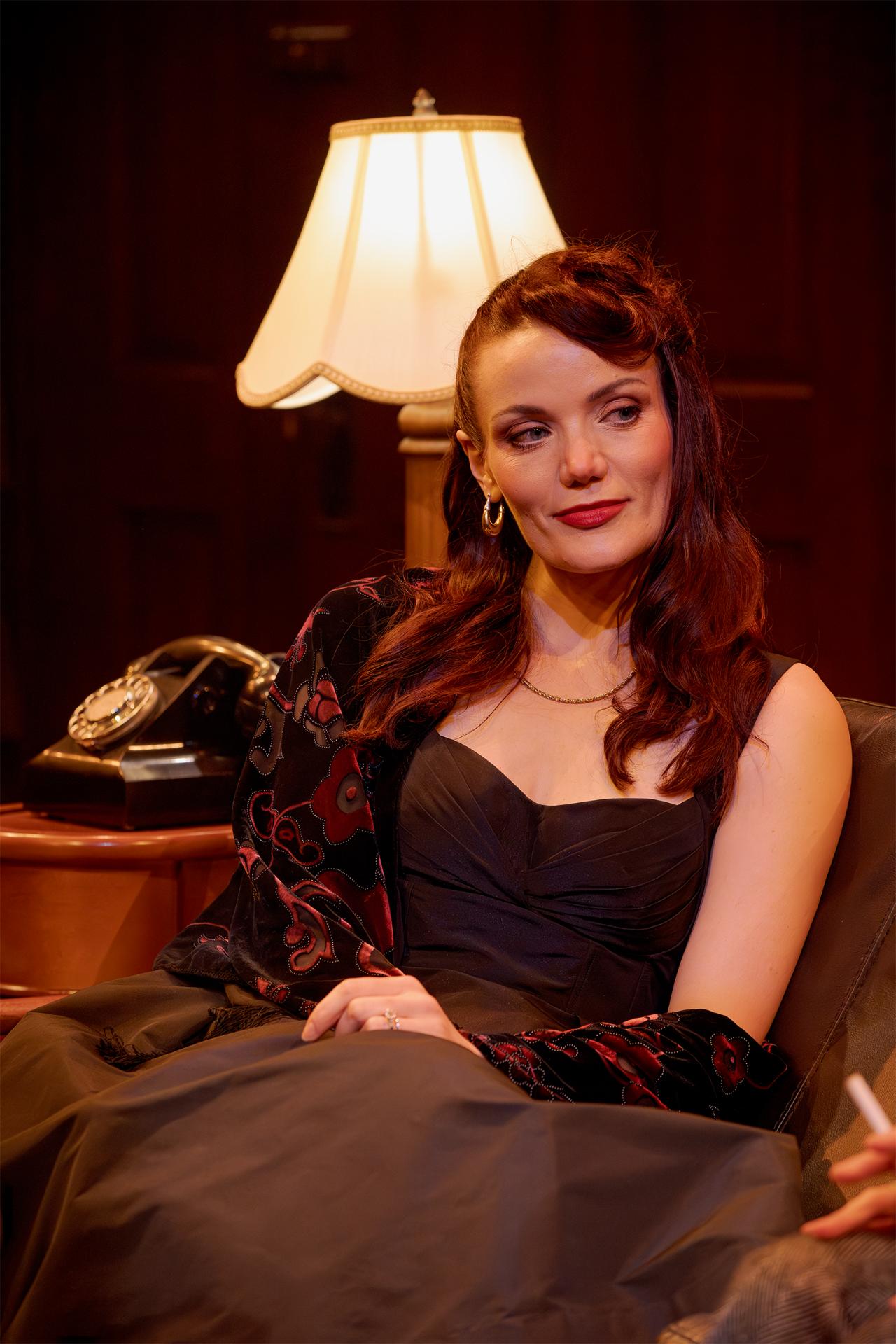
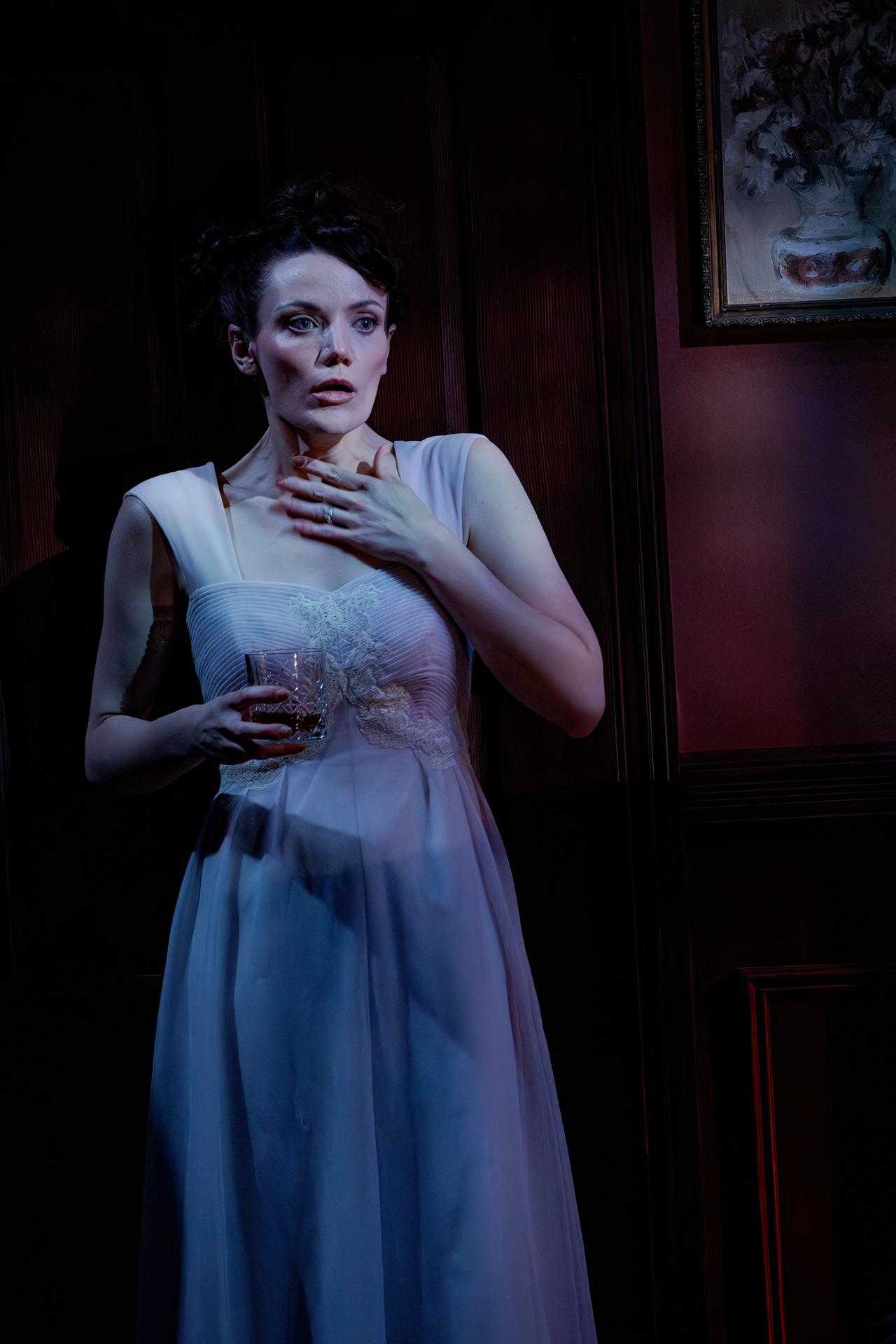
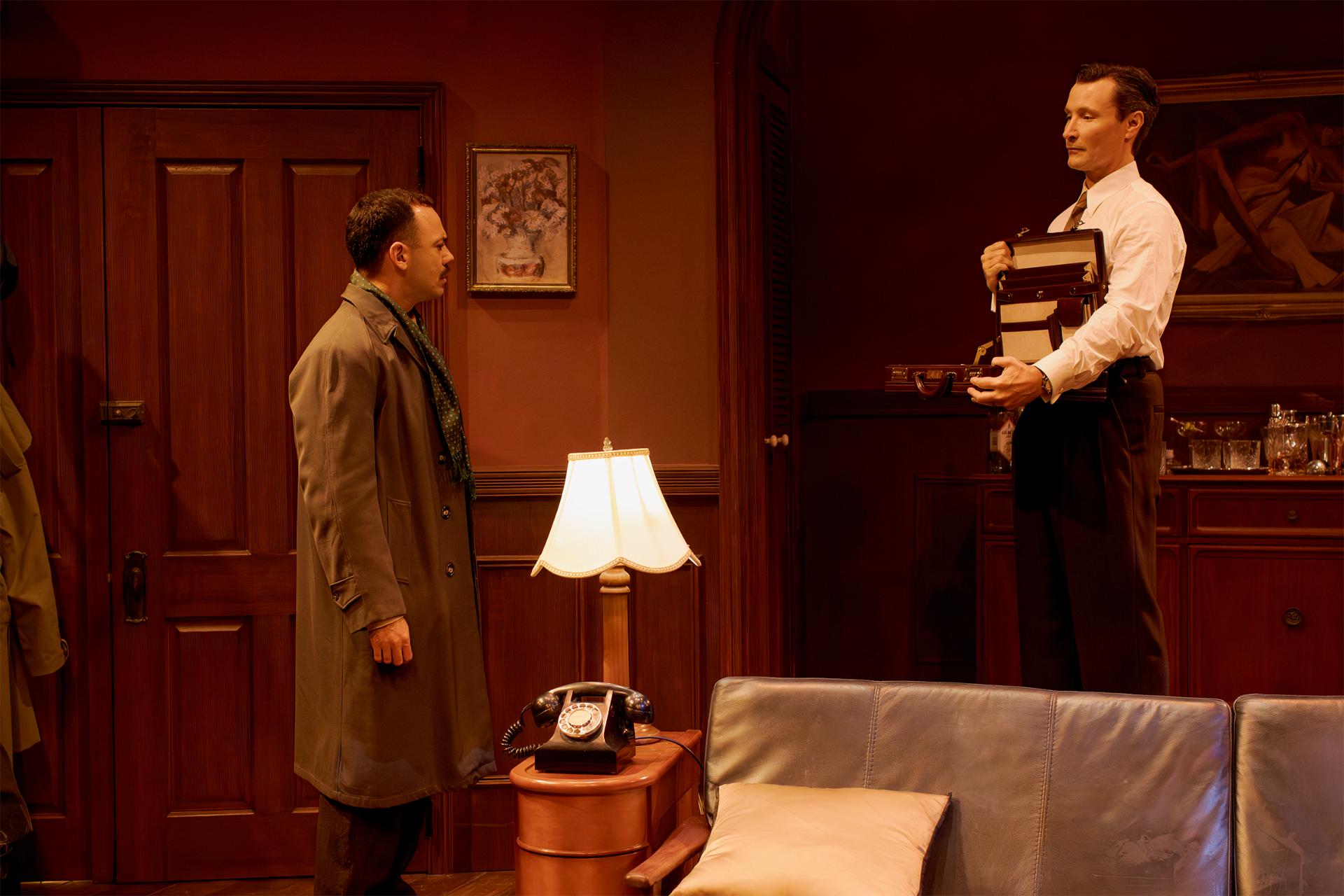
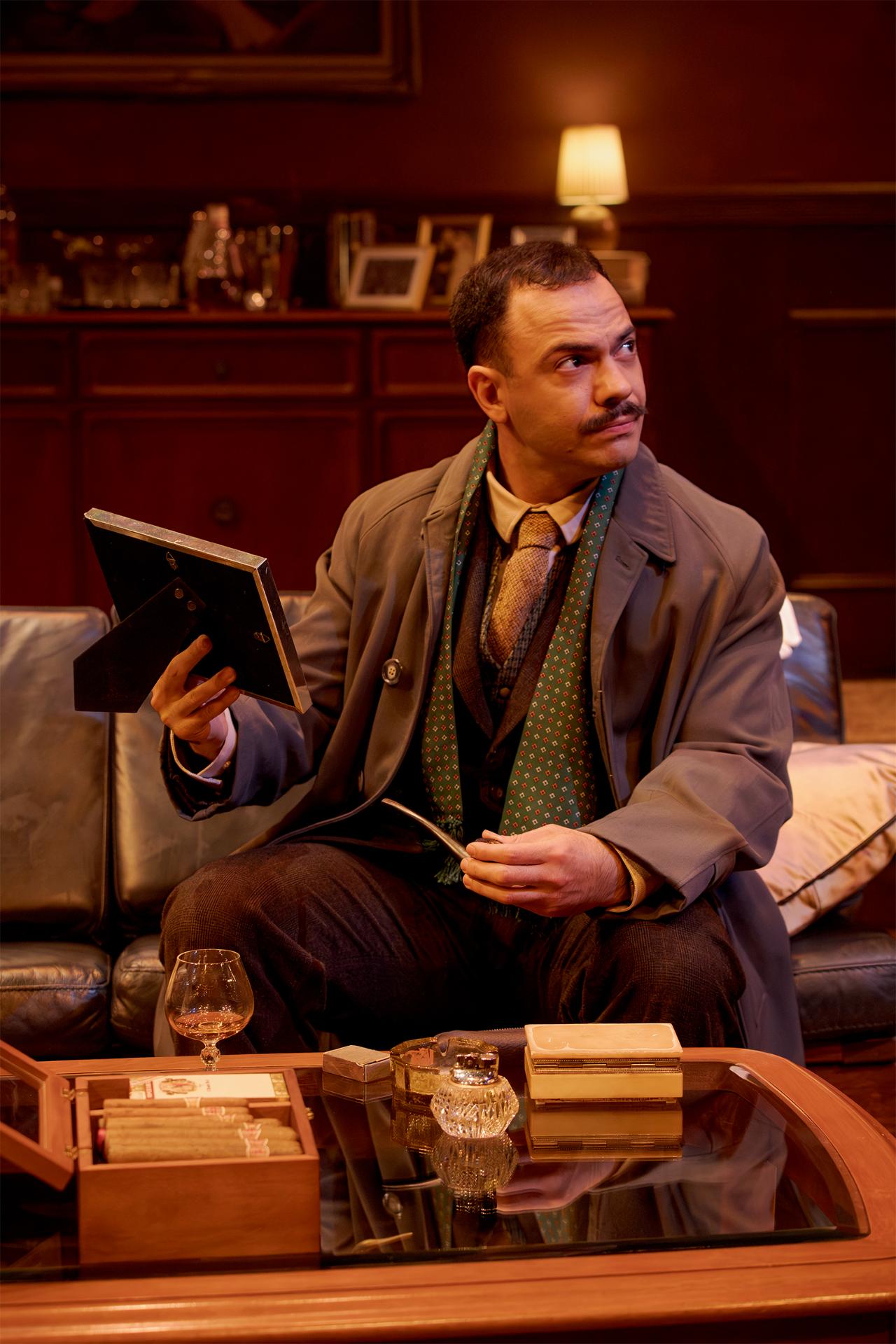
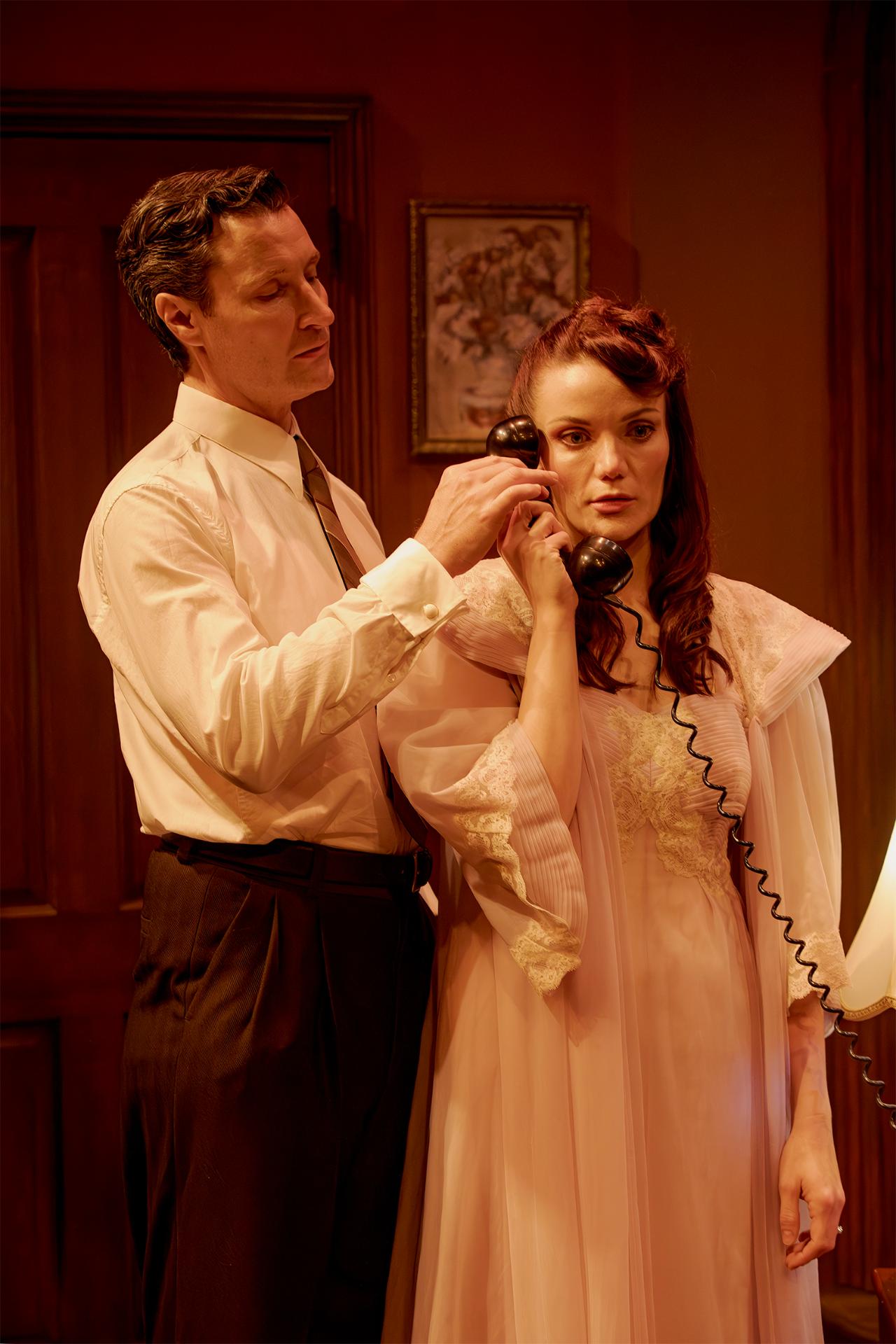
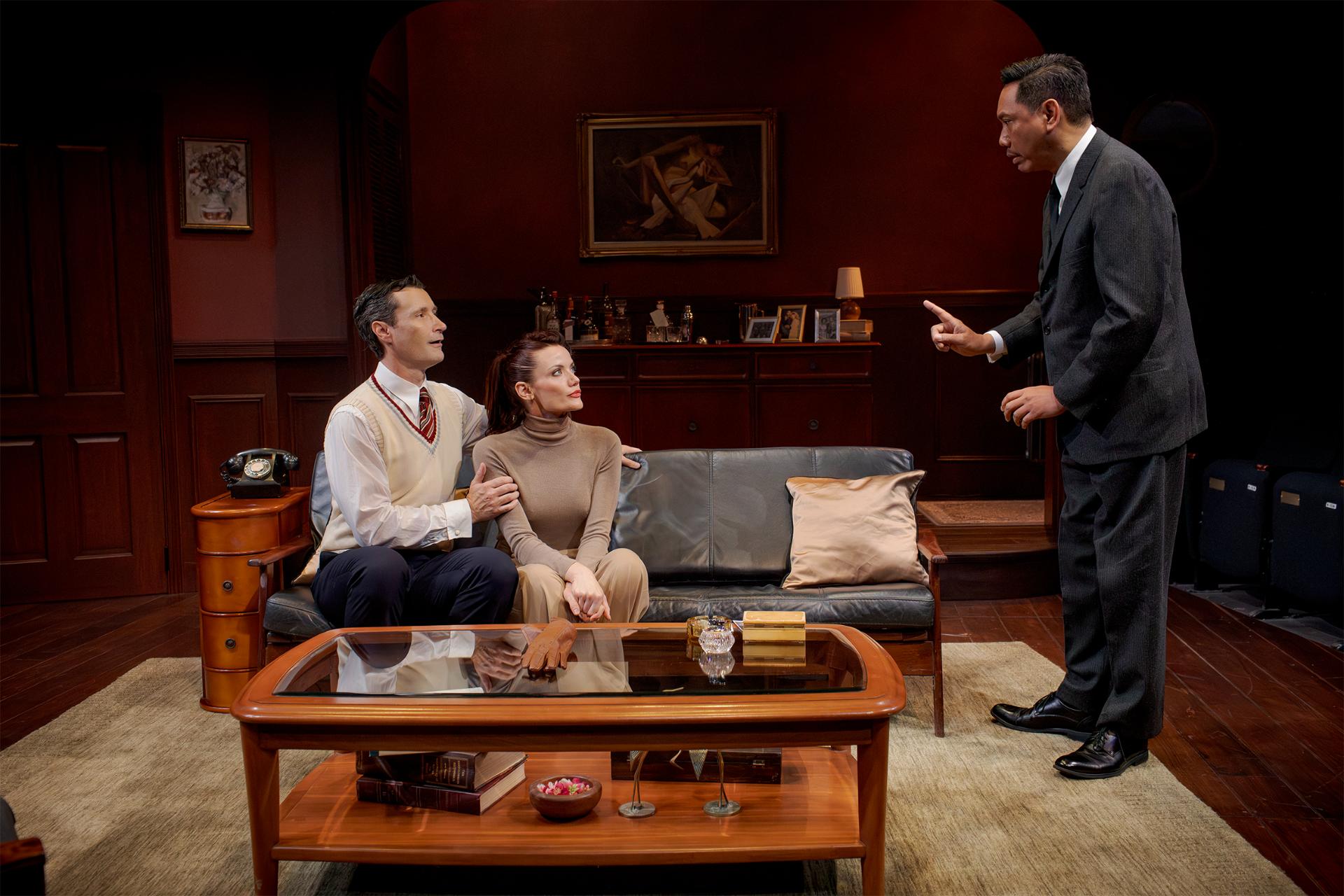
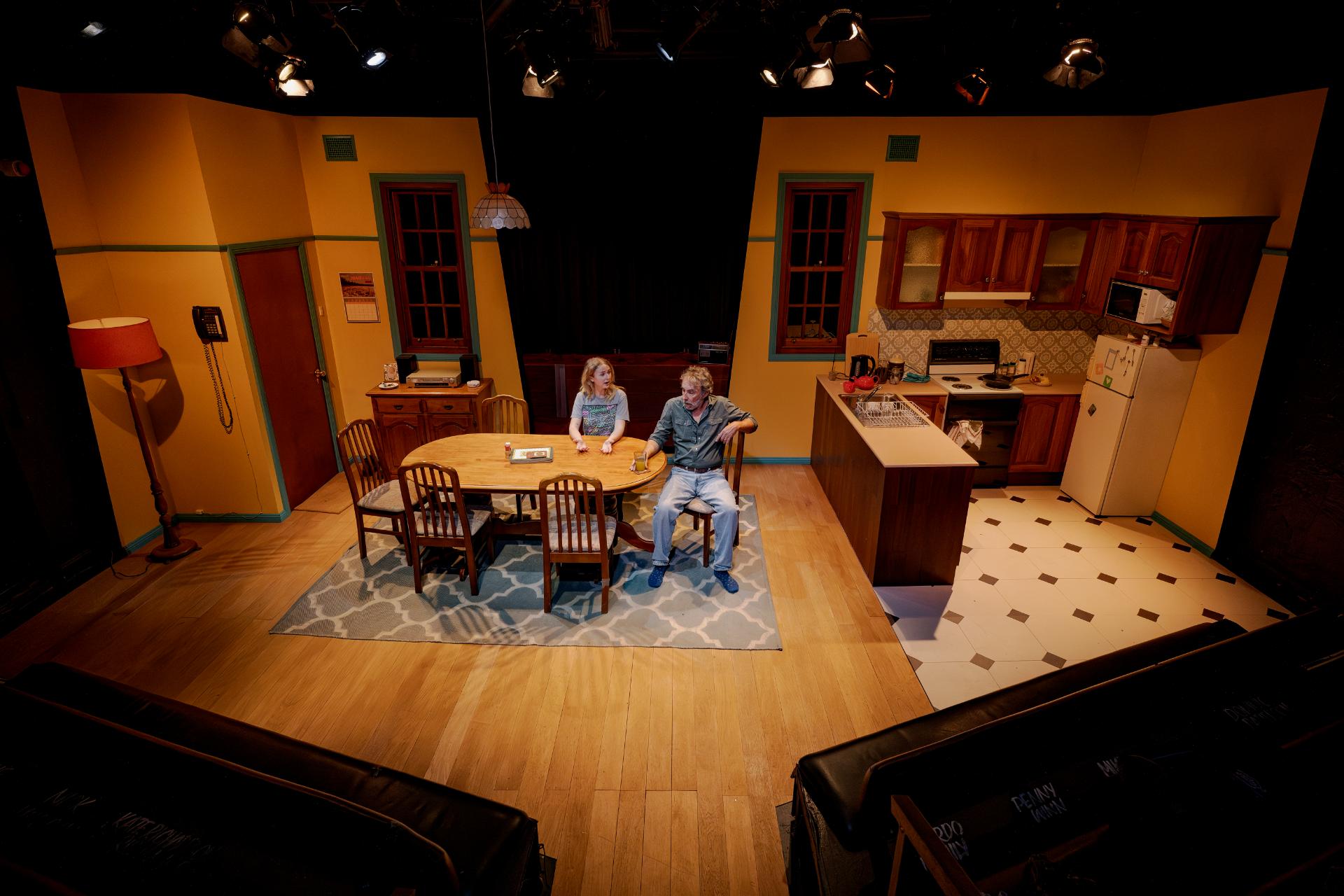
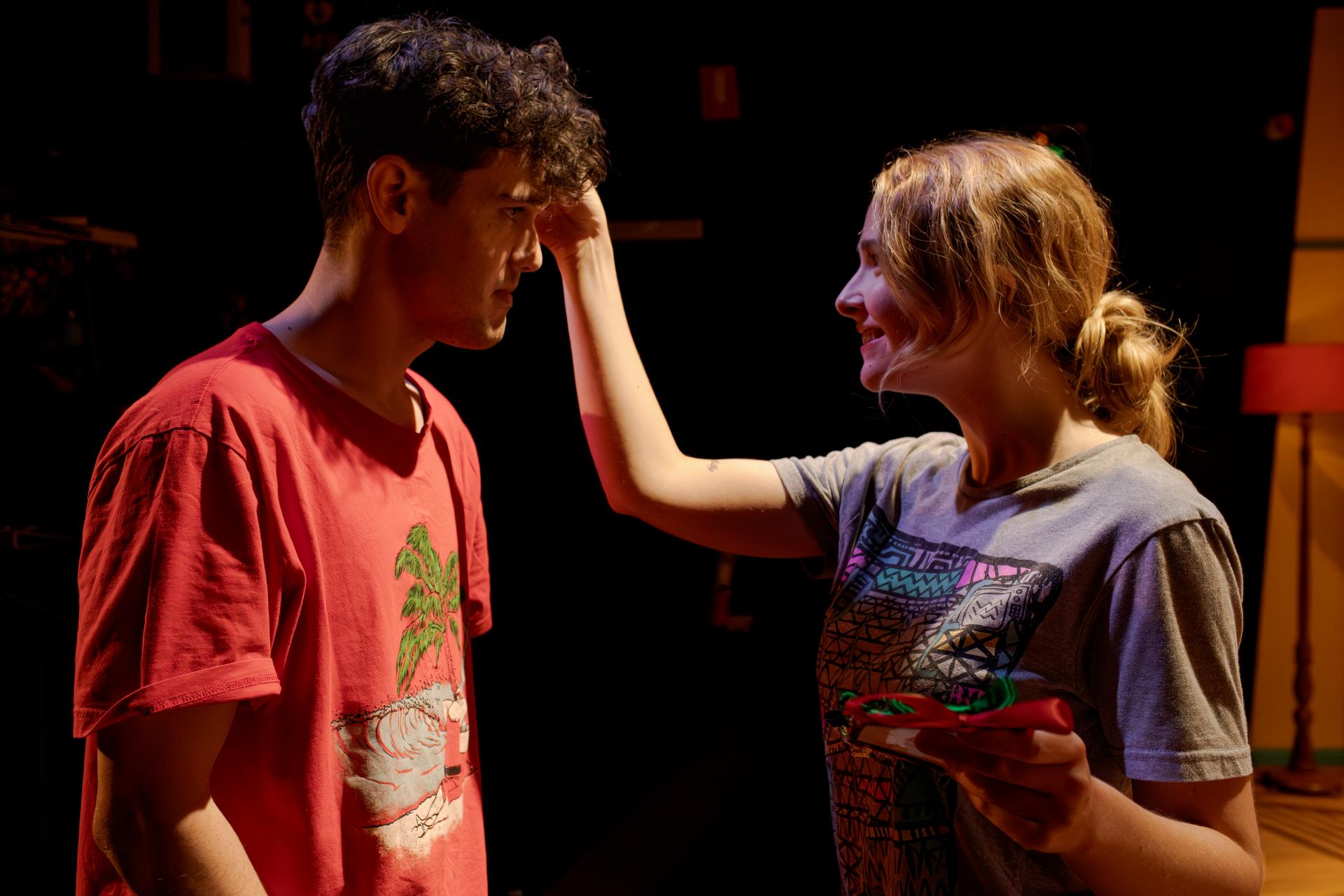
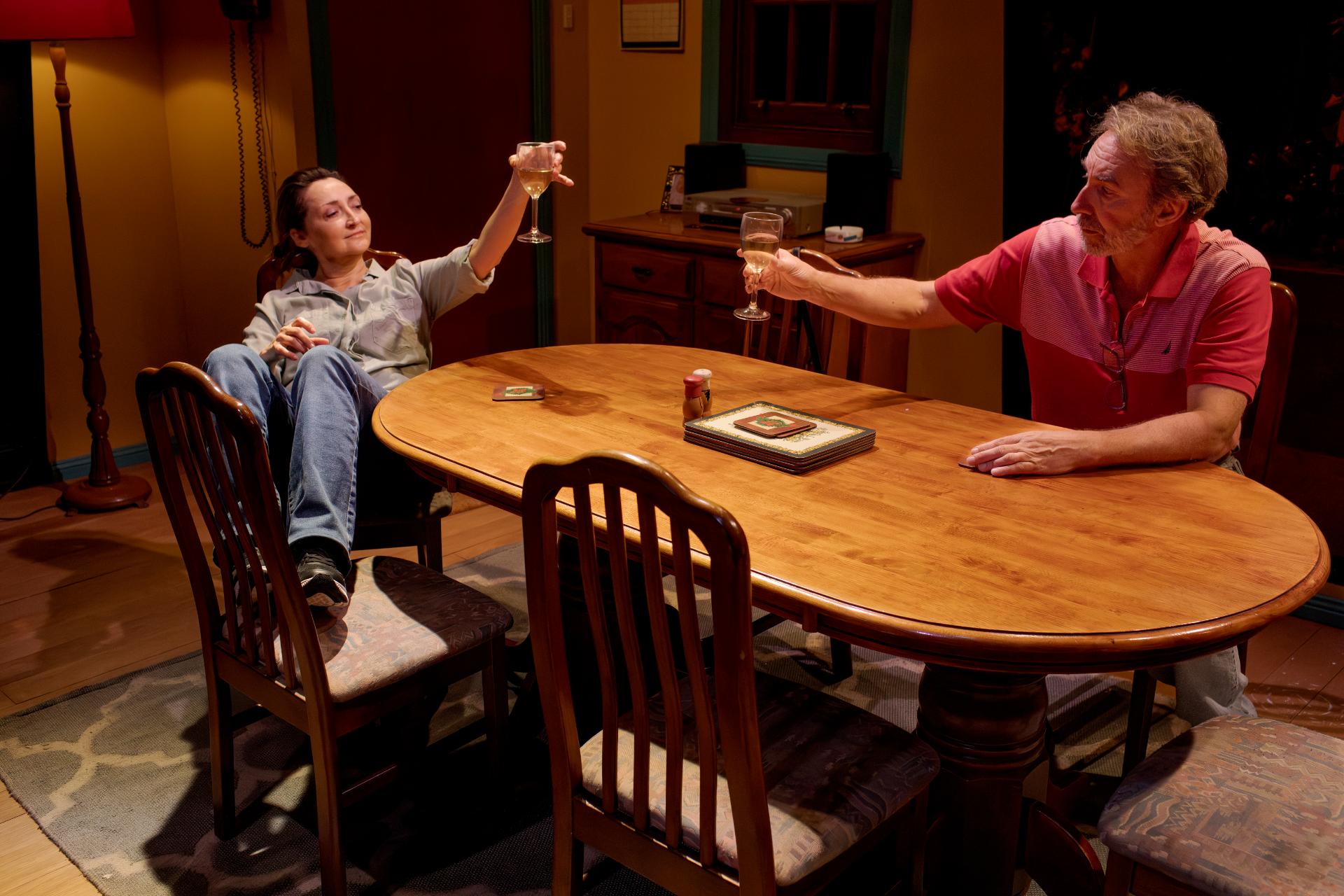
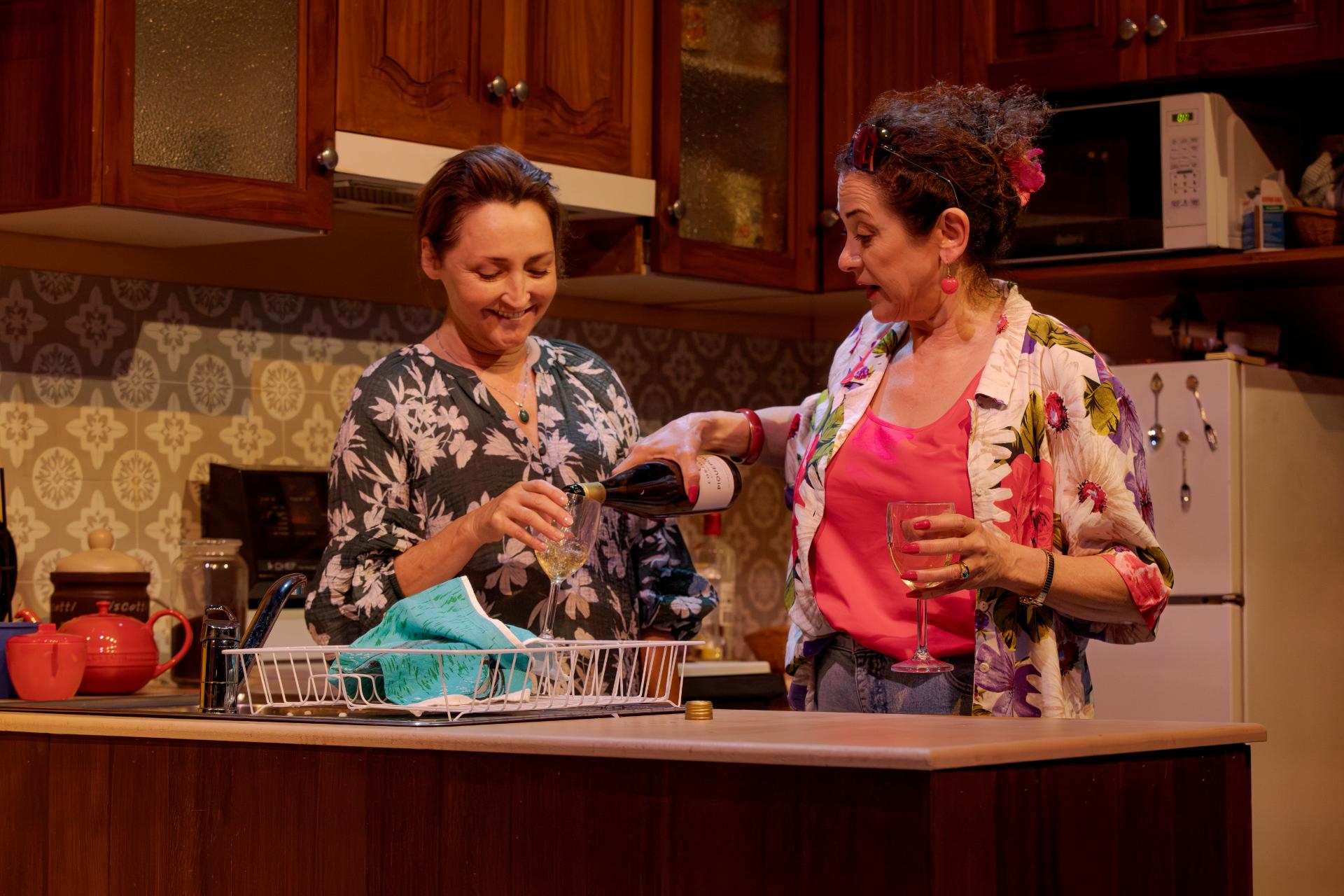
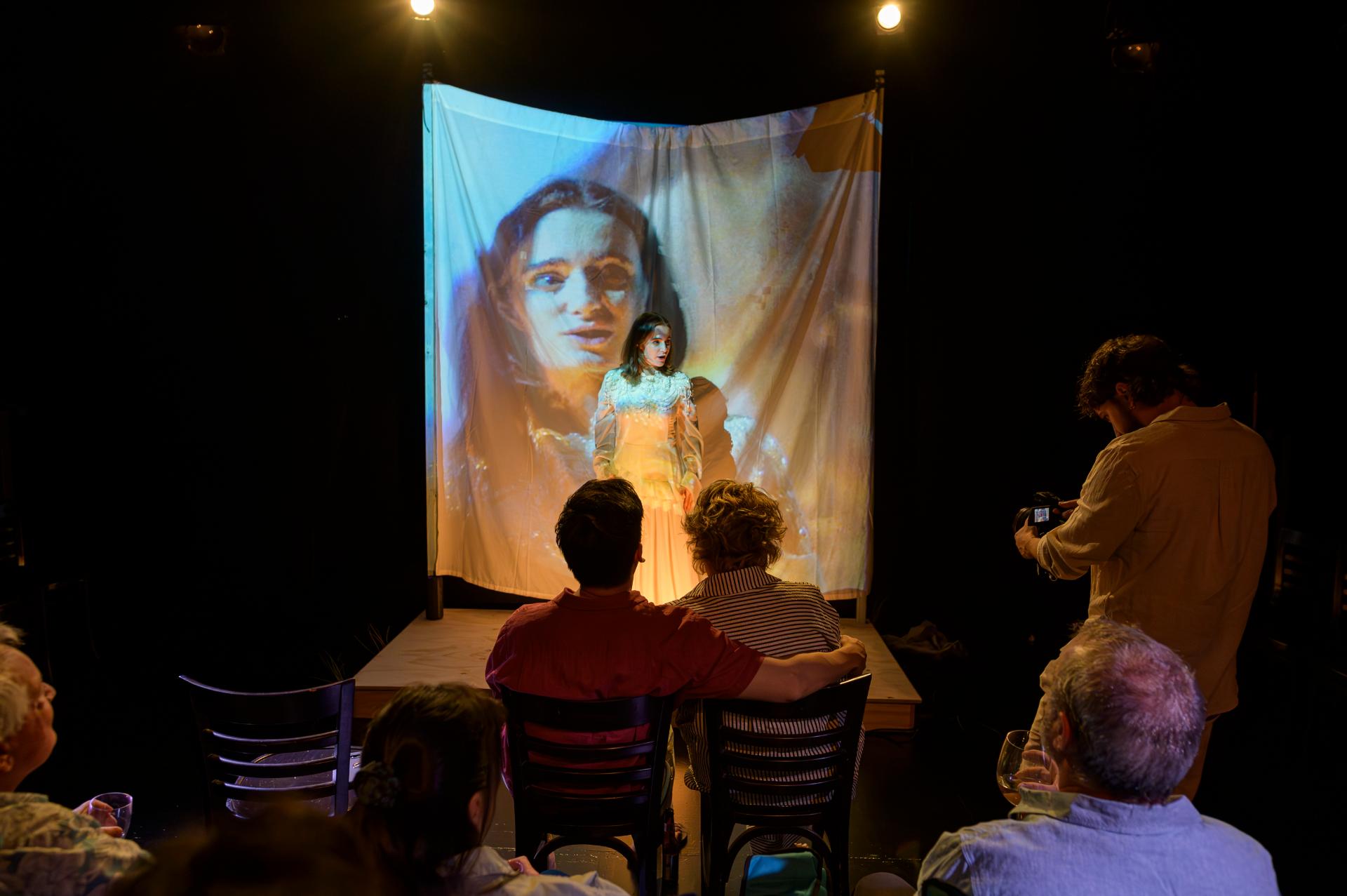
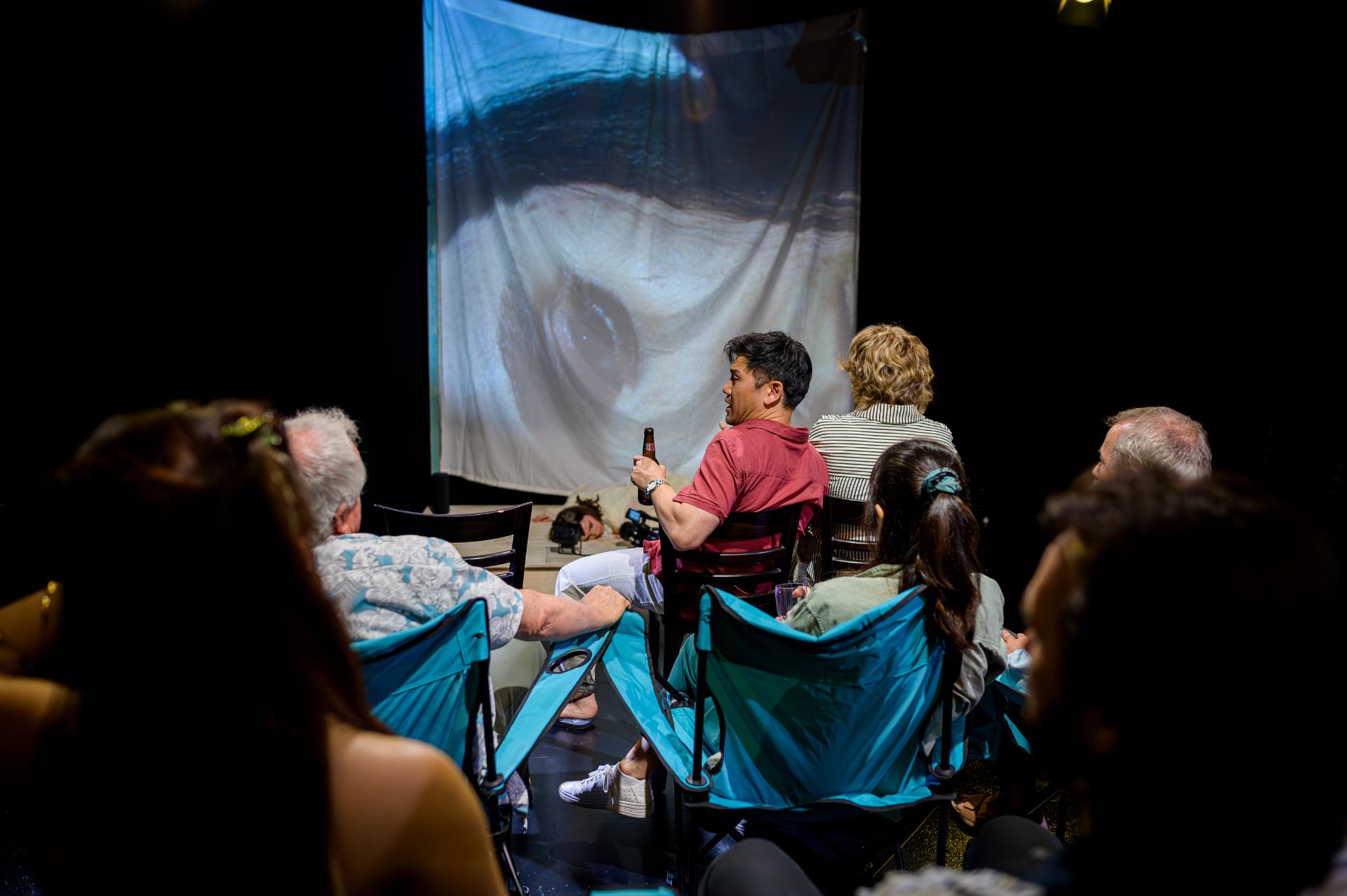
The production at least looks assured: Soham Apte’s simple set and Benedict Janeczko-Taylor’s plain costumes provide clear visual cues to anchor us in time and place, while Travis Kecek’s lighting is finely judged, calibrating shades of sentimentality to reflect shifting emotional states. Cameron Smith’s sound design, too, deserves praise for its thorough evocation of the environments through which Racheal moves across the years.

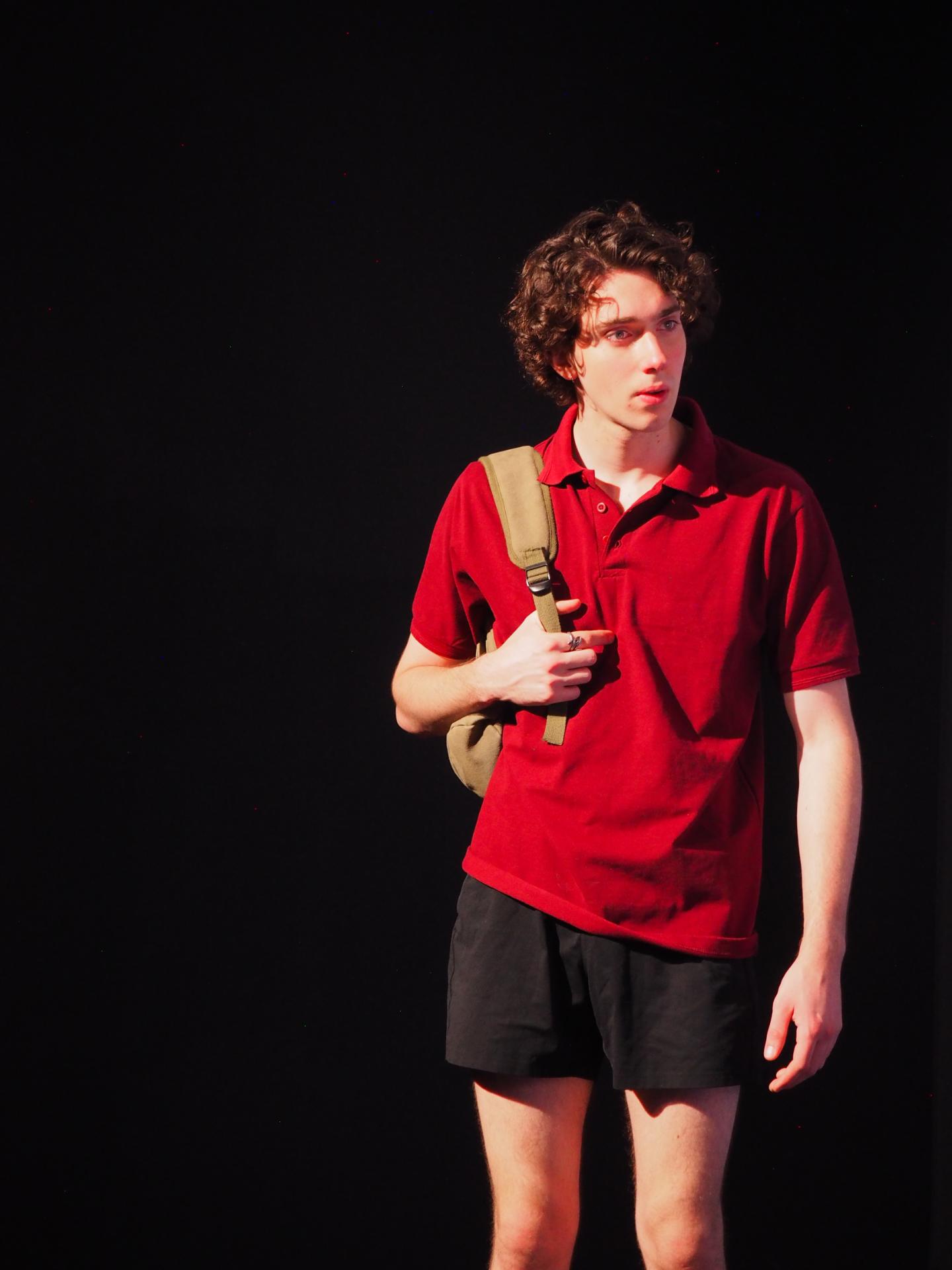
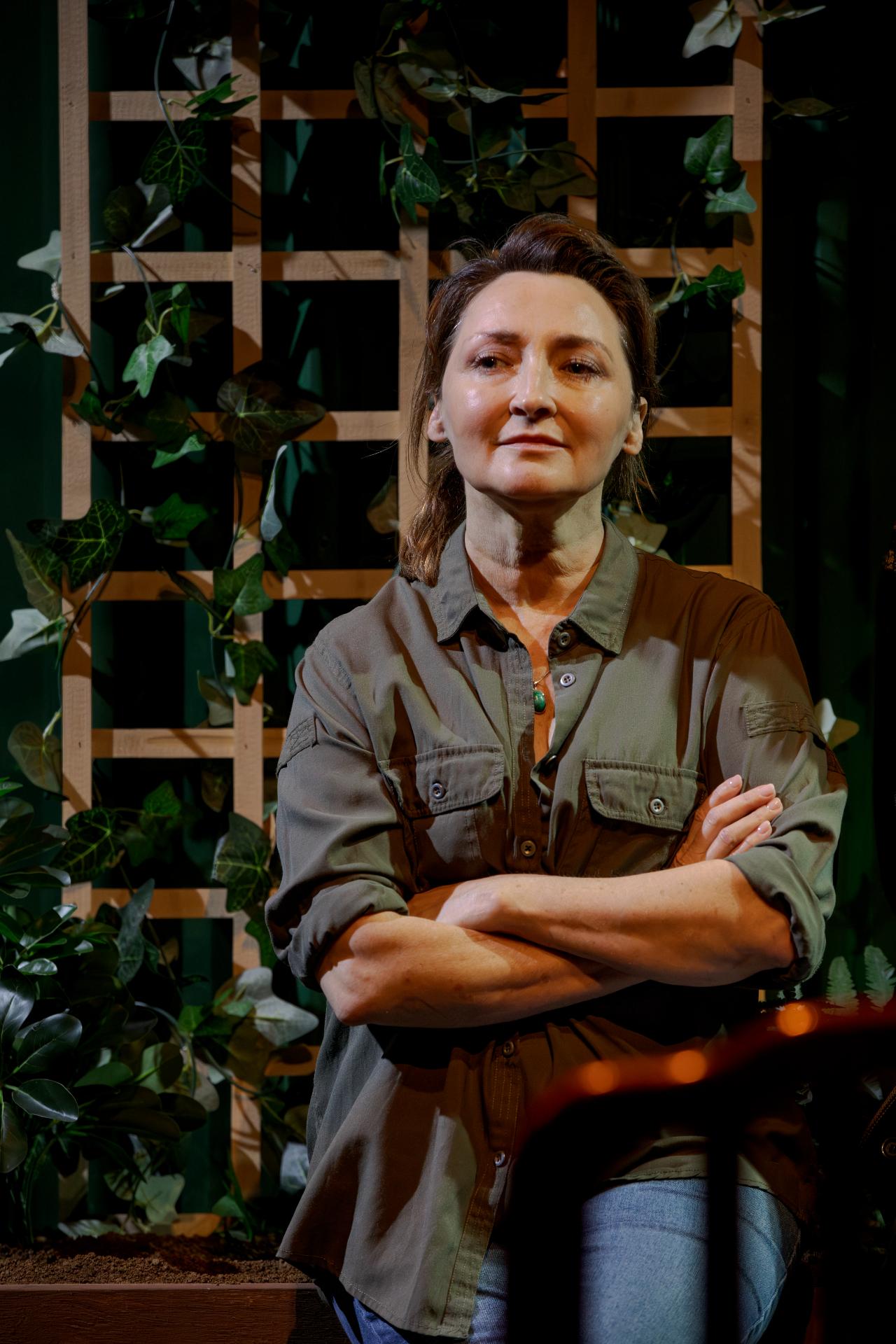
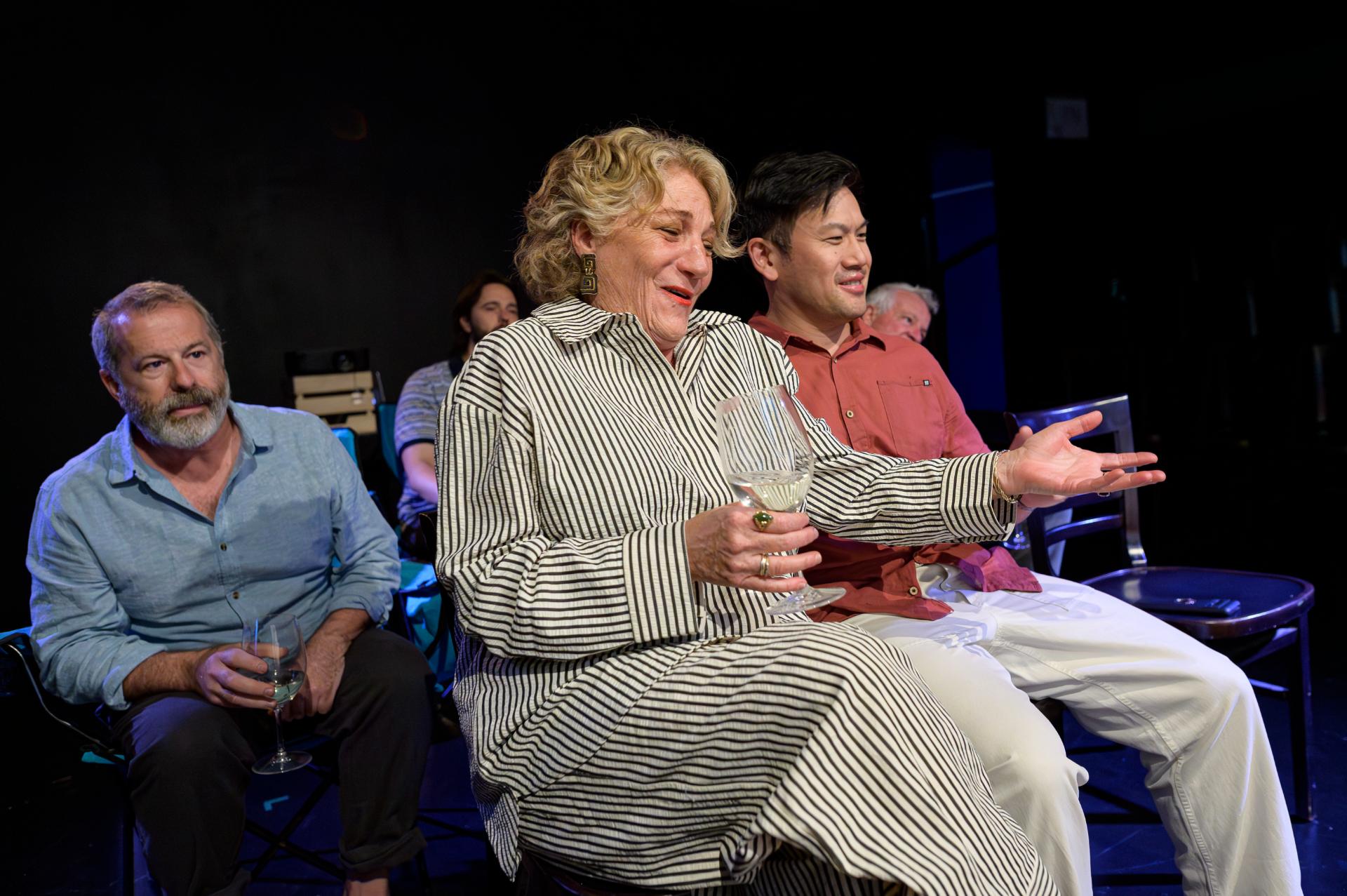
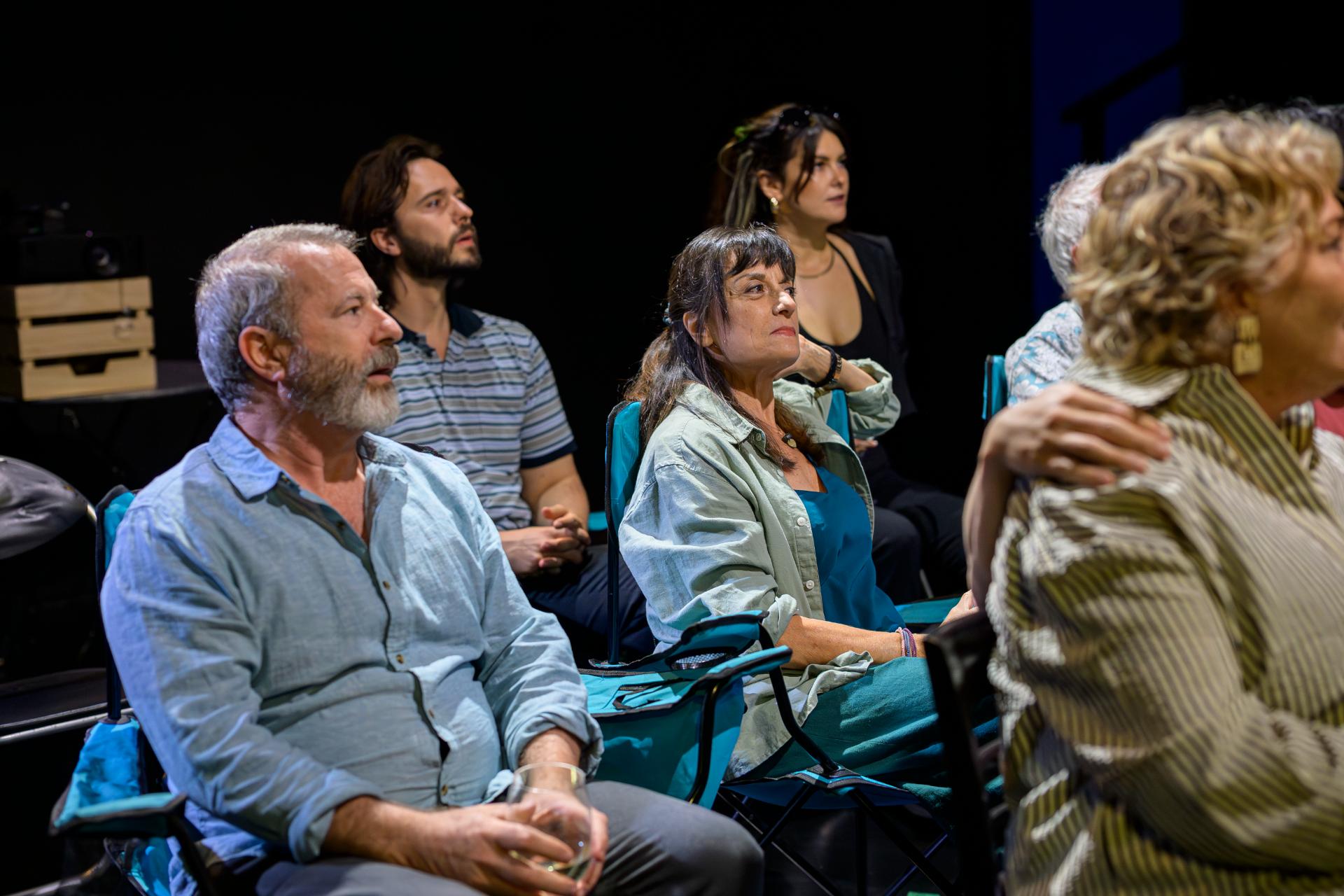
Grace Stamnas takes on the role of Racheal with striking focus and confidence, lending the production a self-assurance that propels its brisk momentum. The ensemble is uniformly strong, each character rendered with a distinct and convincing presence. Together, the cast infuse the stage with colour and vitality, ensuring that the performance feels both engaging and worthwhile.

Like many of us, Rachael likely believes her hardships to be uniquely cruel, when in truth they are symptoms of broader social design. We imagine our fates as personal, yet so much of what we endure stems from the structures that govern collective life. The play never makes explicit the injustices Rachael faces as a working-class woman, nor how the wealthy preserve their dominance by hoarding resources. Their prosperity endures across generations—while the rest are kept busy mistaking survival for a life.

www.kingsxtheatre.com | www.instagram.com/decembertheatreco

Review: She Threaded Dangerously (Old Fitz Theatre)

Venue: Old Fitzroy Theatre (Woolloomooloo NSW), Sep 18 – 27, 2025
Playwrights: Simon Thomson, Emma Wright
Director: Claudia Elbourne
Cast: Hamish Alexander, Claudia Elbourne, Karrine Kanaan, Alyssa Peters, Larissa Turton, Leon Walshe, Michael Yore
Images by Karla Elbourne

Theatre review
We follow four teenagers at an all-girls high school as their awakening sexualities threaten to steer them into dangerous waters. She Threaded Dangerously, by Simon Thomson and Emma Wright, examines the bold and unruly libidos of youth in a world that has never quite known how to hold them. Though natural and healthy, such desires are too often suppressed, and that stifling can lead to tragic consequence.

The play may at moments feel too obvious with its message, at others frustratingly vague, yet its courage in grappling with taboo subjects, including sexual abuse, is admirable. Under Claudia Elbourne’s direction, the piece pulses with vibrancy, sustaining our attention even as its restless, youthful exuberance occasionally edges toward a grating excess.

Laila McCarthy’s set design shapes the stage with sensitivity, delineating spaces that allow us to imagine the many locations of the narrative, accented by understated details that resonate with quiet effectiveness. Luna Ng’s lighting brings a striking theatricality, conjuring a remarkable range of visual textures that enrich the eye at every turn. Alexander Lee-Rekers’ sound design often sits too far in the background, but when required, it enters effortlessly to heighten the drama.

Claudia Elbourne, Karrine Kanaan, Alyssa Peters, and Larissa Turton breathe vivid life into the circle of friends at the play’s heart, tracing with playful candour the restless currents of adolescent desire. Each performer stands assured in her own presence, yet together they weave a portrait of friendship that feels generous and harmonious. Around them, Hamish Alexander, Leon Walshe, and Michael Yore embody the contradictions of conventional masculinity, shifting between its harsher veneers and the fragile emotions so often concealed beneath bravado.

As a society, we often grow overprotective of girls, guarding their safety with puritanical notions that restrict freedom, stunt growth, and prolong immaturity. True development into womanhood requires the cultivation of confidence, a process that begins with the rejection of shame, particularly in relation to how we embrace ourselves as sexual beings. She Threaded Dangerously reminds us that what matters most is how we empower the young to voice their feelings—openly, fearlessly, and free from stigma or guilt—for it is through such articulation, as distinct from secrecy, that healthy growth truly flourishes.

www.oldfitztheatre.com.au | www.instagram.com/senseless.productions

Review: Anne Being Frank (Sydney Opera House)

Venue: Sydney Opera House (Sydney NSW), Sep 13 – 21, 2025
Playwright: Ron Elisha
Director: Amanda Brooke Lerner
Cast: Alexis Fishman
Images by Grant Leslie

Theatre review
Anne Frank’s story did not end with her famous diary. For months after the final entry, she endured the harrowing journey through camps in the Netherlands, Poland, and Germany. Ron Elisha’s play Anne Being Frank reimagines those lost chapters while daring to add a fictional path in which Anne survives the war, is discovered by a publisher, and returns to her memoirs with the voice of a survivor.

To call the piece thoughtful is an understatement. At a time when wars are escalating across the globe, Anne Being Frank urges us to confront the senseless loss of human life, across nations, faiths, and identities. Under Amanda Brooke Lerner’s direction, the work compels an empathetic response to profound questions, even if certain moments of the staging fall can feel somewhat dry or staid.

The production is rendered with care. Set, costumes, lighting, and sound are all handled with sensitivity, offering a degree of theatricality without breaking new ground. At its centre, Alexis Fishman delivers a commanding performance as Anne. Her intimacy with the material is unmistakable, and she is at her most affecting when the narrative reaches its deepest poignancy.

It may feel trite to denounce the evils of war, yet it is a truth that demands endless repetition. Again and again humanity plunges into conflict, deaf to the countless stories etched across history that plead with us to turn away. Most bitter of all is the sight of those once crushed beneath its weight rising, in time, to be amongst its fiercest perpetrators. Such is the cruel cycle we seem powerless to break.

www.monstroustheatre.com.au

Review: Here You Come Again (Theatre Royal)

Venue: Theatre Royal (Sydney NSW), Sep 12 – Oct 18, 2025
Creators: Bruce Vilanch, Gabriel Barre, Tricia Paoluccio
Director: Gabriel Barre
Cast: Laura Joy Bunting, Bailey Dunnage, Dash Kruck, Tricia Paoluccio, Kellie Rode, Andrew Worboys
Images by Cameron Grant

Theatre review
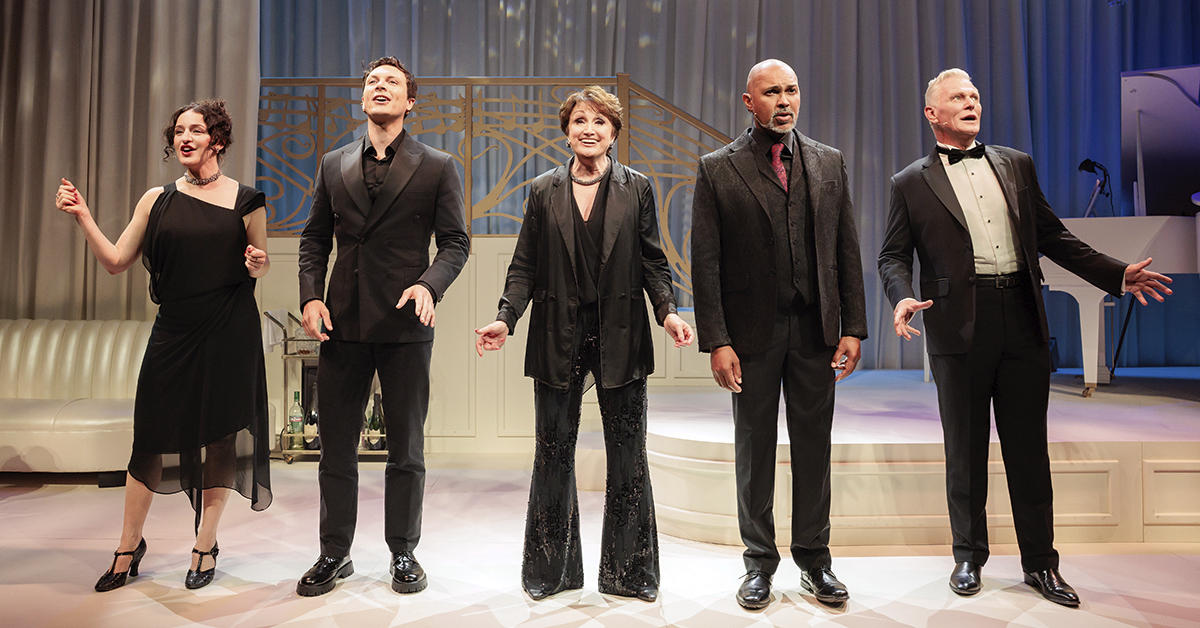
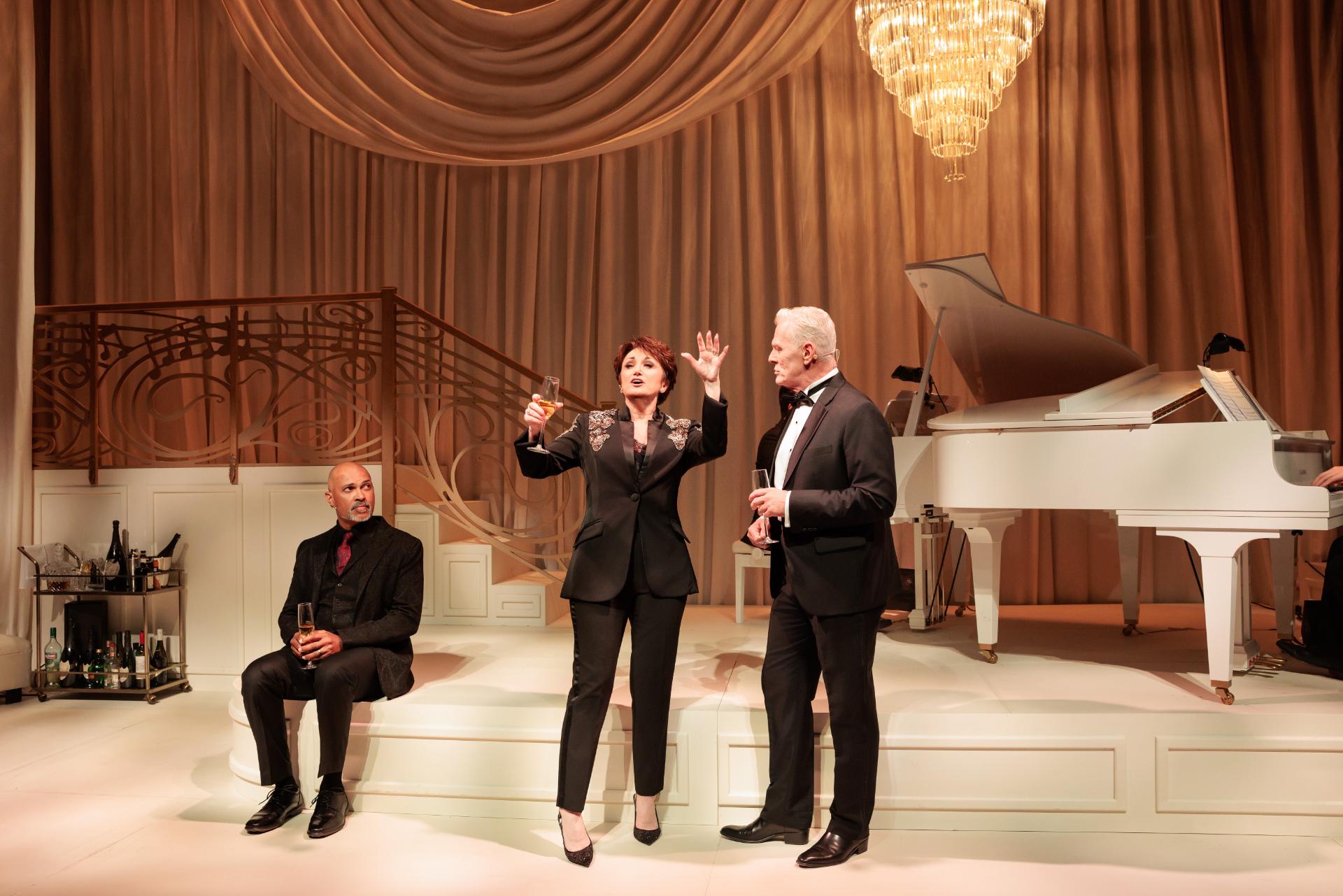
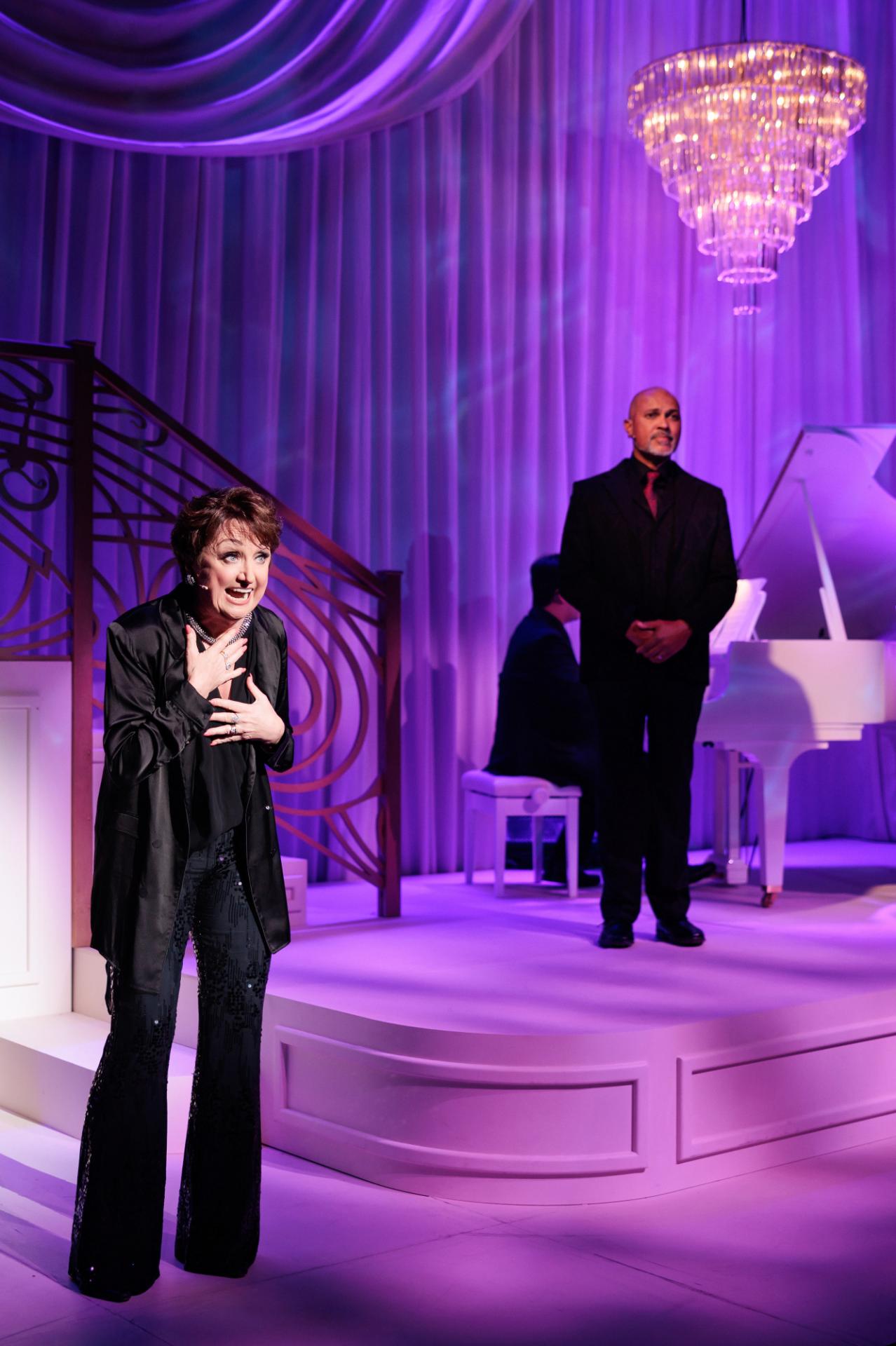
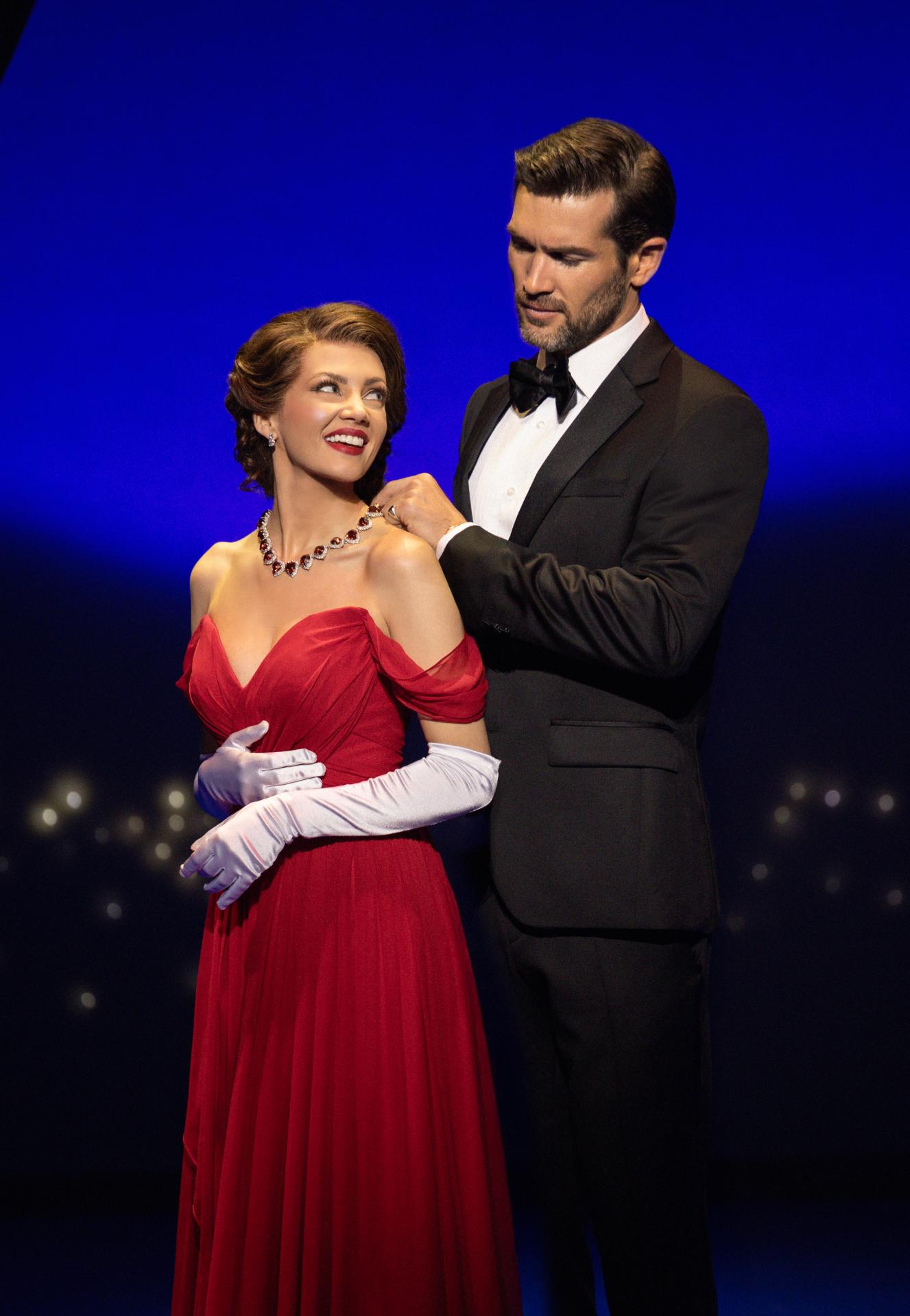
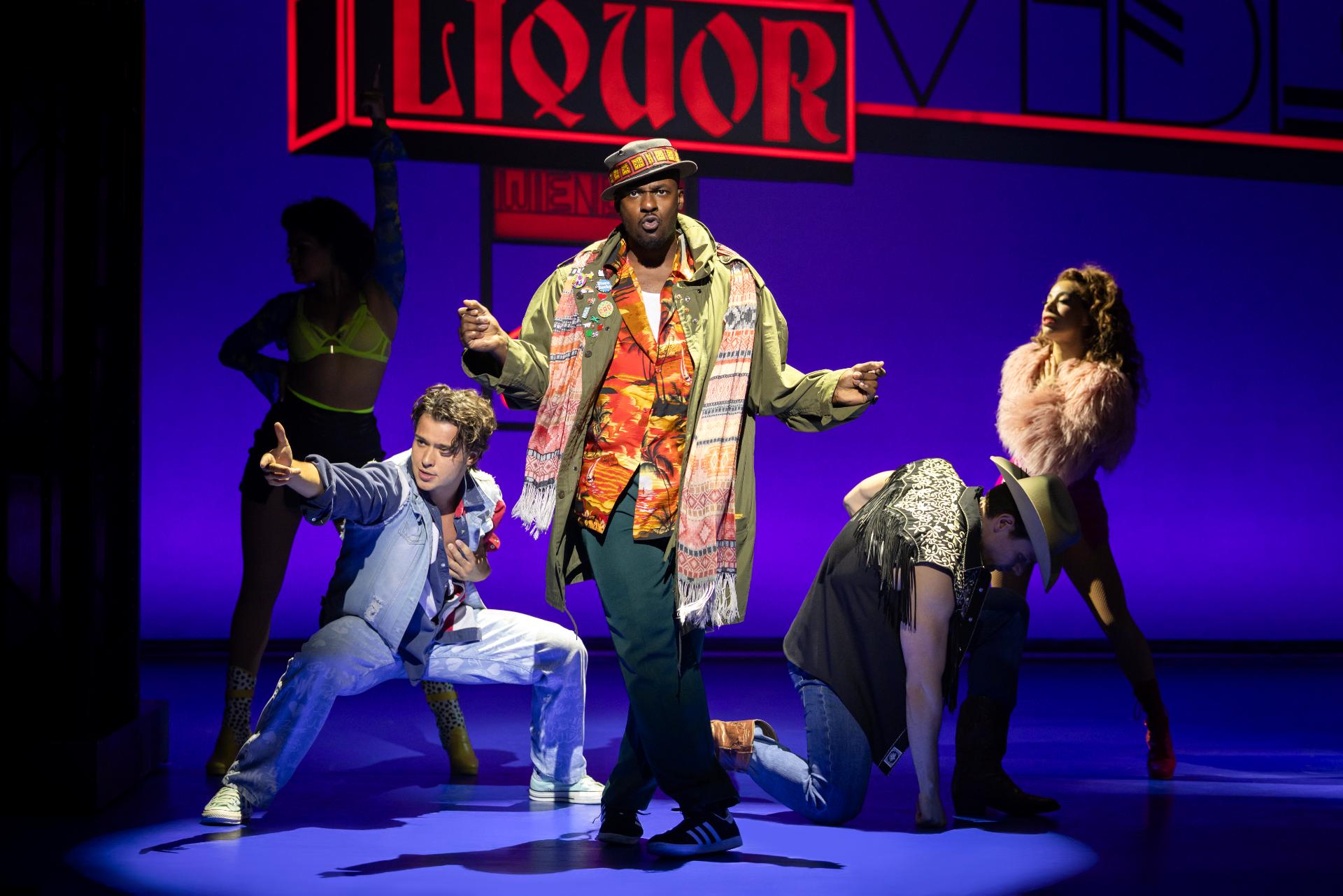
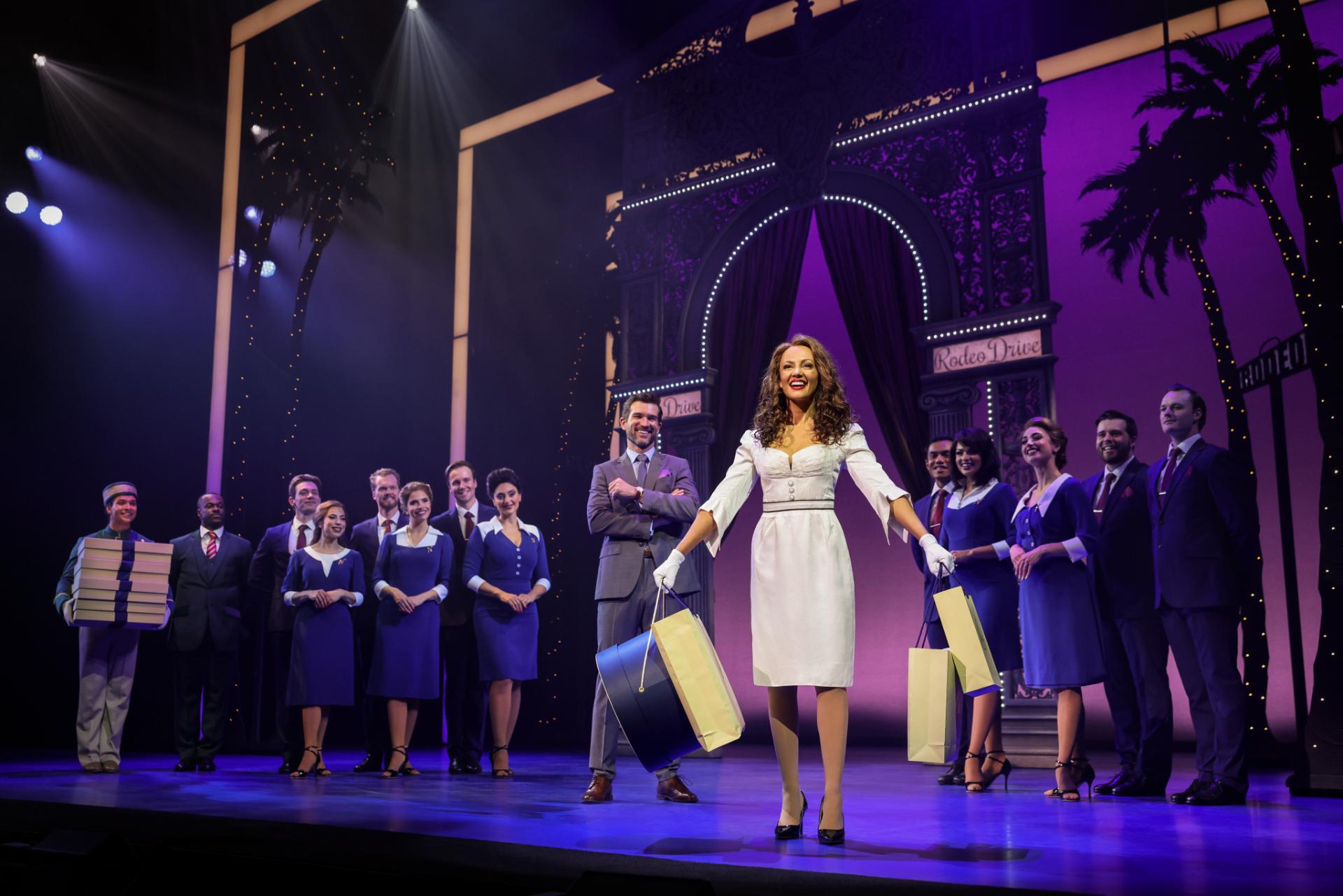
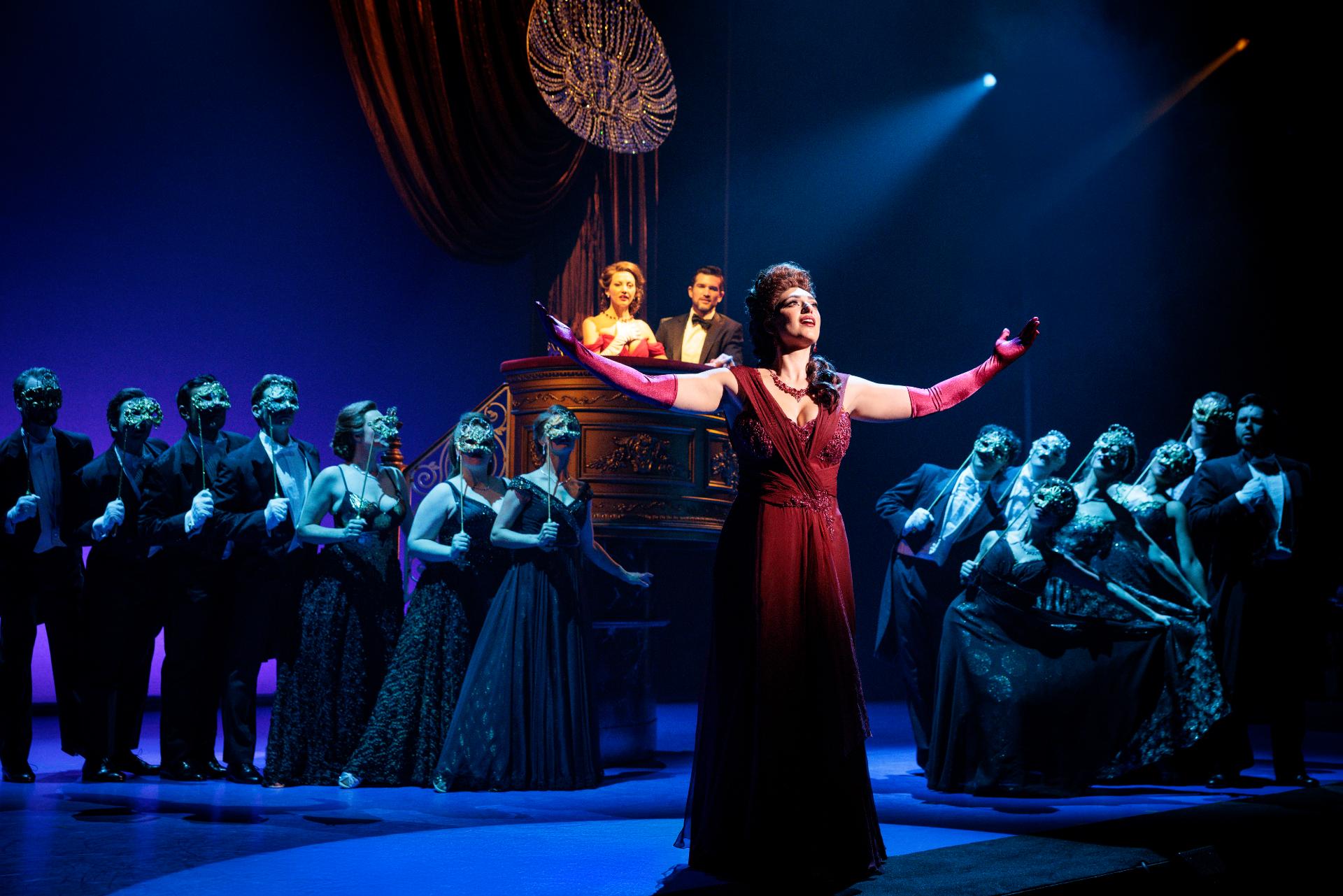
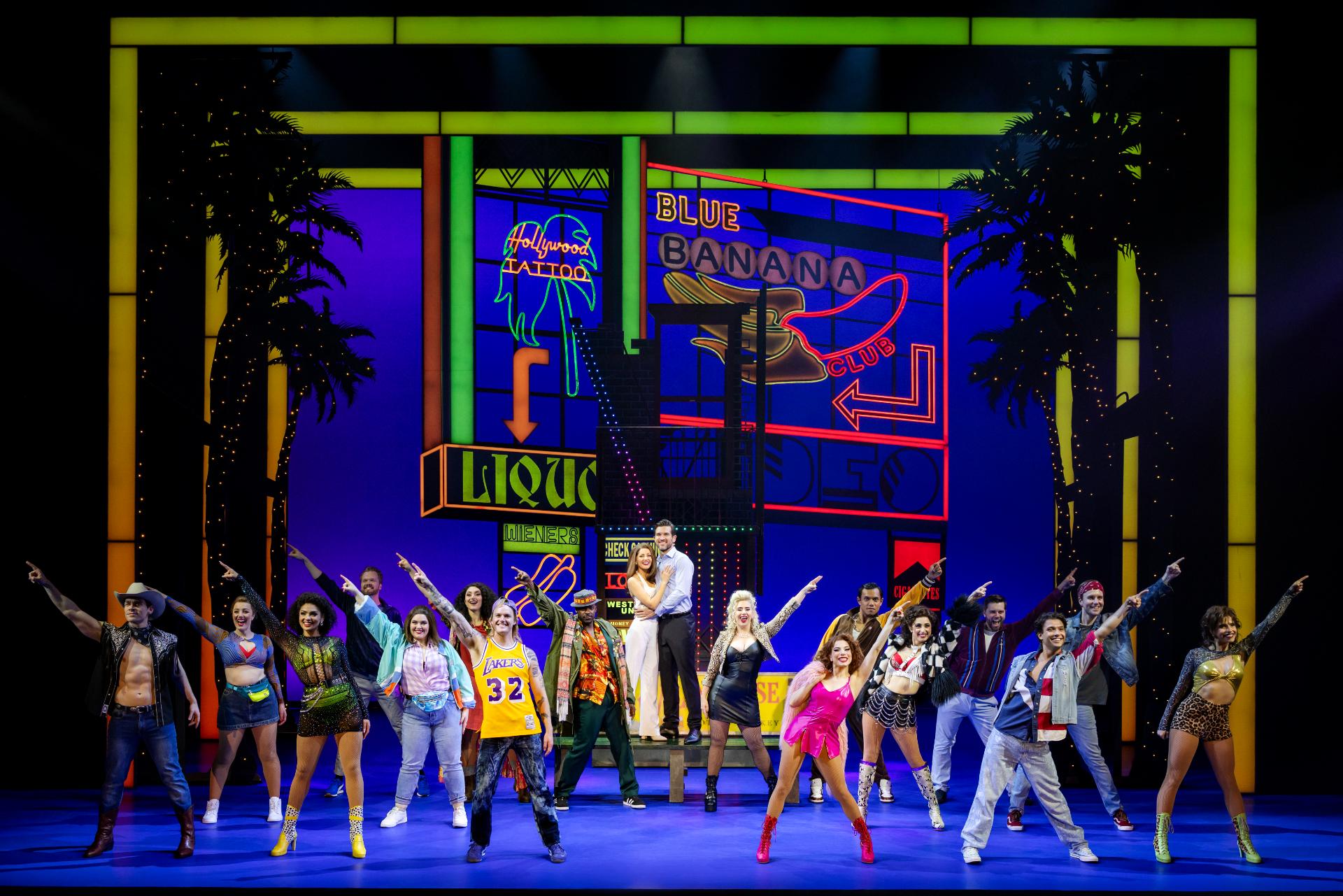
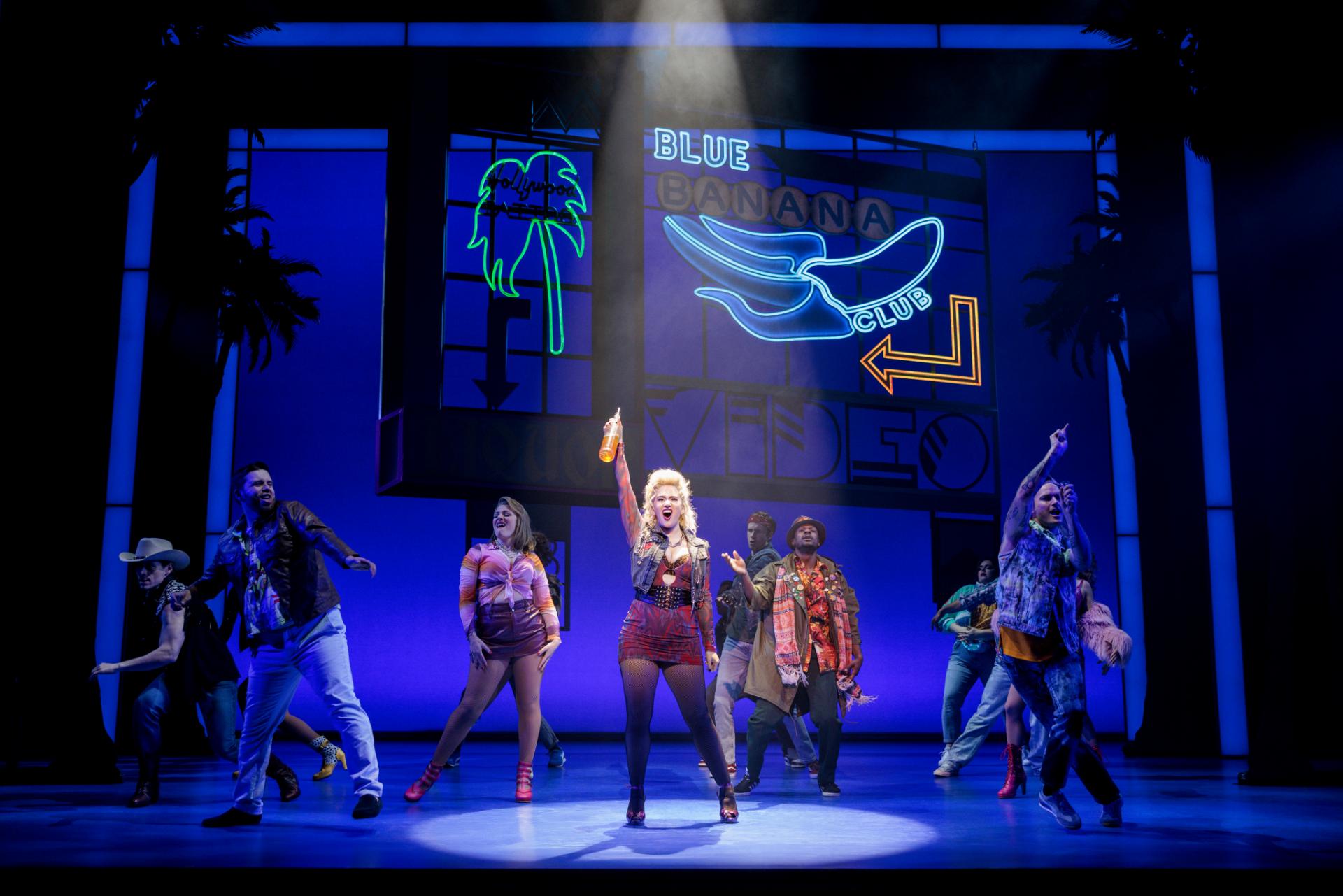
Kevin is down in the dumps—a middle-aged man stuck in his parents’ attic during the Covid lockdown, broke, and reeling from a breakup as his boyfriend calls it quits. Just when things couldn’t feel bleaker, his lifelong idol Dolly Parton materializes like a rhinestoned fairy godmother, offering comfort and counsel. Here You Come Again strings together Parton’s beloved hits—including classics like Jolene and 9 to 5—but while the music delights, the thinness of the narrative leaves us on the outside looking in, never quite drawing us into Kevin’s emotional journey.

Tricia Paoluccio proves herself a first-rate Dolly impersonator, embodying both the sound and sparkle of the country icon with uncanny precision. Even when the narrative drifts, she remains magnetic, a joy to behold as she brings Dolly to life before our eyes. Dash Kruck throws himself into Kevin with admirable energy and commitment, and although the role offers little to draw us in, his performance never lacks sincerity.

The production benefits from Paul Willis’s colourful sets and costumes, which provide a welcome visual lift, while Jason Bovaird’s lighting works earnestly to energise the stage. James Maxfield’s choreography, though conventional, maintains an appropriate sense of levity in keeping with Dolly’s signature style. Andrew Worboys’s musical direction too colours inside the lines, but in this case predictability proves a strength, allowing the songs’ familiarity to carry much of the show’s appeal.

Dolly Parton remains one of the most inspiring figures of our time, a beacon of kindness and generosity whose philanthropy has touched countless lives. For decades she has shone with unshakable dignity, never wavering in her integrity, always choosing to stand with the right causes, from the defence of queer rights to the battle against vaccine scepticism. More than anything, she has embodied the spirit of female emancipation, refusing to surrender the glamour and sensuality for which she was once mocked, and transforming them instead into instruments of power. Through talent as vast as her ambition, she has built a career of astonishing scope and wealth, yet still radiates the brilliance that first made her unforgettable.

www.hereyoucomeagain.com.au

Review: True West (Ensemble Theatre)

Venue: Ensemble Theatre (Kirribilli NSW), Sep 8 – Oct 11, 2025
Playwright: Sam Shepard
Director: Ian Sinclair
Cast: Vanessa Downing, Darcy Kent, James Lugton, Simon Maiden
Images by Prudence Upton

Theatre review
Austin is holed up in his mother’s California home, polishing his screenplay, when his brother Lee bursts in and blows everything apart. Austin is neat, proper, civilized; Lee is chaos incarnate. In True West, Sam Shepard turns their clash into a battle of identities, a showdown between two Americas under one roof. Many pre-Reagan plays have lost their bite, but this one hits harder than ever—its vision of fractured cultures feels ripped straight from today’s headlines.
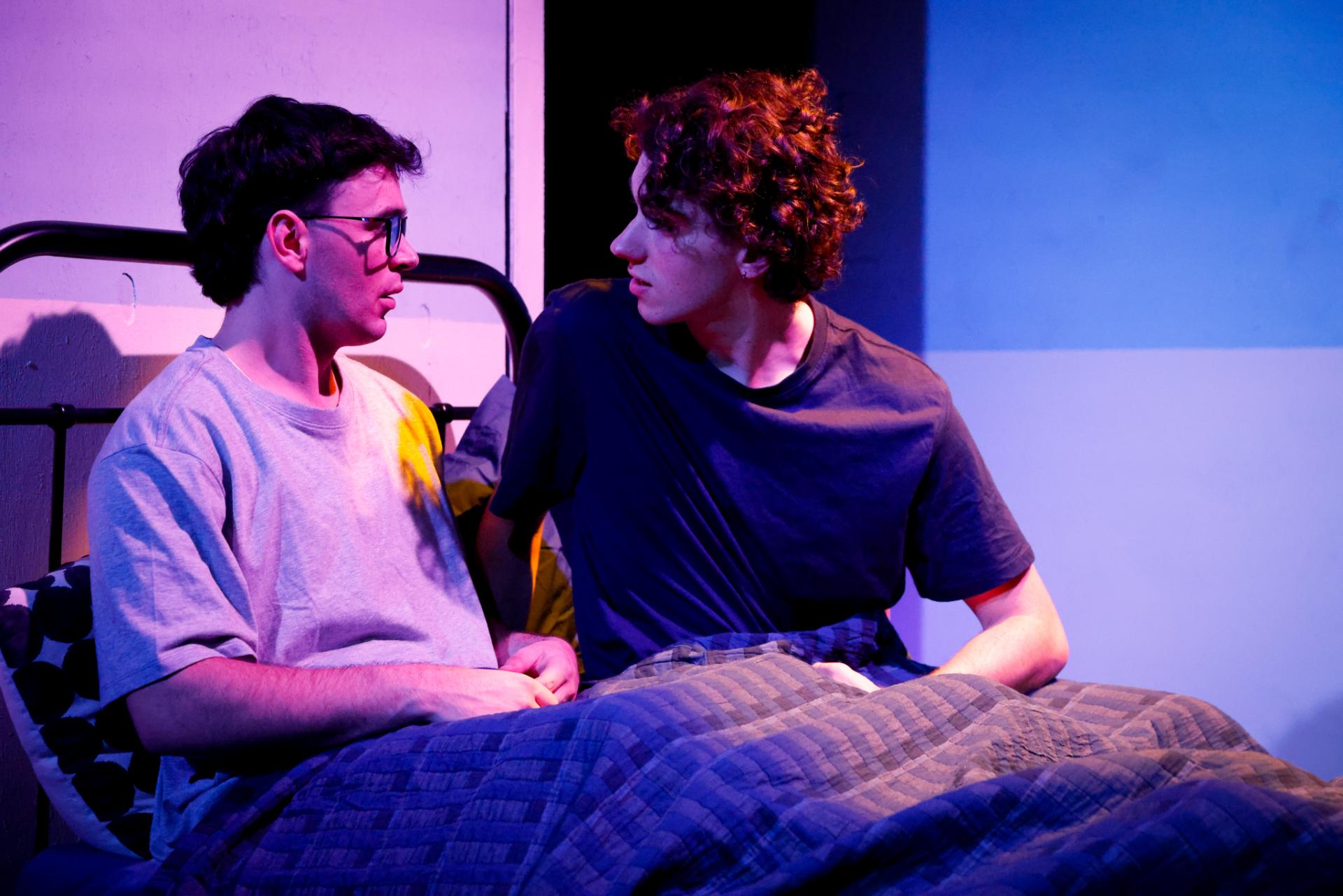
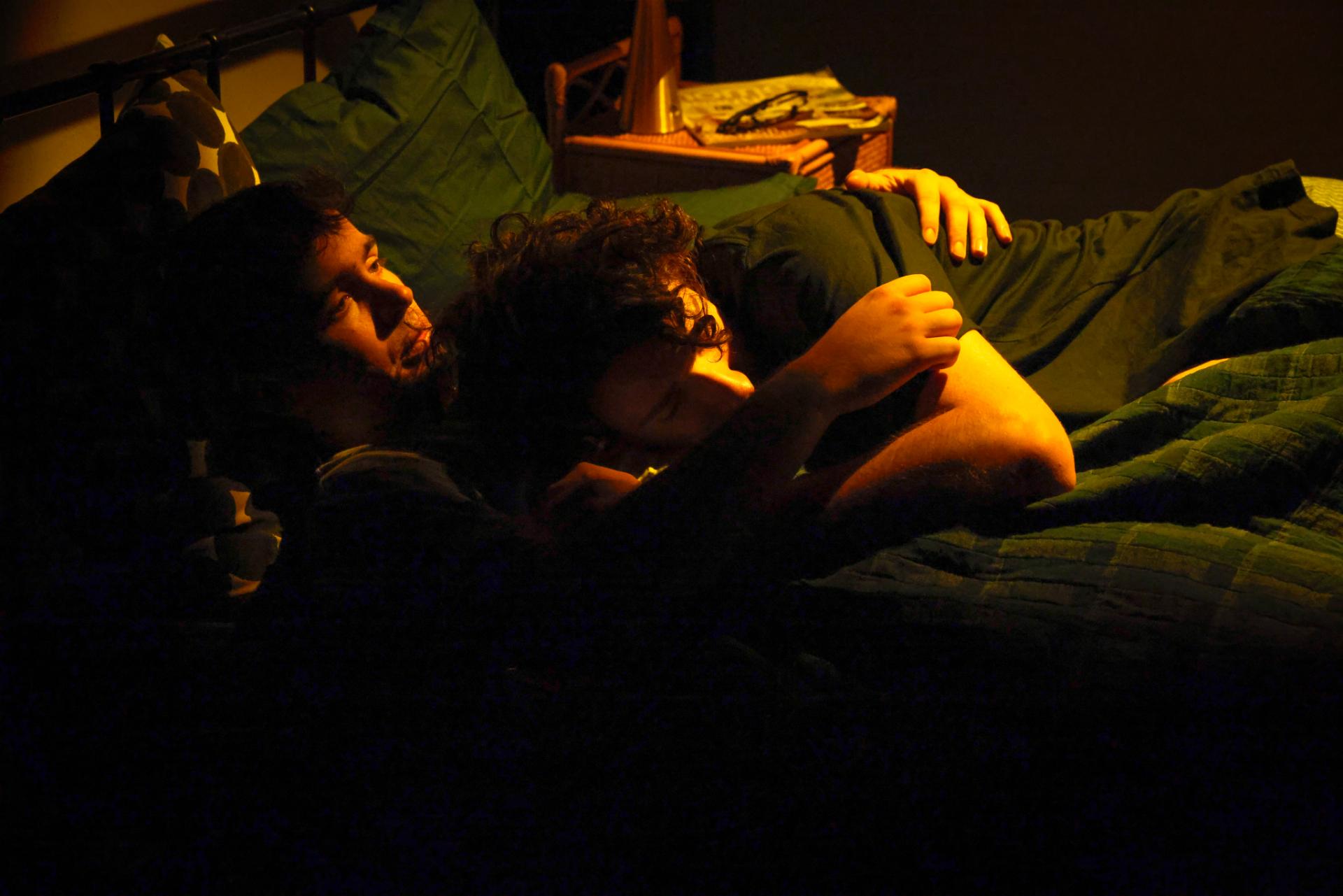
Simone Romaniuk’s production design sharpens the play’s intensity: the set feels close and feverish, and the costumes declare conflict from the outset. Brockman’s lighting washes the story with unexpected flamboyance, sculpting emotion into lyrical images of sheer visual poetry. By contrast, Daryl Wallis’ sound design is more restrained, yet its sparseness proves effective in aligning with the play’s measured textual rhythm.

Expertly directed by Ian Sinclair, the staging pursues every dramatic and revelatory possibility in Shepard’s text. What emerges is provocative and cerebral, yet at the same time raw and palpable—an utterly absorbing experience achieved without reliance on superfluous bells and whistles. The play holds us fast with a tale that is at once grounded in reality and tinged with the extraordinary, keeping our fascination with its central relationship alive, while persistently stirring uneasy thoughts about the world we now inhabit.

As Lee, Simon Maiden is a study in intricacy and truth, his every gesture alive with resonant authenticity. Opposite him, Darcy Kent drives Austin into surprising surges of theatricality, pushing the drama to exhilarating heights. Each is formidable in his own right, yet it is their electrifying chemistry together that anchors the production’s success. Around them, James Lugton and Vanessa Downing embrace their smaller roles with admirable flair, their comic touches both outlandish and irresistible, adding yet another layer of delight.

Beneath the polished surface of Western progress and civility lies a startling fragility. In True West, the brothers slip effortlessly into barbarity, exposing the raw, untamed instincts lurking beneath social masks. Both cling to a mythic past, yearning to make America great again, as if modernity has failed them, even though much of contemporary advancement has unequivocally strengthened democracy and improved life collectively. True West reminds us that, no matter how far society reaches toward progress, those who wield the greatest power—and shape the course of our evolution—often remain savages at heart.

(Note: due to a medical emergency on opening night, the part of Lee was played by director Ian Sinclair for the final scene.)

www.ensemble.com.au

Review: Bright Star (Hayes Theatre)

Venue: Hayes Theatre Co (Potts Point NSW), Sep 5 – Oct 5, 2025
Music, Book & Story: Steve Martin
Music, Lyrics & Story: Edie Brickell
Directors: Miranda Middleton, Damien Ryan
Cast: Cameron Bajraktarevic-Hayward, Kaya Byrne, Victoria Falconer, Genevieve Goldman, Jack Green, Deirdre Khoo, Hannah McInerney, Jarrad Payne, Rupert Reid, Katrina Retallick, Felix Staas, Alec Steedman, Molly Margaret Stewart, Olivia Tajer, Seán van Doornum 
Images by Robert Catto

Theatre review
The story begins a century ago in North Carolina, where Alice falls pregnant out of wedlock and is forced to give up her child. At a time when single motherhood was considered unthinkable, women who defied convention by seeking independence or family without a husband were often subjected to severe persecution. Bright Star, the musical by Steve Martin and Edie Brickell, revisits this not-so-distant chapter of history, exposing the harsh, often barbaric conditions faced by some Americans. While the narrative tends to be too obviously tugging at our emotions, the production is buoyed by its irresistibly vibrant score, written in the bluegrass tradition, which remains a joy to experience.

Alec Steedman’s musical direction sweeps us into the romance and effervescence of every song, while co-directors Miranda Middleton and Damien Ryan shape the production into something strikingly elegant, imbued with warmth and empathy, even if the story’s separate timelines are not always clear. The design elements are handled with equal finesse: Isabel Hudson’s set exudes rustic charm yet retains a crisp sense of polish; Lily Matelian’s costumes evoke the American South with convincing detail, though they falter in ageing characters convincingly as the story shifts through time. James Wallis’ lighting is a continual delight—sumptuous, evocative, and unfailingly theatrical.

Hannah McInerney is commanding in the lead role of Alice, bringing remarkable depth and authenticity to the character, even if the distinction between her younger and older selves is not always sharply drawn. The two men in Alice’s life, played by Kaya Byrne and Cameron Bajraktarevic-Hayward, make a lasting impression with performances marked by sincerity, grounded realism, and an appealing lack of artifice. Also deserving mention are Deidre Khoo, Genevieve Goldman, and Jack Green, who, though in smaller roles, provide delightful flashes of humour and personality, their quirky characterisations and impeccable comic timing adding much to the production’s charm.

Not all storytelling lies in what is said, but in how it is told, and Bright Star is a case in point. The way its elements are assembled gives the production a resonance far greater than the sum of its parts. The meticulous musicianship, the generosity of its performers, and the discerning artistry of its designers coalesce to create a show that is consistently engaging, even when the plot itself borders on cliché. In this moment, we transcend the ordinary, reminded that art’s greatest gift is often the inspiration that it bestows.

www.hayestheatre.com.au | www.sportforjove.com.au

Review: Orlando (Belvoir St Theatre)

Venue: Belvoir St Theatre (Surry Hills NSW), Sep 6 – 28, 2025
Playwrights: Carissa Licciardello, Elsie Yager (from the novel by Virginia Woolf)
Director: Carissa Licciardello
Cast: Janet Anderson, Nyx Calder, Emily Havea, Amber McMahon, Nic Prior, Shannen Alyce Quan, Zarif
Images by Brett Boardman

Theatre review
At a pivotal moment in the production, Lord Orlando becomes Lady Orlando, and with this transformation, questions of gender and identity are revealed as the very axis of Carissa Licciardello and Elsie Yager’s adaptation of Virginia Woolf’s 1928 novel Orlando: A Biography. Shortened simply to Orlando, the work preserves the fantastical spirit and poetic sweep of Woolf’s novel, though some of its intellectual density seems to have dissipated in translation to the stage.

Its inquiries into sexism, while sincere, often feel suspended in the past, unable to reproduce the startling contemporaneity of Woolf’s text. At times, gender is rendered too simplistically in Licciardello’s direction. Yet the injustices faced by Lady Orlando—most notably the loss of property and wealth on account of her sex—remain a compelling anchor, ensuring the adaptation retains a measure of significance.

Given the scale of wealth under examination, the staging never quite achieves the level of opulence one might anticipate. David Fleischer’s set design is restrained yet elegant, while Nick Schlieper’s lighting adds welcome layers of drama. It is Ella Butler’s costumes, however, that most vividly conjure the dreamlike luxury of Orlando’s world, complete with outrageous wigs that deliver a sense of theatrical extravagance.

A delightful ensemble of seven performers leads us through this centuries-spanning odyssey. Remarkably, four different actors step into the role of Orlando at various stages of the story. Shannen Alyce Quan lends the character a quiet intensity, infusing Woolf’s poetic language with luminous clarity. Janet Anderson brings striking beauty to Orlando’s first feminine incarnation, and later proves irresistibly funny in a string of smaller roles. Equally memorable is Amber McMahon, regal and commanding as Queen Elizabeth, then deliciously camp as a seventeenth-century suitor.

The impermanence of identity underscores the endlessly shifting nature of what we call reality. This is not to say that categories like gender and sex lack meaning—on the contrary, they are among the most powerful forces shaping how we move through the world. Their paradox is that they remain fluid and insubstantial, yet exert a power that orders our very existence. It is precisely this tension, between mutability and determinism, that compels us to always return to them in endless questioning.

www.belvoir.com.au

Review: Life Is A Dream (25A Belvoir)

Venue: Belvoir St Theatre (Surry Hills NSW), Sep 2 – 21, 2025
Playwright: Claudia Osborne (after Pedro Calderón de la Barca)
Directors: Claudia Osborne, Solomon Thomas
Cast: Thomas Campbell, Mark Lee, Shiv Palekar, Essie Randles, Shikara Ringdahl, Ariadne Sgouros, Ariyan Sharma
Images by Phil Erbacher

Theatre review
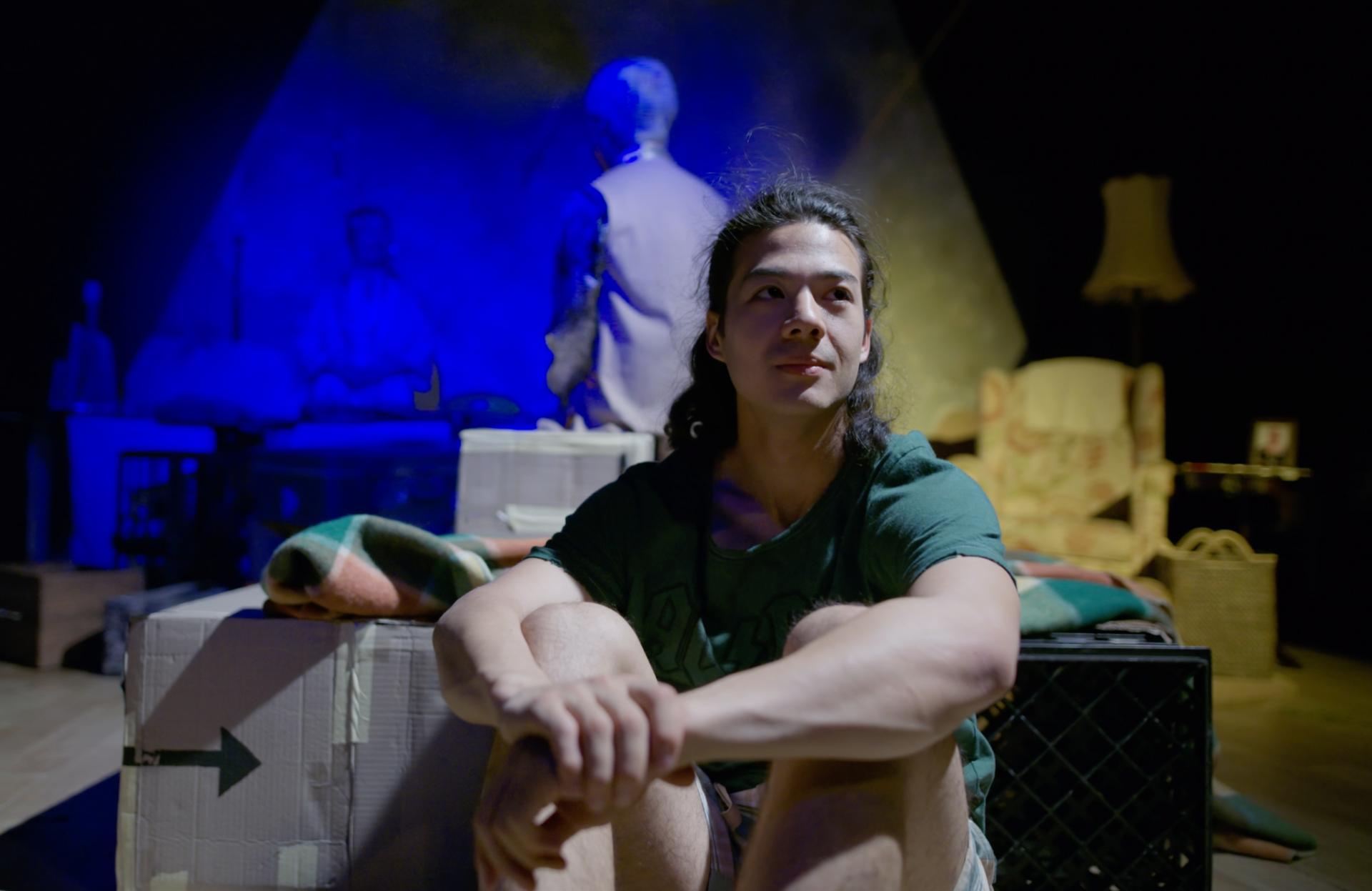
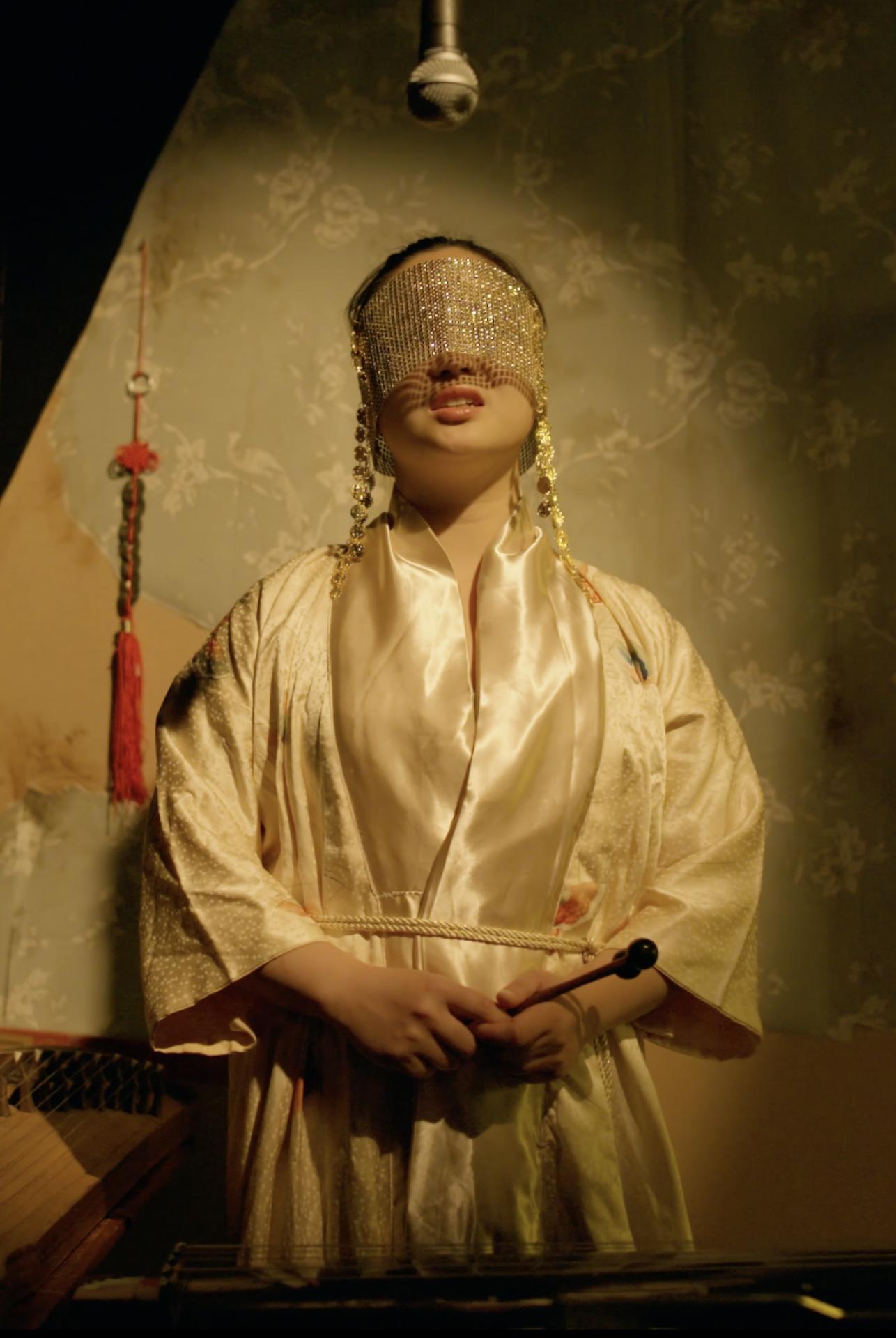
For his entire life, 22-year-old Segismundo has been confined to a room, conditioned by Astolfo’s daily refrain that he is “dangerous and destructive, but not in this room.” Claudia Osborne’s Life is a Dream, inspired by Pedro Calderón de la Barca’s 1636 masterpiece, reimagines this tale of captivity and destiny for a contemporary audience. The production balances quirky charm and moments of playful wonder with a grounded exploration of the human condition. Osborne’s version points to the enduring dictum that our choices carry consequences, and that, ultimately, we reap what we sow.

Under the direction of Osborne and Solomon Thomas, Life is a Dream achieves a rare balance. Its offbeat humour keeps the work buoyant and unpredictable, while its underlying seriousness lends the production weight and resonance. The staging stands out for its distinctive style and inventive sensibility, which not only sustain engagement but also encourage the audience to grapple with its themes while remaining open to curiosity.

Ariyan Sharma shines as Segismundo, capturing a sheltered innocence that feels wholly authentic while subtly conveying the hidden truths his character has yet to grasp. He is a thoroughly endearing presence, remarkable for an artistry that combines keen intellect with expressive physicality. Thomas Campbell’s Astolfo brings tension and intrigue, his clever rendering of ambiguity opening up a world of imagined backstories that lead to this extraordinary moment. The rest of the cast add layers of psychological complexity and emotional richness, and together their chemistry transforms Life is a Dream into a fully immersive and enthralling theatrical experience.

Set and costume design by Cris Baldwin evokes a contemporary space, grounded in a sense of normalcy that keeps the audience connected to the action. Kelsey Lee’s lighting and Madeleine Picard’s sound design weave the atmosphere with quiet finesse, lending the production an elegant rhythm that draws us deeper into the story and the emotional lives of its characters.

This updated Life is a Dream resonates as a warning: when we withhold kindness from those over whom we hold power, it is our own cruelty that breeds further cruelty. Amidst all the political turmoil of 2025, we are compelled to approach this centuries-old tale not with innocence, but with clear eyes, aware of the dangers we continue to create, and the responsibility we bear to break these tragic cycles.

www.belvoir.com.au | www.fervour.net.au | www.regroupperformancecollective.org

Review: The Bridge (KXT on Broadway)

Venue: KXT on Broadway (Ultimo NSW), Aug 29 – Sep 13, 2025
Playwrights: Sunny Grace, Clare Hennessy, Richie Black
Director:
Lucinda Gleeson
Cast: Zoe Carides, Clare Hennessy, Saro Lepejian, Andrea Magpulong, Brendan Miles. Matt Abotomey
Images by Ravyna Jassani

Theatre review
Amber was a fleeting rock sensation of the early ’90s, her career abruptly derailed by the ruthless grip of patriarchy. Decades later, when Alyssa goes viral on TikTok with a cover of one of Amber’s long-forgotten songs, the forgotten musician emerges—not to celebrate the revival, but to chastise the influencer, mirroring the very silencing forces that once destroyed her own career.

With The Bridge, writers Sunny Grace, Clare Hennessy and Richie Black set out with admirable intentions, crafting a work that seeks to highlight how women can unite across generations to resist the enduring forces of subjugation. The play’s ambition is clear, but its execution falters: the structure is clumsy, the nuance underdeveloped, and the characters too often collapse into flat archetypes rather than fully realised figures.

Lucinda Gleeson’s direction may lack elegance, but it is driven by a palpable passion that translates to the stage. The original music by Zoe Carides and Clare Hennessy stands out as a highlight, with the added delight of live performance from several cast members. Sound design by Rowan Yeomans and Elke reaches ambitiously, though it occasionally draws focus away from the action. Aron Murray’s lighting brings welcome dynamism, even if it is not always flattering to the performers, while Kate Beere’s costumes suffer from the same problem, her set design captures the intended mood.

As Amber, Zoe Carides delivers energy and focus, though the performance never fully convinces as that of a late-20th-century rebel hellraiser. Clare Hennessy is more persuasive as Alyssa, the ambitious newcomer, yet her portrayal of a contemporary media personality leans a touch too heavily on flippancy. The chemistry between the two requires greater development, and the progression of their relationship would benefit from being drawn with more care and less abruptness.

While it is unrealistic to expect women to always share affinity with one another, the pursuit of radical inclusivity and acceptance remains essential in resisting patriarchal and colonial systems. Such structures are sustained by division, repeatedly manufacturing wedges that isolate individuals and diminish their collective agency. Feminism, therefore, must be understood as a project of expansion—drawing in as many voices as possible in order to constitute a force capable of meaningful opposition.

www.kingsxtheatre.com | www.instagram.com/crisscross_productions

Review: How To Plot A Hit In Two Days (Ensemble Theatre)

Venue: Ensemble Theatre (Kirribilli NSW), Aug 29 – Oct 11, 2025
Playwright: Melanie Tait
Director: Lee Lewis
Cast: Amy Ingram, Genevieve Lemon, Seán O’Shea, Georgie Parker, Julia Robertson
Images by Brett Boardman

Theatre review
It is 1985, and a key cast member is departing the high-rating Australian soap opera A Country Practice. The writers are tasked with making sense of her exit, not only for themselves as creatives deeply entwined with the show, but also for a public profoundly invested in its characters. How to Plot a Hit in Two Days by Melanie Tait is a charming reimagining of the delicate machinery behind one of the era’s most unforgettable television moments. The play beautifully captures the intricacies of artistic collaboration, resonating with anyone curious about the creative process. Yet its heavy reliance on a very particular vein of cultural nostalgia risks alienating contemporary audiences less familiar with that history.

Direction by Lee Lewis yields a staging memorable for the impeccable chemistry of its ensemble. With five richly detailed and impassioned performers—Amy Ingram, Genevieve Lemon, Seán O’Shea, Georgie Parker, and Julia Robertson—the production seizes our attention from the outset and holds us firmly in its grasp throughout. Ingram’s portrayal of ex-jailbird Sharon is particularly winning, her brusque humour shaping much of the production’s tone.

The design is stripped to its essentials, fitting for a work that demands little ornamentation. Simone Romaniuk’s set and costumes reflect the utilitarian realities of artistic work, while Brockman’s lighting and Paul Charlier’s music recede gracefully into the background, surfacing only now and then to deliver moments of flourish.

Only in recent years have we begun to reckon with the fact that we call Australia is not, and never was, a monolith. The twentieth century was steeped in assimilationist ideology, shaped by values imposed by a white patriarchy that governed not only our daily lives but also our very understanding of reality. In 1985, it seemed entirely reasonable to assume that the whole nation might gather around the same television program. Today, we can scarcely agree on the story of how modern life on these lands was forged.

www.ensemble.com.au