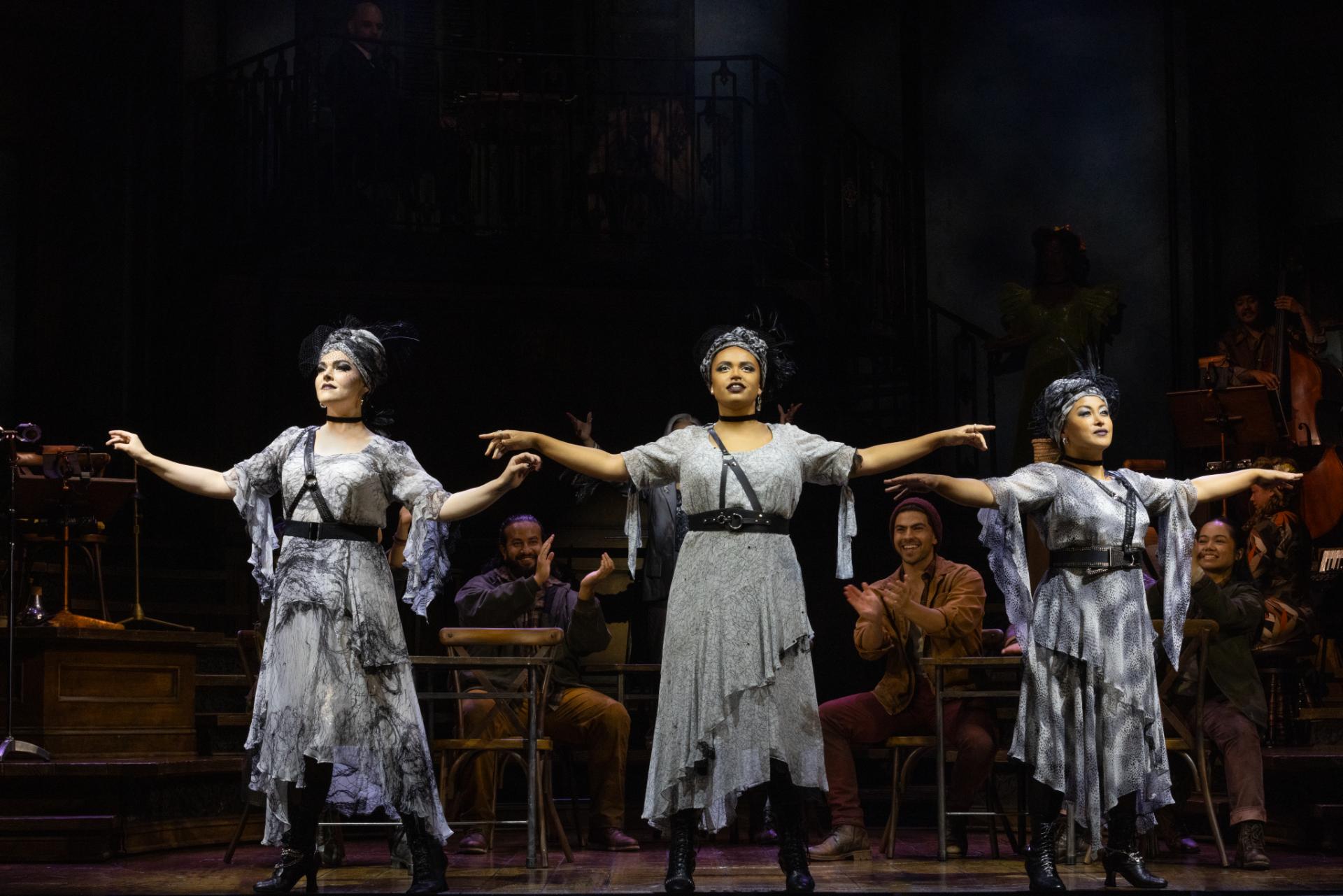
Review: Rent (Sydney Opera House)

Venue: Sydney Opera House (Sydney NSW), Sep 27 – Nov 1 2025
Book, Music & Lyrics: Jonathan Larson
Director: Shaun Rennie
Cast: Jesse Dutlow, Googoorewon Knox, Tana Laga’aia, Calista Nelmes, Kristin Paulse, Henry Rollo, Harry Targett, Imani Williams
Images by Pia Johnson, Neil Bennett

Theatre review
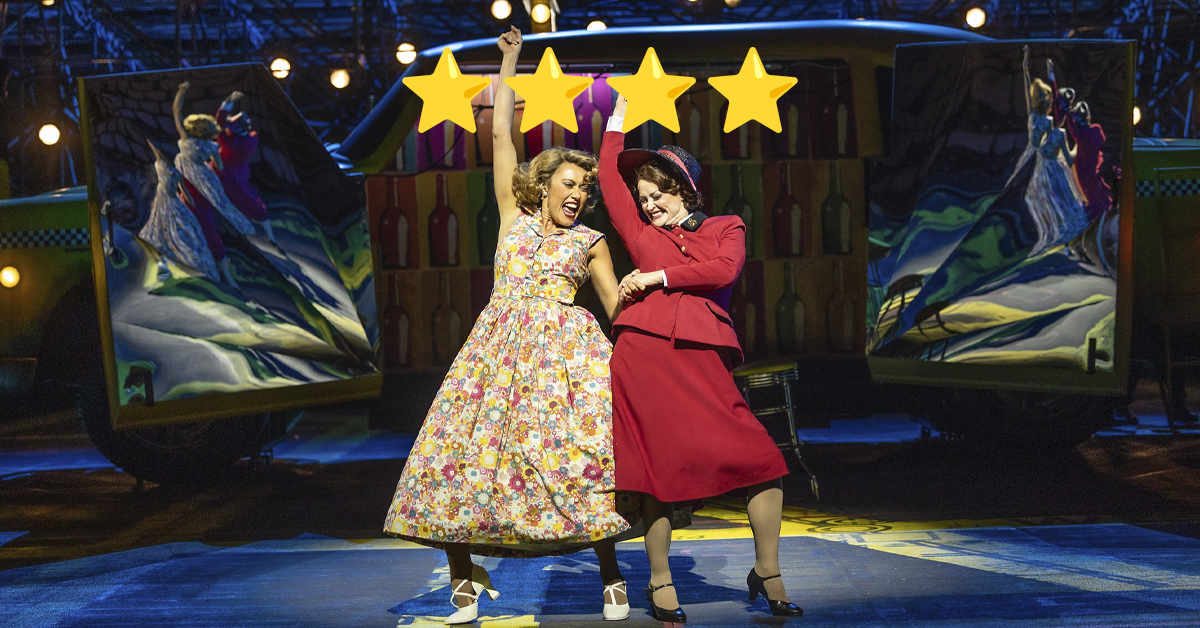
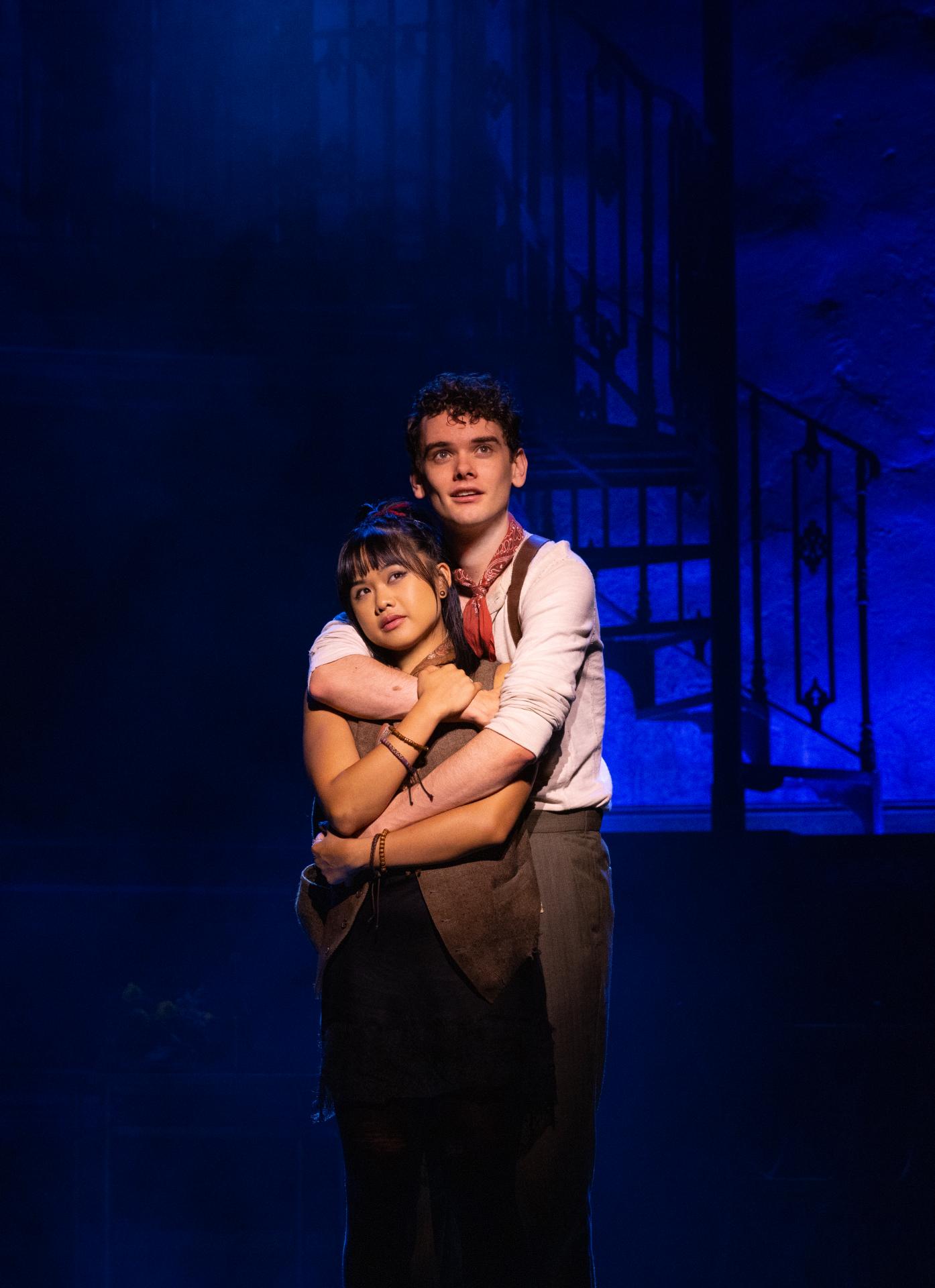
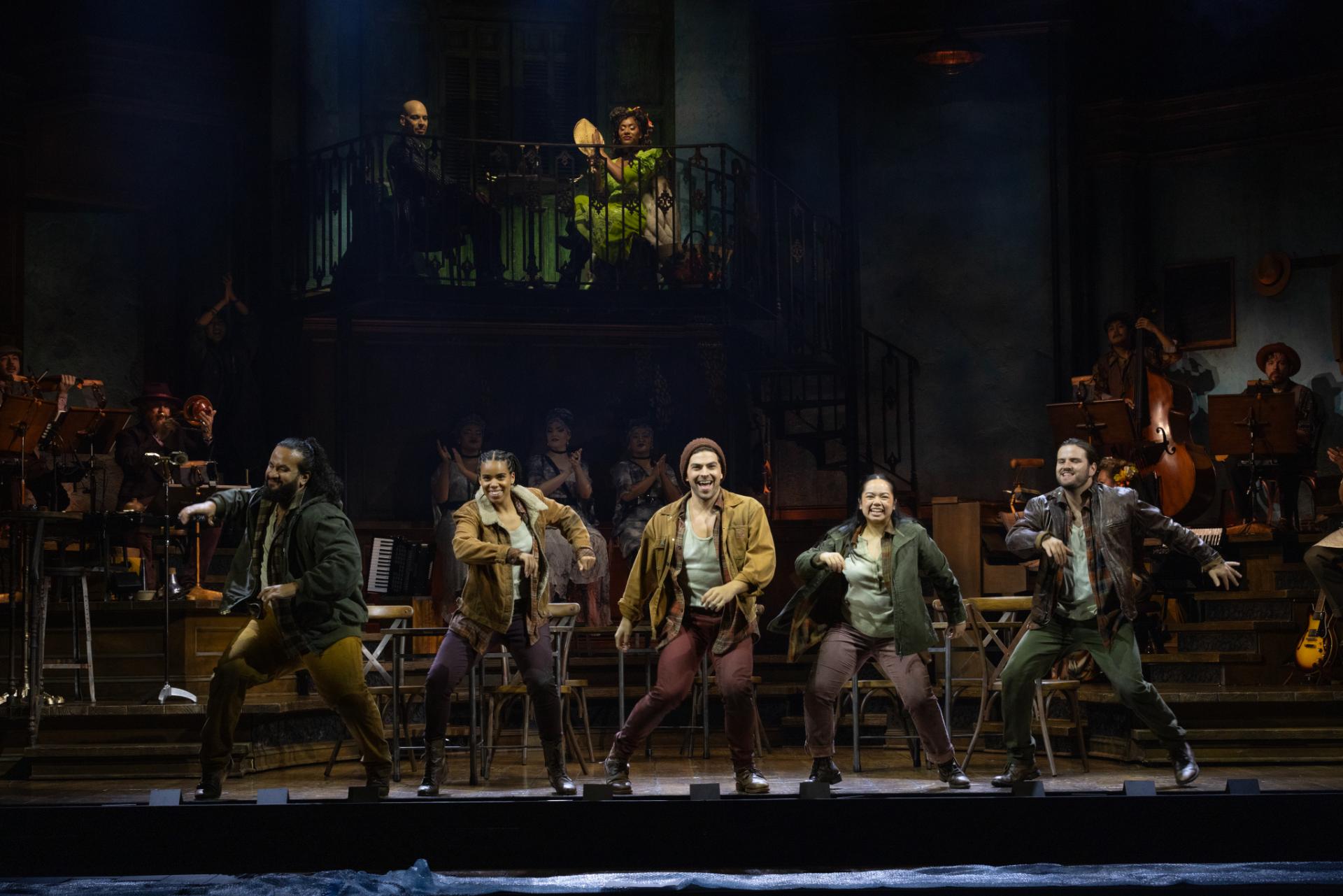
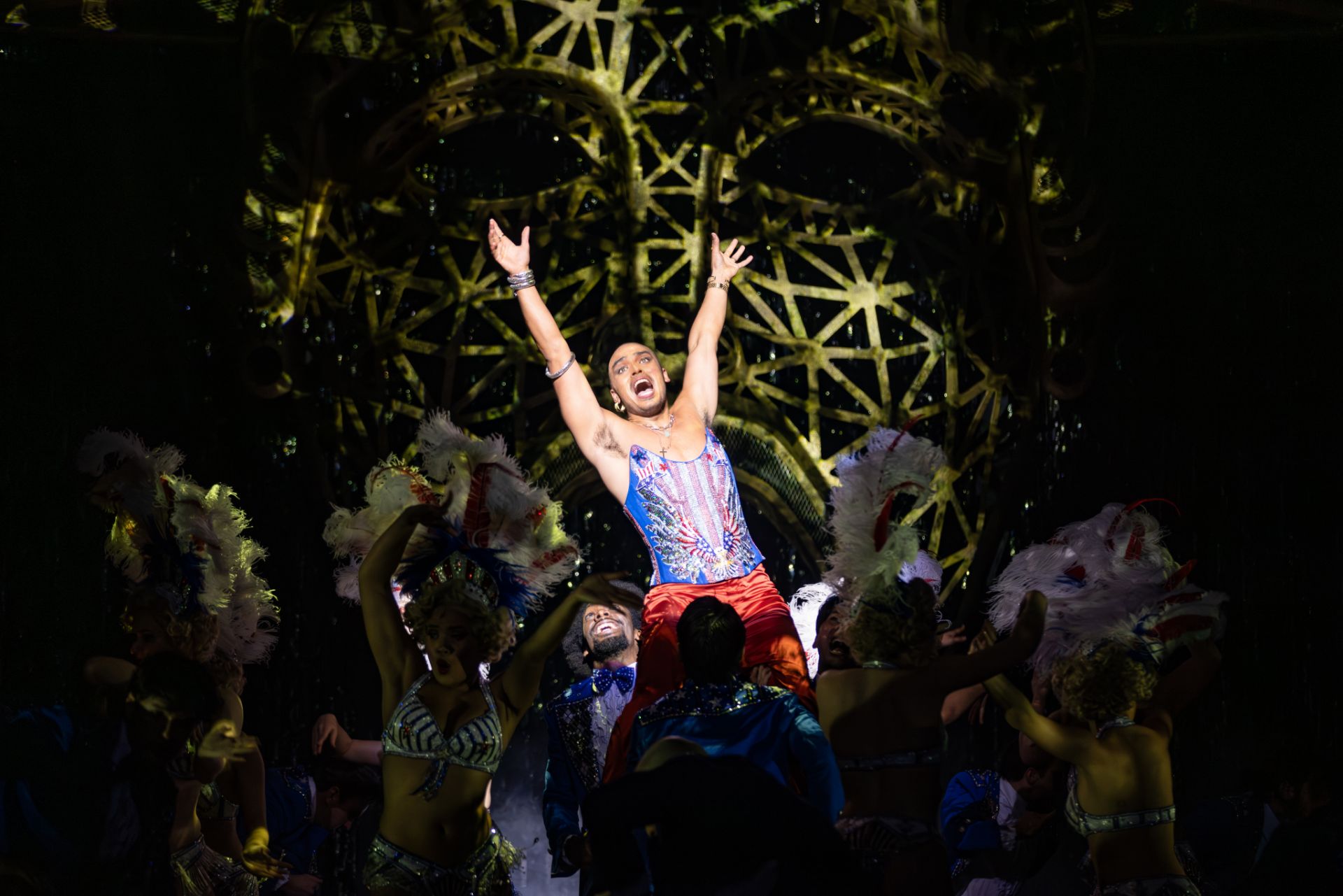
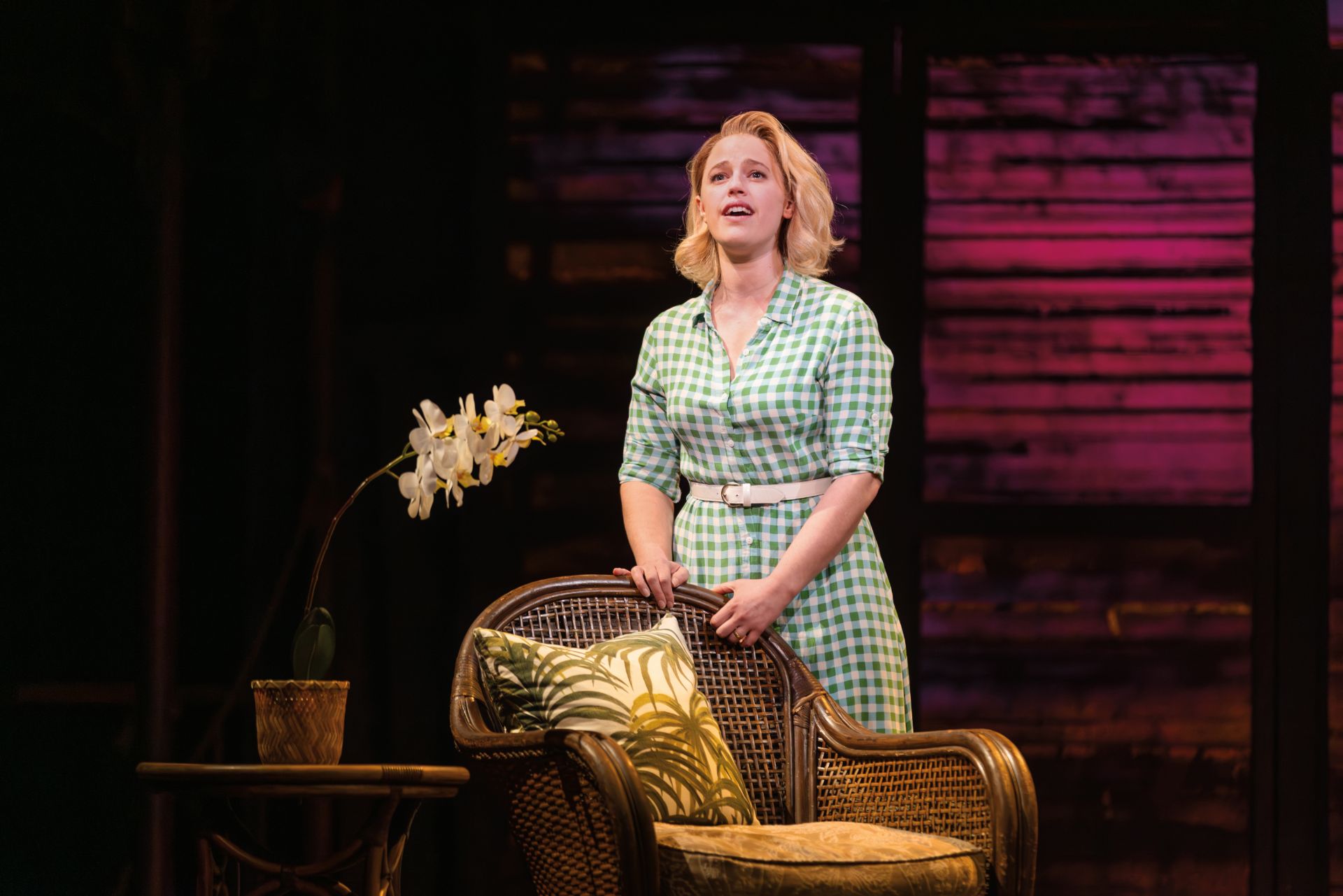
When Jonathan Larson completed his magnum opus Rent in 1996, he could not have foreseen that the bohemian enclave of New York City he celebrated was already in its twilight. Within a year, Rudy Giuliani’s iron-fisted mayorship would begin reshaping the city, erasing the fragile counterculture that had given Rent its heartbeat. Nearly three decades on, some of its echoes have softened, but the core refrain remains. The story of an underclass ignored by a complacent American mainstream feels newly pertinent in an era marked by authoritarian politics and cultural division.

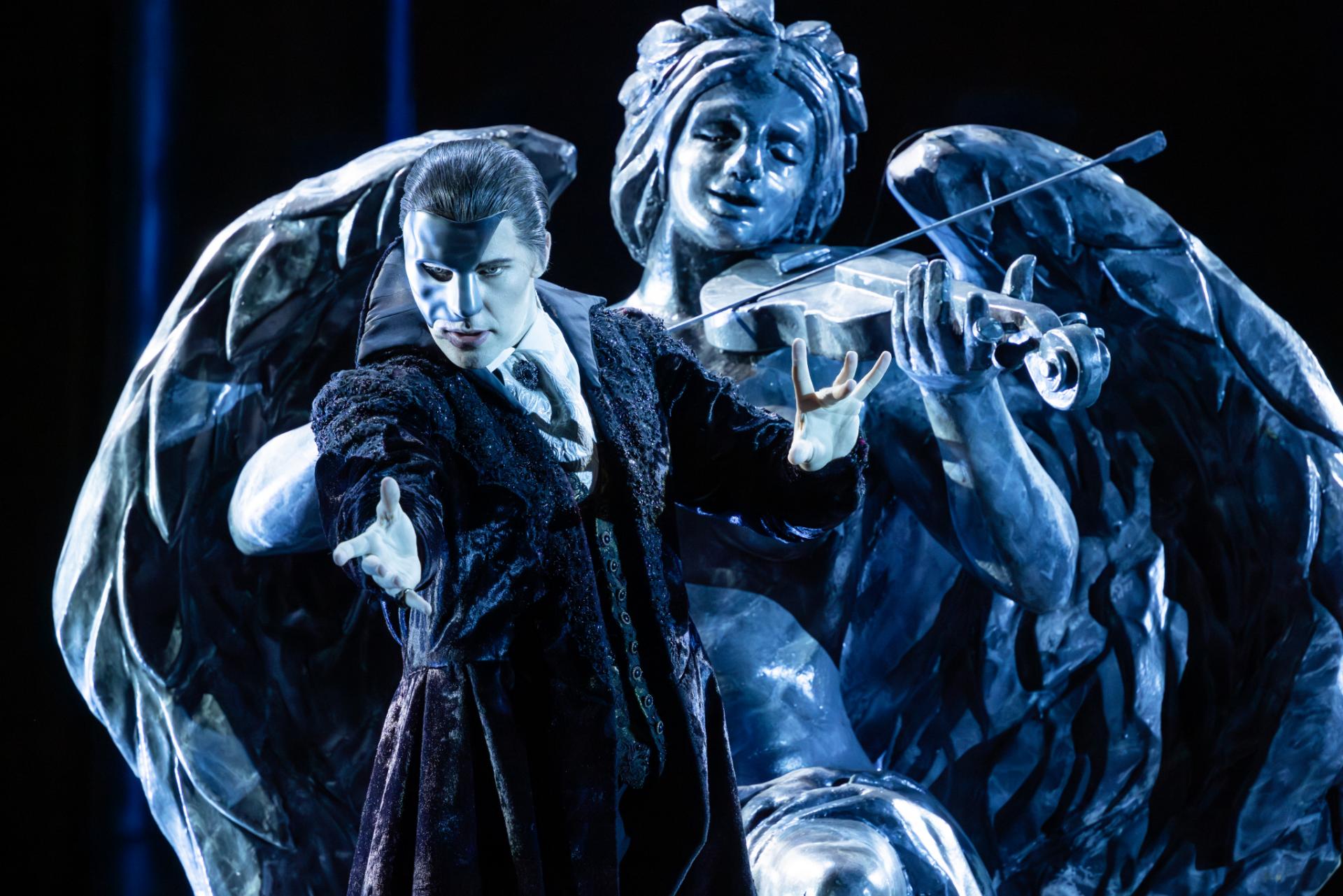
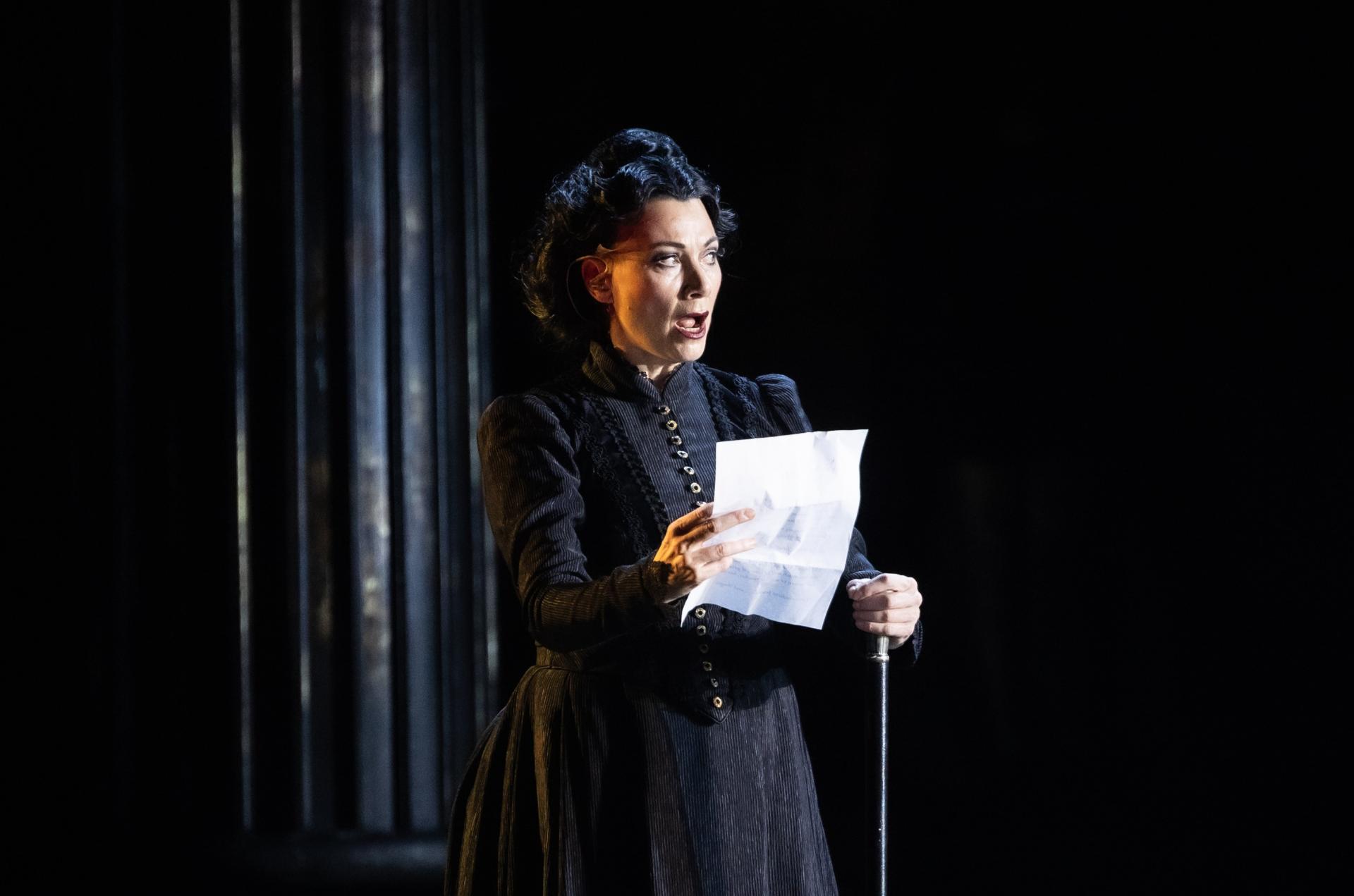
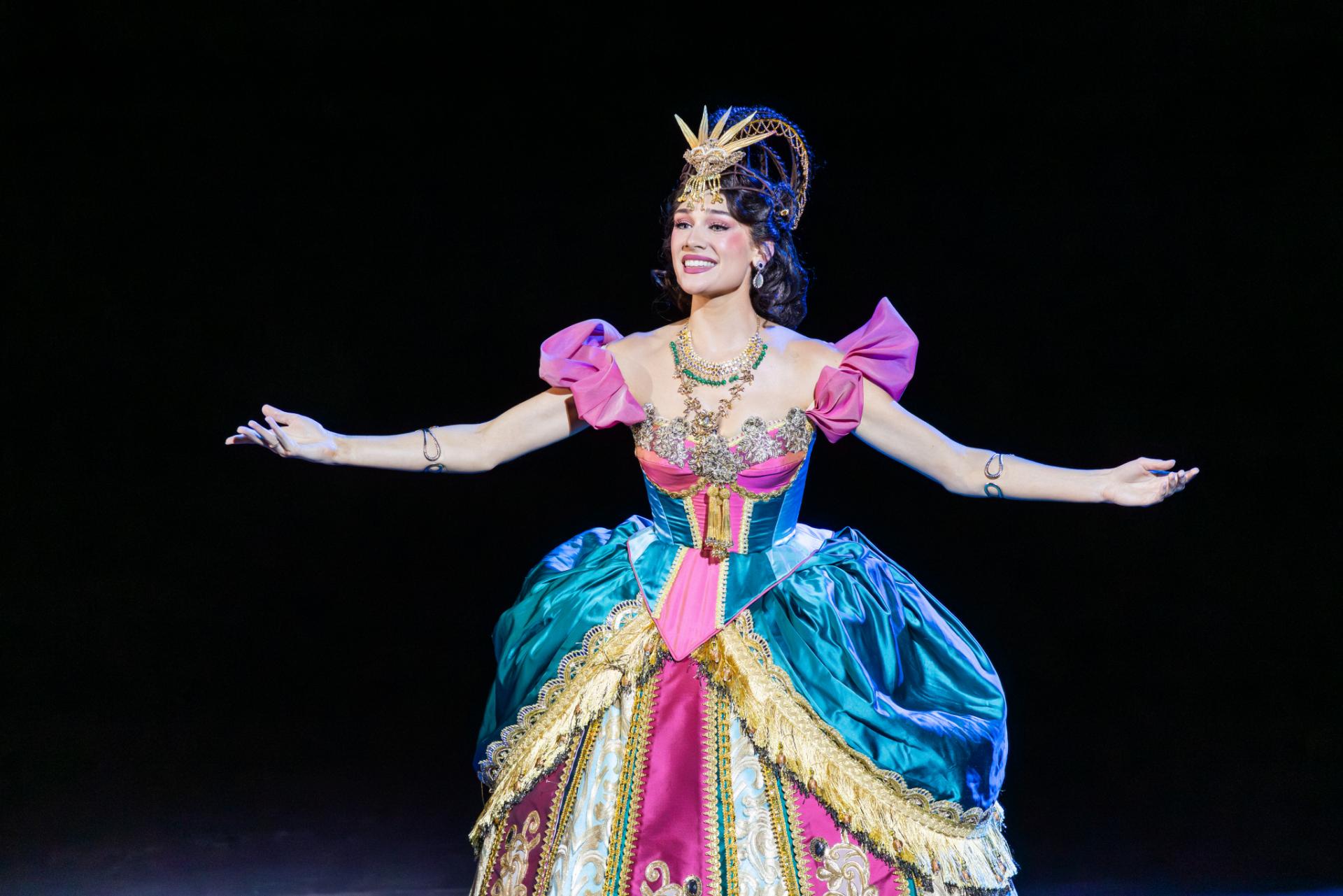
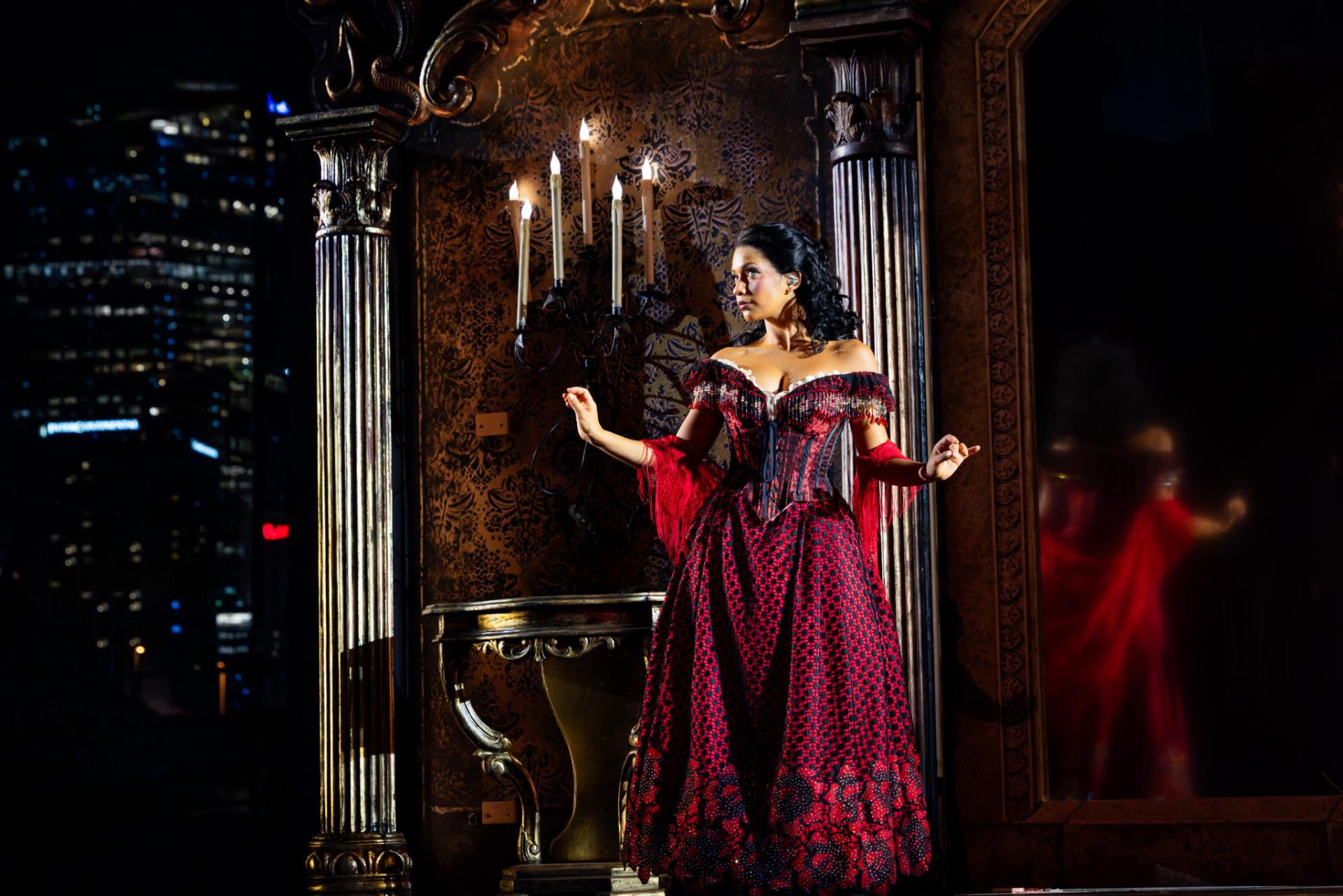
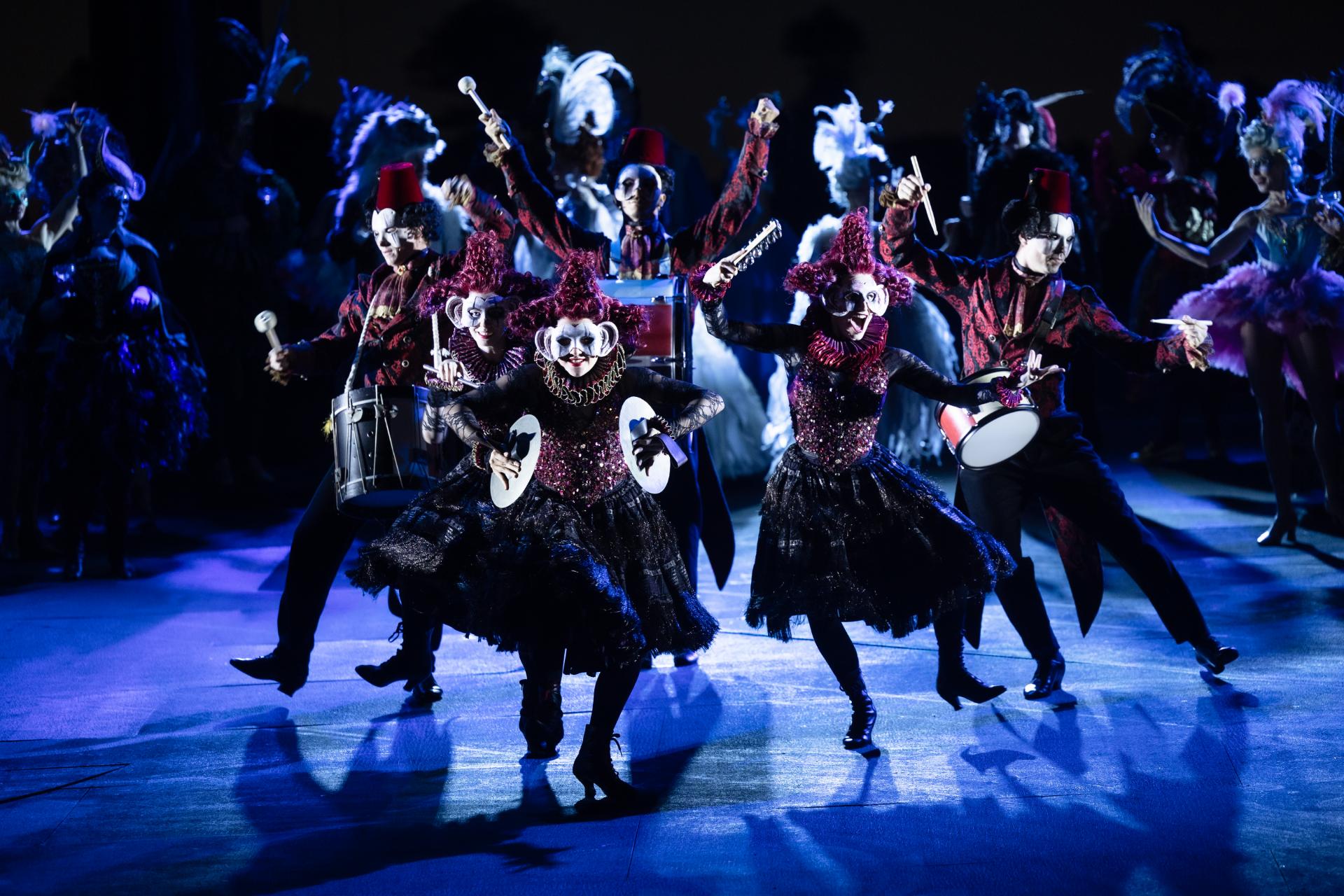
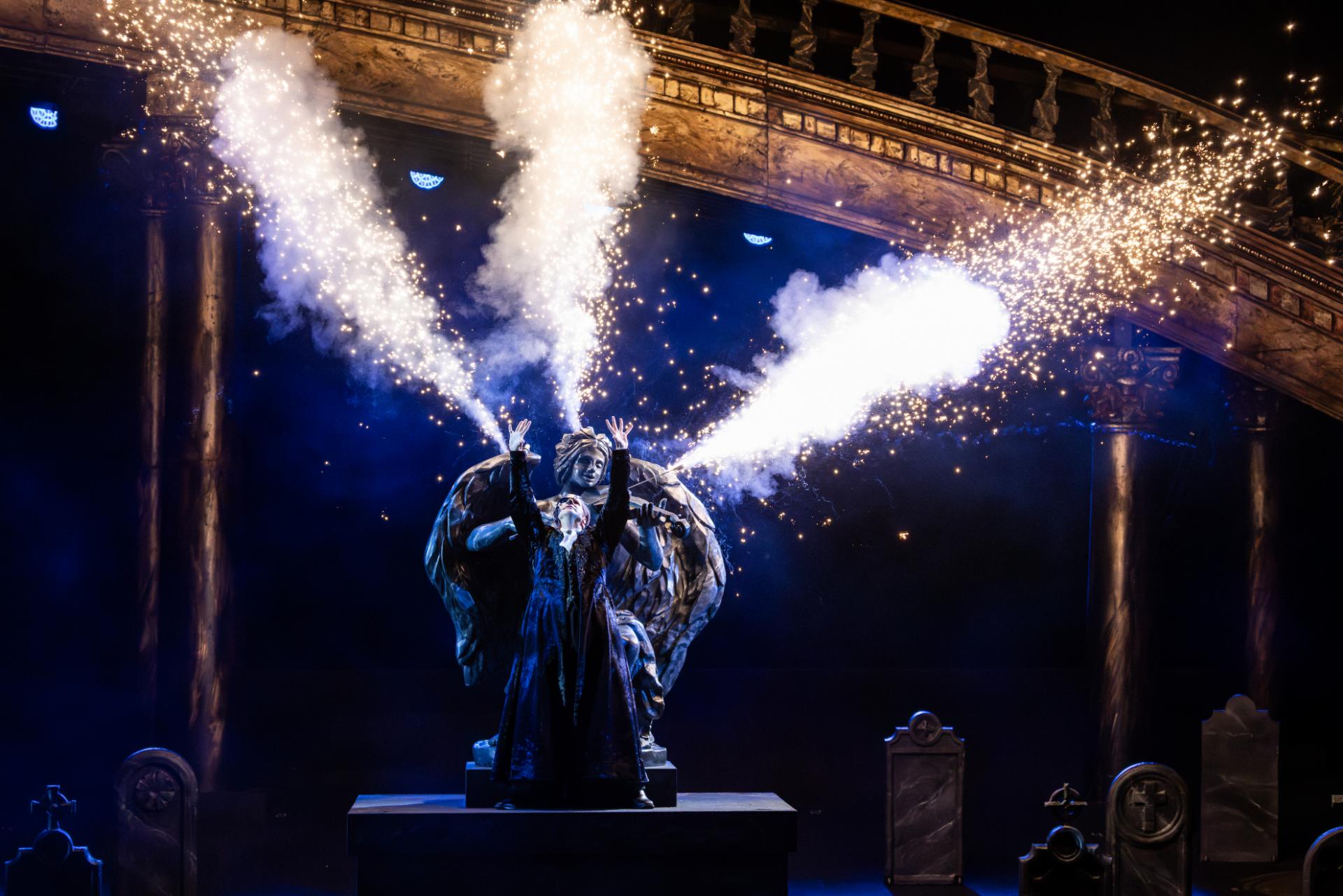
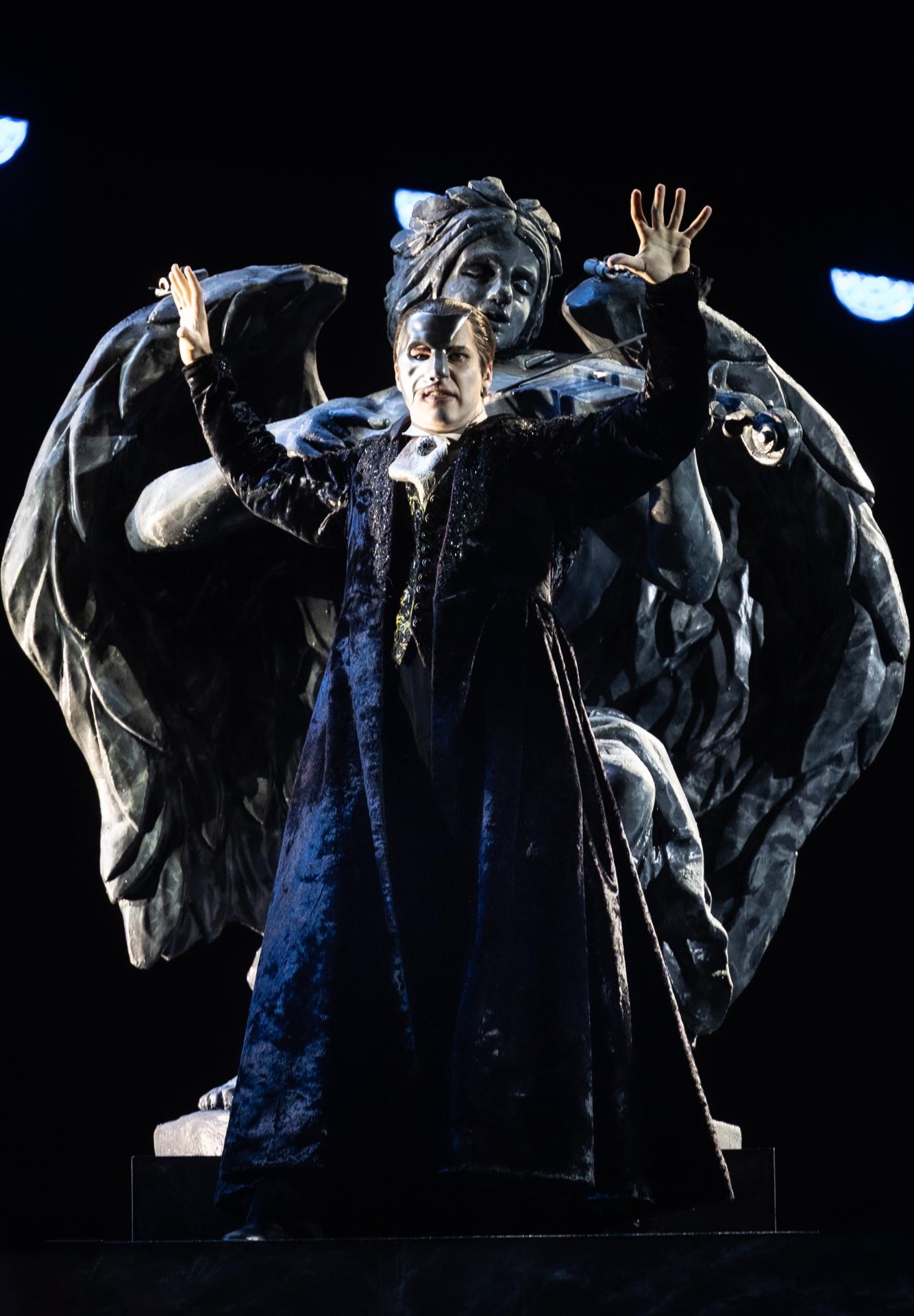
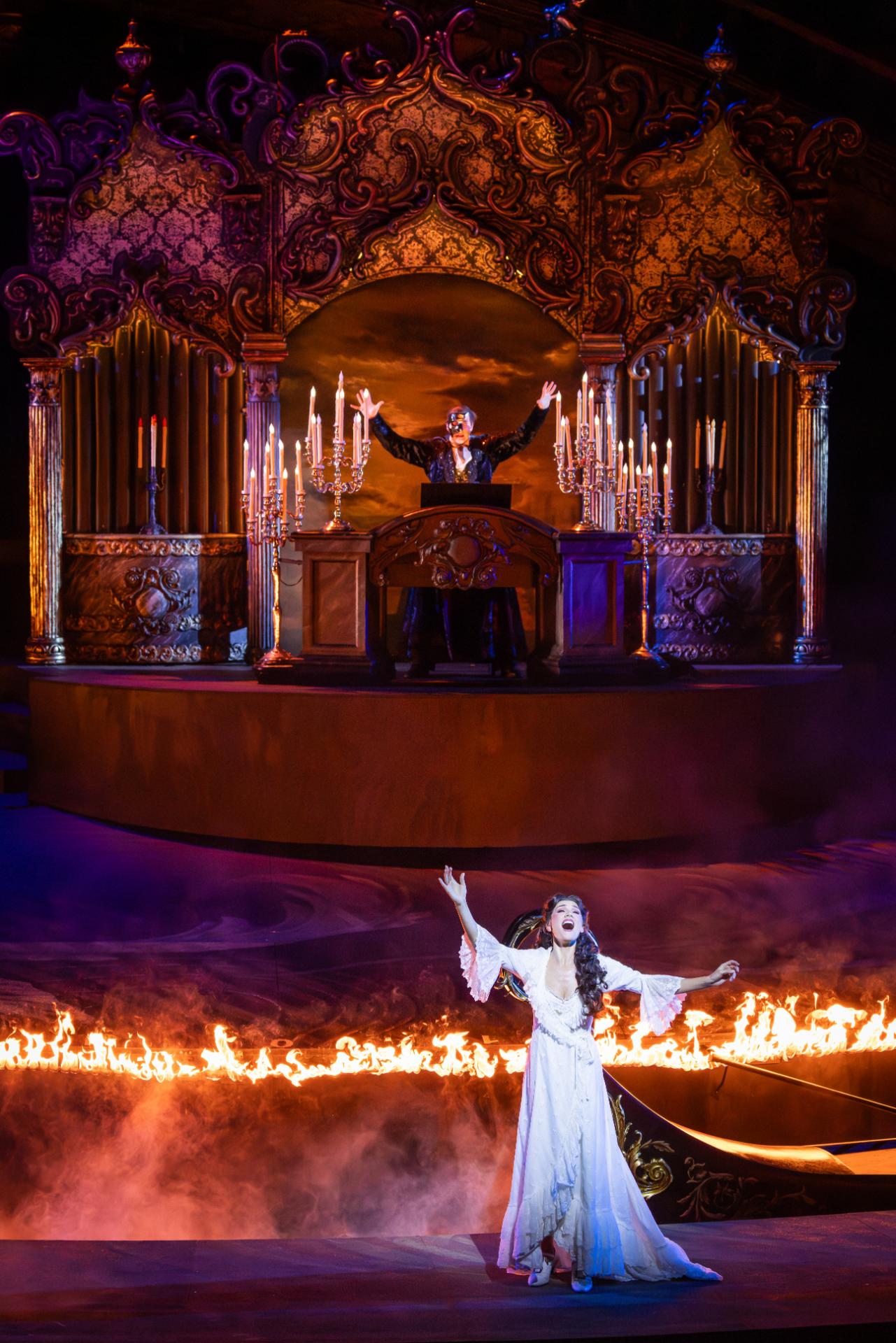
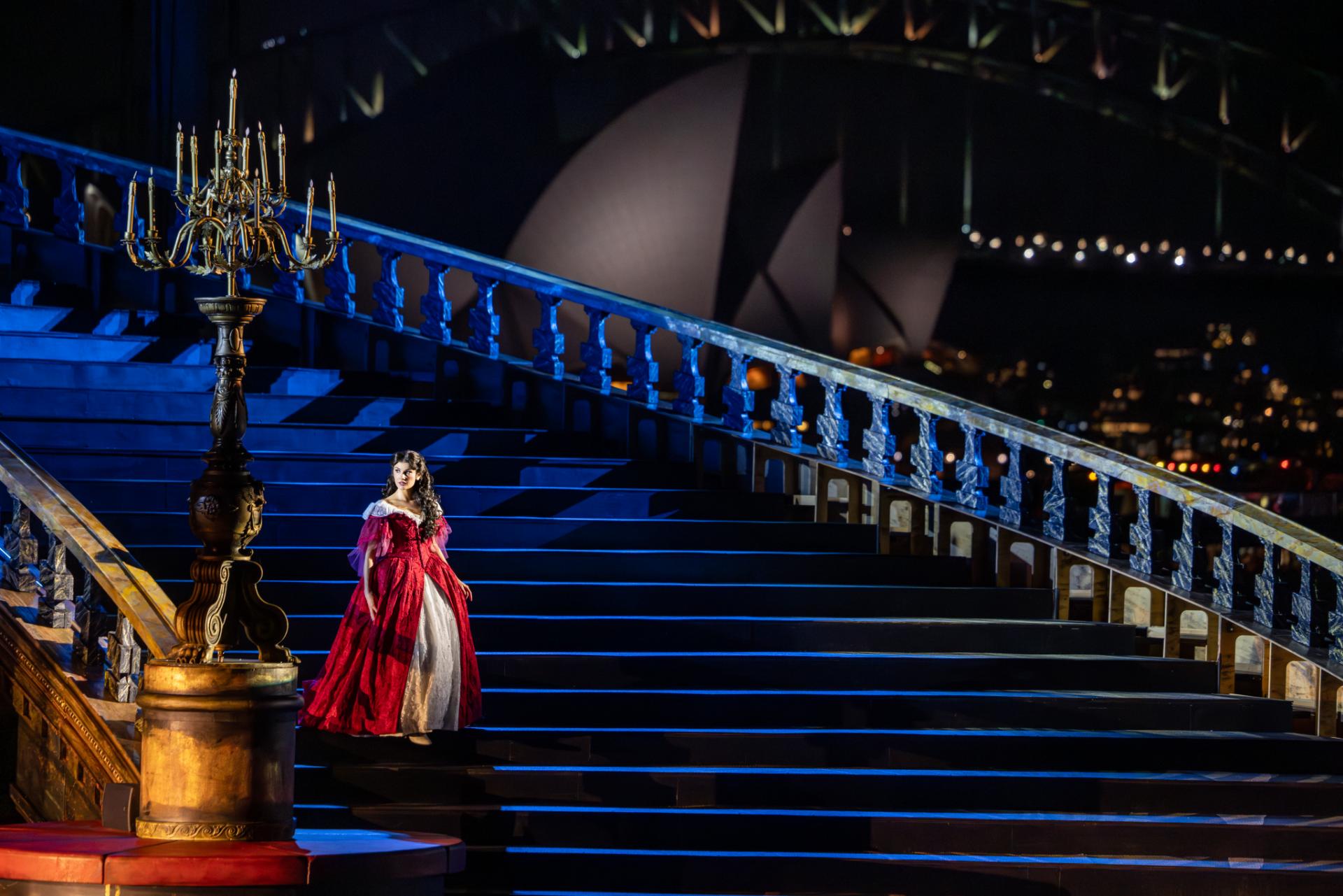
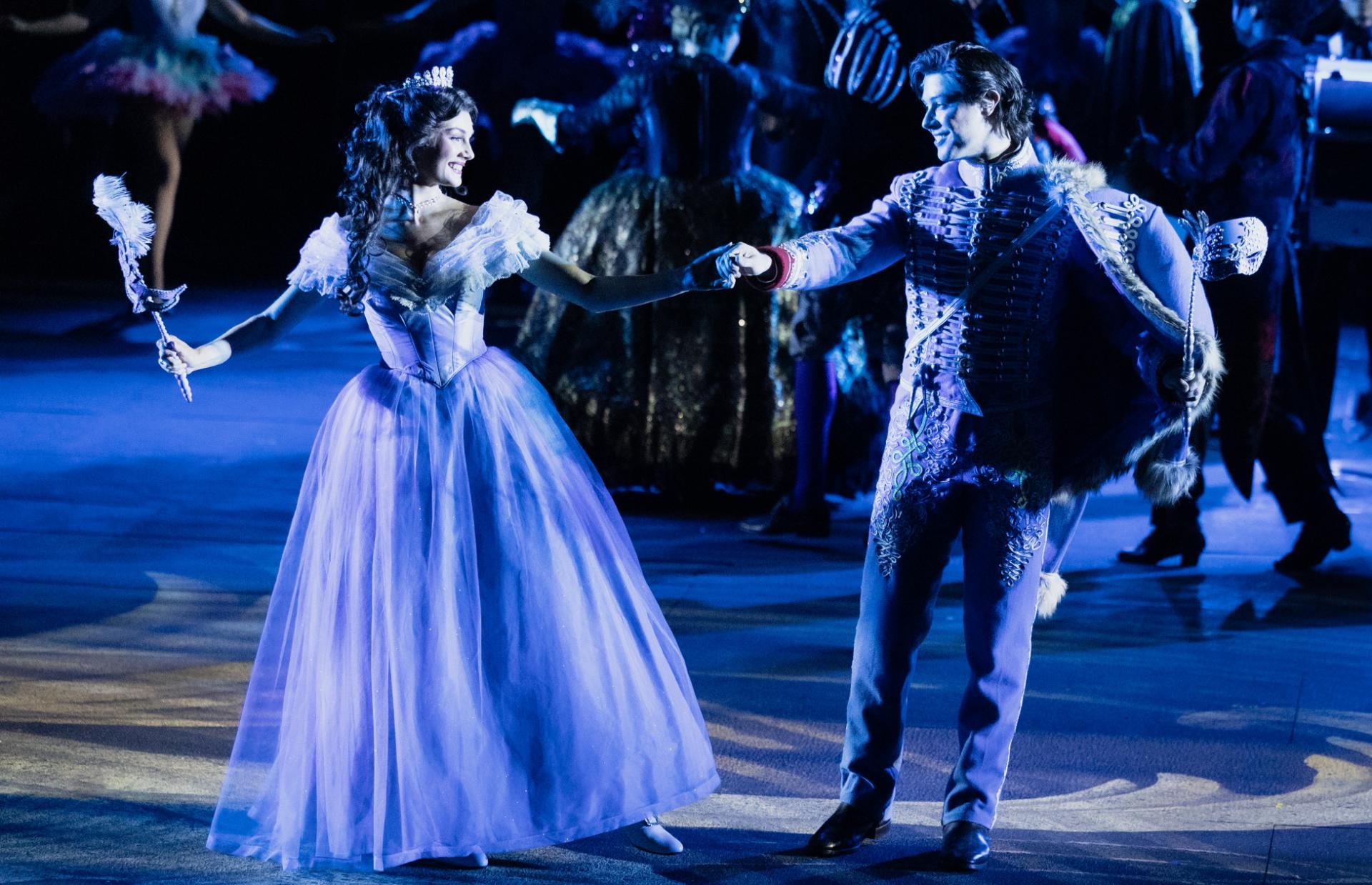
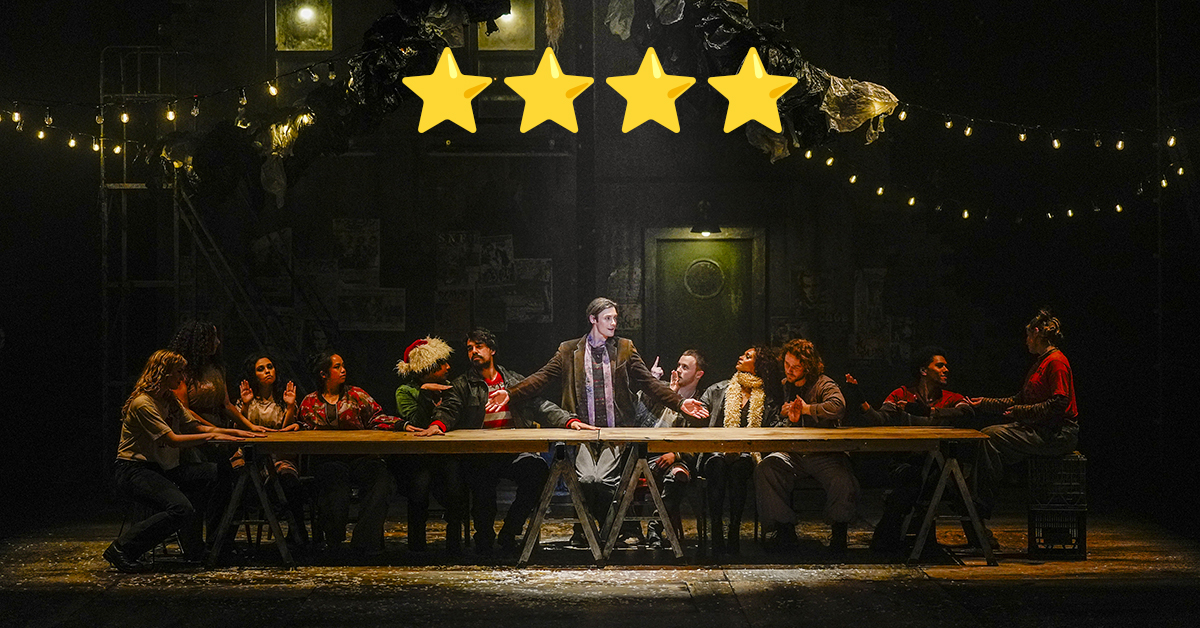
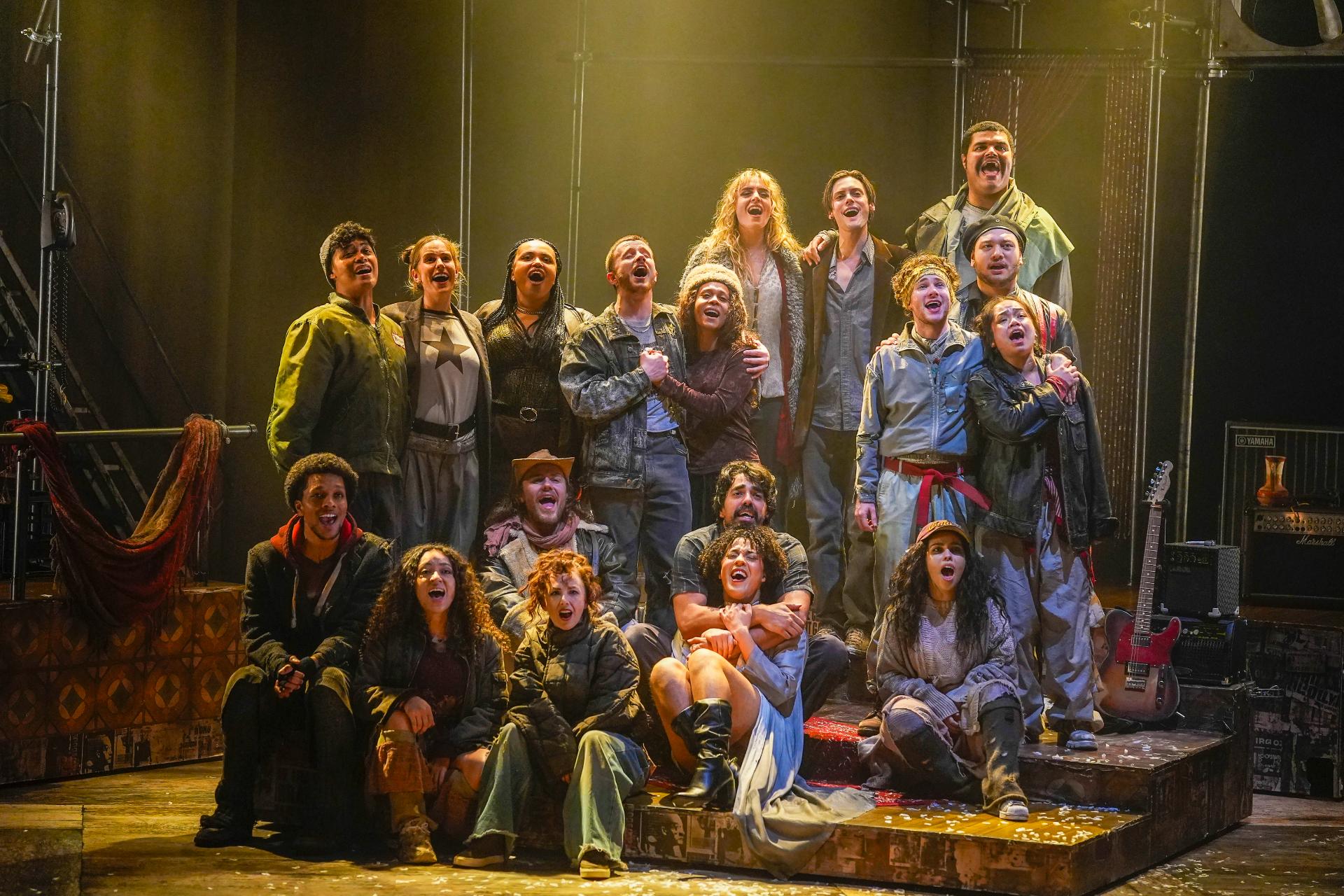
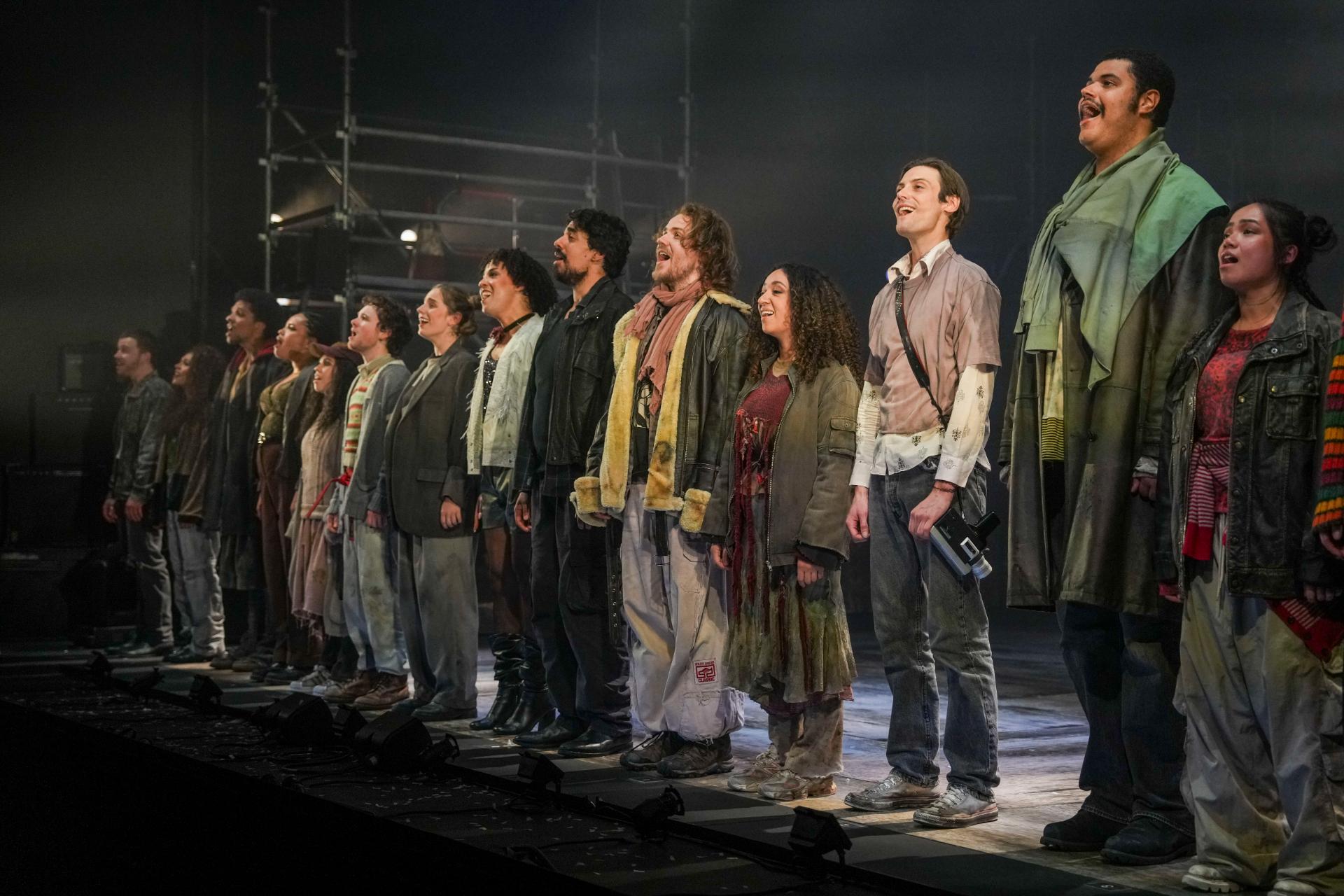
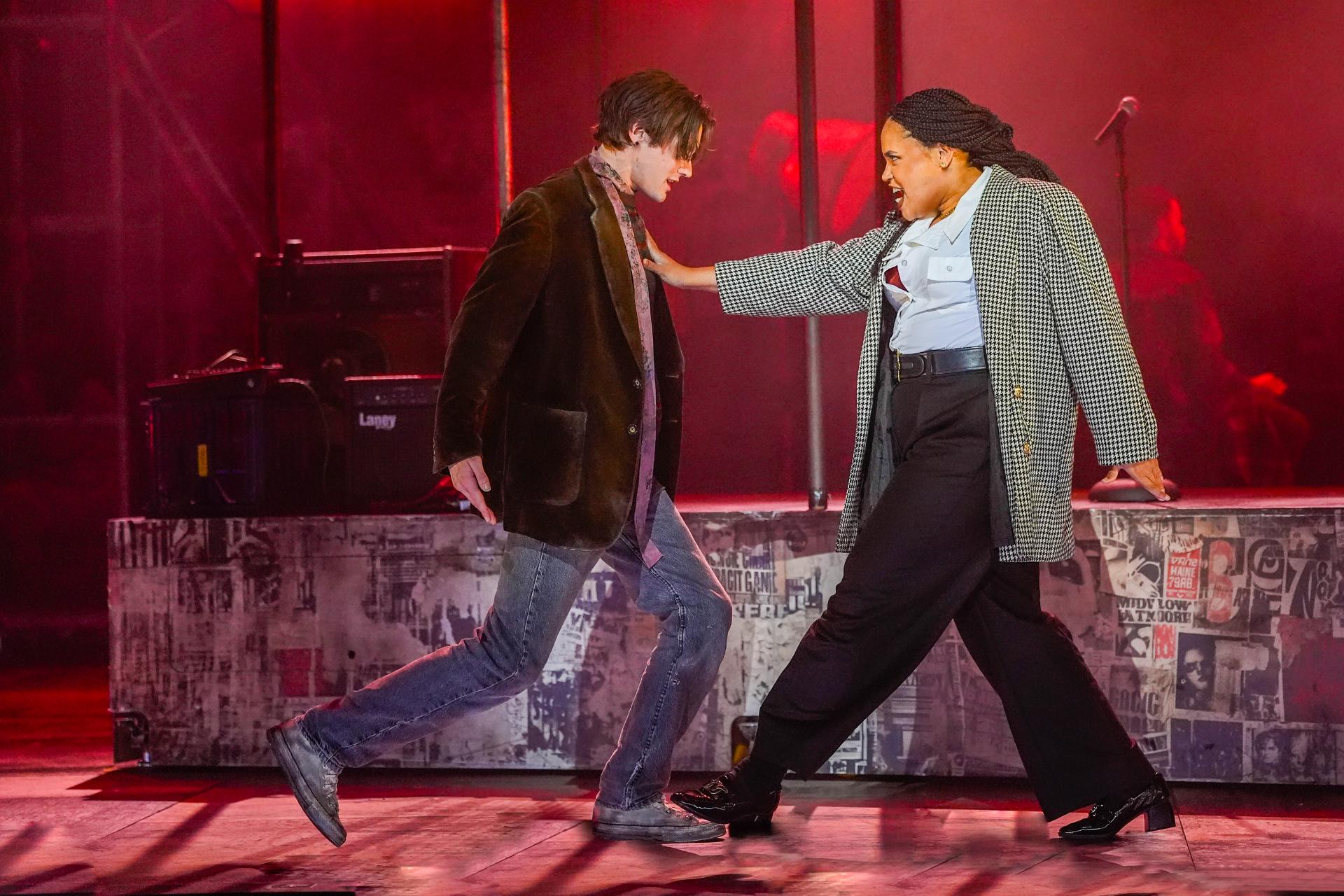
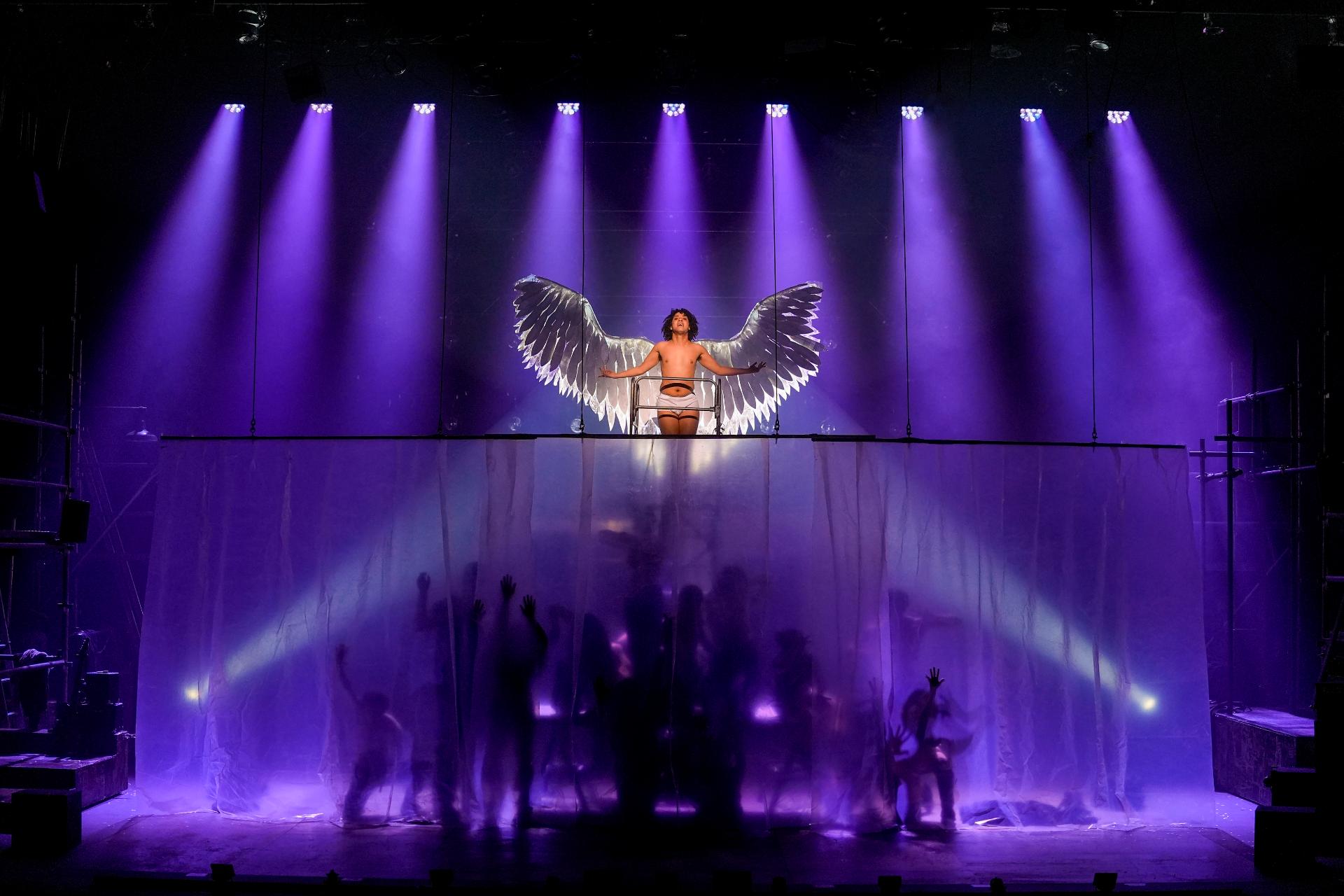
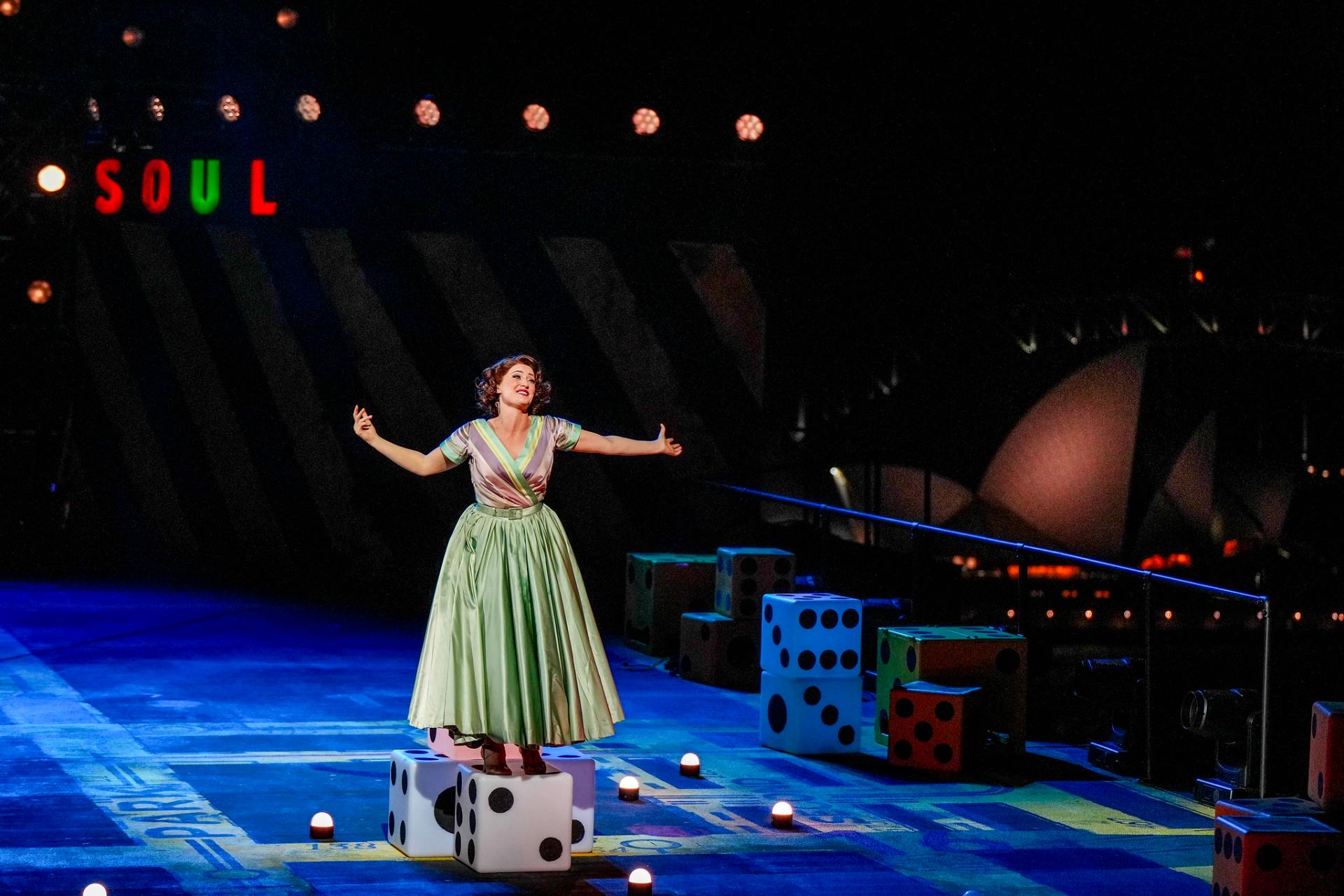
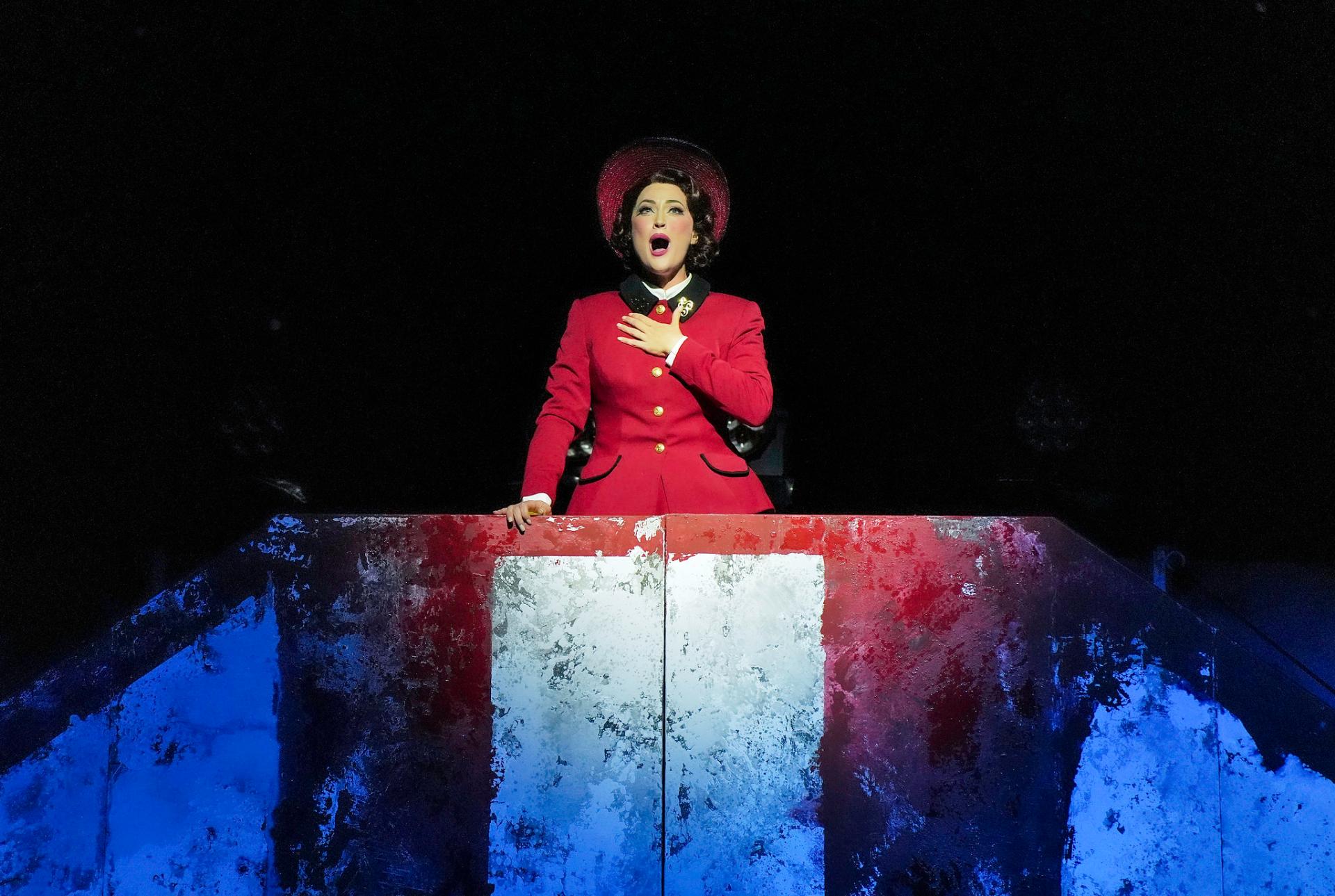
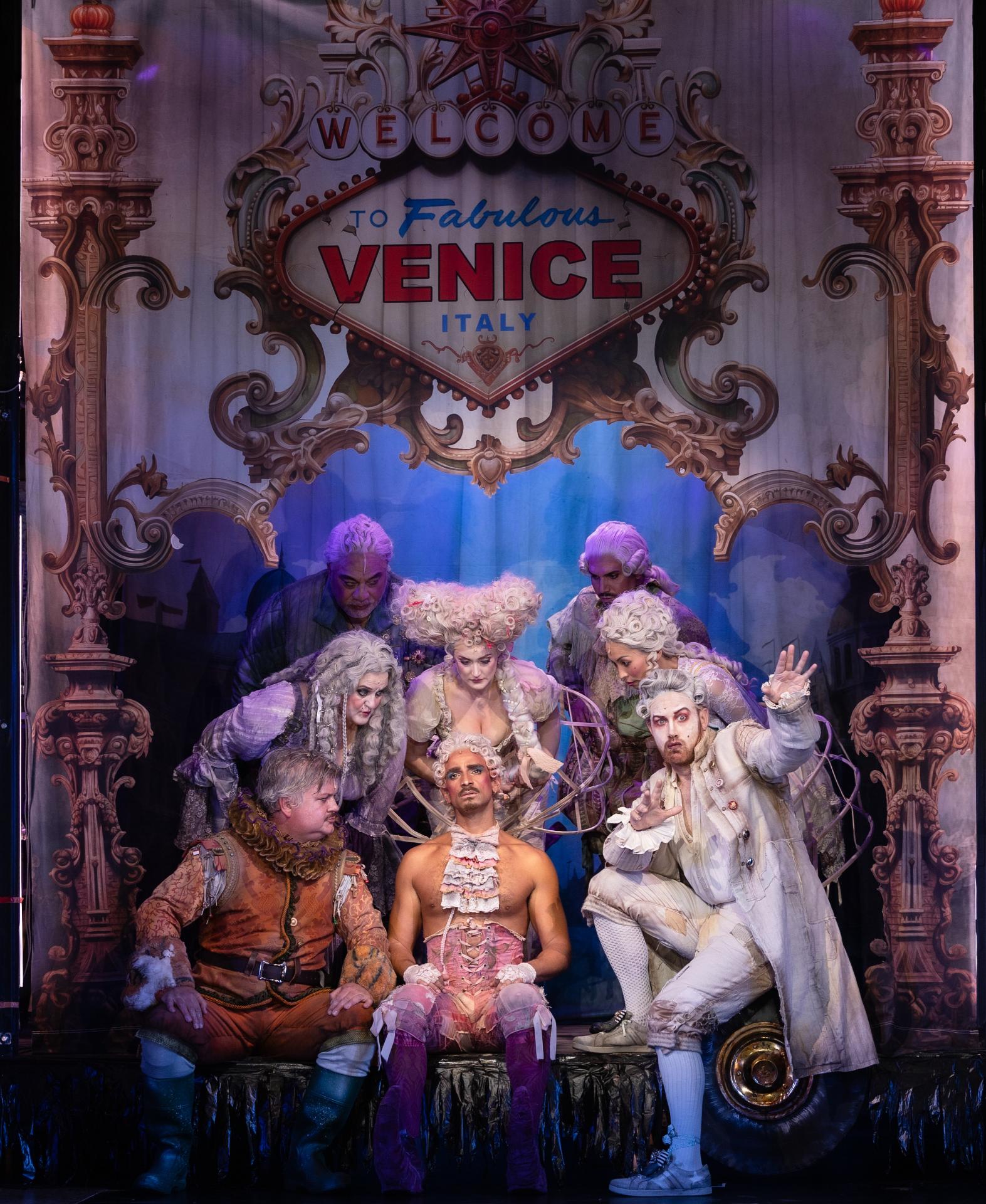
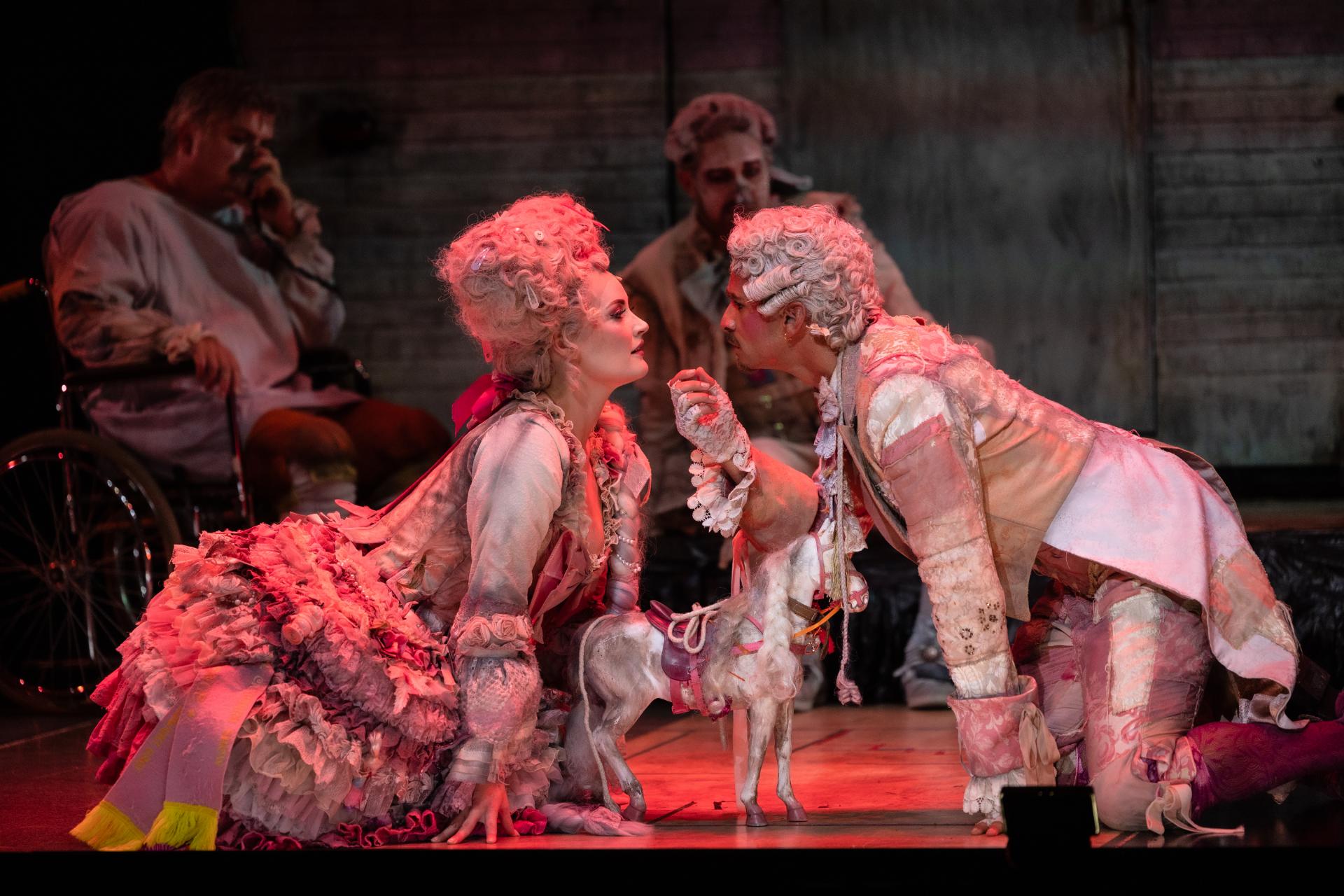
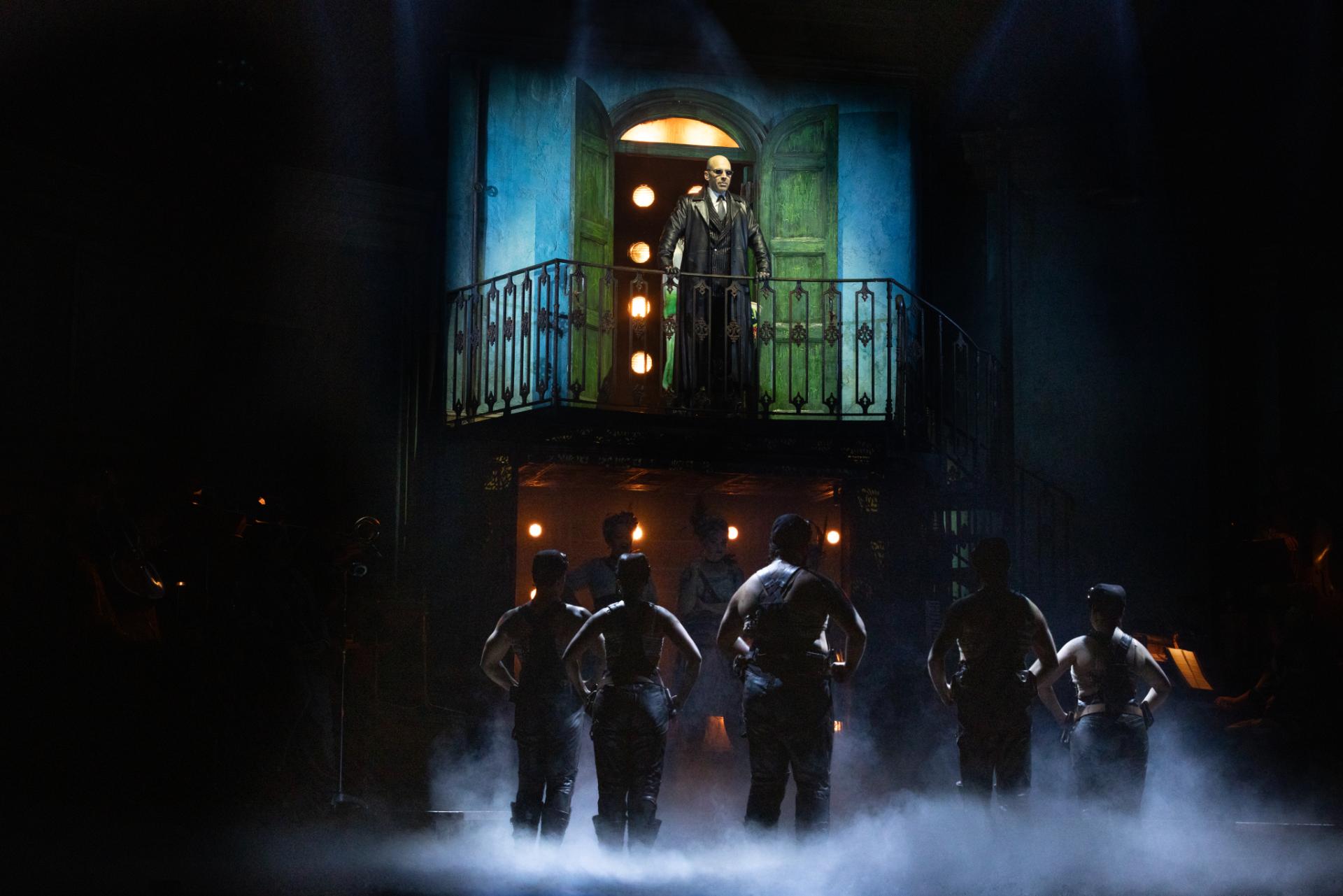
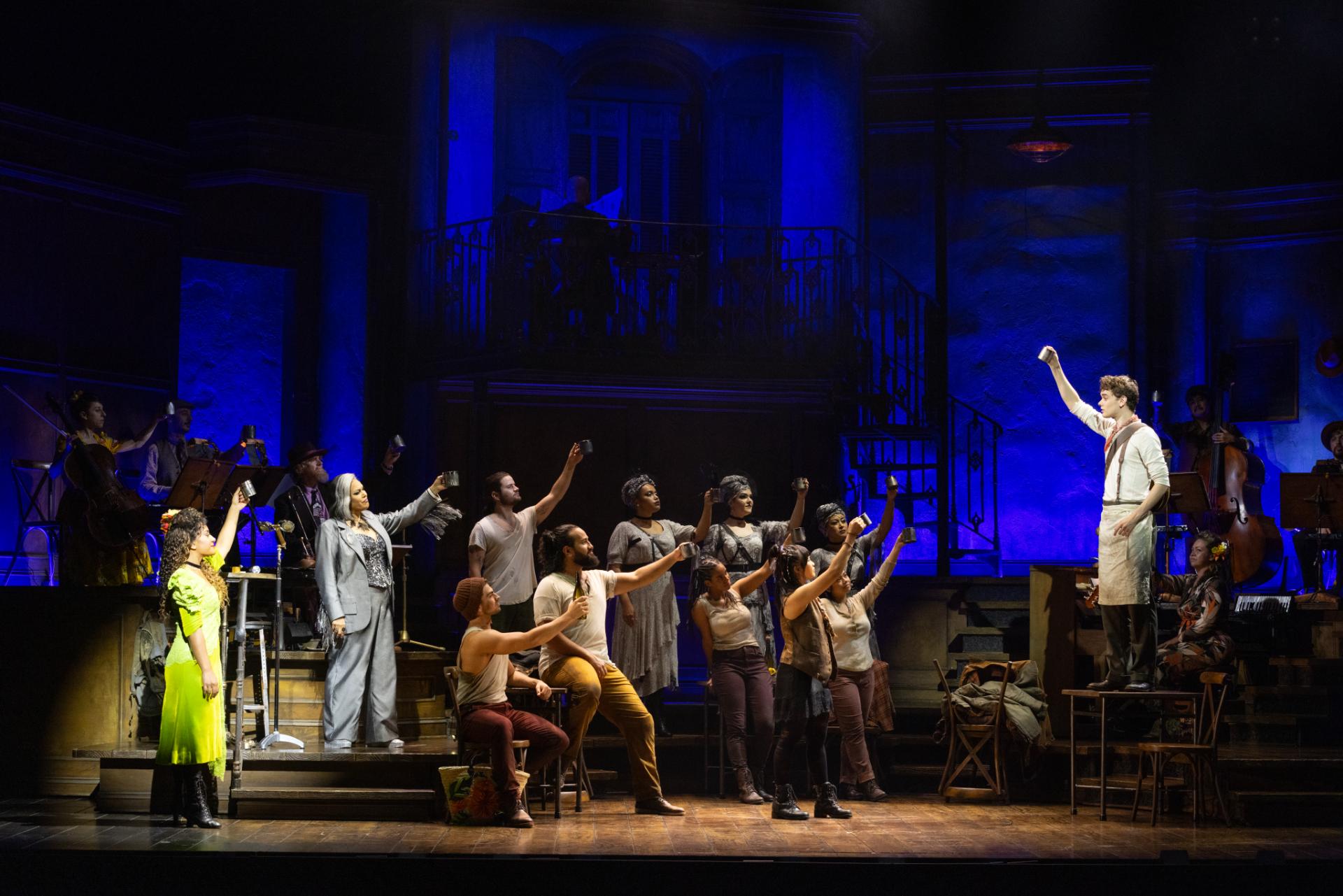
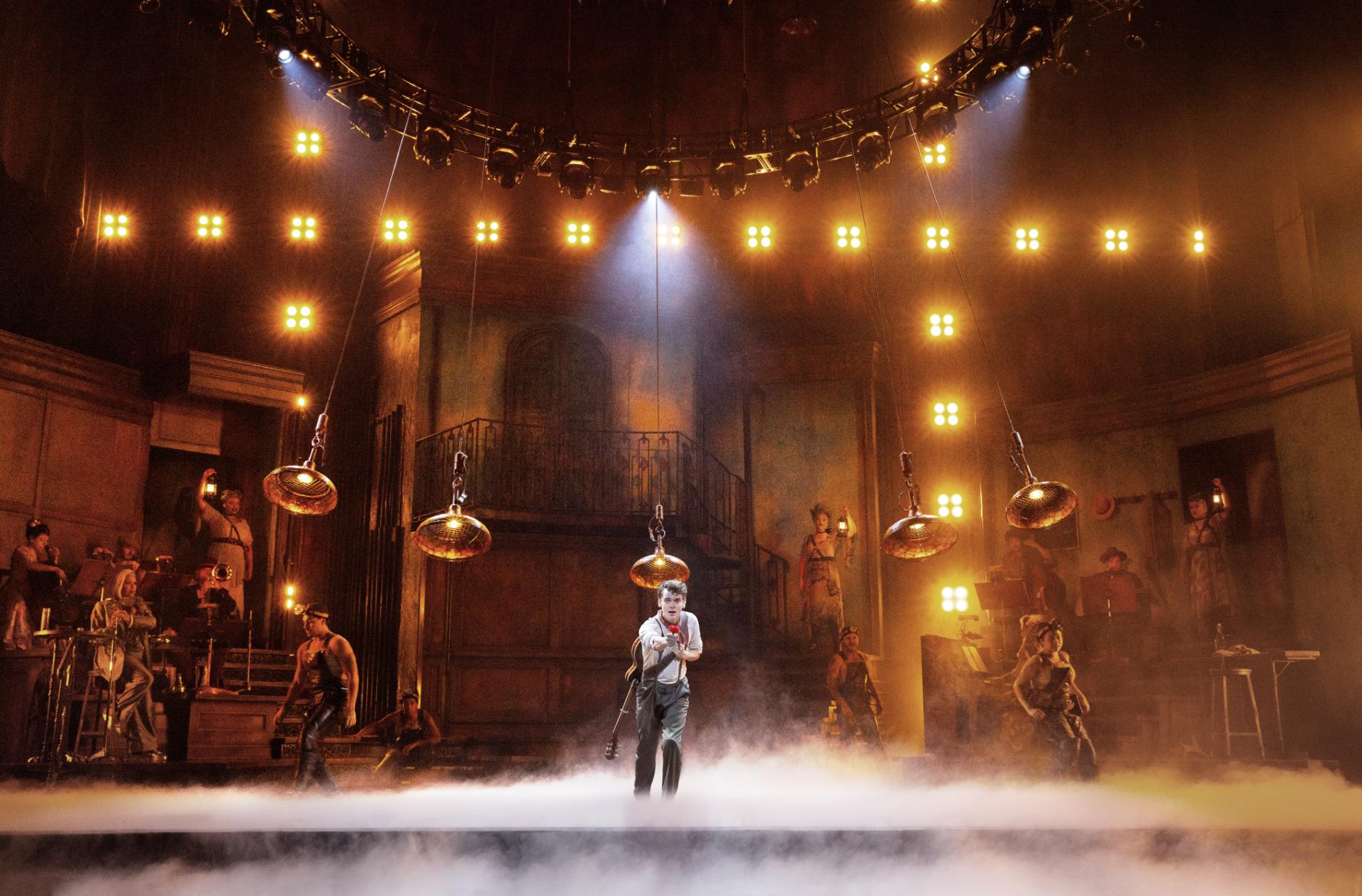
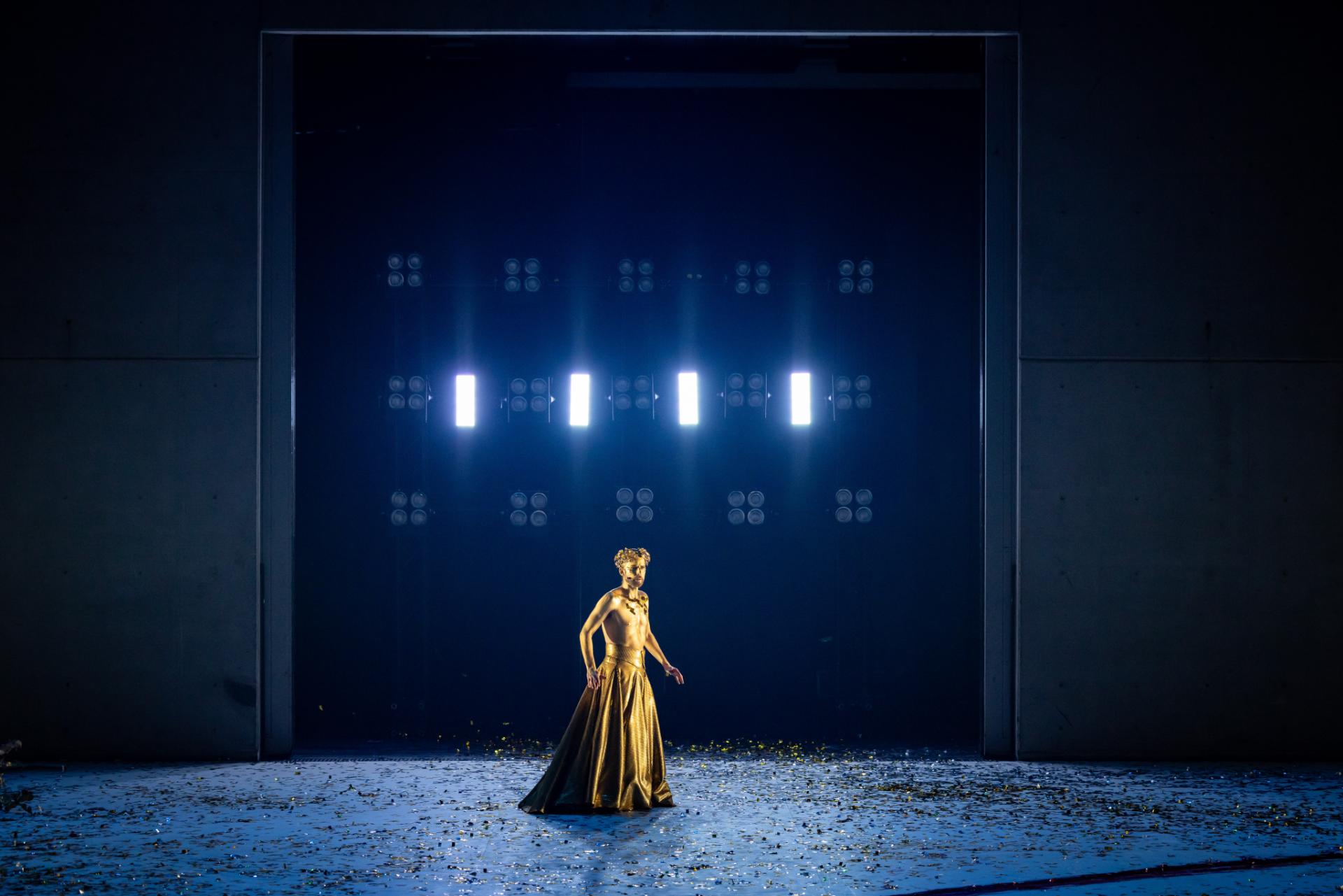
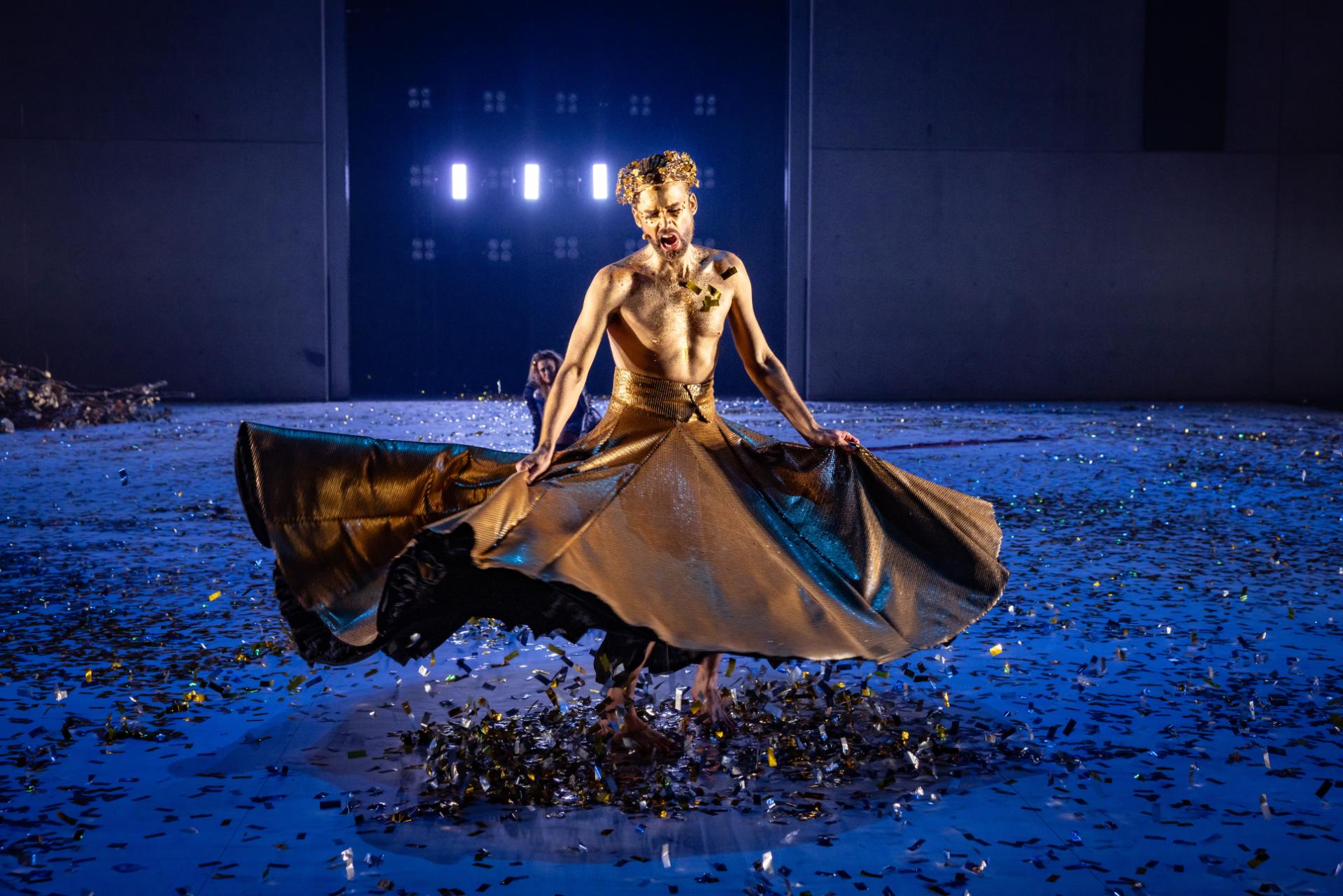
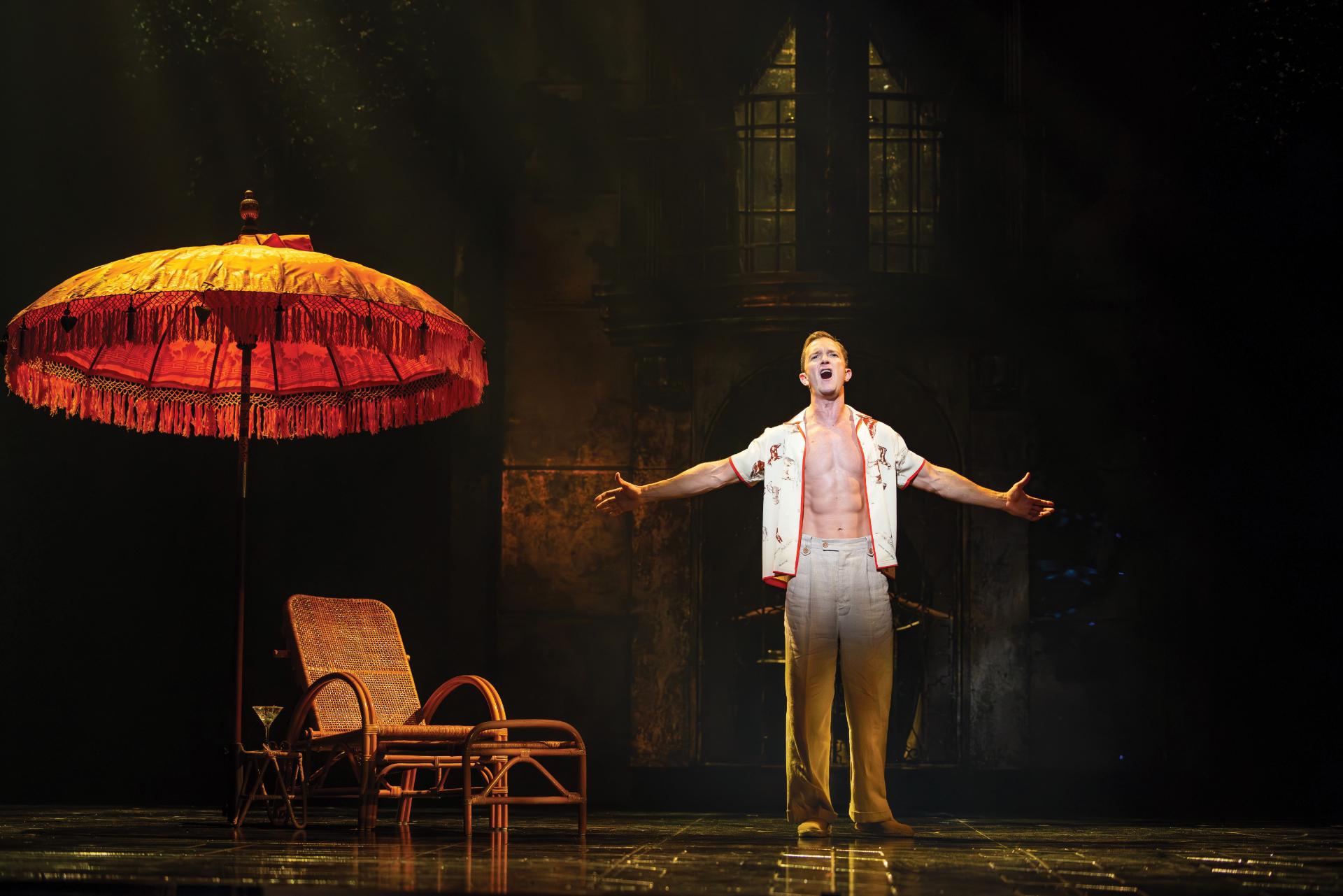
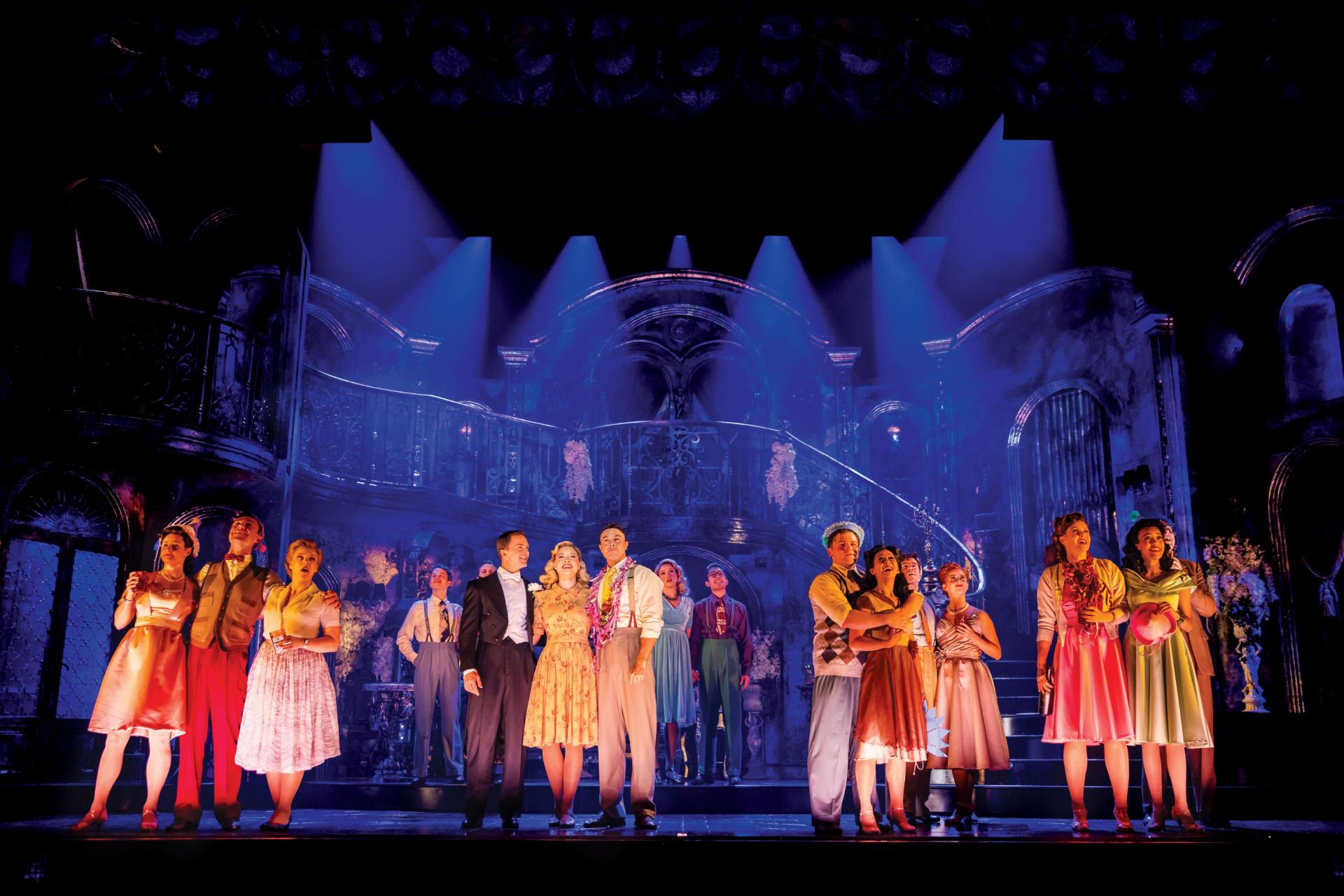
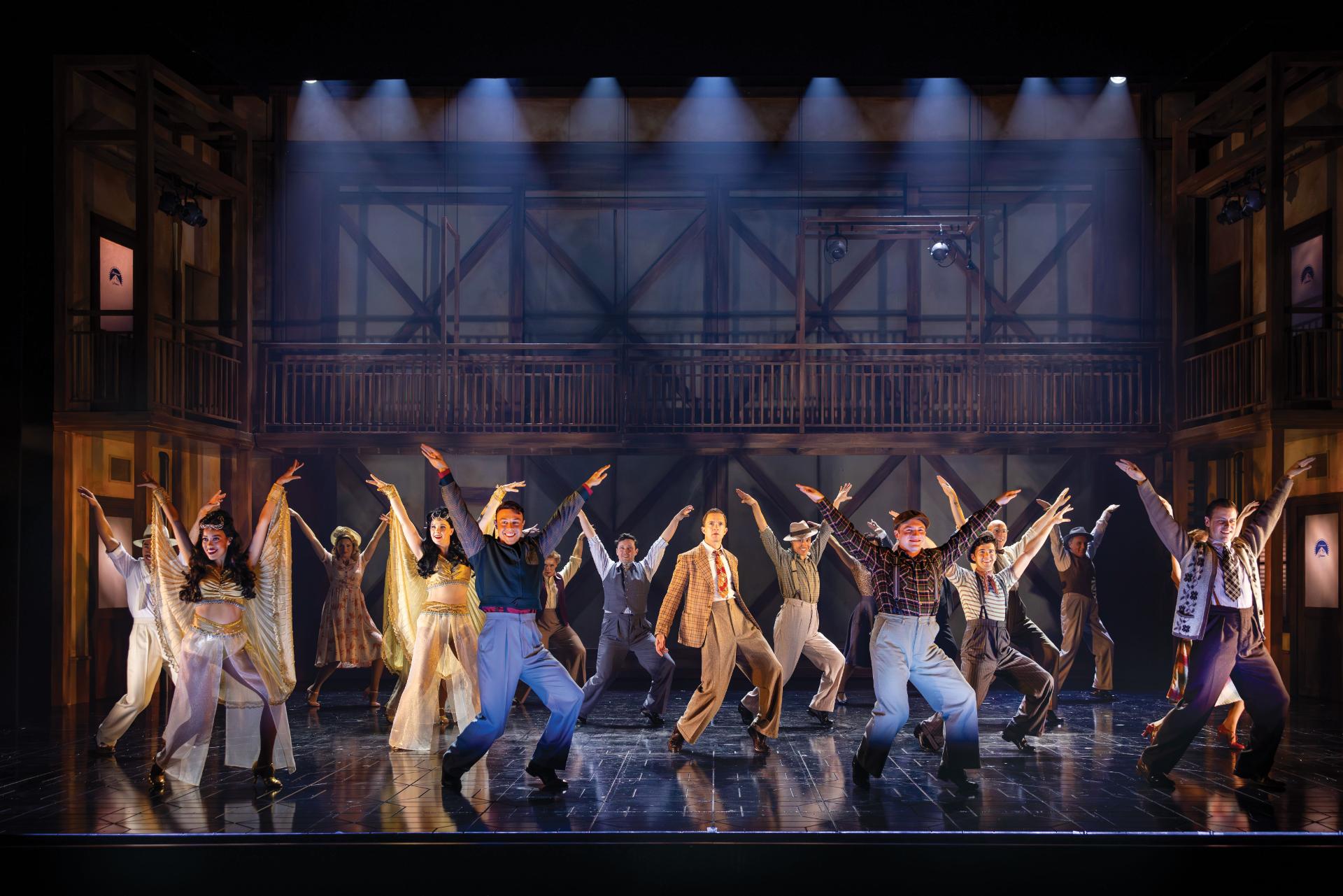
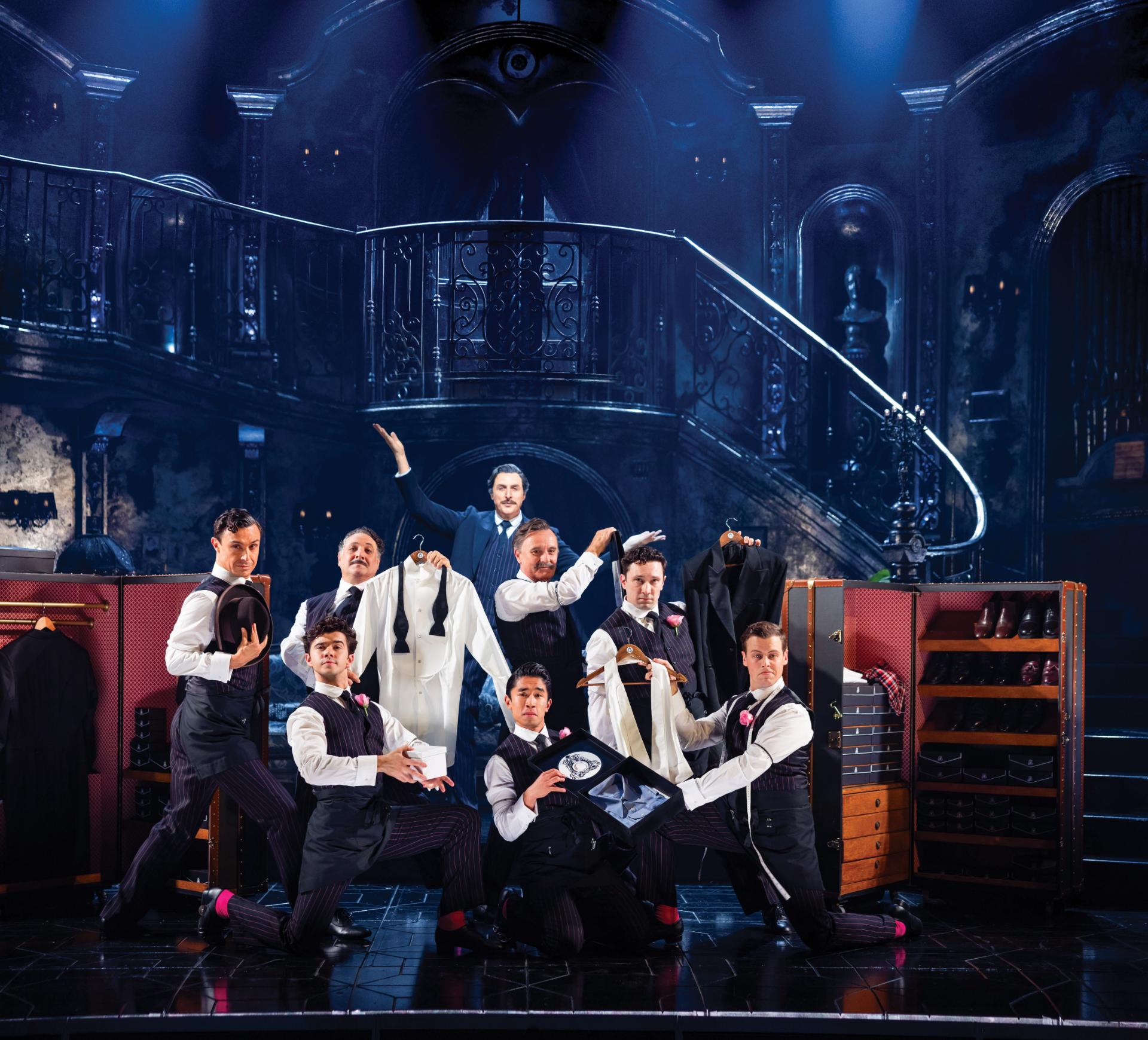
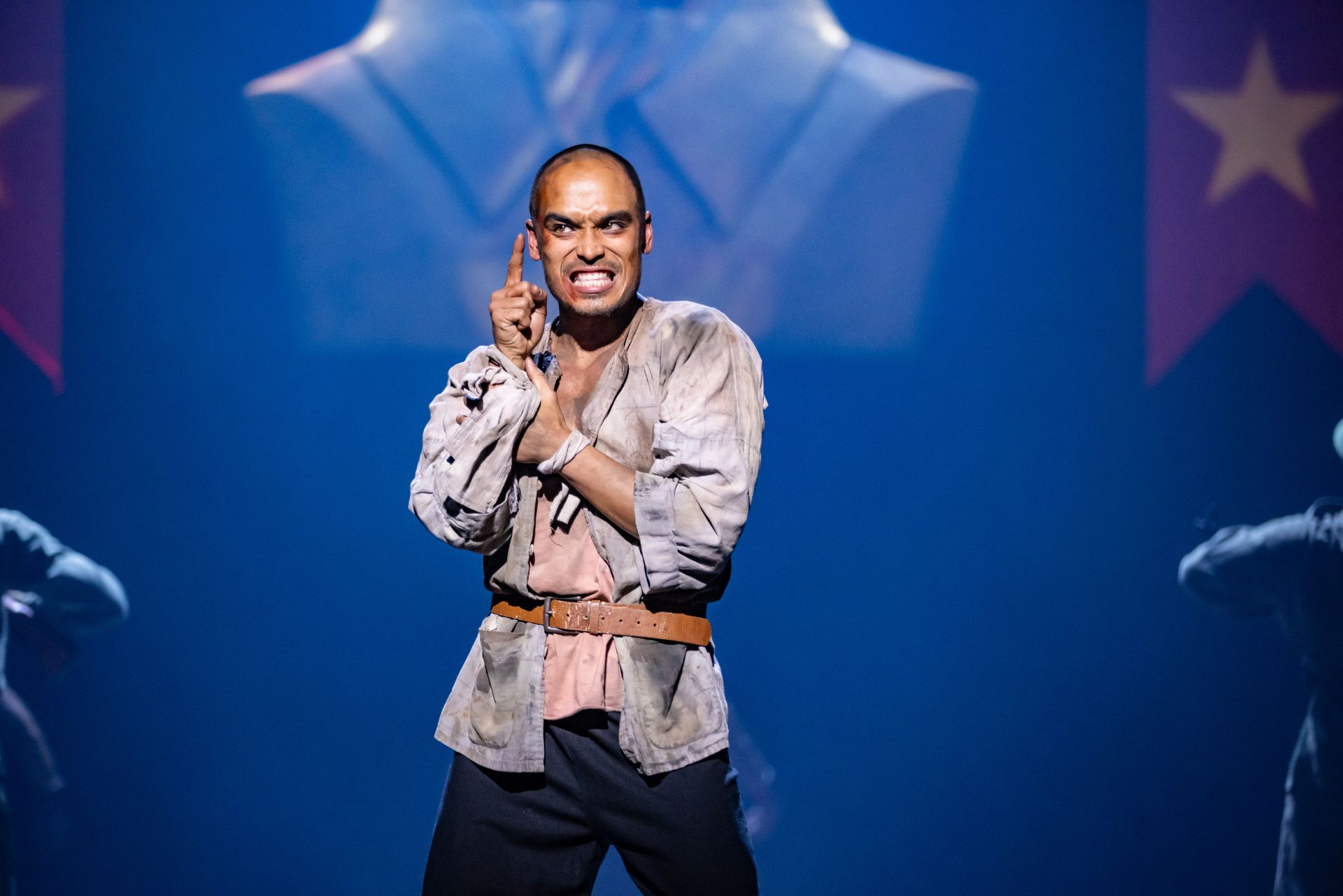
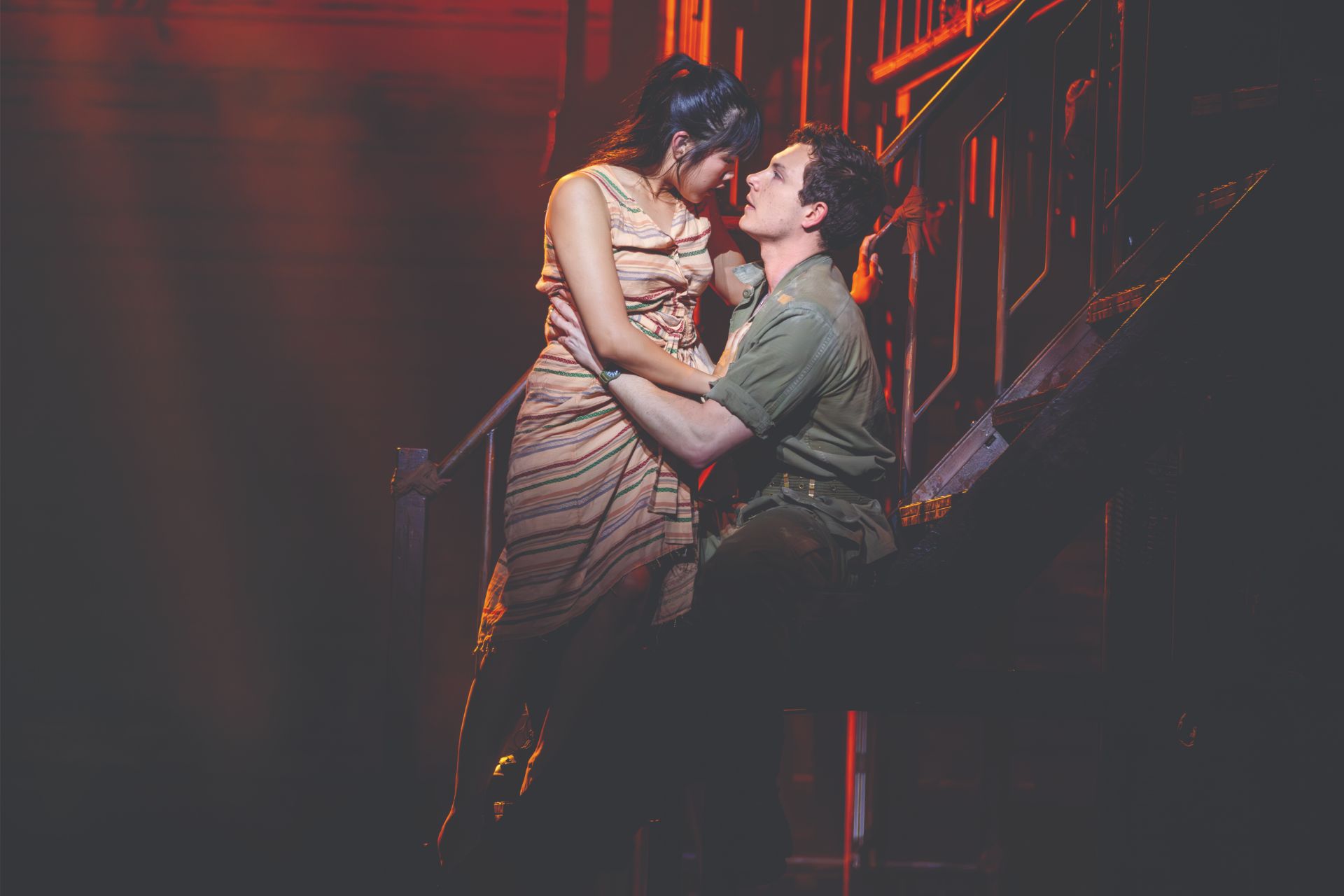
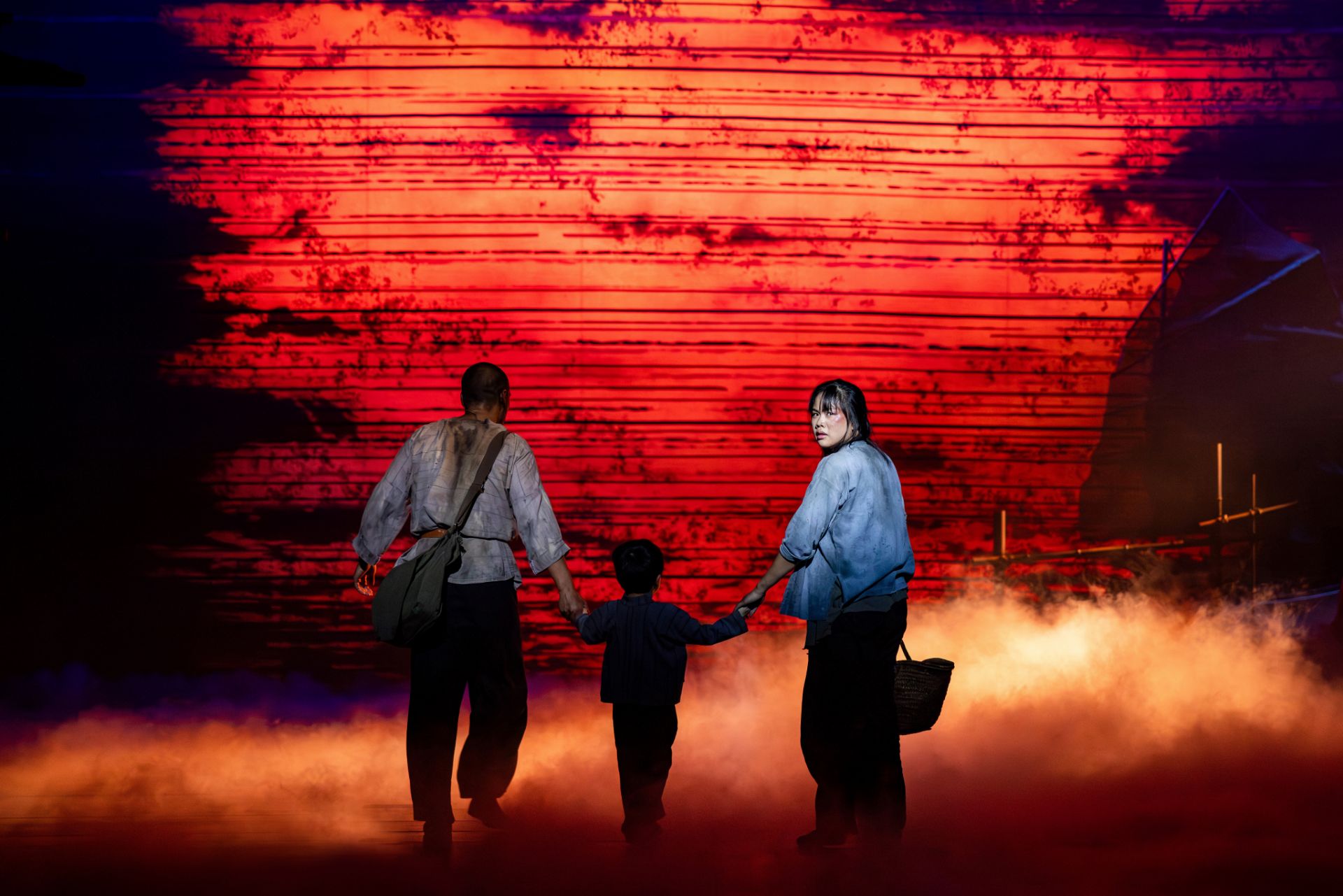
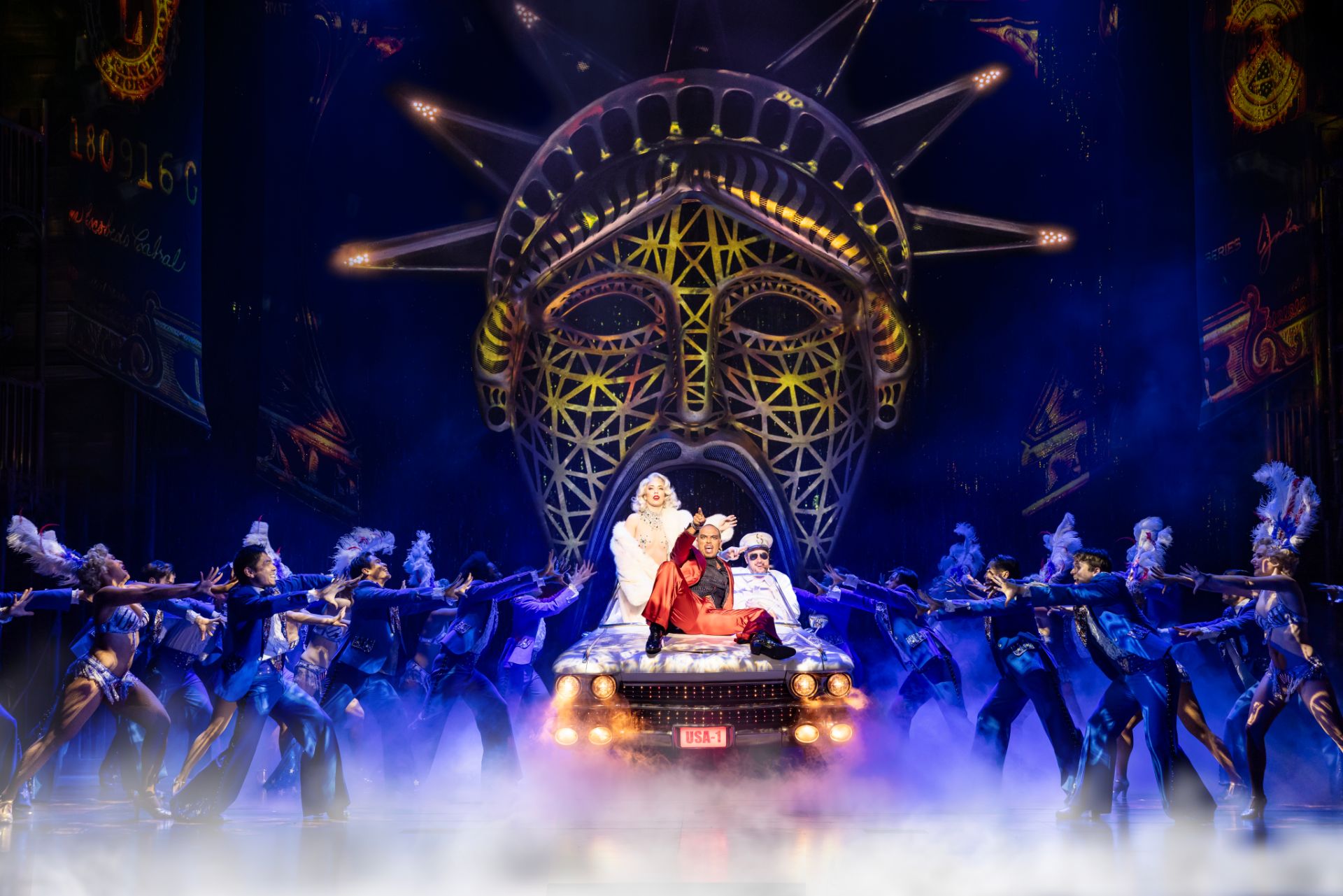
Whether Larson’s writing truly earns its lofty reputation is open to debate, but Shaun Rennie’s direction in this revival is beyond question. His staging shimmers with a visual splendour that conjures spectacle without betraying the grit of a neighbourhood on the margins. What once risked sounding trite in Rent is here imbued with unexpected sincerity, the familiar refrains lifted into something that feels palpably meaningful.

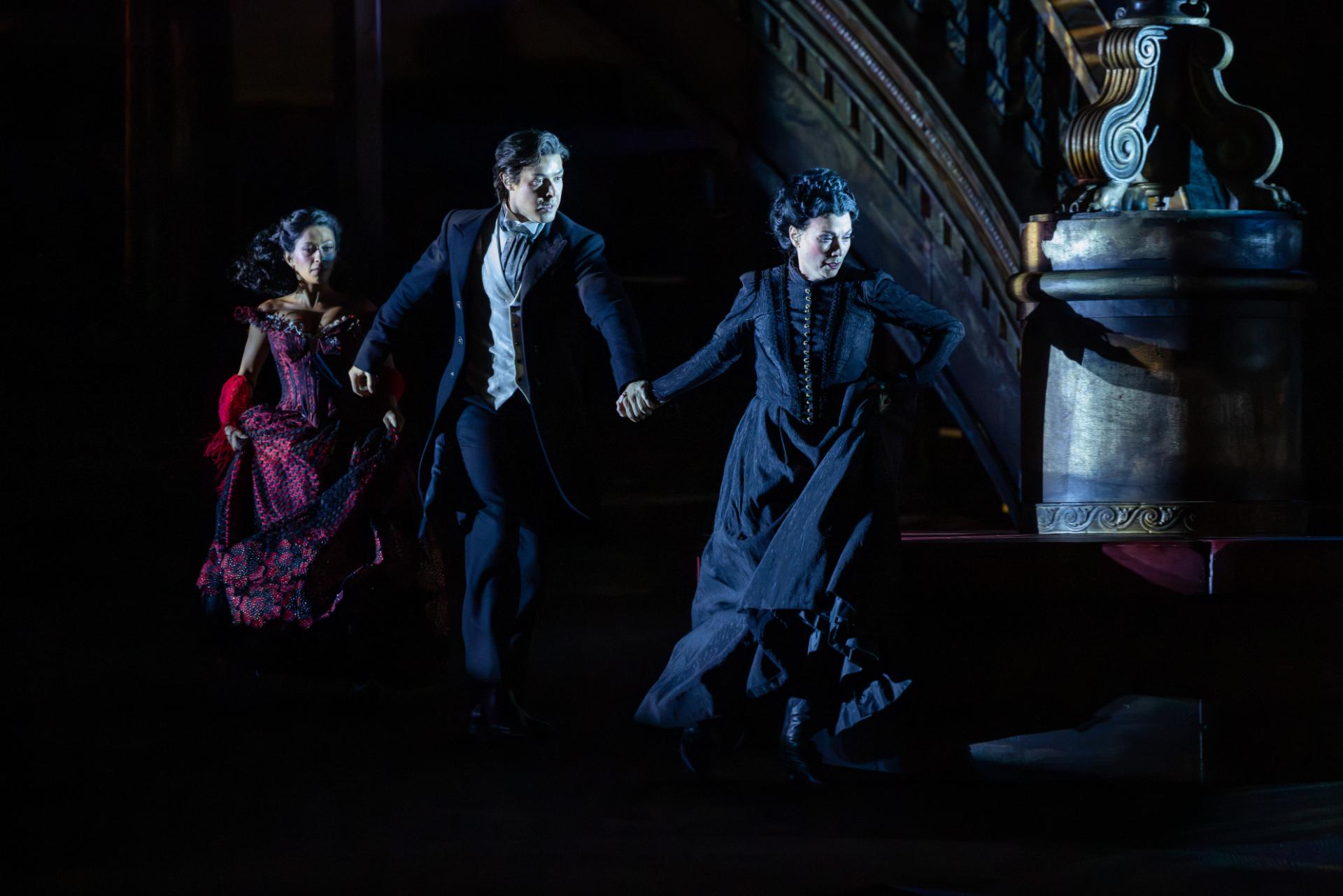
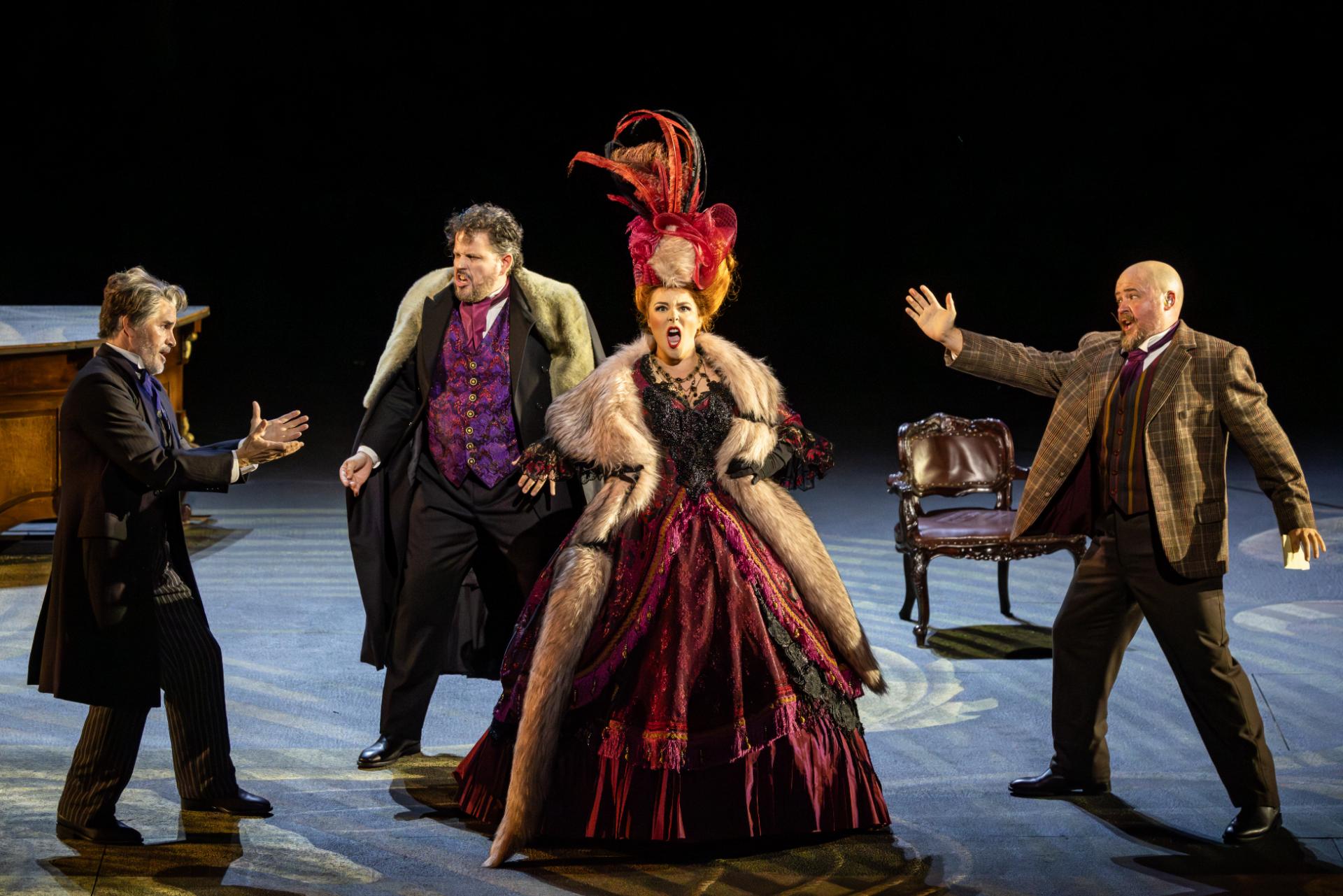
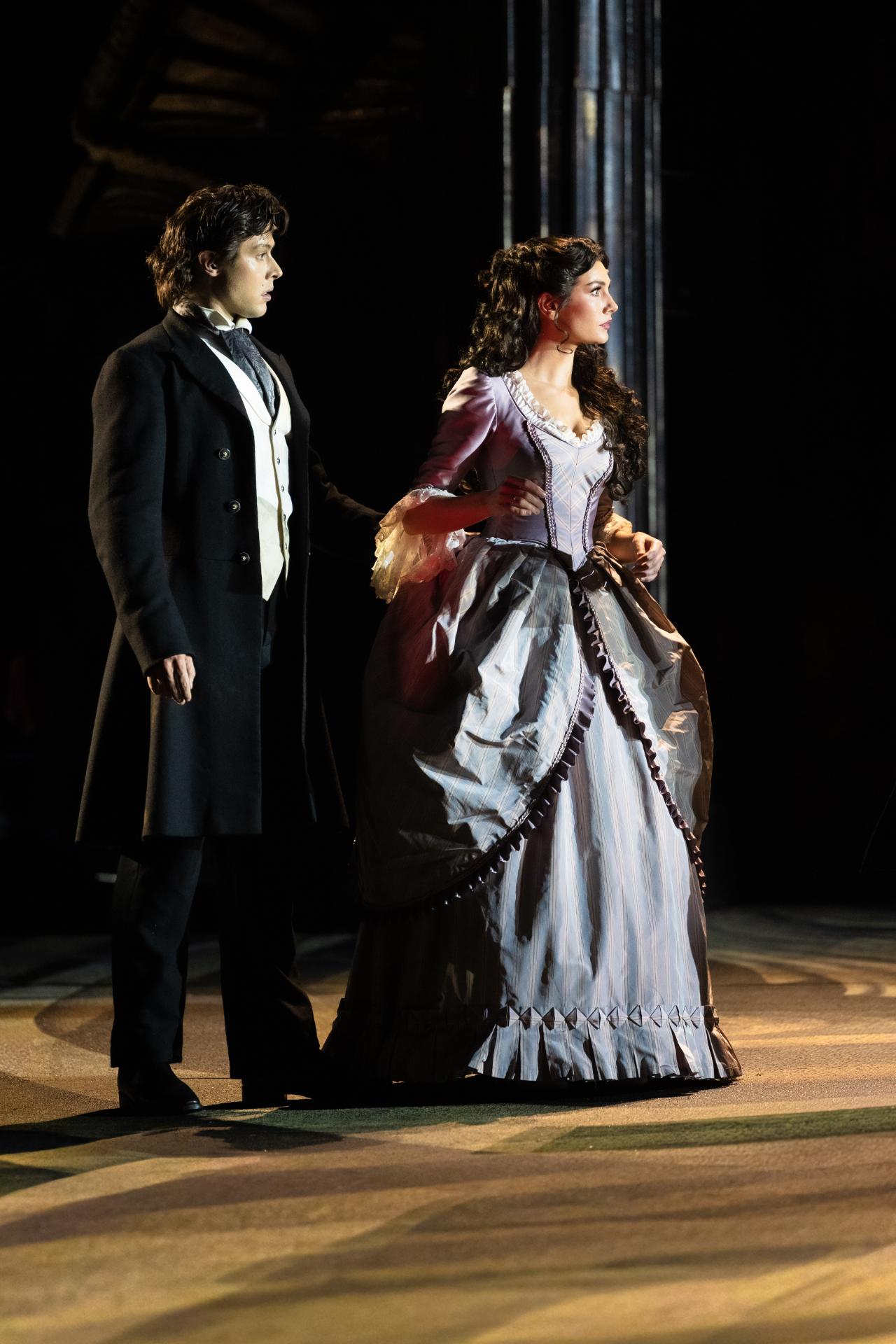
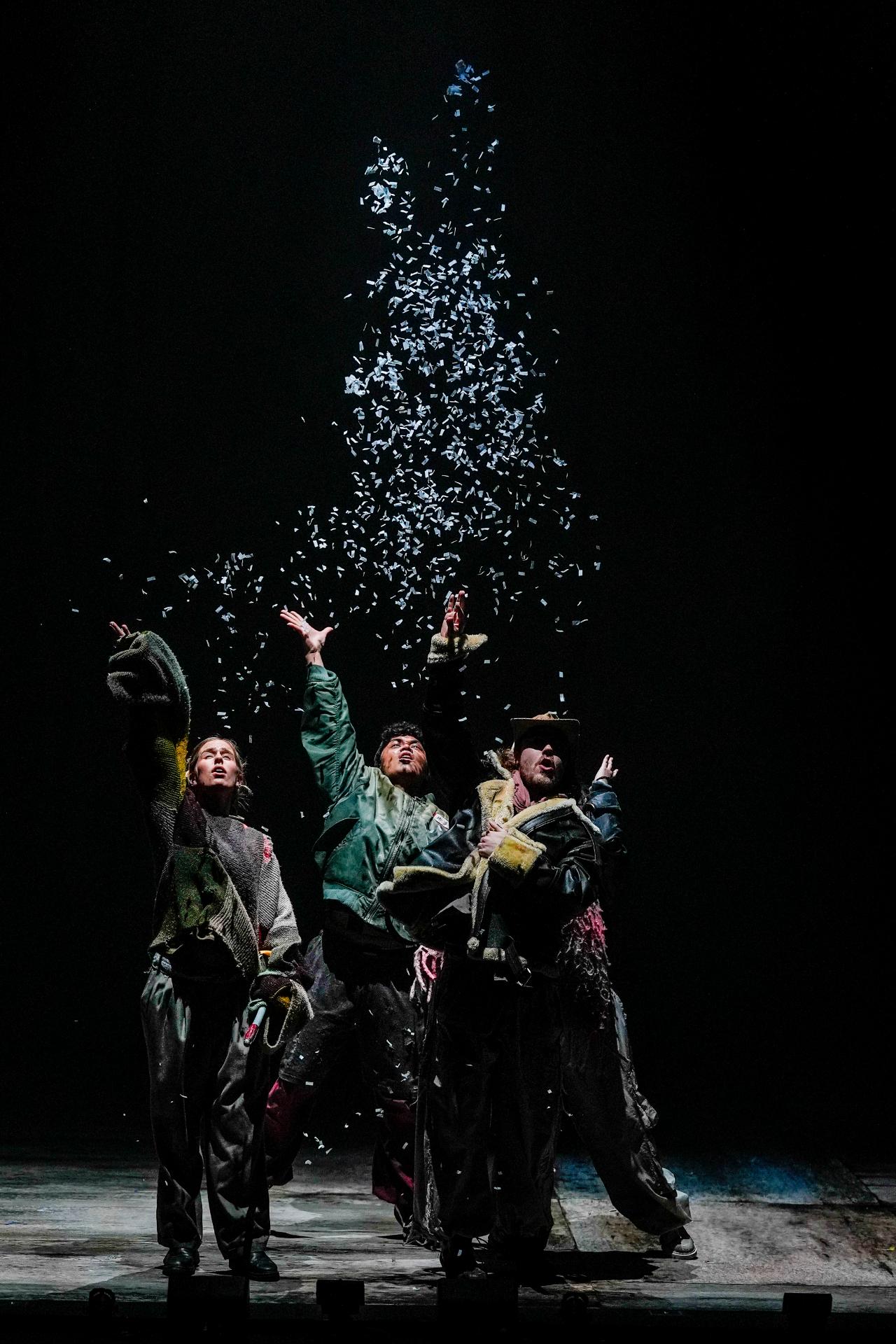
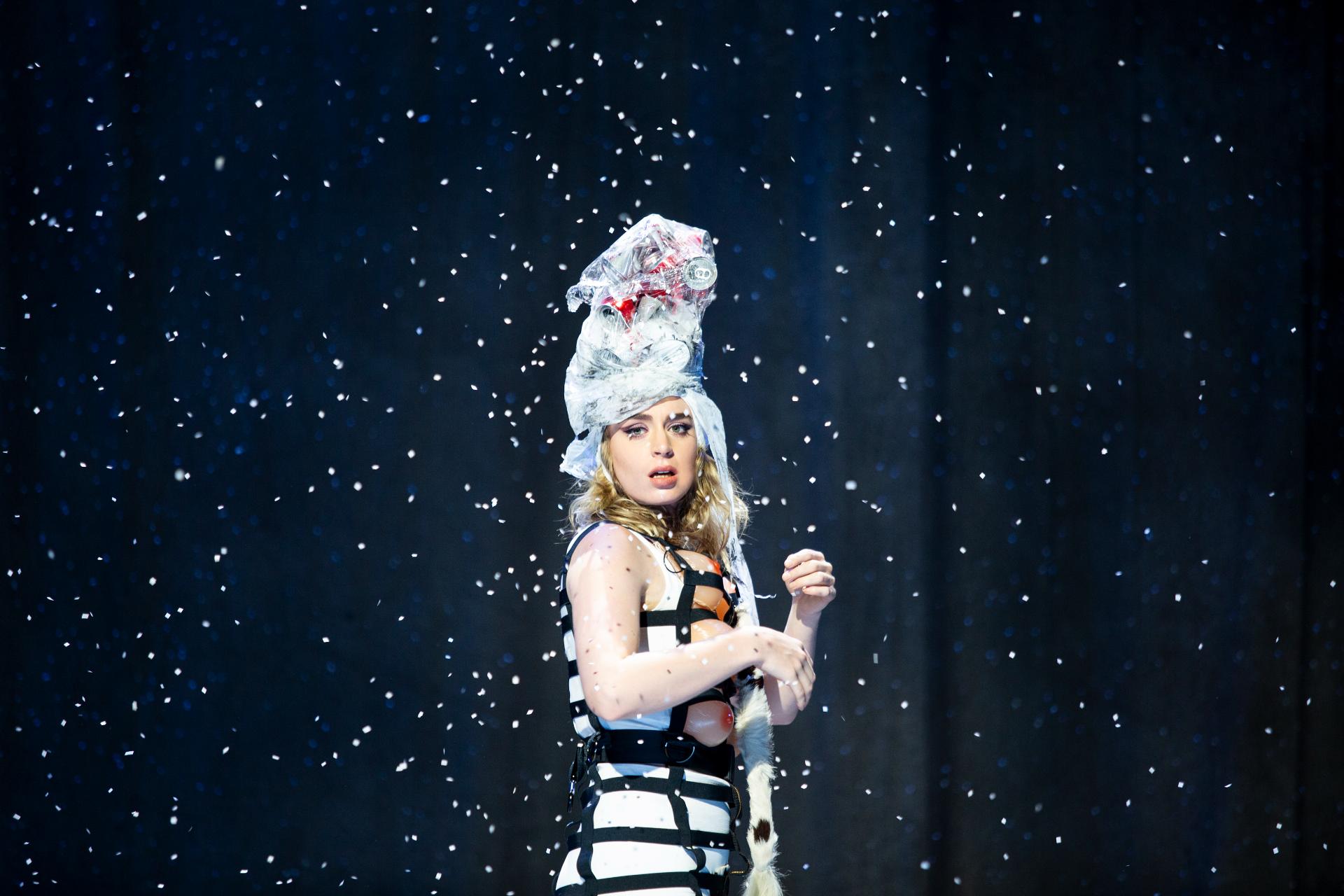
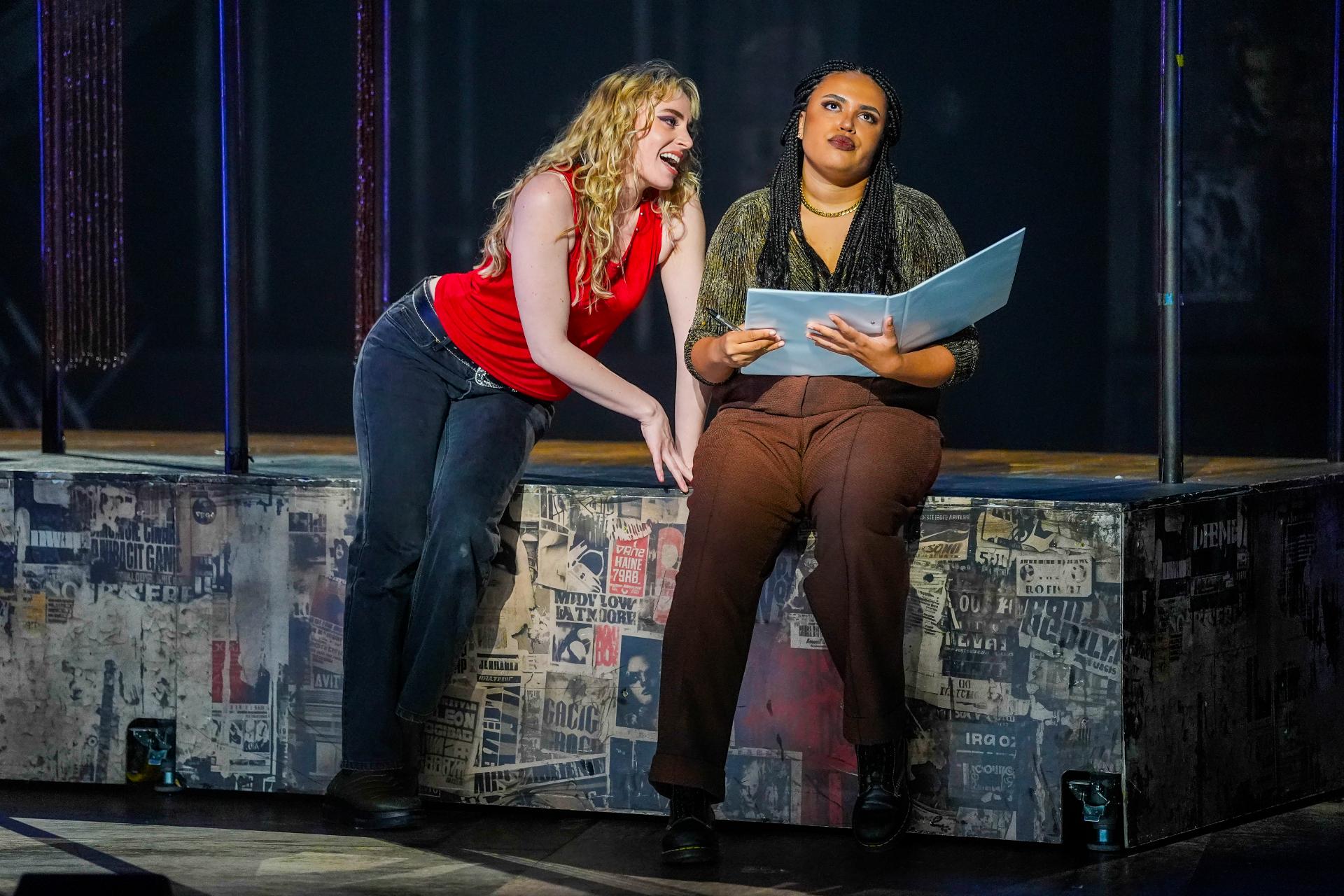
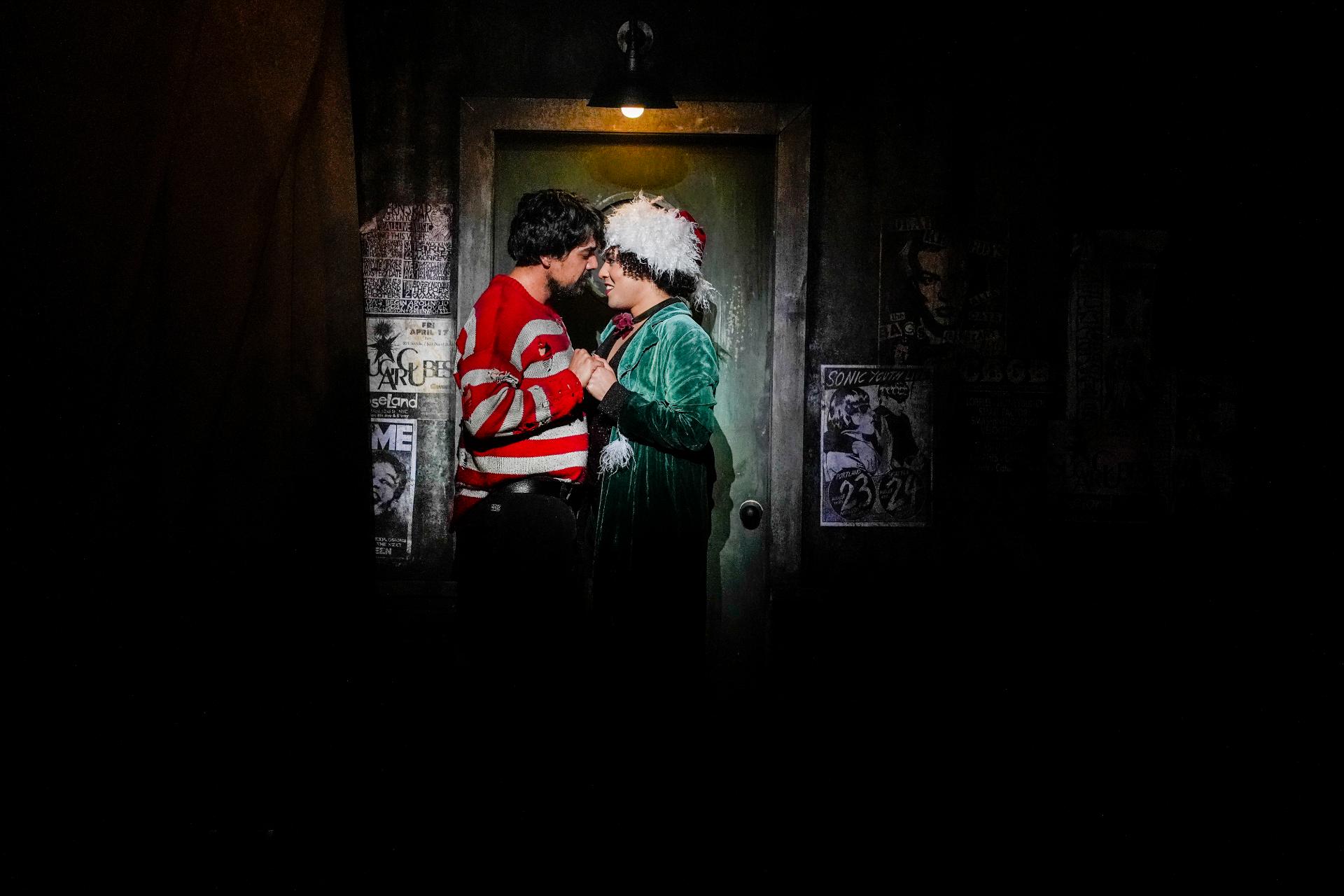
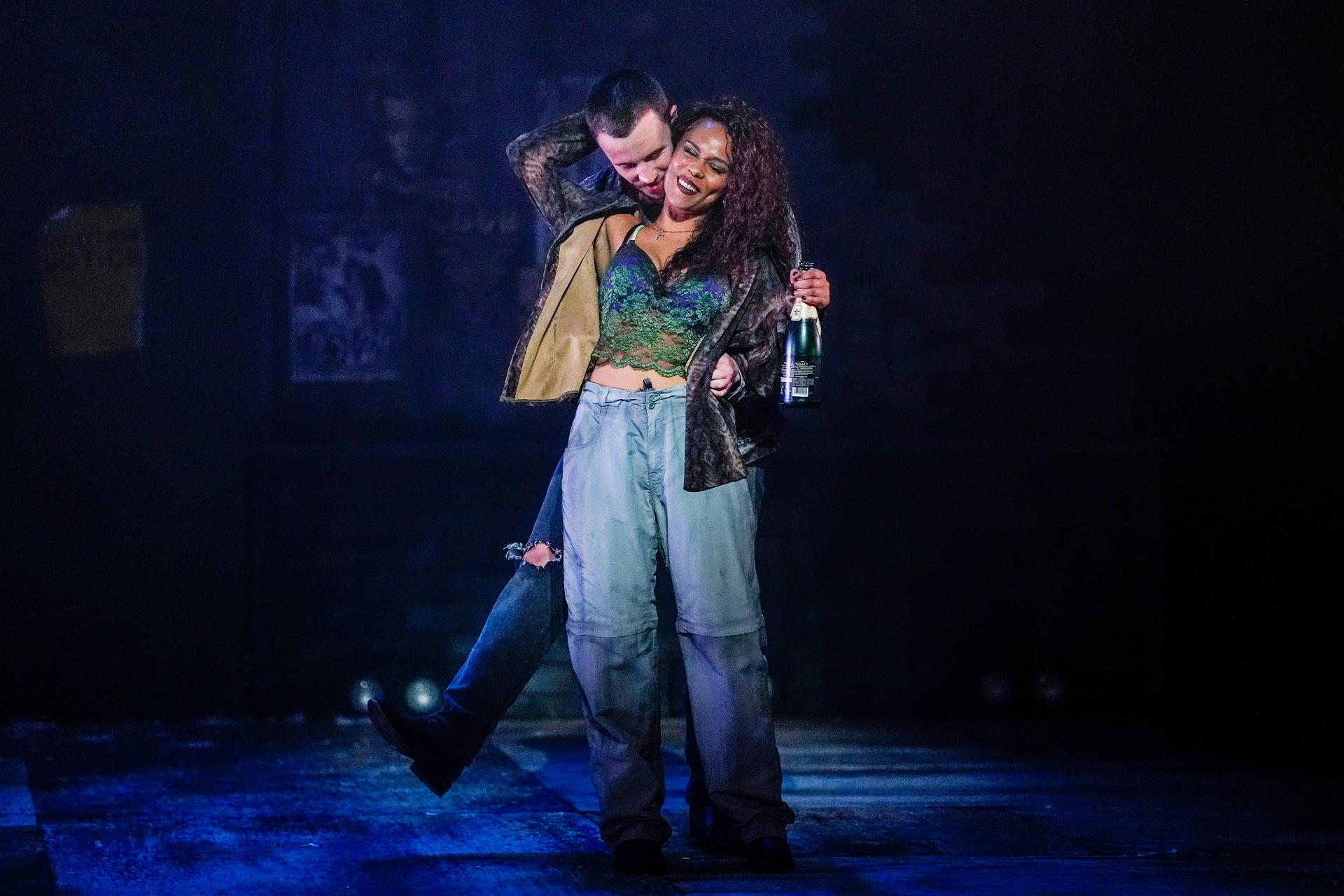
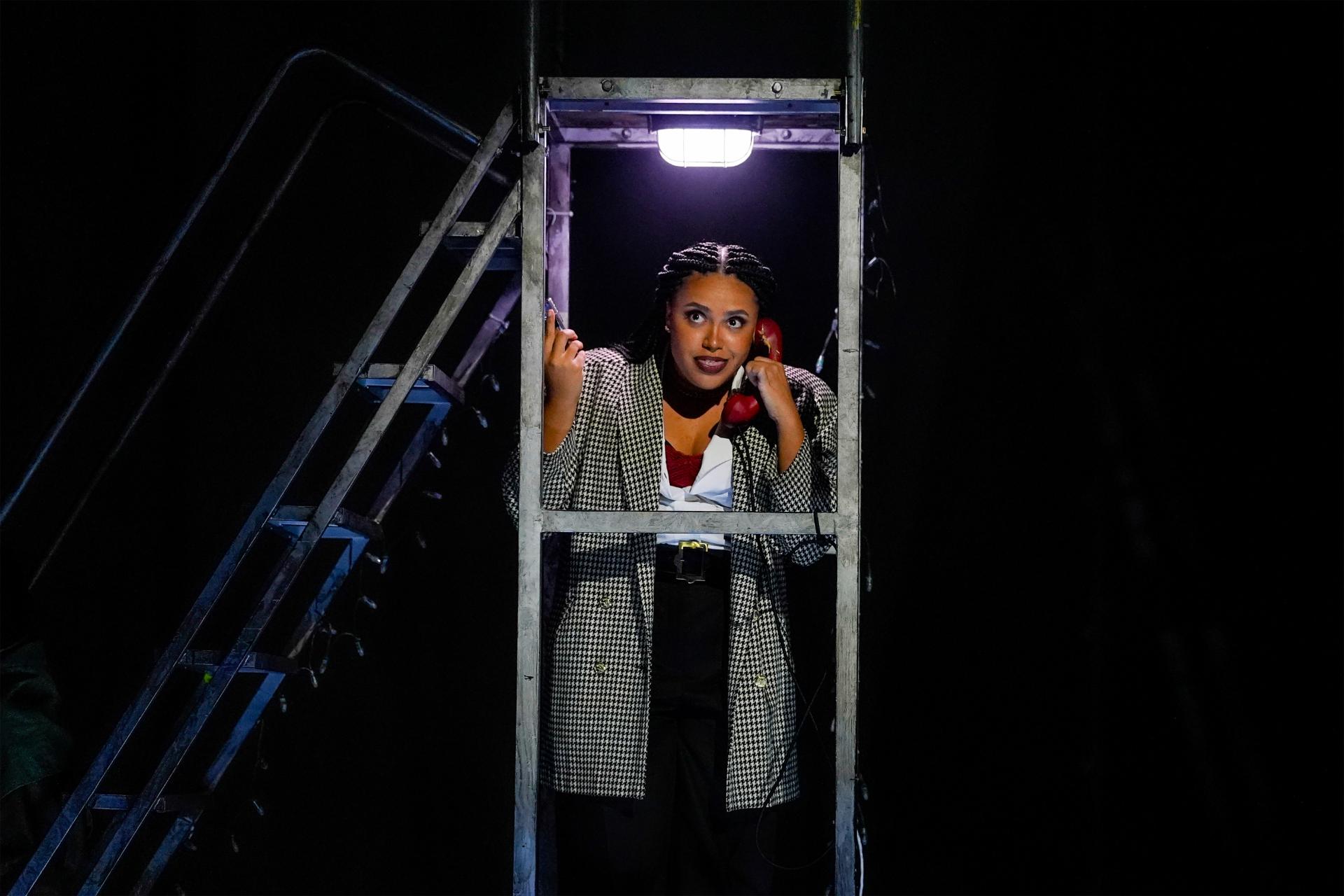
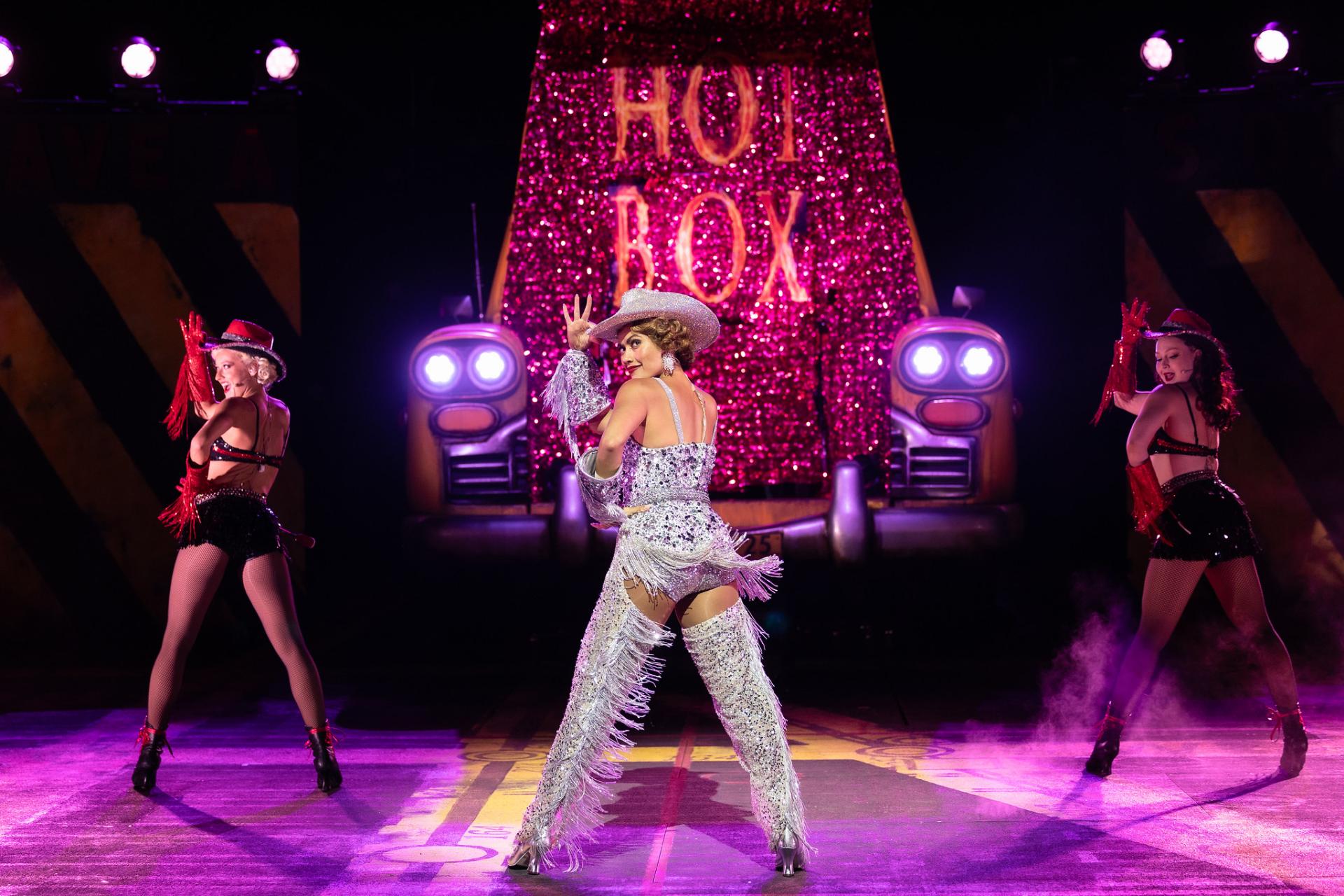
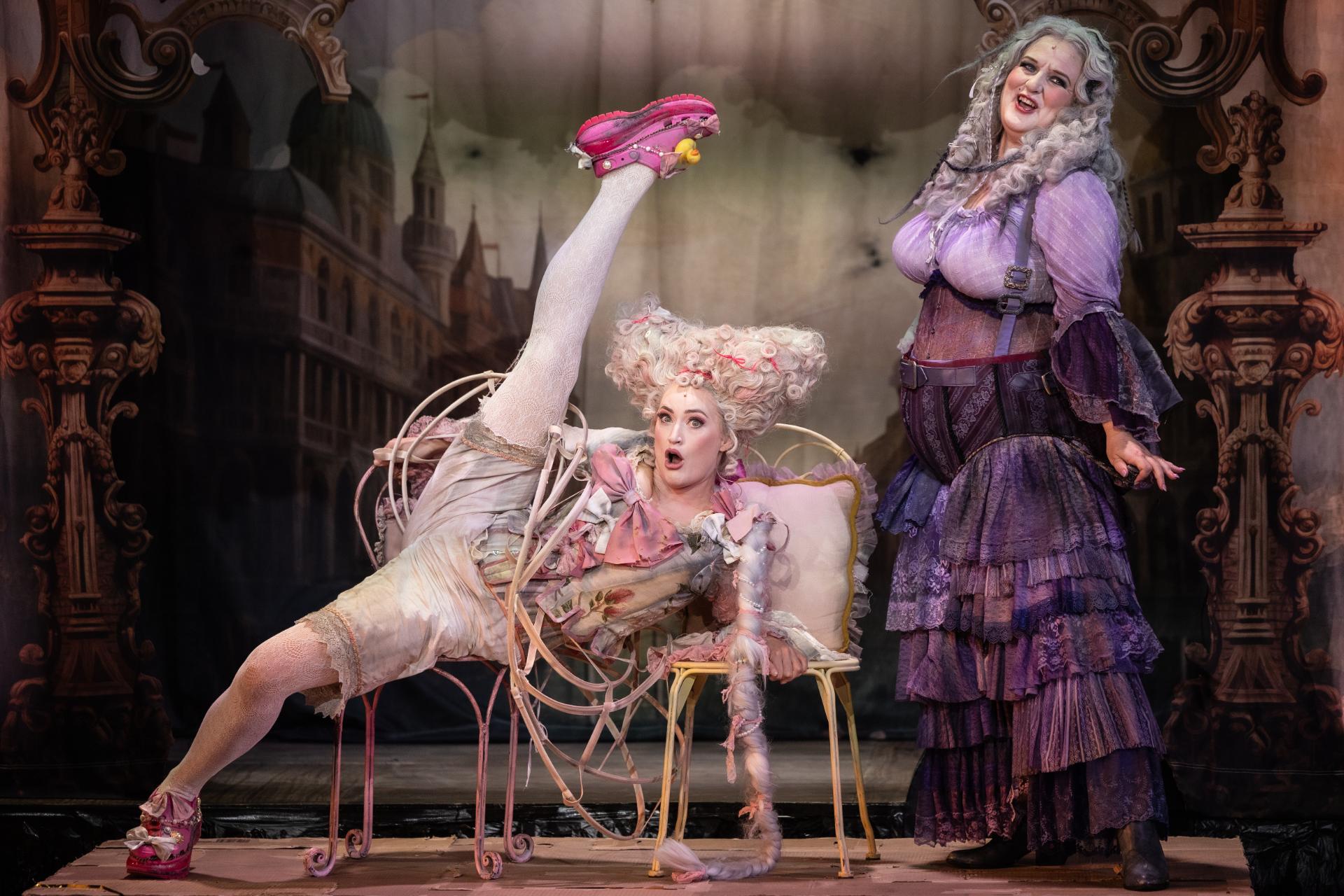
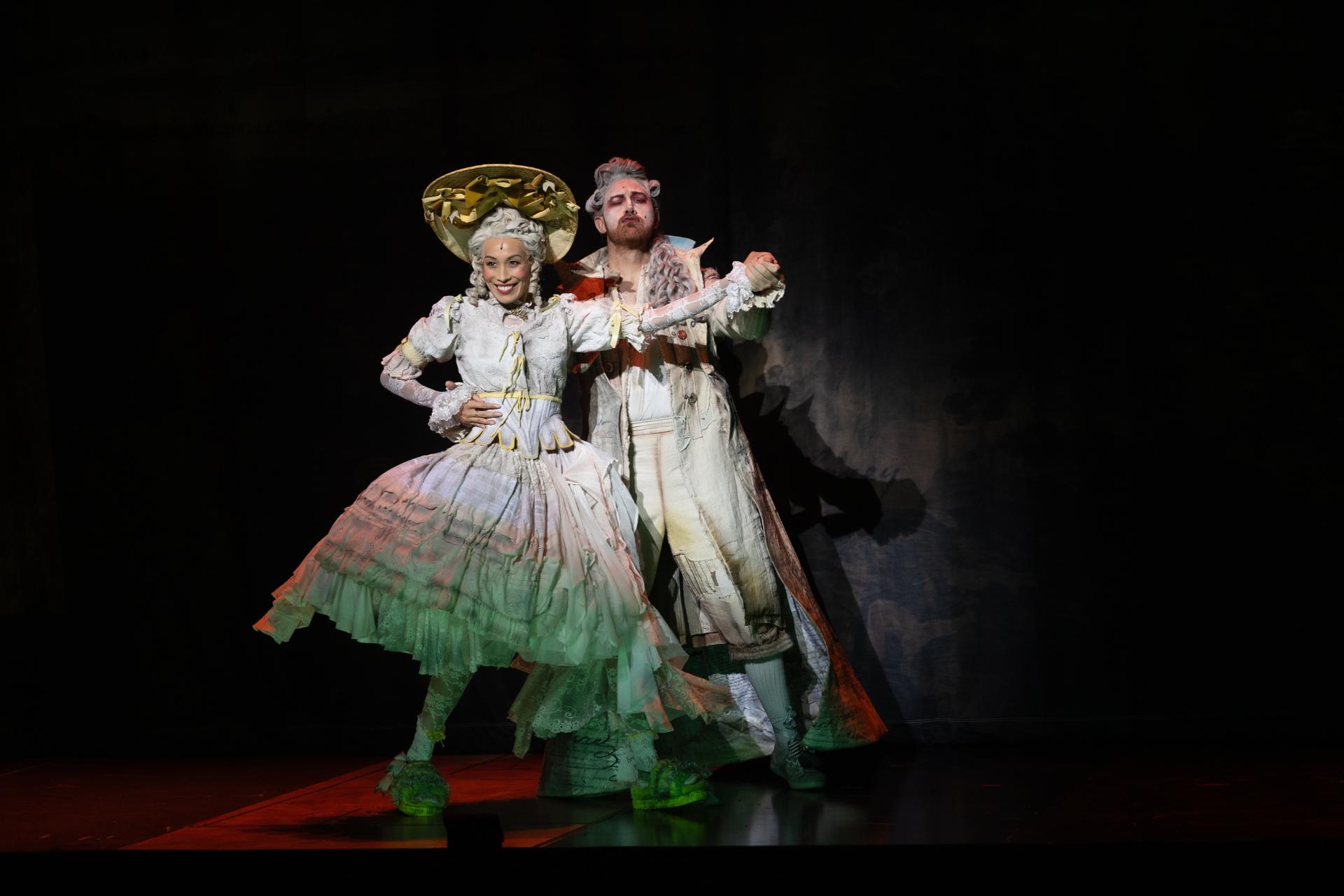
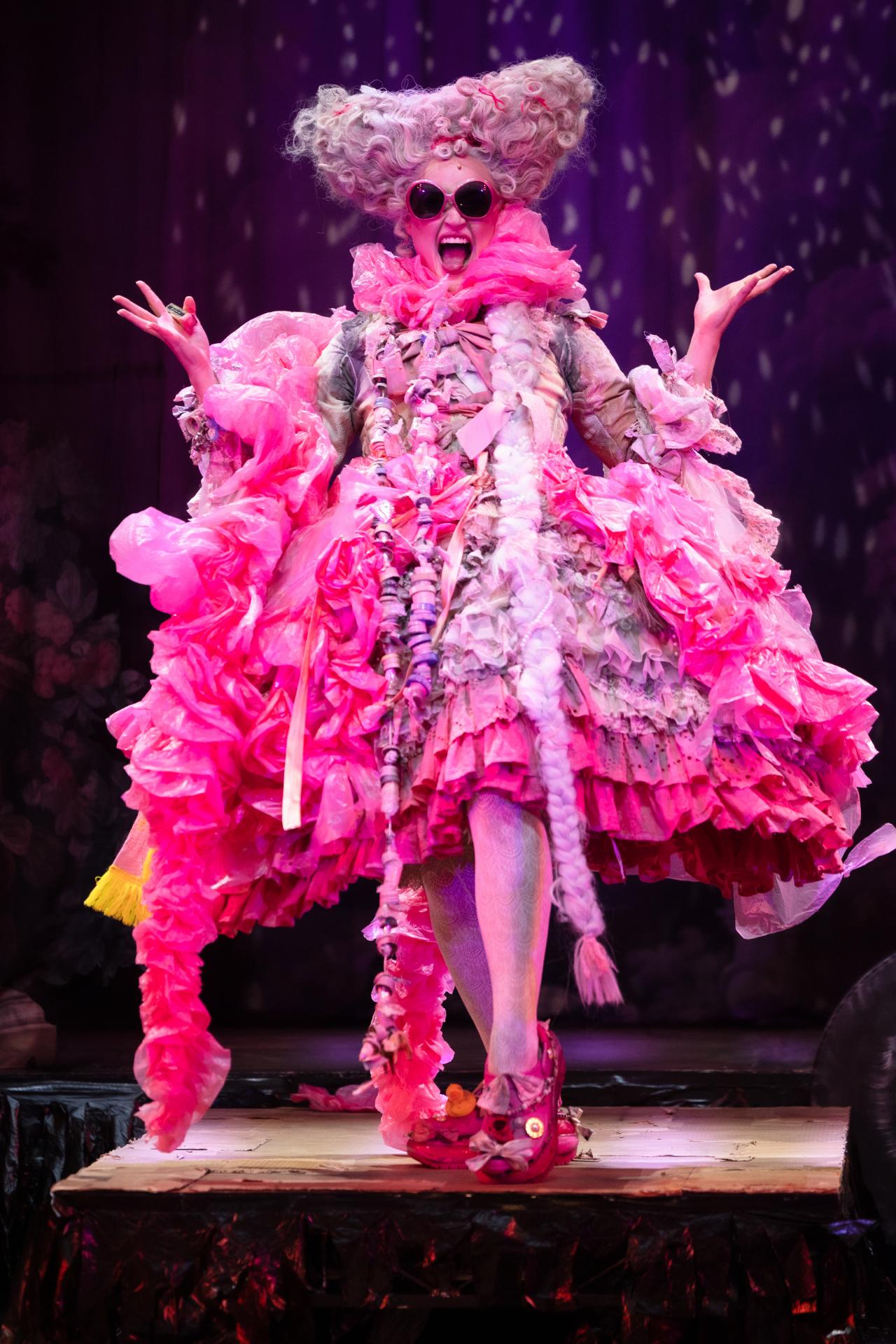
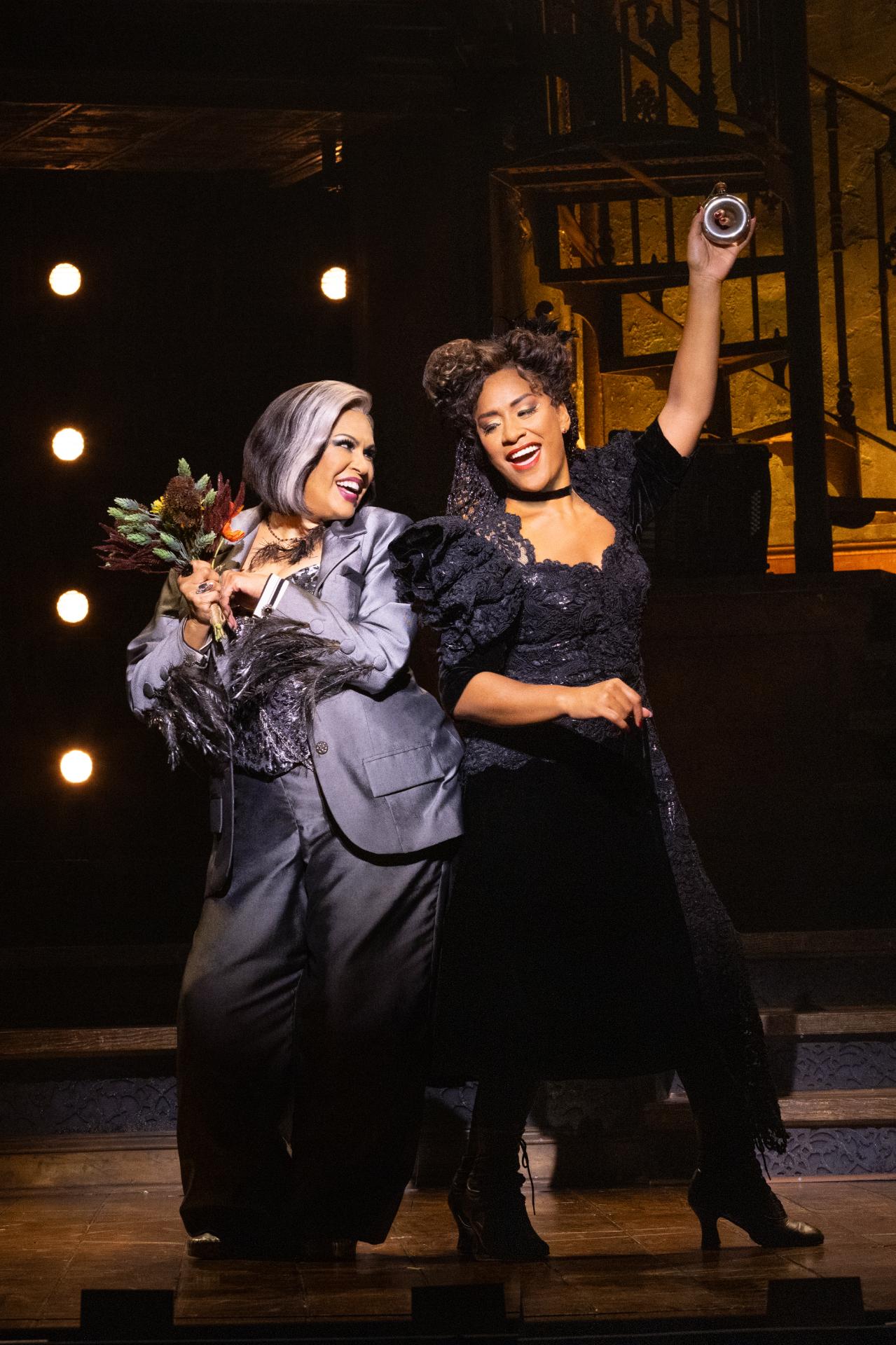
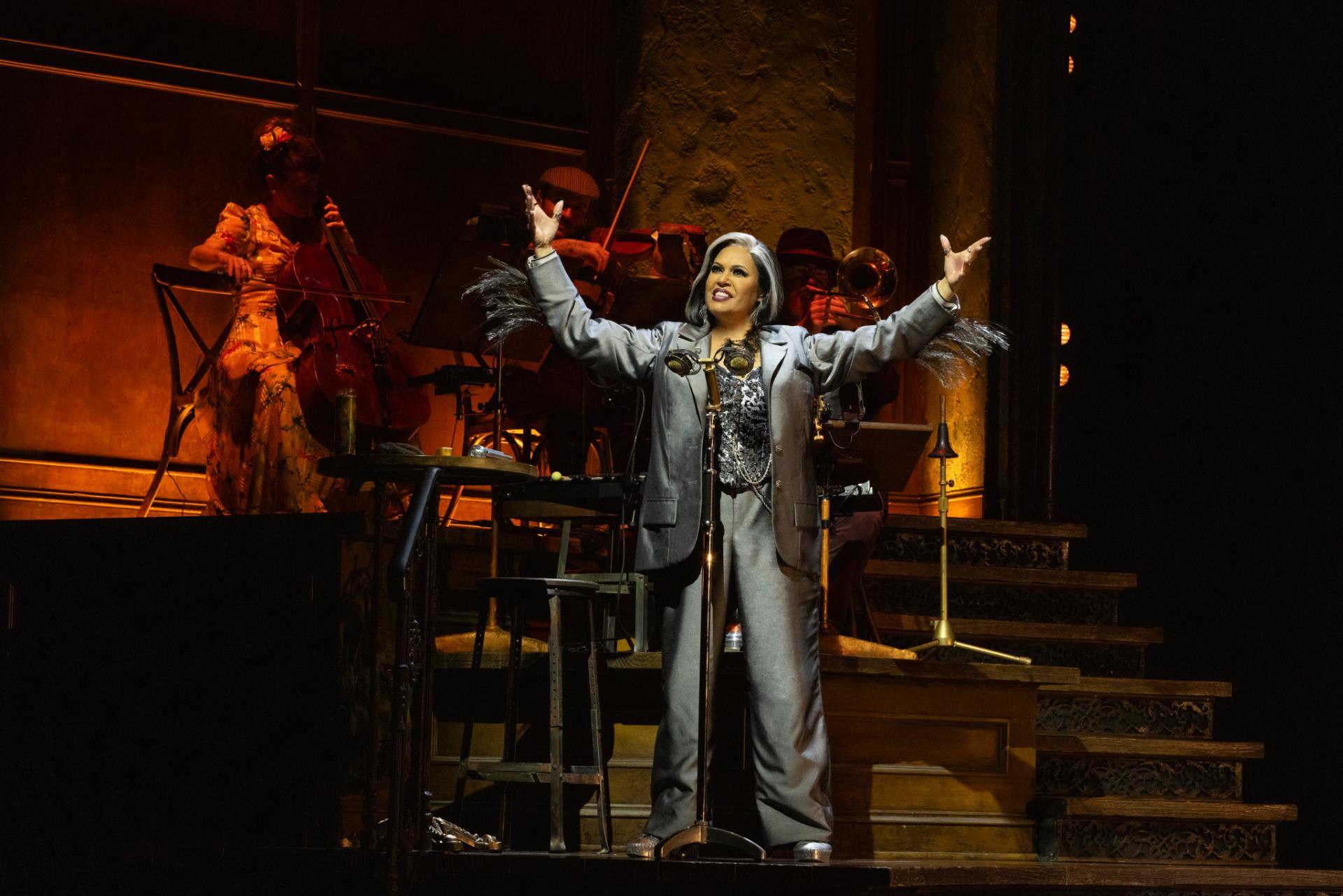
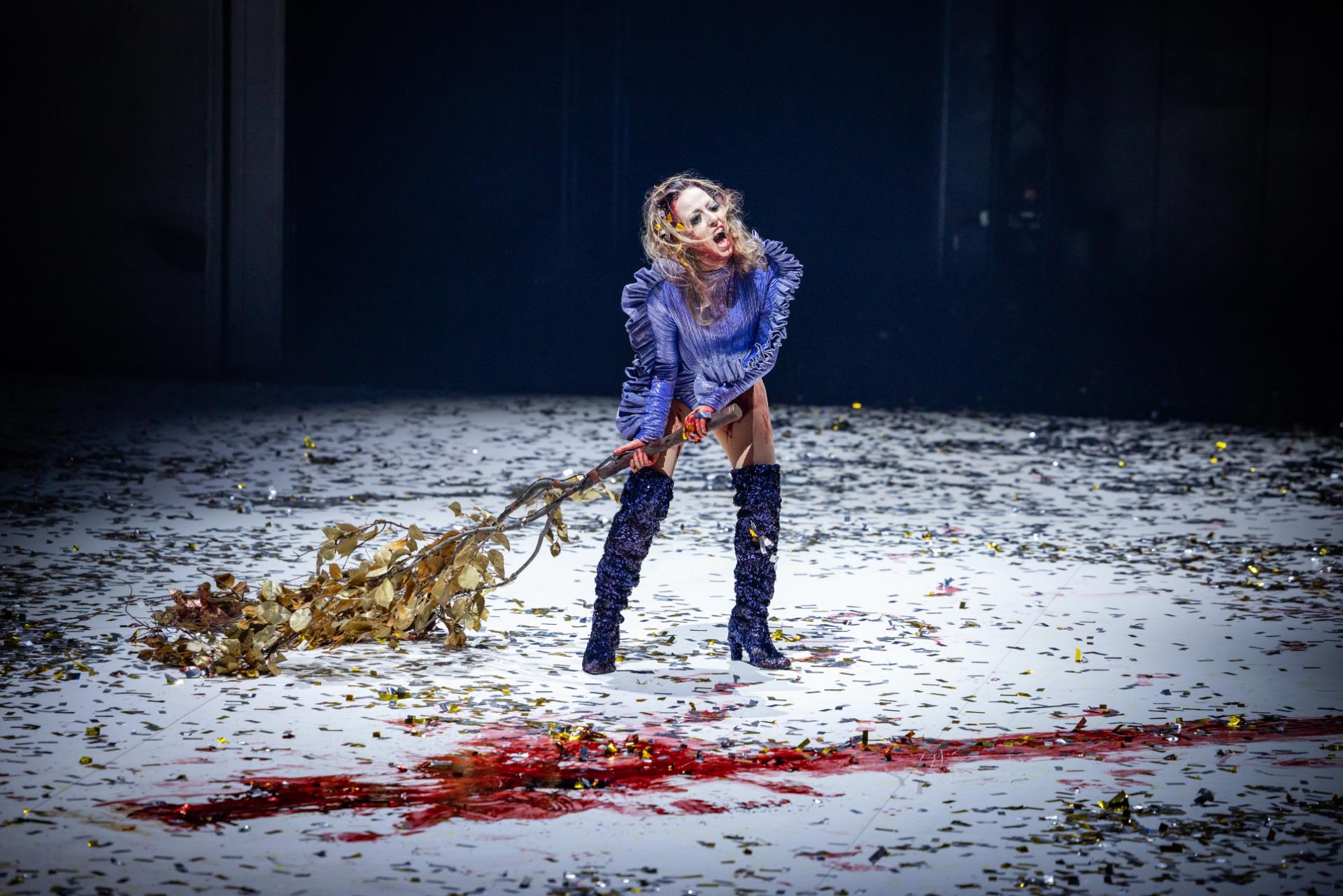
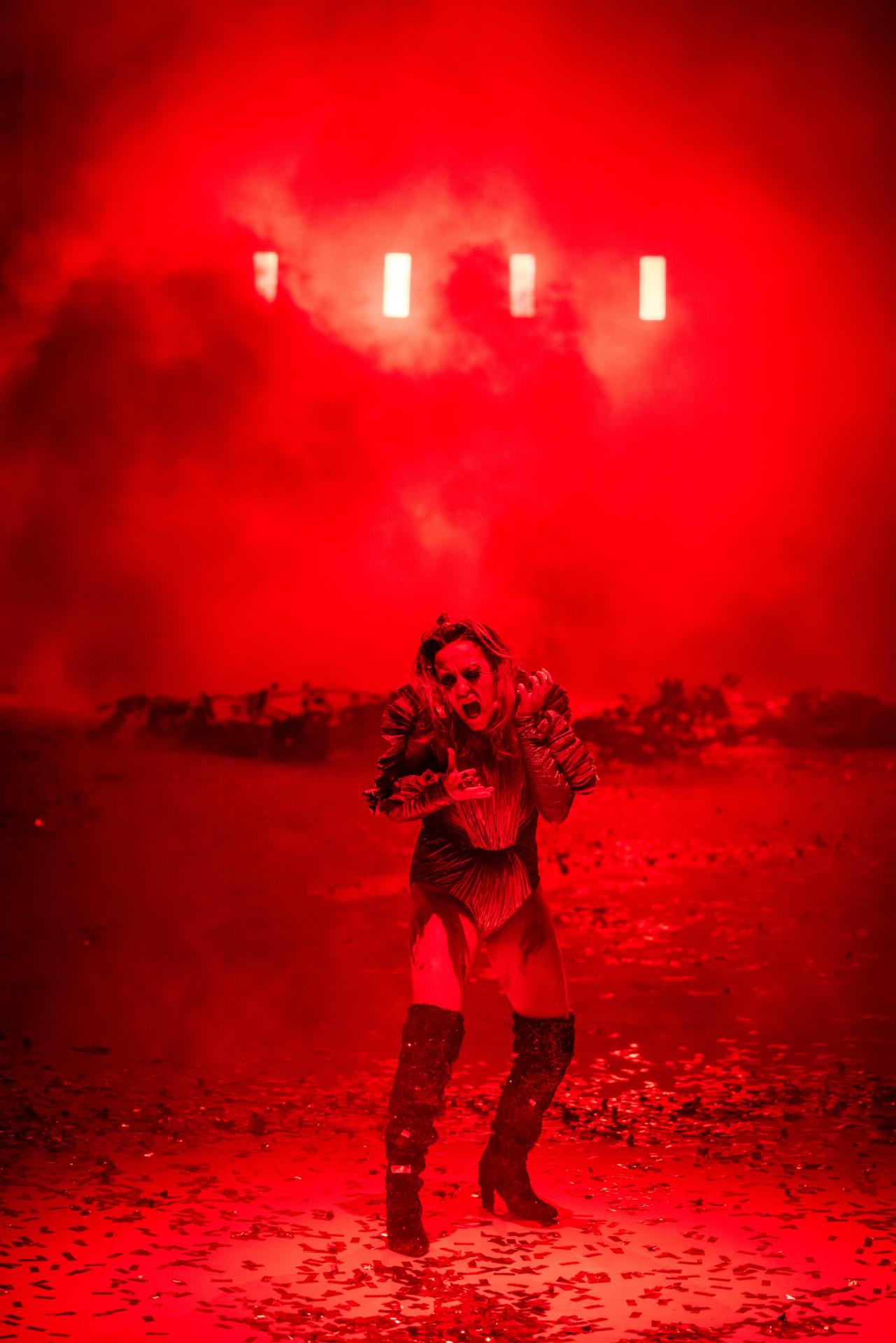
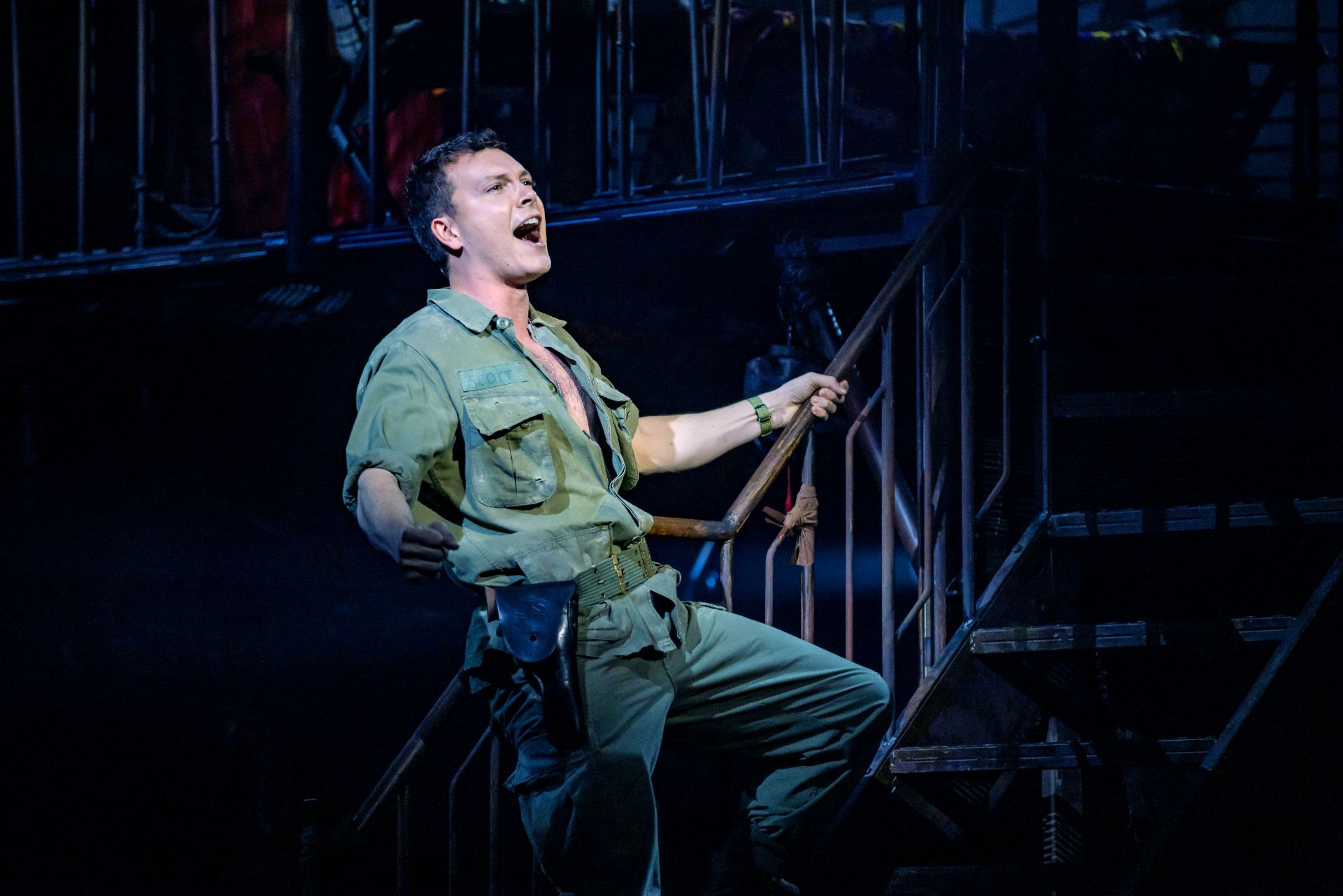
Dann Barber’s set design astonishes in its detail and completeness, evoking both the era and the grunge locale with unflinching accuracy, while offering theatricality that never ceases to enthral the eye. Ella Butler’s costumes bring striking authenticity to a multitude of characters, yet always sustain a visual harmony across the stage. Paul Jackson’s lighting is profoundly evocative, conjuring memory and emotion in equal measure, and captivating us with an endless stream of potent imagery.

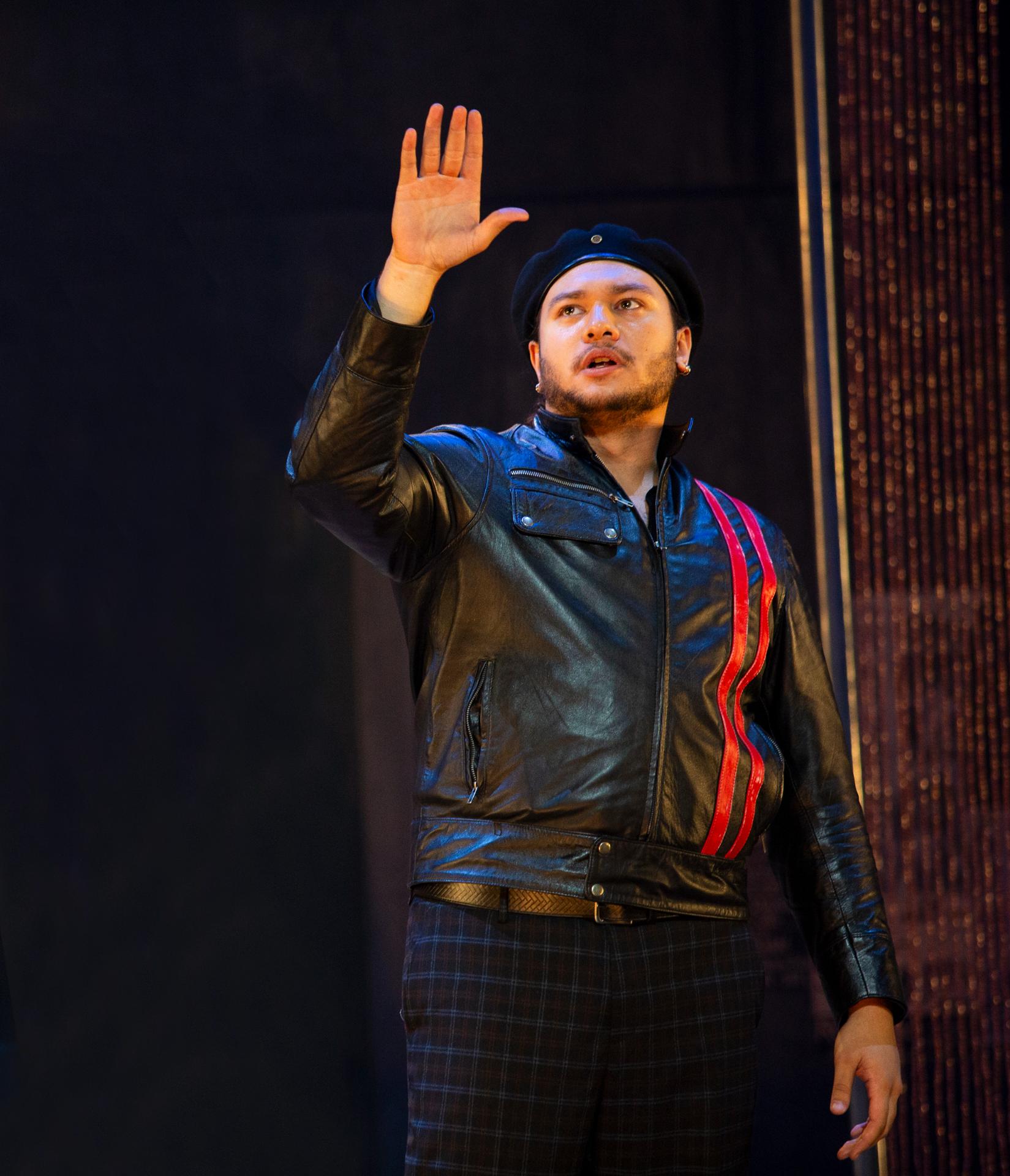
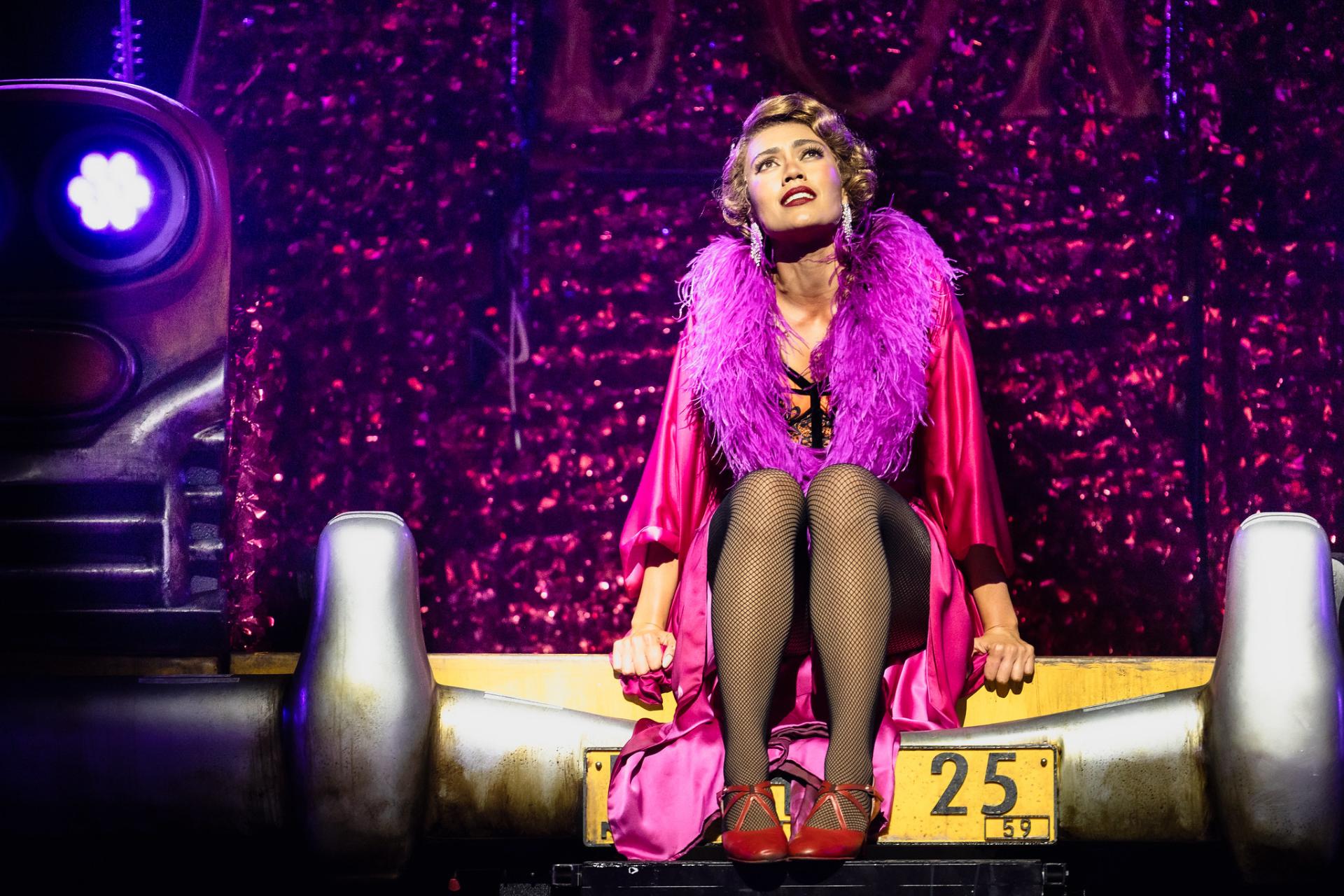
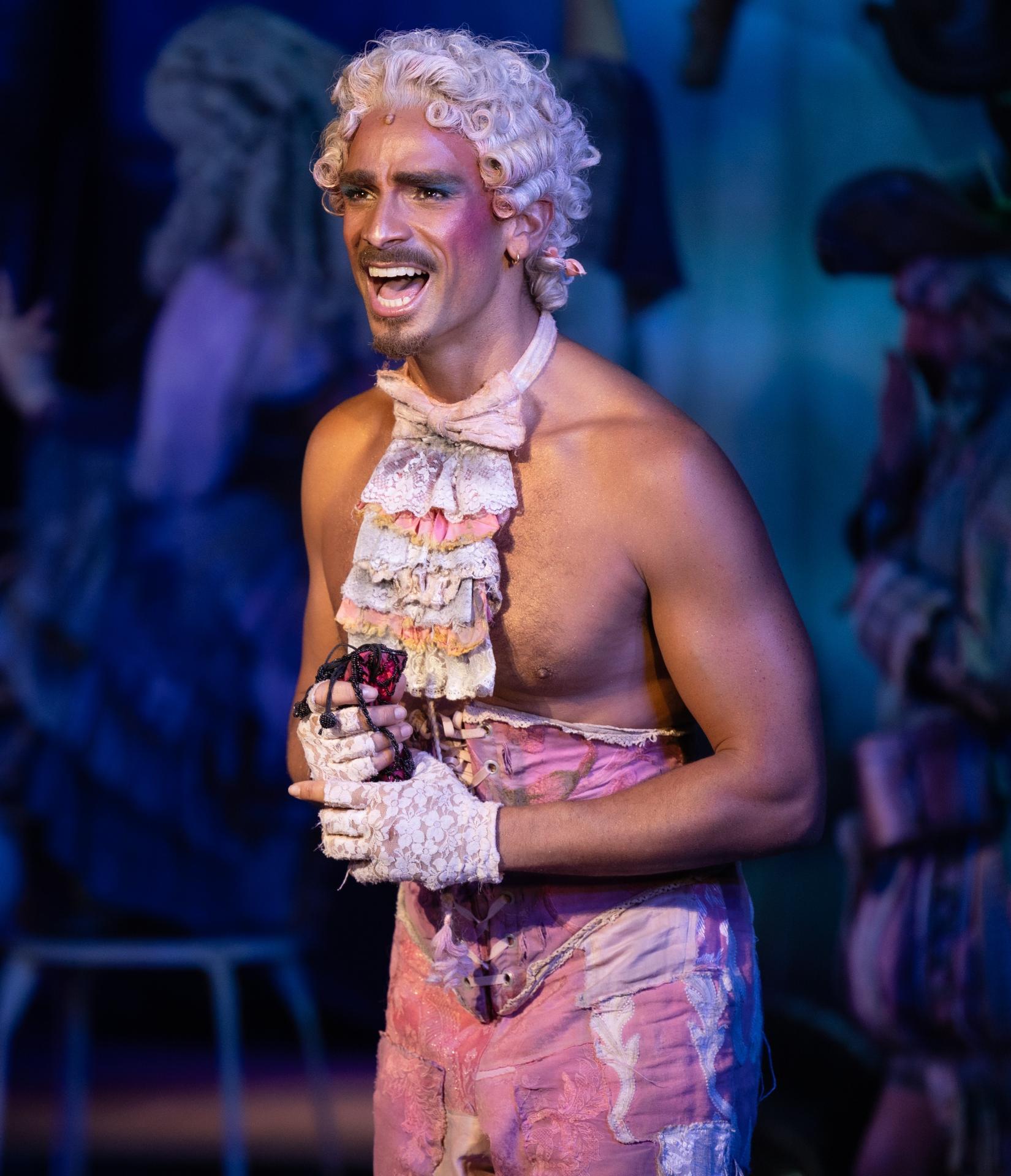
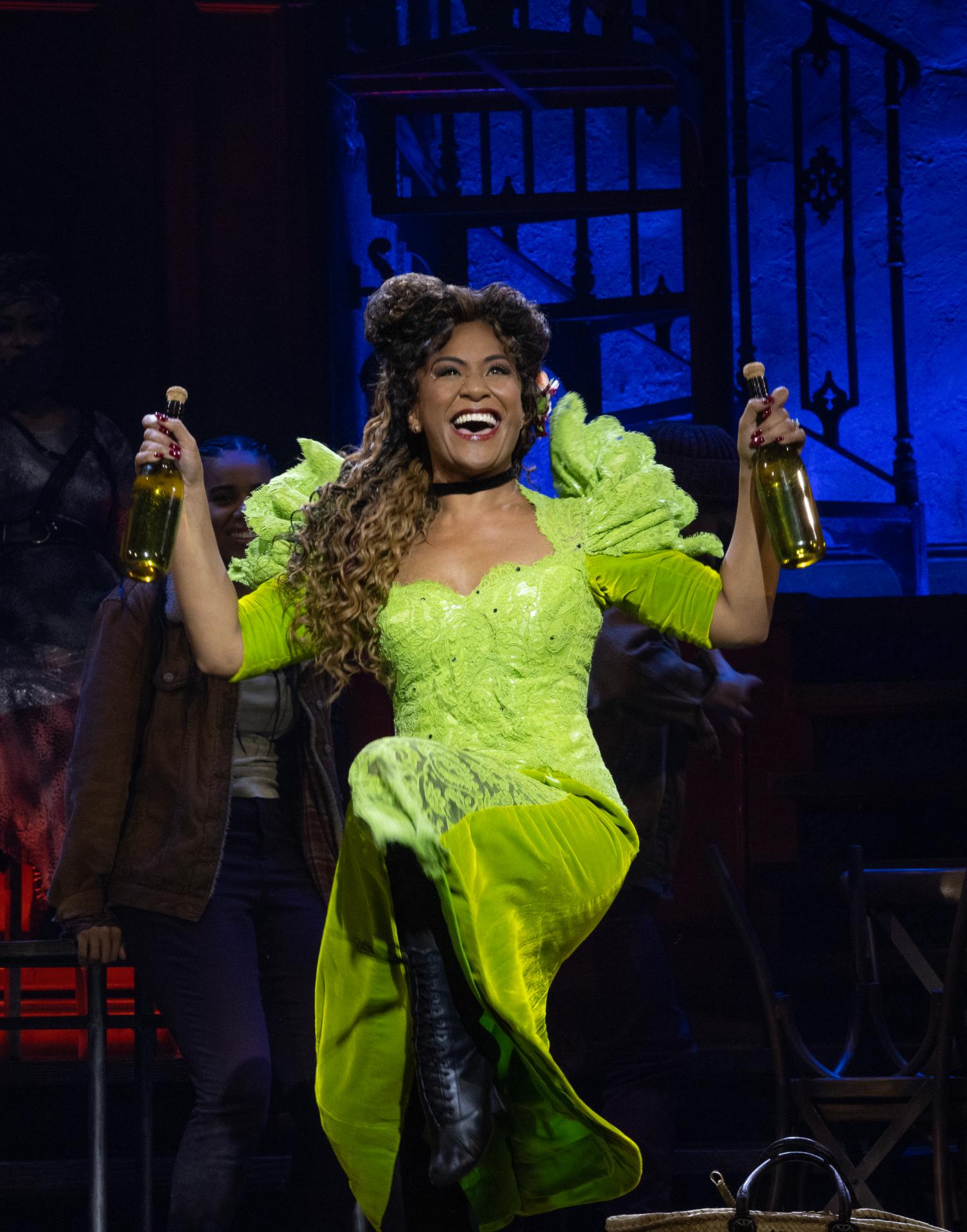
The cast is uniformly endearing, each performer delivering not only exceptional vocal power but also a sincerity that grounds the musical’s sweeping emotions. Calista Nelmes all but stops the show with her riotous, electric turn as Maureen in “Over the Moon,” while Harry Targett imbues Roger with an actorly intensity that lends the production its beating heart. Equally praiseworthy are Luca Dinardo’s choreography and Jack Earle’s musical direction—both infused with passion and executed with polish, their work bold in vision and shimmering with invention, breathing new vitality into a show that has long lived in the cultural imagination.

Perhaps the most crucial truth that Rent represents is that, in much of American culture and tradition, those at the bottom rungs are deemed undesirable—or even expendable. The AIDS crisis laid bare the ease with which Americans could turn on one another, exploiting capitalist values or religious fervour as justification for prejudice and cruelty. Today, the same currents ripple through a new era of fascism, as communities are singled out, scapegoated, offered up as sacrificial lambs to feed the hunger for false promises and hollow triumphs. The musical’s story, though decades old, pulses with uncanny relevance, a mirror to a society still grappling with whom it chooses to value and whom it casts aside.

rentmusical.au

Review: Guys & Dolls (Opera Australia)

Venue: Handa Opera on Sydney Harbour (Sydney NSW), Mar 21 – Apr 20, 2025
Book: Jo Swerling and Abe Burrows (based on a story and characters by Damon Runyon)
Music & Lyrics: Frank Loesser
Director: Shaun Rennie
Cast: Annie Aitken, Jason Arrow, Thomas Campbell, Doron Chester, Bobby Fox, Joel Granger, Naomi Livingston, Tony McGill, Kieran McGrath, Cody Simpson, Angelina Thomson, John Xintavelonis
Images by Neil Bennett

Theatre review
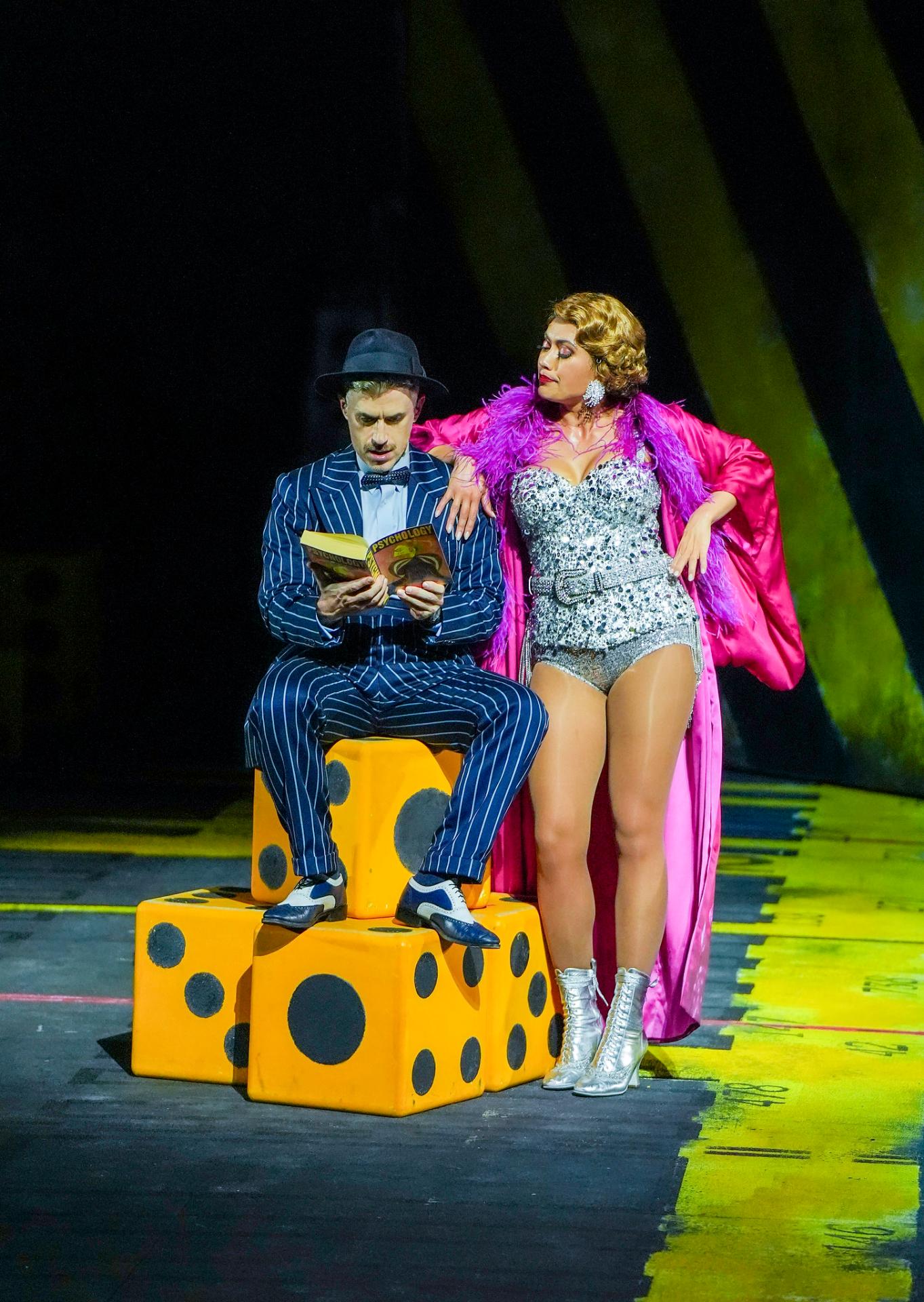
Never mind that the men are not deserving of these women. What matters in Guys & Dolls, is that the women get their hearts’ desire. The 1950 rom-com musical is completely about light entertainment, at a time when the USA was dominated by political conservatism. Gambling is portrayed as a serious crime, and all the girls want is to get married.

Director Shaun Rennie however, injects a modernity in the way we perceive Adelaide and Sarah, the “dolls” of the piece. Their agency becomes a key feature in the story, and what should have been something way past its use-by date, seems palatable again. These women appear to be creations of their own making, never sheepish about the careers and the men they enjoy, even if the latter are more than a little questionable.

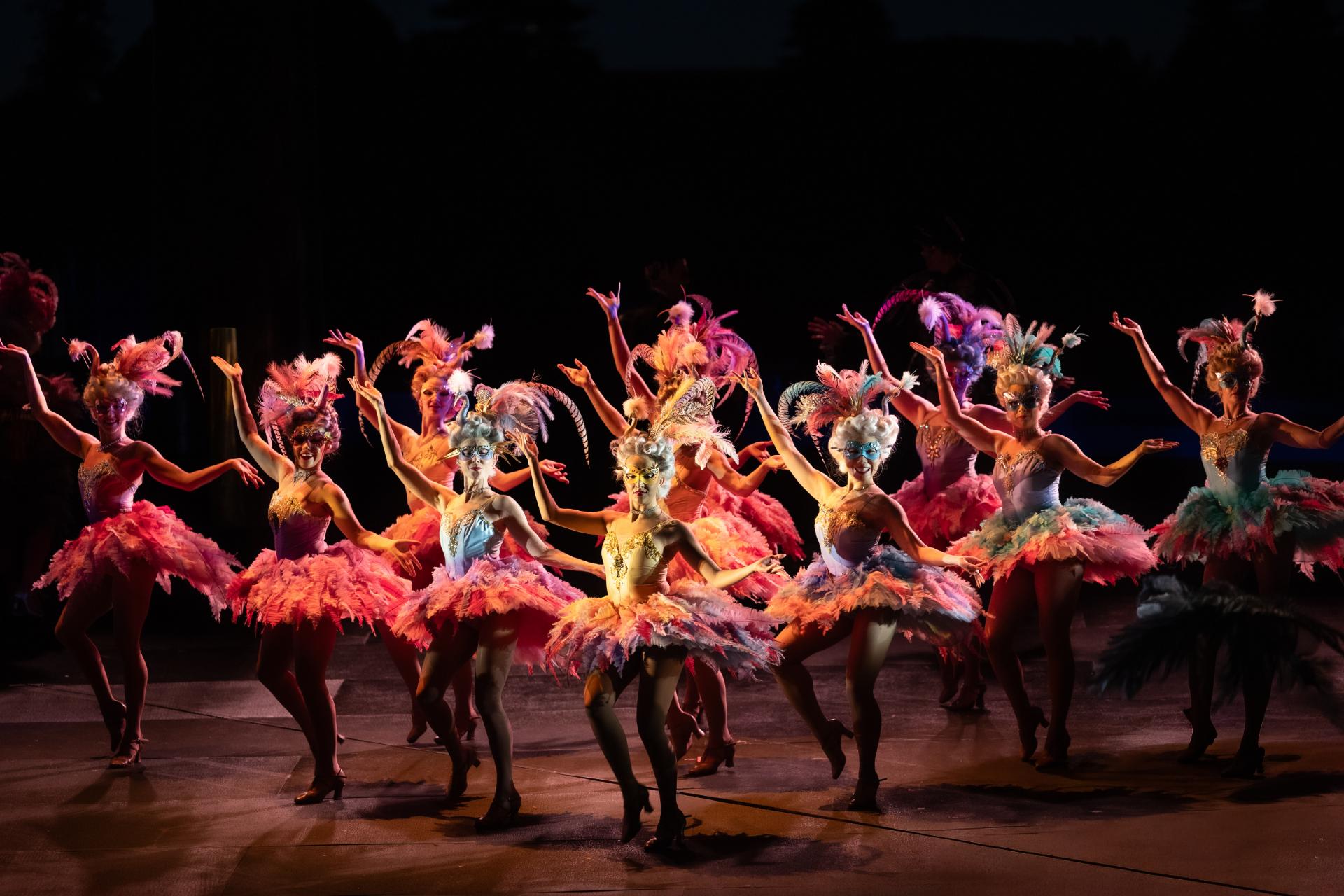
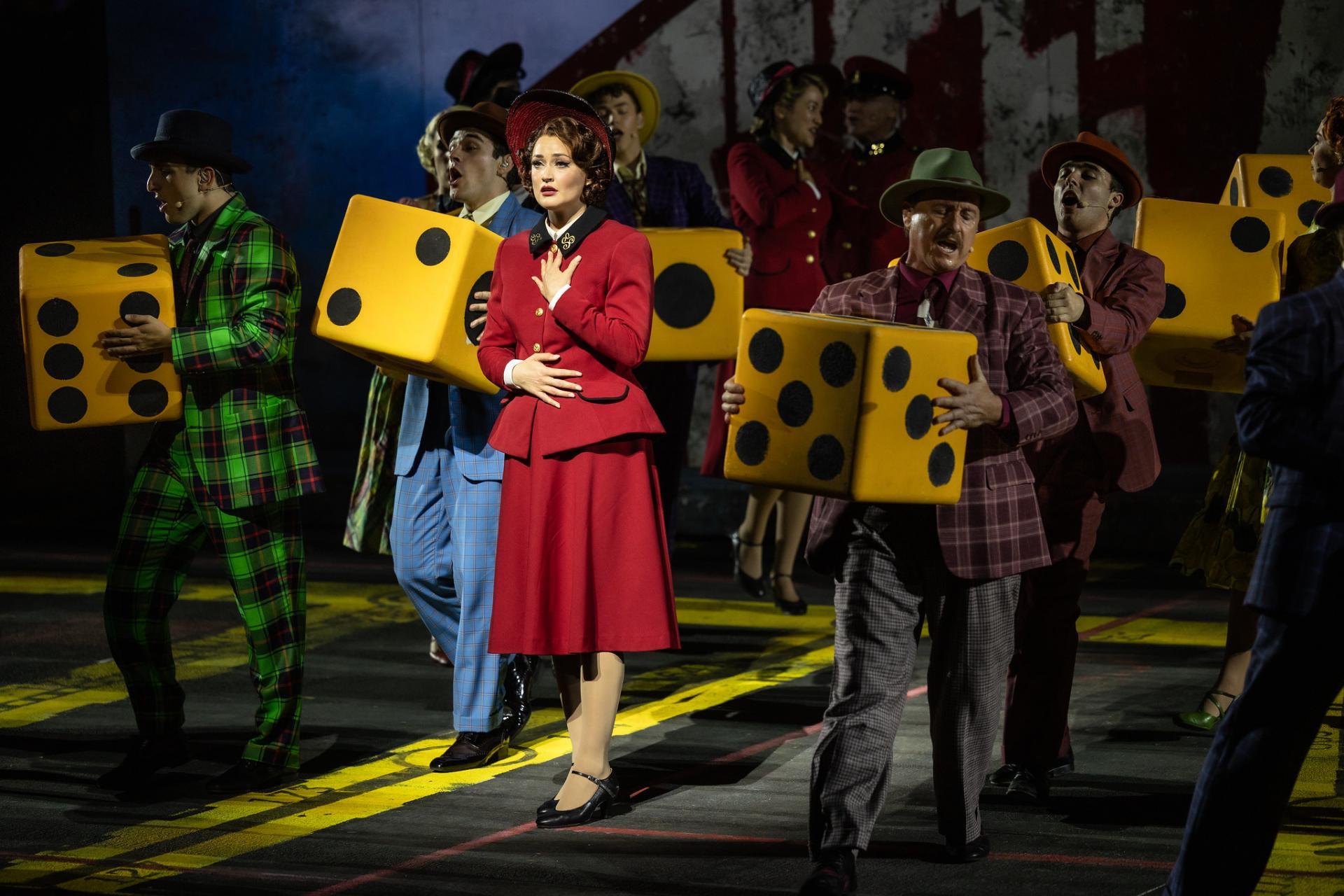
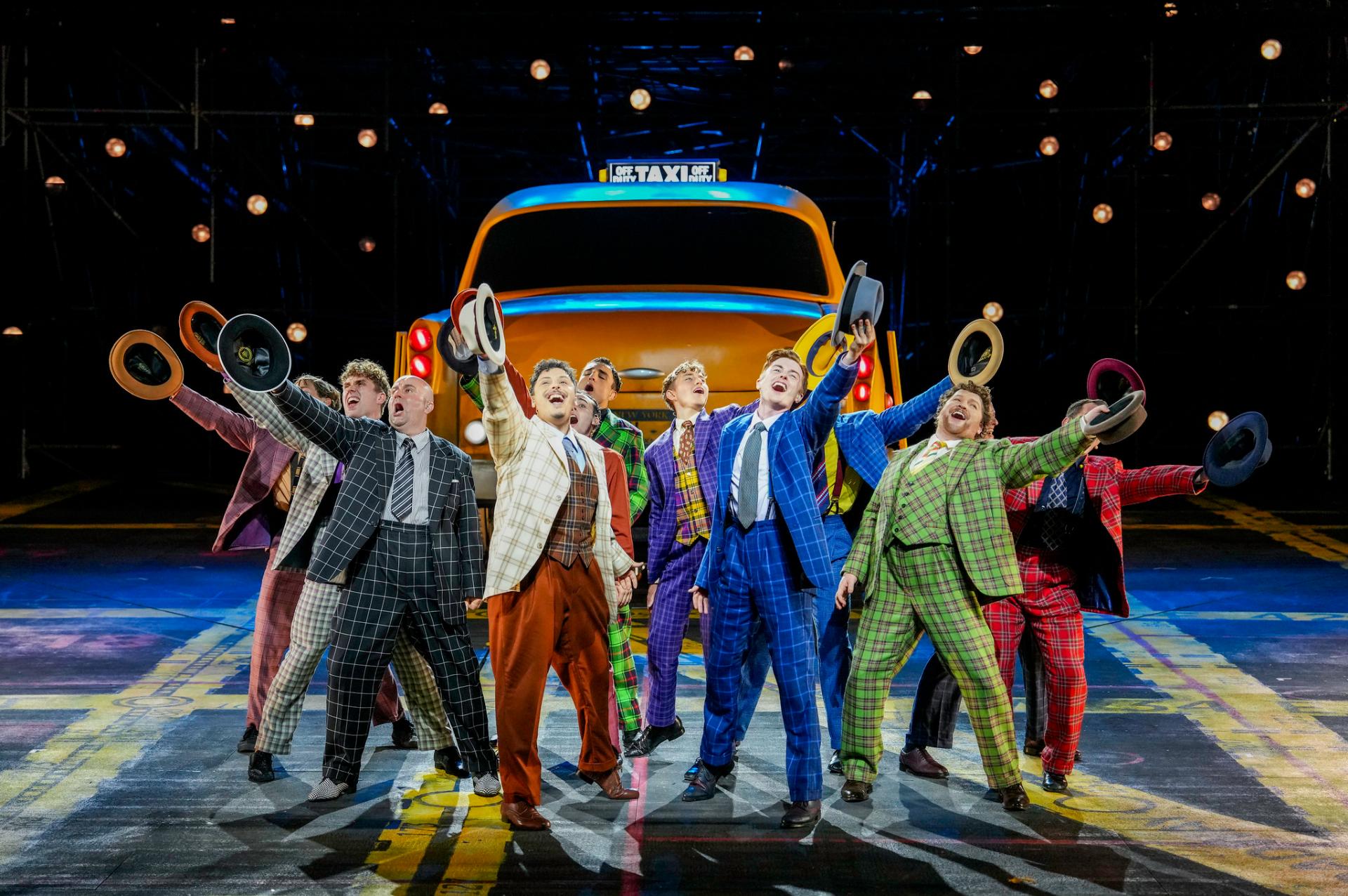
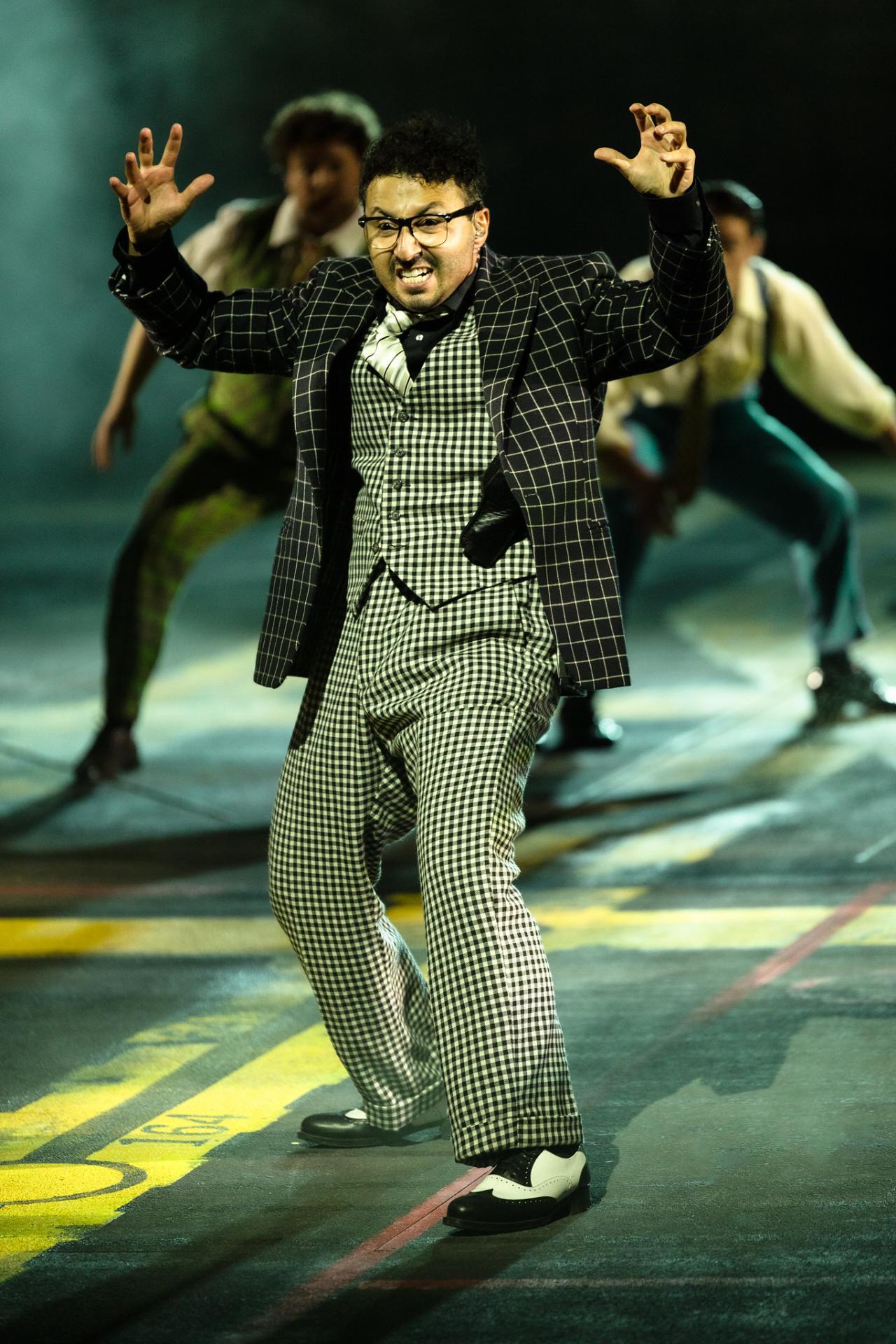
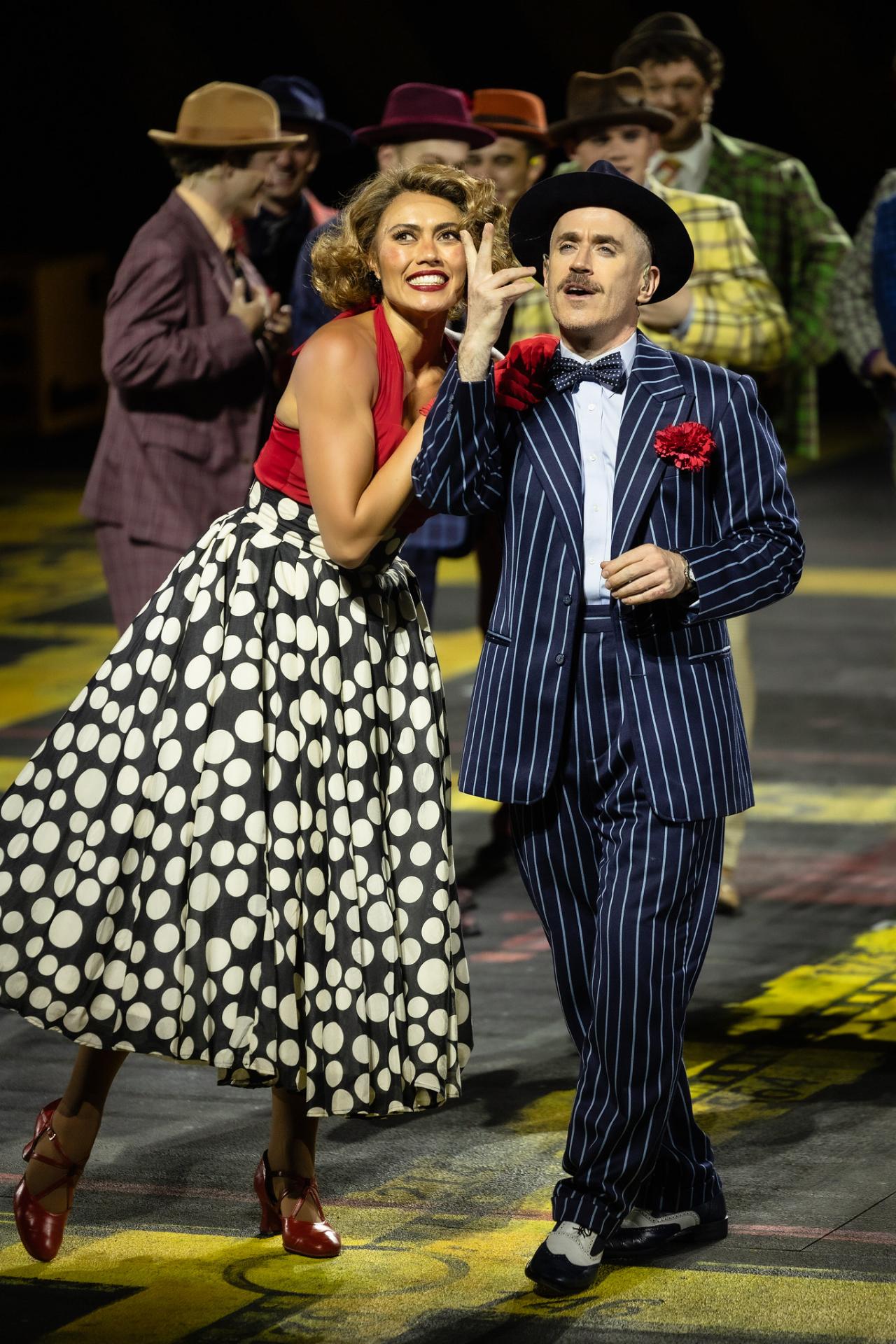
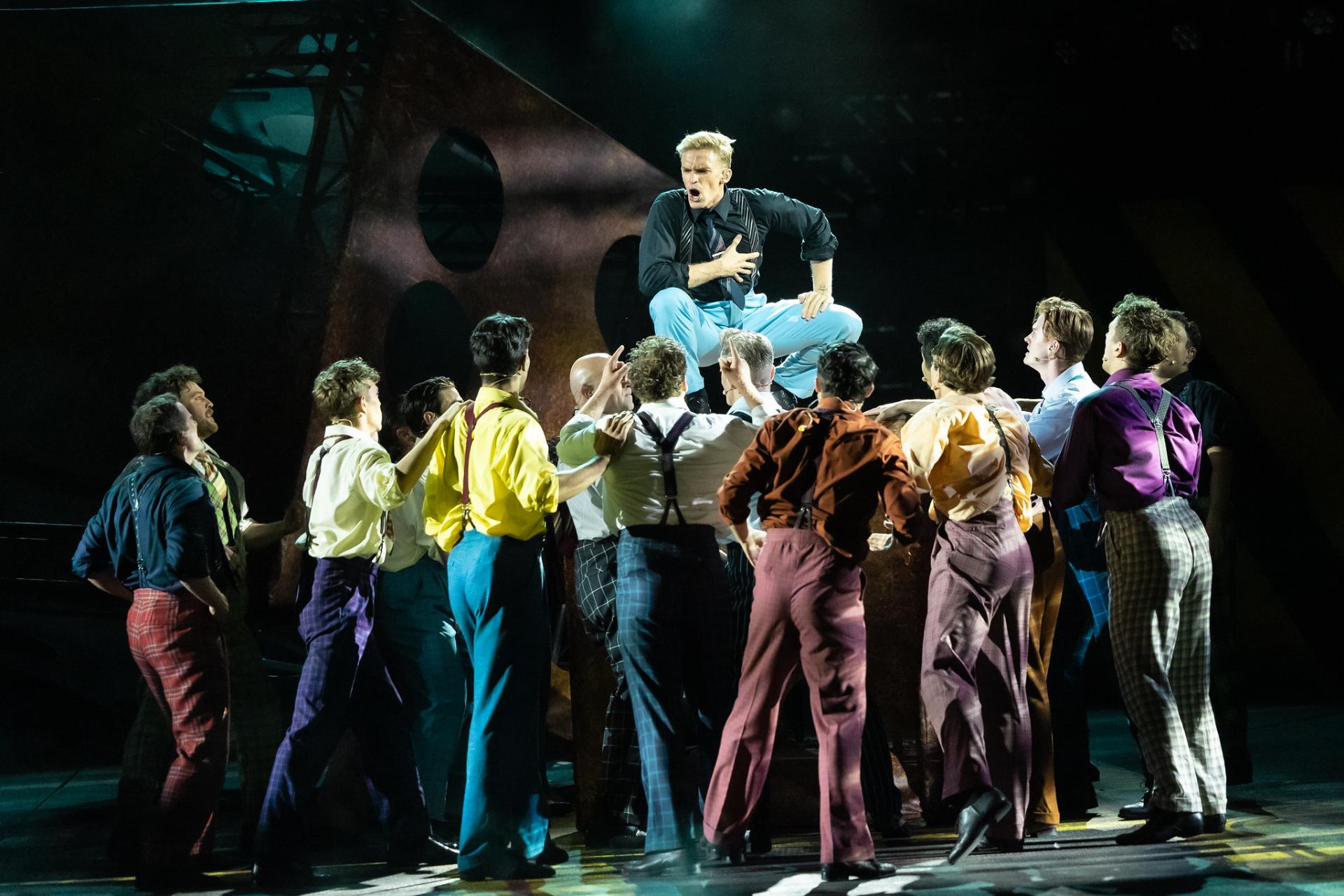
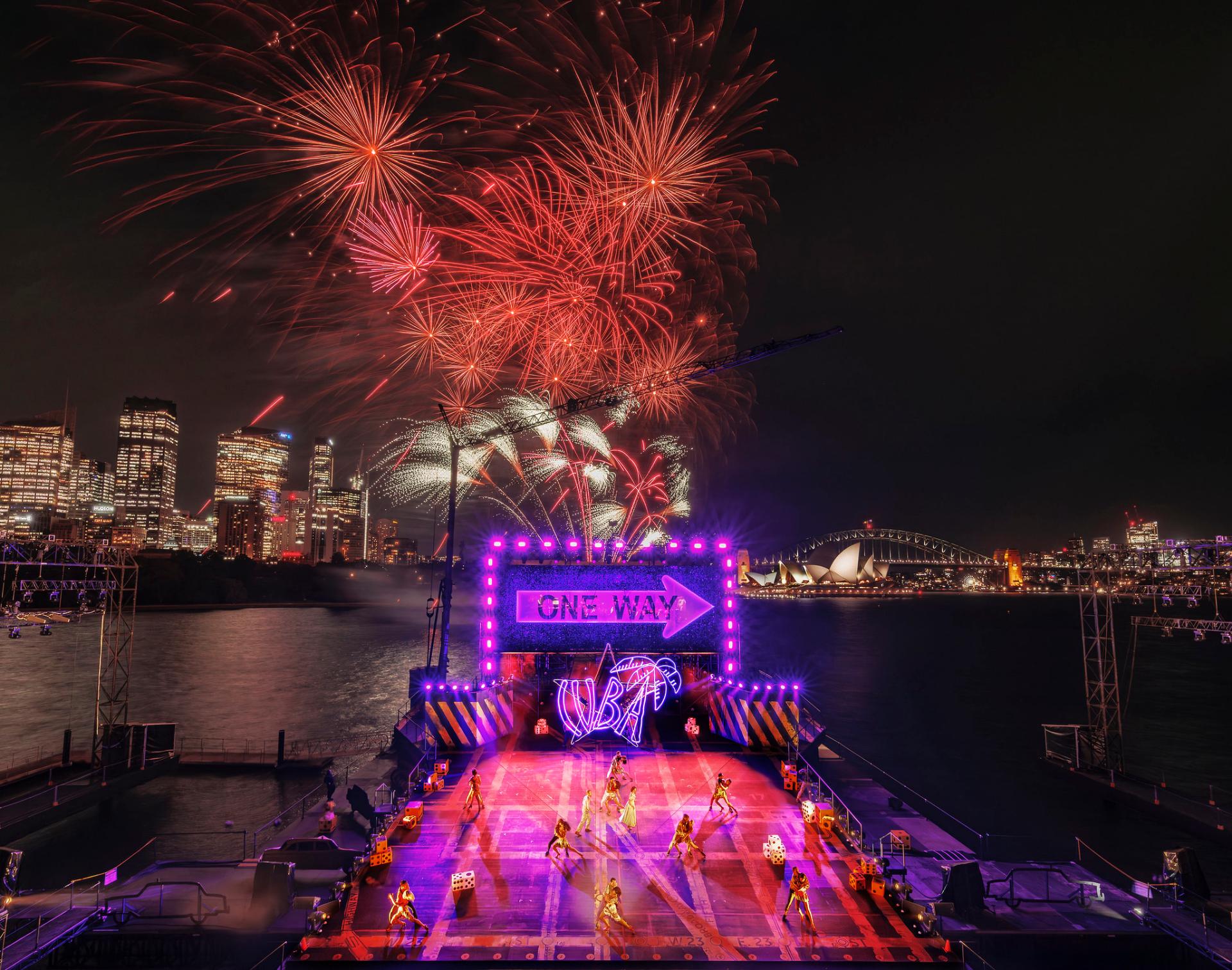
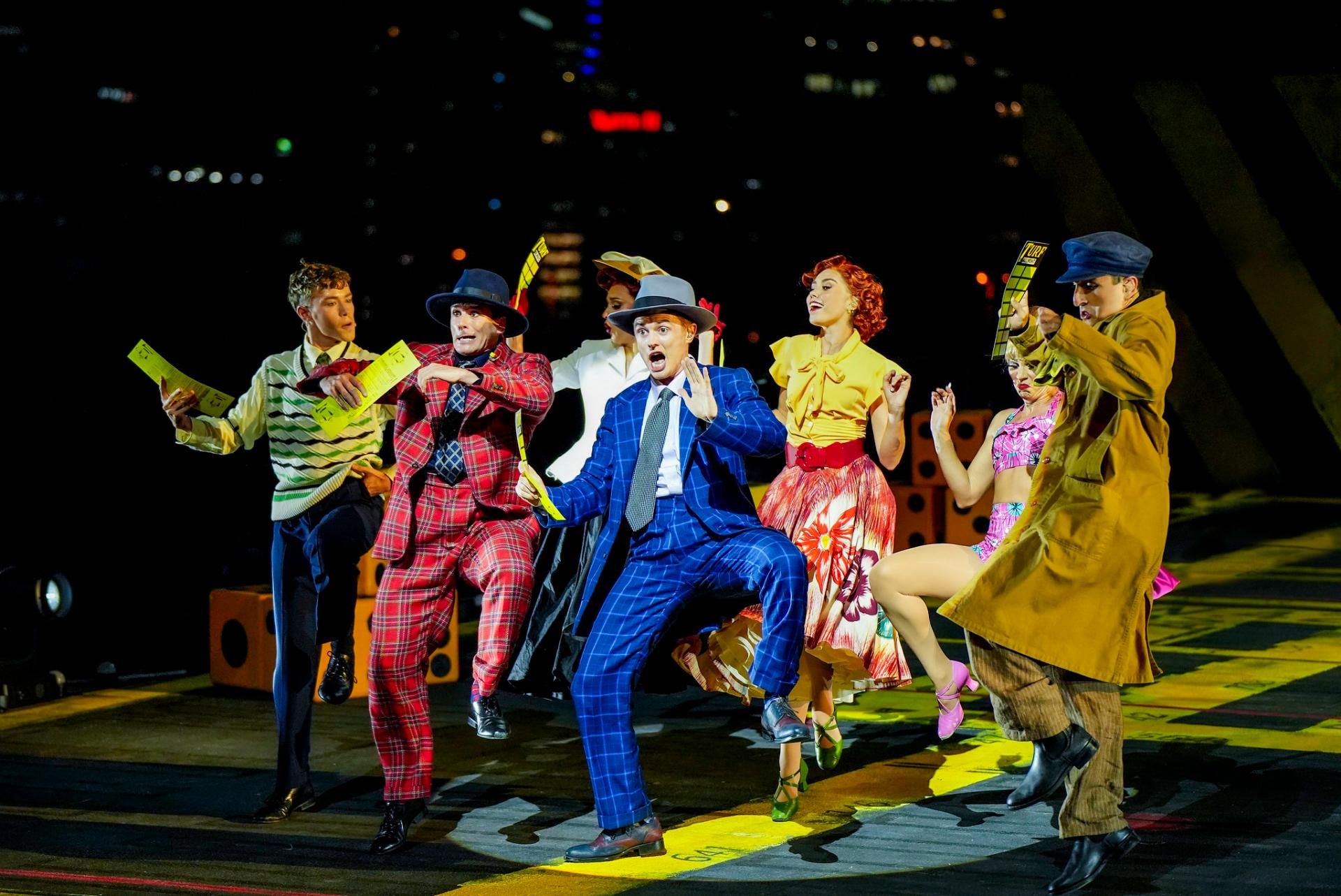
Ideologies aside, it really is all about the spectacle in a production choreographed by Kelley Abbey, who melds old with new for an utterly delightful, and sometimes surprising, showcase of classic musical theatre. A sensational ensemble delivers with marvellous precision, in a staging memorable for its sharp exuberance. Music direction by Guy Simpson is ceaselessly uplifting, across a delectable range of styles that never fail to captivate.

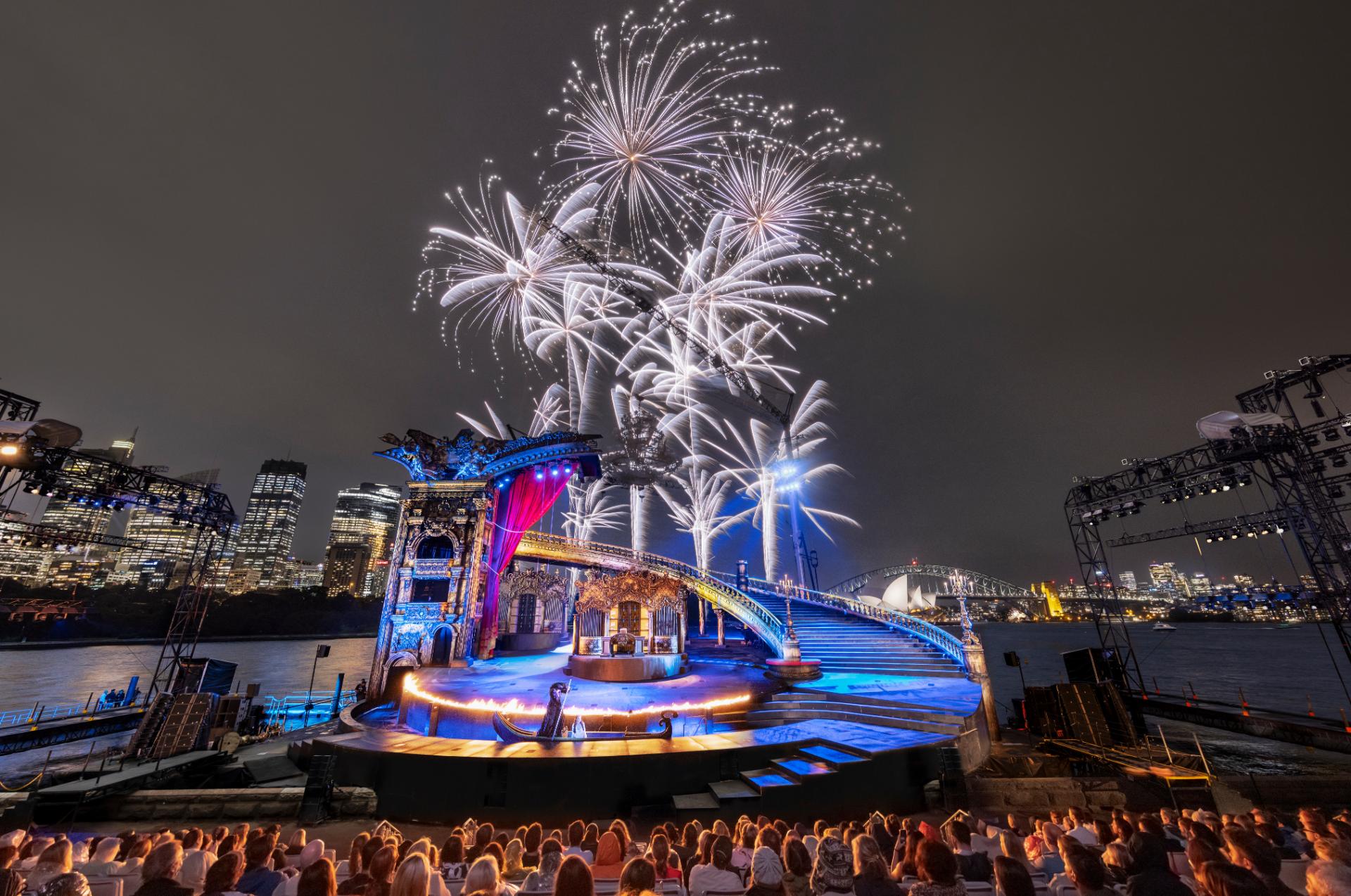
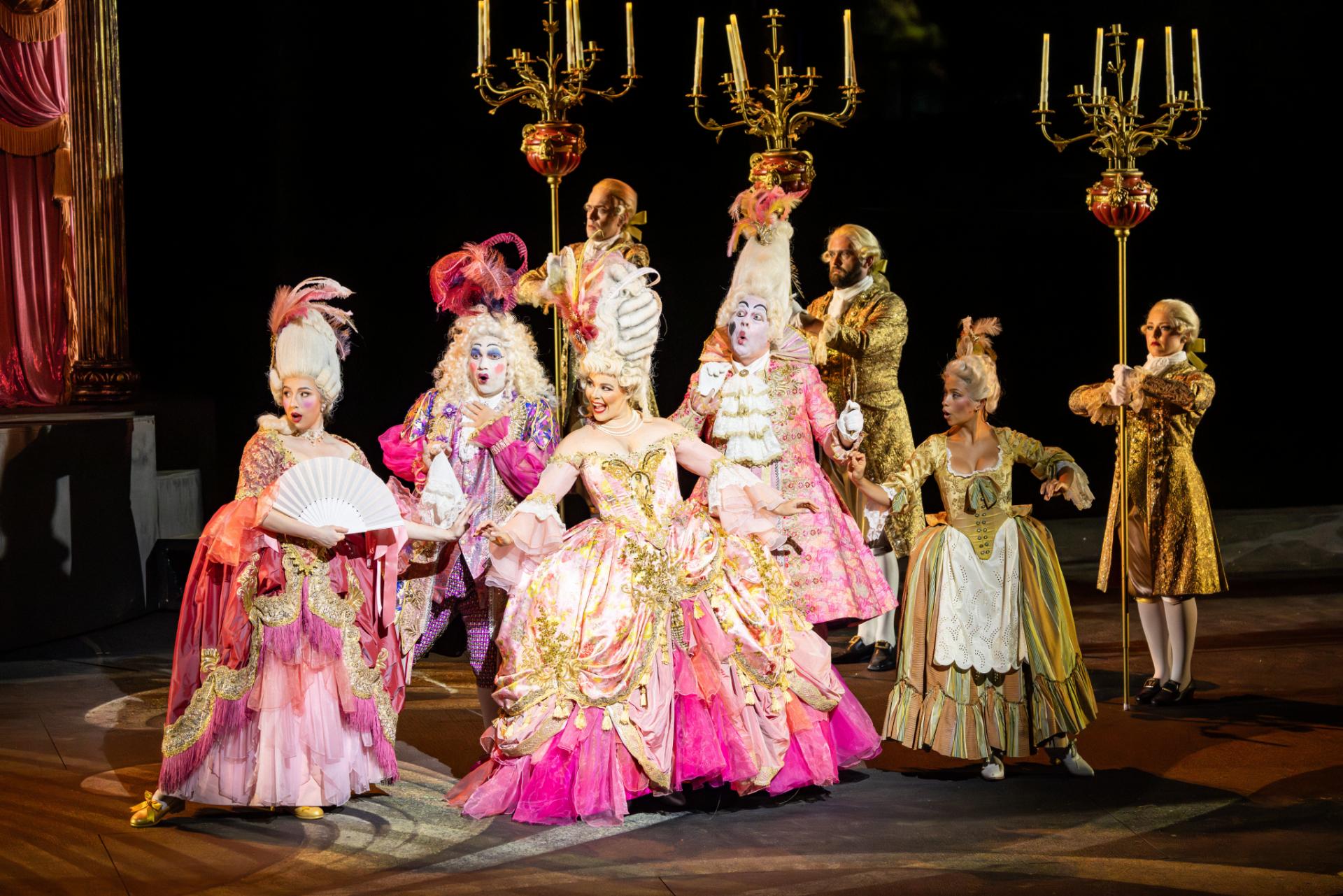
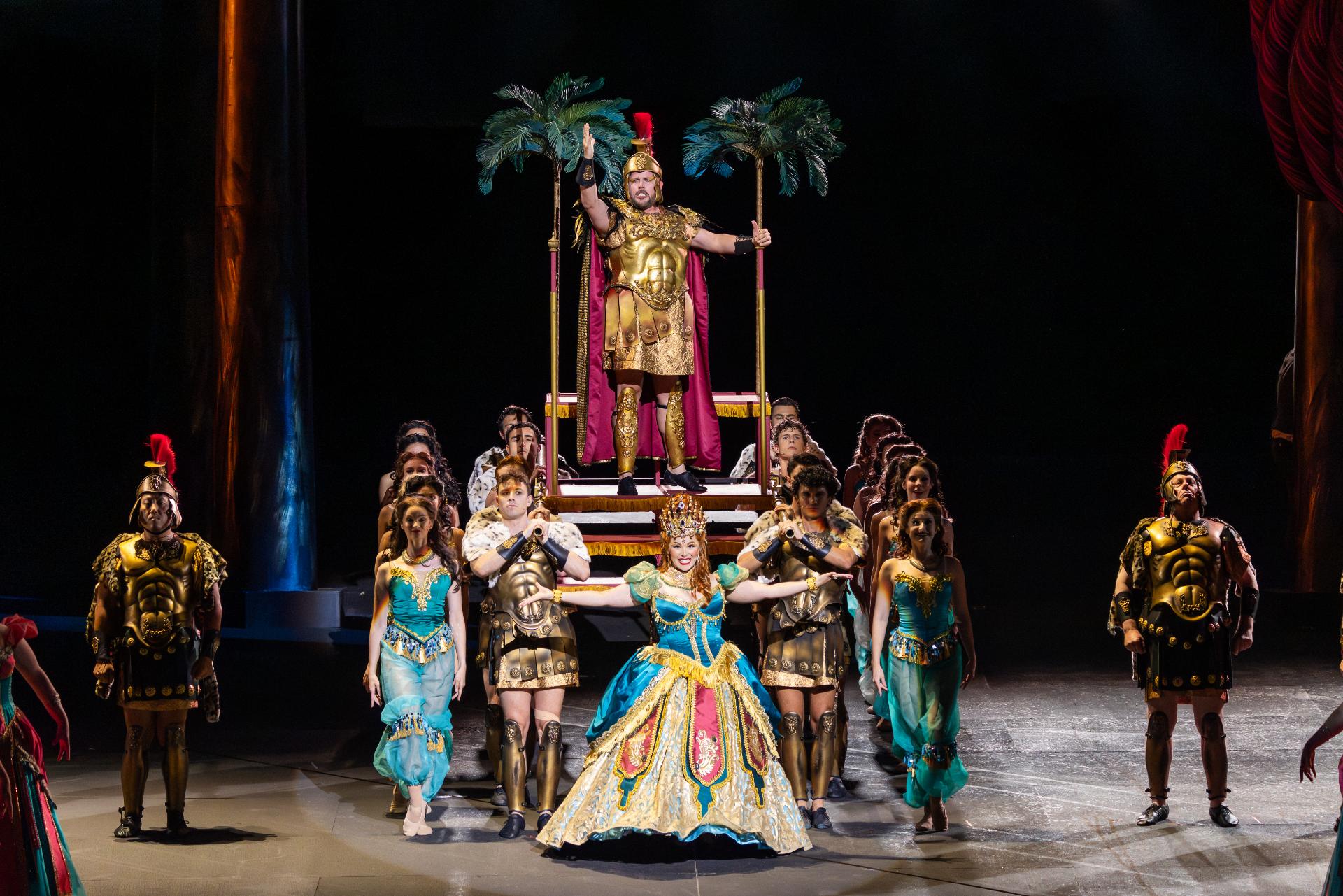
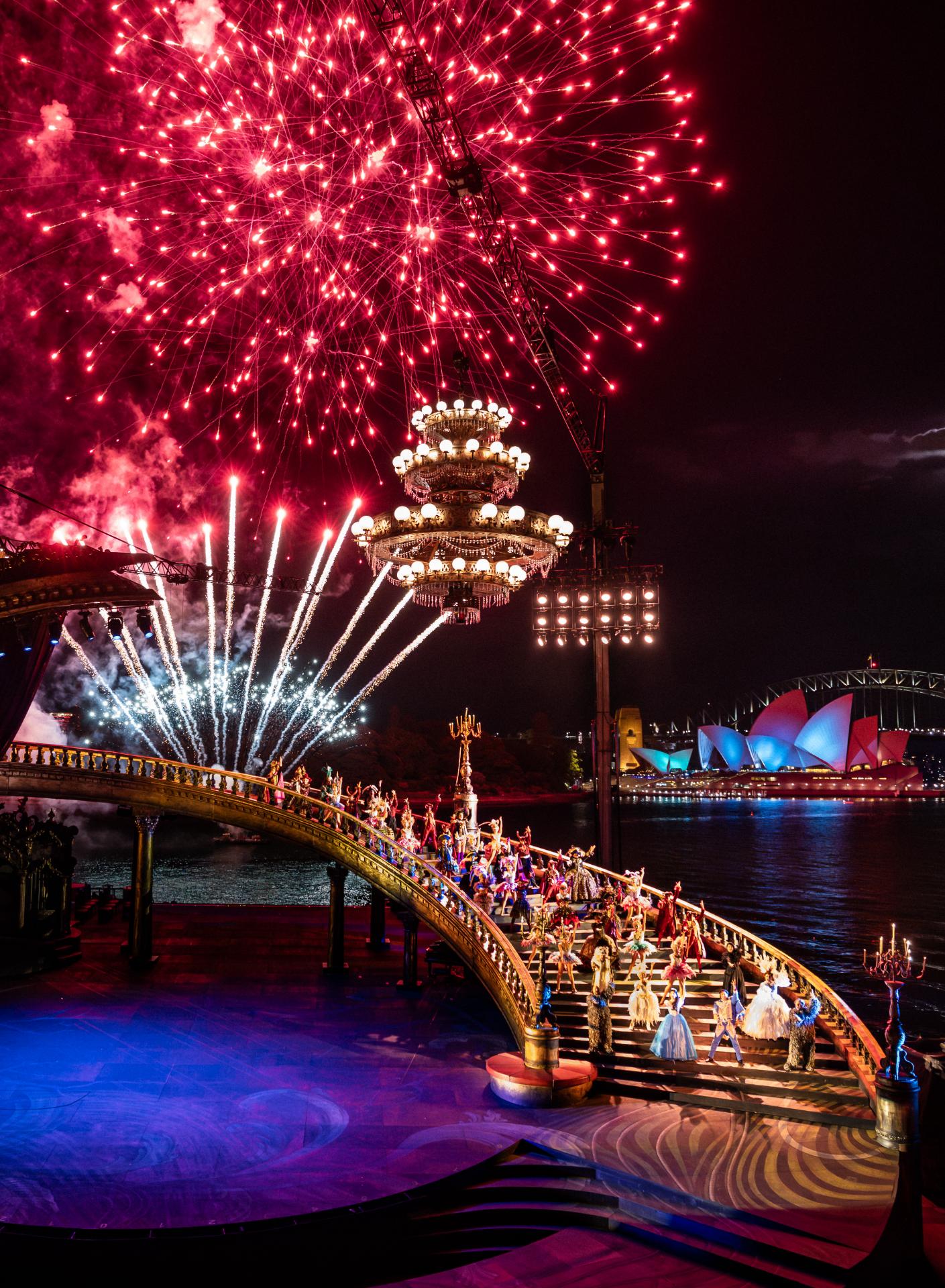
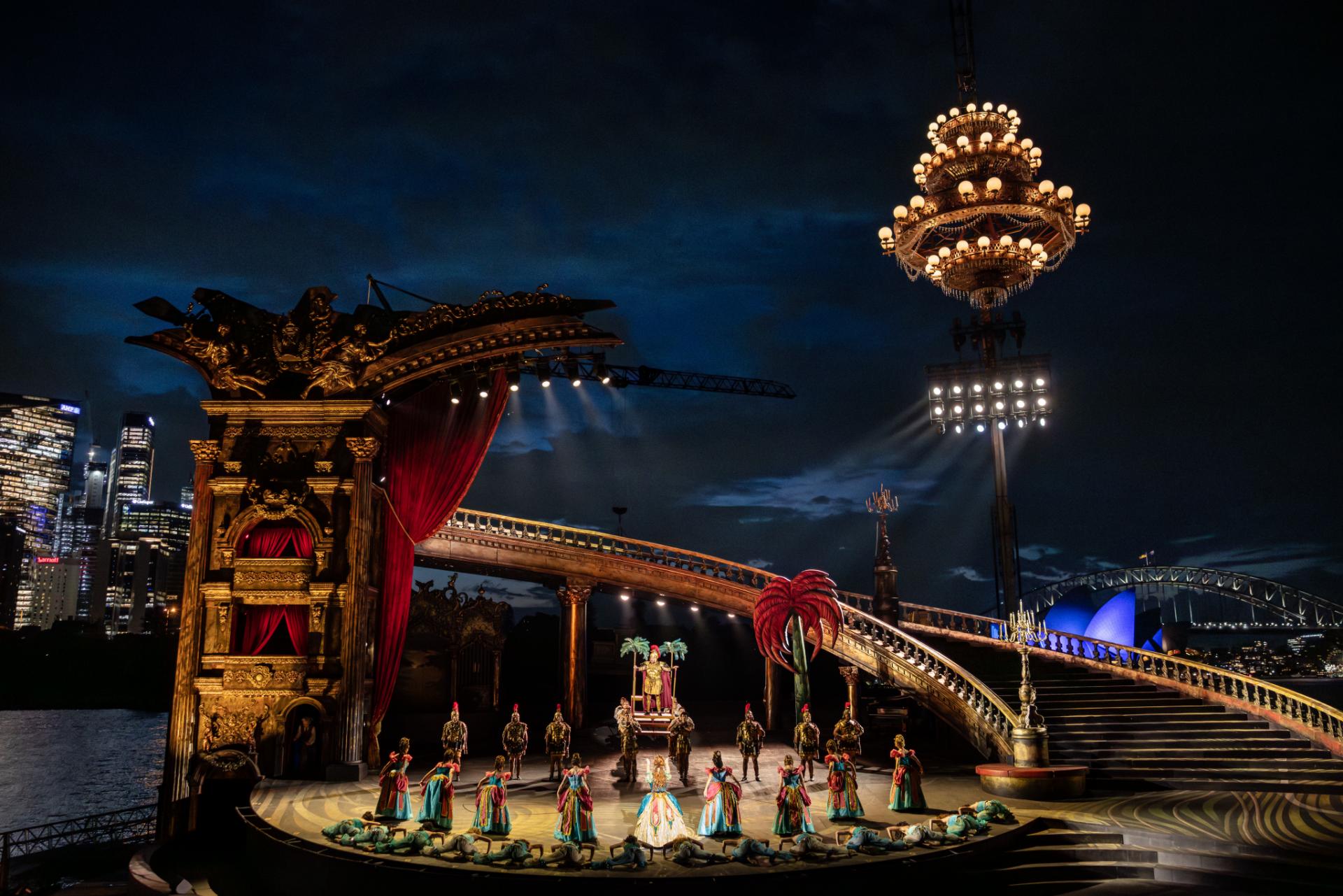
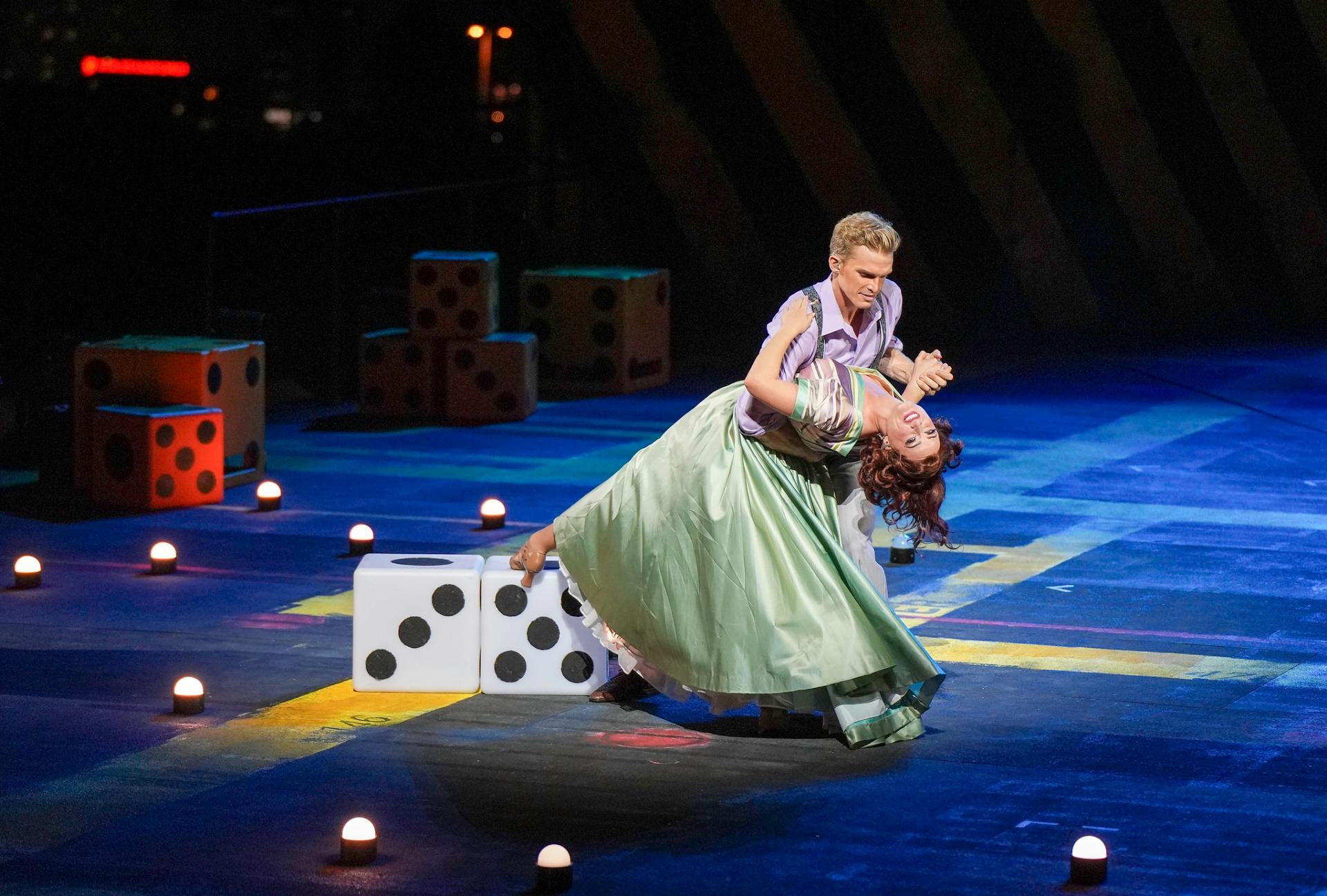
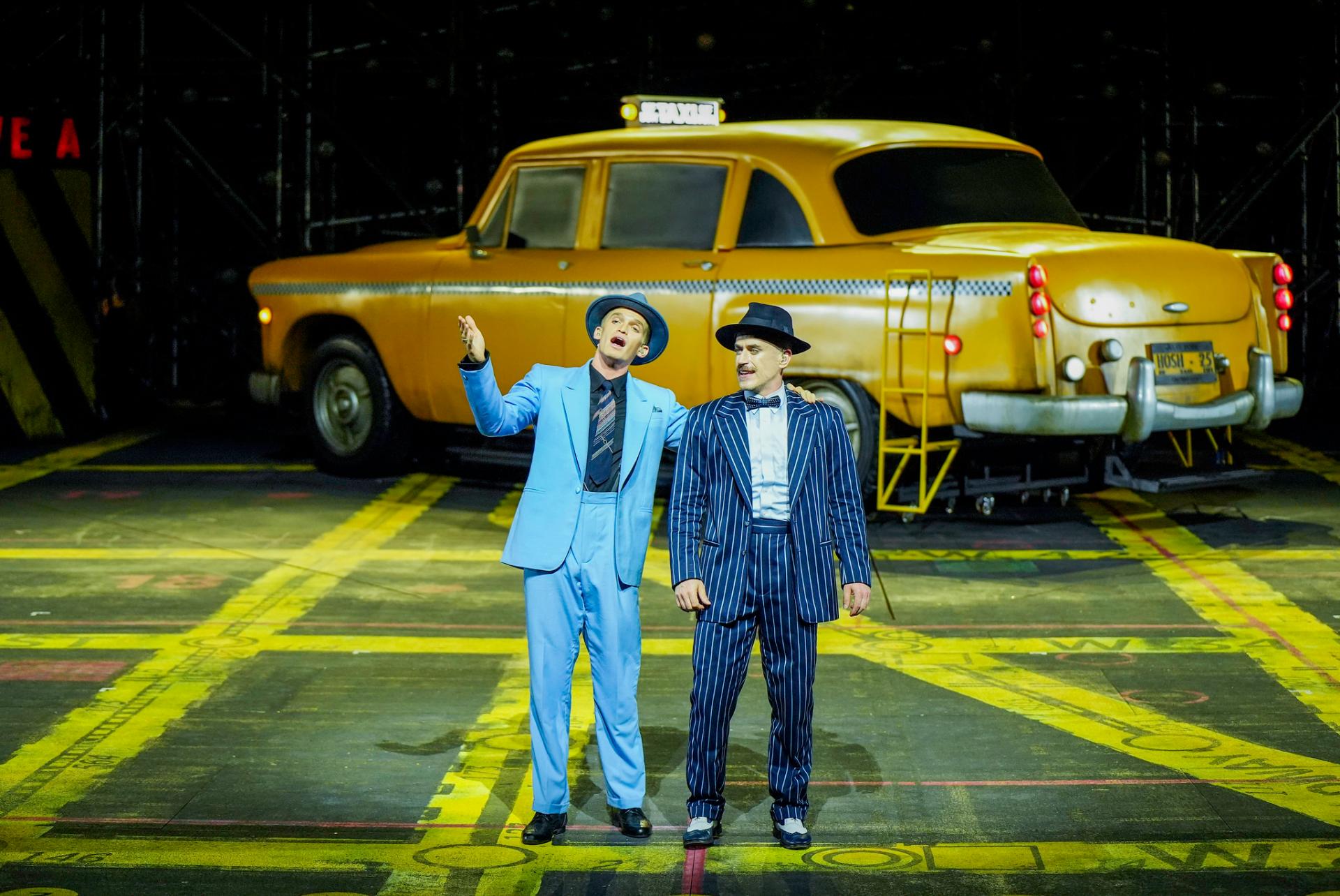
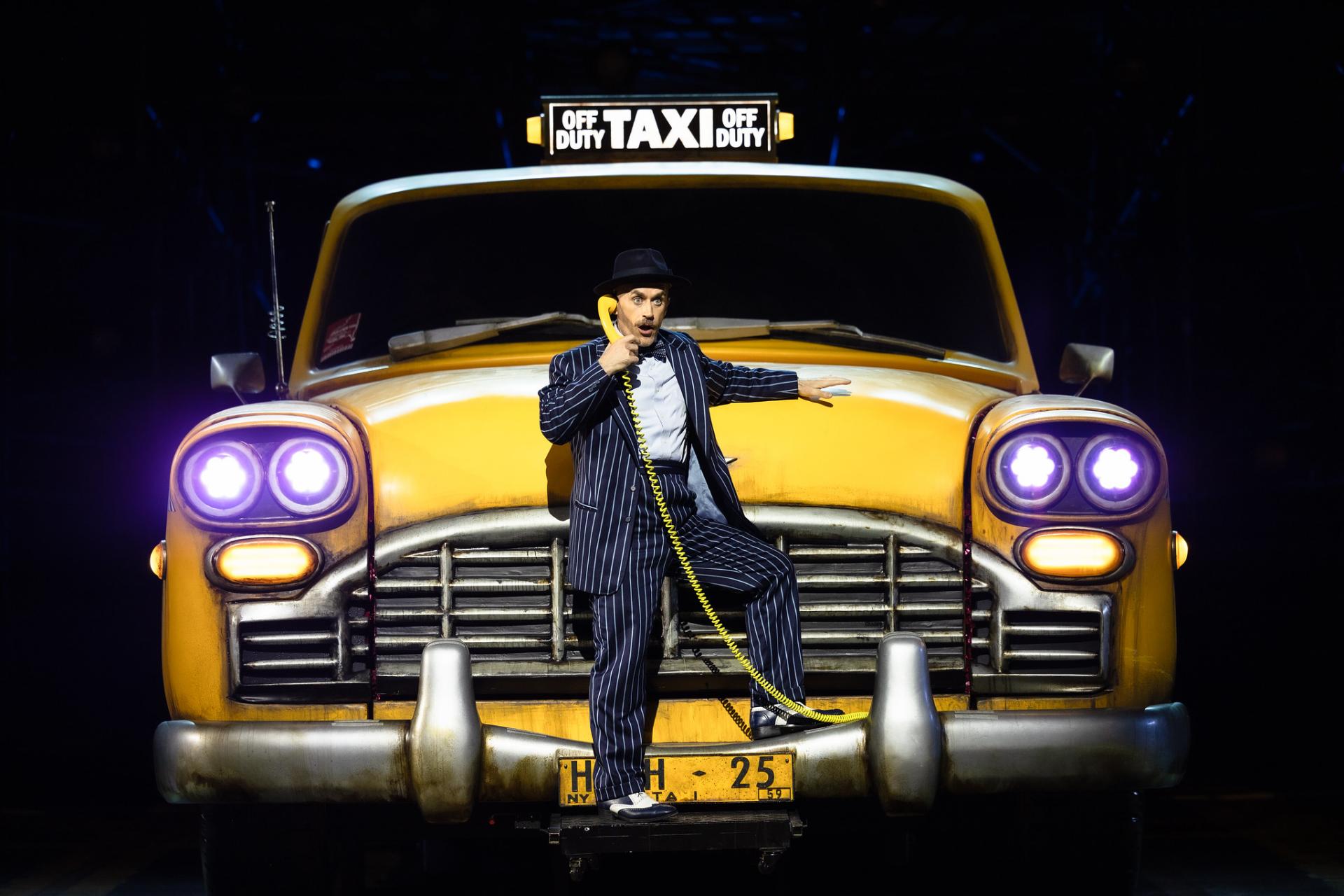
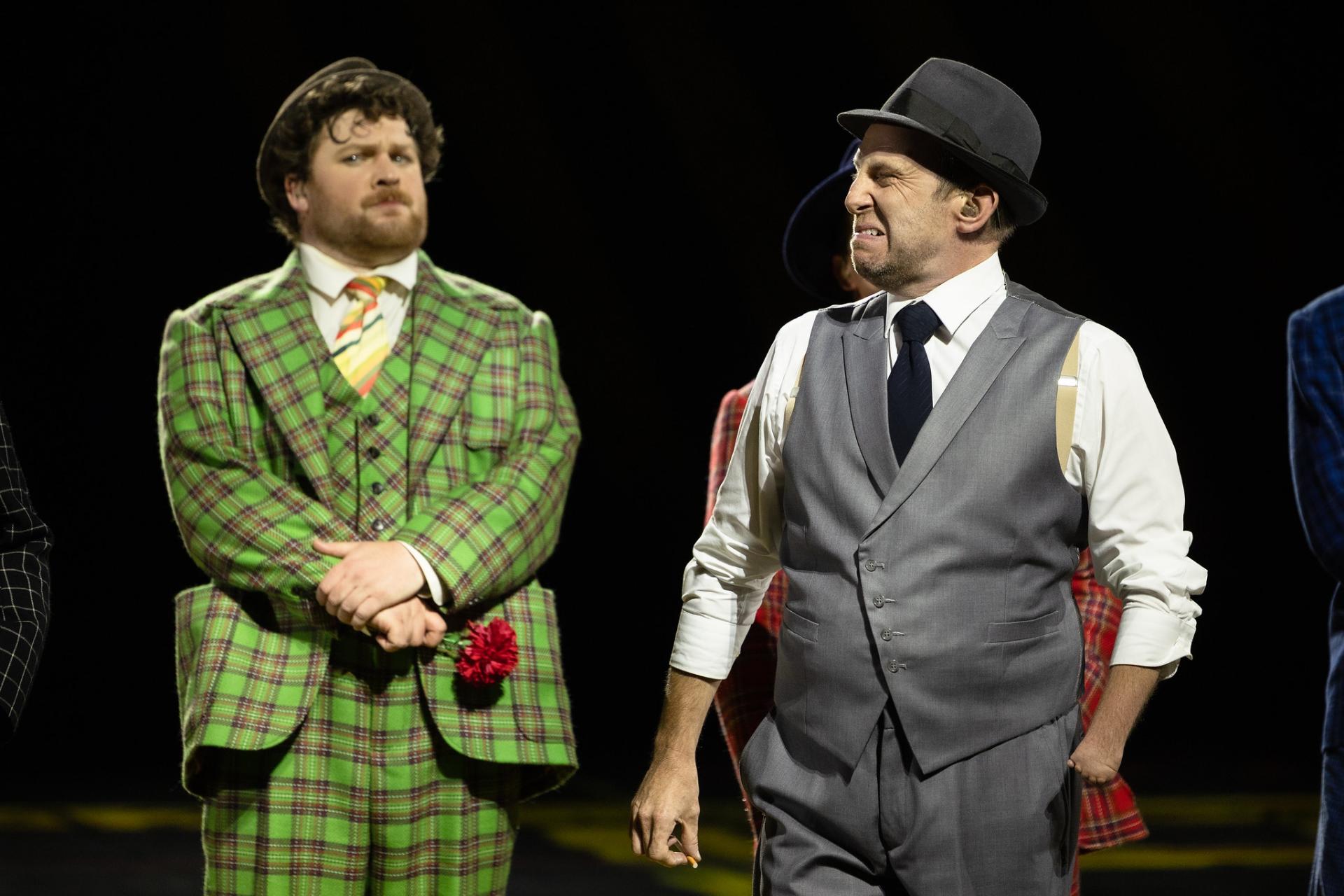
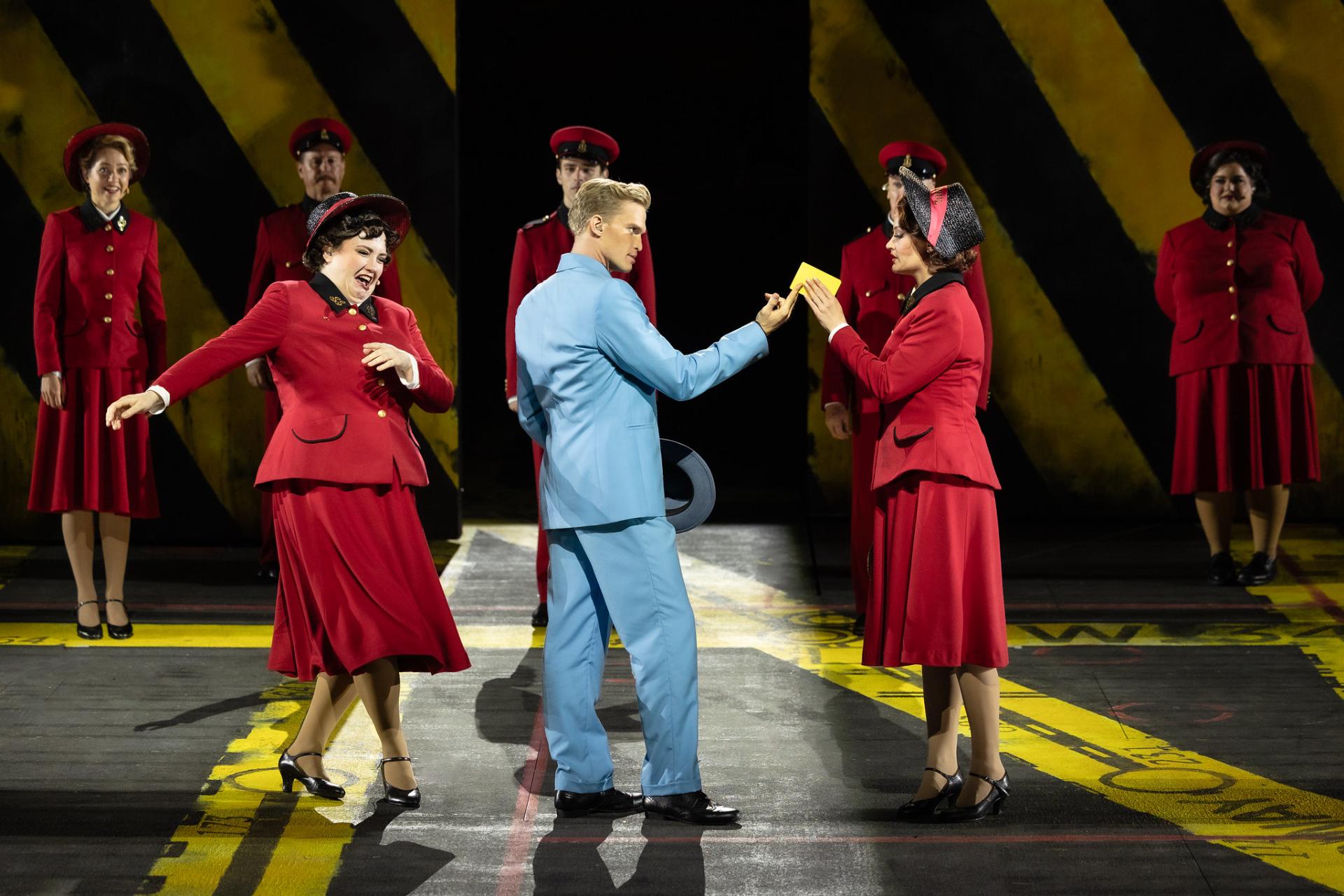
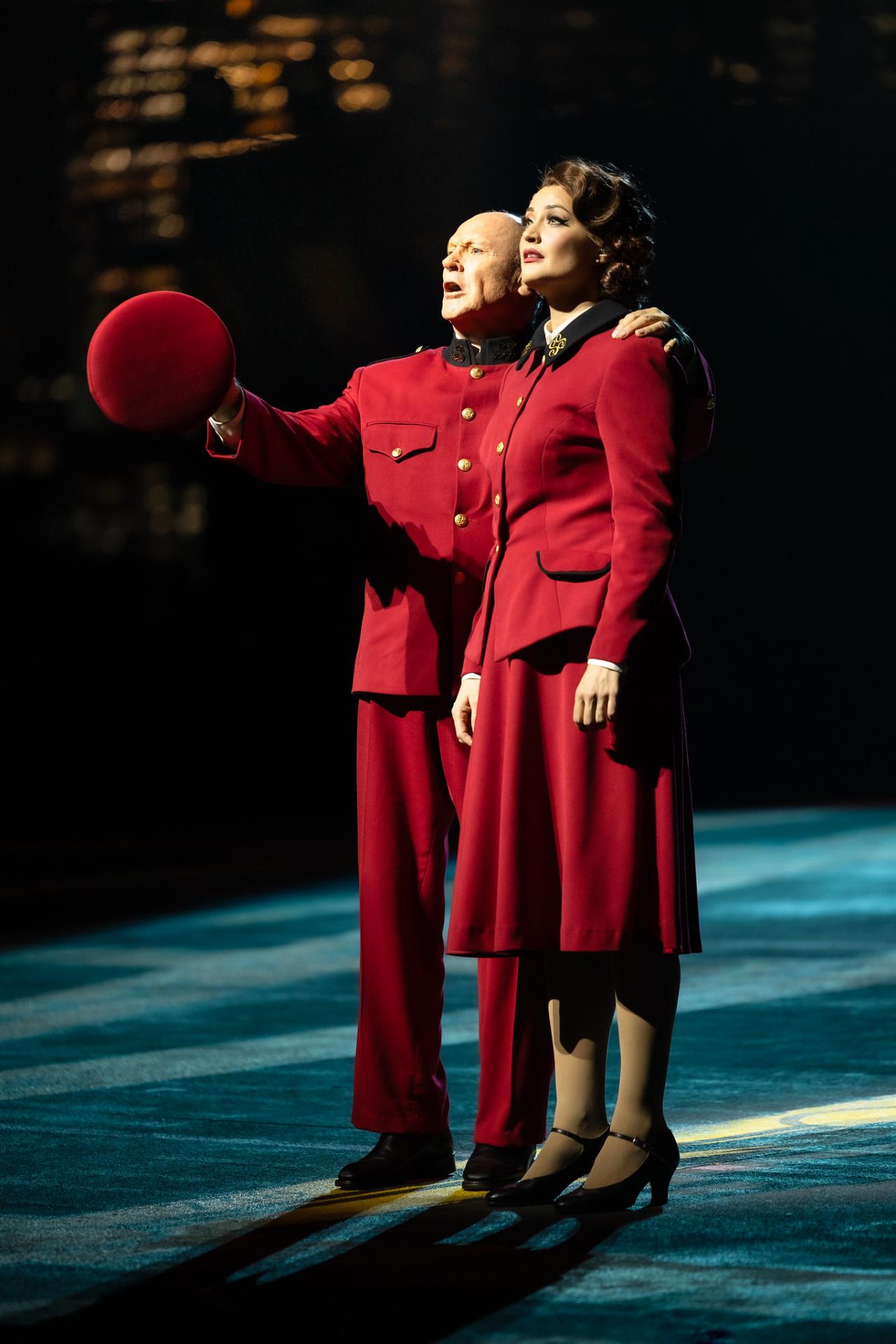
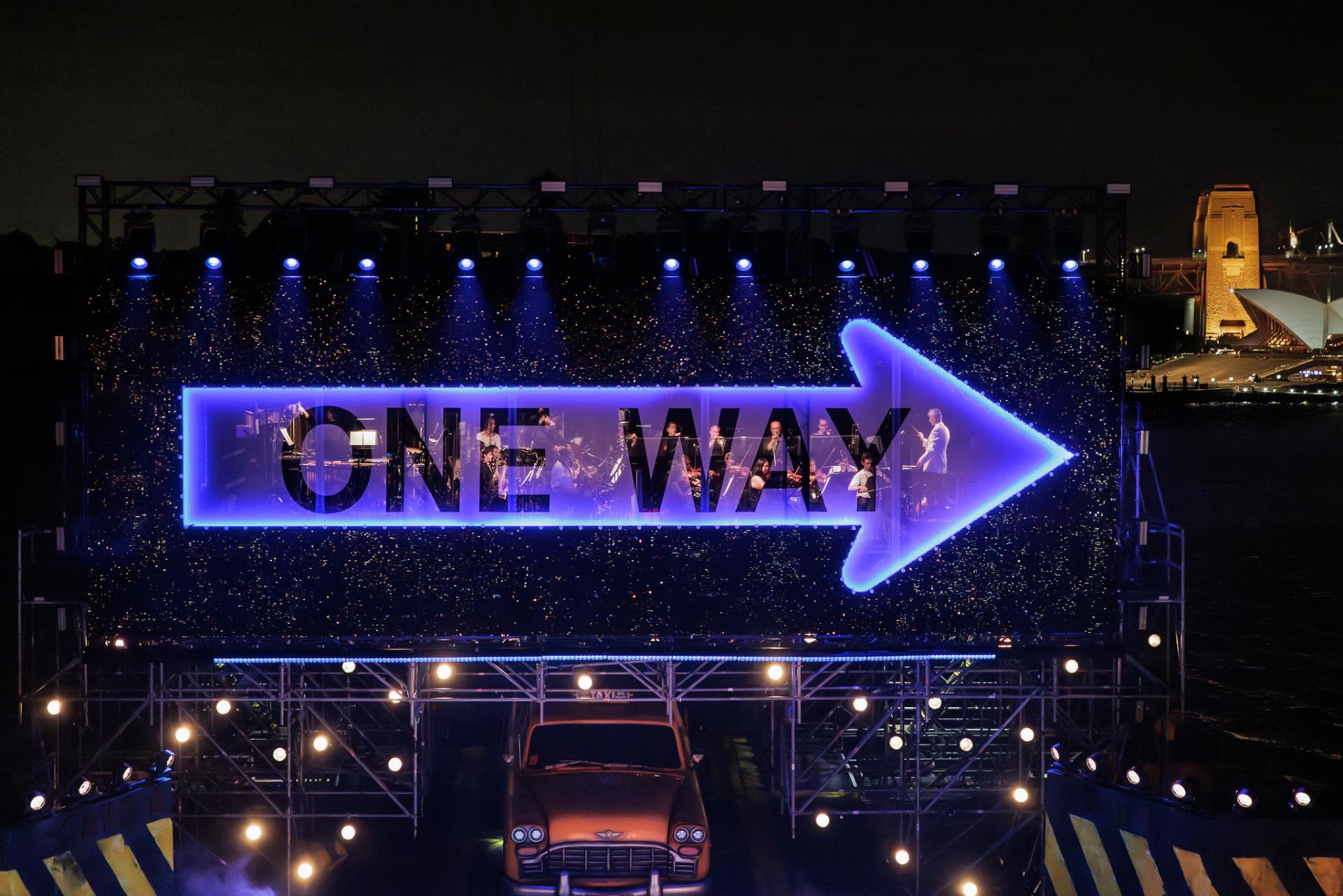
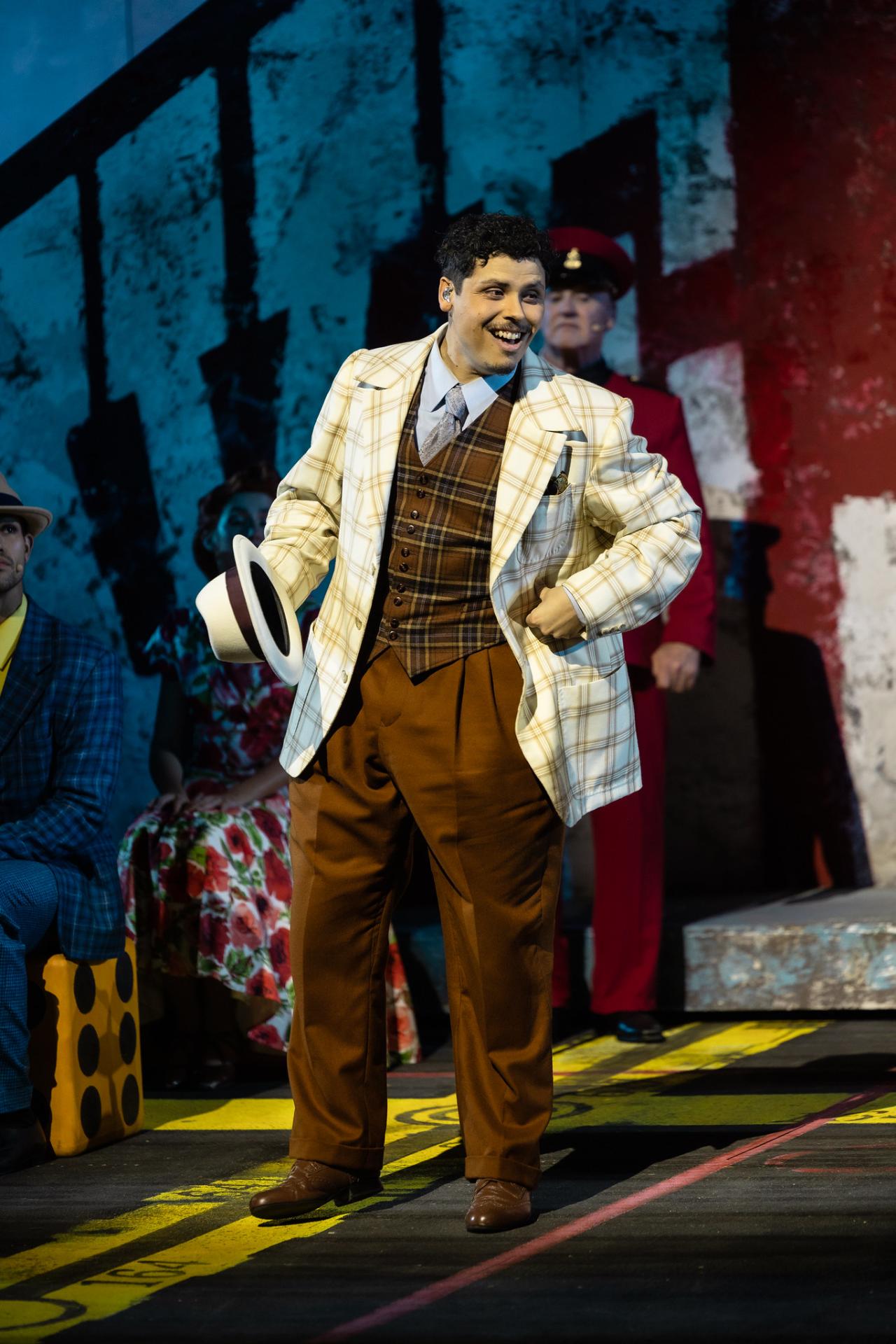
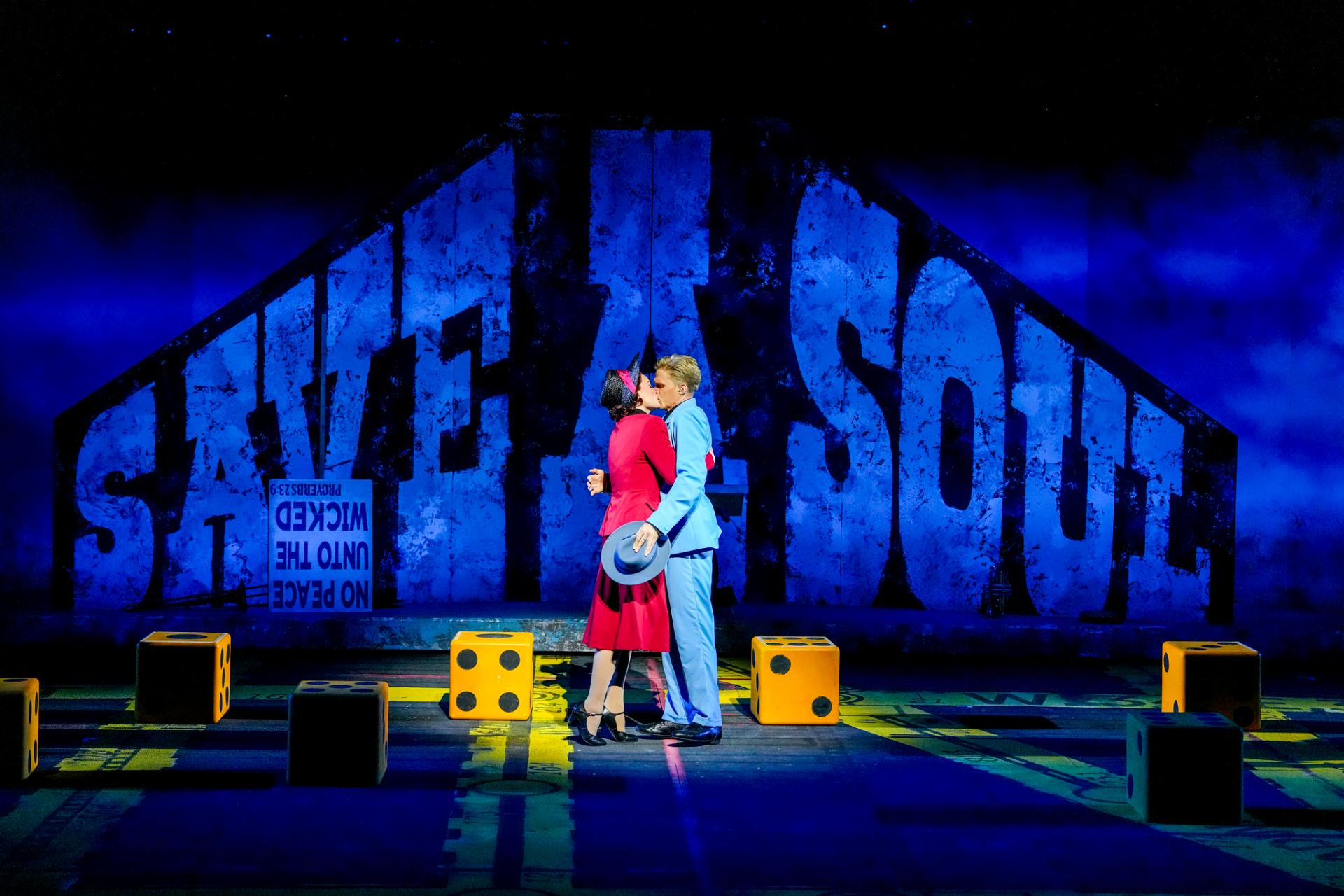
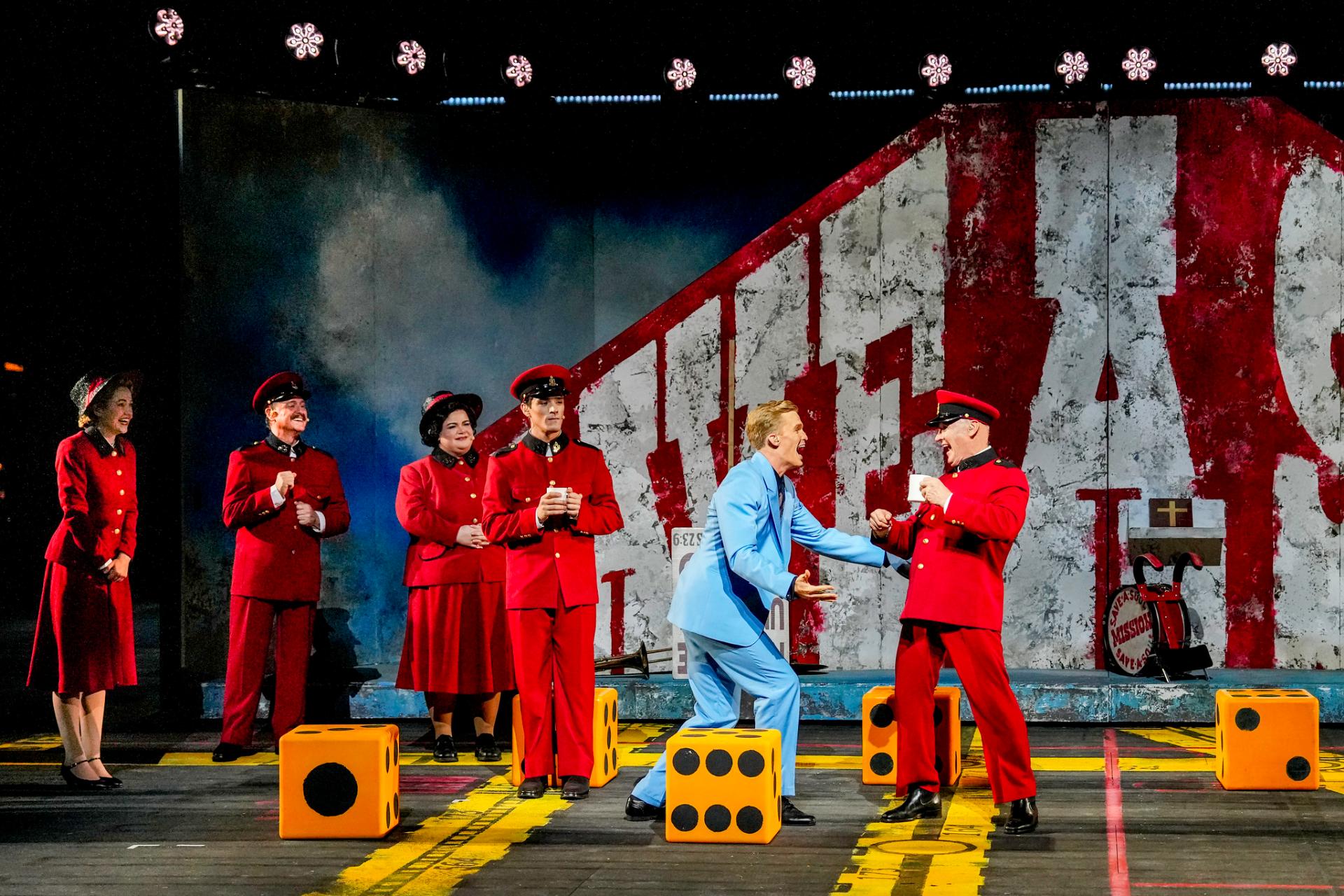
Scenic design by Brian Thomson relies heavily on a giant New York City taxicab, that transforms elegantly to provide a series of requisite backdrops. Additional set pieces are outlandishly craned in, somewhat comically, but certainly impressive with its sheer ambition. Jennifer Irwin’s costumes are an unequivocal highlight, bringing colour and texture to a challenging outdoor location, while making every character look distinct and attractive. Lights by Bruno Poet keep energy sustained, for almost three hours of merry nostalgia.

Performer Angelina Thomson stuns as cabaret artist Miss Adelaide, with her incredible spirit and authentic charm having us enthralled at every appearance. Sarah is played by the pitch-perfect Annie Aitken, who introduces sass alongside sweetness for her clever rendering of a likeable Christian mission worker. Cody Simpson and Bobby Fox are the two rogues Sky and Nathan, both dashing men with big presences who convince us of the women’s devotion. Also noteworthy is Jason Arrow who as Nicely brings the house down with his electric rendition of “Sit Down, You’re Rockin’ the Boat”.

It is easy to criticise all the choices made by Adelaide and Sarah, even when it is clear that circumstances dictate so much of how a woman thinks and behaves. In worlds determined to make things difficult for women, it is only right that we get behind her own decisions and celebrate her endeavours. If her aspirations prove to be flawed after they are attained, we can get cheer her on again when she does better, next time round.

www.opera.org.au

Review: Candide (Sydney Opera House)

Venue: Sydney Opera House (Sydney NSW), Feb 20 – Mar 14, 2025
Composer: Leonard Bernstein
Librettist: Richard Wilbur
Director: Dean Bryant
Cast: Annie Aitkin, Euan Fistrovic Doidge, Alexander Lewis, Dominica Matthews, Andrew Moran, Eddie Muliaumaseali’i, Eddie Perfect, Lyndon Watts, Cathy-Di Zhang
Images by Carlita Sari

Theatre review
Voltaire’s 1759 novella “Candide, ou l’Optimisme” sees its protagonist travelling the world, learning many of life’s big lessons before finally landing on solid ground. Leonard Bernstein’s musical operetta, simply named Candide, takes that big journey and transforms it into a wild fantasia, filled with colourful characters and comically bizarre scenarios.

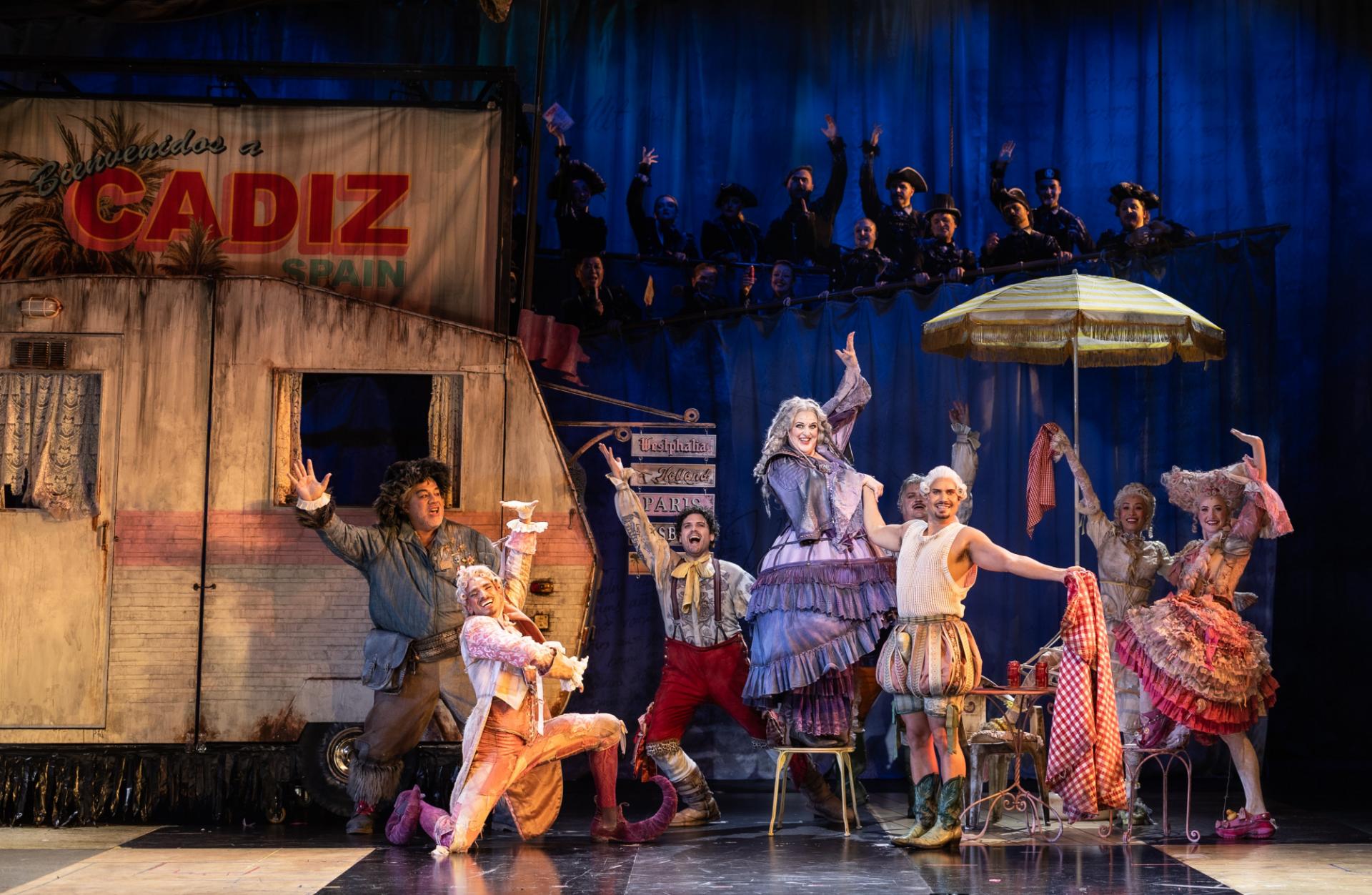
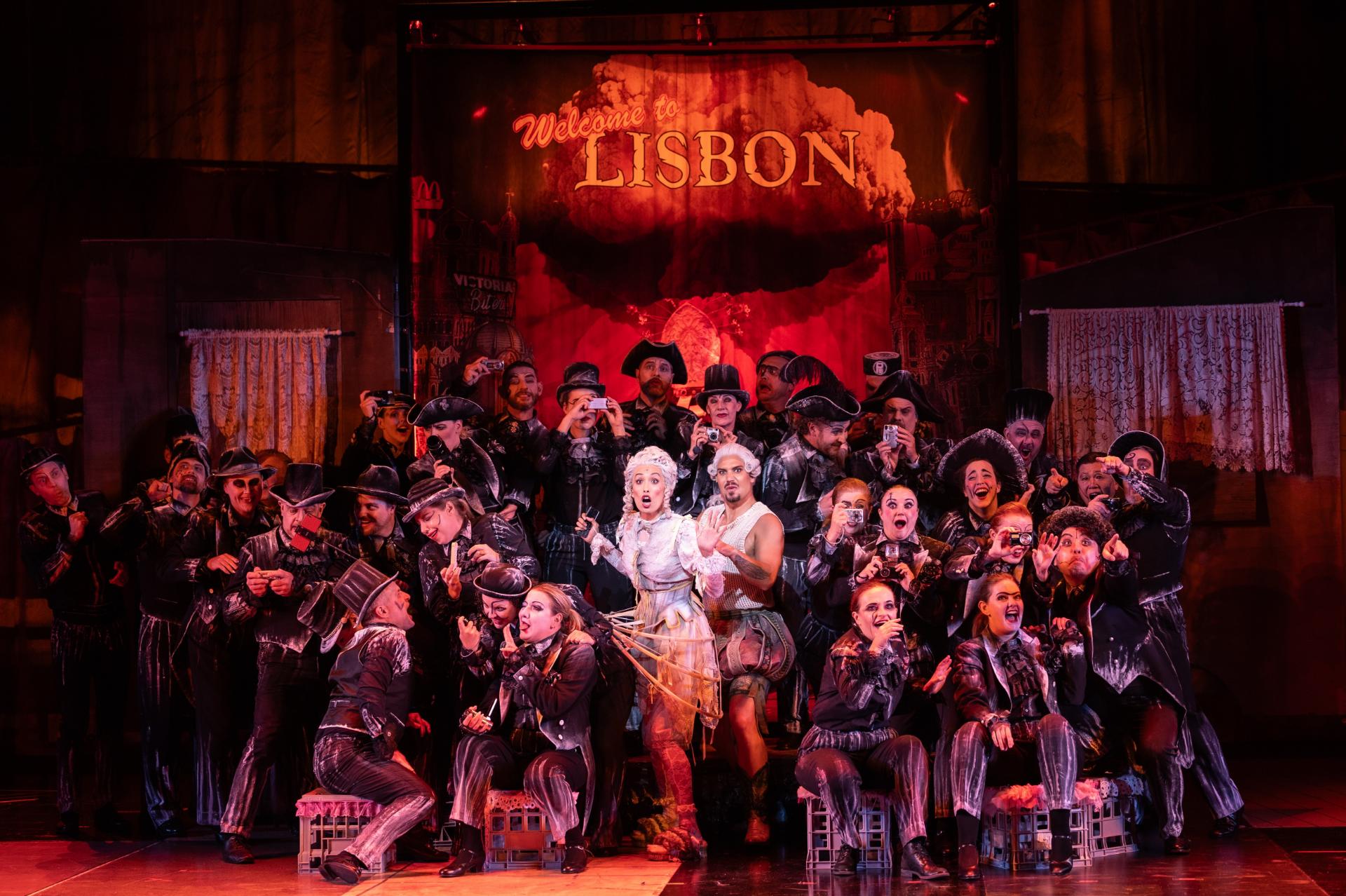
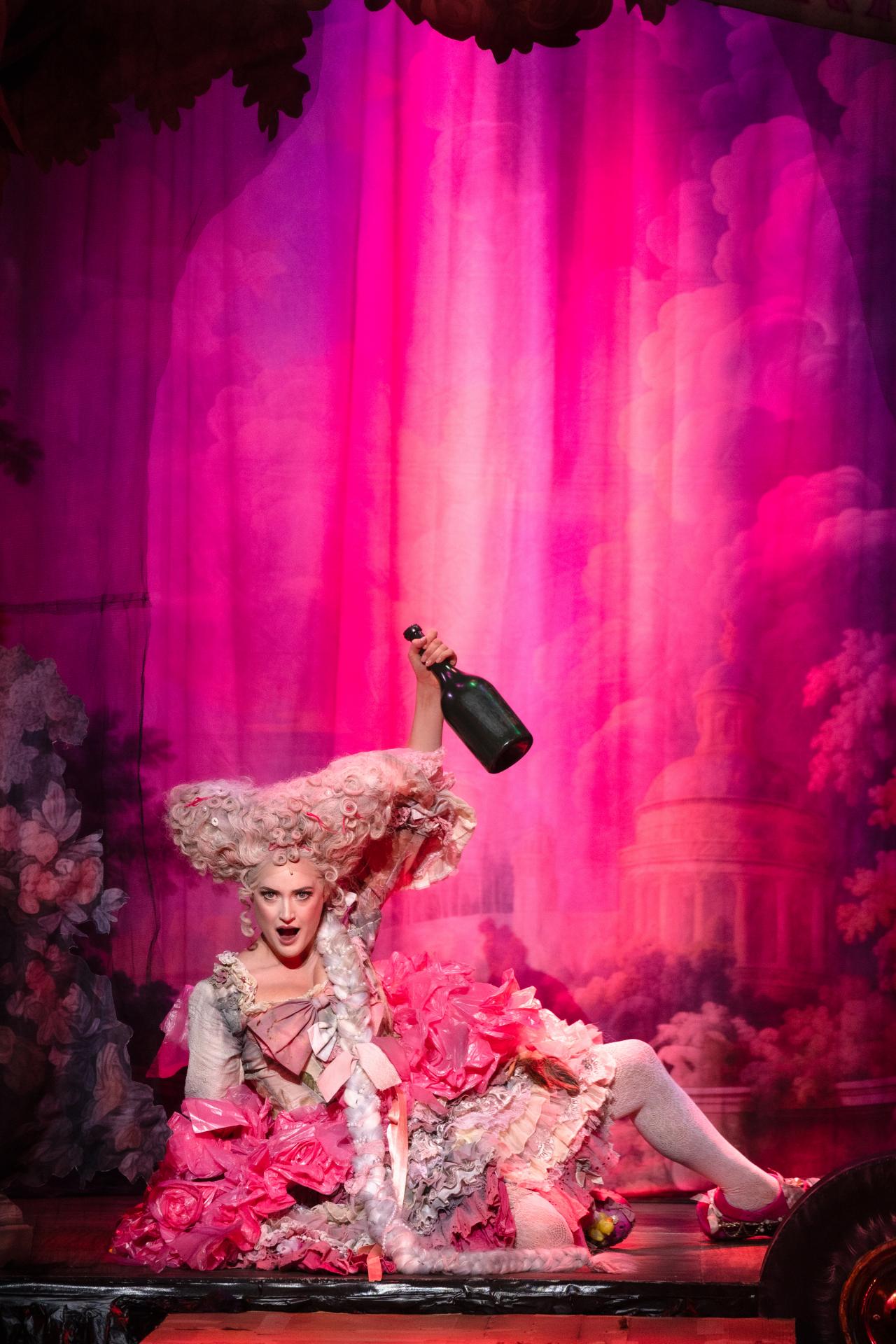
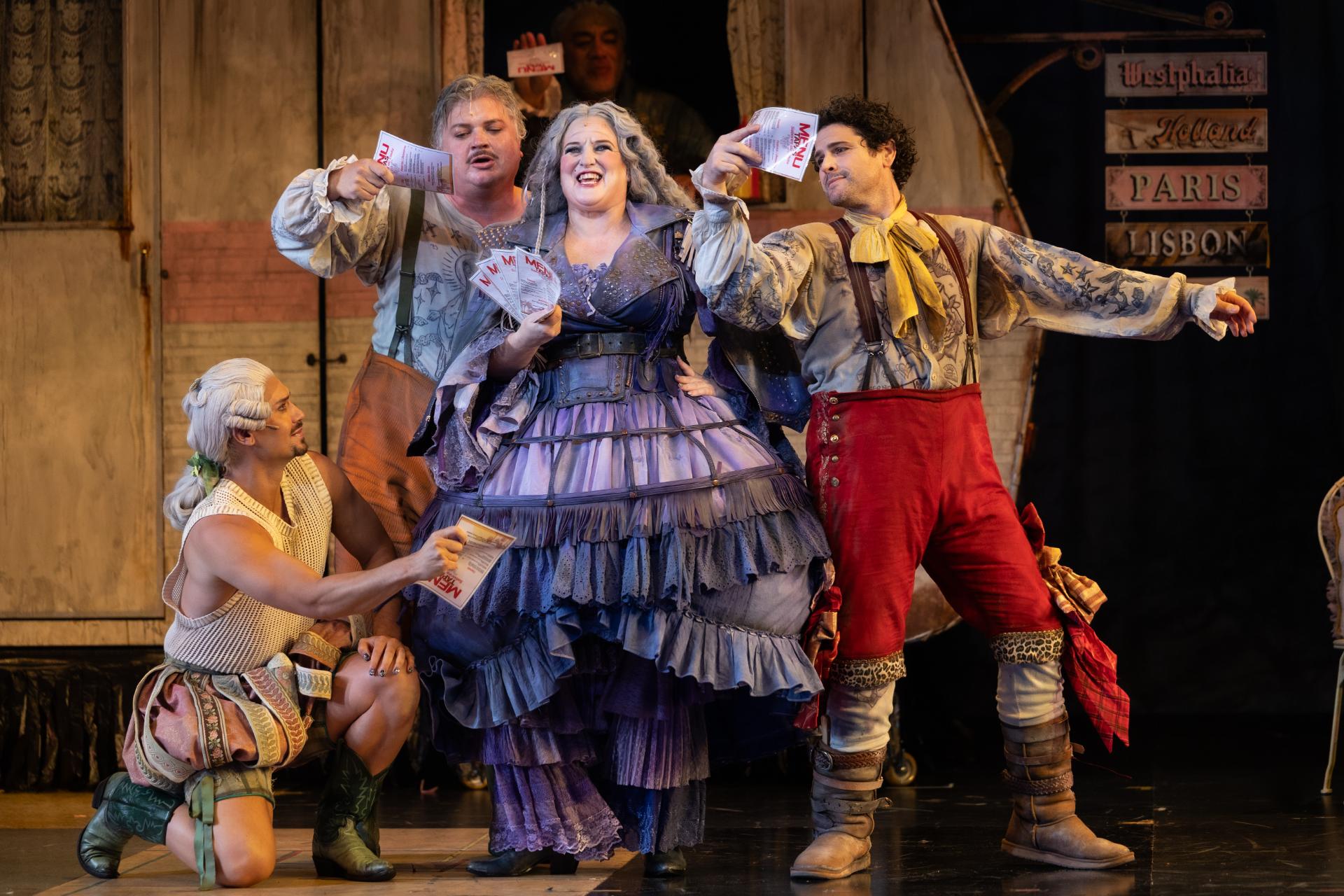
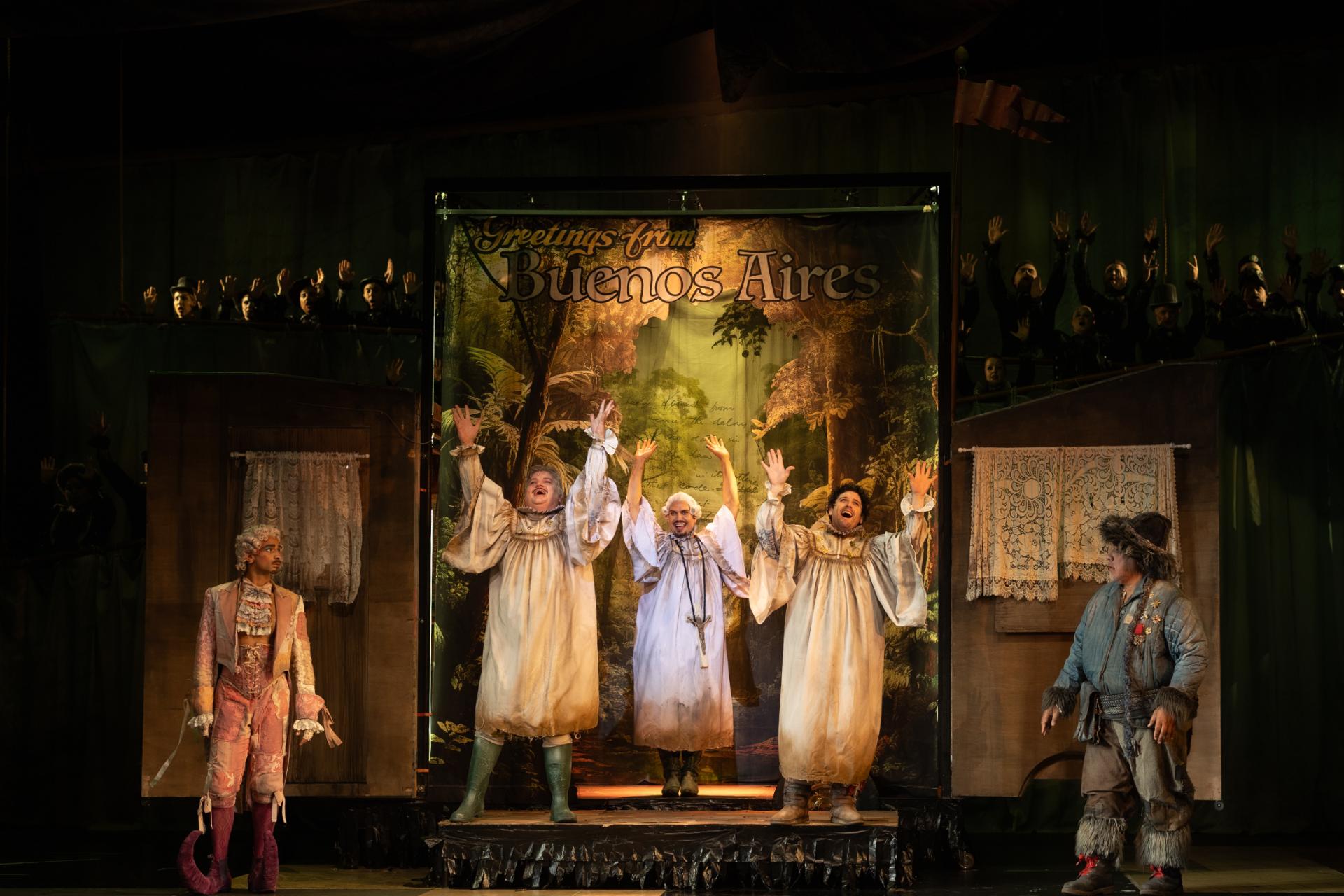
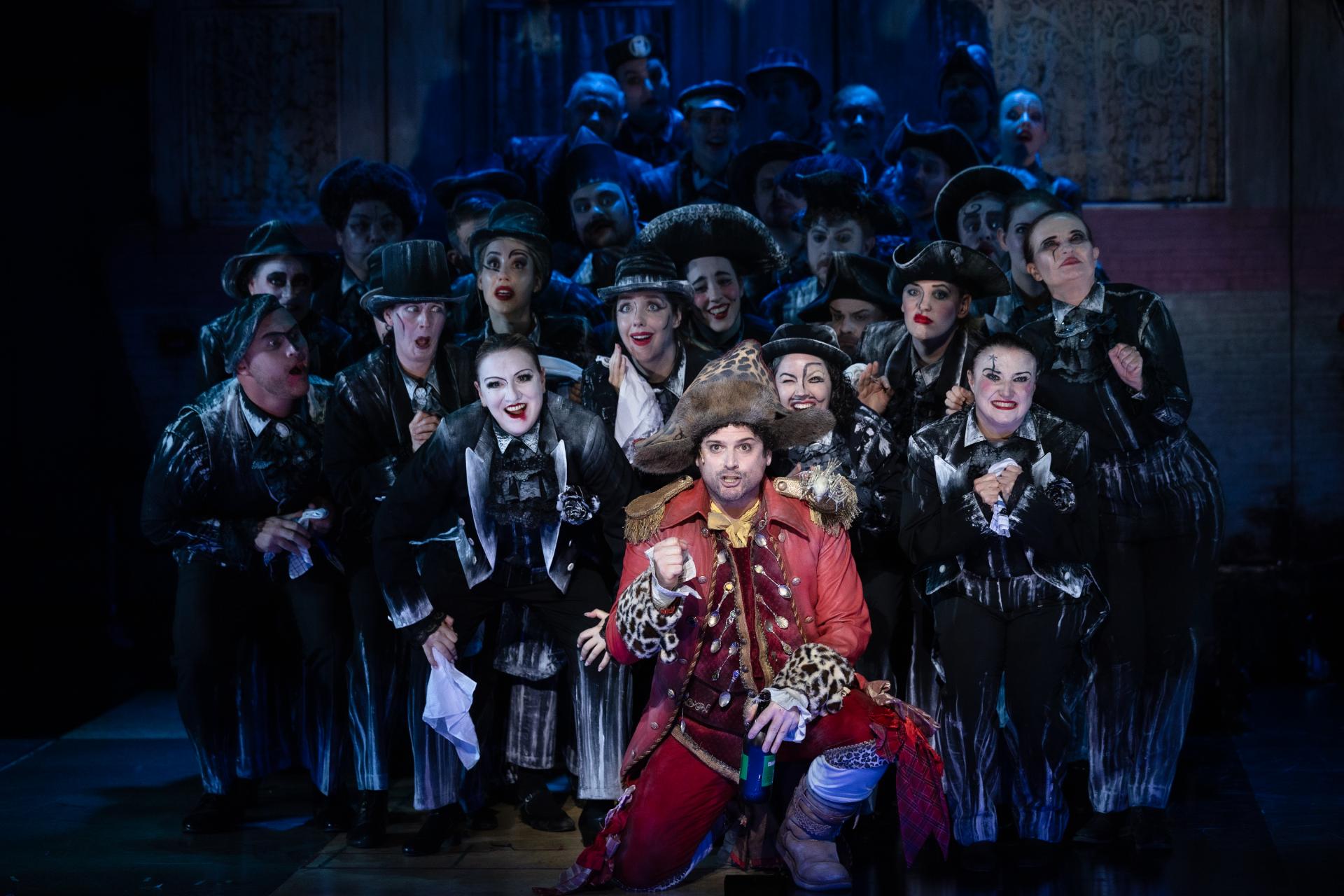
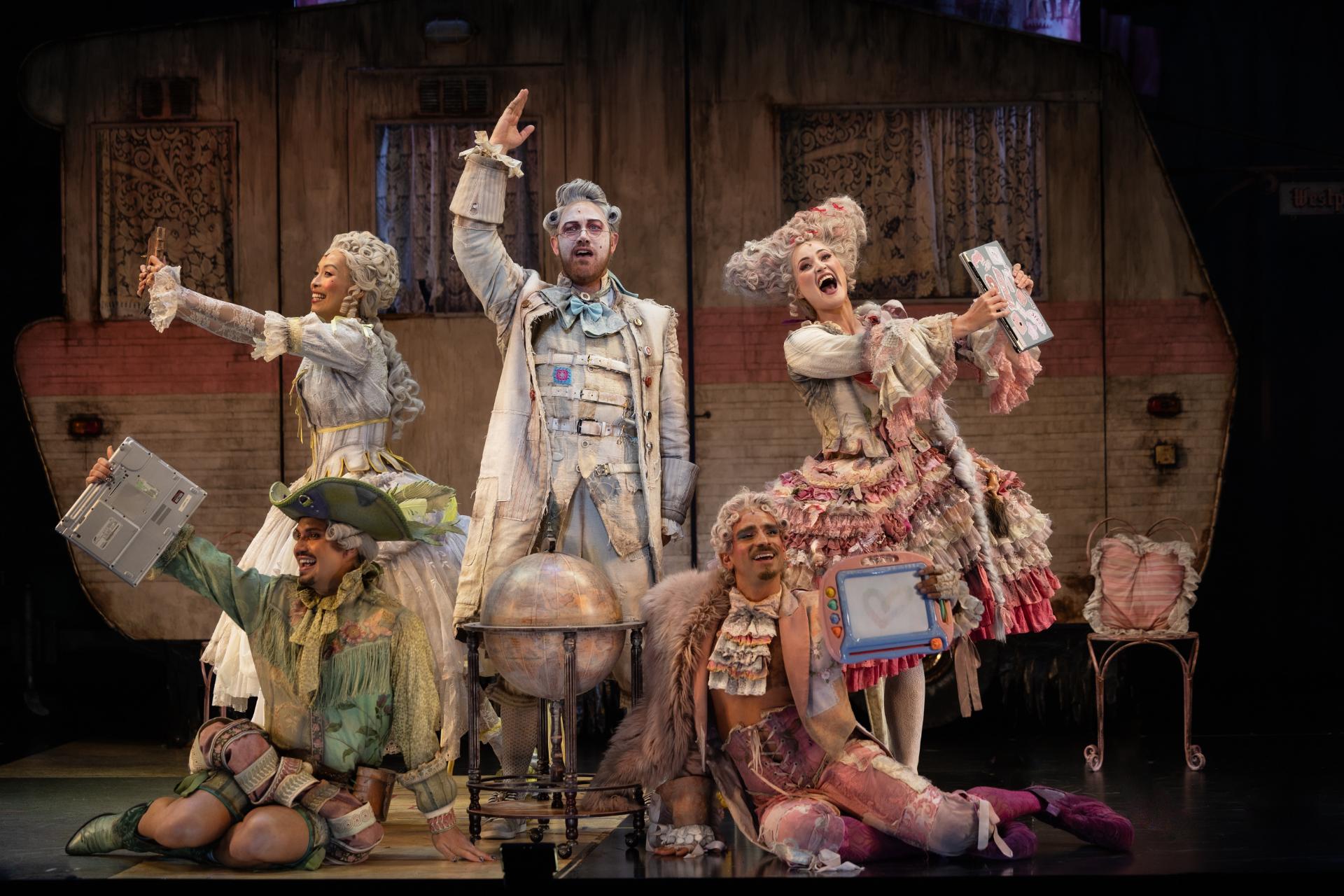
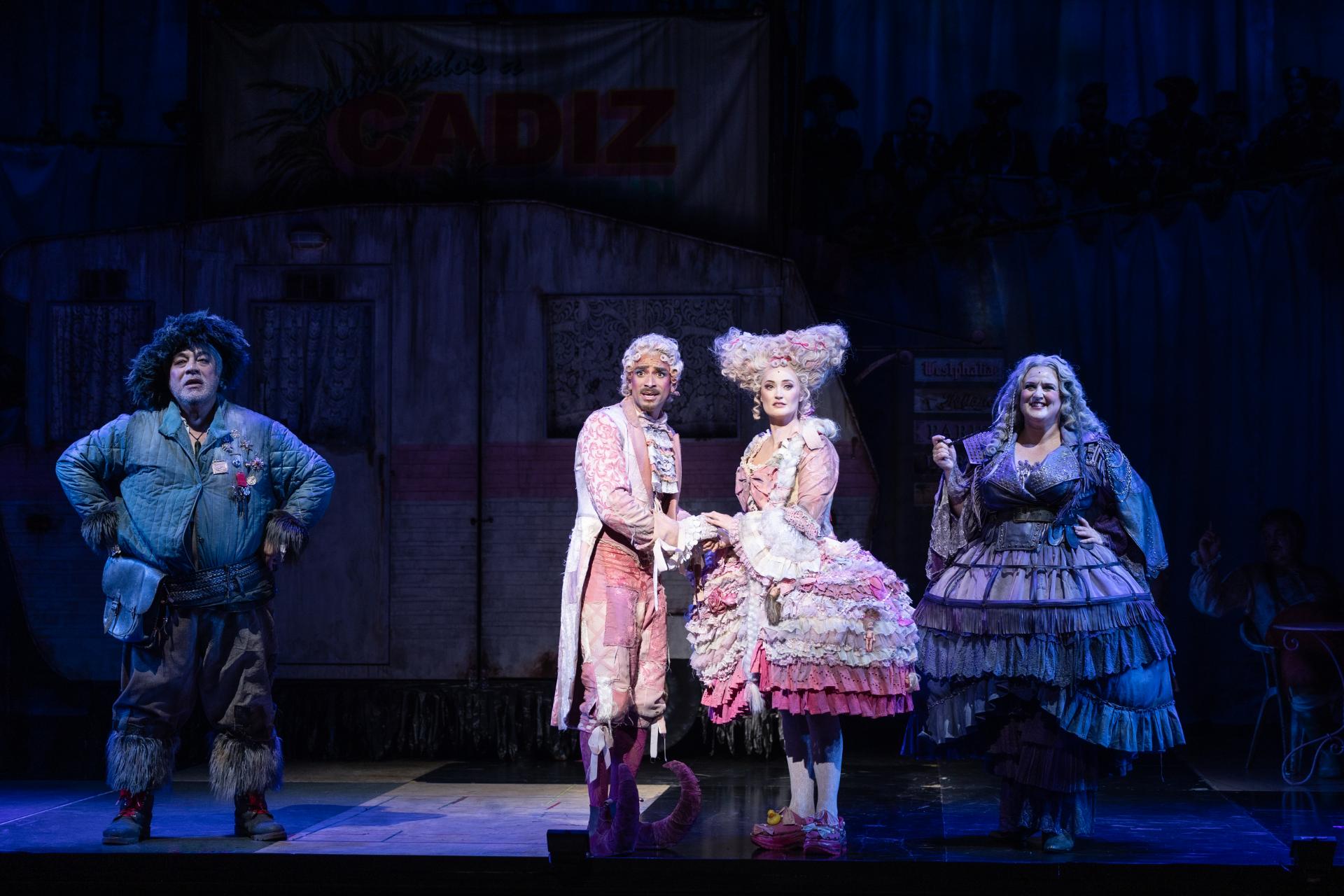
Direction by Dean Bryant makes full use of the work’s absurd elements to manufacture a vivacious experience, chaotic and rambunctious in its imaginative renderings for theatrical amusement. Dann Barber’s ironic set design features a recreational trailer as centrepiece, magically unfurling scenic designs that represent the many cities in Candide’s journey. Barber’s costumes are extravagantly campy, and a clear highlight of the production. Lights by Matthew Scott imbue a sense of lavishness, effective at delivering enchantment, if slightly lacking in poignancy for the show’s concluding moments.

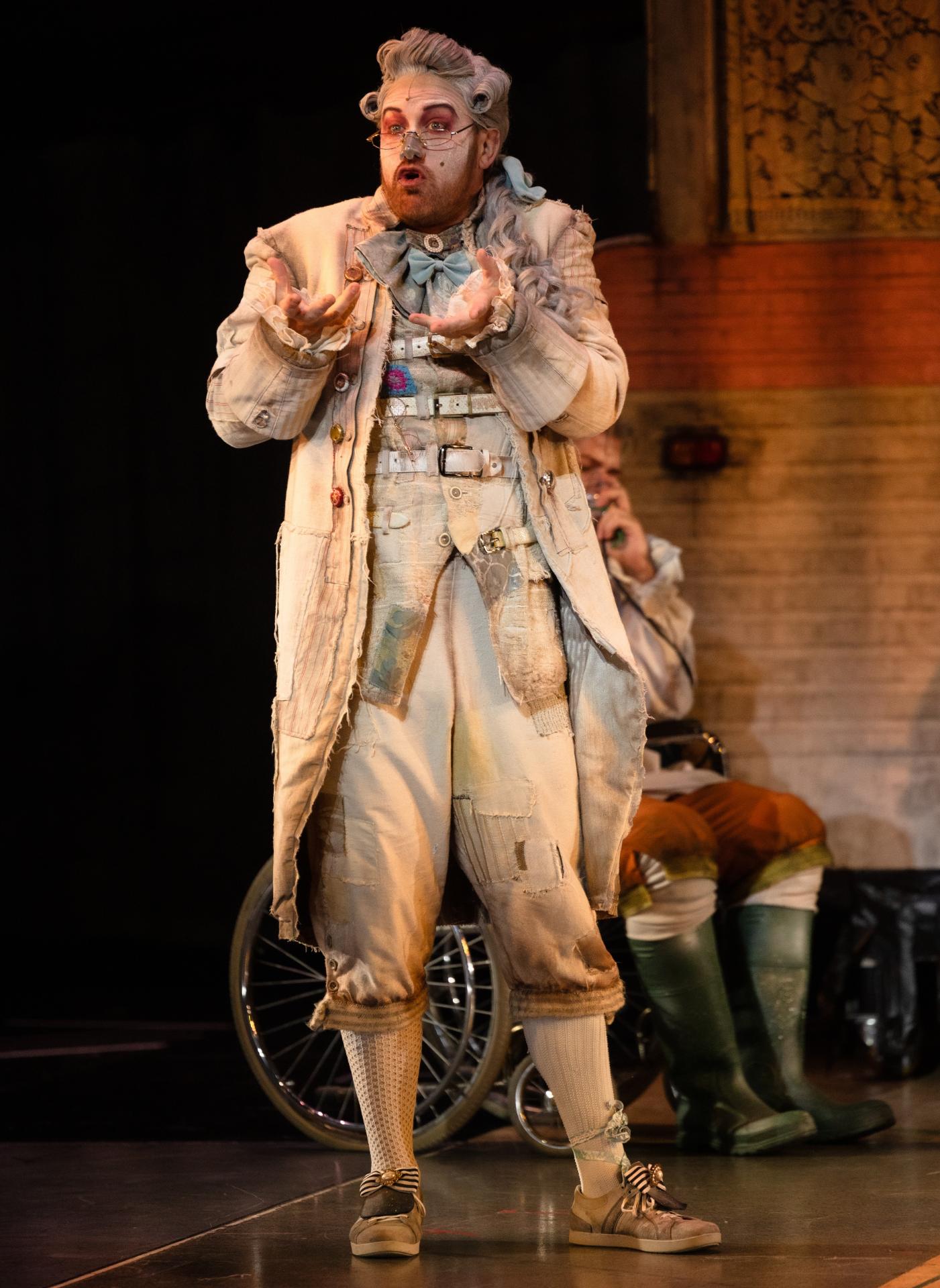
Leading man Lyndon Watts displays unequivocal technical proficiency in the role of Candide, but it is his charisma that many will find memorable. Annie Aitken is a delight as Cunégonde, offering exquisite vocals along with some truly splendid humour. Playing Voltaire (and Dr. Pangloss) is Eddie Perfect, whose affability and confidence provide for the staging additional polish.

On this occasion, Candide seems a celebration of frivolity and little else. Certainly there is space in the arts for lightness, but in any performance, surely an audience needs to feel some level of personal investment, to be held attentive in meaningful ways. It can be argued that little of Candide remains resonant, even though it is observable that people are meant to be having fun.

www.opera.org.au | www.victorianopera.com.au

Review: Hadestown (Theatre Royal)

Venue: Theatre Royal (Sydney NSW), 12 Feb – 26 Apr, 2025
Music, Lyrics & Book: Anaïs Mitchell
Director: Rachel Chavkin
Cast: Abigail Adriano, Christine Anu, Noah Mullins, Sarah Murr, Elenoa Rokobaro, Adrian Tamburini, Jennifer Trijo, Imain Williams
Images by Lisa Tomasetti

Theatre review
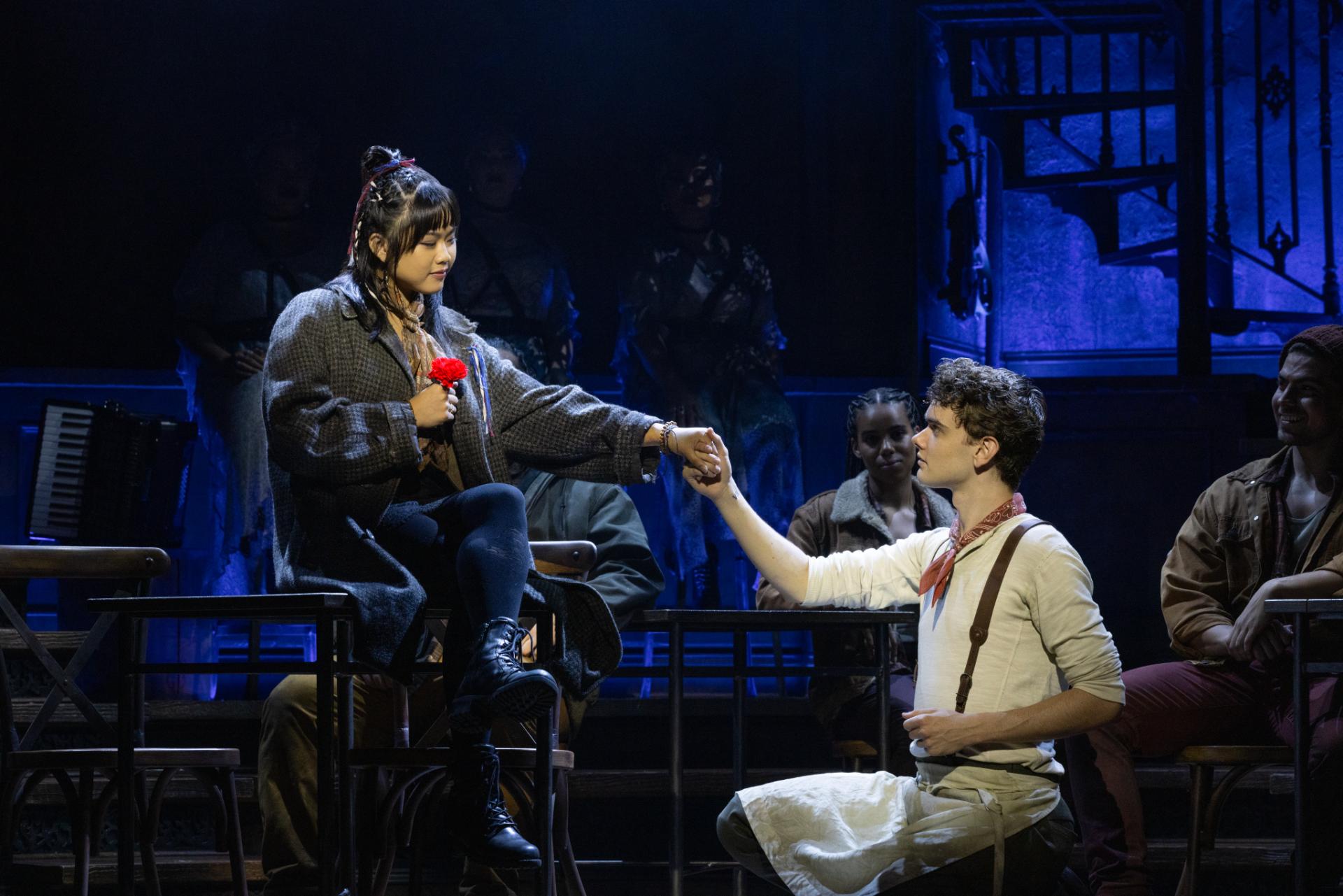
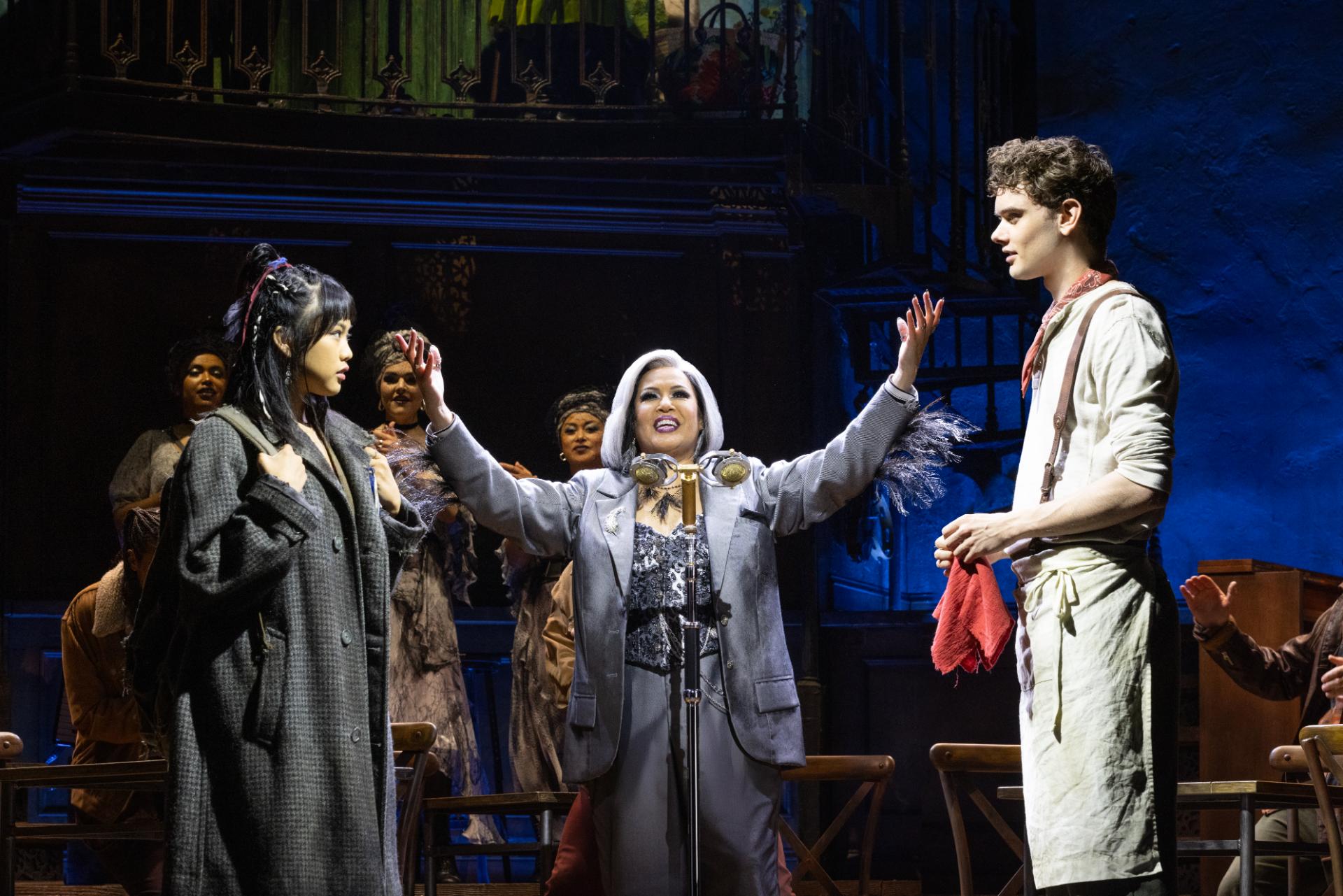
In Hadestown, the musical retelling by Anaïs Mitchell of an ancient tale, Eurydice makes a deal with Hades for food and shelter. Even though she remains alive, Orpheus’ journey is no safer, as he ventures into the underworld trying to rescue his love. Having the spectacular Greek legend as a basis, means that this 2019 Broadway production contains all the ingredients for something not only fantastical but also sentimental, especially with Mitchell’s excellent song writing offering vivid access to the emotional dimensions of this complex story.

Director Rachel Chavkin’s staging is often mesmerising, delivering magical imagery that helps our consciousness traverse the bridge between reality and fantasy, to meaningfully encounter the supernatural aspects of Hadestown. Musical direction by Laura Tipoki bears a valuable idiosyncrasy that encourages us to respond with a commensurate sense of whimsy, but some of its execution can feel slightly restrained and sterile.

Playing the lovebirds are Abigail Adriano and Noah Mullins, both commendable for their visibly rigorous investment in the central romance. They bring a believability to the show, derived from their realistic portrayals of sheer humanity. Hades and Persephone are less compelling, as performed by Adrian Tamburini and Elenoa Rokobaro who exhibit technical proficiency, but whose portrayals of larger than life personas, feel somewhat superficial.

As Hermes, Christine Anu impresses with her unmitigated soulfulness, carried through voice, face and body, to make the truth resonate, in the midst of distracting frivolity. Fate is represented by the exceptional trio of Sarah Murr, Jennifer Trijo and Imani Williams, who demonstrate astonishing artistry and cohesiveness, in their embodiment of what is certainly one of the production’s most memorable elements.

In Hadestown we observe a love story, as well as a story about power. Hades could easily have orchestrated the union of Eurydice and Orpheus, but he chose not to. We are capable of cruelty as much as we are in need of tenderness. Humans are a myriad of shifting things, but a constant seems to be that we are contradictory. We have all seen the face of peace and love, yet the part of us that insists on jeopardising all that is good, seems always to be rearing its ugly head.

www.hadestown.com.au

Review: Gilgamesh (Carriageworks)

Venue: Carriageworks (Eveleigh NSW), Sep 26 – Oct 5, 2024
Composer: Jack Symonds
Librettist: Louis Garrick
Conductor: Jack Symonds
Director: Kip Williams
Cast: Jeremy Kleeman, Jessica O’Donoghue, Mitchell Riley, Jane Sheldon, Daniel Szeisong Todd
Images by Daniel Boud

Theatre review
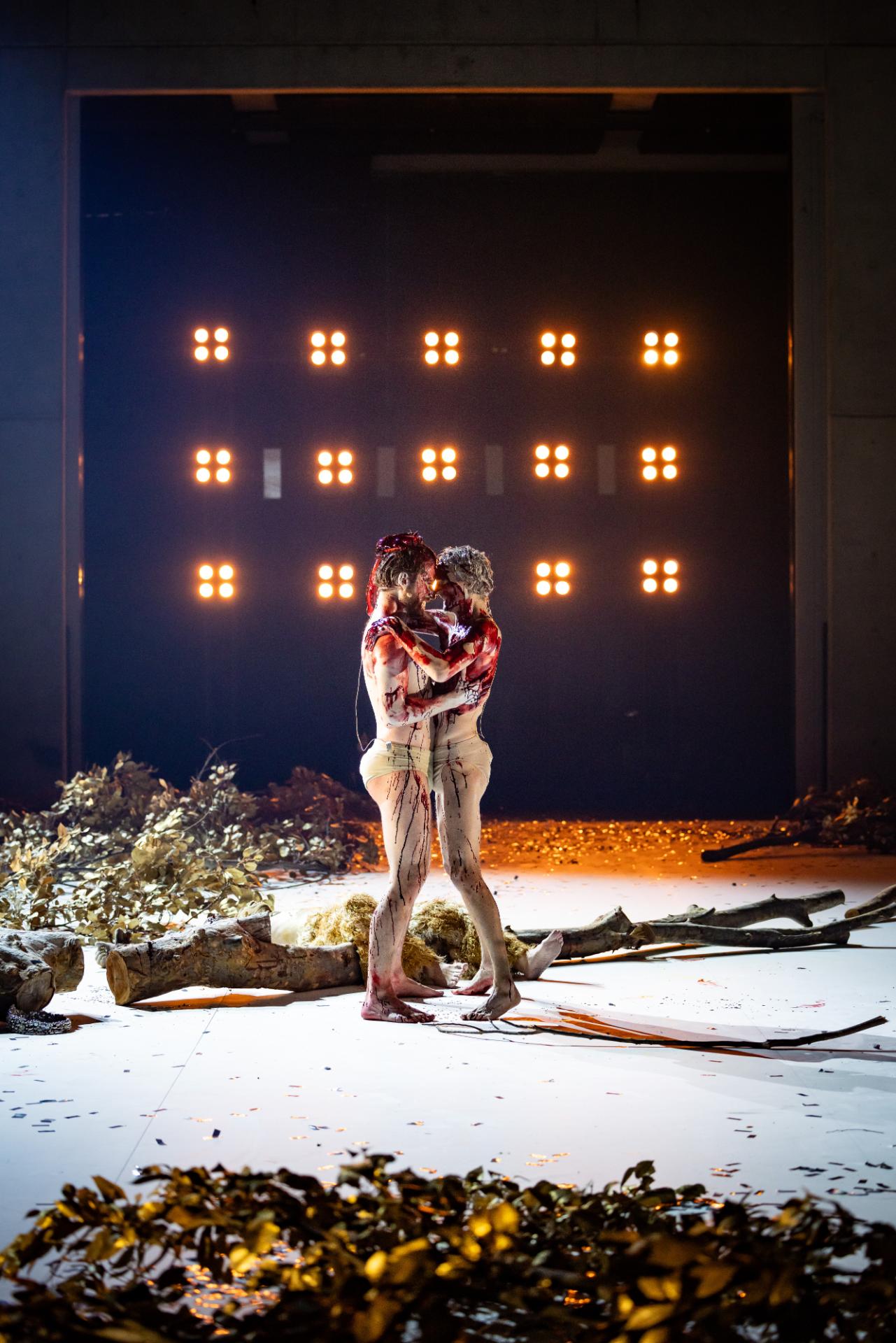
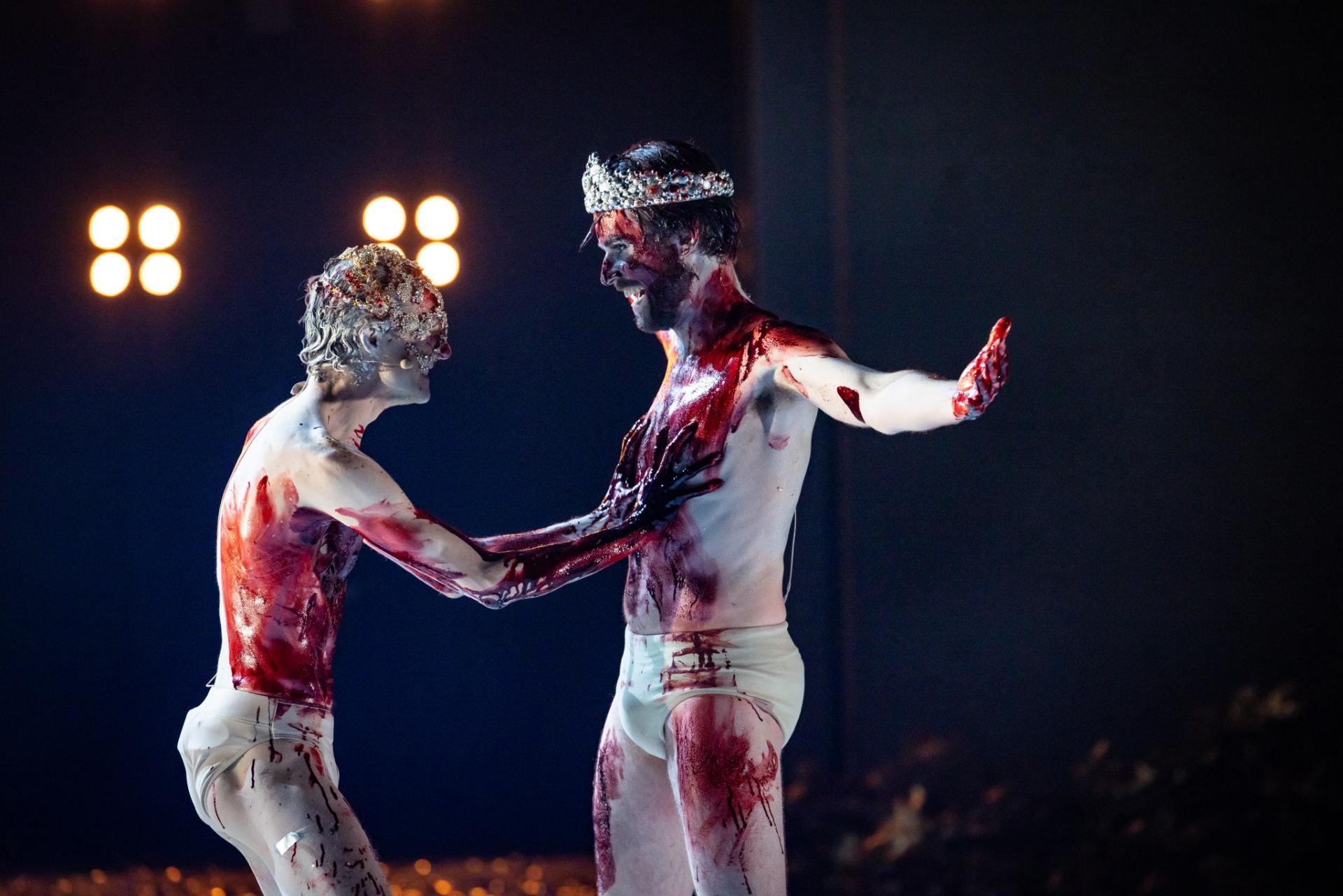
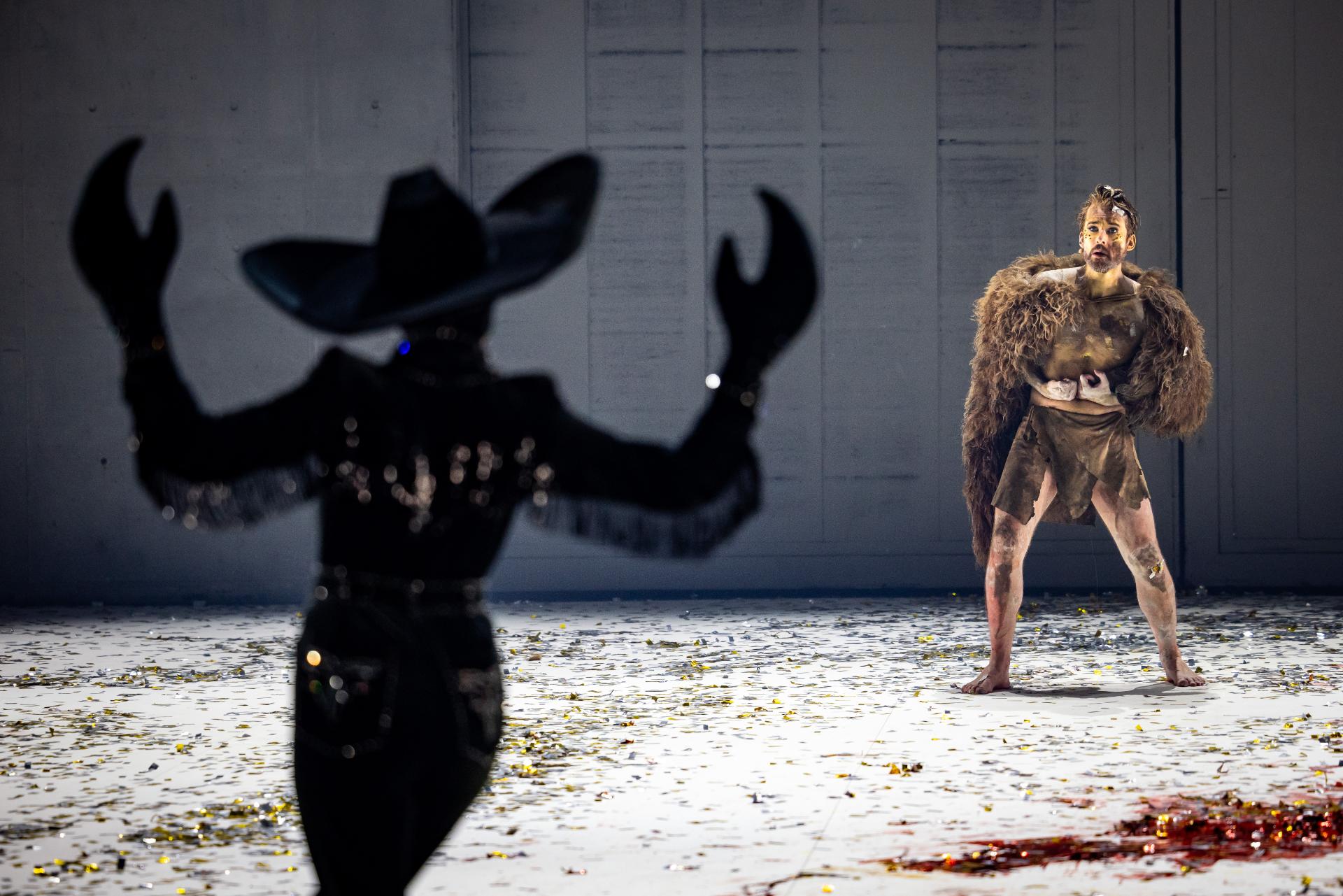
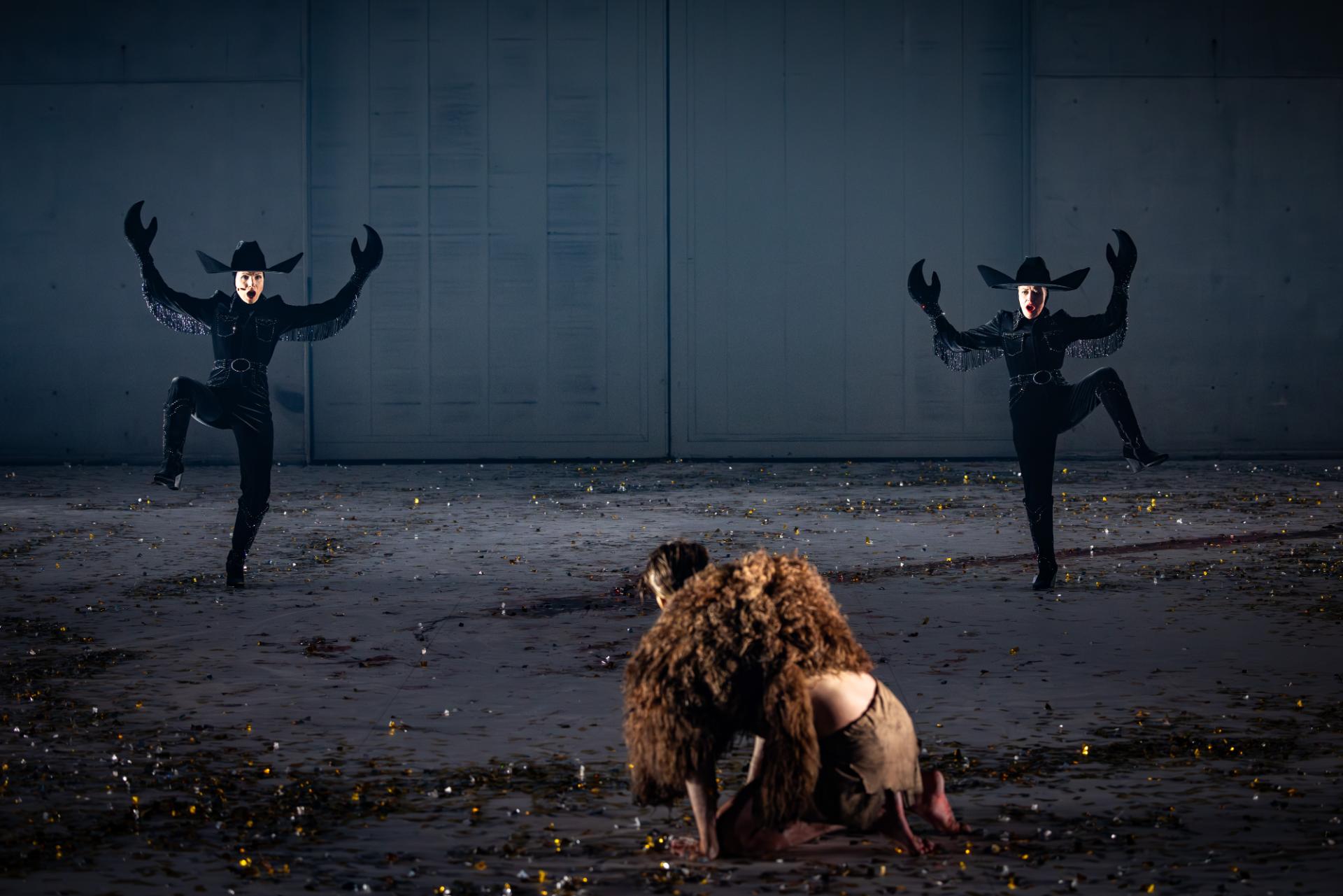
The Epic of Gilgamesh is a story that has been told for more than 4,000 years, with the titular character’s tyrannical tendencies as the king of Uruk, always a prominent feature. His relationship with Endiku, the wild man counterpart, too has been key to the legend, but it is not a pairing that is usually framed as a romantic one. In this 2024 operatic retelling by composer Jack Symonds and librettist Louis Garrick, simply titled Gilgamesh, the two are undeniably and unabashedly in love. Considering the intensity of their connection, we can now see that it is frankly absurd, to have ever denied them their queerness.

Symond’s thoroughly modern but mournful score is immediately captivating. Along with the visual flamboyance as introduced by director Kip Williams, Gilgamesh is an intriguing confluence of classic and contemporary. At almost three hours however, its resolute despondency becomes hard to bear, especially with the concluding passages becoming increasingly meditative. Initially mesmeric, the production struggles to sustain our attention to the end, although the integrity afforded the music is admirable, when we observe the staging gradually turning minimal.

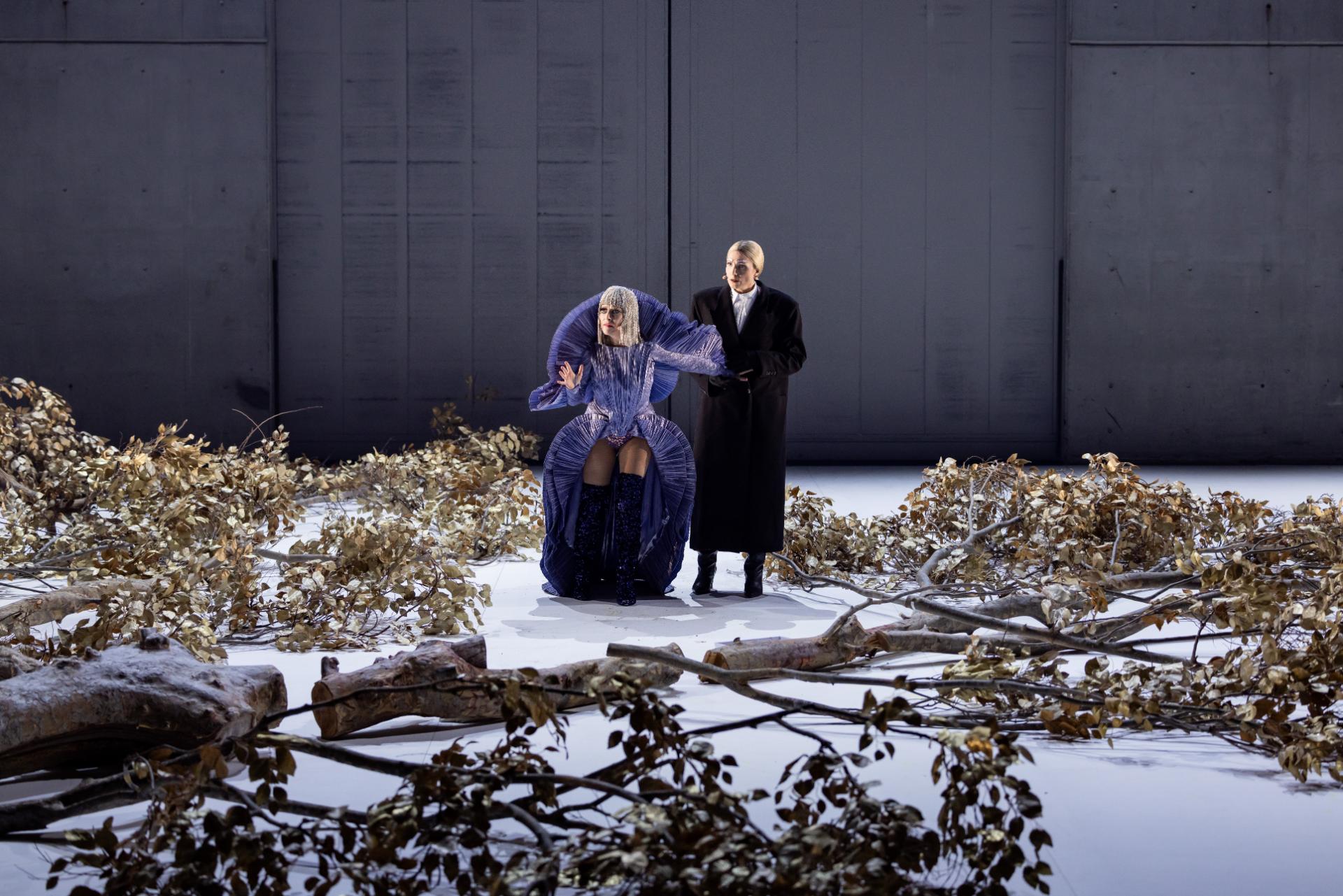
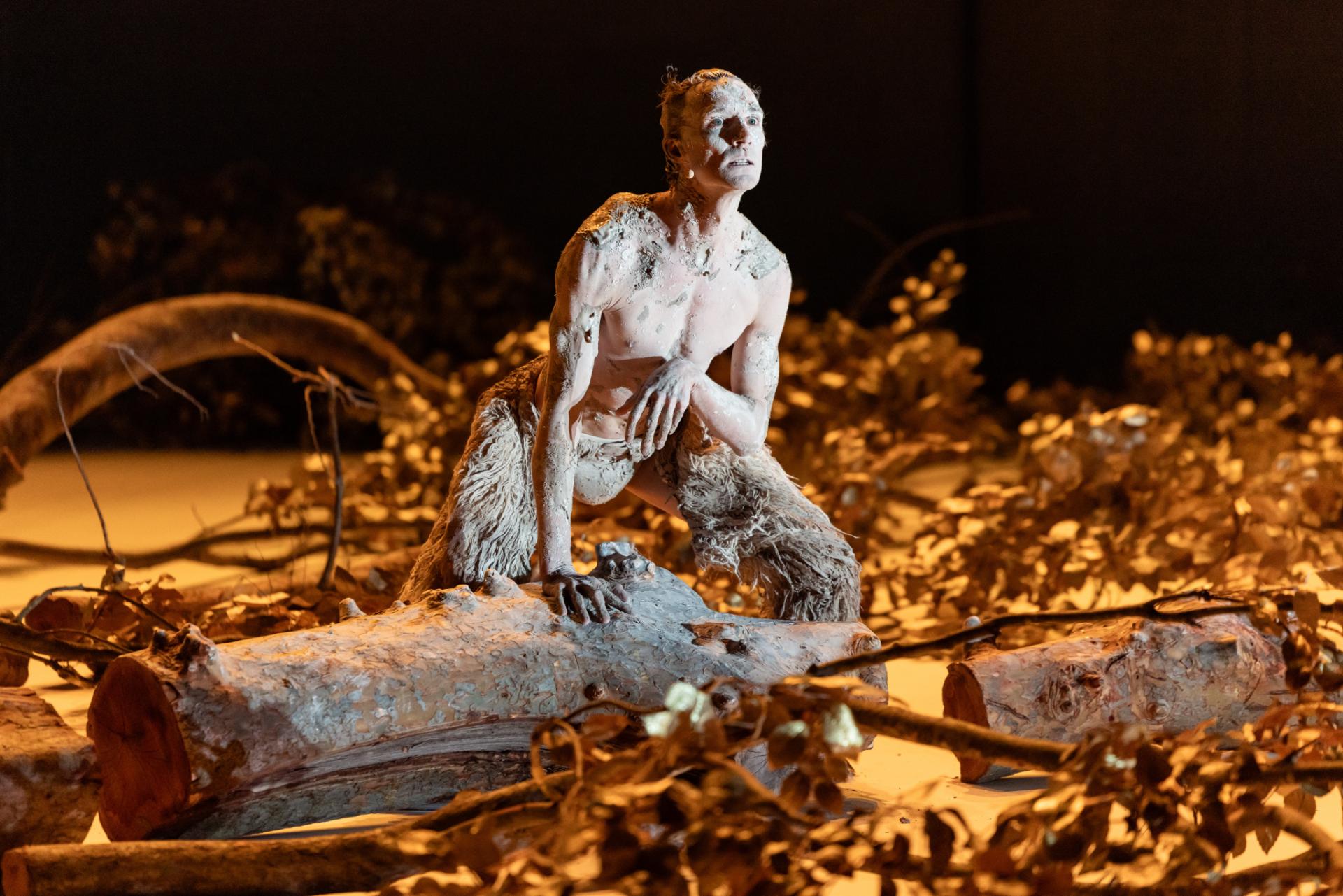
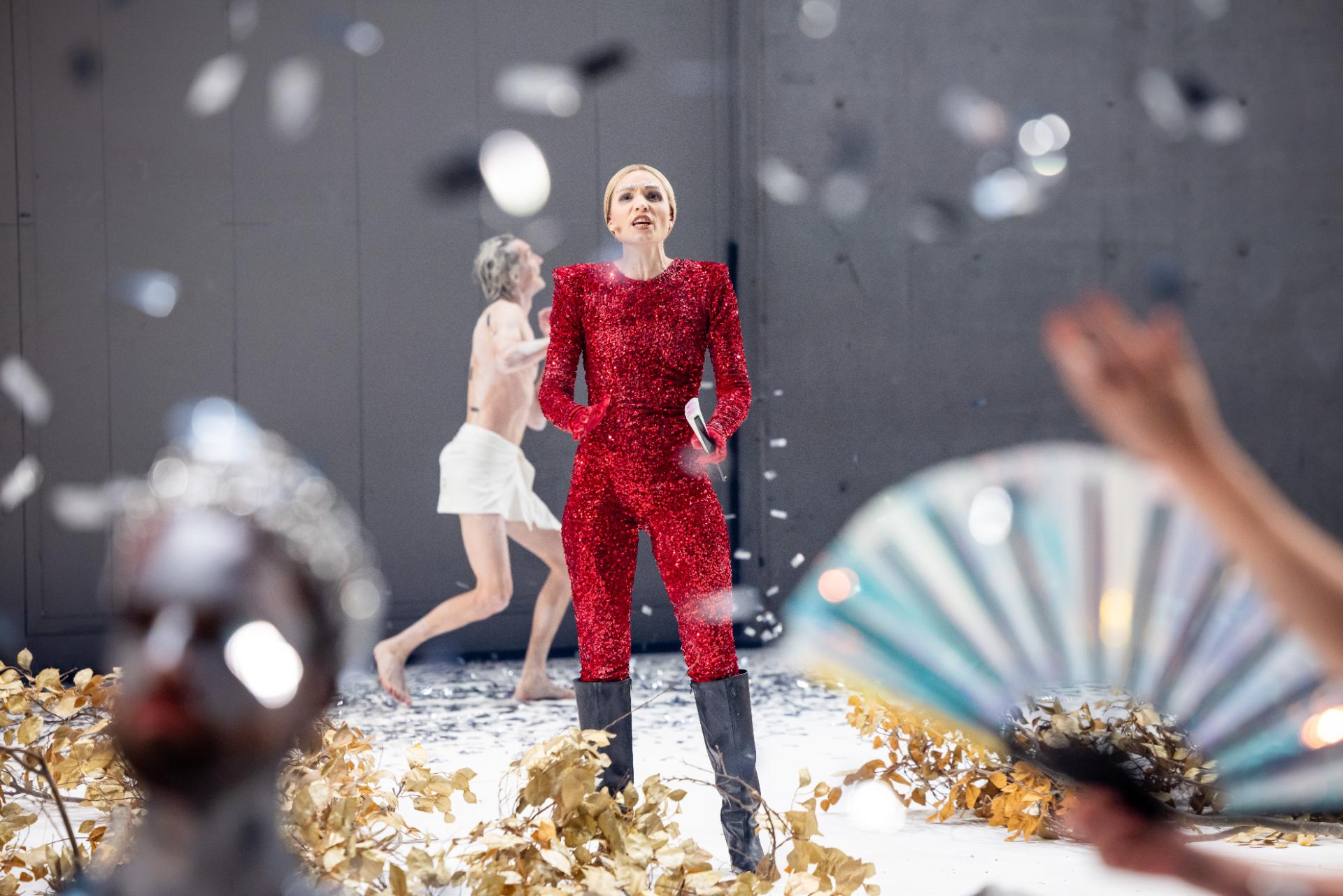
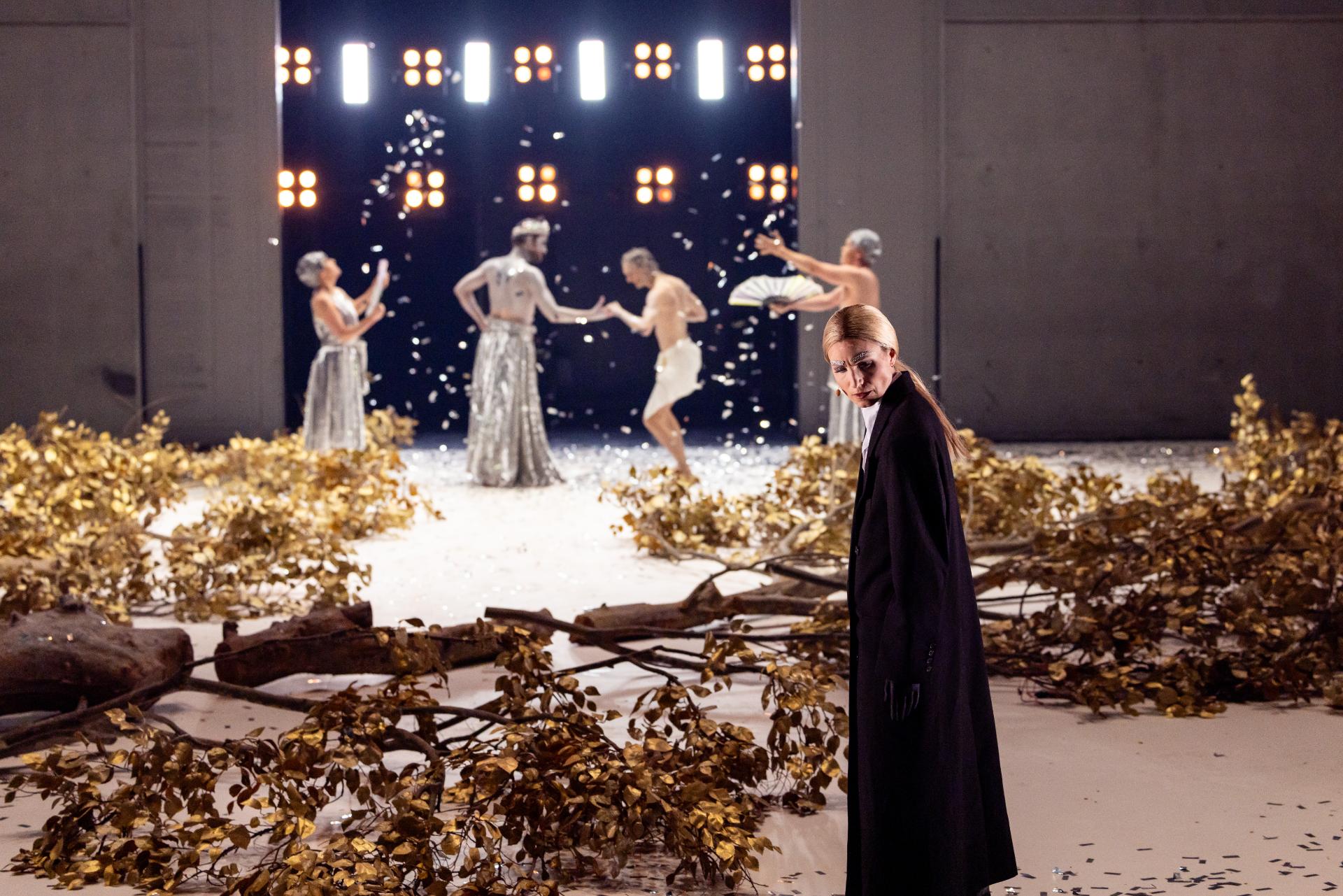
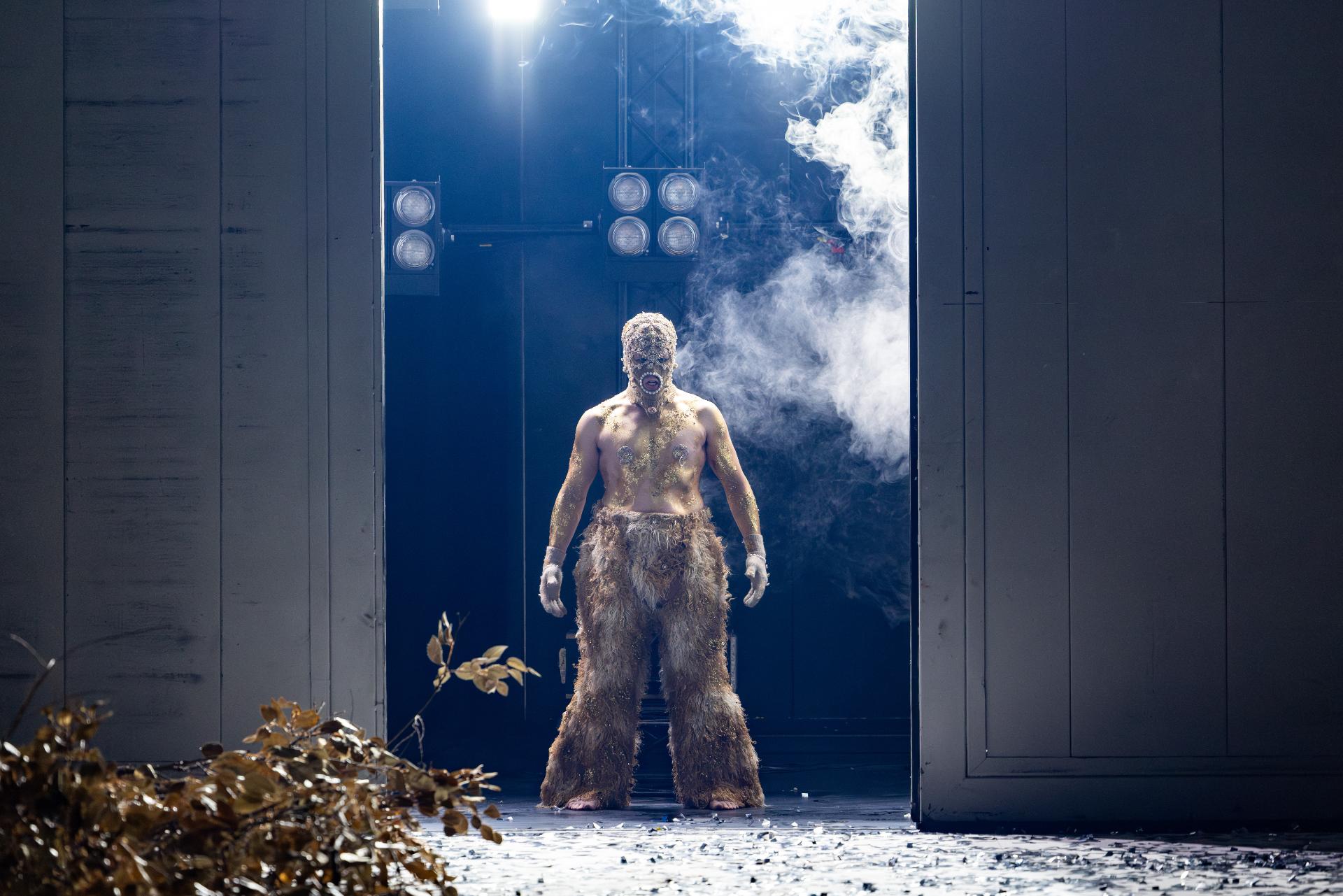
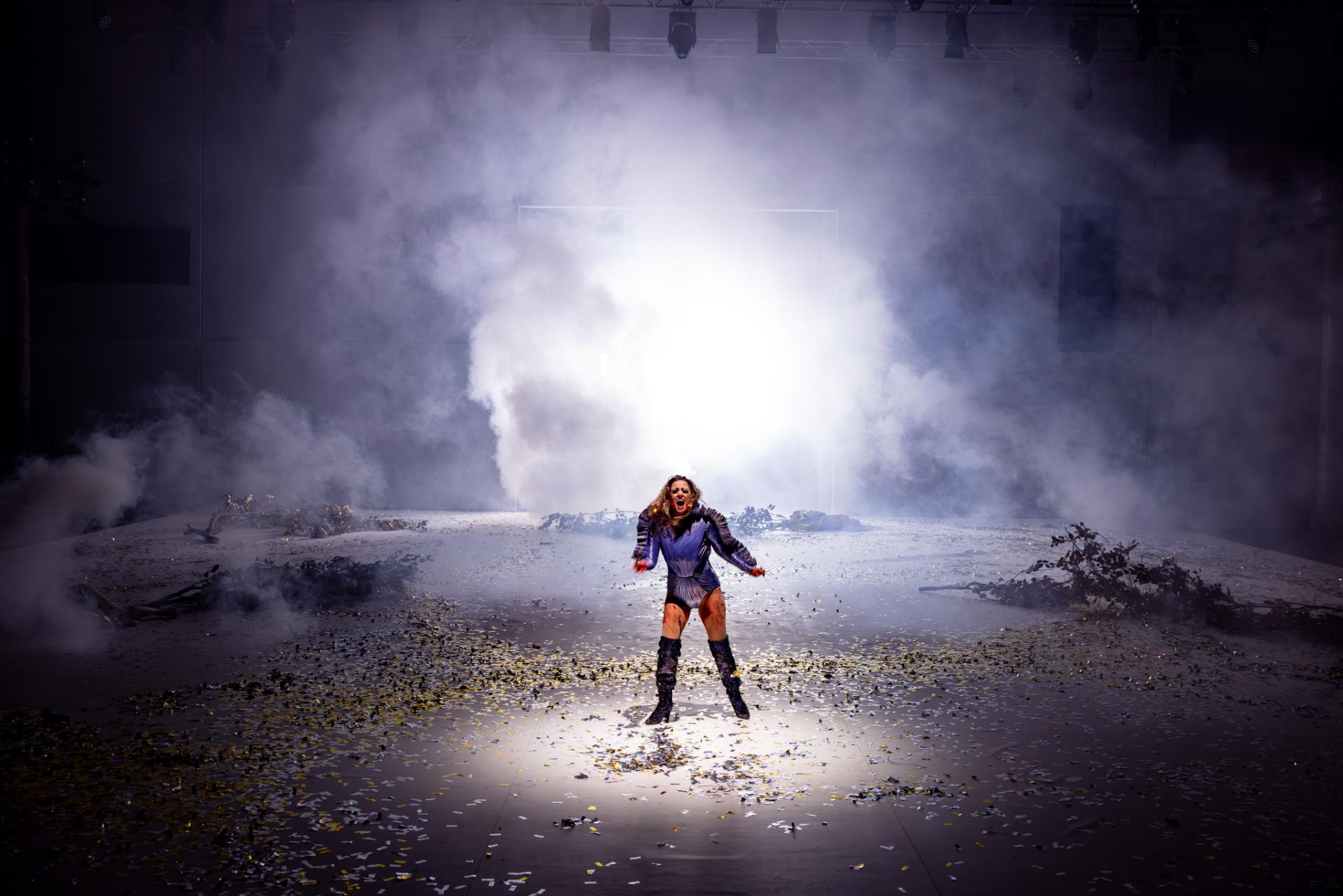
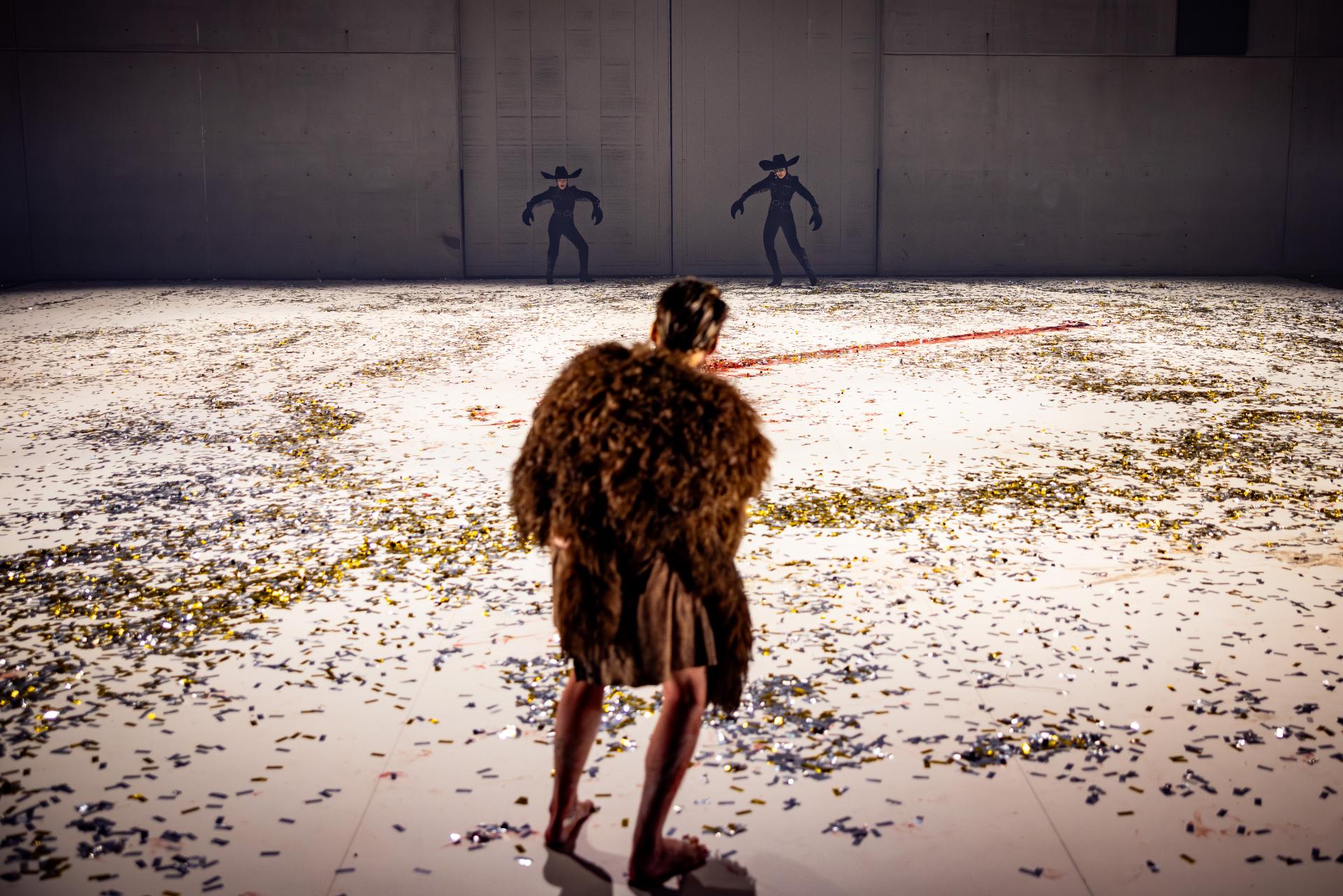
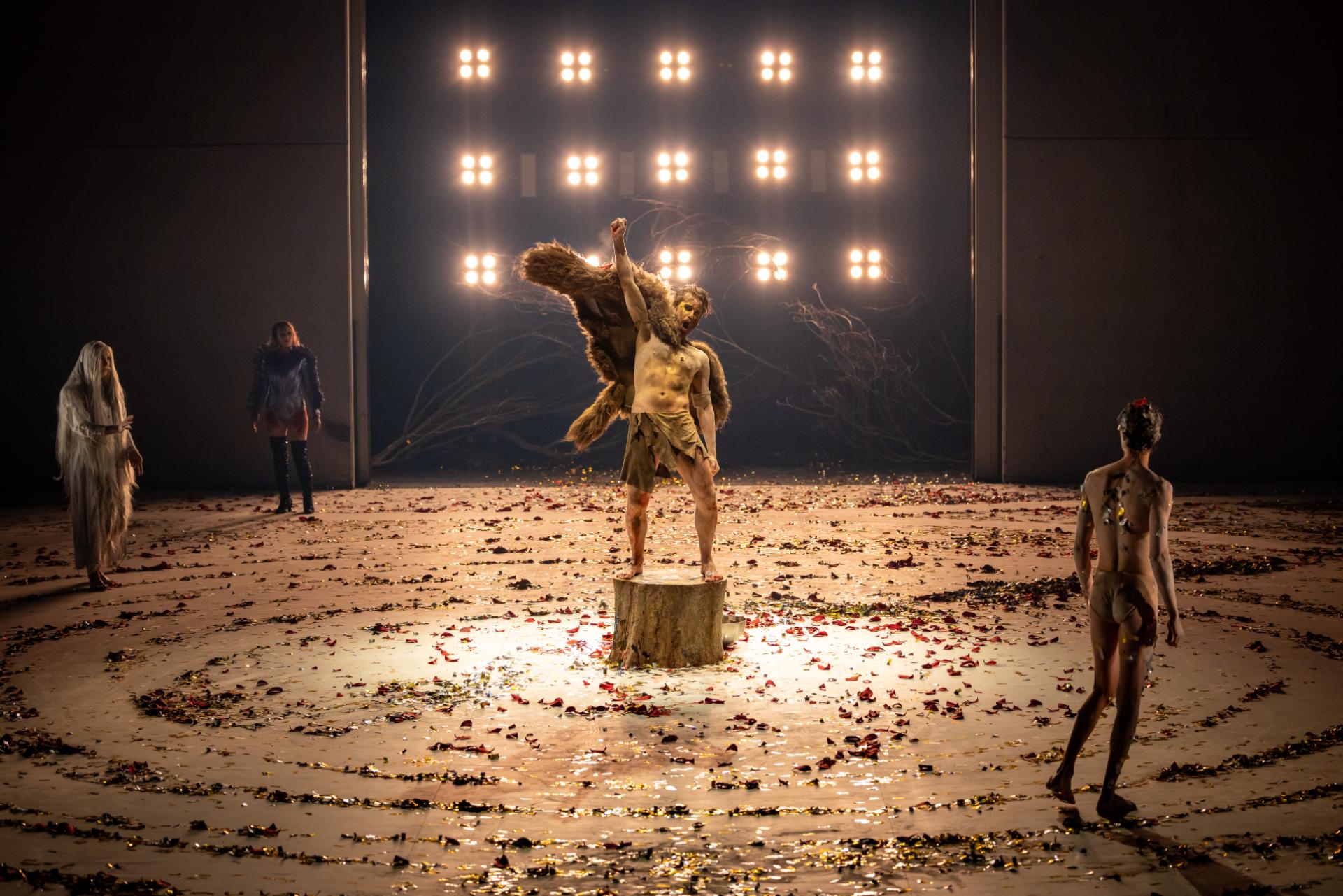
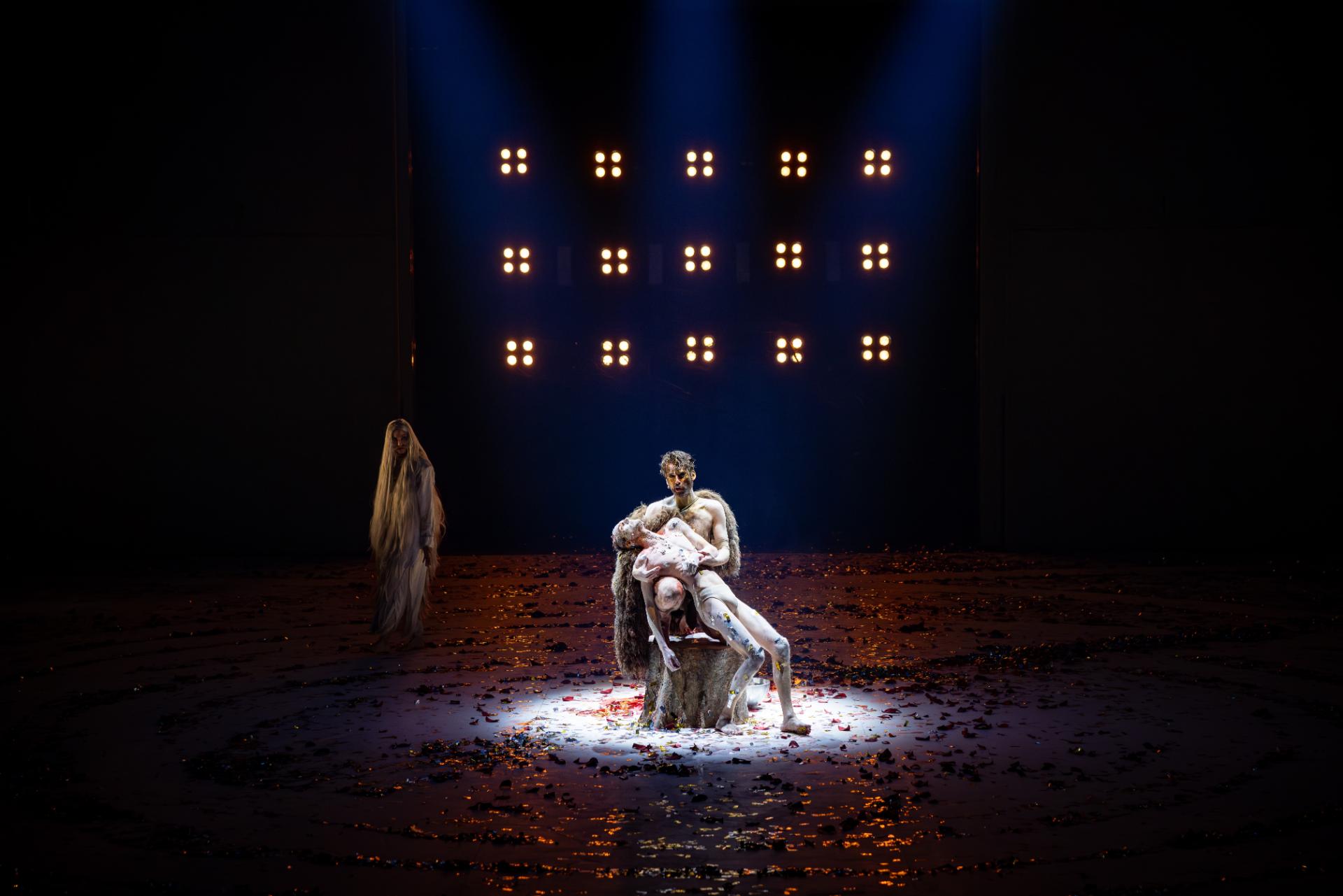
Elizabeth Gadsby’s set design rises to the challenge of depicting a sense of ancient aristocracy, with the juxtaposition of felled tree parts, against an abundance of tinsel. Lights by Amelia Lever-Davidson are certainly dramatic, and quite entrancing in their effect. Bold costumes by David Fleischer can seem somewhat derivative with some of their more extravagant creations, but when required to convey earthiness, Fleischer’s work is truly exquisite.

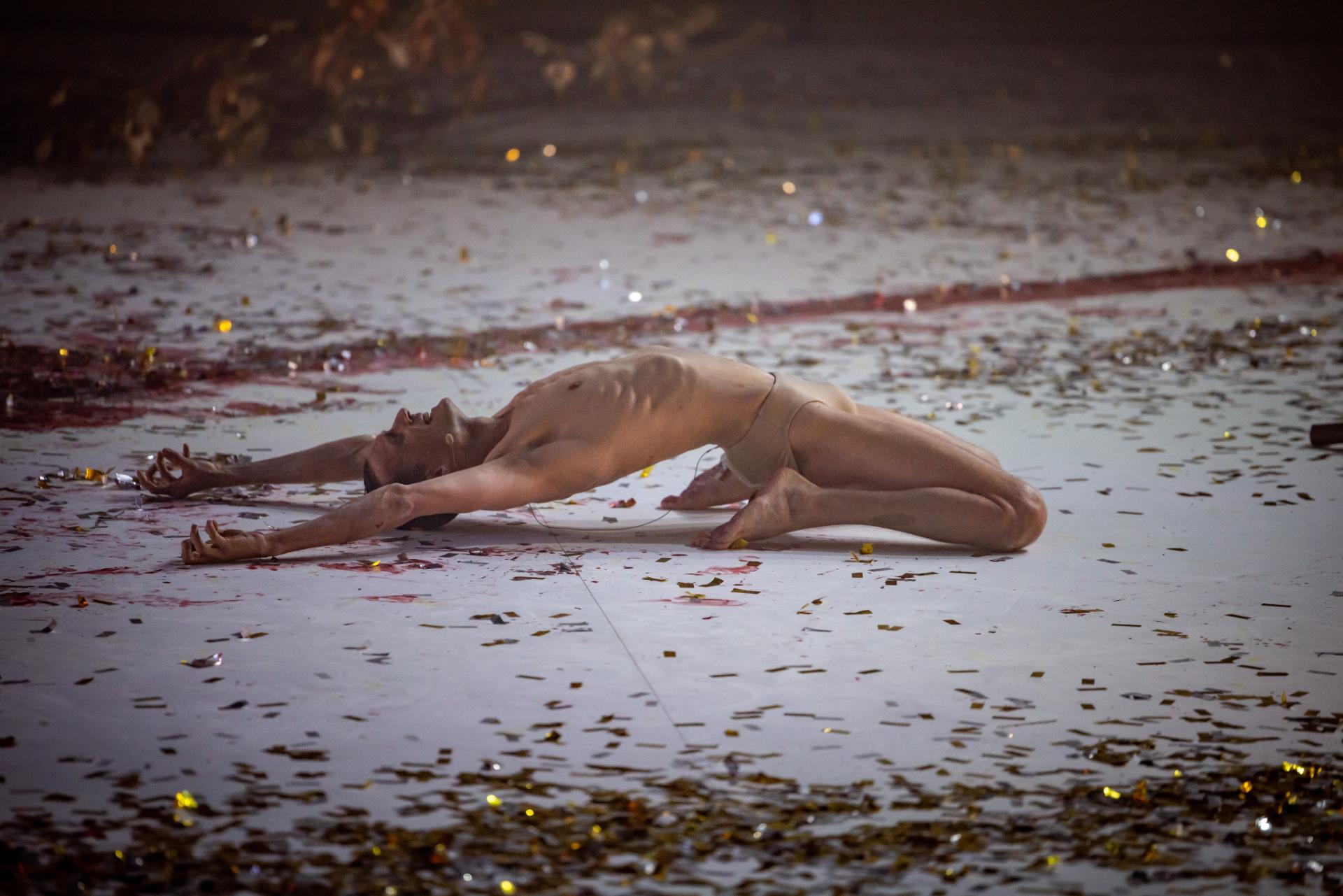
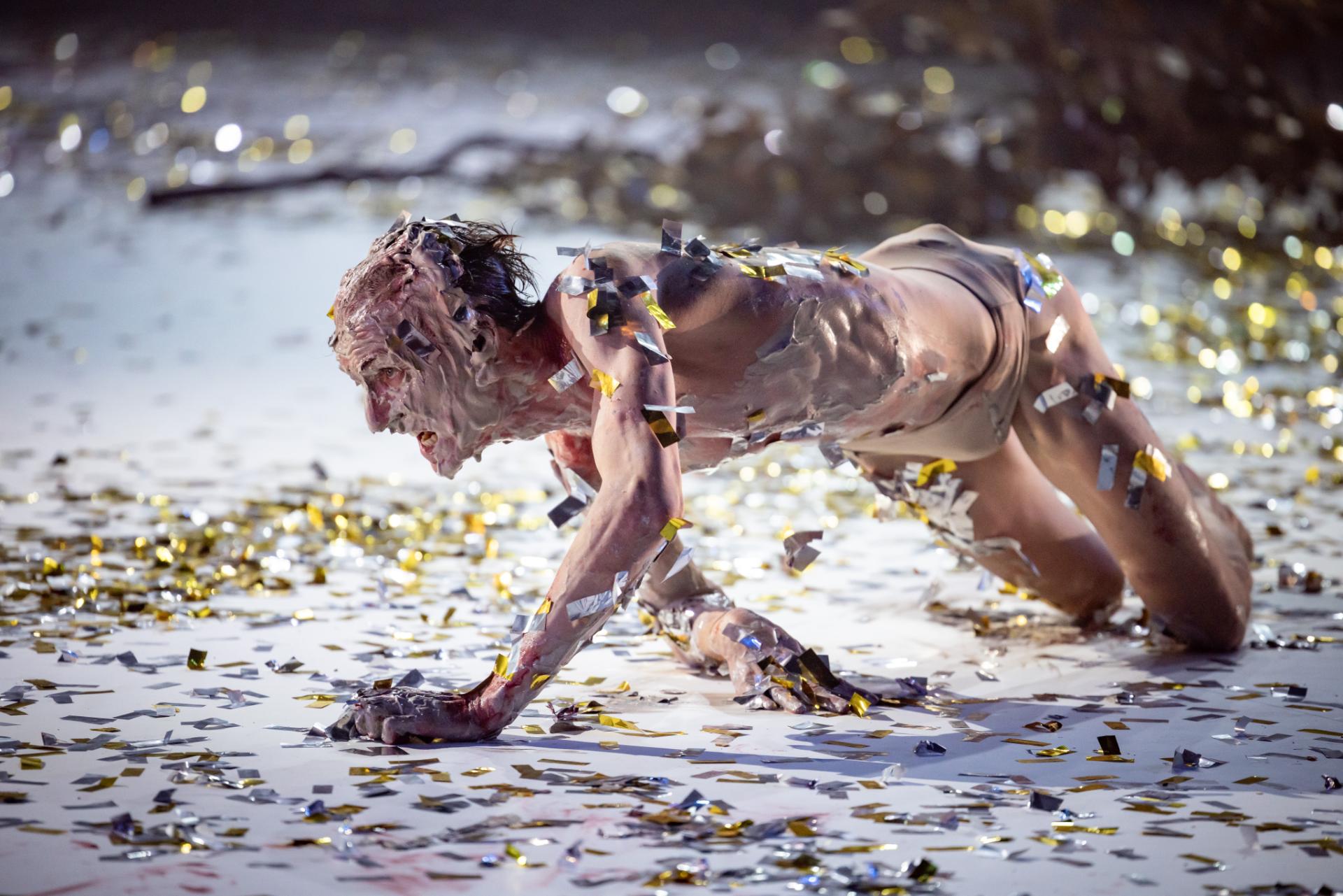
Playing the main character is Jeremy Kleeman, who although not consistently powerful in his portrayal of the partially divine despot, demonstrates unequivocal conviction and focus, for this very demanding role. Mitchell Riley’s physicality is unforgettable as Enkidu, whether evoking the grotesque or the exalted, the performer’s energy bears a perverse beauty and magnetism, that keeps us fascinated in his interpretation of a heavenly being.

The chamber orchestra, as conducted by Symonds, takes us on a transcendent journey, opening the gates to somewhere mystical or even surreal, with their strange yet disciplined contributions to the experience. Often far exceeding the traditional function of accompaniment, the musicians are frequently the central concern in Gilgamesh. Art that takes us to unfamiliar places must be considered noble, especially when discomfort pervades, as though to persuade us of alternate and unexpected perspectives.

www.carriageworks.com.au

Review: Sunset Boulevard (Sydney Opera House)

Venue: Sydney Opera House (Sydney NSW), 28 Aug – 1 Nov, 2024
Music: Andrew Lloyd Webber
Book and Lyrics: Don Black, Christopher Hampton (based on the Billy Wilder film)
Director: Paul Warwick Griffin
Cast: Sarah Brightman, Jarrod Draper, Tim Draxl, Robert Grubb, Paul Hanlon, Ashleigh Rubenach, Troy Sussman
Images by Daniel Boud

Theatre review
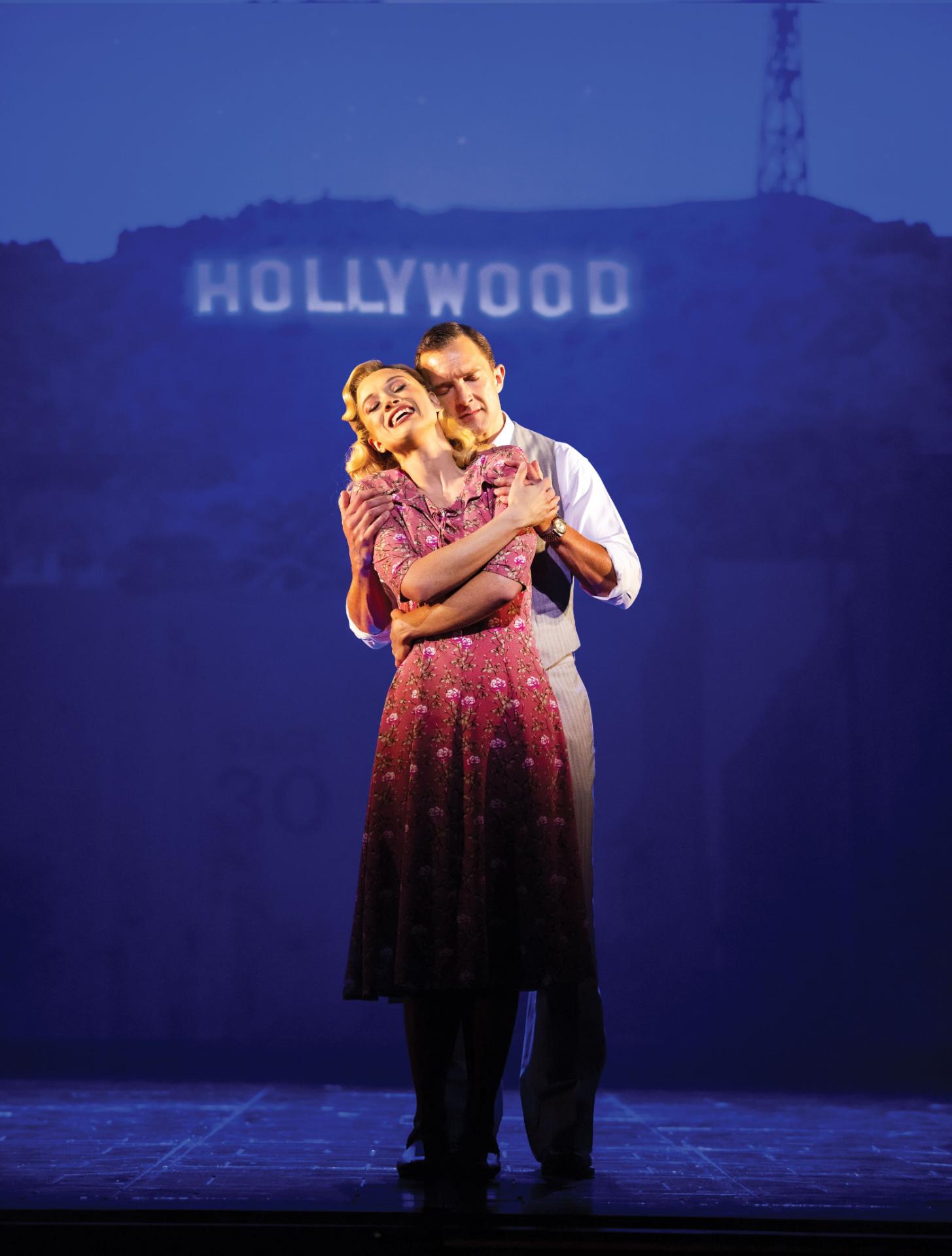
Hollywood legend Norma Desmond is desperately trying to claw back her glory days, while relative upstart screenwriter Joe Gillis will do almost anything to make it in the big time. When the two meet, their ambitions prove a lethal combination, leading to the highest of dramatic foibles. Billy Wilder’s unequivocal icon of a film Sunset Boulevard may be 74 years-old, but nothing about this story of faded glamour seems dated; women in showbusiness today are still being chewed up and spat out, and endless aspirants continue to want in on the action.

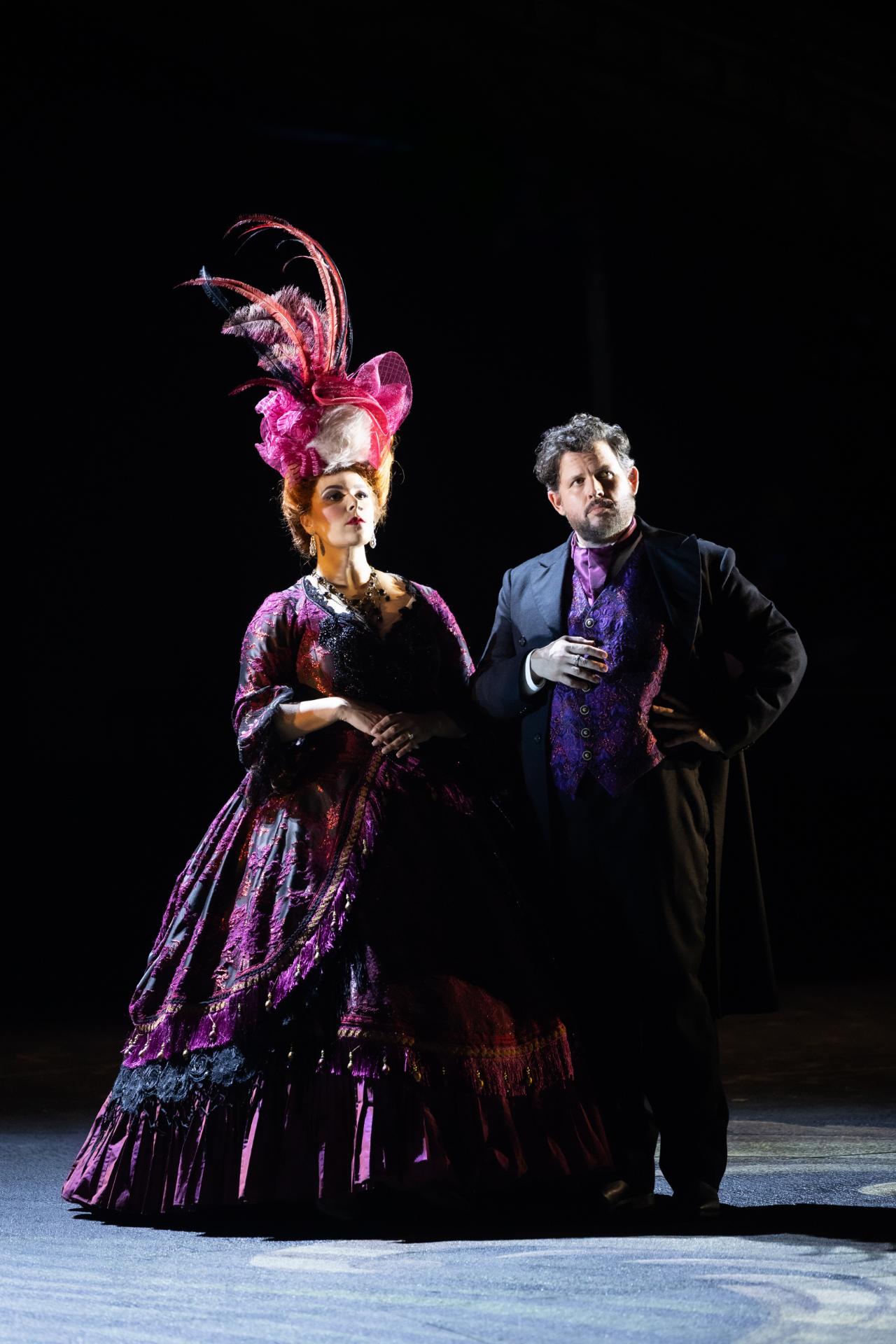
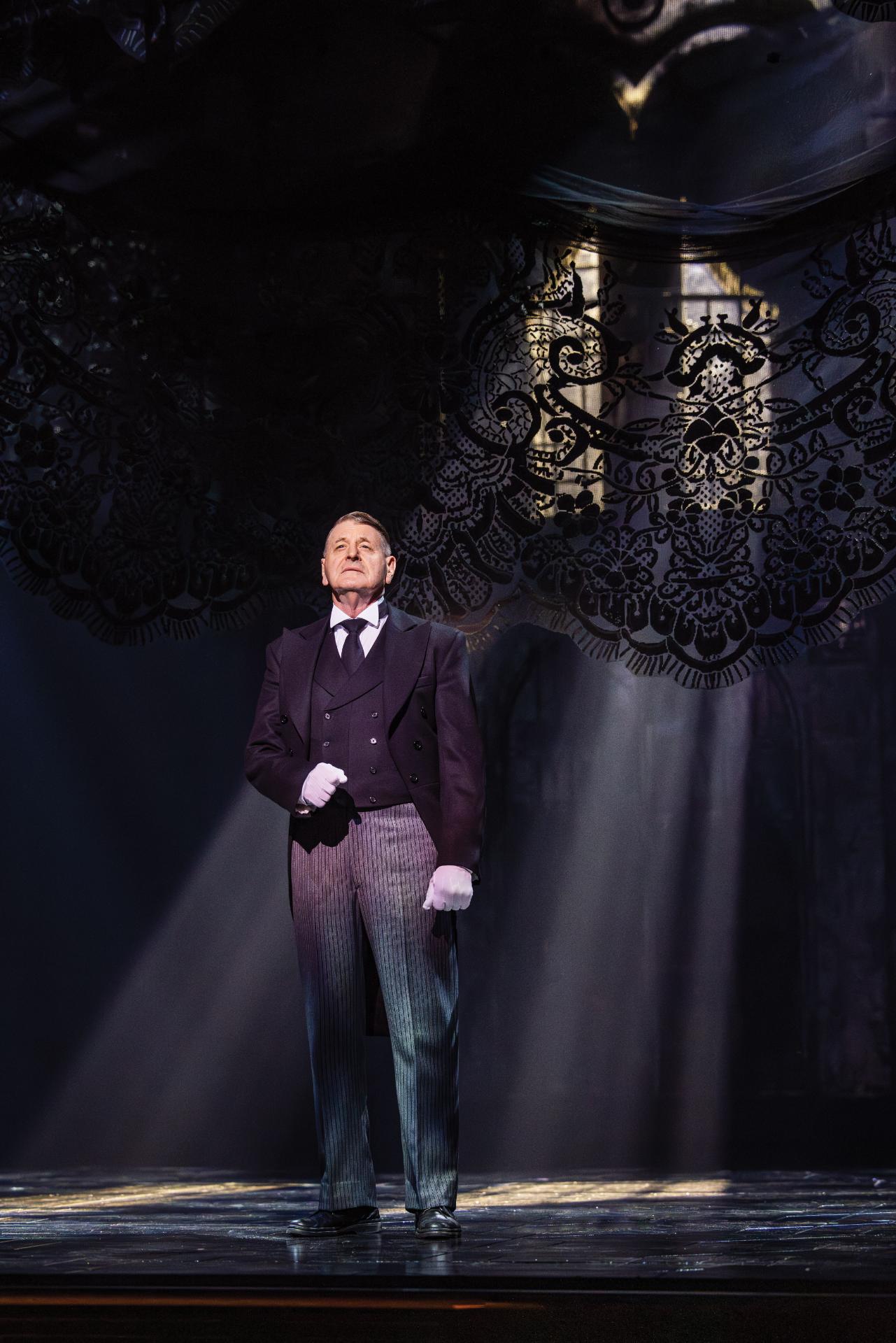
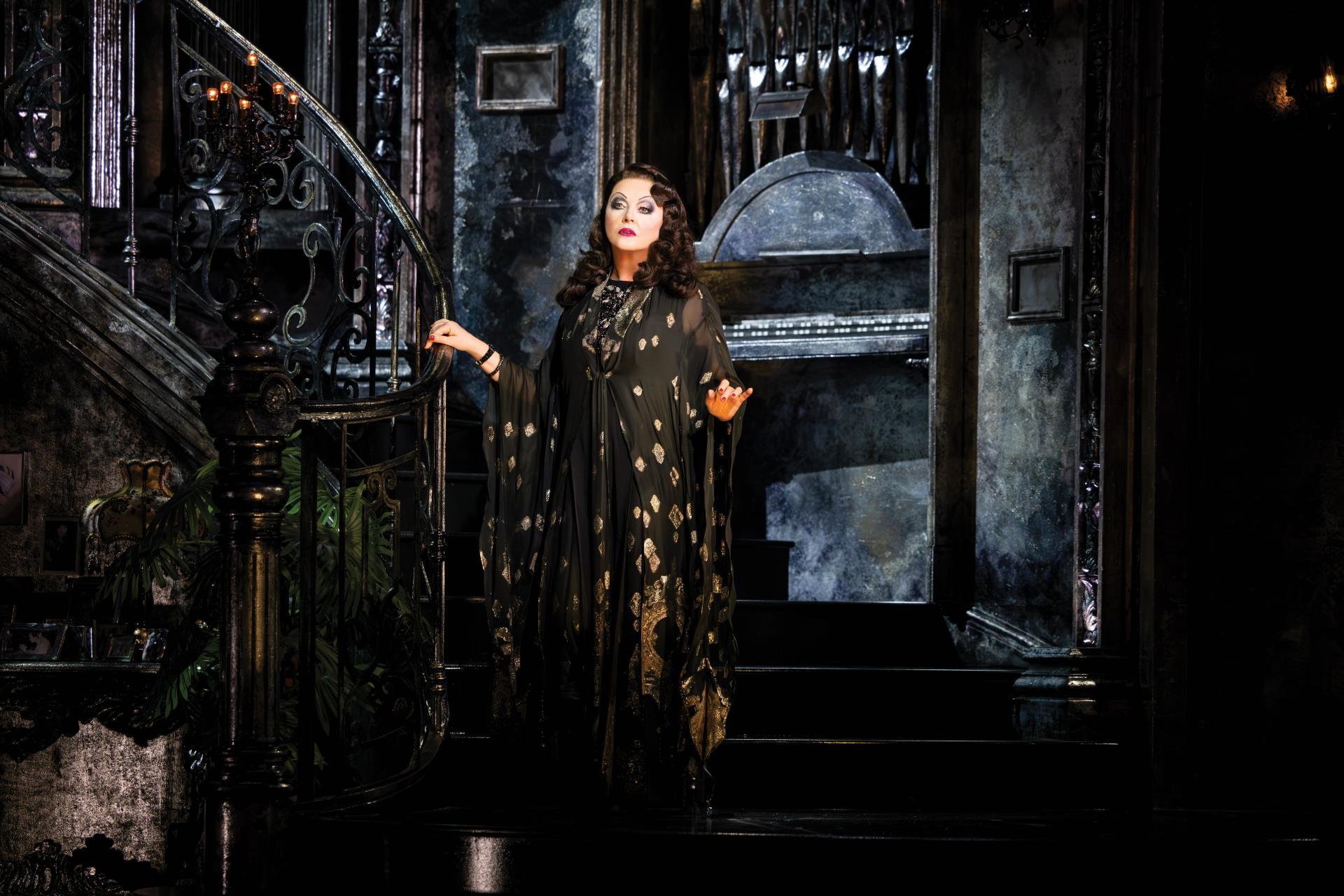
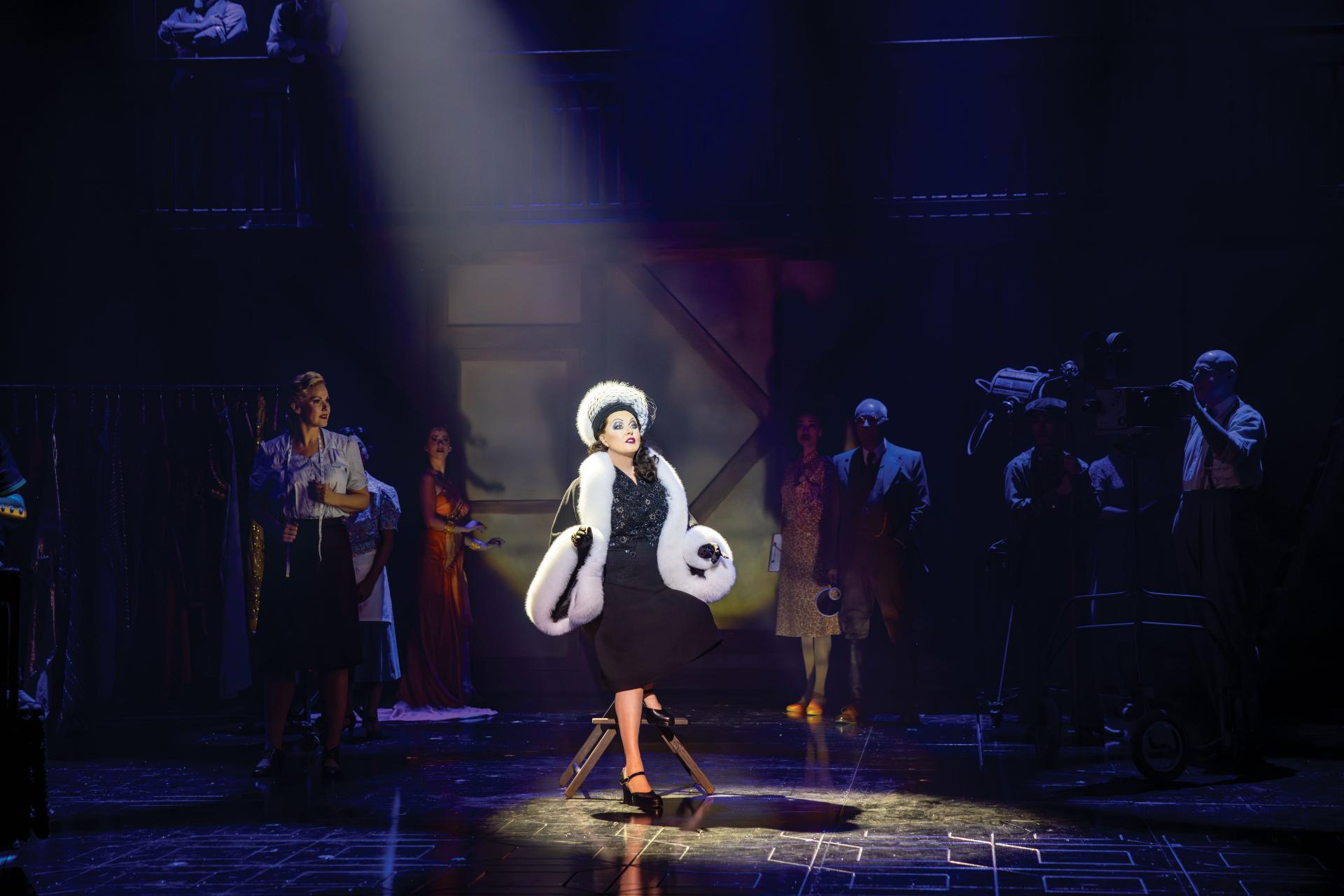
The 1993 musical adaptation with music by Andrew Lloyd Webber and a book by Don Black and Christopher Hampton, is similarly intoxicating. Old-world extravagance and delicious camp, converge to provide the perfect fodder for this flamboyant, Broadway-style outing. Direction by Paul Warwick Griffin does not reinvent the wheel, but certainly restores the emotive propulsion of the piece, as well as resurrecting the irresistible allure of a narrative on seduction, power and decadence. Splendid design on set and costumes by Morgan Large, along with sumptuous lights by Mark Henderson, ensure that we are thoroughly mesmerised and immersed, in this world of illusory wonder.

In the role of Norma is Sarah Brightman, who although lacks the wicked humour usually associated with the piece, and presents a somewhat less grotesque version of this Hollywood monster, impresses with her searing commitment to the project. This Norma is as terrifically delusionary as any, whether or not we perceive Brightman’s renderings as intentional. Joe is played by a striking Tim Draxl, who brings immense magnetism, coupled with steely precision and technical brilliance, to keep us wholly invested. When required to deliver vulnerability, Draxl is astonishing in his ability to disarm, in order that we may see the deep humanity being explored at the centre of Sunset Boulevard.

Joe witnesses first-hand, the way the system has royally abused Norma, yet he remains unfazed, and continues to pursue his celluloid dreams at full bore. Norma herself too, cannot help but keep fighting to reclaim status, to the extent that she has to completely lose her mind. Such is the formidable might of American capitalism.

www.opera.org.au | www.gwbentertainment.com

Review: Miss Saigon (Sydney Opera House)

Venue: Sydney Opera House (Sydney NSW), Aug 17 – Oct 13, 2023
Music: Claude-Michel Schönberg
Lyrics: Alain Boublil, Richard Maltby Jr.
Book: Alain Boublil, Claude-Michel Schönberg (based on Madama Butterfly by Puccini)
Director: Laurence Connor
Cast: Abigail Adriano, Nick Afoa, Kerrie Anne Greenland, Kimberley Hodgson, Nigel Huckle, Seann Miley Moore, Laurence Mossman 
Images by Daniel Boud

Theatre review
The 1989 musical by Boublil and Schönberg, Miss Saigon has become increasingly contentious, as creative communities grow to be more inclusive of minority cultures, and learn to be sensitive to perspectives of those traditionally marginalised. Based on Madama Butterfly by Giacomo Puccini from 1904, the germination of Miss Saigon was always from a place of pity, and by implication cultural superiority.

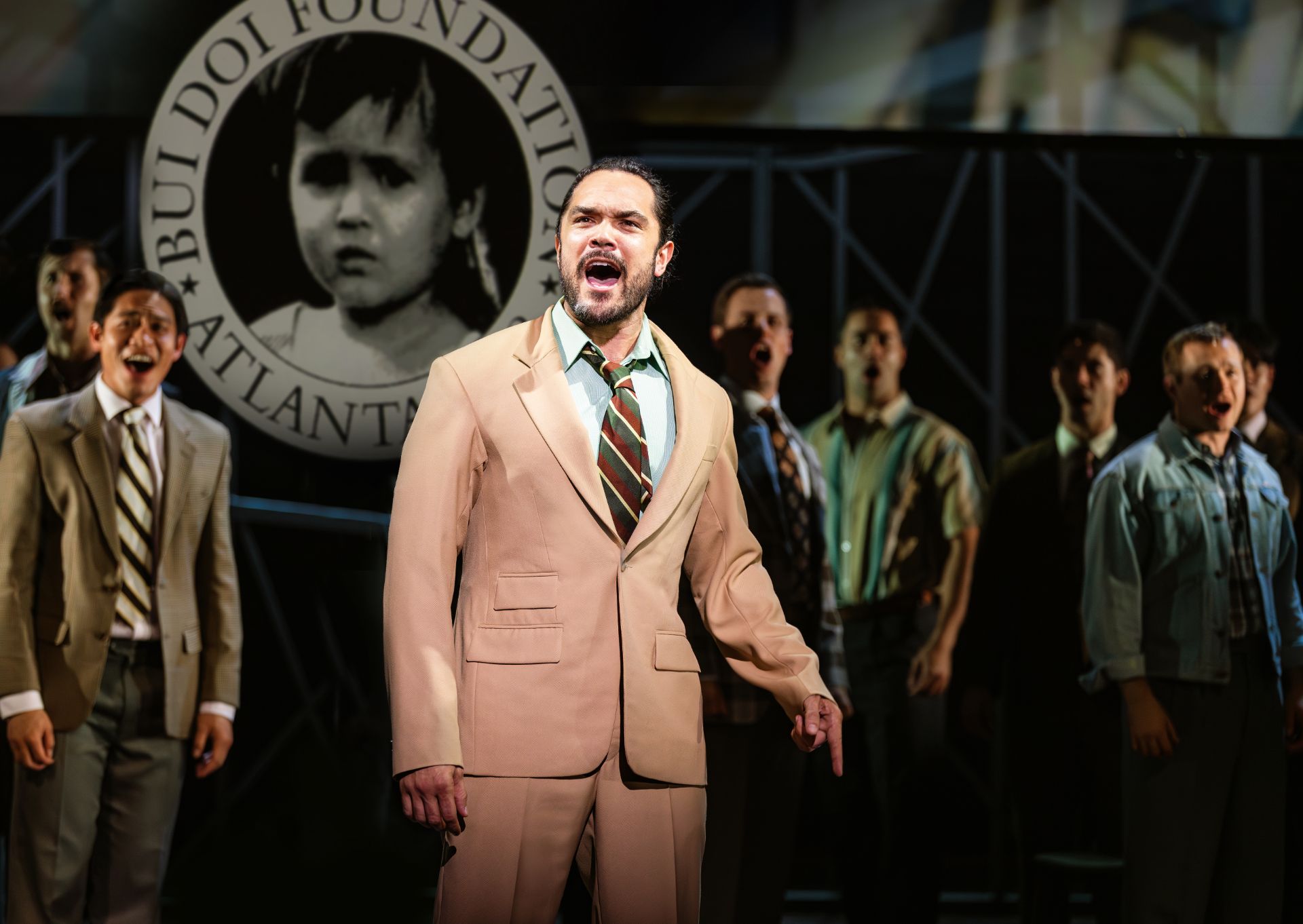
It is no wonder that the show is widely regarded by the Vietnamese diaspora to be problematic, not only because of the inherently patronising attitudes, but also of the stunning disregard for any people who wish to be considered more than pathetic, desperate or undignified. One may choose to take the view that the creators’ intentions seem to be about sympathy and solicitude, but there is no denying that the three main Vietnamese  characters in the work, are nothing any viewer from any cultural background, would wish to aspire to. In the absence of any persons more respectable or indeed honourable, Miss Saigon represents a Vietnam that is essentially ignoble and debilitated, devoid of spirit and worth.

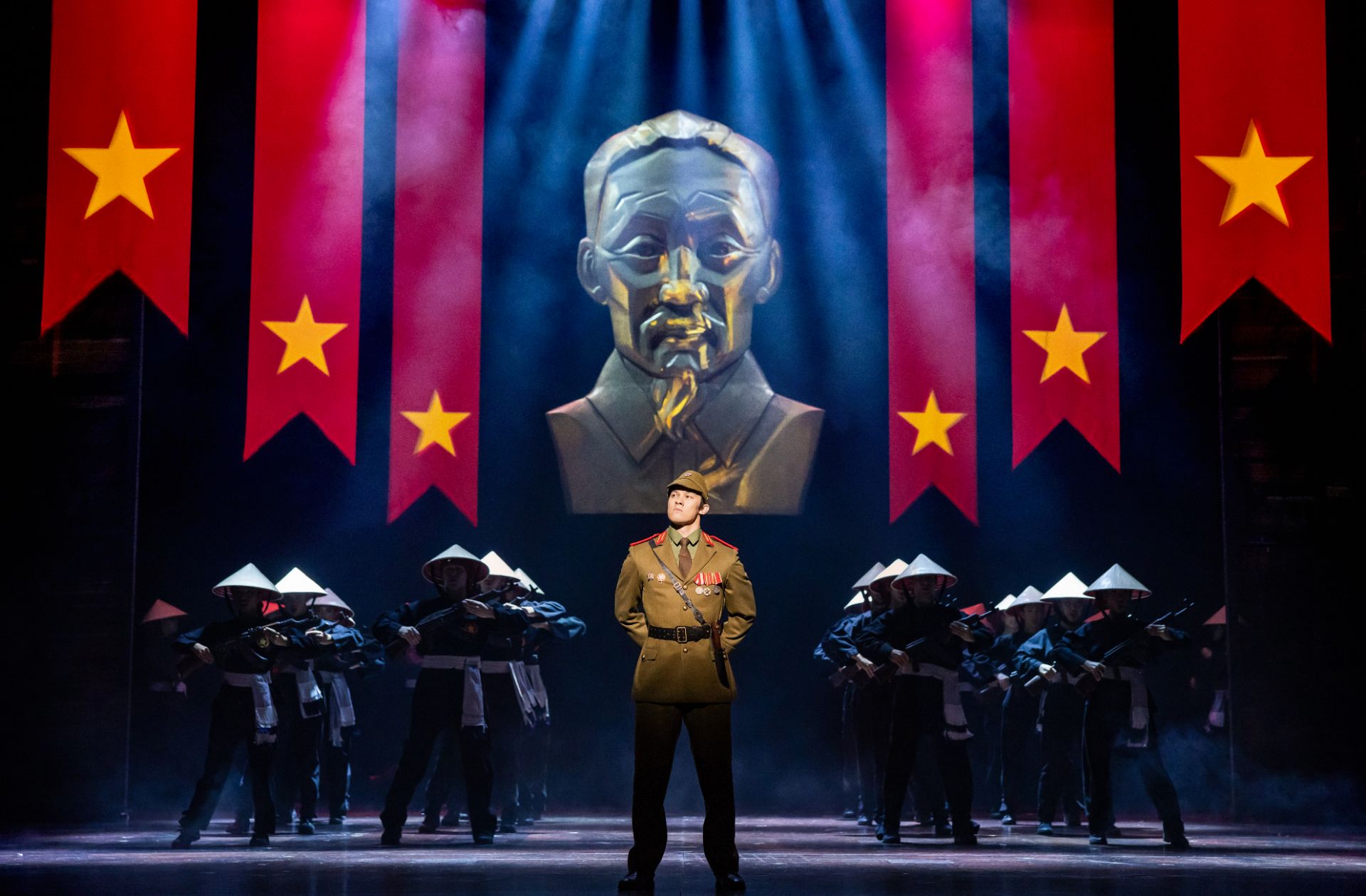
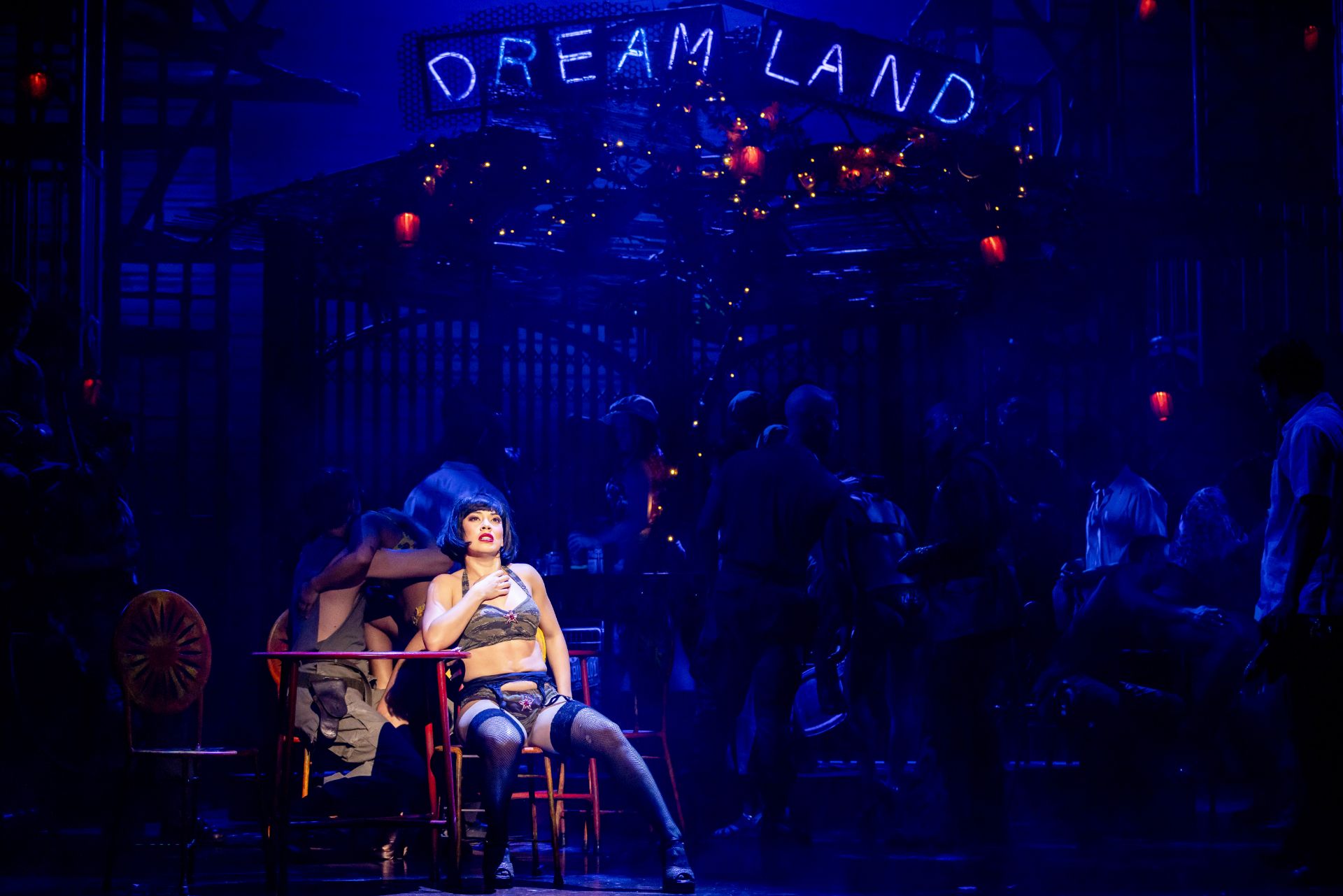
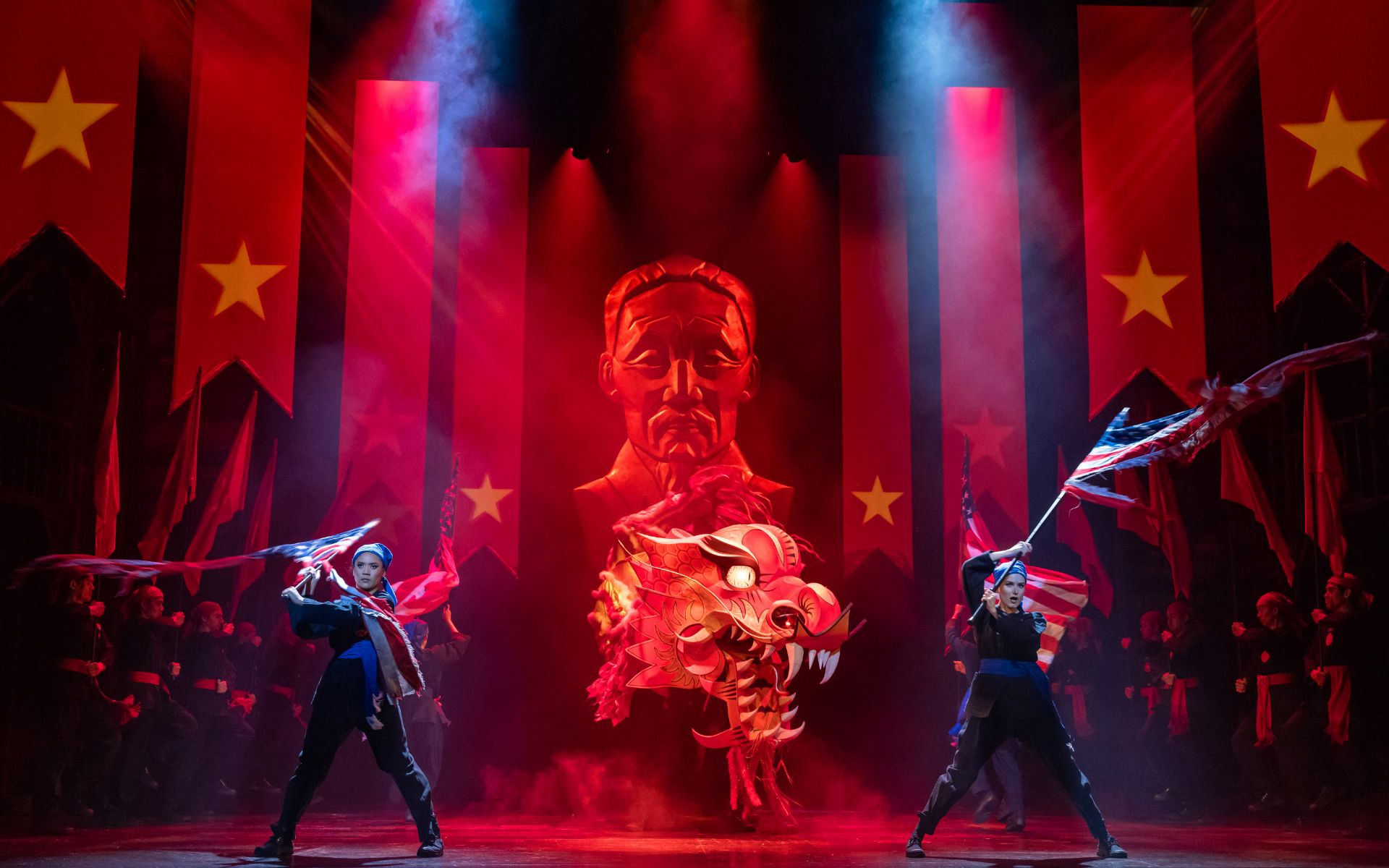
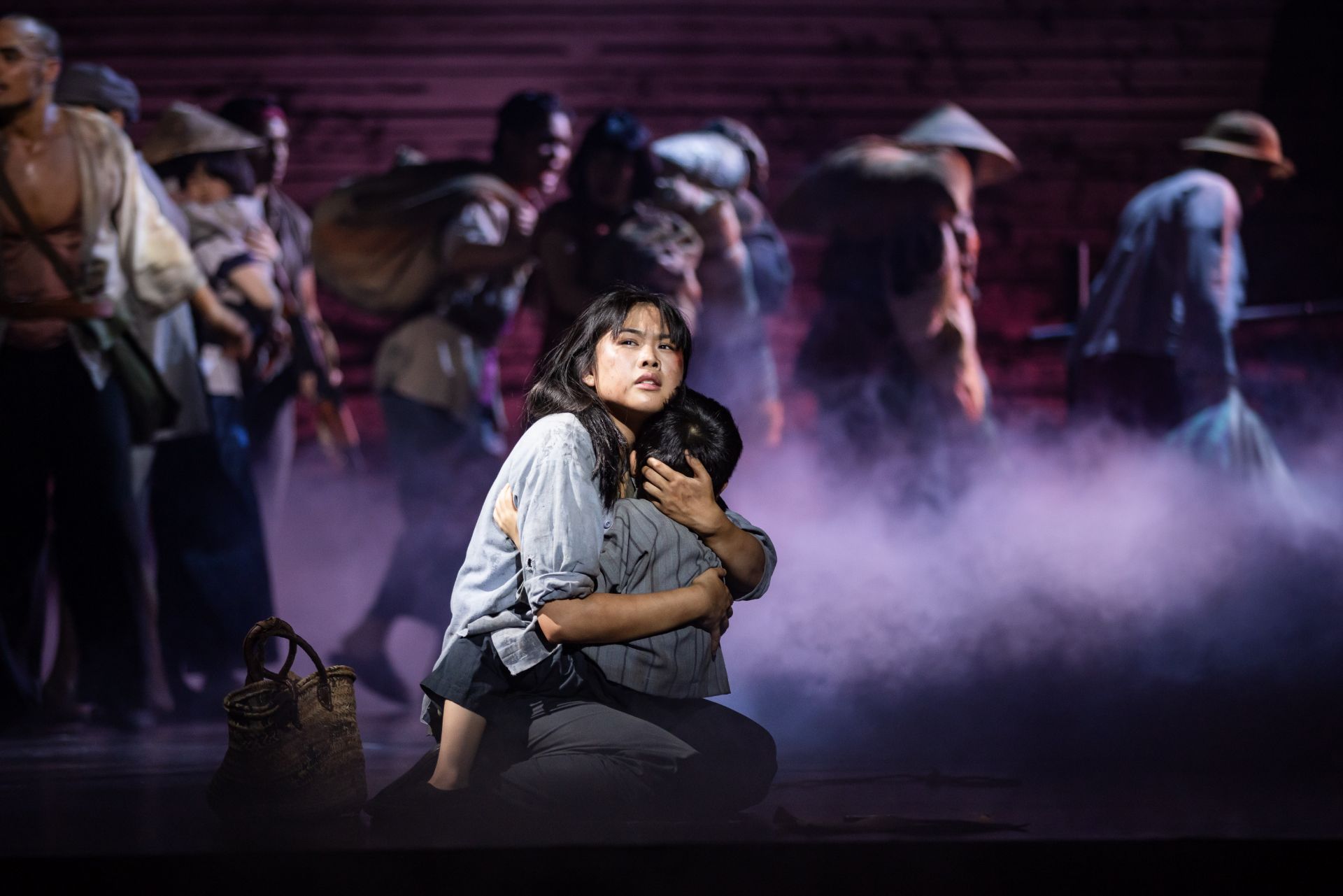
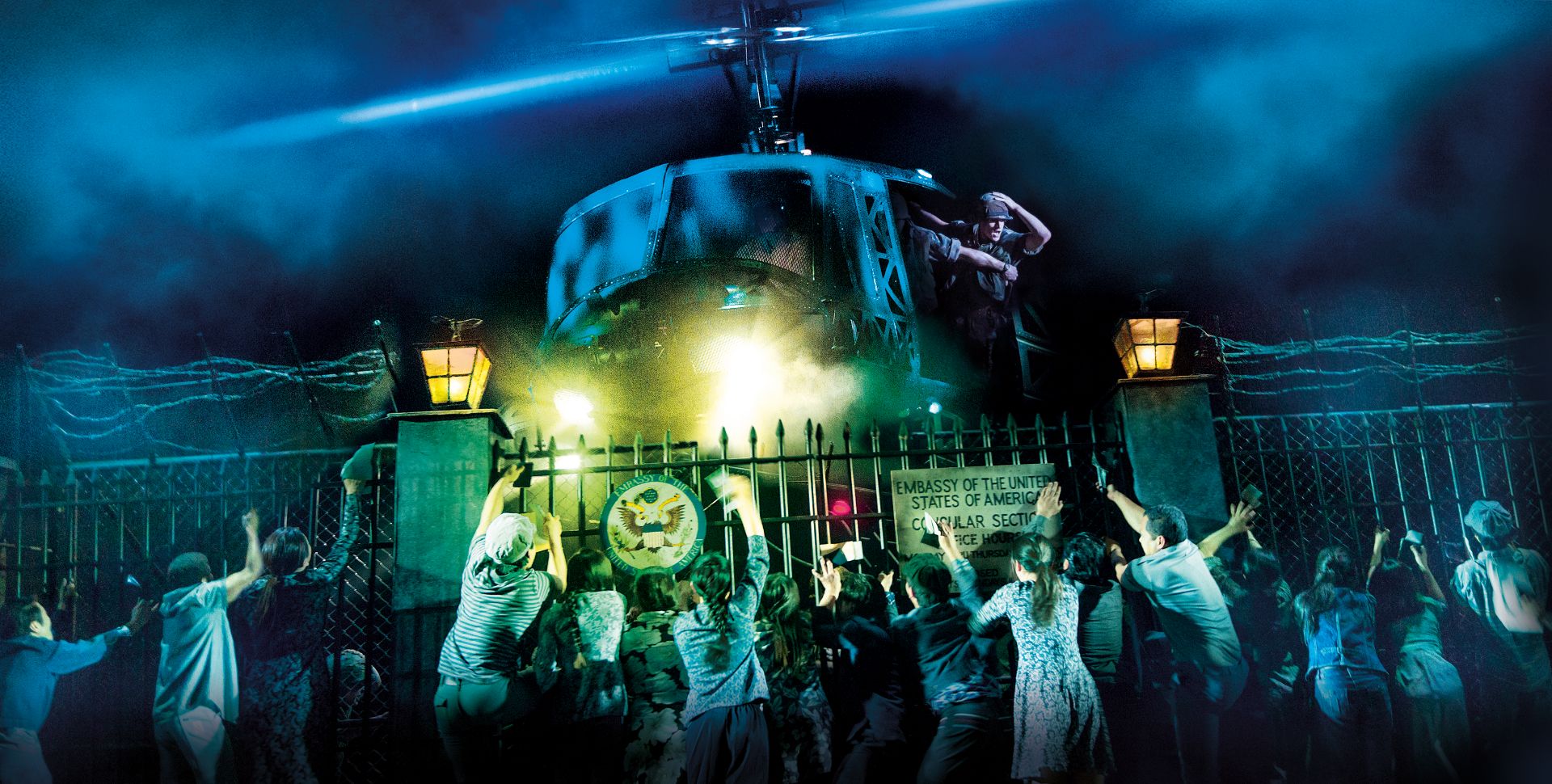
This revival, first presented 2014 in London, does little to address the contemporary concerns surrounding Miss Saigon. It retains the famed gimmick of a helicopter landing on stage, along with truly cringeworthy choreography appropriating military physicality of the “Yellow Peril”. Admittedly, lighting design by Bruno Poet is exquisitely rendered, and for this production, the orchestra is simply sensational, able to have us emotionally stirred throughout, even with all the absurdity of the most unbelievable love story.

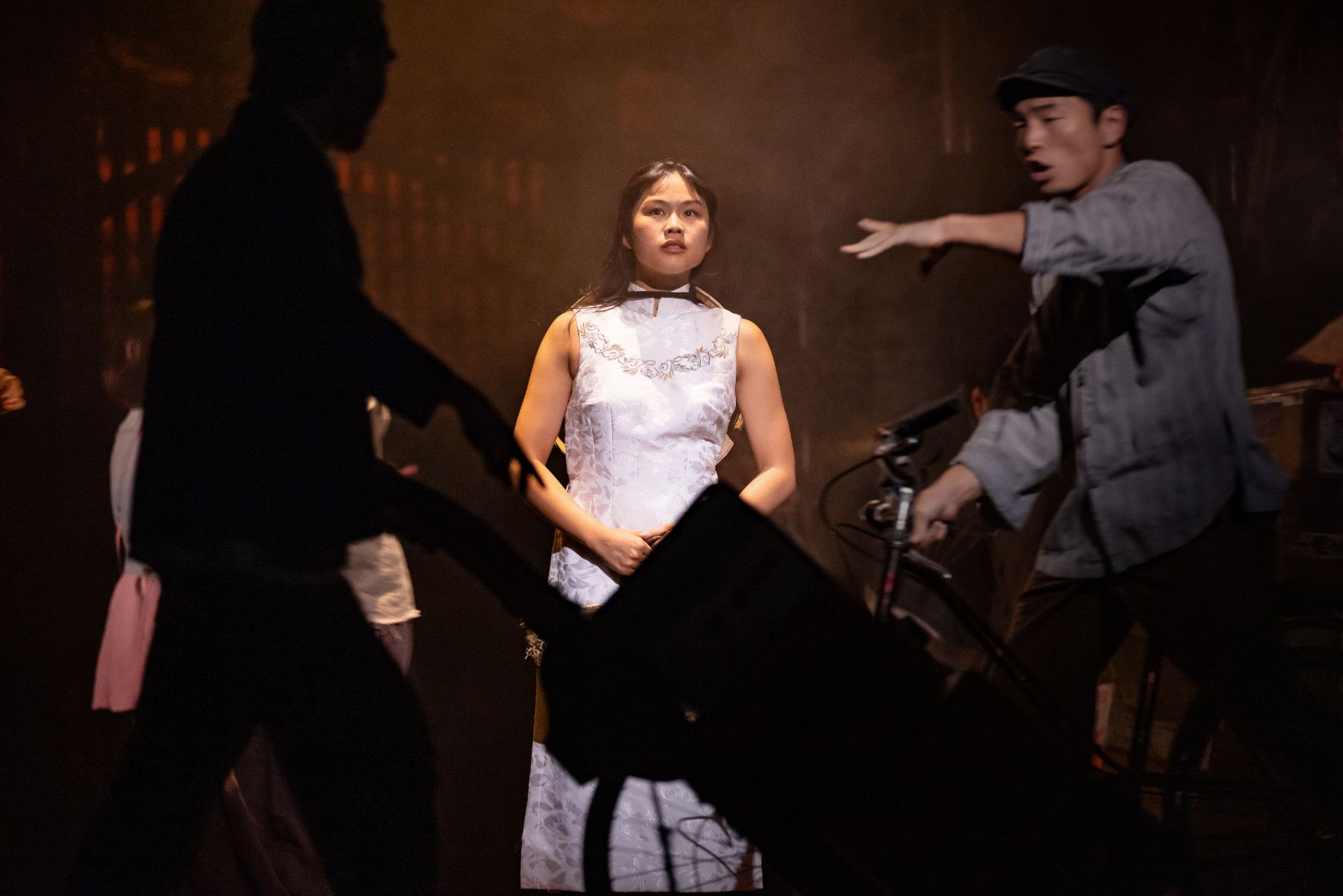
Performer Abigail Adriano too is spectacular as Kim, the embarrassingly hopeless romantic at the centre of this drama. Adriano’s voice is crystal clear and replete with power, singing every note to sheer perfection, and along with her fierce commitment to portraying verve and passion for the role, we are nearly convinced, if not by Kim’s narrative, then definitely by the utter intensity of her emotions.

Kim is almost but not quite heroic, in a show that wishes to paint her as admirable. Through a Western feminist lens, Miss Saigon is to be criticised for choosing to depict a woman of immense fortitude and strength, only as forlorn and sorrowful, a long-suffering lover and mother who can only meet with tragedy at the conclusion. Even if we are to believe in her sadistic tale, there are plentiful other parts to her life that should take precedence, ones that are independent of her brush with a Westerner, and ones that demonstrate the inevitable joy and humour that must exist in any person’s astounding capacity for survival in those circumstances. Instead, we only see Kim at her worst, before witnessing her completely gratuitous demise.

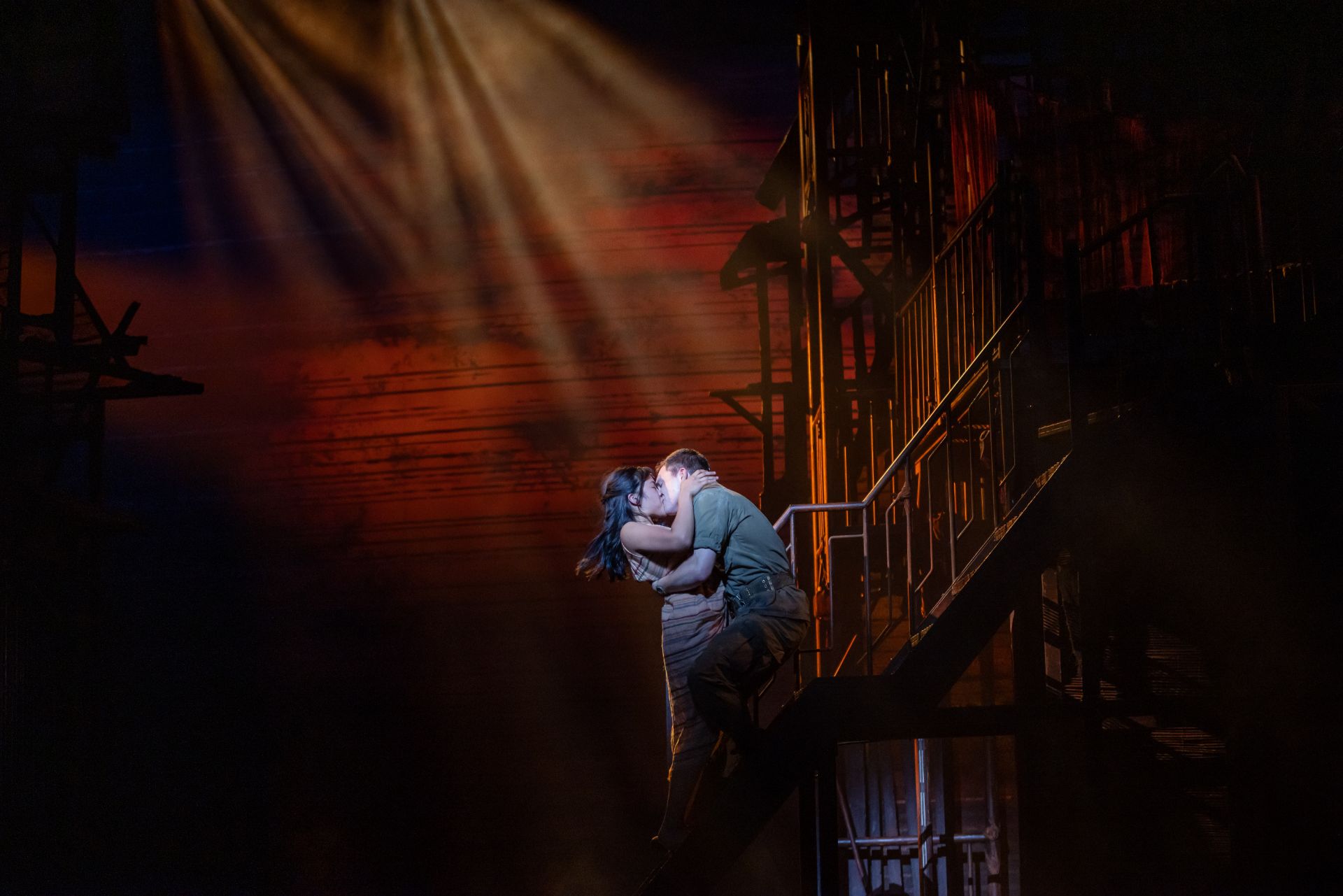
Other notable cast members include Nigel Huckle who plays Chris, the Pinkerton equivalent, with appropriate wholesomeness, in a work determined to have the straight white male offering the only beacon of light, in what is really a no-win situation. Laurence Mossman’s restraint as Thuy proves a valuable element, in something that revels in being overwrought and fantastical. The Engineer is played by Seann Miley Moore, who brings an excellent flamboyance, but who leaves the part feeling somewhat surface, unable to protect him from being mere caricature.

Musicals are big business, at least in the world of art. It makes commercial sense to bring Miss Saigon back, if the main intention is financial, and indeed survival, for the many individuals and organisations involved. This argument is however, too convenient. Those who choose to work in the arts, should not be forgiven for putting money ahead of the socio-cultural impact their work may bring. There are many professions that are unashamedly about the pursuit of material wealth, and making art is simply not one of those. The artist’s life is hard, not only because the very nature of creativity and invention is difficult, the artist has to always prioritise their search for truth and meaning, over any desire for wealth and esteem. Certainly, the artist must participate in activities that are less than idealistic, there are countless opportunities for one to compromise, but when the damage can be deep, as in this case involving ongoing trauma from a widely reverberating calamity, we simply have to say no.

www.miss-saigon.com.au
Review: Cinderella (Sydney Lyric Theatre)

Venue: Sydney Lyric Theatre (Sydney NSW), Oct 24, 2022 – Jan 29, 2023
New Book: Douglas Carter Beane
Lyrics and Original Book: Oscar Hammerstein II
Music: Richard Rodgers
Director: Mark Brokaw
Cast: Daniel Belle, Bianca Bruce, Tina Bursill, Josh Gardiner, Shubshri Kandiah, Nicholas Hammond, Ainsley Melham, Matilda Moran, Silvia Paladino
Images by Jeff Busby

Theatre review
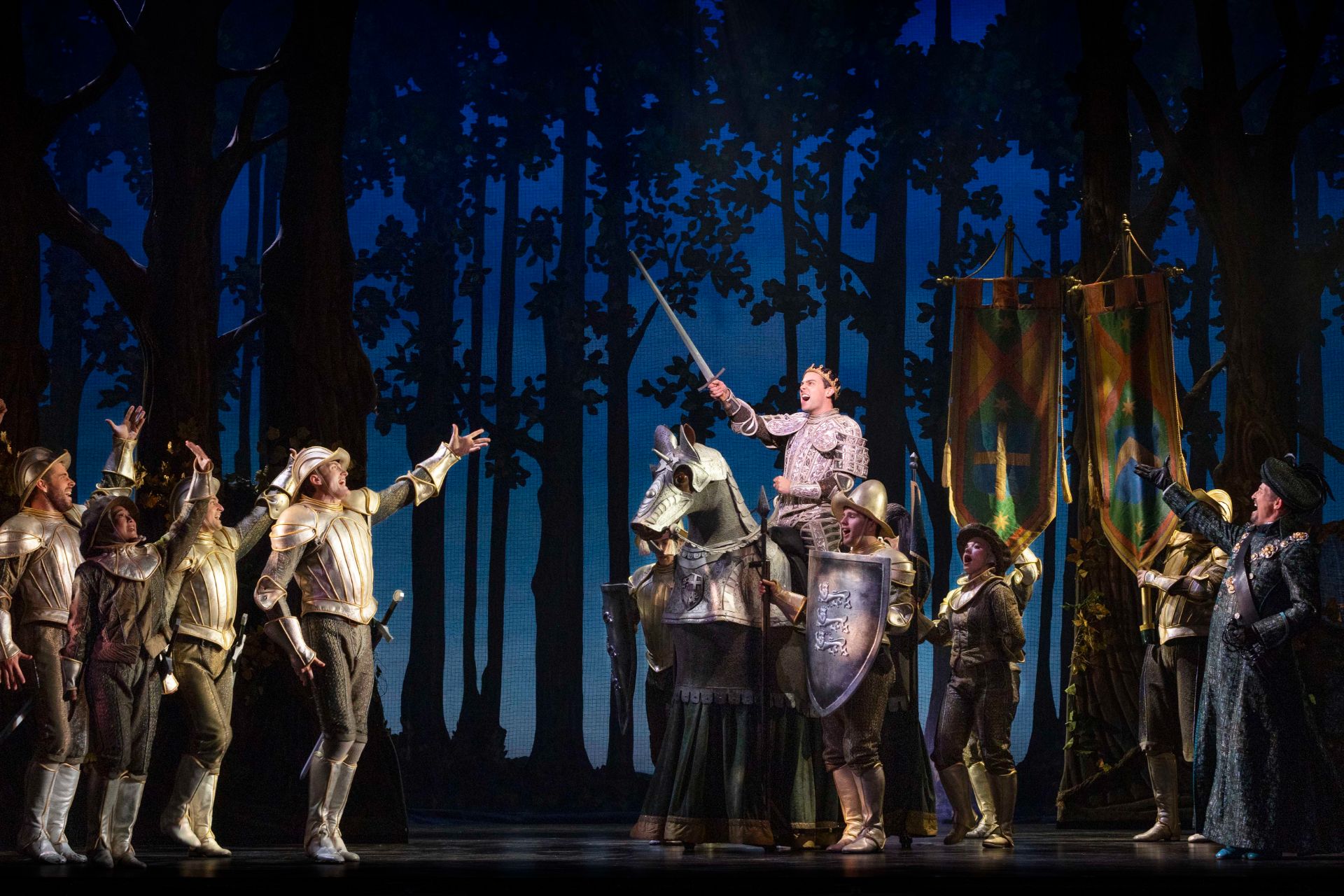
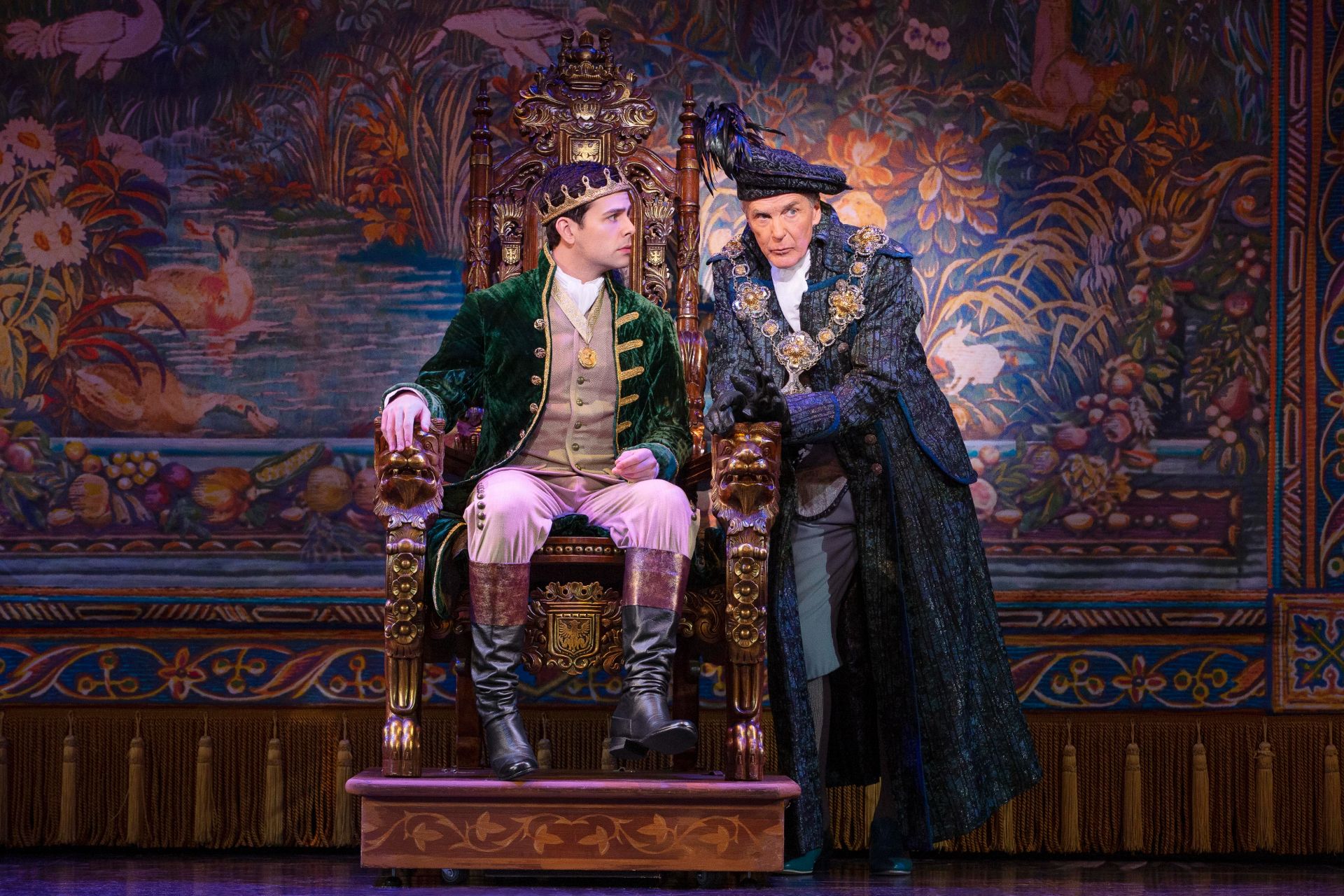
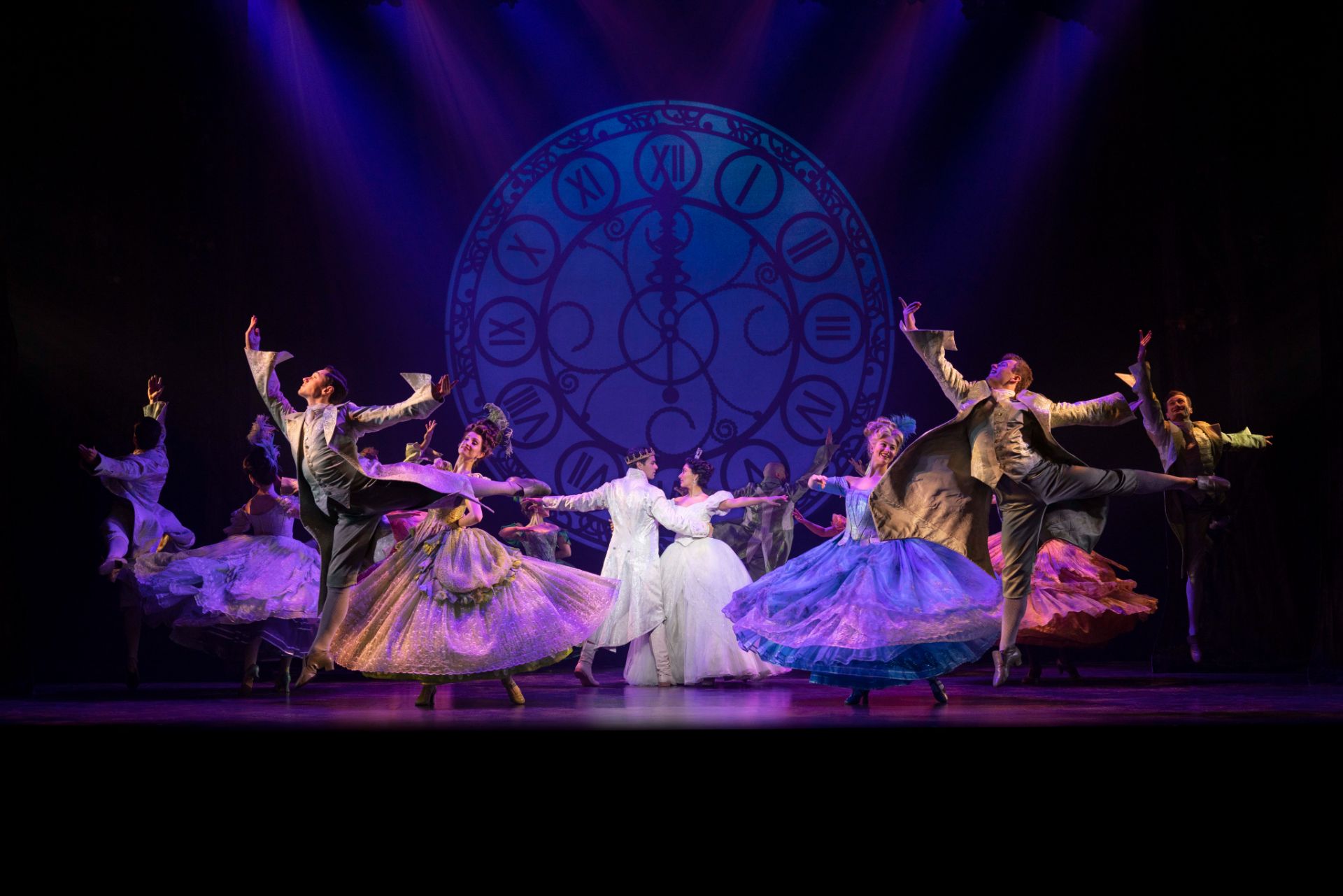
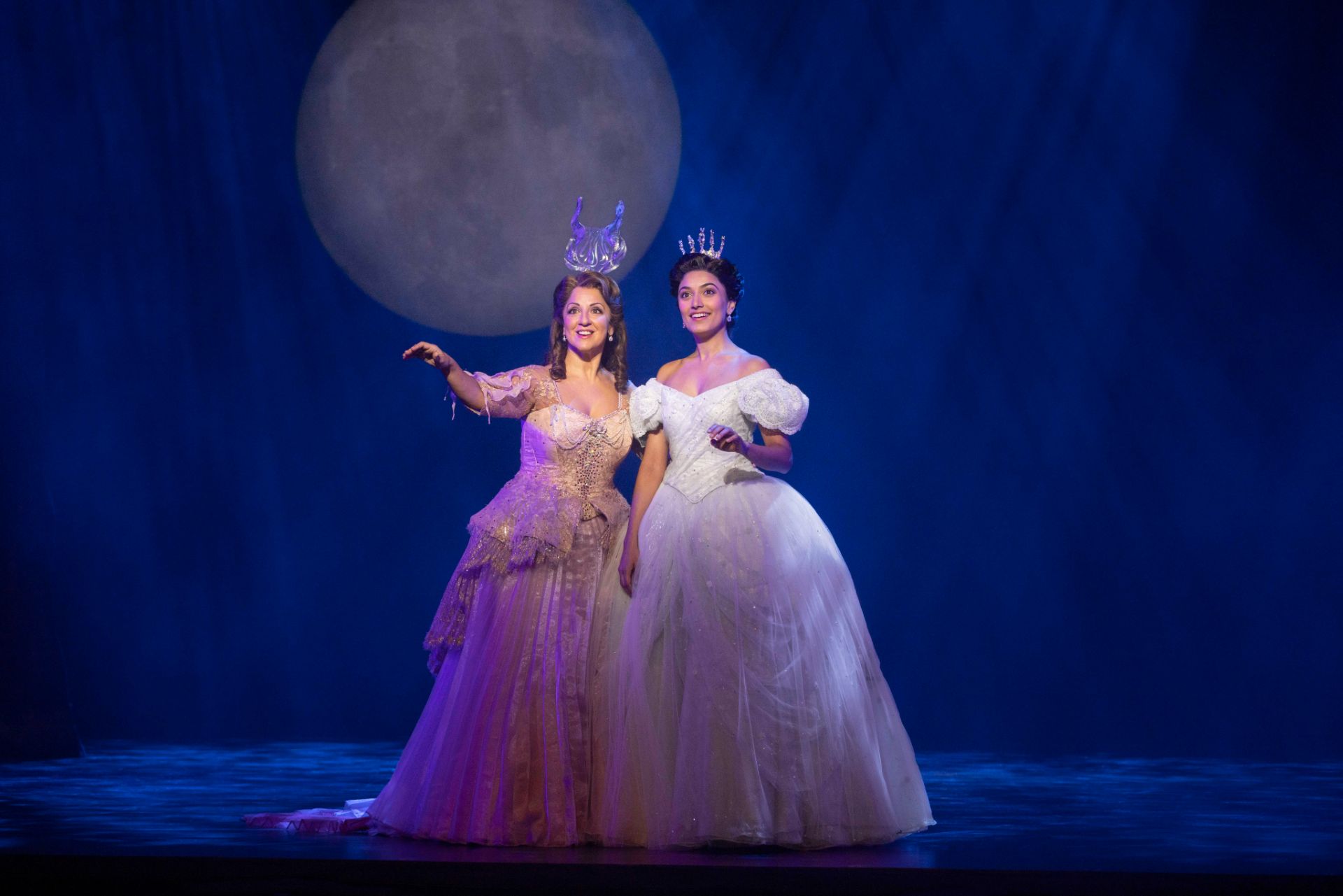
Rodgers and Hammerstein’s exquisite songs for Cinderella were originally written for a 1957 television broadcast, and had taken more than half a century, to reach the Broadway stage. This 2013 adaptation with a new book by Douglas Carter Beane, transposes the old tale for the contemporary stage, carefully incorporating updates and modifications, to make Cinderella palatable for twenty-first century sensibilities. The amalgamation of the classic score with a modernised narrative, proves a delightful opportunity to re-acquaint ourselves with the most familiar of stories, only with a lot less misogyny.

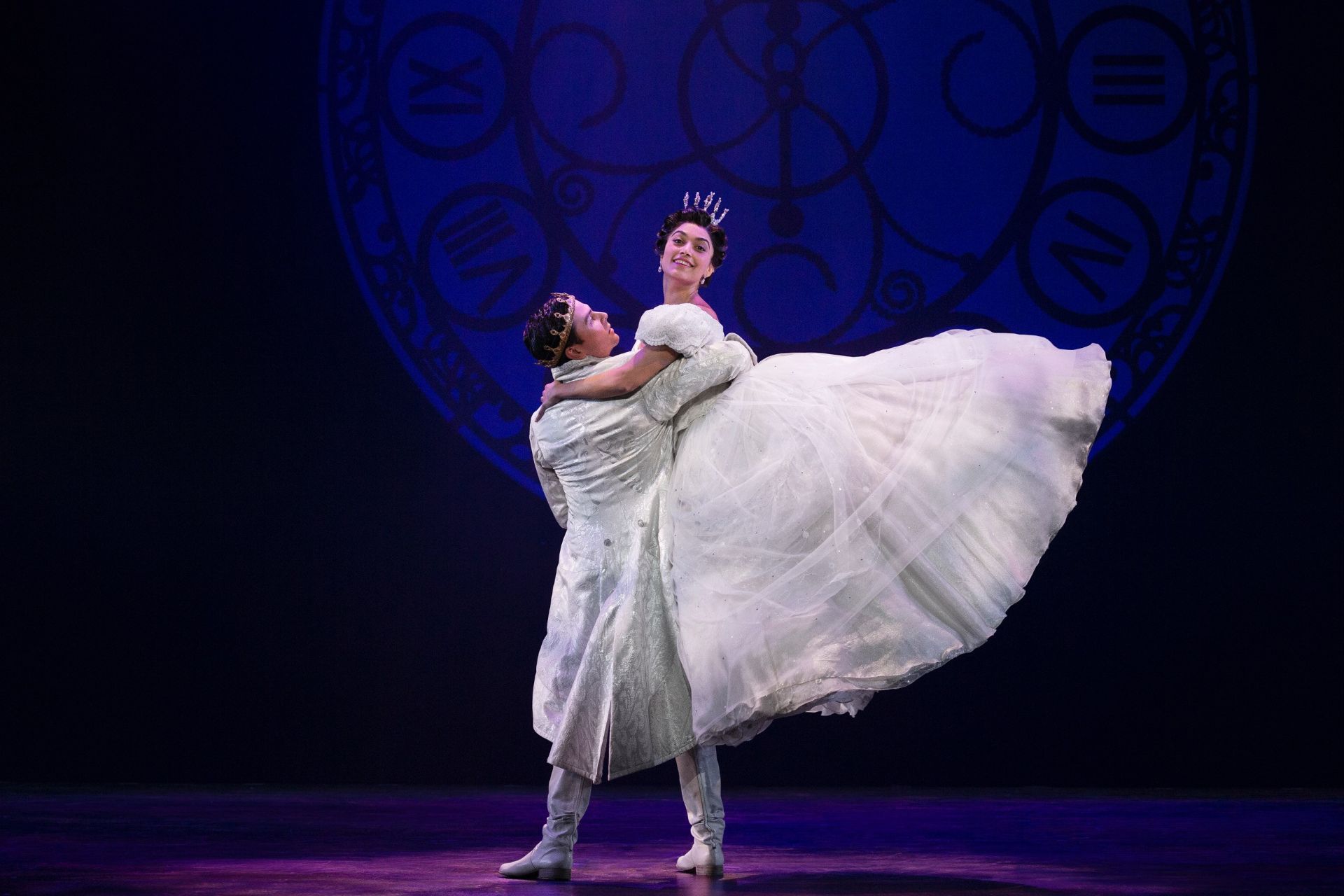
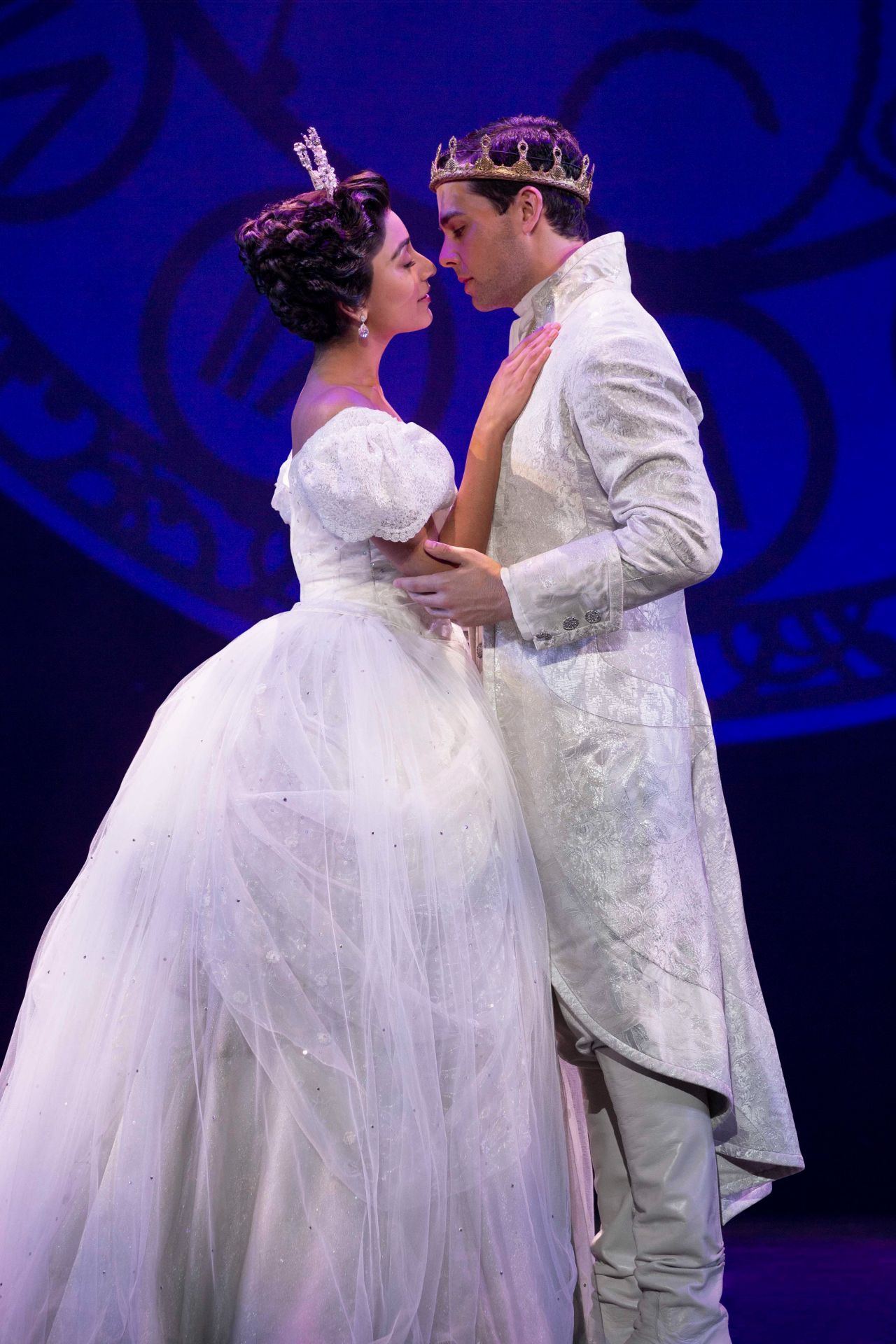
Our poor girl Cinderella is no longer incapacitated and desperate. She is now well-read, smart, intuitive, and maybe even a little ambitious. Performed by Shubshri Kandiah, she is also hugely endearing, and incredibly graceful. God forbid, she might even be a little feisty. Aside from this surprisingly refreshing take on the famous character, Kandiah’s singing and dancing are resplendent, effortlessly transporting us to somewhere magical, and wonderfully innocent.

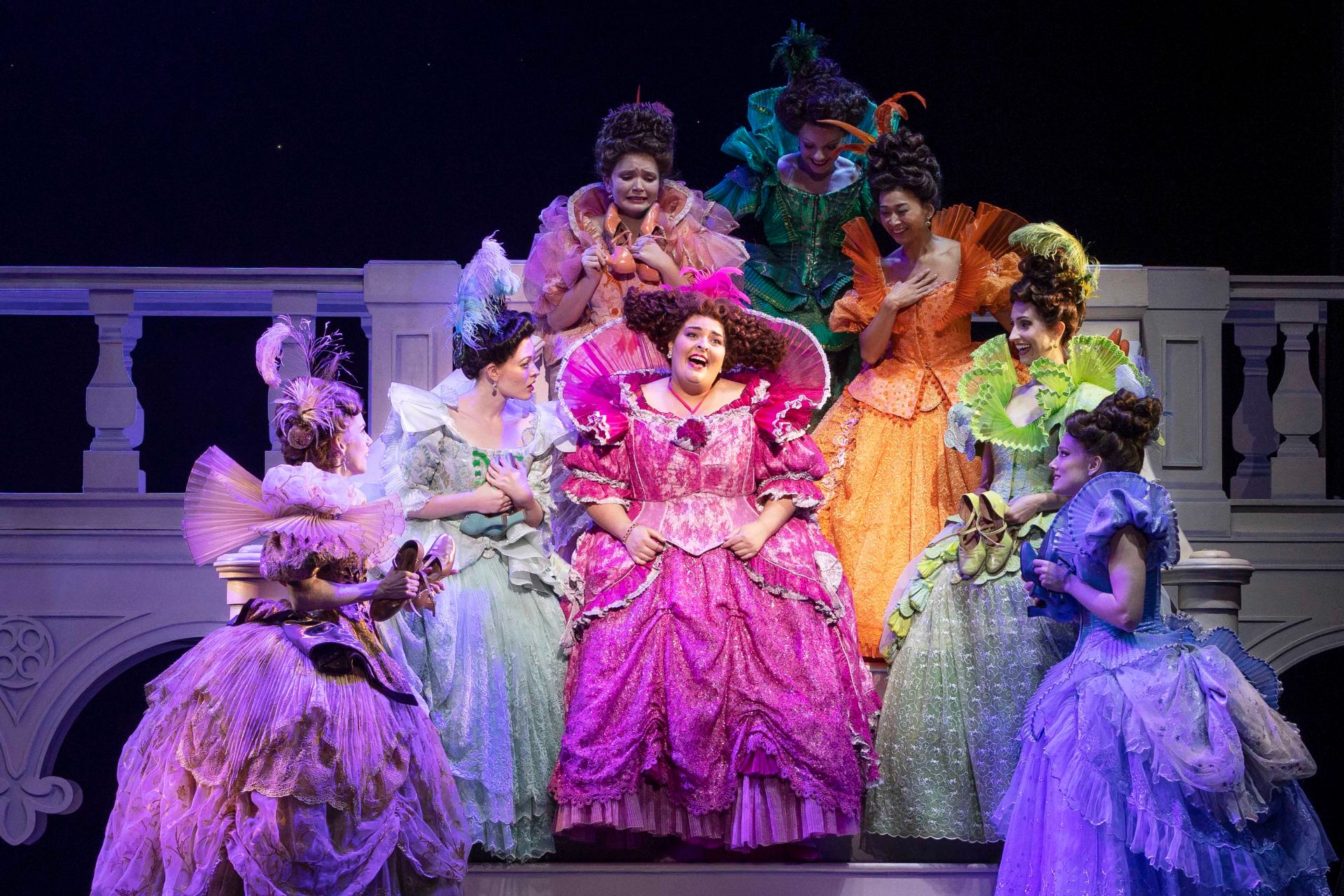
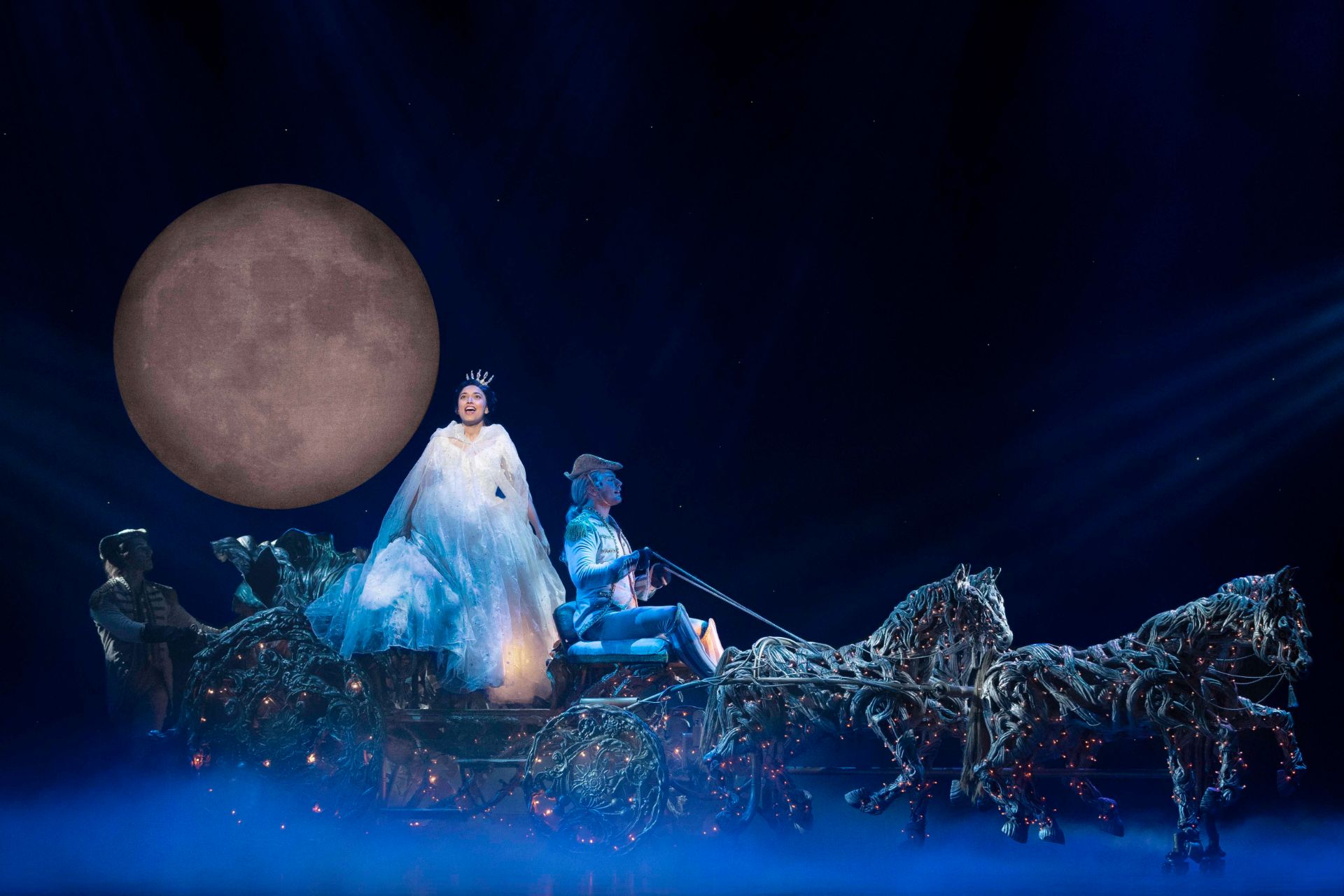
Prince Topher too has become more human. Given charming humour by the dashing Ainsley Melham, who matches in performance ability with Kandiah; the two look to be a pair made in heaven. Their chemistry is the stuff dreams are made of, and we want their union to succeed as much as they themselves do. Also very impressive is Silvie Paladino, who brings incredible skill and a delicious campness to the unforgettable role of Fairy Godmother. Paladino’s presence is so strong, as is her voice, that she makes her enormous dresses seem a natural fit.

The excellent transformation that occurs in this newer Cinderella, is not that the pauper becomes the princess, but that young girls can now see a version of the heroine being valued for all the right things. The aspiration is no longer just to marry well, but to become intelligent, resilient, kind and generous. This should always be the lesson to teach our young, should we decide to keep telling this story for centuries to come.

www.cinderellamusical.com.au
Review: Bran Nue Dae (Opera Australia)

Venue: Riverside Theatres (Parramatta NSW), Jan 15 – Feb 1, 2020
Book: Jimmy Chi
Music and lyrics: Jimmy Chi, Kuckles
Director: Andrew Ross
Cast: Czack (Ses) Bero, Marcus Corowa, Adi Cox, Ernie Dingo, Damar Isherwood, Taj Jamieson, Tehya Jamieson, Teresa Moore, Andrew Moran, Tuuli Narkle, Callan Purcell, Bojesse Pigram, Ngaire Pigram, Tai Savage, Danielle Sibosado
Images by Prudence Upton

Theatre review
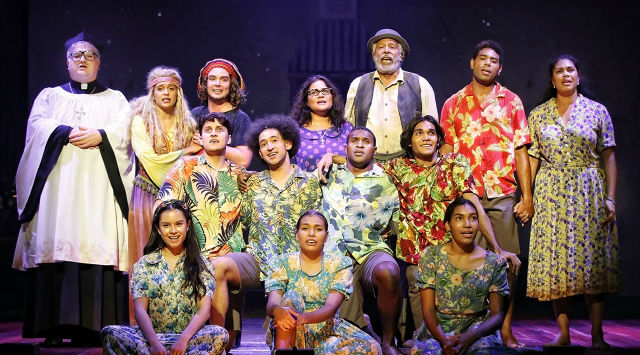
Bran Nue Dae is the semi-autobiographical story of Aboriginal music star Jimmy Chi, who as a teenager in the 1960’s, hitchhiked from his mission school back home to Broome. A musical of the coming-of-age variety, the work features splendid songs written some thirty years ago by Chi and his band Kuckles, now beautifully nostalgic and sentimental, with strong country and soul influences that move us evocatively to the Western Australia outback.

Musical direction by Patrick bin Amat and Michael Mavromatis provide an emotional dimension to the show, effective in conveying a sense of the Australian bush, and of Indigenous cultures through their sensitive arrangement of each and every tune. Directed by Andrew Ross, the comedy is a sleek one, but insufficiently humorous, often lacking in the energy required to fill the large auditorium.

Performer Ernie Dingo leaves a strong impression, with an easy charm and confidence as Uncle Tadpole that sustains our interest. Protagonist Willie is played by an equally likeable Marcus Corowa, who lights up the stage with his vocal cords whenever they get a workout. The ensemble is a nimble uplifting group, with the four women proving particularly memorable, when singing their bright and resonant choruses.

Being the very first Aboriginal musical, Bran Nue Dae is undoubtedly significant in theatrical history. What is more important however, are the subsequent shows that should follow, but examples are scarce. Of course, Indigenous peoples continue to practise other art forms that are culturally specific, and the wider community must always provide support when invited to, although the dream remains, where Western institutions can be much more inclusive, that more Indigenous participation can be seen in what has become this nation’s dominant platforms. The fact that our black sisters and brothers continue to be missing from so much of our cultural activity, is a seismic problem that we cannot afford to take lightly.

www.brannuedaemusical.com.au
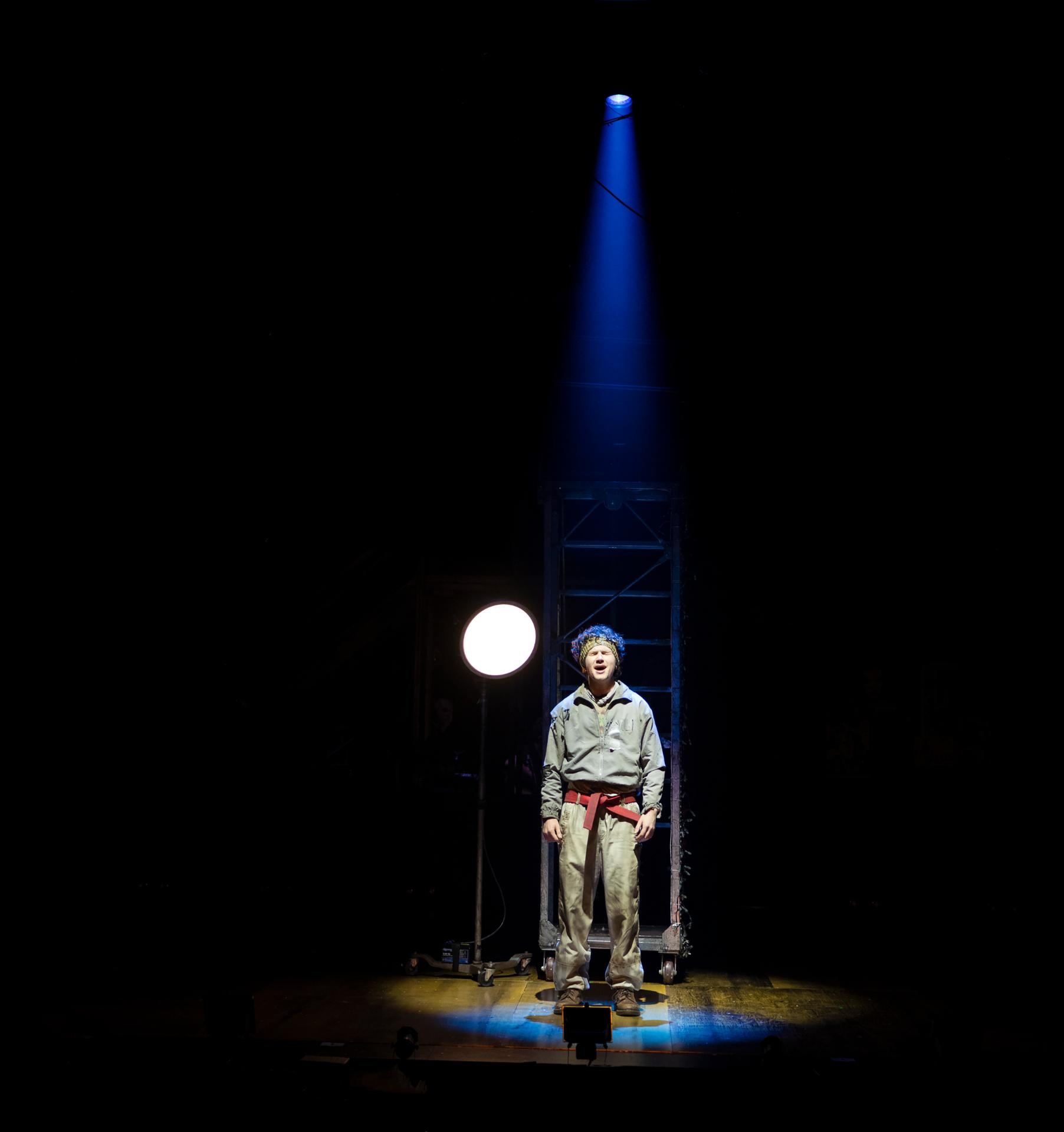
Review: West Side Story (Opera Australia)

Venue: Sydney Opera House (Sydney NSW), from Aug 16 – Oct 6, 2019
Book: Arthur Laurents
Music: Leonard Bernstein
Lyrics: Stephen Sondheim
Director: Jerome Robbins
Cast: Christian Ambesi, Matthew Antonucci, Daniel Assetta, Molly Bugeja, Olivia Carniato, Nicholas Collins, Nikki Croker, Paul Dawber, Angelica Di Clemente, Sarah Dimas, Amba Fewster, Anthony Garcia, Sebastien Golenko, Keanu Gonzalez, Paul Hanlon, Zoe Ioannou, Brady Kitchingham, Ariana Mazzeo, Noah Mullins, Natasha O’Hehir, Nathan Pavey, Sophie Salvesani, Berynn Schwerdt, Ritchie Singer, Taylah Small, Joshua Taylor, Blake Tuke, Dean Vince, Lyndon Watts, Daniel Wijngaarden, Jason Yang-Westland, Chloé Zuel
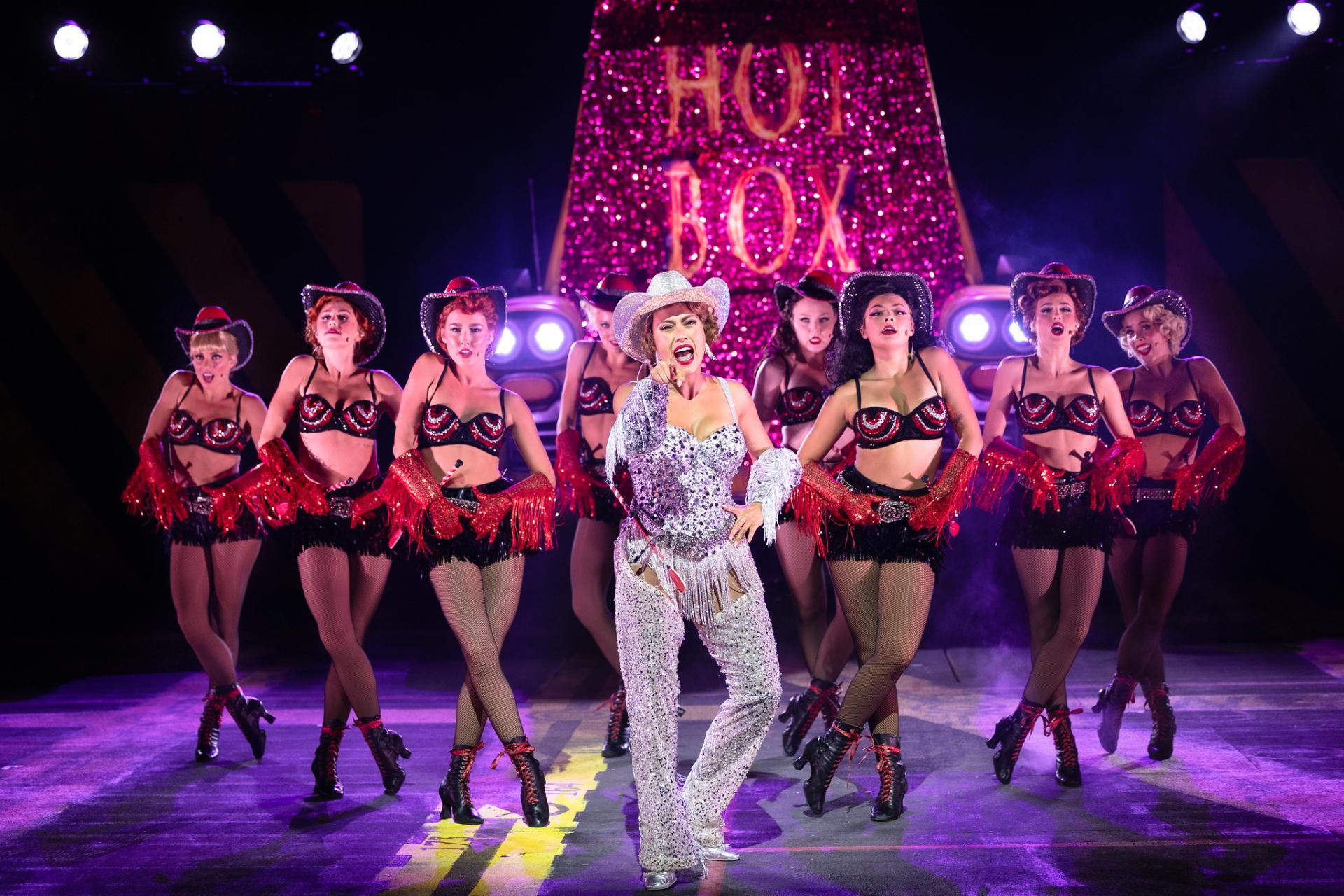
Images by Jeff Busby

Theatre review
It is now 62 years, since the world was first introduced to the Jets and the Sharks, rival gangs from West Side Story, Bernstein and Sondheim’s landmark musical. Its relevance today is startling, as we find the United States in the throes of shocking immigration policies, determined to demonise those hailing from Latin America. The authentic darkness of the piece prevents it from dating, from its experimental musical styles to its thematic explorations into racial vilification, its resonances are timeless, even if the narrative seems to relate specifically to a distant time and space.

The production is highly polished, with director and choreographer Jerome Robbins’ original vision faithfully presented. Design elements no longer feel inventive by today’s standards, but the air of sophistication being conjured is unequivocal.

A tale about white supremacy, West Side Story features a group of white boys called the Jets, who spend their days taunting the Puerto Rican Sharks. Lyndon Watts is an imposing Bernardo, powerful and precise as leader of the Sharks. His nemesis Riff is played by Noah Mullins, a very peculiar casting choice given the performer’s glaringly bookish quality. Leading lady Sophie Salvesani is a suitably wholesome Maria, although rarely inspiring with her renditions of some extremely well-known songs. Daniel Assetta may not deliver a flawless Tony, but we are kept engaged by his likeable presence and surprisingly dulcet tones. The one real star on this stage is Chloé Zuel, whose Anita takes us through every gamut of emotion, impressive from beginning to end, as the proverbial triple threat.

Policing authorities in West Side Story fail to recognise the inherent power imbalance at play, as they attempt to handle the situation as though the feuding parties are equal in strength, unable to identify the victims they should protect. Minorities are routinely subjugated, when a level playing field exists only in our imagination. It is easy to place blame on the juvenile delinquents, who act out these objectionable impulses, but the problems are systemic, deeply entrenched in how we think and how we do things. The cure needs to target the root of the problem, and that will never be less than radical.

www.westsidestory.com.au