Review: Siegfried & Roy: The Unauthorised Opera (Wharf 1 Theatre)

Venue: Wharf 1 Sydney Theatre Company (Walsh Bay NSW), Jan 8 – 25, 2025
Composer: Luke Di Somma
Libretto: Luke Di Somma, Constantine Costi
Director: Constantine Costi
Cast: Christopher Tonkin, Kanen Breen, Cathy-Di Zhang, Simon Lobelson, Louis Hurley, Danielle Bavli, Russell Harcourt, Thomas Remali, Kirby Myers 
Images by 

Theatre review
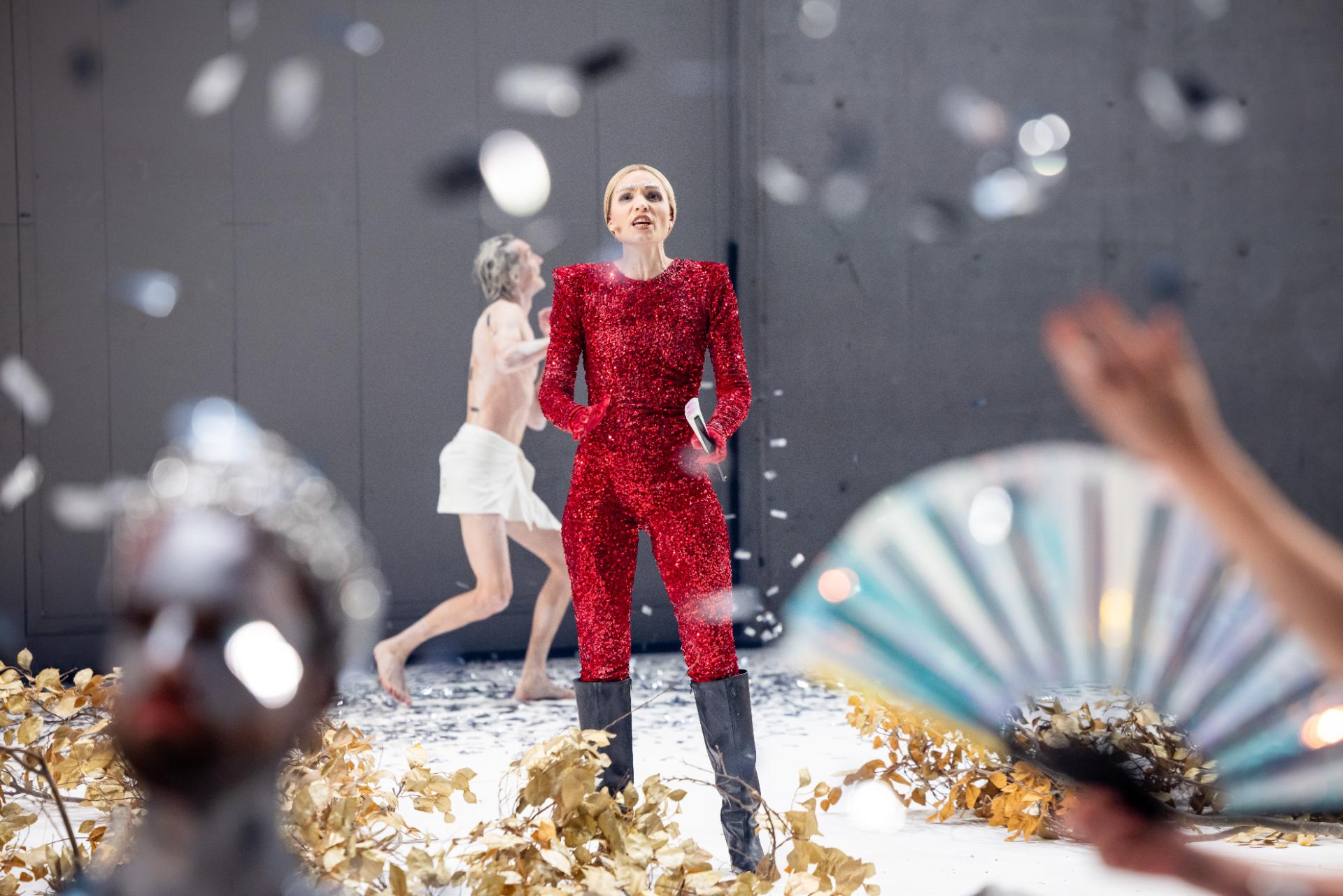
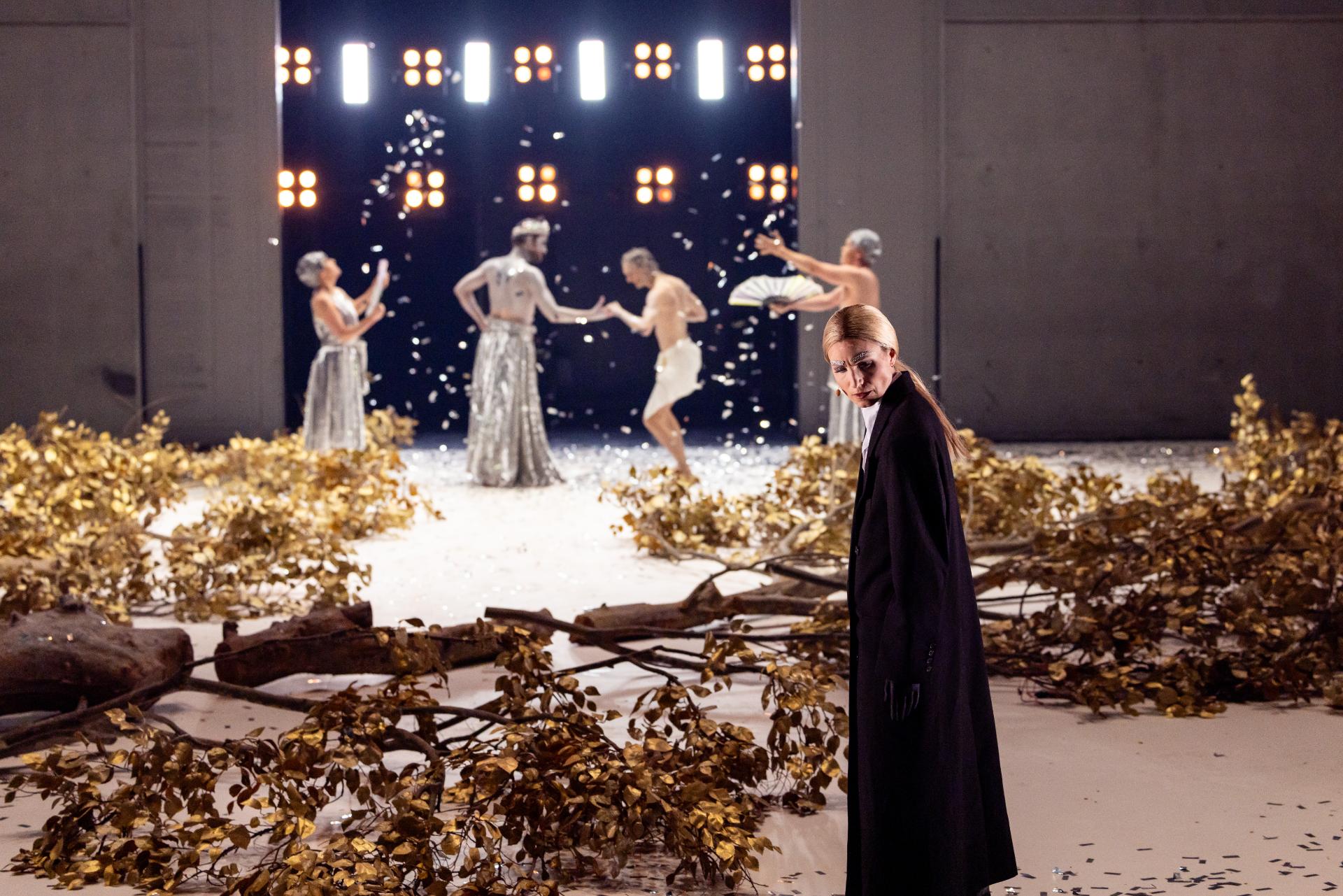
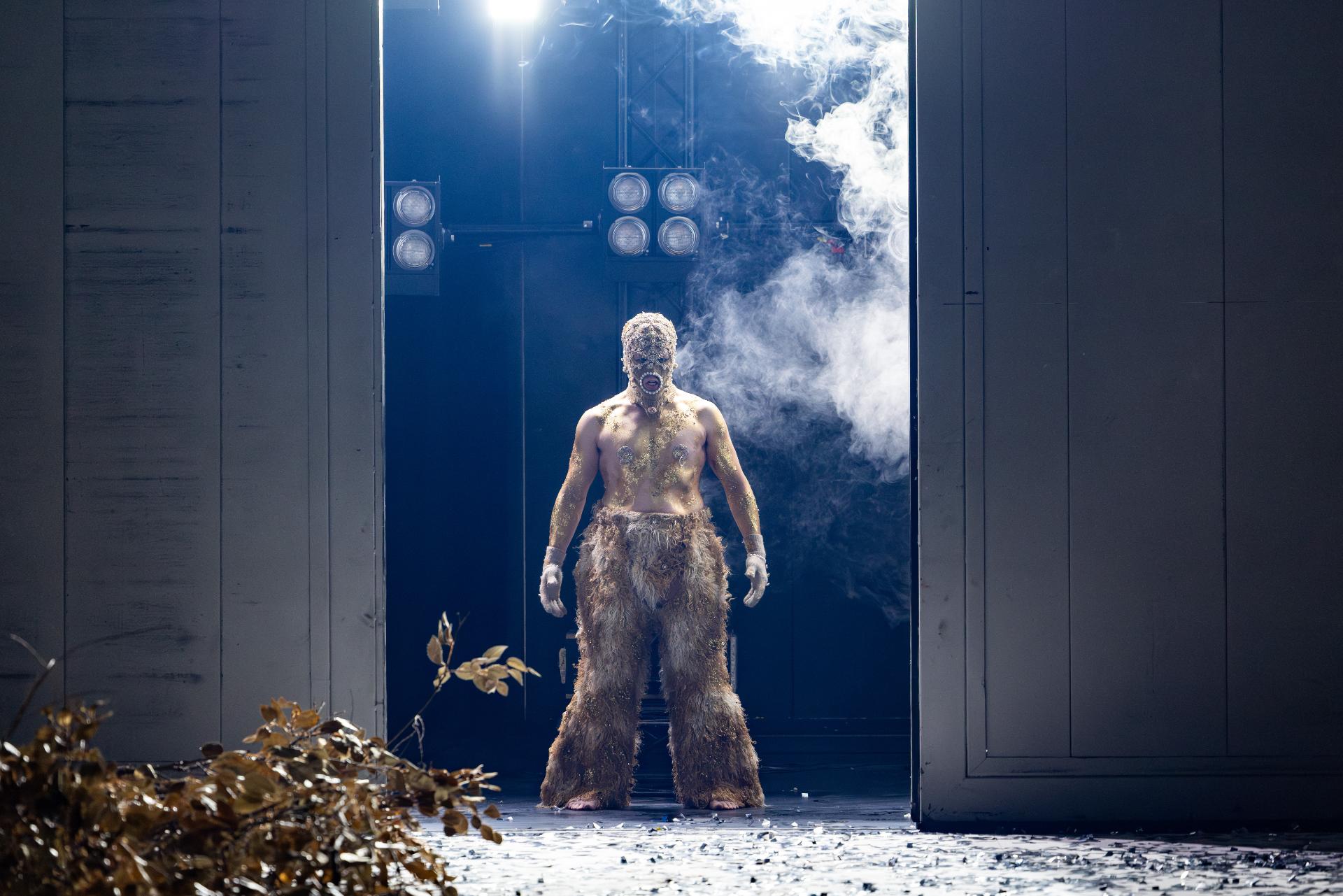
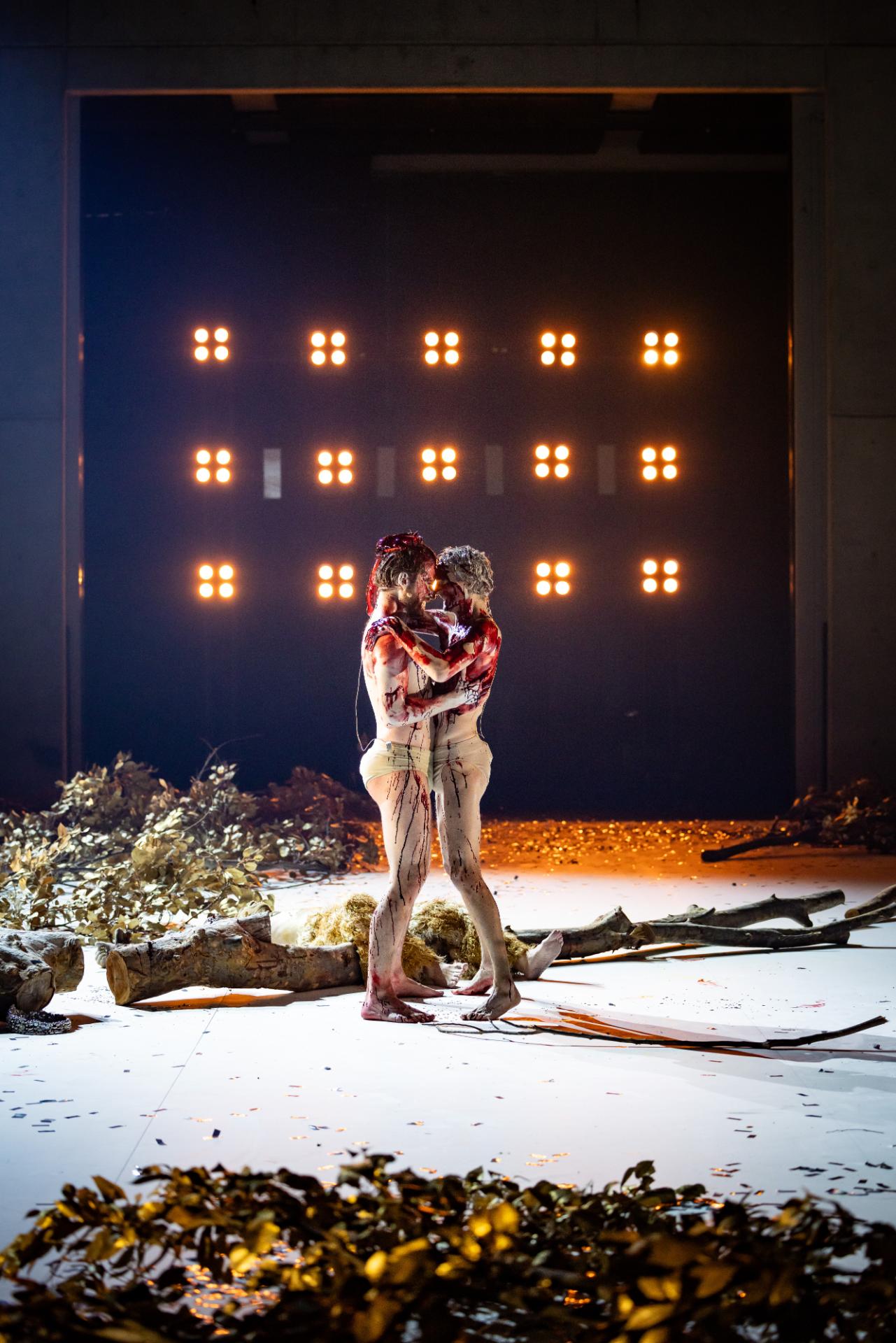
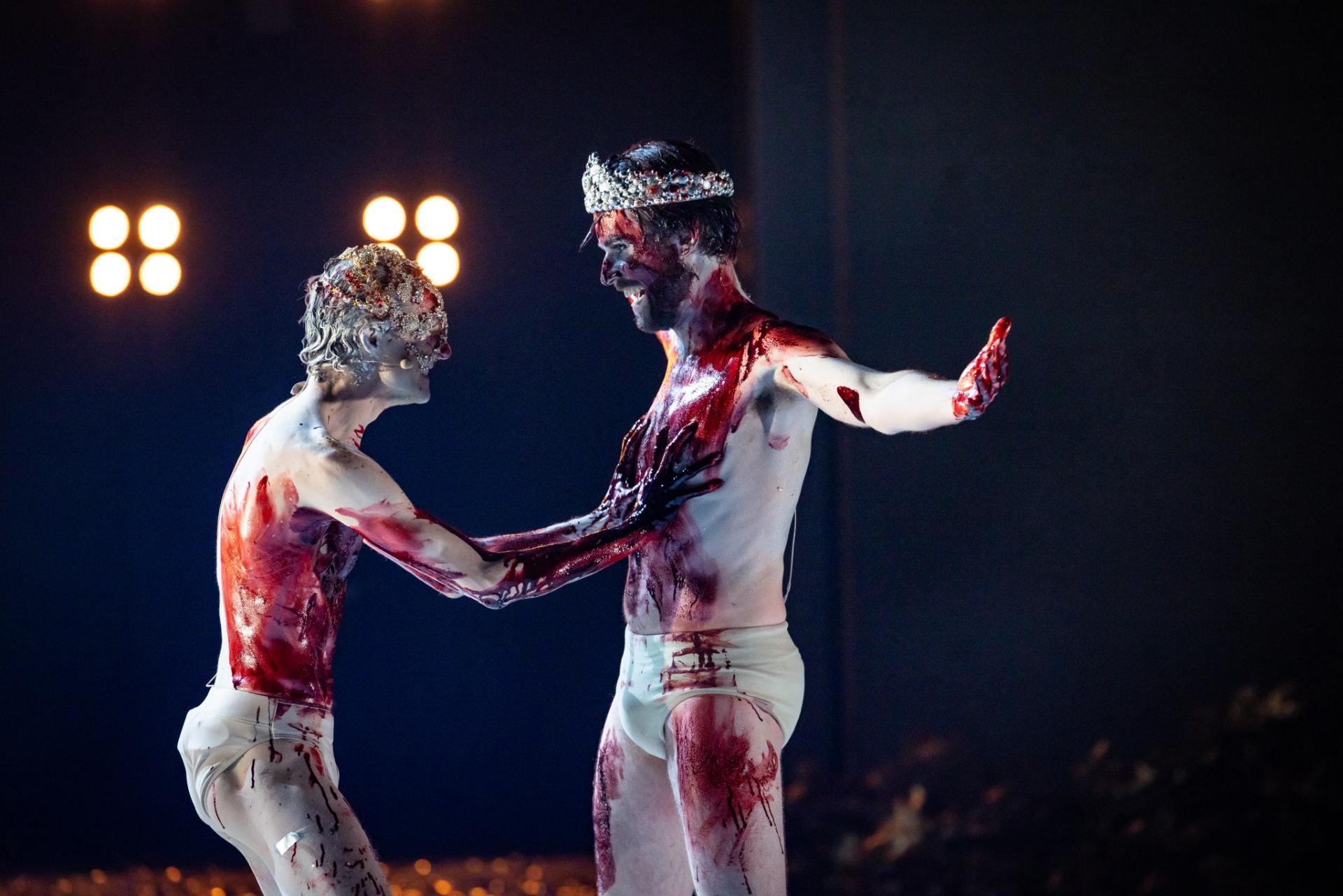
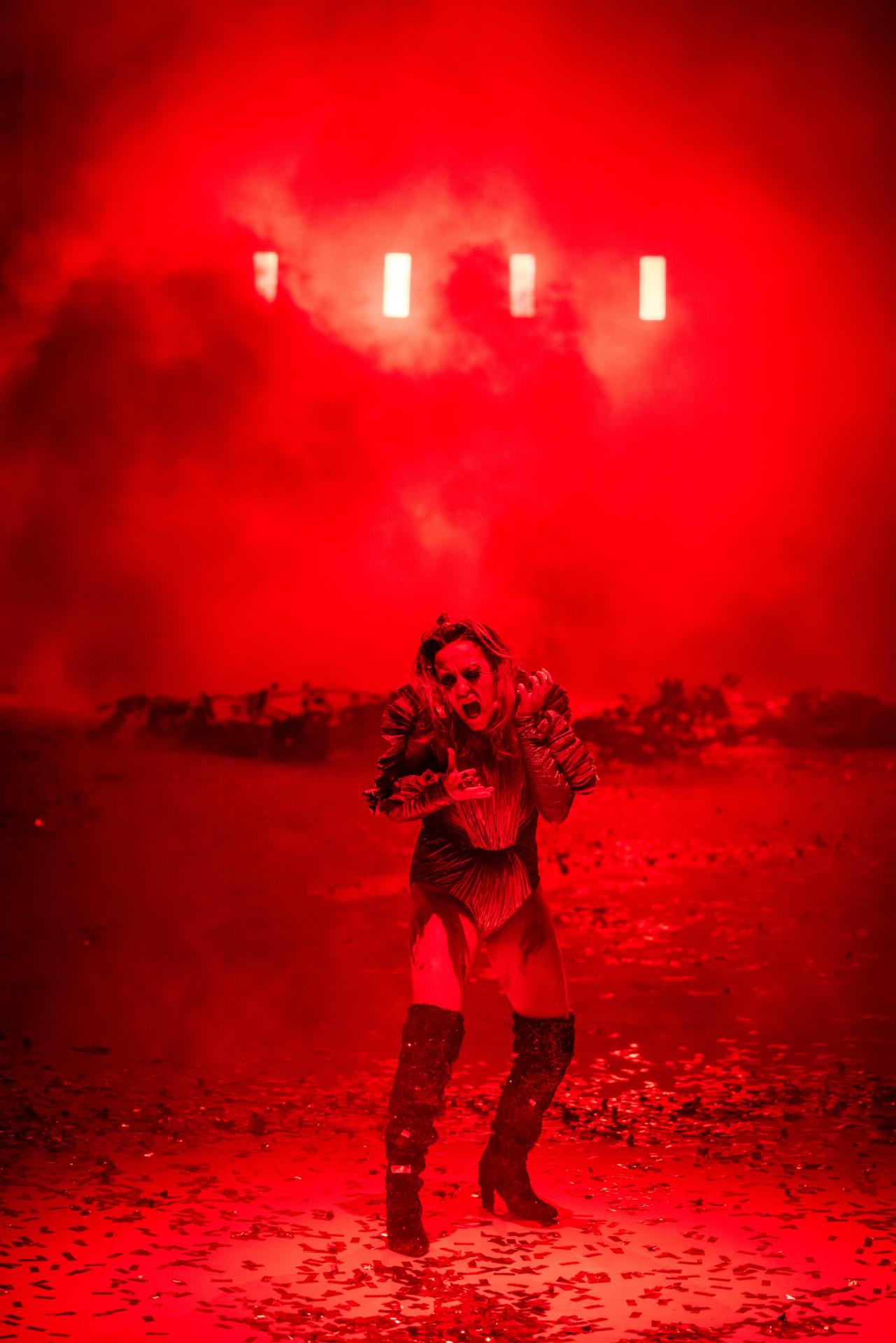
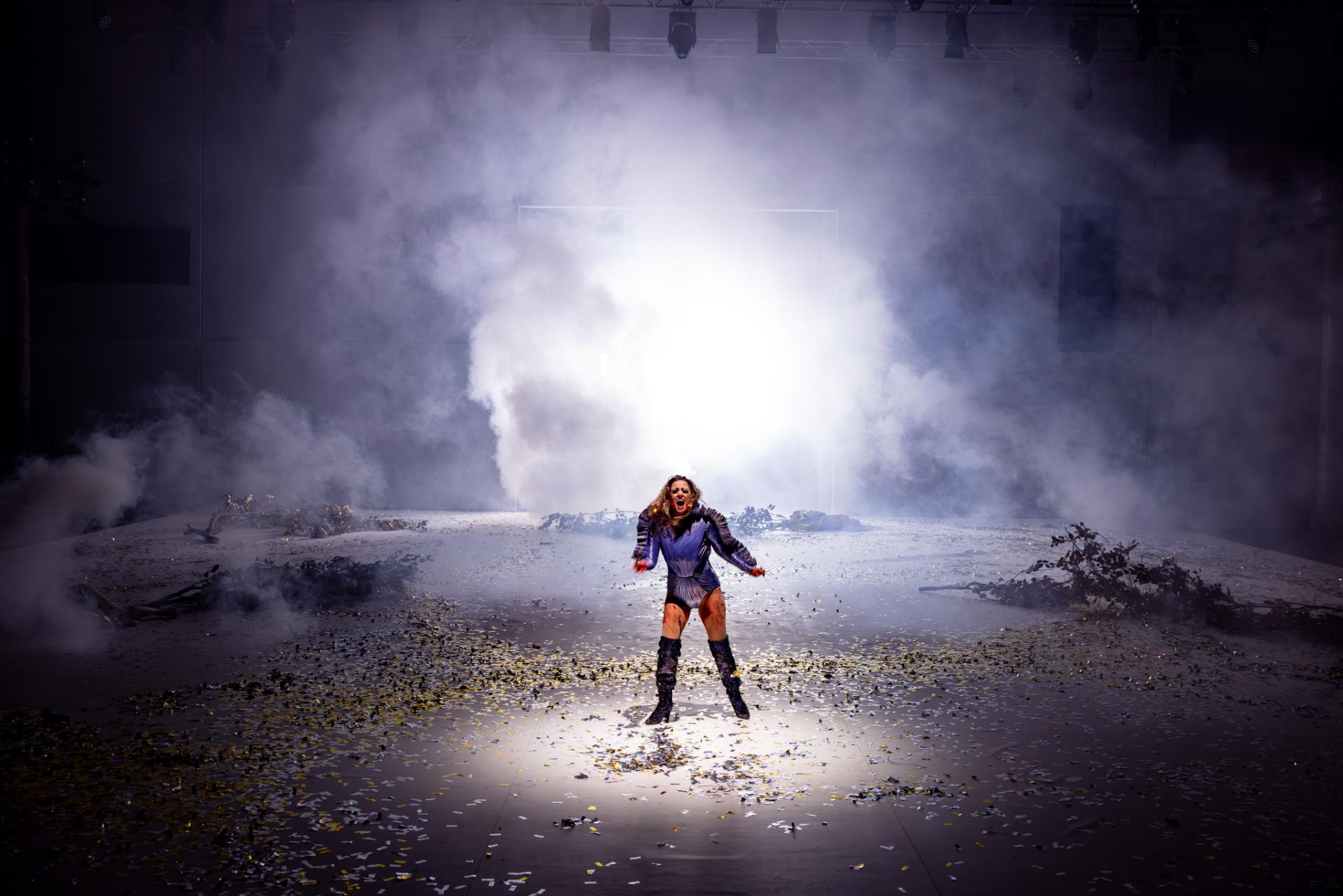
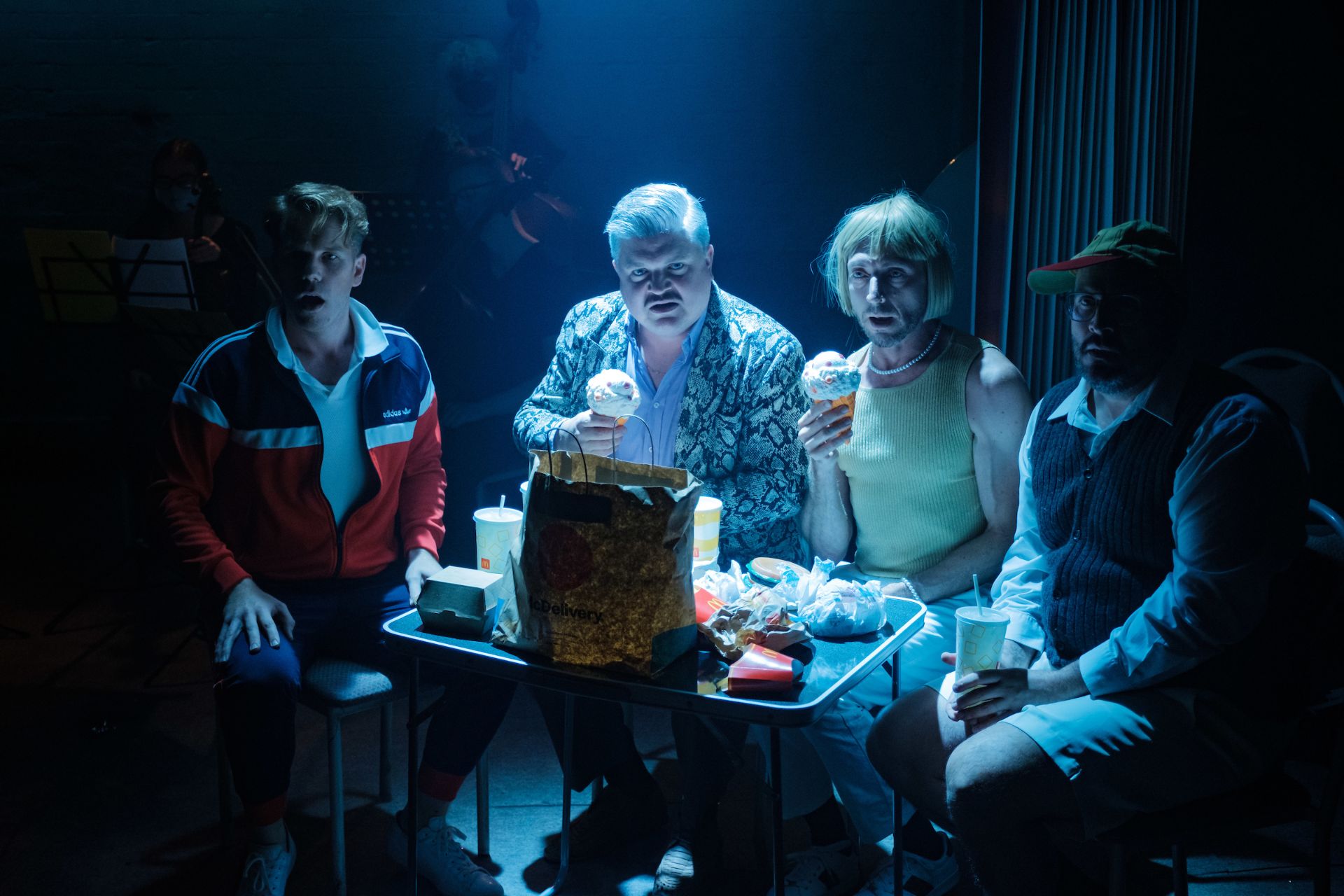
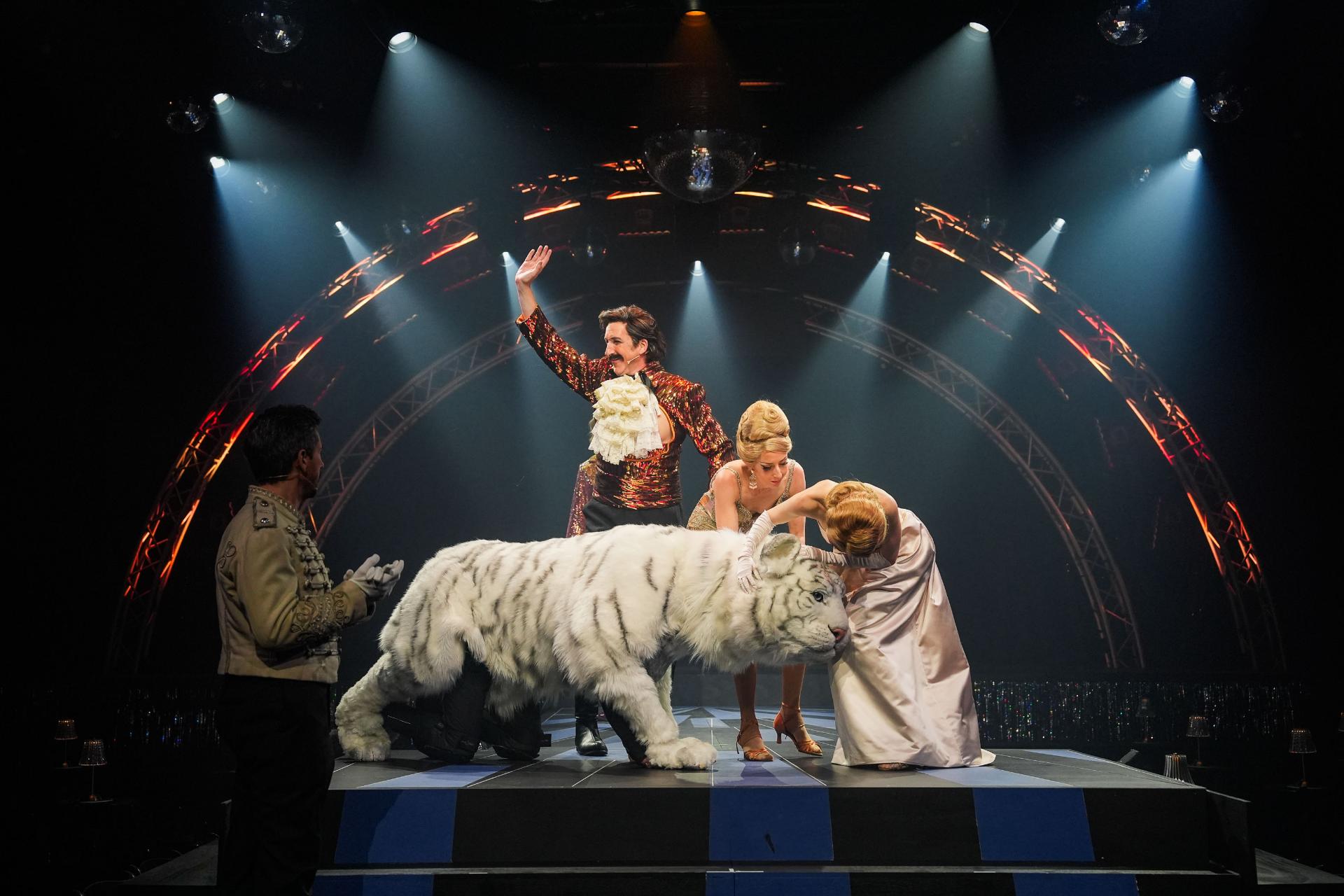
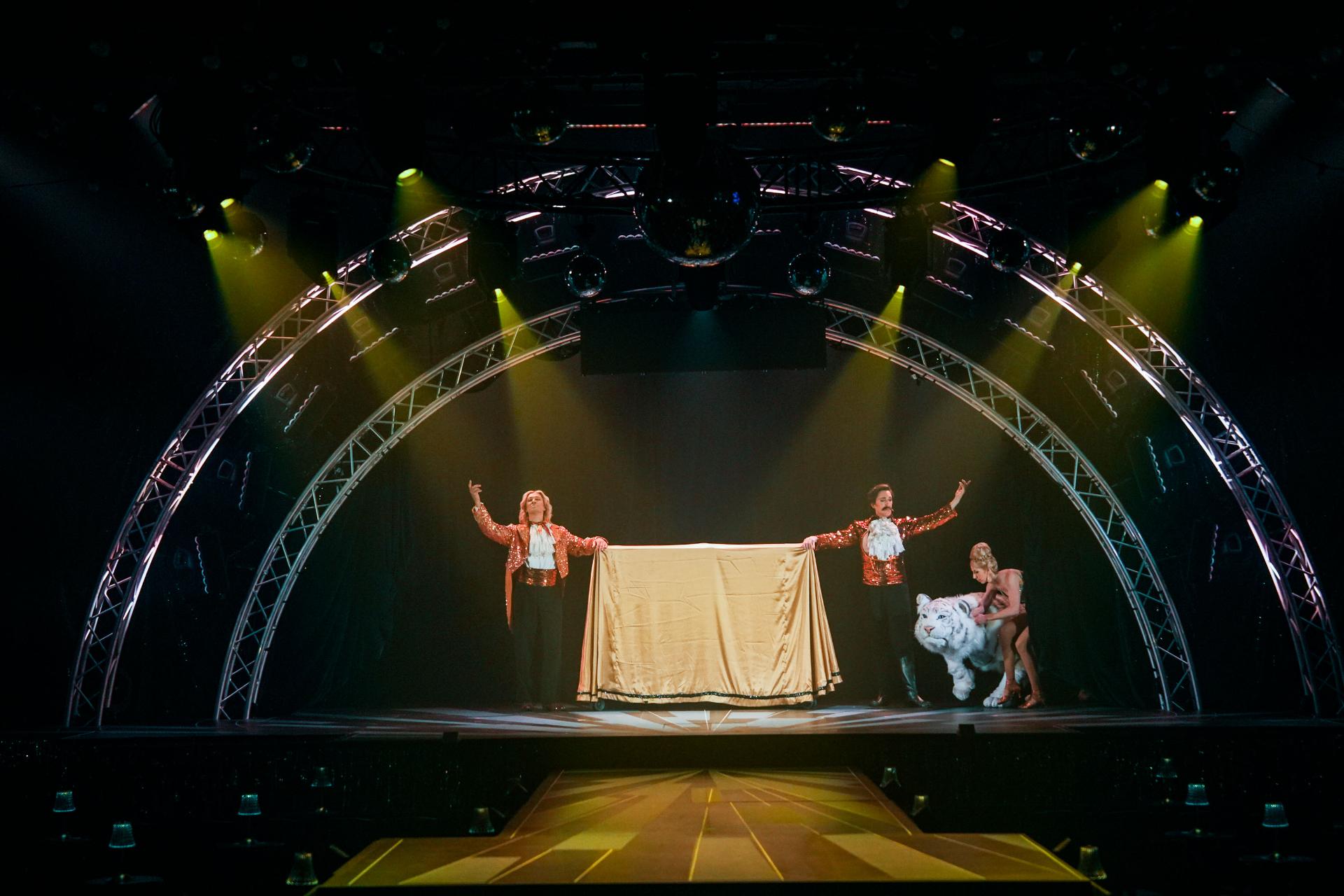
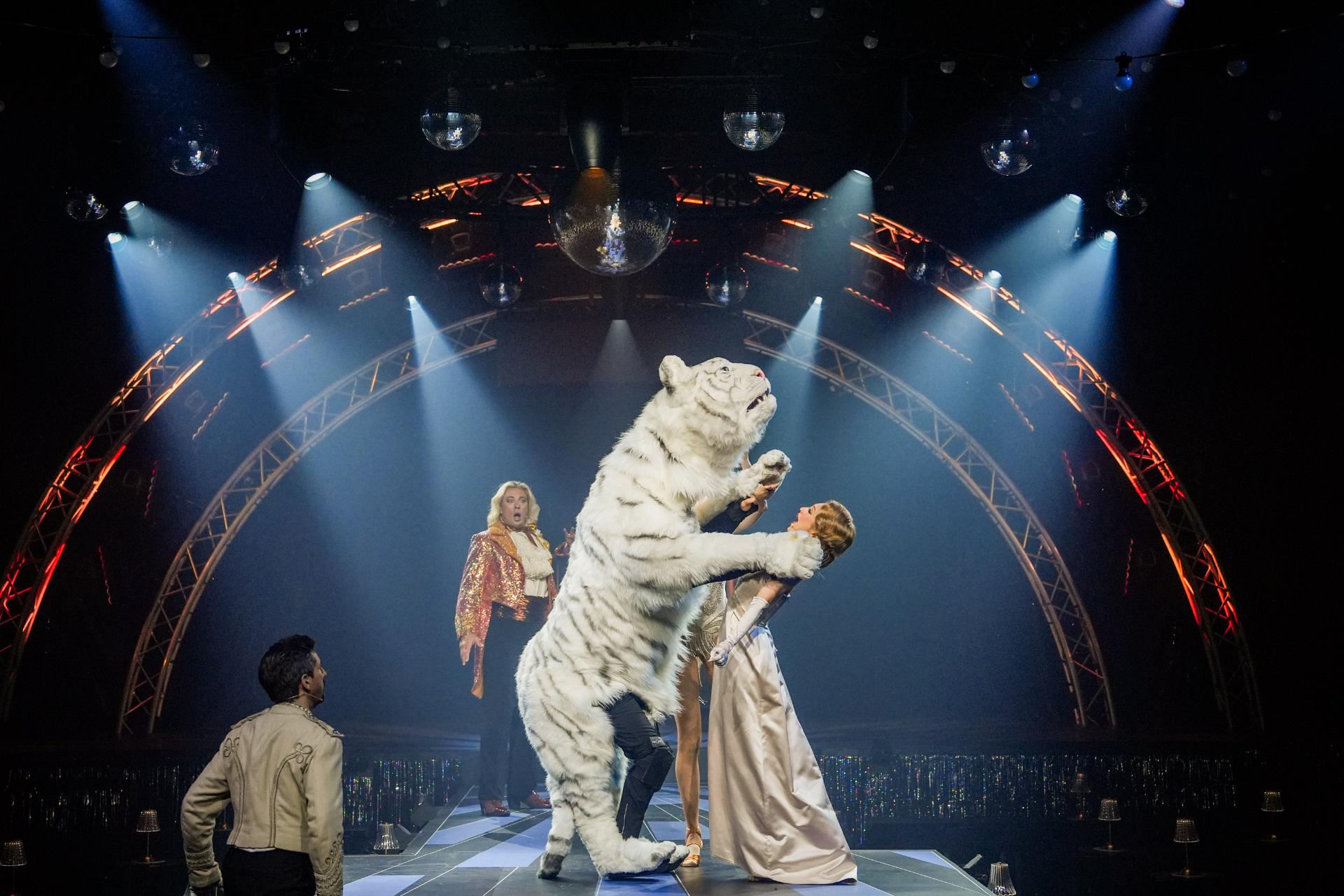
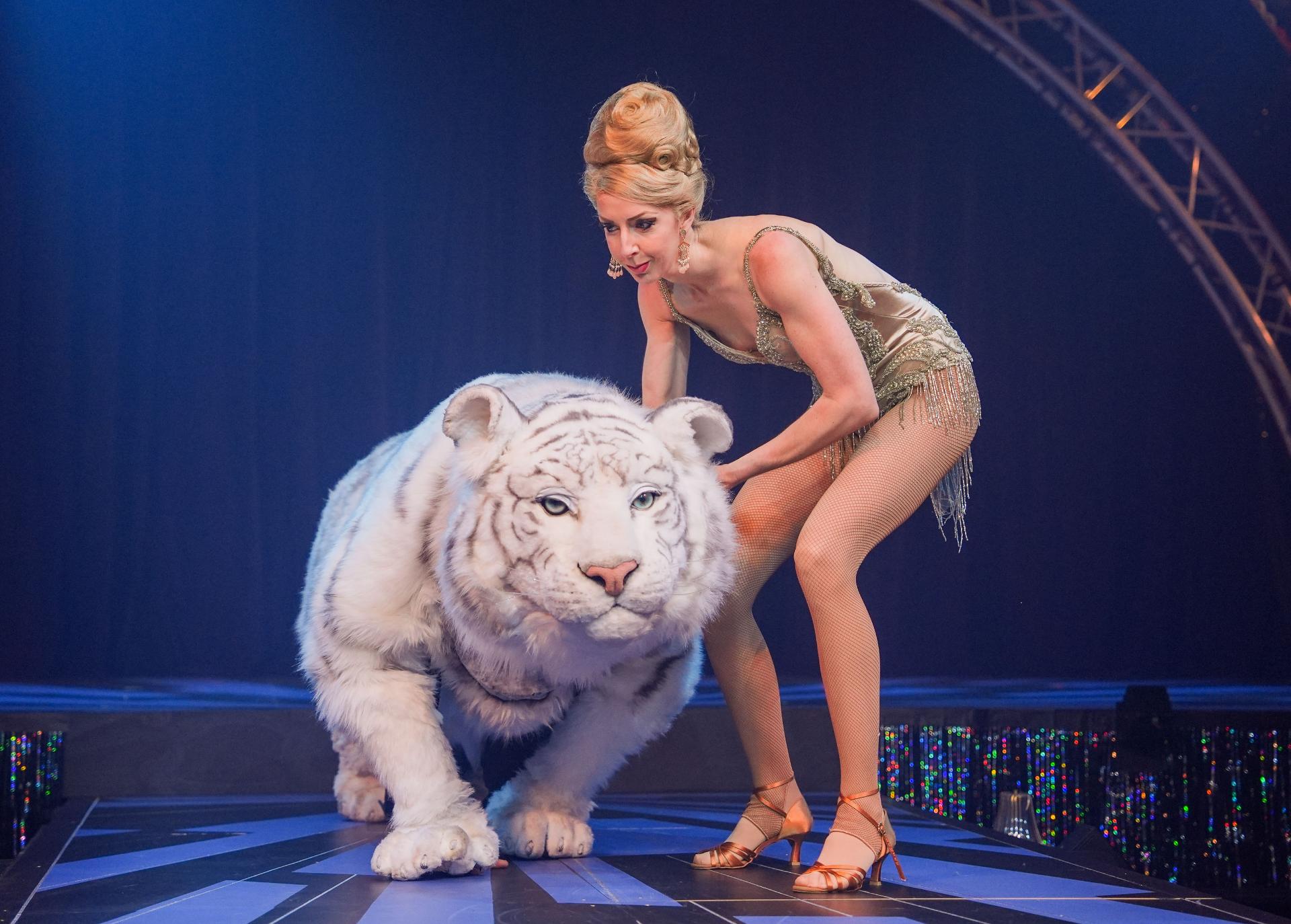
Siegfried & Roy: The Unauthorised Opera by Luke Di Somma and Constantine Costi chronicles, with both reverence and sardonicism, the life and times of the infamous Las Vegas stalwarts from Bavaria. Icons of magic and of queer culture, Siegfried & Roy have left an indelible mark with almost half a century in showbusiness. Their signature aesthetic, characterised by unmitigated flamboyance and camp, thoroughly inform Di Somma and Costi’s work, that we discover to be a sincere tribute to the trailblazers, albeit replete with comedic irony.

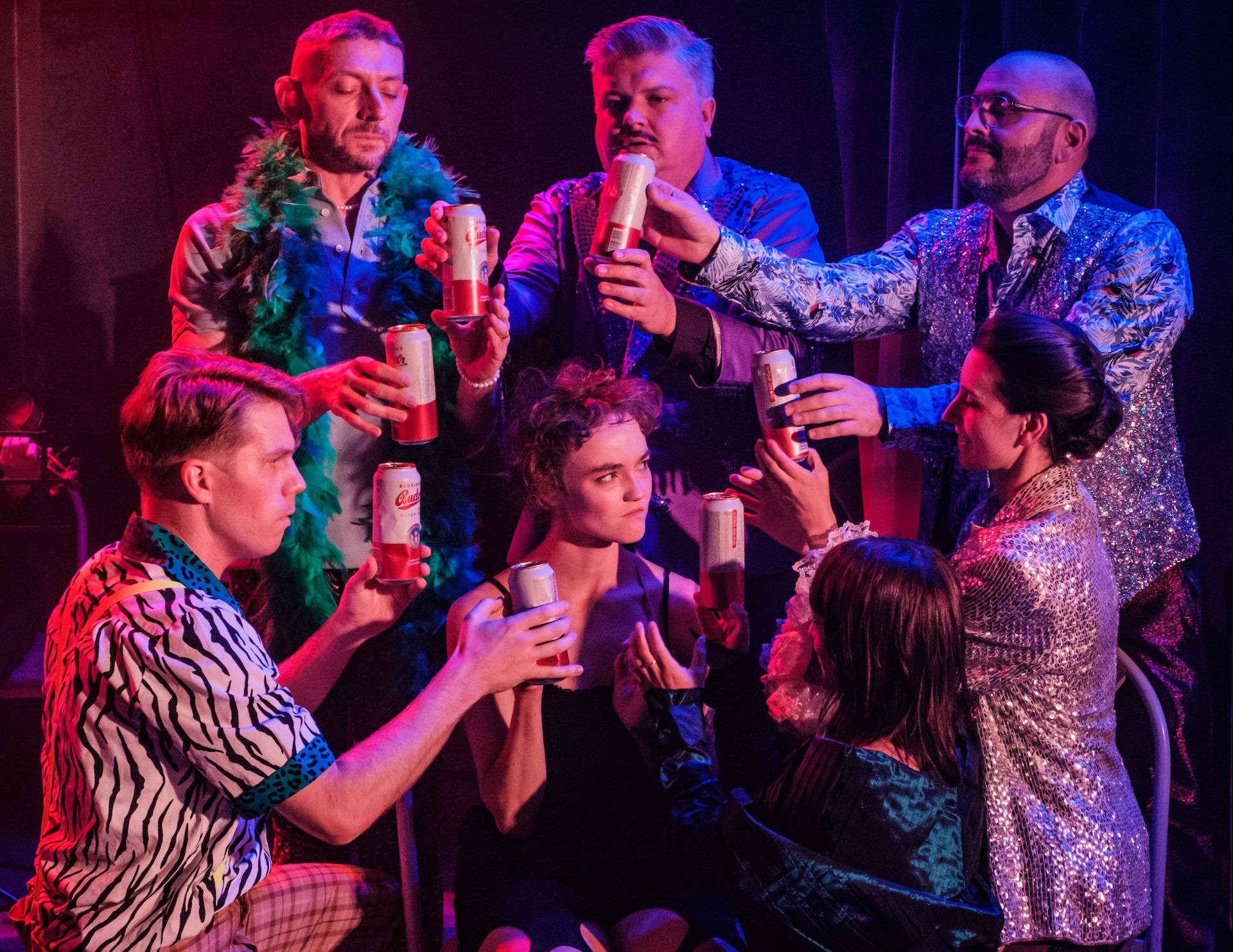
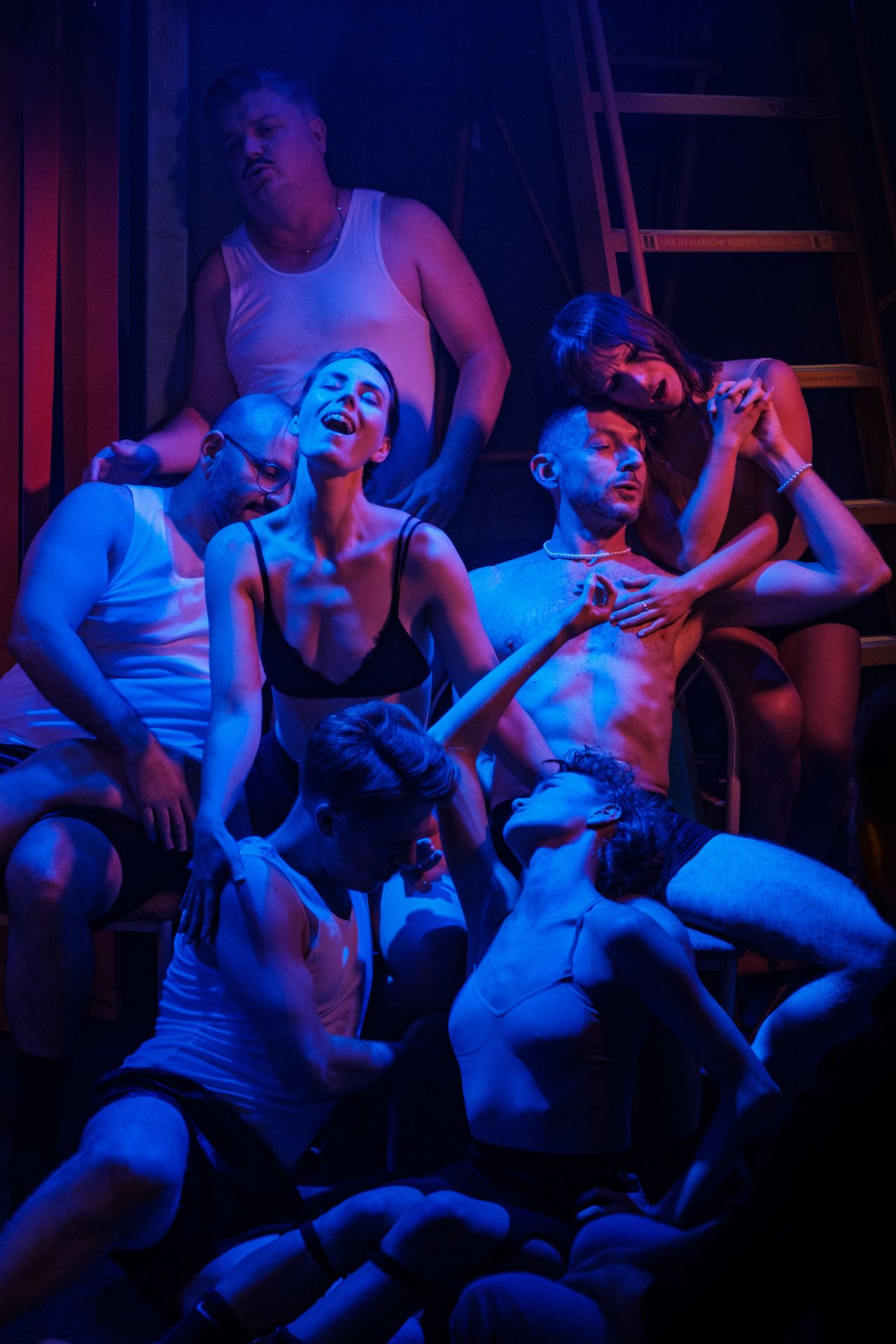
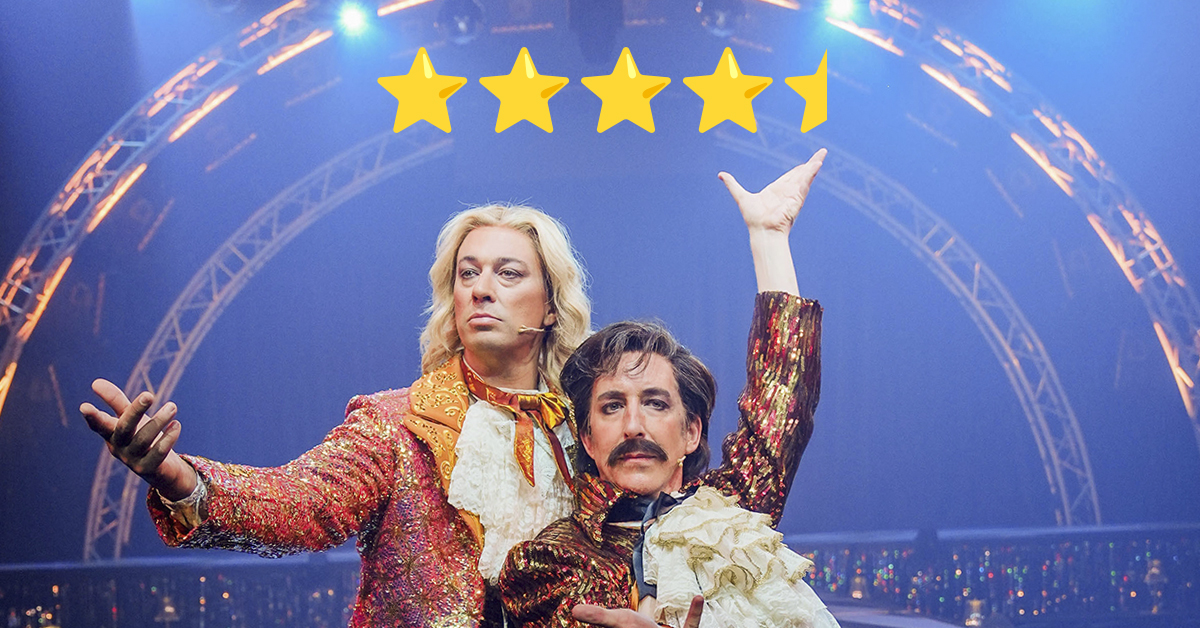
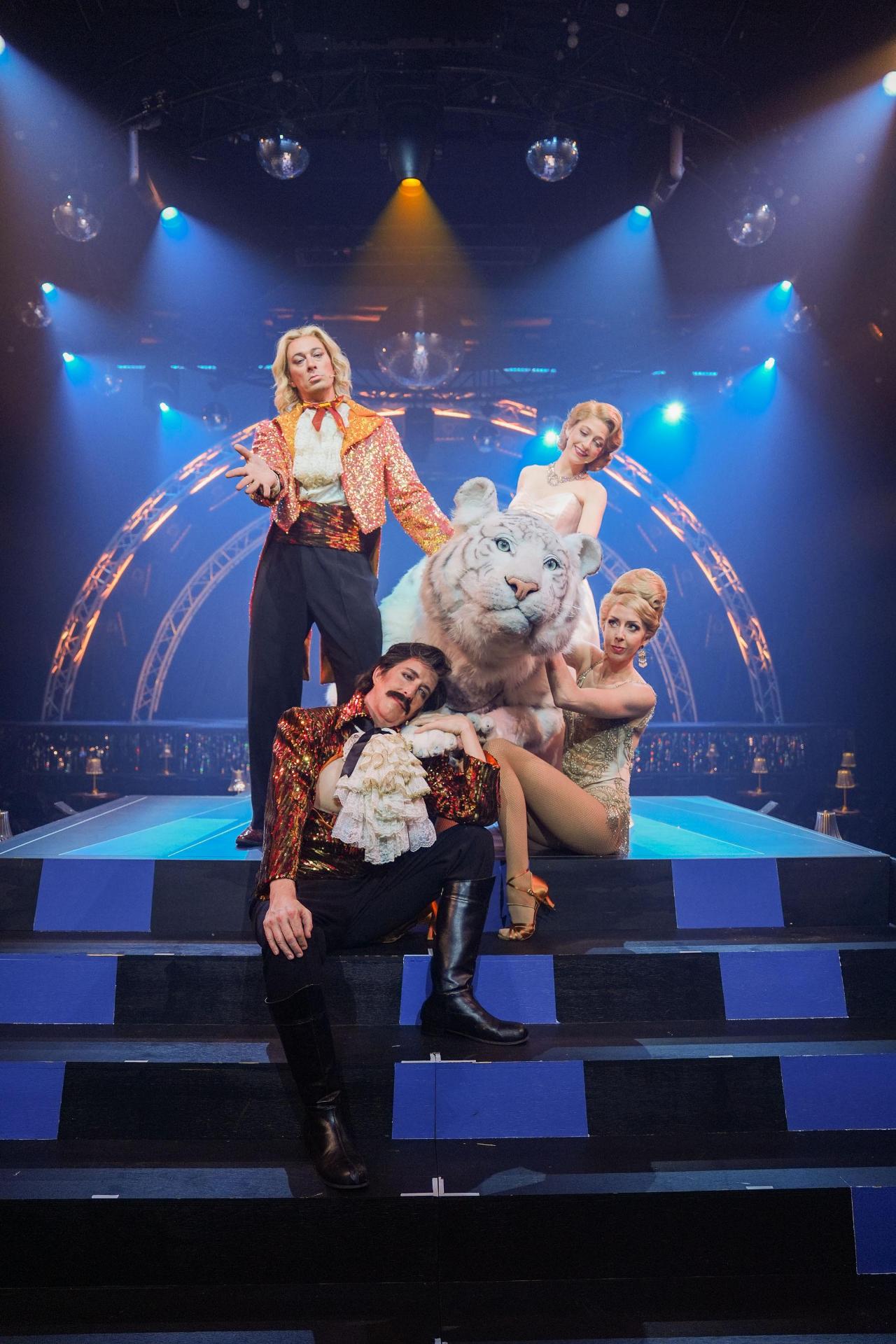
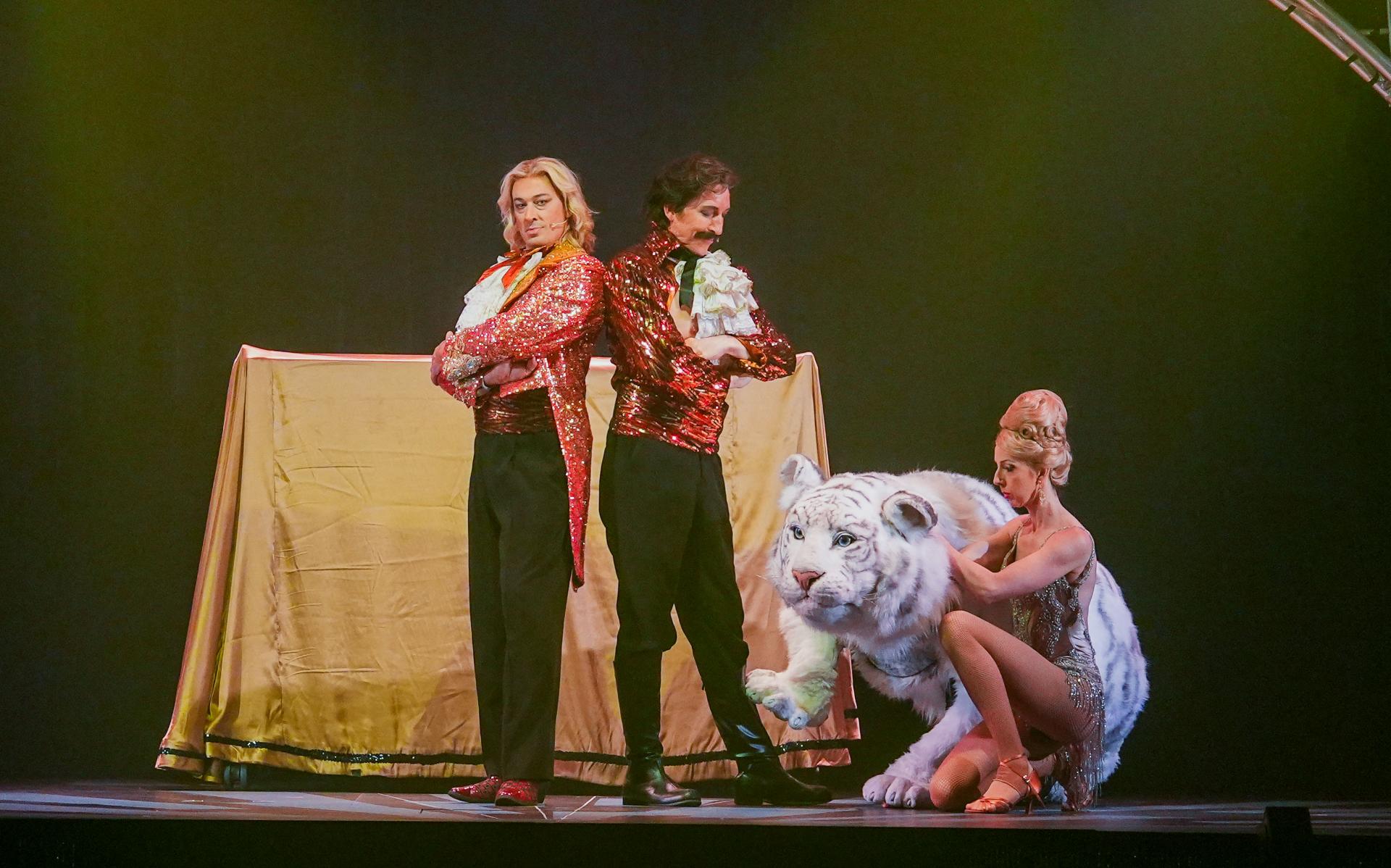
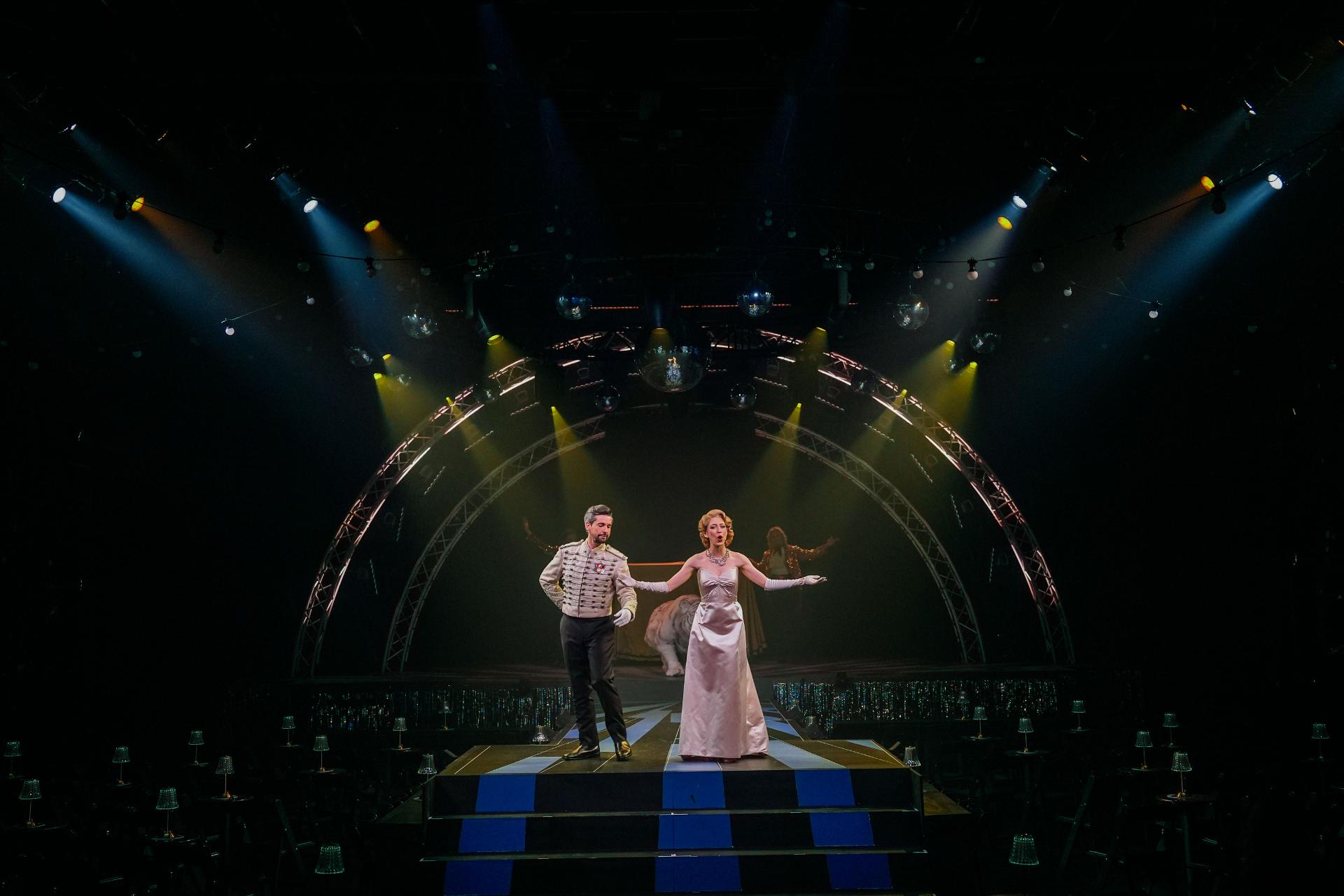
Directed by Costi, the show is a remarkably enjoyable look into the condensed history of the couple, not only as stars of entertainment, but also as covert figureheads of gay identities from a time before liberation. There is a wonderful tenderness to the portrayal of the pair, with performers Christopher Tonkin and Kanen Breen (as Siegfried and Roy respectively), delivering palpable chemistry alongside their individually brilliant interpretations of these enigmatic characters. We perceive the superficiality that is characteristic of these pop luminaries, but also feel invested in their humanity without requiring the storytelling to delve into exploitative renderings of their biography.

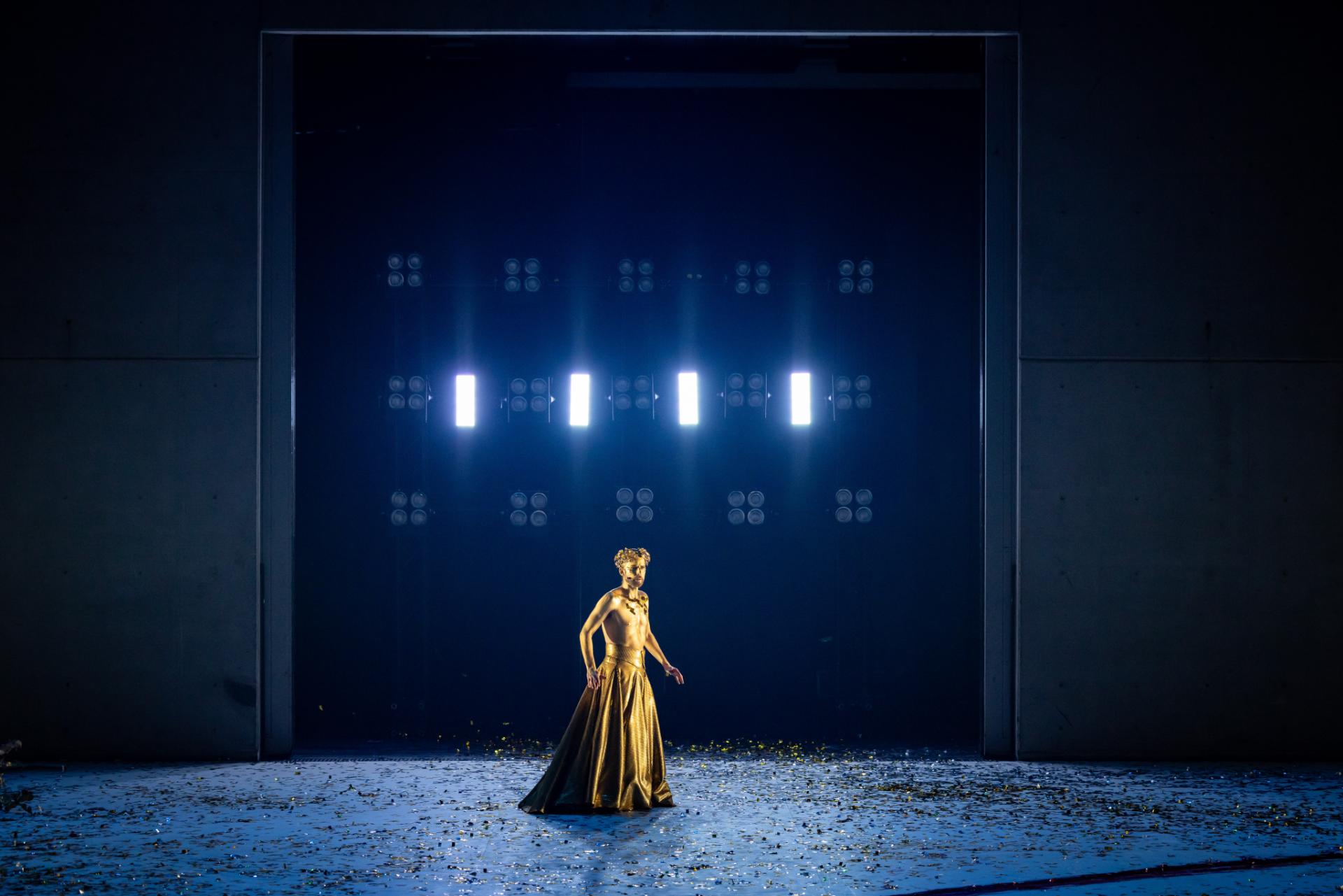
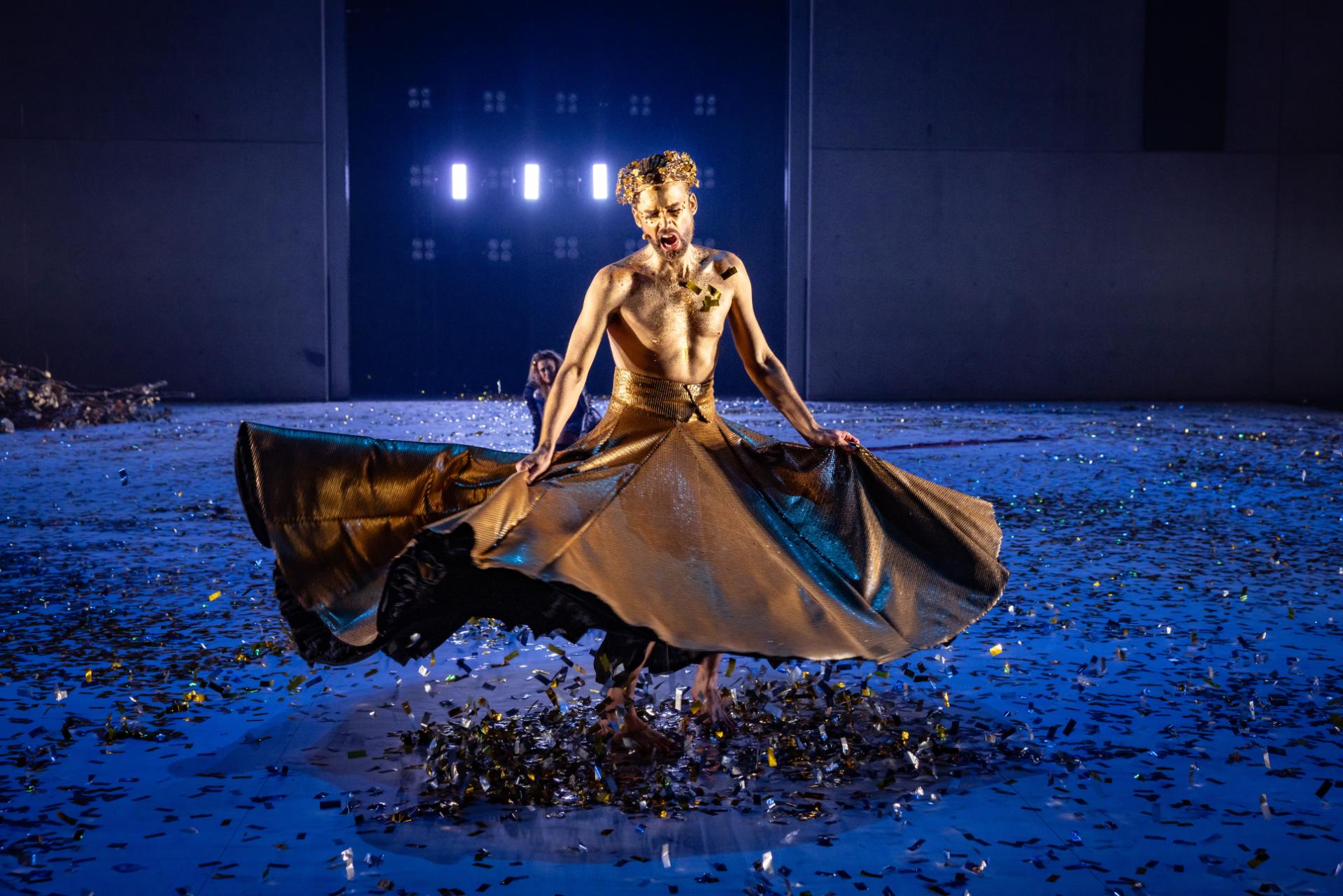
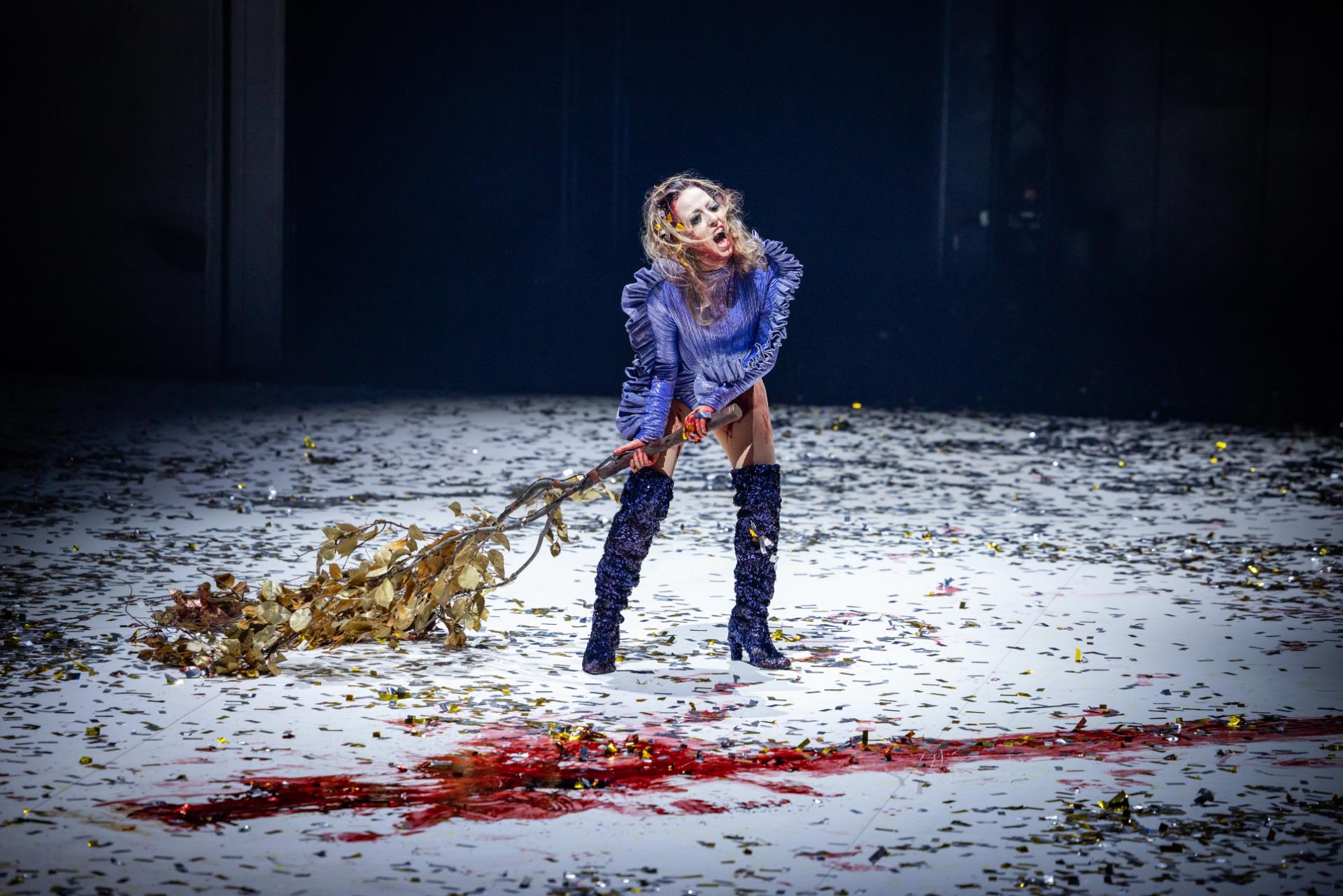
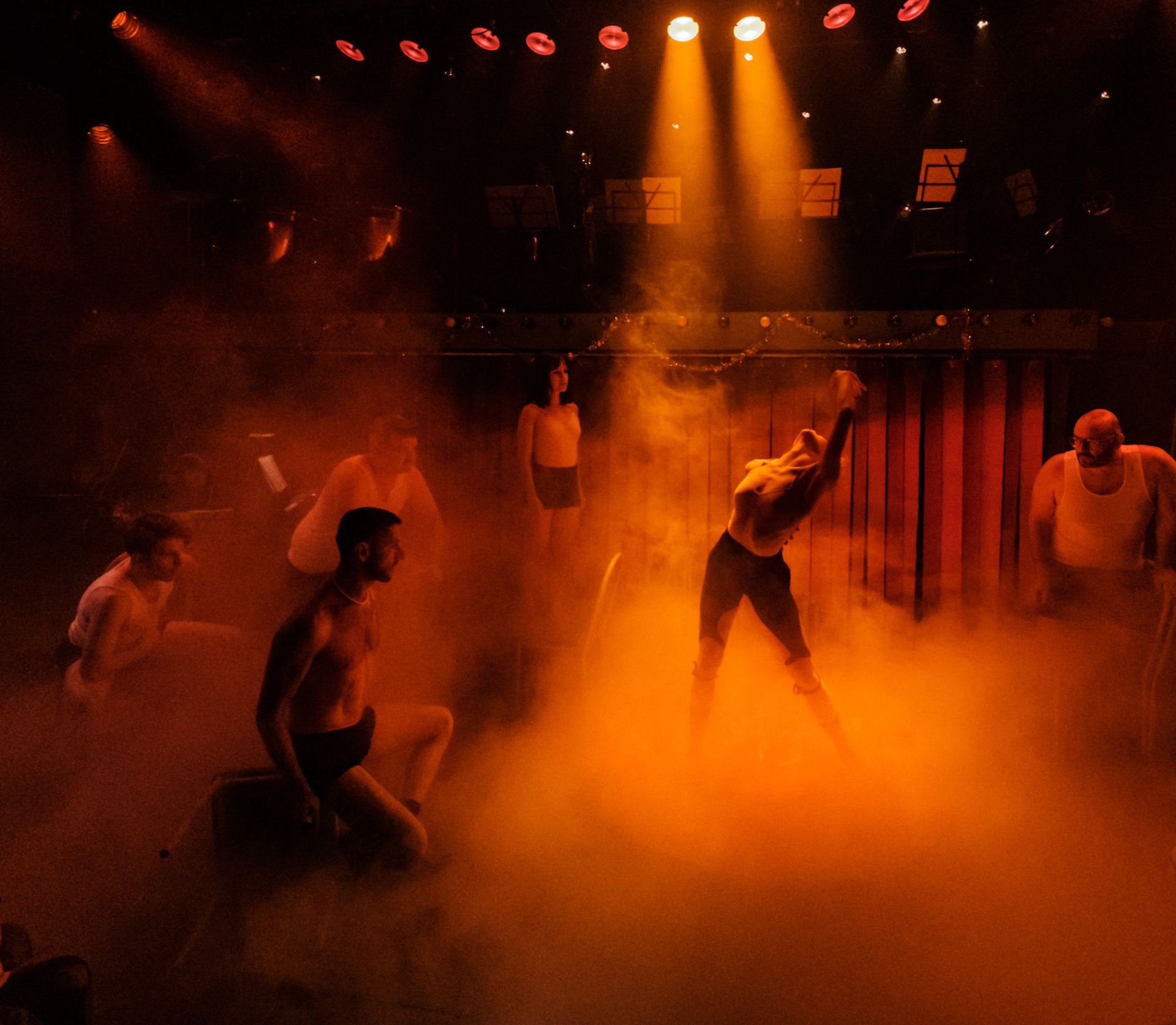
Set design by Pip Runciman provide just enough visual cues for imagery that recalls the excess of both Las Vegas and of Siegfried & Roy, but it is Damien Cooper’s lights that imbue a sense of opulence that transports us to that space of farcical extravagance. Costumes by Tim Chappel too are appropriately outlandish in style, with an unmistakeable wit that really makes an impression. All of this grandiosity is perhaps most effectively epitomised in the music, conducted by Di Somma to bring an immense spiritedness that has us absolutely riveted.

Siegfried & Roy never wanted to give us more than the surface, but it is the persistence and the longevity of that obsession with artificiality, that ultimately forms something paradoxically meaningful. They have become unwitting symbols of kitsch, of escapism, of dedication and of defiance. Their story is one of personal triumph, a rare example of queer forebears attaining stratospheric success with seemingly little compromise on authenticity. Perhaps their legacy can now contribute to their rainbow community, in ways they were unable during the cruelly oppressive epoch of the previous century.
www.sydneyfestival.org.au

Review: Gilgamesh (Carriageworks)

Venue: Carriageworks (Eveleigh NSW), Sep 26 – Oct 5, 2024
Composer: Jack Symonds
Librettist: Louis Garrick
Conductor: Jack Symonds
Director: Kip Williams
Cast: Jeremy Kleeman, Jessica O’Donoghue, Mitchell Riley, Jane Sheldon, Daniel Szeisong Todd
Images by Daniel Boud

Theatre review
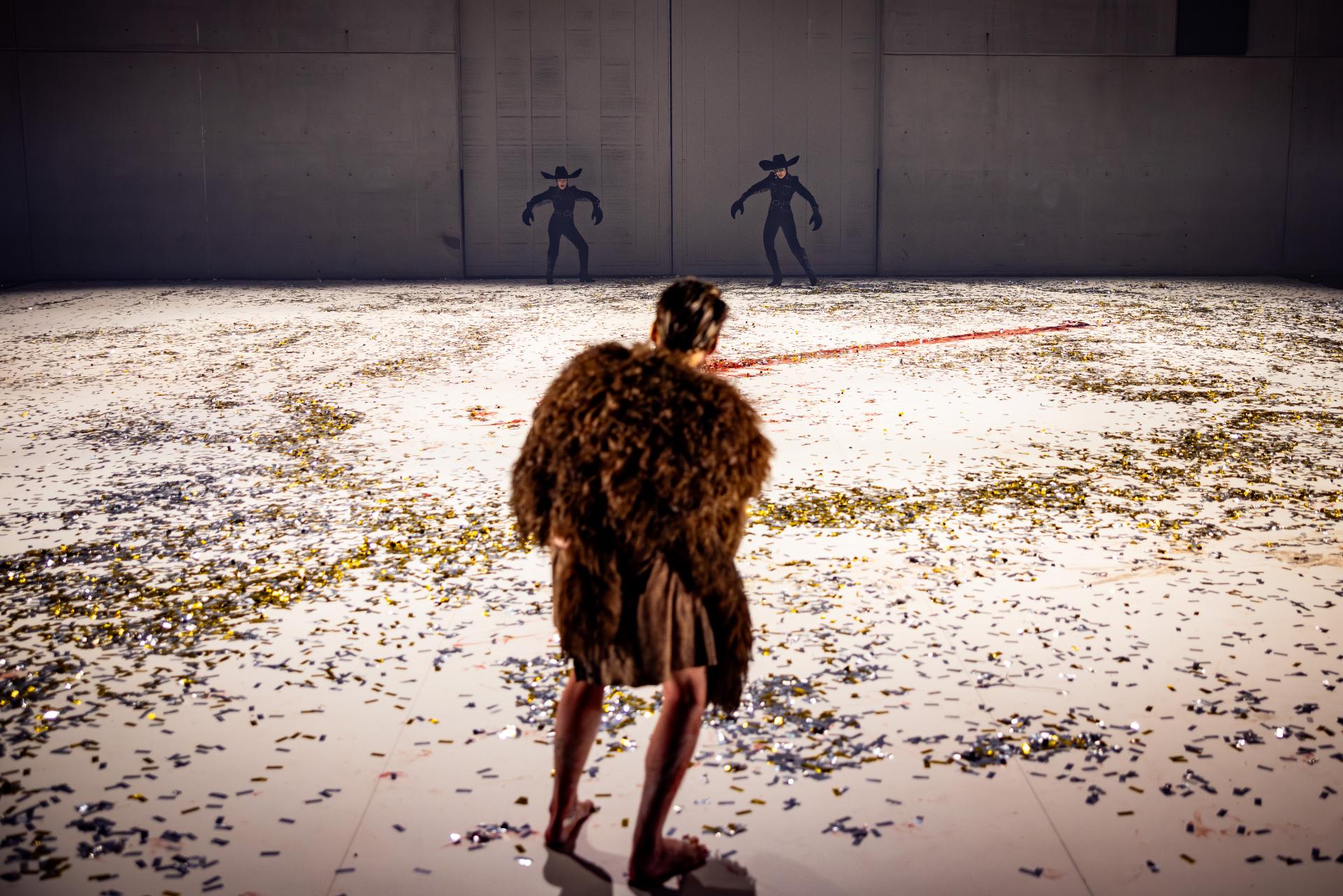
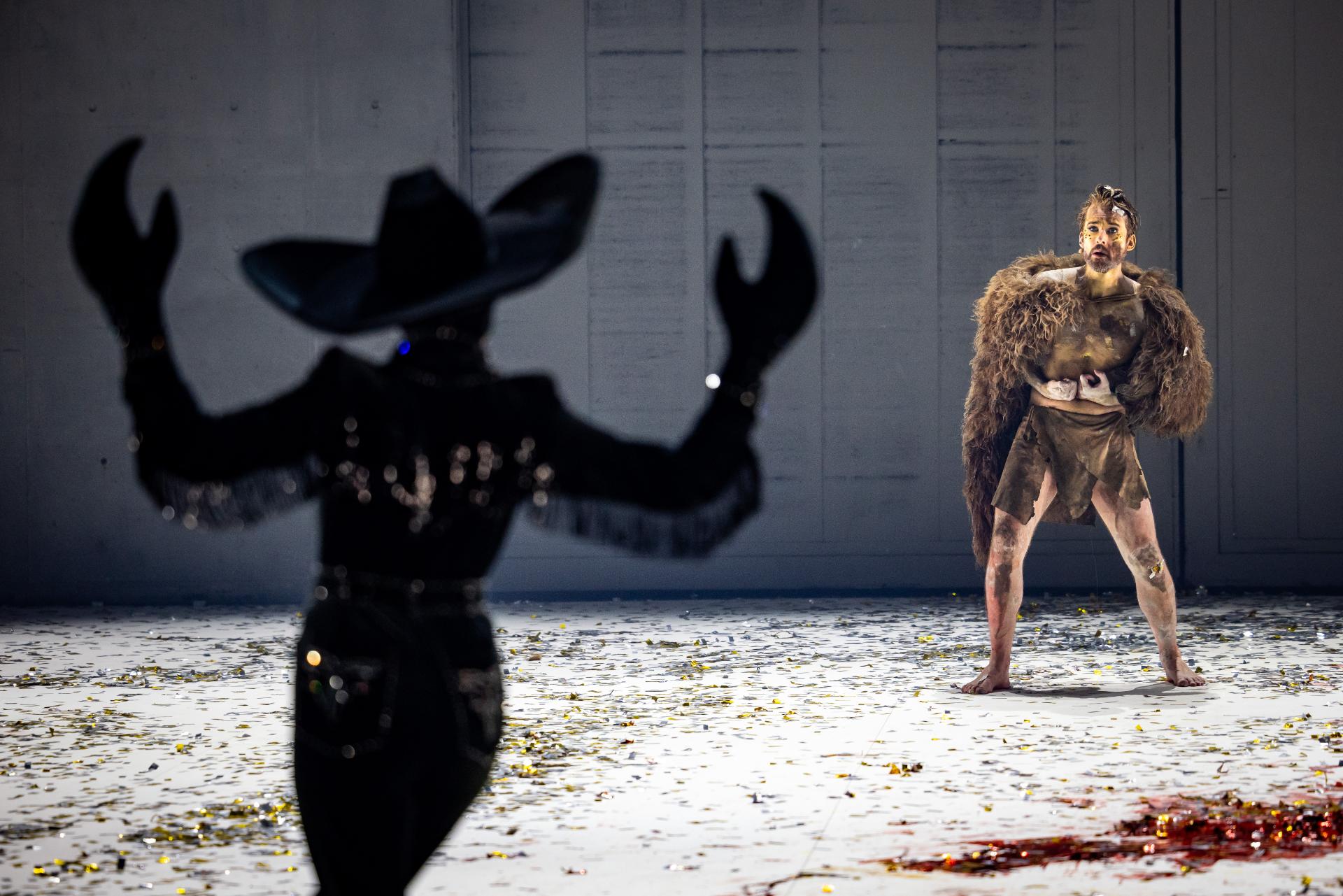
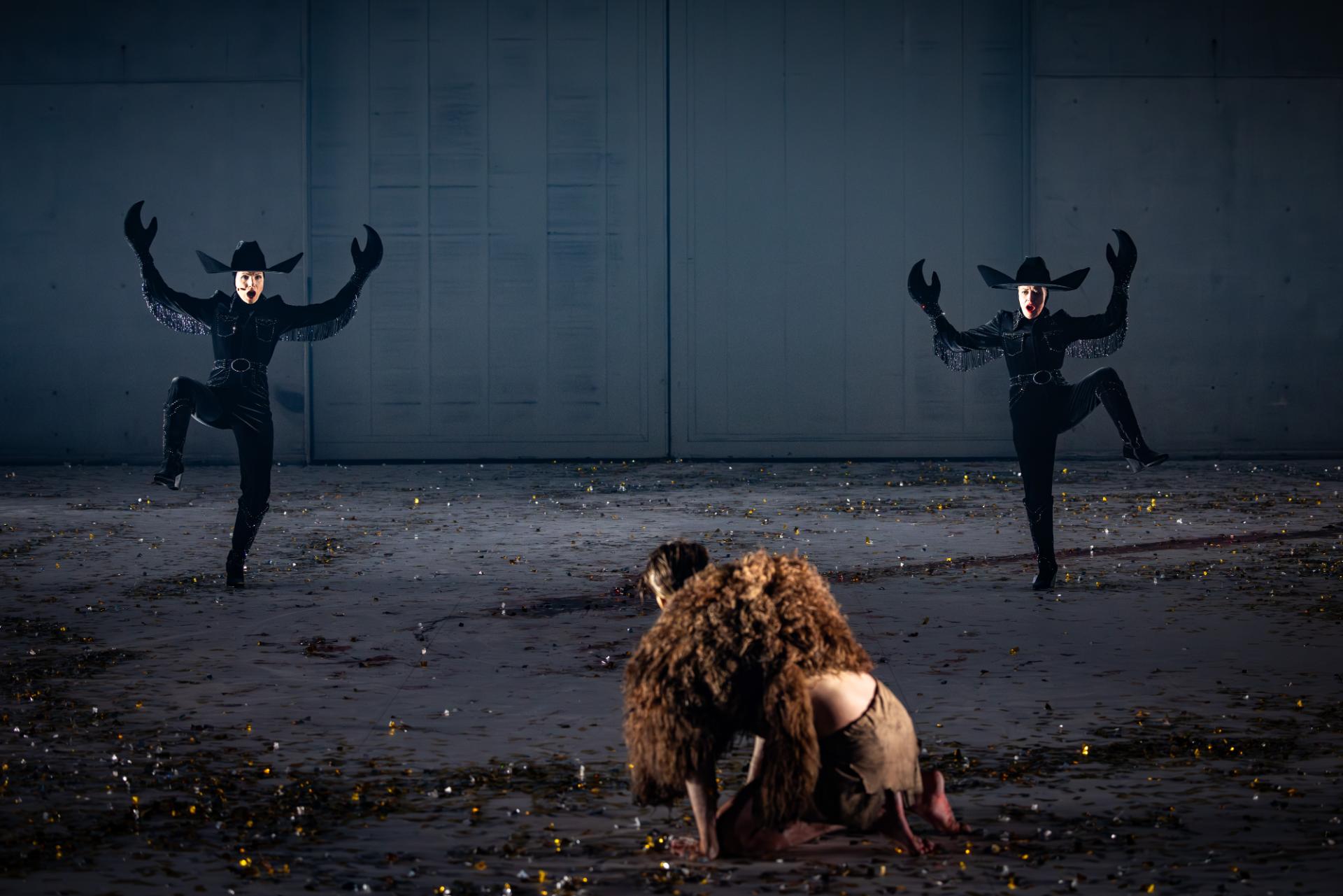
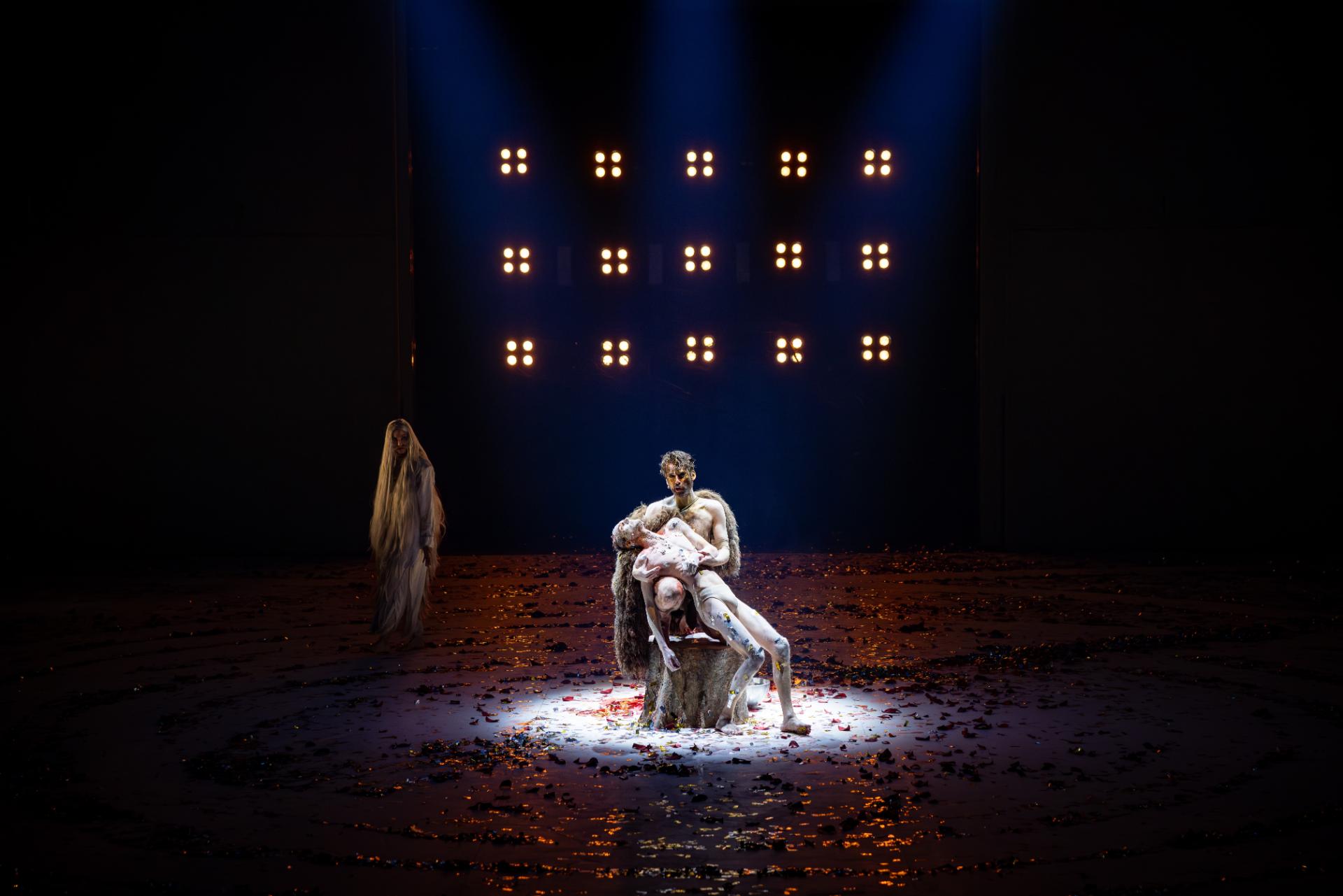
The Epic of Gilgamesh is a story that has been told for more than 4,000 years, with the titular character’s tyrannical tendencies as the king of Uruk, always a prominent feature. His relationship with Endiku, the wild man counterpart, too has been key to the legend, but it is not a pairing that is usually framed as a romantic one. In this 2024 operatic retelling by composer Jack Symonds and librettist Louis Garrick, simply titled Gilgamesh, the two are undeniably and unabashedly in love. Considering the intensity of their connection, we can now see that it is frankly absurd, to have ever denied them their queerness.

Symond’s thoroughly modern but mournful score is immediately captivating. Along with the visual flamboyance as introduced by director Kip Williams, Gilgamesh is an intriguing confluence of classic and contemporary. At almost three hours however, its resolute despondency becomes hard to bear, especially with the concluding passages becoming increasingly meditative. Initially mesmeric, the production struggles to sustain our attention to the end, although the integrity afforded the music is admirable, when we observe the staging gradually turning minimal.

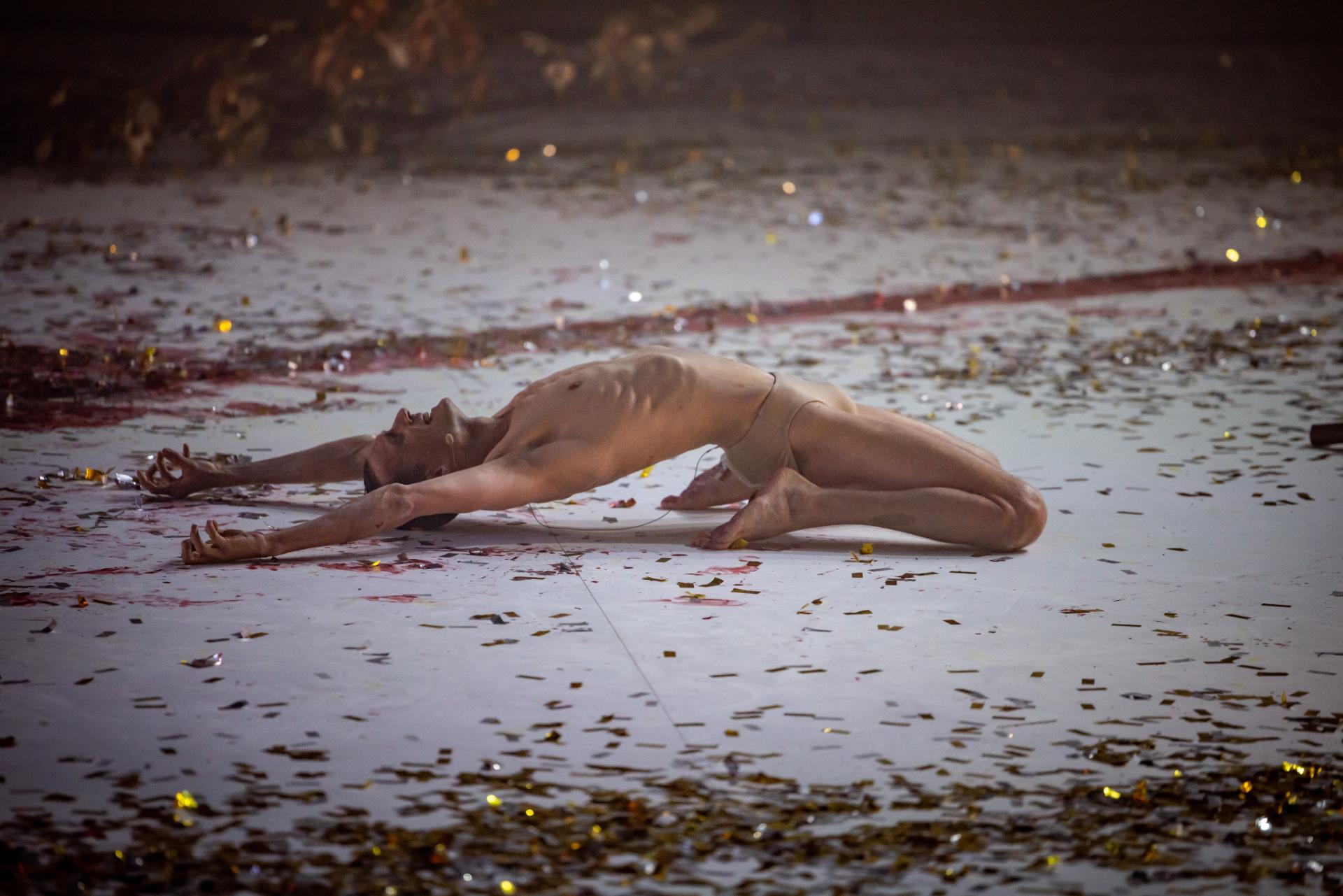
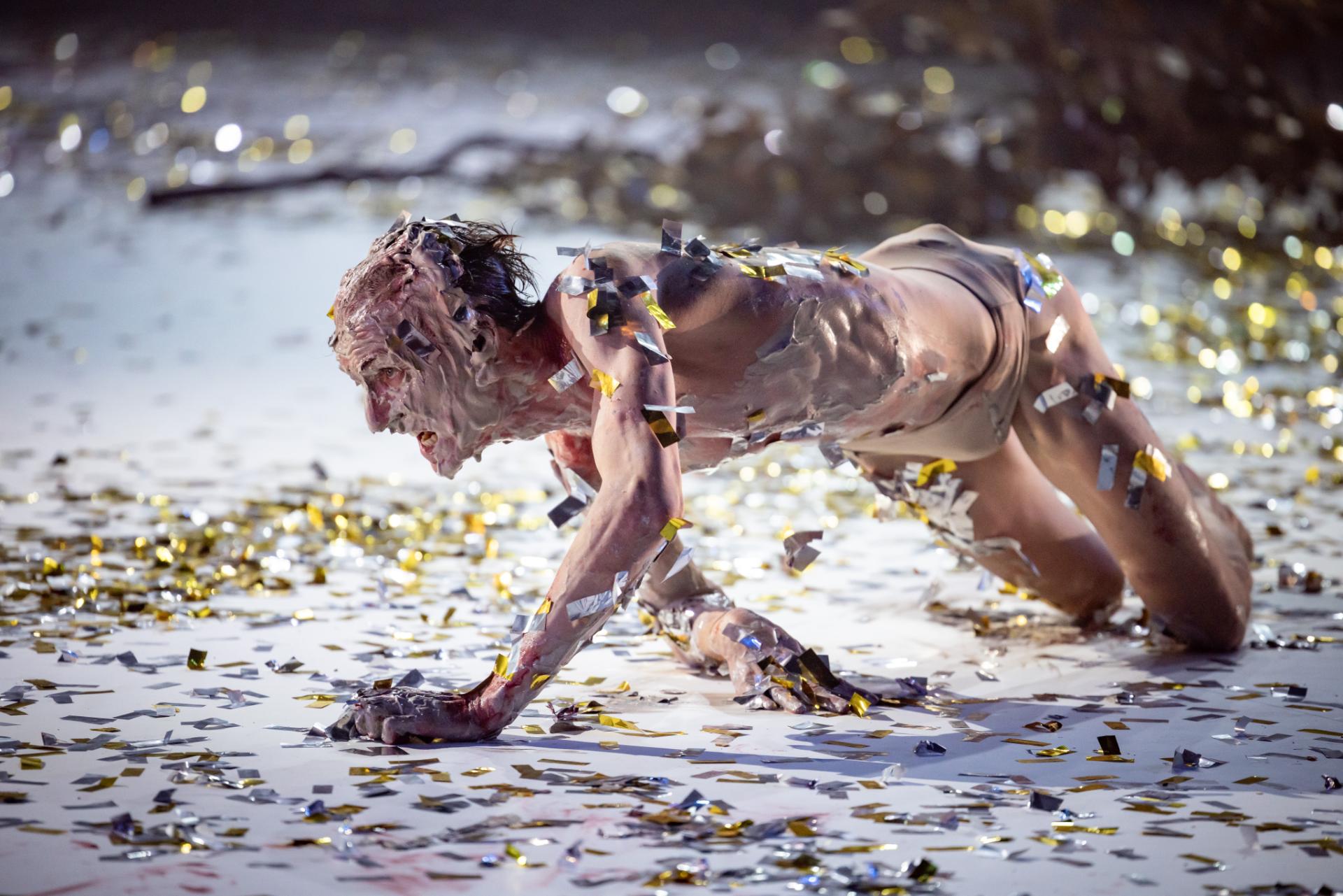
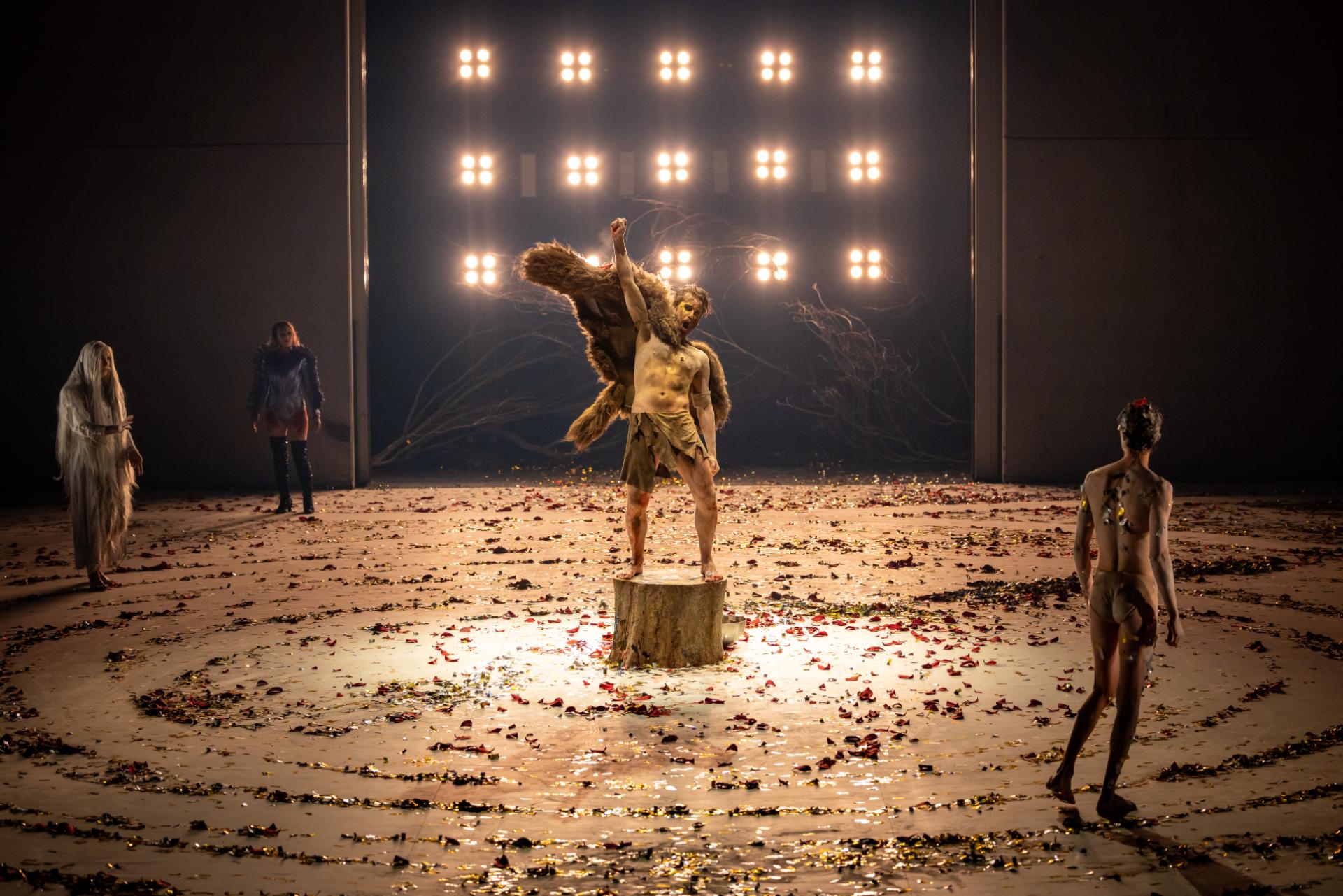
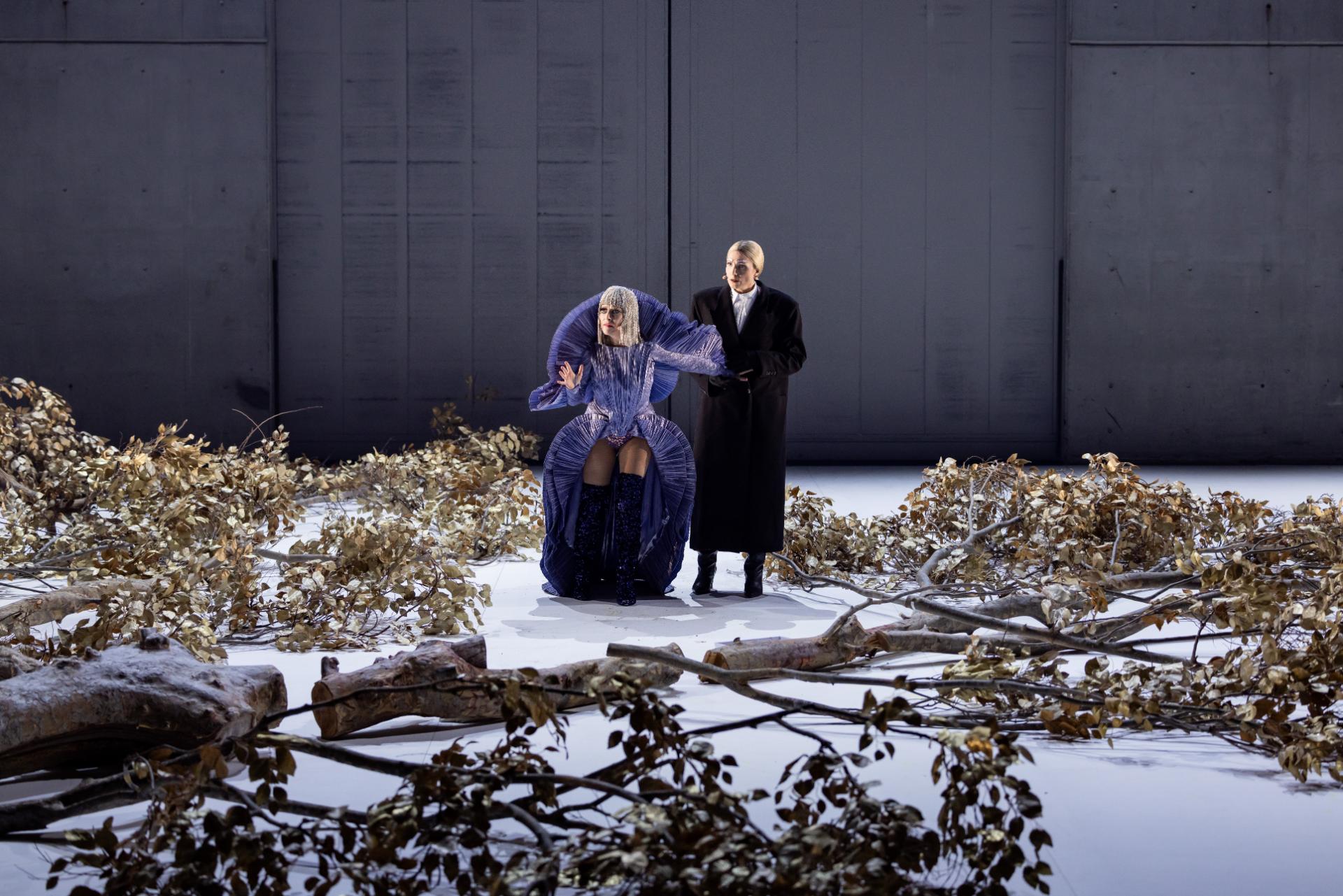
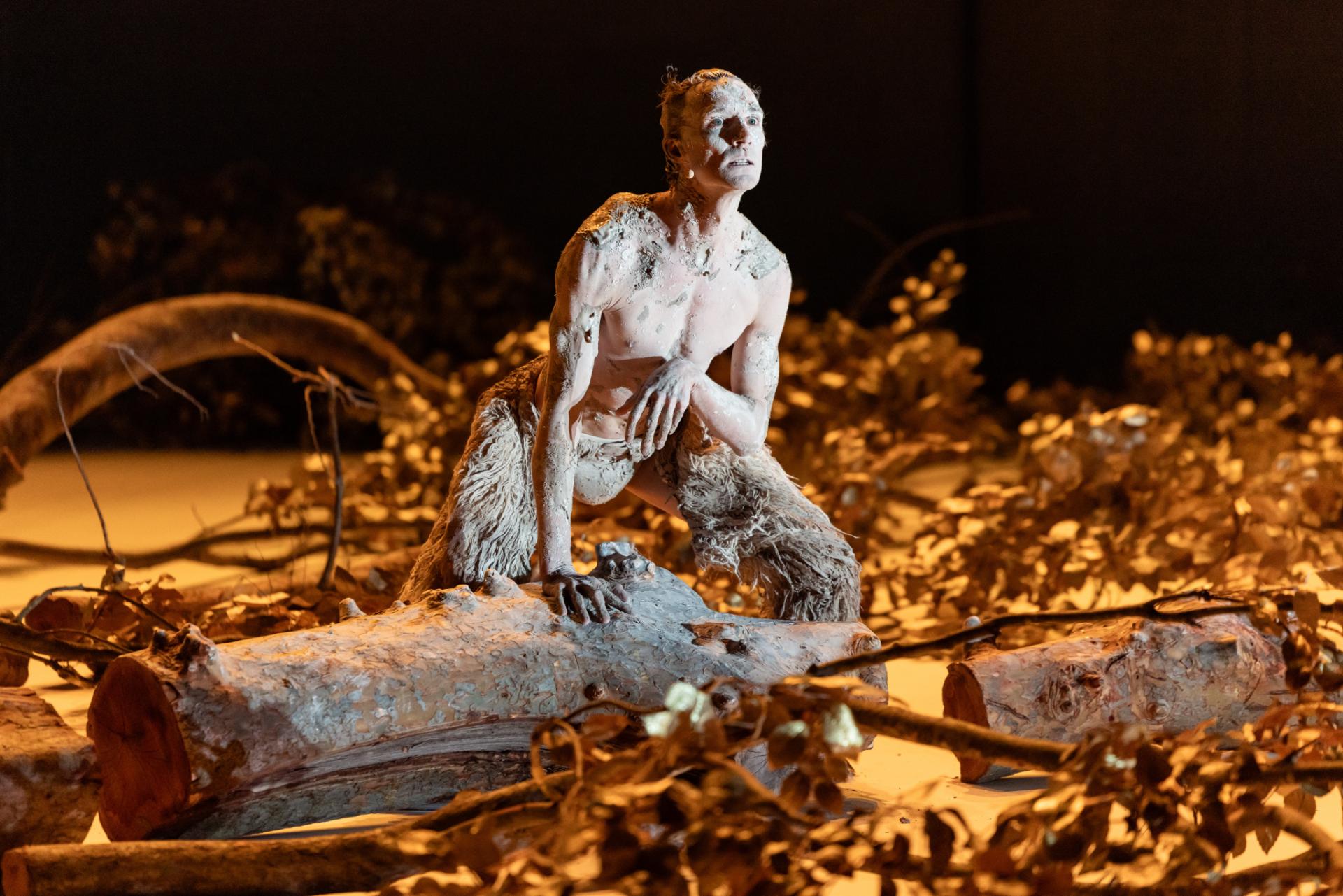
Elizabeth Gadsby’s set design rises to the challenge of depicting a sense of ancient aristocracy, with the juxtaposition of felled tree parts, against an abundance of tinsel. Lights by Amelia Lever-Davidson are certainly dramatic, and quite entrancing in their effect. Bold costumes by David Fleischer can seem somewhat derivative with some of their more extravagant creations, but when required to convey earthiness, Fleischer’s work is truly exquisite.

Playing the main character is Jeremy Kleeman, who although not consistently powerful in his portrayal of the partially divine despot, demonstrates unequivocal conviction and focus, for this very demanding role. Mitchell Riley’s physicality is unforgettable as Enkidu, whether evoking the grotesque or the exalted, the performer’s energy bears a perverse beauty and magnetism, that keeps us fascinated in his interpretation of a heavenly being.

The chamber orchestra, as conducted by Symonds, takes us on a transcendent journey, opening the gates to somewhere mystical or even surreal, with their strange yet disciplined contributions to the experience. Often far exceeding the traditional function of accompaniment, the musicians are frequently the central concern in Gilgamesh. Art that takes us to unfamiliar places must be considered noble, especially when discomfort pervades, as though to persuade us of alternate and unexpected perspectives.

www.carriageworks.com.au

Review: The Seven Deadly Sins & Mahagonny Songspiel (Old Fitz Theatre)

Venue: Old Fitzroy Theatre (Woolloomooloo NSW), Mar 31 – Apr 23, 2022
Music: Kurt Weill
Lyrics: Bertolt Brecht
Director: Constantine Costi
Cast: Roberta Diamond, Allie Graham, Nicholas Jones, Anthony Mackey, Andy Moran, Benjamin Rasheed, Margaret Trubiano 
Images by Robert Catto

Theatre review
This double-bill comprises century-old short operas, The Seven Deadly Sins and Mahagonny Songspiel by German exiles, Kurt Weill and Bertolt Brecht. Both are stories concerned with decay and decadence, from artists known for their interest in social justice; the former explores the loss of innocence, while the latter has us enter a space that is already debauched. The passage of time seems to have done little to diminish the resonance of these themes. In fact, it is the awareness of capitalism being more pervasive and permanent than ever before, that influences our appreciation of these works. What were once cautionary tales, are now simply statements of fact.

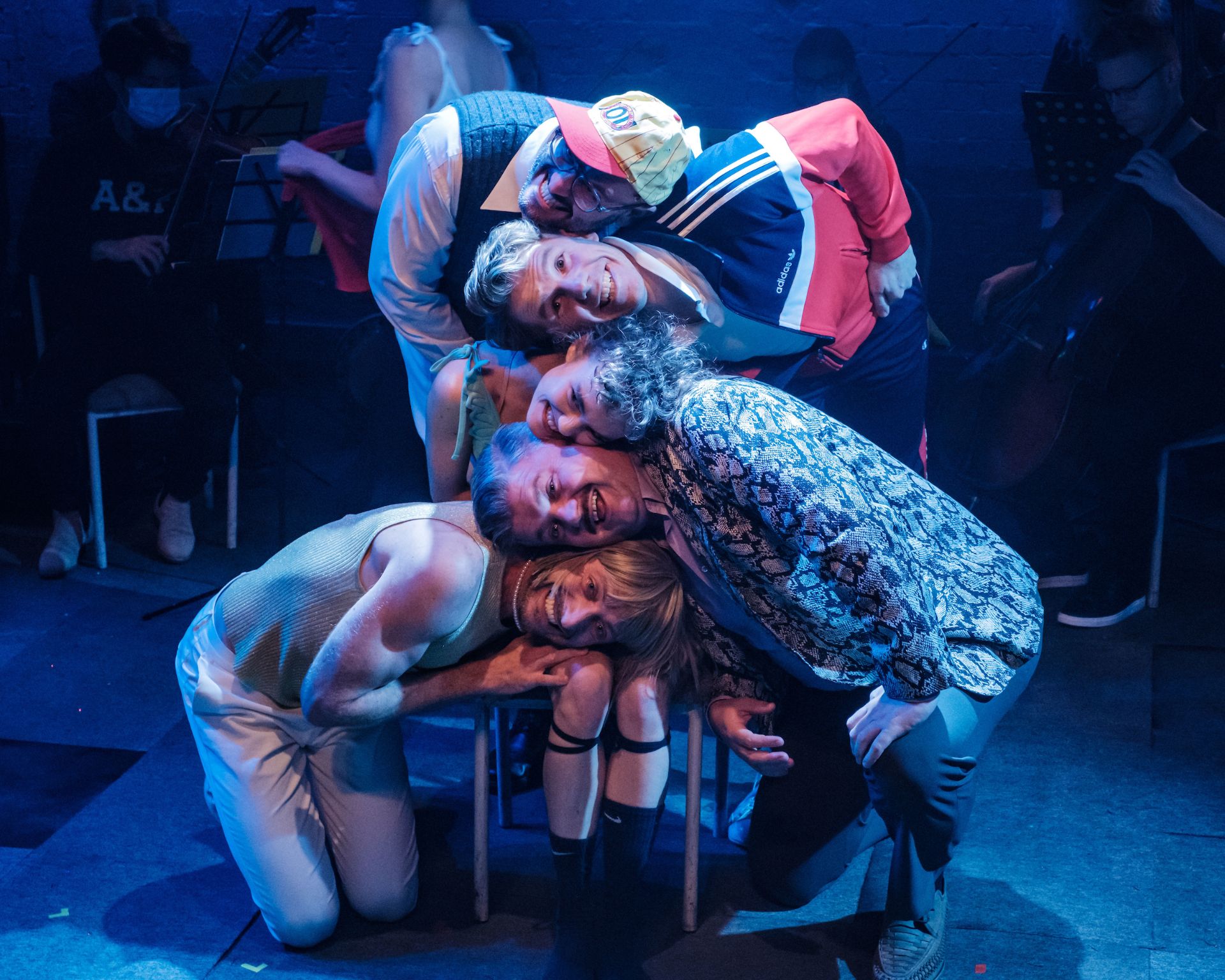
It is a marvellous accomplishment, spearheaded by director Constantine Costi, to have opera playing in the basement of a pub in one of the world’s most monetised cities, complete with professional performers and a finely tuned orchestra.

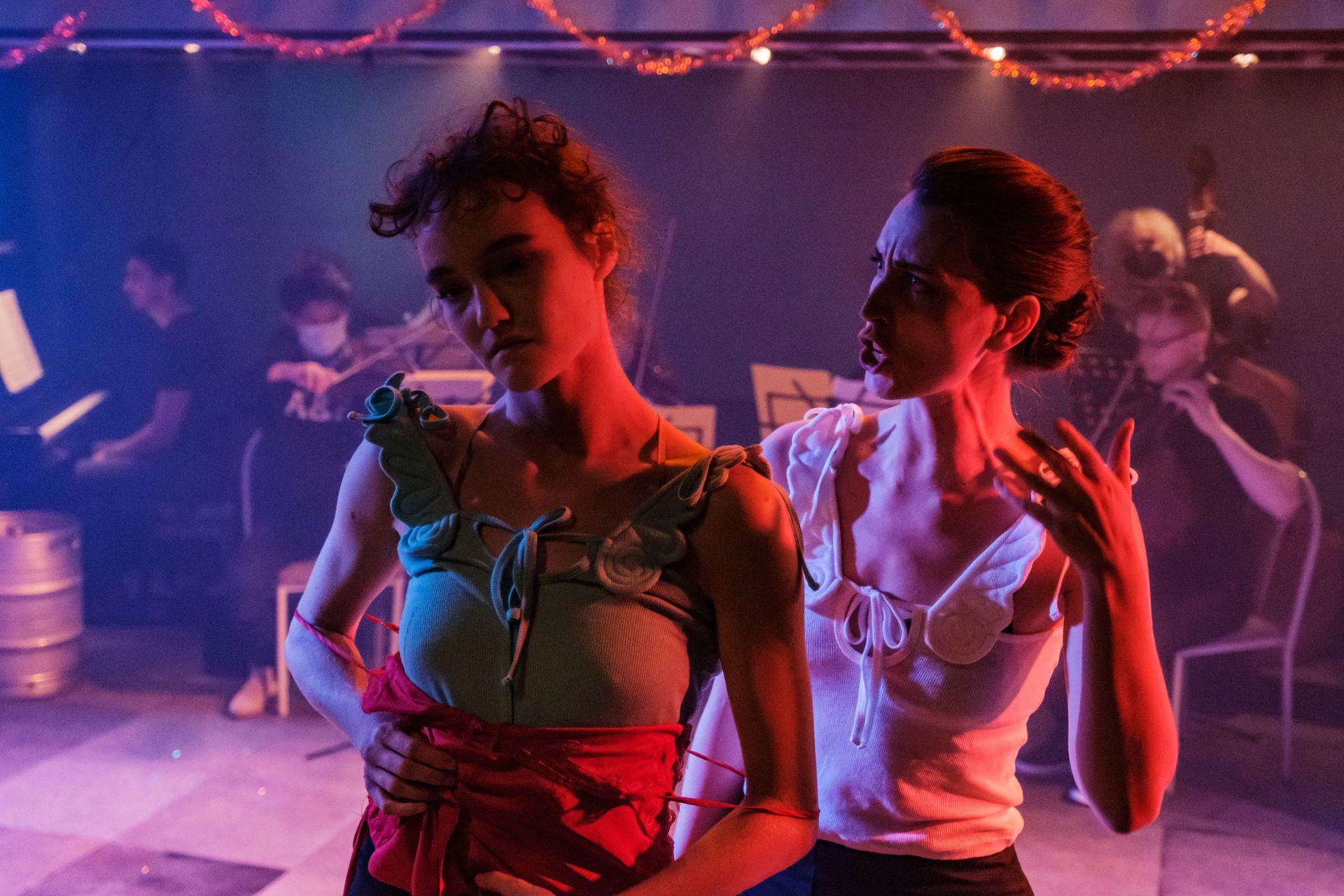
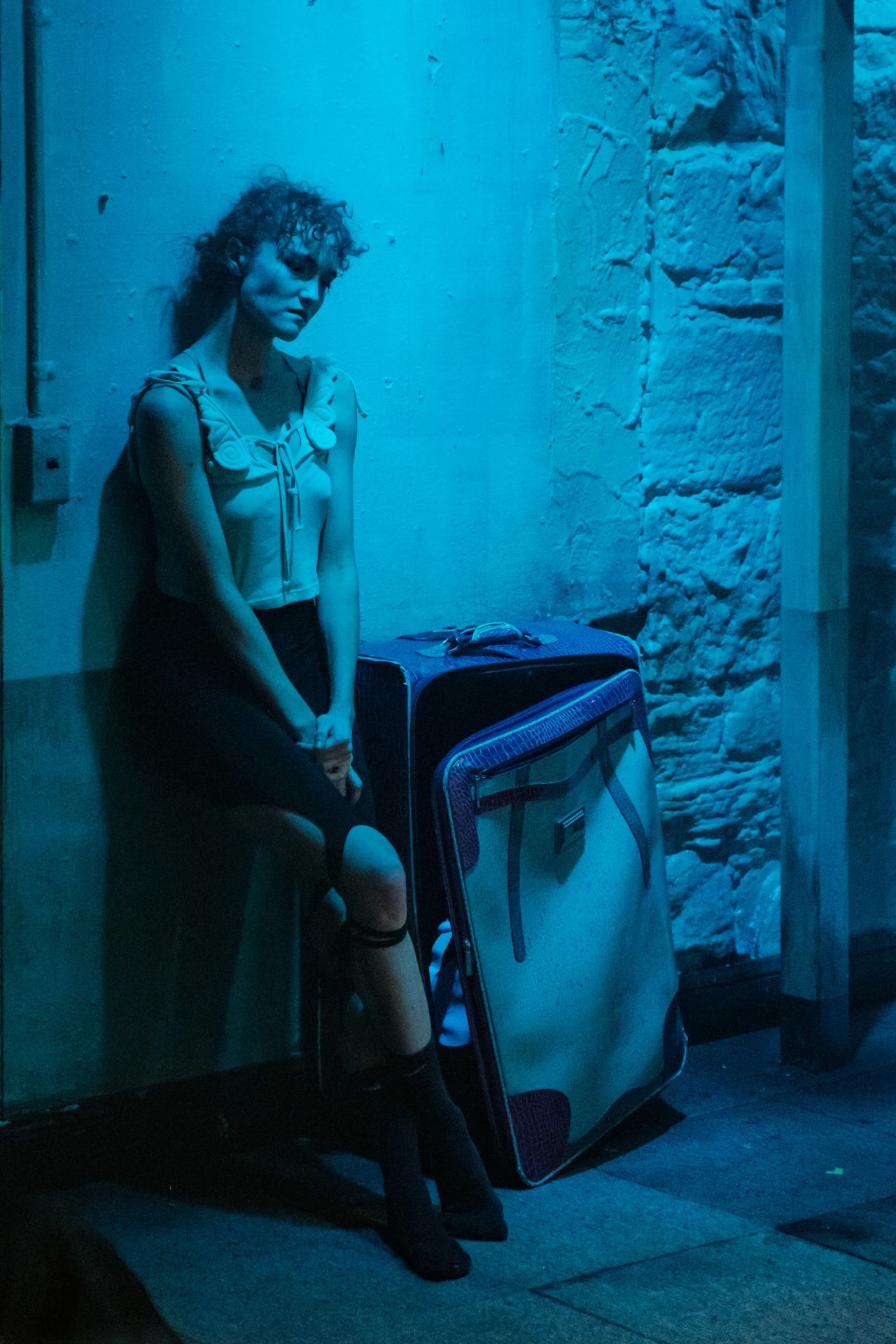
Charles Davis’ set design miraculously transforms one of our smallest theatre spaces, in order that upwards of 20 people can be accommodated on stage at any one time. The pure luxury of being in complete sonic immersion, is an indulgence that is certainly unparalleled, at least in these parts of the world. Music delivered by Ensemble Apex and their répétiteur Antonio Fernandez, is an incredible pleasure, in the middle of one of the least likely places and times. It is an historic occasion, for Kings Cross at the height of the Covid era.

Costume design by Emma White is campy and humorous, but always elegantly rendered. Trent Suidgeest’s boldly coloured lights deliver for us a visual sumptuousness, even as we negotiate the seedy underbellies of Brecht and Weill’s collaborative imagination.

The stunning voice of Margaret Trubiano commences proceedings, as Anna I in The Seven Deadly Sins , accompanied by the heavenly nimbleness of dancer Allie Graham as Anna II, both women captivating in their respective areas of expertise. Other singers follow, namely Roberta Diamond, Nicholas Jones, Anthony Mackey, Andy Moran and Benjamin Rasheed, to keep us spellbound for the hour-long duration.

There is no doubt that bringing world class opera to an unexpected place, with unsuspecting audiences, is a mammoth undertaking. One sits in the middle of the ambition and tenacity of these remarkable artists, and wonders if the sad state of our economic lives, is indeed a foregone conclusion. Capitalism has advanced so far, and has infiltrated so much into our existence and consciousness, that we no longer dare hope for its abatement. Seeing opera at the Cross however, reminds us that the human spirit is boundless, until we decide that it is time to surrender.

www.redlineproductions.com.au

Review: Saul (Glyndebourne Festival Opera)

glyndebourneVenue: Festival Theatre (Adelaide SA), Mar 3 – 9, 2017
Music: George Frideric Handel
Libretto: Charles Jennens
Director: Barrie Kosky
Cast: Mary Bevan, Kanen Breen, Taryn Fiebig, Stuart Jackson, Christopher Lowrey, Christopher Purves, Adrian Strooper

Theatre review
Stories of narcissism are more relevant than ever. In our age of omnipresent cameras and selfie-fueled social media, we are made to look at our personal selves more intensely than ever before, with no belief system powerful enough to convince us of any detrimental effects that would come from this unnaturally high level of self-obsession. We are all kings and queens, in our own minds at least, always placing the preponderant I at the centre of our universes, rarely able to conceive of anything greater, beyond the immediate and the ego.

Saul loses his mind, when he thinks his kingship threatened by David, a younger, better version of himself, who had become the nation’s darling after slaying the giant Philistine Goliath. Seeing his subjects, and his children, becoming thus enamoured, is completely devastating to Saul, who proceeds to unravel, in a series of self-destructive manoeuvres that take him to his dramatic ruin. It is a highly moralistic tale, one that upholds a particular notion of purity, and that abominates vanity, but Saul‘s preachiness takes on new resonance in our advanced evolutionary state of self-interest, made even more pertinent by Barrie Kosky’s characteristically heretical direction.

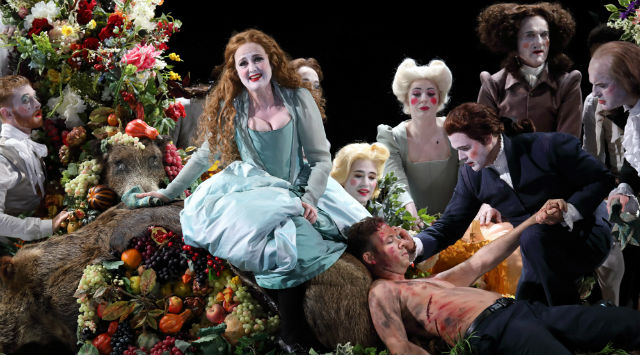
The show (an English production) is lavish, lush and at times, scandalously lascivious. The approach can be seen as ironic; exposing a gay affair between David and the prince Jonathan, or having Saul suck on a witch’s nipple, then smothering himself in the bad woman’s milk. Costume and set designer Katrin Lea Tag, along with lighting doyen Joachim Klein provide thrilling imagery so decadent (we gasp when the curtains rise), that one is prevented from interpreting any of Handel’s religious instruction too literally. Instead, we luxuriate in the extravagance of it all, and let the morals be subjugated by the far more engaging, and sonorous beauty of the production’s remarkable artistry.

The enthralling Christopher Purves is a commanding Saul, his voice and charisma in constant competition for our affections. Mary Bevan and Taryn Fiebig are both impressive sopranos, who bring surprising authenticity and tension to their characterisations. Most memorable is perhaps the company of fifty from the State Opera Chorus, who overcome acoustic limitations of the auditorium, for a collective presence full of power and remarkable conviction.

There are sections in the show that are purposefully minimal in approach, but those require a standard of performance that is not always delivered by the cast. Although we alternate between engrossment and disinterestedness over its duration, Kosky’s Saul is unforgettable. The fierce sense of adventure in every one of its bold, inventive and playful expressions, demonstrates the brilliance that can come out of creative genius when met with corresponding resources. We have the talent and money here, but how we can make them converge remains an Australian predicament, on an operatic scale.

www.glyndebourne.com