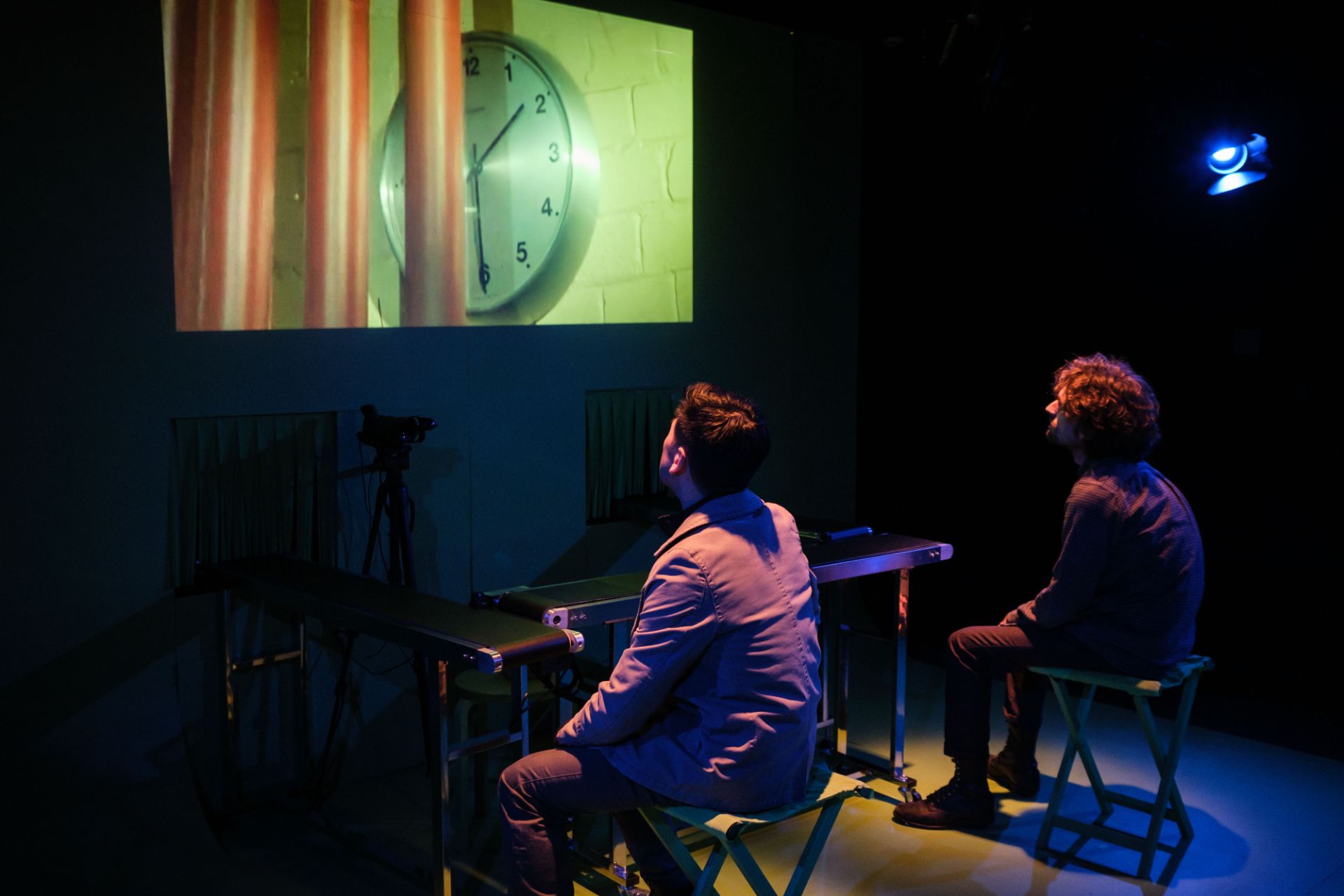
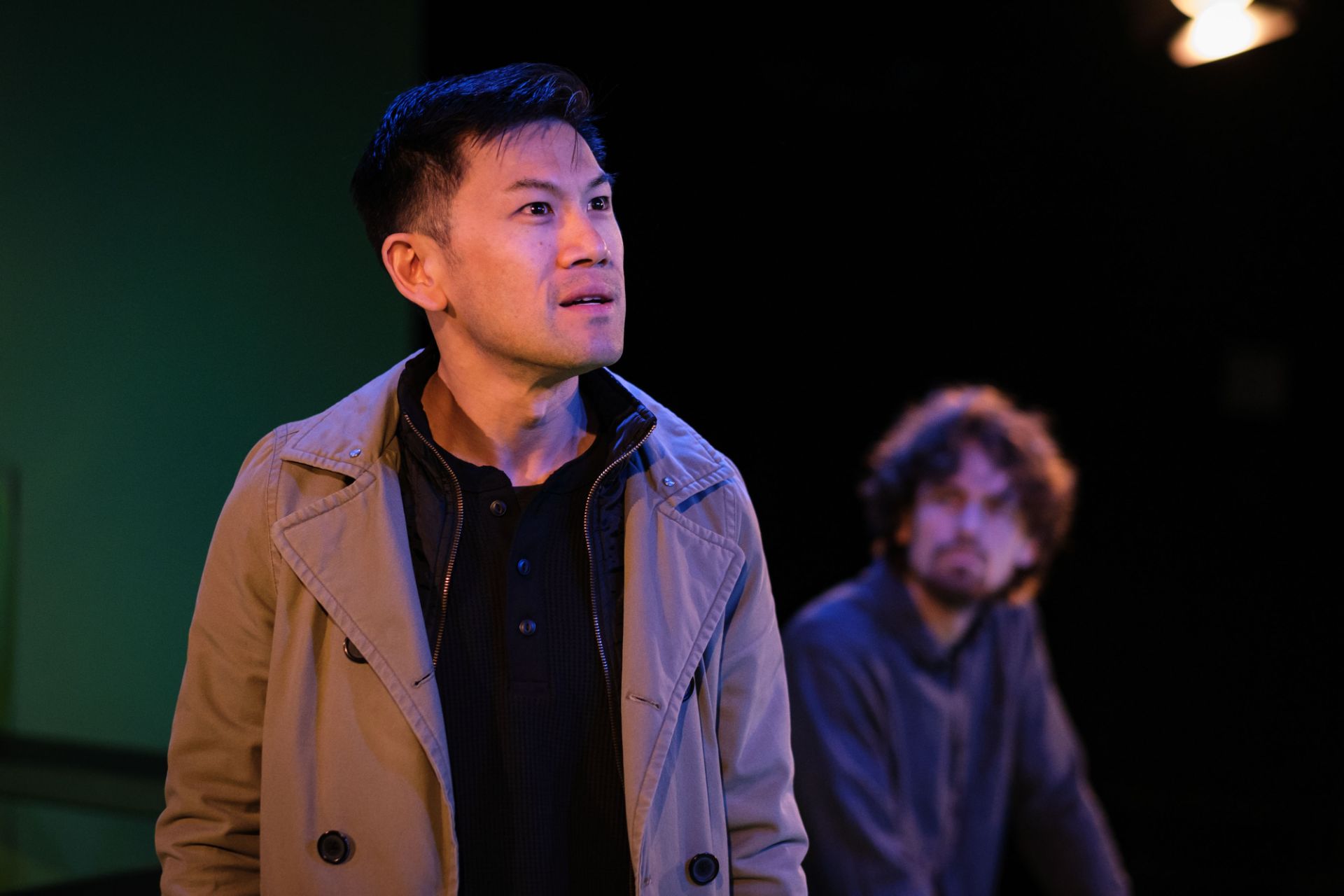
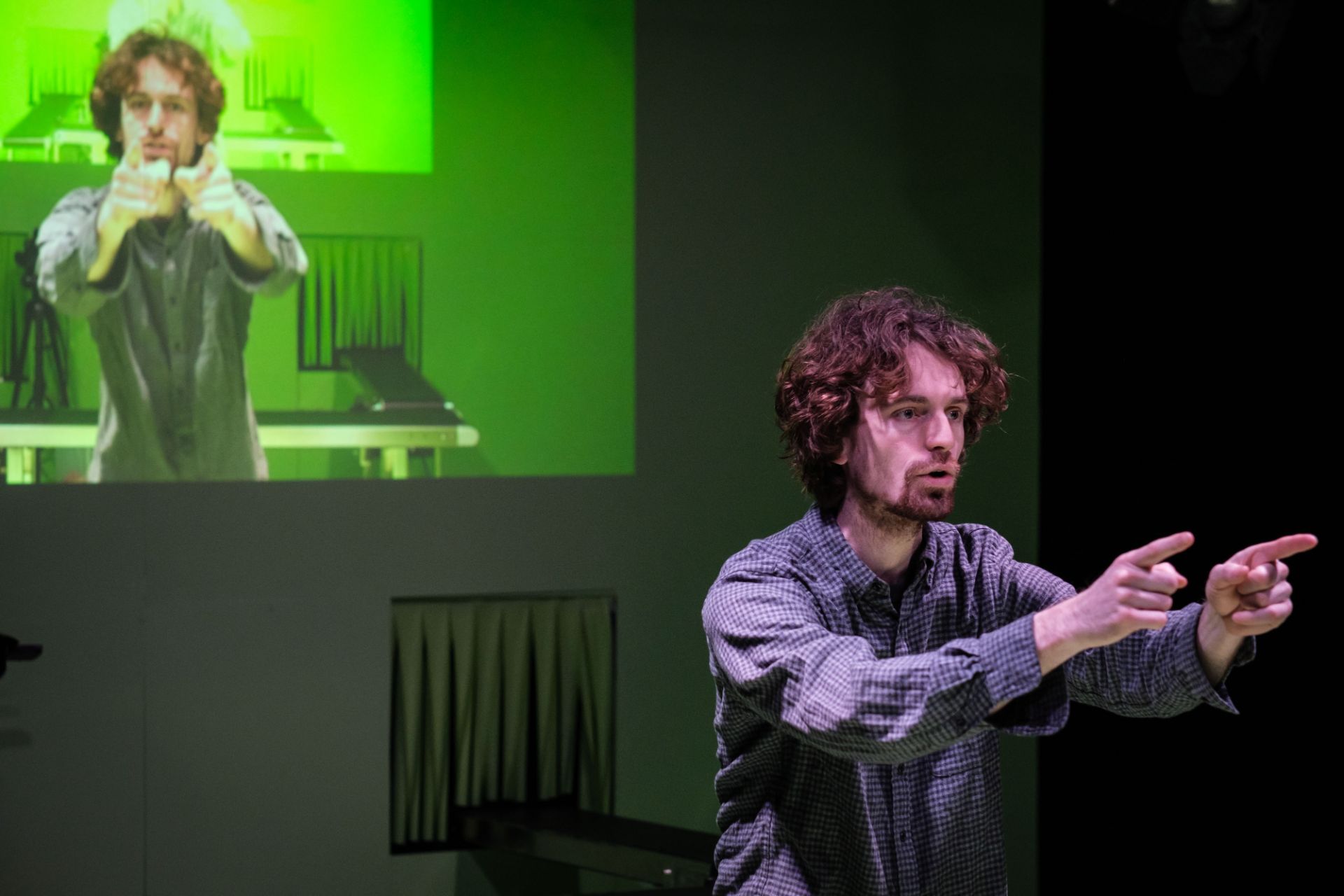
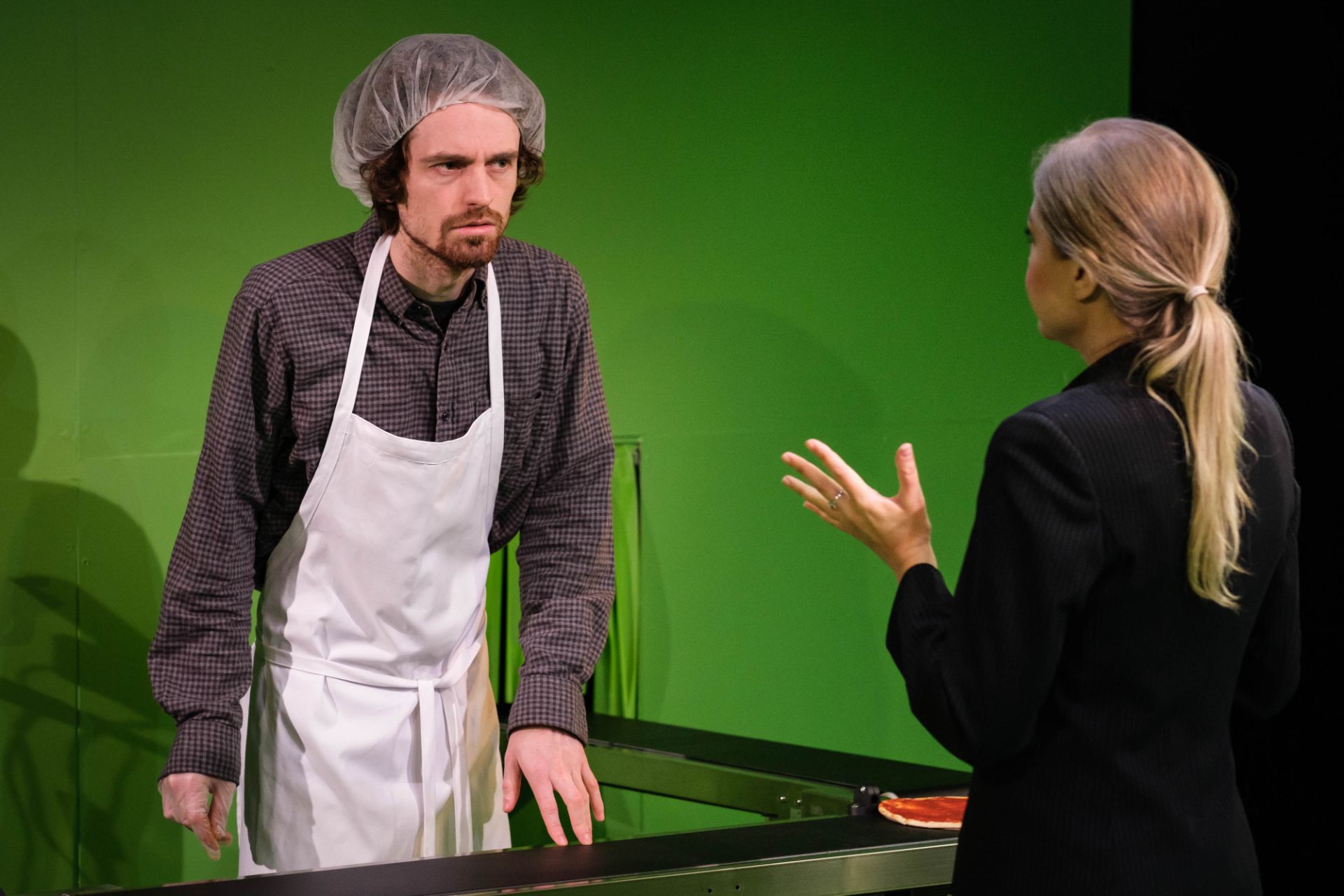
Review: Born On A Thursday (Old Fitz Theatre)

Venue: Old Fitzroy Theatre (Woolloomooloo NSW), Nov 28 – Dec 14, 2025
Playwright: Jack Kearney
Director: Lucy Clements
Cast: Deborah Galanos, James Lugton, Owen Hasluck, Sharon Millerchip, Sofia Nolan
Images by Phil Erbacher

Theatre review
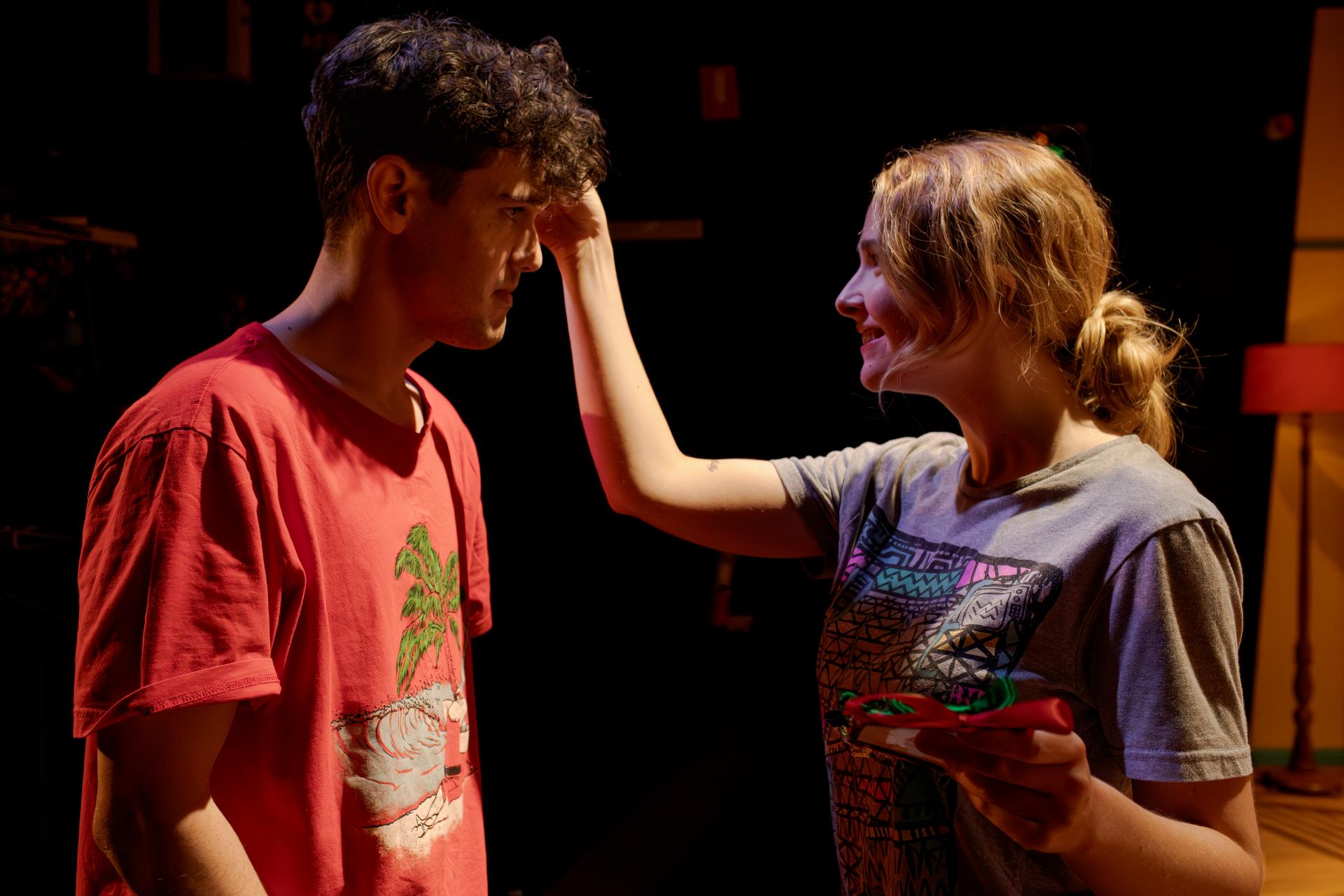
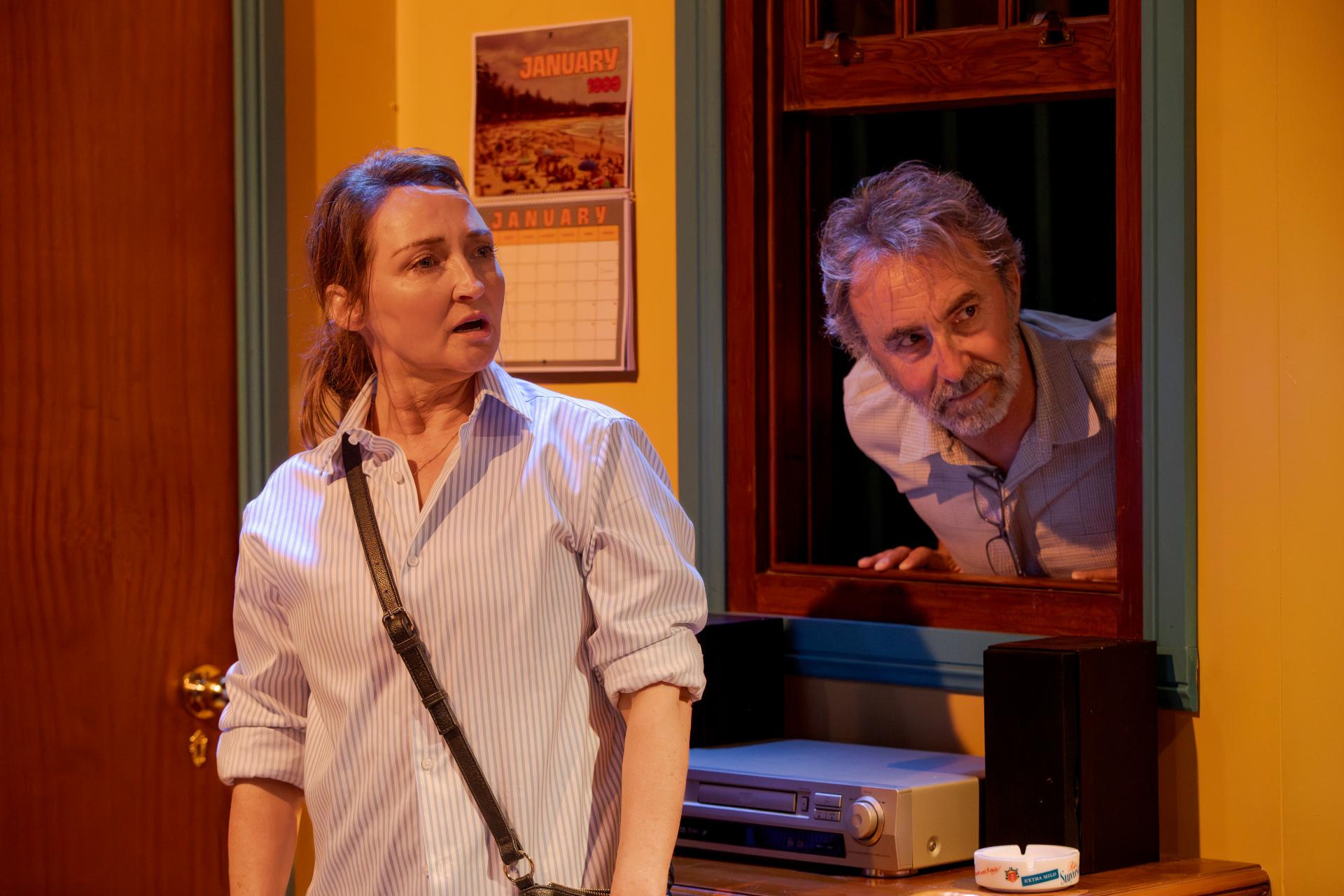
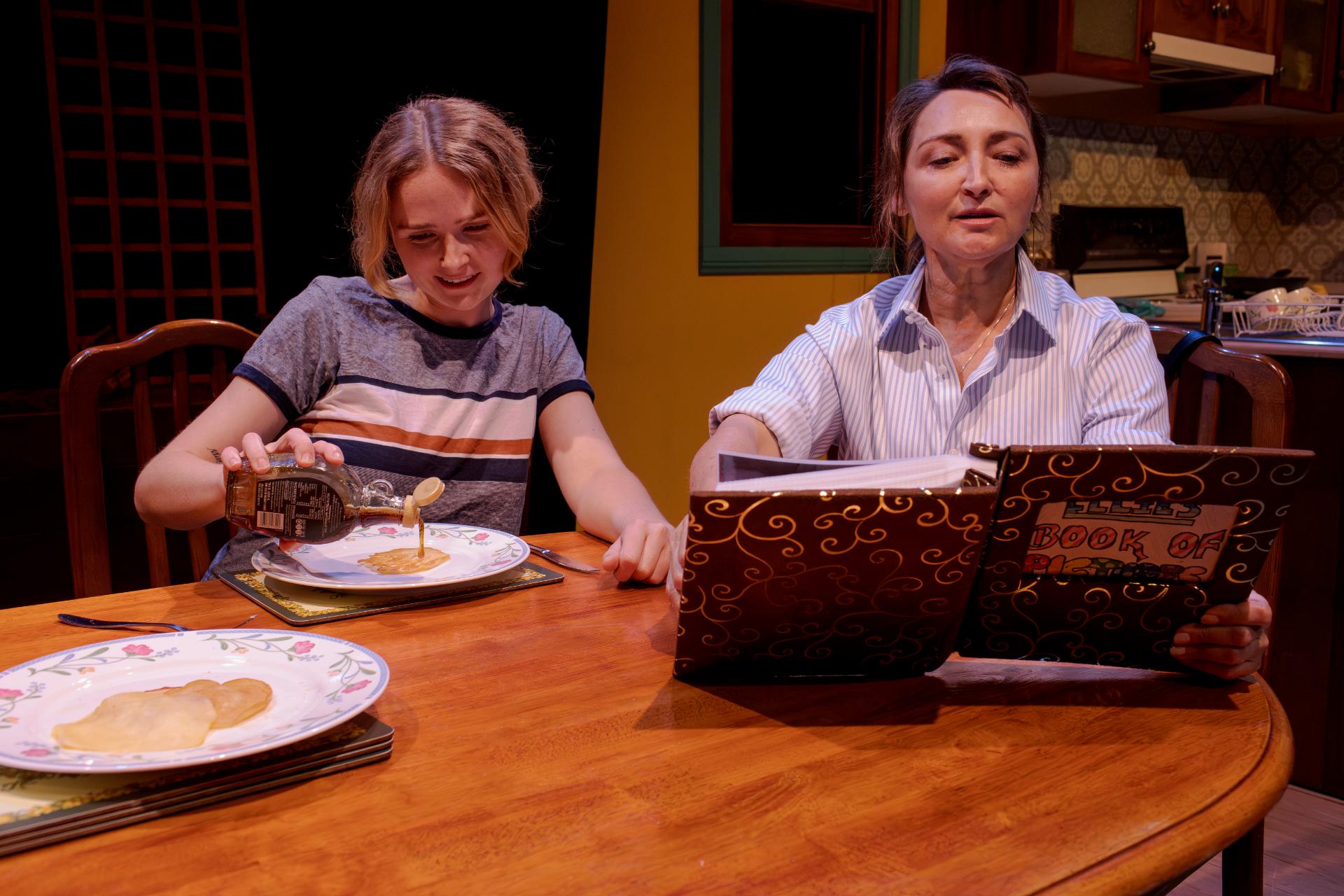
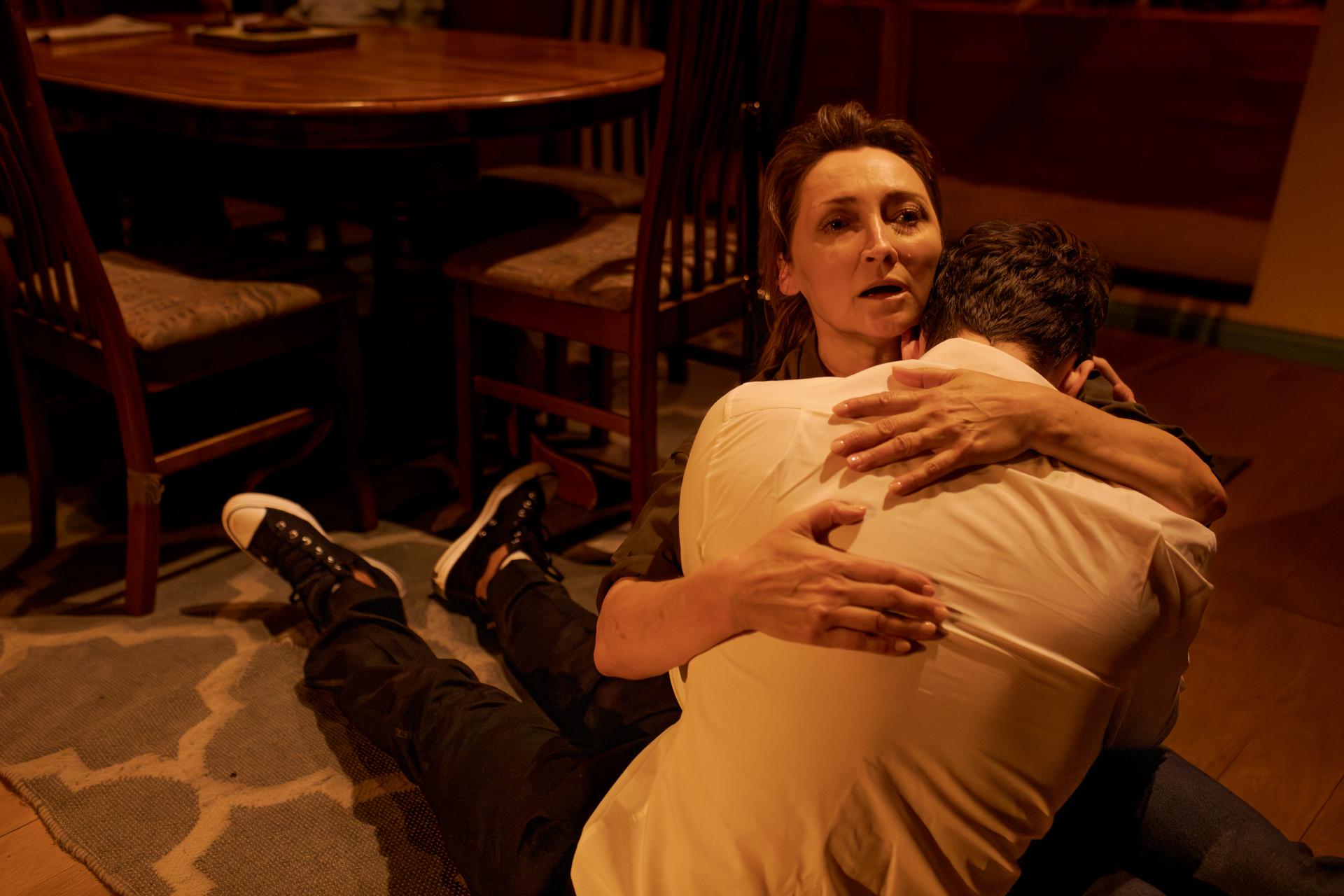
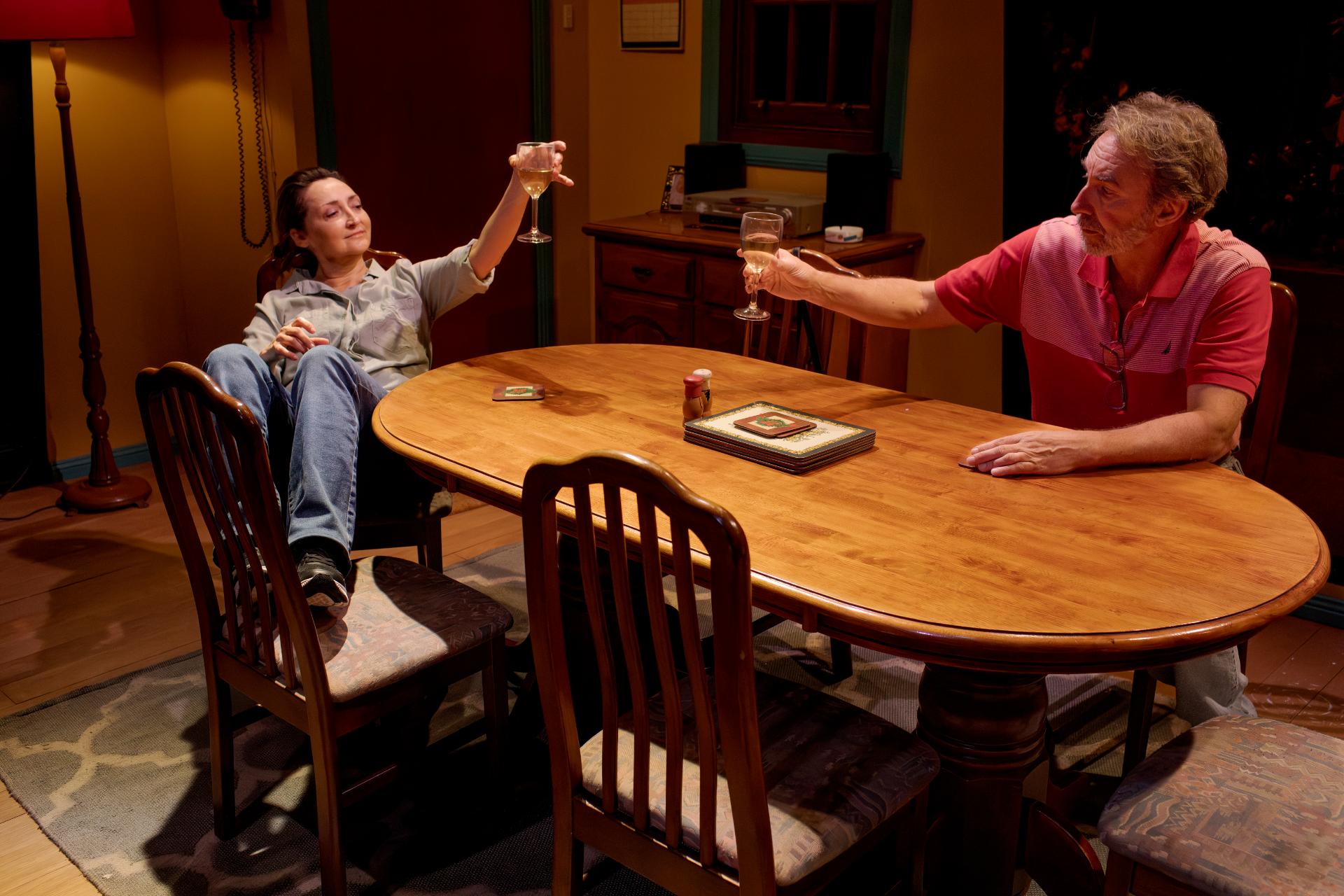
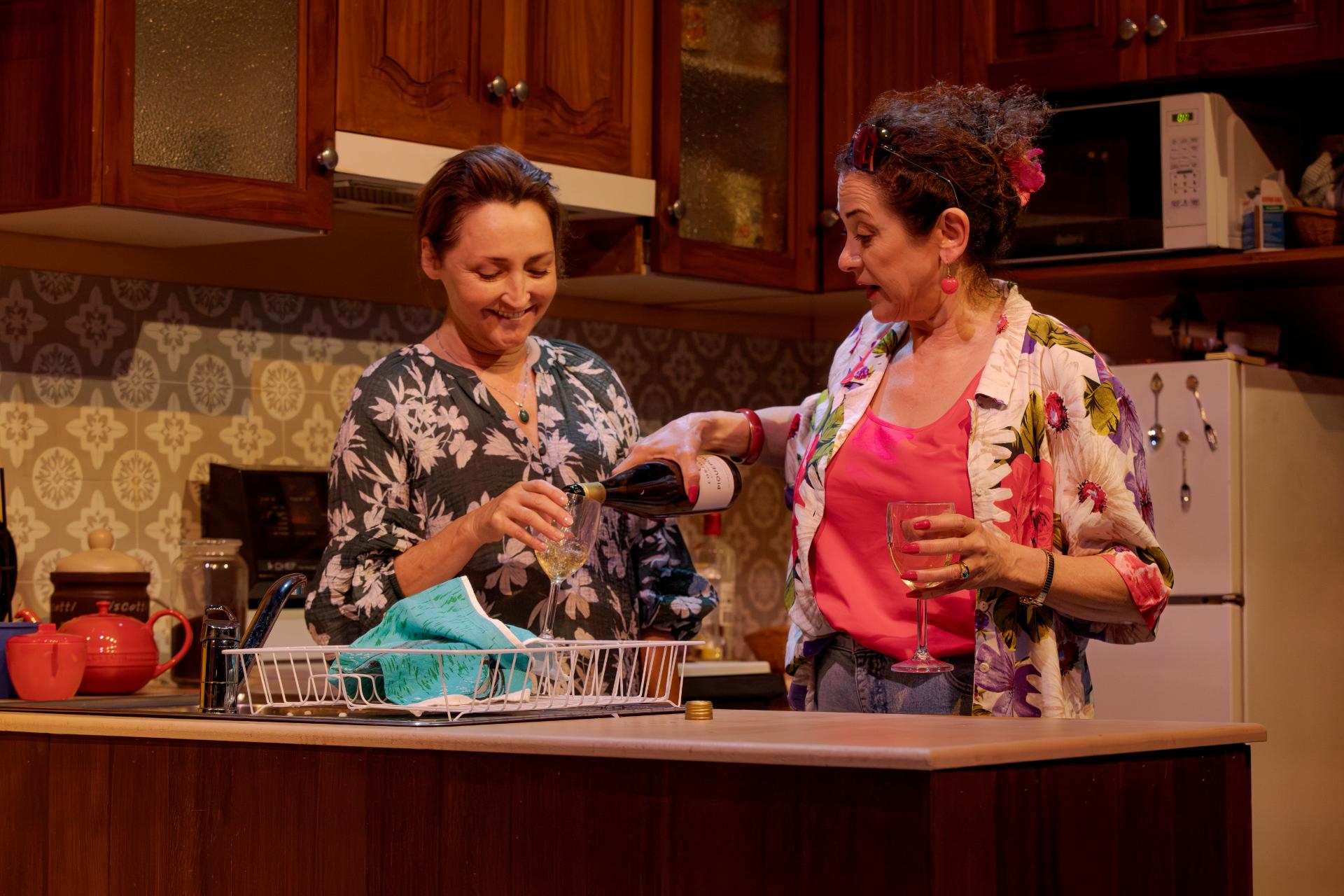
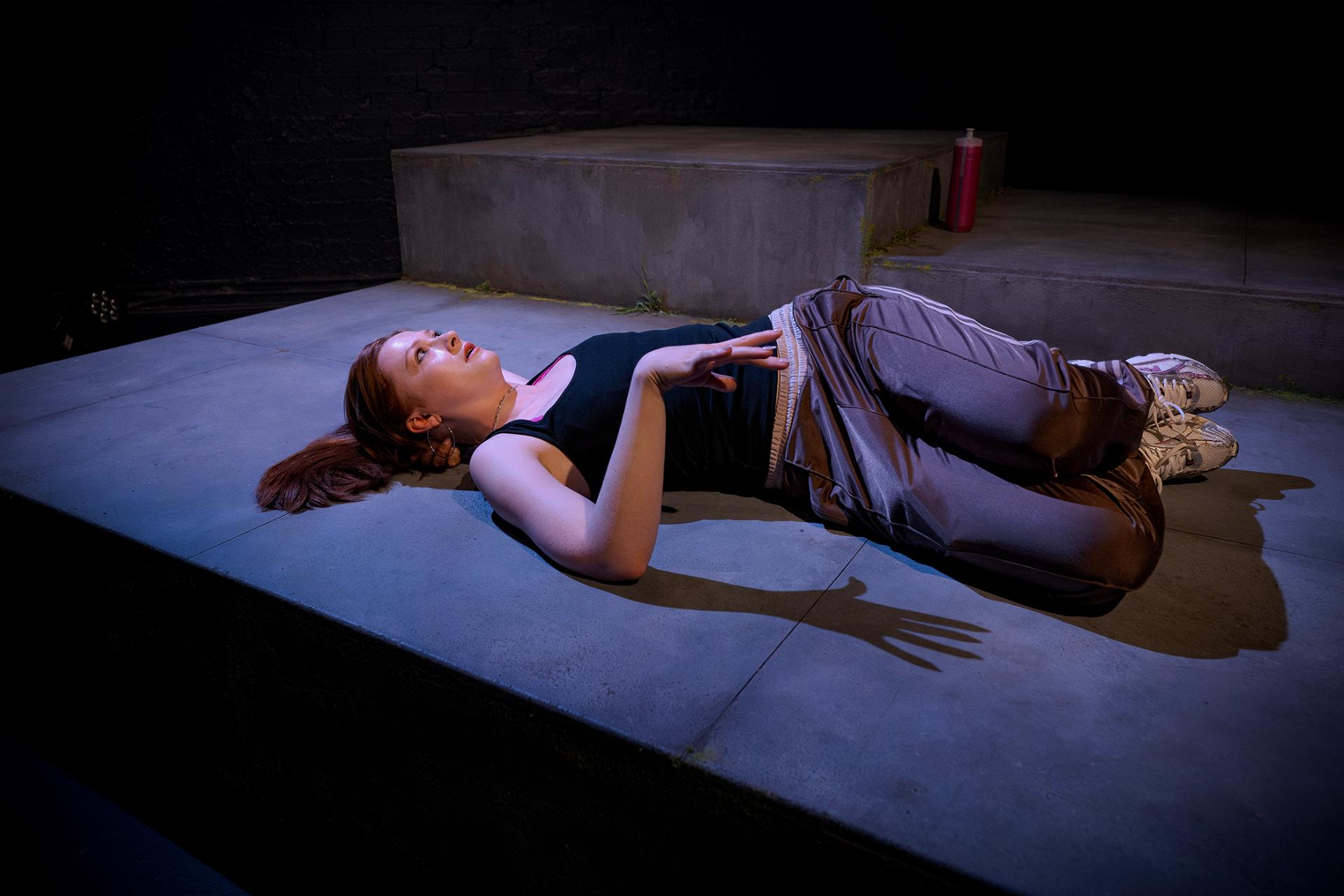
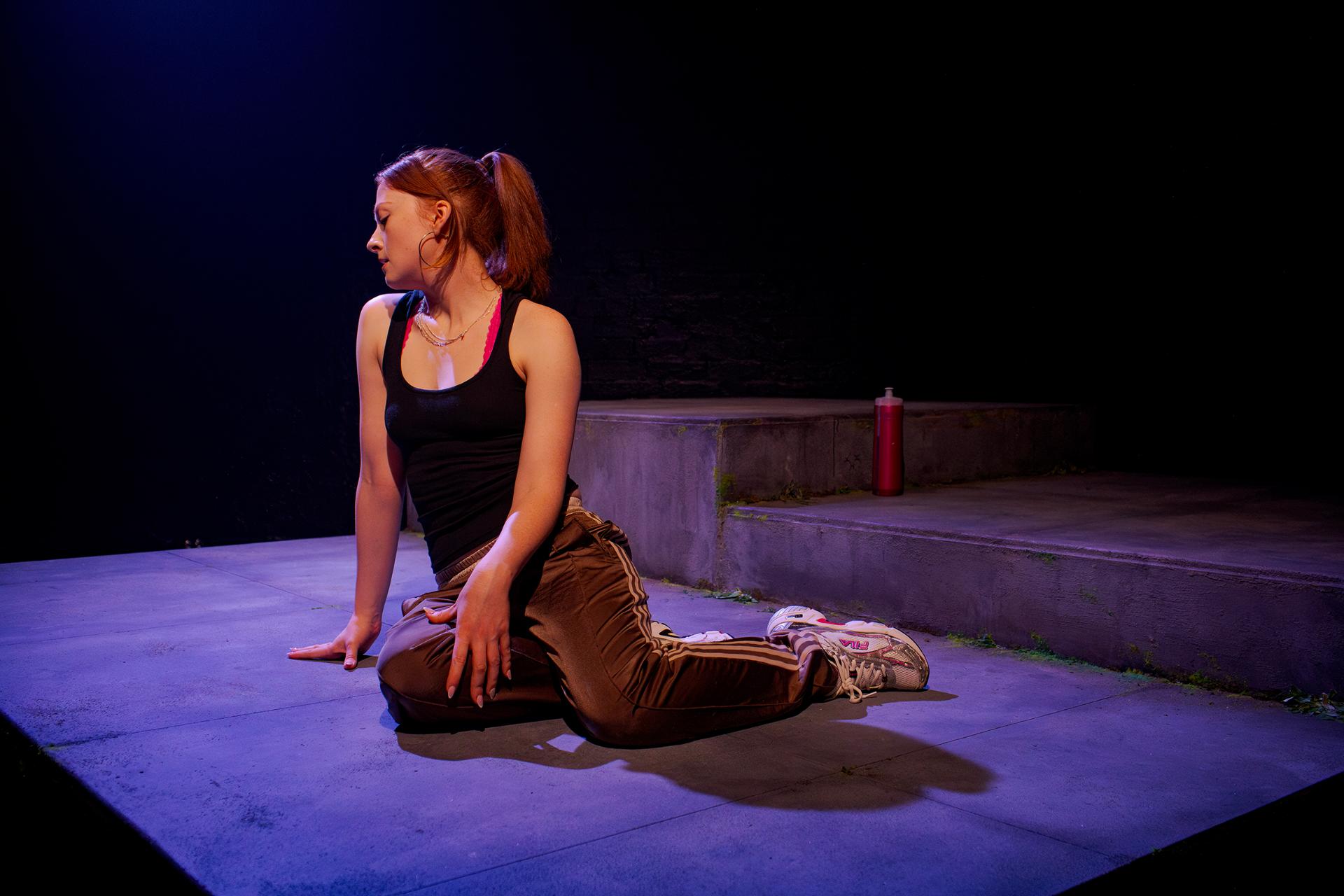
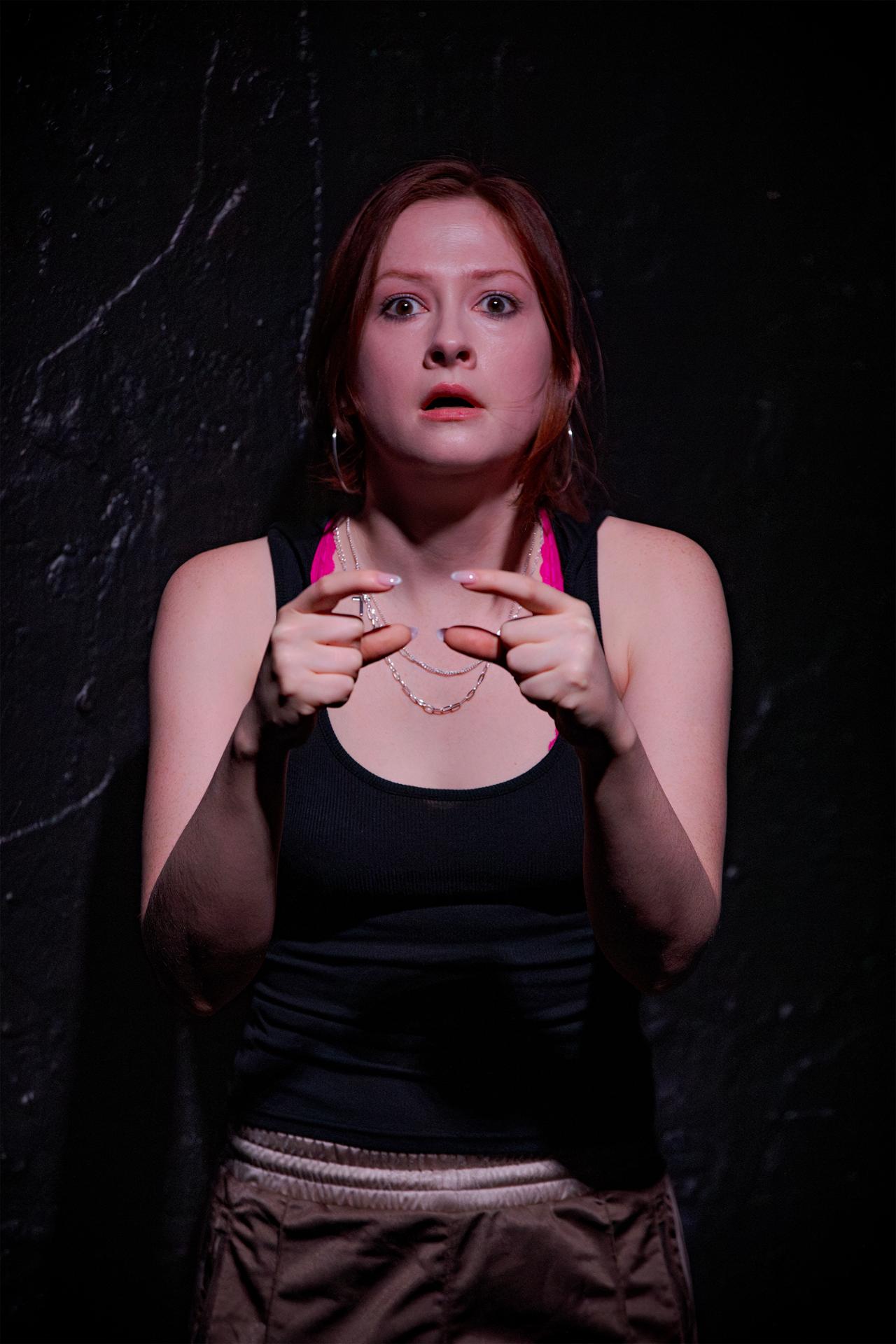
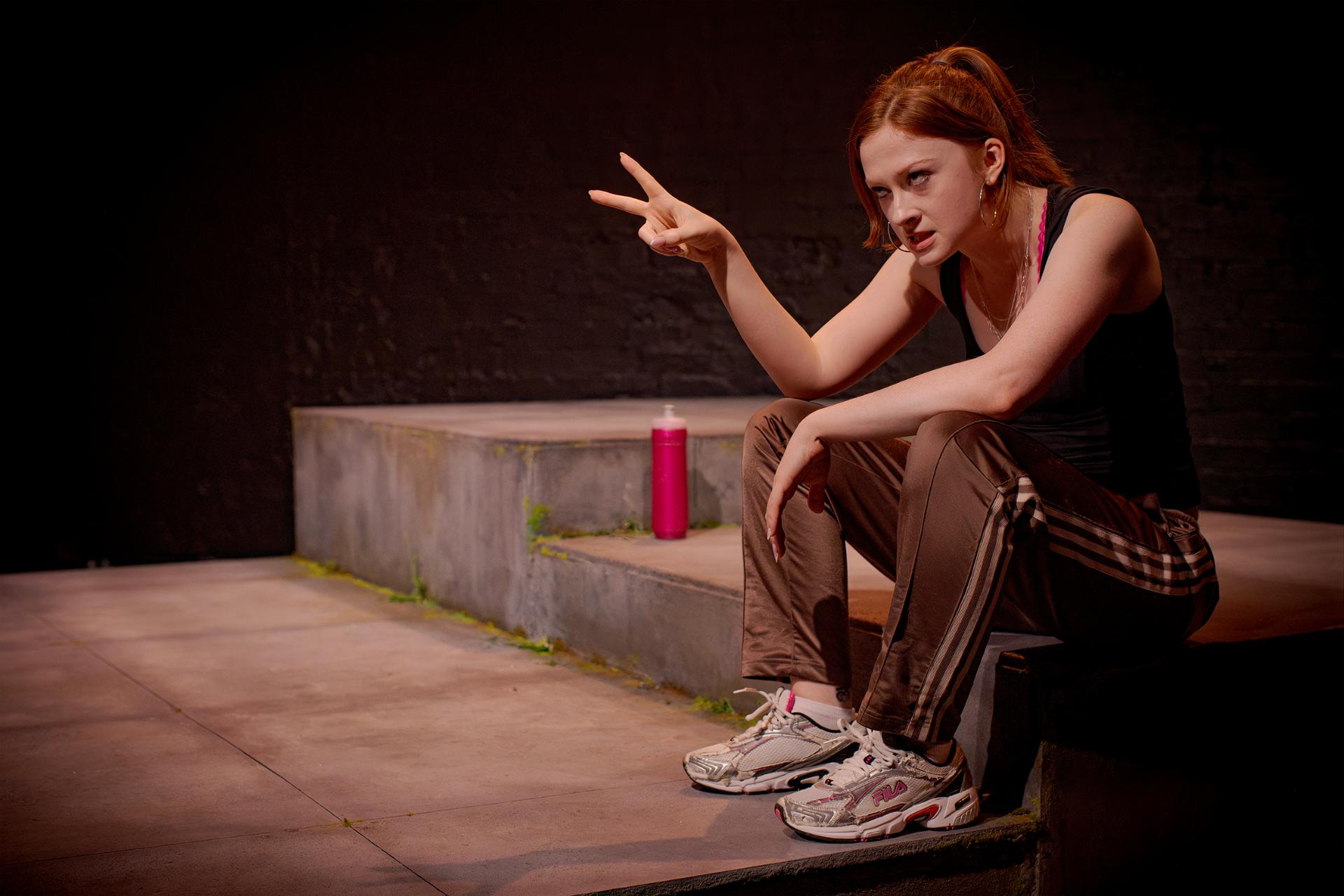
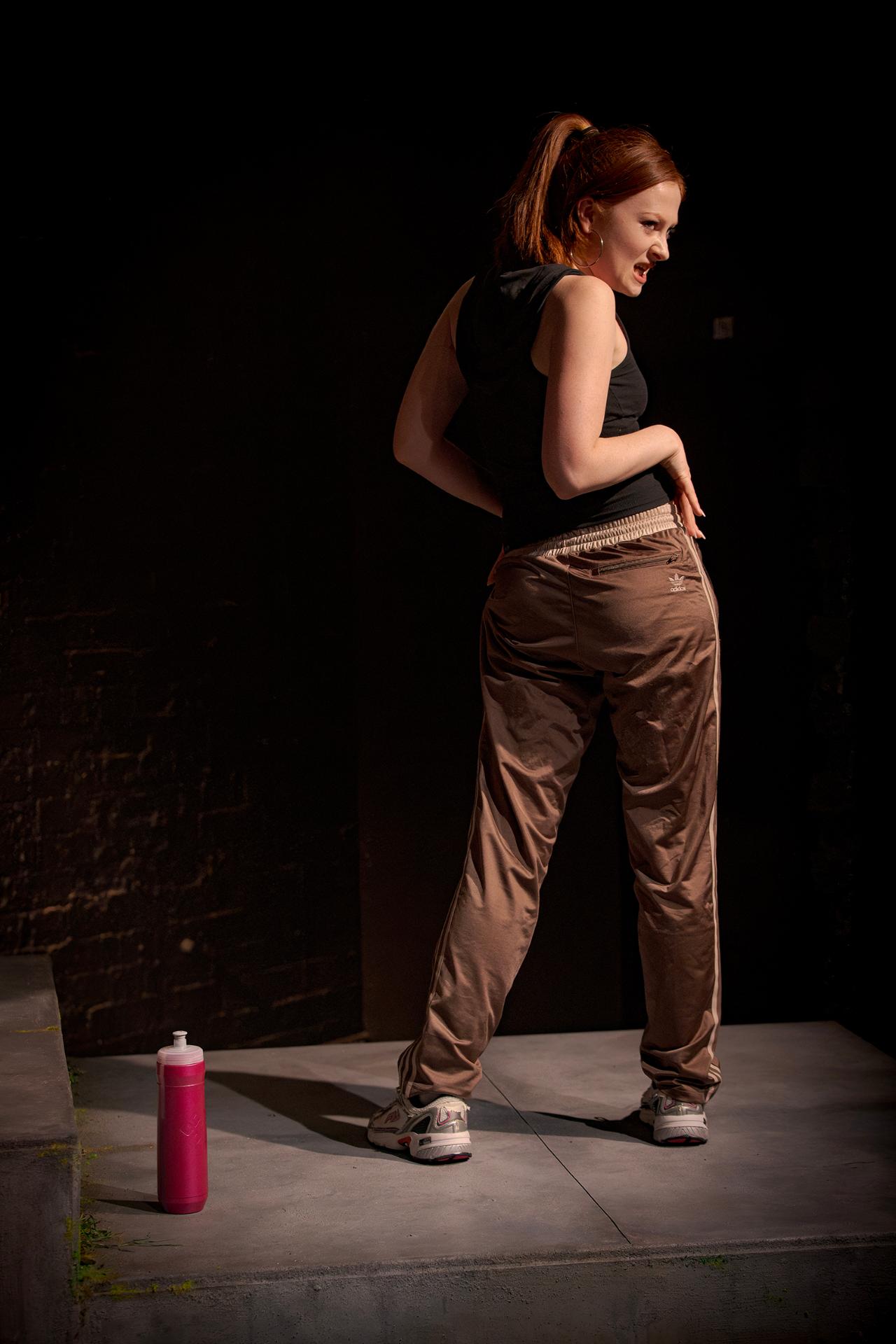
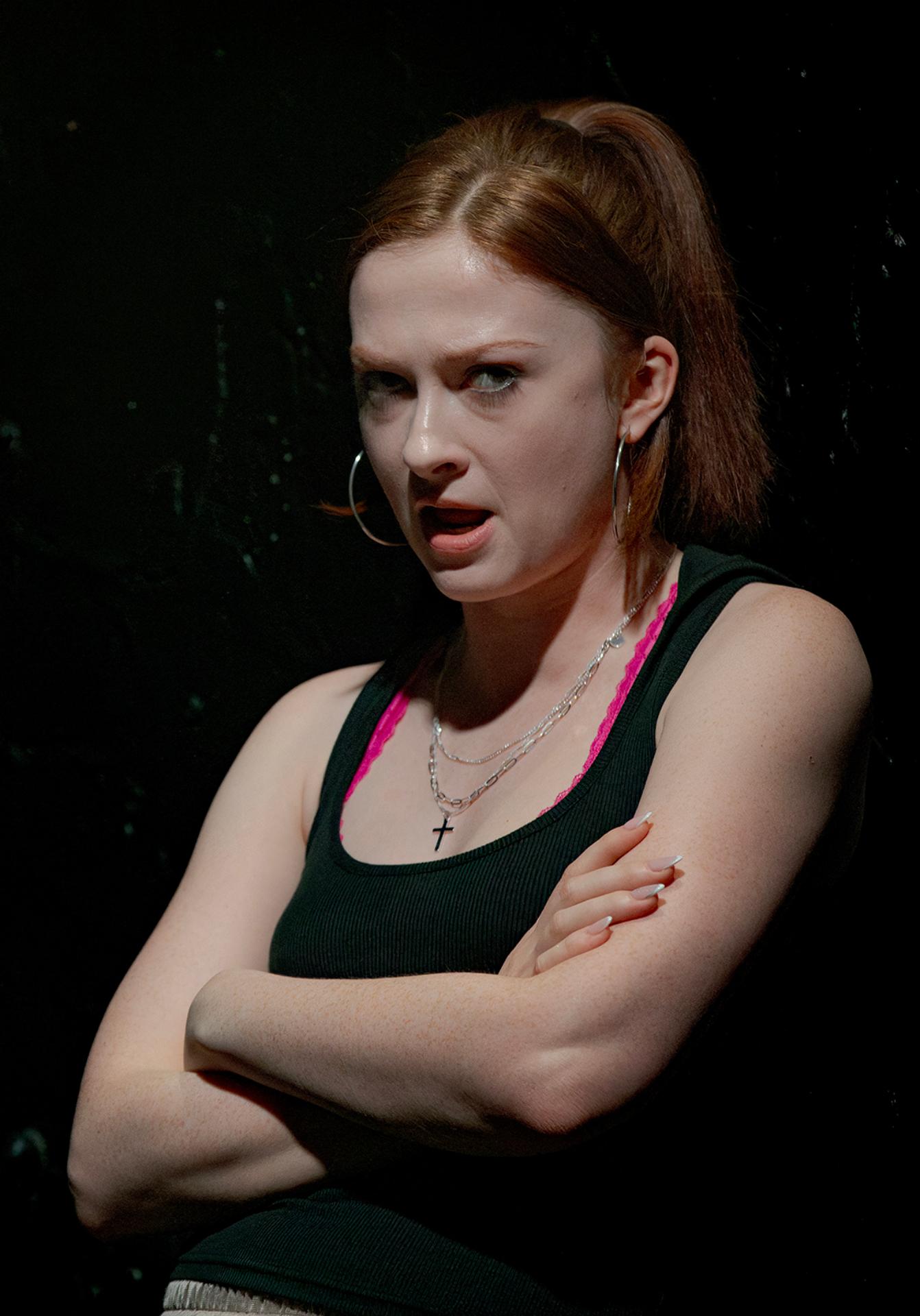
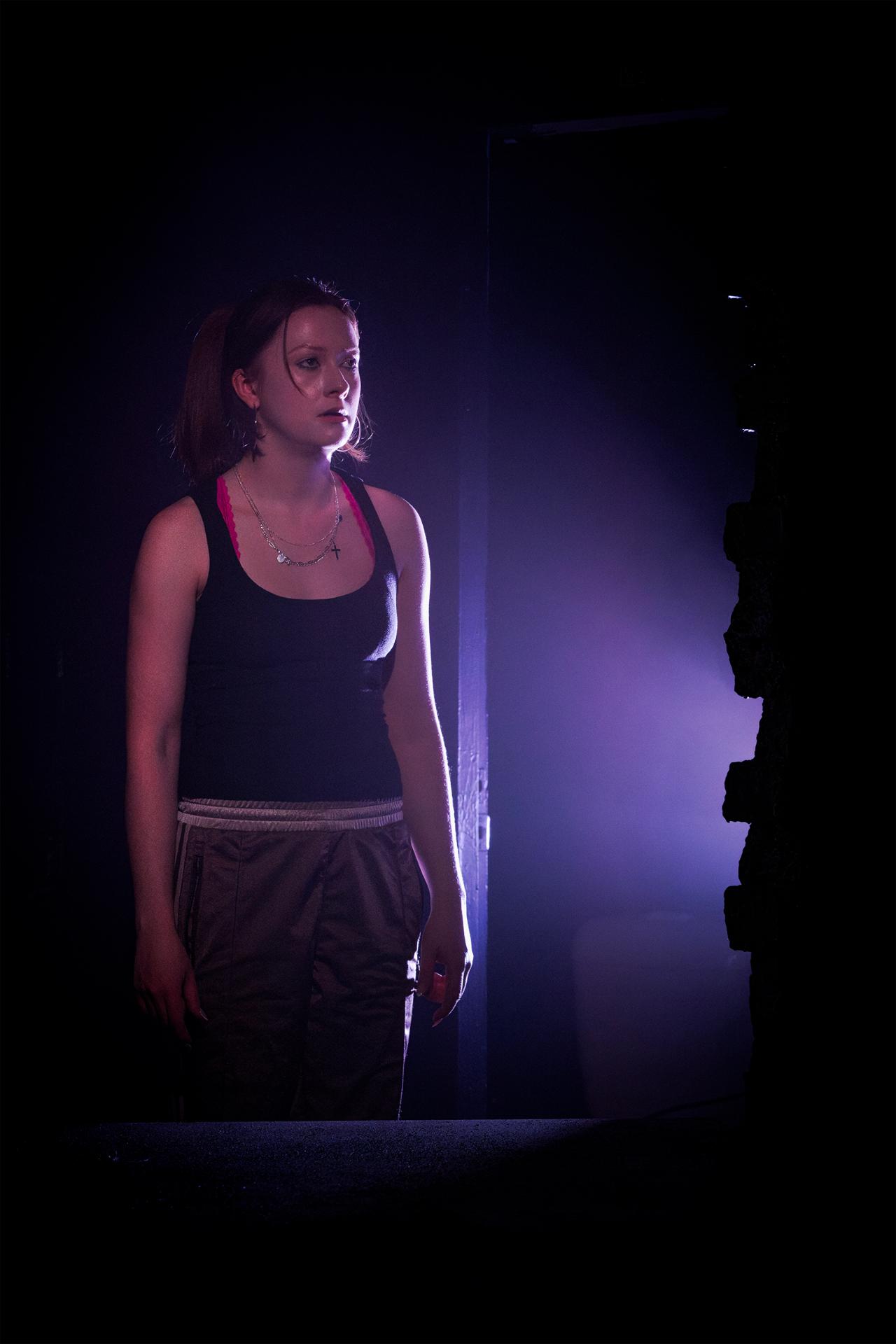
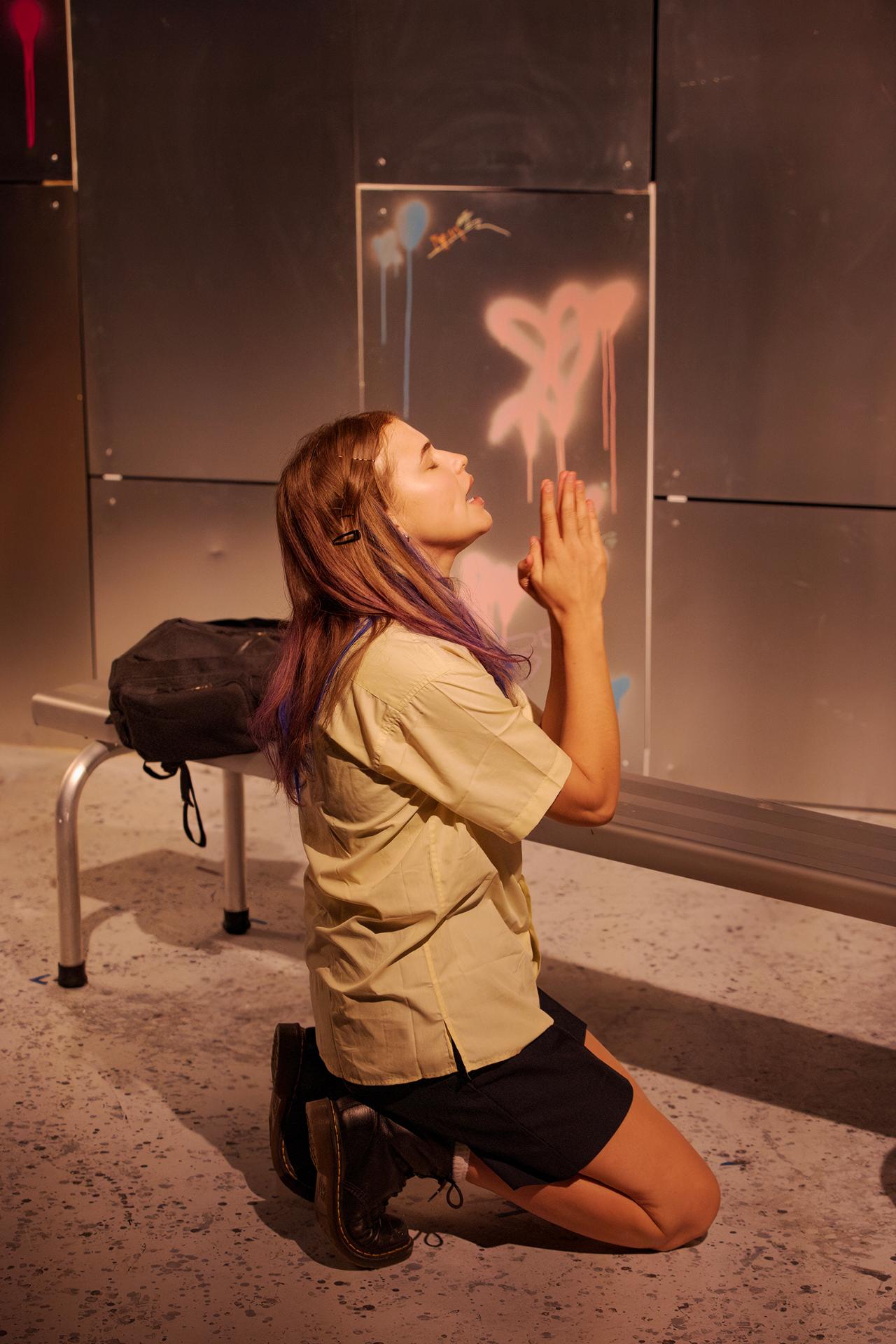
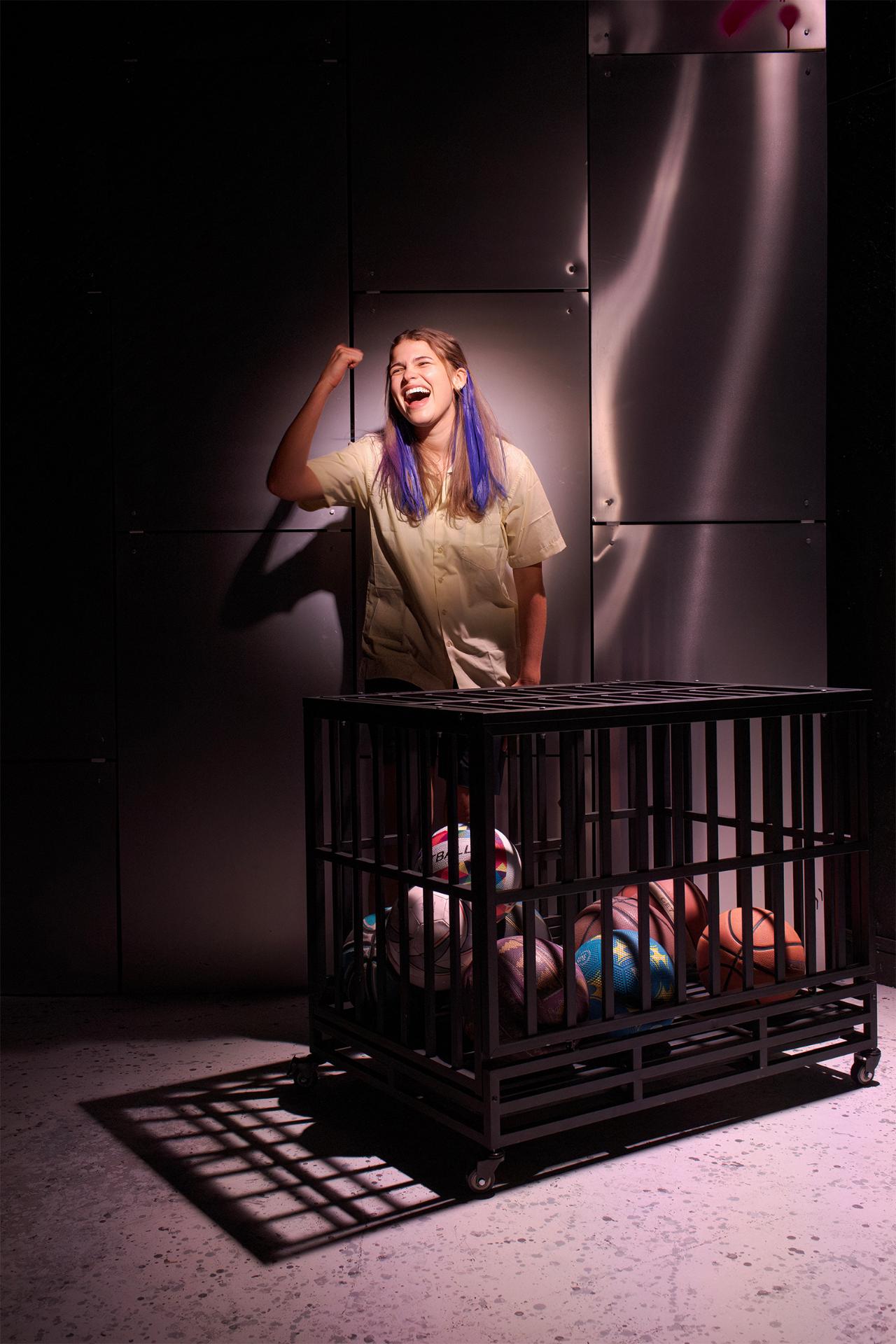
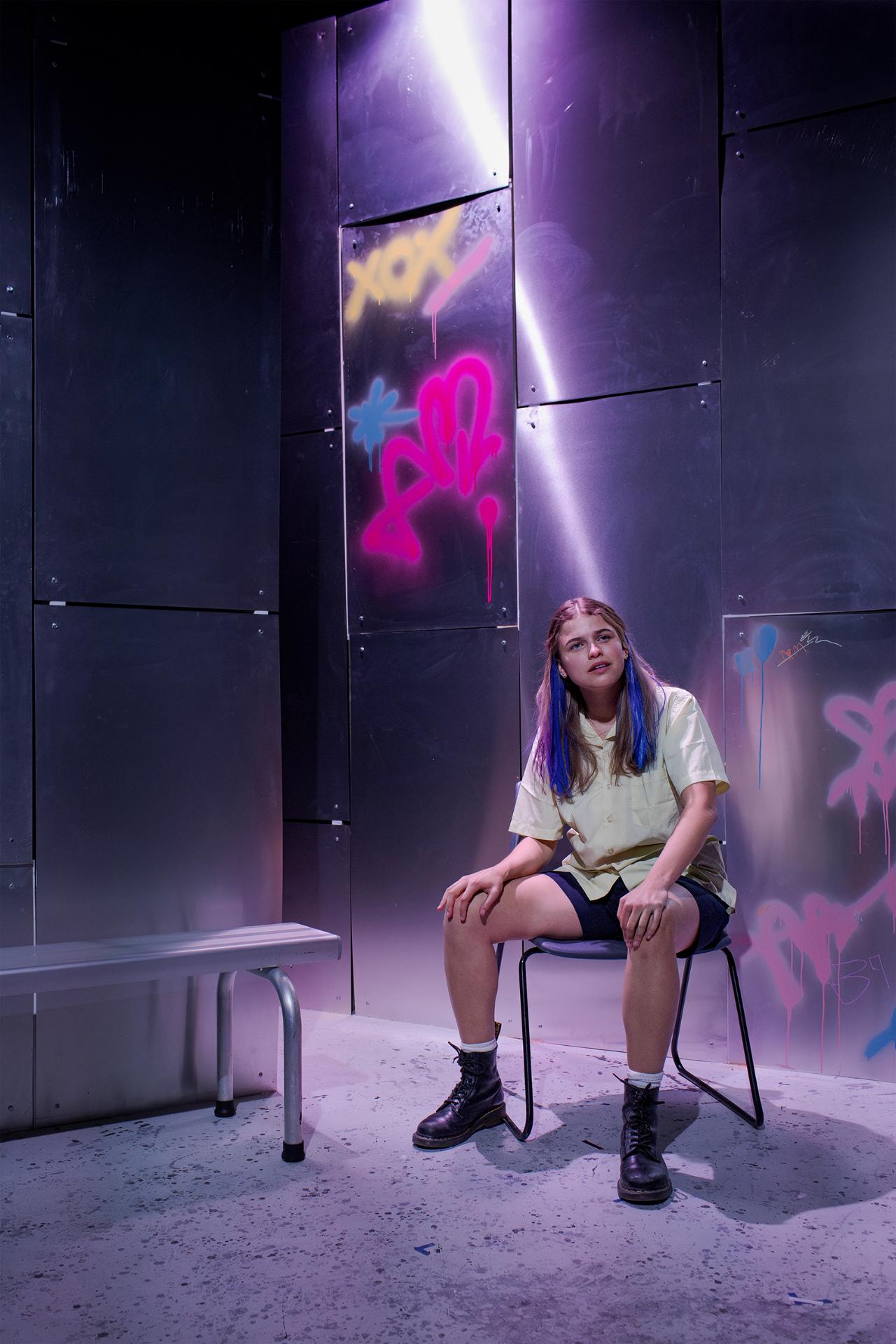
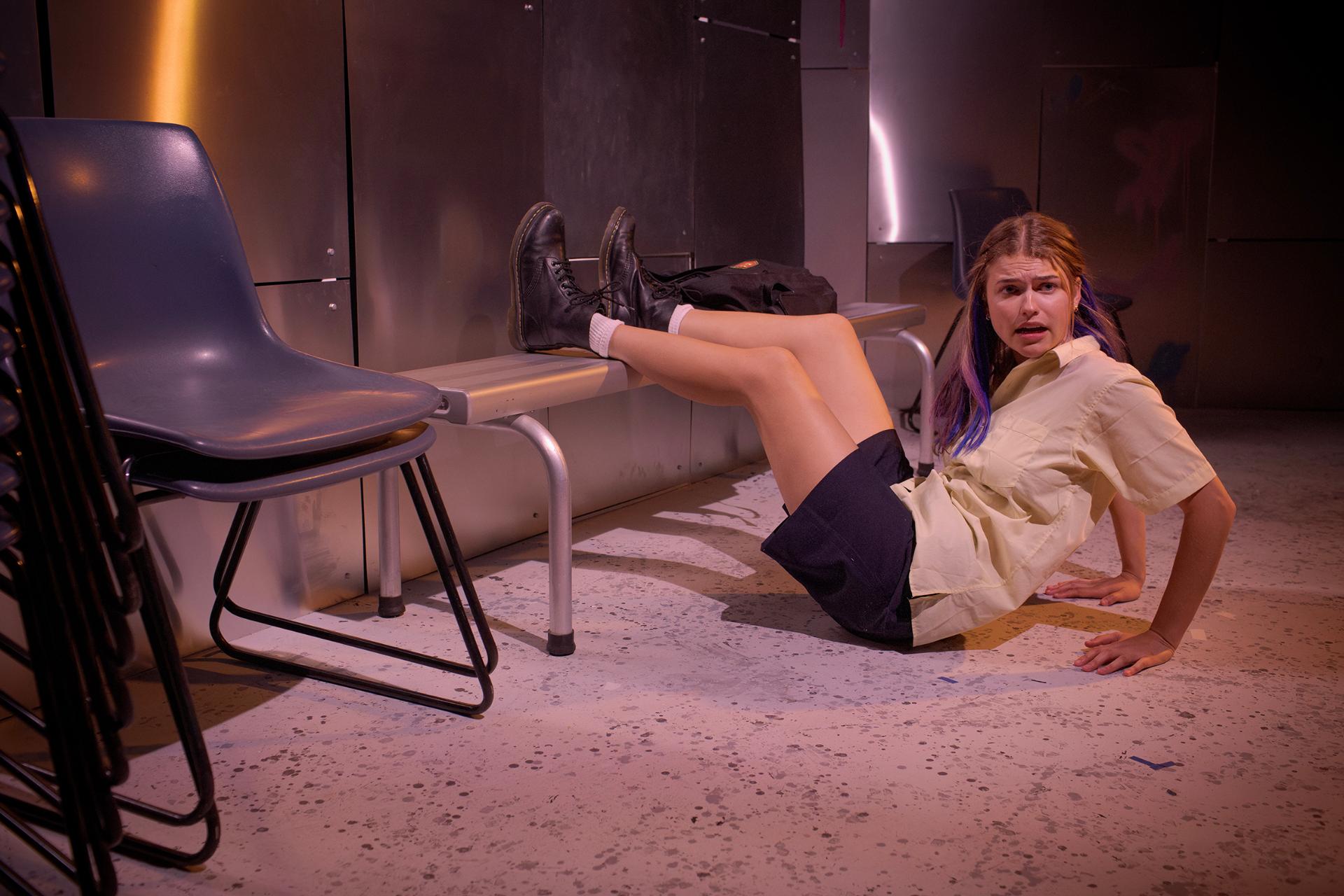
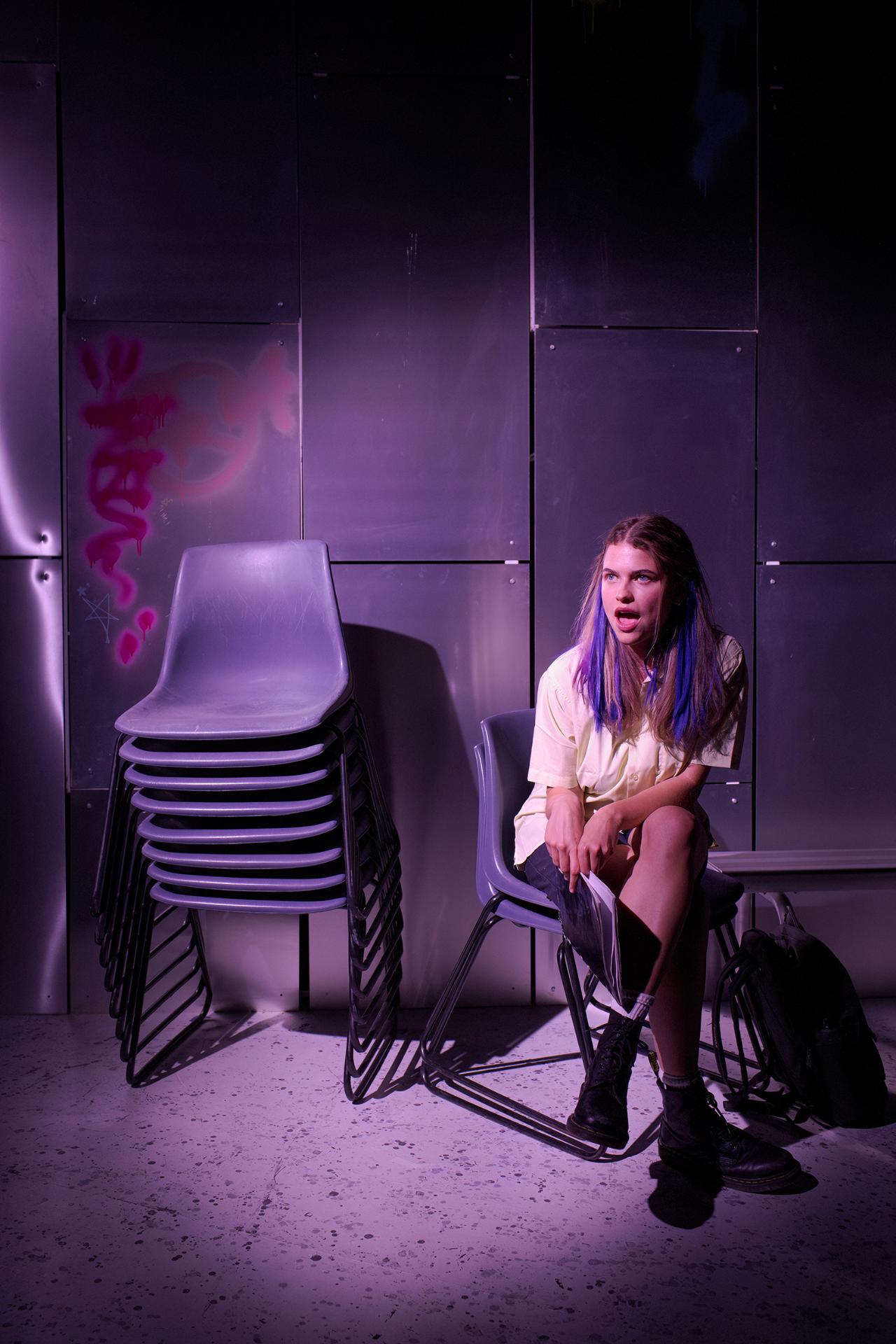
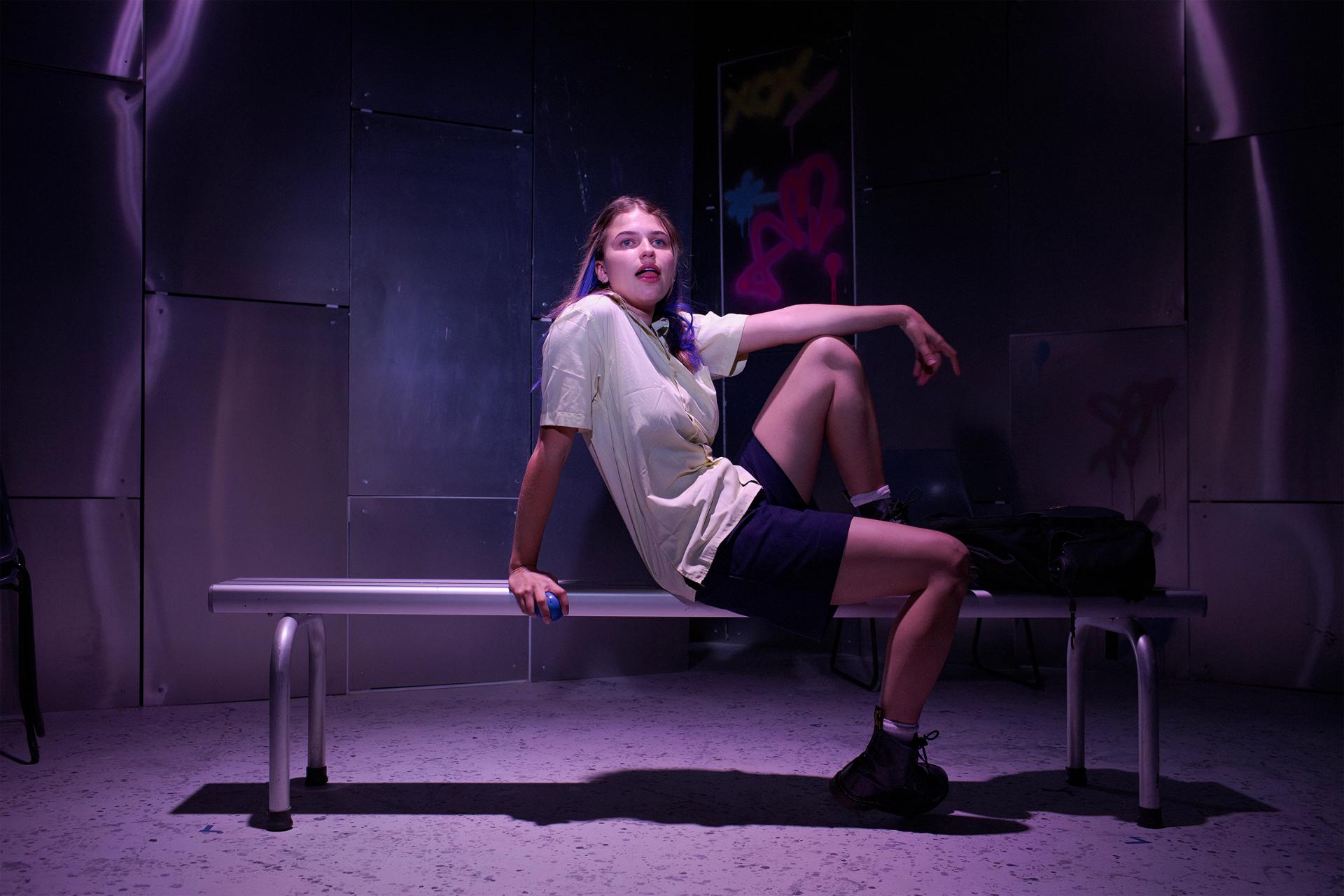
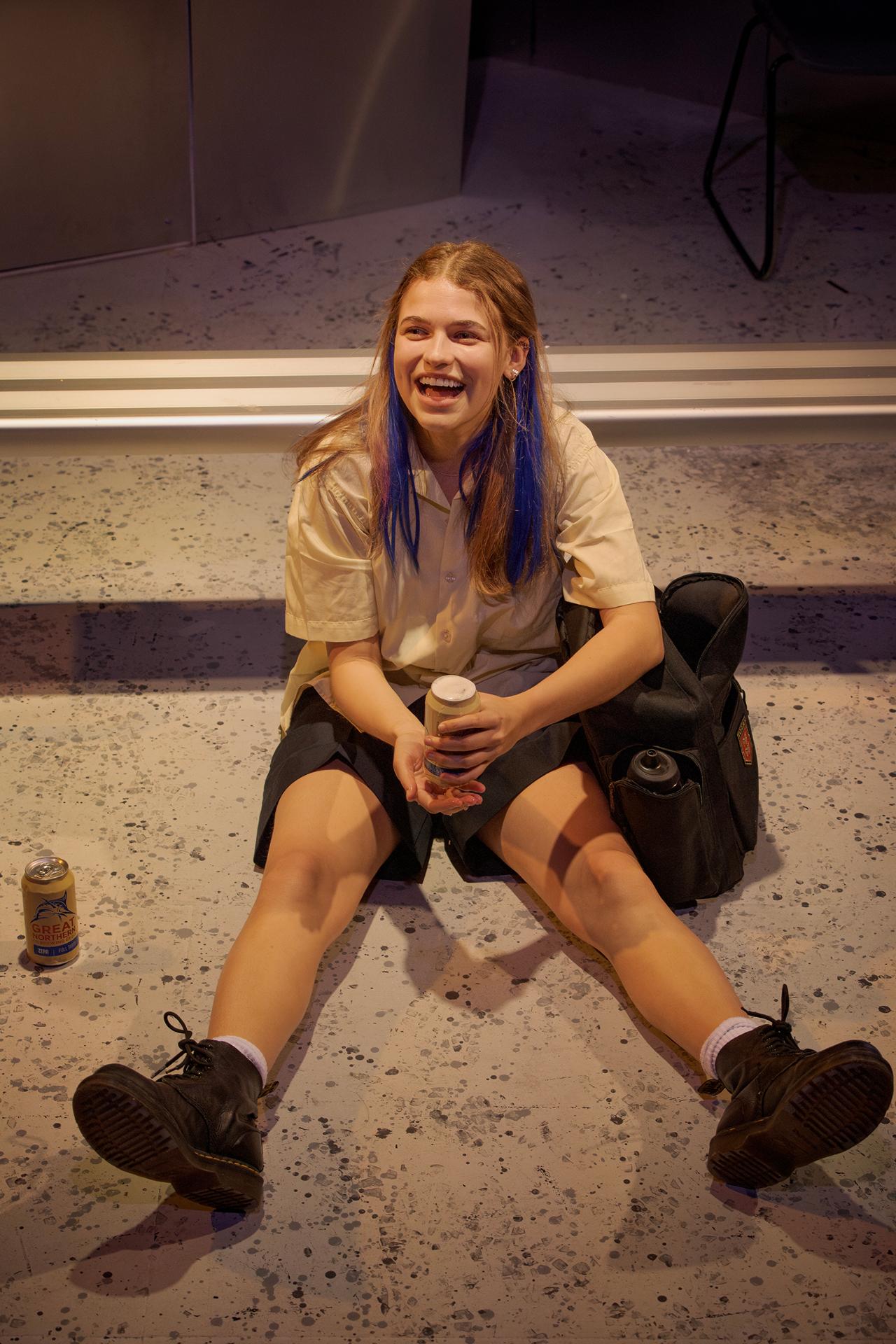
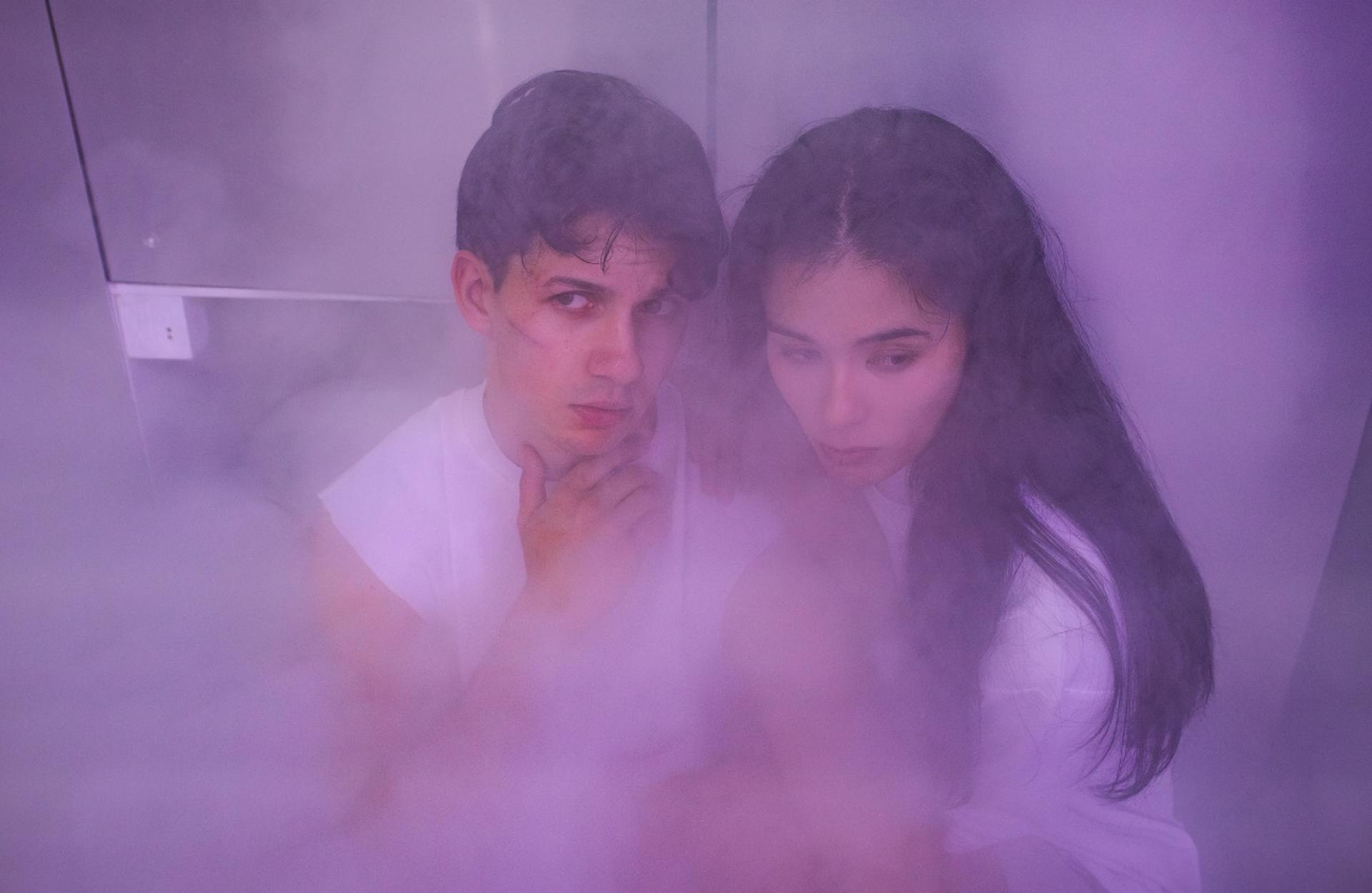
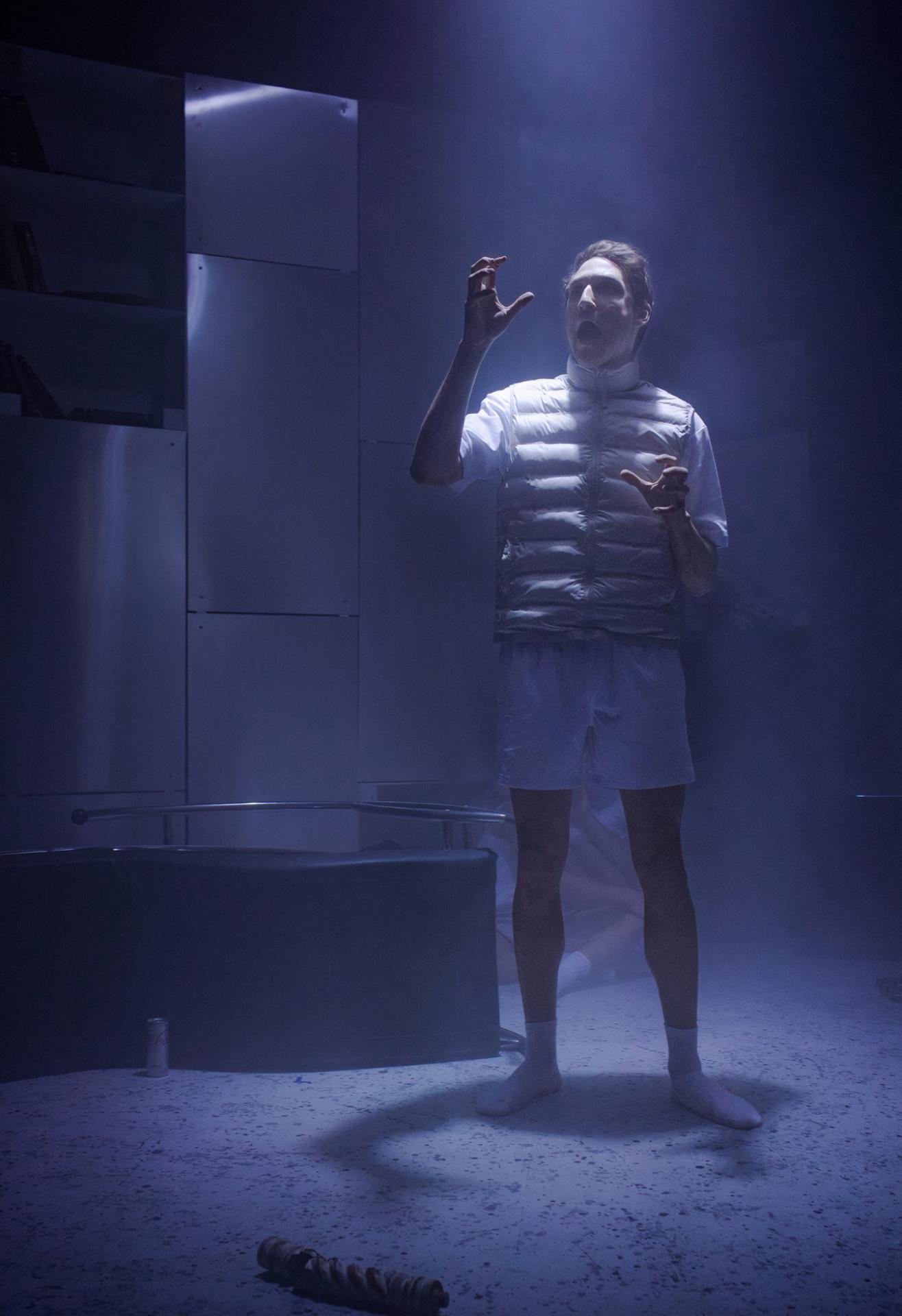
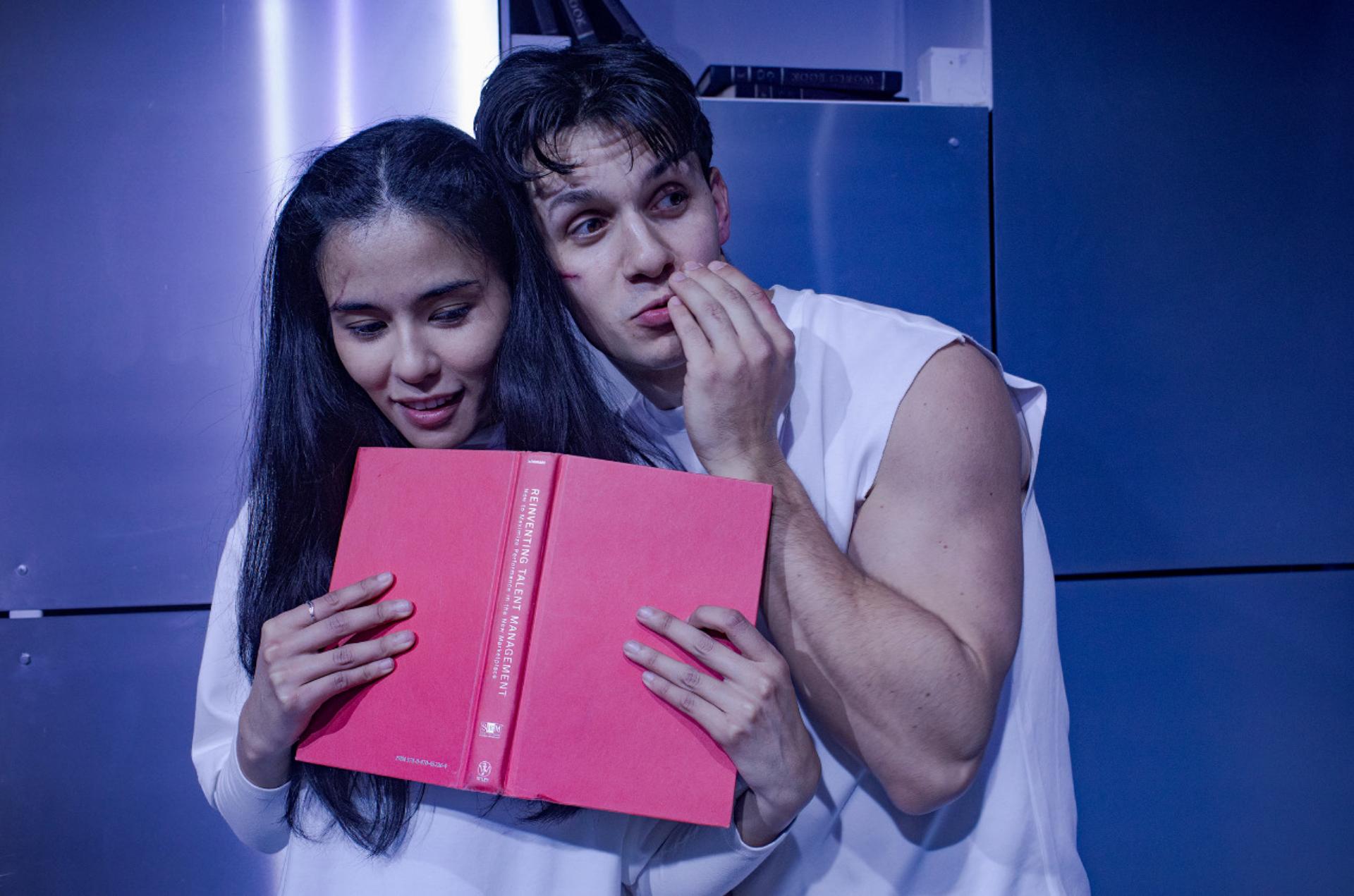
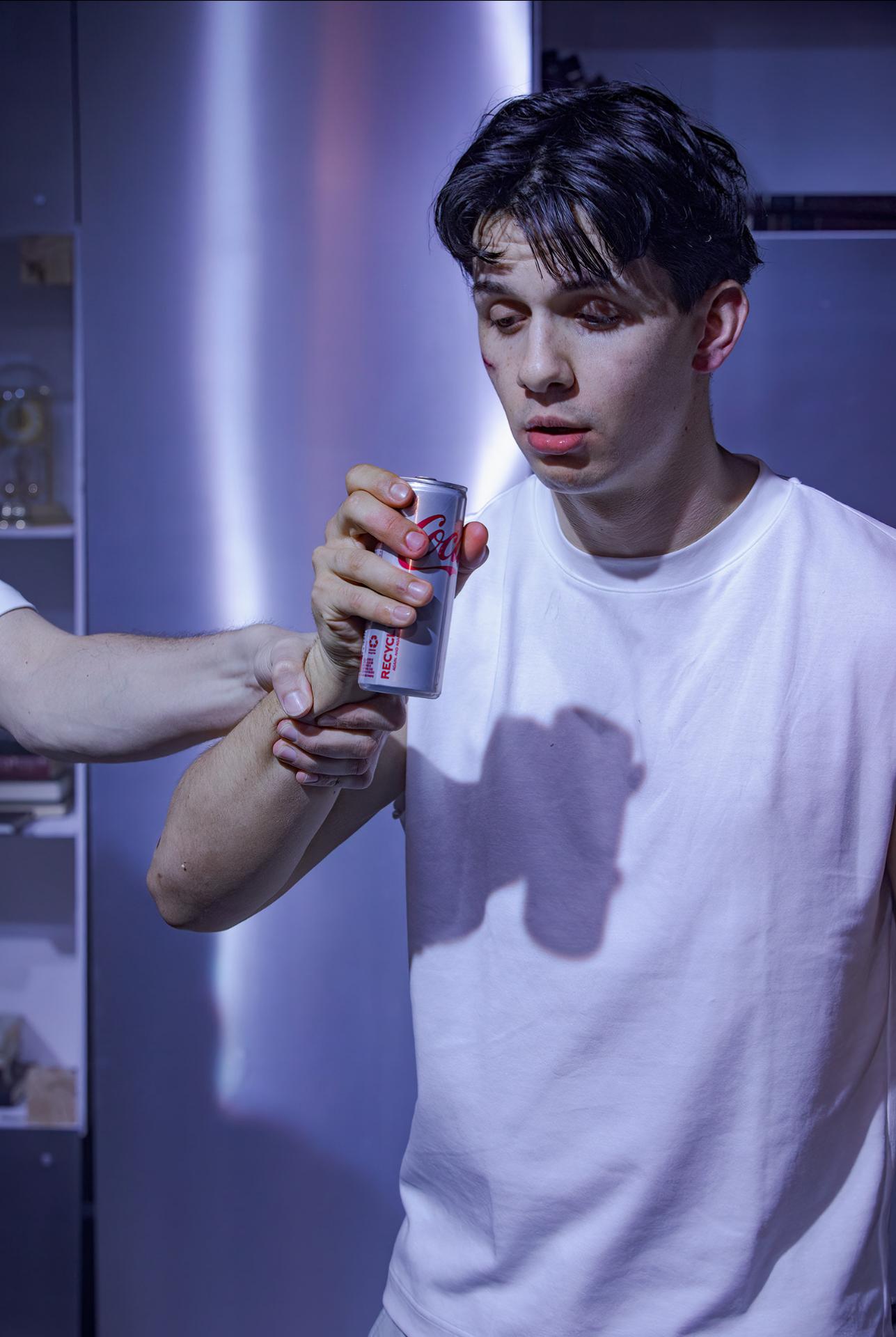
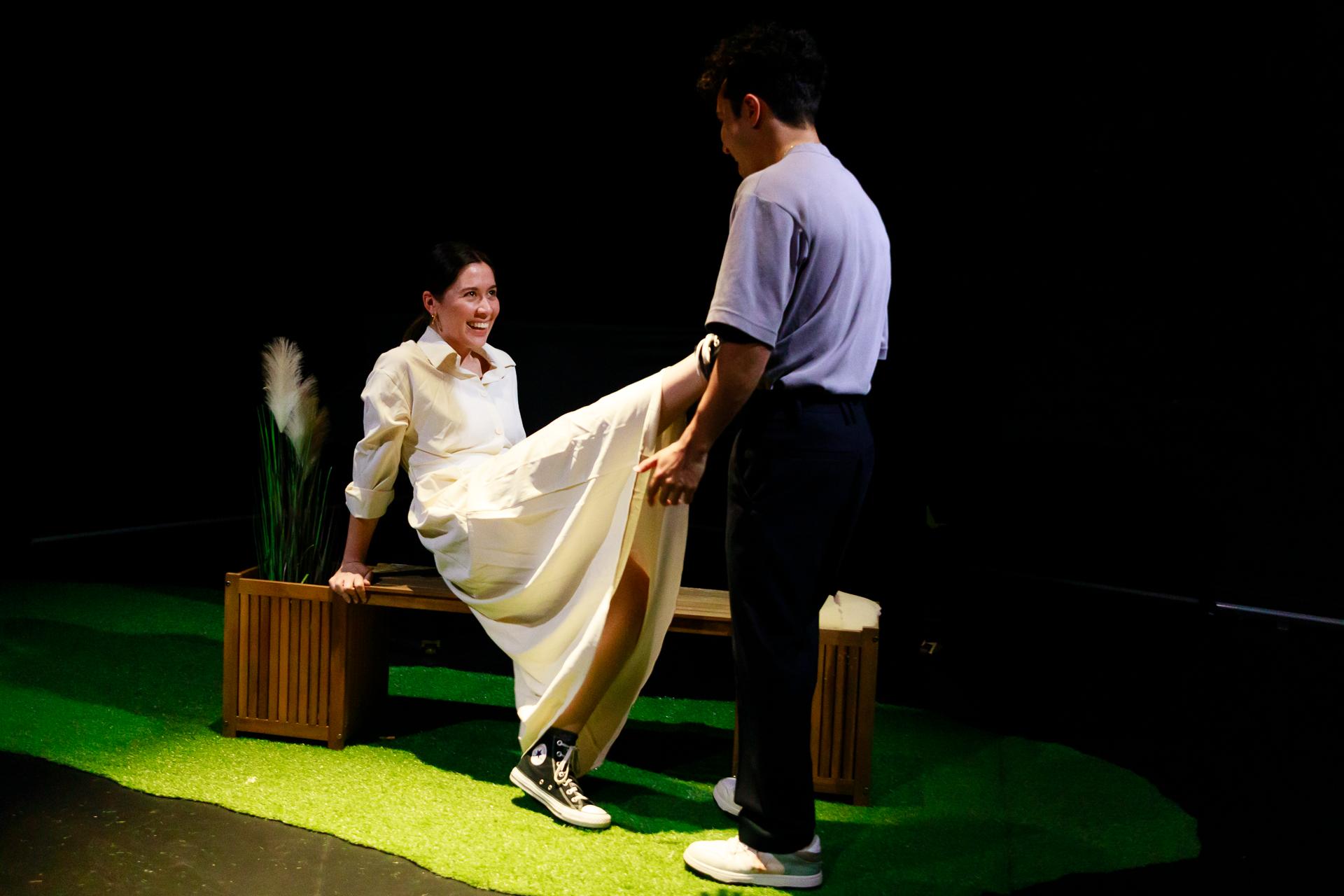
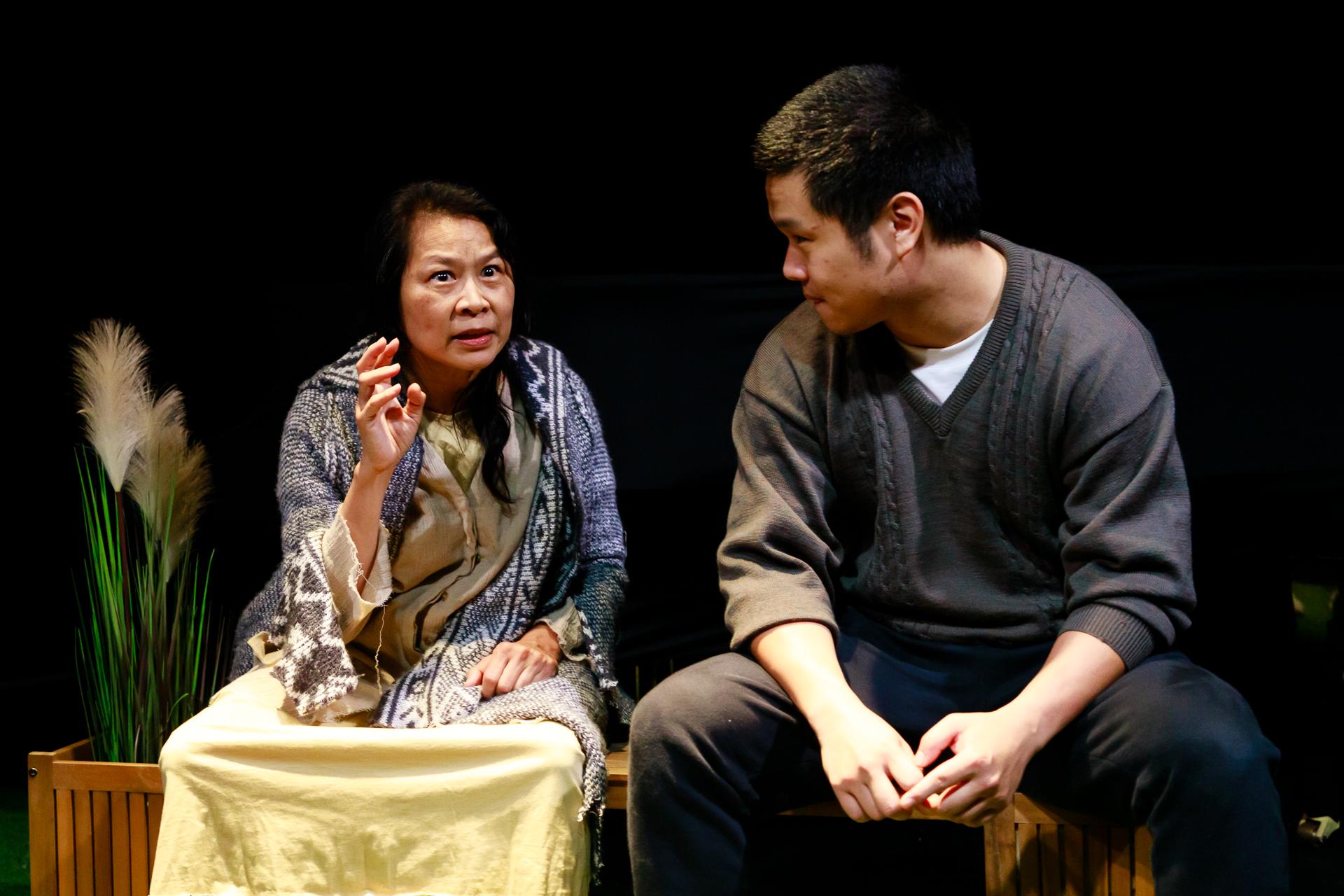
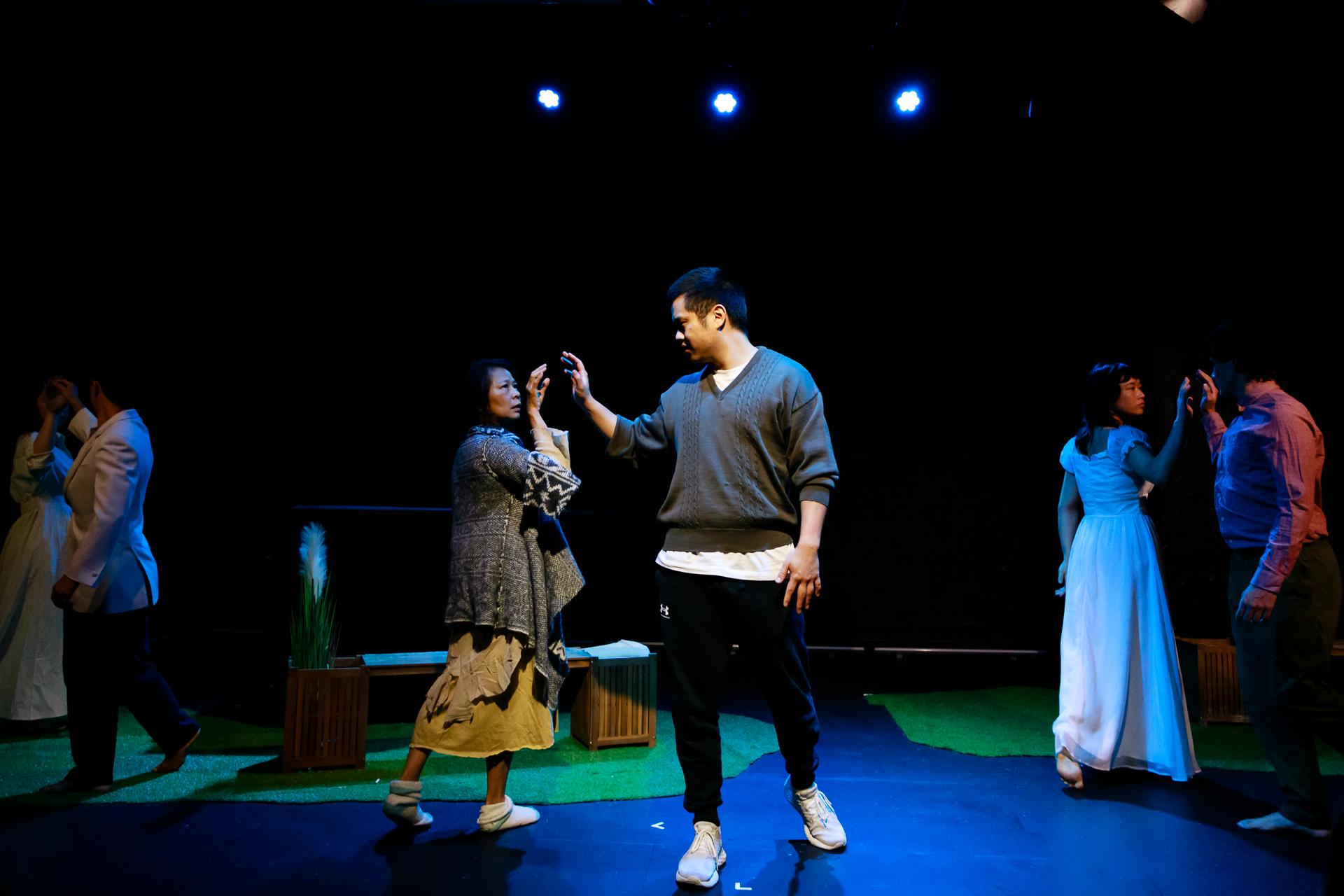
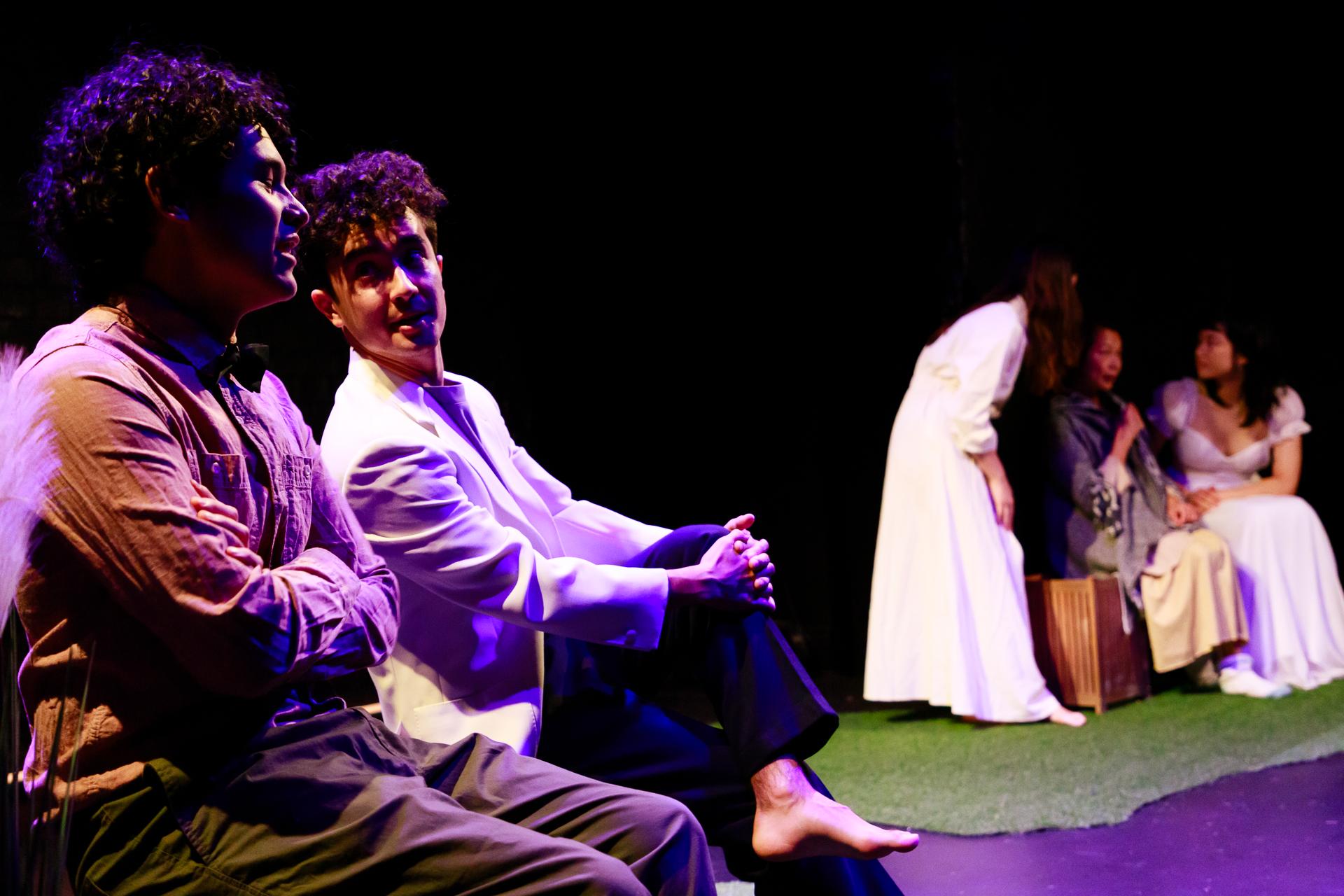
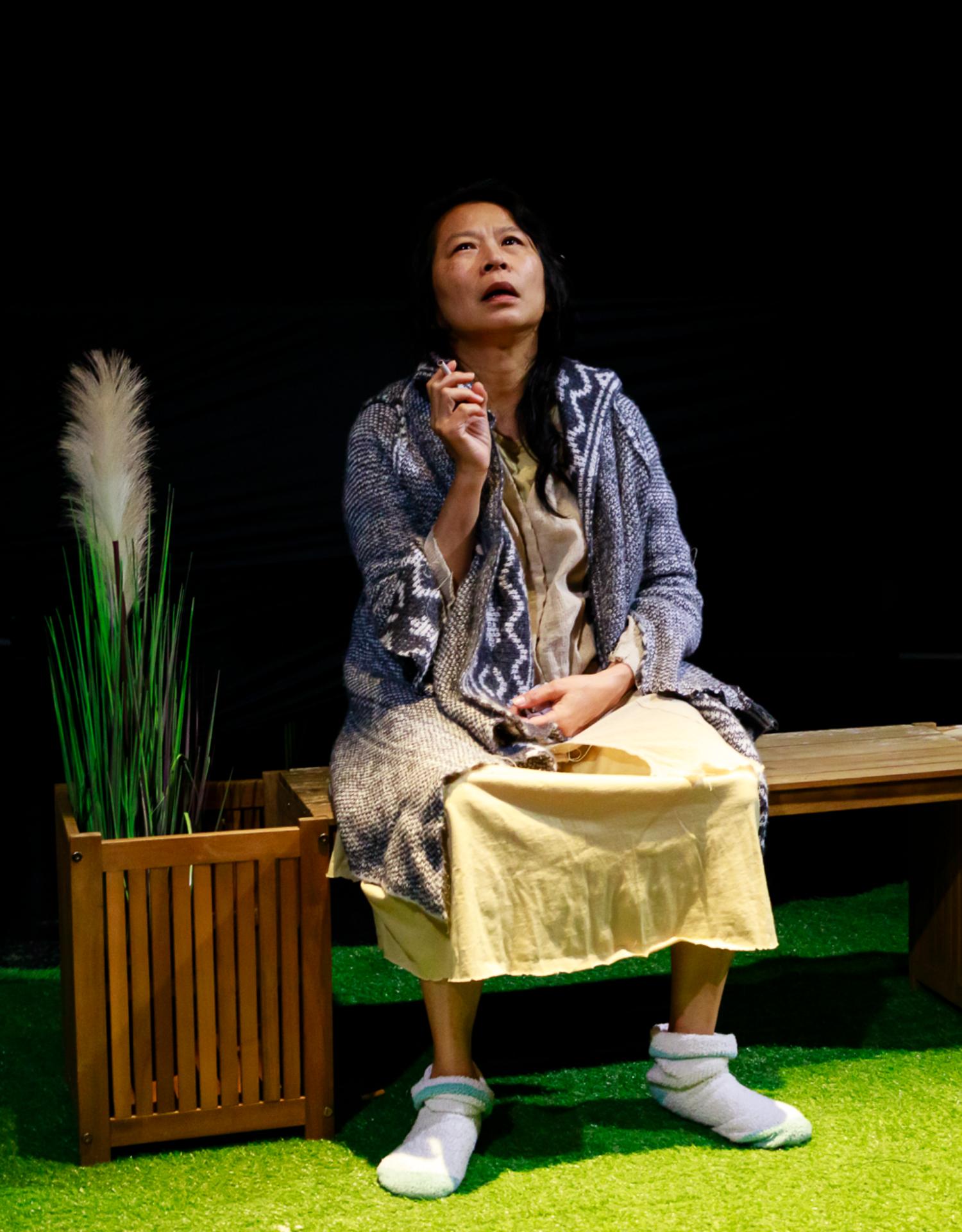
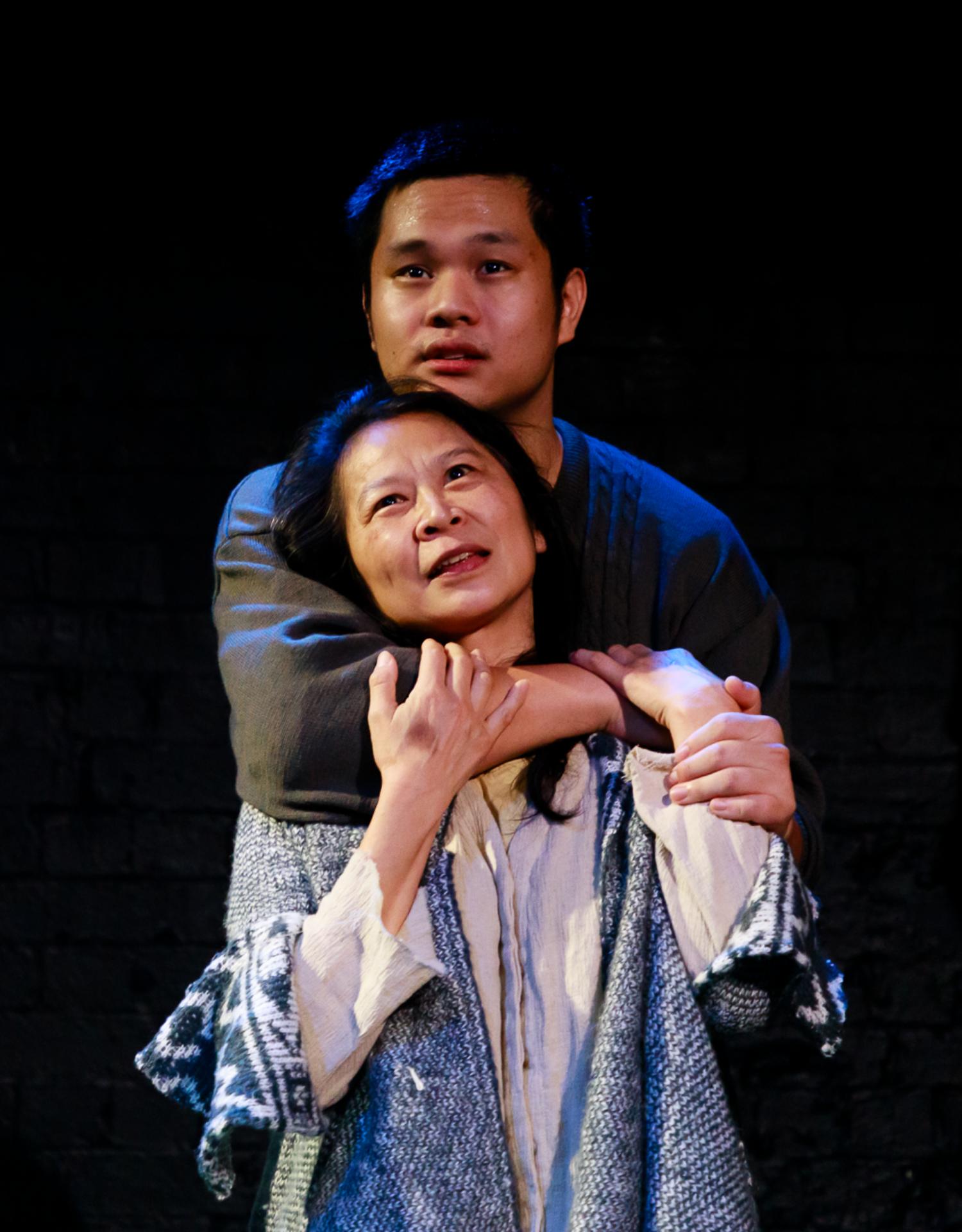
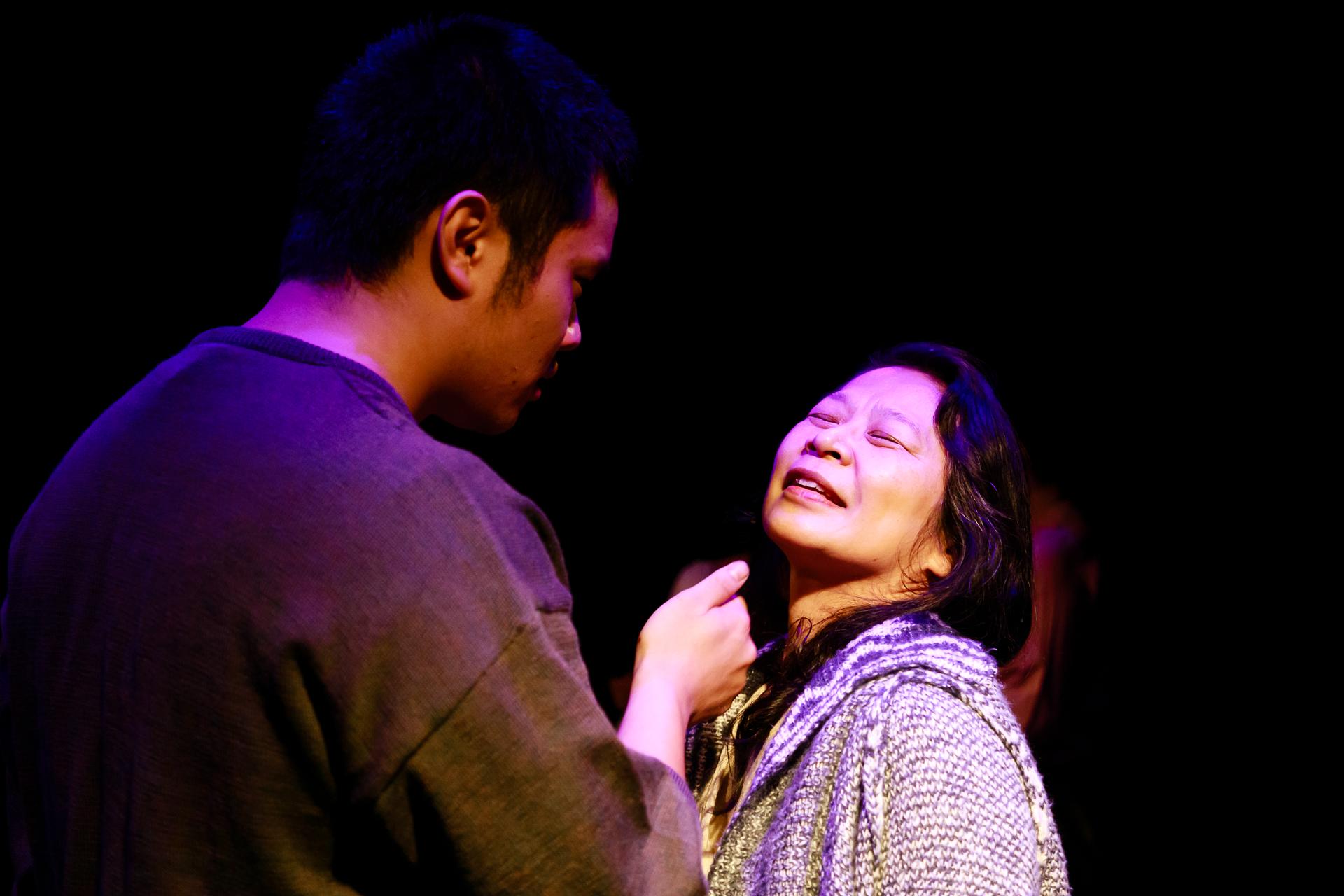
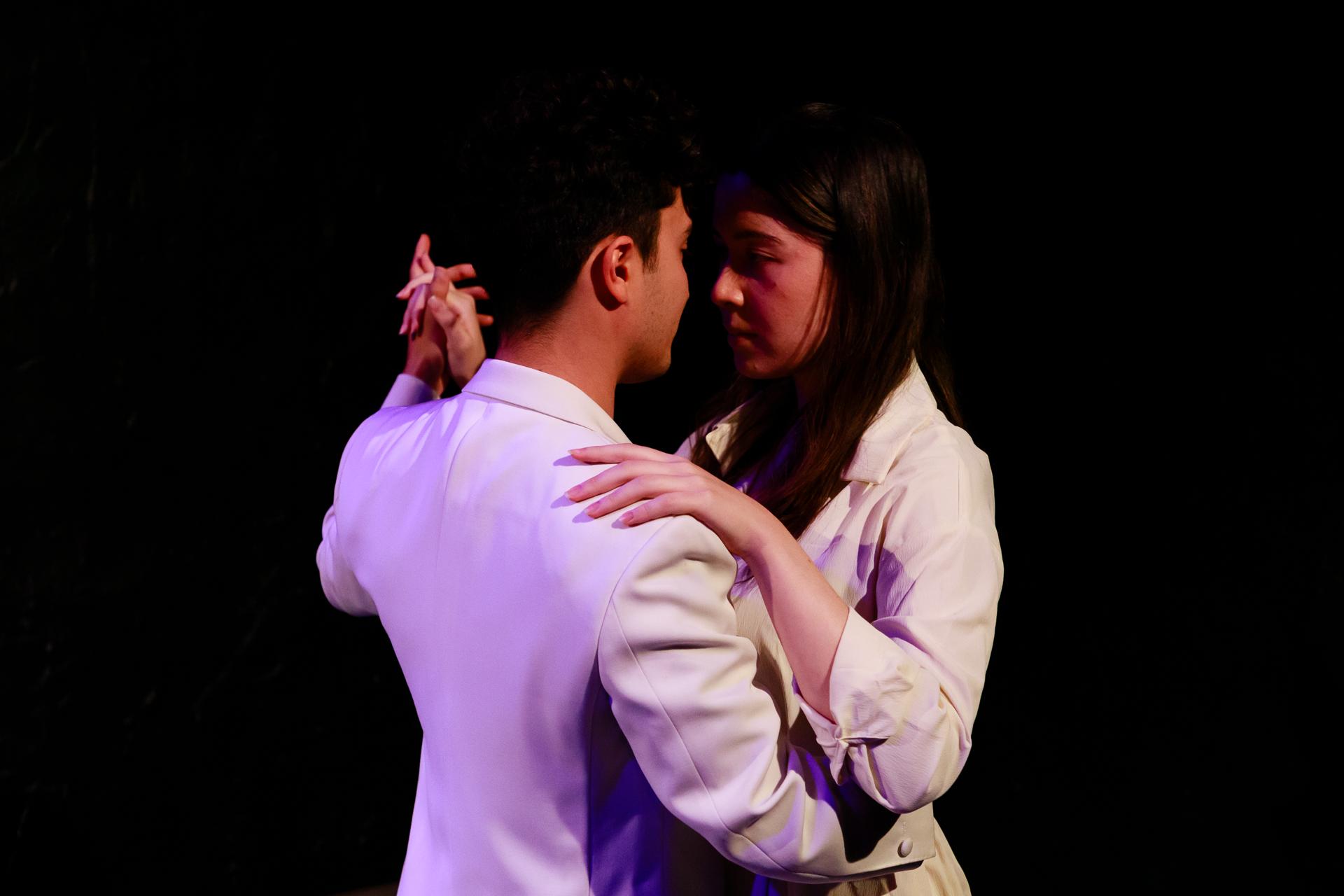
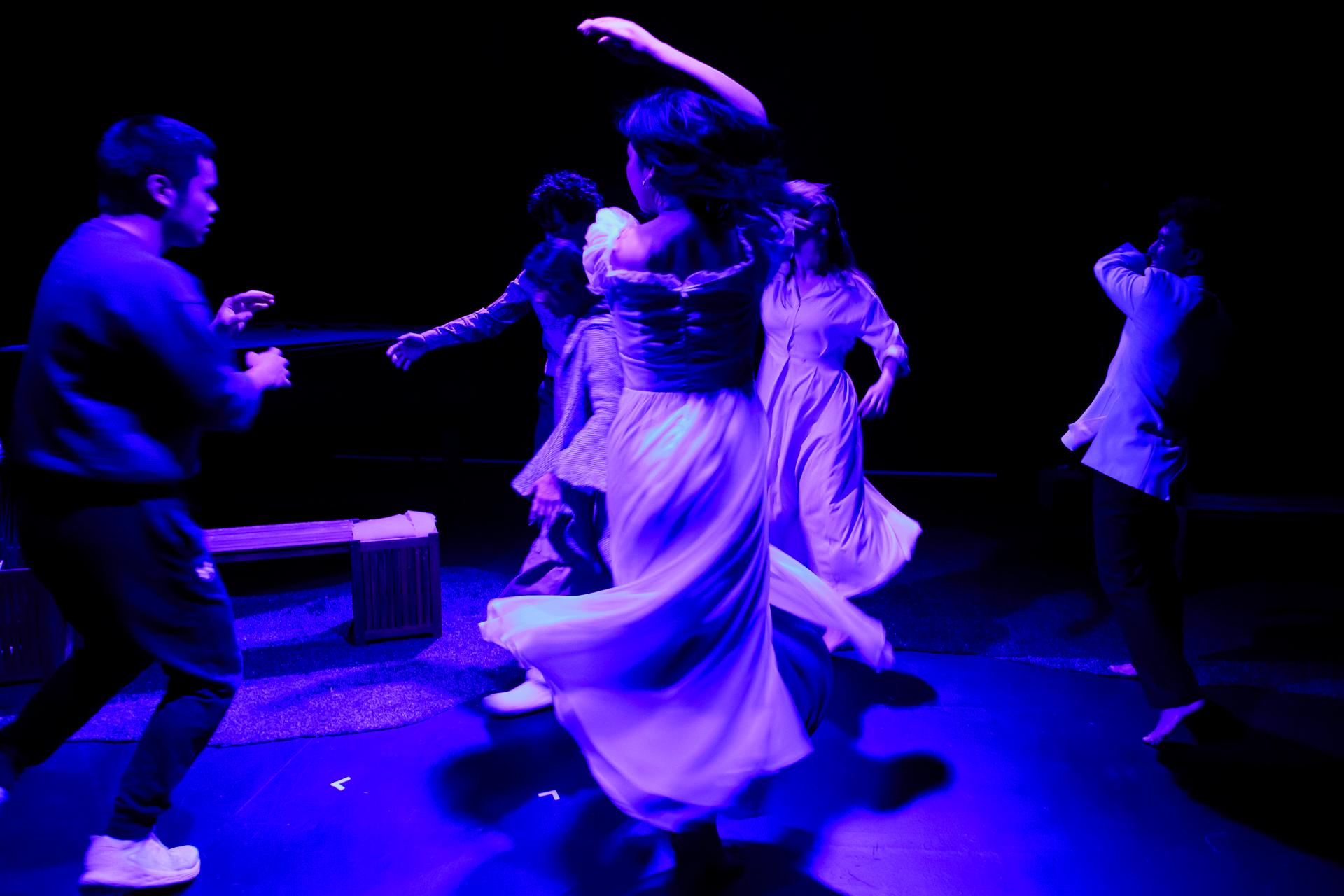
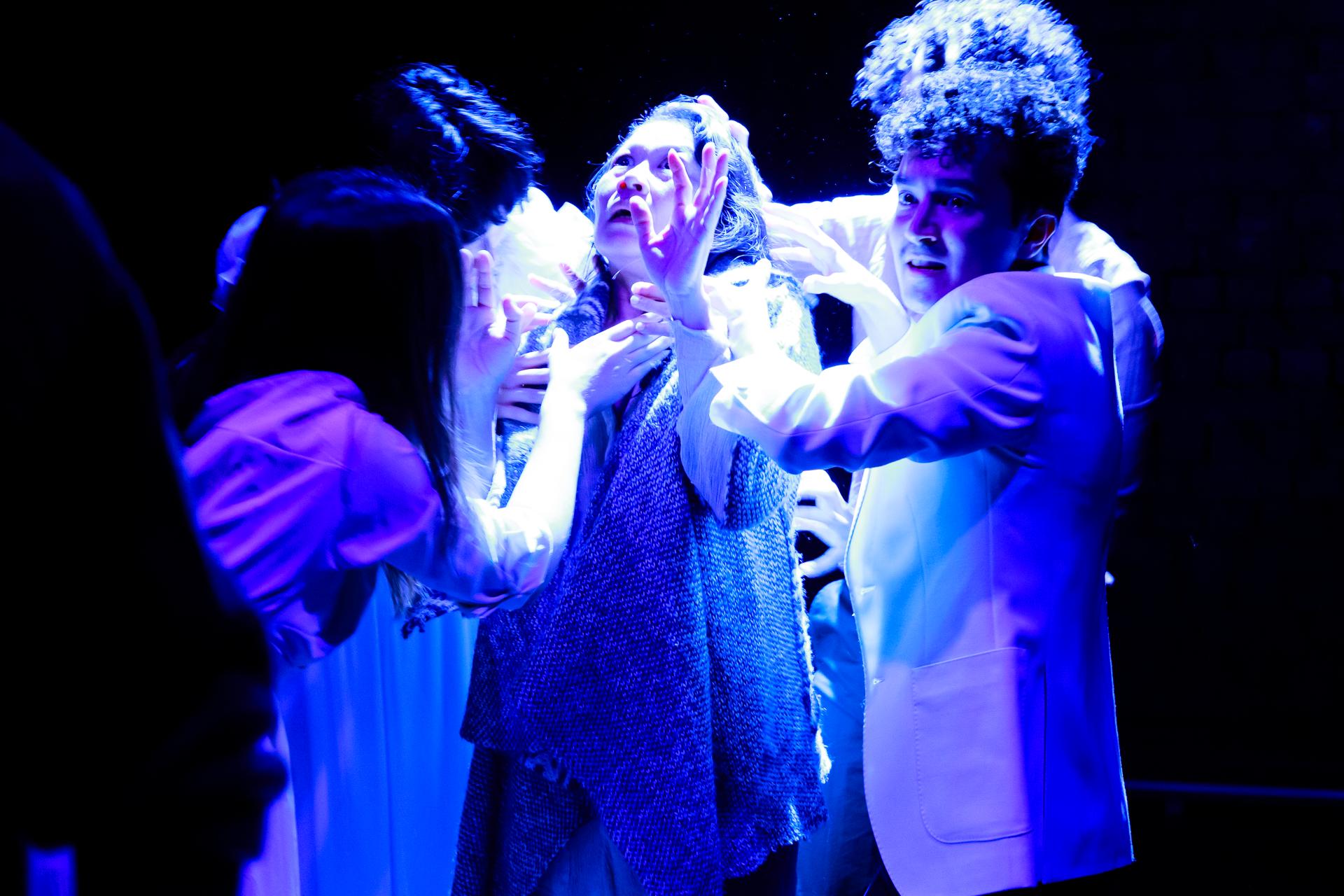
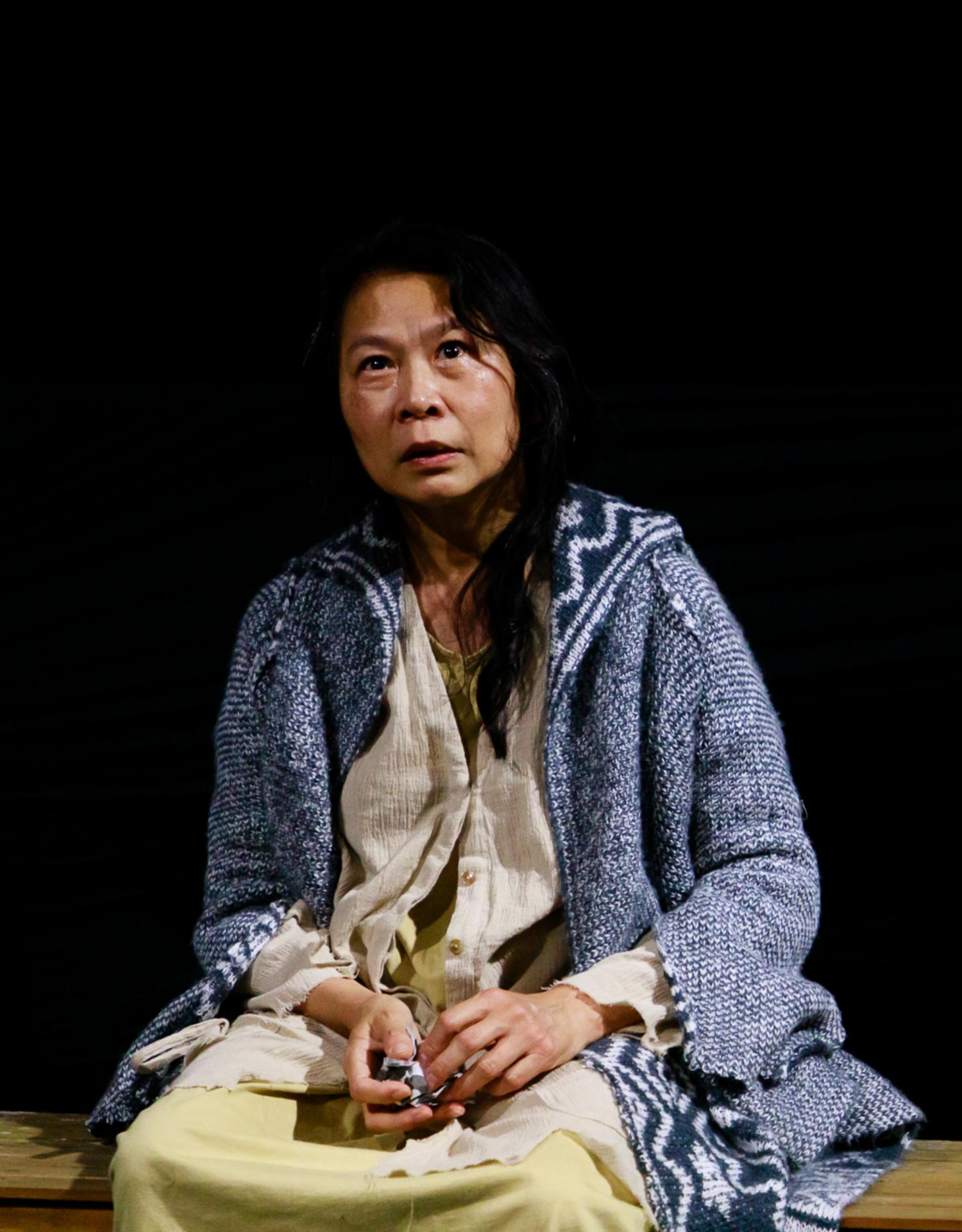
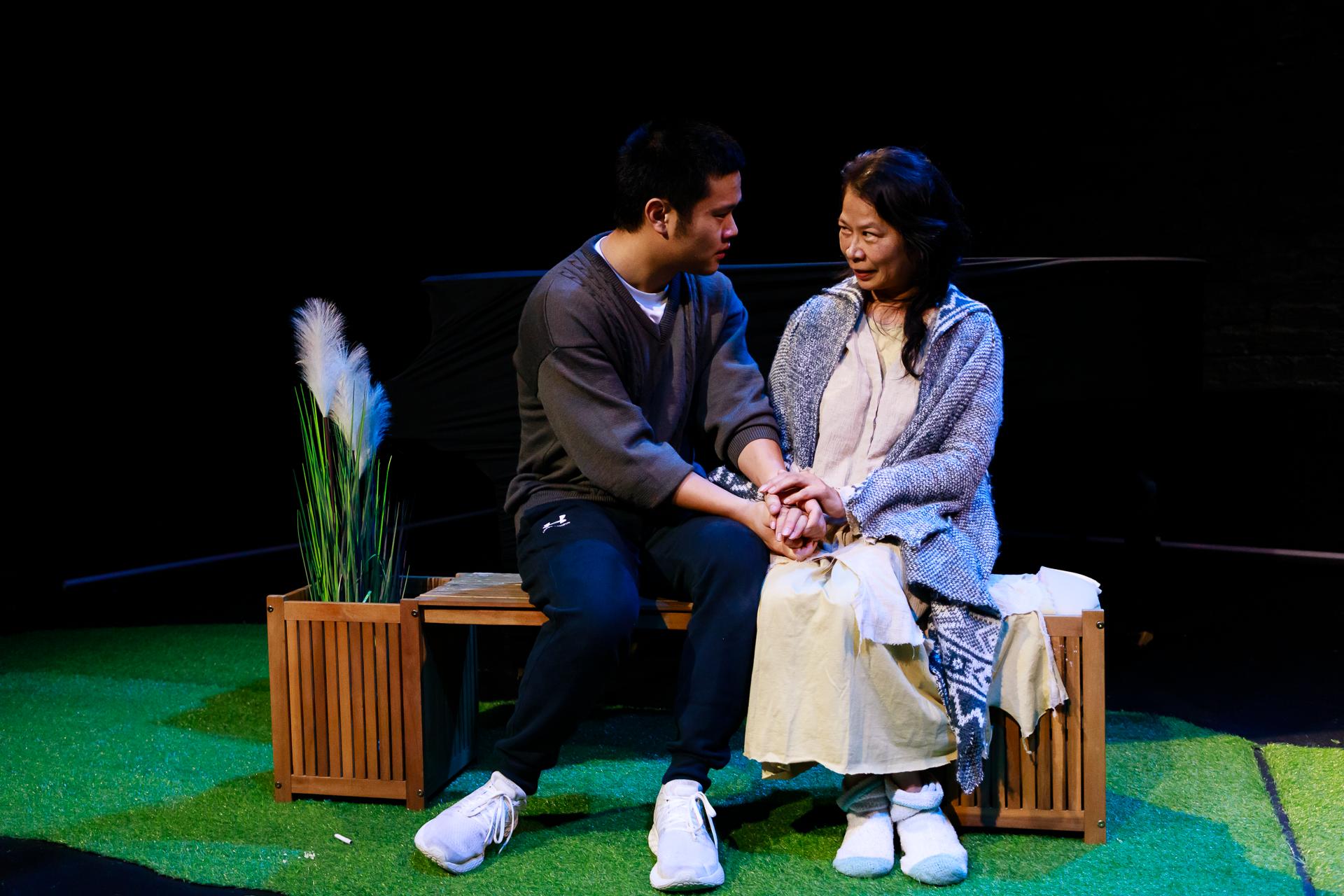
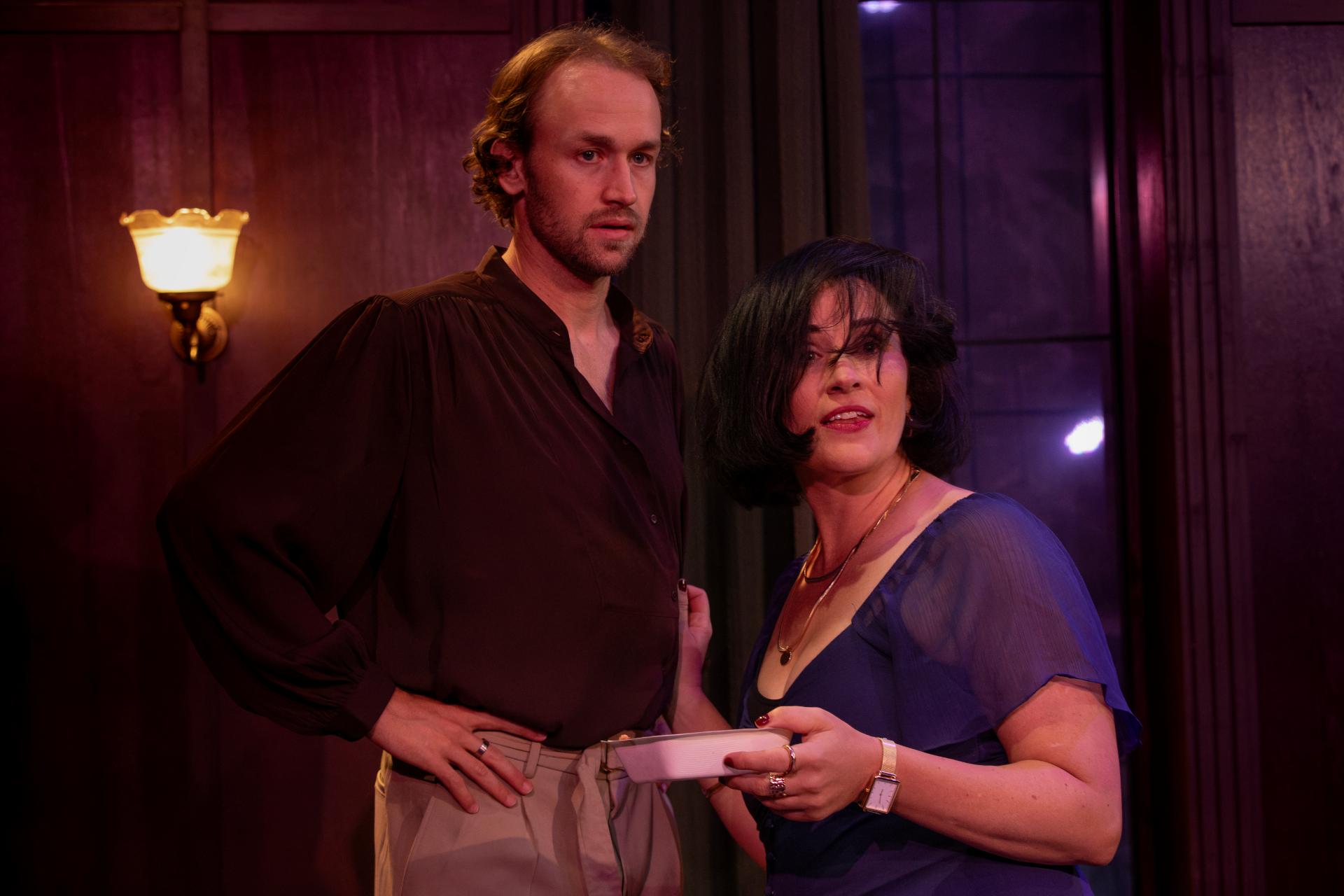
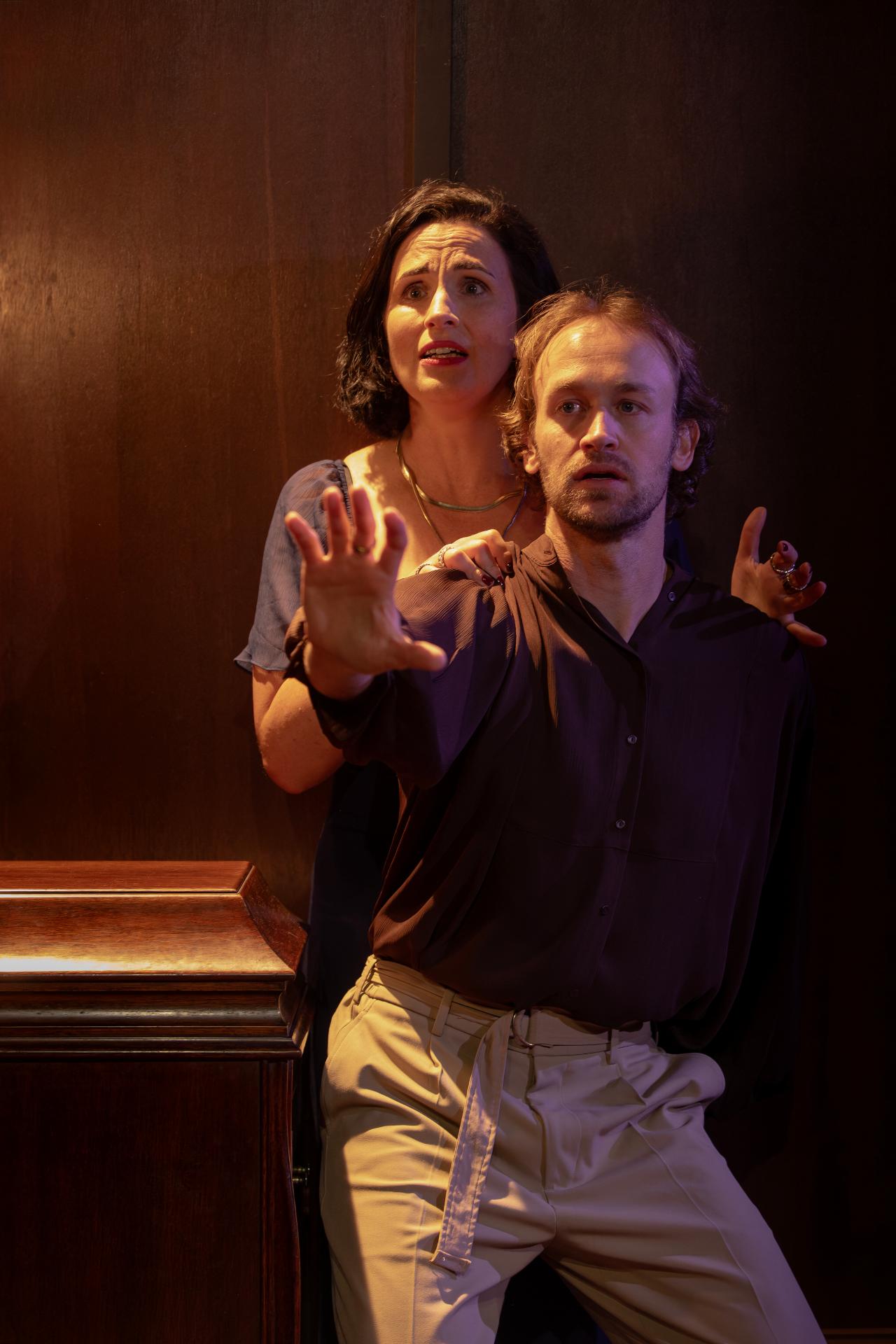
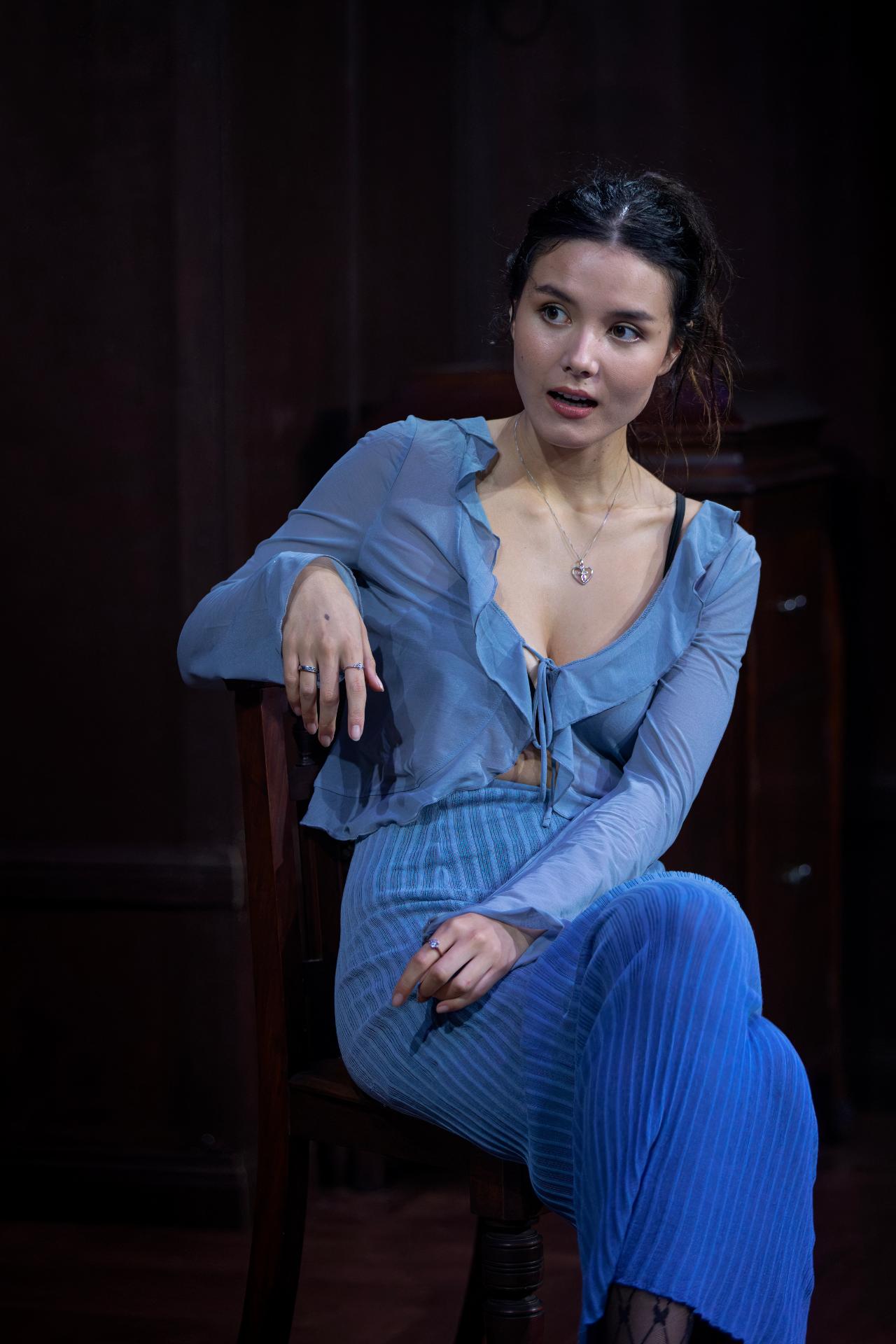
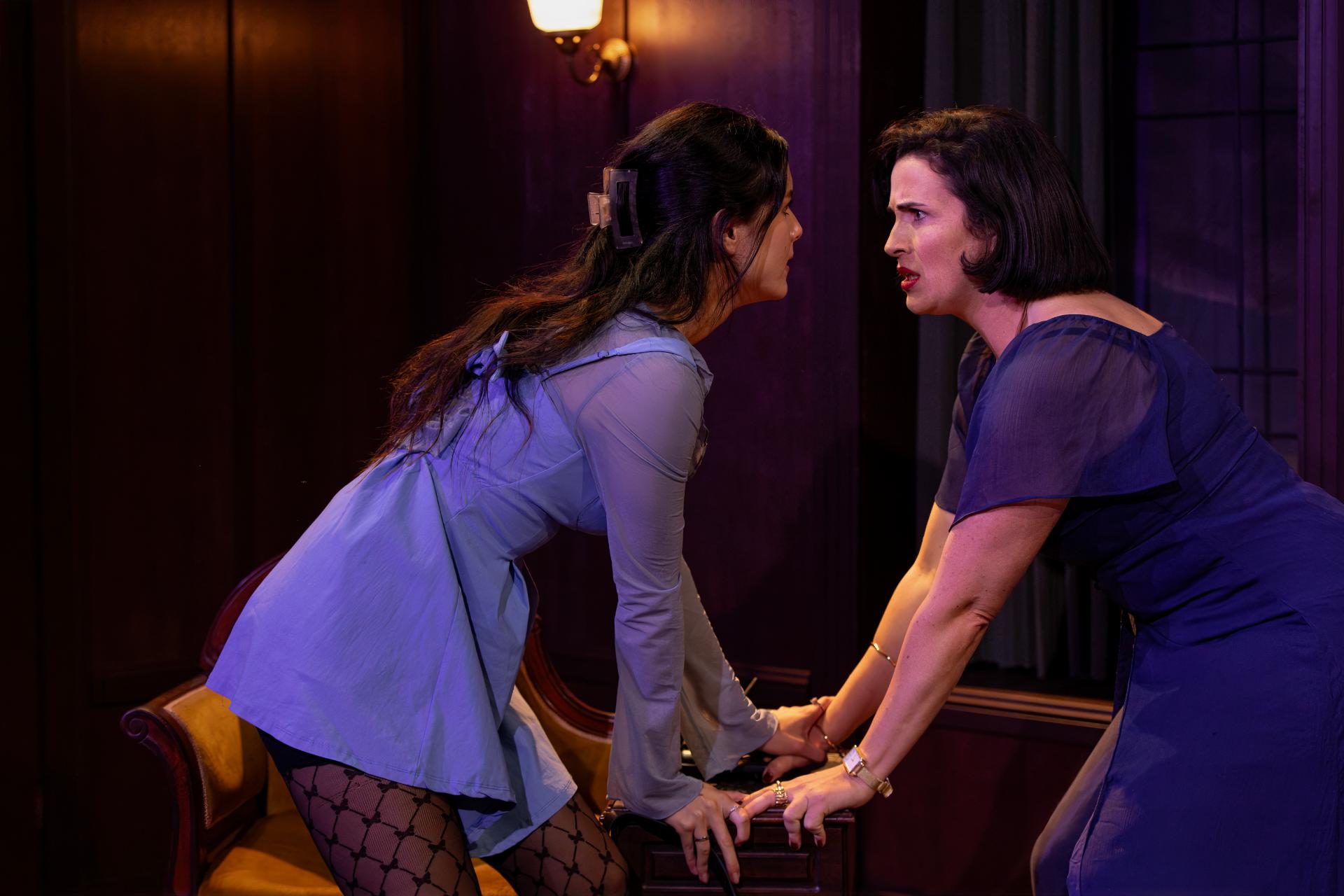
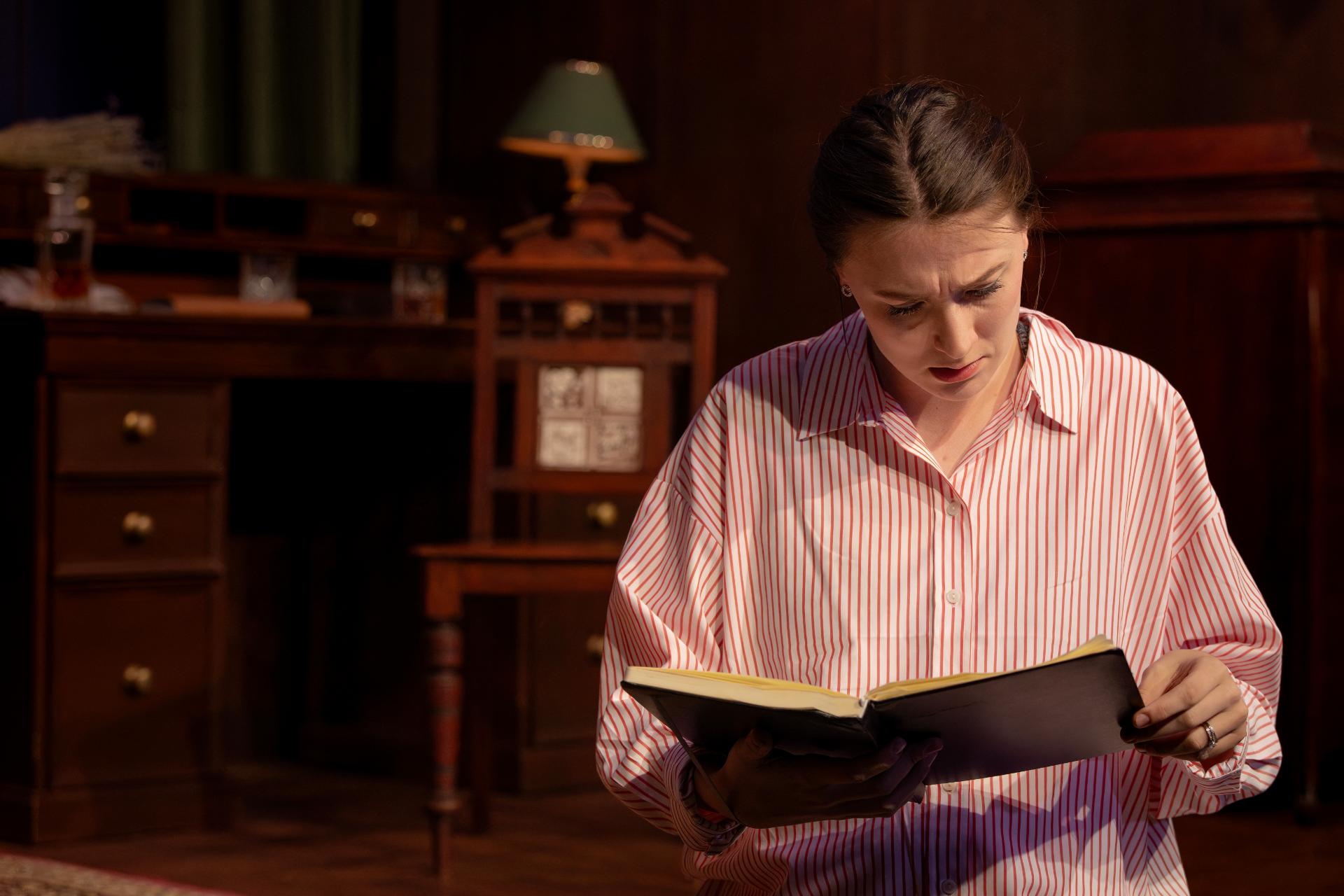
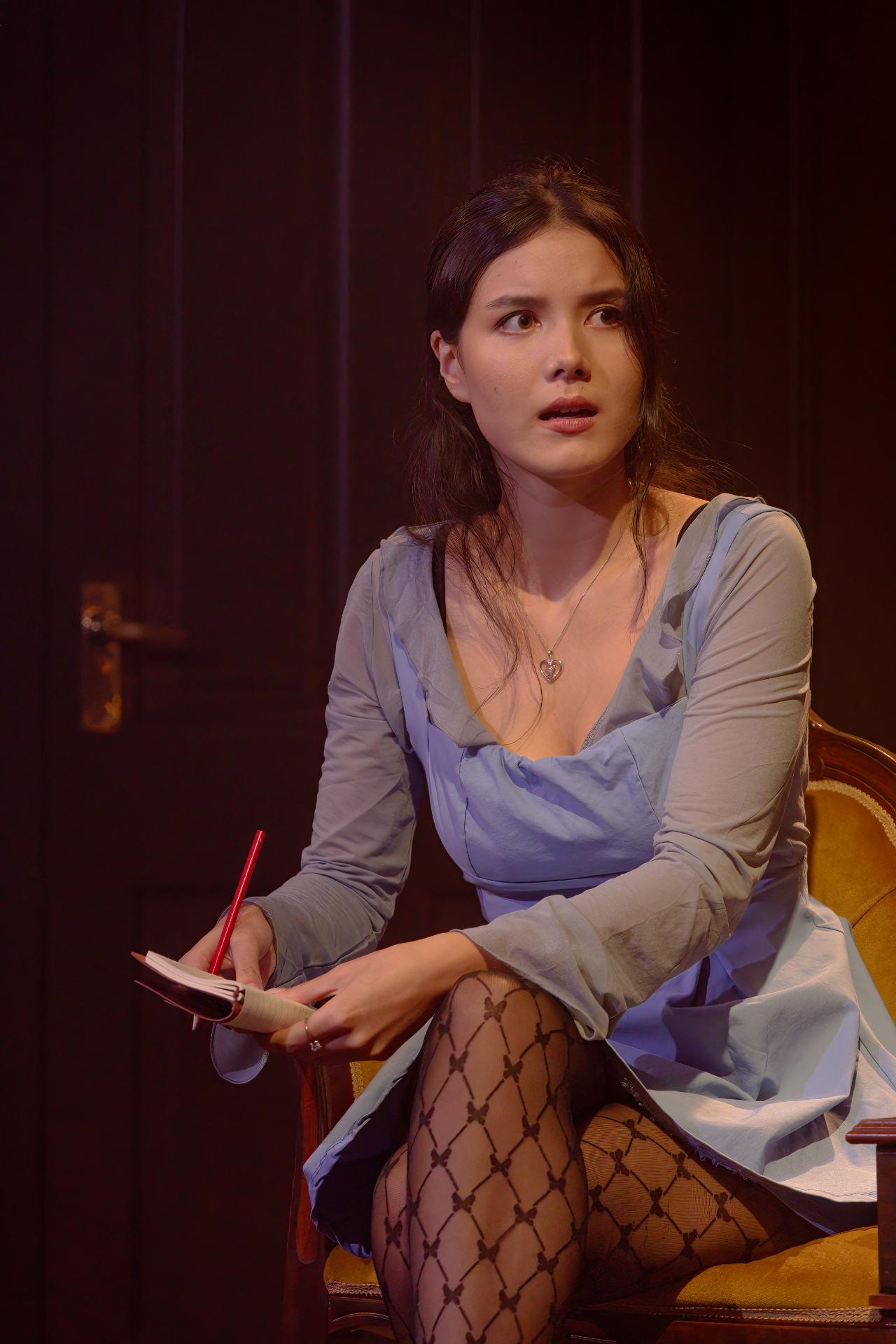
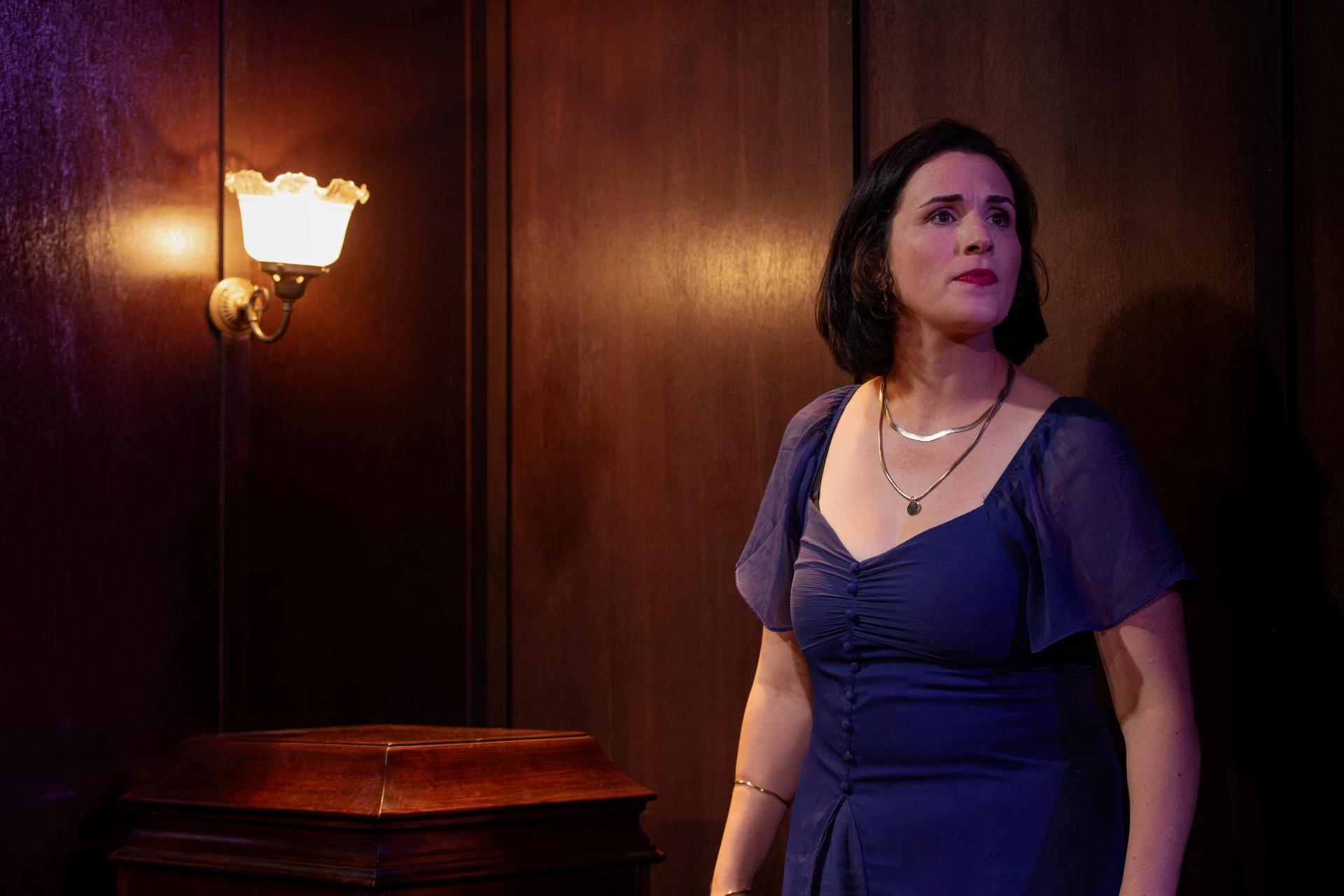
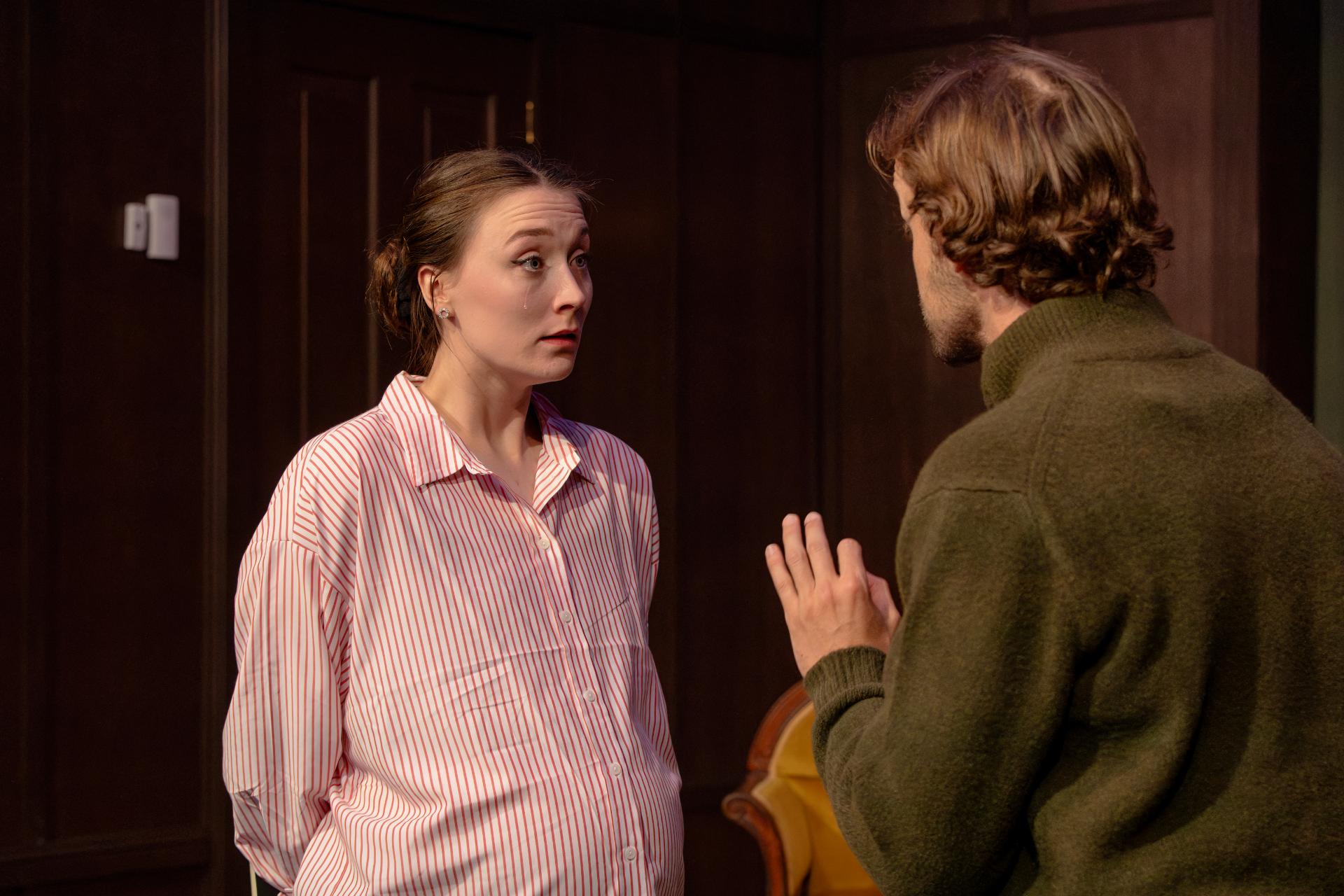
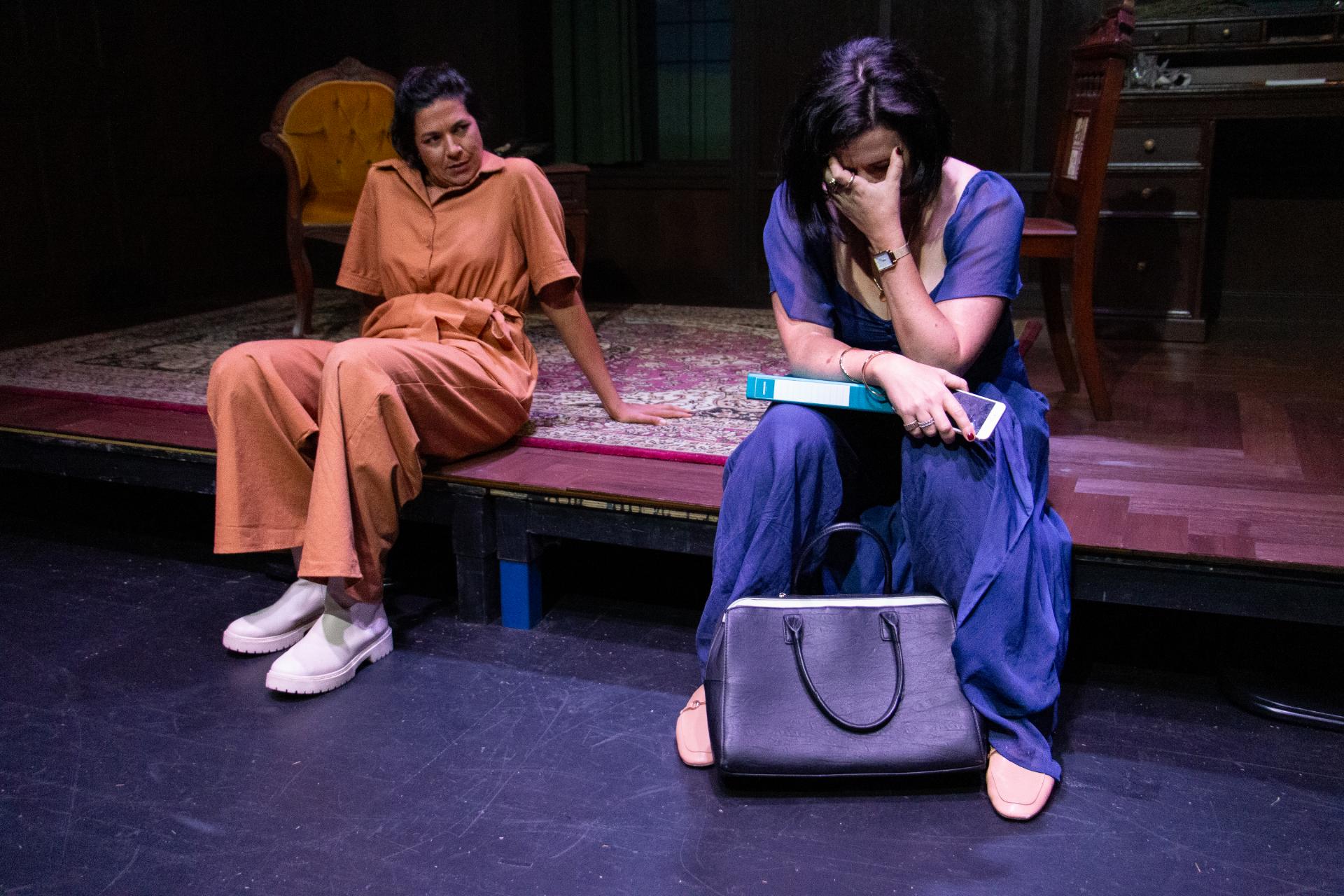
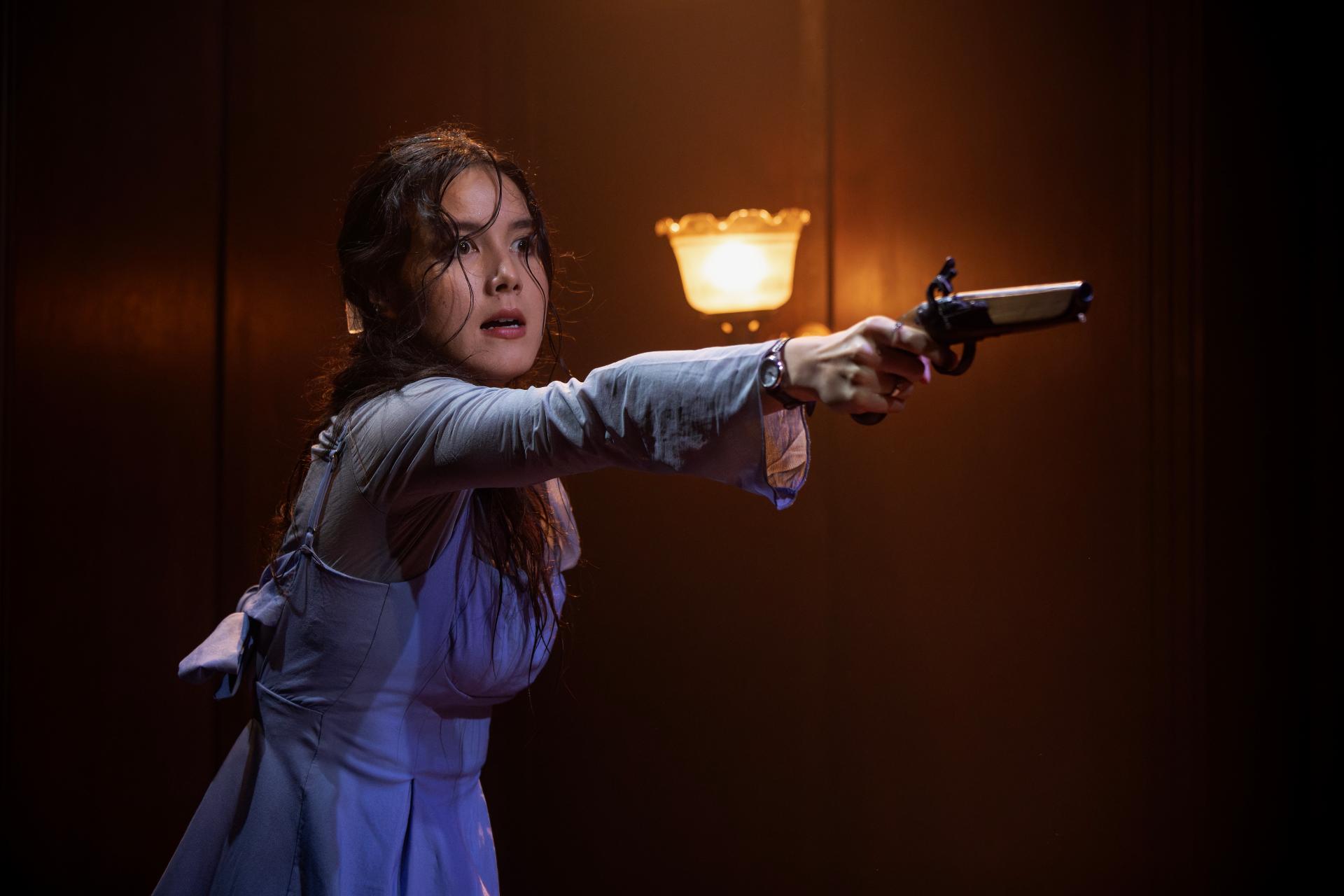
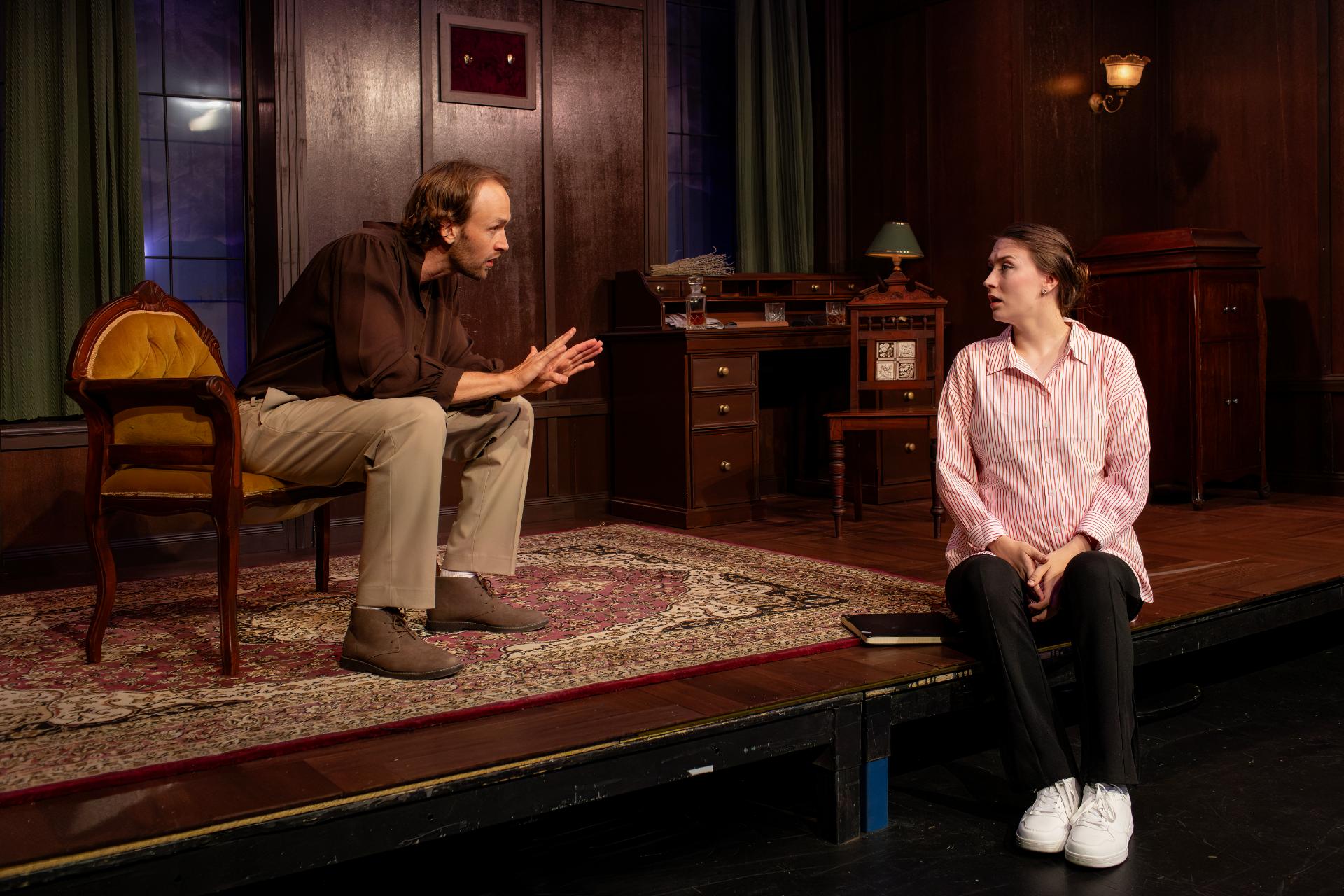
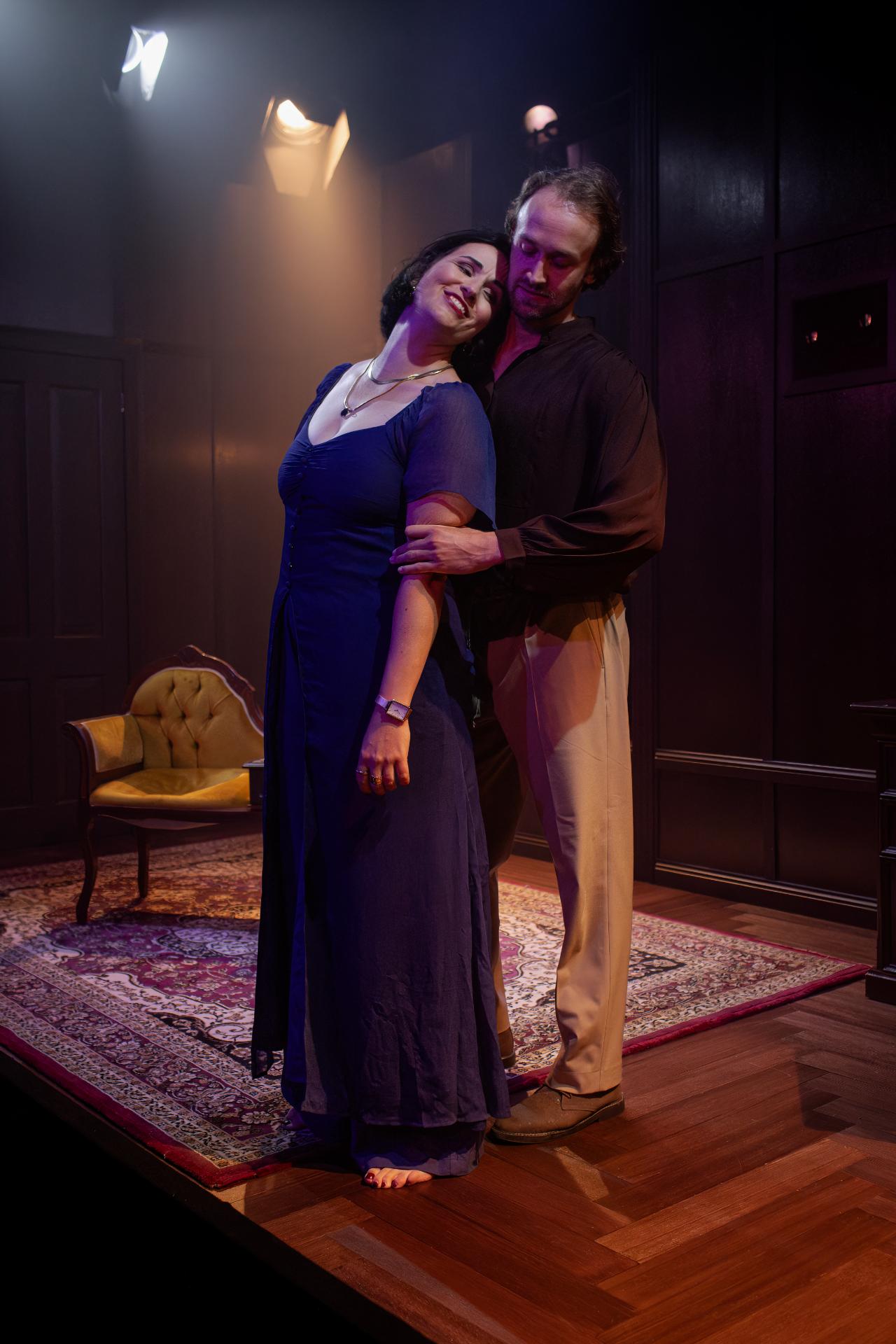
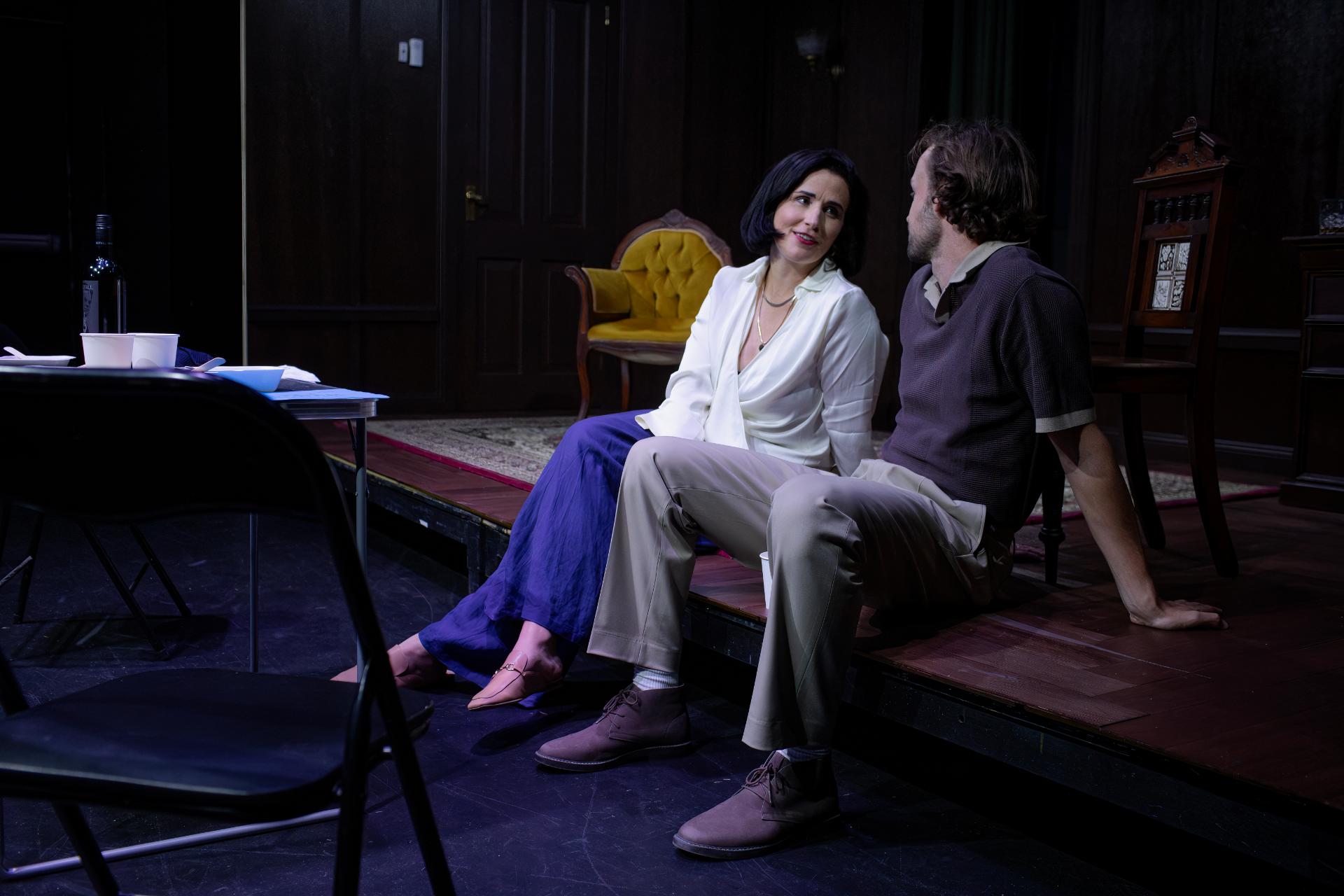
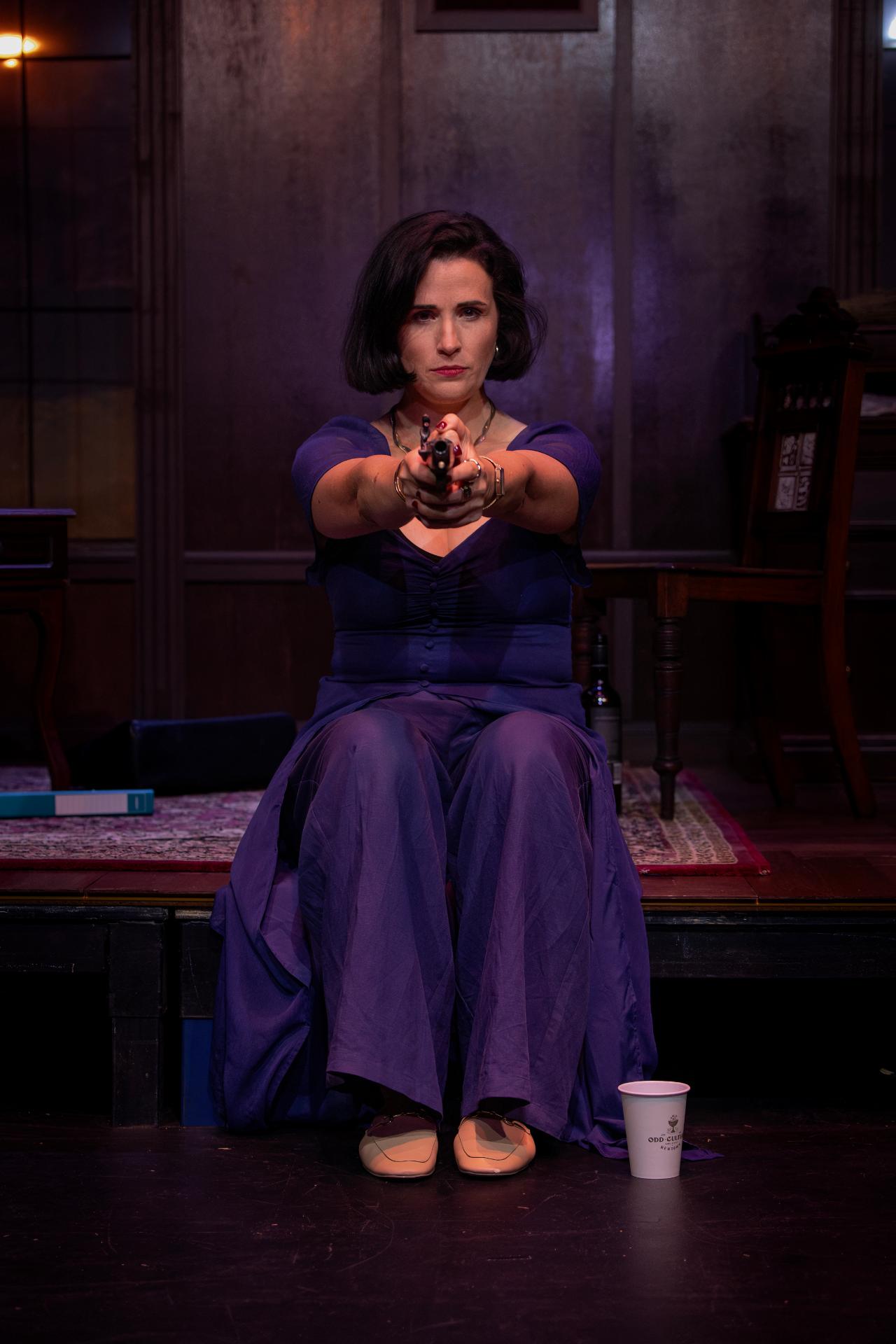
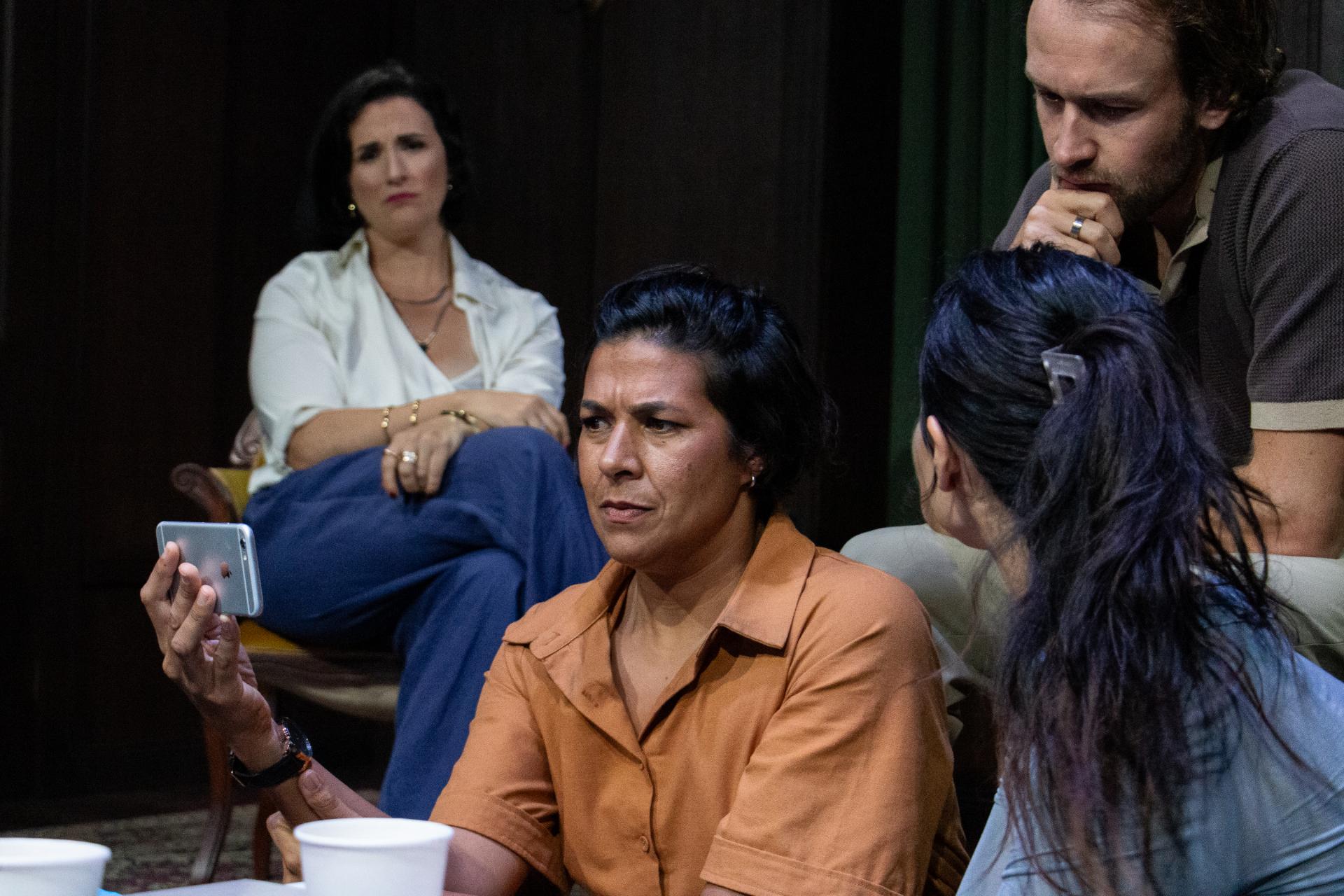
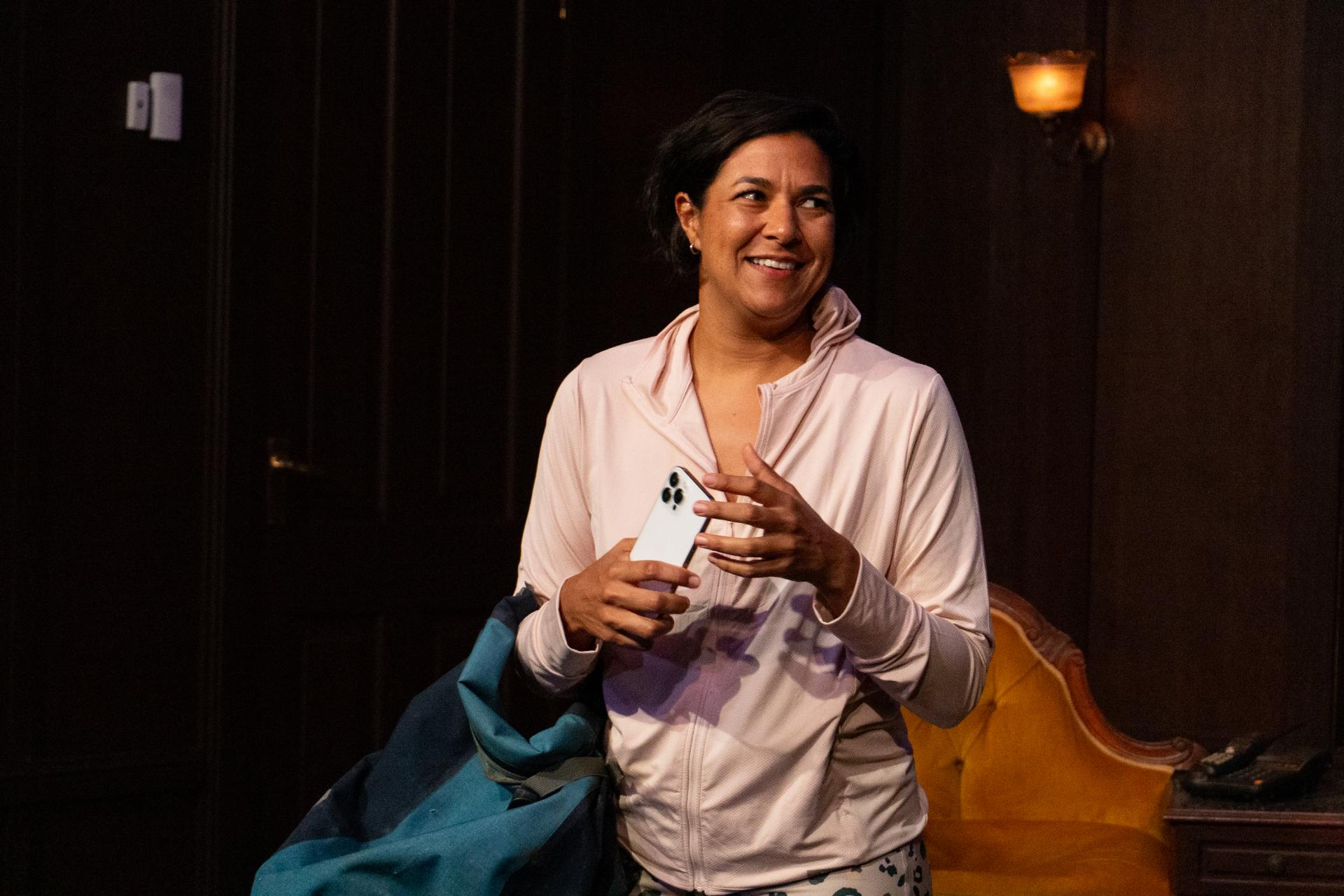
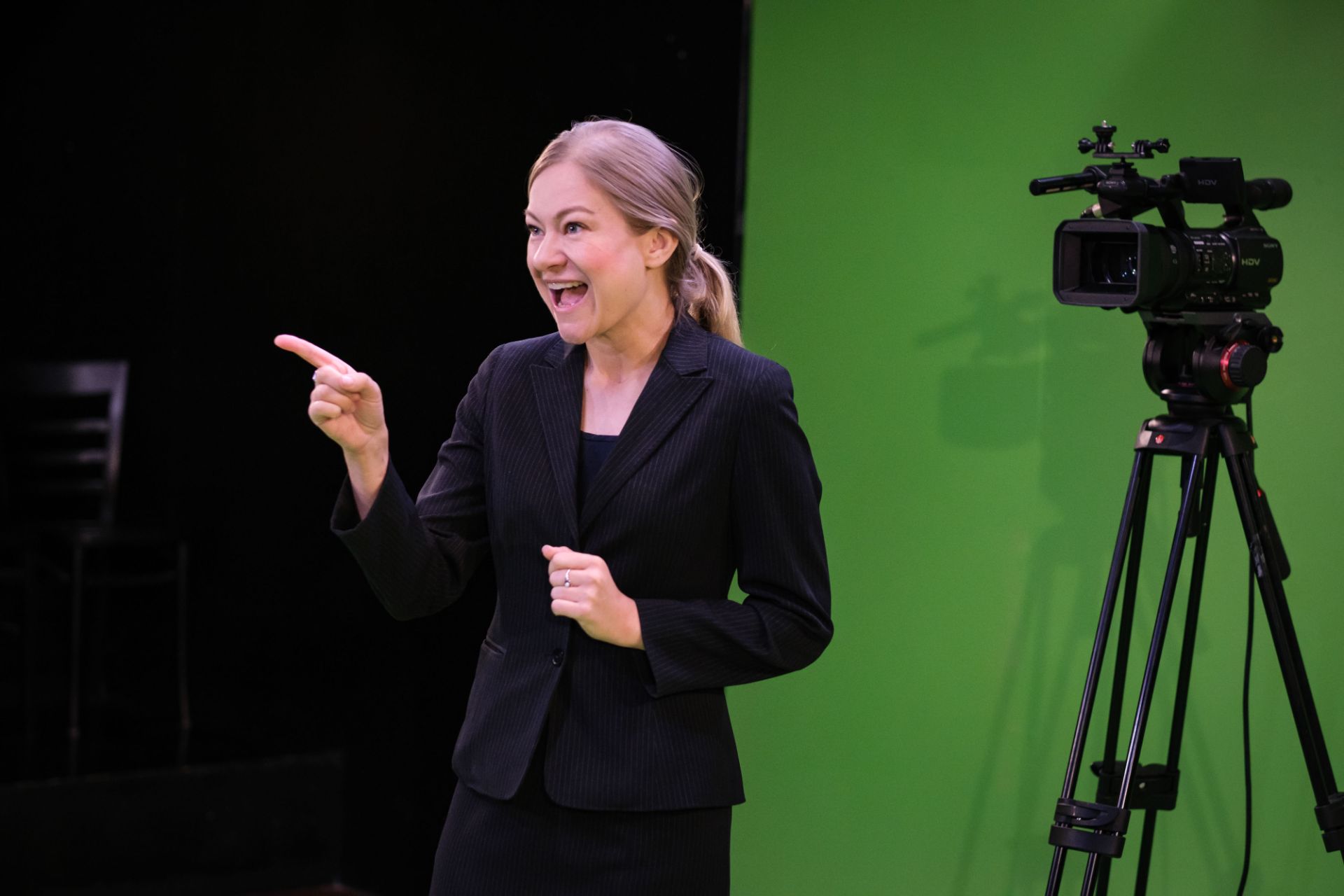
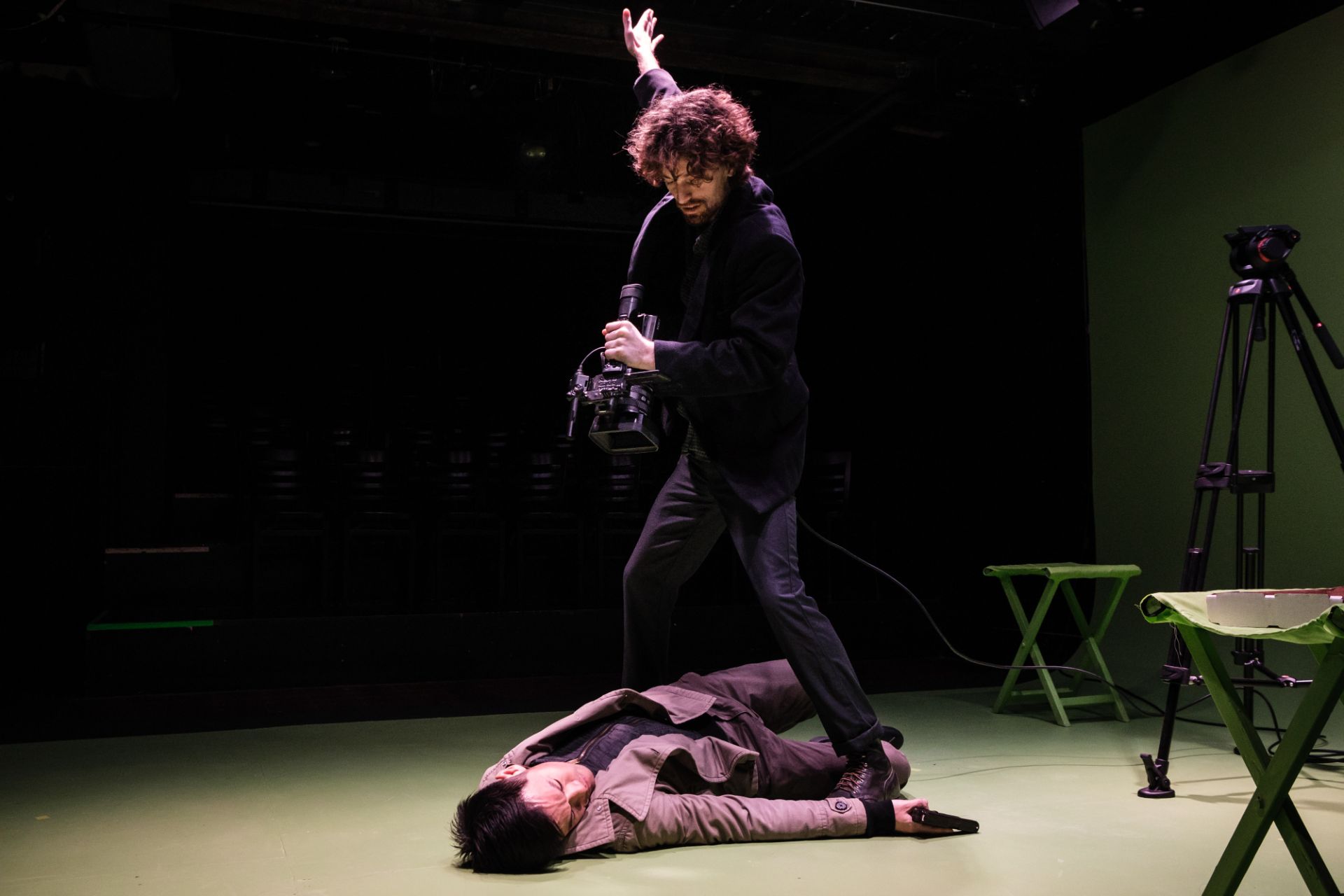
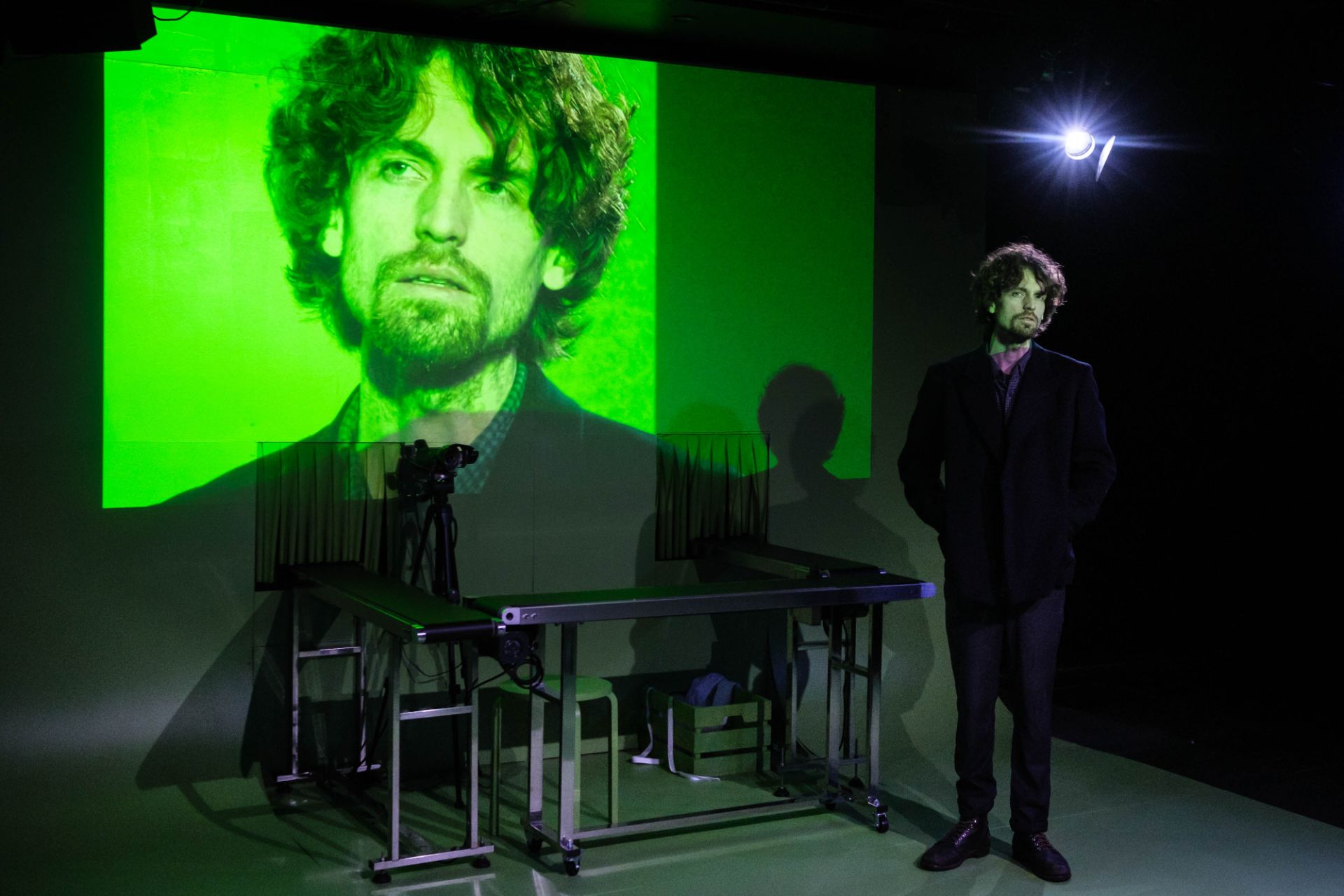
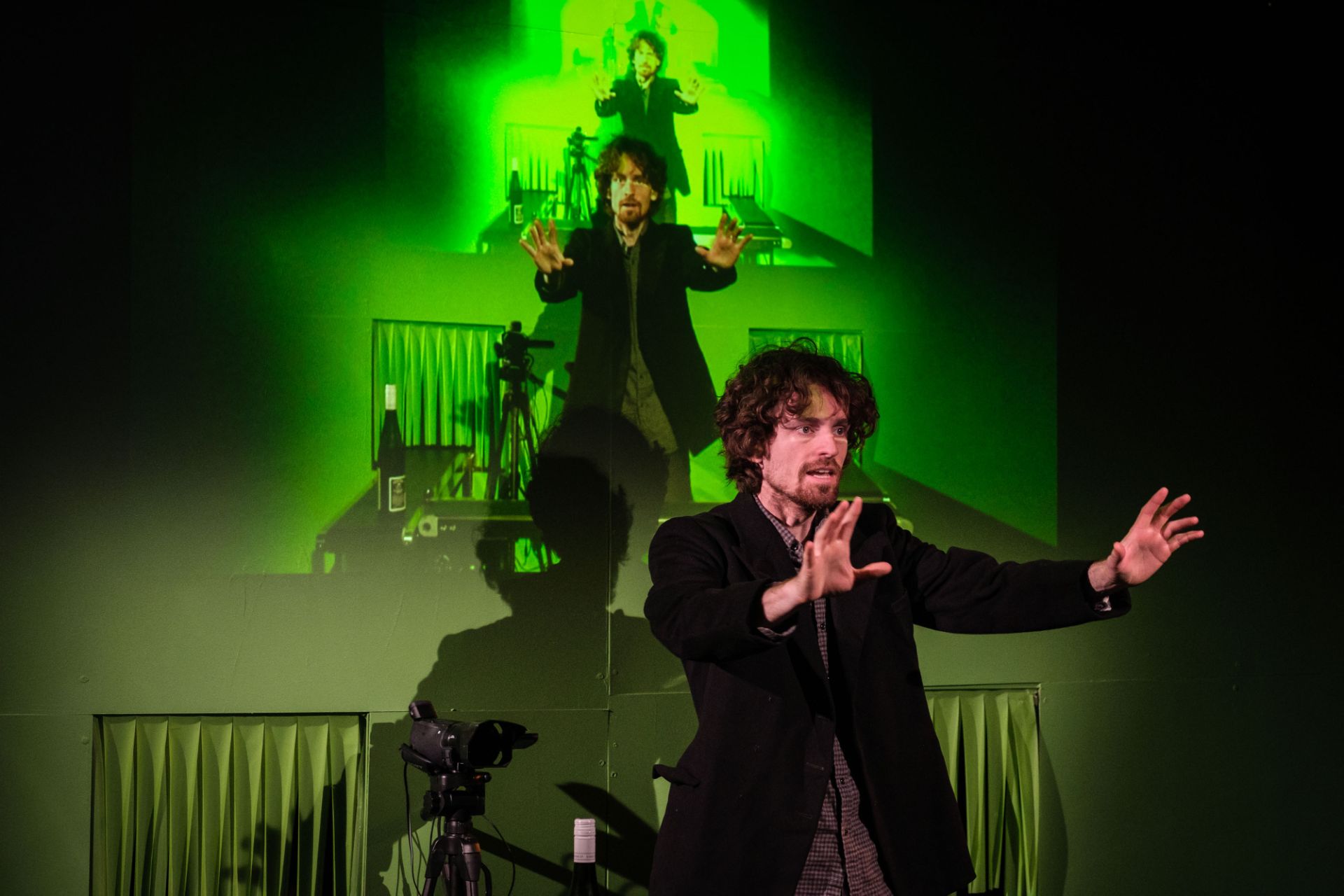
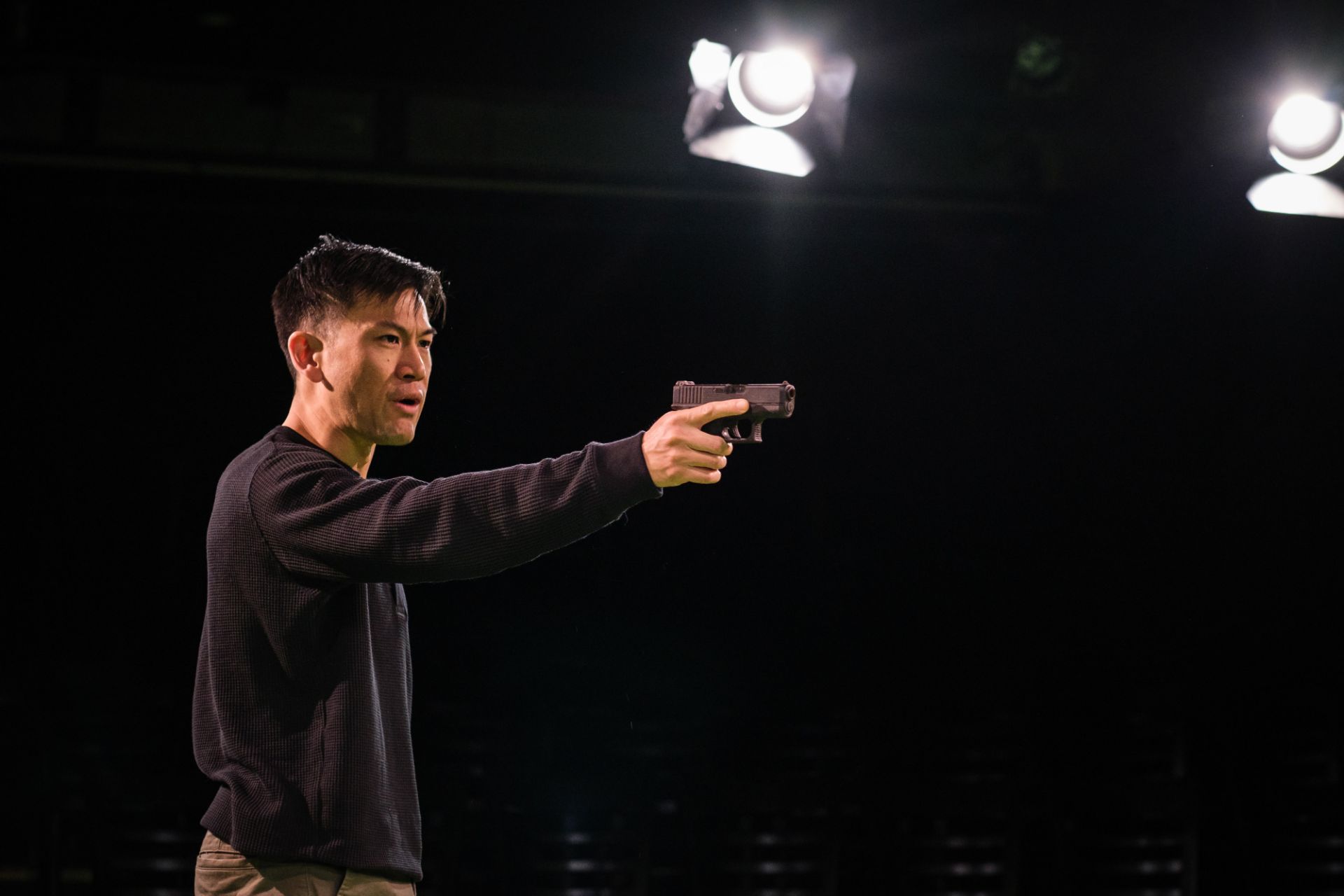
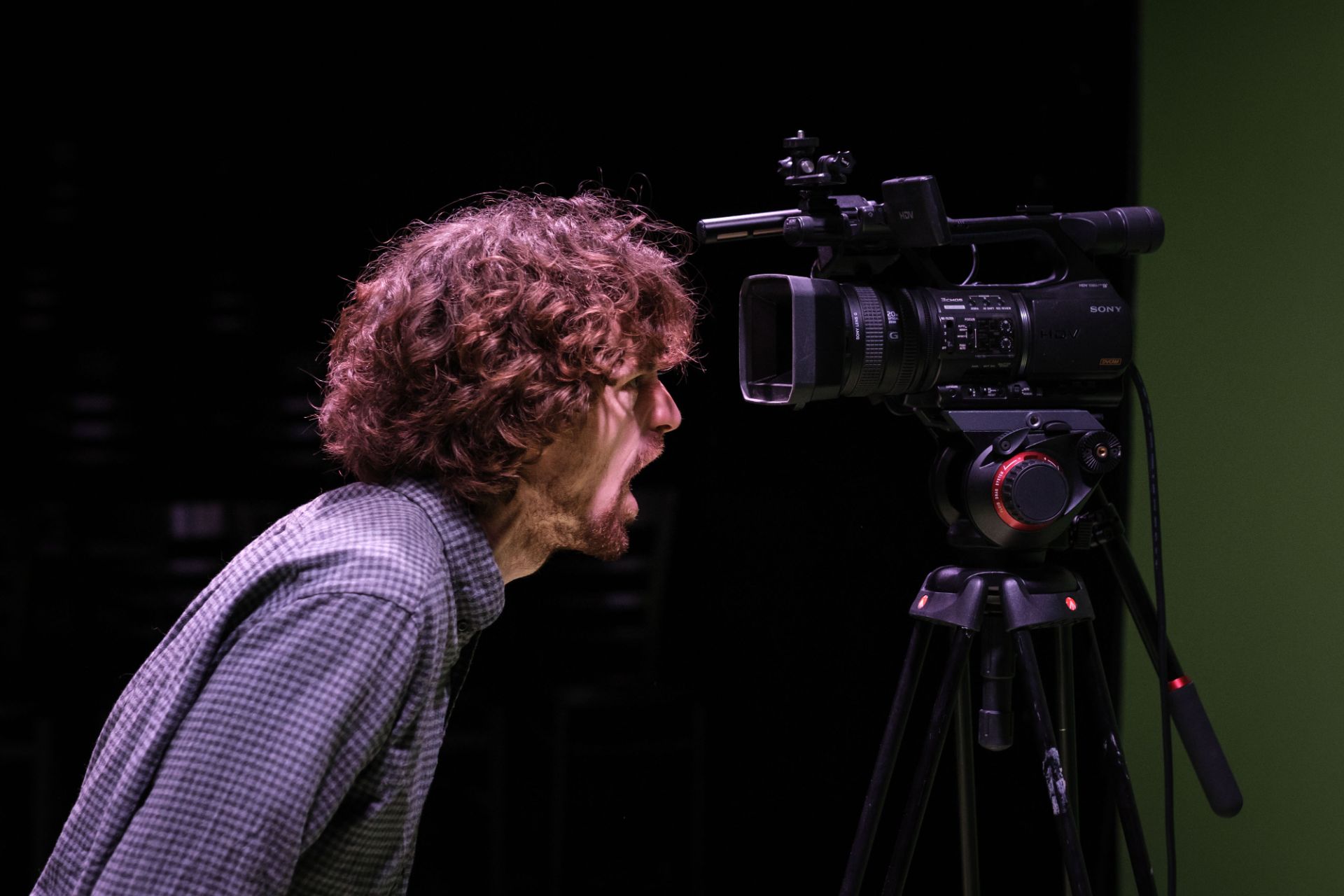
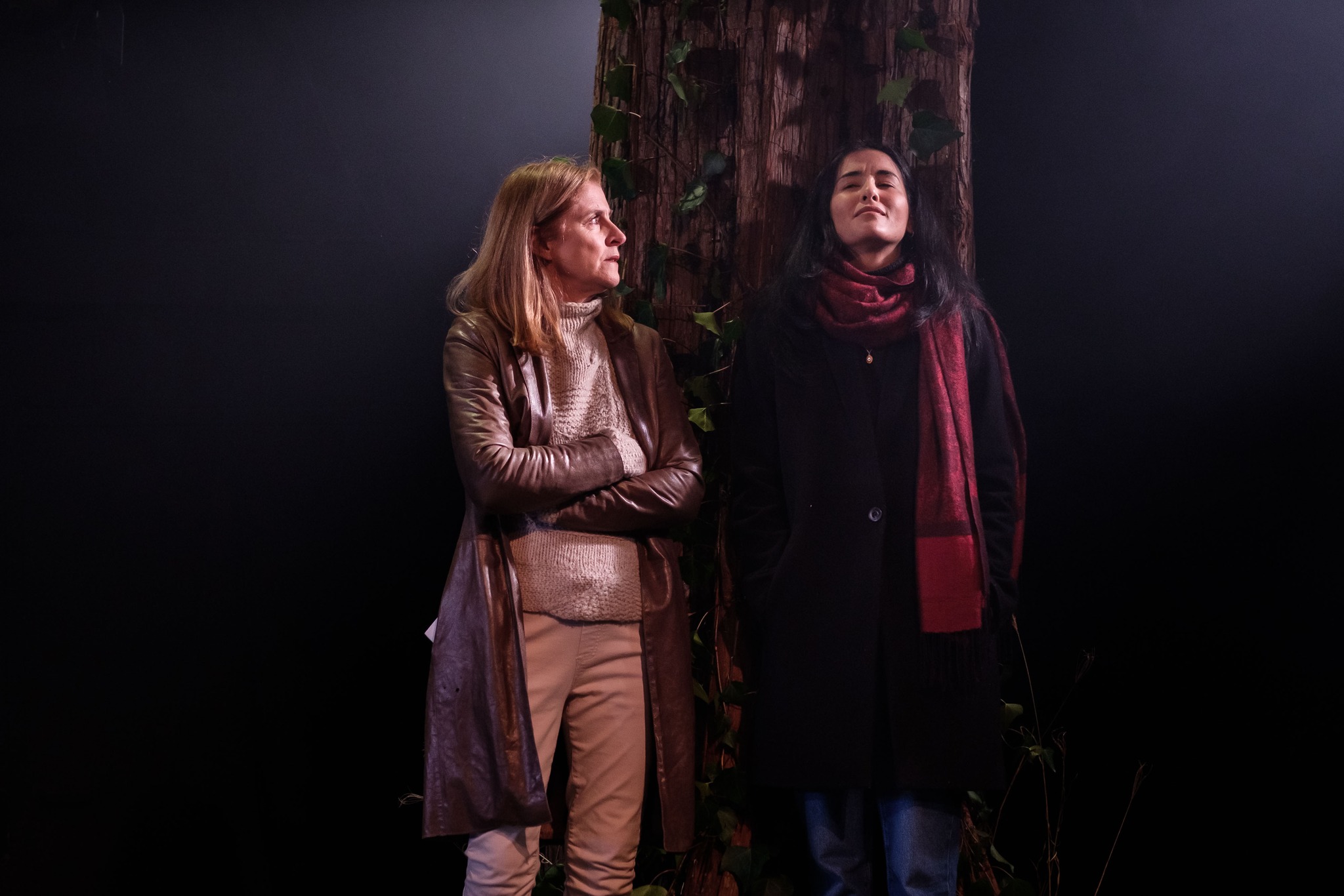
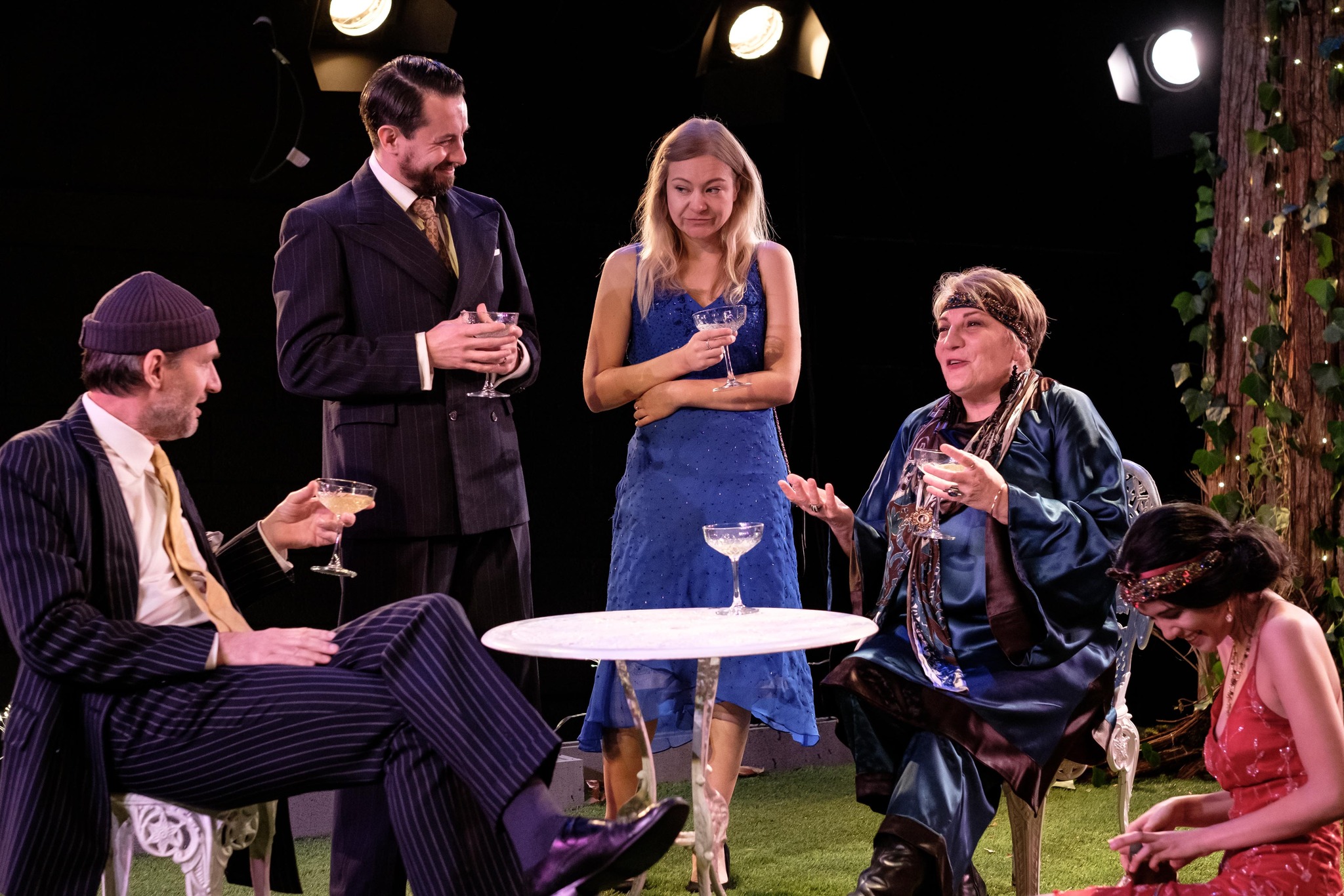
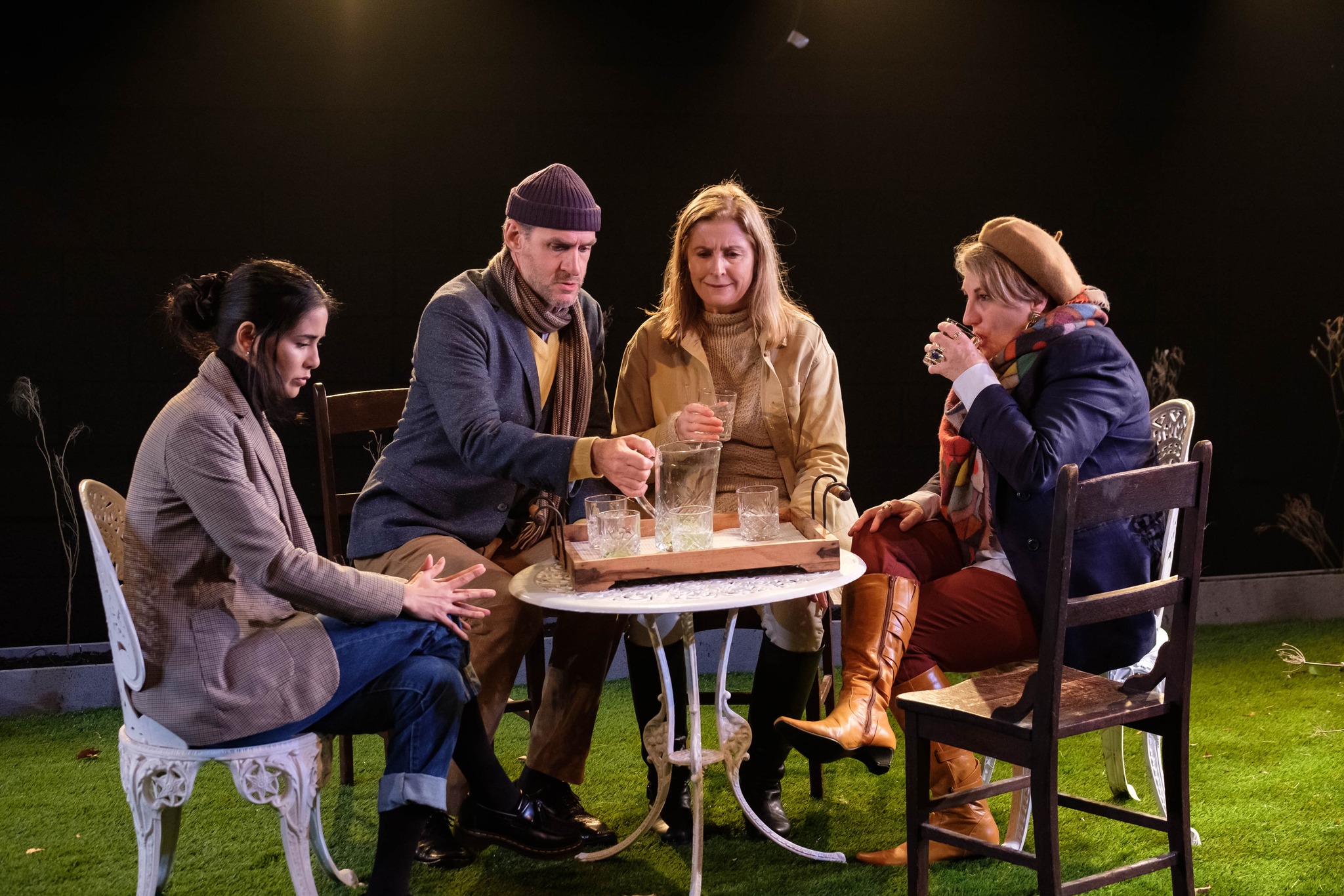
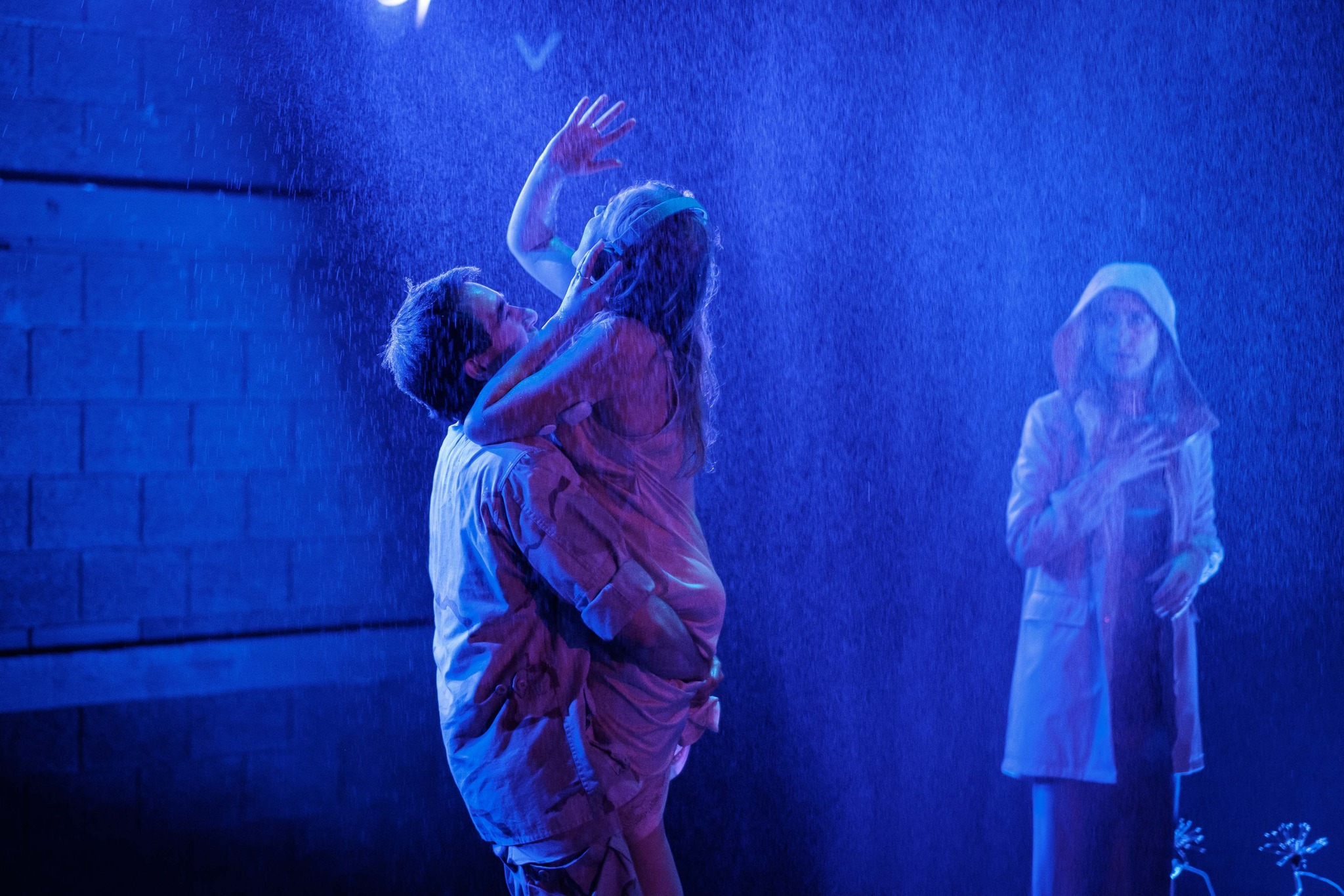
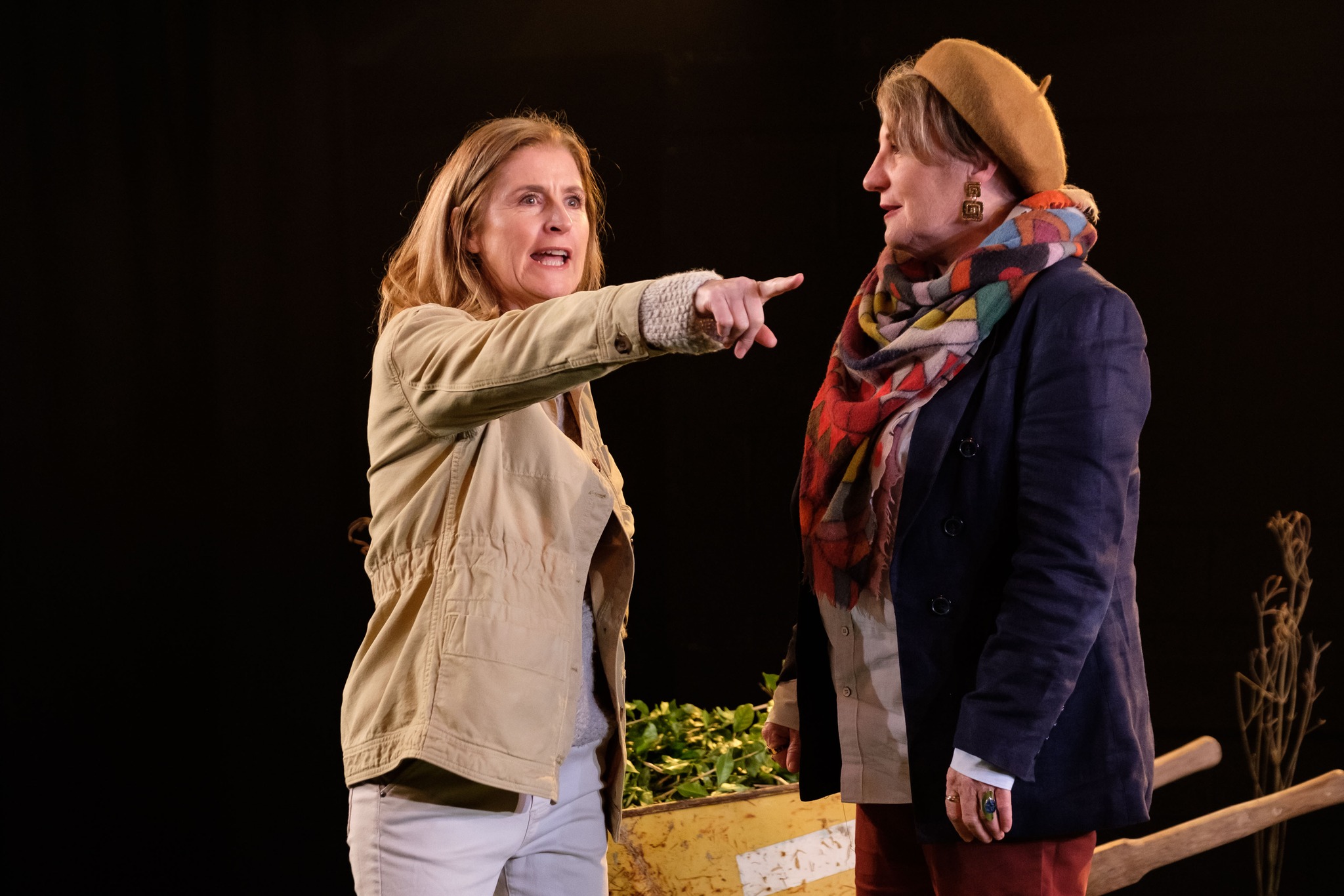
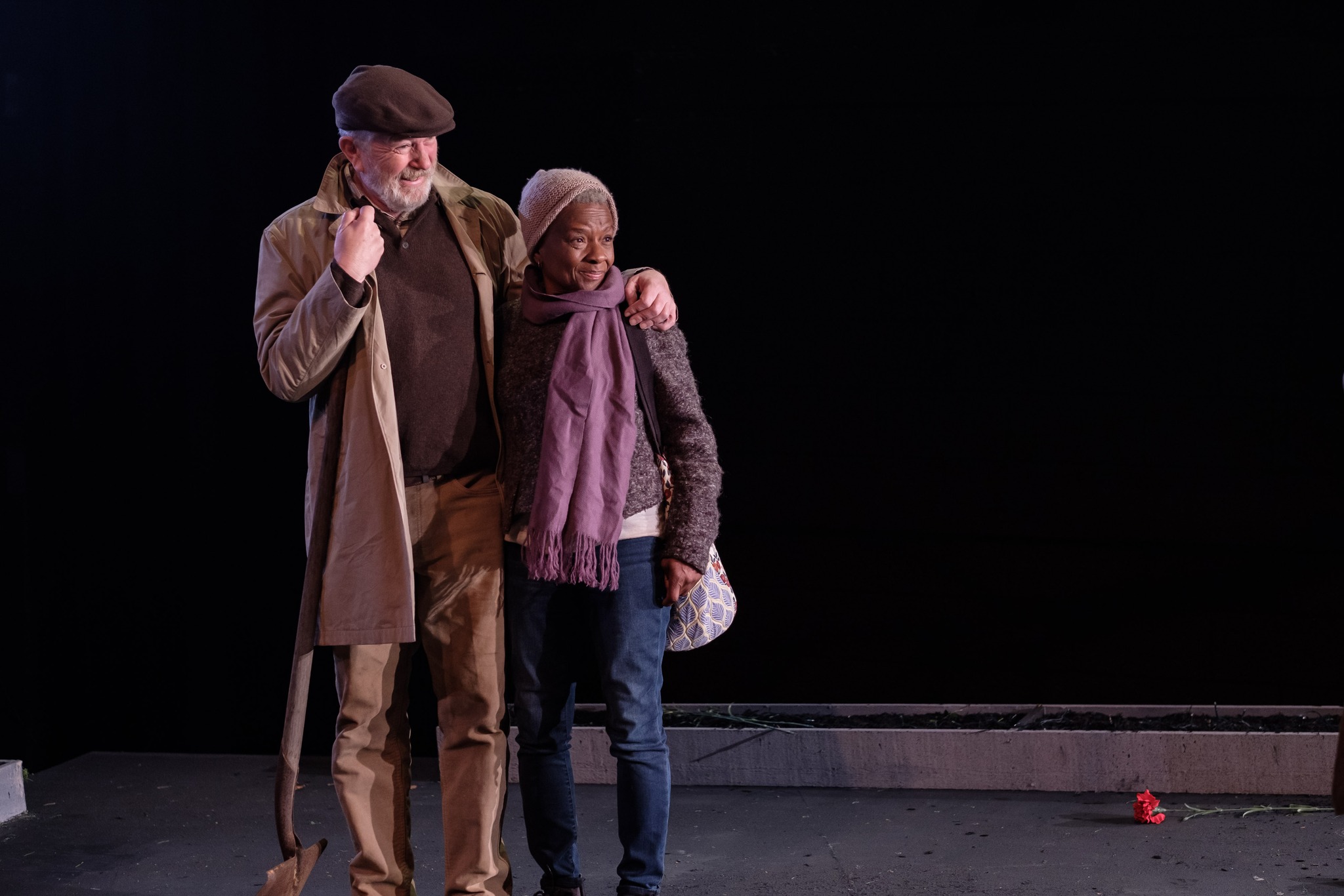
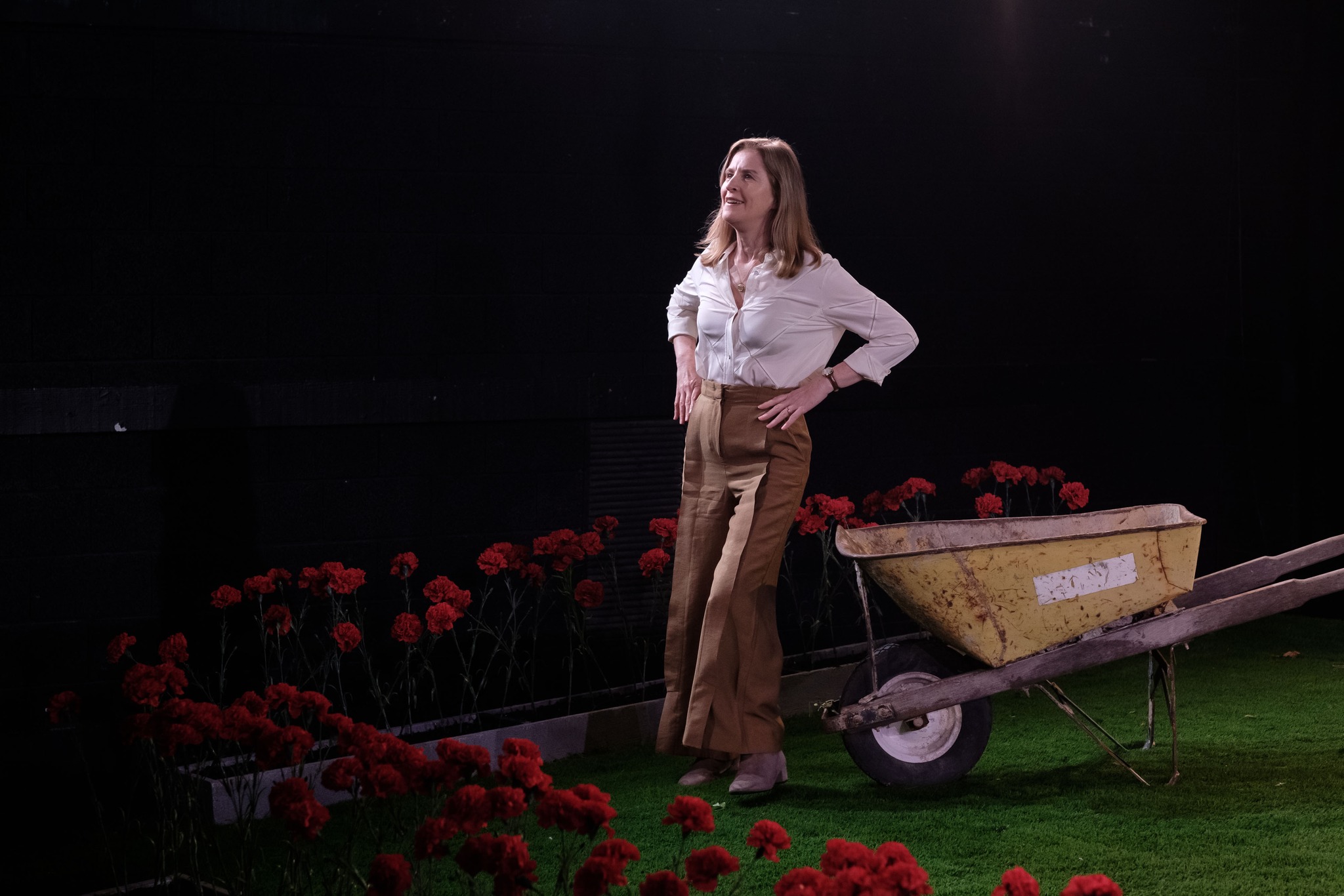
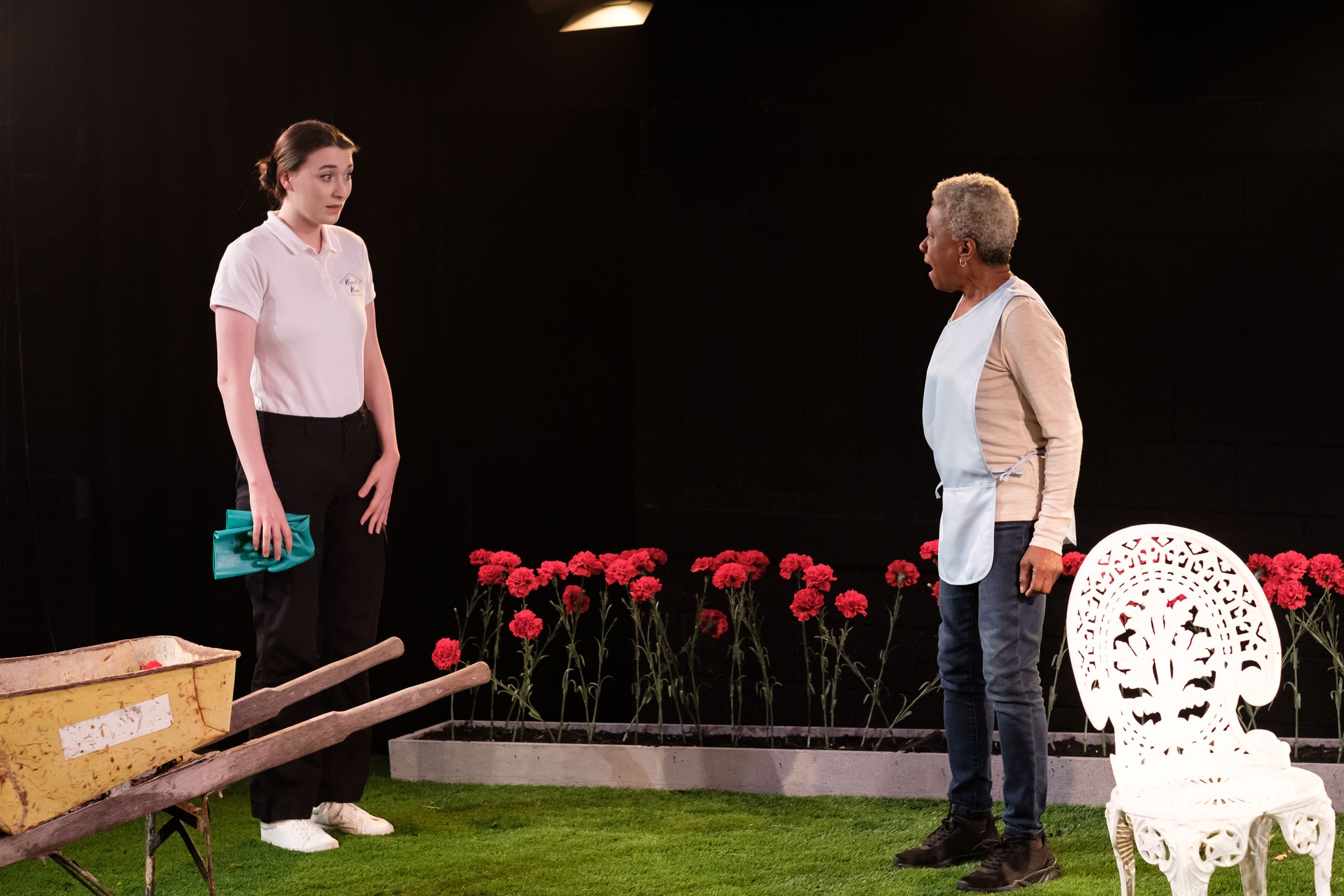
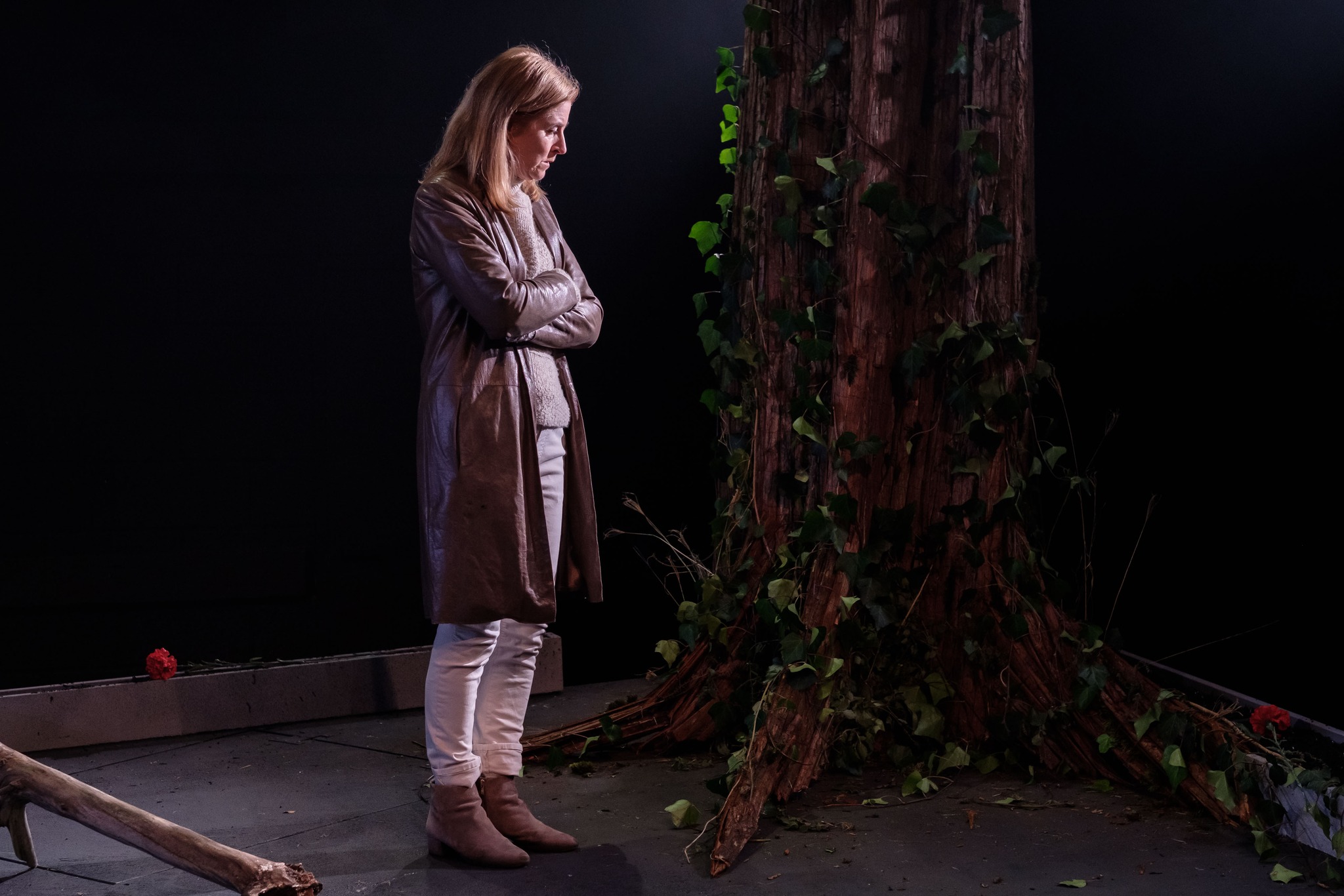
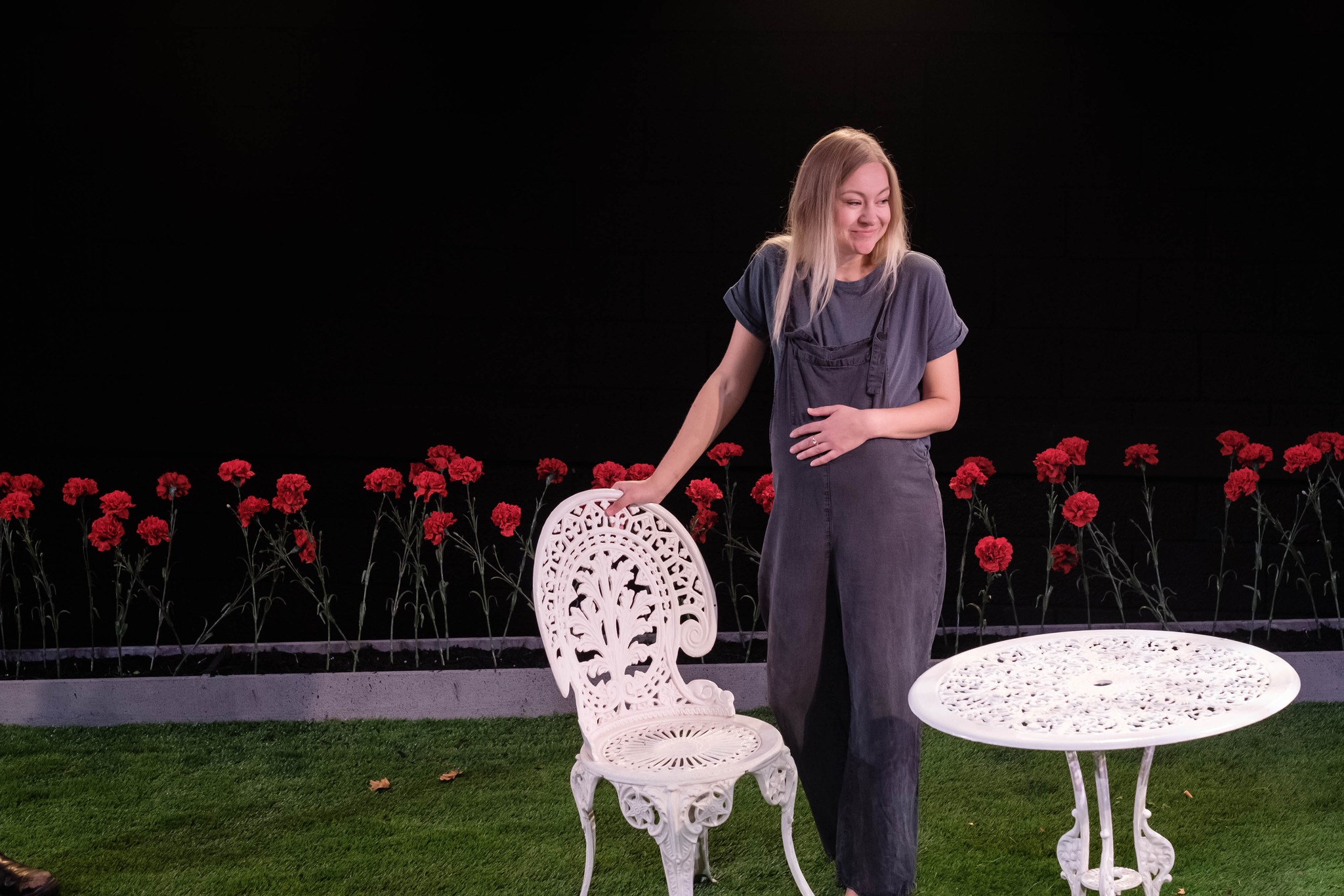
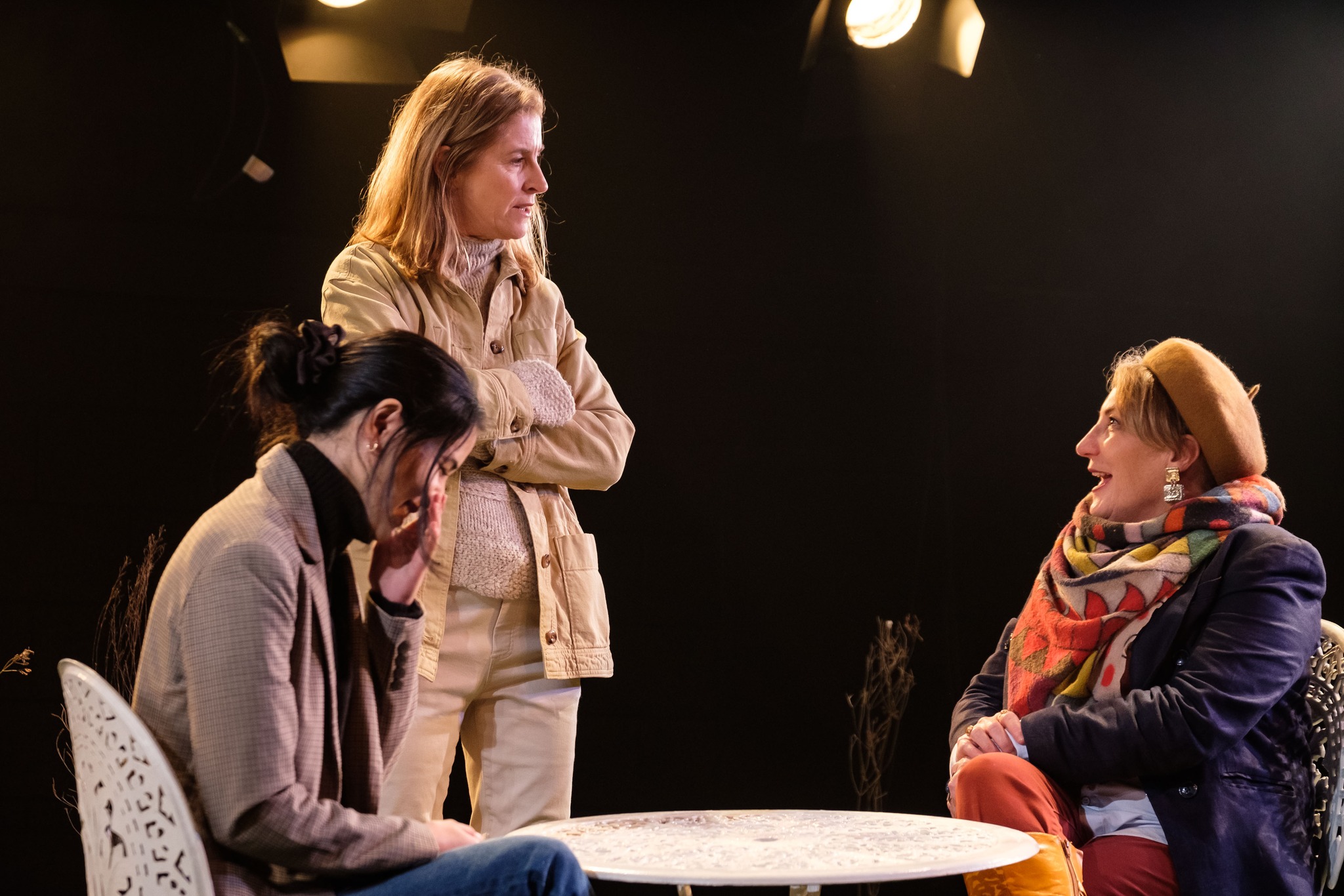
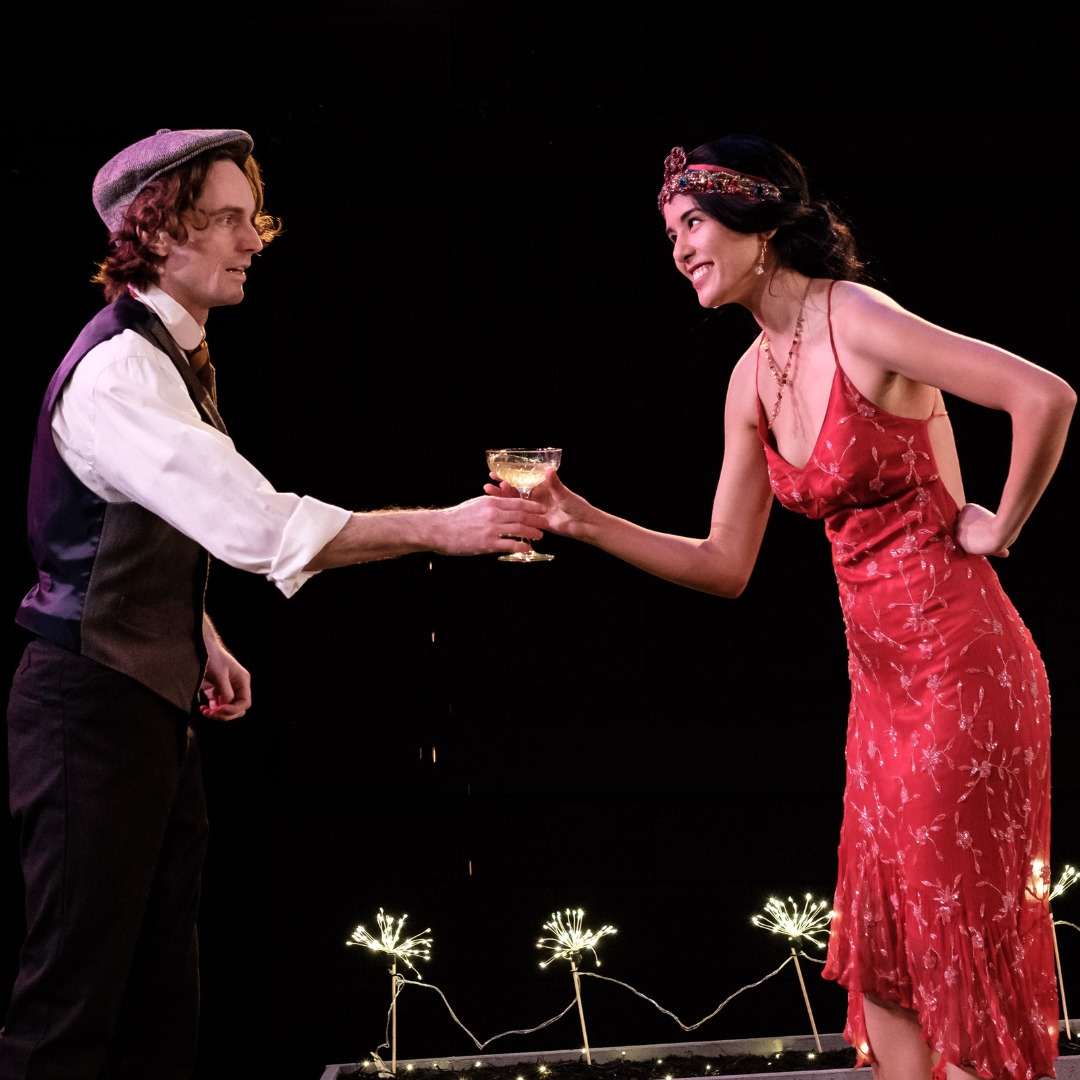
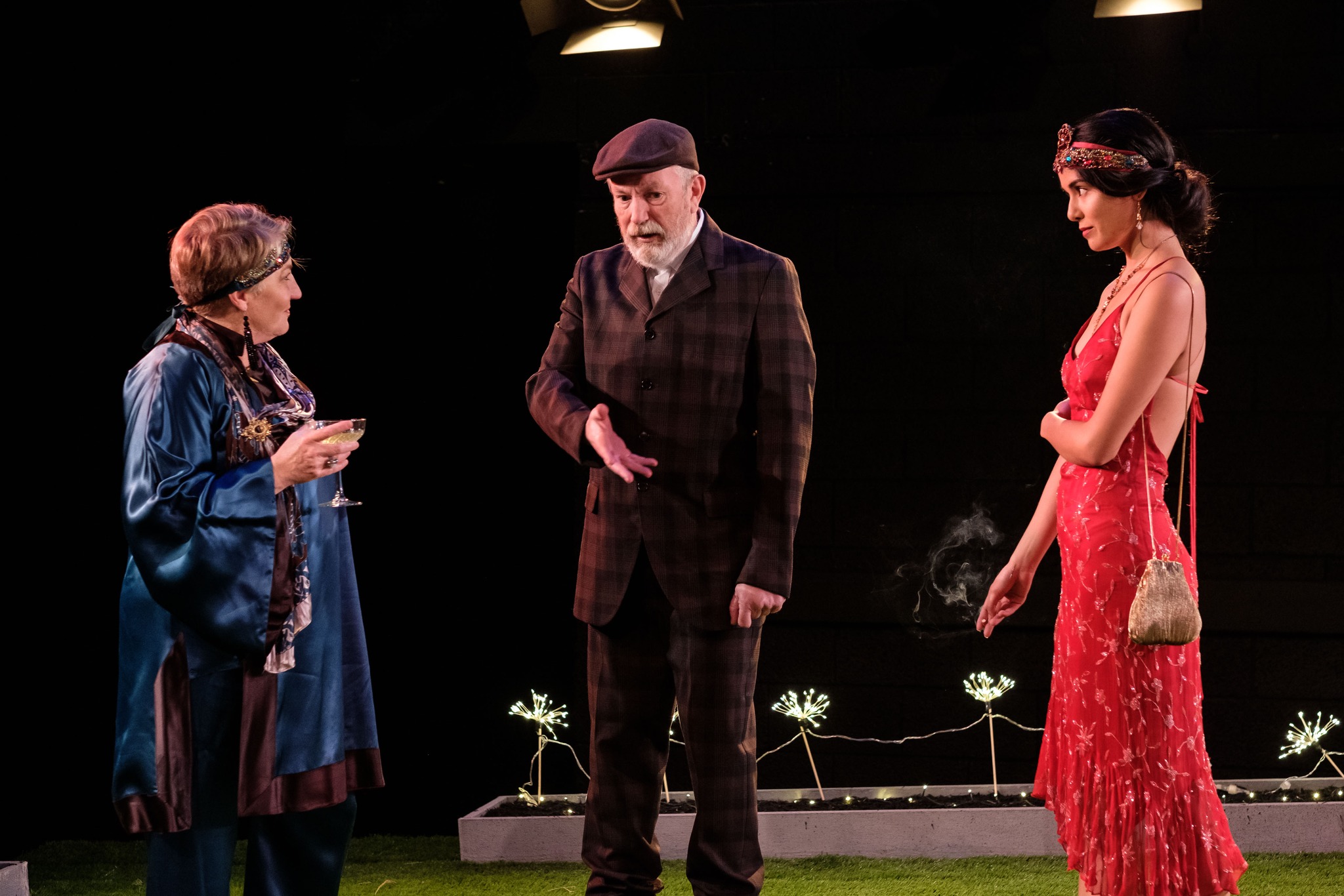
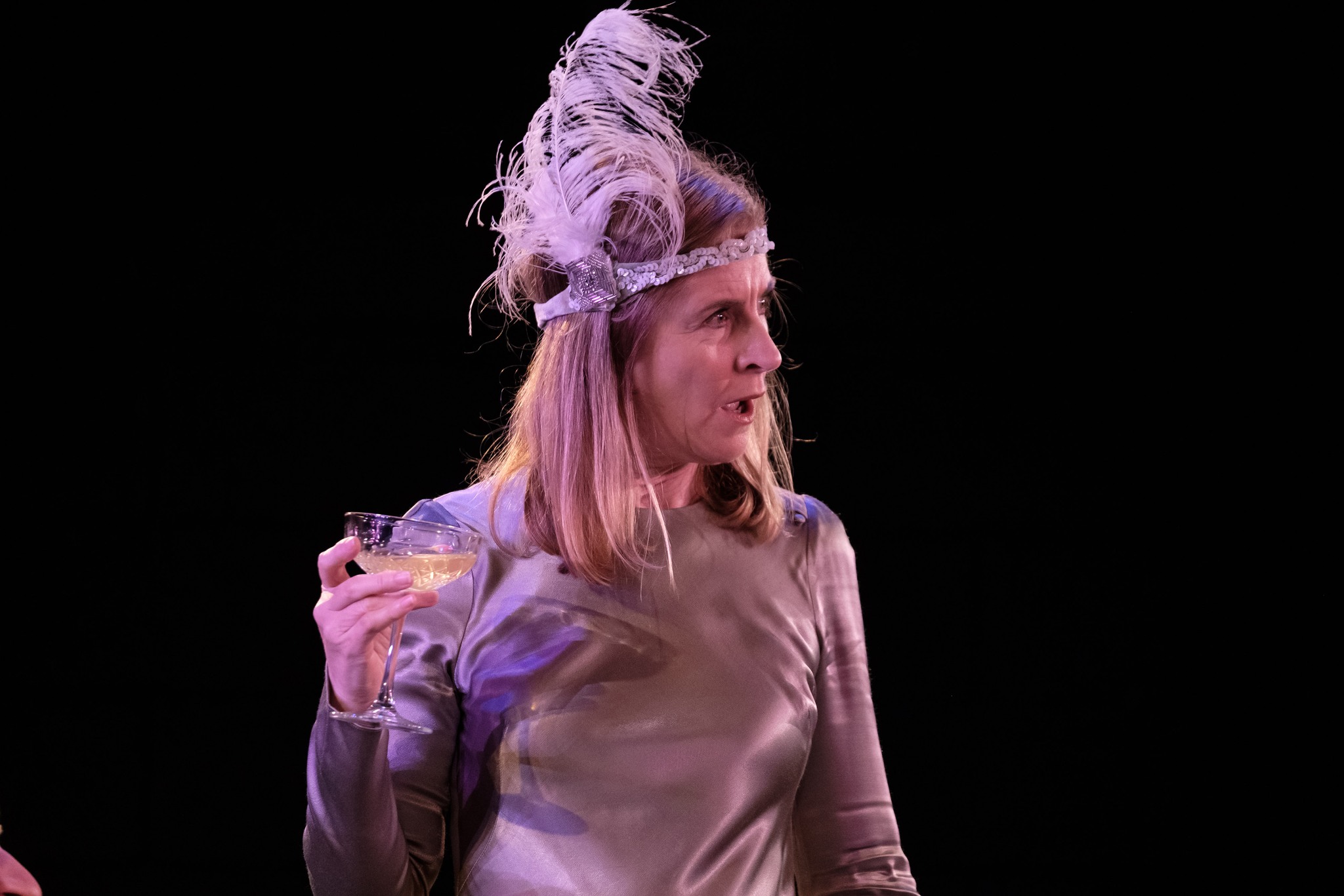
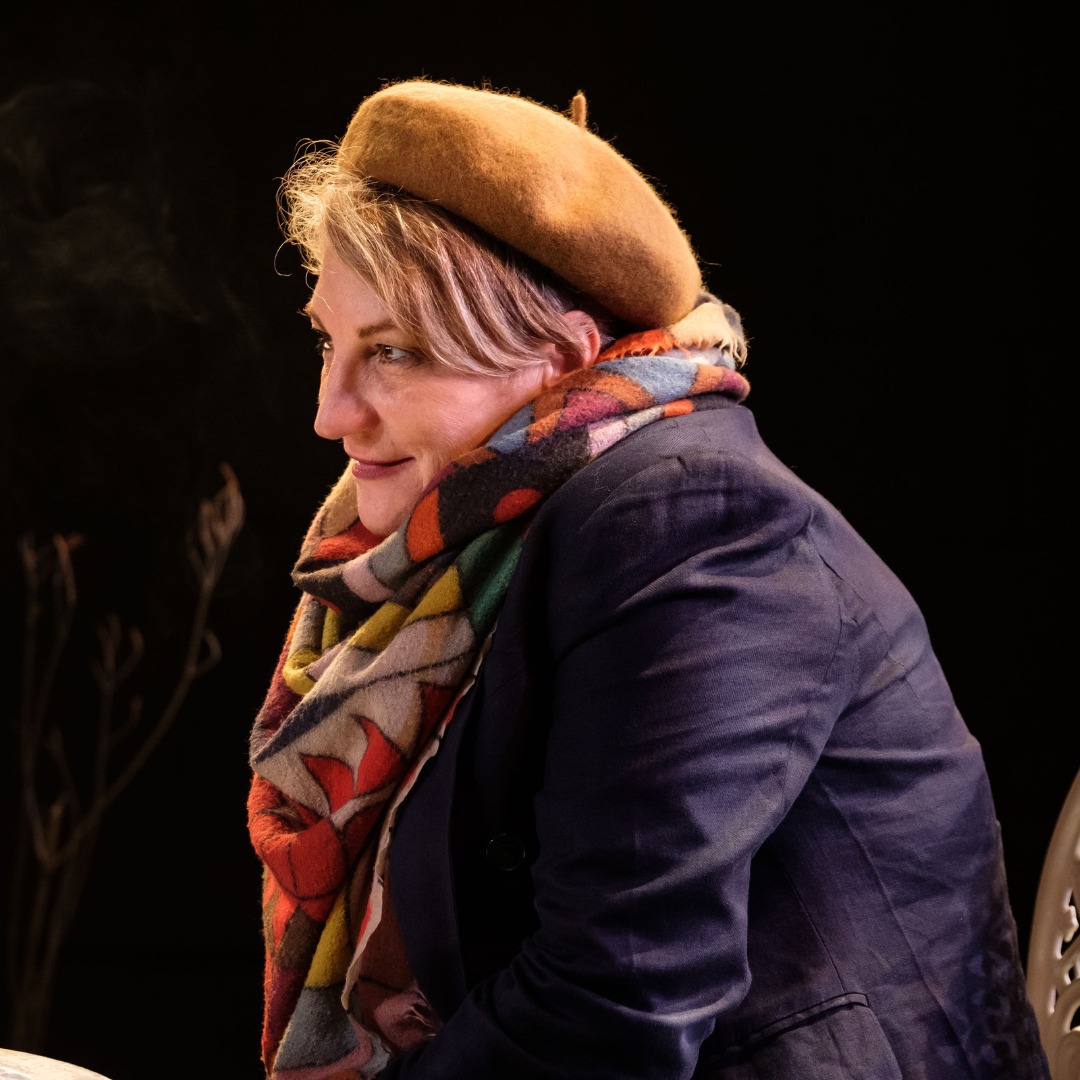
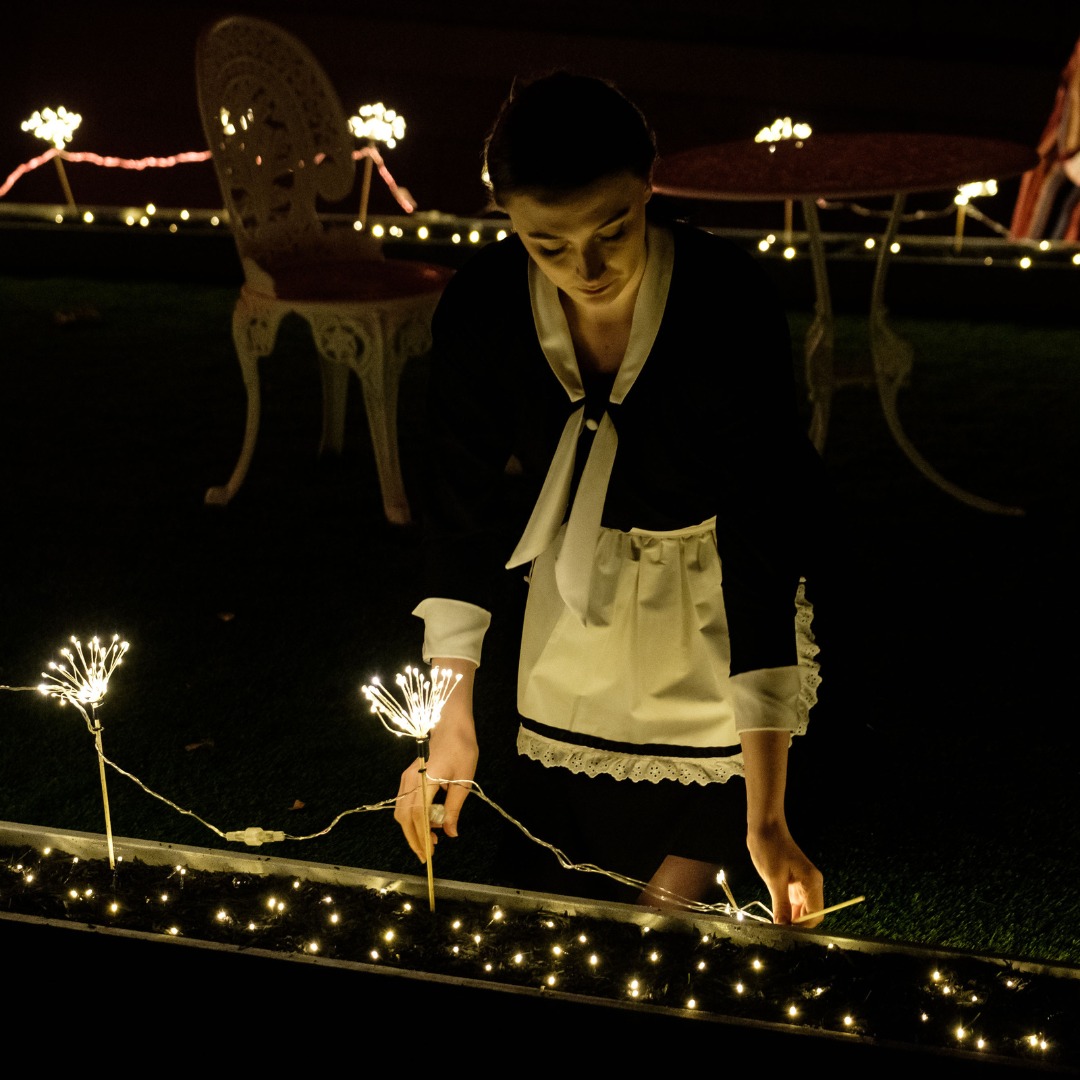
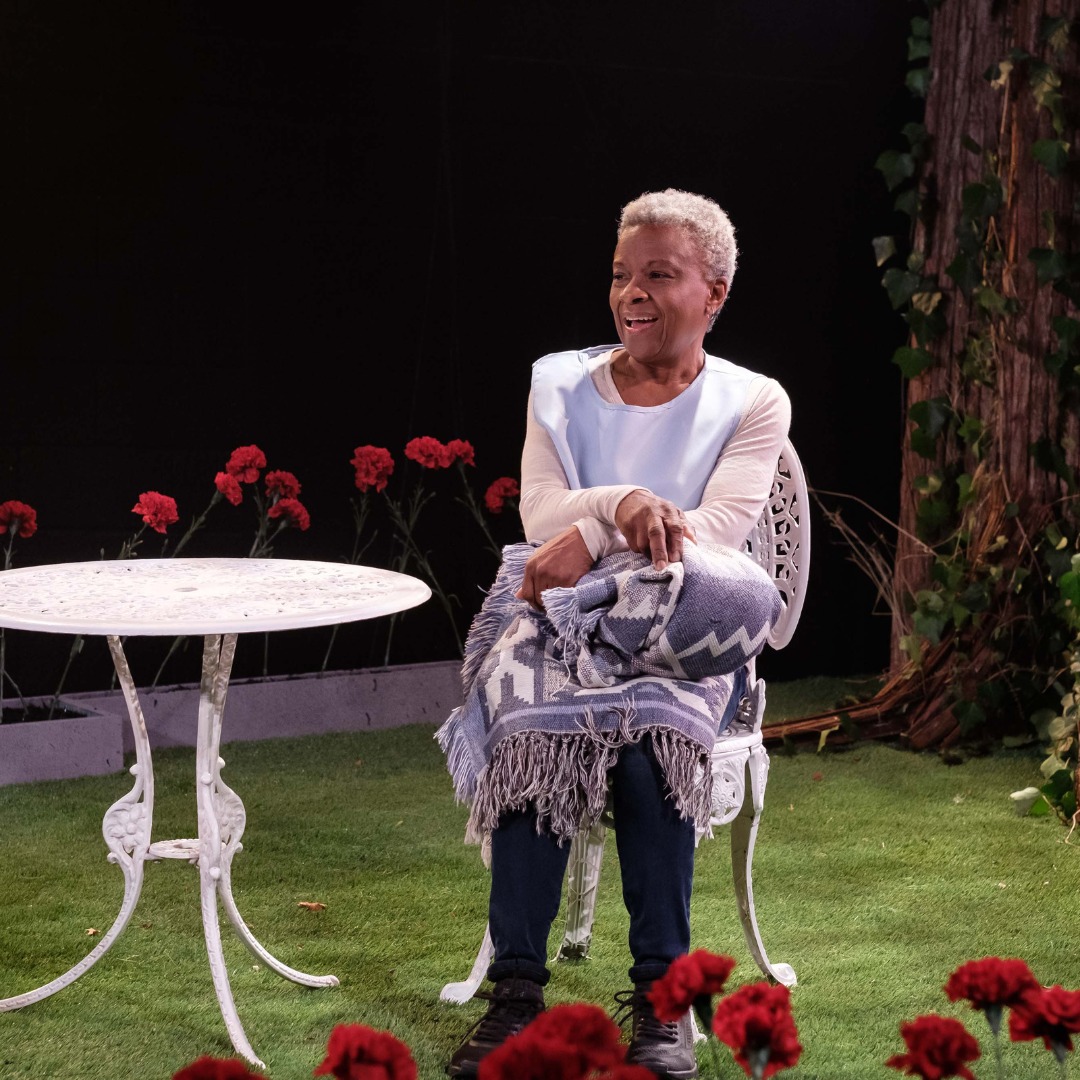
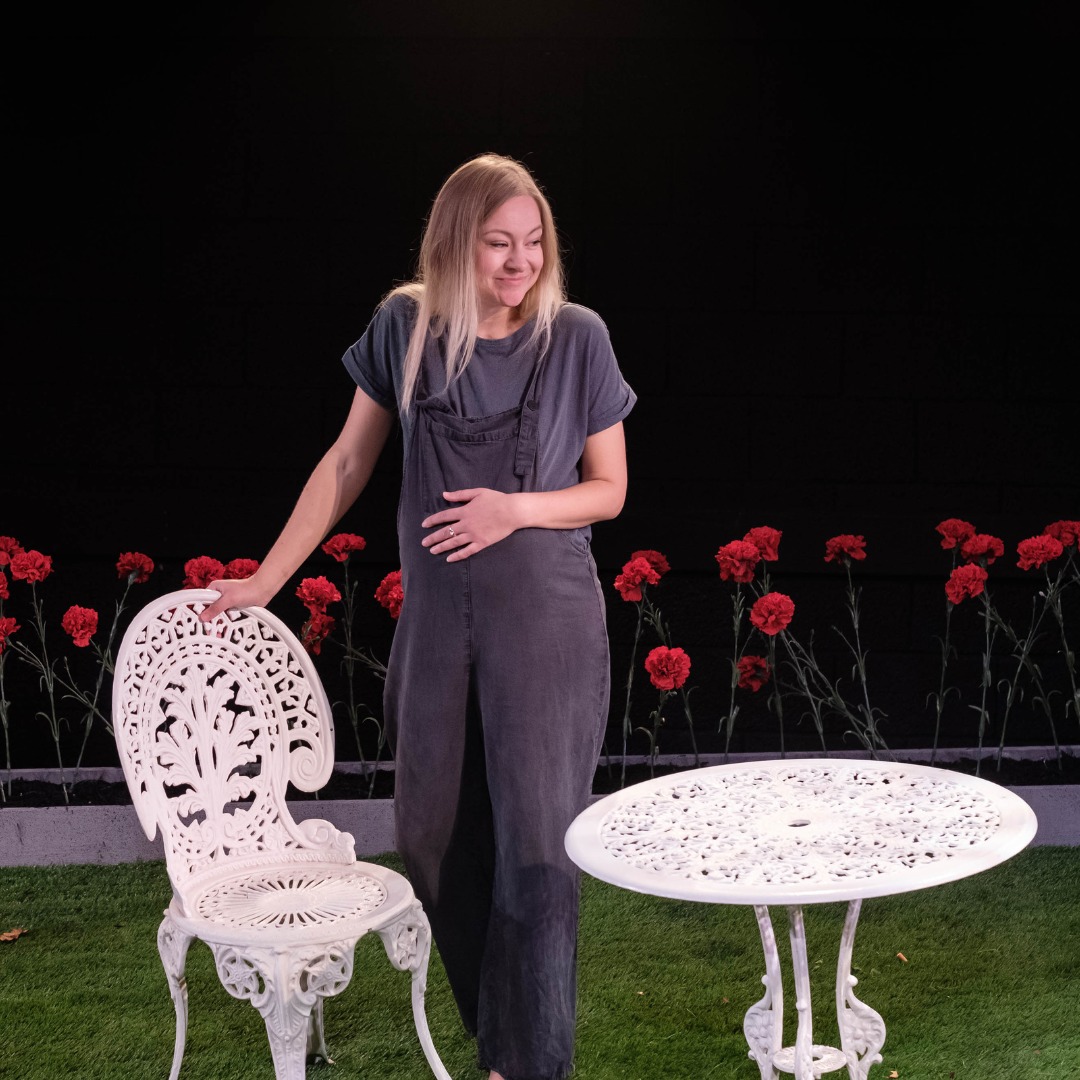
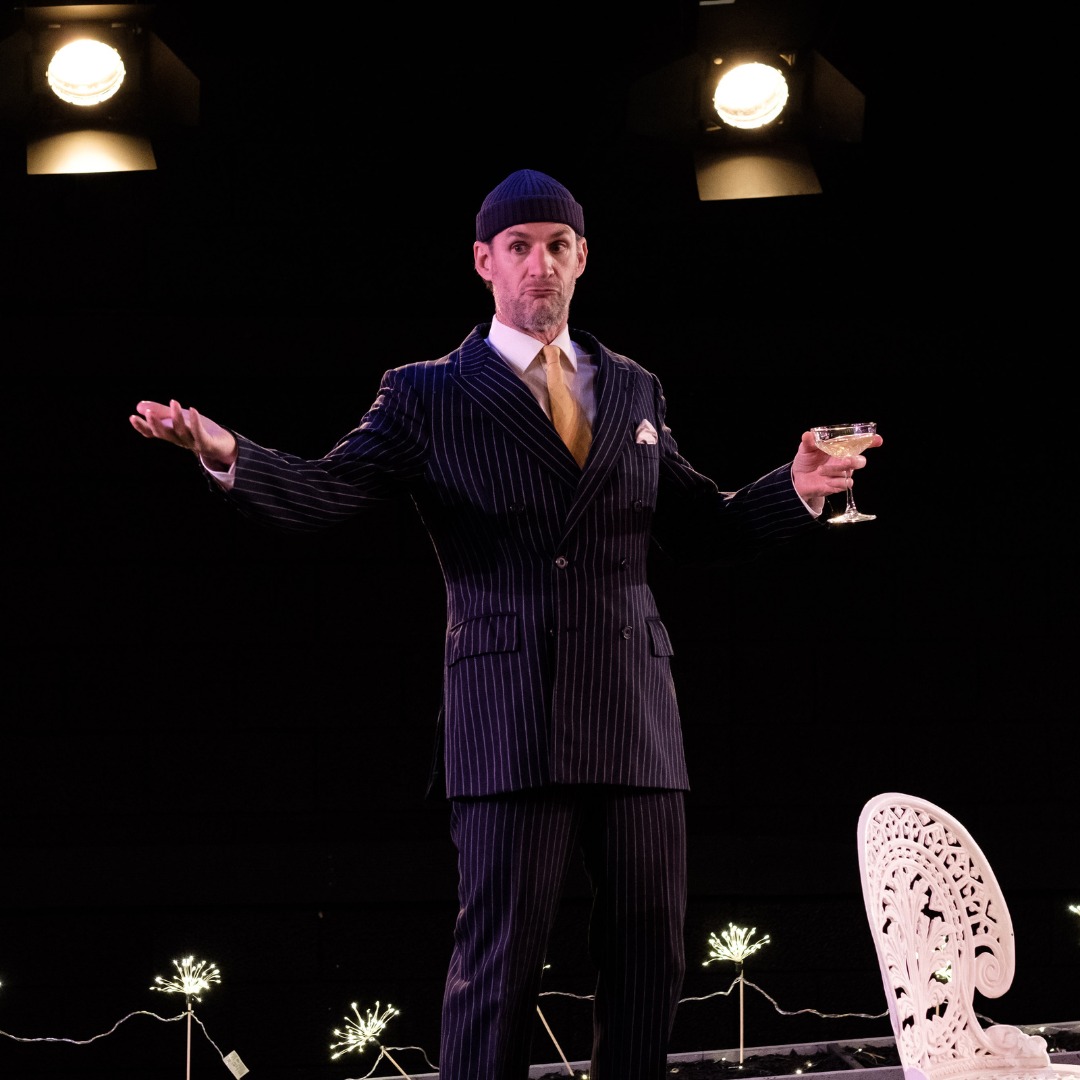
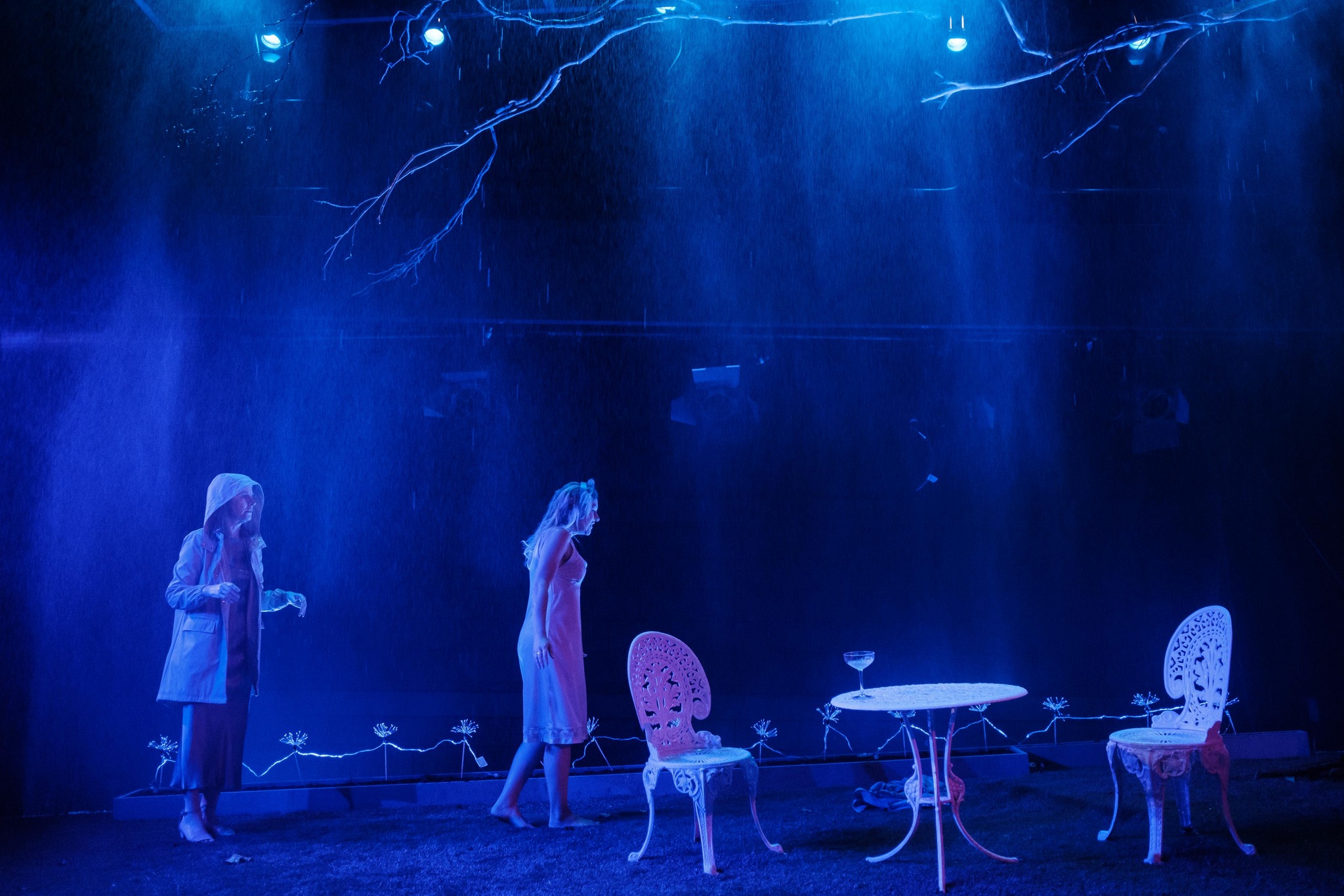
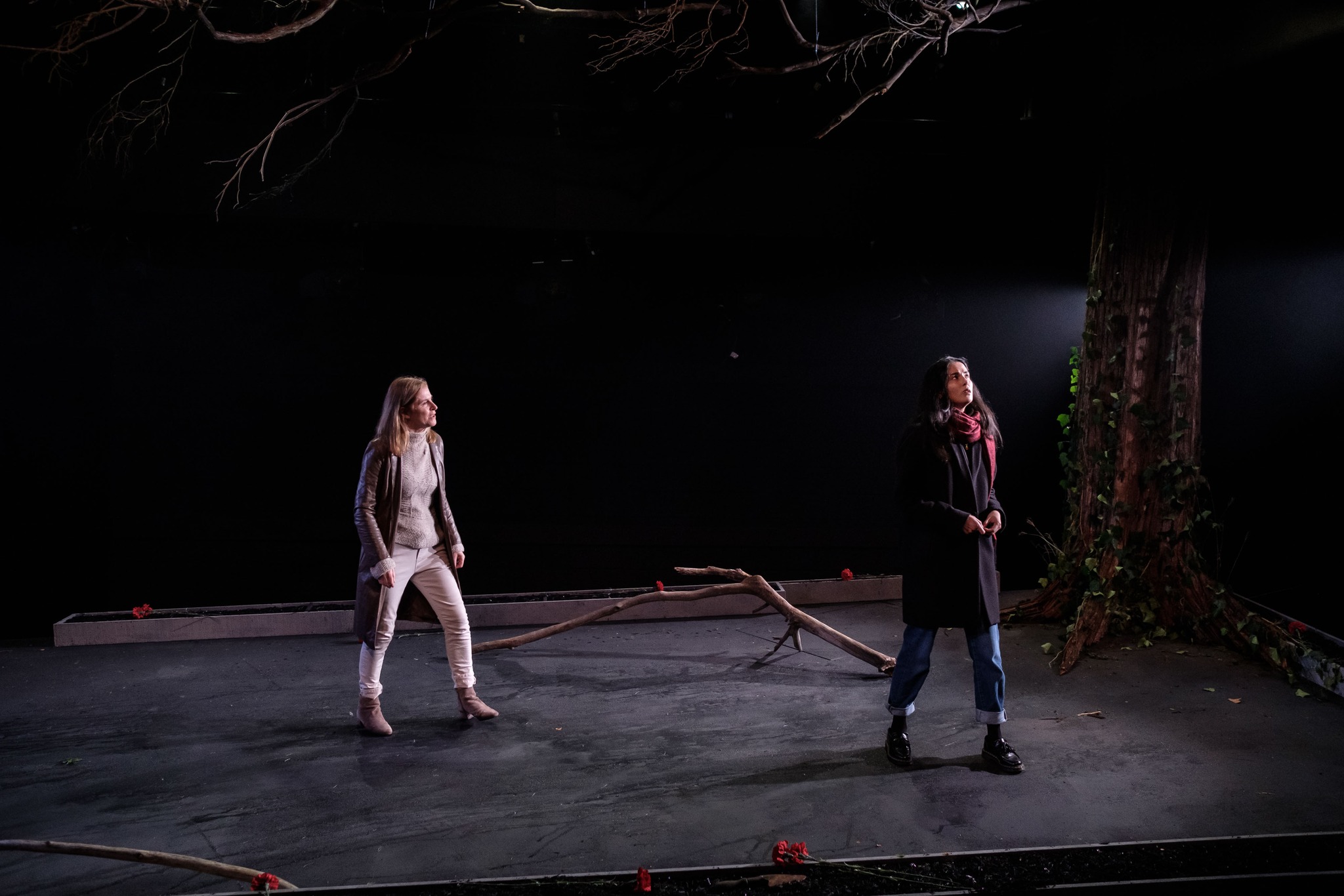
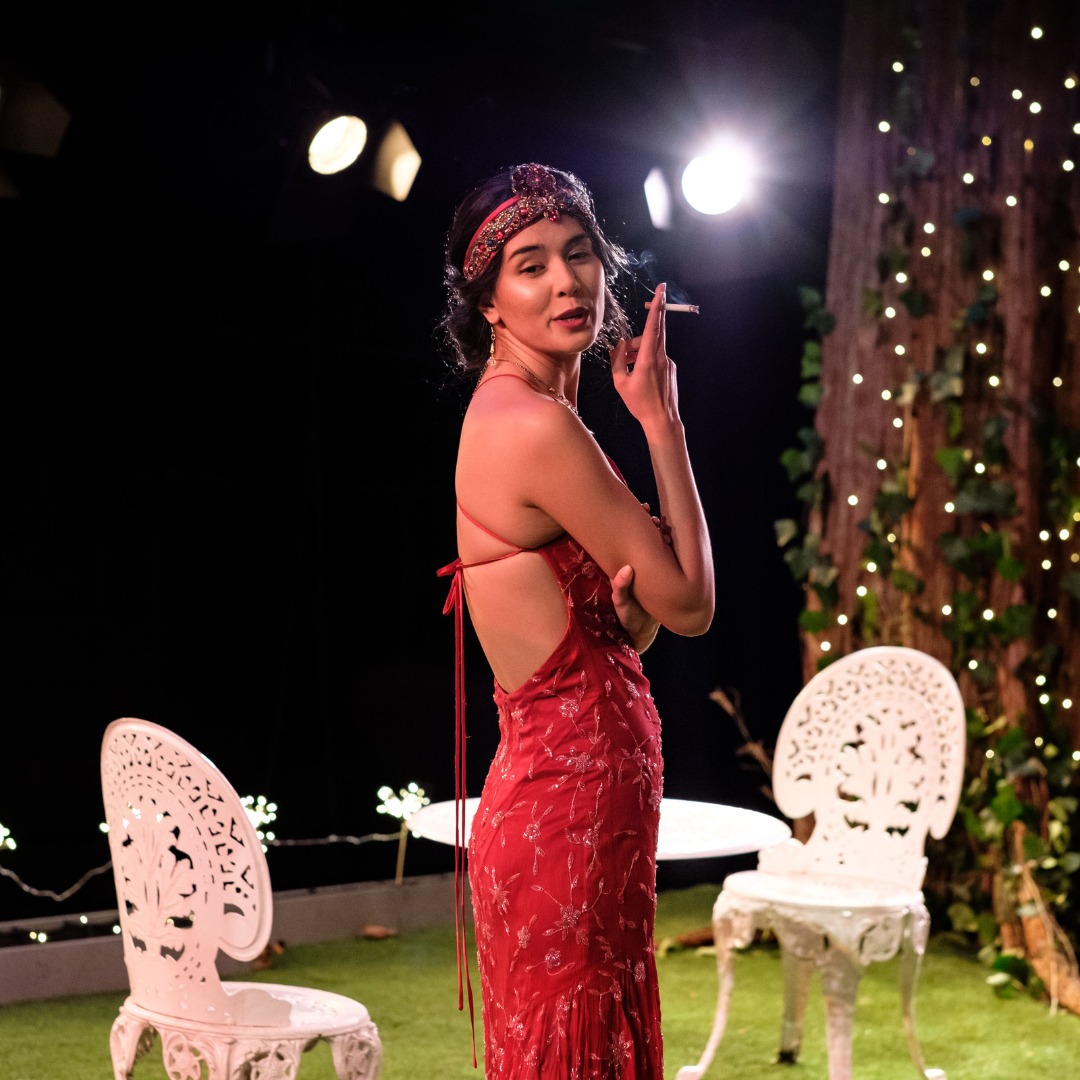
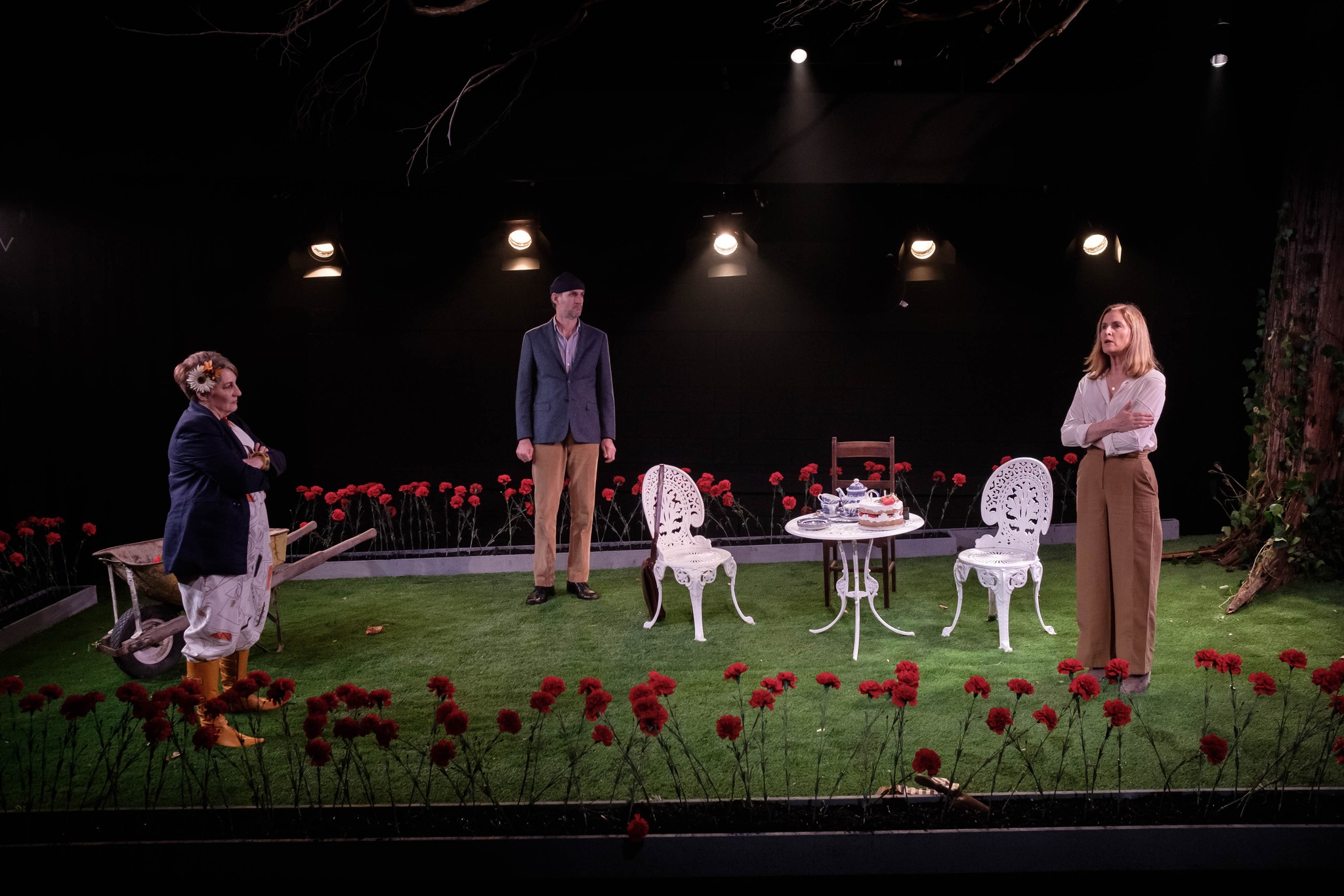
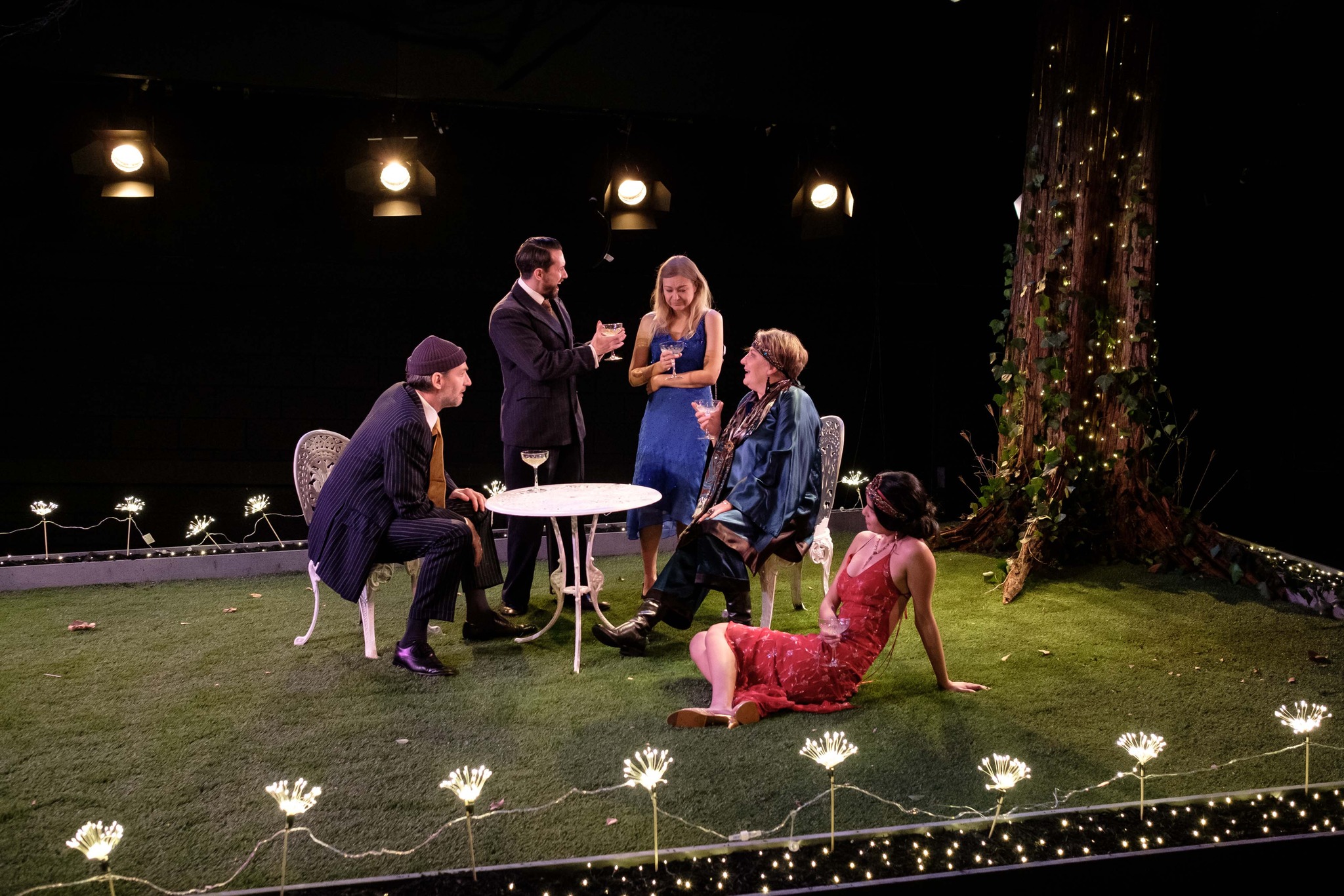
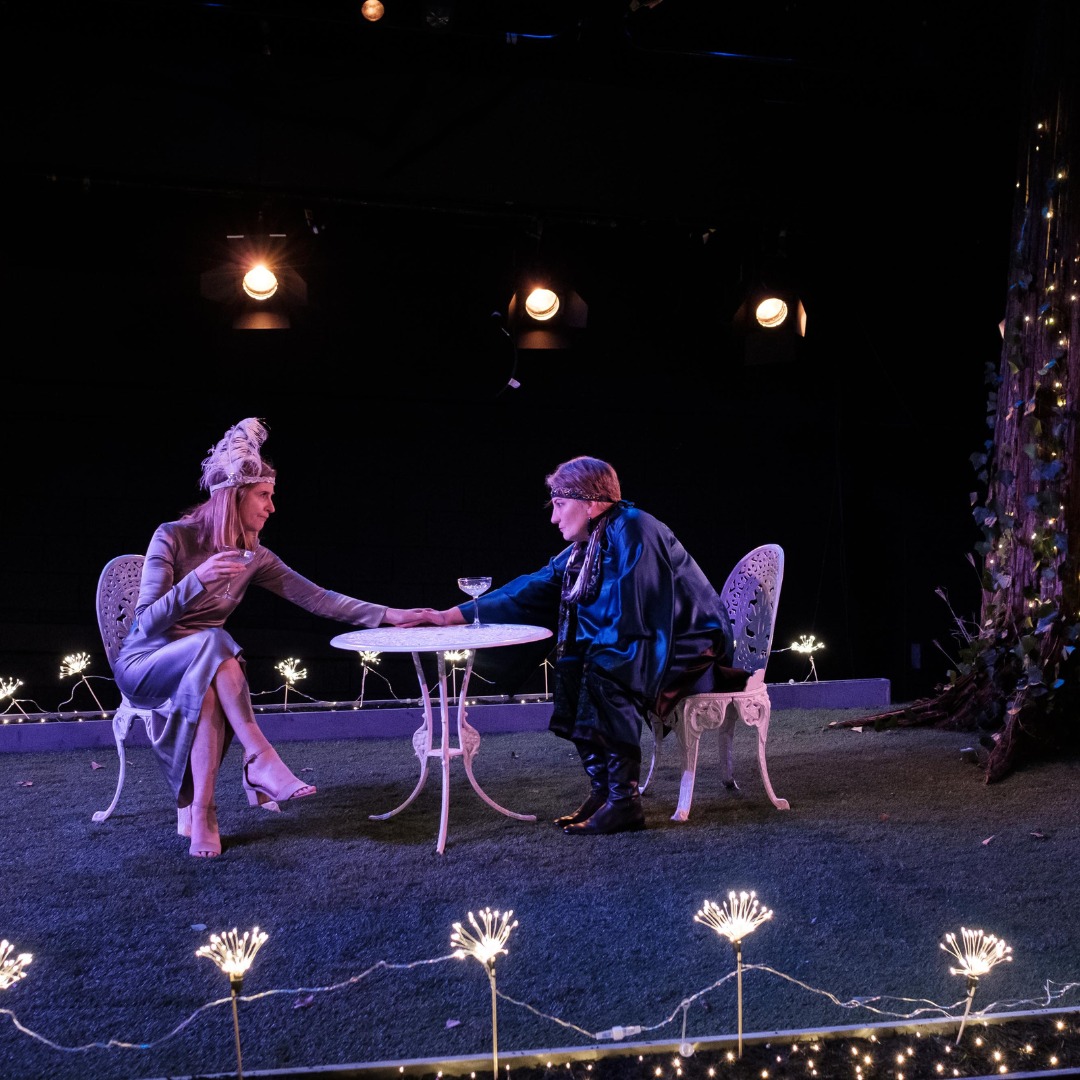
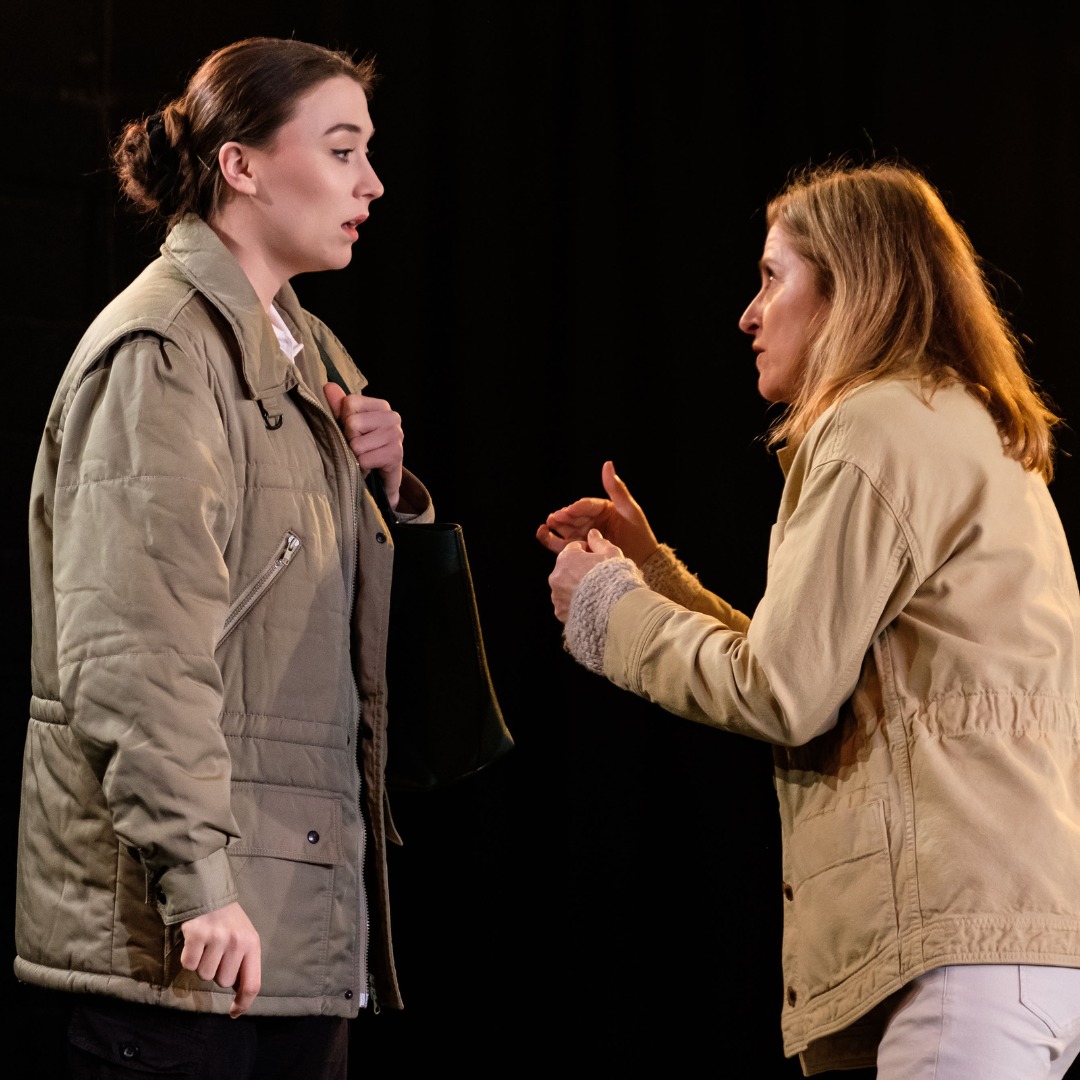
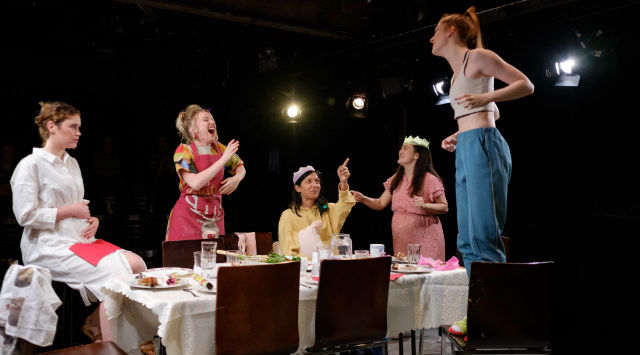
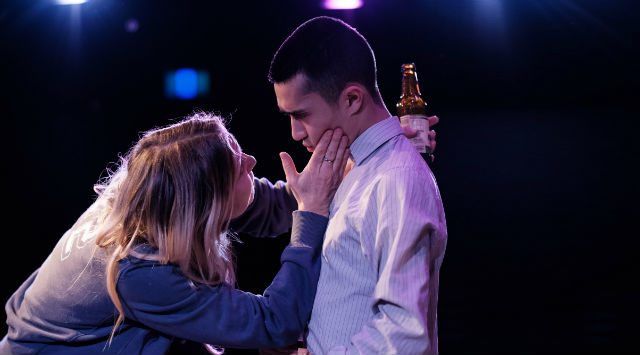
April returns to her family home in Western Sydney after several years in Denmark, only to find that the landscape she left behind has shifted in ways no one is willing—or equipped—to articulate. In Jack Kearney’s Born on a Tuesday, the family’s chronic ineloquence becomes a kind of endurance test: months pass, crises mount, yet they orbit around their wounds with quiet desperation, unable to summon the intimacy or vulnerability required for meaningful connection. The result is a drama in which very little seems to occur, and although it captures certain truths about Australian parochialism, the writing rarely deepens those insights into a fully satisfying theatrical experience.

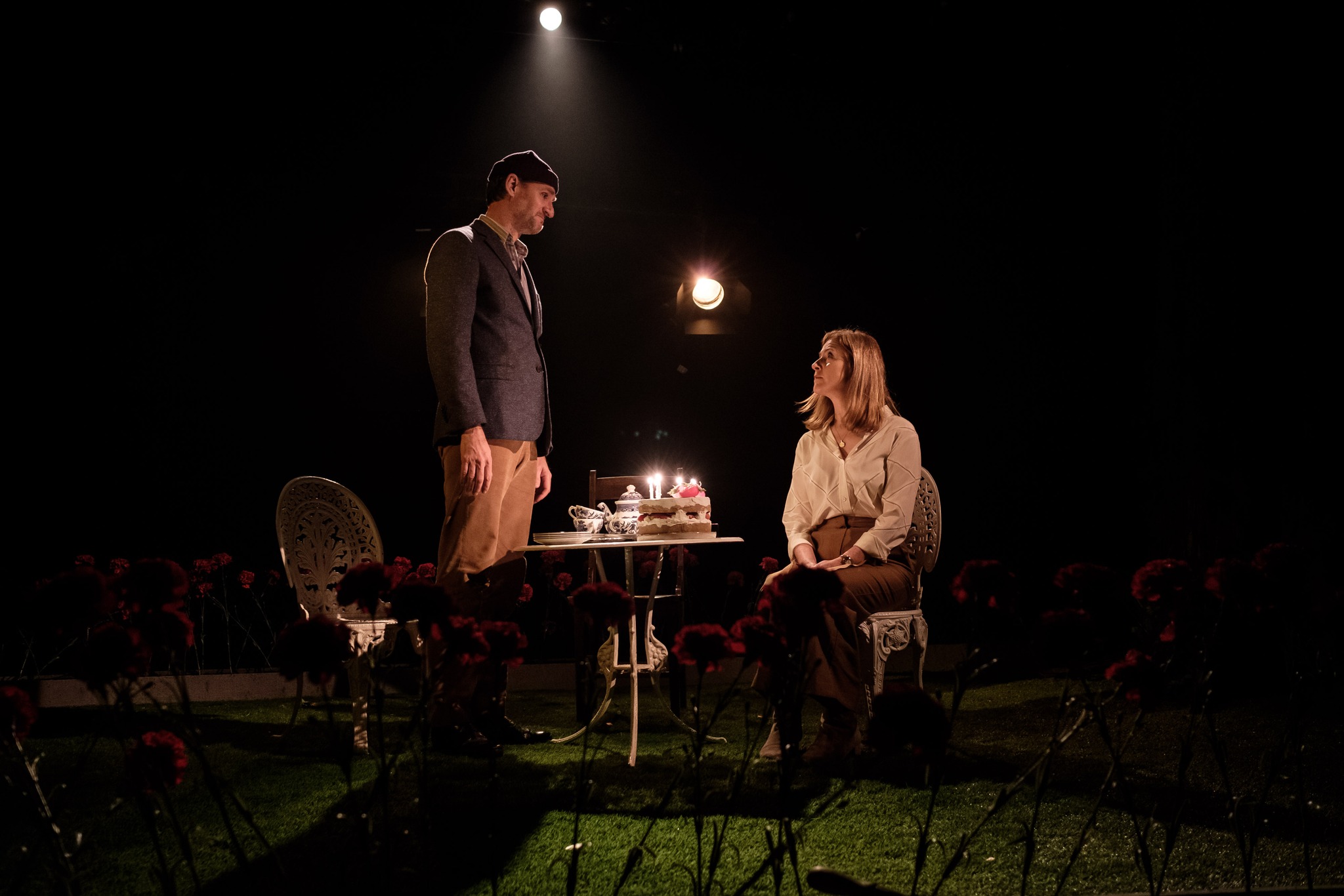
Lucy Clements’ direction lends the production an unmistakable gravity, keeping us attuned to the persistent despondency saturating April’s household, but that solemnity never quite translates into emotional engagement. These characters are not unsympathetic, yet we are seldom invited far enough into their inner lives to feel invested in their journeys.

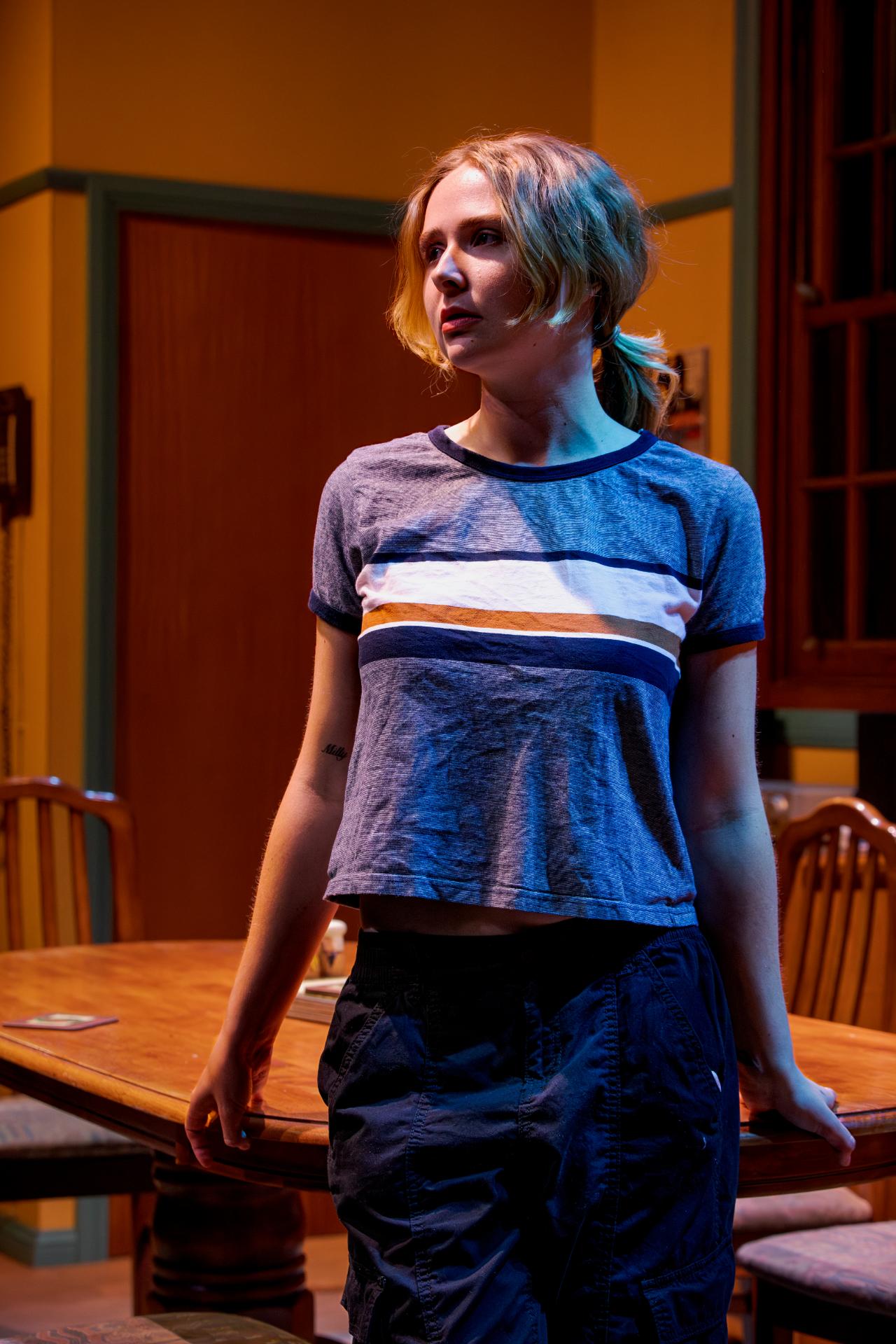
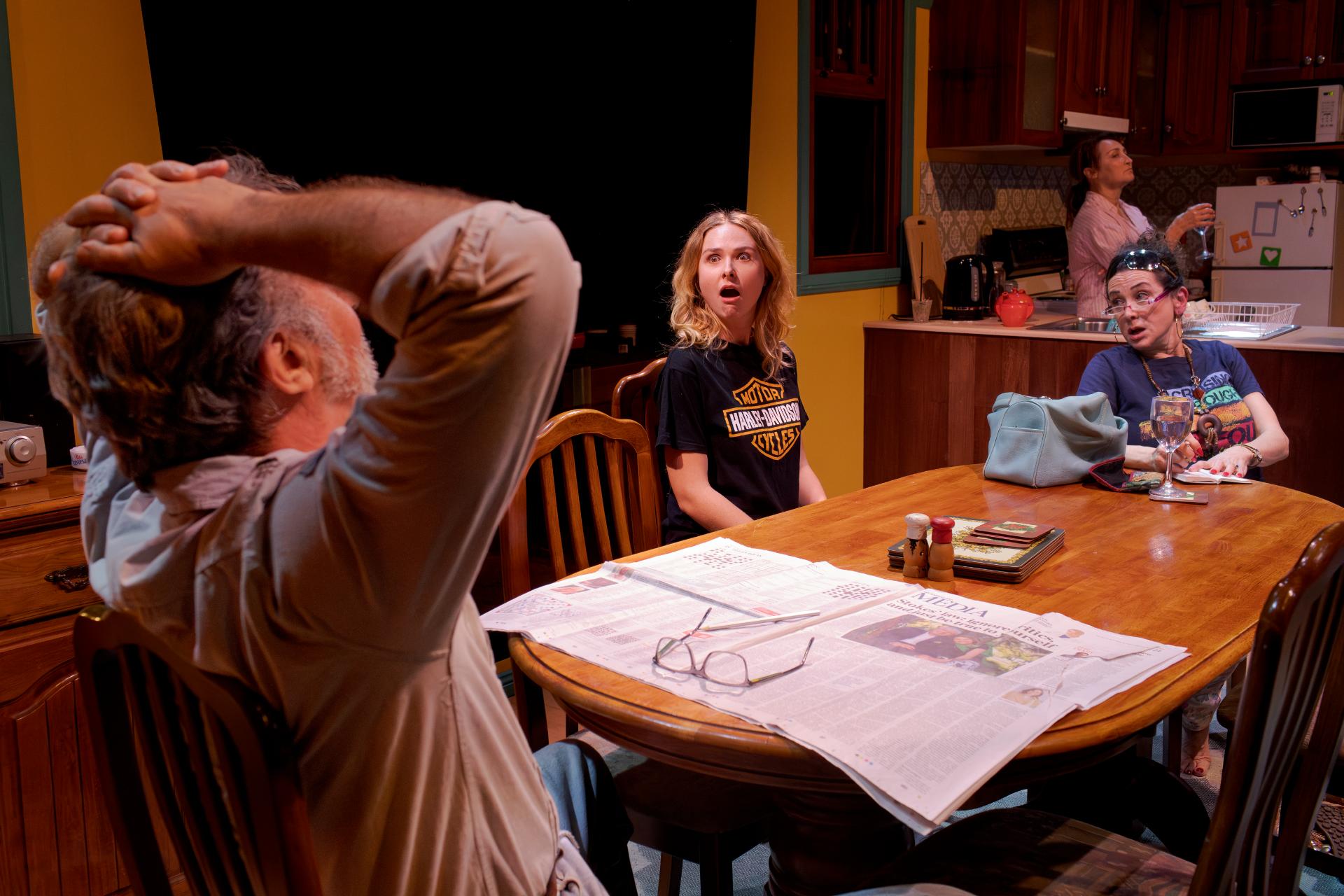
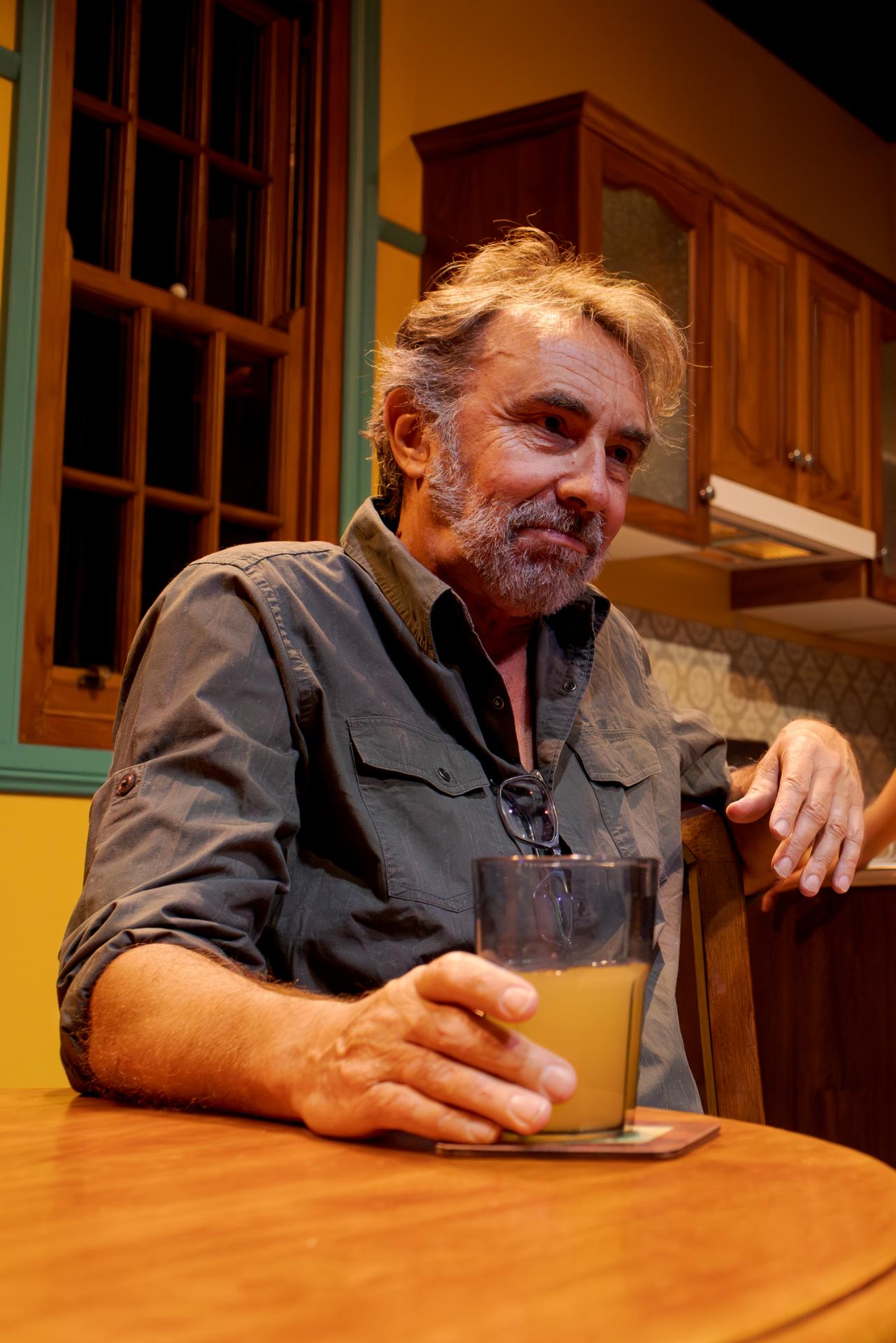
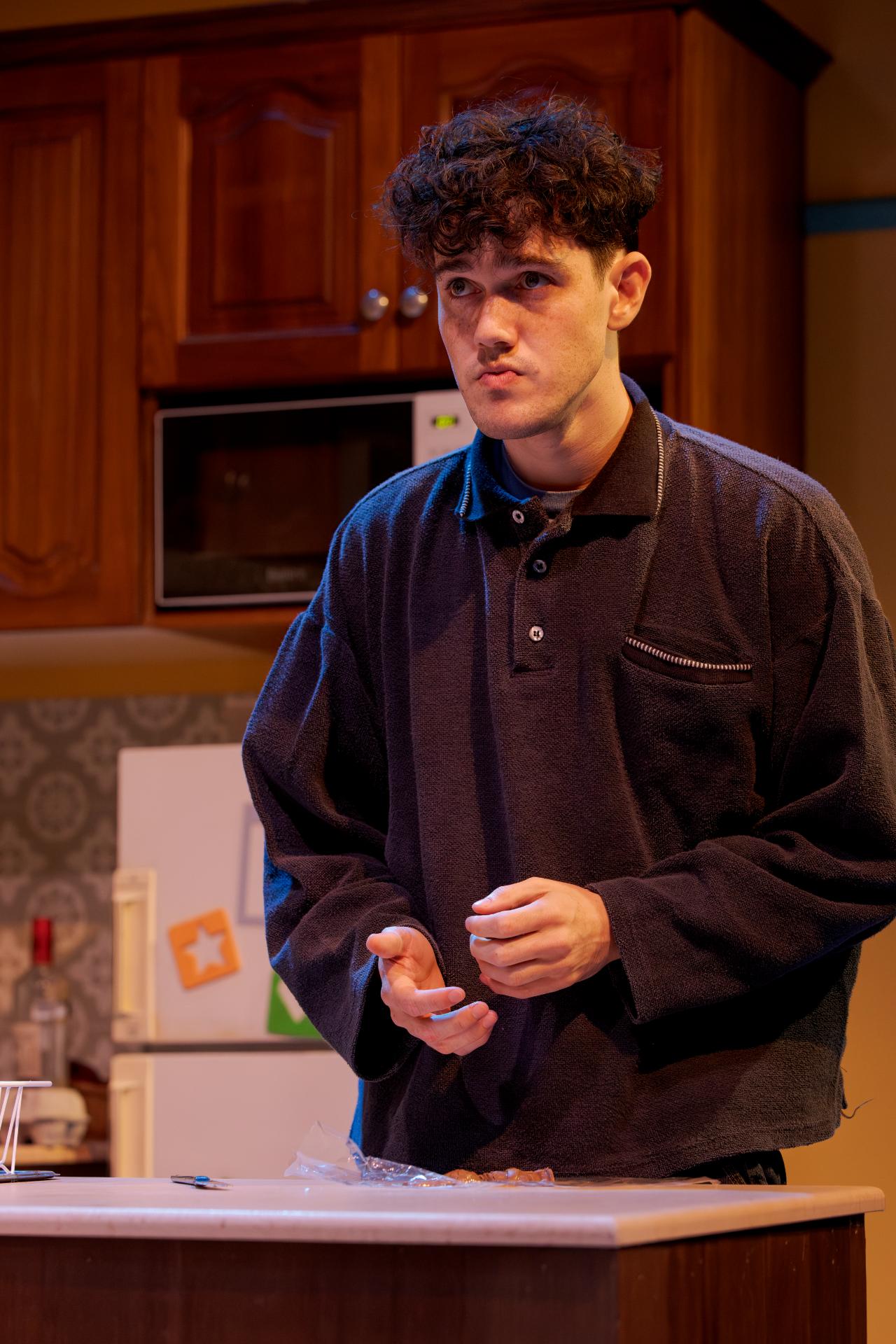
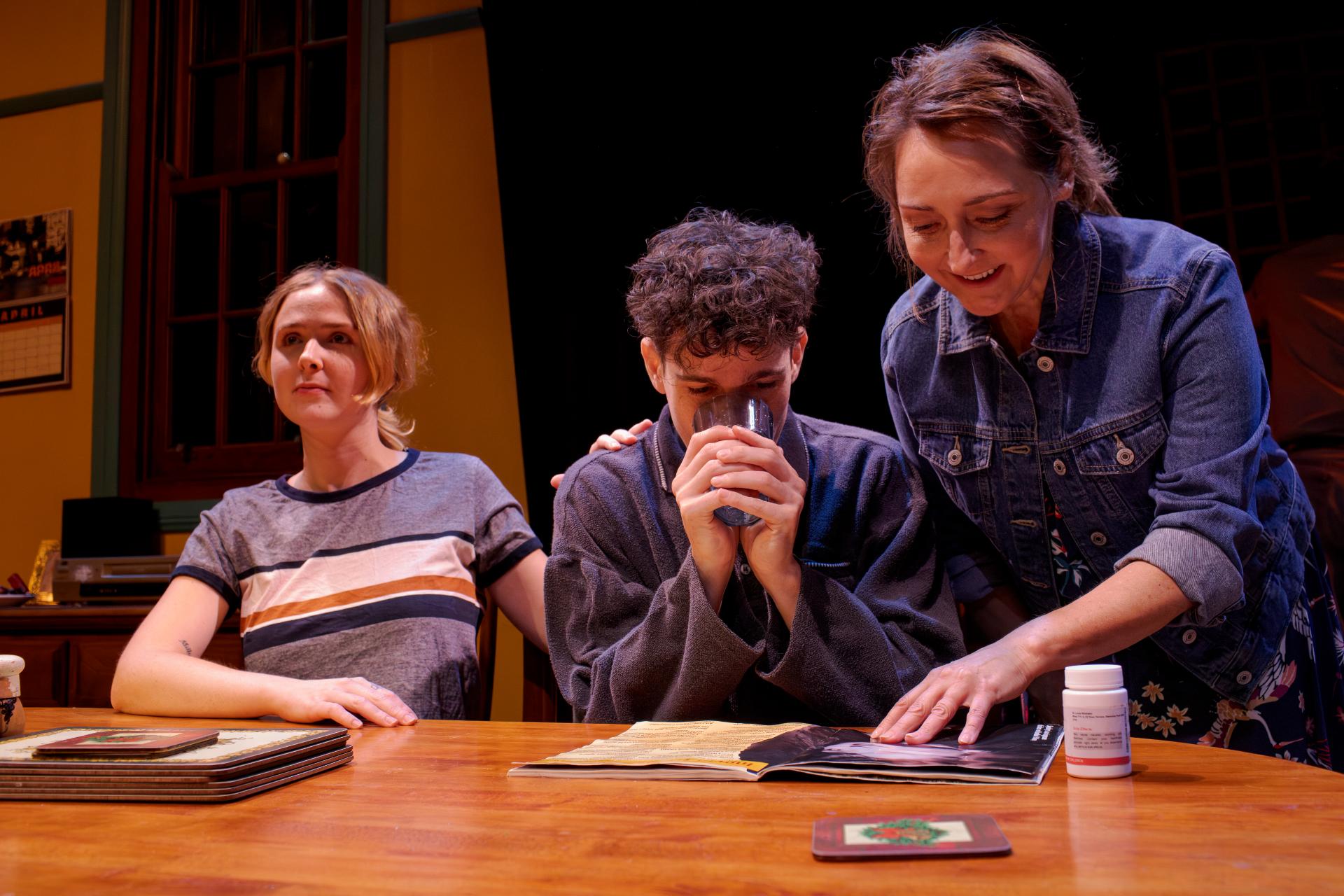
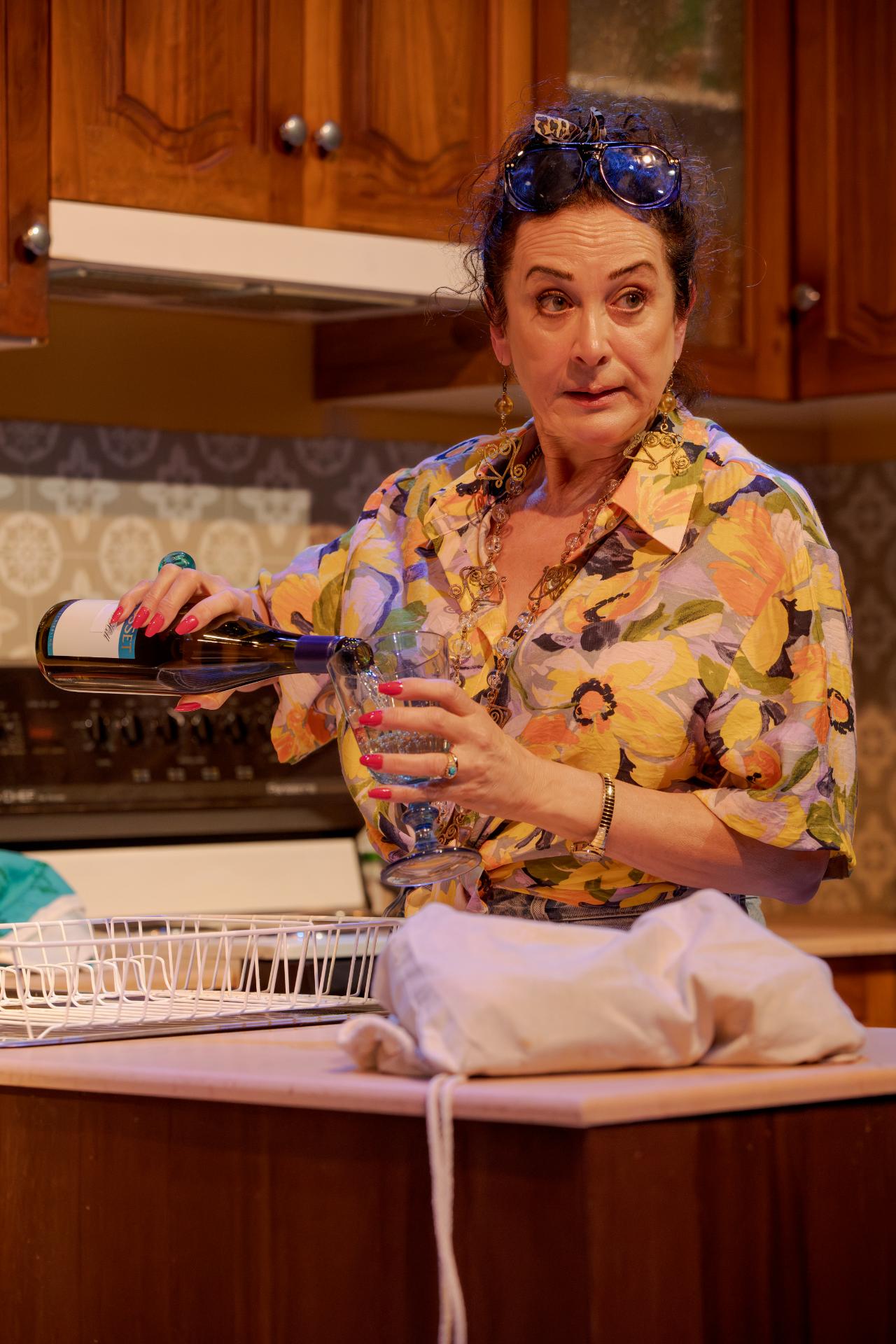
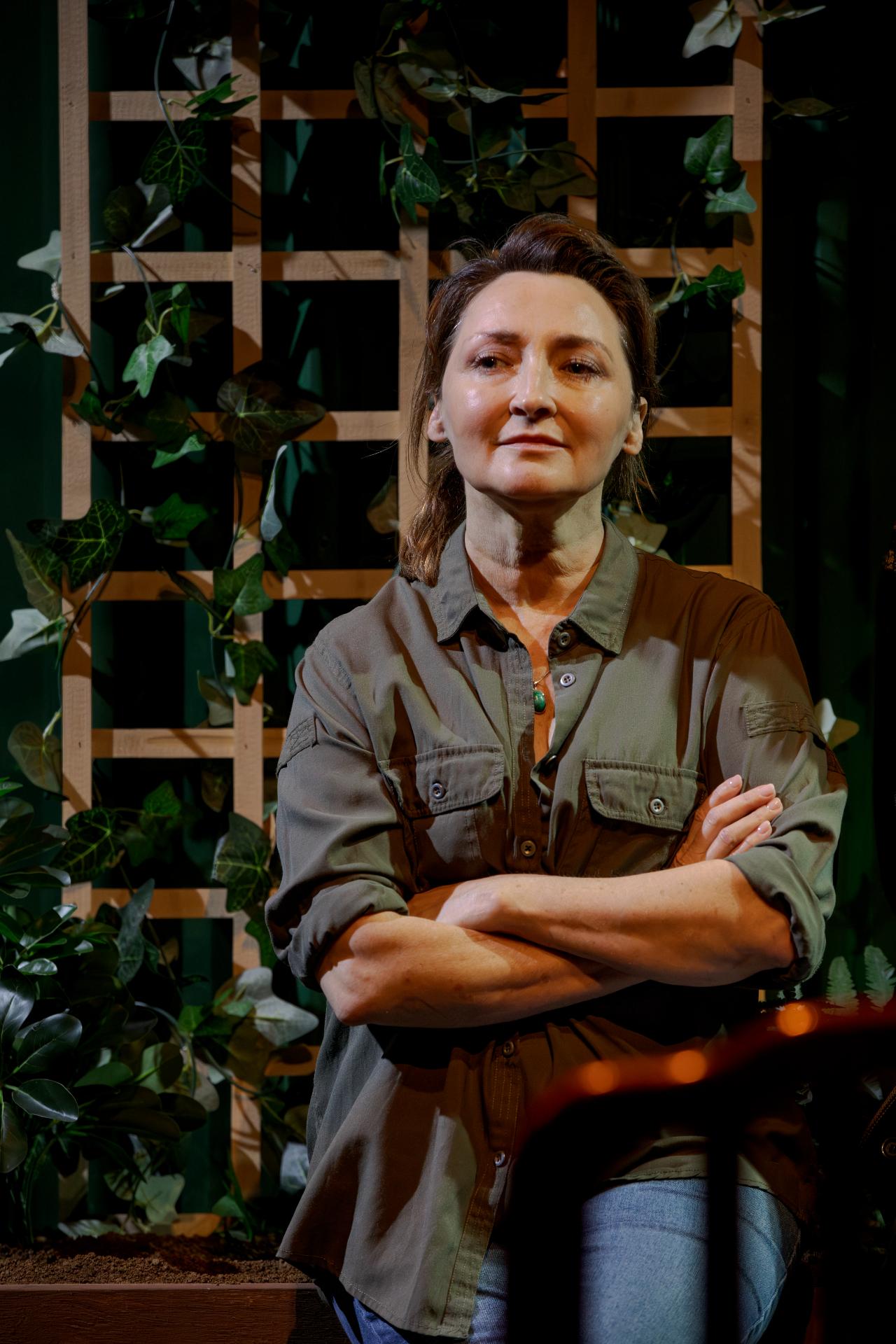
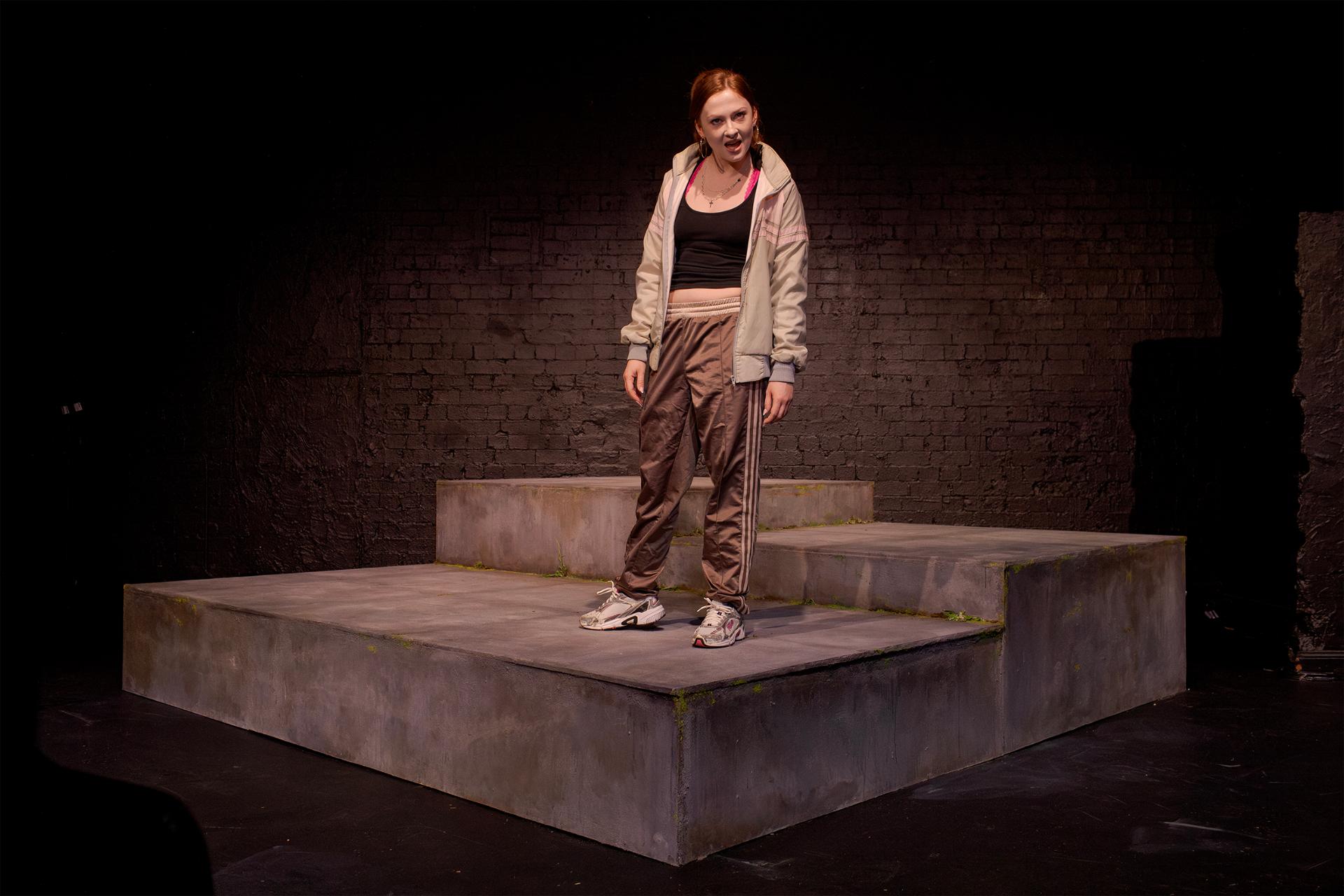
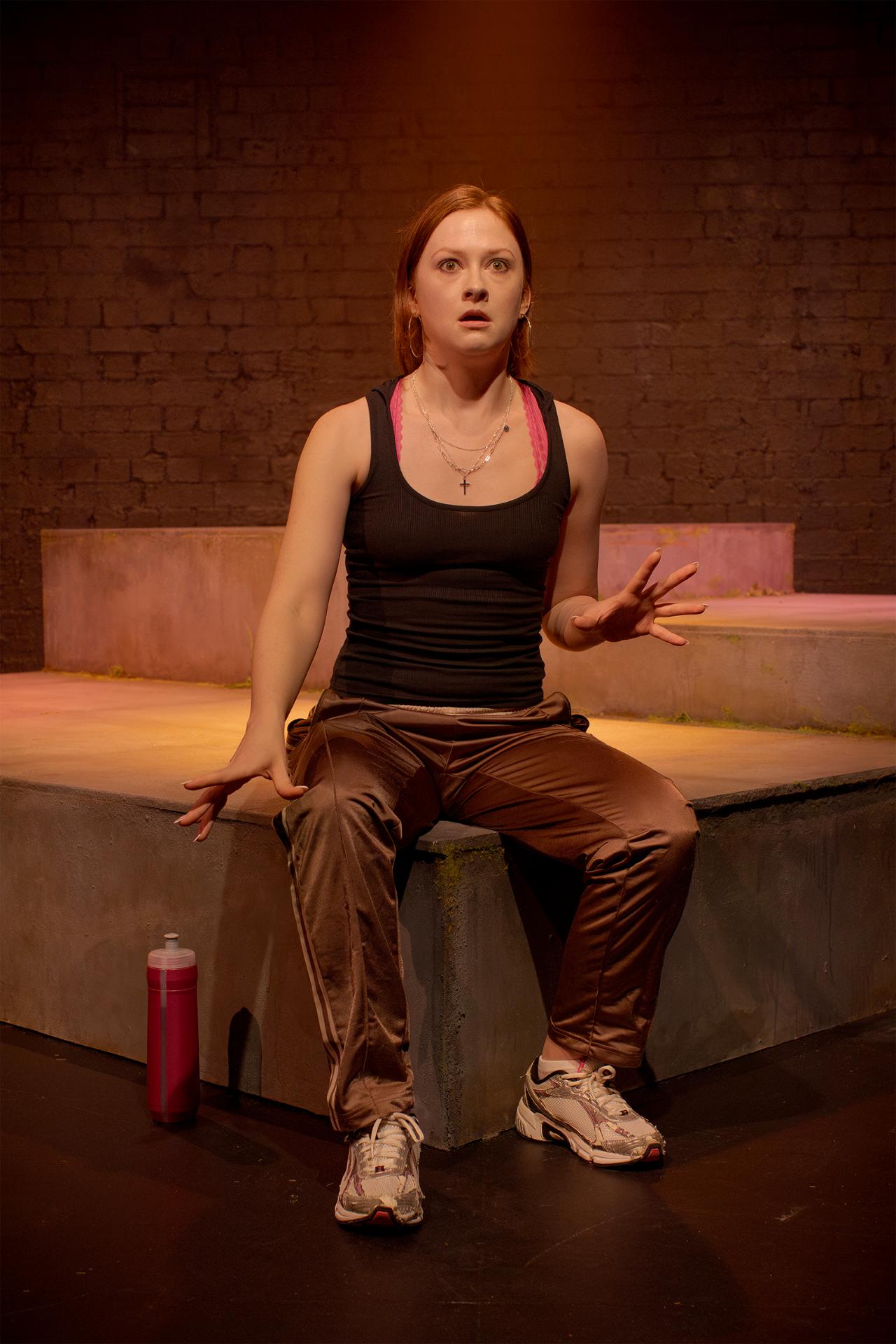
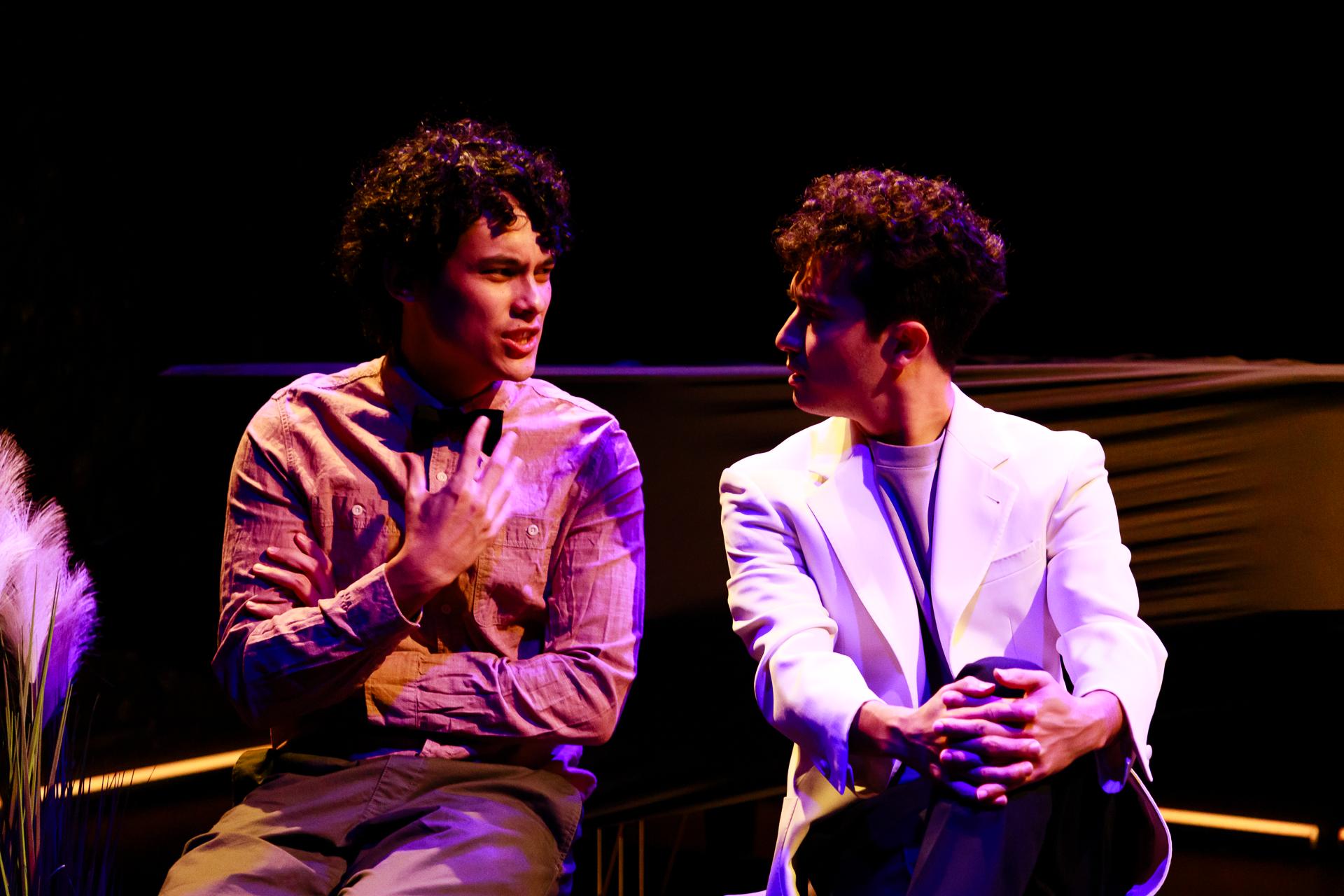
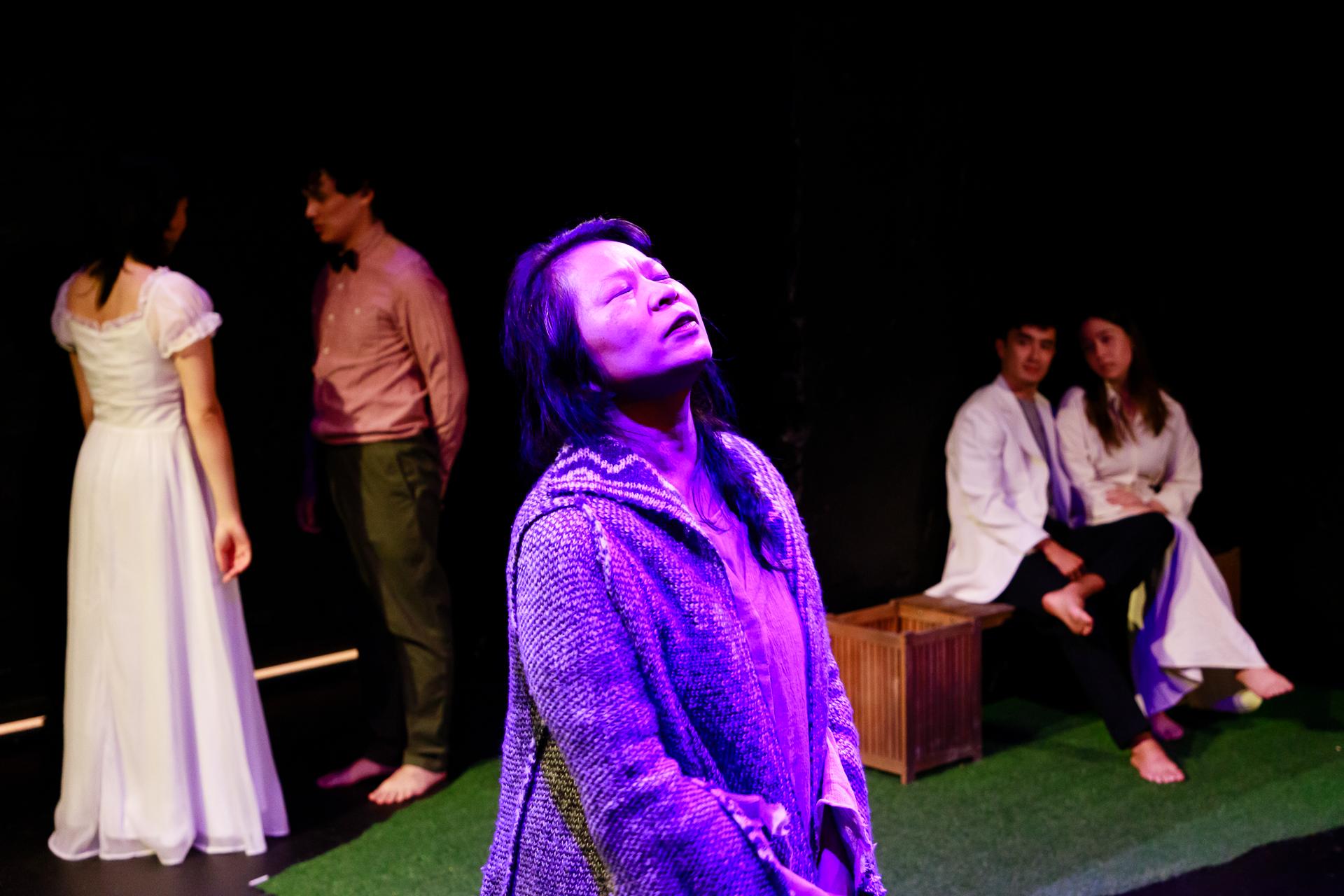
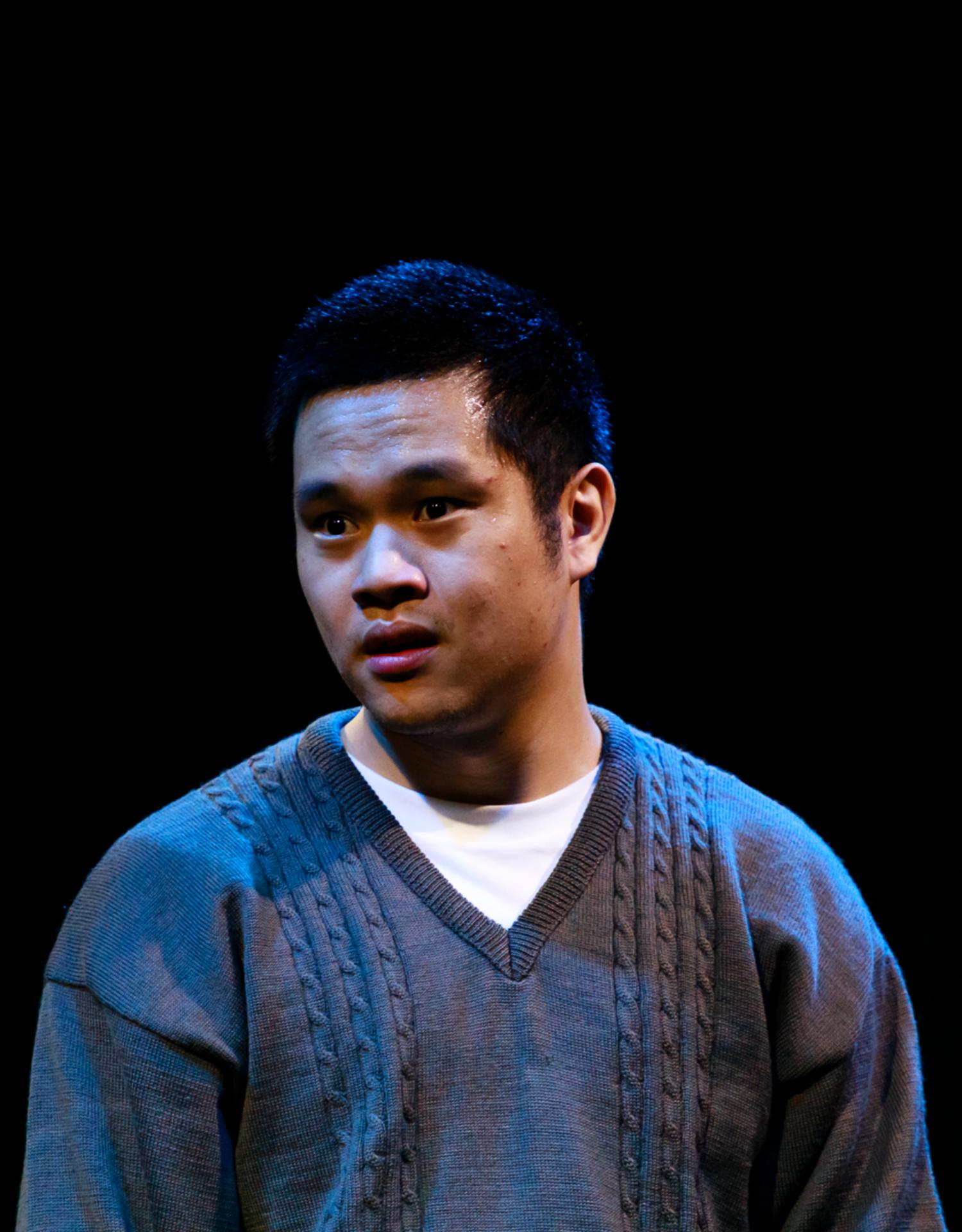
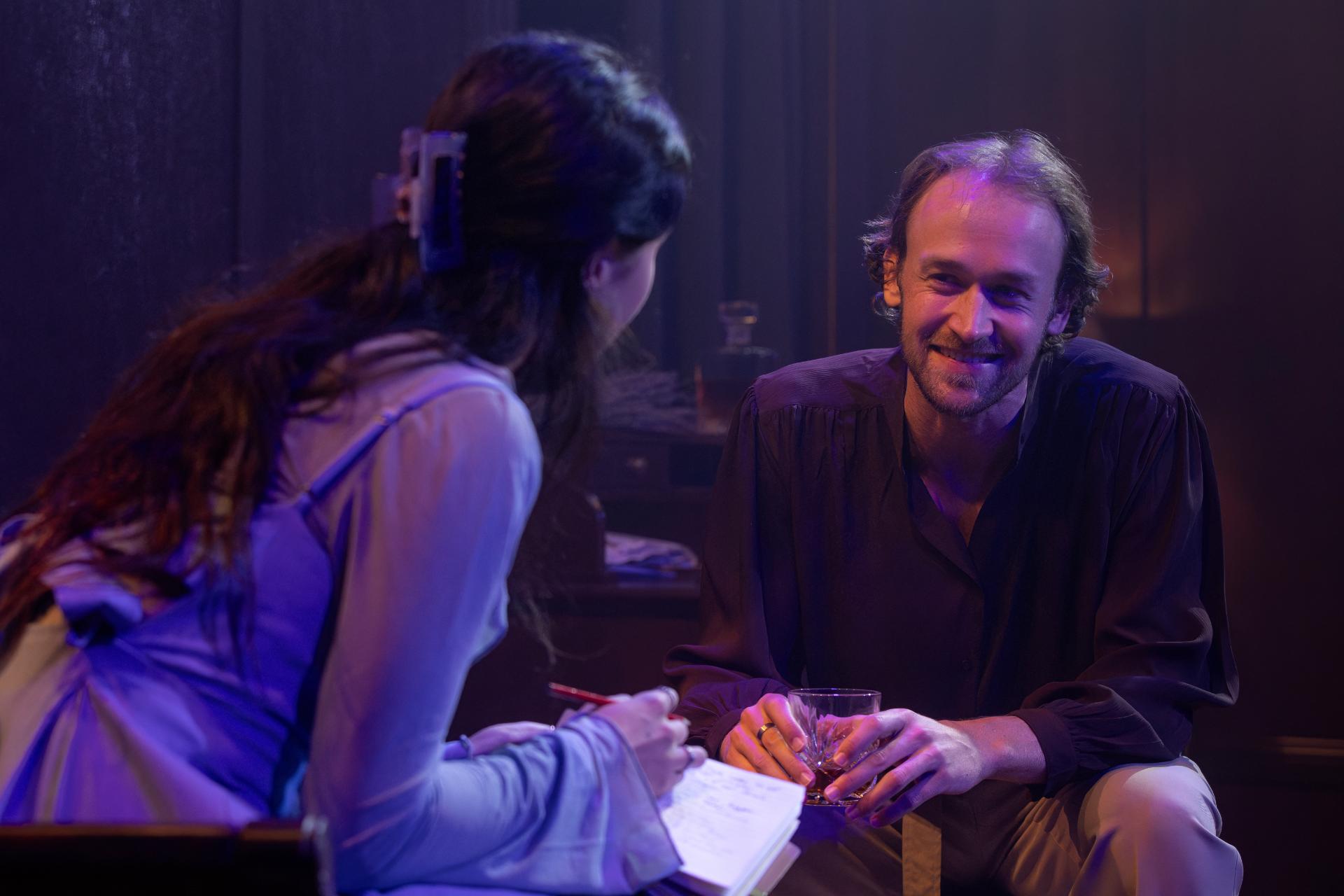
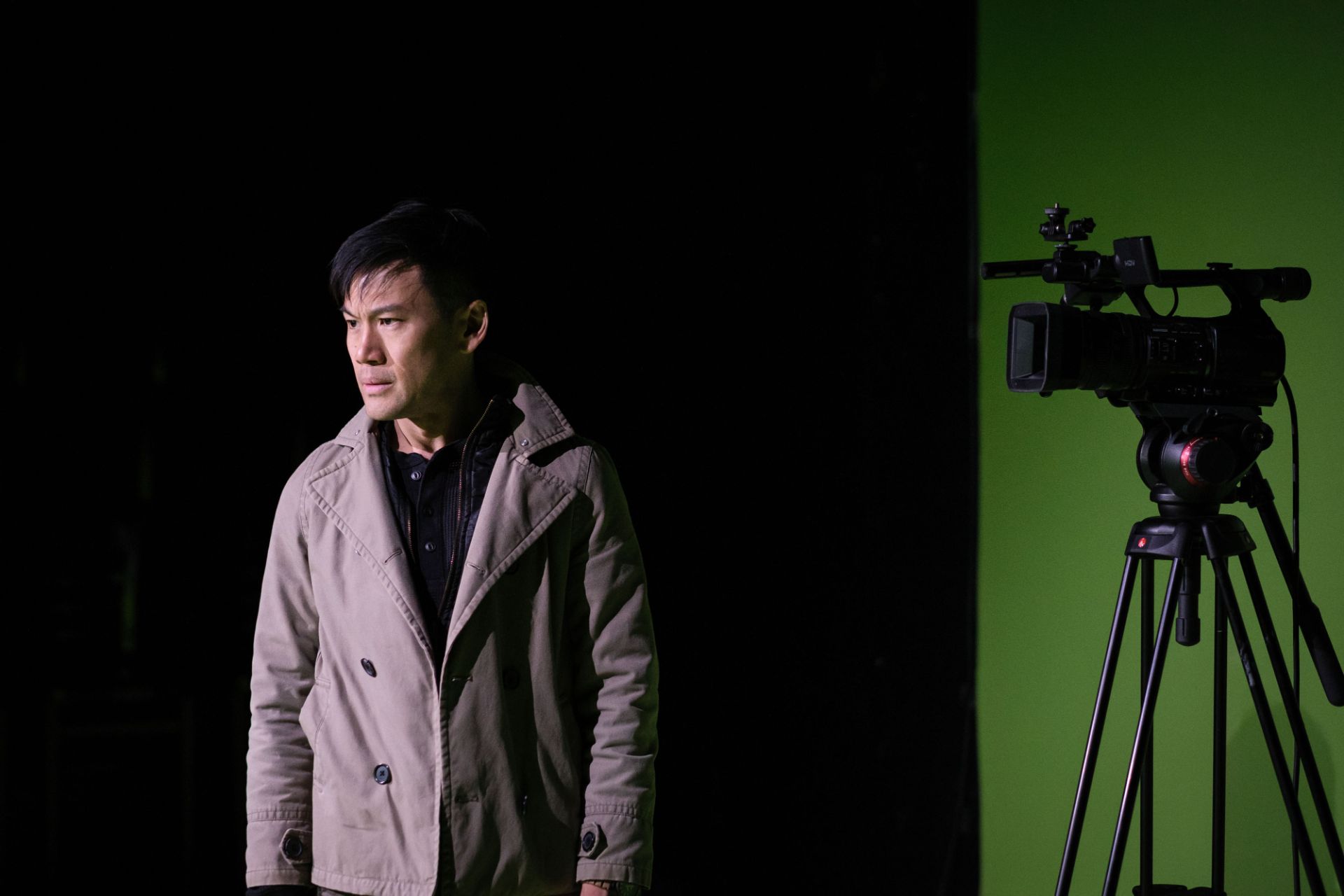
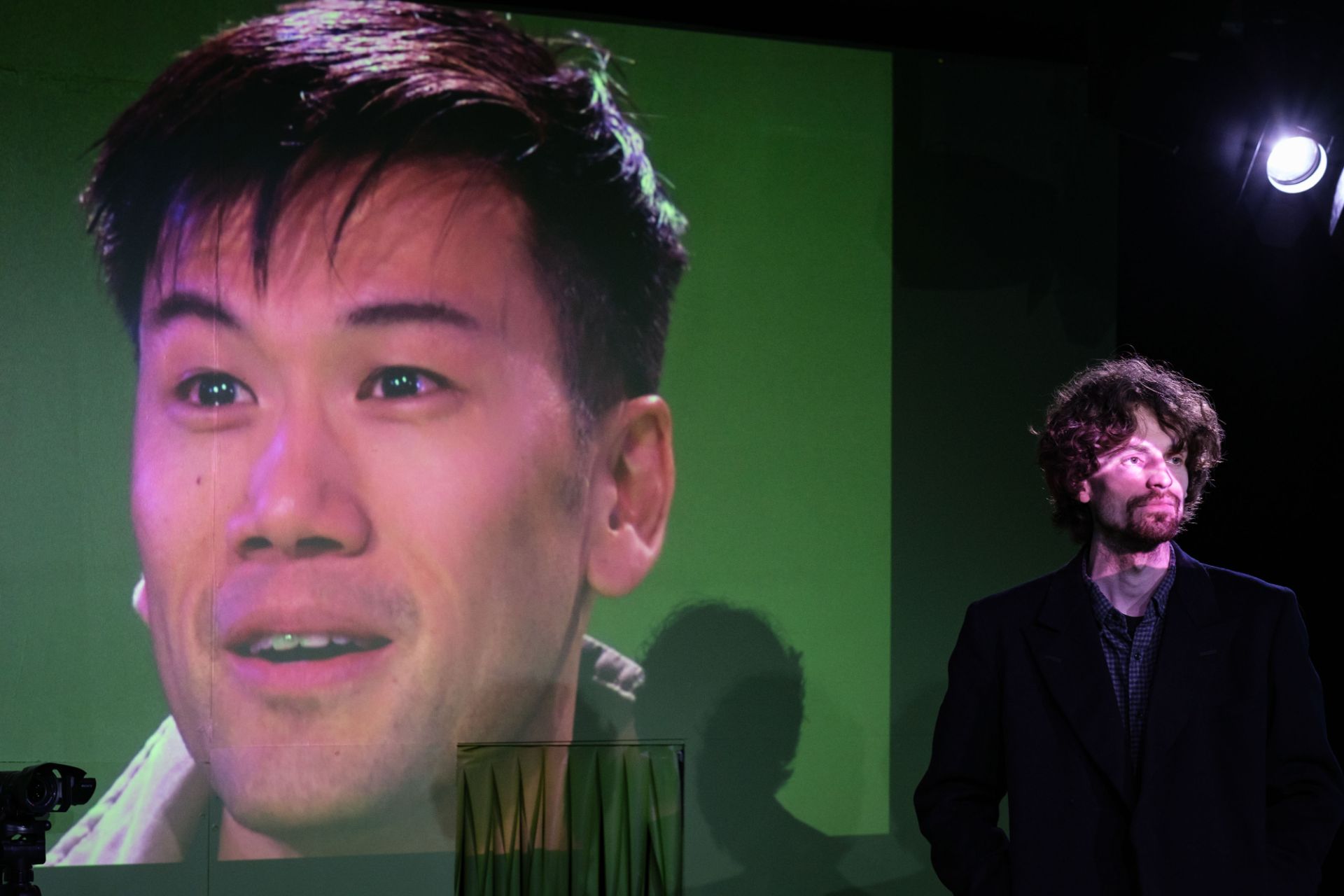
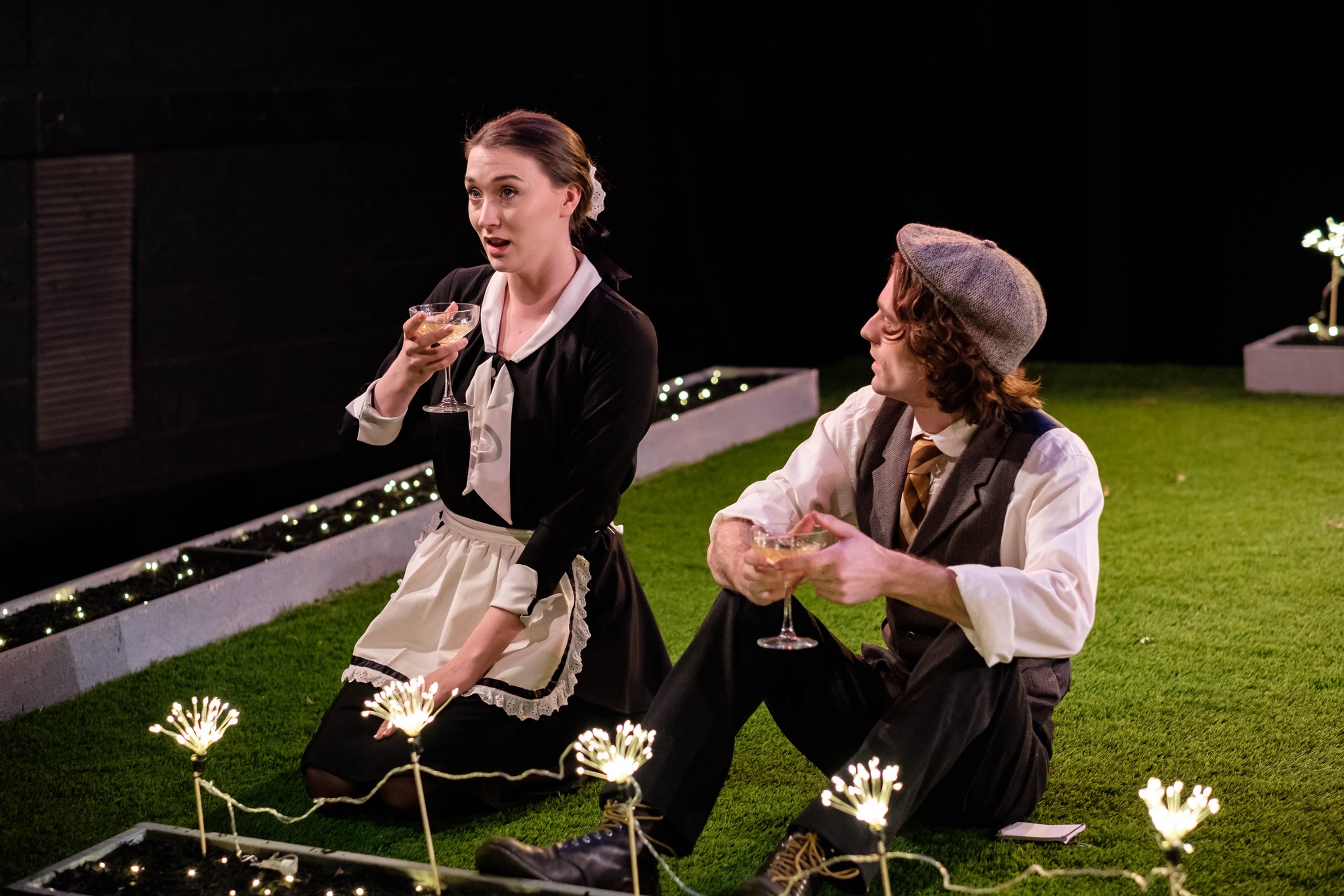
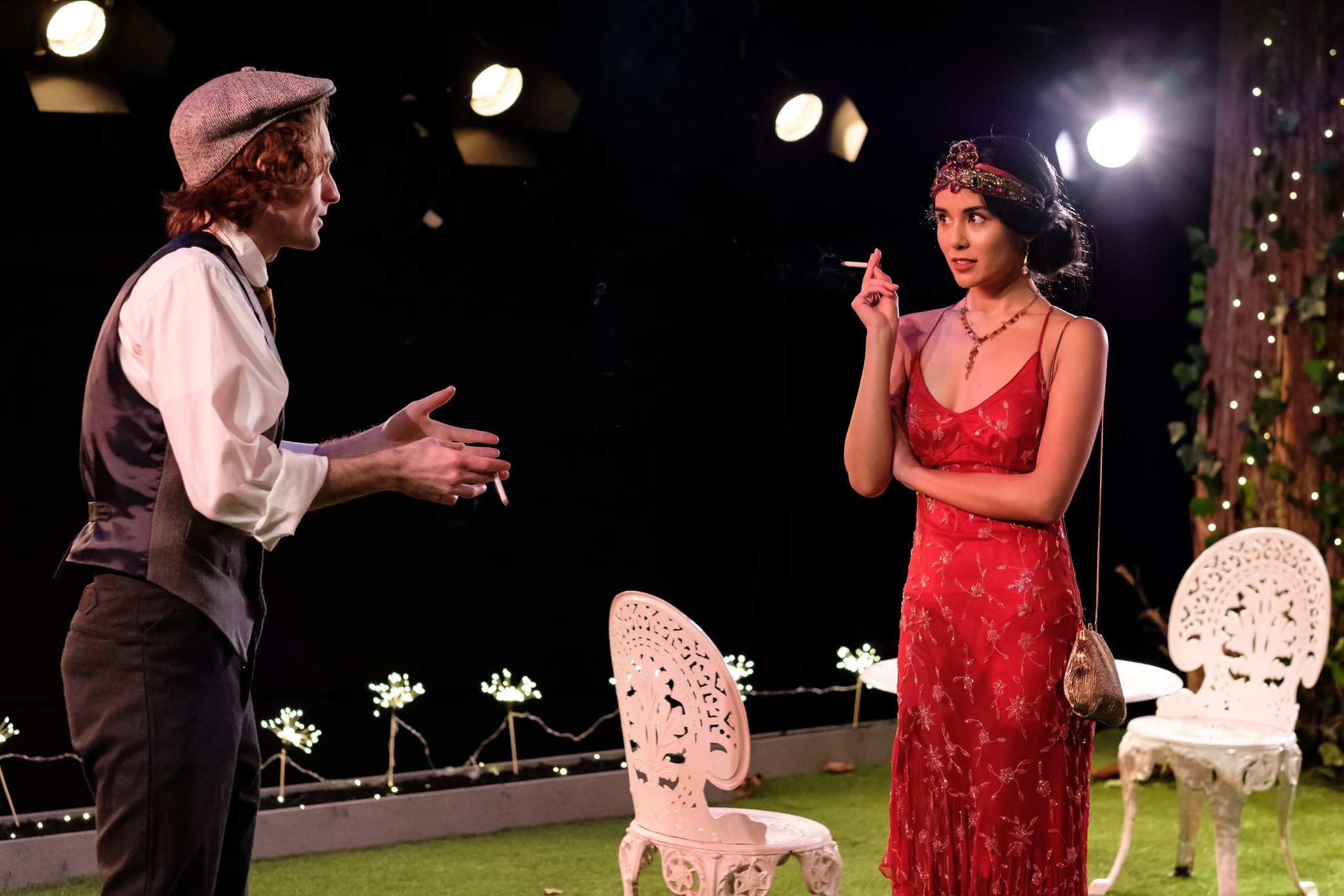
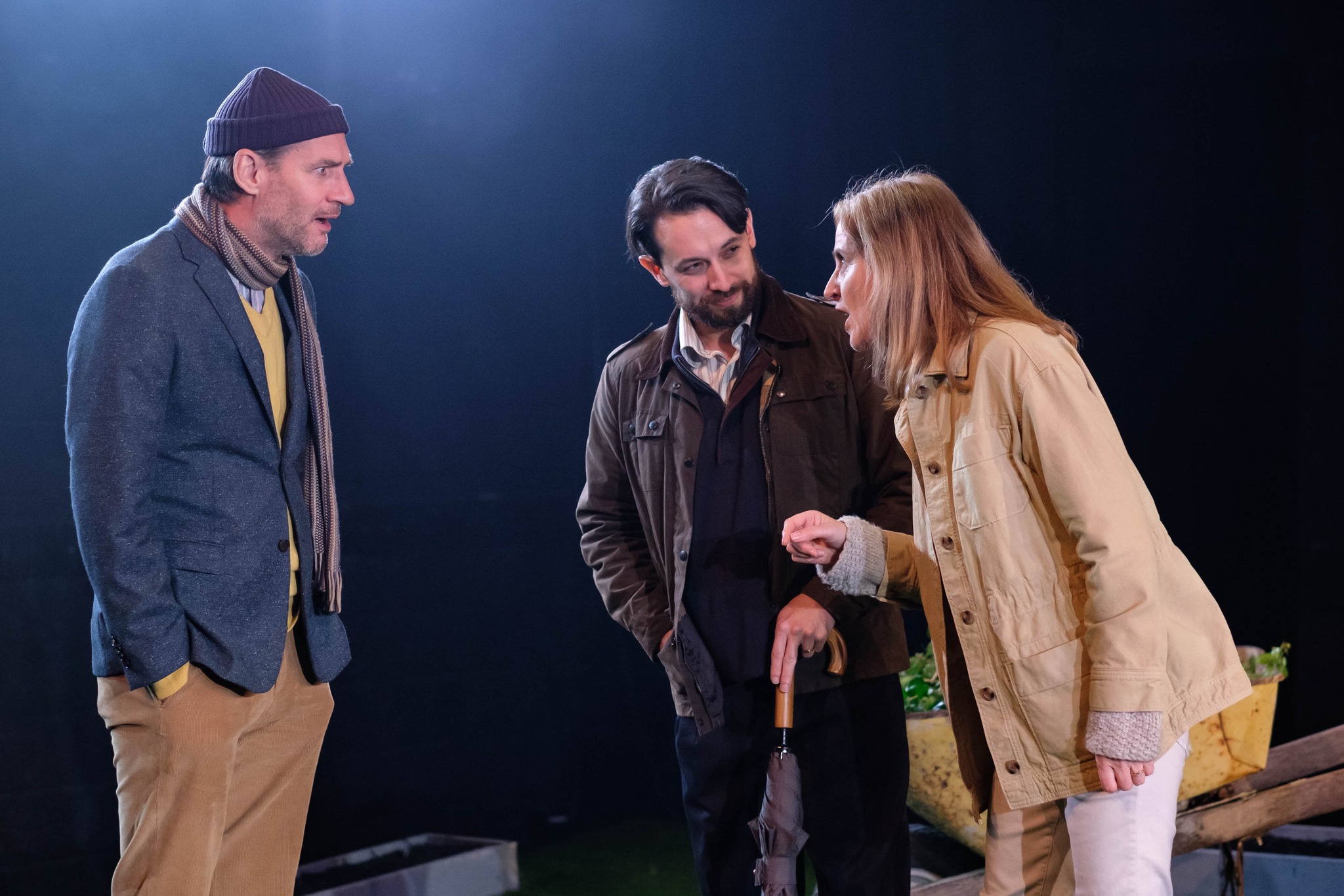
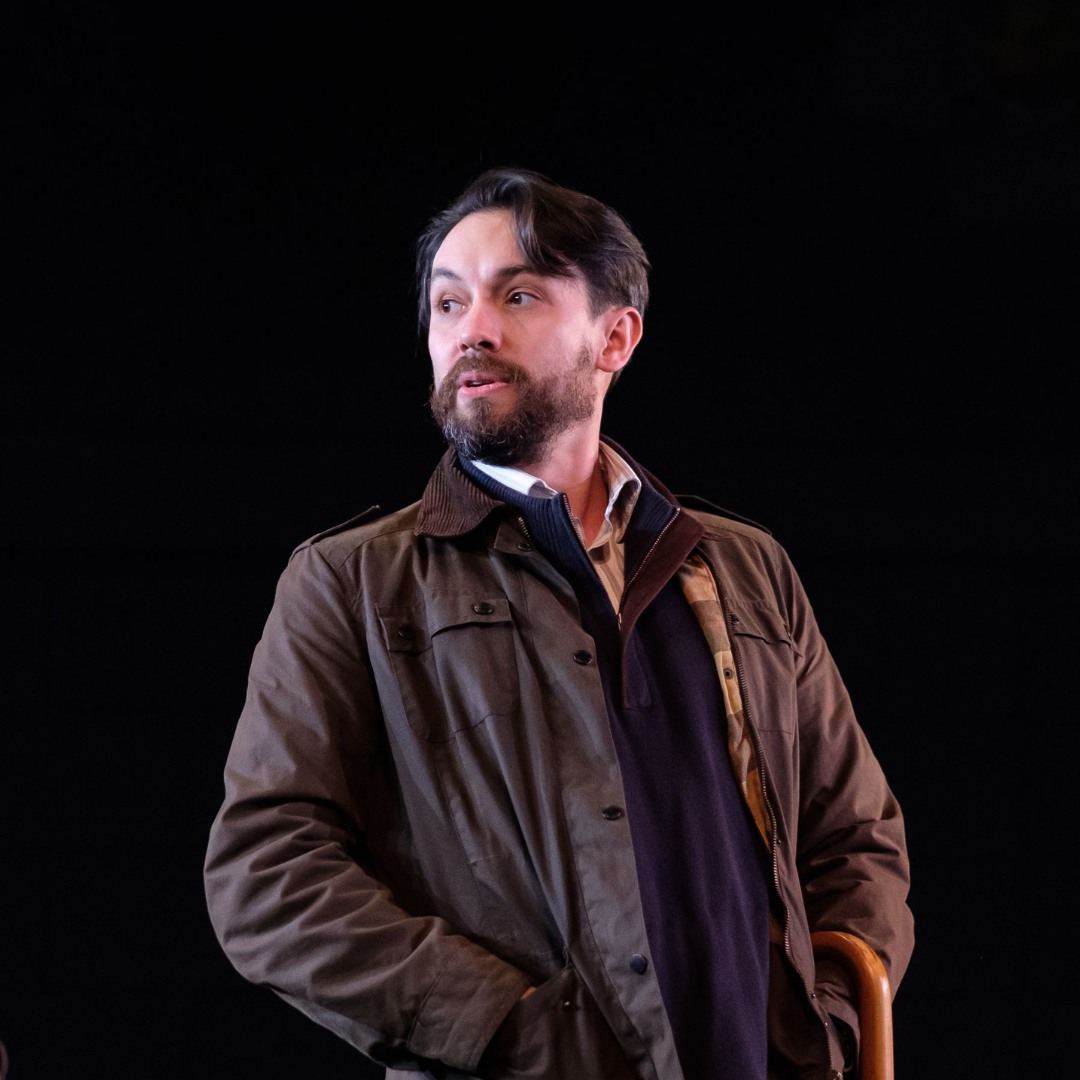
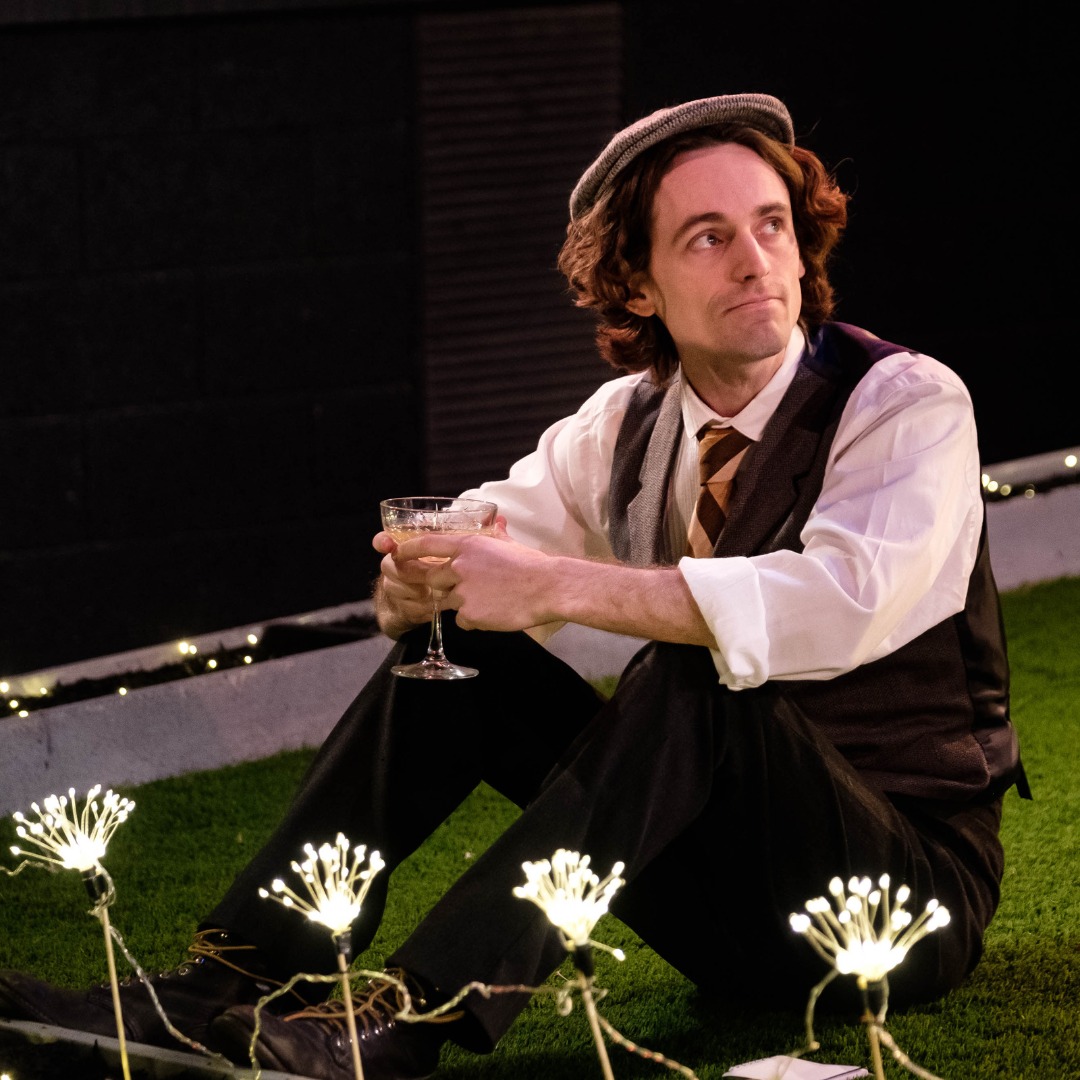
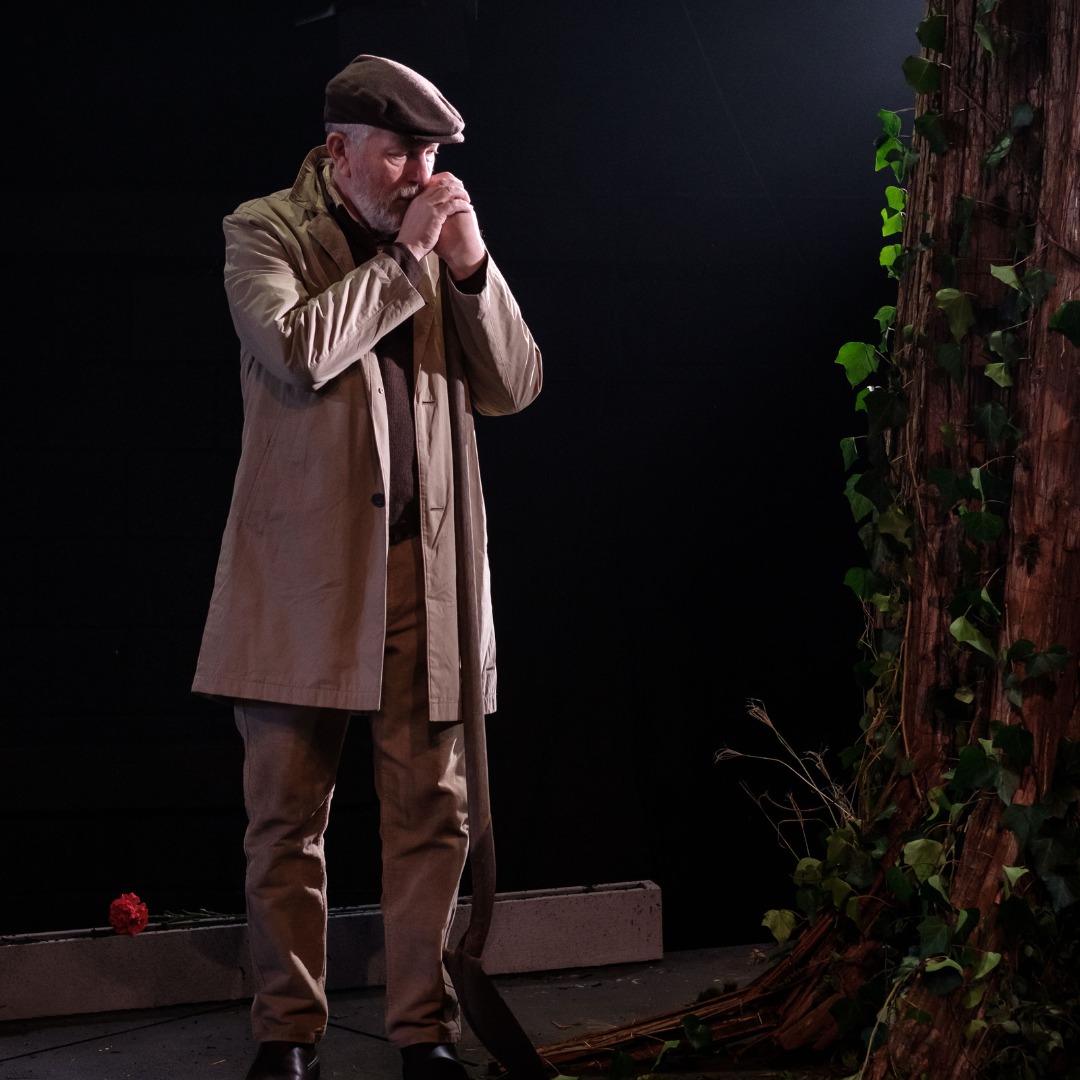
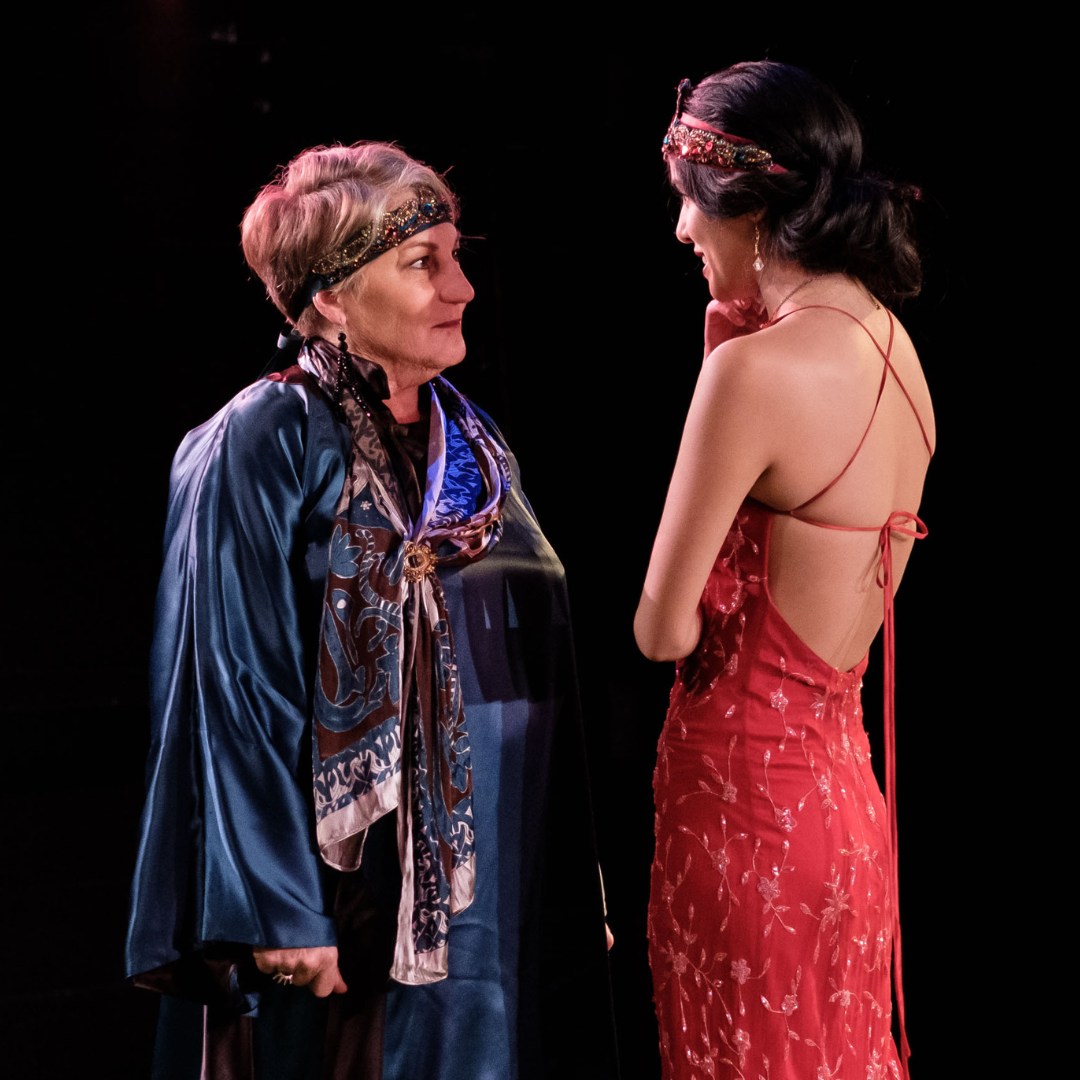
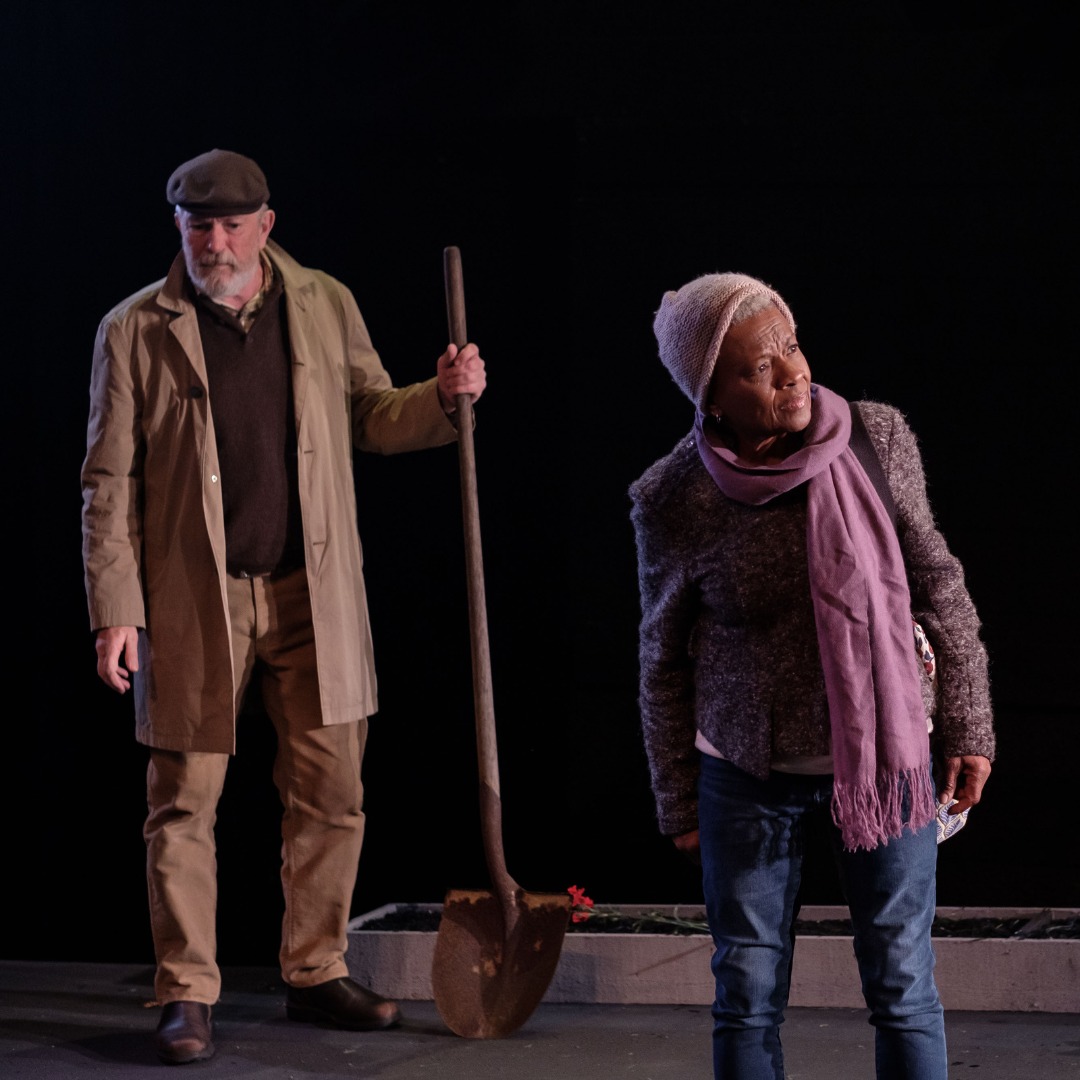
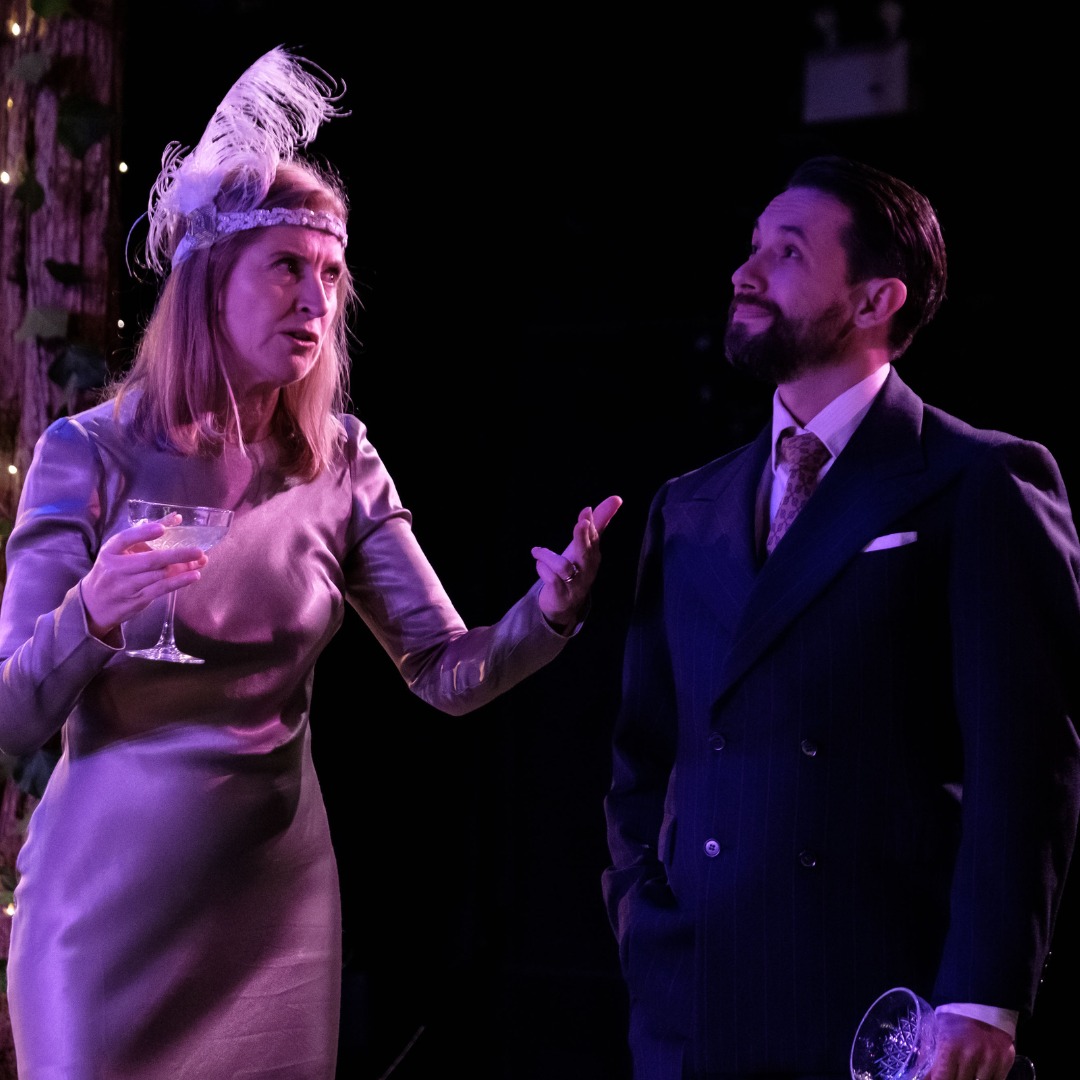
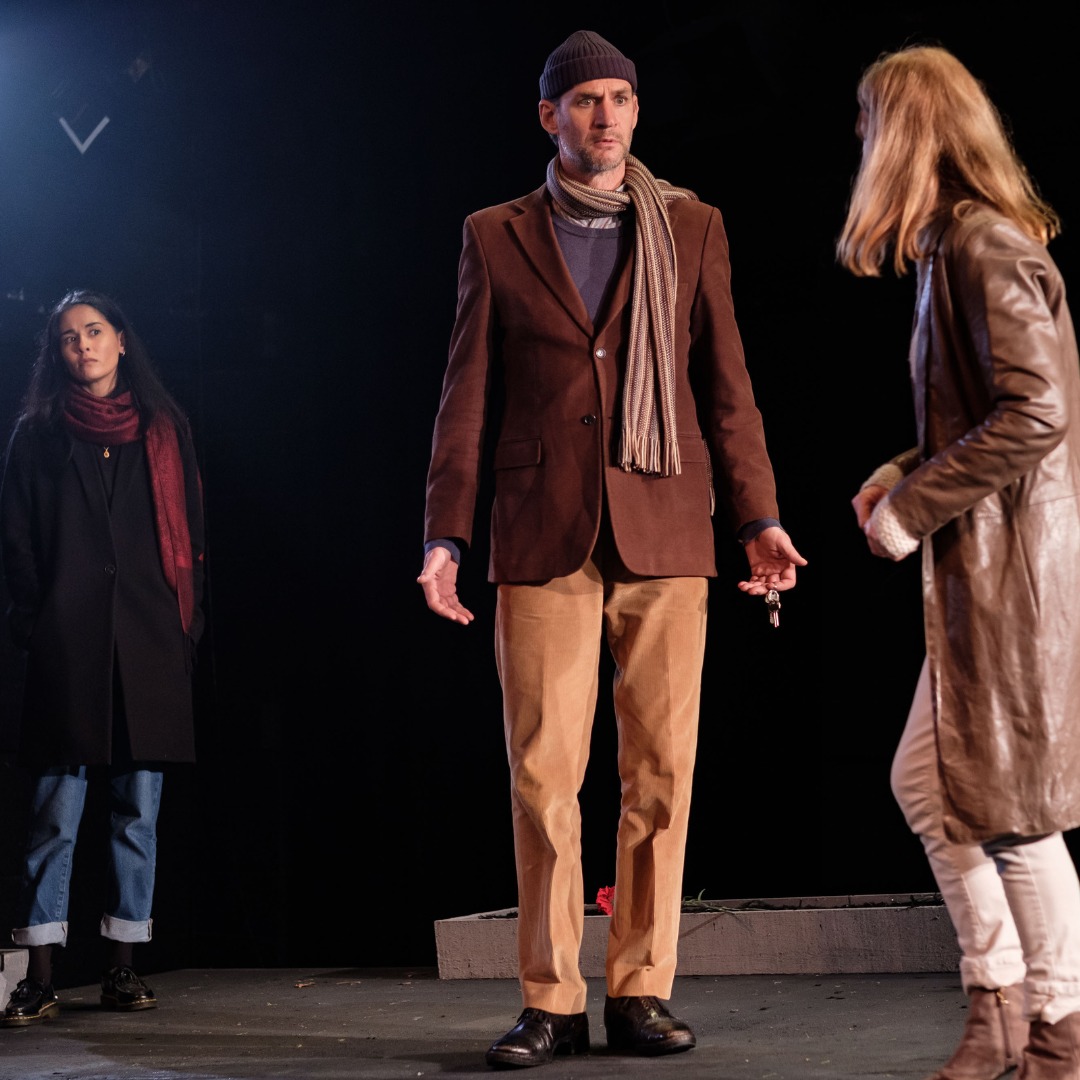
The performances, however, are uniformly strong. Sharon Millerchip, as April’s mother Ingrid, delivers an impressively layered portrayal, marked by meticulous detail and a striking naturalism. Sofia Nolan’s April is earnest and committed, though the evasive quality of the writing often constrains her. Owen Hasluck brings a welcome charisma to April’s brother Isaac, while Deborah Galanos and James Lugton infuse their neighbour characters with a vividness and vitality that guard the piece from tipping entirely into gloom.

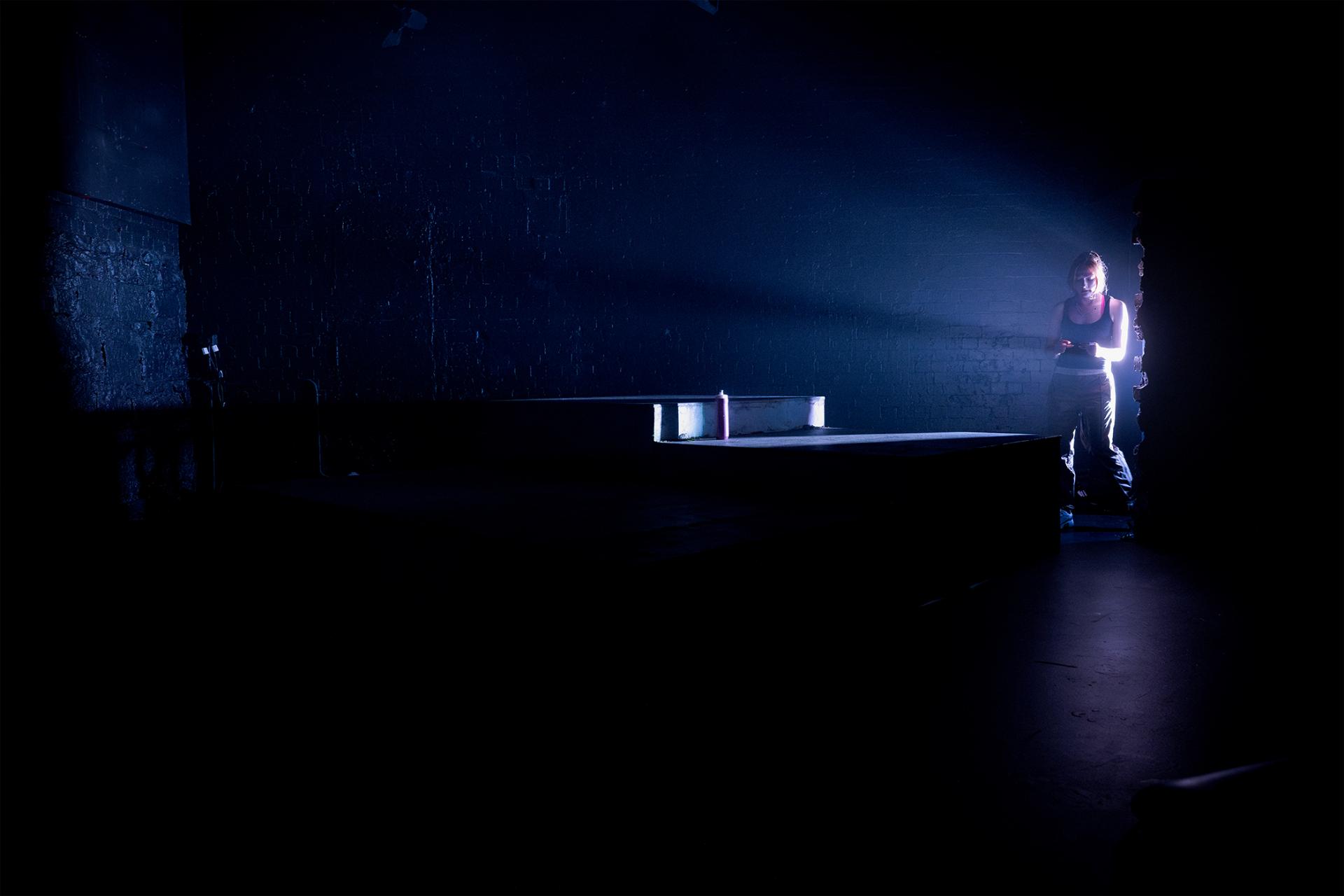
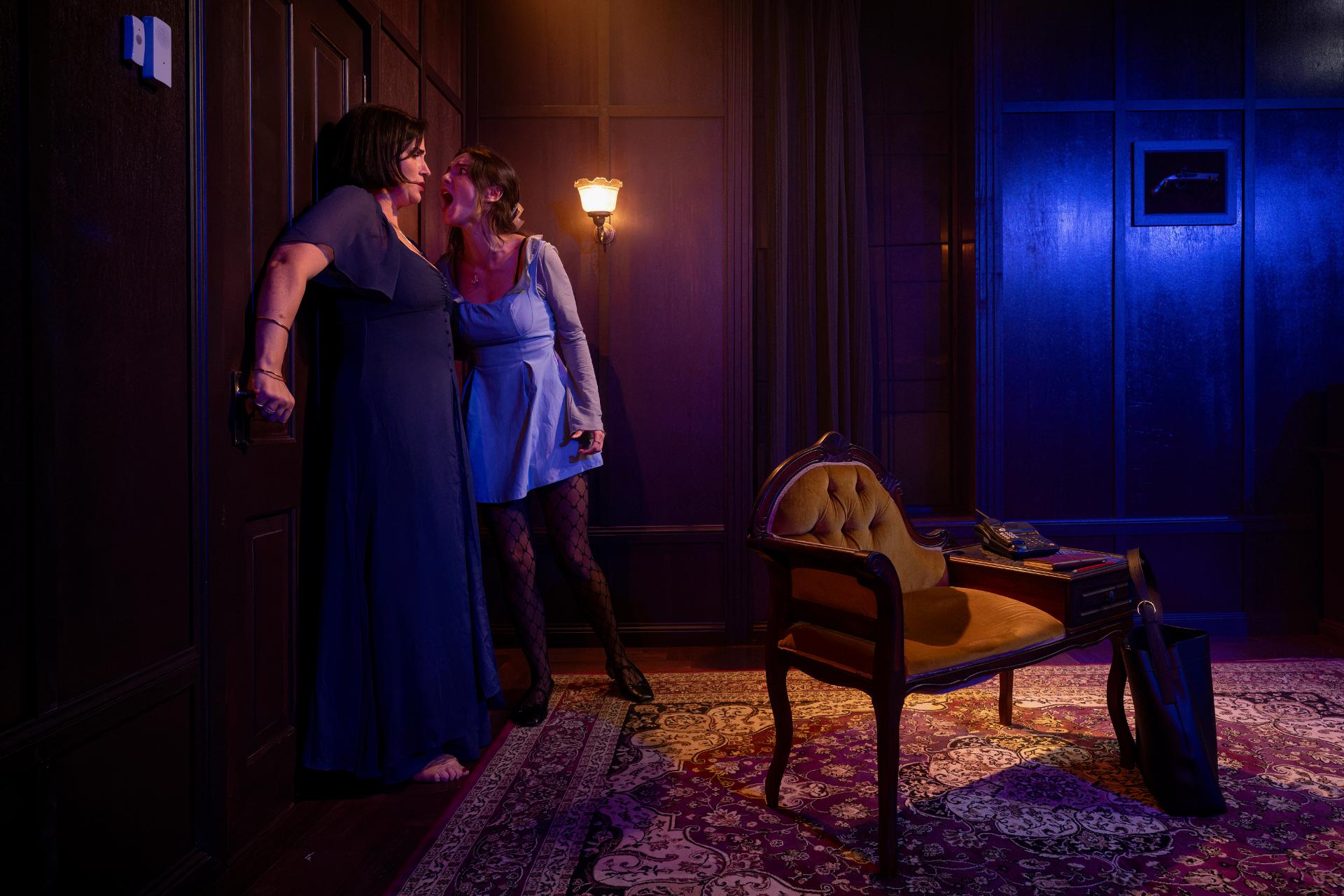
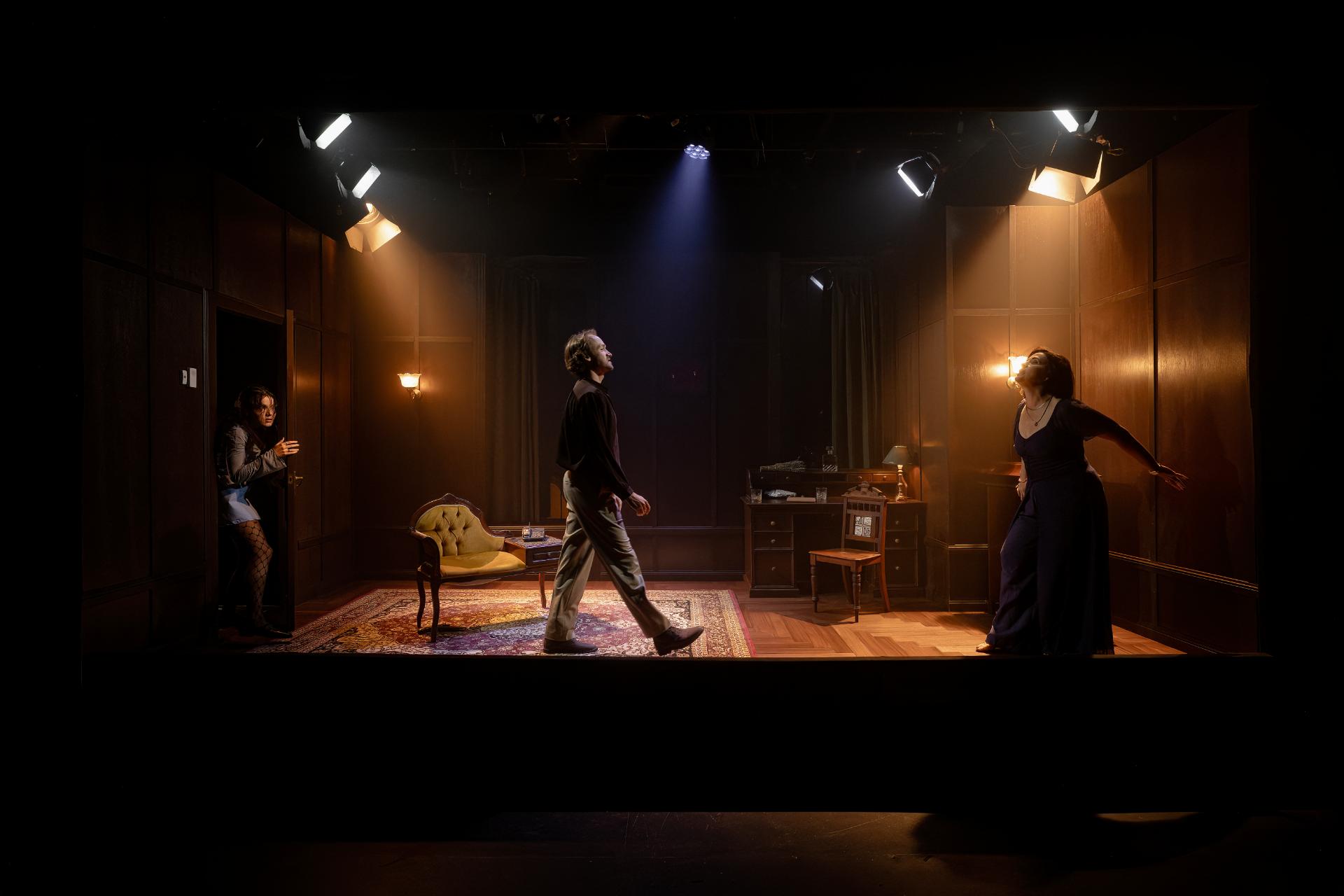
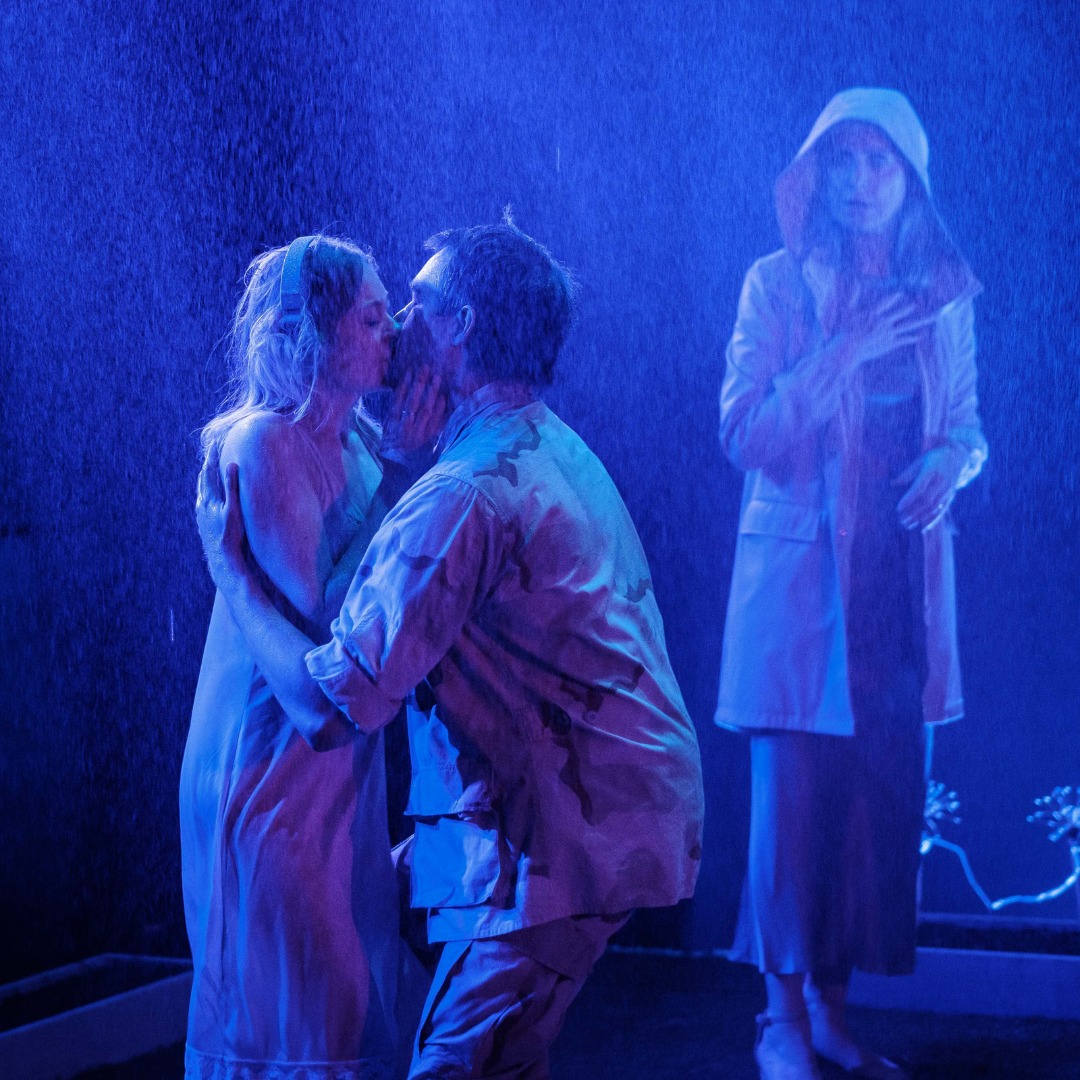
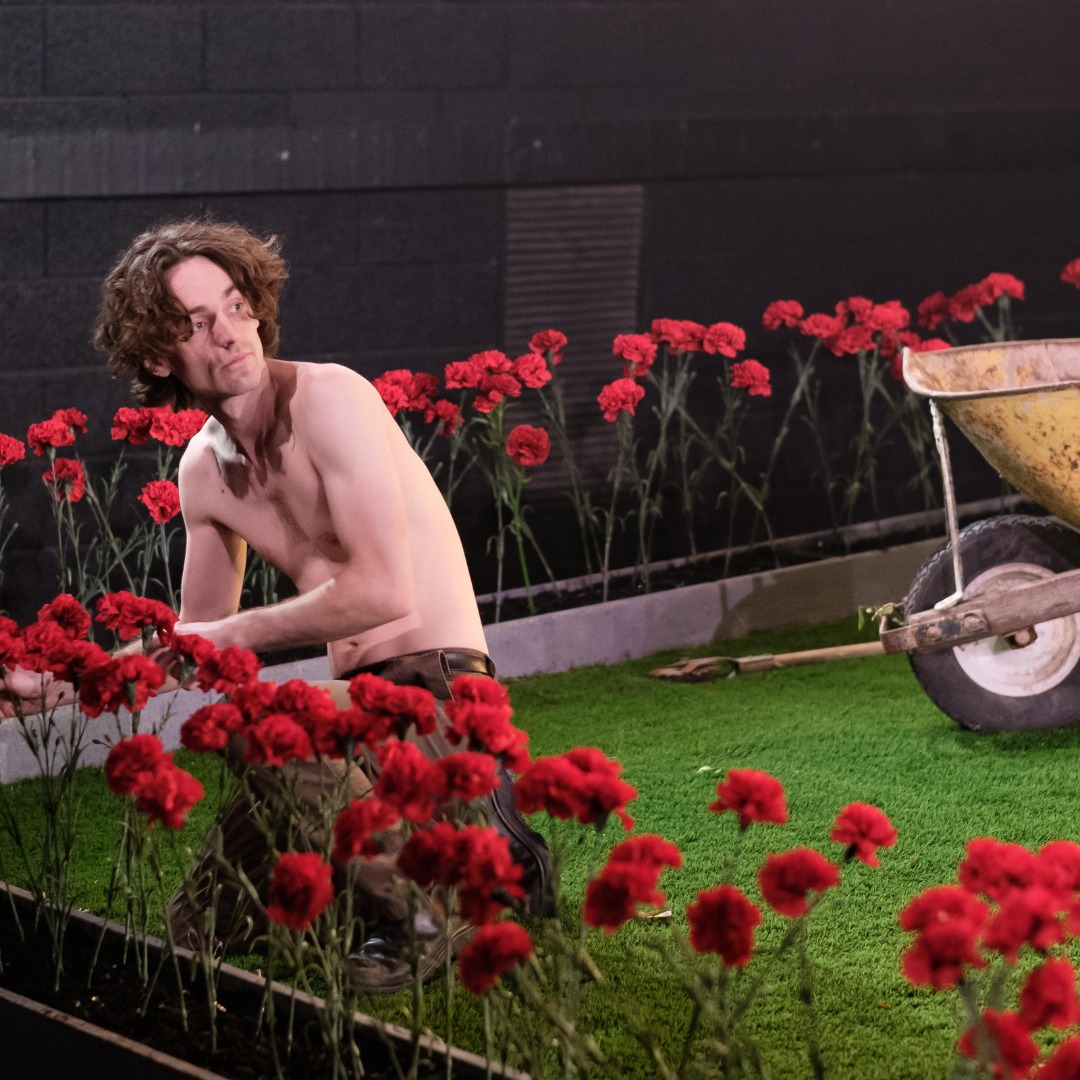
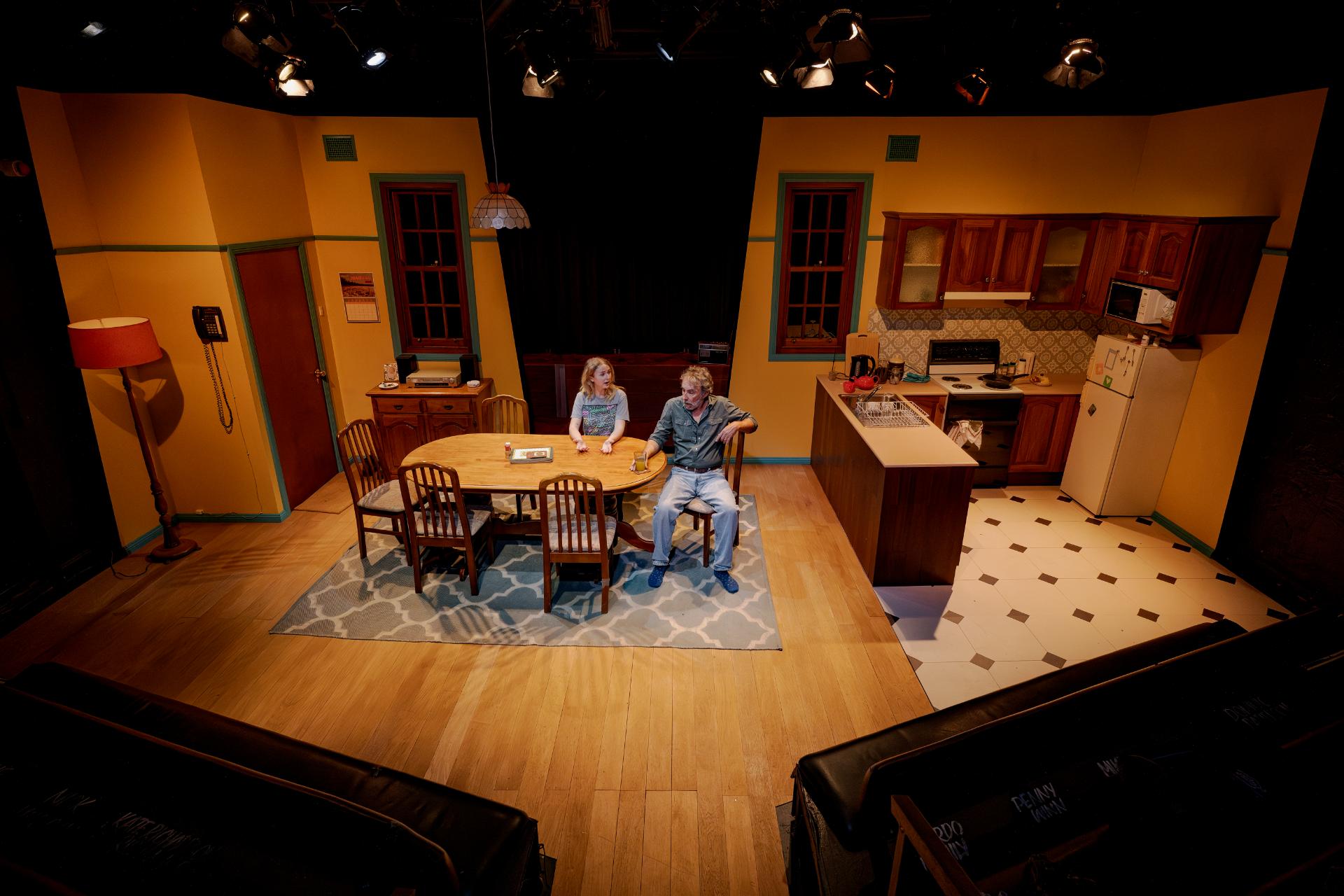
Soham Apte’s set design and Rita Naidu’s costumes evoke the suburban milieu with precision, yet offer just enough chromatic lift to keep the stage visually compelling. Veronique Benett’s lighting and Sam Cheng’s sound design are both applied with discernment, subtly shaping atmosphere and shading in tensions. Together, they support a production that strives to give weight to the many things ordinary people seem, all too often, unable to put into words.

Beneath all that reluctance to engage in difficult conversations lies a dense accumulation of resentment. The characters in Born on a Thursday, young and old alike, understand that life is no bed of roses—that its curve balls can, in fact, be catastrophic. Yet we must still find ways to keep moving. To compound those hardships by shutting out the very people to whom we are bound by kinship is its own small tragedy, and one the play suggests may be the most Australian silence of all.

Review: Iphigenia In Splott (Old Fitz Theatre)

Venue: Old Fitzroy Theatre (Woolloomooloo NSW), Mar 7 – 22, 2025
Playwright: Gary Owen
Director: Lucy Clements
Cast: Meg Clarke
Images by Phil Erbacher

Theatre review
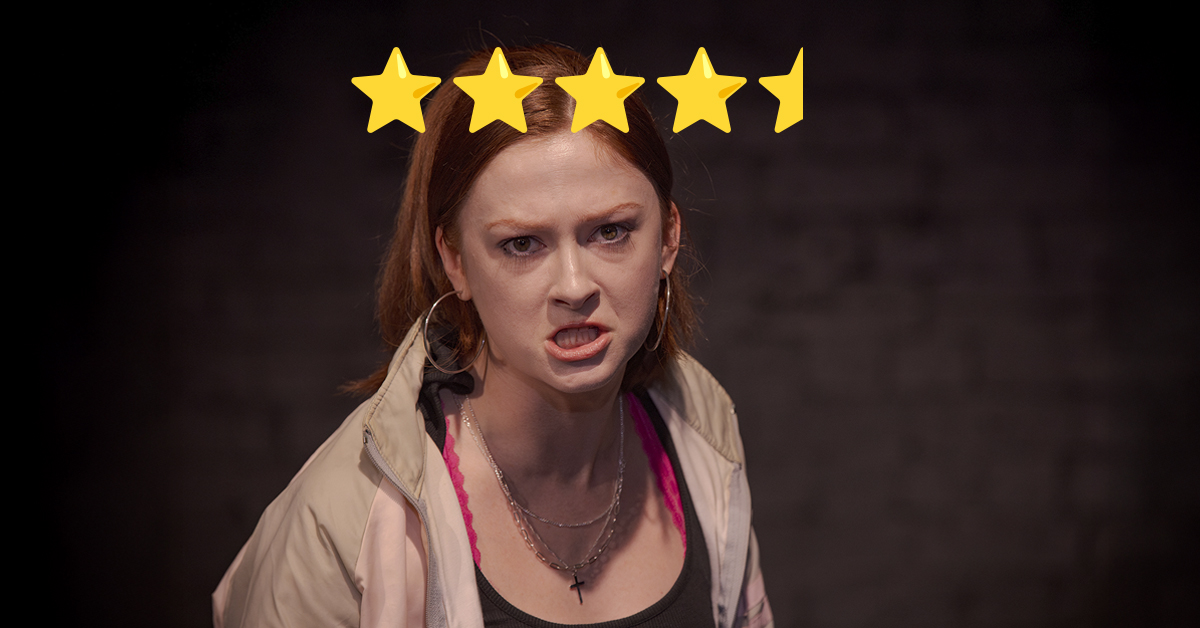
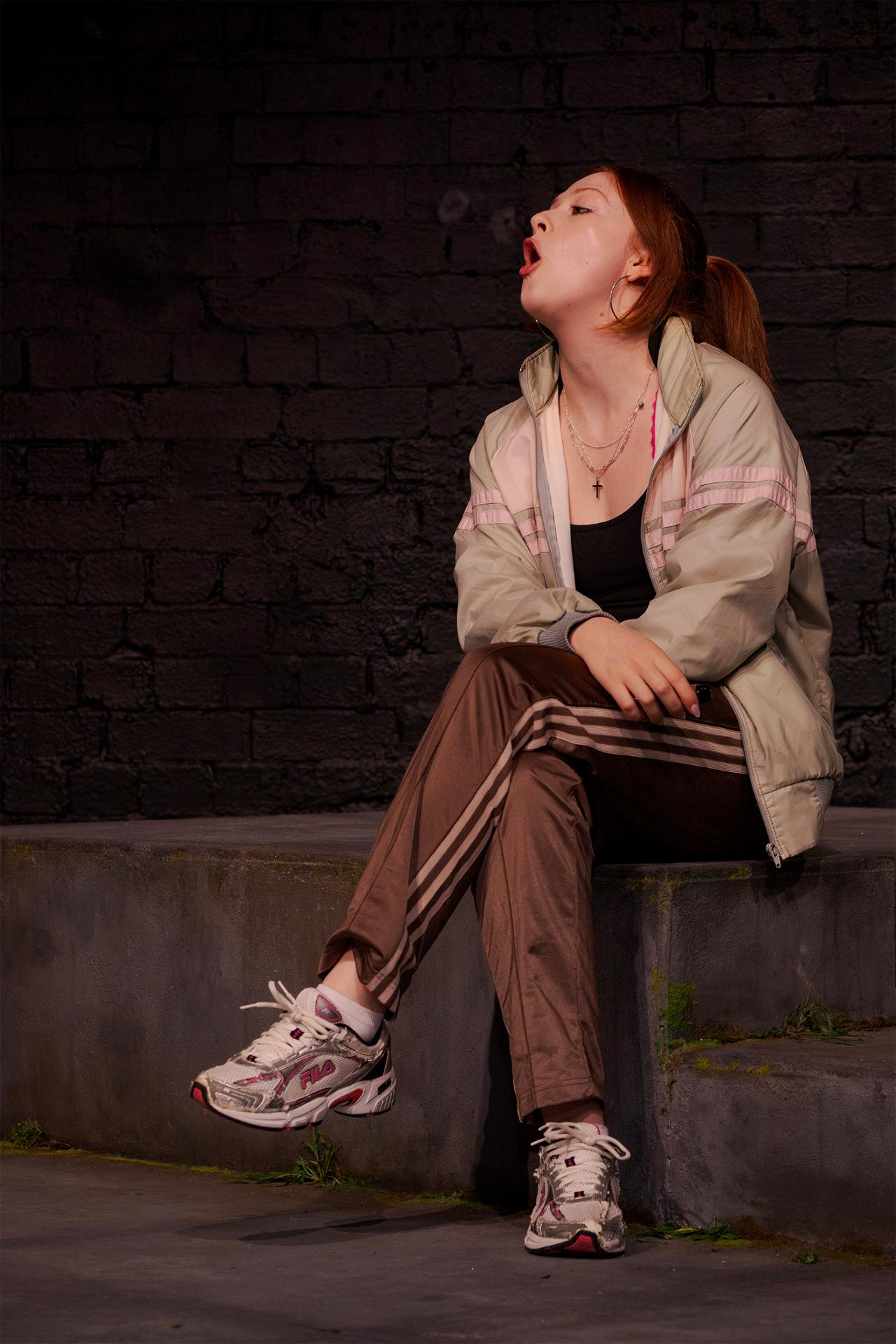
Living in the south of Cardiff is Effie, a young woman with no real purpose in life. After a chance encounter with a military veteran however, things begin to change. Iphigenia in Splott by Gary Owen deals with the underclass, paying specific attention to their relationship with public services. There are sections of the writing that can feel slightly diminishing of women’s experiences, but its plot is highly entertaining, and as a one-person show, its scope for performance is remarkably versatile, presenting a great opportunity for an actor to showcase their talent and range.

Meg Clarke takes on the challenging role with aplomb, completely astonishing with the depth and drama she brings to the stage. The emotions she offers are as intense as they are authentic, effortless at making Effie’s plight feel affecting from start to end. Clarke’s timing is perfectly honed, and the intricacy with which she breathes life into the text is simply awe-inspiring.

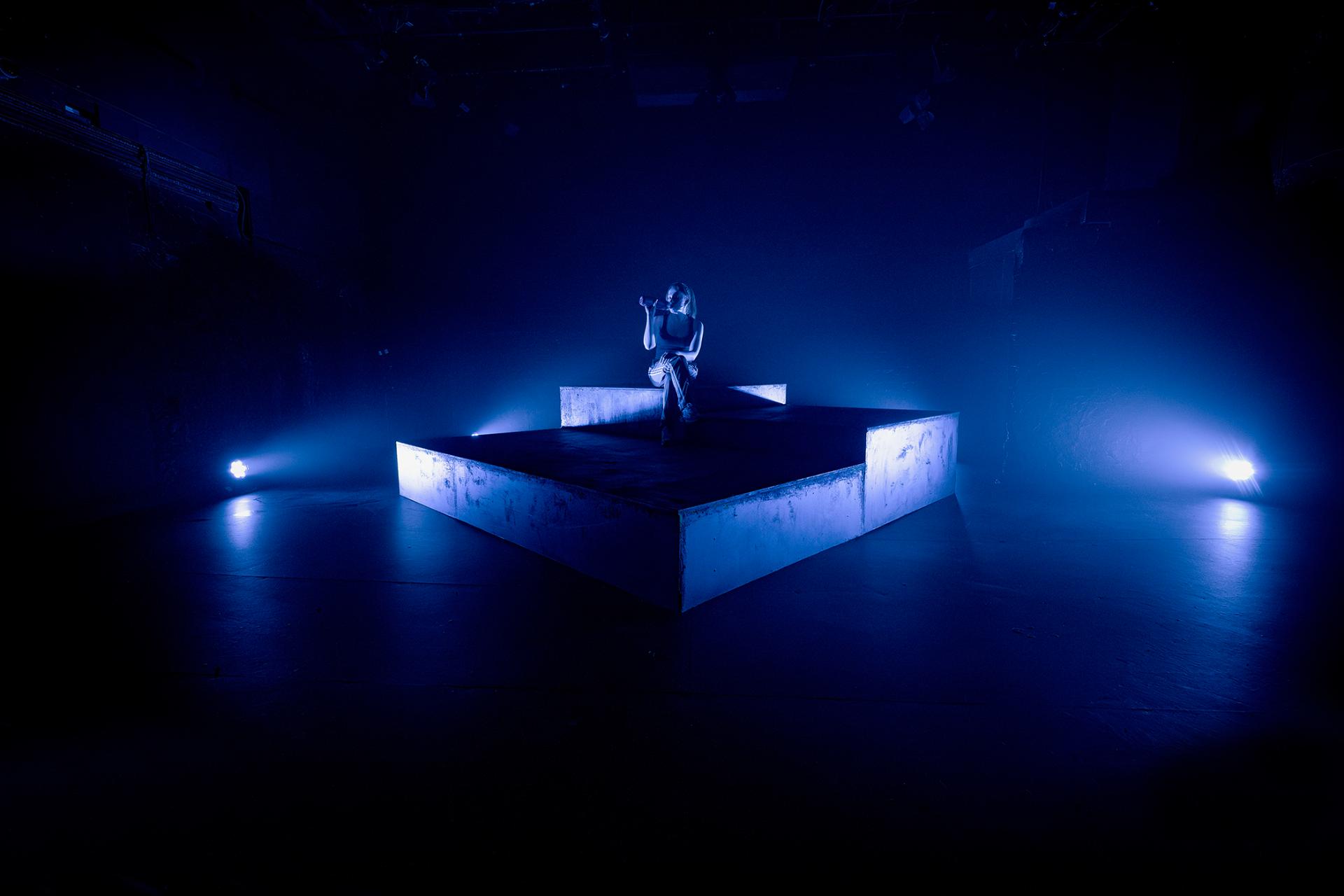
Direction by Lucy Clements keeps the show dynamic and engaging, with an urgency that ensures its message cuts through successfully. Production design by Angela Doherty provides just enough embellishment for the performer to shine. Luna Ng’s lights richly enhance the story with commendable imaginativeness, while Chrysoulla Markoulli’s sounds shift us through the many temperaments as we follow Effie’s misadventures. The wonderful rigour and cohesion of Ng and Markoulli add a valuable quality of transcendence, to the earthy explorations of Iphigenia in Splott.

The play demonstrates the wilful neglect of the powerless, as social infrastructures are allowed to erode in places like the UK. Intrinsic to prevailing capitalistic values, is a contempt for the poor. Although inhumane, we have learned to regard their misfortune as deserving, convincing ourselves that any person can easily pull themselves up by their bootstraps. The truth is that people’s circumstances are often beyond control, and the refusal to help those in need, can only mean that we are nothing more than monsters.

www.oldfitztheatre.com.au | www.newghoststheatre.com

Review: New Works Festival Part 2 (Old Fitz Theatre)

Venue: Old Fitzroy Theatre (Woolloomooloo NSW)

Sitting, Screaming Sep 20 – Oct 5, 2024
Playwright: Madelaine Nunn
Director: Lucy Clements
Cast: Clare Hughes
Images by Phil Erbacher

Anomalies Sep 20 – Oct 5
Playwright: Jordyn Fulcher
Director: Matt Bostock
Cast: Giani Fenech, Rhiaan Marquez, Harold Phipps
Images by Phil Erbacher

Theatre review
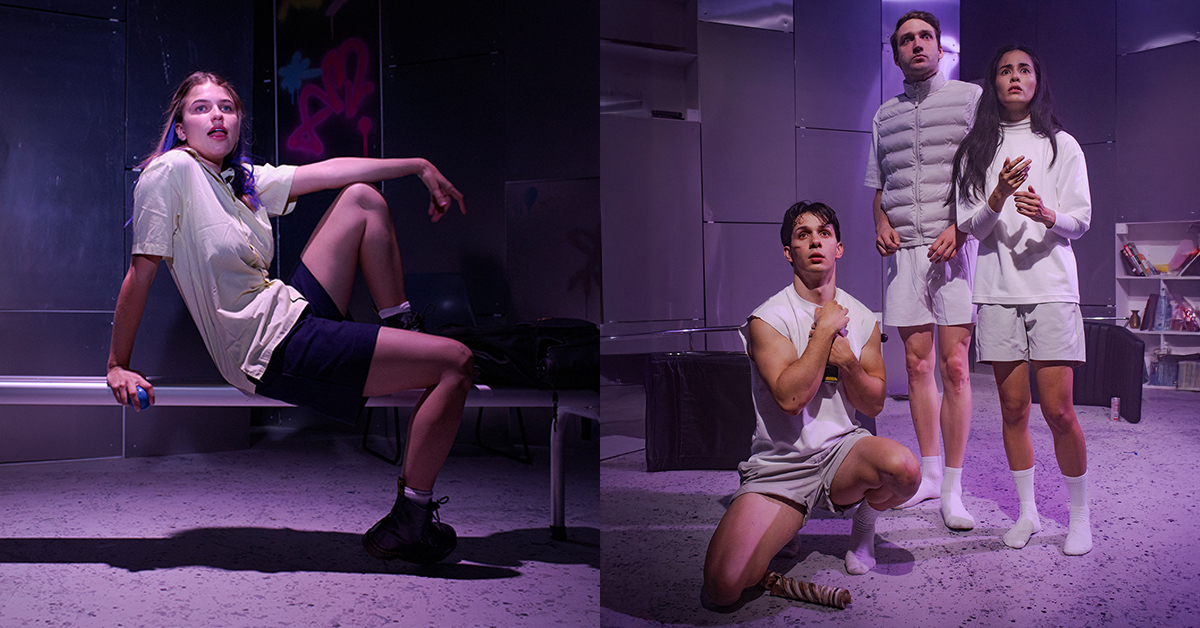
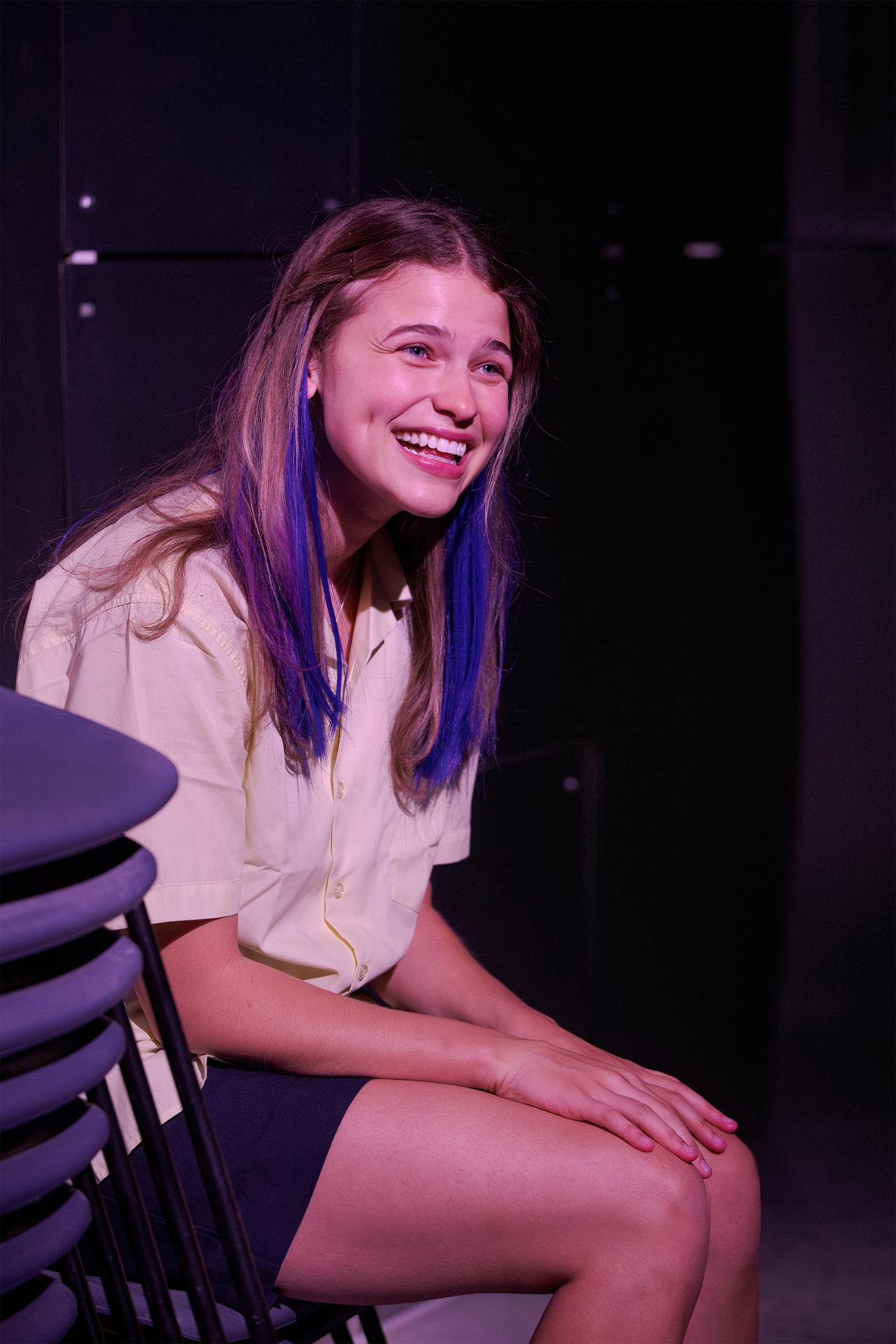
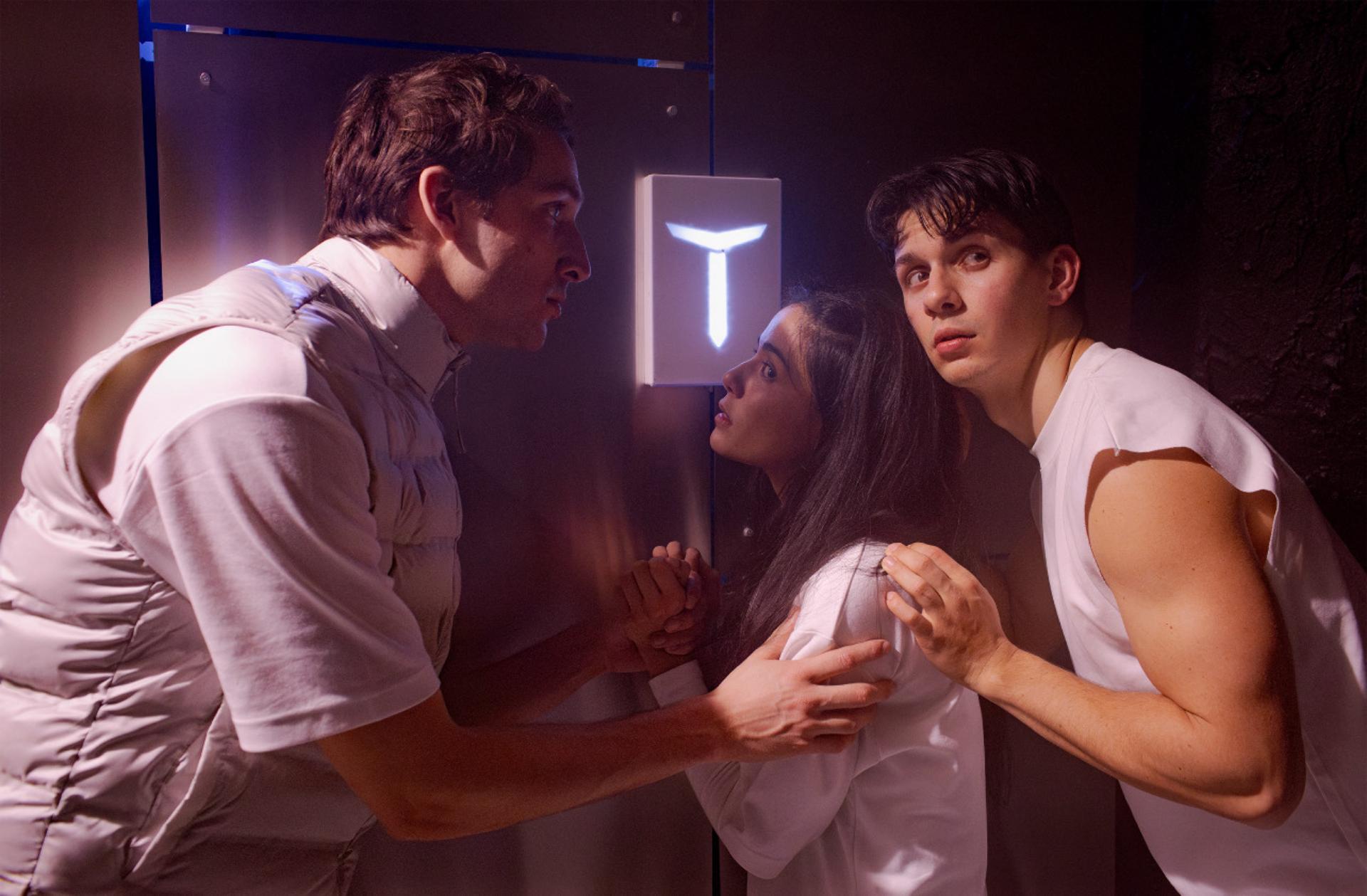
Centred in the second instalment of New Works Festival by Old Fitz Theatre, are the troubling lives of teenagers. Madelaine Nunn’s Sitting, Screaming depicts with searing realism the dangerous situation of a schoolgirl dealing with a predator, whilst Jordyn Fulcher’s Anomalies is completely fantastical in its speculations about a dystopian future, when three youngsters find themselves waking up to calamity, as an extensive technological malfunction takes hold.

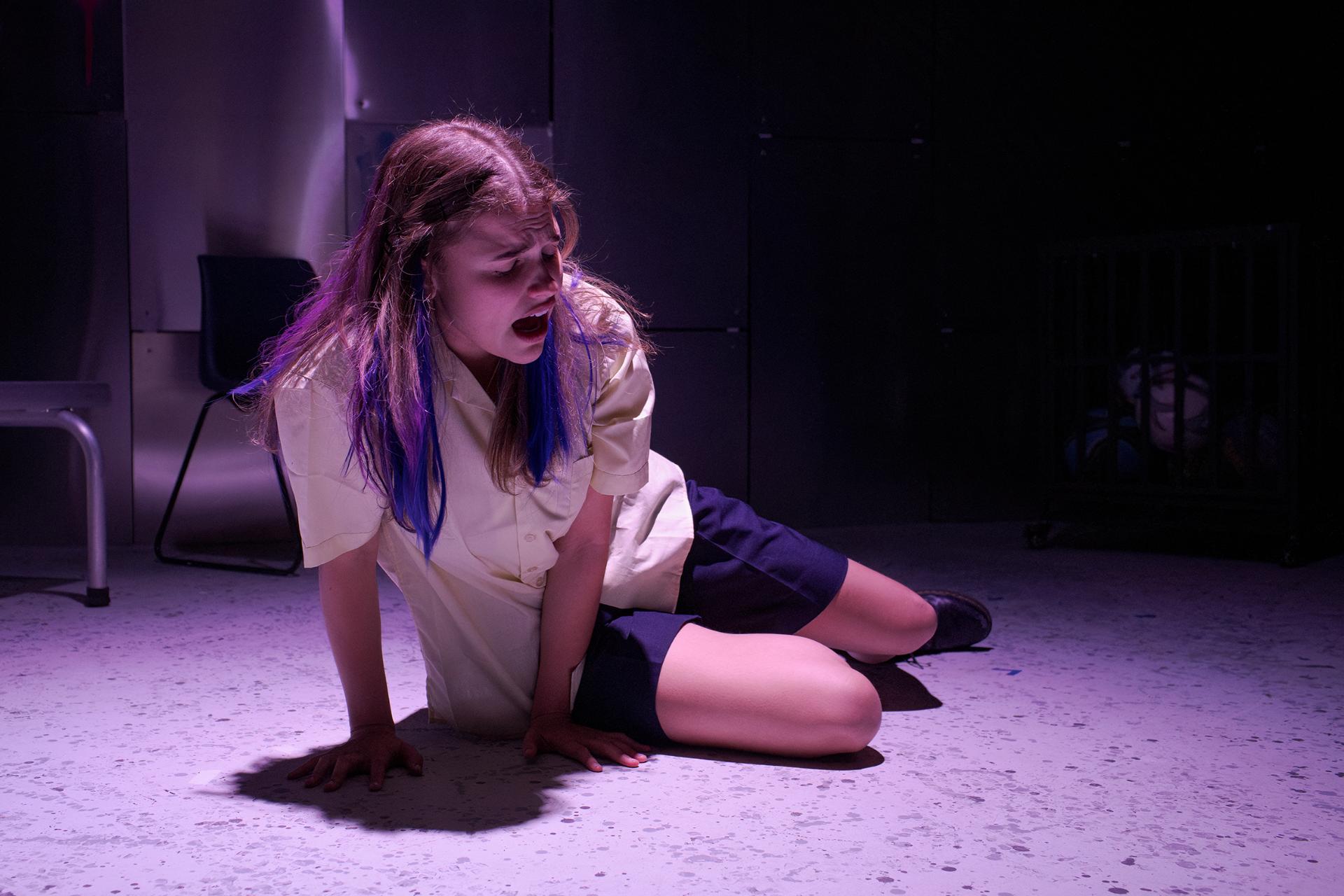
The very cleverly structured and rigorously considered Sitting, Screaming is a work of gripping theatre, as directed by Lucy Clements, who brings exceptional detail to this exploration of rape culture. Its protagonist Sam is played by the wonderful Clare Hughes, who keeps us riveted for the entirety, highly impressive with the tonal variations she introduces, for an occasion of memorable storytelling.

Anomalies however is much more demanding of its audience. Although given energetic direction by Matt Bostock, the piece speaks in a convoluted and alienating language, over a lengthy duration, and with little narrative development. The cast works hard to make sense of the play, but Giani Fenech, Rhiaan Marquez and Harold Phipps can only be credited for being able to find meaning from Anomalies for themselves.

Thankfully, we discover that the staging for both are remarkably well designed. Hailley Hunt’s set and costumes are expressive, and convincing with what they wish to convey. Lights by Luna Ng are commendable for their attentiveness to the nuances of the writing, and for helping us shift through all the vacillating drama and comedy. Sounds by Sam Cheng for Sitting, Screaming too are effective at pulling us deep into the fluctuating emotional textures, just as Milo McLaughlin’s audio creations for Anomalies are able to indicate the escalating intensity of its sci-fi predicament.

Characters in both tales, one authentic and one imaginary, inherit broken worlds. So much of what is normalised, should never have been deemed acceptable. It is through the perspective of youth that we can clearly see that all we have acquiesced to consider good enough, is actually of tragic proportions. The eternal dilemma of humanity seems to be that we cannot help but conceive of perfection, but to bring it to fruition is always beyond us.

 ww.oldfitztheatre.com.au | www.newghoststheatre.com

Review: Sotoba Komachi 卒塔婆小町 (Old Fitz Theatre)

Venue: Old Fitzroy Theatre (Woolloomooloo NSW), Apr 6 – 13, 2024
Playwright: Yukio Mishima 三島由紀夫
Director: Jeremi Campese
Cast: Jeremi Campese, Millie Hing, Jasper Lee-Lindsay, Susan Ling Young, Wern Mak, Rachel Seeto
Images by Karl Elbour

Theatre review
A poet meets a 99-year-old vagrant in a park, and philosophical discussions promptly ensue. The young man is by nature inquisitive, and the old woman knows a lot, by sheer virtue of experience. Sotoba Komachi 「卒塔婆小町」 by Yukio Mishima 三島由紀夫 is a 1952 adaptation of the 14th century Nō classic; characteristically surreal and lyrical, it explores themes of ageing and mortality, that in turn inspire thoughts about how we exist in the here and now.

Direction by Jeremi Campese demonstrates an appreciation for the macabre beauty inherent in the Japanese piece, but although intentions to honour the play’s illusory and phantasmal qualities are evident, the execution often feels excessively realistic. Sound design by Johnny Yang does however help to provide for the production, an atmosphere that is haunting and moderately evanescent. Chris Milburn’s lights are effective when dialling up the production’s theatricality. Rita Naidu’s set design is minimal but sufficiently evocative, and her costumes are well-considered, if slightly lacking in boldness.

Actor Susan Ling Young plays Komachi the elderly figure with a commendable emotional intensity, while Wern Mak takes on the role of the unnamed writer, with visible dedication. The aforementioned Campese joins as supporting cast, along with Millie Hing, Jasper Lee-Lindsay and Rachel Seeto, in a staging that is although stylistically deficient, shows no shortage of spirited commitment.

Times will change, but ghosts are constant and eternal. They represent the essence of who we are, and what we see them to possess, corresponds with the most fundamental of our values and beliefs. Intuitively we know that the ghosts have shed all that is gratuitous and meaningless. They remain as a manifestation of our very core, and every meditation on their nature, can only be a reflection on who we truly are, in the breathing moment.

www.oldfitztheatre.com.au | www.newghoststheatre.com

Review: Frame Narrative (Old Fitz Theatre)

Venue: Old Fitzroy Theatre (Woolloomooloo NSW), Mar 8 – 30, 2024
Playwright: Emily Sheehan
Director: Lucy Clements
Cast: Madeline Li, Megan O’Connell, Jennifer Rani, Charles Upton, Emma Wright
Images by Phil Erbacher and HollyMae Steane Price

Theatre review
Movie star Angelica is making a comeback, after taking time off to raise her child. Filming however, is not going at all smoothly, with constant personality clashes on set making the project a painful ordeal. In Emily Sheehan’s Frame Narrative, people get in the way of art; whether a result of self-sabotage or  interpersonal discord, we see artists unable to focus on the real matter at hand, forever transferring their energies away onto the wrong drama.

Often very funny, and with a clever plot structure, Sheehan’s play delights with its constant supply of surprises. Its moralistic ambiguities however, resists our emotional investment in its characters, who we always distrust. Direction by Lucy Clements does not attempt to hide the deficiencies inherent in these humans, portraying them truthfully as flawed beings. Her show bears an enjoyable theatricality, fuelled by the text’s explorations of artistic form, along with an investigation into the nature of reality.

An ambitious set design by Soham Apte helps us imagine a place much like Hollywood, where artifice reigns supreme. Costumes by Rita Naidu provides definition to personality types, but requires finessing to better represent the extraordinary wealth of this cohort. Spencer Herd’s lights are intricately conceived, to convey the many different spaces, both physical and conceptual, that we traverse in Frame Narrative. Sound design by Sam Cheng is rendered with a quiet sophistication, surreptitious but highly effective in its calibrations of atmosphere and temperaments.

Actor Megan O’Connell brings vigour and integrity to the complex role of Angelica. Charles Upton too is unwavering in his commitment to playing Hendrick, completely believable whether being decent or despicable. Madeline Li introduces great tension to the experience, through her embrace of Elsa’s precarious unpredictability. Jennifer Rani’s intensity as Margot demands our attentiveness, and Emma Wright’s vulnerability as an unnamed writer, attunes us to a sense of depth for the play, at its closing scenes.

Human destructiveness usually looks like a force that exerts outwards, but its reverberations always seem to come back around. In Frame Narrative, colleagues inflict toxicity at one another, never noticing the harm that inevitably descends upon the work they try so hard to create. We all have unhealthy impulses, but how we choose to act on them, is what truly matters.

www.oldfitztheatre.com.au | www.newghoststheatre.com

Review: For The Grace Of You Go I (Kings Cross Theatre)

Venue: Kings Cross Theatre (Kings Cross NSW), Oct 5 – 15, 2022
Playwright: Alan Harris
Director:
Lucy Clements
Cast: Jane Angharad, James Smithers, Shan-Ree Tan
Images by

Theatre review
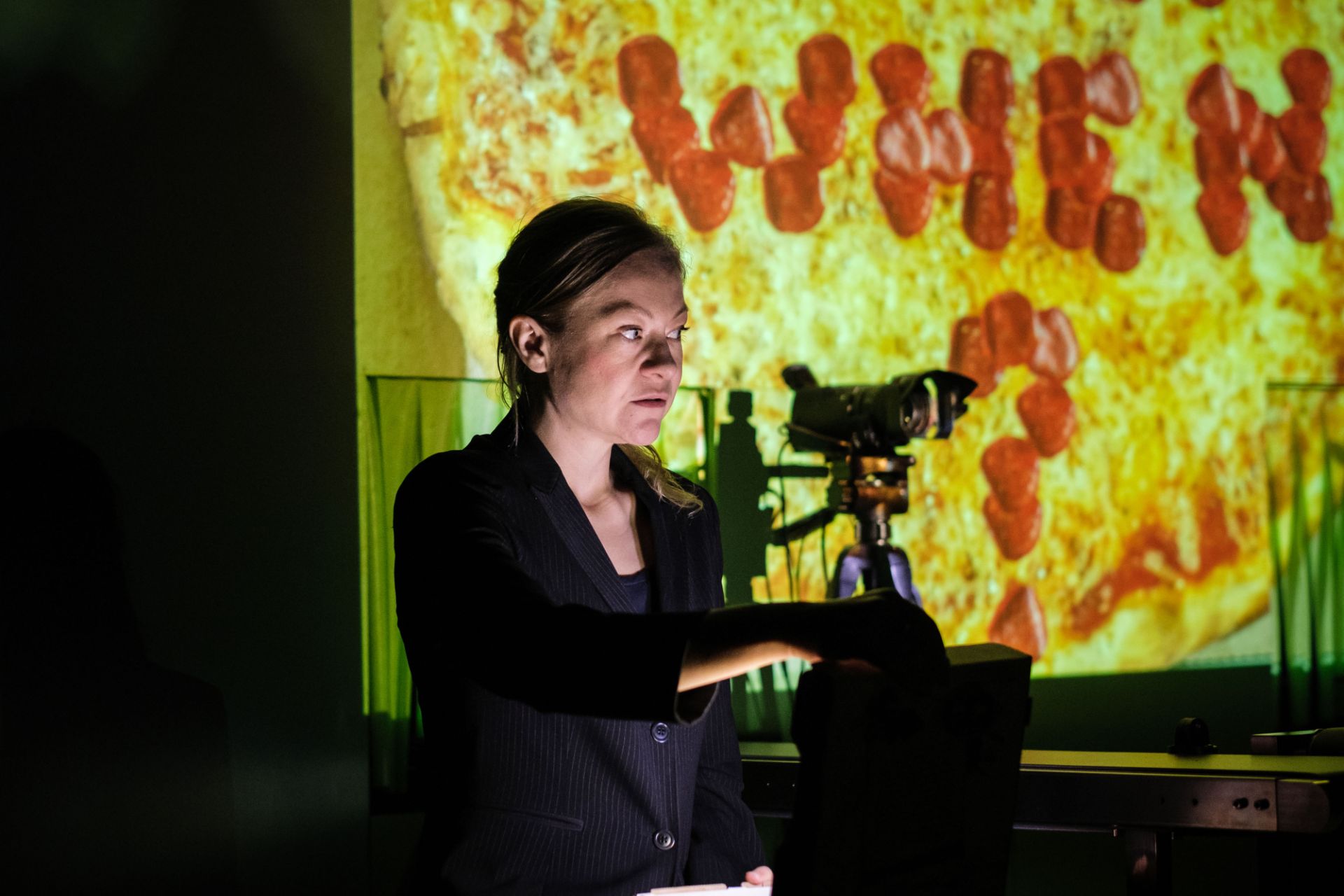
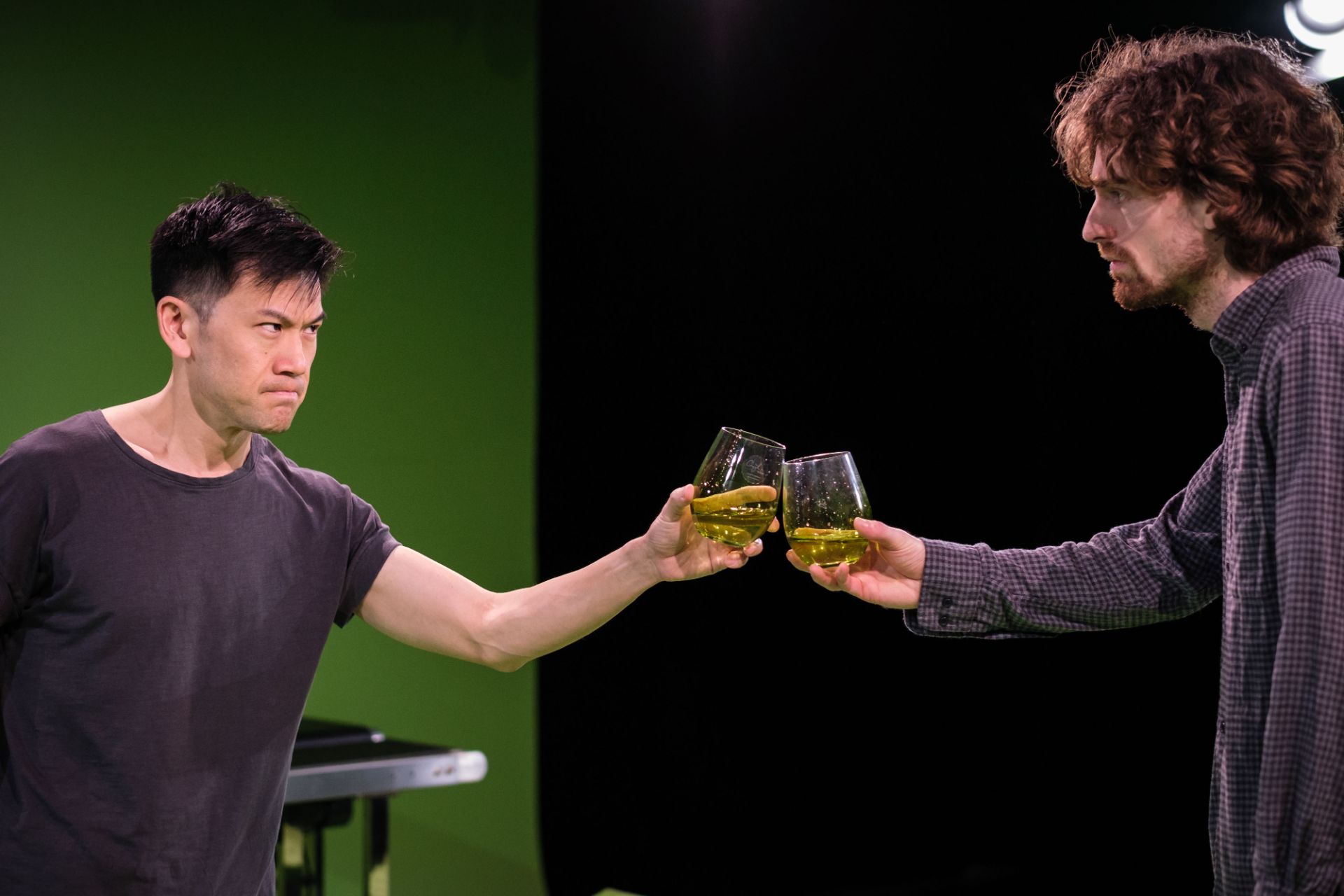
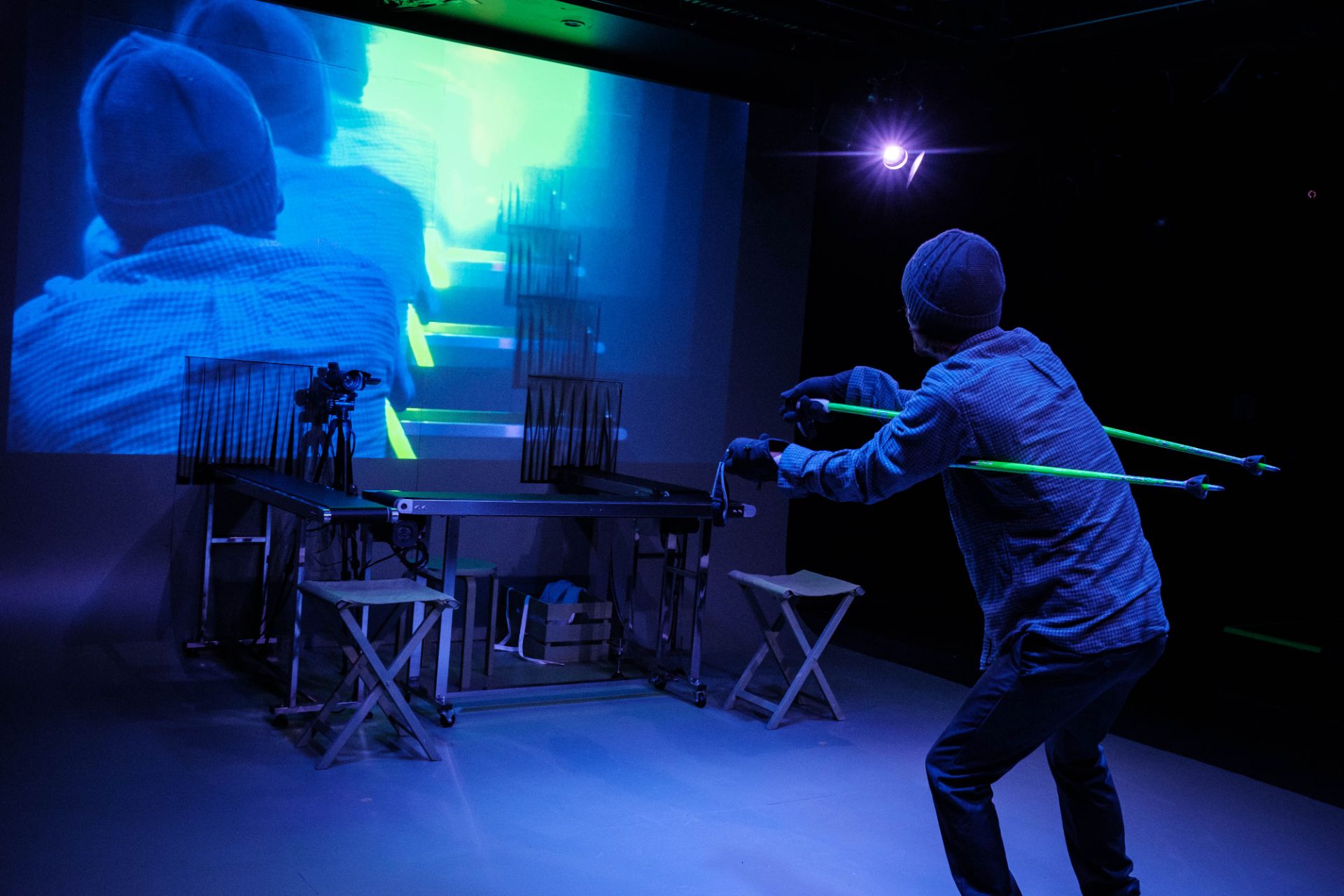
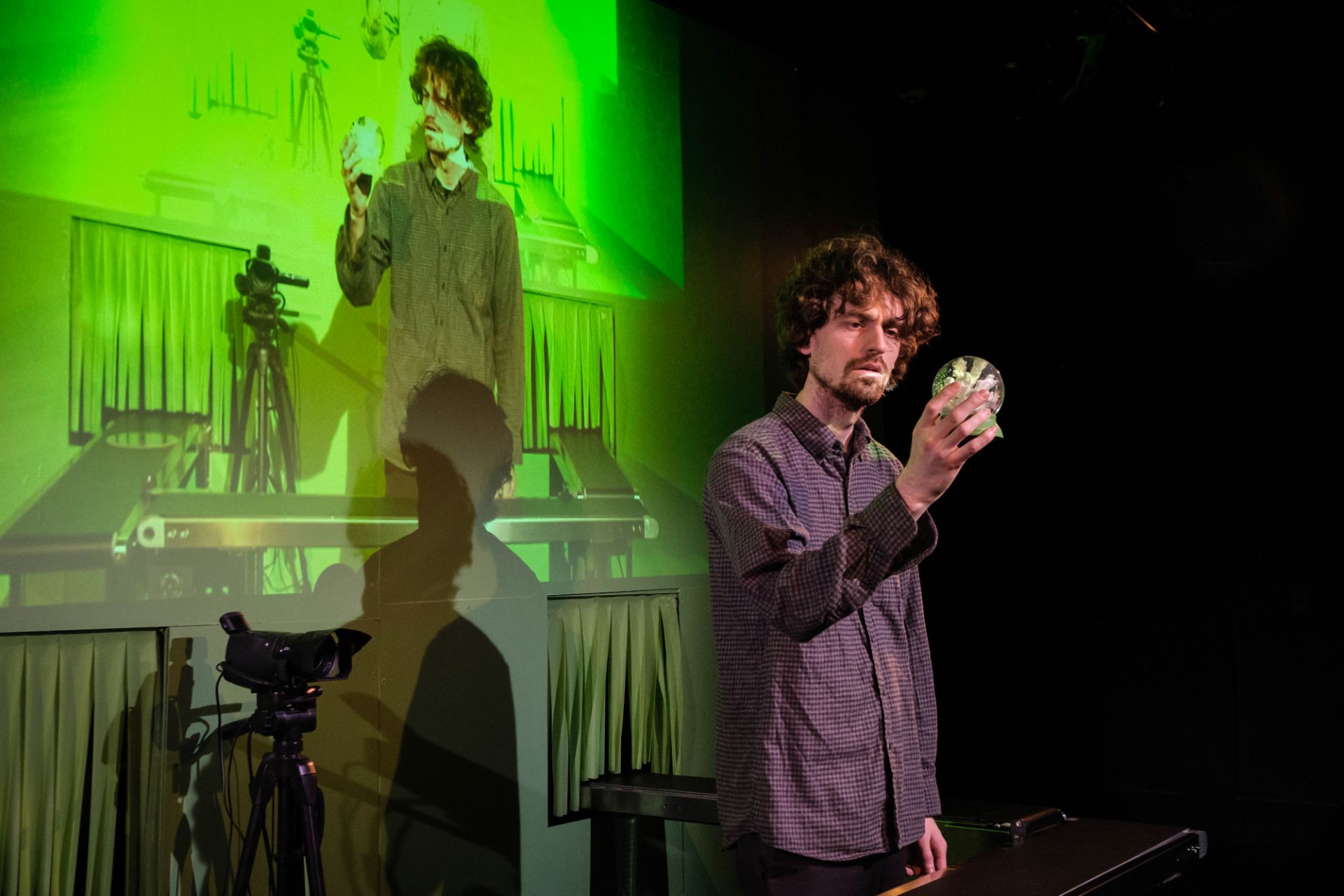
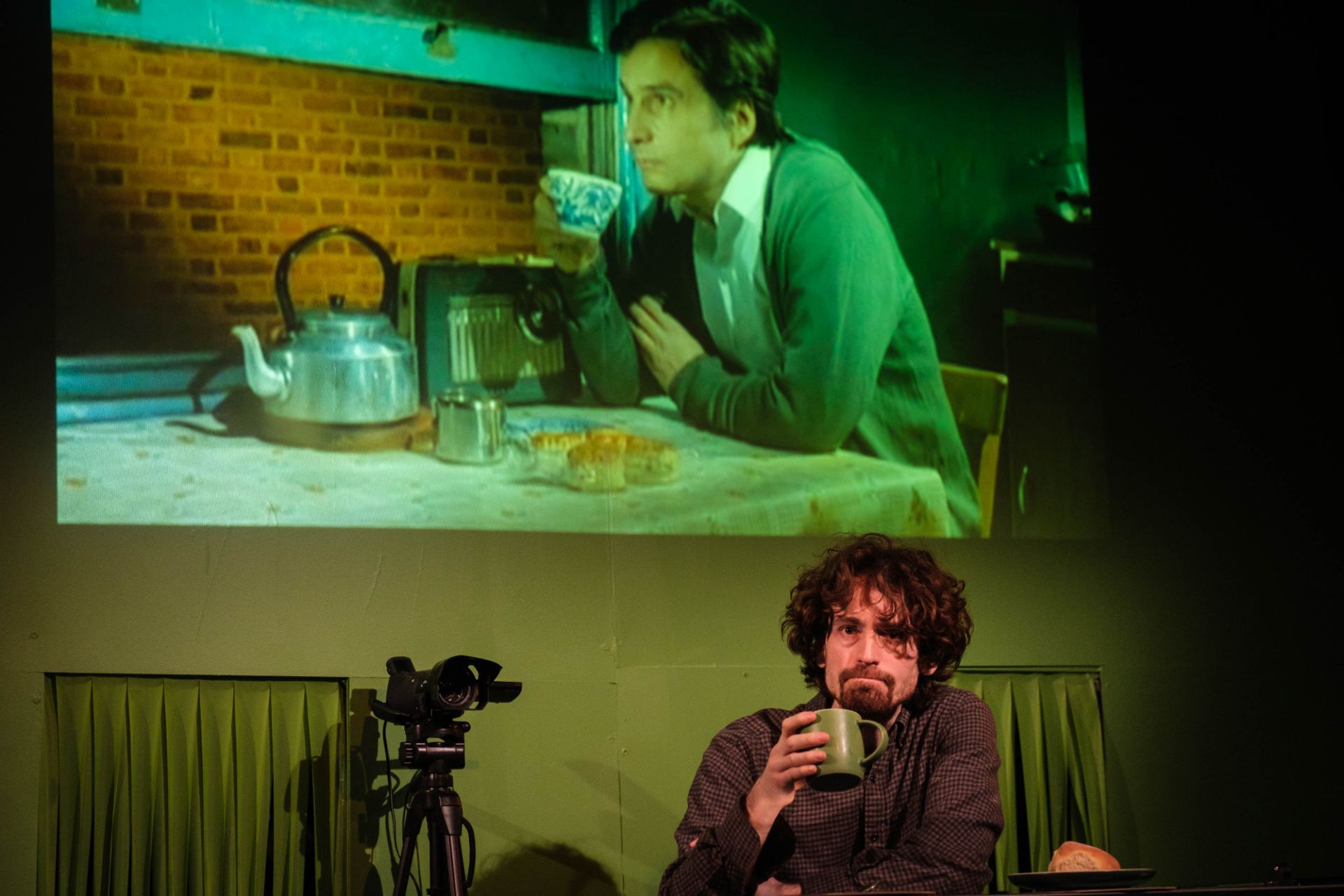
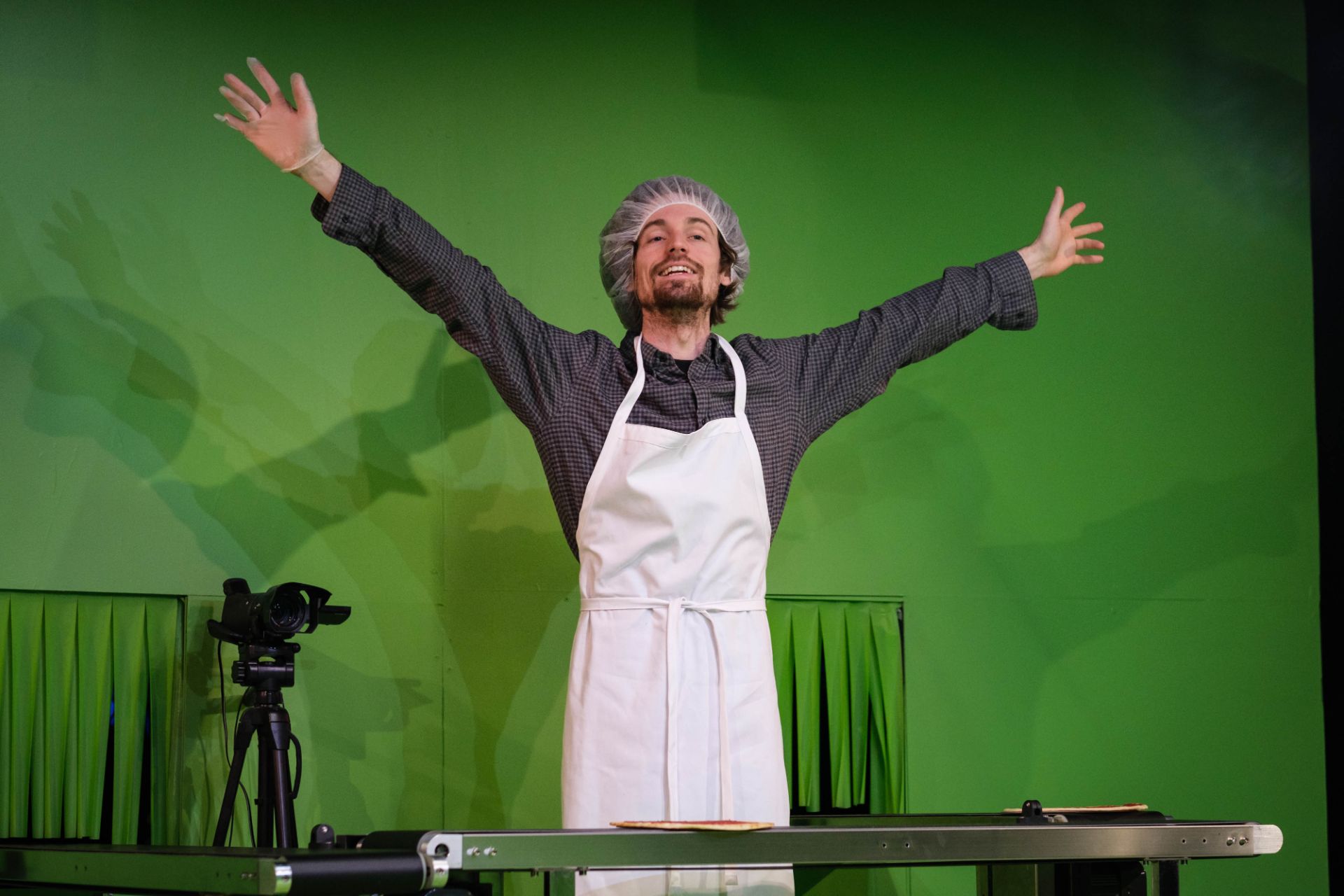
Jimmy is trying to hold down a job, whilst keeping his psychological disorder in check. The menial tasks at the pizza factory however, are not helping. Alan Harris’ For the Grace of You Go I sees its protagonist go through distortions of reality, that are initially innocuous, until watching a film by Aki Kaurismäki inspires Jimmy to hire a contract killer, to have himself murdered. Harris’ play is distinctly absurdist in style, with surrealist elements that seem appropriately congruent with depictions of mental illness.

The multiverse, as experienced by Jimmy, presents an opportunity for a show of playful flamboyance, but the production proves an overly subtle one, often leaving us more befuddled than amused, by the confusion of that contorted world. Directed by Lucy Clements, whose restrained approach shifts focus from the comedy, choosing instead to explore the more melancholic qualities of the narrative, resulting in a staging that feels unnecessarily staid.

Congruently, actor James Smithers is most persuasive, when playing Jimmy at his most vulnerable and introspective. Concluding scenes demonstrate Smithers’ flair for conveying a silent anguish, that helps humanise the character and his story. Jane Angharad is severe and dry, as the officious Irina, and Shan-Ree Tan as Mark brings much needed energy at each entrance, for a work that tends toward a misplaced circumspection.

Set design by Monique Langford and Kate Ingram, feature entirely green surfaces that indicate the instability of Jimmy’s constantly morphing mind, by drawing parallels with the essential illusoriness of movie sets. Lights by Alice Stafford and music by Sam Cheng, are discreetly rendered to help facilitate the portrayal of a man in deterioration.

Illnesses are of course no joke, but art has the ability to make light of the dark, whilst retaining dignity for those involved. There is little to be gained, when polite society insists on sweeping the harder parts of life under the carpet. Through storytelling, we attain understanding and compassion. Thankfully not every lesson needs to be learned first-hand, but how we find expression and how we listen, are paramount.

www.newghoststheatre.com | www.secrethouse.com.au

Review: Albion (Seymour Centre)

Venue: Seymour Centre (Chippendale NSW), Jul 27 – Aug 20, 2022
Playwright: Mike Bartlett
Director: Lucy Clements
Cast: Jane Angharad, Joanna Briant, Claudette Clarke, Alec Ebert, Deborah Jones, Mark Langham, Rhiaan Marquez, Ash Matthew, Charles Mayer, James Smithers, Emma Wright
Images by Clare Hawley

Theatre review

After making a fortune from her retail business, Audrey decides to revive a stately home, located some distance away from her usual London residence. What initially looks to be a noble enterprise, soon reveals itself to be a project that is more problematic, than Audrey had ever imagined. Mike Bartlett’s Albion explores the meanings of conservative values in the twenty-first century. In a literal way, characters play out the repercussions of one rich woman’s desire to preserve a relic. Wishing to hold on to the past, can be thought of as part and parcel of being human, but in Albion it becomes evident that to resist change, is perhaps one of the most extravagant indulgences, that only the privileged can afford.

Bartlett’s writing is irrefutably magnetic, replete with confrontational ideas and delicious scorn. The staging on this occasion, as directed by Lucy Clements, gleams with emotional authenticity, although its humour feels needlessly subdued, and its politics ultimately shape up to be somewhat muted in effect. A reluctance to cast explicit and pointed judgement over Audrey, diminishes the dramatics that the story should be able to deliver.

Actor Joanna Briant is a very convincing leading lady, with a performance that looks and feels consistently genuine, but other elements of the production bear a certain uncompromising earnestness that detracts from her work. Briant makes excellent choices at creating a personality who only thinks of herself as sincere and well-meaning, but other forces can work harder to create a sense of opposition to Audrey’s behaviour.

Thankfully, Briant’s is not the only strong performance from the cast. Claudette Clarke’s spirited defiance as Cheryl the ageing house cleaner, is a joy to watch, with an edgy abrasiveness that thoroughly elevates the presentation. Also highly persuasive is Charles Mayer, who plays Audrey’s ride-or-die lover Paul with a lightness of touch, humorously portraying the complicity of bystanders who have every opportunity to intervene but who choose to ride passively with the tides.

Imagery from this staging too, has its moments of glory. The collaboration between production designer Monique Langford and lighting designer Kate Baldwin, is a fairly ambitious one, able to invoke a grand landscape on foreign lands, with only the power of suggestion. Music and sound by Sam Cheng provide a gravity befitting the stakes involved, reminding us of the wider impact of these personal narratives.

Romantic nostalgia, the kind that Audrey is so invested in, represents a longing that those, for whom the system works, is bound to have. Of course Audrey is able to look back with rose-tinted glasses, now that she has her millions. There are others who simply cannot look at those symbolic structures, without having to wish for improvements. We do not regard icons with the same reverence, or indeed irreverence, because they mean different things to different people. The way in which we live our lives, have hitherto relied upon power discrepancies and injustices. Of course Audrey and her ilk will want to retain old things, but unless they can afford to make up for all the sacrifices, that the lower classes are no longer willing to submit to, then they too will have to move on with the times.

www.seymourcentre.com
Review: Blue Christmas (New Ghosts Theatre Company)


Venue: Kings Cross Theatre (Kings Cross NSW), Dec 11 – 22, 2019
Images by Clare Hawley

Good People
Playwright: Katy Warner
Director: Lucy Clements
Cast: Clementine Anderson, Laura Djanegara, Sasha Dyer, Chika Ikogwe, Jane Watt, Emma Wright

Shandy’s Corner
Playwright: Gretel Vella
Director: Lucy Clements
Cast: Clementine Anderson, Meg Clarke, Laura Djanegara, Harriet Gordon-Anderson, Zoe Jensen, Vaishnavi Suryaprakash

Theatre review
It is Christmas time, when things come to a boiling point for two groups of women. In Katy Warner’s Good People, old friends have their holiday in Indonesia cut short by a state of emergency, as violence breaks out and tourists are corralled and confined to an airport. These Australians have witnessed the true face of poverty, and are now confronting the brutal implications of their privileged first world lives. Shandy’s Corner by Gretel Vella takes place in a women’s shelter, in first world Australia, where the consequences of our patriarchal systems are on full display, with broken individuals trying to regain their agency and a sense of dignity.

Both hour-long works are sensitively written and immensely contemplative, offering valuable perspectives on the kinds of lives we currently inhabit. Directed by Lucy Clements, the double-bill presentation grips from start to end. Good People is provocative, able to instigate meaningful conversations, while Shandy’s Corner is fabulously entertaining, with a dark humour that proves deeply satisfying. Clements injects an infectious passion into every scene, for a theatre that communicates with efficacious power.

An excellent impression is left by a very strong and cohesive cast, remarkably engaging in their delivery of two ensemble pieces, with not a single weak link. Clementine Anderson and Laura Djanegara perform in both stories, taking the opportunity to demonstrate versatility, but are especially memorable in Shandy’s Corner for their compelling portrayals of women overcoming adversity in wildly different ways. Harriet Gordon-Anderson and Emma Wright bring complex characterisations and excellent drama to the staging, intense with the emotions they convey. Funny ladies Meg Clarke and Zoe Jensen are thoroughly enjoyable in comedic roles, each actor with approaches as bold as their imaginations.

It is appropriate that the Christmas message here relates to the inherent injustices of our way of life. To respond to these plays, we can do no better than to think, “what would Jesus do?” in the face of these man-made tragedies. Christianity proclaims to be about caring for the poor and the oppressed, as it preaches in Proverbs 31:8-9, to “speak up for those who cannot speak for themselves, for the rights of all who are destitute. Speak up and judge fairly; defend the rights of the poor and needy.” When we look around us, there is little that can be construed as holy, but good art remains, and it is eternally sacred.

www.newghoststheatre.com
5 Questions with Chika Ikogwe and Vaishnavi Suryaprakash

Chika Ikogwe

Vaishnavi Suryaprakash: If you could use your acting platform to change one thing about the Australian performance scene, what would it be?
Chika Ikogwe: I would love to see a more diverse and inclusive industry here in Australia. I know there are a lot of people that are tired of hearing this, and even people that believe that the pendulum has swung so far, that now the industry only favours diversity. Which is just completely false. The majority of work on stage and screen still majorly lacks First Nations people, People of Colour and minorities in general. And there’s also a lack of stories that are being created / written by people from these minority groups. I absolutely acknowledge the amazing work and the great strides that have been made in the last few years to create a more diverse and inclusive industry, but there’s so much more work to be done on that front. I just want to see the Australia that I see as I walk down the street, as I catch the bus and as I do my grocery shopping, being reflected on stage and screen here in Australia. That’s what I’d change ¯\_(ツ)_/¯
What has it been like growing up with the name “Chika Ikogwe”?
It has changed a lot over time. When I was younger, there were times when I absolutely hated my name, and wished I was called something else. I distinctly remember my first day of prep when the teacher called out my name on the roll, and all the kids just burst into laughter because for some reason they found my name so funny. One kid even yelled out ‘Chicken! Her name is chicken!’ That was the first time in my life I’d felt any kind of shame regarding my name. Then there’ve been other times when I’ve done over-the-phone job interviews, secured the job and have been greeted with perplexed facial expressions on my first day of work. Turns out some people don’t know Chika is also a Nigerian name. There’s been so much I’ve lost out on because of my name, but to balance that so much I’ve gained. Life is just funny like that though, and I kinda love it. It gives character. I wouldn’t trade my name for anything else… Except maybe Beyoncé?! Just kidding. I think…

What do you most love about the character you play in Good People?
Jess is an actor and she takes her best pals on a holiday so they can reunite and just, like, hang out?! That’s awesome and I hope one day I can do that with my friends. #Goals.

When you think about the vastness and contents of the universe, how do you feel?
Bruh, I feel a LOT. Sometimes I feel super overwhelmed at the fact that there’s so much out there that we don’t even know about. Sometimes I feel like I can do anything, and the world really is my oyster. Sometimes I feel incredibly small. Sometimes I wonder if the world’s richest people congregate monthly to discuss their plans to leave everyone on Earth behind to start a new life on Mars or Europa or something. Sometimes I wonder if Beyoncé remembers me from that one time we locked eyes at her concert back in 2013 (probably not, but I’ll keep lying to myself). Sometimes I ask myself, “Who the hell let Donald Trump, Scott Morrison and Boris Johnson occupy any kind of political space, AT THE SAME TIME?!” I feel many feels. 
Who’s your favourite tennis player and why?
The Williams sisters are my forever Queens. Particularly Serena Williams. I played tennis for about 6 years growing up, and Serena was one of the only players I could identify with. Not only was she a black woman, but she also had broad shoulders and a muscular build amongst players that were mostly tall, white and skinny. She played with such force and passion. I remember wanting to be just like her when I grew up. She made me feel so seen and inspired me so much. 

Vaishnavi Suryaprakash

Chika Ikogwe: If you could use your acting platform to change one thing about the Australian performance scene, what would it be?
Vaishnavi Suryaprakash: I would get more young people from CALD backgrounds involved in theatre and performance art. I want an artistic career path to be contemplated by more of these children, and for them to feel encouraged to create art.
 
What’s the worst Christmas present you’ve ever received?
I actually can’t remember – nothing stands out! I think I’ve been pretty lucky. On a related note, I think Harry Potter’s worst Christmas present would be the tissue from the Dursleys (yes, I am currently re-reading Harry Potter, how did you know). Though I have often wondered how they sent their presents to Harry. Does Hedwig turn up every year a few days before Christmas? How do they know the reason she has turned up? How come they give Harry Christmas presents, but never birthday presents?
 
If your character in Shandy’s Corner had a catch phrase, what would it be?
“A lady never discusses the size of her yarn stash.”
 
You win a million dollars. What are the first 3 things you spend the money on? 
The very thought makes me stress out… so let me tell you instead what I love to buy: good quality tea, books (a guilty habit because libraries exist!), and hiking gear (ooh nothing beats the feeling of the perfect supportive backpack resting on your shoulders…)
 
Which actor would you cast to play “Vaishnavi Suryaprakash” in your biopic? 
Definitely Scarlett Johansson. 

Chika Ikogwe and Vaishnavi Suryaprakash can be seen in Blue Christmas, a double bill featuring two new Australian plays, by Katy Warner and Gretel Vella.
Dates: 11 – 22 Dec, 2019
Venue: Kings Cross Theatre

Review: Yen (New Ghosts Theatre Company)

Venue: Kings Cross Theatre (Kings Cross NSW), Sep 27 – Oct 13, 2018
Playwright: Anna Jordan
Director: Lucy Clements
Cast: Jeremi Campese, Meg Clarke, Ryan Hodson, Hayley Pearl
Images by Clare Hawley

Theatre review
Brothers Bobbie and Hench are young teenagers, left to fend for themselves with only media screens and addicts as role models. Maggie is their desperately incompetent single mother, having lost both her sons’ fathers to early deaths, in this world of substance abuse and poverty. A neighbour Jennifer enters their life as a ray of hope, but in Anna Jordan’s Yen, our capacity for optimism is put to the test, as we interrogate the nature of social change and its delusory qualities, in this hyperrealist depiction of inter-generational disadvantage.

Situated in the dingiest corners of an English council estate, where the boys disintegrate in the most spectacular fashion, we observe their loss of innocence, and in its place, all the evidence of imminent wasted lives. Jordan’s writing is undeniably moving, but also marvellously thrilling. Yen is a showcase that consolidates the many deficiencies of our communities, with pointed critiques that never feel excessively didactic.

It is very gripping drama, and under the astute direction of Lucy Clements, entertaining and immensely involving. Clements has us breathless for the show’s two-hour entirety, as the story takes us through universal themes of family, love, sex, violence and redemption. Visually compelling, the production is meticulously designed by Ester Karuso-Thurn (set and costumes) and Louise Mason (lights) who deliver a surprising range of spatial transformations within restrictive confines of the stifling context. Sound by Chrysoulla Markoulli is impressively exacting, in all its manipulations of atmosphere. There is remarkable sensitivity from all disciplines, that allows its audience to engage at exceptional depth.

The staging features four fantastic actors, each one convincing and enthralling in their respective parts. 14-year-old Bobbie is played by the very industrious Jeremi Campese, whose extremely detailed approach offers up an interminably fascinating study of troubling juvenility. His extraordinary vitality insists on our compassion, even when the going gets tough. Hayley Pearl’s portrayal of the neglectful mother, has us angered and heartbroken. It is a controversial character uncompromisingly presented, by a very sharp and daring performer. Meg Clarke and Ryan Hodson are the not-so-sweet sixteens, both authentic, and tremendously revelatory of the adolescent experience, through their beautifully naturalistic renderings of Jennifer and Hench. The coupling of vulnerability and aggression in all these interpretations, are a joy to behold, as well as being meaningfully confronting.

In Yen, we see our structural failures take place within spaces that are personal and isolated. We come to an understanding that the only way for individual lives to flourish, is for the environments in which they exist to actively promote that betterment. Little can be achieved, when we leave the needy to their own devices. We chastise and condemn those who suffer, unwilling to see our complicity in people’s inability to grow, choosing only to attribute blame to their otherness. Good lives cannot exist in isolation; it takes a village to raise a child, and to lavish care on most everything else.

www.newghoststheatre.com