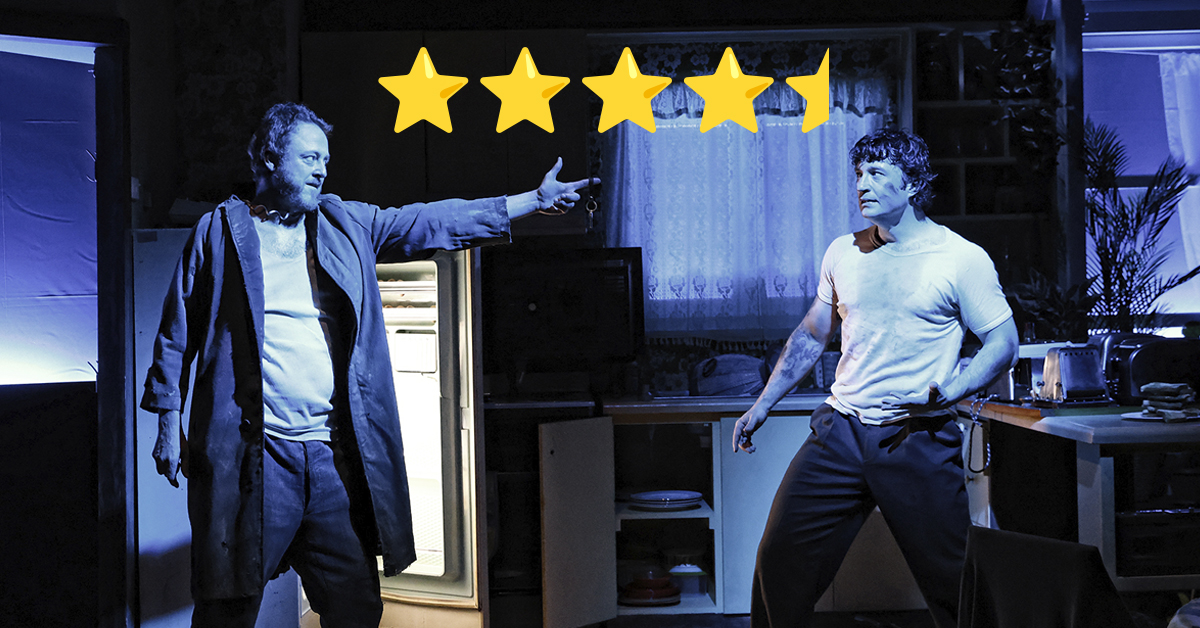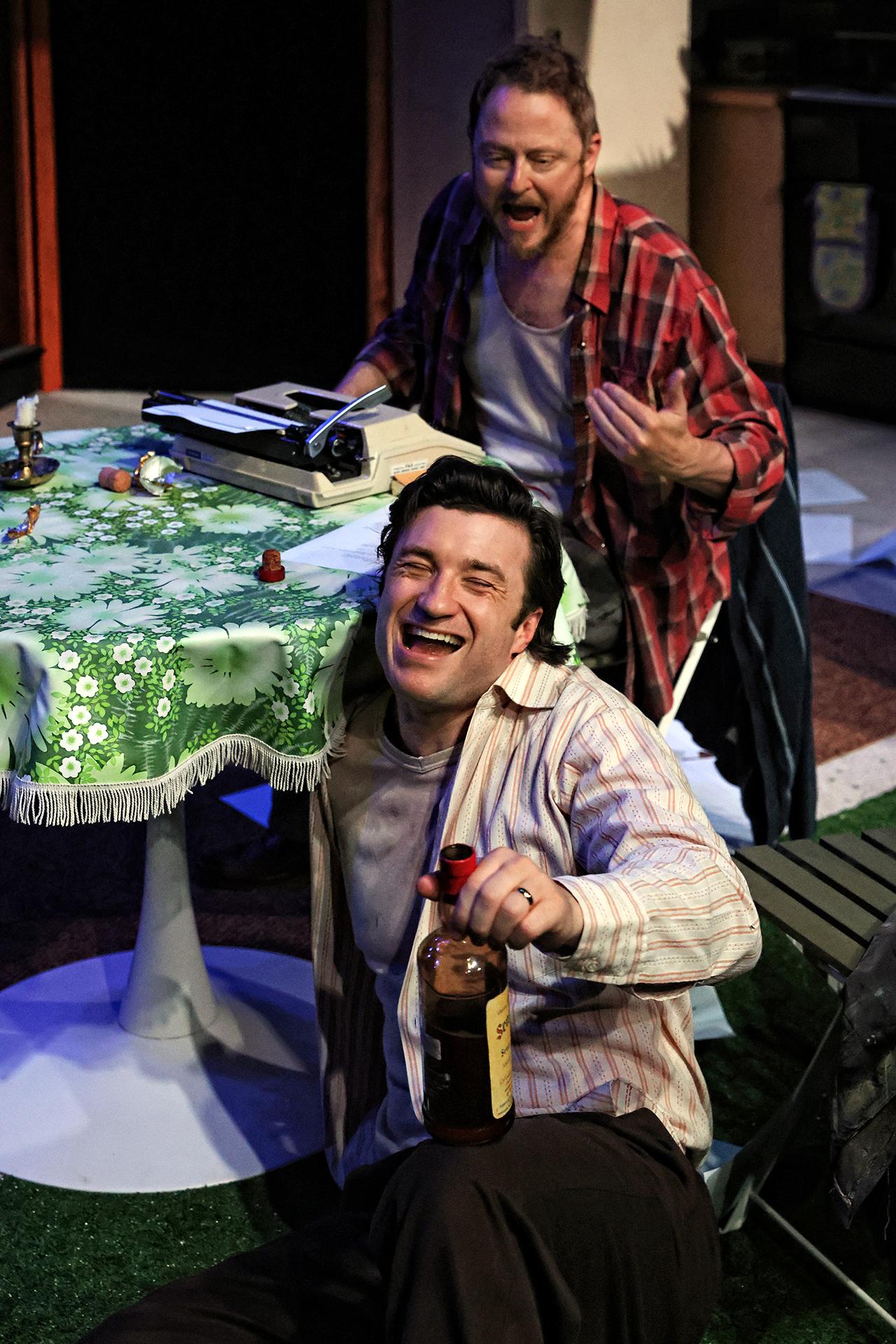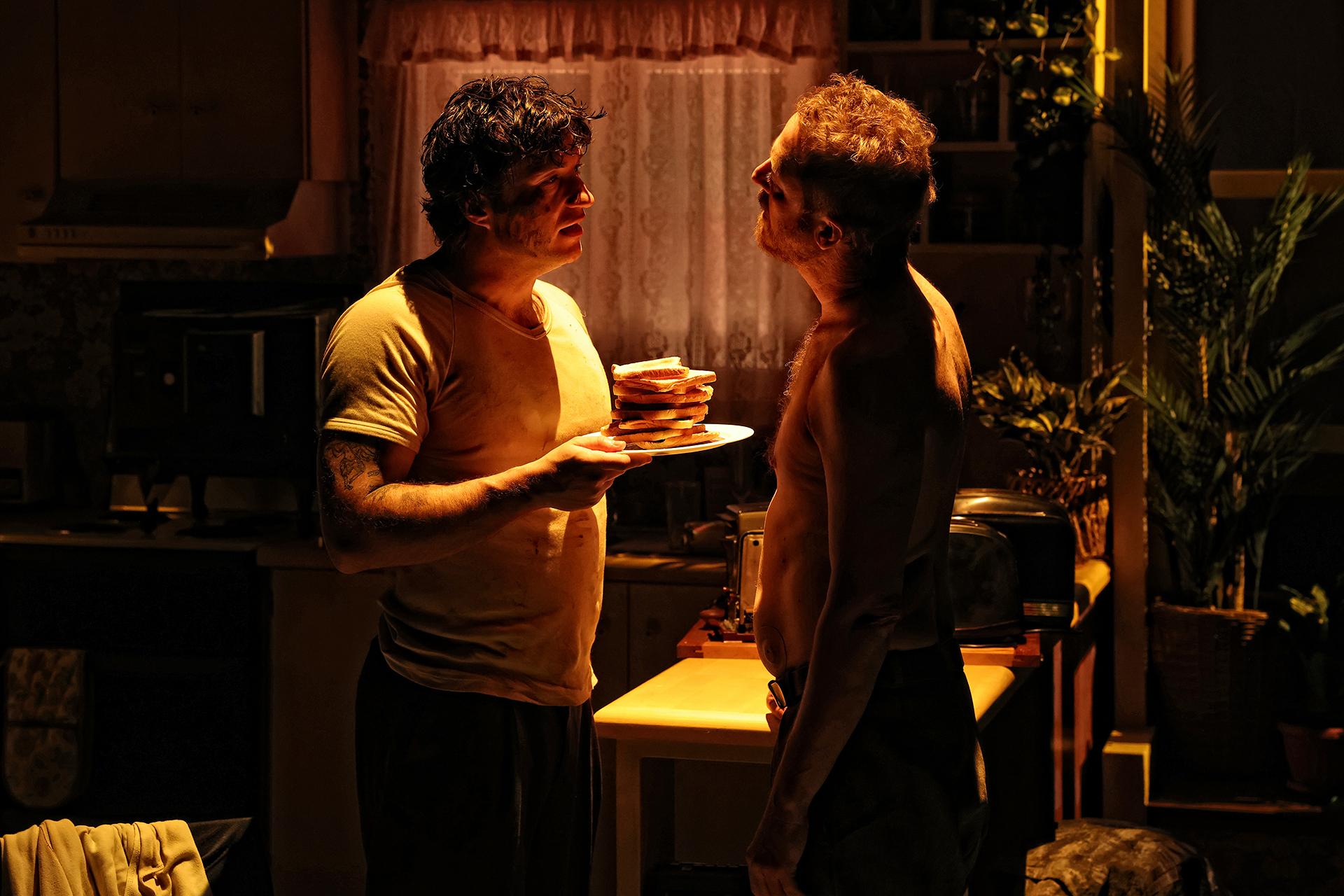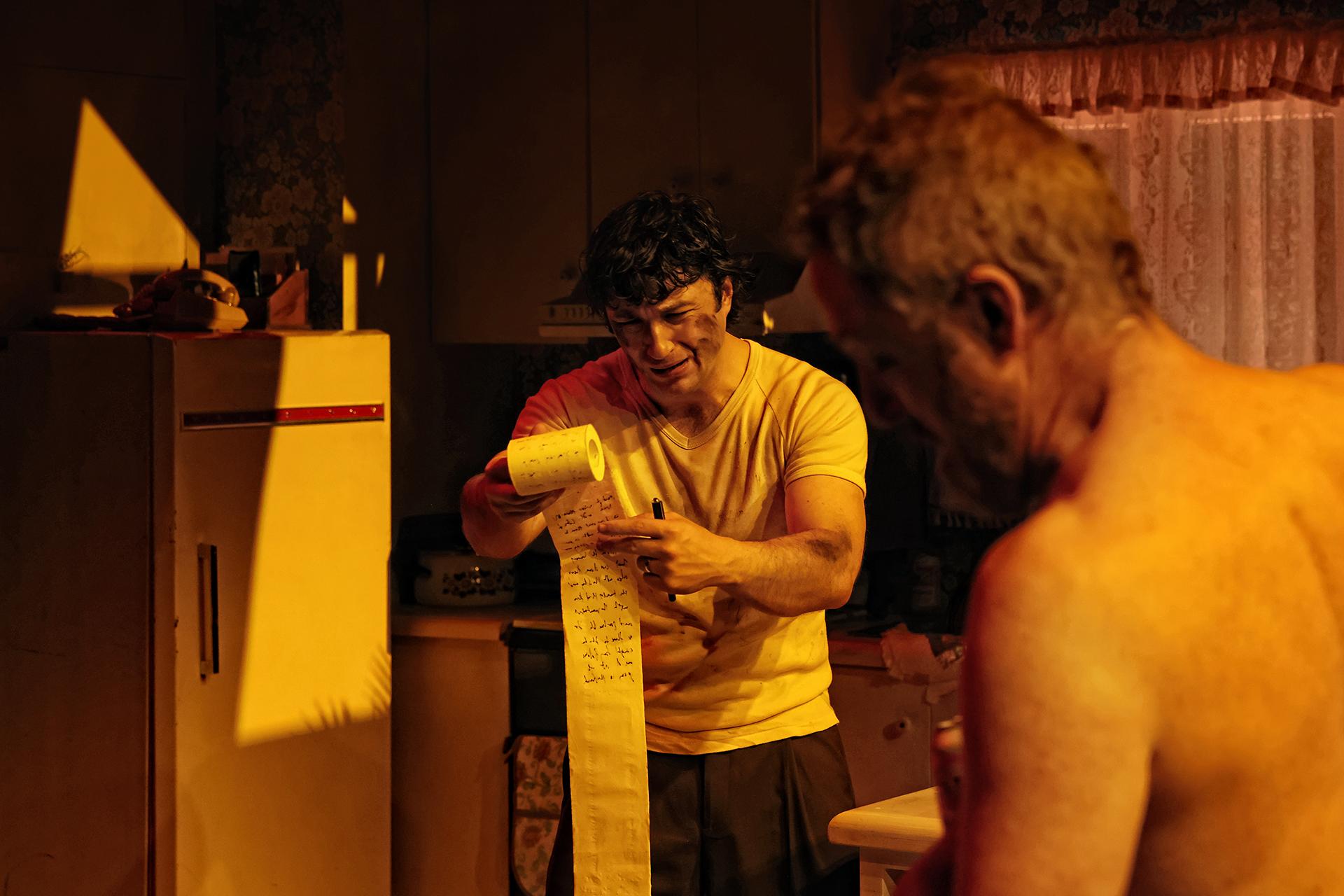
Review: Dial M For Murder (Ensemble Theatre)

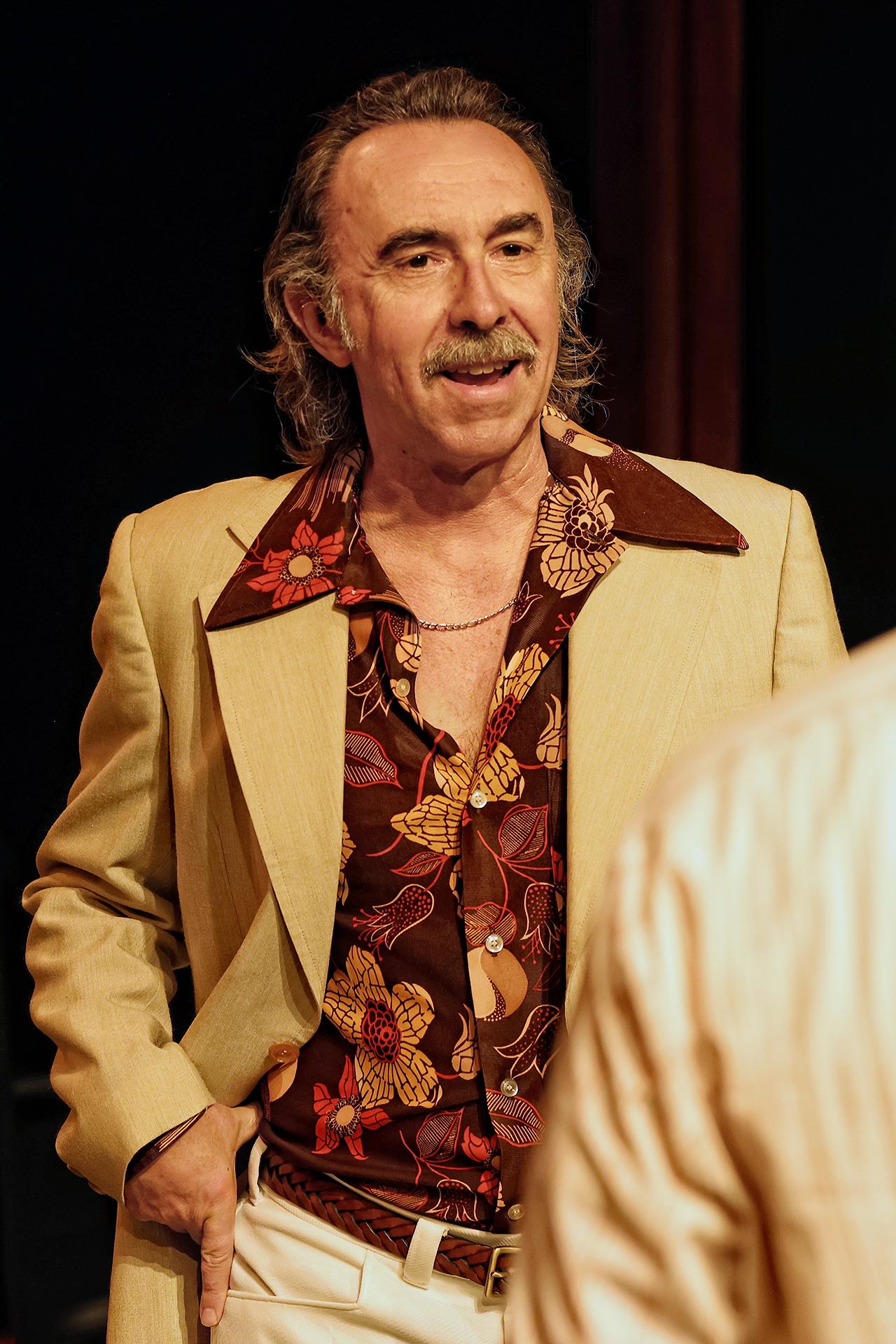
Venue: Ensemble Theatre (Kirribilli NSW), Nov 28, 2025 – Jan 11, 2026
Playwright: Jeffrey Hatcher (from the original by Frederick Knott)
Director: Mark Kilmurry
Cast: Garth Holcombe, Madeleine Jones, Kenneth Moraleda, Anna Samson, David Soncin
Images by Phil Erbacher

Theatre review
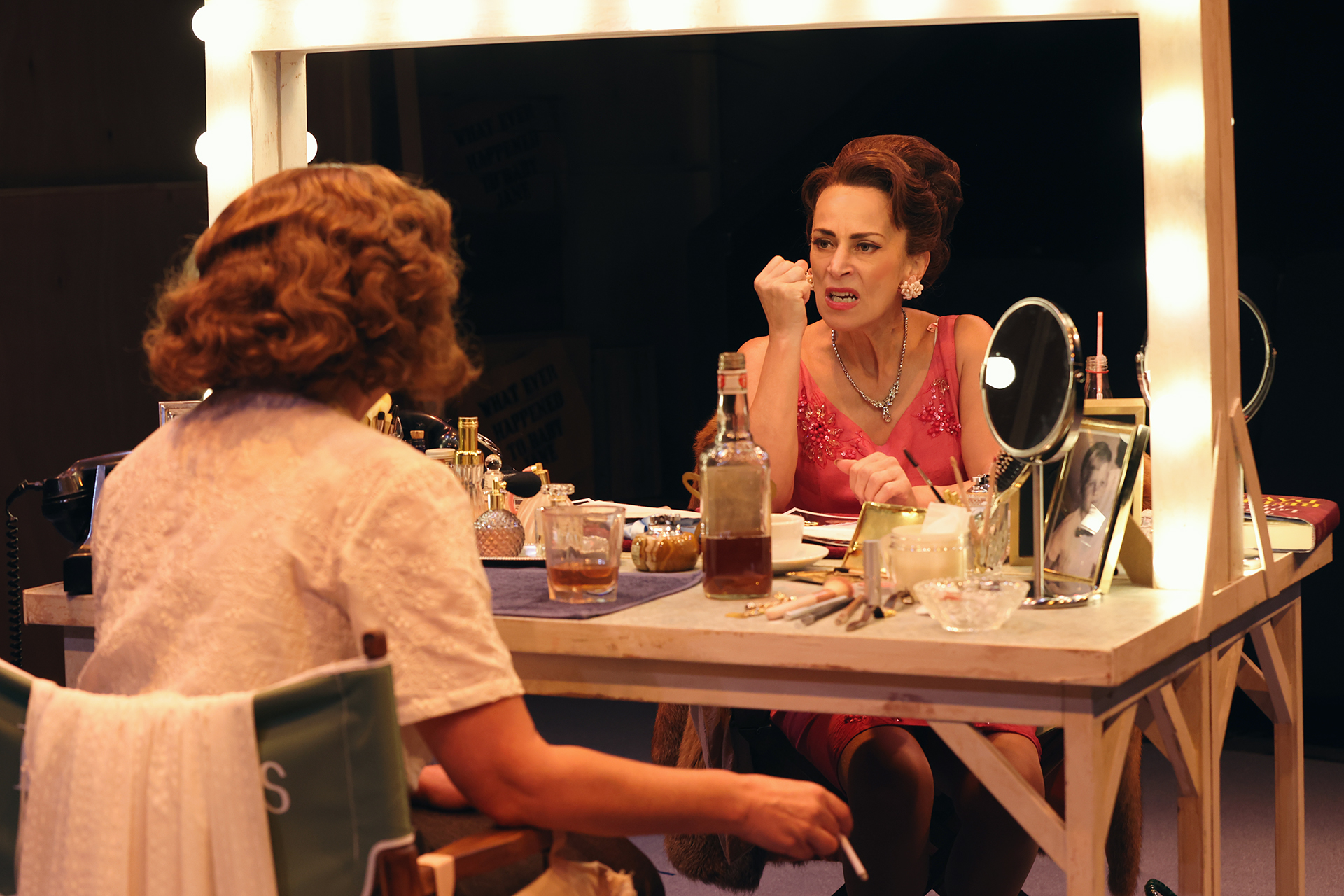
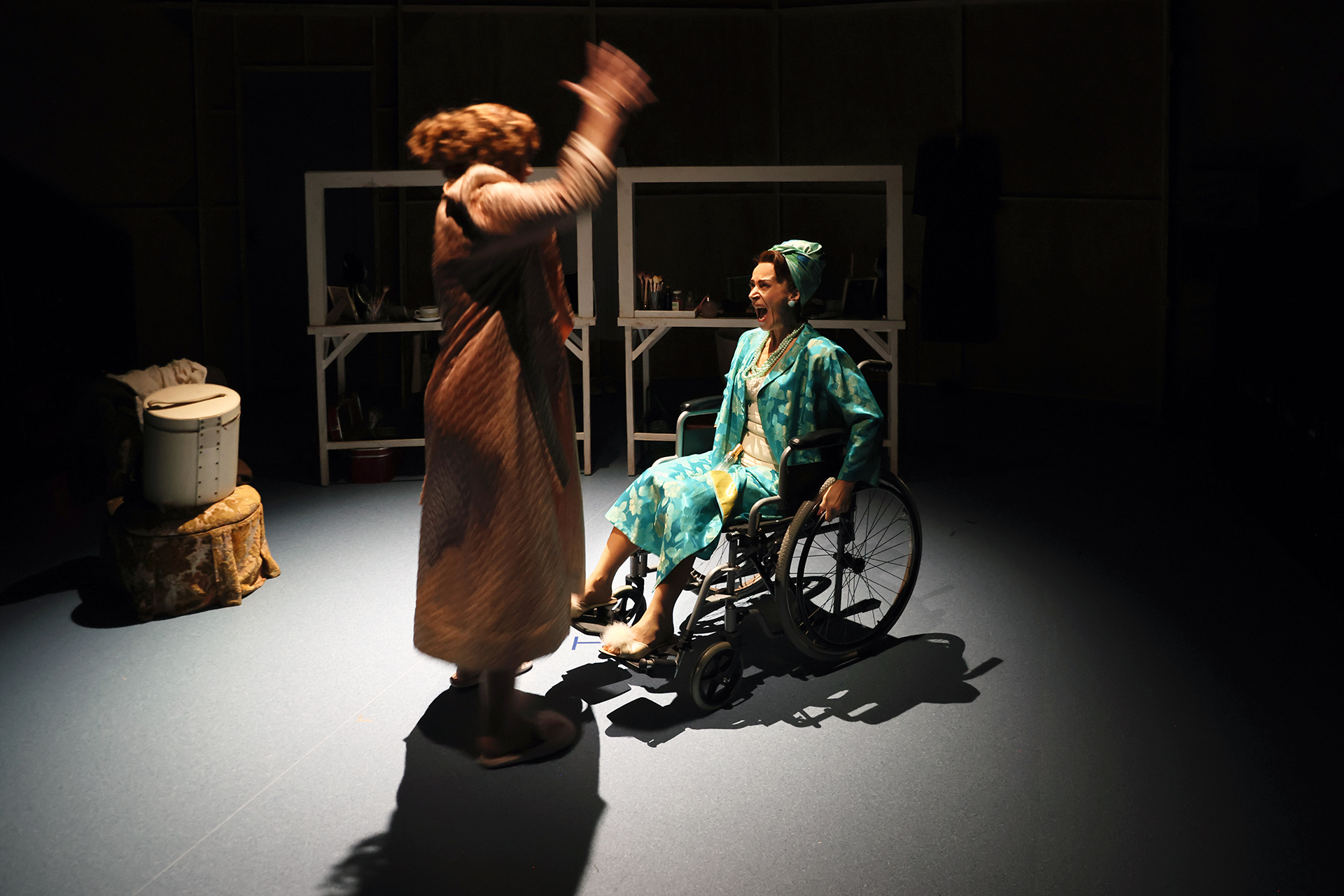
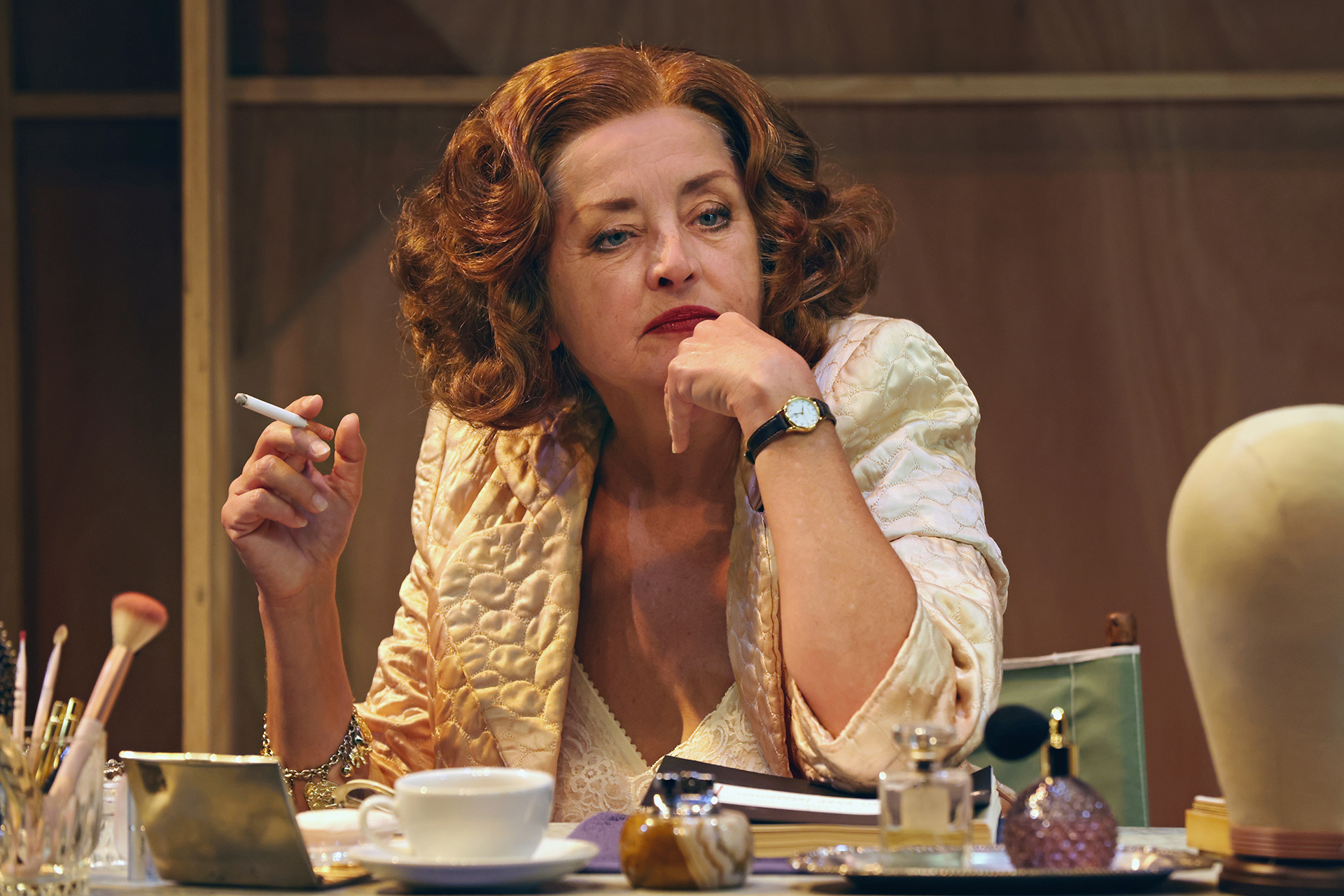
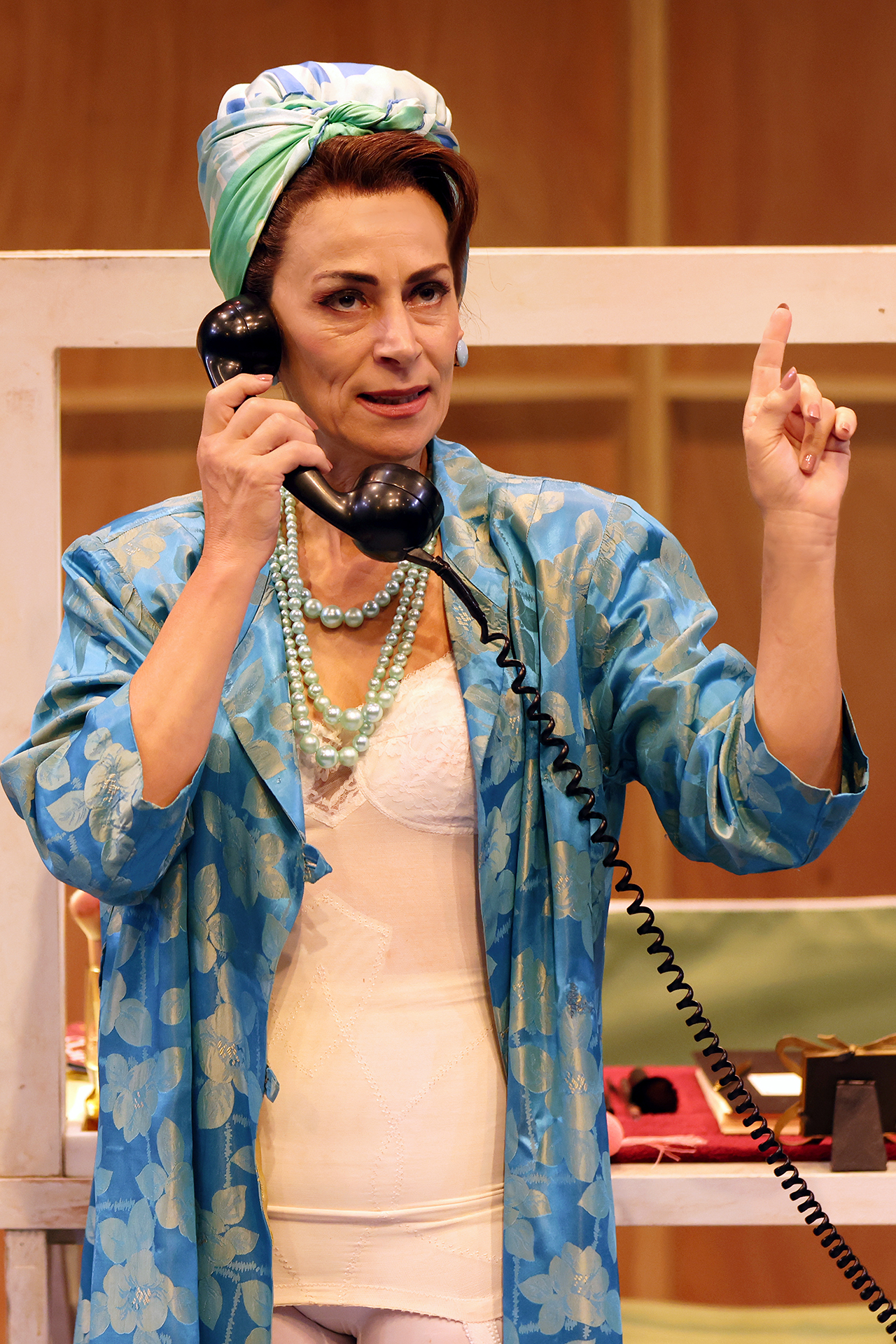
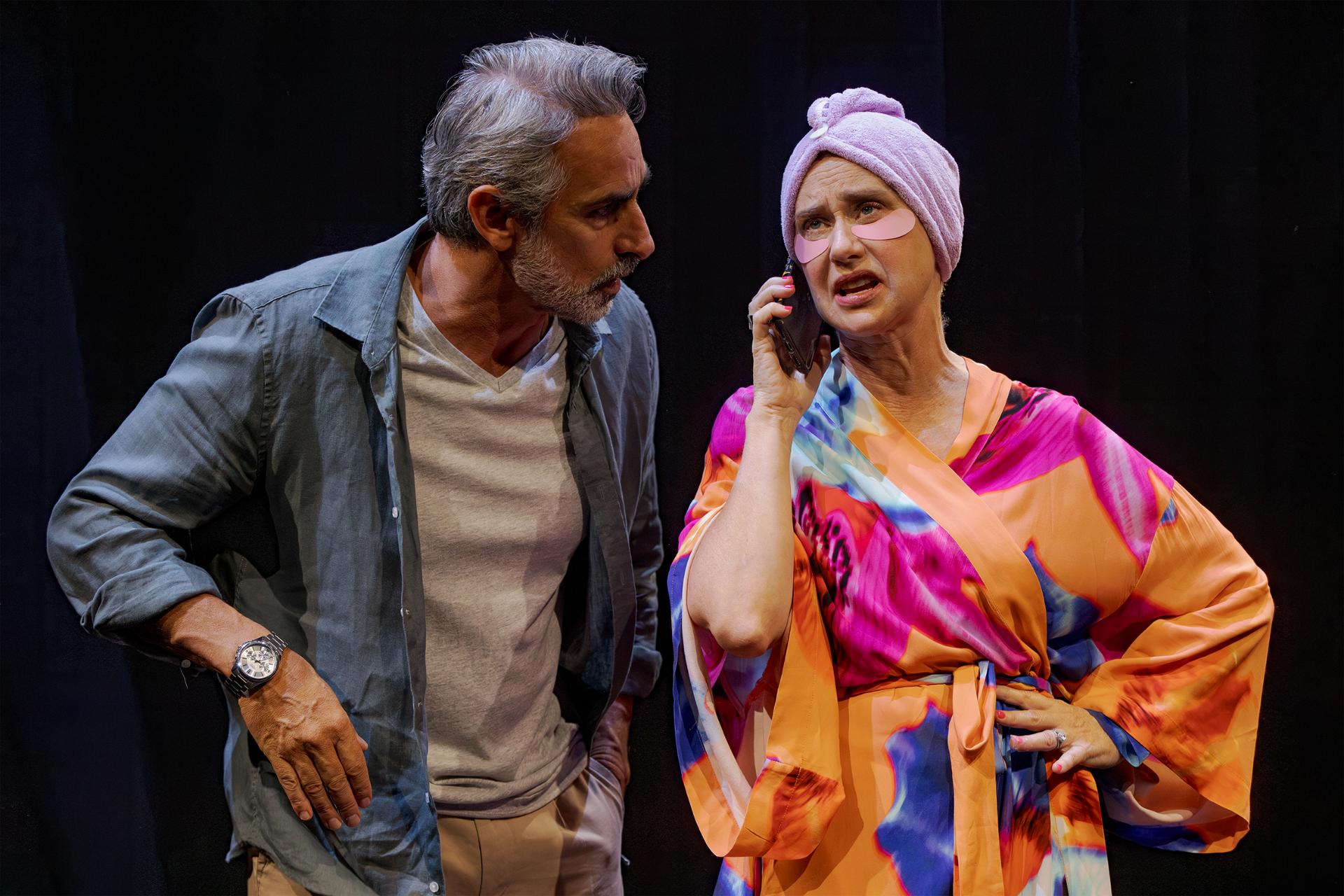
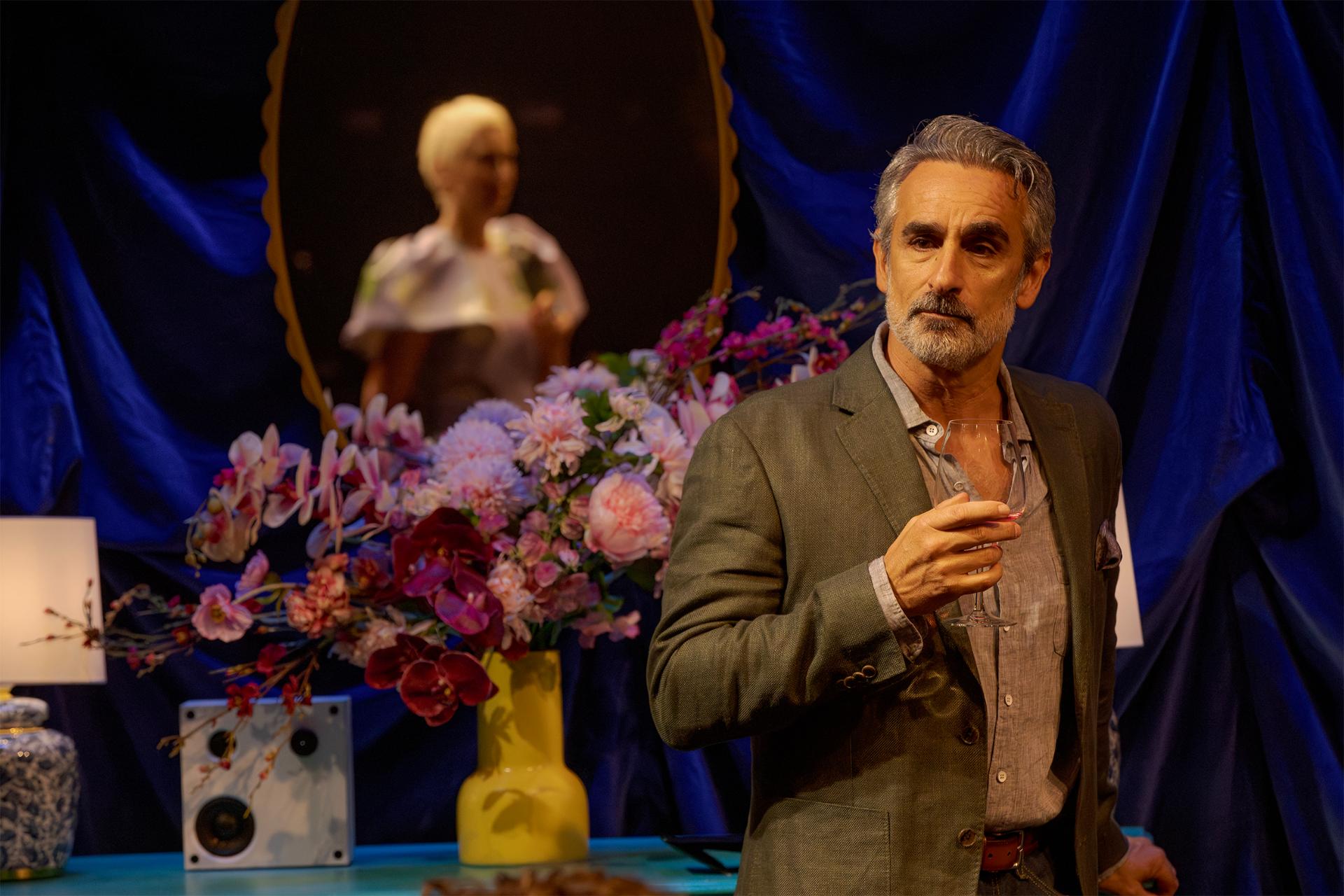
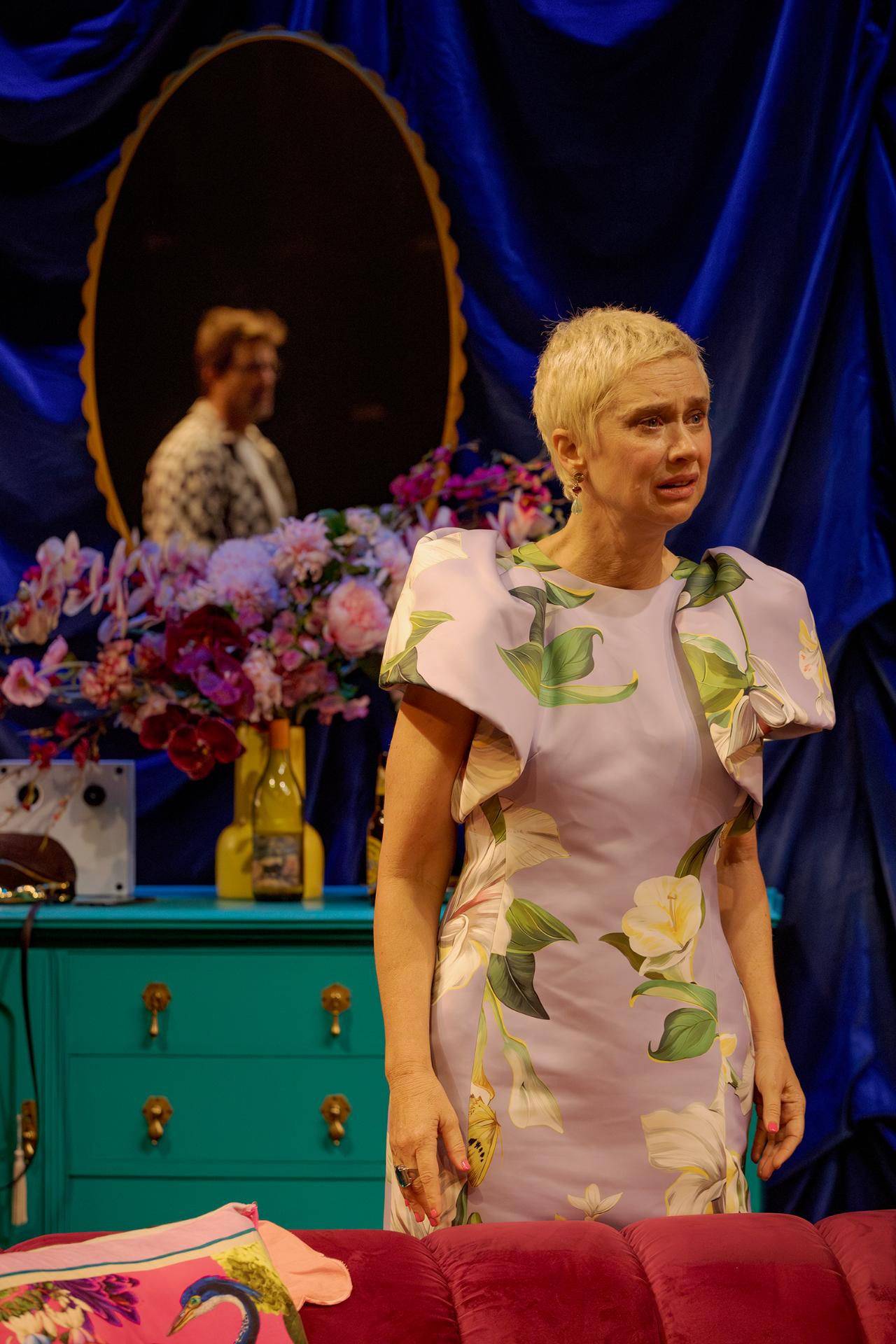
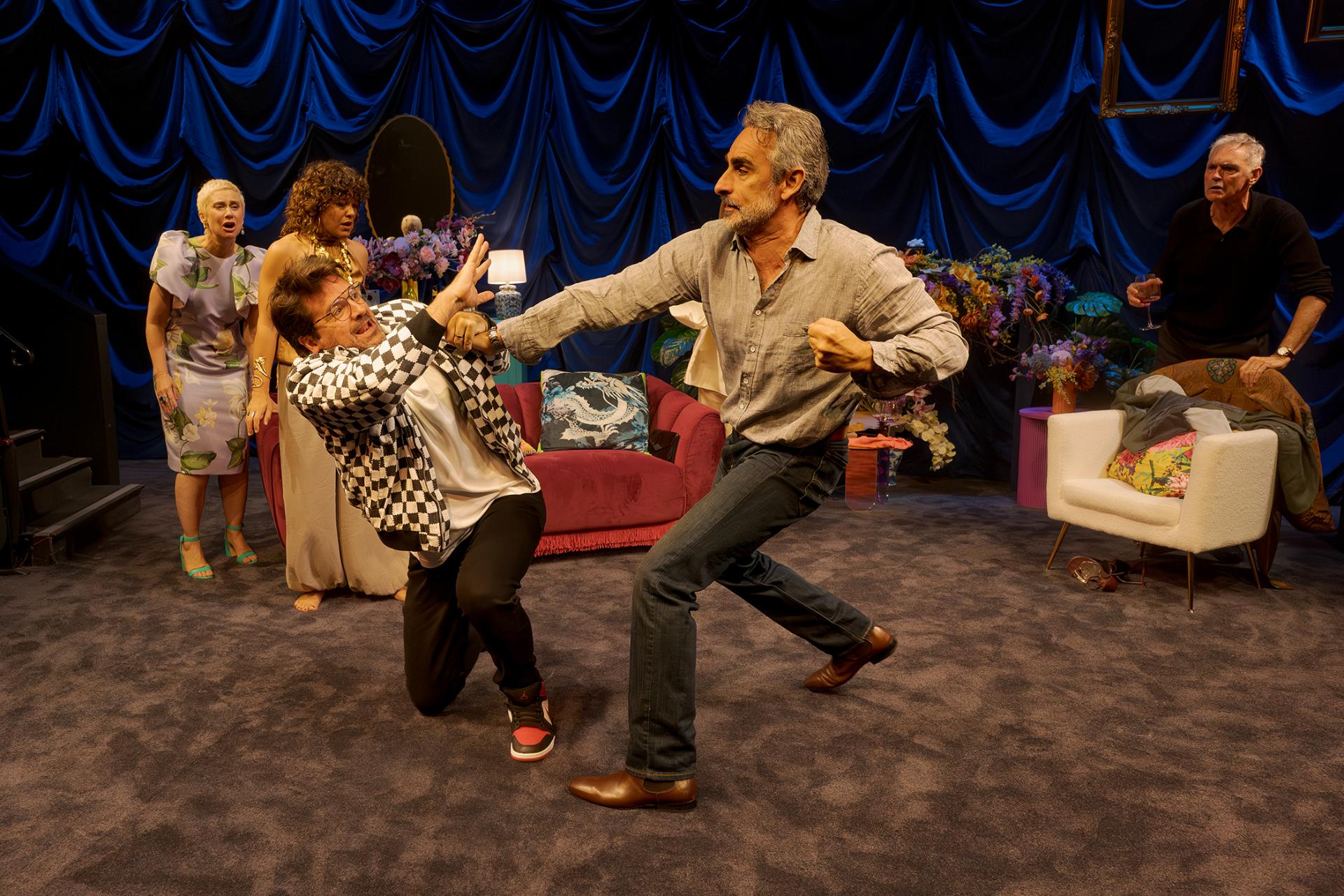
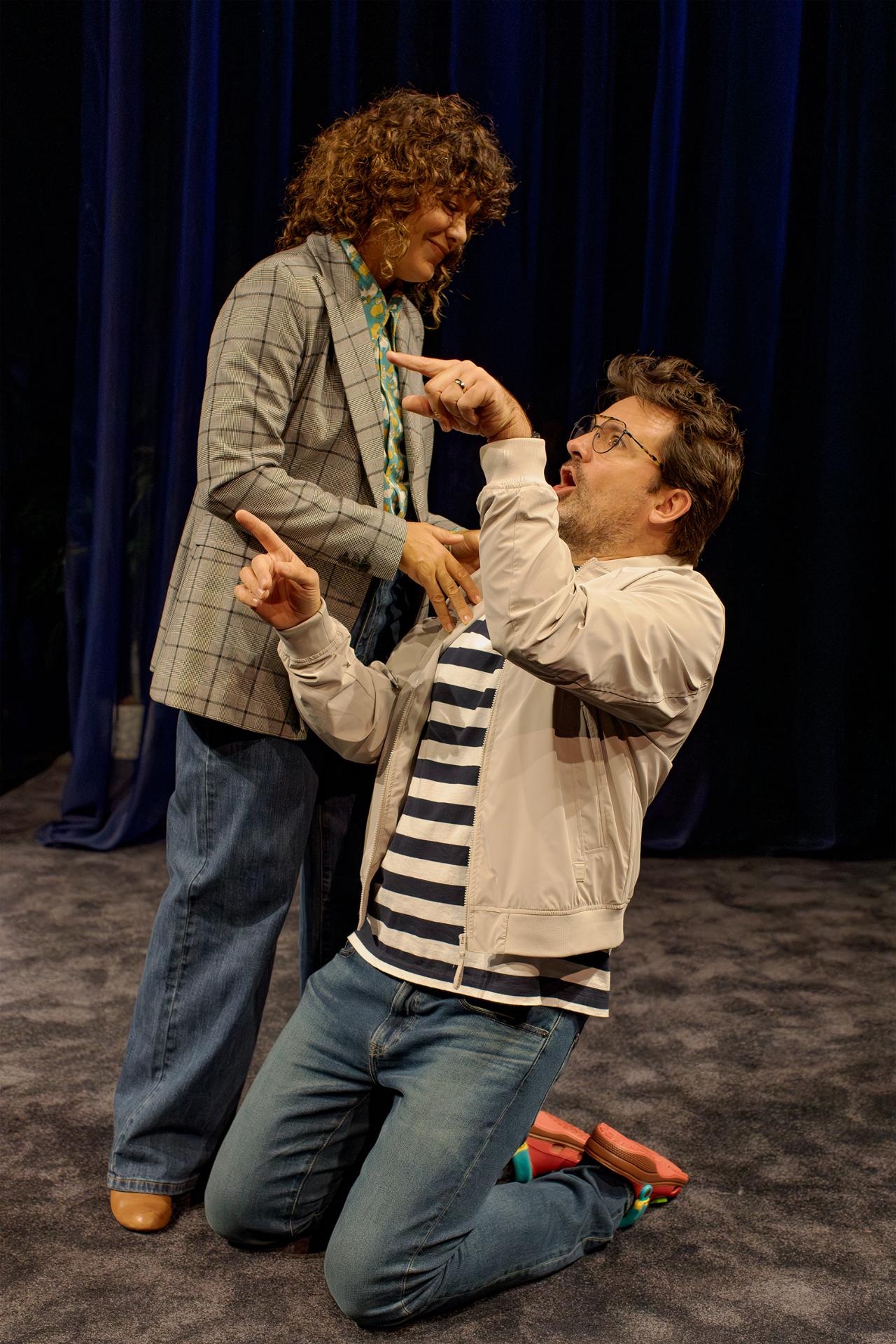
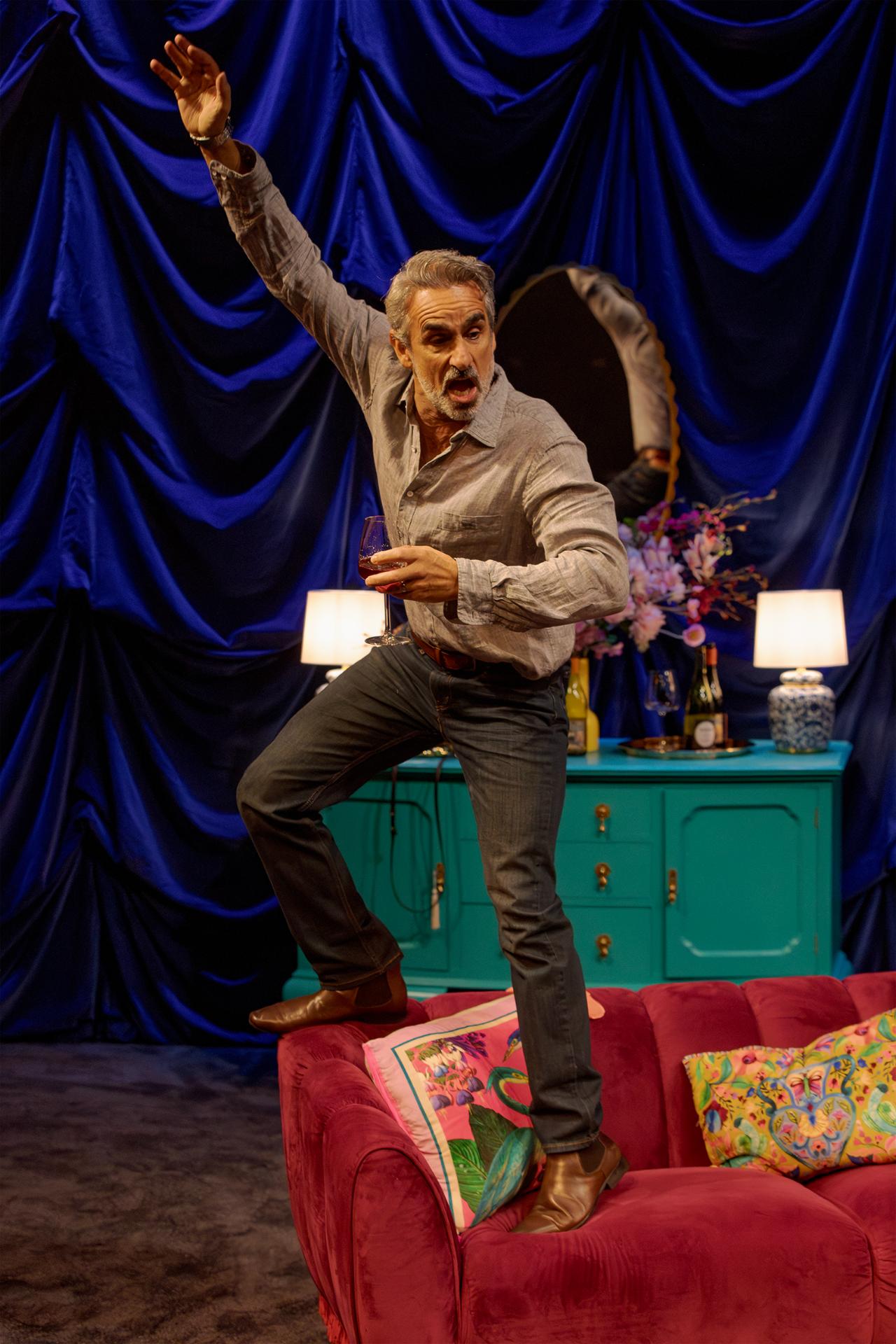
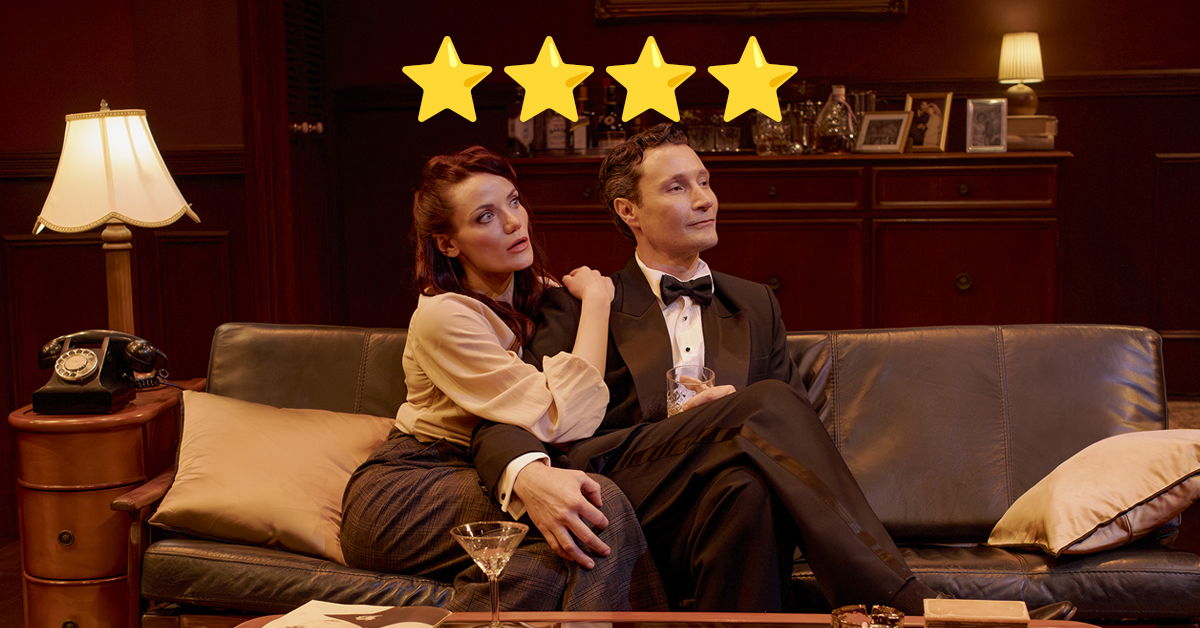
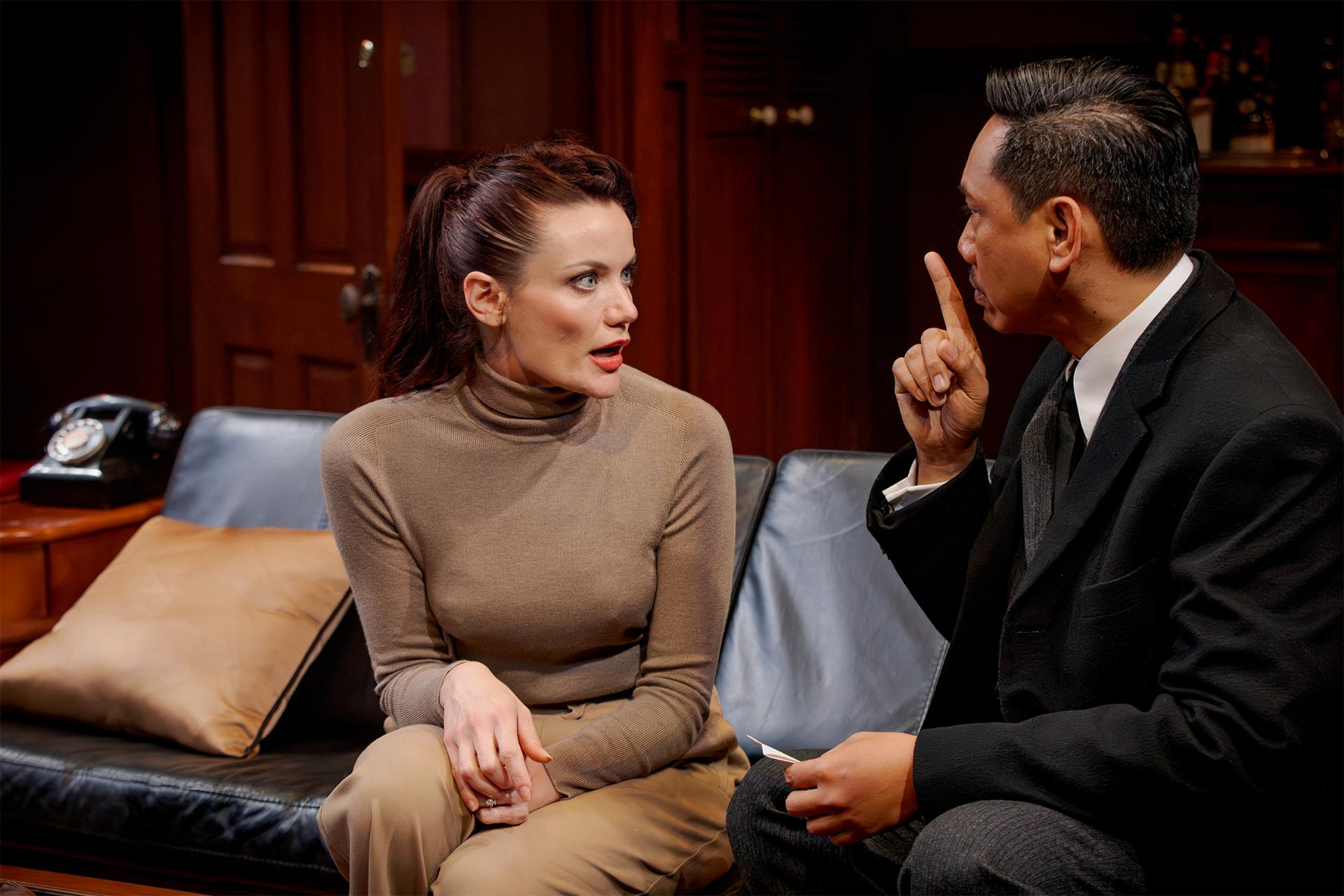
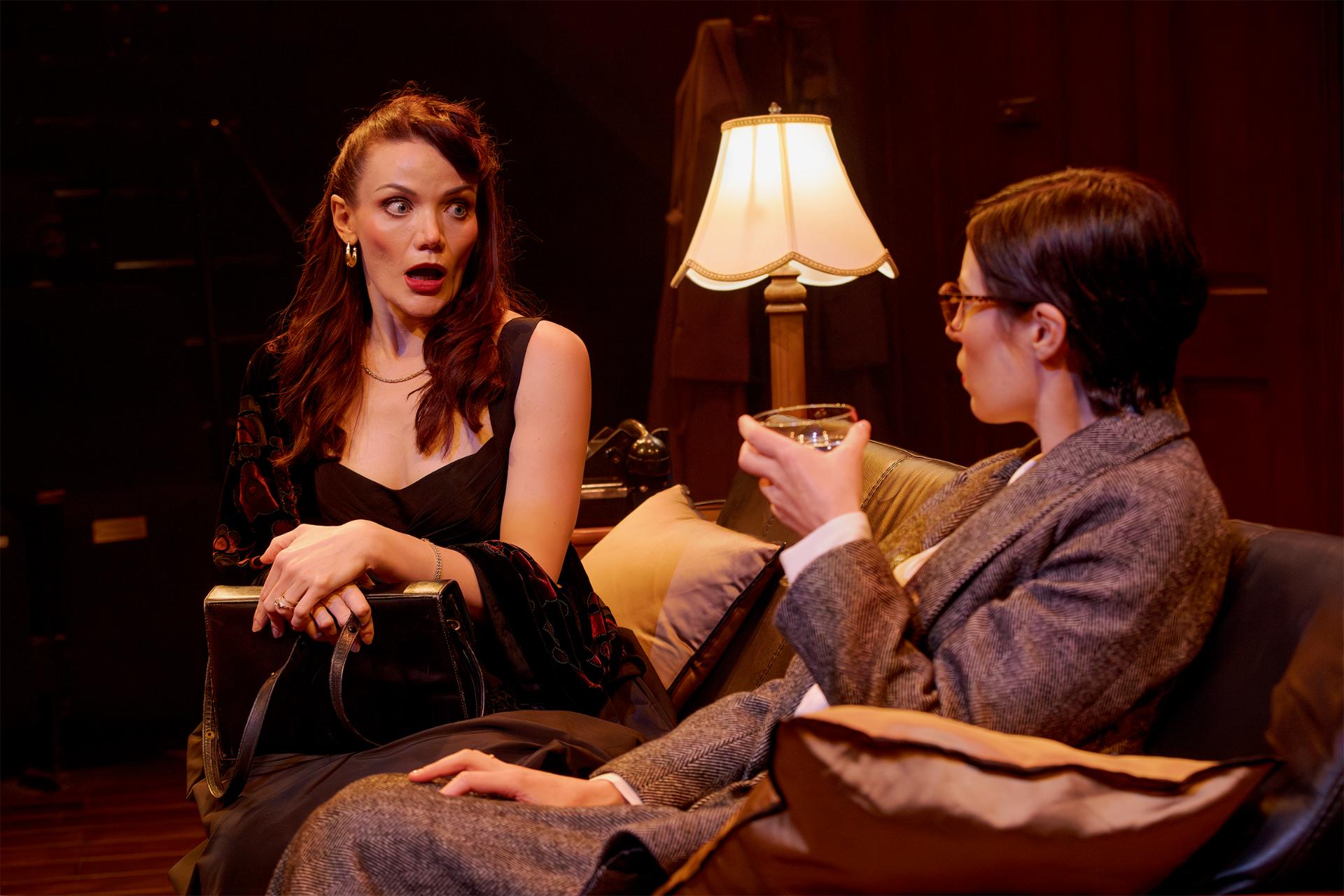
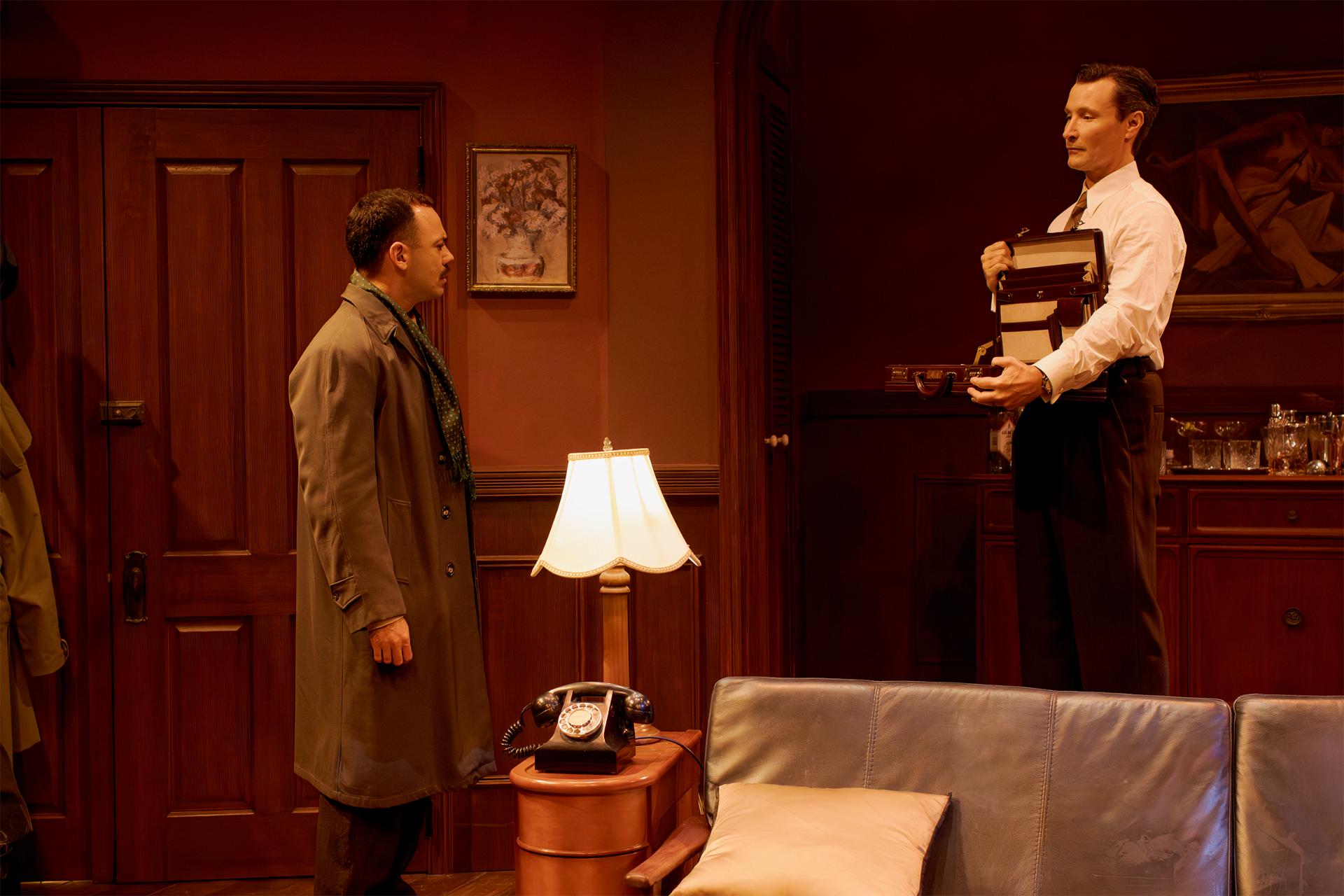
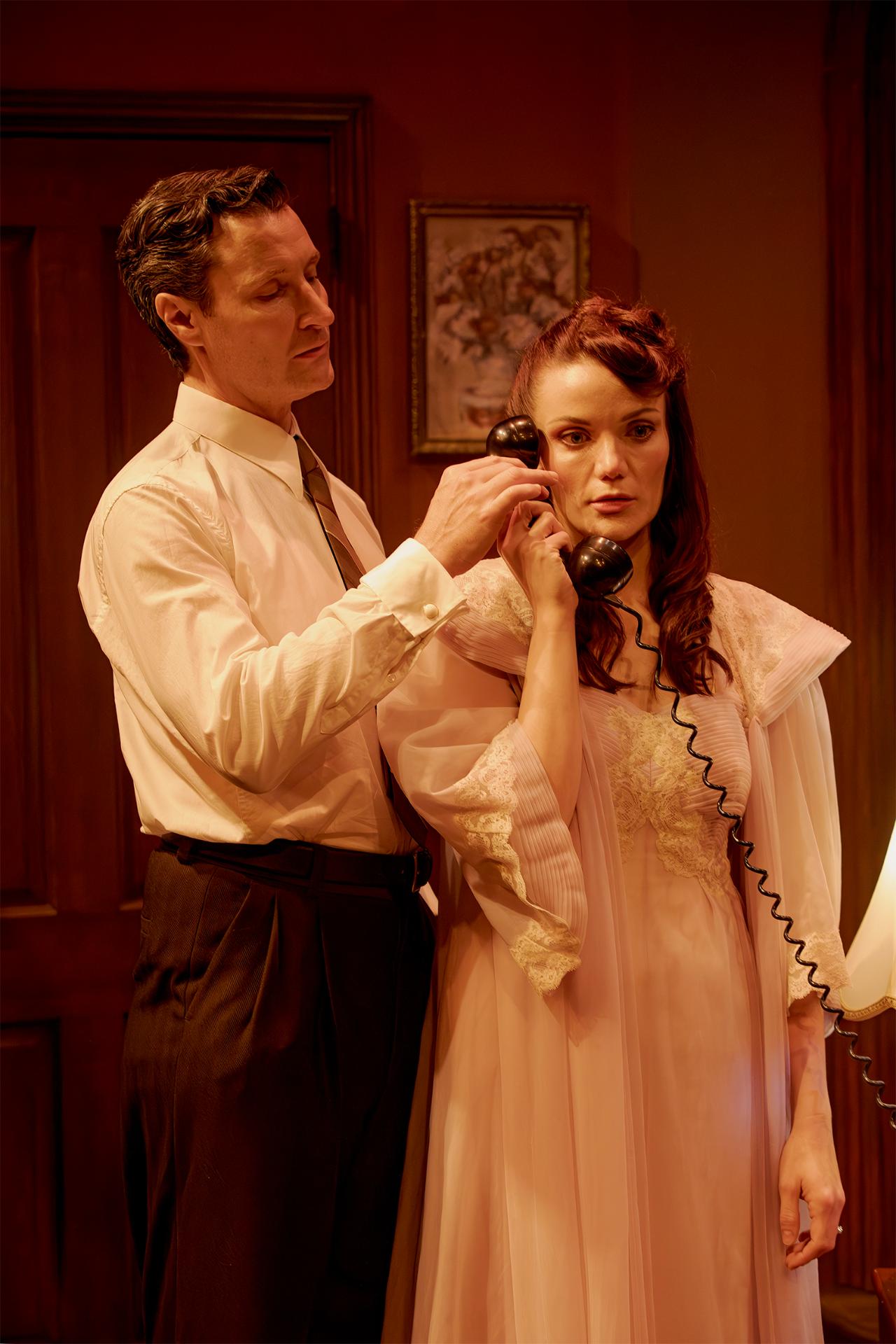
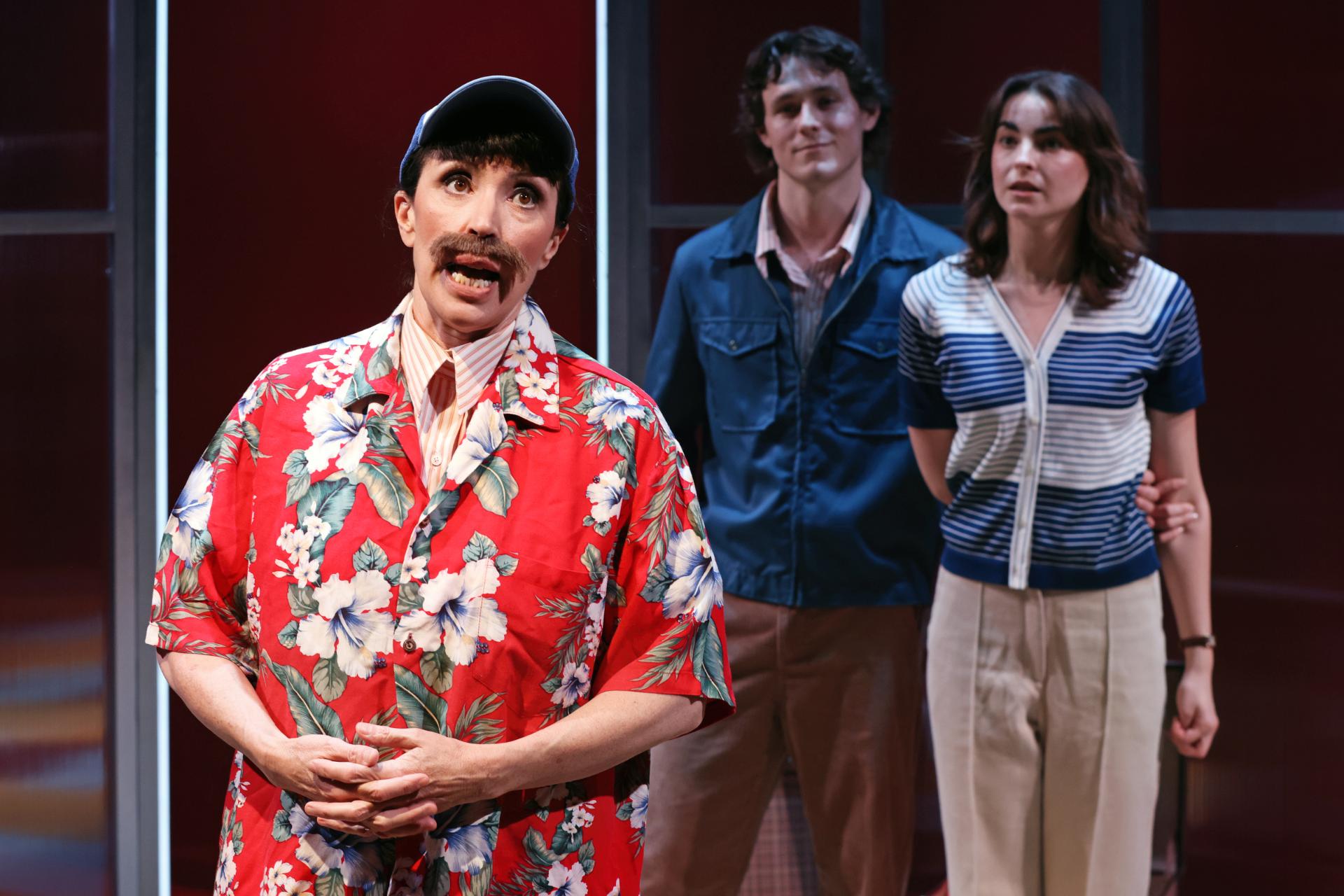
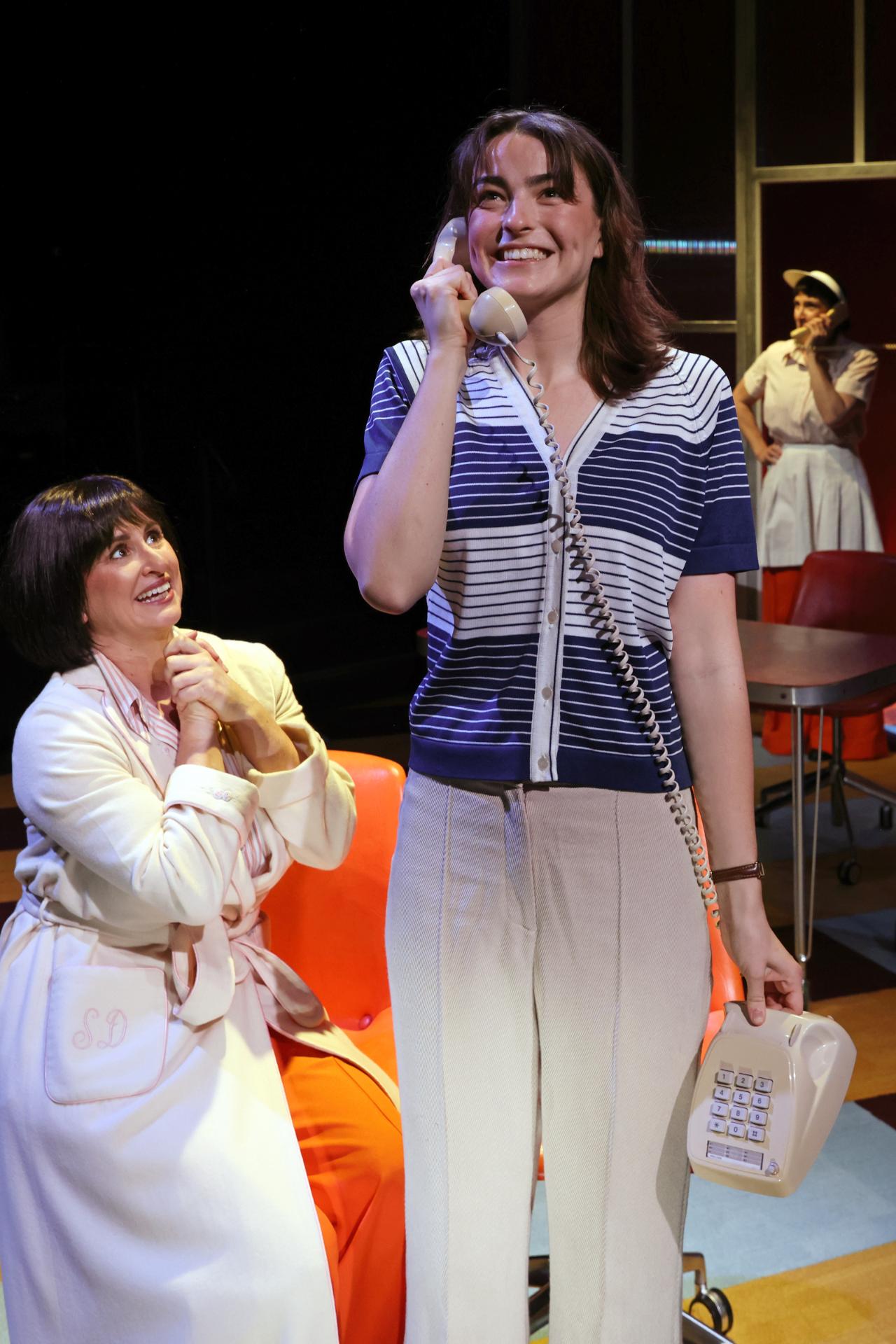
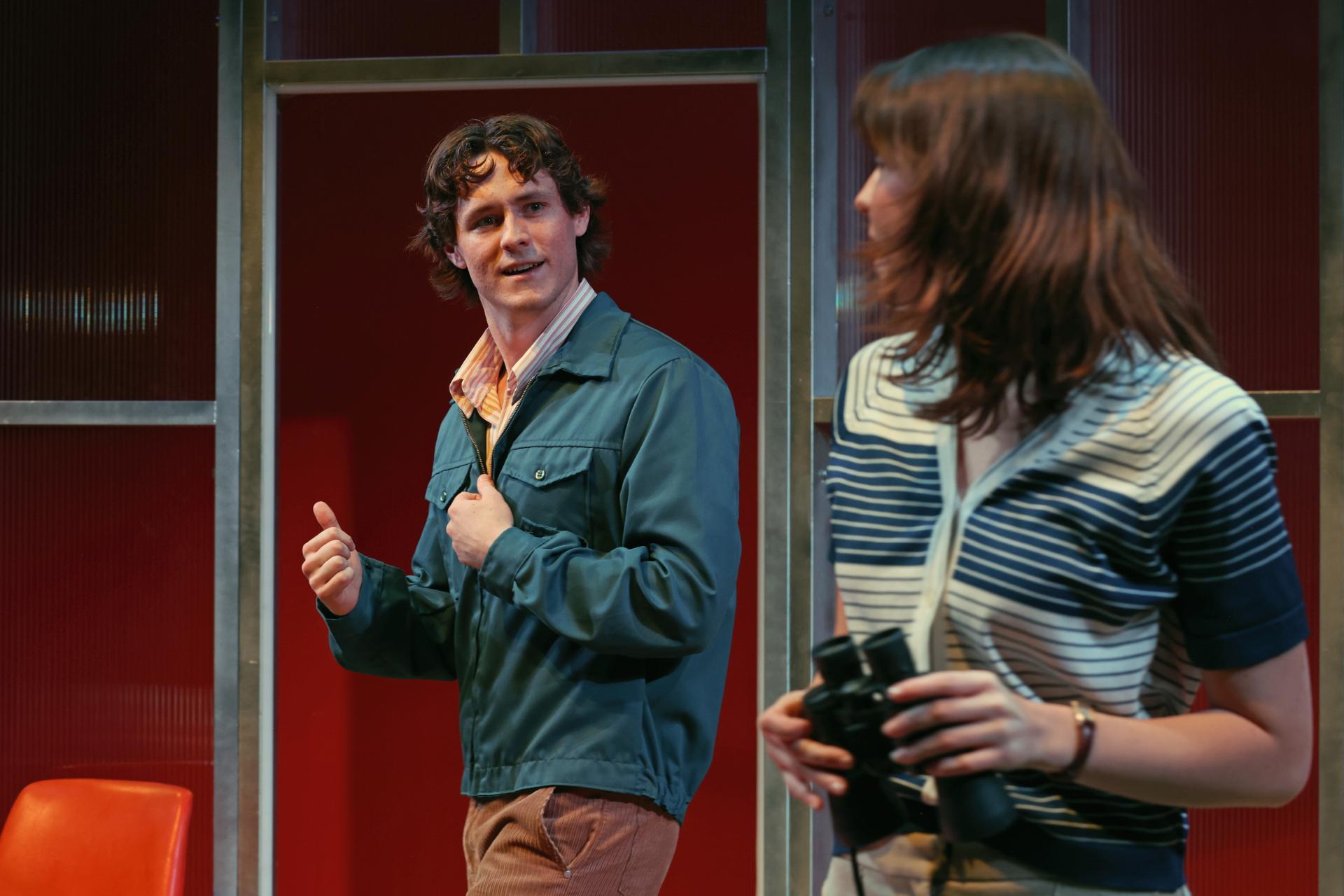
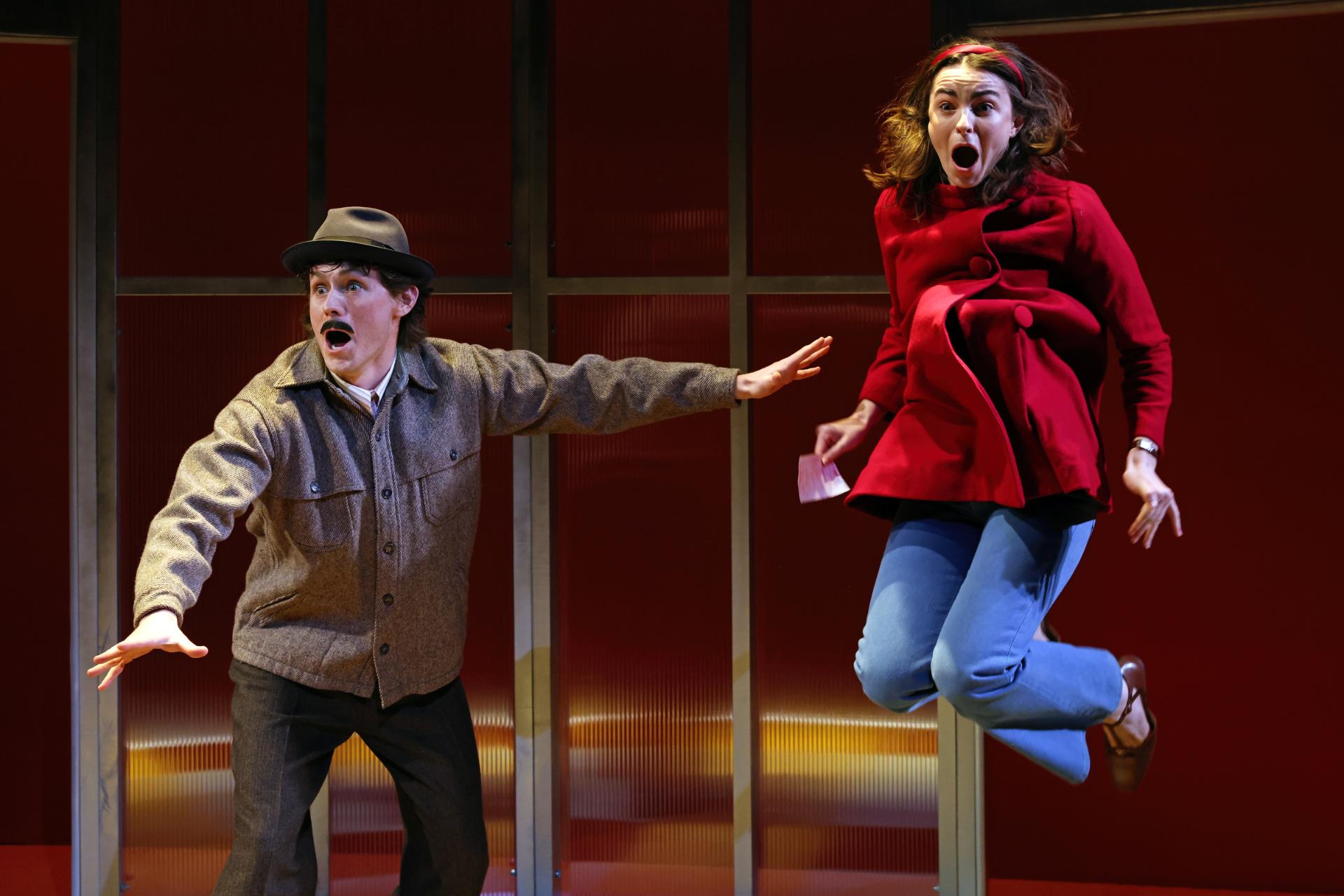
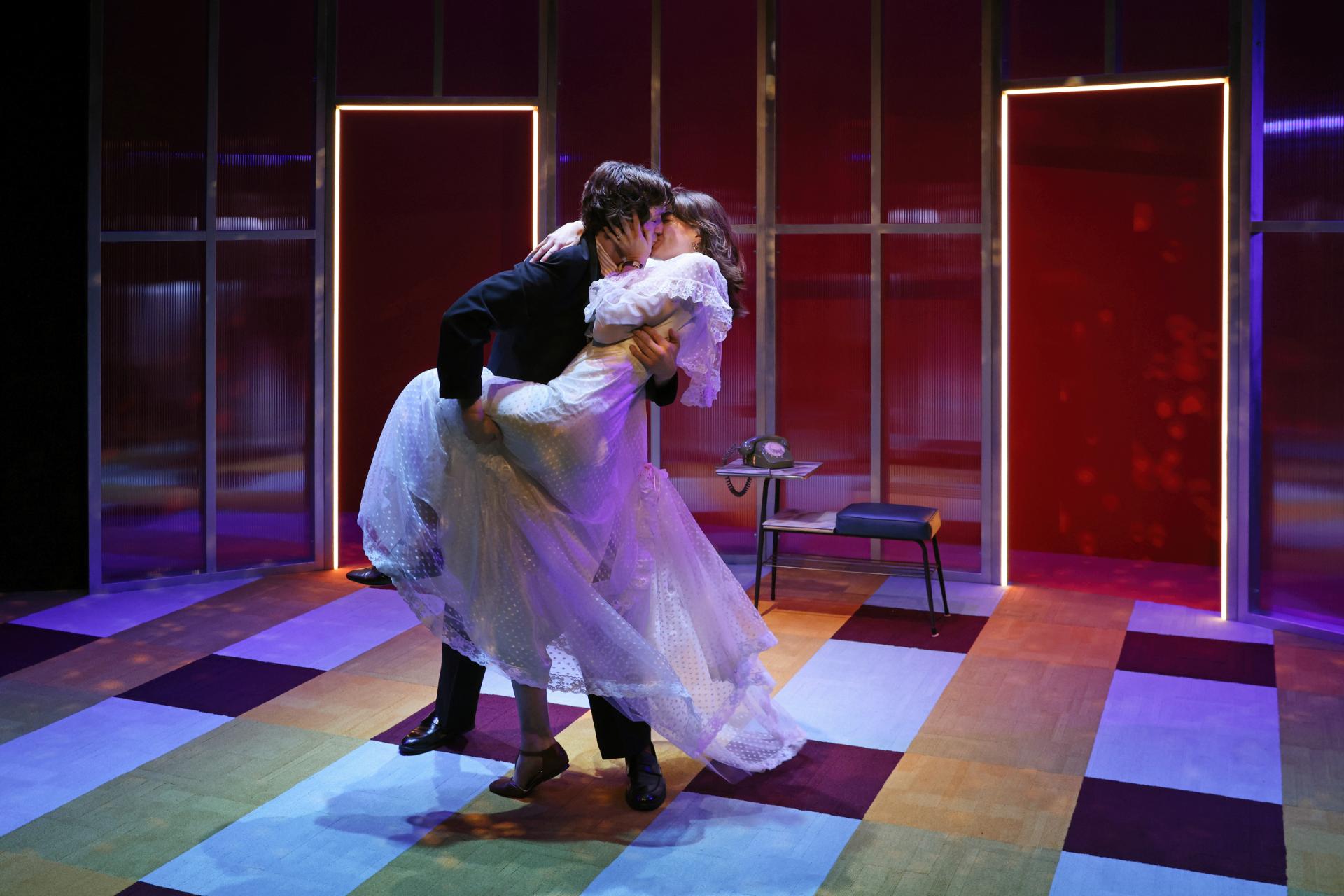
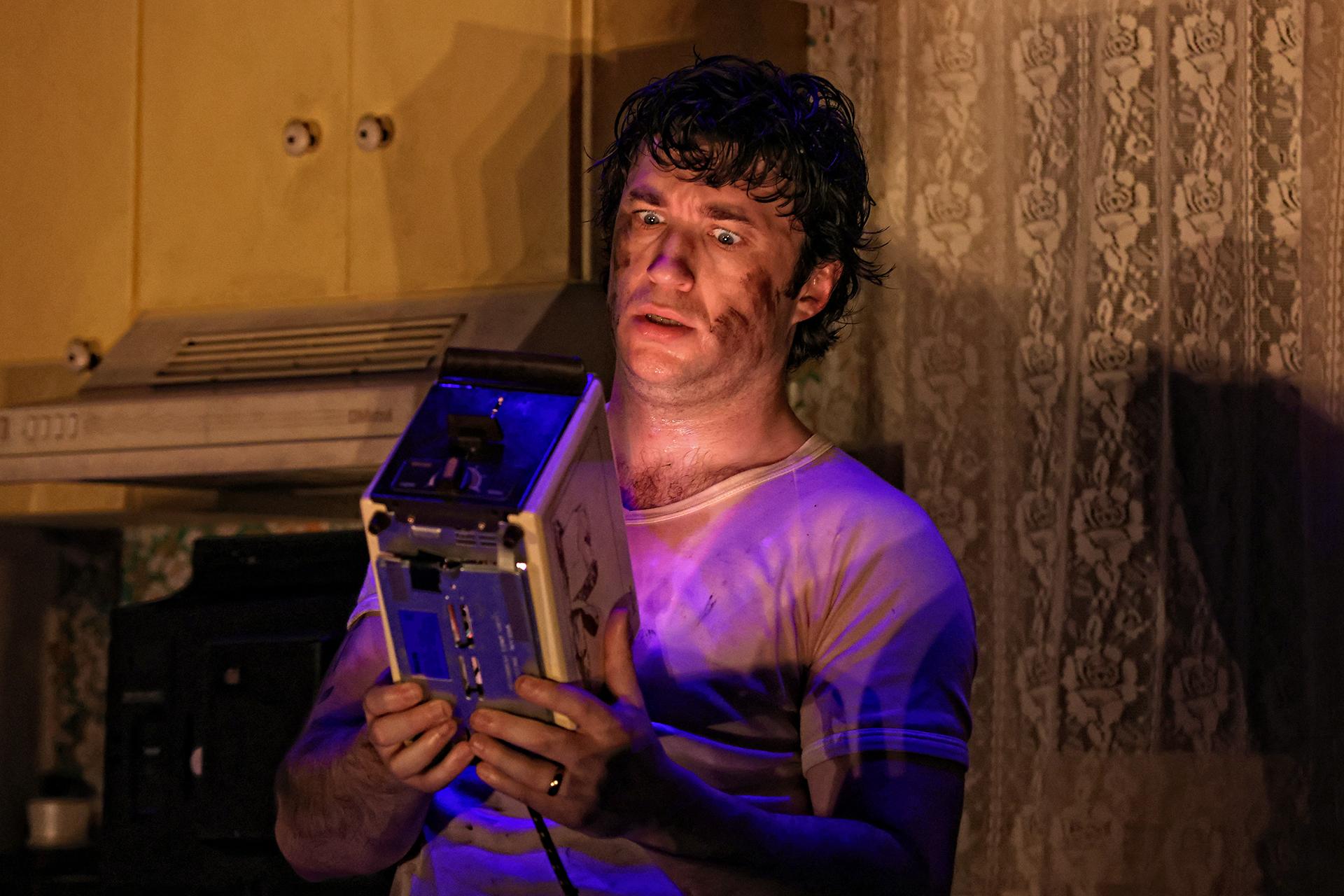
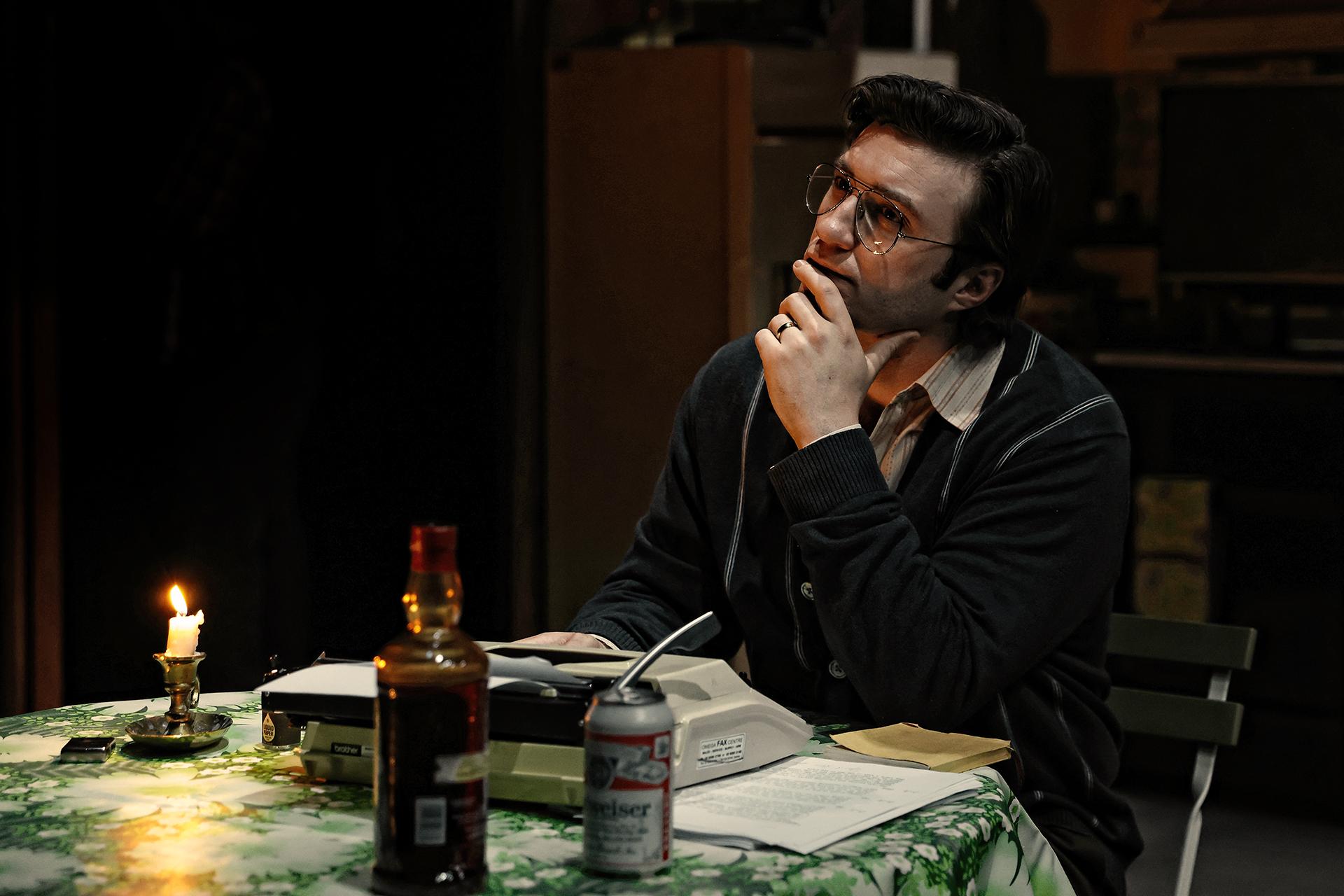
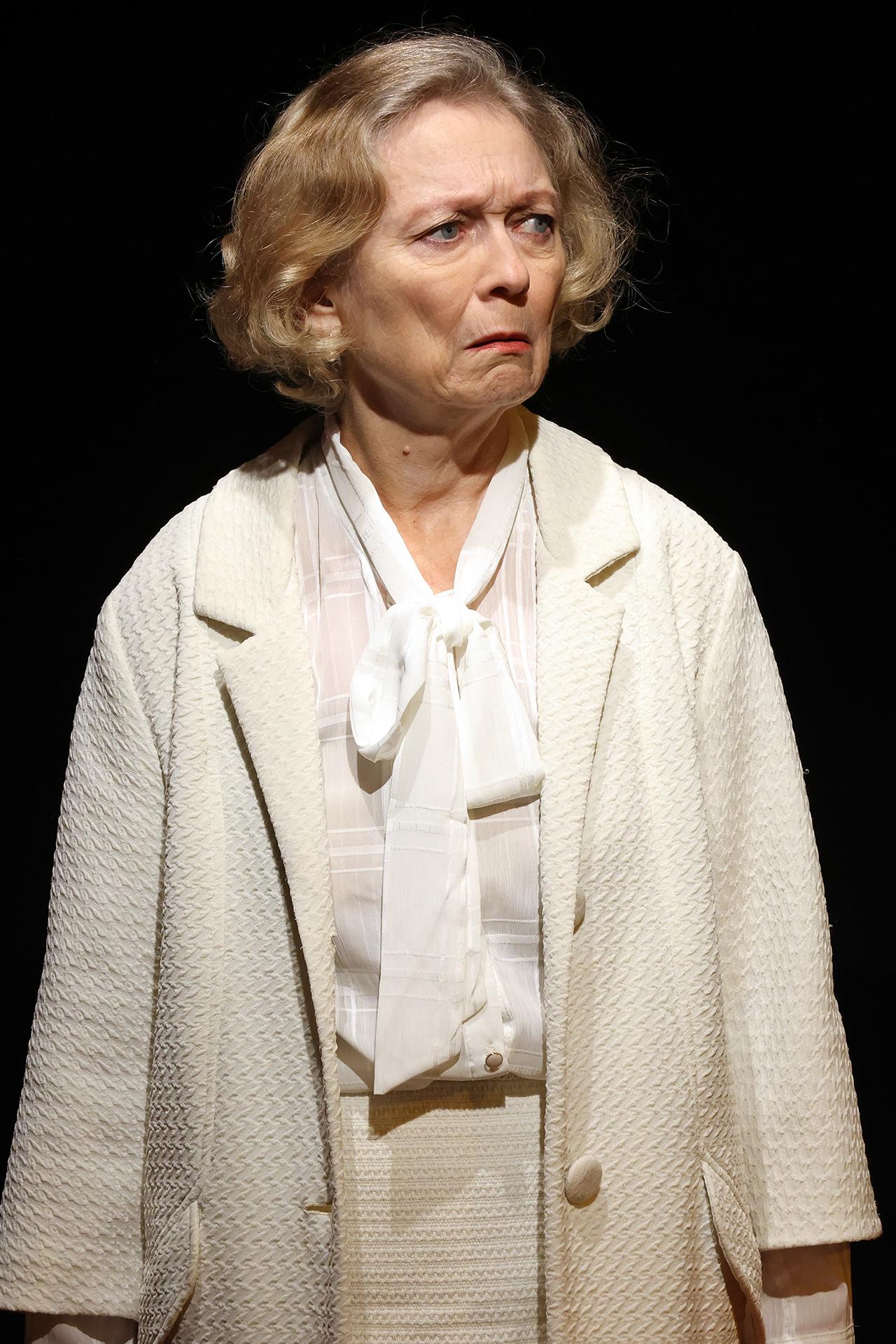
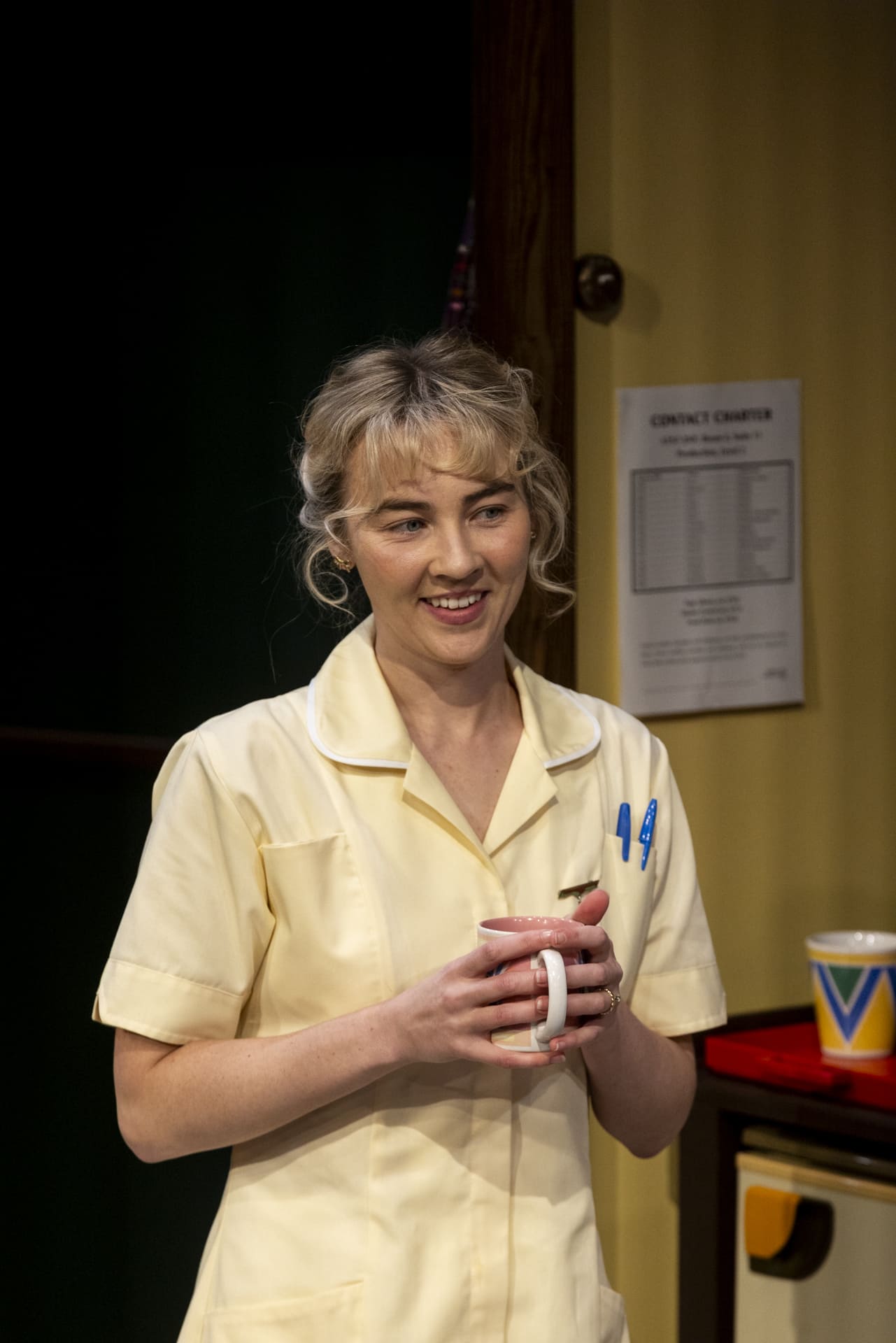
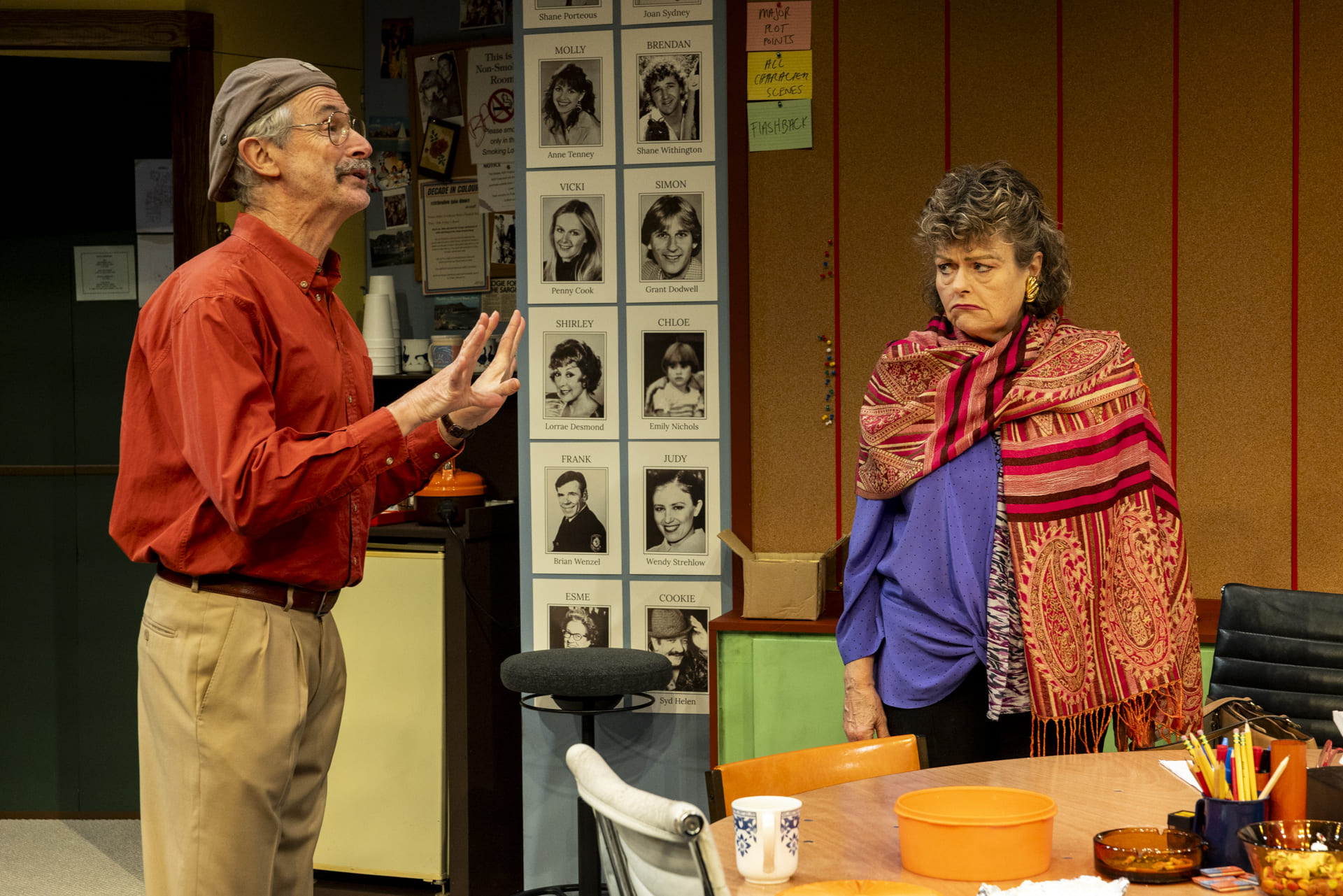
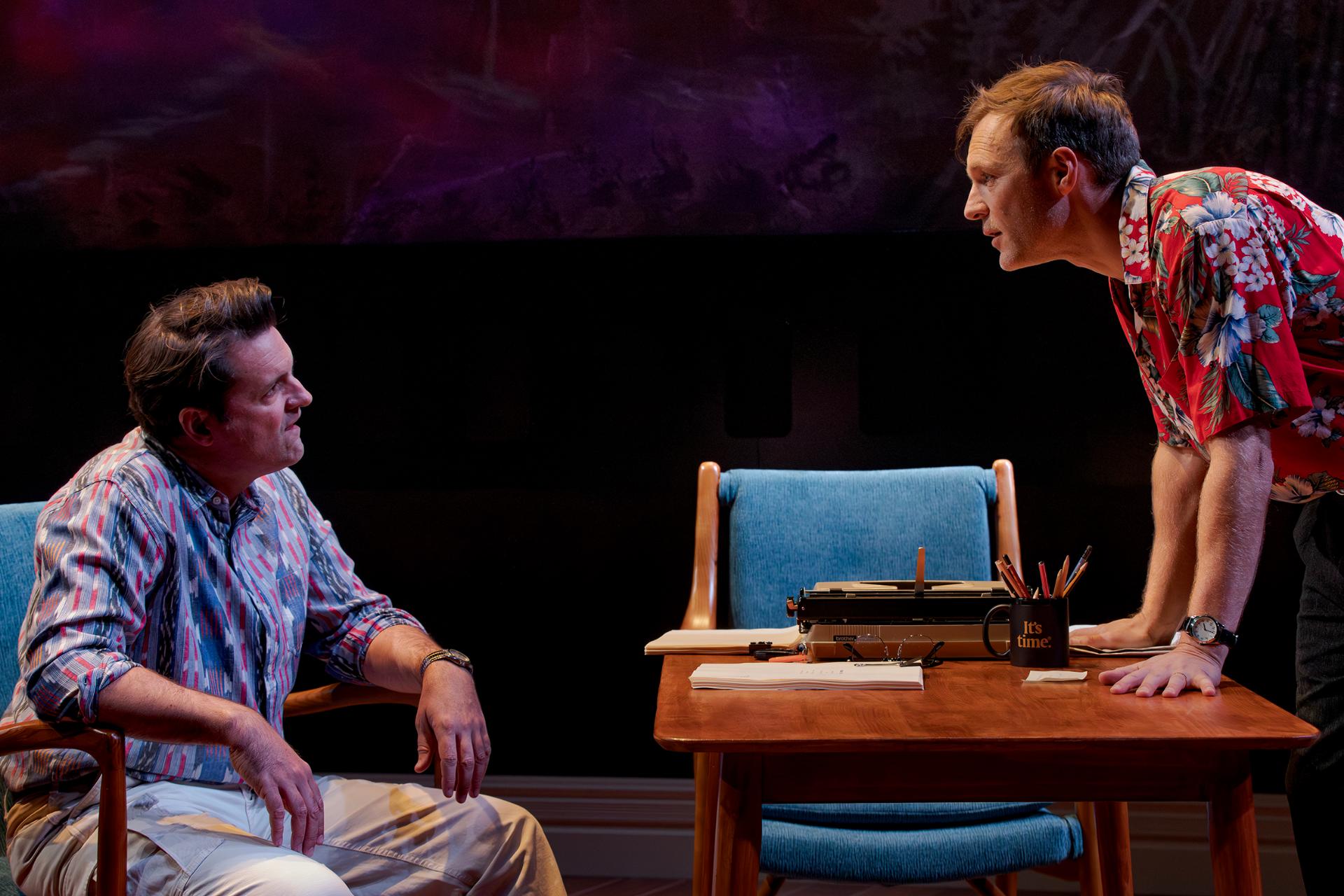
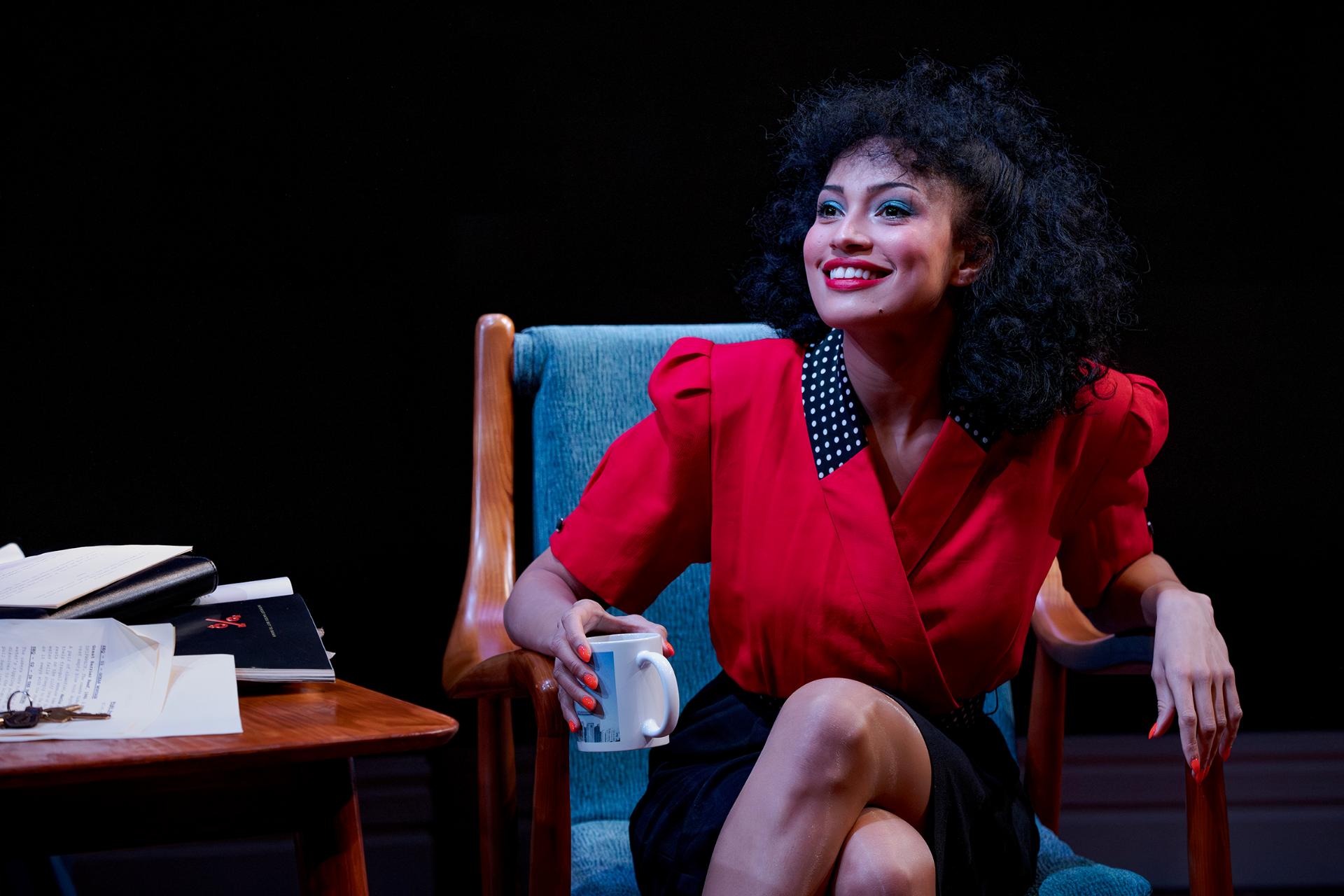
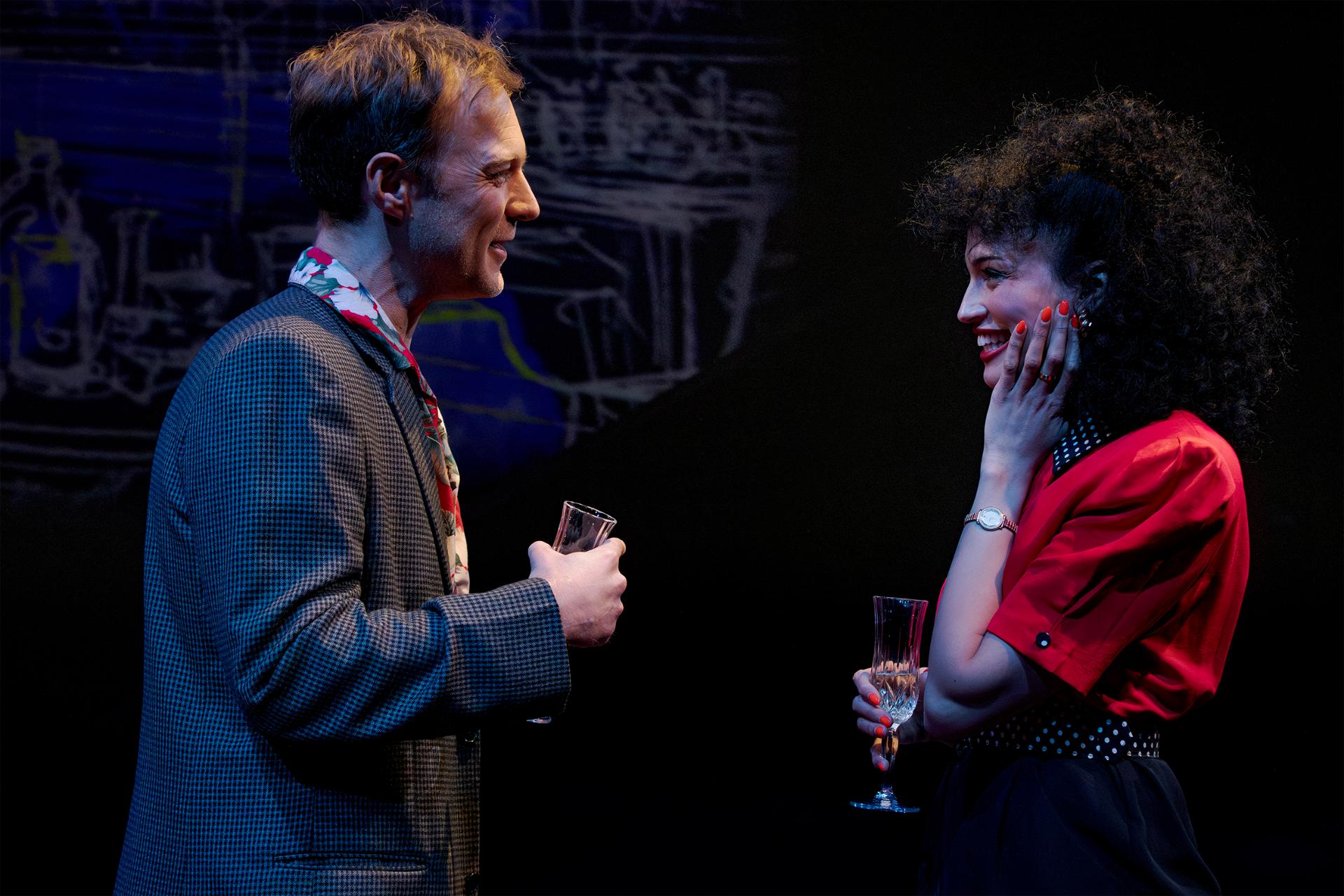
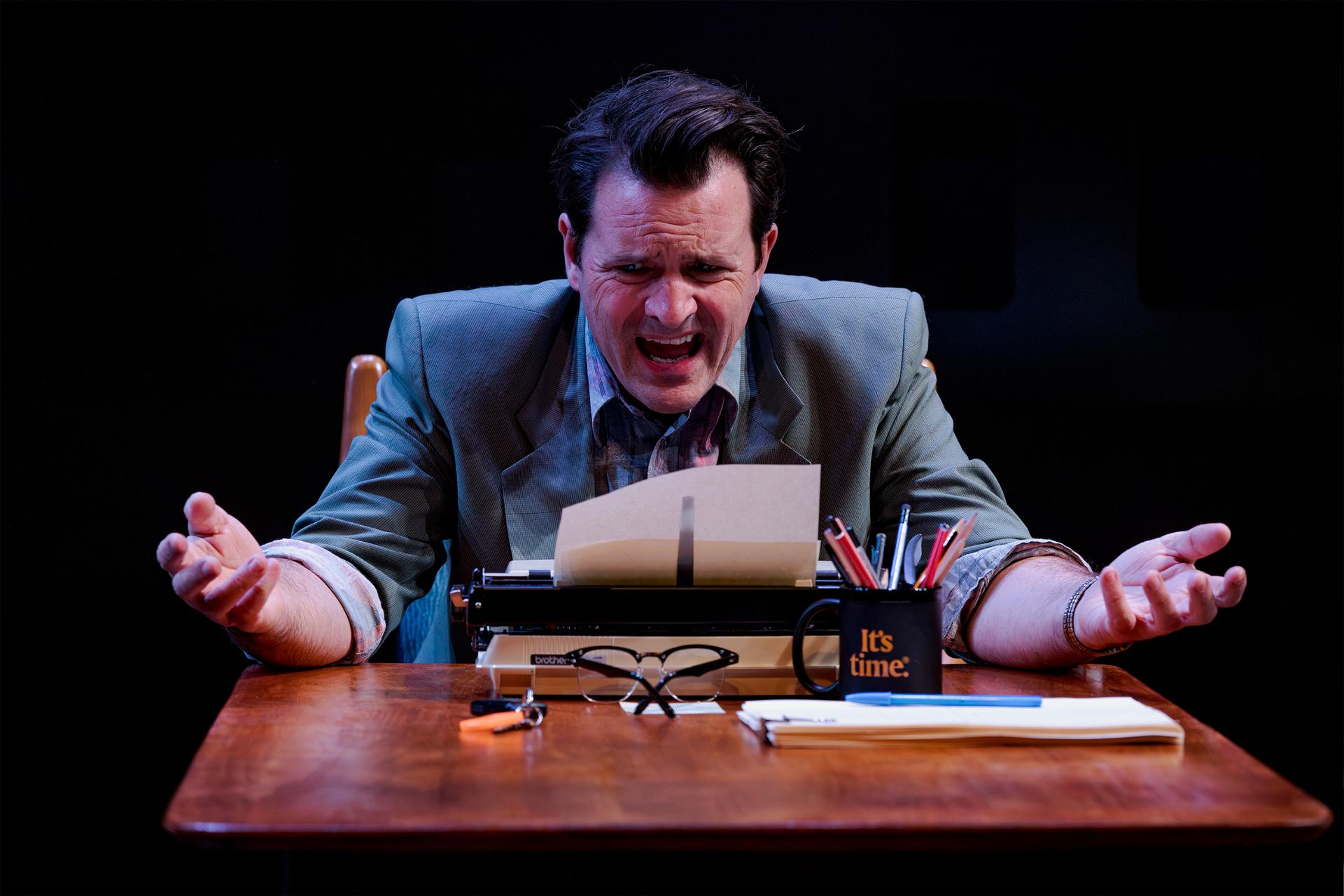
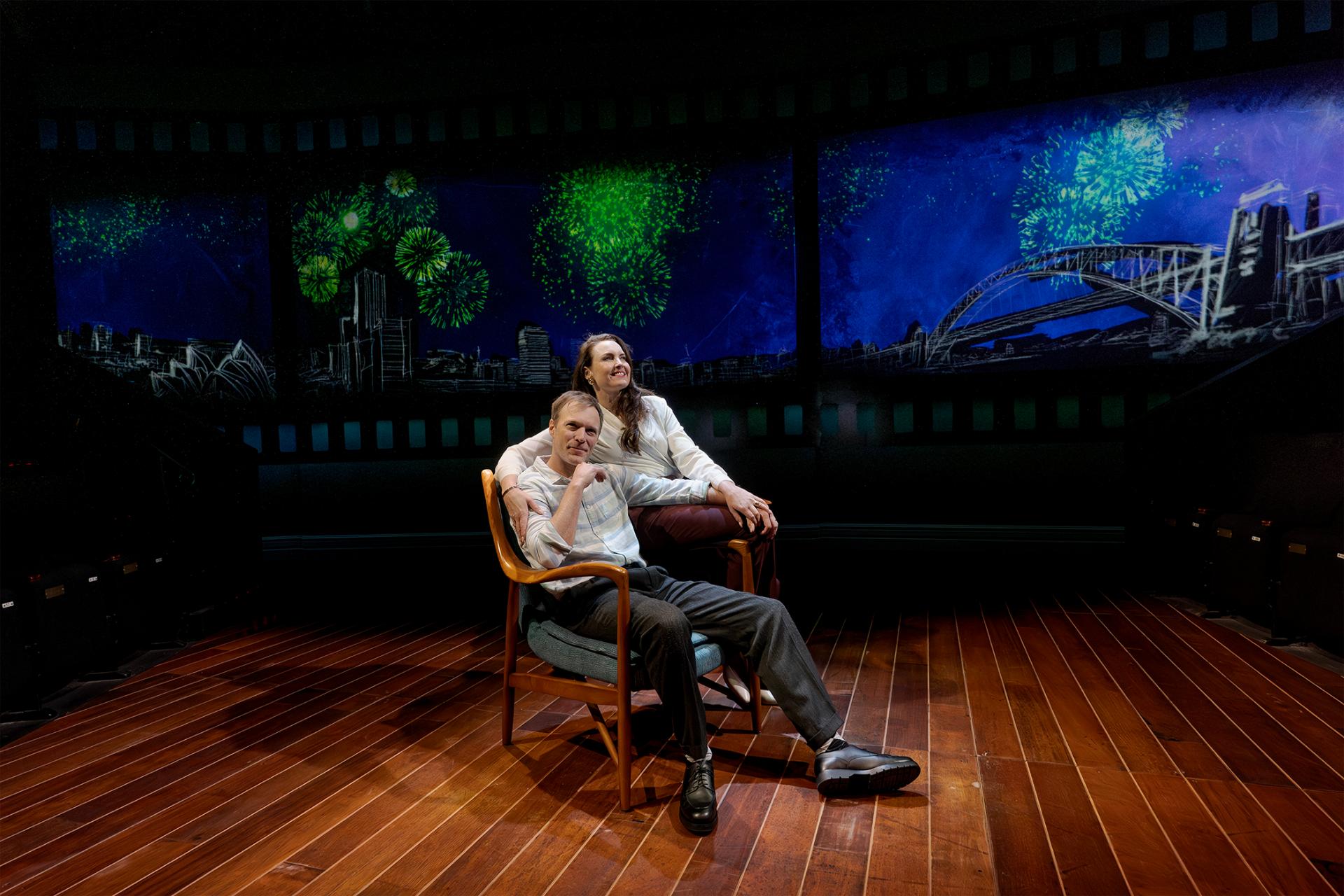
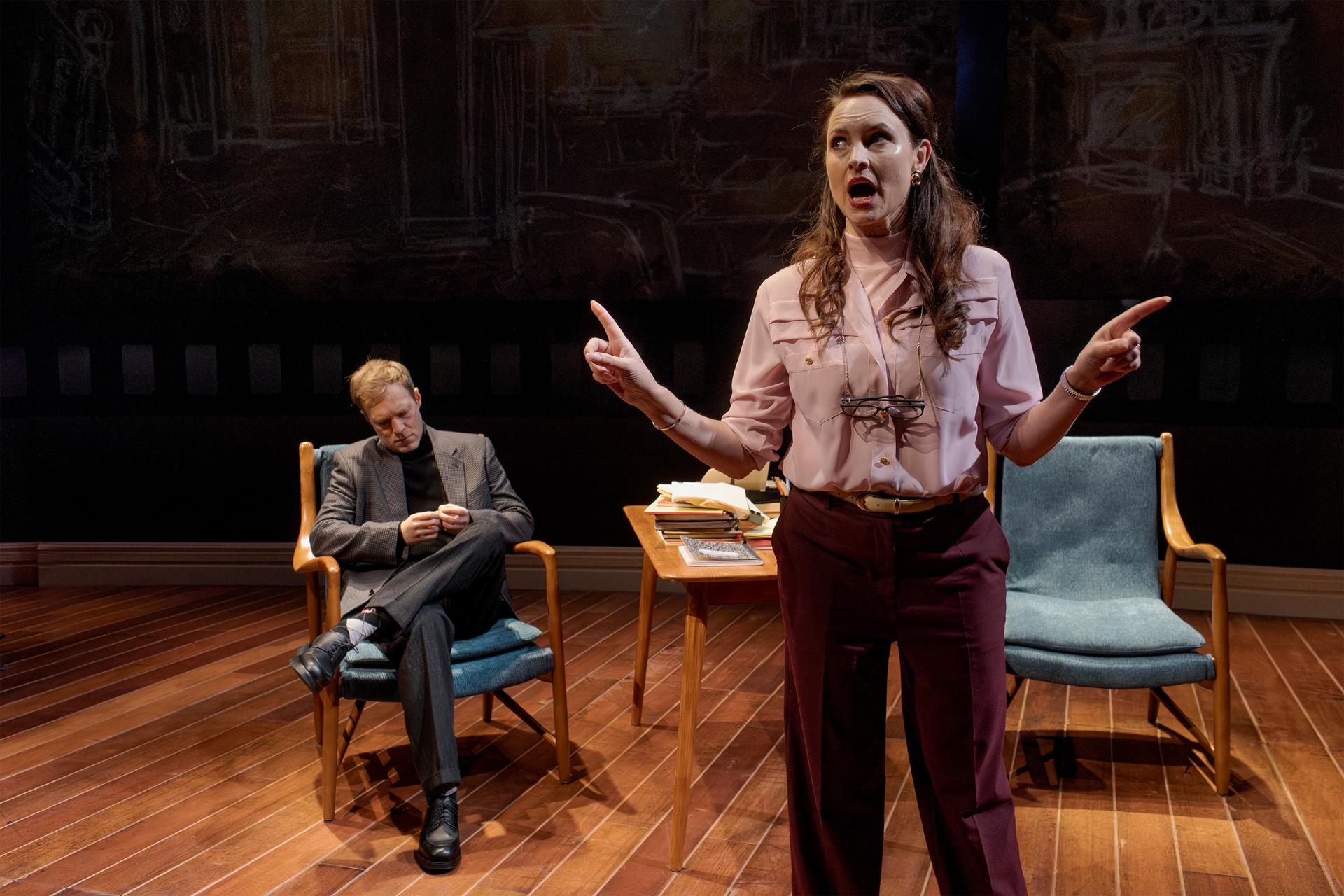
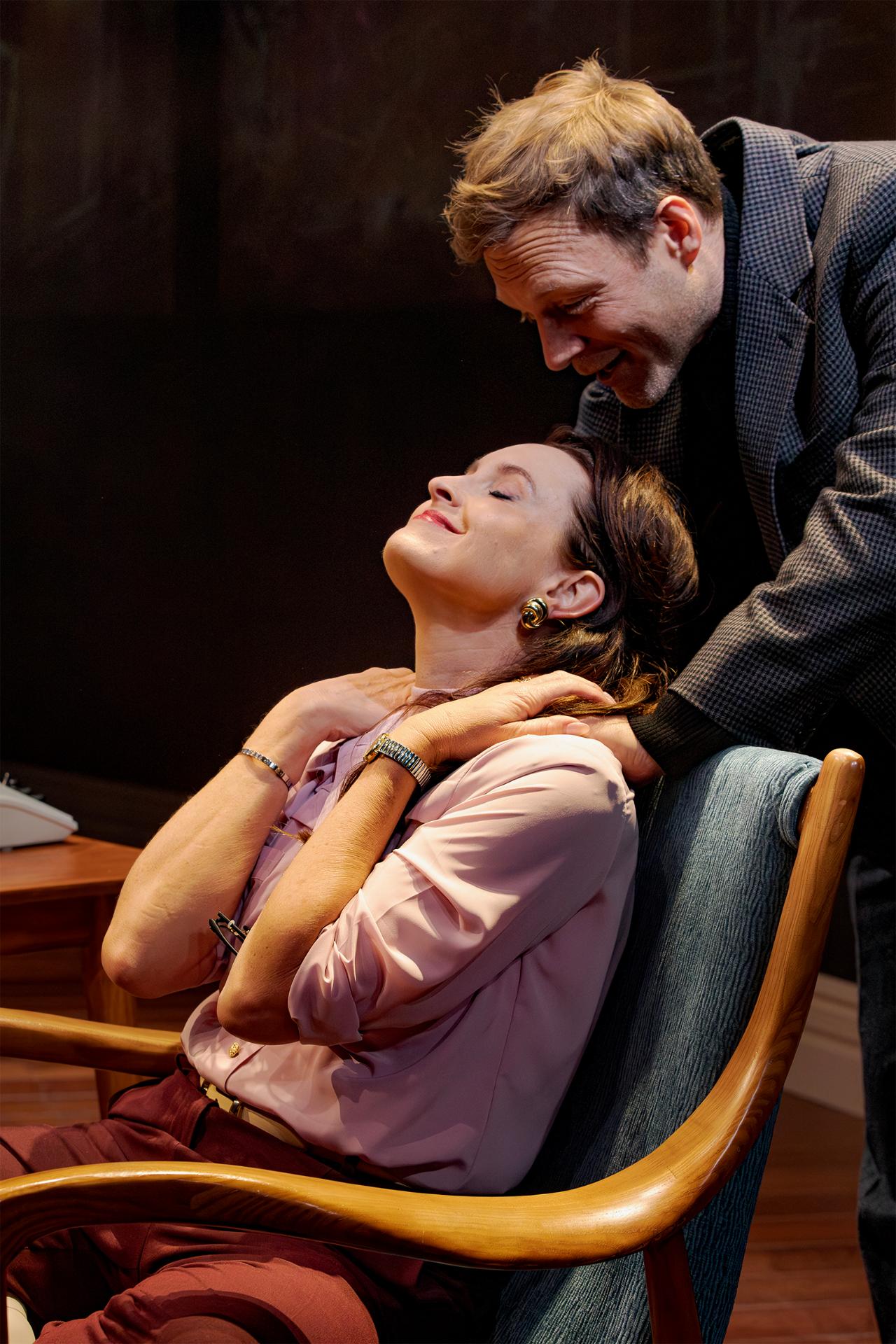
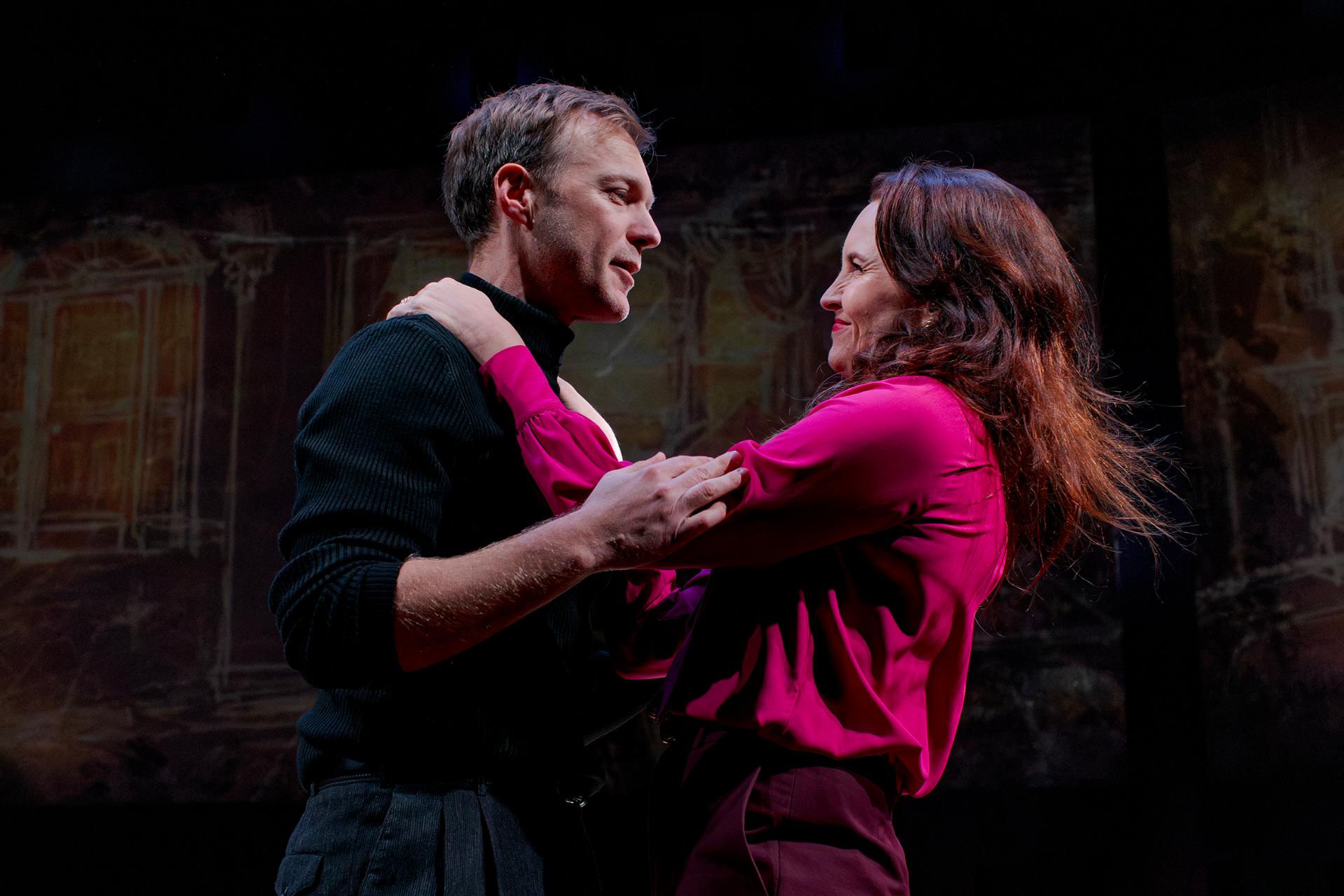
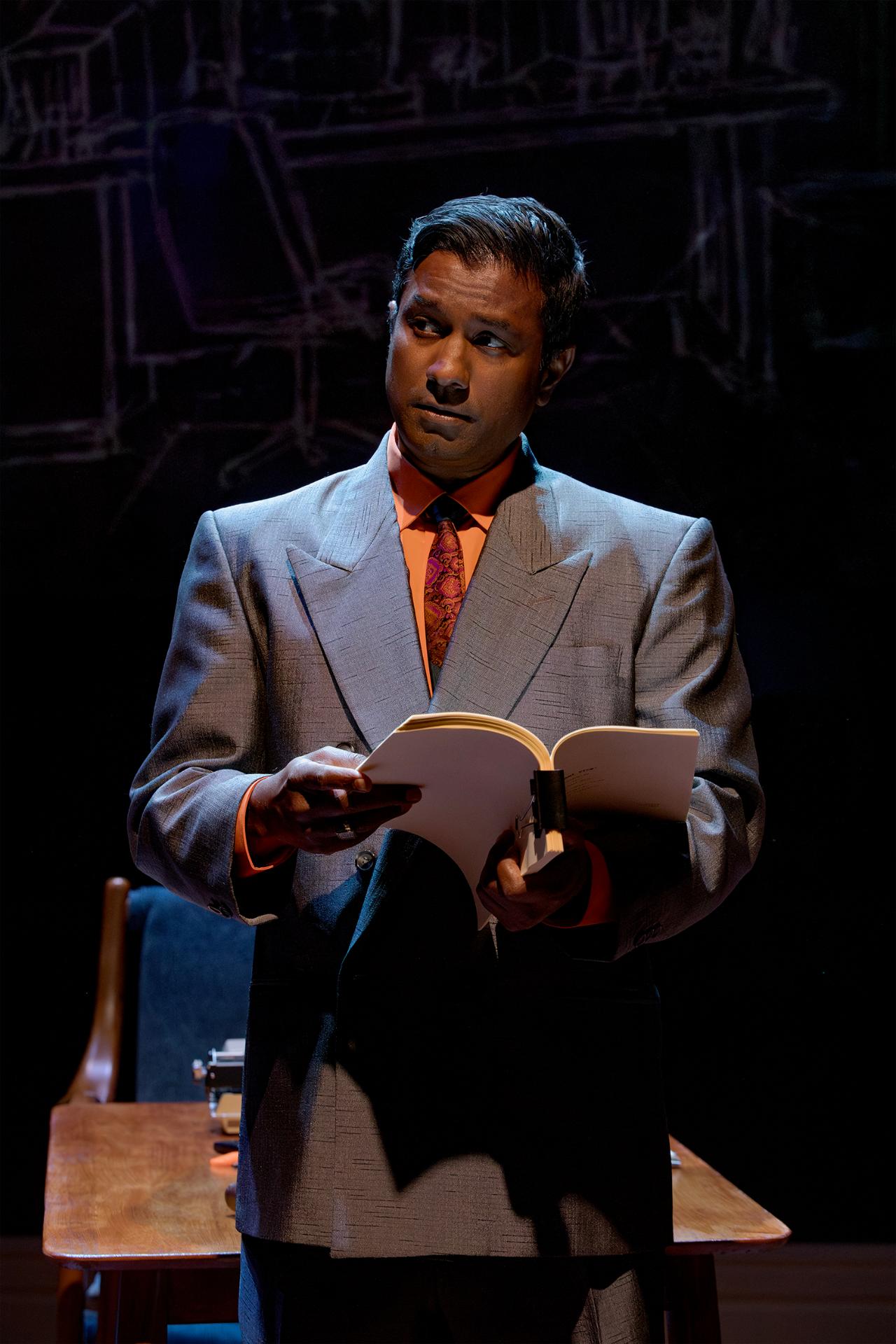
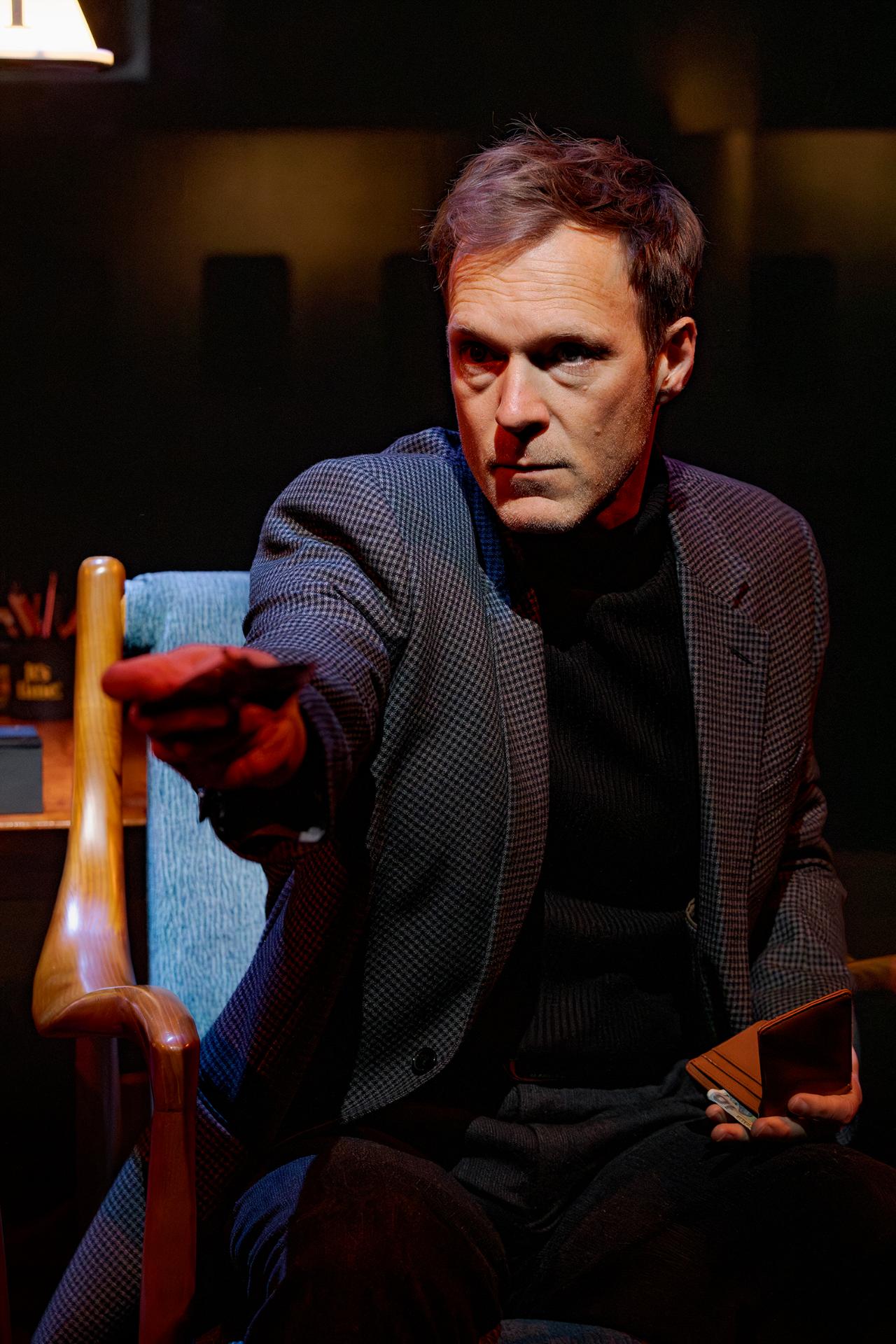
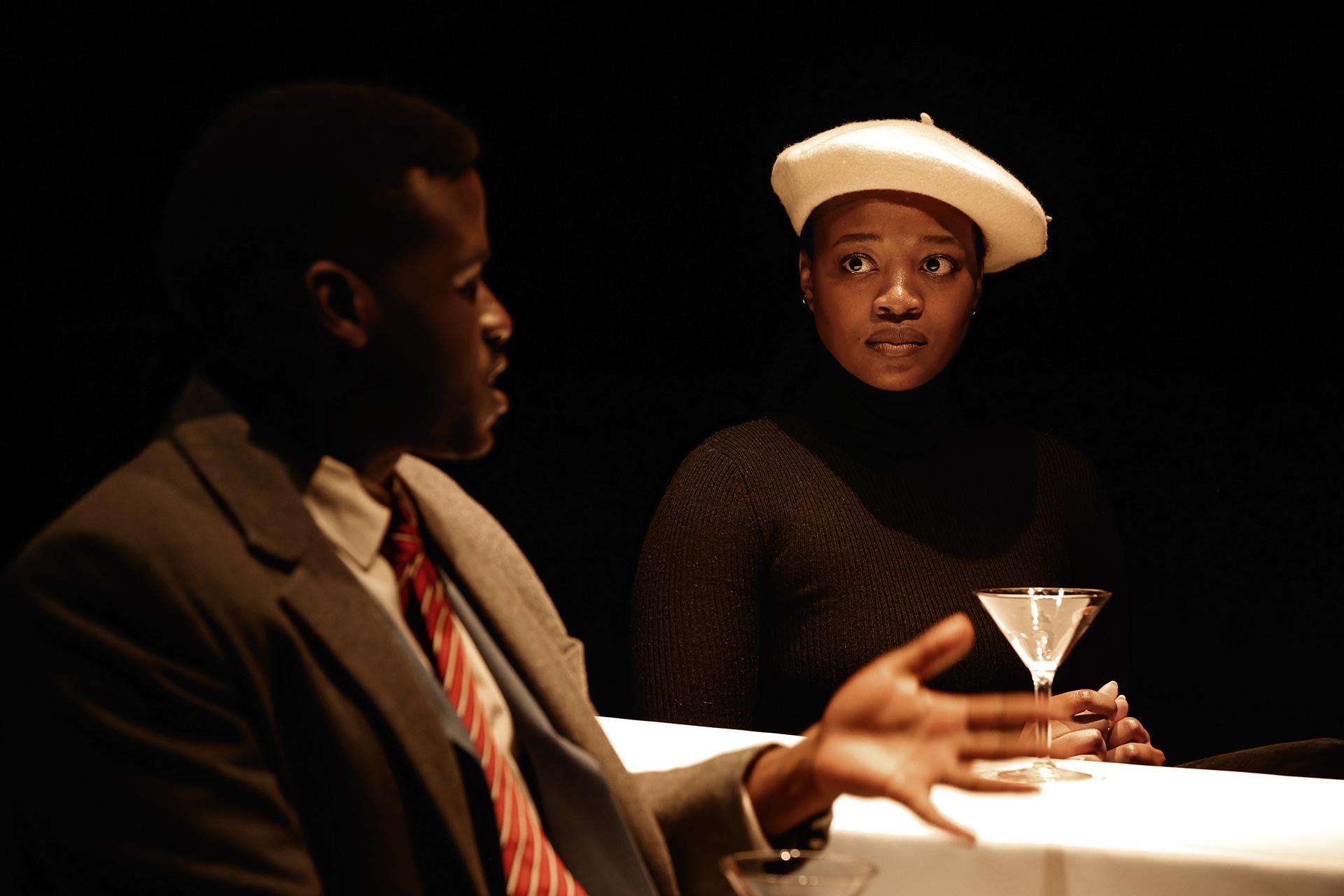
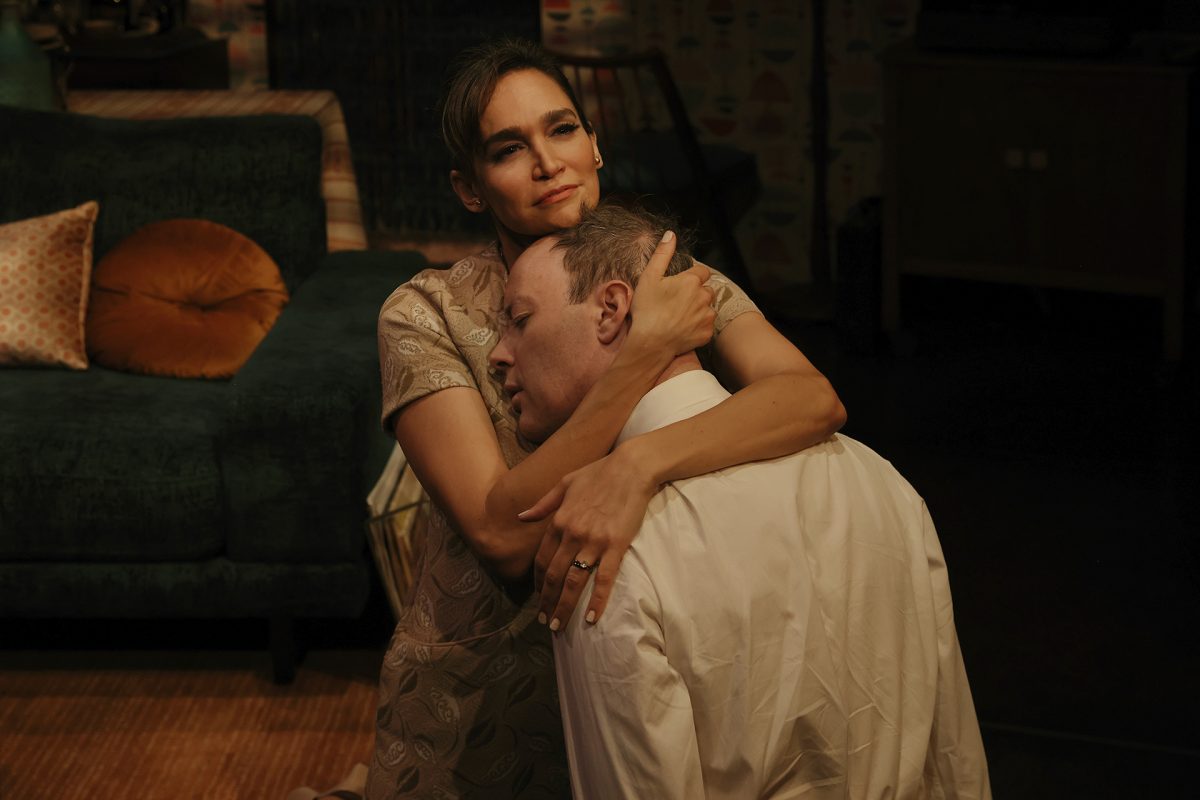
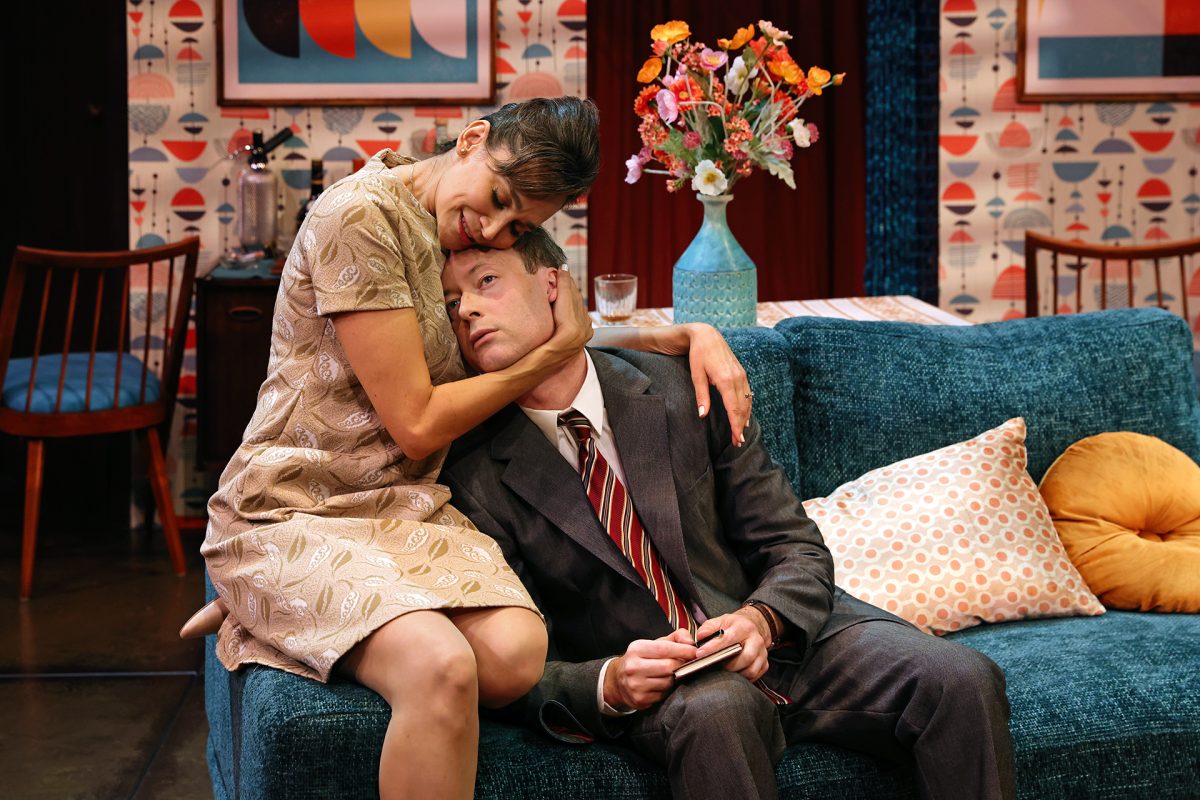
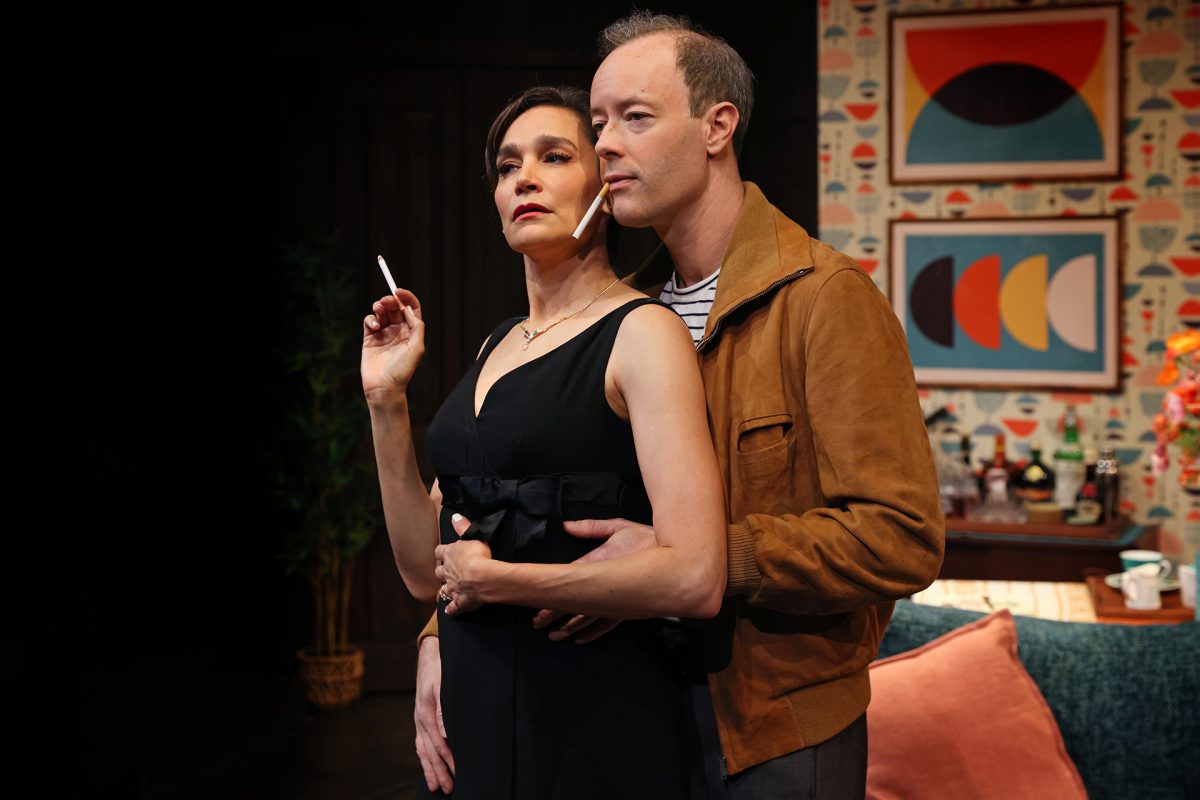
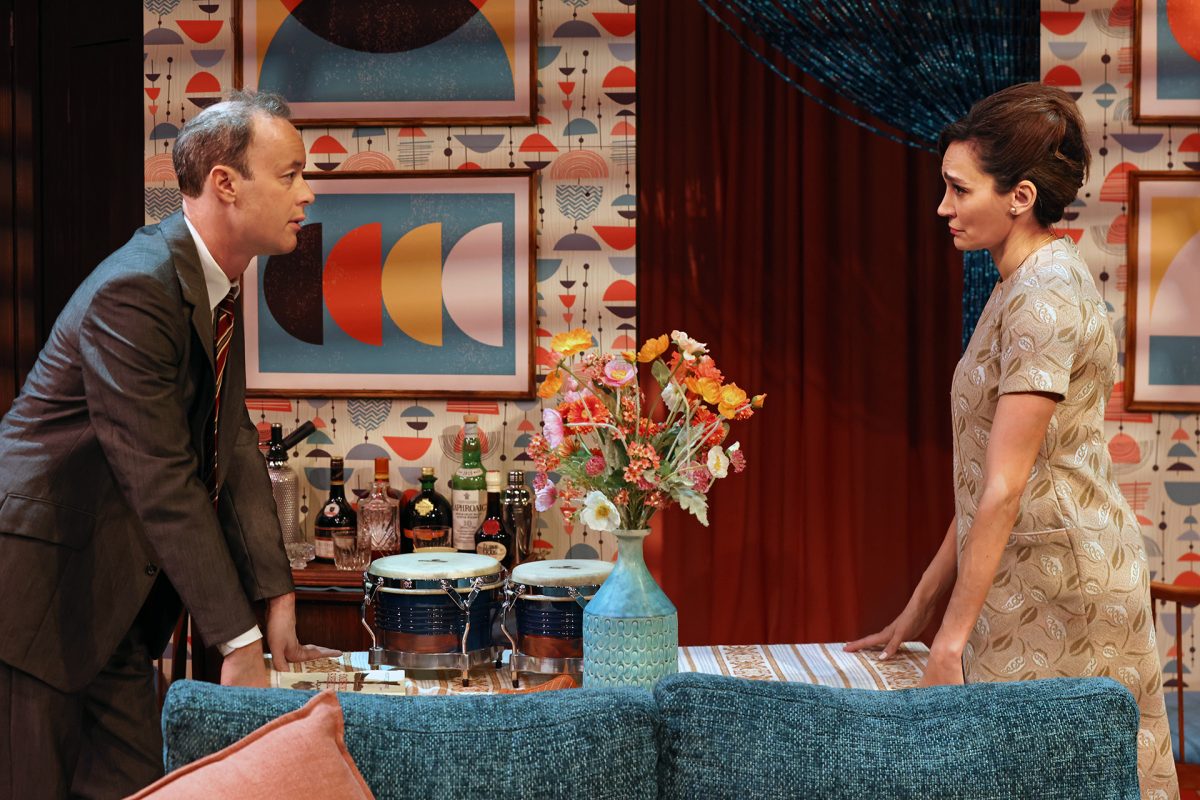
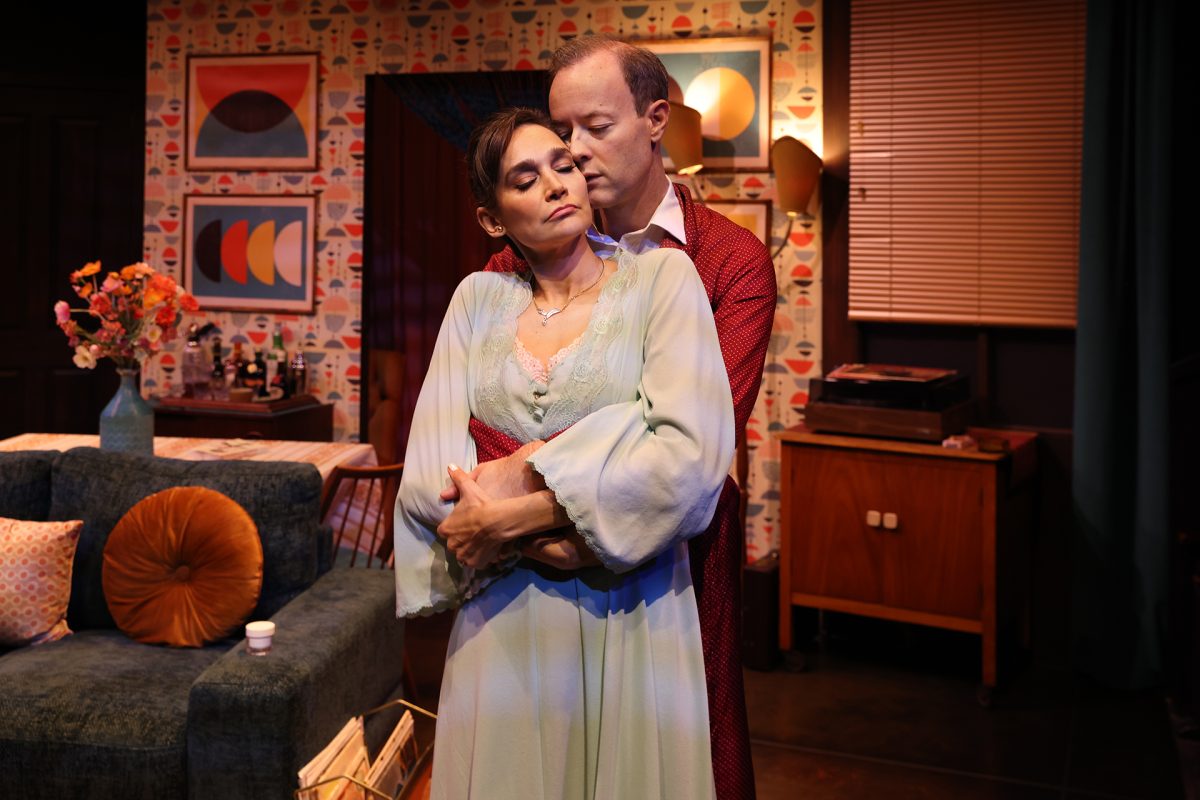
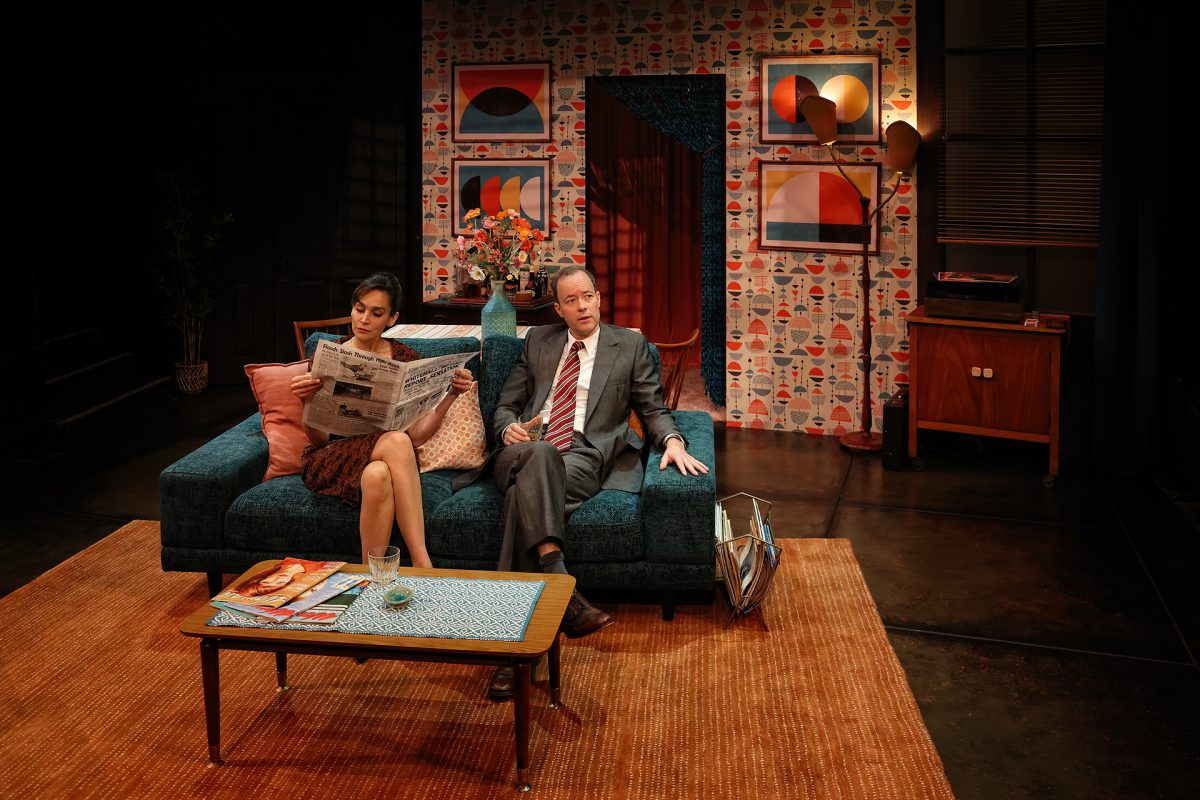
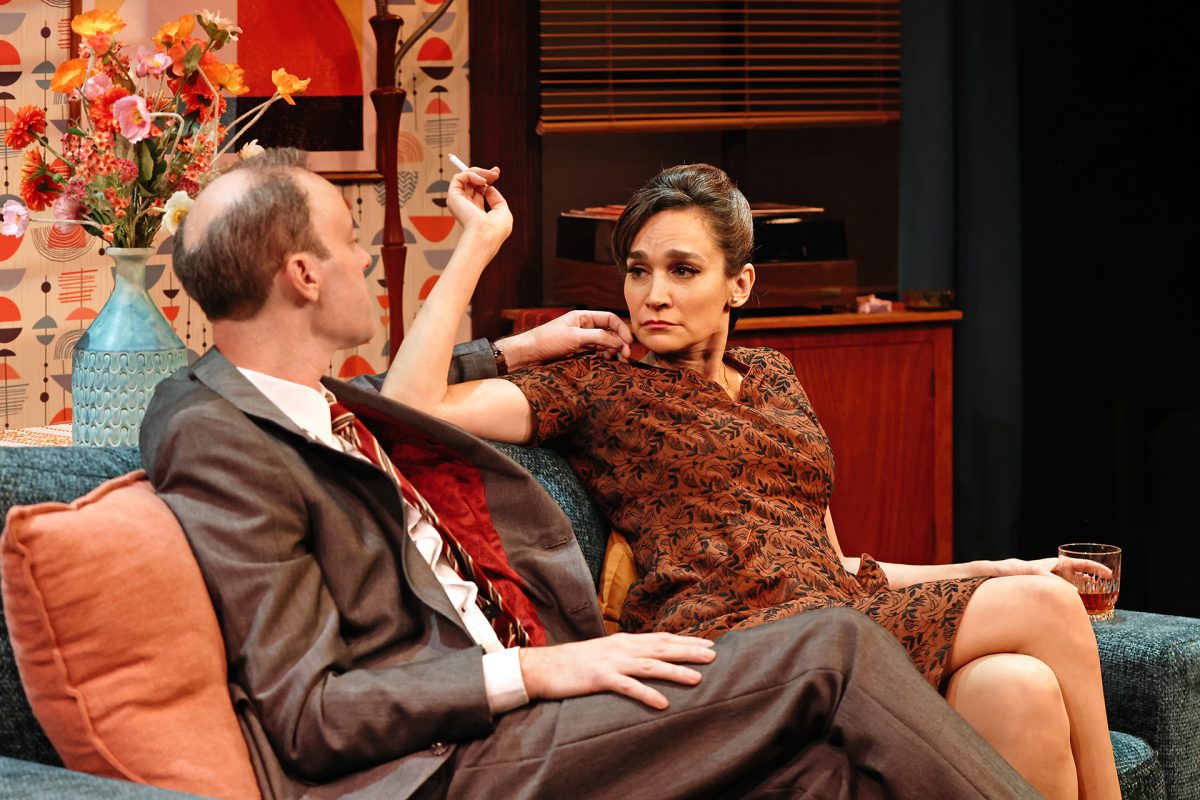
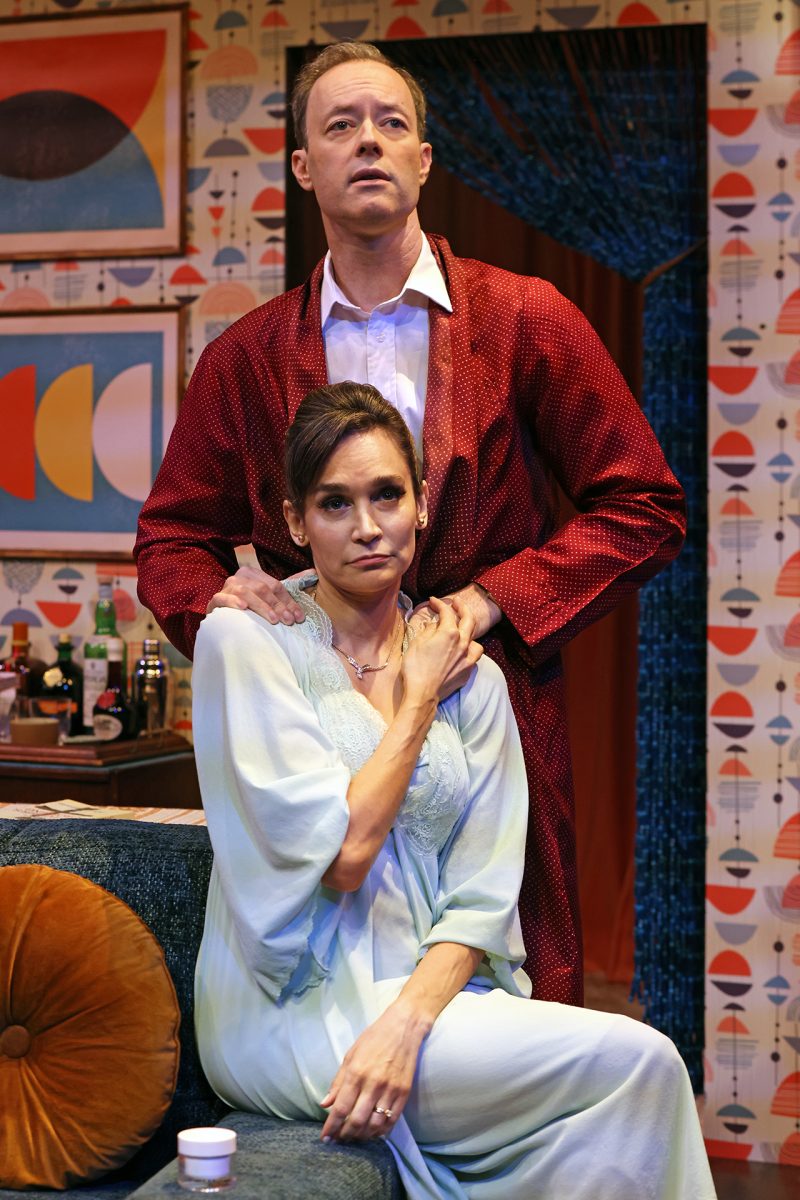
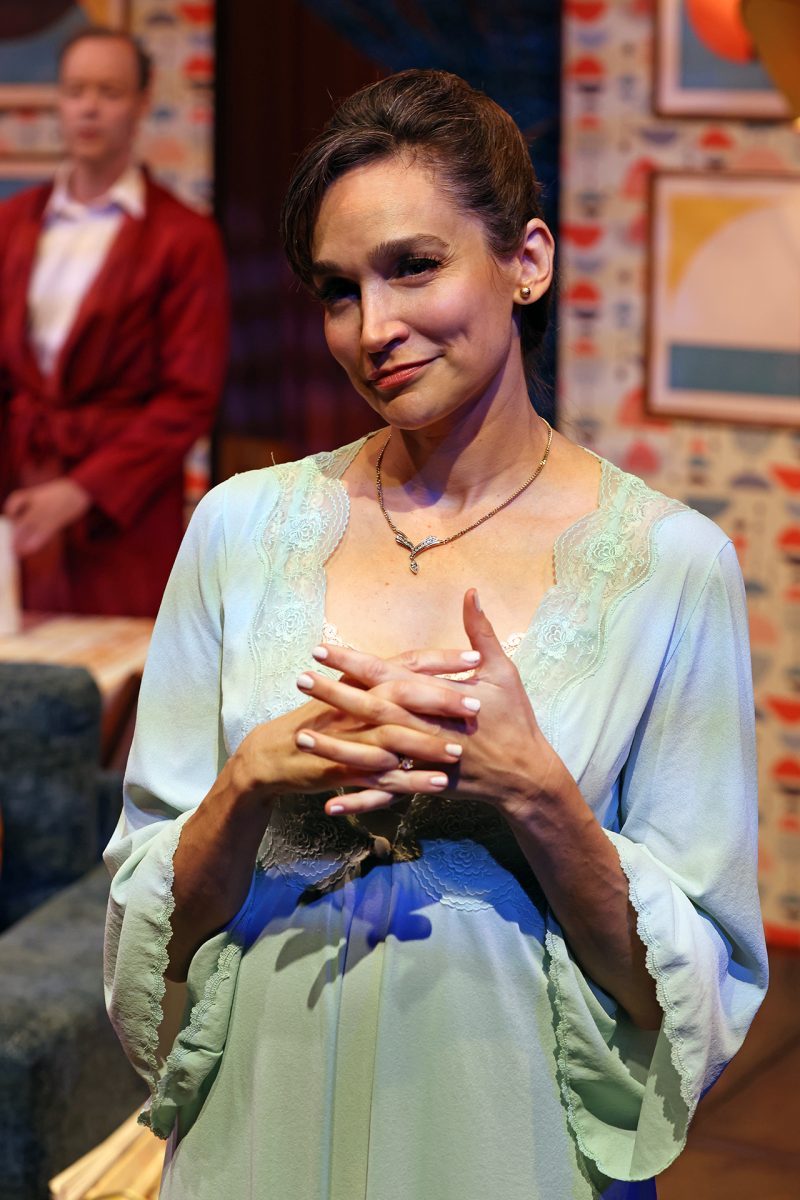
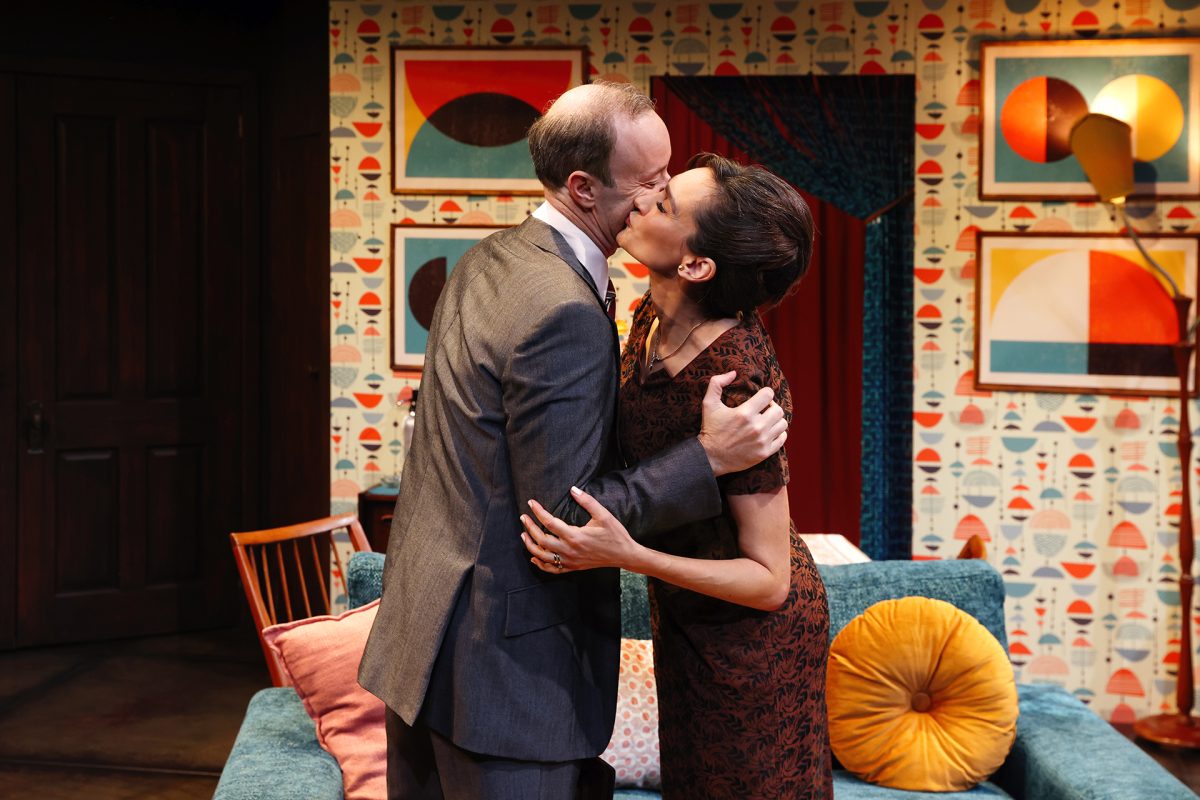
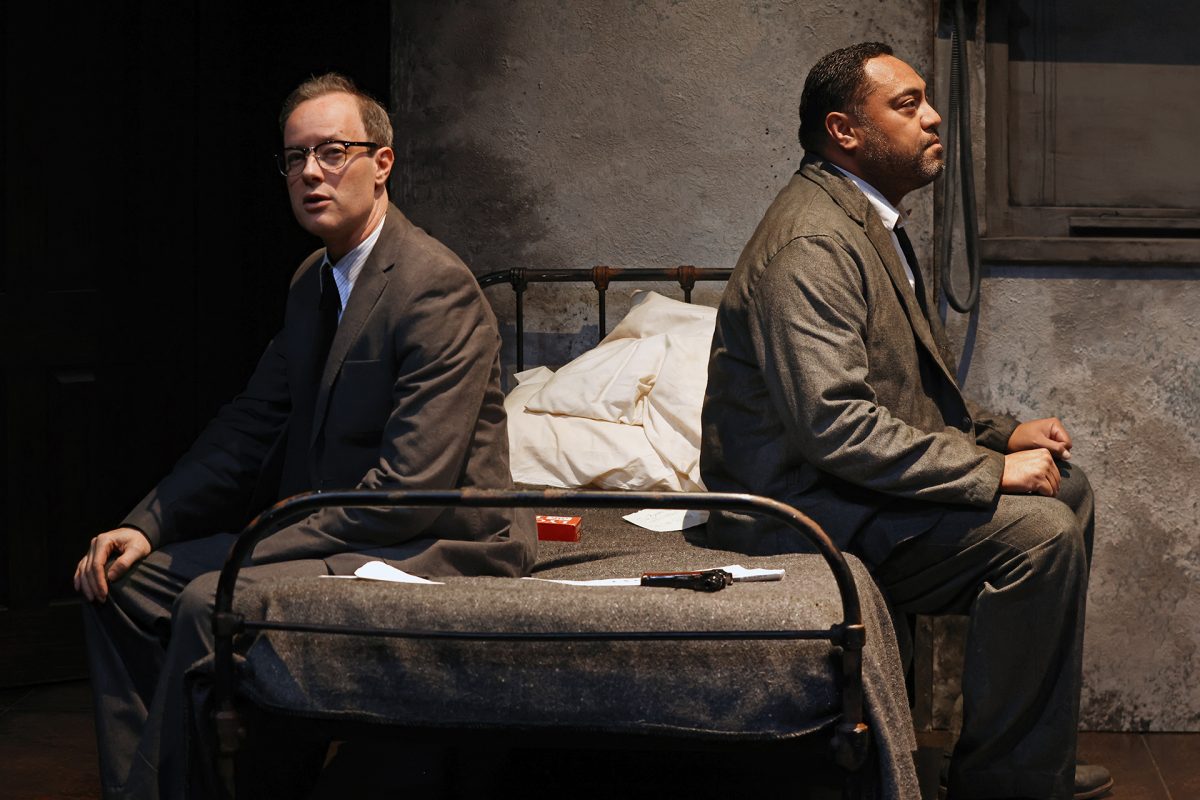
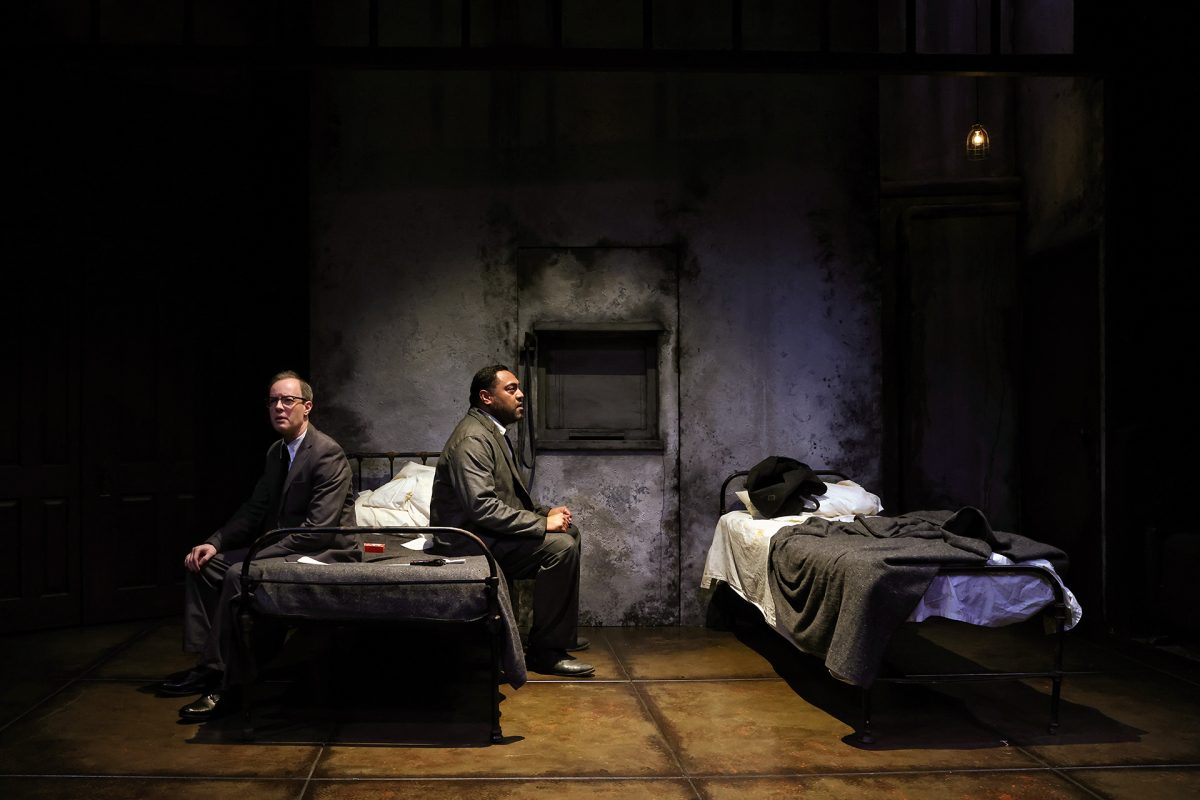
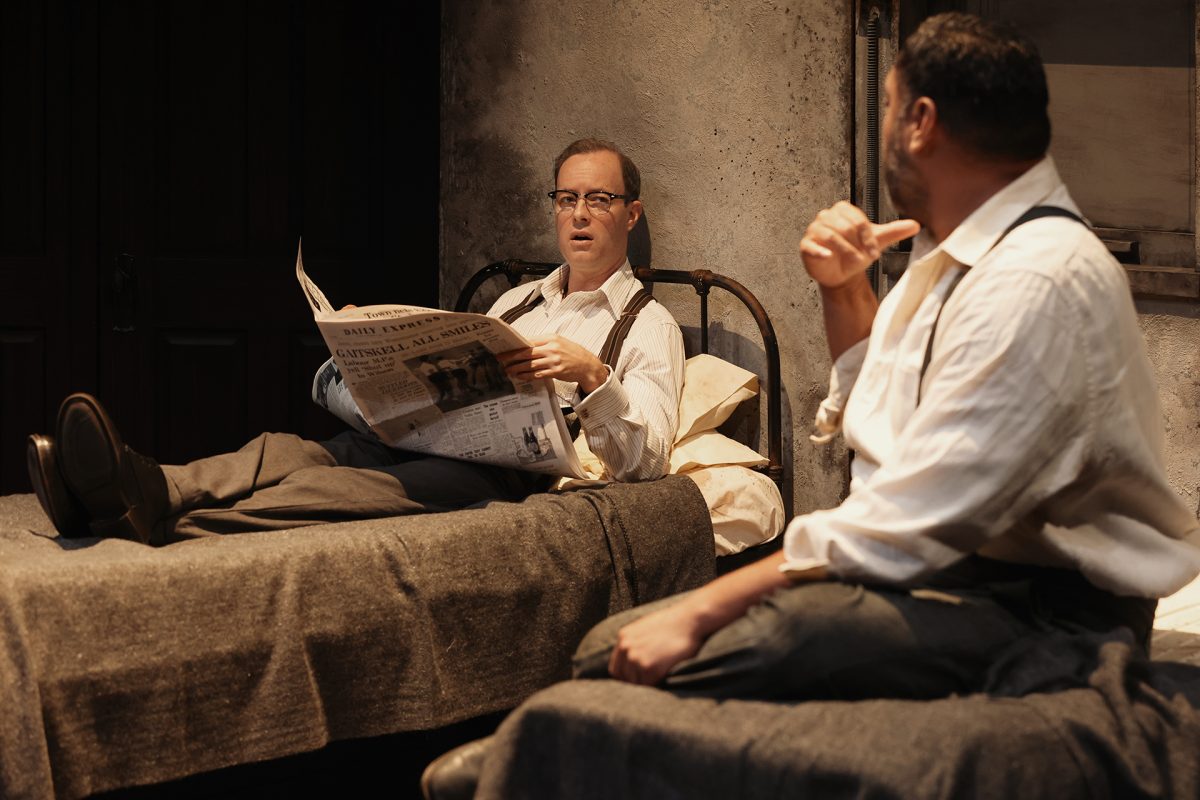
Margot is conducting an affair, unaware that her husband Tony is quietly engineering her murder. Yet in Dial M for Murder, even the most meticulous schemes refuse to unfold as intended, giving rise to a cascade of unforeseen twists. Jeffrey Hatcher’s adaptation of Frederick Knott’s seminal play and film may not conform to the conventions of a traditional whodunnit, but it possesses all the hallmarks of an investigative classic—suspenseful, cunningly constructed, and keeping us on tenterhooks as we strain to anticipate its final reckoning.

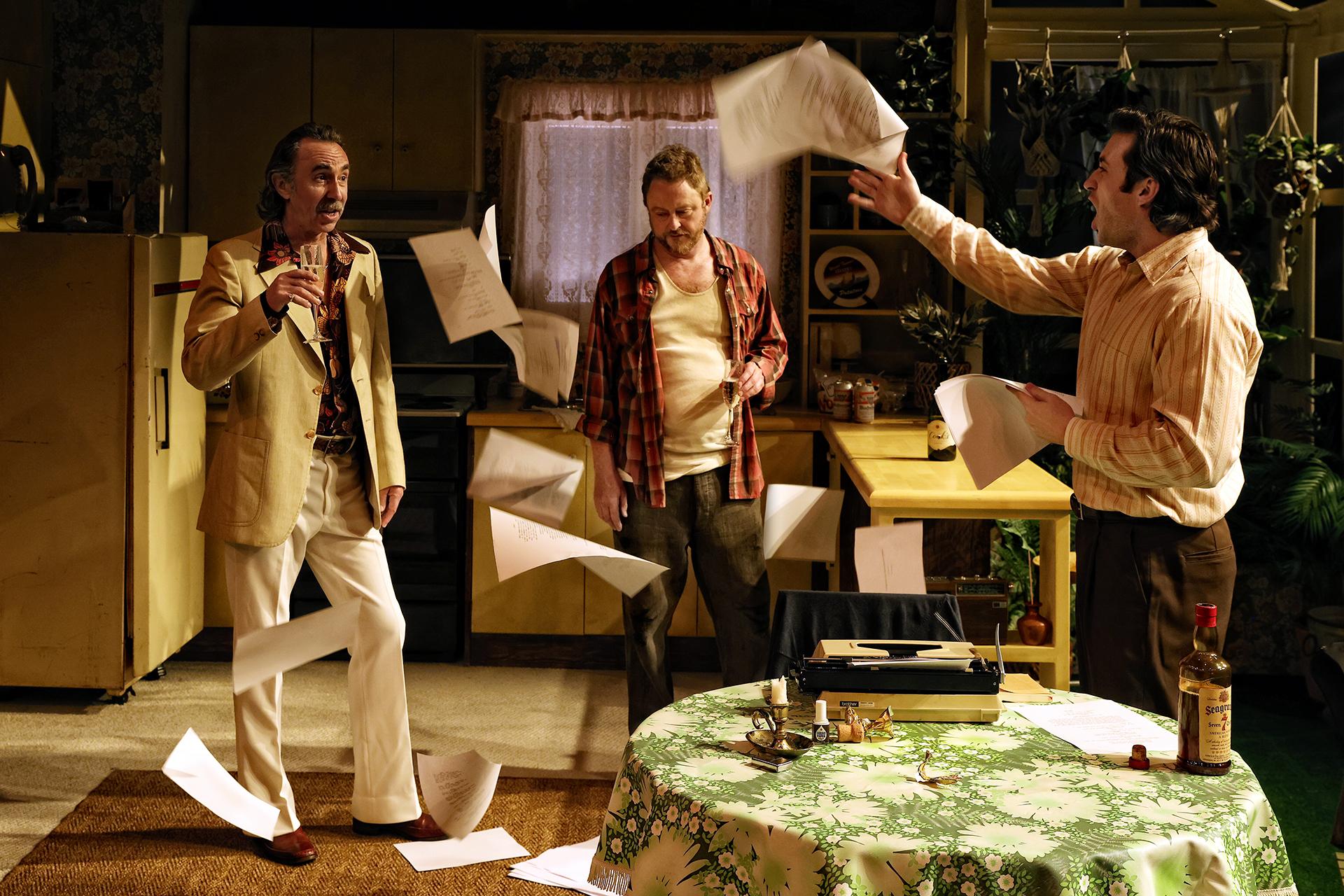
Marvellously taut direction from Mark Kilmurry, laced with a gentle, sly humour, yields a thoroughly engaging night at the theatre. While Kilmurry’s treatment of this 1952 tale is not especially inventive, it has no difficulty holding us captive throughout. Each plot revelation is unveiled with delectable finesse, delivering the kind of satisfaction that reminds us why this genre endures so effortlessly.

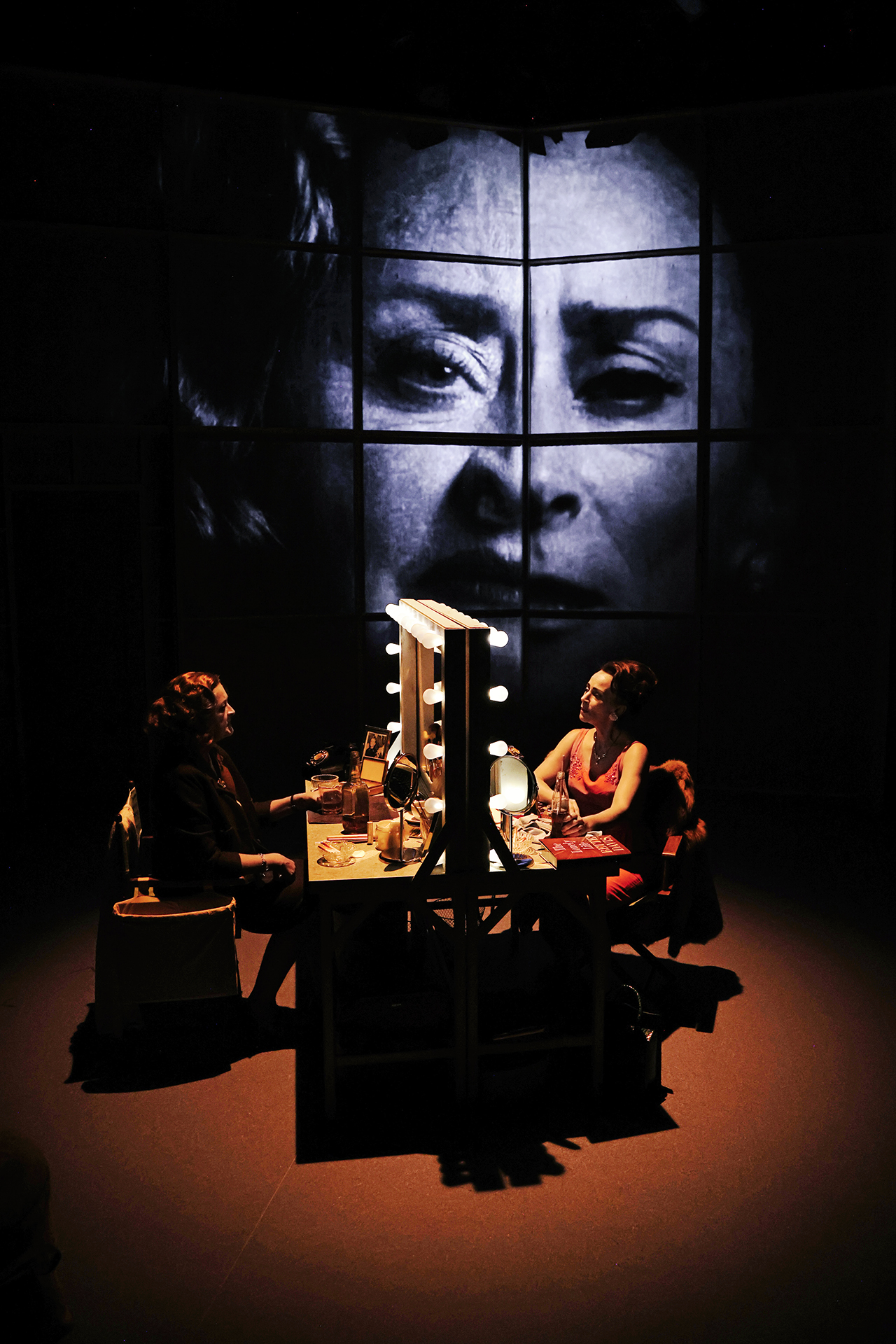
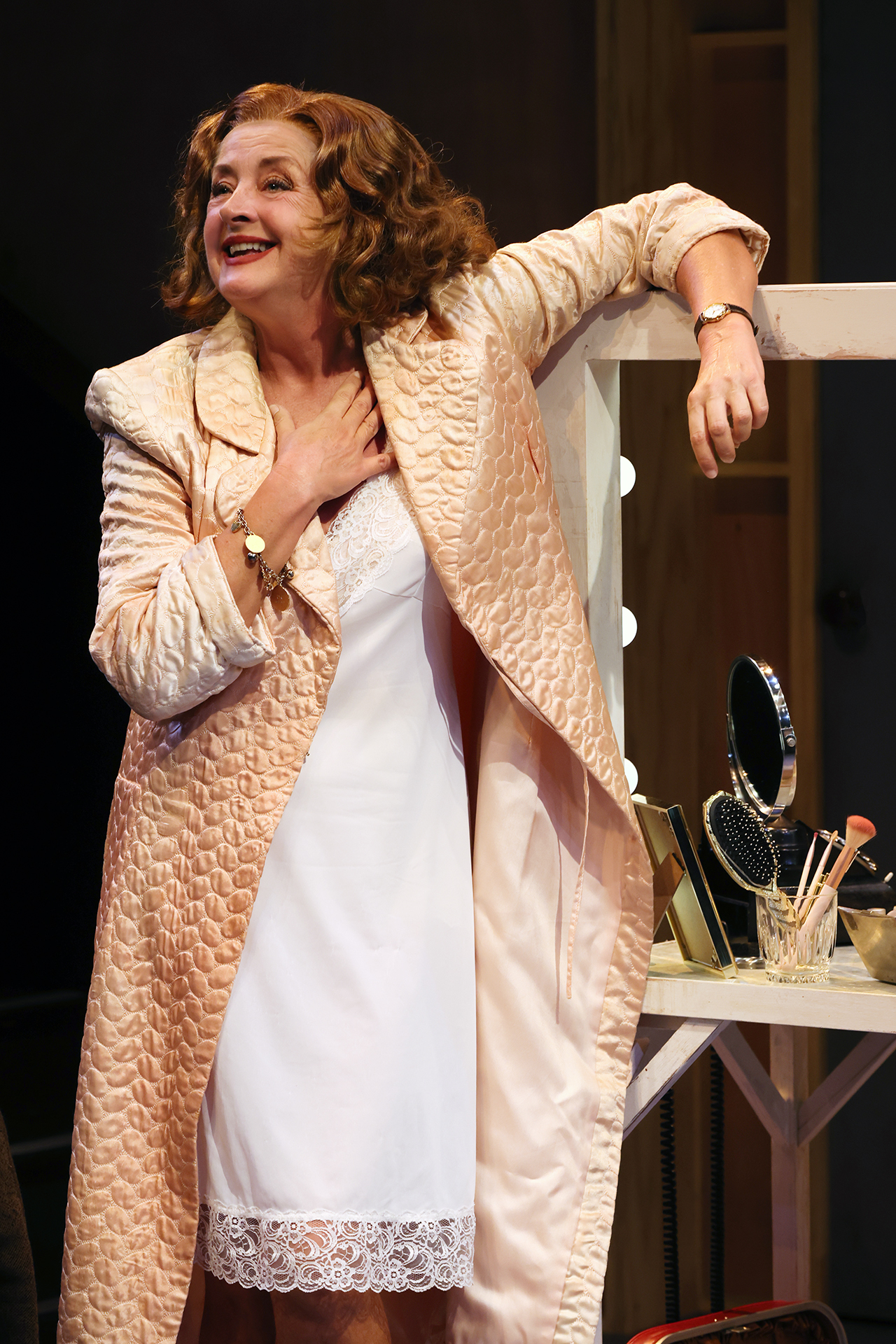
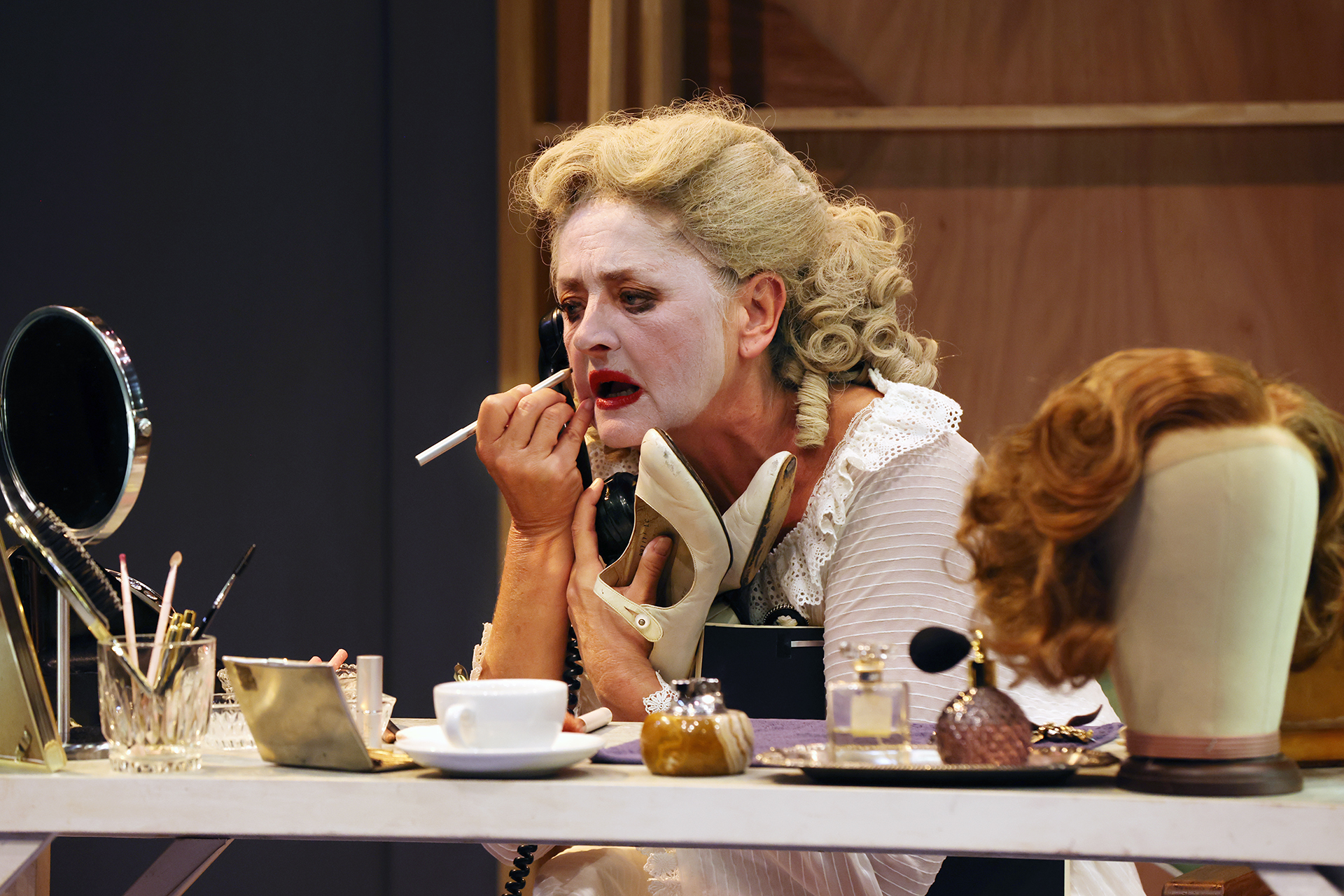
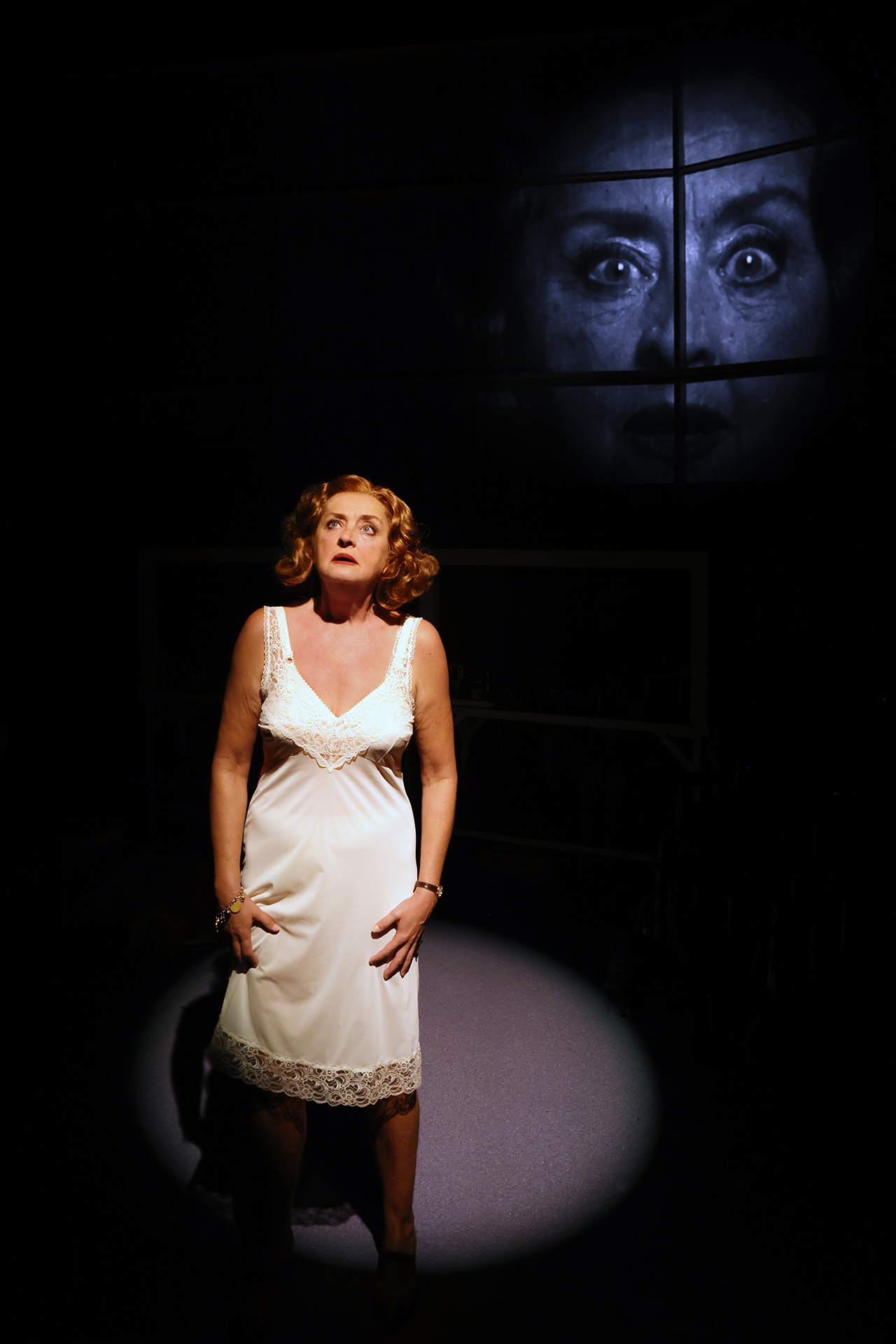
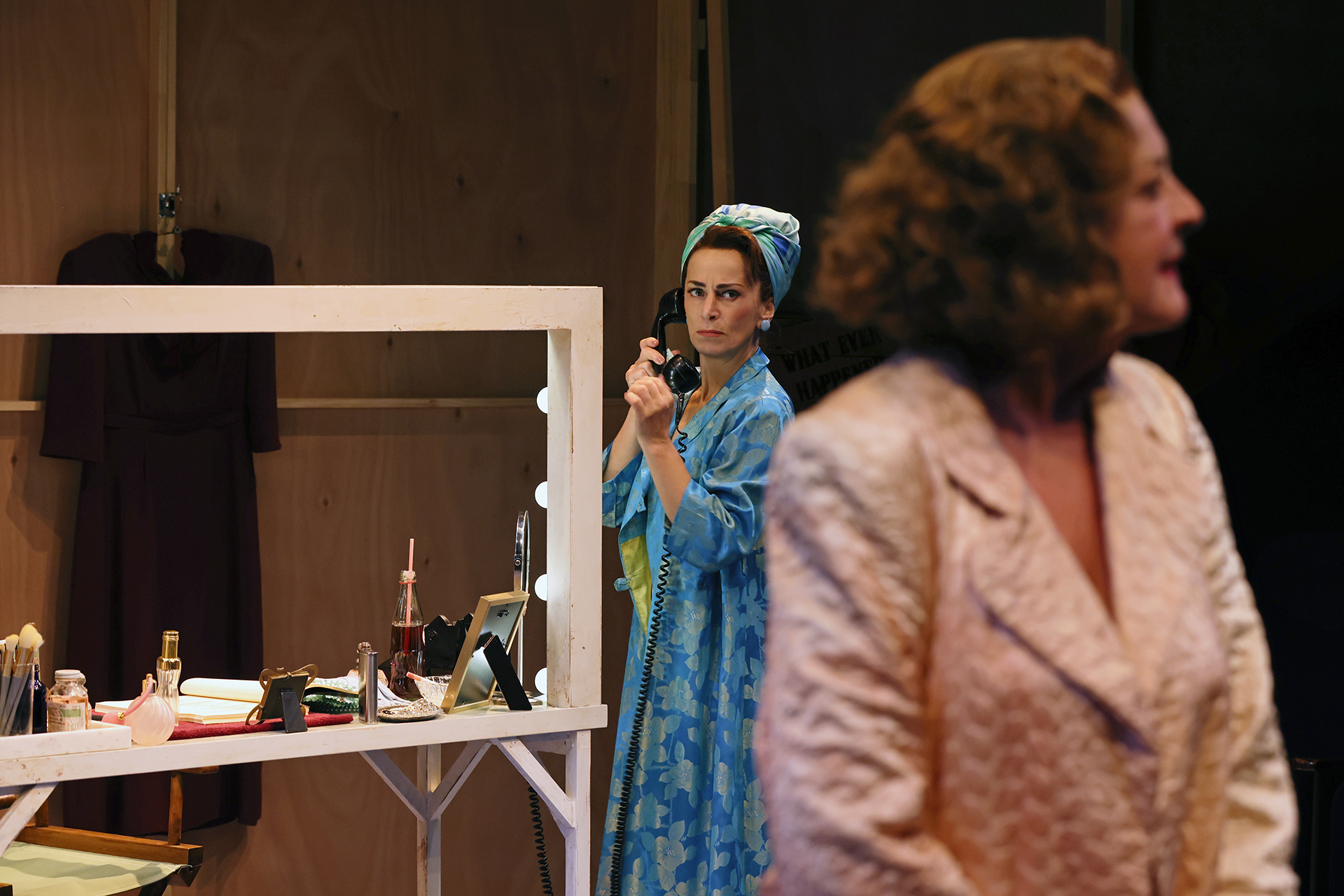
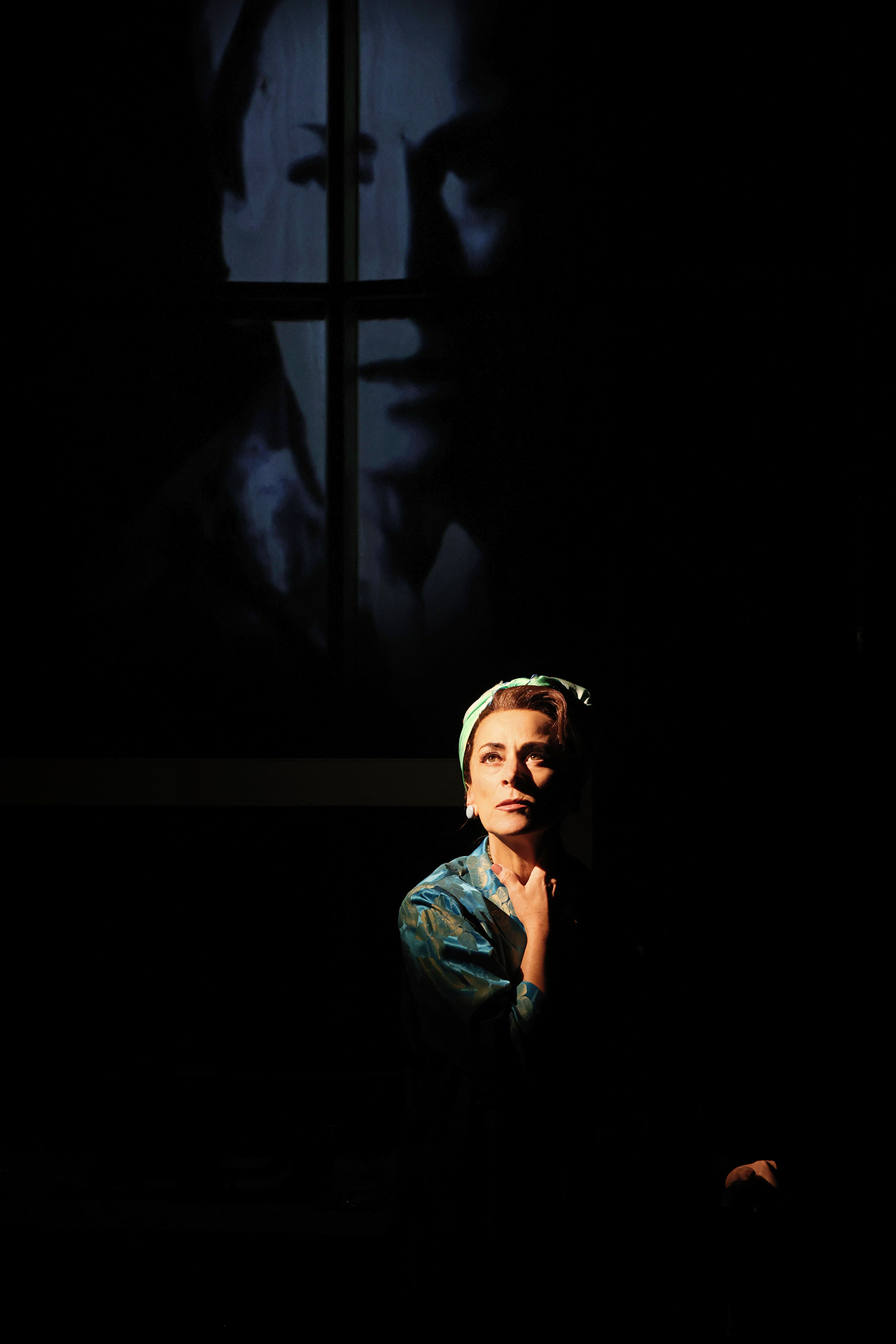
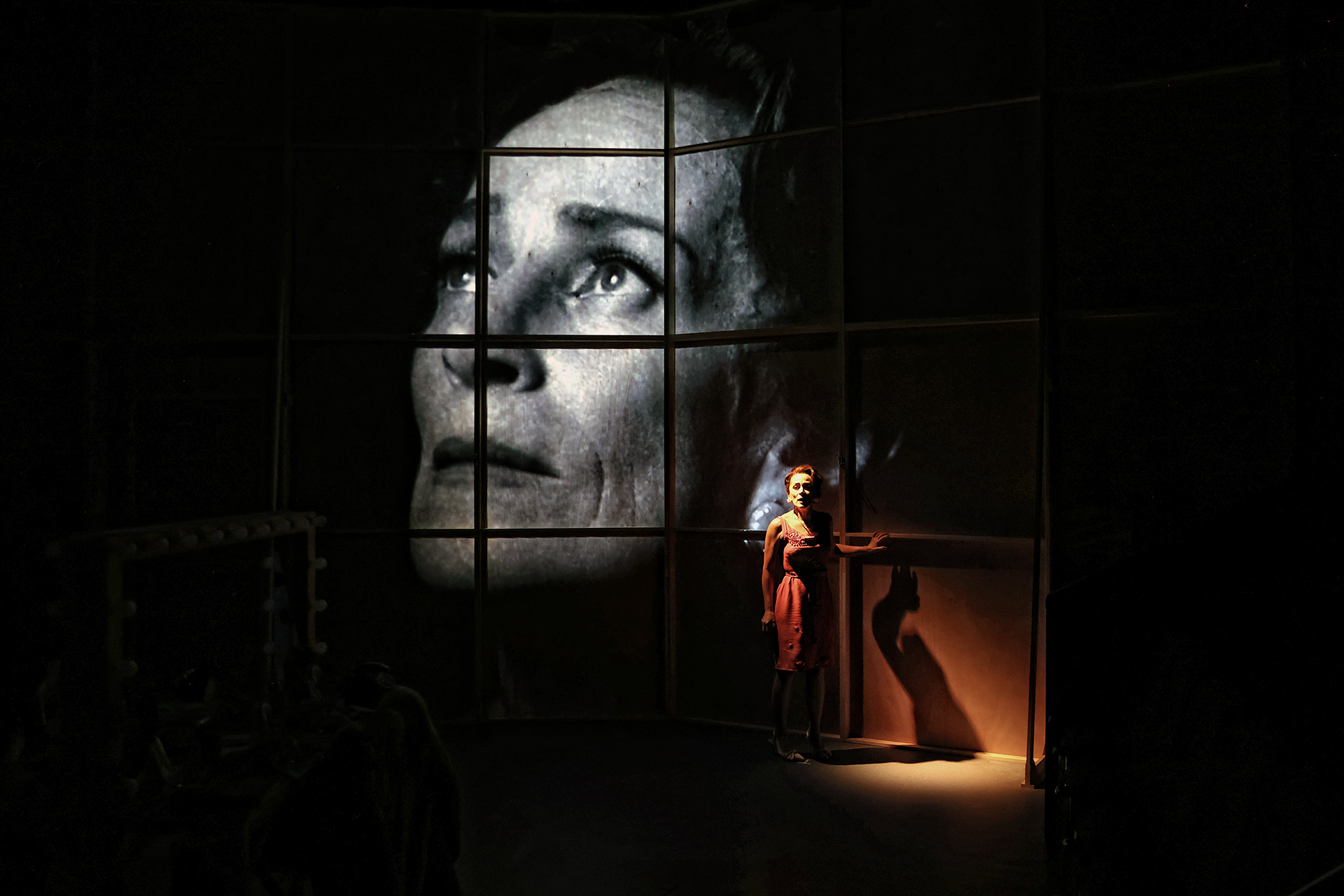
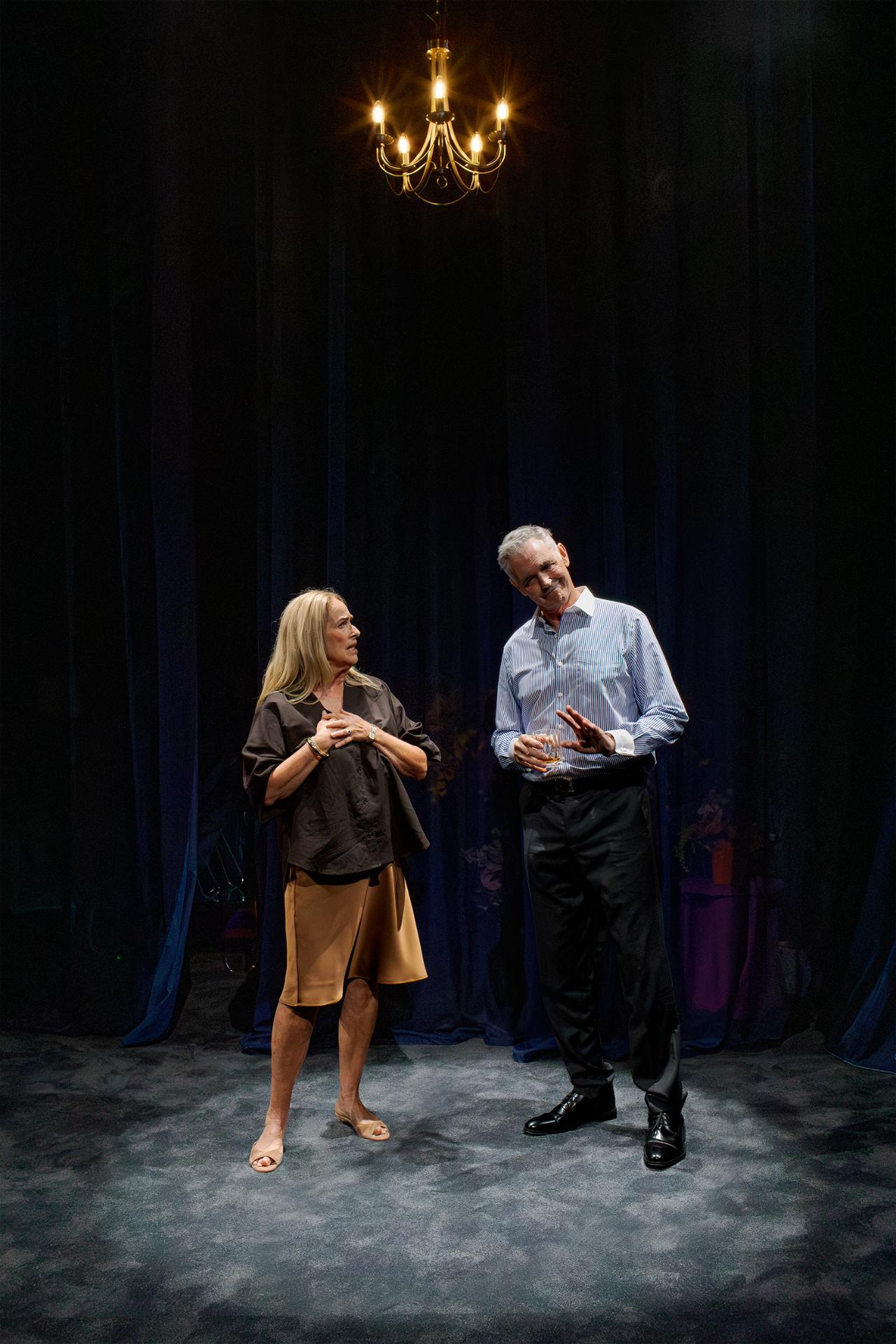
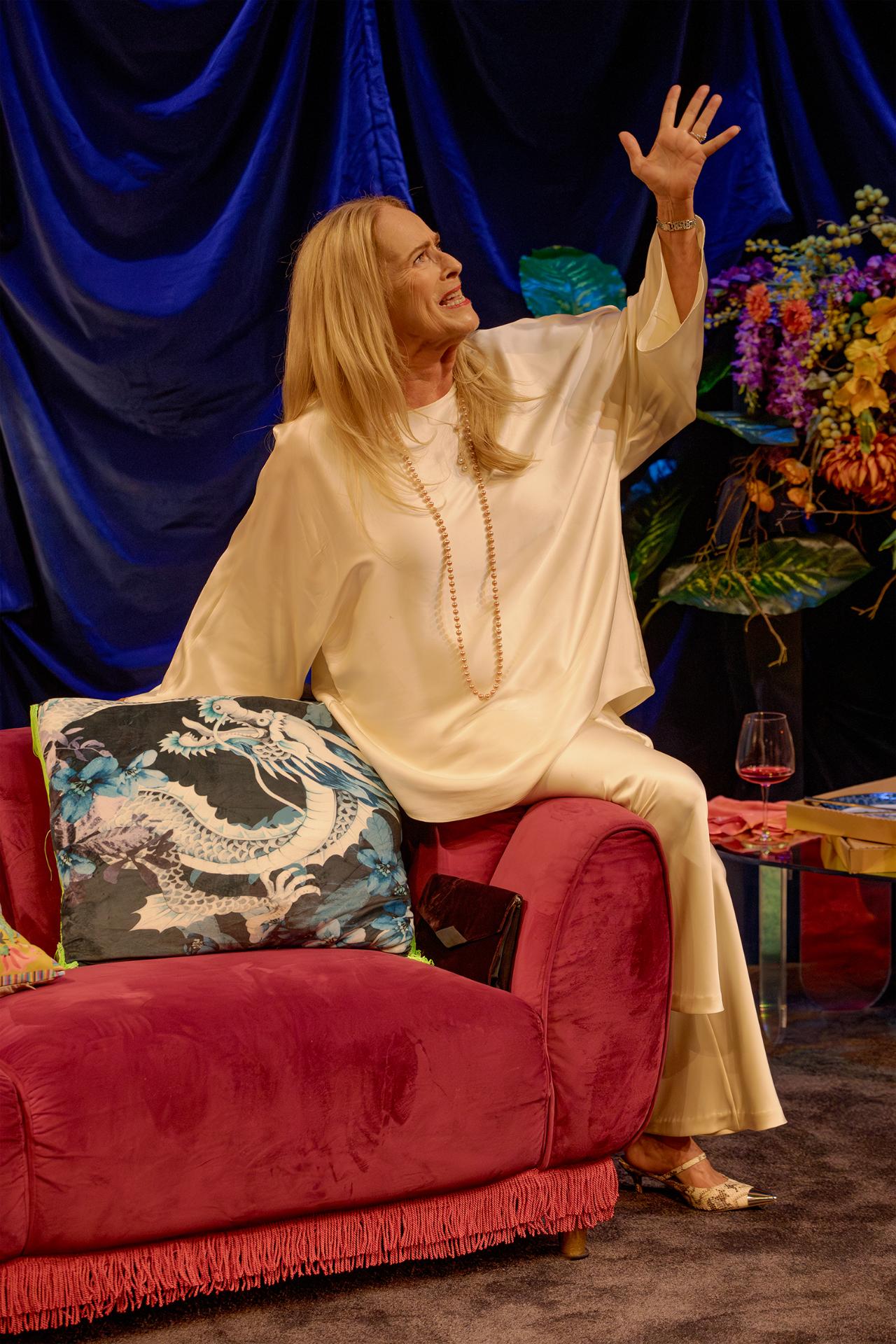
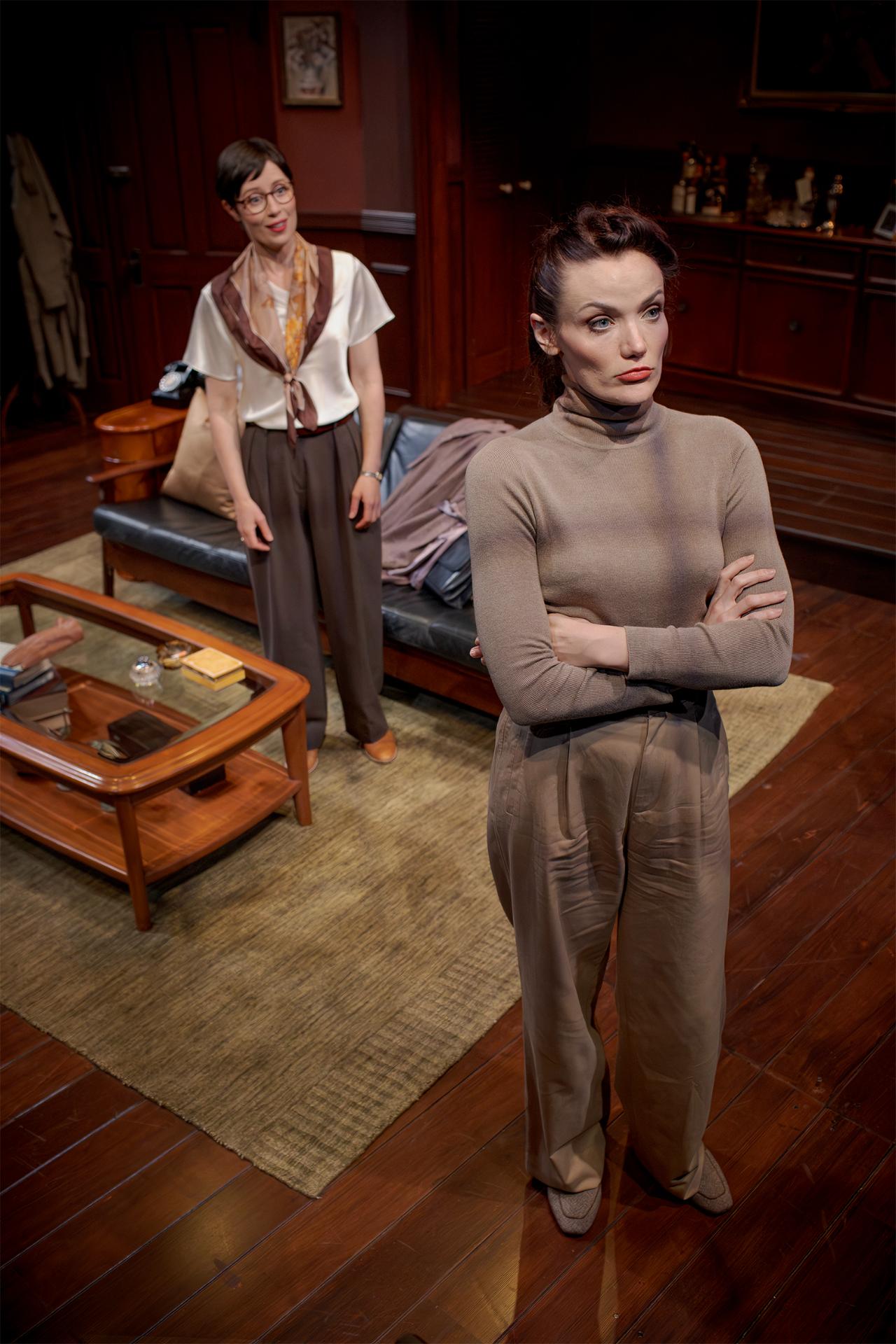
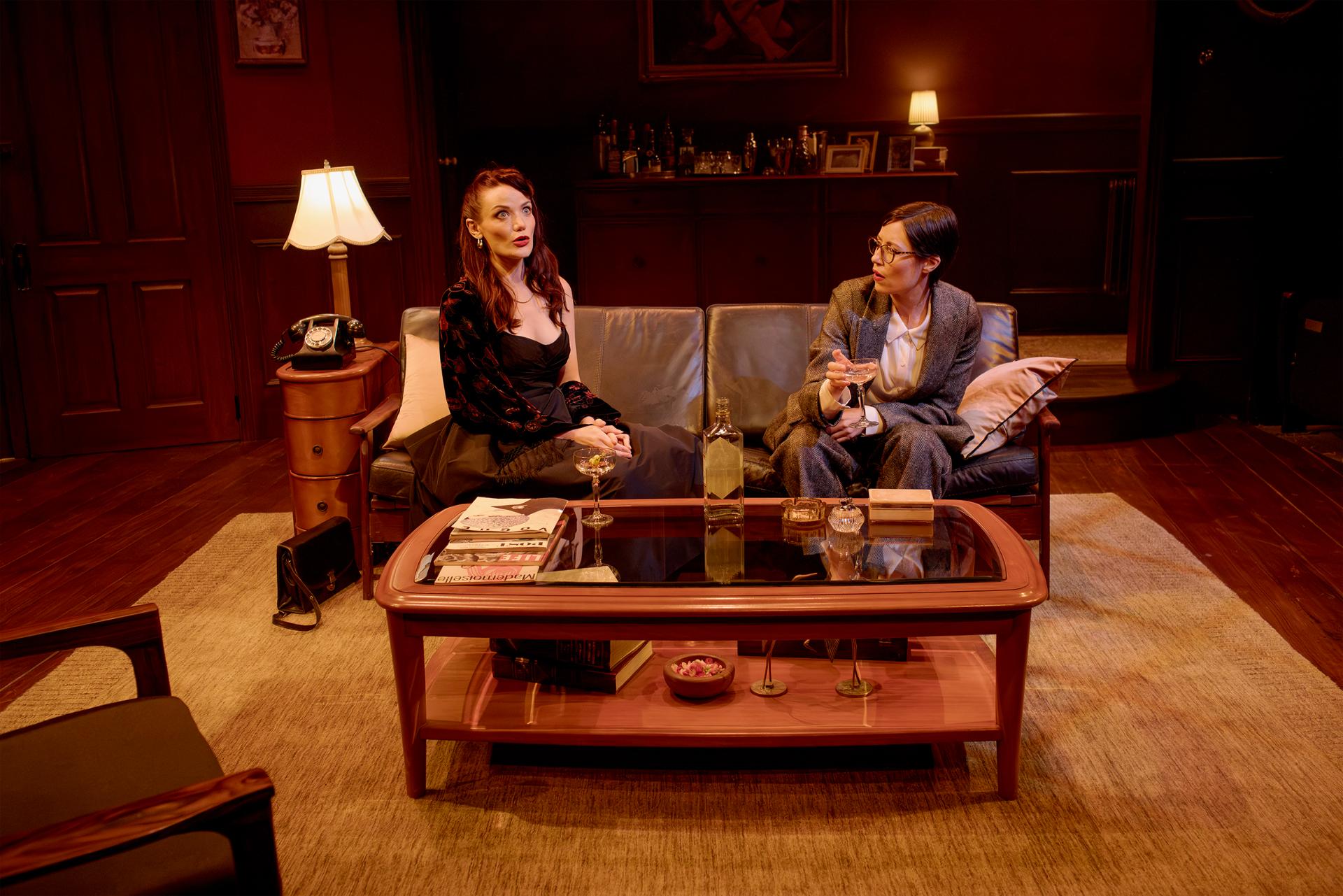
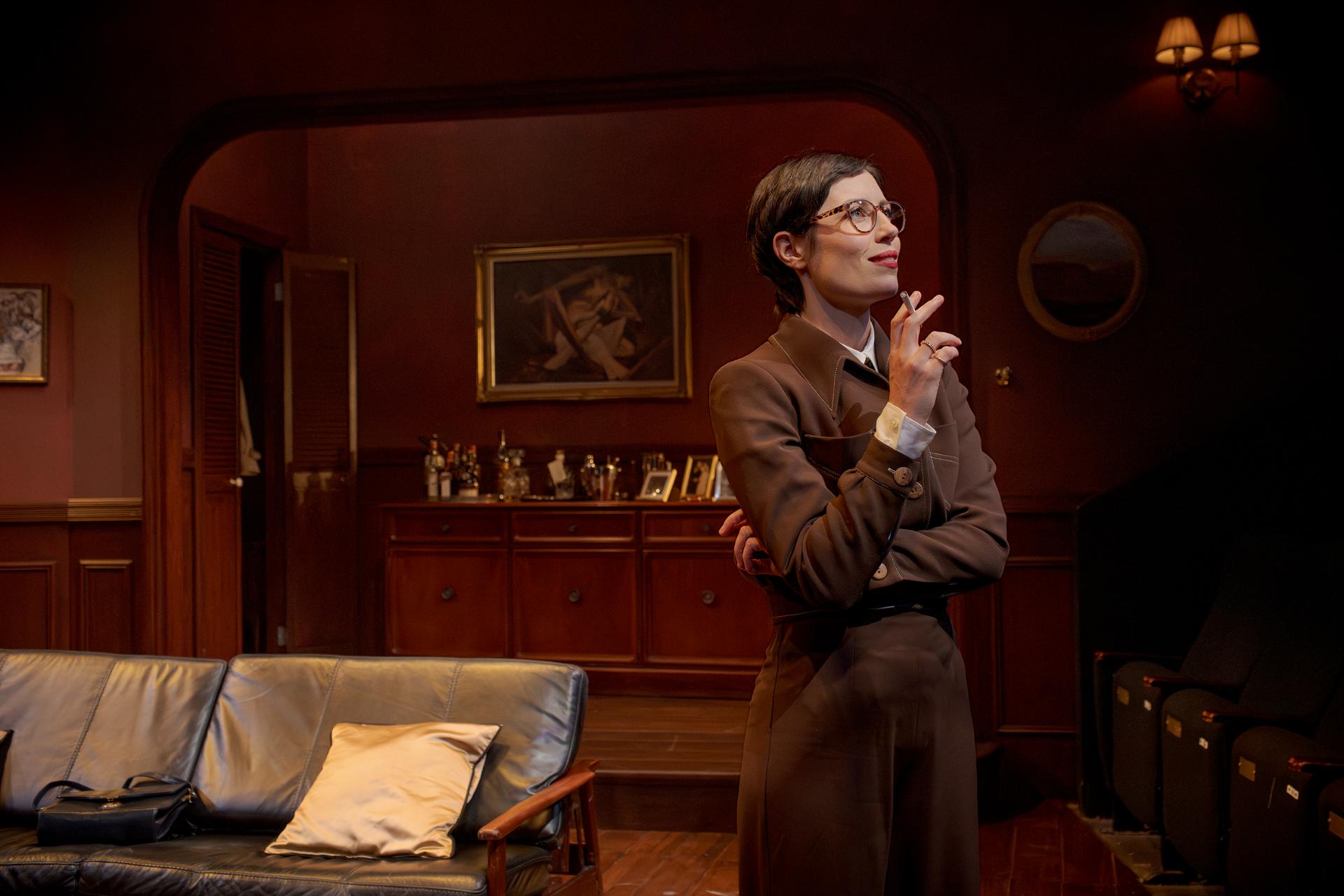
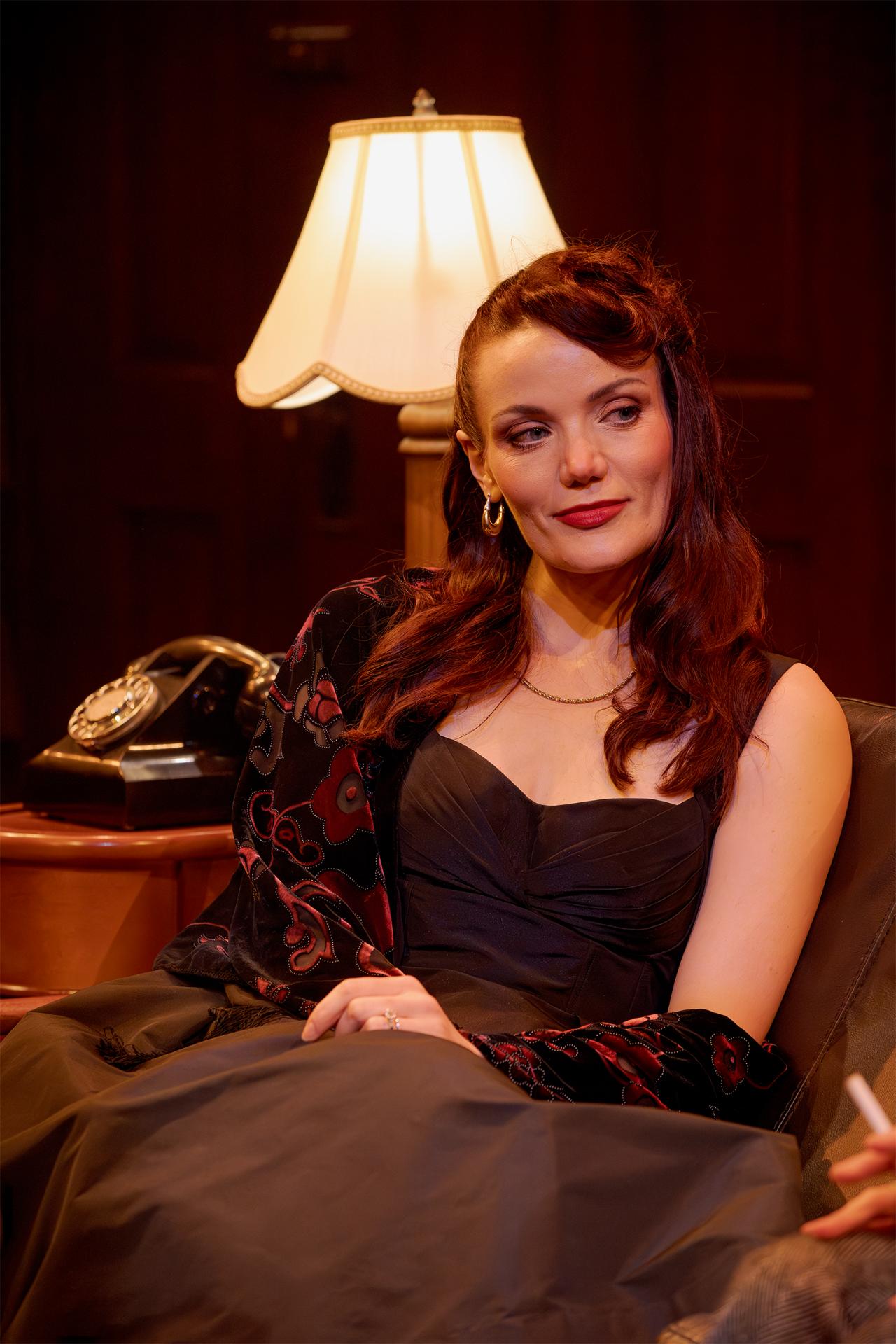
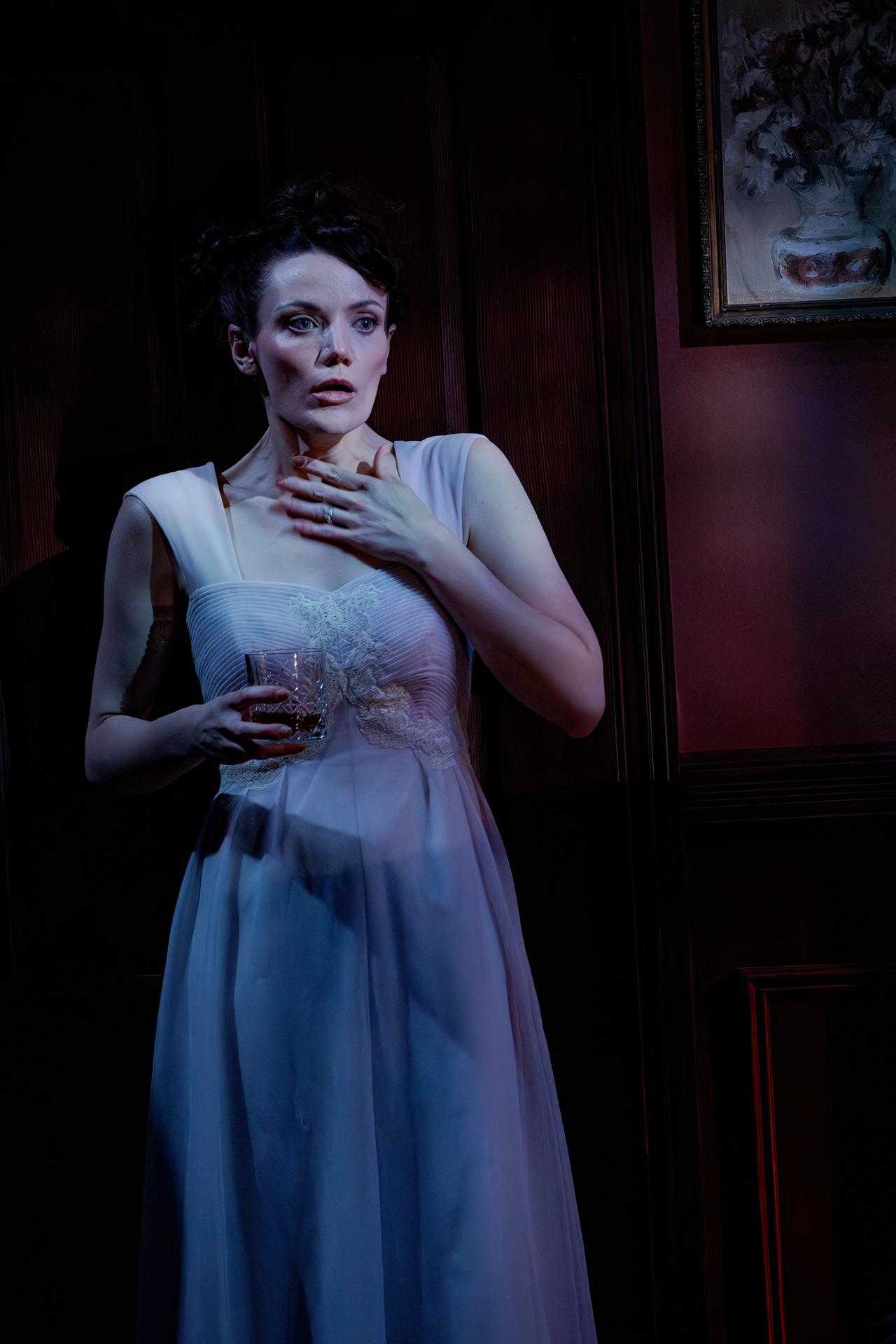
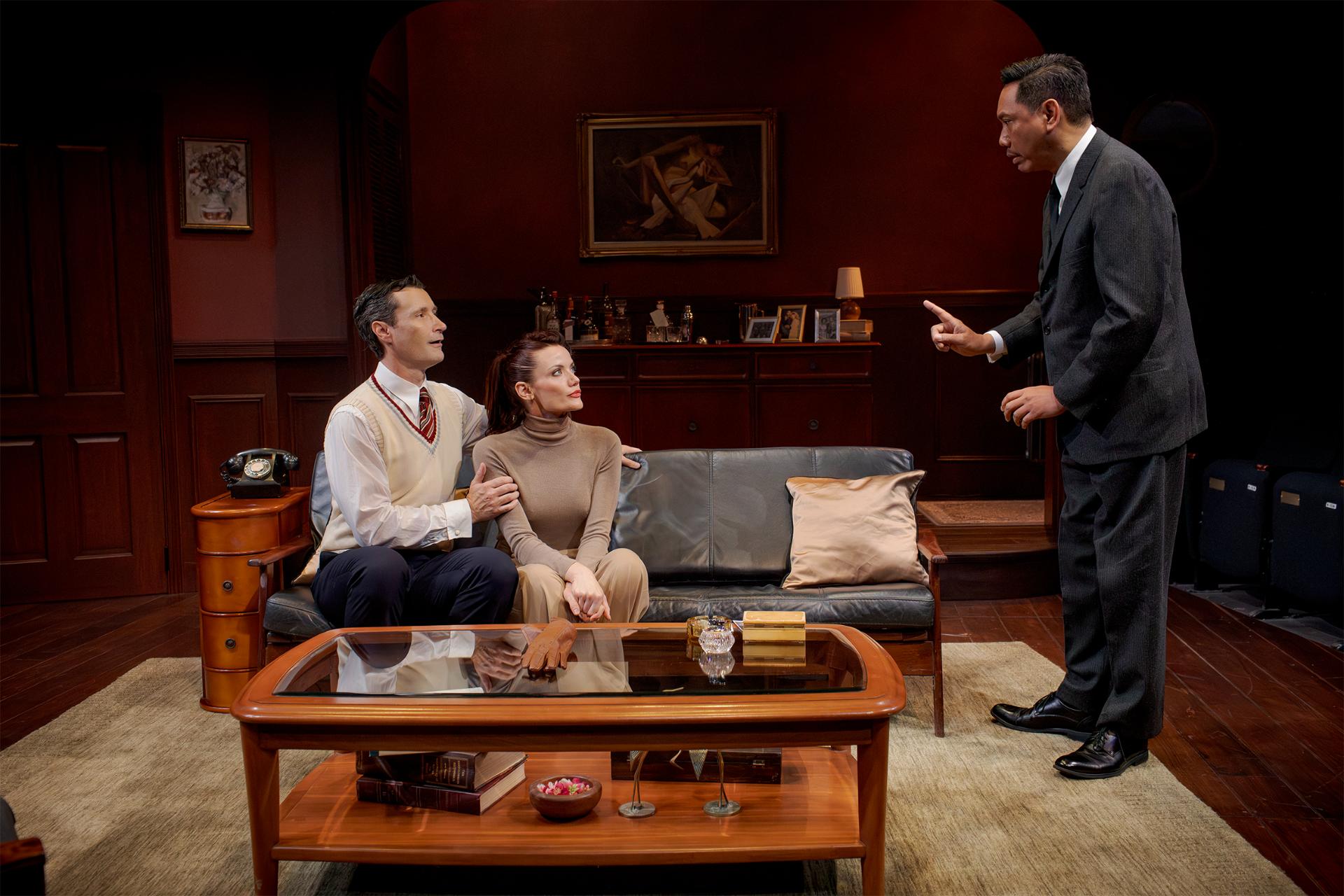
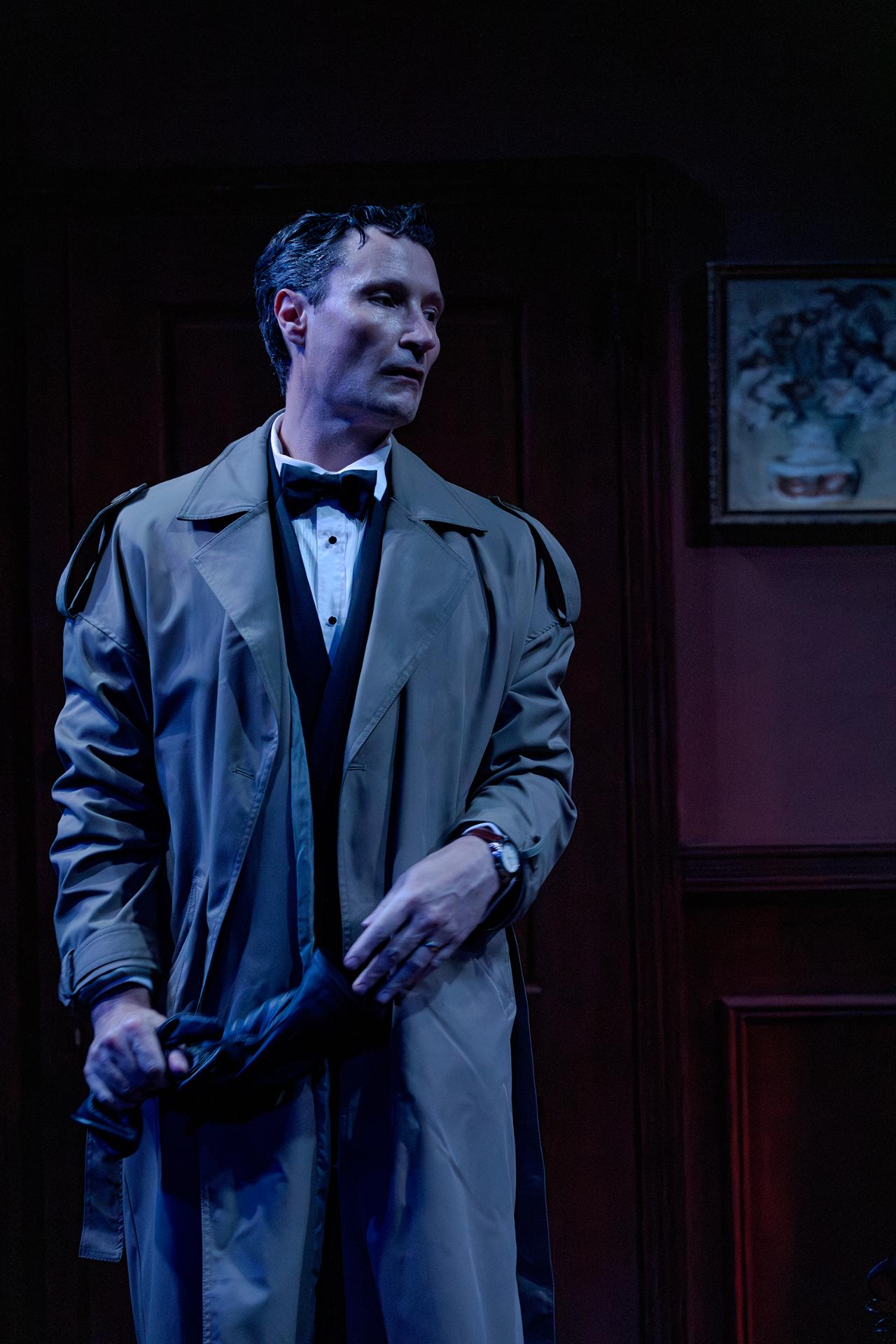
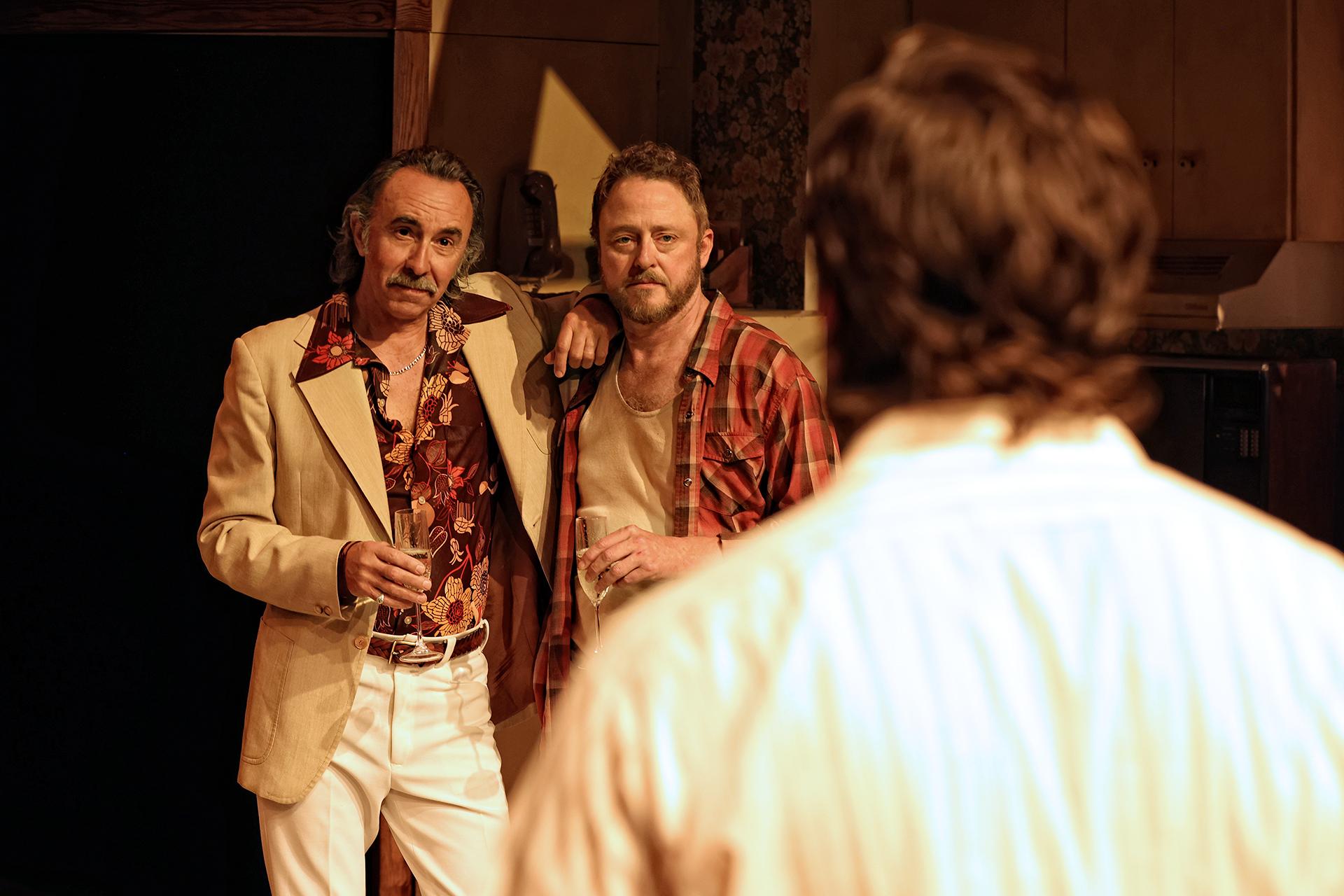
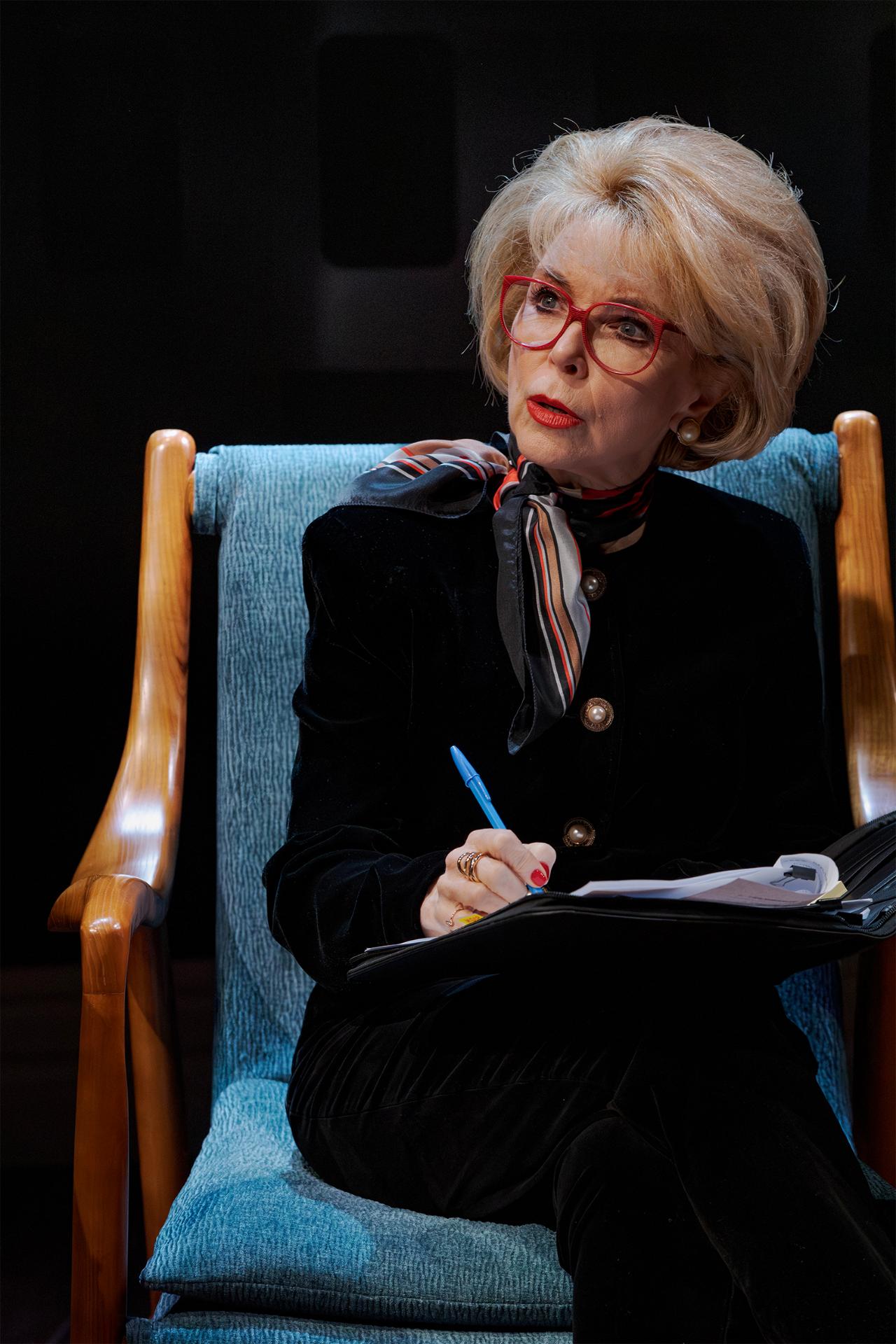
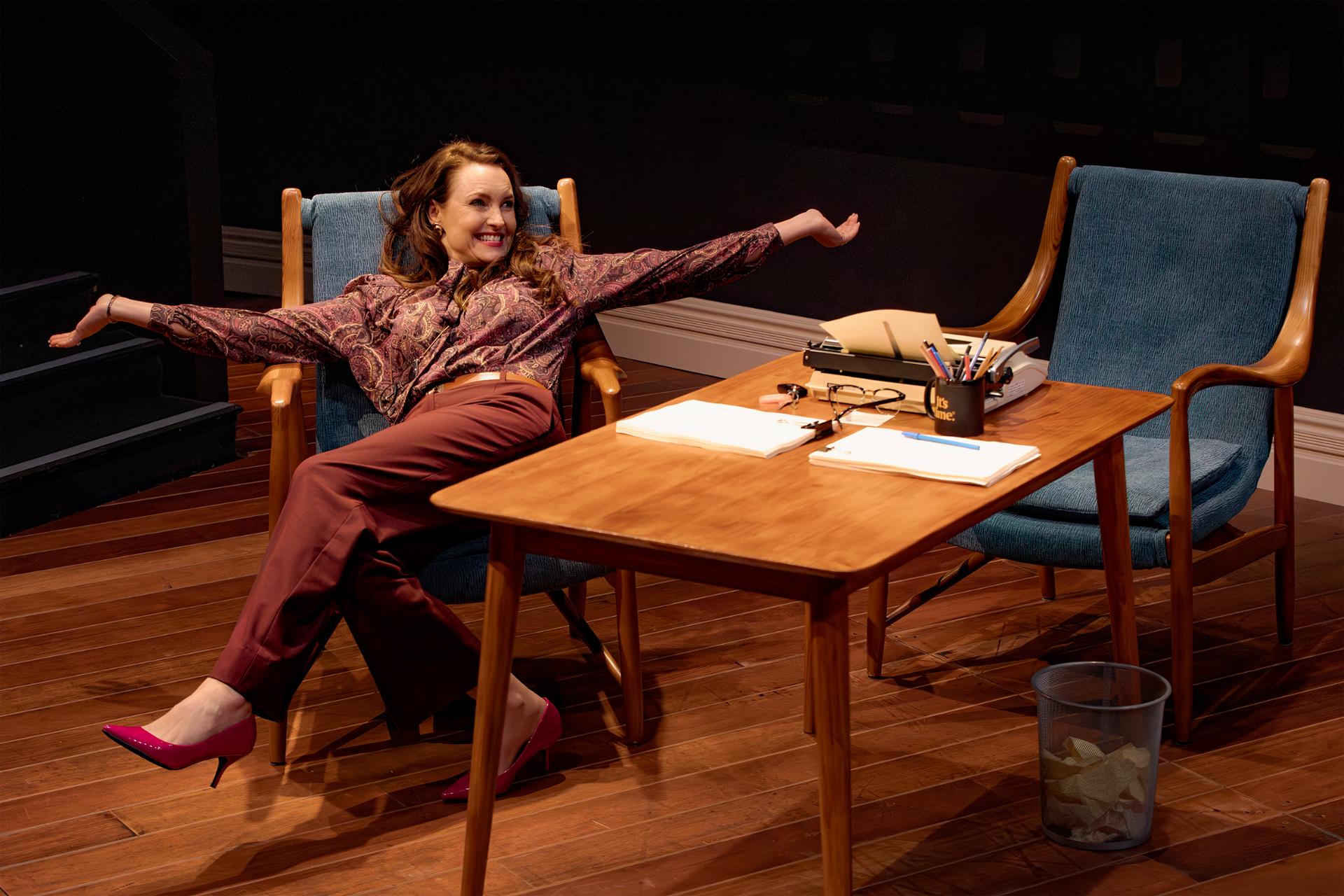
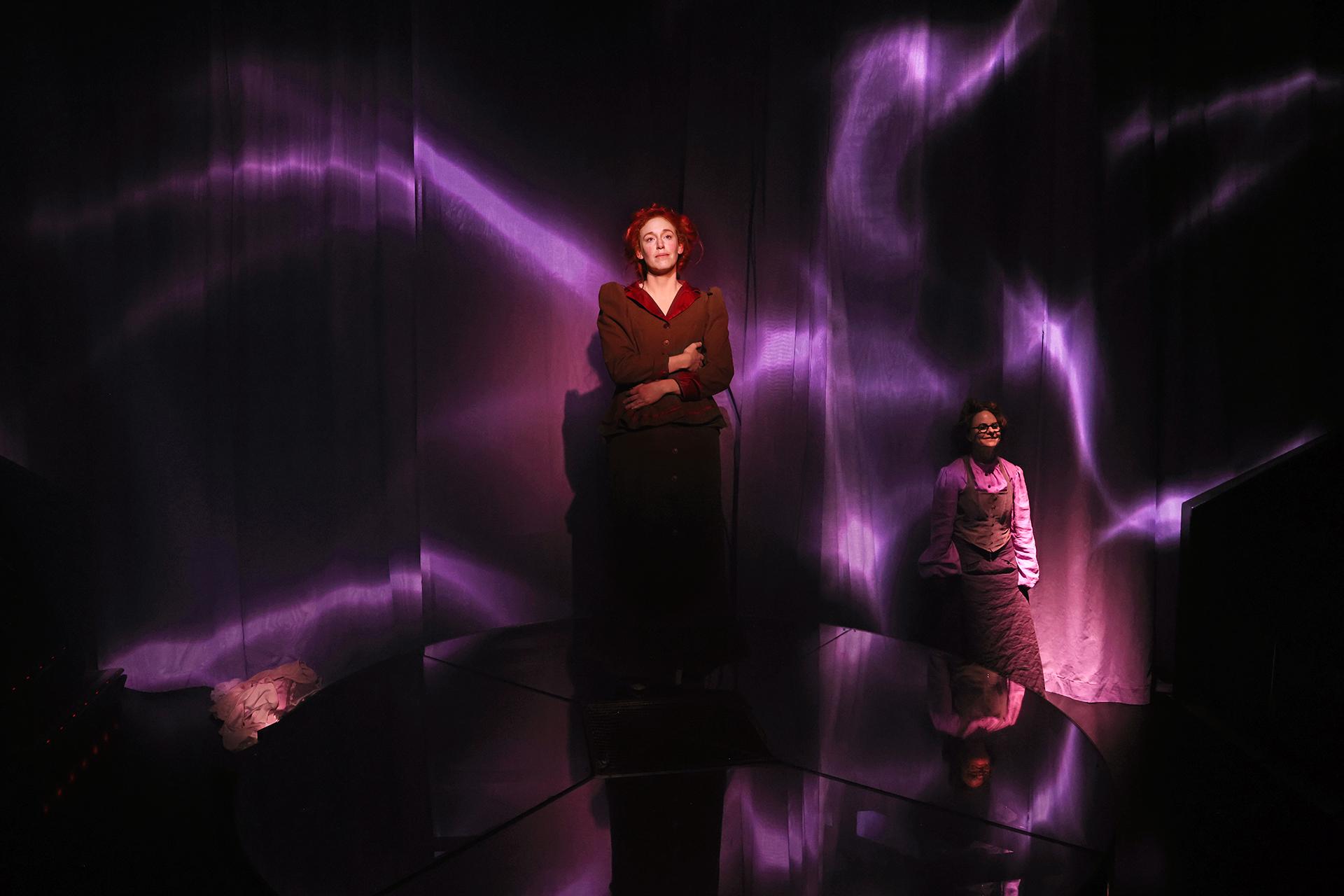
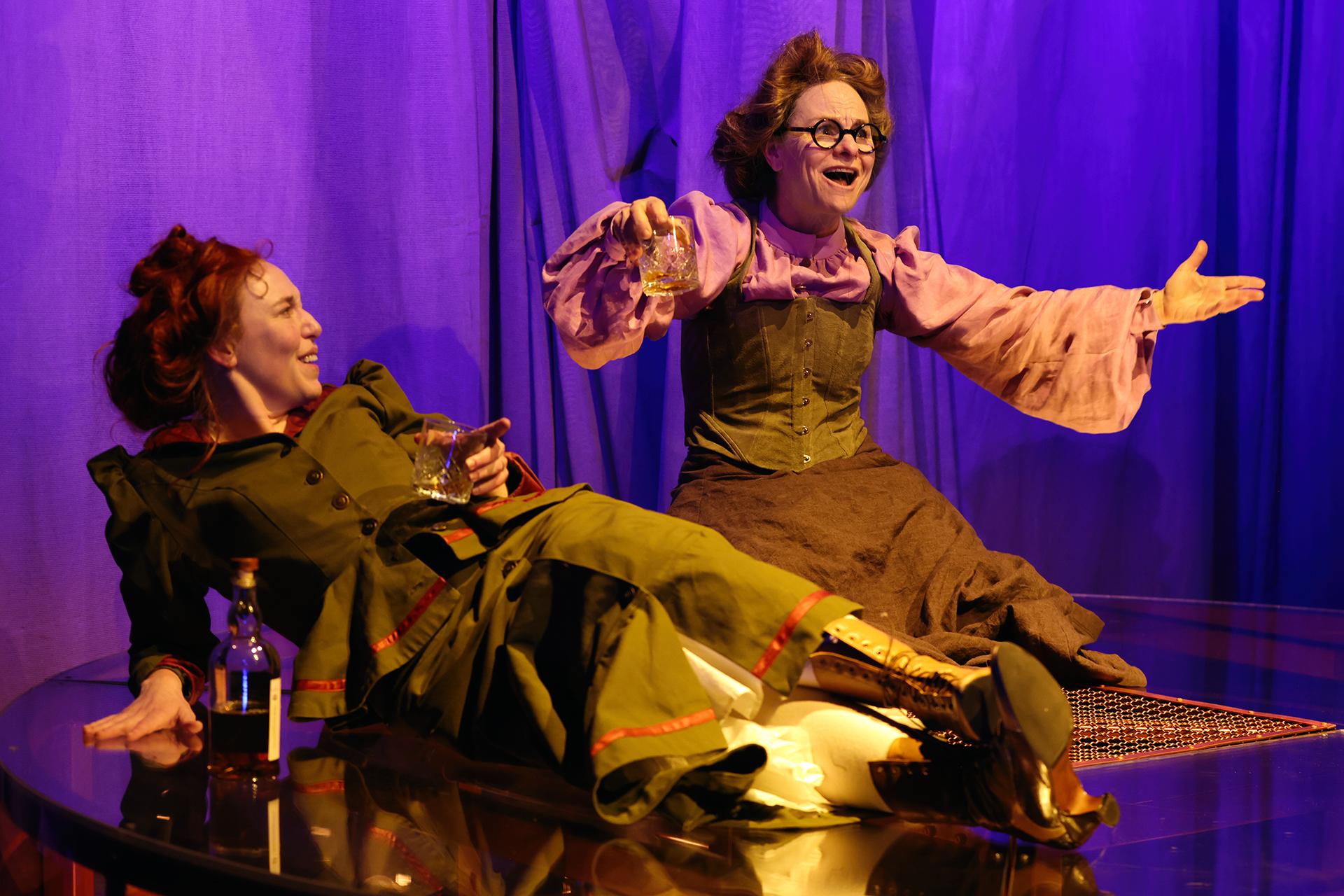
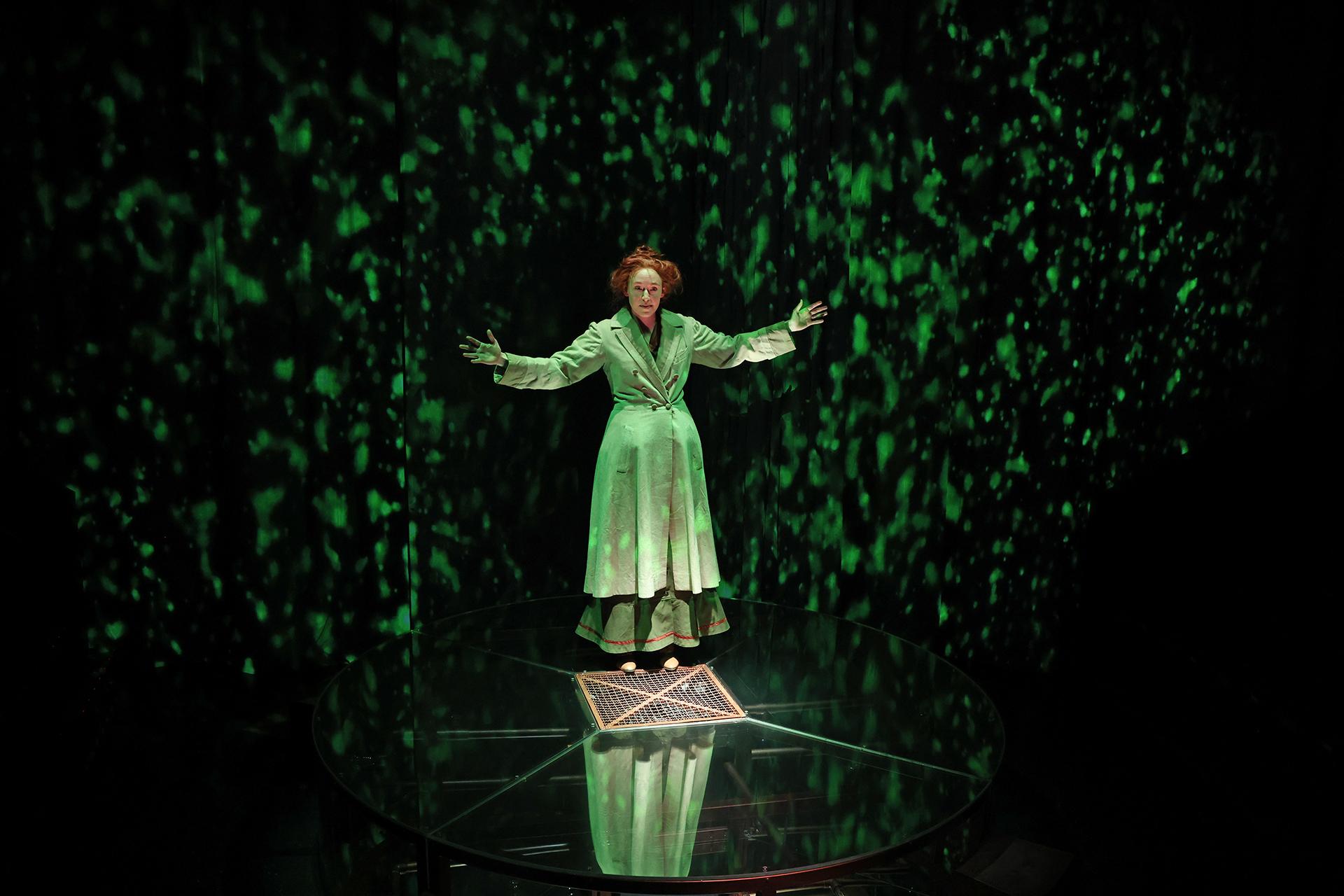
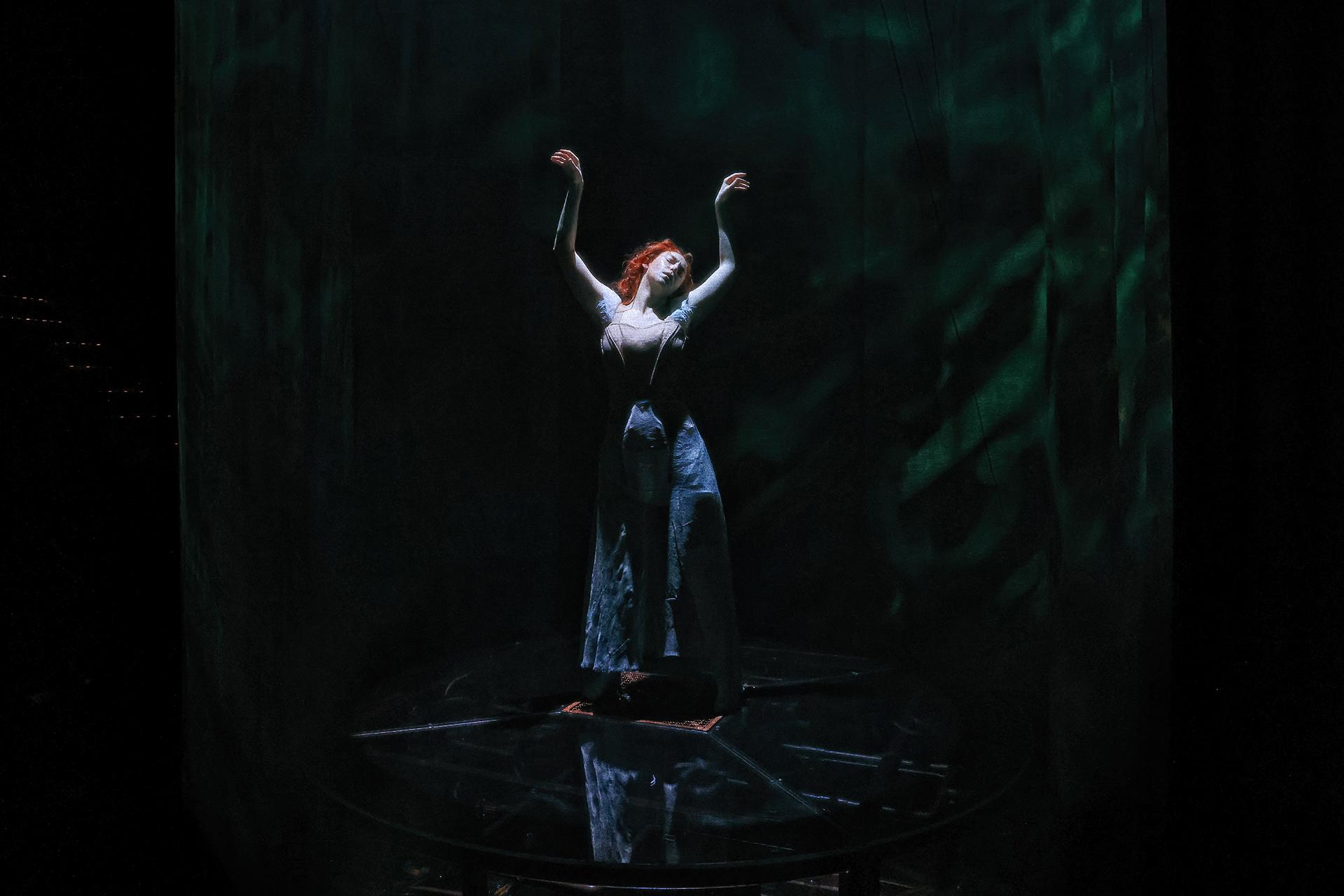
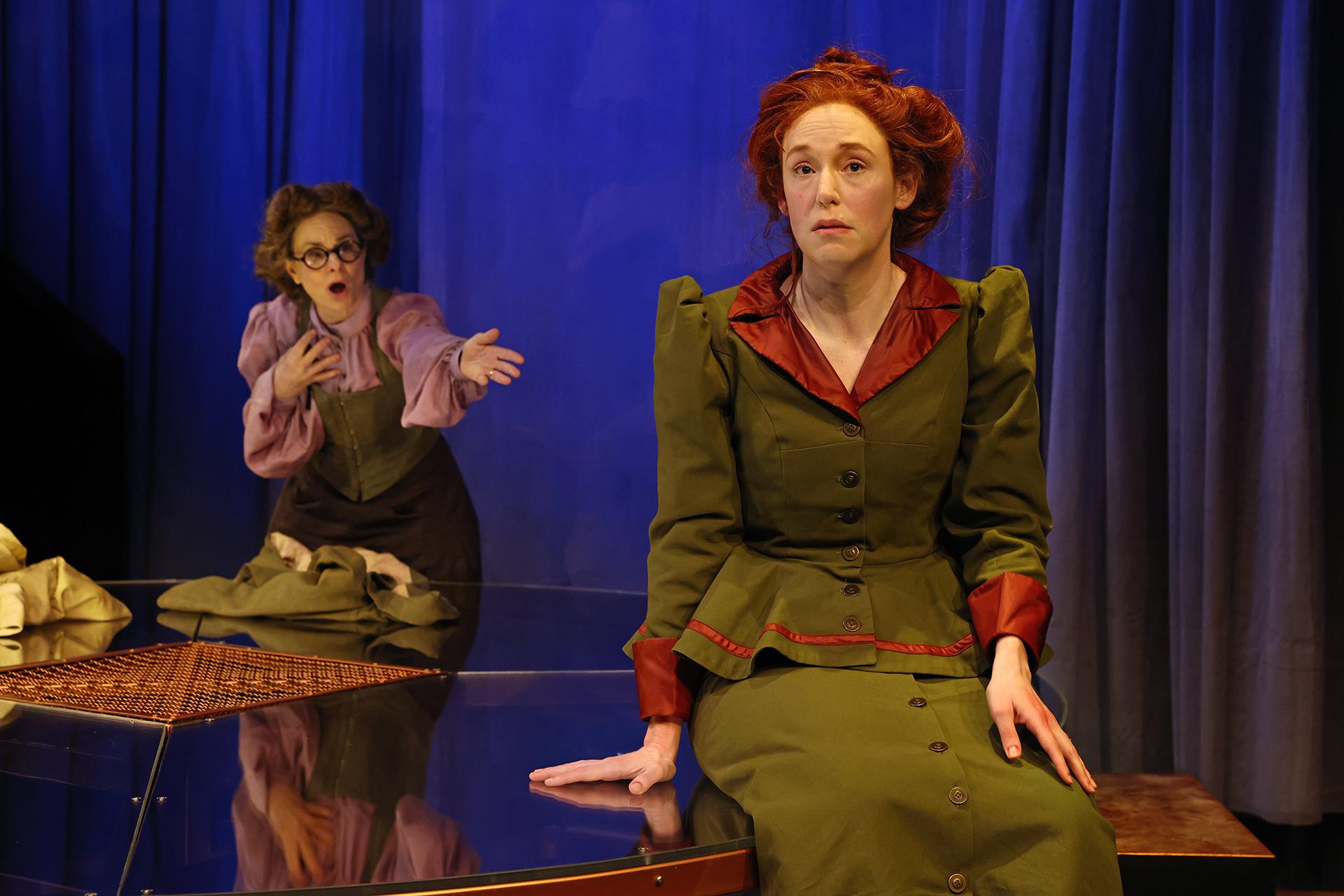
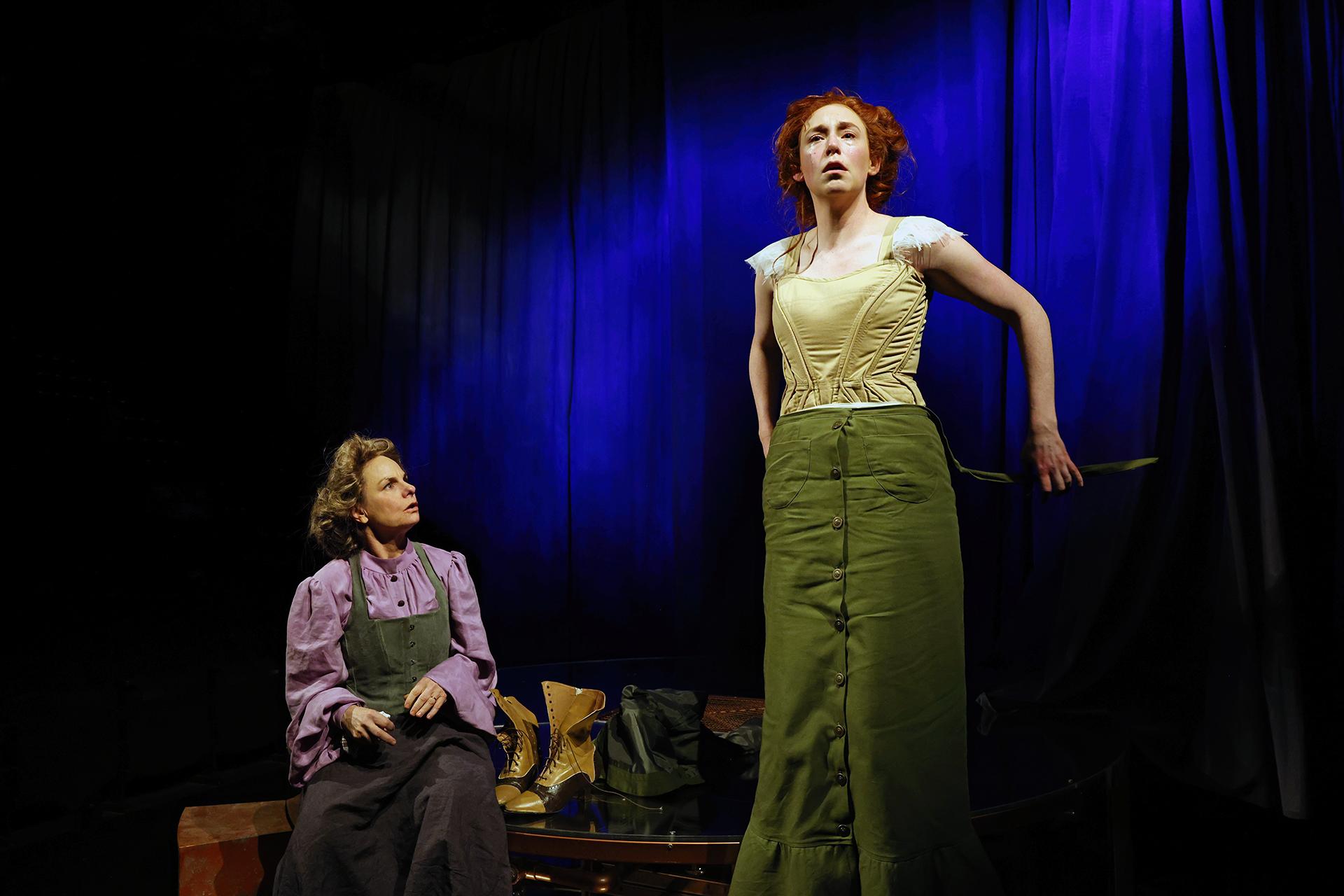
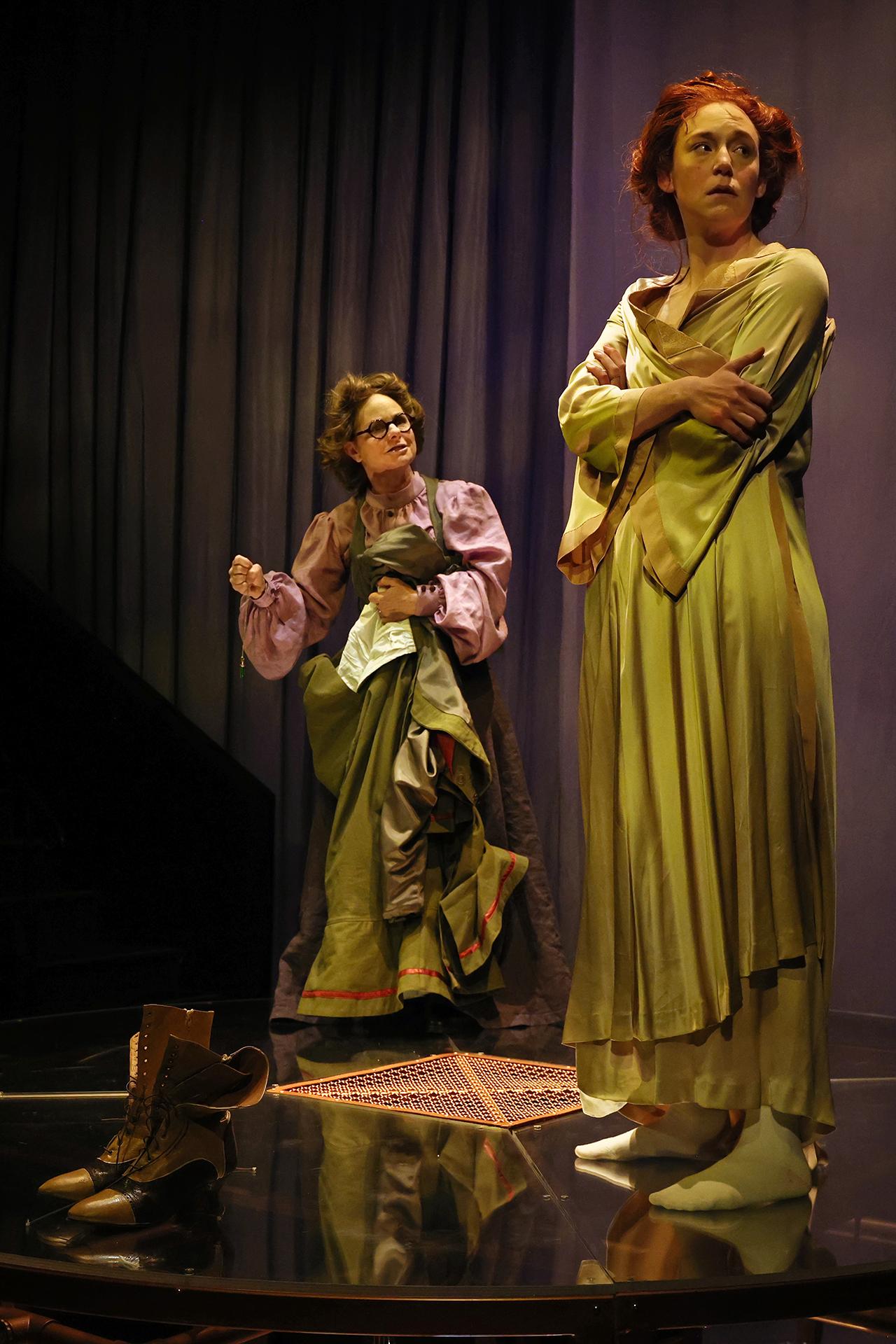
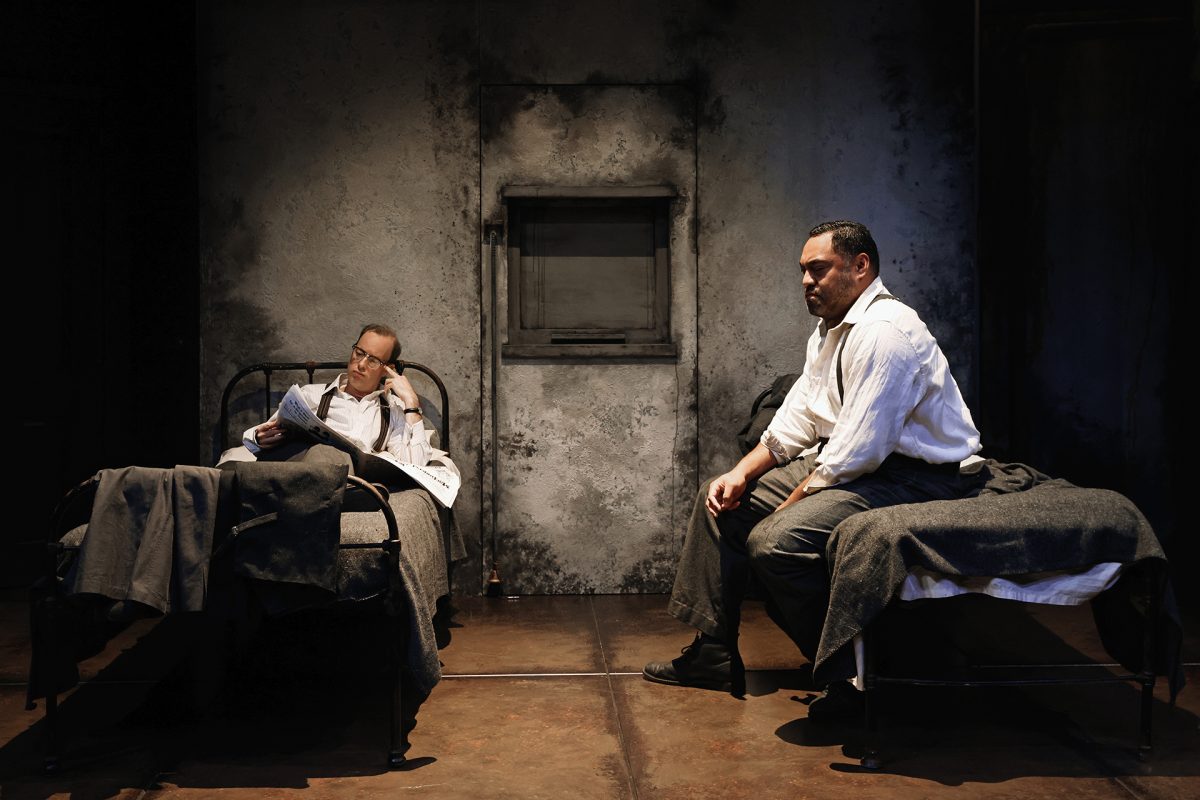
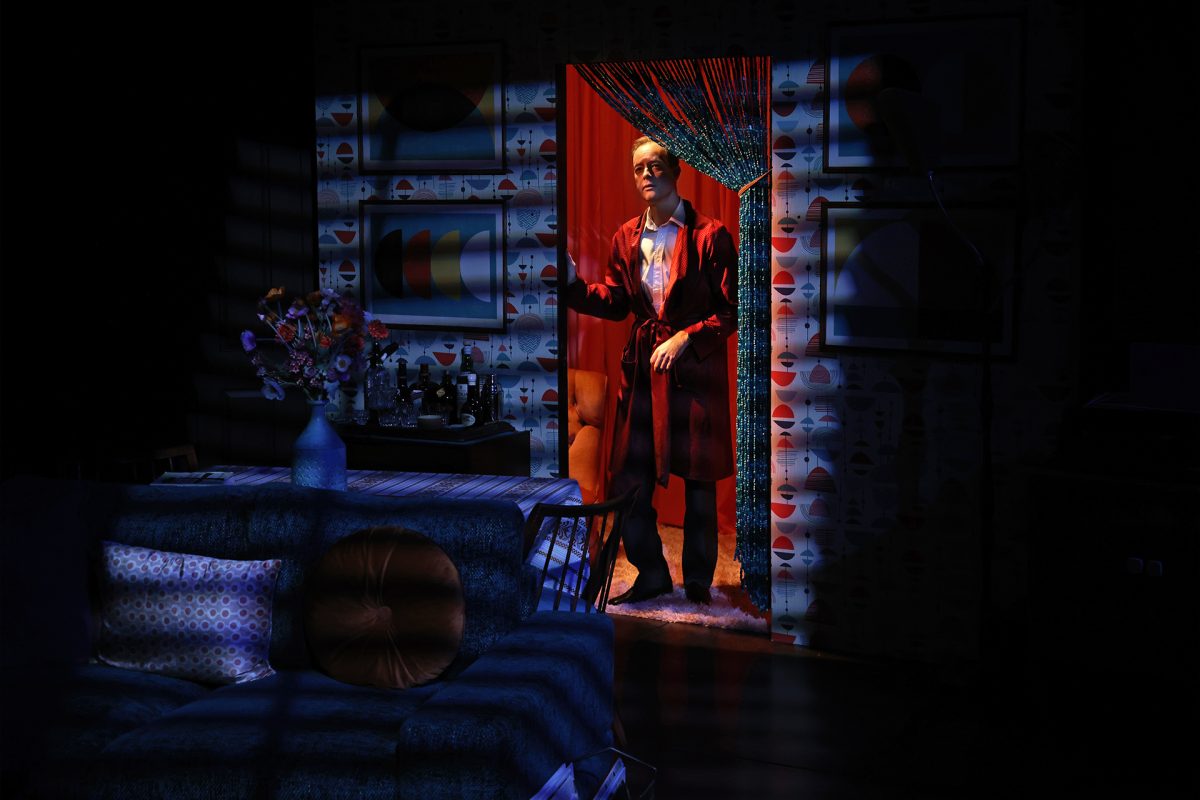
Nick Fry’s handsome set design allows for fluid, elegant movement, while presenting a sophisticated colour palette that evokes the period yet remains visually appealing. His costumes, impeccably realised, convincingly embody the refinement of the English upper class. Matt Cox’s lighting, with its warm amber glow, flatters the stage picture and injects a quietly simmering dramatic tension. Madeleine Picard’s music, lush and evocative of mid-century cinema, proves sumptuous throughout, ever attuned to deepening the atmosphere of intrigue.

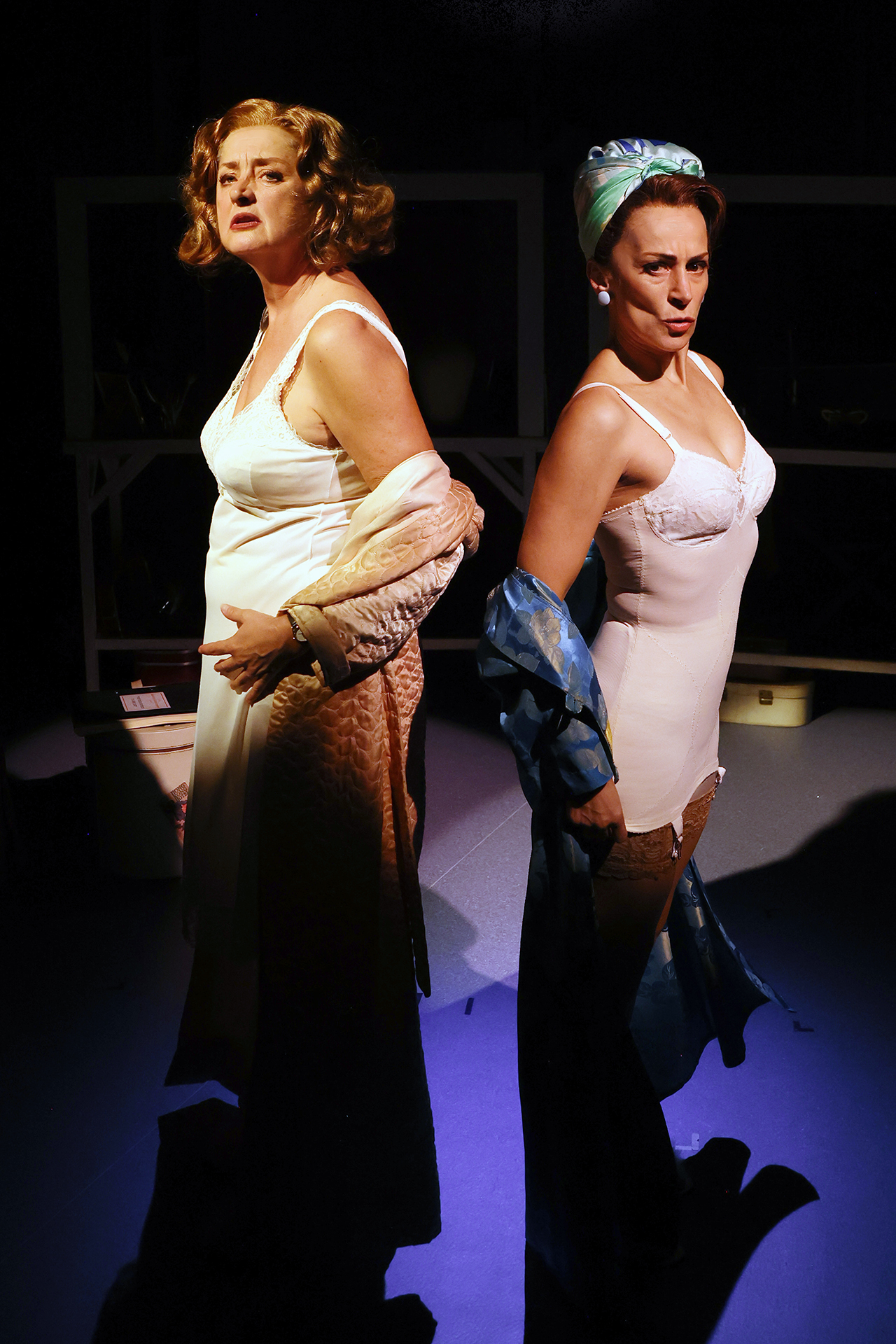
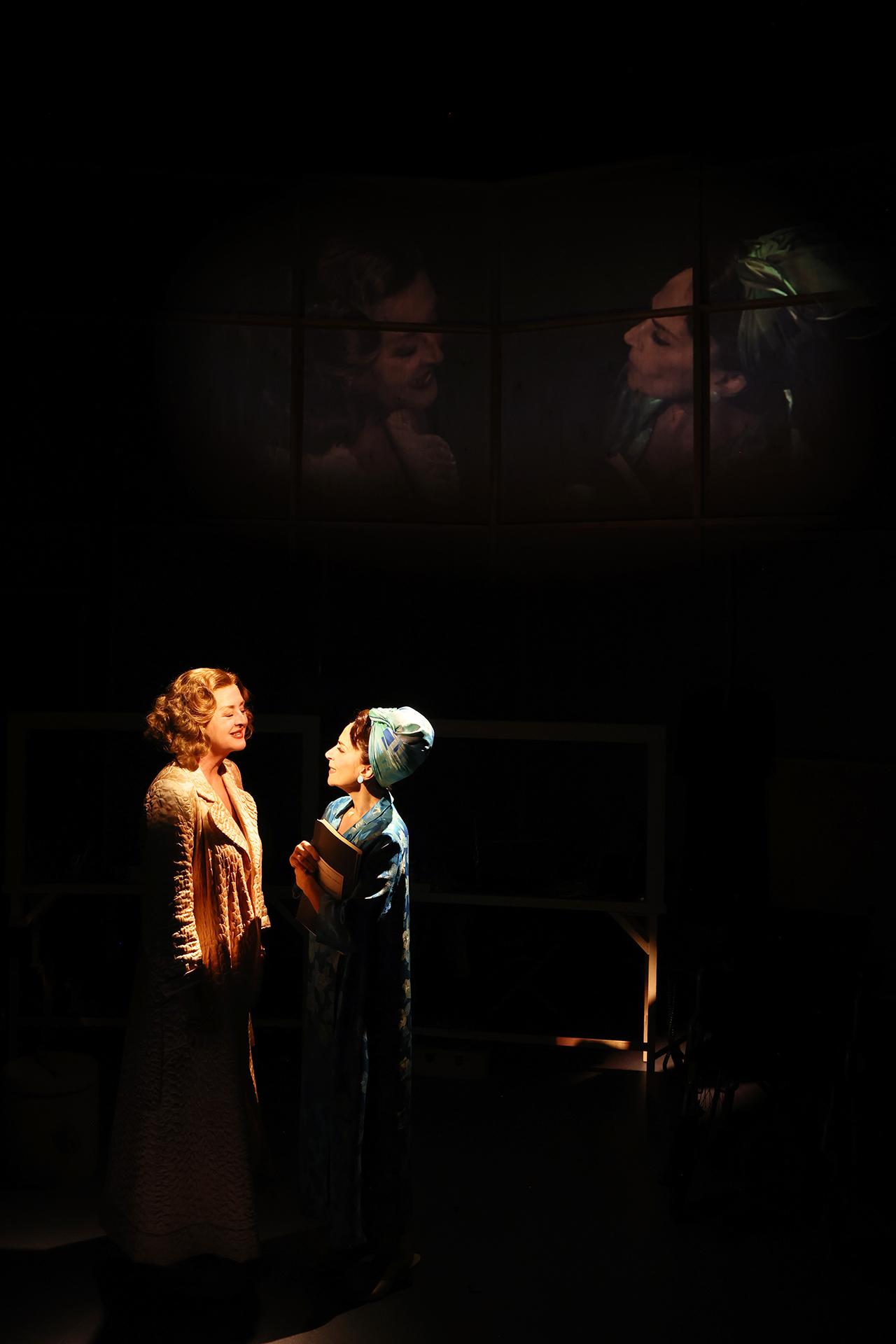
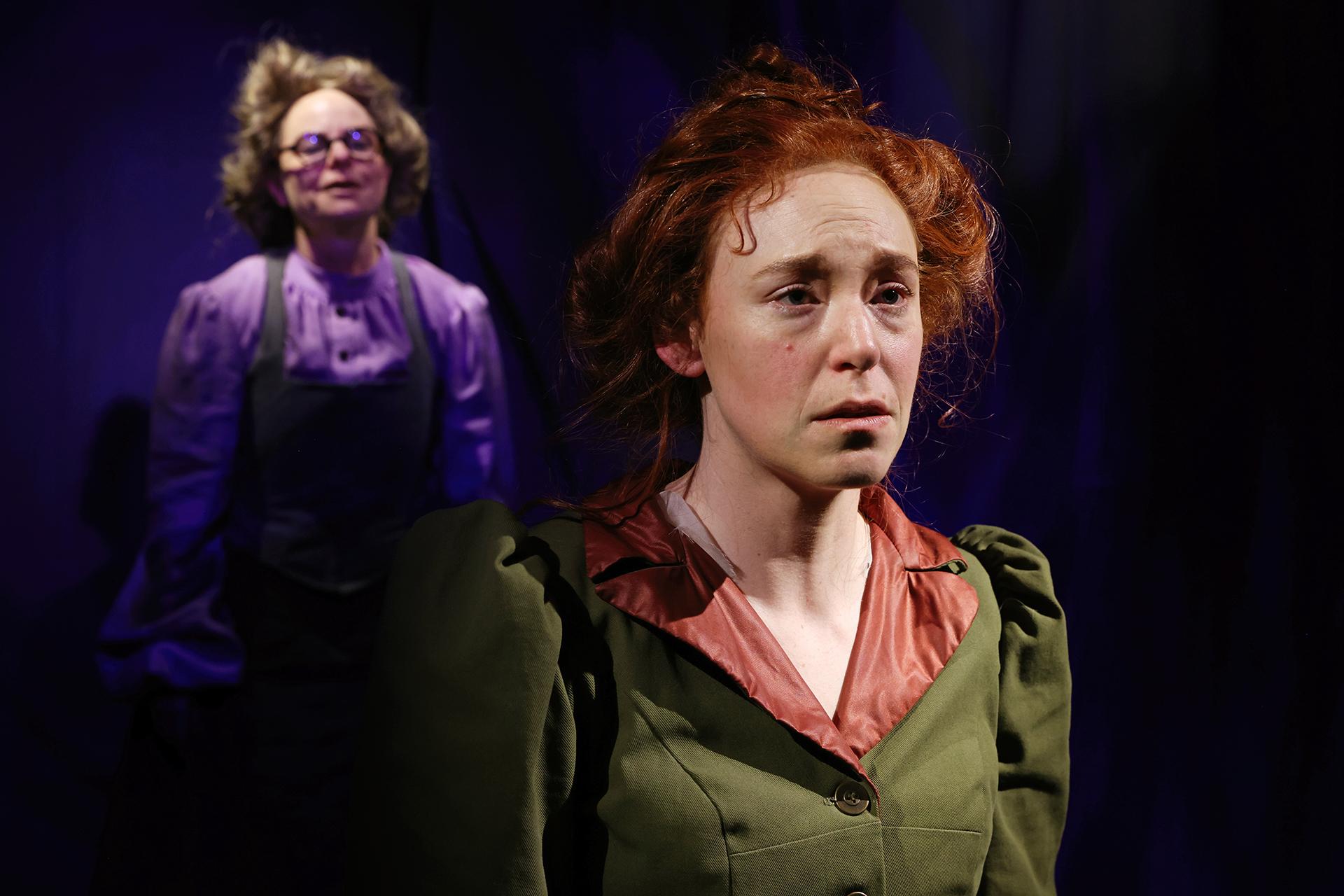
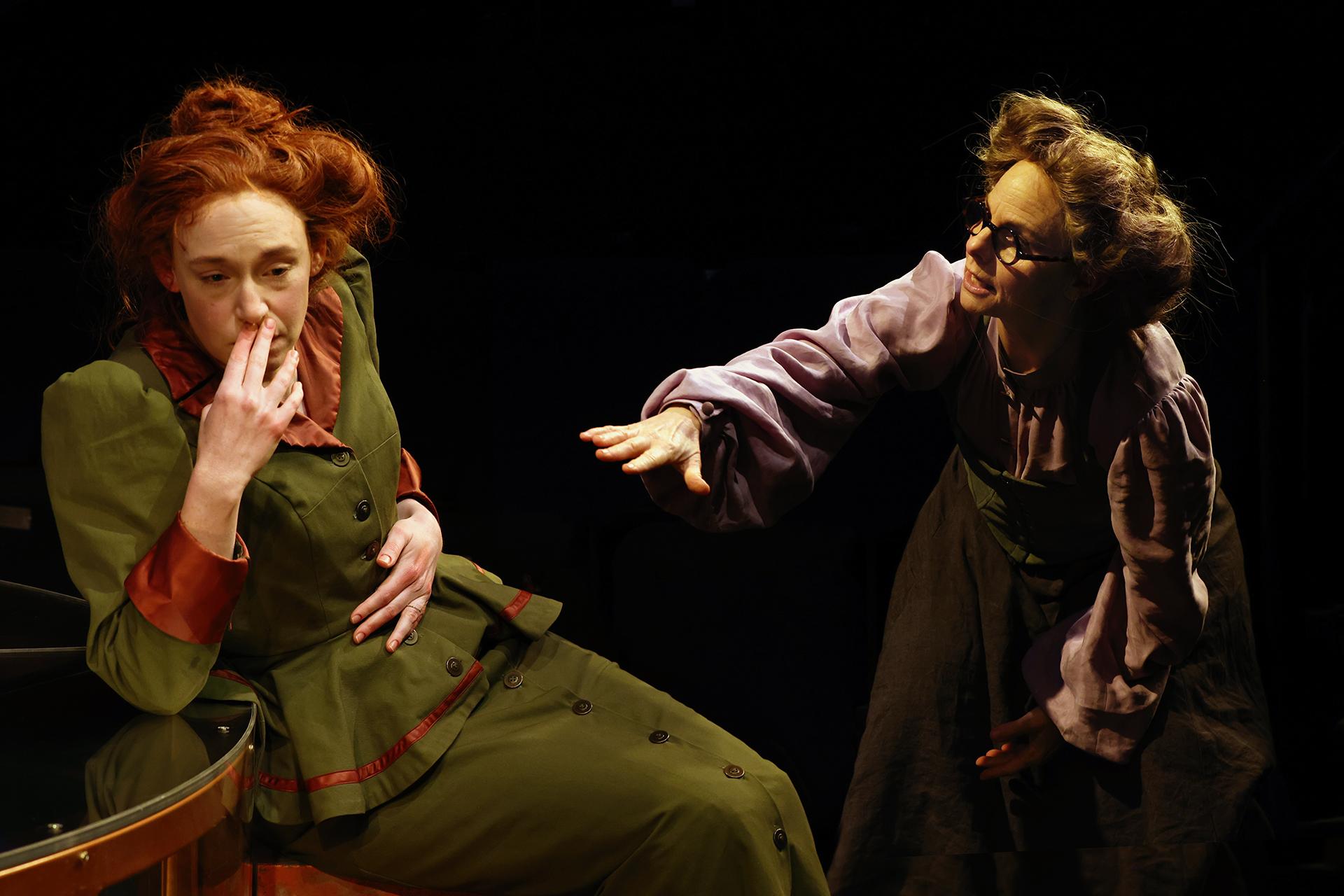
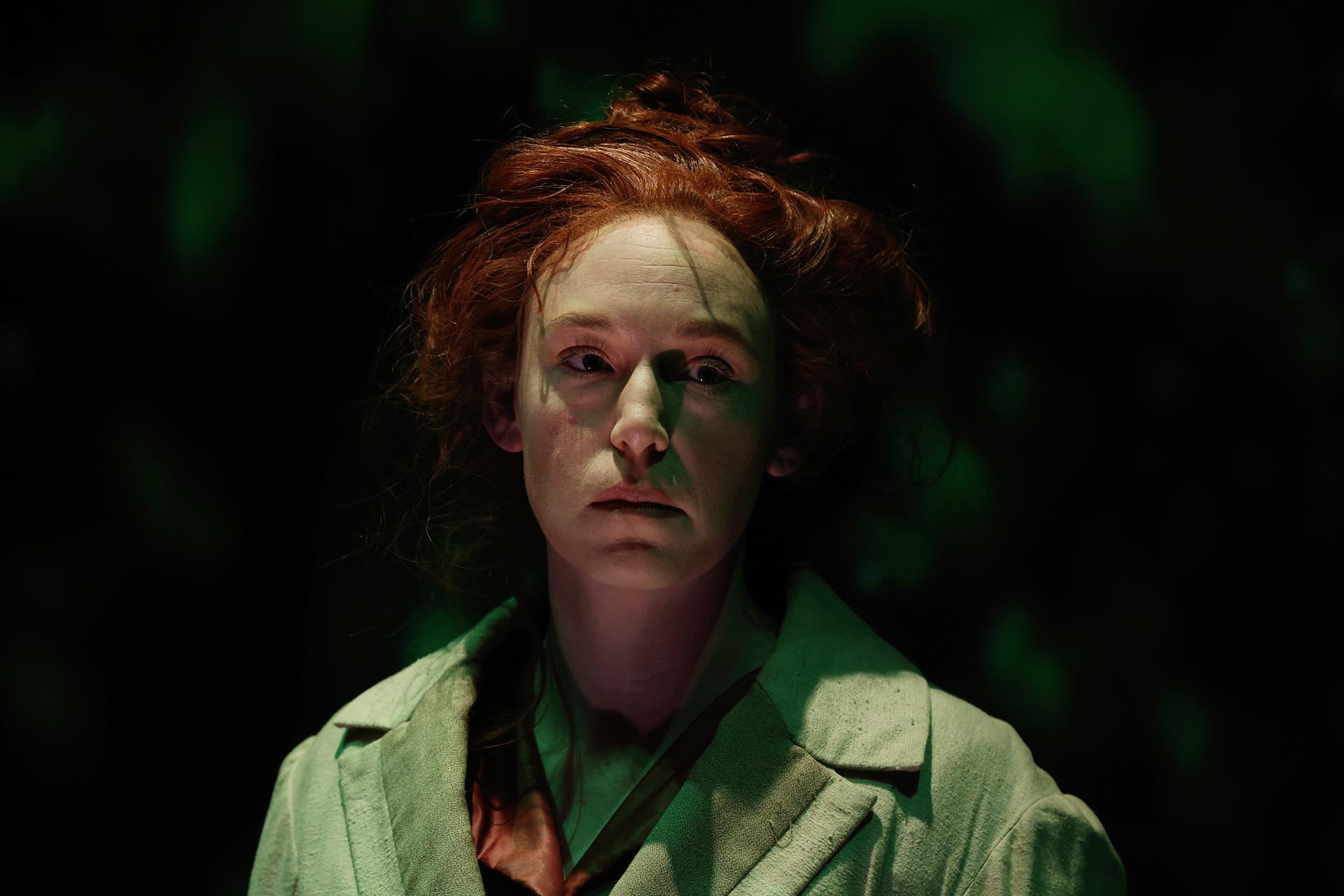
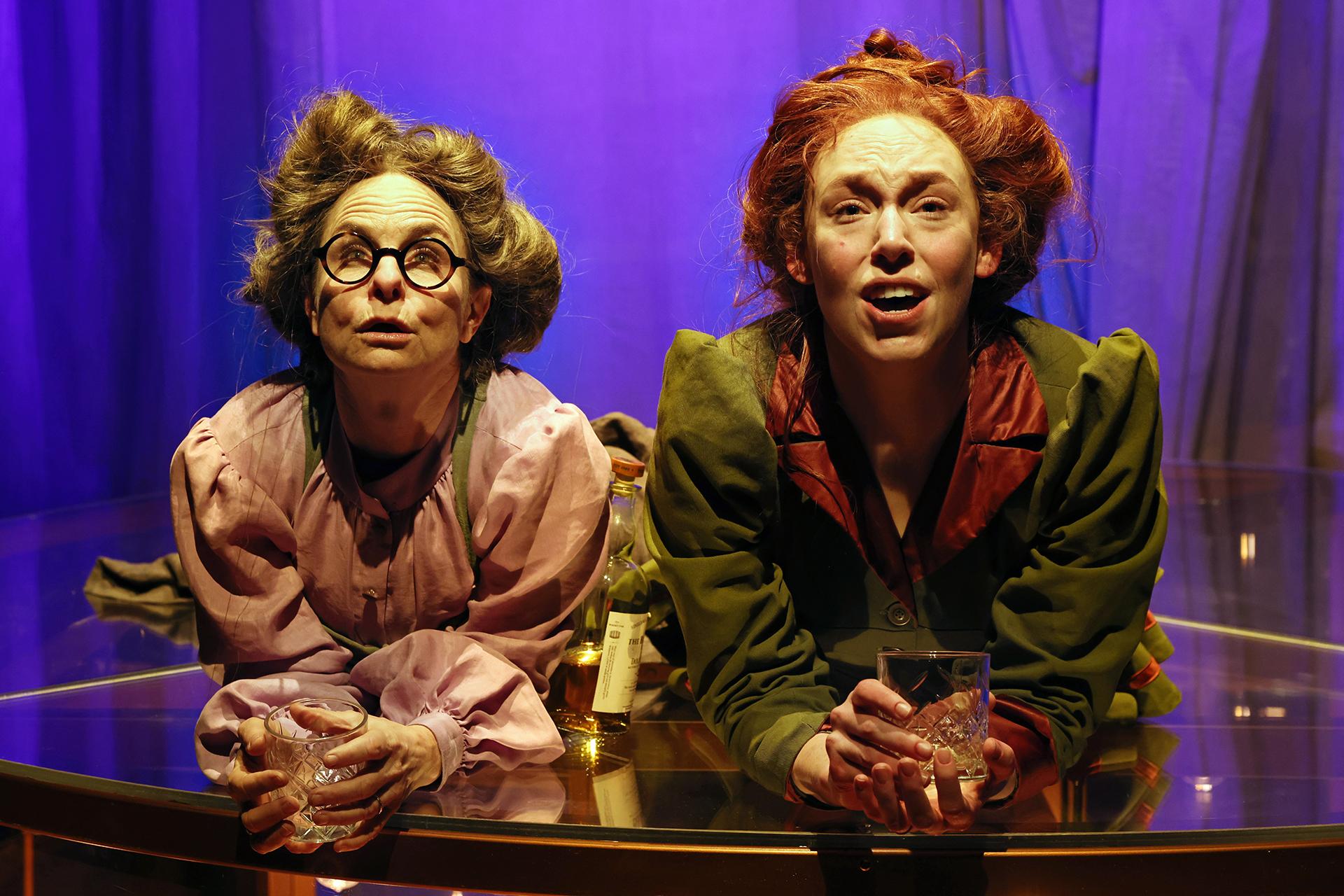
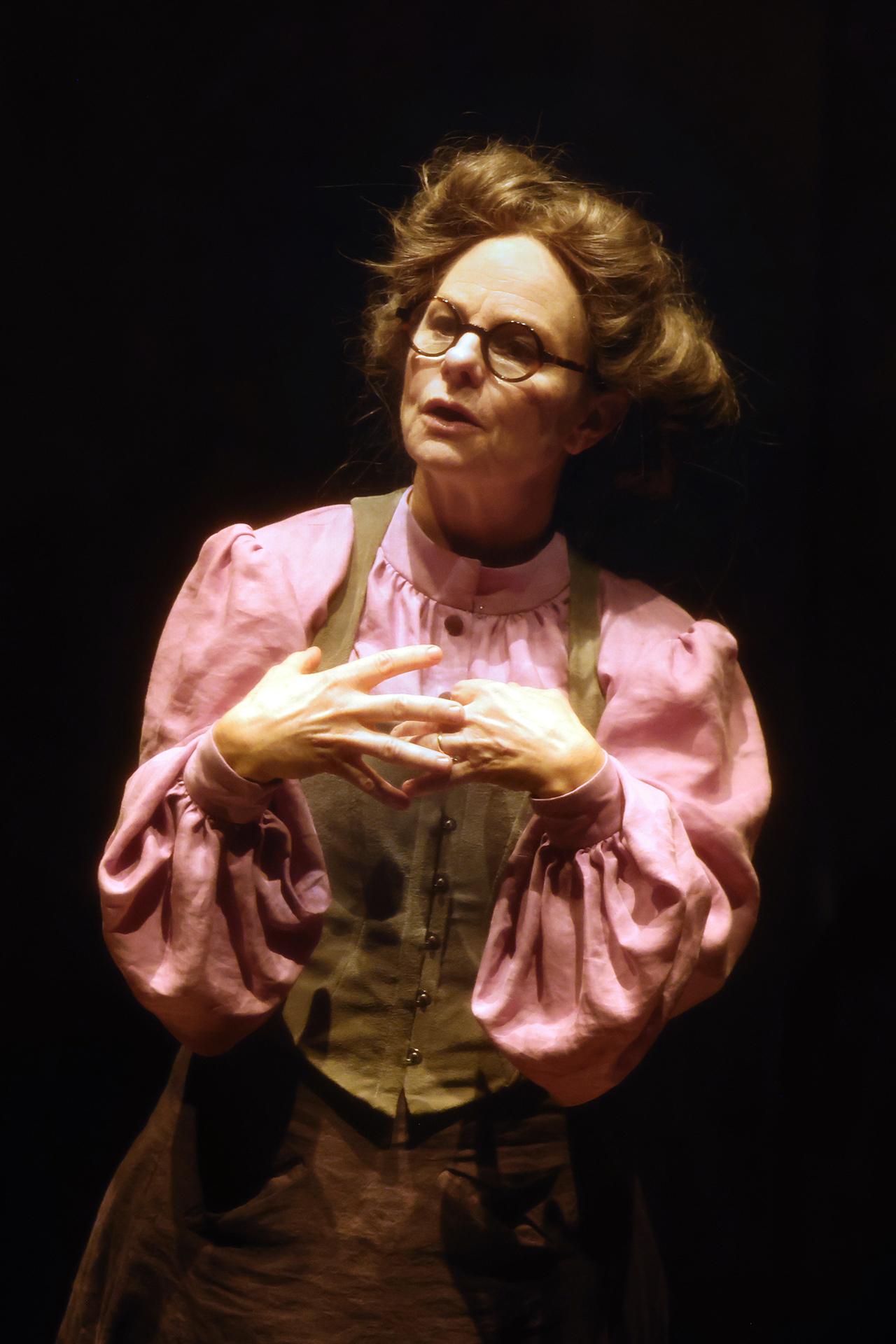
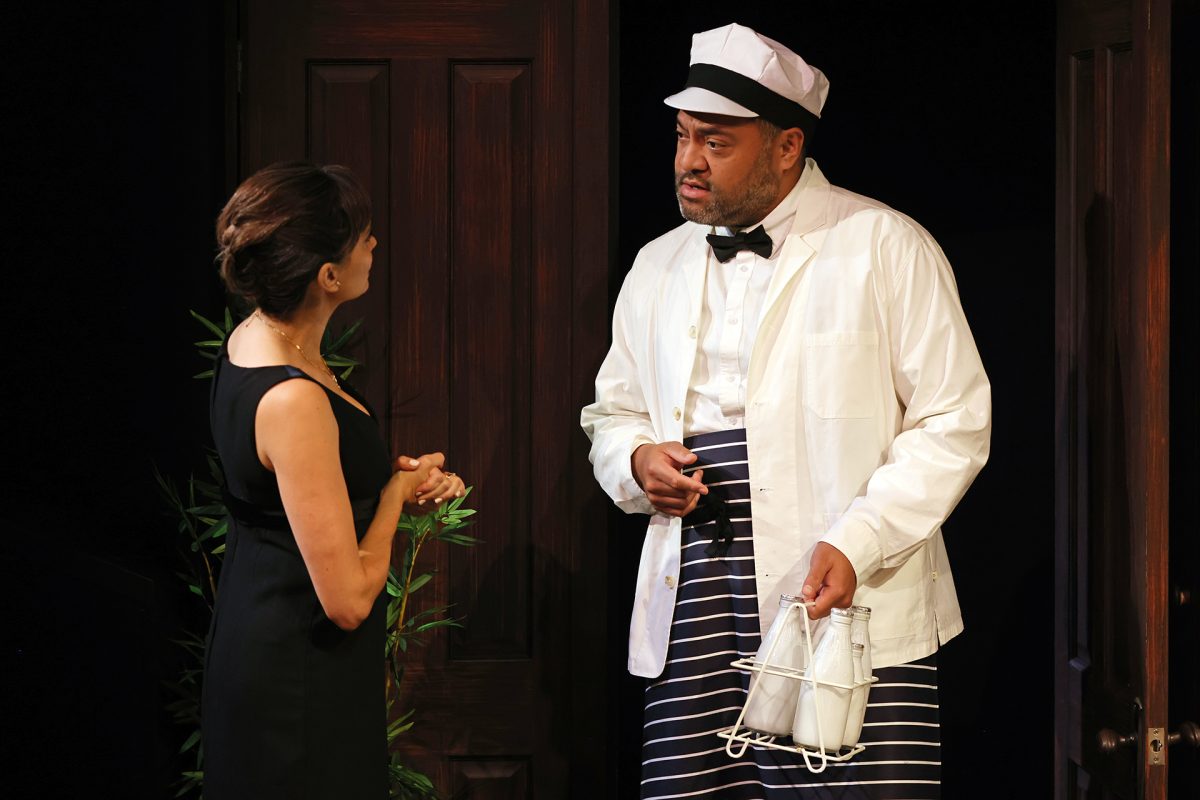
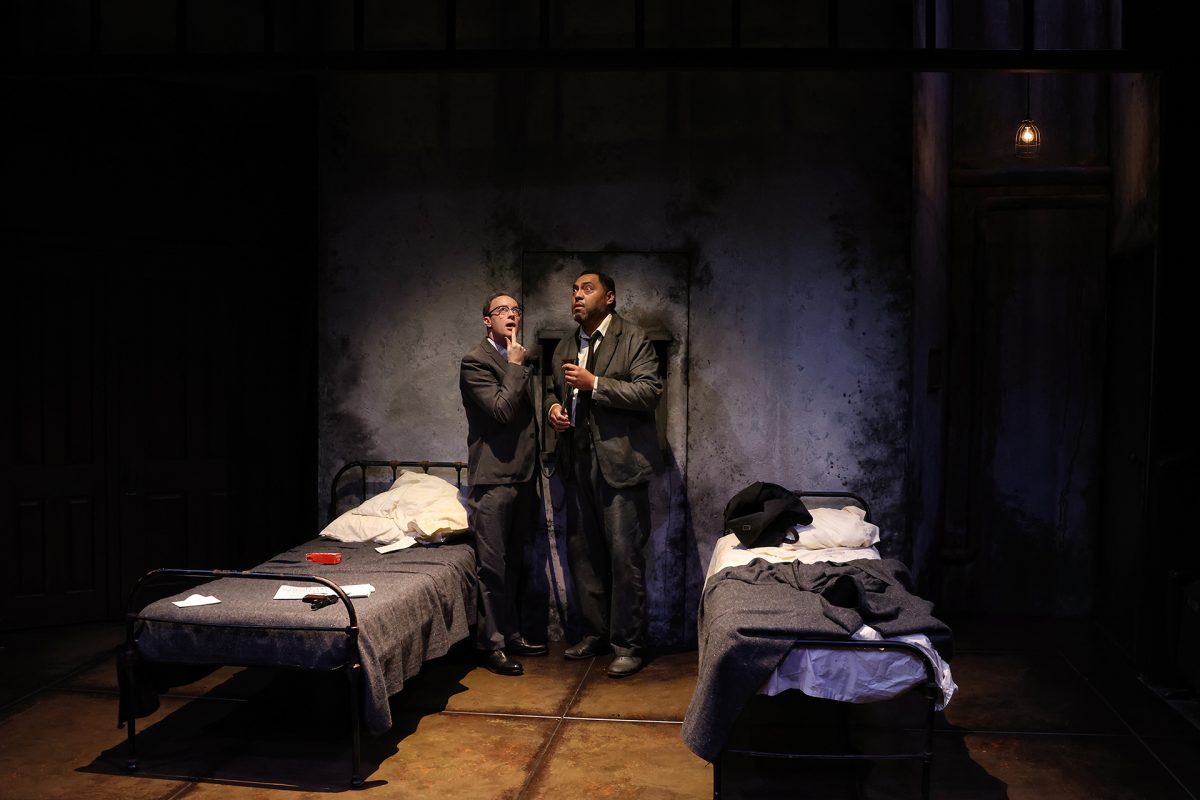
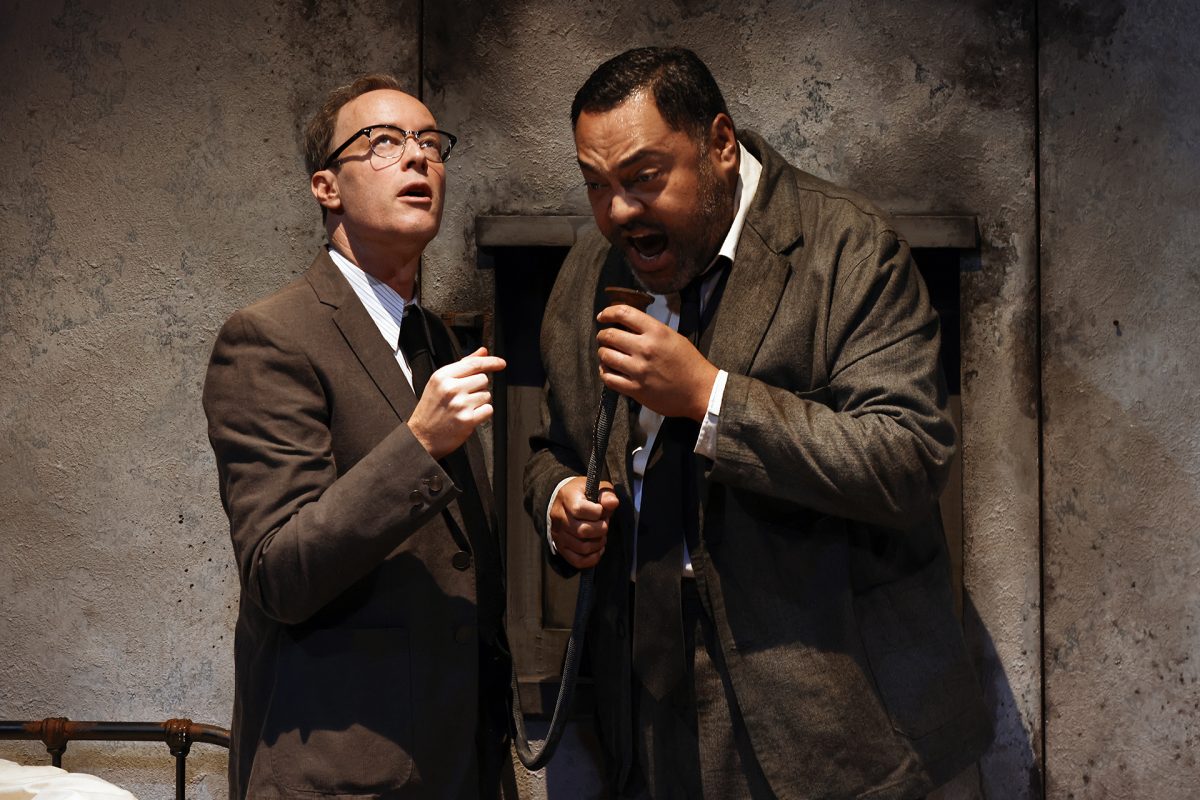
Anna Samson and Garth Holcombe embody, with remarkable acuity, a couple burdened by secrets. Both deliver finely detailed performances that steer the narrative through its dizzying succession of twists, offering a delectable touch of extravagance that never tips into excess. Madeleine Jones and David Soncin provide compelling support, but it is Kenneth Moraleda’s turn as Inspector Hubbard that proves especially irresistible. He infuses the role with a distinctive quirkiness, lending the production an added spark that elevates its overall charm. At the end, the production is an excellent reminder of how perversely delightful it can be to revel in a story woven from such unabashedly heinous acts.

www.ensemble.com.au

Review: Fly Girl (Ensemble Theatre)

Venue: Ensemble Theatre (Kirribilli NSW), Oct 17 – Nov 22, 2025
Playwrights: Genevieve Hegney, Catherine Moore
Director: Janine Watson
Cast: Genevieve Hegney, Alex Kirwan, Cleo Meinck, Catherine Moore, Emma Palmer
Images by Prudence Upton

Theatre review
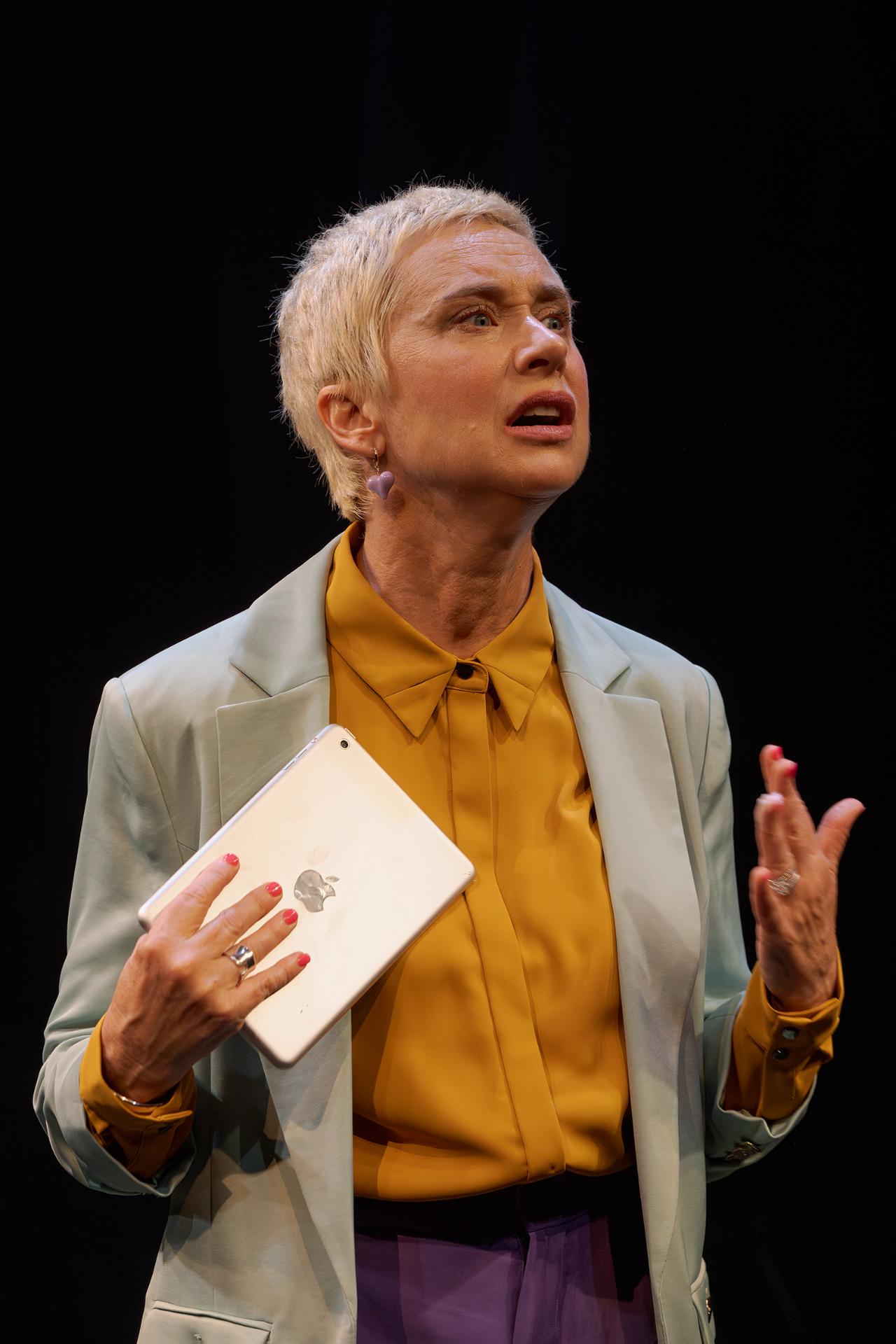
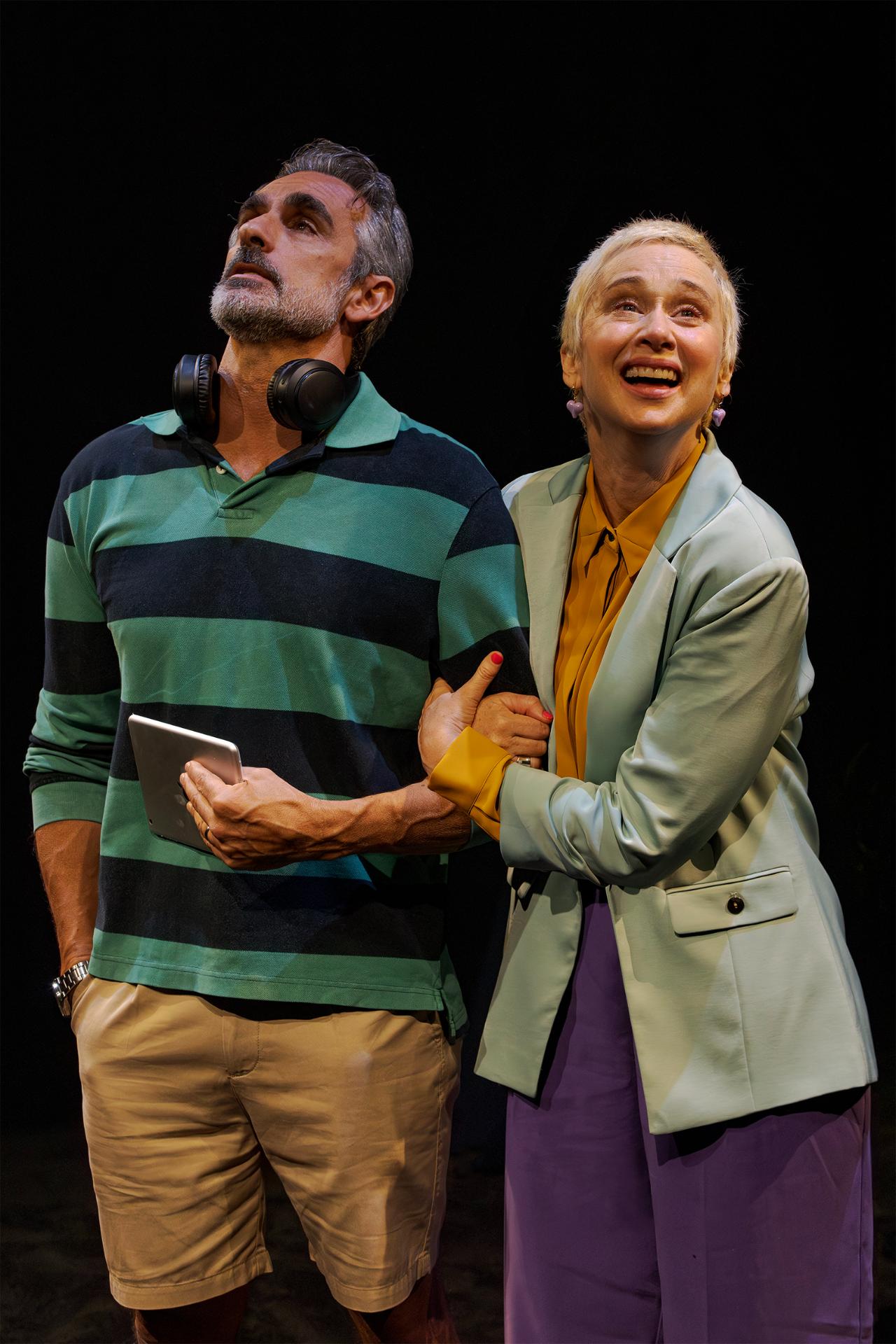
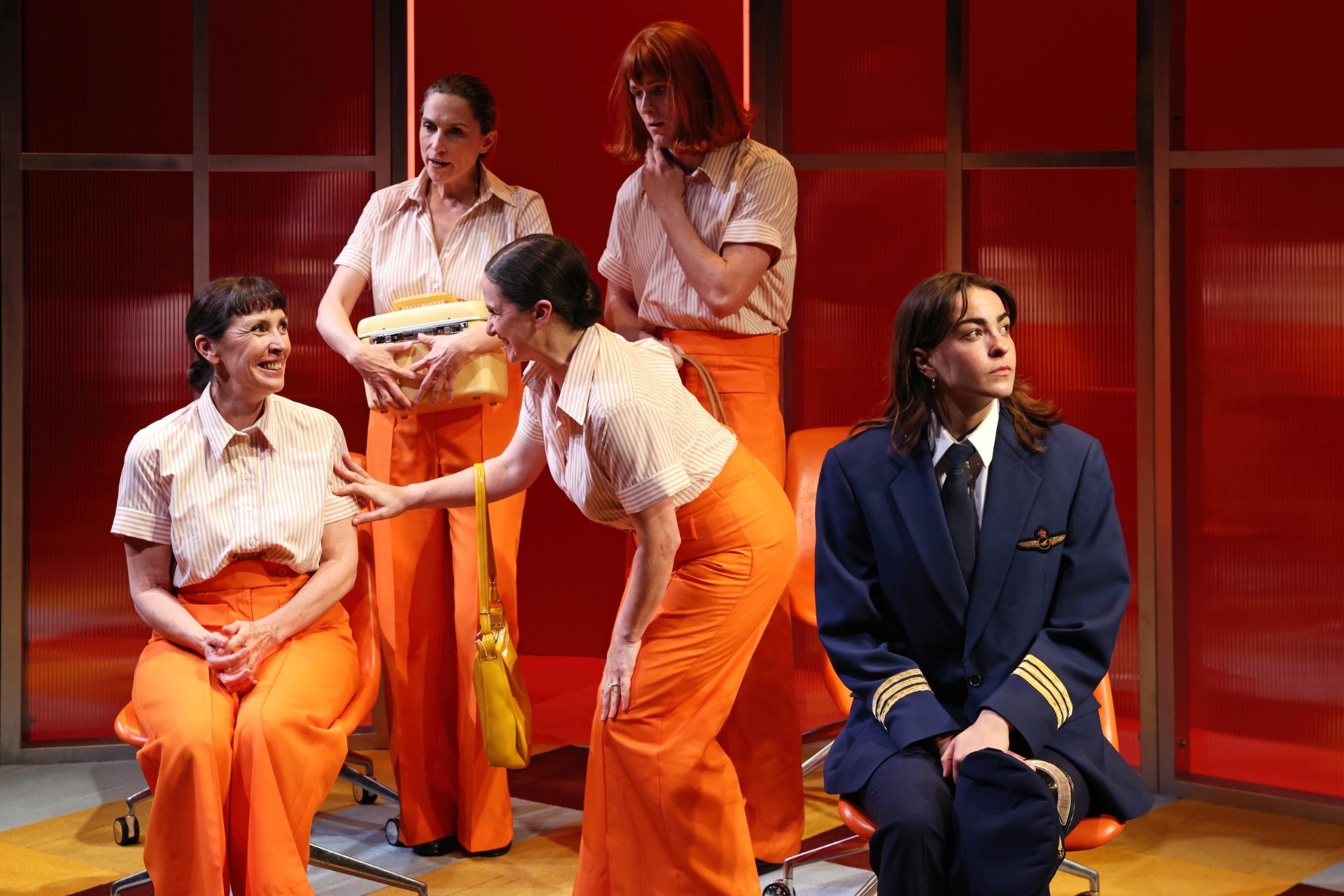
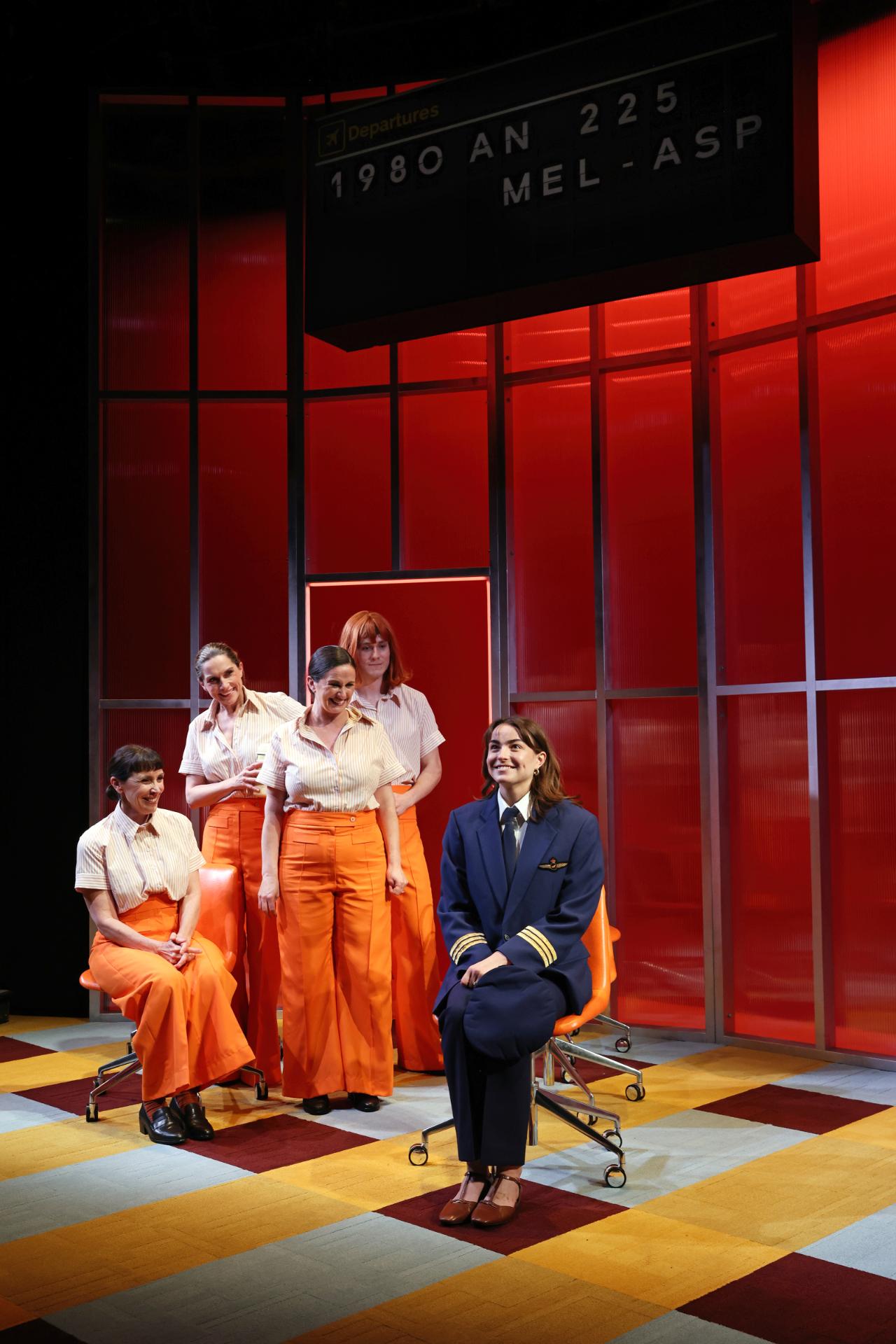
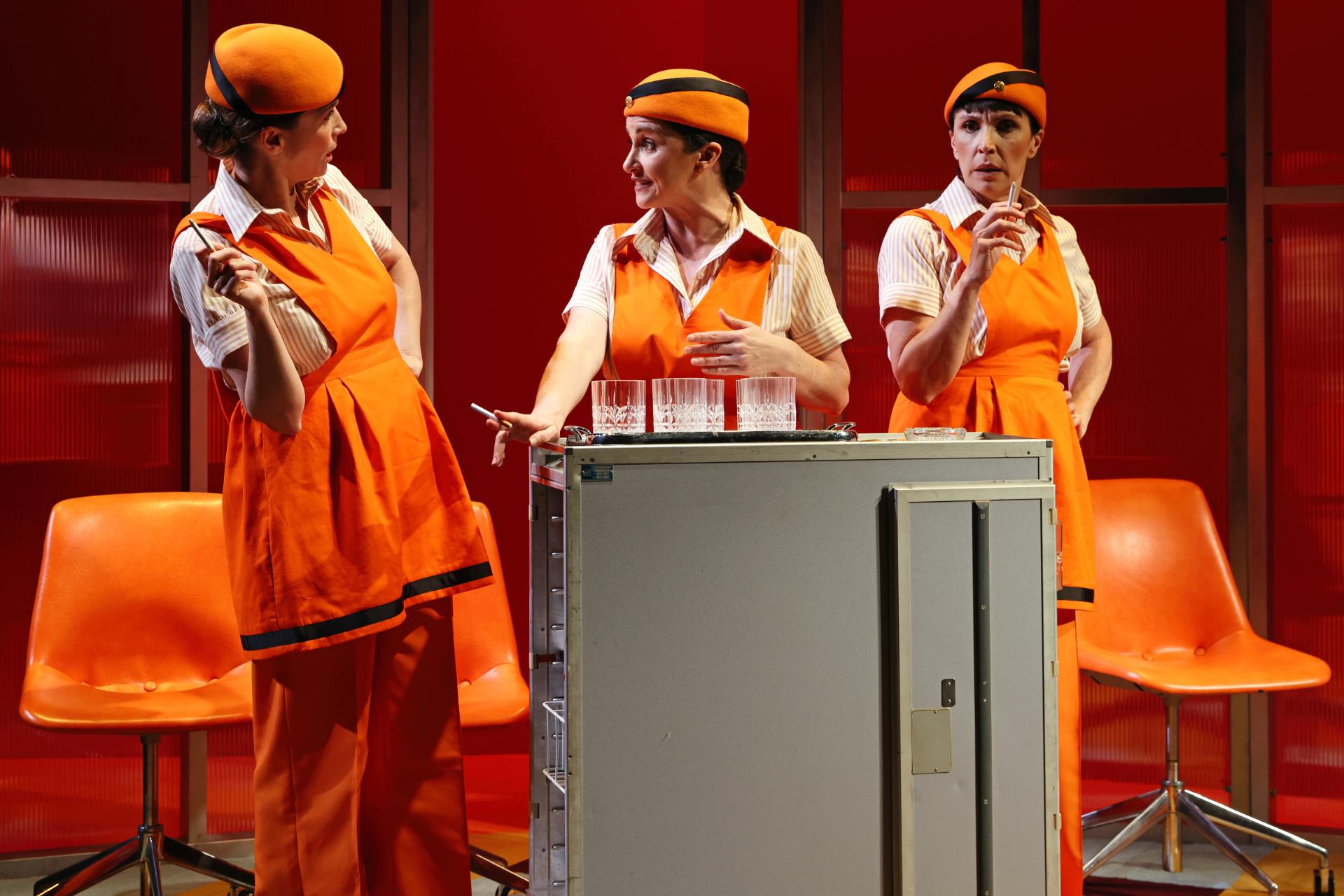
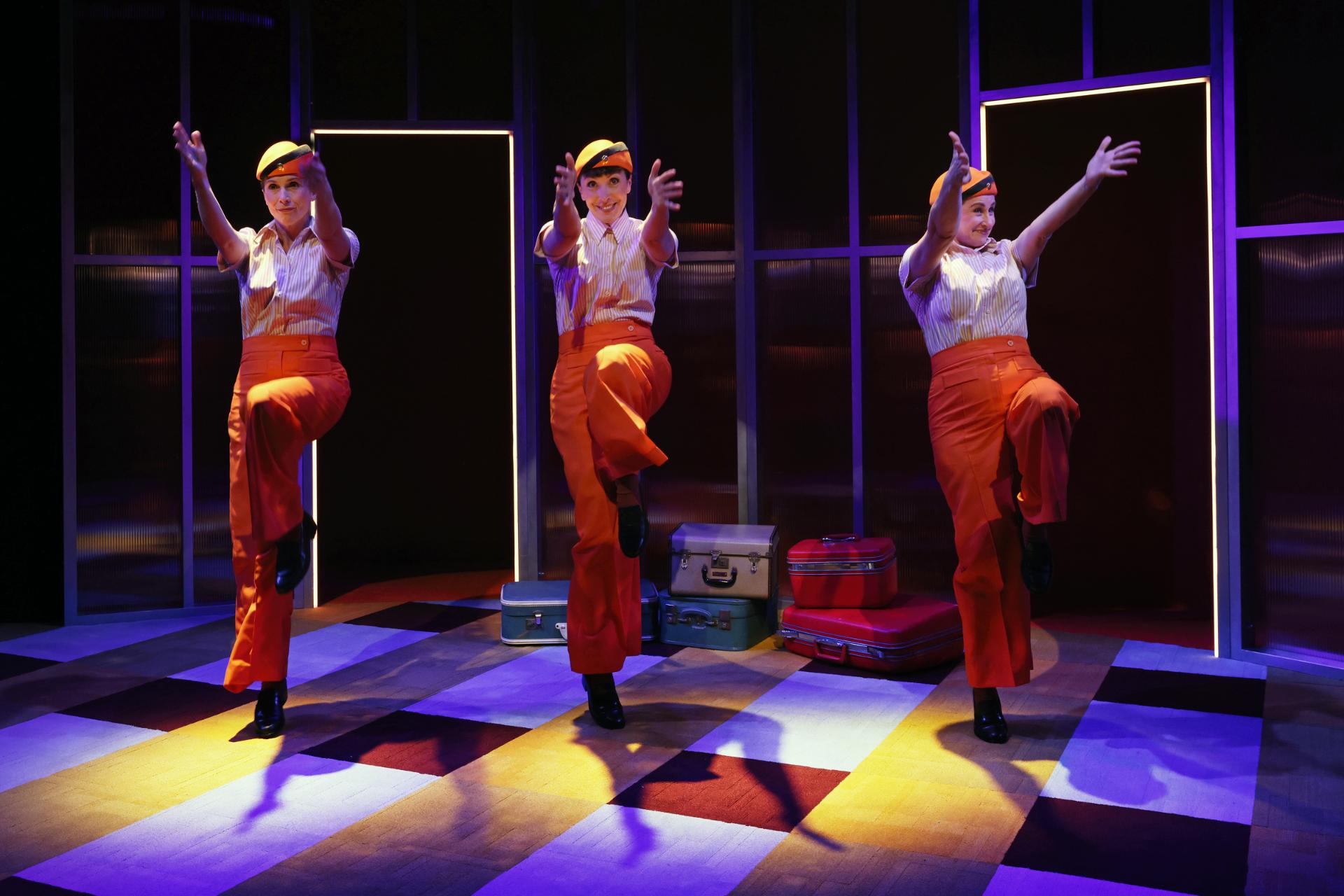
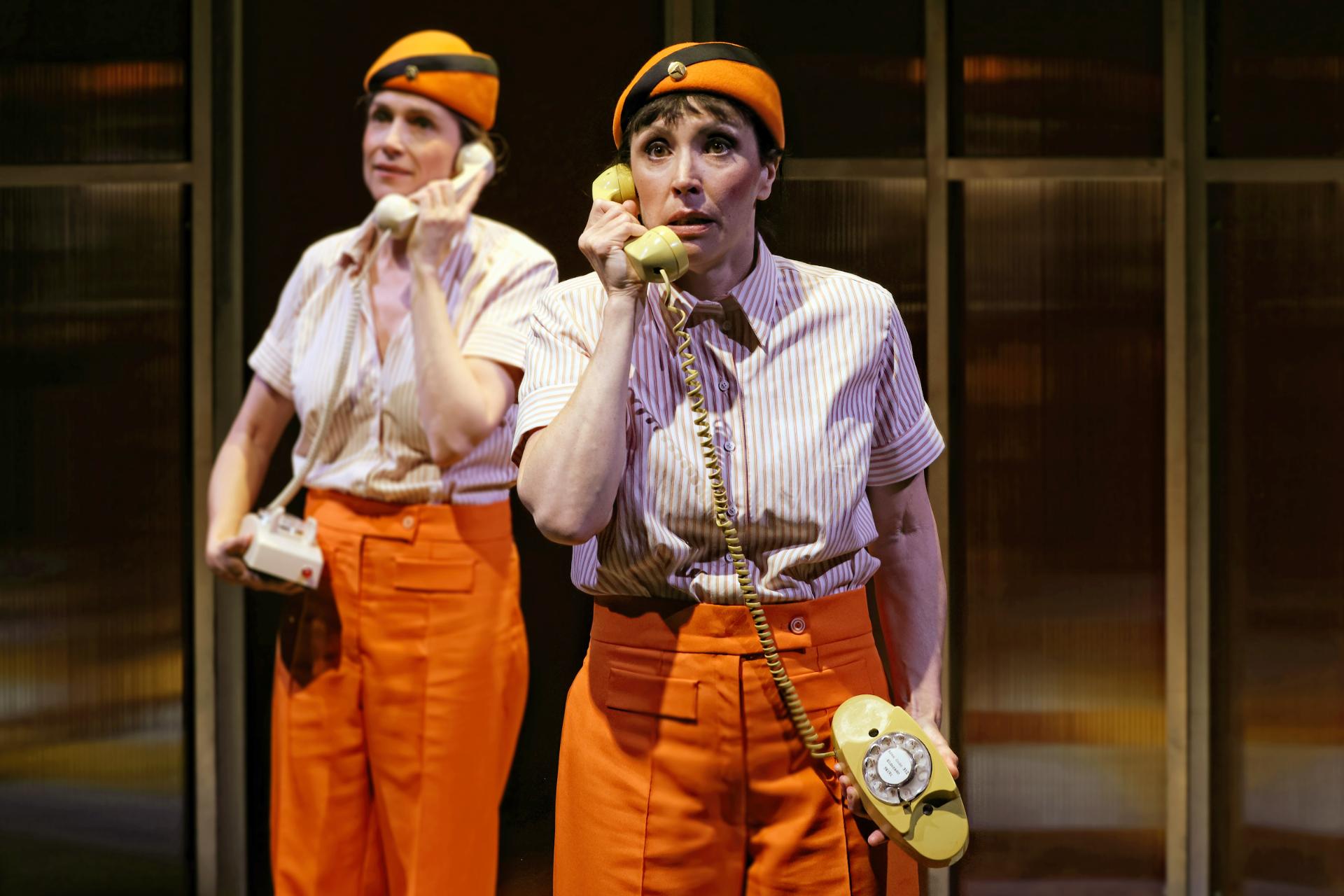
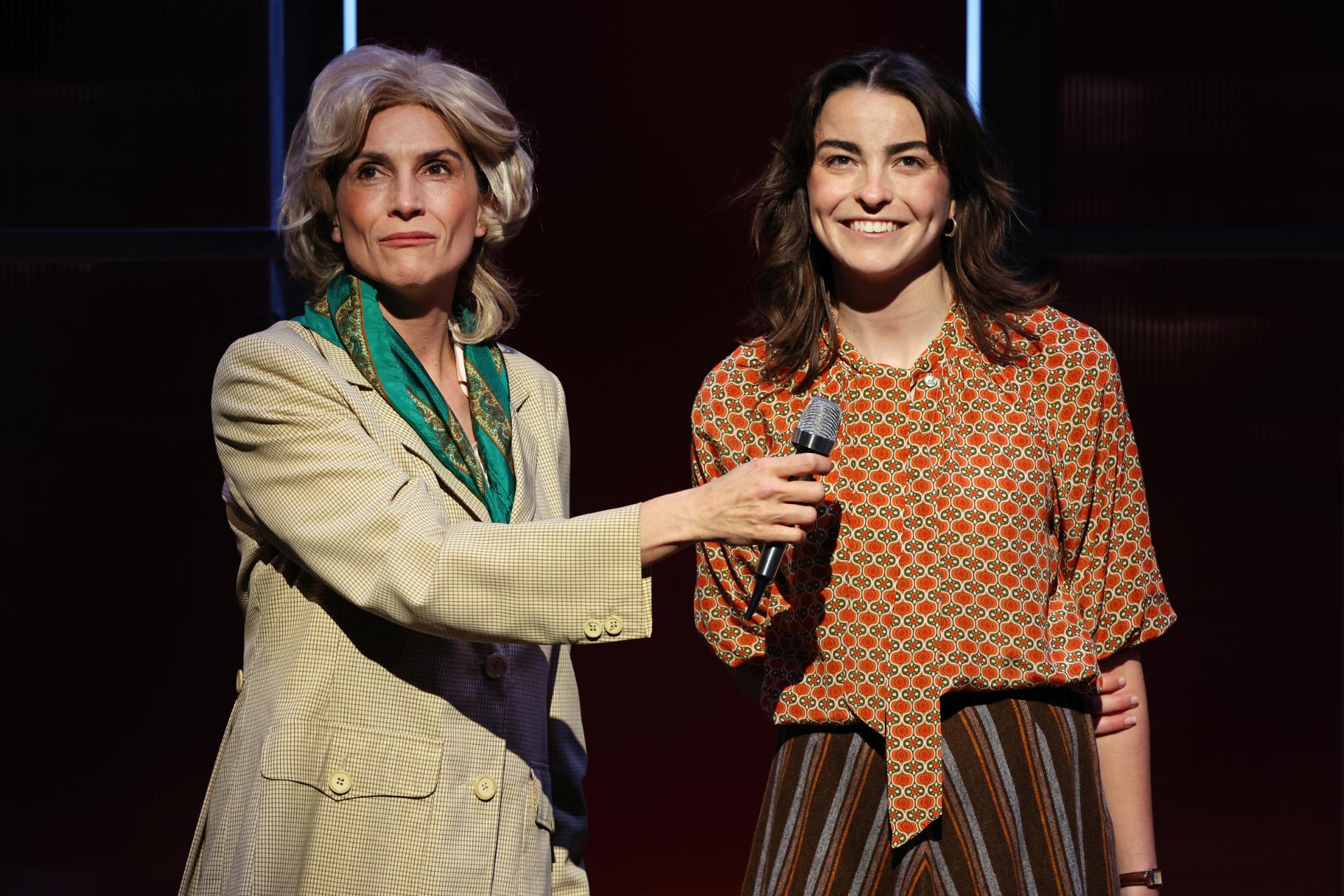
Deborah Lawrie’s ascent as Australia’s first woman commercial pilot came only after a gruelling battle through the courts and the Equal Opportunity Board, where she forced corporations to confront their own sexism. Fly Girl, the new play by Genevieve Hegney and Catherine Moore, revisits that hard-won triumph with warmth, wit, and reverence — though its faithful retelling can at times feel a touch too tidy for the turbulence it portrays.

Janine Watson’s direction sprinkles in flashes of theatrical flair, amid a production grounded in earnest discussion of gender disparity. Its sincerity may overwhelm at times, yet it leaves a valuable impression — a reminder of how stubbornly patriarchal thinking continues to hold its grip.

Lead actor Cleo Meinck approaches the role with diligence and poise, though her portrayal can feel restrained in tone. She balances feminine grace with quiet strength, but the performance would soar higher with more charm and humour. Around her, a nimble ensemble juggles countless supporting parts, their spirited playfulness ensuring the production never loses its buoyancy.

Grace Deacon’s set and costumes evoke the era with authenticity and colour, their vibrancy lending the stage a visual spark. Morgan Moroney’s lighting delicately sculpts tone and texture, its nuanced changes revealing the work’s shifting moods. Daniel Herten’s sound design completes the world, its careful intricacy transporting us through the play’s varied spaces and temperaments.

It has been nearly half a century since Lawrie shattered the glass ceiling and transformed the landscape for women pilots in Australia. It is tempting to believe that progress moves in a straight line — that equity, once achieved, simply builds upon itself. The reality, however, is far less stable. Every gain invites resistance, and even today, debates in the United States around diversity, equity and inclusion echo with old anxieties. Accusations that women and people of colour are being hired in aviation “without merit” reveal how tenacious patriarchal values remain. Lawrie’s legacy, then, is not a closed chapter but an ongoing call to vigilance.

www.ensemble.com.au

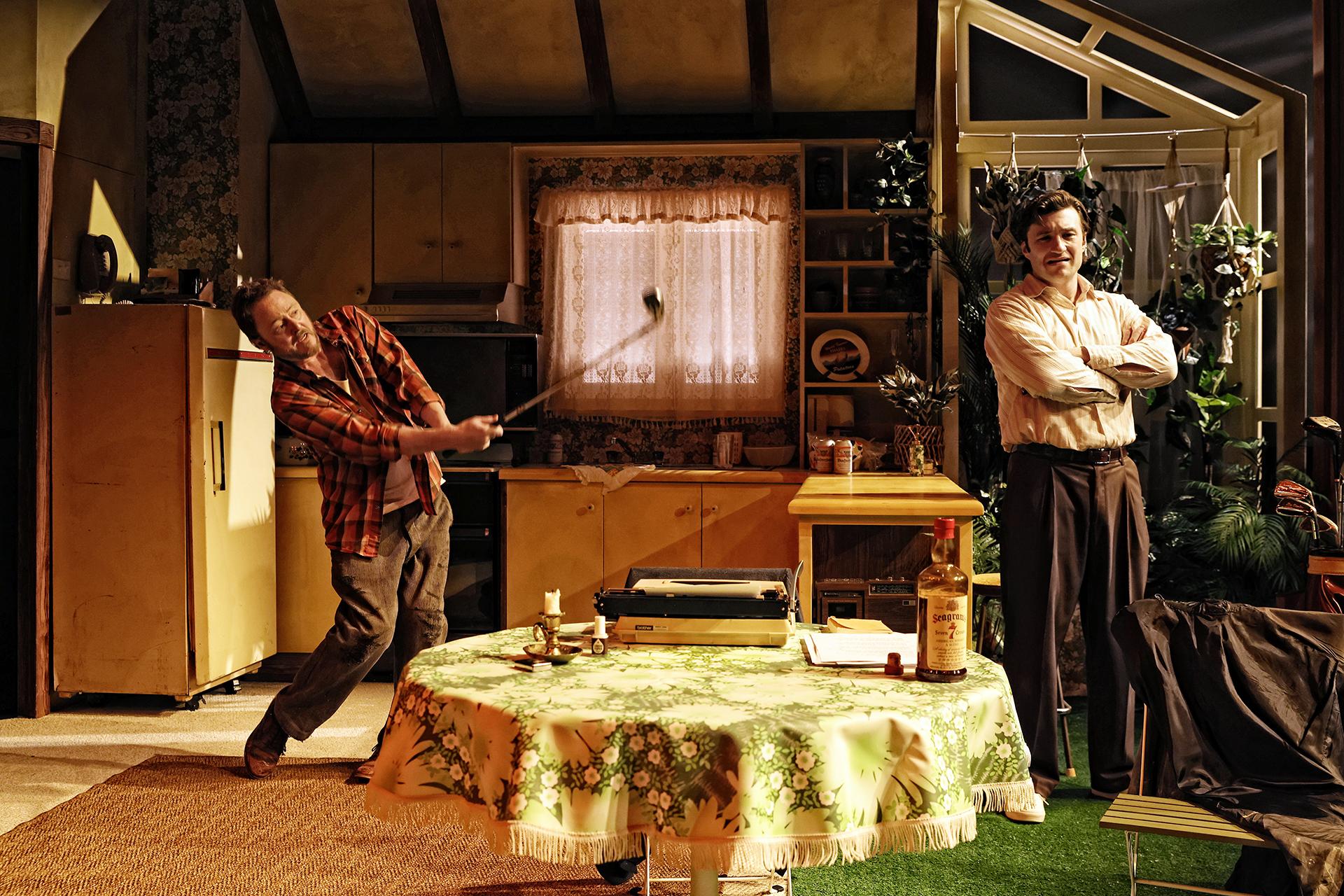
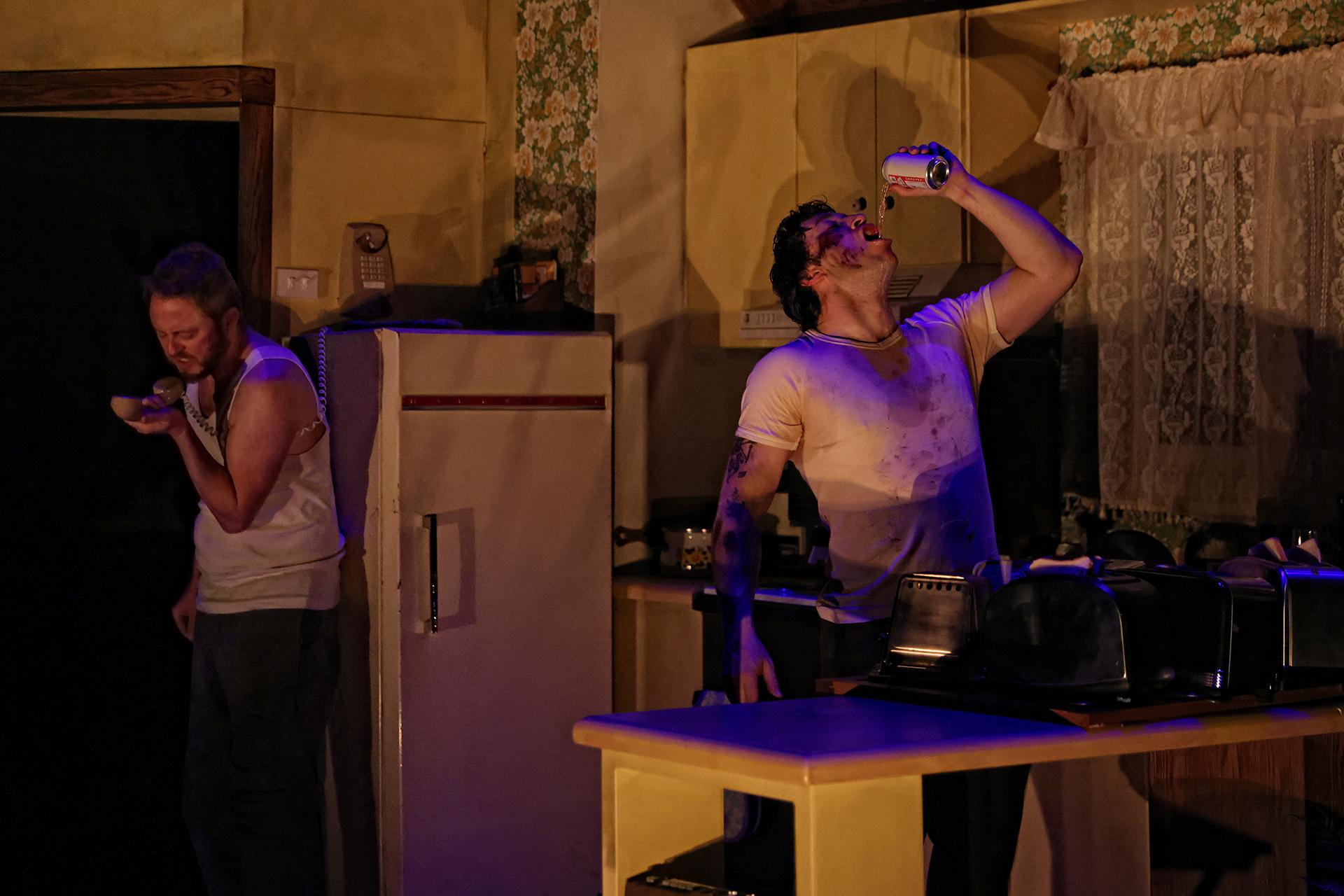
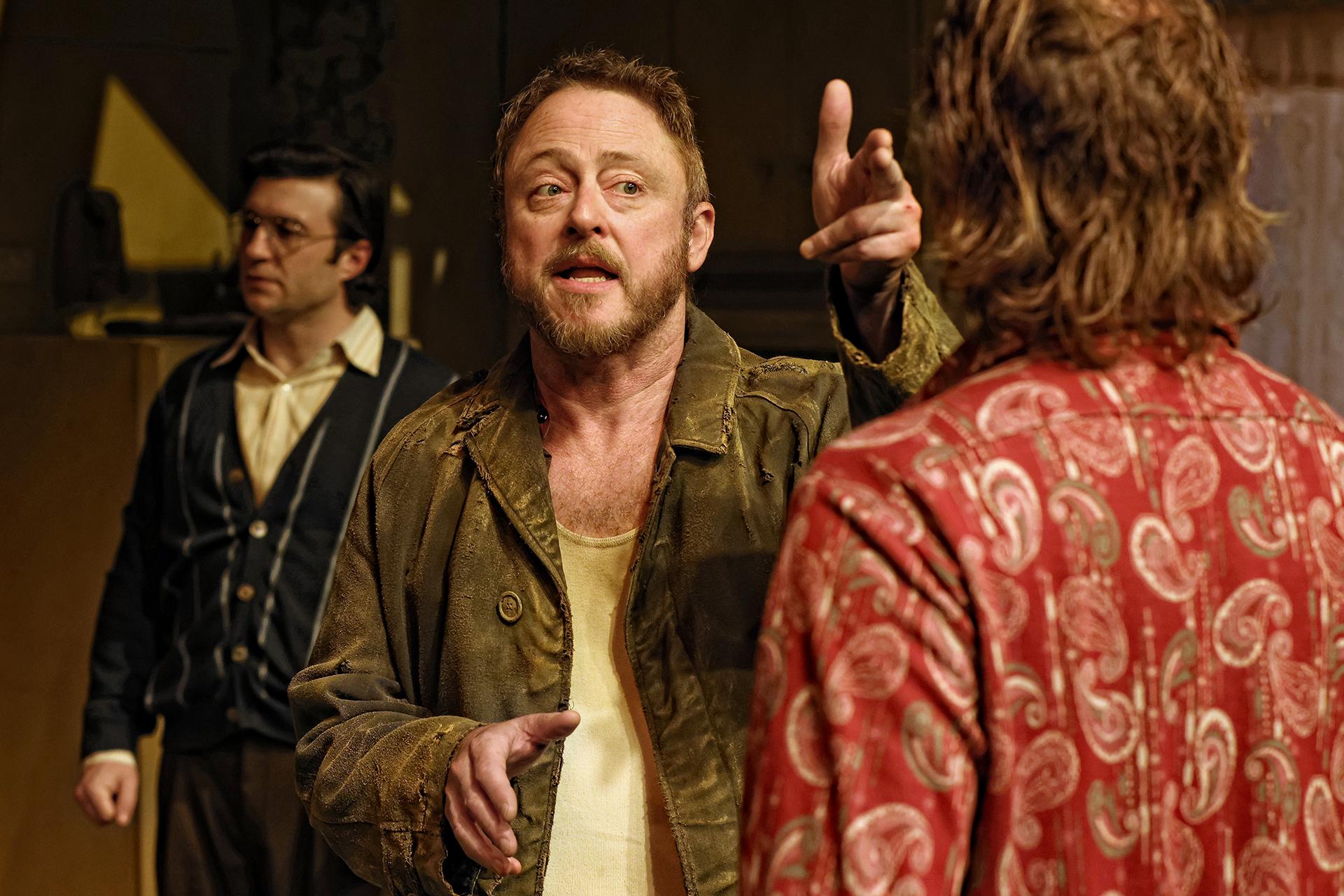
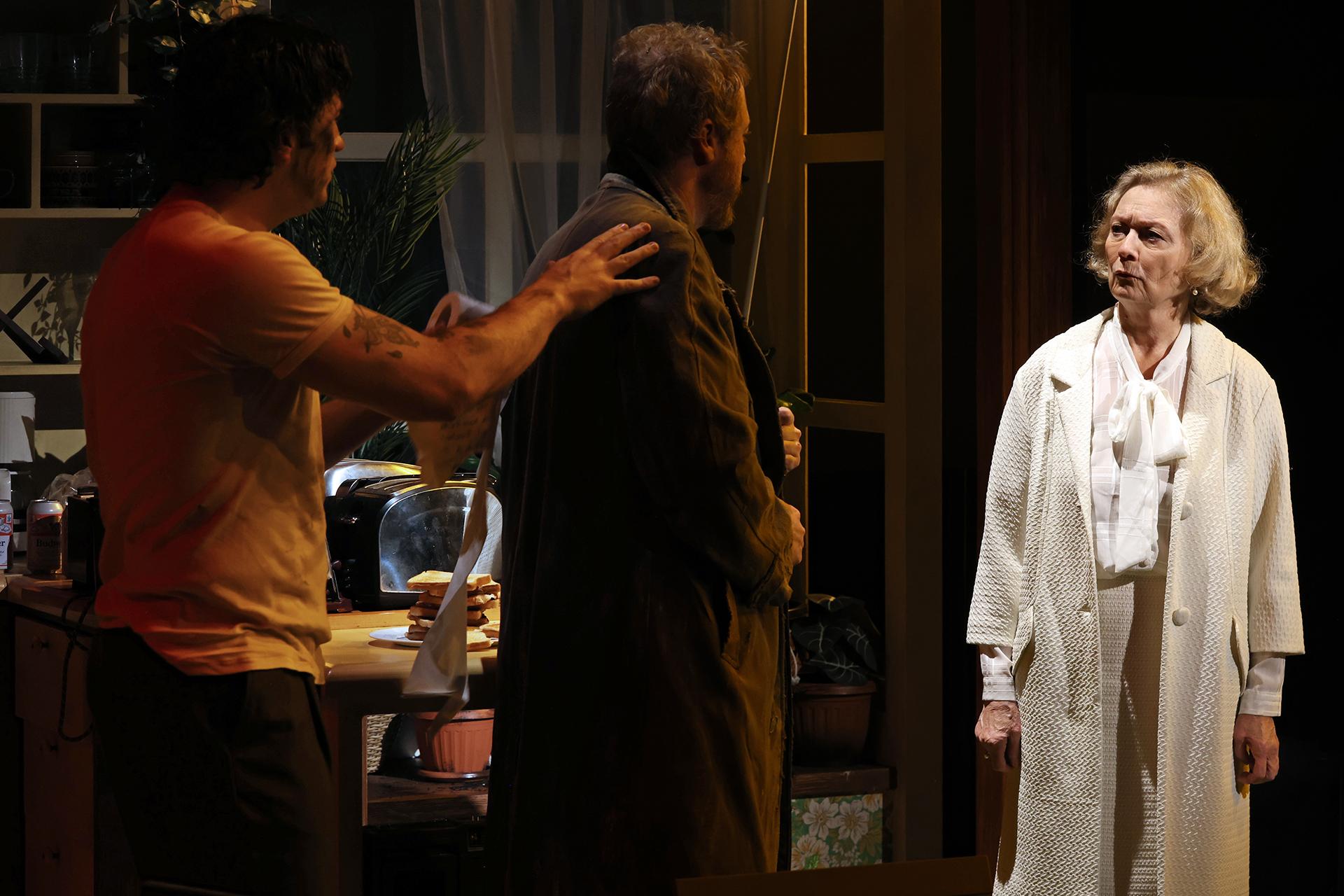
Review: True West (Ensemble Theatre)

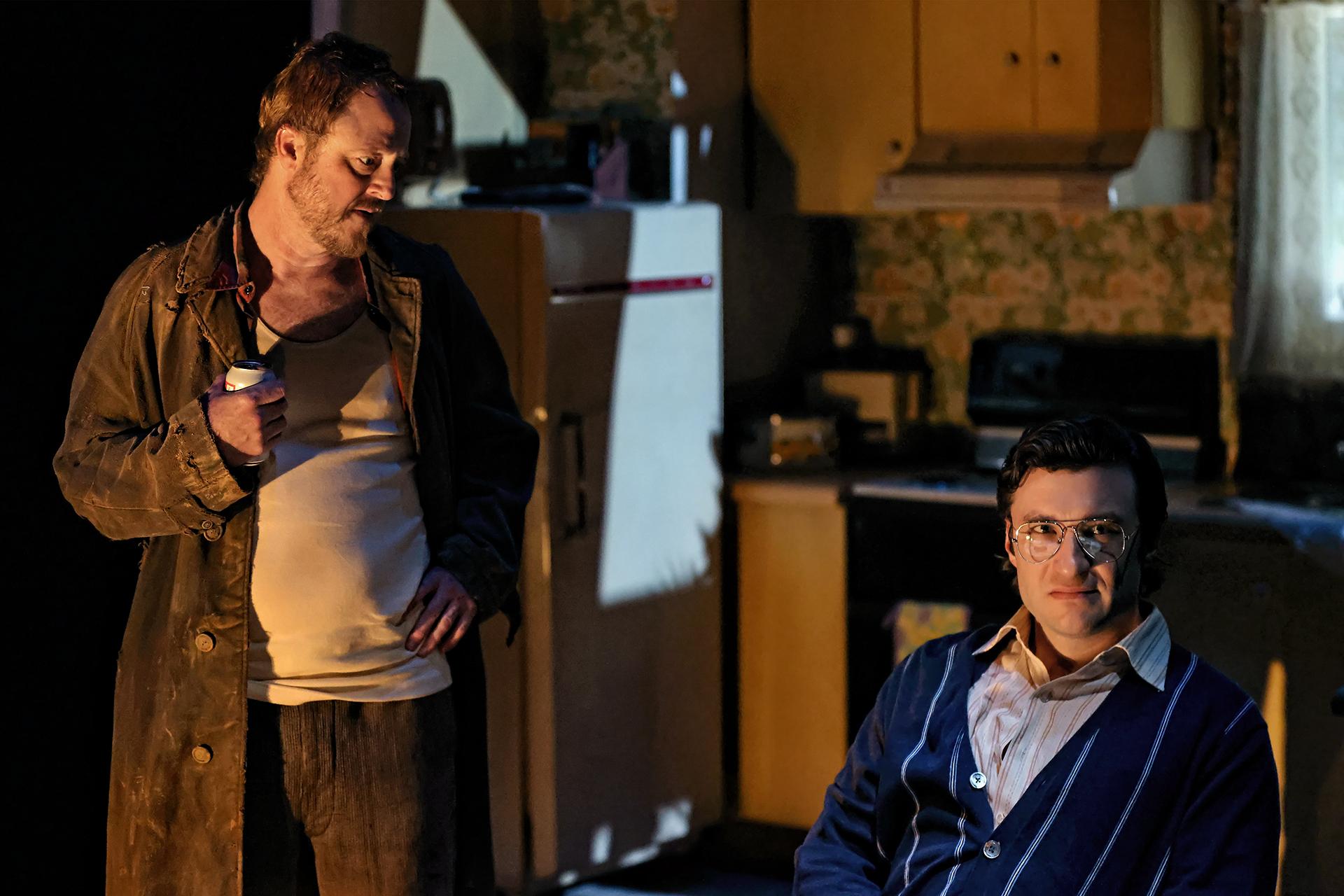
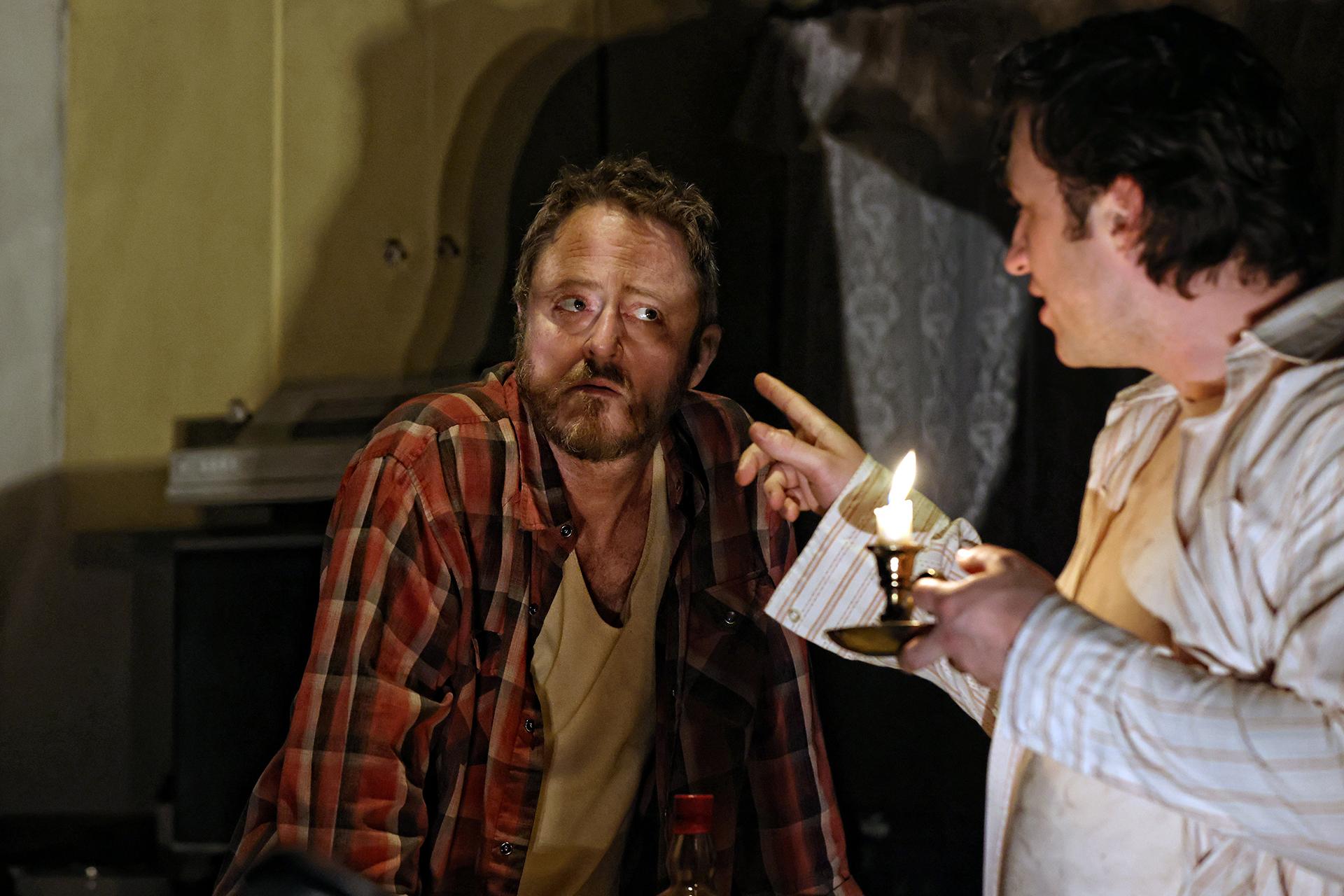
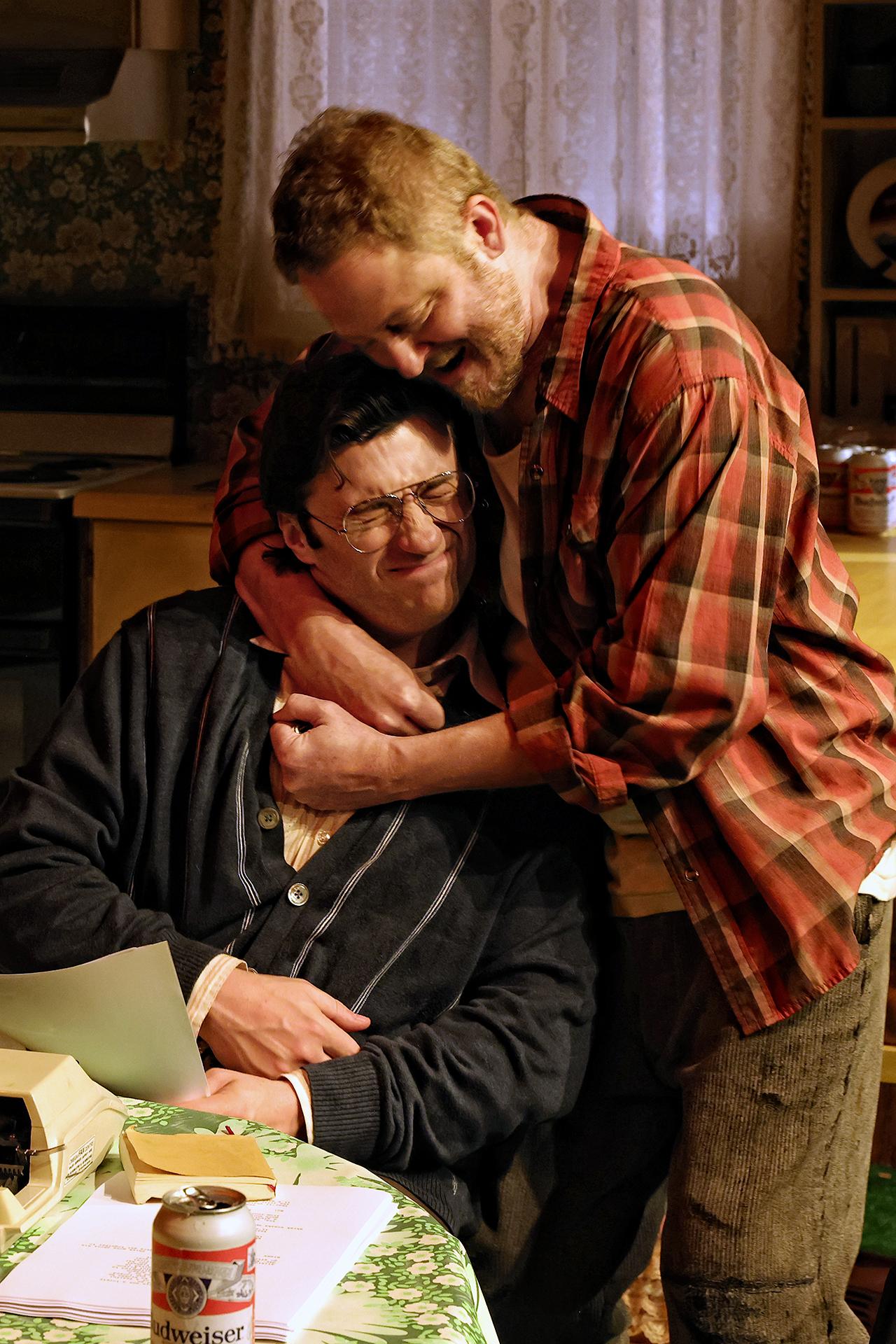
Venue: Ensemble Theatre (Kirribilli NSW), Sep 8 – Oct 11, 2025
Playwright: Sam Shepard
Director: Ian Sinclair
Cast: Vanessa Downing, Darcy Kent, James Lugton, Simon Maiden
Images by Prudence Upton

Theatre review
Austin is holed up in his mother’s California home, polishing his screenplay, when his brother Lee bursts in and blows everything apart. Austin is neat, proper, civilized; Lee is chaos incarnate. In True West, Sam Shepard turns their clash into a battle of identities, a showdown between two Americas under one roof. Many pre-Reagan plays have lost their bite, but this one hits harder than ever—its vision of fractured cultures feels ripped straight from today’s headlines.

Simone Romaniuk’s production design sharpens the play’s intensity: the set feels close and feverish, and the costumes declare conflict from the outset. Brockman’s lighting washes the story with unexpected flamboyance, sculpting emotion into lyrical images of sheer visual poetry. By contrast, Daryl Wallis’ sound design is more restrained, yet its sparseness proves effective in aligning with the play’s measured textual rhythm.

Expertly directed by Ian Sinclair, the staging pursues every dramatic and revelatory possibility in Shepard’s text. What emerges is provocative and cerebral, yet at the same time raw and palpable—an utterly absorbing experience achieved without reliance on superfluous bells and whistles. The play holds us fast with a tale that is at once grounded in reality and tinged with the extraordinary, keeping our fascination with its central relationship alive, while persistently stirring uneasy thoughts about the world we now inhabit.

As Lee, Simon Maiden is a study in intricacy and truth, his every gesture alive with resonant authenticity. Opposite him, Darcy Kent drives Austin into surprising surges of theatricality, pushing the drama to exhilarating heights. Each is formidable in his own right, yet it is their electrifying chemistry together that anchors the production’s success. Around them, James Lugton and Vanessa Downing embrace their smaller roles with admirable flair, their comic touches both outlandish and irresistible, adding yet another layer of delight.

Beneath the polished surface of Western progress and civility lies a startling fragility. In True West, the brothers slip effortlessly into barbarity, exposing the raw, untamed instincts lurking beneath social masks. Both cling to a mythic past, yearning to make America great again, as if modernity has failed them, even though much of contemporary advancement has unequivocally strengthened democracy and improved life collectively. True West reminds us that, no matter how far society reaches toward progress, those who wield the greatest power—and shape the course of our evolution—often remain savages at heart.

(Note: due to a medical emergency on opening night, the part of Lee was played by director Ian Sinclair for the final scene.)

www.ensemble.com.au

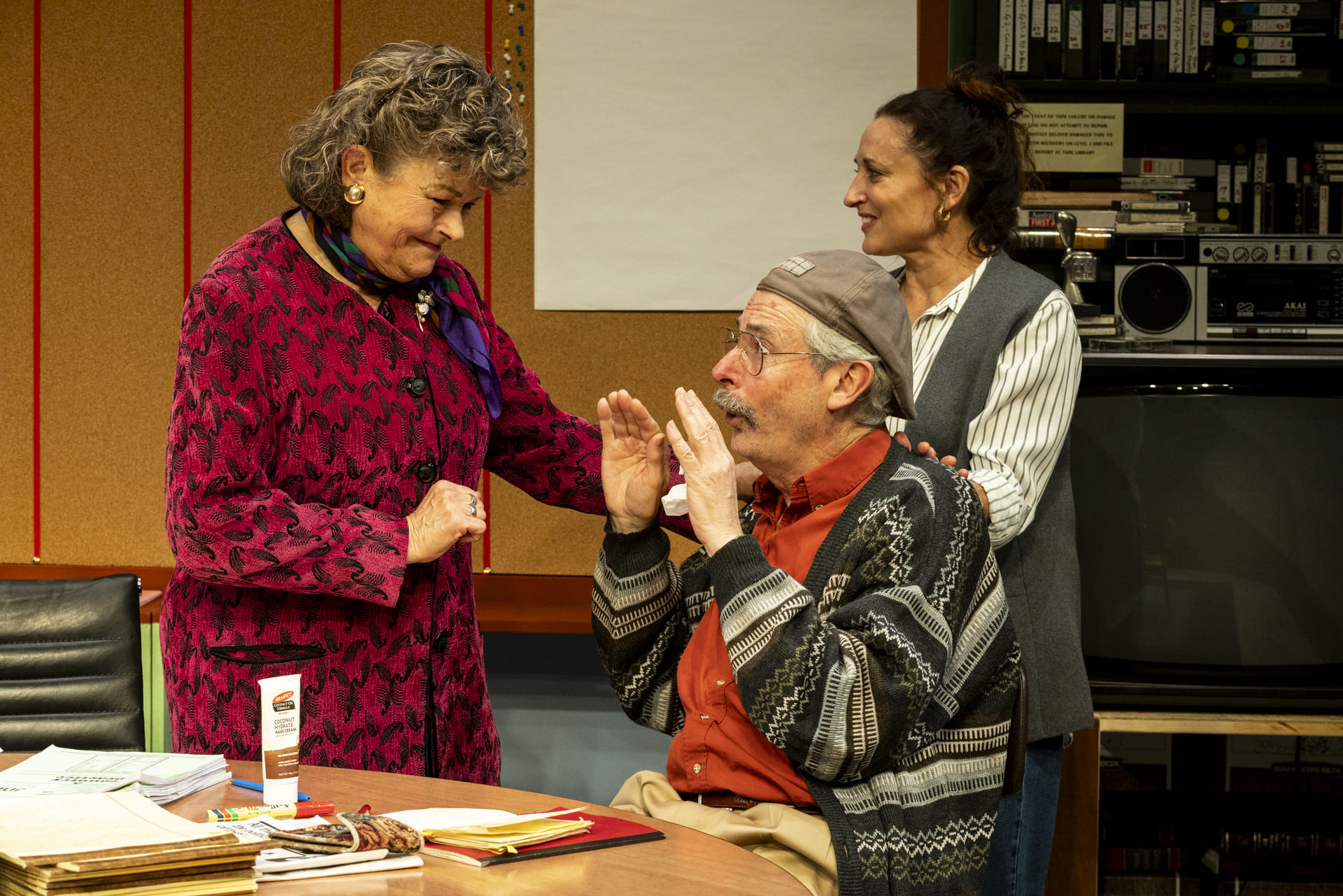
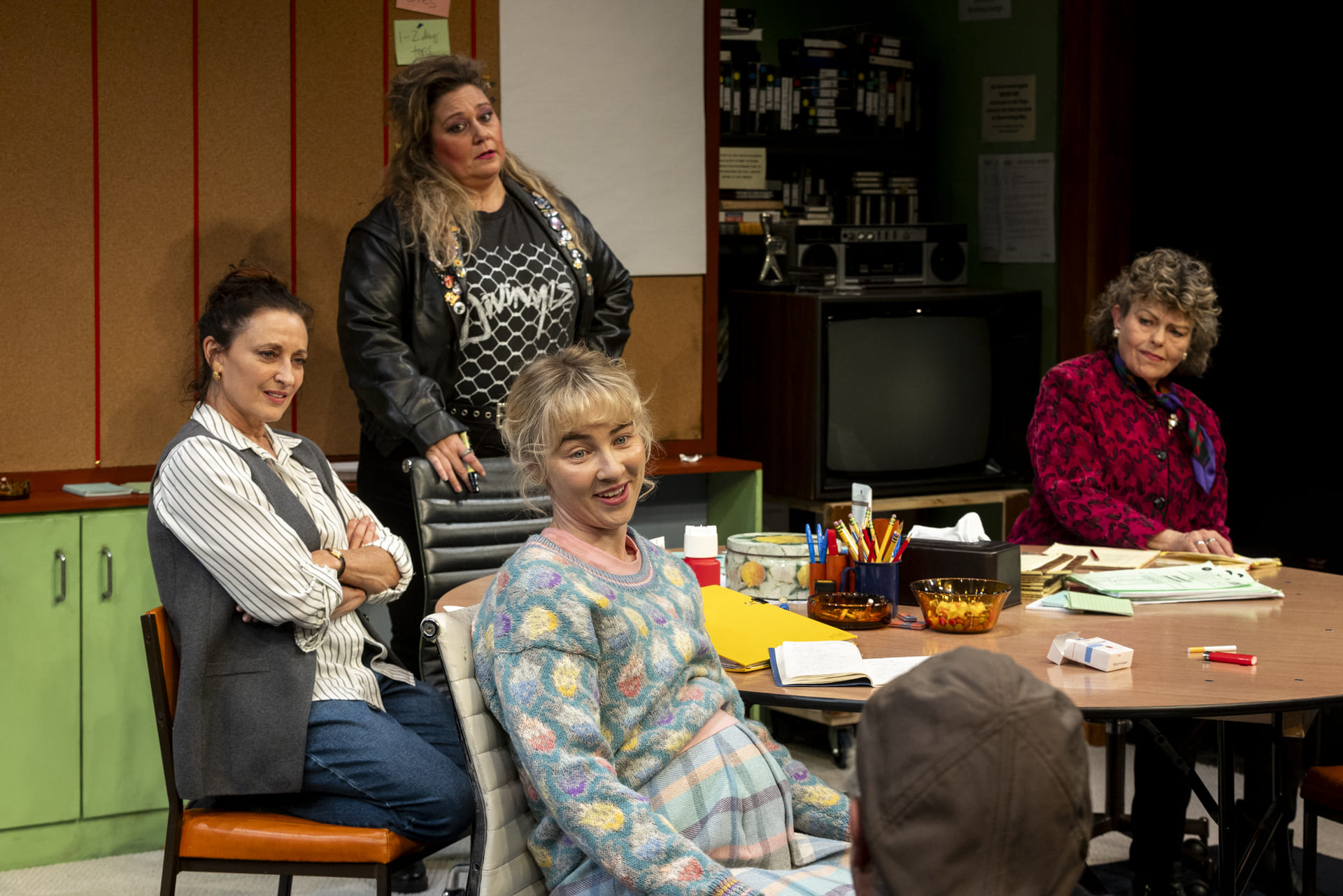
Review: How To Plot A Hit In Two Days (Ensemble Theatre)

Venue: Ensemble Theatre (Kirribilli NSW), Aug 29 – Oct 11, 2025
Playwright: Melanie Tait
Director: Lee Lewis
Cast: Amy Ingram, Genevieve Lemon, Seán O’Shea, Georgie Parker, Julia Robertson
Images by Brett Boardman

Theatre review
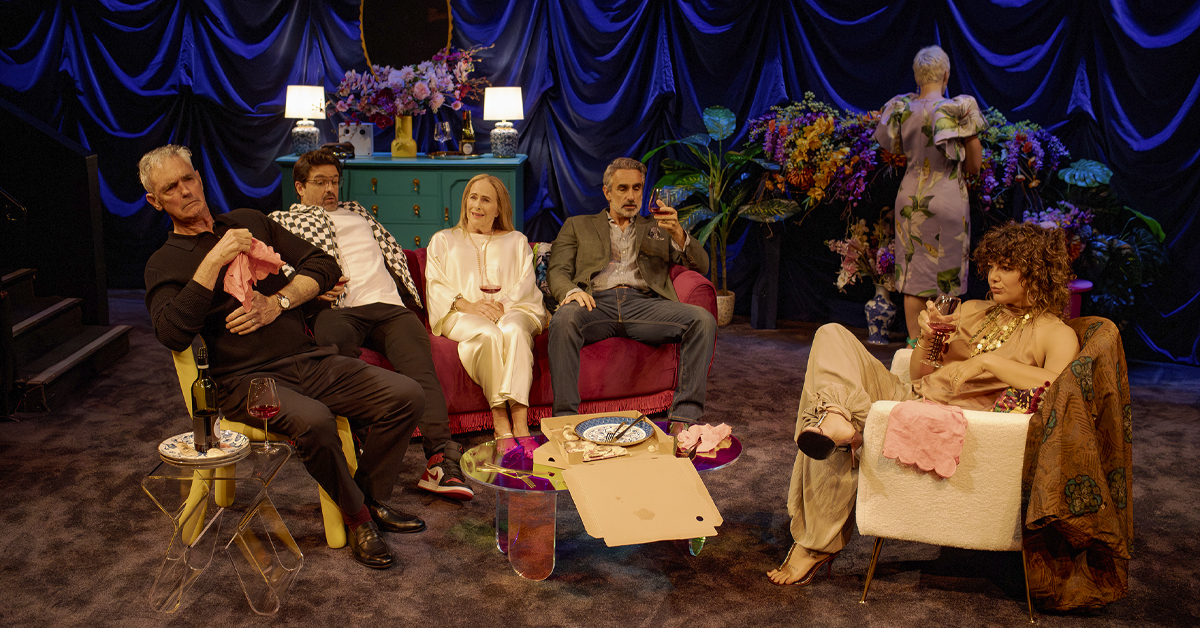
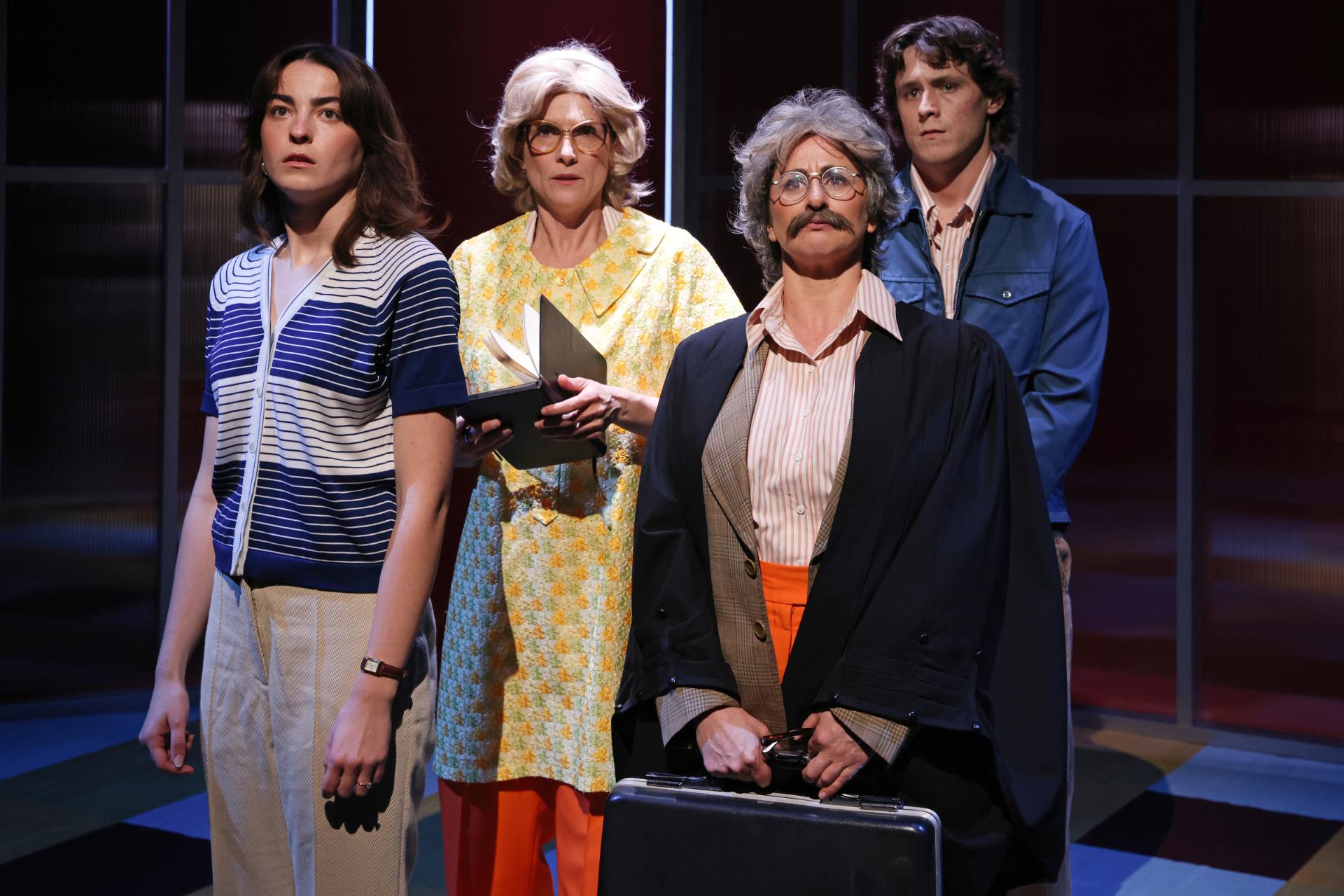
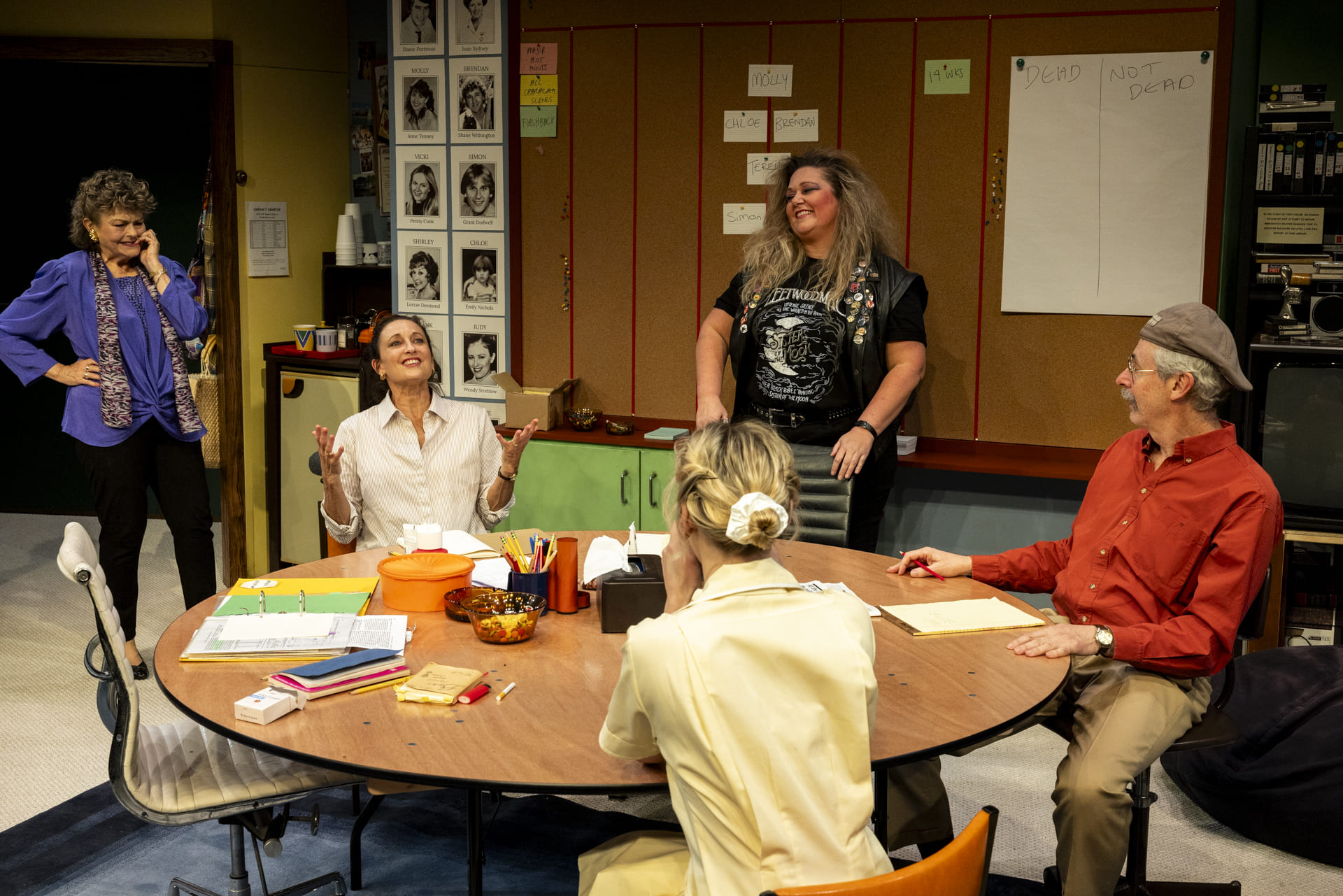
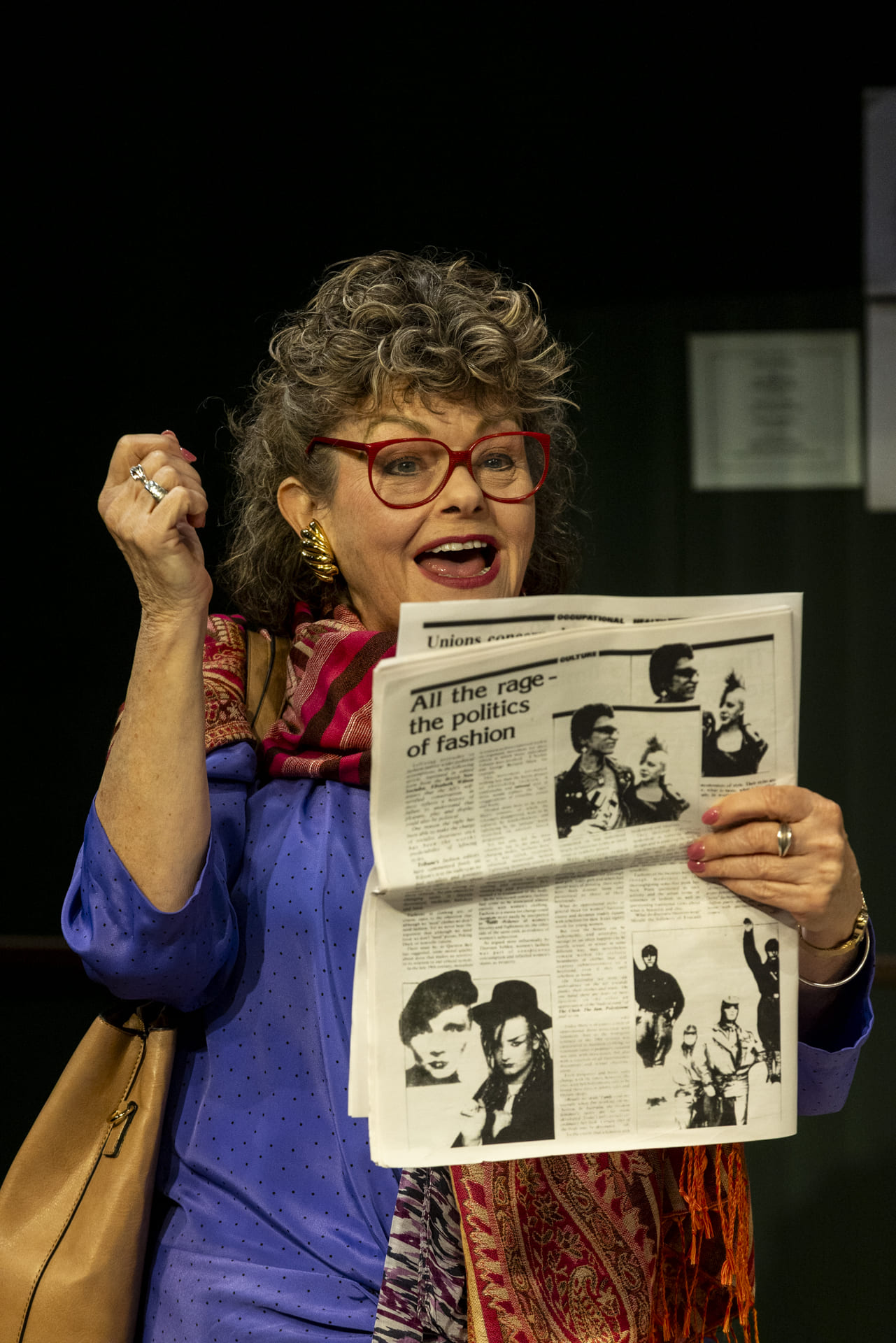
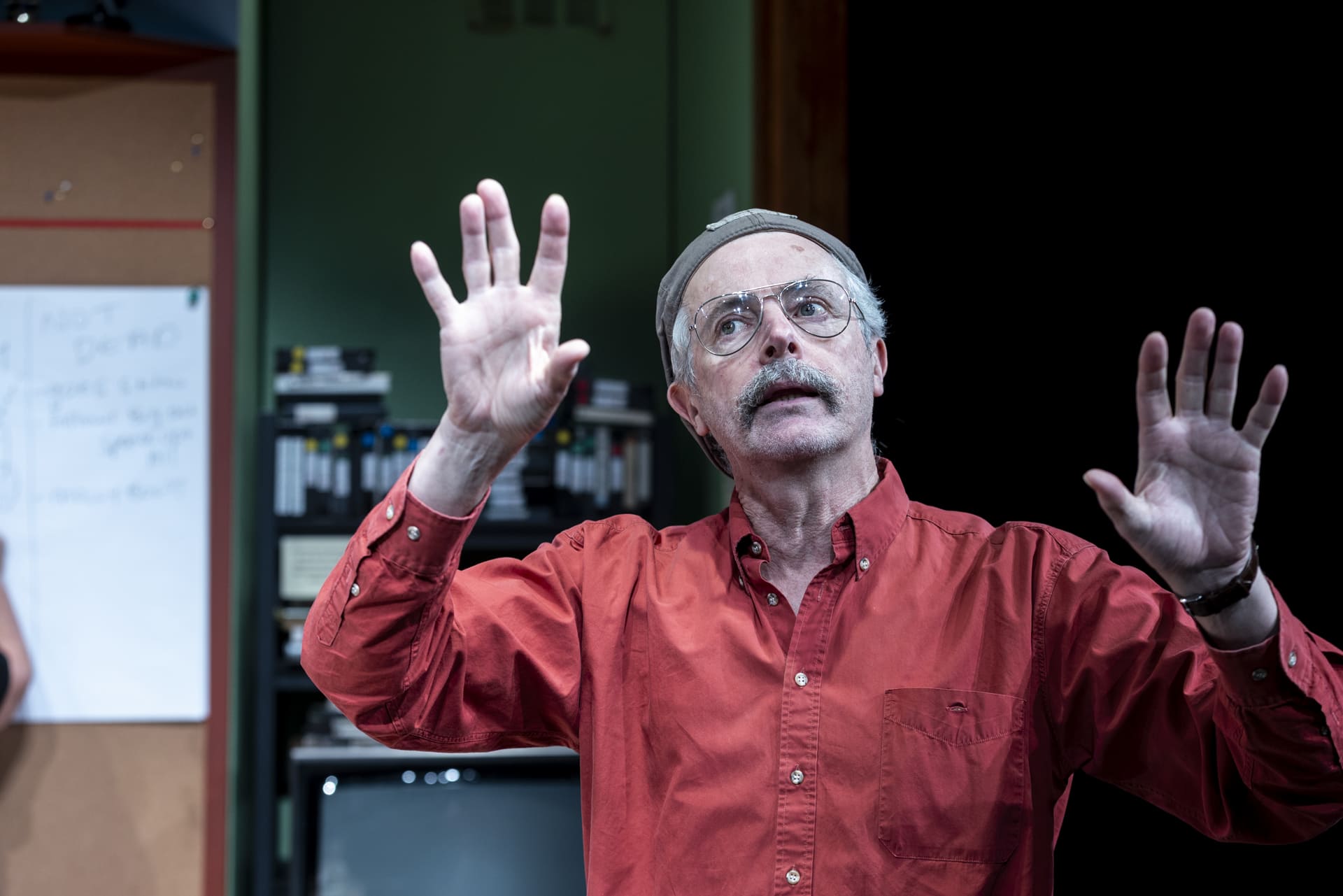
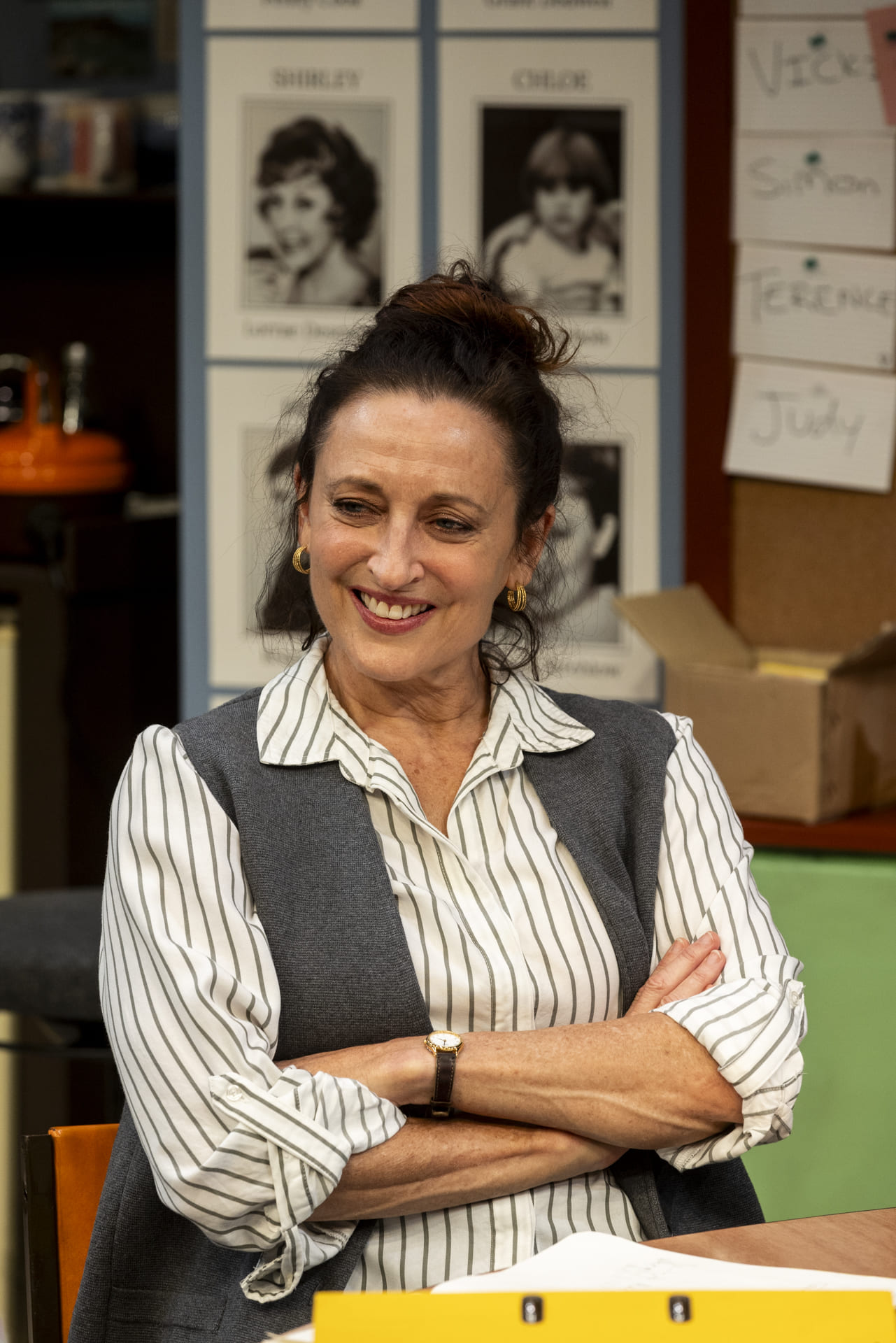
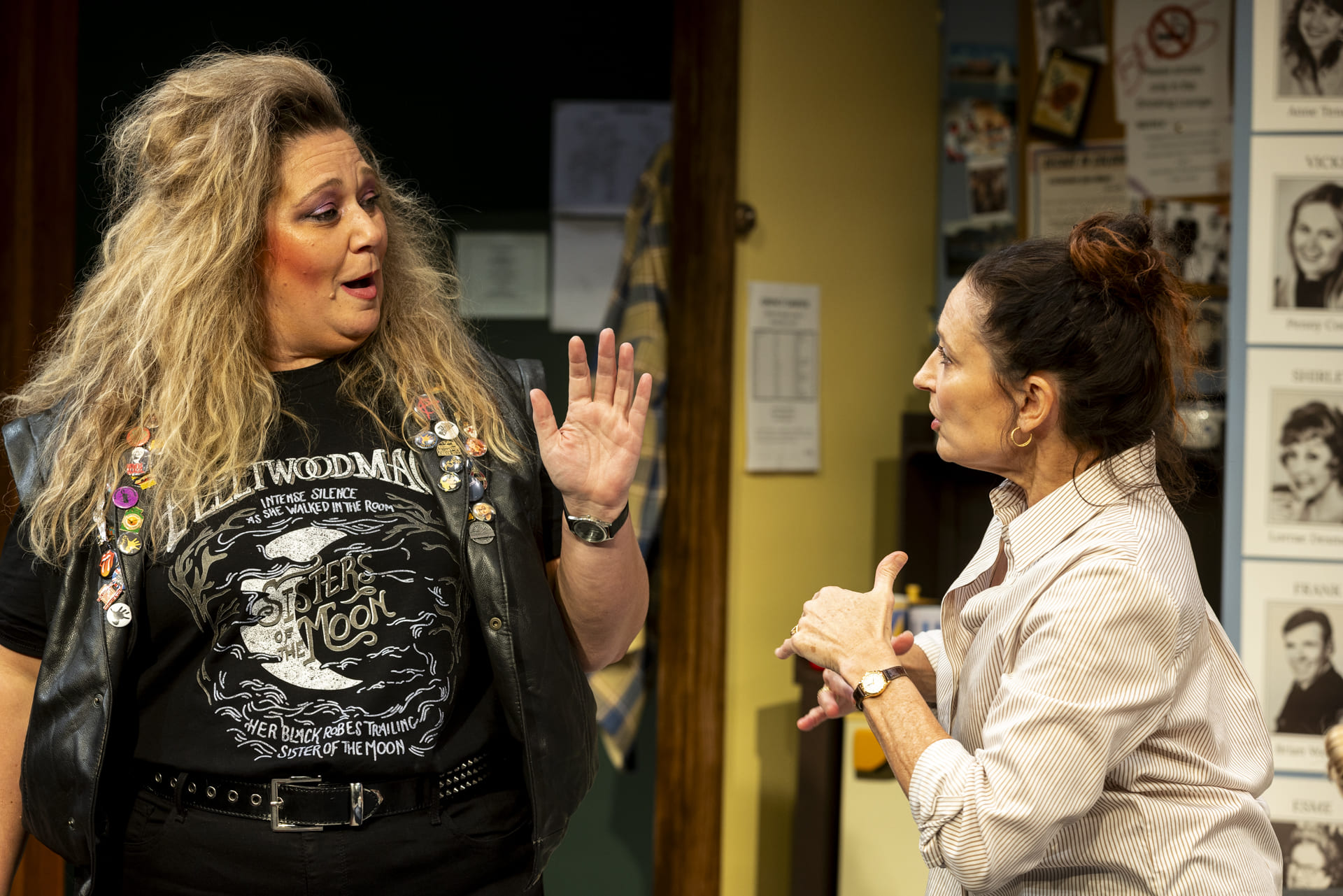
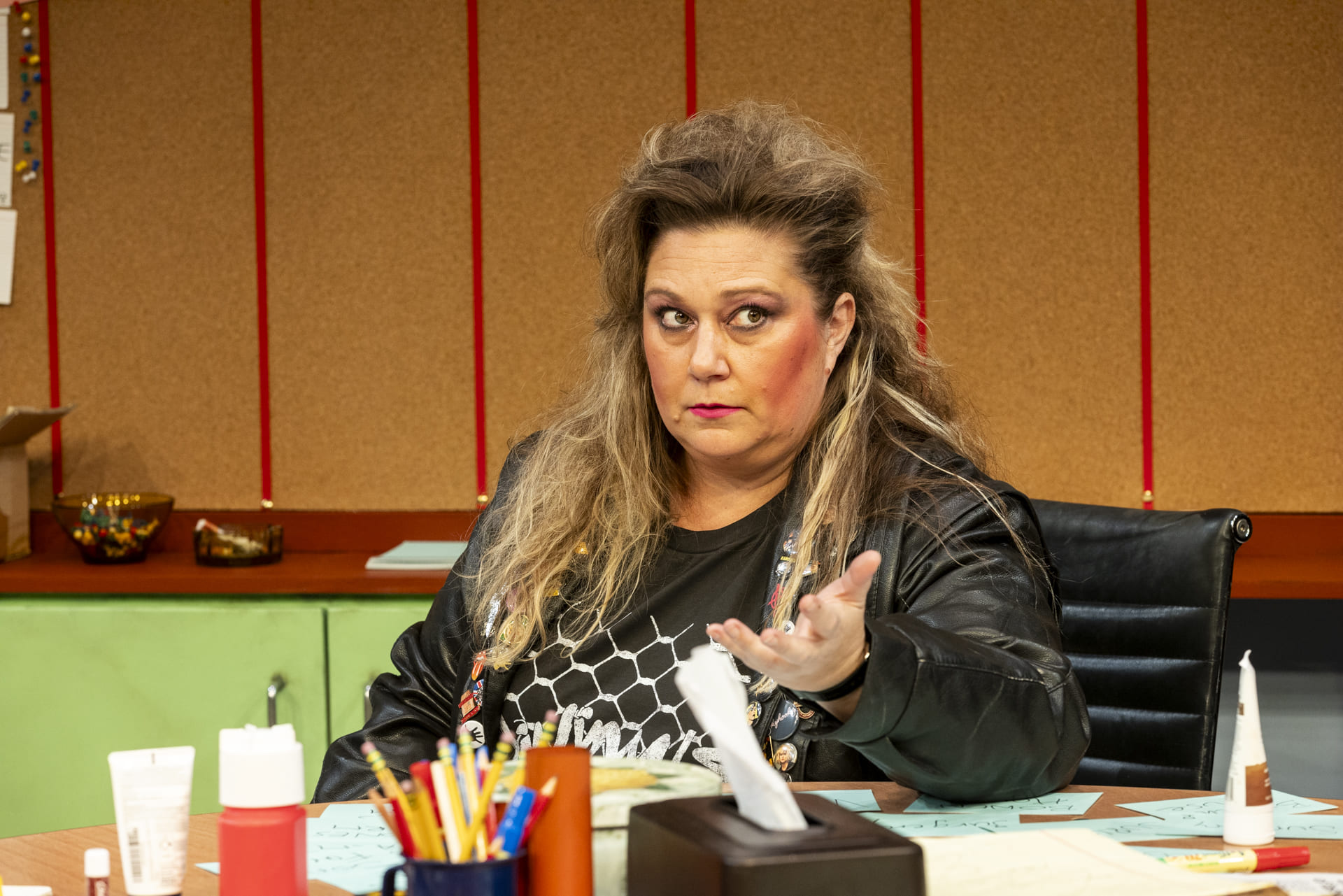
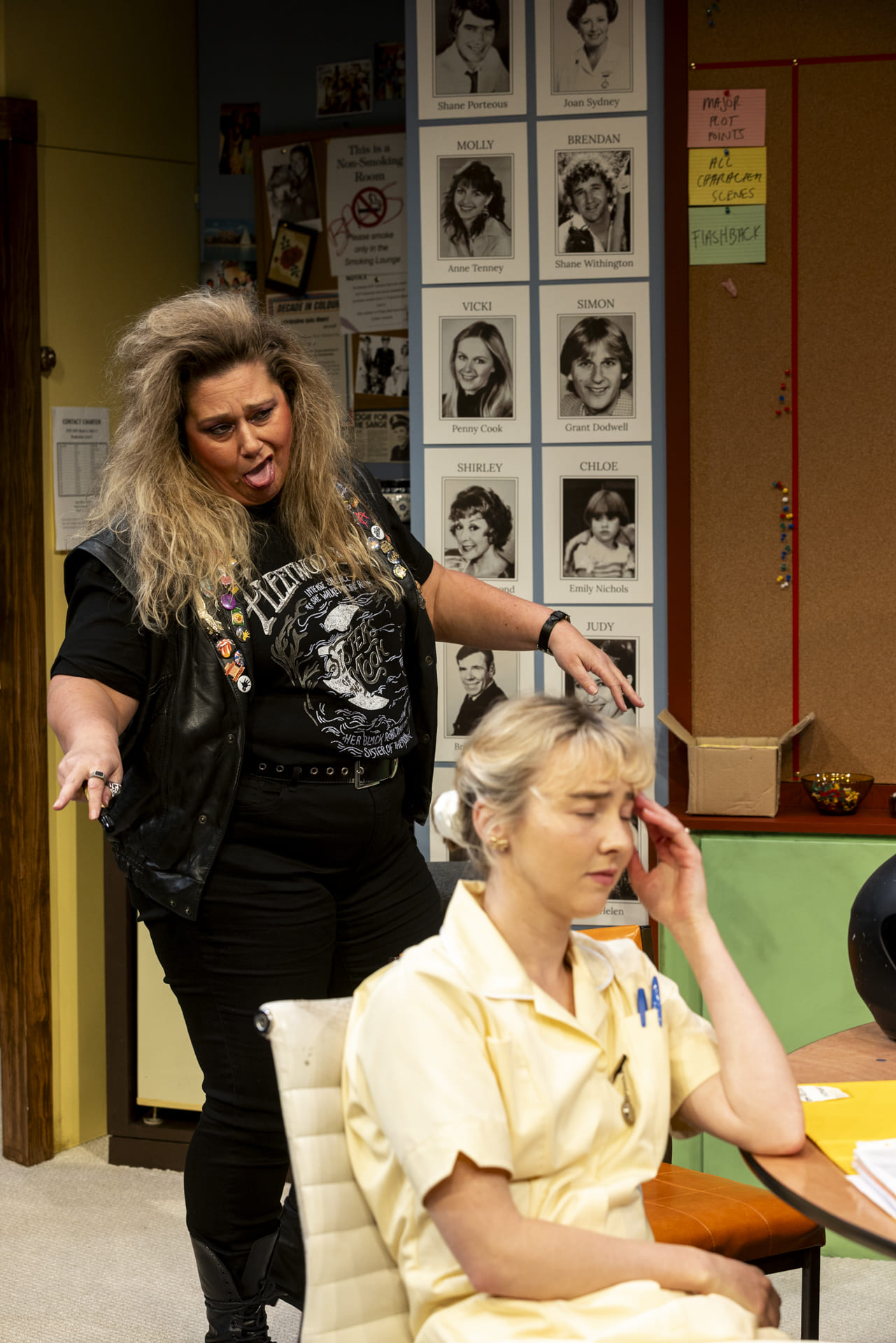
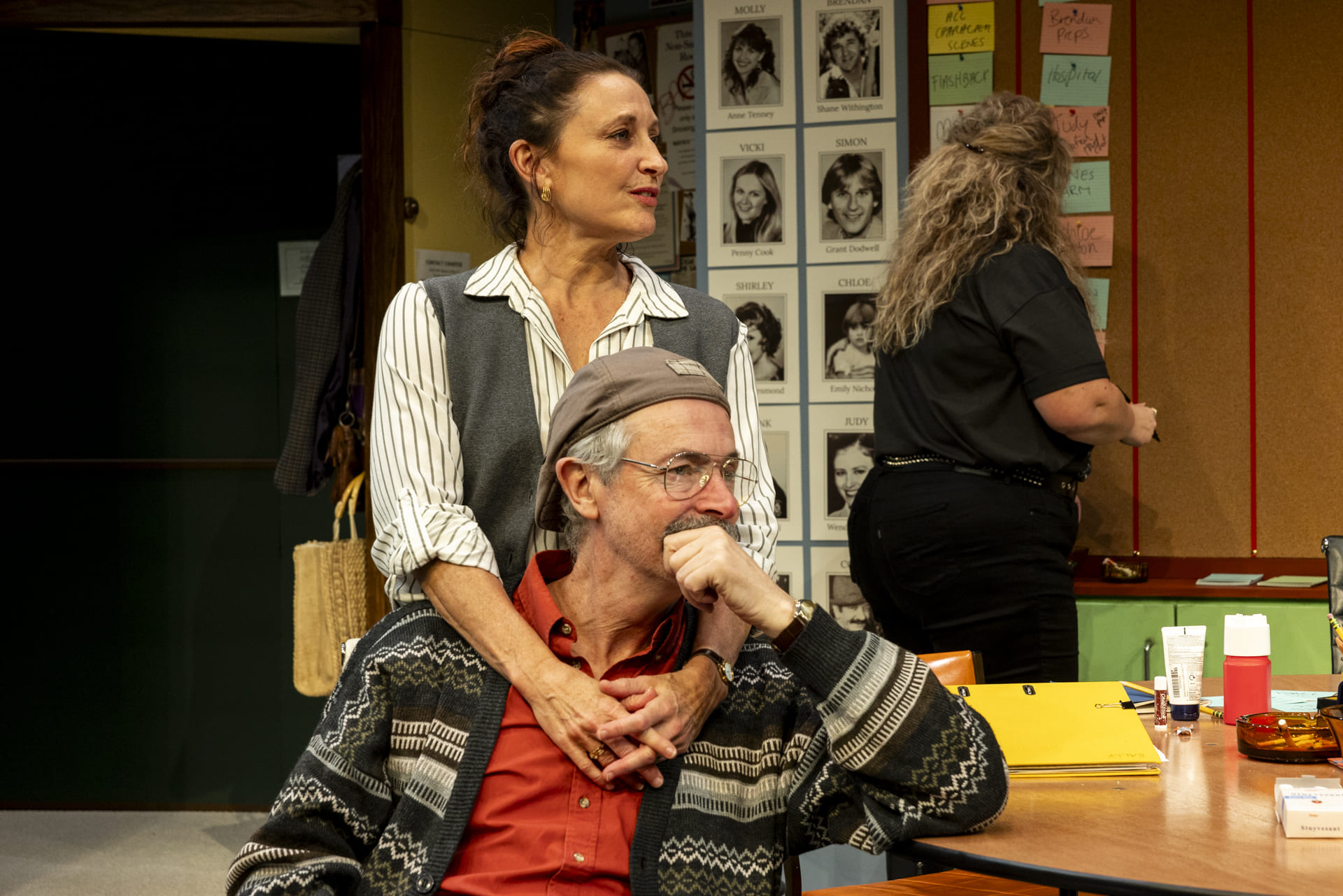
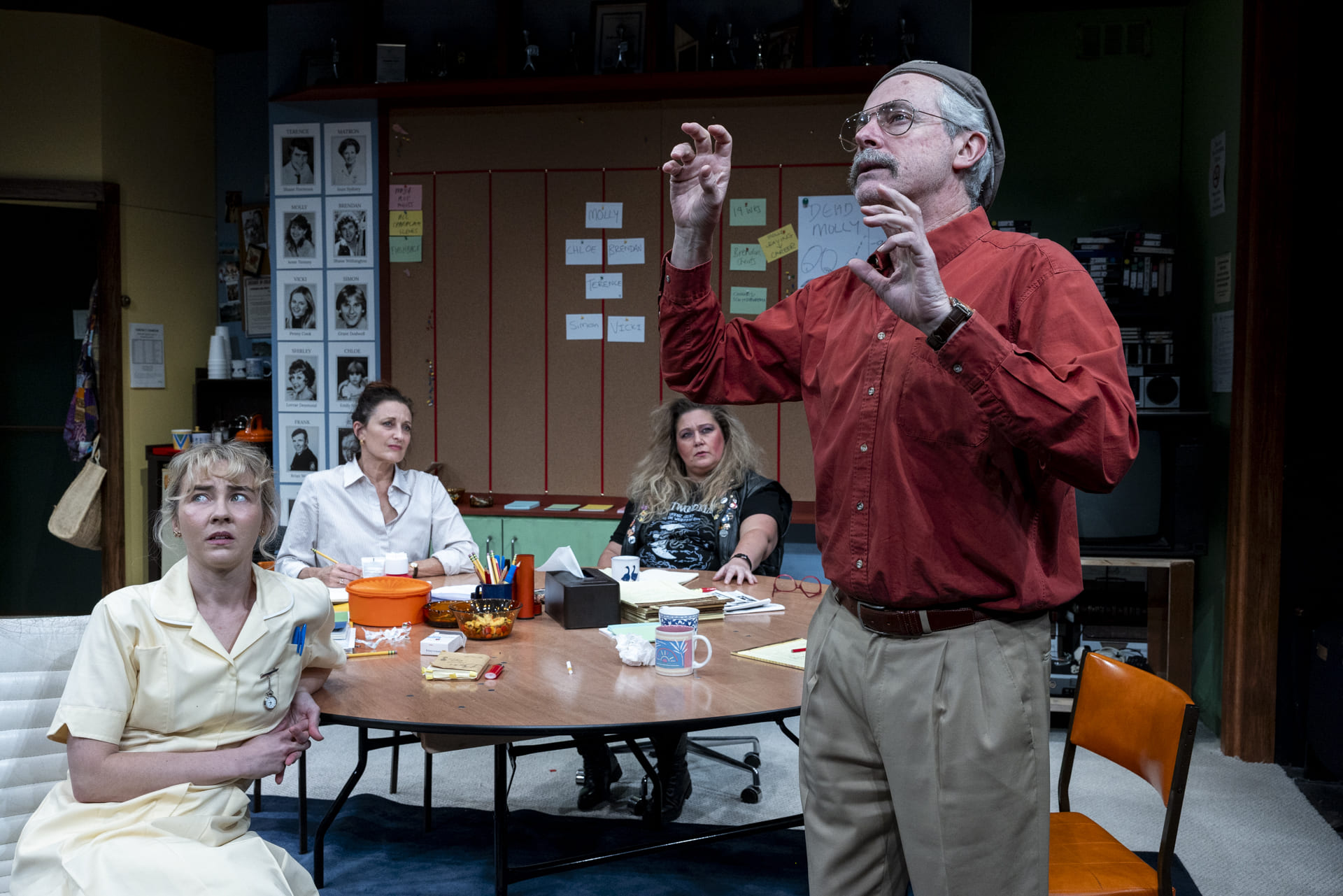
It is 1985, and a key cast member is departing the high-rating Australian soap opera A Country Practice. The writers are tasked with making sense of her exit, not only for themselves as creatives deeply entwined with the show, but also for a public profoundly invested in its characters. How to Plot a Hit in Two Days by Melanie Tait is a charming reimagining of the delicate machinery behind one of the era’s most unforgettable television moments. The play beautifully captures the intricacies of artistic collaboration, resonating with anyone curious about the creative process. Yet its heavy reliance on a very particular vein of cultural nostalgia risks alienating contemporary audiences less familiar with that history.

Direction by Lee Lewis yields a staging memorable for the impeccable chemistry of its ensemble. With five richly detailed and impassioned performers—Amy Ingram, Genevieve Lemon, Seán O’Shea, Georgie Parker, and Julia Robertson—the production seizes our attention from the outset and holds us firmly in its grasp throughout. Ingram’s portrayal of ex-jailbird Sharon is particularly winning, her brusque humour shaping much of the production’s tone.

The design is stripped to its essentials, fitting for a work that demands little ornamentation. Simone Romaniuk’s set and costumes reflect the utilitarian realities of artistic work, while Brockman’s lighting and Paul Charlier’s music recede gracefully into the background, surfacing only now and then to deliver moments of flourish.

Only in recent years have we begun to reckon with the fact that we call Australia is not, and never was, a monolith. The twentieth century was steeped in assimilationist ideology, shaped by values imposed by a white patriarchy that governed not only our daily lives but also our very understanding of reality. In 1985, it seemed entirely reasonable to assume that the whole nation might gather around the same television program. Today, we can scarcely agree on the story of how modern life on these lands was forged.

www.ensemble.com.au

Review: Emerald City (Ensemble Theatre)

Venue: Ensemble Theatre (Kirribilli NSW), Jul 18 – Aug 23, 2025
Playwright: David Williamson
Director: Mark Kilmurry
Cast: Aisha Aidara, Danielle Carter, Rachel Gordon, Matt Minto, Tom O’Sullivan, Rajan Velu
Images by Phil Erbacher

Theatre review
Reaganomics and Thatcherism were in full force when David Williamson’s Emerald City first emerged—a play in which a screenwriter grapples with his artistic integrity in a world determined to commodify everything. Almost four decades on, the conflict between art and commerce remains and has become so subsumed into our daily realities that watching an artist navigate those old quagmires now seems strangely quaint.

Direction by Mark Kilmurry is thankfully taut and energetic, with leading man Tom O’Sullivan bringing commitment and valuable charisma to the not-always-likable role of Colin. His wife Kate is made a powerful figure by Rachel Gordon’s confidence and panache. Matt Minto is appropriately dubious as the opportunistic Mike, while Aisha Aidara’s portrayal of his partner Helen surprises with warmth and a compelling naturalism.

Production design by Dan Potra depicts the era with some accuracy, but can appear somewhat simplistic in approach. Lights by Morgan Moroney improve the viewing experience by effecting subtle shifts as the production transforms in tone and temperament. Music by Madeleine Picard add a dimension of ephemerality to the way we feel about this straightforward story.

The city of Sydney serves as a fitting backdrop for this reflection on commercialism and its entanglement with human life. Money, undeniably, shapes much of who we are here—as it does in any city—and while we recognise that ‘the love of money is the root of all evil,’ it is equally true that our relative affluence underpins many of the pleasures we associate with life in this frankly magnificent place.

www.ensemble.com.au

Review: Primary Trust (Ensemble Theatre)

Venue: Ensemble Theatre (Kirribilli NSW), Jun 19 – Jul 12, 2025
Playwright: Eboni Booth
Director: Darren Yap
Cast: Charles Allen, Peter Kowitz, Angela Mahlatjie, Albert Mwangi
Images by Prudence Upton

Theatre review
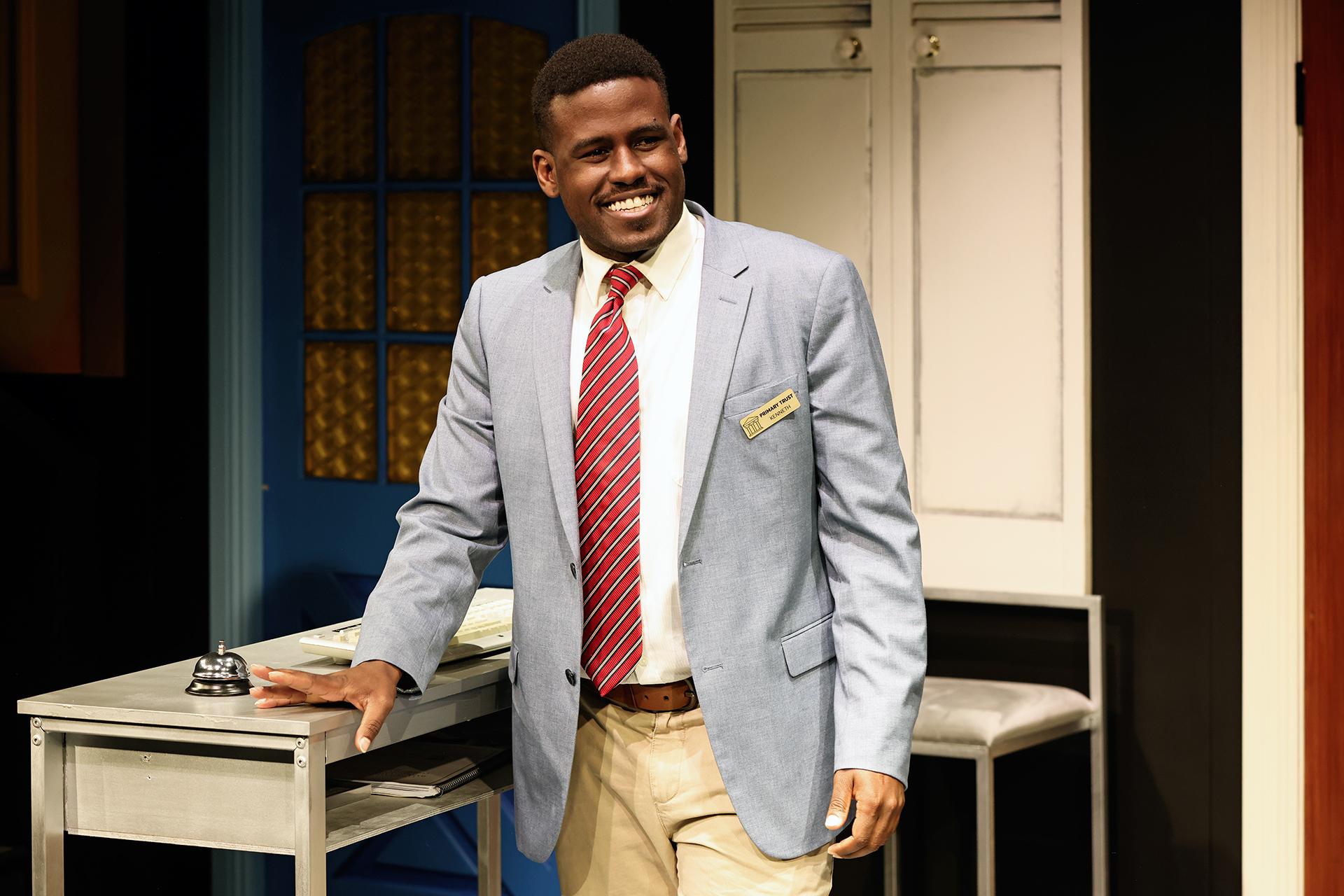
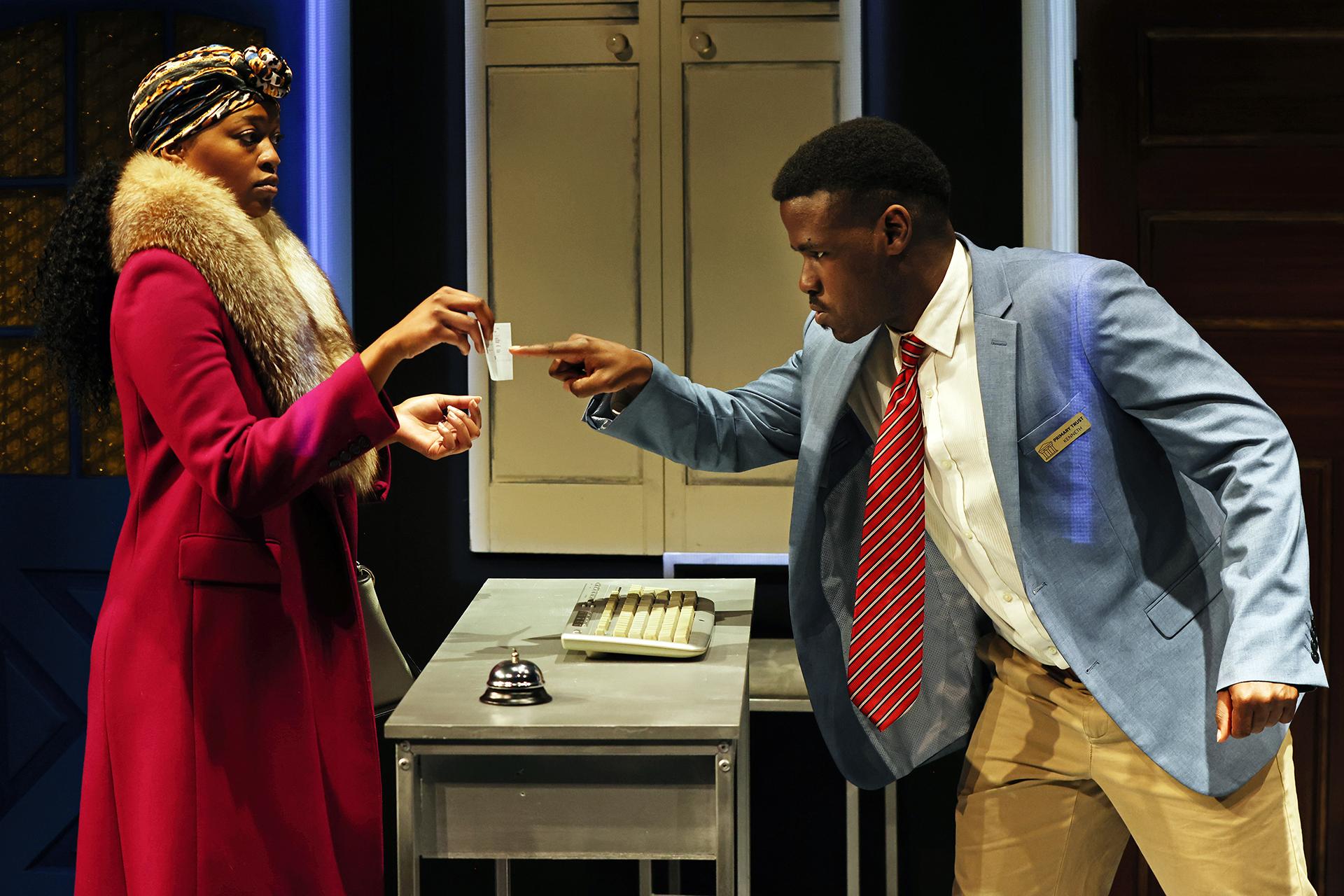
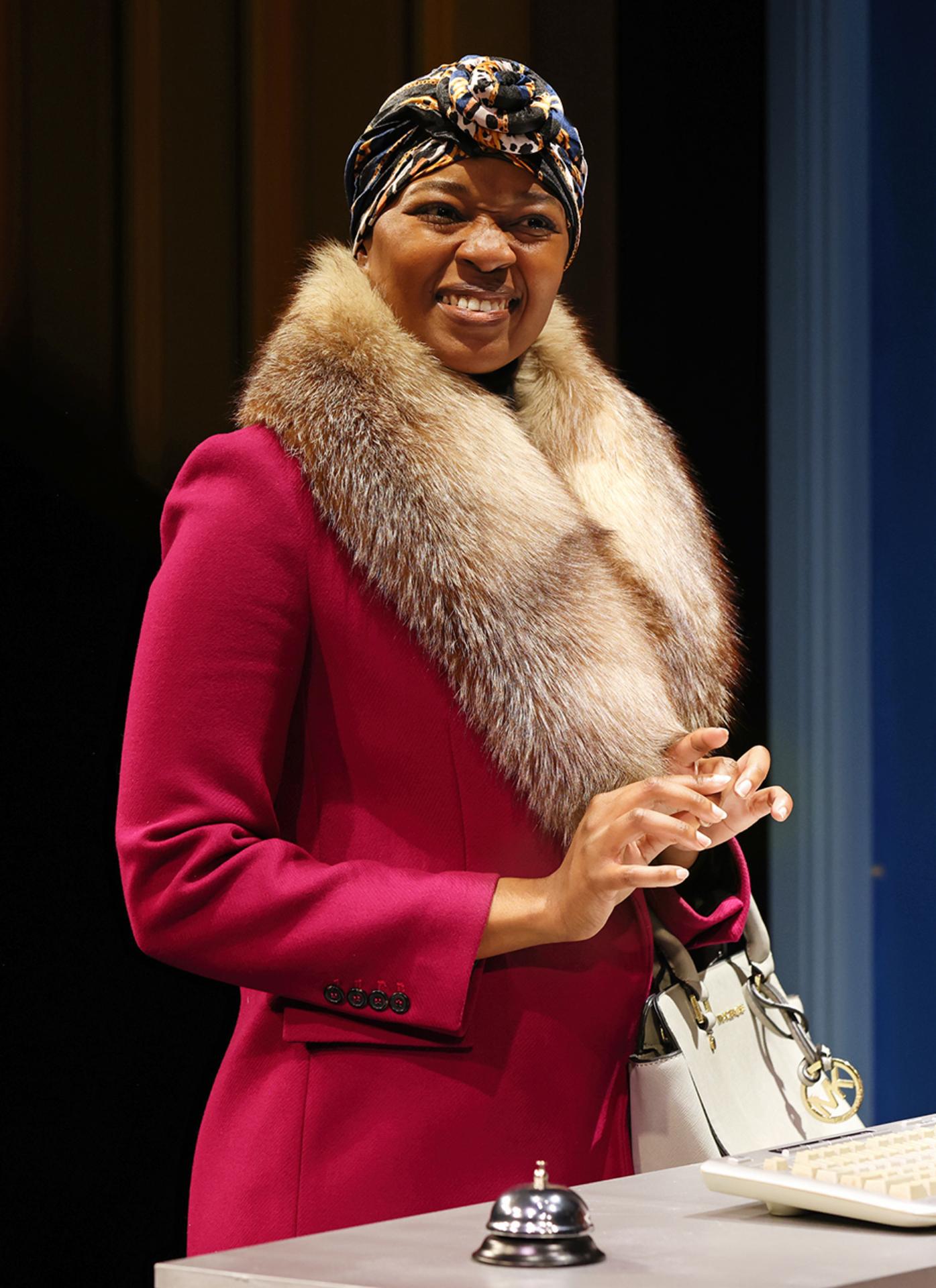
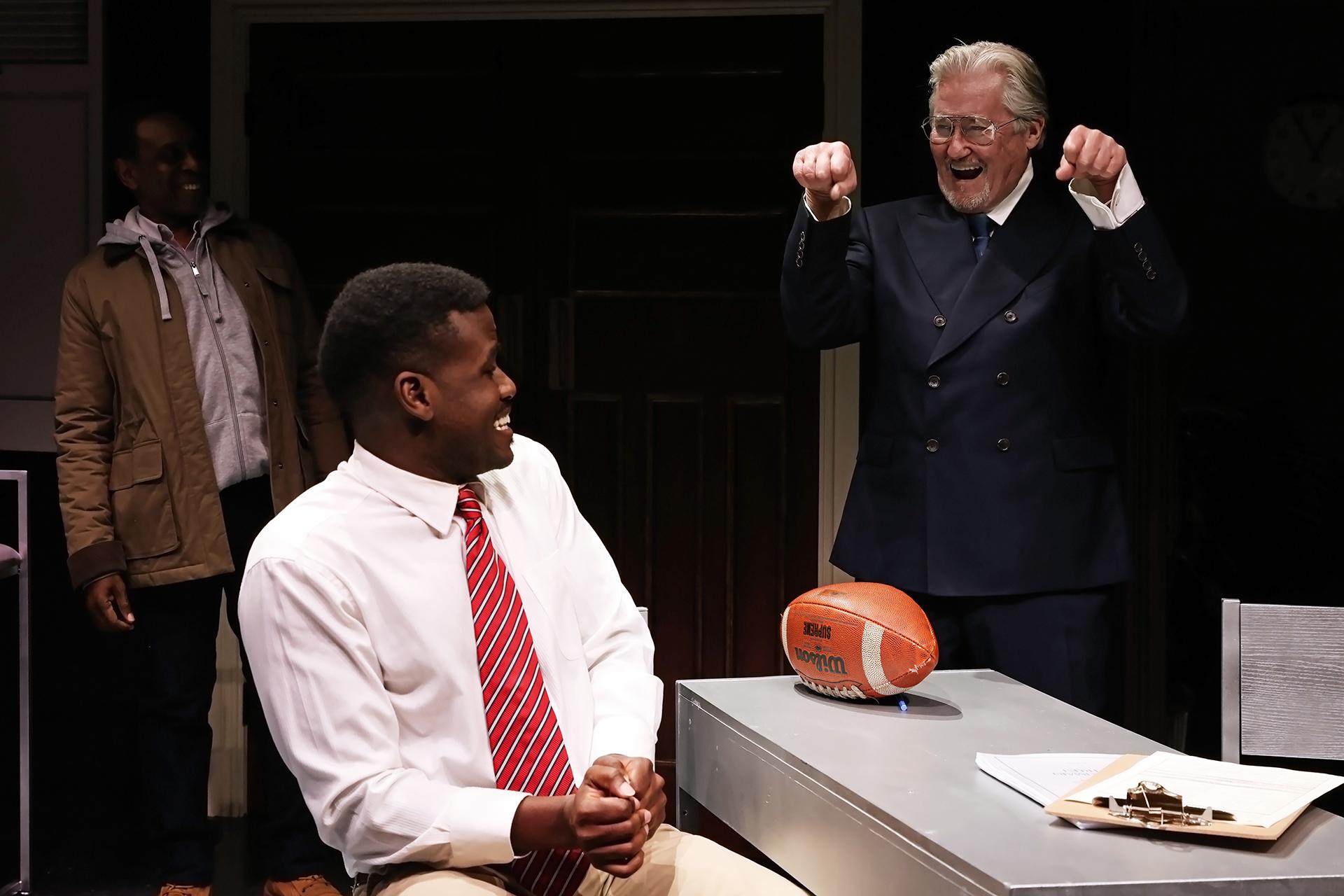
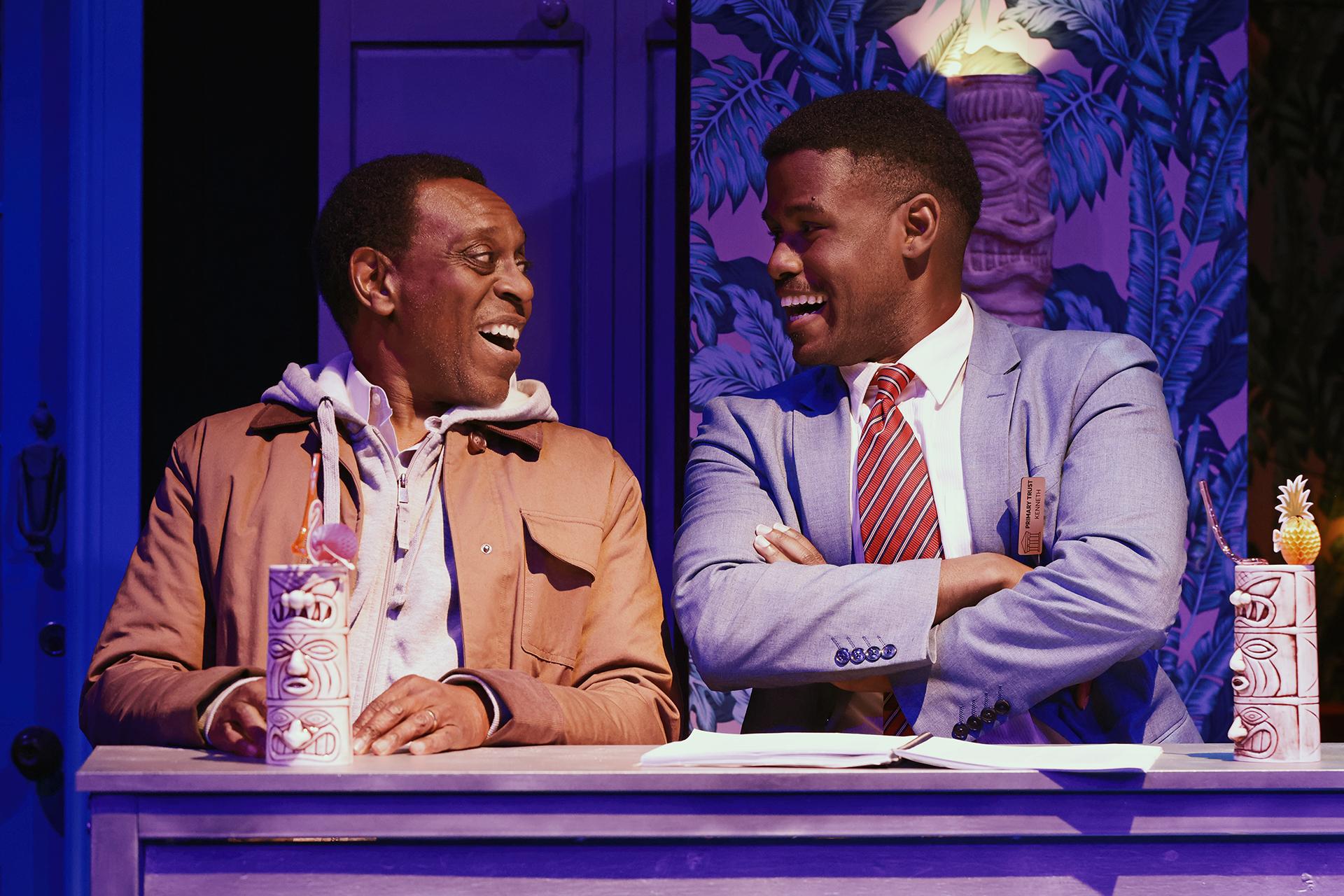
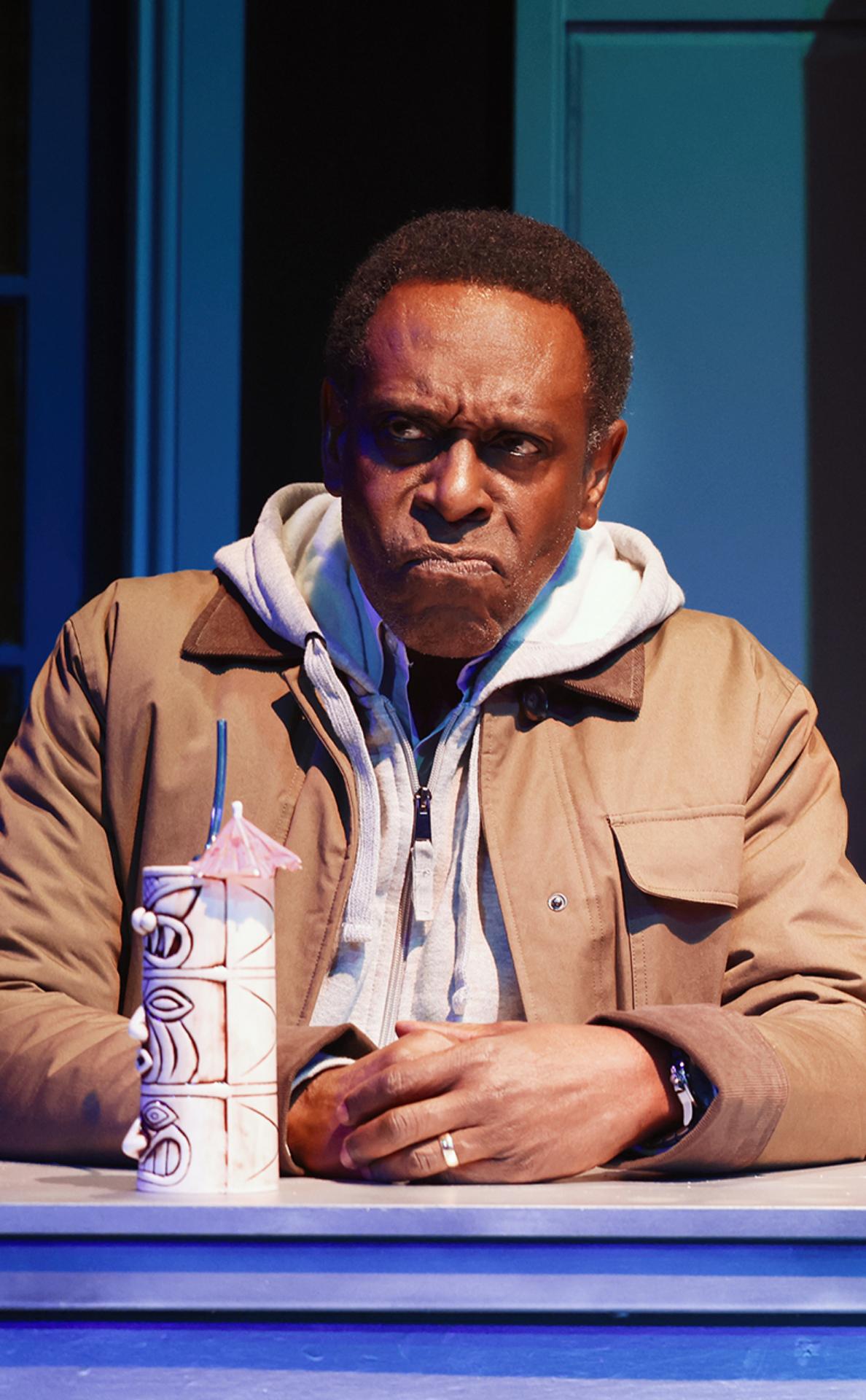
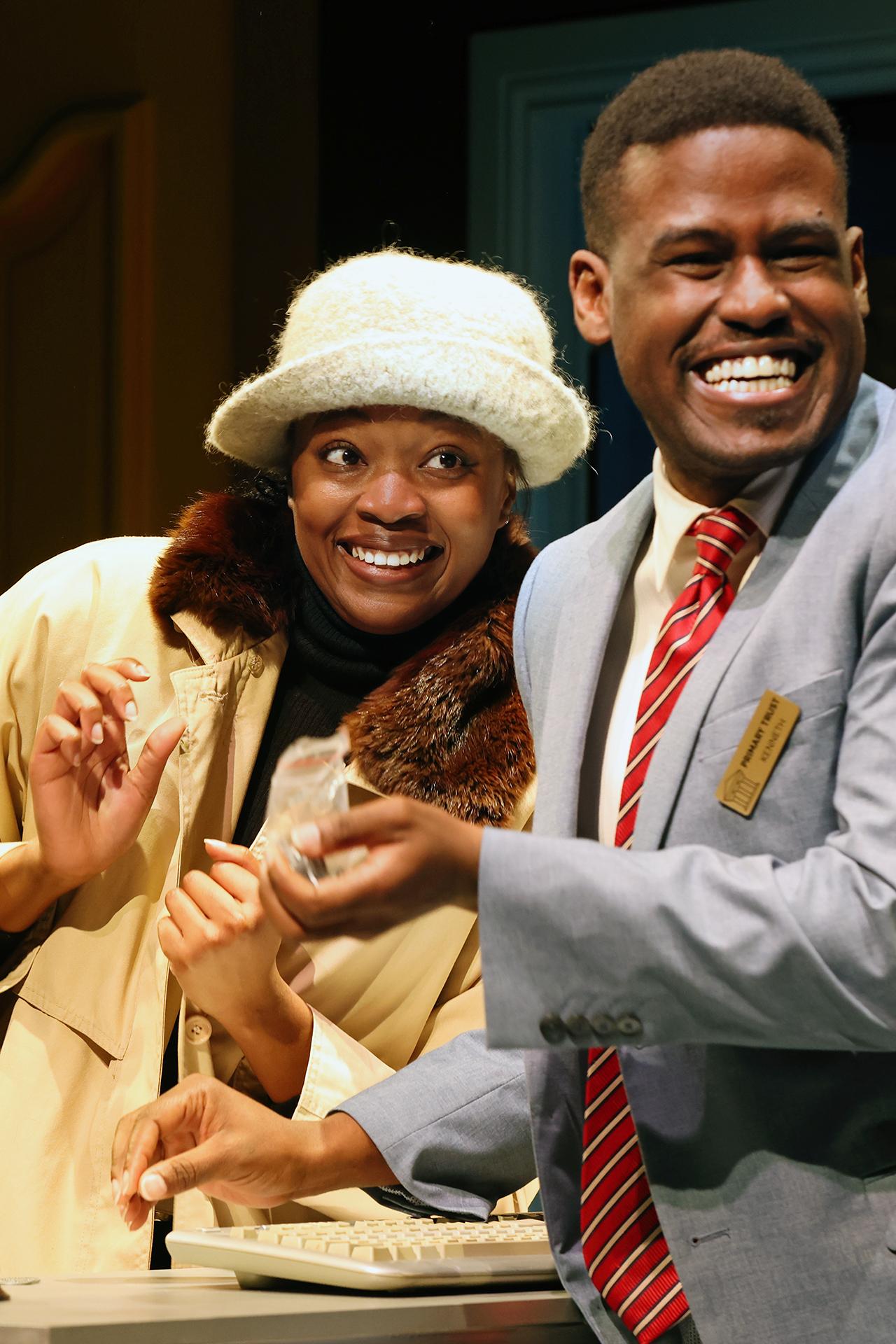
Kenneth talks all day to his imaginary friend Bert, which is highly unusual for a man of 38. Primary Trust by Eboni Booth, is about the defence mechanisms and trauma responses, that a person develops after suffering a devastating incident. Mental health is unquestionably worthwhile as subject matter for any discussion, but its rendering on this occasion, involving a slightly simplistic narrative, has a tendency to feel somewhat surface.

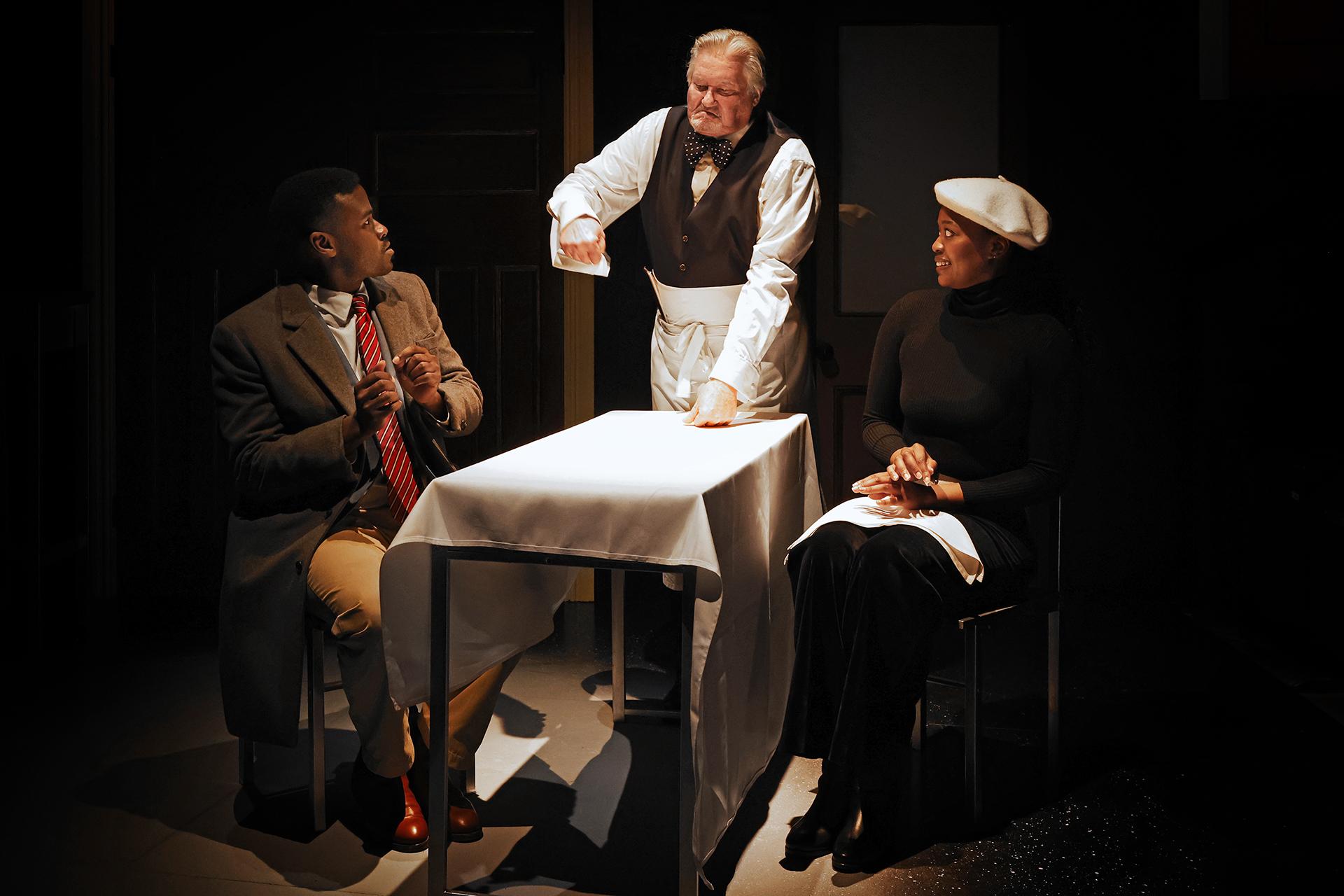
This exploration of psychological deficiency is accomplished with dignity by director Darren Yap, who is also noteworthy for his deft hand at comedy that makes effective, the light humour of Booth’s writing. Characters in the play are wonderfully charming. Leading man Albert Mwangi brings appropriate innocence to Kenneth’s story of arrested development, along with a joviality that keeps us entirely on his side. Mwangi’s knack for naturalist authenticity sets the tone for the production, making everything believable and compelling.

Charles Allen embodies a glow of warmth in the fatherly role of Bert and is commendable for establishing a wonderful chemistry with Mwangi, ensuring that the central relationship always feels substantial. Angela Mahlatjie plays more than a few parts in Primary Trust, and is splendid in all of them. Her timing is immaculate, and her charisma, undeniable. Also memorable and very funny is Peter Kowitz, especially imaginative as the quirky bank manager Clay.

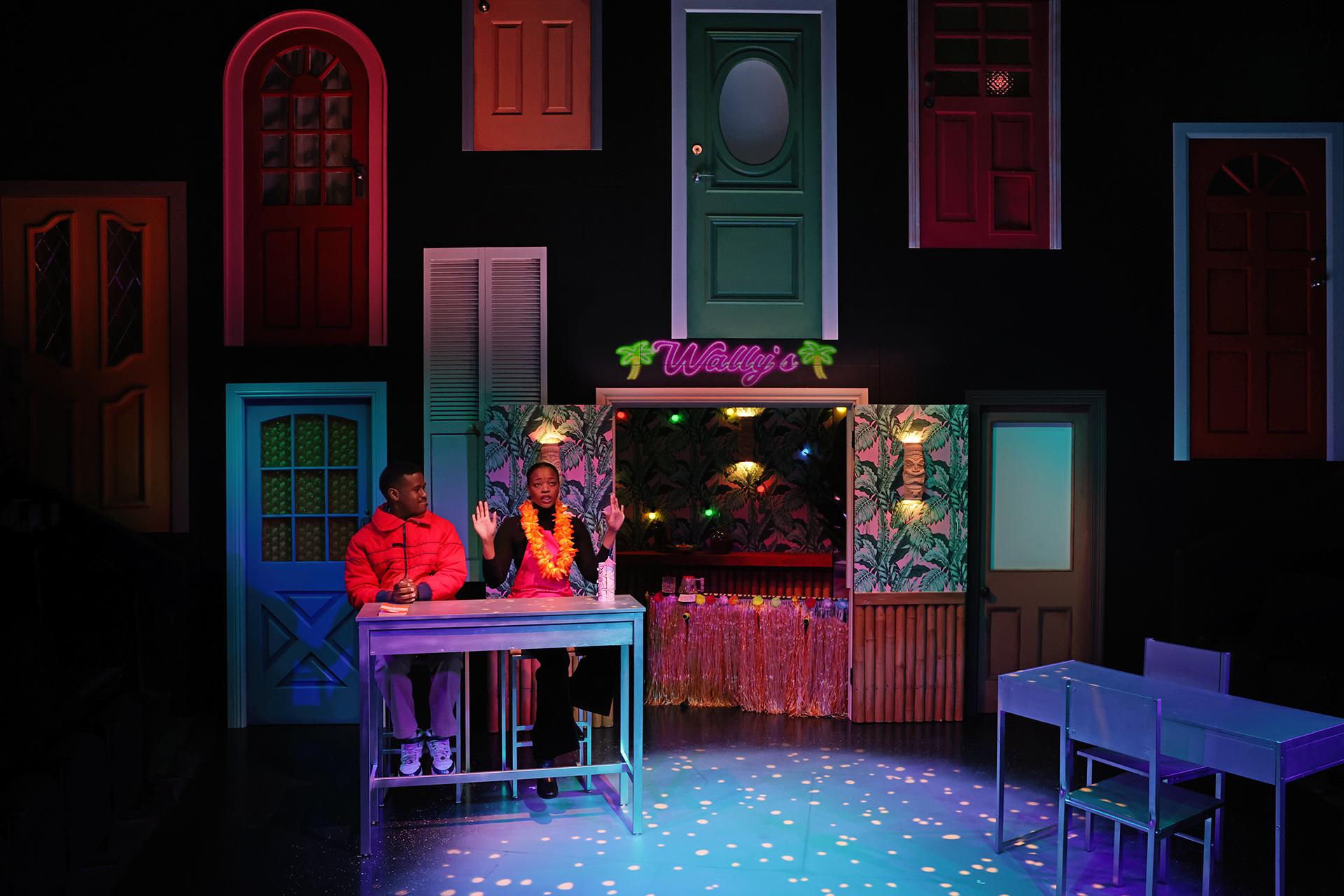
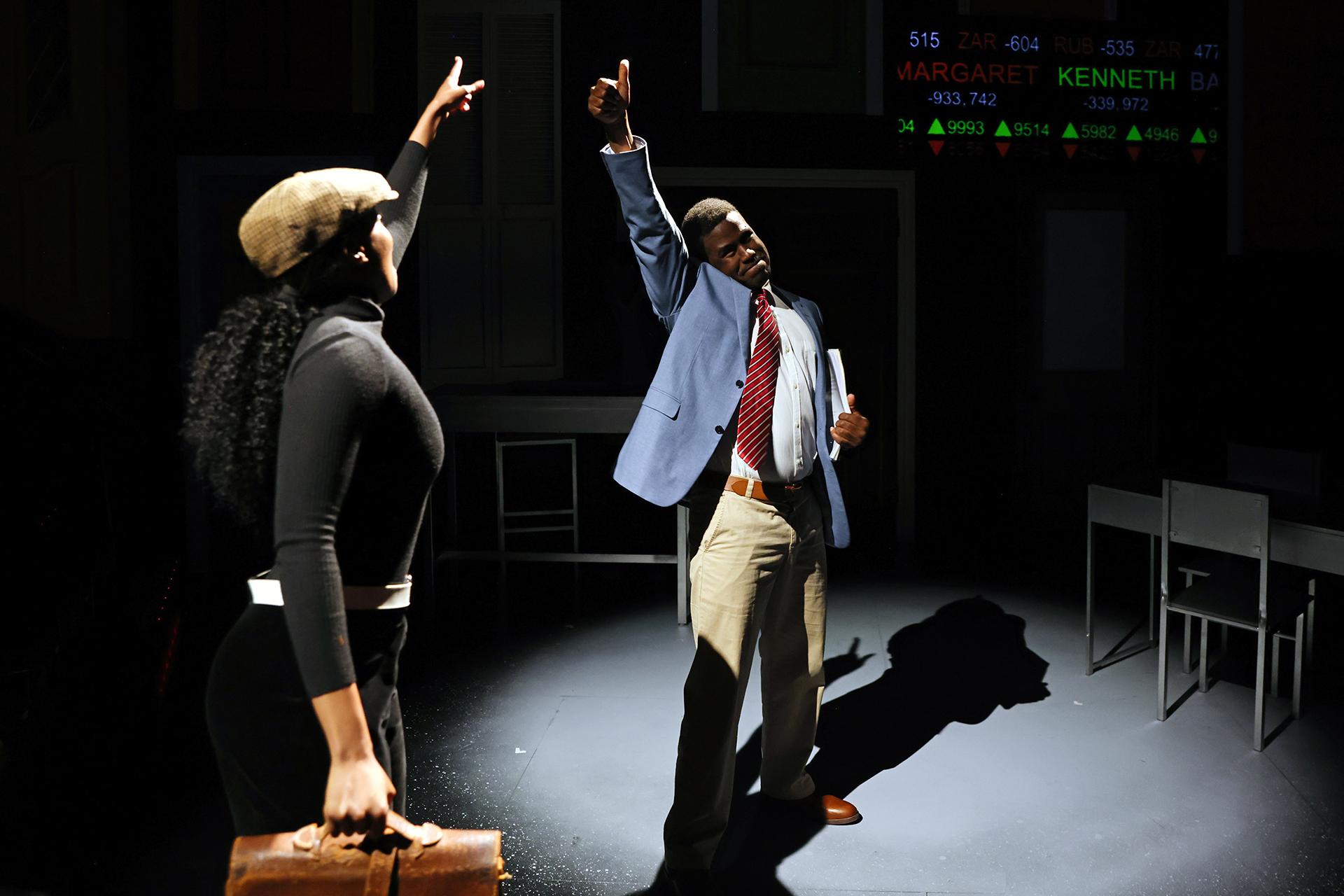
Music by Max Lambert and Roger Lock is a strong feature of the production, adding considerable verve to Kenneth’s emotional journey. Production design by James Browne offers simple solutions that help transport us to small town America, while Verity Hampson’s lights and Cameron Smith’s video projections attune us to tonal shifts that reflect the troubling psychological landscape being explored. 

The fantastical Bert can be seen partly as symptomatic of what has been termed an epidemic of loneliness. In the modern age, real connections have proven to be increasingly difficult. We resort to surrogates, rather than to fix problems, that we either fail to understand, or are incapable of surmounting. Imaginary friends, technological obsessions, substance abuse, and so on are just some of the ways in which we soothe our selves, in the absence of the wherewithal to make actual human connections. Isolation can often feel a solution, but the degradation of civility presently witnessed on all fronts, suggests that being in touch with each other’s humanity will always be necessary.

www.ensemble.com.au

Review: The Half-Life Of Marie Curie (Ensemble Theatre)

Venue: Ensemble Theatre (Kirribilli NSW), Jun 13 – Jul 12, 2025
Playwright: Lauren Gunderson
Director: Liesel Badorrek
Cast: Rebecca Massey, Gabrielle Scawthorn
Images by Prudence Upton

Theatre review
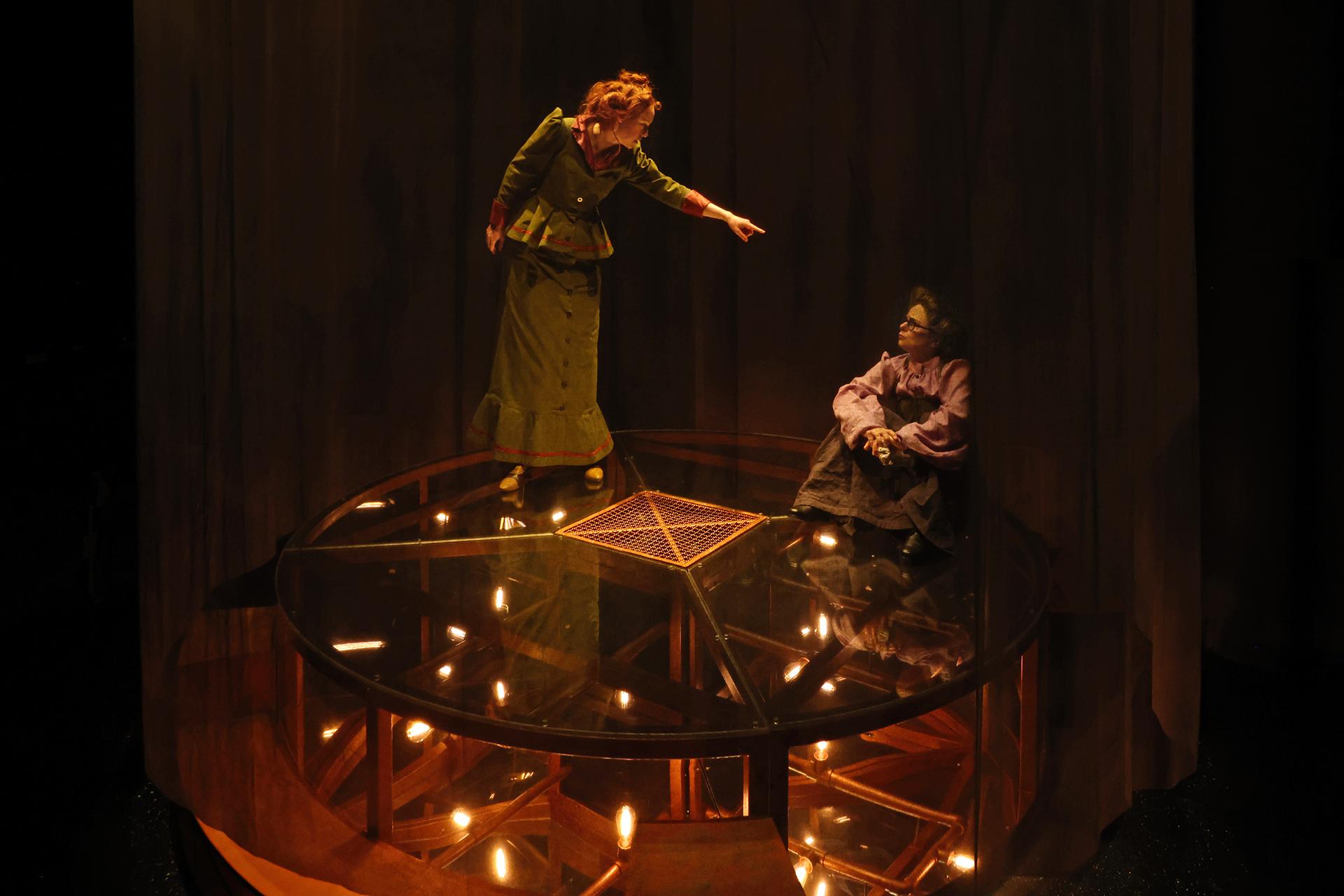
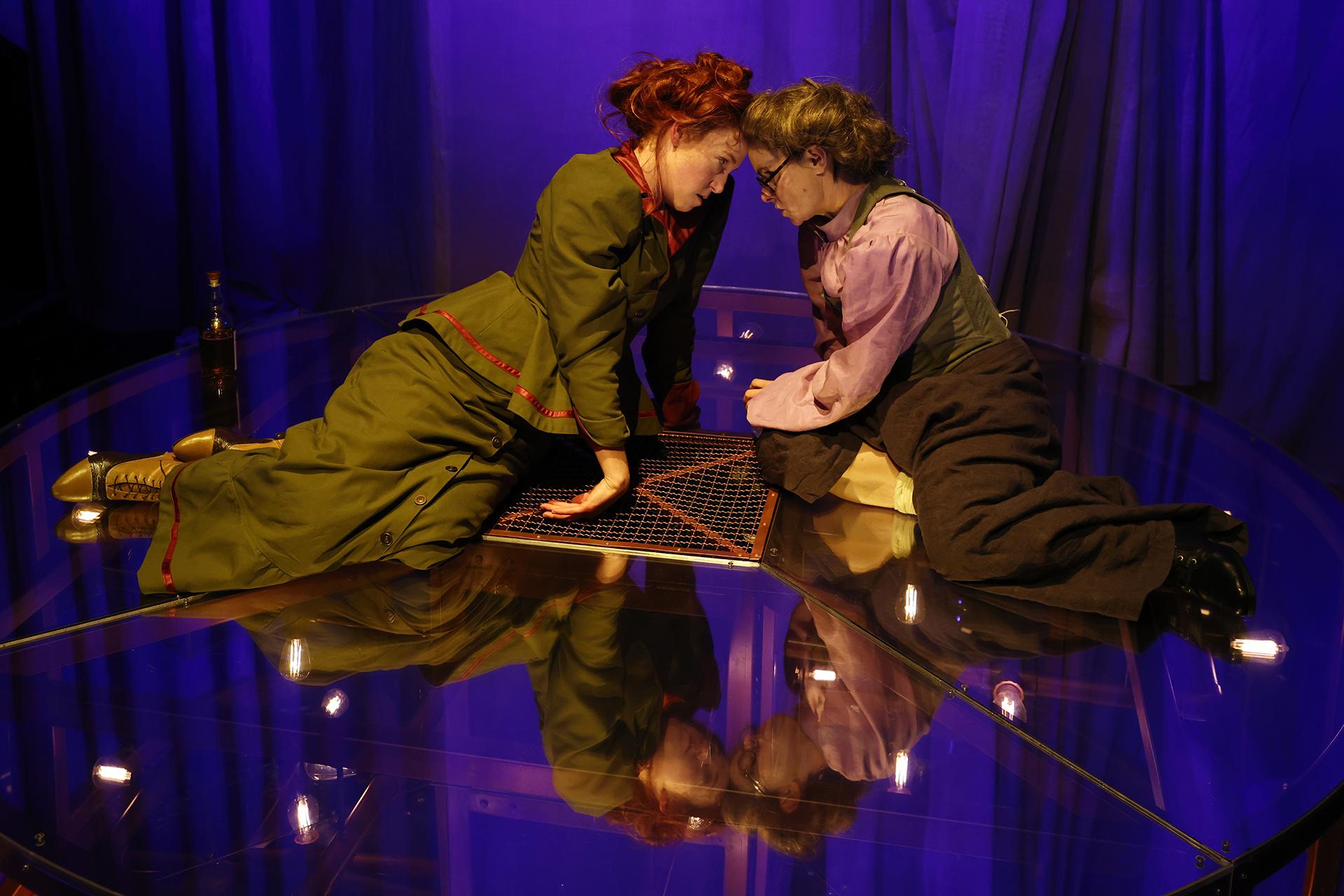
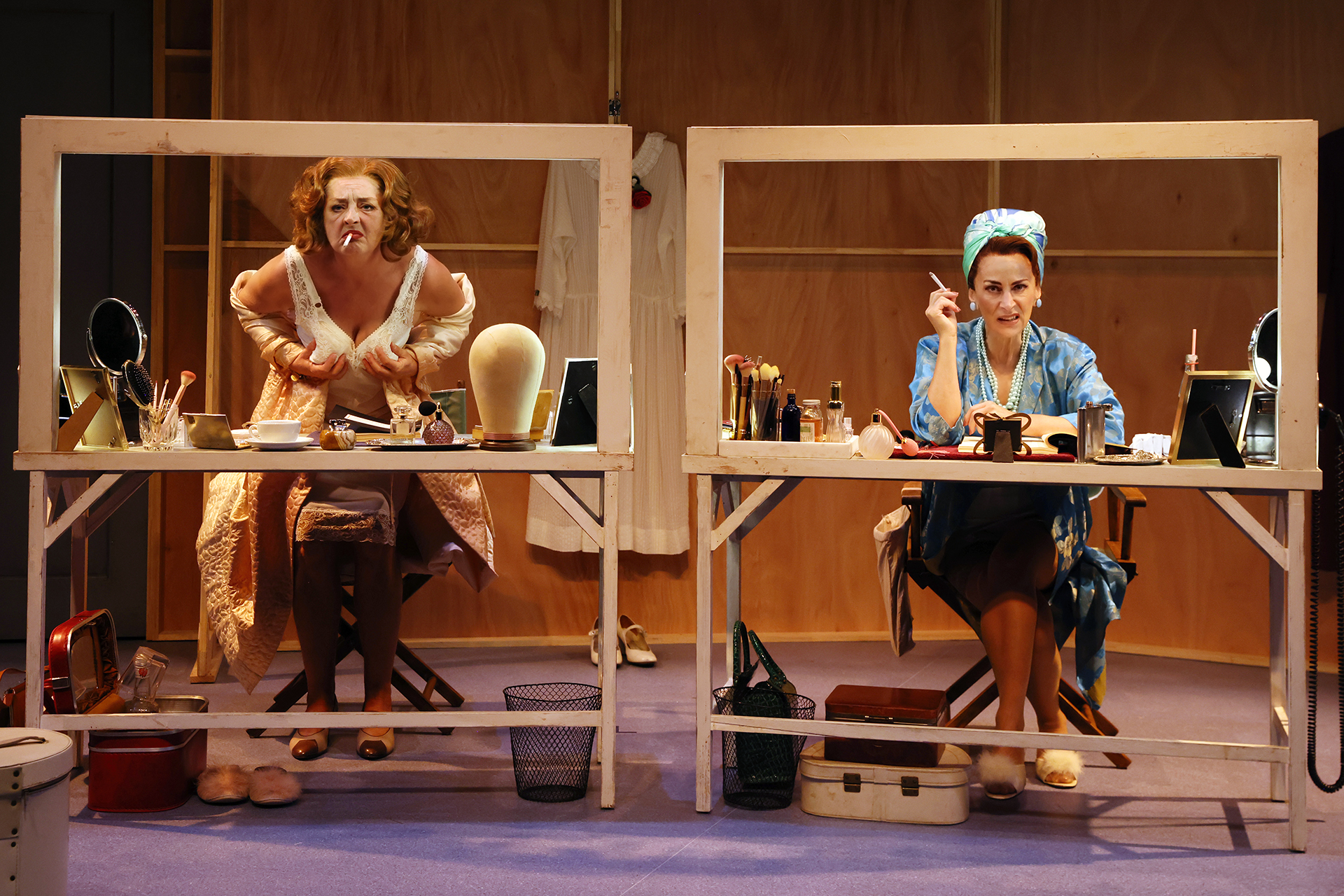
It was 1911 when Marie Curie won her second Nobel Prize, but her monumental contribution to science was overshadowed by the public outcry over her scandalous relationship with a married man. In her agony, she takes refuge under the wing of fellow scholar Hertha Ayrton, who is determined to be a source of strength and inspiration. Lauren Gunderson’s The Half-Life of Marie Curie is a work that not only pays tribute to women trailblazers, but also highlights the importance of female friendship in a world that so often prefers to pit women against each other.

Vivaciously directed by Liesel Badorrek, the production is surprisingly comedic, despite the titular character’s unrelenting misery. Actor Gabrielle Scawthorn’s representations of Curie’s pain and suffering are almost unbearable in their believability, but the sublime Rebecca Massey is pure joy as Ayrton, offering a marvellous counterpoint to the dominant narrative of hardship.

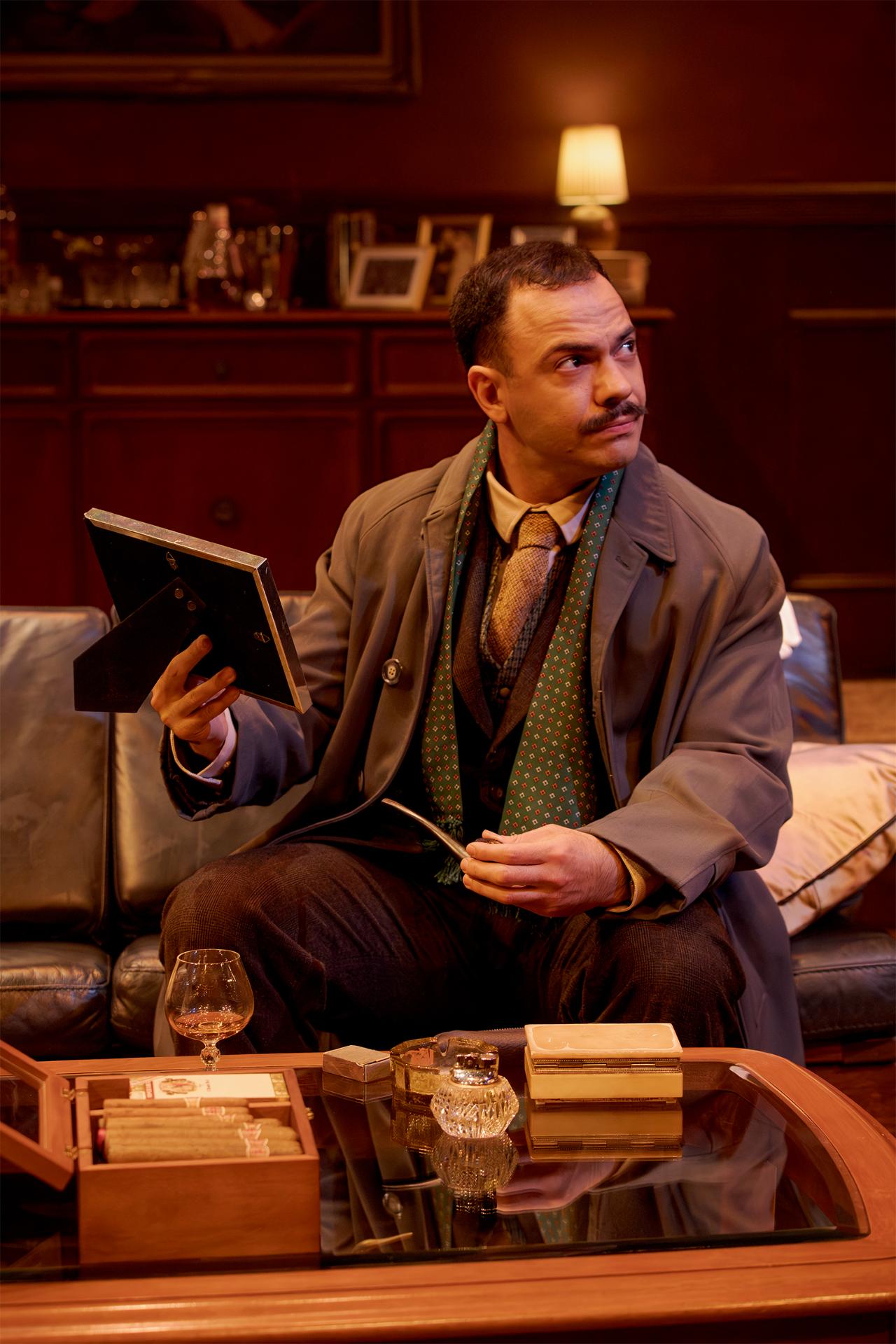
Production design by James Browne is effective in taking us back to the appropriate time and space, whilst providing a charming theatricality to the experience. Lights by Verity Hampson take every opportunity to dial up the drama, while video projections by Cameron Smith deliver persuasive renderings of evanescent visions. Music by Daniel Hertern is at times beautifully transcendent, for a show that is as much about the past as it is about our future.

There are many forms of resistance, but the revolution will only endure, if the sisterhood remains unbreakable in its unity.
www.ensemble.com.au

Review: The Lover & The Dumb Waiter (Ensemble Theatre)

Venue: Ensemble Theatre (Kirribilli NSW), May 2 – Jun 7, 2025
Playwright: Harold Pinter
Director: Mark Kilmurry
Cast: Nicole da Silva, Gareth Davies, Anthony Taufa
Images by Prudence Upton

Theatre review
The Lover and The Dumb Waiter are one-act plays by Harold Pinter, currently being presented as a double bill. Both bear the dramatist’s characteristic absurdism, not only in their theatrical style but also in terms of what they say about the human experience. The former delves into the concept of monogamy, and the latter explores the idea of a person’s occupation. Pinter’s knack for making the ordinary appear strange, as can be seen in this pair of works, is perhaps one of his greatest contributions to art.

Direction by Mark Kilmurry locates for Pinter’s bizarre inclinations, a space of realism that allows us to see ourselves in characters who behave in unpredictable ways. The production tends to be excessively subdued in tone, which unfortunately diminishes its entertainment value. It is however a handsome staging, with Simone Romaniuk demonstrating commendable ingenuity and taste, in set and costume designs that are as transportive as they are appealing.

Actor Gareth Davies takes on key roles in both stories with a glint in his eye, charming us with the quiet mischievousness he brings to his interpretations. Nicole da Silva and Anthony Taufa are strong presences who keep us engaged, but can be somewhat understated in approach where bolder choices would be more effective. 

Questioning the very state of normalcy, is one of the biggest responsibilities of any artist. Even in abnormal times, when kleptocracy is taking hold in full view of populaces in previously democratic parts of the world, we need to be reminded of the differences between what is human, and what is manmade.

www.ensemble.com.au

Review: The Glass Menagerie (Ensemble Theatre)

Venue: Ensemble Theatre (Kirribilli NSW), Mar 21 – Apr 26, 2025
Playwright: Tennessee Williams
Director: Liesel Badorrek
Cast: Danny Ball, Blazey Best, Bridie McKim, Tom Rodgers
Images by Prudence Upton

Theatre review
Tom’s mother Amanda is pushing him to find his sister Laura a beau, hoping that a gentleman caller would be their ticket to an improved existence. It is St. Louis in the Great Depression of the 1930s, and the Wingfields have little to live for. In Tennessee Williams’ The Glass Menagerie, characters are in a state of psychological paralysis, inert in their daily misery, unable to dream up better ways to be.

There is a fear at the centre of who they are, that director Liesel Badorrek expresses well in her version of the American classic, with an ensemble that delves deep into the psychologies of these troubled souls. Actor Blazey Best ensures that we empathise with Amanda’s frustrations, even as we witness her comical attempts at presenting a dignified front, to hide all of the Southern belle’s brokenness. The fragile Laura is given kooky charm by Bridie McKim, and with her knowing eyes, successfully thwarts any pitied readings of the role.

Tom Rodgers plays romantic prospect Jim with an endearing exuberance, almost making us forgive his dastardly deceptions. A memorable Danny Ball delivers a sumptuously rhapsodic interpretation of Tom Wingfield, in a beautiful representation of the higher possibilities that await an as yet oblivious and disgruntled young man.

Ball’s brand of lyricism is supported wonderfully by the resplendent music of Maria Alfonsine and Damian De Boos-Smith, who deliver for the show a satisfying dreamlike quality specific to the era being visited. Lights by Verity Hampson are perhaps too often of a naturalistic tone, as is set design by Grace Deacon that although features satisfying hints of stylistic elevation, has a tendency to be overly plain in approach. Costumes, also by Deacon, are judiciously assembled, for accurate depictions of epoch and personalities.

If we believe everything that people say about us, we will forever be stifled and dejected. Our sociality has a strong tendency to disempower. It propagates a disillusionment, so that we feel further subjugated and diminished. We then act in weakness, thus allowing the reckless to usurp more than their rightful share. To demand equity requires bravery, and a firm belief that we can co-exist with individual fulfilment, that there are ways to be wholly who we are, without encroaching on the rights of others.

www.ensemble.com.au

Review: Aria (Ensemble Theatre)

Venue: Ensemble Theatre (Kirribilli NSW), 24 Jan – 15 Mar, 2025
Playwright: David Williamson
Director: Janine Watson
Cast: Tamara Lee Bailey, Rowan Davie, Danielle King, Tracy Mann, Suzannah McDonald, Sam O’Sullivan, Jack Starkey-Gill
Images by Prudence Upton

Theatre review
Monique thinks she is a better mother than she actually is, the same way she overestimates her talents as a singer. That delusory characteristic seems to be transmissible between generations, with Monique’s three sons demonstrating a similar lack of awareness about their own shortcomings. It is a wealthy family that we find in David Williamson’s Aria, a farcical take on aspirational whiteness in modern Australia.

Personalities in the play, including Monique’s daughters-in-law, may not be entirely irredeemable, but this family is certainly hard to like. Their flaws provide the basis for the comedy, and even though direction by Janine Watson tends to be overly considerate and forgiving of these objectionable figures, Aria is effortlessly digestible, as it delivers a steady stream of laughter throughout. Watson can also be credited for her judicious portrayals of womanhood, in something that can easily veer into misogyny.
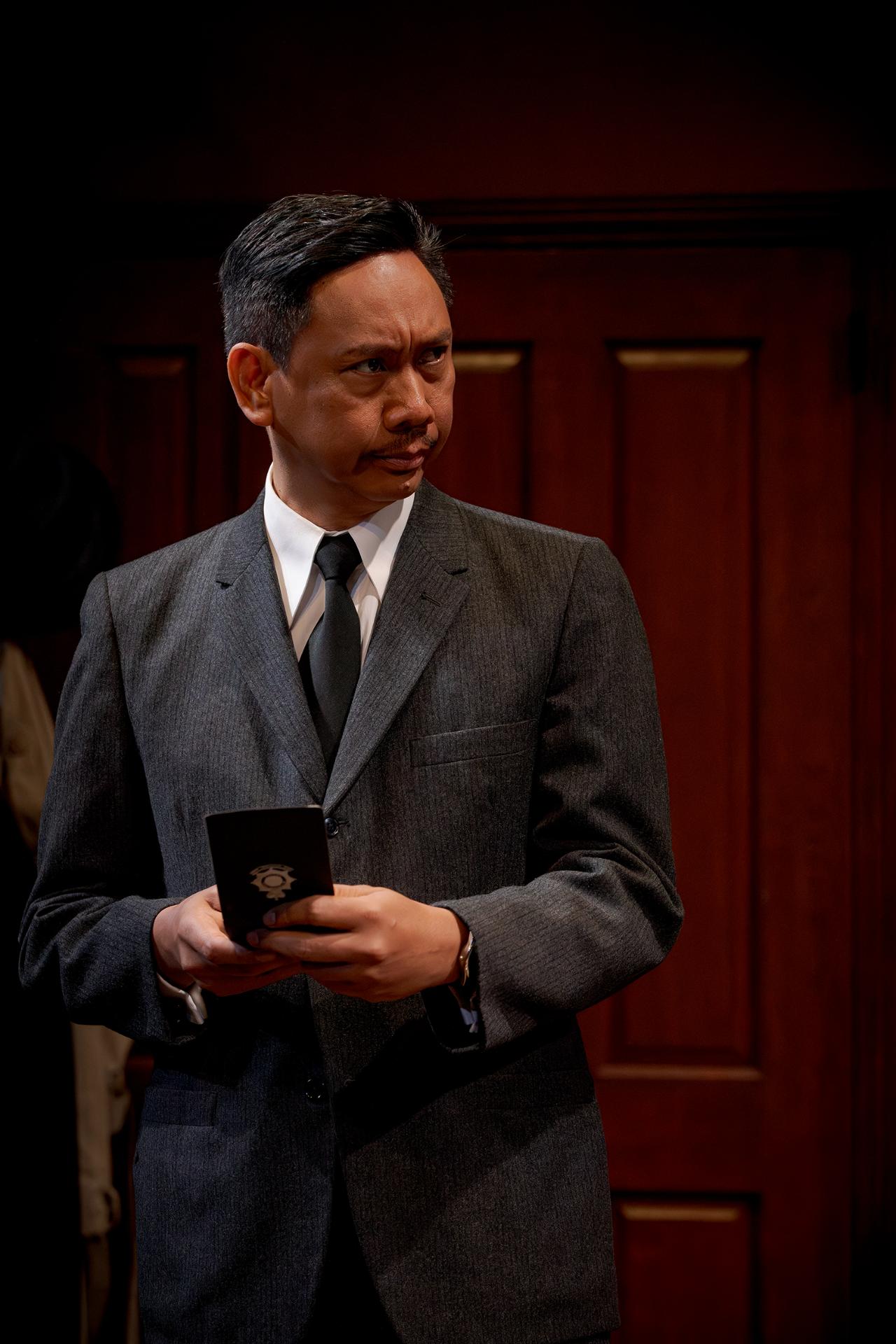
Actor Tracy Mann is admirably precise with her depictions of the matriarch, able to make believable all the outrageous things Monique says and does. It is a uniformly exuberant cast, but chemistry is not quite sufficiently harnessed between performers; conversations often sound stilted, for relationships that require a greater sense of intimacy. A commitment to honesty can be detected in the ensemble’s efforts, which does help us understand all the discordance, but a more exaggerated approach for the humour could make it a more elevated theatrical experience.
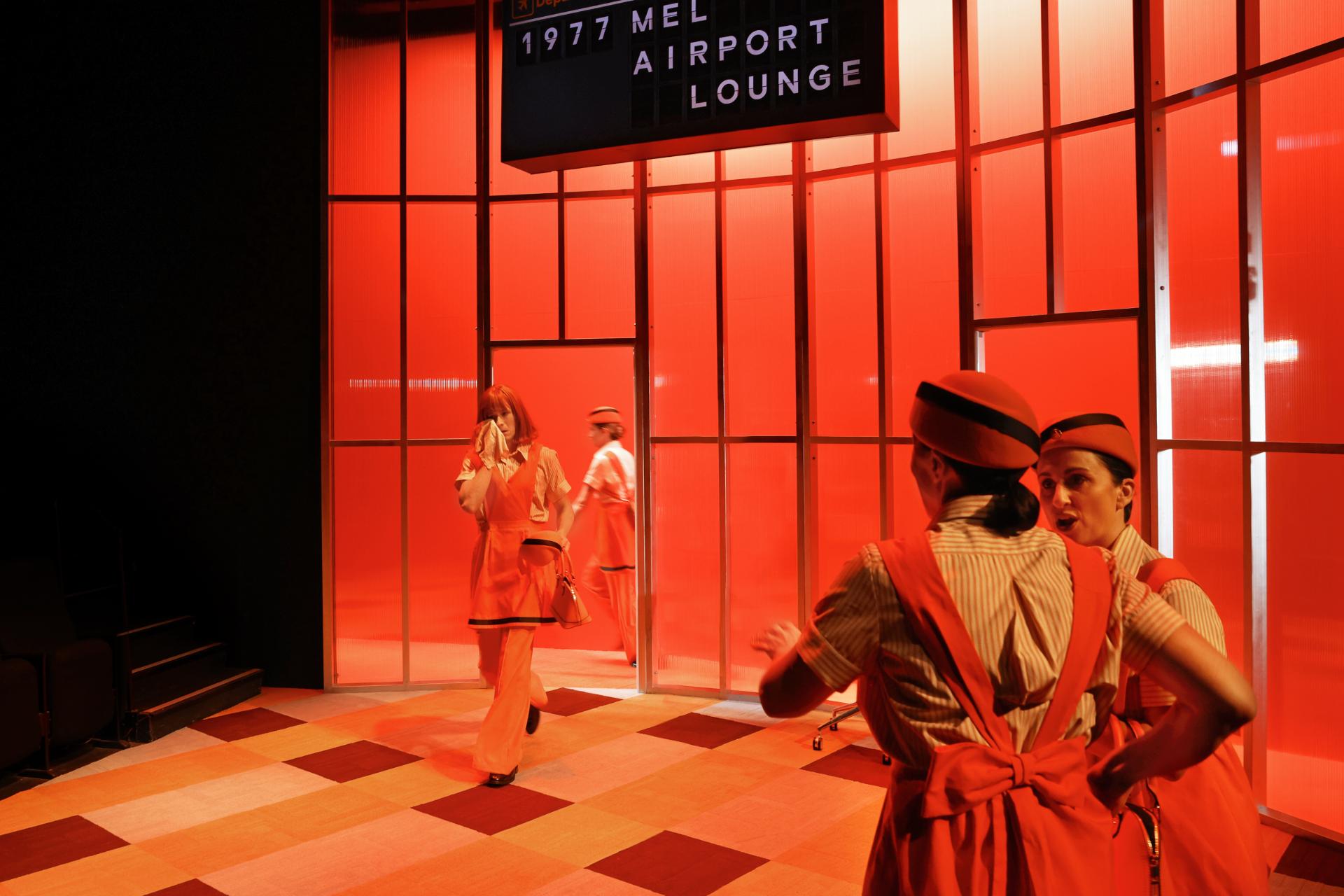
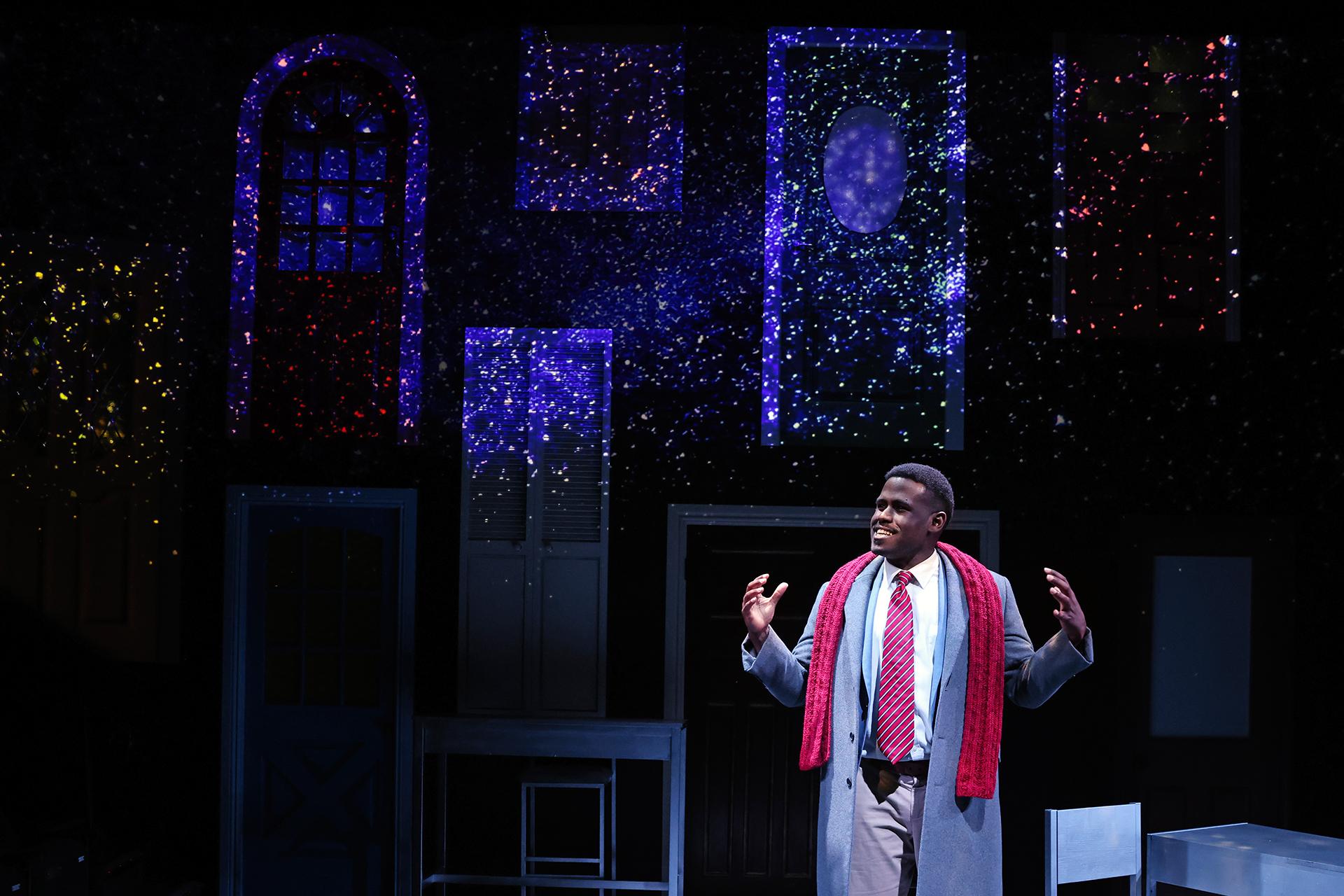
Rose Montgomery’s set design is appropriately stylish for the kind of affluence being explored, along with her excellent work on costumes, telling in an instant, so much of what we need to know about these individuals. Lights by Matt Cox and sounds by David Bergman are mostly utilitarian in nature, in a staging that is much more about dialogue than atmosphere.

Monsters have children all the time. It is likely that same element of inadequacy in their psychology, making them behave narcissistically, that makes them want to procreate. In Monique, we observe that nothing she has tried, can really make up for that sense of lack. She continues to be a pain to others and to herself, even after creating offspring that fulfil their obligation of constantly patronising and mollifying their parent. With her advanced age, it is perhaps prudent to not wish to change her, but to find ways to circumvent all the damage she cannot help but leave in her wake.

www.ensemble.com.au