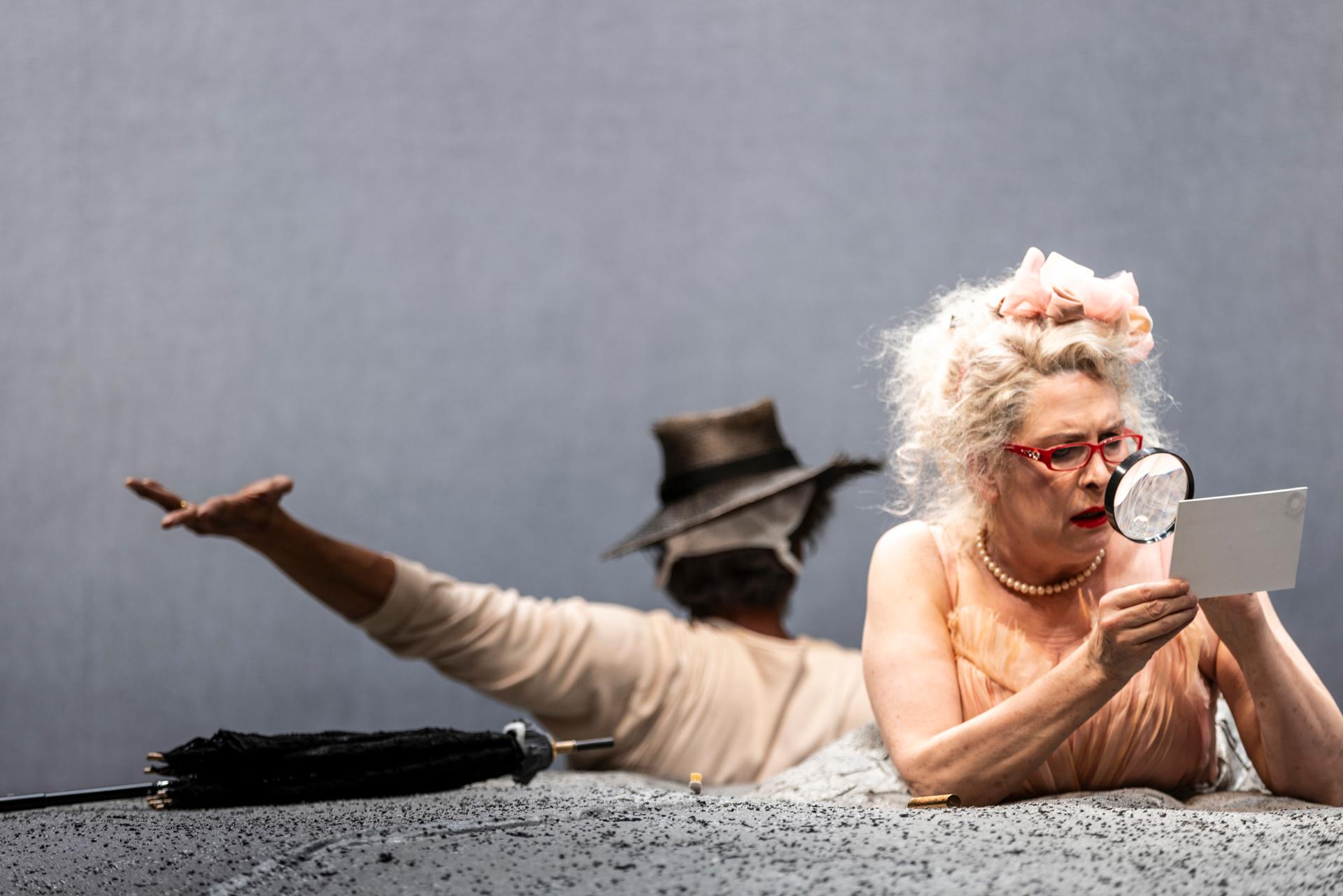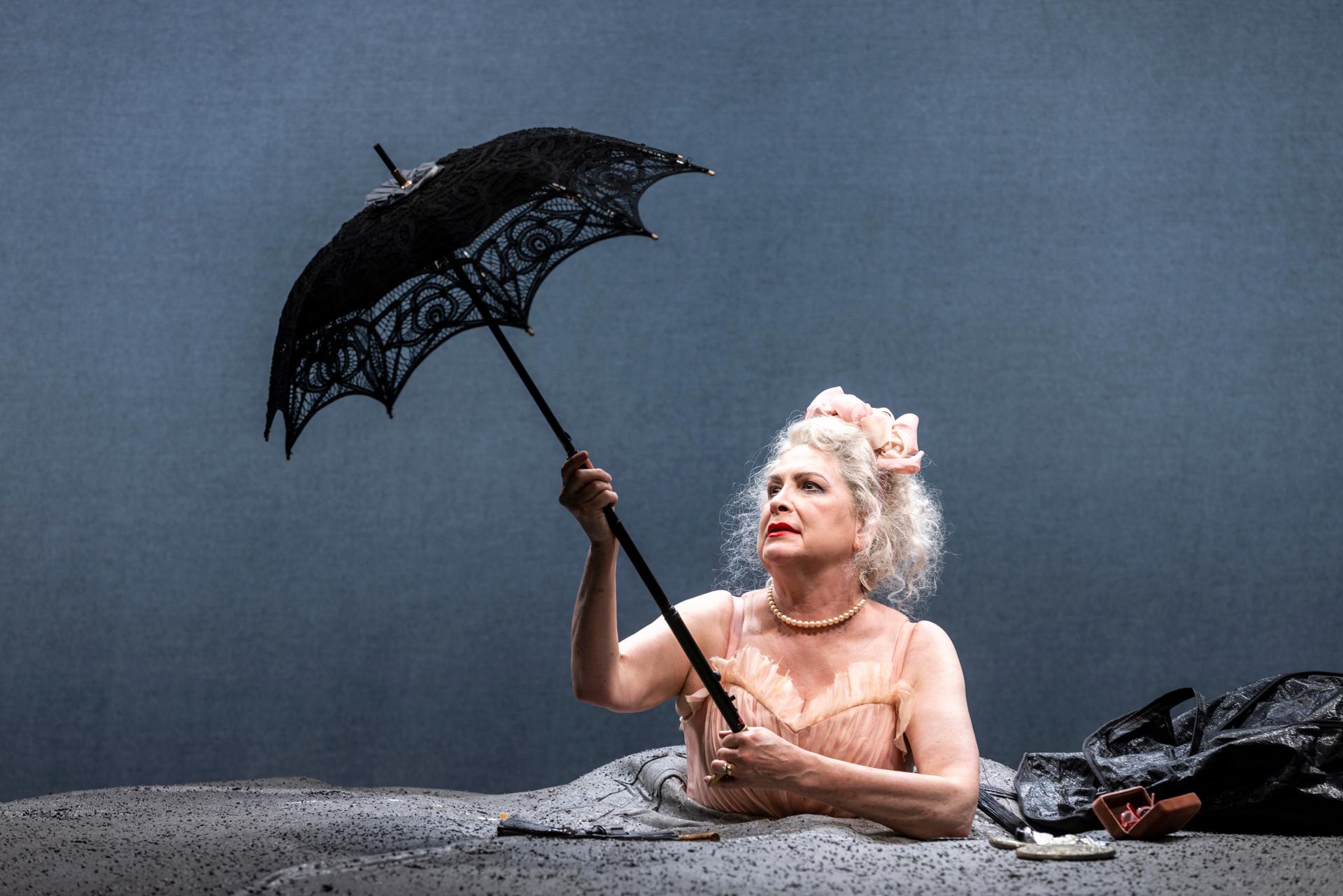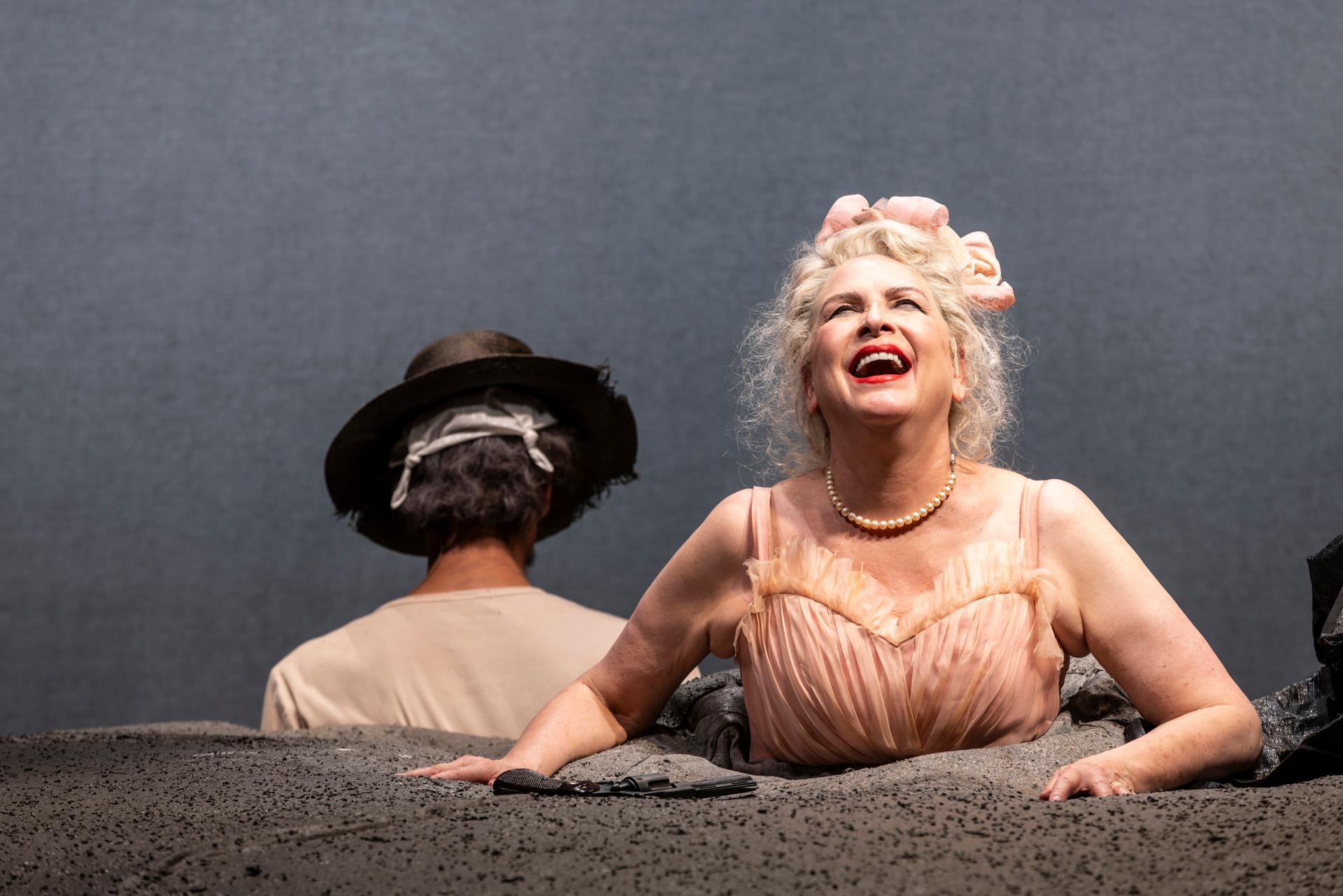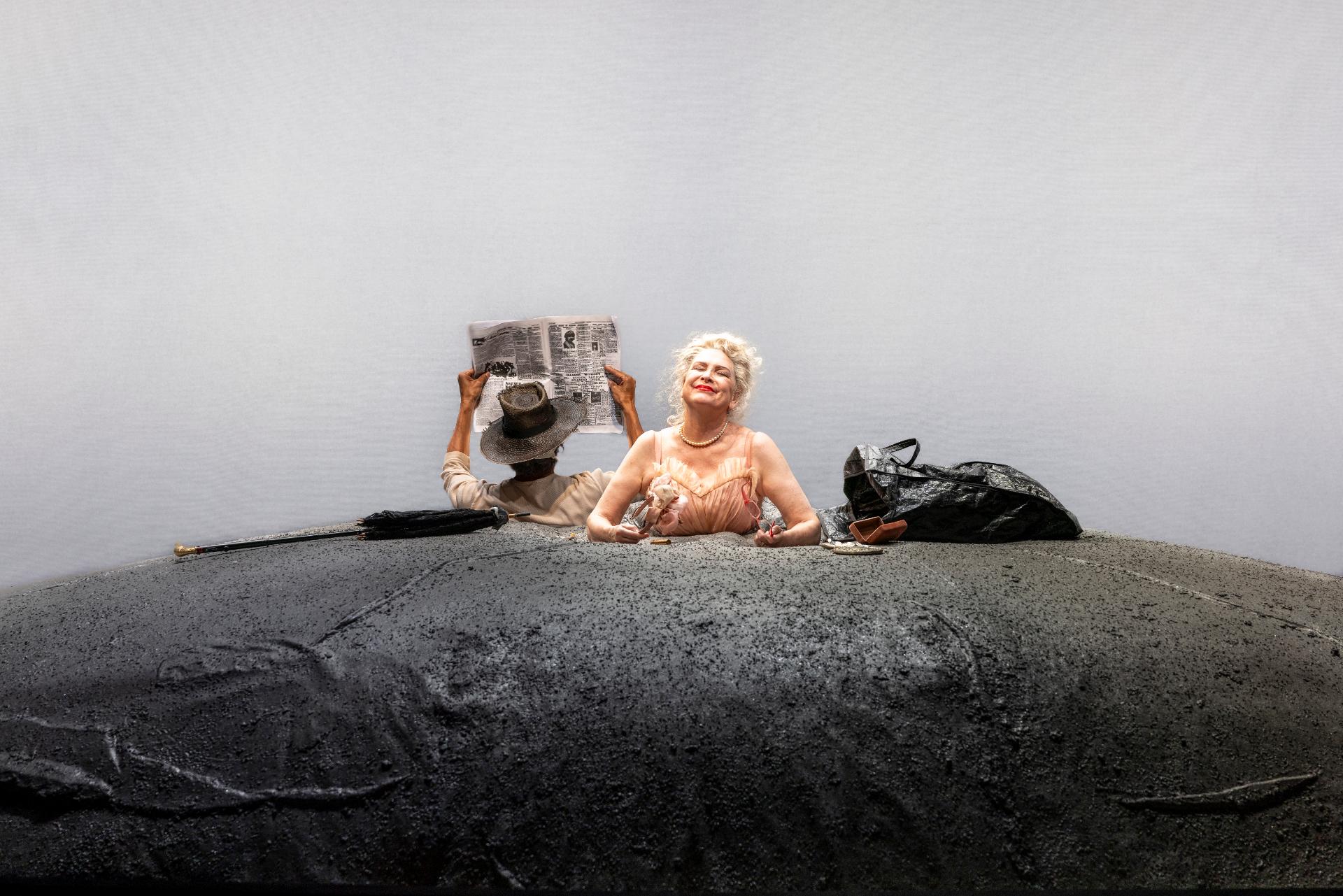
Review: The Wrong Gods (Belvoir St Theatre)

Venue: Belvoir St Theatre (Surry Hills NSW), May 3 – Jun 1, 2025
Playwright: S. Shakthidharan
Director: Hannah Goodwin, S. Shakthidharan
Cast: Manali Datar, Nadie Kammallaweera, Radhika Mudaliyar, Vaishnavi Suryaprakash
Images by Brett Boardman

Theatre review
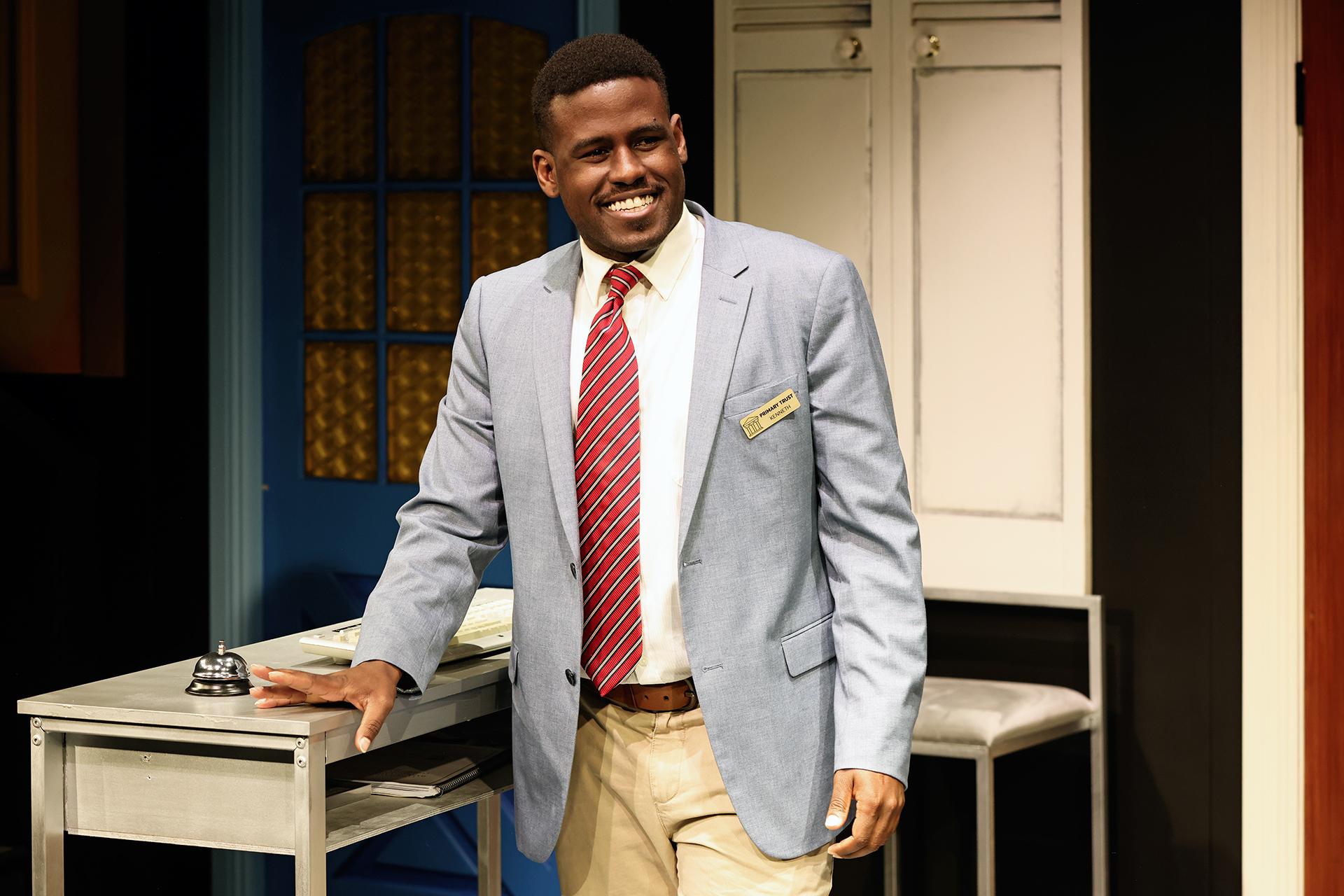
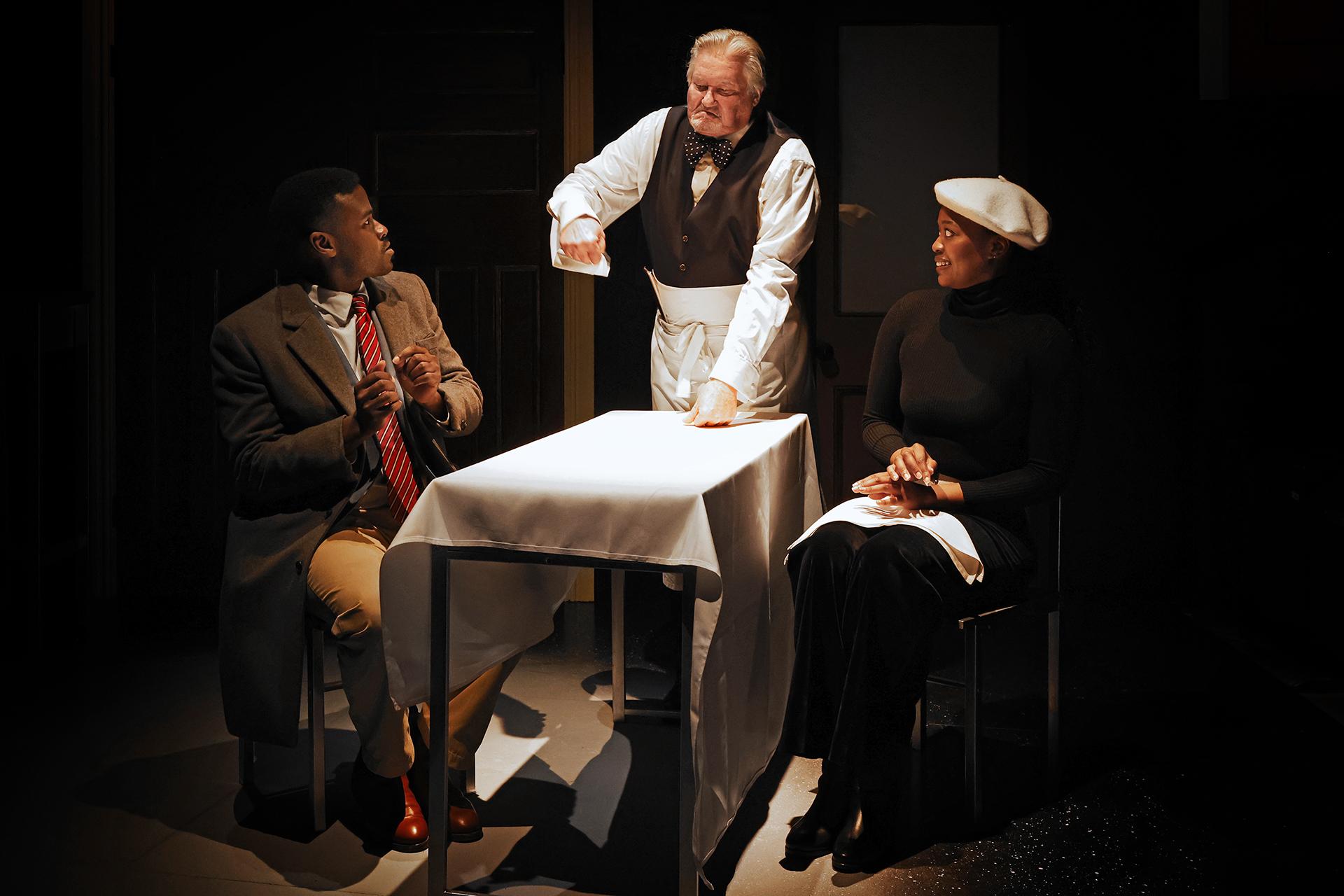
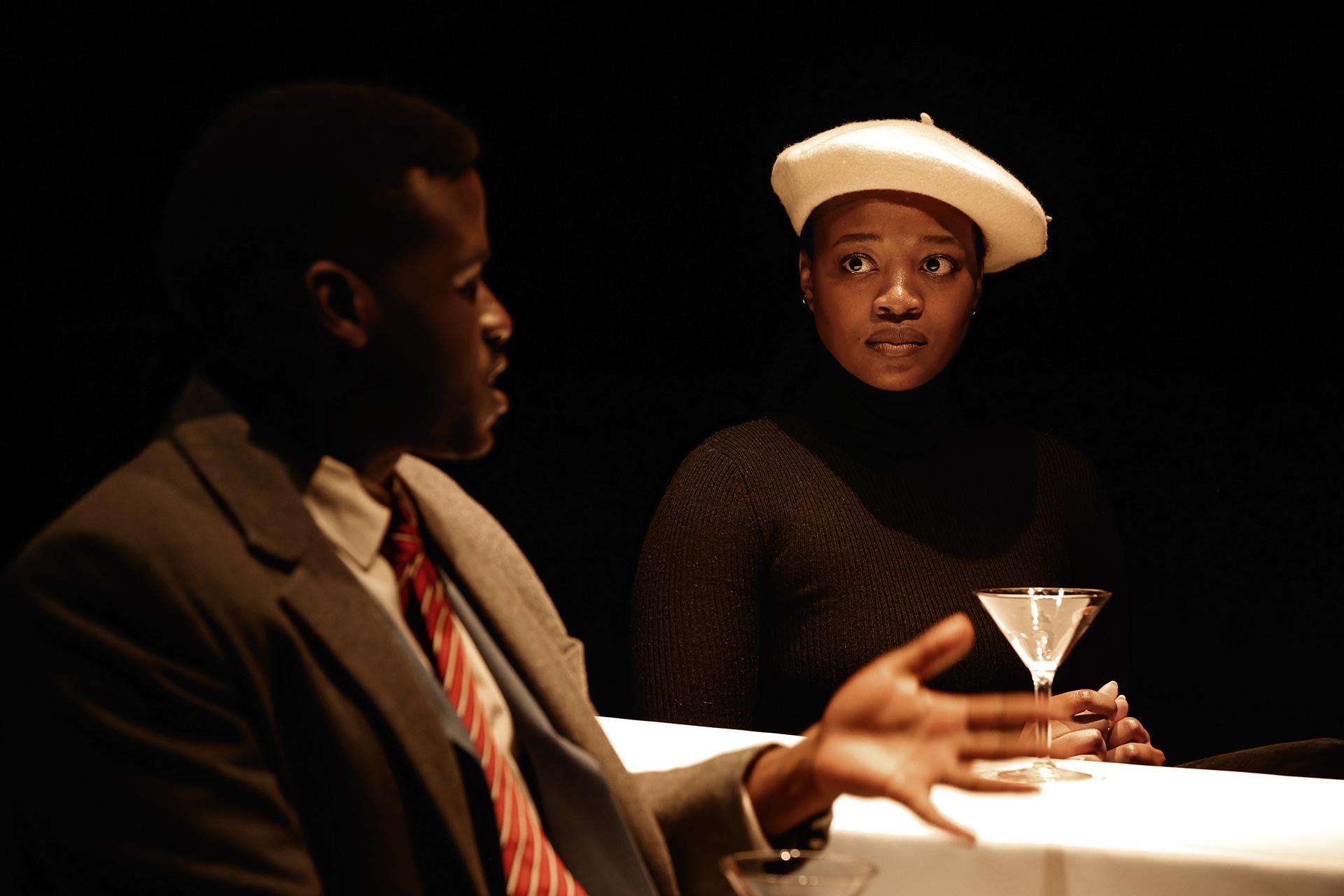
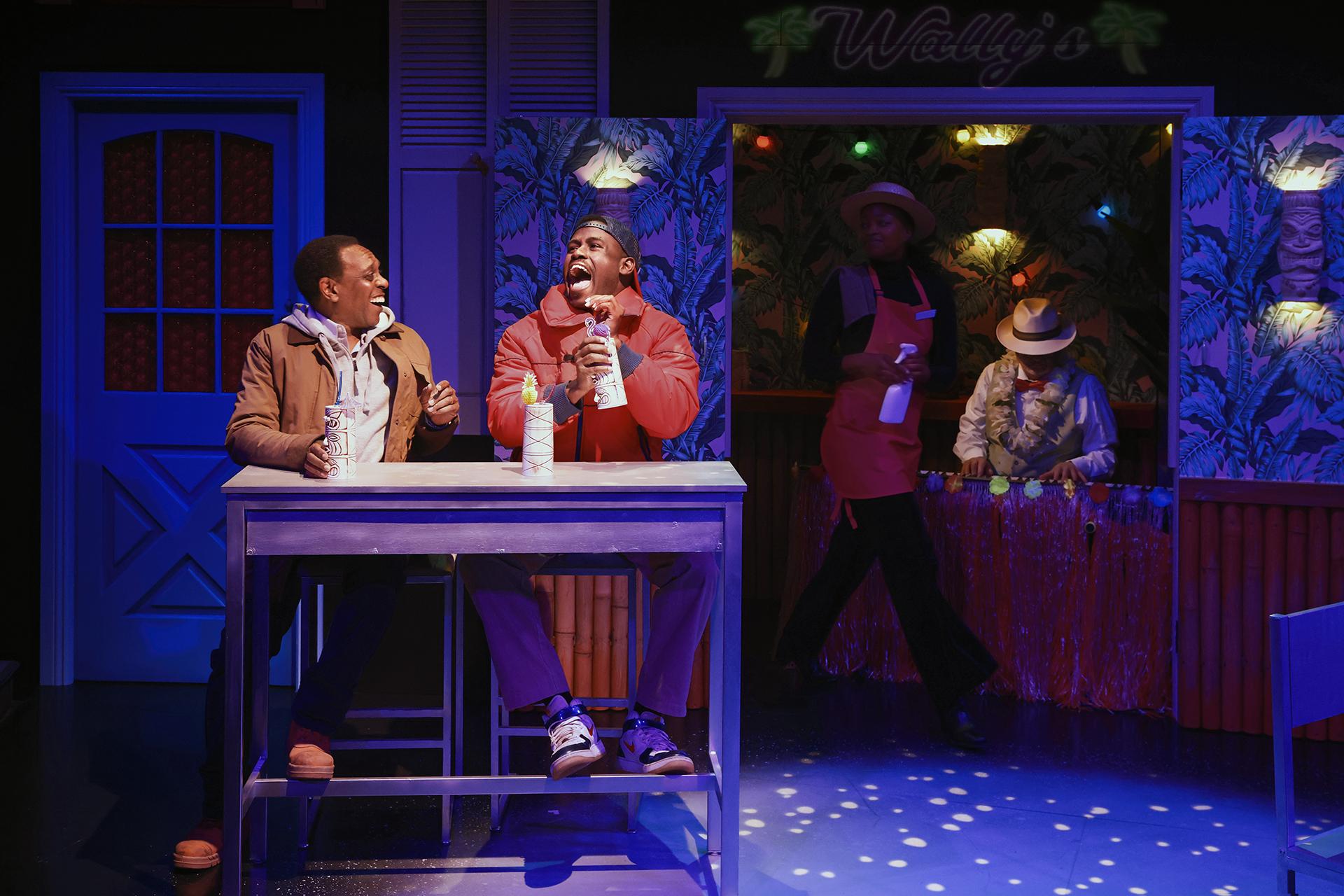
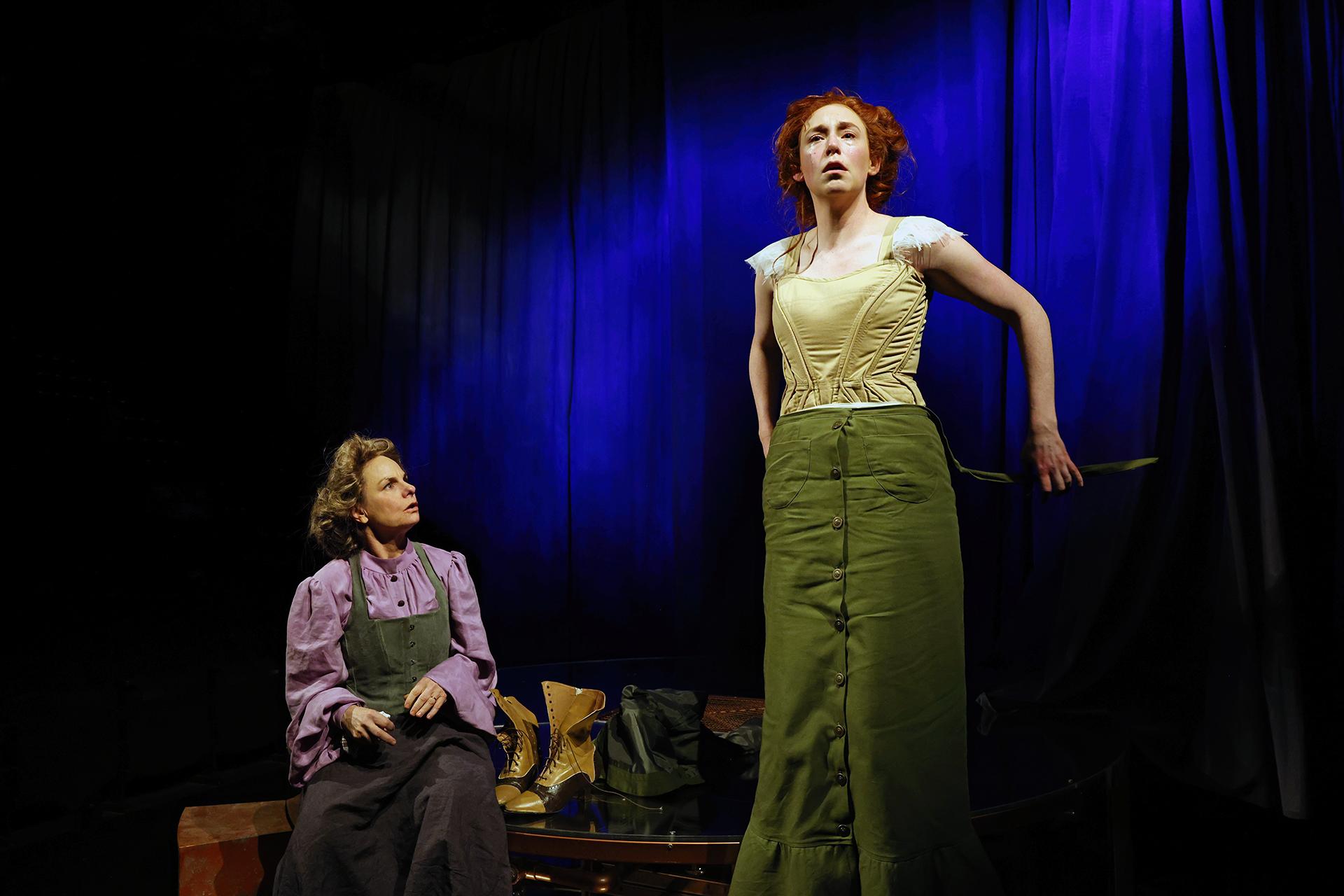
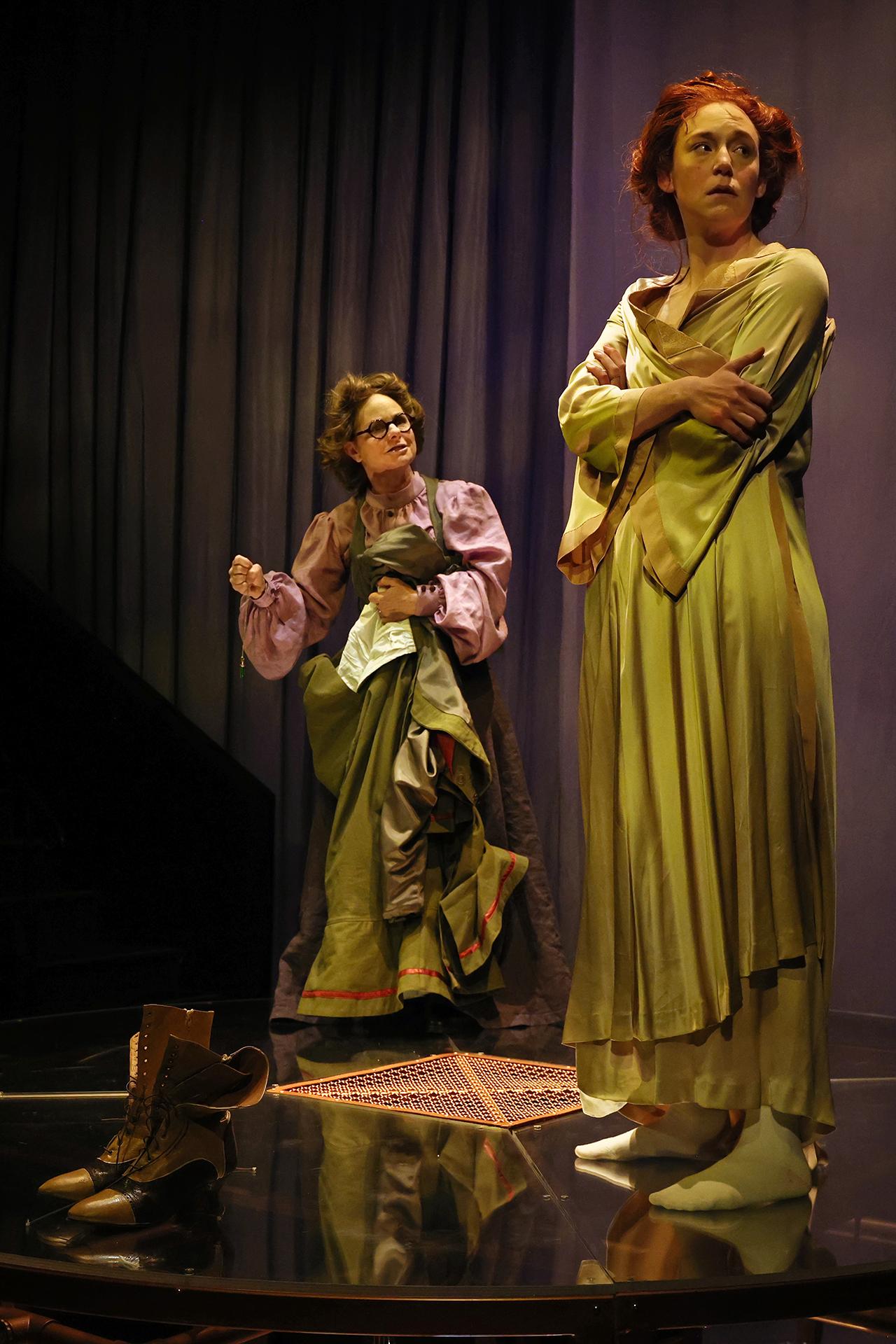
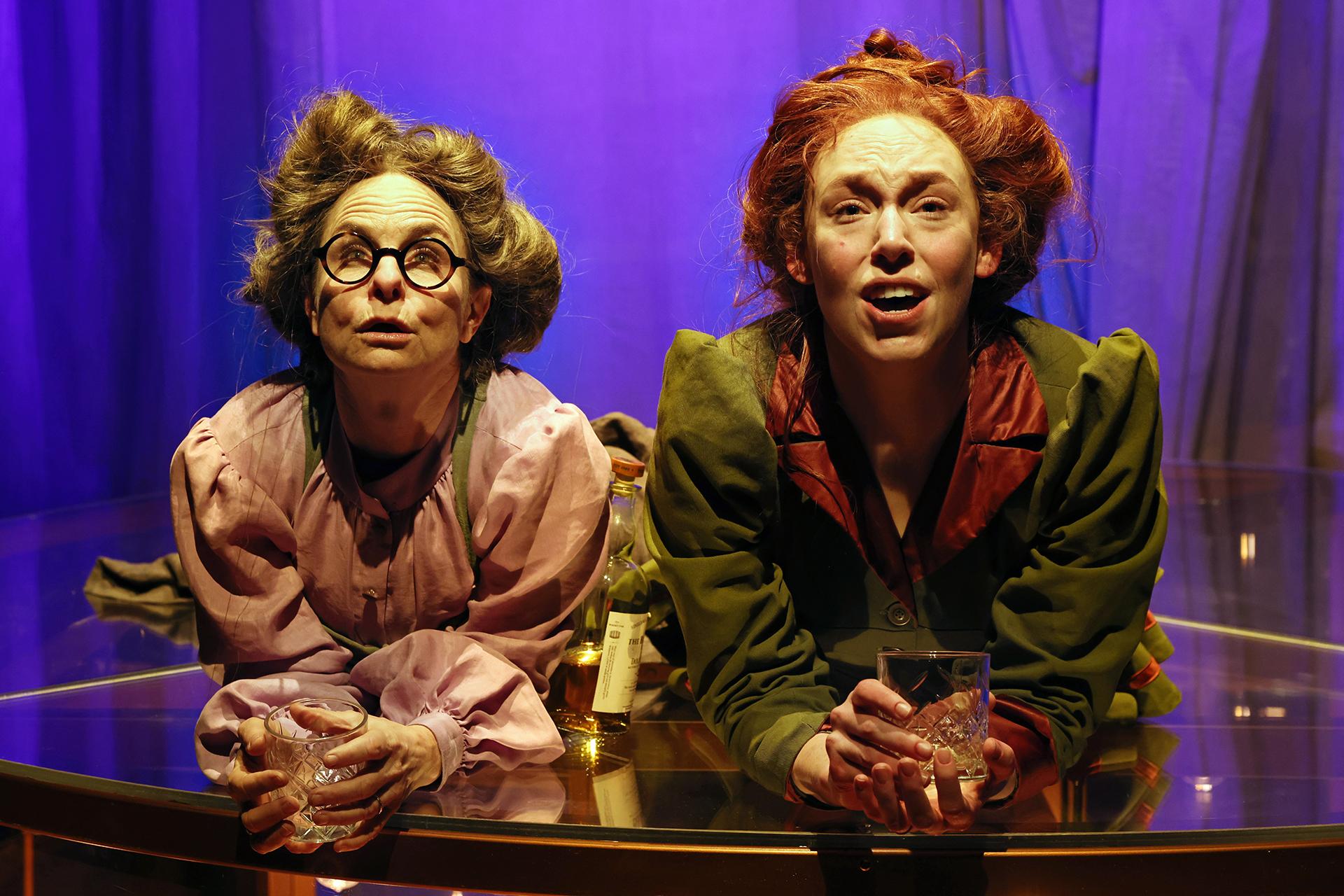
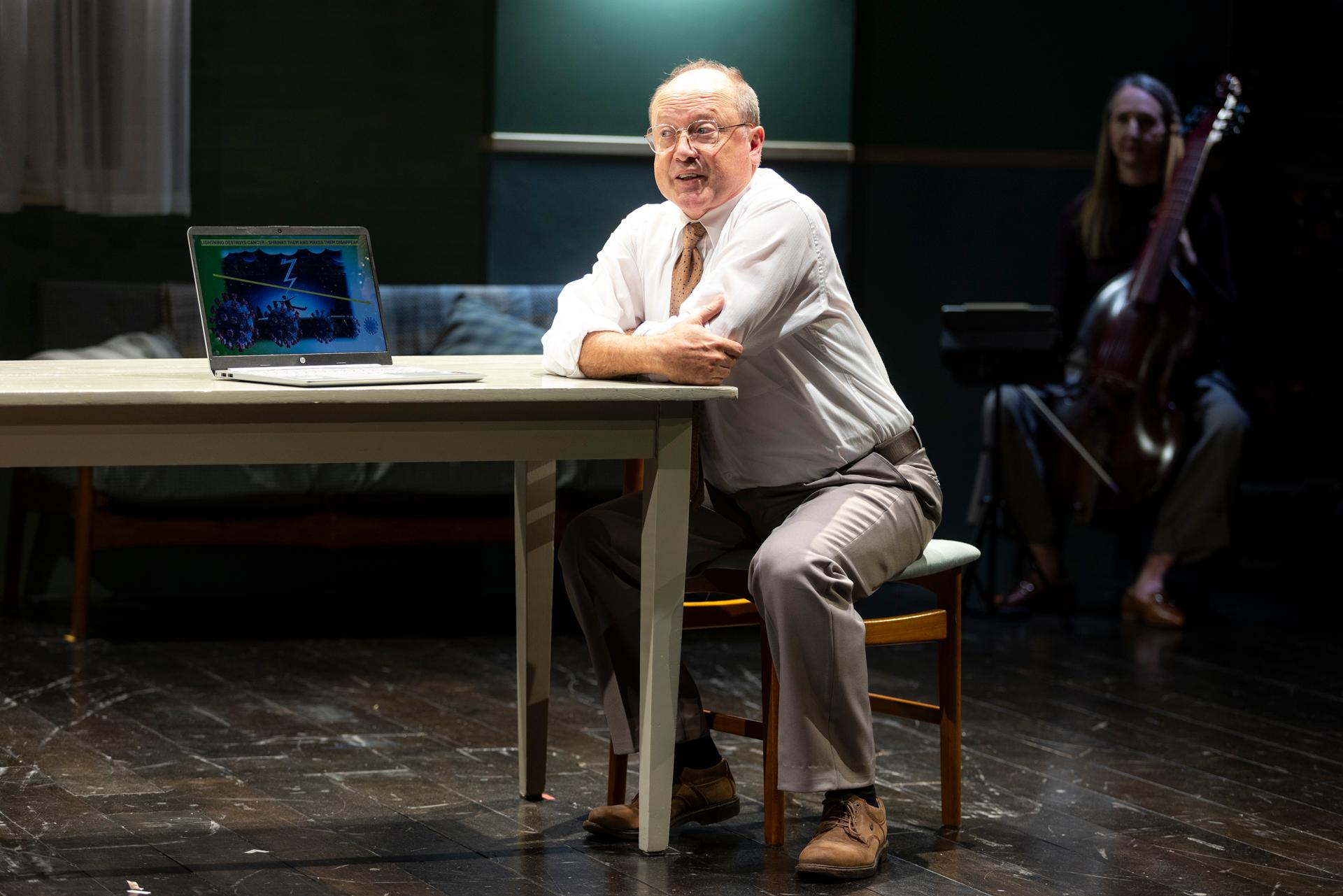
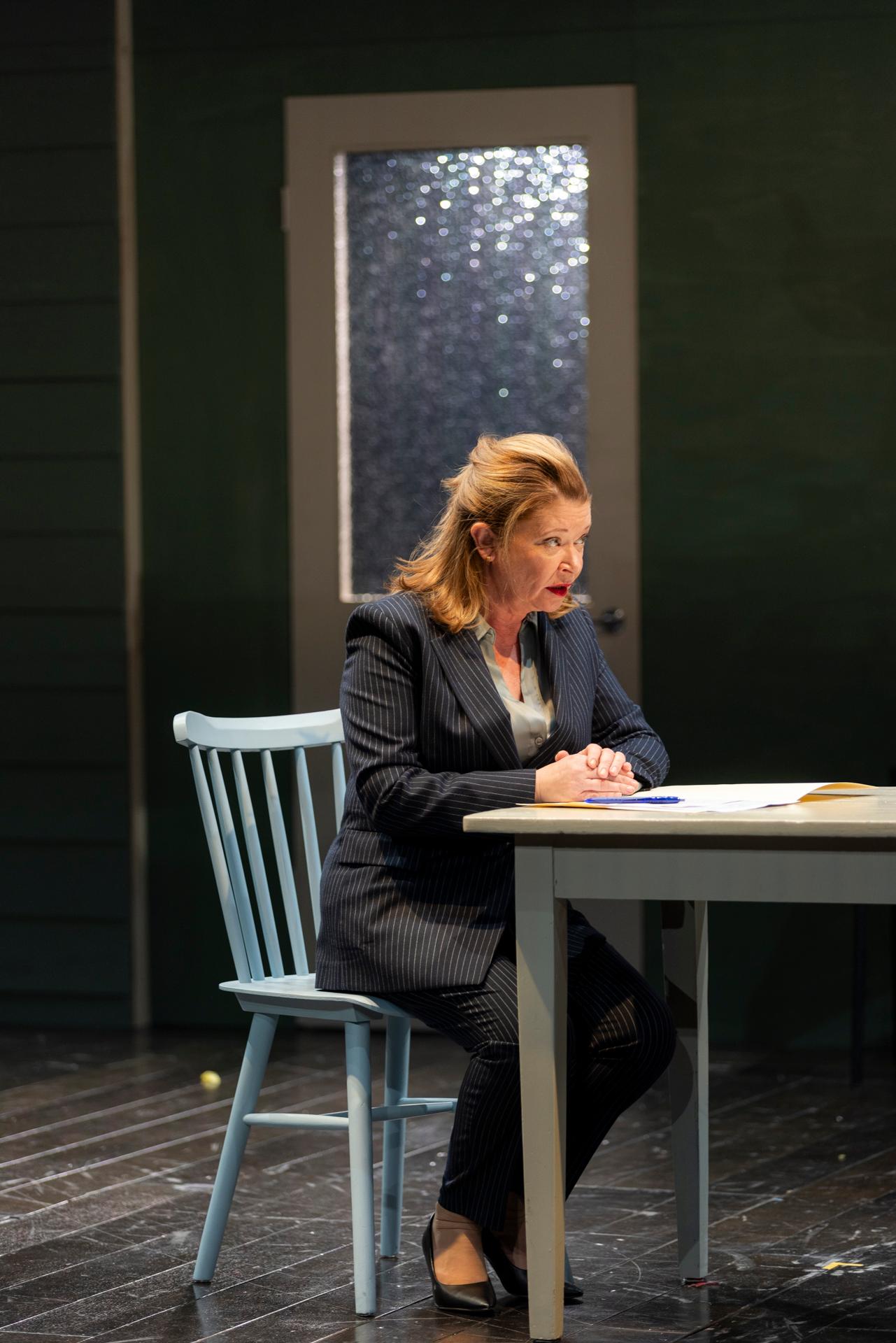
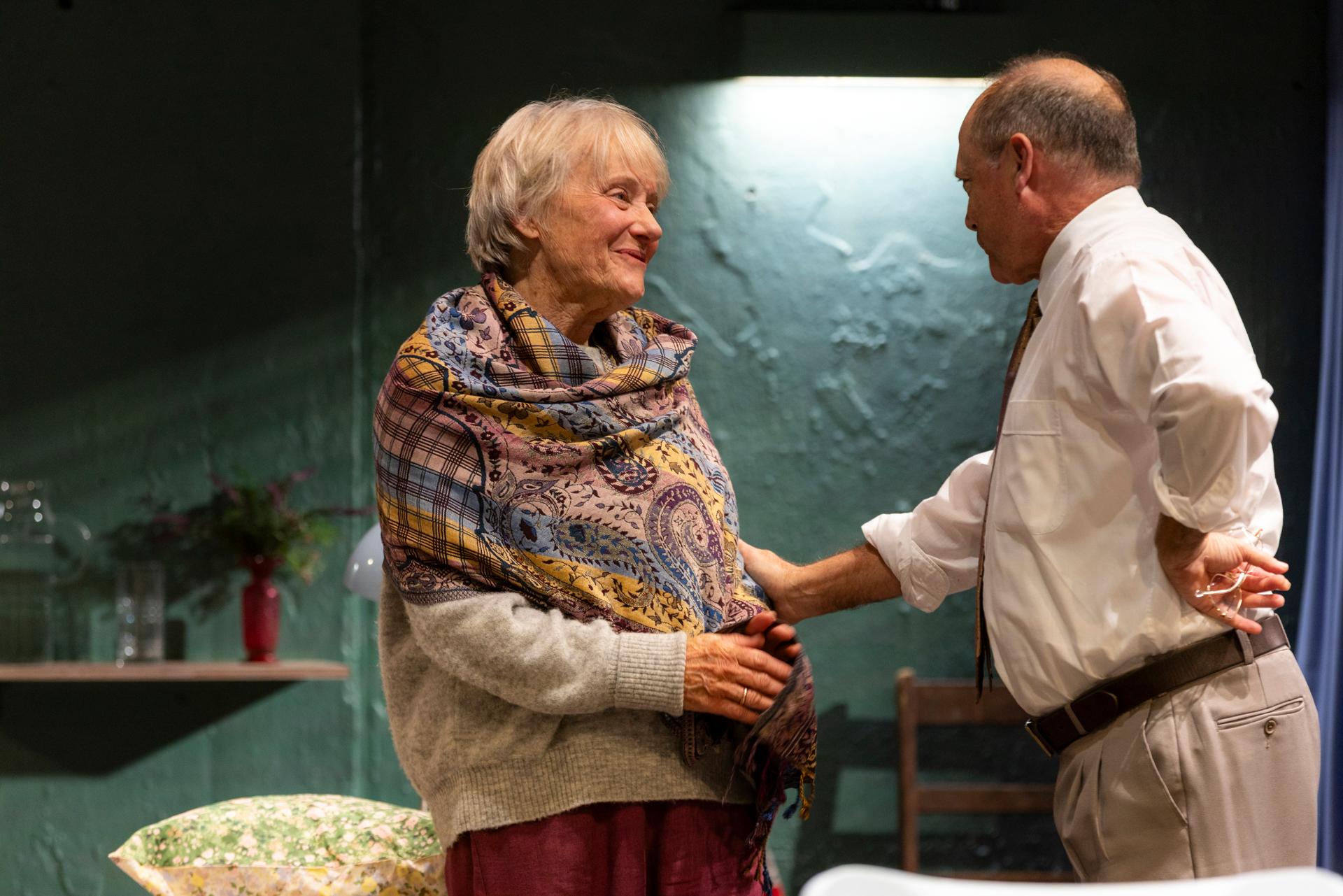
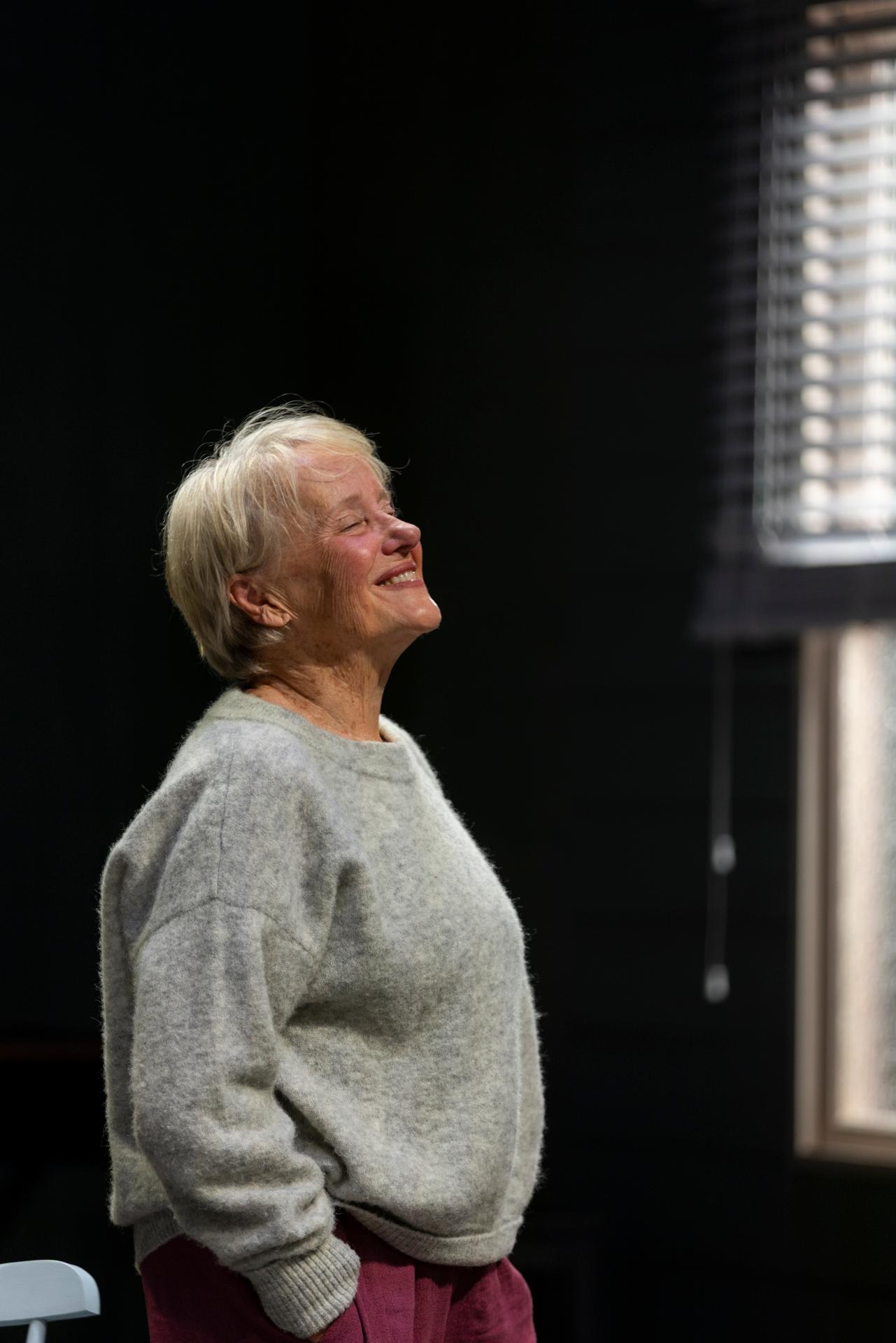
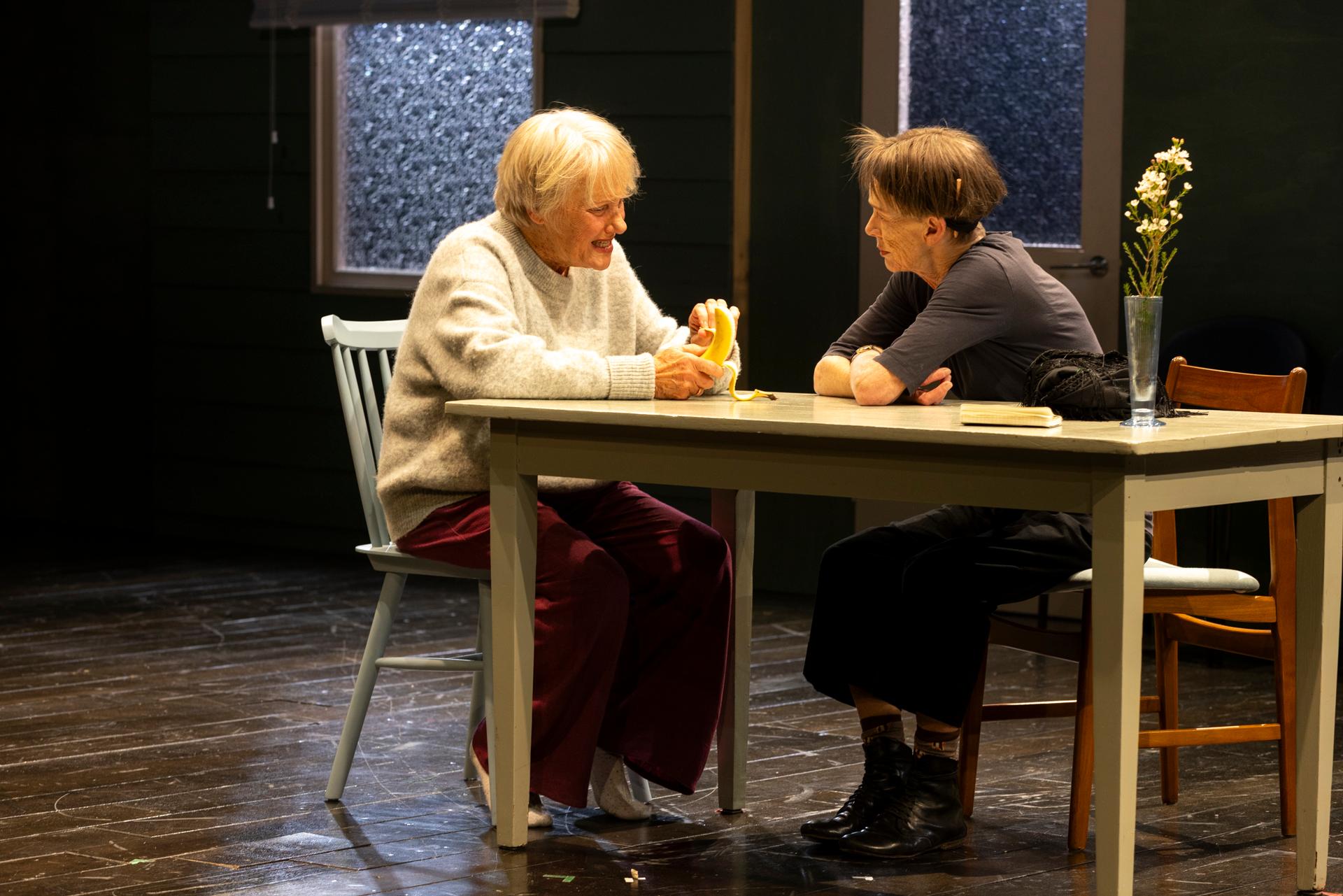
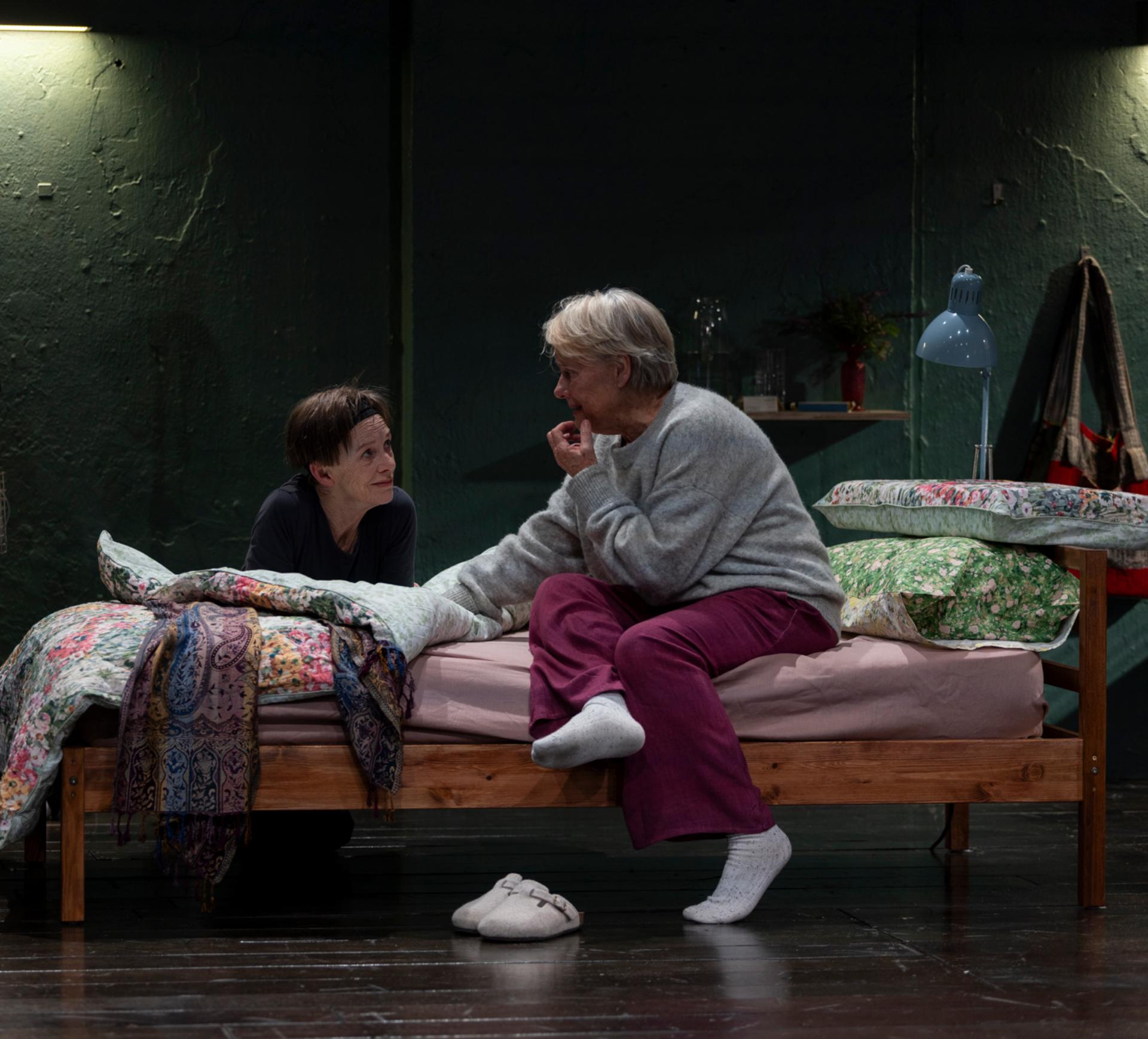
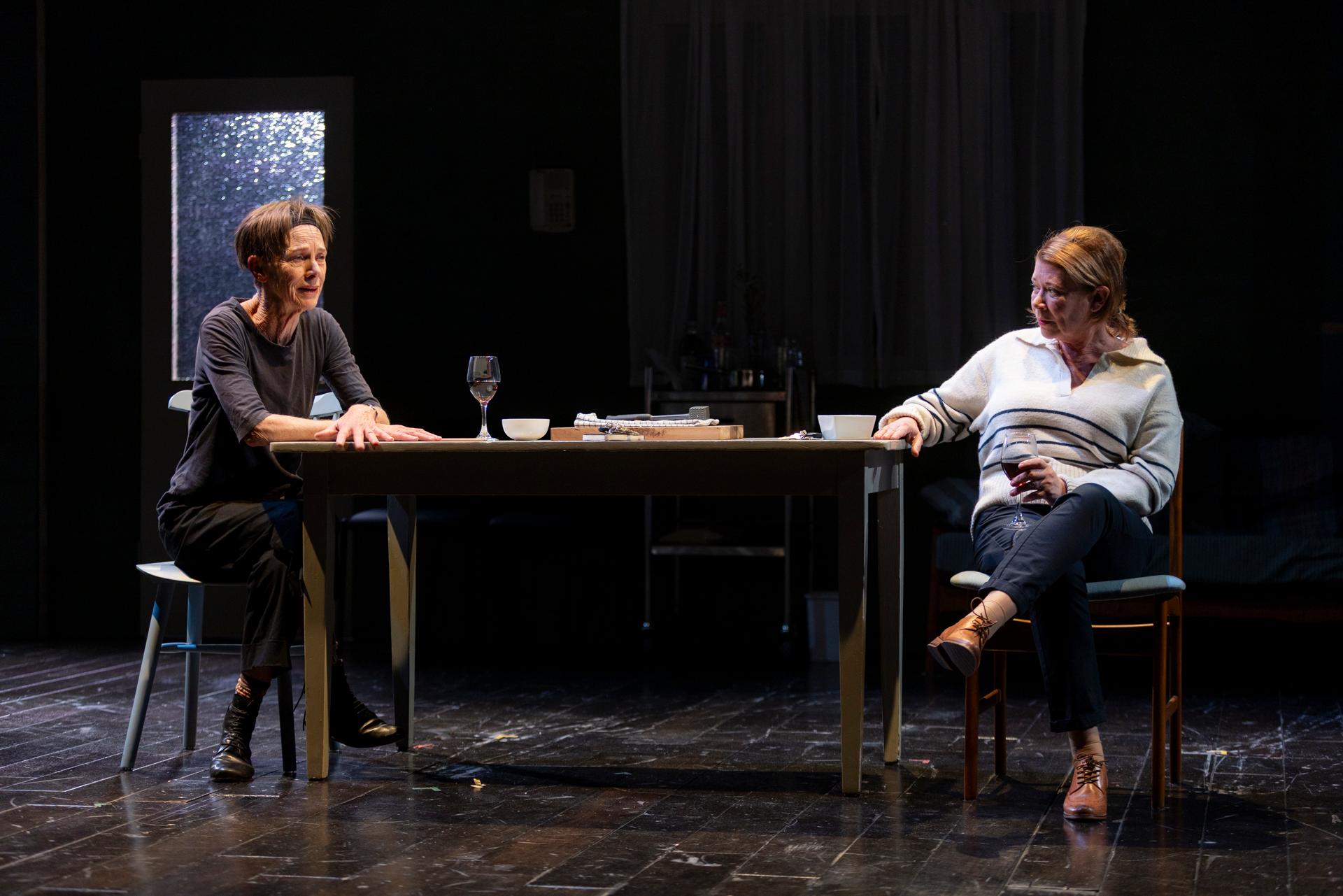
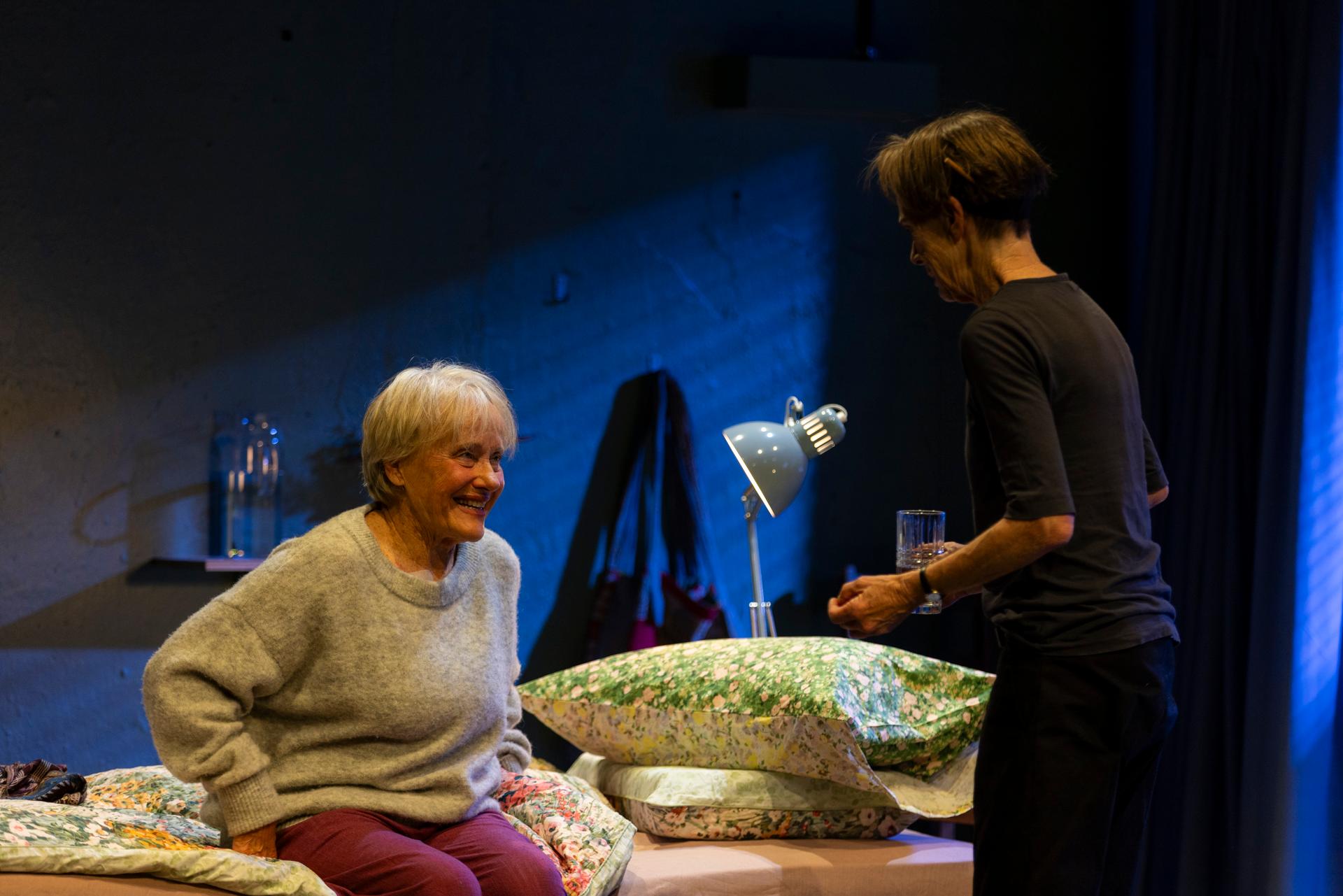
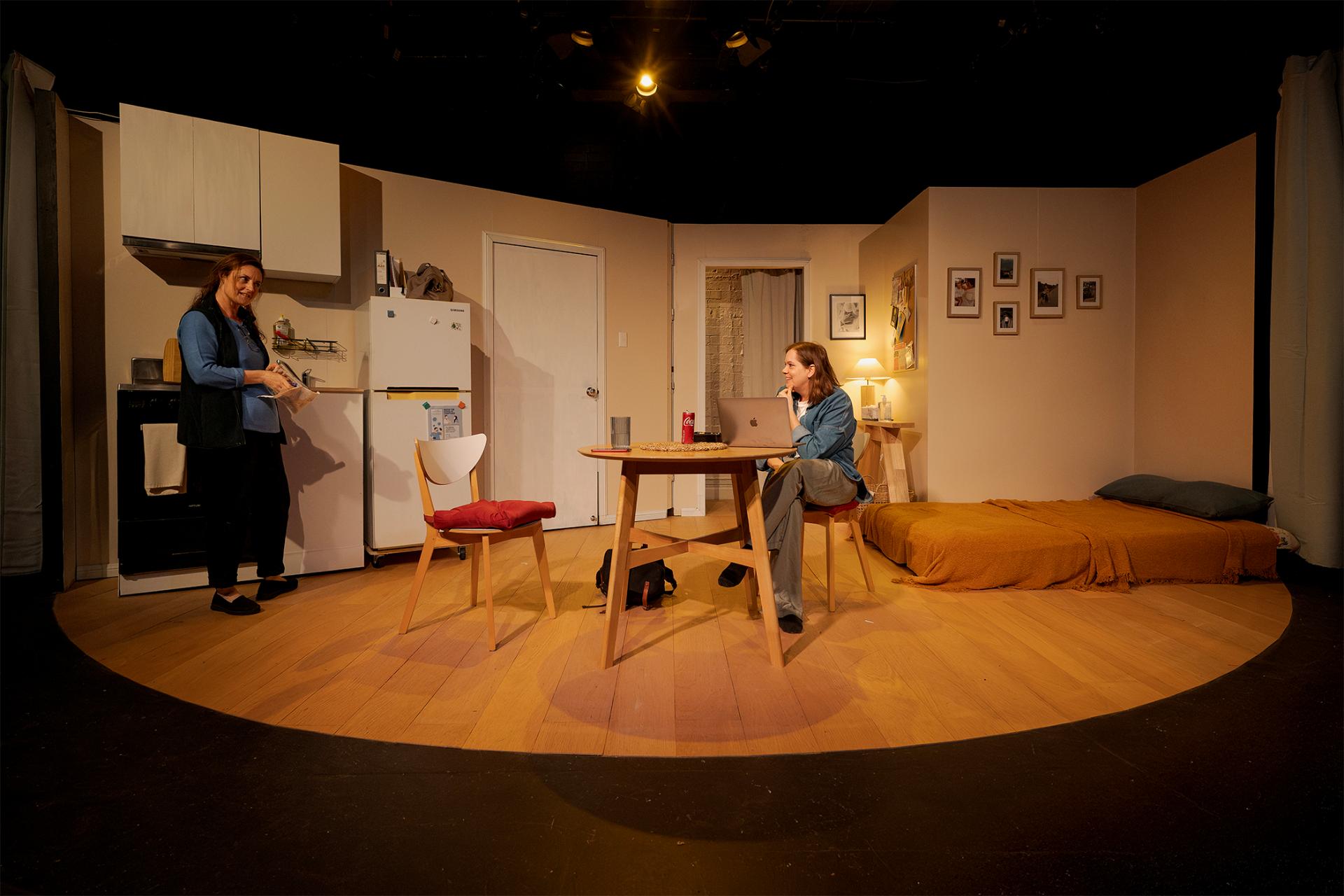
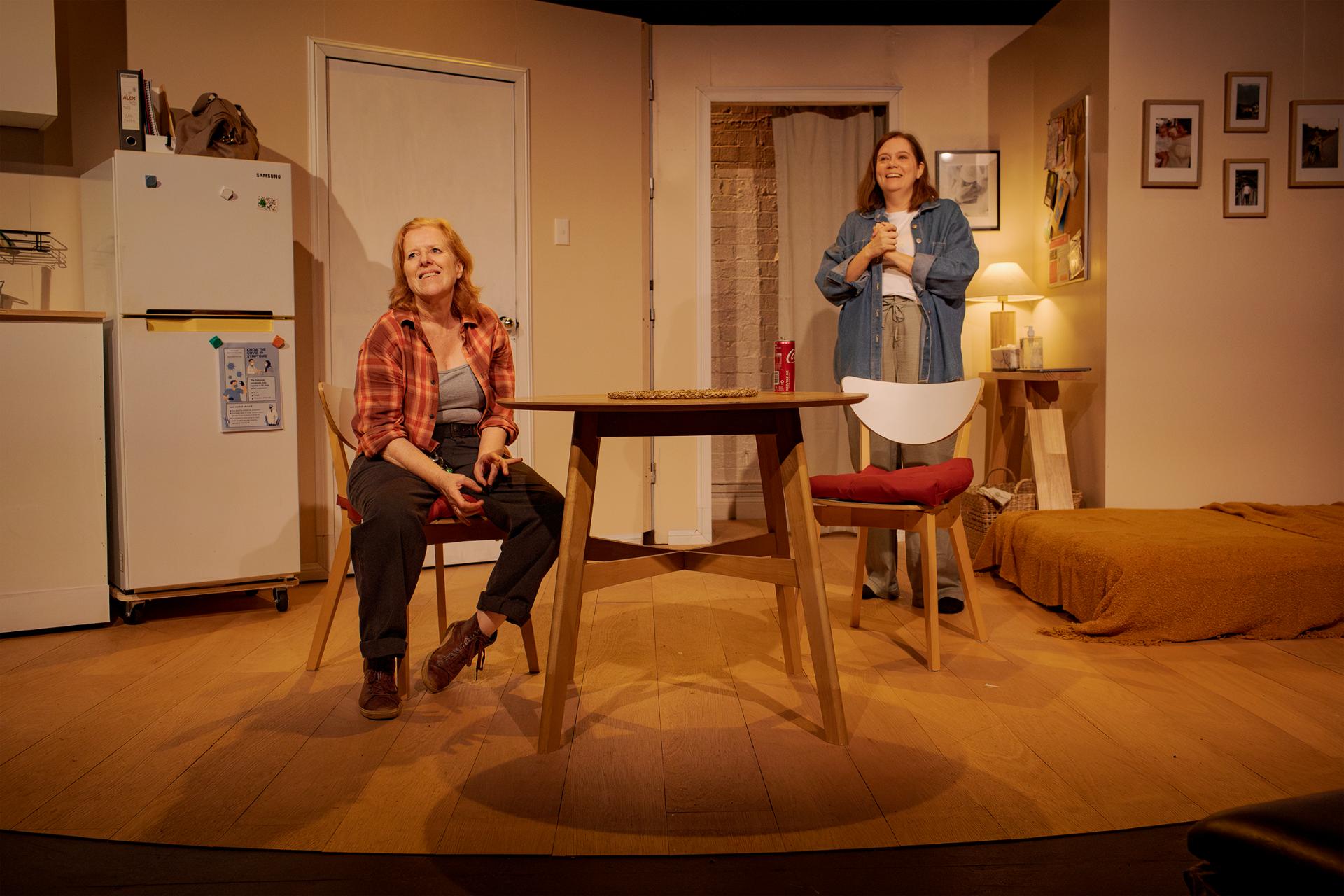
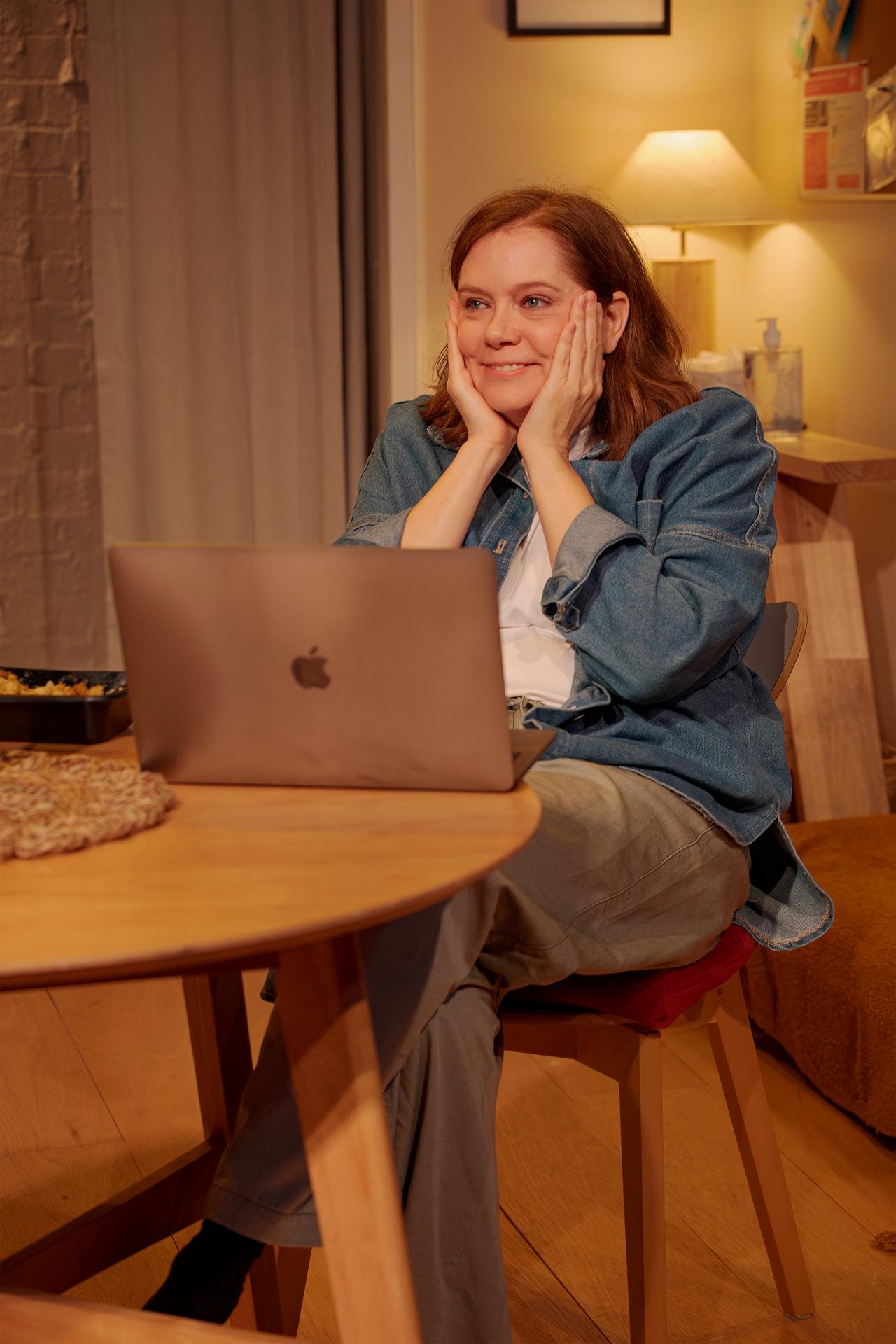
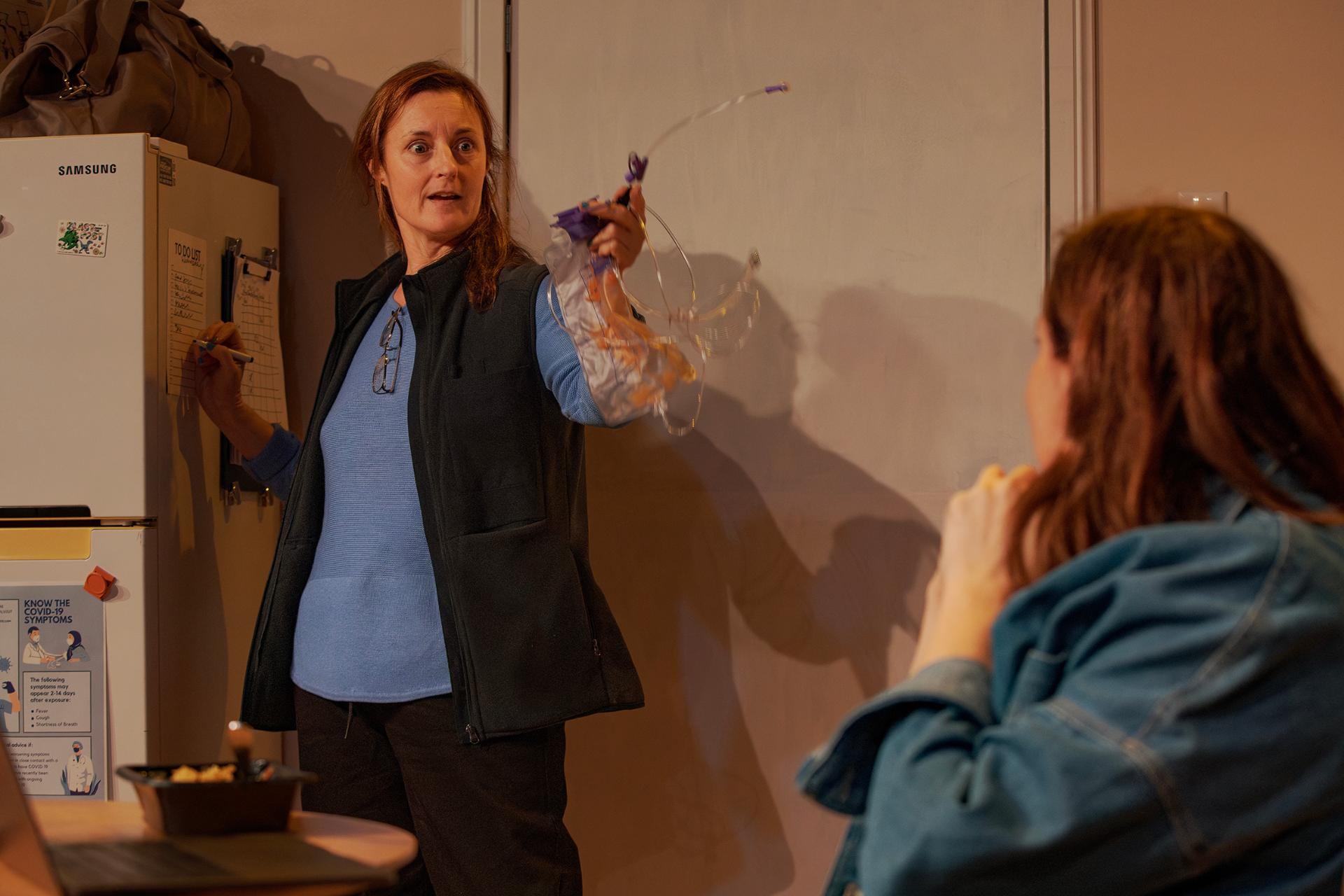
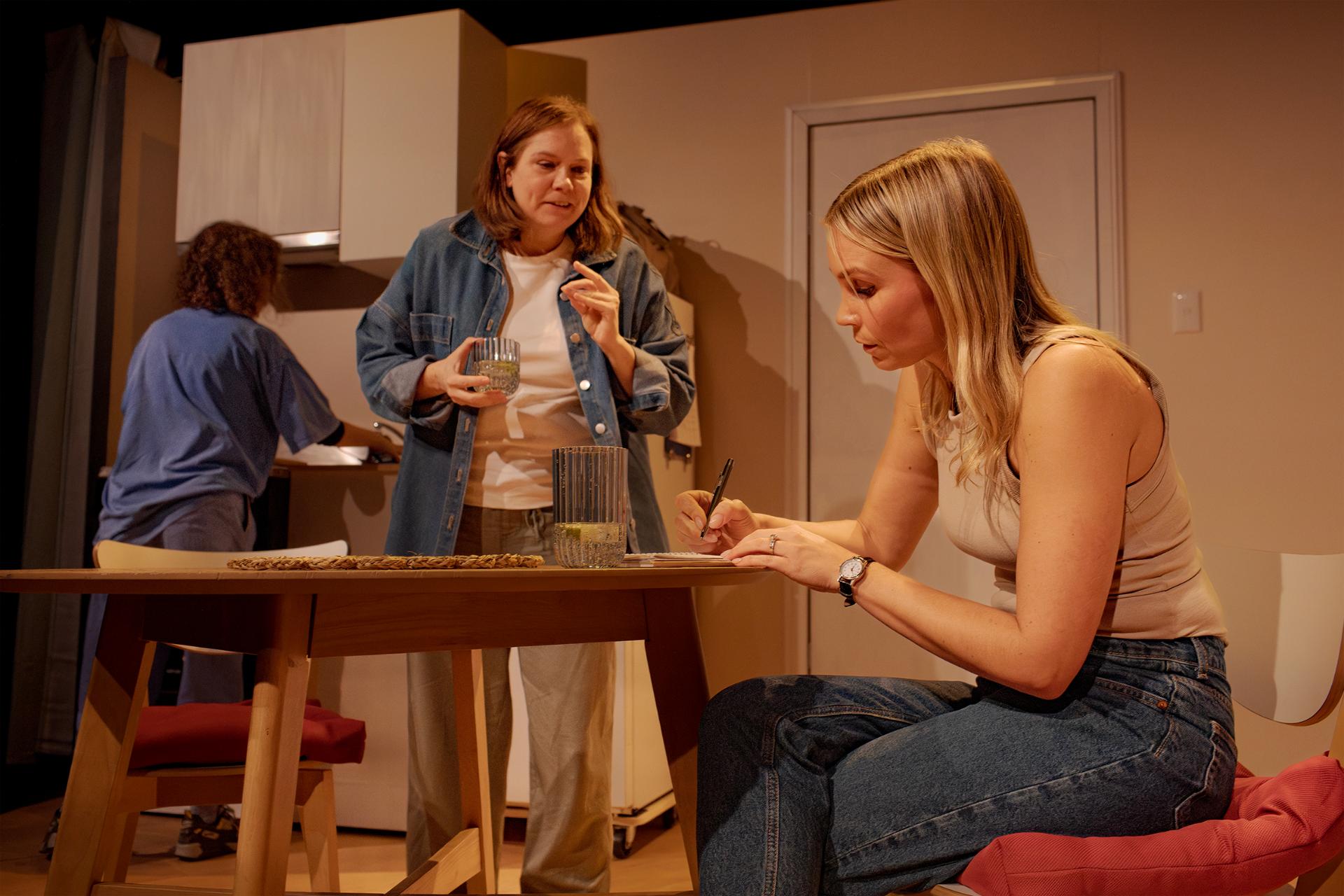
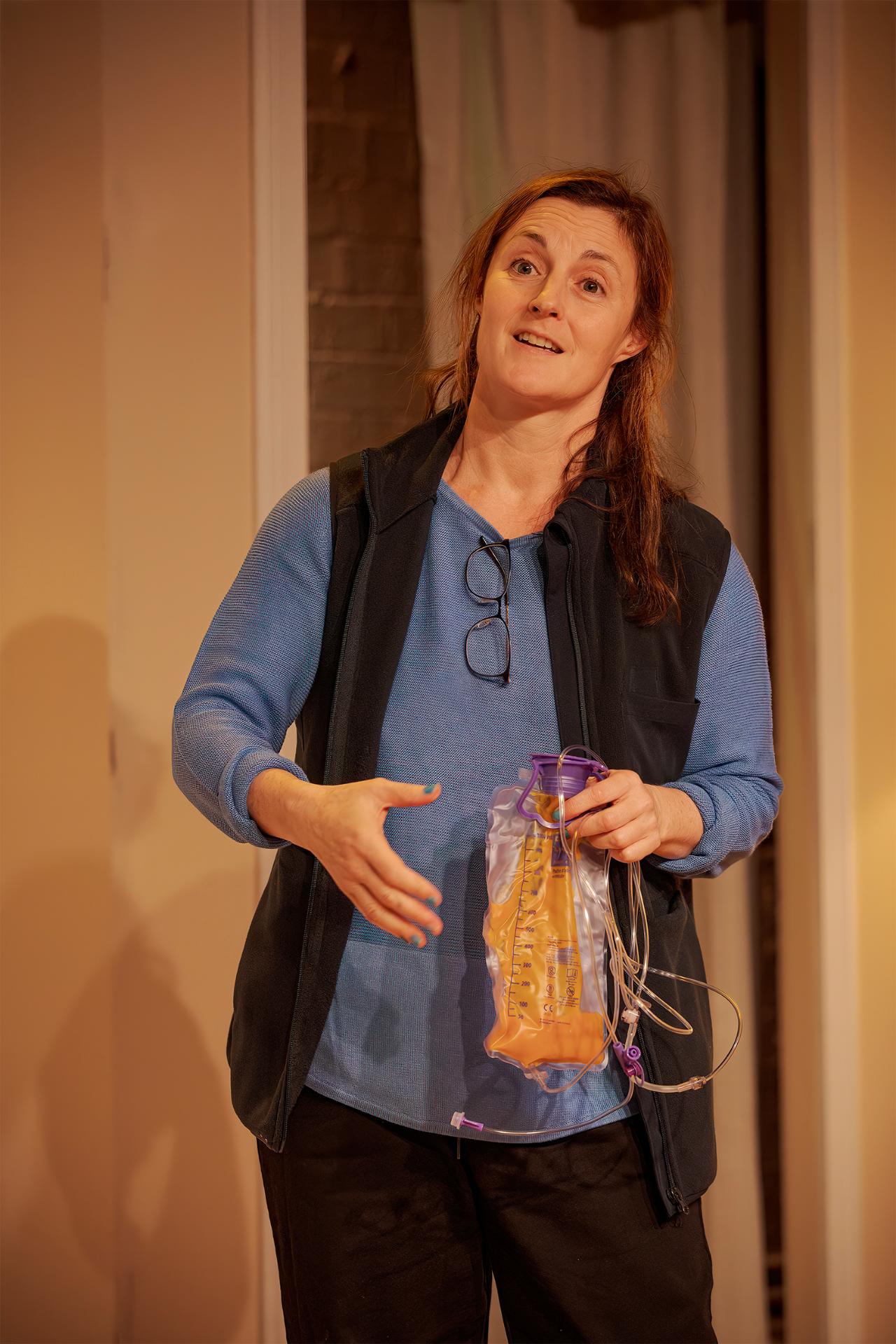
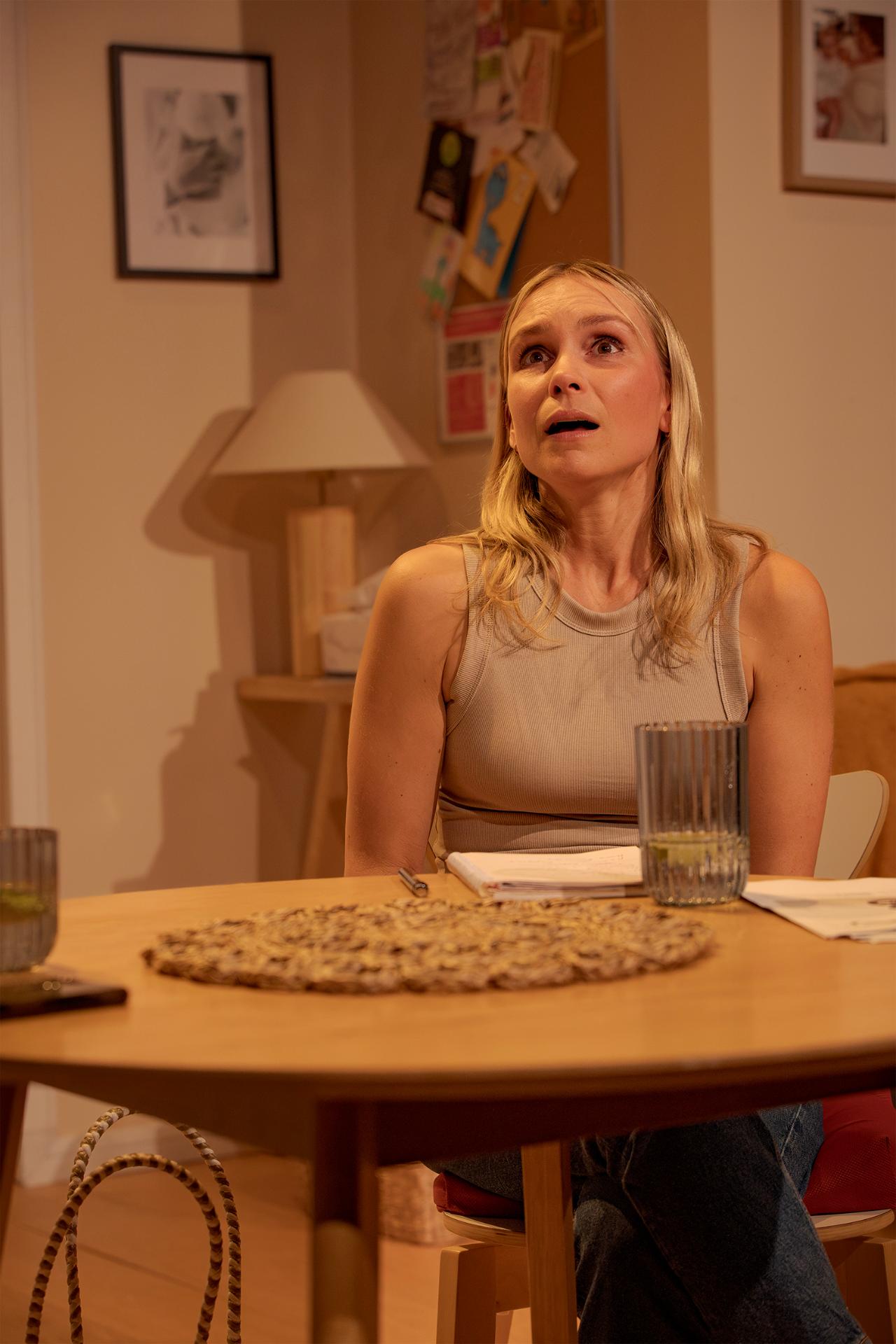
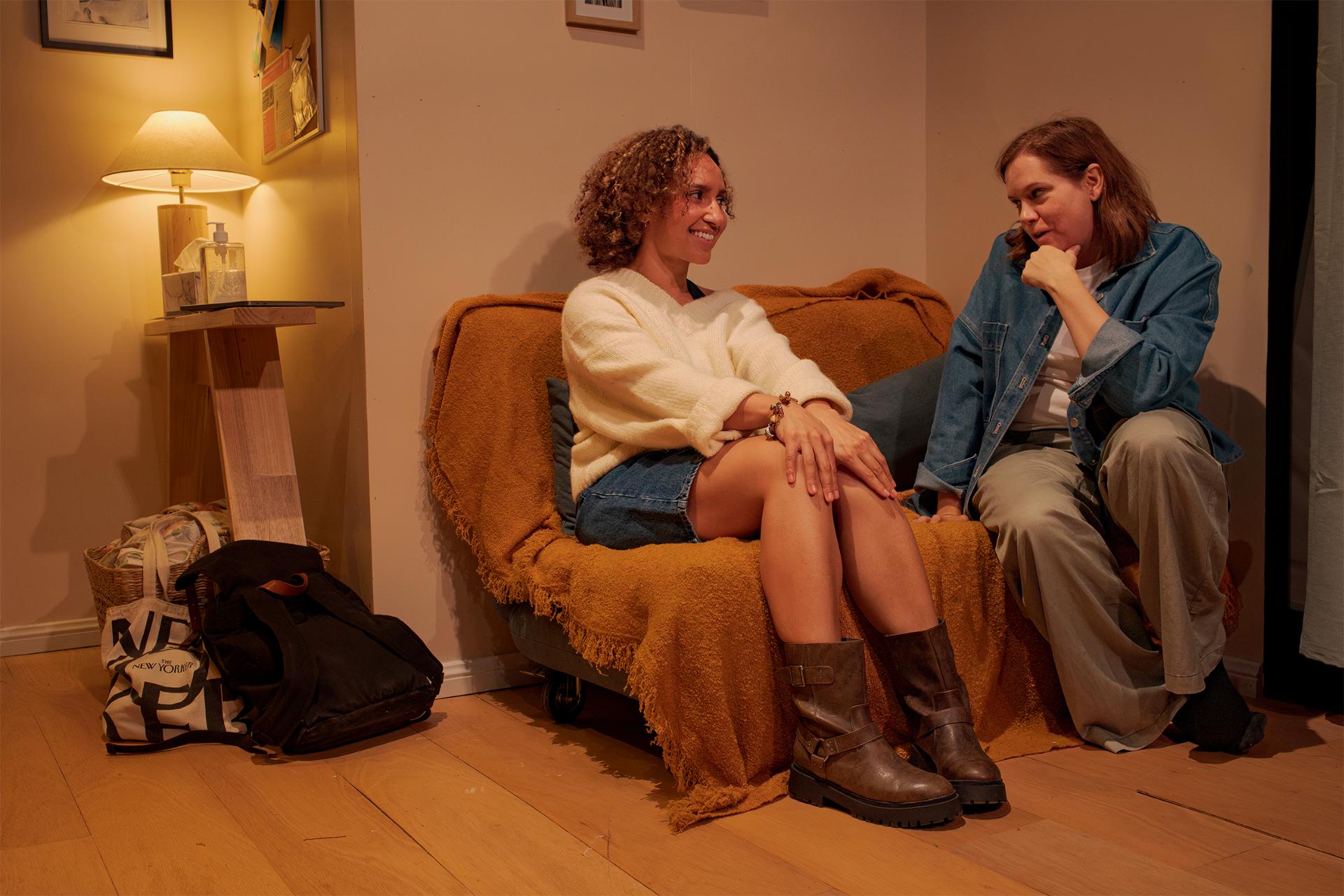
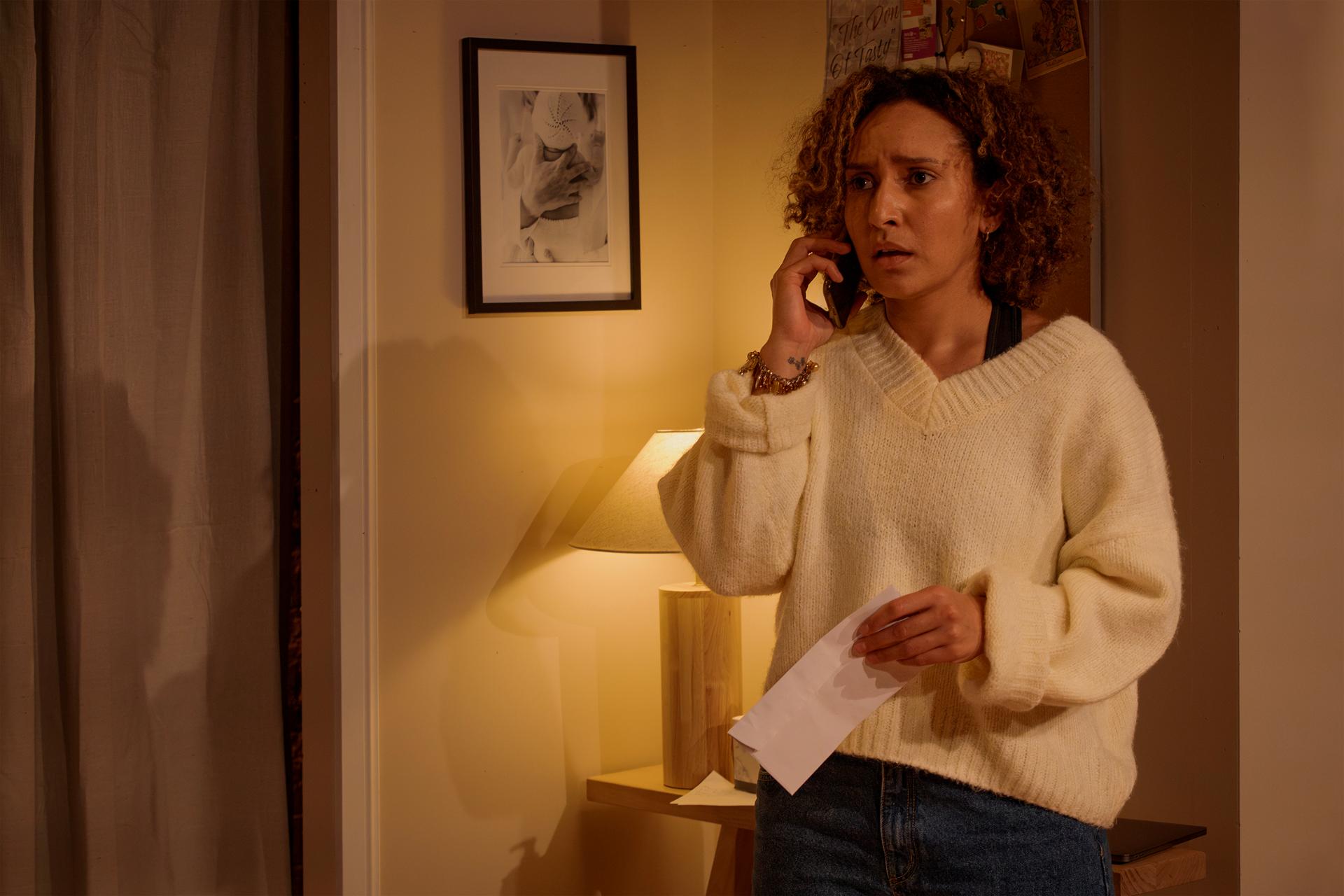
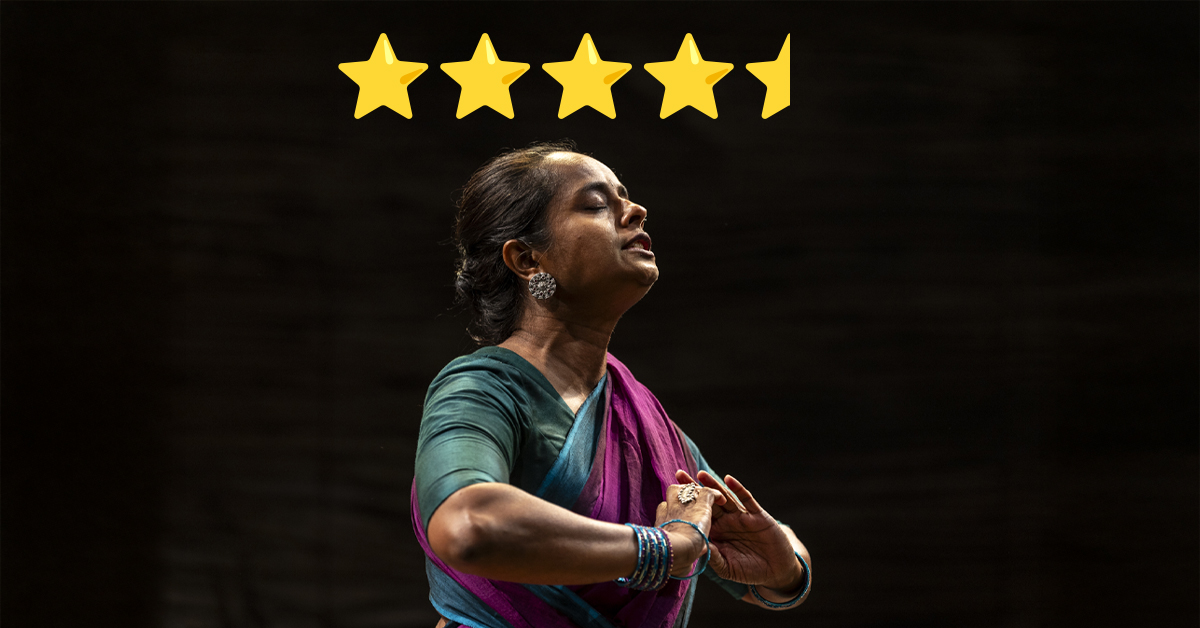
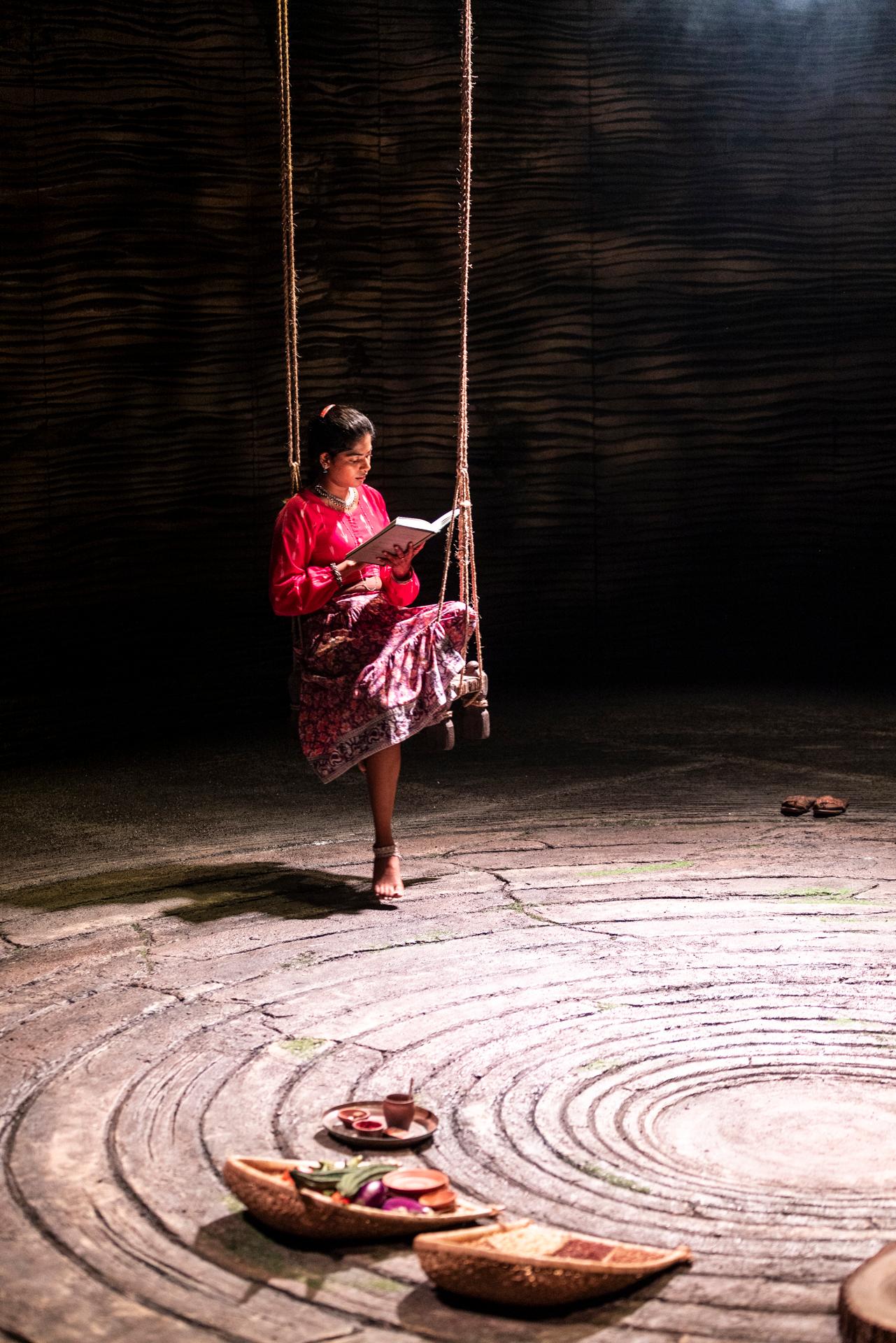
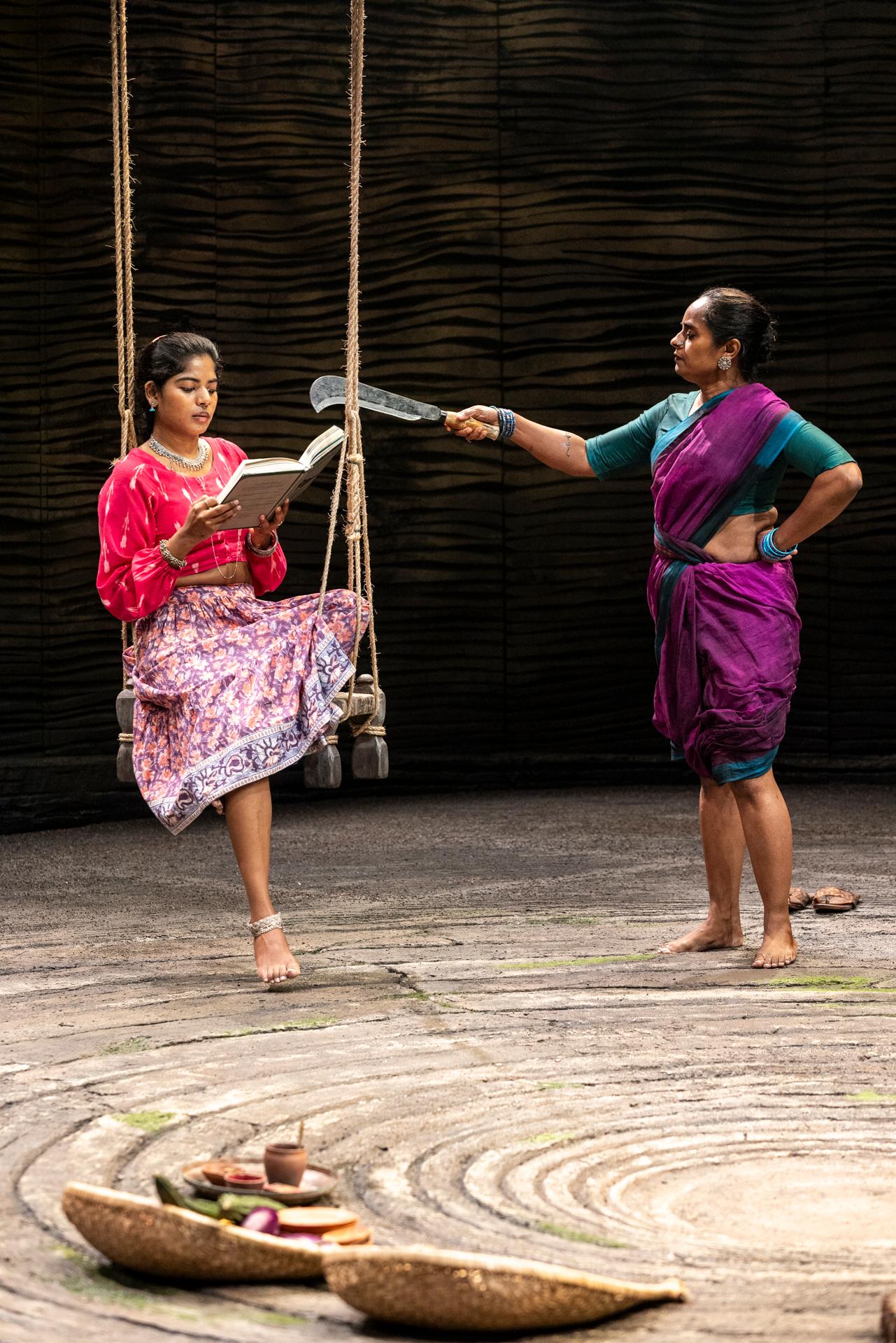
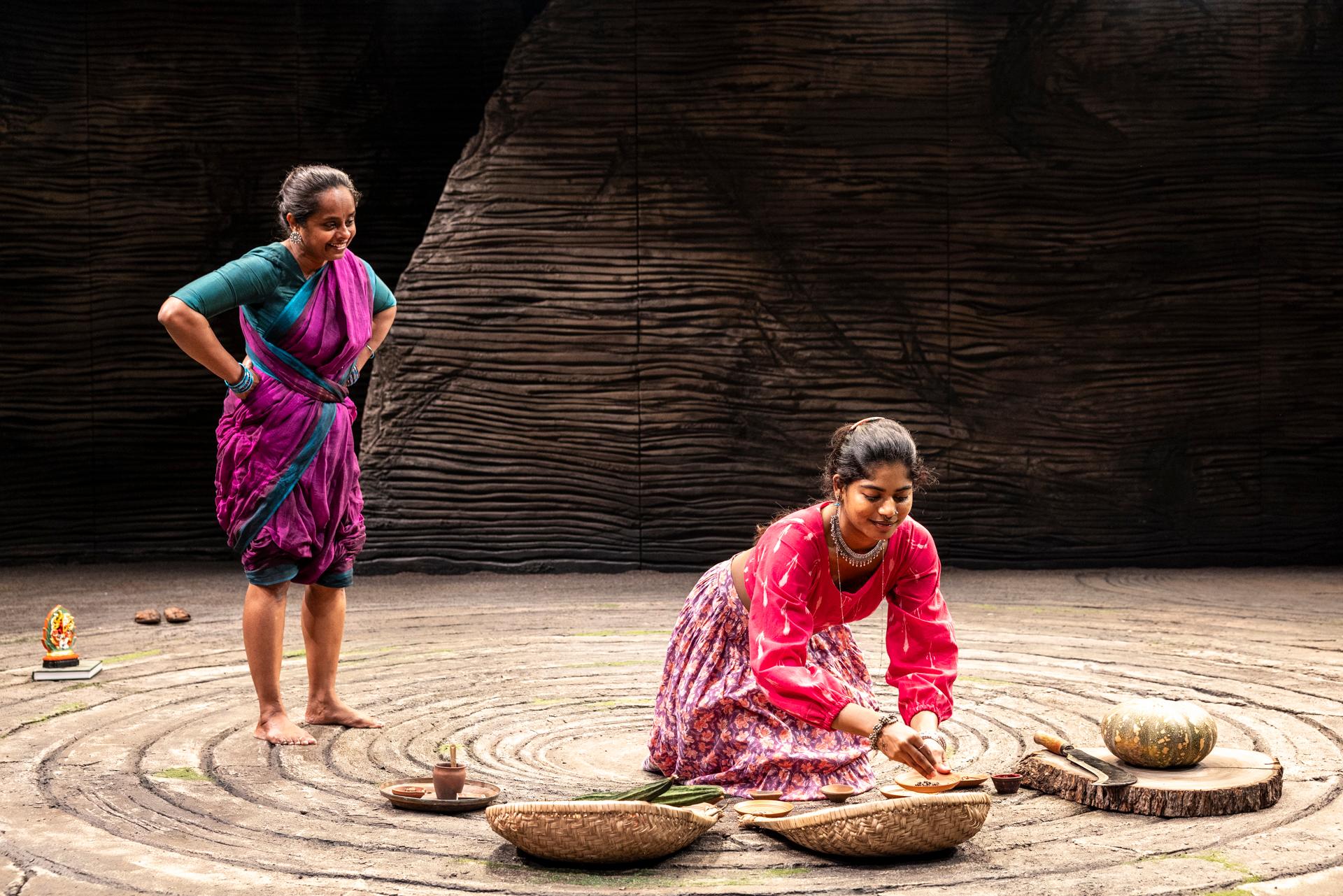
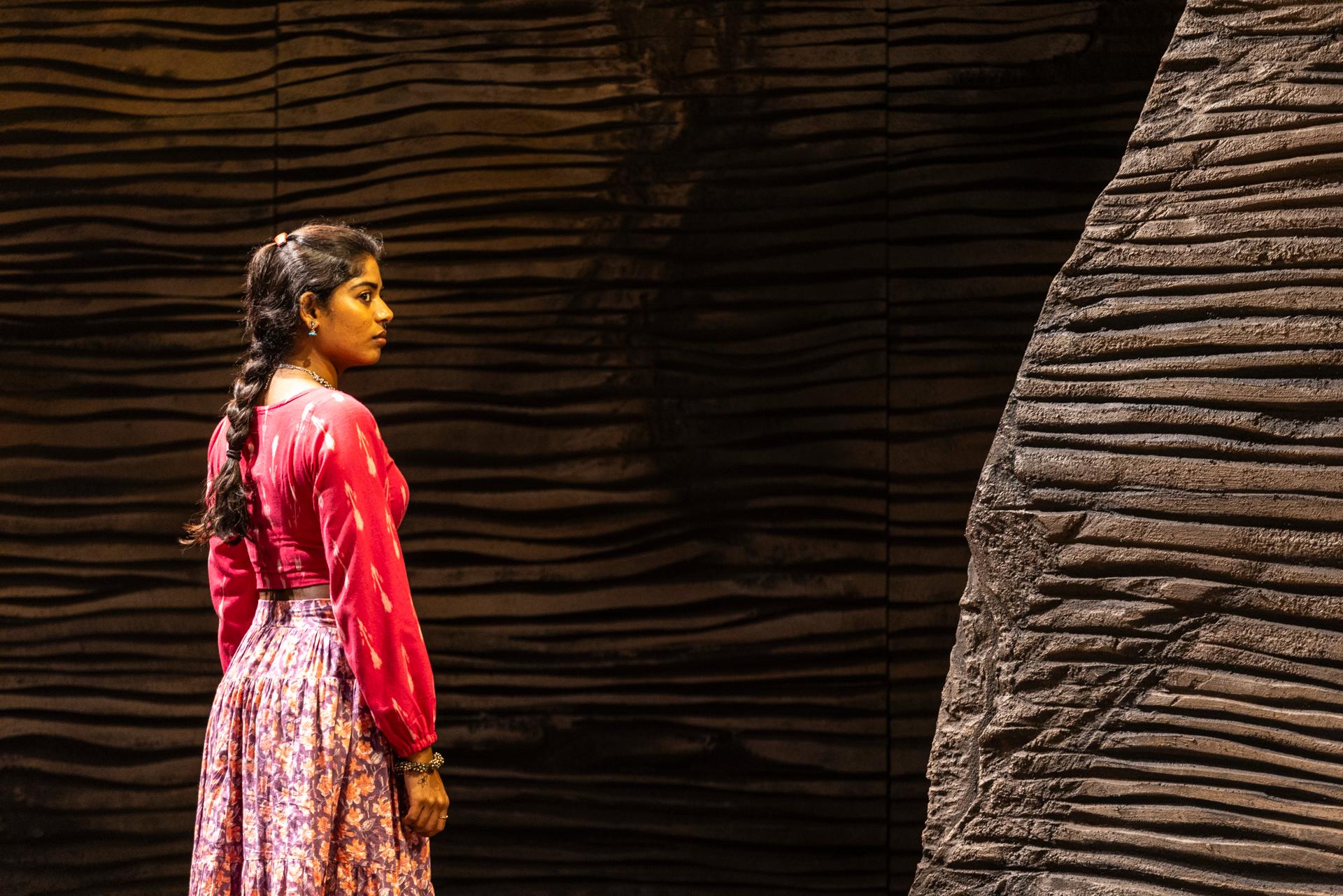
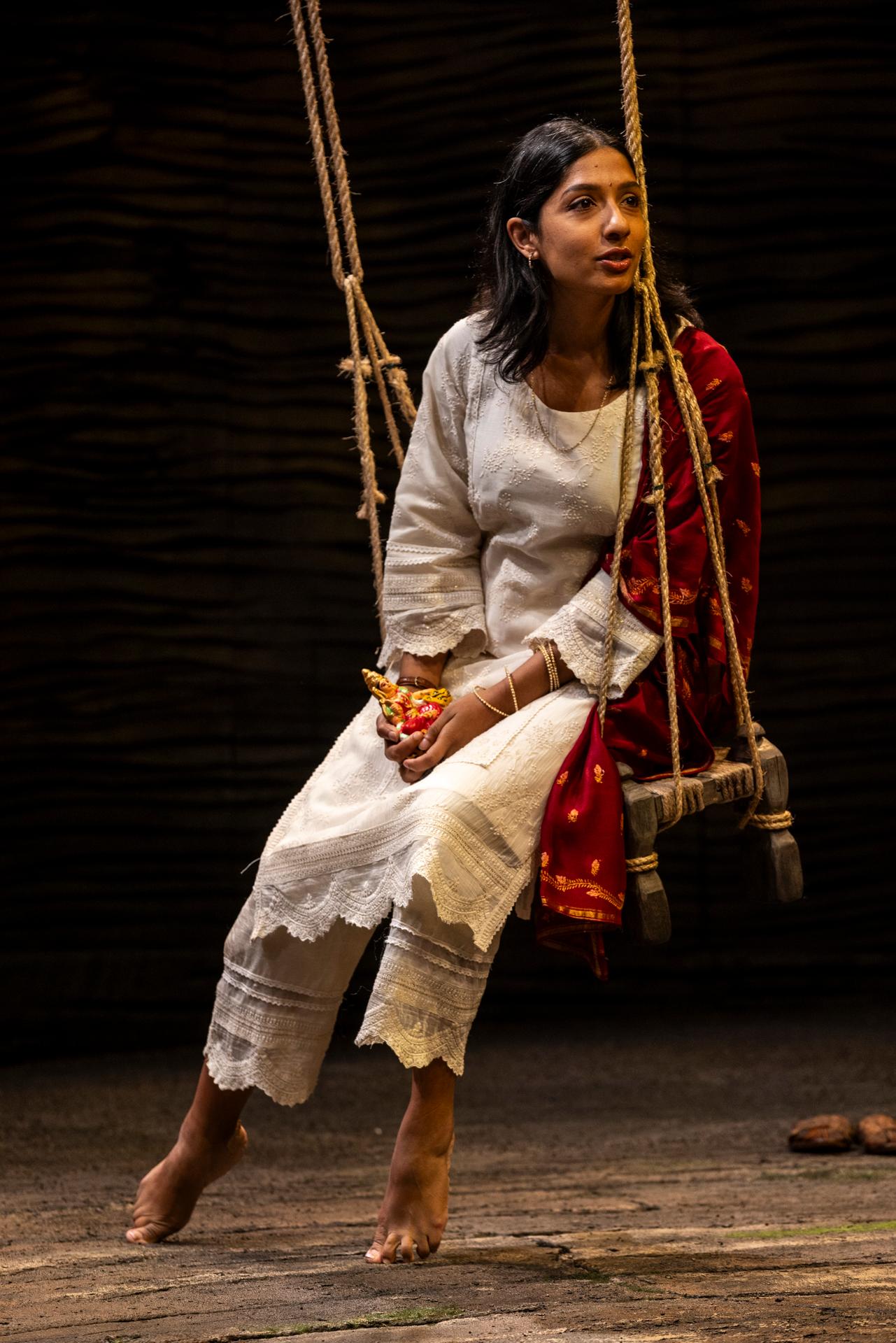
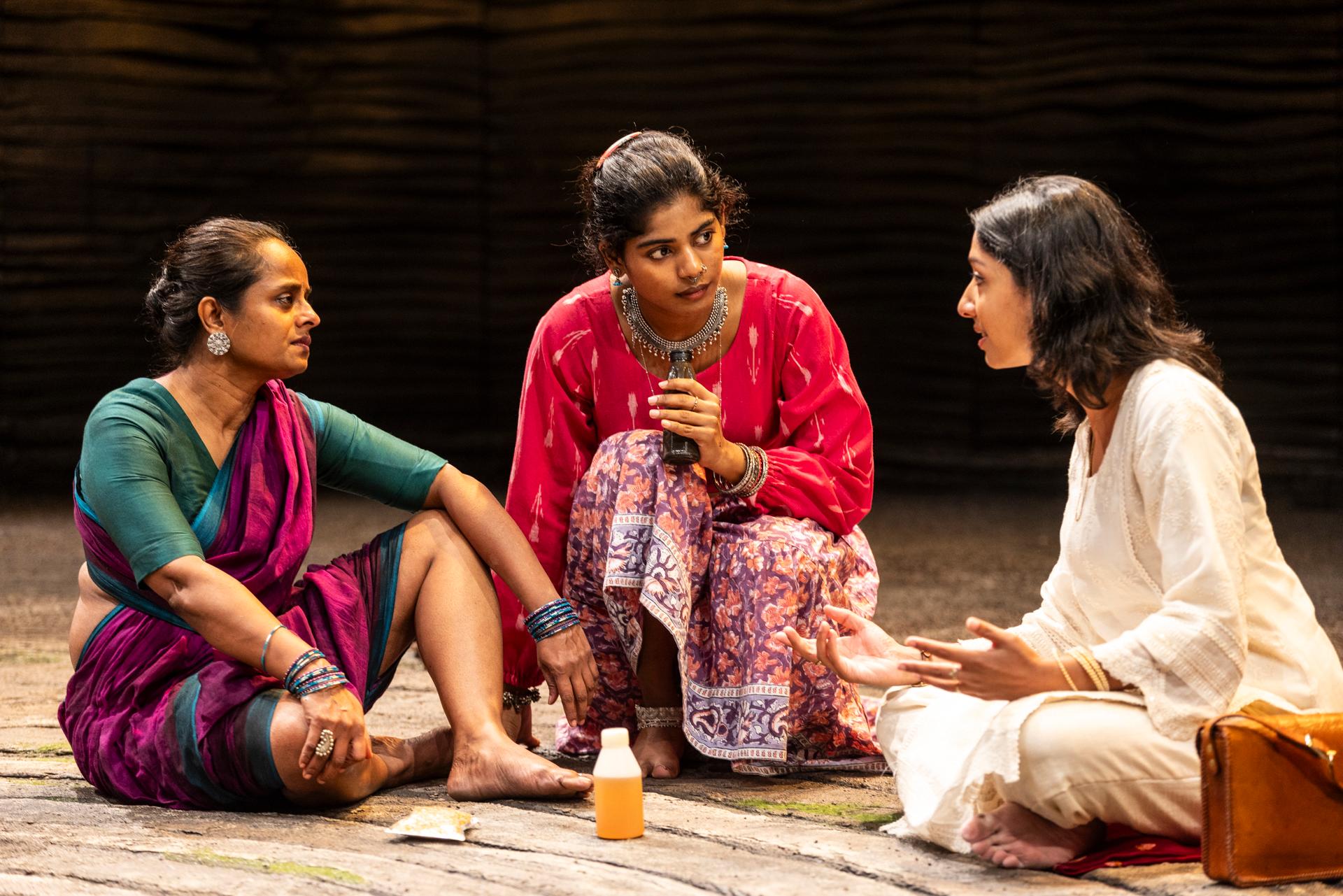
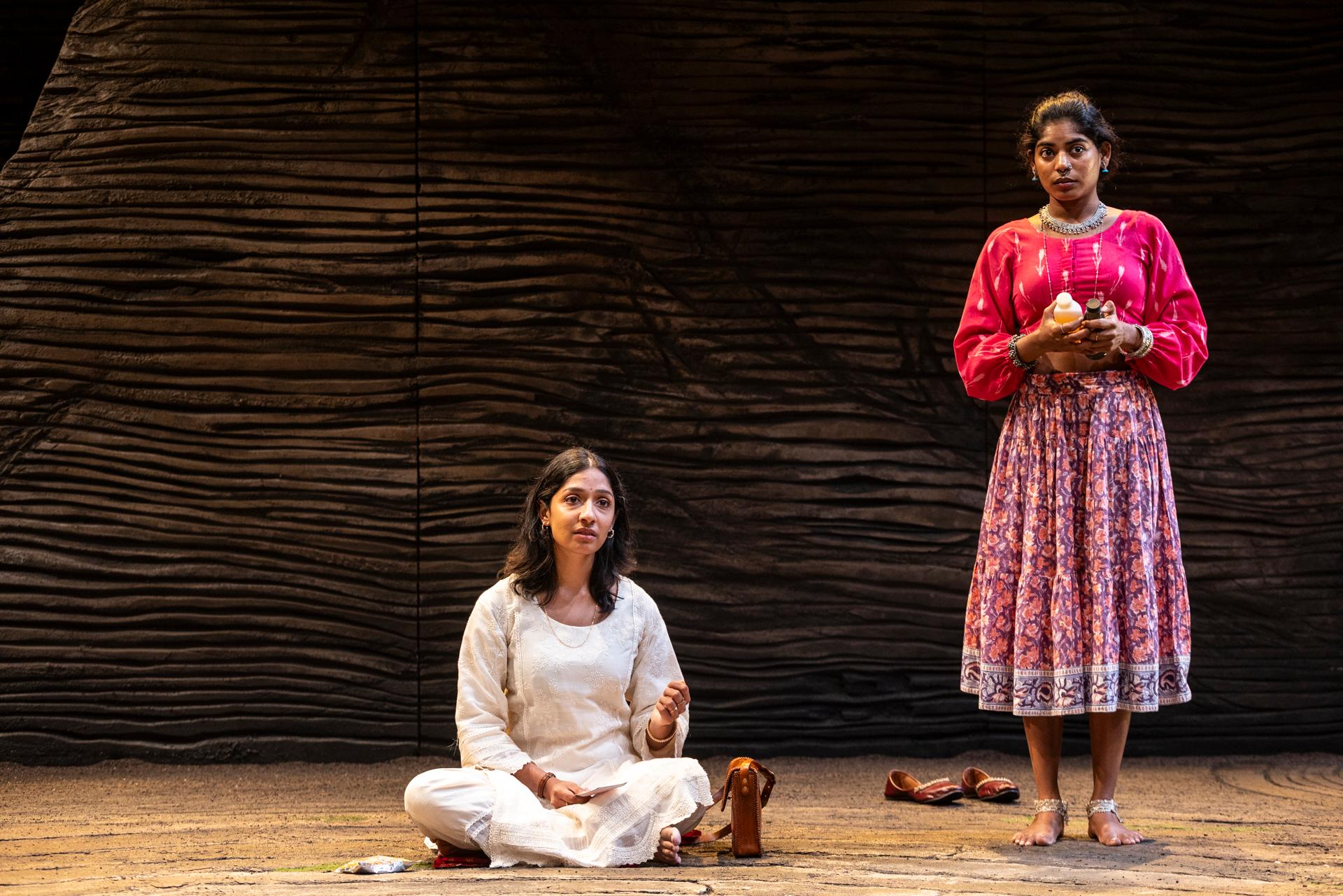
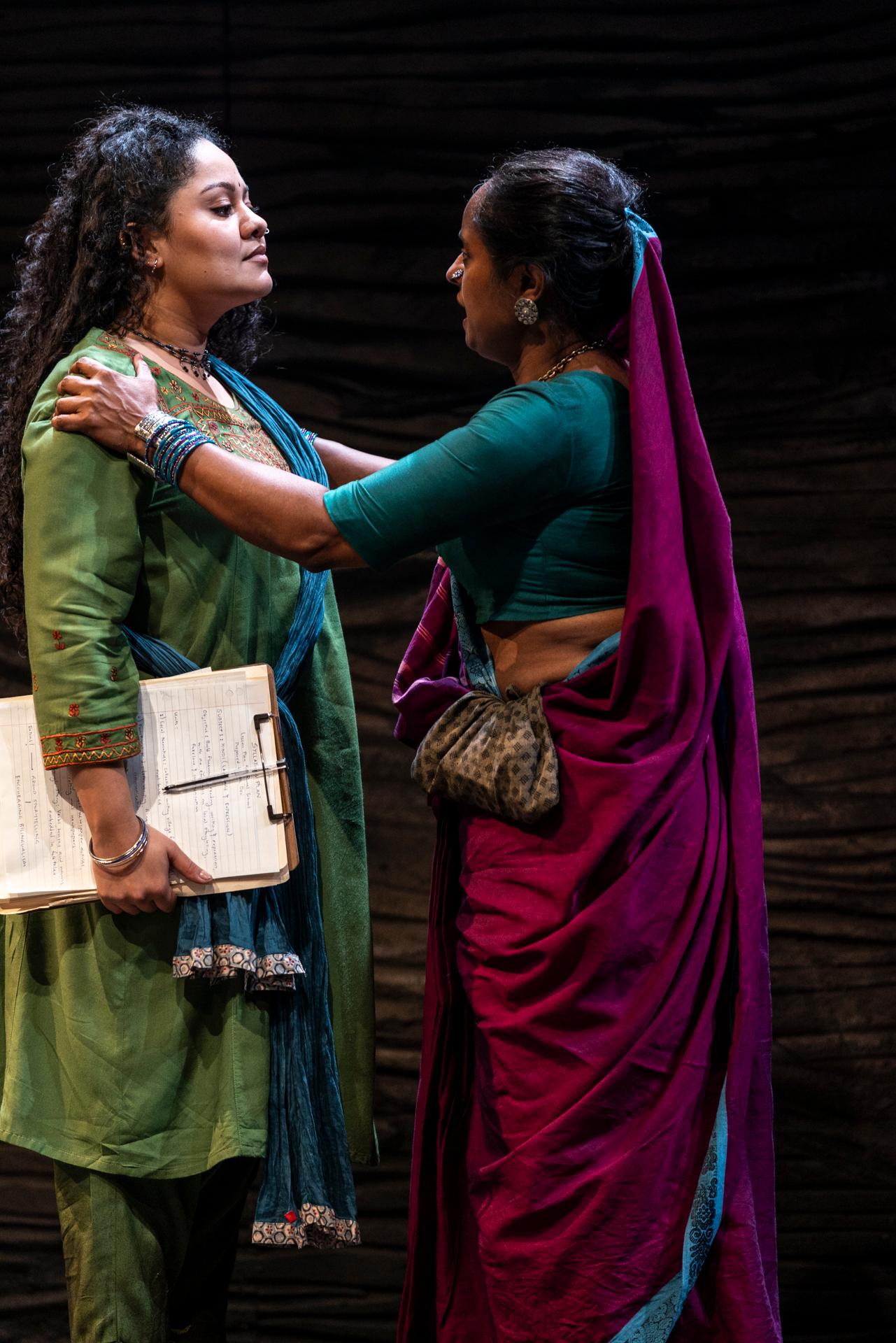
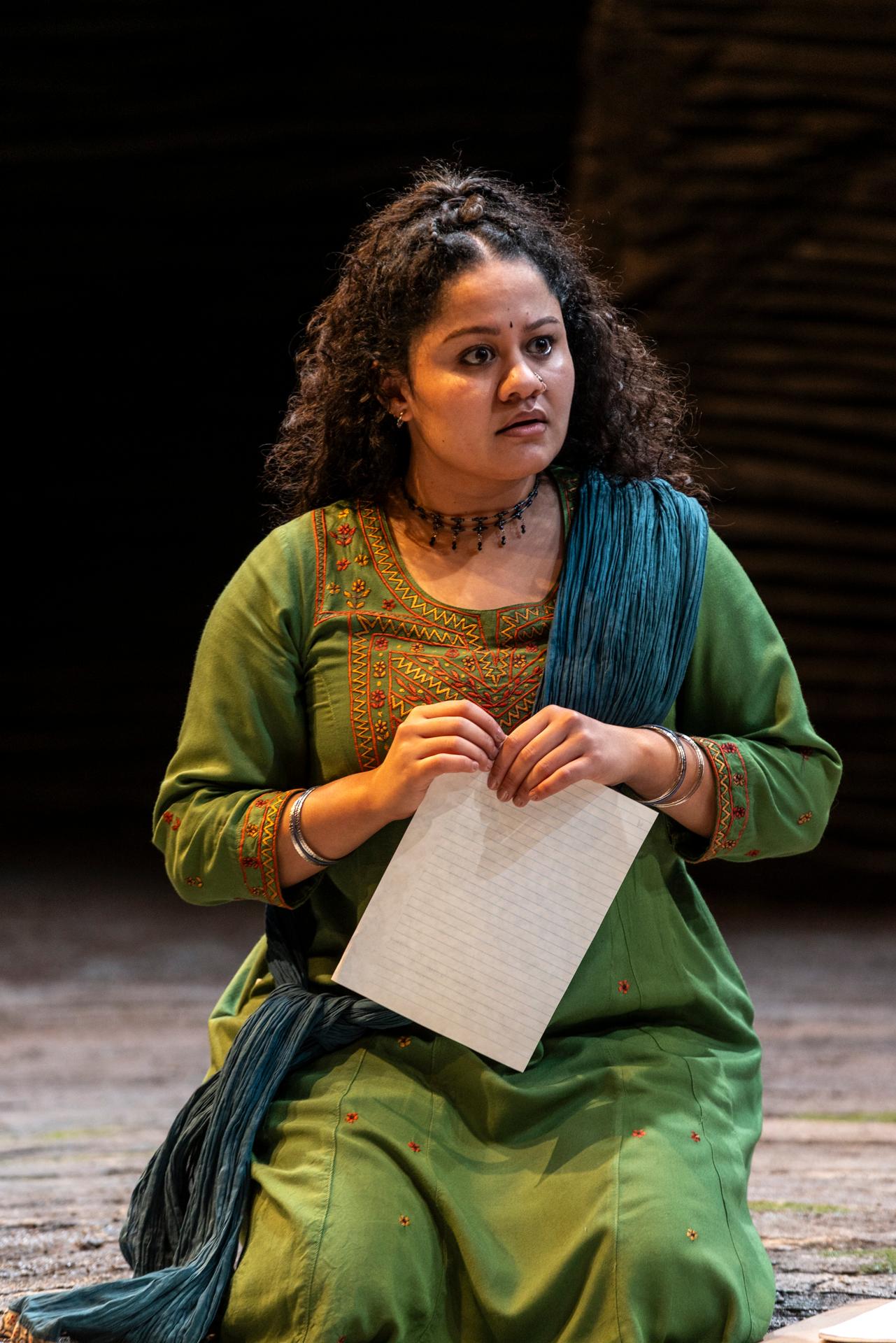
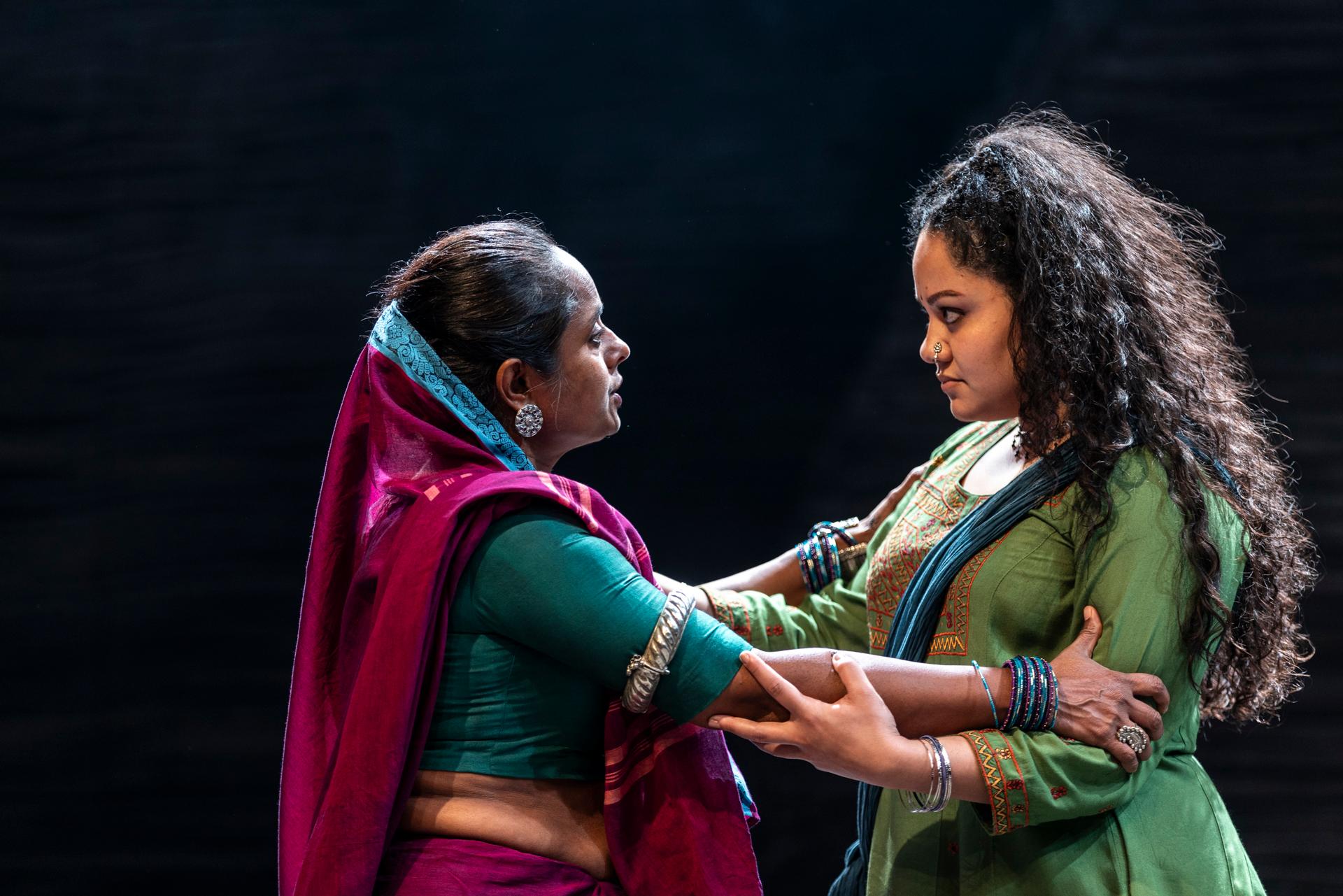
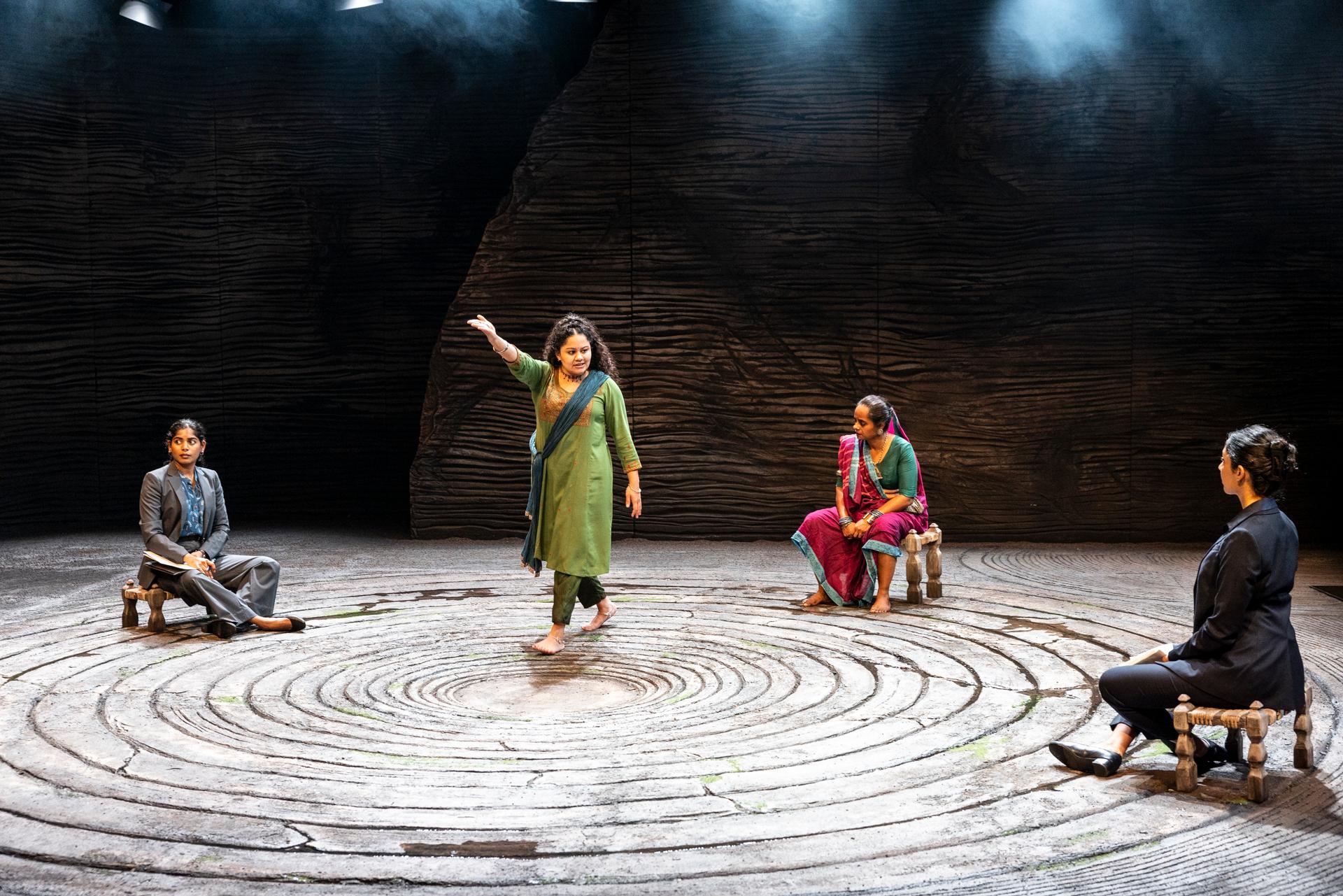
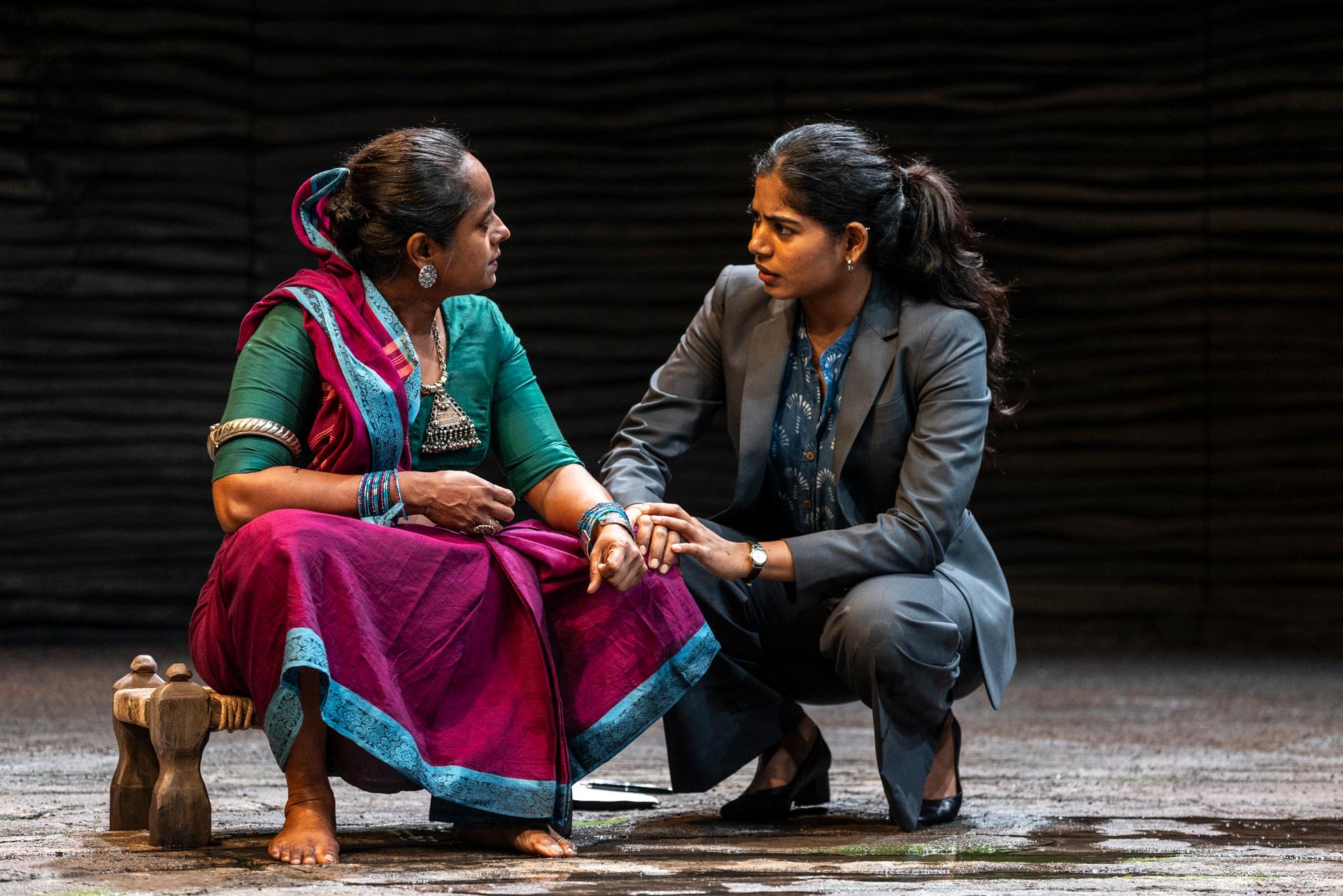
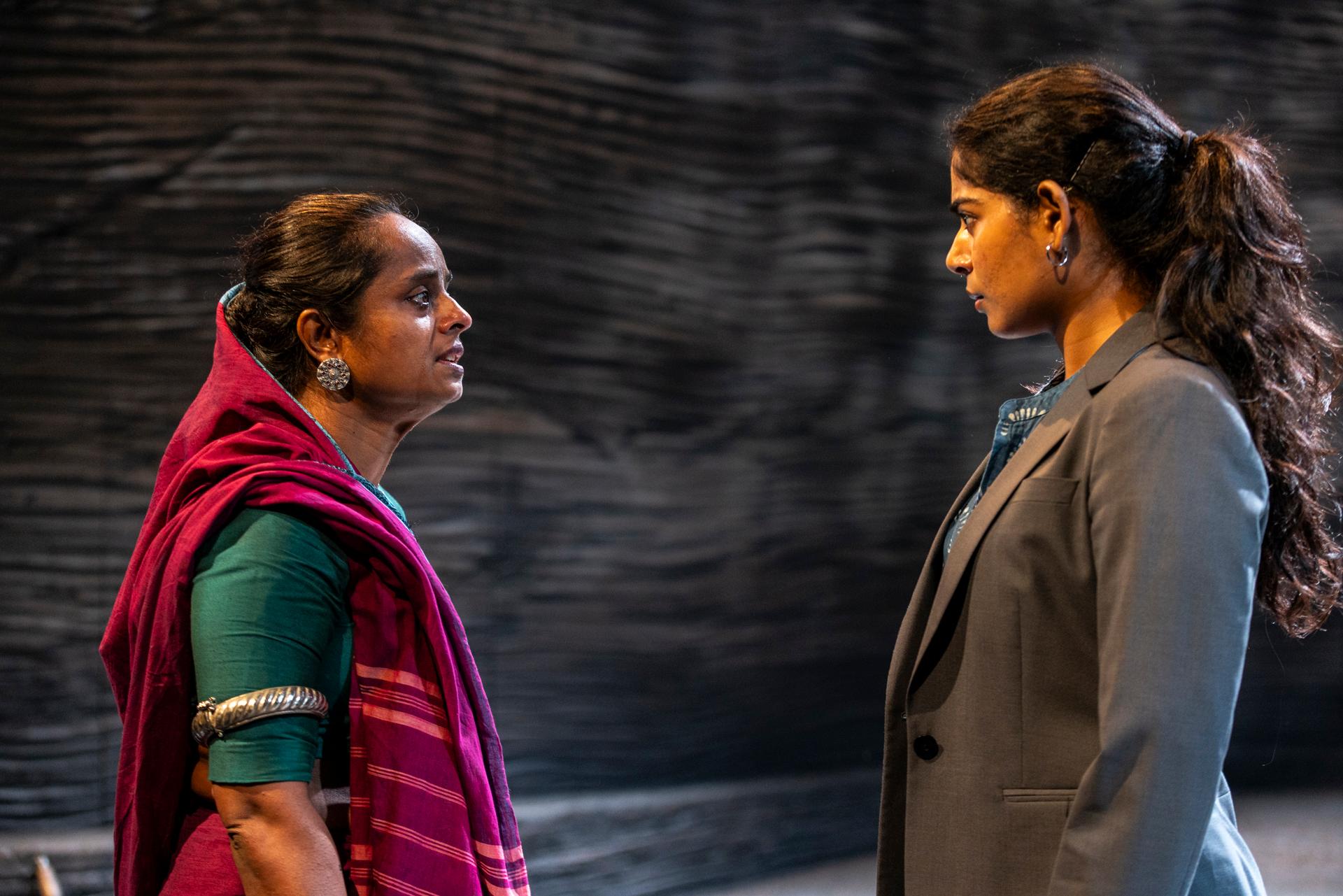
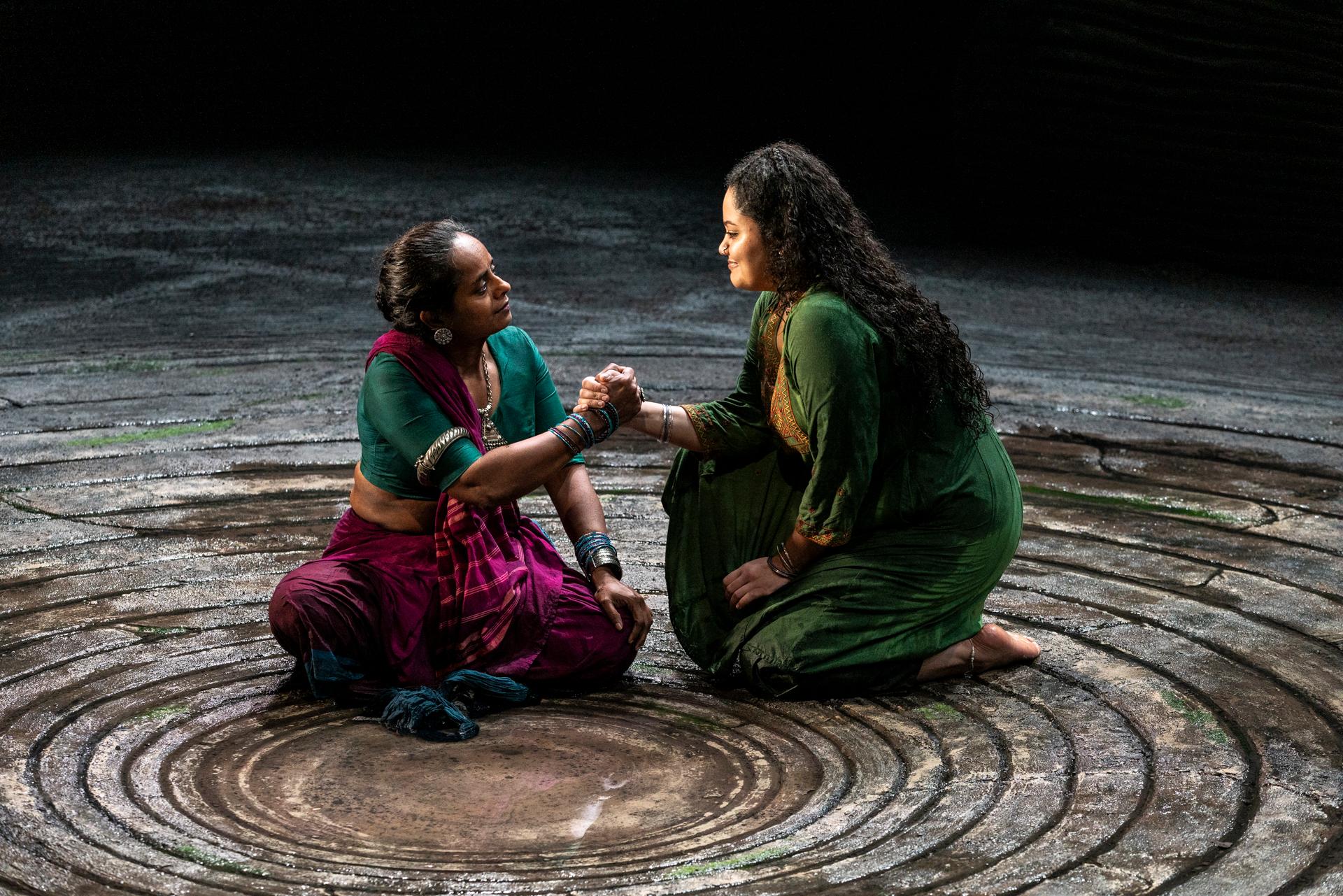
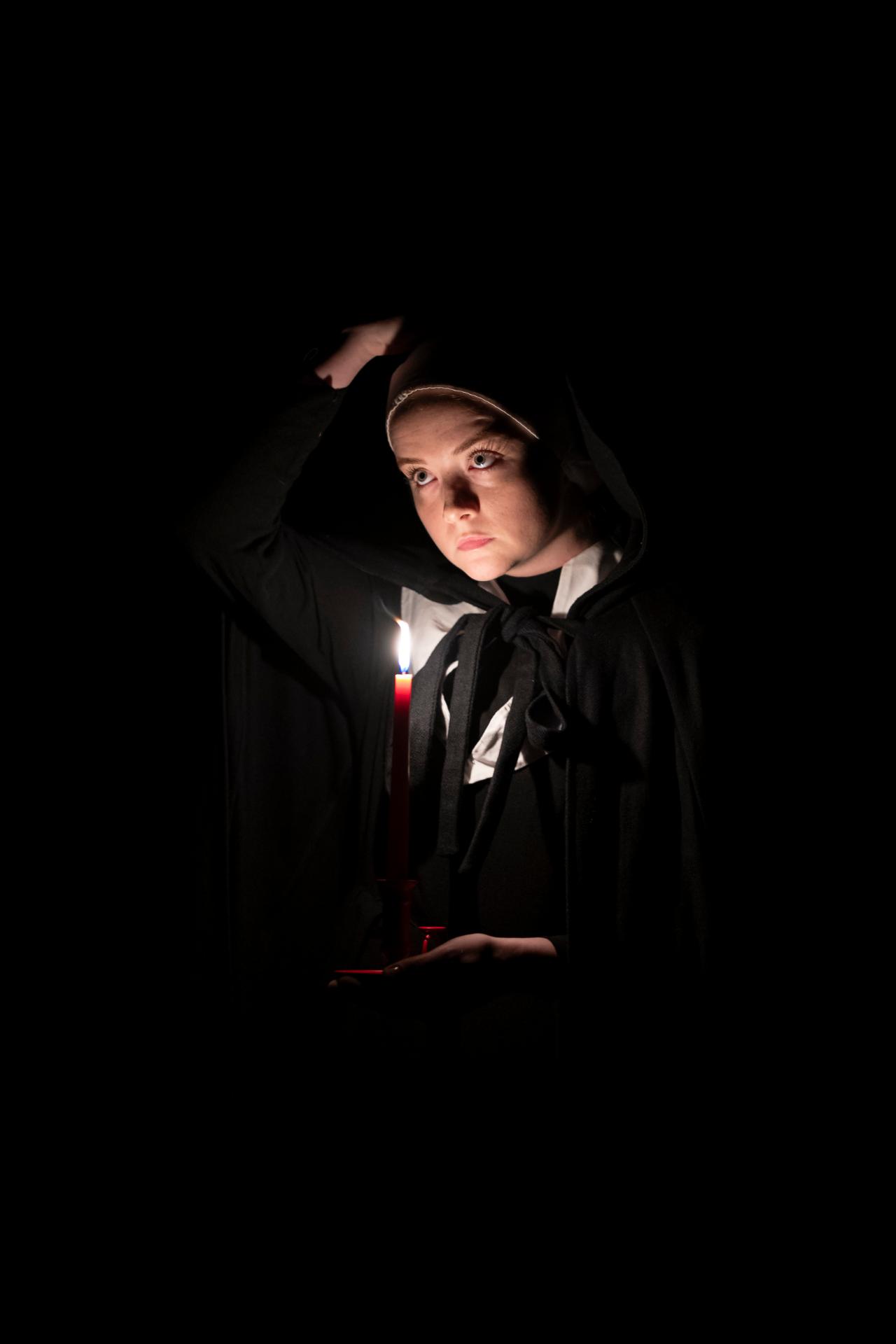
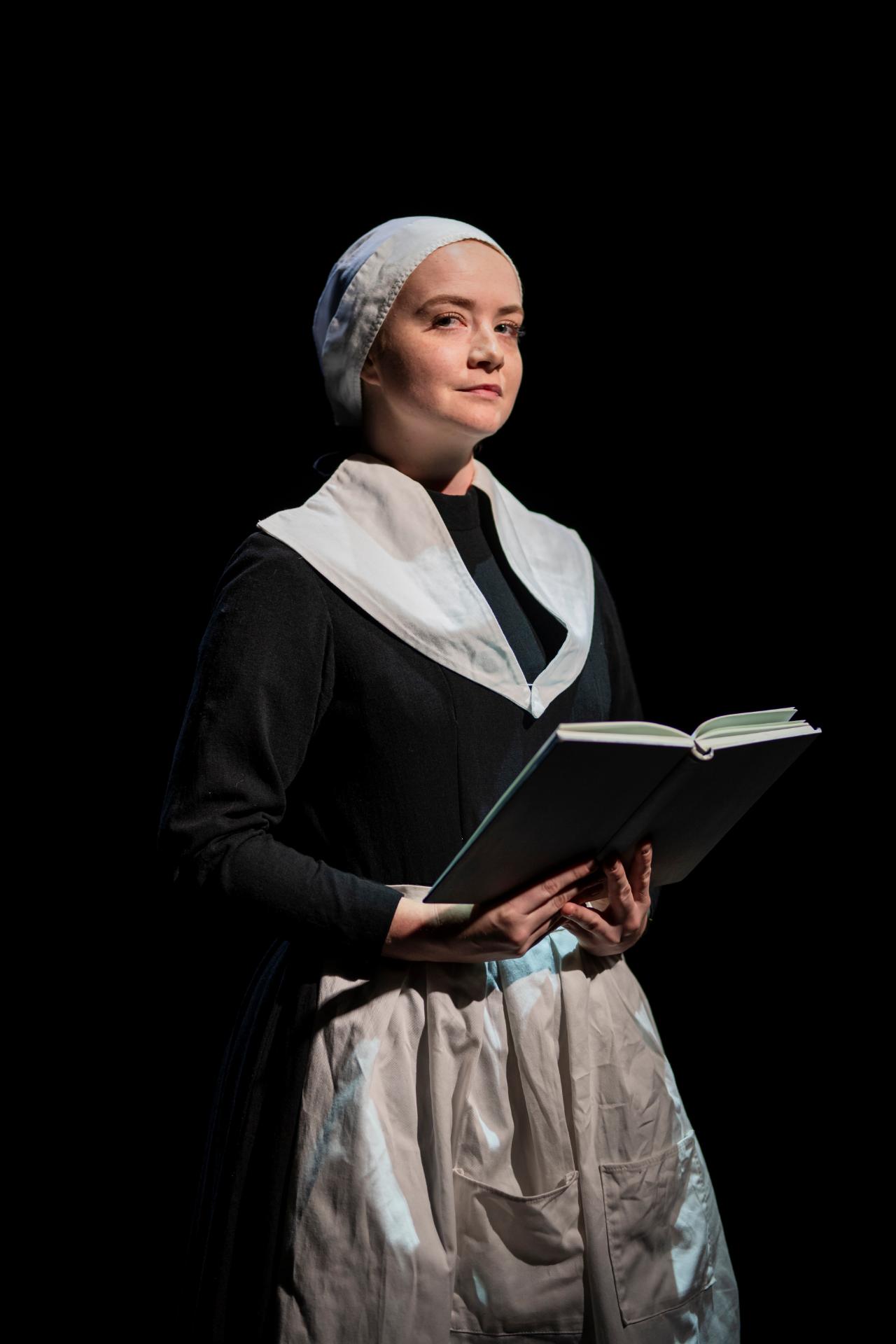
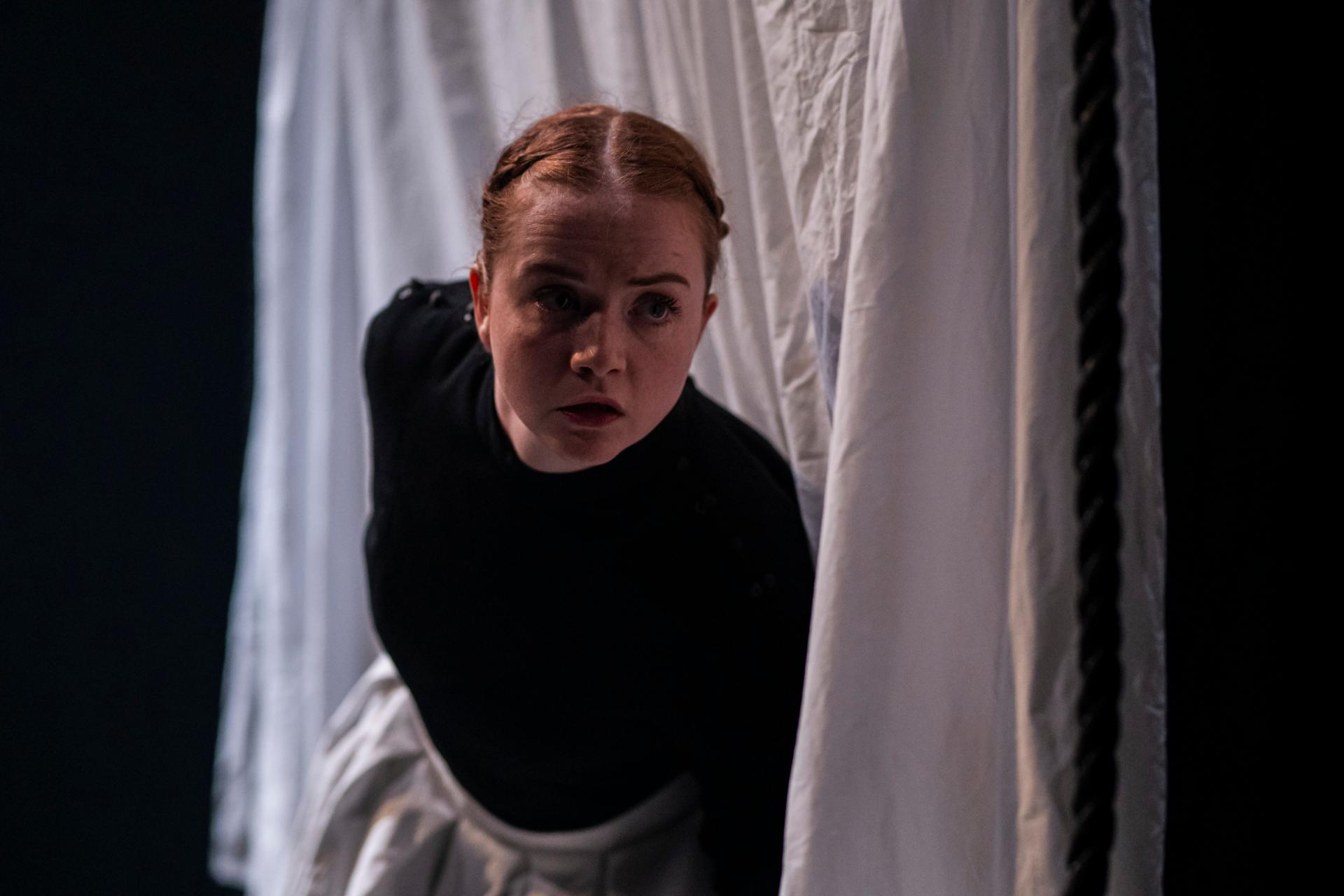
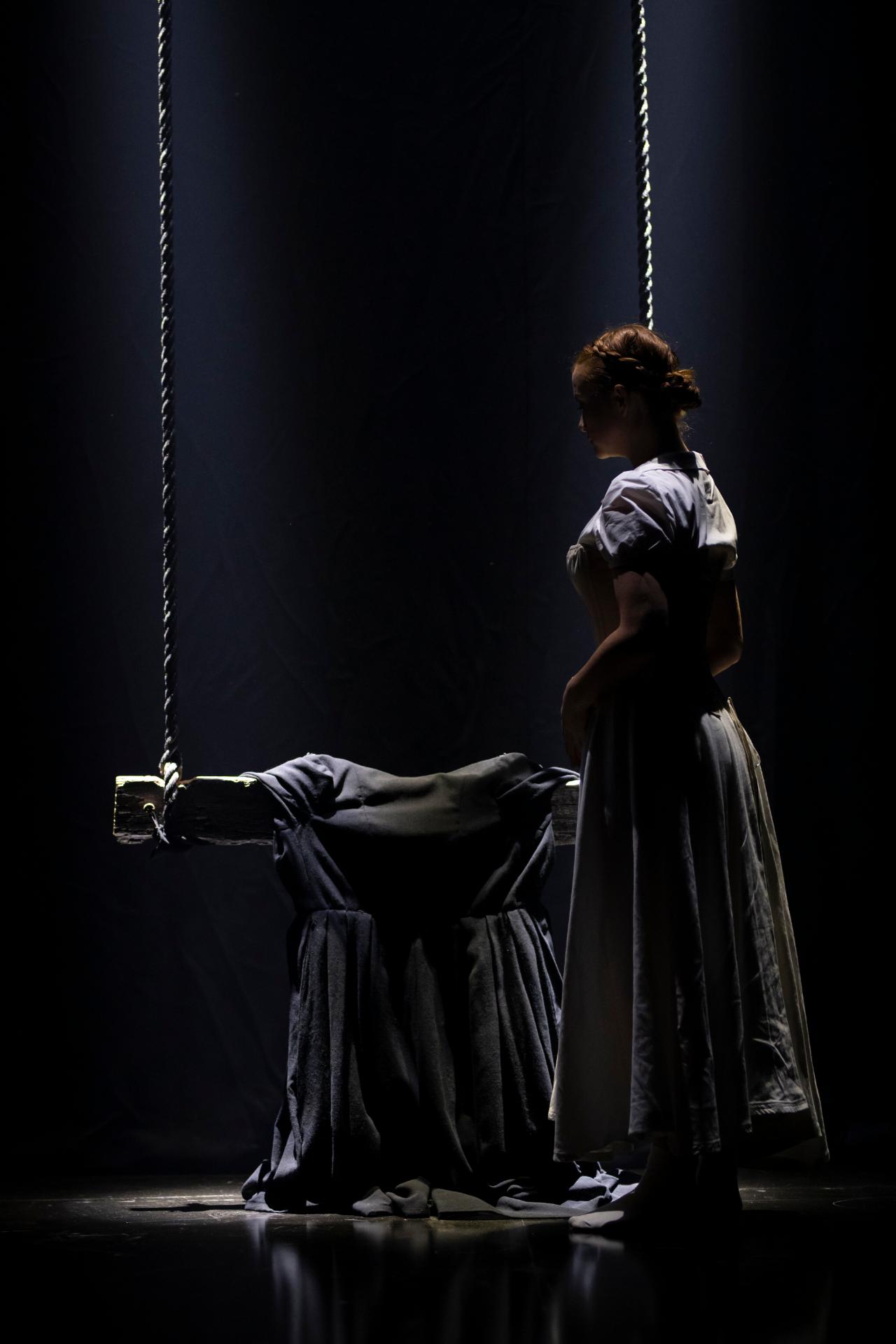
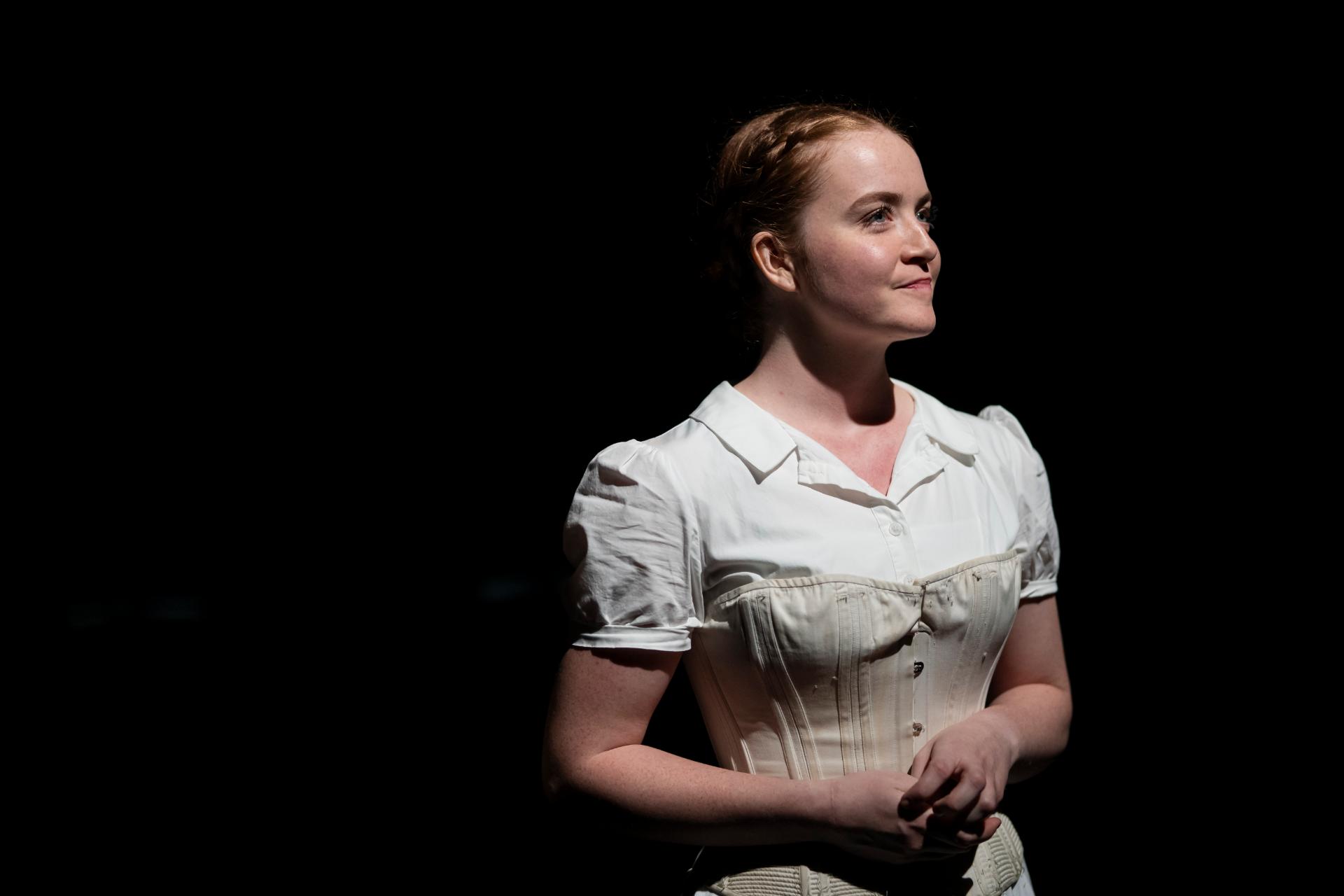
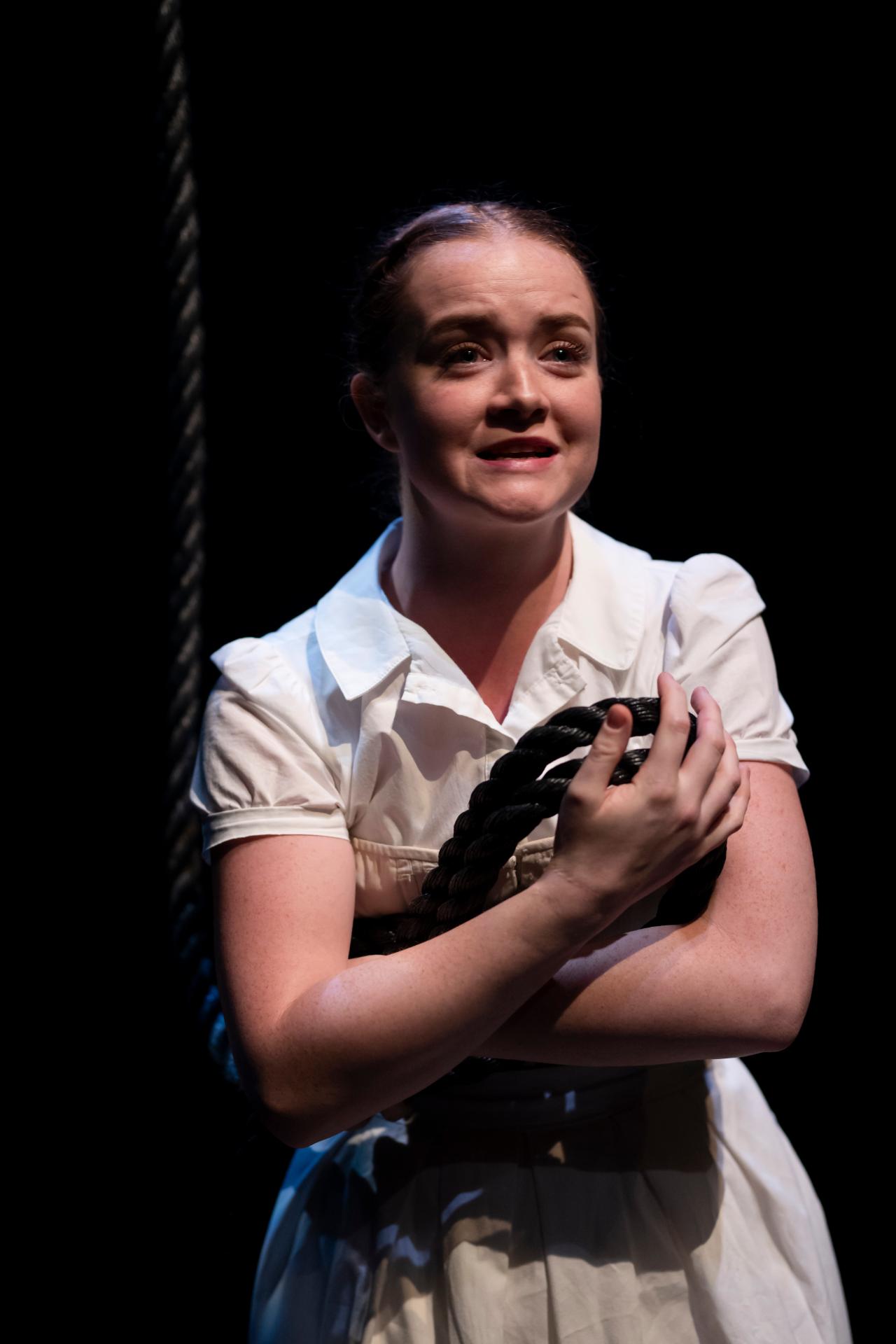
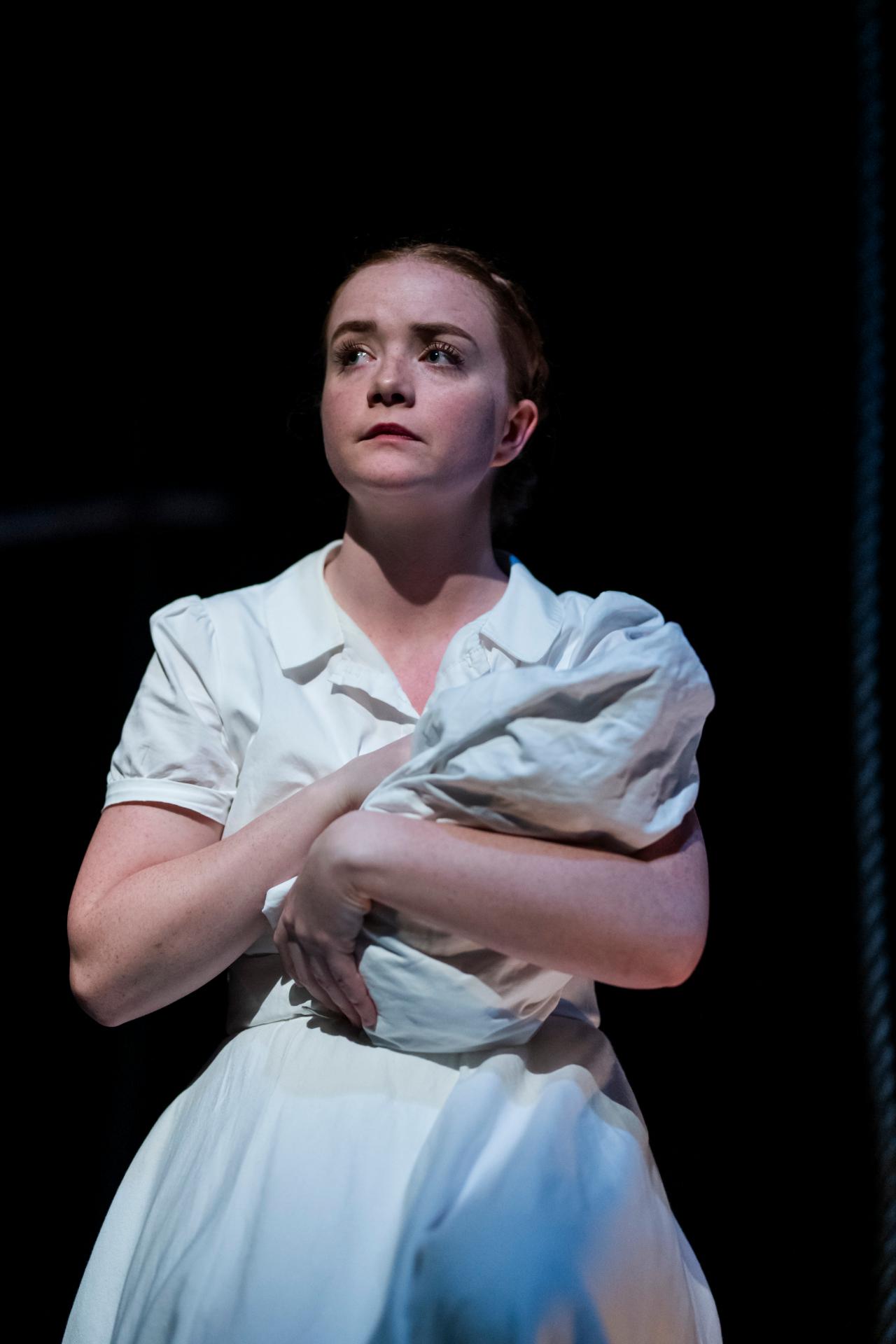
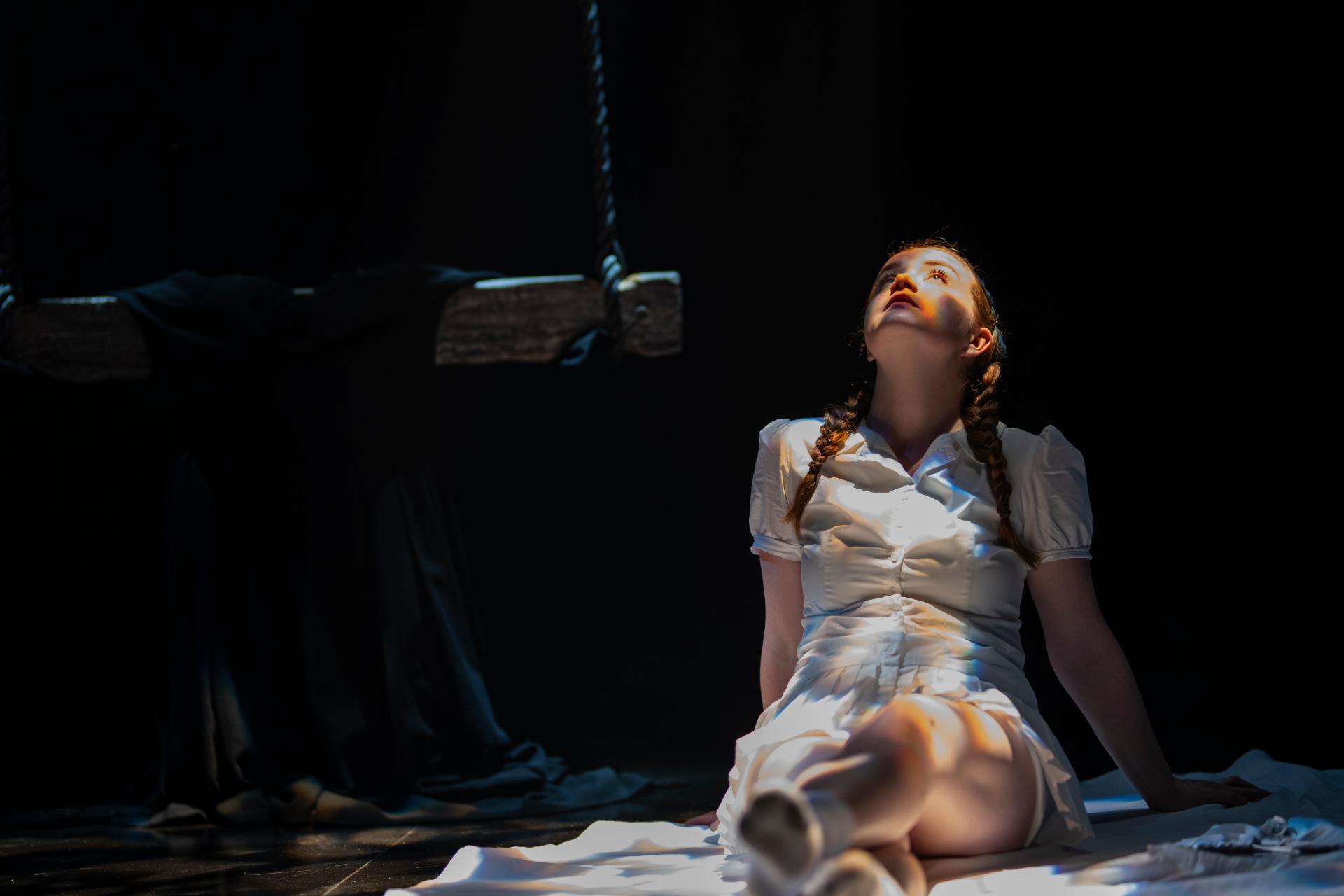
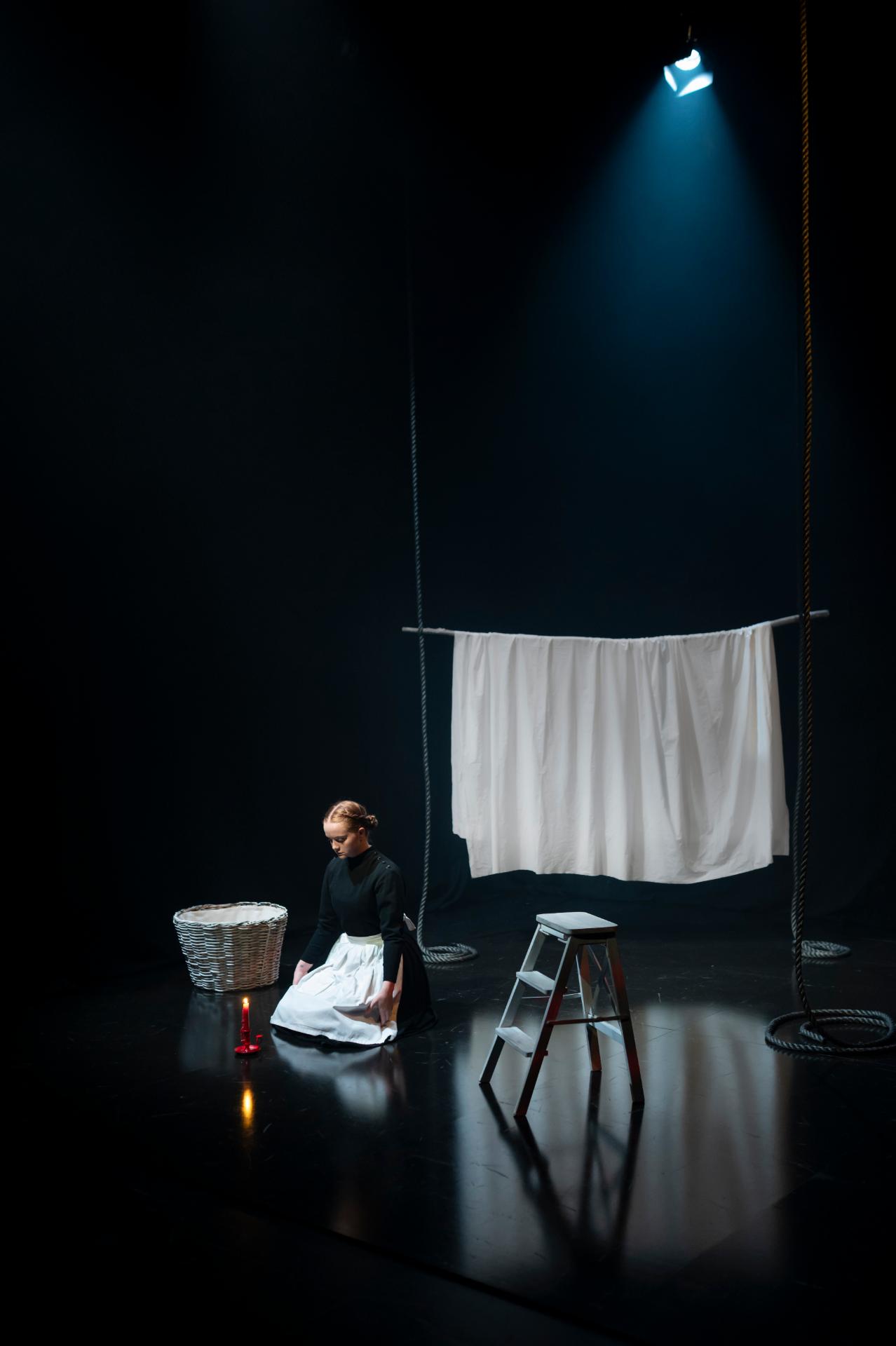
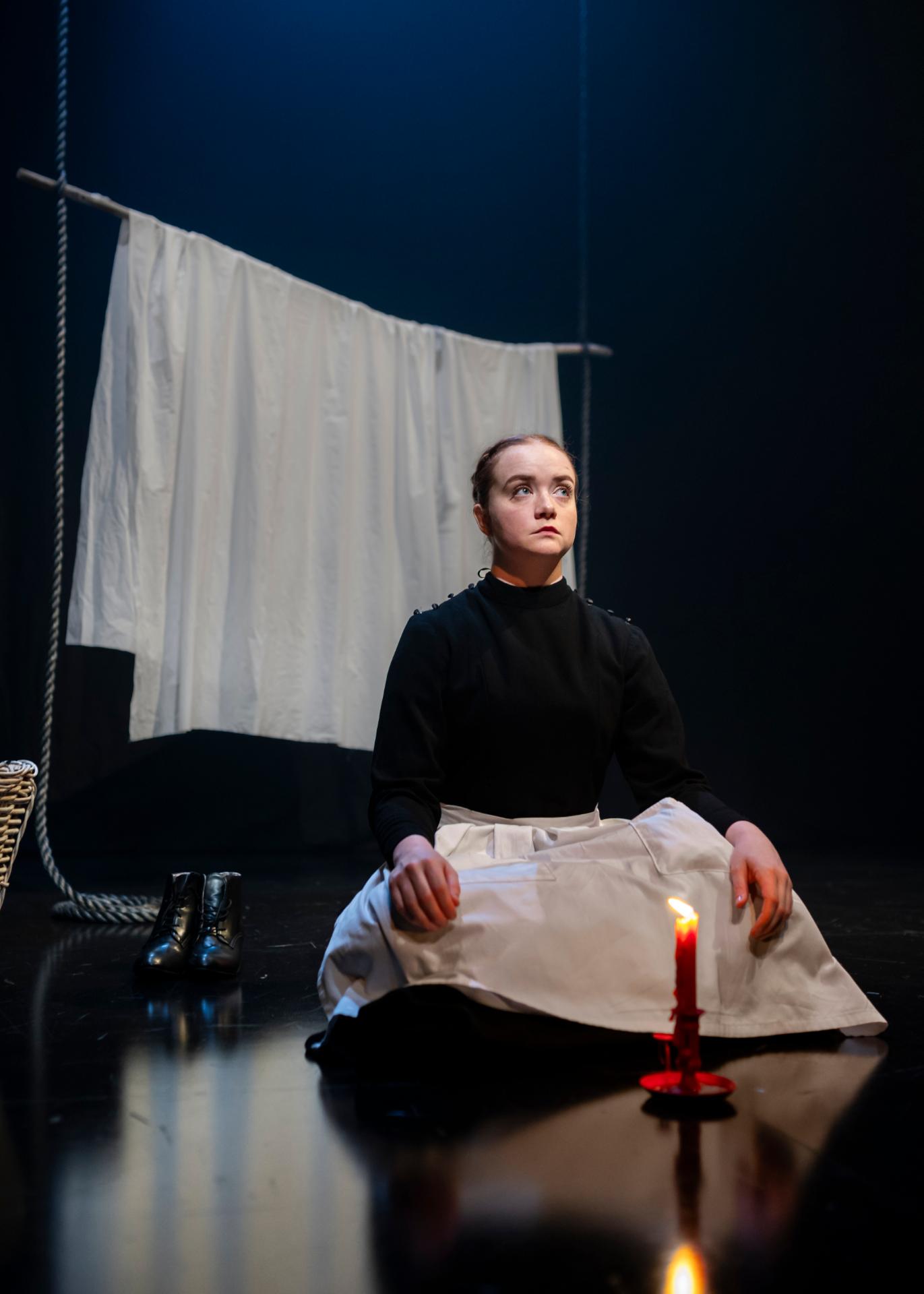
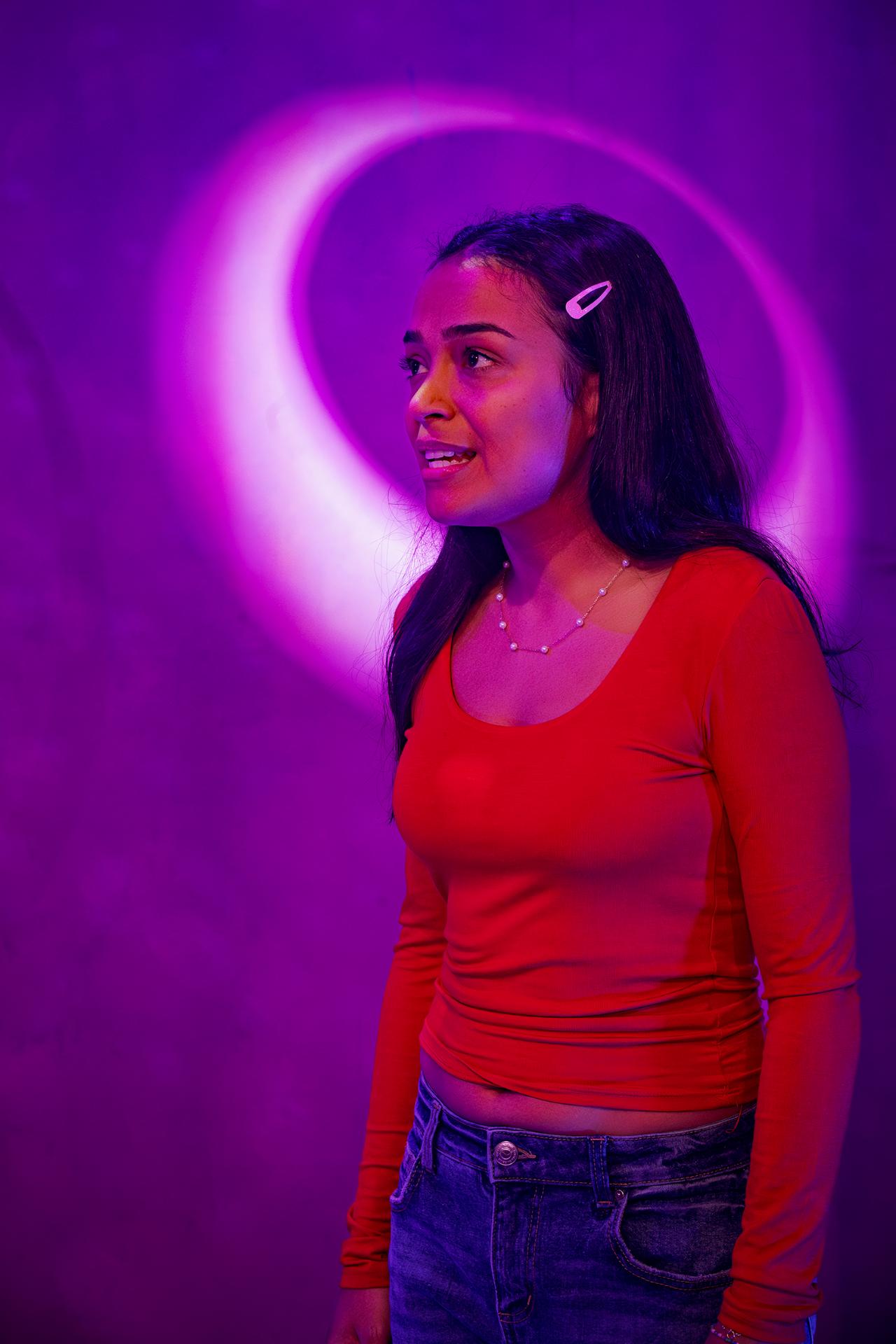
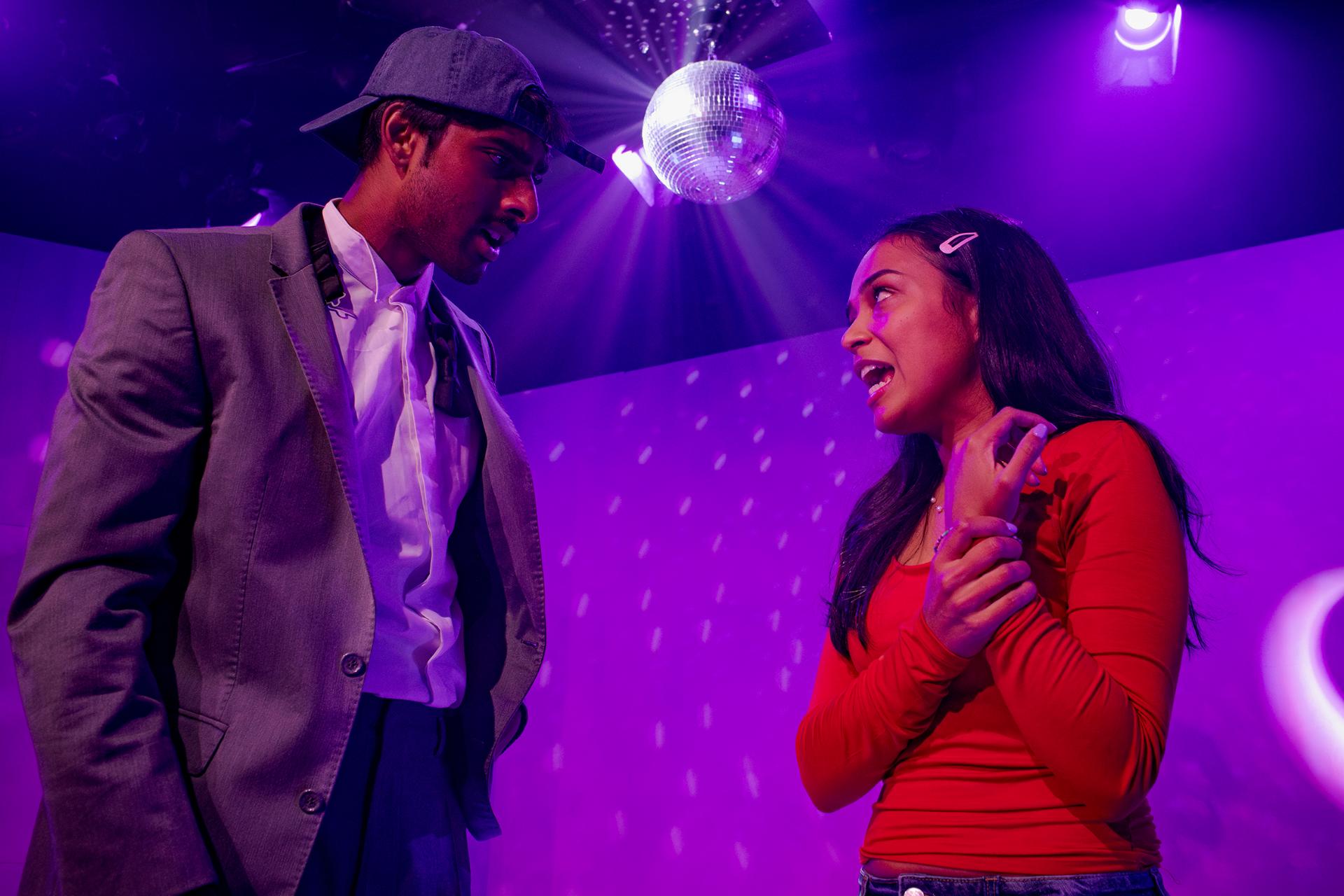
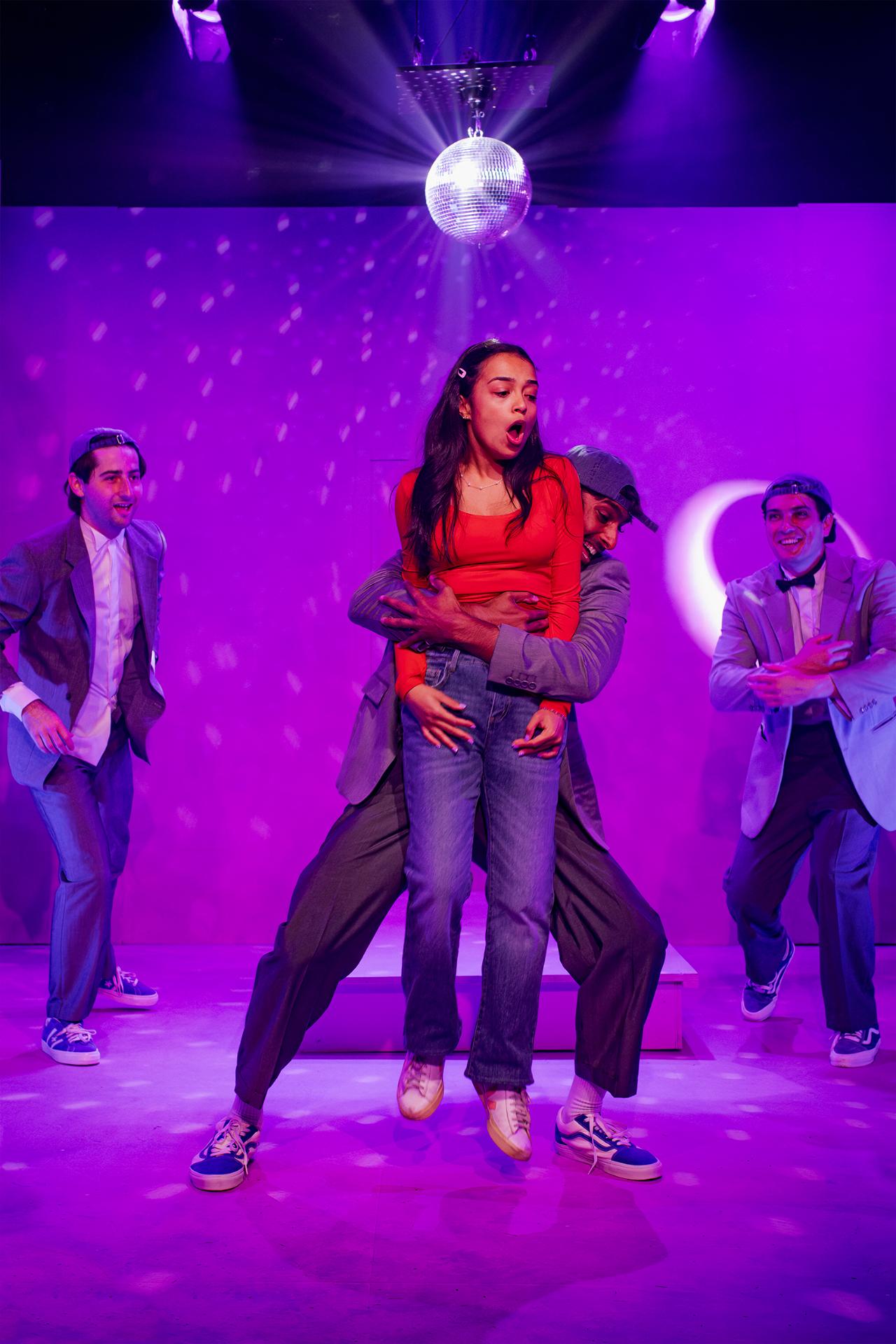
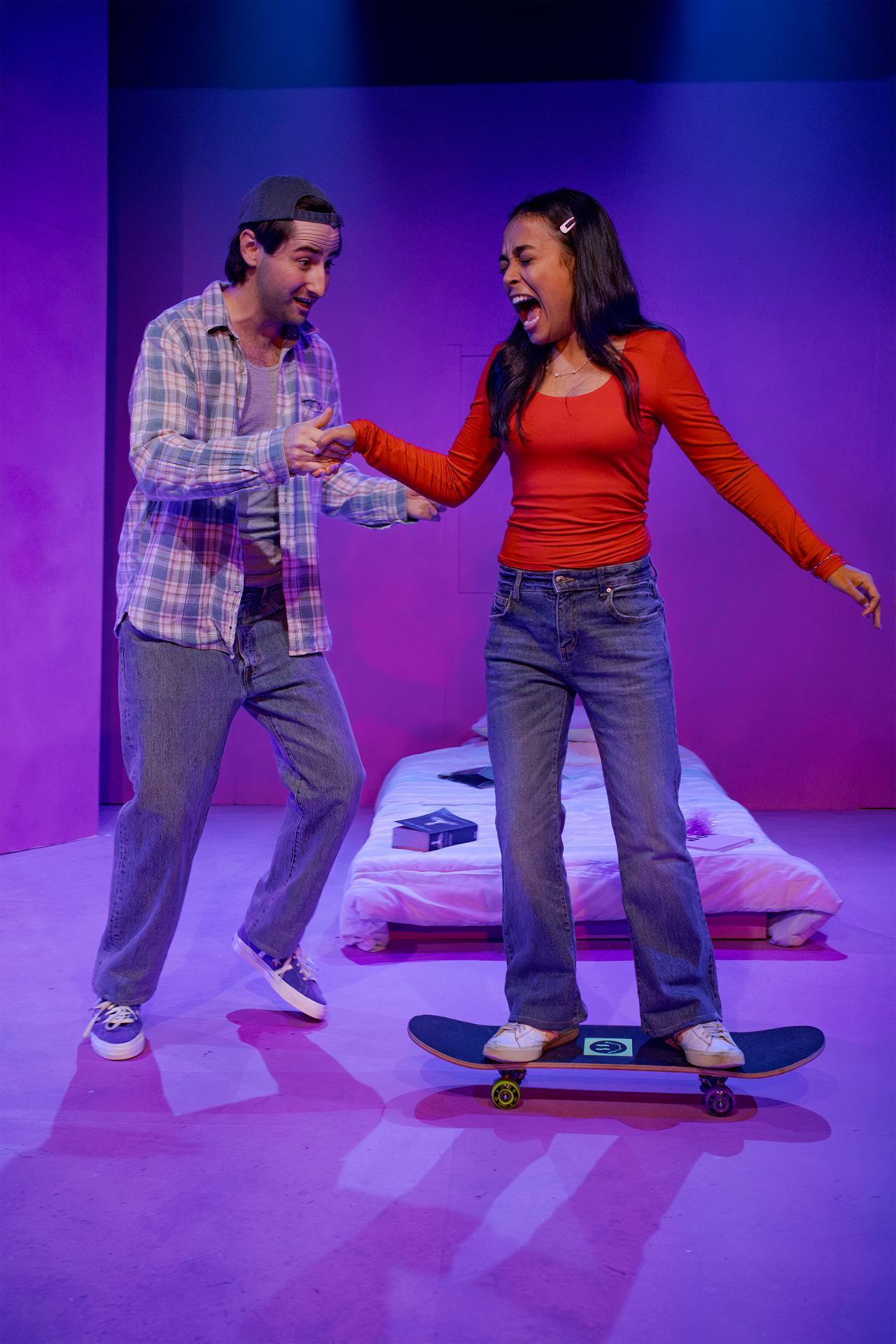
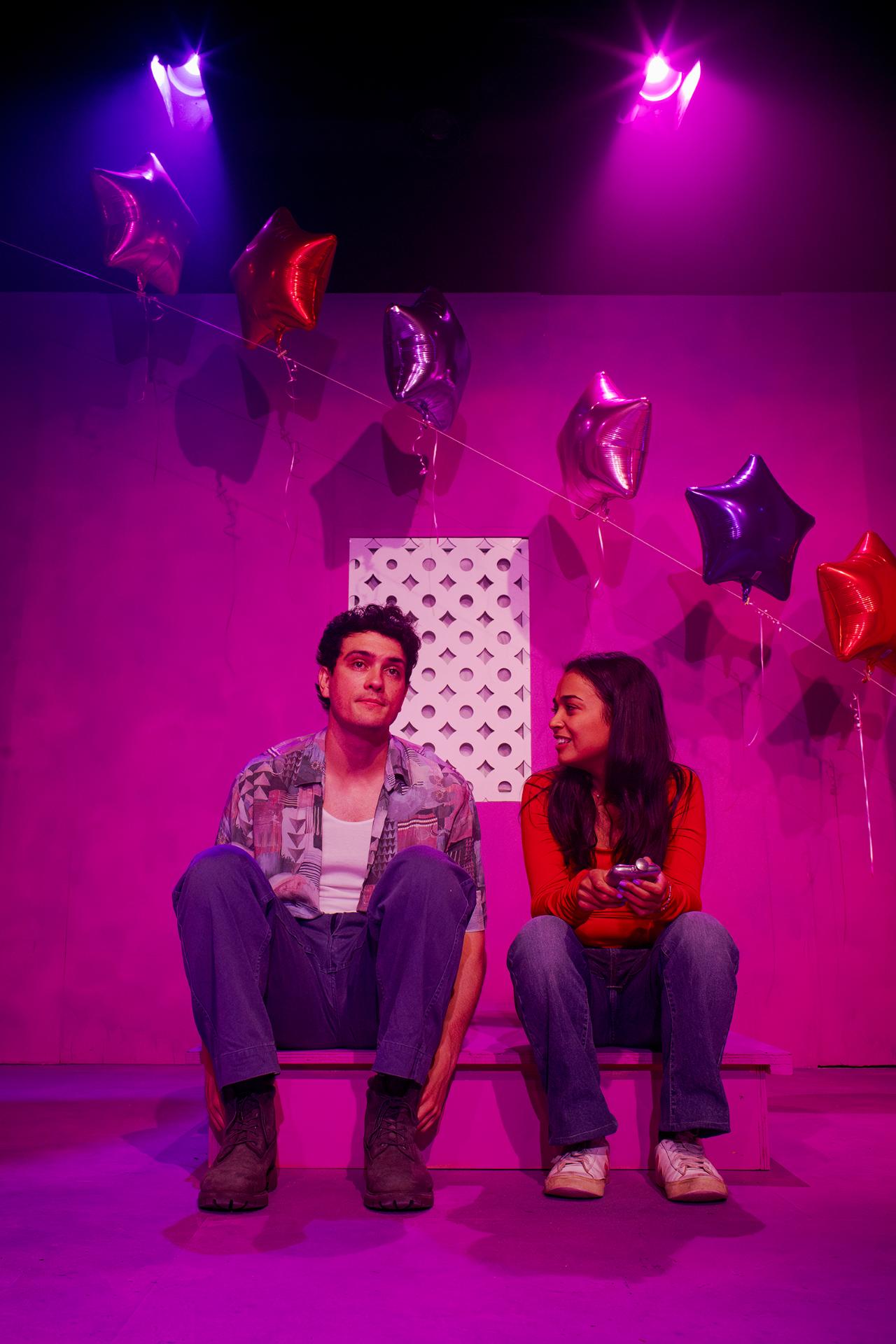
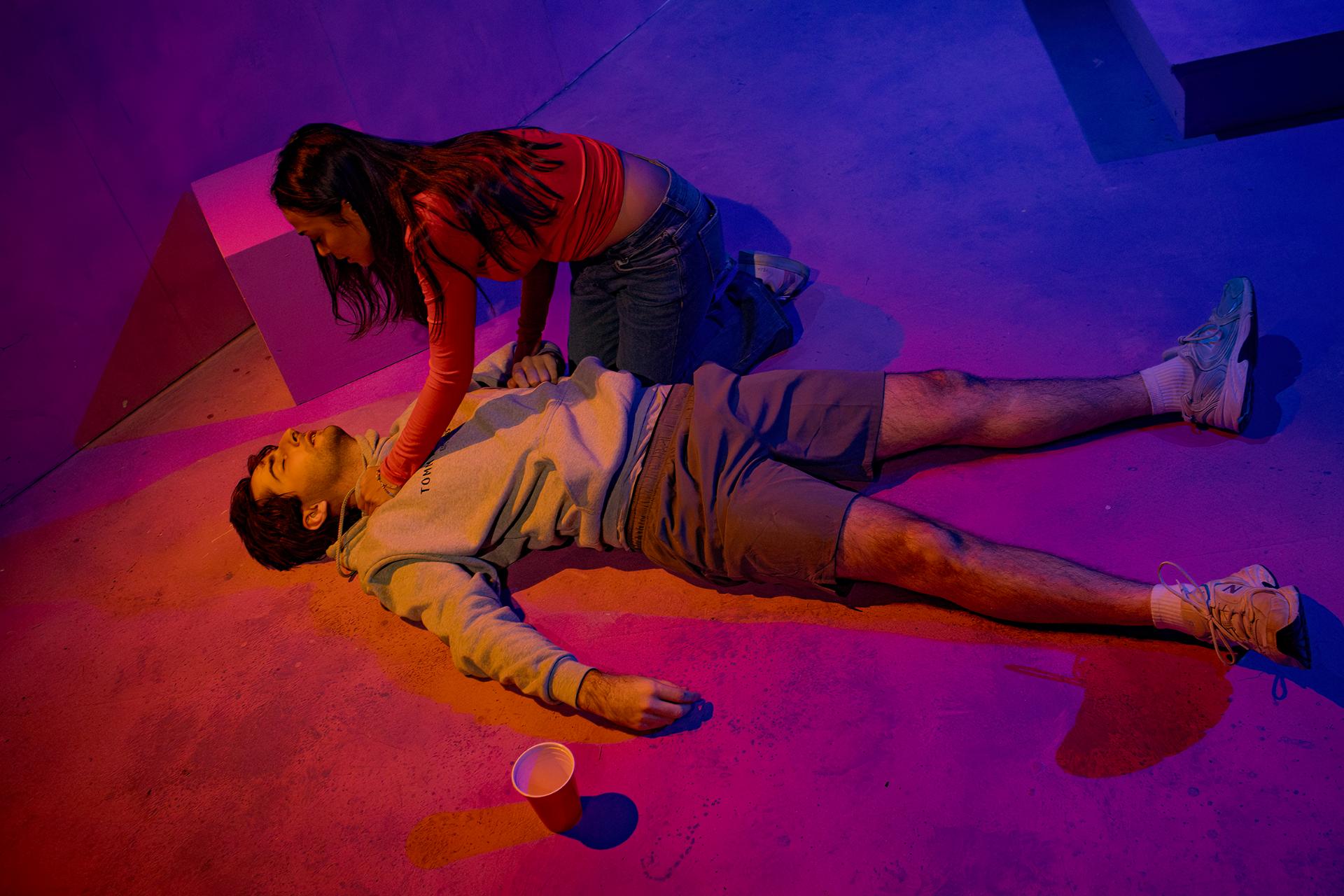
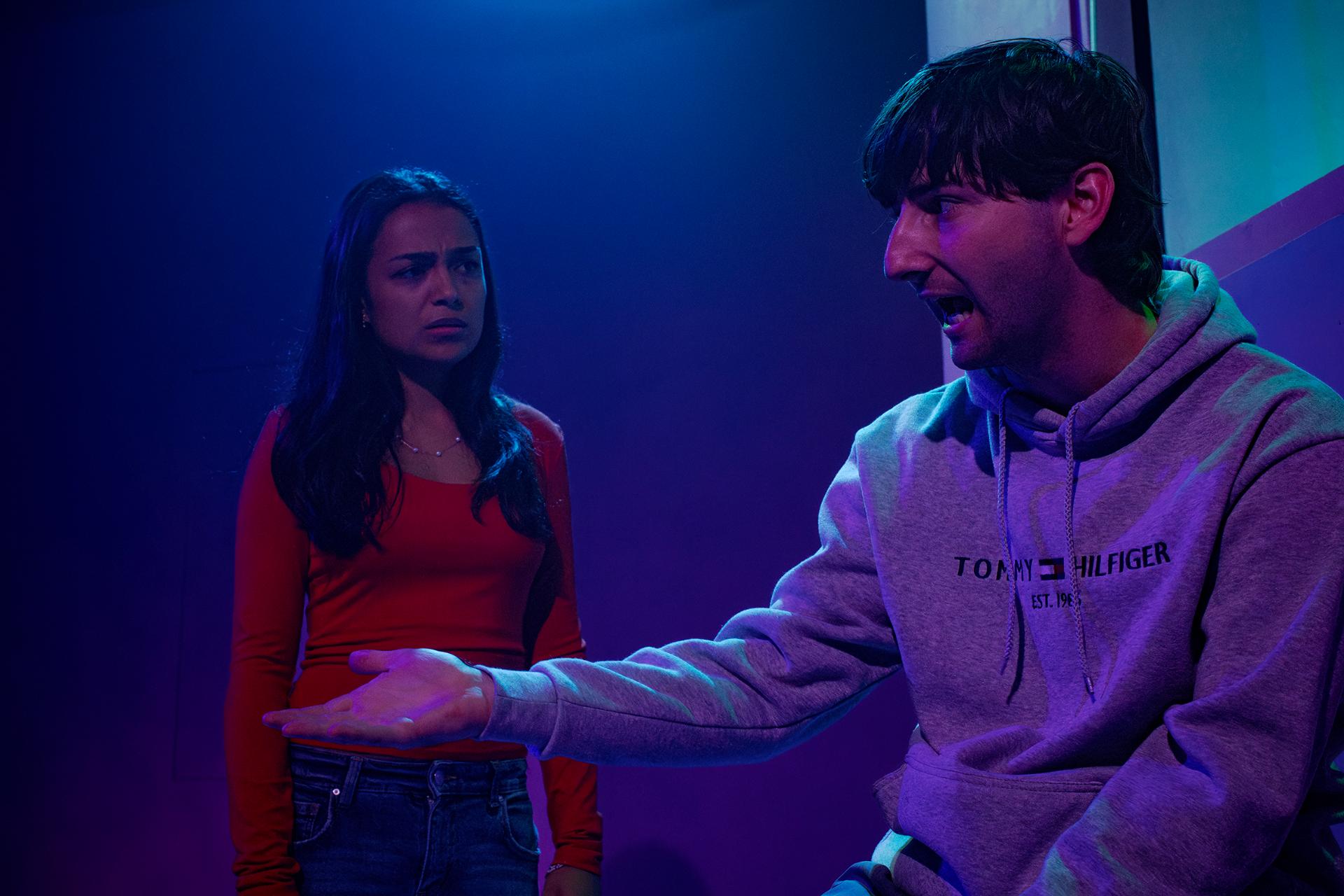
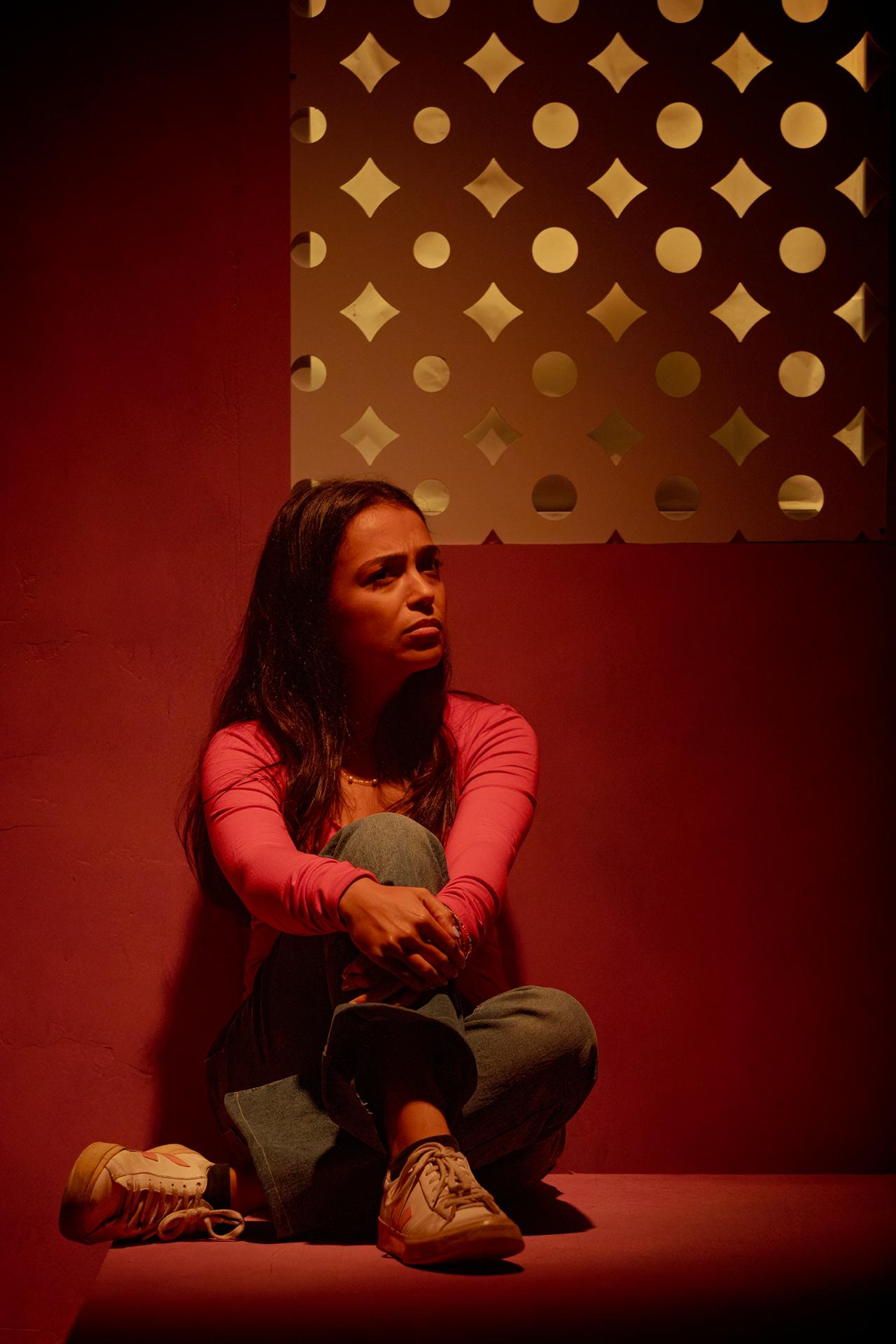
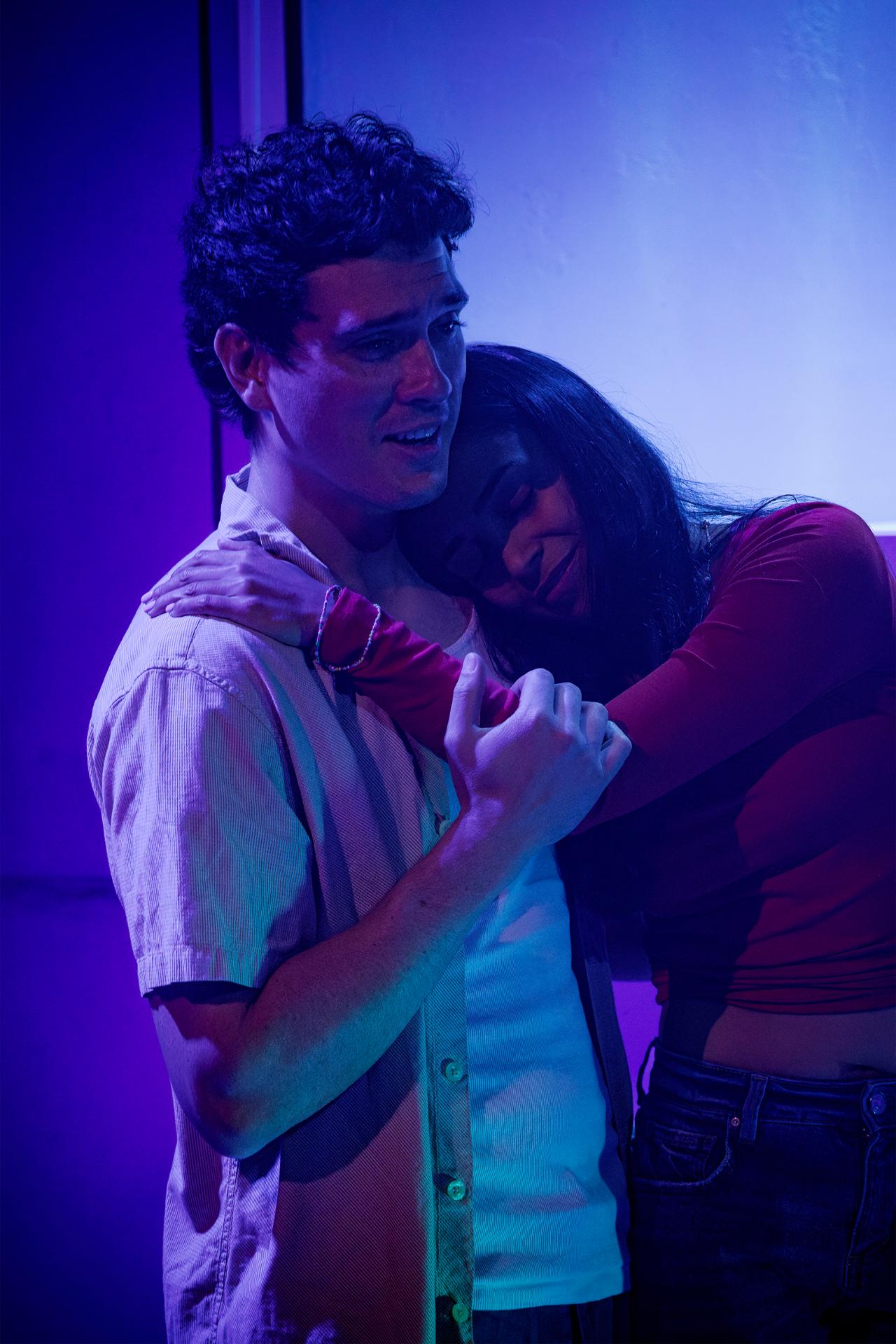
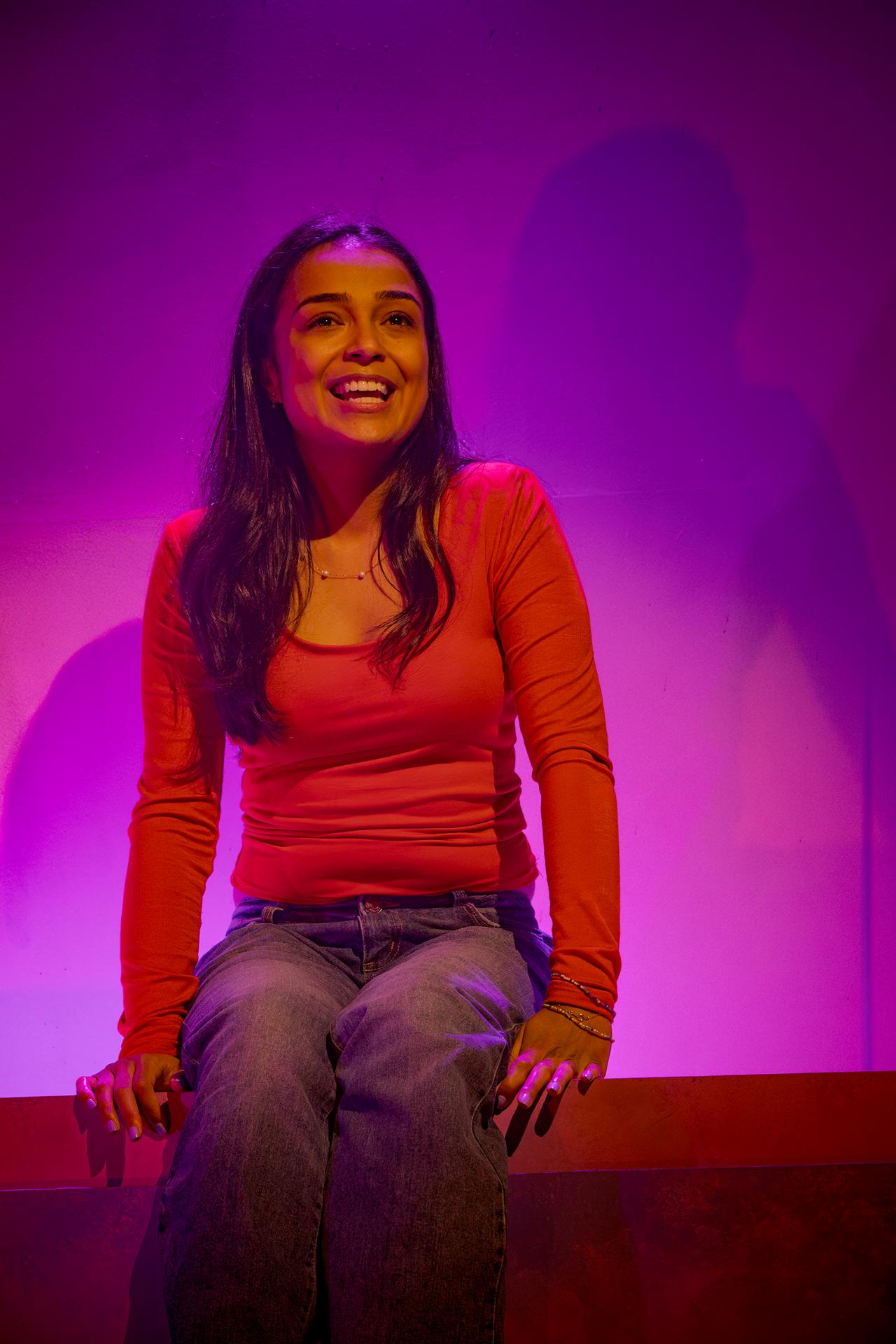
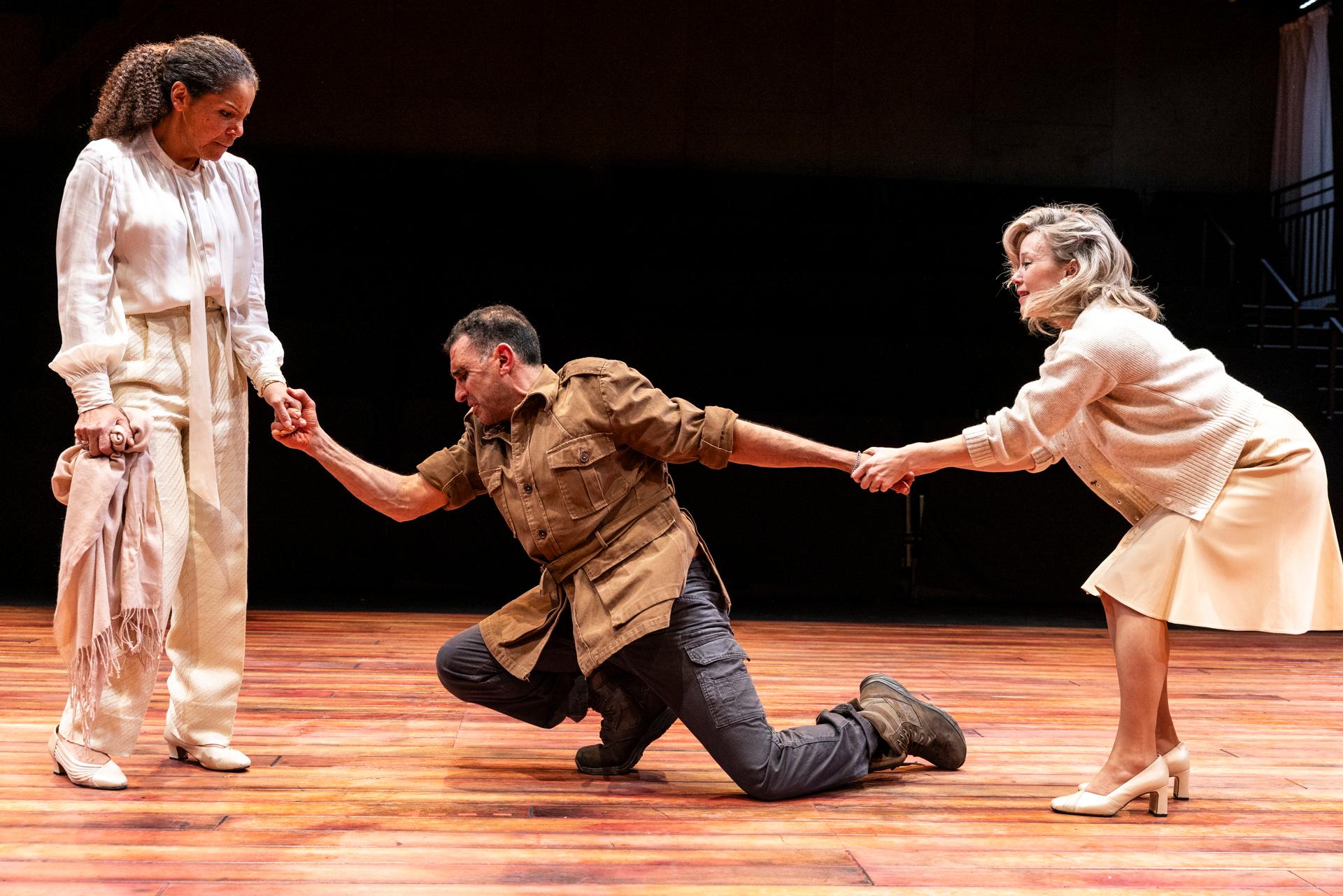
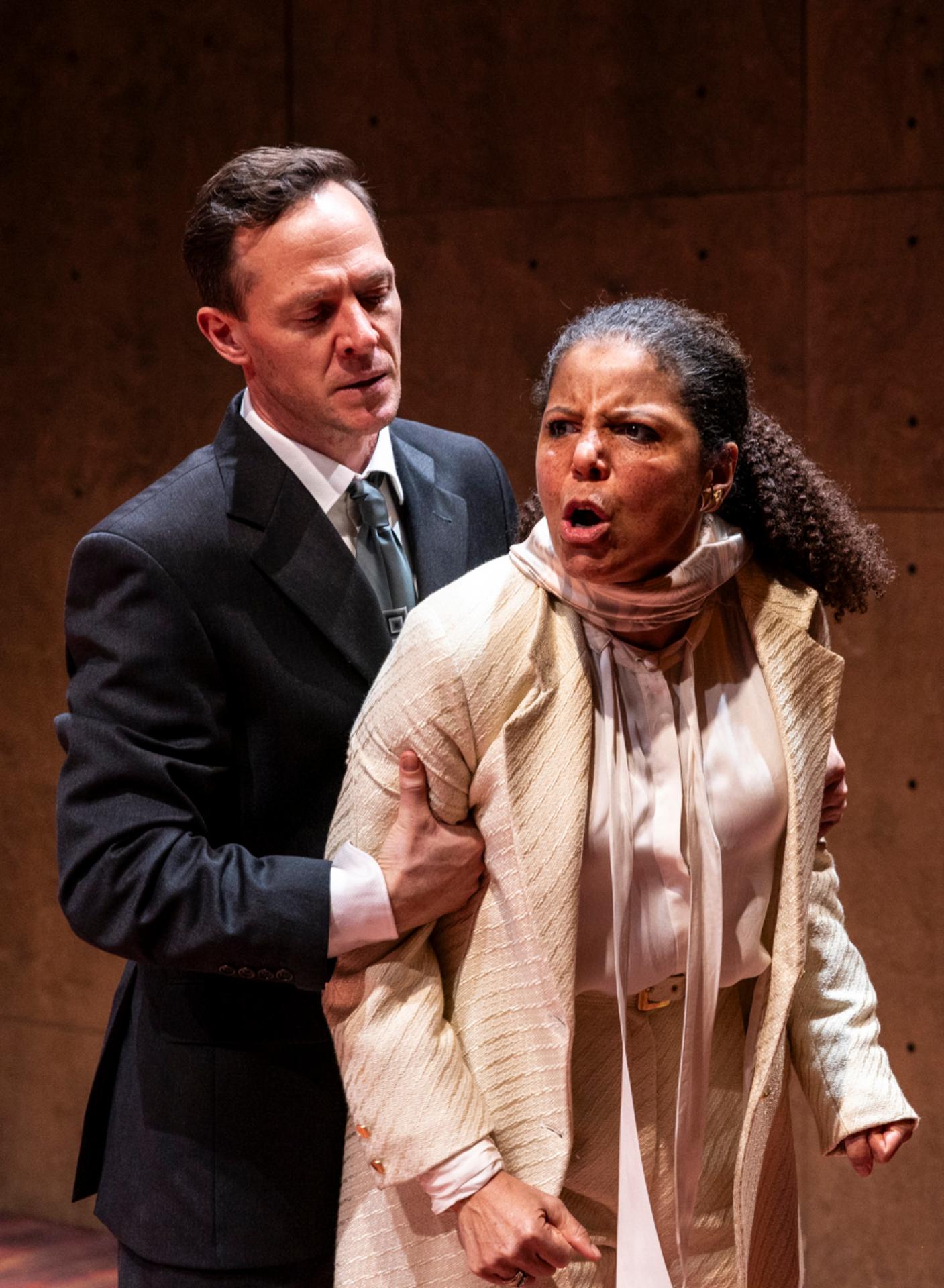
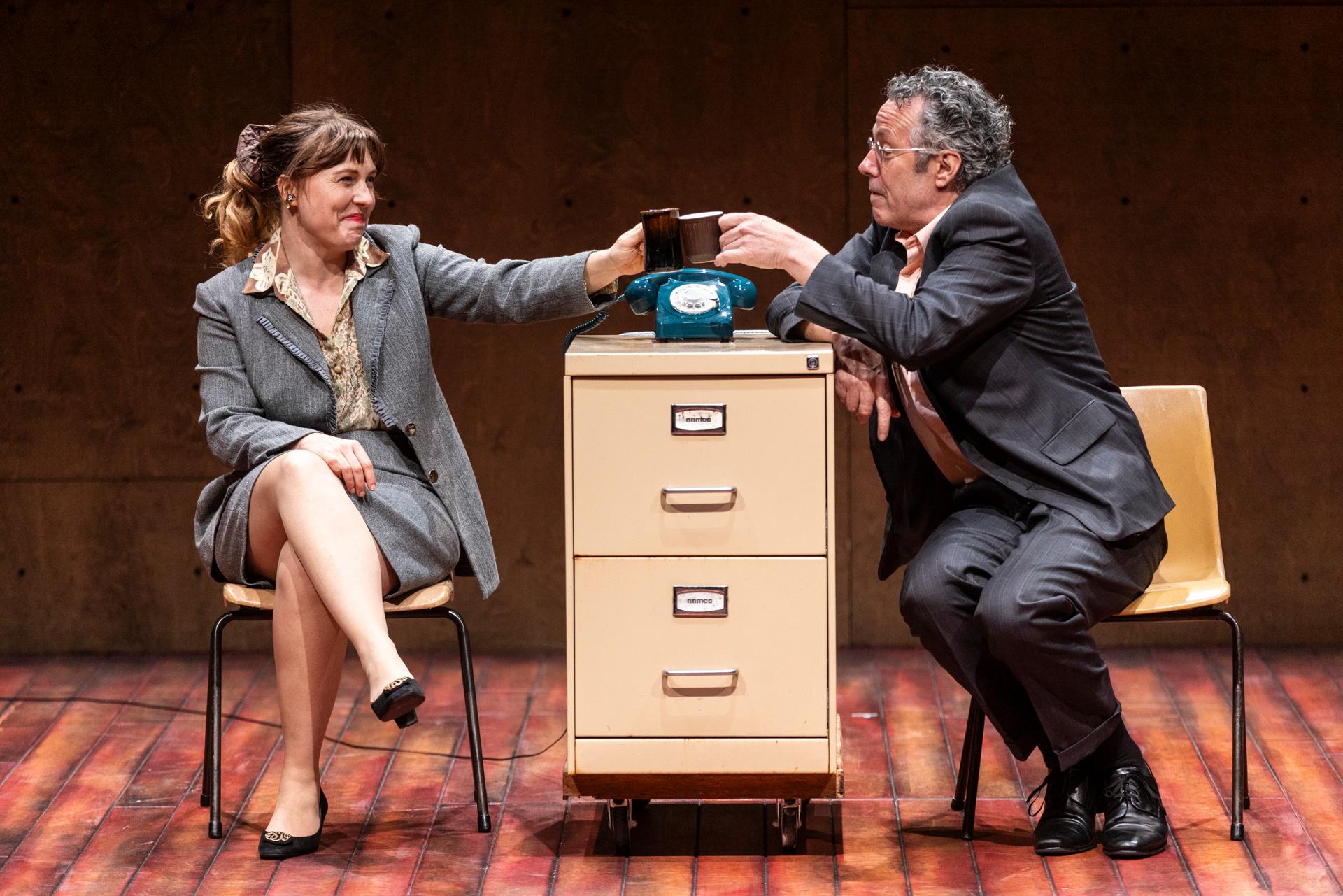
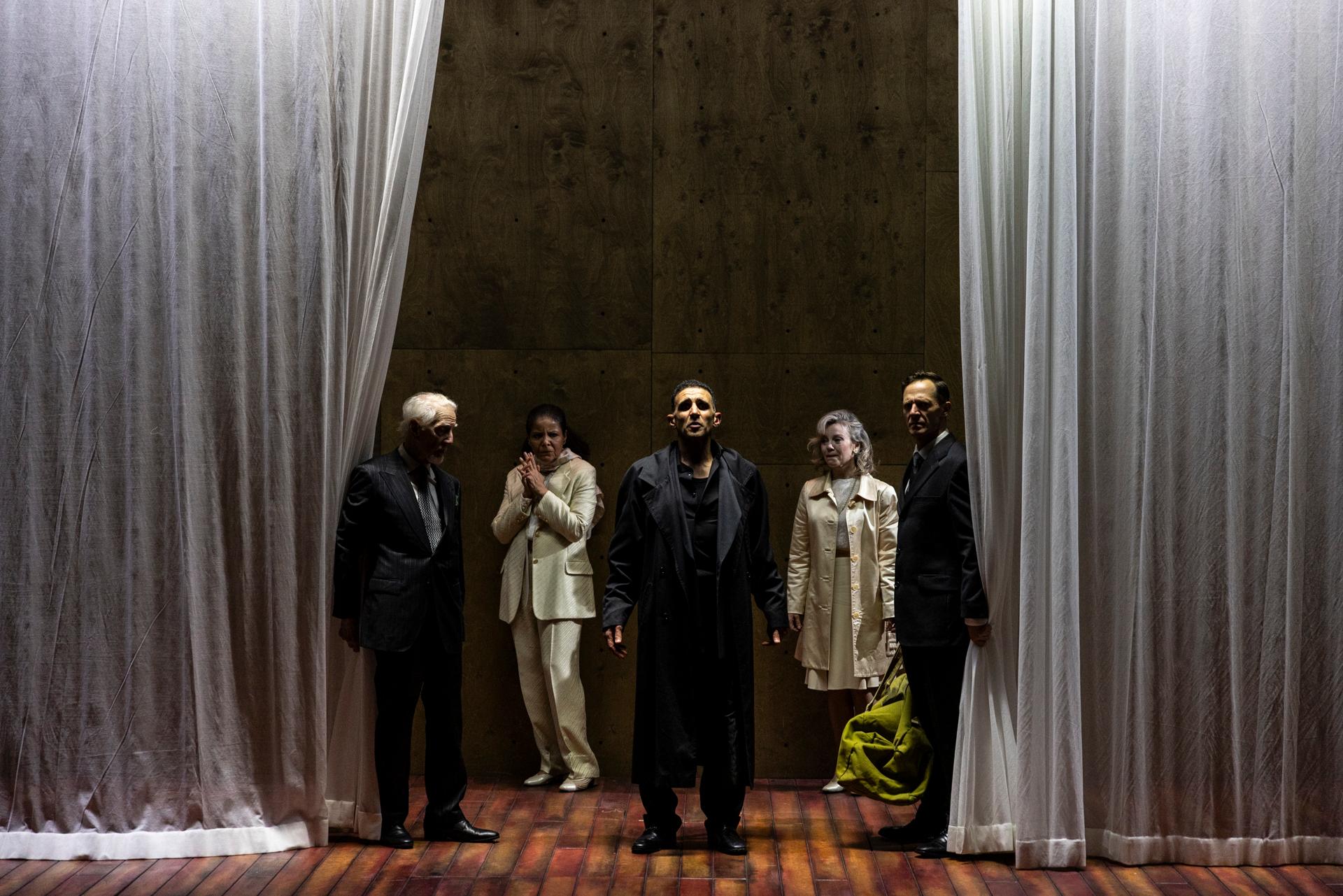
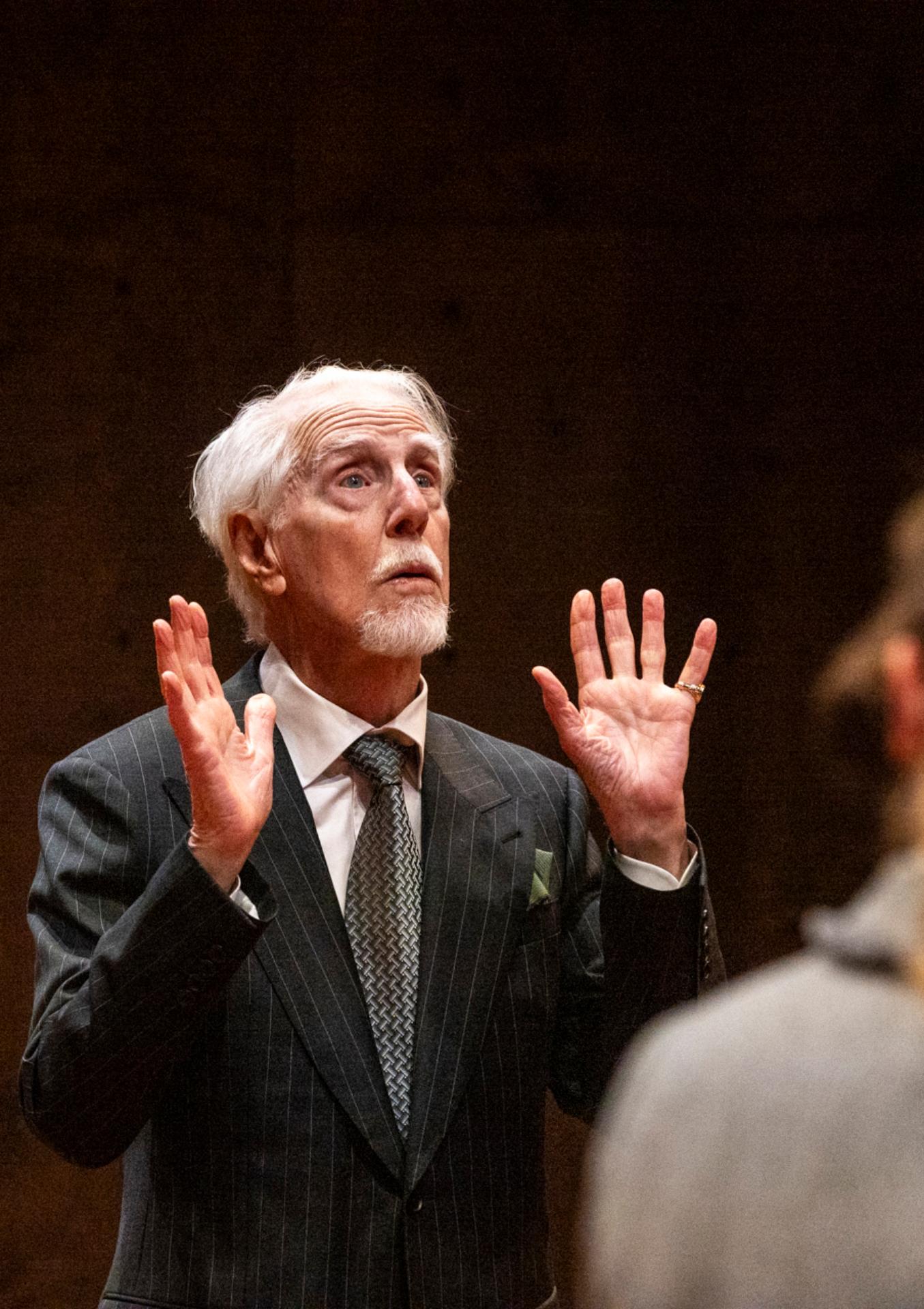
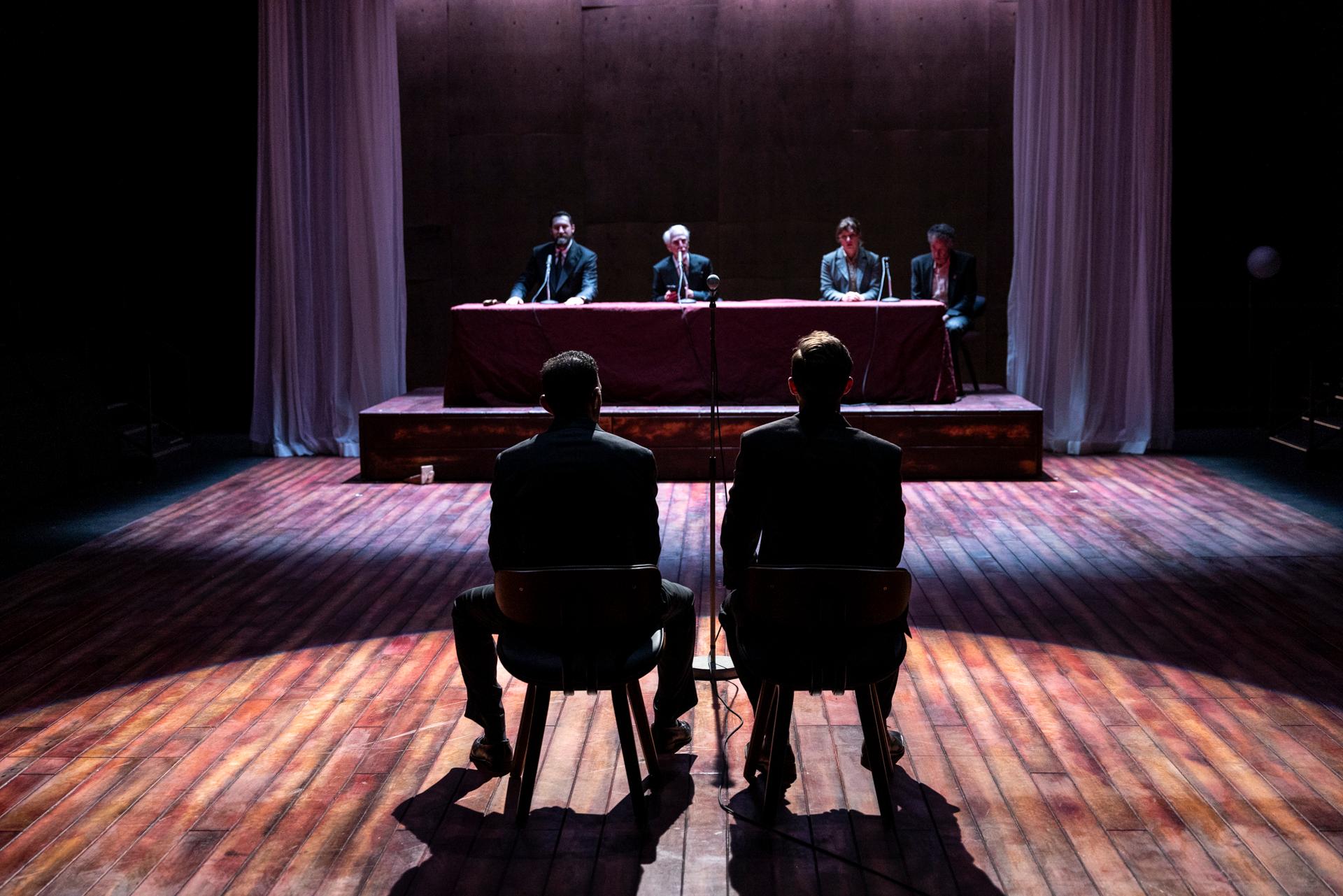
Isha is a schoolgirl exhibiting great promise, with a brilliant mind and a passion for science that have attracted attention, from American industry entering rural India. Her mother Nirmala wants the best for Isha, but making decisions about an uncertain future is difficult, even if the gods seem so resolute with what they stand for. Provocative ideas are presented in The Wrong Gods by S. Shakthidharan through scintillating conversations, between characters who are thoroughly authentic, and interminably sympathetic.

It explores notions of progress, technology, capitalism and colonisation, from perspectives realistic rather than ideological, based on interviews conducted with those of relevant lived experience. The tremendous poignancy of Shakthidharan’s writing may be derived from a specific story originating in an Indian village, but its resonances are universal. As an Australian work, The Wrong Gods seems often to reflect on Indigenous dispossession and displacement, allowing us to further relate to the themes and ethos of this deeply affecting creation.

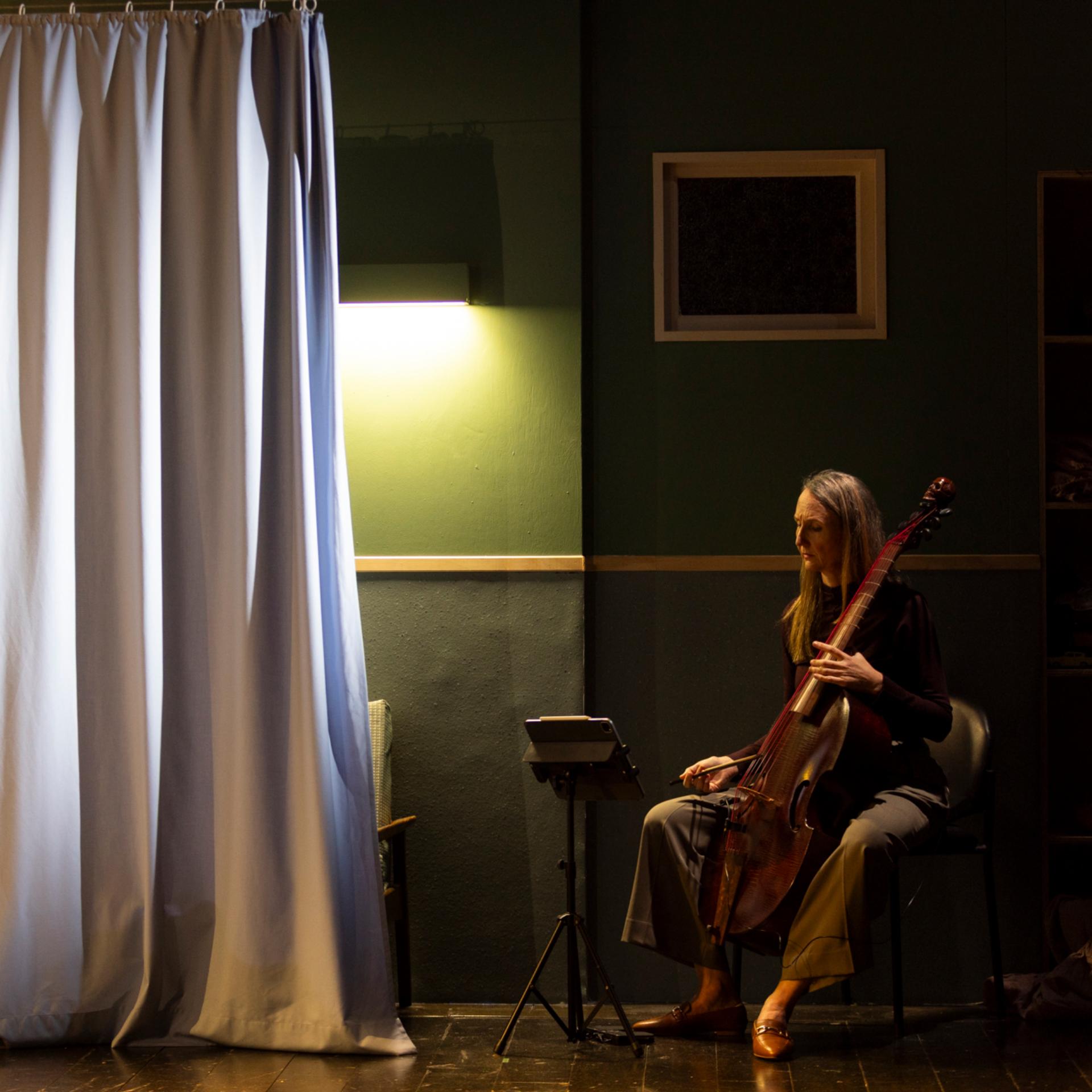
Co-direction by Shakthidharan and Hannah Goodwin delivers emotional intensity, for a highly consequential examination of our very times and values. Complexities of thought are conveyed with astonishing salience, for a show that is as intellectually stimulating as it is moving. Music composition by Sabyasachi (Rahul) Bhattacharya, along with sound design by Steve Francis, are a marvellous concoction that proves stirring even if its expressions are always delicate.

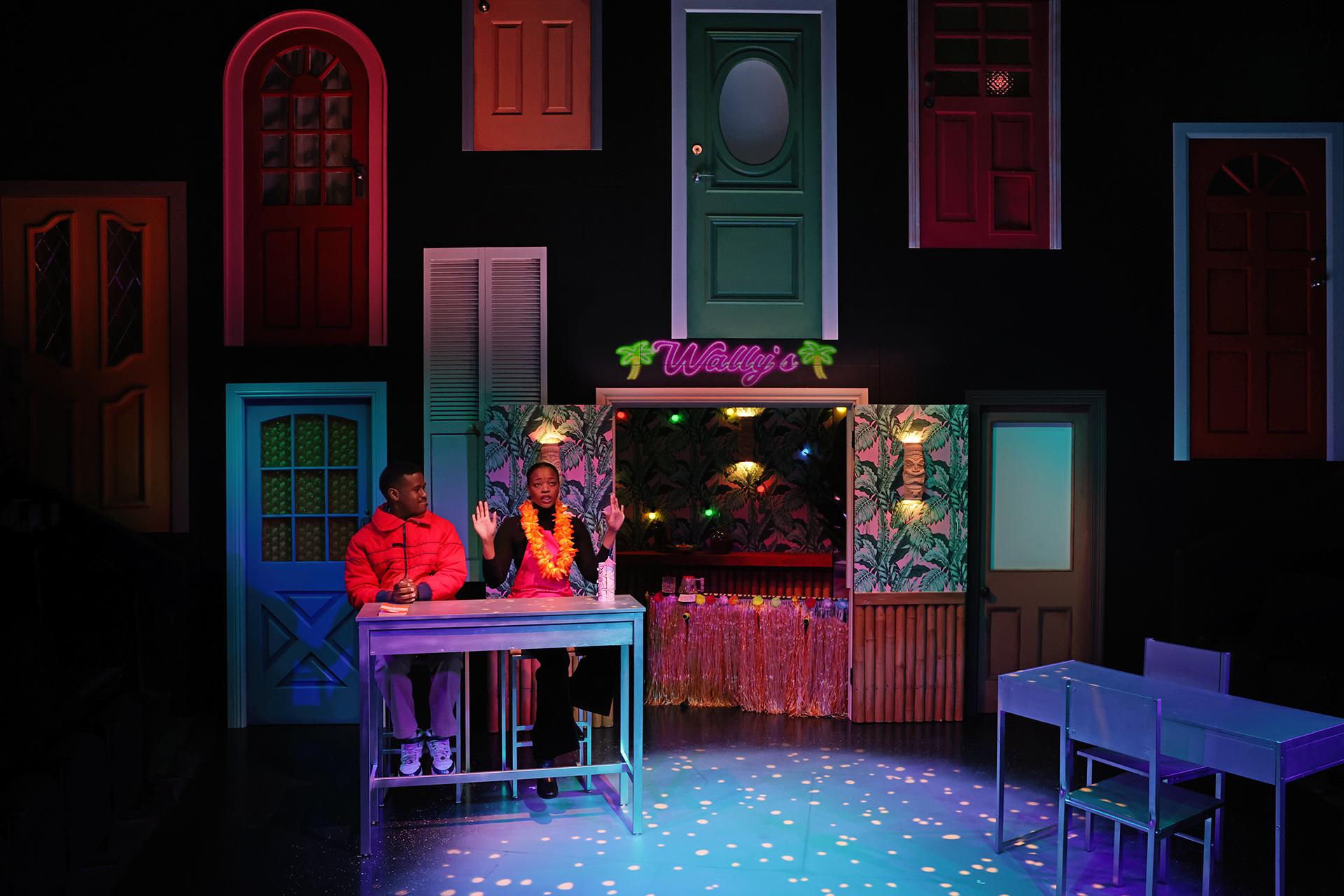
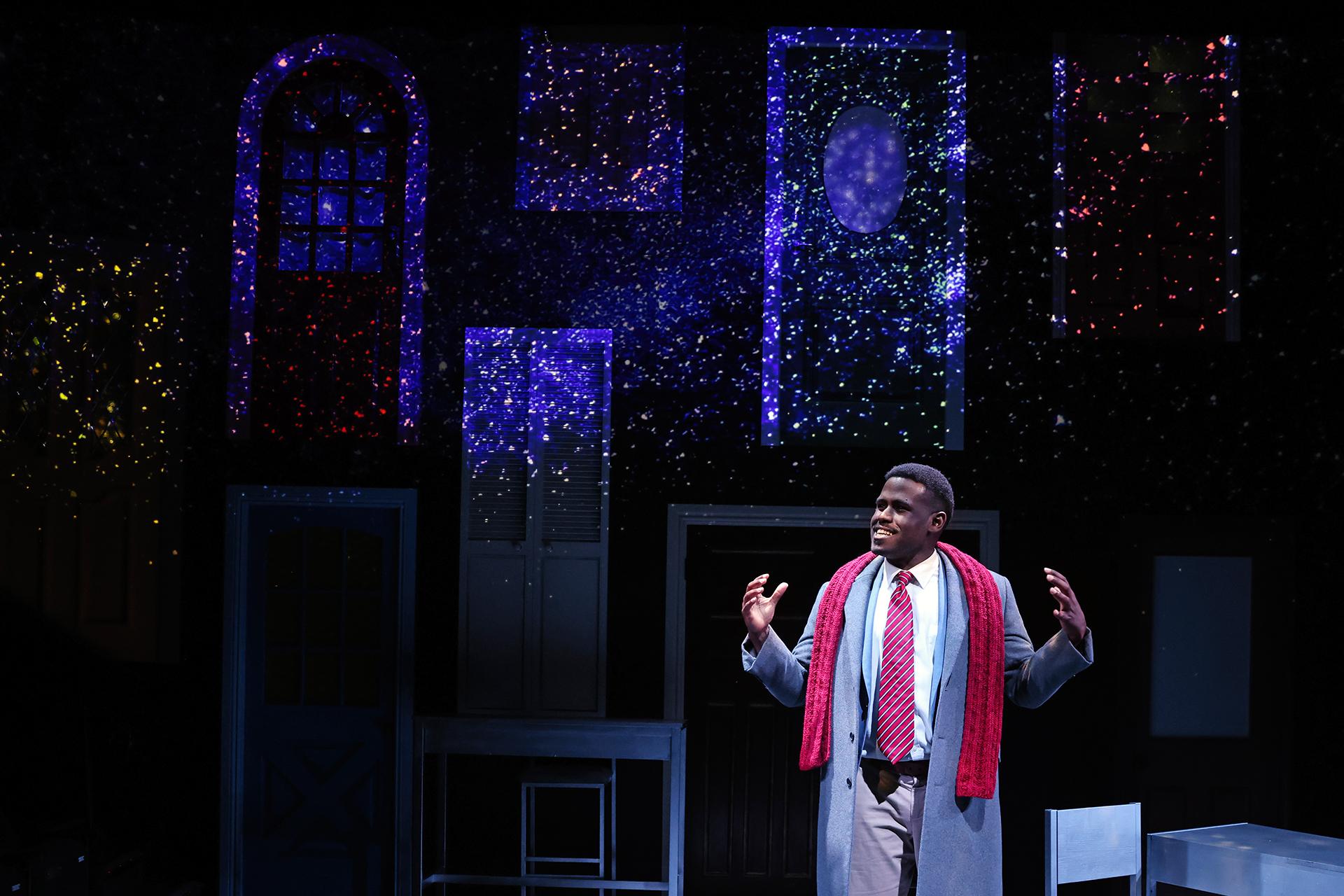
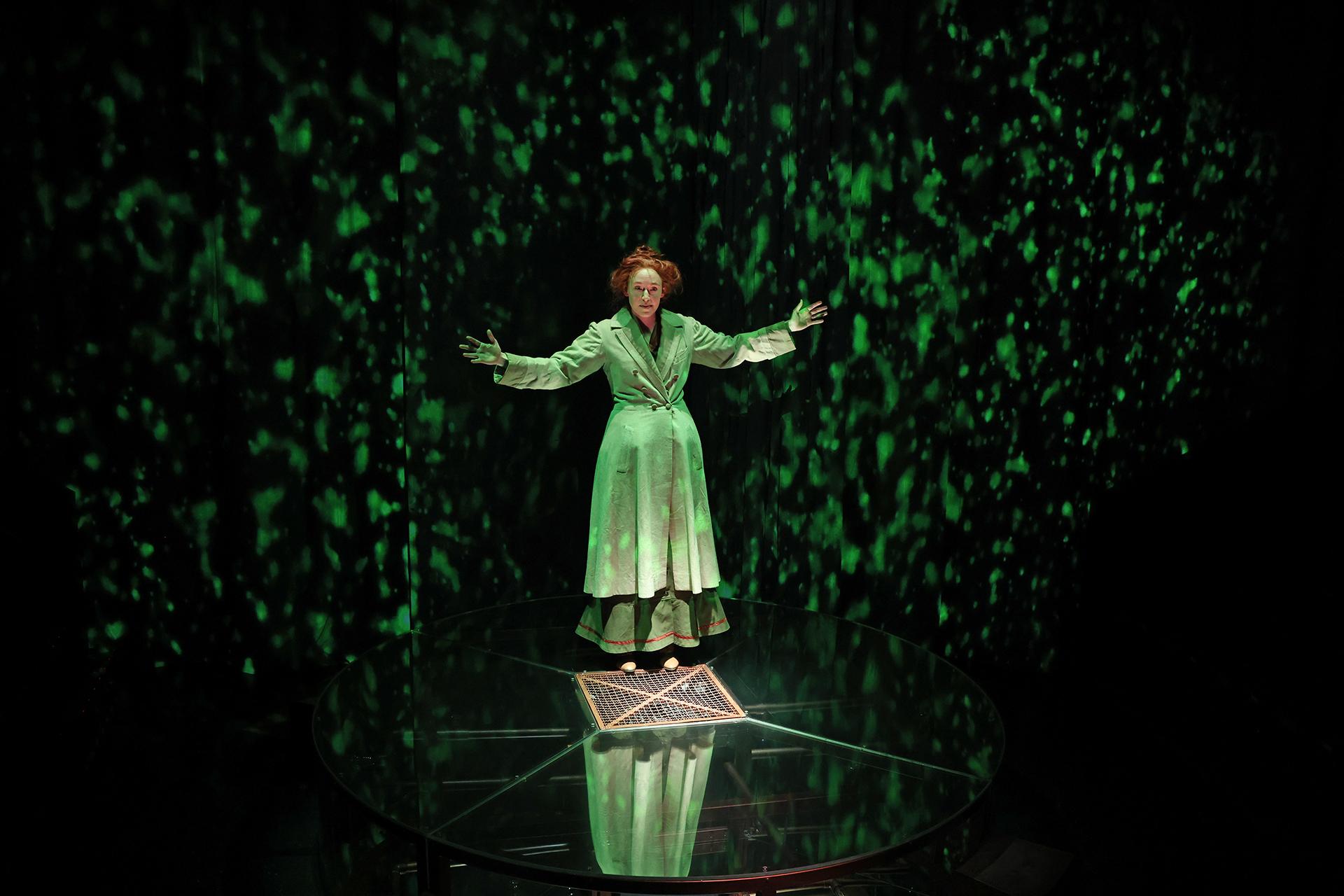
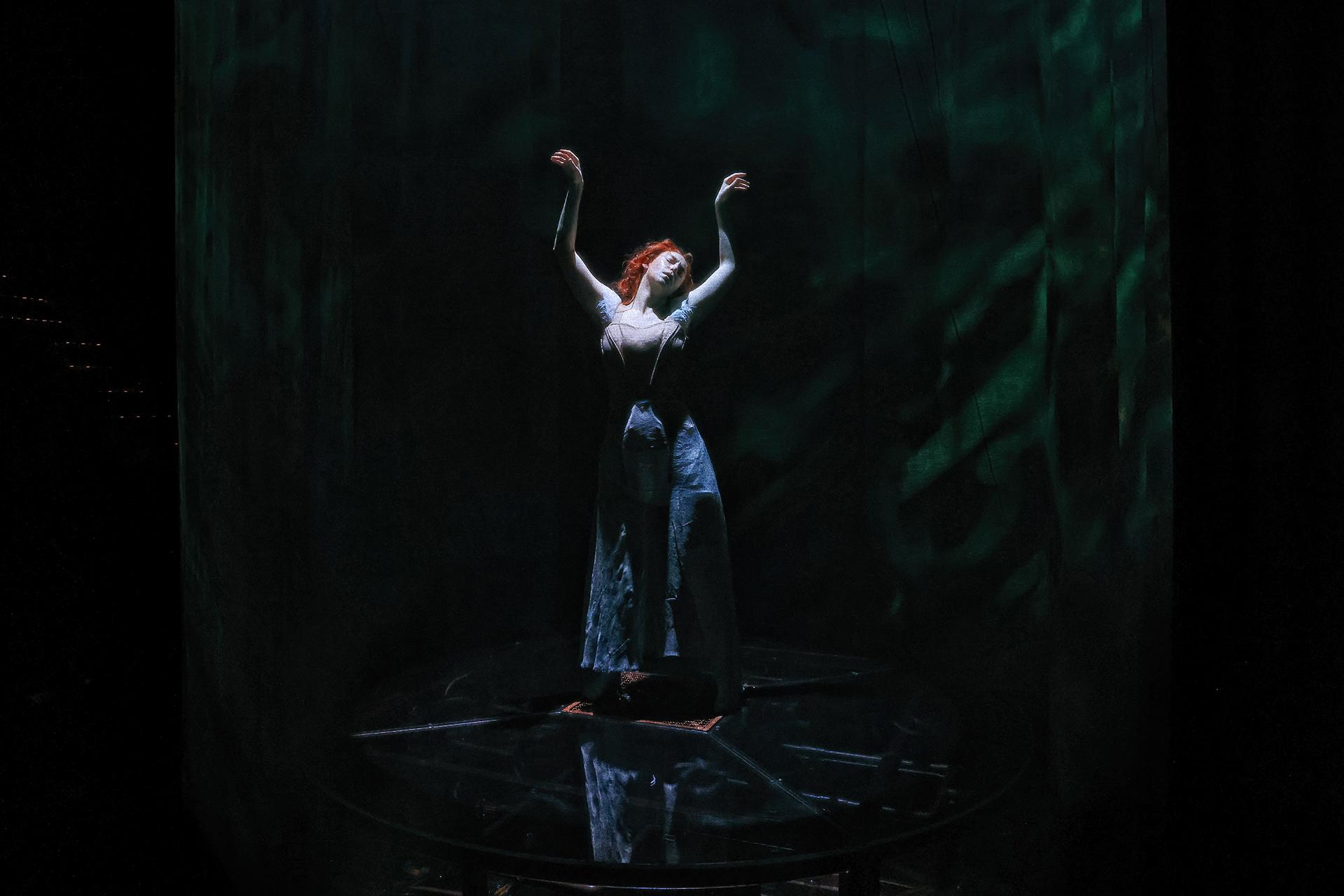
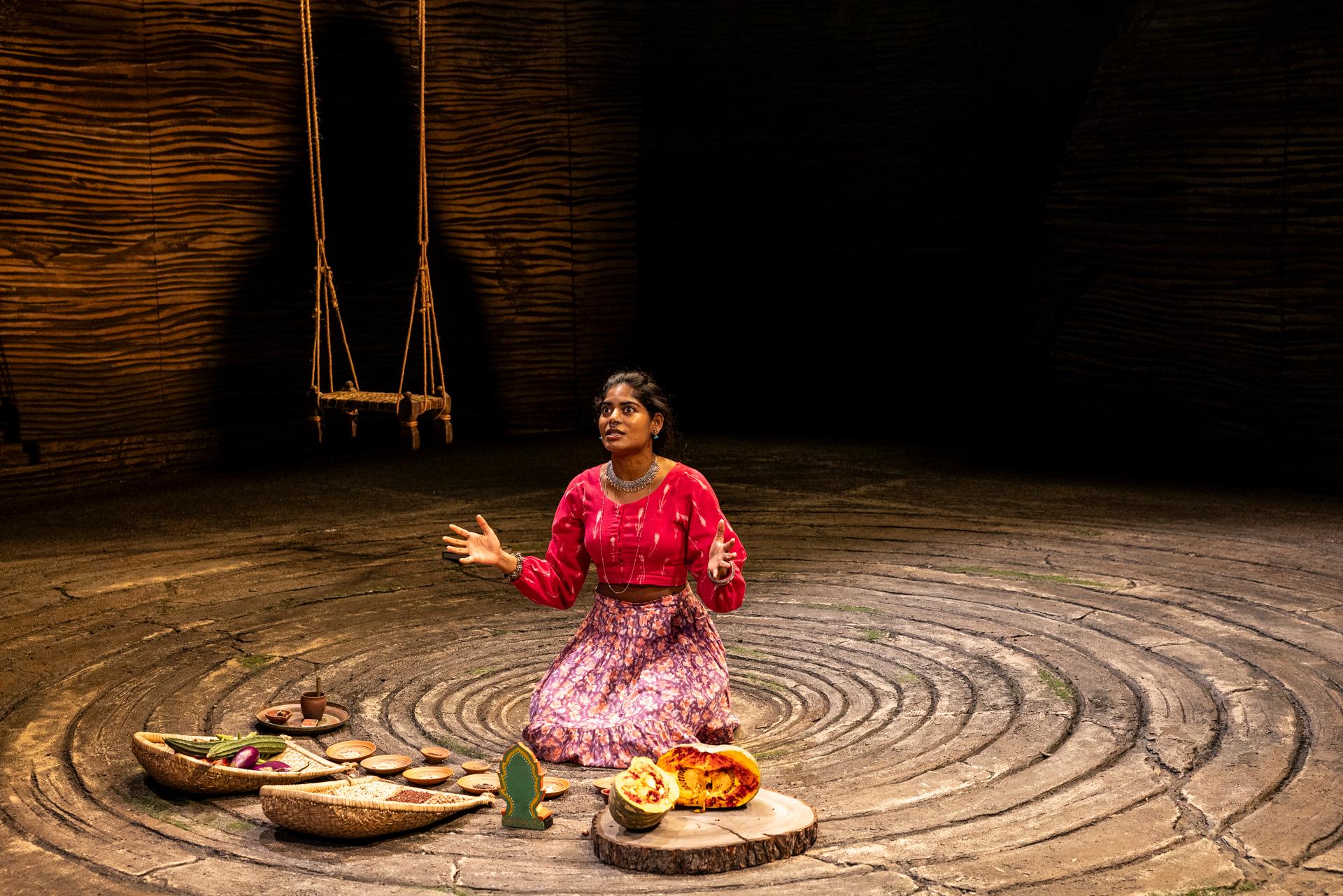
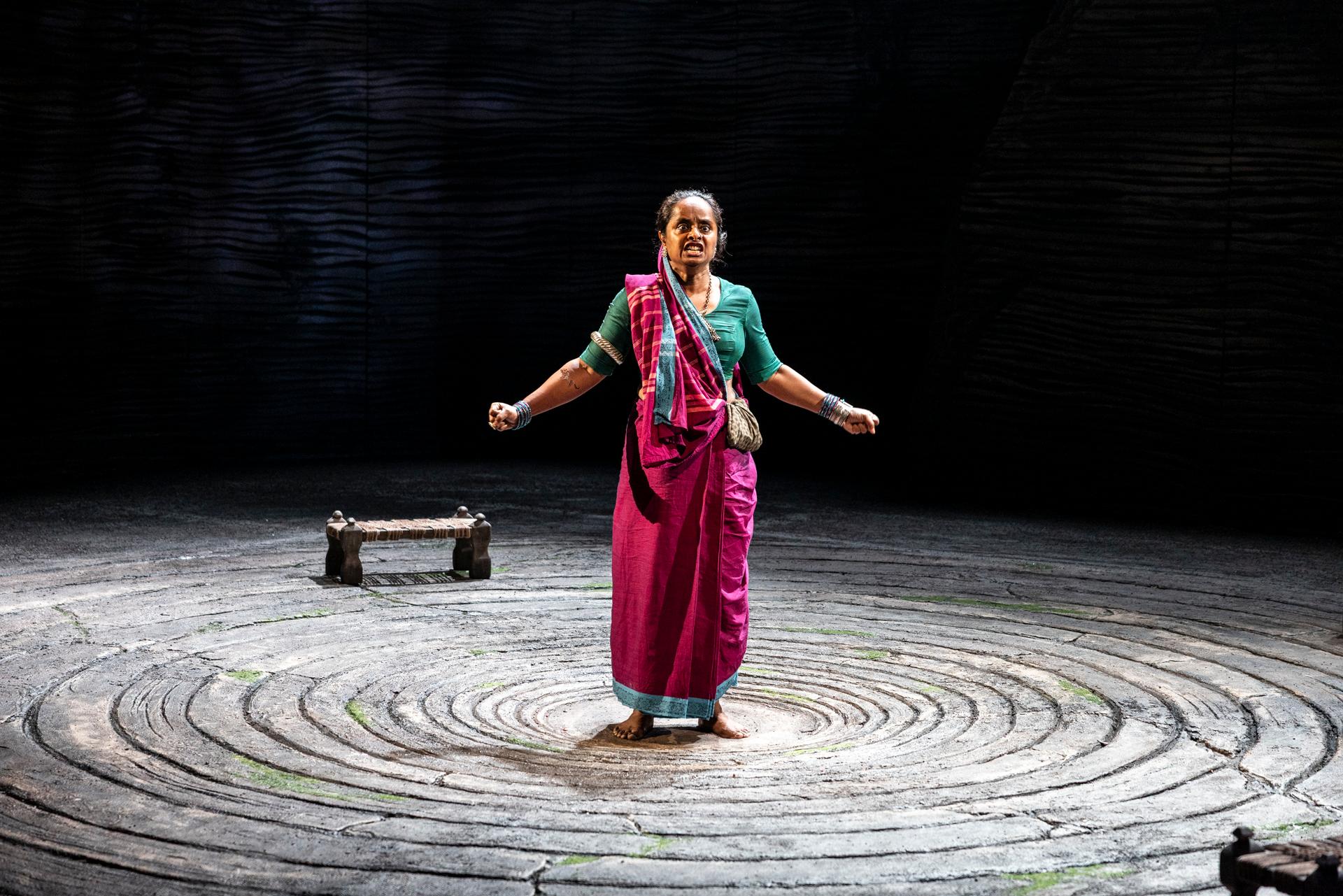
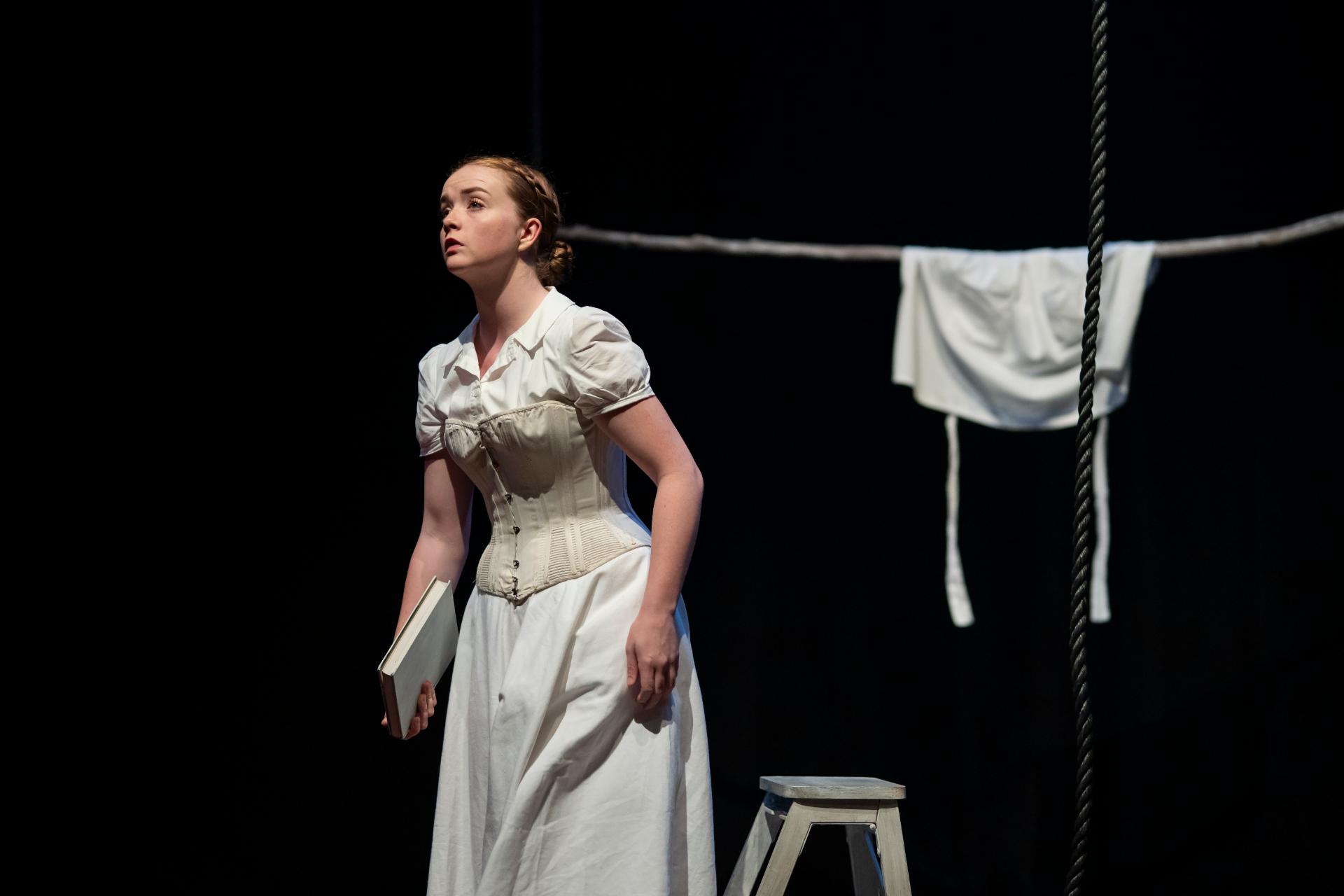
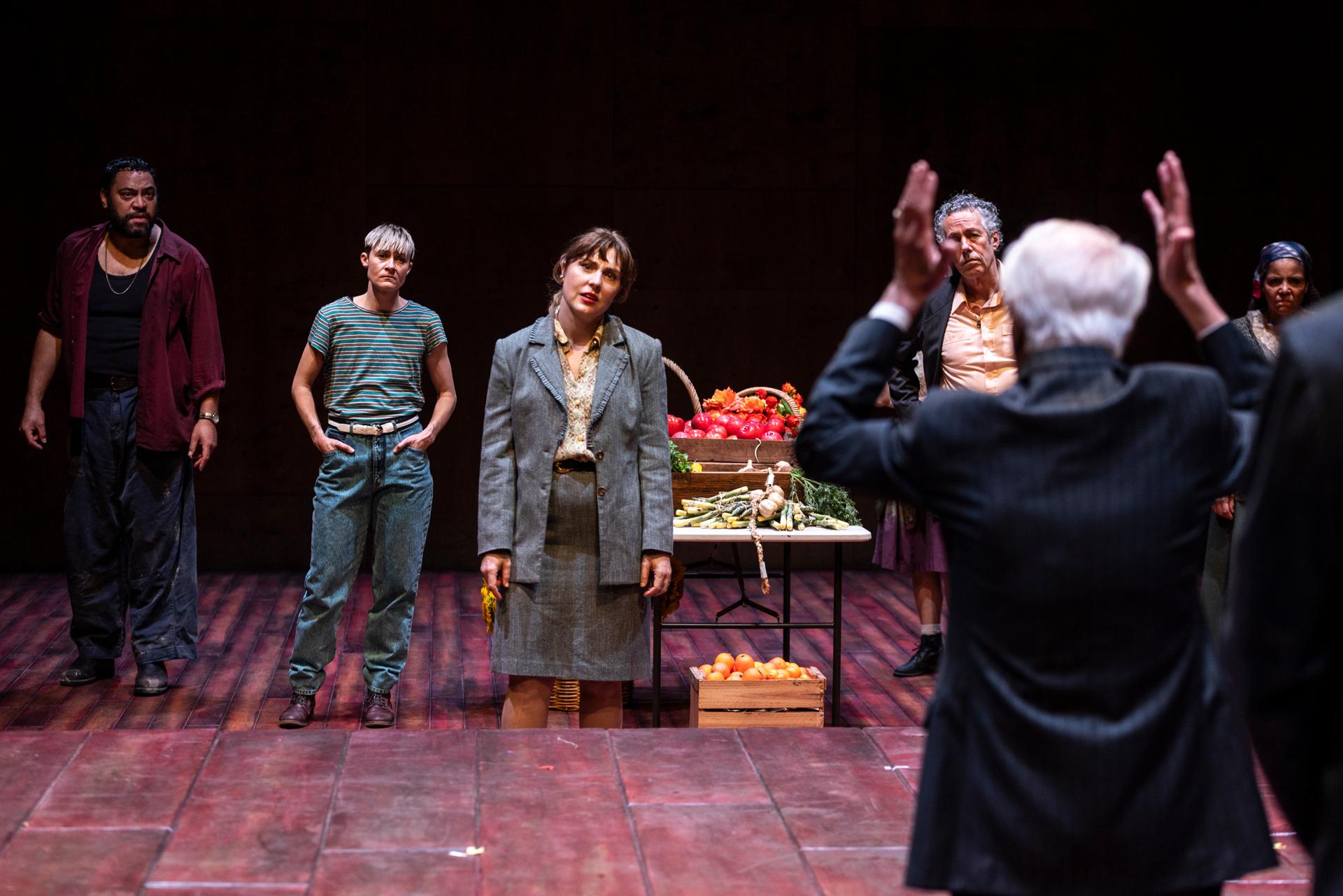
Inspired by farmlands of South Asia, set design by Keerthi Subramanyam is a beautiful evocation of our relationship with nature, making a statement about human activity in conjunction with notions of the organic. Lights by Amelia Lever-Davidson are elegantly rendered, adding subtle enhancements to aid dramatic tension, for a tale that is consistently escalating.

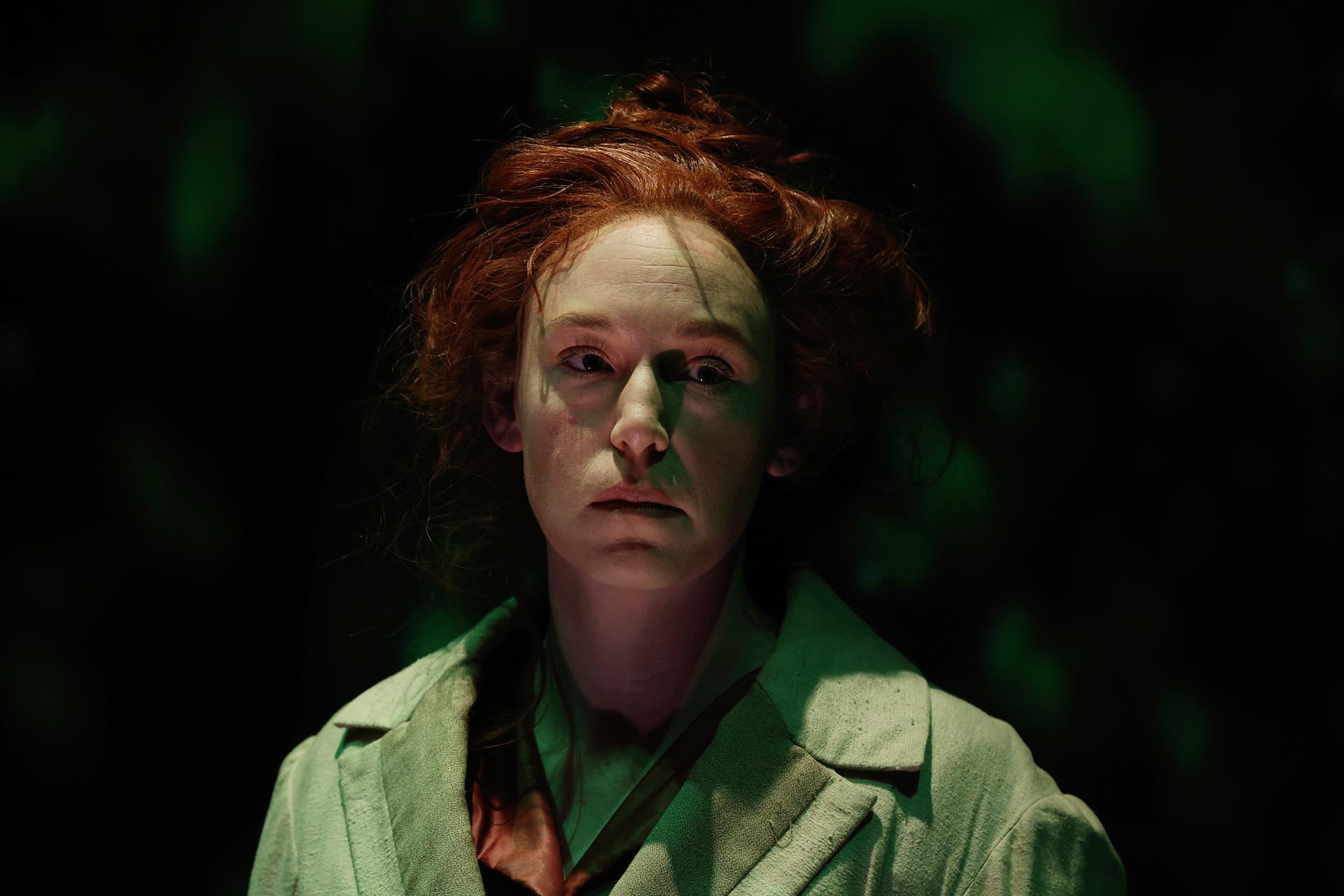
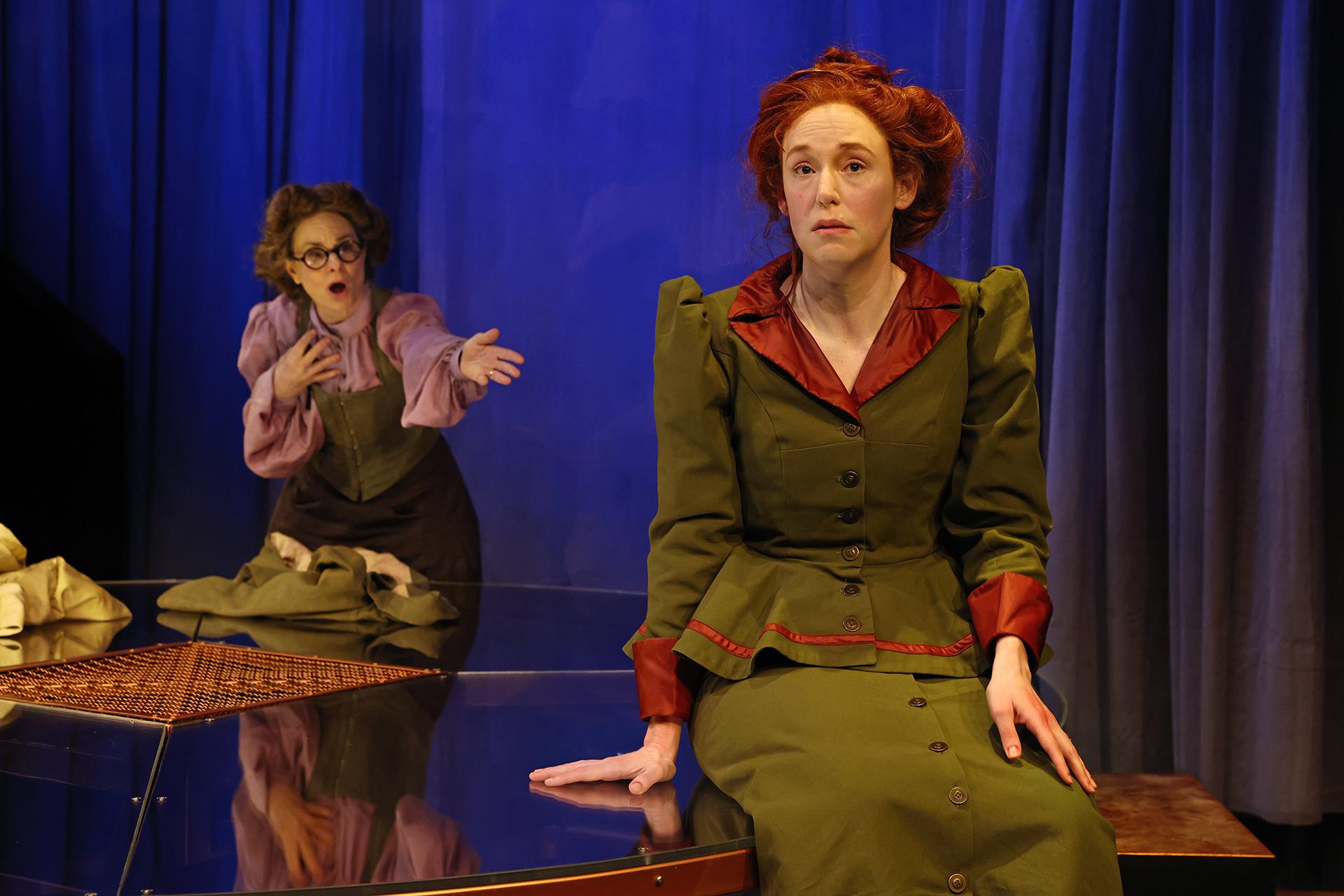
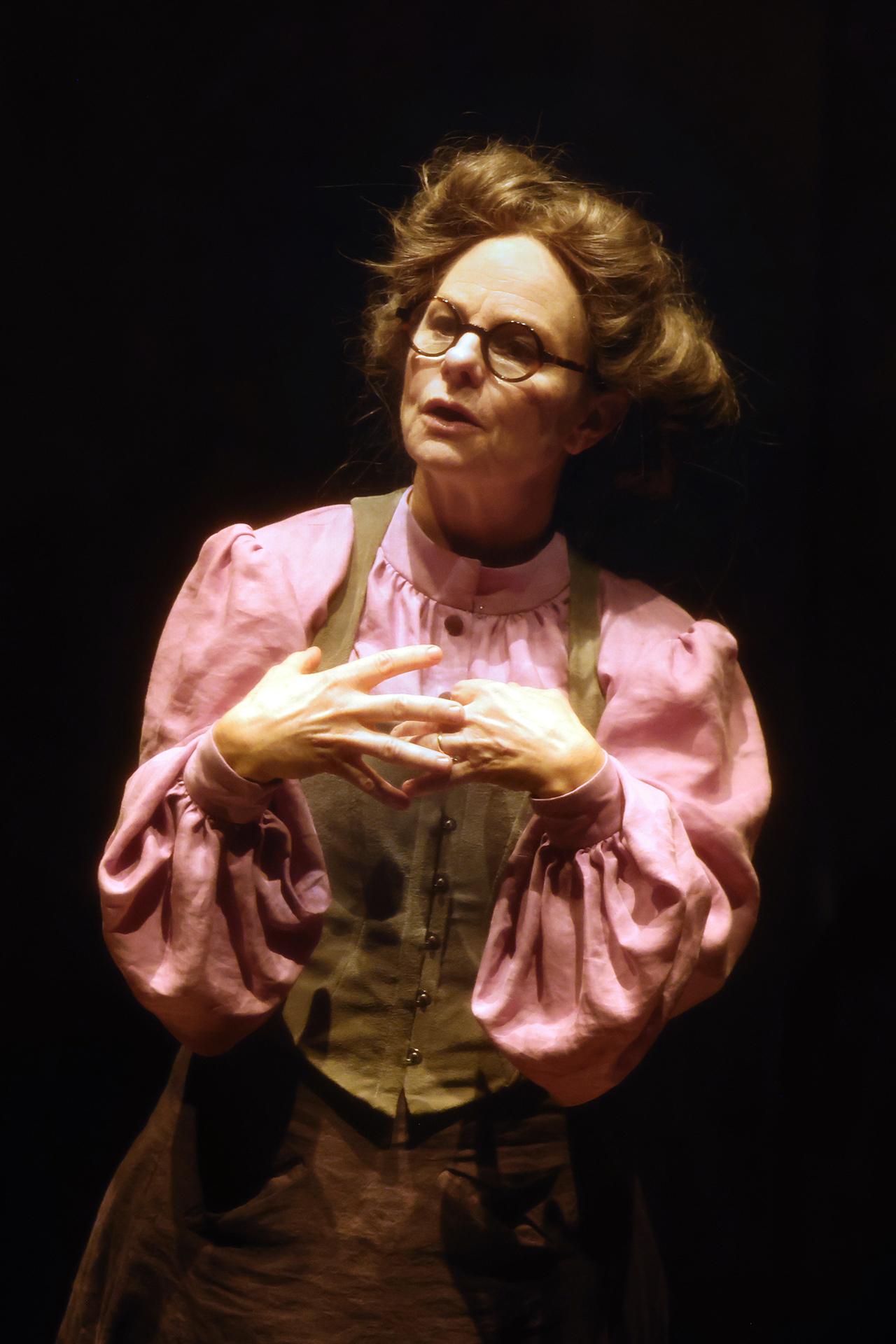
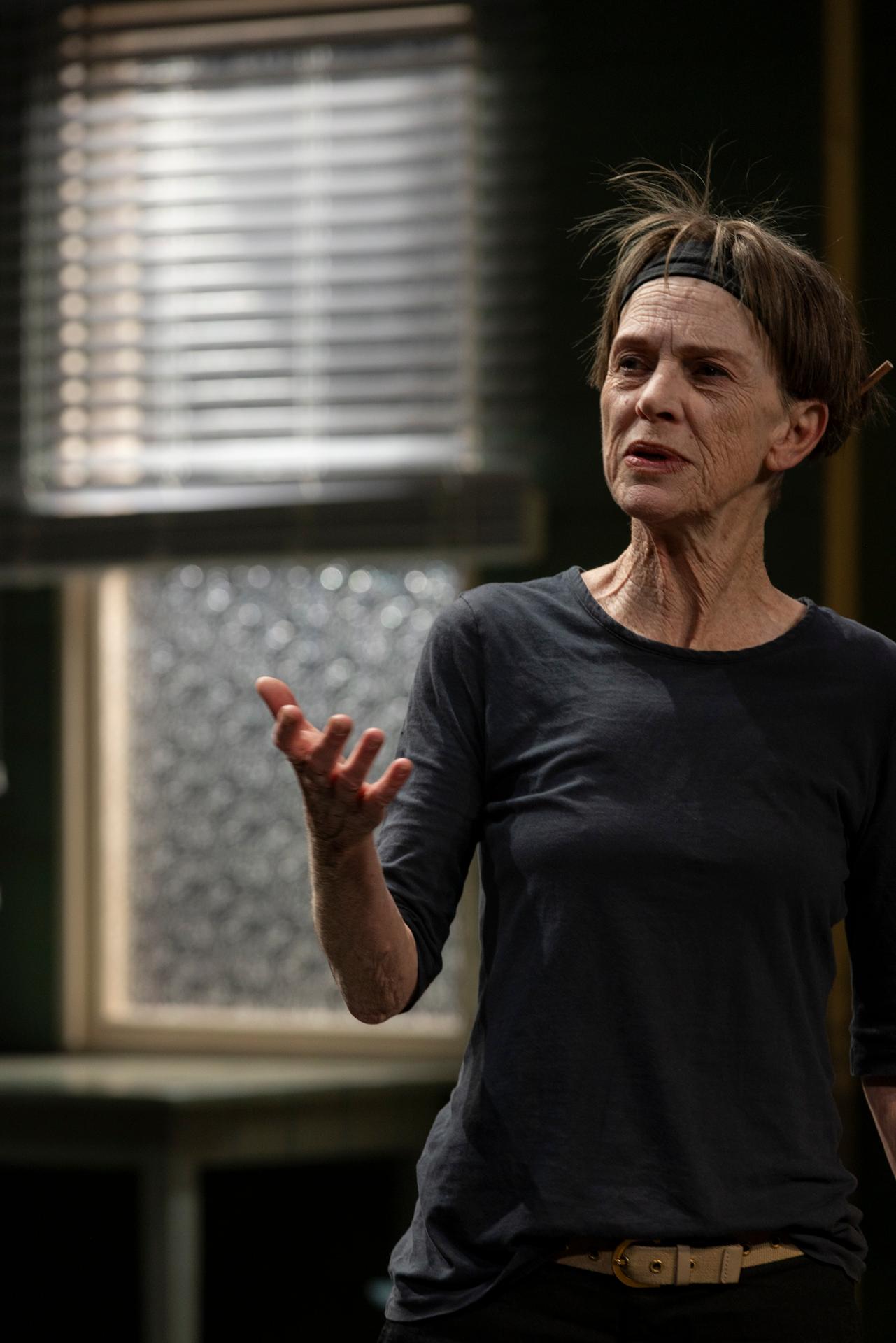
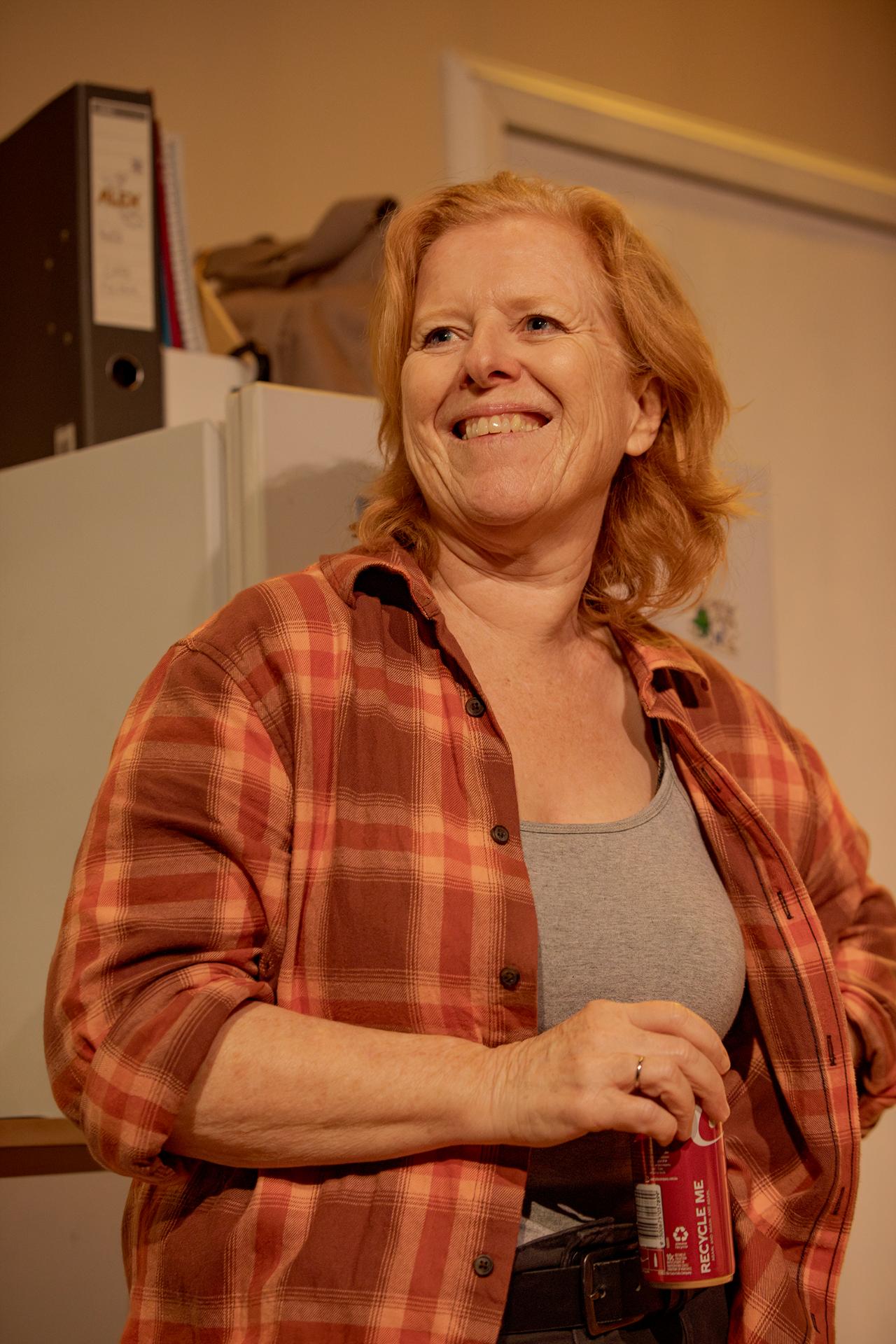
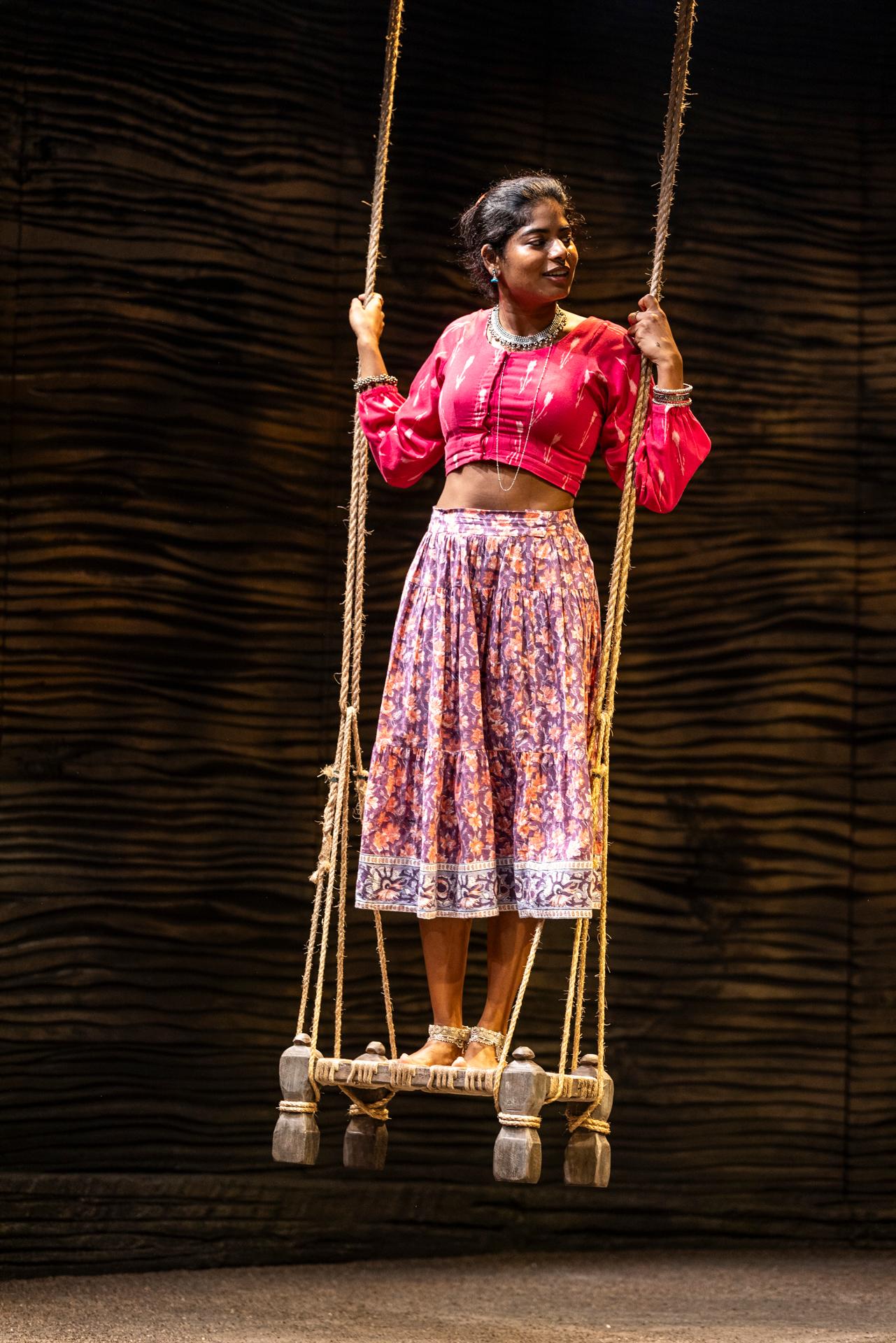
Actor Nadie Kammallaweera as farmer Nirmala brings to the stage gravity and power, leaving a lasting impression with her exacting physicality and commanding voice. Isha is played by the charismatic Radhika Mudaliyar whose persuasive naturalism has us hopelessly invested in a narrative about the conundrum of modernisation. Vaishnavi Suryaprakash is a compelling presence, and wonderfully nuanced, as Lakshmi the local representative of foreign interests. Manali Datar is appropriately spirited as Devi, an activist working for the resistance against deleterious commercialisation.

We know progress to be inevitable, but it is imperative that its momentum is always kept in check. Having seen the many devastations that have resulted from greed in the guise of advancements, it is shocking that those who control technology should be allowed to act wantonly. We cannot stop time from moving forward, but we must always be able to raise caution, be able to slow things down, and not be deceived by those who characterise our collective gain, as a race.

www.belvoir.com.au

Review: Abigail Williams (Wharf 2 Theatre)

Venue: Wharf 2 Sydney Theatre Company (Walsh Bay NSW), Apr 23 – 26, 2025
Playwright: Rebecca McNamee
Director: Rebecca McNamee
Cast: Ebony Tucker
Images by Robert Miniter

Theatre review
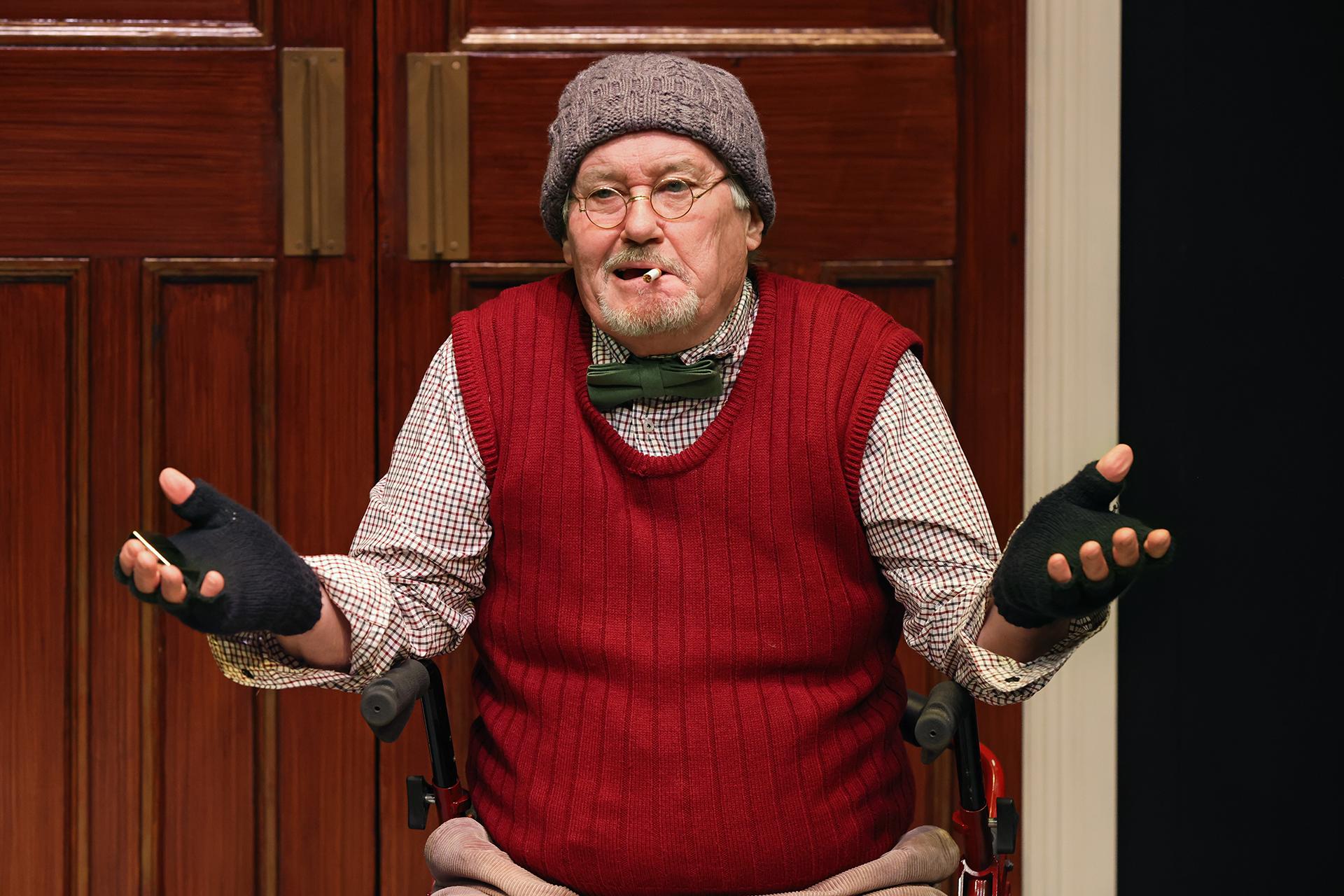
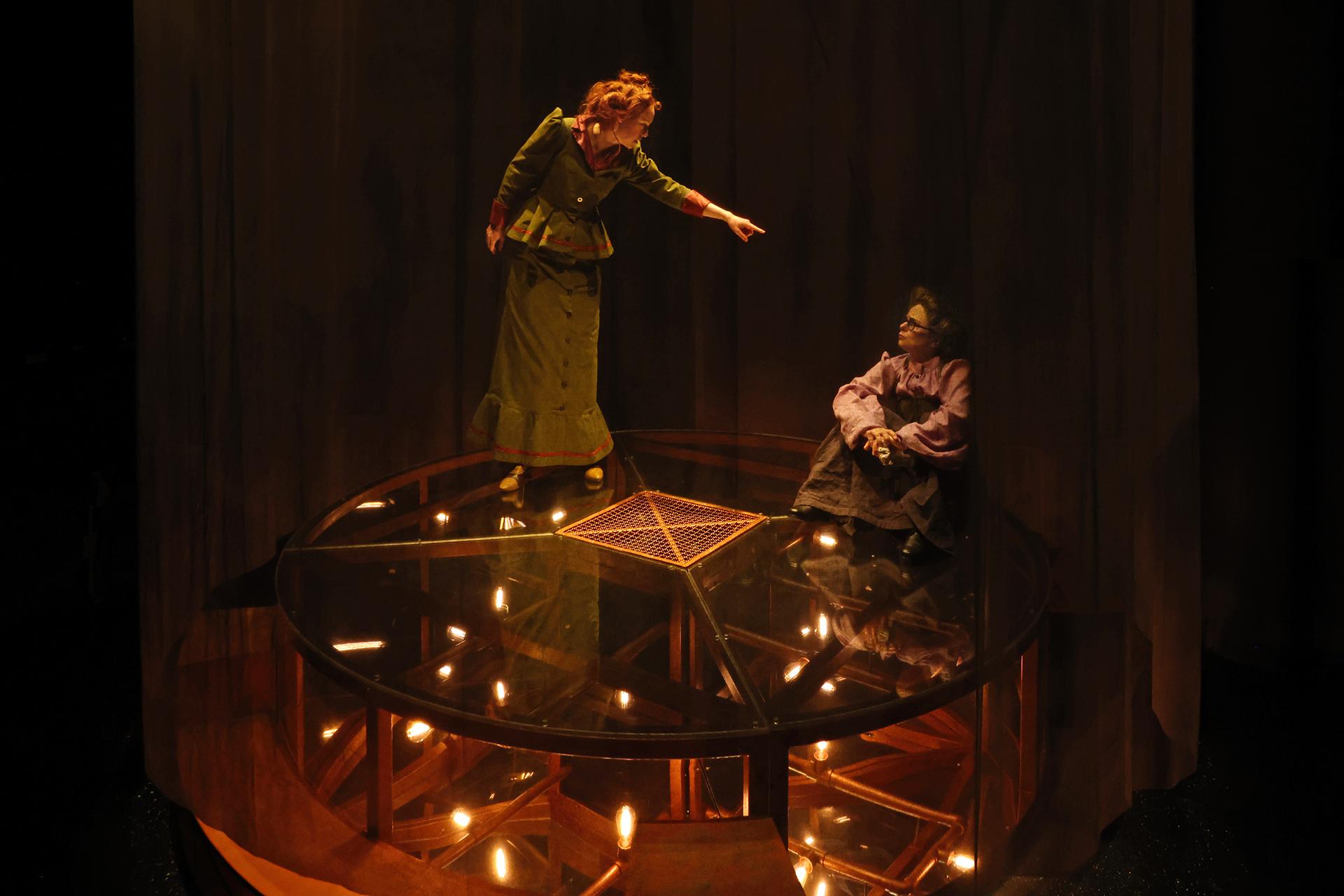
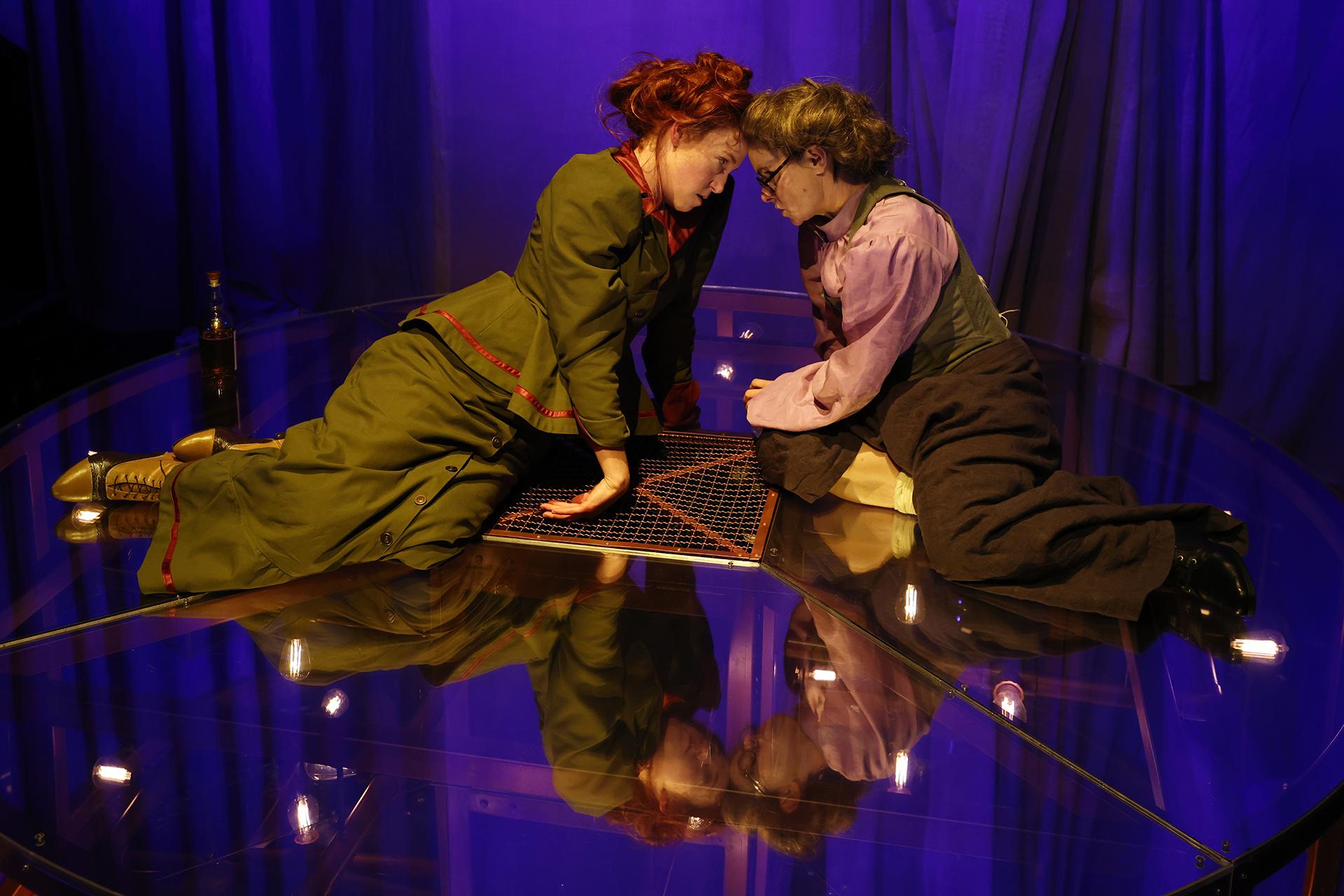
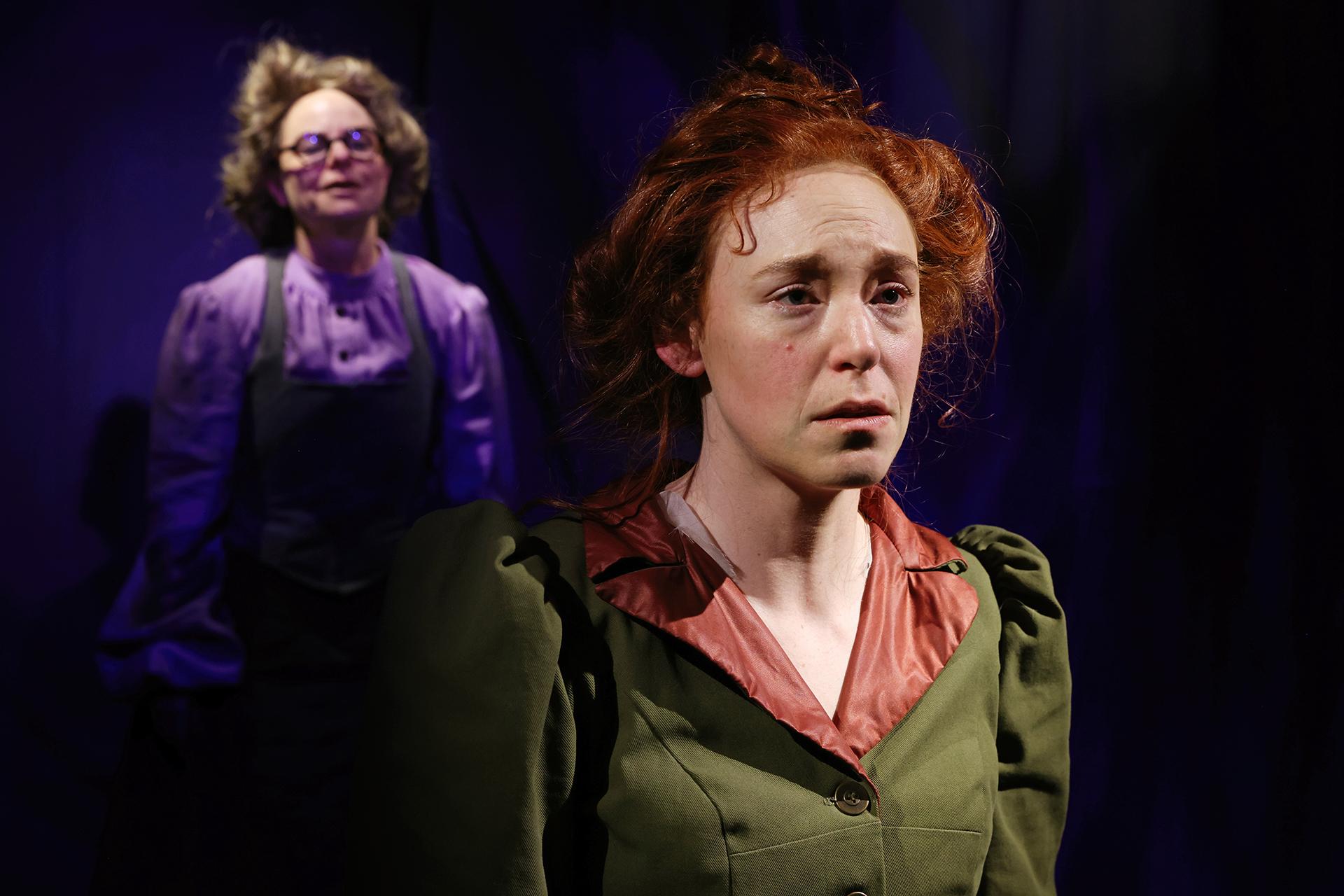
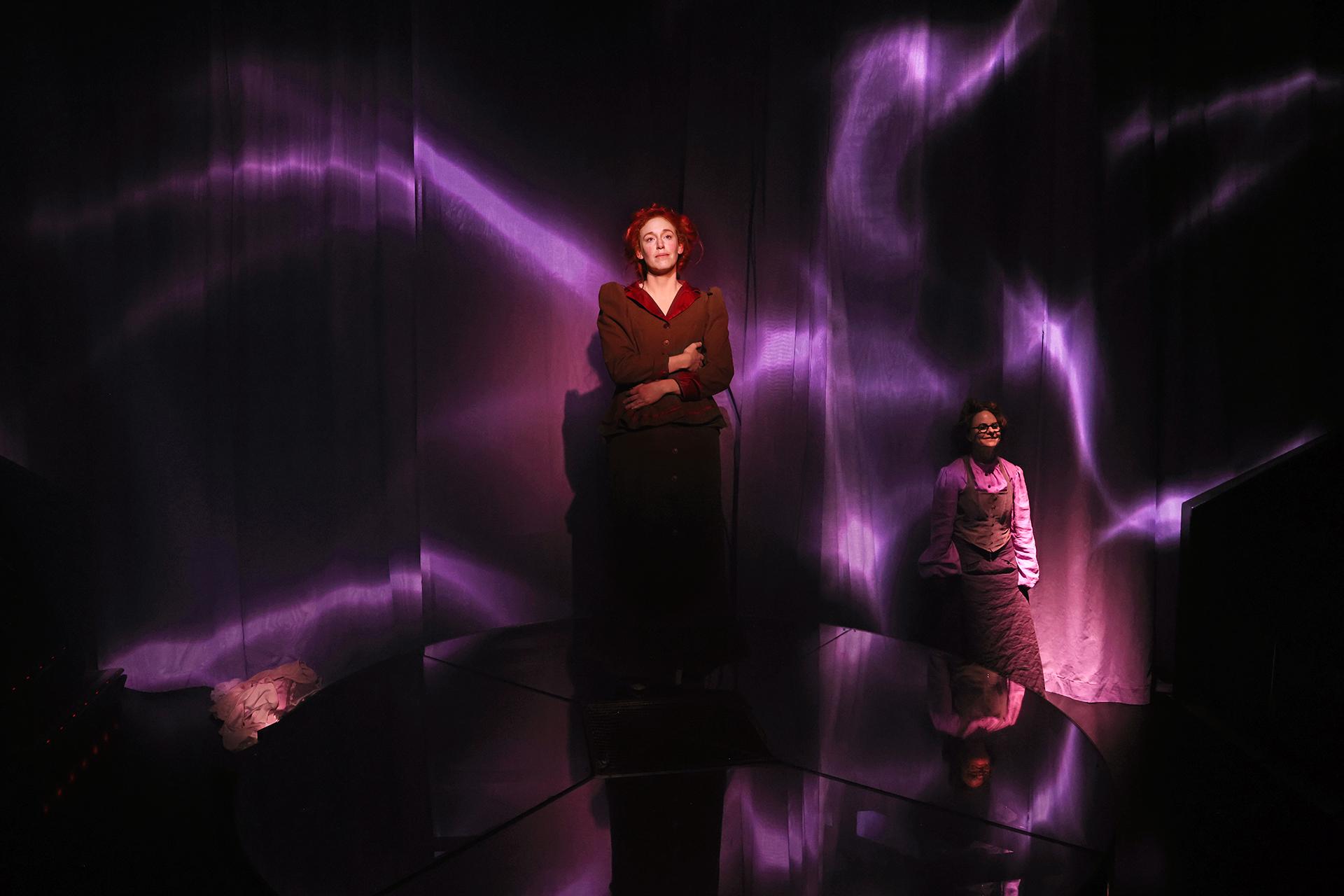
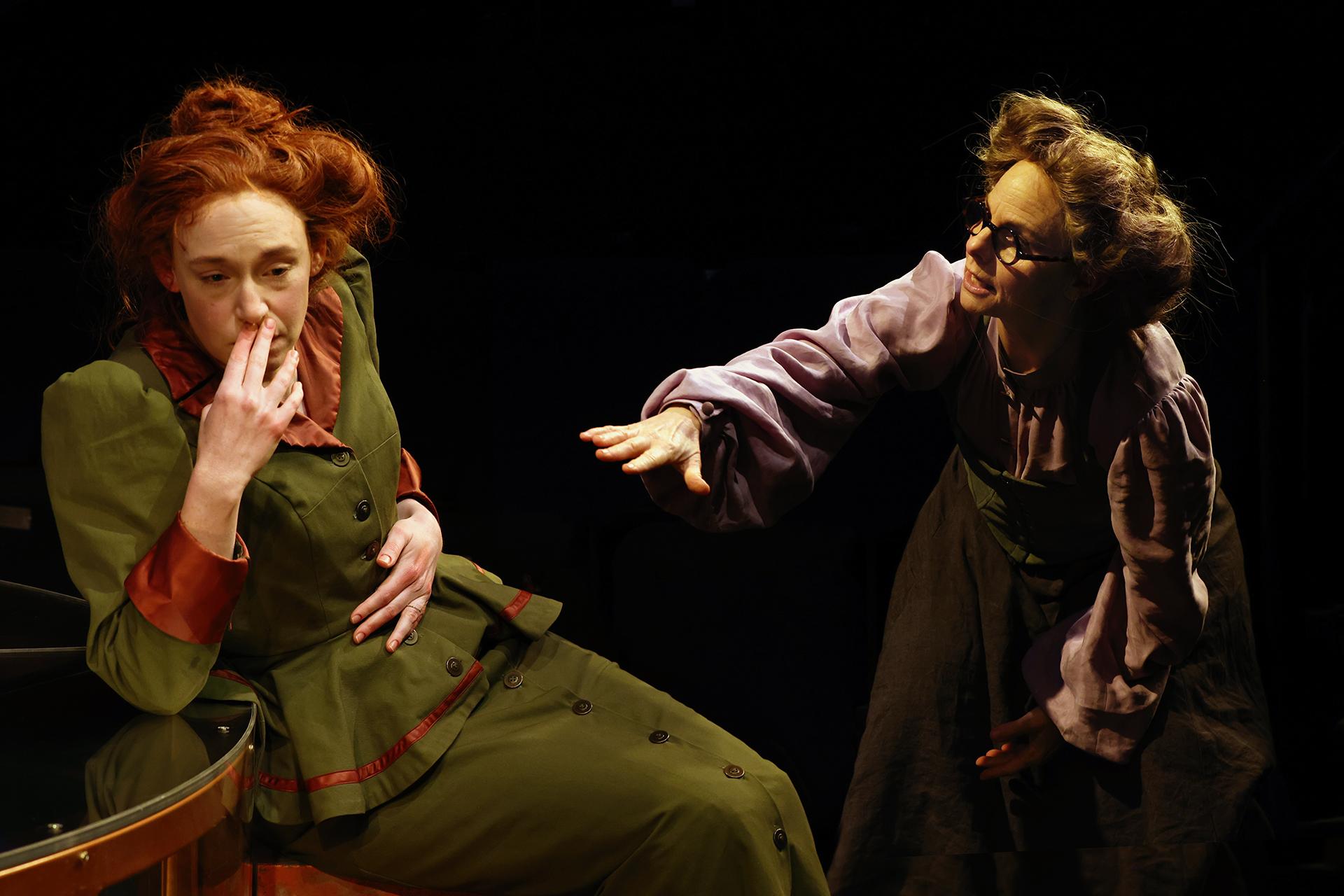
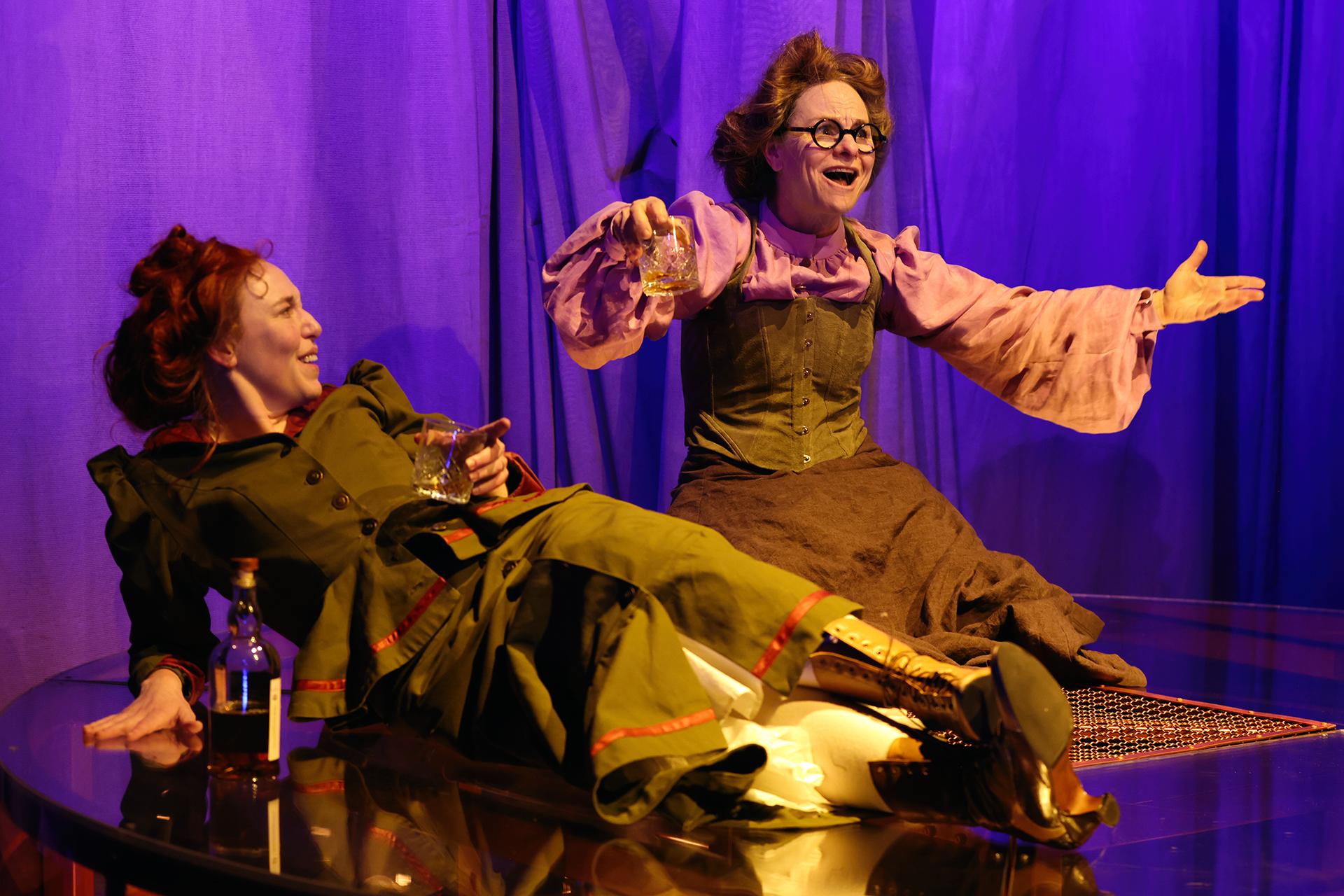
It is mainly young women who are the key accusers in Arthur Miller’s The Crucible, but we never seem to know them very well. In Abigail Williams by Rebecca McNamee, we are given an opportunity to speculate on what might have caused the eponymous ringleader to inflict such ruthless damage. The work is an exploration of the rage that results from misogyny, and how it manifests in unexpected ways.

McNamee’s writing is thoughtful and creative, but her direction of the work is strangely placid, even if there is an undeniable elegance that guides her storytelling. Costuming by Angelina Daniel is astutely fitted and assembled, along with a set design that is commensurately graceful. Chris Milburn’s lights deliver finesse, but lack the necessary energy to satisfactorily address the core themes of the play. More impressive is sound design by Keelan Ellis, memorable for its intricacy and rigour.

Performer Ebony Tucker brings strength and detail to her portrayal of the 17th century villain, highly persuasive in bringing a new perspective to the narrative. The production is perhaps overly reliant on Tucker’s efforts to provoke our emotional response, but she is unquestionably up to the task.

So much of how we believe the world to be, is shaped by archaic ways of seeing. We hold in high regard the words of so many who have come before, often unable to discern good from bad, inevitably inheriting toxic values, and accepting what they represent to be truthful or natural, even when they are perniciously self-defeating. Our old masters wrote things that harm us, but little is ever done to take them down.

www.herstoryfestival.com

Review: Snakeface (25A Belvoir)

Venue: Belvoir St Theatre (Surry Hills NSW), Apr 8 – 27, 2025
Playwright: Aliyah Knight
Director: Bernadette Fam
Cast: Aliyah Knight
Images by Abraham de Souza

Theatre review
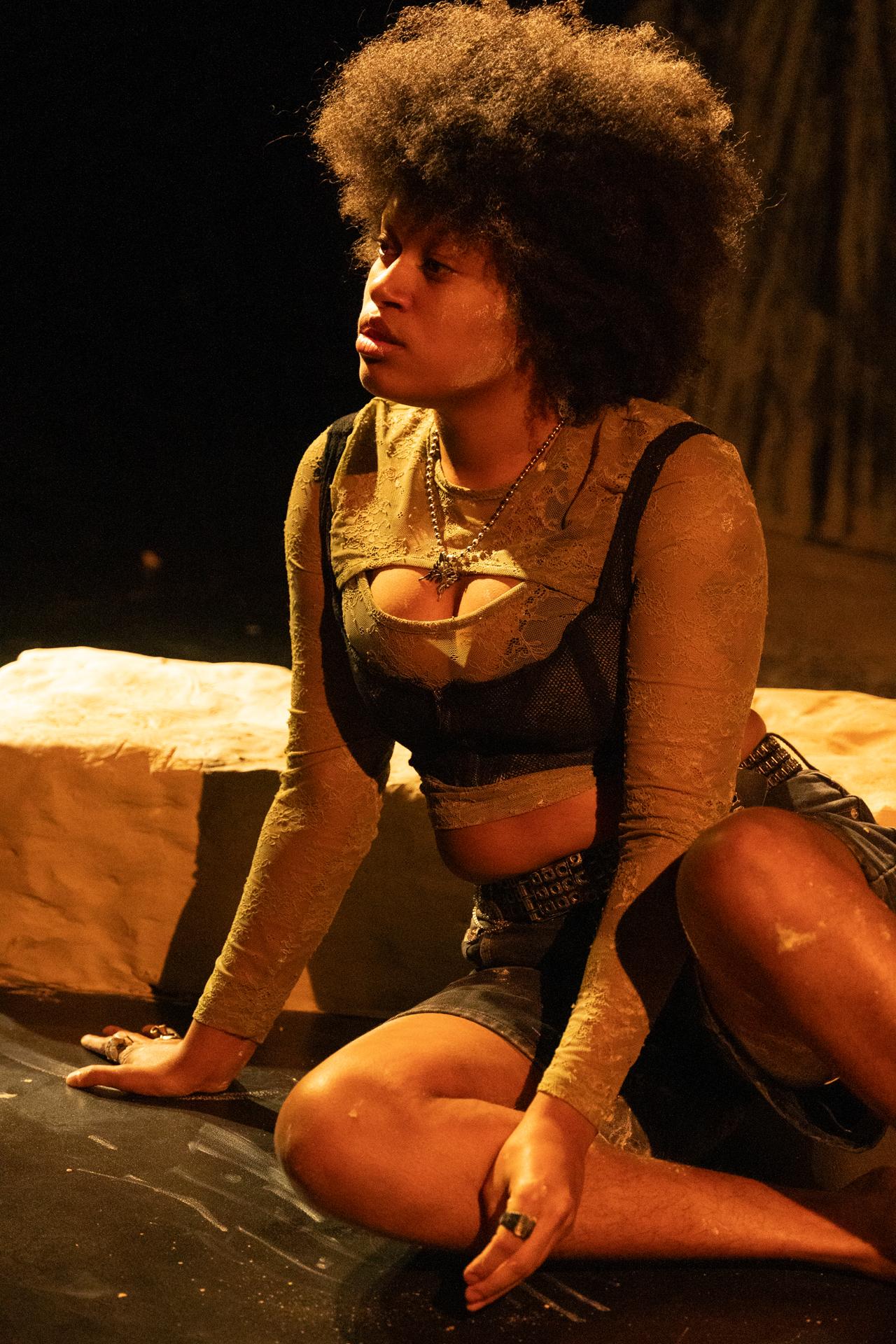
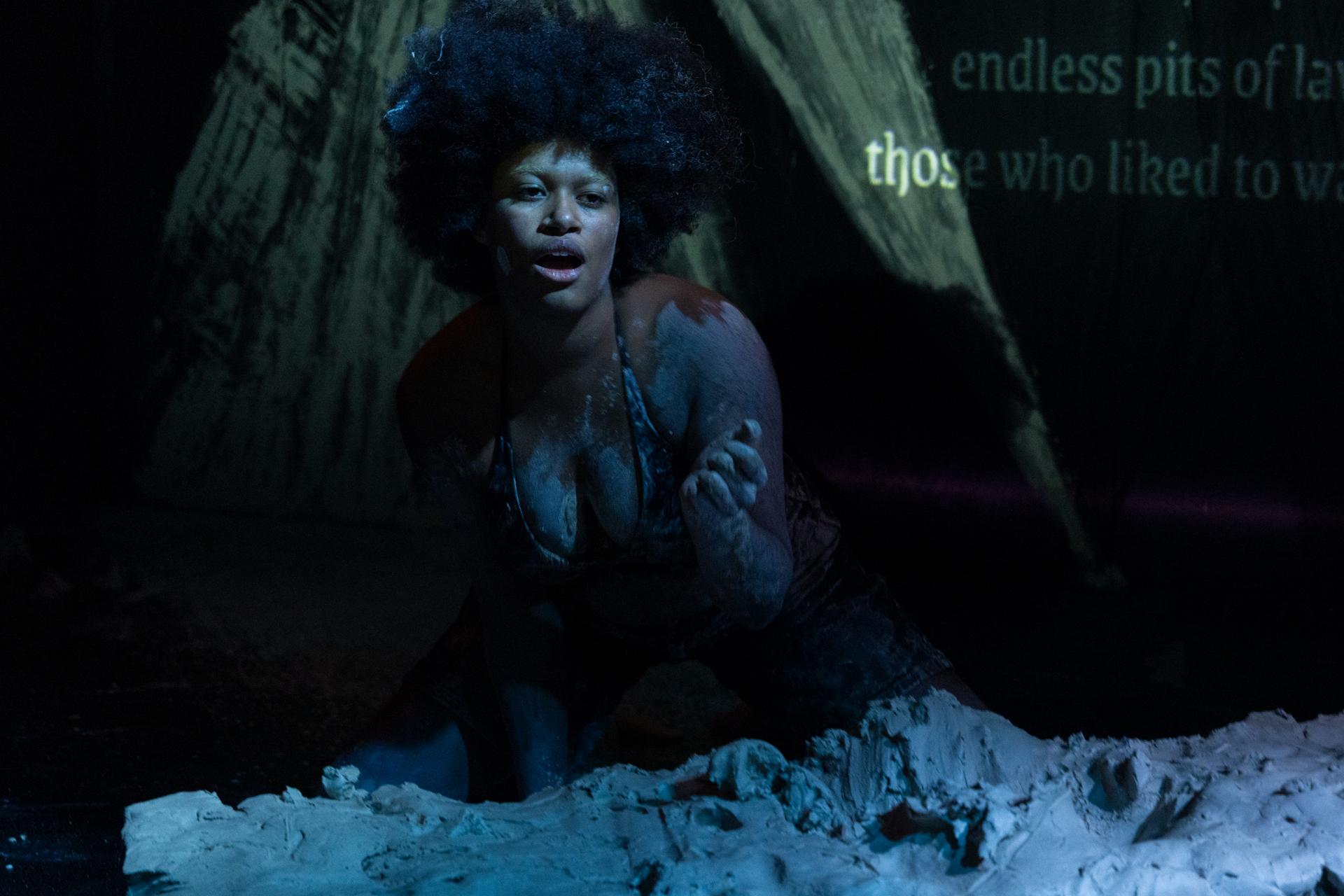
Inspired by the legend of Medusa, Aliyah Knight’s Snakeface deals with themes of abuse and assault, through a modern feminist lens. The writing is unrelentingly poetic and sometimes obtuse, with an undeniable beauty to its language that leaves an impression. Within a theatrical context, work of this nature can feel disorienting, but the resolve of its vision and ambition helps sustain our attention.

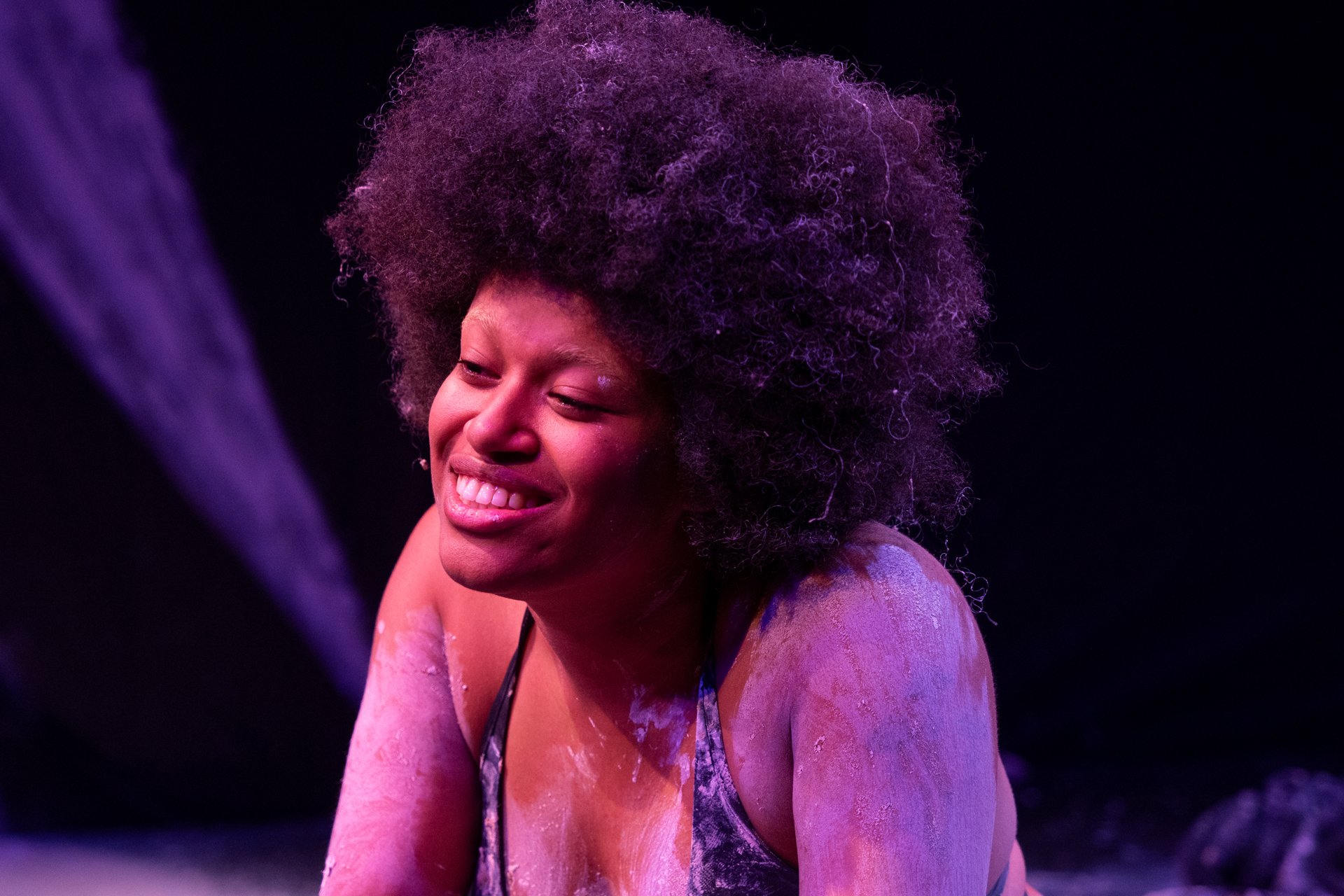
Rigorous direction by Bernadette Fam creates distinct and imaginative segmentations at every step of the show’s progression, for a staging that fascinates our senses, even when we share in the discombobulation of its central figure. Bold choreography by Fetu Taku adds meaningfully to the visceral power of the solo piece, which Knight performs with admirable focus and confidence.

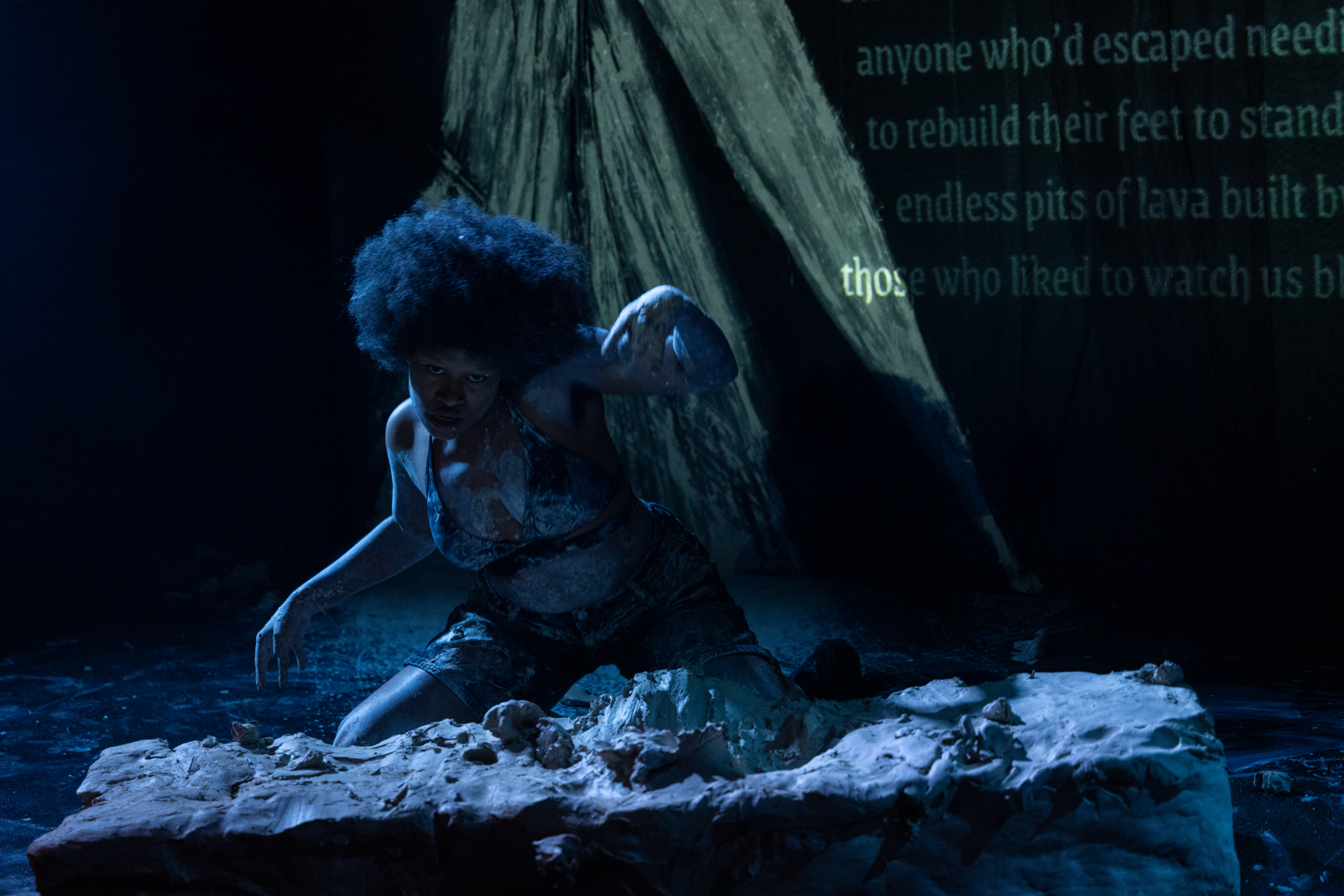
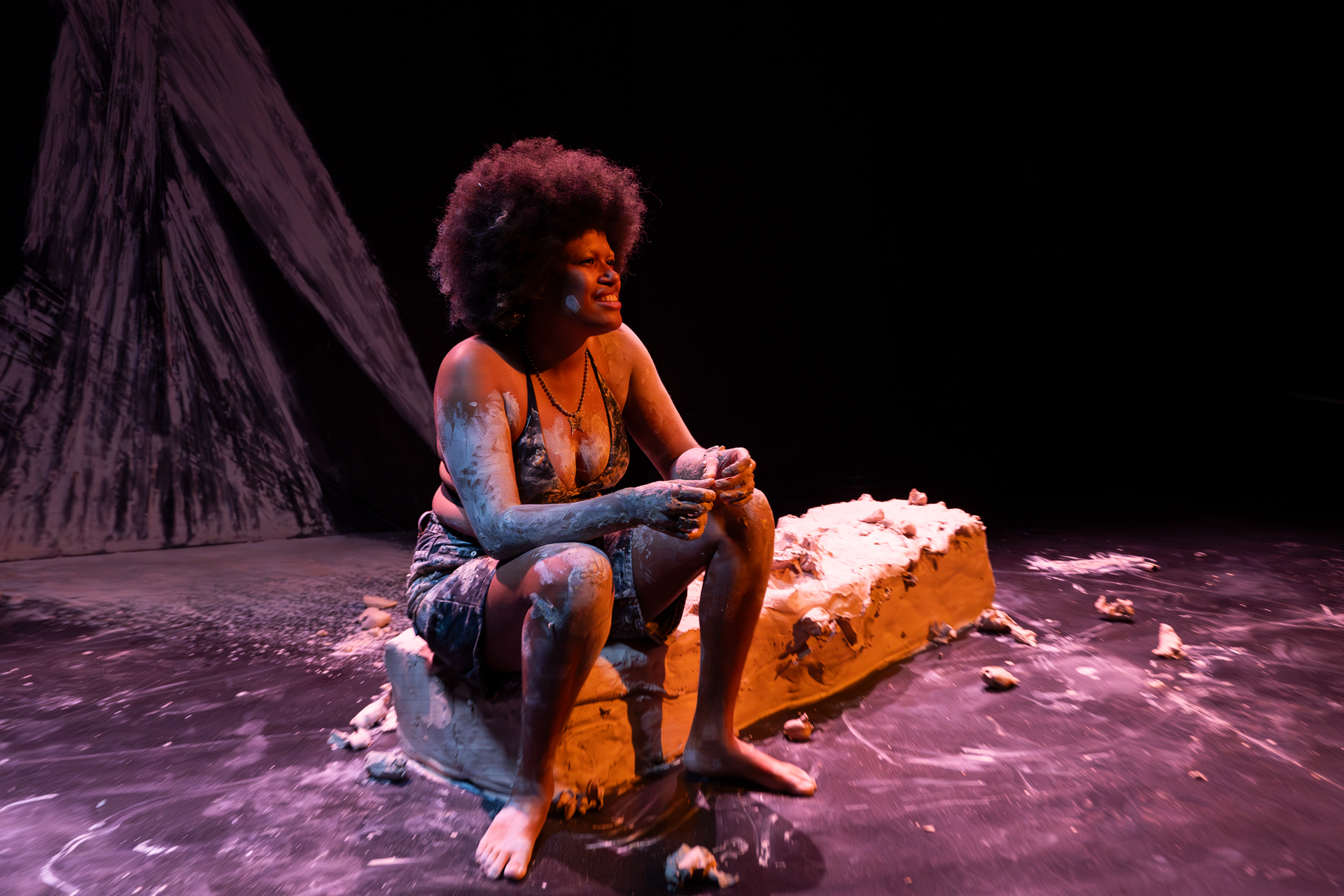
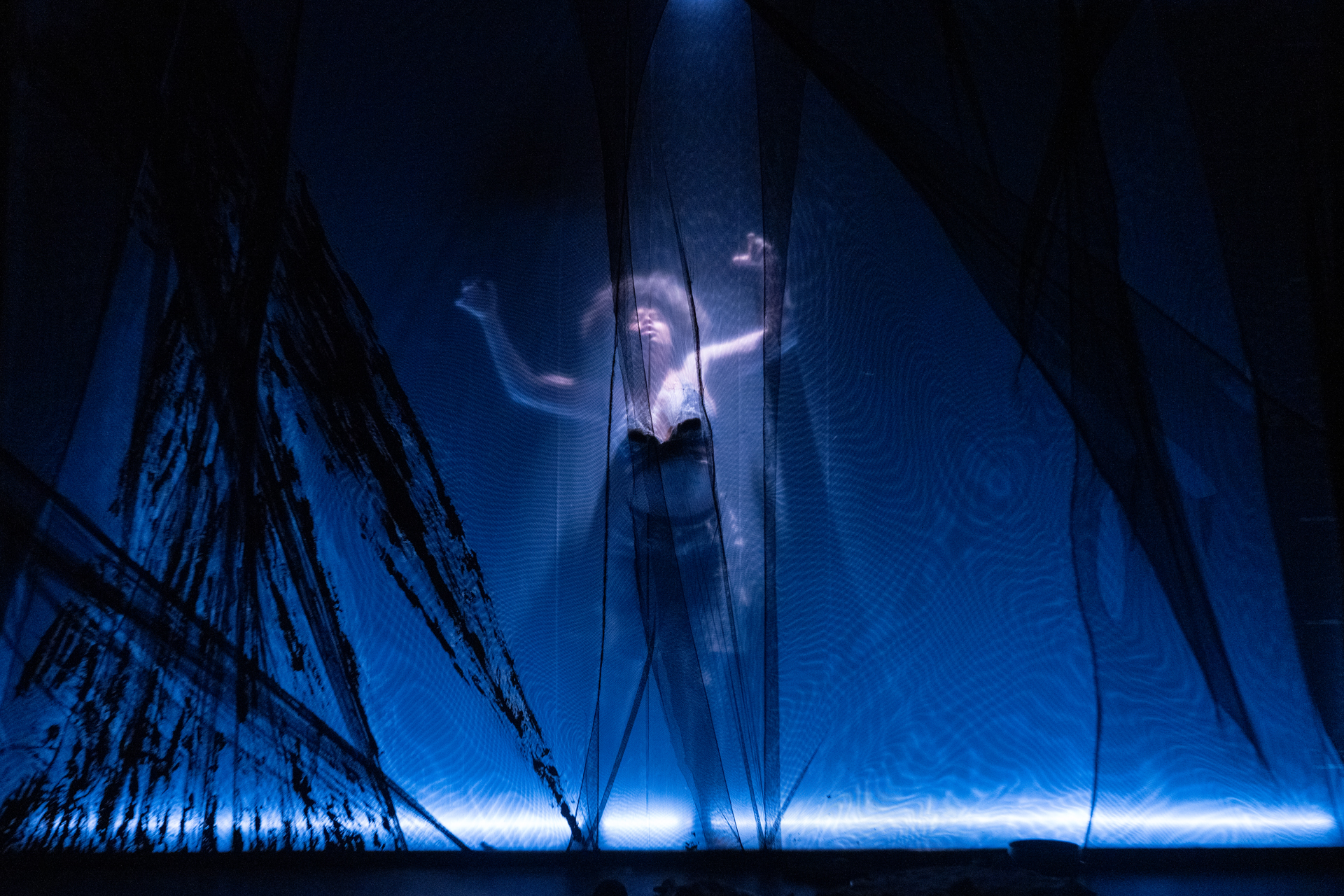
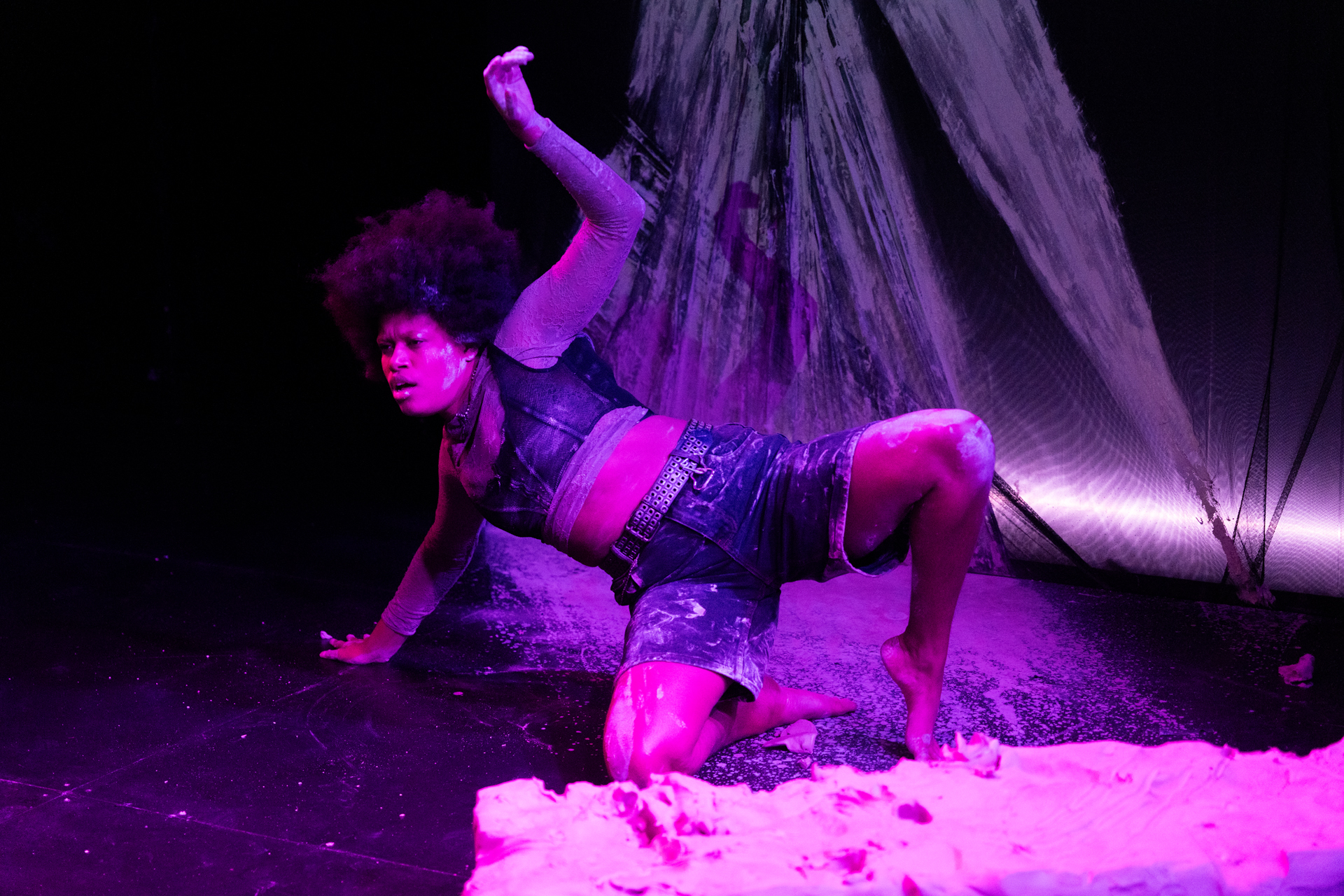
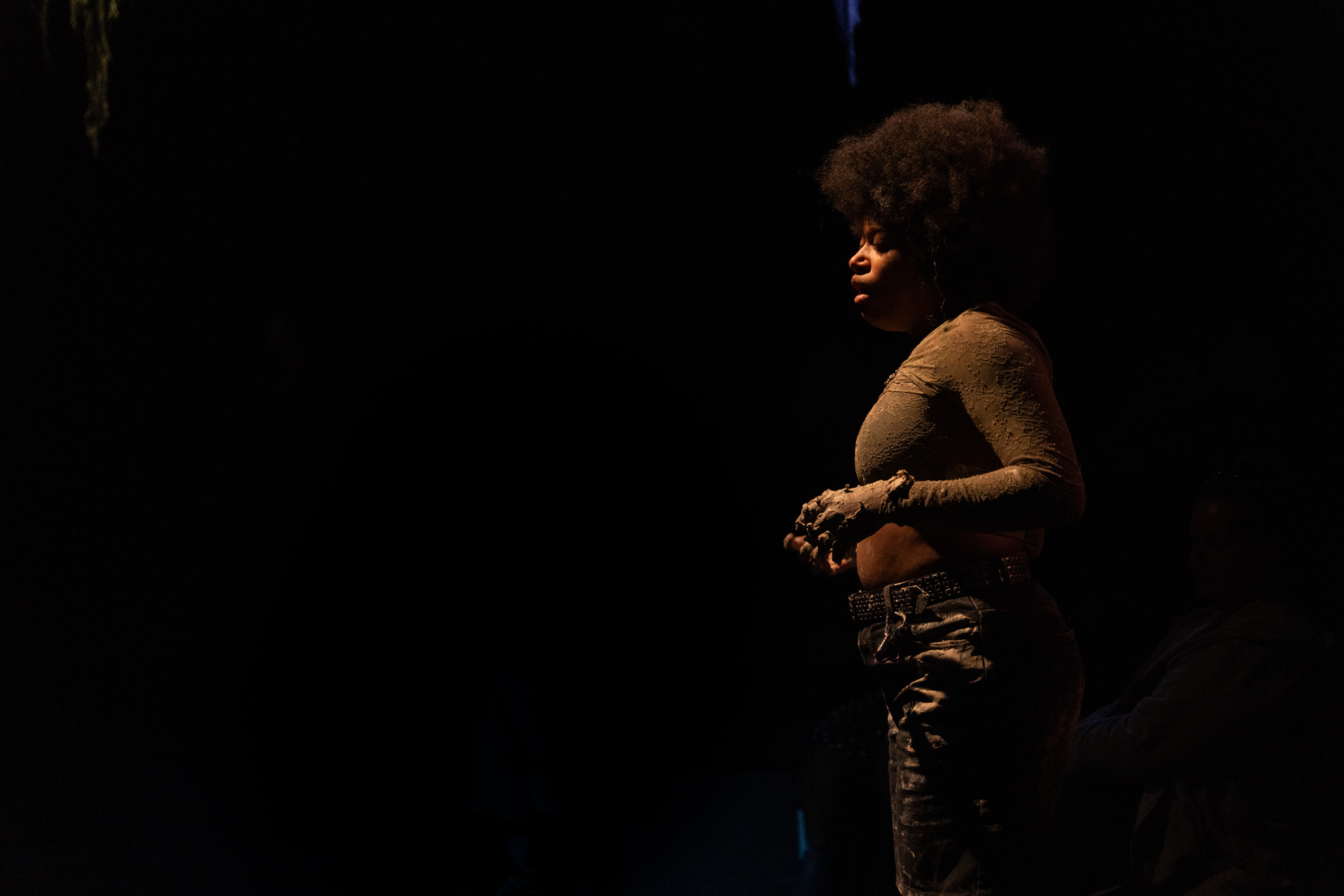
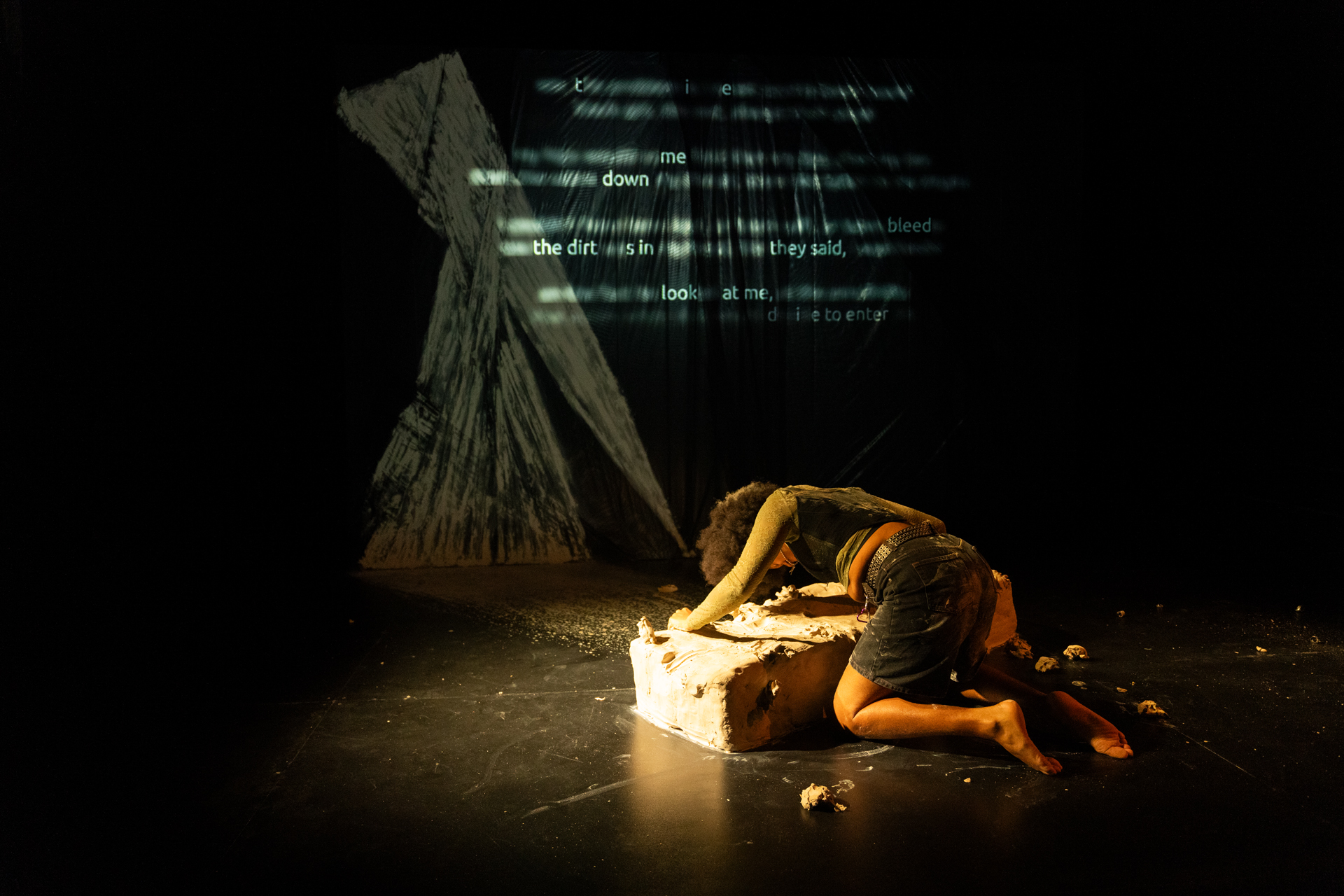
Set design by Keerthi Subramanyam is intricately considered, with the inclusion of a clay slab proving an evocative touch. Similarly entrancing are Wendy Yu’s video projections, that fuse seamlessly with the overall visual scheme.

Costuming by Wanyika Mshila bridges the gap with the past, whilst allowing us to perceive the character’s full sexual agency. Rachel Lee’s lights tell a sensual yet violent tale, and alongside stirring sound design by Marco Cher-Gibard, the production is an unequivocal sensorial delight.

www.belvoir.com.au | www.fruitboxtheatre.com.au

Review: Amber (Old Fitz Theatre)

Venue: Old Fitzroy Theatre (Woolloomooloo NSW), Mar 28 – Apr 11, 2025
Playwright: Nikita Waldron
Director: Mehhma Malhi 
Cast: Harry Stacey, Ashan Kumar, Kurt Ramjan, Esha Jessy, Nikita Waldron
Images by Phil Erbacher

Theatre review
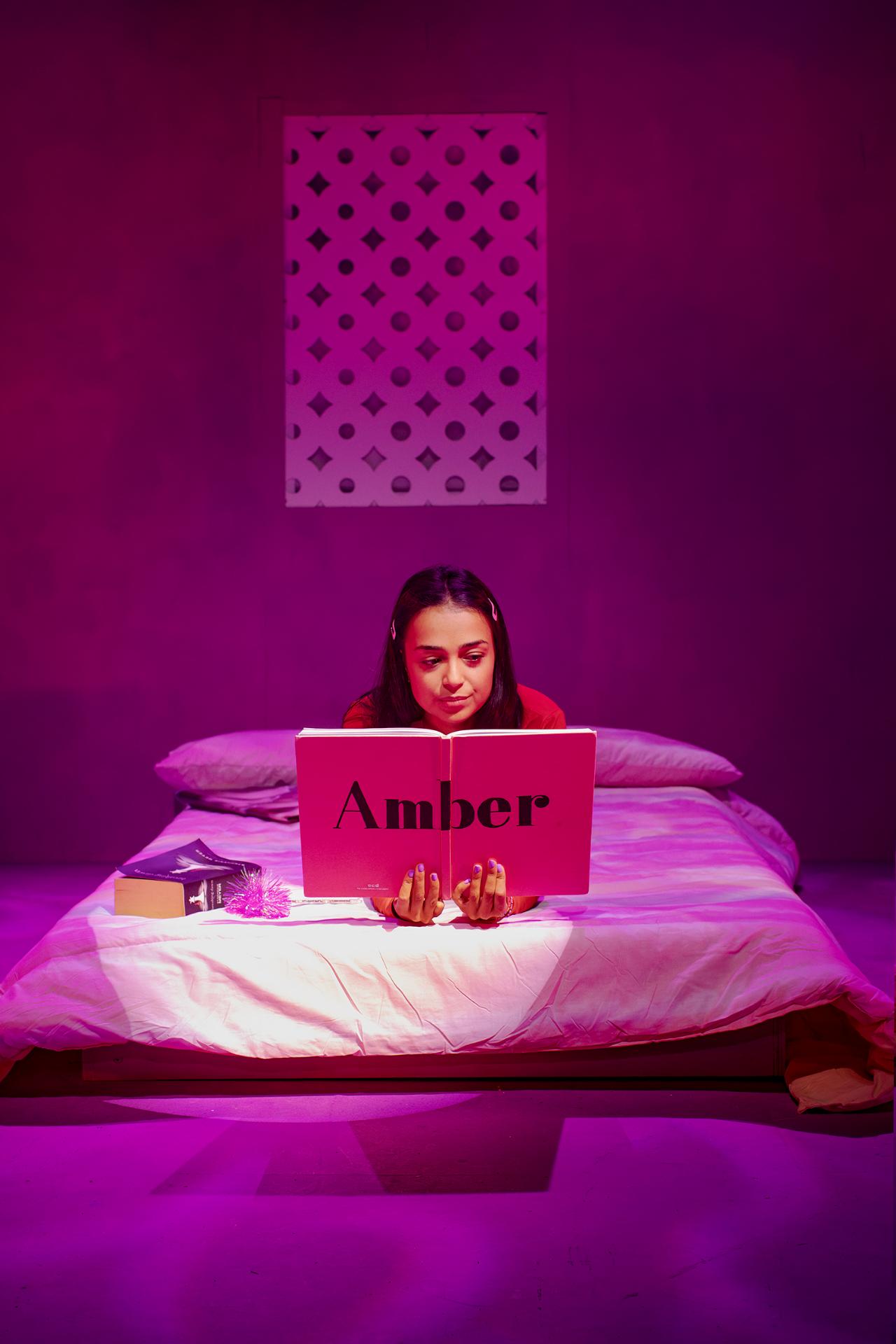
There must be more to her life than boys, but in her eponymous play Amber by Nikita Waldron, it certainly appears that her entire existence is shaped only by a series of romances and dalliances. From the age of fifteen, all Amber wanted was to find love, but unlike the books, movies and tv shows that form a regular cultural diet of high school girls some twenty years ago, things do not happen quite so easily.

Directed by Mehhma Malhi, Amber is a surprisingly earnest work that perhaps takes youth angst slightly too seriously. A greater exploration into comedic dimensions would deliver better entertainment, but the production’s dedication to the real concerns of girls like Amber, is a commendable one.

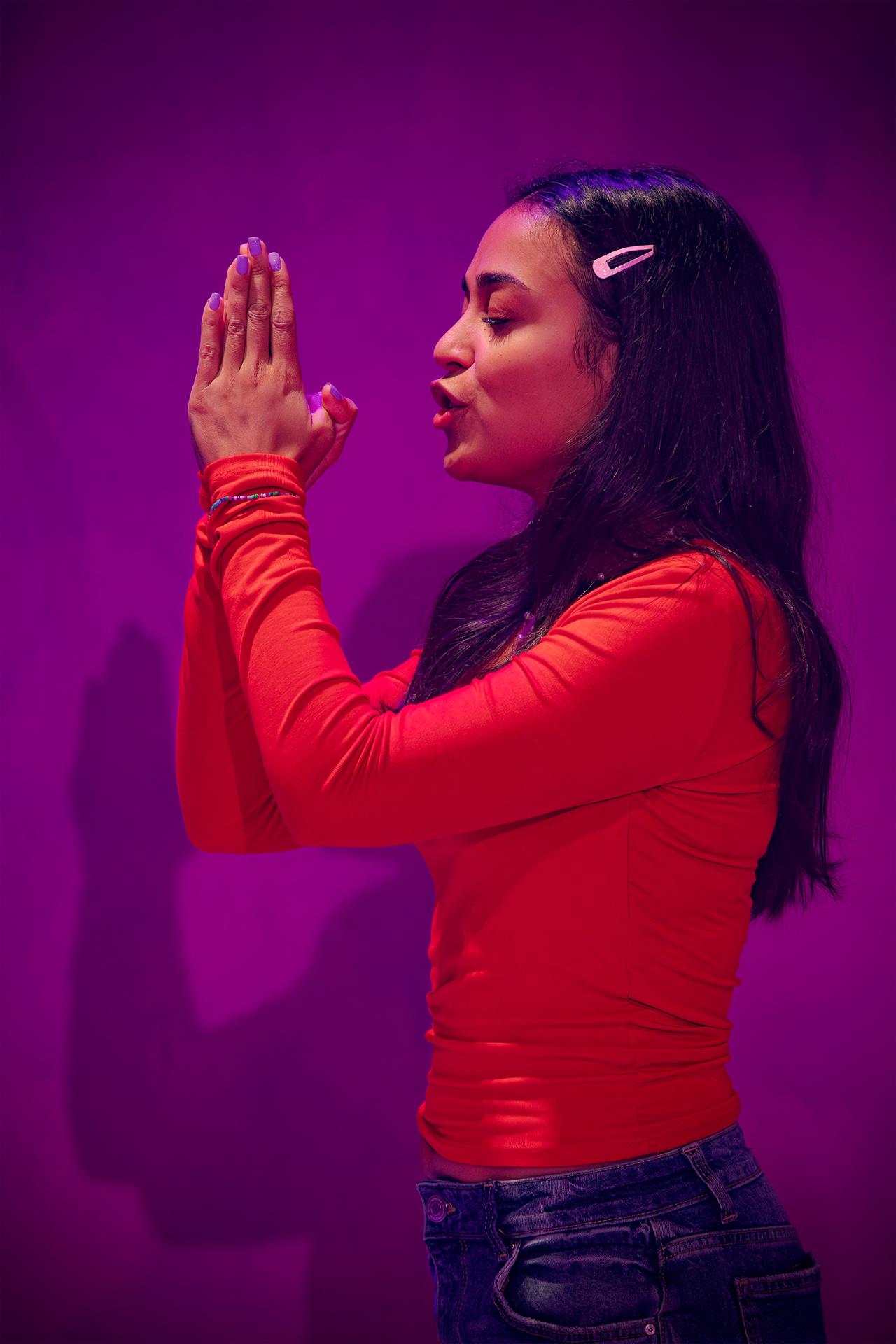
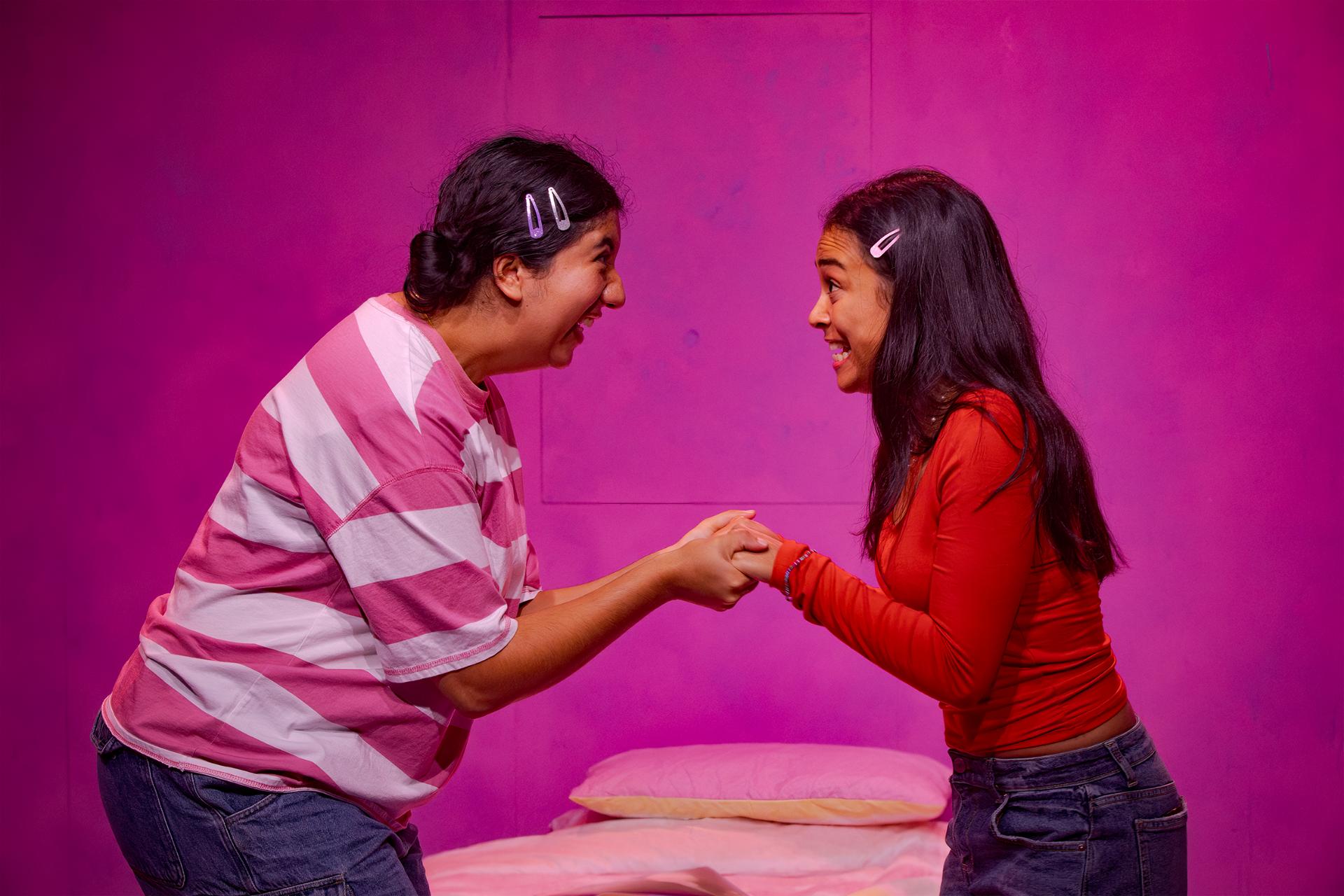
Waldron takes on the role of Amber, convincing at any age (from early teen to young adulthood) in the character’s evolution. Her performance lacks an organic quality that could make the material’s sentimentality ring true, but her verve helps sustain our attention. A commensurately vibrant supporting cast adds further zest to the piece; Harry Stacey, Ashan Kumar, Kurt Ramjan and Esha Jessy create the many likeable personalities who come in and out of Amber’s orbit.

Set design by Hailley Hunt is appropriately sanguine in approach. Lights by Izzy Morrissey, along with sounds by Madeleine Picard, are memorable for comical punctuations they introduce at choice moments.

There are some segments in modern societies, where we are able to provide so much for our young, that they seem unable to worry about anything but frivolous matters. We then become frustrated and resentful of their apathetic attitudes towards the bigger things, after having ensured that they circumvent challenges previous generations have had to tolerate. One wishes that Amber could expend her energies in more meaningful ways, but it appears that she has been shielded from so much, so that the only vulnerable aspect left to her existence, are matters of the heart.

www.oldfitztheatre.com.au | www.eswrkrs.com

Review: The Glass Menagerie (Ensemble Theatre)

Venue: Ensemble Theatre (Kirribilli NSW), Mar 21 – Apr 26, 2025
Playwright: Tennessee Williams
Director: Liesel Badorrek
Cast: Danny Ball, Blazey Best, Bridie McKim, Tom Rodgers
Images by Prudence Upton

Theatre review
Tom’s mother Amanda is pushing him to find his sister Laura a beau, hoping that a gentleman caller would be their ticket to an improved existence. It is St. Louis in the Great Depression of the 1930s, and the Wingfields have little to live for. In Tennessee Williams’ The Glass Menagerie, characters are in a state of psychological paralysis, inert in their daily misery, unable to dream up better ways to be.

There is a fear at the centre of who they are, that director Liesel Badorrek expresses well in her version of the American classic, with an ensemble that delves deep into the psychologies of these troubled souls. Actor Blazey Best ensures that we empathise with Amanda’s frustrations, even as we witness her comical attempts at presenting a dignified front, to hide all of the Southern belle’s brokenness. The fragile Laura is given kooky charm by Bridie McKim, and with her knowing eyes, successfully thwarts any pitied readings of the role.

Tom Rodgers plays romantic prospect Jim with an endearing exuberance, almost making us forgive his dastardly deceptions. A memorable Danny Ball delivers a sumptuously rhapsodic interpretation of Tom Wingfield, in a beautiful representation of the higher possibilities that await an as yet oblivious and disgruntled young man.

Ball’s brand of lyricism is supported wonderfully by the resplendent music of Maria Alfonsine and Damian De Boos-Smith, who deliver for the show a satisfying dreamlike quality specific to the era being visited. Lights by Verity Hampson are perhaps too often of a naturalistic tone, as is set design by Grace Deacon that although features satisfying hints of stylistic elevation, has a tendency to be overly plain in approach. Costumes, also by Deacon, are judiciously assembled, for accurate depictions of epoch and personalities.

If we believe everything that people say about us, we will forever be stifled and dejected. Our sociality has a strong tendency to disempower. It propagates a disillusionment, so that we feel further subjugated and diminished. We then act in weakness, thus allowing the reckless to usurp more than their rightful share. To demand equity requires bravery, and a firm belief that we can co-exist with individual fulfilment, that there are ways to be wholly who we are, without encroaching on the rights of others.

www.ensemble.com.au

Review: Saints Of Damour (Qtopia)

Venue: Qtopia (Darlinghurst NSW), Mar 19 – Apr 5, 2025
Playwright: James Elazzi
Director: Anthony Skuse
Cast: Max Cattana, Nicole Chamoun, Deborah Galanos, Saro Lepejian, Antony Makhlouf
Images by Emma Elias

Theatre review
Pierre left Damour in Lebanon during the unrest of the 1970s. Making the trip alongside were his wife Layla and his mother Zienab, leaving behind secret male lover Samir. As they make new lives in Goondiwindi of rural Queensland, conditions improve quickly but Pierre’s longing for his true paramour never fades.

James Elazzi’s Saints of Damour is a tender tale of forbidden romance, incorporating a narrative of Middle Eastern migration and an interrogation of Australian identities. Its heightened drama is built on an irrefutable authenticity, with characters that are empathetic, genuine and multidimensional. A gentle humour peppers the work, to further draw us into an important exploration into legacies of queer immigrants. 

Direction by Anthony Skuse elicits highly accomplished performances from the entire cast. The complex psychologies involved are thoroughly deciphered, so that dynamics between every character are able to resonate with a sense of palpable intimacy and accuracy.

Production design by James Smithers includes a set that could benefit from some cosmetic refinement, but costumes are wonderfully assembled, to help us situate the personalities in the play’s transforming milieu. Sam Wylie’s lights are appropriately sentimental, as are sounds by Akesiu Poitaha that leave a remarkable impression with how they deliver poignancy for this melancholic presentation. 

Actor Antony Makhlouf brings intellectual rigour to his portrayal of Pierre, facilitating a deep understanding of the challenging circumstances faced by someone many should regard as a community forebear. Samir is played by Saro Lepejian whose natural presence injects a valuable soulful quality that makes the whole dilemma a believable and engaging one.

Deborah Galanos as Zienab brings wonderful timing, to both the comedy and pathos of the piece. Nicole Chamoun is exceptionally organic in her flawless depiction of Layla, amazing with the realism she renders. Other significant supporting parts are brought to life by an assiduous Max Catana, who proves convincing in wildly contrasting roles.

Many from faraway have arrived on these lands that although disputed, have been more welcoming than virtually everywhere else. We have had to leave homes that struggle to contain differences, and seek refuge here, in hopes that a greater capacity for human diversity means greater chances of survival. There is no question however, that the more we disrupt the sense of cultural hegemony, the more this place becomes unwilling to embrace the broadness of our spectrum as inhabitants. Our acceptance as newcomers is contingent on the smallness of our numbers, and the smallness of our characteristics. We are perceived as threats when we grow in demographic and in vigour. At a time when assimilation is no longer de rigeur, what it means to belong is undergoing redefinition.

www.qtopiasydney.com.au

Review: No Love Songs (Foundry Theatre)

Venue: Foundry Theatre (Pyrmont NSW), Mar 7 – Apr 13, 2025
Book: Laura Wilde, Johnny McKnight
Songs: Kyle Falconer
Director: Andrew Panton, Tashi Gore
Cast: Keegan Joyce, Lucy Maunder
Images by Brett Boardman

Theatre review
It appears to be the most ordinary of romances when Lana and Jessie meet, but things take a dark turn after the birth of their baby. Post-natal depression may give No Love Songs much needed gravity, but there is no denying the dreariness it adds to an already lacklustre experience. Based on a true story from creators Kyle Falconer and Laura Wilde, No Love Songs is replete with honesty, always guided by integrity in its very personal revelations. The musical however, requires more than sincerity to deliver entertainment.
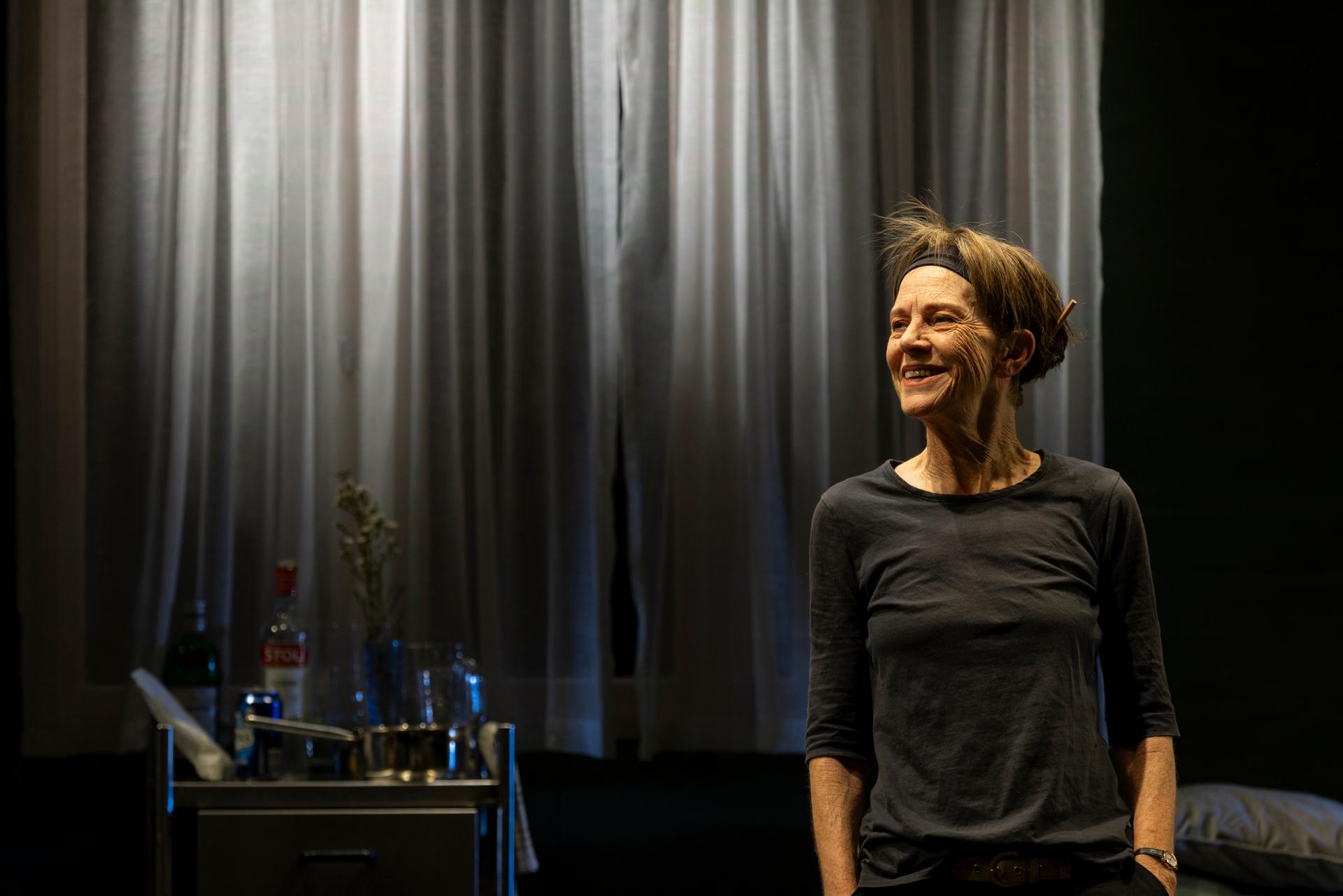
Directed by Andrew Panton and Tashi Gore, the production is certainly well rehearsed, with an evident polish that conveys a sense of confidence. Visual elements are kept simple, with lights by Grant Anderson commendable for introducing a quotient of drama. Work by Mark Chamberlain on music direction and accompaniment is a delight, even if energy of the piece never ceases to gradually and persistently falter. 

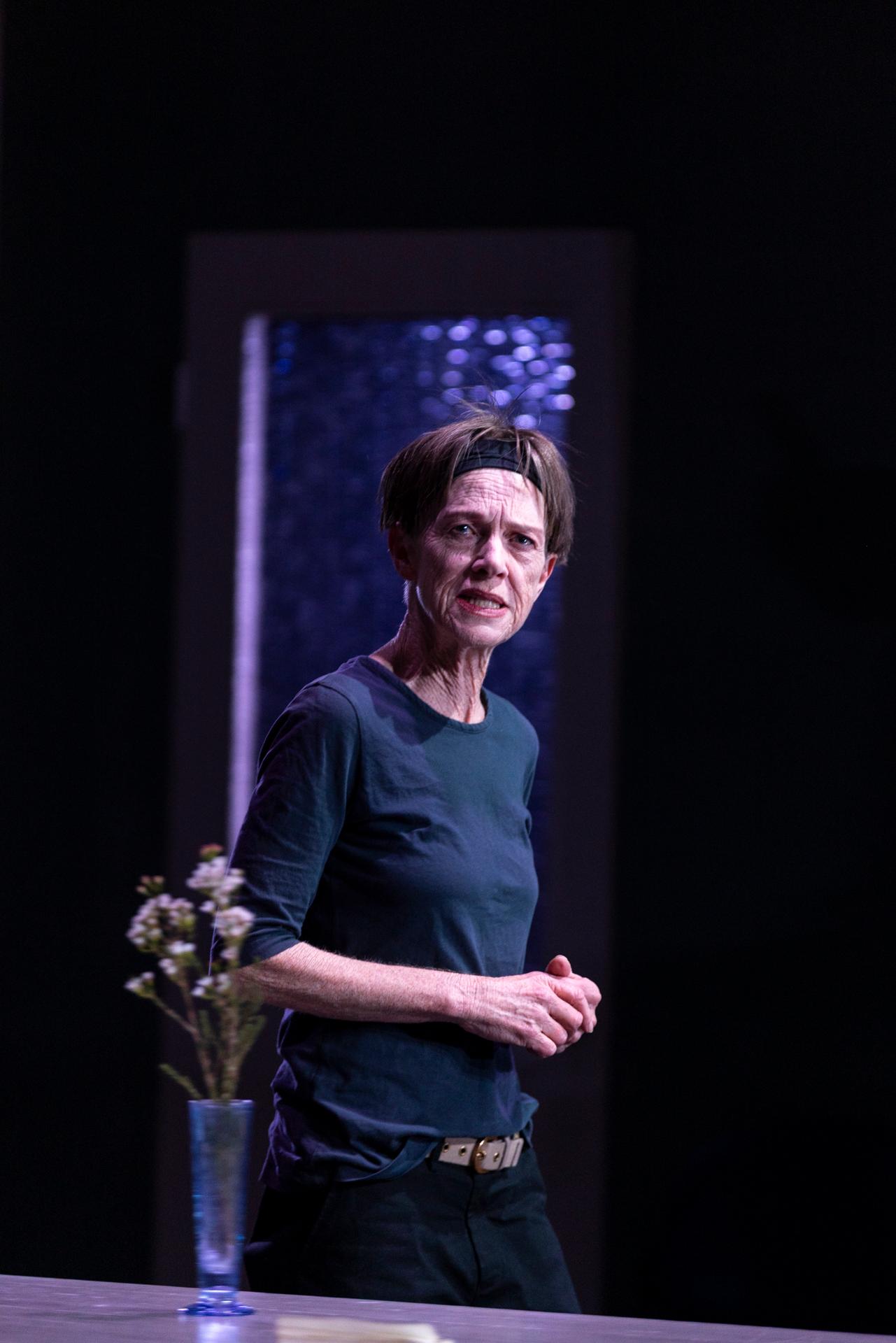
The combination of performers Keegan Joyce and Lucy Maunder may lack chemistry, but each demonstrates themselves to be individually accomplished. There is great detail in their efforts at bringing Lana and Jessie to life, both with remarkable conviction for their parts, along with strong vocals that prove their mettle.

Theatre can be as earnest as any story needs for it to be, but it is a space where imaginativeness should be able to run wild. No Love Songs is perhaps too plain in its expressions of an intense human moment. It is wonderful to attain a state of empathy through art, for it offers an avenue of communication that is unpredictable, when the normal ways fail to move.
www.nolovesongs.com.au

Review: Iphigenia In Splott (Old Fitz Theatre)

Venue: Old Fitzroy Theatre (Woolloomooloo NSW), Mar 7 – 22, 2025
Playwright: Gary Owen
Director: Lucy Clements
Cast: Meg Clarke
Images by Phil Erbacher

Theatre review
Living in the south of Cardiff is Effie, a young woman with no real purpose in life. After a chance encounter with a military veteran however, things begin to change. Iphigenia in Splott by Gary Owen deals with the underclass, paying specific attention to their relationship with public services. There are sections of the writing that can feel slightly diminishing of women’s experiences, but its plot is highly entertaining, and as a one-person show, its scope for performance is remarkably versatile, presenting a great opportunity for an actor to showcase their talent and range.

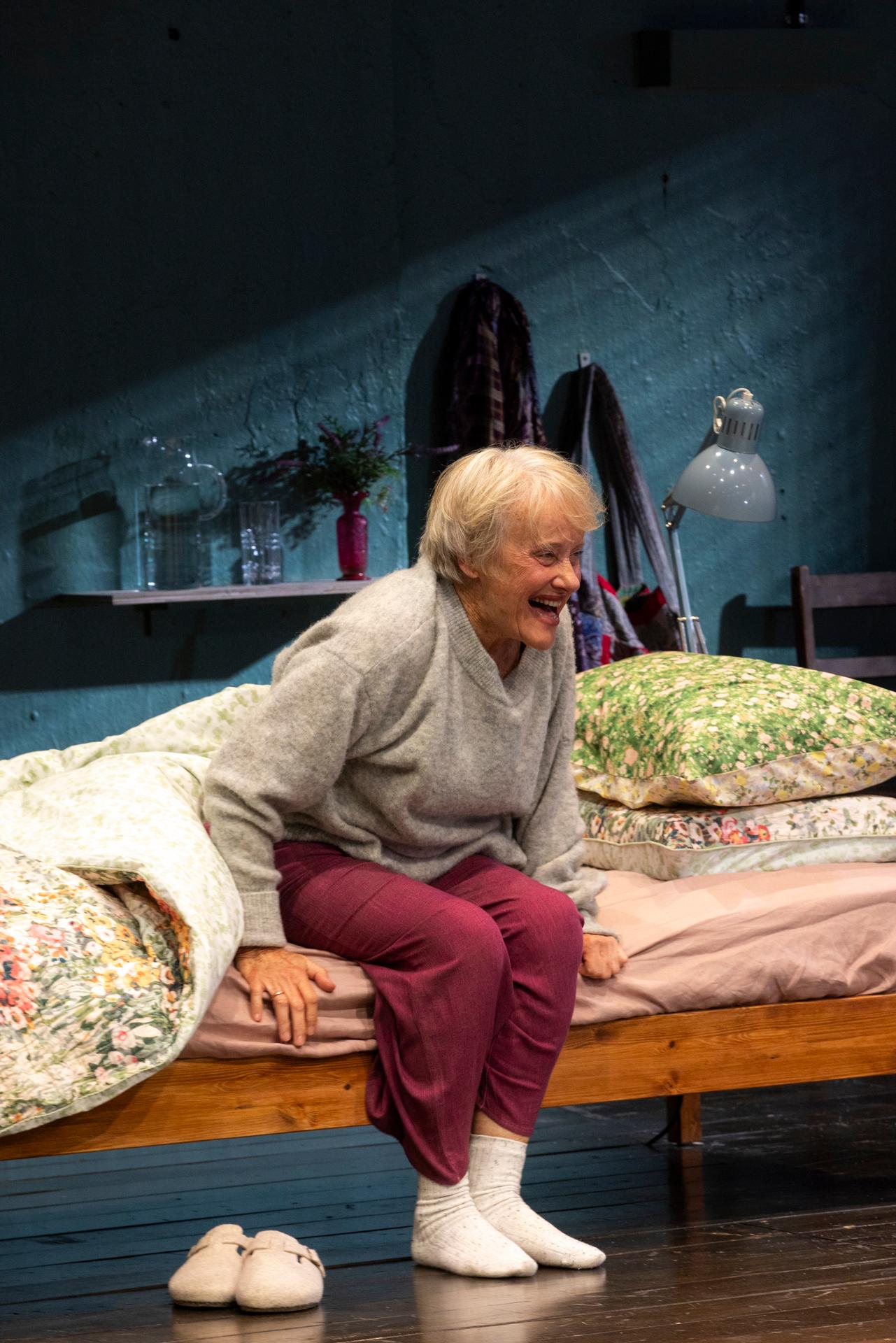
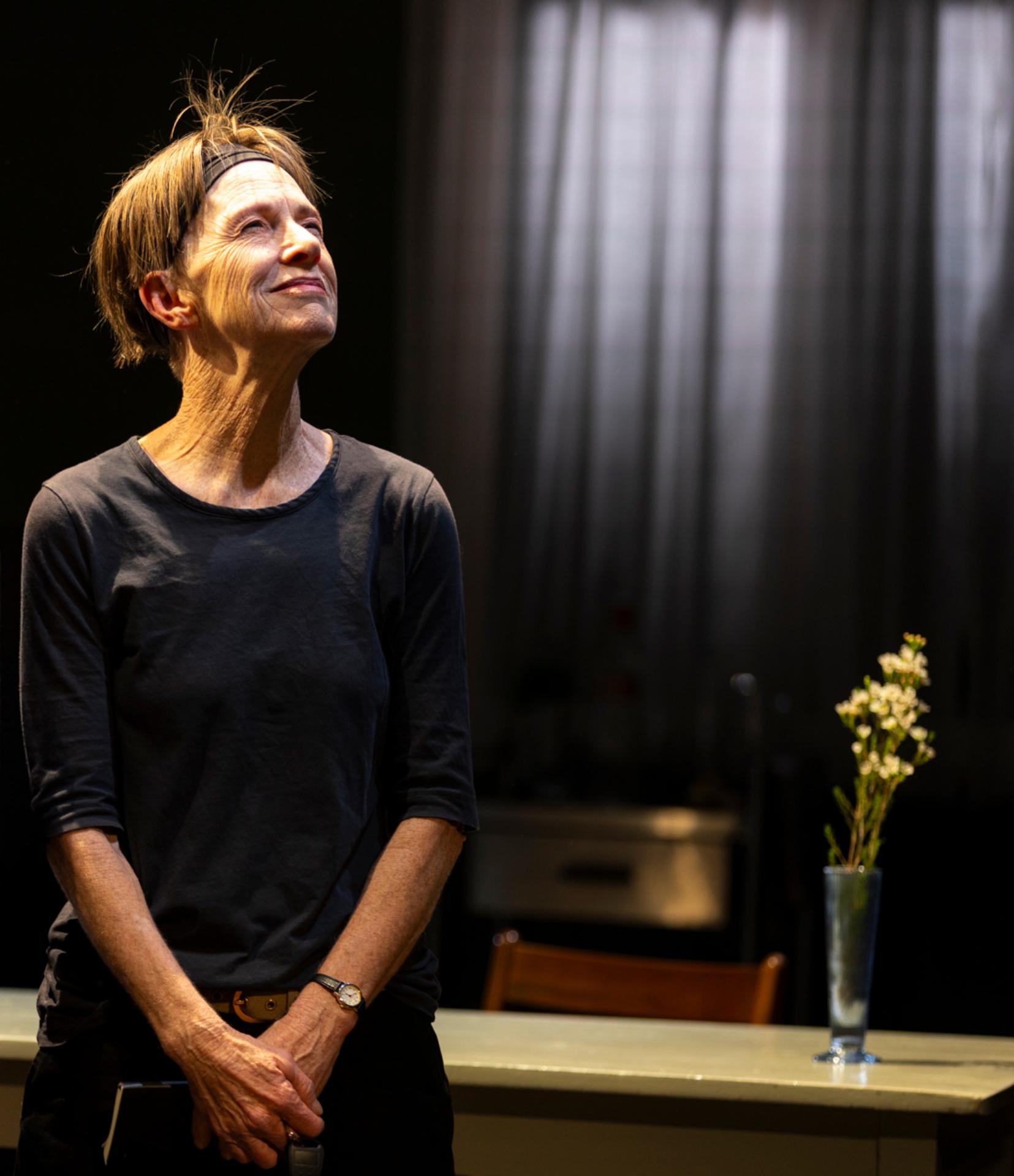
Meg Clarke takes on the challenging role with aplomb, completely astonishing with the depth and drama she brings to the stage. The emotions she offers are as intense as they are authentic, effortless at making Effie’s plight feel affecting from start to end. Clarke’s timing is perfectly honed, and the intricacy with which she breathes life into the text is simply awe-inspiring.

Direction by Lucy Clements keeps the show dynamic and engaging, with an urgency that ensures its message cuts through successfully. Production design by Angela Doherty provides just enough embellishment for the performer to shine. Luna Ng’s lights richly enhance the story with commendable imaginativeness, while Chrysoulla Markoulli’s sounds shift us through the many temperaments as we follow Effie’s misadventures. The wonderful rigour and cohesion of Ng and Markoulli add a valuable quality of transcendence, to the earthy explorations of Iphigenia in Splott.
The play demonstrates the wilful neglect of the powerless, as social infrastructures are allowed to erode in places like the UK. Intrinsic to prevailing capitalistic values, is a contempt for the poor. Although inhumane, we have learned to regard their misfortune as deserving, convincing ourselves that any person can easily pull themselves up by their bootstraps. The truth is that people’s circumstances are often beyond control, and the refusal to help those in need, can only mean that we are nothing more than monsters.
www.oldfitztheatre.com.au | www.newghoststheatre.com

Review: MJ The Musical (Sydney Lyric Theatre)

Venue: Sydney Lyric Theatre (Sydney NSW), from Feb 25, 2025
Book: Lynn Nottage
Director: Christopher Wheeldon
Cast: Roman Banks, William Bonner, Liam Damons, Derrick Davis, Yashith Fernando, Josslynn Hlenti Afoa, Penny McNamee
Images by Daniel Boud

Theatre review
There was a time when Michael Jackson had the world in the palm of his hand, as the unequivocal king of pop. MJ the Musical charts his rise to fame and glory, ending understandably right before it all turned sour; the many accusations of child sexual abuse were never going to make sense in a celebration of the man’s commercial successes. A dark cloud may hover, but the show is nonetheless spectacular.

Jackson made some of the biggest hits anybody had ever known, and having them collated for a musical theatre work was always going to be a thrilling proposition. Writer Lynn Nottage focuses on the period of rehearsals for his 1992 Dangerous World Tour, when he was at the height of his powers, but also includes many nostalgic recollections of earlier key moments in Jackson’s career, including his formative years as a child star.

Although unable to provide honest disclosures about what we now know to be the man’s biggest secrets, Nottage’s book is an enjoyable effort at making all the songs coalesce in a single digestible package. The true star of the show however, is the very translation of Jackson’s music from pop records to the Broadway stage, retaining their immense original appeal without compromising on the soul, rock and electronic elements that often get diluted when recontextualised for the stage musical format. Jackson’s life story may not be very moving, but his music certainly is.
Three extraordinary performers depict the star at different stages of life. Roman Banks is a remarkable leading man, astonishing with his mimicry of Jackson’s signature voice and physicality, during the mature period. The magnetic Liam Damons is a revelation in mid-career segments, vivacious and captivating in his personification of someone with everything to live for. The wunderkind version is played by the incredibly talented William Bonner, who represents perfectly the enchanting magic of one of the world’s greatest entertainers. Also memorable are Josslynn Hlenti Afoa and Derrick Davis as the Jackson parents, both bringing valuable sentimentality to the staging.

An auditory and visual delight, MJ the Musical is a complete sensation. For a couple of hours, we discover that art can be separated from its artist, even when the work is ostensibly entirely about the artist. Whether a person can be forgiven for heinous acts, even after death, will forever be a matter of contention. The good things Michael Jackson left behind are however, irresistible.

www.mjthemusical.com.au

Review: Henry V (Bell Shakespeare)

Venue: Sydney Opera House (Sydney NSW), Mar 1 – Apr 5, 2025 | Merrigong Theatre Company (Illawarra Performing Arts Centre) Apr 30 –May 3, 2025
Playwright: William Shakespeare
Director: Marion Potts
Cast: Jack Halabi, JK Kazzi, Alex Kirwan, Odile le Clézio, Ava Madon, Harrison Mills, Ella Prince, Jo Turner, Mararo Wangai, Rishab Kern
Images by Brett Boardman

Theatre review
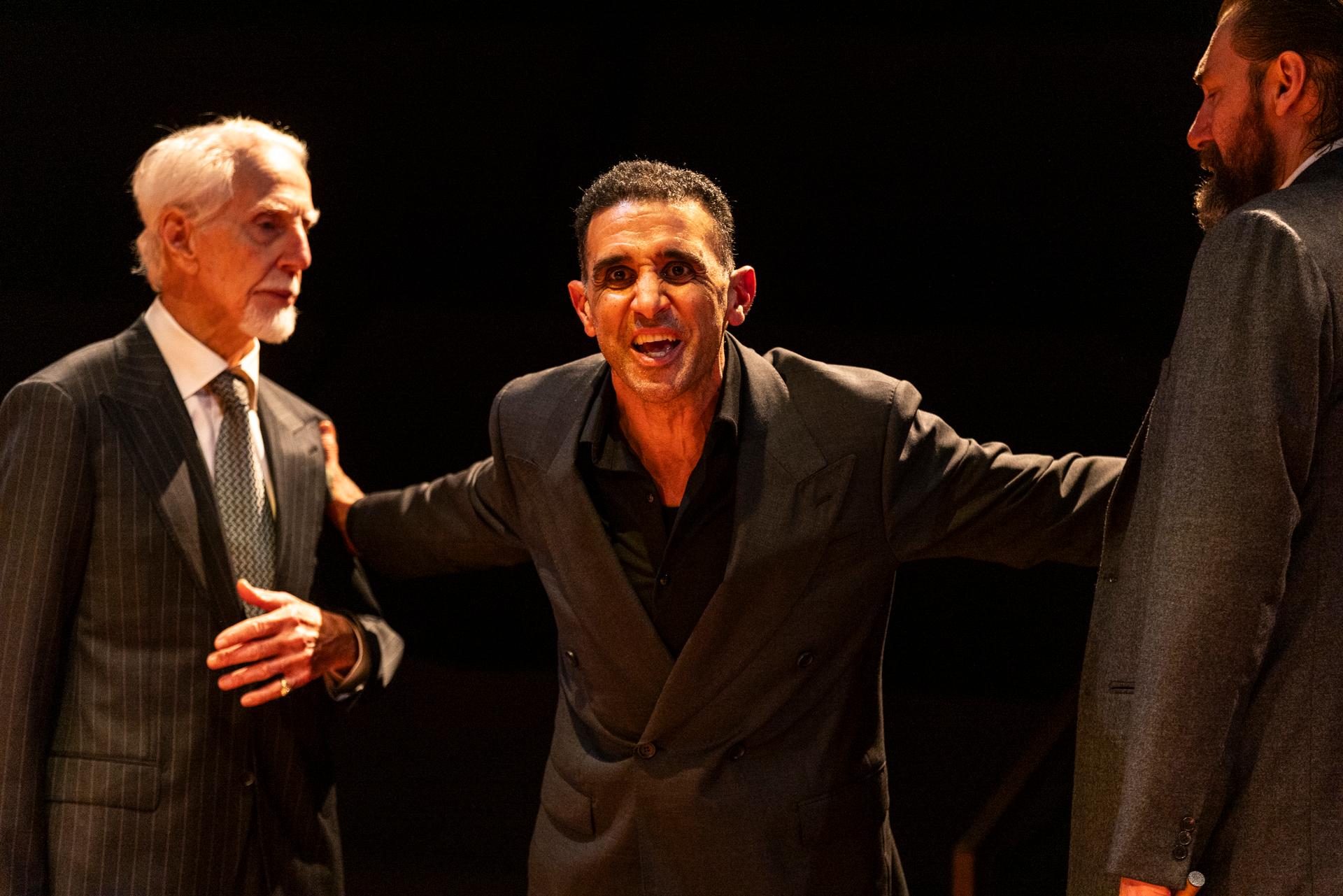
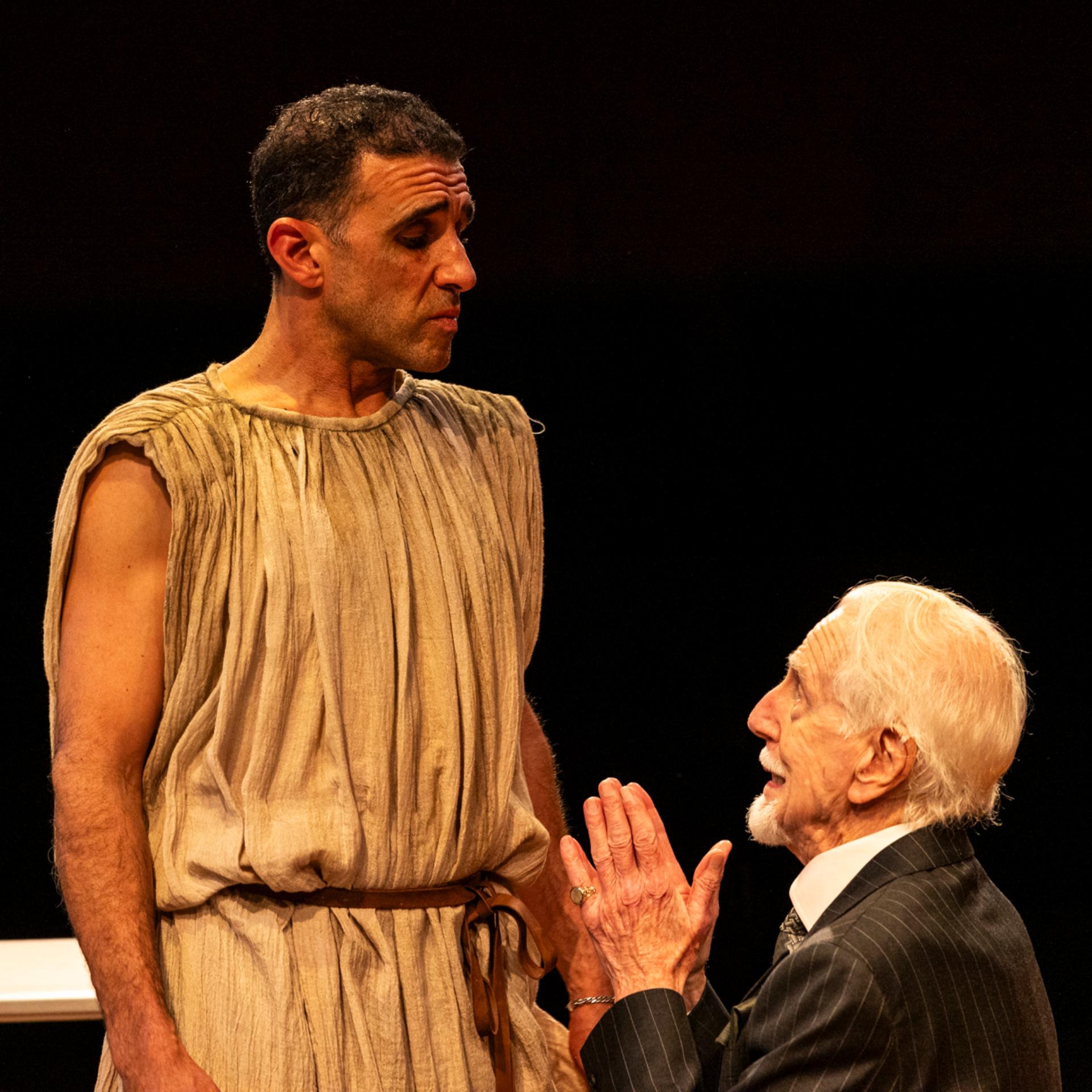
It could be argued that Shakespeare had intended for the play Henry V to remain ambiguous, in its attribution of heroism to the titular role. Thousands die as a result of Henry’s war, yet there is no significant disparagement of the king’s character. We may like to think that changes have occurred over these four centuries, and our attitudes about war are no longer what they used to be, but in this very moment of political reversion, it appears that efforts to normalise aggression between nations, are back again.

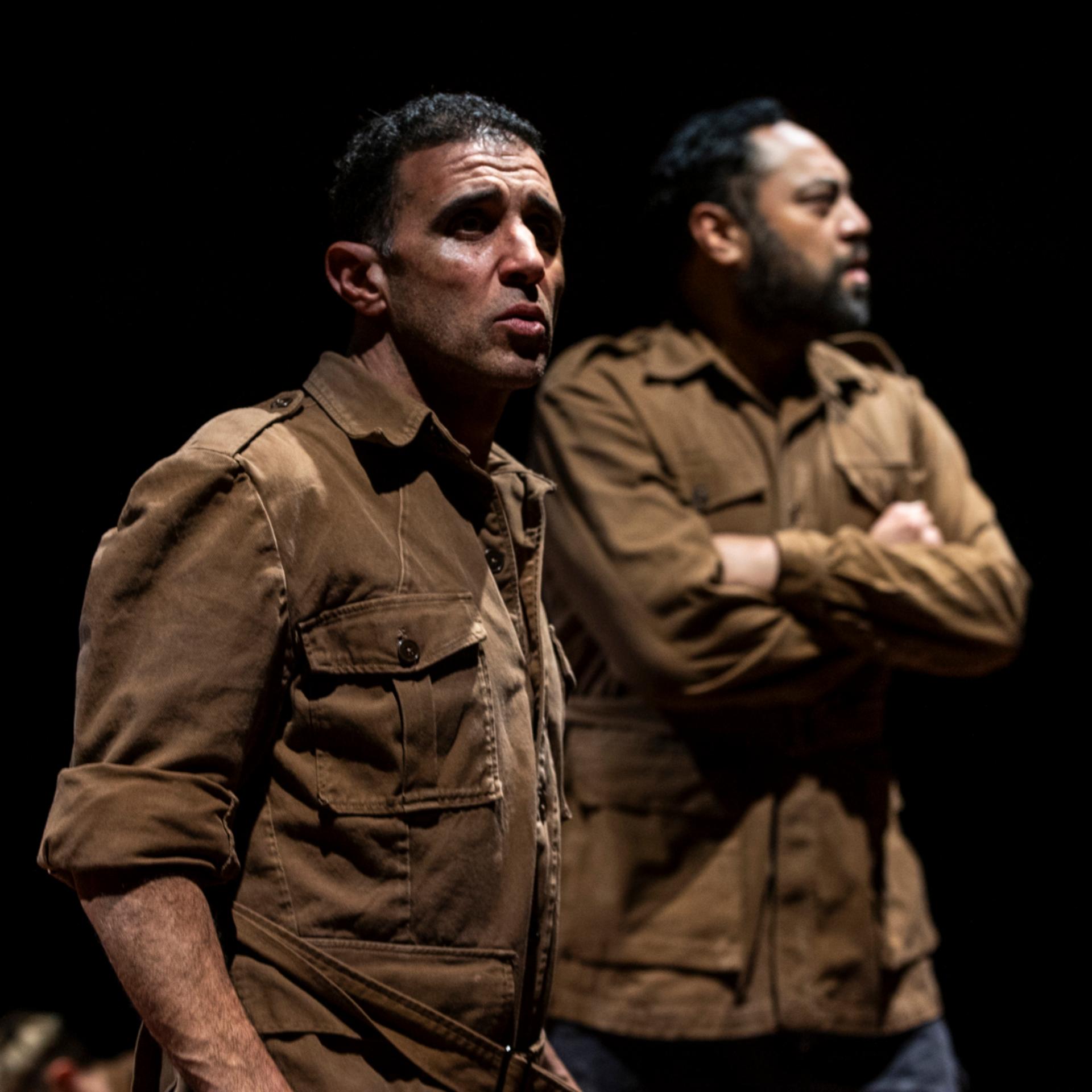
Director Marion Potts however takes a decidedly anti-conflict stance, in a staging that makes no bones about the brutality that inevitably ensues, when soldiers are required to do their leaders’ bidding. There is no glorification of the battlefield, even if the king does retain his air of majesty. Movement and fight direction by Nigel Poulton is a memorable feature, as we watch the troops’ kineticism being expressed with an enjoyable poetic quality.

Lead actor JK Kazzi demonstrates strong focus and commitment, if slightly deficient in charisma. It is overall a cohesive cast, effective at manufacturing dramatic tension for key moments. Set and costume design by Anna Tregloan are contemporarised with a pleasing sleekness, and are appropriately masculine in style. Lights by Verity Hampson depict a severity necessary for this exploration of violence, but could benefit from a greater embrace of the story’s heightened sentimentality. Sounds by Jethro Woodward are wonderfully theatrical, and impressive for the rigour that allows us to detect every shift in time and space.

In the west these recent years, wartime had begun to seem a distant past. Today there is a shift afoot, and peace is again under threat, as powerful leaders disrupt old alliances, in favour of new arrangements that undermine democracy. It is a shameless power grab, the nature of which is so alien to current generations, that we feel ill-equipped to fight against. So much is lost by the end of Henry V, but they still call it a victory.

www.bellshakespeare.com.au