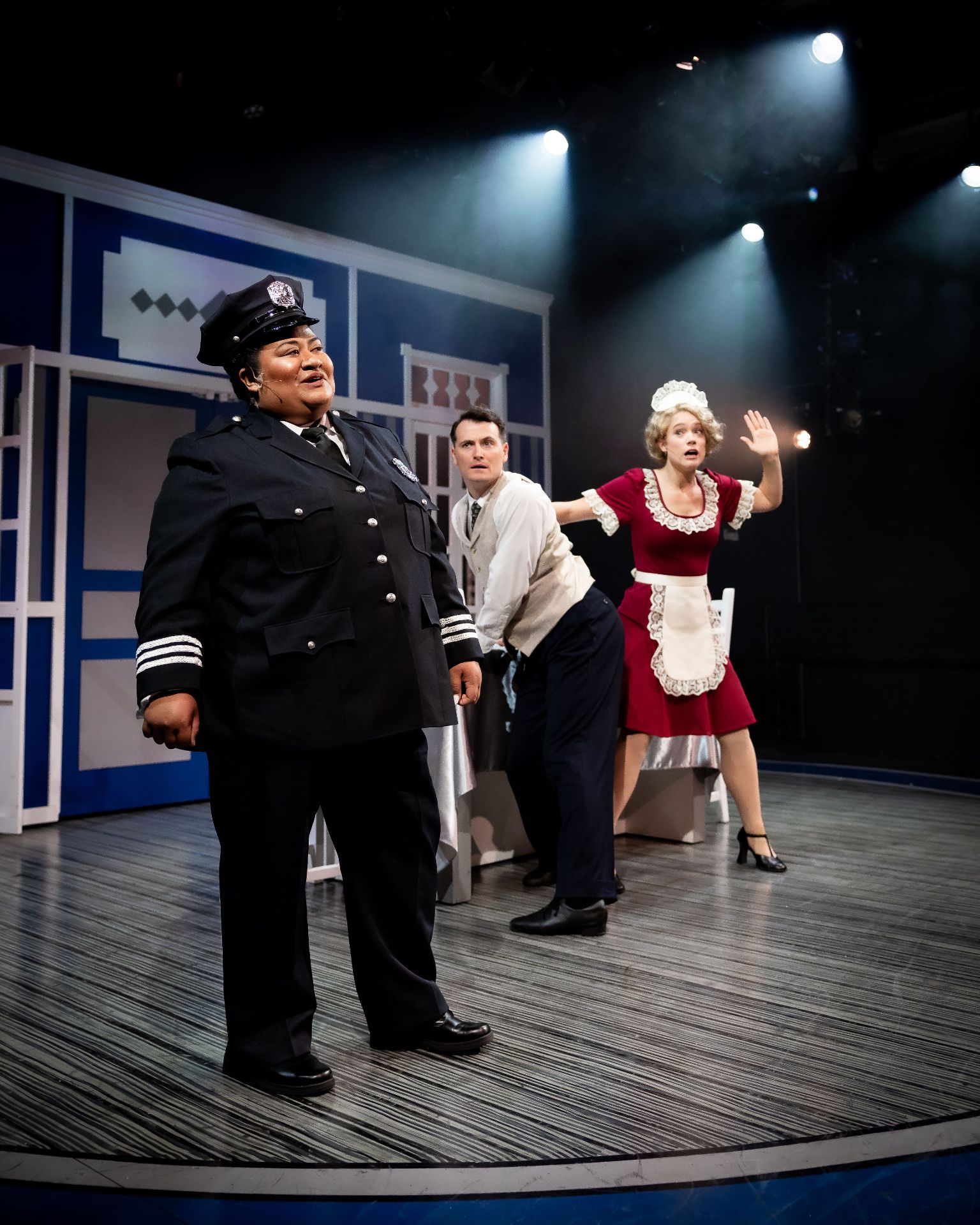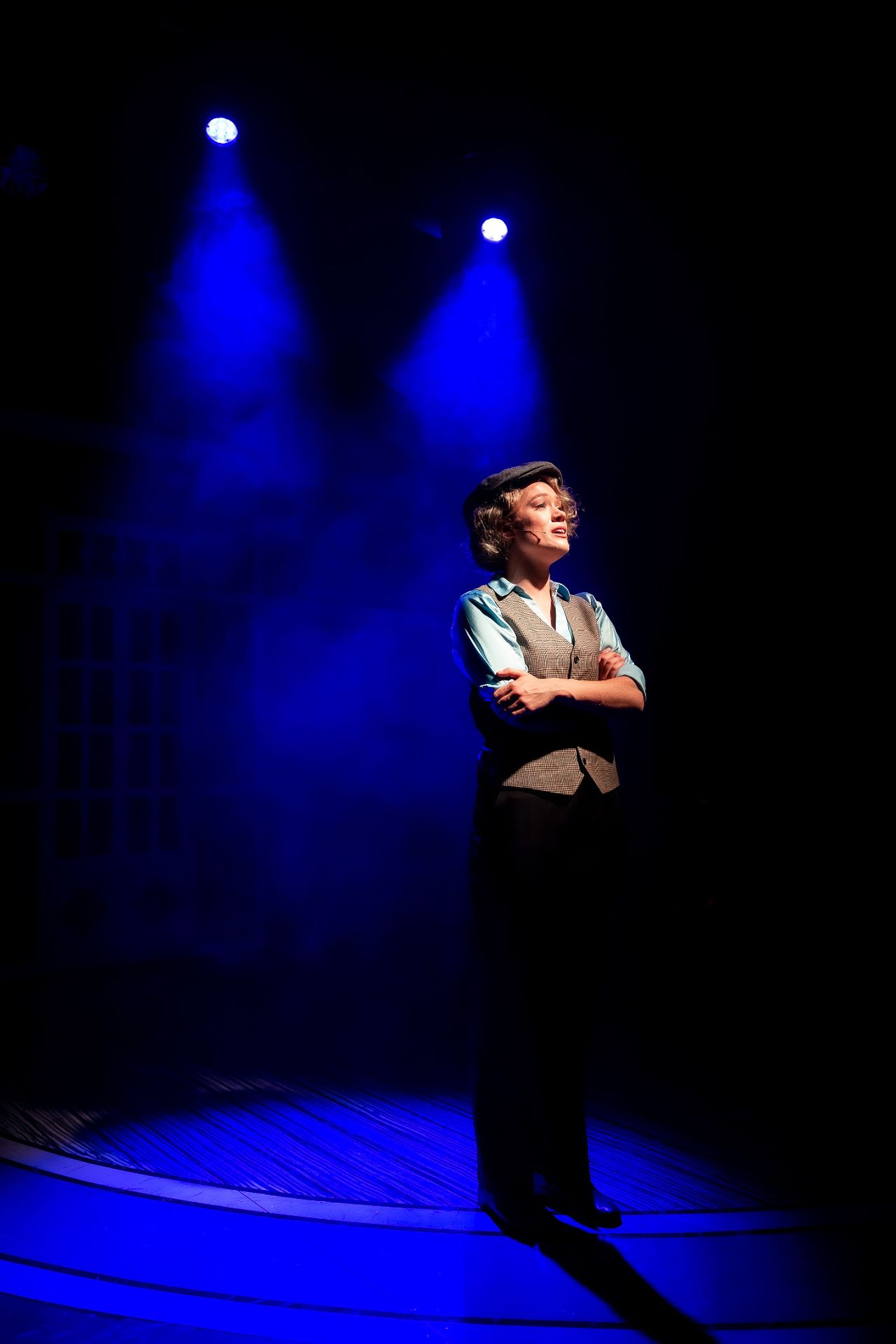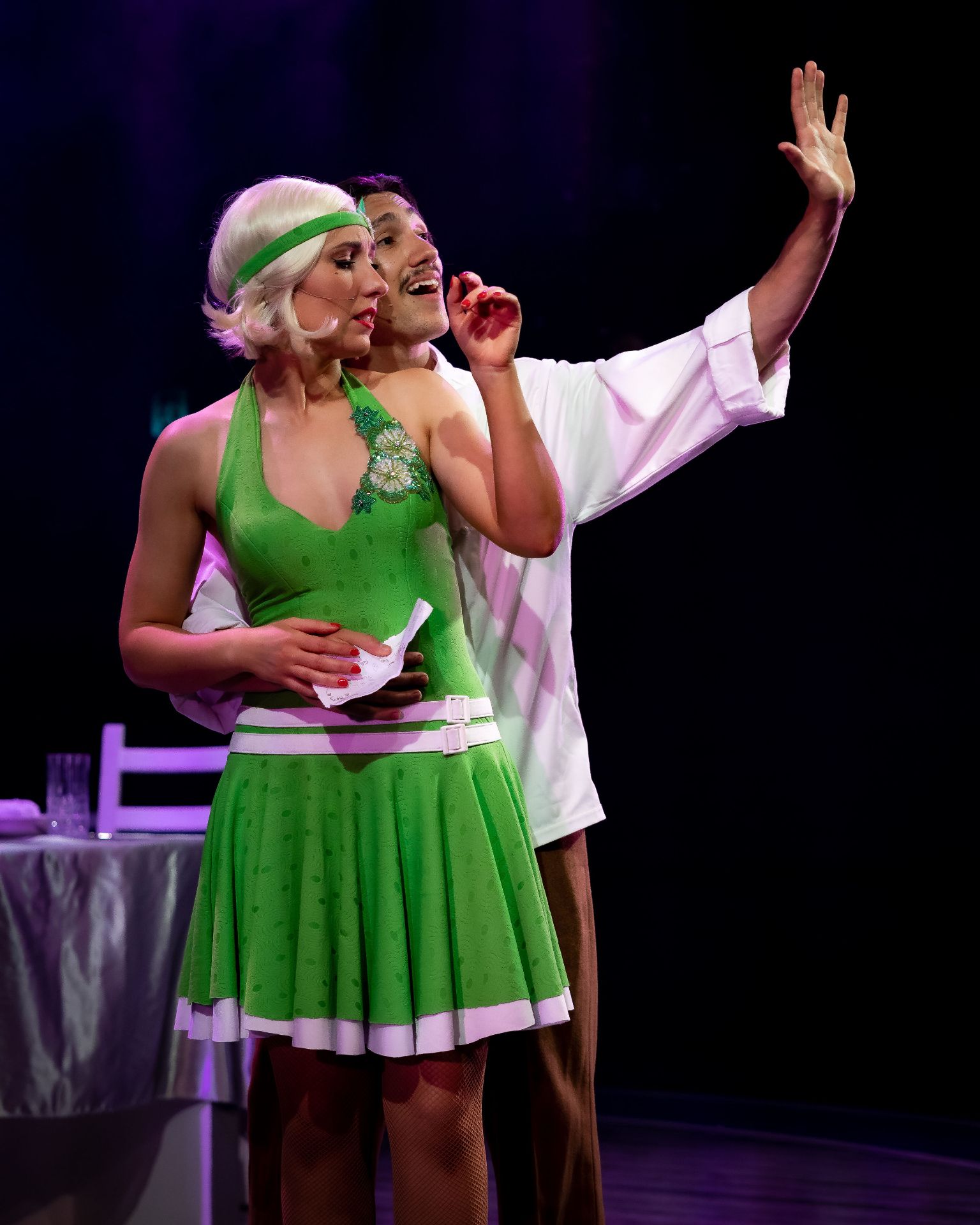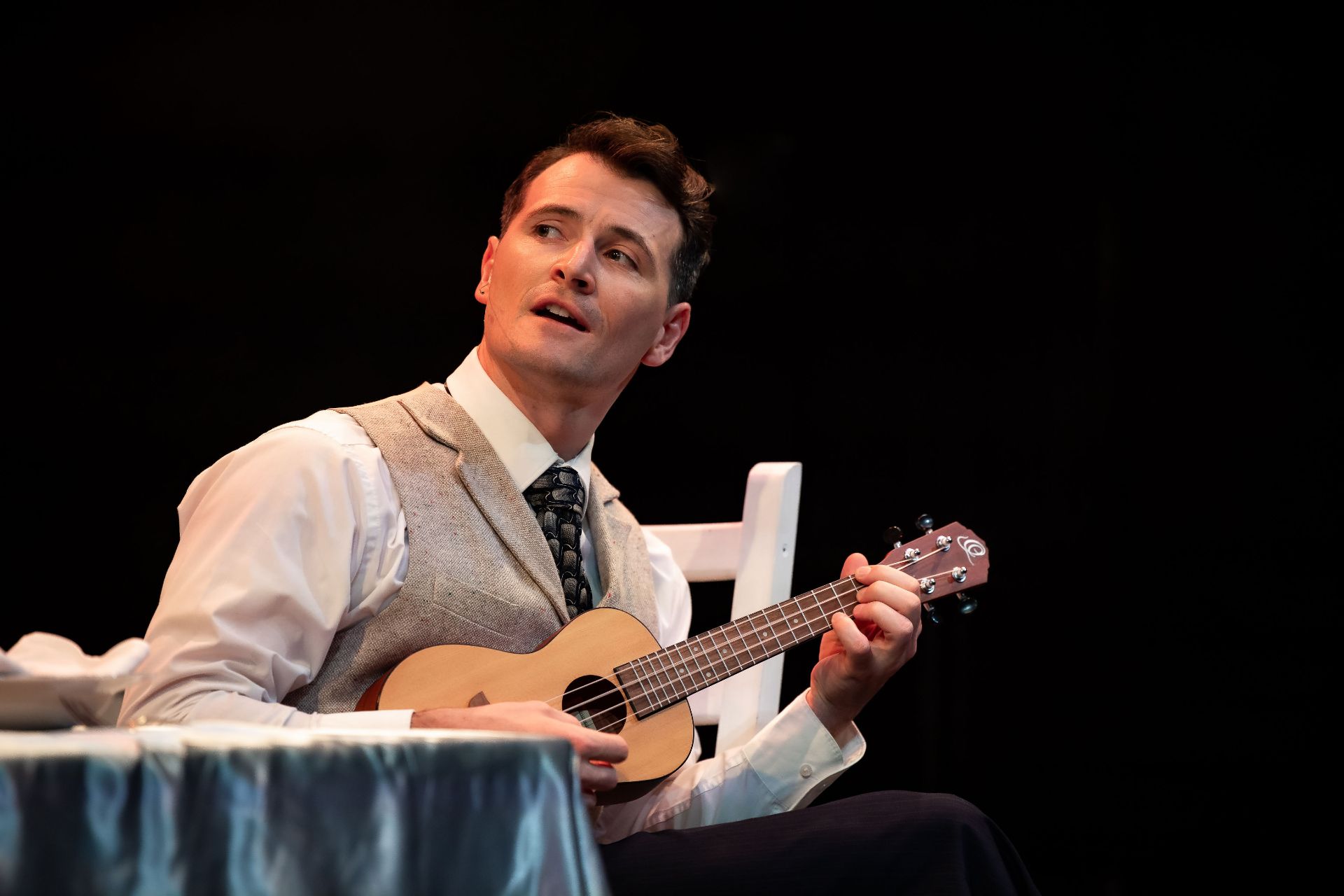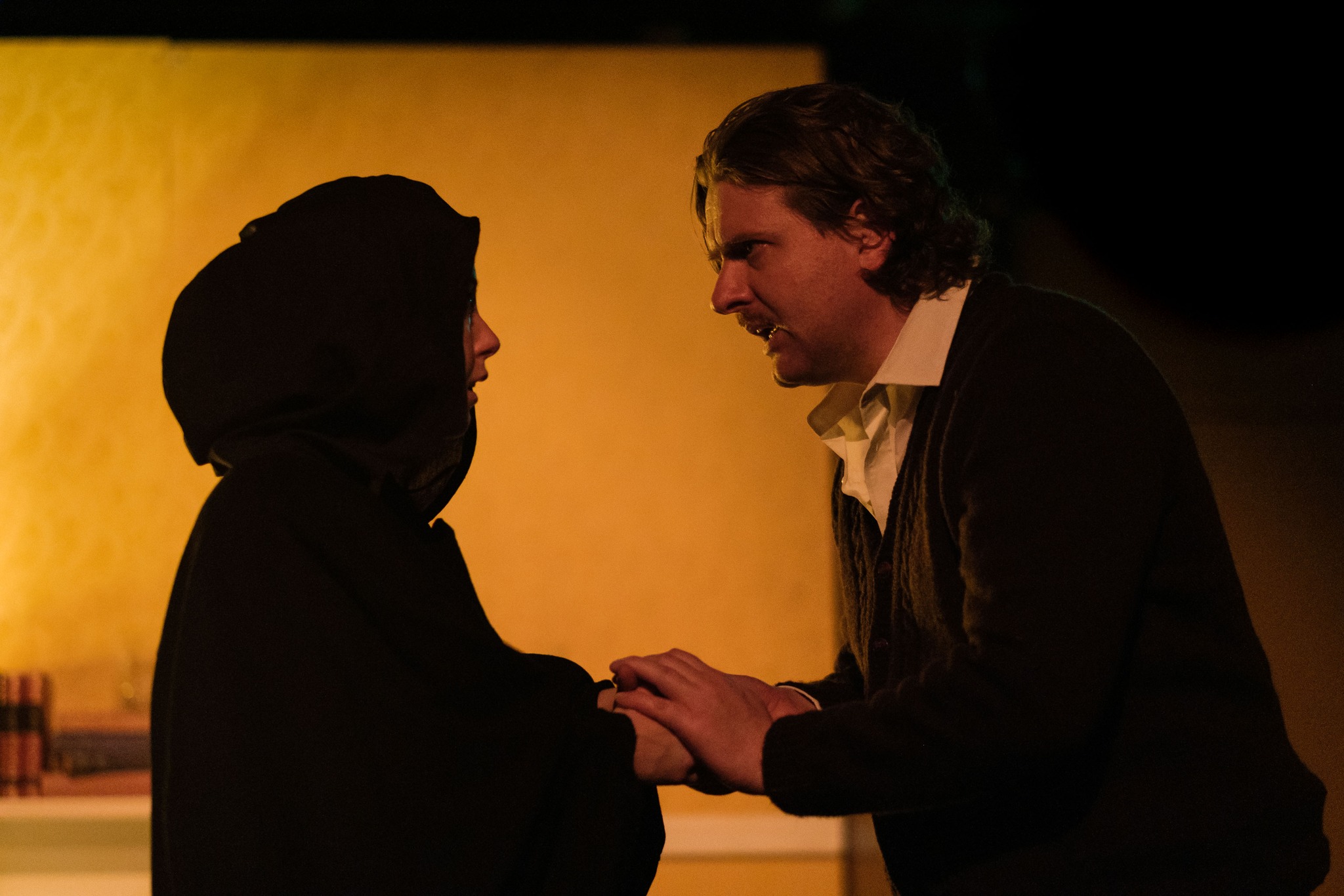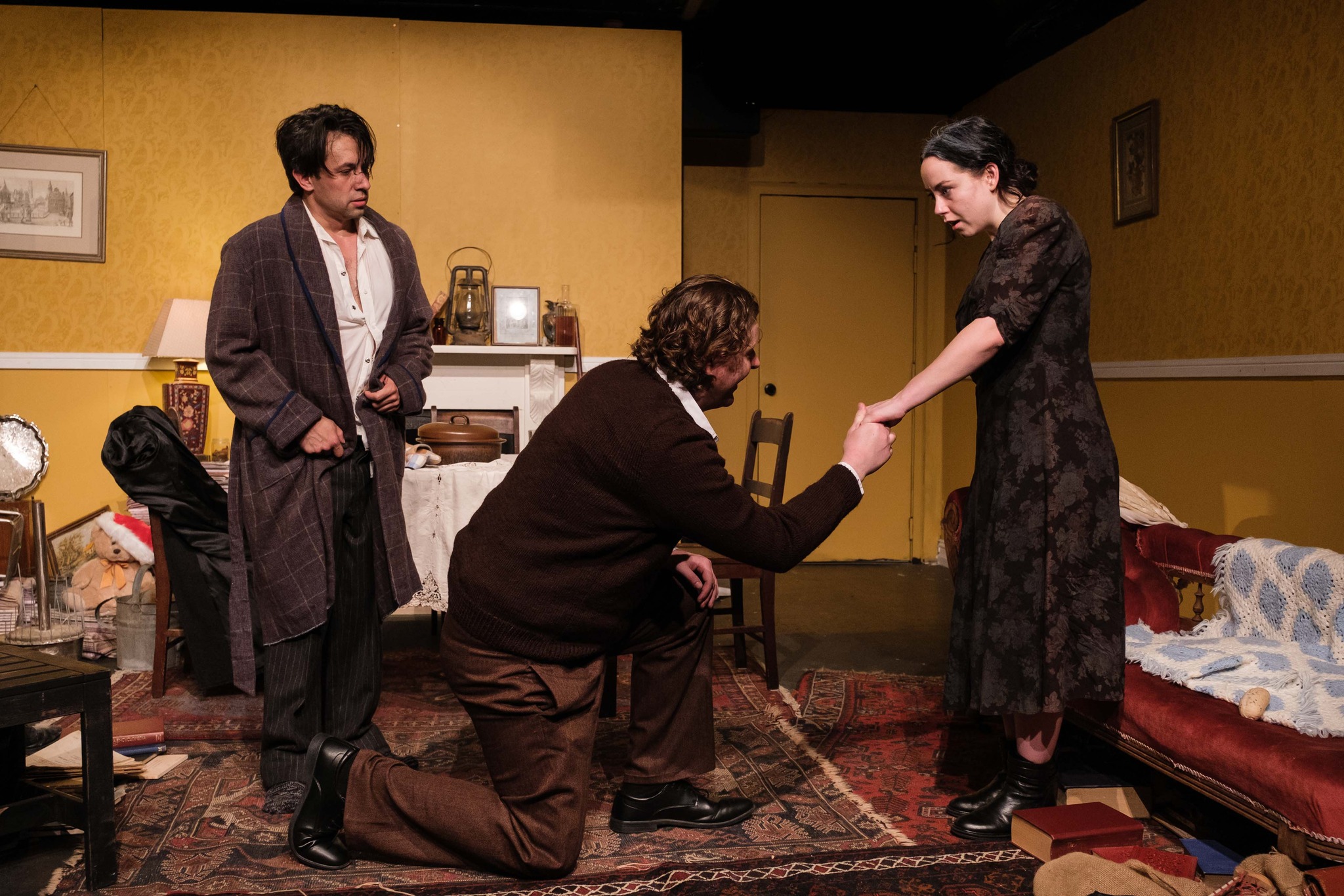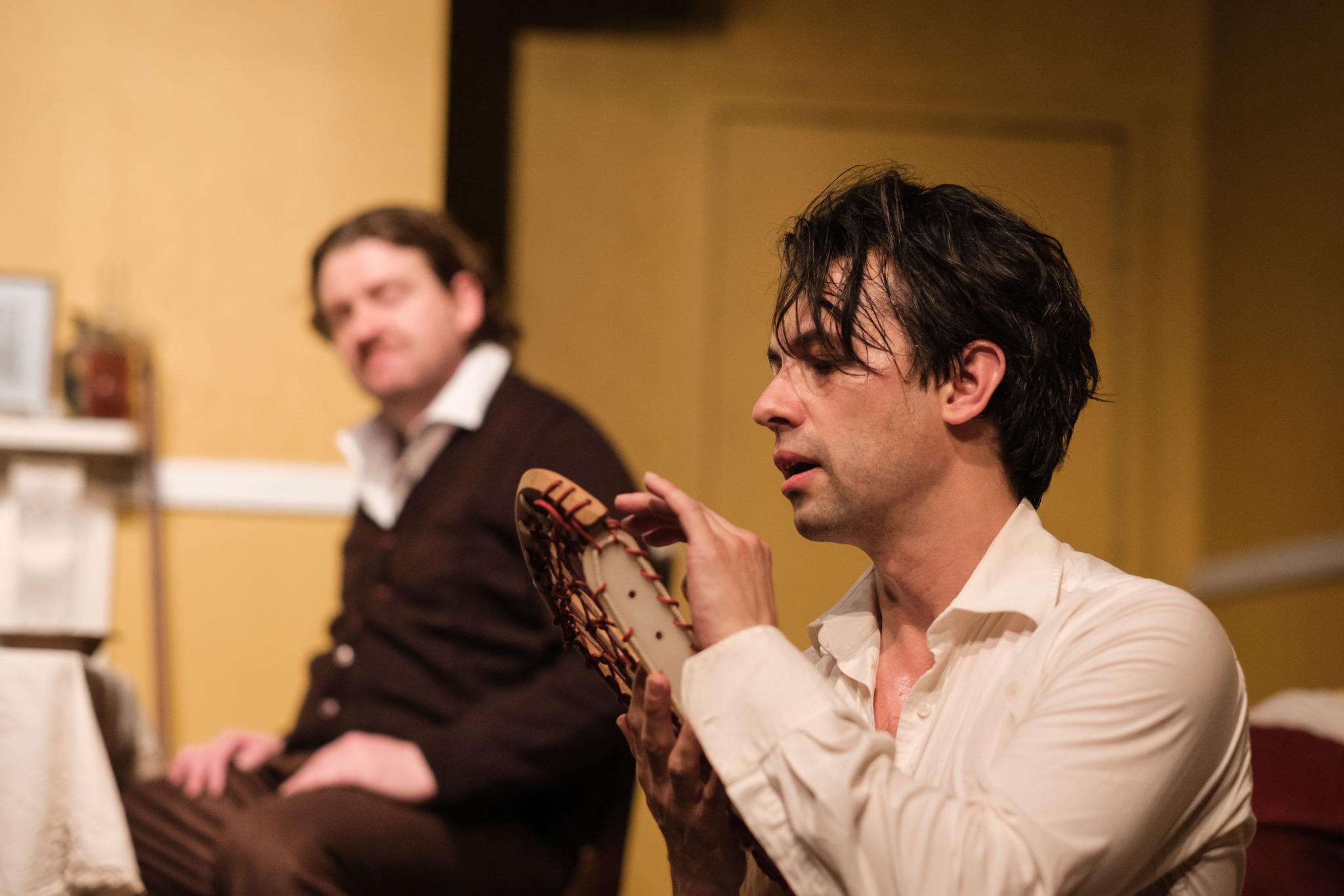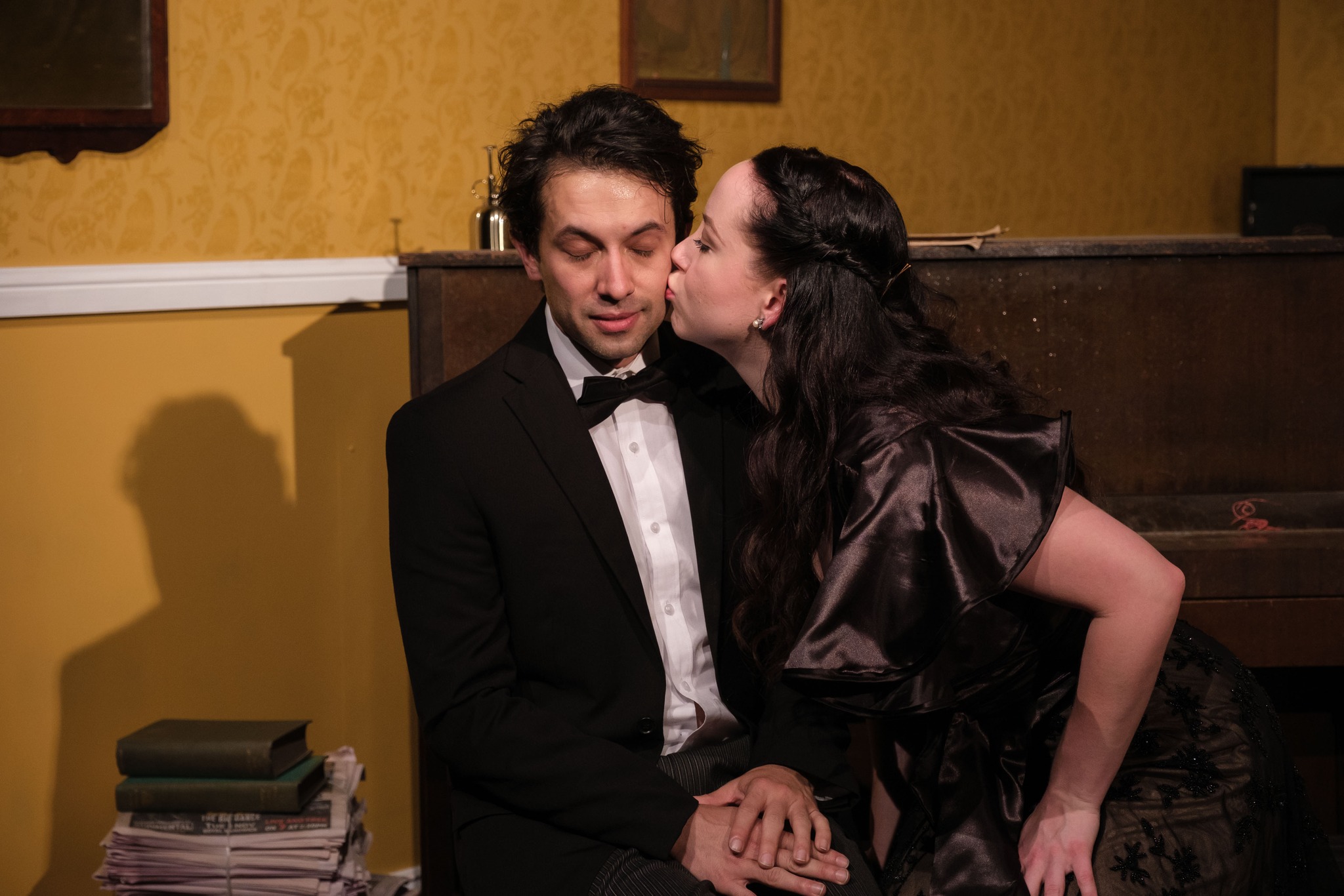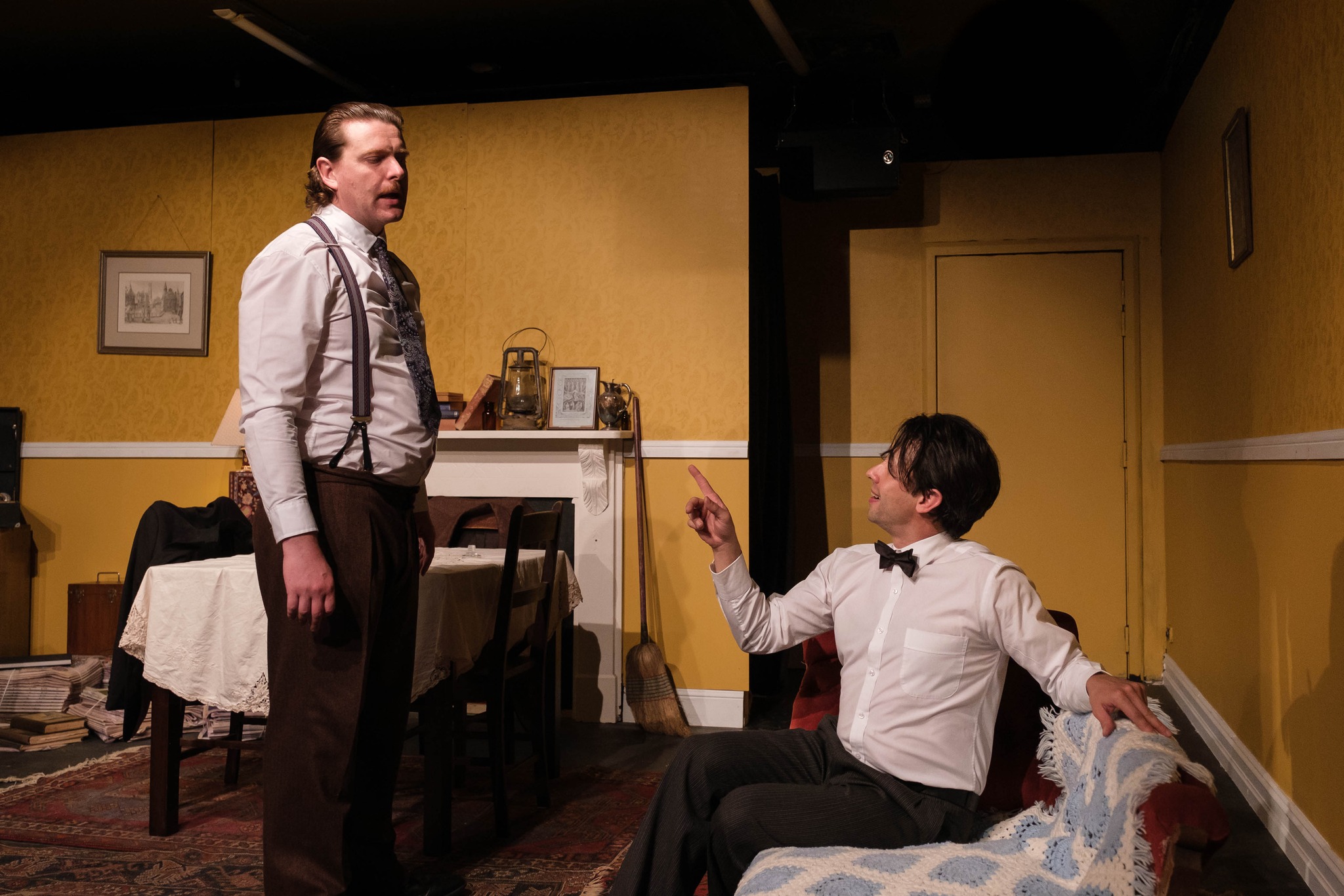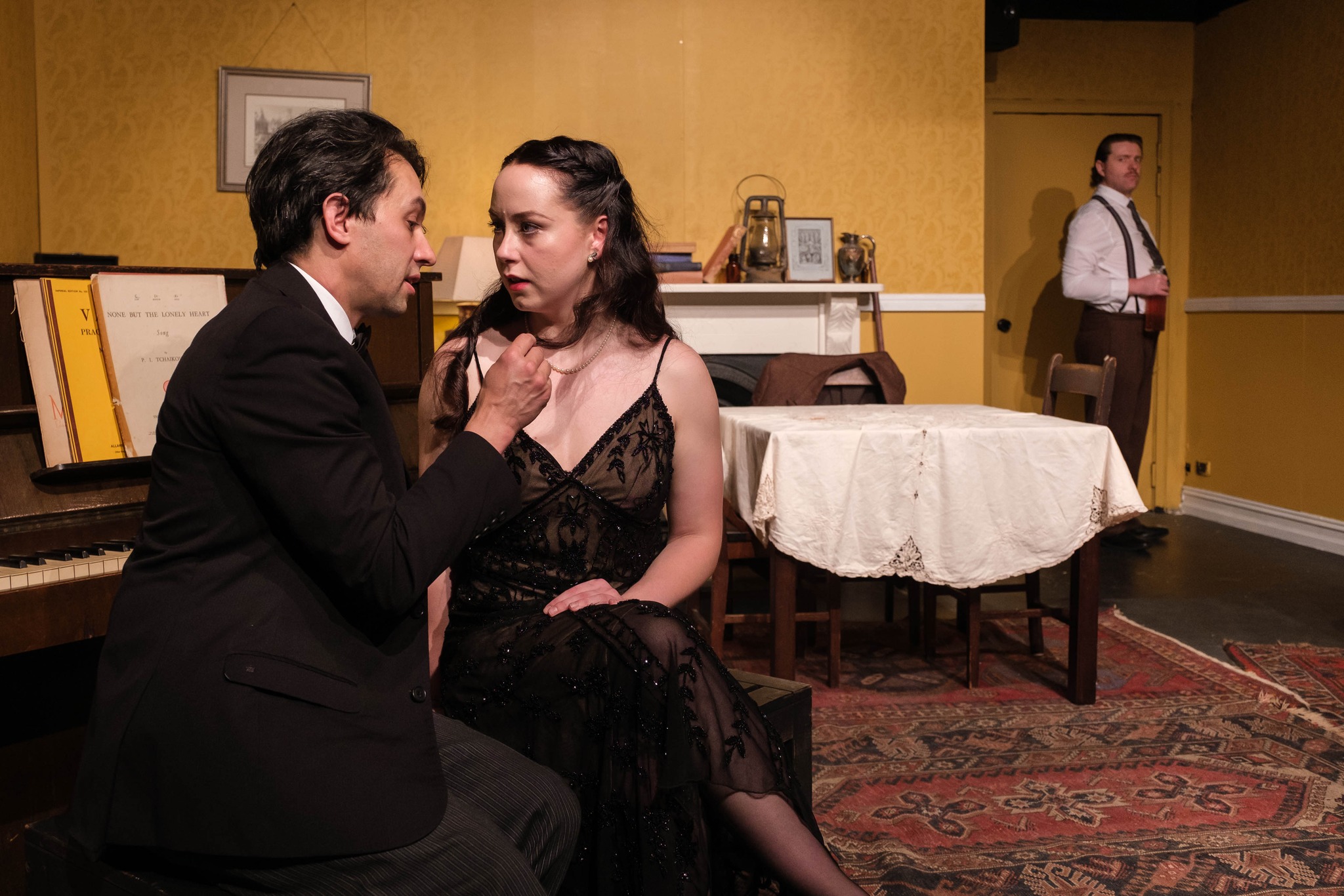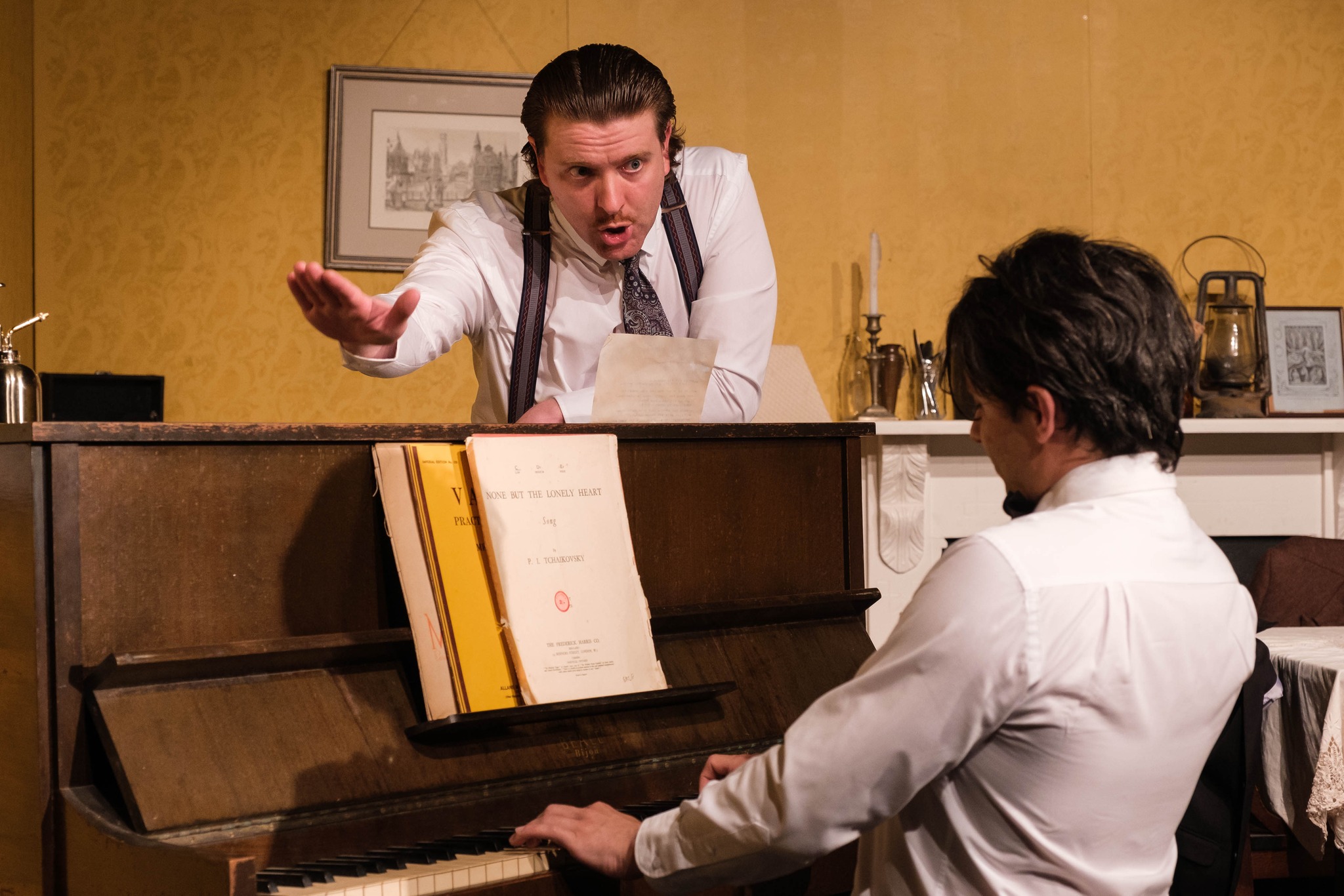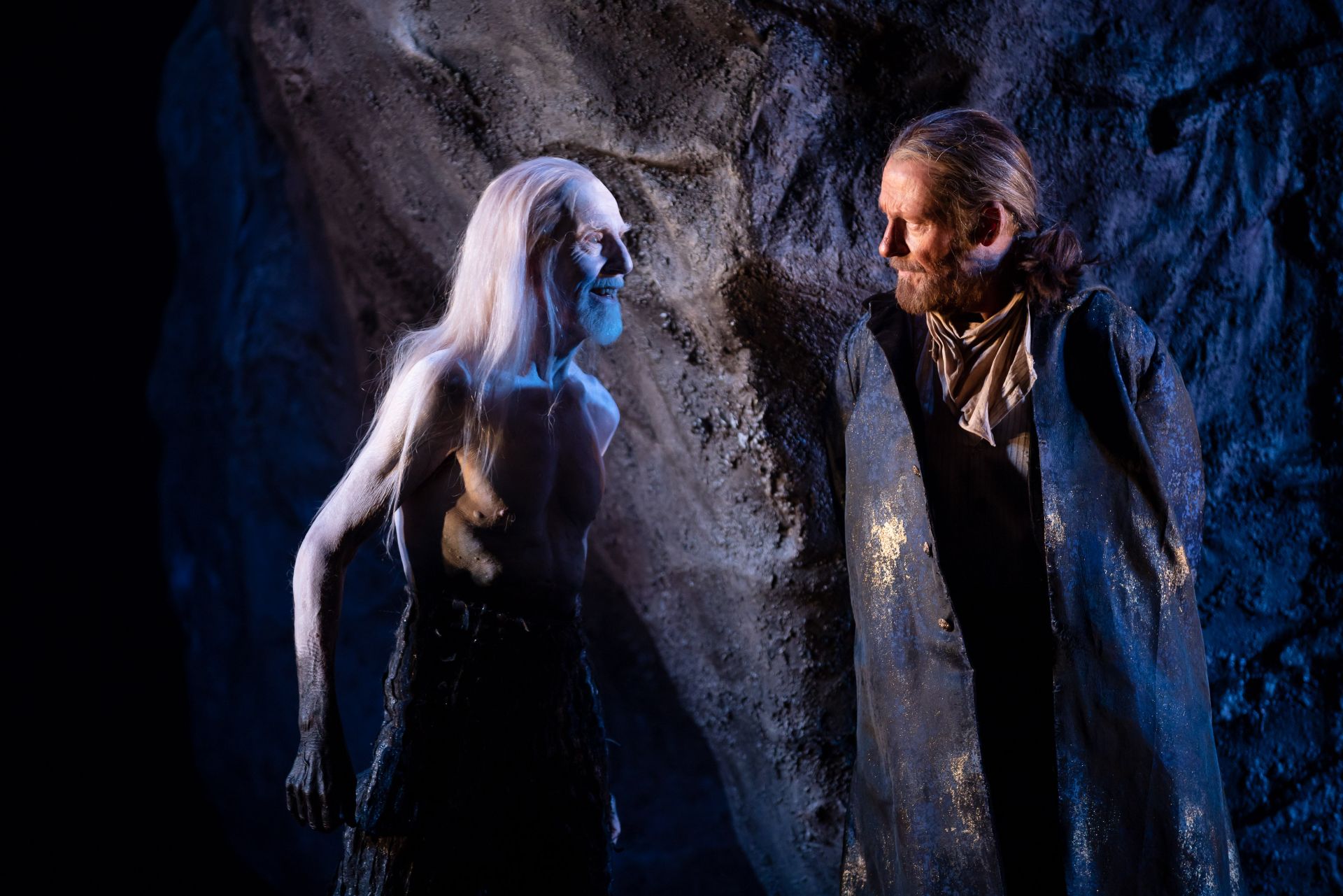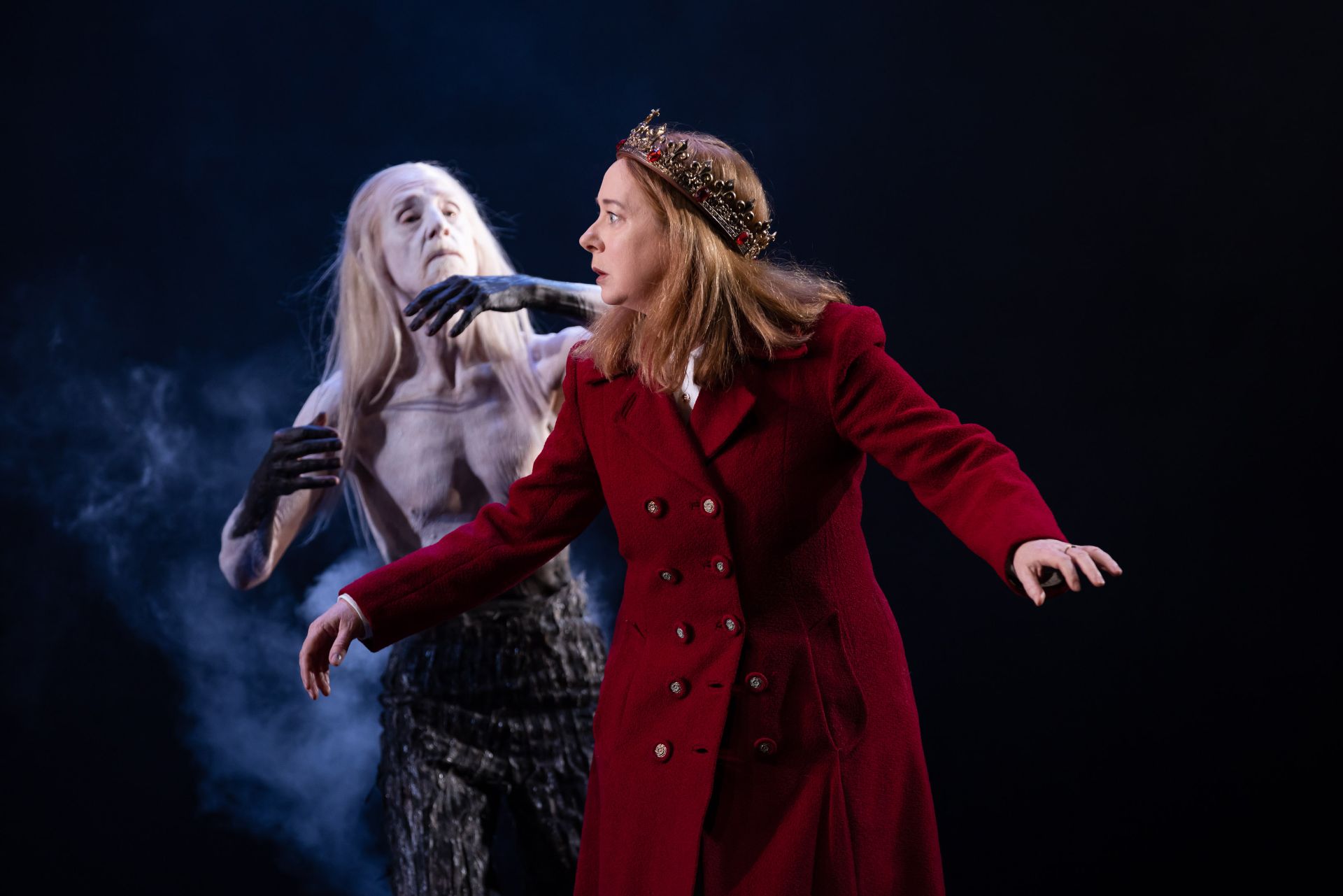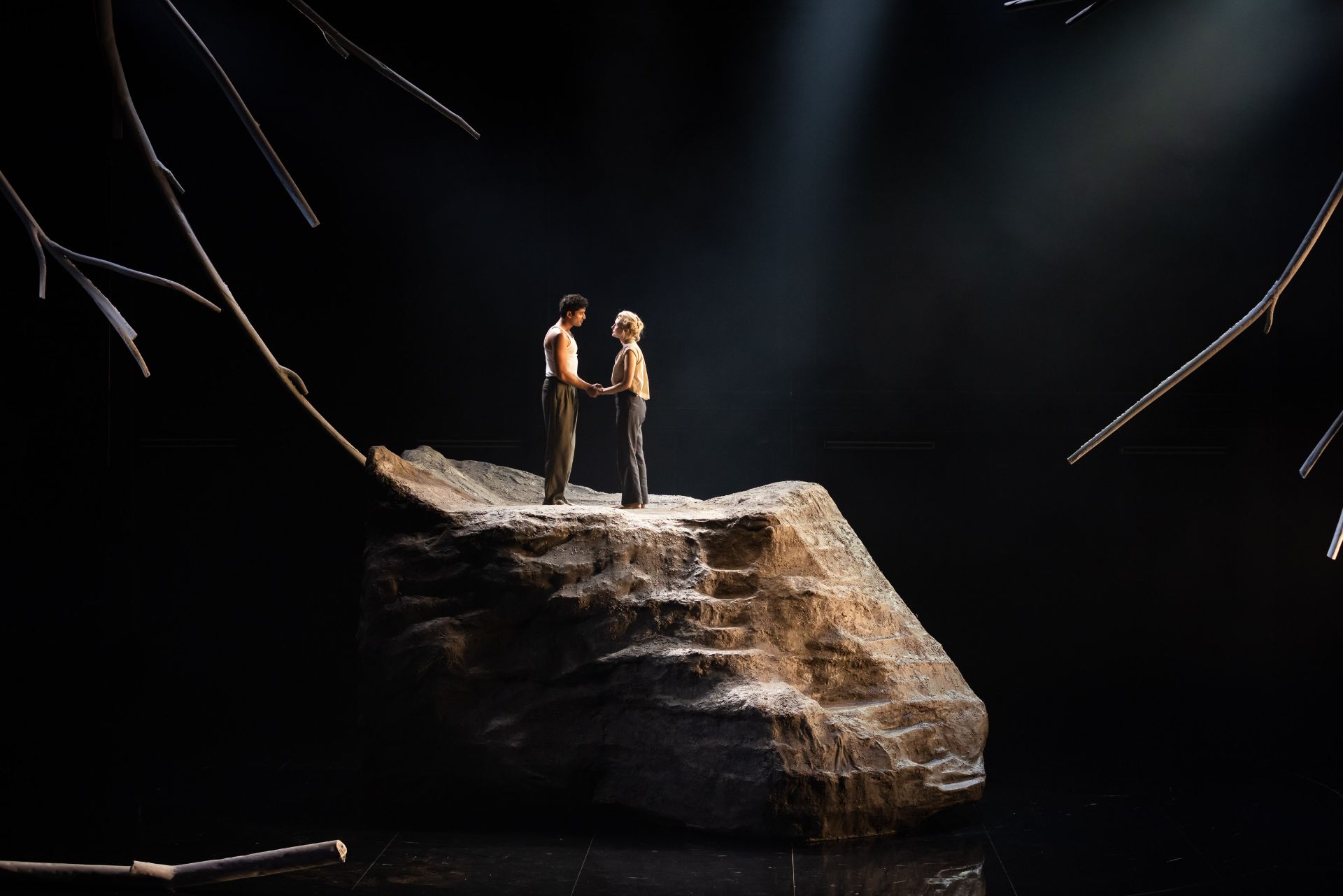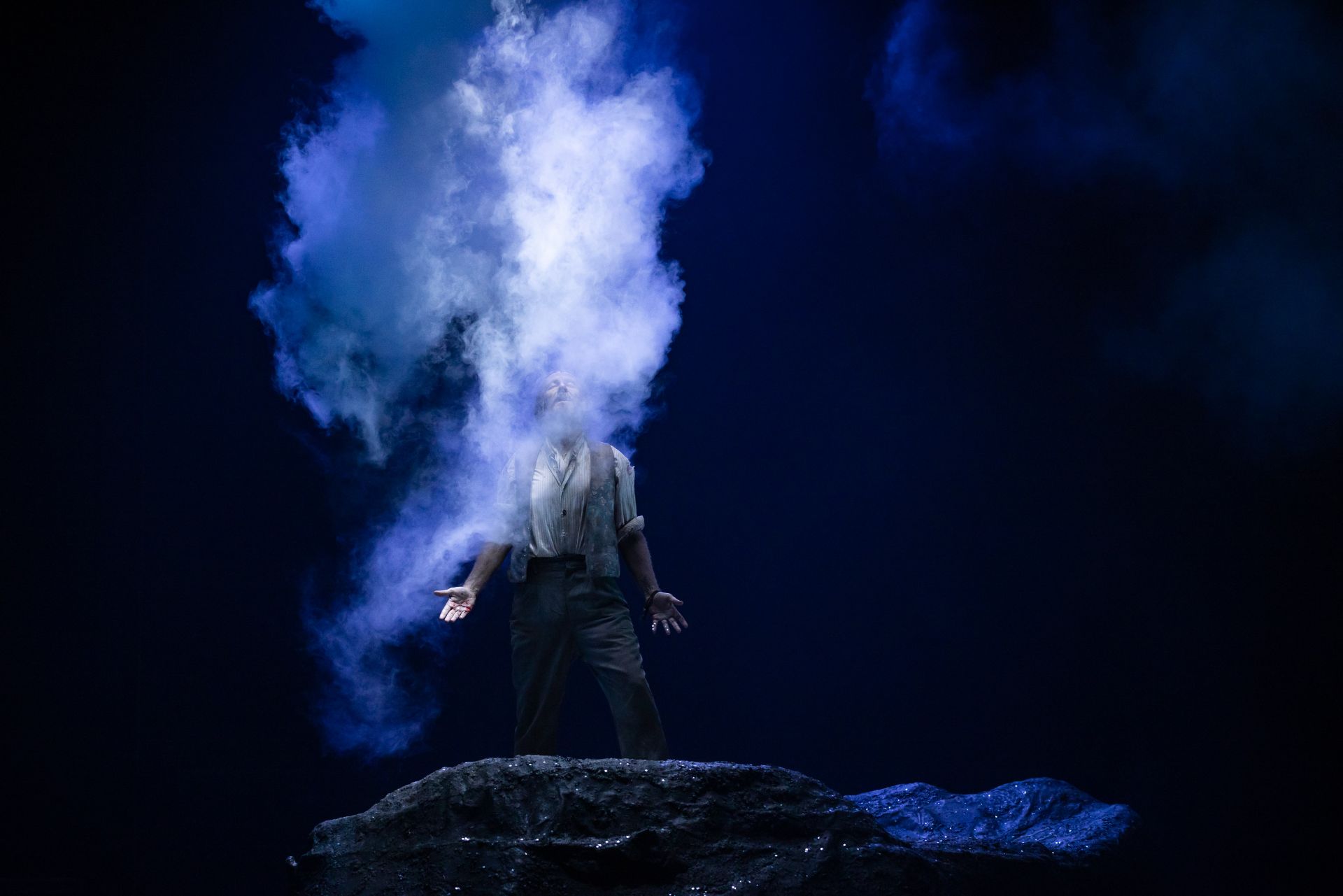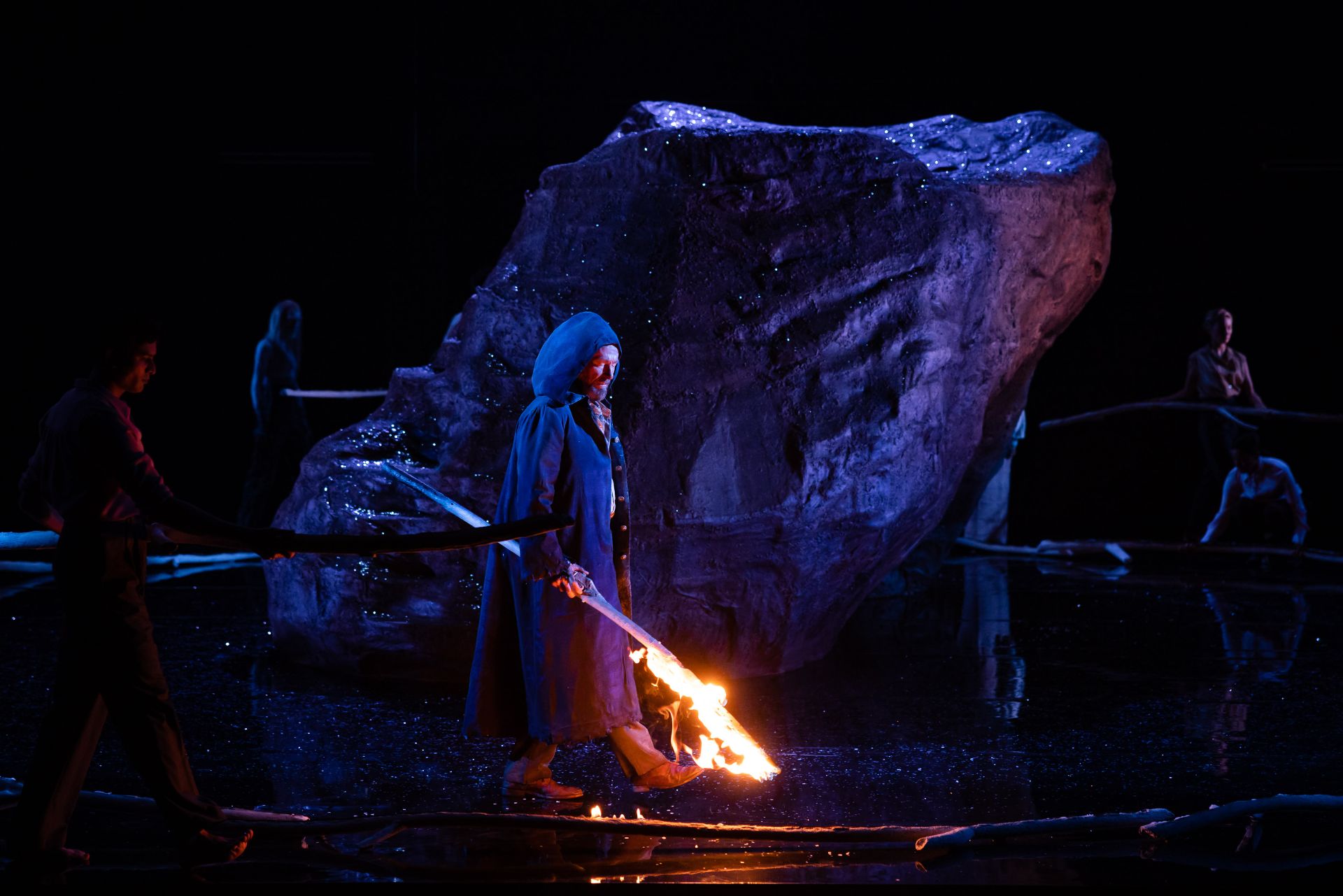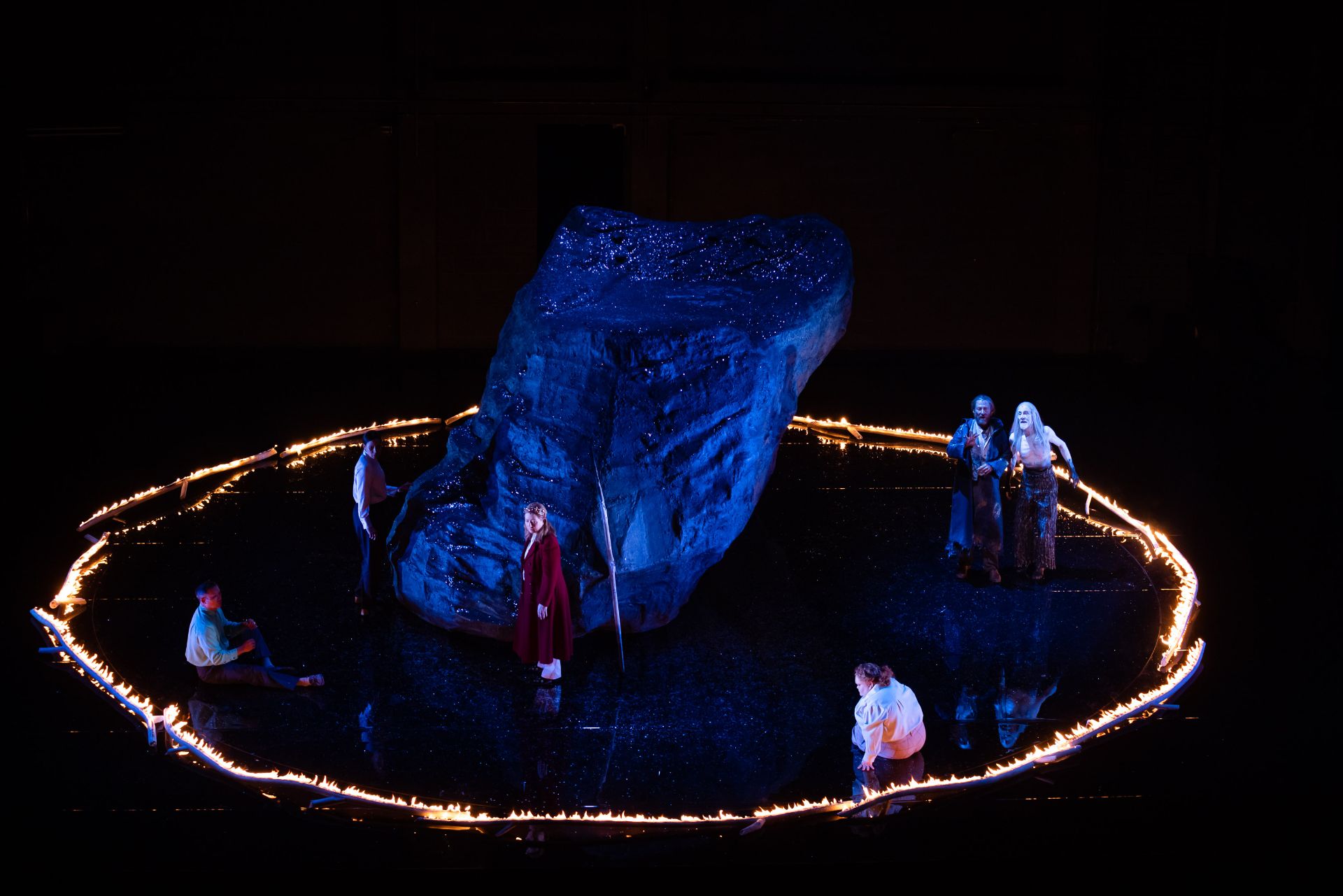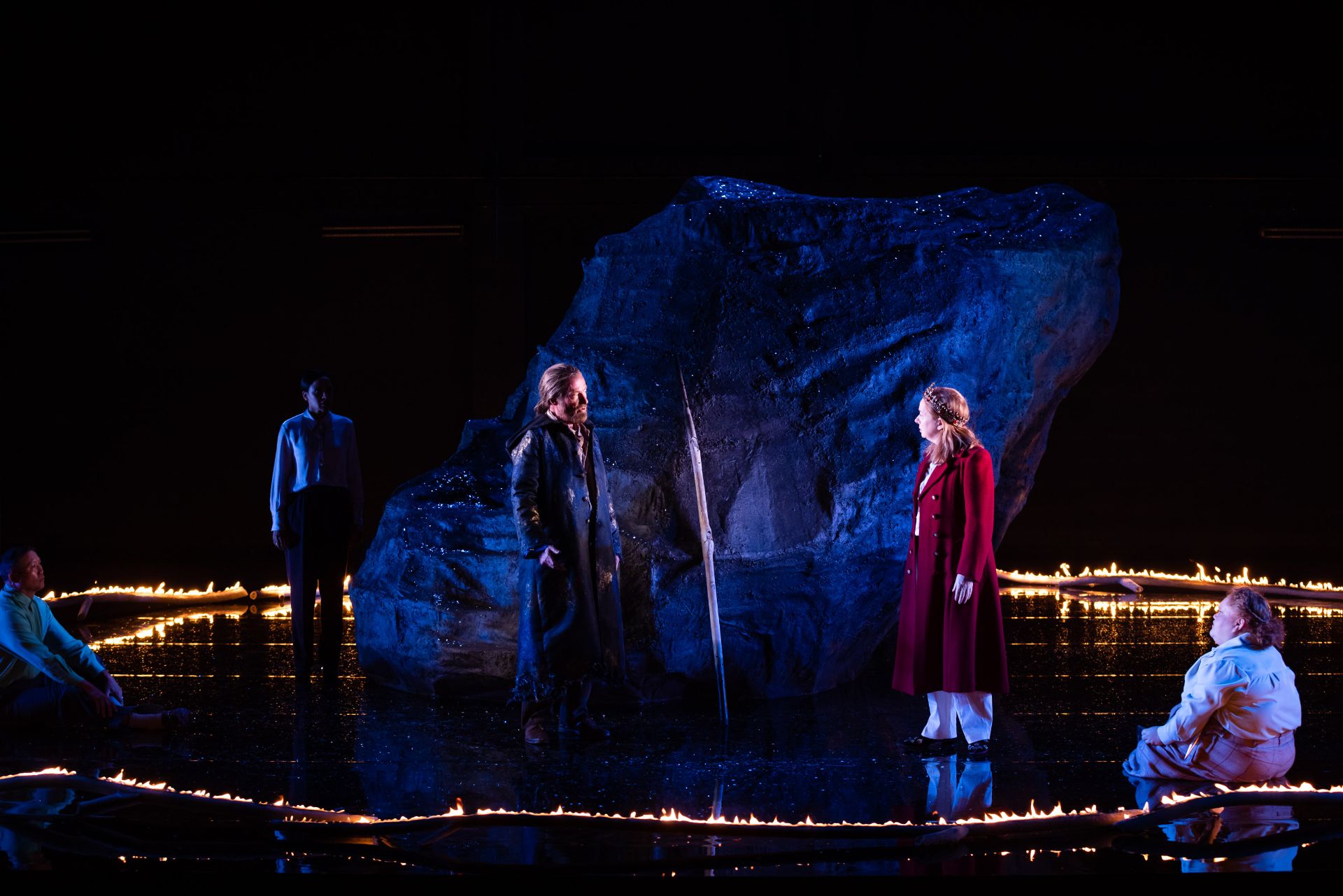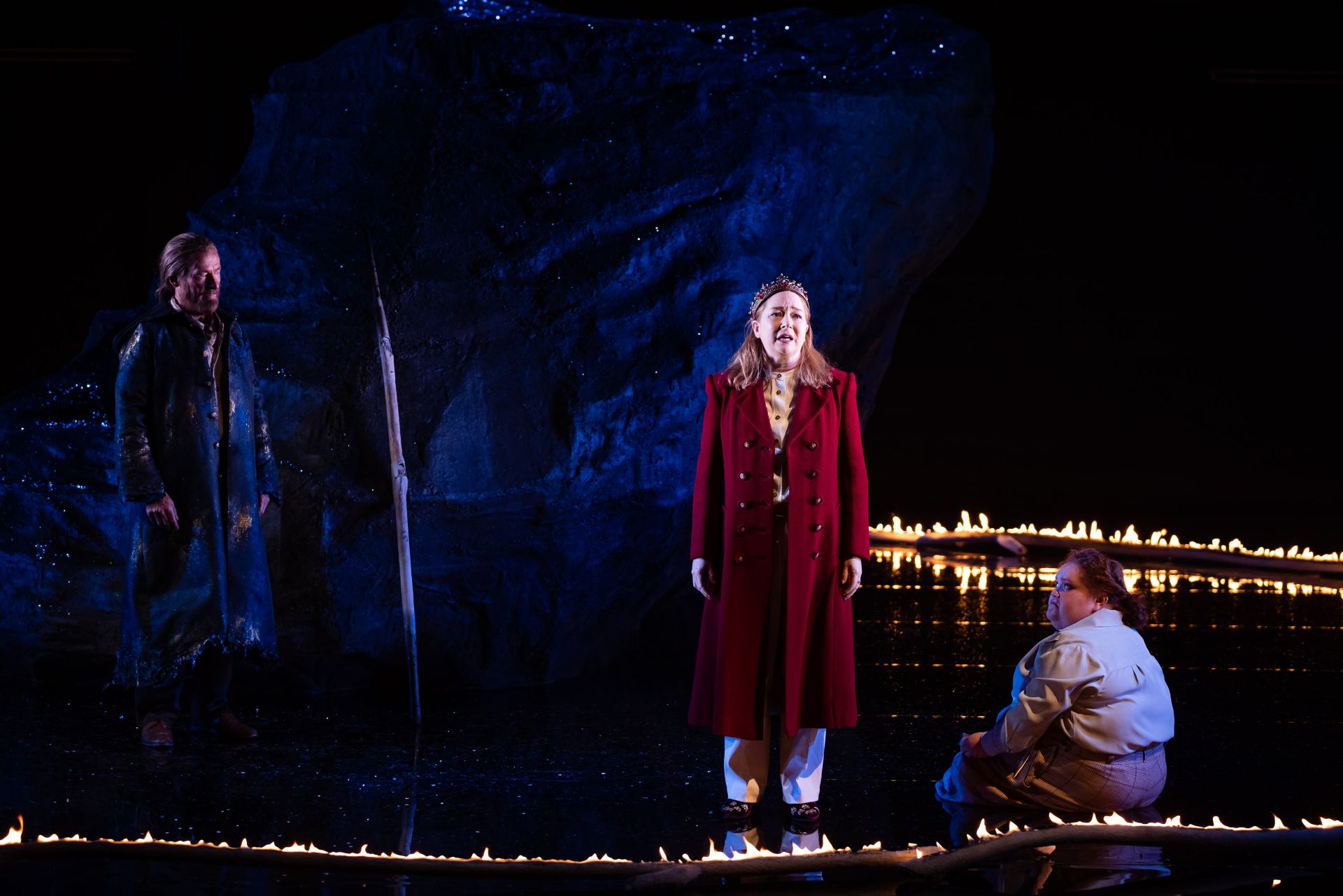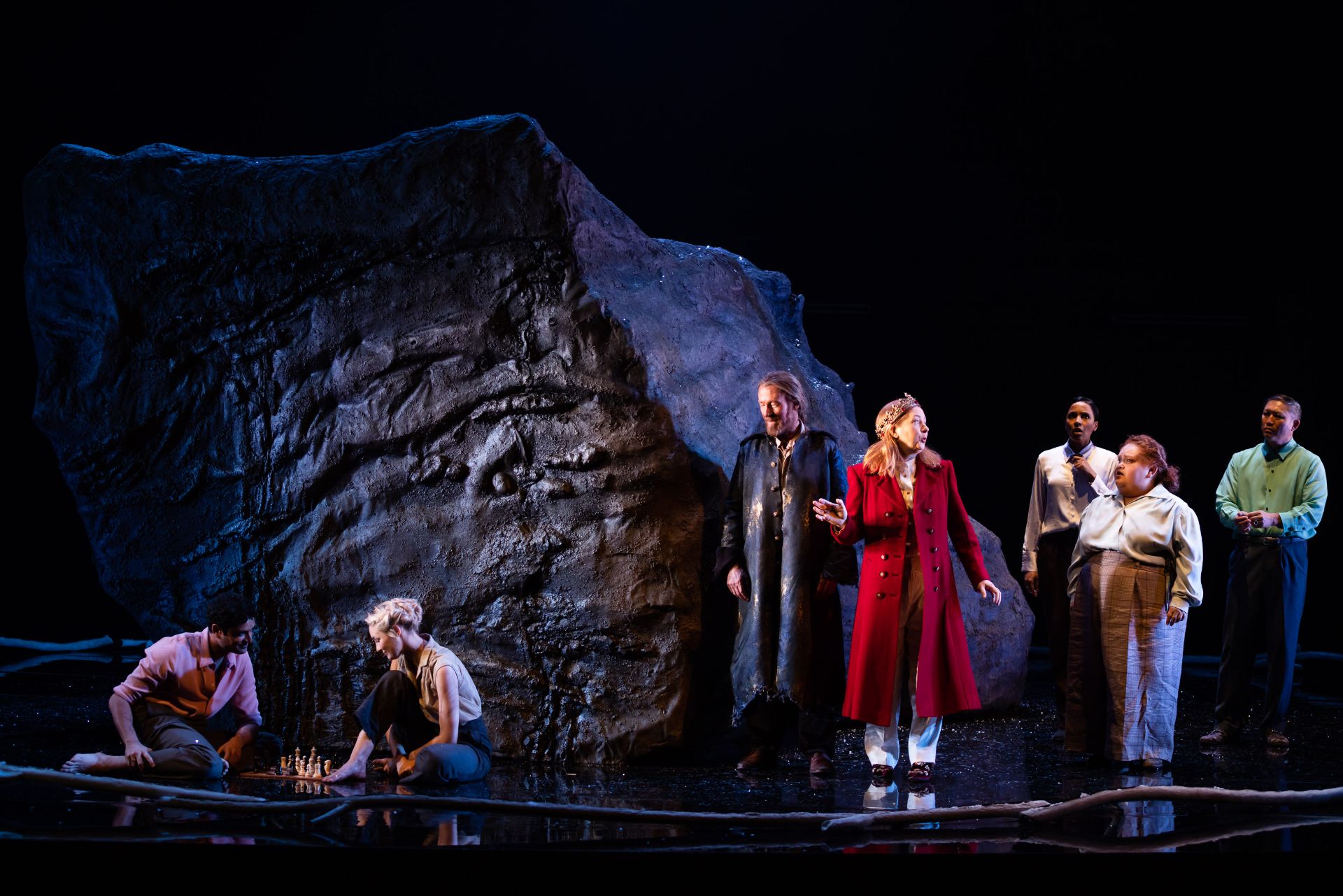
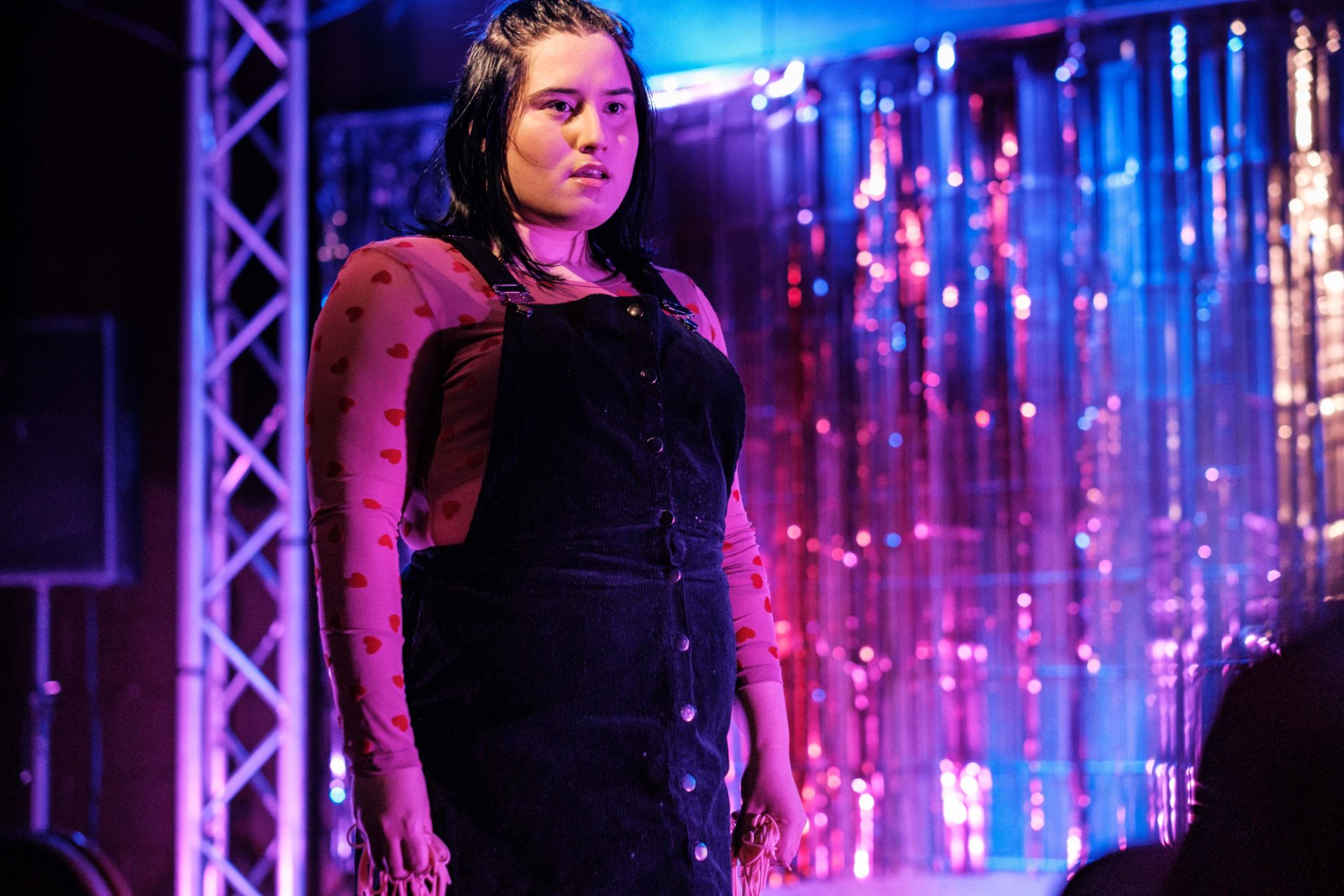
Review: The One (Ensemble Theatre)

Venue: Ensemble Theatre (Kirribilli NSW), Jul 22 – Aug 27, 2022
Playwright: Vanessa Bates
Director: Darren Yap
Cast: Gabrielle Chan, Angie Diaz, Aileen Huynh, Damien Strouthos, Shan-Ree Tan
Images by Prudence Upton

Theatre review
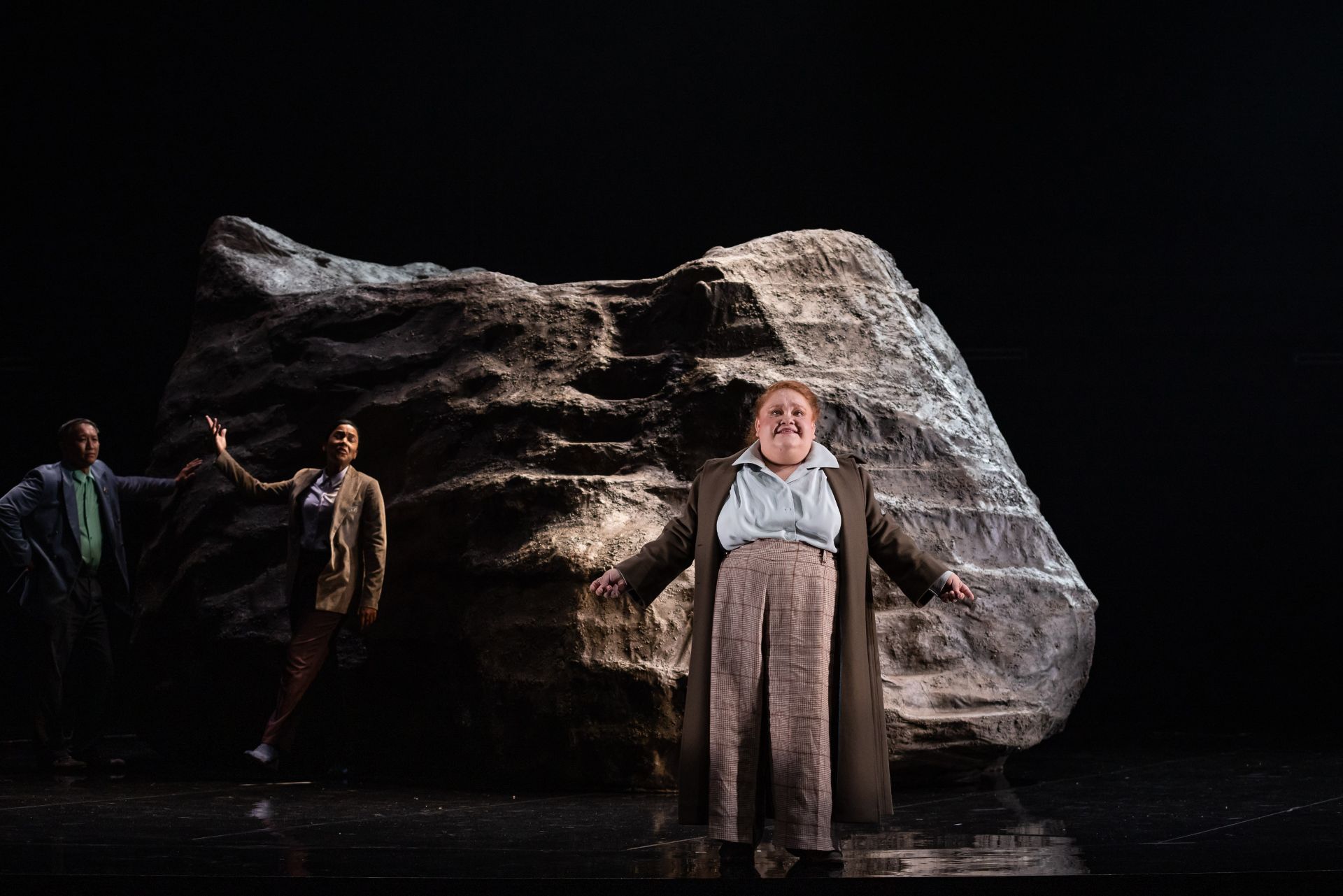
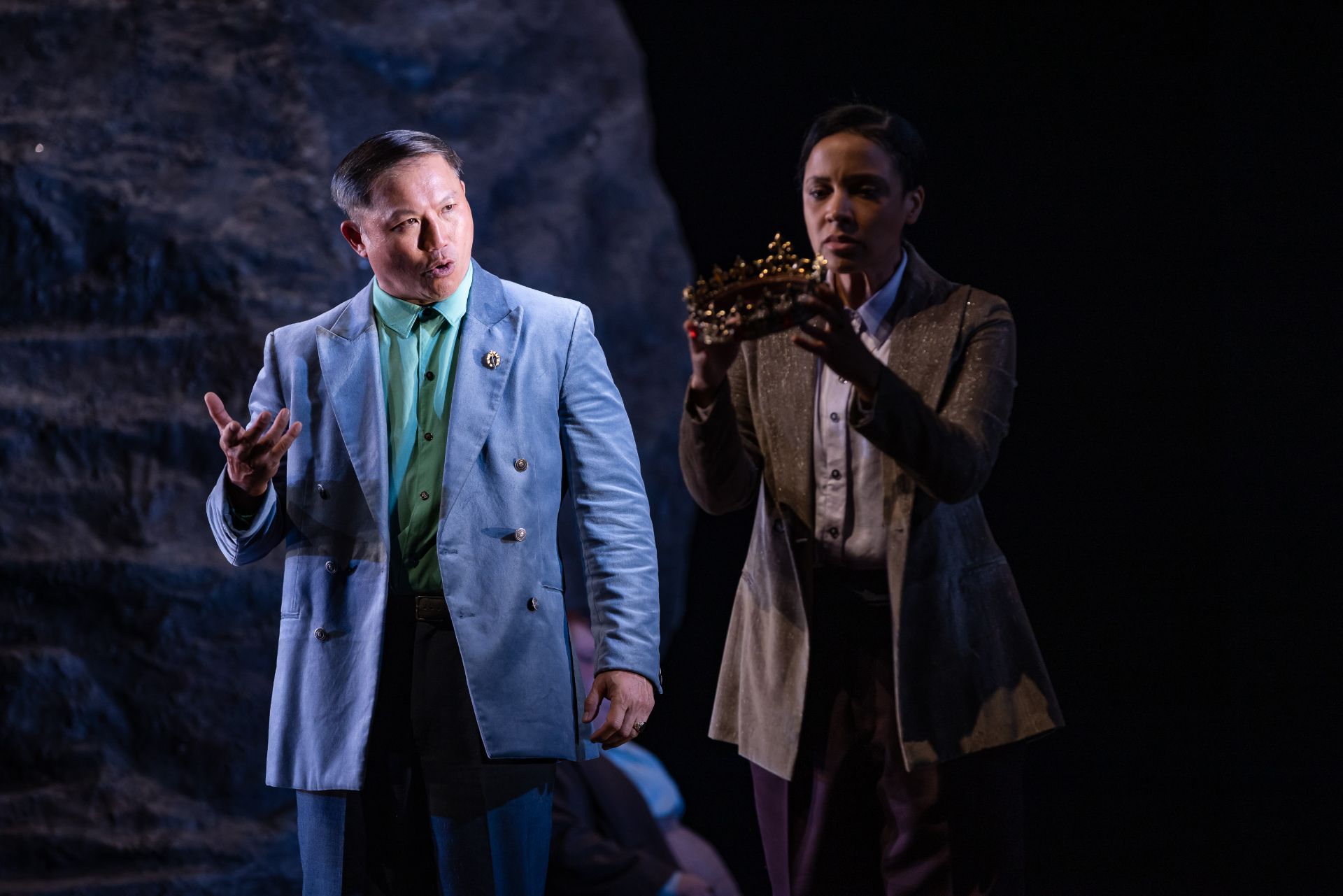
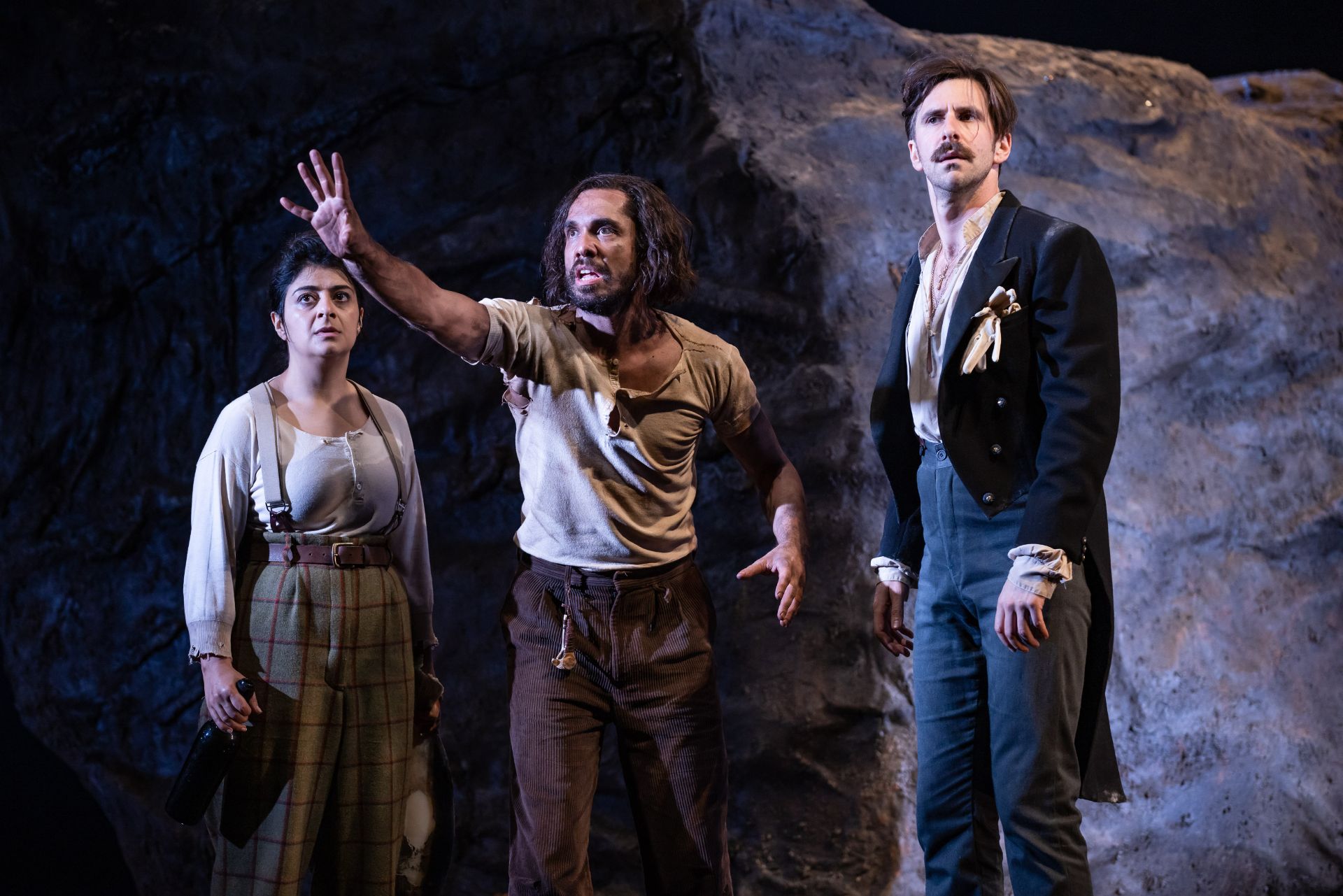
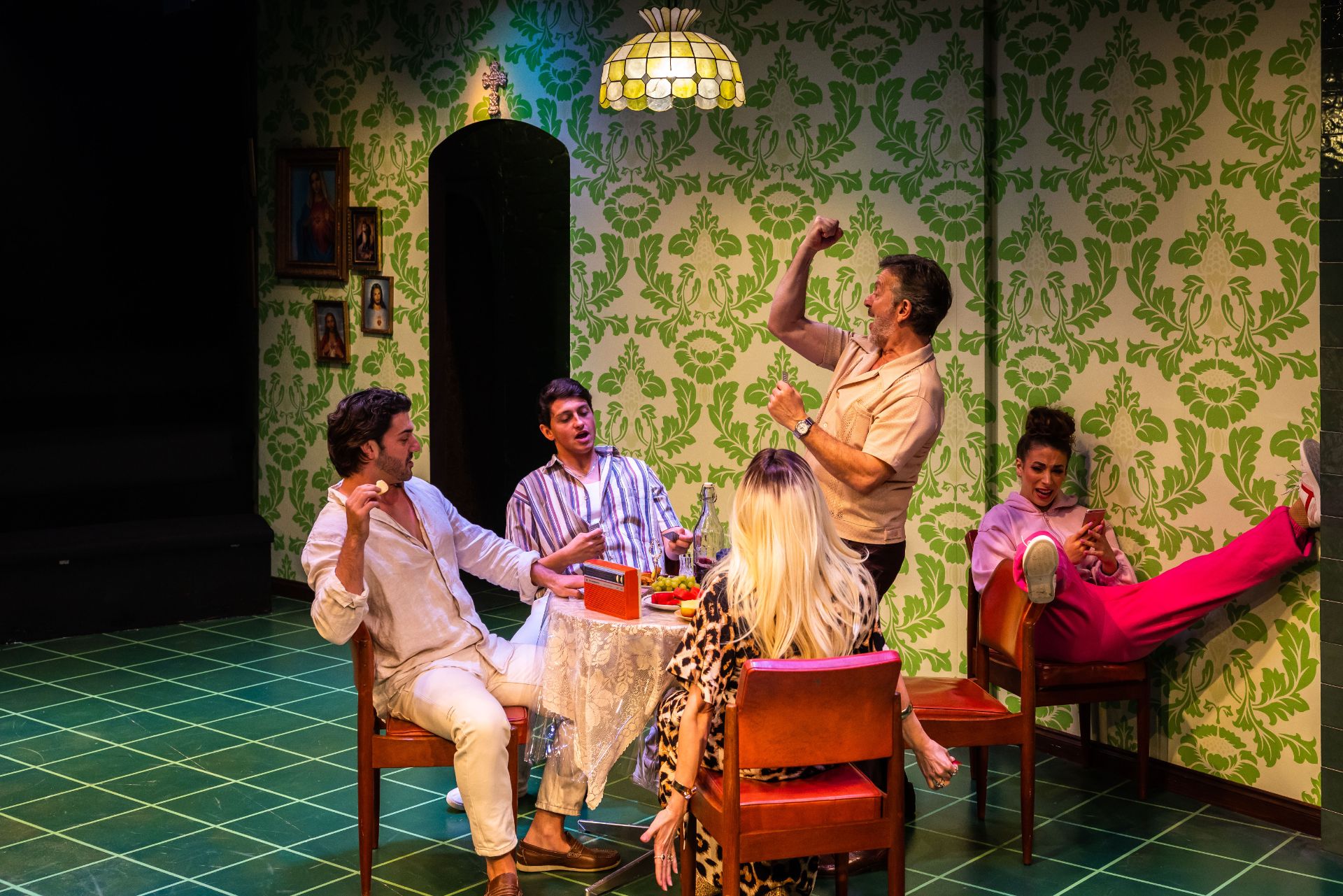
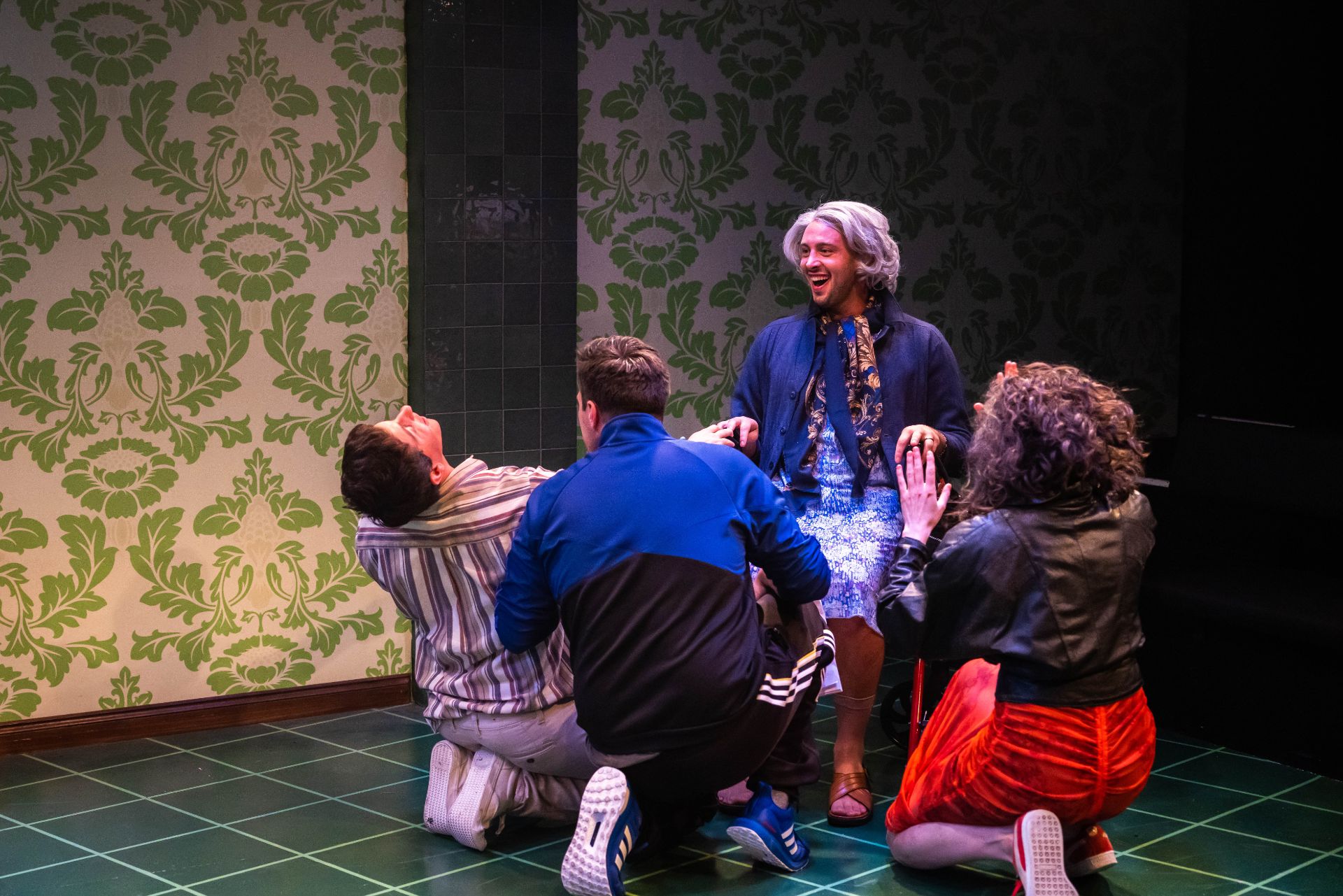
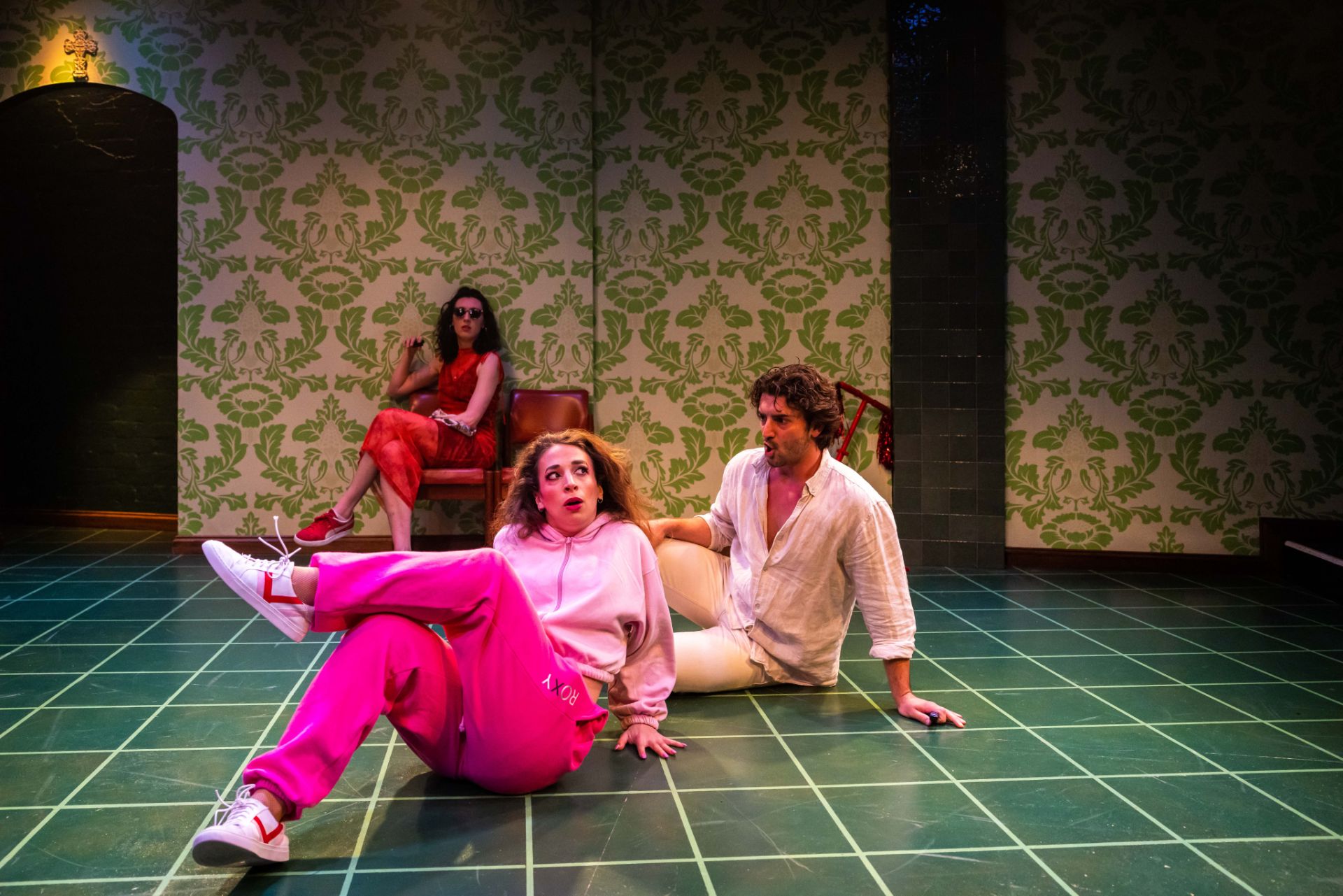
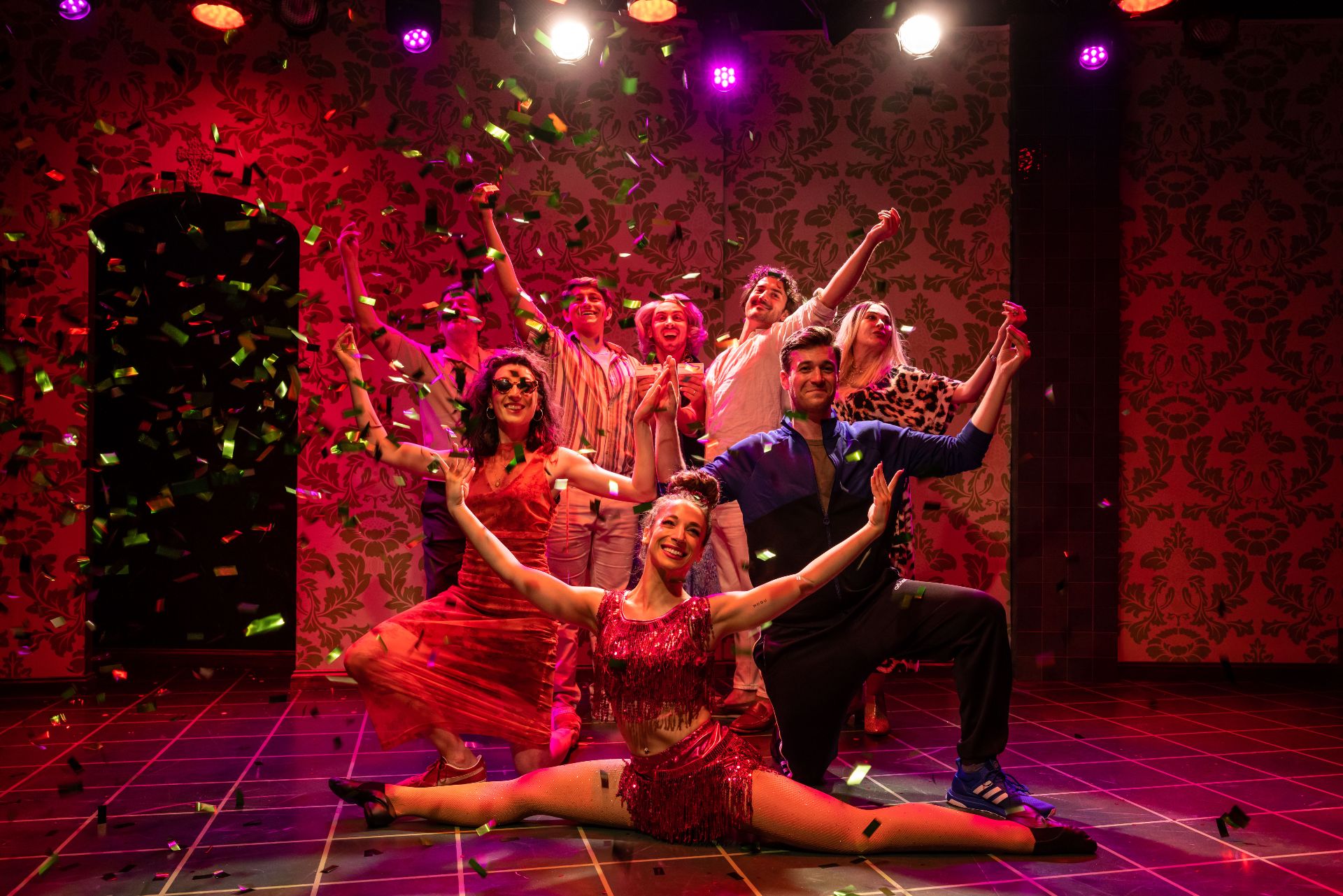
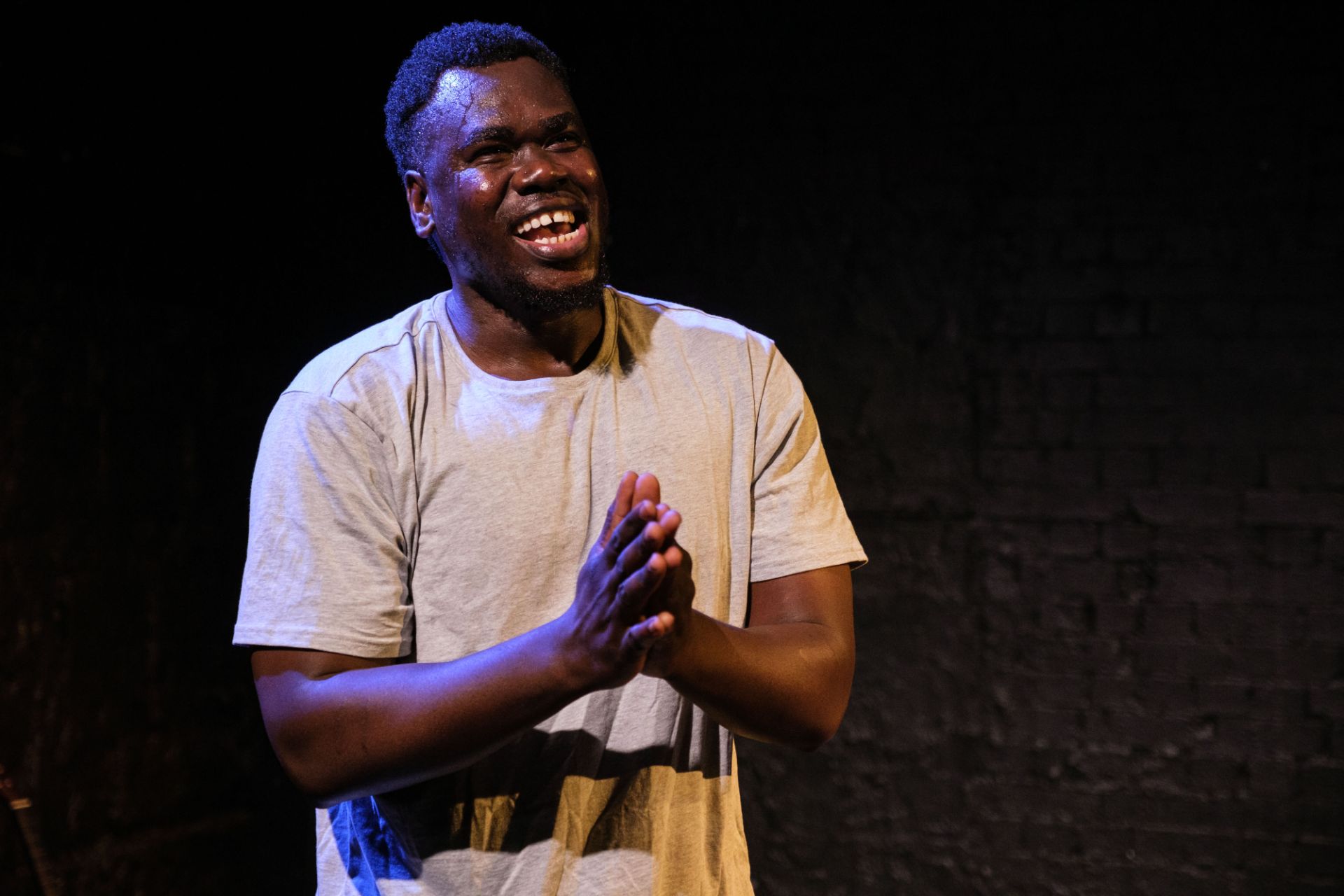
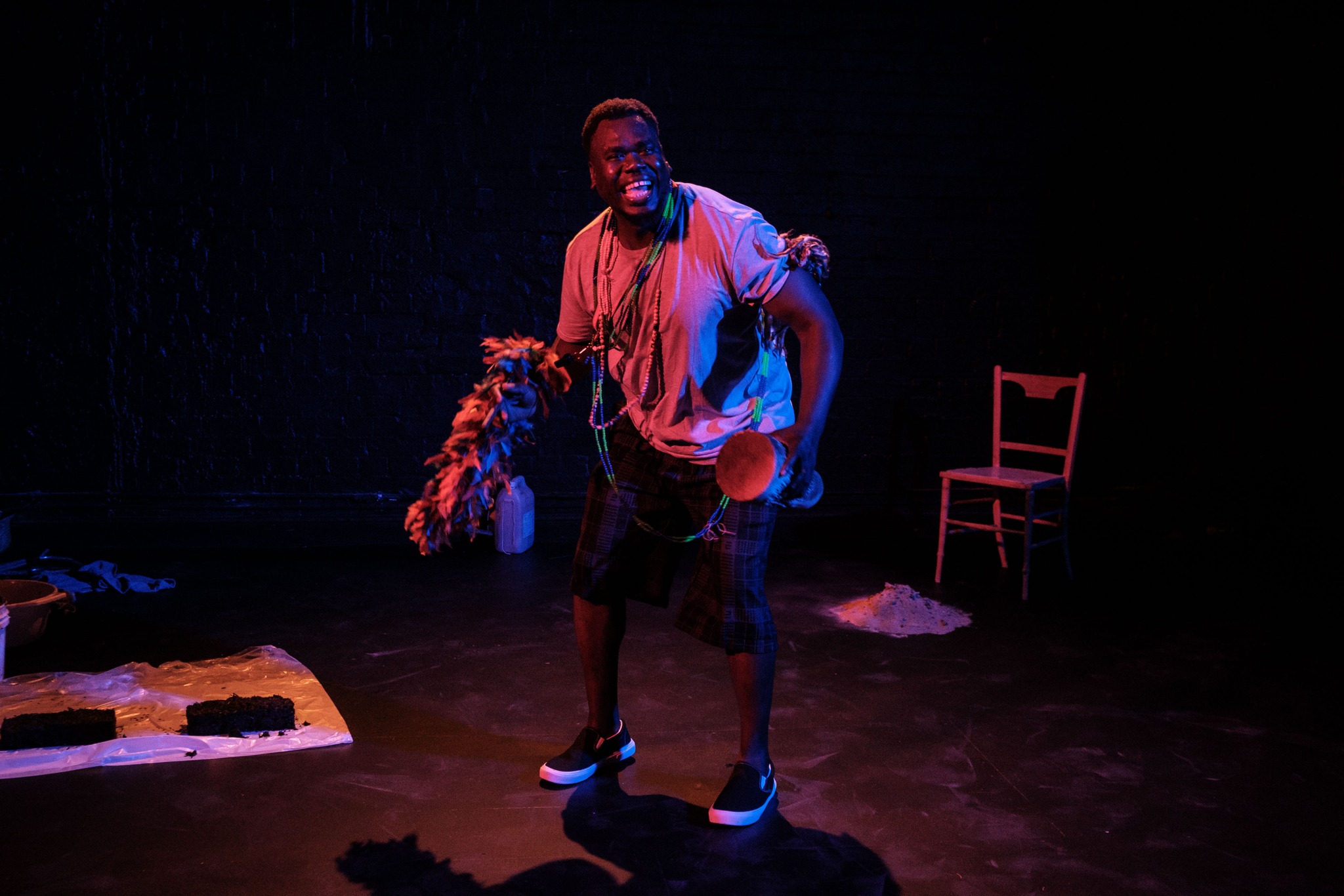
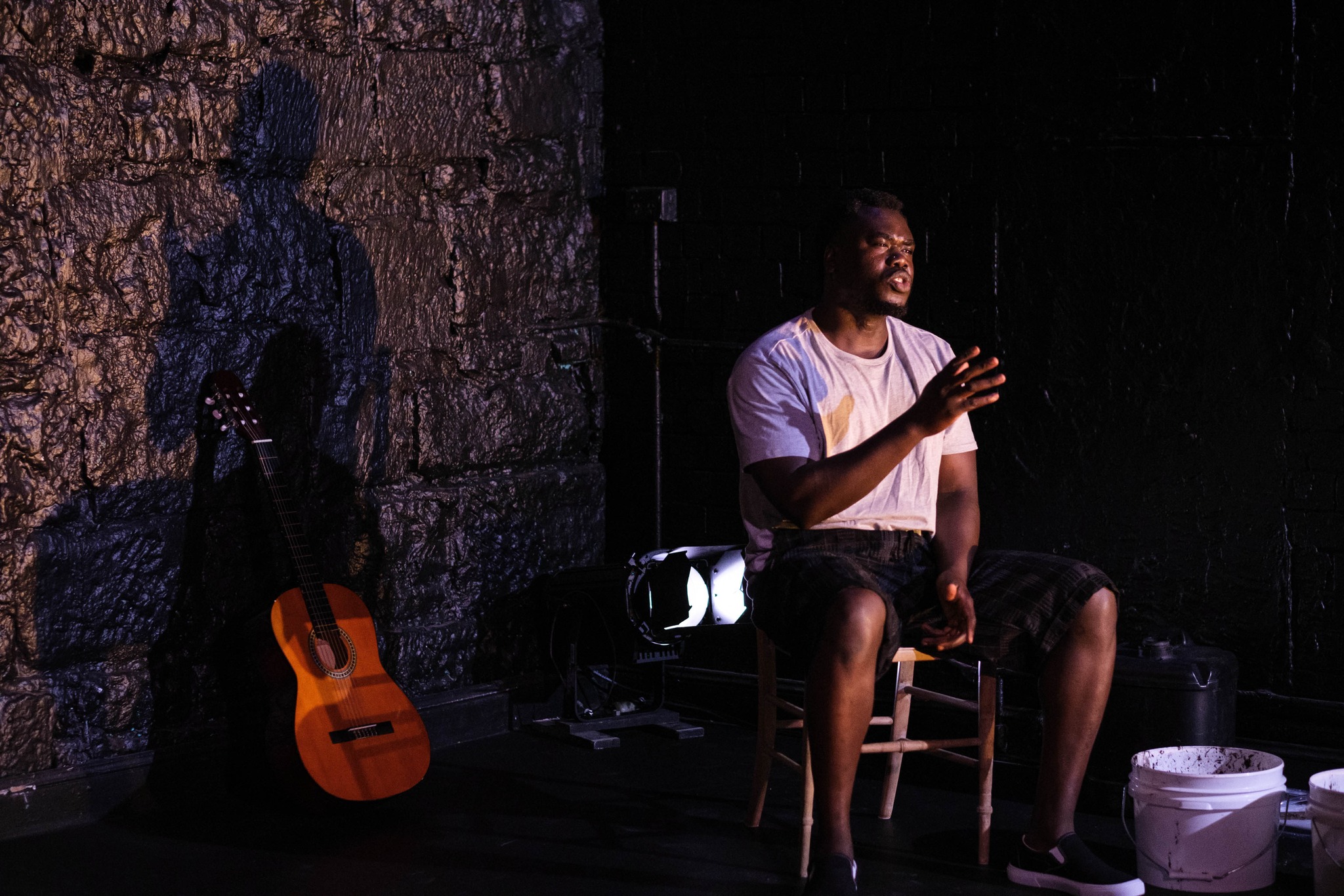
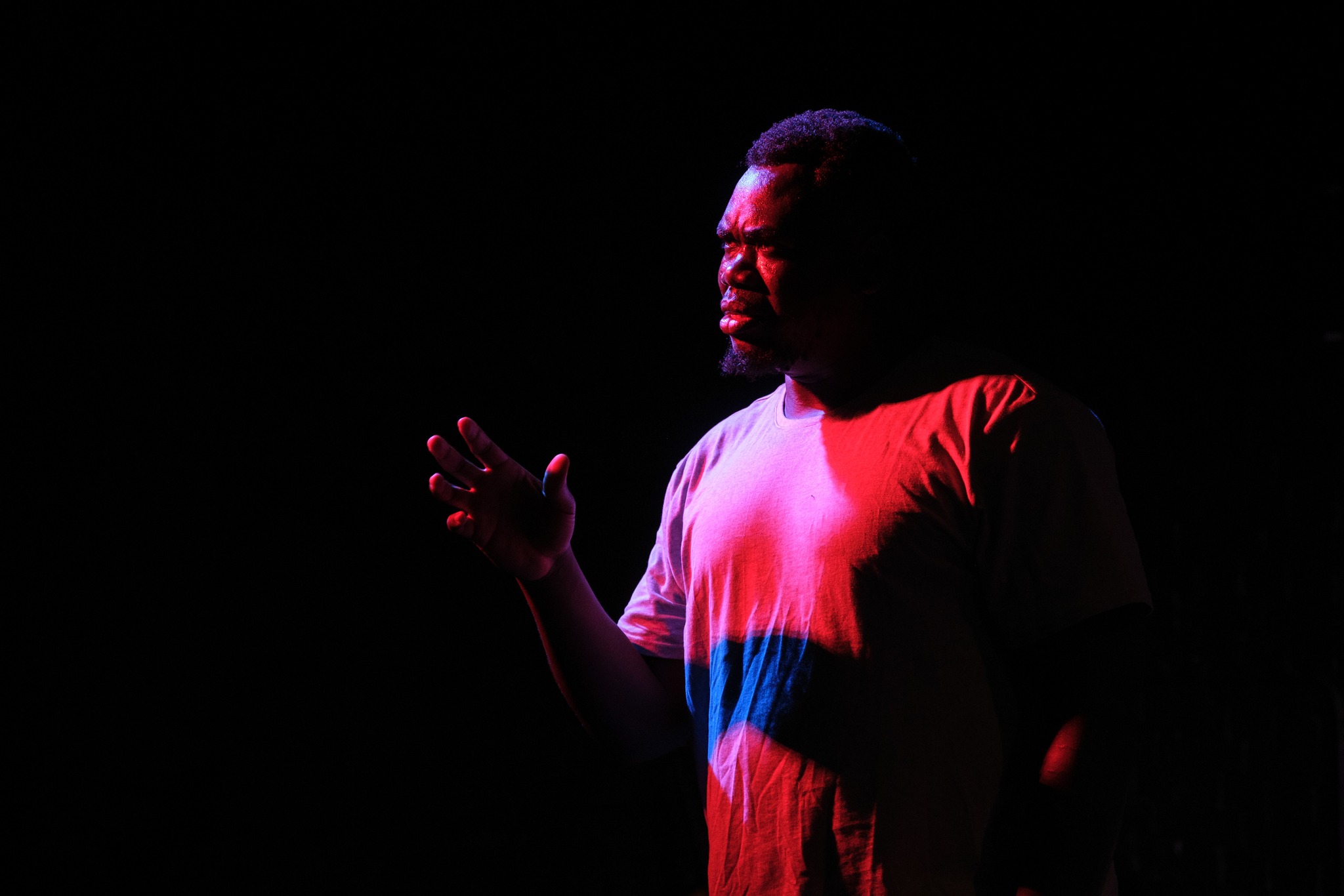
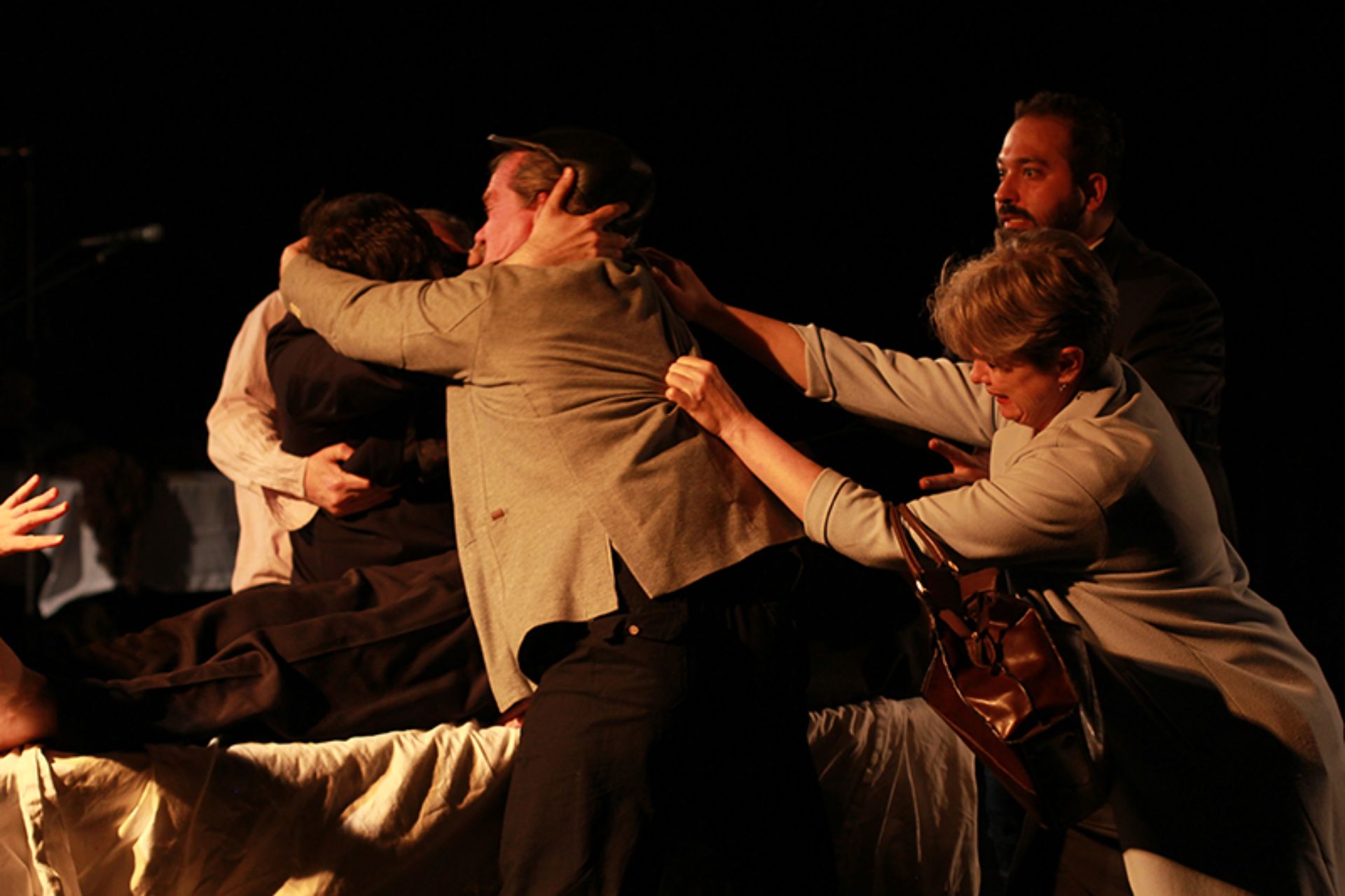
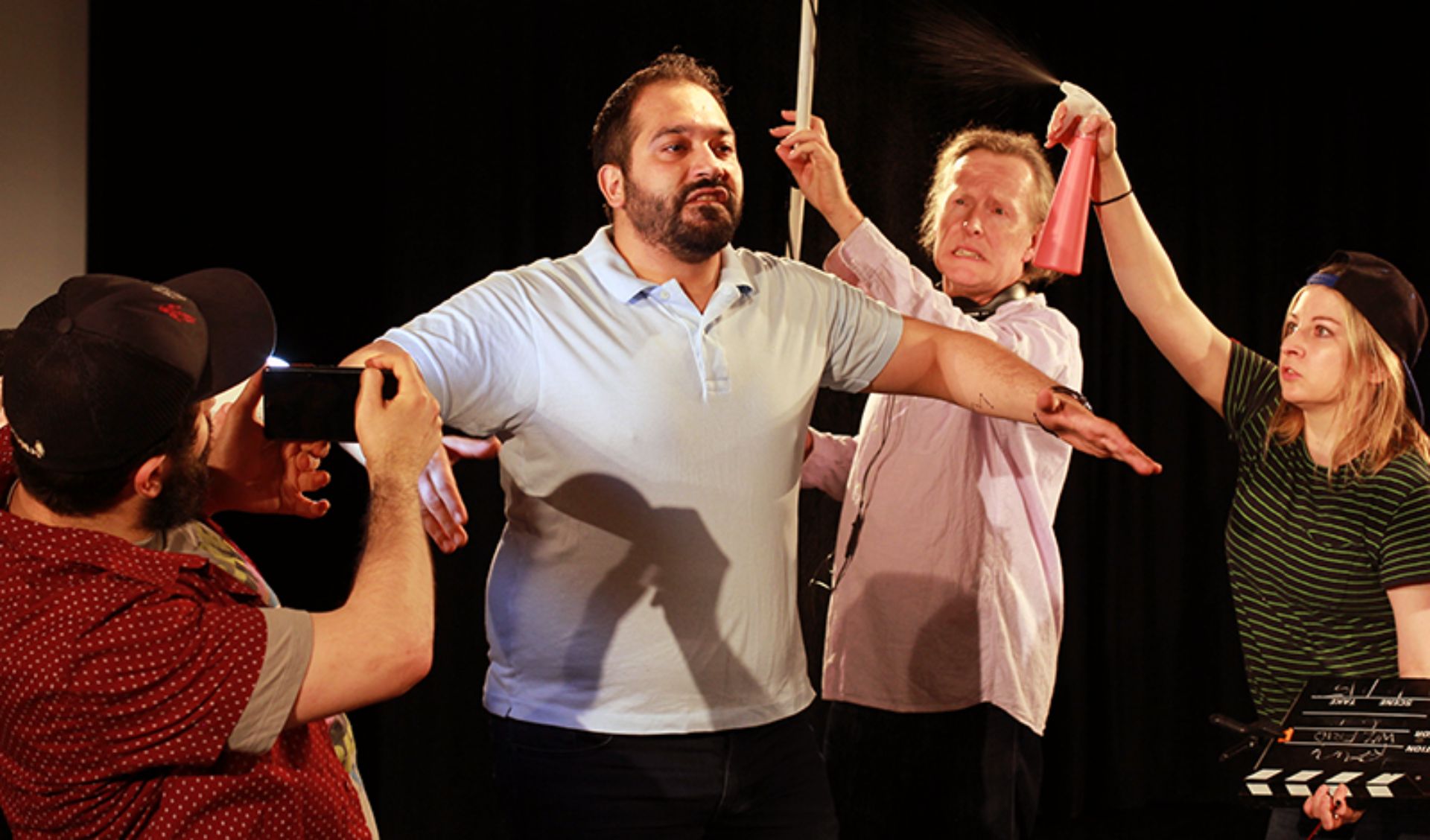
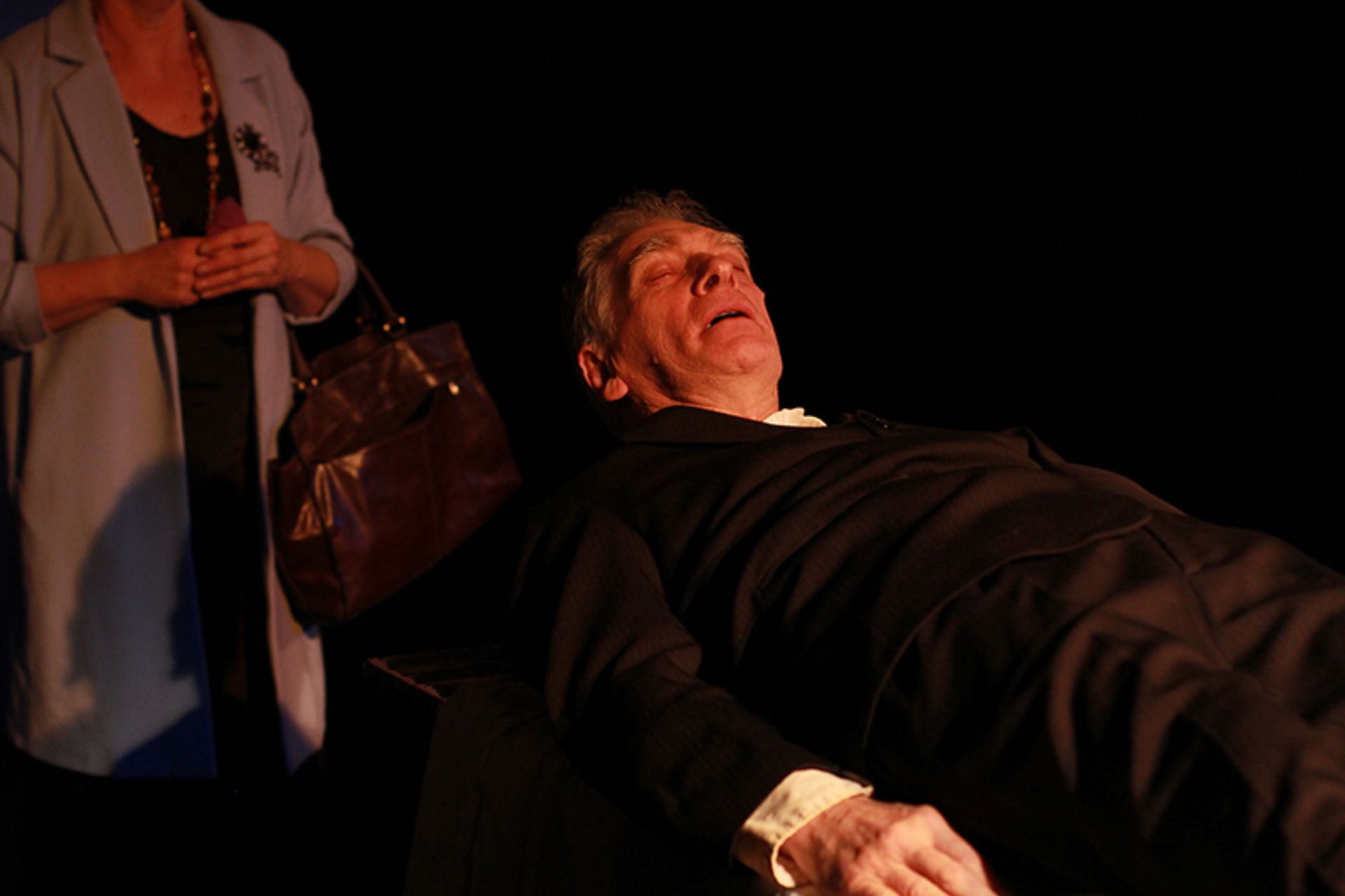
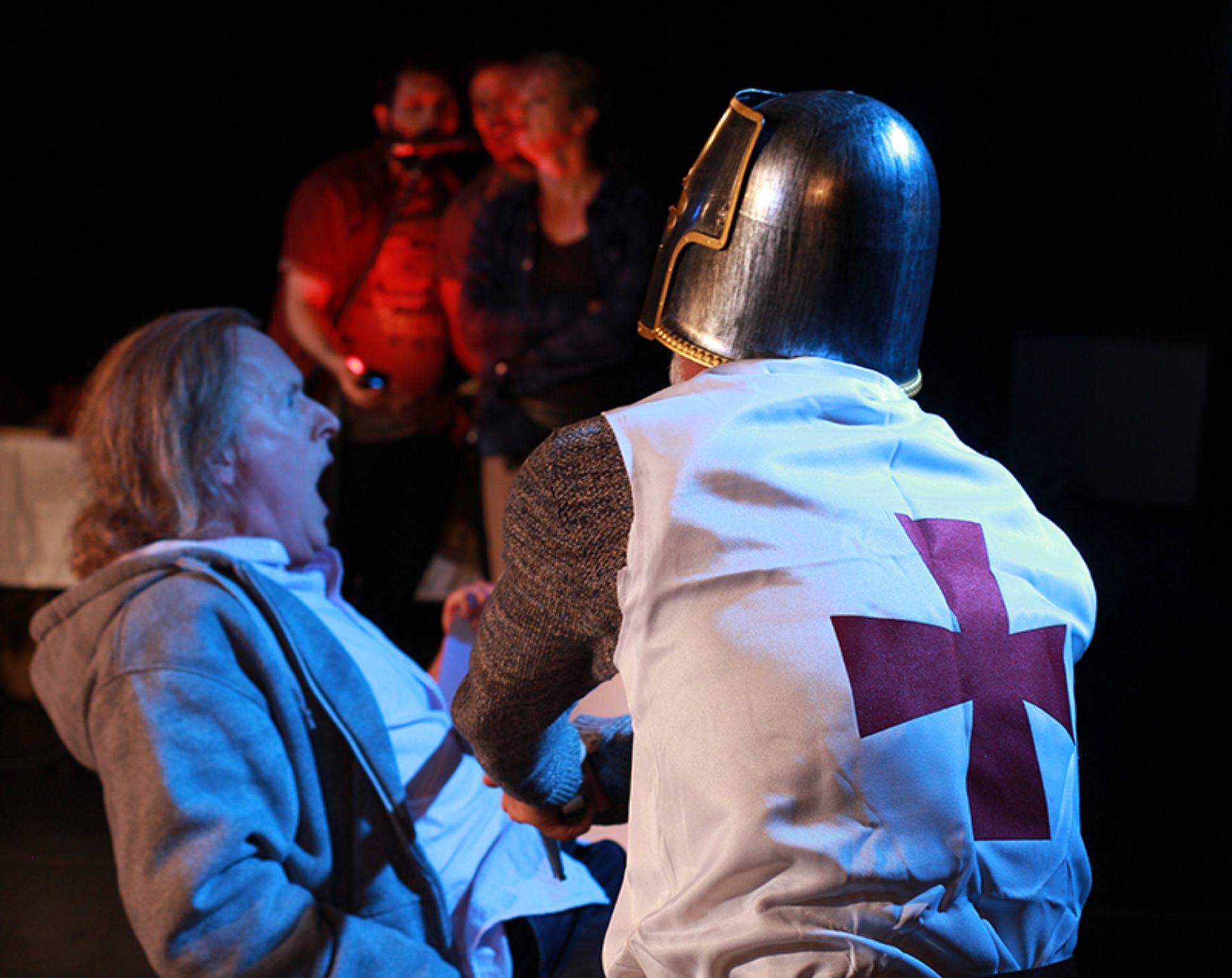
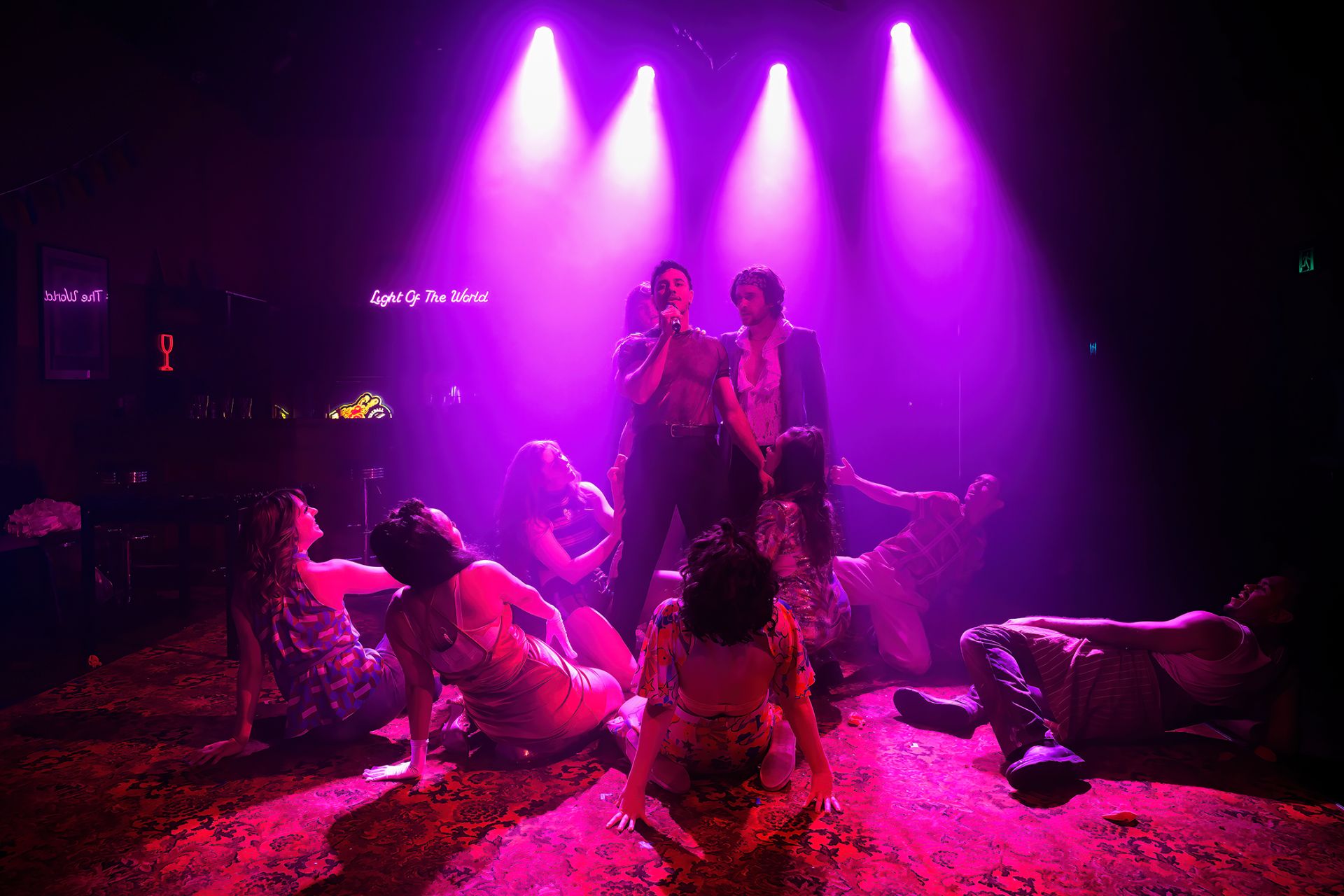
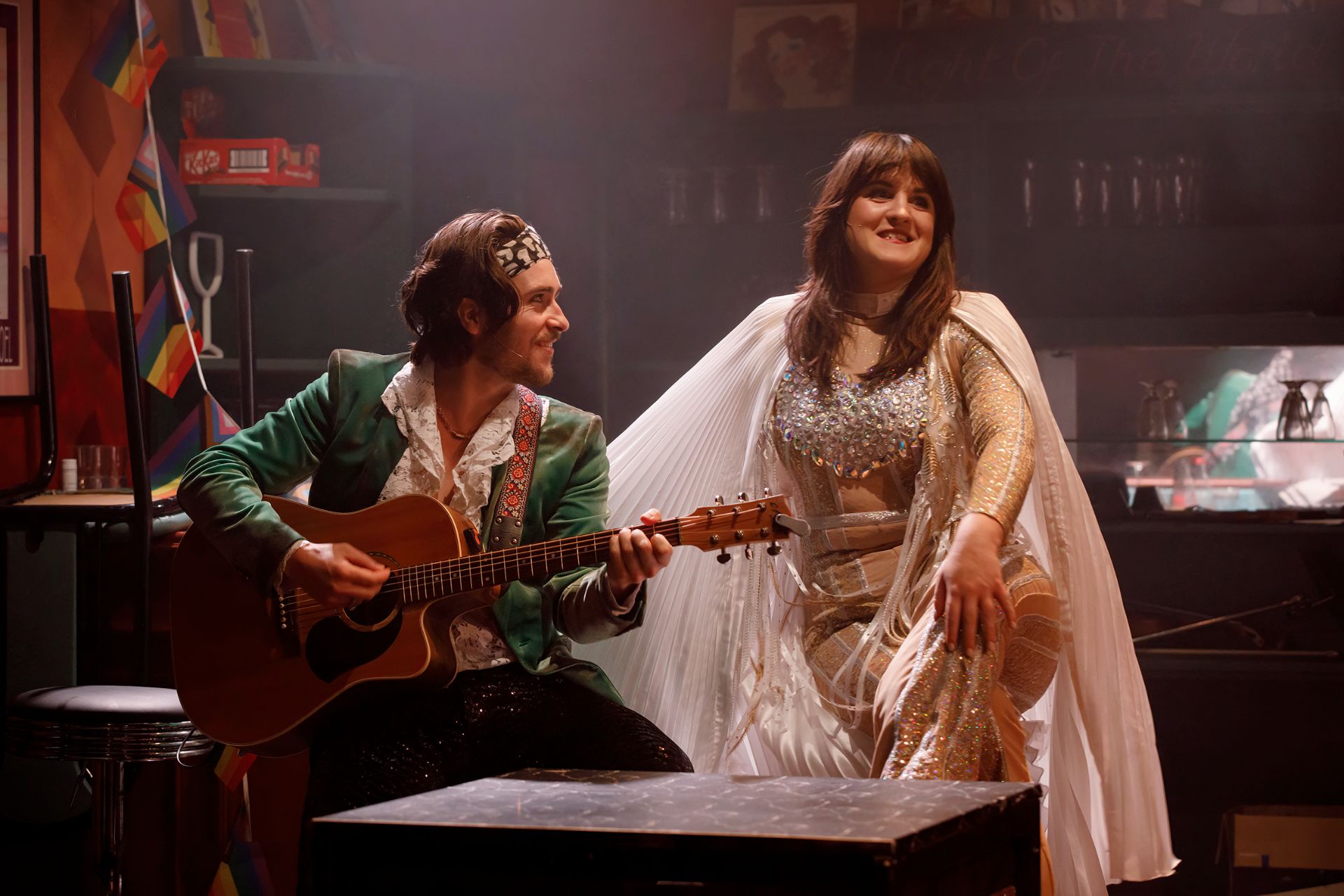
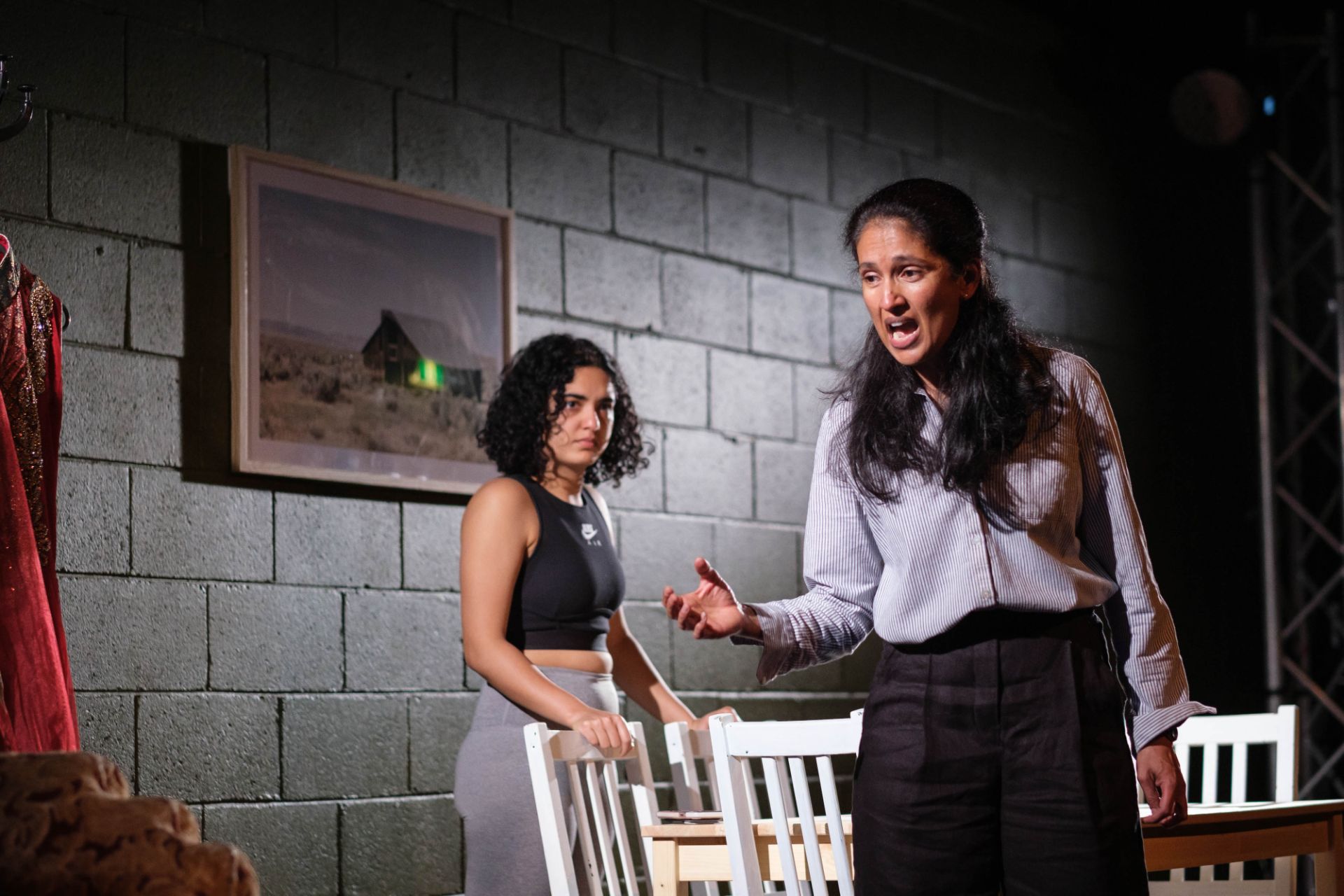
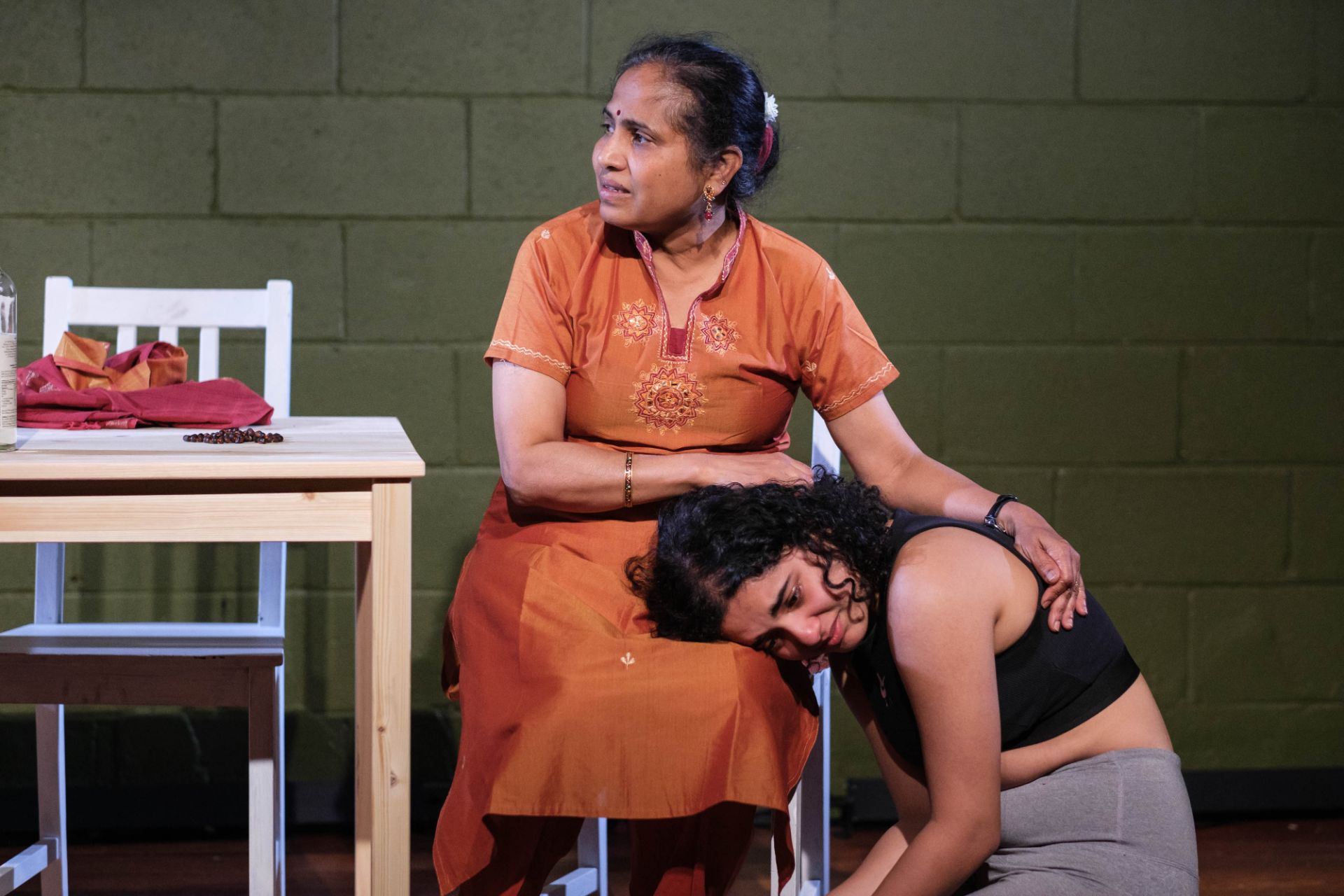
In Vanessa Bates’ The One, siblings Mel and Eric are mixed-race Malaysian-Australians, who have lived in Australia all their lives, but who have never really felt completely accepted, by either side of their combined heritage. This is not a point made too obviously, with playwright Bates choosing instead to amuse us with events surrounding the impending visit of the pair’s flamboyant mother. Much of the writing sparkles with a delightful wit, but the plot lacks focus, involving many moments that feel superfluous, and in need of a more succinct edit.

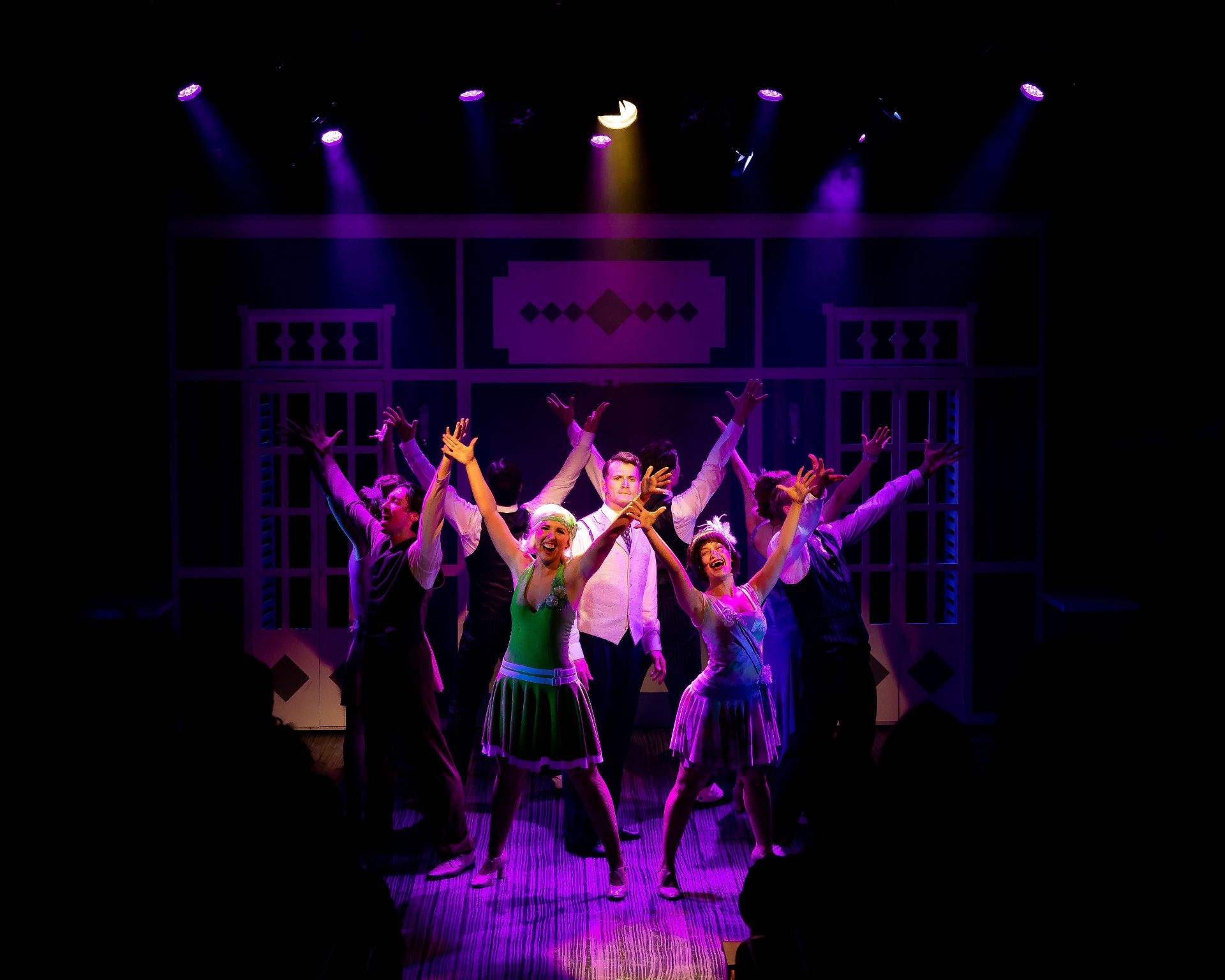
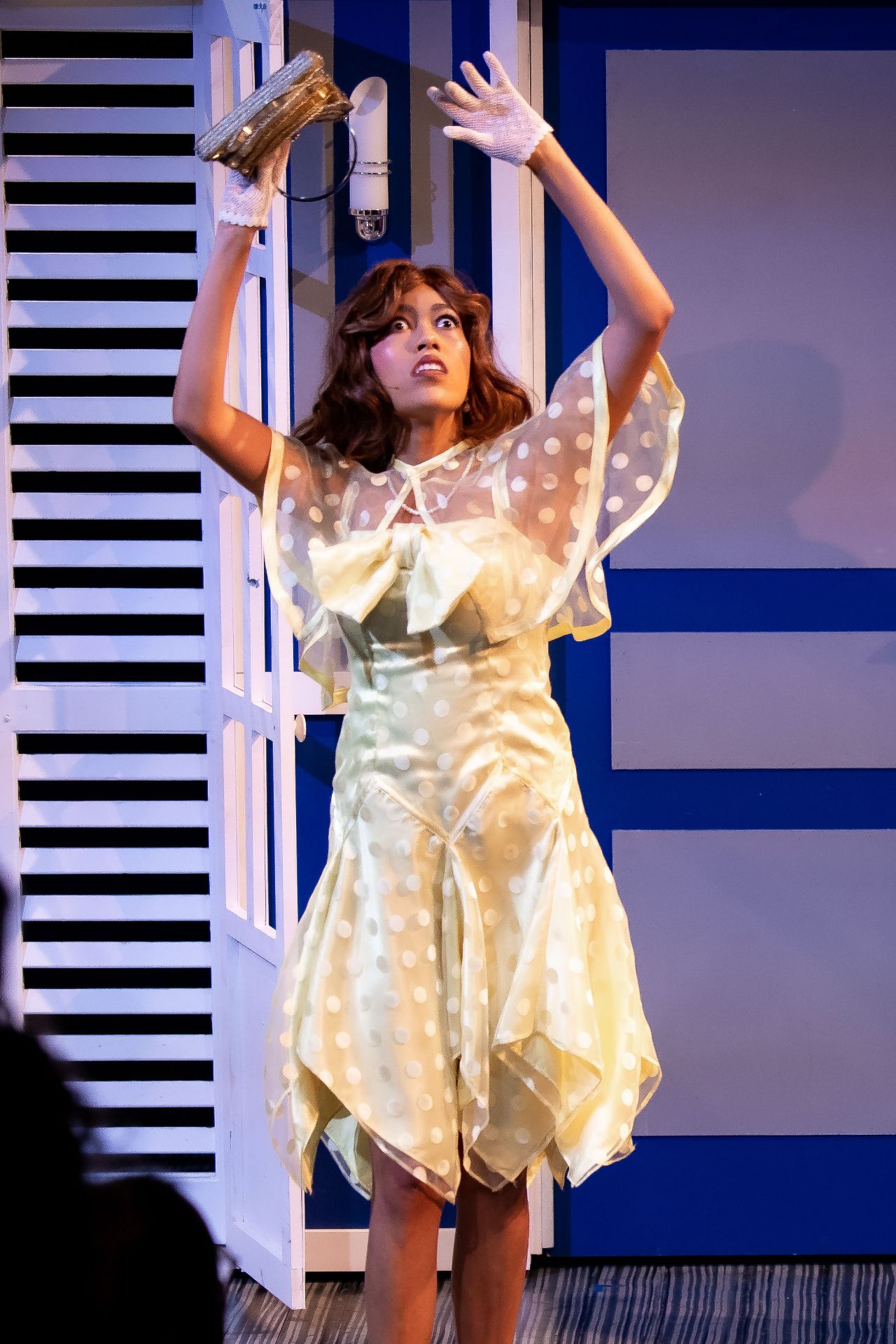
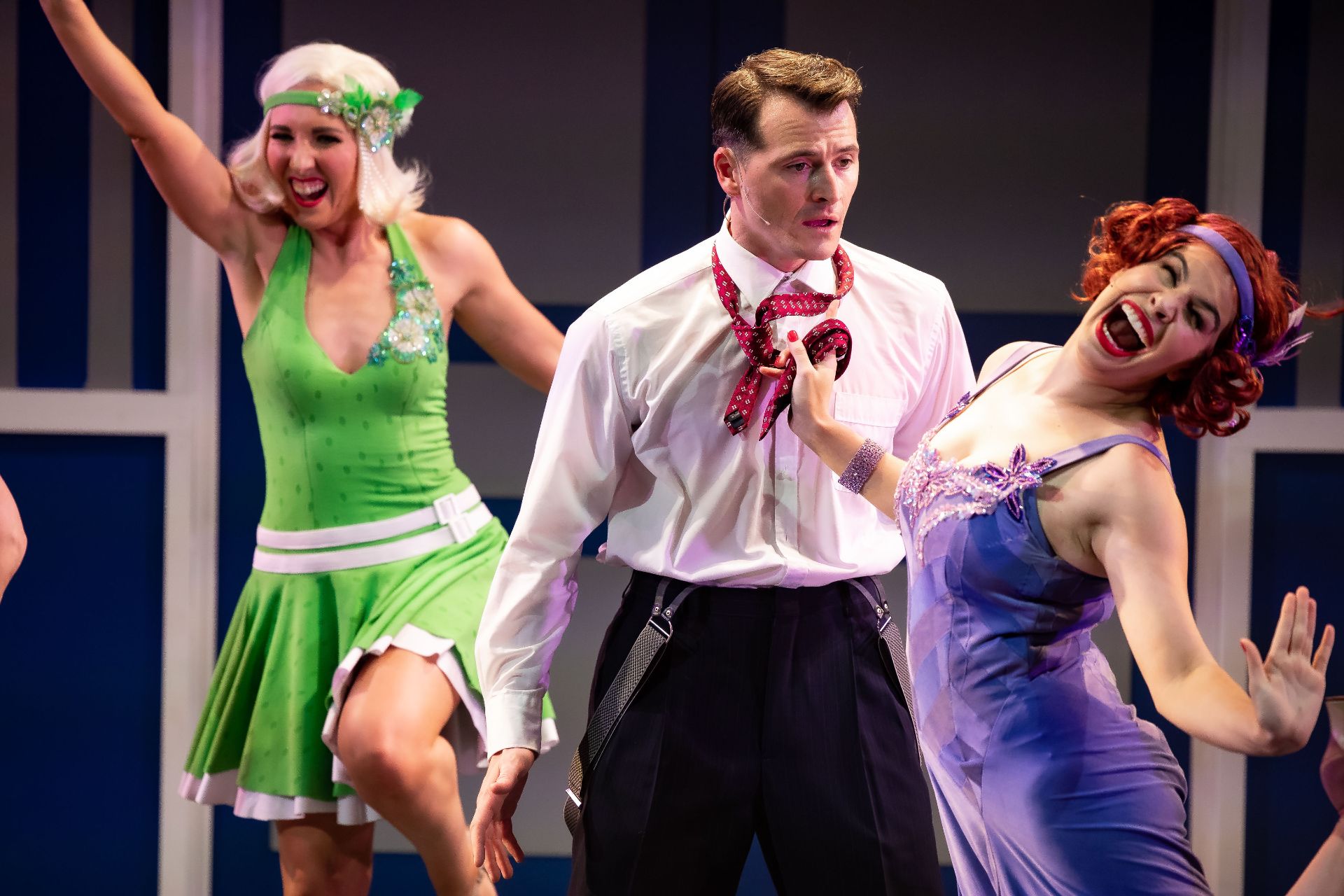
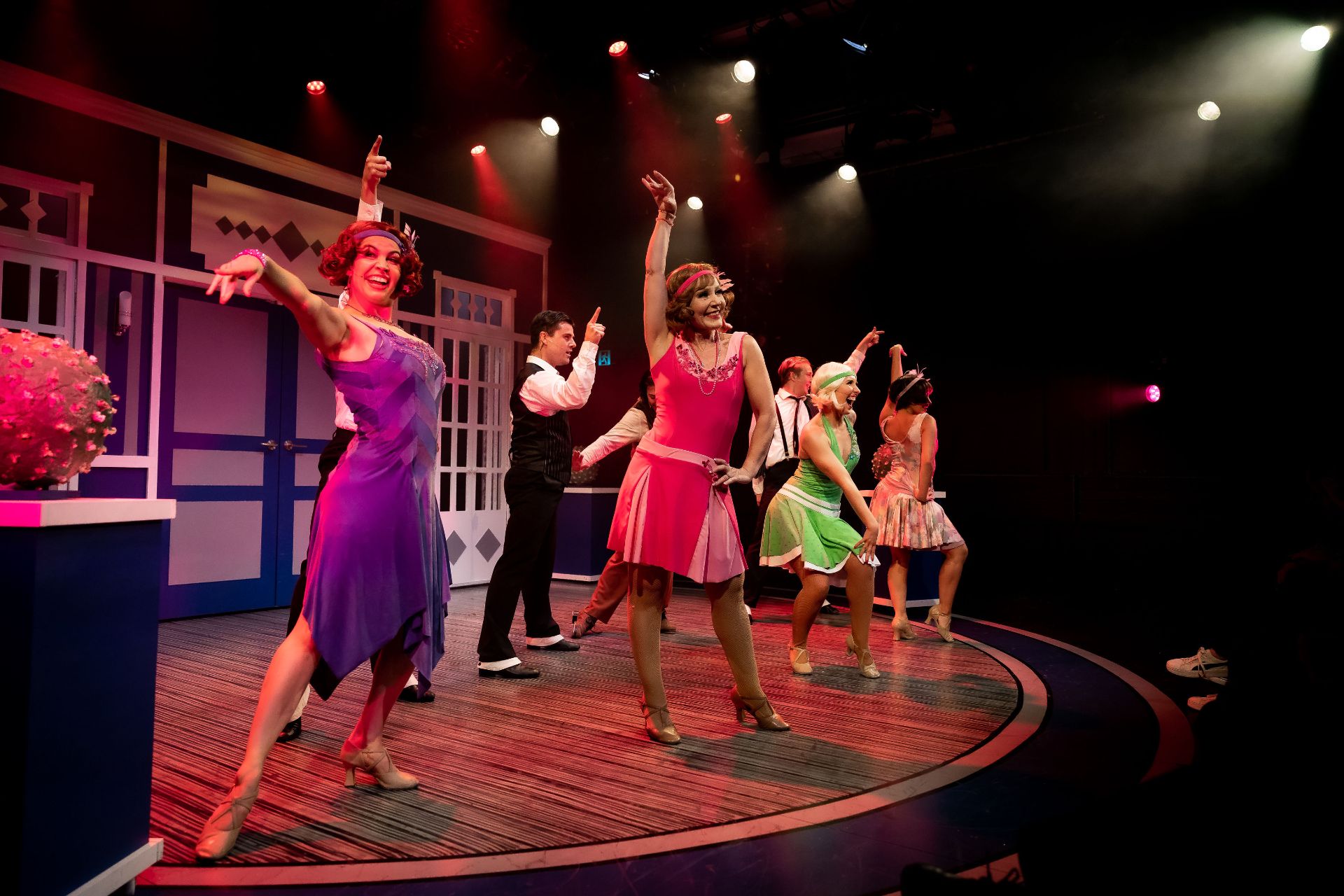
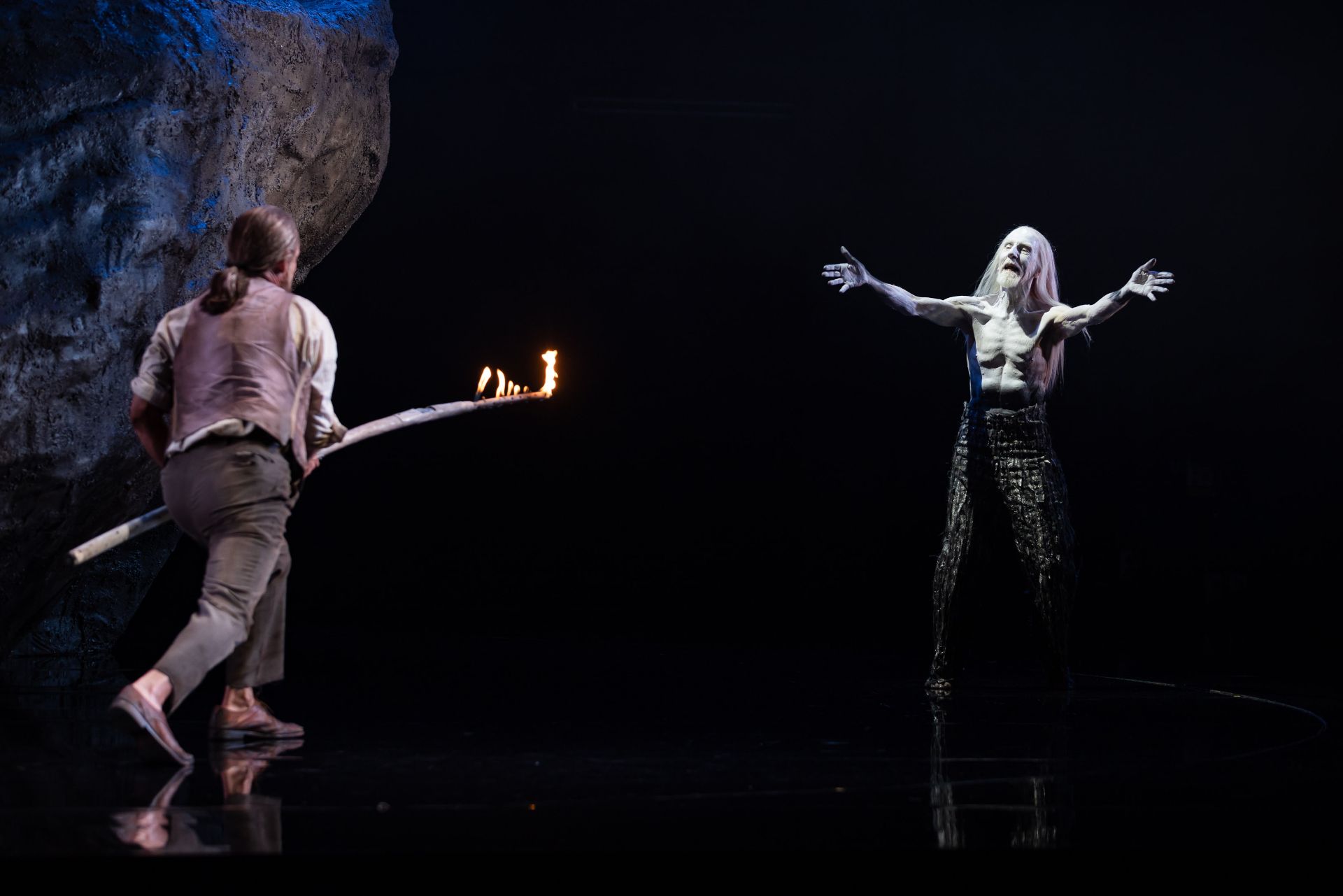
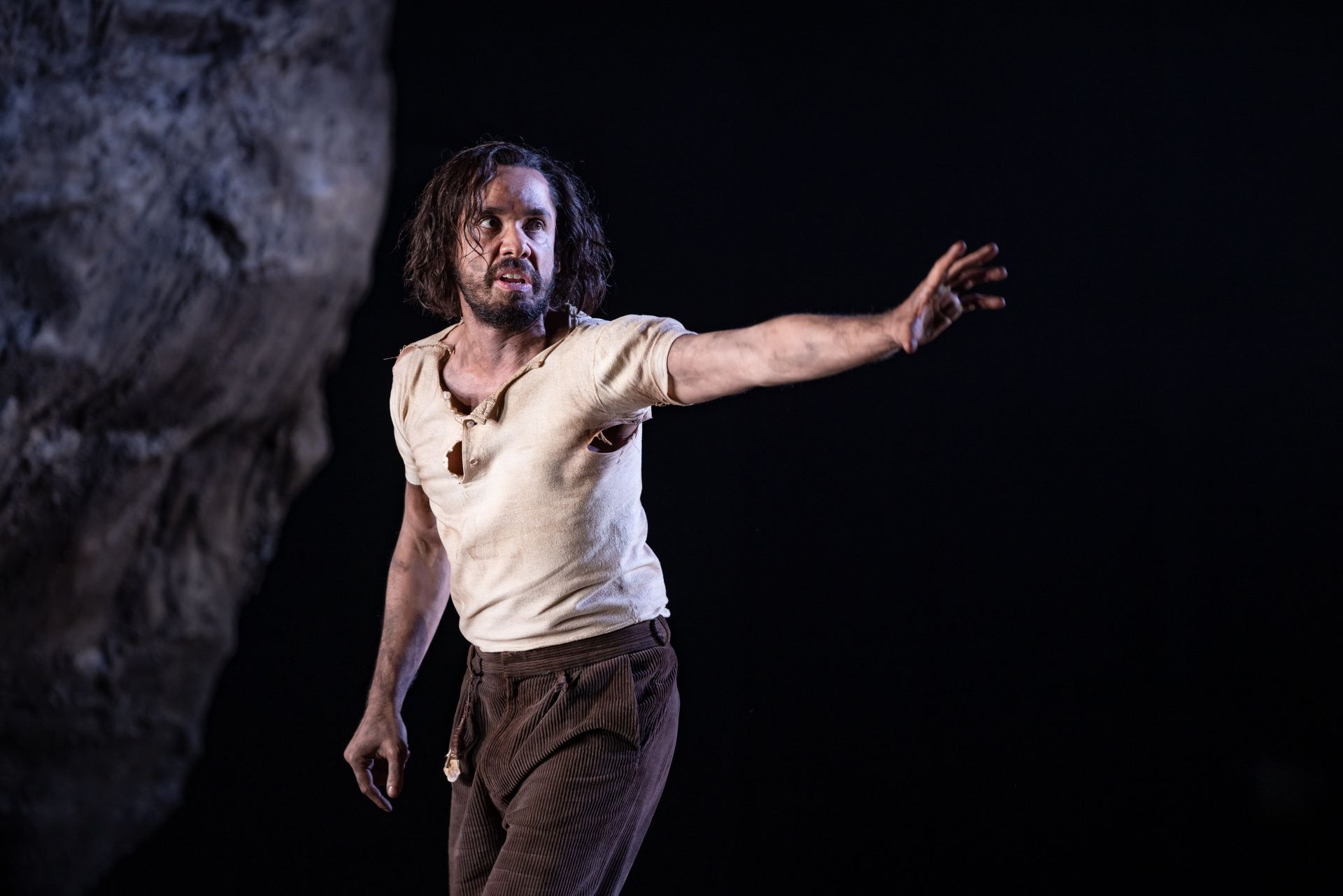
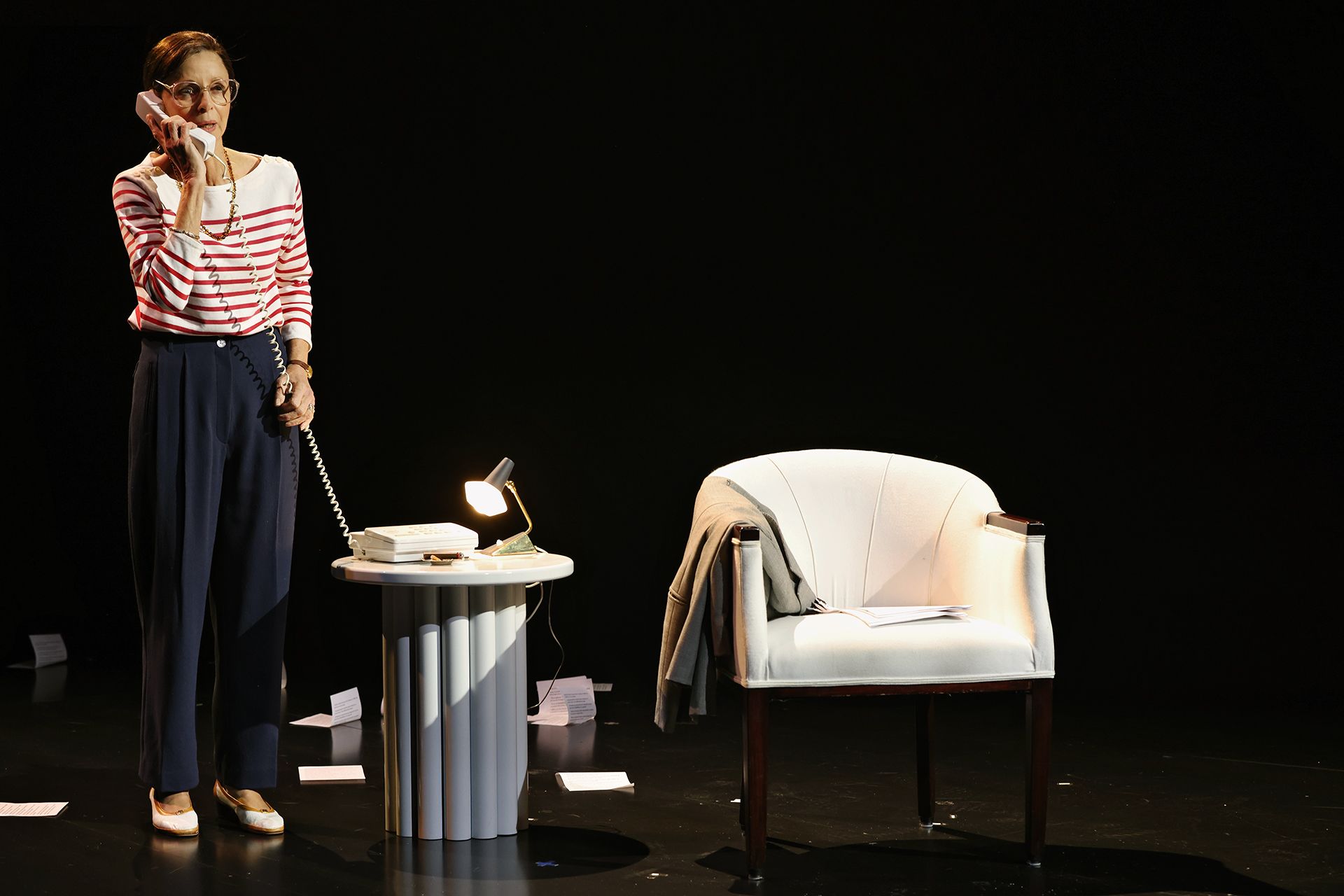
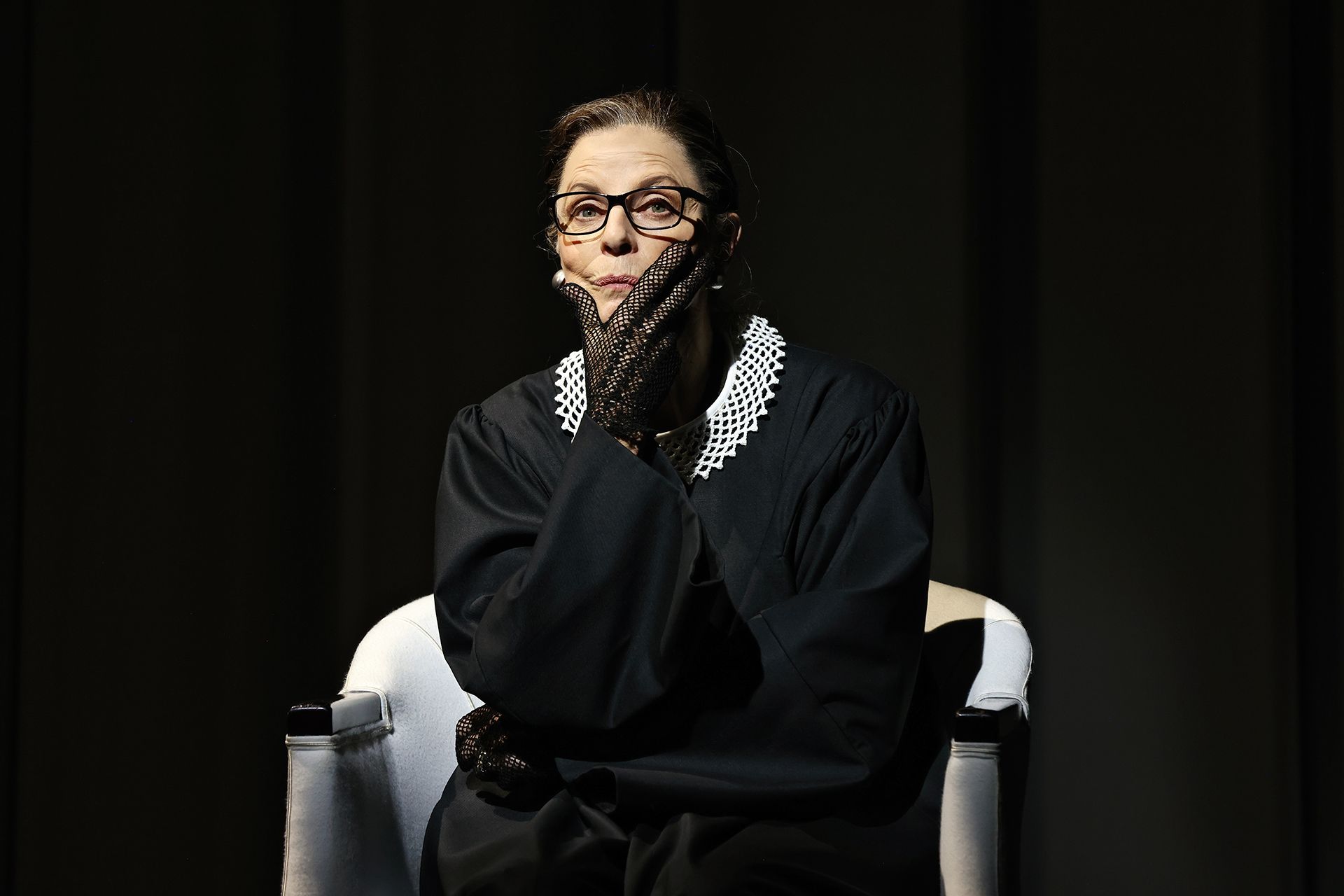
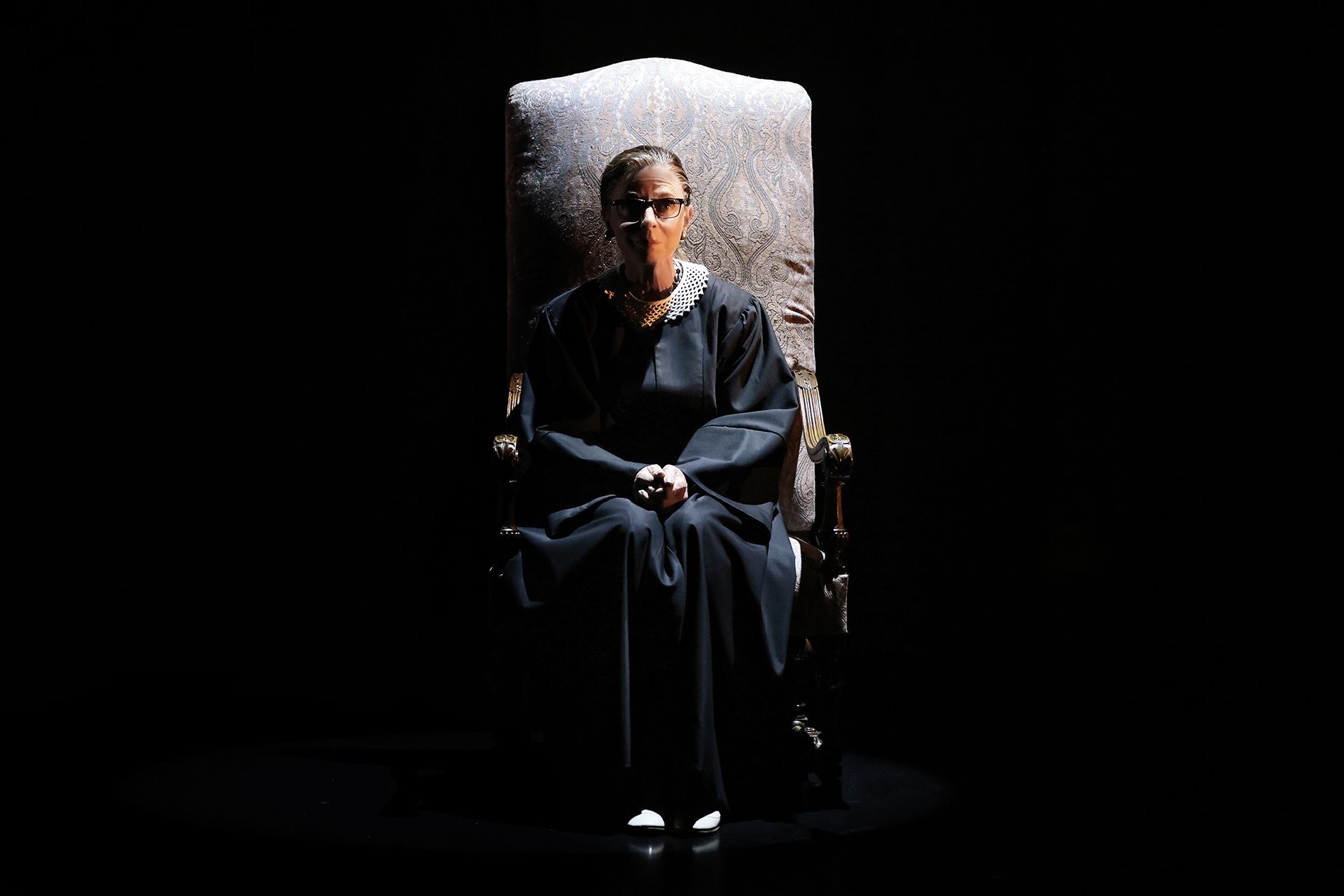
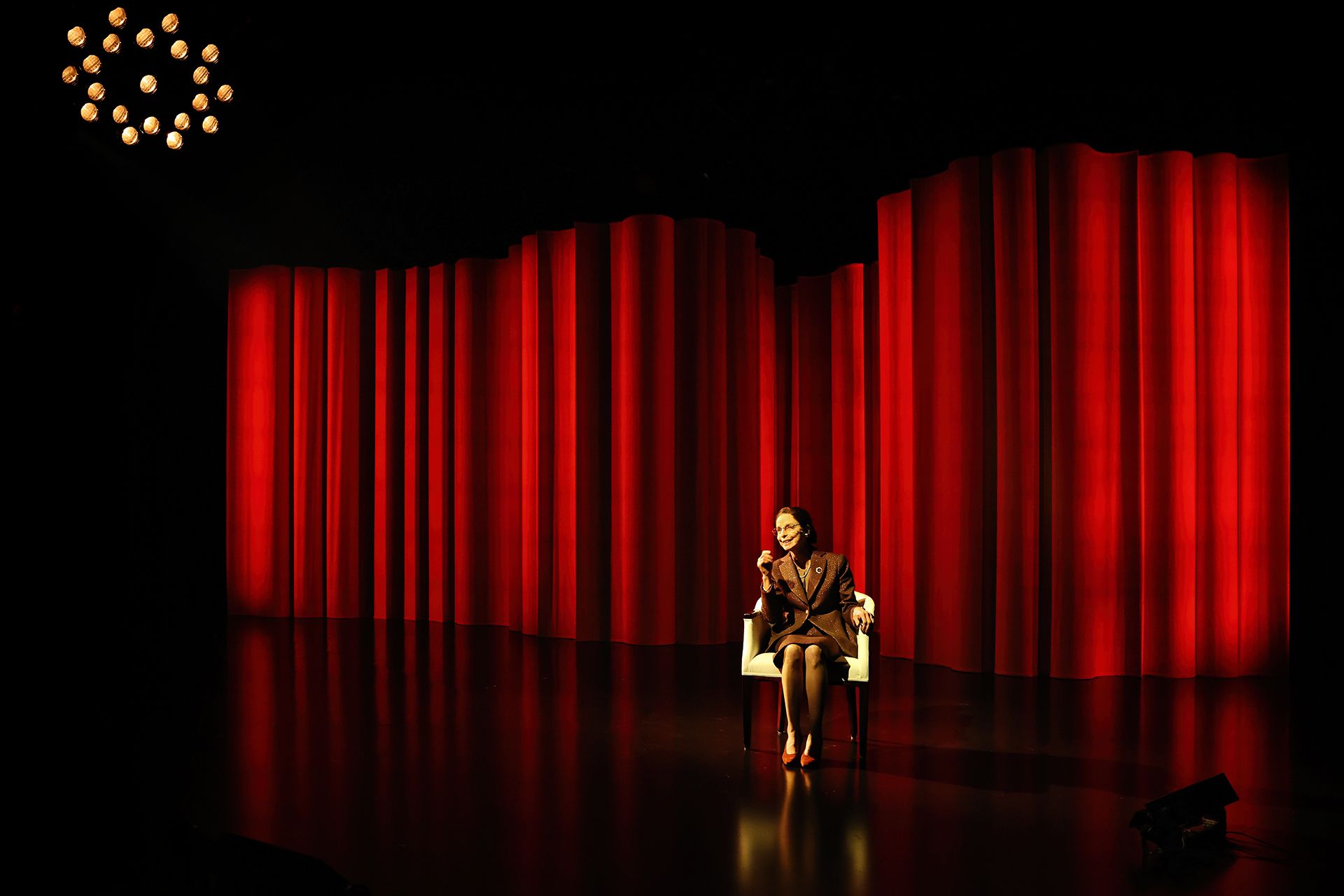
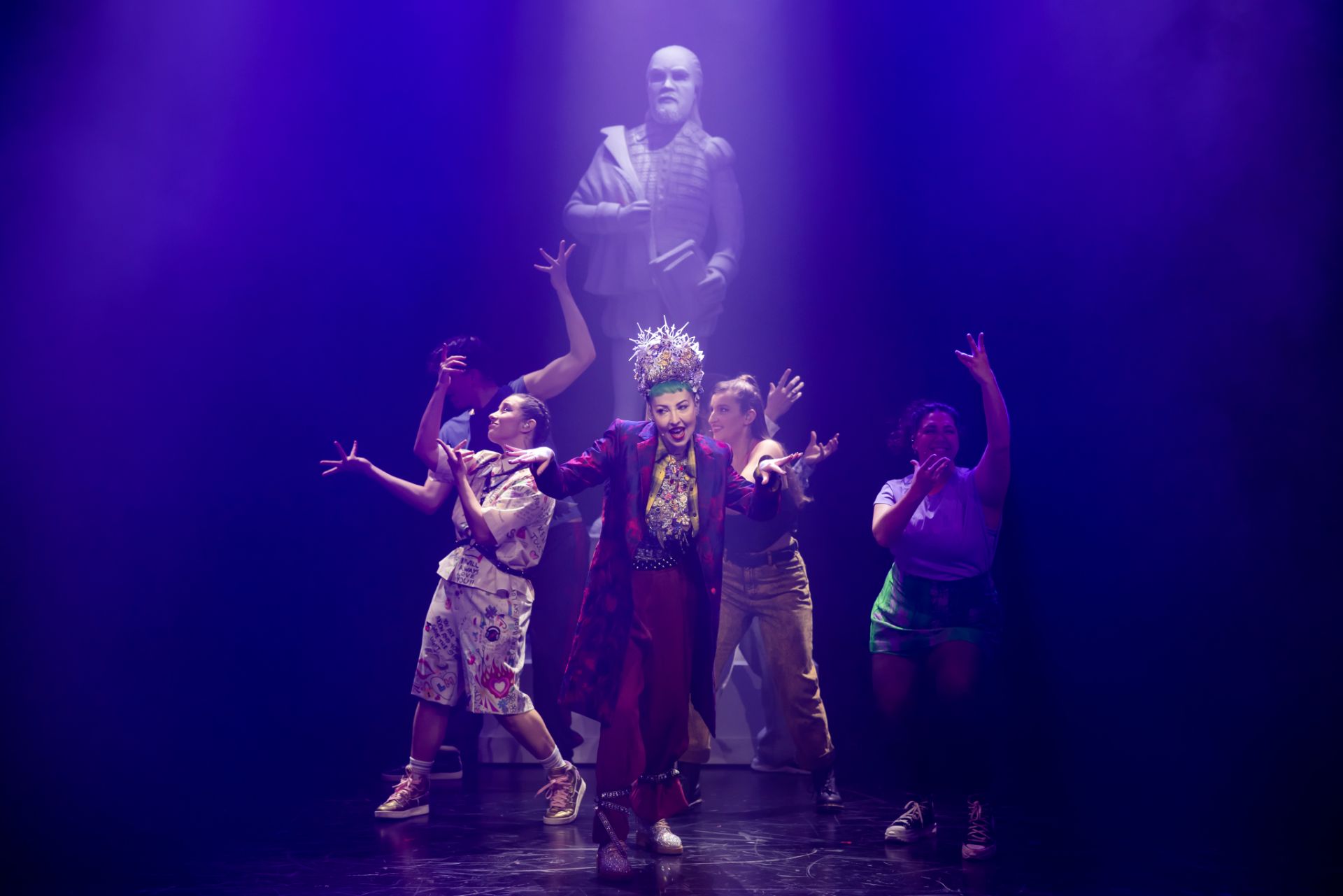
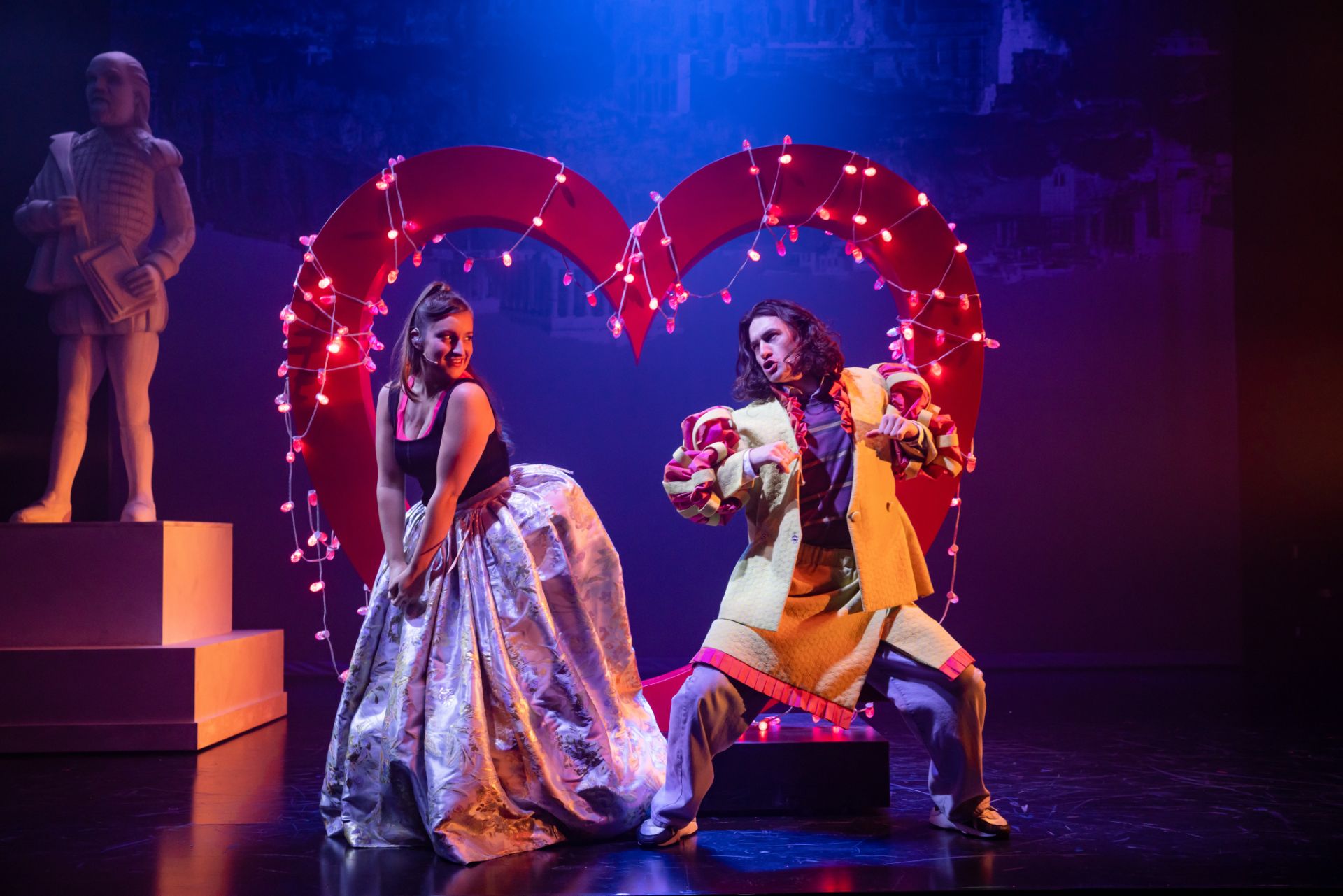
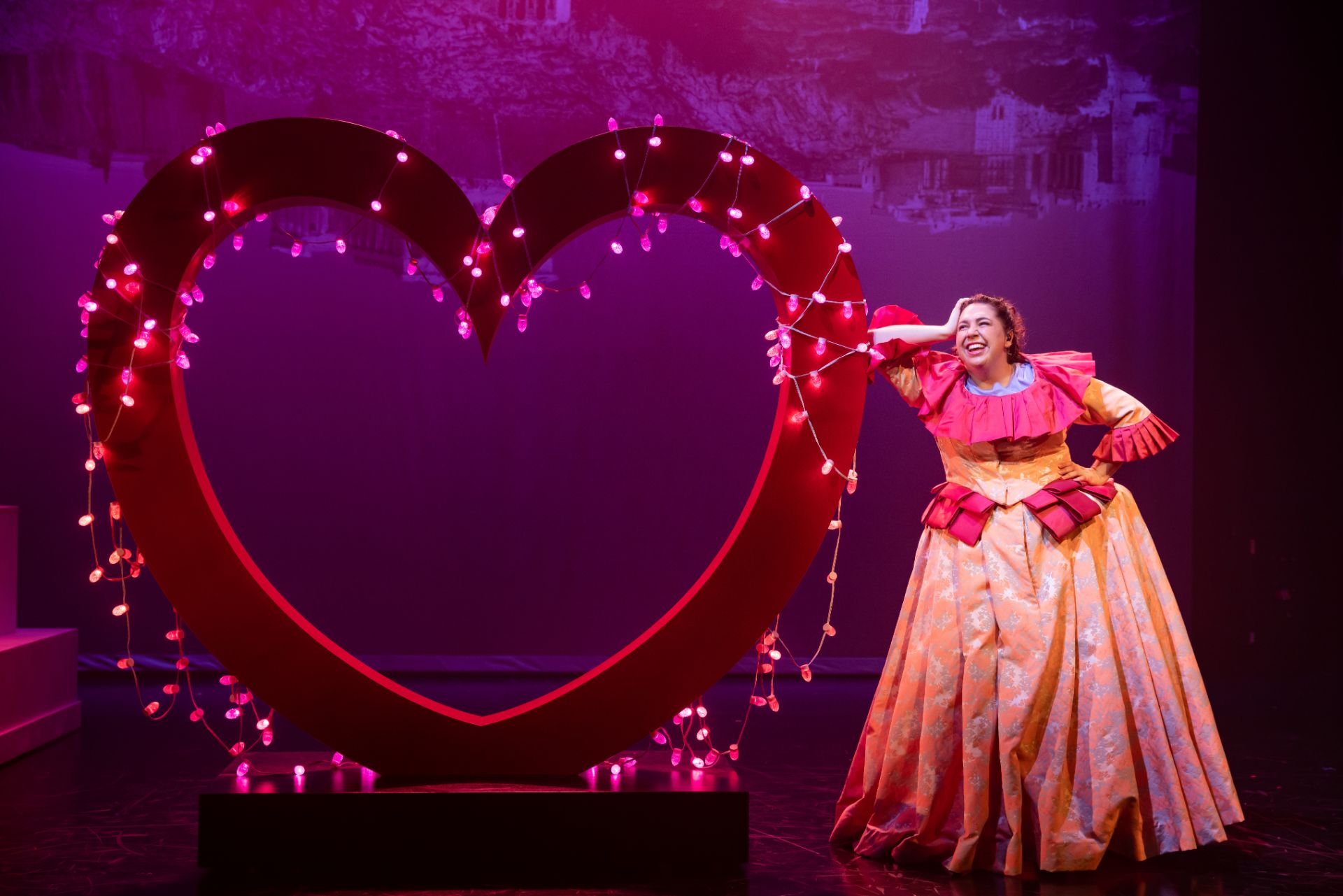
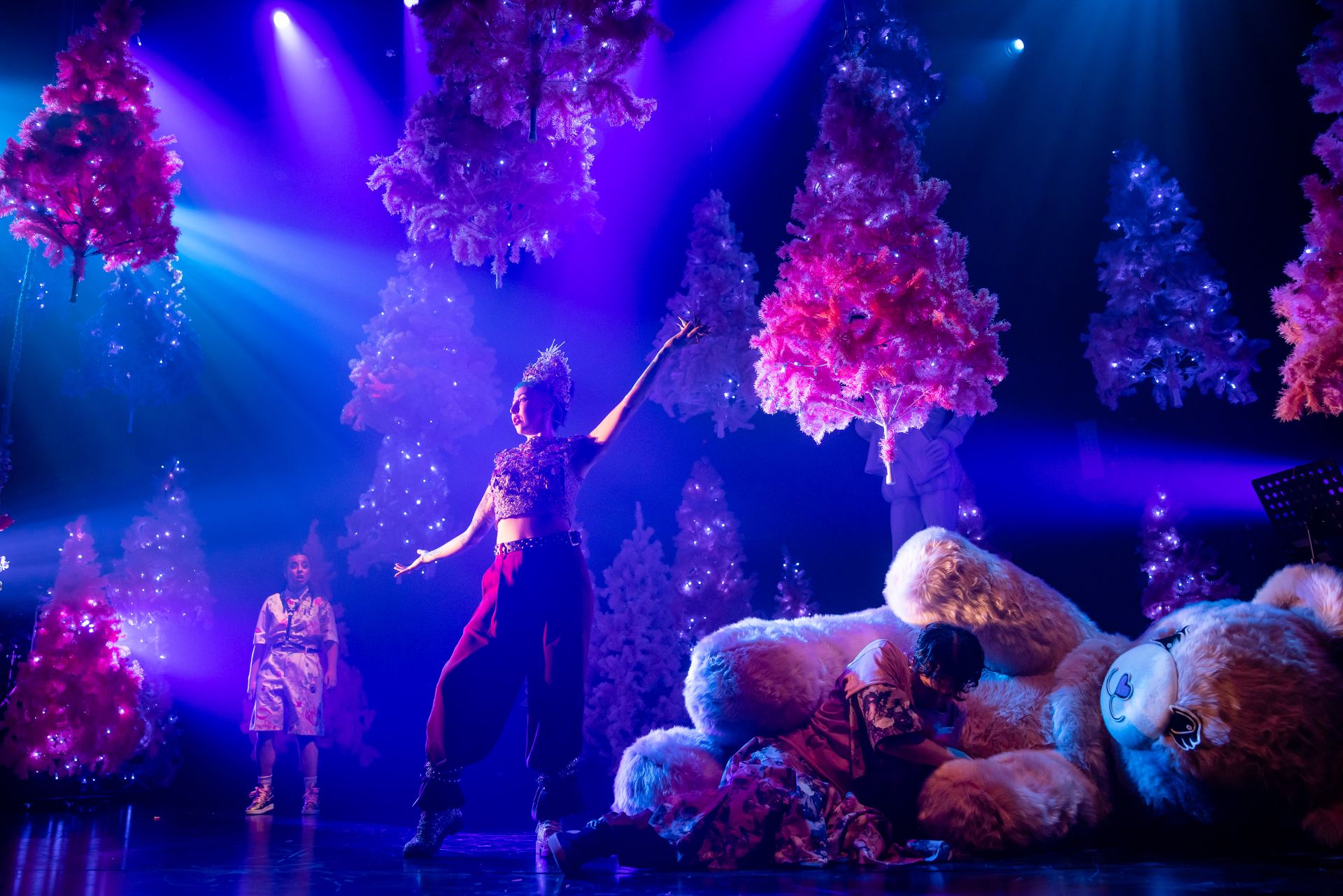
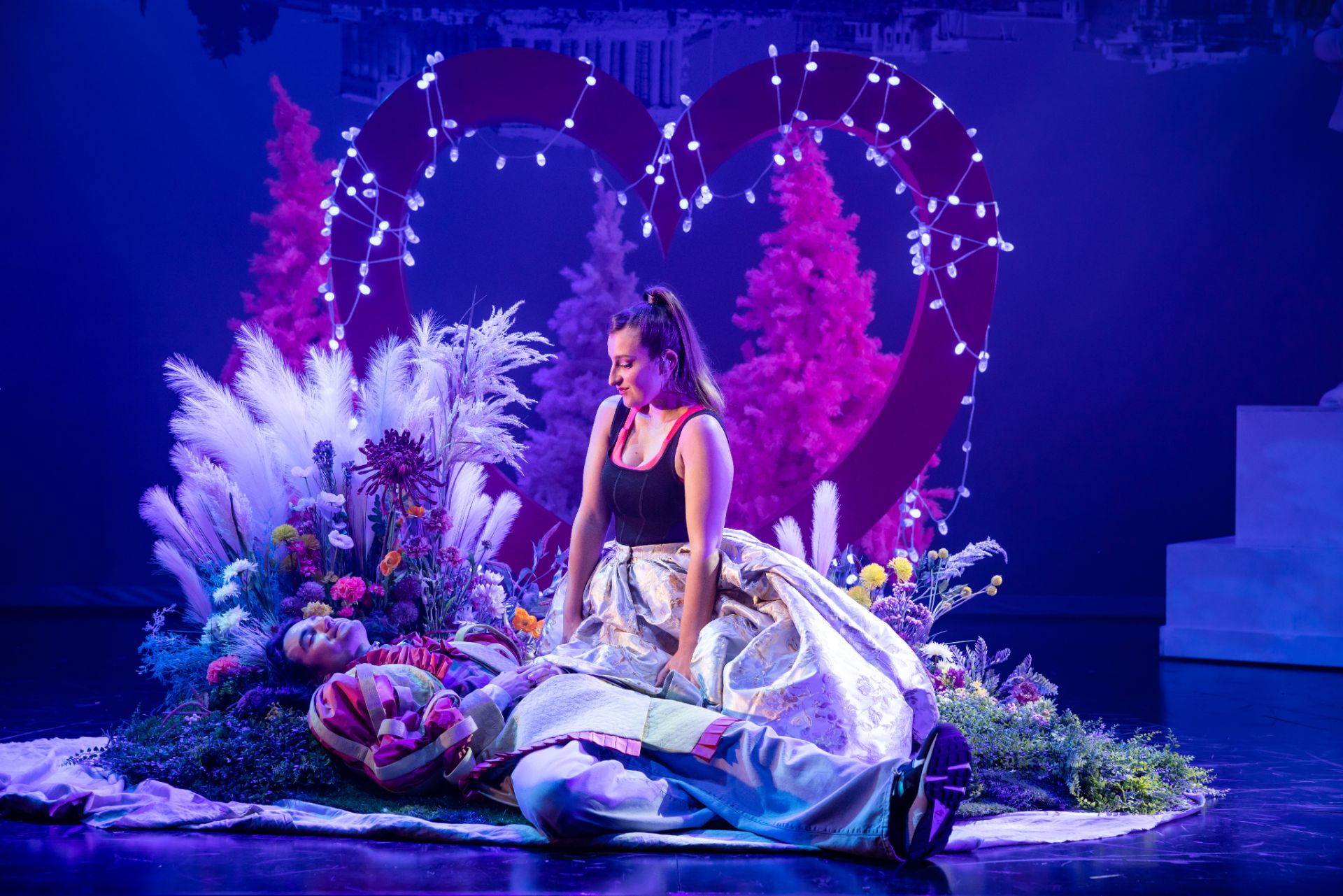
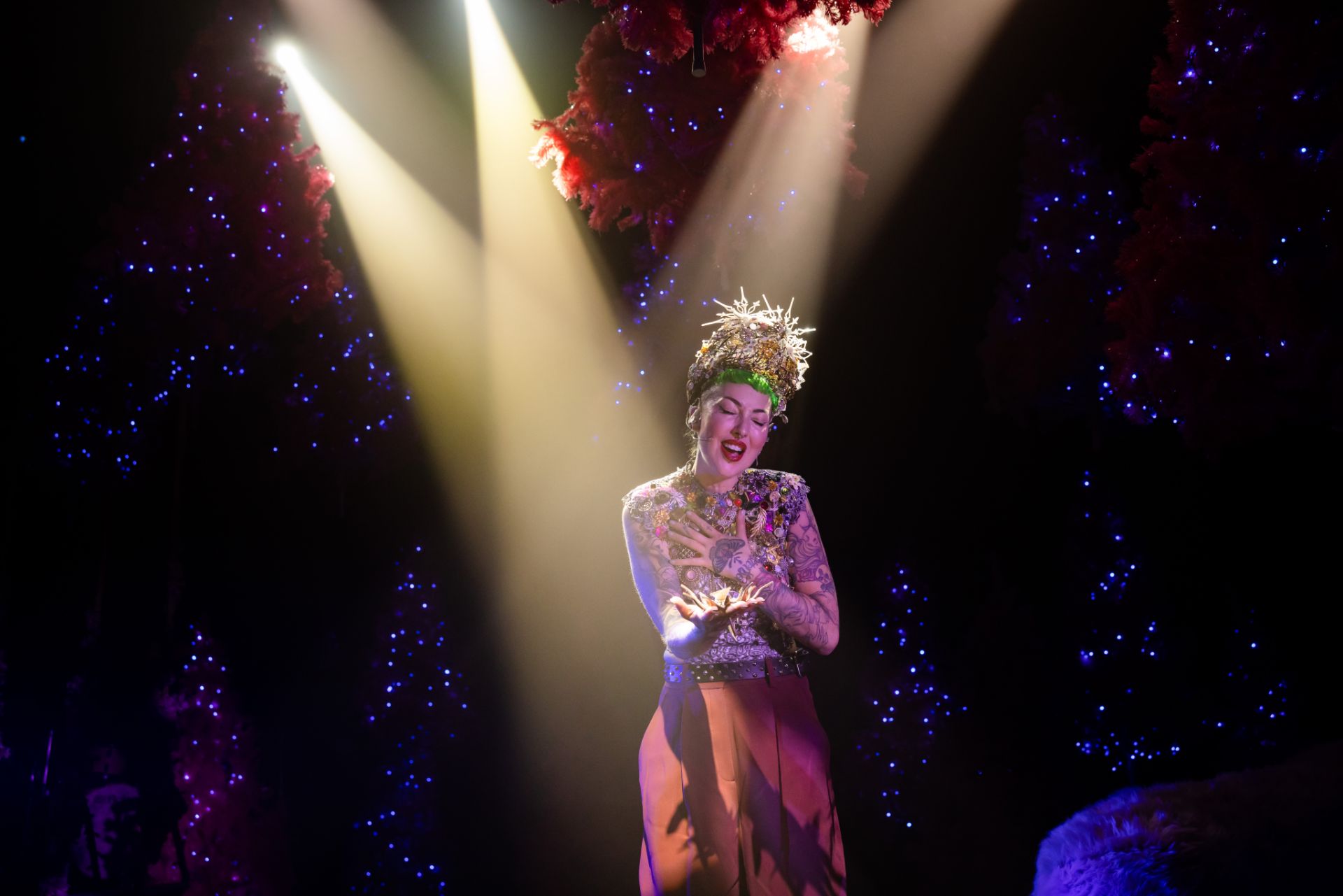
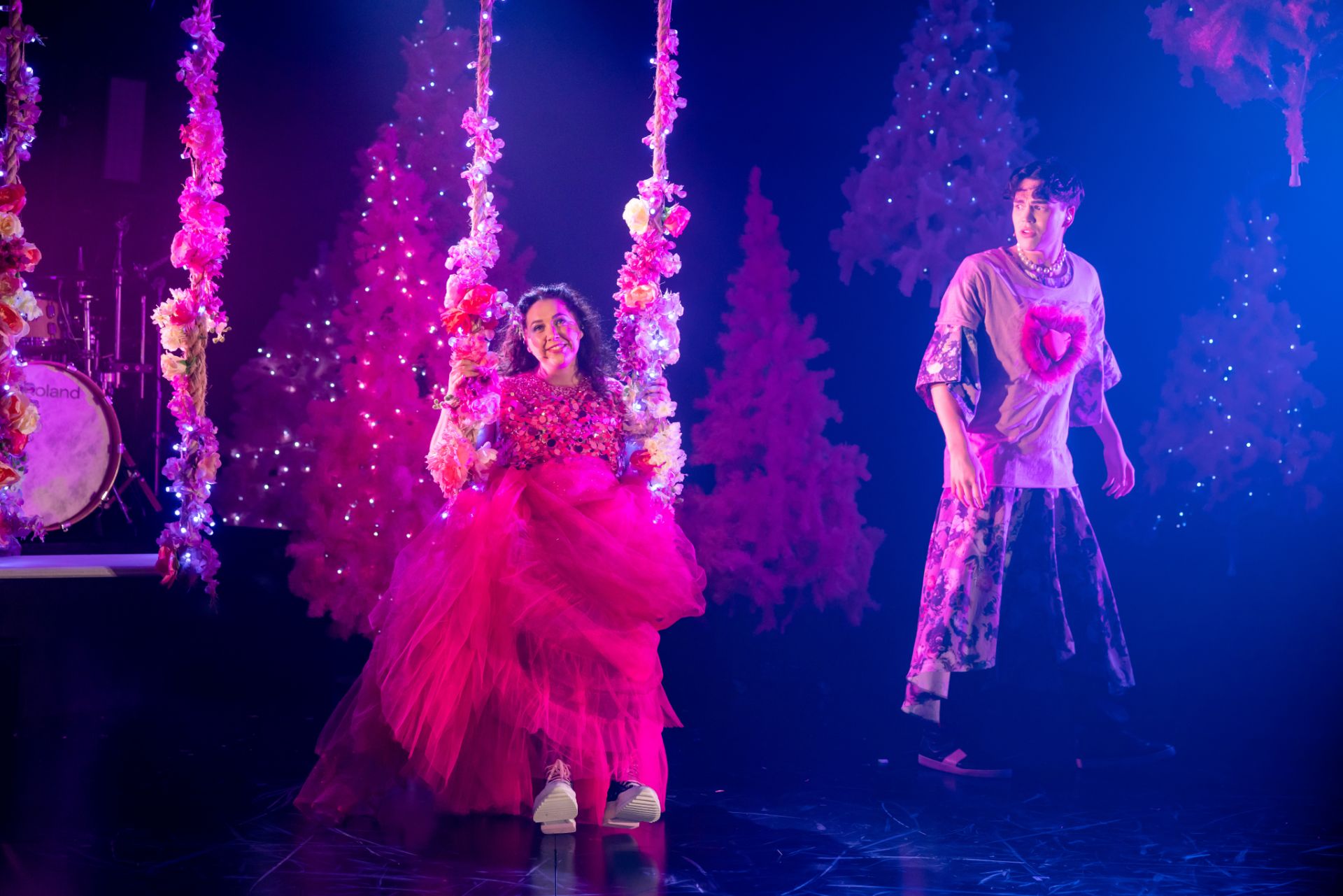
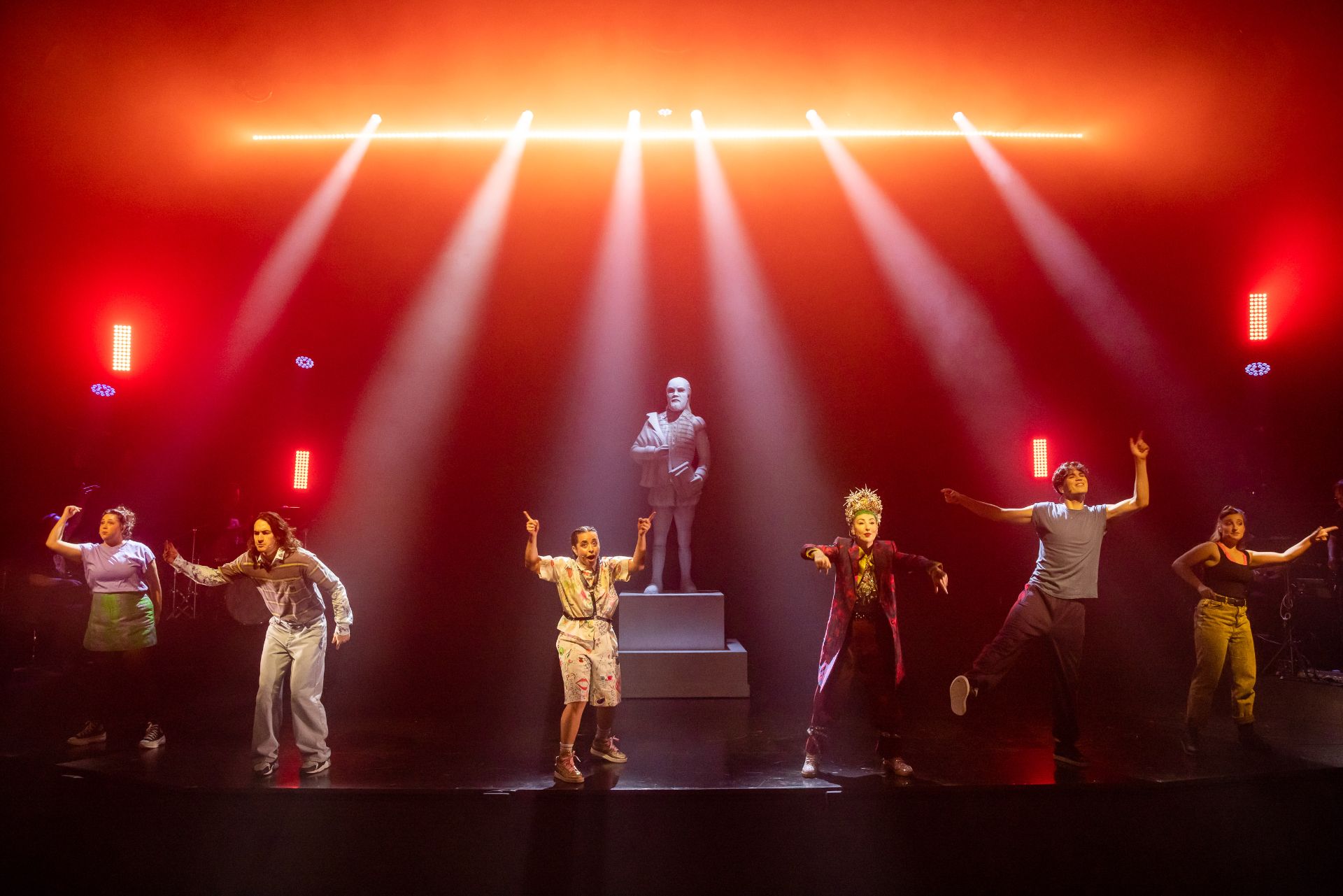
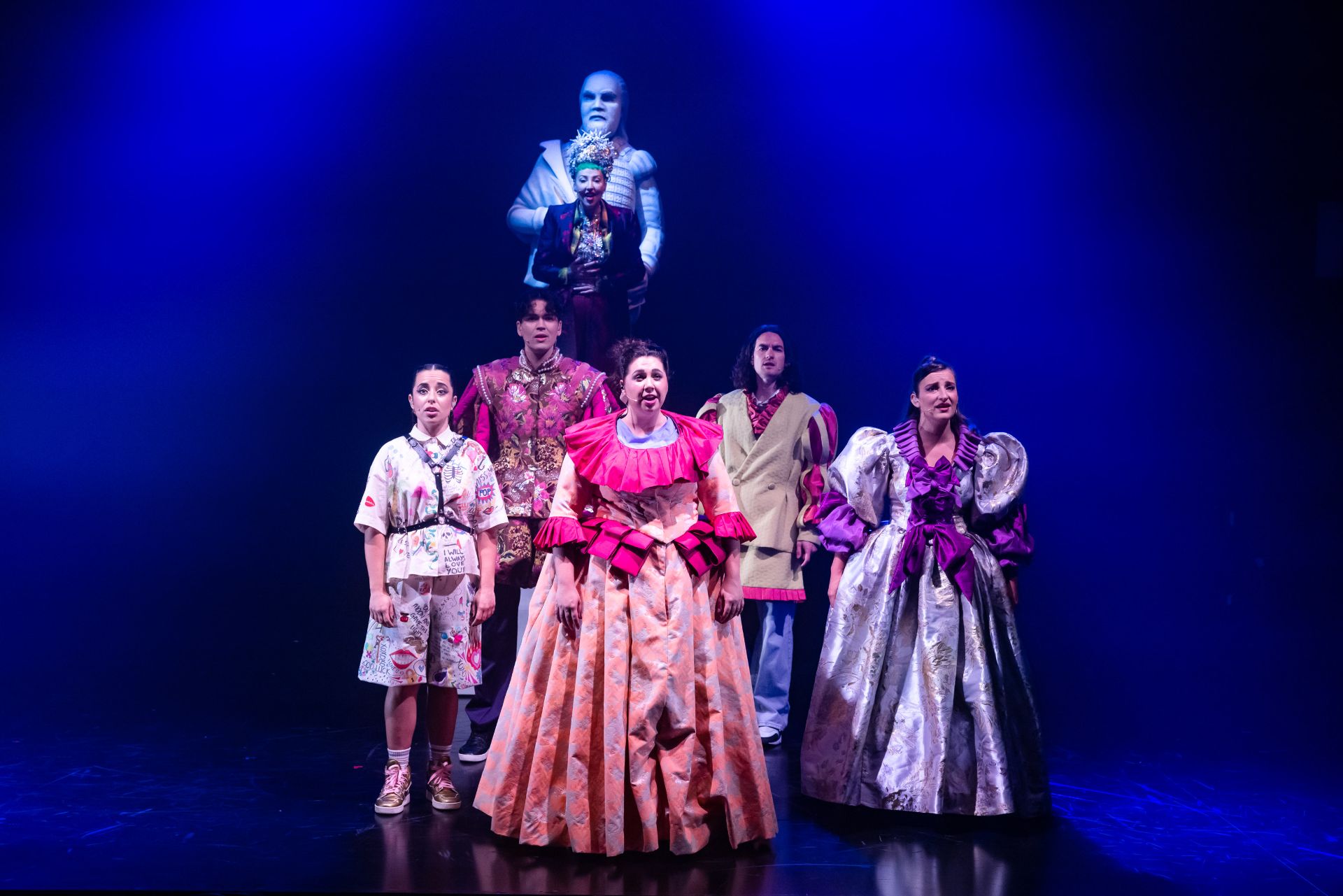
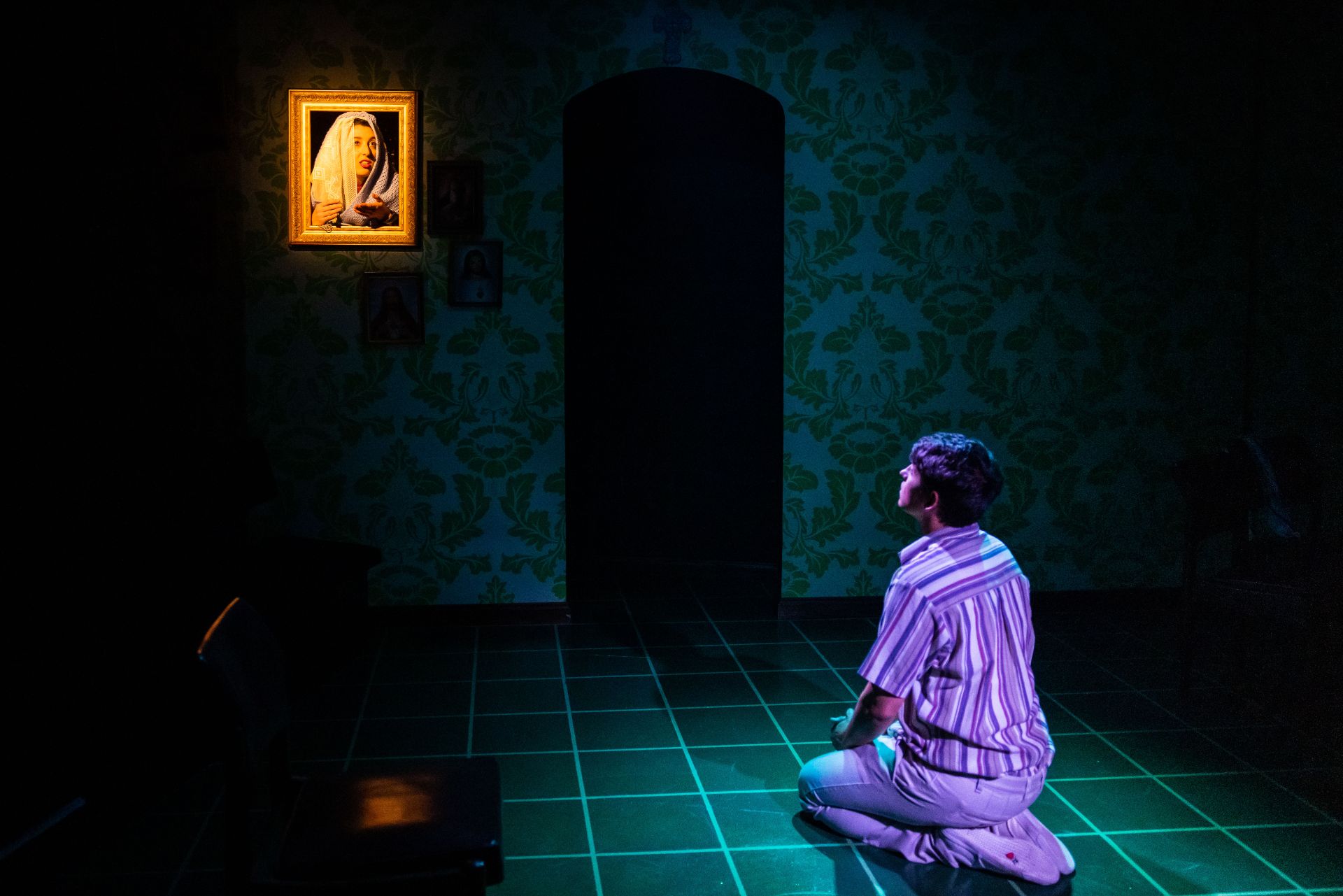
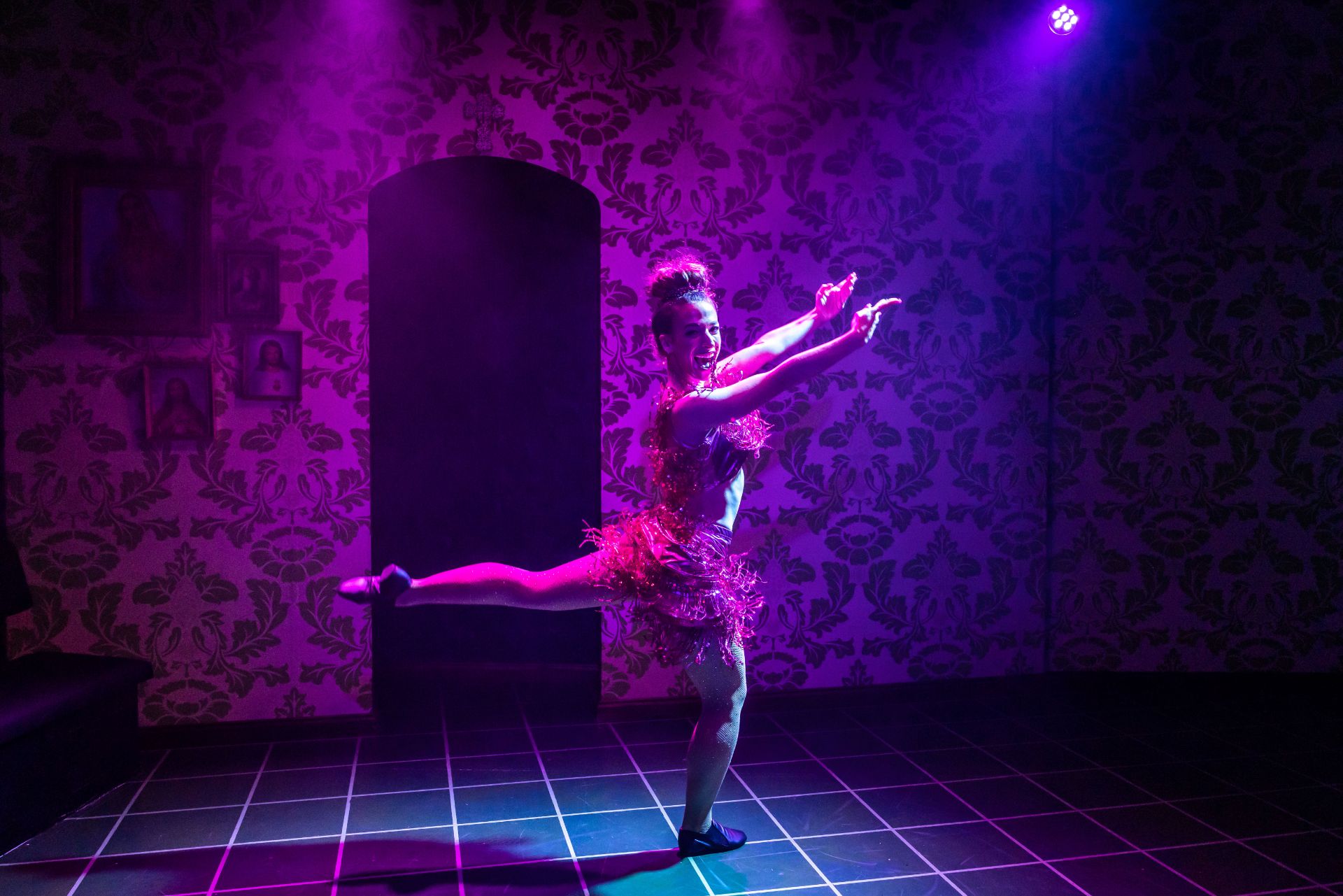
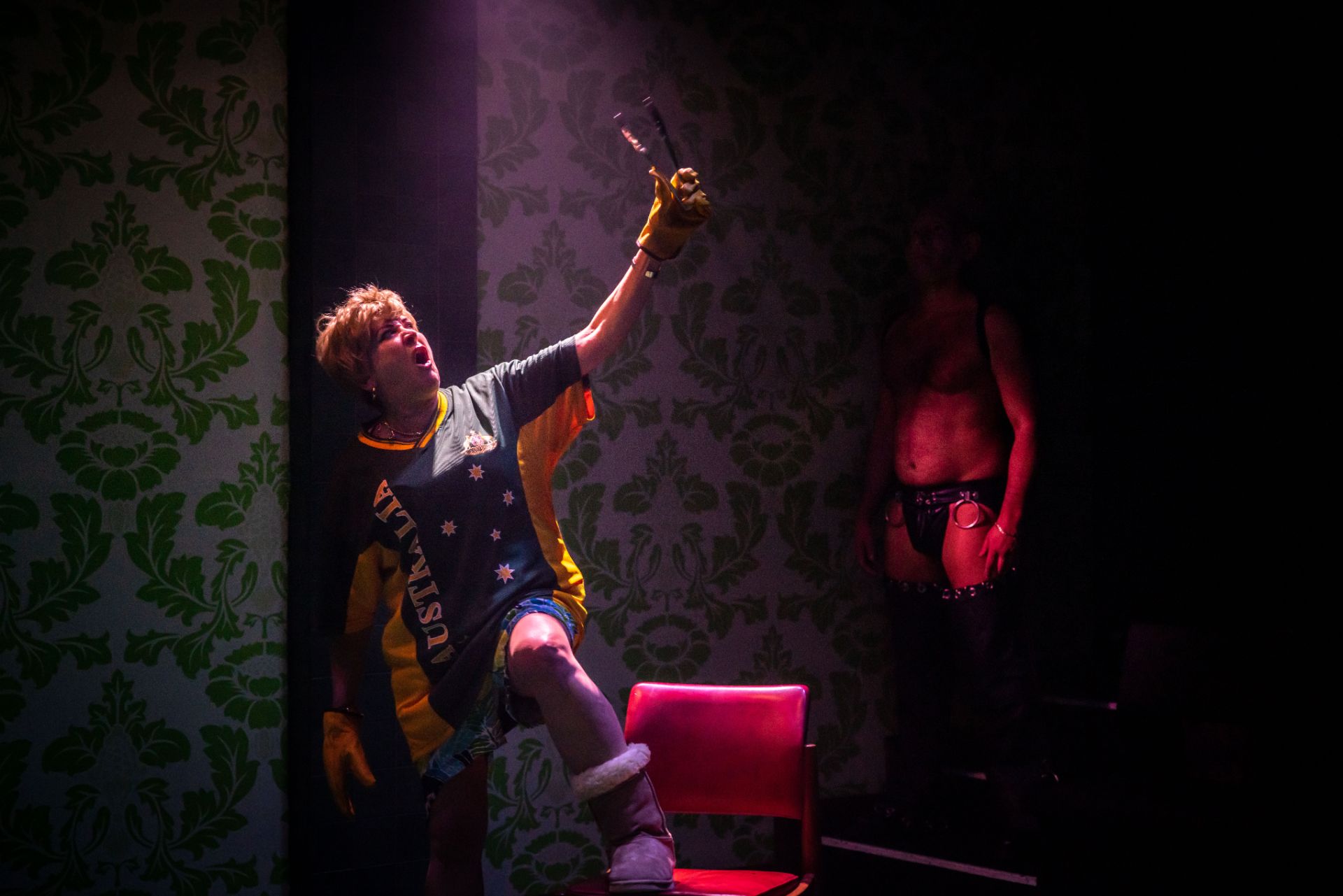
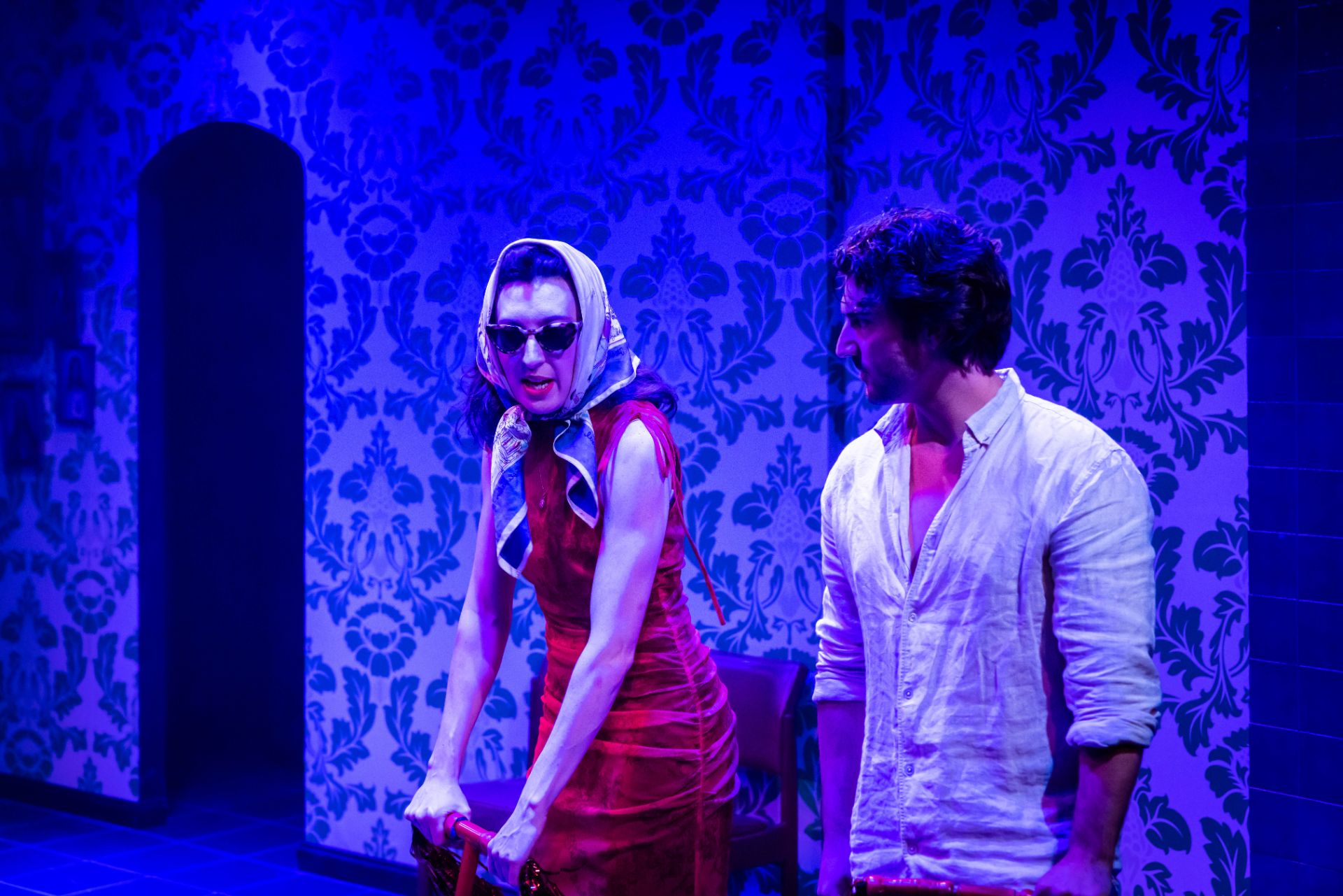
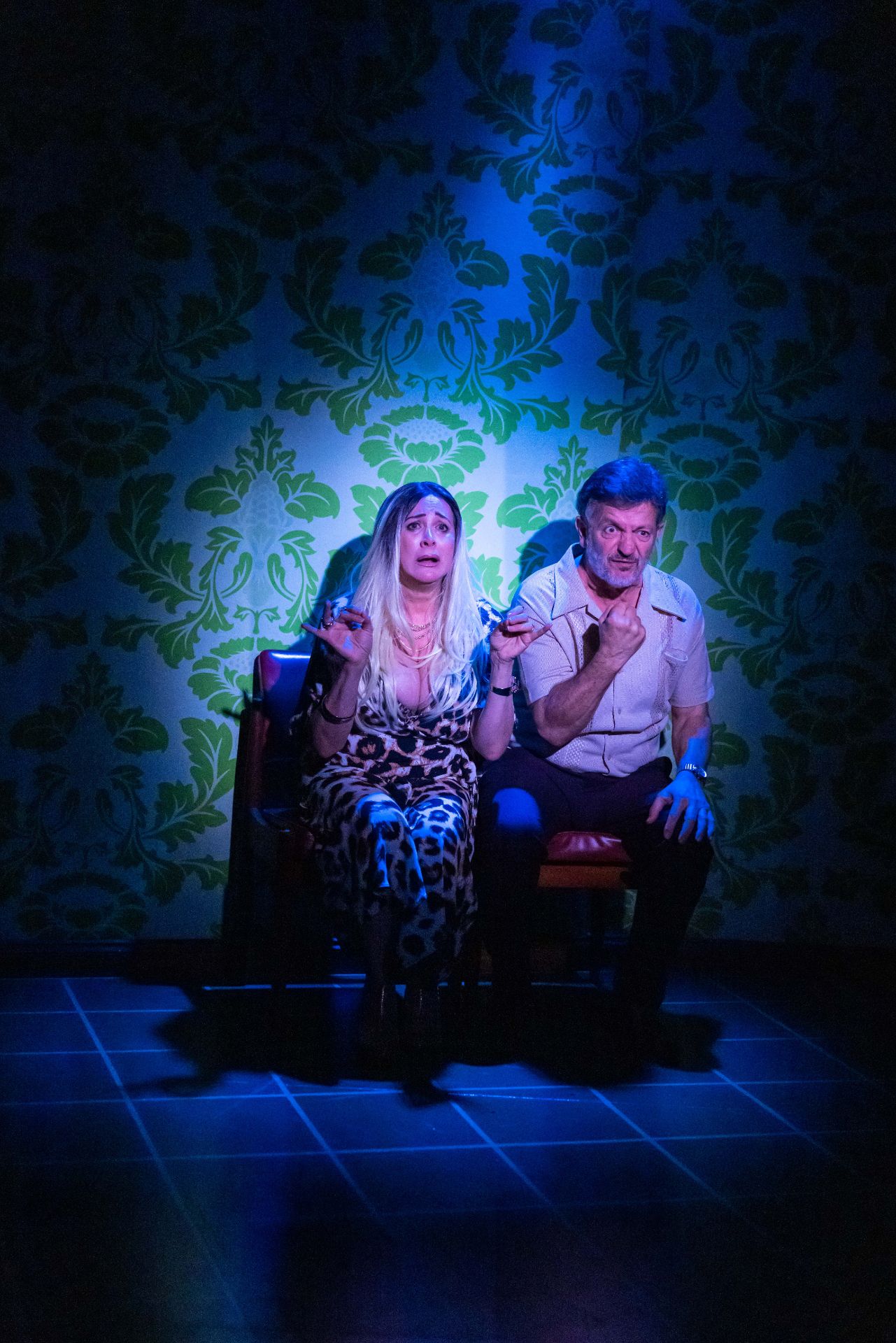
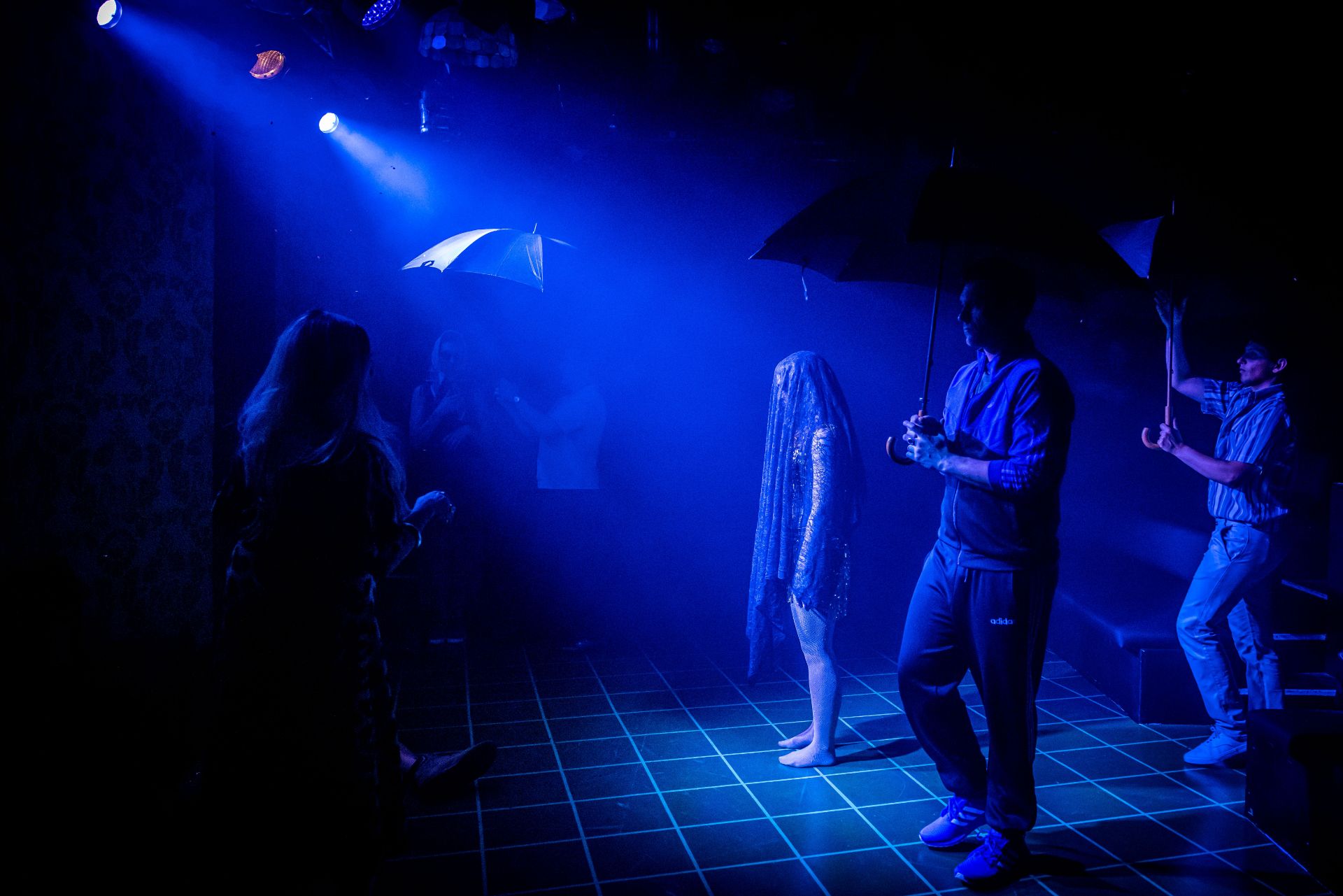
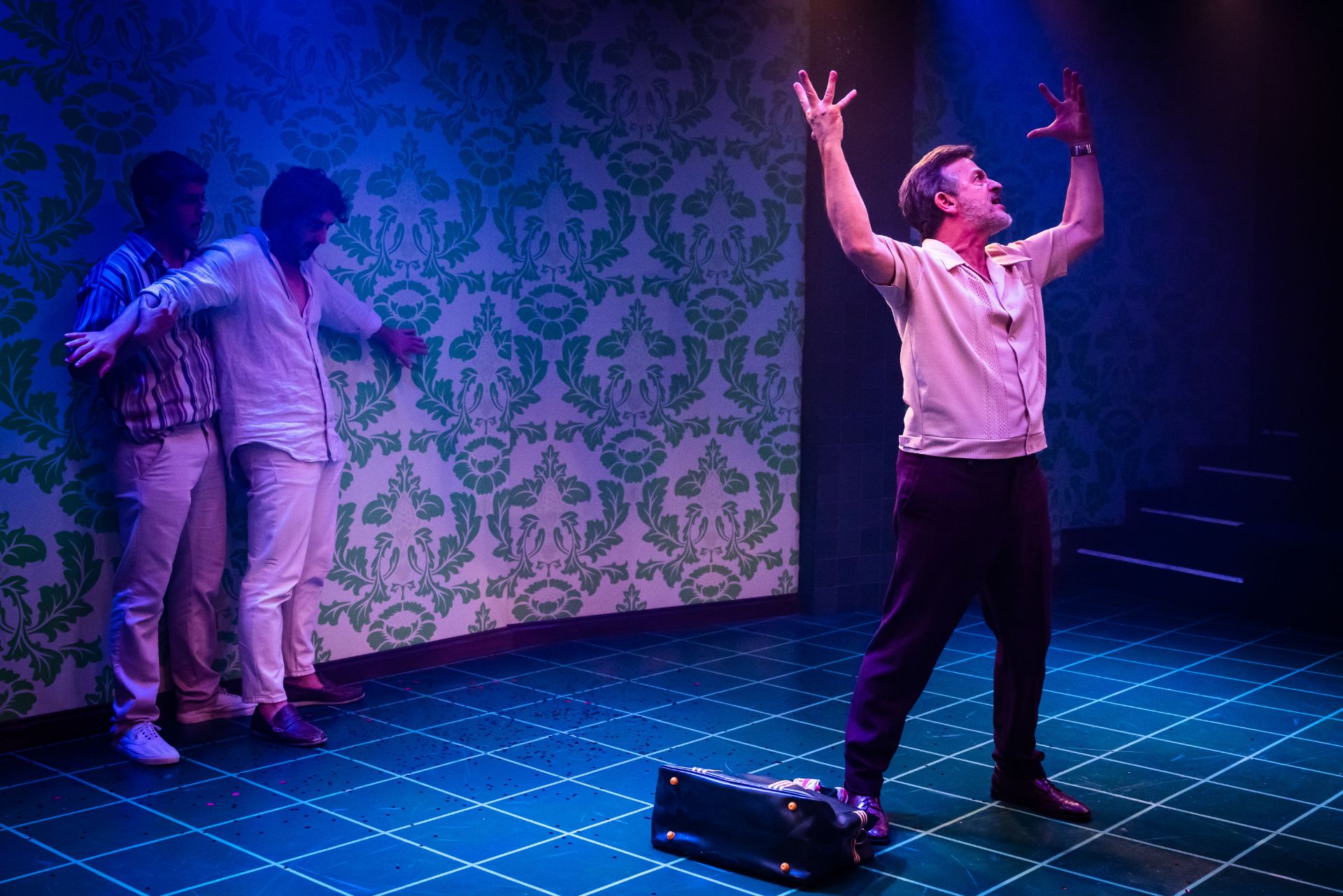
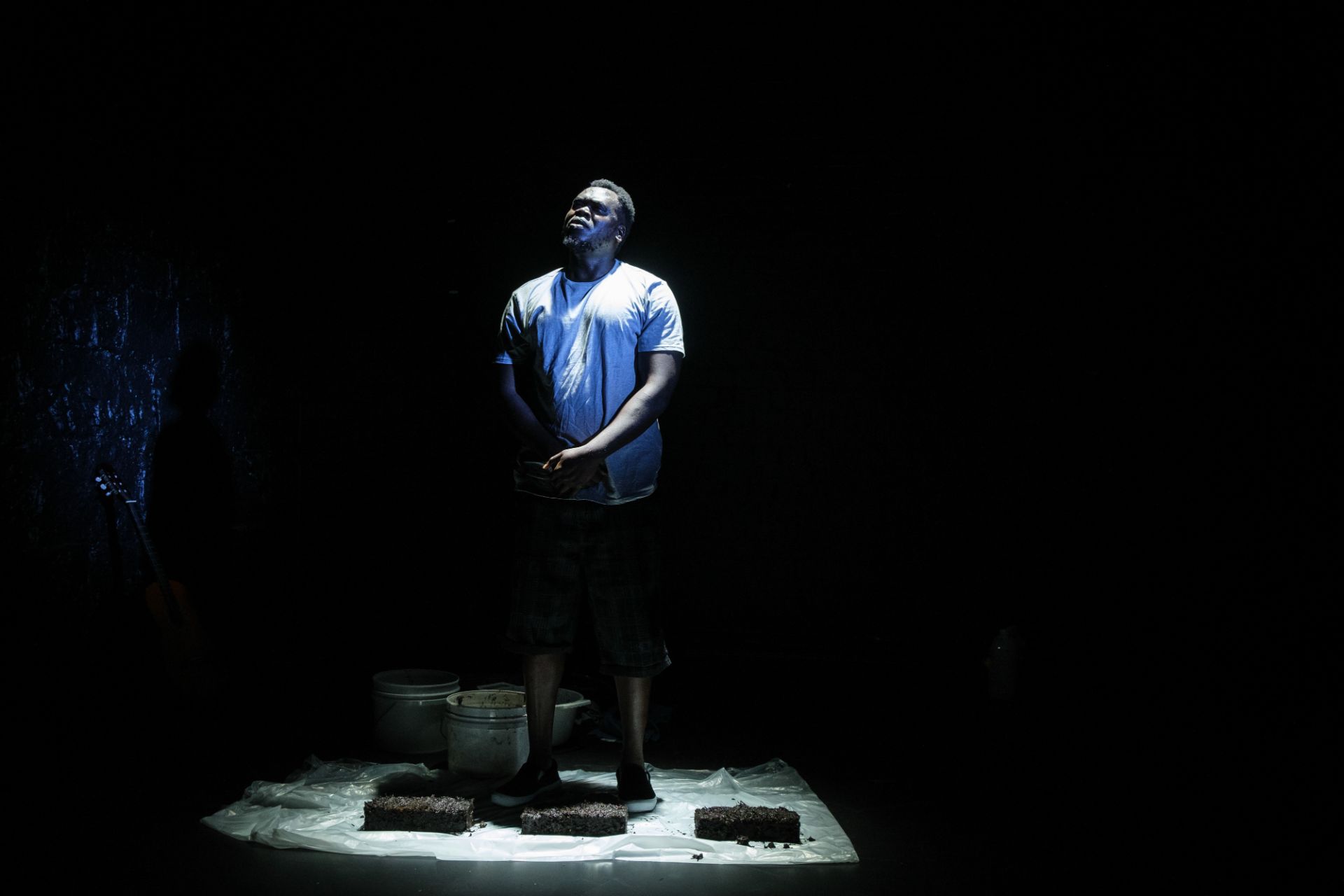
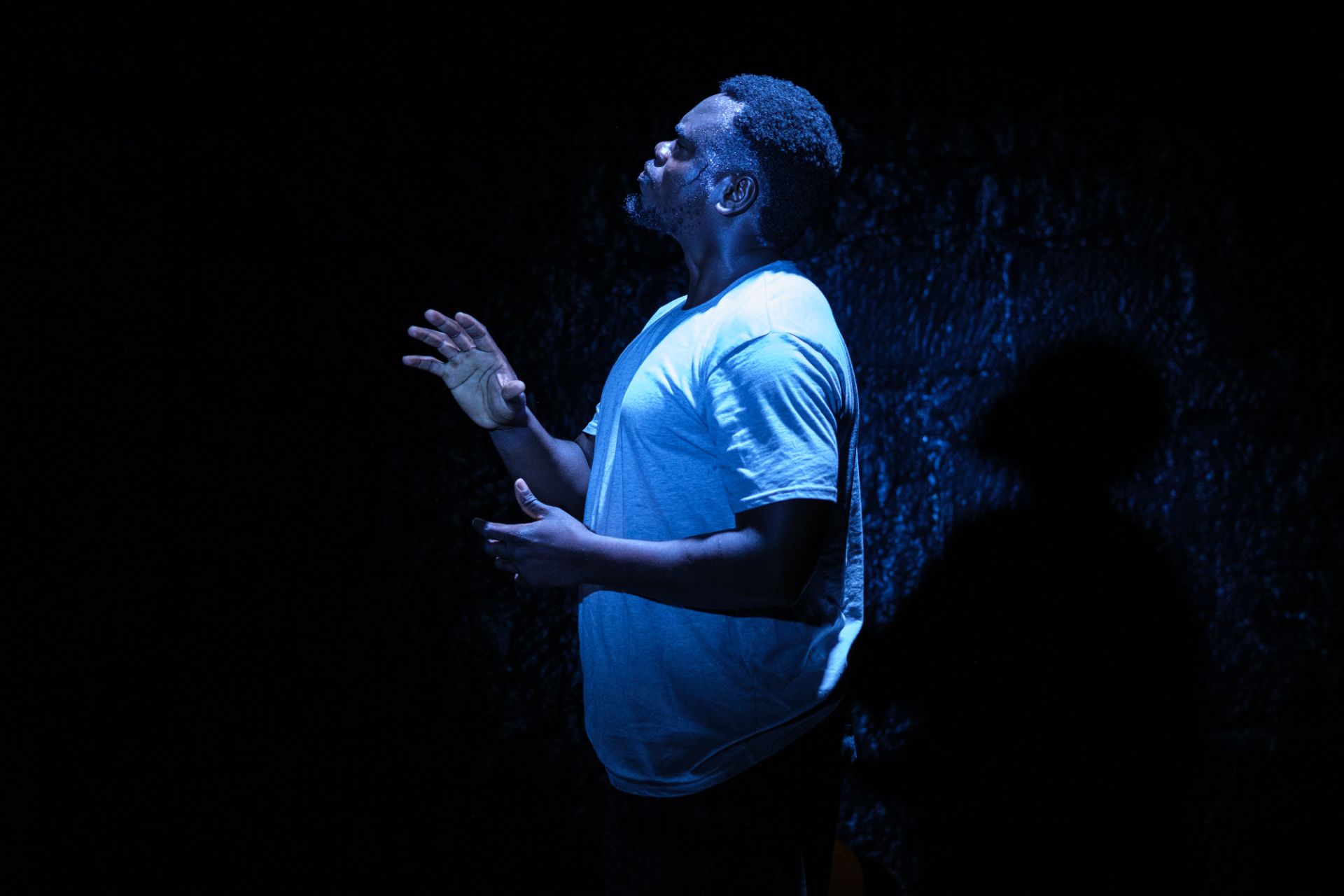
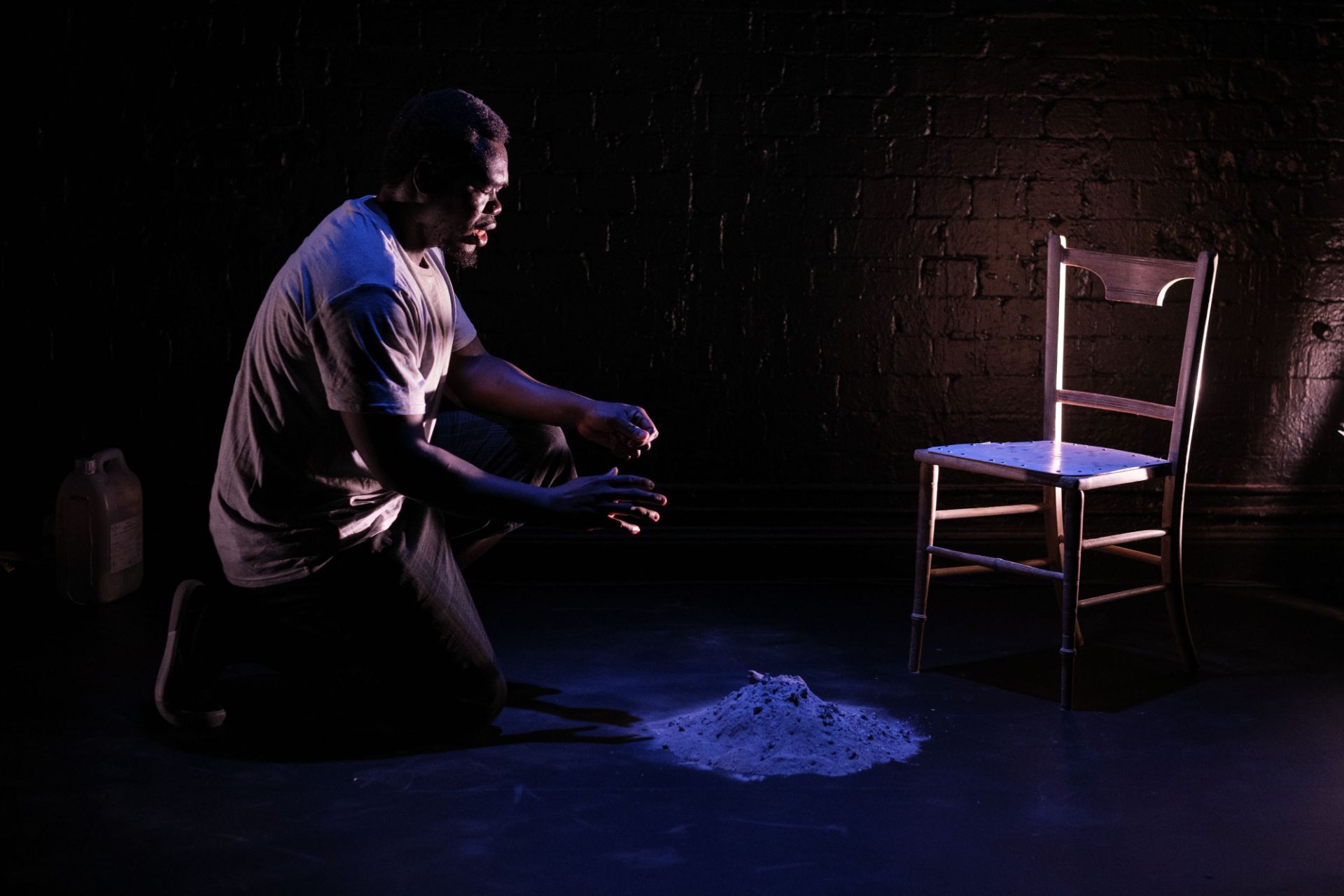
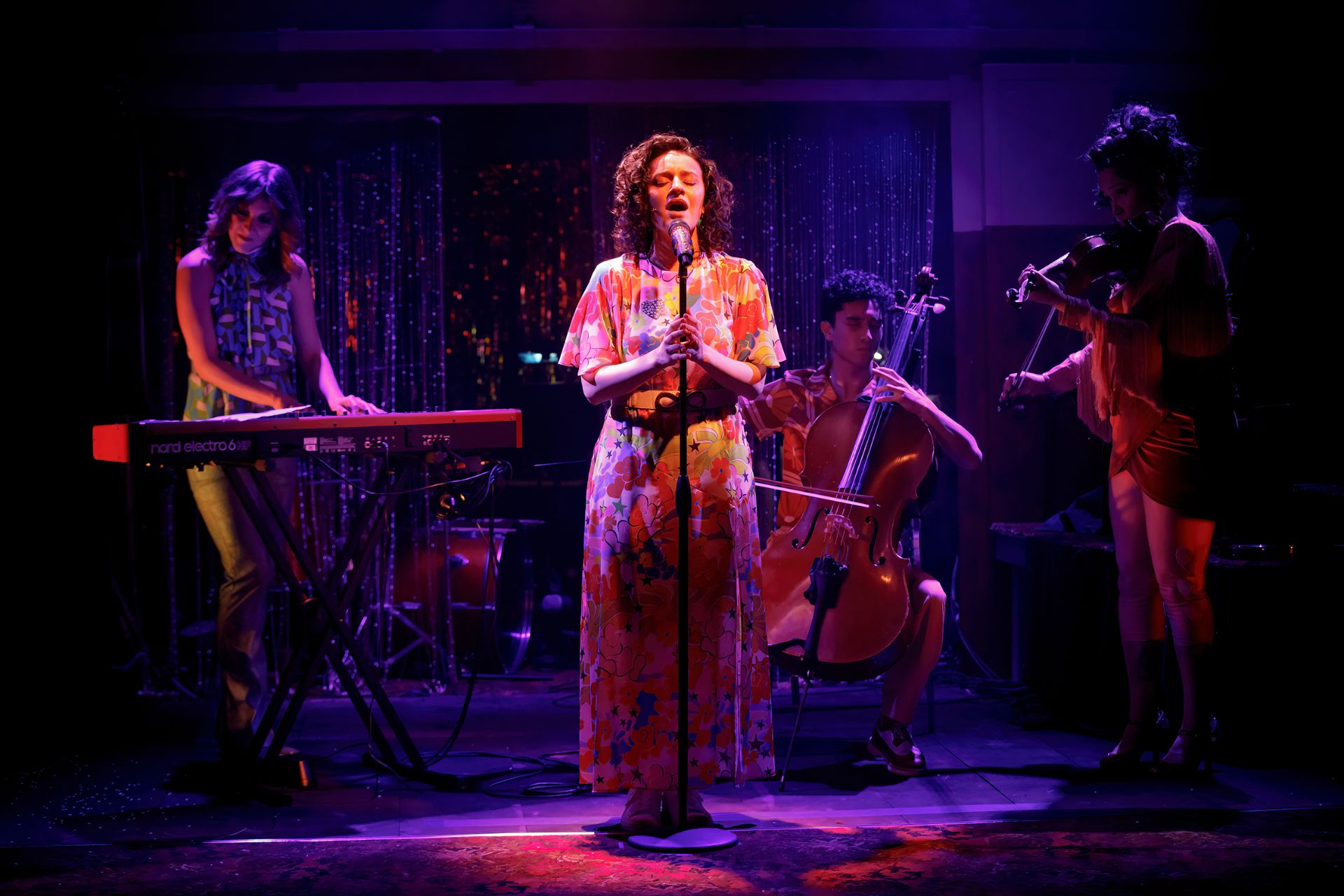
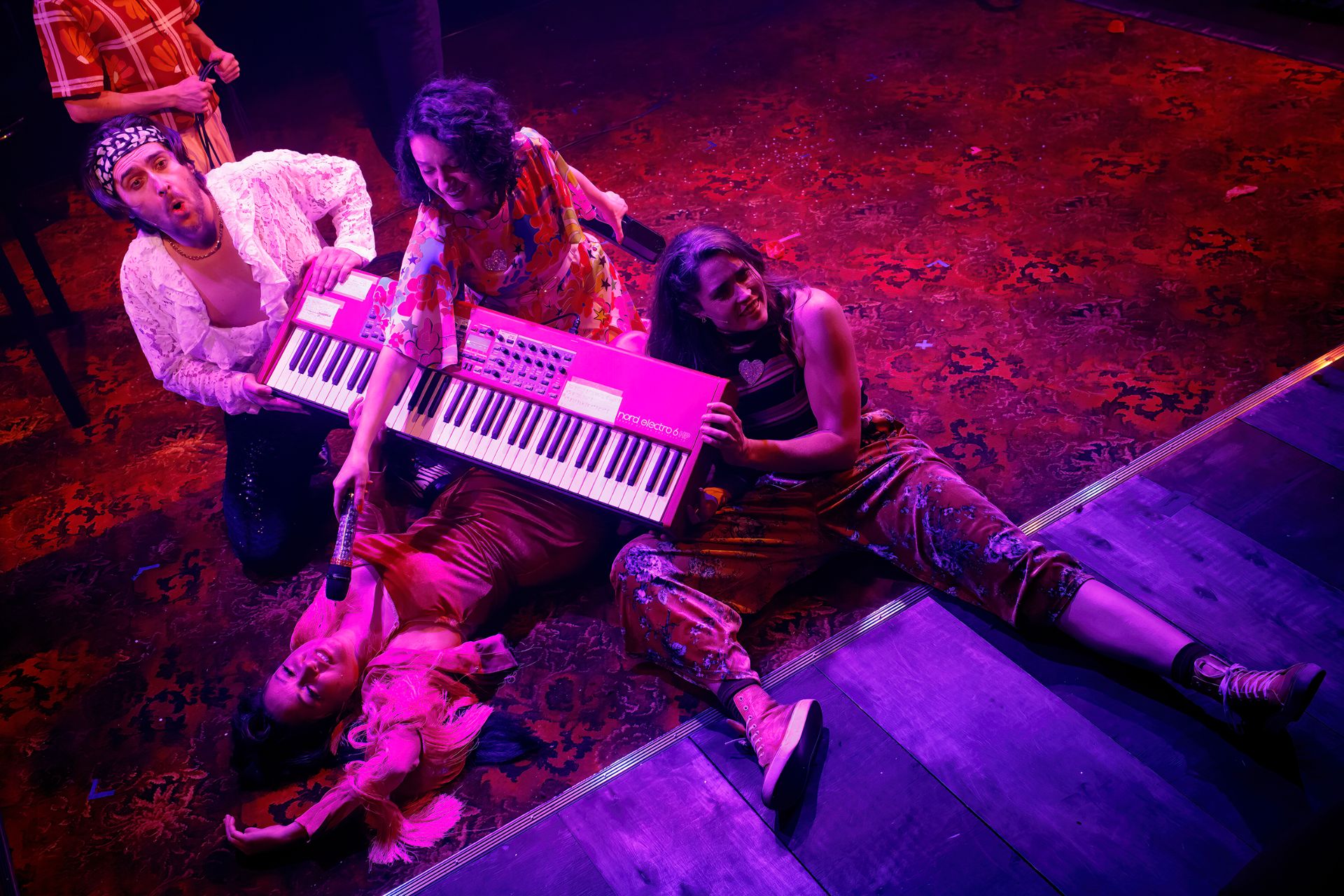
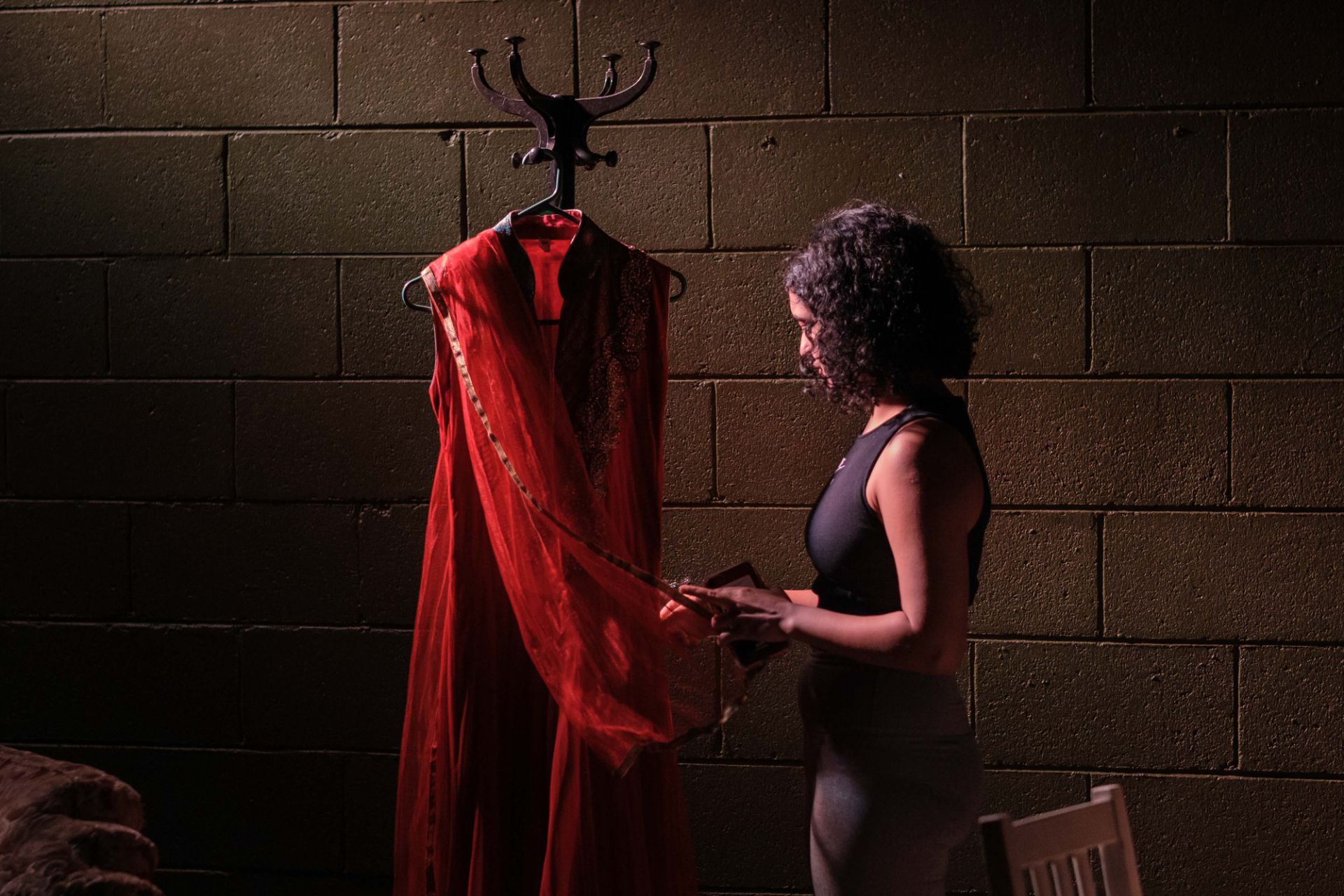
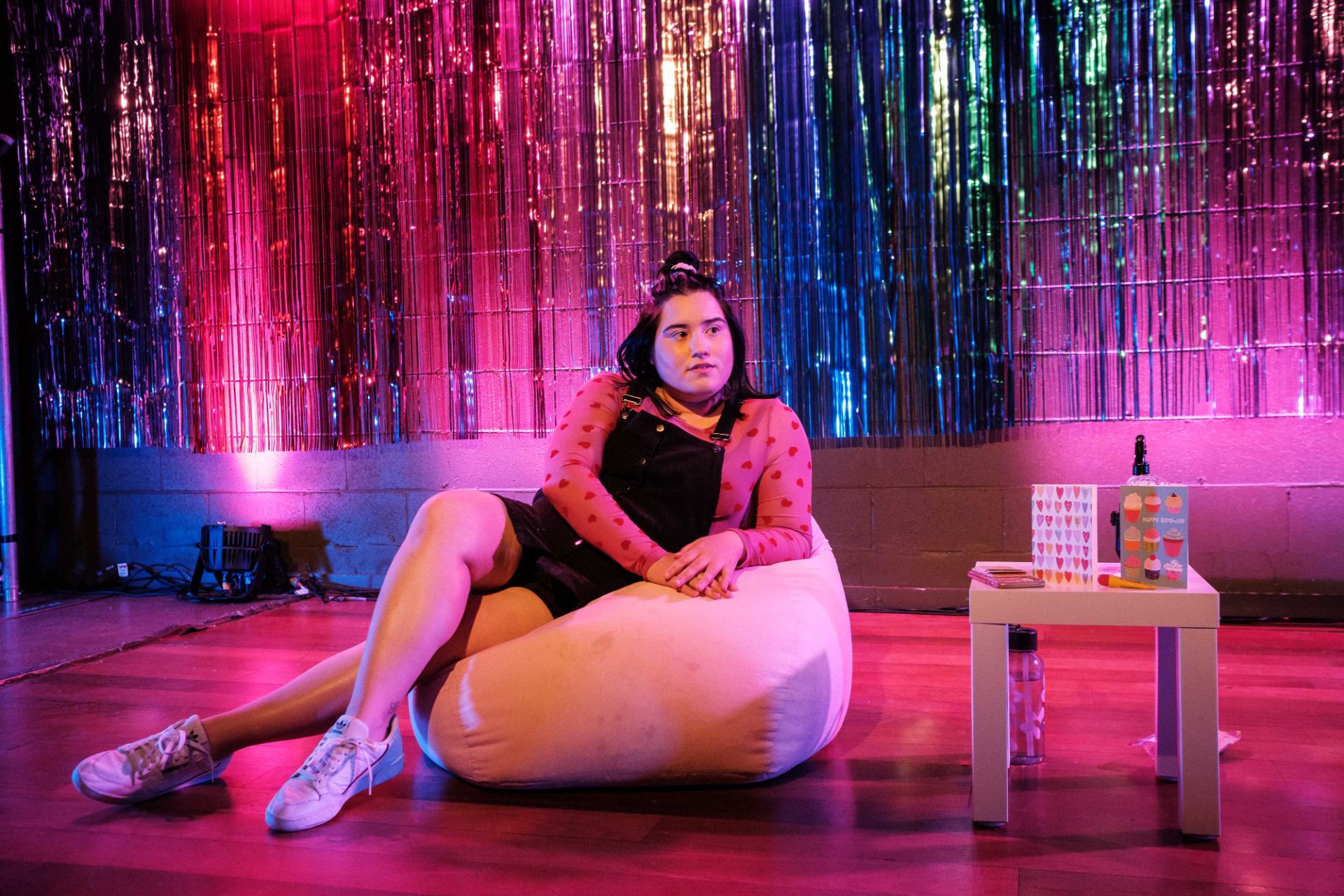
The comedy is given effervescence by Darren Yap, who directs the piece with charm and spirited vigour. Set and costumes by Nick Fry are whimsical in their appeal, and along with Verity Hampson’s lighting design, the production offers satisfyingly exuberant imagery. Music by Michael Tan is inventive and meaningful, effective at conveying a soulful quality that relates closely, to the themes of the story being told.

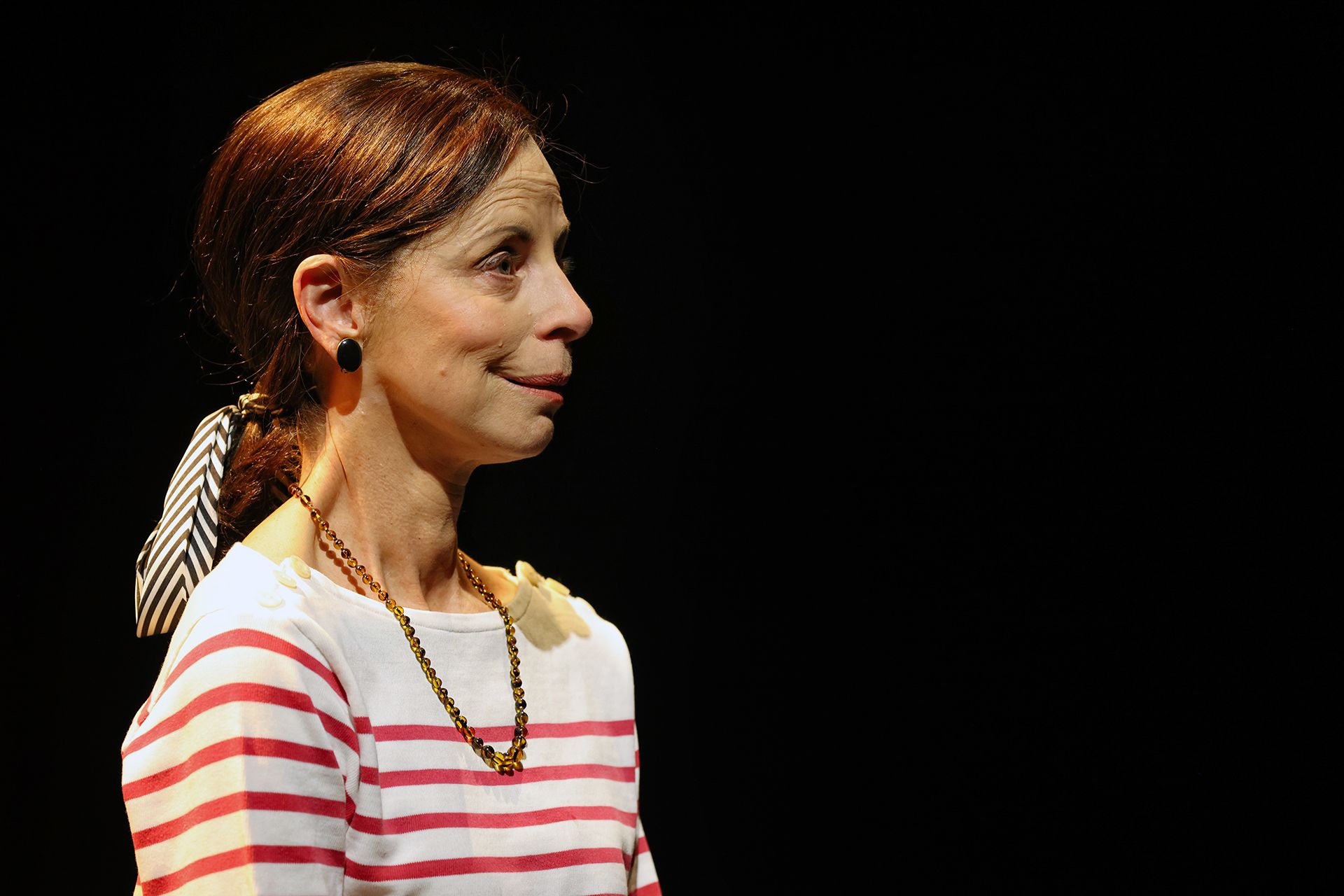
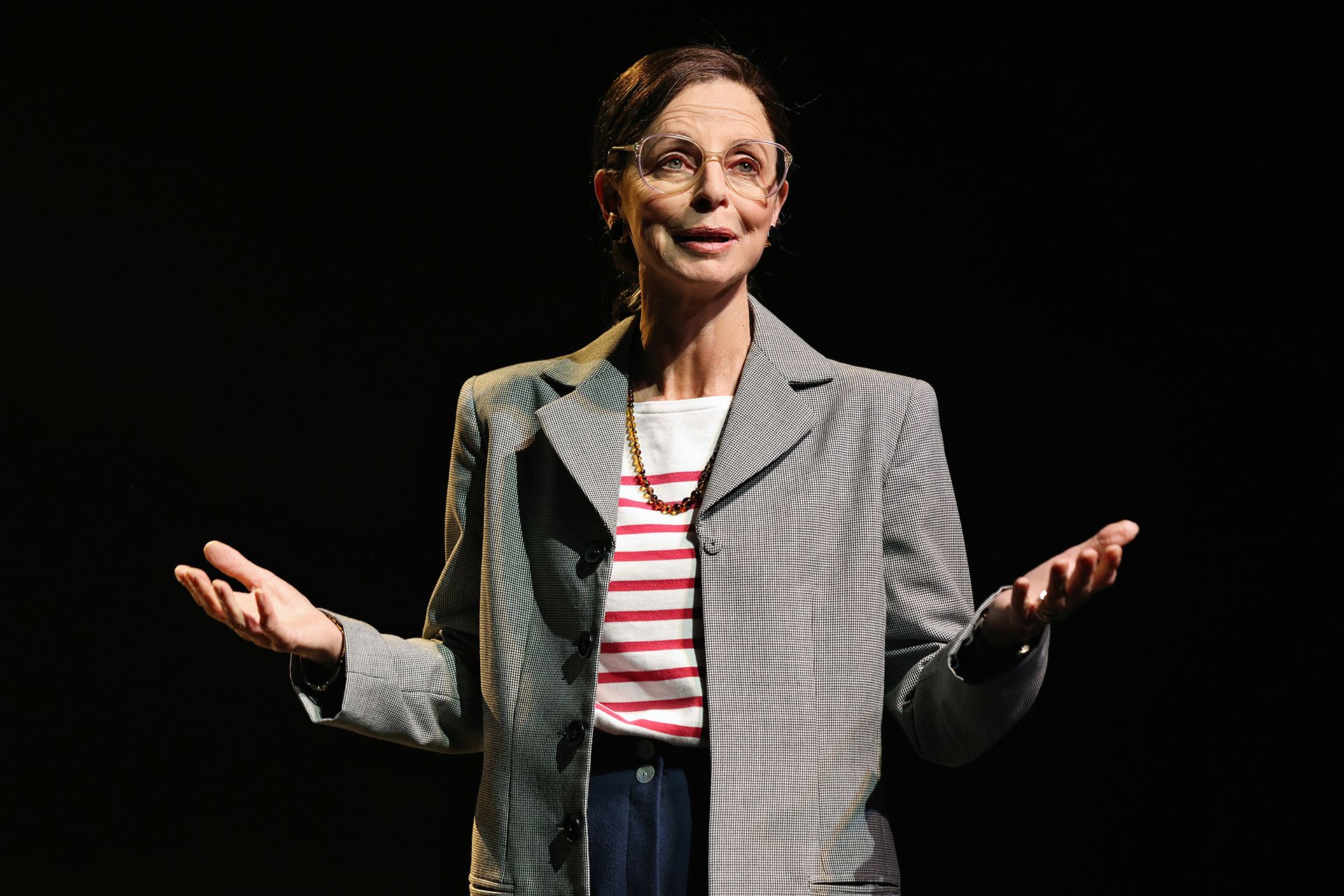
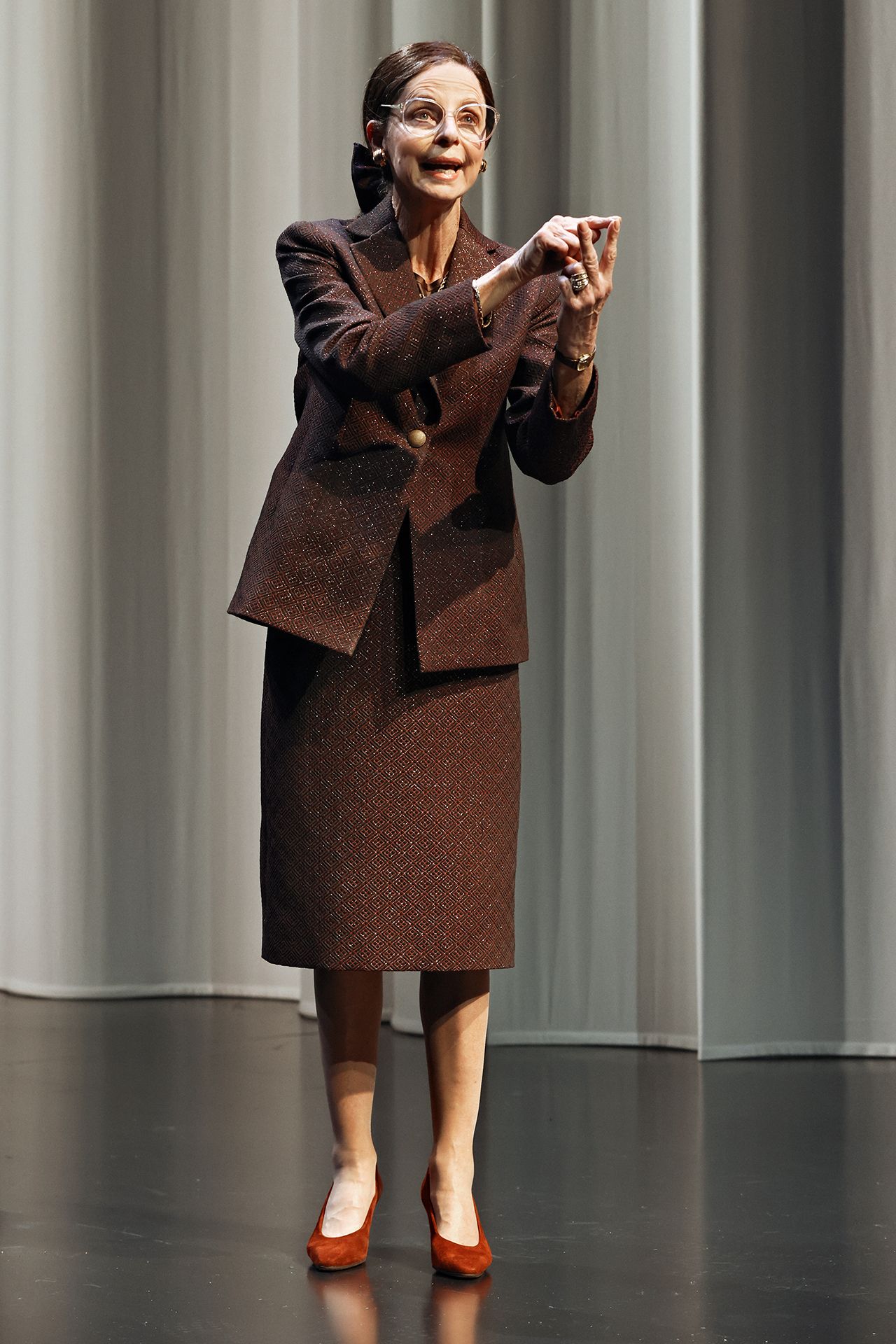
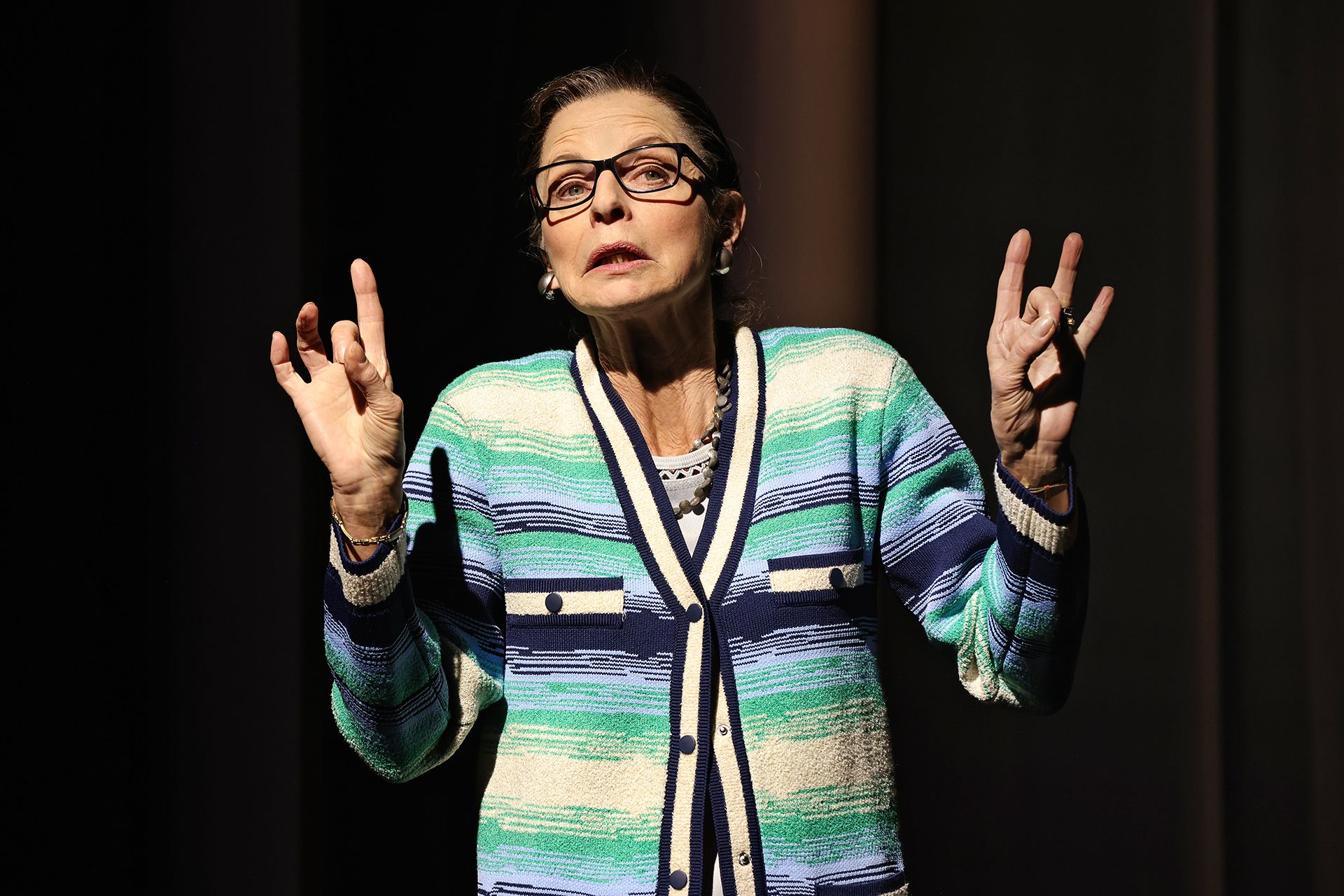
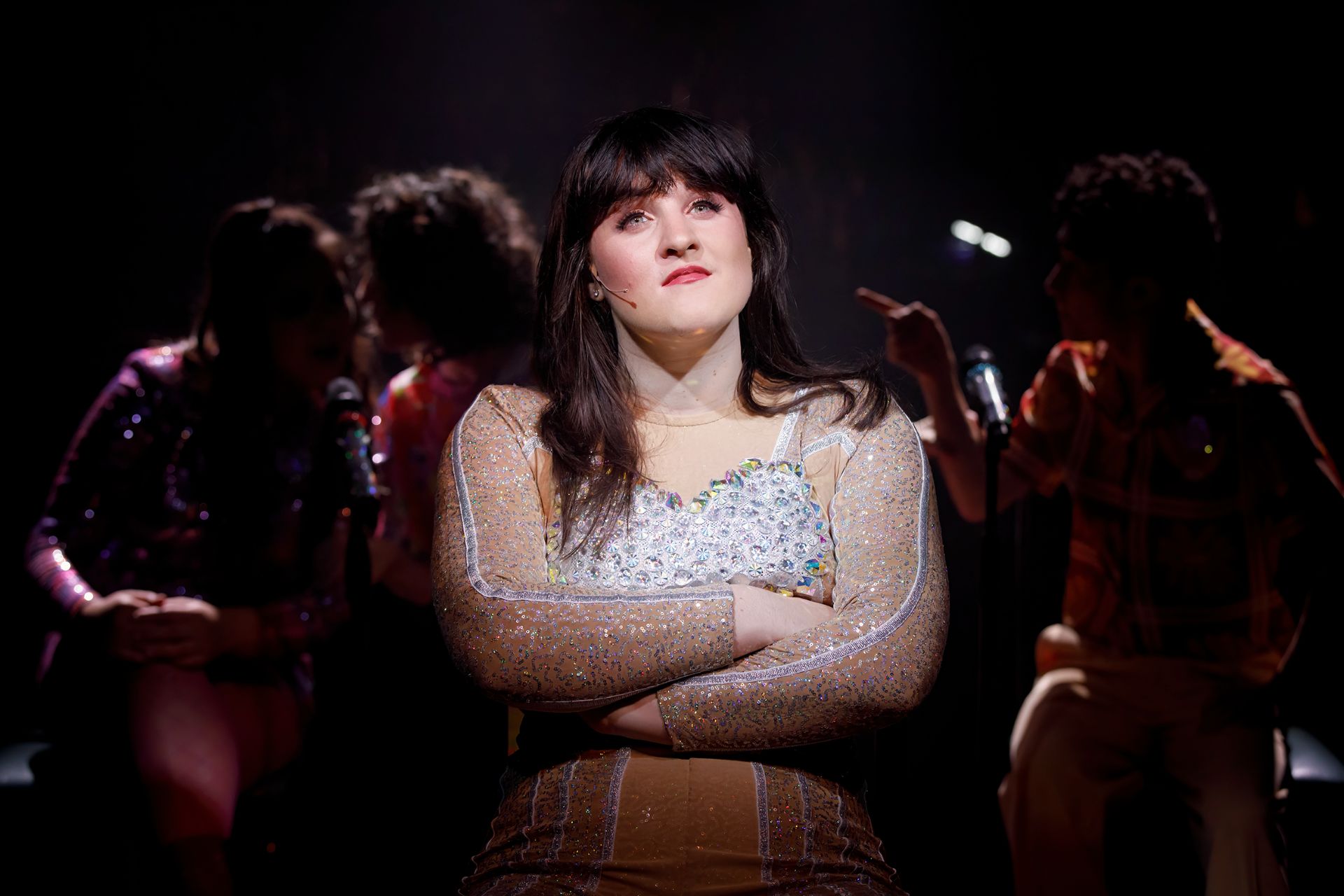
Lead performers Angie Diaz and Shan-Ree Tan are both captivating presences, who deliver a sense of integrity, alongside the buoyant humour that they exteriorise for the staging. Diaz and Tan demonstrate great flair for the playfulness of The One, but it is their commitment to the depth and substance of the material that keeps us attentive. Gabrielle Chan is suitably glamorous and evanescent as Helen, the self-absorbed mother. Damien Strouthos brings great energy and believability as Cal, the devoted beau of Mel. Aileen Huynh’s exaggerated approach to waiter Jess, can initially look somewhat startling, but makes good sense later in the show.

There is nothing fundamentally real about what draws the boundaries between countries, just like much of our identities are comprised of little that can be thought of as concretely material and unyielding. What is true however, is that individuals experience all manner of prejudice and degradation, based on how people think of one another. Mel and Eric have a right to feel that they belong, and it is up to us to define the meaning of inclusivity, wherever we call our home.

www.ensemble.com.au

Review: Attempts On Her Life (Kings Cross Theatre)

Venue: Kings Cross Theatre (Kings Cross NSW), Jul 15 – 30, 2022
Playwright: Martin Crimp
Director:
Saro Lusty-Cavallari
Cast: Lucy Burke, Bridget Haberecht, Lucinda Howes, Josephine Lee, Ebony Tucker
Images by Clare Hawley

Theatre review
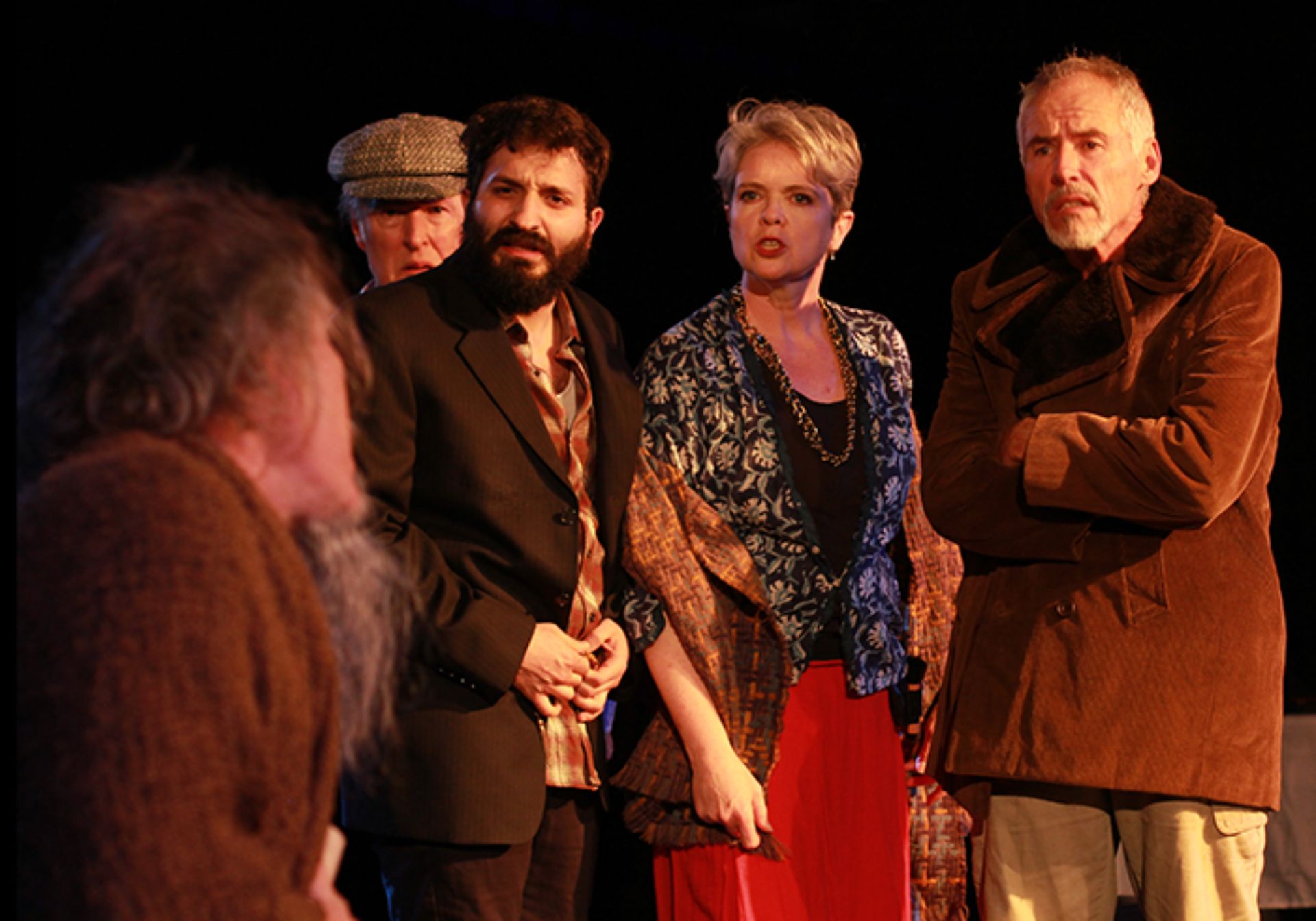
Anne never appears to tell her own story. In Martin Crimp’s Attempts on Her Life, we are presented with “17 scenarios for the theatre” that try to nail down the enigmatic Anne. 5 women actors and a television screen, take on various performative configurations, as though in search of an answer to a mystery pertaining to the idea of an elusive person, but is in actuality finding ways to understand the nature of media in 1997, when the play was first produced.

It is the exploration of form over content that makes Crimp’s writing seem wild and incoherent, and even though Saro Lusty-Cavallari’s direction emanates considerable earnestness, for that spirit of theatrical experimentation, there is insufficient playfulness, and a lack of danger that makes the show feel somewhat staid. Attempts on Her Life wants to take us somewhere chaotic, even anarchic, but it all feels overly measured and deliberate. Video features prominently, and Lusty-Cavallari’s work in that arena is admirably precise, incorporating a sense of technical proficiency for the medium, to provides unexpected polish to the experience.

Set and costumes by Rita Naidu, while not particularly imaginative, prove to be highly functional, for a play that constantly evolves its mode of staging. Lights by Sam Read contribute a good degree of dynamism, that moderates effectively the vacillating dramatic intensity, as we move from one vastly different scene to another. The cast is well-rehearsed and energetic, with a cohesiveness that allows them to project with great confidence.

The world has changed so much in the 25 years since the initial appearance of Attempts on Her Life. Gatekeepers determined which stories were being told, and the ways in which they were told. Although the matter of authorship is still a contentious one, we are now more able to have people tell their own stories, and therefore we find ourselves more able to hear directly from the horse’s mouth. If Anne is still around today, she will have every opportunity to say her piece if she wants to, and if she chooses to keep away from the limelight, we will just have to leave her be.

www.montaguebasement.com

Review: Control (New Theatre)

Venue: New Theatre (Newtown NSW), Jul 5 – 30, 2022
Playwright: Keziah Warner
Director: Patrick Howard
Cast: Romney Hamilton, Riley McNamara, Emily Suine, Luke Vinsentin, Caitlin Williams, Olivia Xegas
Images by Bob Seary

Theatre review
Three short plays set in the future; the first tells a story about a reality show in space, the second features a museum holding personal memories, and the third sees a robot receiving training from a human so that itself can become a teacher. Science fiction takes us to wildly imagined spaces, in order that we may observe ourselves in a different light. Keziah Warner’s Control looks to be about a time centuries ahead, but its contemplations are really about the here and now.

Warner’s dialogue is dynamic and amusing, but her narratives have a tendency to feel underwhelming. Segments about the reality show and the museum, feel insufficiently dramatic, even though the contexts are set up with ample intrigue. The concluding story about machine learning, is more successfully rendered, with director Patrick Howard paying very nuanced attention to the emotional fluctuations that occur throughout. It is perhaps revelatory, that we are ultimately most drawn to things that tug on our human heartstrings.

It is an ambitious set design by David Marshall-Martin that contains all the action, with a grandness that proves appealing, yet effective in portraying the foreboding nature of Warner’s futuristic visions. Lights by Capri Harris bear a sensitivity that helps convey the subtleties inherent in these nightmarish tales of our collective destiny. Rhiarn Zarzhavsky’s costumes offer textures and a colour palette that anticipate a world that is harder and colder, than what it has already become. Director Howard’s own sound design is exciting and thorough, for a staging that embraces the genre of sci-fi unabashedly.

Performers Romney Hamilton and Caitlin Williams are unequivocal stand outs, playing organic teacher and synthetic student respectively, on the planet New Earth. Hamilton’s ability to access emotional depths in very little time, and with minimal external influence, is an impressive sight. Williams as the android, is somehow able to depict layers, whilst maintaining a resolutely robotic exterior.

Science fiction often foregrounds our fear of extinction. This is distinct from the concern around our deaths as individuals, which seems divergently to be something we know to accept, or at least not to contradict. In Control, we look to be a species struggling to hang on to survival, refusing to acknowledge that the end is nigh. We imagine ourselves in dystopic situations, heroically clinging on, when in fact all we do in real life, points to a definitive catastrophe. Life could very well go on, but human participation in it, seems delusory.

www.newtheatre.org.au

Review: Top Coat (Sydney Theatre Company)

Venue: Wharf 1 Sydney Theatre Company (Walsh Bay NSW), Jun 25 – Aug 6, 2022
Playwright: Michelle Law
Director: Courtney Stewart
Cast: John Batchelor, Amber McMahon, Matty Mills, Kimie Tsukakoshi, Arisa Yura
Images by Daniel Boud

Theatre review

Many great stories have been told, using the fantasy of switching bodies as conceit, to help us think about what it must be like to walk in others’ shoes. In Michelle Law’s Top Coat, a nail artist and a television executive jump into each other’s bodies, so that we may explore the differences of living on this land, in terms of race, status, and opportunity. It is about the disparities that exist, between being white and not being white, in colonised Australia.

Cleverly imagined, Top Coat challenges longstanding beliefs about meritocracy, by displacing two women from completely divergent backgrounds in the other’s occupation. While it comes as no surprise that Kate fails at providing the simplest of manicures, we are shaken to a realisation that Winnie has little problems playing with the big boys of tv land, simply by looking the part and talking big. The problem of course, is that the only way for Winnie to look the part, that is to become a white person, requires that her narrative be intervened with utter fantasy. Winnie can do the job, she simply will never be allowed to.

Top Coat is entirely outrageous, so it only makes sense to have the story presented as comedy. Laughs however, are few and far between. Law’s writing is wonderfully provocative, but many of her jokes prove less than effective. Director Courtney Stewart struggles to locate a suitable tone and style of farce, resulting in a production that delivers vibrant energy, but that only infrequently lands its punchlines. The moral of the story, and its political point though, are powerfully conveyed, for a show that is ultimately more entertaining with its ideas than for its humour.

Designer James Lew provides jubilantly colourful sets that are visually exciting, but that consume inordinately long amounts of time between scenes to establish. Michael Toisuta’s music intercedes to occupy those moments of transition, keeping the atmosphere spirited, and preparing our sensibilities for what is to follow. Lights by a proficient Kate Baldwin ensure our attention is maintained on relevant portions of the expansive stage, and memorable for playful instances making full use of the play’s comical supernatural aspects.

Actor Kimie Tsukakoshi brings great exuberance to the role of Winnie, with unwavering levels of commitment that keep us firmly on side. Amber McMahon is appropriately animated as Kate, able to make believable even the most bizarre of situations.

There is perhaps no real way for any person to know what it must be like to experience the world as someone else, especially when all our lives can be so vastly different. What we are capable of doing however, is to understand the nature of injustice and disadvantage, and to believe that efforts at seeking redress, should always be an ongoing concern in our democratic lives. Where people refuse to acknowledge uneven playing fields, as well as other manifestations of prejudice, those at the losing end need to find the wherewithal to fight for what is right.

For too long, Asian-Australians and other people of colour, have conformed to notions of the model minority, only to find ourselves as permanently subjugated and silenced second-class citizens. New discussions are now ongoing, as instigated by work like Top Coat, from a younger generation that has begun to see the requirements of politeness for the weapon that it is, in preventing us from ever having things our way. Rage brings people to breaking points, and that is where rules are dismantled.

www.sydneytheatre.com.au

Review: Golden Blood (Griffin Theatre Company)

Venue: SBW Stables Theatre (Darlinghurst NSW), Jun 24 – Jul 30, 2022
Playwright: Merlynn Tong
Director: Tessa Leong
Cast: Merlynn Tong, Charles Wu
Images by Brett Boardman

Theatre review ⭐️⭐️⭐️⭐️
Girl, 14 and Boy, 21 find themselves orphaned upon their mother’s suicide. Having only each other to depend on, the two quickly grow closer, in a social vacuum that sees the wayward older sibling exercise increasingly undue influence on the innocent teen. Merlynn Tong’s Golden Blood takes place in late 90s Singapore, where unlawful gang activities, of which Boy was a committed member, were still making the news. In fear of bringing embarrassment to their family legacy, the young pair hatch creative but corruptive plans to make their fortune, on a land that places veneration on all things gold.

Tong’s writing is exciting and exceptionally colourful. Much of the dialogue in Golden Blood is in Singlish, but the “creole” is carefully crafted, in order that standard English speakers are not left behind. The humour in Tong’s work is thoroughly scintillating, with a broad appeal that transcends cultures. Furthermore the incorporation of Australia as a symbol for Girl’s escapism and ambitions, helps position the play at a point that gives psychological access to viewers here. As the stakes escalate in its narrative, Golden Blood turns melodramatic in a way that some might find alienating, but its concluding moments are unquestionably moving.

Directed by Tessa Leong, the show although never sanctimonious, is an intense and urgent exploration of modern youth. Replete with energy and an unmistakeable air of anxiety, we are compelled from the very start to invest in this unusual coming-of-age tale, of good intentions gone bad. There are slight incongruities with the inclusion of smartphones and certain clothing items, that can cause momentary confusion regarding the era being discussed, but they are ultimately a negligible oversight.

Set and costumes by Michael Hankin are efficiently rendered, and appropriately simple. In tandem with Fausto Brusamolino’s exuberant lights, visual aspects of the production are dynamic, and effective at keeping the audience in a state of consistent tension and tautness. Sound and music by Rainbow Chan are similarly spirited, with cross-cultural influences that convey a valuable complexity, in relation to time and place for this story.

Tong herself takes on the role of Girl, profoundly moving as the misguided ingénue, but also disarmingly hilarious with her exquisite comic timing. Boy is played by Charles Wu, fantastic with the animated physicality and incredible voice he brings to the part. Their chemistry as a team is unbelievably flawless. Both actors bring a marvellous sense of depth to the characters they inhabit, allowing Golden Blood to venture into outlandish and wondrous spaces, without compromising even a fragment on authenticity.

When the definition of success is narrowed down to mean little more than material wealth, the result is an existence that can only ever be empty or exasperating. Girl and Boy were never taught right ways to be, not by their families, and not by the wider communities of which they belong. All they perceive are superficial markers of happiness, designed mostly to obfuscate and not reveal the truth. In Golden Blood we see, that the truth is persistent, even when we try hard to avoid it, and to honour it, is perhaps the only meaningful way to be.

www.griffintheatre.com.au

Review: The Tenant Of Wildfell Hall (Sydney Theatre Company)

Venue: Roslyn Packer Theatre (Sydney NSW), Jun 21 – Jul 16, 2022
Playwright: Anne Brontë (adapted by Emme Hoy)
Director: Jessica Arthur
Cast: Danielle Catanzariti, Remy Hii, Tara Morice, Tuuli Narkle, Ben O’Toole, Steve Rodgers, Eliza Scott, Anthony Taufa, Nikita Waldron
Images by Prudence Upton

Theatre review
It was England in the 19th century, so when Helen Huntington suddenly returns to live in Wildfell Hall without her husband, much consternation arises. Published under the pseudonym Acton Bell in 1848, Anne Brontë’s novel The Tenant Of Wildfell Hall, was an exploration of family abuse considered daring in Victorian times. This stage adaptation by Emme Hoy certainly seeks to place focus, through a contemporary lens, on the gendered disparity in the ways our societies assign power. Hoy says all the right things, in order that her play bears undeniable gravitas, but the plot although creatively structured, struggles to communicate the story with clarity, leaving its audience confused for significant durations.

Jessica Arthur’s direction of the work succeeds at imbuing modern flavours into an old story, so that we may connect more intimately with the concerns of The Tenant Of Wildfell Hall, but the play’s anti-chronology is made further complicated by many of the cast having to play multiple yet somewhat similar characters. The abrupt shifts in time also prevents viewers from sufficiently engaging emotions, whether tragic or joyful. Before we can feel in meaningful ways for any part of the narrative, it pivots elsewhere, making our senses adapt to yet another different place.

Thankfully, the cast is uniformly strong, with lead actor Tuuli Narkle demonstrating impressive authenticity for the wide range of mental states that her complex character experiences. Helen is strong and weak, happy and sad, just like any real woman, and Narkle’s portrayal of all those conflicting qualities, proves to be completely convincing. Helen’s love interests are played by Remy Hii and Ben O’Toole, both highly charismatic and compelling, with Hii excelling at creating a comically adorable personality, and O’Toole shining as the contemptible antagonist. Eliza Scott is memorable in her dual roles of Mary and Millicent, able to introduce idiosyncrasy in ways that encourage audience identification. It is debatable whether Scott’s live singing is incorporated seamlessly enough, but their abilities, as actor and singer, are beyond question.

Music by composer Clemence Williams is thoroughly beautiful, and atmospheric in all the appropriate ways, able to place our sensibilities somewhere between the historical and the present, so that we may perceive Helen’s period drama from a decidedly current position. Trent Suidgeest’s lights are at their best when sultry, offering deliciously moody visions that speak on the story’s dangerous aspects. An ambitious set design by the very accomplished Elizabeth Gadsby ensures that our need for spectacle is suitably addressed, and Renée Mulder’s costumes meld theatricality with accuracy, so that Victorian values are never far from our minds.

Whether or not one regards that epoch as part of one’s own history, to live on this land, is to have to contend with the remnants of that English past. Helen’s problems, of having to survive in a man’s world and not on one’s own terms, can however be seen as commonplace and universal. Most of us come from backgrounds, where our mothers (and their mothers) have had to suffer indignity and injustice. Most of us have seen our mothers (and their mothers) struggle to live up to their fullest potentials. It is true that every new generation will inherit those abhorrent conditions, but it is also true that we are capable of learning from the past, even if our evolution can seem forever at snail’s pace.

www.sydneytheatre.com.au

Review: M.Rock (ATYP)

Venue: The Rebel Theatre (Sydney NSW), Jun 21 – Jul 17, 2022
Playwright: Lachlan Philpott
Director: Fraser Corfield
Cast: Valerie Bader, Milena Barraclough Nesic, Bryn Chapman Parish, Masego Pitso, Darius Williams
Images by Tracey Schramm

Theatre review
Before beginning her stint at university, young Tracey decides to live a little, and follows a hot DJ to clubland in Berlin. Meanwhile, her grandmother Mabel is sick of being worried about Tracey’s sudden disappearance, and promptly leaves Sydney for a worldwide trip, in search of the intrepid teenager. Lachlan Philpott’s M.Rock is thankfully less about family, and more about a part of humanity that is constantly in search mode. It is a humorous work, full of wonder and inspiration, that explores the meaning of life, in terms of its interminable thirst for something better.

Directed by Fraser Corfield, this new production of Philpott’s 2014 play is zestful and mischievous, replete with imagination, and brimming with jubilant spirit. There is perhaps no need for awkward updates that attempt to bring the story to 2022, involving the pointless incorporation of covid on one hand, and the conspicuous absence of social media on the other, but the show is nonetheless a tremendously enjoyable one, certain to resonate with audiences of all kinds.

The captivating Valerie Bader plays Mabel the older lady who surprises everyone including herself, when she stumbles upon an entirely new life, during what should have been the twilight of her years. Bader eloquently depicts all the meaningful nuances of her character’s uplifting narrative, having us simultaneously amused and enlightened. Milena Barraclough Nesic as granddaughter Tracey is effervescent with an innocent charm, and impressive with her faultless delivery of some very wordy soliloquys. 

An additional ensemble of three marvellous actors, share a big roster of smaller roles. Darius Williams is especially memorable as DJ Messerschmitt and as Lucky the cab driver, demonstrating exquisite timing and unparalleled magnetism, no matter who he portrays. Bryn Chapman Parish is detailed in working with both his physical and vocal capacities, consistently convincing whether playing silly or serious, and quite literally amazing when playing against type, in bringing Tracey’s mother to life, without so much as a wig for disguise. The exuberant Masego Pitso is a ball of energy that livens up her every scene, often with unpredictable choices that keeps the viewing experience surprising and fresh.

Production designer Melanie Liertz manufactures distinct segments for the stage, so that performances can take place effectively and clearly in different times and spaces. Lights by Jasmine Rizk work with an abundance of very dark surfaces, to convey some visual interest and variation. Introducing great vibrancy is the music of Jonny Seymour, forming a techno soundscape that tells a tale of youthful vigour, at all stages of life.

It is perhaps inevitable that wisdom comes with age, yet so much of convention wants us to think of age as only restrictive and calamitous. The most significant difference between early and later stages of Mabel’s story, is the ways in which she perceives herself, and how easily that transformation occurs. It is a matter of course that others would underestimate her, but it is the gaslighting that has held her back for years, that rings most poignantly about her story. Parenthood is a saintly occupation, but it should only define a person momentarily. Mabel had believed that being a parent was the final and ultimate of her achievements, but in fact it was just a precursor to the many grander things that lay ahead.

www.atyp.com.au

Review: Bonnie & Clyde (Hayes Theatre)

Venue: Hayes Theatre Co (Potts Point NSW), 17 Jun – 17 Jul, 2022
Book: Ivan Menchall
Lyrics: Don Black
Music: Frank Wildhorn
Director: Sam Hooper
Cast: Teagan Wouters, Blake Appelqvist, Carlo Boumouglbay, Jonathan Chan, Darcy Fisher, Lewis Francis, Deborah Galanos, Milo Hartill, Kieran McGrath, Lucy Miller, William Motunuu, Sarah Murr, Caity Plummer, Sam Richardson, Luisa Scrofani, Jim Williams
Images by Grant Leslie

Theatre review

Bonnie Parker and Clyde Barrow lived a century ago in the United States of America, where they had become notorious robbers who killed a total of thirteen people through their exploits. Their names continue to hold cultural meaning today, thanks mainly to the 1967 Hollywood film Bonnie and Clyde, remembered for glamourising that historical entanglement, of crime and romance. This musical version first appeared in 2009, and ran for just 69 performances on Broadway in 2011.

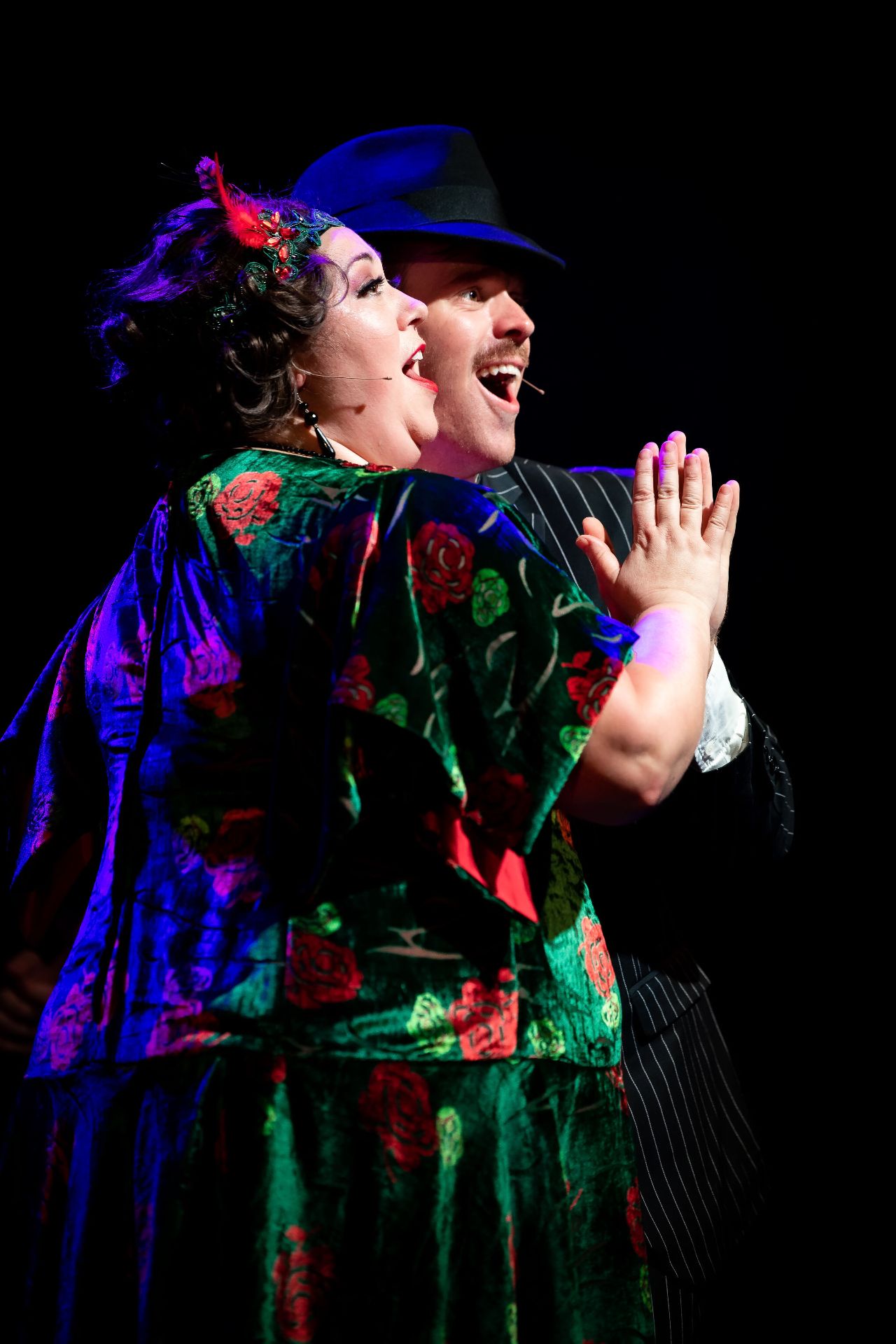
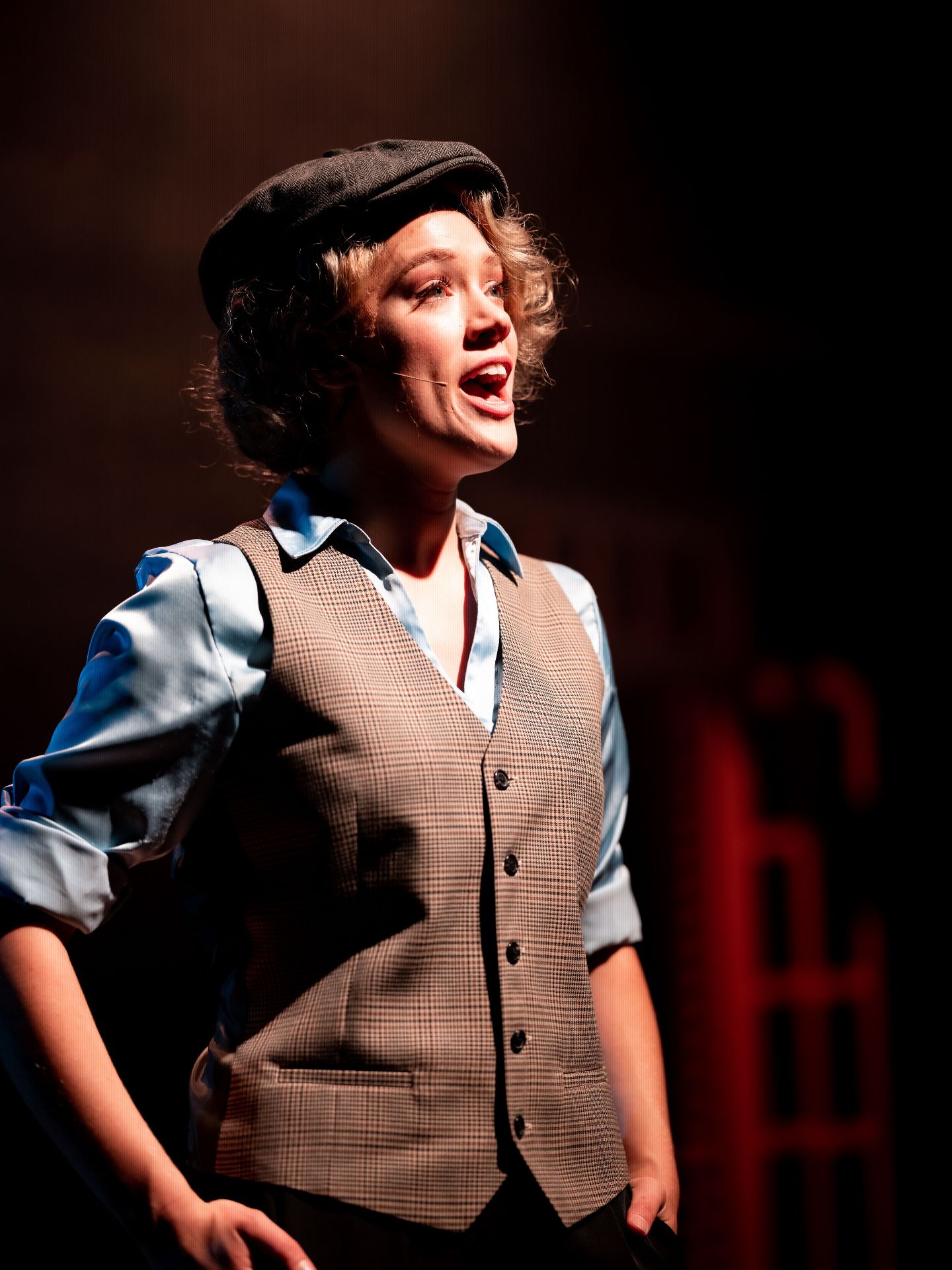
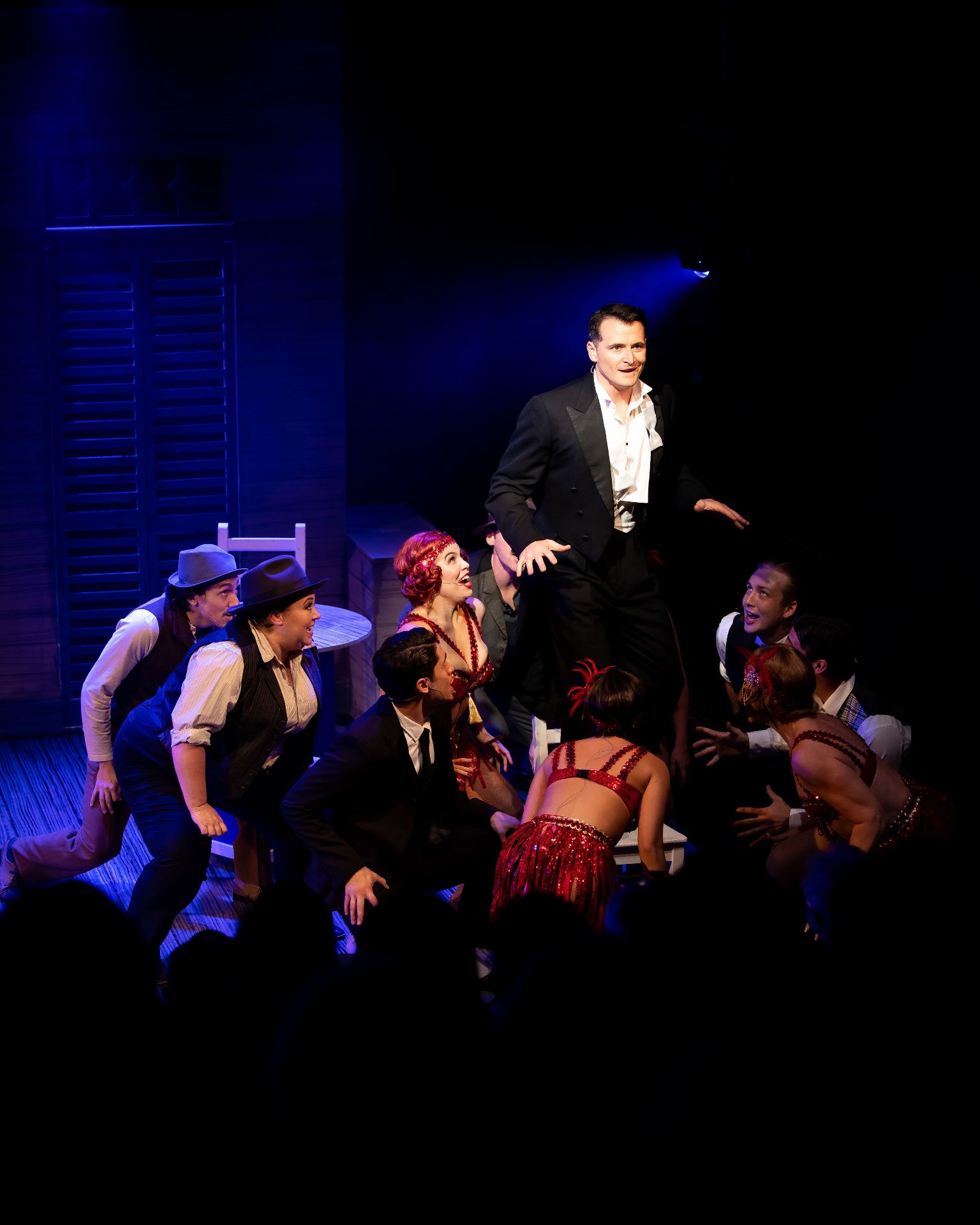
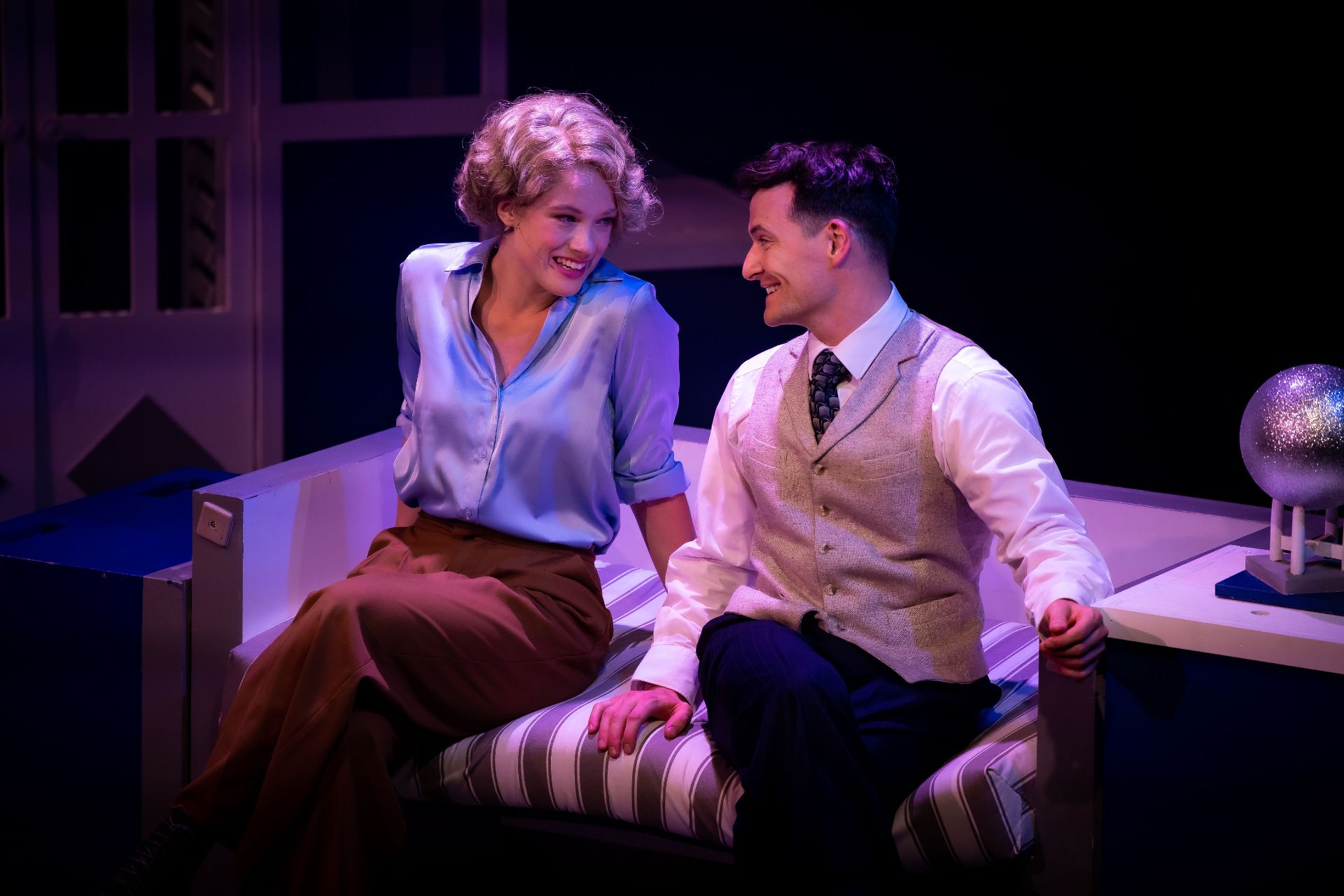
On stage, the scandalous couple’s story seems to lose all its lustre. Their personalities become too nice, and their lawlessness is portrayed too innocently. The book by Ivan Menchall feels uninspired, demonstrating that little about the legendary narrative remains captivating. Directed by Sam Hooper, who brings along an unmistakeable earnestness to this revival, but struggles to make the show deliver enough thrills and spills, even with the presence of firearms throughout the piece.
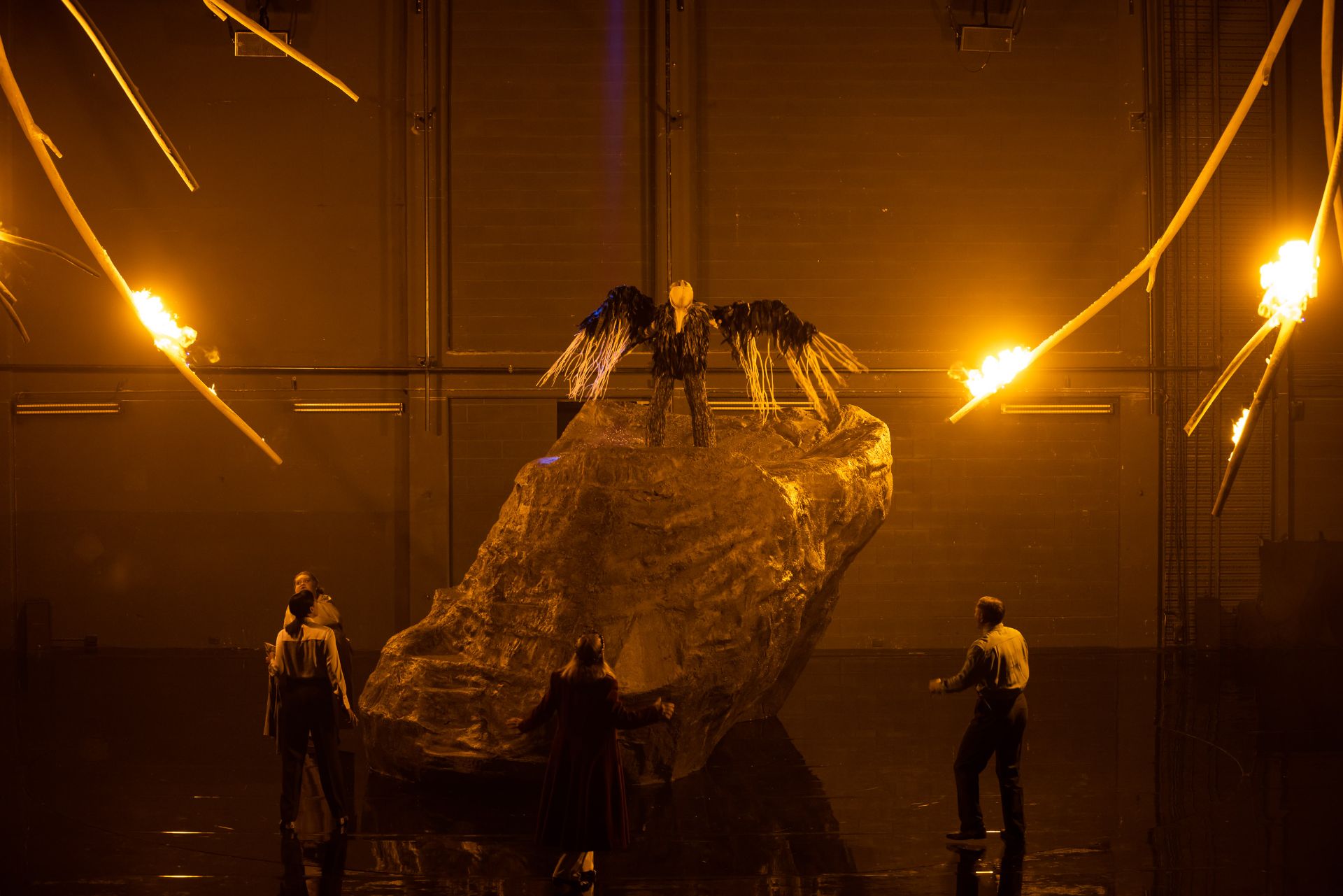
The general look of the production is accomplished with a minimalist approach, that can feel somewhat unimaginative, and sparse. The songs in Bonnie and Clyde however, are enjoyable. Music direction by Zara Stanton keeps things classic and tight, with neat but lively instrumentations that help to sustain our attention. Vocals by lead performers Teagan Wouters and Blake Appelqvist are powerful ; both offering technical brilliance that successfully elevate these lesser known tunes. Characters in the show, however, never feel convincing, and the audience is never really able to invest meaningfully into any relationship or narrative.

It may seem that we have finally lost interest in old criminals like Bonnie Parker and Clyde Barrow, but the truth is that we have simply shifted our admiration for the outlaw, to a different kind. In 2022, it is the billionaire maverick that has captured our attention. He does not have to wield guns or get his boots dirty. He simply fires off irresponsible tweets, and watch legions of fanboys fawn over his reckless behaviour. He uses his wealth and influence, to manipulate markets, bringing untold volatility to our economies. All because of his insatiable need, to look important and to feel virile.

www.hayestheatre.com.au

Review: Horses (25A Belvoir)

Venue: Belvoir St Theatre (Surry Hills NSW), Jun 16 – 25, 2022
Playwright: Ian Sinclair
Director: Tait de Lorenzo
Cast: Justin Amankwah, Tom Dawson, Caitlin Doyle-Markwick, Nathaniel Langworthy, Charlotte Otton, Brontë Sparrow
Images by Robert Catto

Theatre review
The story takes place barely a century ago, during the Great Depression. Several hundred people gather to participate in a dance marathon, in hopes of winning a cash prize of $1,500. They are only allowed ten-minute breaks every 2 hours, and we hear early on, that previous contests had gone on each time, for over a thousand hours. It is a perverse reality show, that is part Big Brother and part ancient Roman blood sport, capitalising on the human’s insatiable thirst for exploitative entertainment. Based on Horace McCoy’s 1935 novel and Sydney Pollack’s 1969 film They Shoot Horses, Don’t They?, this new adaptation by Ian Sinclair moves the action from California to Sydney, and is concisely retitled Horses.

Although retaining the macabre qualities of the original, Sinclair’s vision is decidedly humorous, in this very modern transposition to the stage. Indeed, the bizarre conceit lends itself to a dark comedy, which director Tait de Lorenzo does not hesitate to use to her advantage. Instead of relying on the tragedy’s undeniably sad dimensions, de Lorenzo provokes us into thought, by making us laugh. The result is a surprisingly funny show, that also cares to be poignant enough for the important questions, about who we are and why we are, to emerge.

Production design by Cris Baldwin draws attention to the event as a spectacle for amusement, whilst ensuring that we never lose sight of the difficult times during which it had occurred. Benjamin Brockman’s lights convey the sorrowful heart of the story, even when offering bedazzling concoctions that fascinate our eyes. Similarly sophisticated, is sound design by Zac Saric offering an intricate and complex landscape, often telling us more than the dialogue does, about all that we need to know about Horses.

An excellent ensemble of six players, individually idiosyncratic, but wonderfully cohesive as a whole, take us on a revelatory and ultimately brutal vaudeville, about our worst selves. Nathaniel Langworthy and Charlotte Otton are effortlessly comical, with mischievous presences that insist on our mirthful responses. Tom Dawson and Caitlin Doyle-Markwick bring whimsy to the production, with a sense of experimental freedom, that helps us broaden our minds, as we form meanings from a theatre that speaks more in terms of symbols than it does in words. Justin Amankwah and Brontë Sparrow deliver the sentimental aspects of Horses, both captivating, and effective in engaging our empathy, for this hideous moment of self-reflection.

Watching Horses today, we need to be conscious of the difference in circumstances, between now and then. Although poised for a period of recession, we must not interpret the story in too similar a way from when it had been written. It is crucial that the truth about extreme wealth disparities in the twenty-first century, should play a significant role in modern interpretations of the story.

Like the competing dancers in Horses, we often find ourselves fighting one another, thinking that that is the only way to get ahead. Convinced that there can only be one winner in so many of our circumstances, we have been trained to not only act ruthlessly, but to submit to humiliation and self-blame. We have grown accustom to the top ten percent owning virtually everything in the world that is commodifiable, and we let them manipulate our lives to serve their purpose, of worsening that unforgivable discrepancy.

There is no reason, especially today, for any of us to demean ourselves in the name of entertainment, in order to make a buck, yet that seems to be par for the course. In so much of today’s idea of amusement, from television to TikTok, people put themselves through all manner of debasement, so that they can become winners of little consequence. The ones who benefit most, do not have themselves shown. They might shoot the horses, but they show us no mercy. They simply send in the clowns and reap all the rewards.

www.belvoir.com.au

Review: Daddy Developed A Pill (Snatched Theatre Collective)

Venue: Kings Cross Theatre (Kings Cross NSW), Jun 8 – 18, 2022
Playwright: Cassie Hamilton
Director:
LJ Wilson
Cast:  Sarah Greenwood, Clay Crighton, Jack Francis West
Images by Snatched Theatre Collective

Theatre review
In Cassie Hamilton’s Daddy Developed a Pill, Cynthia’s father strikes it rich, after inventing a drug that becomes hugely popular. The sudden change in lifestyle means that Cynthia no longer gets to see her father regularly. Feeling neglected, she grows into adulthood desperately trying to win his approval, and forms the belief that by creating a pill of her own, she would be speaking her father’s language, and thus able to regain his attention.
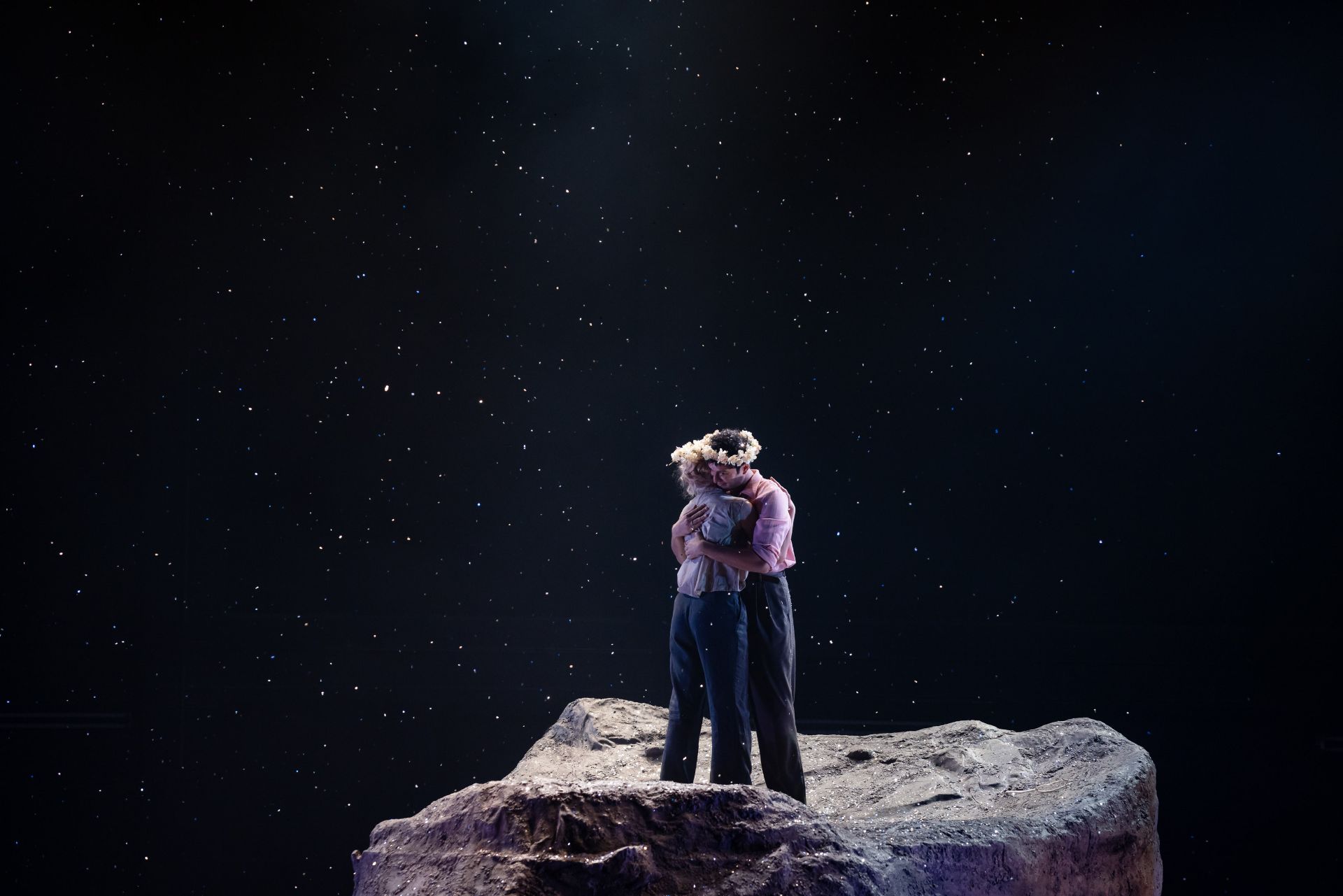
It might be a relatively simple narrative, but the plot of Hamilton’s play is complicated. 16 characters weave in and out, in an intentionally chaotic melange of short sequences, with rapid fire dialogue of which the audience is likely to only retain a small portion. The chronology of action seems erratic, but we are not the only ones confused. Cynthia is at the centre of all the hullaballoo, and she too is bewildered. Indeed, her existence is one of alienation and uncertainty. She stands outside, as though in a state of dissociation, whilst lovers, family and work associates, are fussing over her, caught up in dramas about Cynthia, while all she wants is her father.
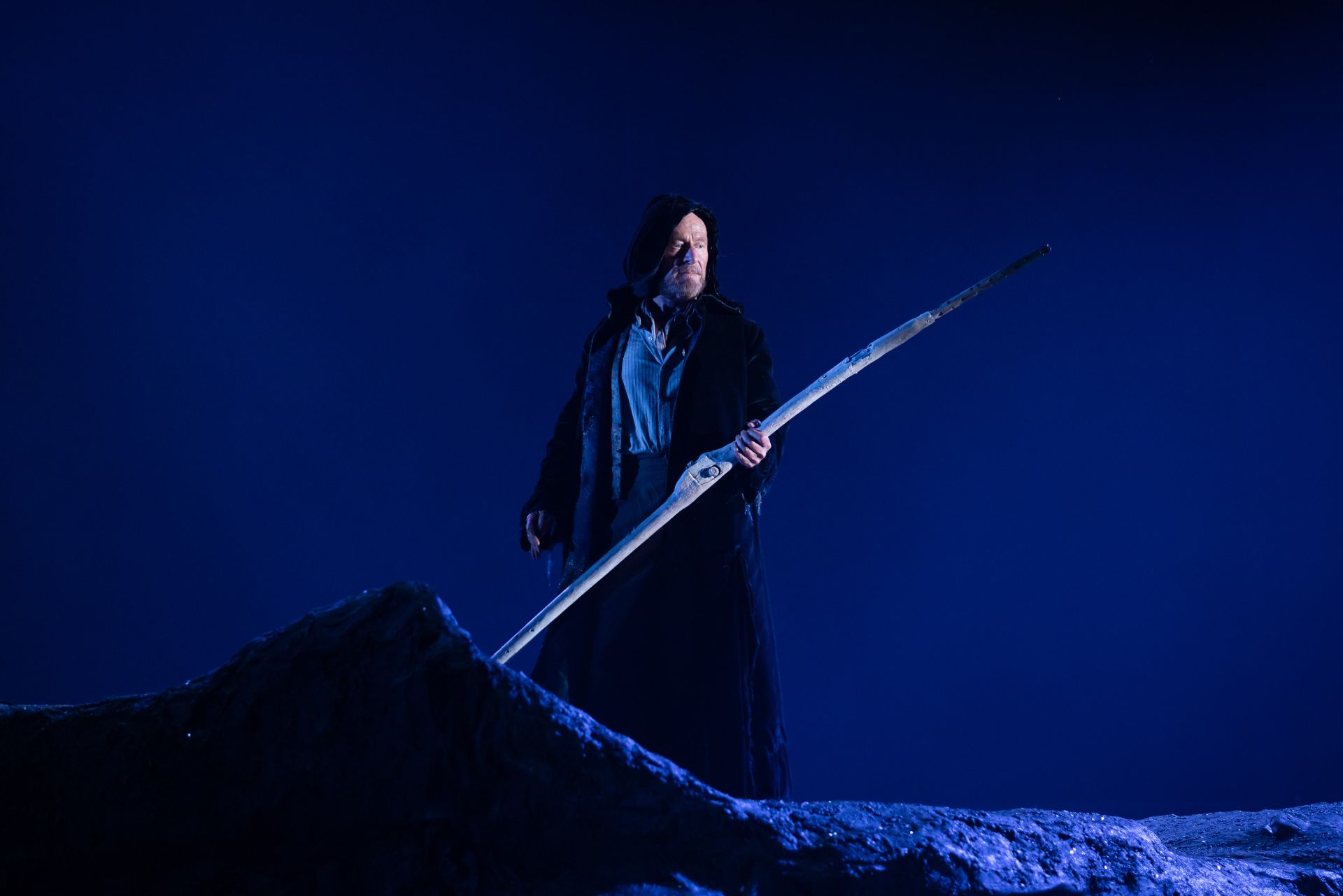
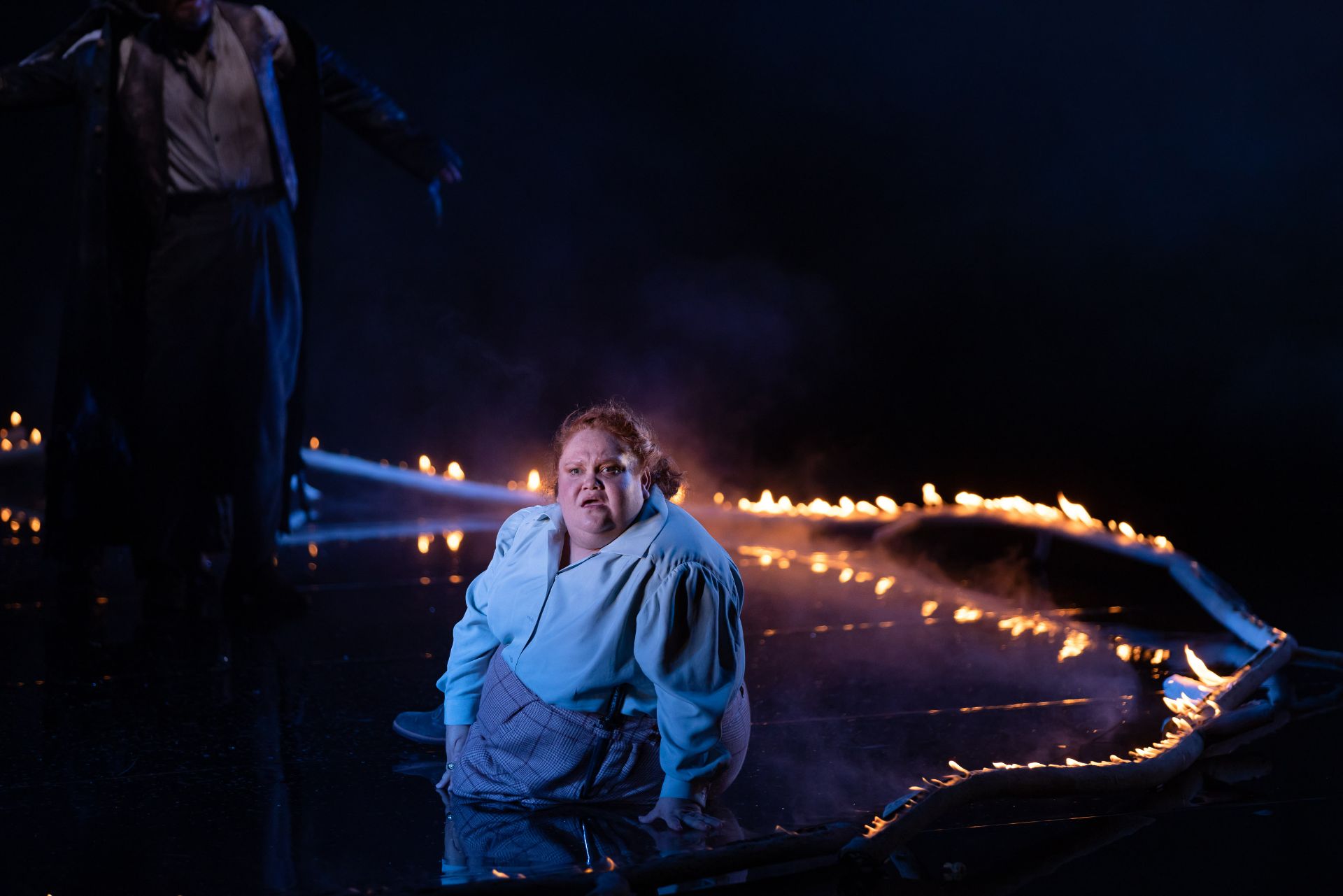
Direction by LJ Wilson is relentlessly raucous. The entire show takes on the tone of a riotous comedy, but it is never truly funny. Even though the laughs are sporadic, much of the presentation proves captivating. The sheer energy of the staging sustains our interest, if only out of curiosity, for this rare occurrence of outrageously exuberant absurdism.
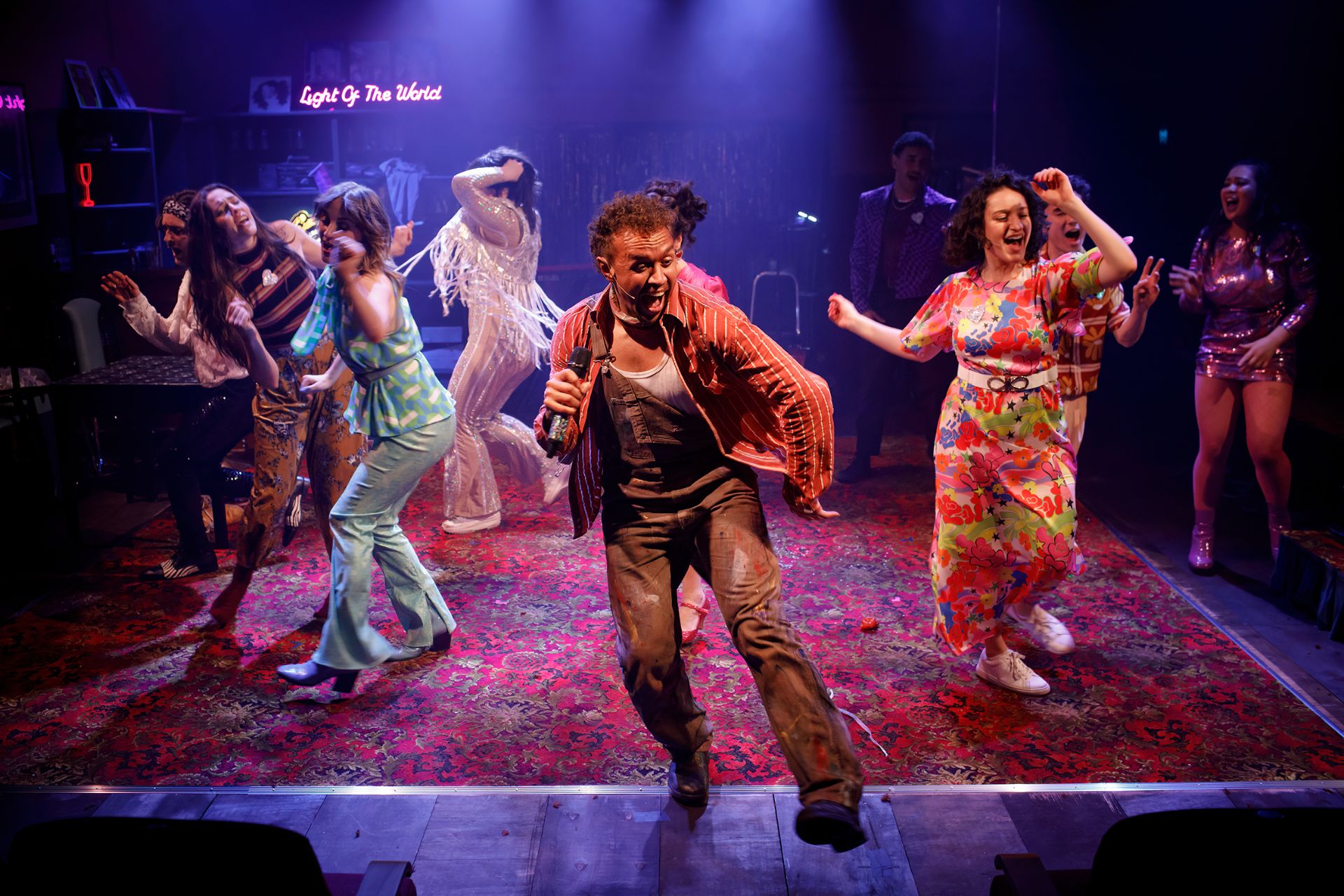
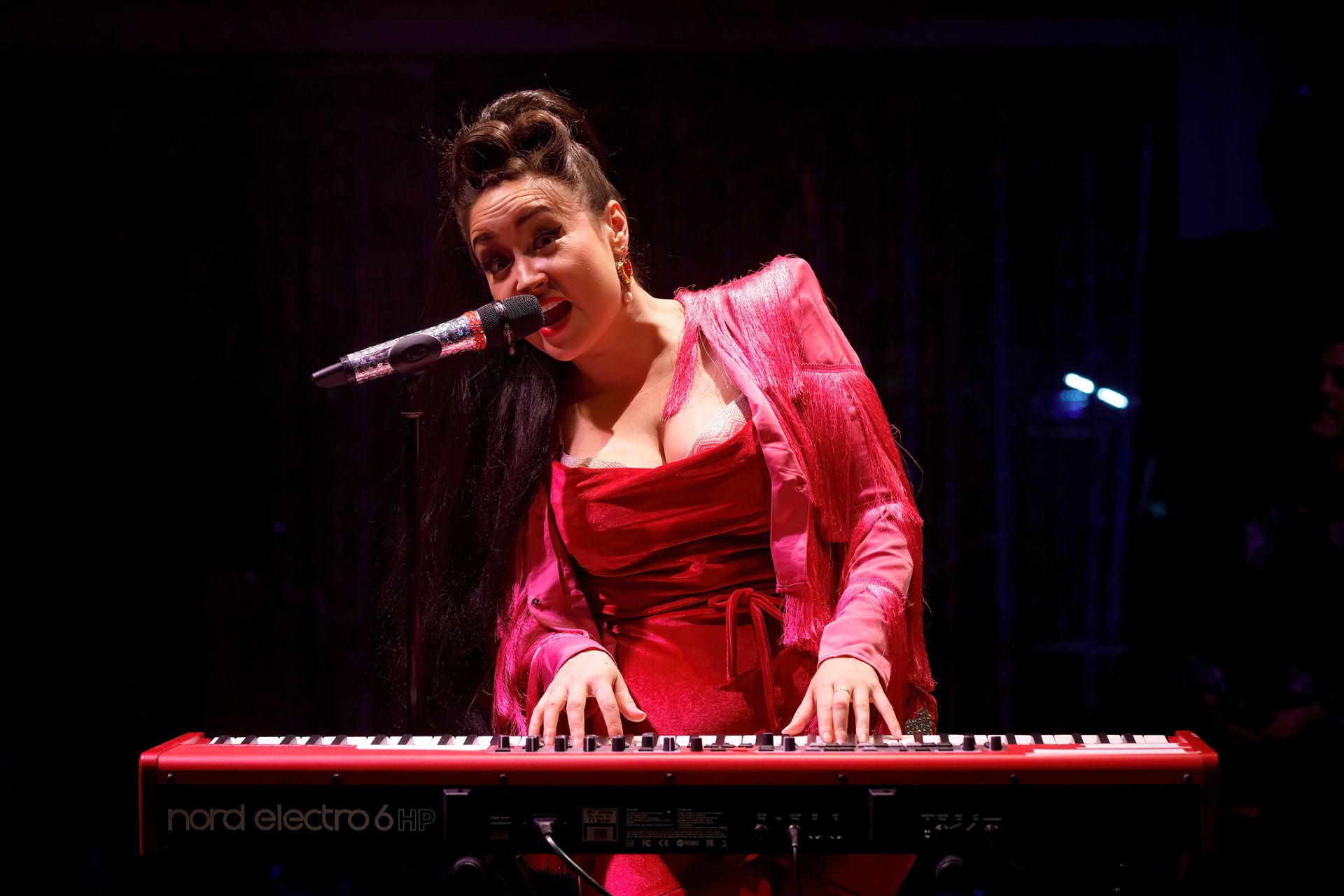
Rowan Yeomans’ sound and music are consistently lively, with a penchant for manufacturing an atmosphere of euphoria, to accompany the madcap performance style. Production design by Kate Beere is all glitz and camp, to invoke the vaudeville tradition. Jesse Grieg’s lights are flamboyant and colourful, adding great visual dynamism to proceedings.

Actor Sarah Greenwood as Cynthia is to be commended for conveying emotional authenticity, throughout the 95 minutes of ceaseless pandemonium. Clay Crighton and Jack Francis West are wonderfully animated with their extensive repertoire of roles, both impressive with the vigour they bring to the stage, and with the irrepressible mischievousness that accompany all the surreal hijinks they deliver. This team of three is remarkably well-rehearsed; the fluency with which they execute this intricate and convoluted work, is quite a sight to behold.

Cynthia struggles to find herself, because she feels unloved. Her father’s absence creates a hole that she seems unable to fill, yet life goes on. In Daddy Developed a Pill, it is the daughter who is left broken, and for those of us who recognise ourselves in that state of ruin, it is that honest depiction of a lack of closure, that resonates. Too much of our storytelling wants to offer catharsis, with sweet endings to sad tales. What seems more truthful on this occasion, is to see that we often experience no closure, only a hope that resilience accrues with each blow, and we simply keep going.

www.facebook.com/snatchedcollective