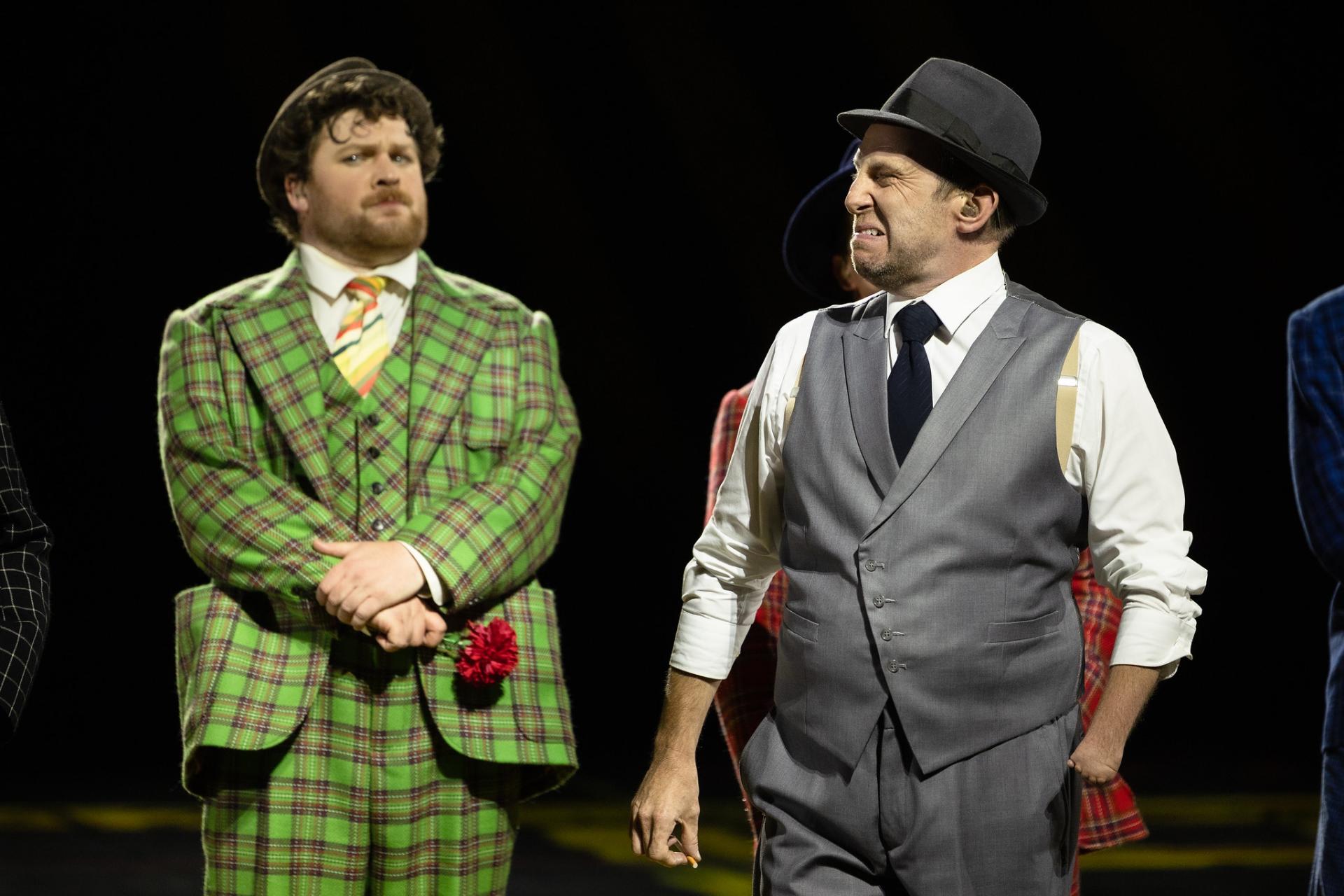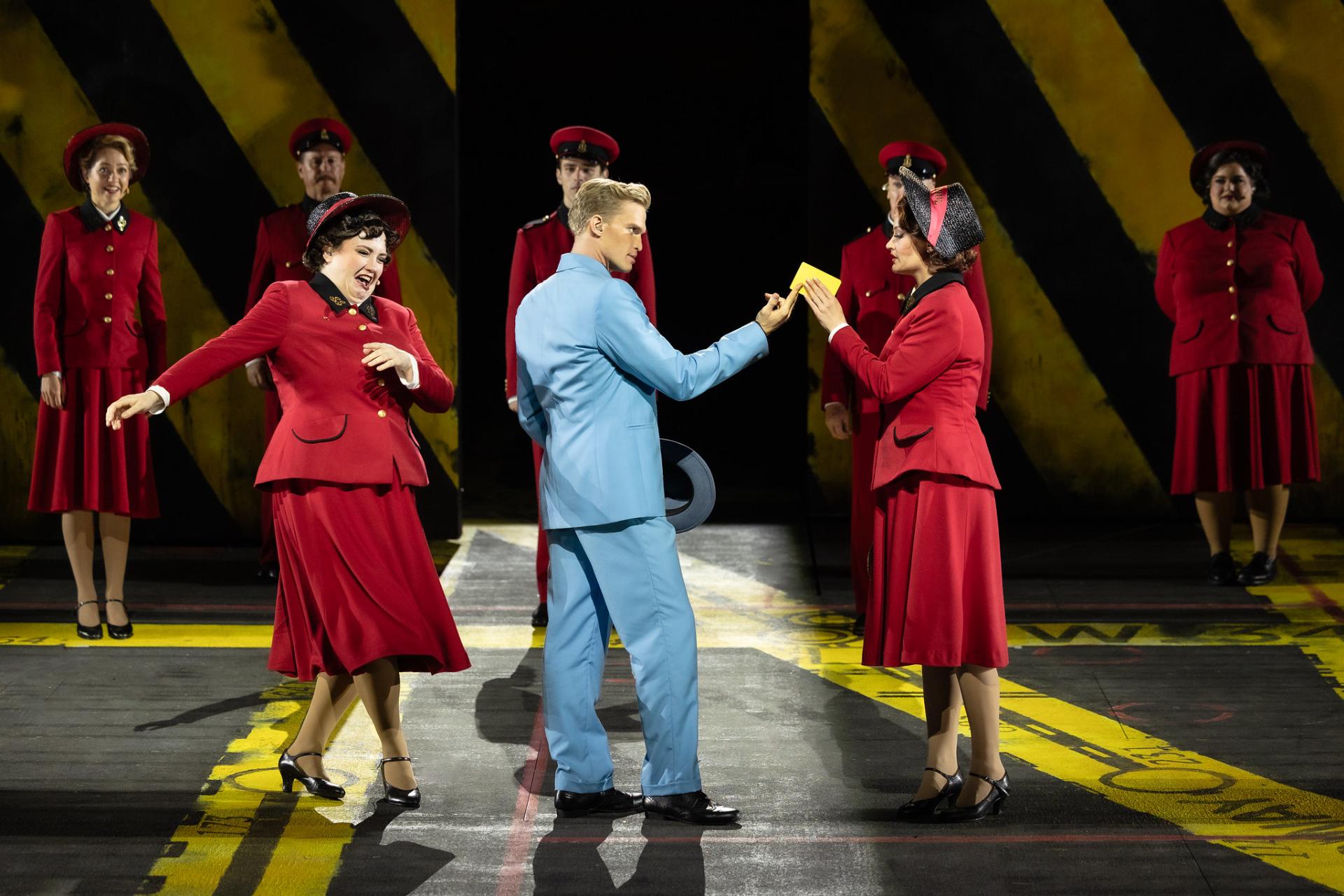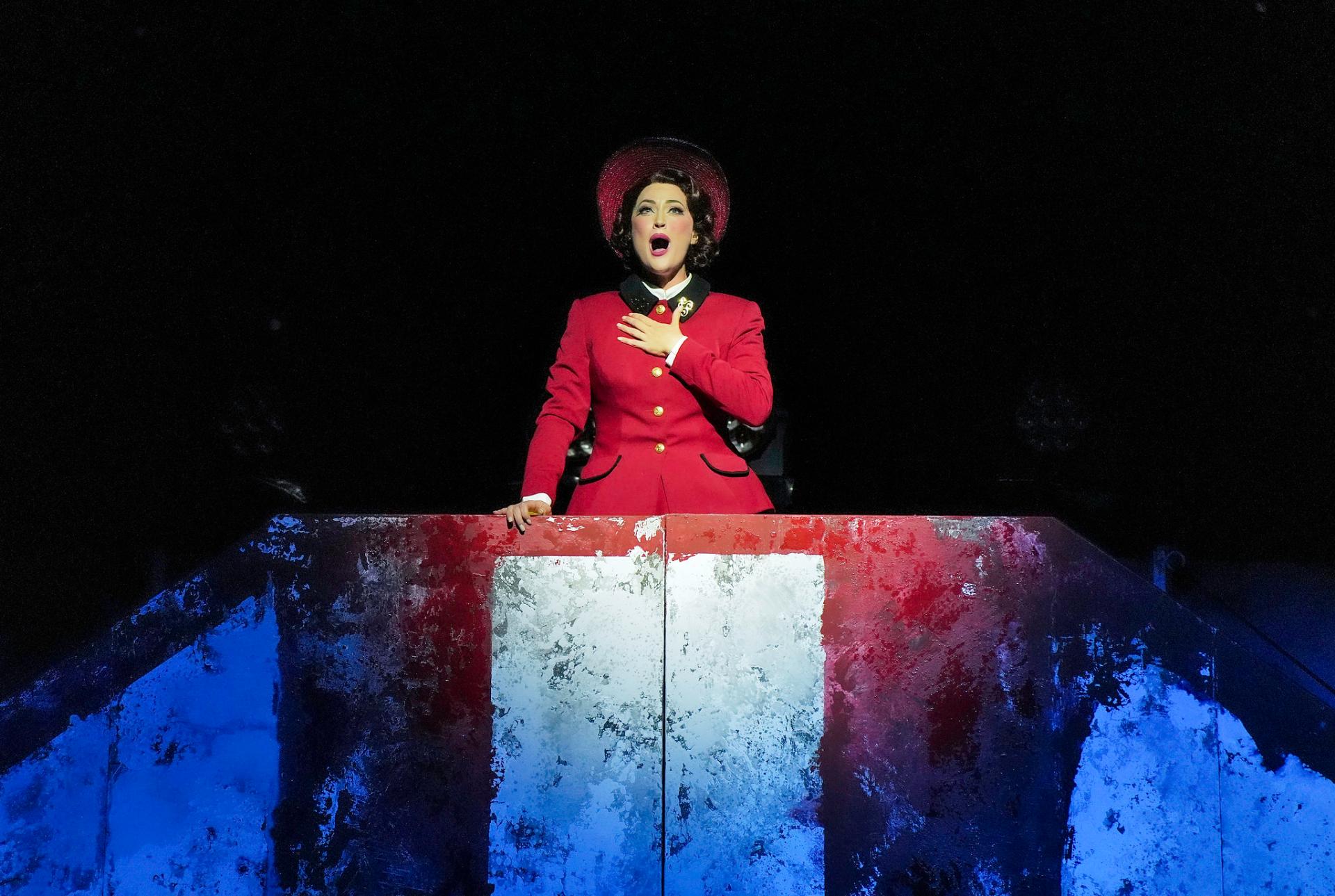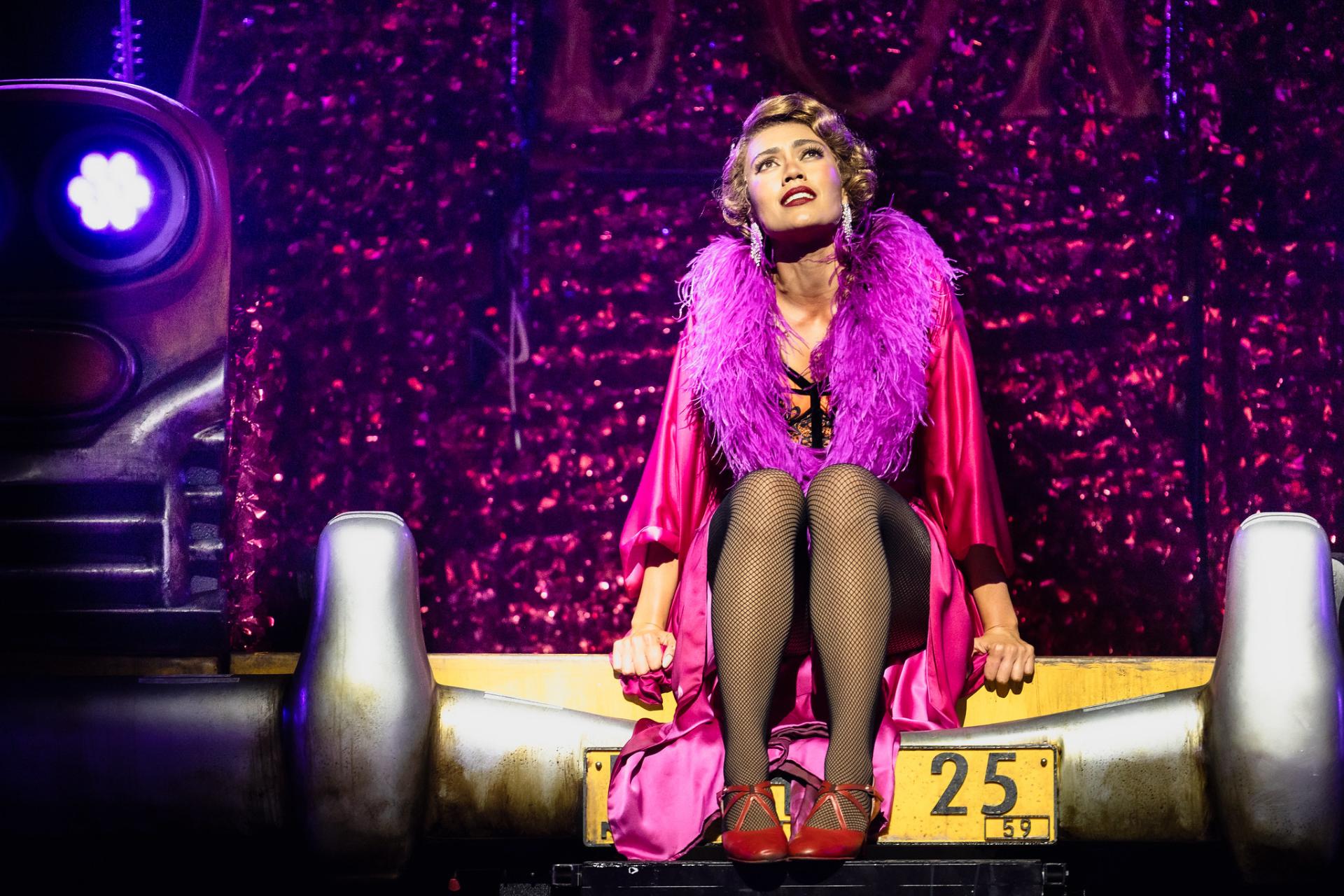
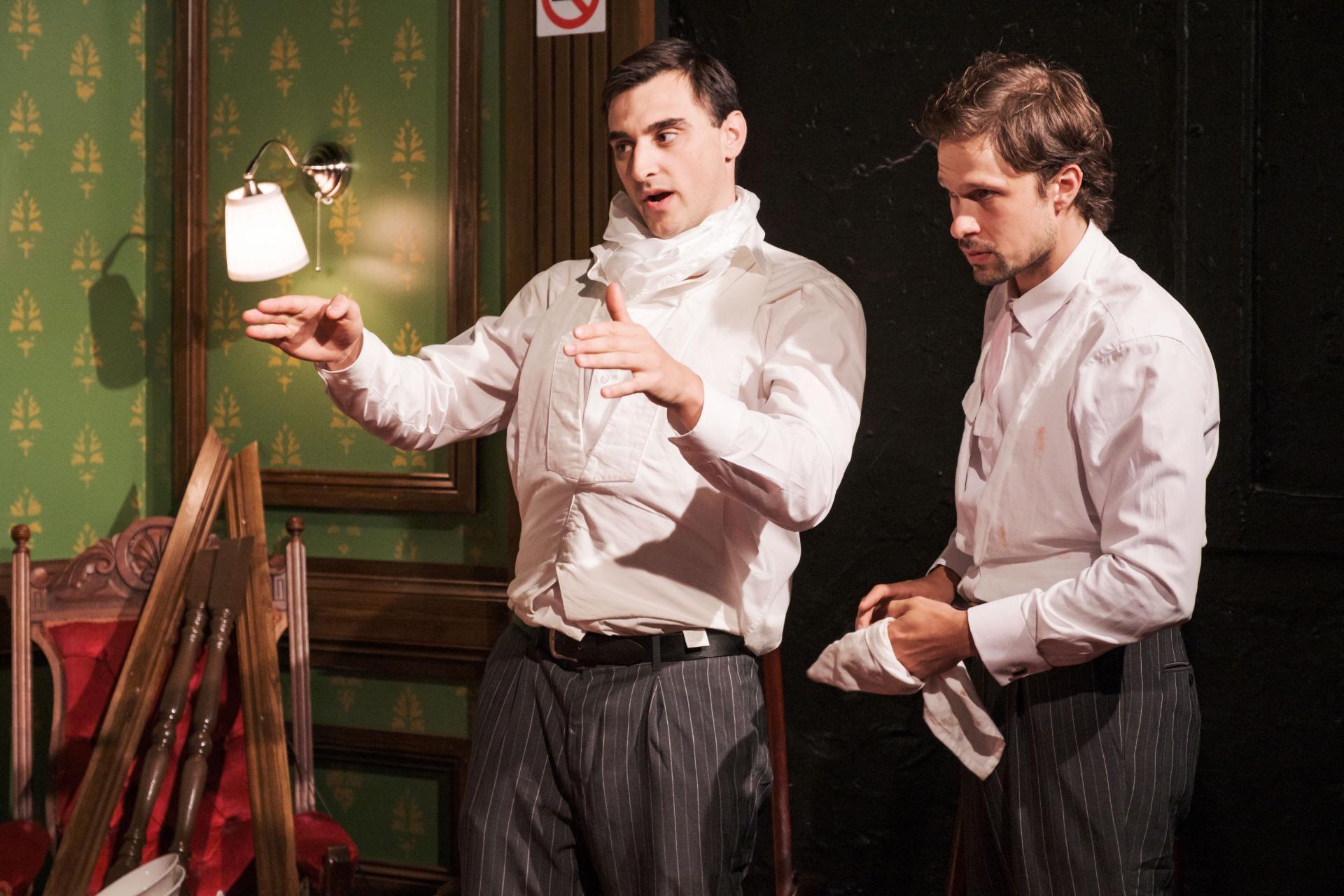
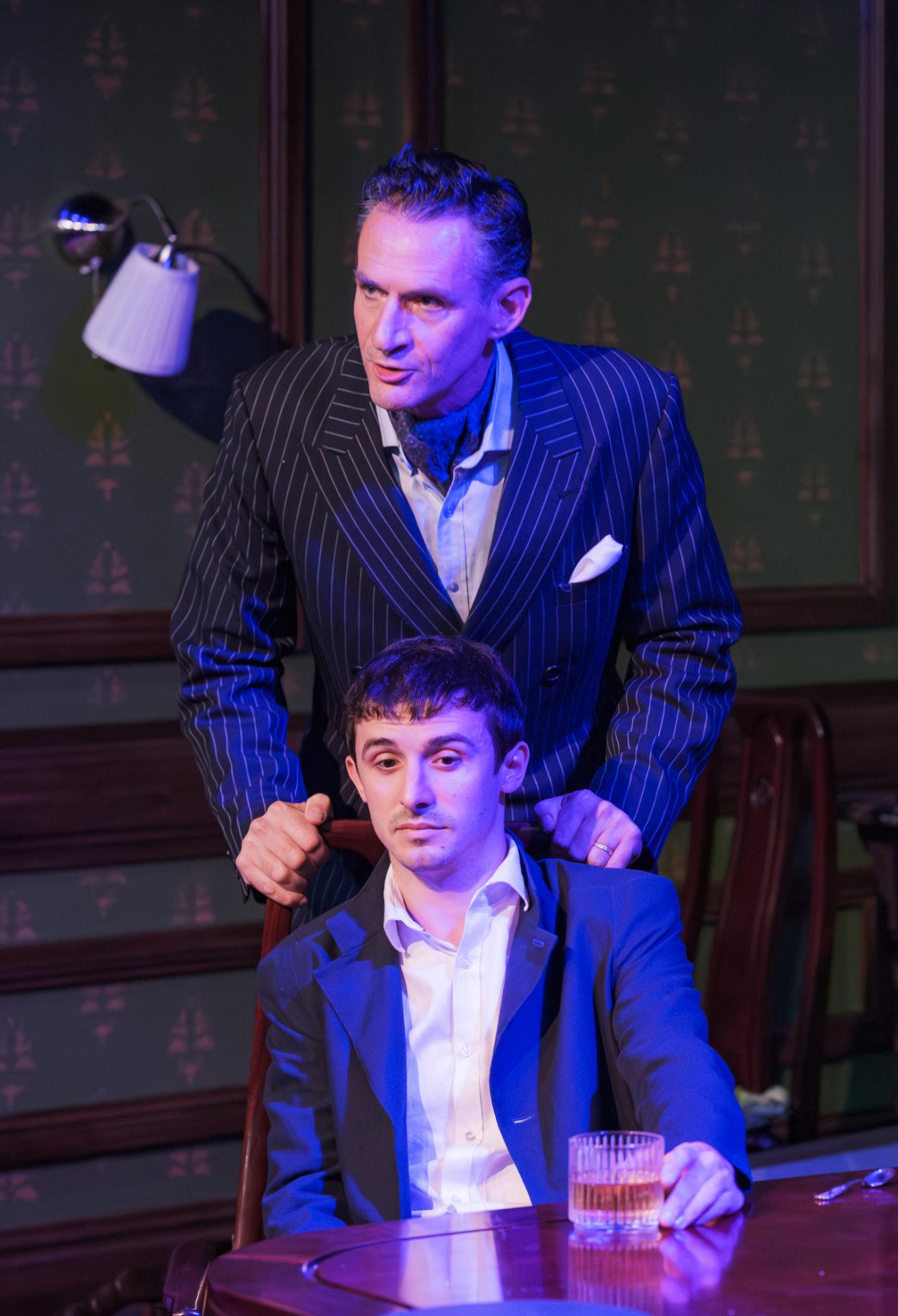
Review: August: Osage County (Belvoir St Theatre)

Venue: Belvoir St Theatre (Surry Hills NSW), Nov 9 – Dec 22, 2024
Playwright: Tracy Letts
Director: Eamon Flack
Cast: Tamsin Carroll, Bee Cruse, John Howard, Bert LaBonté, Amy Mathews, Johnny Nasser, Rohan Nichol, Will O’Mahony, Pamela Rabe, Anna Samson, Greg Stone, Helen Thomson, Esther Williams
Images by Brett Boardman

Theatre review
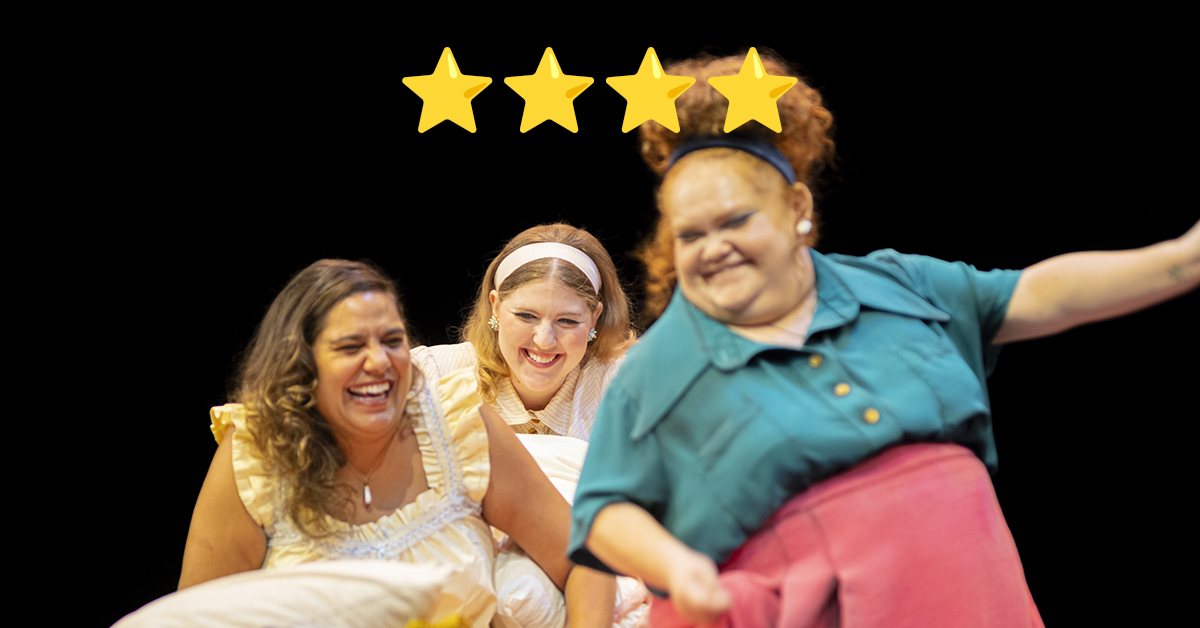
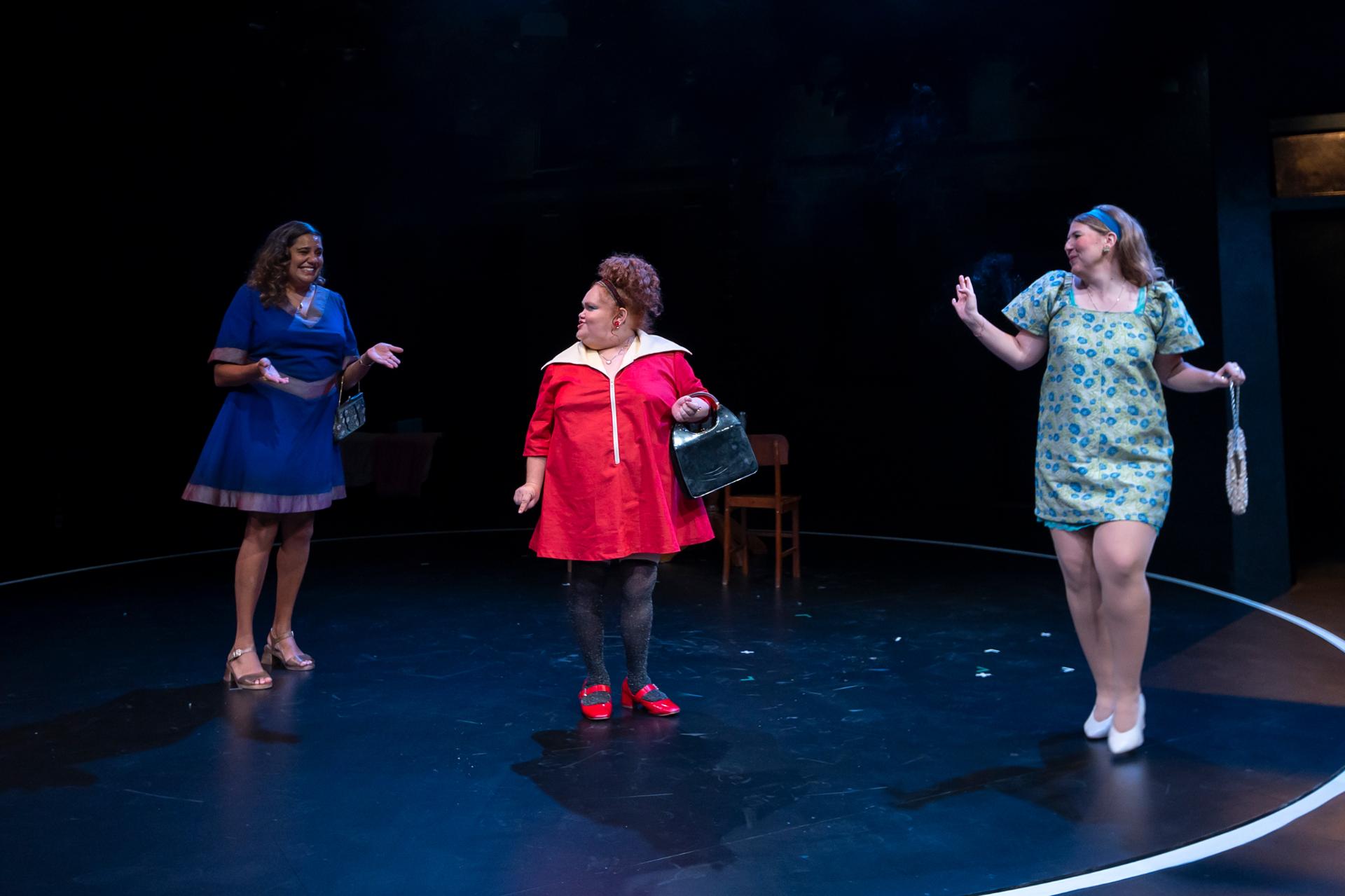
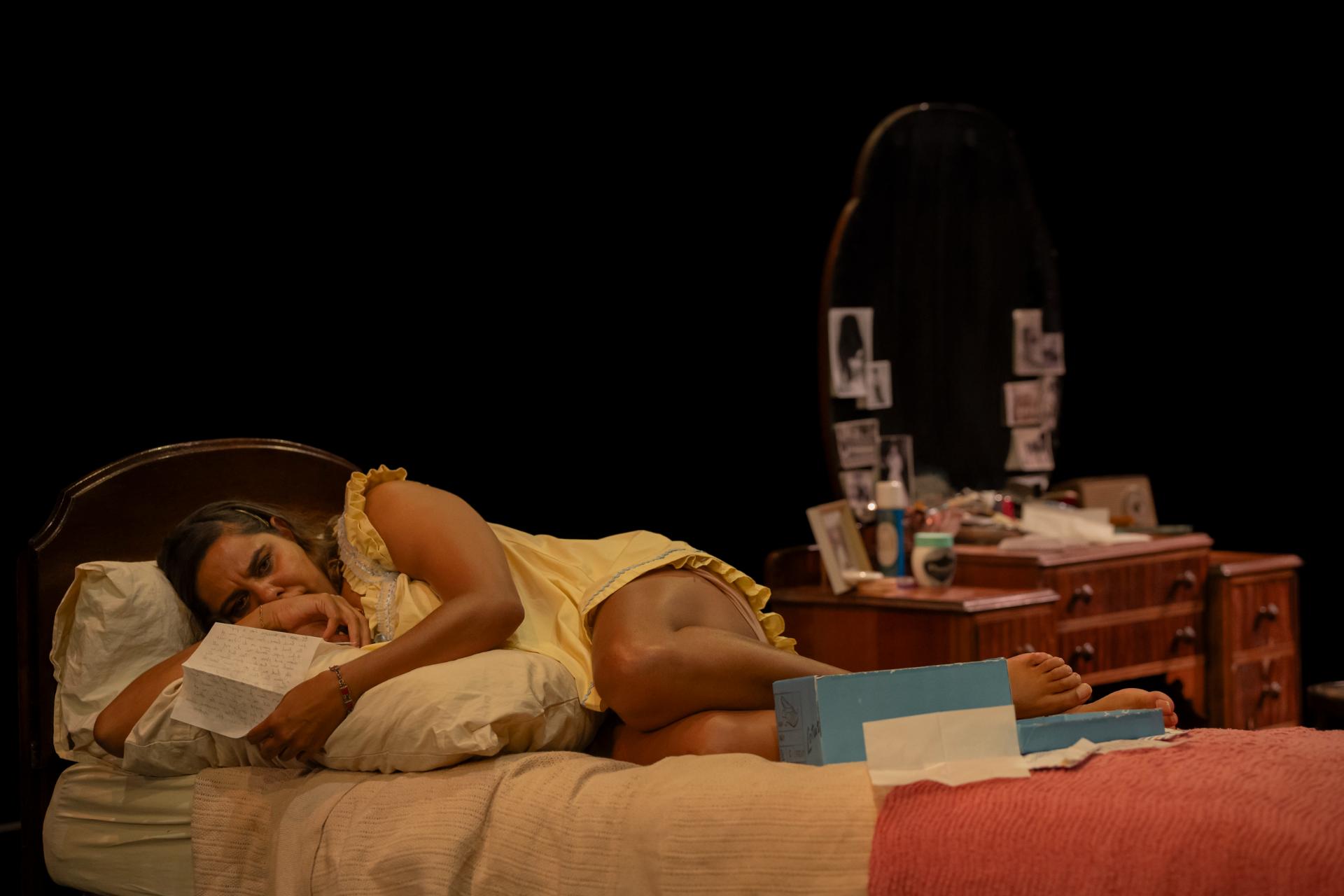
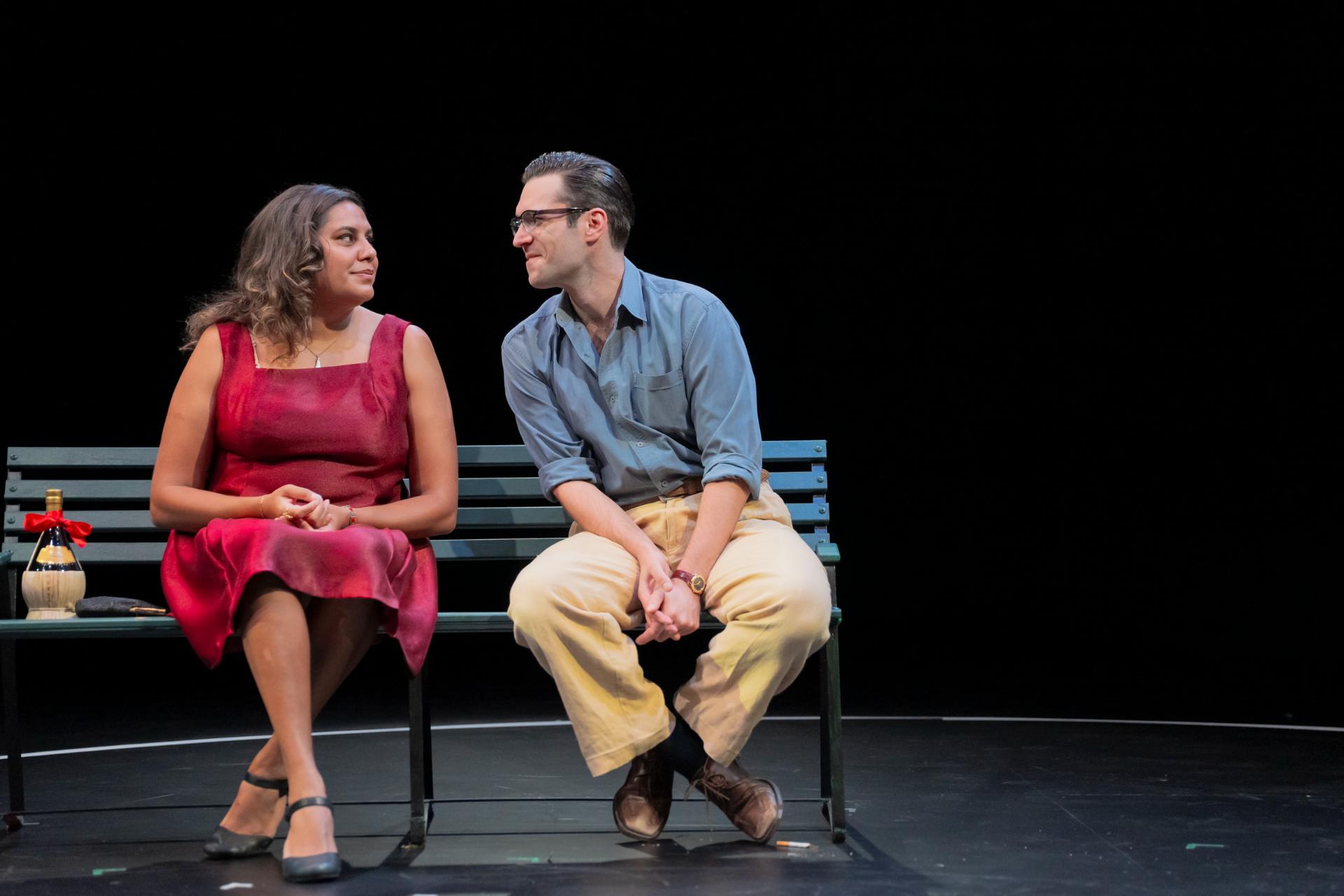
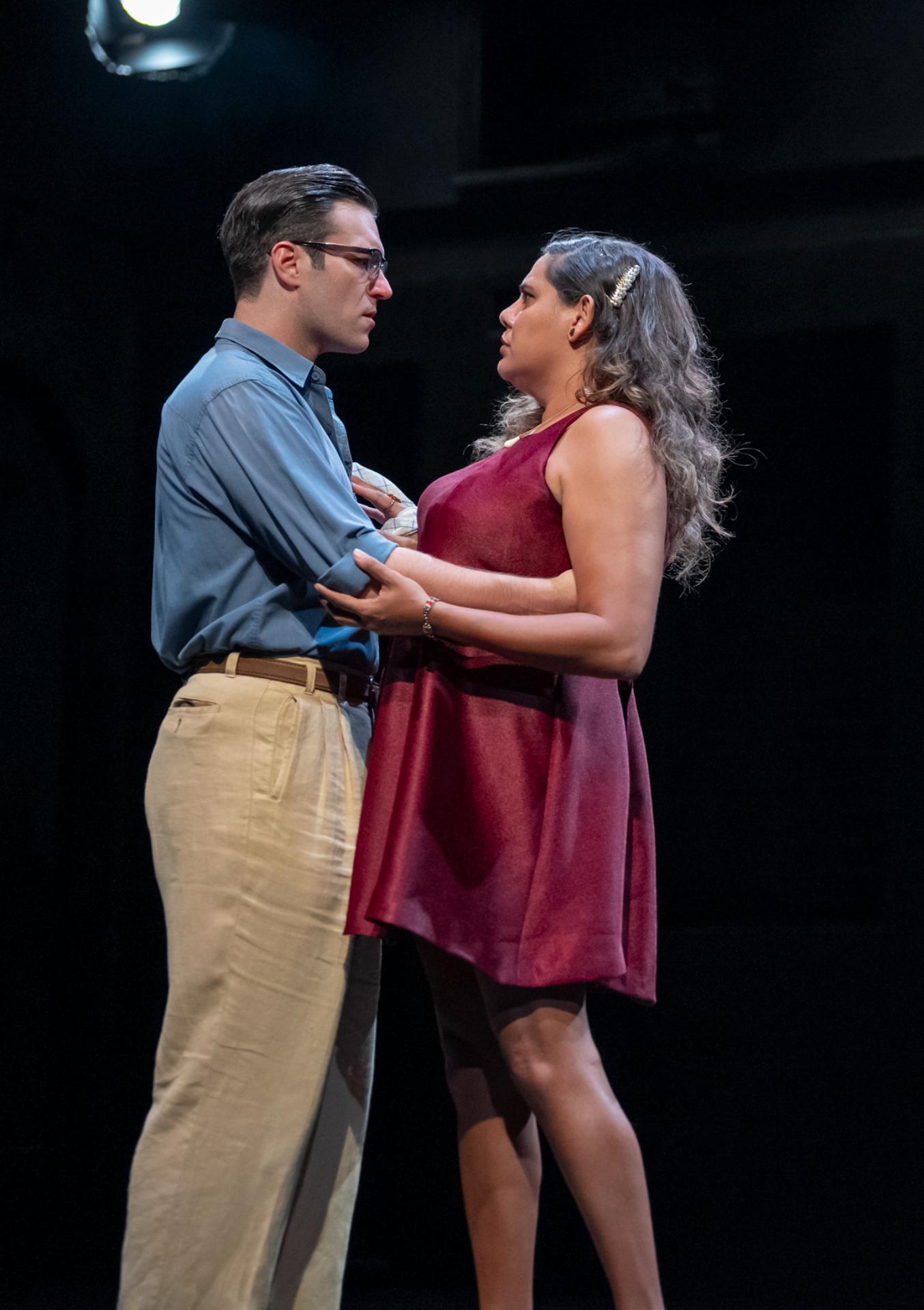
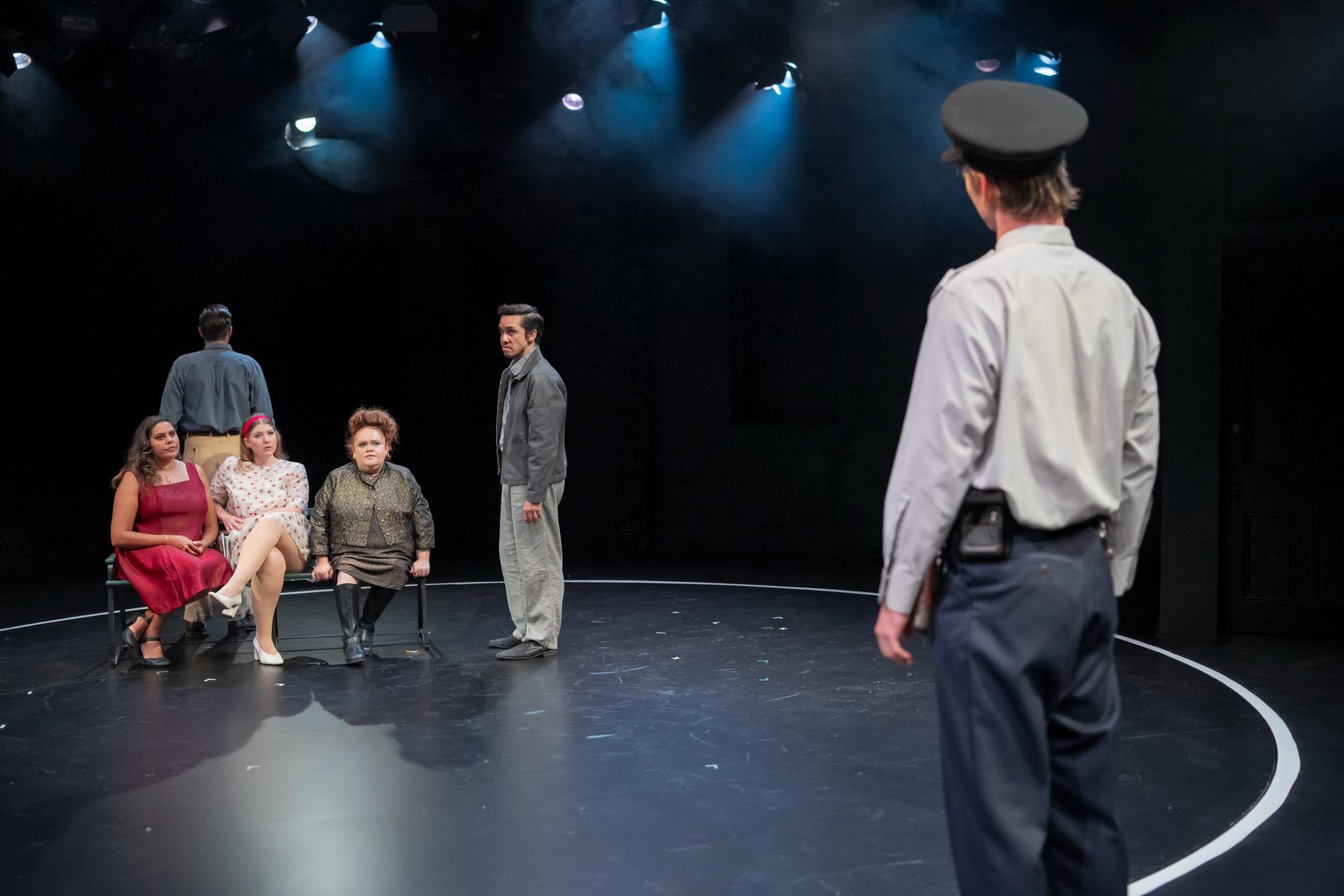
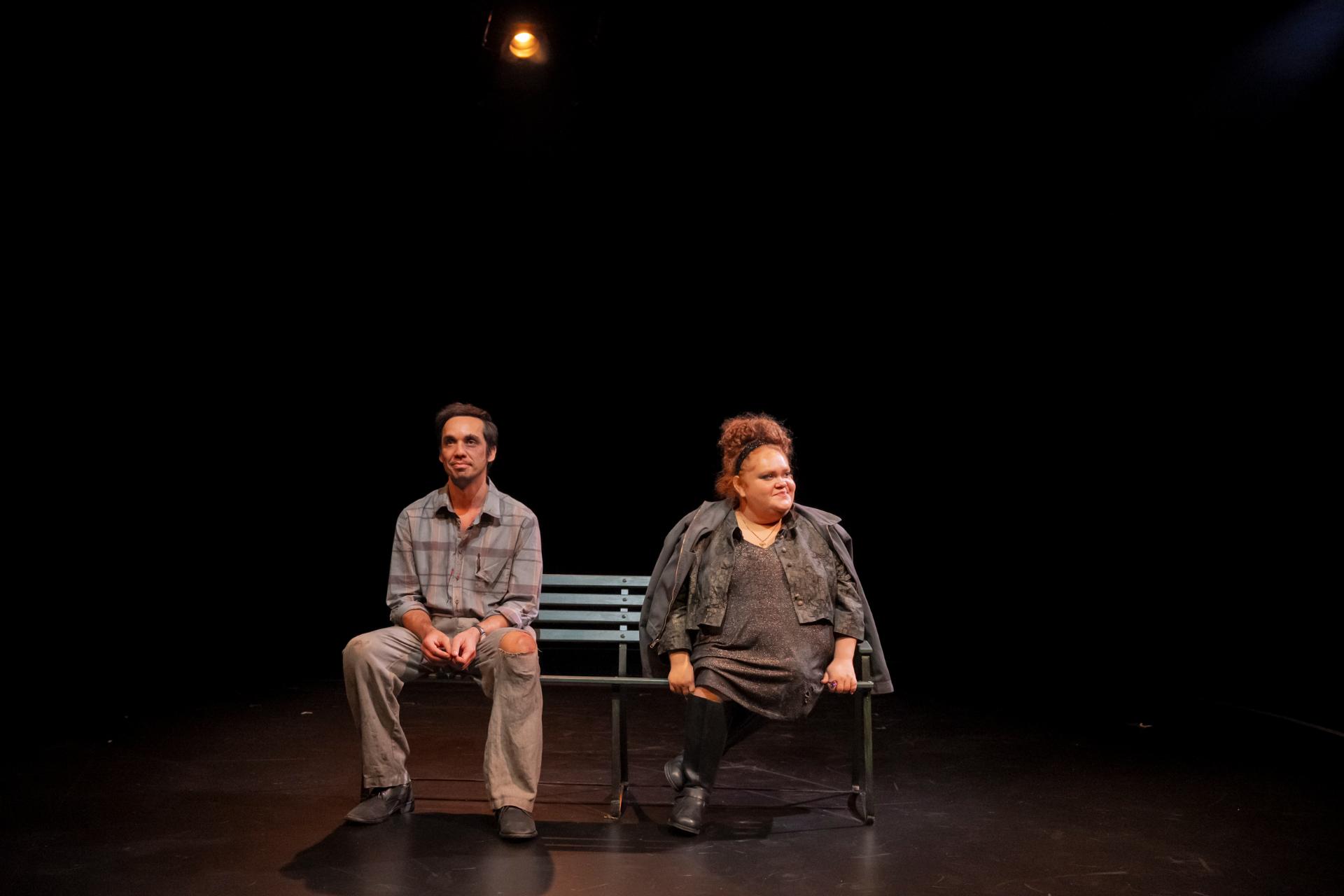
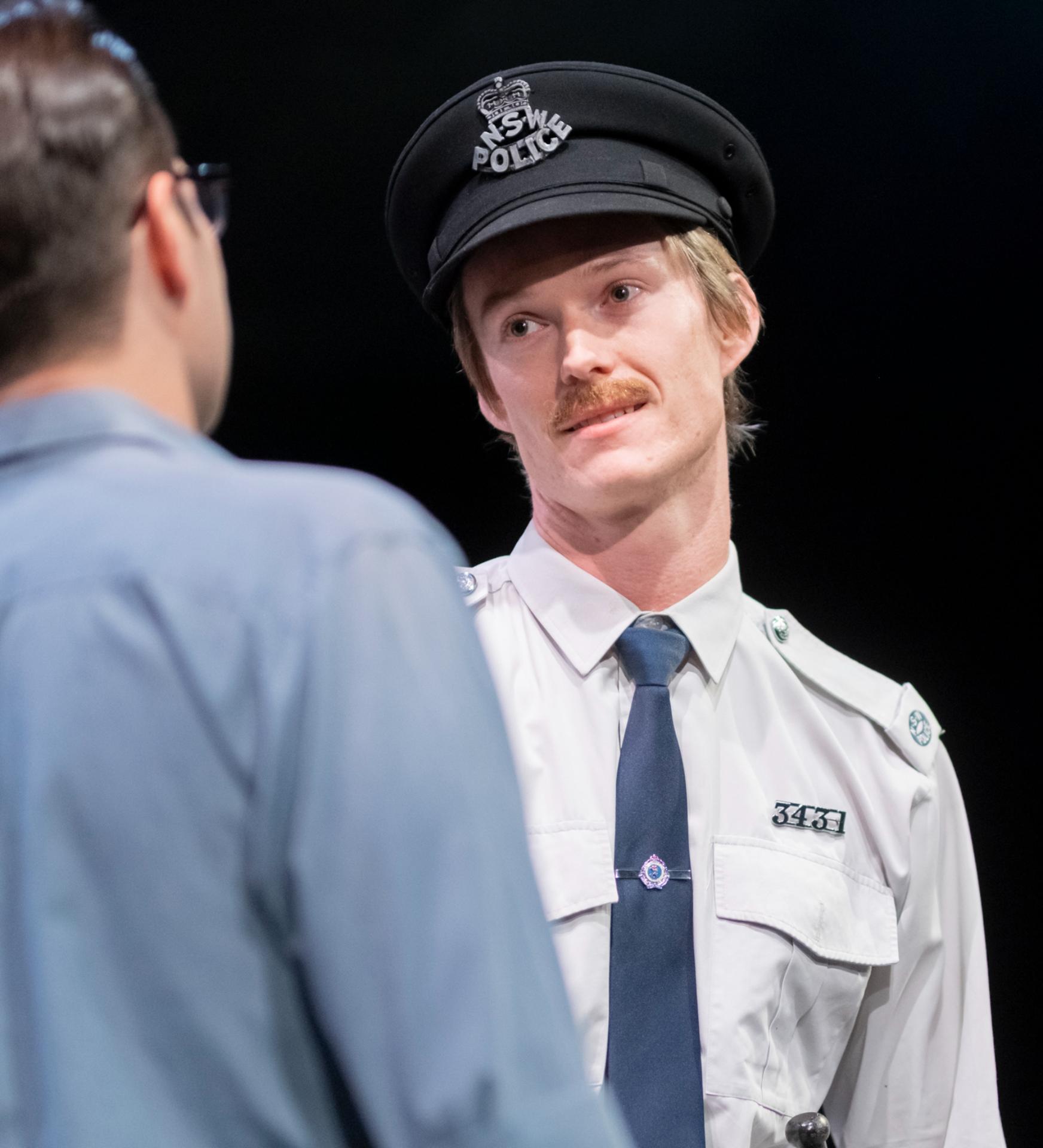
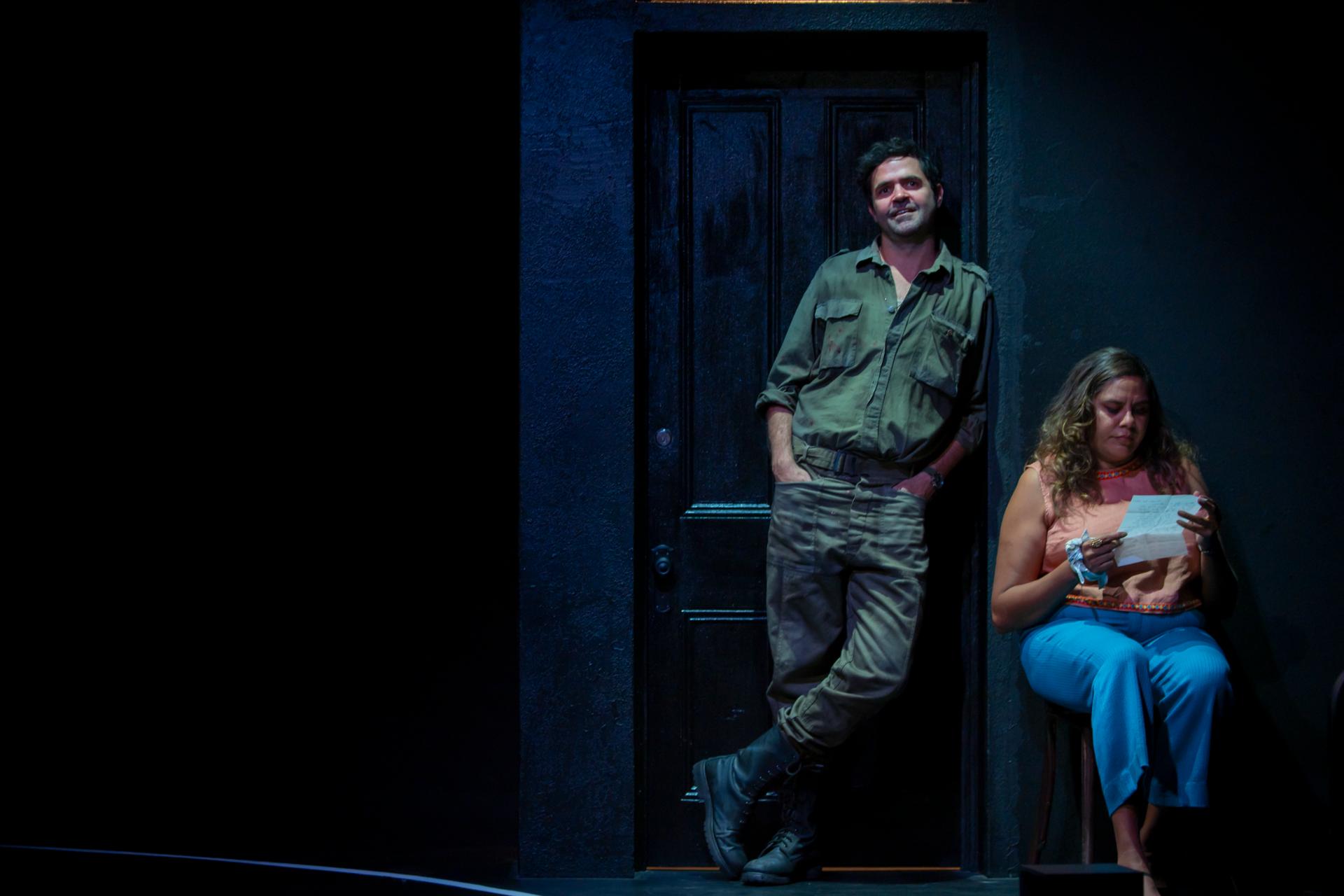
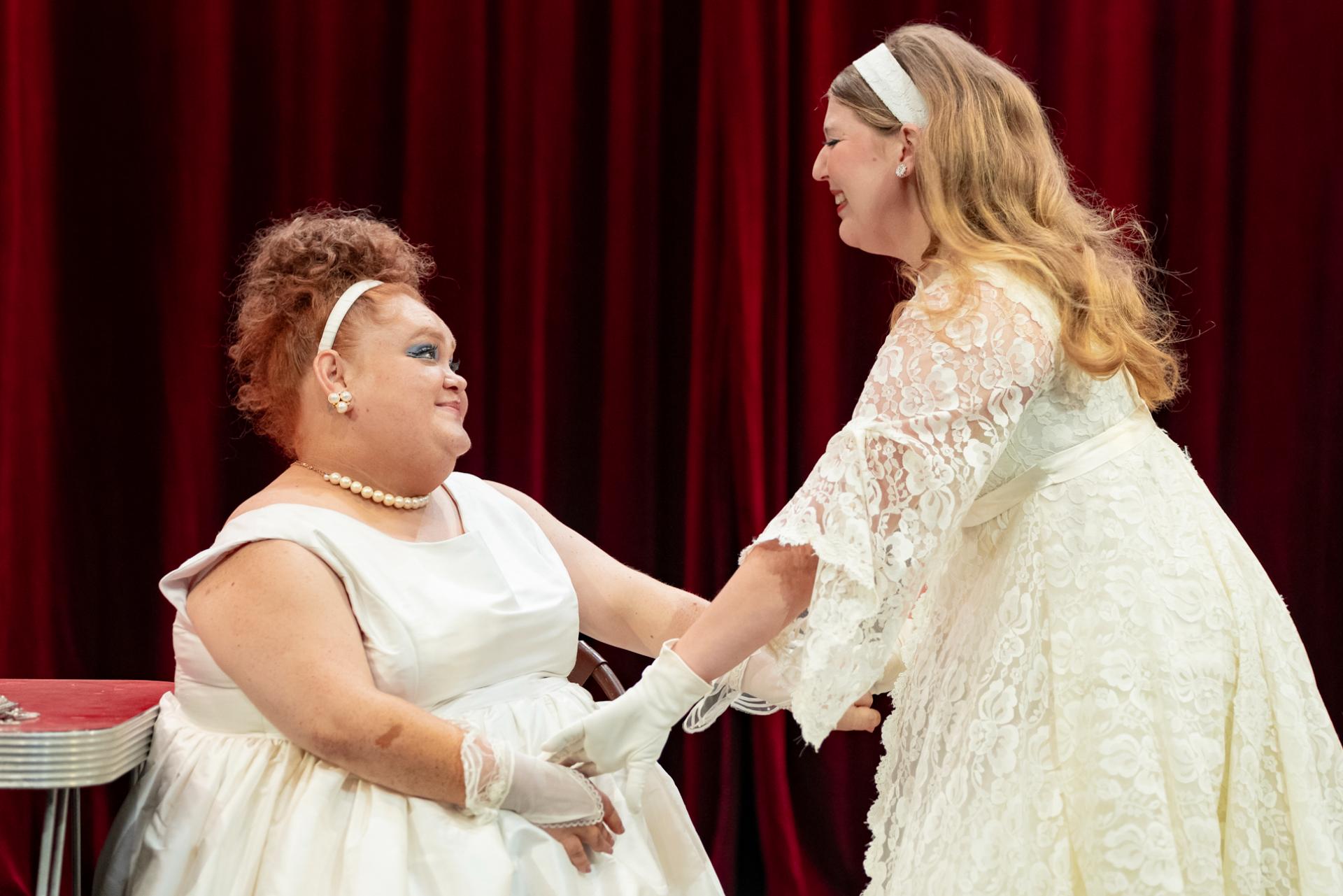
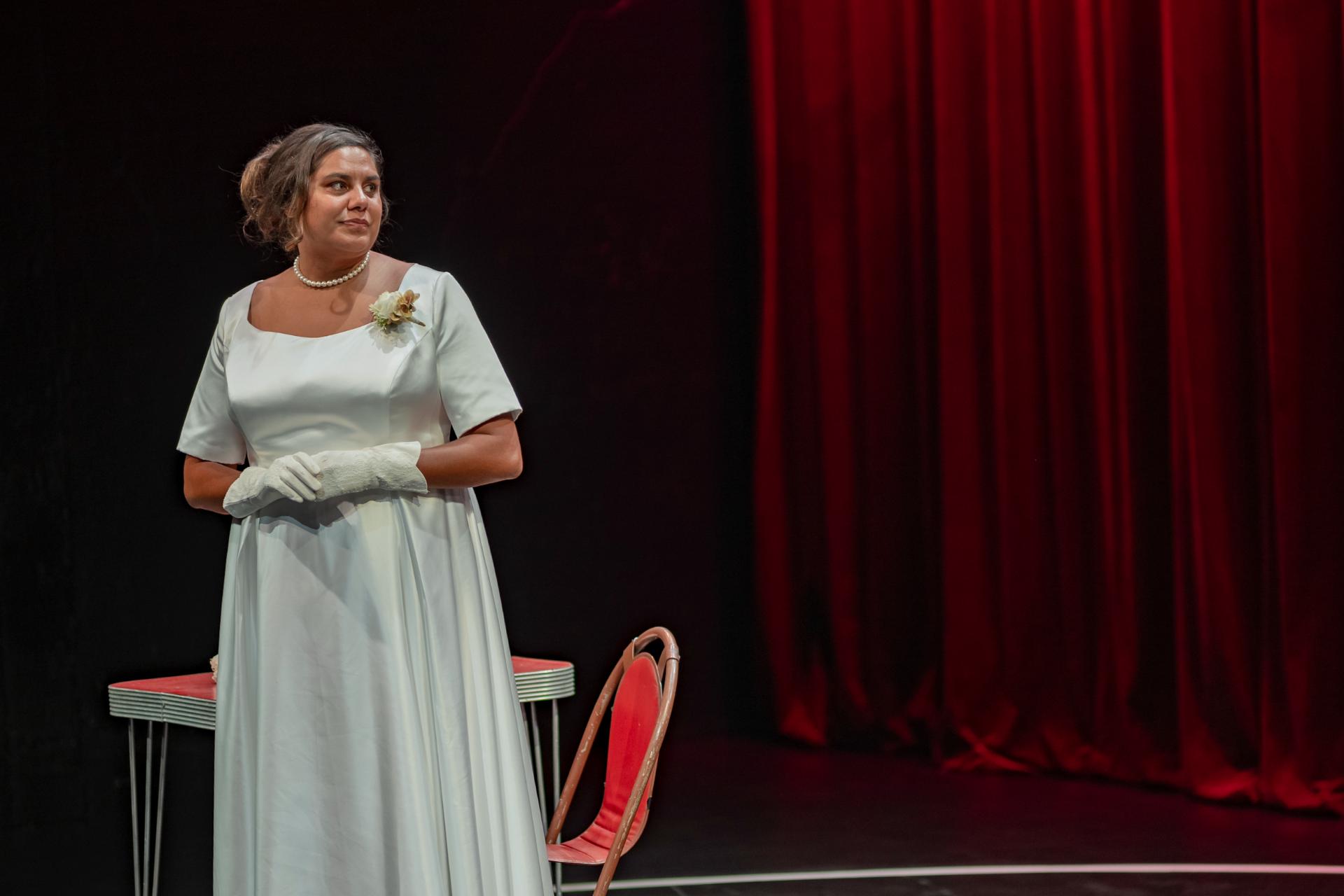
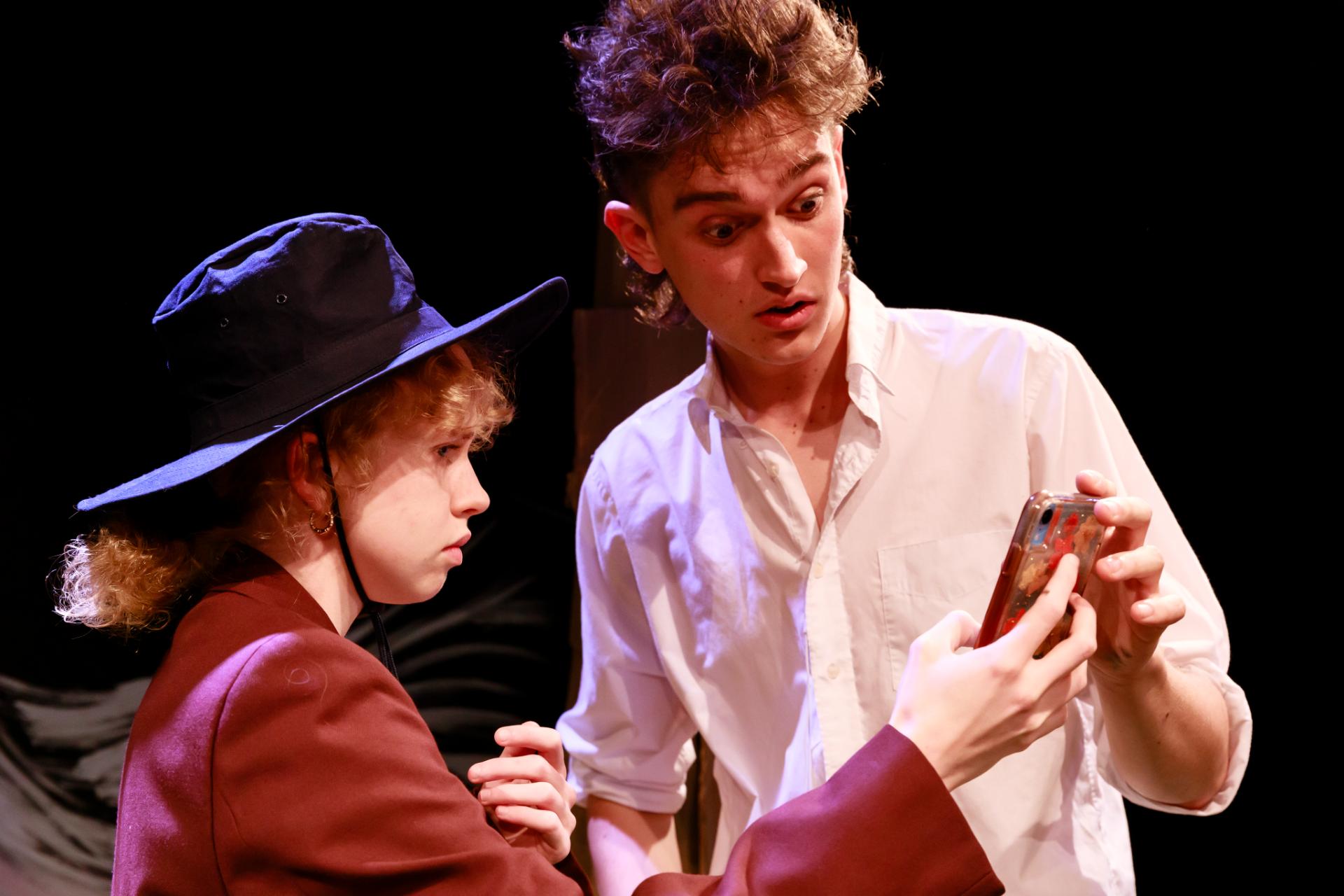
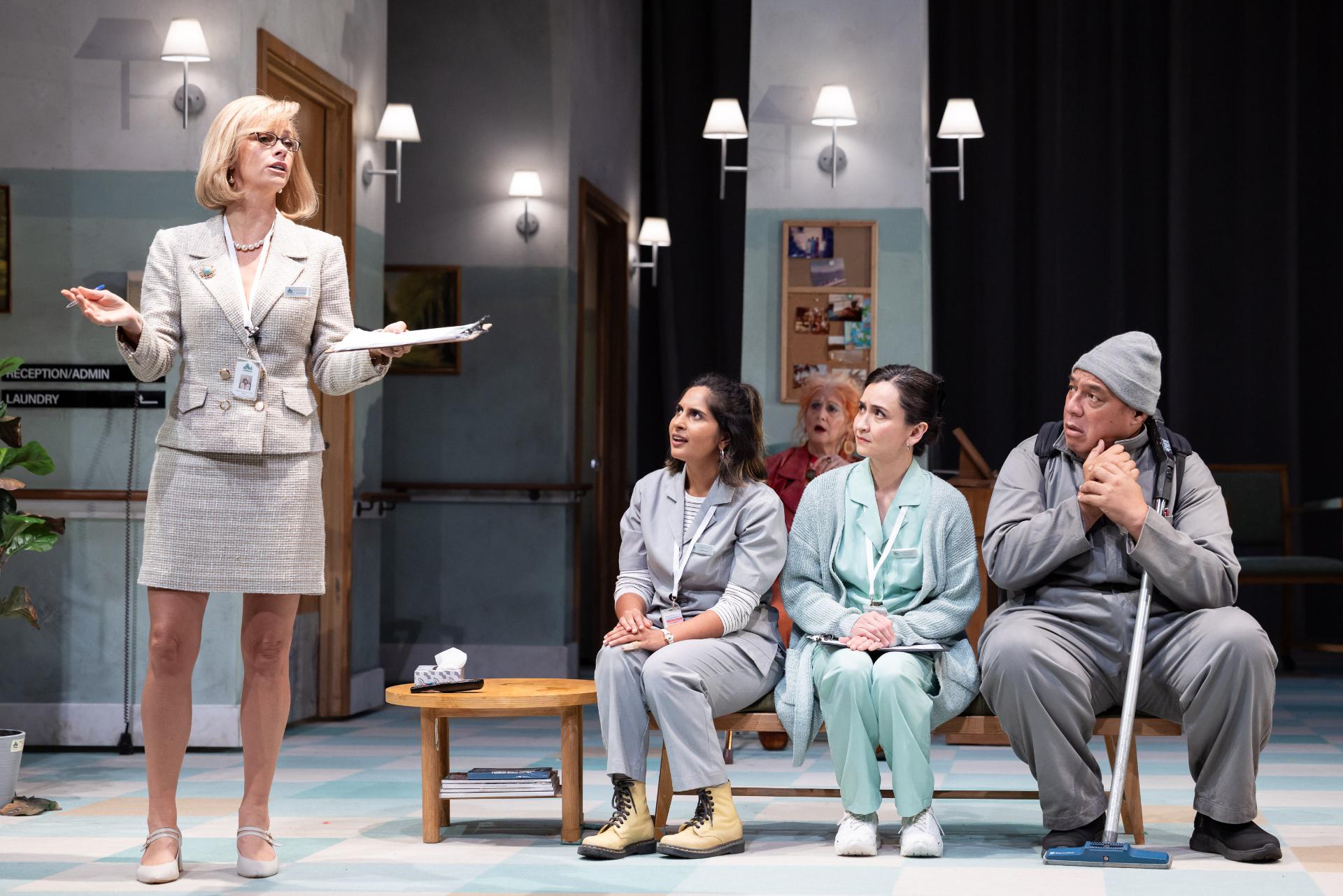
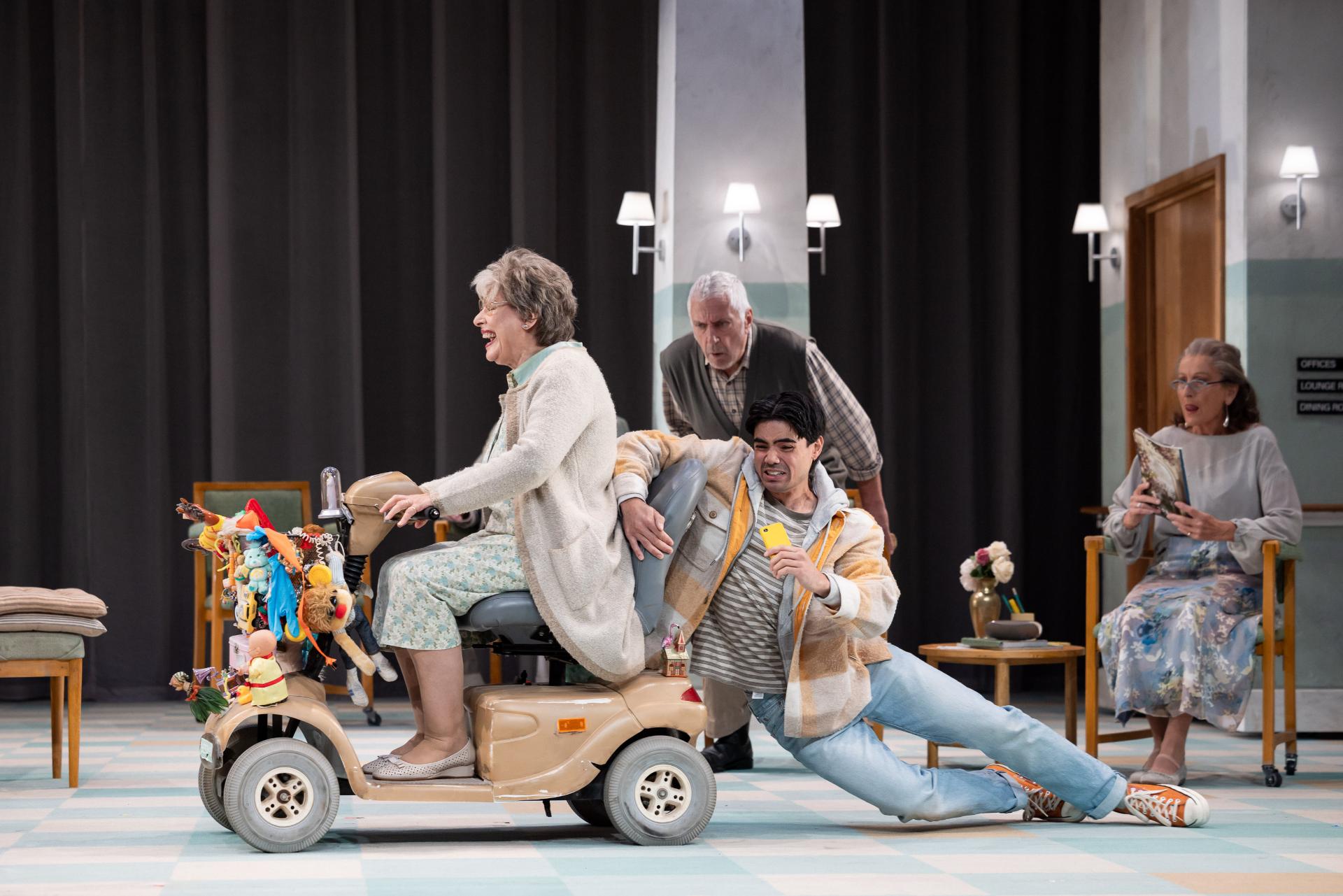
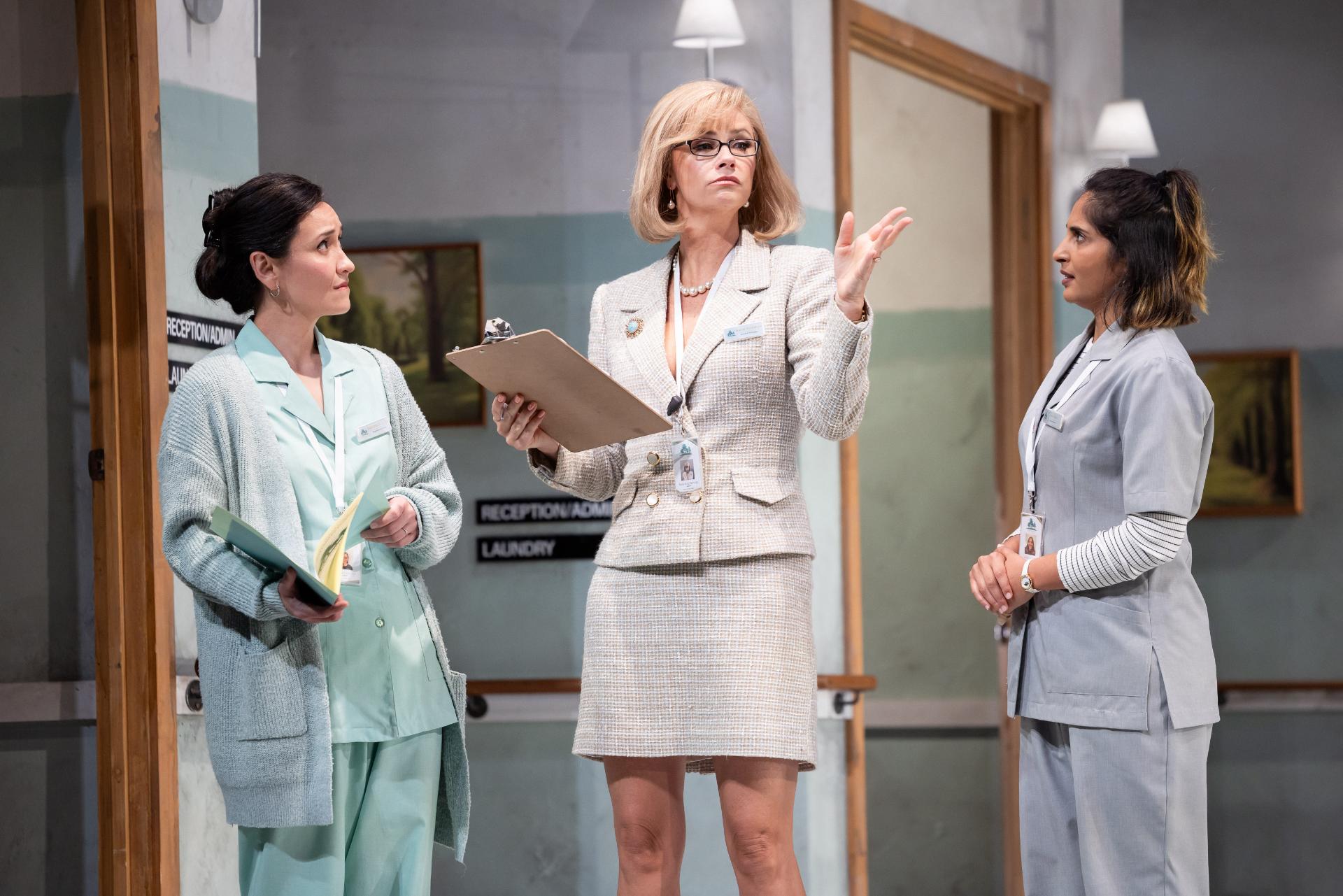
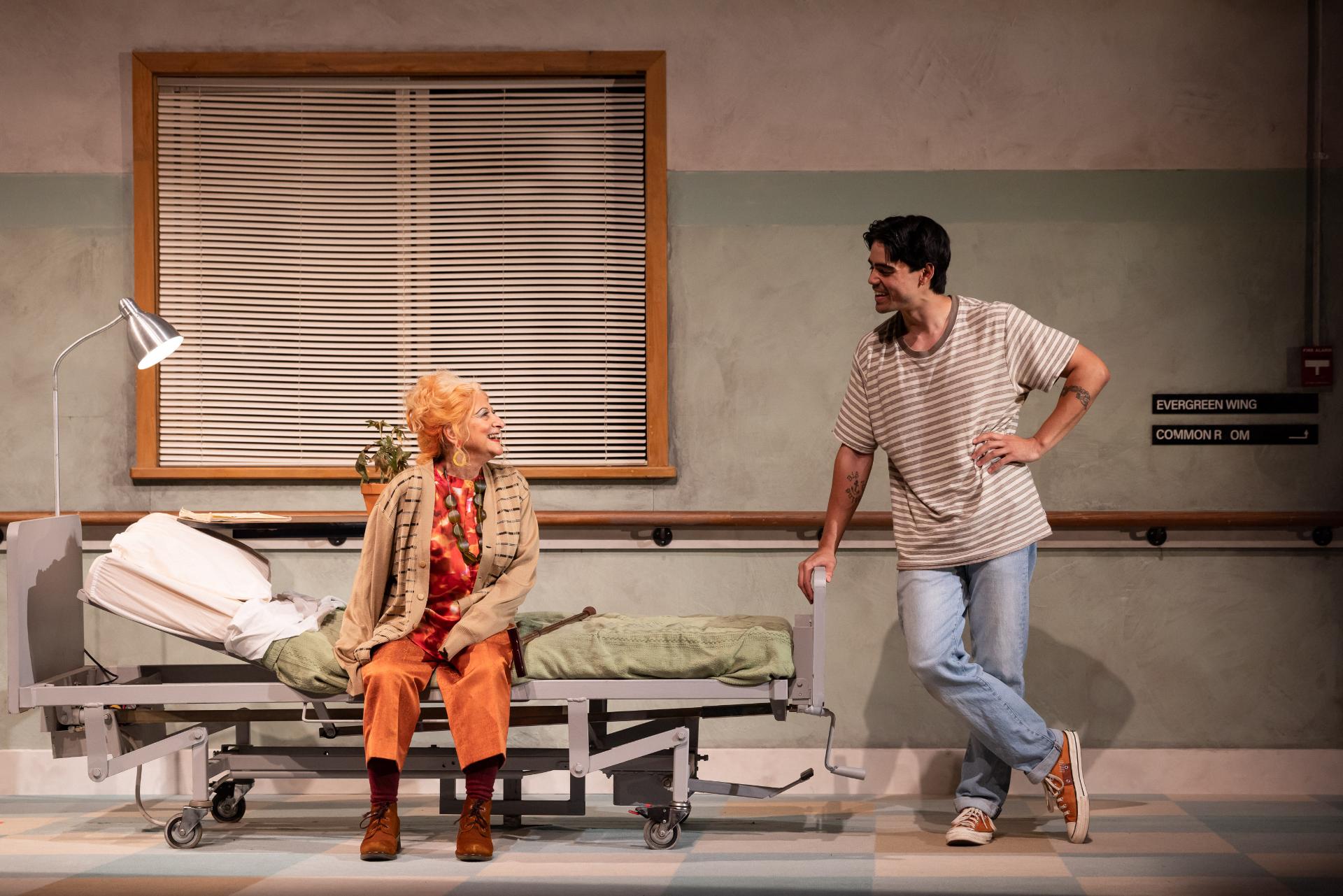
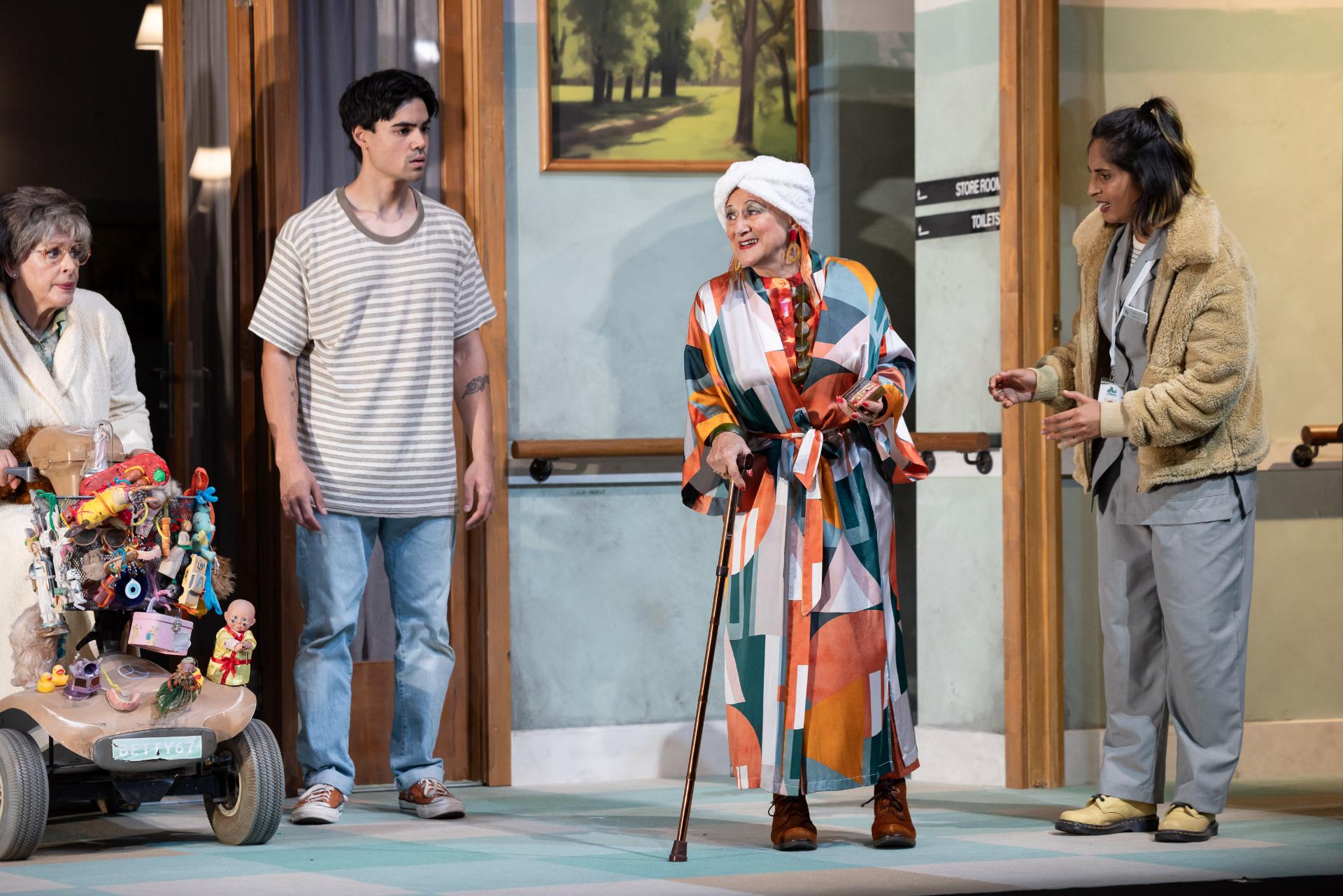
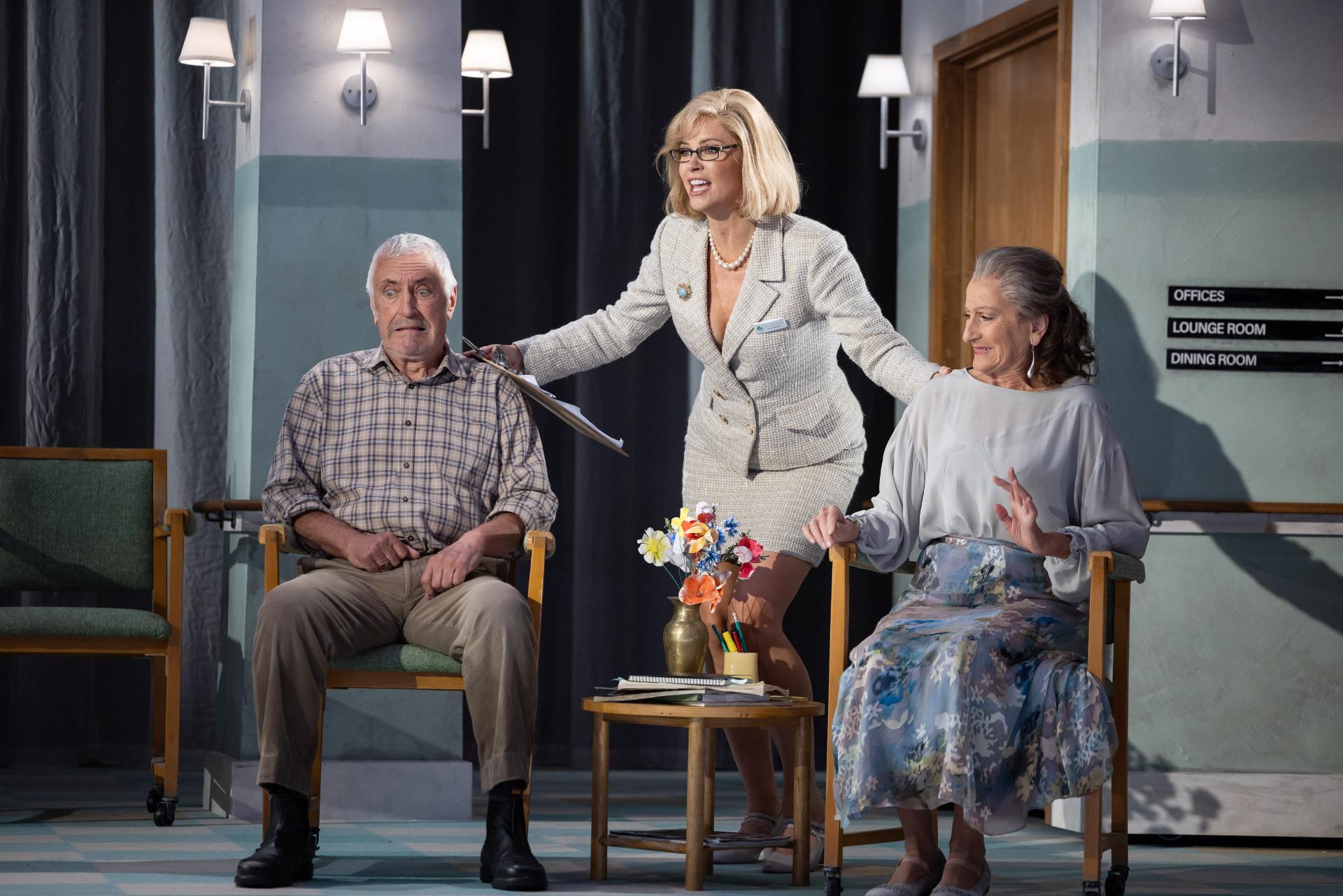
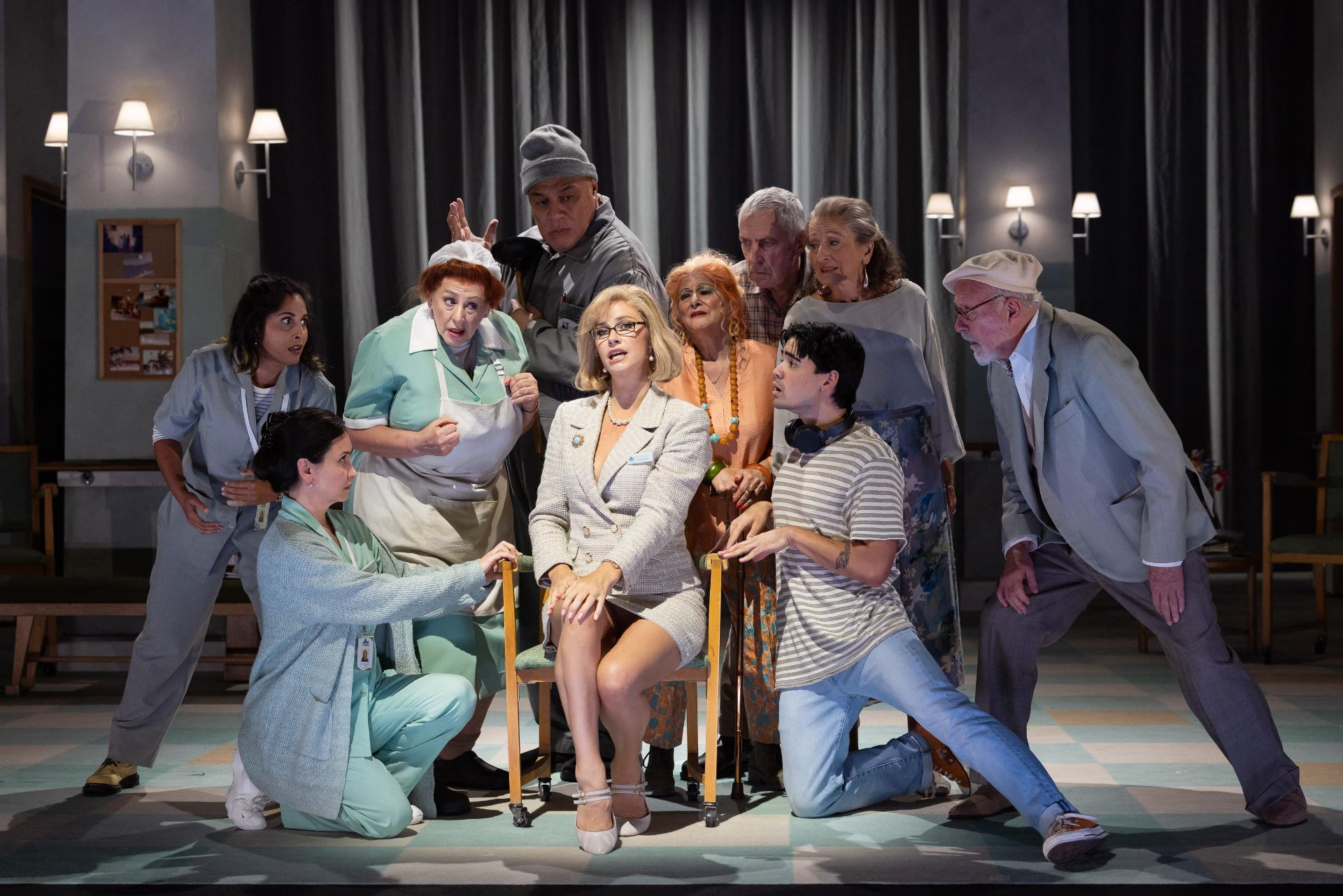
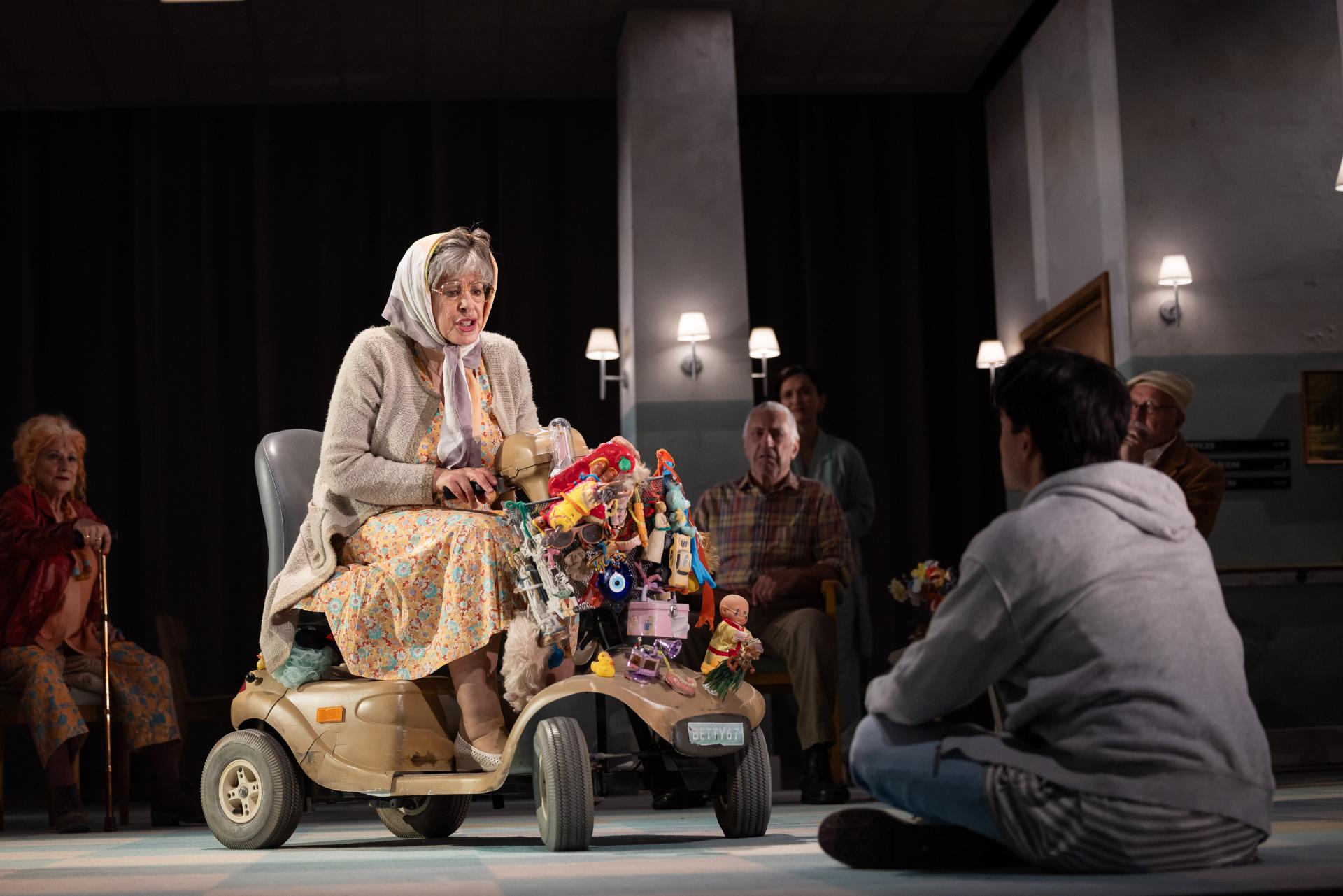
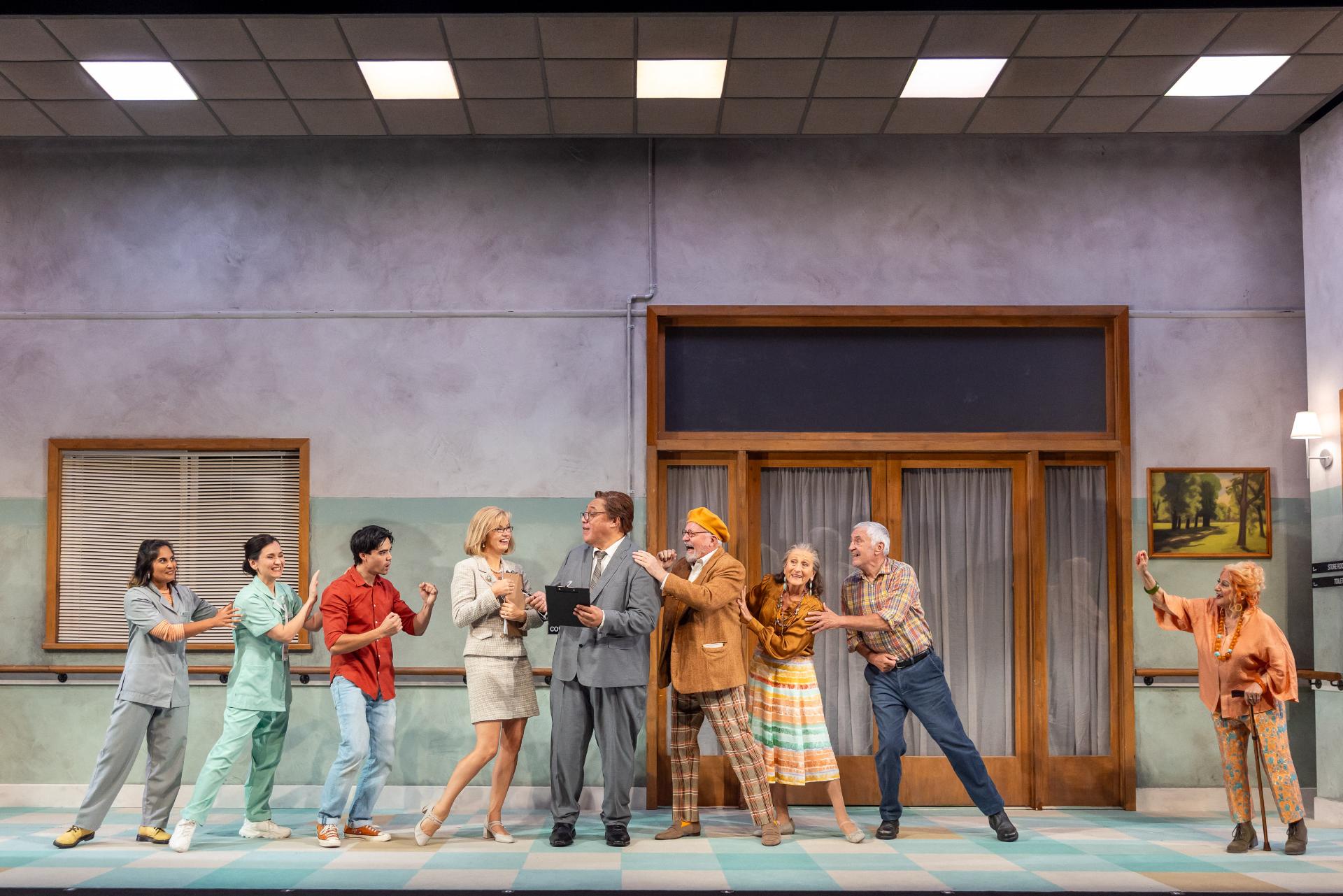
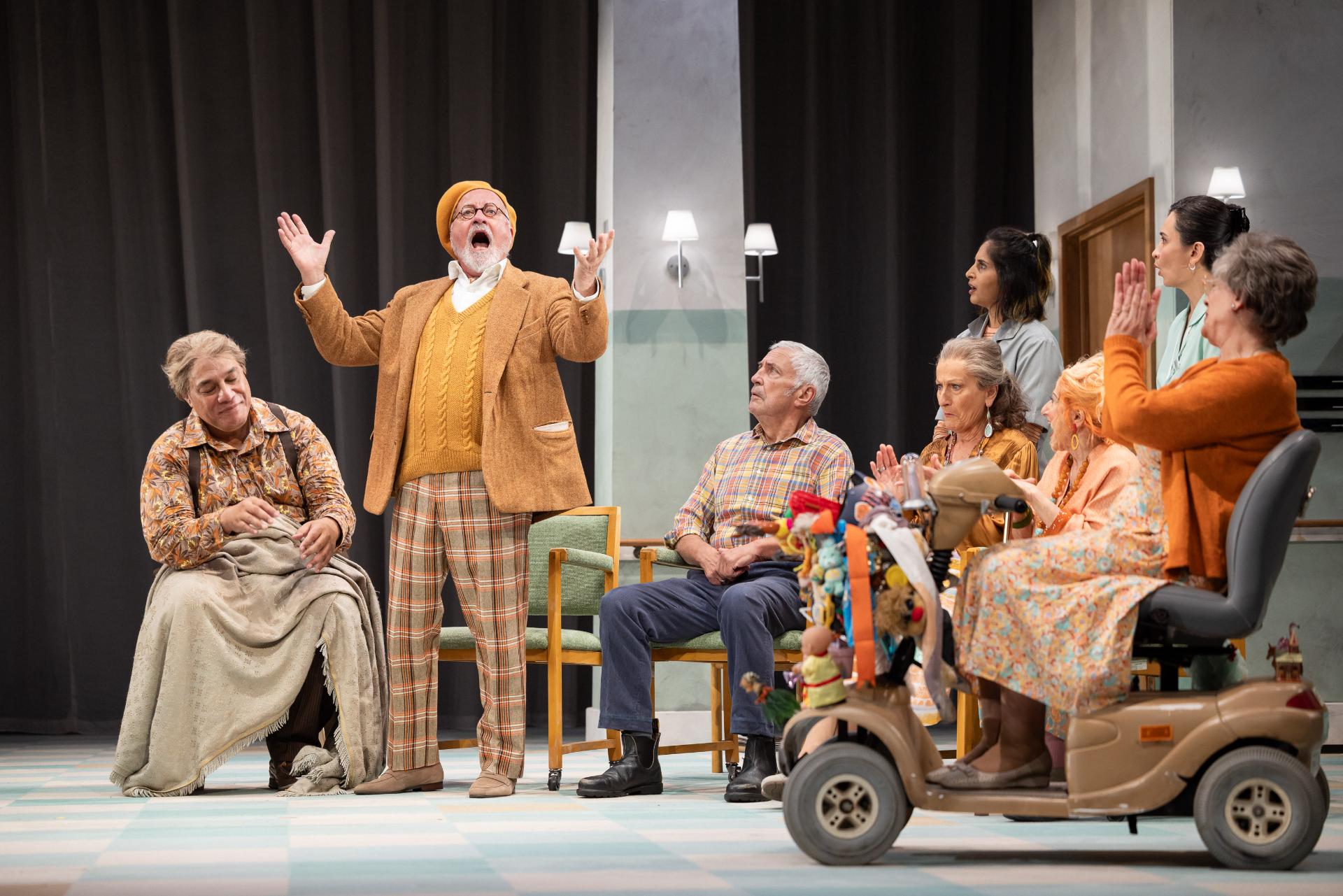
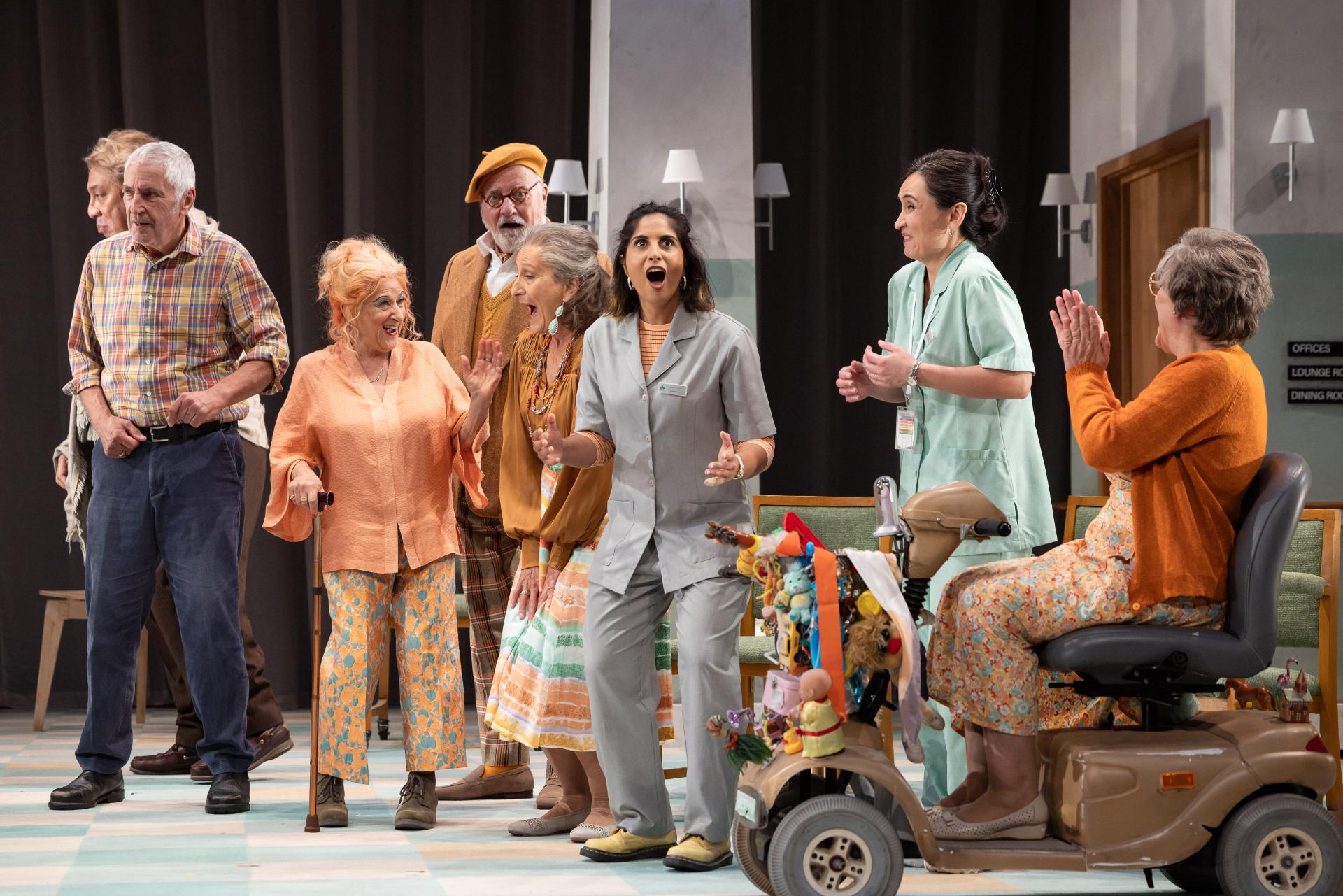
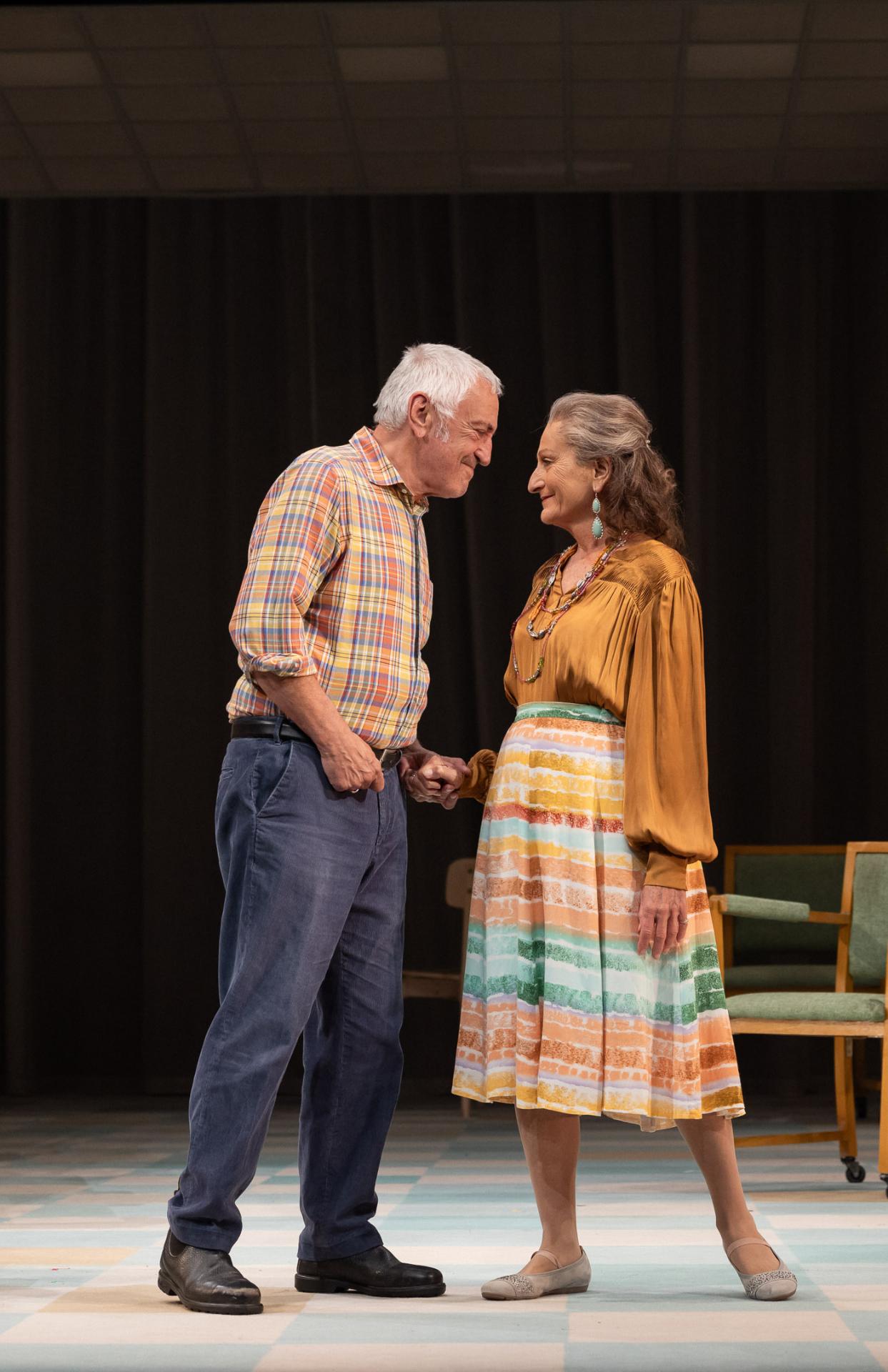
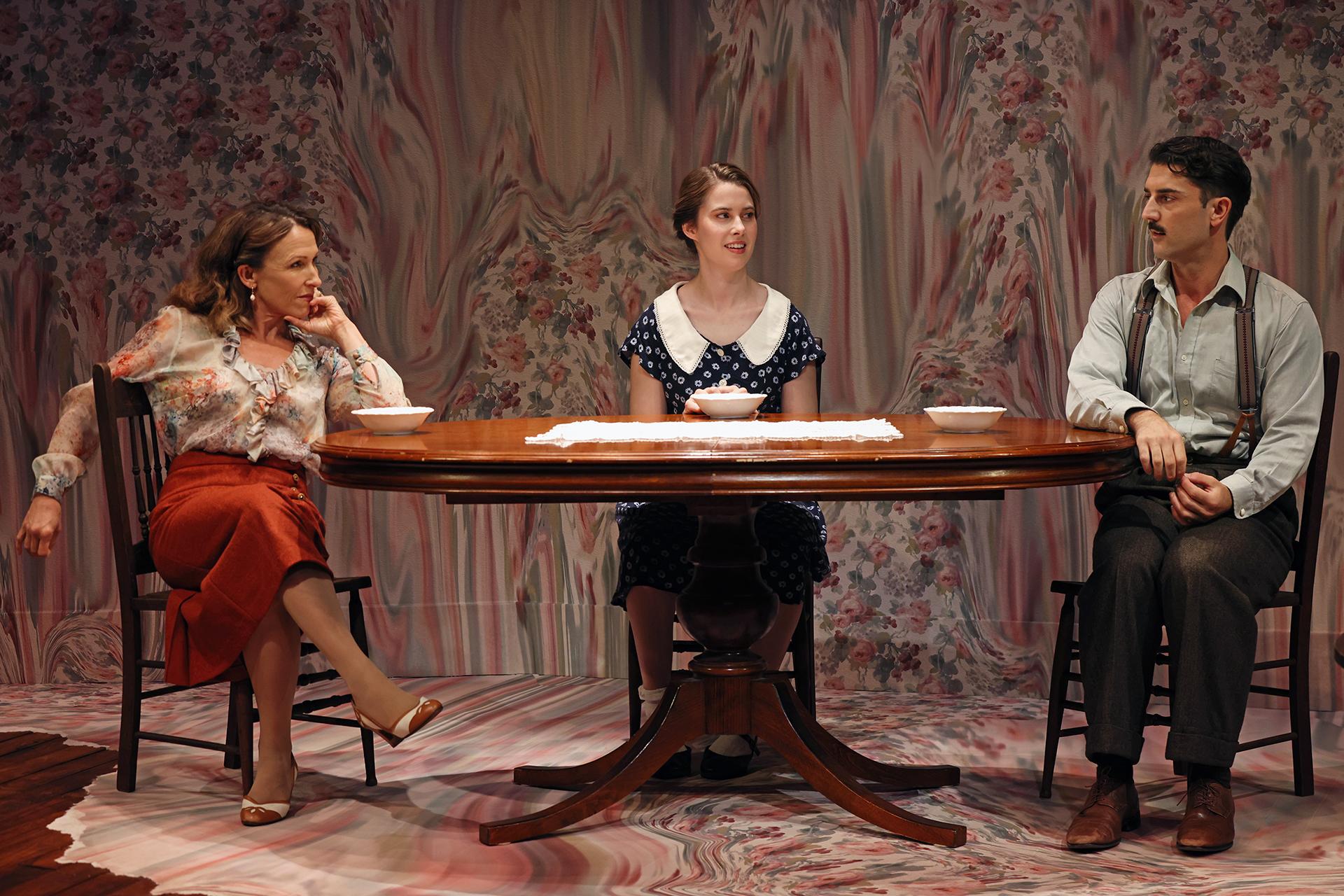
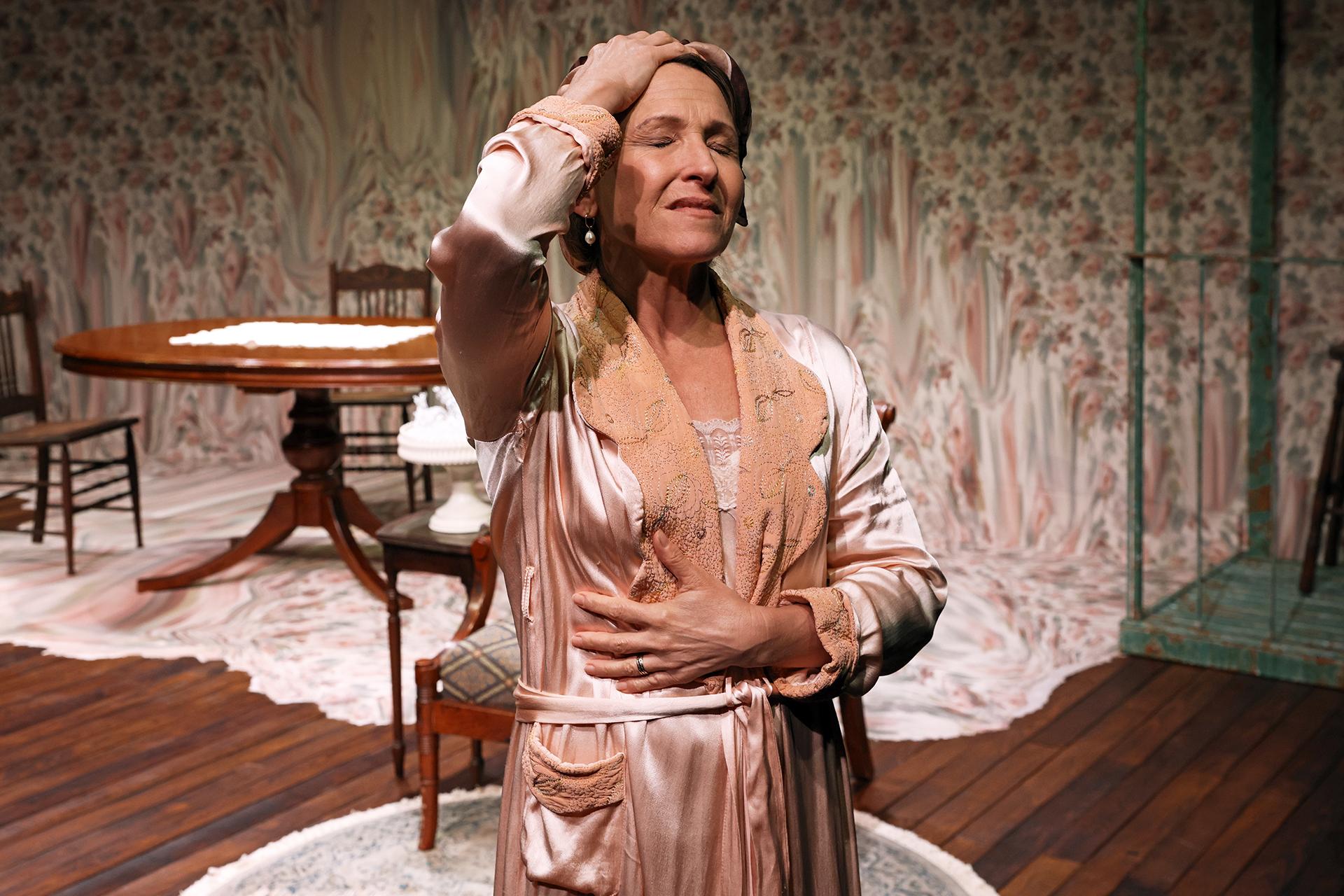
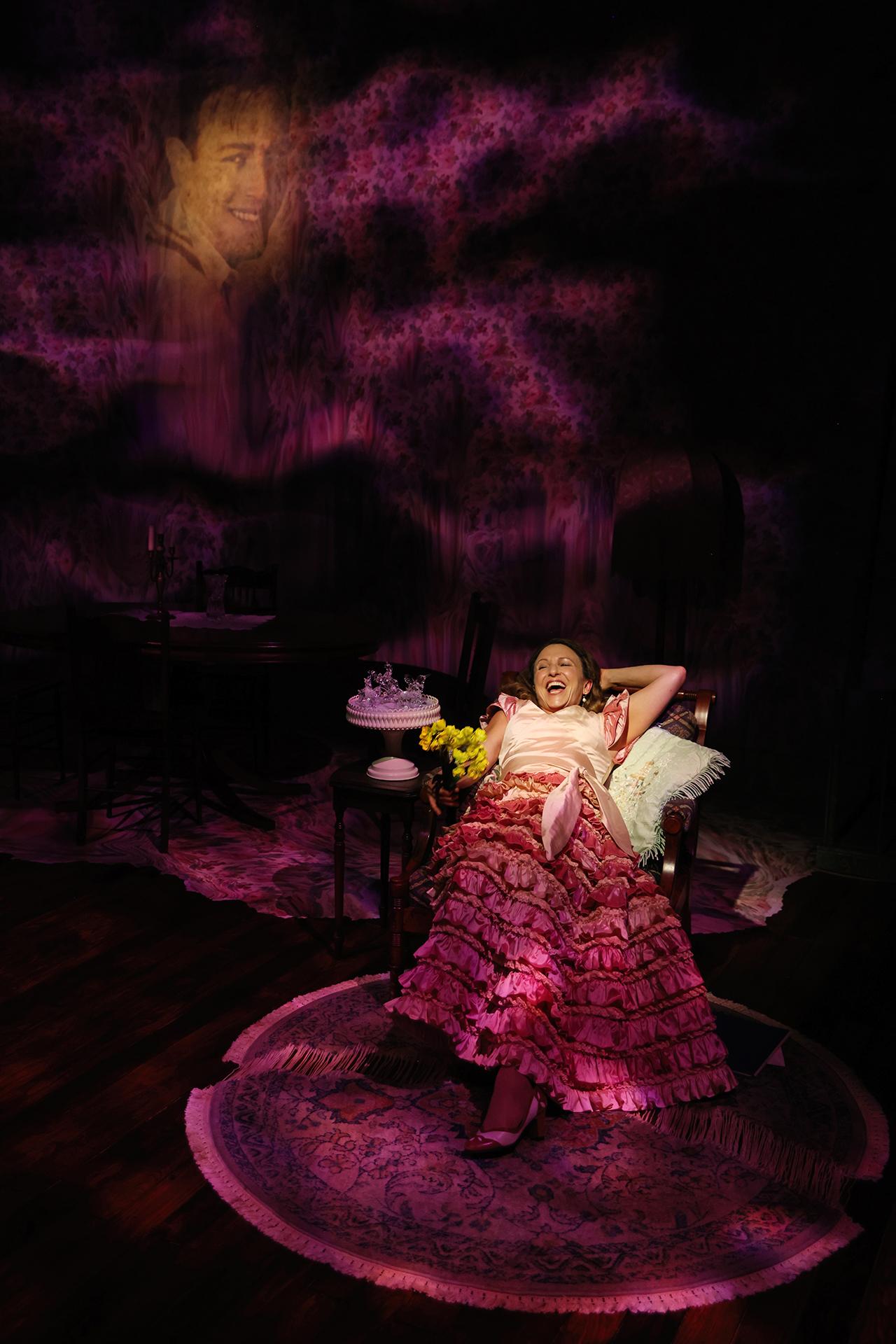
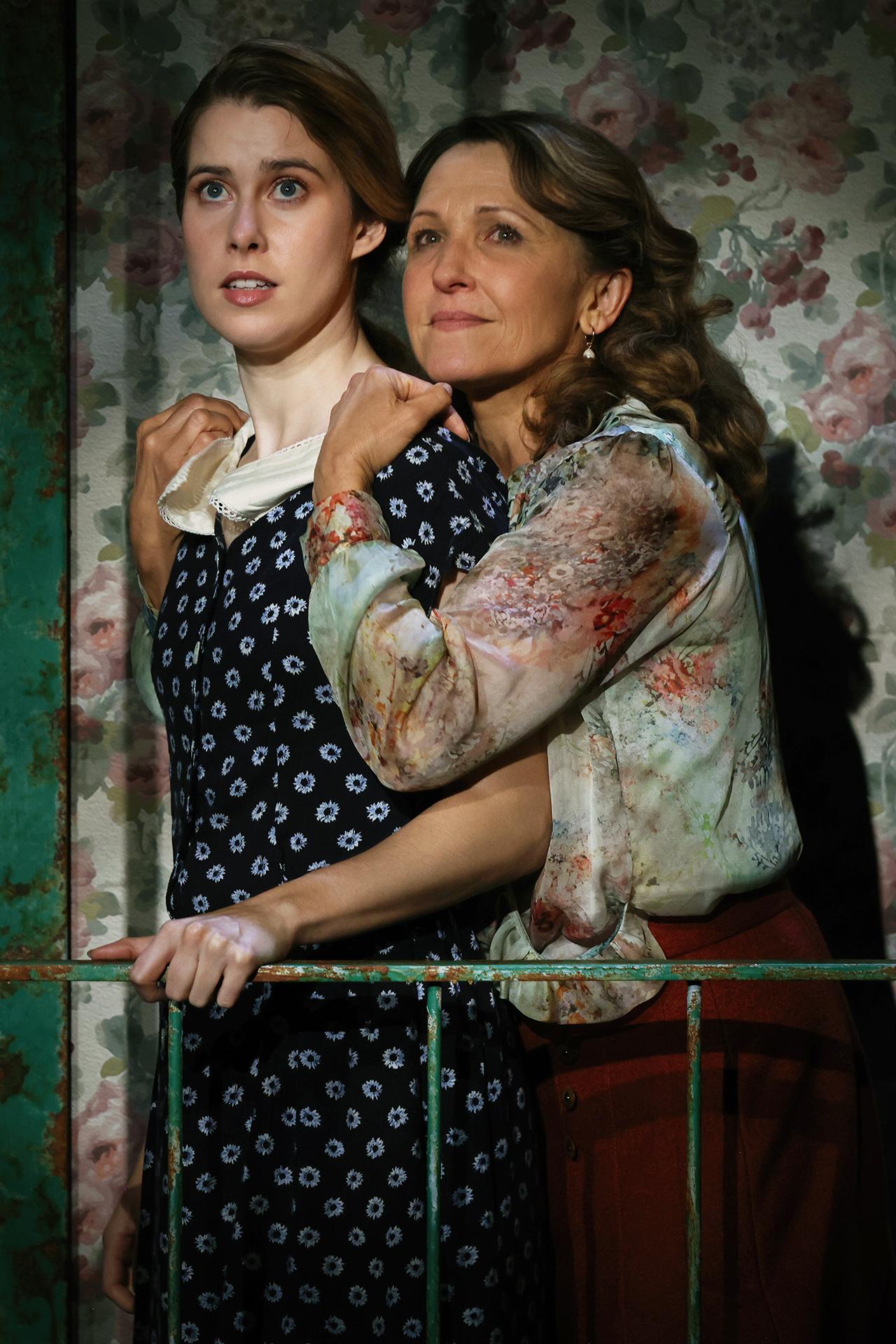
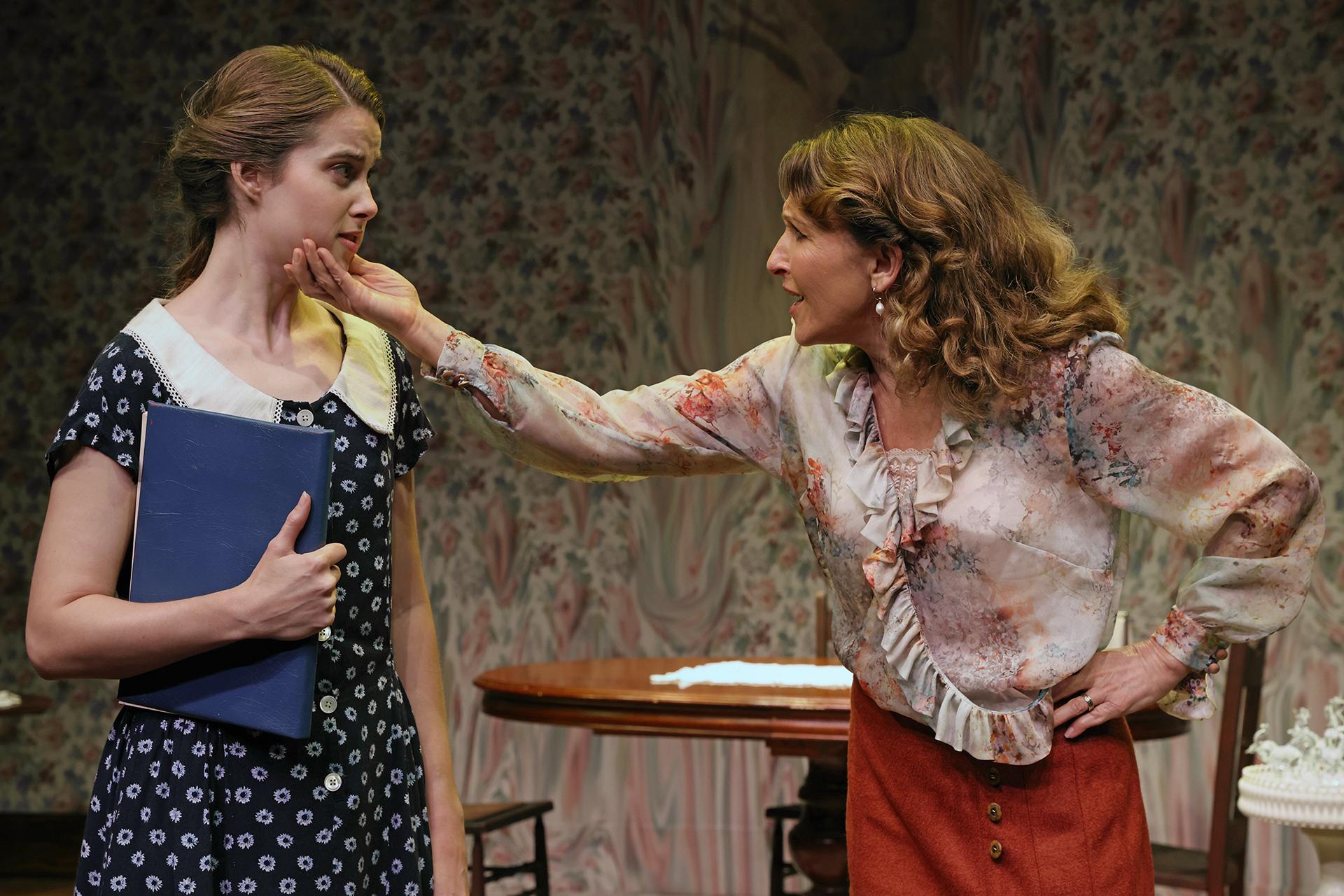
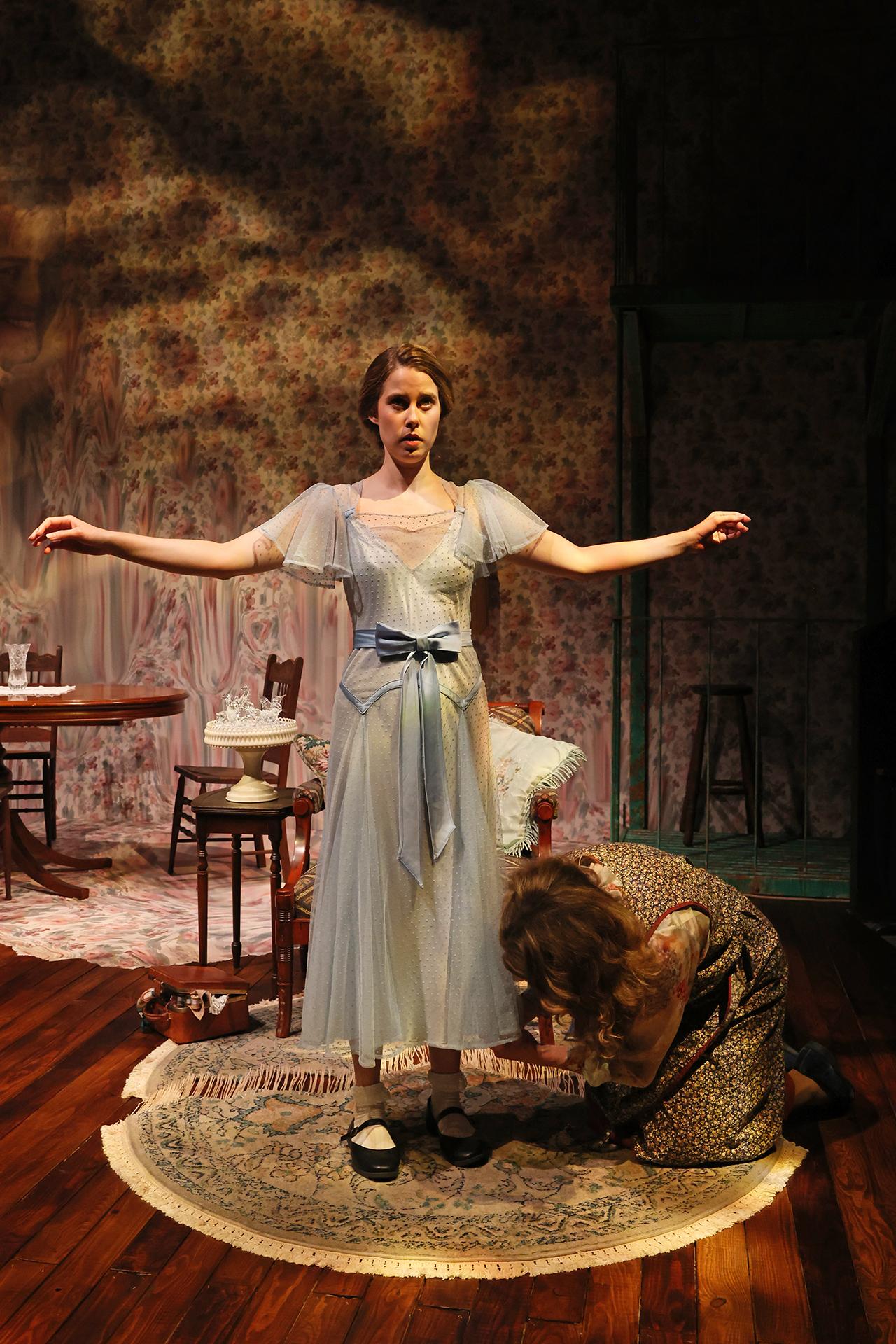
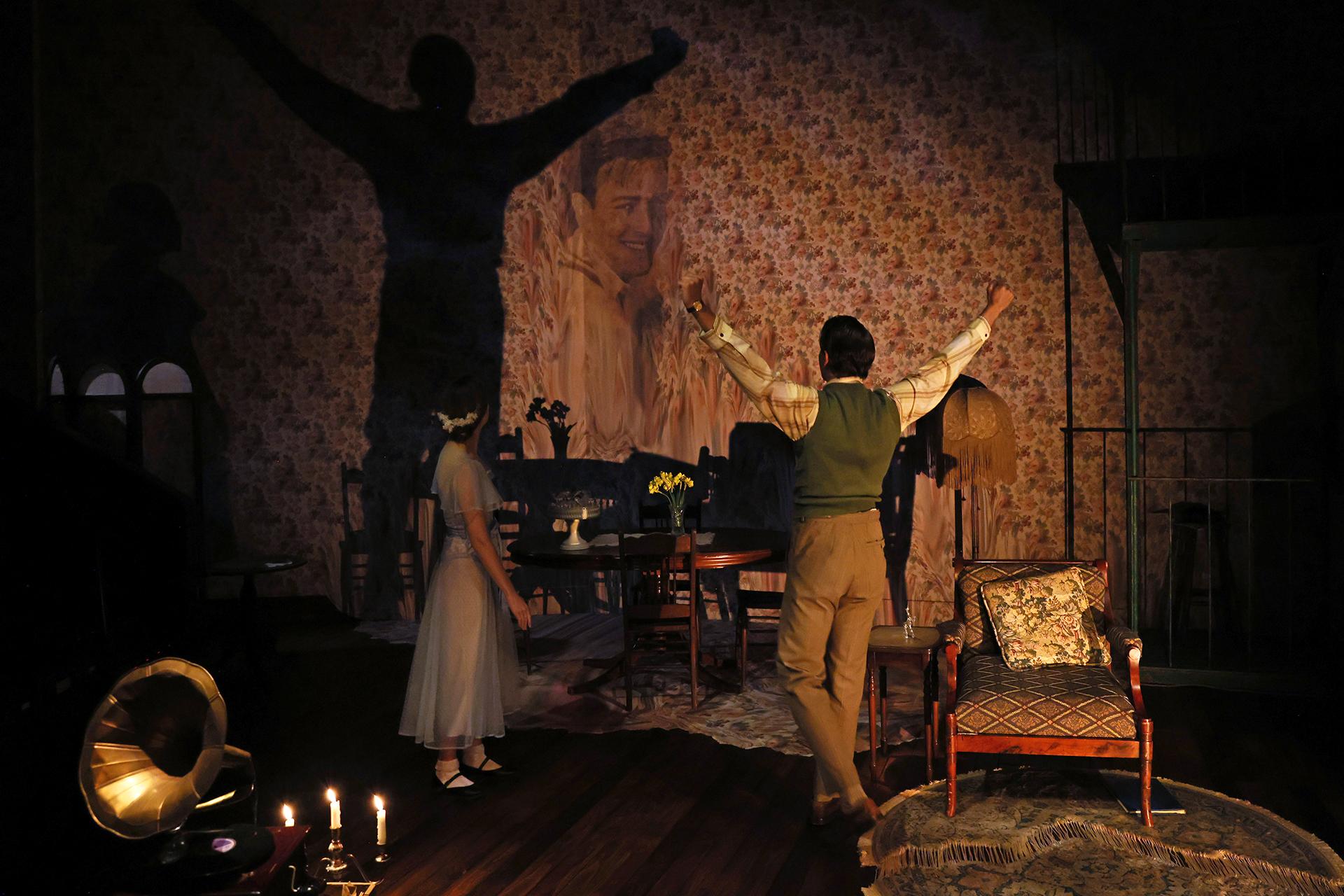
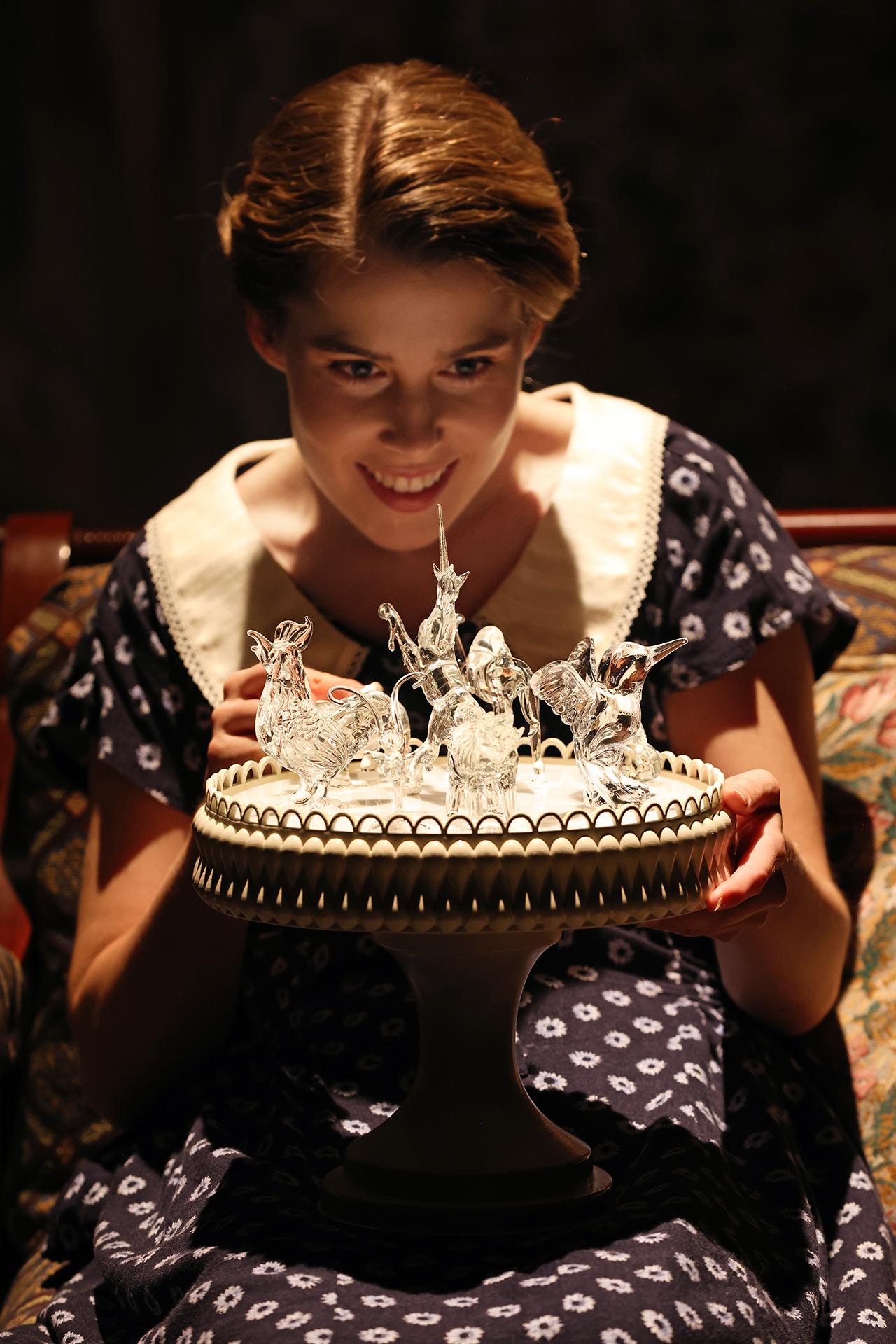
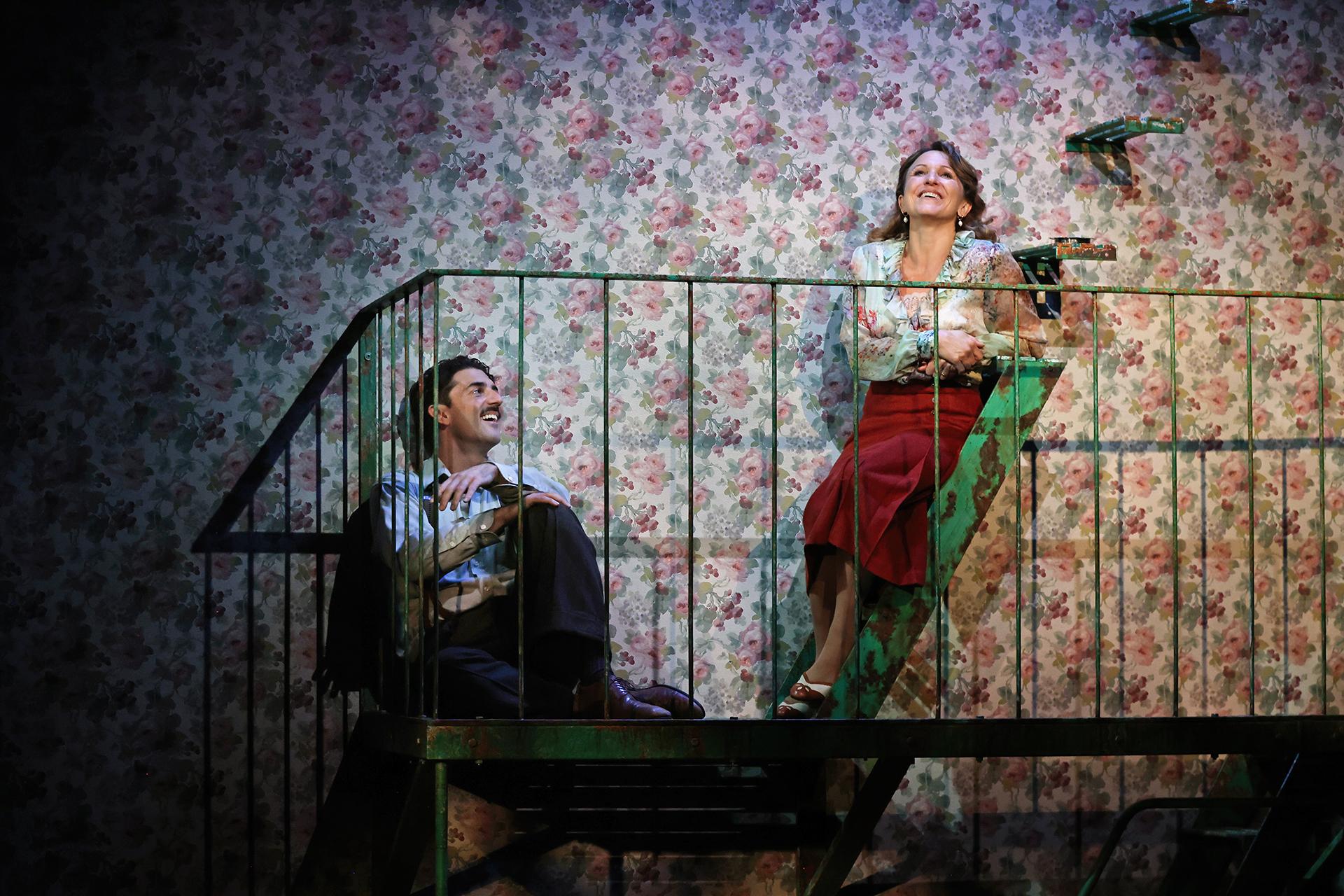
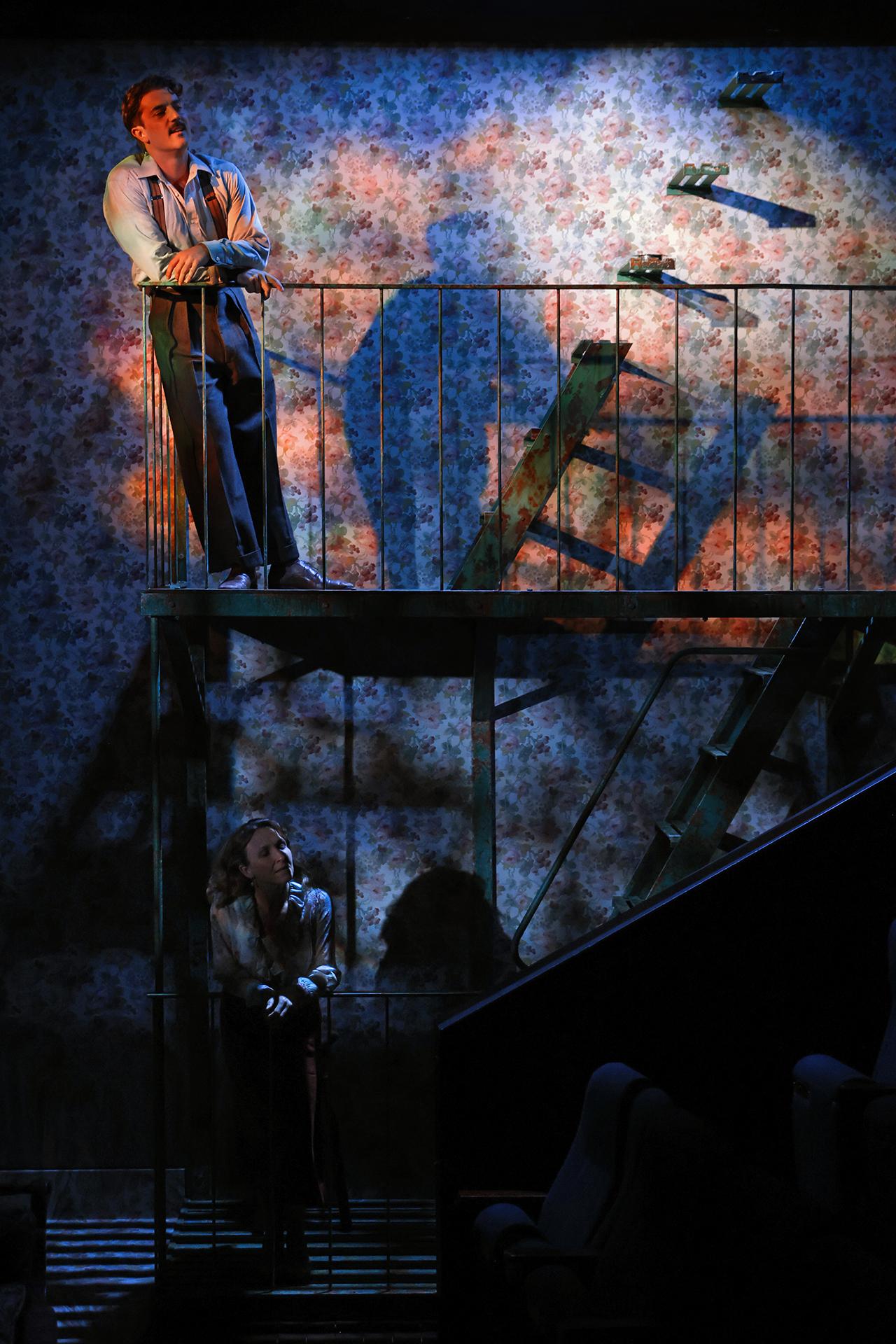
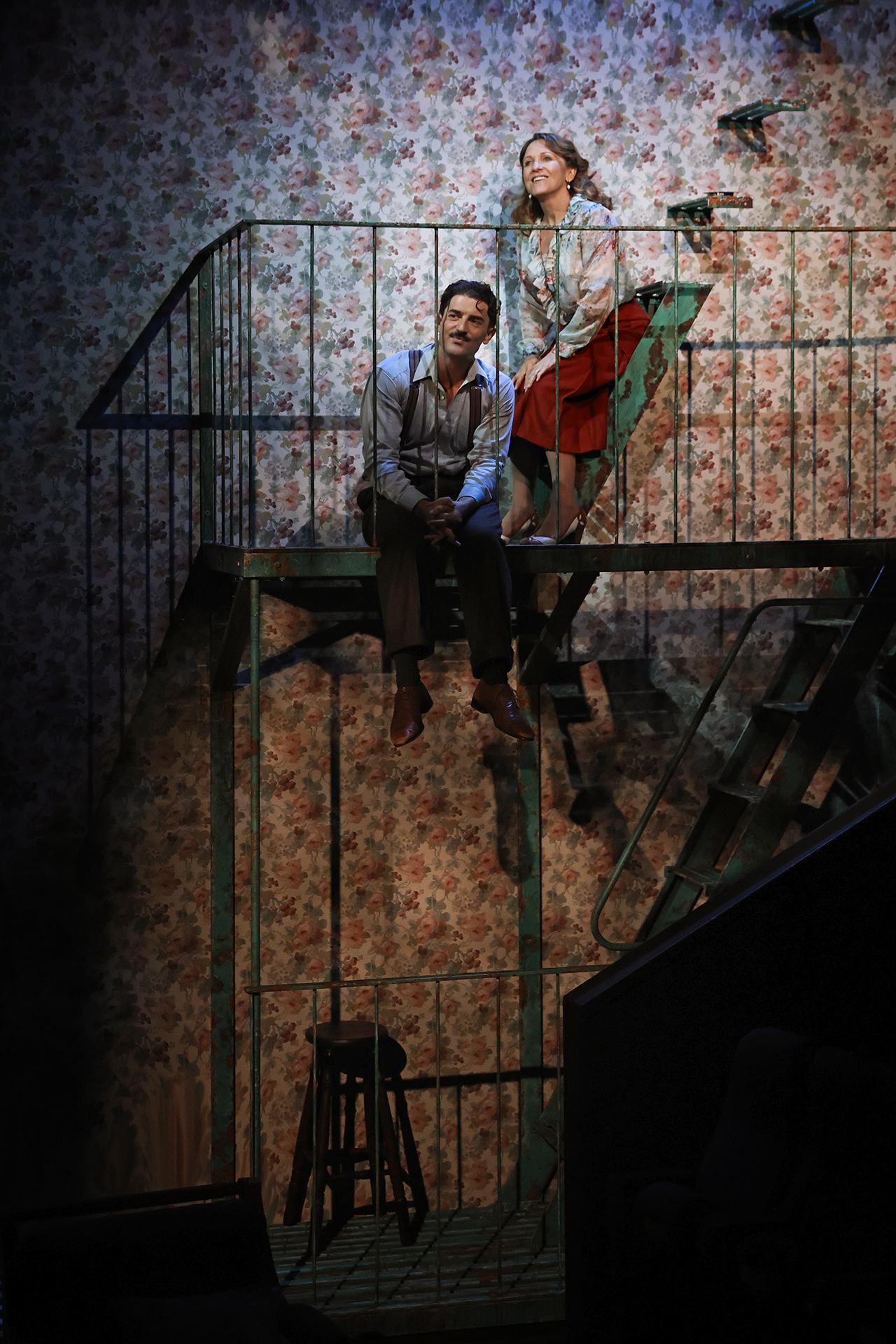
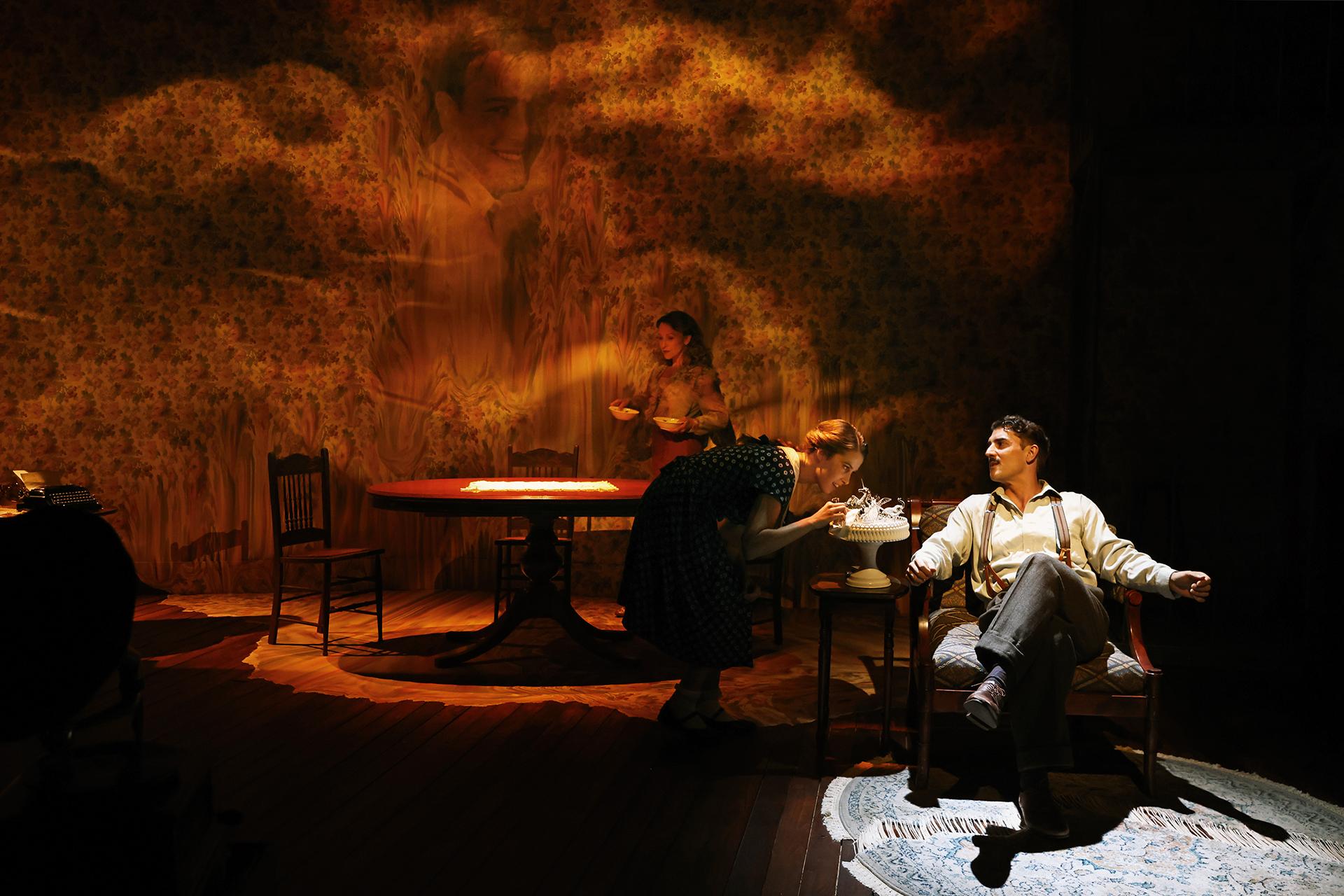
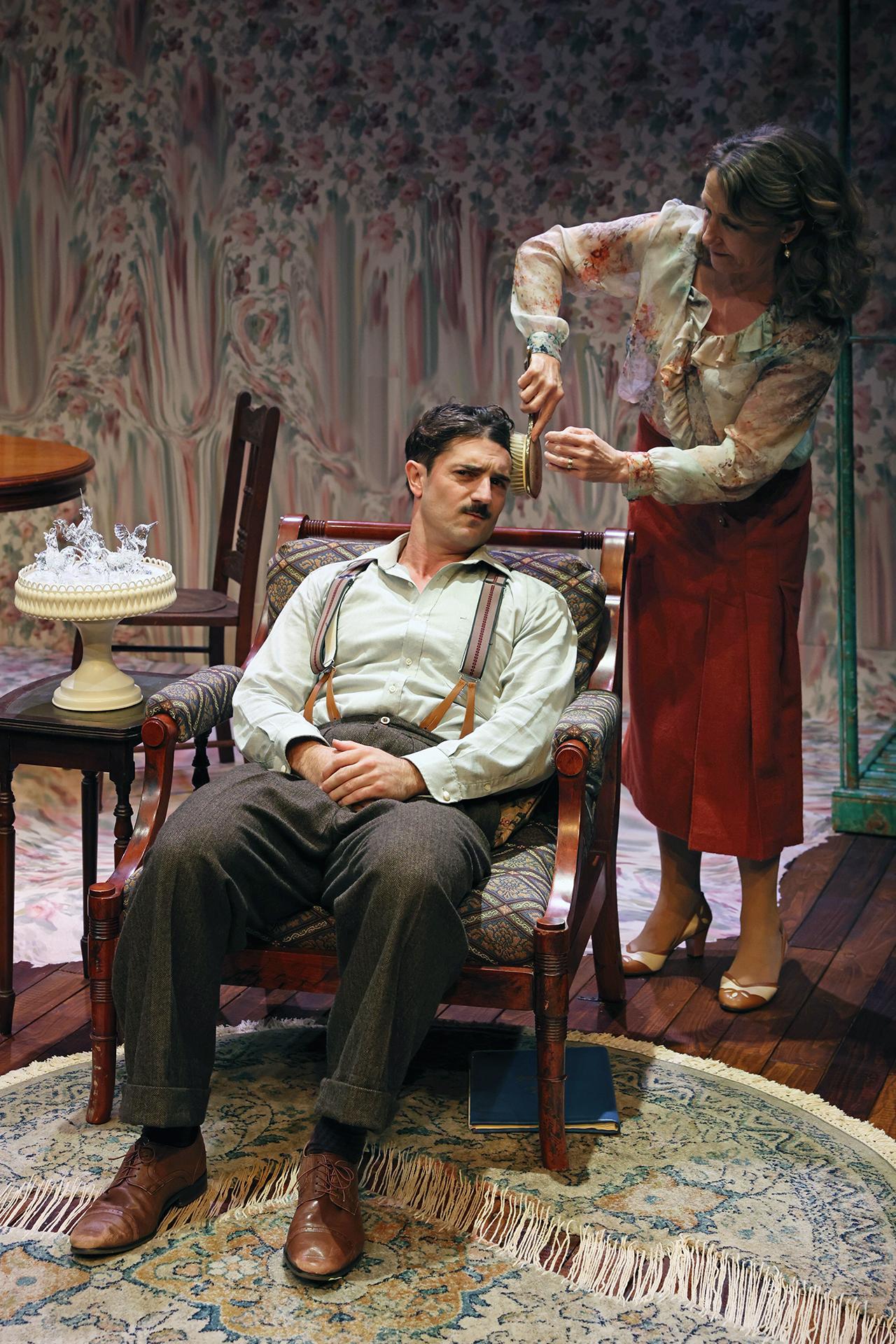
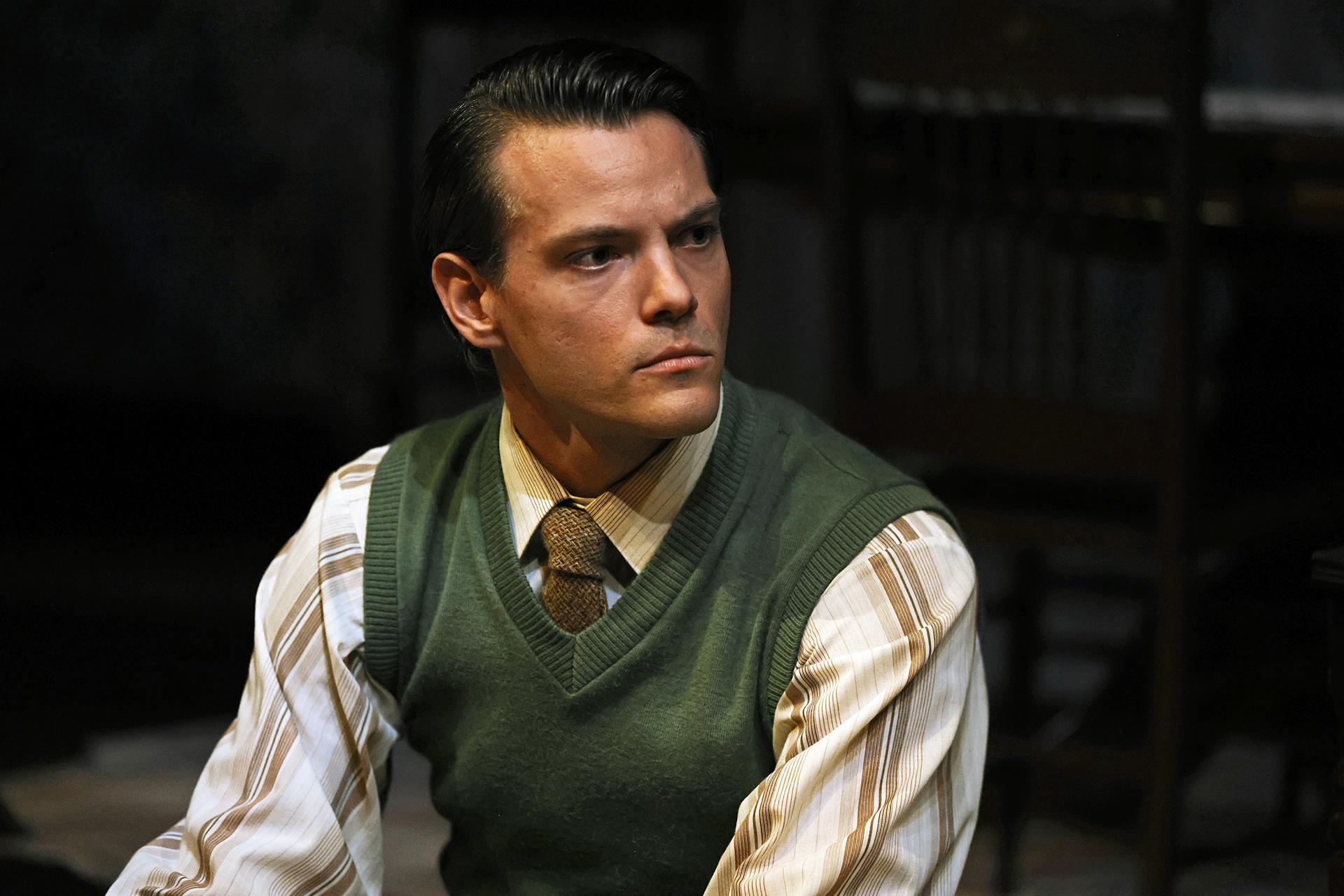
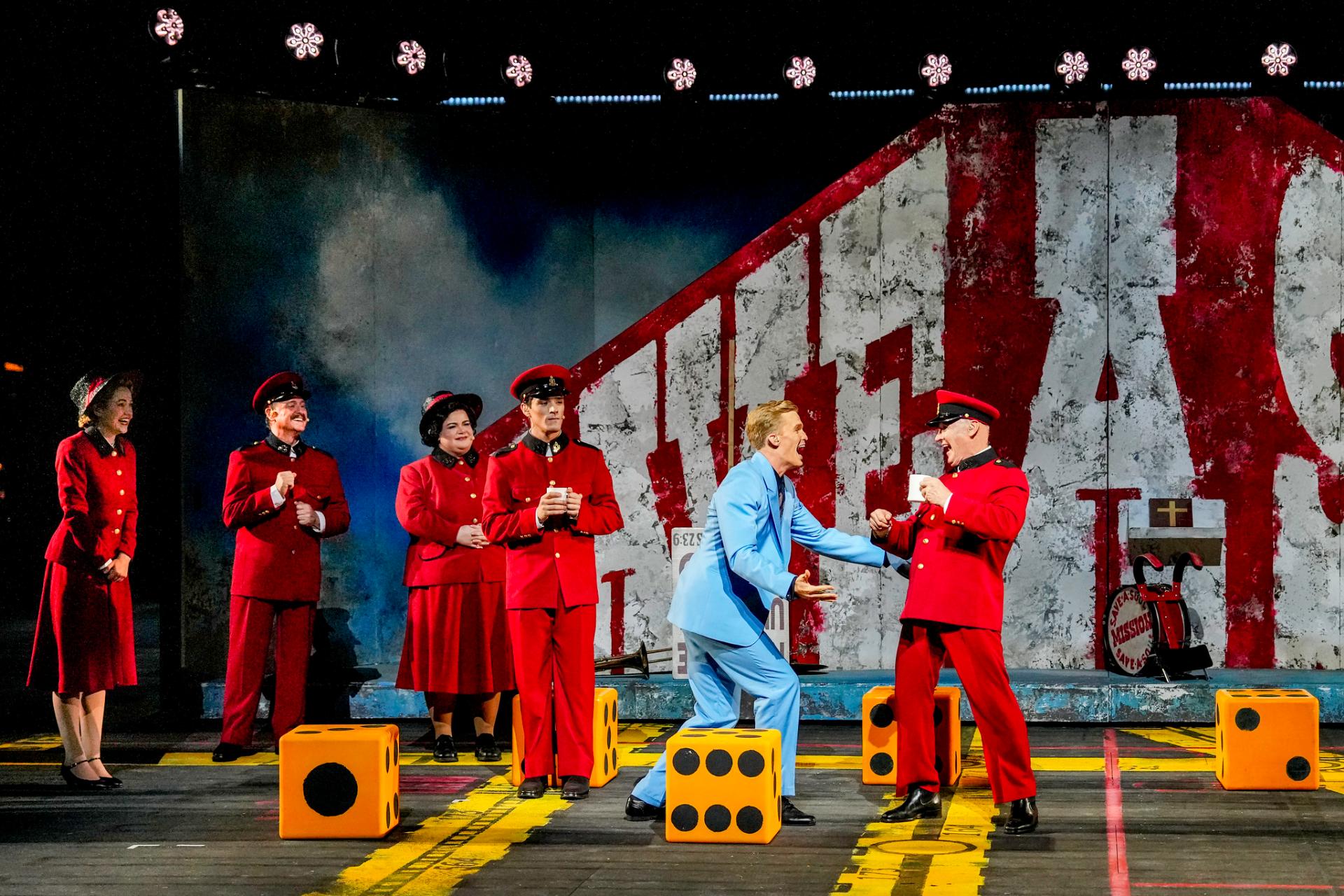
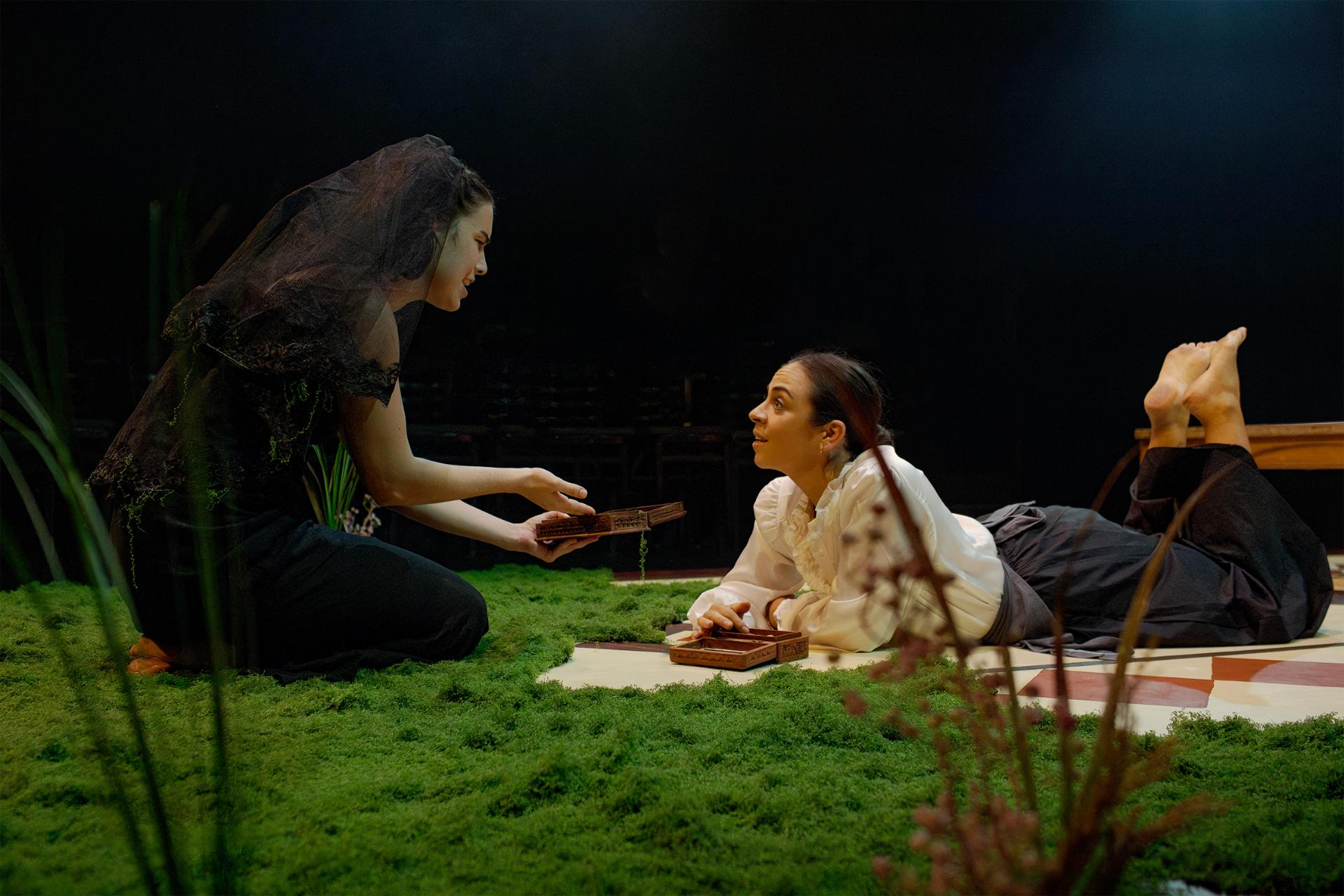
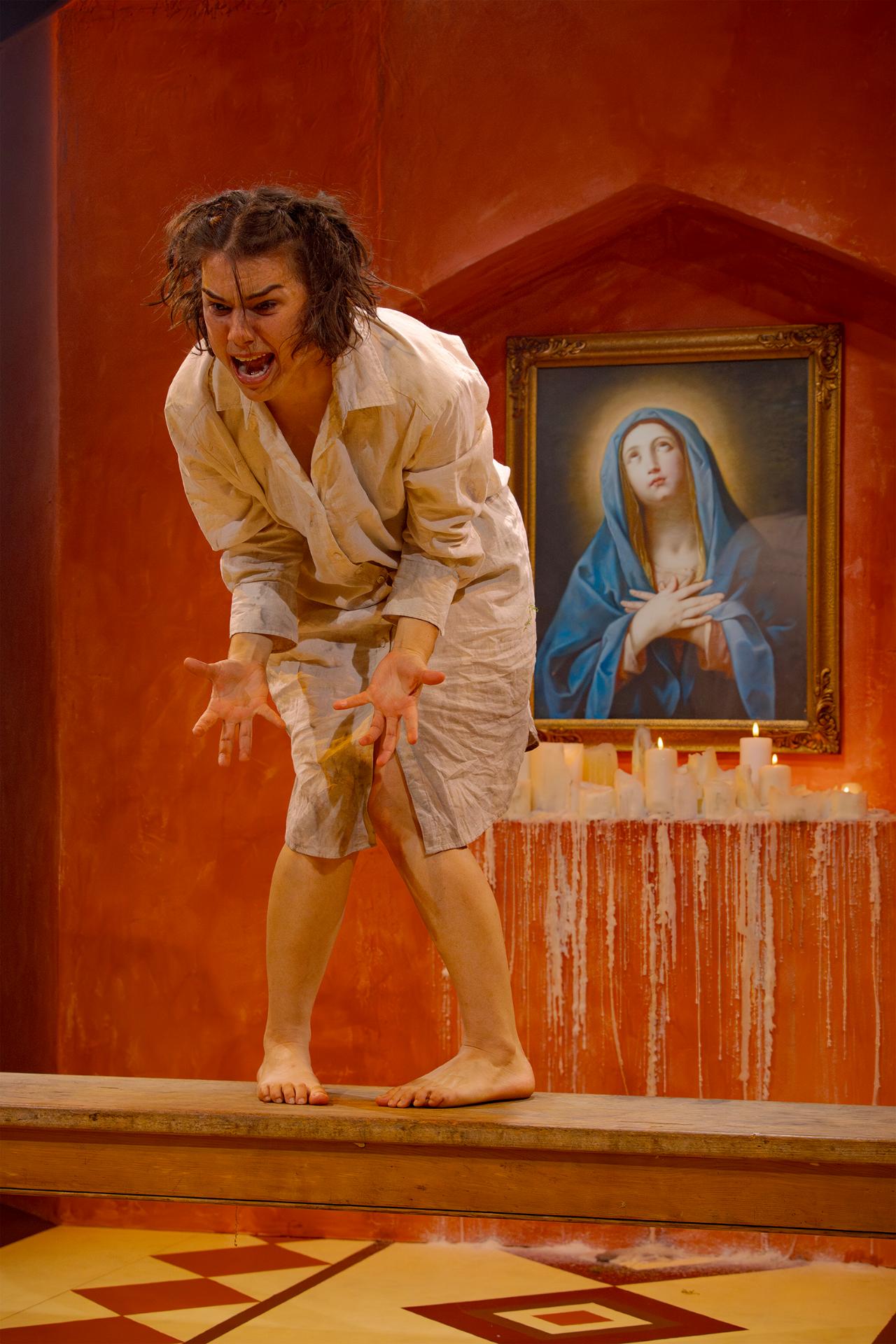
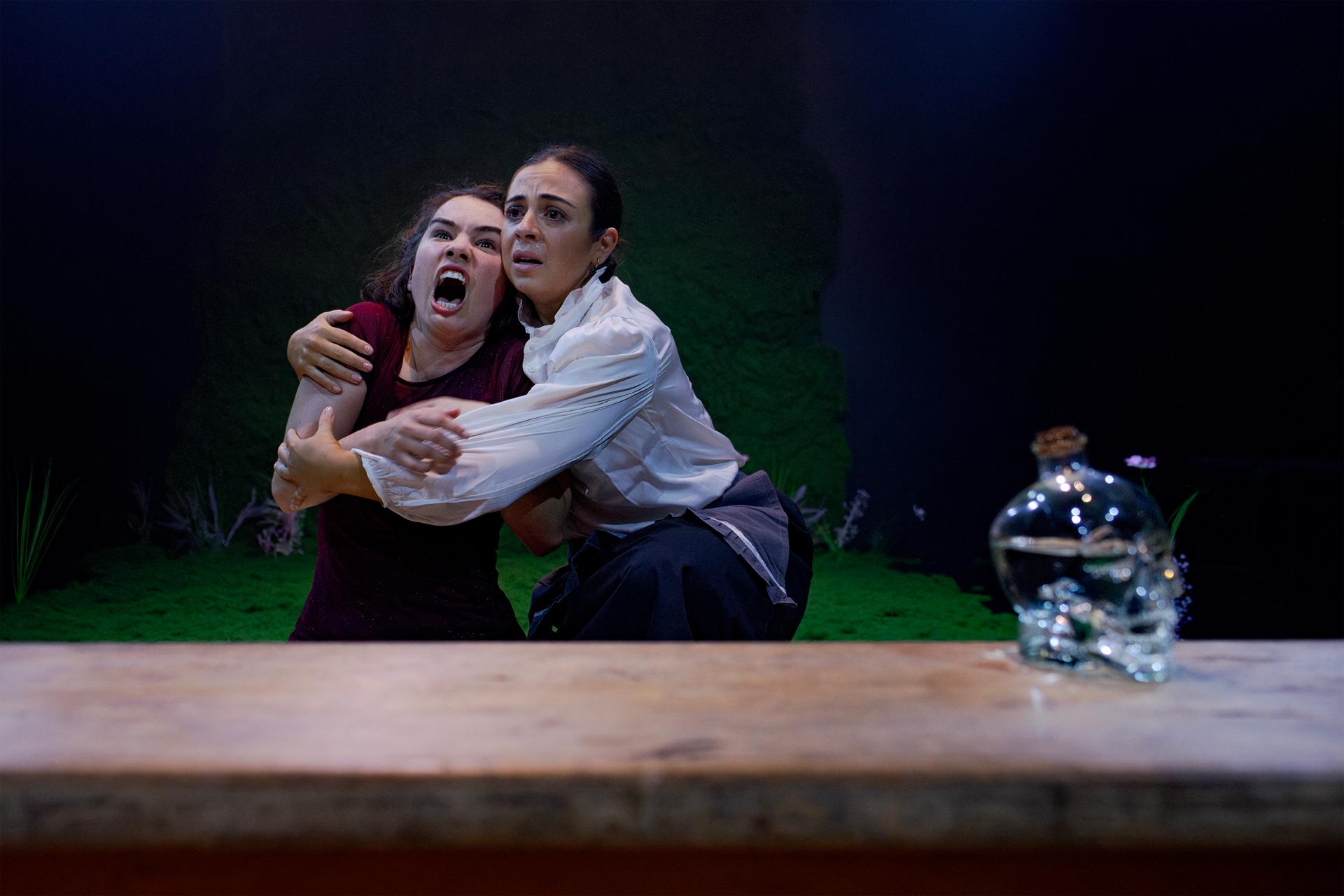
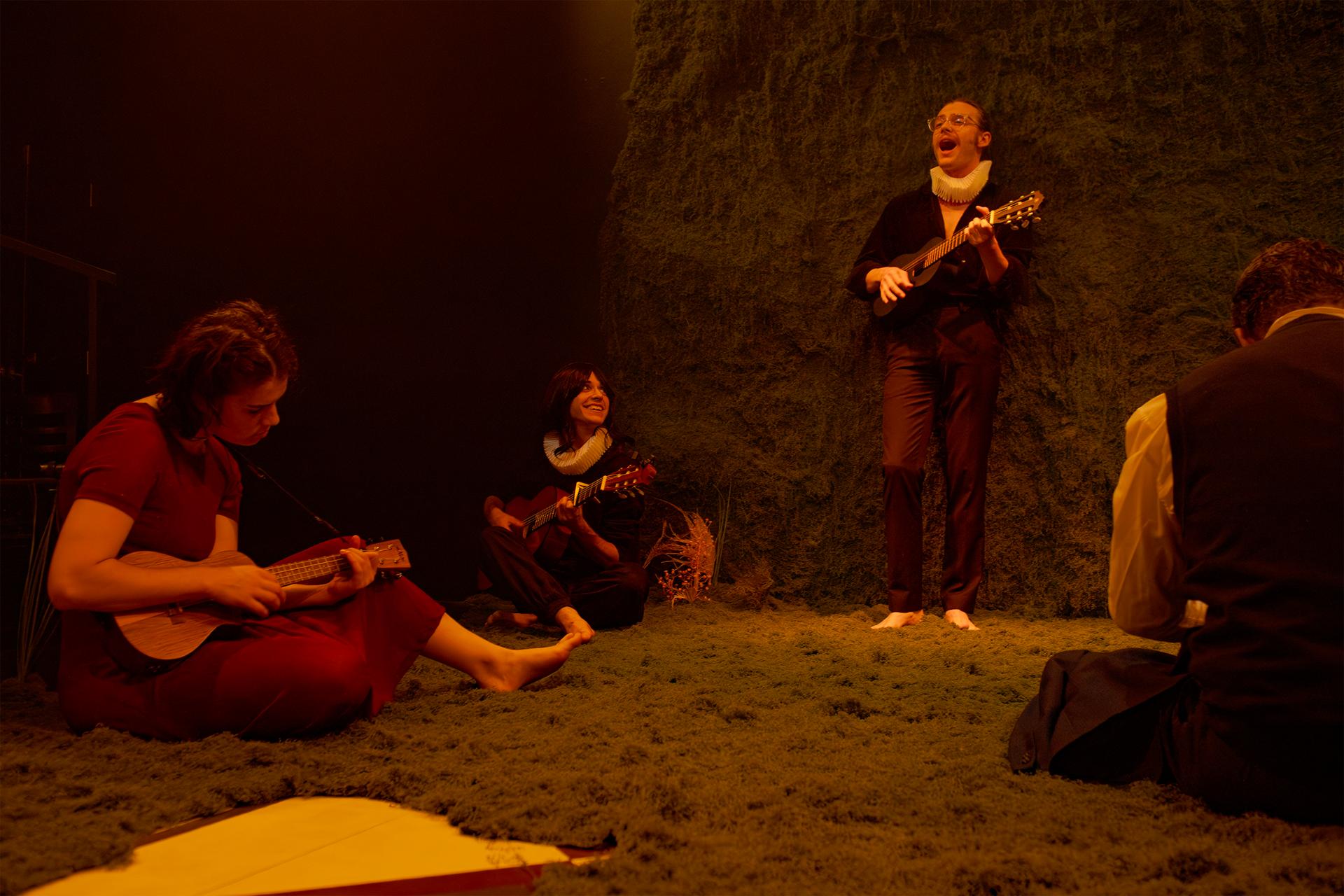
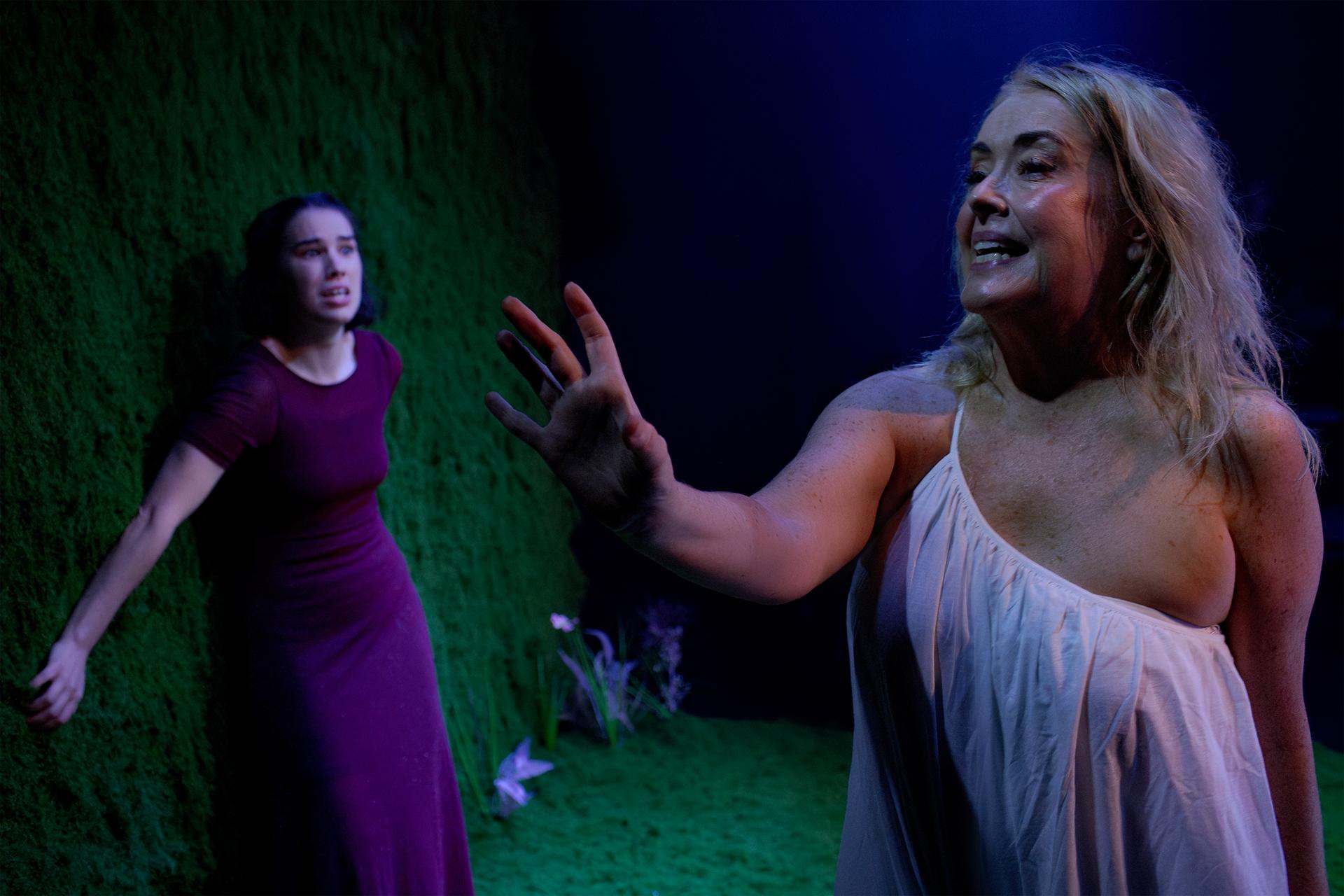
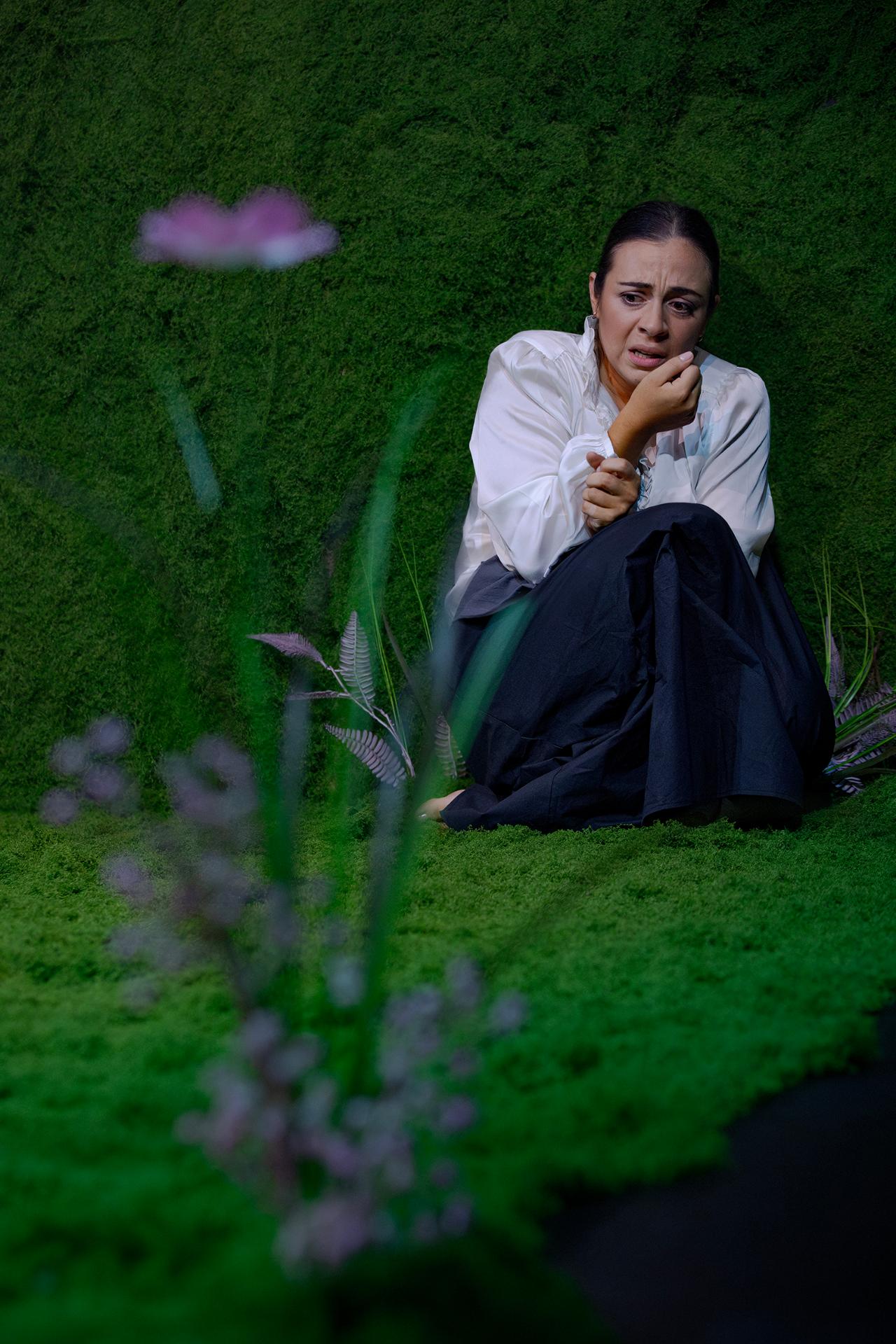
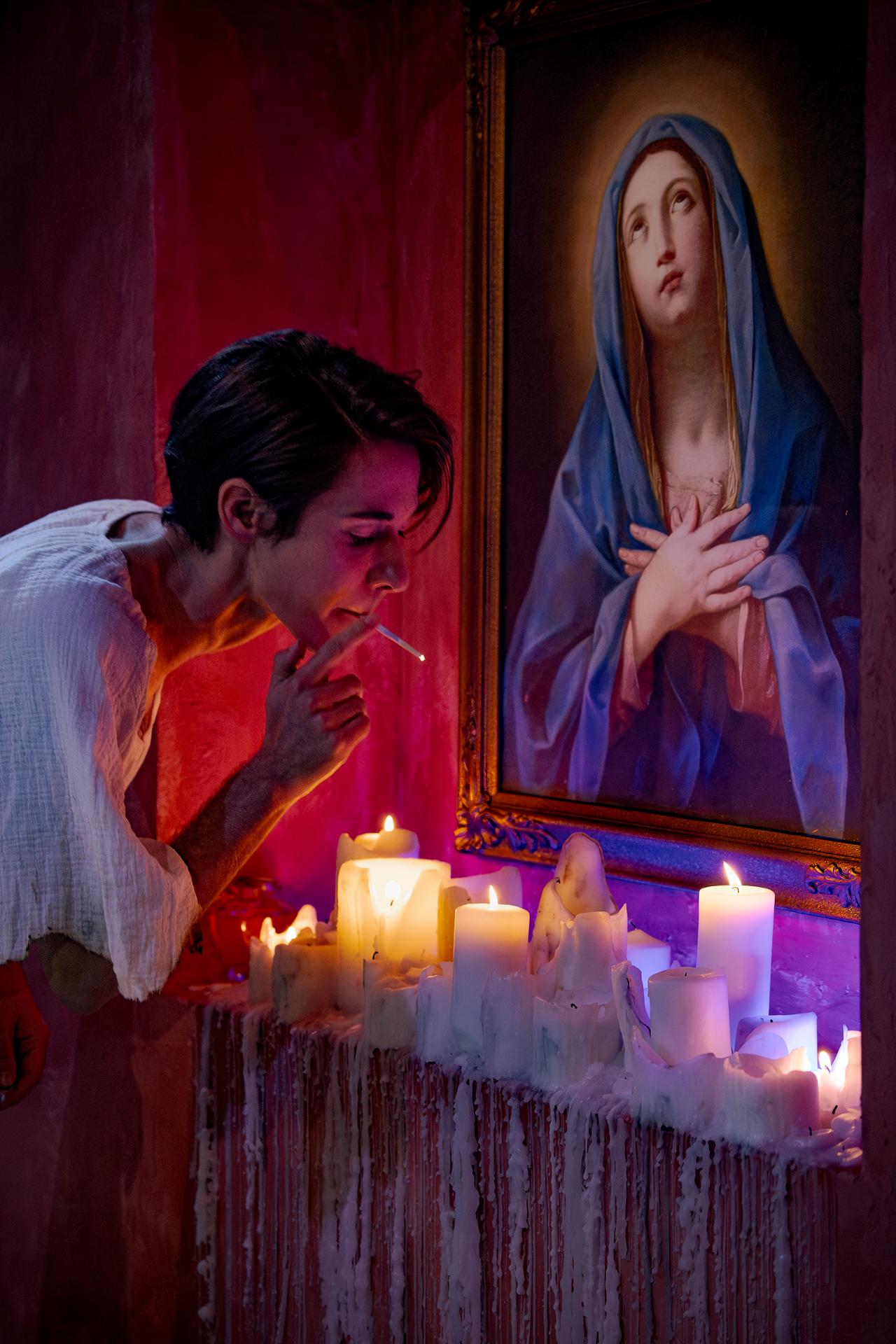
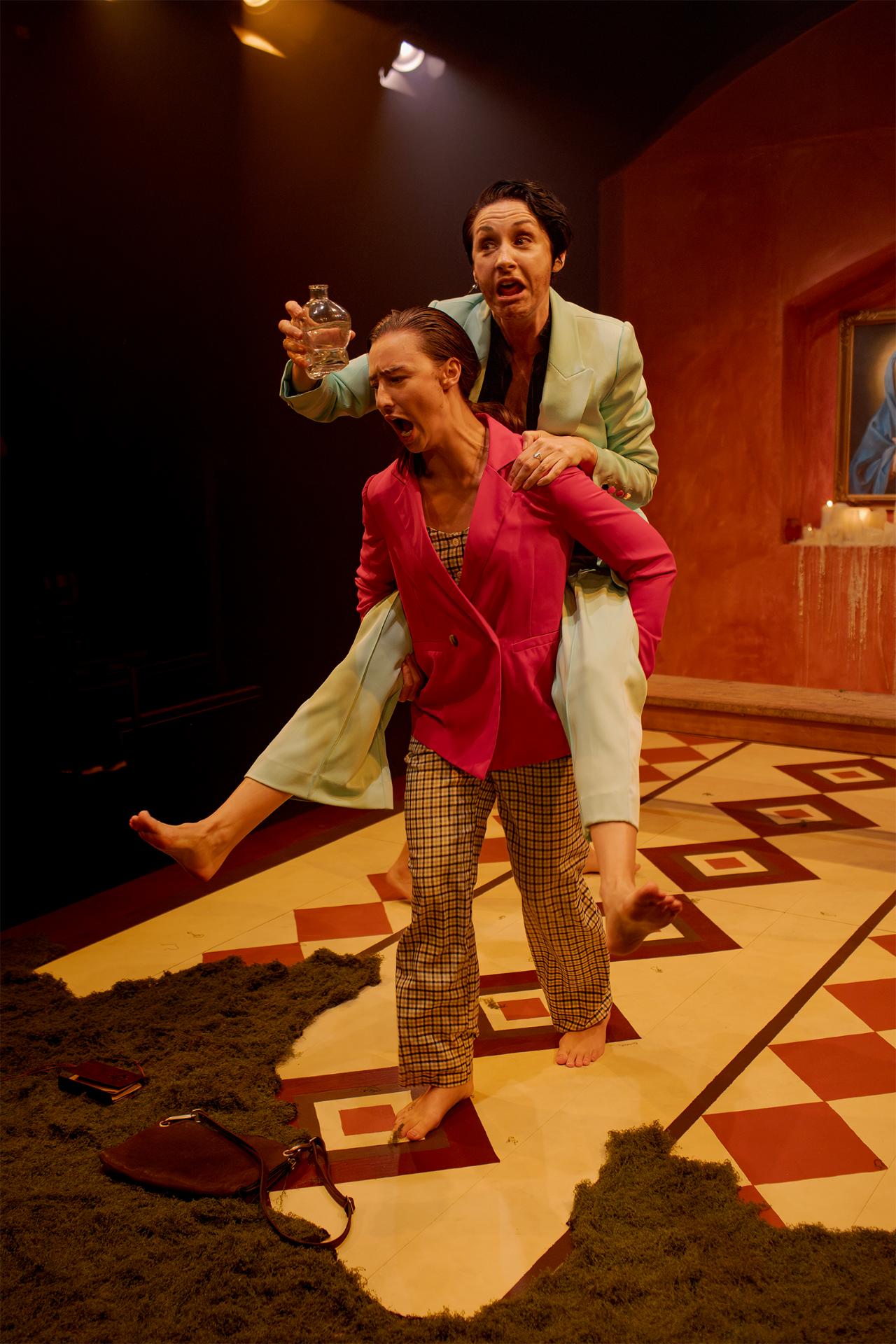
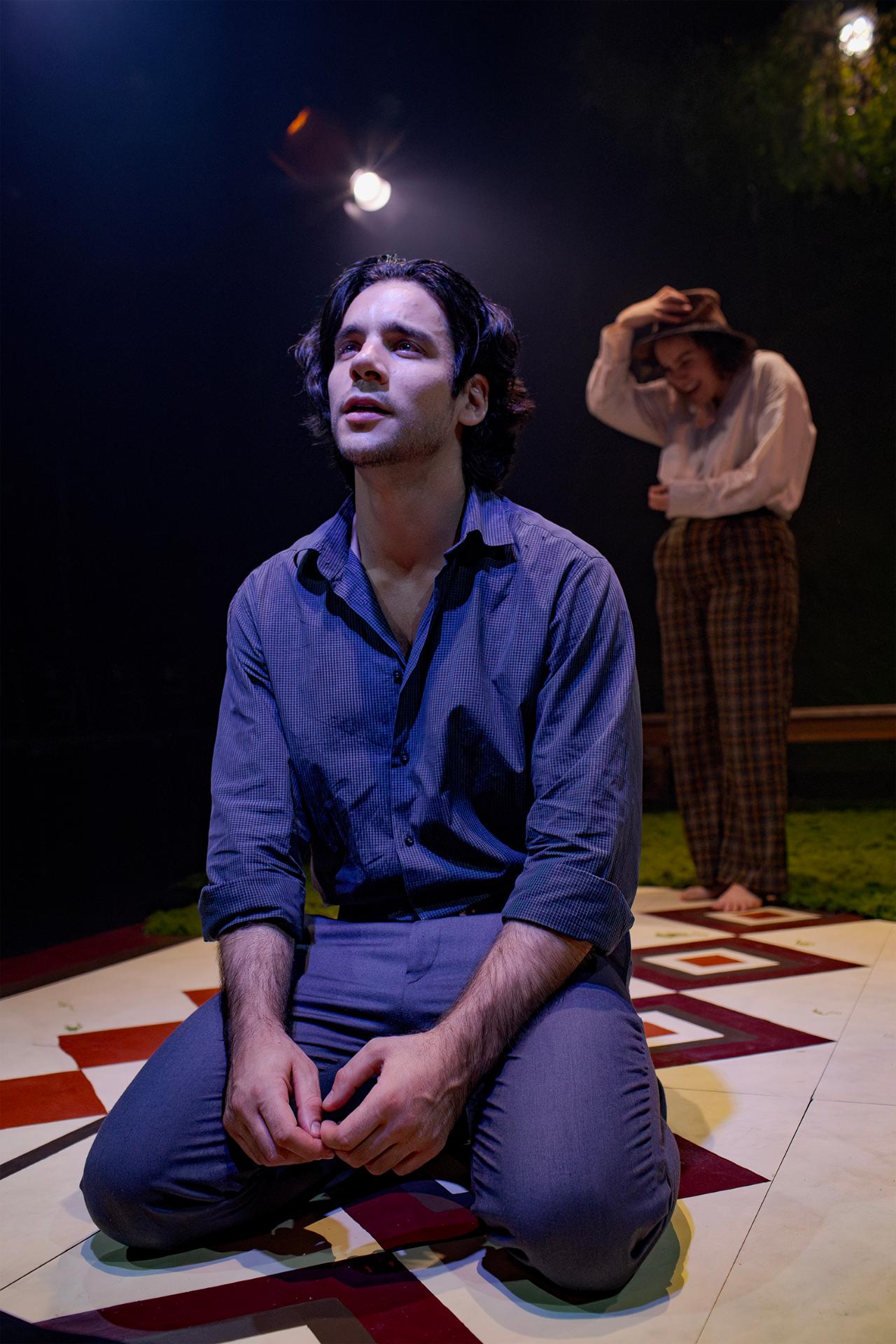
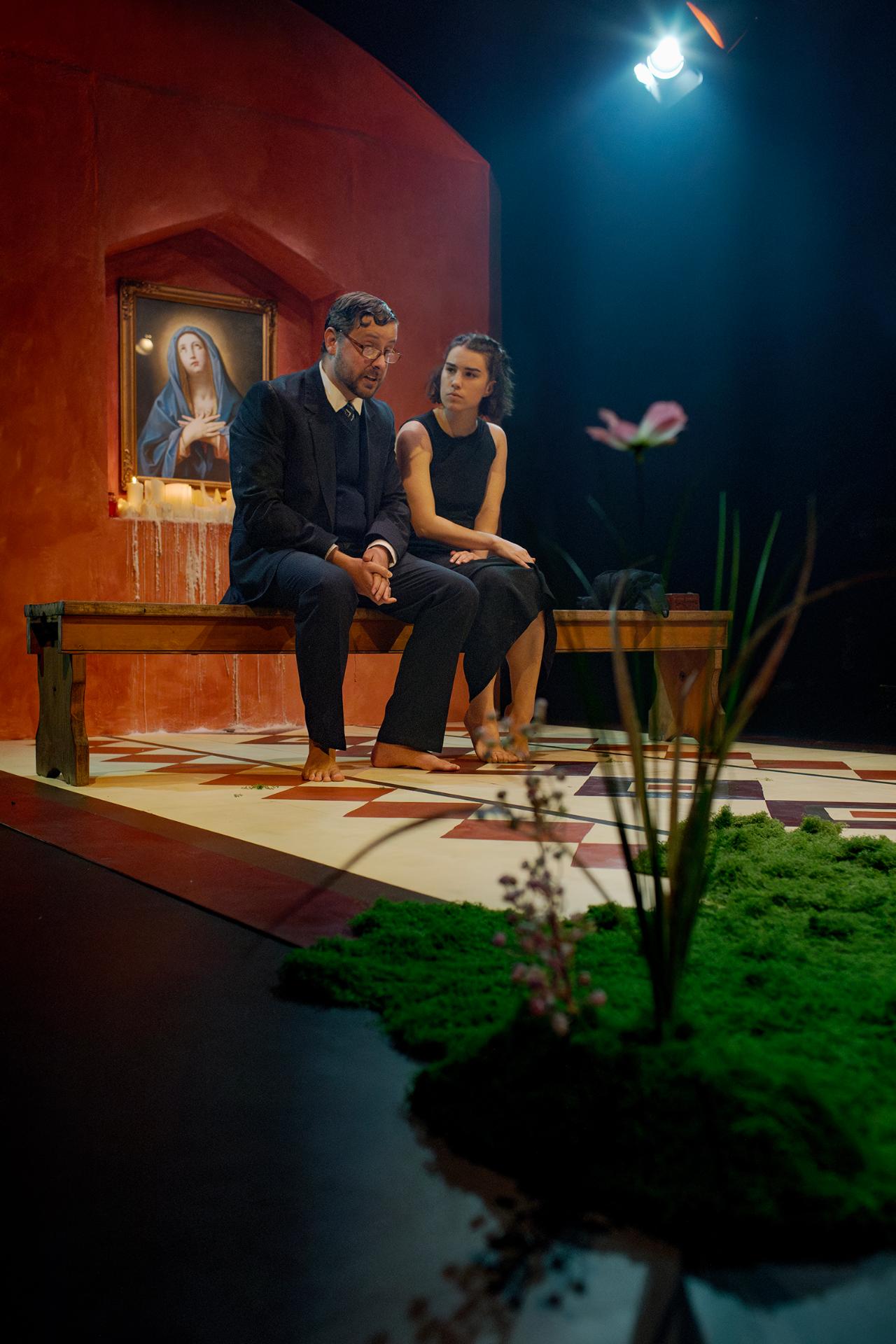
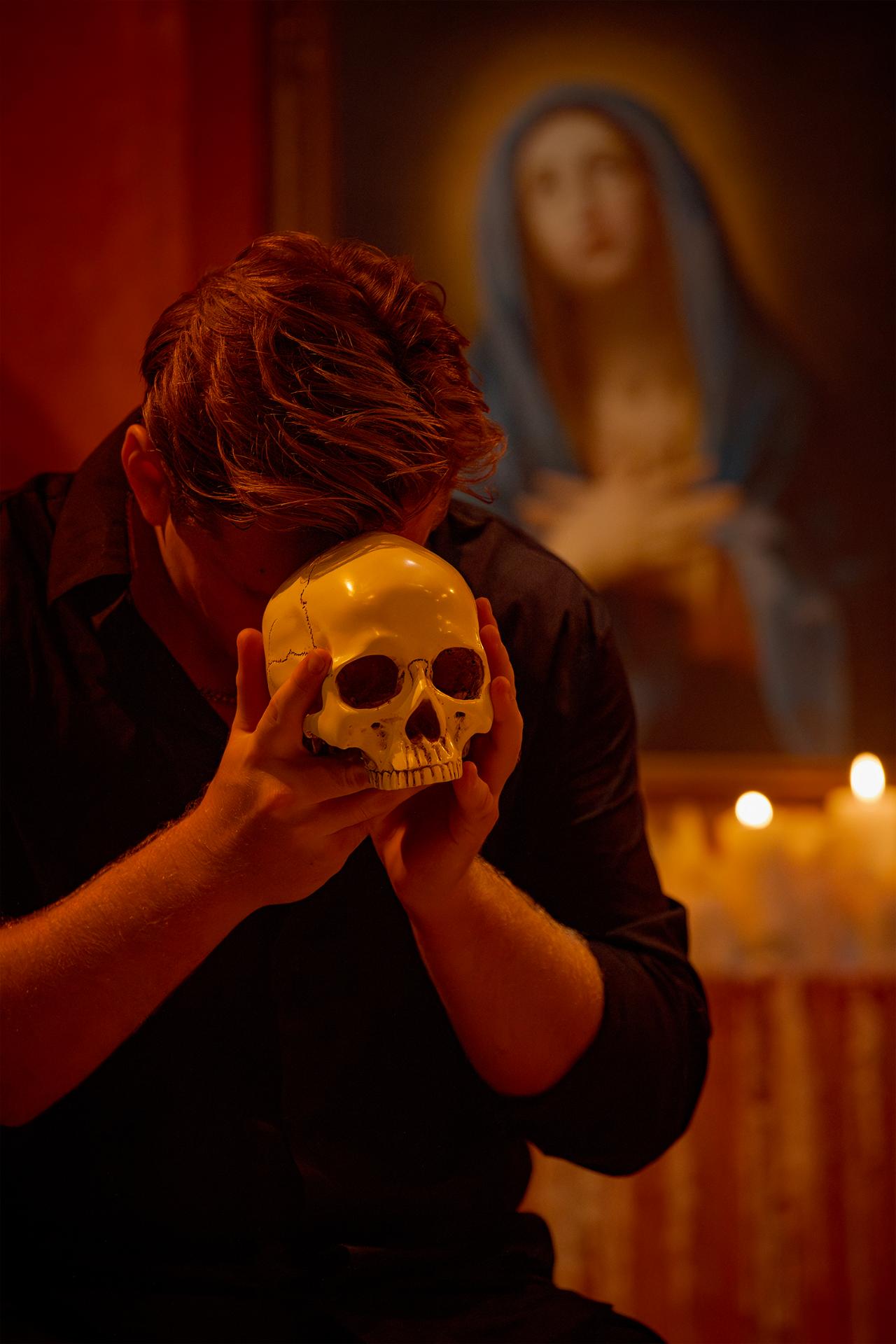
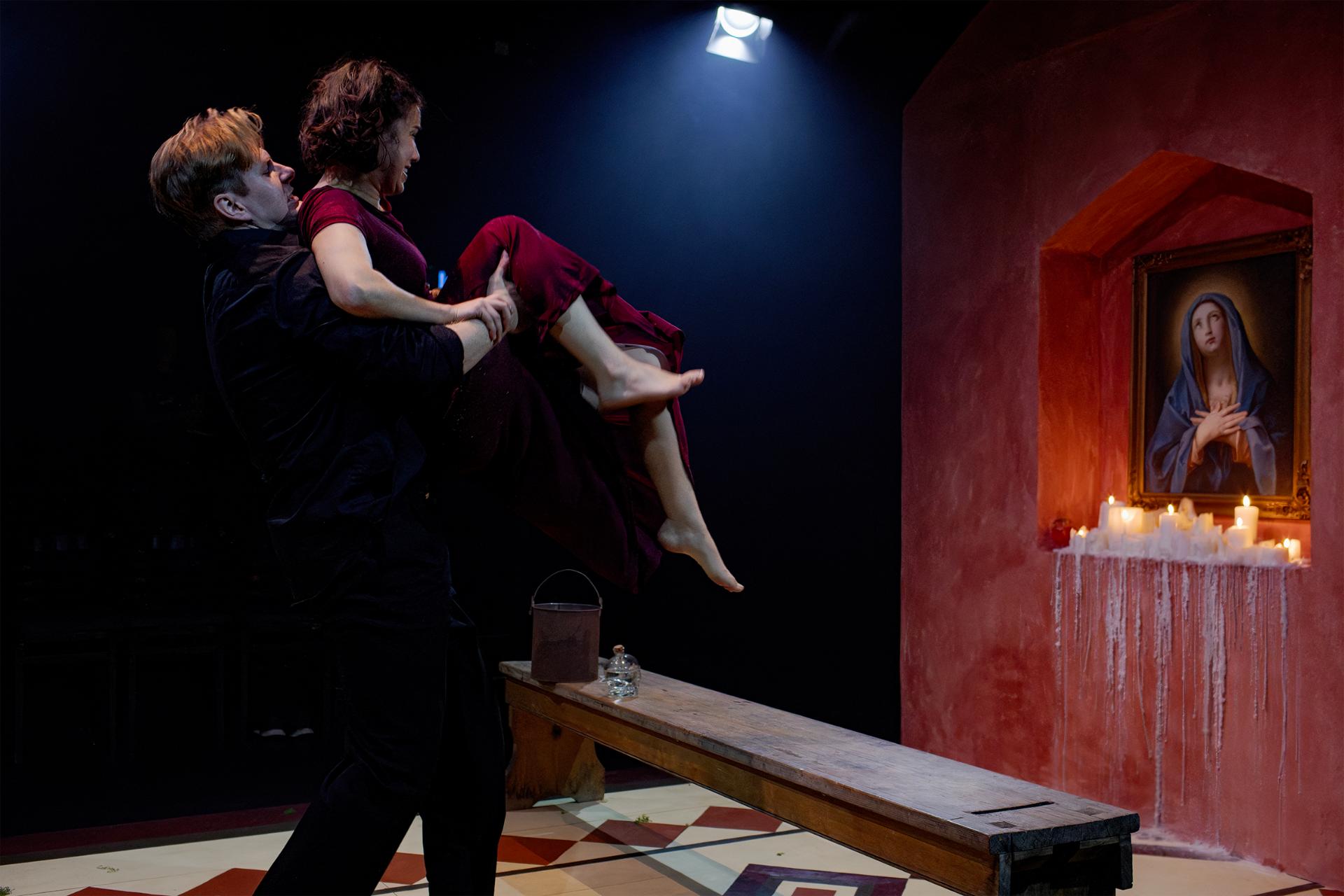
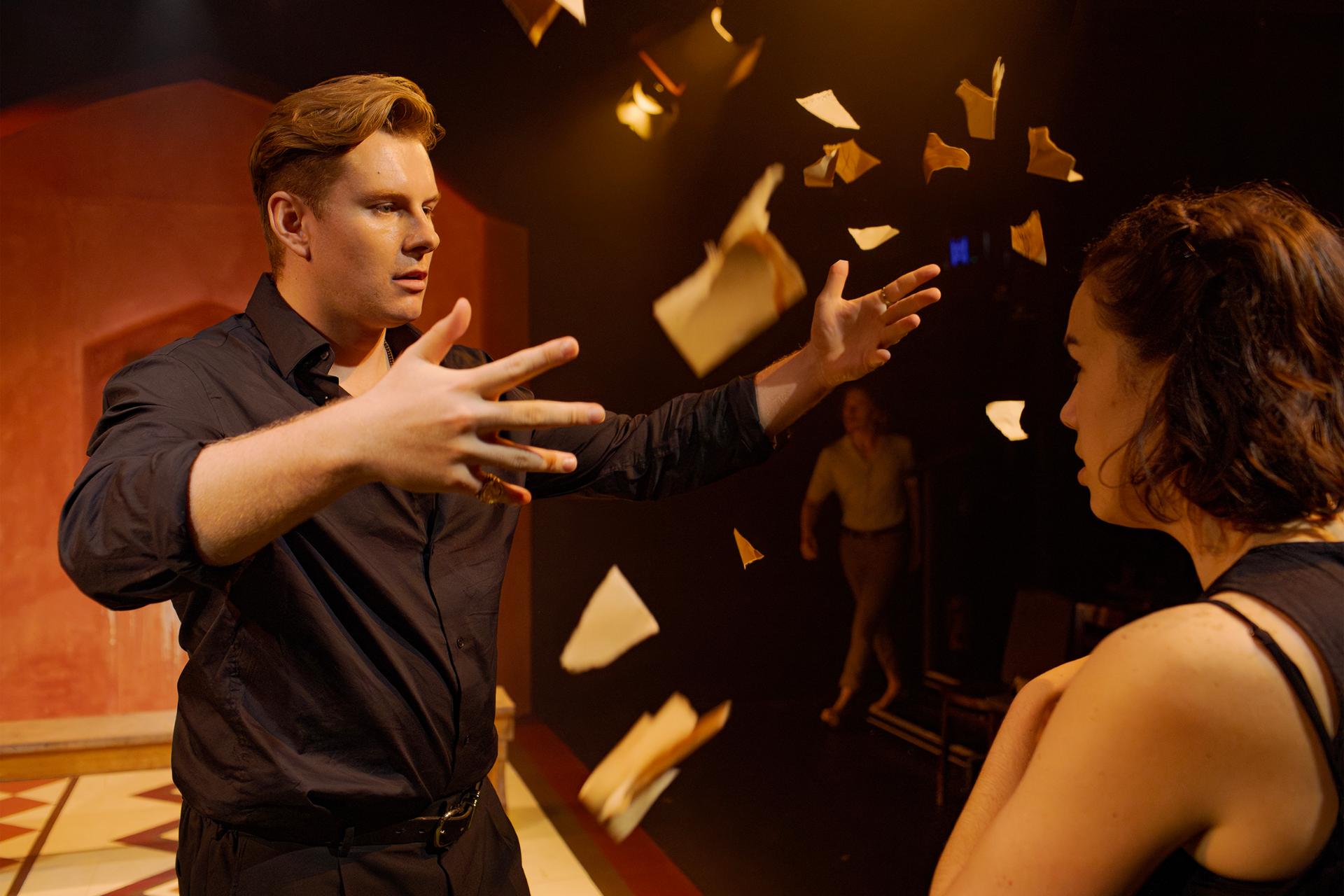
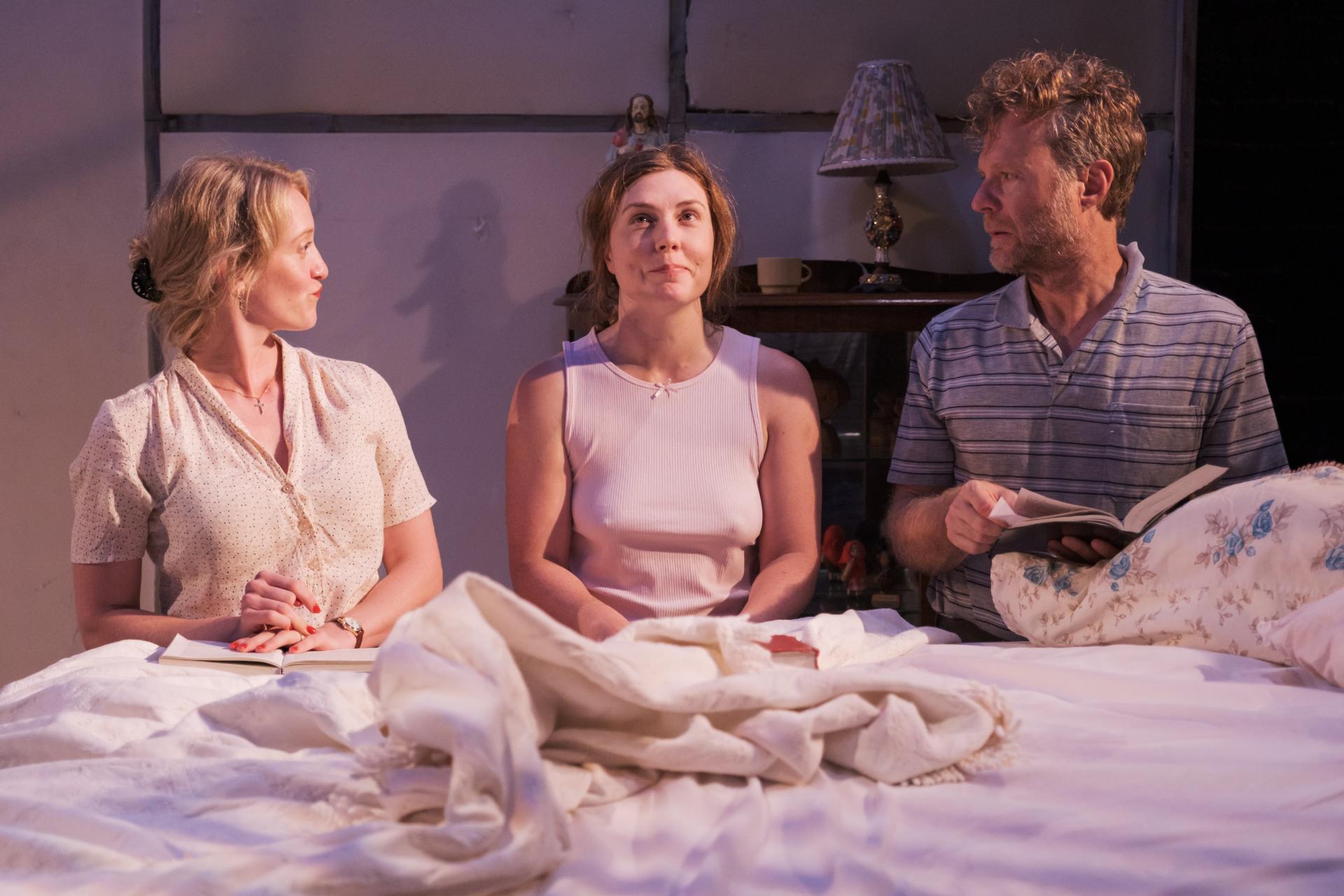
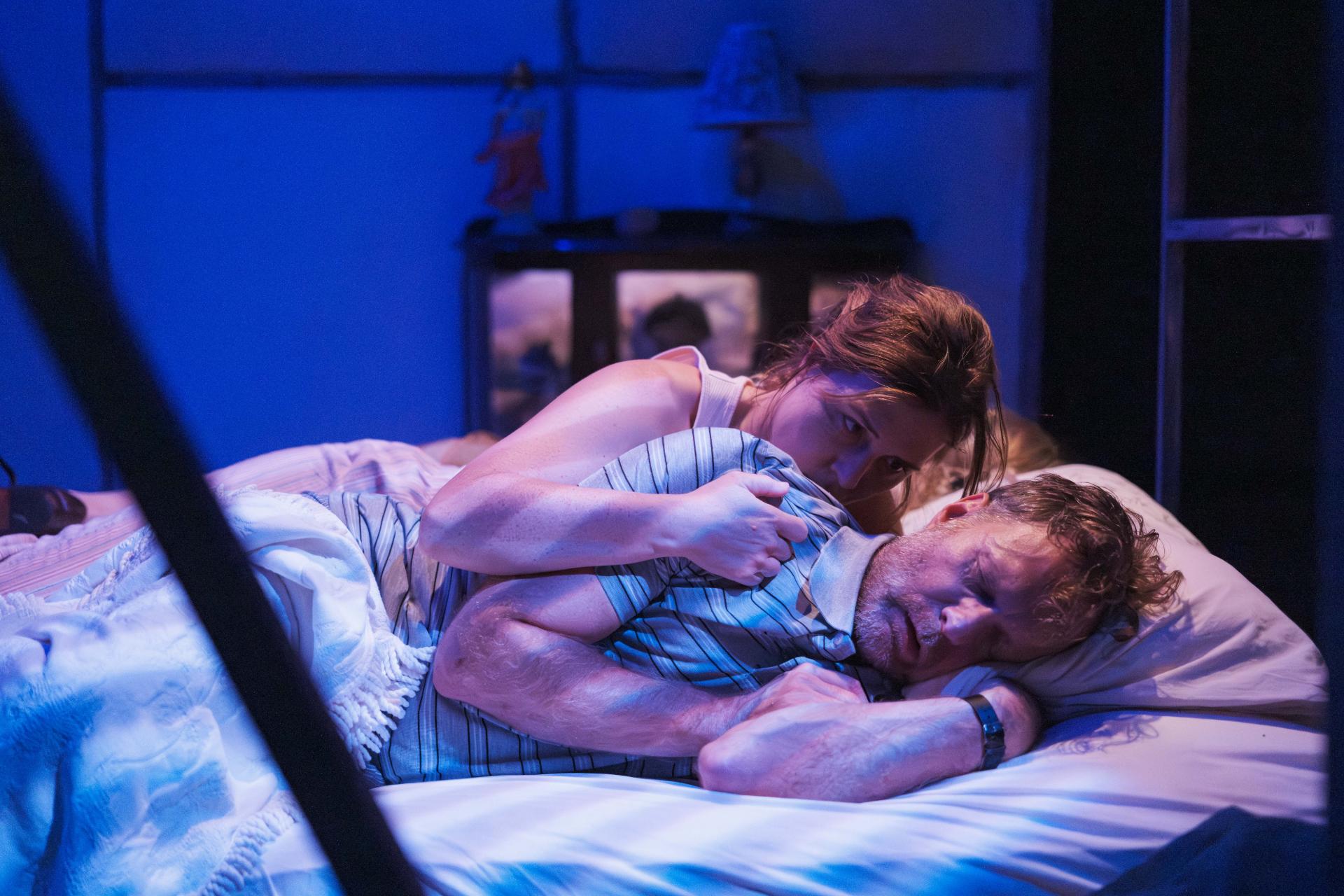
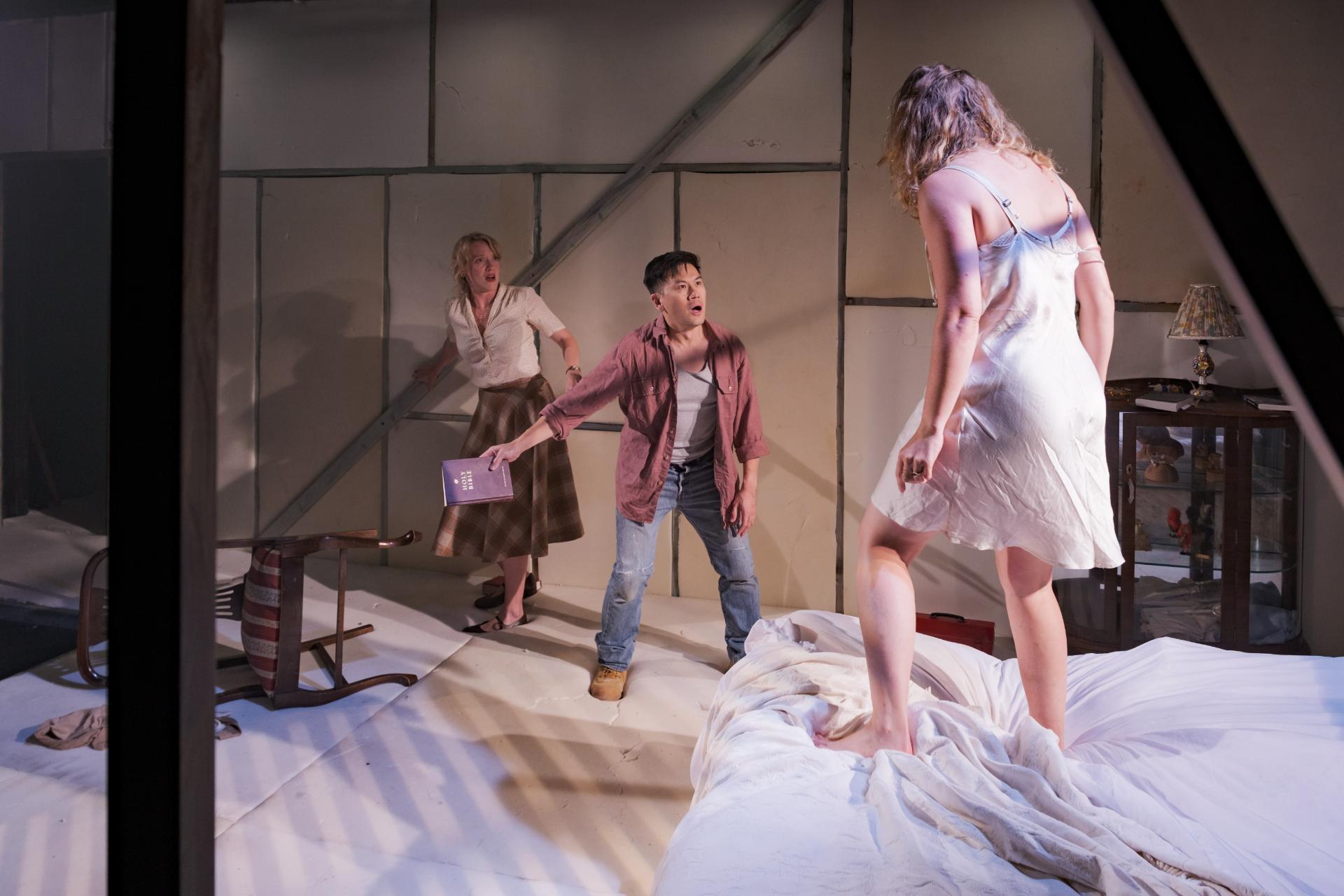
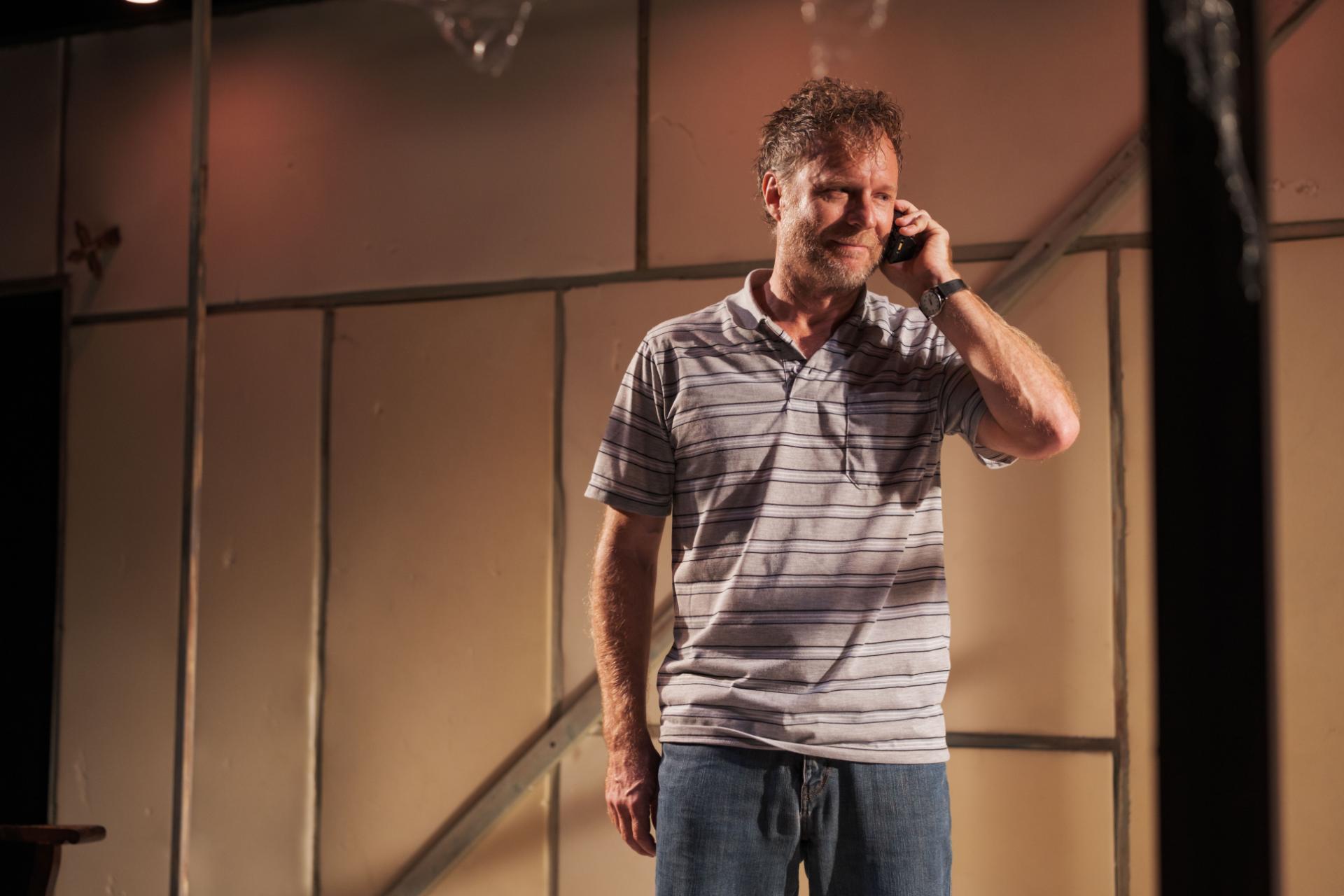
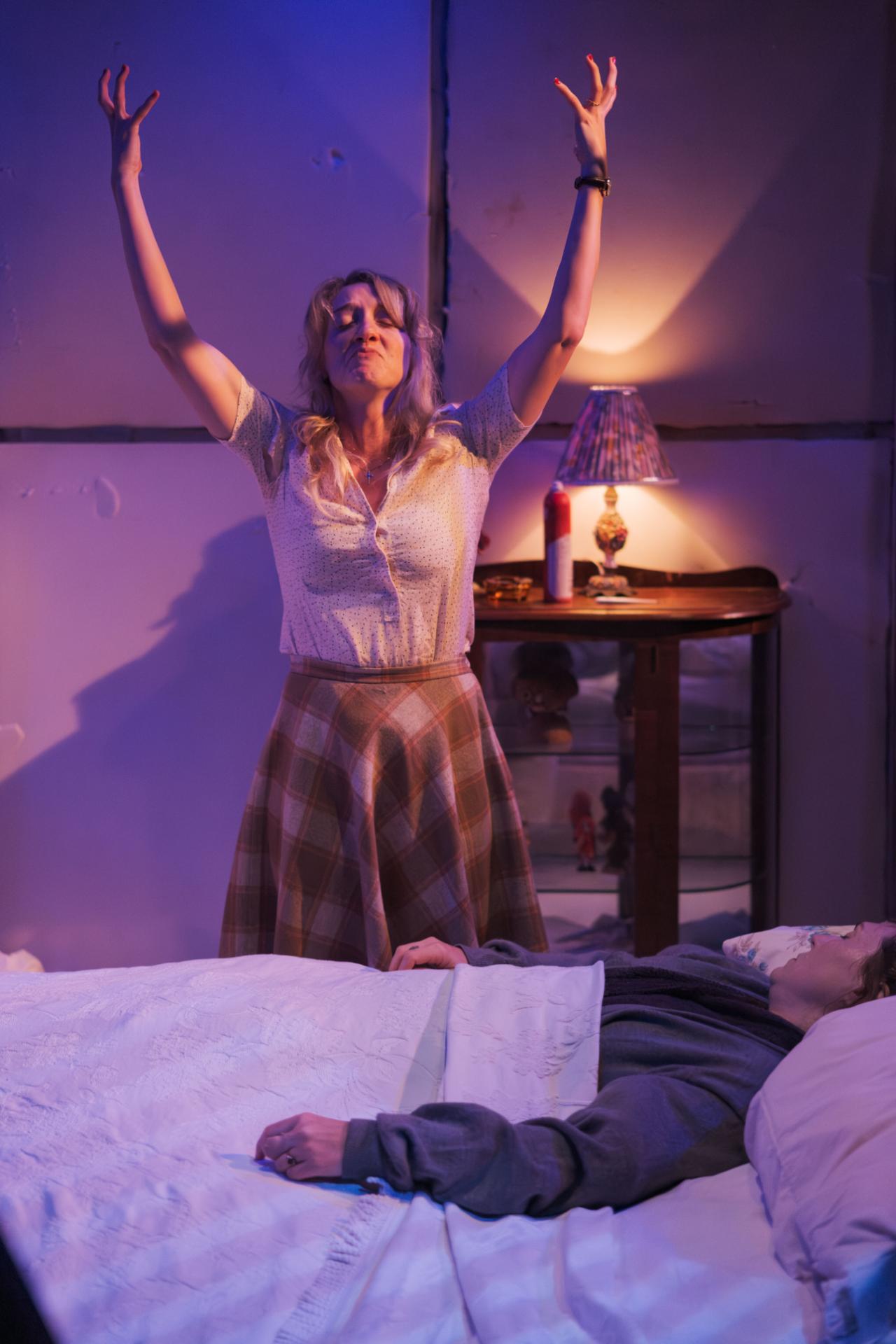
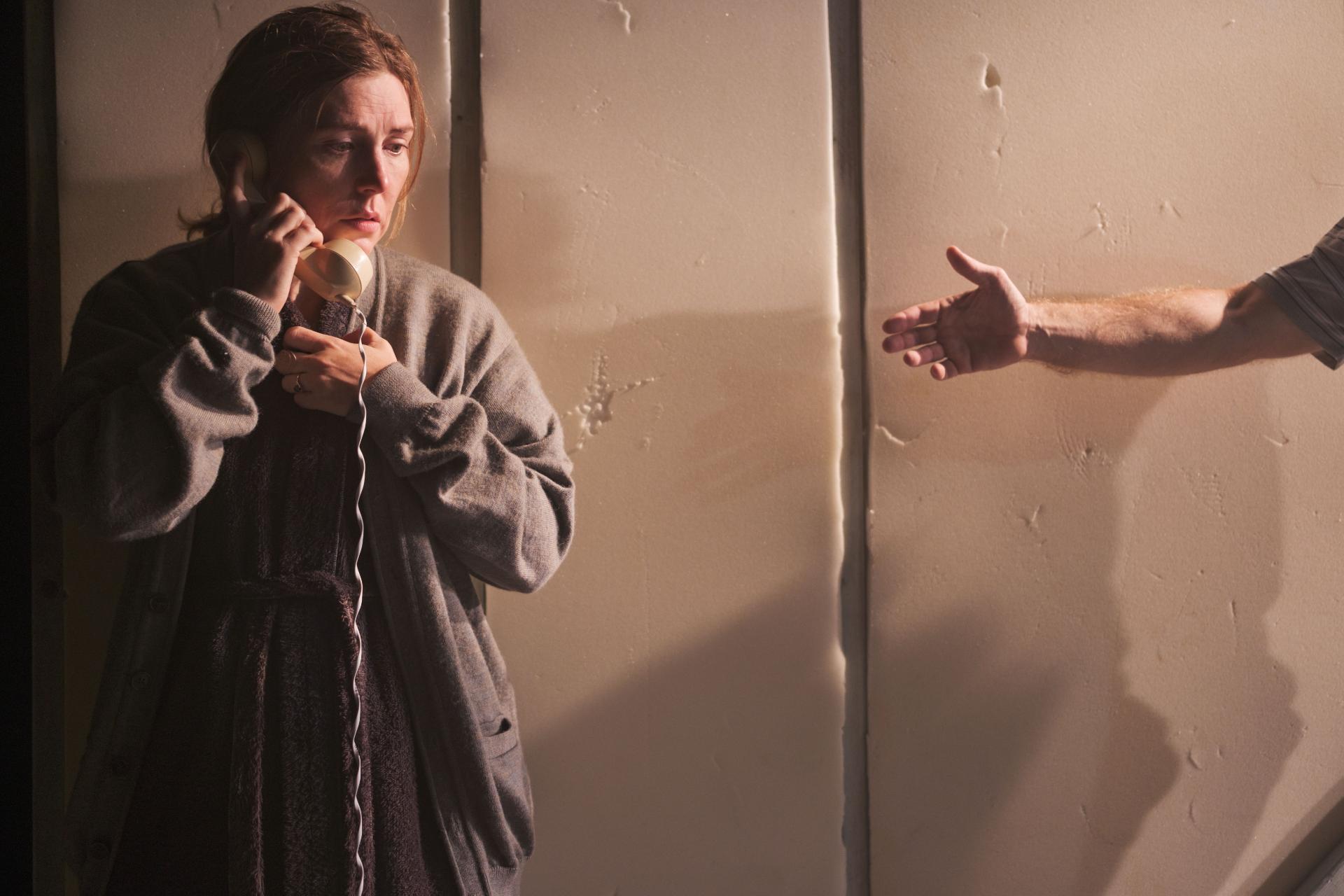
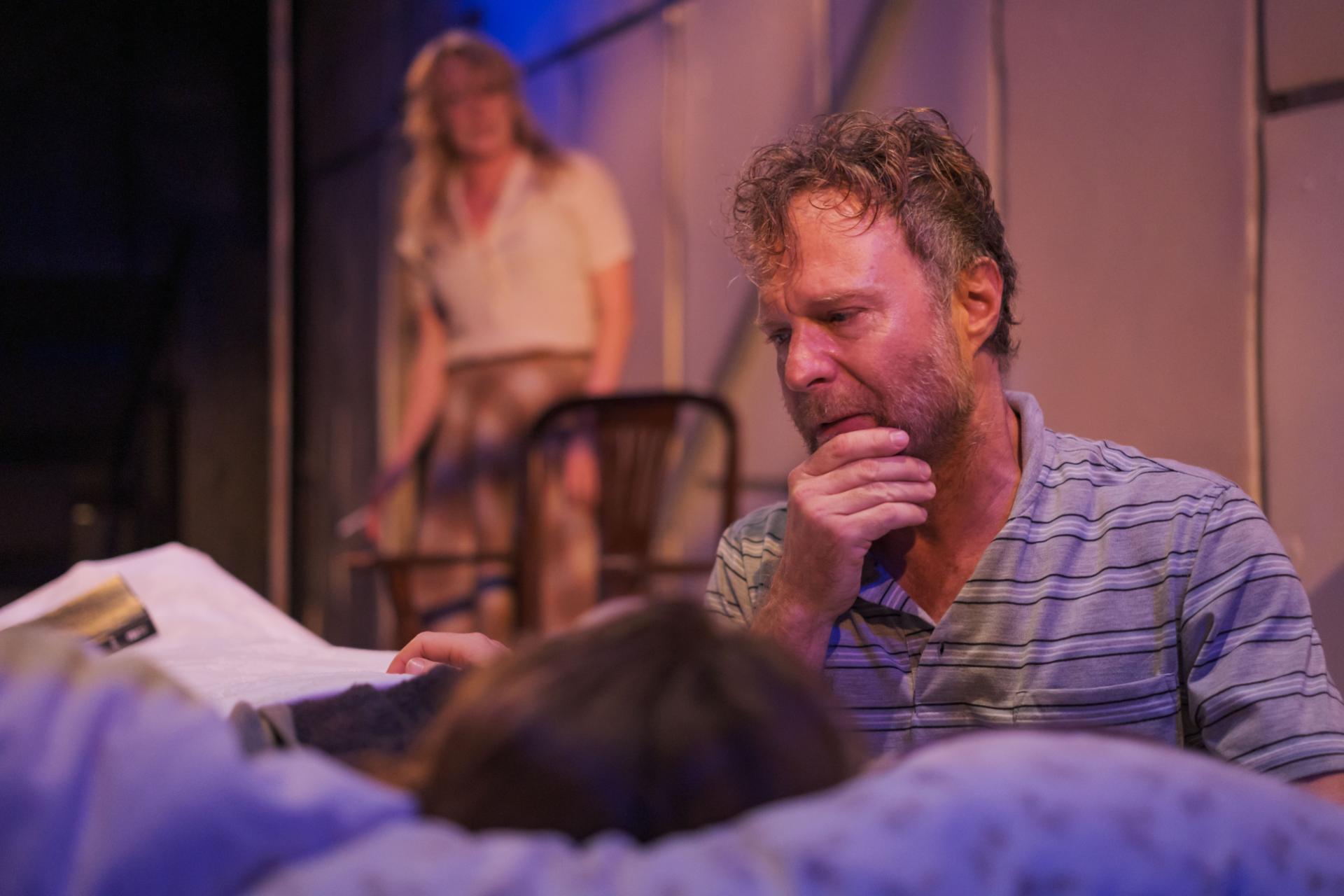
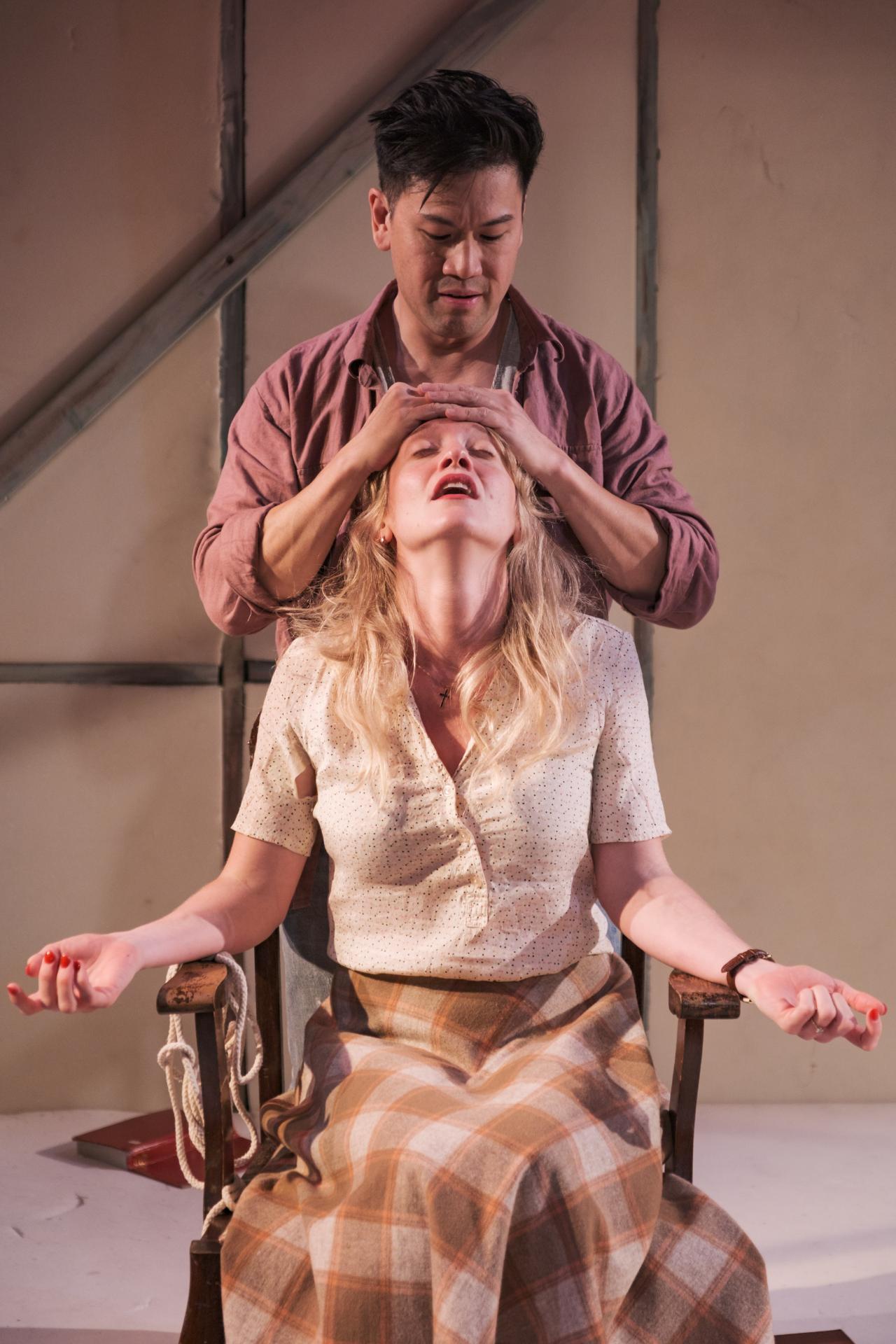
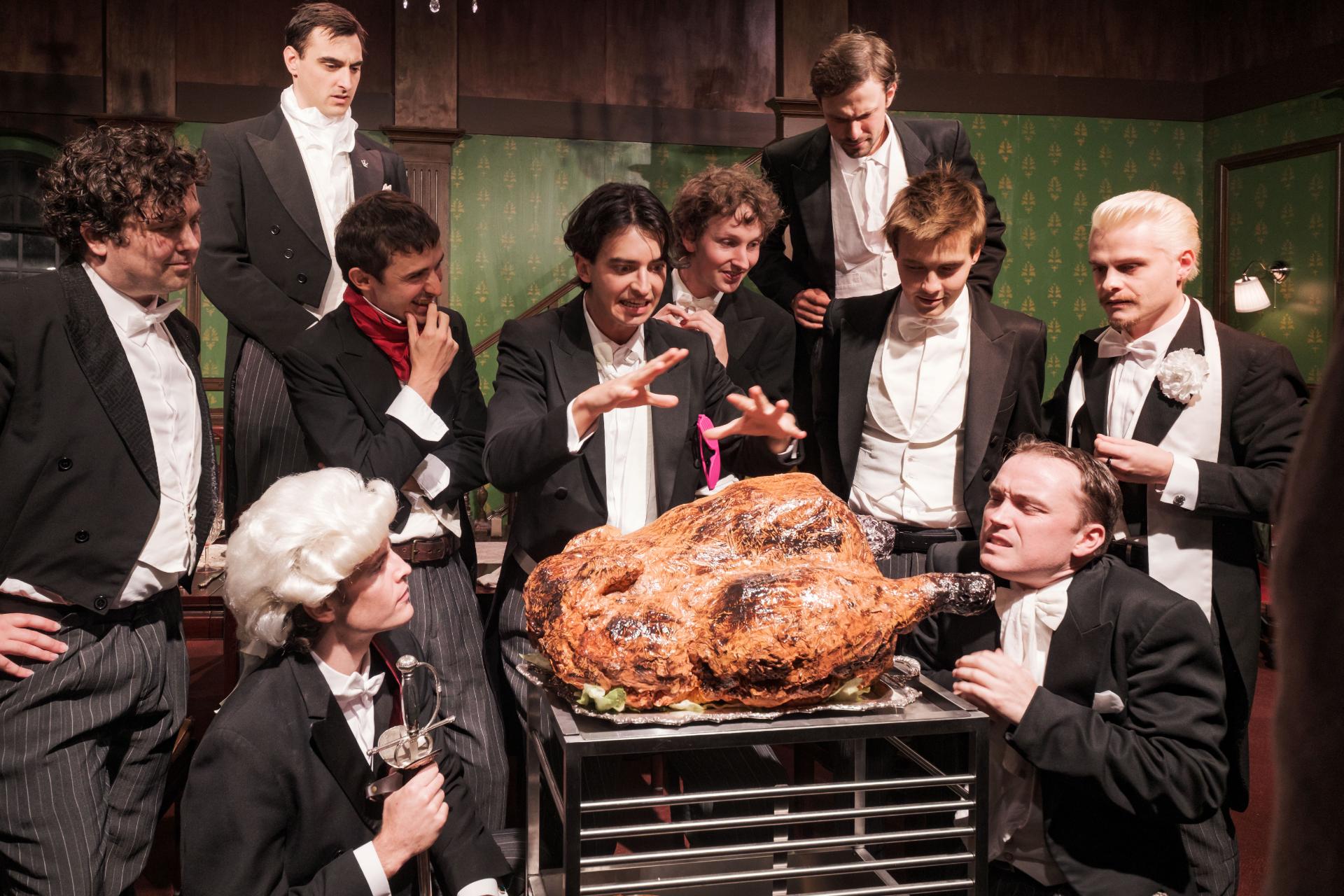
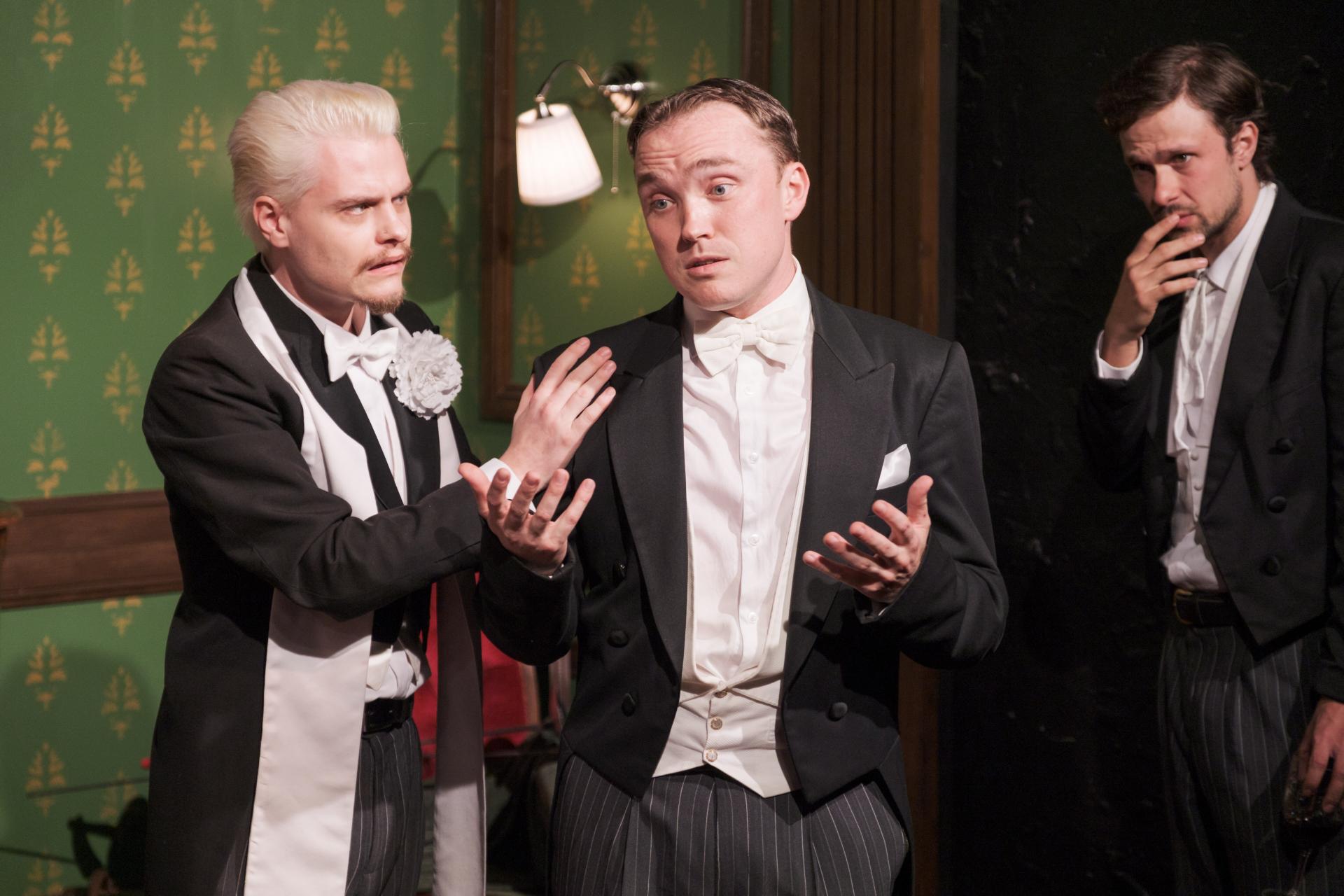
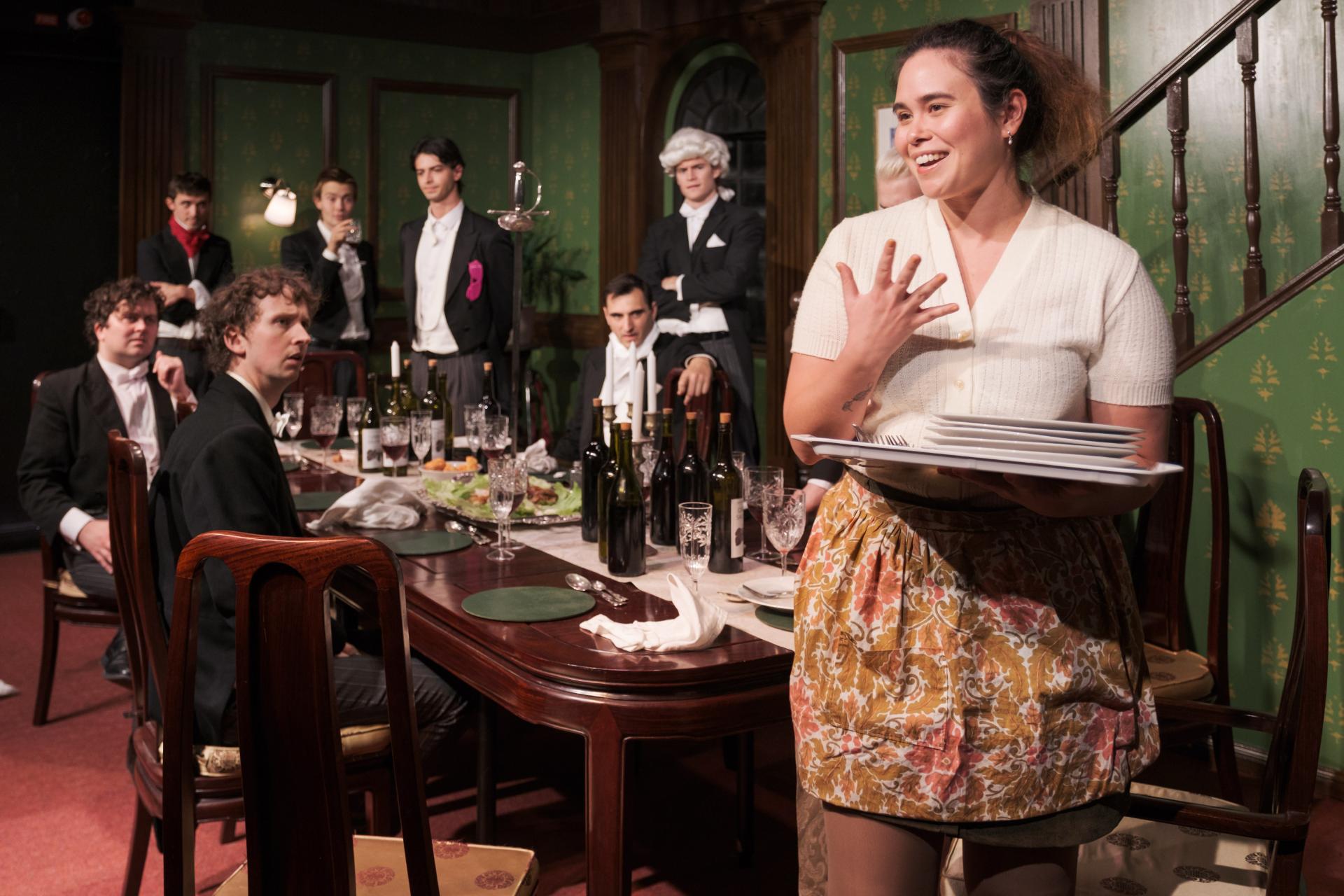
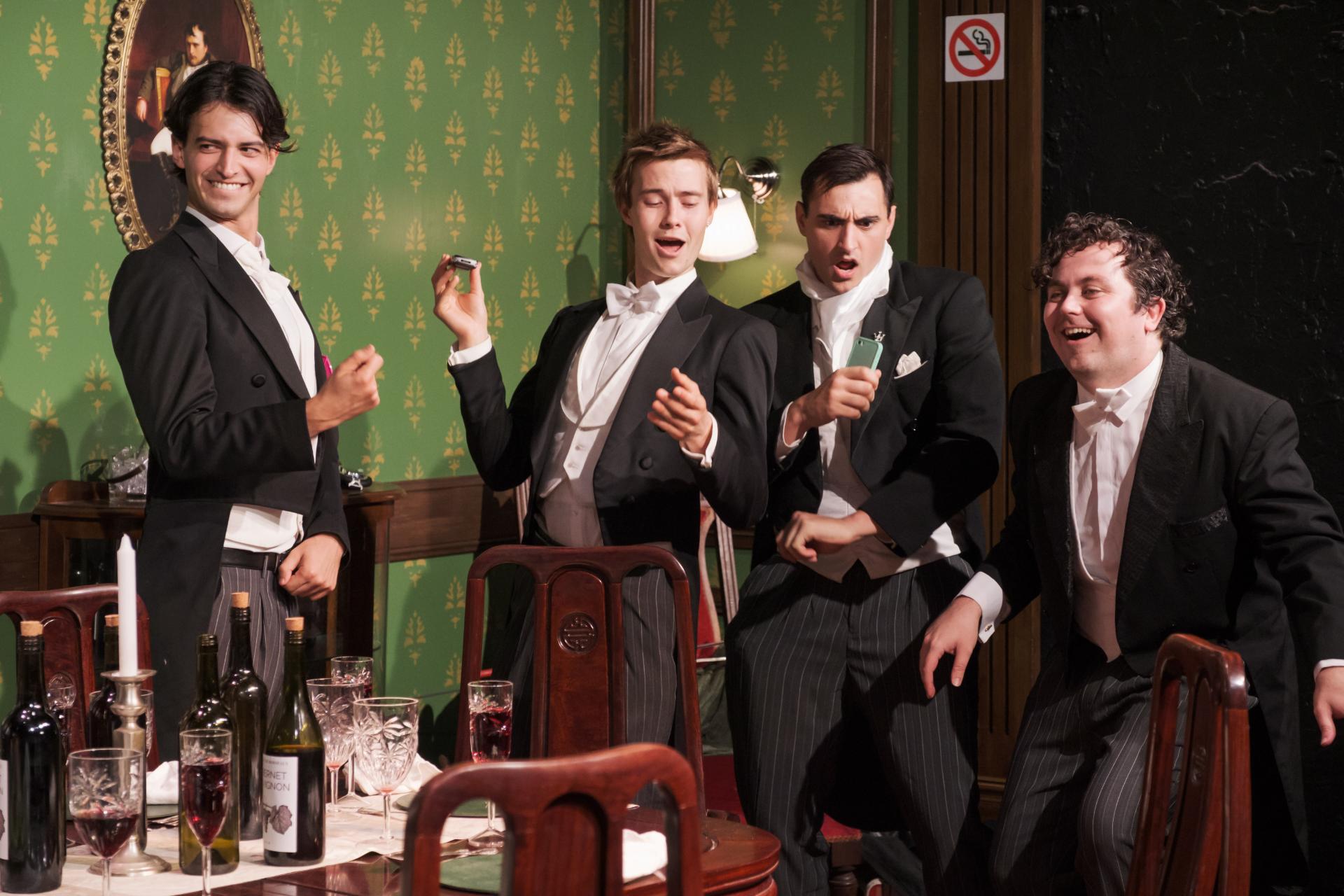
After hiring Johnna as caretaker, Beverly vanishes, leaving his wife Violet and their three daughters in a state of chaos. August: Osage County by Tracy Letts takes the form of a family drama, with outrageous dialogue and plot points delivering both excitement and hilarity. It is a work of theatre that not only indulges our sentimentality with its extravagant storytelling but also prompts contemplation on the origins of our modern discontents.

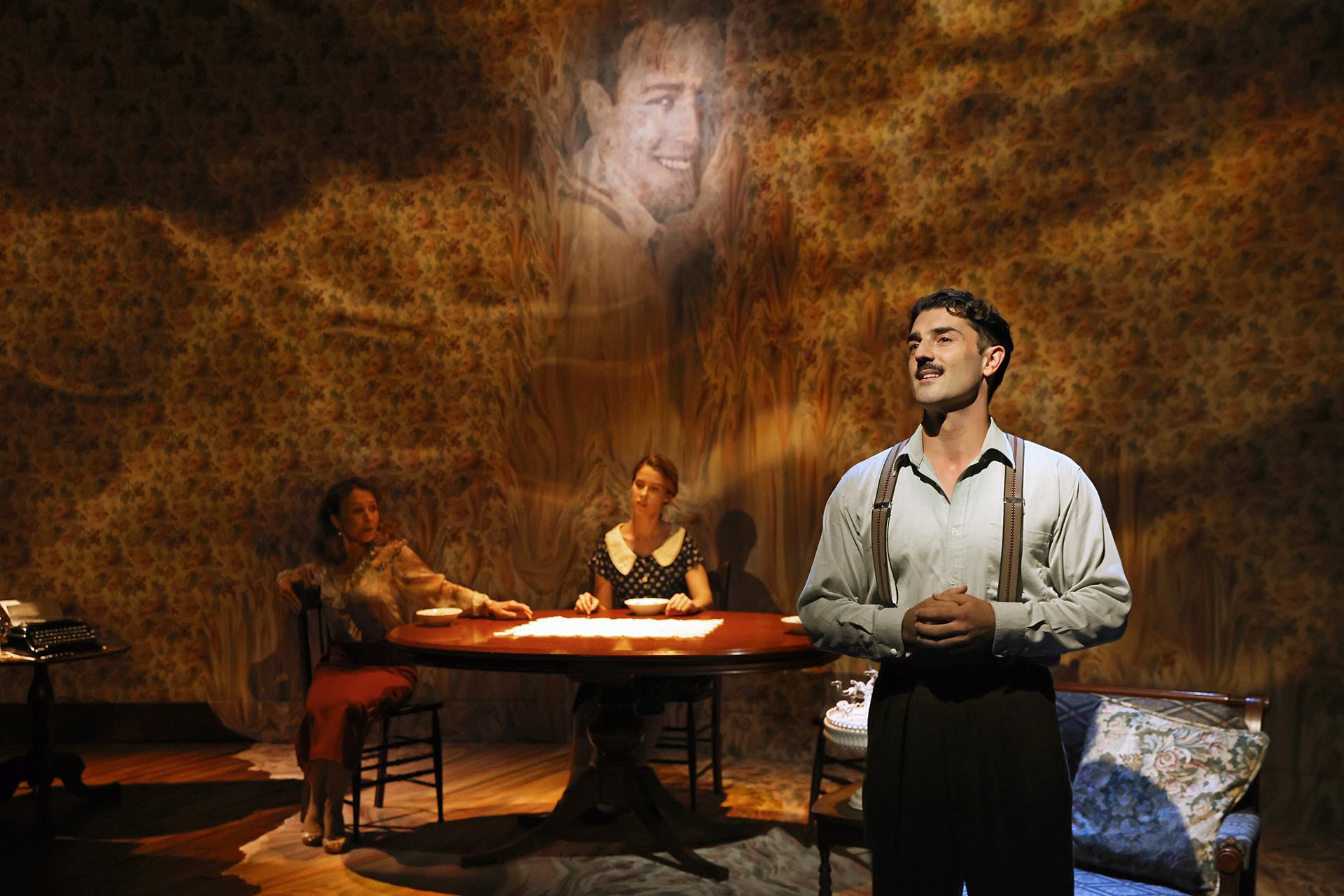
There is an aggression that feels intrinsic to the Weston household, rendered with confident surety by director Eamon Flack. Flack’s thoughtful juxtapositions of Johnna’s indigeneity against the Weston family’s whiteness, elicits persuasive deductions relating to colonisation, and the legacy of violence that forms the very foundation of Western civilisations. Furthermore there is a sense of being unmoored, at the centre of their very existence, that the Westons struggle with. Unlike Johnna who exemplifies a certain serenity in the midst of relentless upheaval, the Westons can never arrive at peace. Even as Violet fervently reaches for words to express multitudes of truths, or when her daughters try endlessly to settle in romance, their bitterness refuses to be assuaged. It is a generational curse that plays out in August: Osage County, an inheritance from the forefathers of yore.

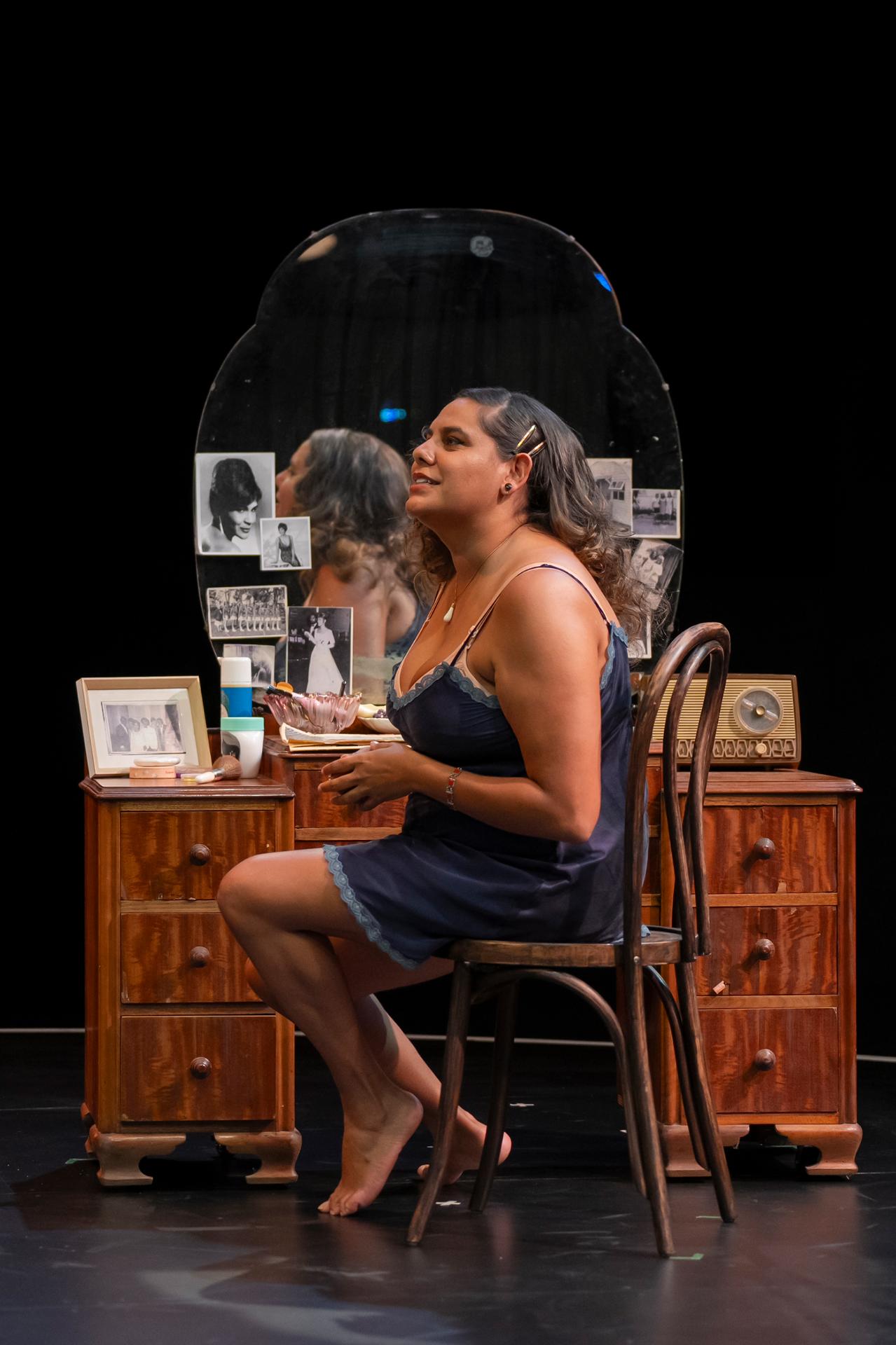
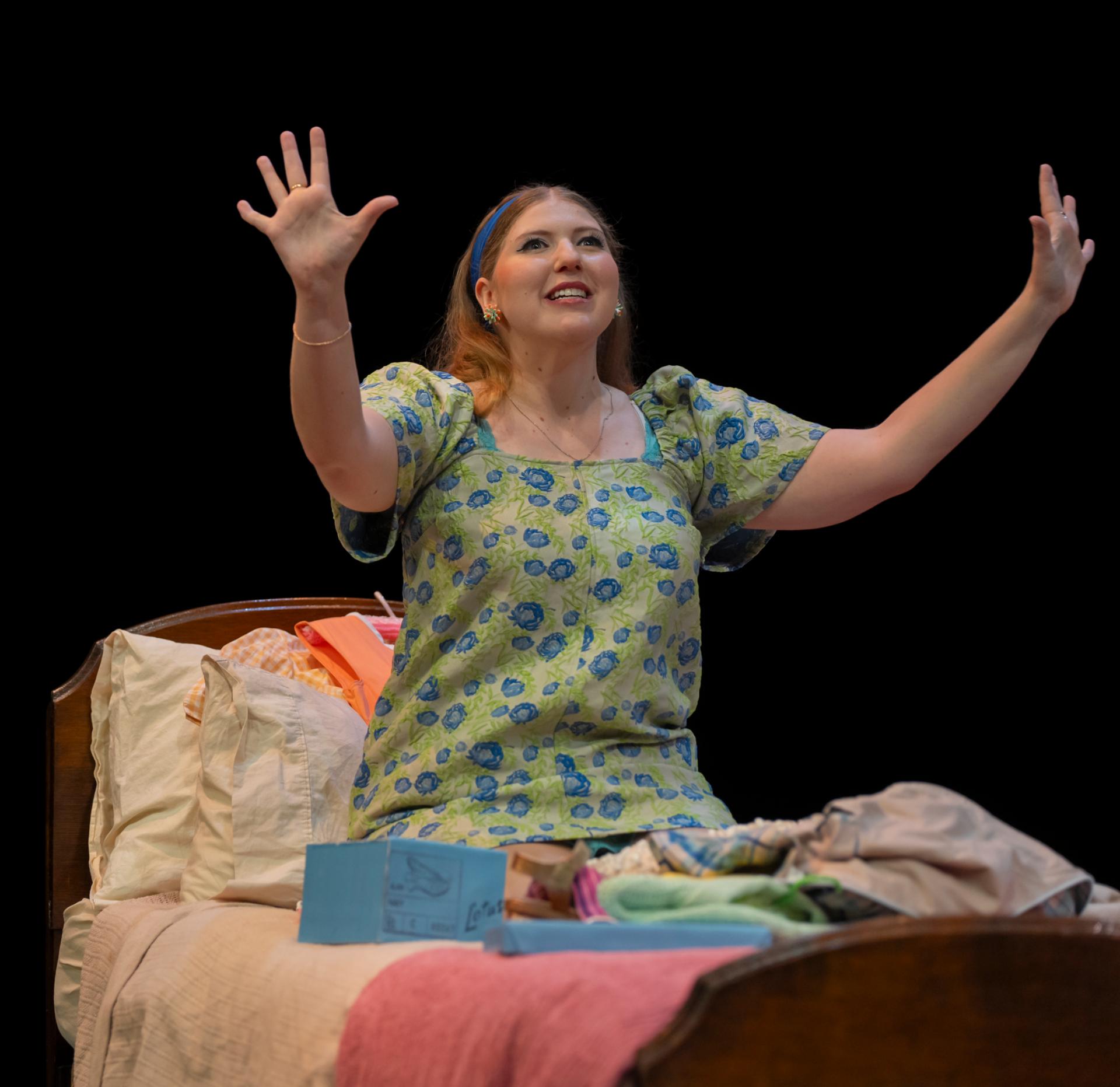
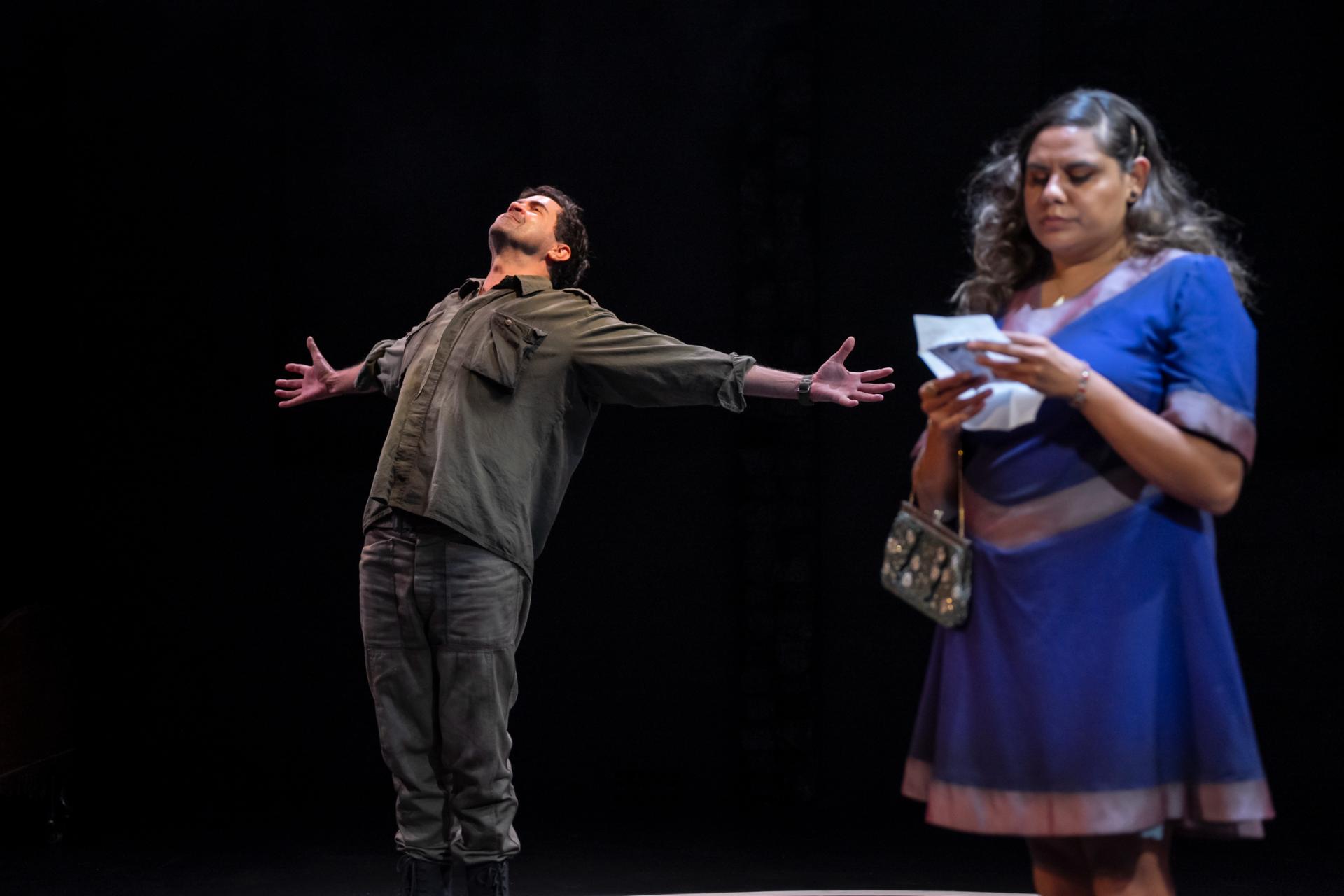
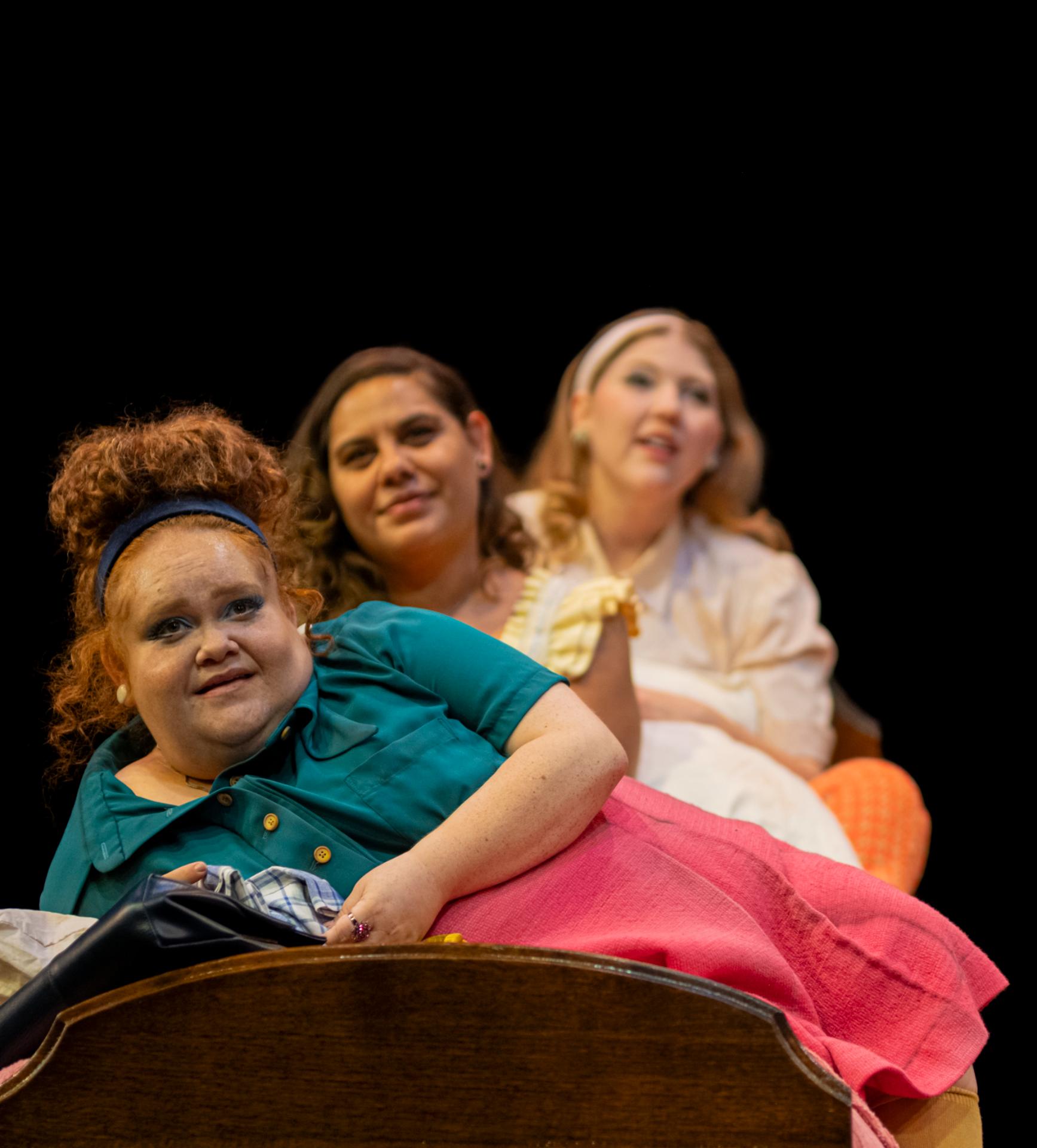
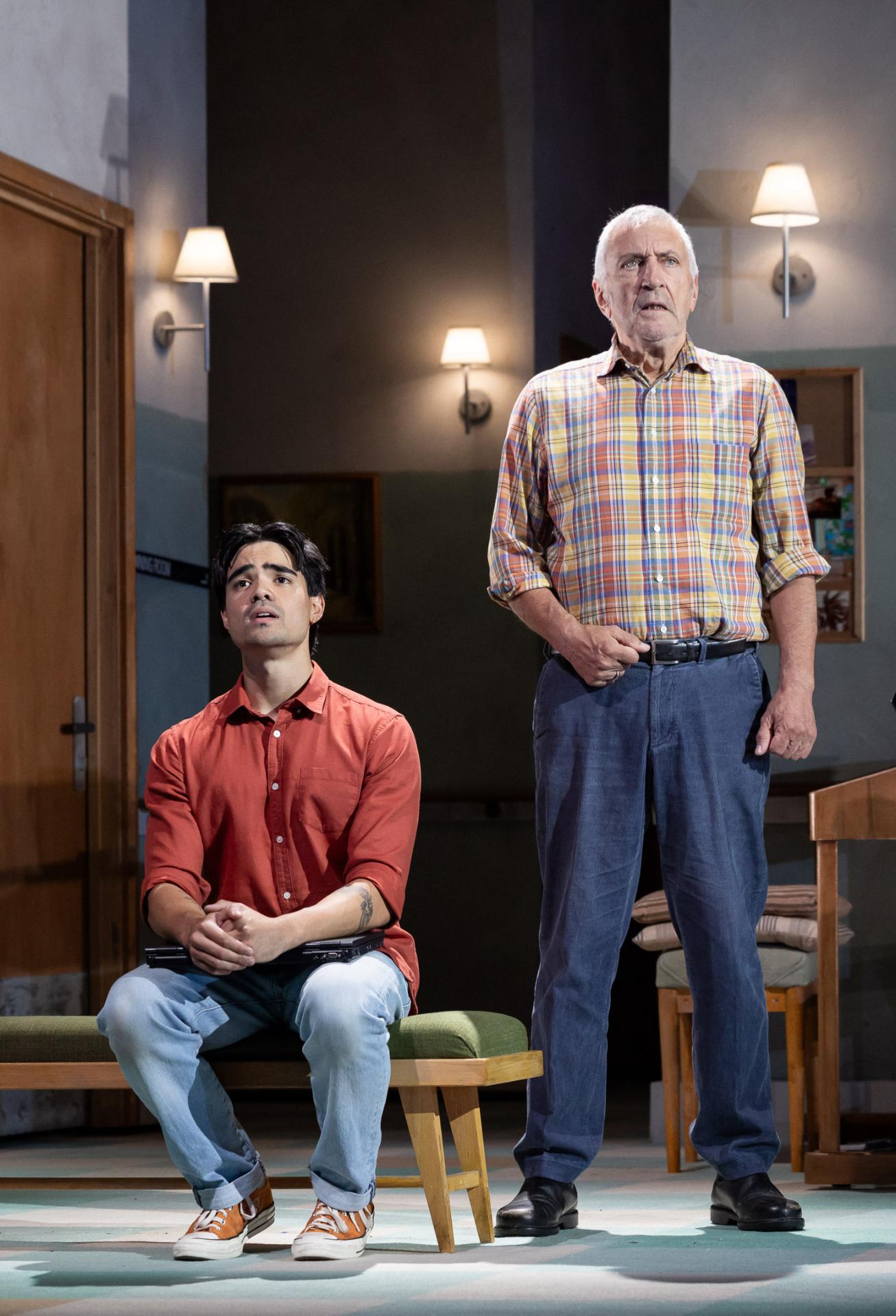
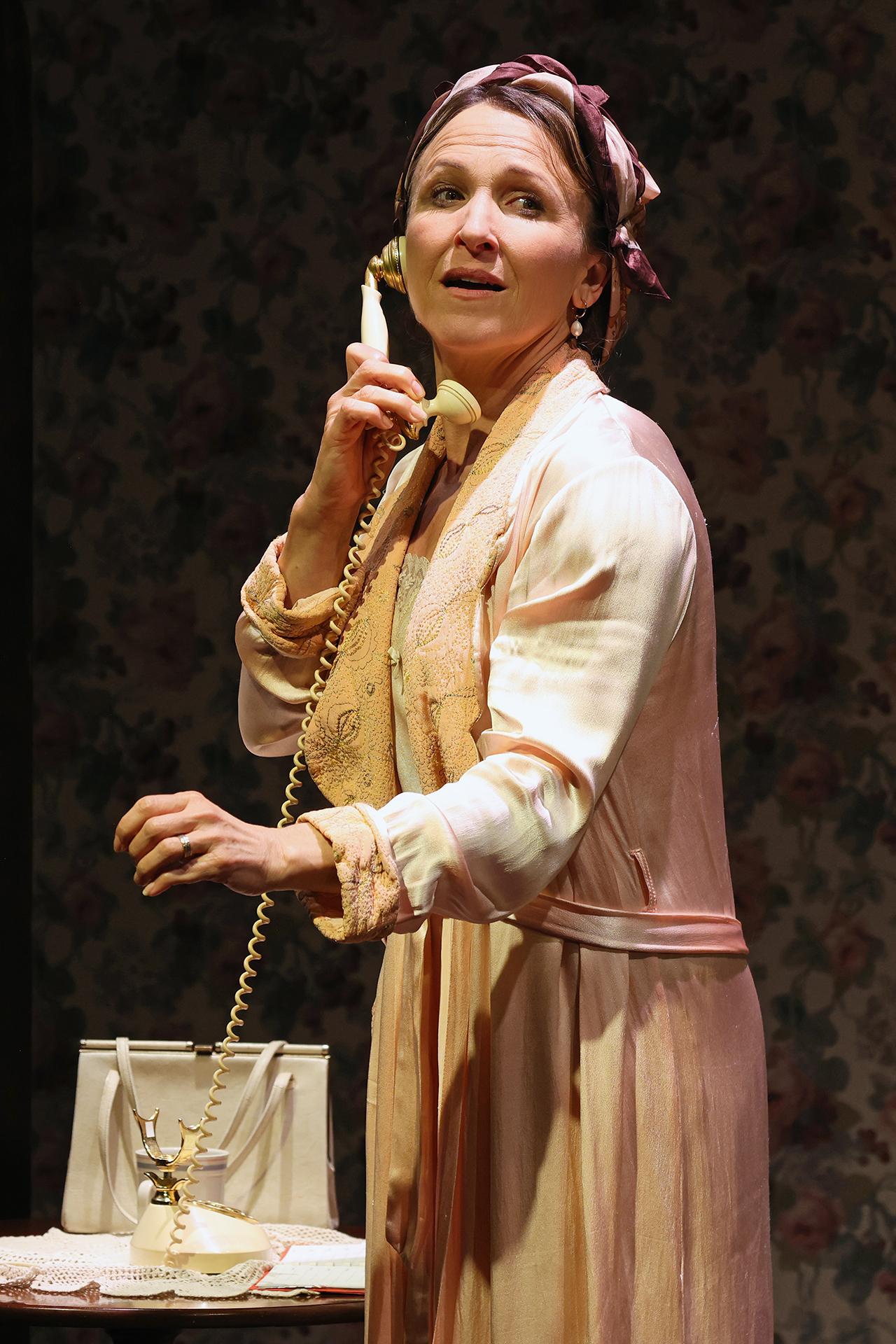
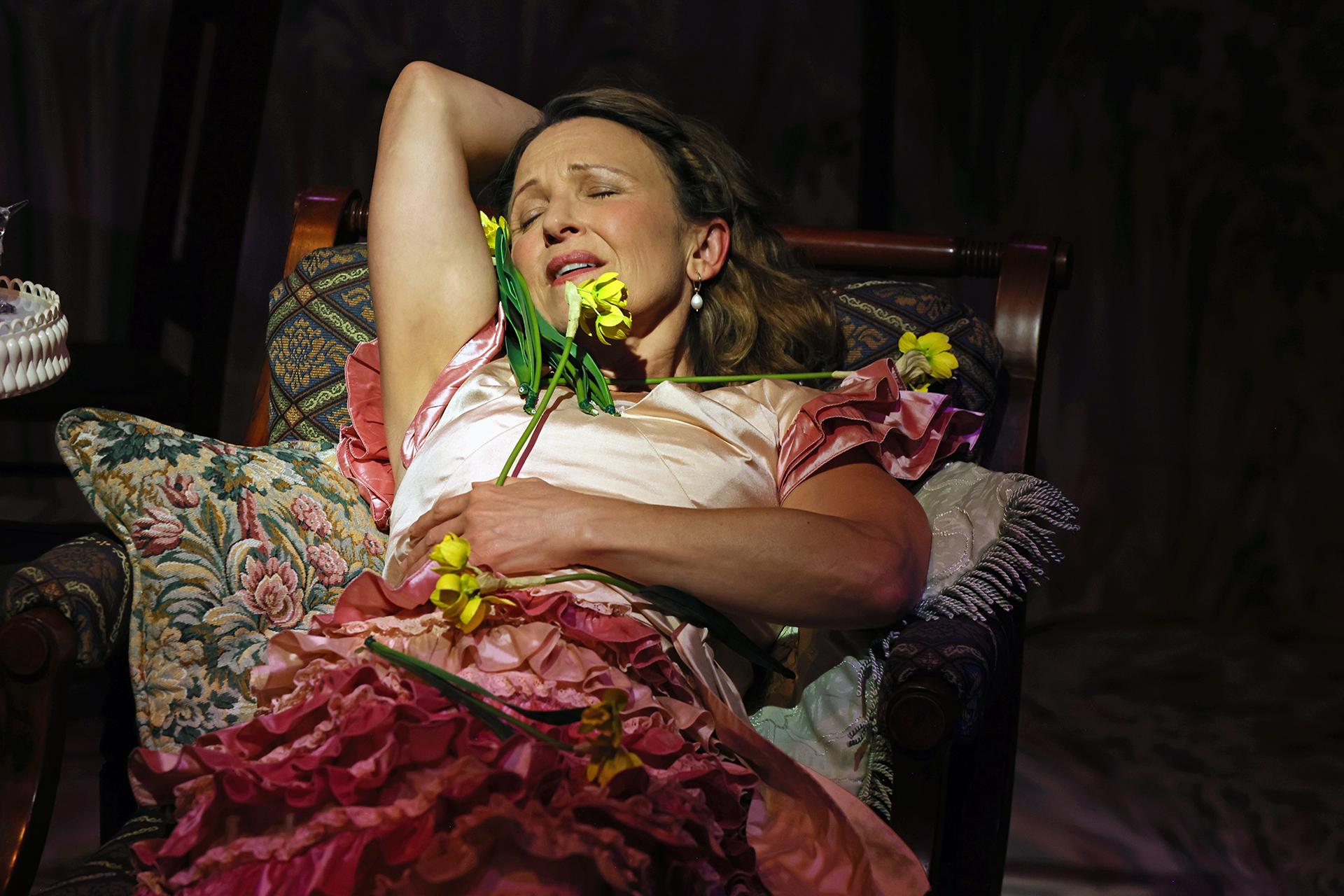
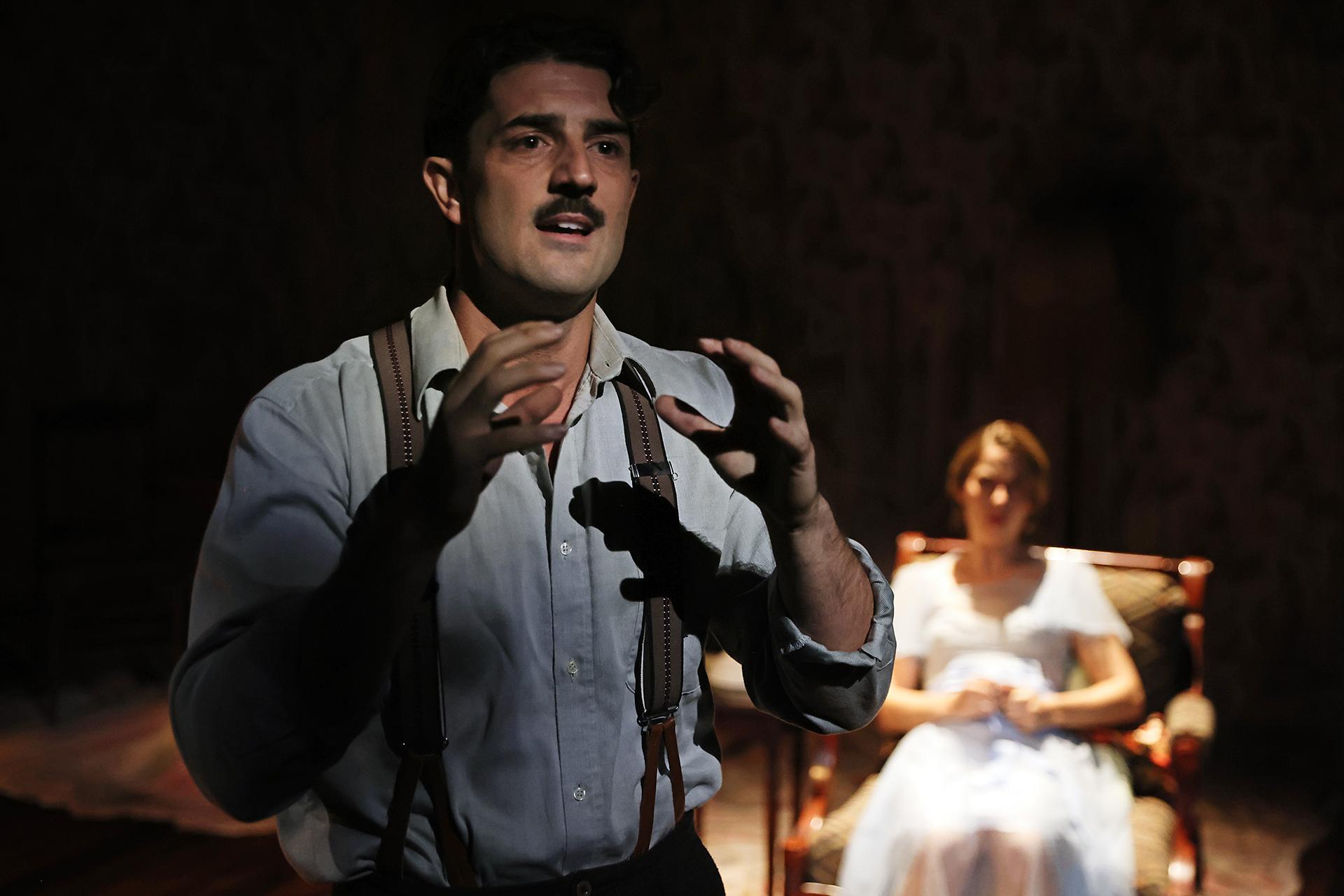
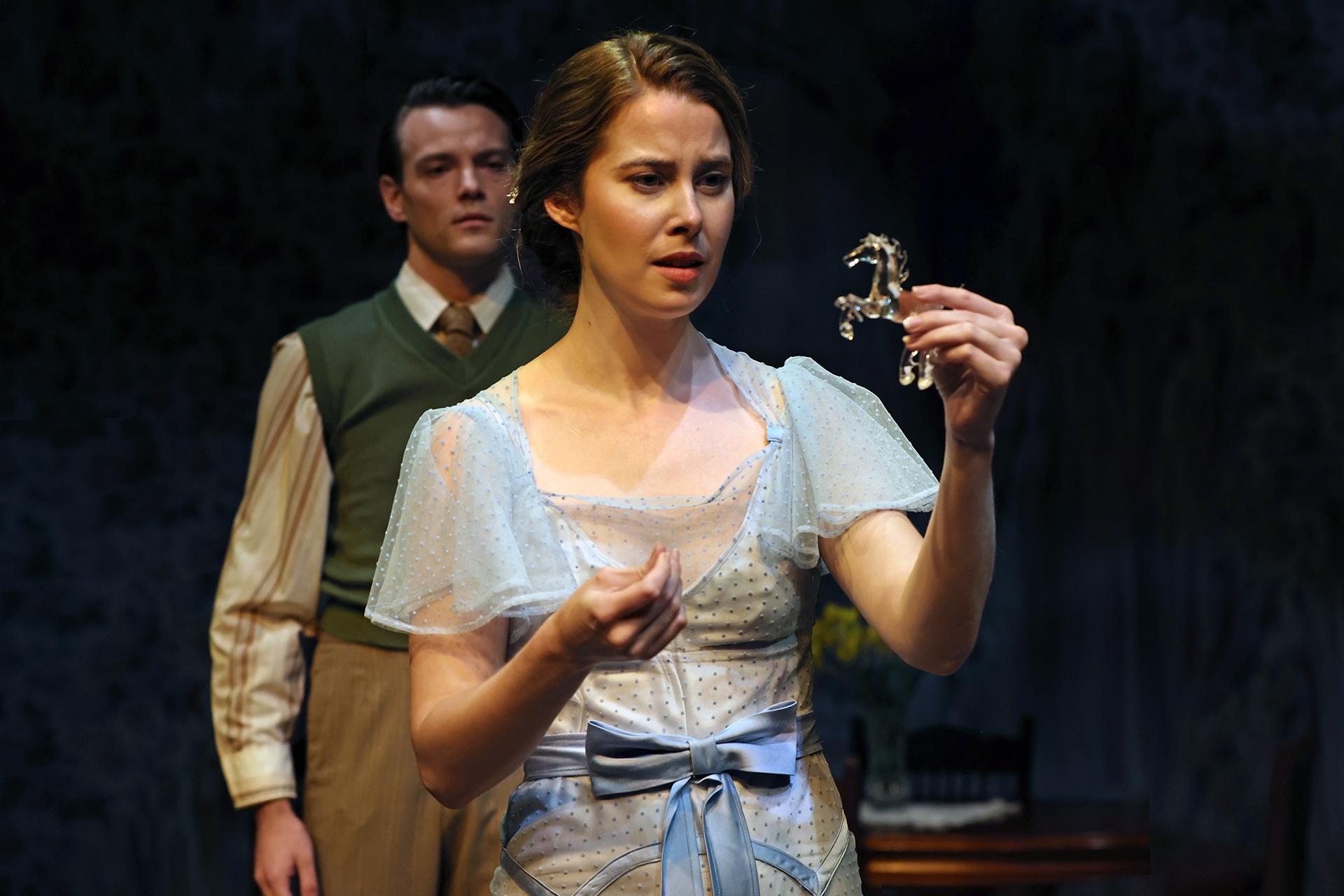
Delectable performances from the 13-strong cast keep our intellect and our emotions firing on all cylinders. Pamela Rabe’s wild manifestations of Violet as an unhinged addict sets us agog, having us intrigued with the endless pit of toxicity that a person can contain. Tamsin Carroll brings marvellous complexity to Barbara’s narrative of interminable desperation, along with splendid timing that provokes both thought and laughter. Johnna is played by Bee Cruse, whose silent but strong presence speaks volumes for the entire duration, using elegant restraint as a philosophical instrument in this deep examination of existential angst. 

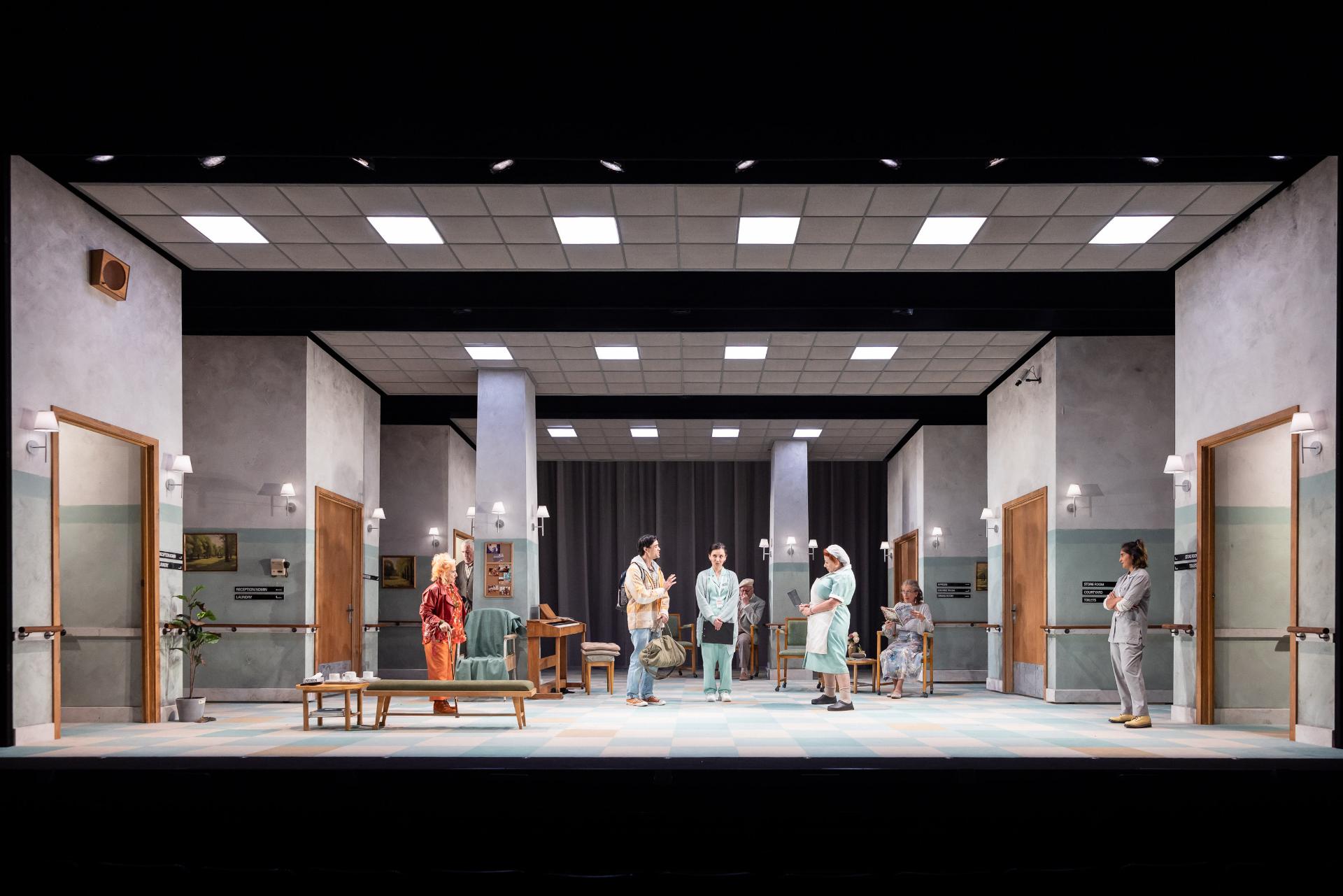
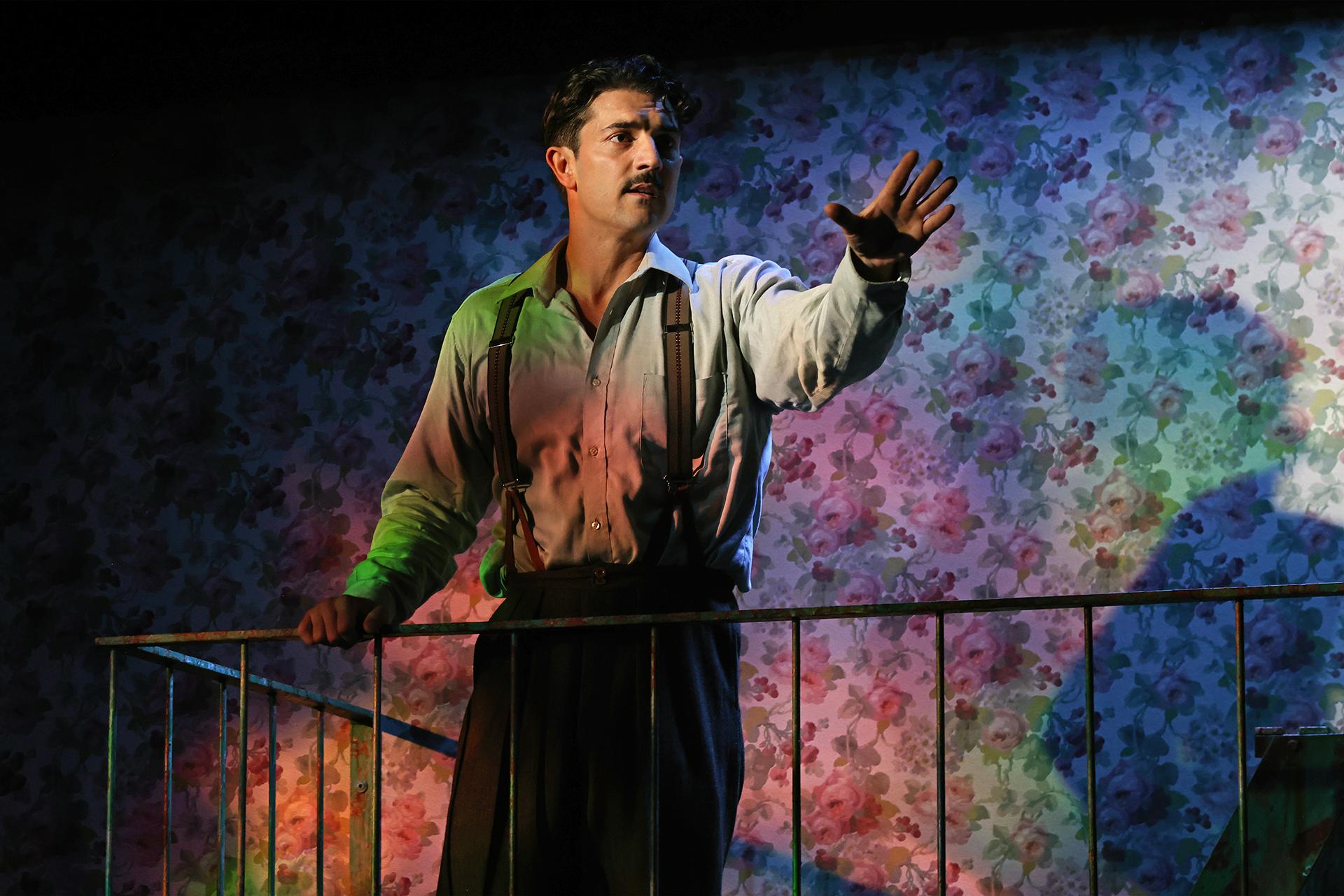
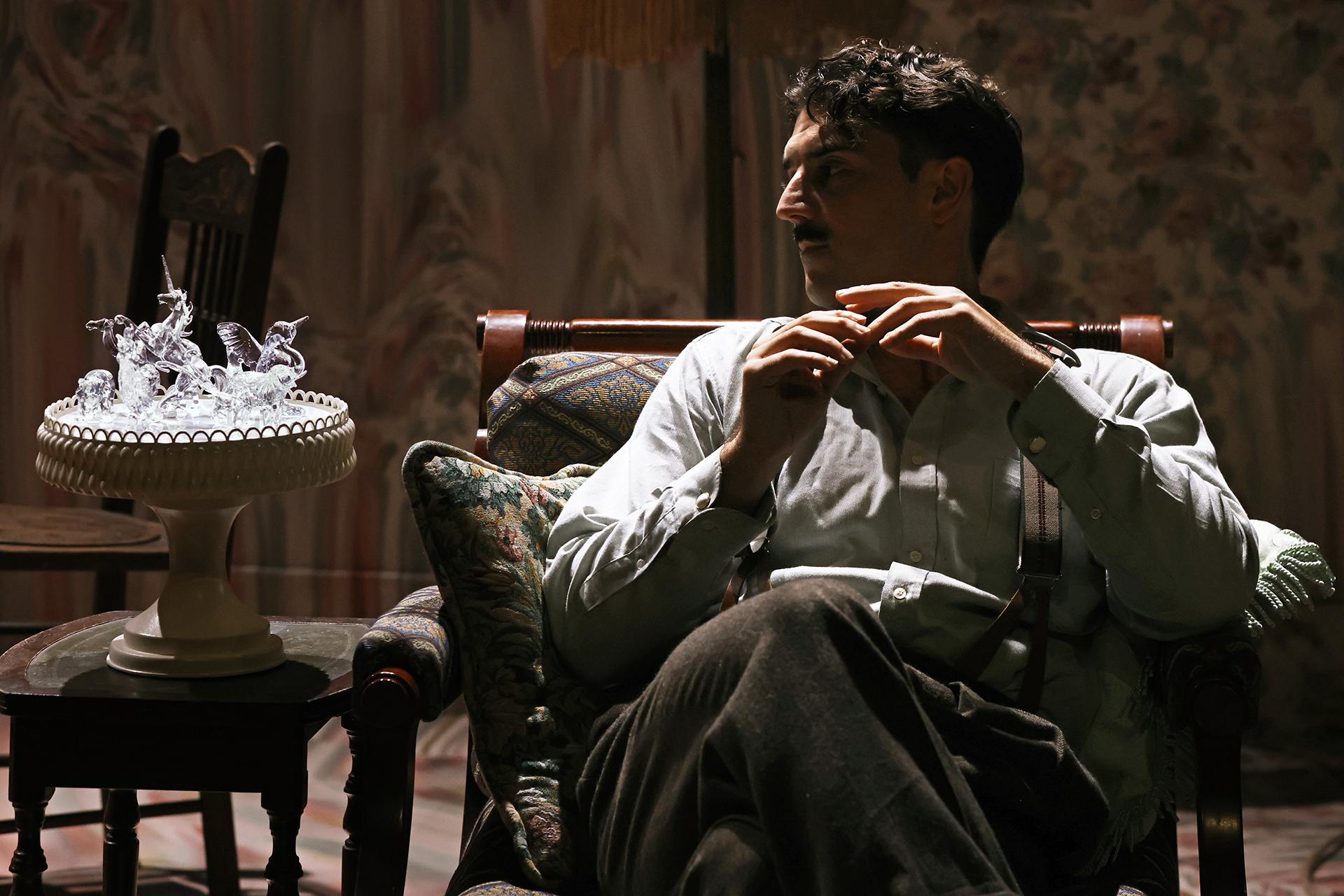
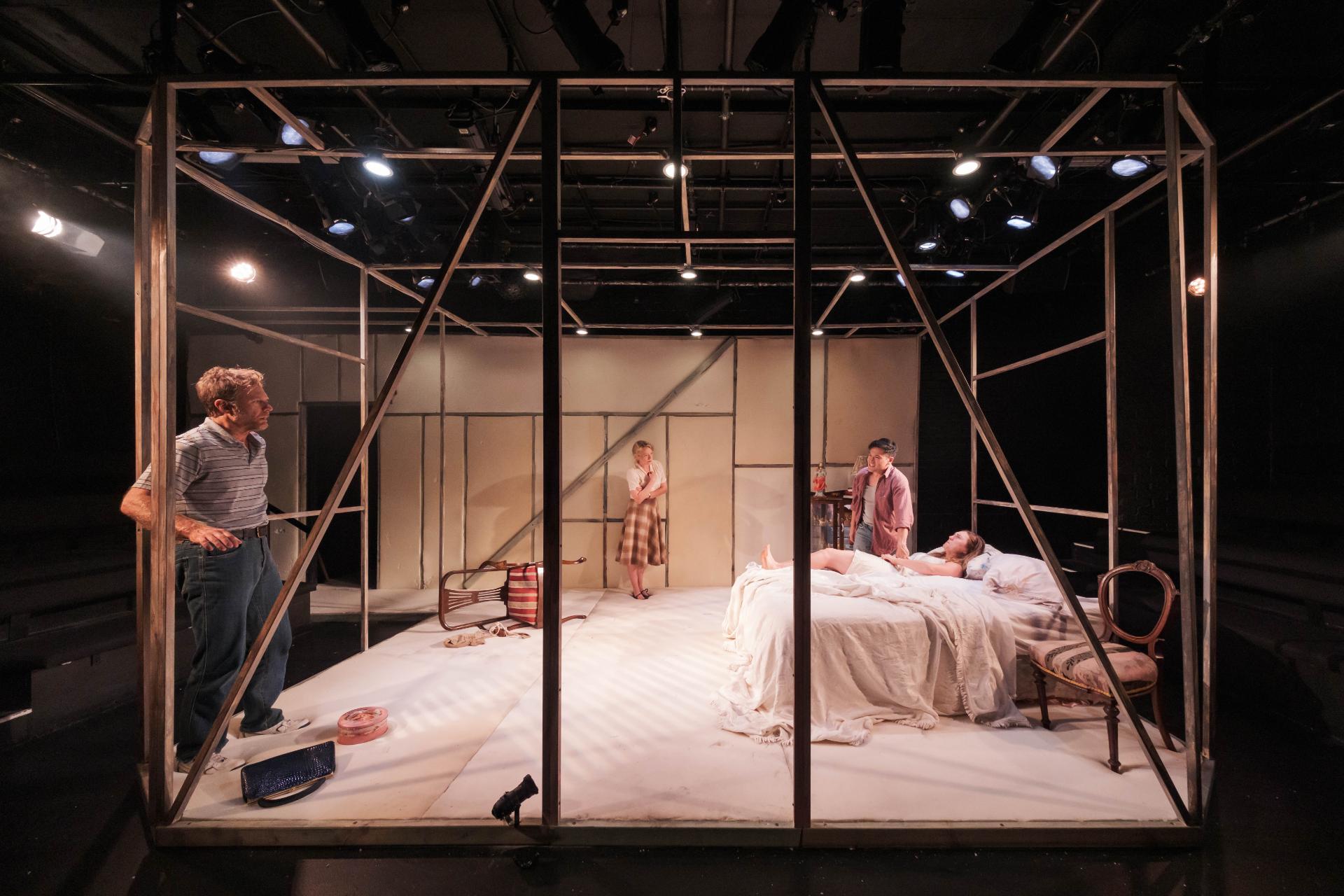
Set design by Bob Cousins evokes dilapidation, in relation to the family and to the nation in question. Costumes by Ella Butler represent effectively the middle class, if slightly austere in tone. Lights by Morgan Moroney are similarly unassuming, but are certainly encouraging of our attentiveness, for a plot that can travel in surprising directions. Music by Rachael Dease is subtle and sparse, but commendable for its perfect encapsulation of the tragic melancholy that undergirds all the action.

Talking psychology for individual characters in August: Osage County can only go so far. A meaningful diagnosis of their disorders must include much wider contexts than what transpires within the Weston household. Contemporary paradigms have a strong tendency to explain experiences in terms of personal pathologies, but a substantial part of how we understand our worlds, need a much greater appreciation of that which has been handed down, and that affects more than our immediate kin.

www.belvoir.com.au

Review: The Inheritance (Seymour Centre)

Venue: Seymour Centre, Reginald Theatre (Chippendale NSW), Nov 7 – Dec 8, 2024
Playwright: Matthew López (inspired by the novel Howards End by E.M. Forster)
Director: Shane Anthony
Cast: John Adam, Simon Burke, Vanessa Downing, Teale Howie, Ryan Panizza, Tom Rodgers, Zoran Jevtic, Quinton Rofail Rich, Matthew McDonald, Elijah Williams, Jack Mitsch, Bayley Prendergast, Jack Richardson
Images by Phil Erbacher

Theatre review
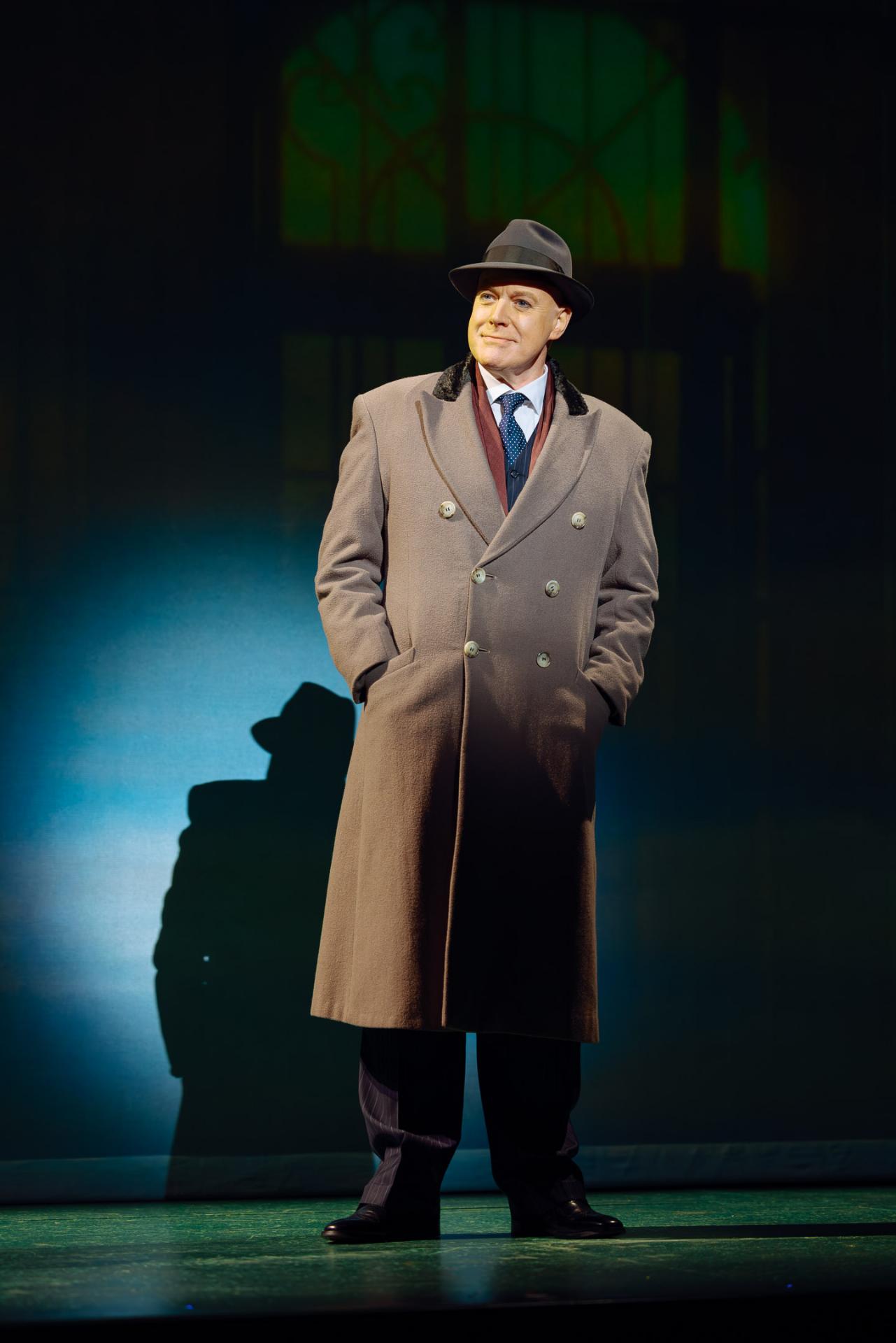
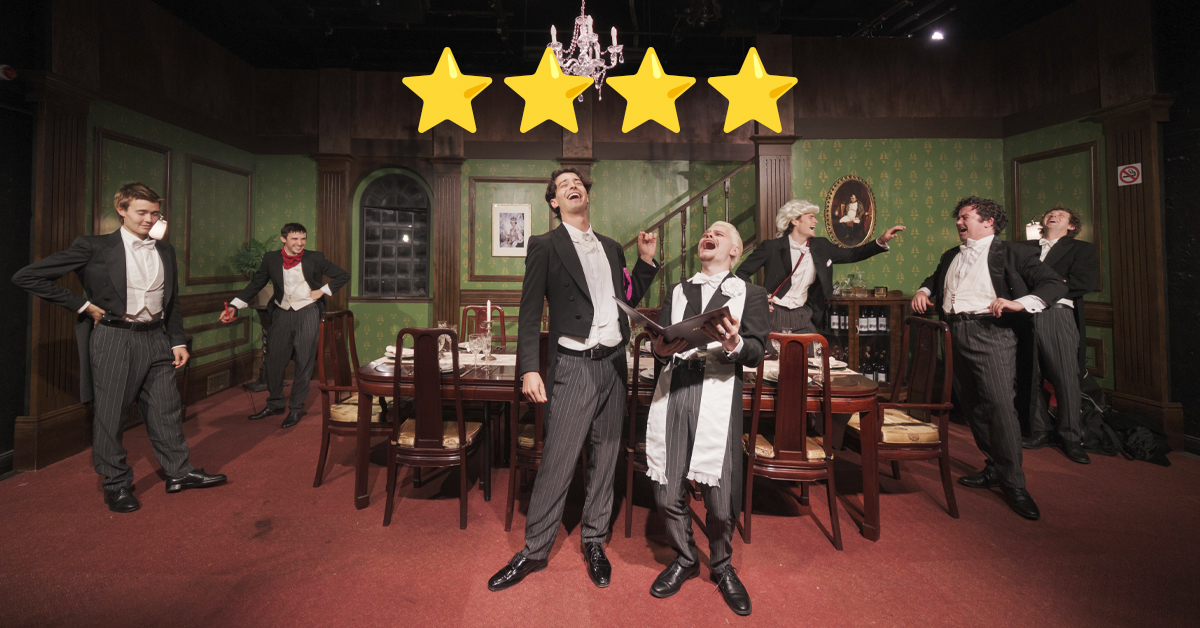
Walter has bequeathed his house in upstate New York, to Eric. They had been neighbours in Manhattan who had connected on a deep level, with both being of a similar giving nature, and both in relationships with troubled men. The Inheritance by Matthew López talks about the legacy that exists between generations of gay men, and the struggles that bind them. In part a tribute to E.M. Forster and his novel Howards End, López’s creation is a grand, sprawling tale with ambitions to encapsulate the experiences of gay men as individuals and as collectives. It has a tendency to veer into didacticism, but its characters and narratives are gripping, with an abundance of brilliantly crafted humour and pathos to have us invested, for its lengthy duration of over six hours.

Striking a fine balance between earnestness and levity, direction by Shane Anthony is as enjoyable as it is provocative, always able to have us intellectually stimulated, even as it lulls us into its underscoring romanticism. Replete with passion, The Inheritance bears a seductive power that never lets up, persistent with its need to say something important, about community and about humanity, to an audience that may be queer or straight, liberal or conservative.

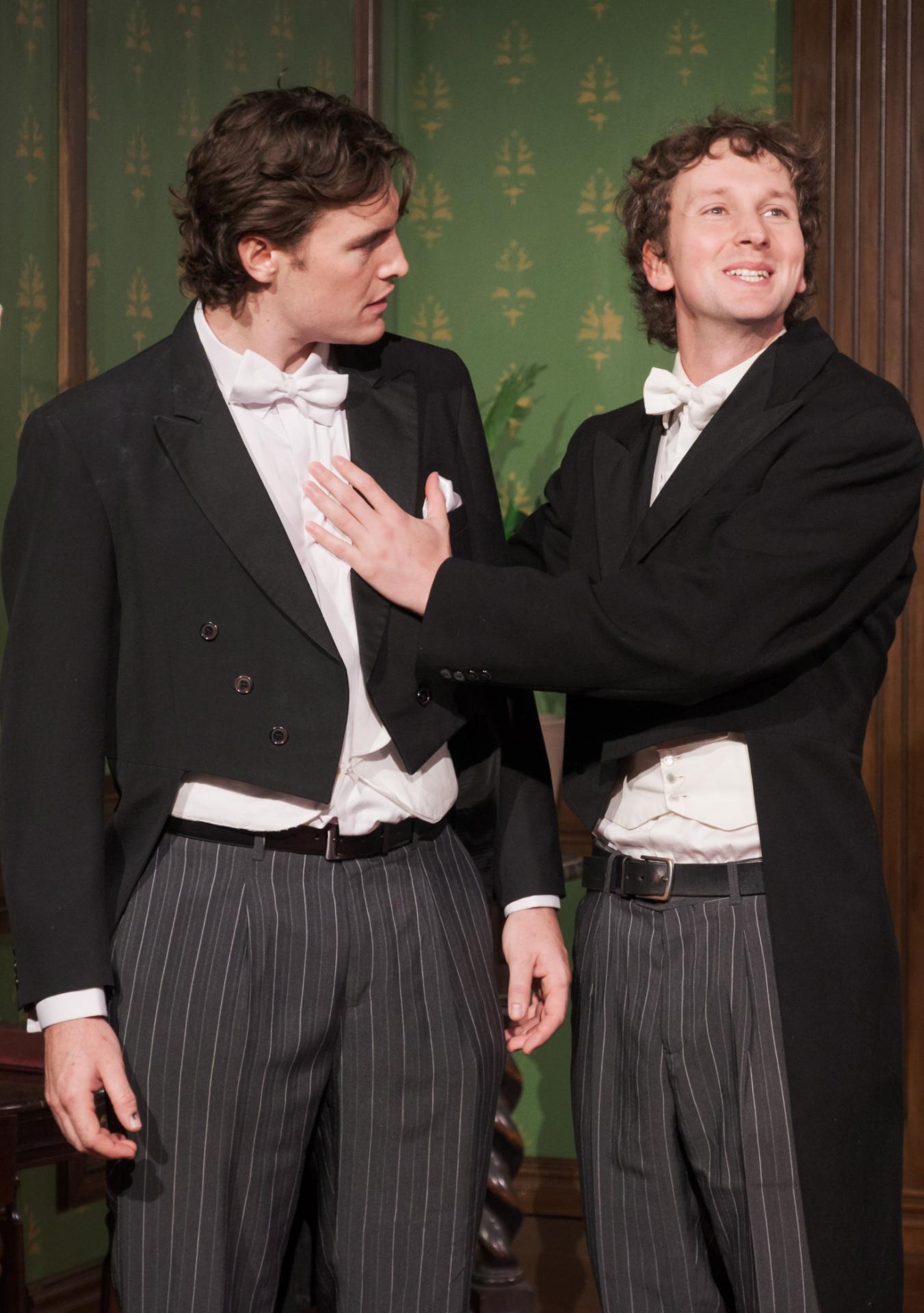
Actor Teale Howie is deeply affecting with his restrained but nonetheless deliberative interpretation of Eric, wonderful at establishing a soulful centre for the structurally complex storytelling that we find ourselves relishing in. Toby is Eric’s prideful boyfriend, played by Ryan Panizza with persuasive vulnerability, and with irresistible charm, to earn our sympathetic understanding of the damage that has come to define his personality.

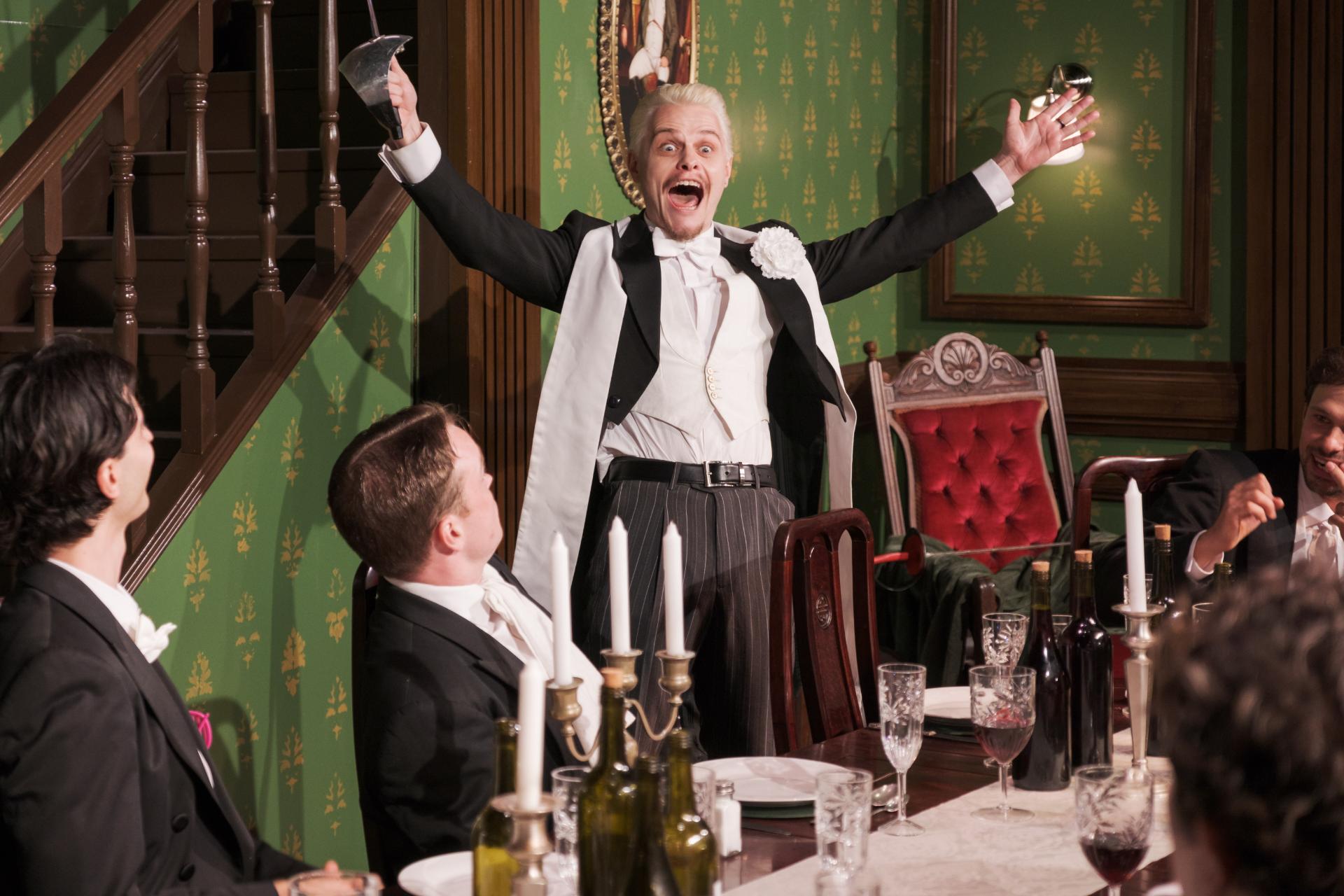
Simon Burke takes on dual roles, compelling as both Walter and E.M. Forster, offering sensitive representations of gay elders, past and present. Walter’s longtime companion Henry is depicted by an intense John Adam, who brings scintillating drama with every appearance. Also noteworthy is Tom Rodgers, whose fragile presence as younger characters Adam and Leo demands that we regard The Inheritance with an open heart, reminding us that life is delicate, and that some may require more care than others, even if the brutality of homophobia may appear indiscriminate. The show can occasionally feel slightly under-rehearsed, but the ensemble impresses with a wonderful sincerity and tenderness, completely believable with all that they wish to impart.

It is a stylish production, with elegant set design by Kate Beere making effective demarcations of space that convince us of the story’s many locations with minimal fuss. Its beauty is enhanced by Alex Berlage’s exquisite lights, rigorous in their explorations of atmosphere, as they deliver calibrations of hue and luminosity that delight at every turn. Costumes by Tim Chappell may not be consistently flattering, but they certainly demonstrate a distinct aesthetic that reflects clarity of perspective. Music by Damien Lane, along with sounds by Jessica Pizzinga, are sensitively rendered, and deeply enchanting, although greater finesse is required for their implementation.

The staging may have its imperfections, but the way it touches the spirit, is quite extraordinary. Henry cannot bear the painful past, and has cultivated a mechanism of only looking ahead, and pretends that history can be discarded, along with all the hurt that he wishes to leave behind. He represents a kind of survival that seems not to be truly fulfilling, as we see a certain contradiction and betrayal, as he goes against his nature, in order to attain something idealistic, rather than something honest. Gay men need to know their histories, so that they can remember to value their advancements, and in turn be able to elevate the positions of those who are still left behind.

www.seymourcentre.com | www.sugaryrumproductions.com

Review: Female Of The Species (Old Fitz Theatre)

Venue: Old Fitzroy Theatre (Woolloomooloo NSW), Nov 1 – 23, 2024
Playwright: Joanna Murray-Smith
Director: Erica Lovell
Cast: Lib Campbell, Doron Chester, Jade Fuda, Joe Kalou, Mark Lee, Lucy Miller
Images by Noni Carroll

Theatre review
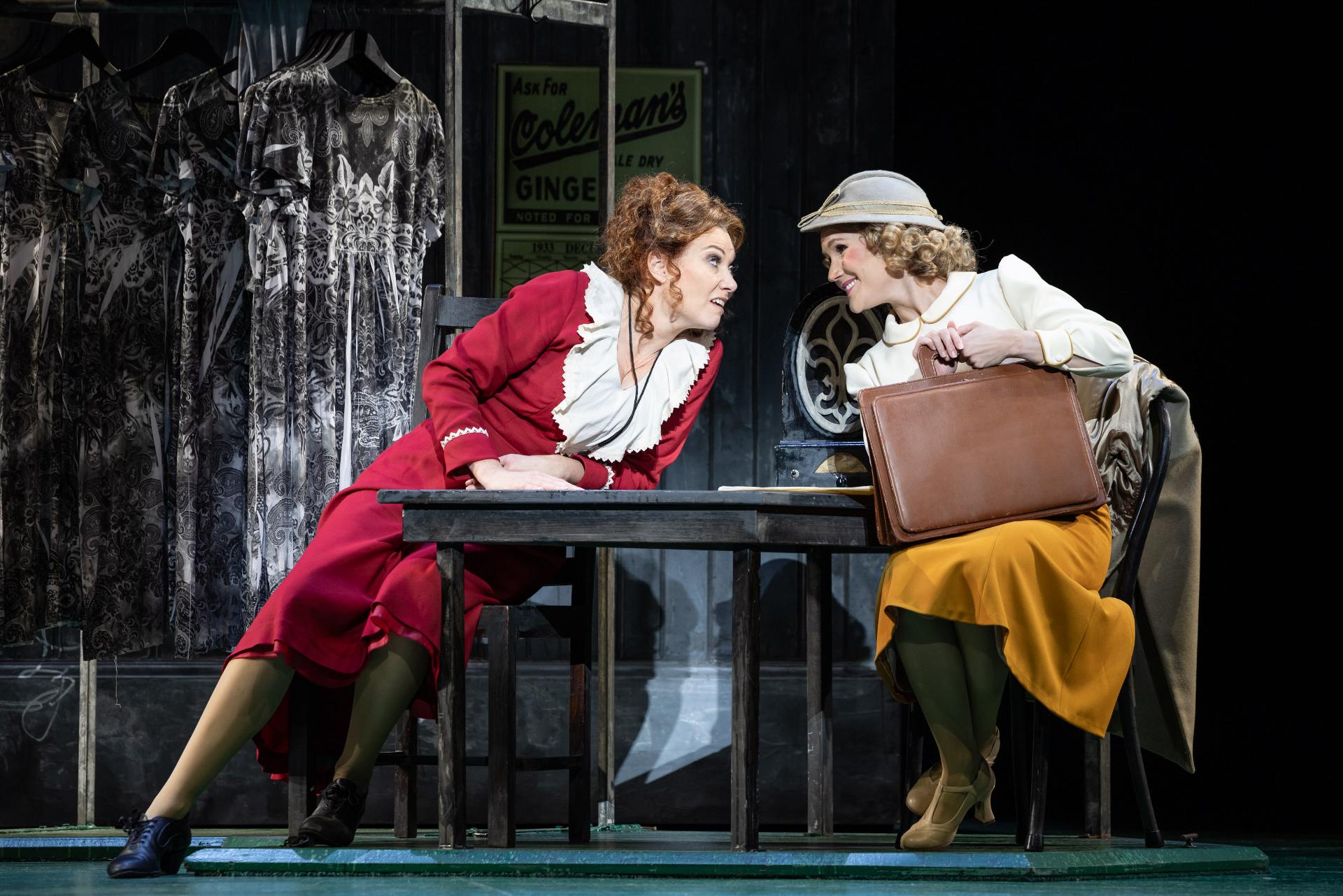
Margot is struggling with her latest book. A star of feminism’s second wave, she seems to have run out of things to say, after publishing a raft of titles over thirty or so years. The 2006 play Female of the Species by Joanna Murray-Smith is itself too, not altogether relevant in today’s climate of progressive politics, but the work is thankfully sound with fundamental principles that continue to prove credible. More important perhaps, is the endurance of its comedy, which we discover to be quite hilarious, while it expounds on the eternally contentious subject of gender inequity.

Intricate direction by Erica Lovell ensures no stone unturned, for a show determined to deliver the laughs. A warm exuberance takes hold from its first moments and never lets up, making it a delightful experience for its entirety. Production design by Paris Burrowes depicts with accuracy the epoch that we slightly revert to, and lighting design by James Wallis is understandably restrained in a production that requires no need for bells and whistles.

It is all about the performances in Female of the Species, and the cast delivers in spades. Lucy Miller provides rich intellectual fodder with her complex portrayal of Margot. Her daughter Tess is relentlessly funny, as depicted by an inventive Lib Campbell. The intruder Molly is imbued thoughtful intensity by Jade Fuda. Male characters appear later in the piece, with Doron Chester, Joe Kalou and Mark Lee all bringing exceptional buoyancy to the presentation.

With each generation of activism, we seem to get closer to a meaningful unravelling, if not dismantlement, of the structures that inhibit and subjugate. With this revisit of Female of the Species, it appears we have discovered a bigger truth in the current fourth wave, demonstrating that an understanding of previous cycles only means that greater discoveries will surely expose further machinations of the patriarchy. It is perhaps unfathomable today that the dual and conflated projects of feminism and decolonisation can ever be completed, but having them as a central purpose for being, or simply as guiding principles, is in itself, a key to fulfilment.

www.oldfitztheatre.com.au | www.rogueprojects.com.au

Review: Six (Theatre Royal)

Venue: Theatre Royal (Sydney NSW), 25 Oct – 28 Dec, 2024
Creators: Toby Marlow, Lucy Moss
Directors: Jamie Armitage, Lucy Moss
Cast: Chelsea Dawson, Kimberley Hodgson, Loren Hunter, Giorgia Kennedy, Deirdre Khoo, Zelia Rose Kitoko
Images by James D. Morgan

Theatre review
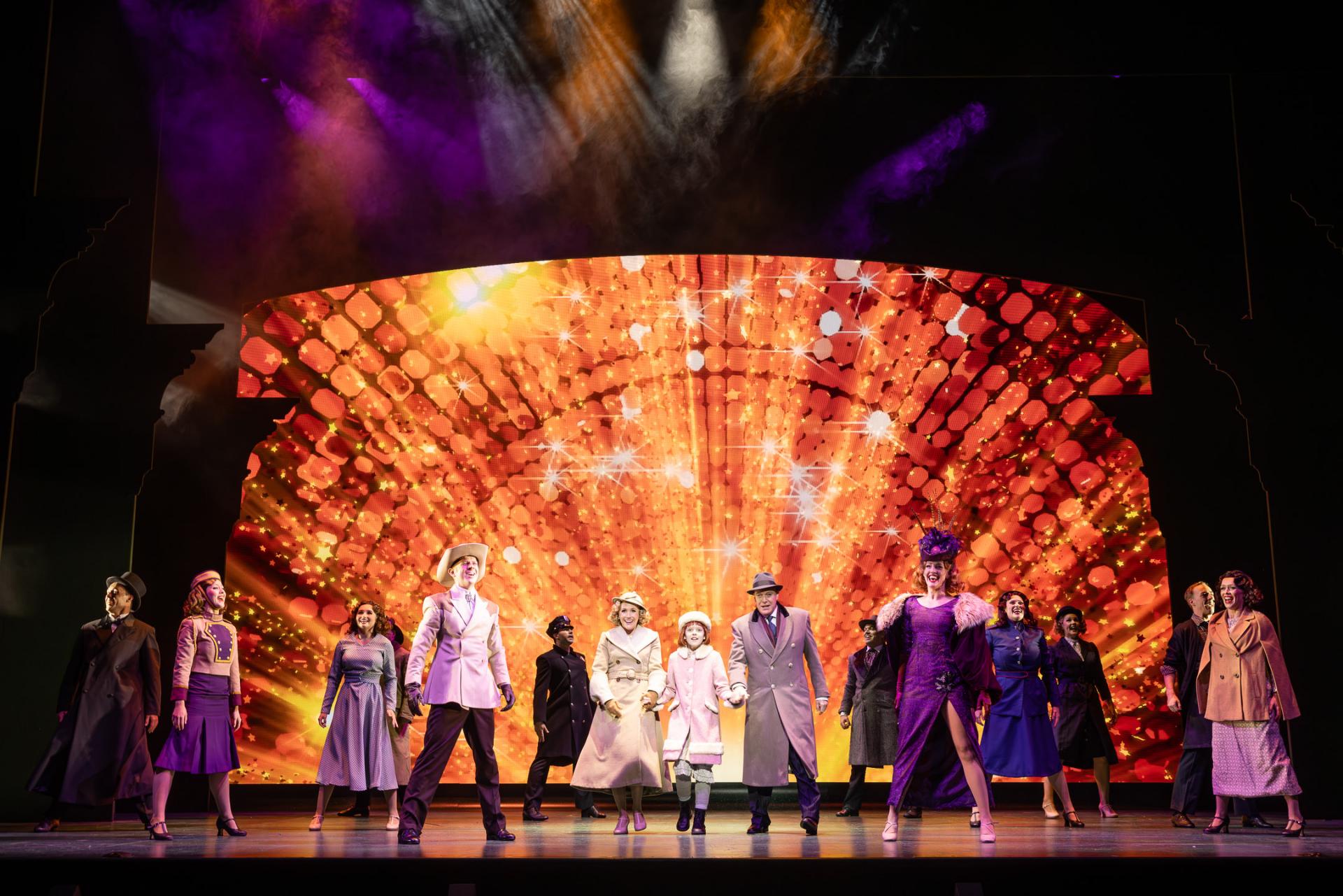
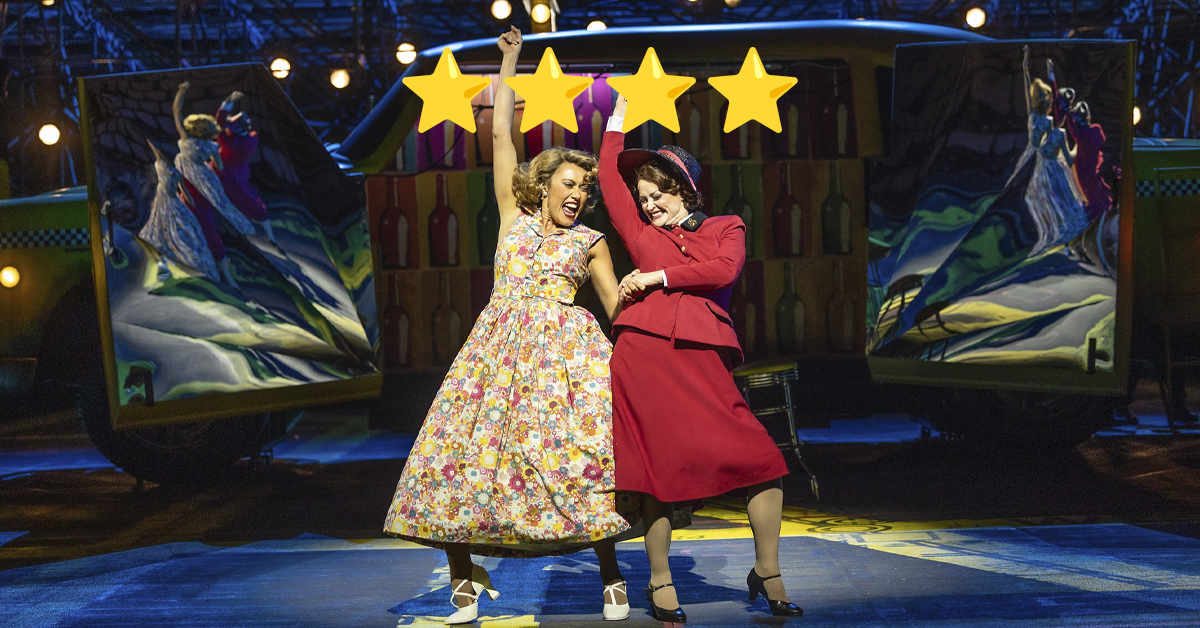
Henry VIII’s wives compete to determine who had suffered the most. Turning them into queens of pop, Toby Marlow and Lucy Moss’s 2017 musical Six configures these historical women into a contemporary girl group, to tell their tragic stories from the 16th century. A thoroughly exuberant work, with a particular youthful appeal, Six may not be able to say as much about feminism as it wishes, but Marlow and Moss’ proficiency at crafting pop perfection is undeniable.

Casting on this occasion is nothing short of exquisite, with each performer bringing colourful idiosyncrasy to the piece, yet introducing flawless chemistry to their efforts as a collective. Chelsea Dawson, Kimberley Hodgson, Loren Hunter, Giorgia Kennedy, Deirdre Khoo, and Zelia Rose Kitoko, are powerful as a team and individually endearing, all effortless at having us mesmerised with each of their moments at centre stage. The choice to deliver their lines in Australian accents proves a charming and memorable feature, for this revival of an enduring crowd-pleaser.

The musicians for this remount are similarly impeccable. Danielle Colligan, Claire Healy, Heidi Maguire, Ann Metry, and Kathryn Stammers are a formidable backup band, bringing unrelenting excitement, to a show determined to make us feel as though immersed in the setting of an arena concert. 

The king’s wives may have been dispensable and objectified, but we can try to remember them in new ways, with their agency intact. Much as conditions all those centuries ago had unquestionably deprived many of their freedoms, we can see in Six that it is possible to find alternate interpretations to narratives, if only to inspire defiance, for a culture that persists with its need to keep women down.

www.sixthemusical.com.au

Review: McGuffin Park (Ensemble Theatre)

Venue: Ensemble Theatre (Kirribilli NSW), 18 Oct – 23 Nov, 2024
Playwright: Sam O’Sullivan
Director: Mark Kilmurry
Cast: Thomas Campbell, Jamie Oxenbould, Lizzie Schebesta, Eloise Snape, Shan-Ree Tan
Images by Prudence Upton

Theatre review
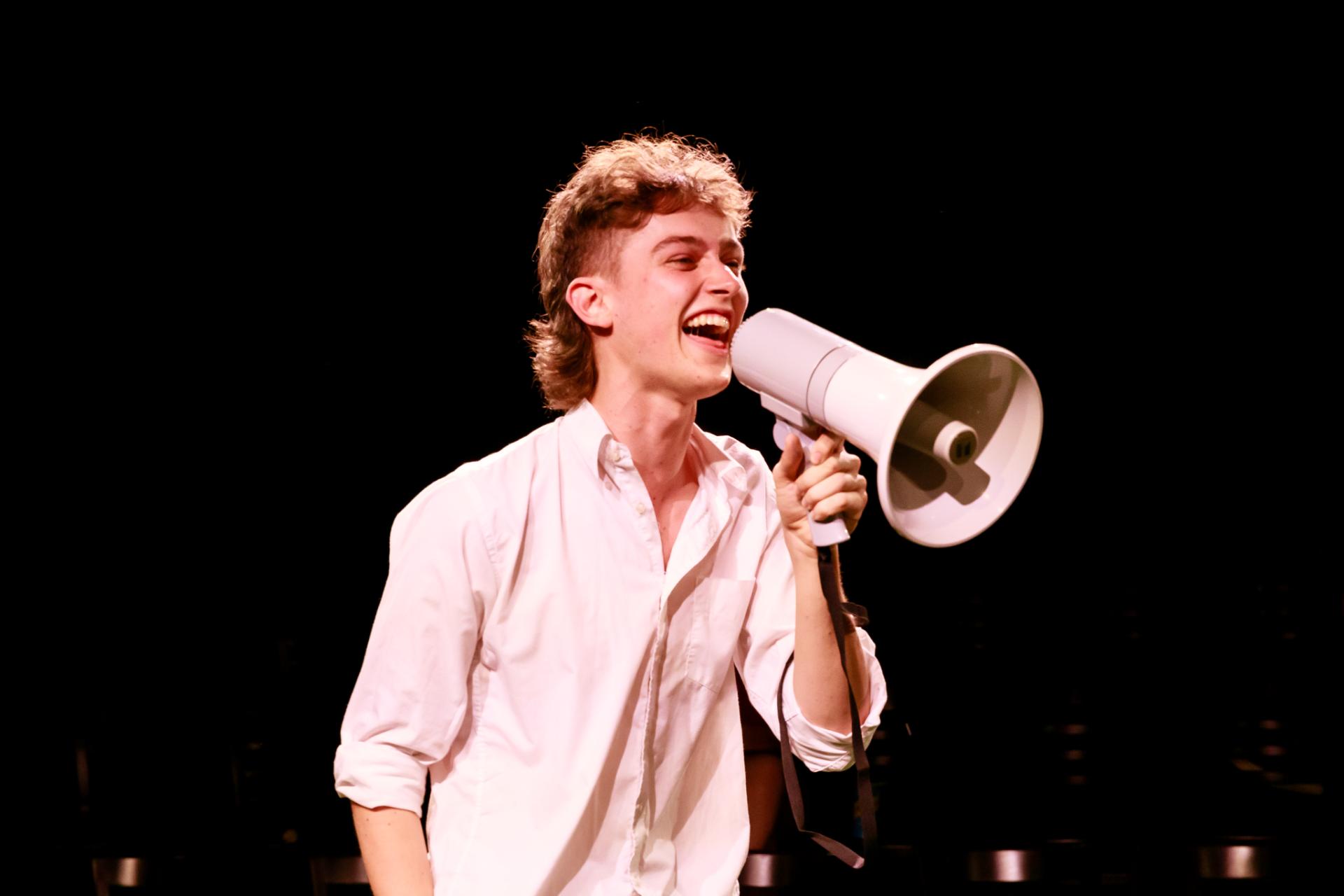
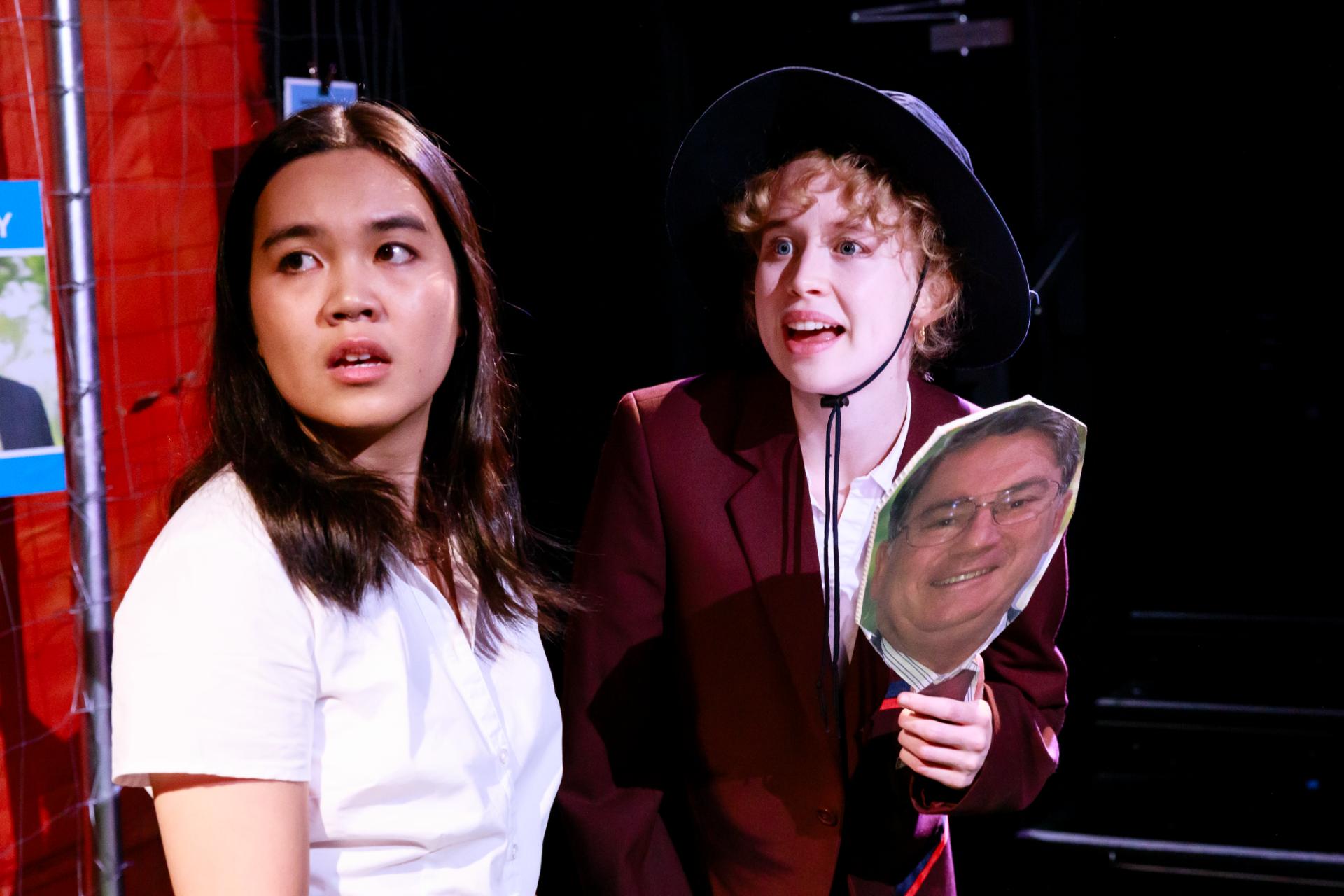
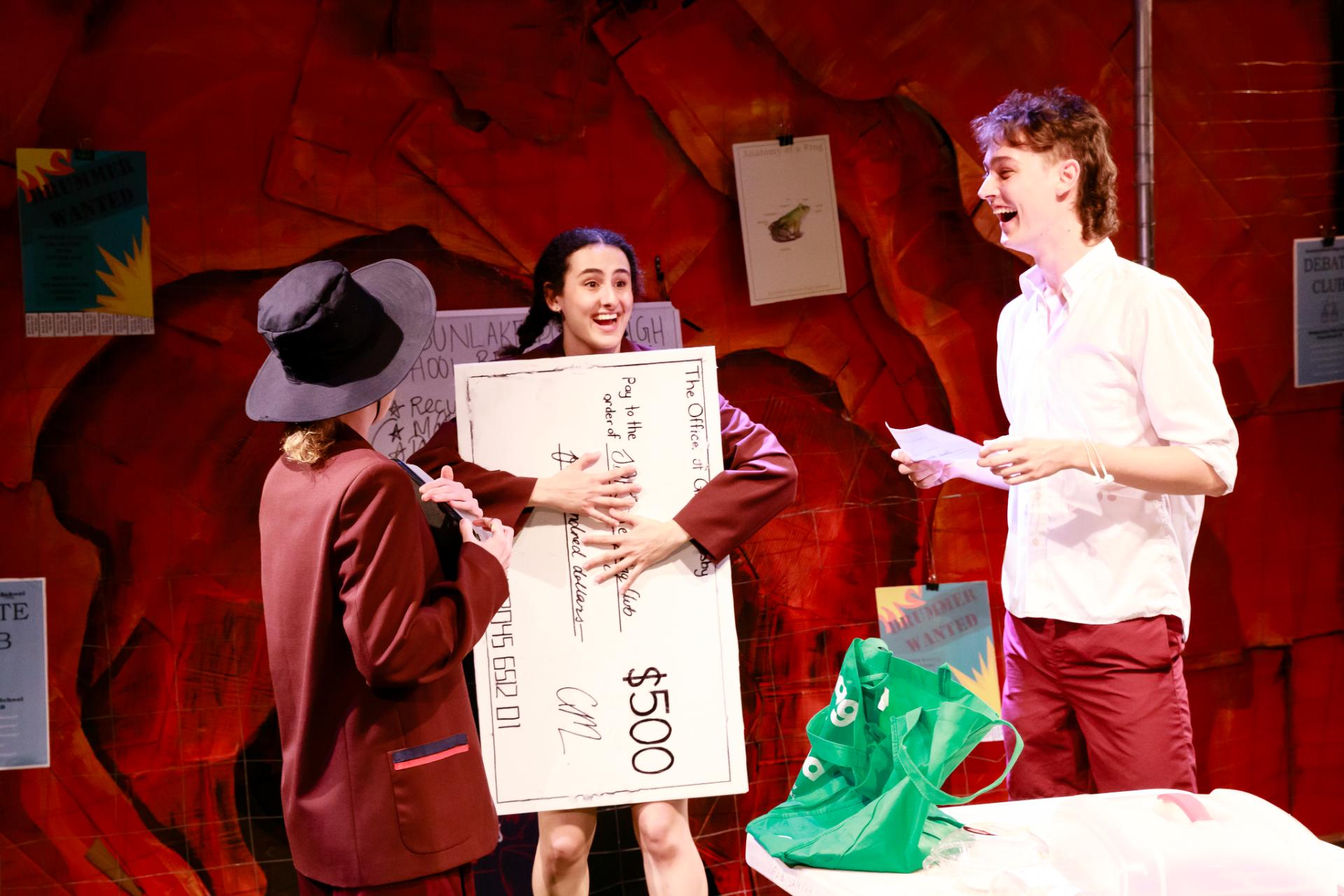
Best friends since childhood, Fiona and Jack have been close all of their lives. Things begin to change however, when they both decide to run for mayor of their small Australian town. The comedy of Sam O’Sullivan’s McGuffin Park revolves around the pettiness of people in local governments, while offering a reminder on the fragility of our democracy. The writing is consistently amusing, but even though structured with considerable sophistication, its stakes are never really high enough to have us invest more meaningfully than with bursts of laughter, persistent as those may be.   
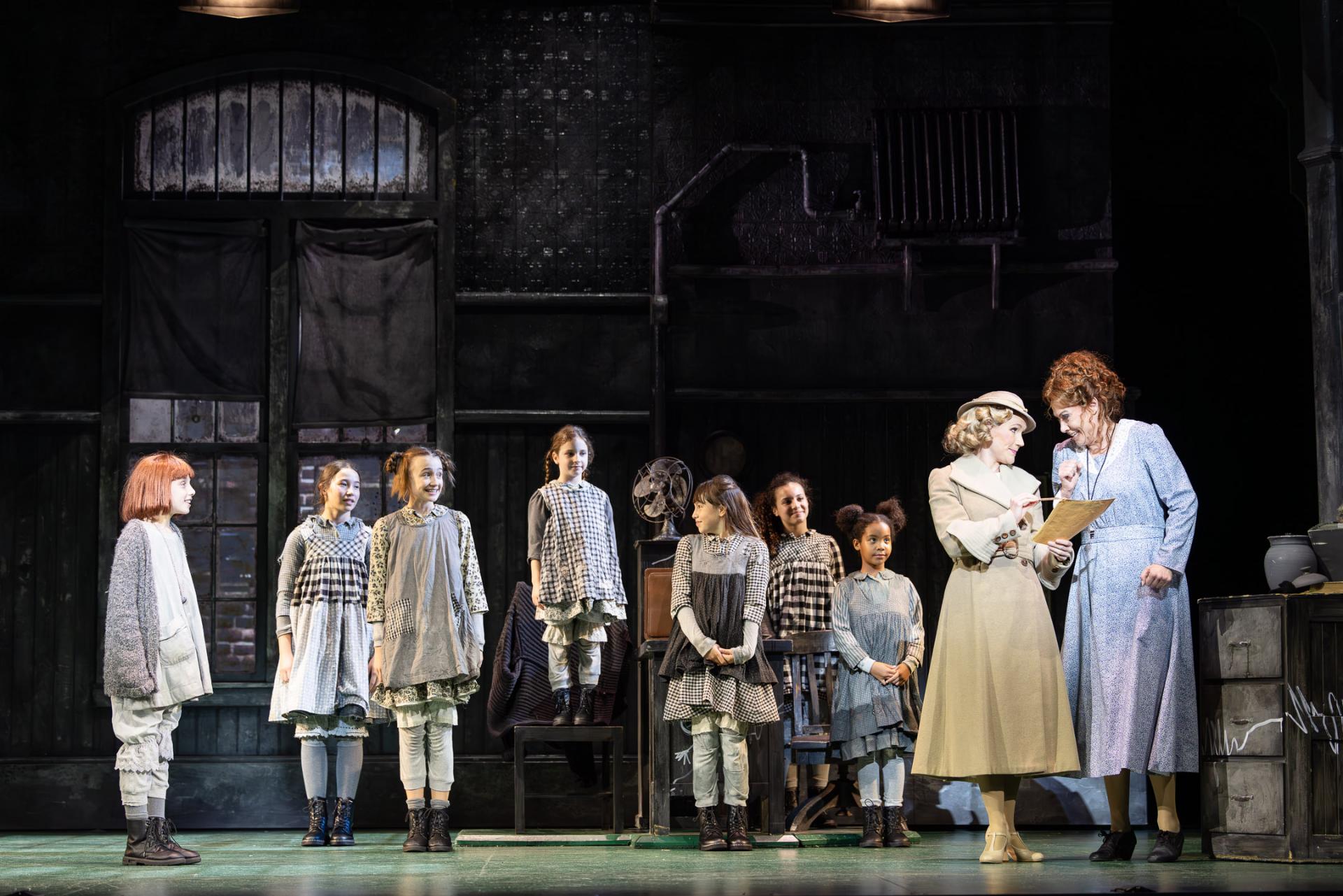
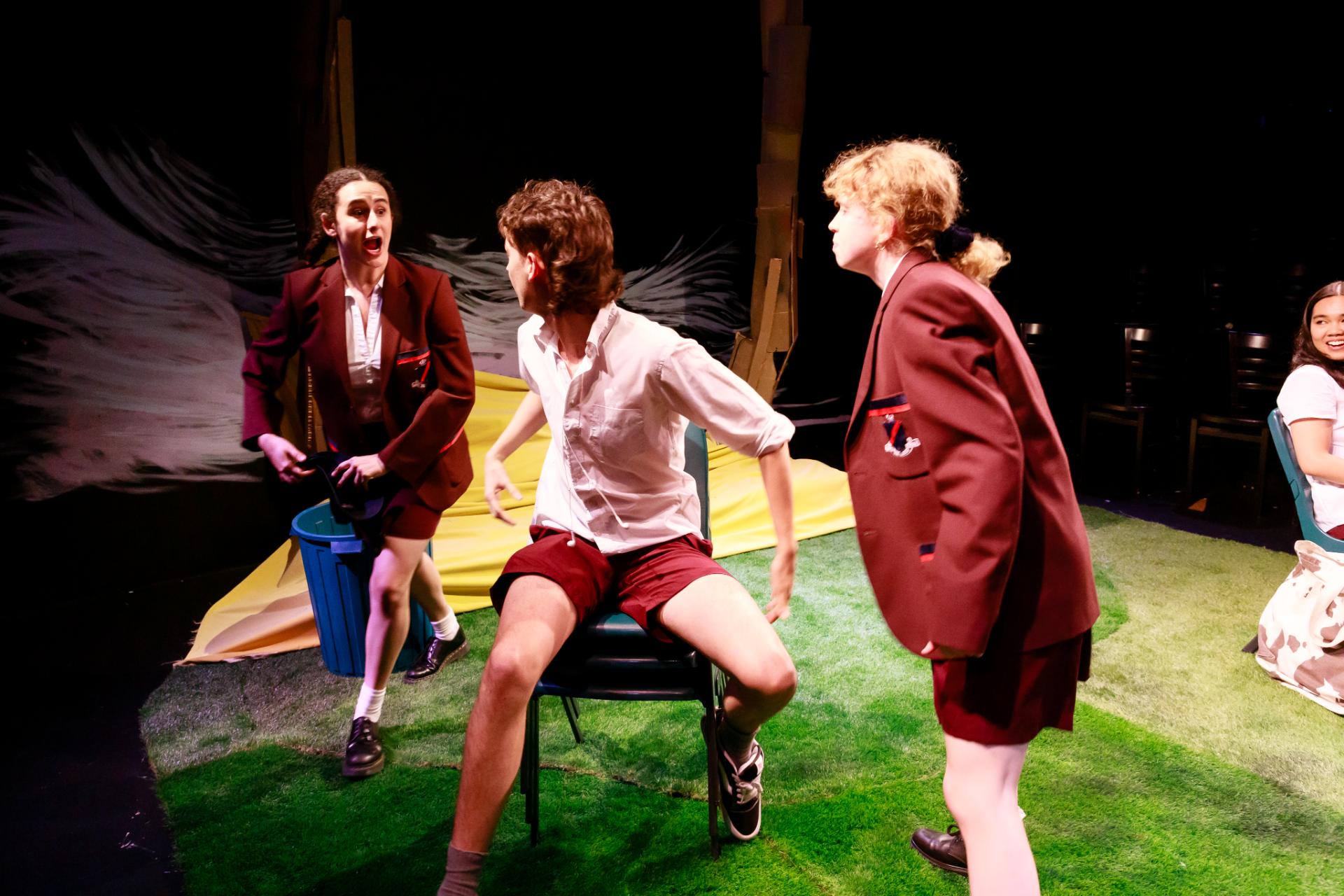
Director Mark Kilmurry activates all the kooky personalities and comical situations, to create a show full of entertainment value, determined to engage from start to finish. Impeccable timing from the cast sustains our attention effortlessly. Eloise Snape and Shan-Ree Tan bring integrity to their portrayals of Fiona and Jack, both actors telling the story with crispness and with humour. Thomas Campbell, Jamie Oxenbould and Lizzie Schebesta play a gamut of zany archetypes, some charming and others terrifying, but all thoroughly hilarious.

Production design by Simon Greer is intentionally unpalatable, but clearly accurate in its depictions of aesthetically deficient spaces that all are familiar with. Trudy Dalgleish’s lights establish variations in tone and texture for the narrative’s every gentle shift in attitude. Sounds by Jessica Dunn too provide effective but subtle enhancements, for a production that connects securely with our senses, to help explore the inner workings of our town councils.

There is an optimism in McGuffin Park that reveals the power of the collective, or how it is in the collaborative efforts of those who choose to participate, that something greater can result. There are no geniuses in the play, only regular individuals who understand that democracy is no accident. Humans are capable of both good and bad, but it is when we come together, that we stand a chance of bringing out the better parts of our erratic nature.

www.ensemble.com.au

Review: Flat Earthers: The Musical (Griffin Theatre Co / Hayes Theatre)

Venue: Hayes Theatre Co (Potts Point NSW), Oct 11 – Nov 9, 2024
Book and Lyrics: Jean Tong, Lou Wall
Songwriting: Lou Wall, James Gales
Director: Declan Greene
Cast: Michelle Brasier, Lena Cruz, Manali Datar, Milo Hartill, Amanda McGregor, Manon Guderson-Briggs, Mel O’Brien, Shannen Alyce Quan, Zarif
Images by John McRae

Theatre review
The story begins when Ria and Flick meet online, and quickly fall in love. Being a conspiracy theorist however, means that Flick is making their unfolding romance very complicated indeed. Flat Earthers: The Musical by Jean Tong, Lou Wall and James Gales commences with a fascinating conceit involving the very contemporary phenomenon of information silos and alternative facts, but quickly devolves into a confusing quandary of fantastical excursions.

Director Declan Greene brings a sense of exuberance to an outlandish plot that goes completely frenzied and unruly, but the musical comedy never really connects in any meaningful way. A heavy reliance on video elements, as designed by Xanthe Dobbie and Daniel Herten, makes the experience feel excessively complicated, resulting in a sensory overload that prevents us from truly engaging with the ideas and the humour of the piece.

On a positive note, songs in Flat Earthers are consistently enjoyable. Produced by James Gales and with musical direction by Jude Perl, each number is wonderfully rhythmic and often unpredictable, with choreography by Fetu Taku enhancing the imaginative quality and the pop sensibility of these modern showtunes. Singing is generally of a strong standard, with Manali Datar and Shannen Alyce Quan bringing admirable precision to their portrayals of lesbian lovebirds. It is worth noting that the unapologetic depictions of sapphic desire in Flat Earthers address a much needed queering of an art form, that although beloved by queers, rarely centres our identities in stories that routinely deny our right to take focus.

Set design by Brockman creatively incorporates the production’s need for projection screens, although occasionally unwieldy for performers as they enter the stage. Costumes by Emma White are as appealing as they are amusing, able to represent characters with accuracy, whilst maintaining a comical approach. Lights by Brockman are astonishing in their richness and intensity, in a show that is never for a moment, restrained in any way.

In a world where people believe that politicians can inflict hurricanes on battleground states at election time, and where patently and unabashedly evil individuals become presidents by manipulating media consumption of the populace, the business of information propagation is a seriously dire situation.  All of our history demonstrates that humans will trust in all manner of bizarre propositions, many of which have led to death and destruction. Also true of our nature, is that we never stay the same, and this too shall pass.

www.hayestheatre.com.au | www.griffintheatre.com.au

Review: New Works Festival Part 3 (Old Fitz Theatre)

Venue: Old Fitzroy Theatre (Woolloomooloo NSW)

Champions Oct 11 – 26, 2024
Playwright: Isabella McDermott
Director: Bali Padda
Cast: Cat Dominguez, Talitha Parker, Lincoln Vickery, Bayley Prendegast
Images by Patrick Phillips

Fuccbois: Live In Concert Oct 11 – 26, 2024
Book, Music and Lyrics: Bridie Connell
Director: Jessica Fallico
Cast: Gabbi Bolt, Bridie Connell, Orya Golgowsky, Clara Harrison, Megan Walshe 
Images by Leanne Ansell

Theatre review
The two stories in part 3 of the Old Fitz Theatre’s New Works Festival involve separate groups of four artists and their respective relationships with integrity. Isabella McDermott’s sophisticated Champions looks at the effect of a $50,000 prize, when art becomes a competitive sport. In Bridie Connell’s rambunctious Fuccbois: Live in Concert, it is the competitive alpha male that adopts the art of performance to satisfy his narcissism. 

A contemplative work, Champions is directed by Bali Padda who brings commendable sensitivity to a play brimming with engaging nuance. For Fuccbois, it is Jessica Fallico’s mischievous direction of raucous drag kings that leaves an impression. There is a slight deficiency in terms of dramatic escalation over the duration of both shows, but Padda and Fallico certainly prove themselves accomplished, albeit in wildly different styles.

A simple set design by Elle Fitzgerald converts the space to allow for greater versatility. Tim Hope’s lights are marvellously dynamic for Fuccbois but are perhaps overly sombre in Champions. Costumes by Rita Naidu for Champions and Lily Moody for Fuccbois are all similarly appropriate for each of the characters we encounter. Sound design by Prema Yin for Champions is particularly noteworthy, intricate in approach and effective with the vigour it provides.

The cast for Champions is very strong; Cat Dominguez, Talitha Parker, Lincoln Vickery and Bayley Prendegast play visual artists negotiating a suddenly intensified work environment, remarkable for the distinct qualities they deliver, as well as a sense of authenticity they imbue in the storytelling. For the faux arena concert of Fuccbois, Gabbi Bolt, Bridie Connell, Orya Golgowsky, Clara Harrison and Megan Walshe manufacture an electric atmosphere, gratifying with their pointed commentary on commodified masculinity, but unfortunately lacking in crispness with their highly stylised presentation.

Even when art loses all of its truthfulness, when having to accommodate all manner of economic considerations, it can still reveal something worthwhile, if only we commit to its decipherment. Bad art however is determined to discourage analysis, and have us accept its deceptive surface. In other words, bad art trades in obfuscation and lies. No person can claim to be insusceptible to artful trickery, but it is in the willingness to talk to one another, that we can discover bigger truths, about the messages we are being sold. 

 ww.oldfitztheatre.com.au | www.littlegoat.com.au

Review: The Queen’s City Of The South (Qtopia)

Venue: Qtopia (Darlinghurst NSW), Oct 8 – 19, 2024
Playwright: Mark Salvestro
Director: Ryan Whitworth-Jones
Cast: Jack Calver, Kath Gordon, Mark Salvestro
Images by Bojan Bozic

Theatre review
Set in Cooma, a town fondly known as the capital of the Snowy Mountains, The Queen’s City of the South by Mark Salvestro involves an unearthing of a dark chapter in that locale’s history. A homosexual prison had operated there in the 1950s, not only for the purposes of incarcerating and humiliating queer people, but also to attempt to “rehabilitate” them with cruel experiments. Community radio presented Ryan stumbles upon this hidden information, and is intent on learning everything about those persecutions, but finds himself obstructed by a culture of denial and ignorance.

Salvestro’s intriguing play is grounded in powerful ideas, and even though slightly too conventionally structured, what it does convey is resonant and meaningful. Presented in the form of a conventional comedy, its political explorations are softened for easier consumption, with witty repartee between characters keeping proceedings light and amusing.

As performer, Salvestro plays the leading part with excellent timing and admirable acuity. There is a valuable dynamism and passion that Salvestro brings to the stage, that keeps us invested in Ryan’s endeavour to reveal the truth. His ability to foster authentic chemistry with the supporting cast, namely Jack Calver and Kath Gordon, makes the plot and its characters feel effortlessly compelling.

Directed by Ryan Whitworth-Jones, the show is fast-paced, and with an earnestness that proves persuasive. Set design by Elle Fitzgerald addresses the need for multiple settings succinctly, along with costumes that deliver a sense of accuracy for the personality types being depicted. Lights by Luna Ng are sensitive to the shifts in dramatic tone throughout the 2-hour journey, and sounds by Madeleine Picard are rigorous in enriching atmosphere, for an otherwise raw visual presentation.

Australia has a shameful past that some of us regard as necessary, in order that we may attain all that we have today. Others would consider that ugliness to be characteristic of an ongoing deplorable project of colonialisation. In any case, knowing the past is fundamental not only to how we can better move forward, but additionally for some of us, it serves as a poignant reminder that hate and oppression are always just a fragile membrane away, poised and ready to rear their ugly head when we lose our vigilance.

www.qtopiasydney.com.au | www.canberratheatrecentre.com.au

Review: Wife (New Theatre)

Venue: New Theatre (Newtown NSW), Oct 8 – Nov 2, 2024
Playwright: Samuel Adamson
Director: Darrin Redgate
Cast: Alison Brooker, Henry Lopez Lopez, Will Manton, Imogen Trevillion, Julia Vosnakis, Pete Walters
Images by Bob Seary

Theatre review
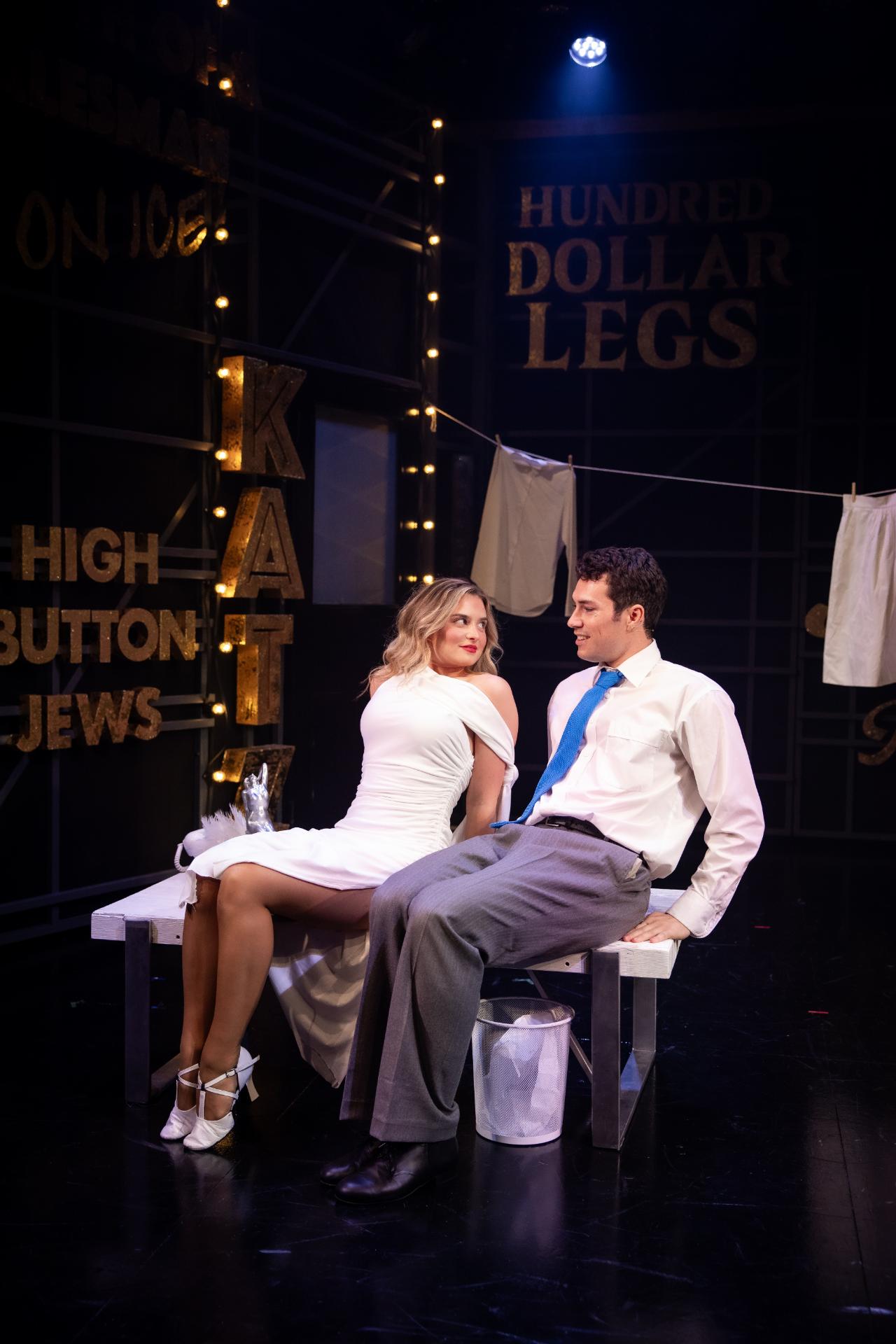
In Samuel Adamson’s Wife, we see the classic play A Doll’s House by Henrik Ibsen being staged repeatedly in England over decades, as several generations wrestle with the concept of emancipation in their own lives. Not only do women continue to grapple with their liberation in Adamson’s musings on Ibsen’s influence, it is queer people’s more recent advancements that are central to its concerns.
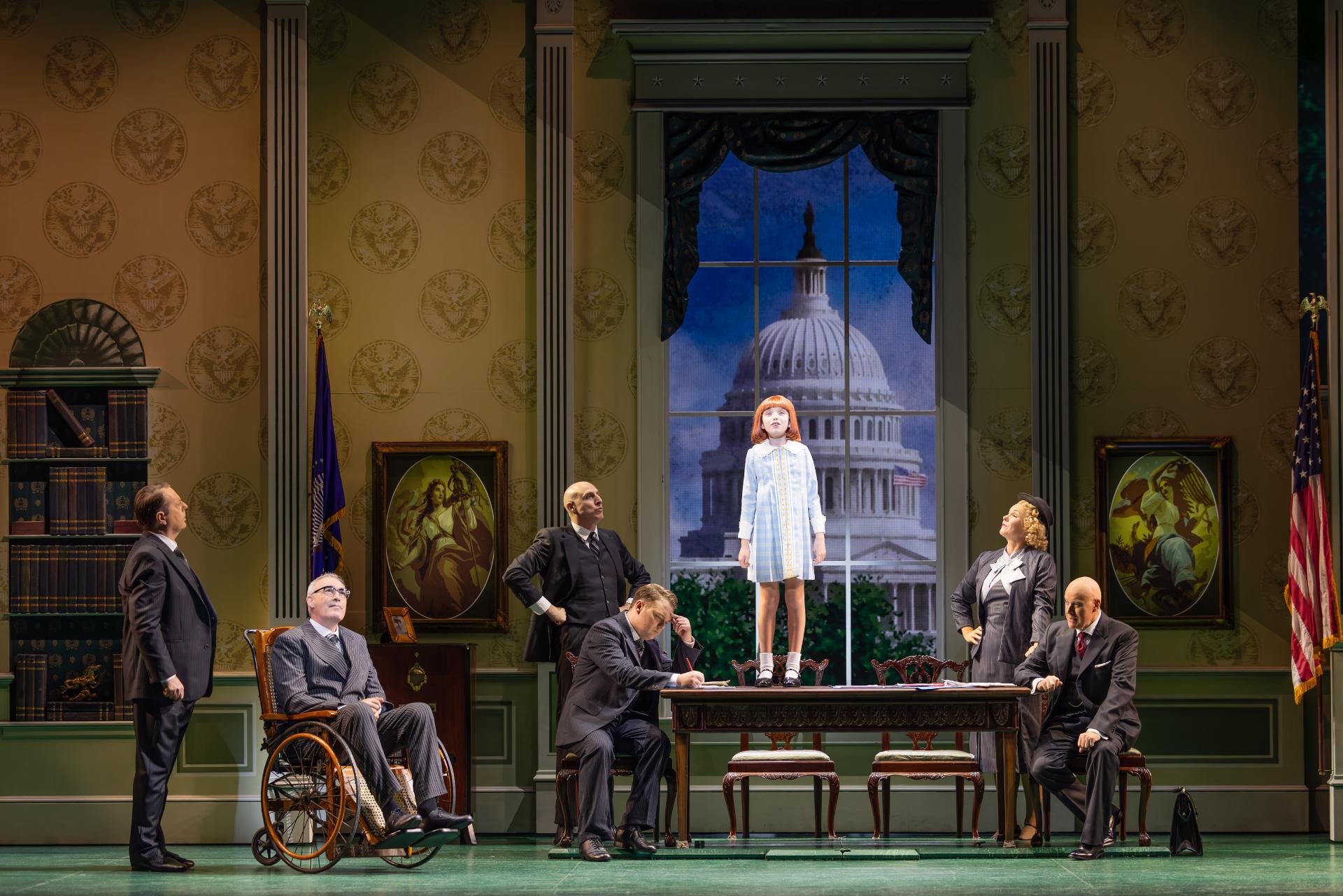
The writing is imaginative and pointedly witty, often thought-provoking in meaningful ways. Insufficient rigour in the production means that much of the nuance can be missed, but direction by Darrin Redgate does ensure dramatic escalation, and crucial moments prove gripping, in this two-and-a-half hour presentation.

Set design by David Marshall-Martin conveys whimsy for a comedy that is often quirky in tone. Costumes by Aibhlinn and Burley Stokes are effective at delivering colour, while Jay Murrin’s lights provide some polish, for a story that spans 83 years. Matthew Forbes’ sounds are appropriately minimal in approach, satisfactory in particular during scene transitions.

Each member of cast plays multiple roles, to mixed results. Alison Brooker, Henry Lopez Lopez and Julia Vosnakis bring conviction and energy. Will Manton and Pete Walters have strong moments as Ivar, one of the key characters, to help Wife feel relevant for a contemporary Australian audience. Imogen Trevillion is believable as Clare, pivotal at tying up all the loose ends, so that the sprawling tale may resonate with some poignancy when it really matters.

When Nora leaves her family at the conclusion of A Doll’s House, it is uncertain if she goes in search of equality, or of something else entirely different. Marginalised people know that much of life requires a system of hierarchy and therefore subjugation, yet we are rarely able to formulate new ways that allow for all to be free, choosing instead to take the place of former oppressors, and make other people bear the brunt.

www.newtheatre.org.au

Review: Seventeen (Seymour Centre)

Venue: Seymour Centre, Reginald Theatre (Chippendale NSW), Sep 27 – Oct 19, 2024
Playwright: Matthew Whittet
Director: Mary-Anne Gifford
Cast: Di Adams, Katrina Foster, Noel Hodda, Peter Kowitz, Colin Moody, Di Smith
Images by Carlita Sari

Theatre review
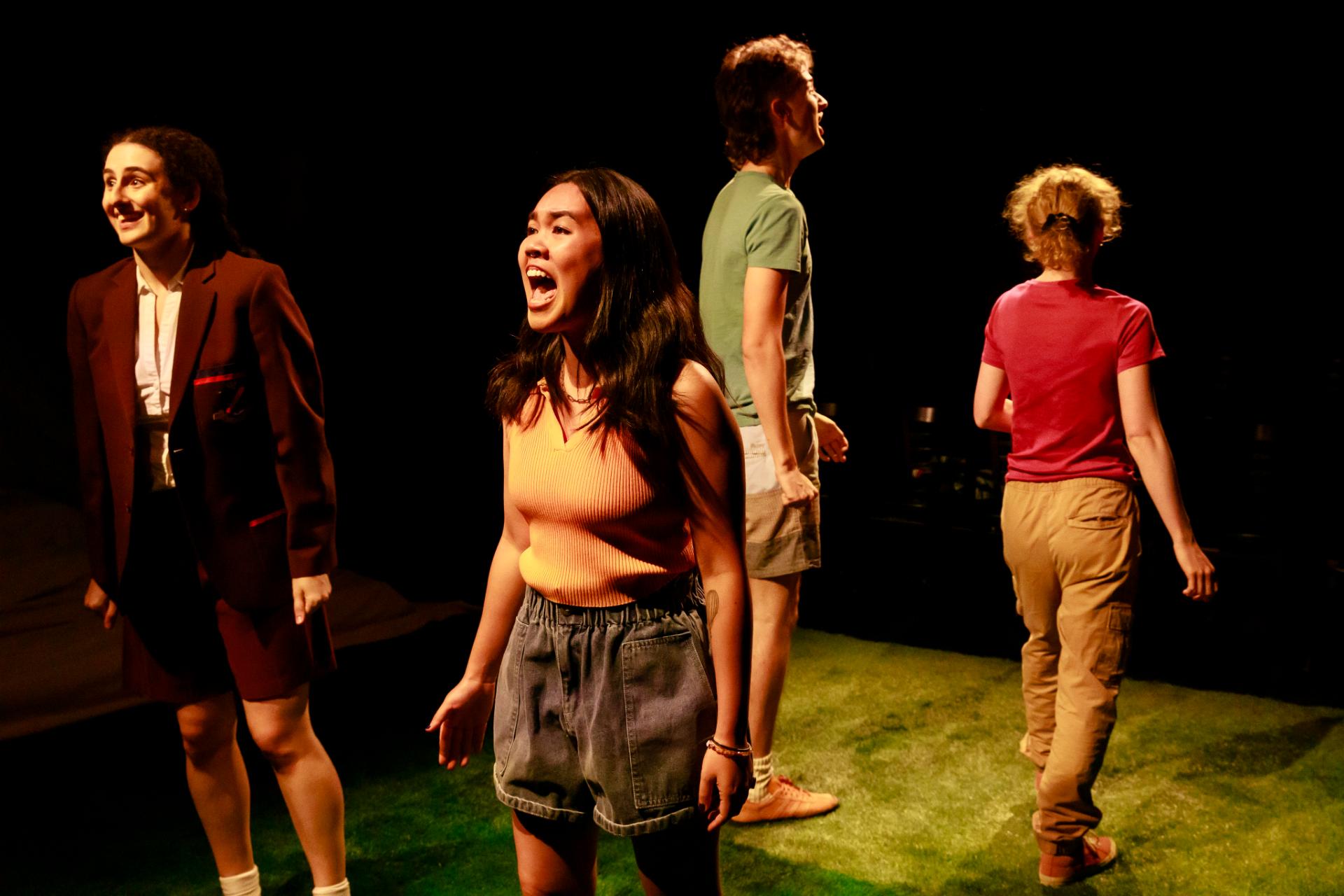
A group of teenagers has completed their final day in high school, and is now poised for the rest of their lives. It is all very daunting for characters in Matthew Whittet’s Seventeen, at a moment where big changes are afoot, and with new identities being formed, but for those of us who have been through that rite of passage,  it can all seem a little trite and pedestrian.
Once again the play is performed by older actors, presumably in their sixties, in order that the text may communicate with greater poignancy. Indeed it is the notion of transience that becomes a prominent dimension of the storytelling, juxtaposing against the naivety of young people in the throes of something that feels defined by finality.

Actors Noel Hodda and Di Smith are particularly captivating, both bringing a savvy to their performative representations, of personalities decades their junior. Others in the cast tend to be overly earnest, which only draws greater attention to the mundane qualities of Seventeen. Direction by Mary-Anne Gifford could benefit from a more flamboyant approach, but there is certainly an integrity to her realism that cannot be denied.

Set design by Paris Burrowes introduces visual familiarity to the experience, although it is doubtful if her costumes convey that same accuracy. Lights by Grant Fraser and sounds by Michael Huxley are implemented with simplicity, in a production that errs on the side of reticence. 

Watching the seniors play juvenile roles, it is the nature of time that comes to the fore. The impermanence of human experience should tell us that it can all be taken with a pinch of salt, but life has a knack for having us completely invested in all of its ups and downs. We should know to be unperturbed, but the truth is that we are embroiled, hopelessly engaging in every emotion, even as we understand more clearly their ironic futility.
www.seymourcentre.com | www.wildthingproduction.com