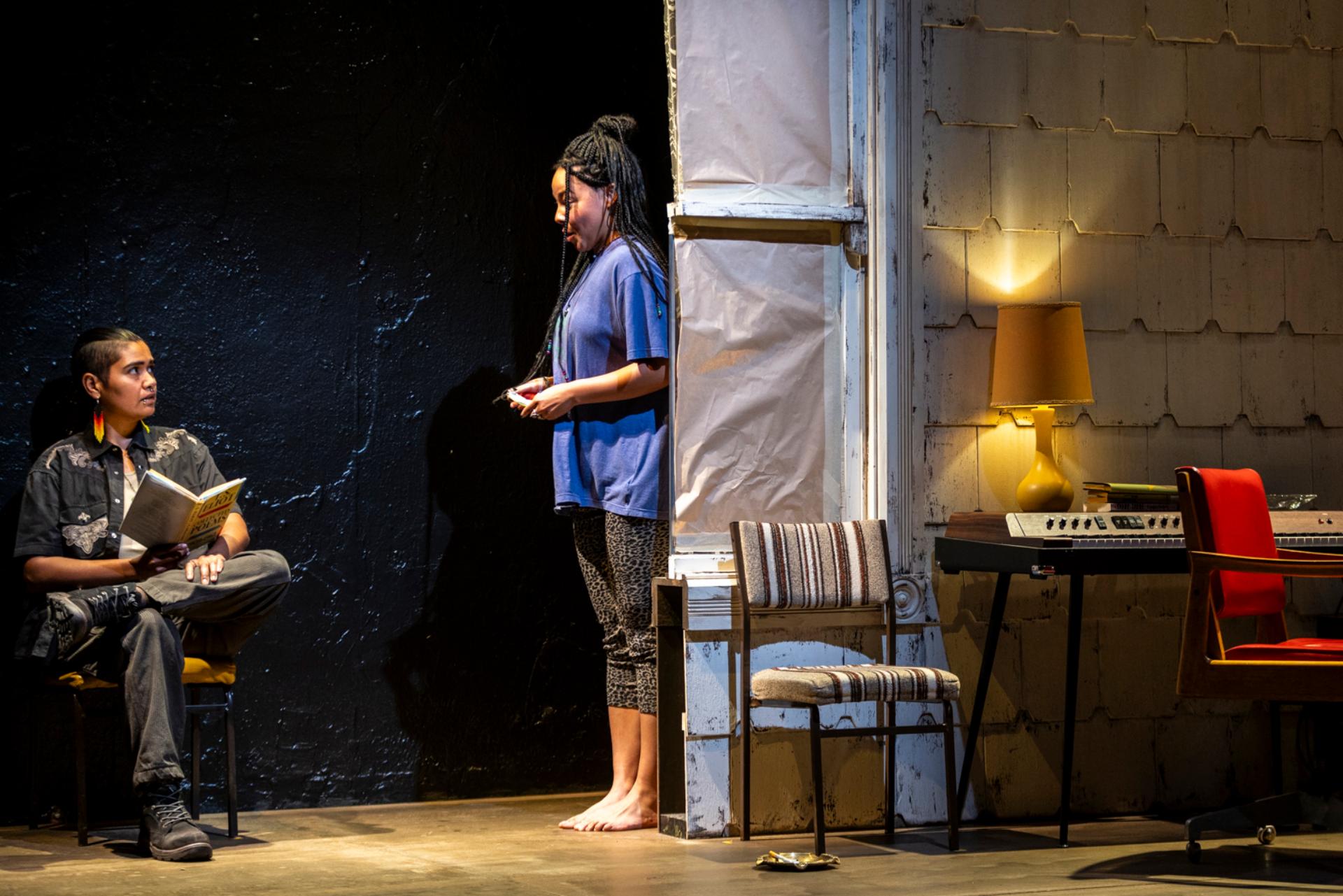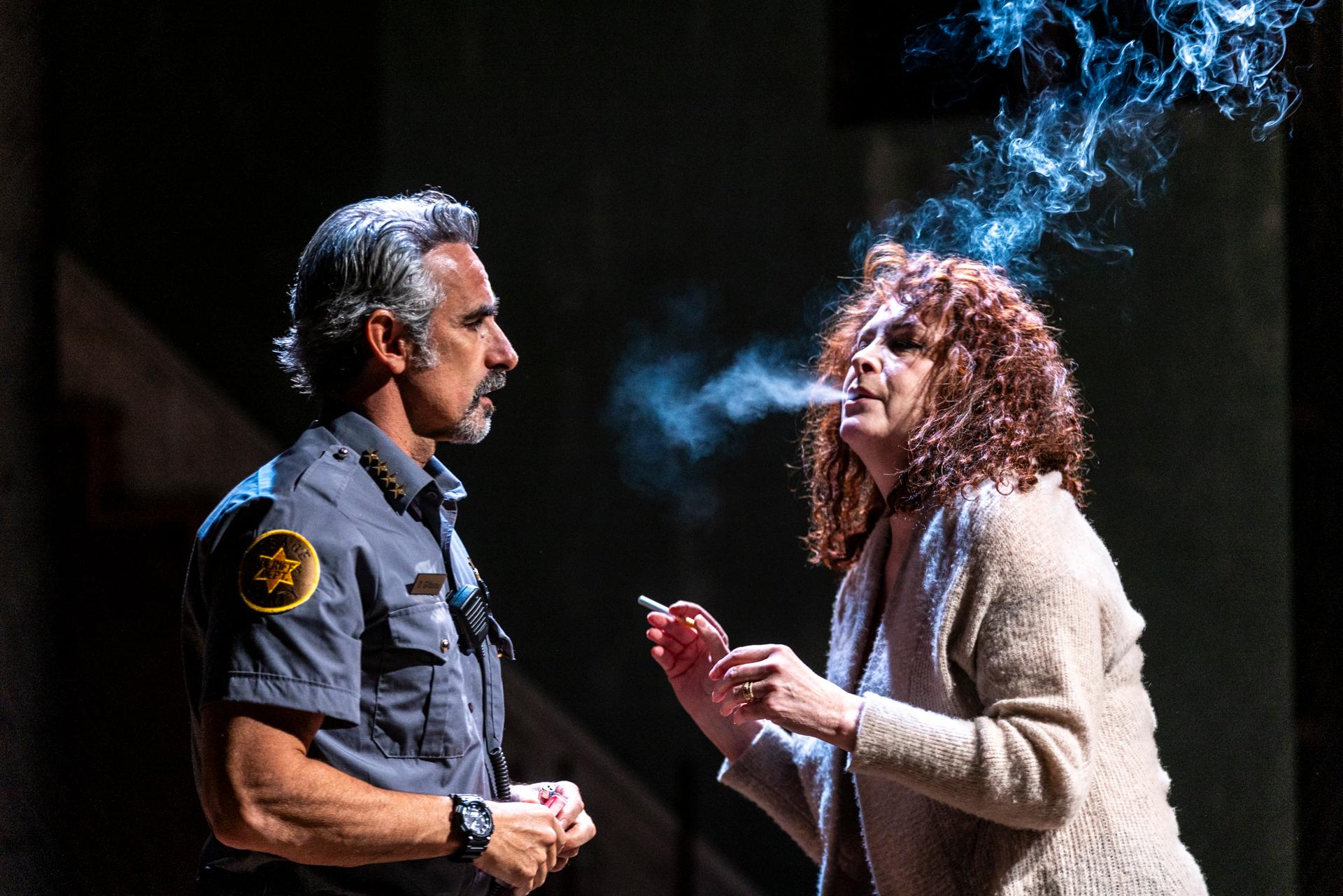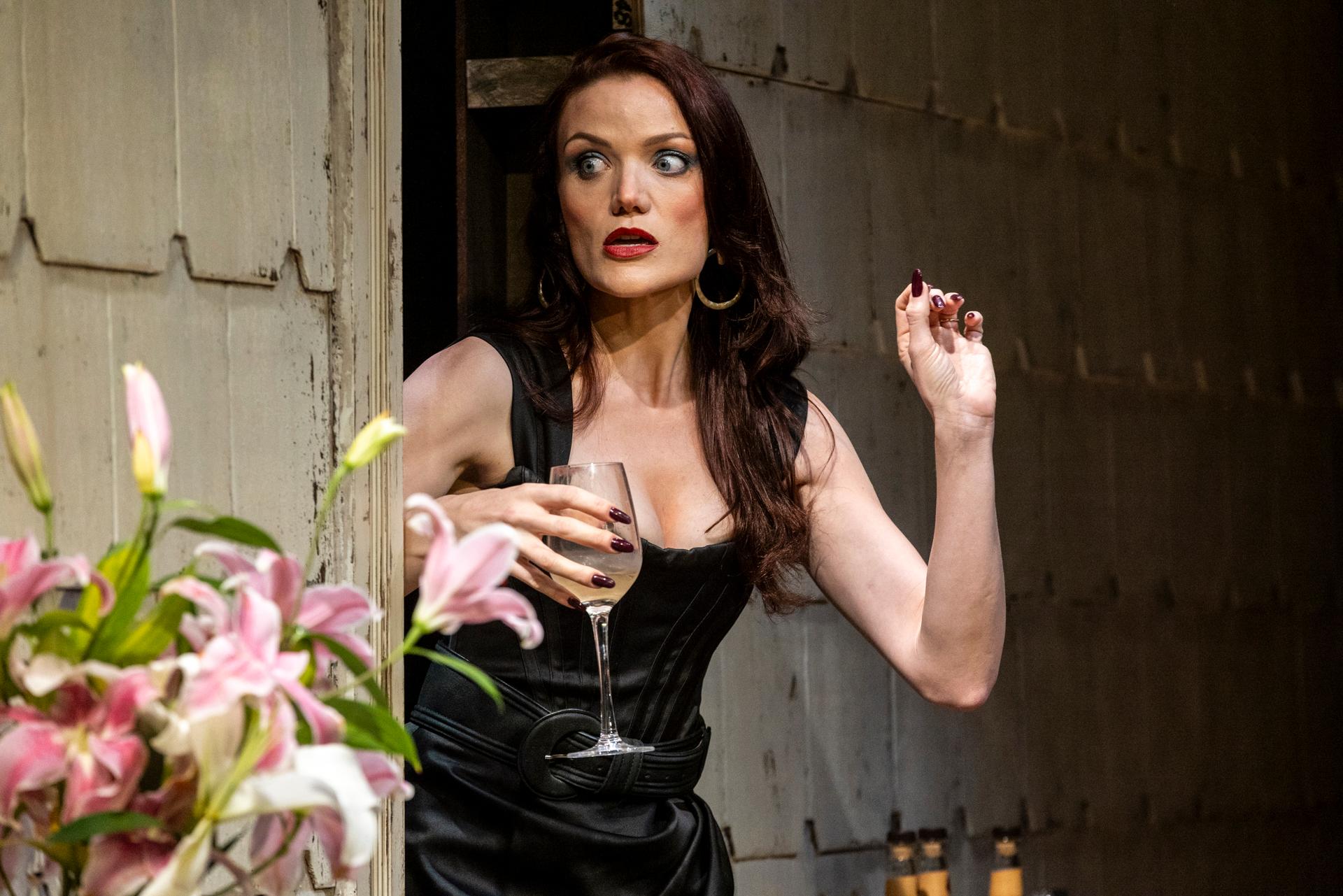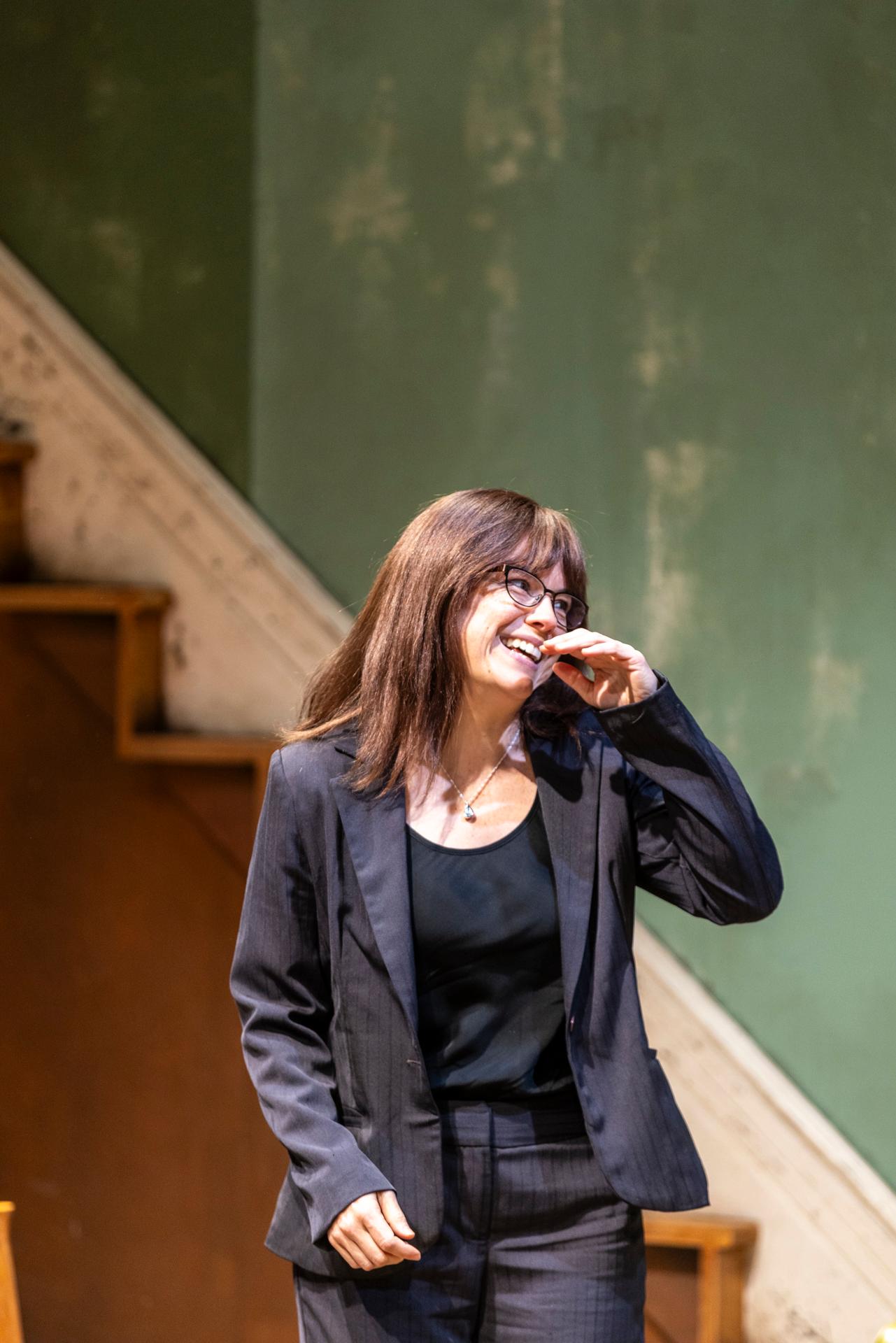
Review: Snakeface (25A Belvoir)

Venue: Belvoir St Theatre (Surry Hills NSW), Apr 8 – 27, 2025
Playwright: Aliyah Knight
Director: Bernadette Fam
Cast: Aliyah Knight
Images by Abraham de Souza

Theatre review
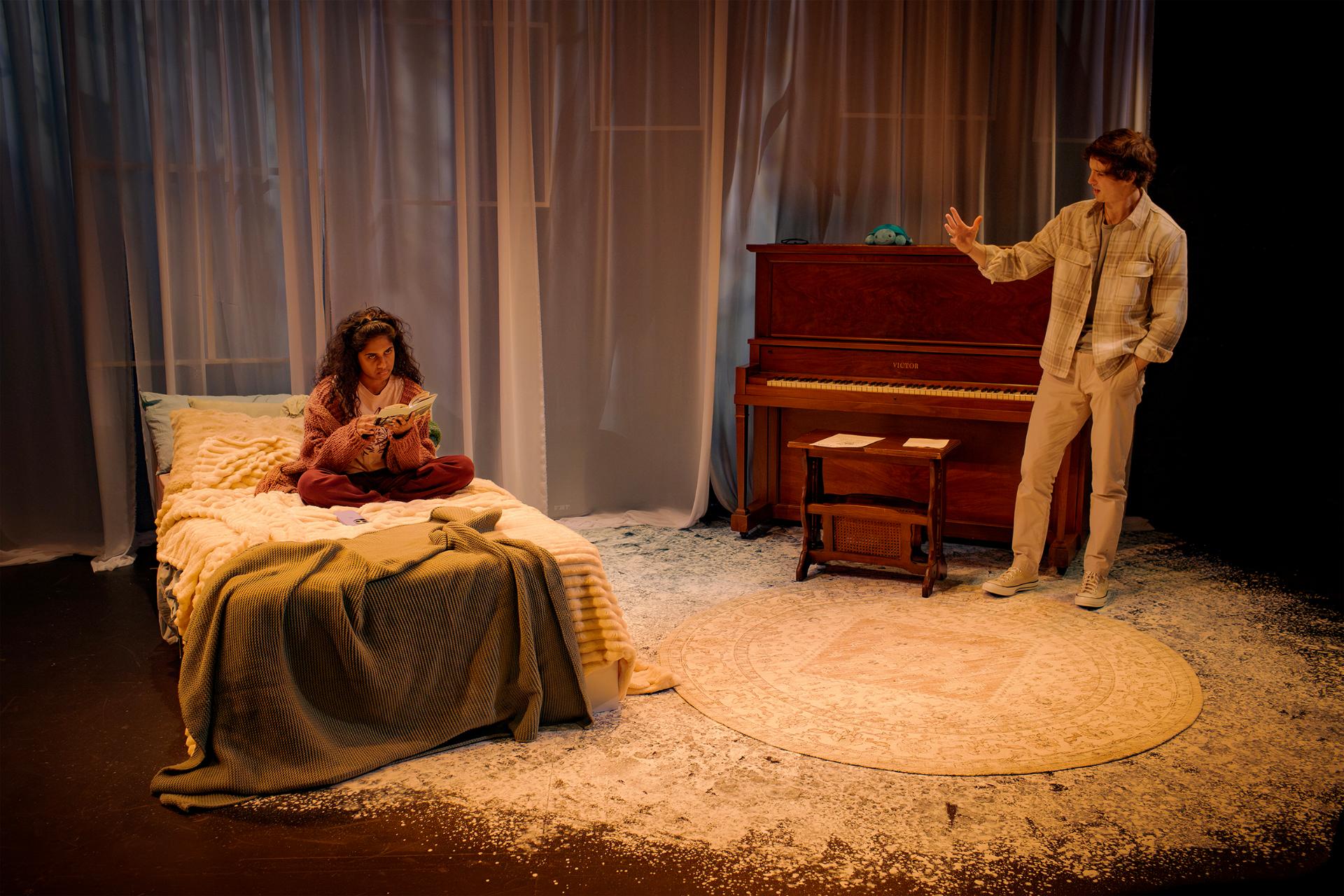
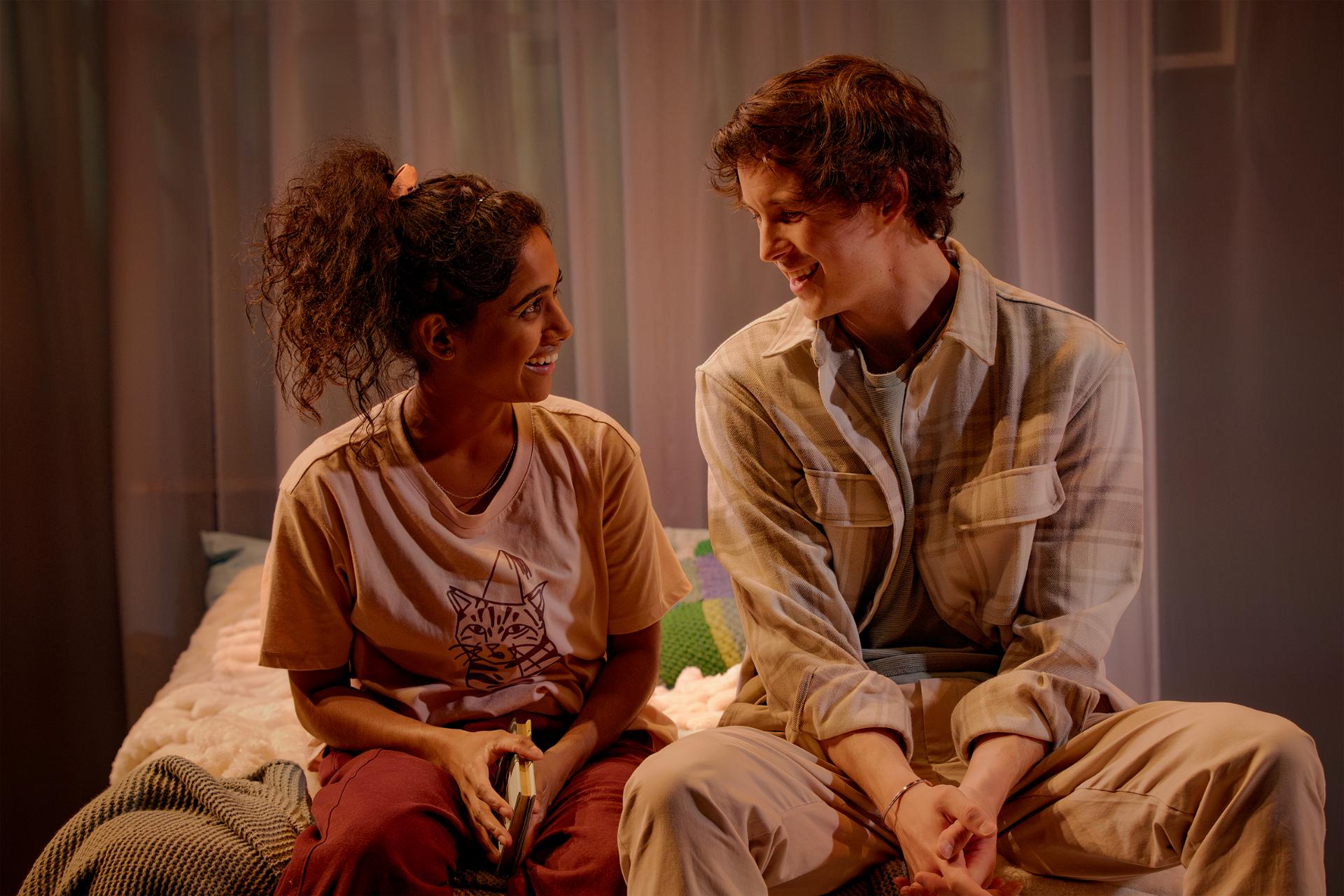
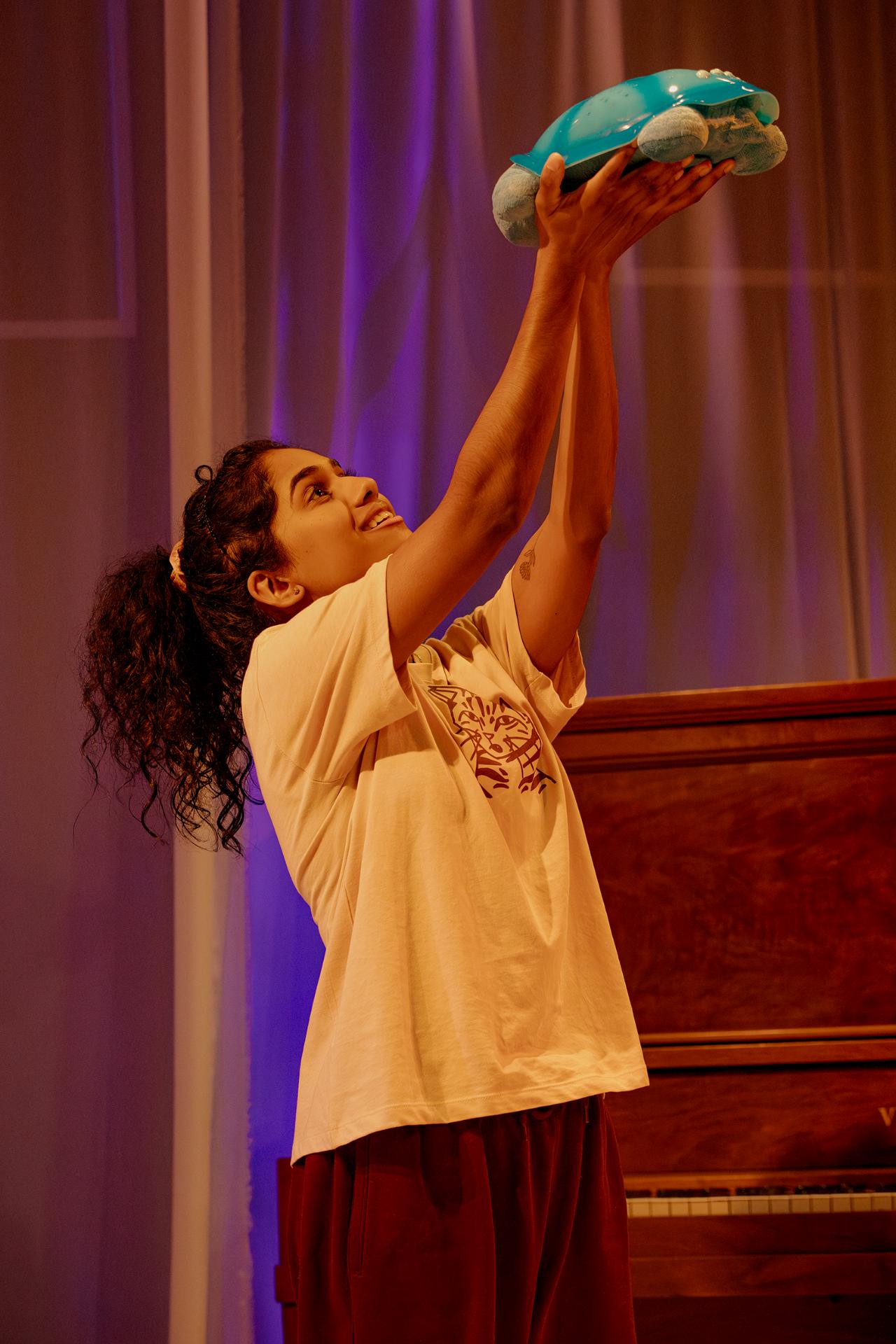
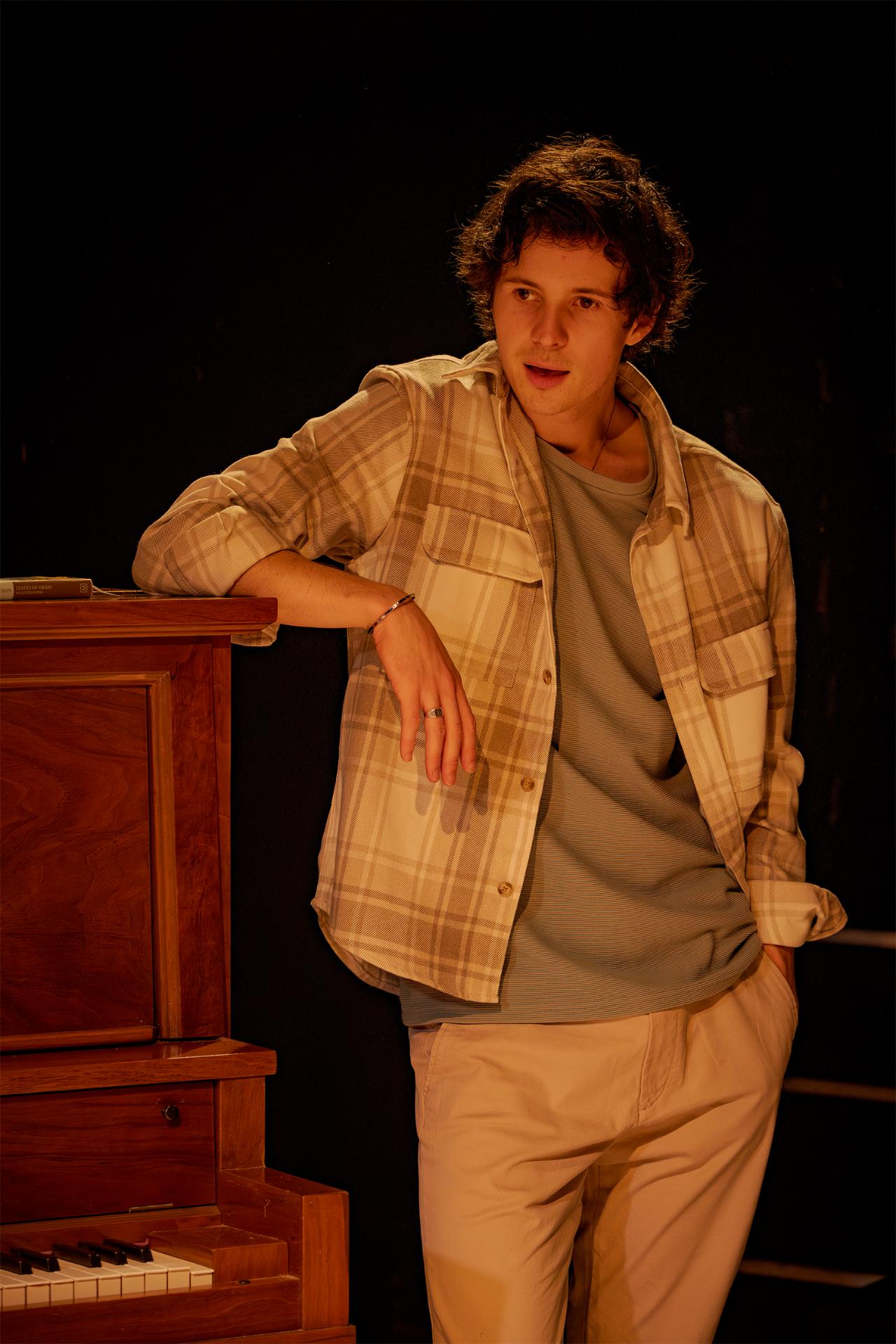
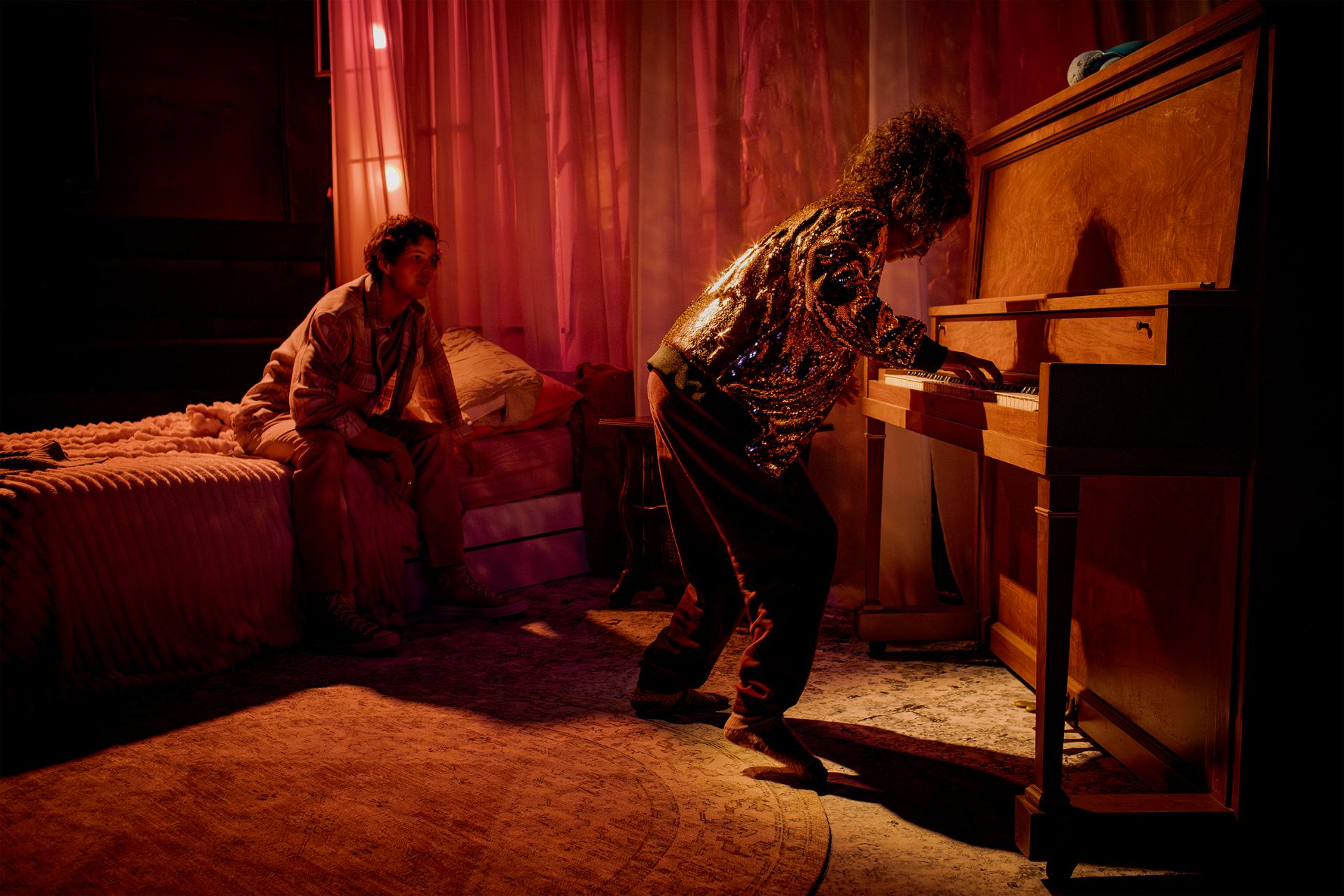
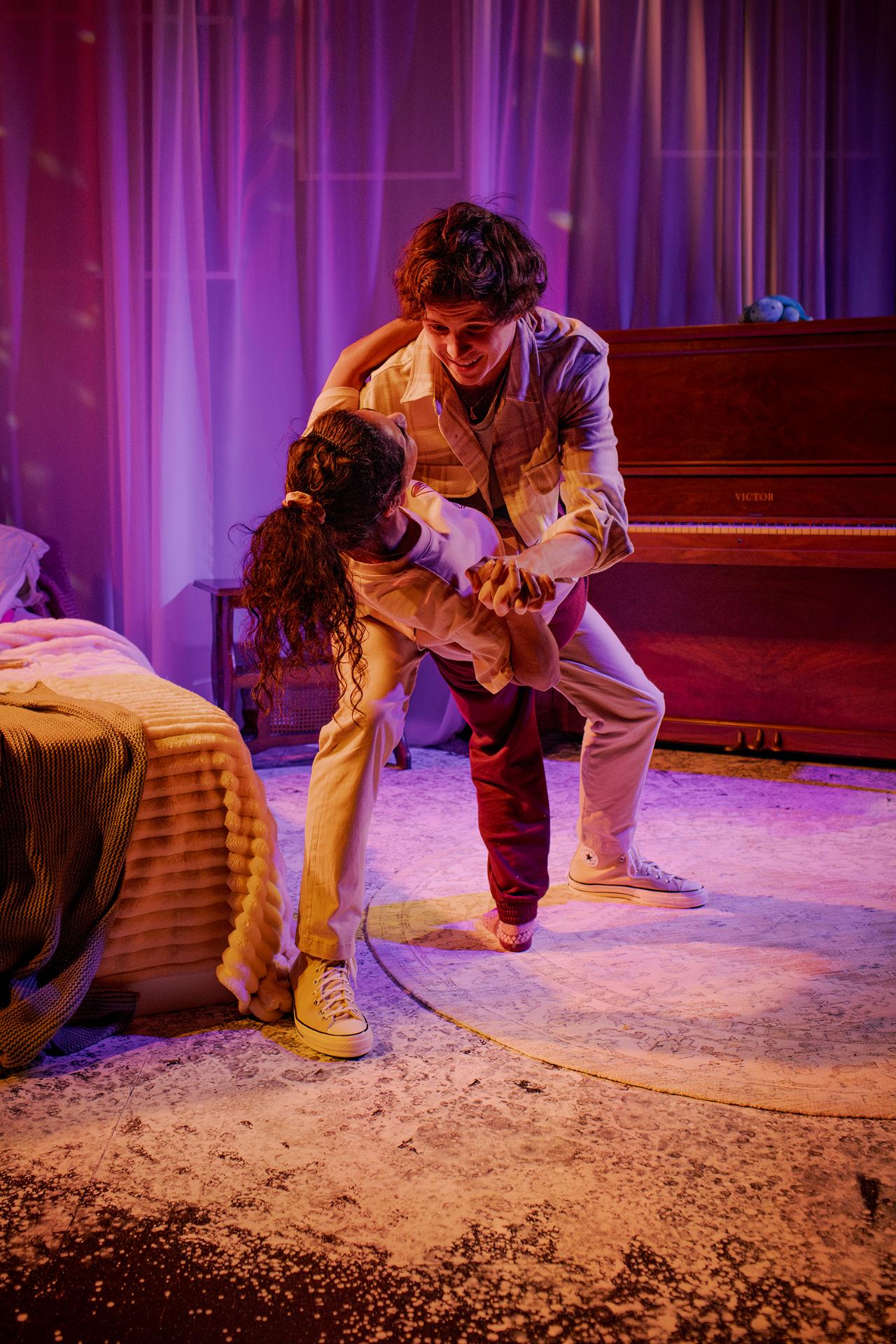
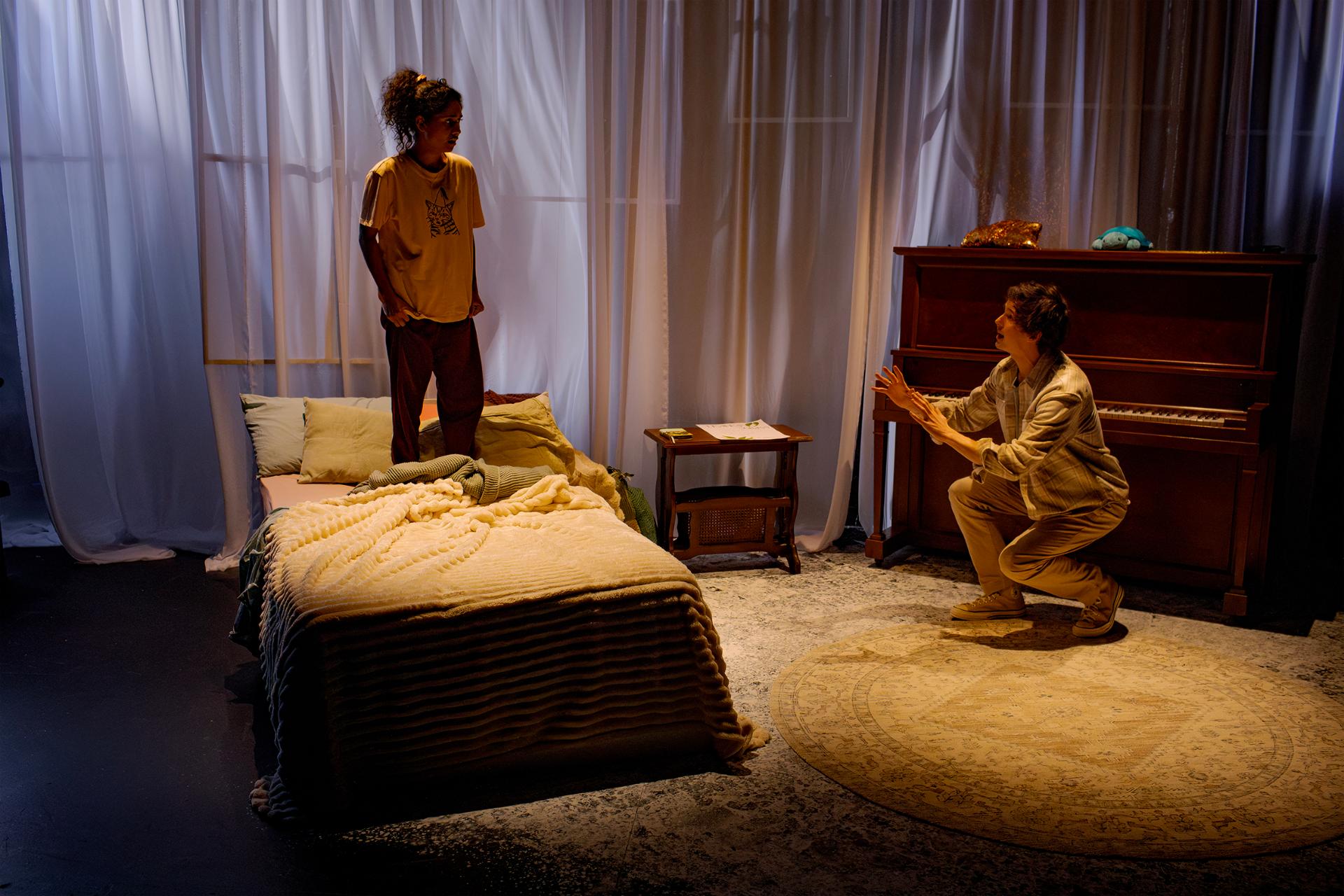
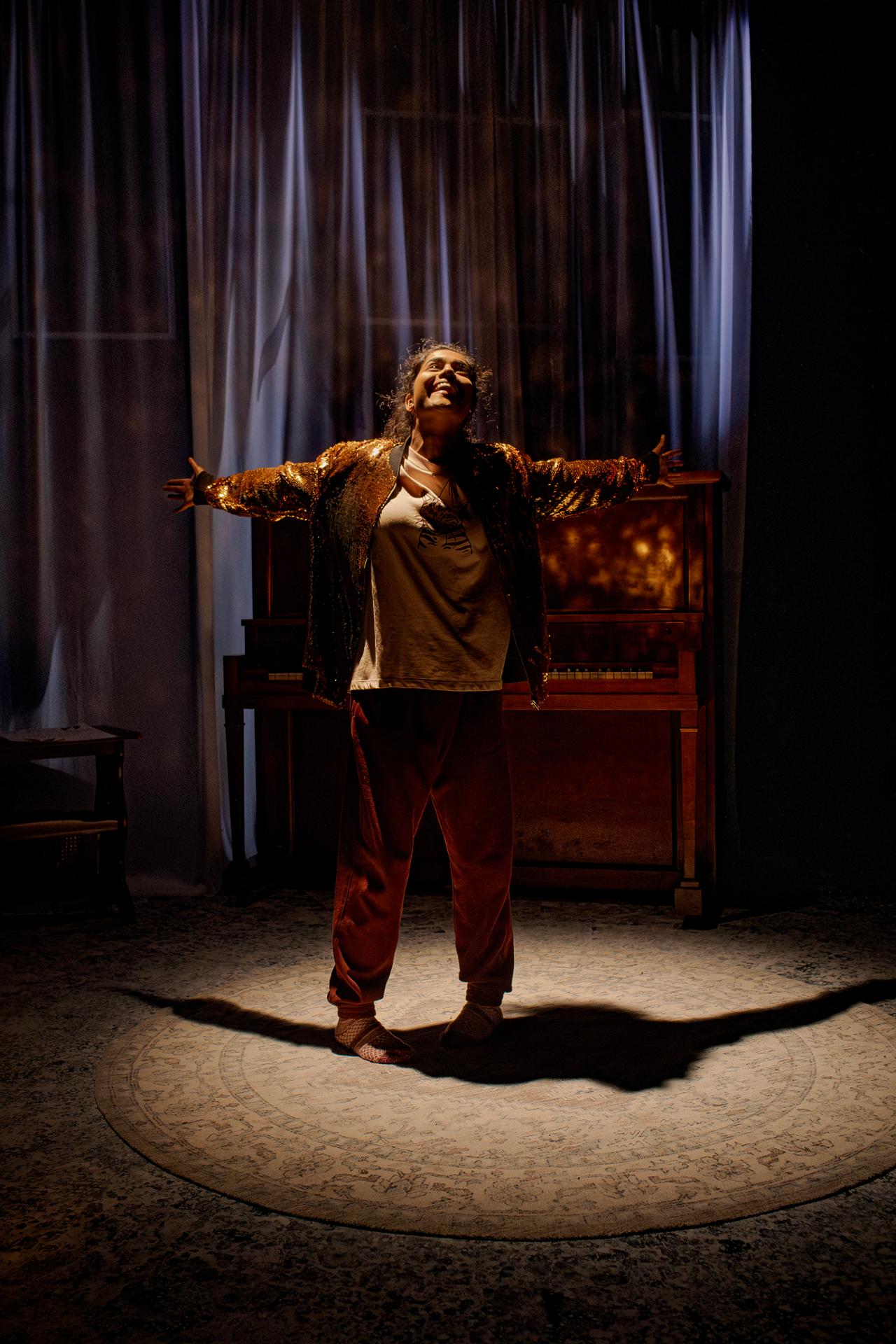
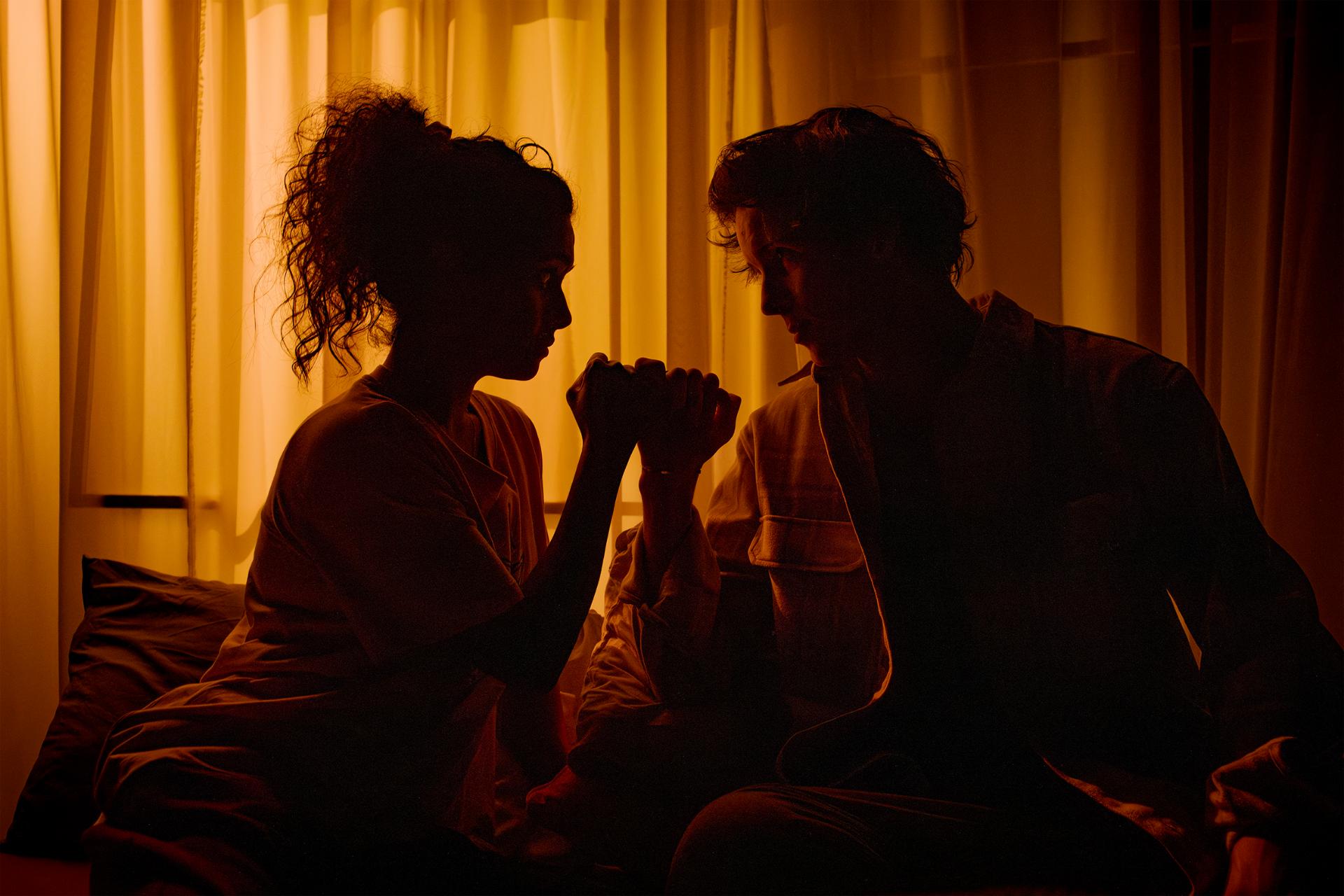
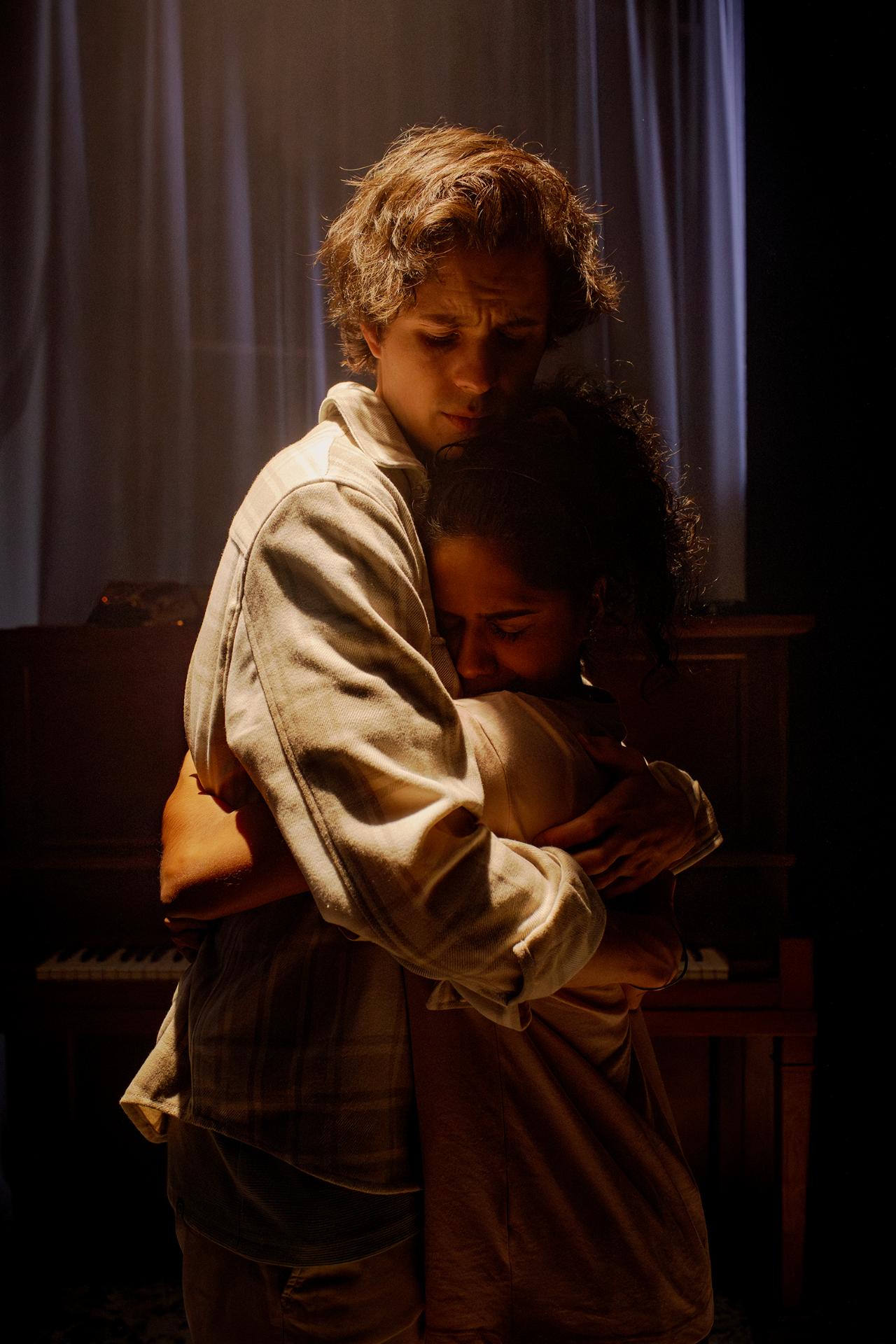
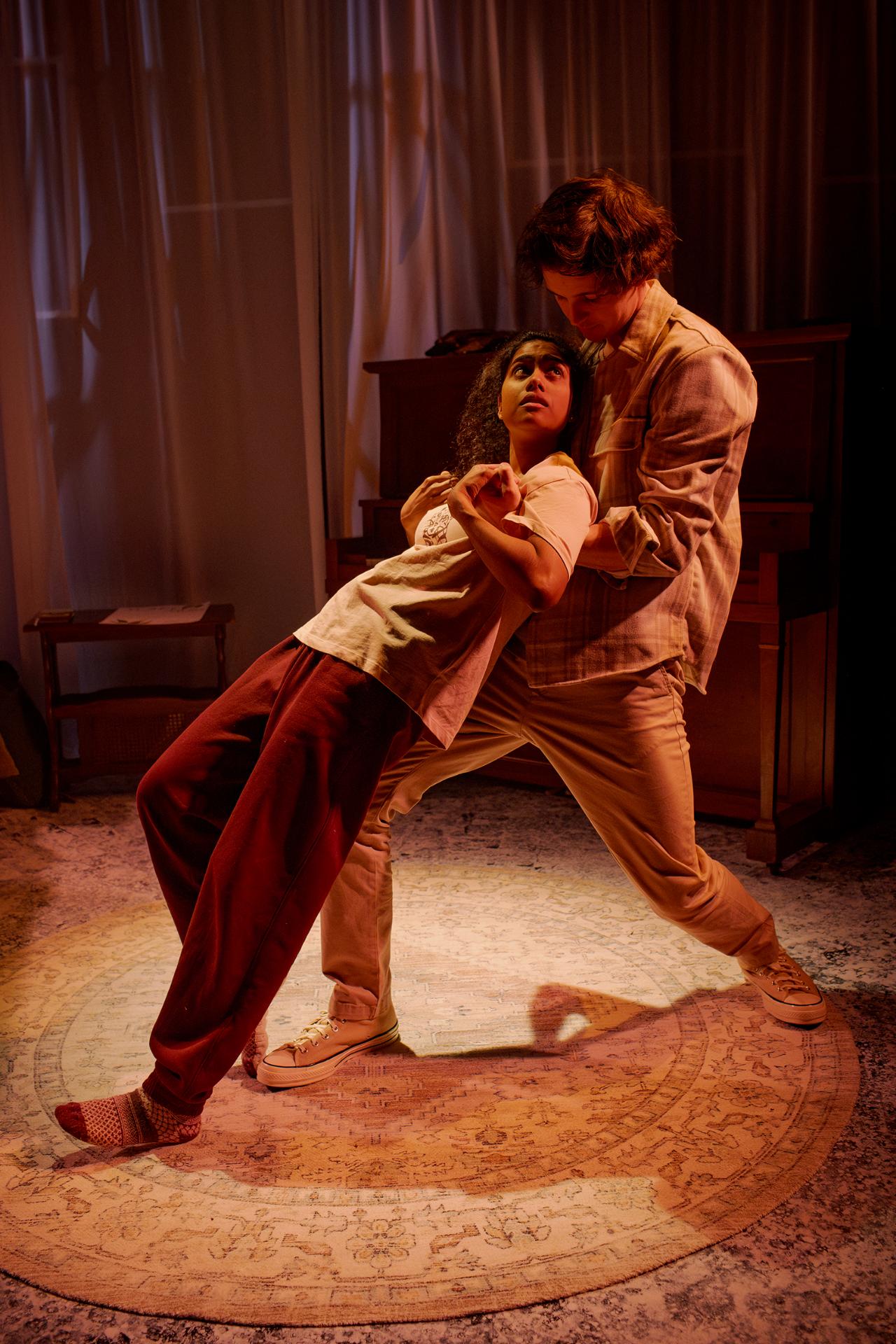
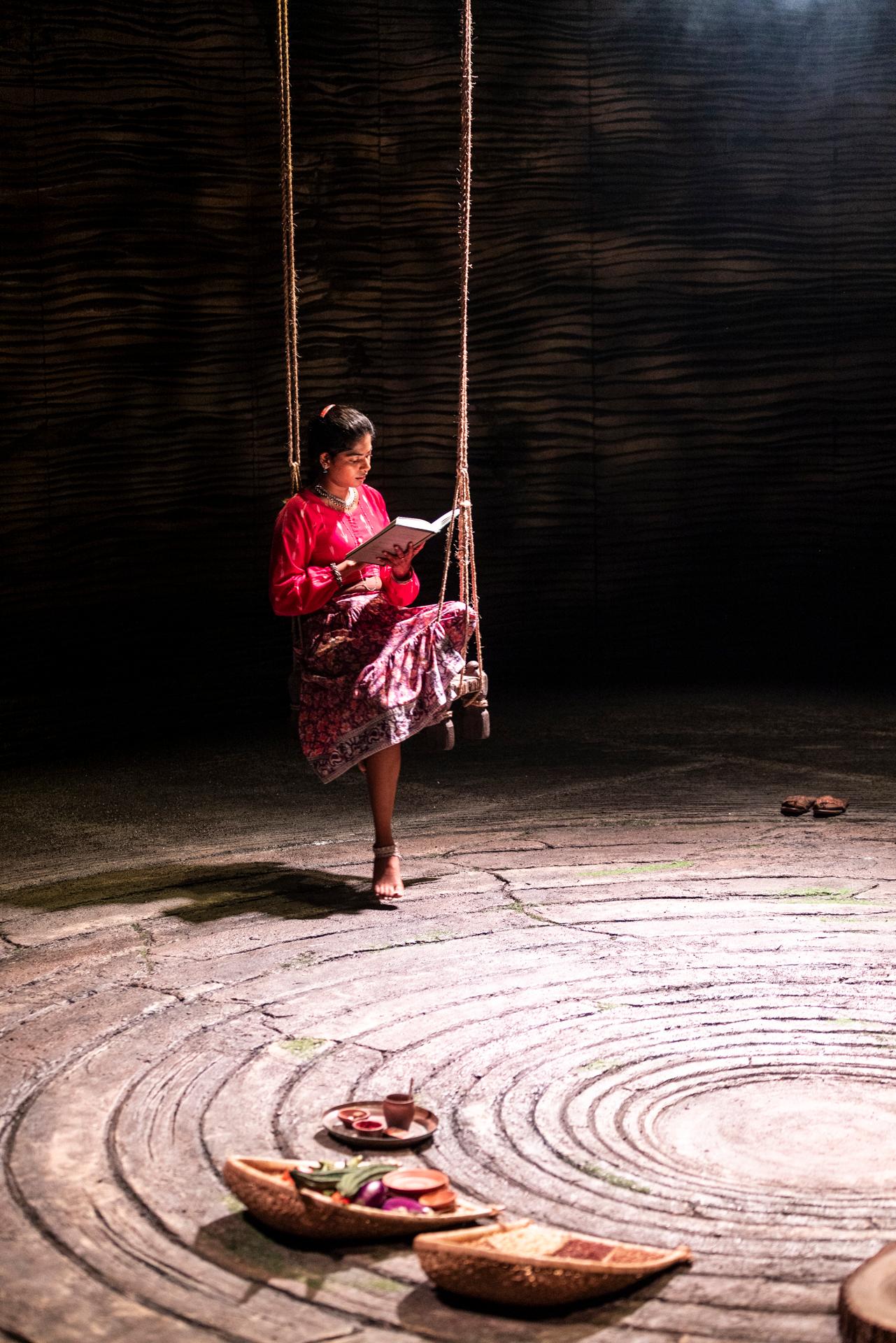
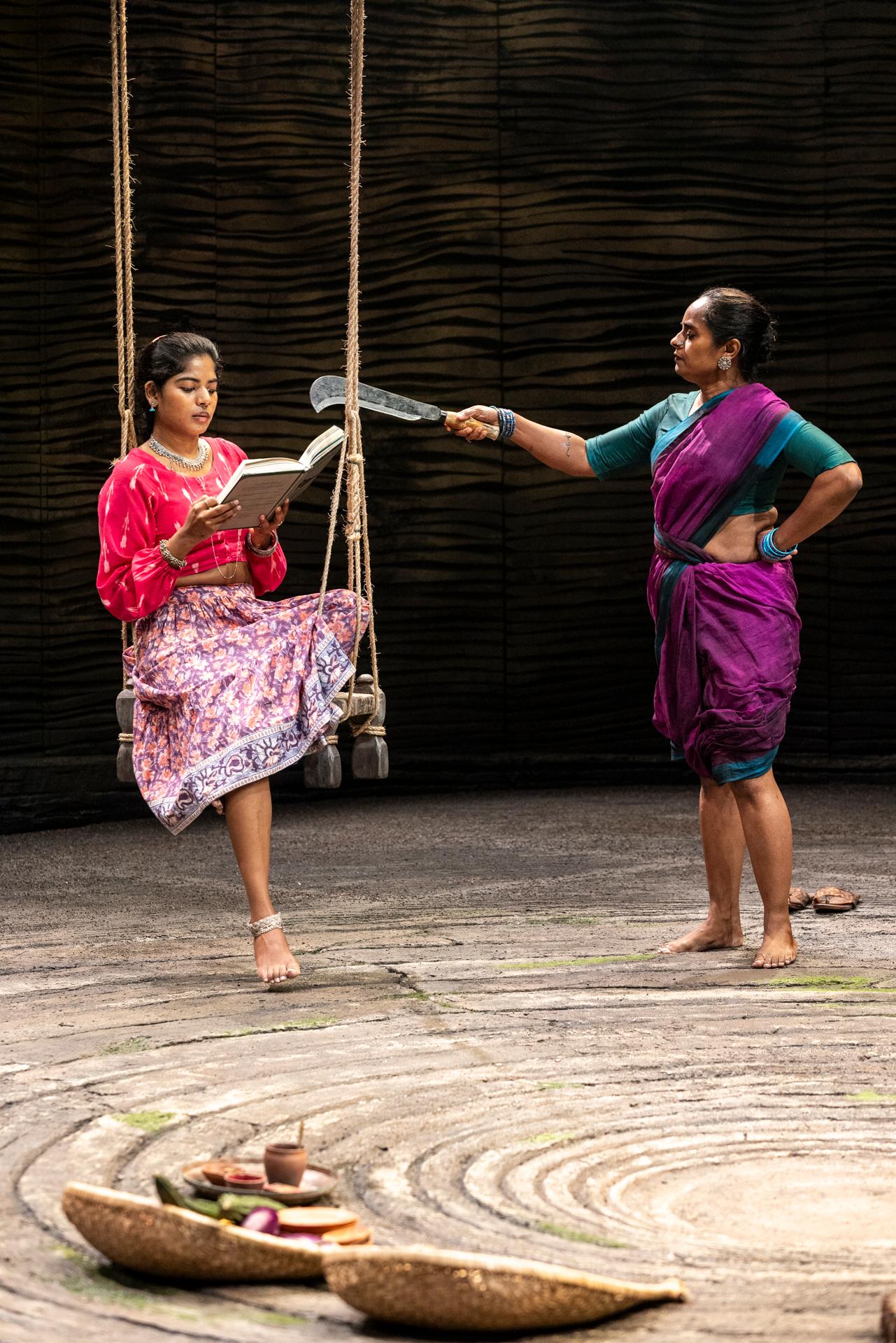
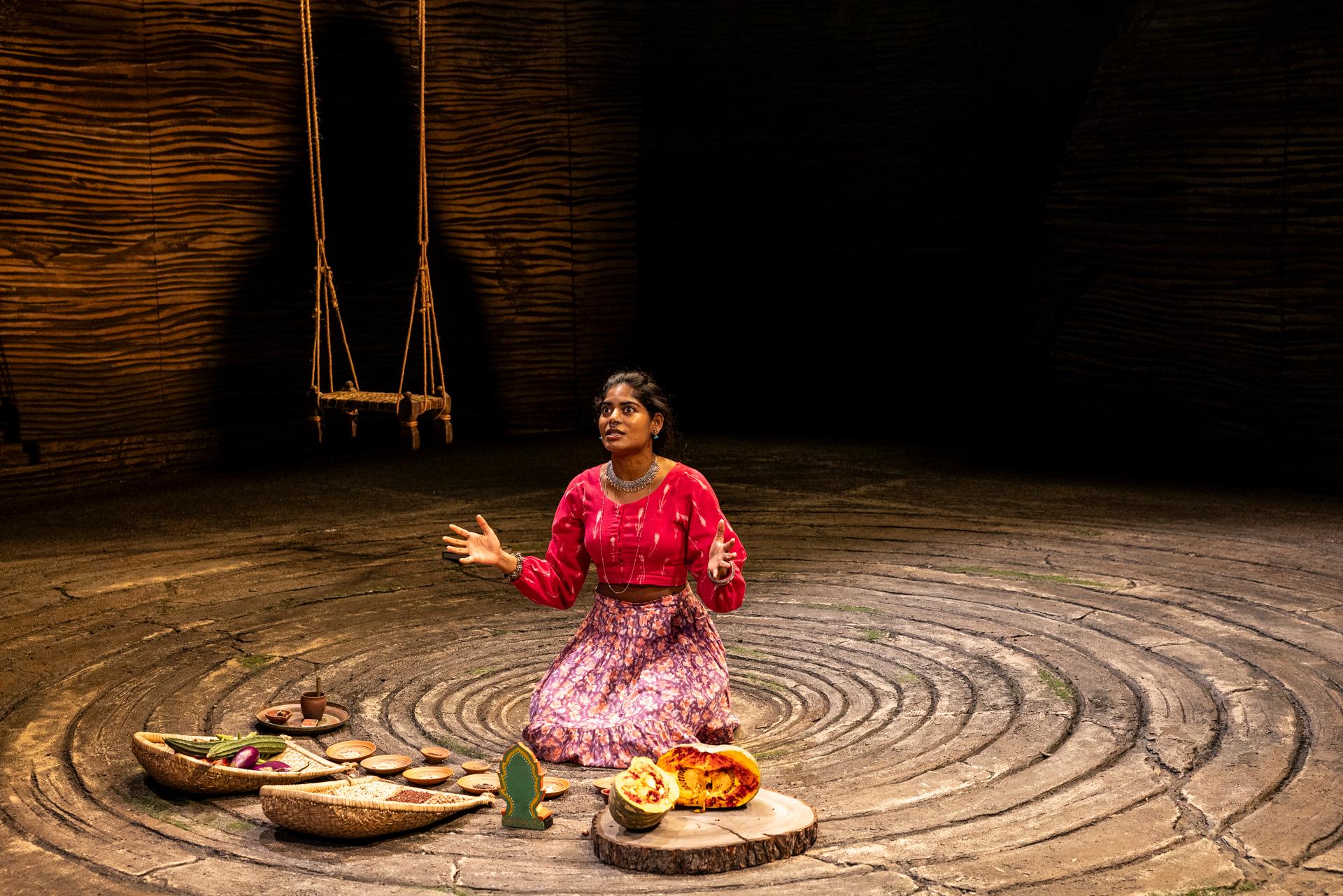
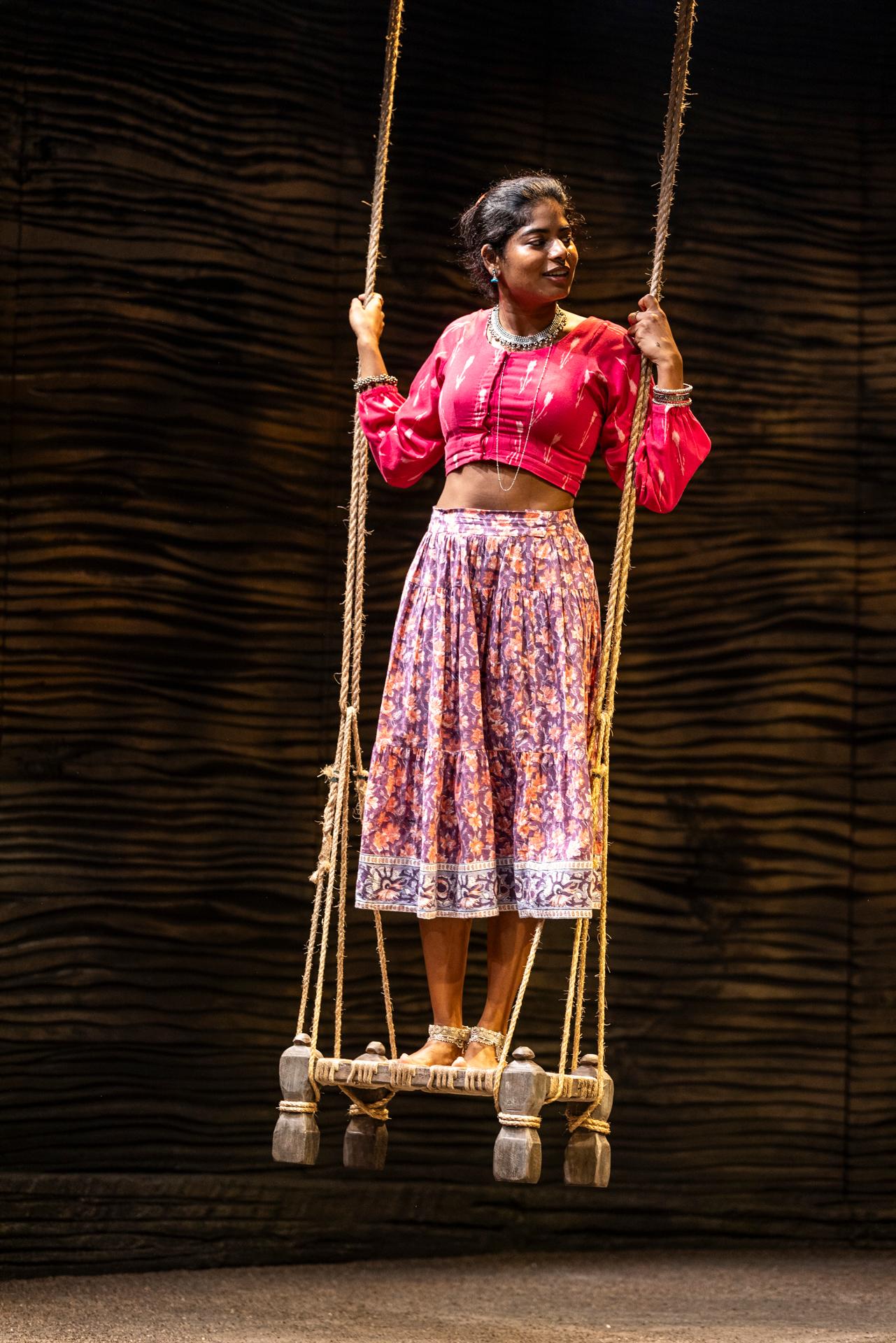
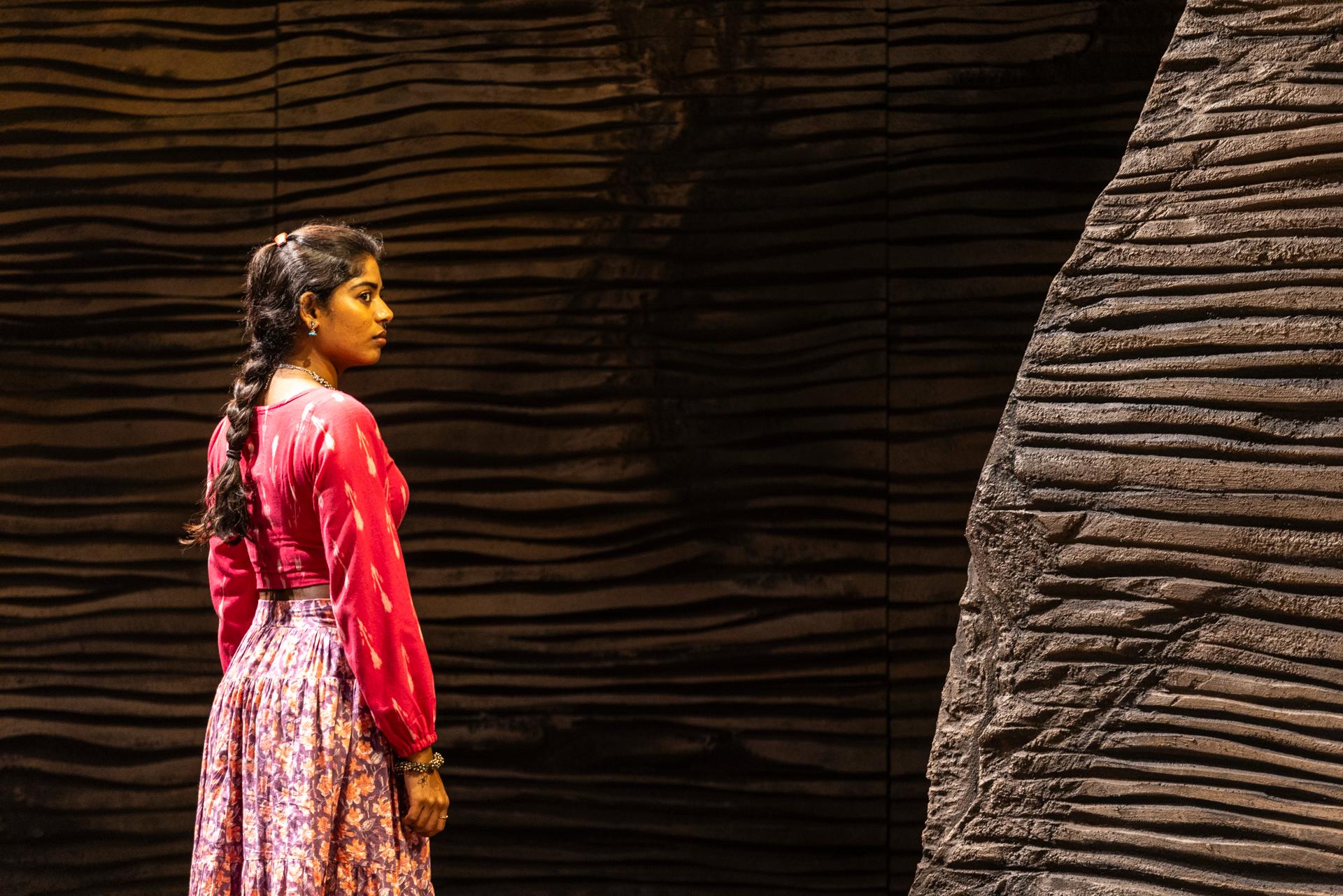
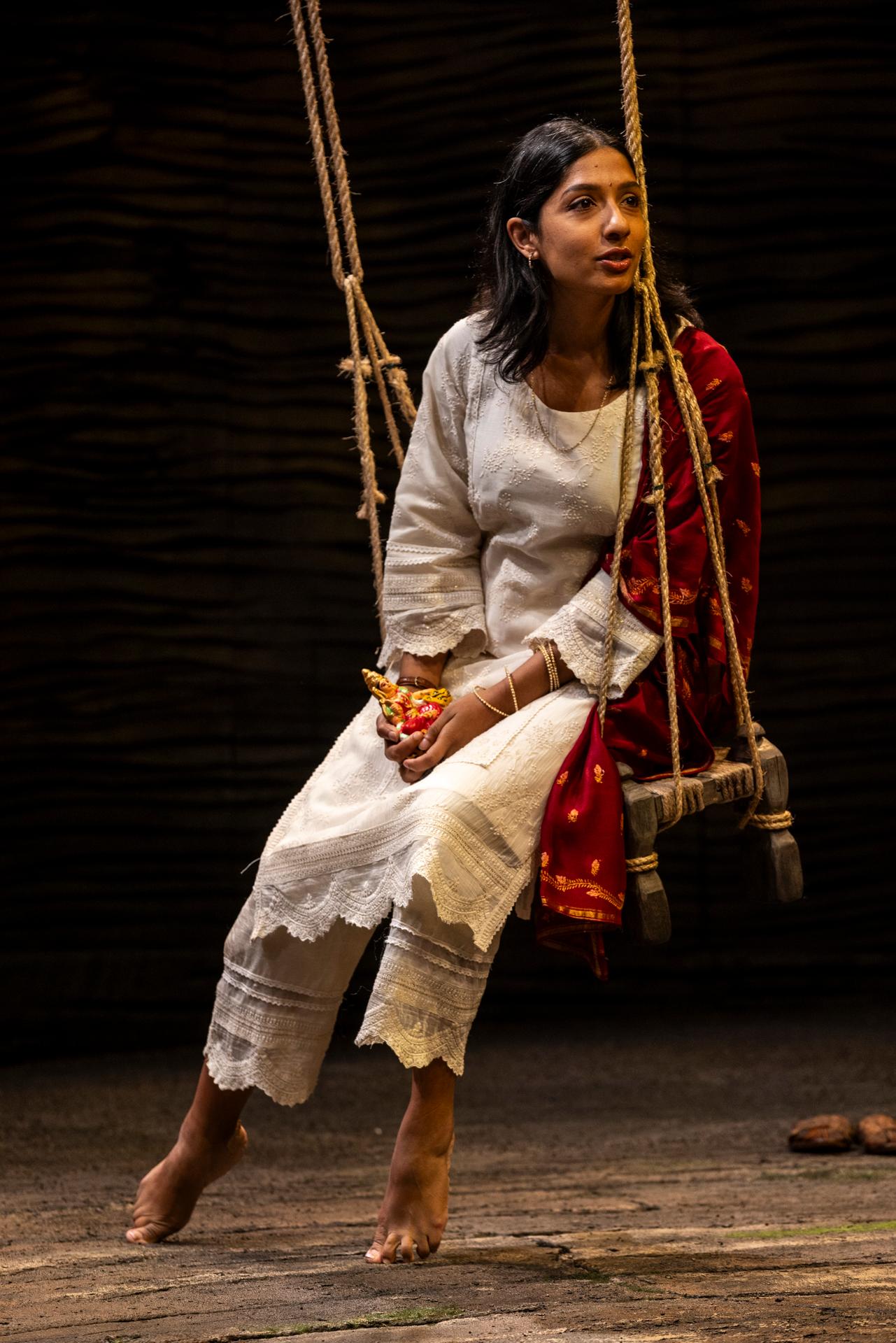
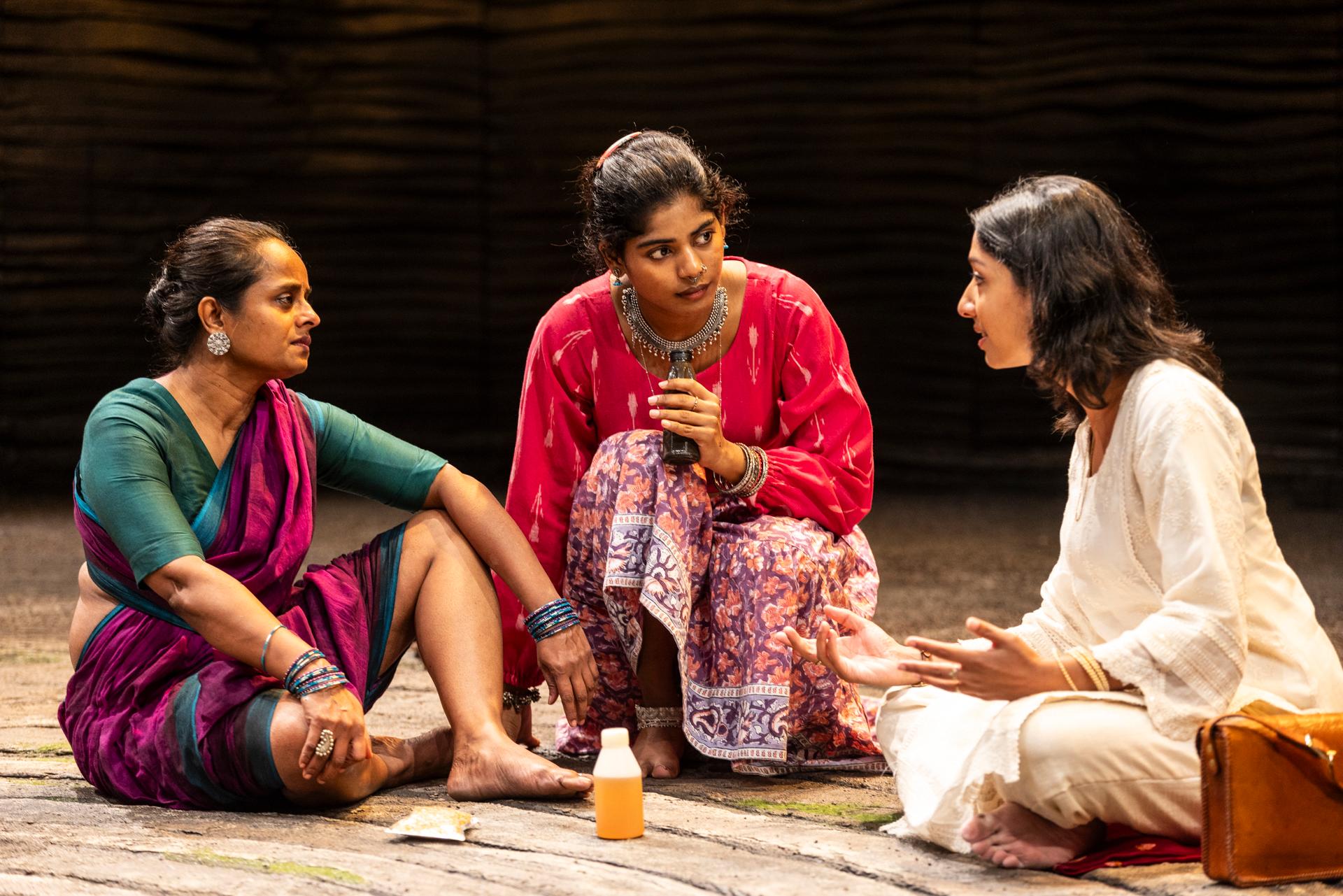
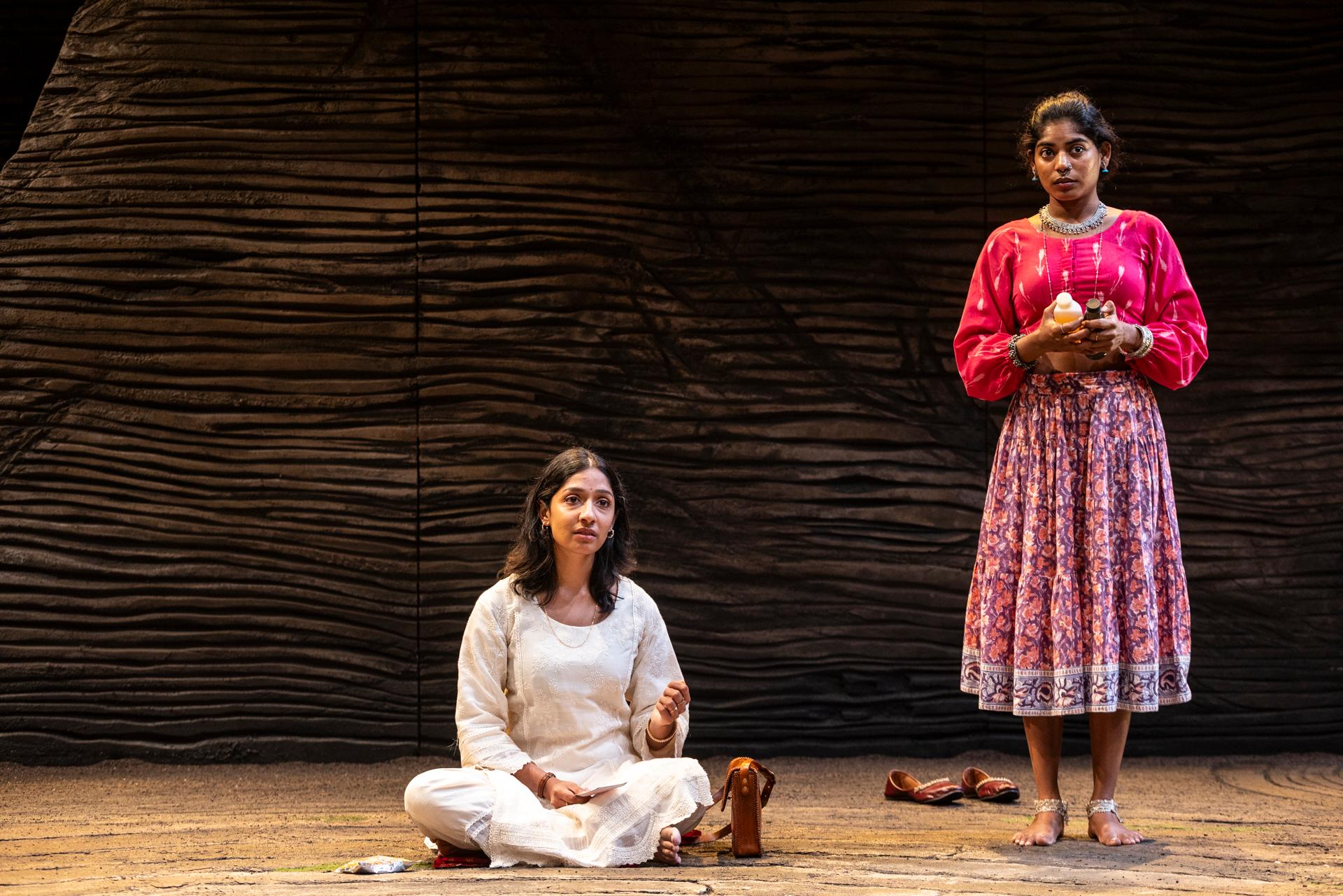
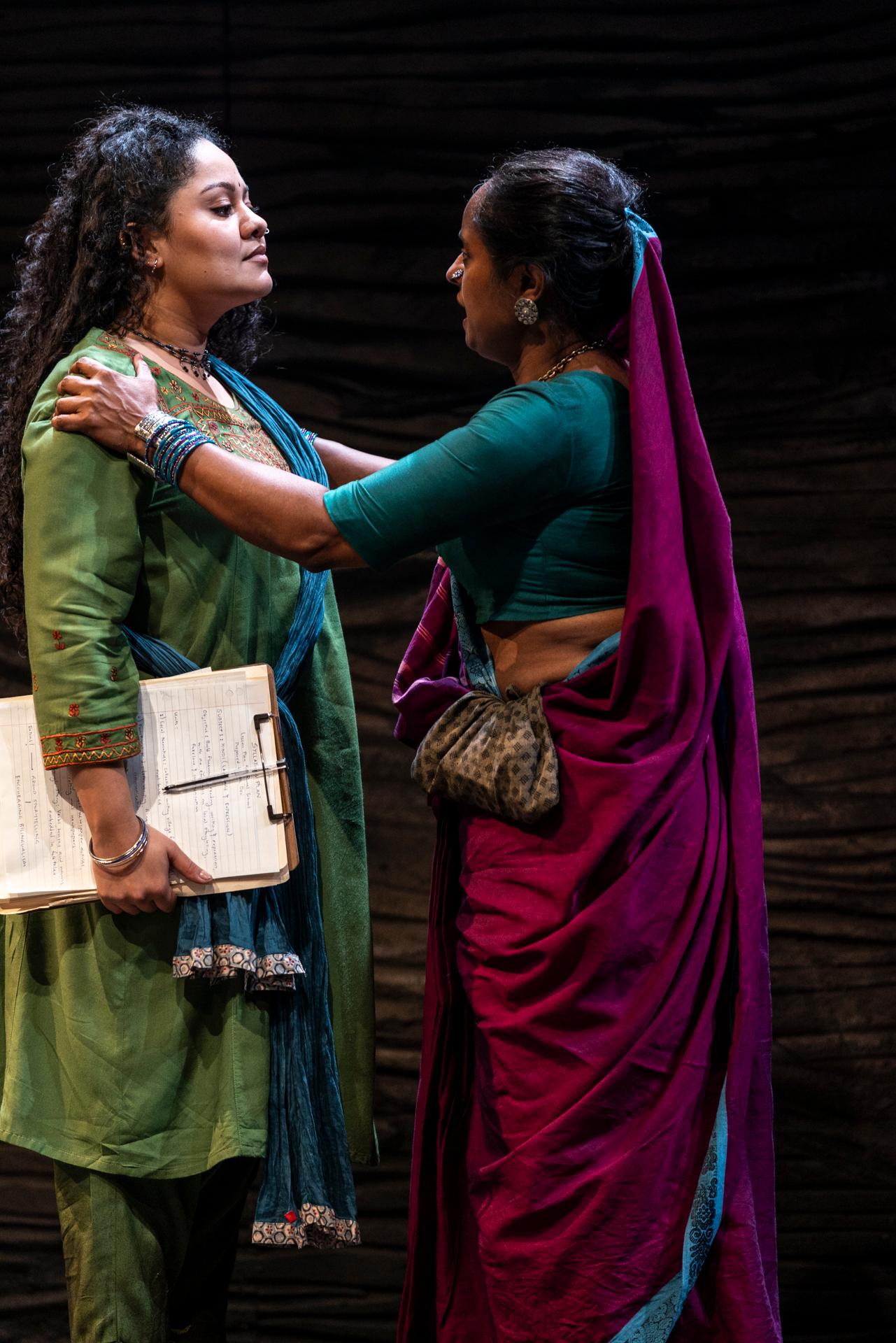
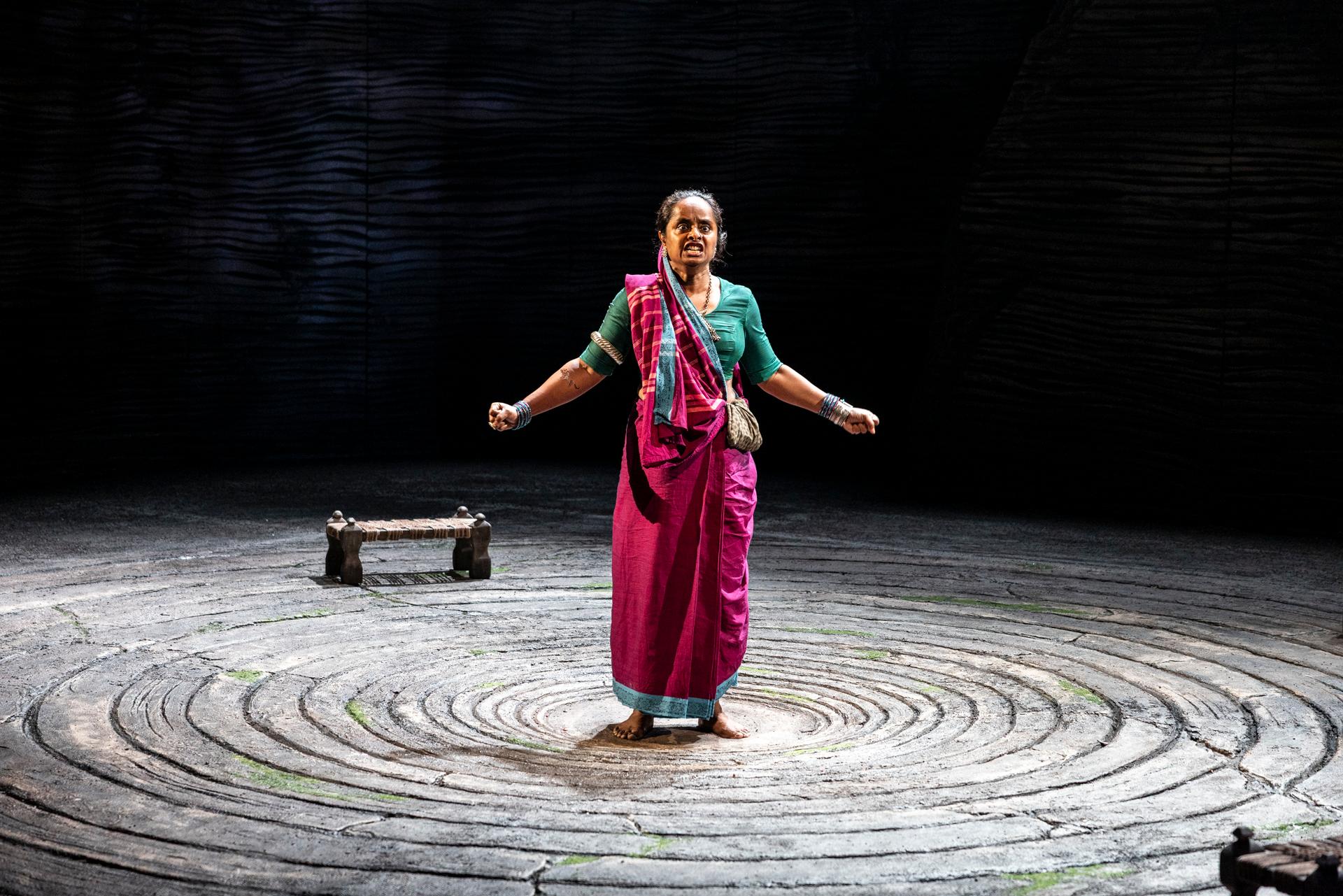
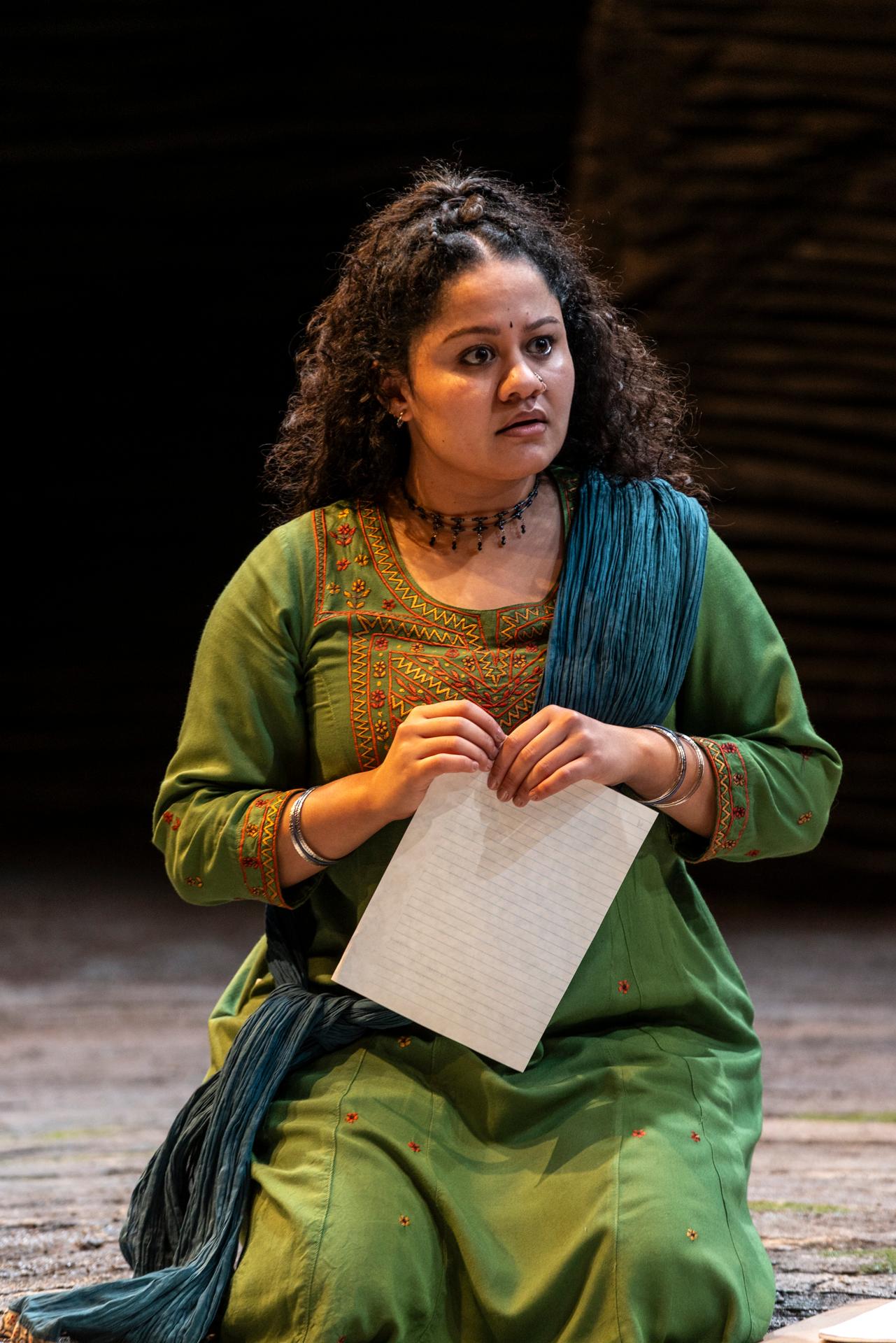
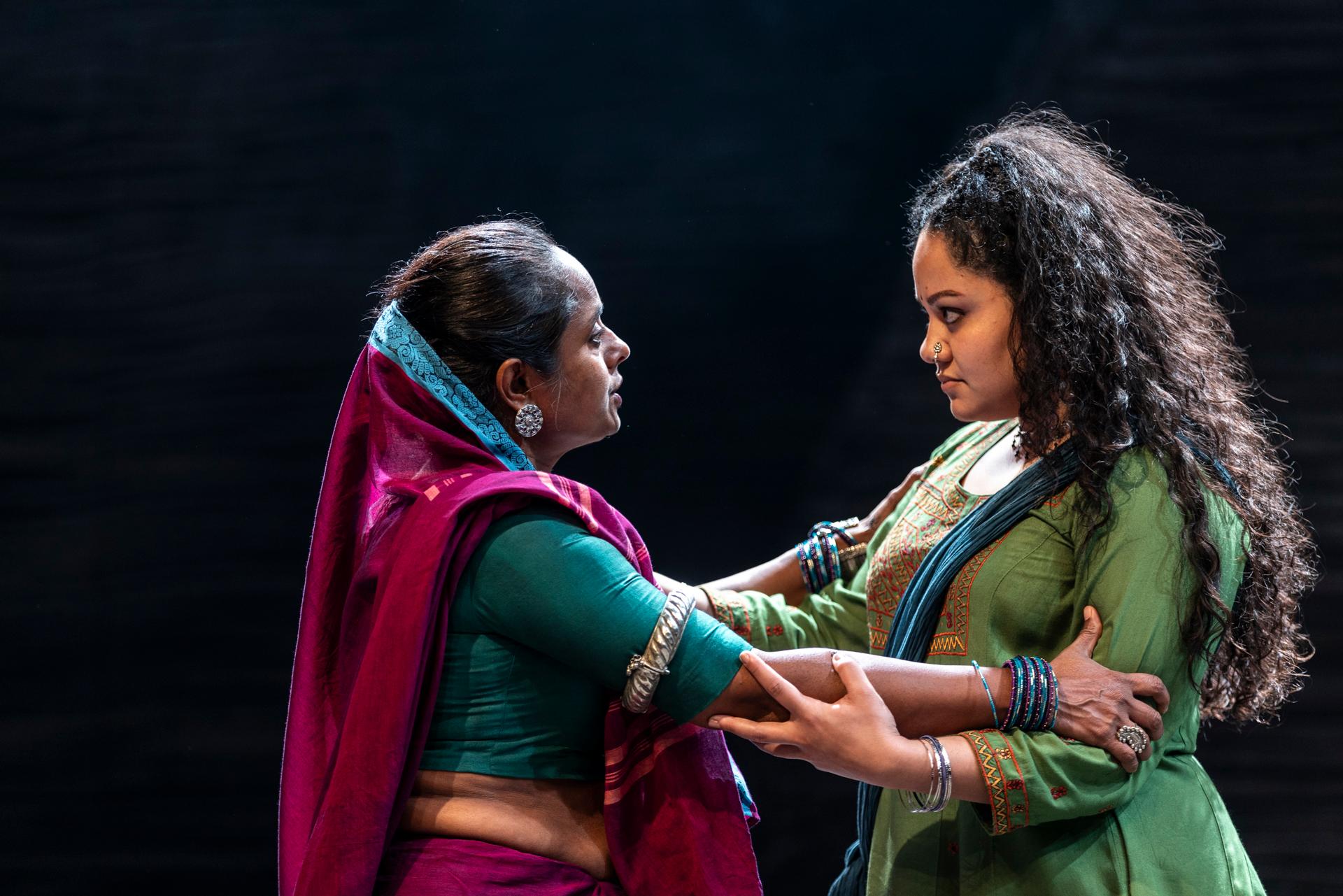
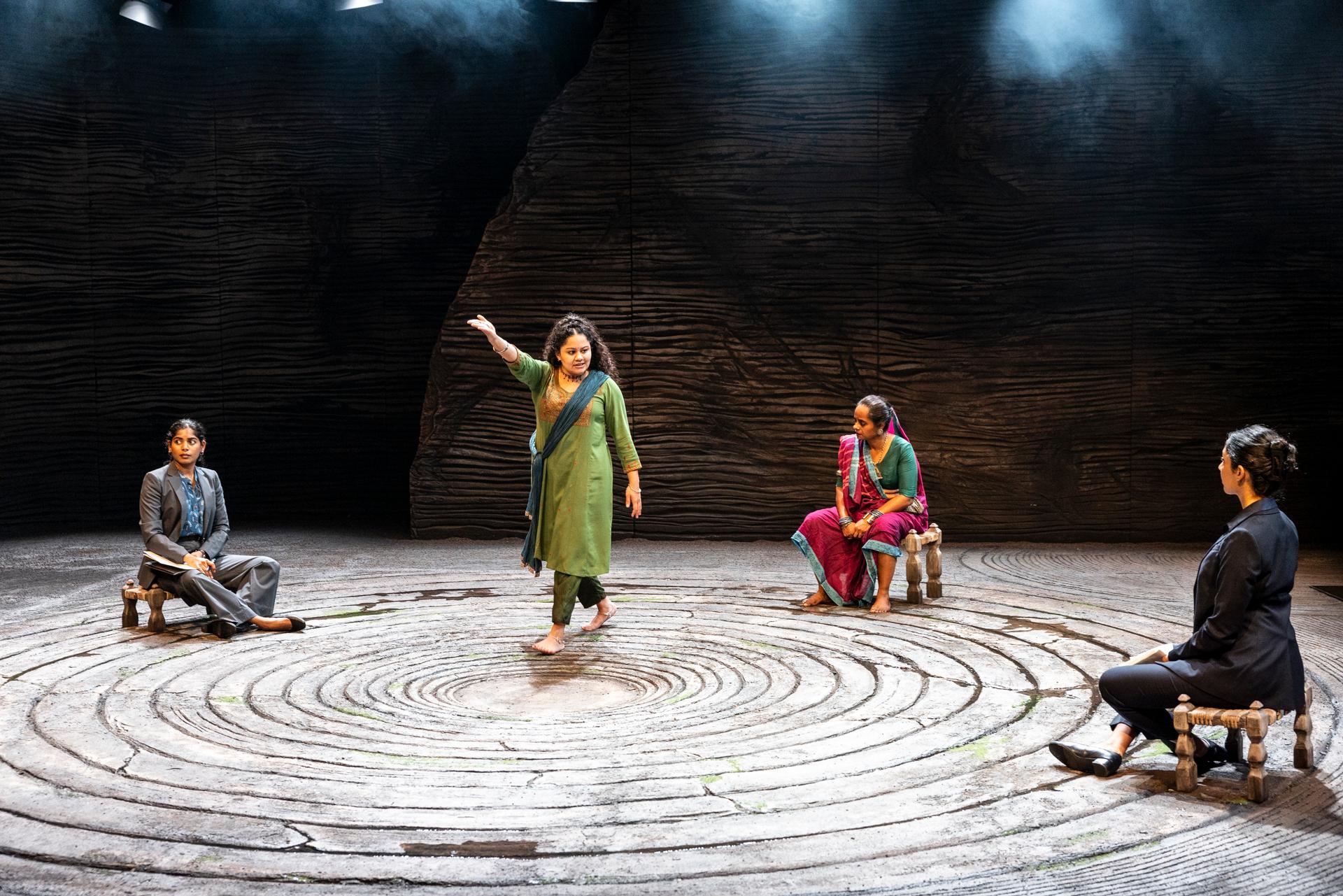
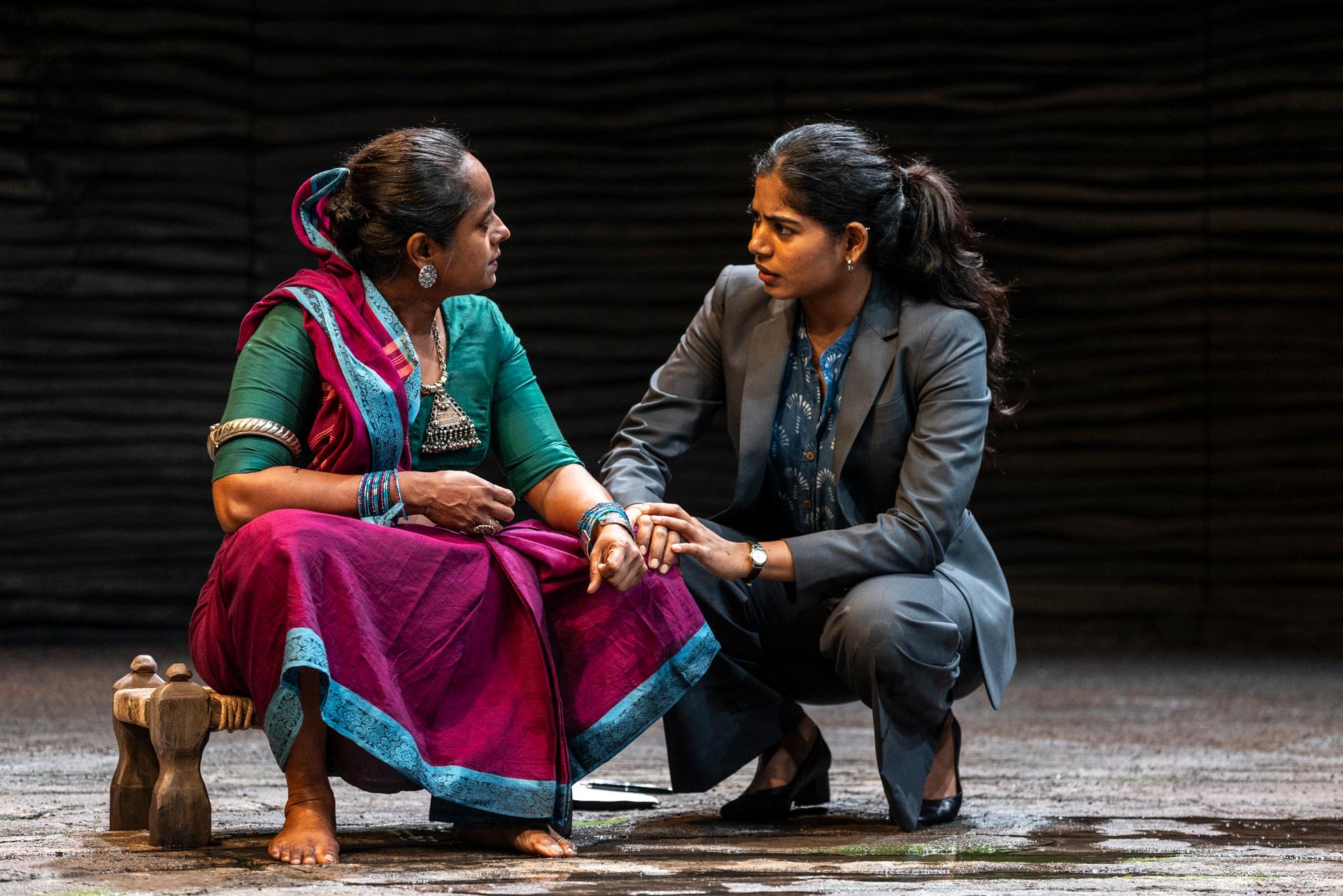
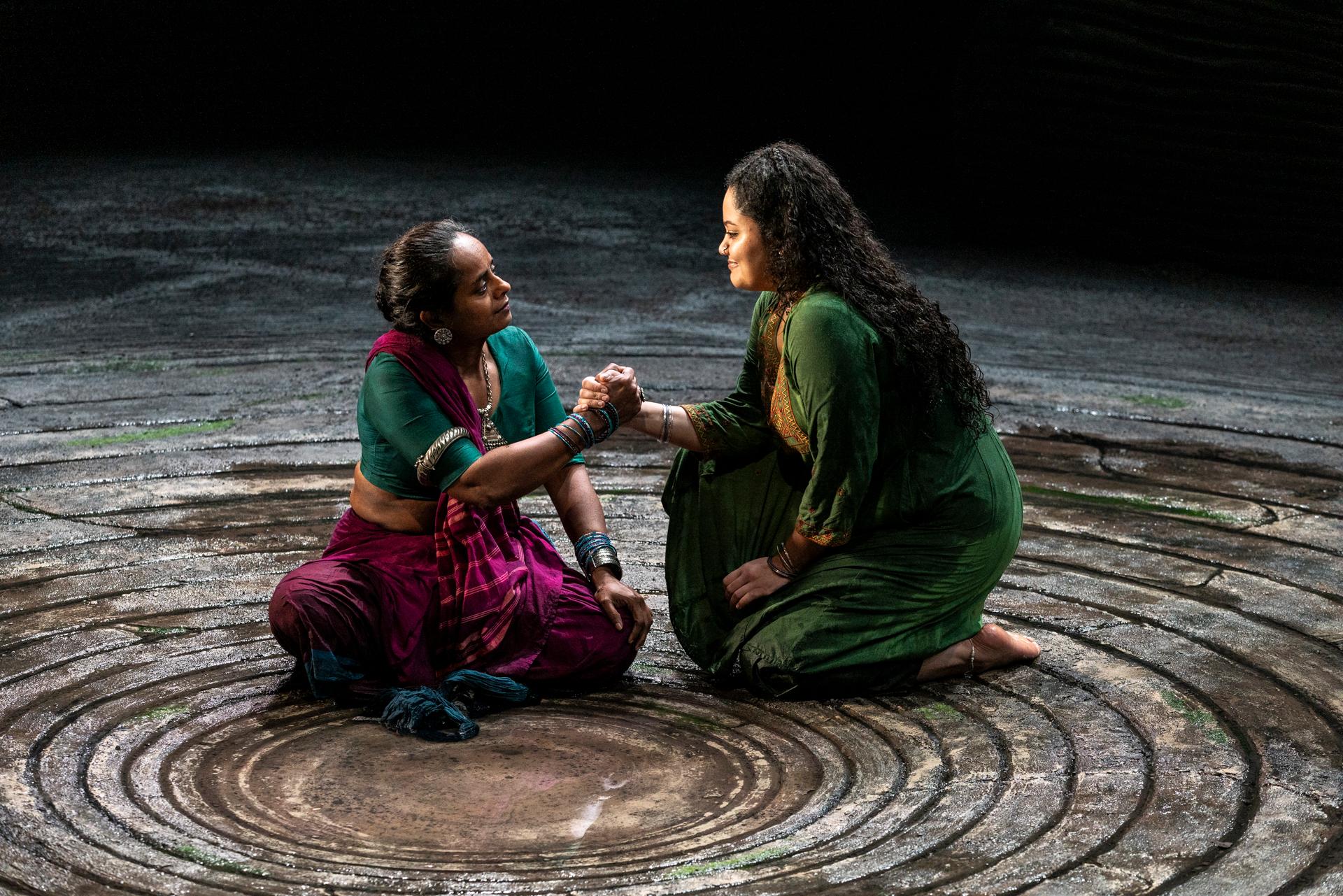
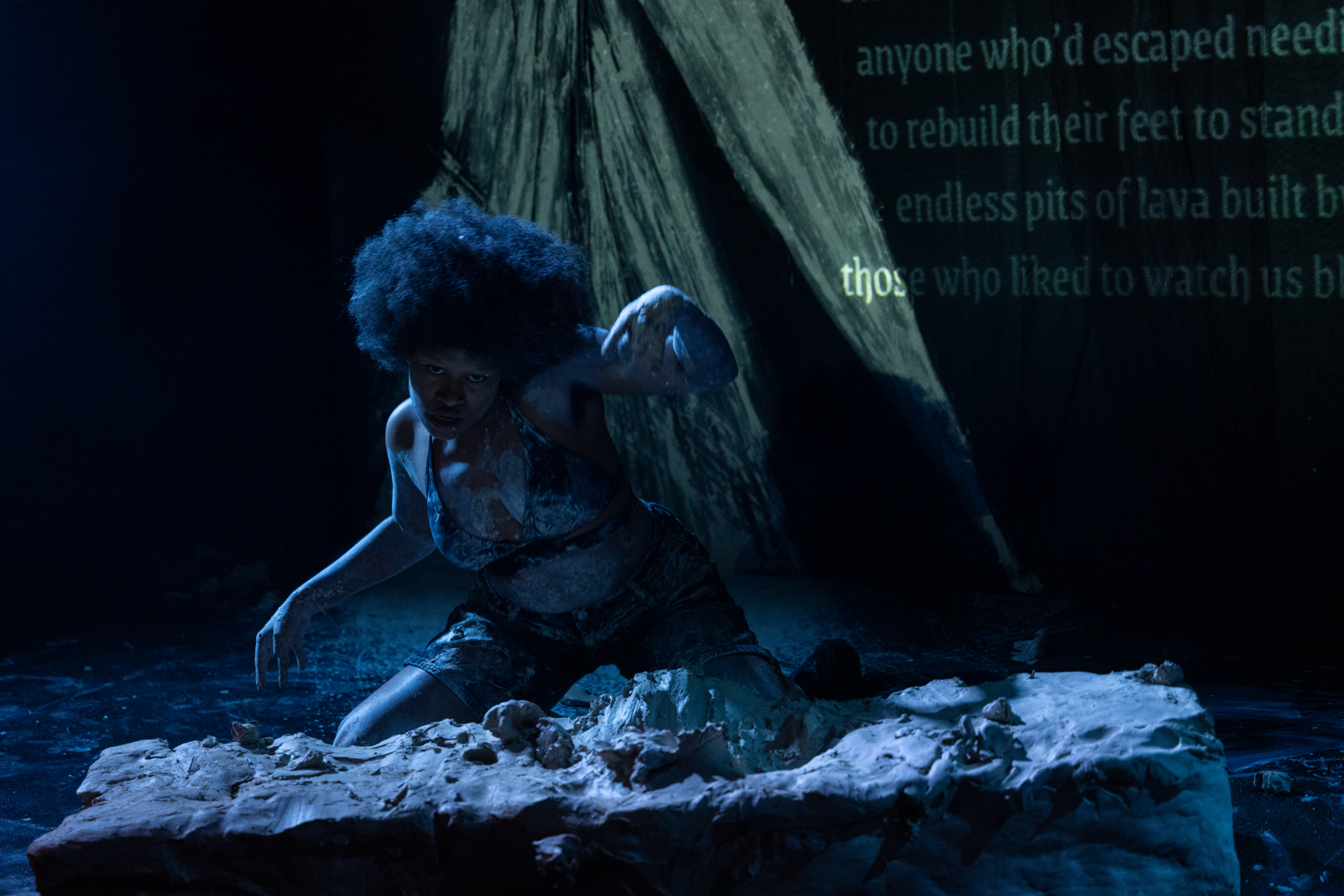
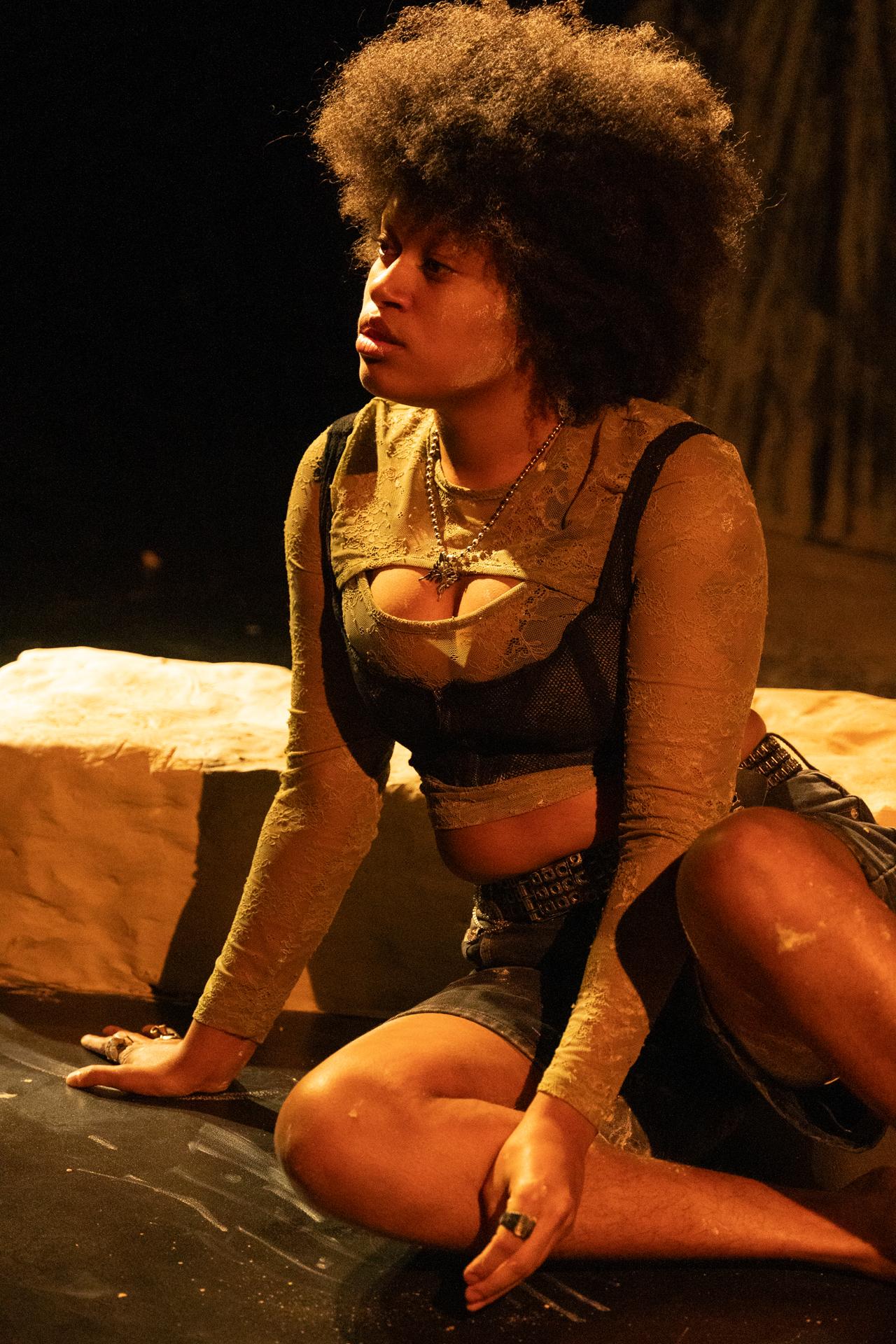
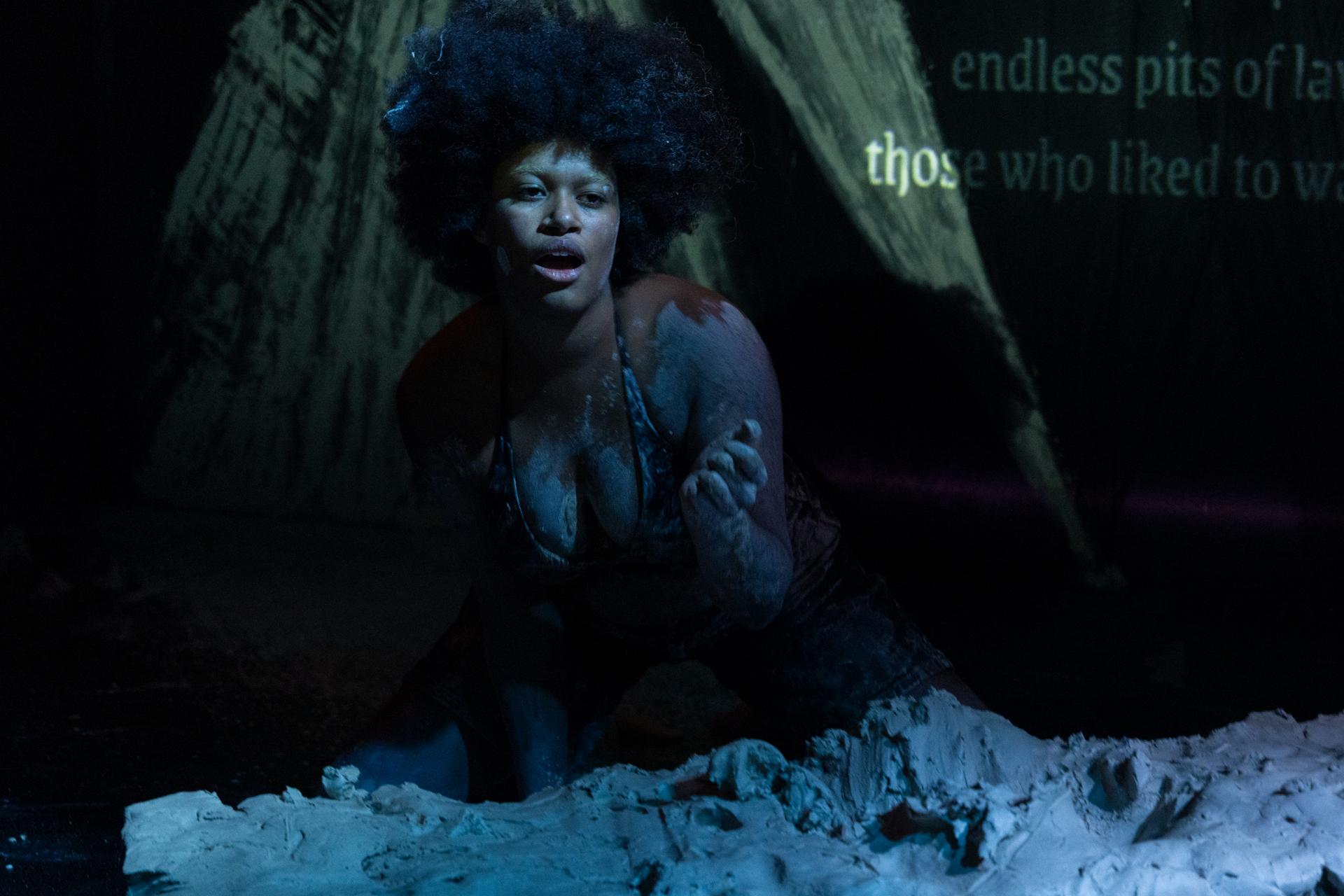
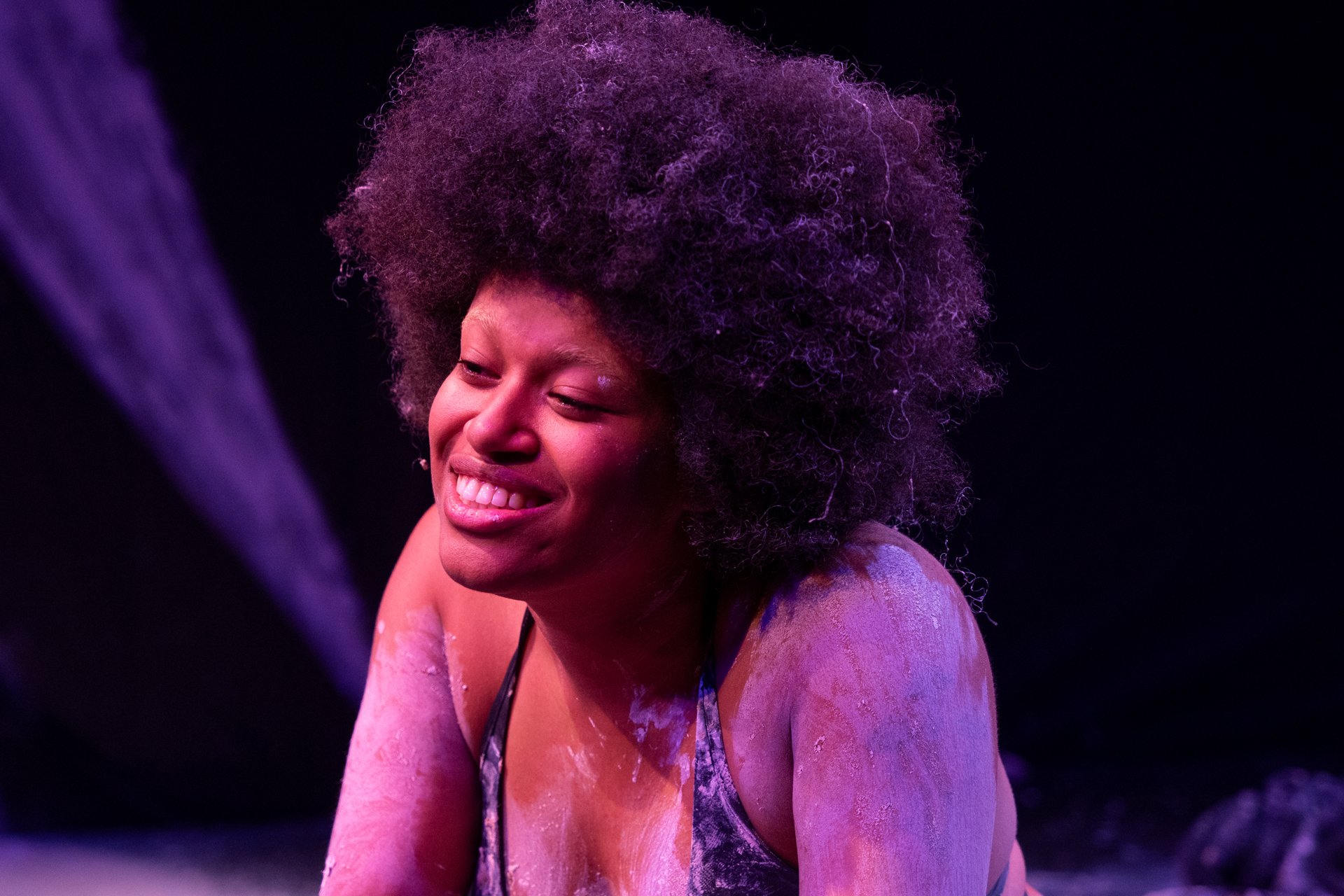
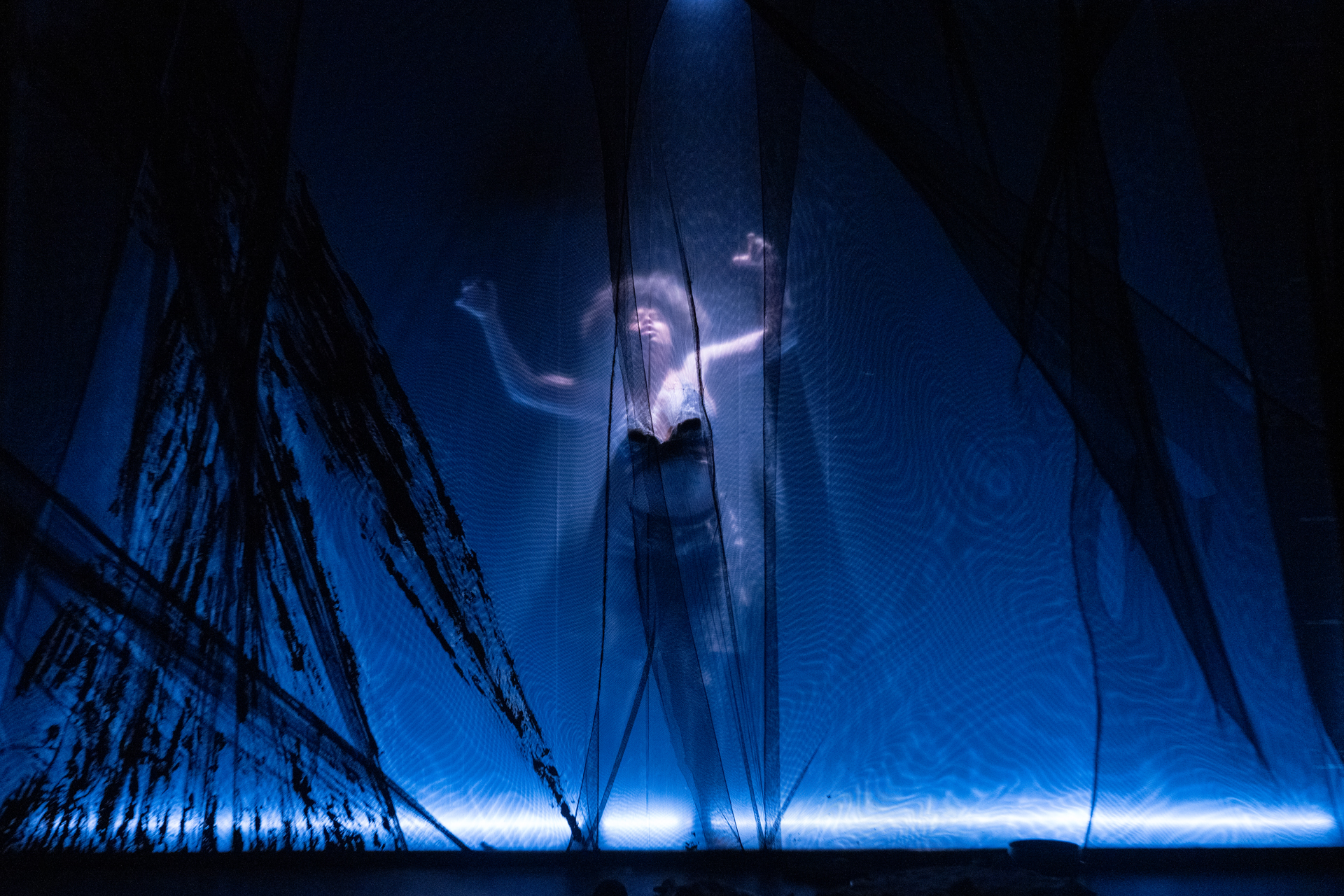
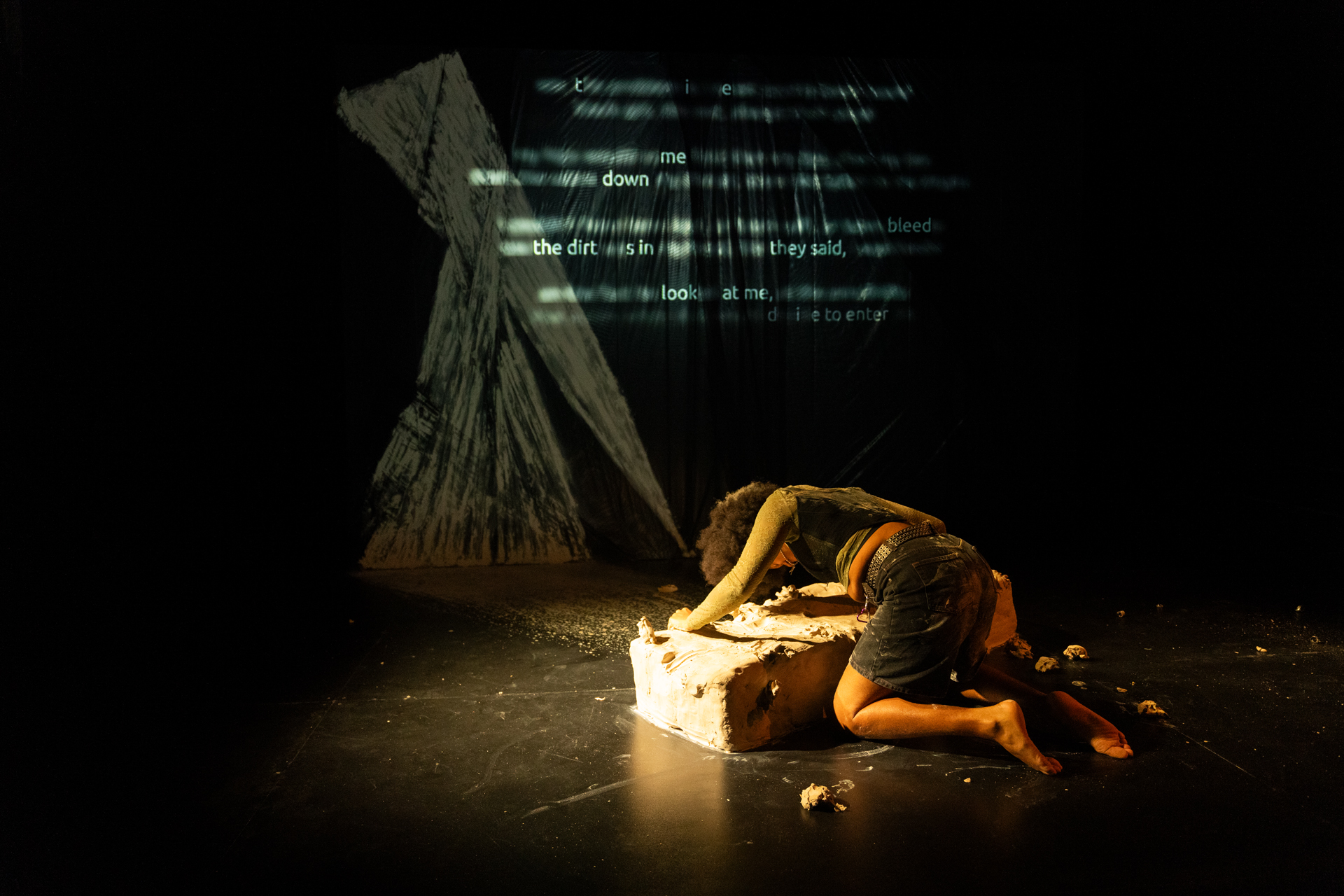
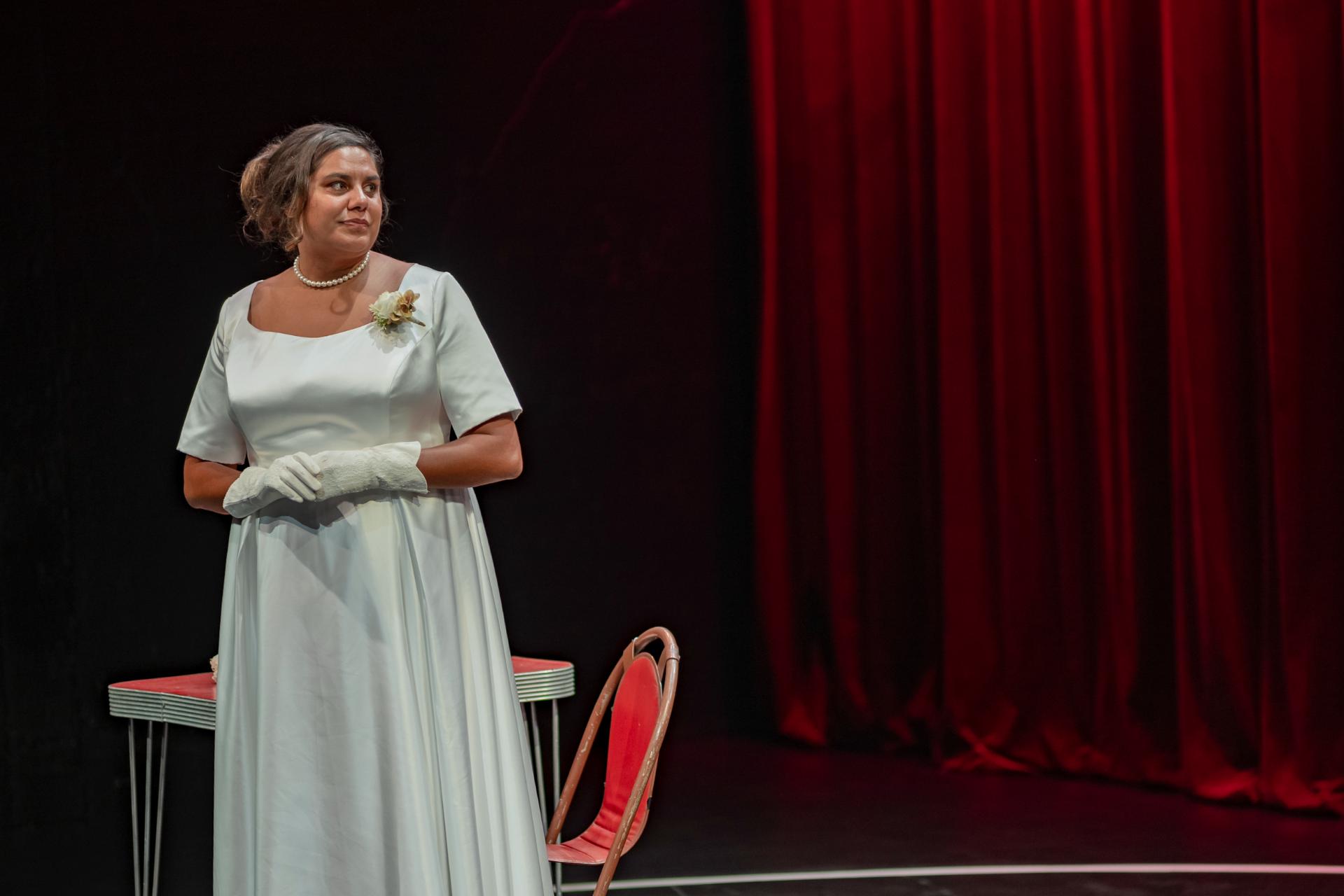
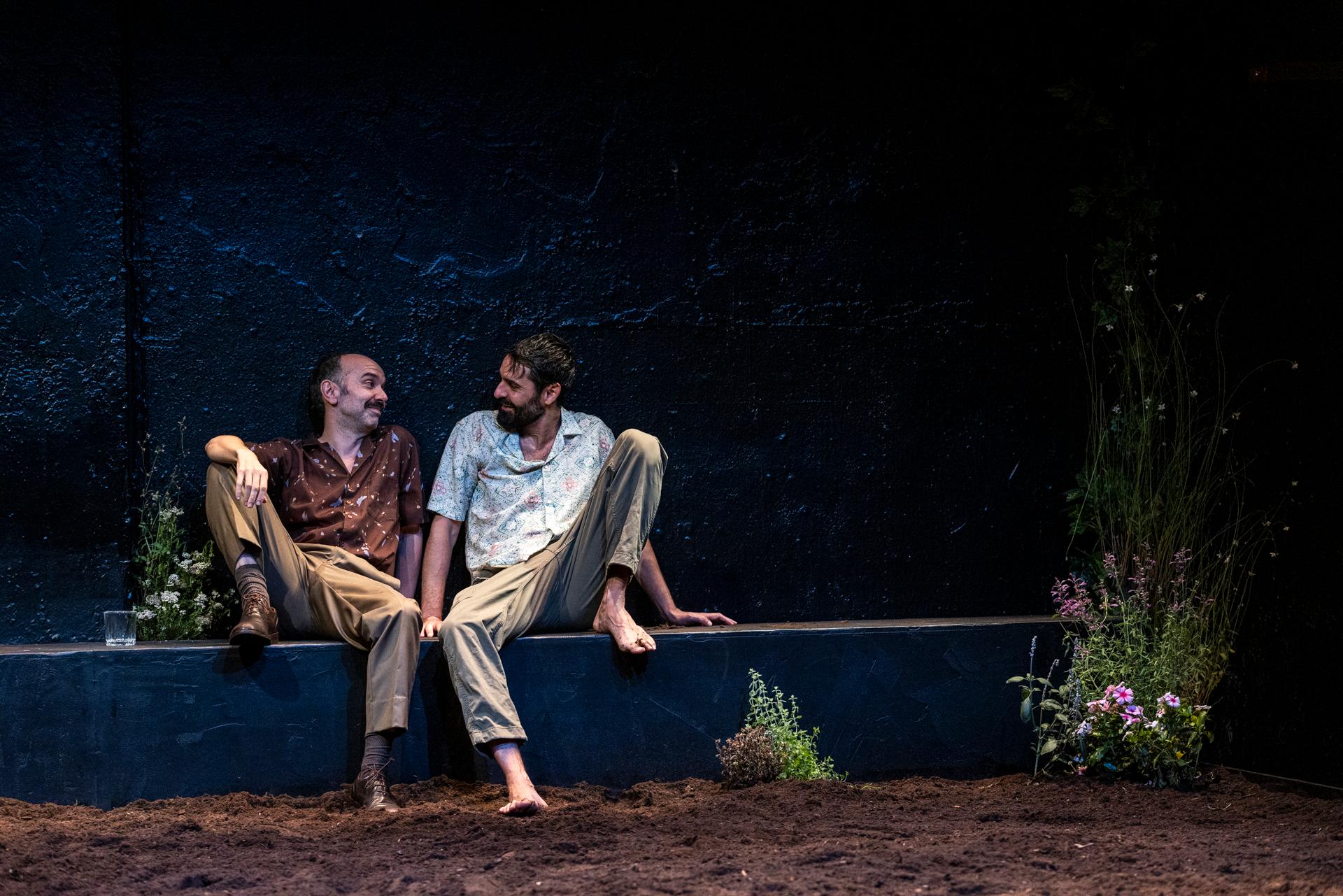
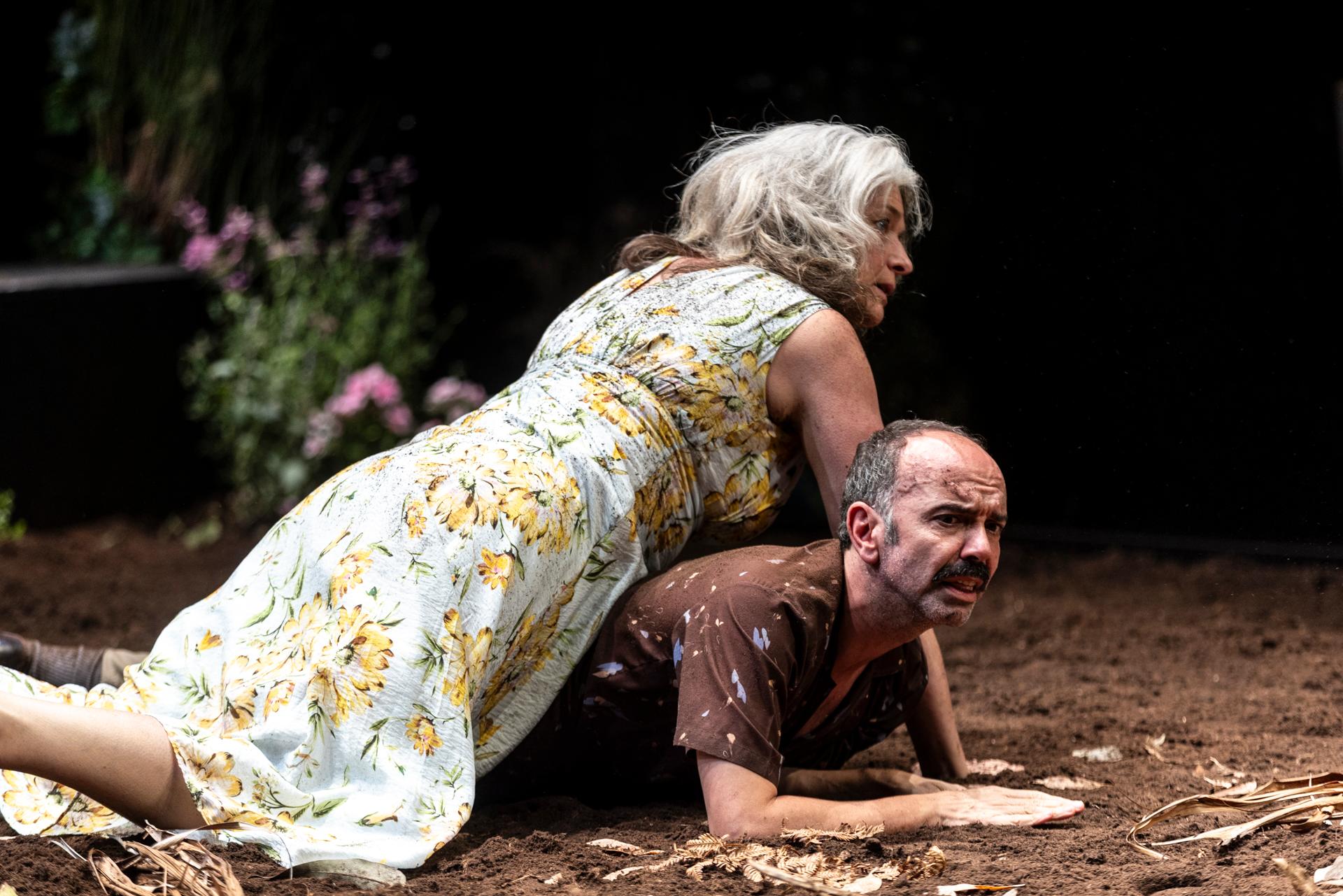
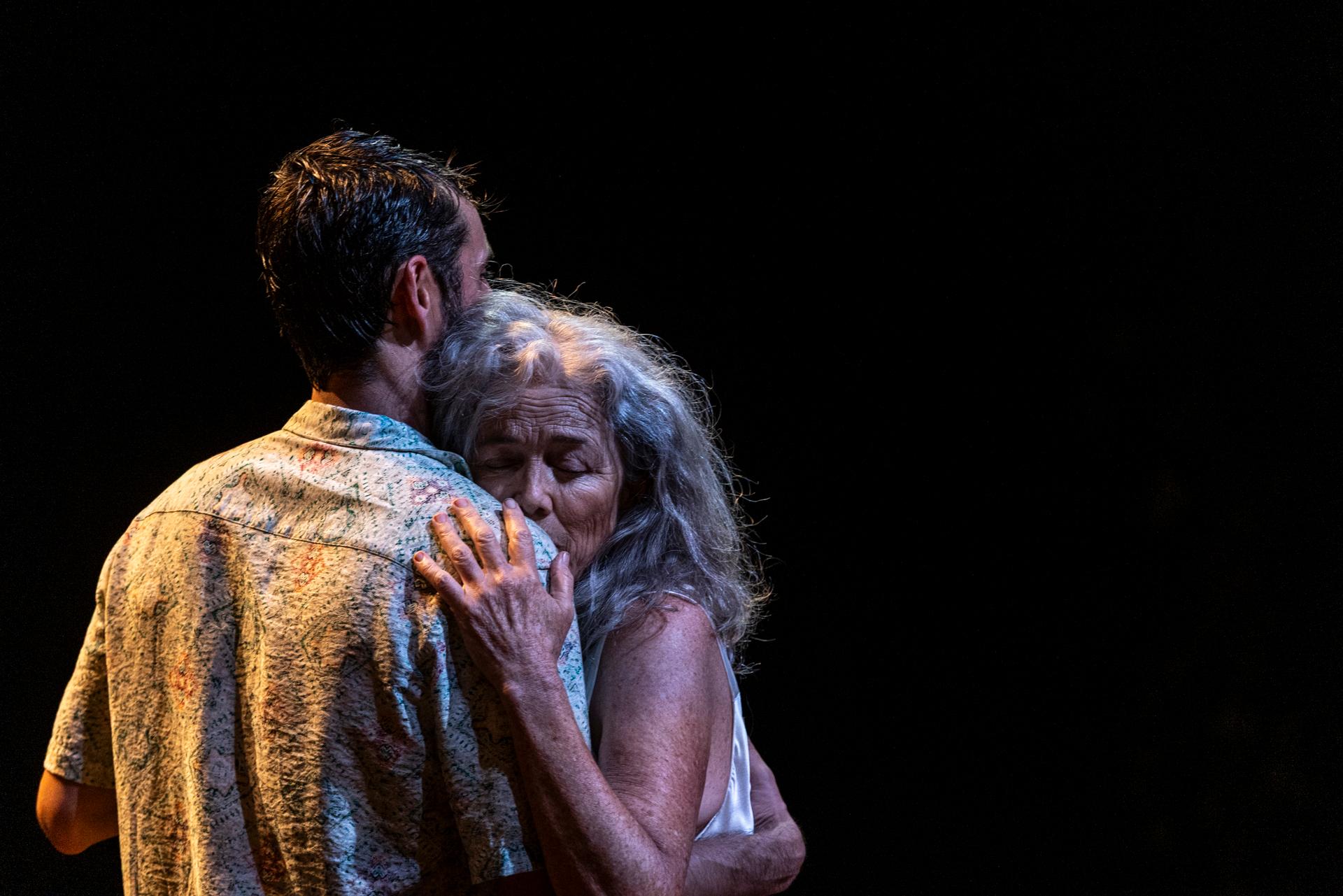
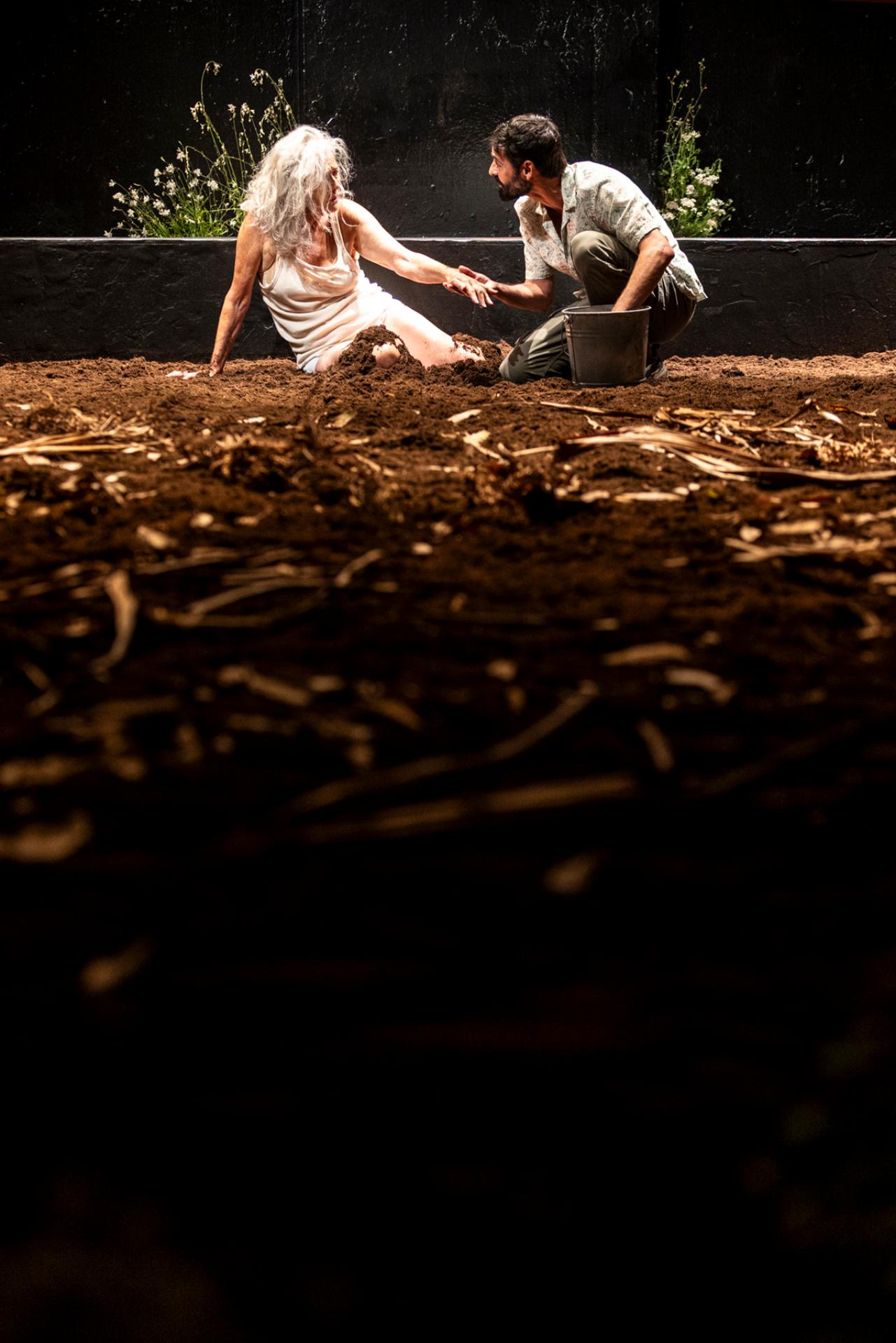
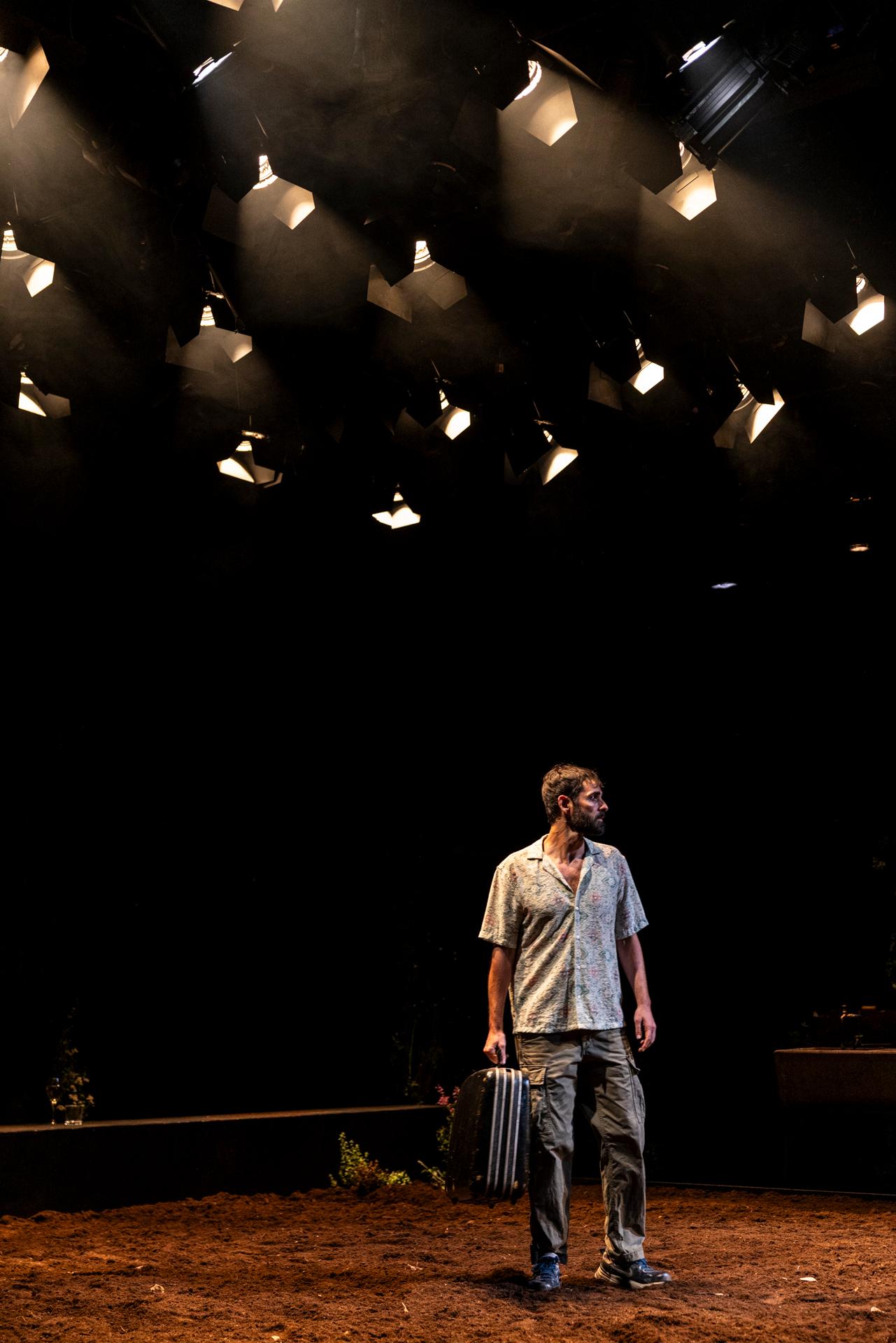
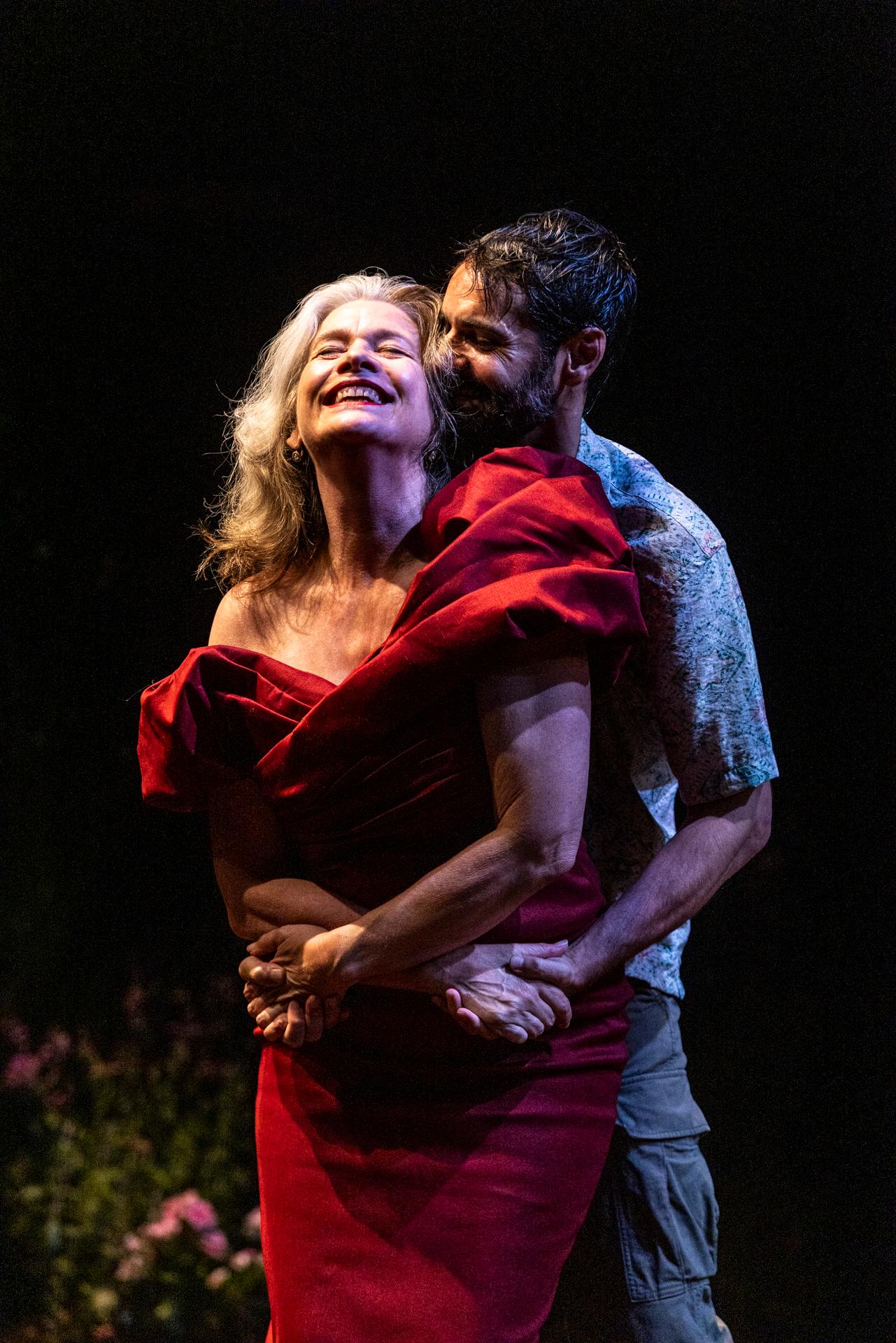
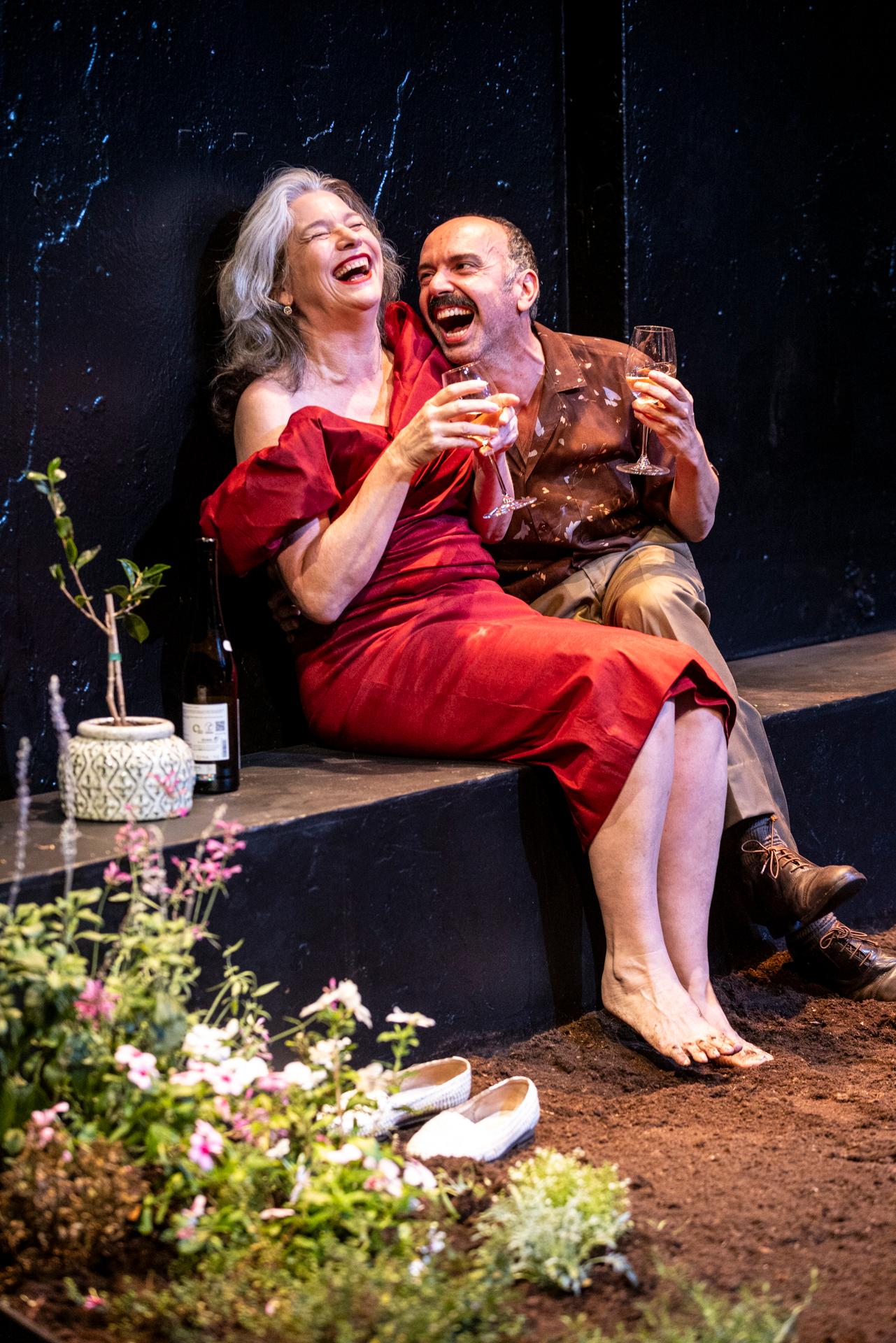
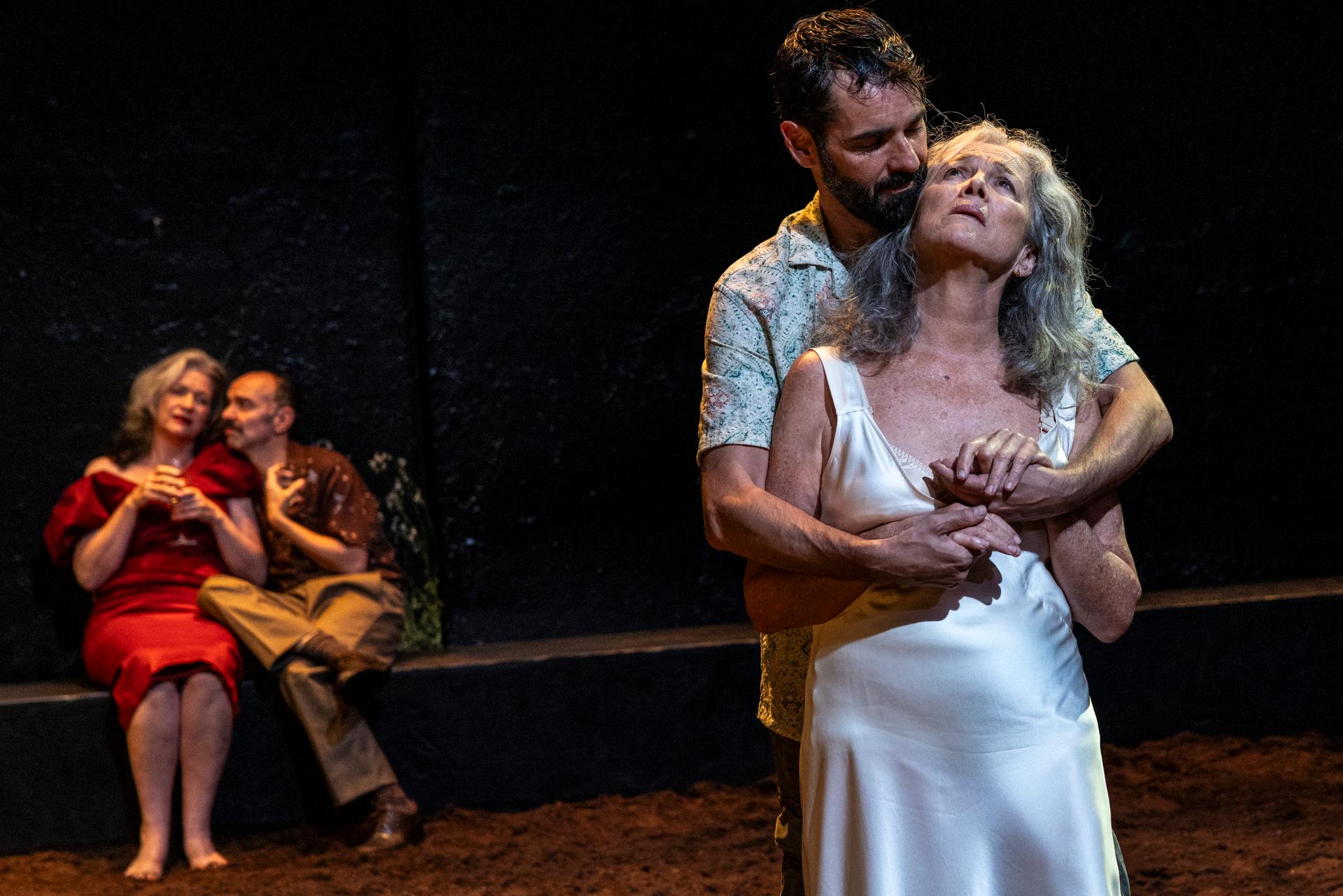
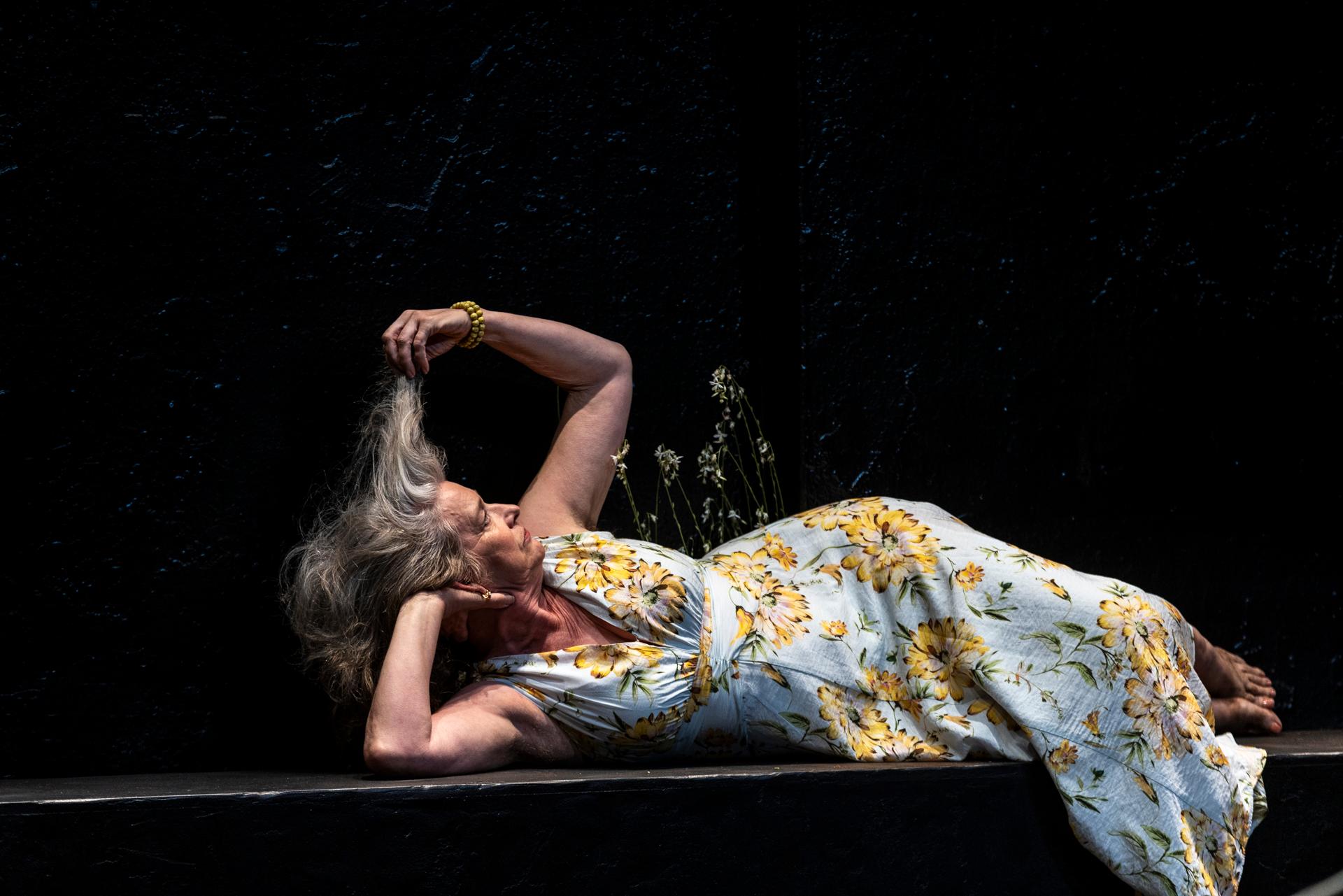
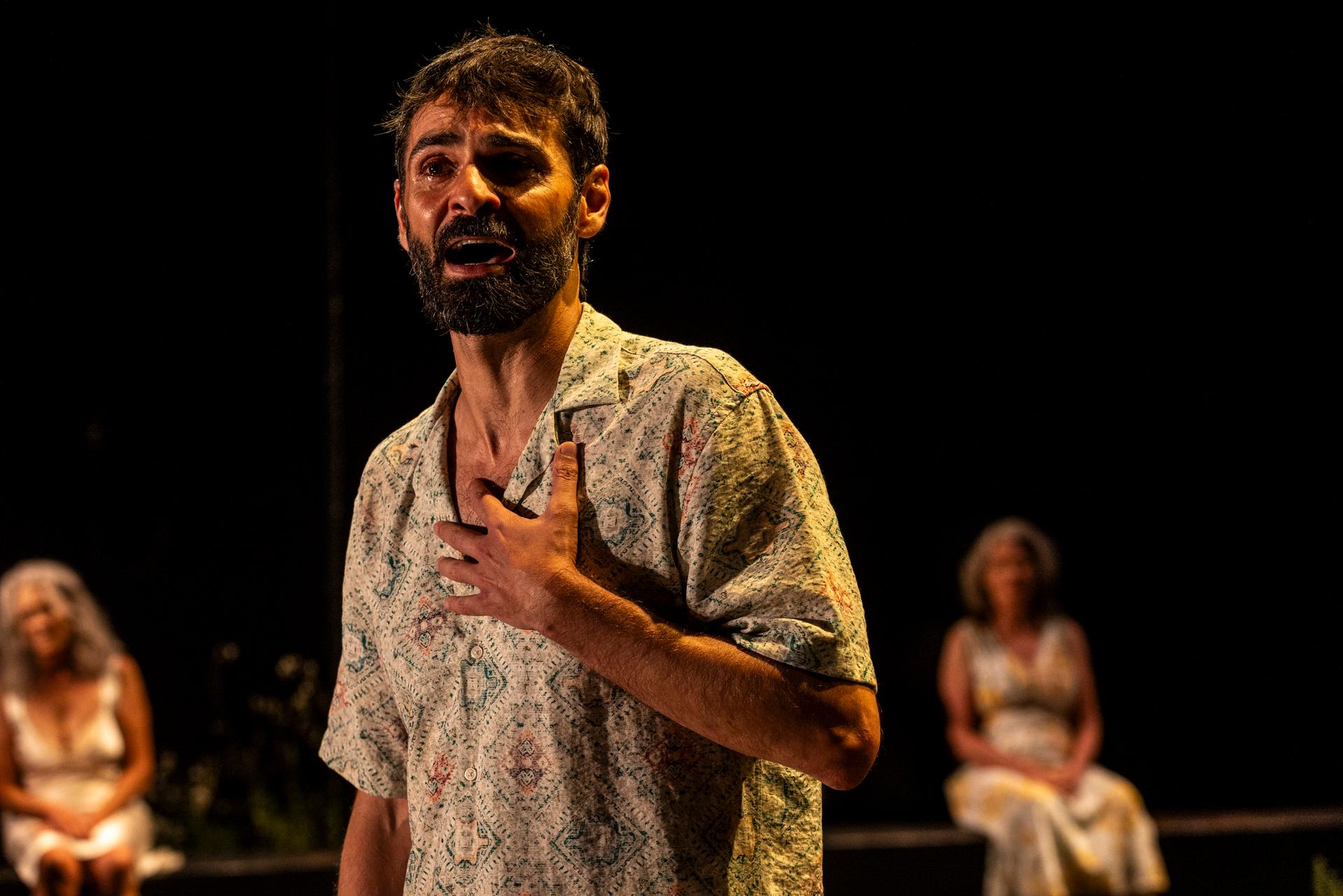
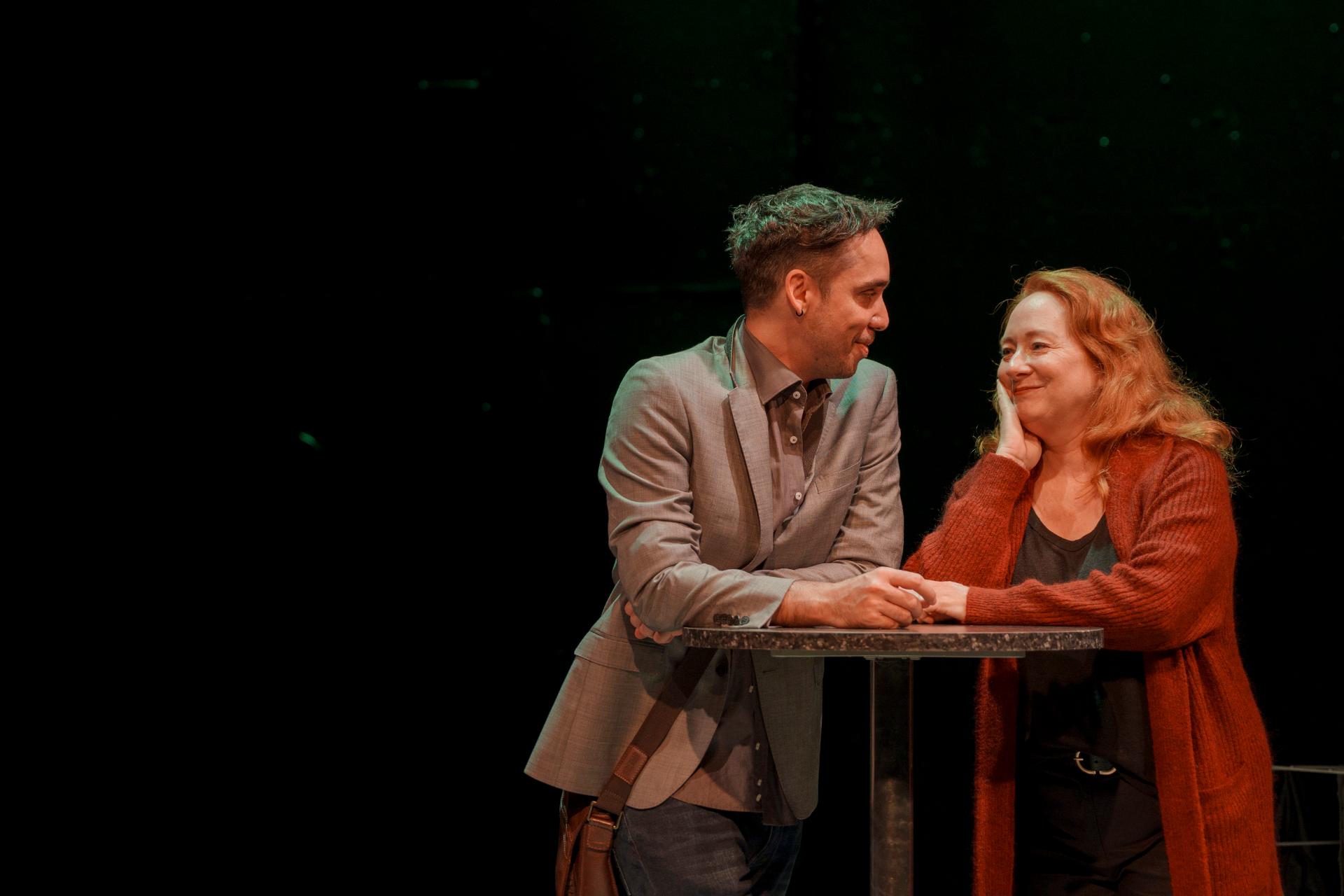
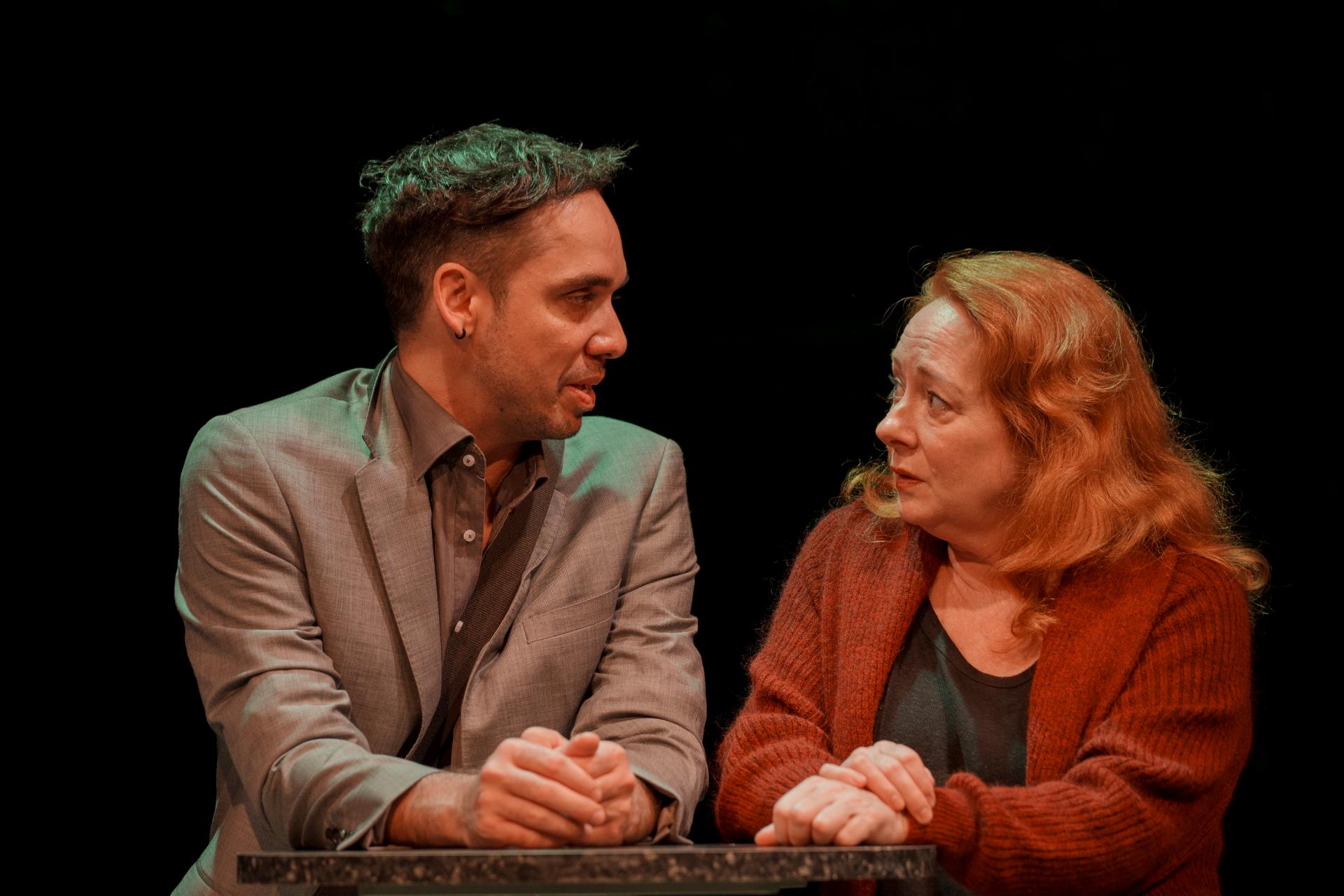
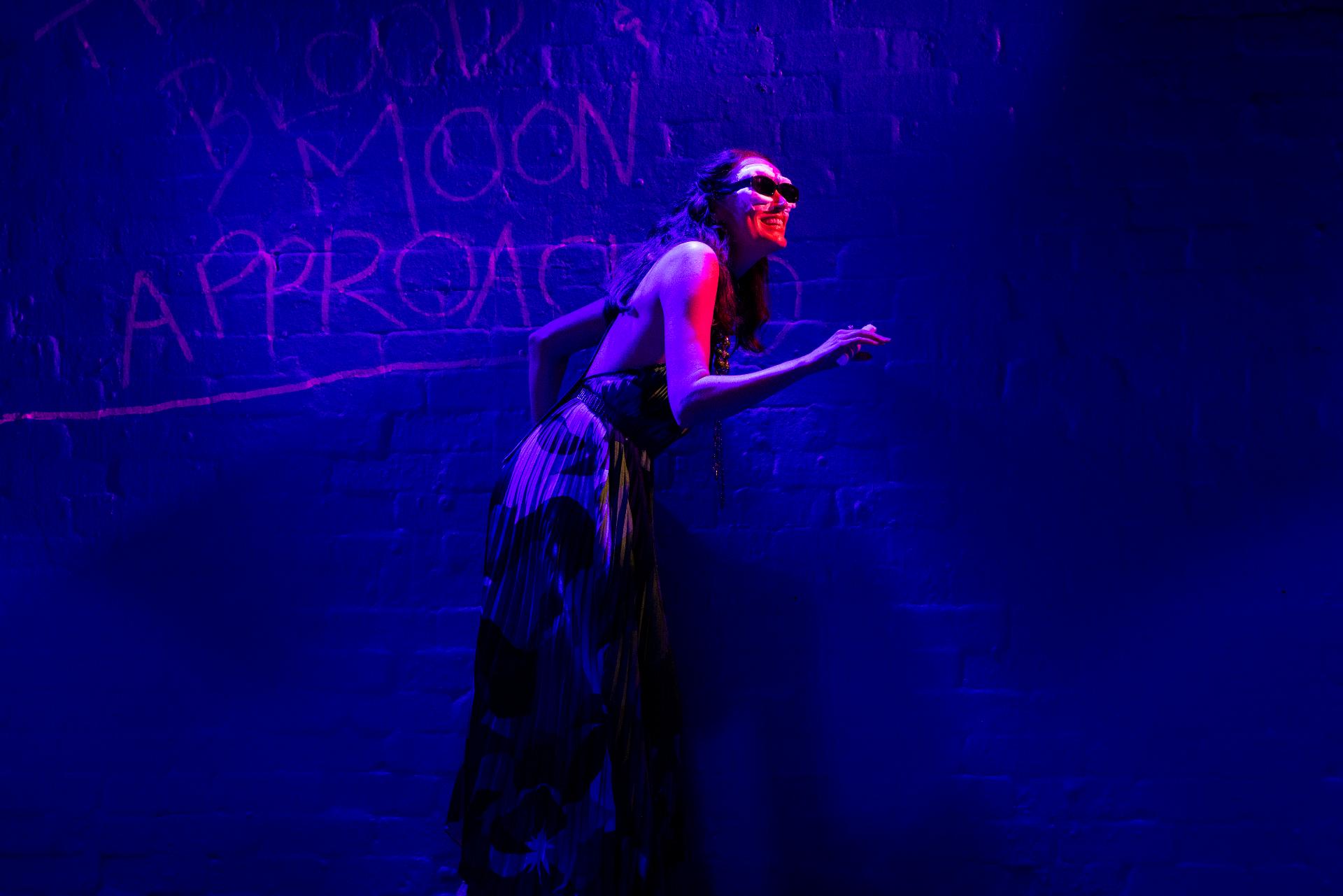
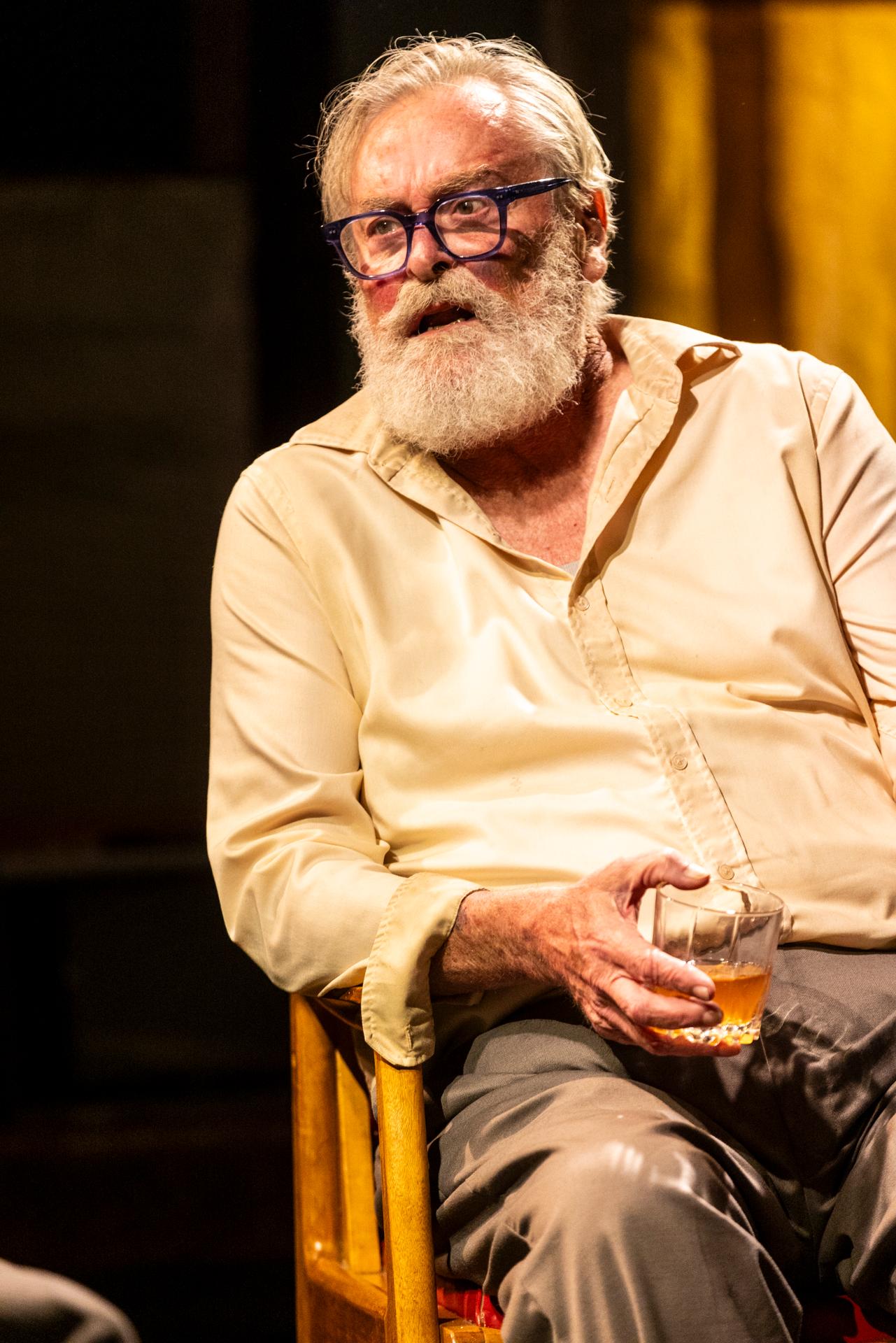
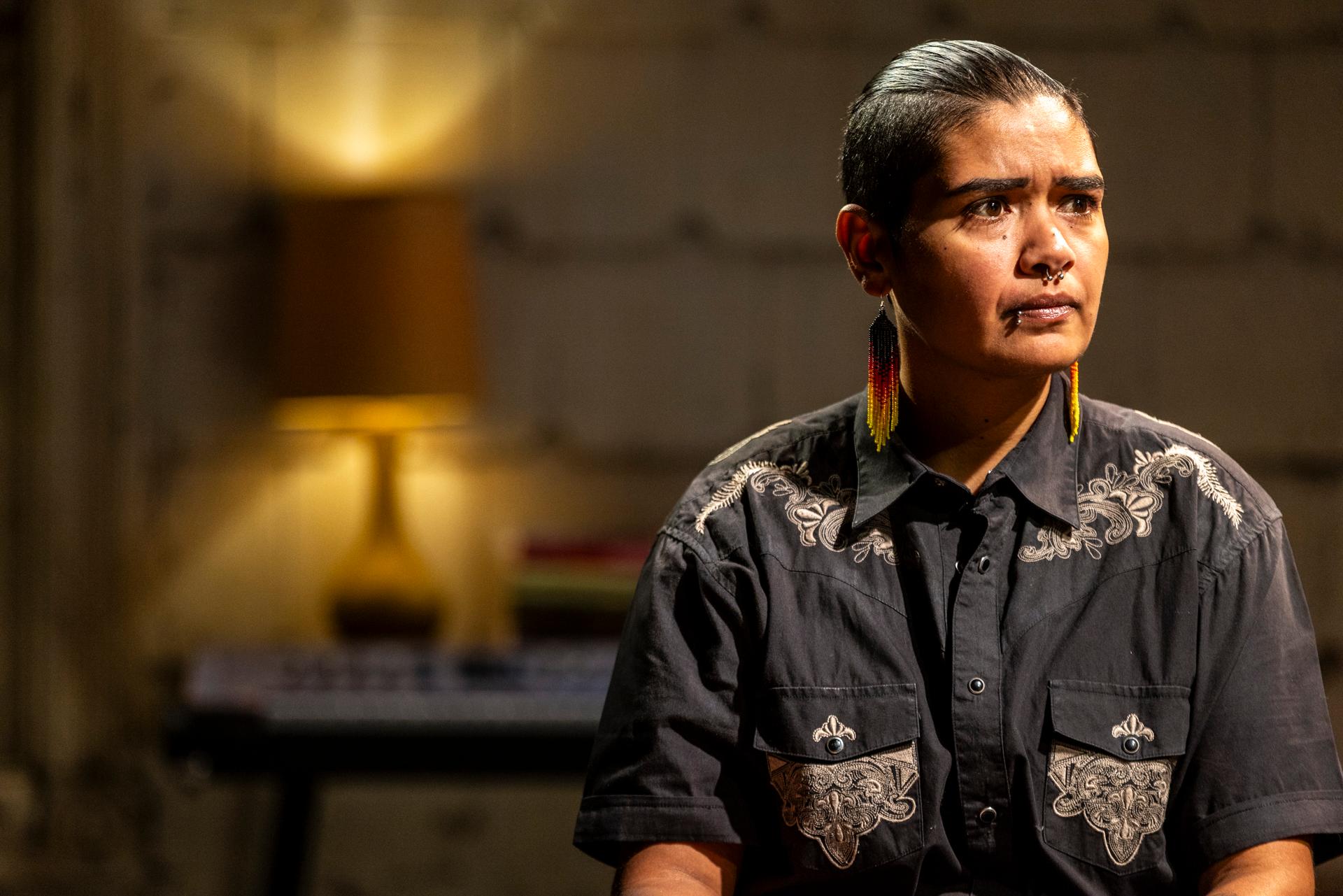
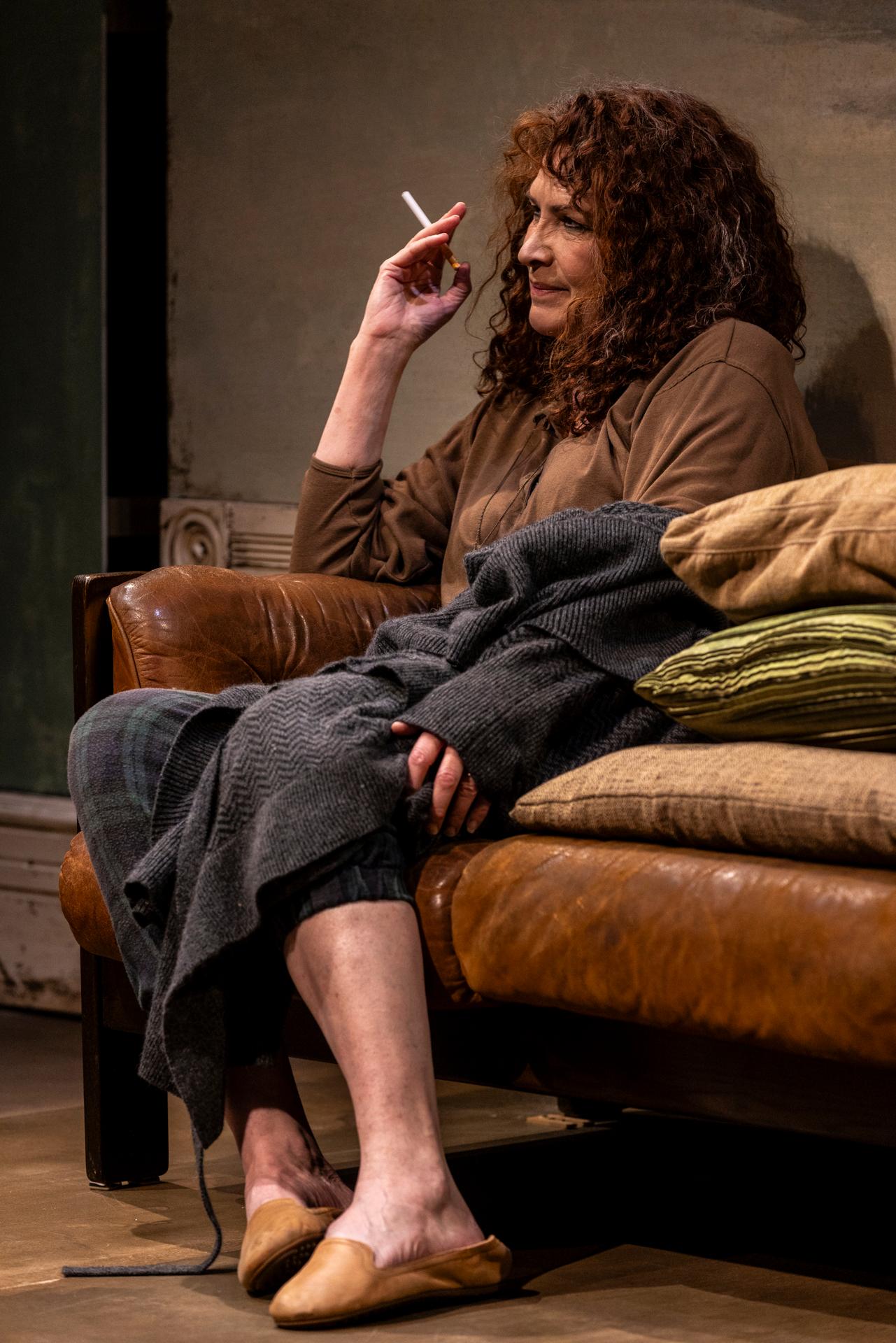
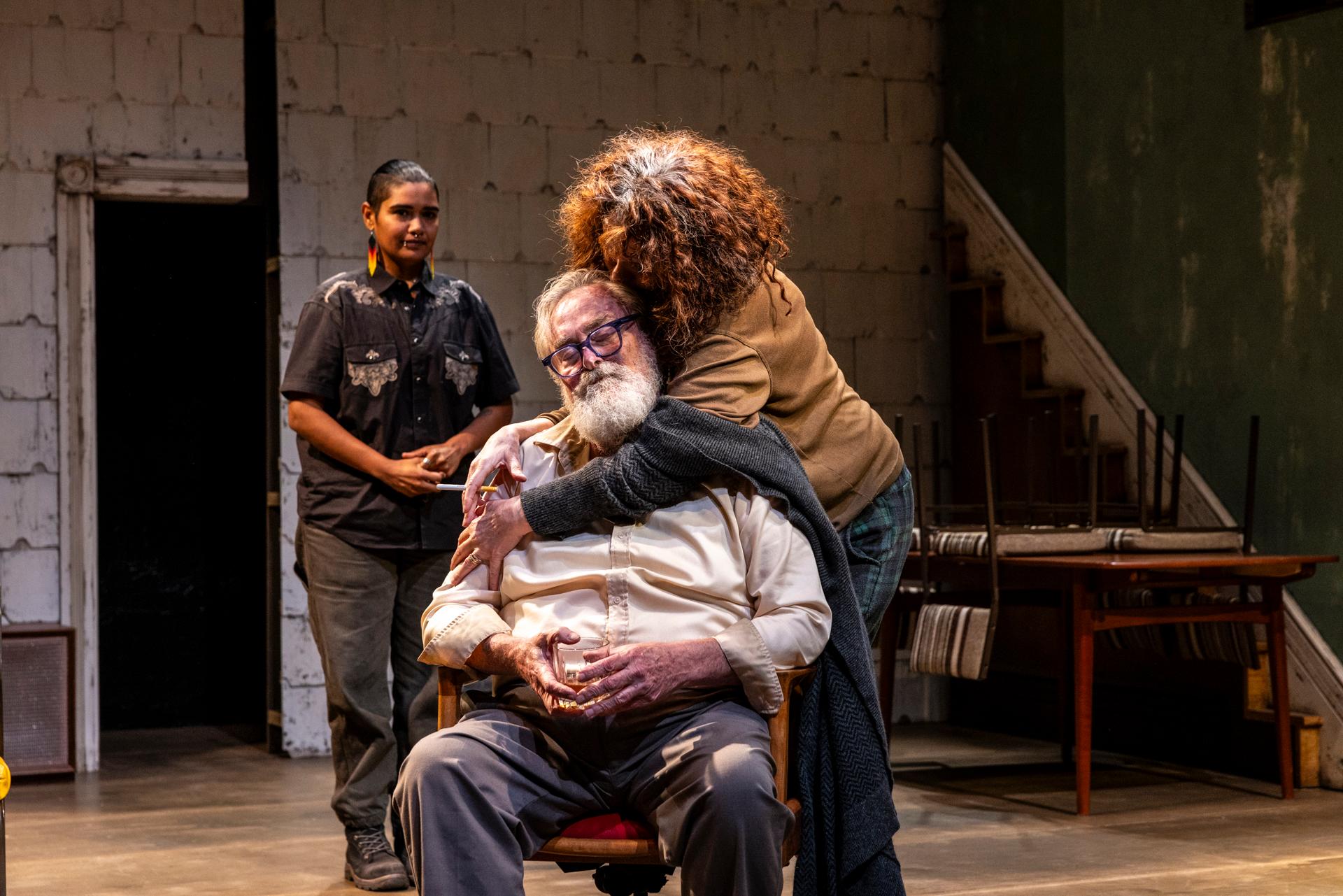
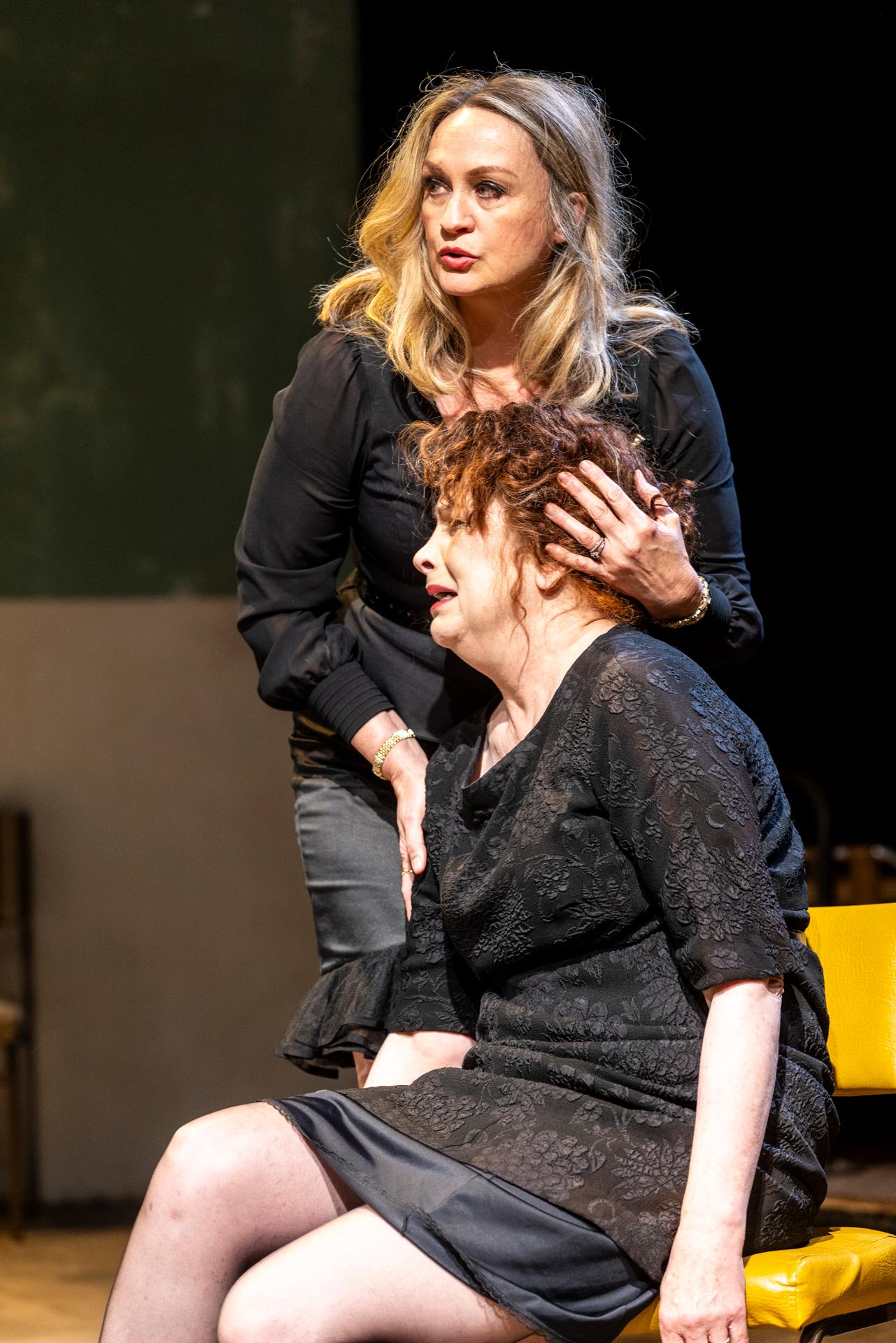
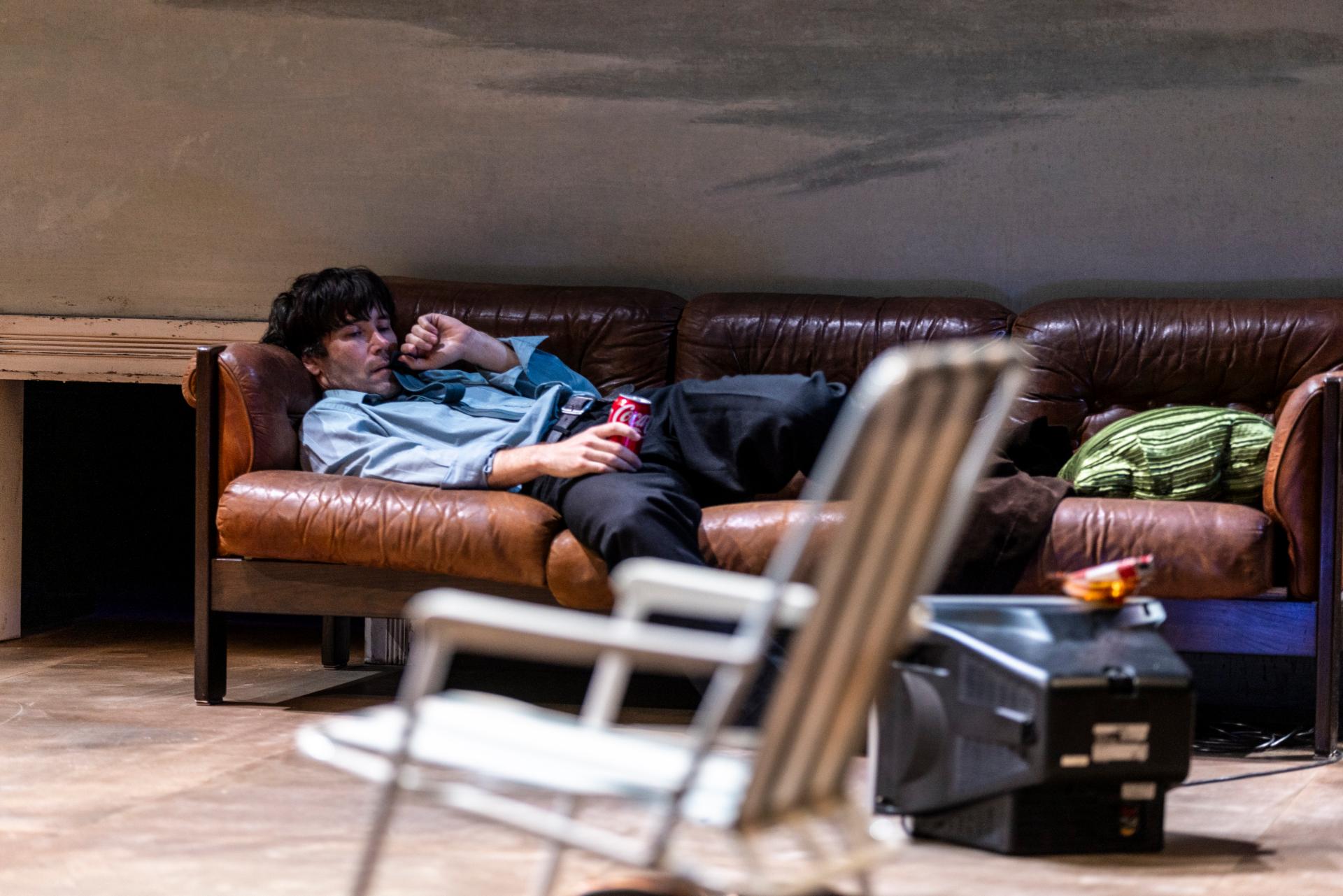
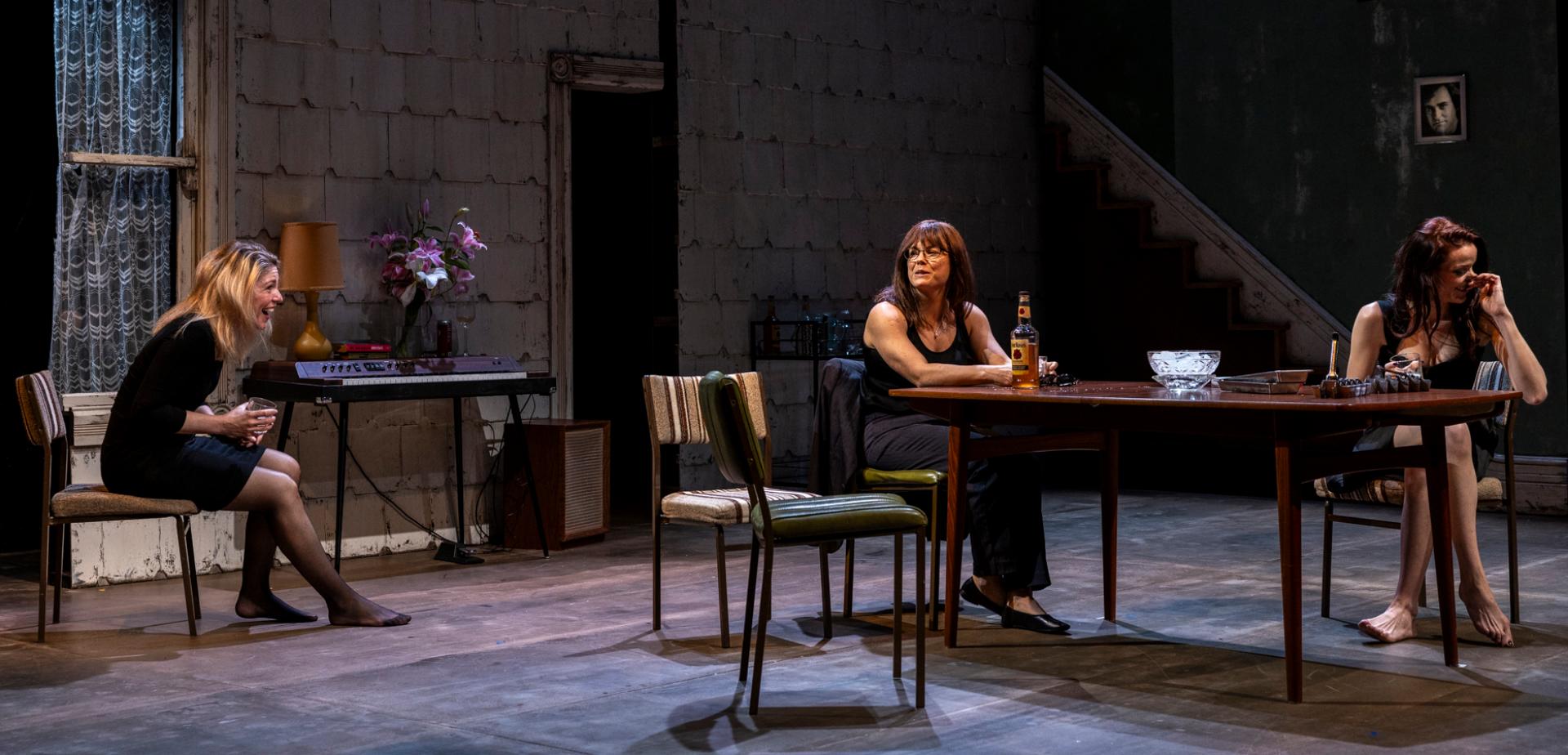
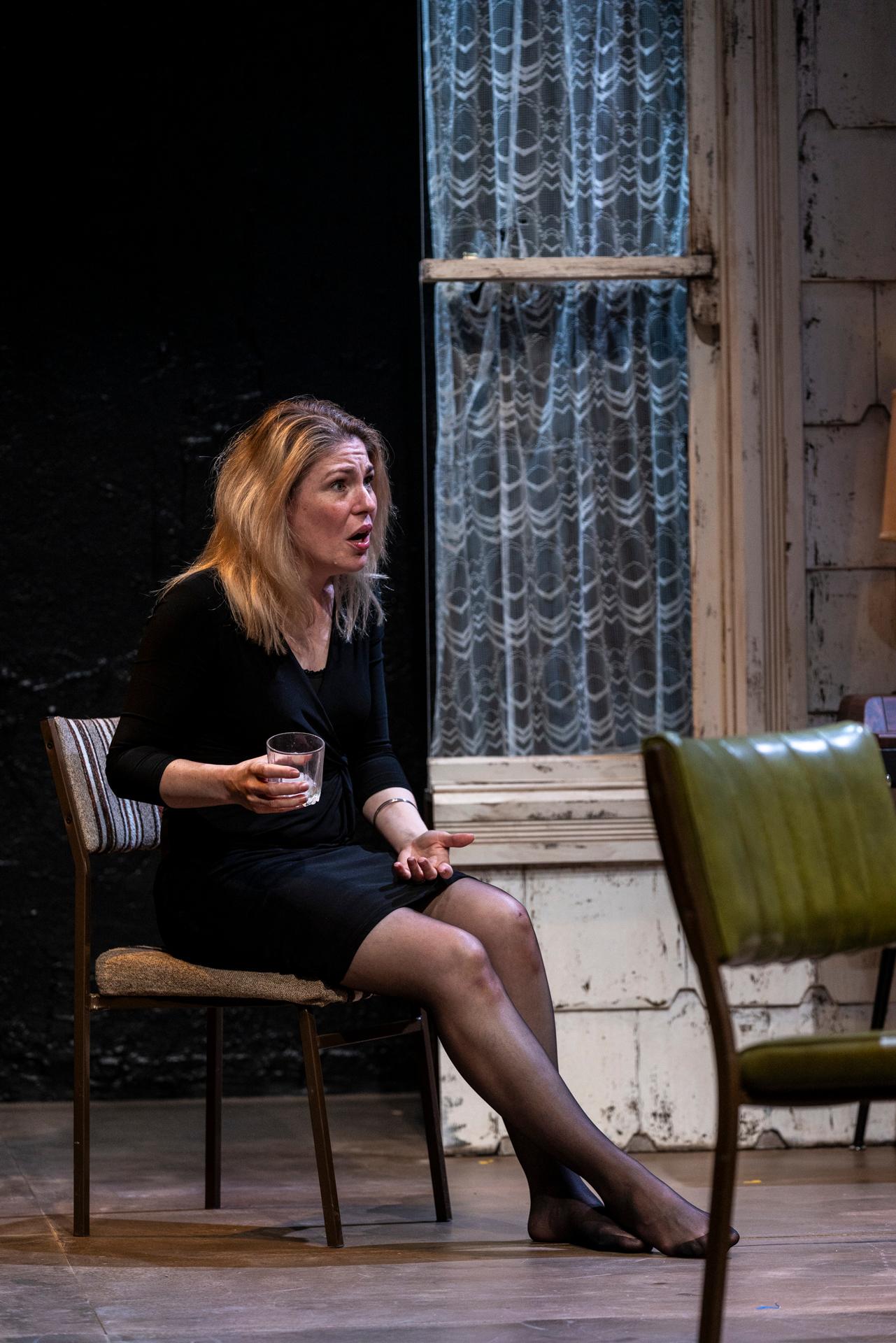
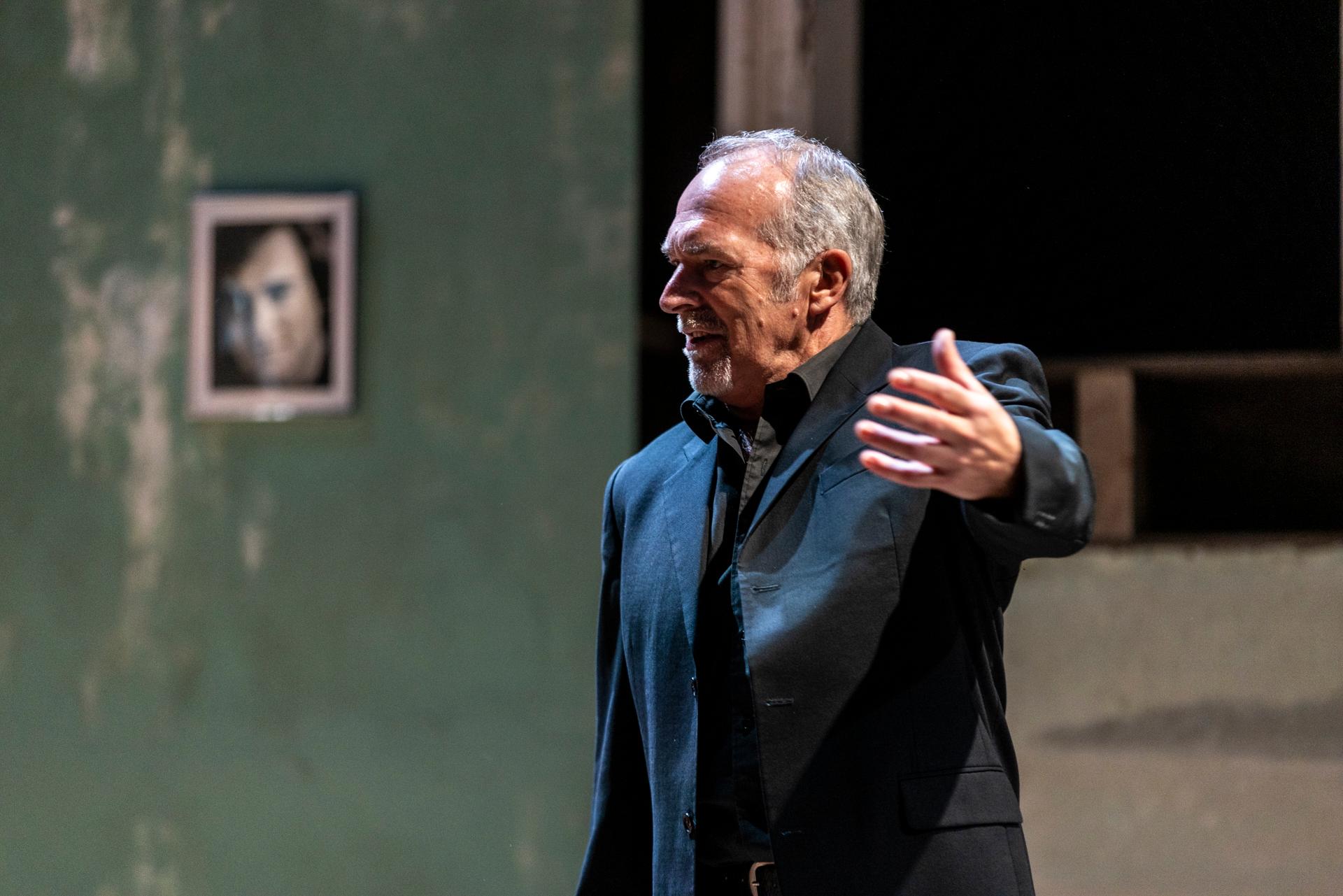
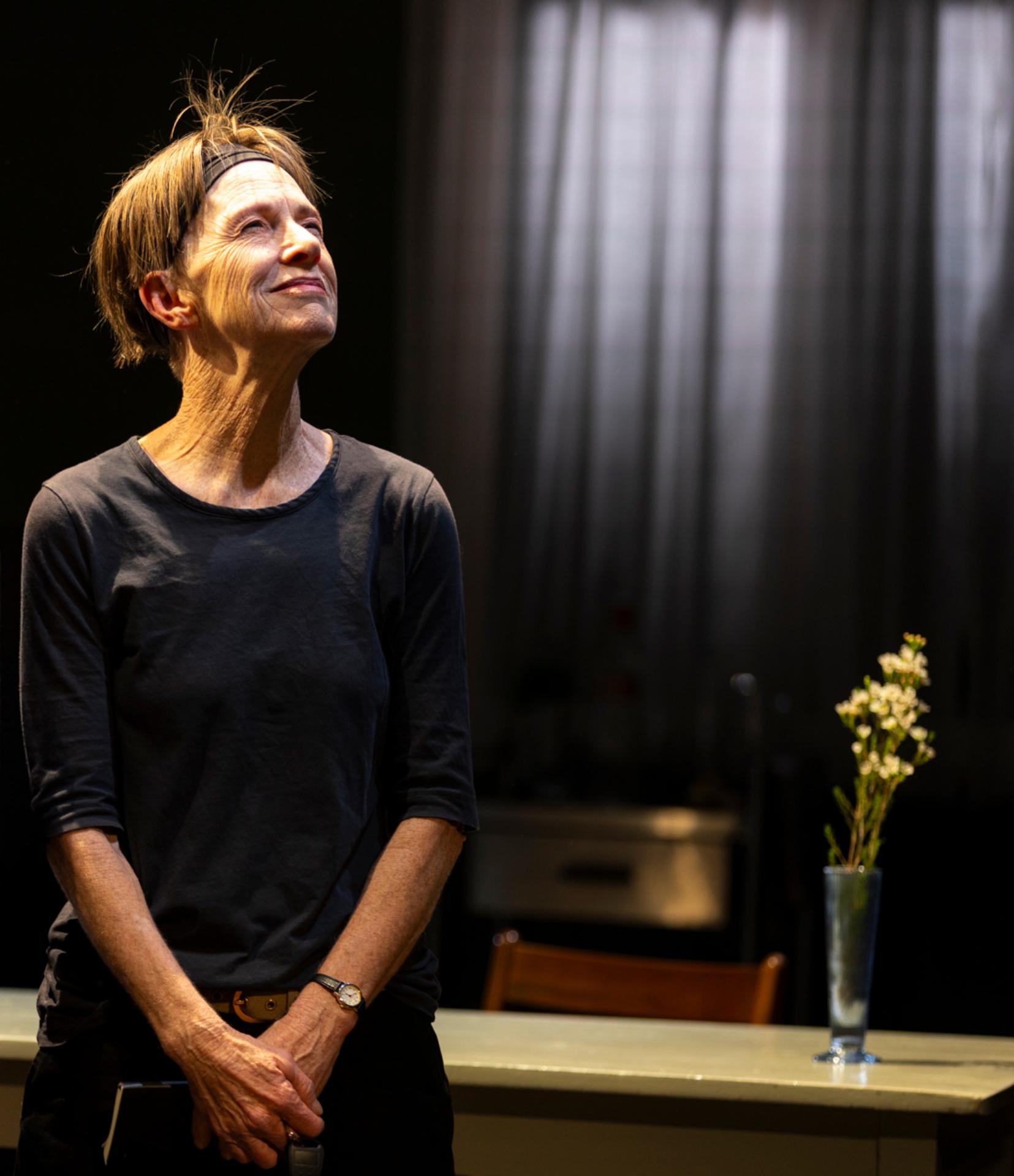
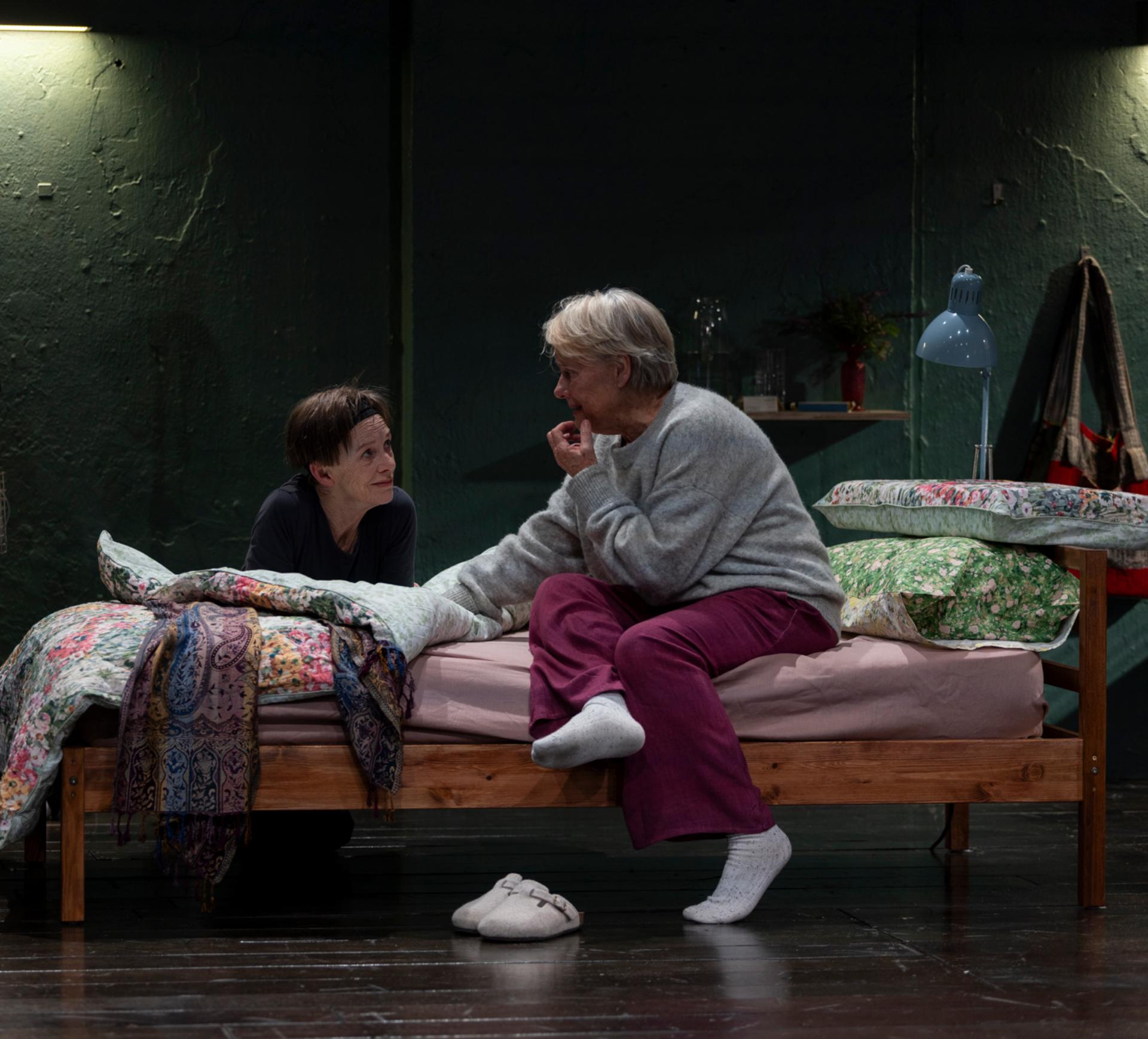
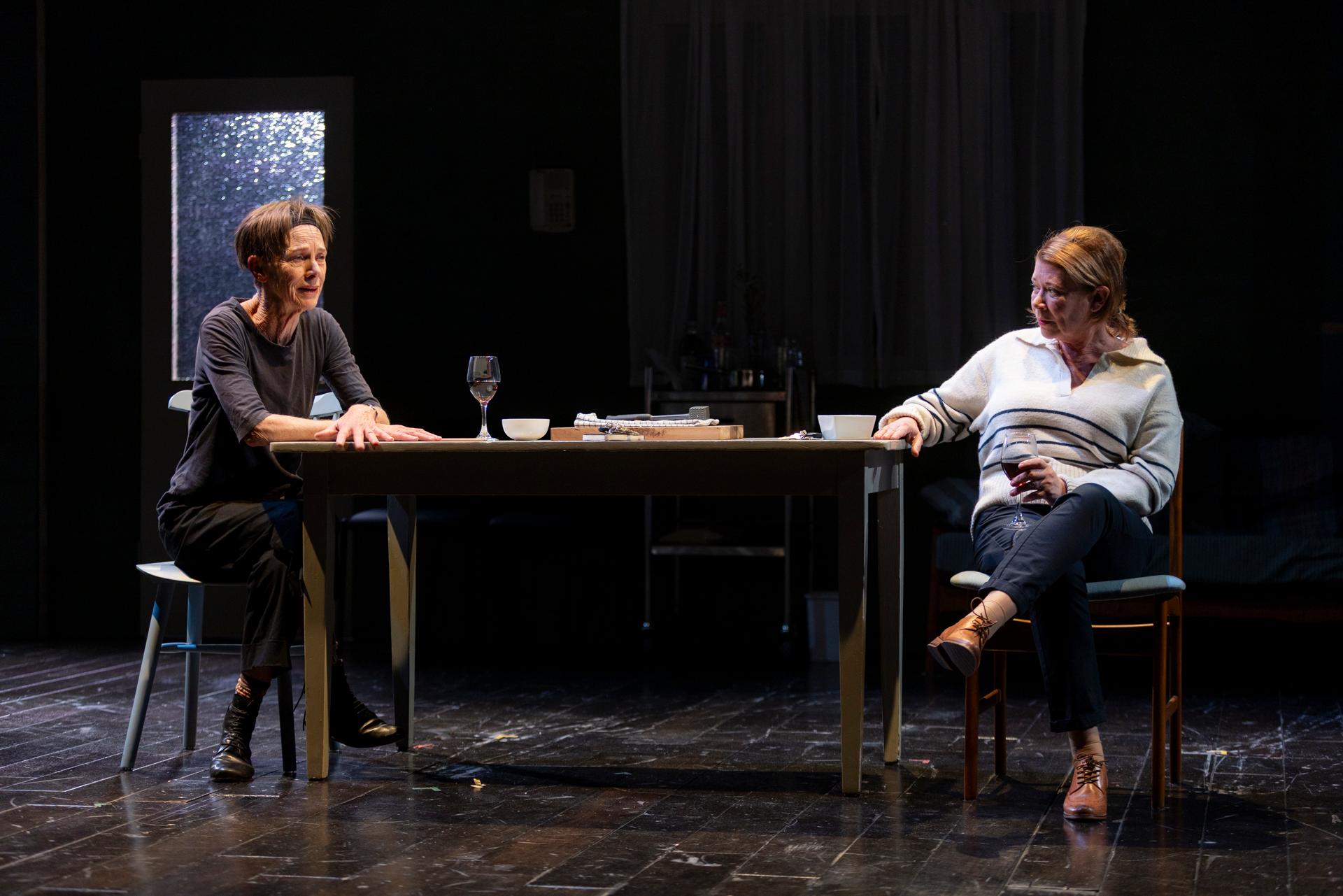
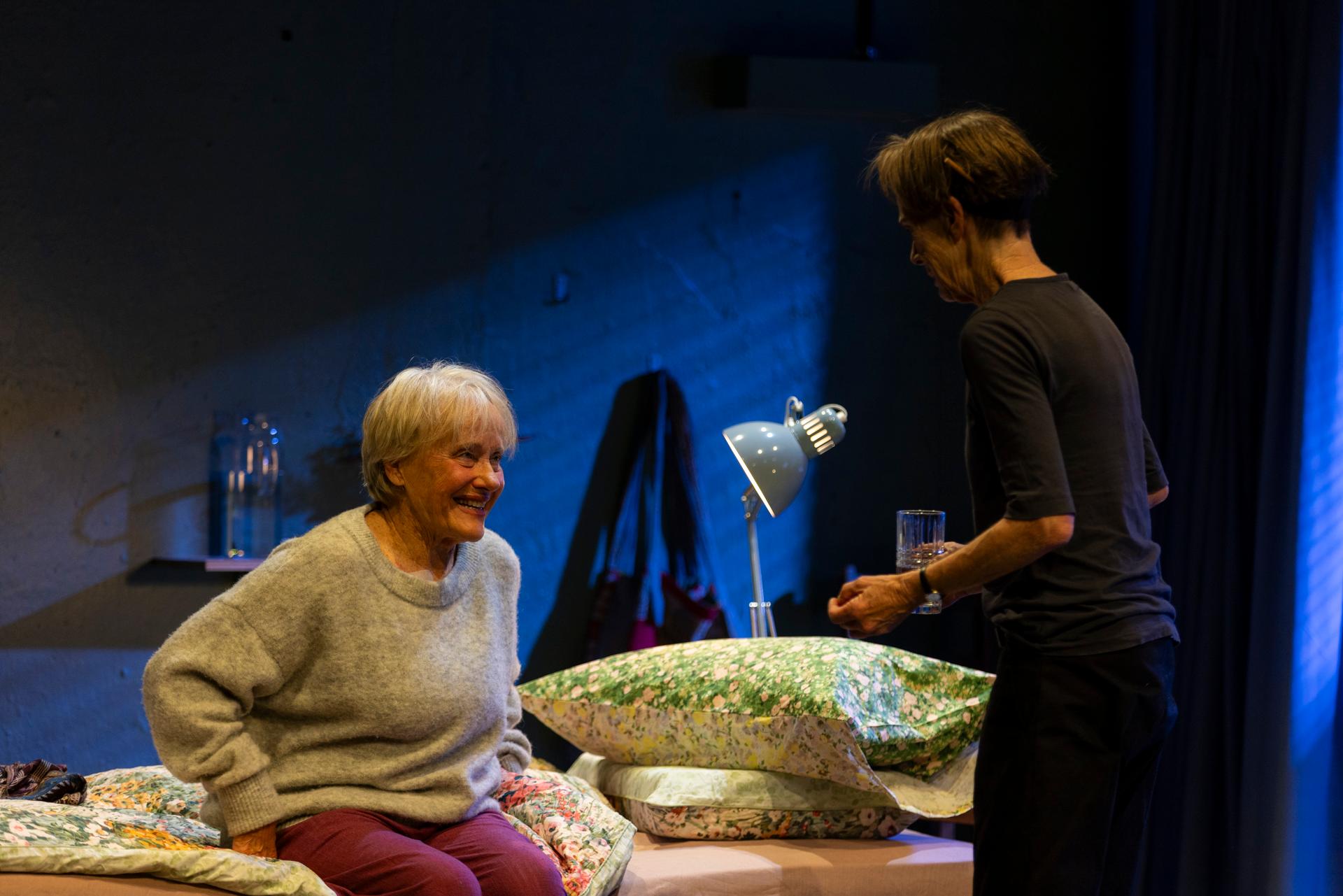
Inspired by the legend of Medusa, Aliyah Knight’s Snakeface deals with themes of abuse and assault, through a modern feminist lens. The writing is unrelentingly poetic and sometimes obtuse, with an undeniable beauty to its language that leaves an impression. Within a theatrical context, work of this nature can feel disorienting, but the resolve of its vision and ambition helps sustain our attention.

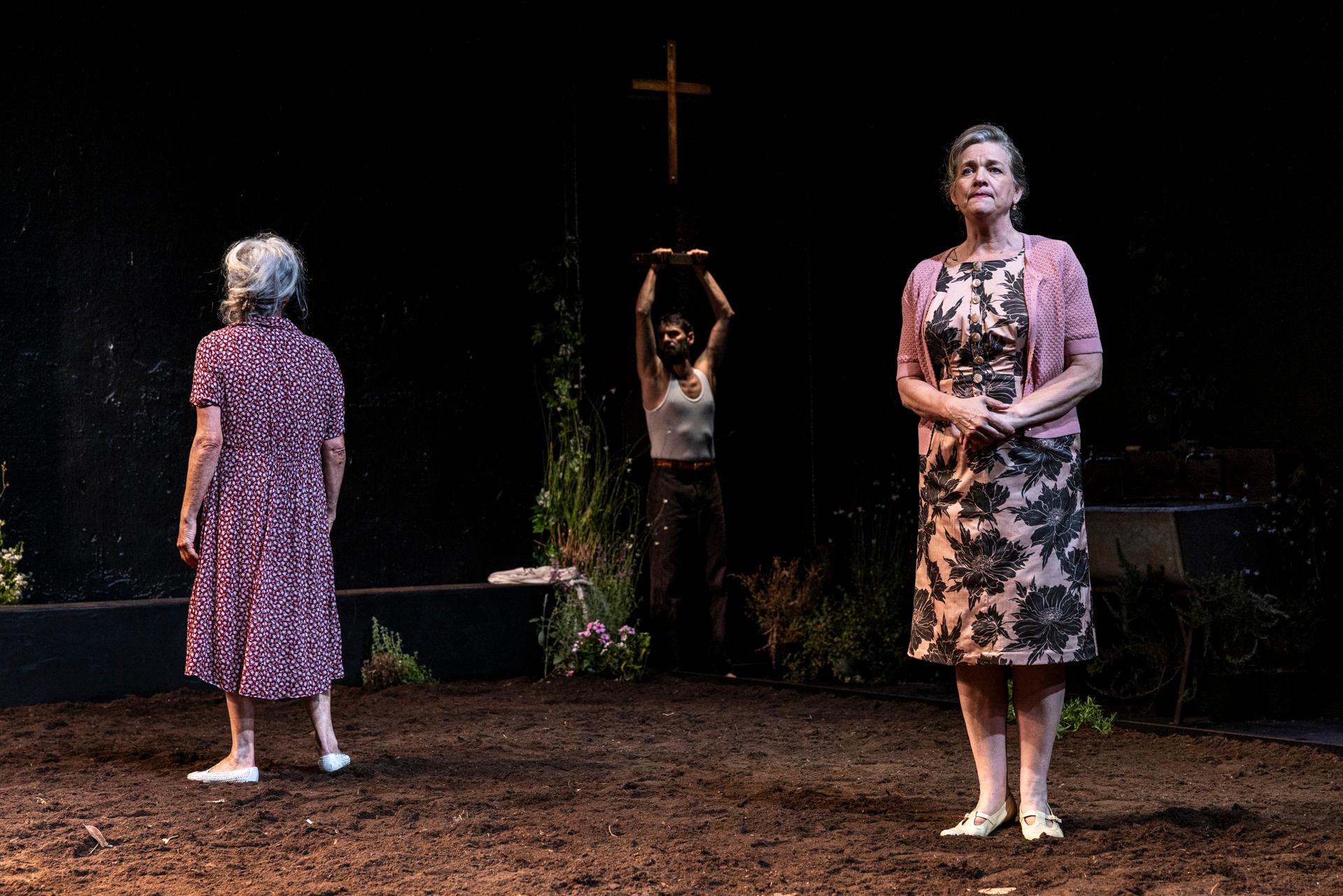
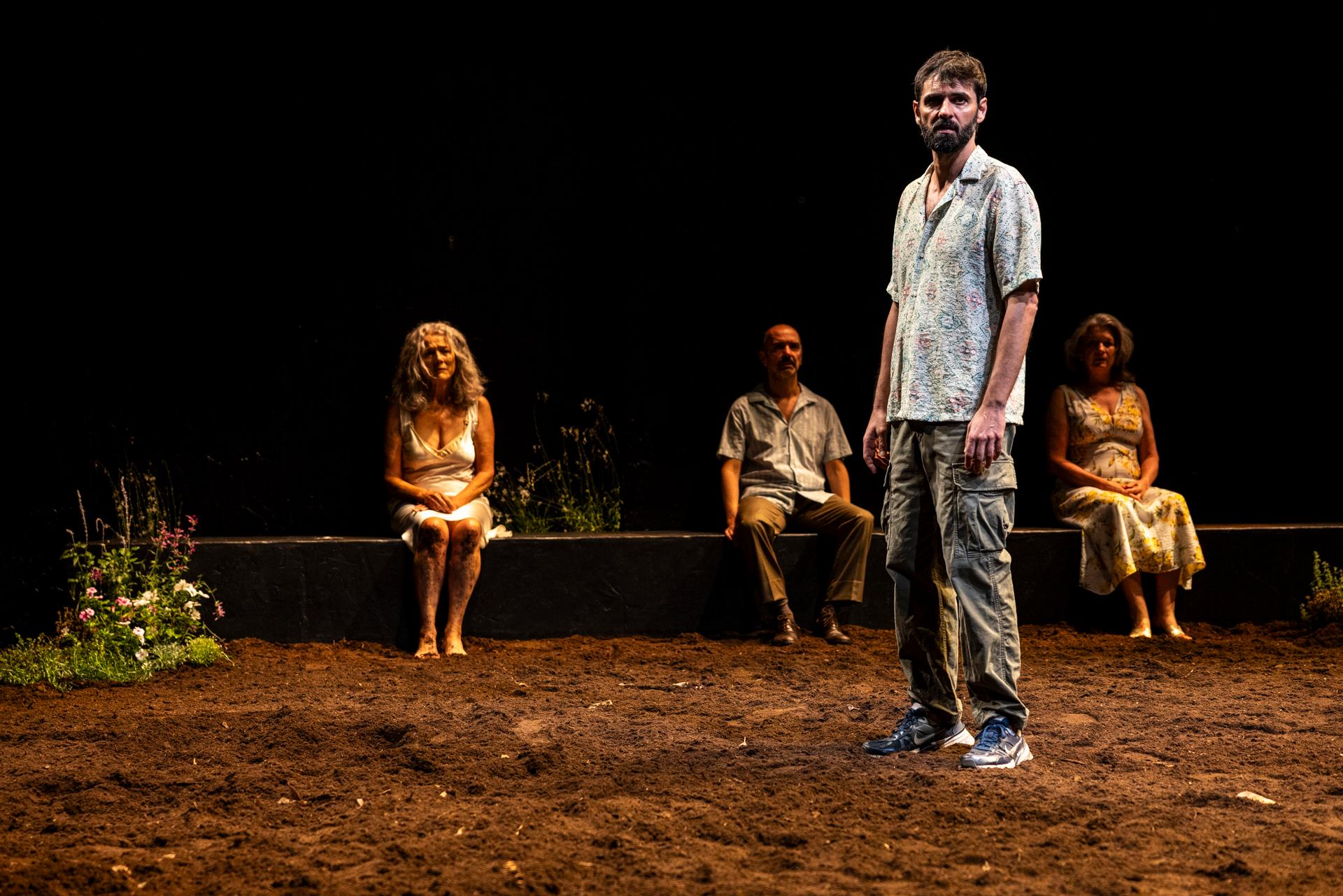
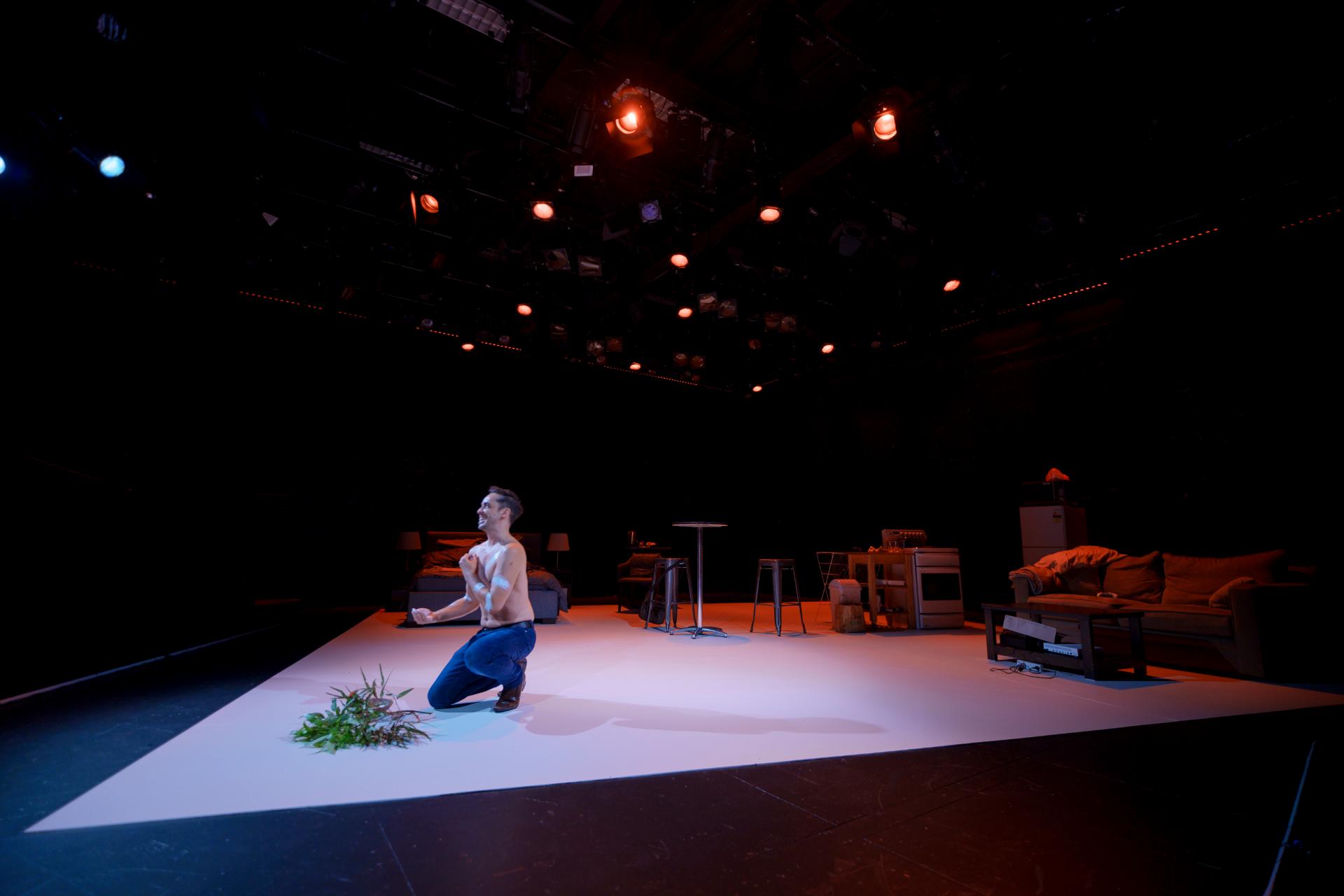
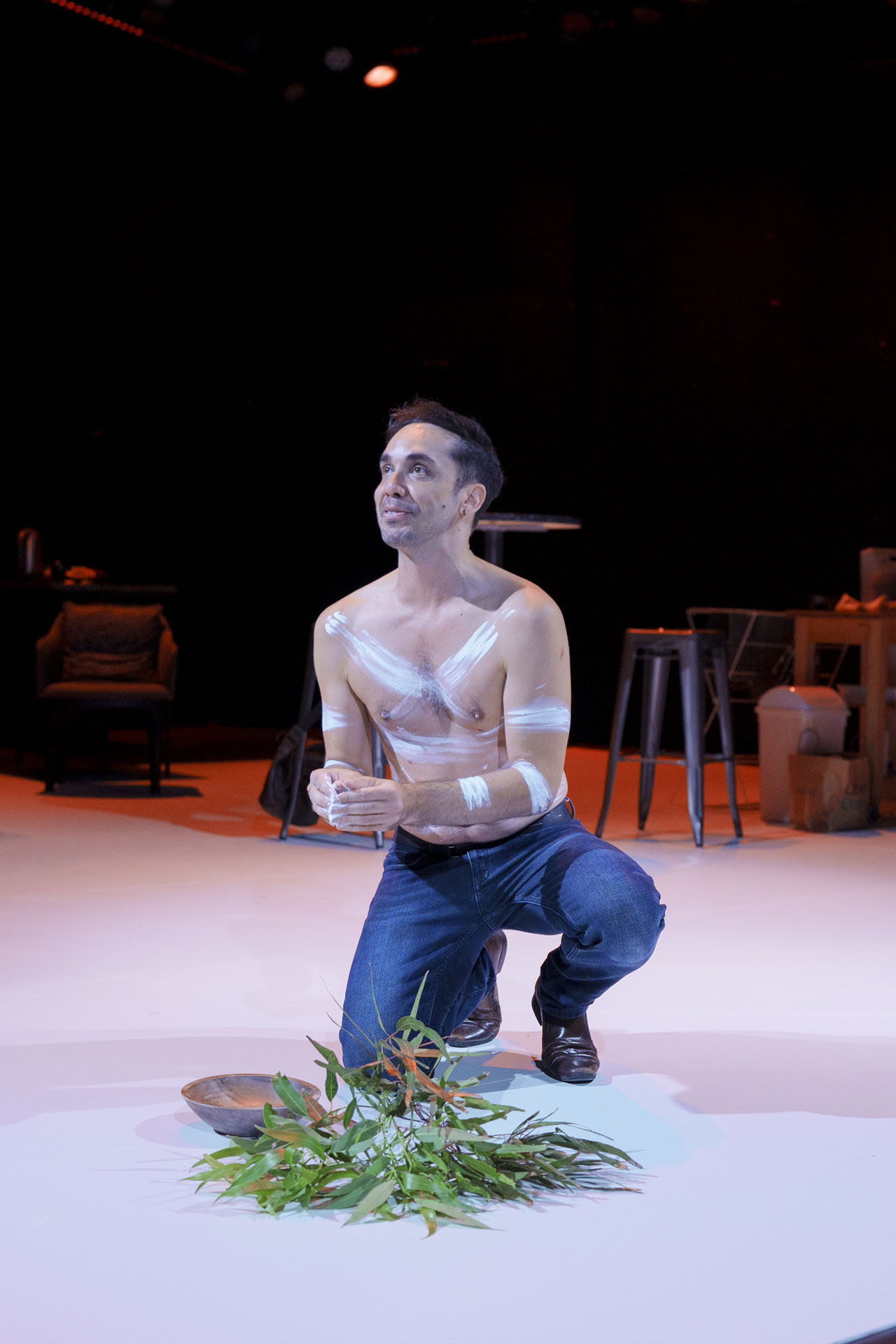
Rigorous direction by Bernadette Fam creates distinct and imaginative segmentations at every step of the show’s progression, for a staging that fascinates our senses, even when we share in the discombobulation of its central figure. Bold choreography by Fetu Taku adds meaningfully to the visceral power of the solo piece, which Knight performs with admirable focus and confidence.

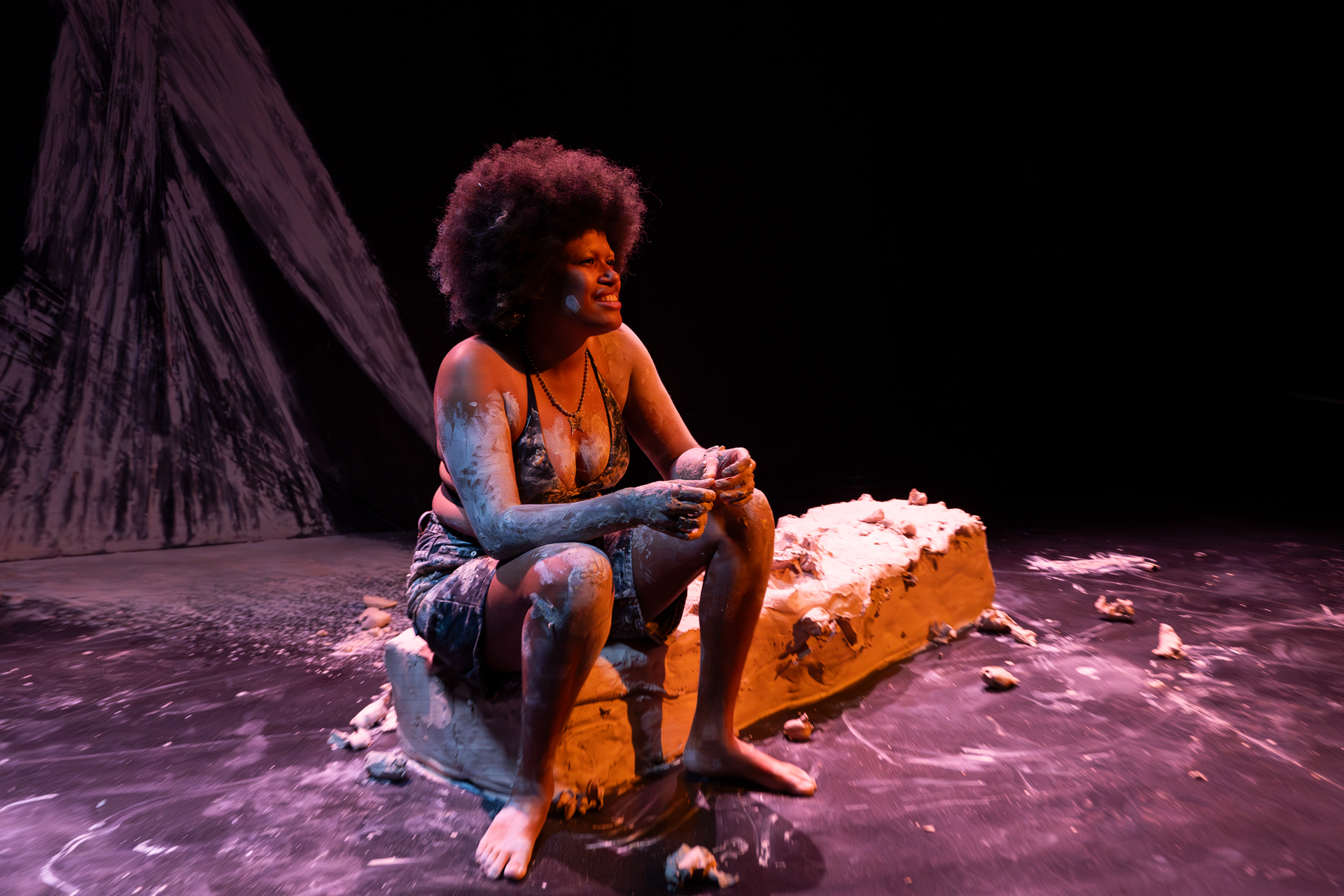
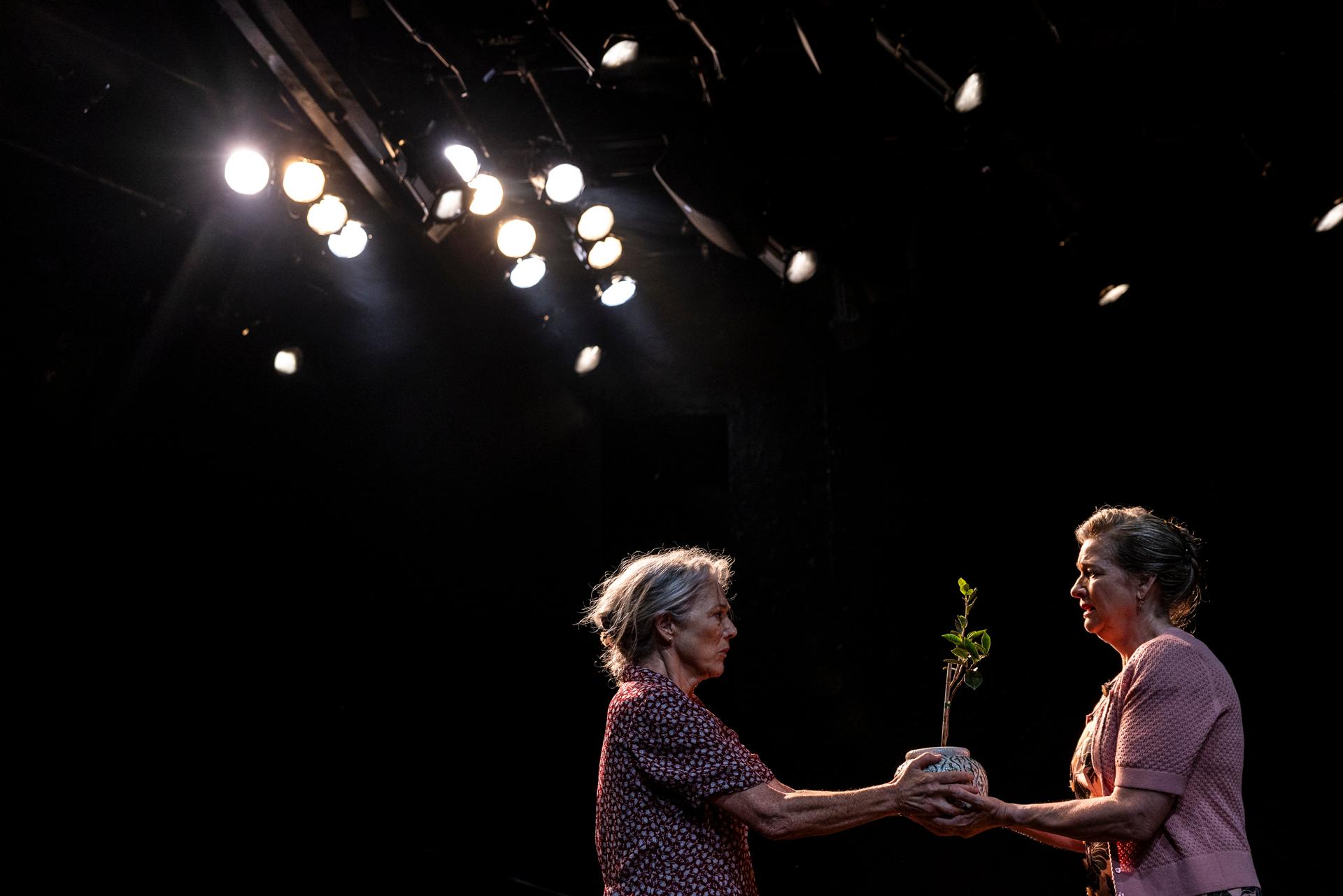
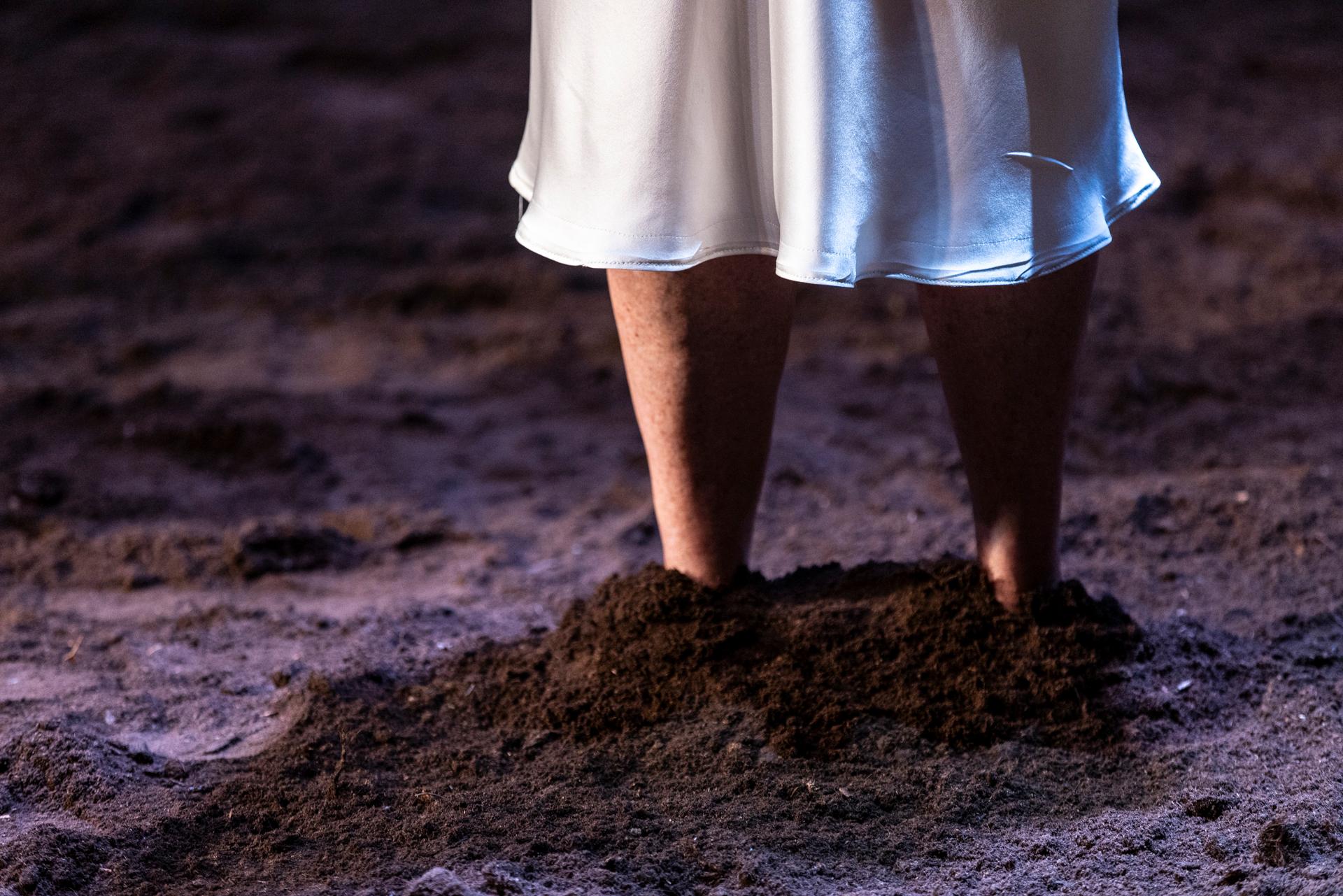
Set design by Keerthi Subramanyam is intricately considered, with the inclusion of a clay slab proving an evocative touch. Similarly entrancing are Wendy Yu’s video projections, that fuse seamlessly with the overall visual scheme.

Costuming by Wanyika Mshila bridges the gap with the past, whilst allowing us to perceive the character’s full sexual agency. Rachel Lee’s lights tell a sensual yet violent tale, and alongside stirring sound design by Marco Cher-Gibard, the production is an unequivocal sensorial delight.

www.belvoir.com.au | www.fruitboxtheatre.com.au

Review: Big Girls Don’t Cry (Belvoir St Theatre)

Venue: Belvoir St Theatre (Surry Hills NSW), Apr 5 – 27, 2025
Playwright: Dalara Williams
Director: Ian Michael
Cast: Bryn Chapman Parish, Mathew Cooper, Nic English, Guy Simon, Stephanie Somerville, Megan Wilding, Dalara Williams
Images by Stephen Wilson Barker

Theatre review
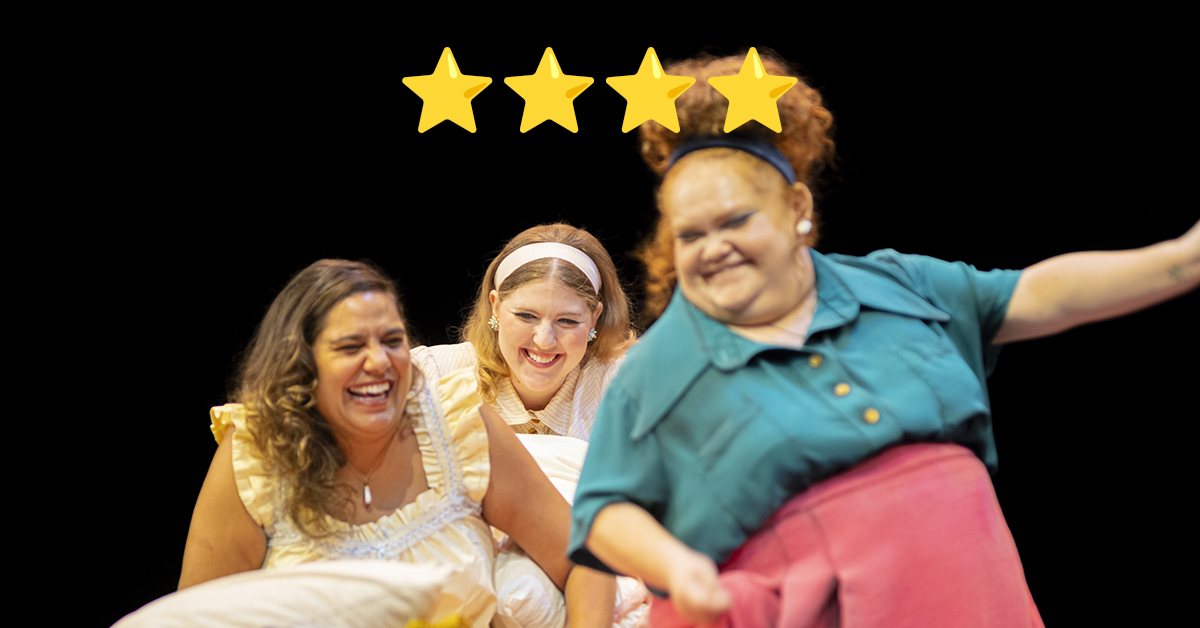
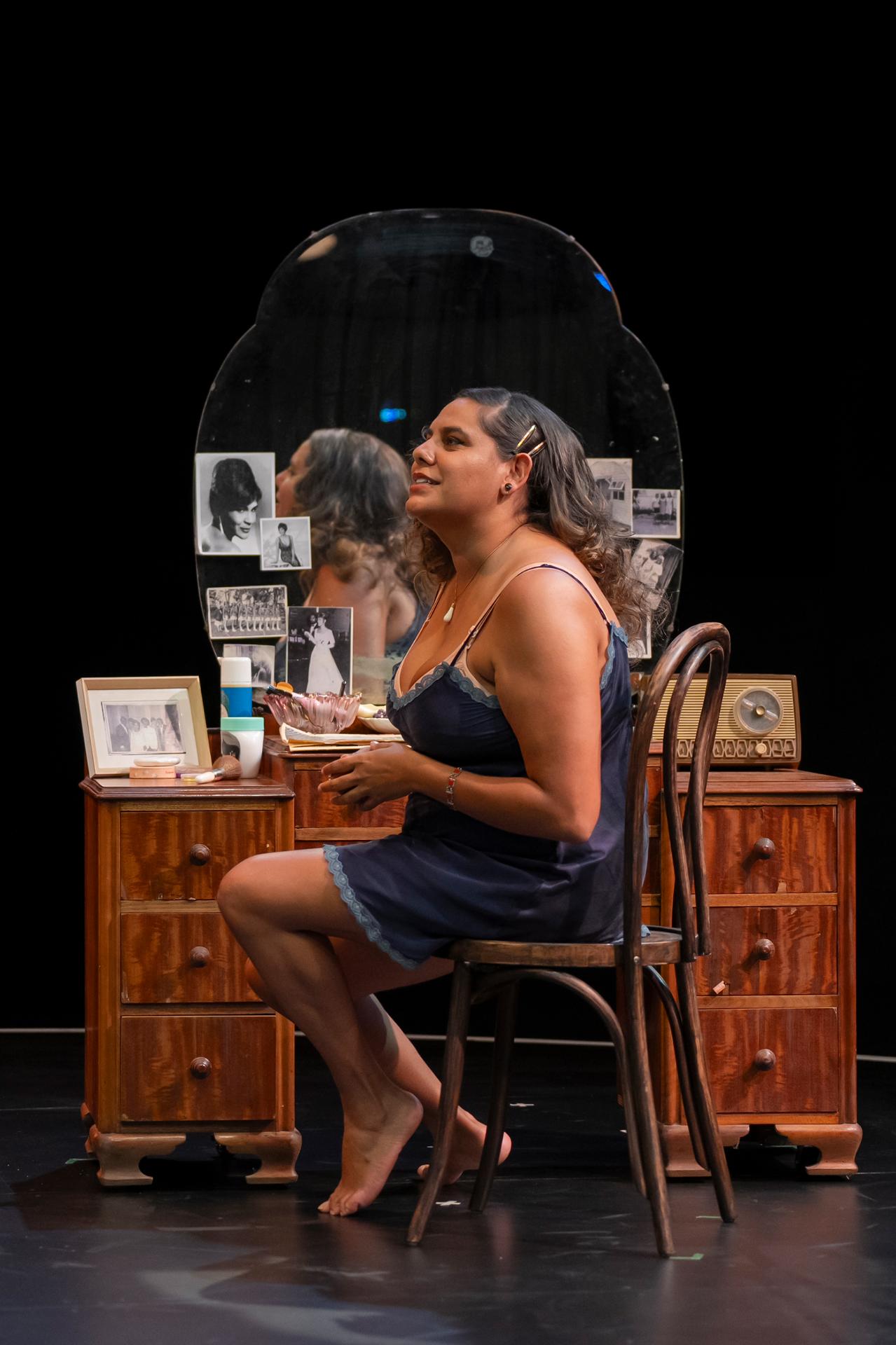
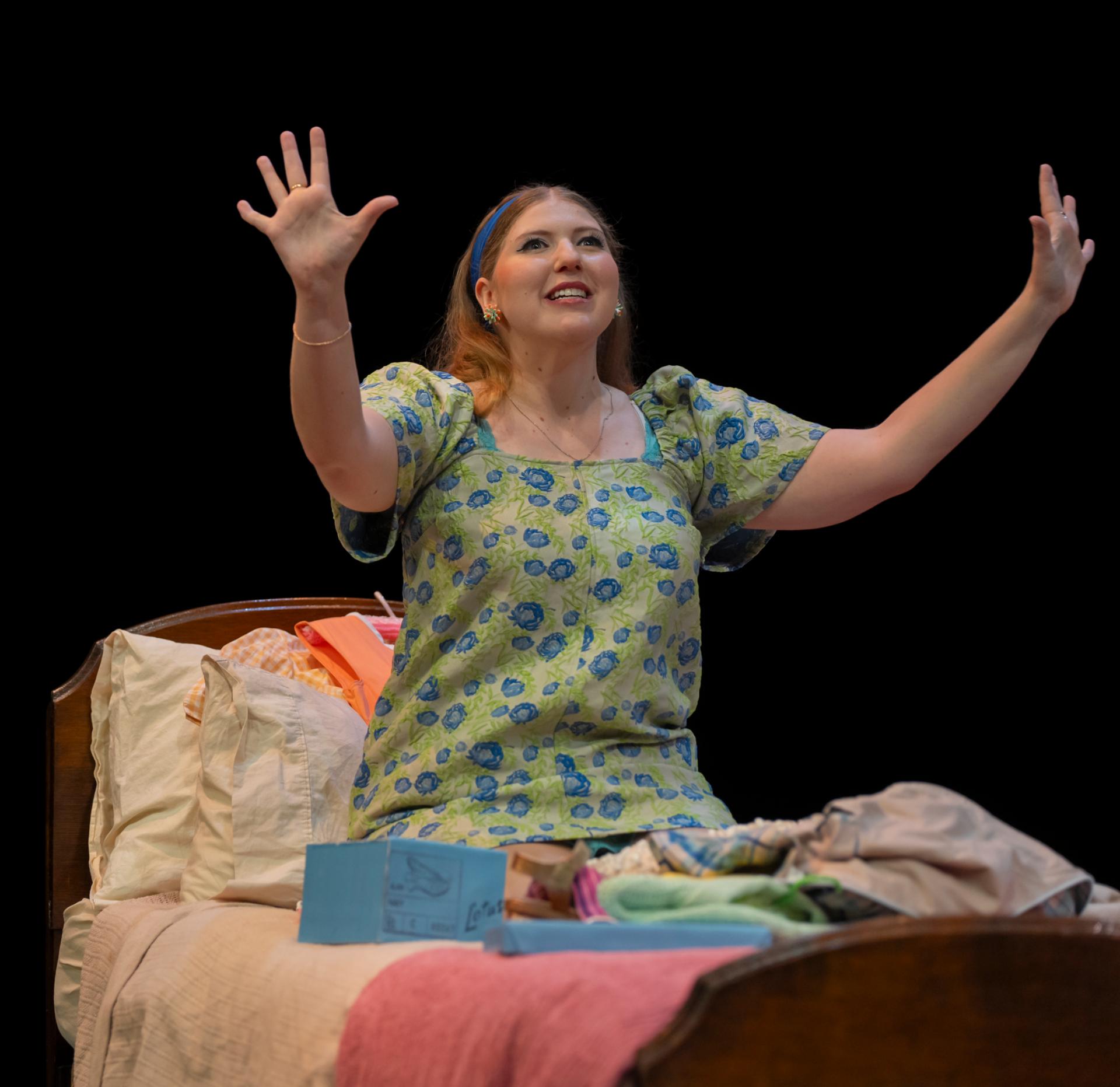
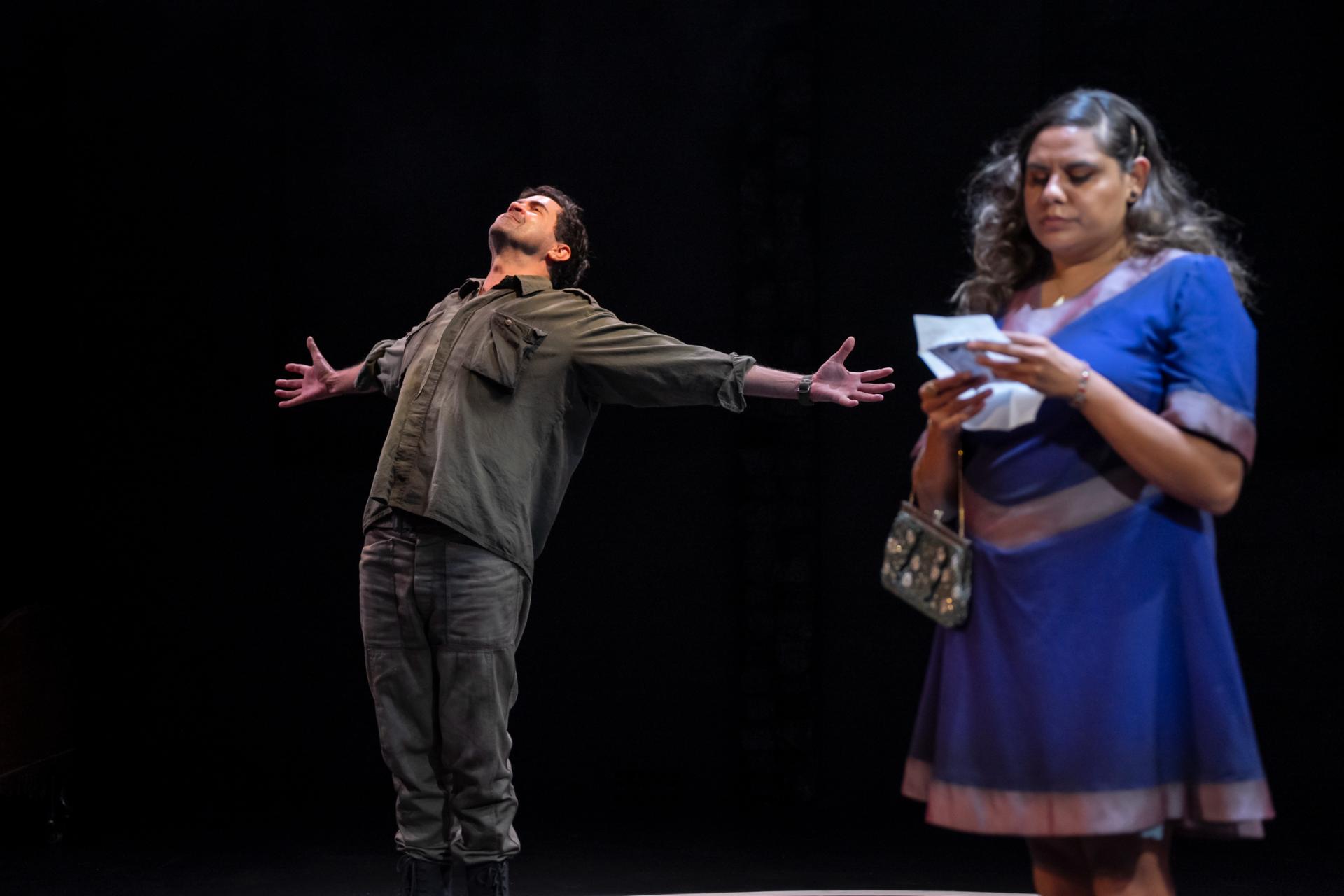
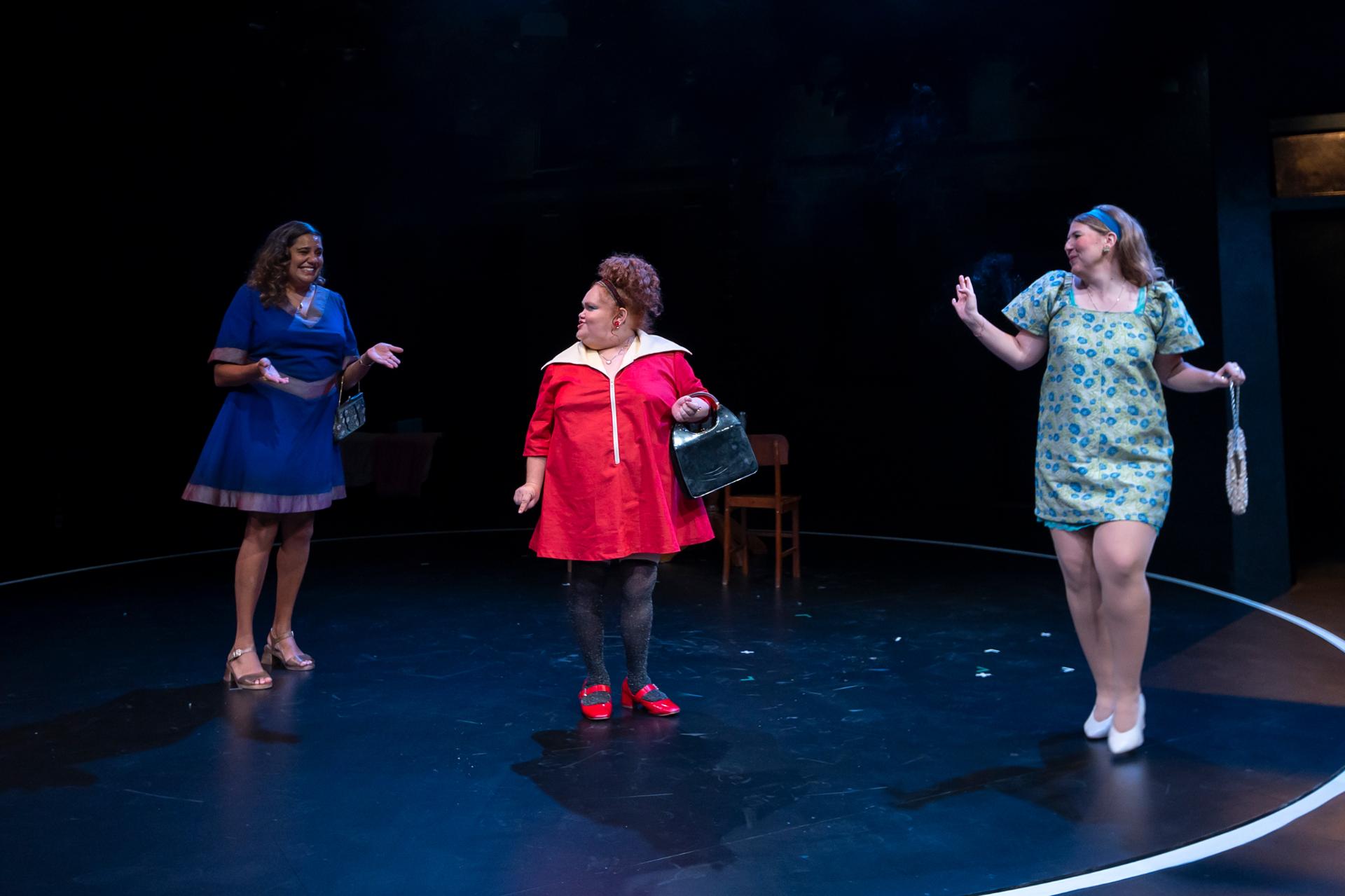
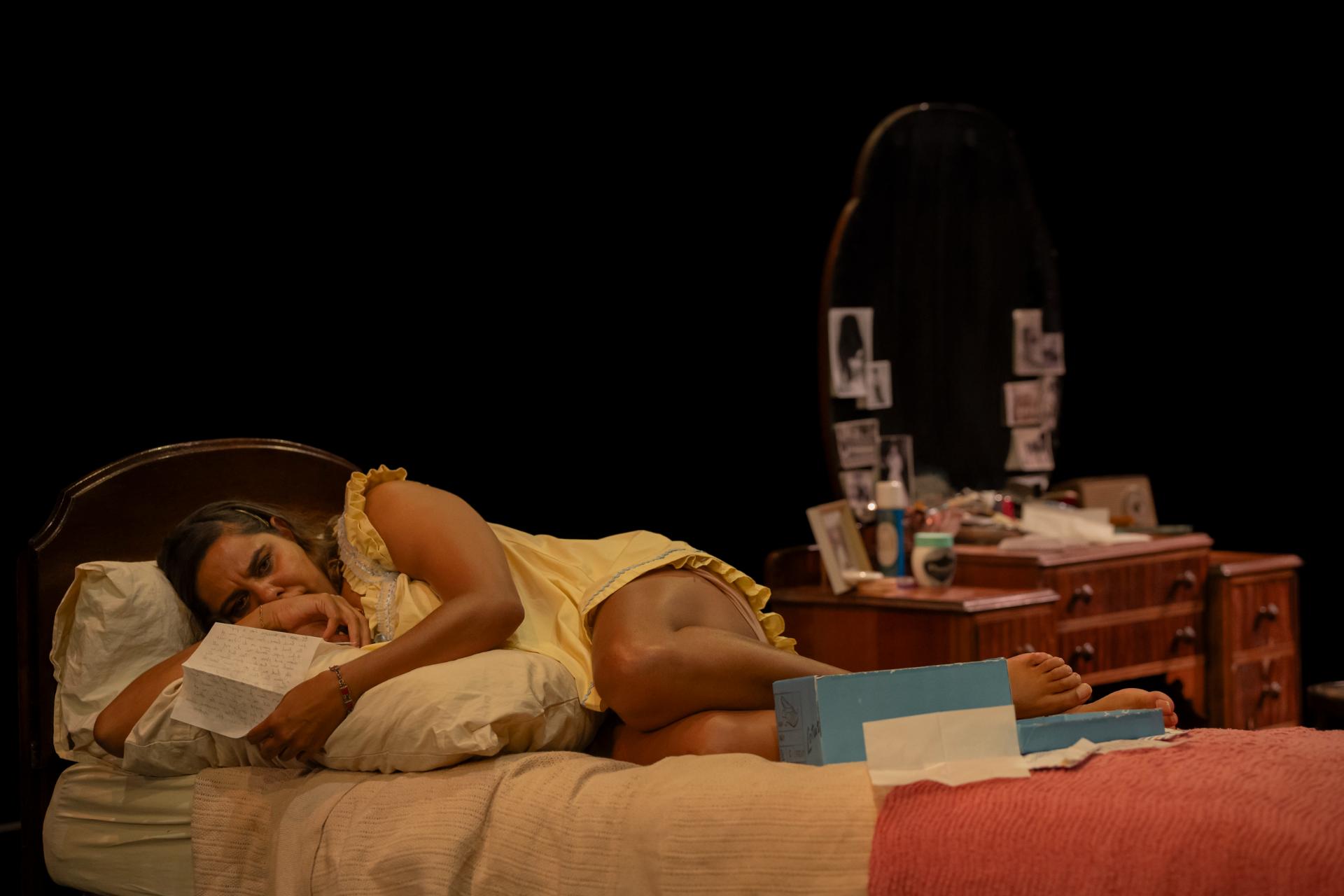
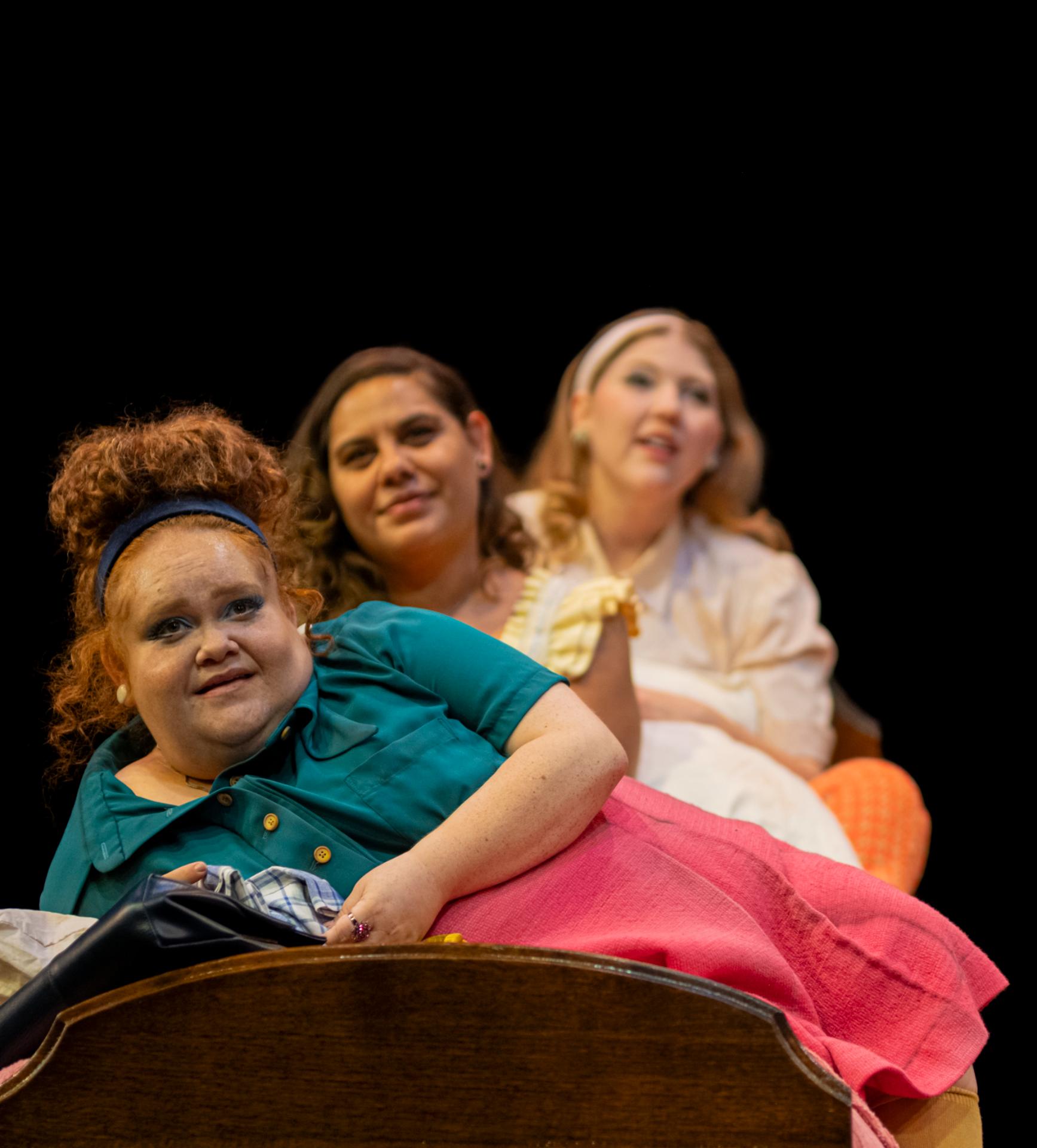
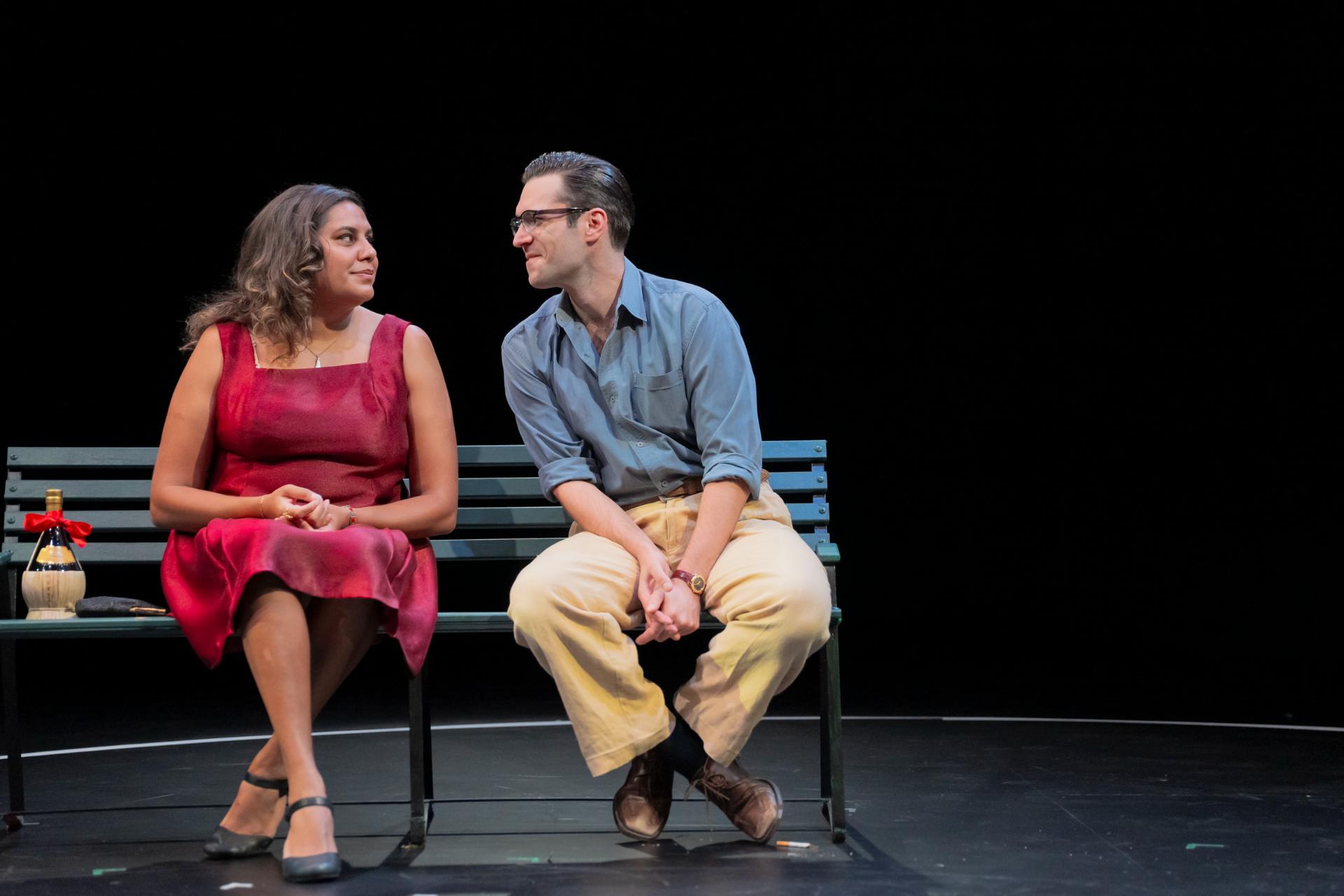
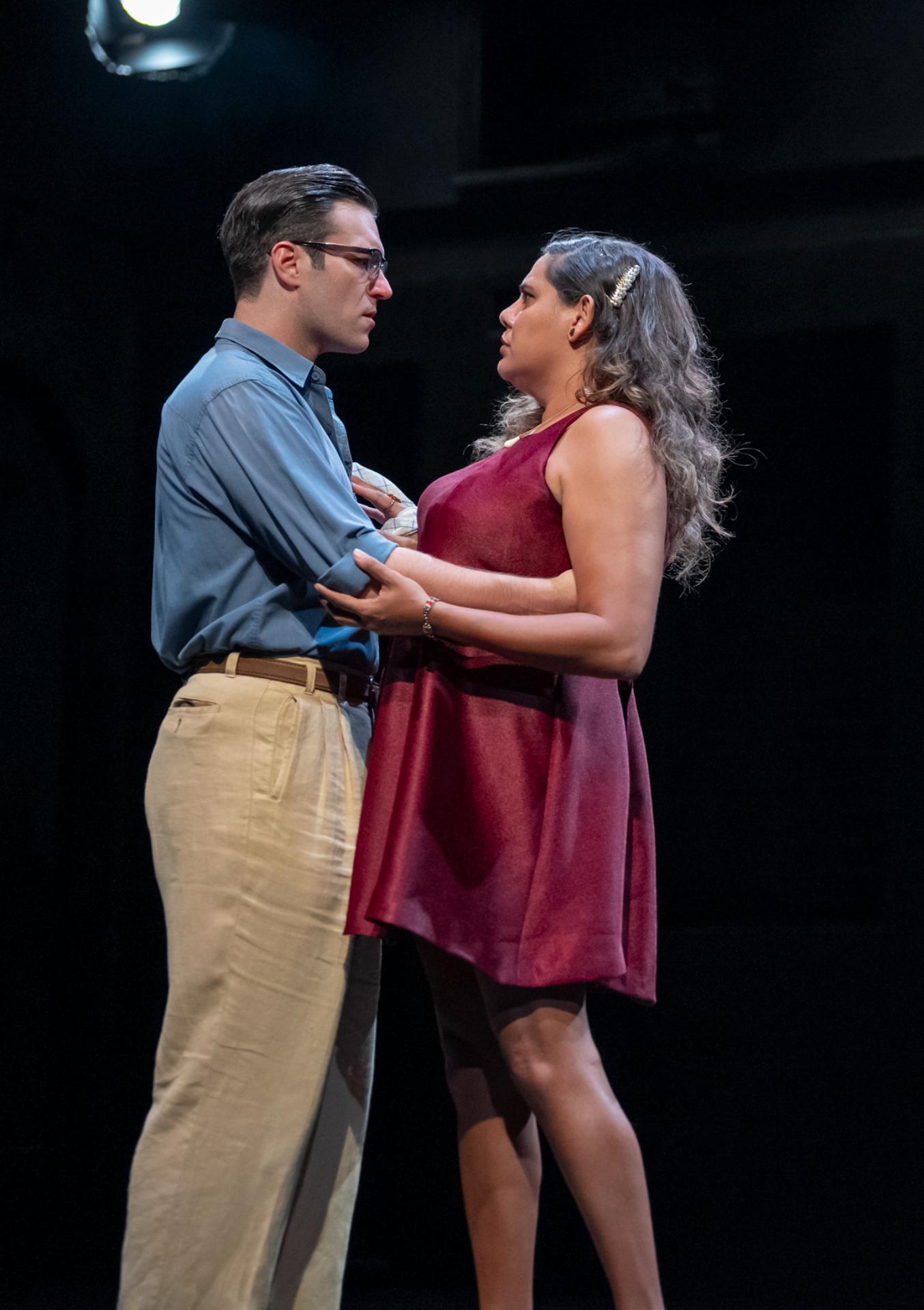
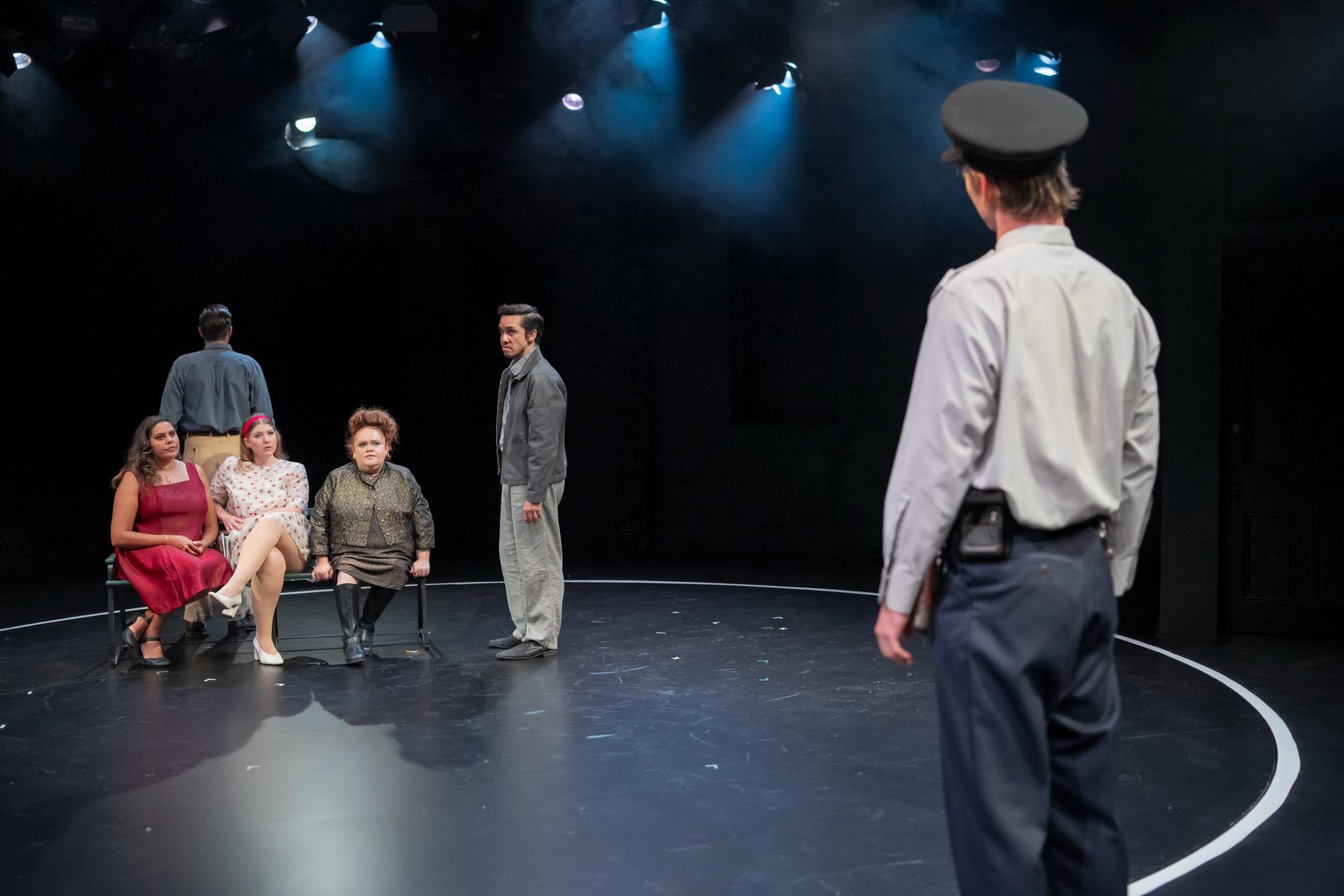
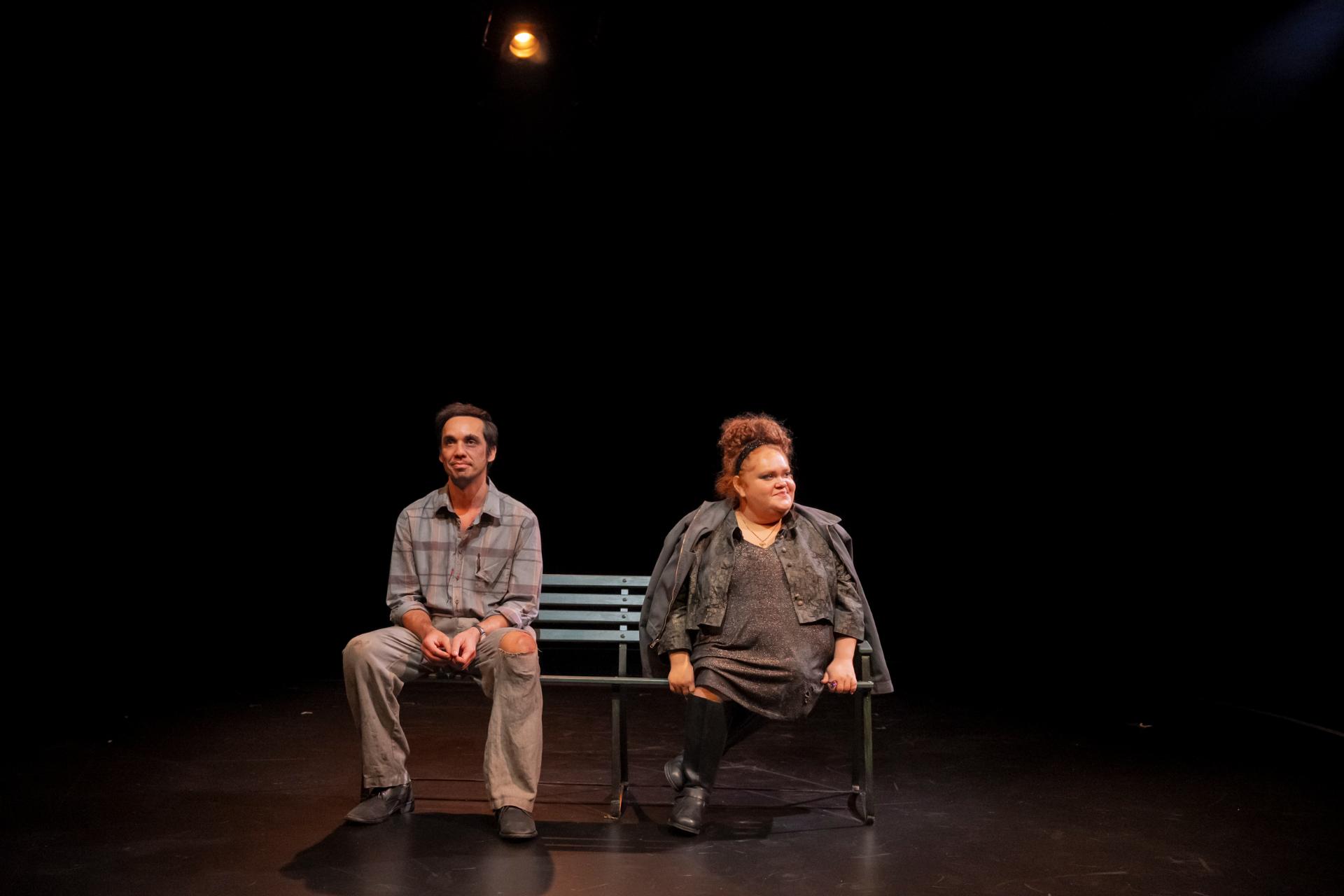
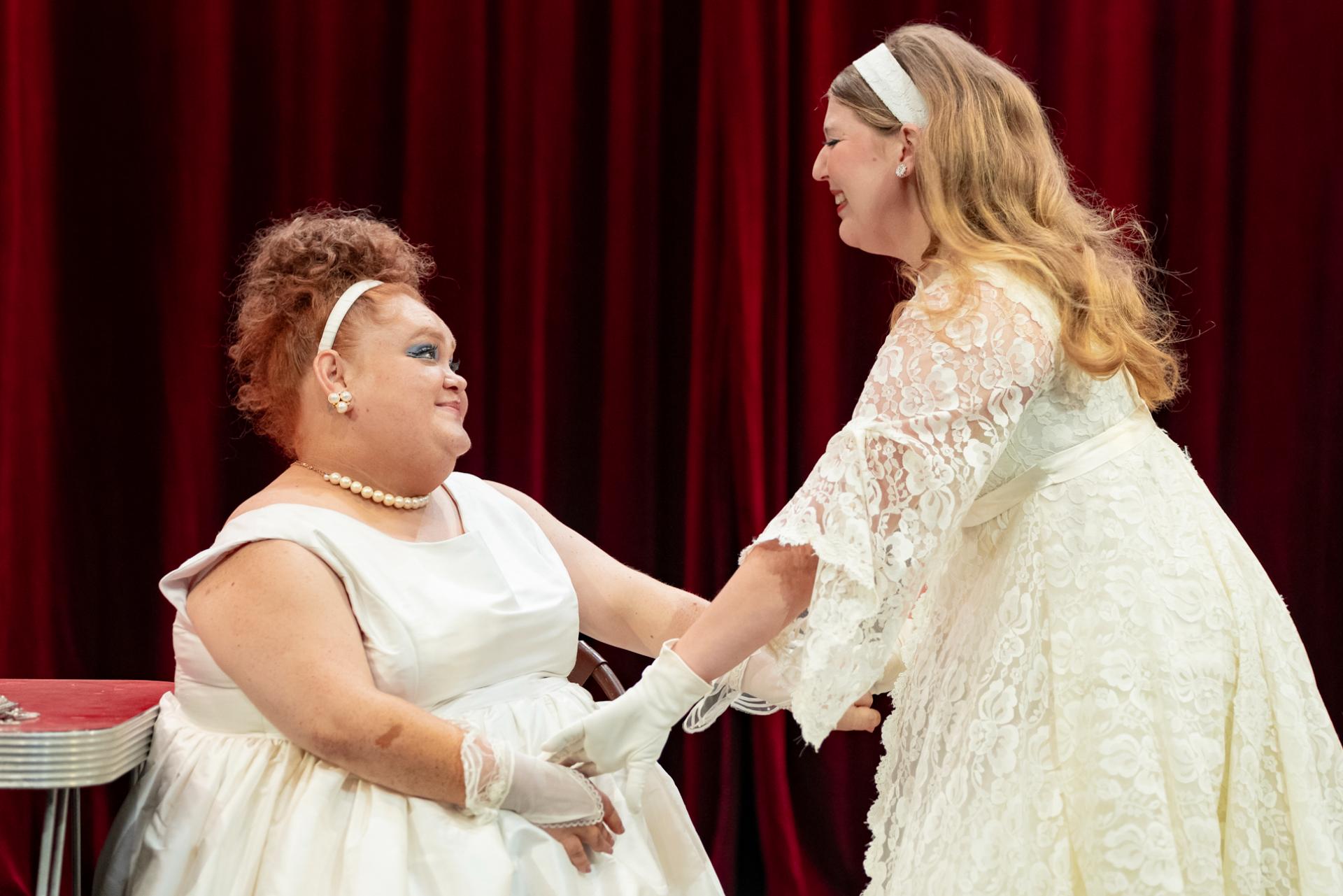
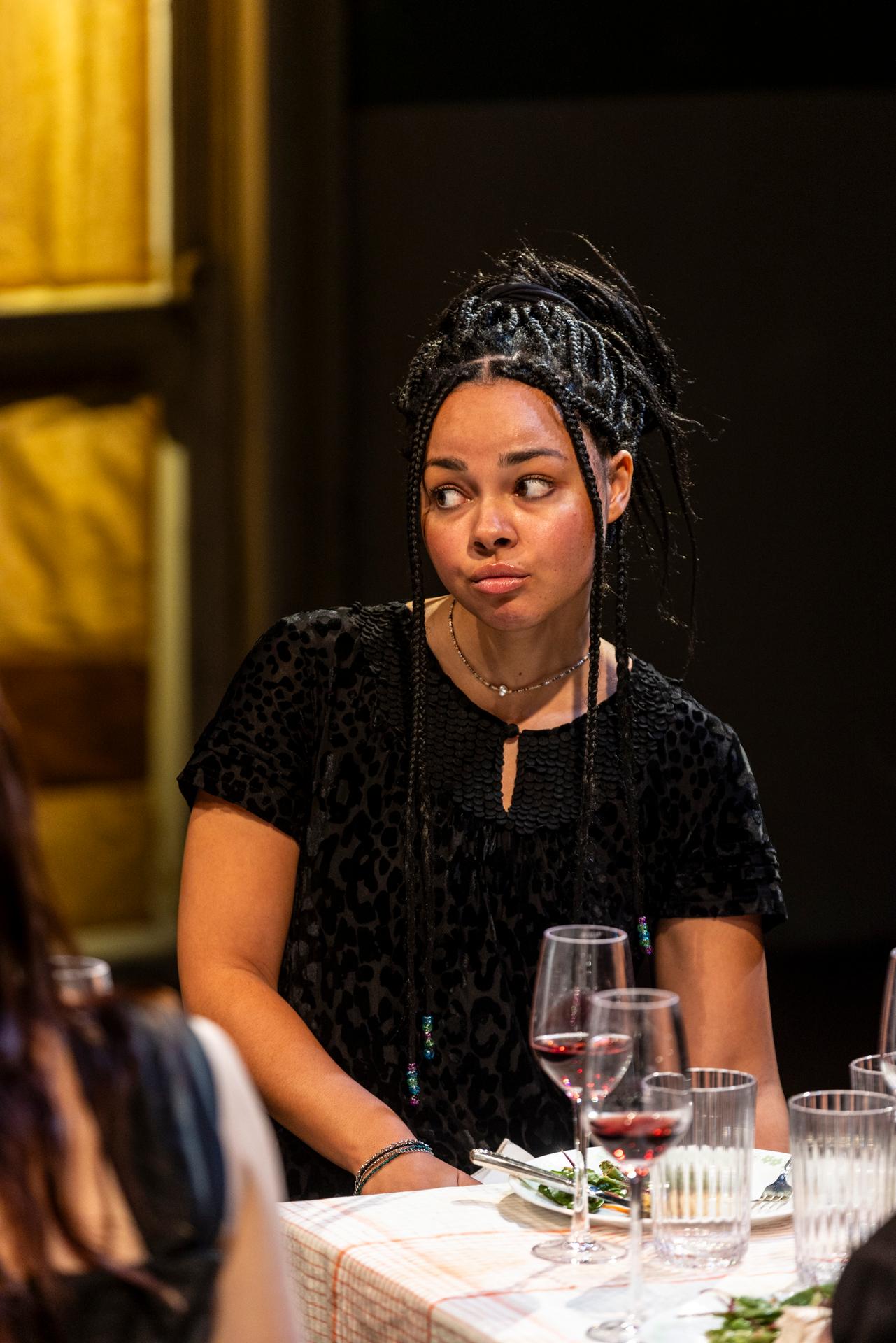
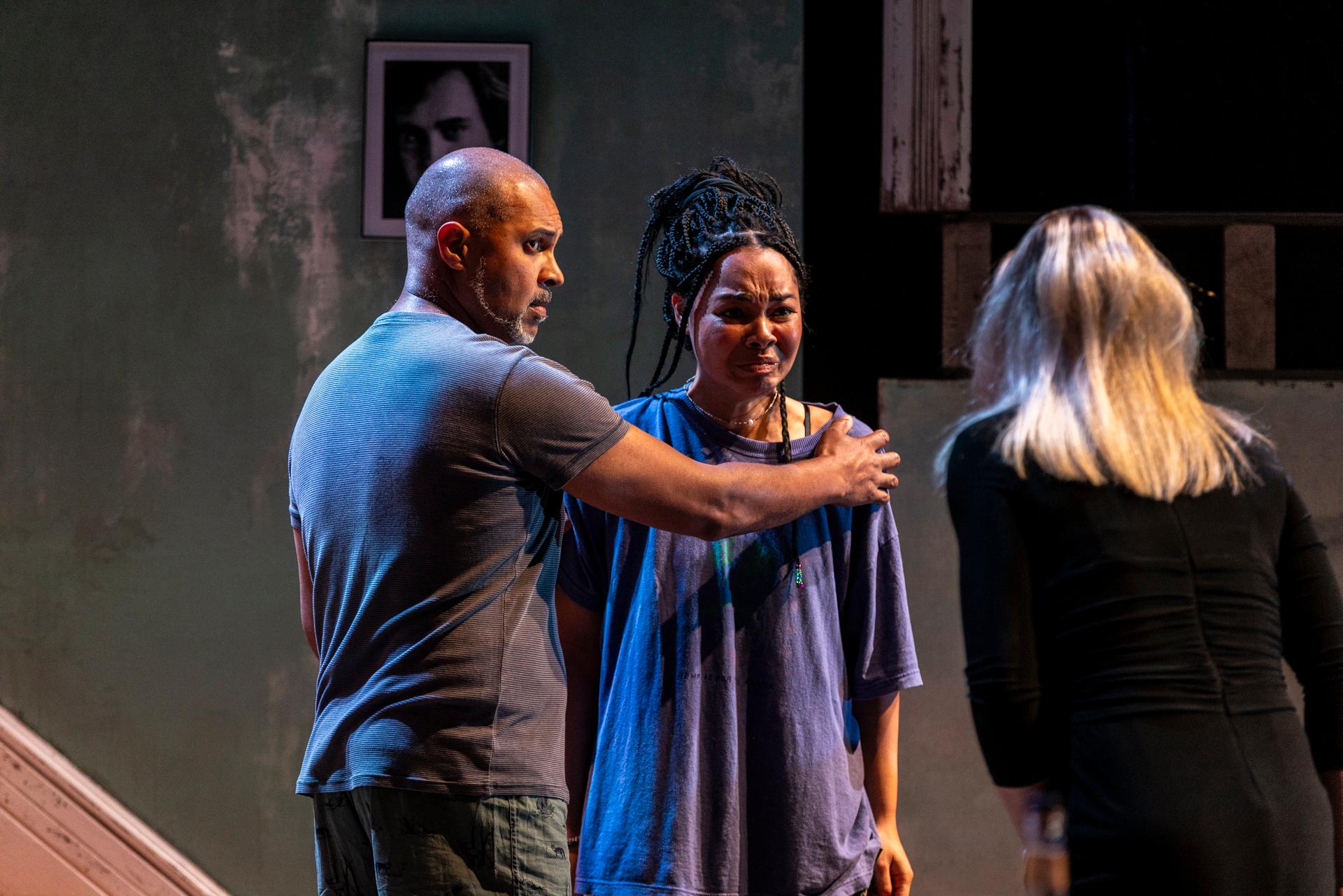
Cheryl, Lulu and Queenie have so much to look forward to, not least of which is the first Aboriginal debutante ball in Sydney. It may be 1966 and the marginalisation of Indigenous peoples is still atrocious to say the least, but nothing can keep these young women down. Big Girls Don’t Cry by Dalara Williams is at once political, philosophical and romantic; a dramedy that portrays the fullness of these friends’ lives, with all that makes them rich as a collective and as individuals, contained in one charming play.

Direction by Ian Michael suffuses the work with a palpable warmth, keeping us completely endeared to these characters and attentive to the many ebbs and flows that form their circumstances, as Black women finding happiness in a colonised city.

Set design by Stephen Curtis features a revolve that provides every scene with a sense of movement and urgency. Costumes by Emma White ensure that we know exactly the epoch being depicted, while creating flattering silhouettes for each of the bodies we encounter. Kelsey Lee’s lights manufacture a tenderness that stays with us for the duration, so that we can connect with the  sentimentality of the piece, and sounds by Brendon Boney offer nostalgic allure as they guide us through oscillations between pathos and laughter.

Cheryl is played by aforementioned writer Dalara Williams, with a commendable subtlety that establishes a beautiful poignancy, for a story that only becomes increasingly meaningful, with every subsequent scene. Megan Wilding plays Queenie, who along with Guy Simon’s Earnie, form an extraordinarily charming pair, memorable for the wonderful humour they inject into the presentation.

Stephanie Somerville brings a valuable sweetness to the role of Lulu, almost as a constant reminder not only of the resilience that is being celebrated in Black women, but also of the very quality of femininity that is often neglected in discussions about survival and triumph. No less noteworthy are Bryn Chapman Parish, Mathew Cooper and Nic English, who are as measured as they are passionate, in contributing to this charming yarn, about the incredible women who continue to teach us how to make things better for future generations.

Big Girls Don’t Cry is about the giants on whose shoulders we stand. It is about the examples they have set that we must follow, and their legacies which although entrenched, can easily be forgotten in many of our frenzied metropolitan lives. Cheryl, Lulu and Queenie demonstrate different ways to resist. They also show us how we can offer support and love, in the face of forces that wish to have us become more like them, cold and hardened.

www.belvoir.com.au

Review: Furious Mattress (25A Belvoir)

Venue: Belvoir St Theatre (Surry Hills NSW), Mar 11 – 30, 2025
Playwright: Melissa Reeves
Director: Margaret Thanos
Cast: Julian Garner, Alex Malone, Matilda Ridgway, Shan-Ree Tan
Images by Robert Catto

Theatre review
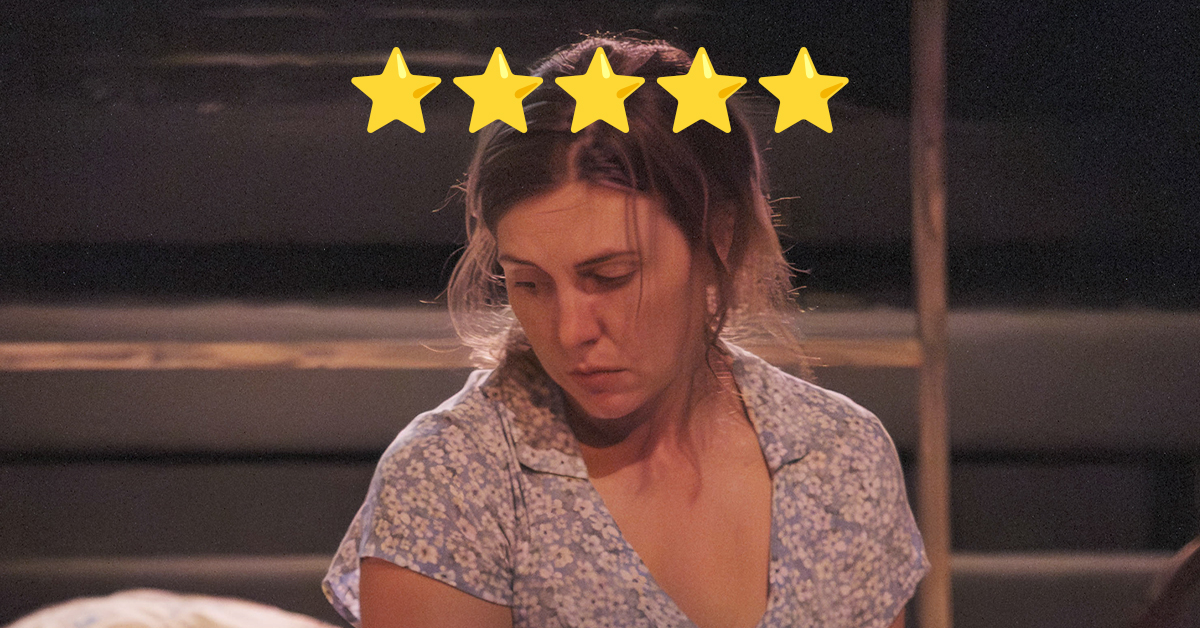
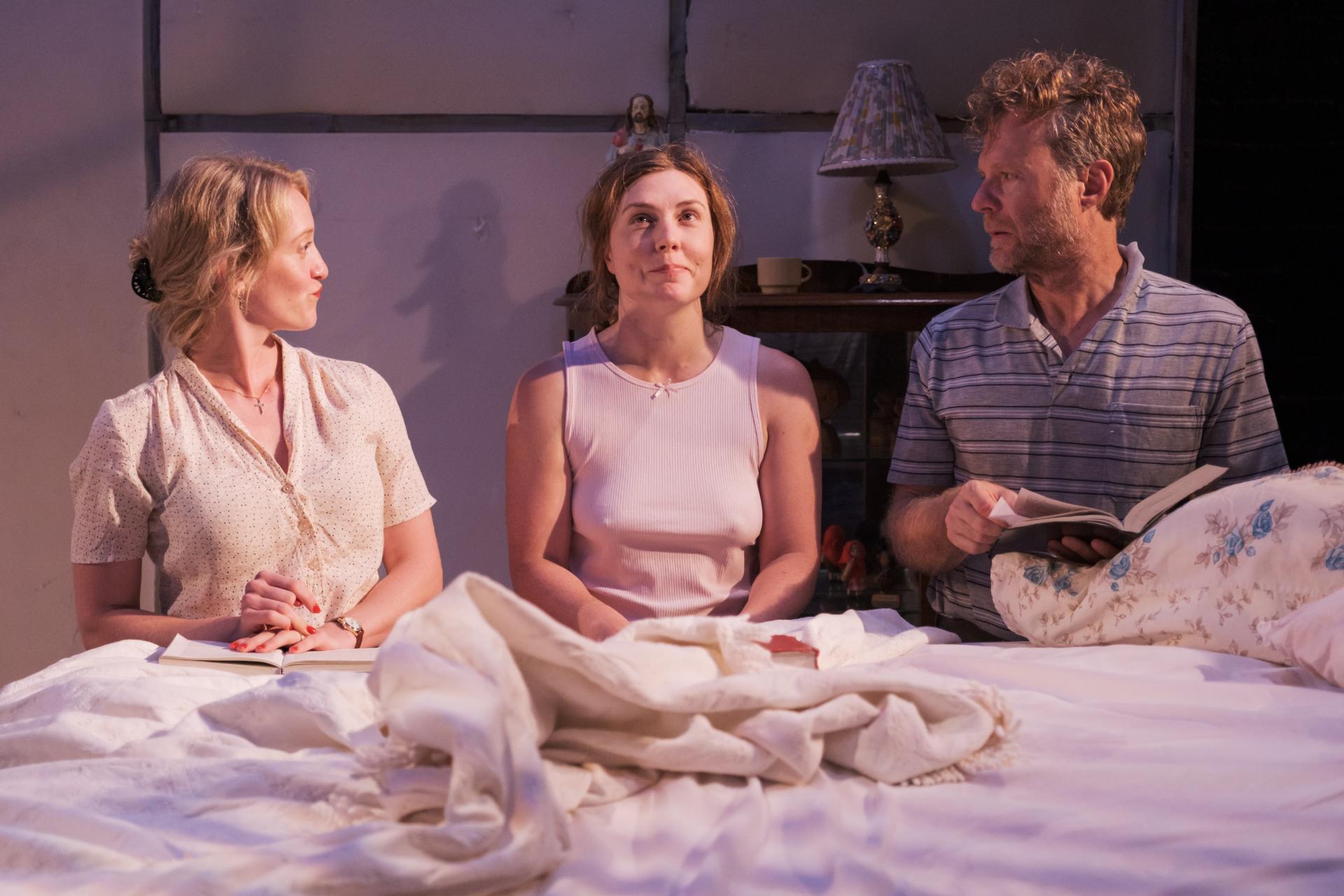
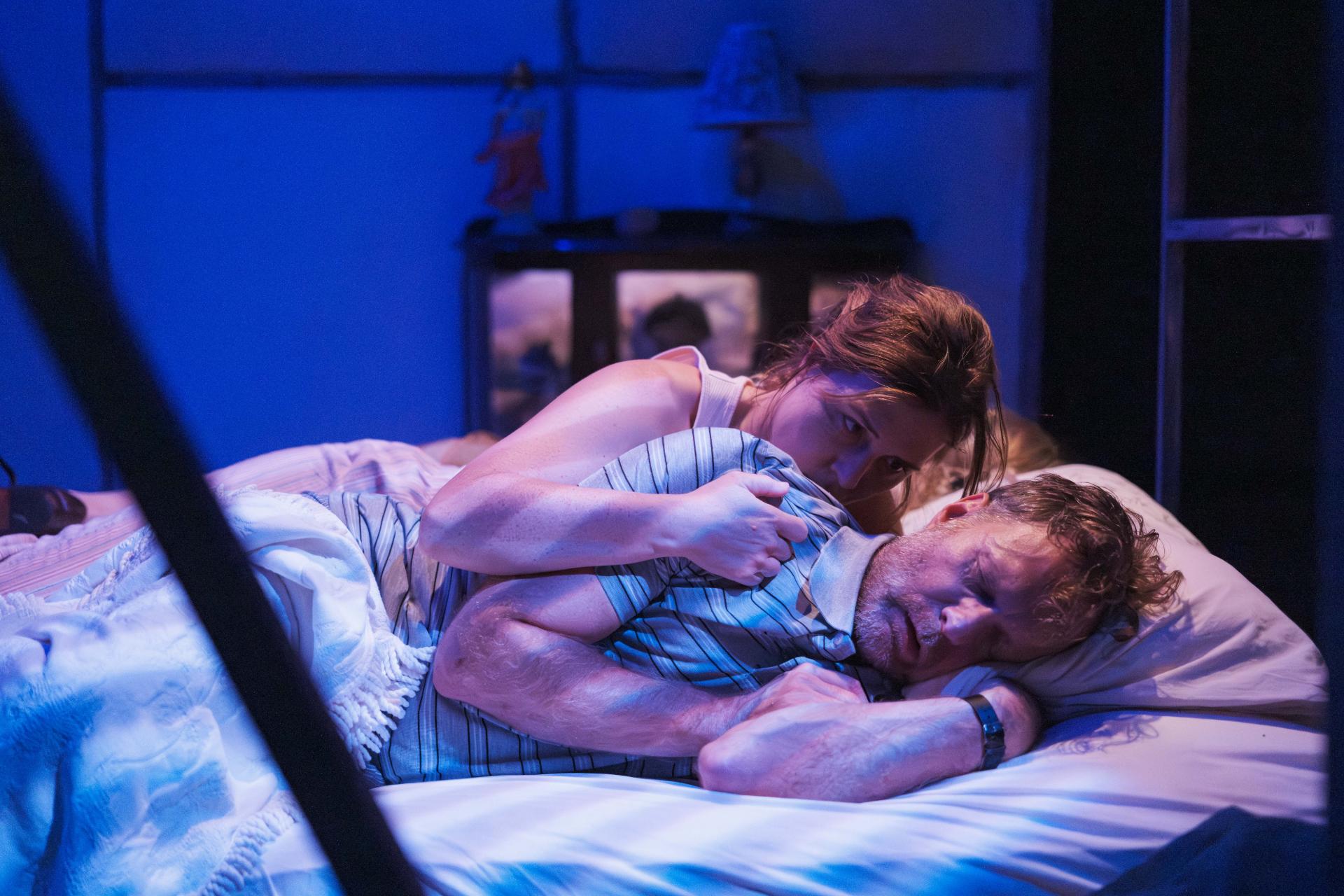
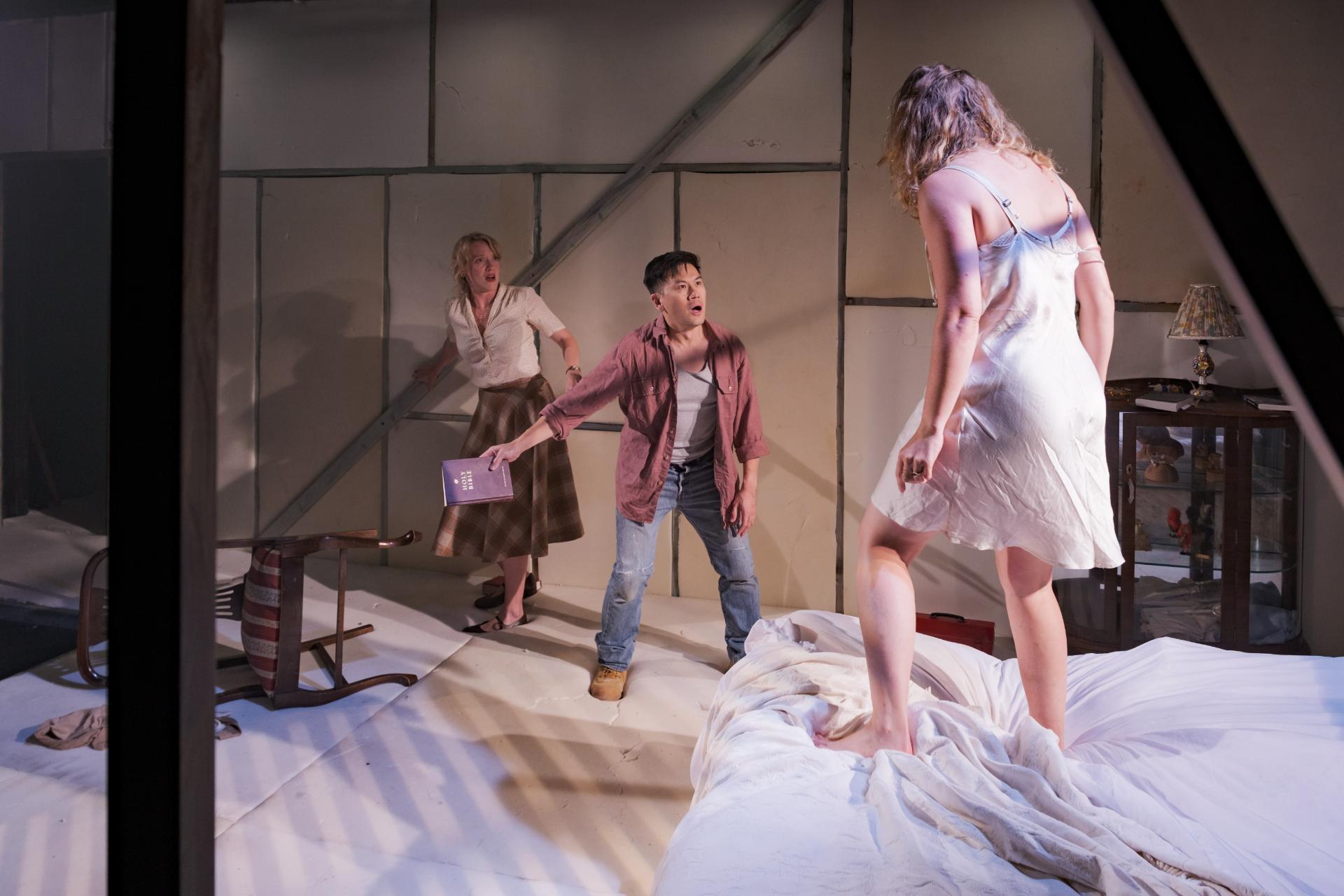
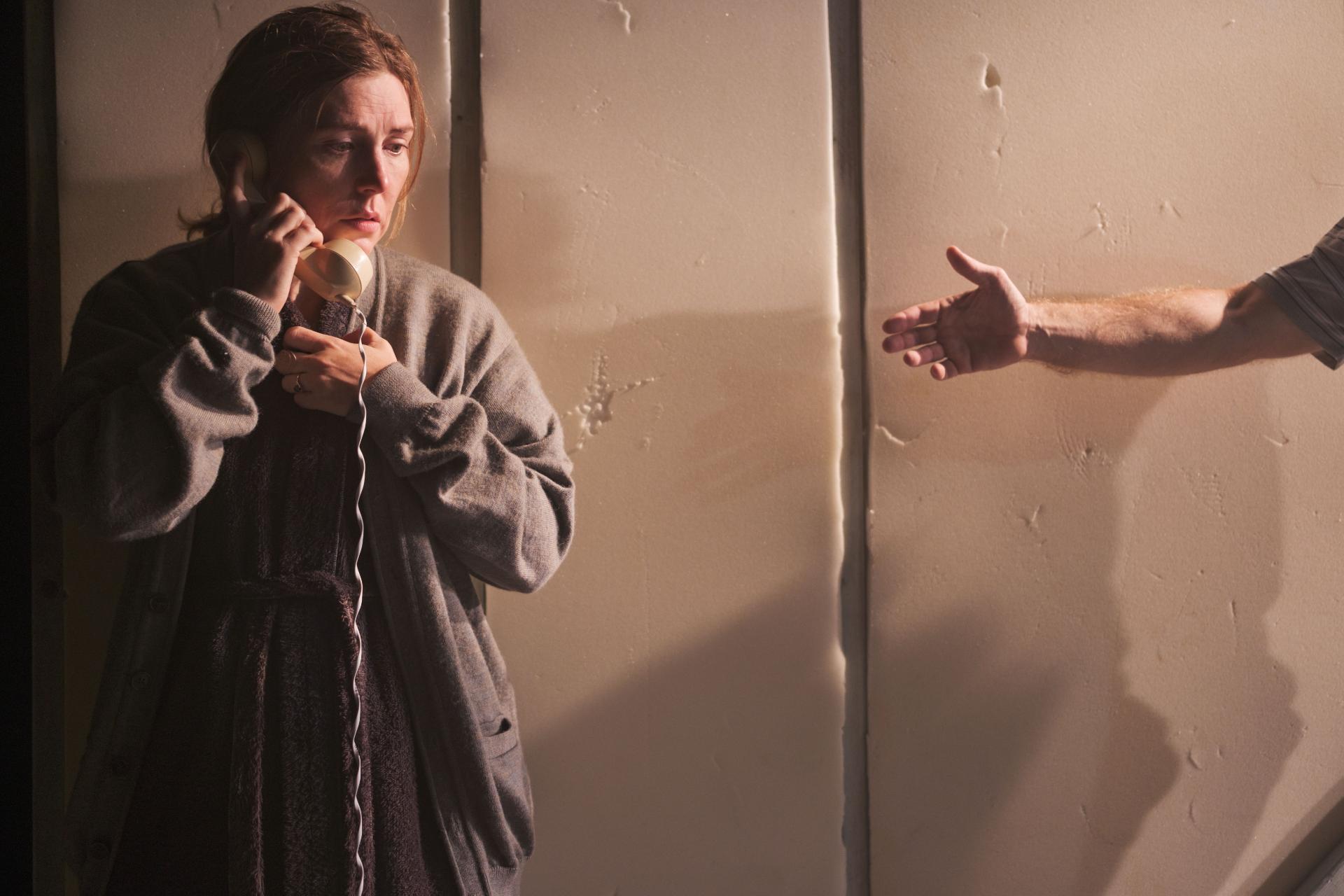
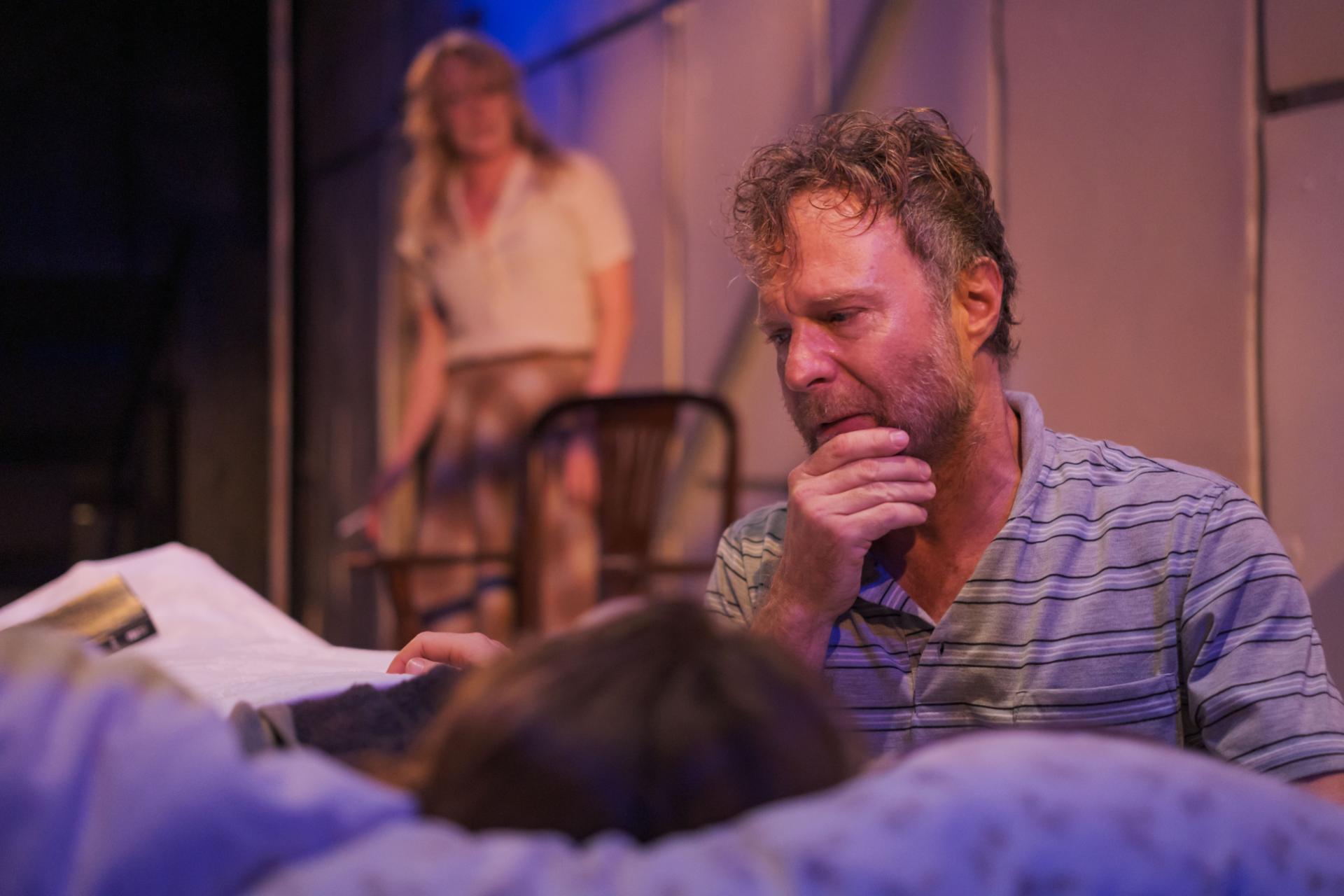
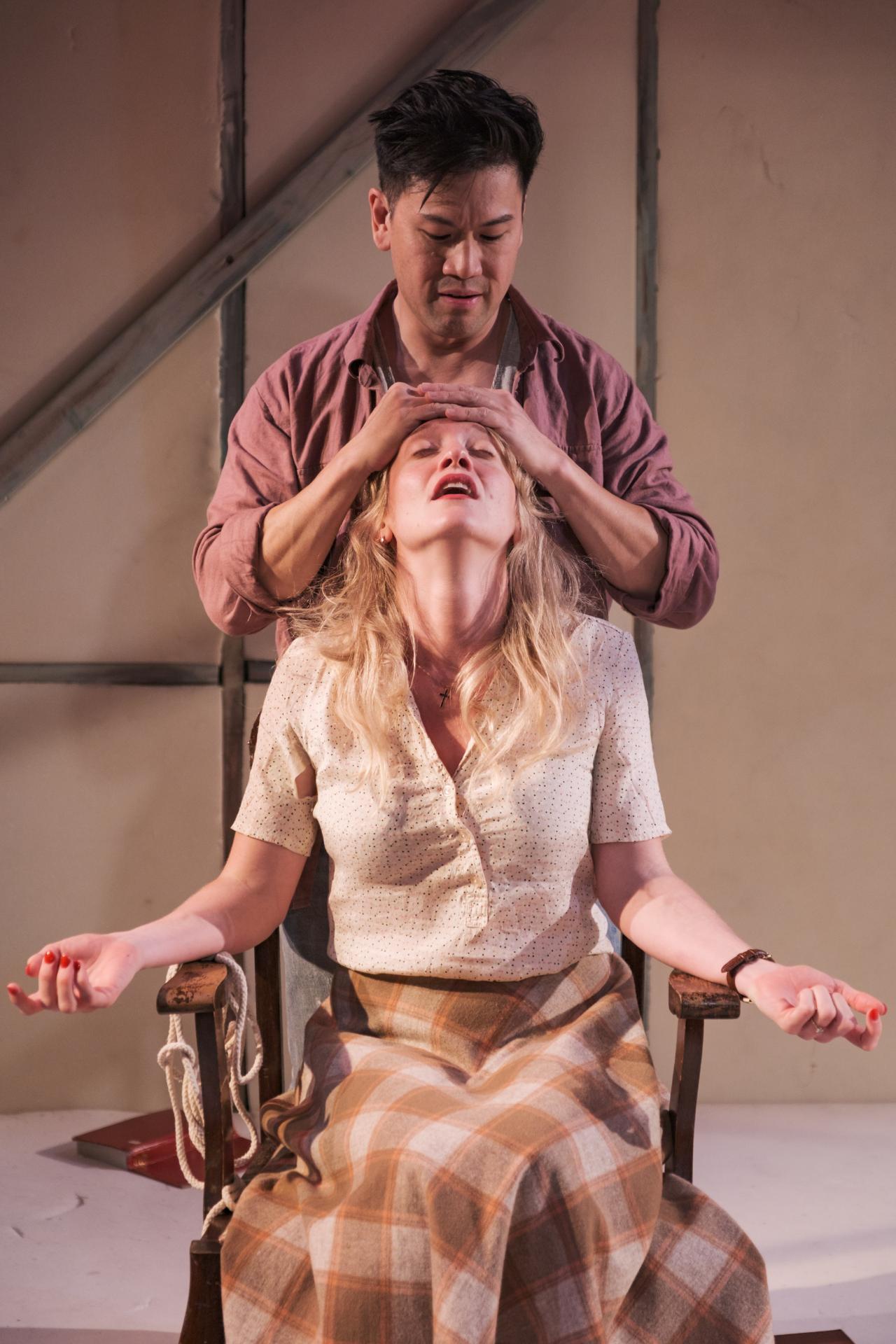
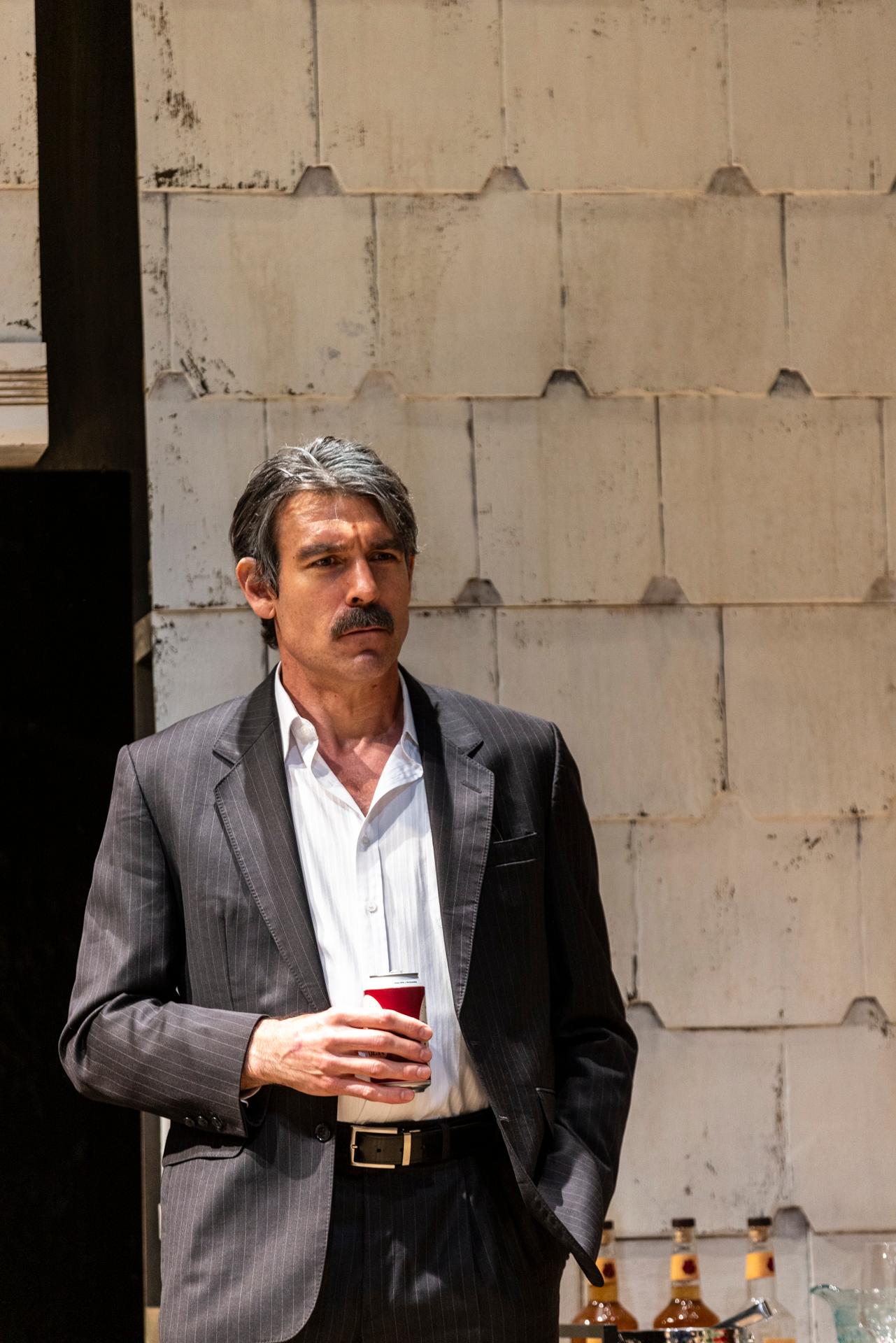
Else was not the first woman to be described as difficult, and not the first to be subject to an exorcism for that very reason. Based on a true story from 90s rural Victoria, Furious Mattress by Melissa Reeves is a dark comedy exploring parochialism, ignorance and intolerance. A scathing indictment of prevailing systems, most notably the Abrahamic religions which perpetuate all manner of social exclusionary, Reeves’ deeply subversive writing is as thrilling as it is mischievous.

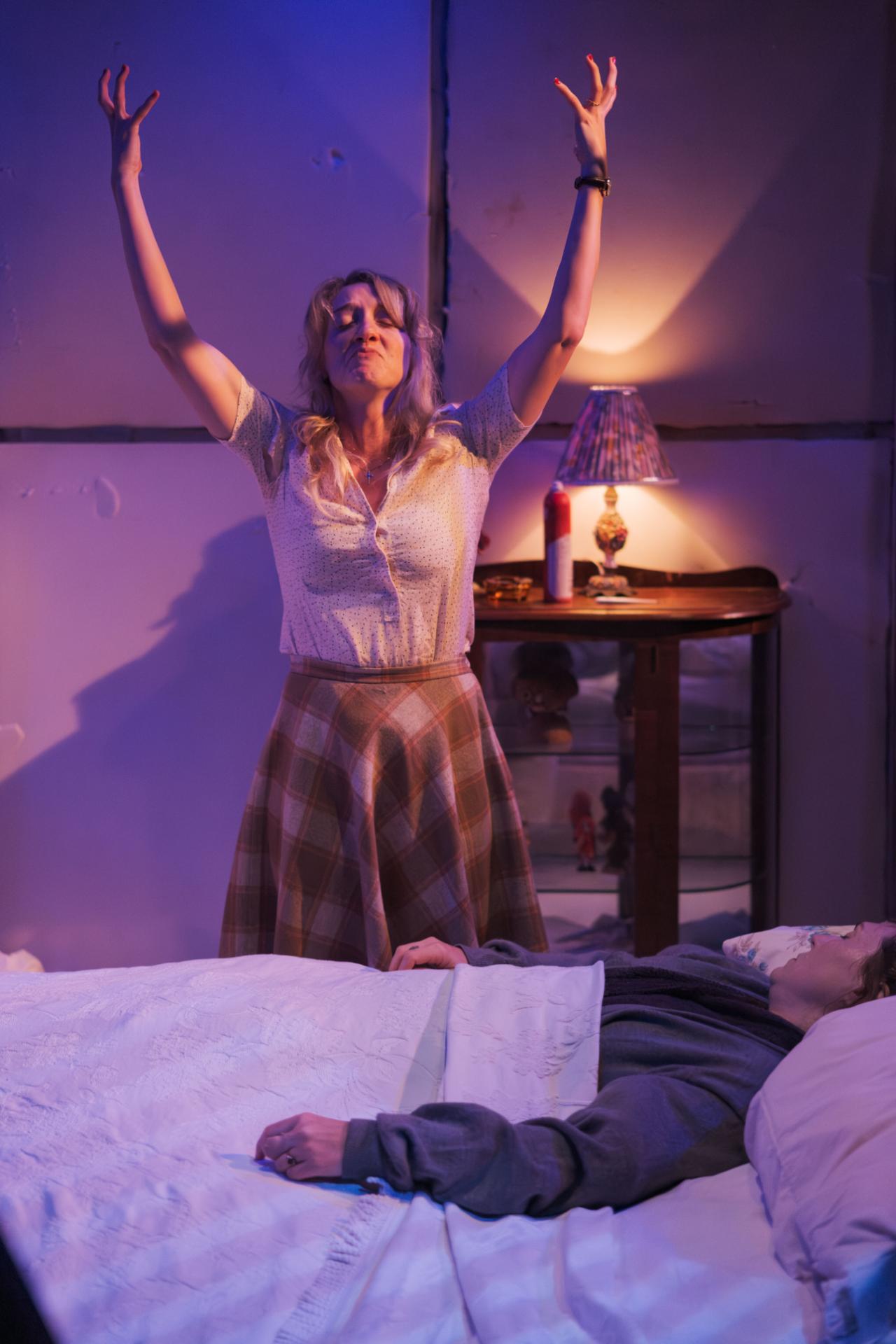
The play is a wild ride, using poltergeist activity and demonic possession as basis for its renderings of theatrical magic. Direction by Margaret Thanos provides an exhilarating kineticism that represents female rage in the twisted form of absurd comedy. Although memorable for that surreal extravagance, its humour can also be wickedly deadpan in naturalist scenes. Either way, Furious Mattress makes us laugh from a condemnatory position, for a satirical chastisement on superstitions and traditions, that insist on the rejection of gender parity. Also noteworthy is the work by Harry Milas as magic consultant, giving literal and figurative elevation to the show.

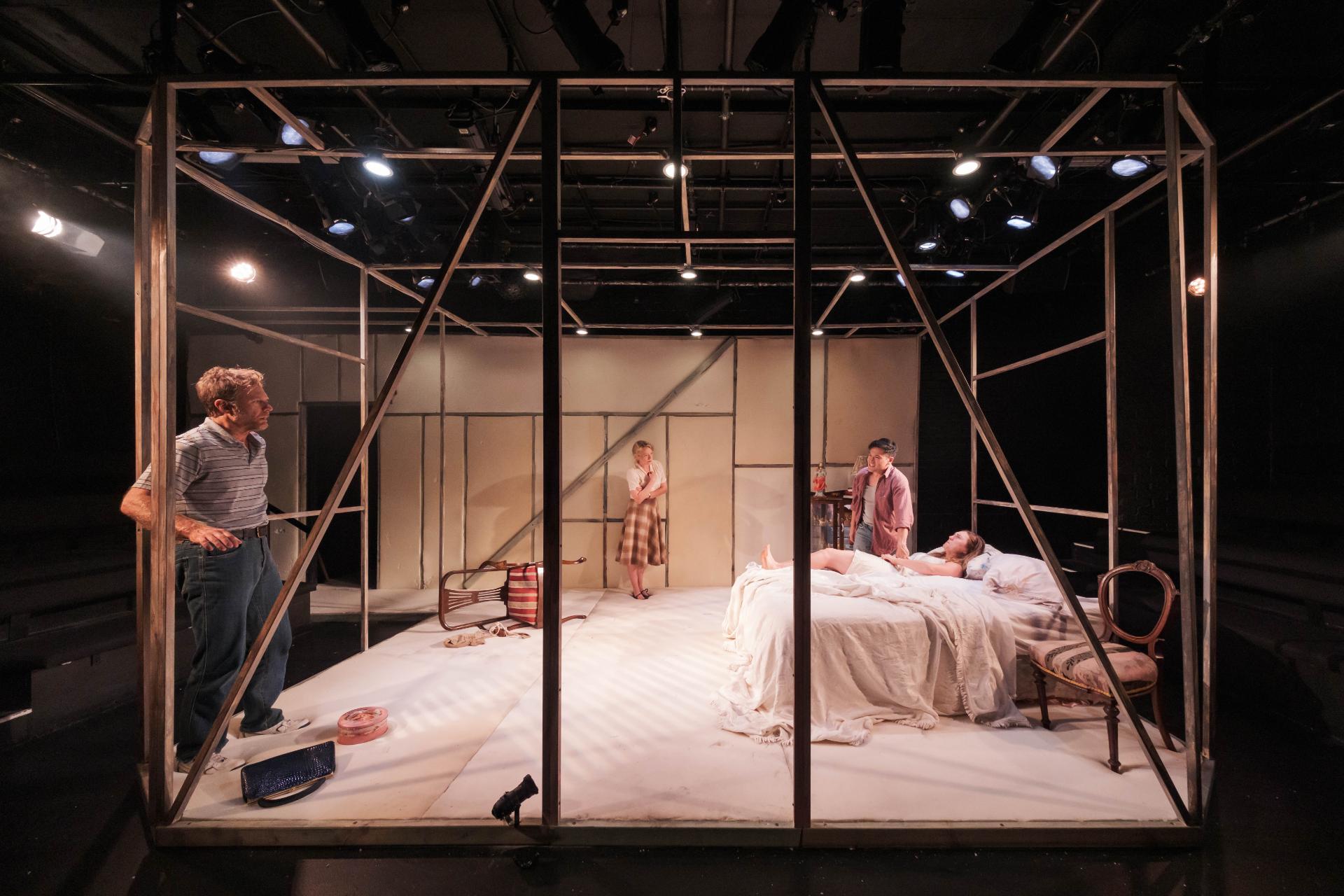
Angelina Daniel’s set design is immediately evocative of country life, with the incorporation of padded surfaces further suggesting interiors of psychiatric institutions, while providing functionality for this highly dynamic presentation. Costumes by Ruby Jenkins guide us to a recent past, but it is a surprise macabre creation that truly excites. Lights by Ryan McDonald are a powerful element, especially satisfying in its delivery of optical illusions for this exploration of paranormal phenomenon. Sound design by Cameron Smith and music composition by Daniel Hertern dial up the drama, for an instance of storytelling that invites us to approach its serious themes with a delicious duality of solemnity and playfulness.

Actor Matilda Ridgway brings a wonderful defiance to Else, demanding that we see the world through her eyes. Ridgway’s cheeky presence keeps us endeared to the central character, even if it is interpreted as demonic within the text. An extremely funny Alex Malone plays Christian zealot Anna with a marvellous cynicism. Else’s husband Pierce is imbued admirable integrity along with the most subtle of incisive derision, by a captivating Julian Garner. Shan-Ree Tan as charlatan exorcist Max adds to the intensity, for a production that elicits a complex melange of emotions from its audience.

When something supernatural happens, and the church is the first authority called upon to solve its mystery, we can observe the extent to which that old institution controls our understanding of the world. When a woman seems to be losing her mind, and the only available discourse regarding her perceived brokenness relates to religion, we ignore the inherent systemic requisites of keeping women down. Some women will not adhere, and they are usually the ones who speak the truth.

www.belvoir.com.au | www.legittheatreco.com

Review: Song Of First Desire (Belvoir St Theatre)

Venue: Belvoir St Theatre (Surry Hills NSW), Feb 13 – Mar 23, 2025
Playwright: Andrew Bovell
Director: Neil Armfield
Cast: Kerry Fox, Borja Maestre, Jorge Muriel, Sarah Peirse
Images by Brett Boardman

Theatre review
The Spanish Civil War ended officially in 1939, but it appears reverberations from the bloodshed continue to this day. There are two distinct periods in Andrew Bovell’s Song of First Desire, 1968 and the present day. The story of one family spans those decades and three generations, revealing the brokenness of the Spanish soul that continues to seek mending. It is an intricate piece of writing, with cleverly woven fragments that spark intrigue, culminating to plot twists that prove highly satisfying.

Directed by Neil Armfield, the narrative’s sombre sense of gravity is always present, as is the weightiness of the sociological concerns that Song of First Desire wishes to explore. Emotions however do not always run high, in a show that is only occasionally evocative of the essence of a culture it represents.

Set design by Mel Page features a striking reference to the barrenness of a nation that struggles to piece itself back together. Lighting by Morgan Moroney, along with sound and music by Clemence Williams, are effective in calibrating a mournful quality for this reflective experience. A more distinct rendering of time and place could make our connection to the work feel richer. Even though the production’s integrity never comes into question, a greater air of authenticity is needed to inspire a more intense visceral response.

Actor Sarah Peirse sets an elegant tone with her quiet interpretations of Camelia and Margarita. Borja Maestre brings soulfulness to the stage, through his sensitive portrayals of Alejandro and Juan. Playing Julia and Carmen is Kerry Fox, memorable for dialling up the drama at opportune moments. A valuable warmth is contributed by Jorge Muriel as Luis, who then turns chilling as the frightening Carlos.

It is sobering to observe characters in Song of First Desire suffer the consequence of prolonged unrest. We are now in a moment of watching history repeat as despotism begins to take hold, in the most powerful office on earth. The worst has yet to transpire, but damage is already evident. At this time, strategies for survival, are as important as strategies for reconstruction. Choosing between safety and resistance will often seem difficult, but the key is to make it through to the end of this ordeal.

www.belvoir.com.au

Review: Jacky (Belvoir St Theatre)

Venue: Belvoir St Theatre (Surry Hills NSW), Jan 16 – Feb 2, 2025
Playwright: Declan Furber Gillick
Director: Mark Wilson
Cast: Danny Howard, Mandy McElhinney, Guy Simon, Greg Stone
Images by Stephen Wilson Barker

Theatre review
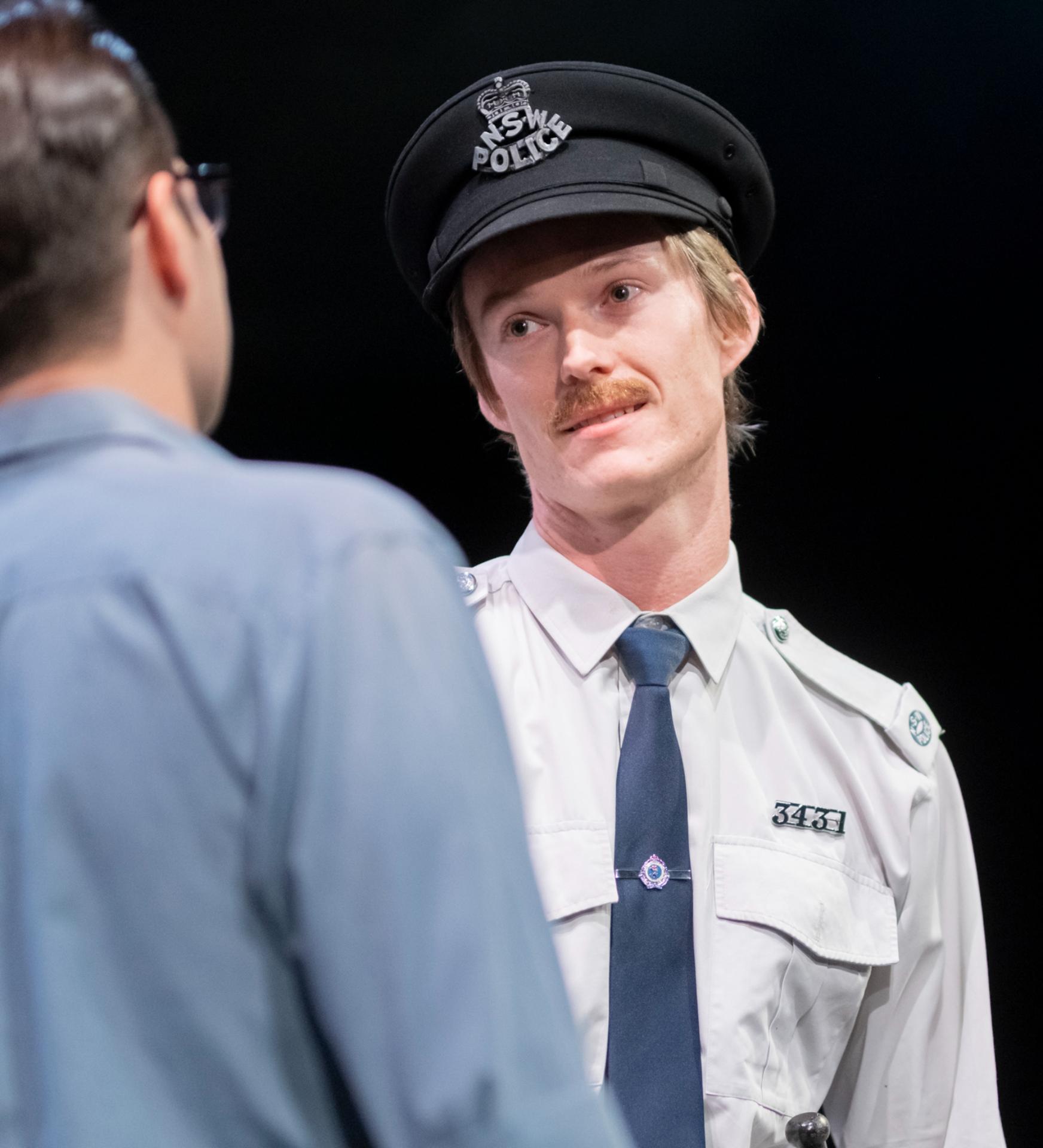
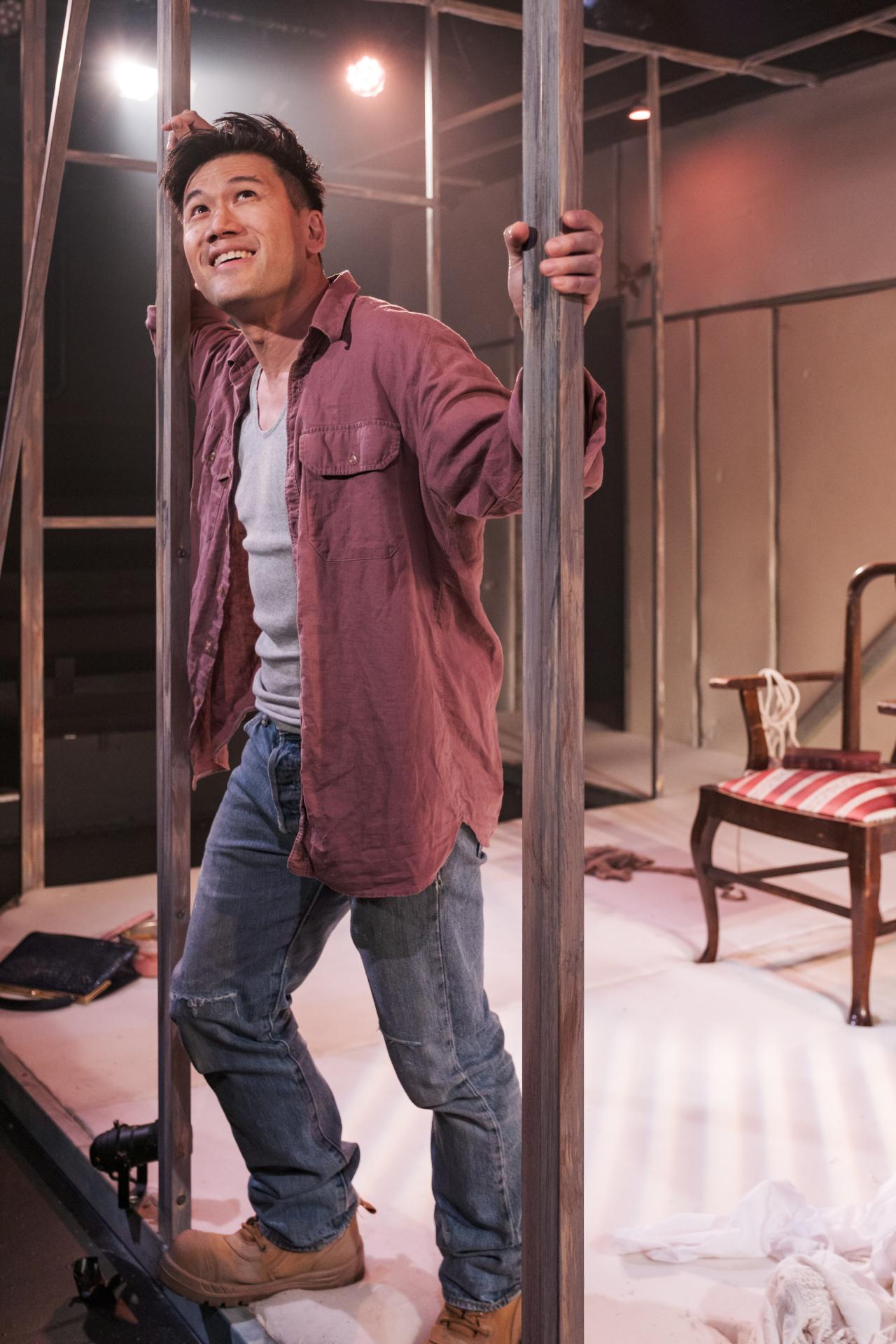
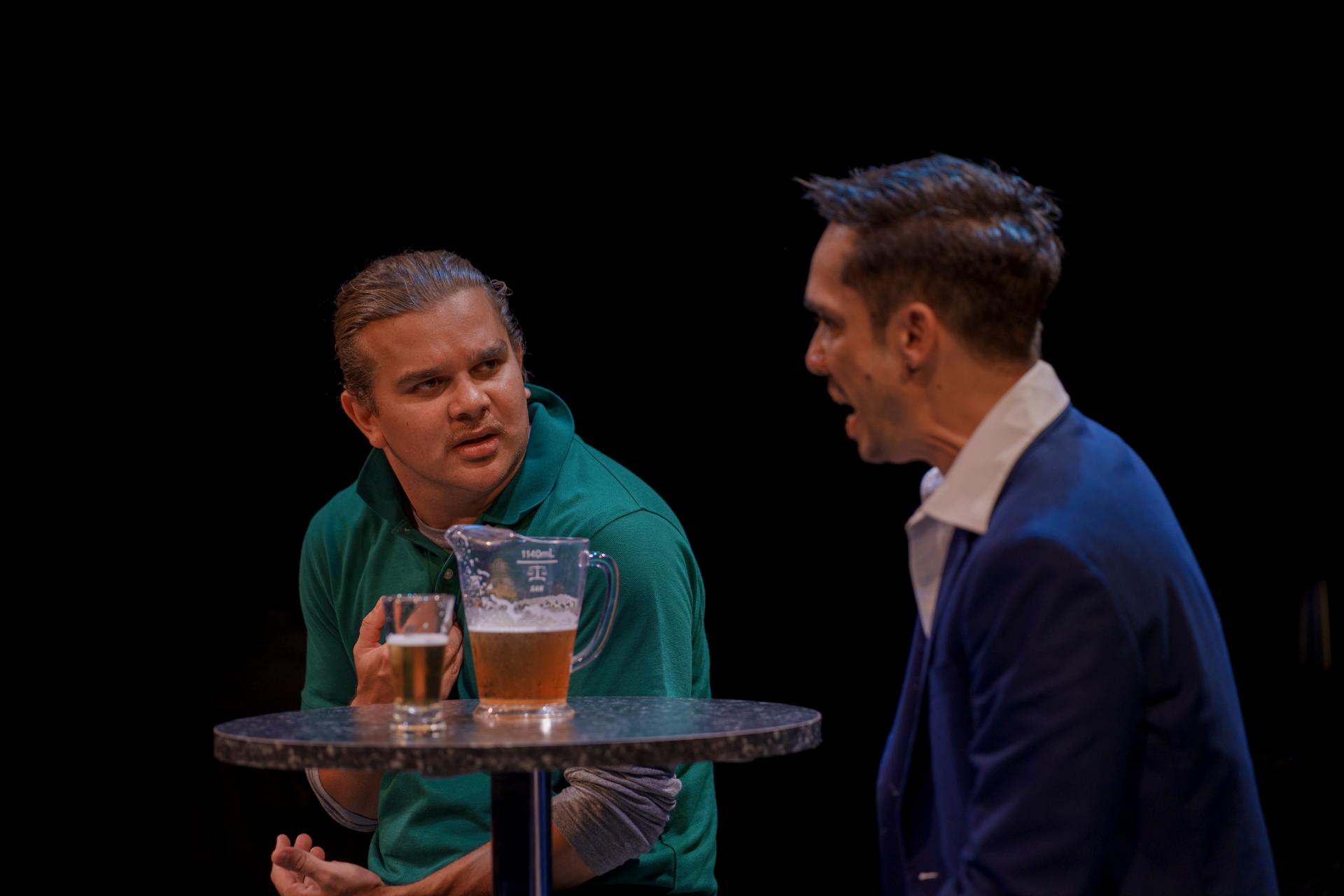
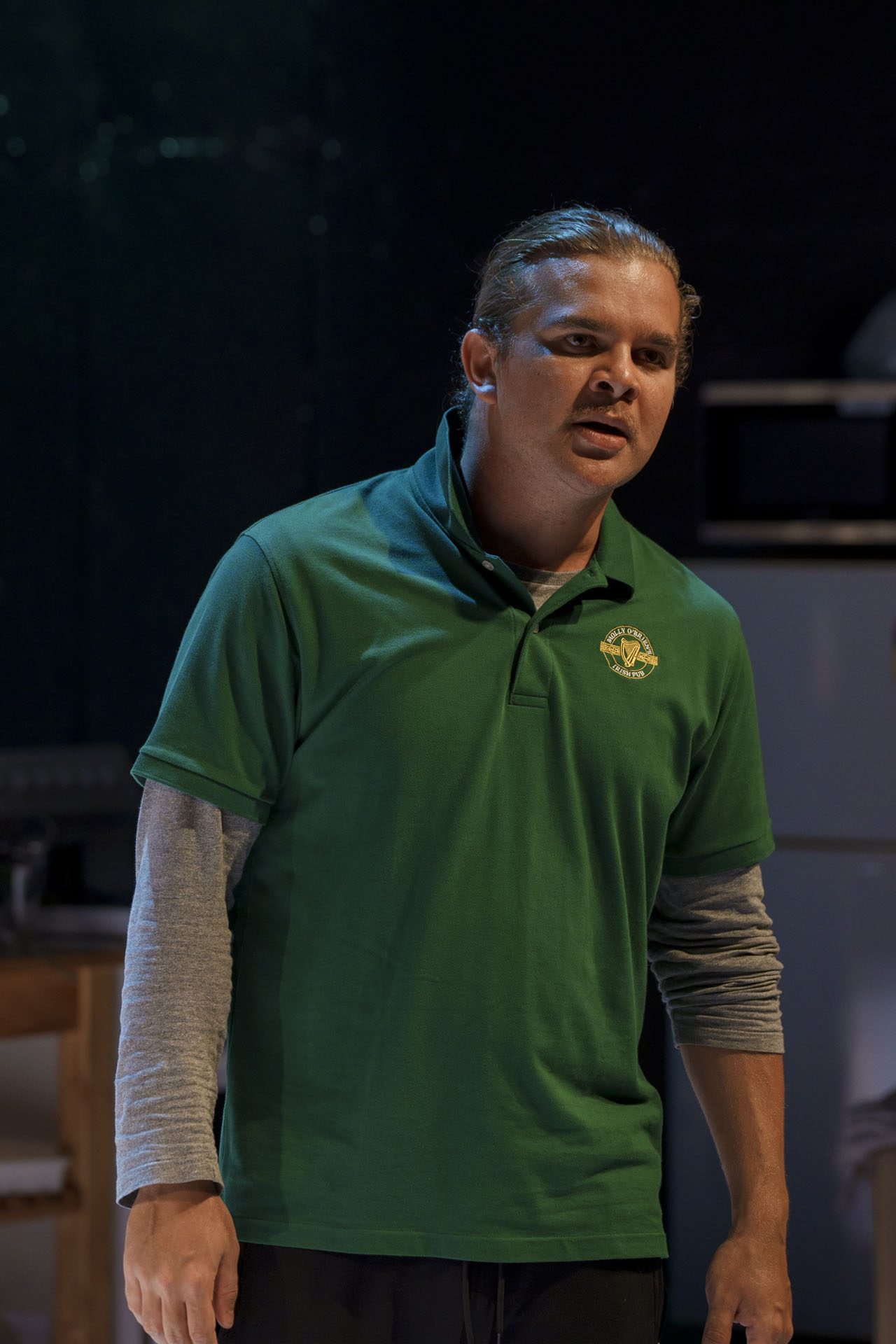
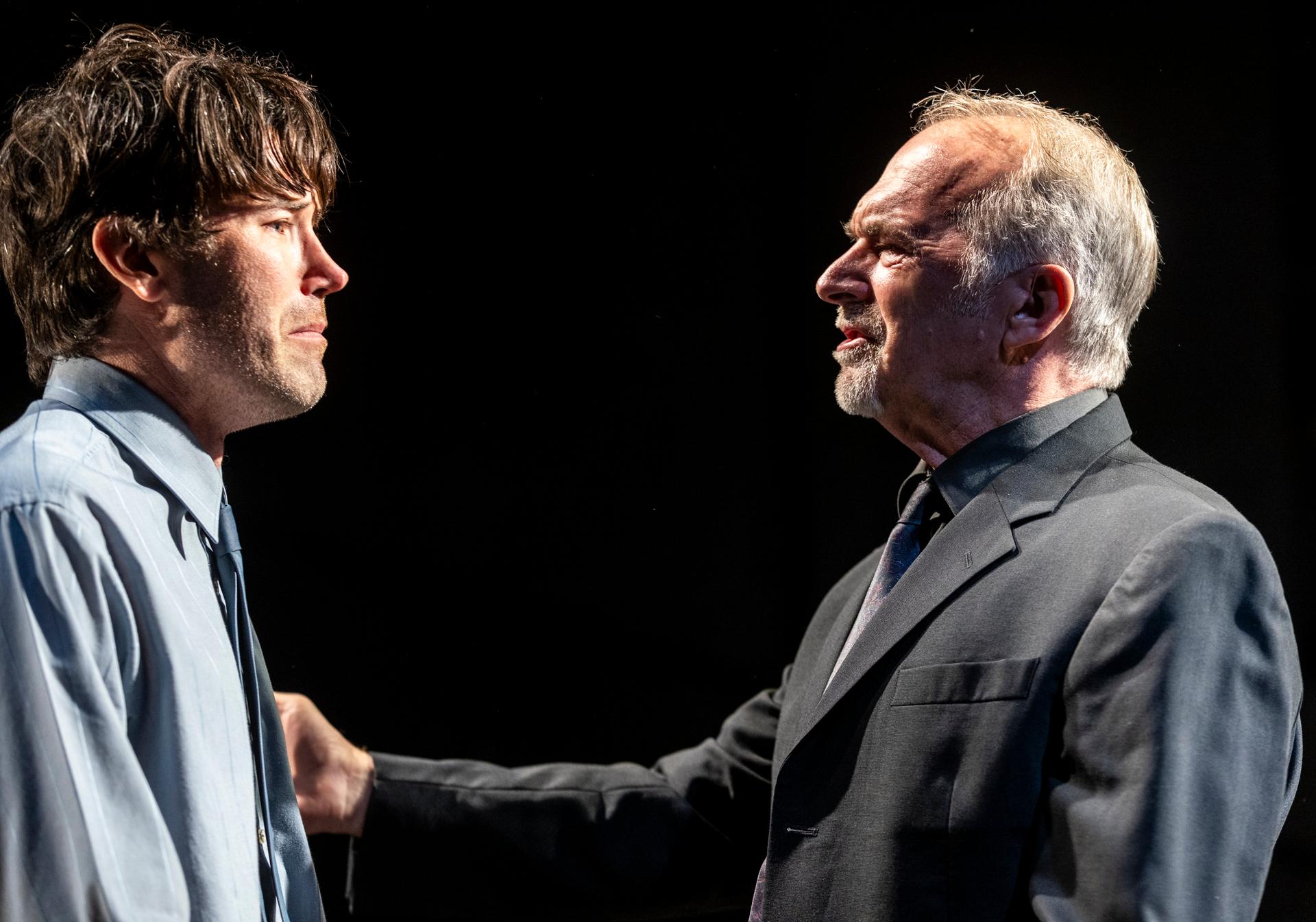
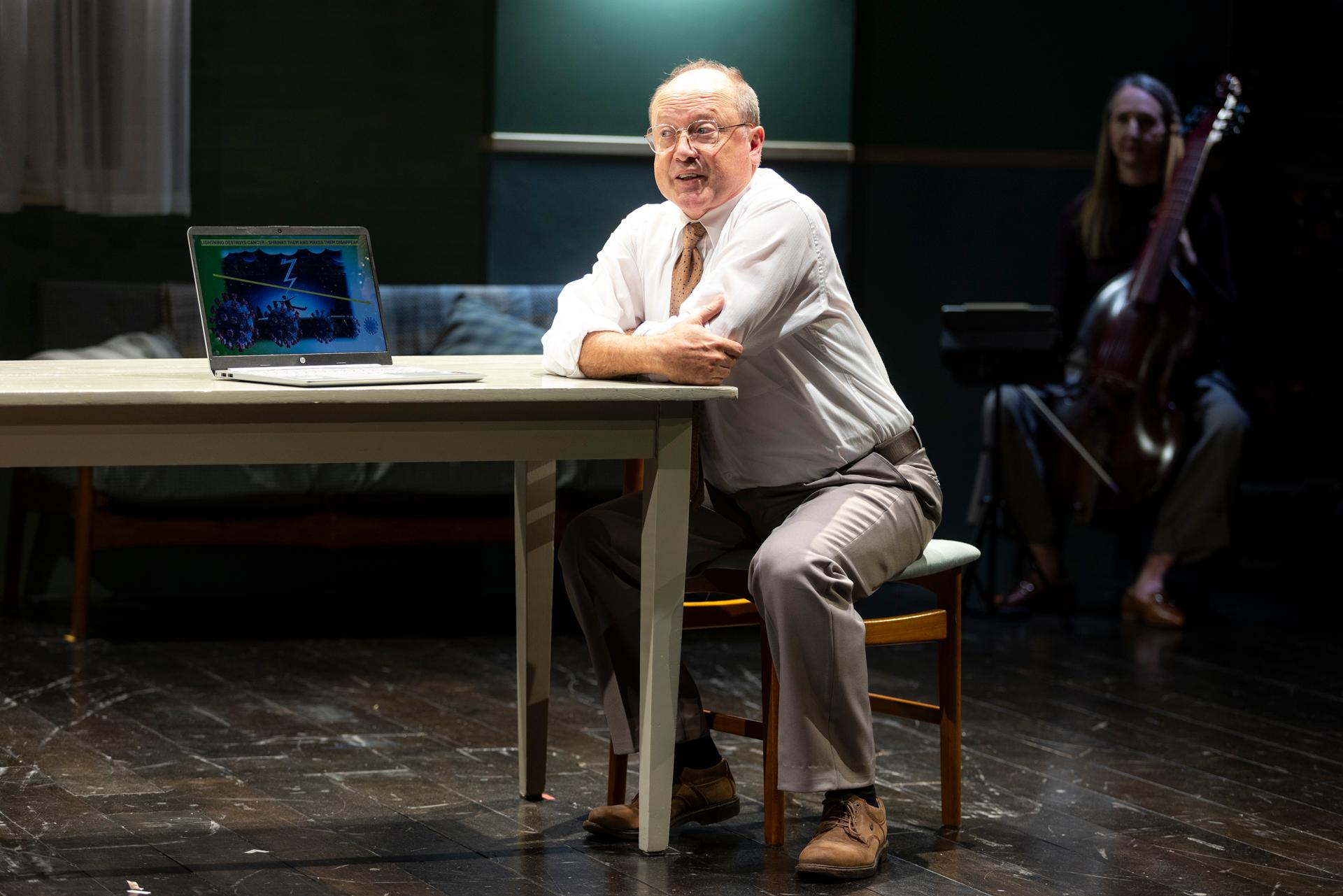
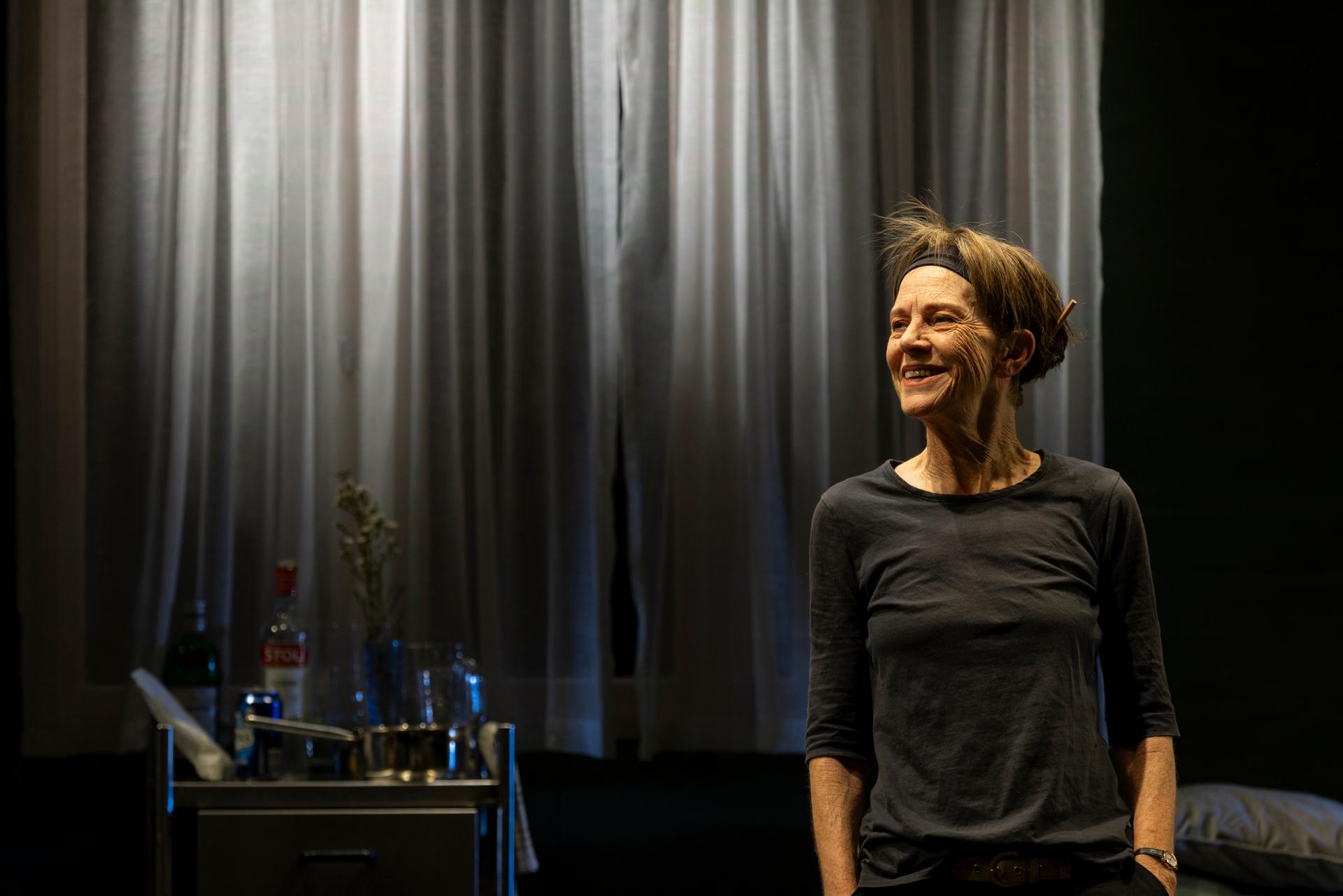
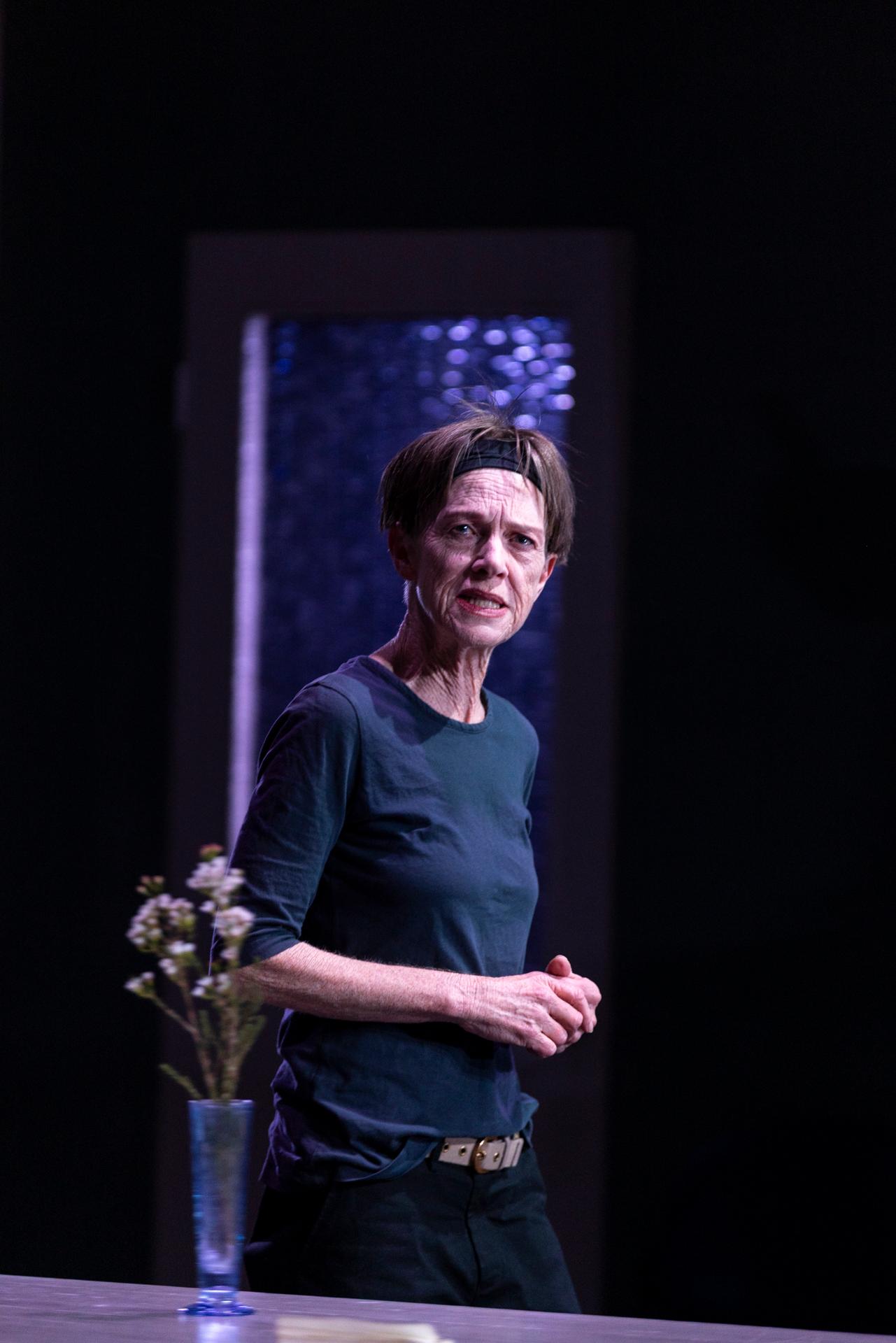
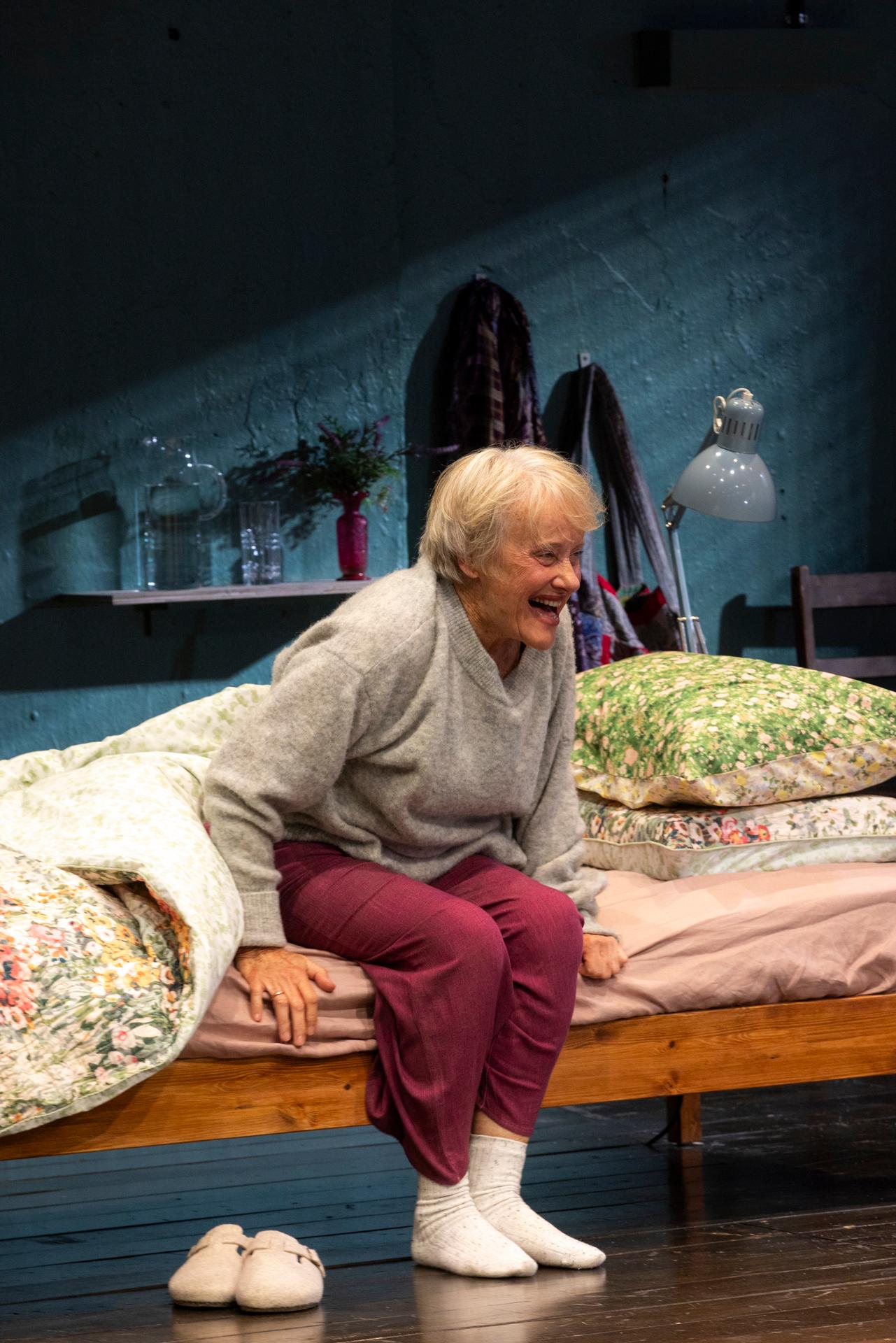
Having moved to the city, and now starting to put down roots, Jacky is hoping to finally be able to buy his home. Even though he is of Indigenous background living on unceded lands, he accepts that the prevailing system requires a lot of jumping through hoops, before he can be granted approval for a loan. In Declan Furber Gillick’s marvellous play Jacky, we watch as the titular character twists and contorts himself into all manner of awkward and humiliating states, in order that he may feel like he is getting ahead in life.

Jacky strives for success and is willing to compromise endlessly his own integrity to attain his dreams. However, the realities of a colonized existence gradually reveal demands that extend beyond his personal sacrifices. Furber Gillick’s writing makes an exceptionally powerful statement about injustice, through a narrative of normative modernity, contextualising contemporary politics in a way that resonates with all. His work is blisteringly spirited, whilst being consistently witty and entertaining, effortlessly holding our attention as it drives home some of the hardest truths about the foundations of our communal life.

Direction by Mark Wilson is commensurately daring, memorable for pushing the delicious but agonising drama to the edge of our nervous limits. Difficult discussions are presented unvarnished, allowing us to consider these matters of national importance with absolute candour. Although unyieldingly serious, the show is often very funny, filled with ironic humour for an experience nothing less than scintillating.

Design elements of the production are all rendered with efficacious simplicity. The set by Christina Smith delivers logical demarcations of performance space. Emily Barrie’s costumes help create believable personalities from everyday life. Lights by Matt Scott, along with sounds by James Henry, offer uncomplicated solutions that signal movements in time and space.

Leading man Guy Simon sets the tone with restraint and charisma. His minimalist style of presentation is thoroughly mesmerizing, perhaps due to the contrast with the many provocative situations Jacky finds himself in. Simon articulates perfectly the immense complexities involved, when Indigeneity has to navigate structures that are fundamentally about the entrenchment of white supremacy. 

Danny Howard plays Jacky’s brother Keith, with wonderful effervescence and disarming depth. An admirably nuanced Mandy McElhinney in the role of Linda confronts the values of our white middle class, asking troubling questions about whether a person can survive the economy, without furthering racist agendas. Greg Stone is fearless as Glen as he demonstrates most convincingly, the extent to which racism can appear so benign yet be so damaging.

Linda and Glen are entirely oblivious to the hurt and harm they cause, in fact they only ever think of themselves as being generous and helpful. We see in them, the familiar intention to do good, followed by a painful observation of devastating results. We are reminded of the famous words from American activist Audre Lorde, that “the master’s tools will never dismantle the master’s house”. In Jacky it can be seen so clearly, the very real problems that hold us back, and only if we really want to, we can detect the solutions that Jacky provides.

www.belvoir.com.au | www.mtc.com.au

Review: Hot Tub (25A Belvoir)

Venue: Belvoir St Theatre (Surry Hills NSW), Dec 6 – 21, 2024
Playwright: Lewis Treston
Director: Riley Spadaro
Cast: Jack Calver, Patrick Jhanur, Melissa Kahraman, Kieran McGrath, Ella Prince, Shannon Ryan, Diane Smith
Images by Katherine Griffiths

Theatre review
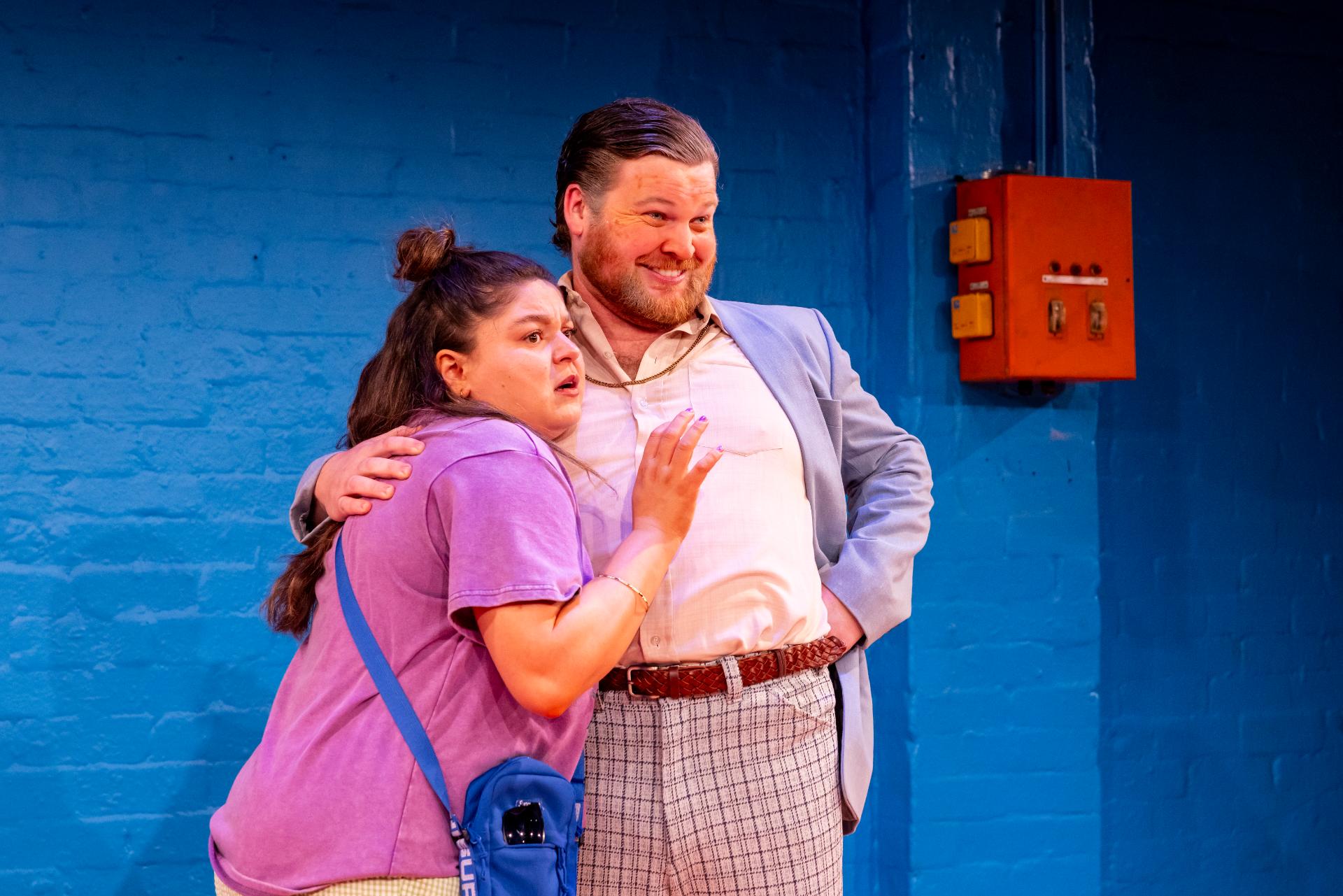
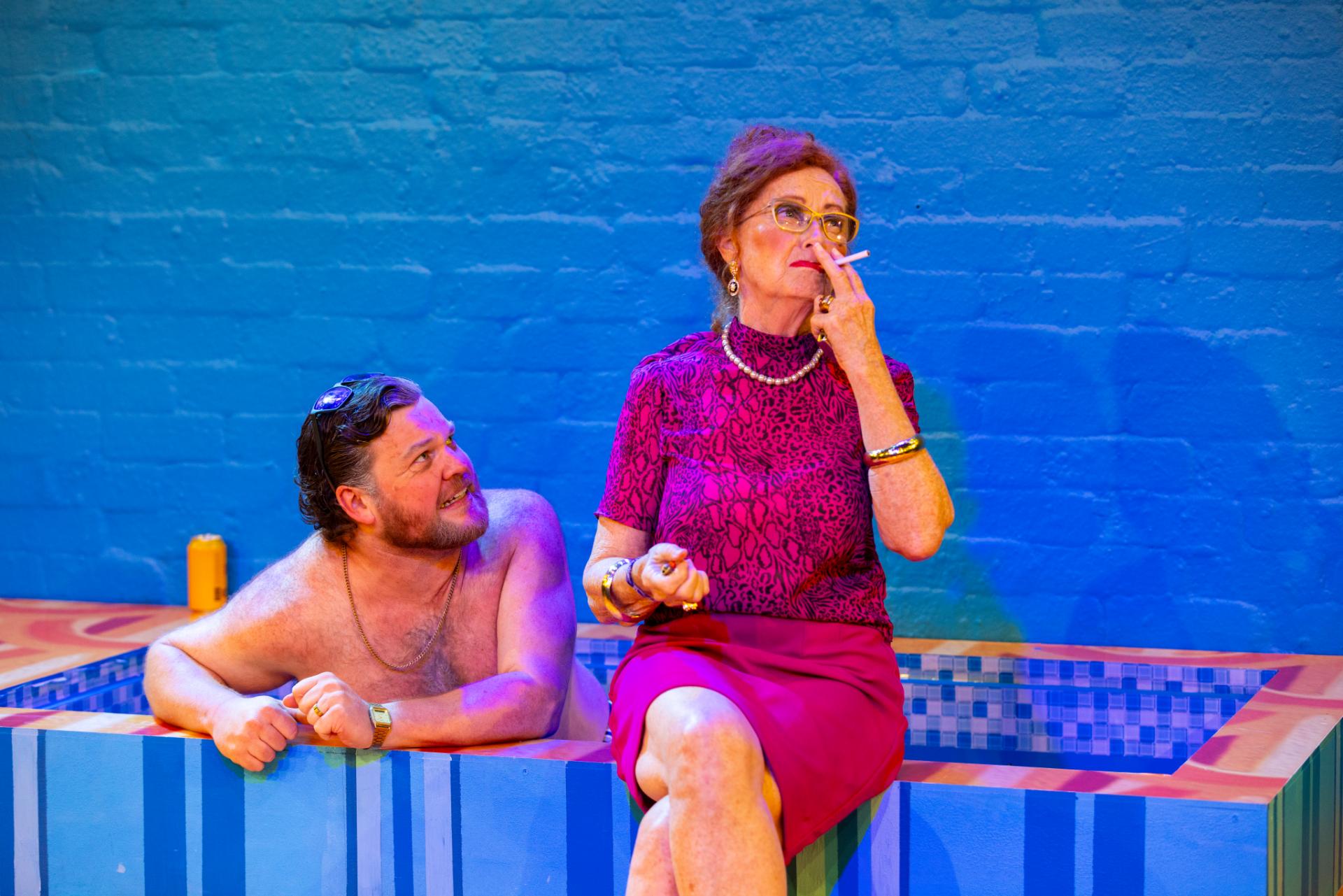
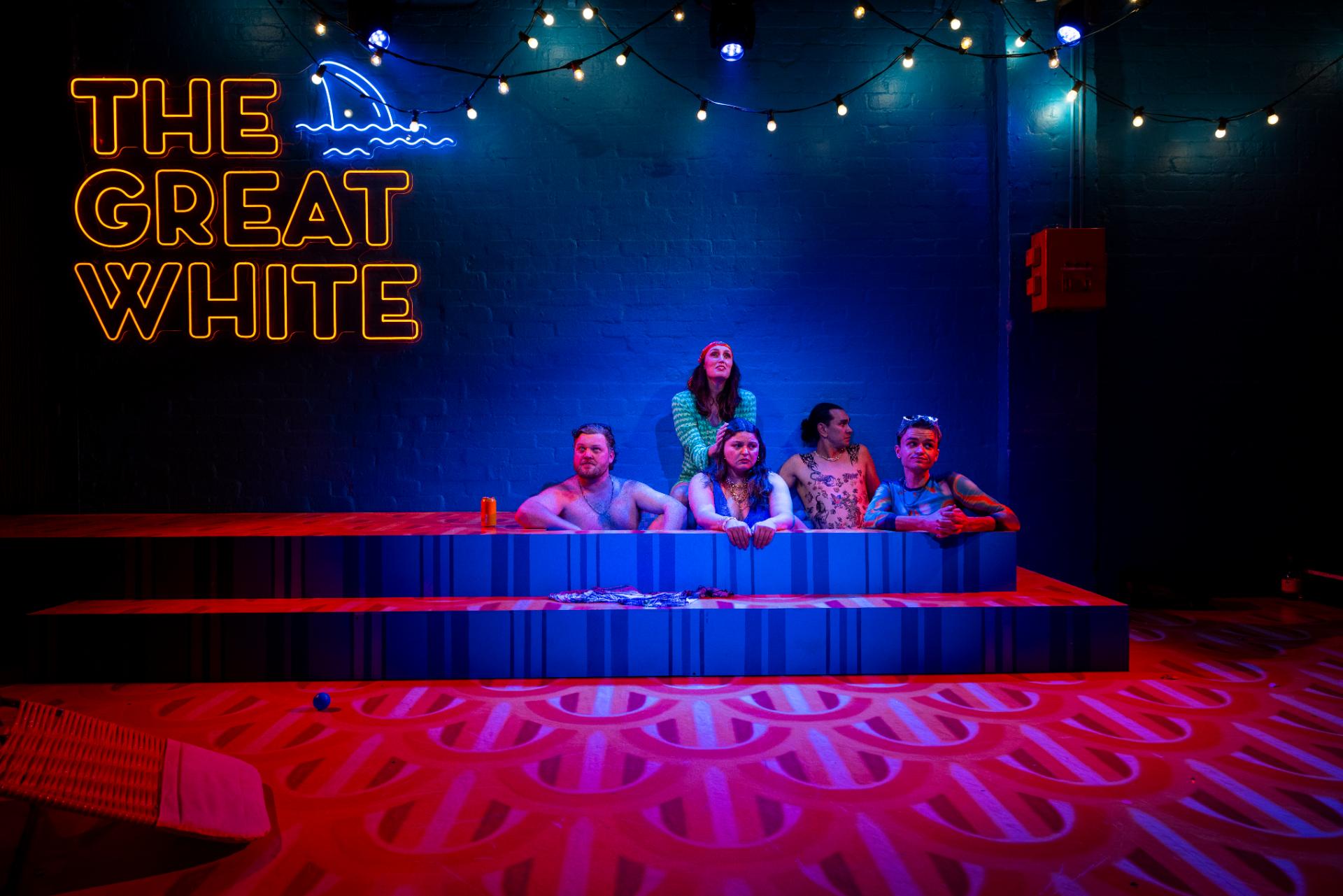
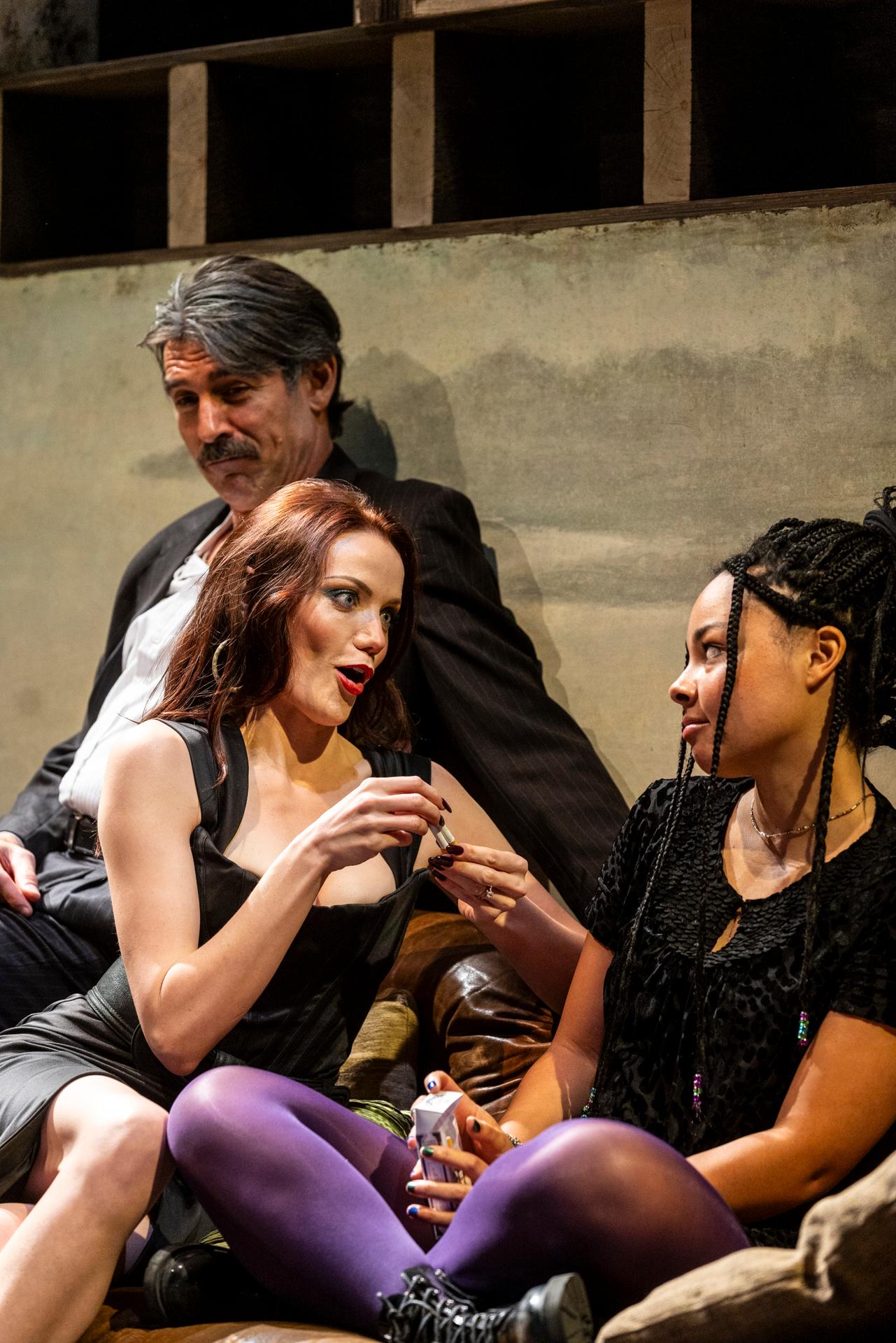
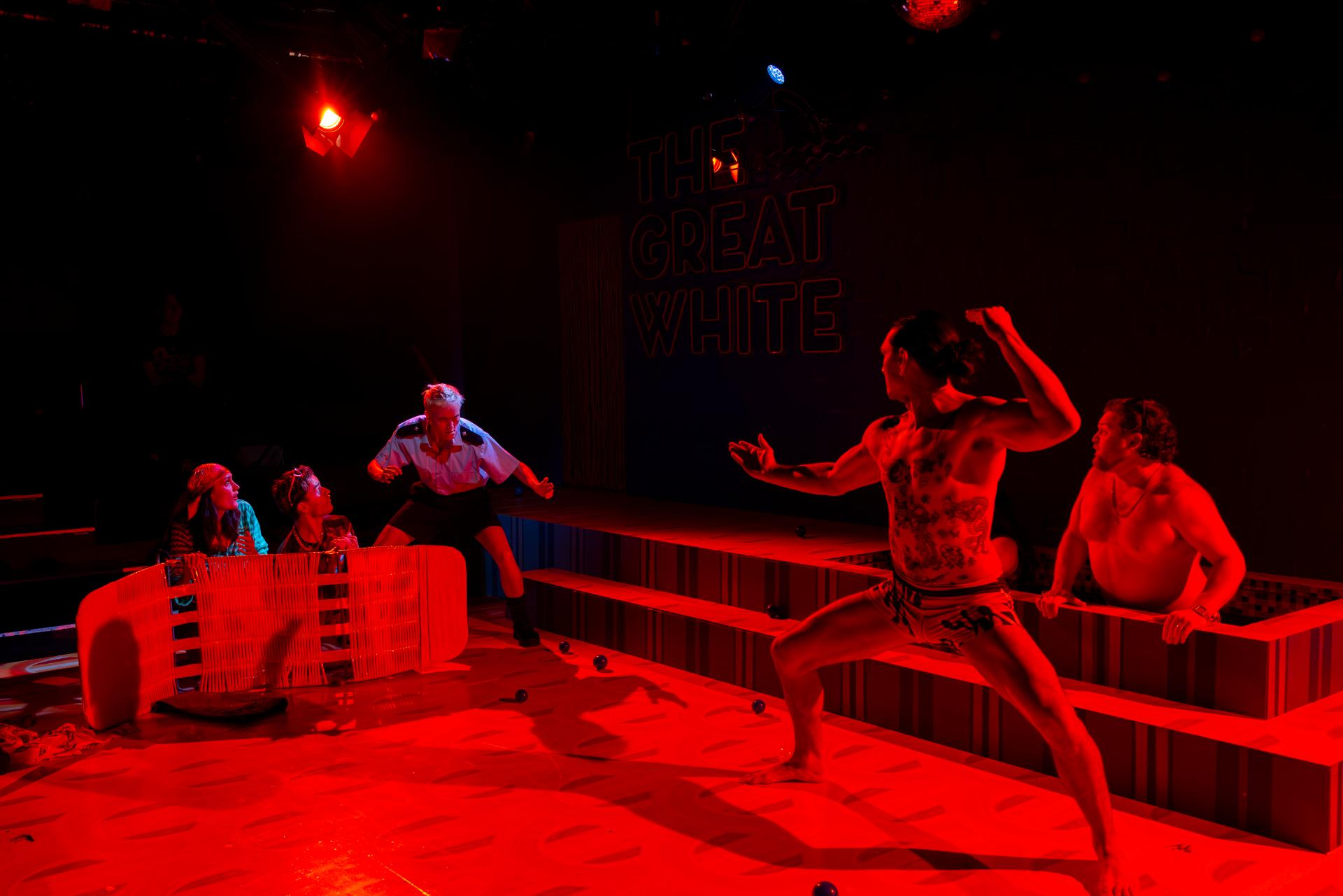
The Hunter-Whites have more dollars than sense, and something about the Gold Coast just sends them in a tailspin. Hot Tub by Lewis Treston is an absurdist comedy about the wealthy, a fantasia on the frenzied existence of cash-rich and drug-fuelled moguls, with lifestyles propped up by property ownership and a distinct shortage of moral concerns. The play is composed of highly amusing dialogue, featuring flamboyantly imagined personalities; its narrative may be lacklustre, but its spirit is certainly wildly infectious.

Commensurately exuberant direction by Riley Spadaro delivers a show as camp as it is unabashedly depraved. There is a sophistication to Spadaro’s approach that counteracts the obvious humour of Hot Tub, and while it may not prevent us from feeling empty at the end, the journey is unquestionably entertaining.

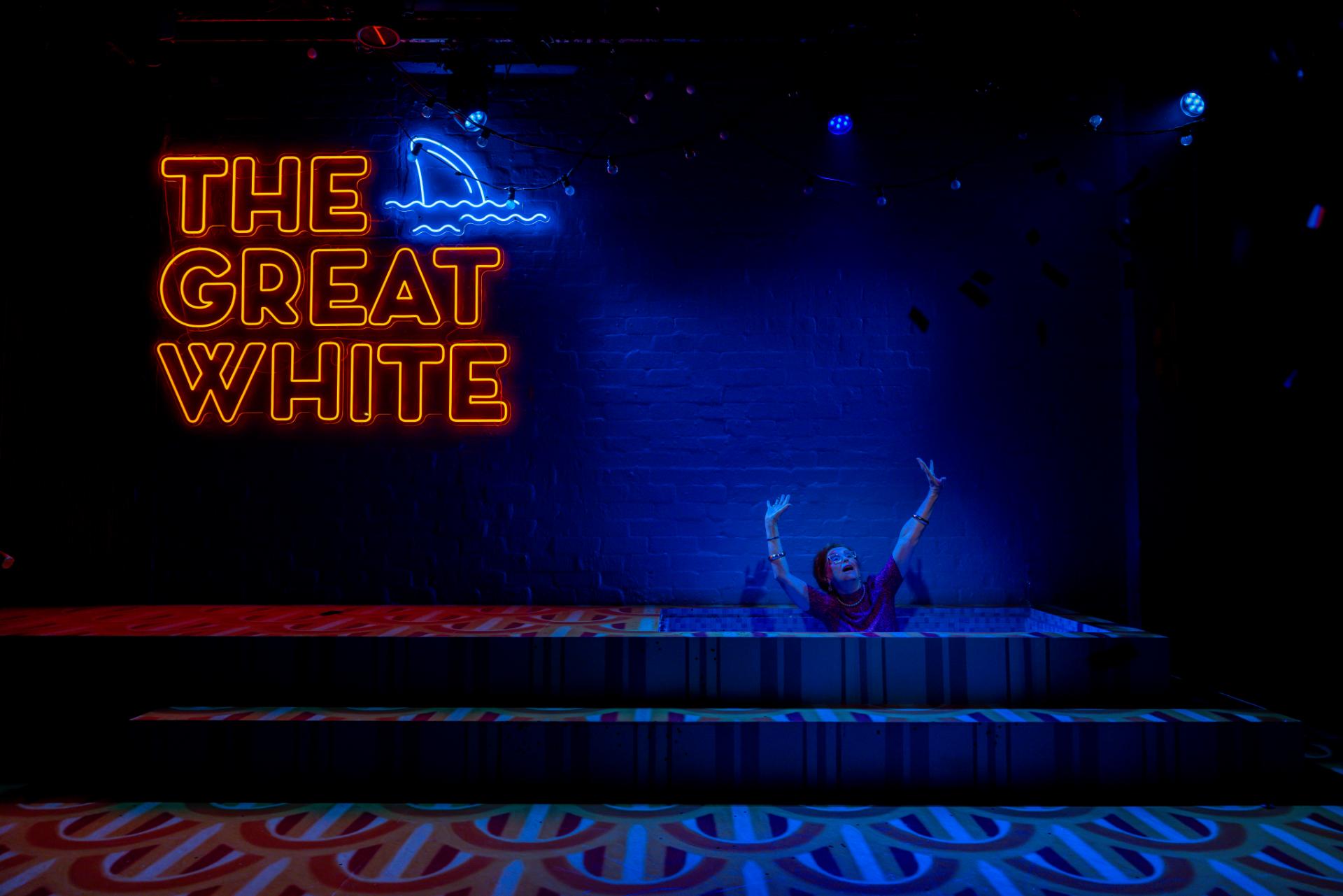
Grace Deacon’s set design is attractive and remarkably finessed, and even though her costumes do not sufficiently portray affluence, the colourful imagery being formulated proves a delight. Lights by Phoebe Pilcher are energetic and richly tailored, bringing a wonderful sense of variety to our visual enjoyment of the piece. Madeleine Picard’s sound design is less conspicuously presented, but the vitality it imbues is unambiguous.

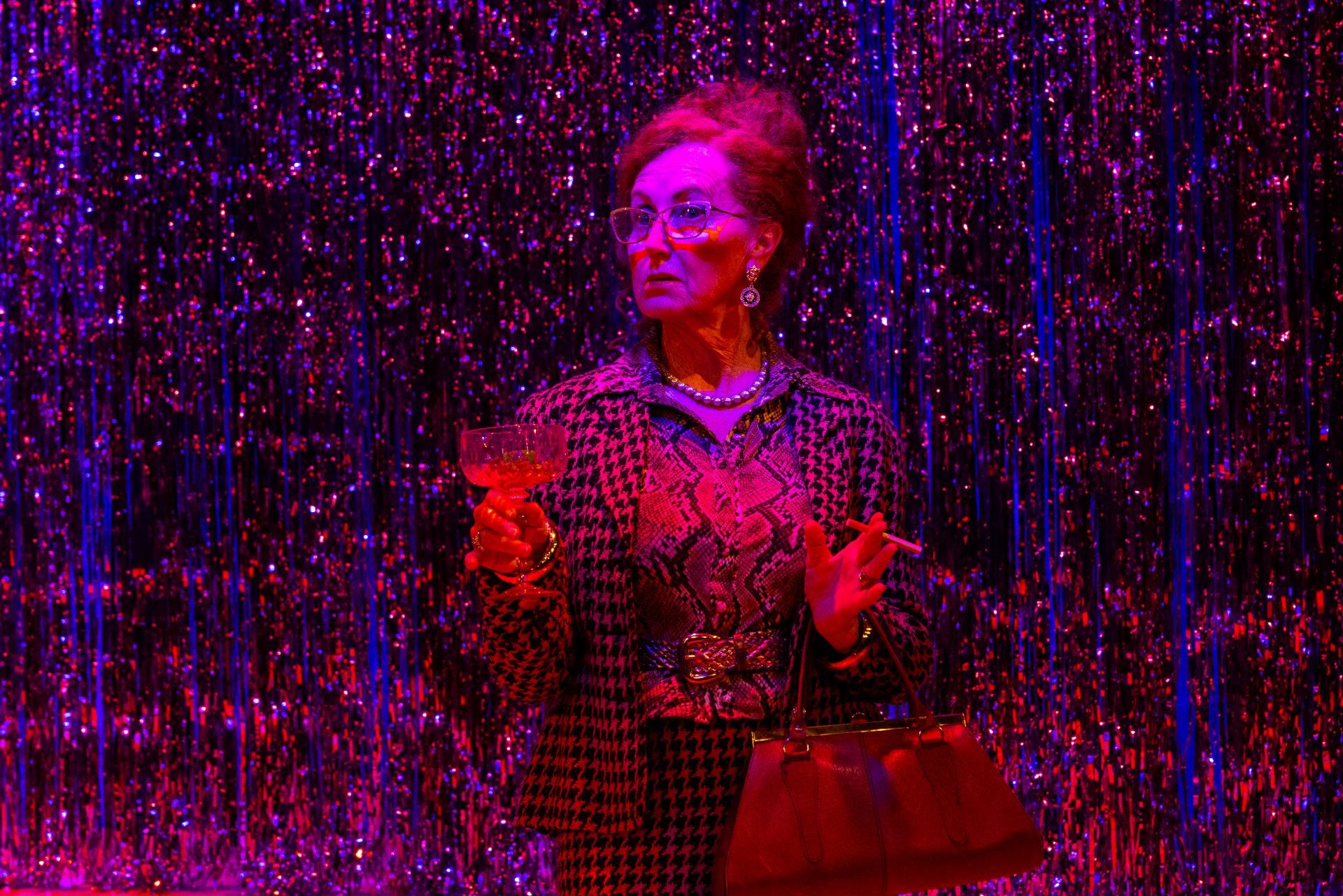
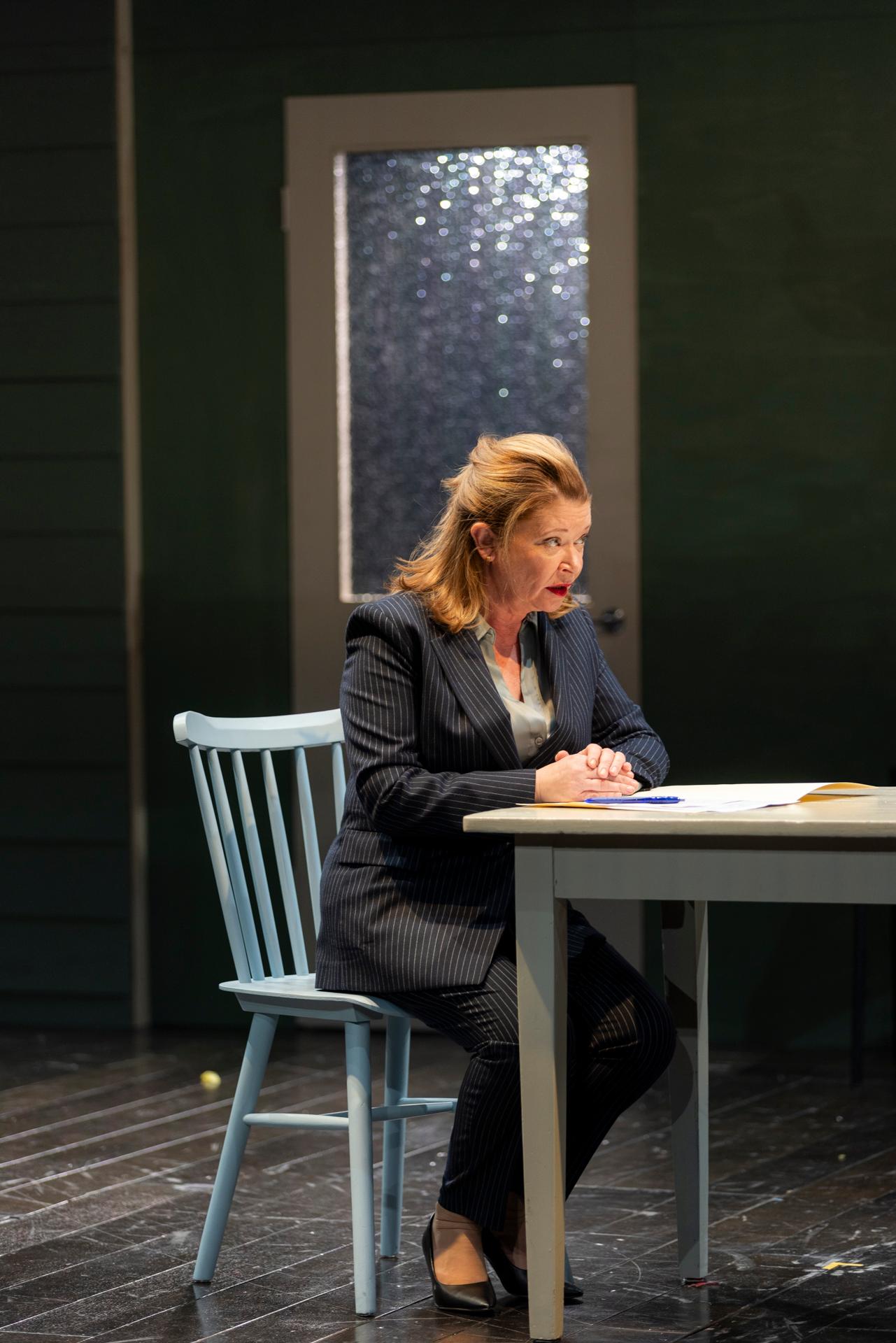
It is clear that the cast of Hot Tub is deeply committed, with every performer bringing an unwavering focus to their parts. Ella Prince is particularly memorable as Officer Sheryl, with a level of theatricality that feels completely off the charts, yet accurate to the aesthetic being rendered. Diane Smith too introduces a brand of bizarre to her delicious interpretation of a grandmother more interested in money than in family, admirable for her iconoclastic depiction of an Australian matriarch. 

There is something in the very bones of our way of life on this land, that insists that we make safe and bland decisions. Even in art, we are often held back from jumping off cliffs, as though the repercussions will forever be dire, even though nobody can know for certain what awaits thereafter. In Hot Tub, we can see that a leap of faith has been taken, a kind of wild abandon is in action, perhaps informed by the unequivocal queerness that serves as central guiding principle, establishing the language and paradigm from which it communicates.

It is a play about family, yet love seems non-existent, or at least undetectable in a conventional manner. Queer people perceive kinship differently. Queer people may even understand love differently. There is a communal connection taking place, when we laugh at glamorous characters being awful parents, and even though they leave us needing more, we know that for a moment, we had been held.

www.belvoir.com.au | www.instagram.com/presentedbybub

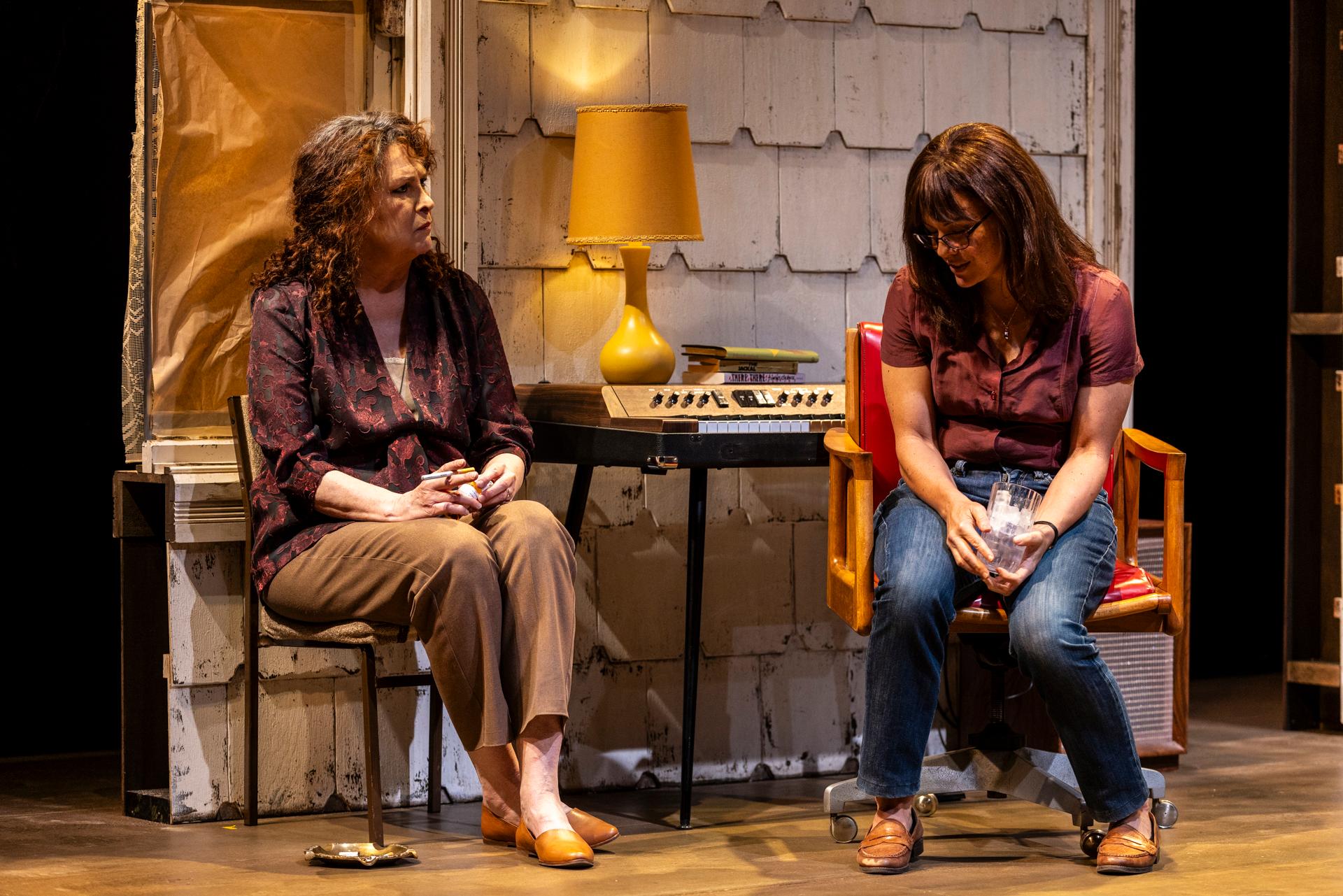
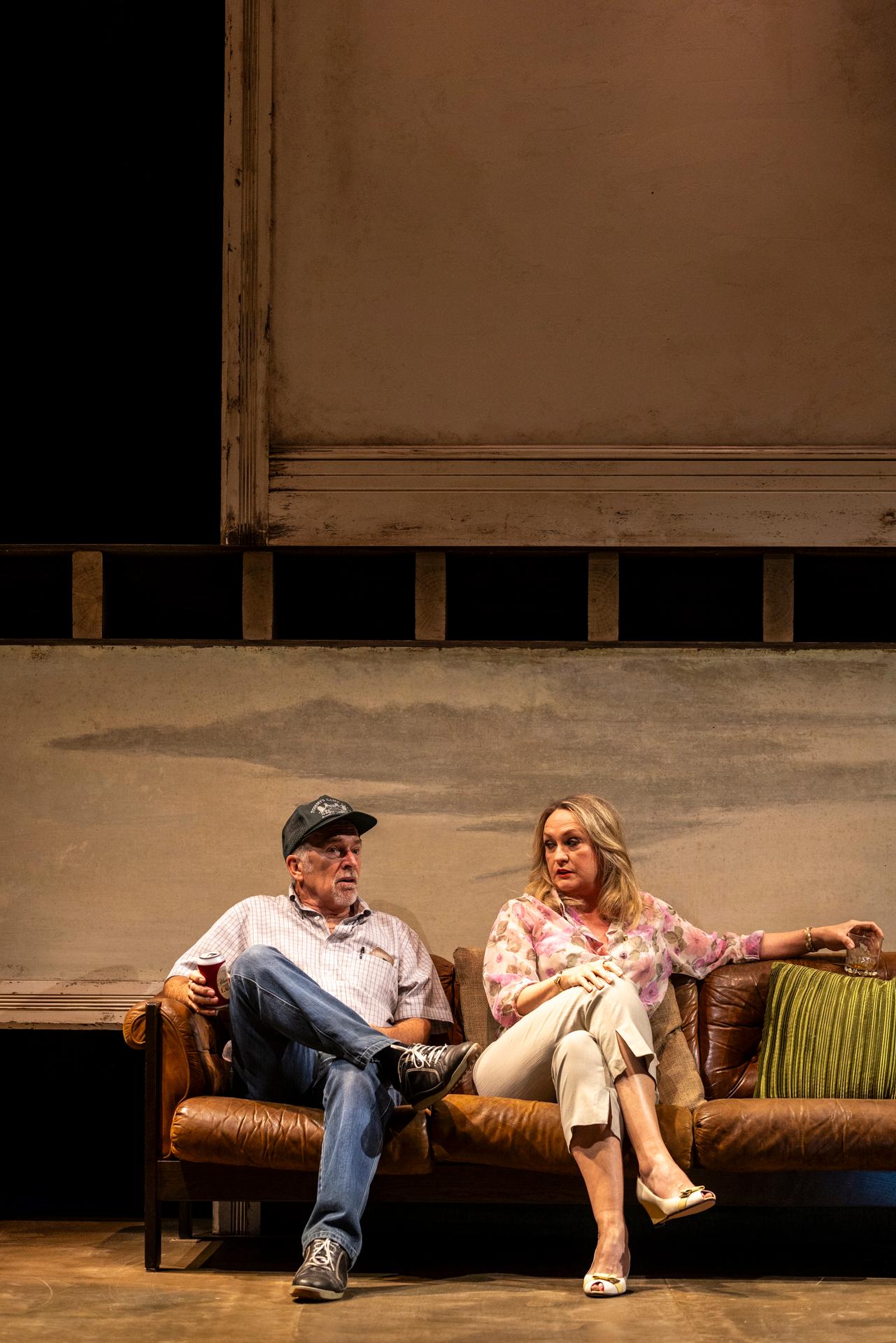
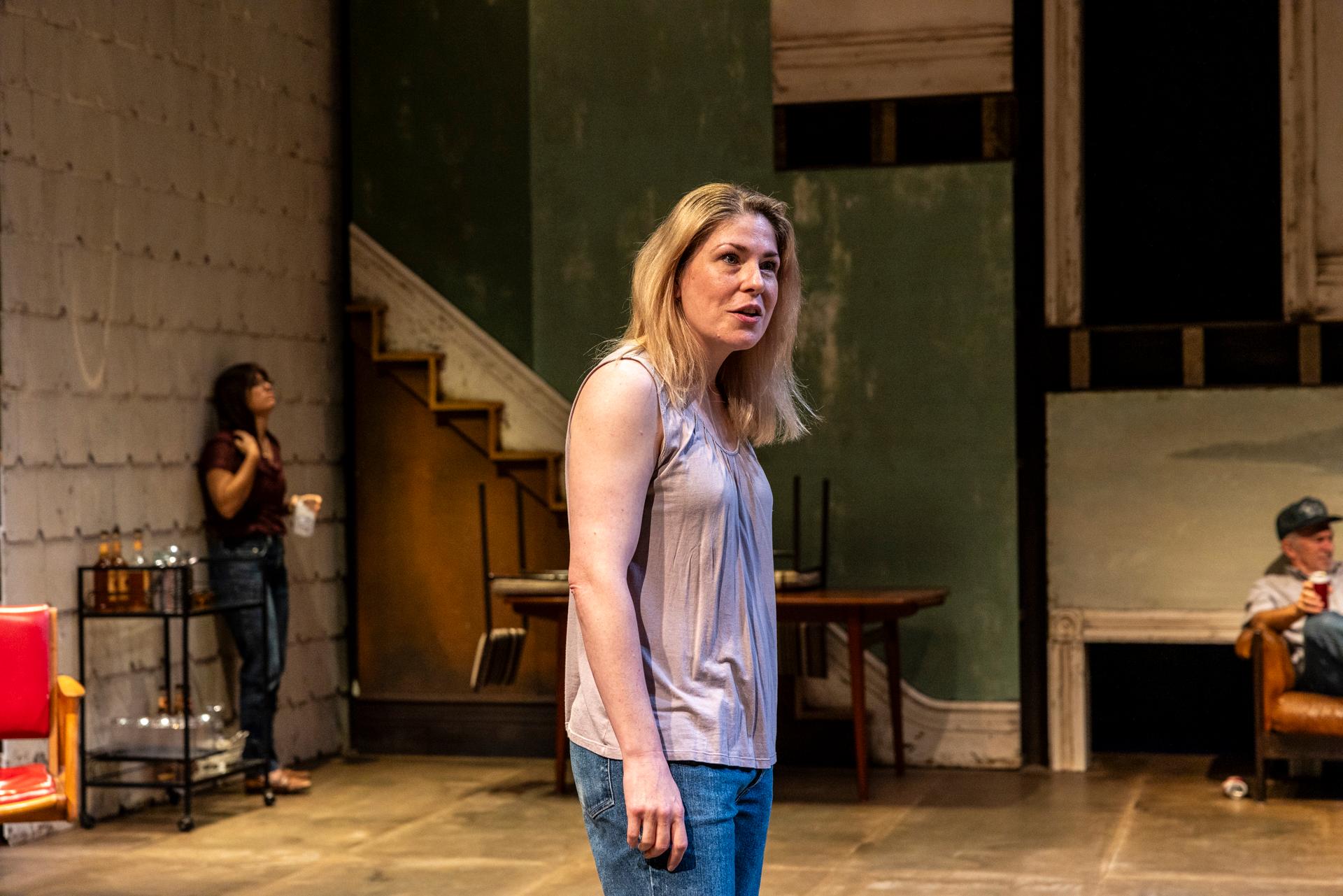
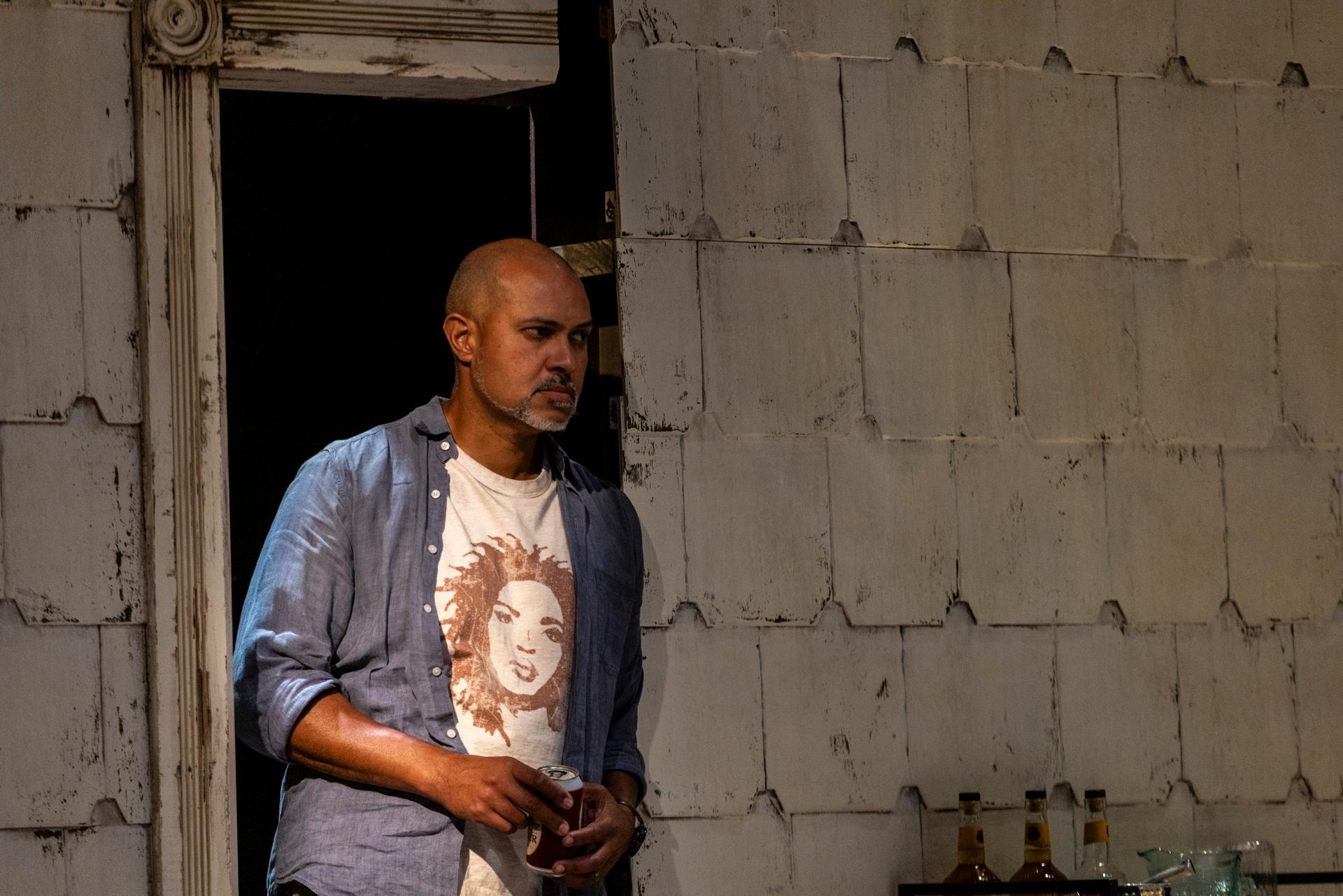
Review: August: Osage County (Belvoir St Theatre)

Venue: Belvoir St Theatre (Surry Hills NSW), Nov 9 – Dec 22, 2024
Playwright: Tracy Letts
Director: Eamon Flack
Cast: Tamsin Carroll, Bee Cruse, John Howard, Bert LaBonté, Amy Mathews, Johnny Nasser, Rohan Nichol, Will O’Mahony, Pamela Rabe, Anna Samson, Greg Stone, Helen Thomson, Esther Williams
Images by Brett Boardman

Theatre review
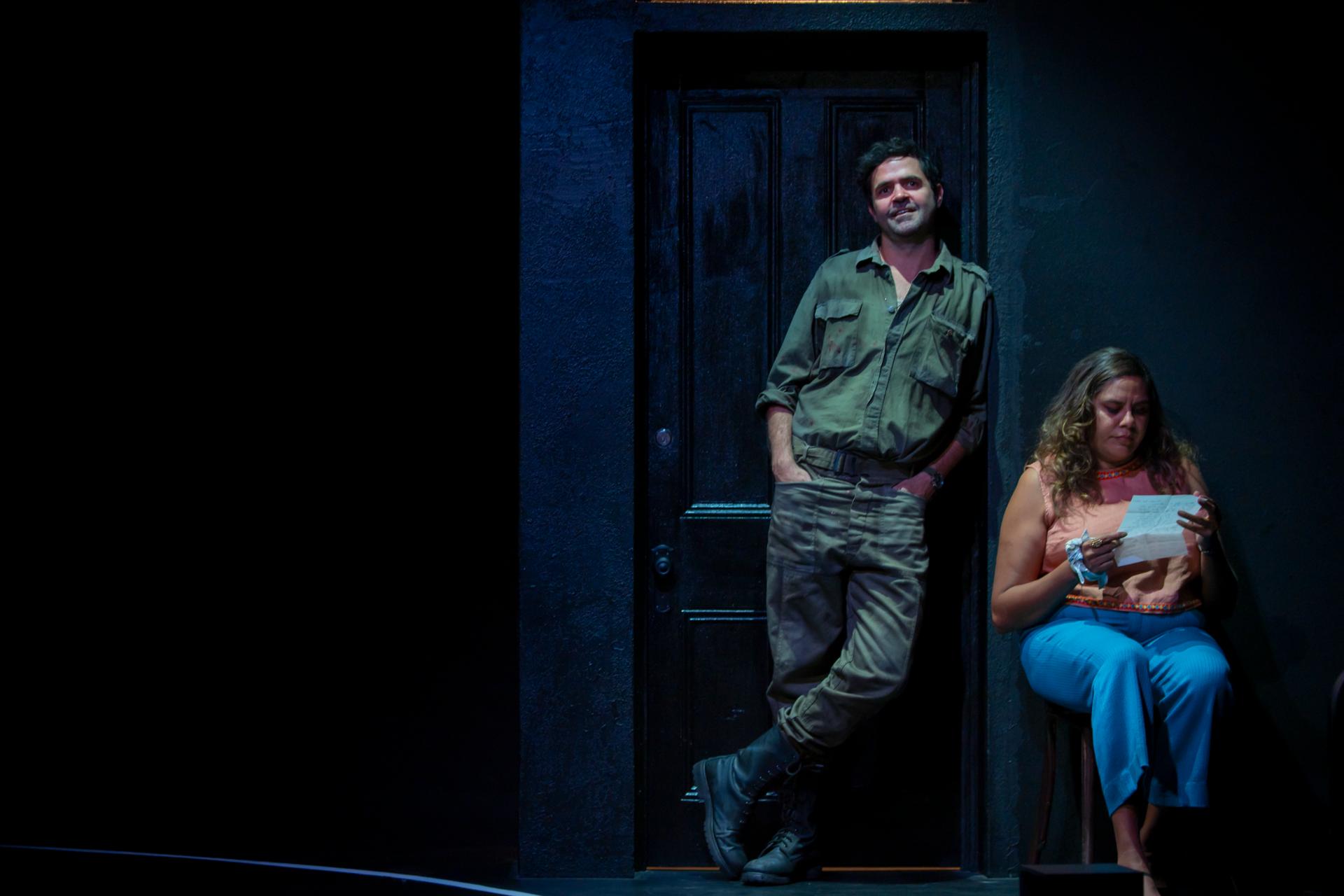
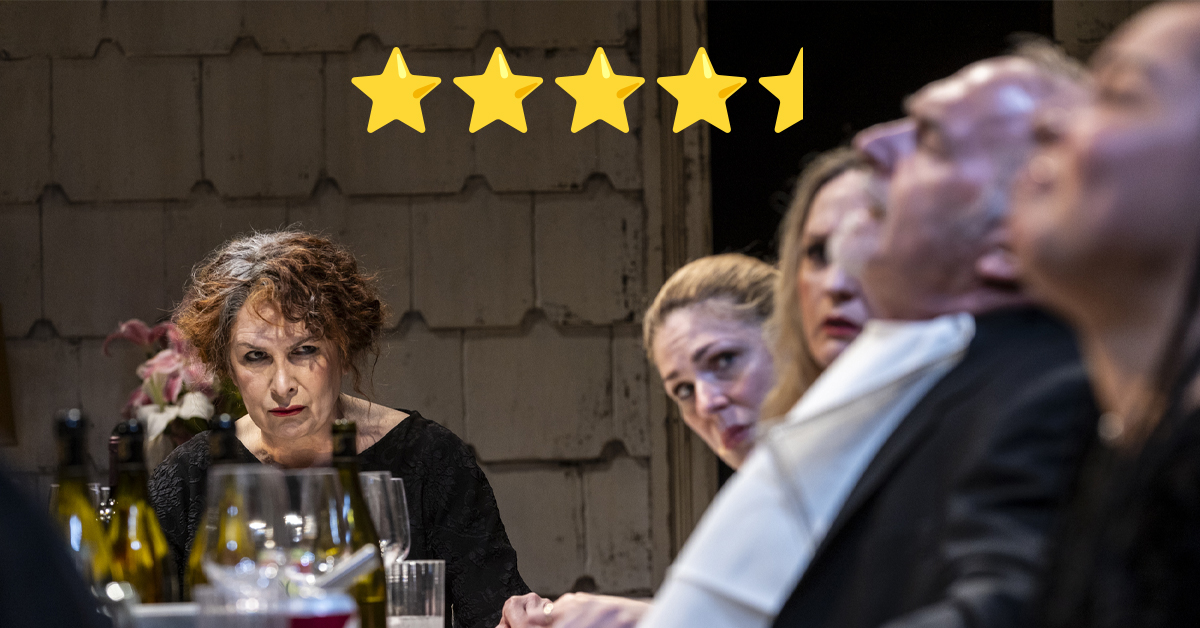
After hiring Johnna as caretaker, Beverly vanishes, leaving his wife Violet and their three daughters in a state of chaos. August: Osage County by Tracy Letts takes the form of a family drama, with outrageous dialogue and plot points delivering both excitement and hilarity. It is a work of theatre that not only indulges our sentimentality with its extravagant storytelling but also prompts contemplation on the origins of our modern discontents.

There is an aggression that feels intrinsic to the Weston household, rendered with confident surety by director Eamon Flack. Flack’s thoughtful juxtapositions of Johnna’s indigeneity against the Weston family’s whiteness, elicits persuasive deductions relating to colonisation, and the legacy of violence that forms the very foundation of Western civilisations. Furthermore there is a sense of being unmoored, at the centre of their very existence, that the Westons struggle with. Unlike Johnna who exemplifies a certain serenity in the midst of relentless upheaval, the Westons can never arrive at peace. Even as Violet fervently reaches for words to express multitudes of truths, or when her daughters try endlessly to settle in romance, their bitterness refuses to be assuaged. It is a generational curse that plays out in August: Osage County, an inheritance from the forefathers of yore.

Delectable performances from the 13-strong cast keep our intellect and our emotions firing on all cylinders. Pamela Rabe’s wild manifestations of Violet as an unhinged addict sets us agog, having us intrigued with the endless pit of toxicity that a person can contain. Tamsin Carroll brings marvellous complexity to Barbara’s narrative of interminable desperation, along with splendid timing that provokes both thought and laughter. Johnna is played by Bee Cruse, whose silent but strong presence speaks volumes for the entire duration, using elegant restraint as a philosophical instrument in this deep examination of existential angst. 

Set design by Bob Cousins evokes dilapidation, in relation to the family and to the nation in question. Costumes by Ella Butler represent effectively the middle class, if slightly austere in tone. Lights by Morgan Moroney are similarly unassuming, but are certainly encouraging of our attentiveness, for a plot that can travel in surprising directions. Music by Rachael Dease is subtle and sparse, but commendable for its perfect encapsulation of the tragic melancholy that undergirds all the action.

Talking psychology for individual characters in August: Osage County can only go so far. A meaningful diagnosis of their disorders must include much wider contexts than what transpires within the Weston household. Contemporary paradigms have a strong tendency to explain experiences in terms of personal pathologies, but a substantial part of how we understand our worlds, need a much greater appreciation of that which has been handed down, and that affects more than our immediate kin.

www.belvoir.com.au

Review: Ruins أطلال (25A Belvoir)

Venue: Belvoir St Theatre (Surry Hills NSW), Oct 1 – 20, 2024
Playwrights: Emily Ayoub, Madeline Baghurst, Mine Cerci
Directors: Emily Ayoub, Madeline Baghurst
Cast: Emily Ayoub, Adam Al Kuheli, Madeline Baghurst, Tony Poli, Piumi Wijesundara
Images by Geoff Magee

Theatre review
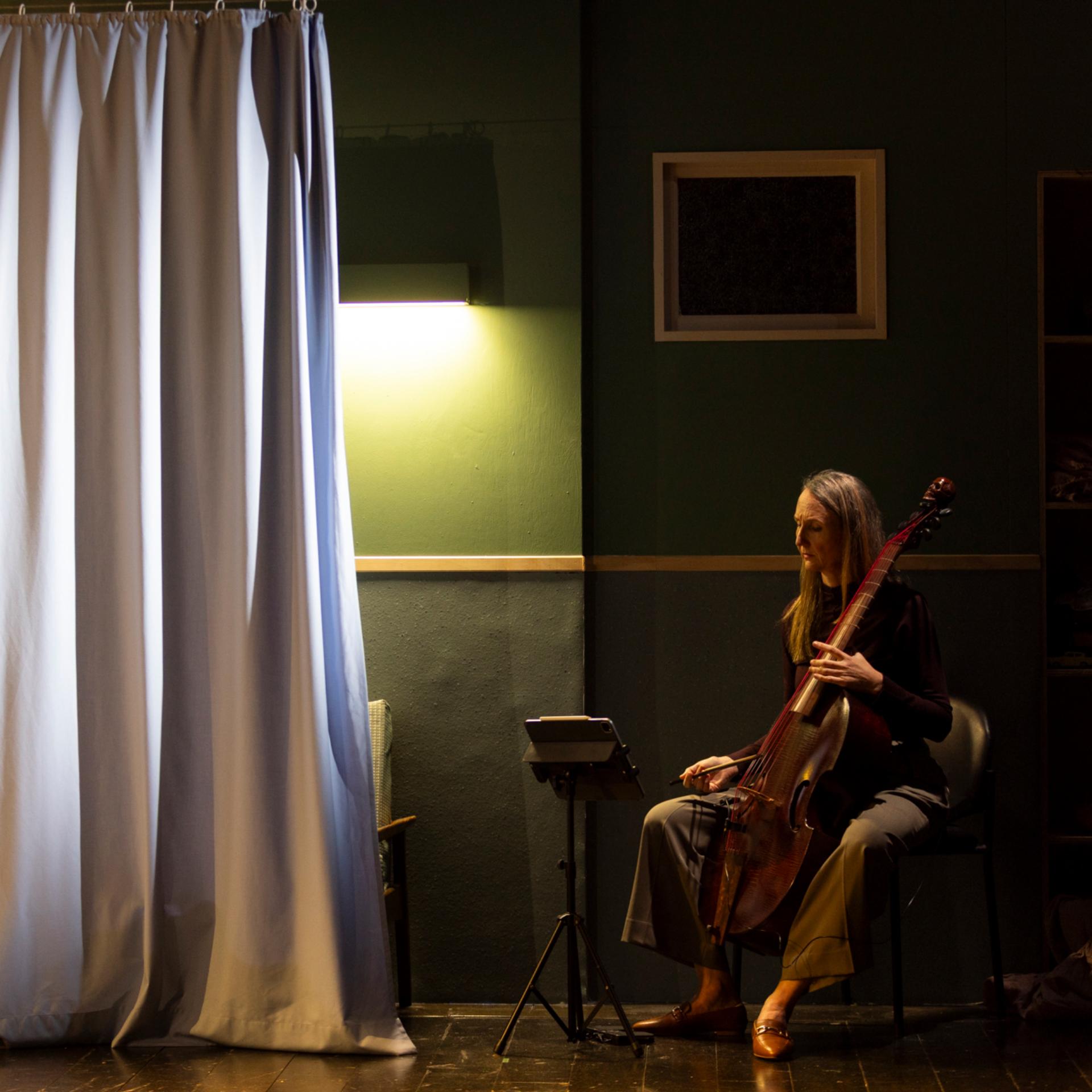
It is a pilgrimage of sorts that we see in Ruins أطلال . An Australian travels to the Bekaa Valley in Lebanon, guided by memories of her recently departed father, in search of something that feels like belonging. Stories of diaspora seem to be having their moment. It is the element of time that makes all the difference. We have always known the wealth of possibilities in working through our tales of origin, but assimilation for survival has meant that we have, for a long time, neglected parts of ourselves that are considered inconvenient and unsavoury.

Conceptualised and directed by the formidable duo of Emily Ayoub and Madeline Baghurst, Ruins أطلال  initiates an exploration into that duality of being both and in-between, of containing contradictions and finding harmony whilst acknowledging, all the troublesome incoherence resulting from inhabiting an identity that is not just one thing. The show is beautiful at every juncture, with incredible configurations of bodies in space, illuminated exquisitely by Frankie Clarke, and with Johnny Yang’s music gently stirring in the background.

Jessica Scott is the flautist on the periphery, adding to the dynamism of the piece, whilst the spiritually fortified Ayoub leads the cast at bringing to life, this meditation on how a person cannot escape excavating the past, if they wish to become truly whole. Tony Poli embodies the paternal figure, with generous warmth and an understated strength. Baghurst, along with Adam Al Kuneli and Piumi Wijesundara play a range of secondary characters with magical effect, always imbuing a sense of wonder to the experience.

There is perhaps some deficiency in the level of intellectual engagement that the piece inspires, but Ruins أطلال is a work that makes an unequivocal statement about the importance of knowing one’s roots and of embracing one’s entirety. It is about the rejection of shame as prescribed by colonialist projects, and about finding the confidence to stand for the validity of cultural specificities that are excluded from hegemonic paradigms. We may have to regularly acquiesce to whiteness on these lands, but spaces are opening up, rapidly and pervasively, in which we can become truer and better selves.

www.belvoir.com.au | www.clockfiretheatre.com

Review: Well-Behaved Women (Belvoir St Theatre)

Venue: Belvoir St Theatre (Surry Hills NSW), Sep 28 – Nov 3, 2024
Music & Lyrics: Carmel Dean
Additional lyrics: Miriam Laube
Director: Blazey Best
Cast: Stefanie Caccamo, Sarah Murr, Zahra Newman, Elenoa Rokobaro
Images by Brett Boardman

Theatre review
Carmel Dean’s Well-Behaved Women (with additional lyrics by Miriam Laube) is a song cycle, with each number inspired by a remarkable woman from the annals of history, from Eve of the Garden of Eden, to Malala Yousafzai the British Pakistani activist. Whether mythical or simply legendary, these personalities all tell extraordinary stories of glorious ascendency, each one a brilliant example of tenacity and triumph.

The songs are uniformly enjoyable, thoroughly melodious to keep our attention and emotions engaged. Direction by Blazey Best delivers a show that reverberates with an unmistakeable sense of dignification for womanhood, although too persistently sombre for the 70-minute duration. Orchestrations by Lynne Shankel are powerful, but overly serious for much of the presentation. Lights by Kelsey Lee too are consistently grave, when we are in search for exaltation.

A cast of captivating singers takes us through this omnibus of exceptional women. Performers Stefanie Caccamo, Sarah Murr, Zahra Newman and Elenoa Rokobaro bring great verve, along with admirable polish, for a show memorable for its proud expressions of success and resistance.

Women are capable of great things, of course, but we are worthy even when we are unremarkable. Feminism is not only for those who are exceptional. In fact, it is more about those who are ordinary. We should all have the courage to behave badly and make history, but we need to remember that it will always be harder for some. It is impossible that we are all going to become iconic, not so much because of personal constitutions, but more because of circumstances. As we continue to love the characters in Well-Behaved Women, we need to understand that it is not only these anomalies that should be celebrated.

www.belvoir.com.au

Review: Pickled ﻛﺑﯾس (25A Belvoir)

Venue: Belvoir St Theatre (Surry Hills NSW), Aug 20 – Sep 8, 2024
Concept: Najee Tannous
Story: Antony Makhlouf, Francesco Pelli, Najee Tannous, Hayden Tonazzi, May Yousif
Directors: Hayden Tonazzi, May Yousif
Cast: Antony Makhlouf, Najee Tannous
Images by Anna Kucera

Theatre review
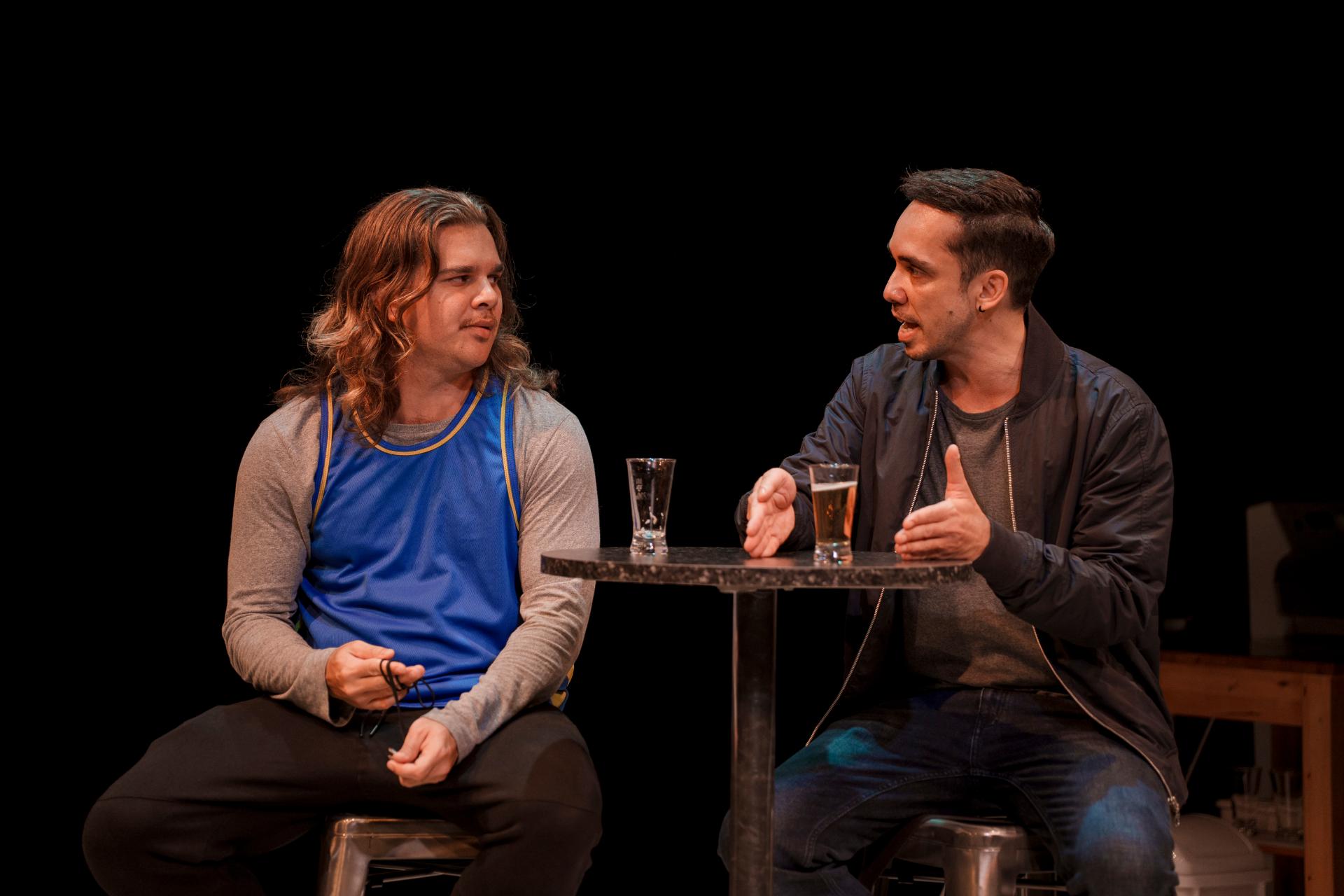
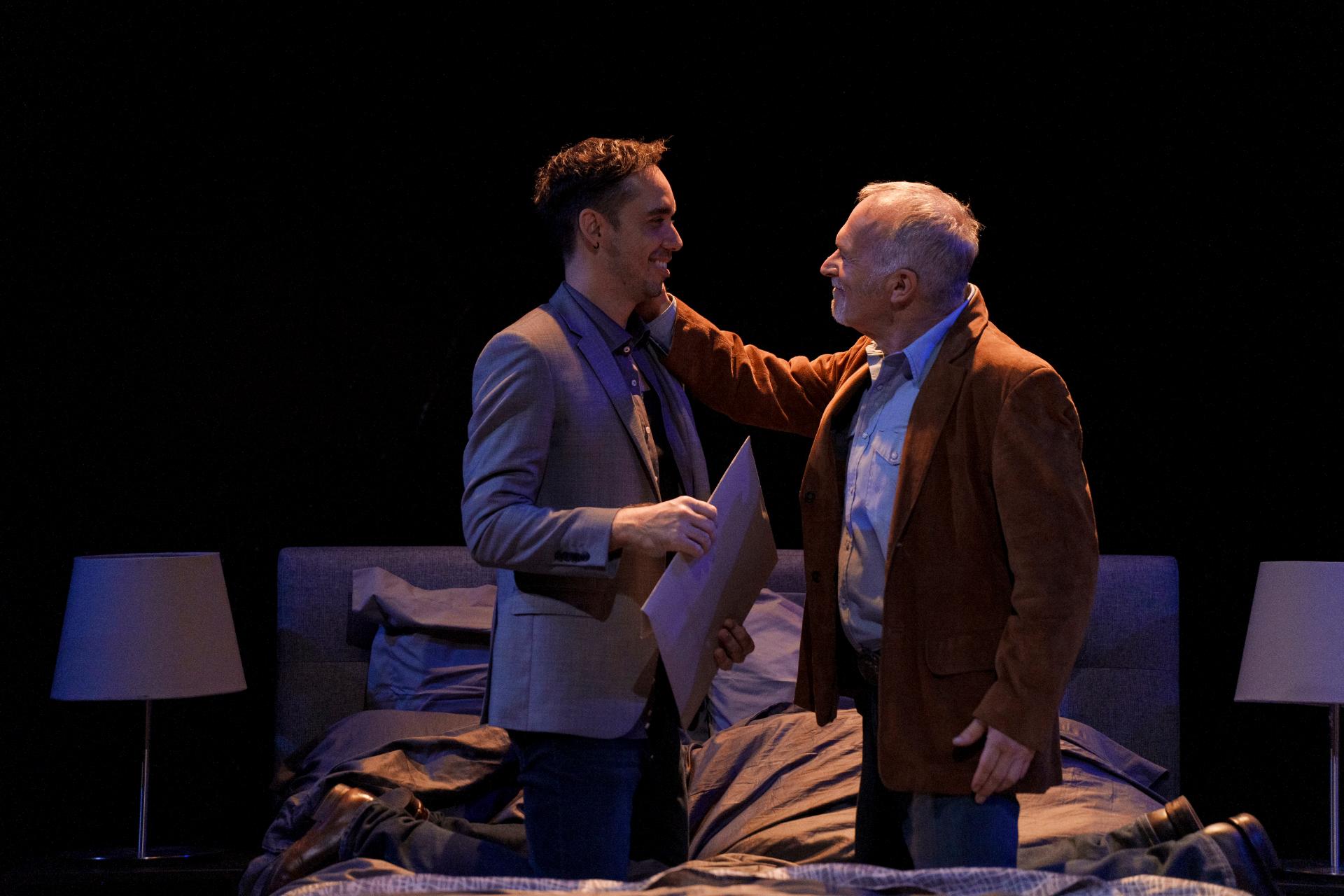
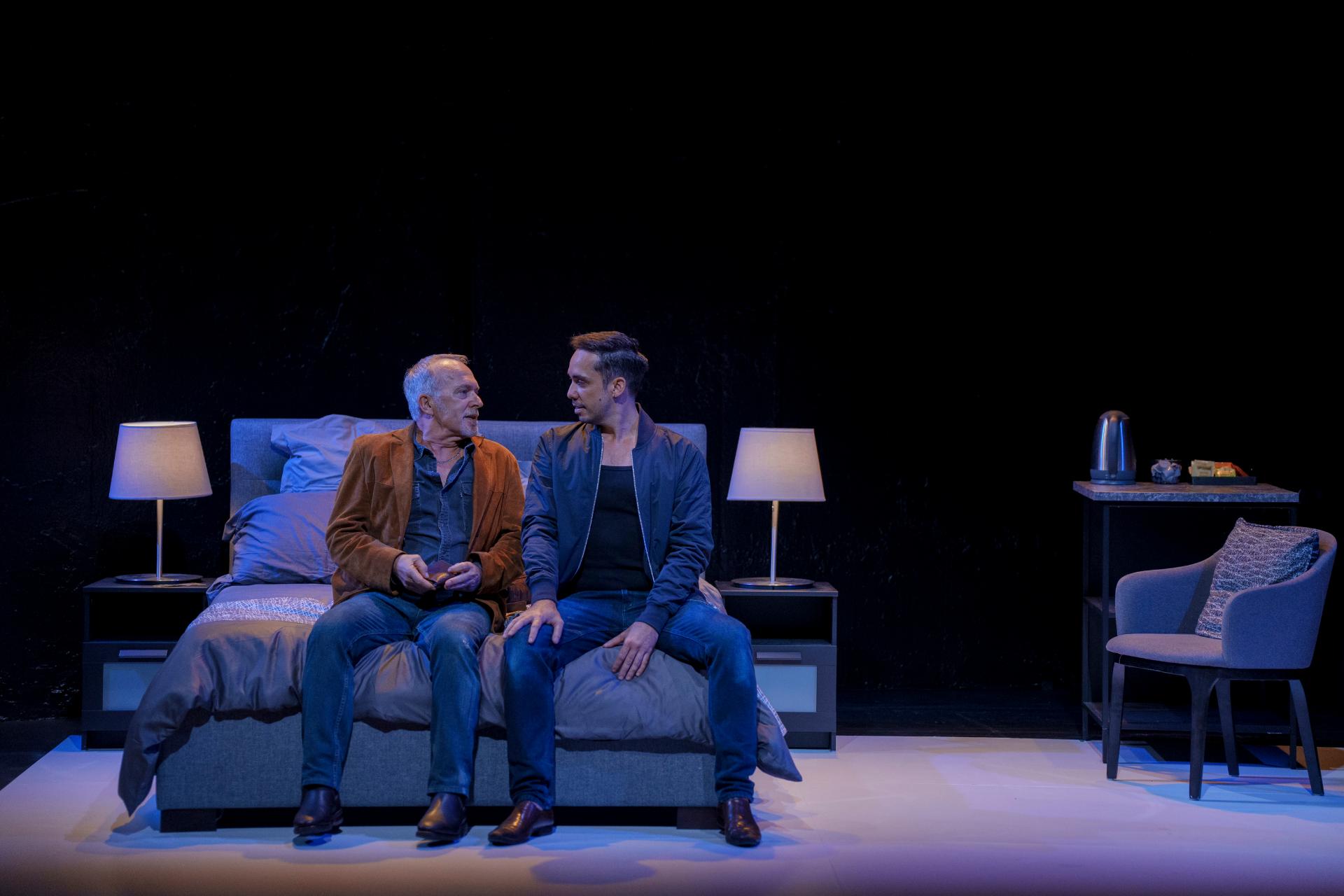
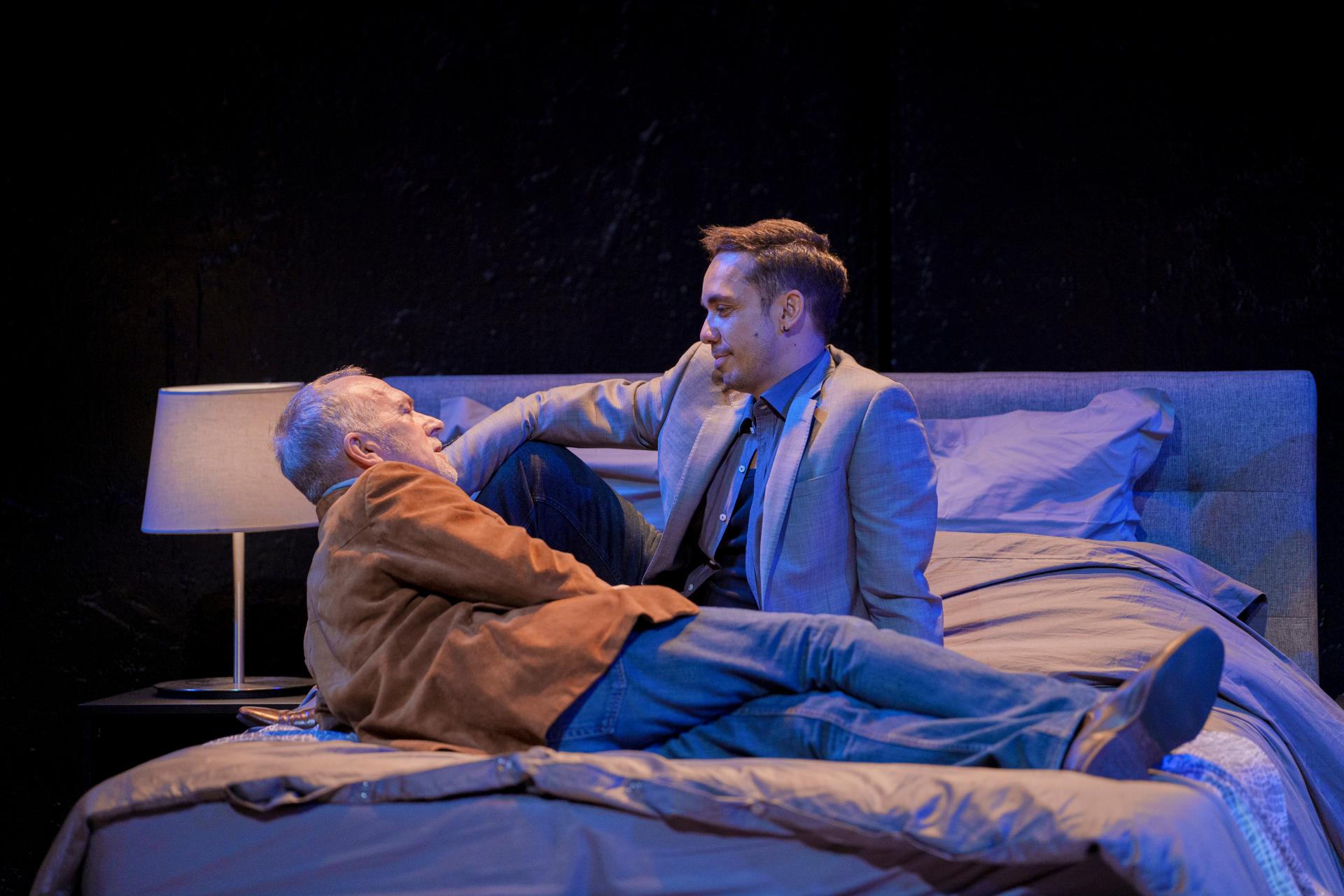
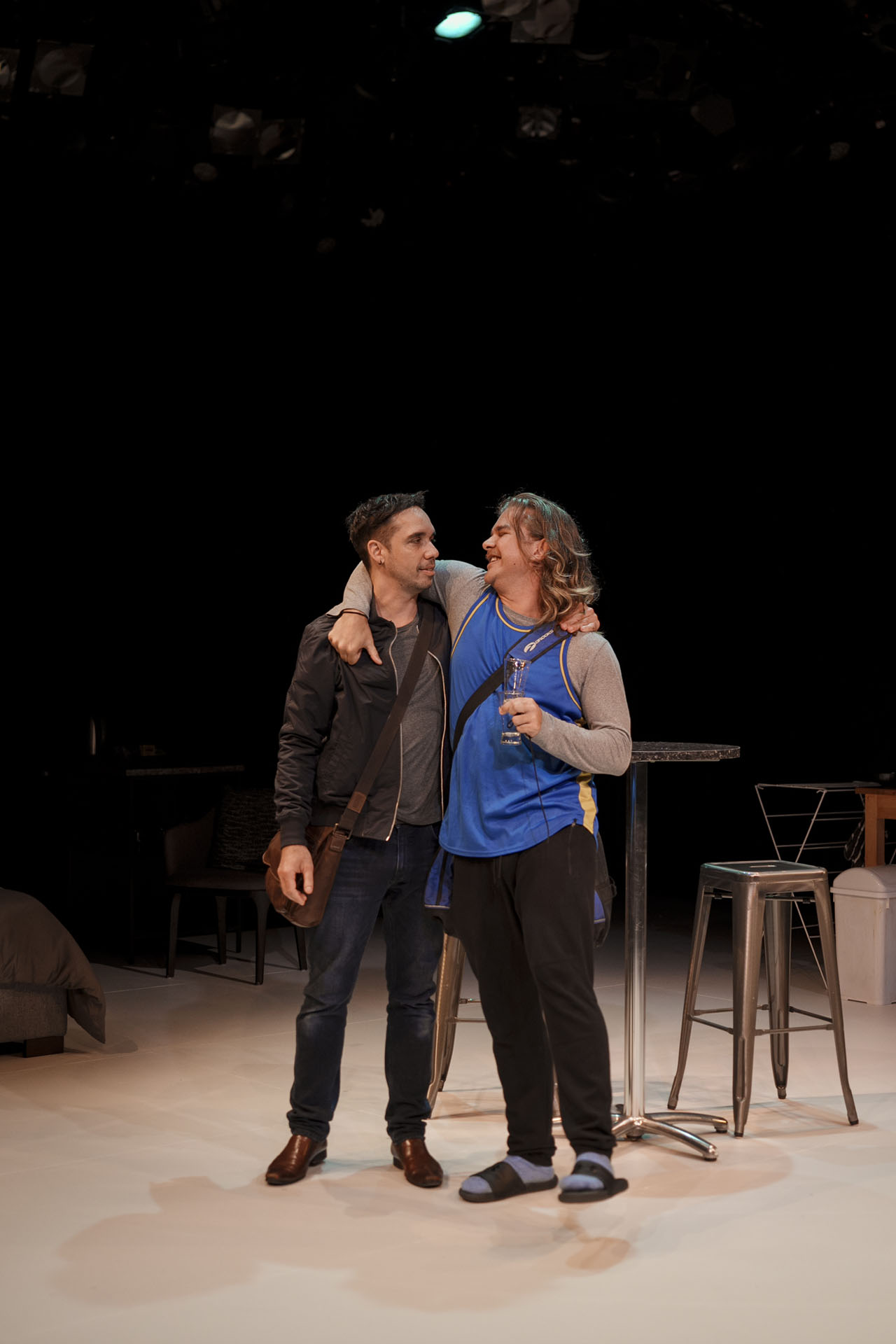
Summoned home by the death of his mother, Sam returns after a long absence. His brother Yousif is understandably resentful, having stayed put all this time, and now feeling as though he has missed out on a lot. Conceived by Najee Tannous, Pickled ﻛﺑﯾس deals humorously with family ties and the myriad complications involved in these often difficult entanglements. Thoroughly amusing, and interminably relatable, Pickled ﻛﺑﯾس explores some of the most authentic challenges in our emotional lives. Wonderfully candid and intricately considered, the interactions between Sam and Yousif offer valuable insights into human behaviour, and that eternally troublesome nature of love.

Pickled ﻛﺑﯾس is also an exploration of masculinity, in which we witness the tensions between the need for connection, alongside the obstacles to truthful expression. The characters may only rarely say what they mean, but thoughtful and innovative direction by Hayden Tonazzi and May Yousif always offers substantive illumination, to all the critical undercurrents that inform how the brothers think and act. What results is a show that proves immensely entertaining, whilst inspiring some stirring meditations about kinship that many will certainly find resonant.

Set design by Soham Apte depicts an unpretentious scene of domesticity, that turns poignant at pivotal moments. Lights by Elyse Drenth are a creative touch that brings theatricality and sentimentality, whenever we need a sense of intensification for the storytelling. Sounds and music by Chrysoulla Markoulli are  inventive, penetrating and beautiful, bringing to the production an air of elevated sophistication.
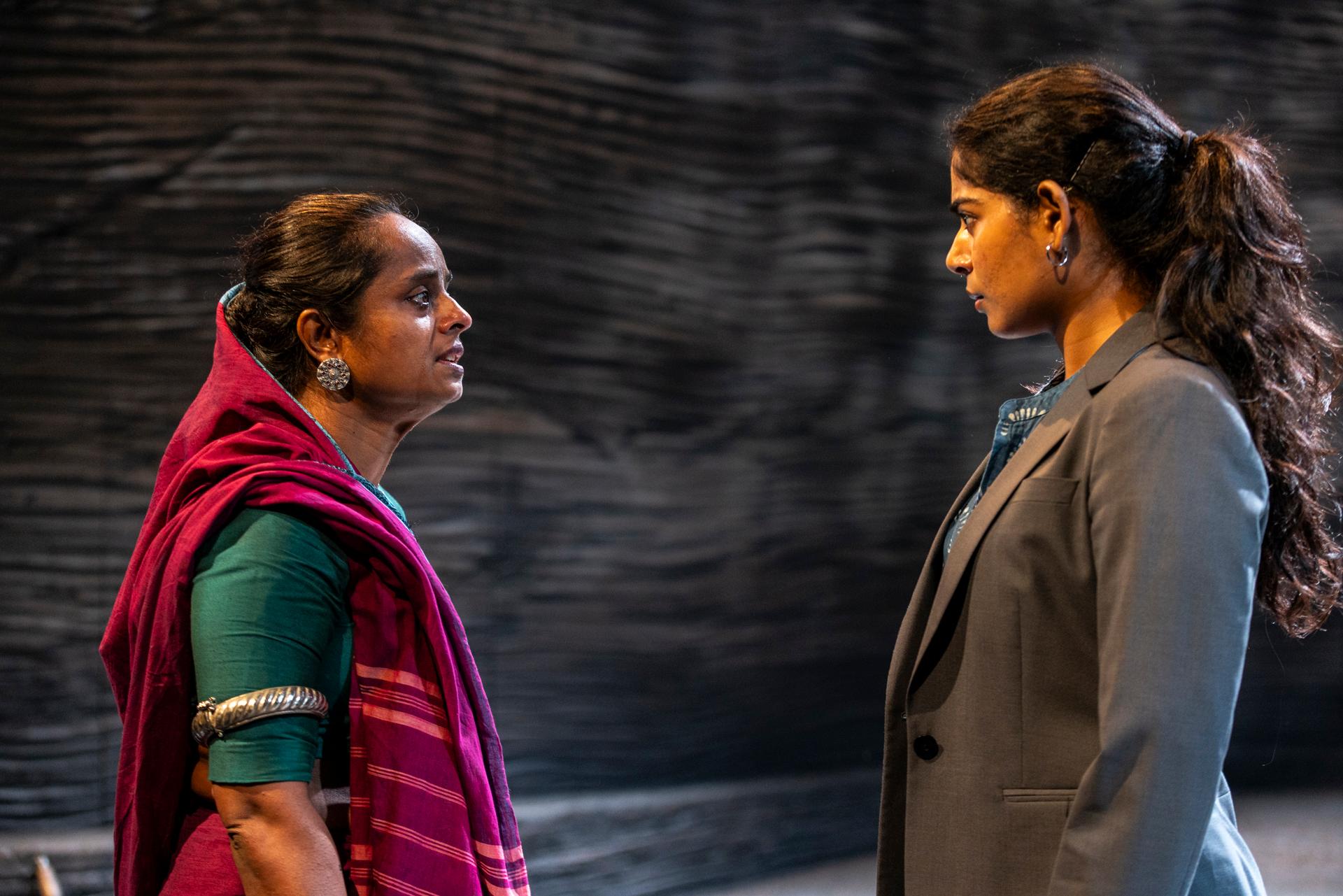
The siblings in Pickled ﻛﺑﯾس  are played by the aforementioned Tannous as Yousif, and by Antony Makhlouf as Sam, who both bring extraordinary authenticity to their portrayals of contemporary gay Lebanese-Australian men, as well as being a marvellously engrossing and endearing pair. The harmony in their performance has us entirely captivated, in their sometimes moving and often kooky presentation, of a sweet tale between queer Arab siblings.
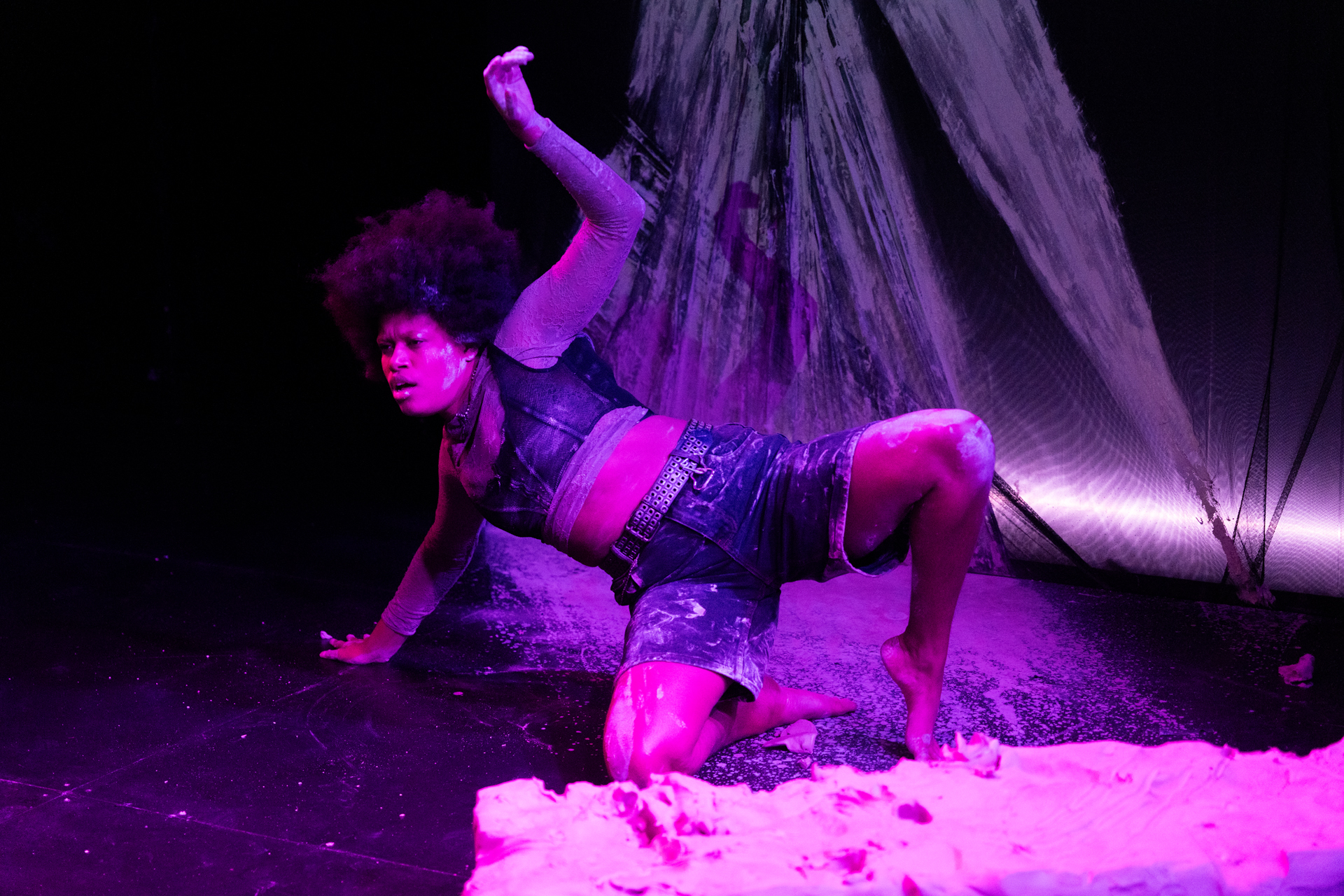
Sam and Yousif might not see very much of each other, but there is no questioning the depth at which they know one another. There are people we see often in passing, but whom we only know on perfunctory levels. Queer Arabs are a marginalised group, whose voices are rarely represented in so many parts of Australian life. There are Australians who dominate our consciousness, and there are Australians who are routinely excluded. We are meant to be equal, but evidence suggests that the disparities are profound.
www.belvoir.com.au | www.pyt.com.au