Review: Who’s Afraid Of Virginia Woolf (Sydney Theatre Company)

Venue: Roslyn Packer Theatre (Sydney NSW), Nov 7 – Dec 14, 2025
Playwright: Edward Albee
Director: Sarah Goodes
Cast: Emily Goddard, Kat Stewart, David Whiteley, Harvey Zielinski
Images by Prudence Upton

Theatre review
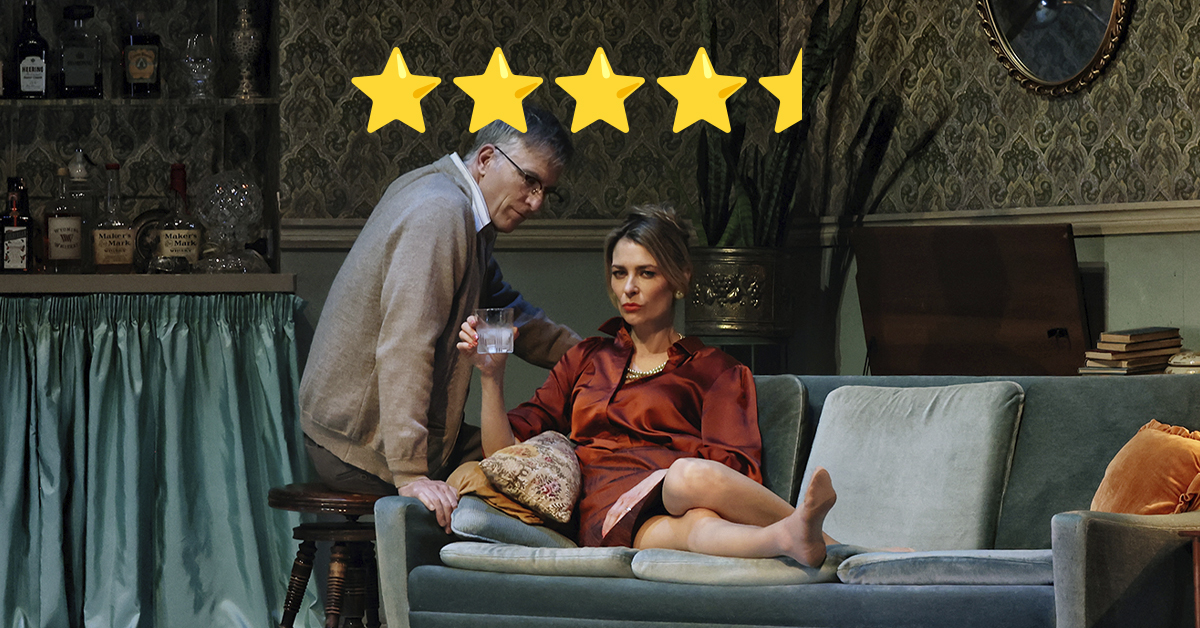
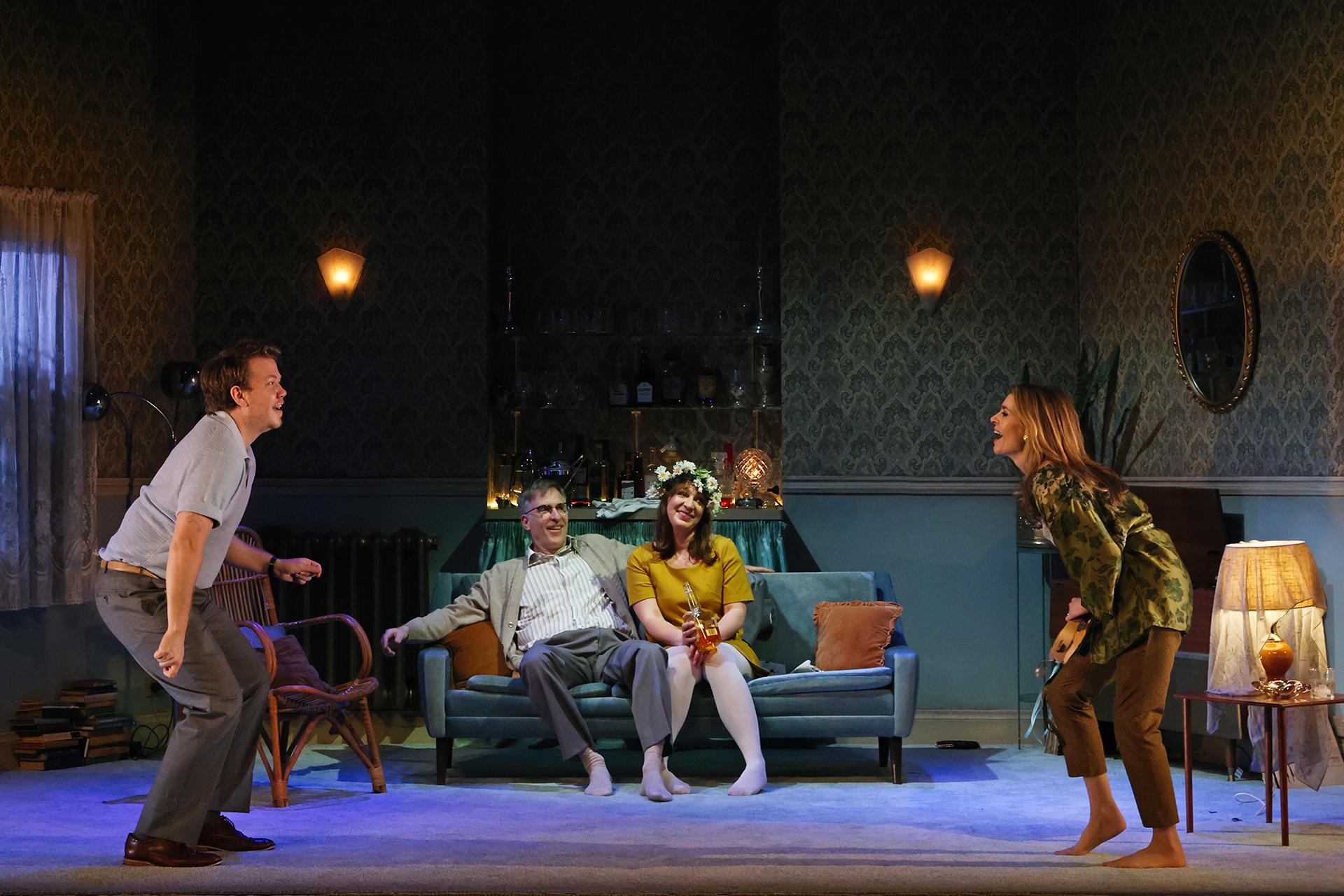
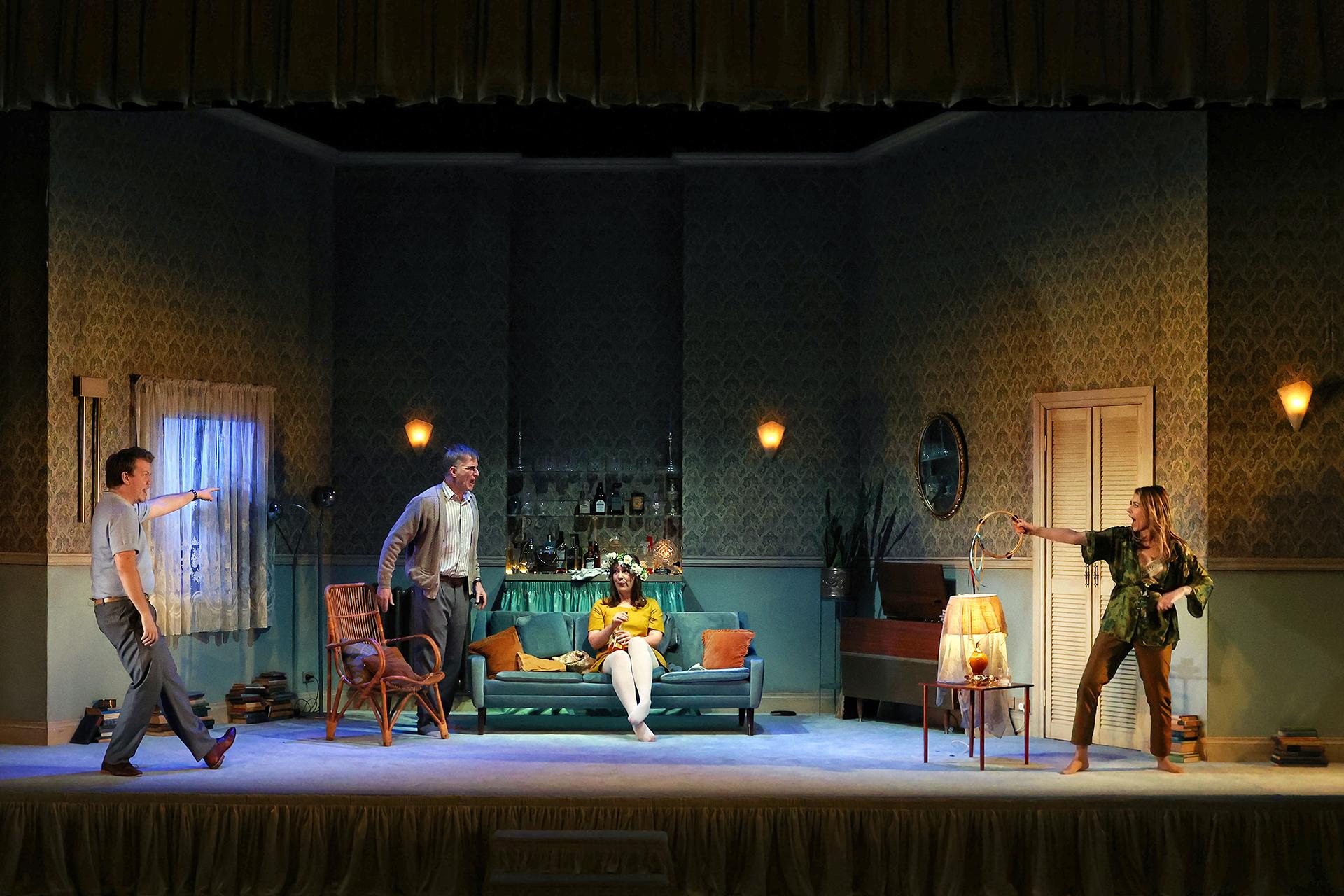
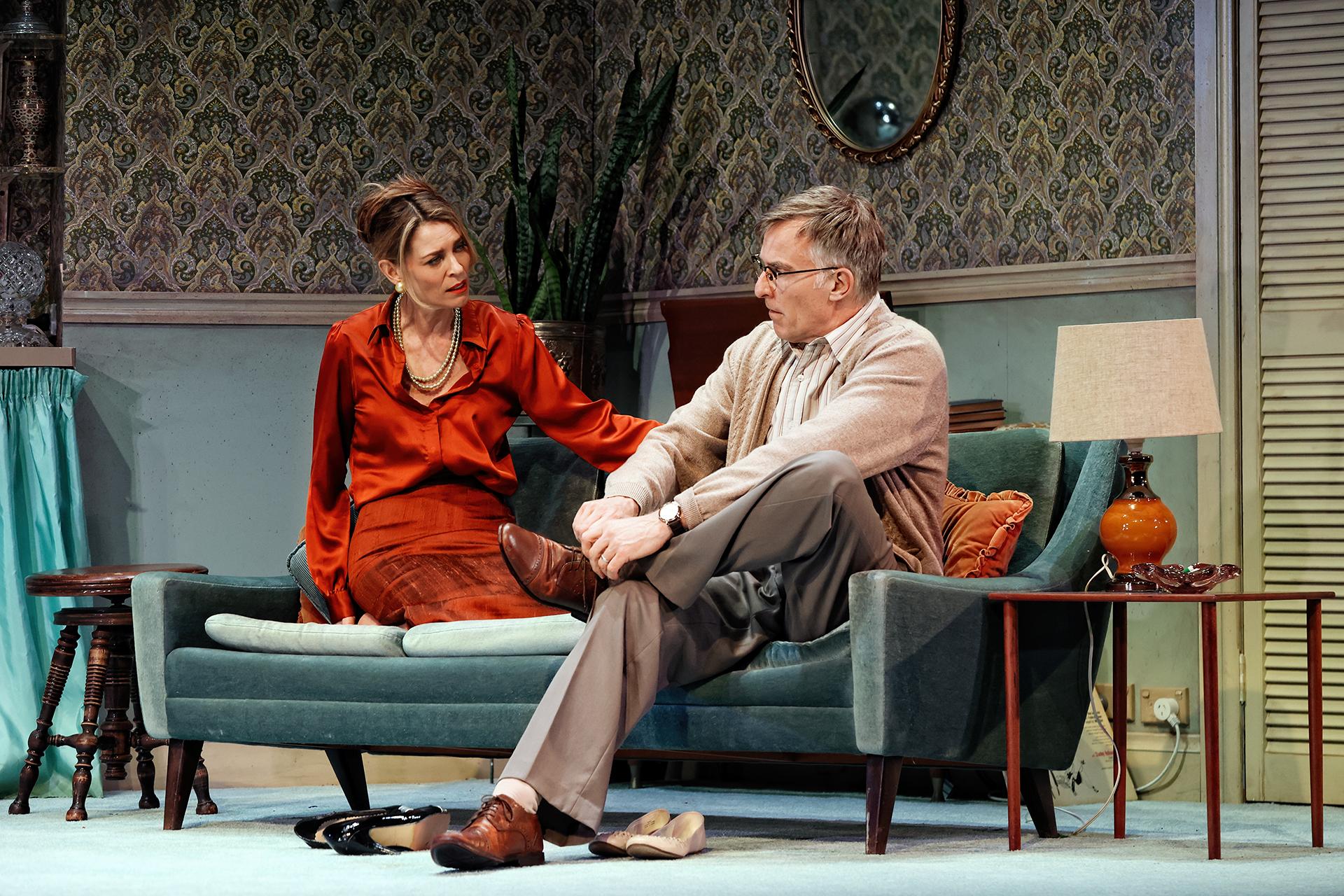
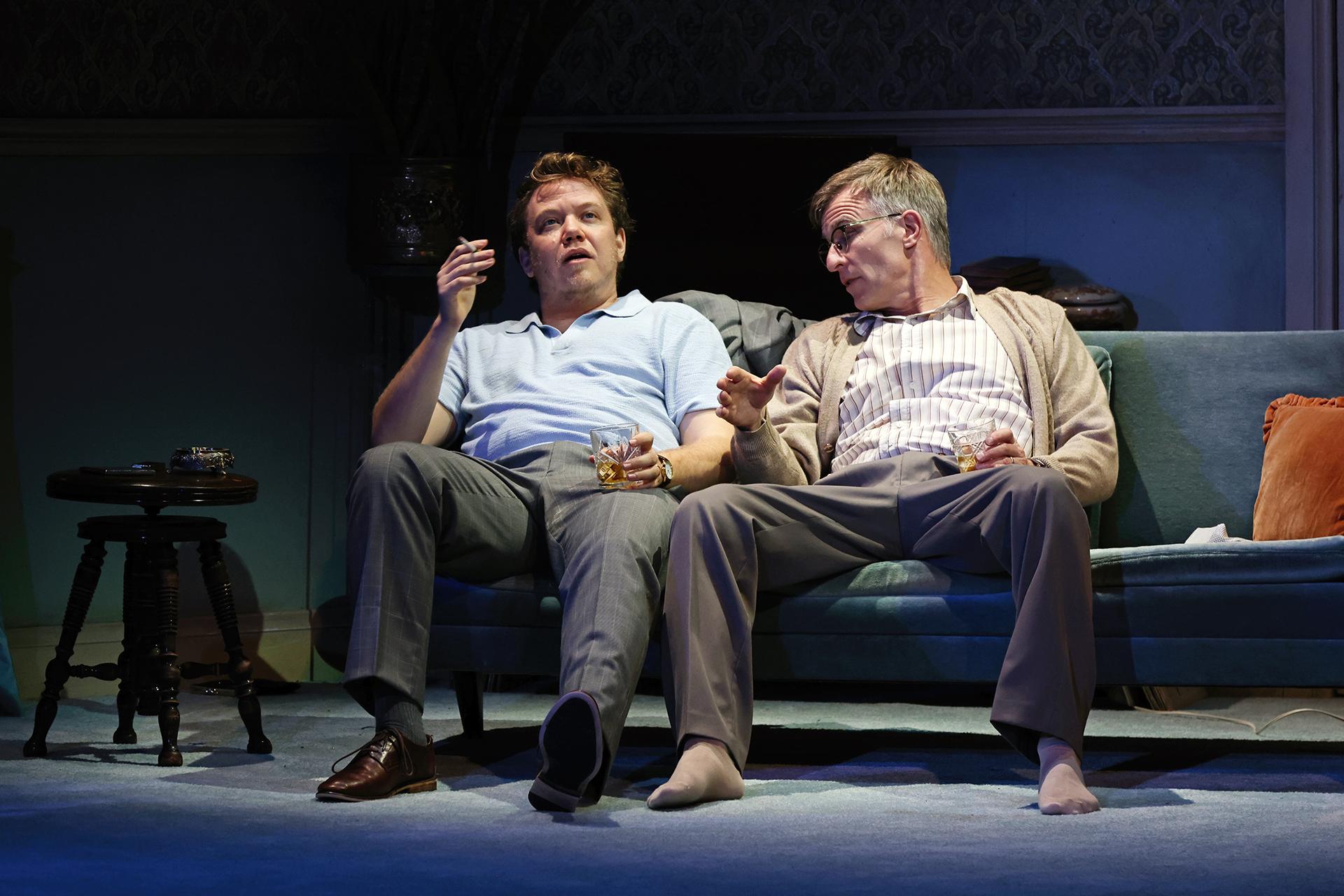
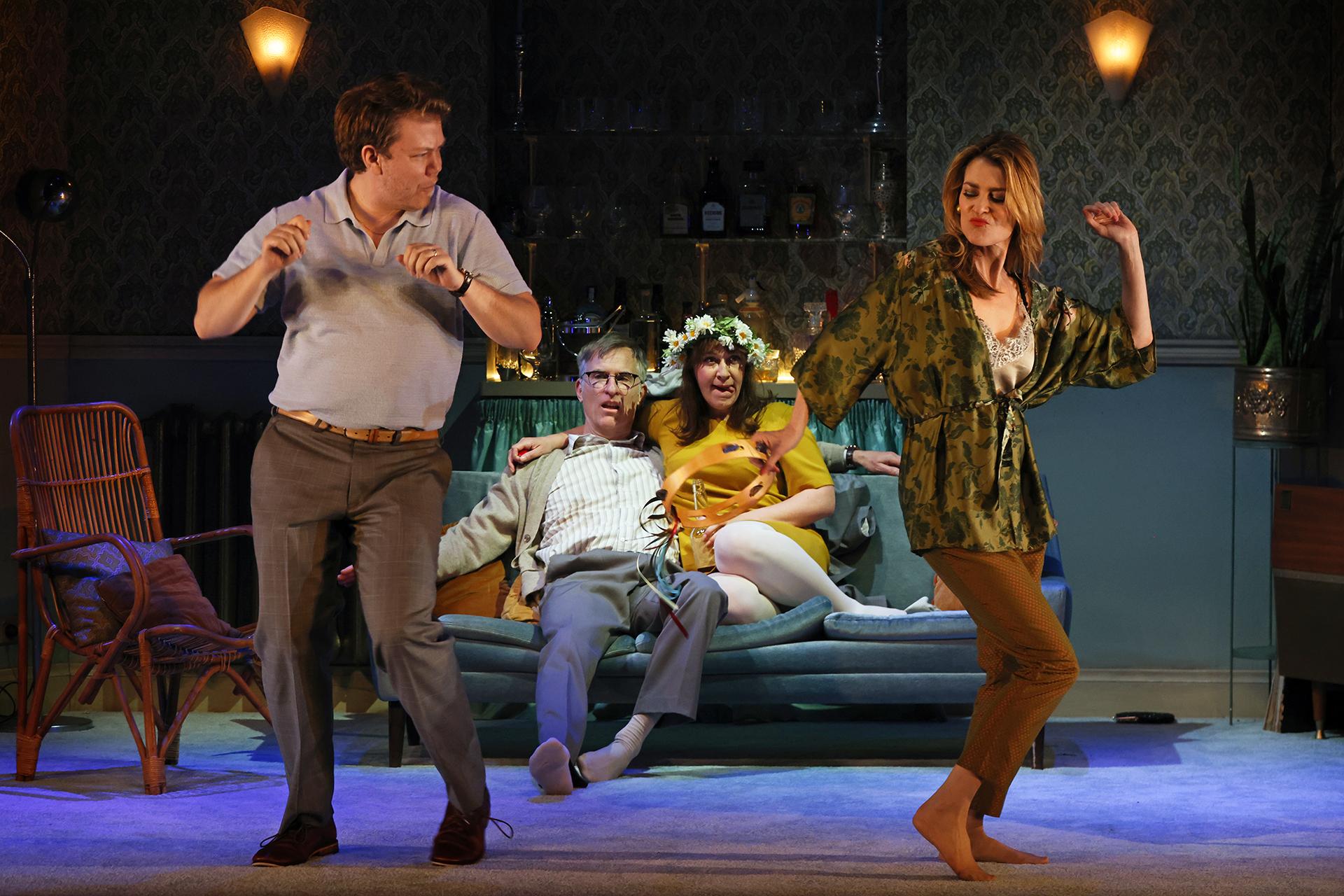
Martha and George are locked in perpetual combat, their hostility not merely private but performative. Their decision to invite a young couple into their home becomes an act of exhibition, a deliberate staging of their mutual destruction. In Who’s Afraid of Virginia Woolf?, Edward Albee exposes the tenacity with which individuals cling to their own suffering, sustained by an insatiable attachment to prestige, privilege, and power. Though Martha and George possess the agency to abandon their cyclical torment, they remain ensnared by the illusion of respectability, choosing the stability of social appearance over the uncertainty of liberation.

At sixty-three years old, the play has become something of a grand old dame of the theatrical canon, yet its genuinely subversive sensibilities ensure it remains as confrontational and affecting as ever. Under the direction of Sarah Goodes, the work gains renewed vitality: she not only excavates the raw truths within Martha and George’s volatile dynamic but also deftly unearths the humour embedded in their vicious exchanges. Goodes has taken an enduring classic and rendered it freshly incisive—polished to a gleam, yet capable of striking with the force of a blunt instrument.

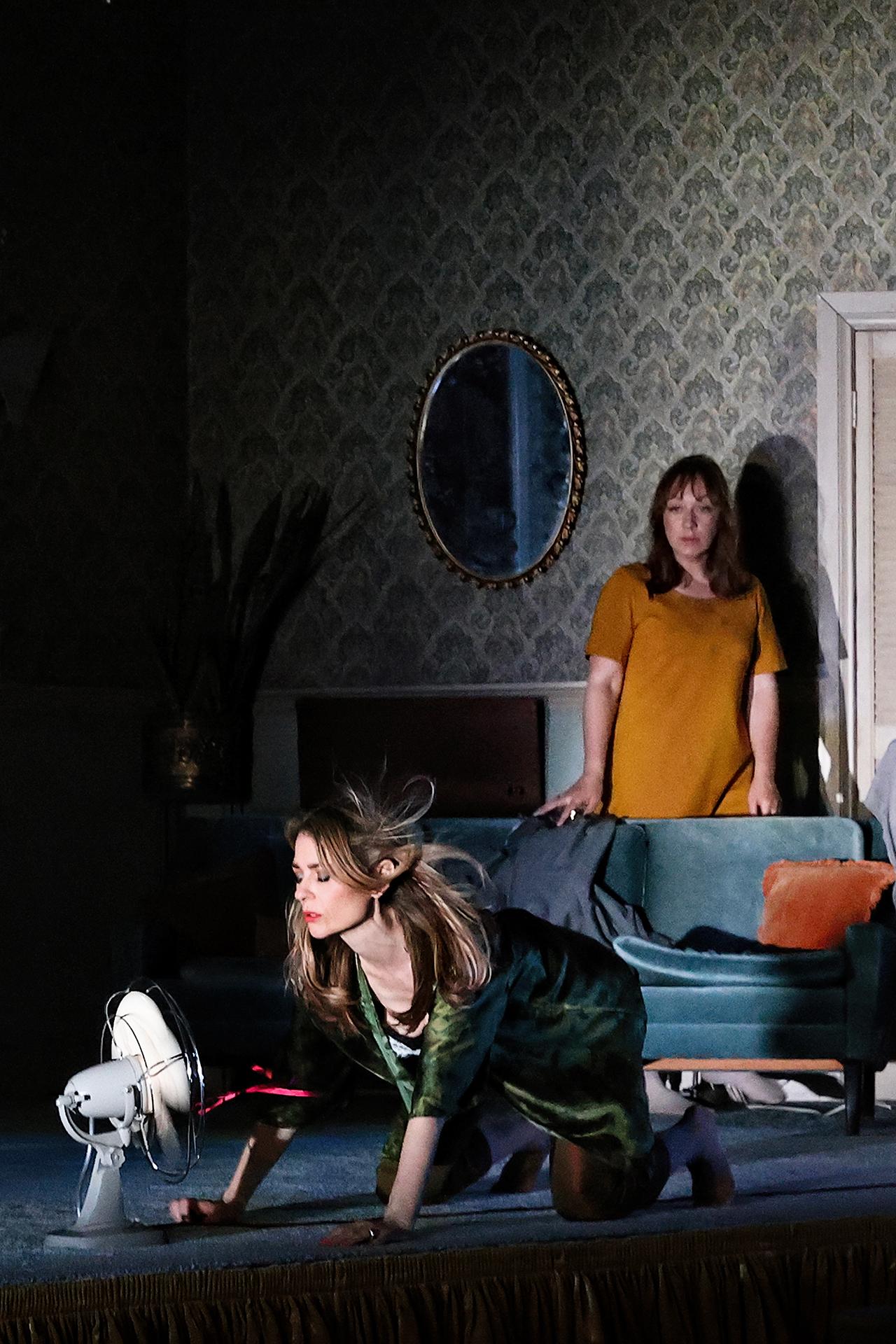
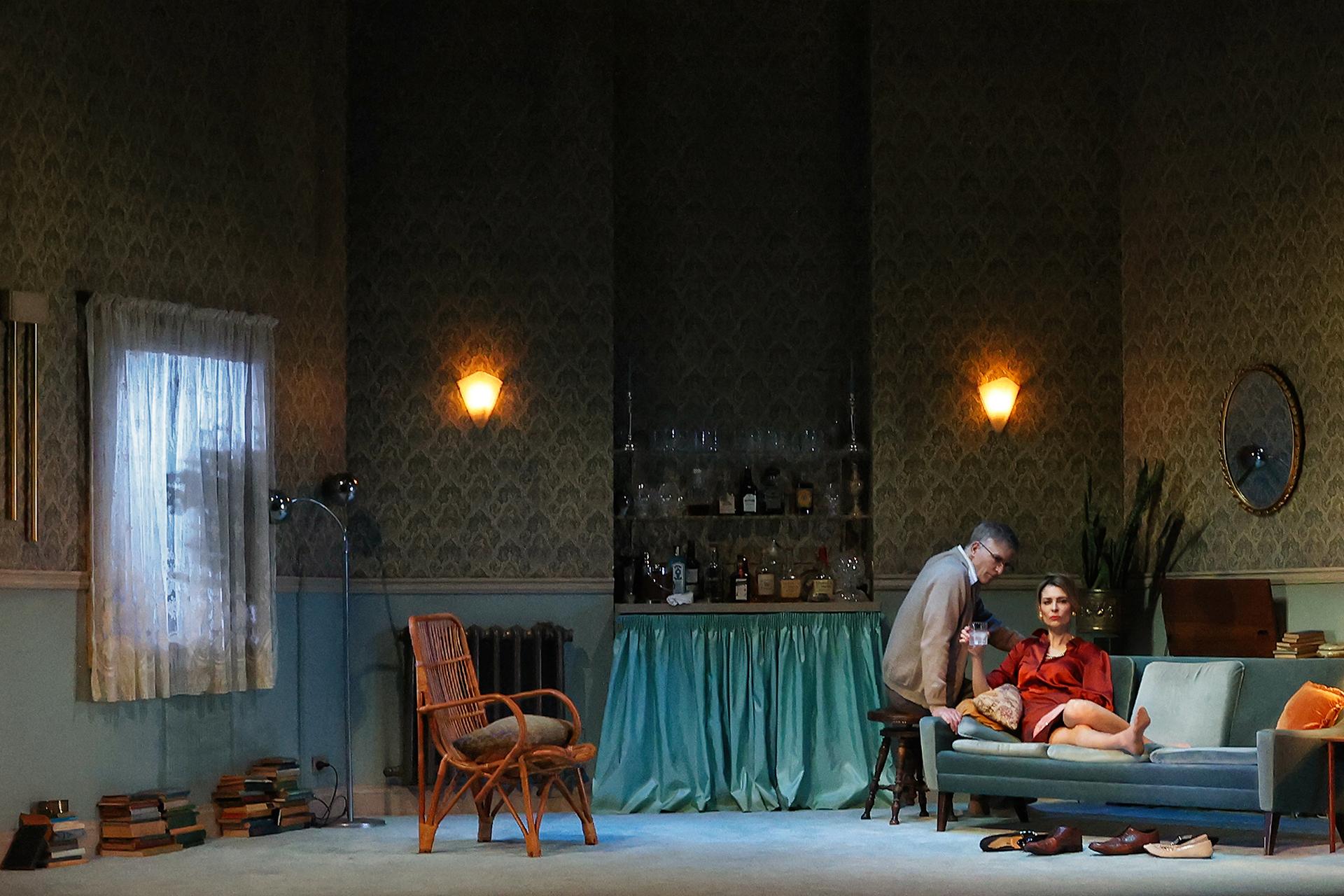
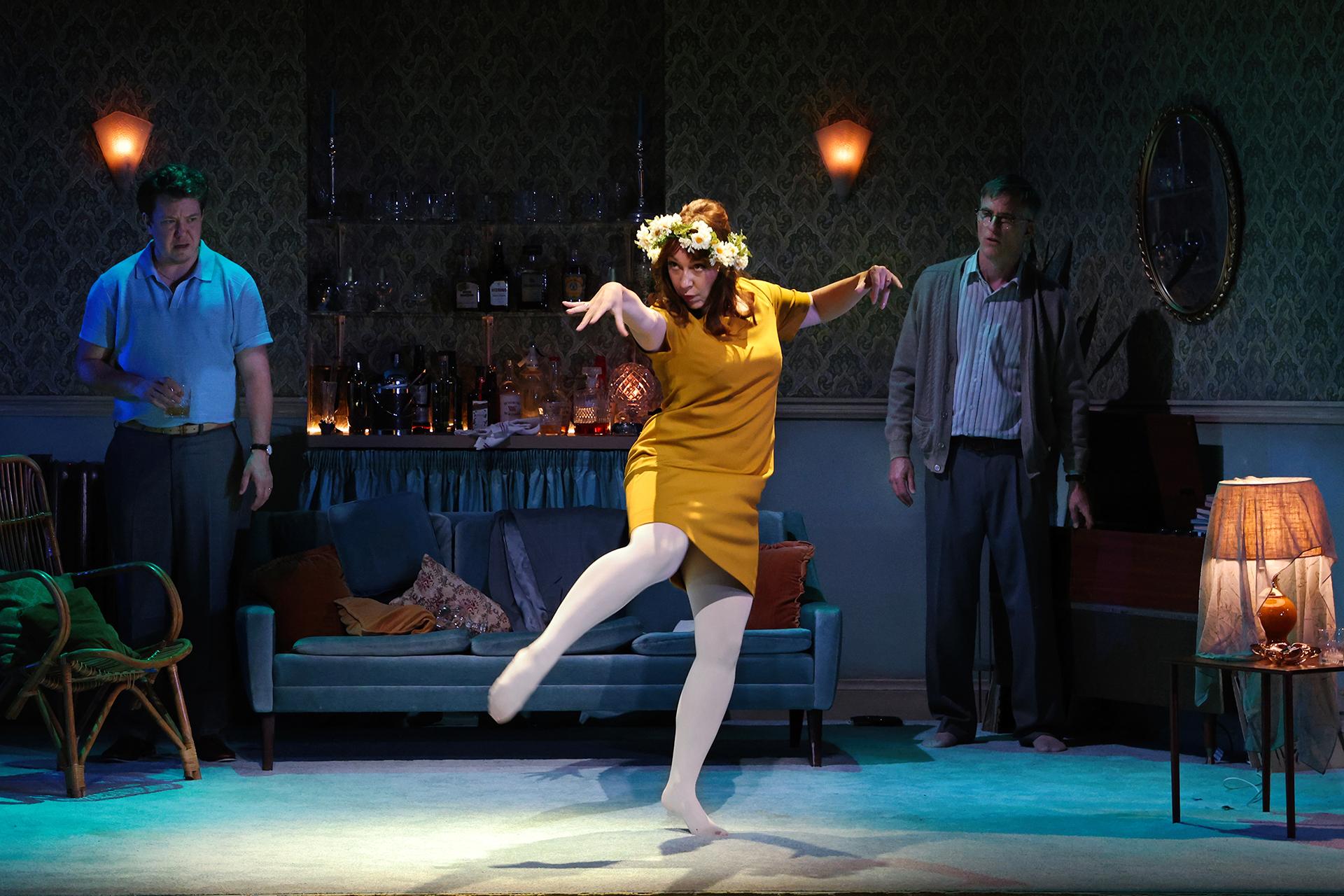
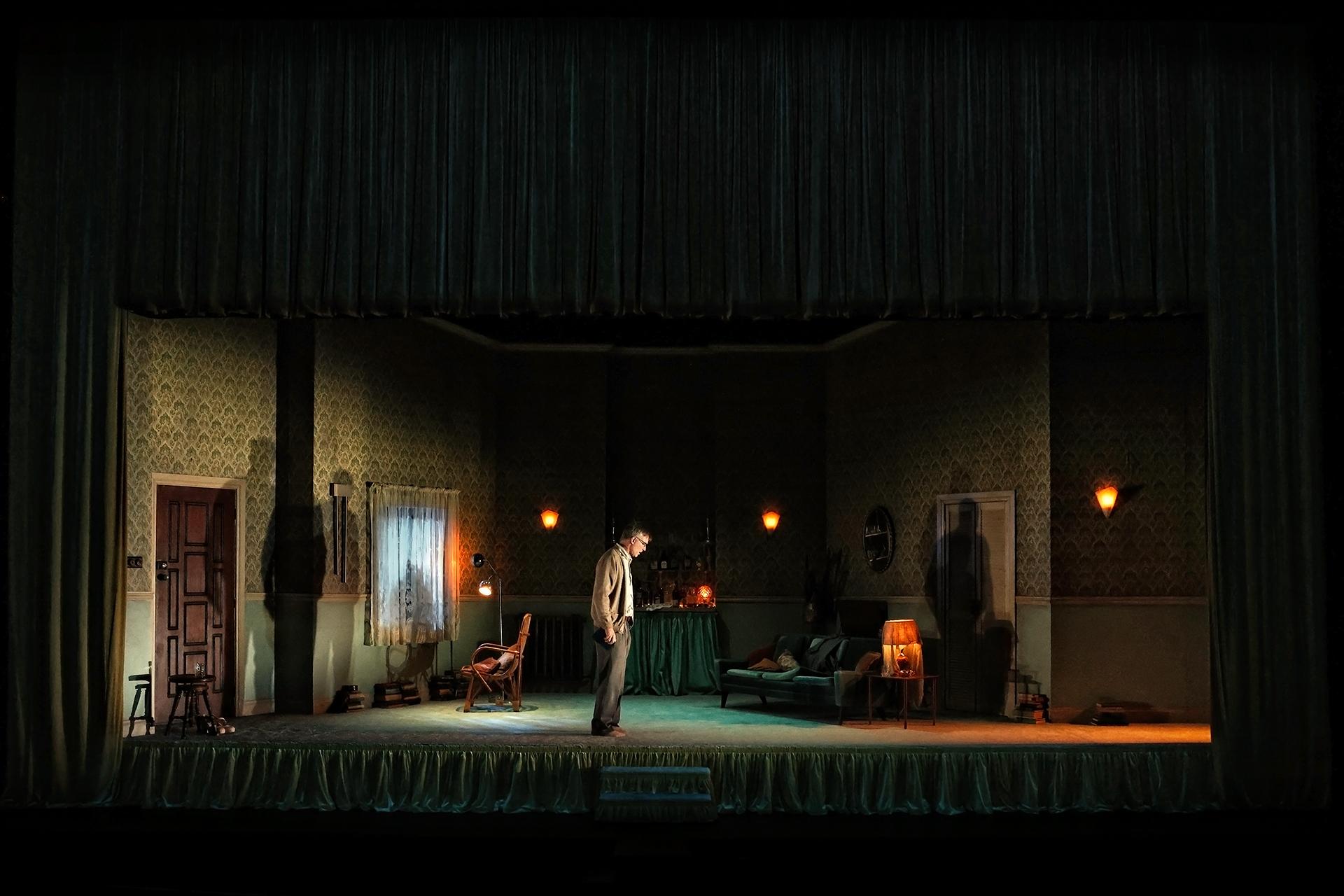
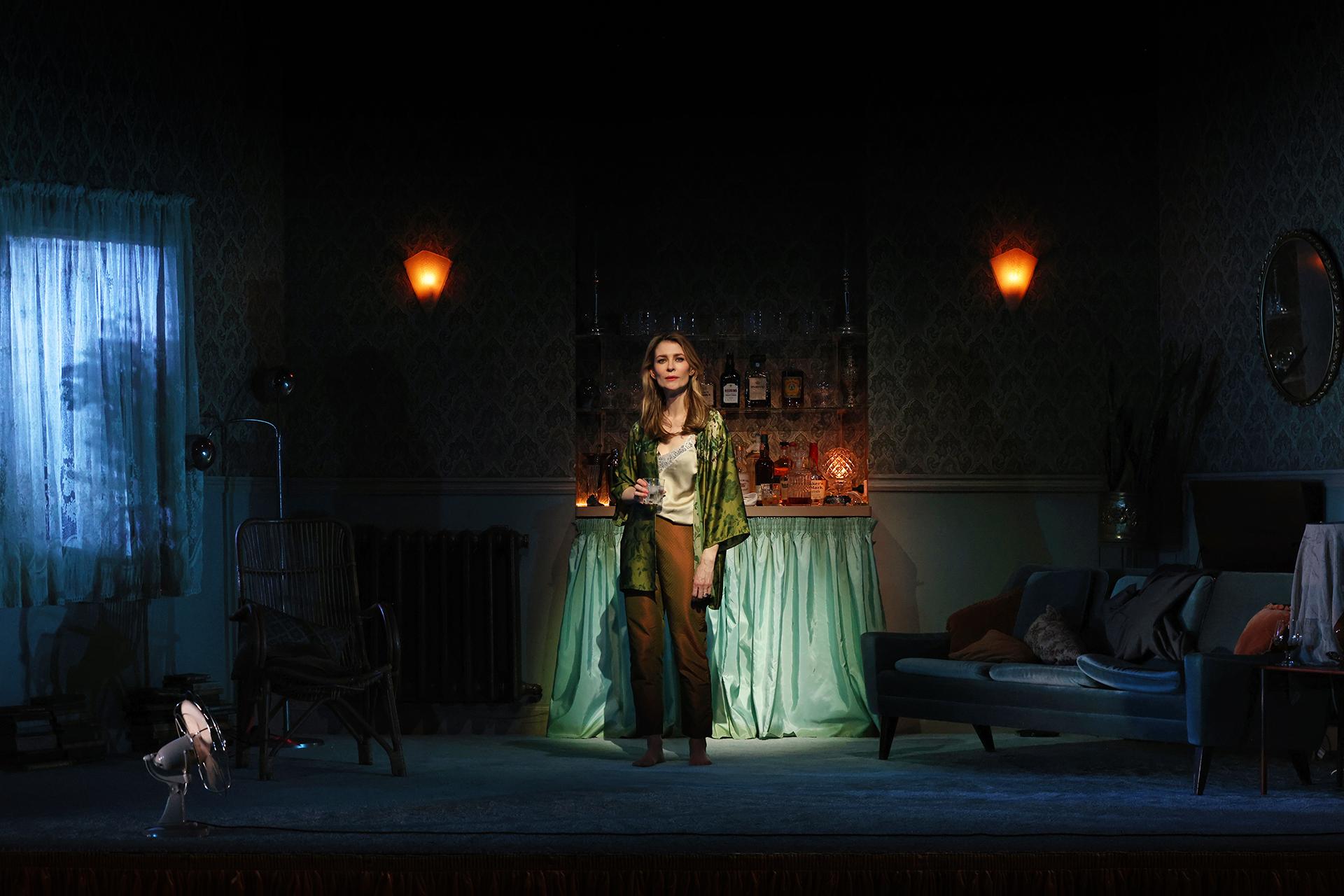
Harriet Oxley’s production design evokes the period with accuracy—perhaps a touch conventional, yet undeniably effective in grounding the drama. Matt Scott’s lighting, together with music and sound design by Grace Ferguson and Ethan Hunter, begins with subtle restraint, almost imperceptible at first, but grows increasingly potent as the evening unfolds. By the time the bickering subsides and the underlying trauma surfaces, their contributions prove essential, shaping the production’s emotional crescendo with impressive efficacy.

Kat Stewart could hardly be more compelling in the role of Martha. She delivers a richly nuanced portrayal, demonstrating an intricate grasp of the character’s psychological intricacies while imbuing every moment with delectable theatricality. Her gestures, whether minute or grand, command attention, and we remain enthralled by each. As George, David Whiteley conjures the precise timbre of the mid-century American bourgeoisie through his masterful vocal modulations. His comparatively restrained approach proves just as resonant and magnetic as Stewart’s flamboyance, creating a riveting equilibrium in this deliciously acrimonious marital duel. By contrast, the younger couple, Honey and Nick—played by Emily Goddard and Harvey Zielinski—are less persuasive. Though their performances elicit steady laughter, their characterisations lack conviction, never fully embodying the personas they attempt to construct.

We can see so clearly that Martha and George could lead far better lives, if only they could embrace a simpler existence. Yet the seductive allure of wealth and status keeps them shackled to their interminable misery. Each day, they choose to persist in their poisonous habits, unable—or unwilling—to relinquish the trappings of class that sustain their suffering. In the end, we recognise something of ourselves in their torment—the way we cling to what hurts us most, simply because it feels like home.
www.sydneytheatre.com.au

Review: Grief Is The Thing With Feathers (Belvoir St Theatre)

Venue: Belvoir St Theatre (Surry Hills NSW), Jul 26 – Aug 29, 2025
Playwrights: Simon Phillips, Nick Schlieper, Toby Schmitz (from the novel by Max Porter)
Director: Simon Phillips
Cast: Philip Lynch, Fraser Morrison, Toby Schmitz
Images by Brett Boardman

Theatre review
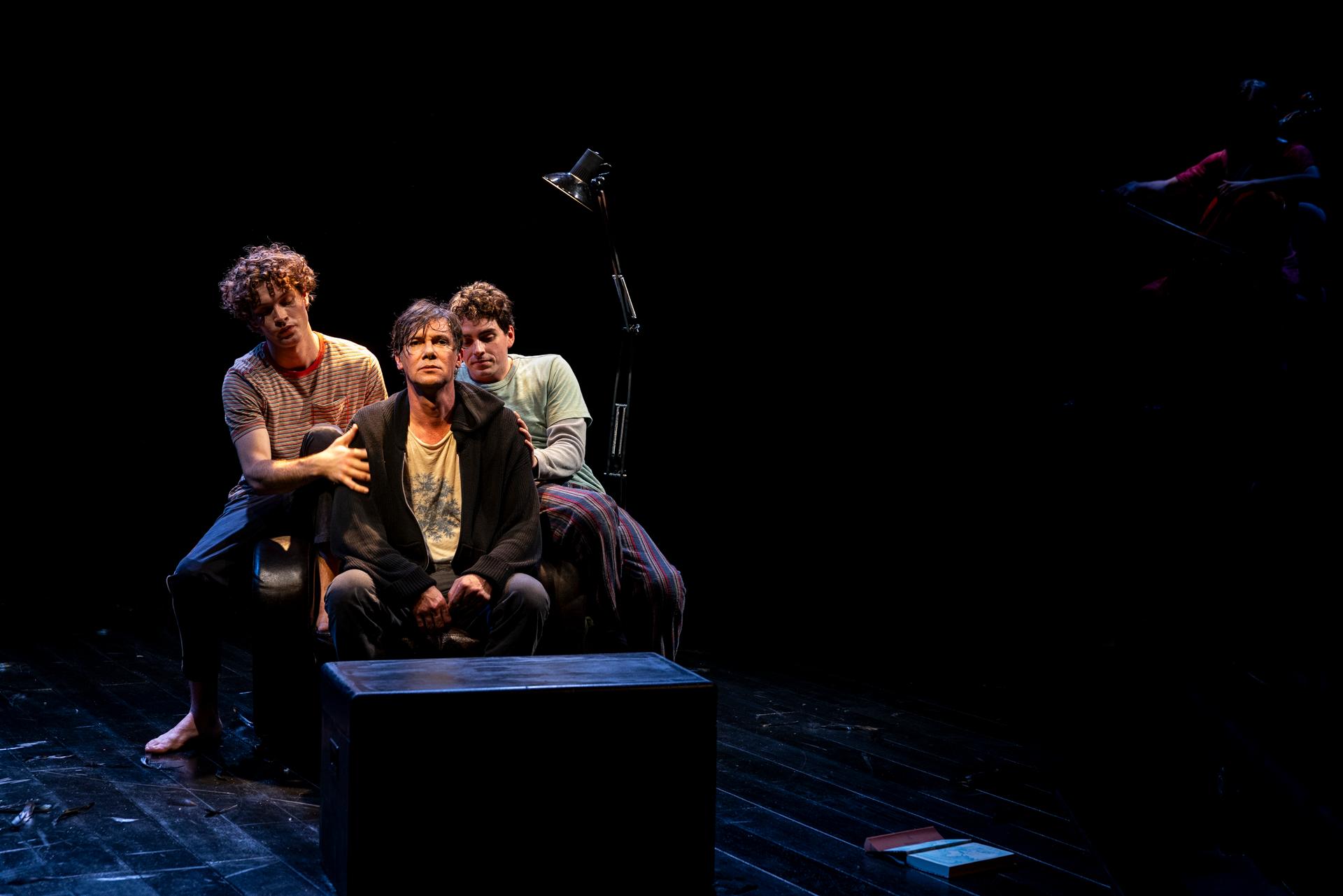
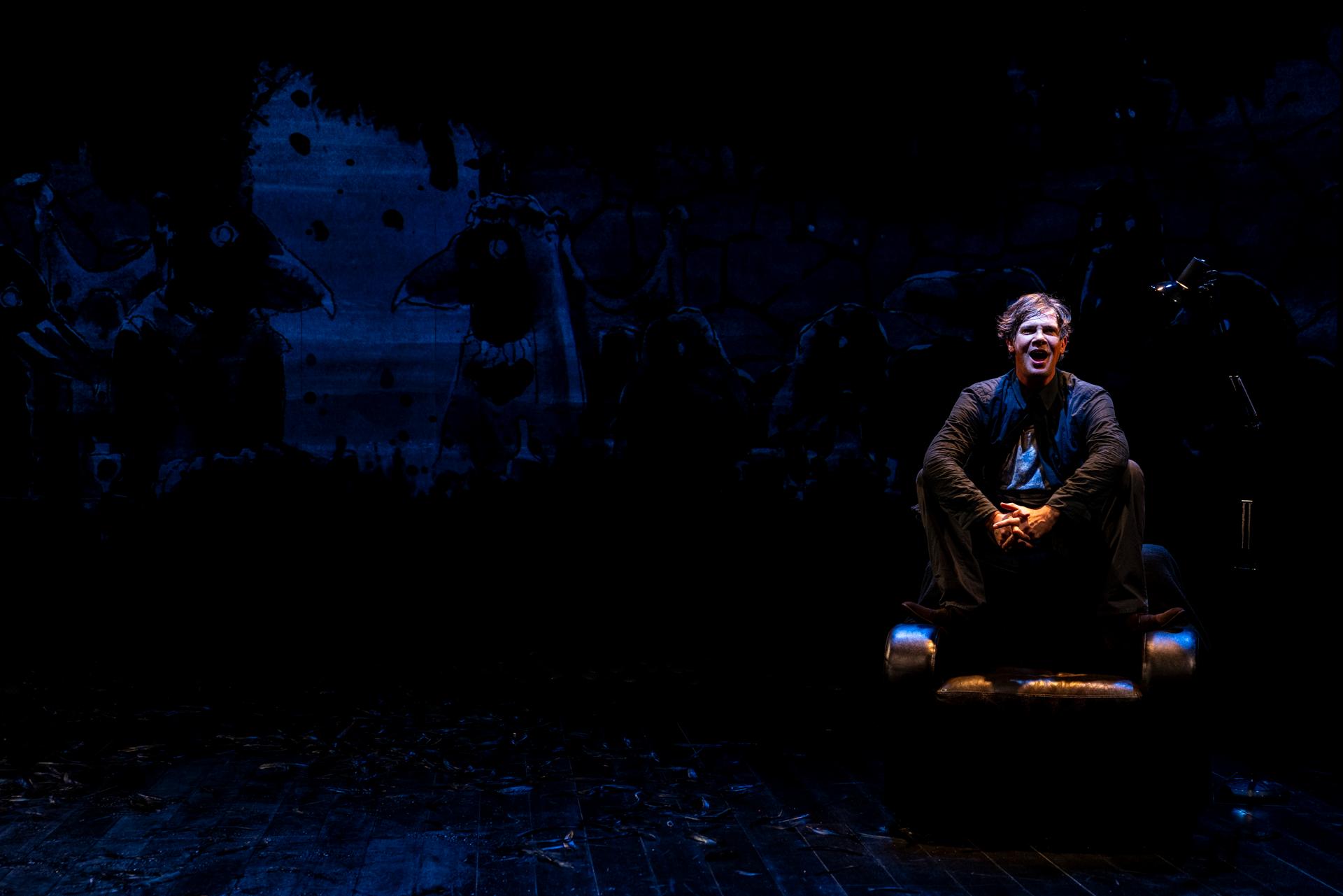
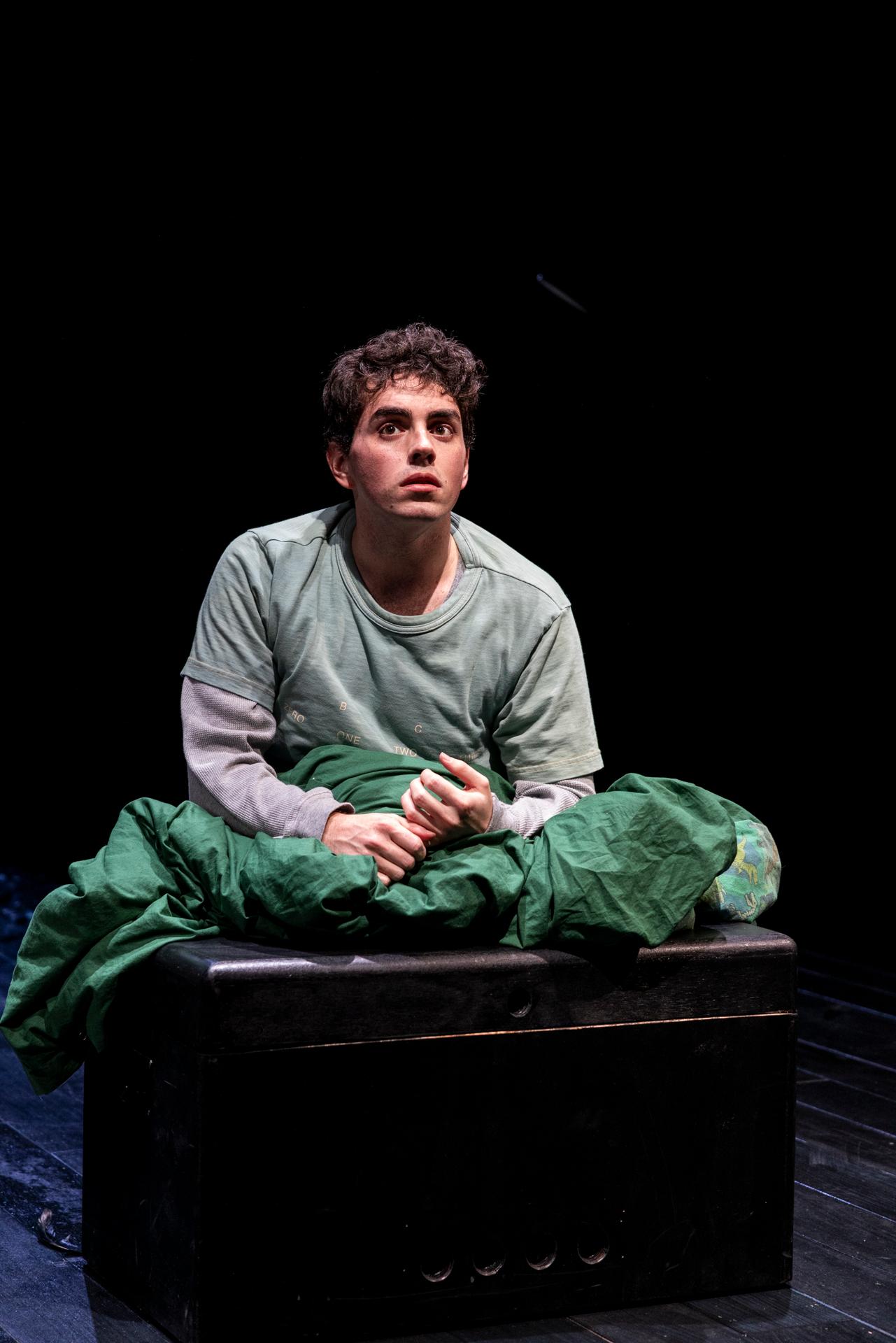
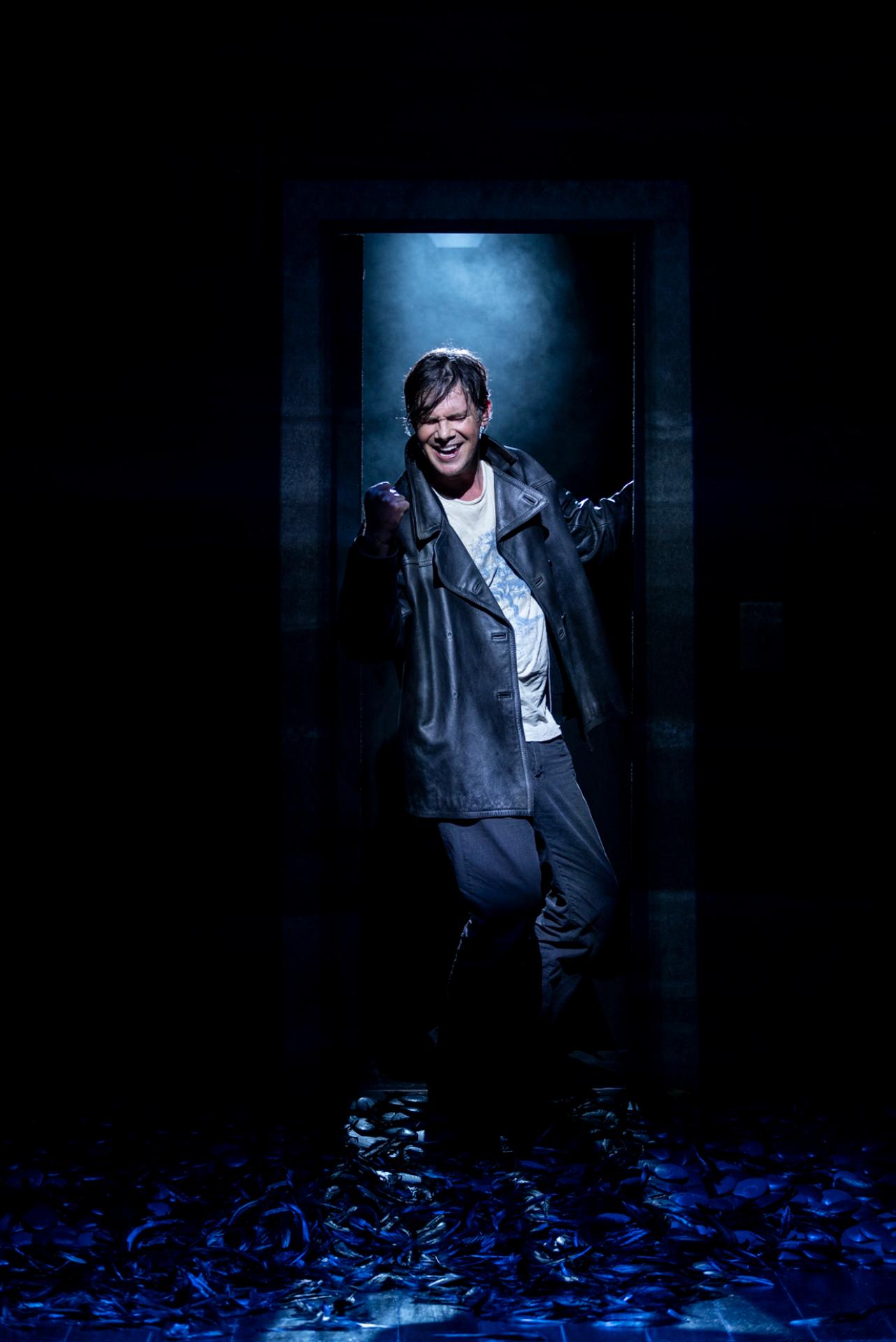
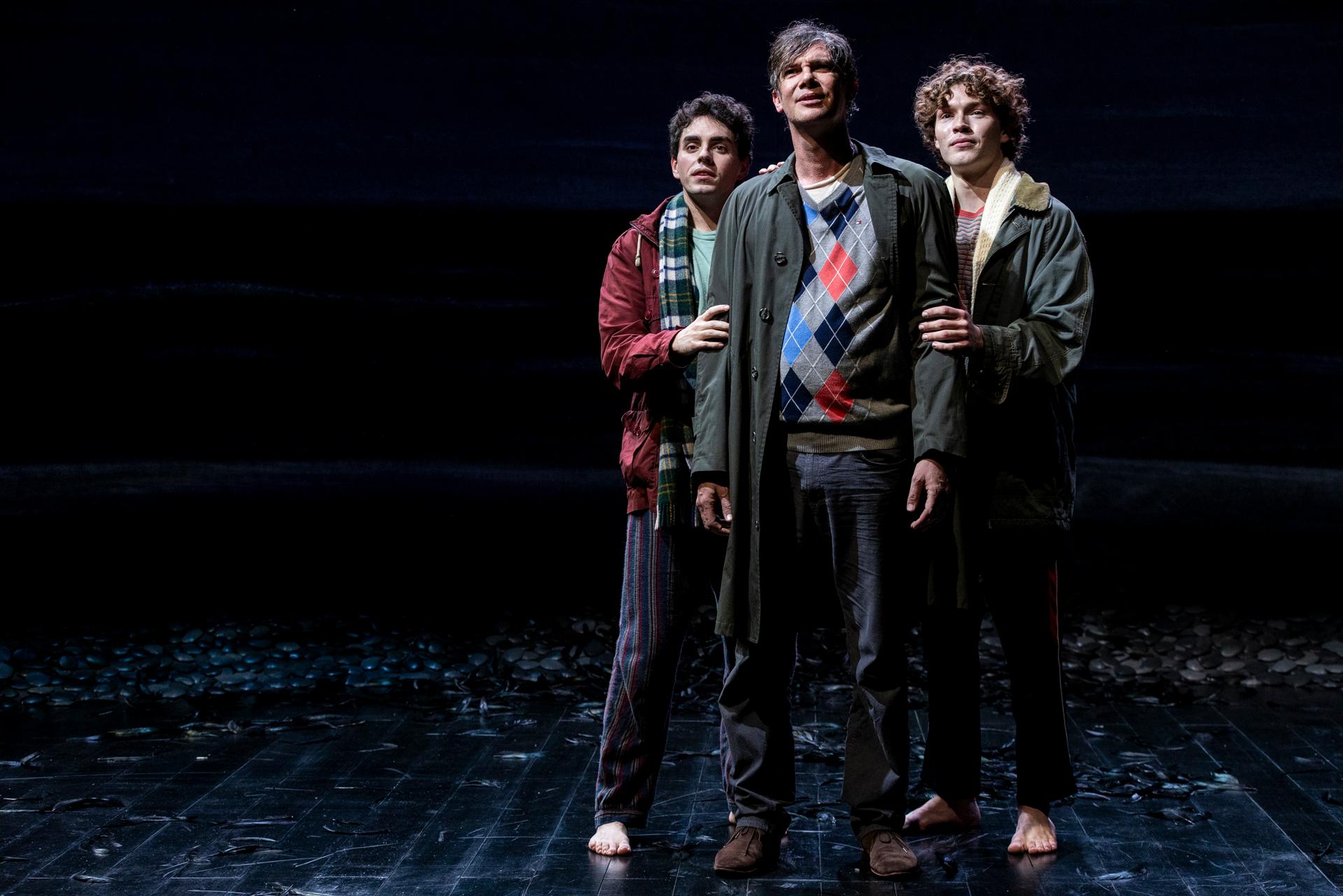
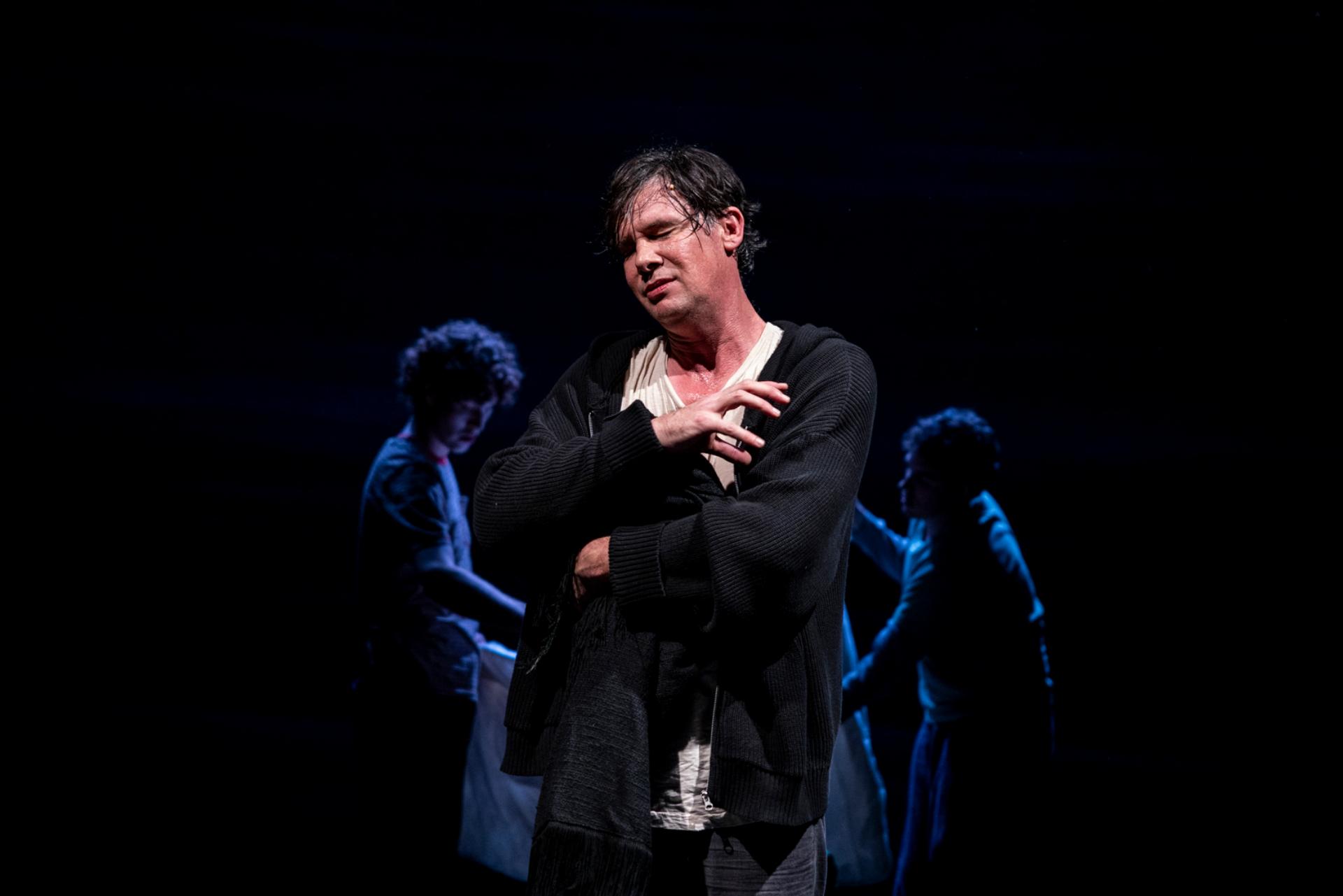
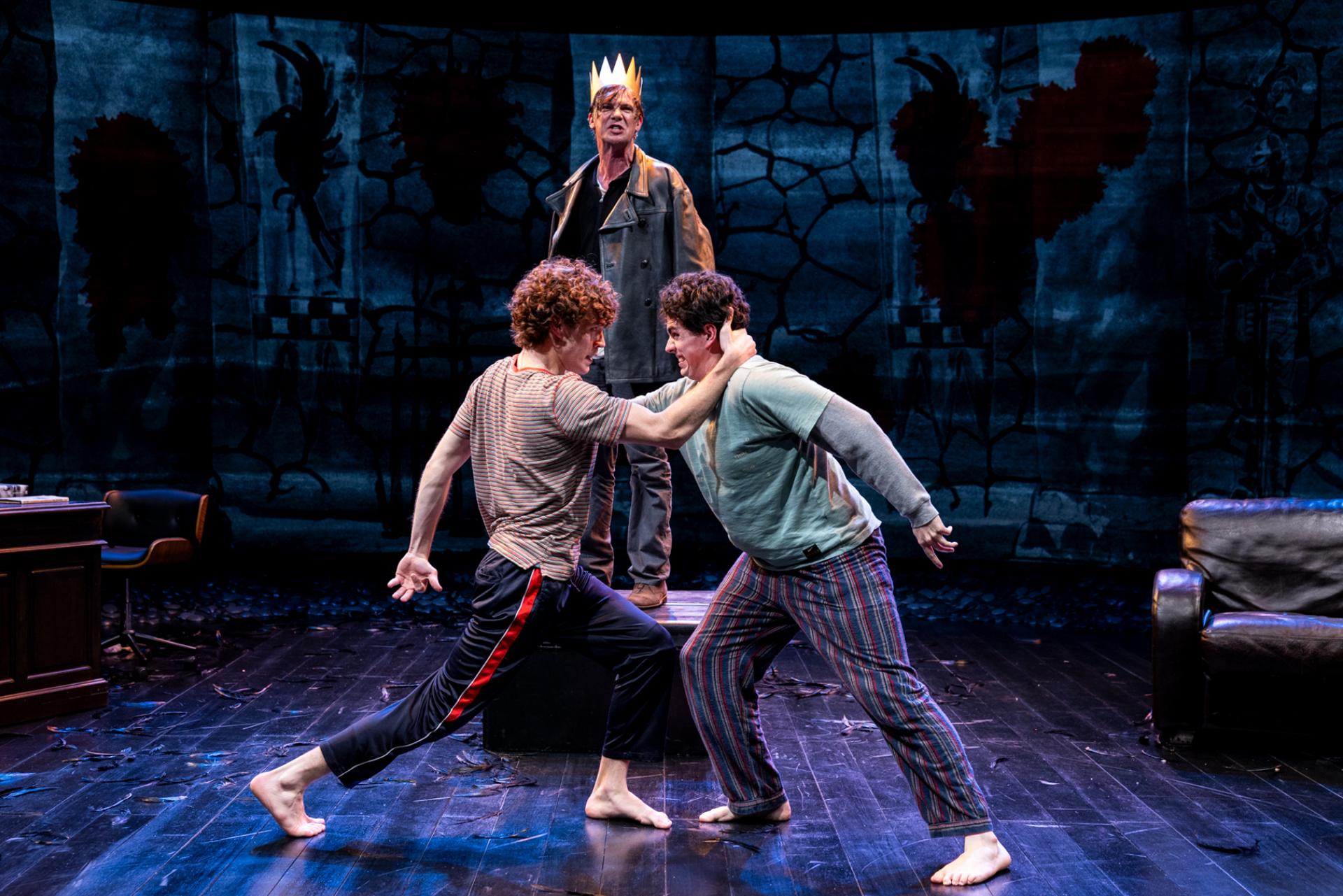
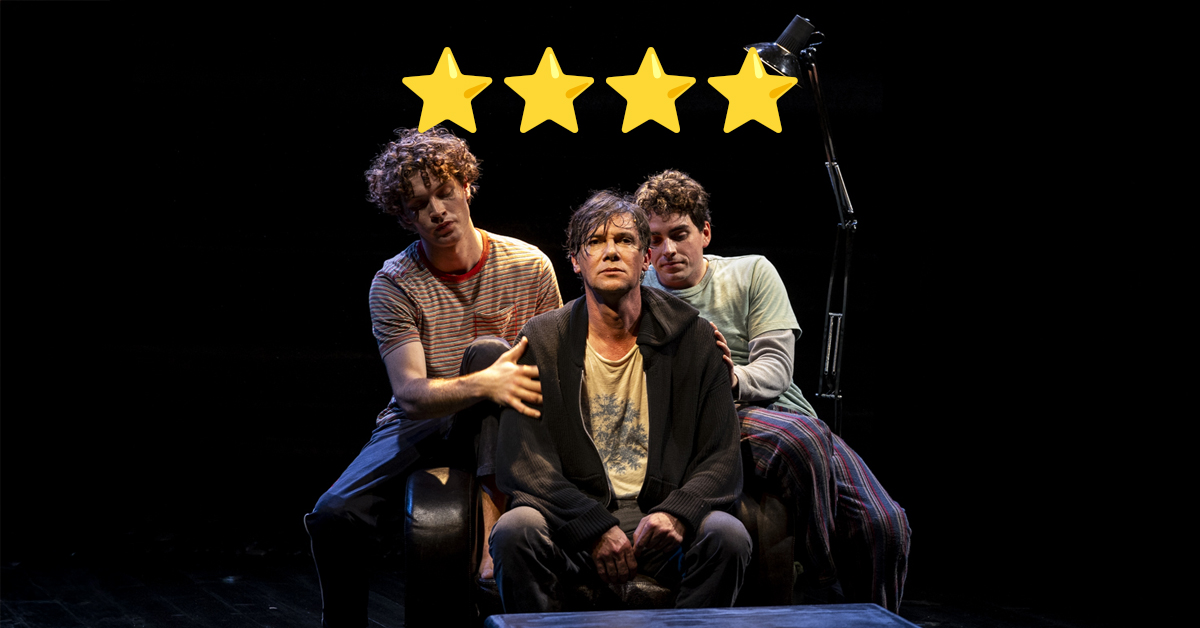
Recently widowed, a scholar finds himself utterly lost, adrift in grief. As a specialist in the work of Ted Hughes, it is perhaps inevitable that a crow—the most iconic figure in Hughes’ oeuvre—should appear, inserting itself into his life as companion and surrogate. Based on the novel by Max Porter, Grief Is the Thing with Feathers captures with striking authenticity both the frustrating stasis and the slow, almost imperceptible progress that inevitably accompanies bereavement.

Adapted for the stage by Simon Phillips, Nick Schlieper, and Toby Schmitz, this transposition pulses with an aggressive rhythm and a tonal grandeur that echoes both the literary references and the visceral experience of sorrow and despair. There is a regrettable emotional distance in its delivery, yet the sheer theatrical ambition of this reimagining of Porter’s novel remains undeniably impressive.

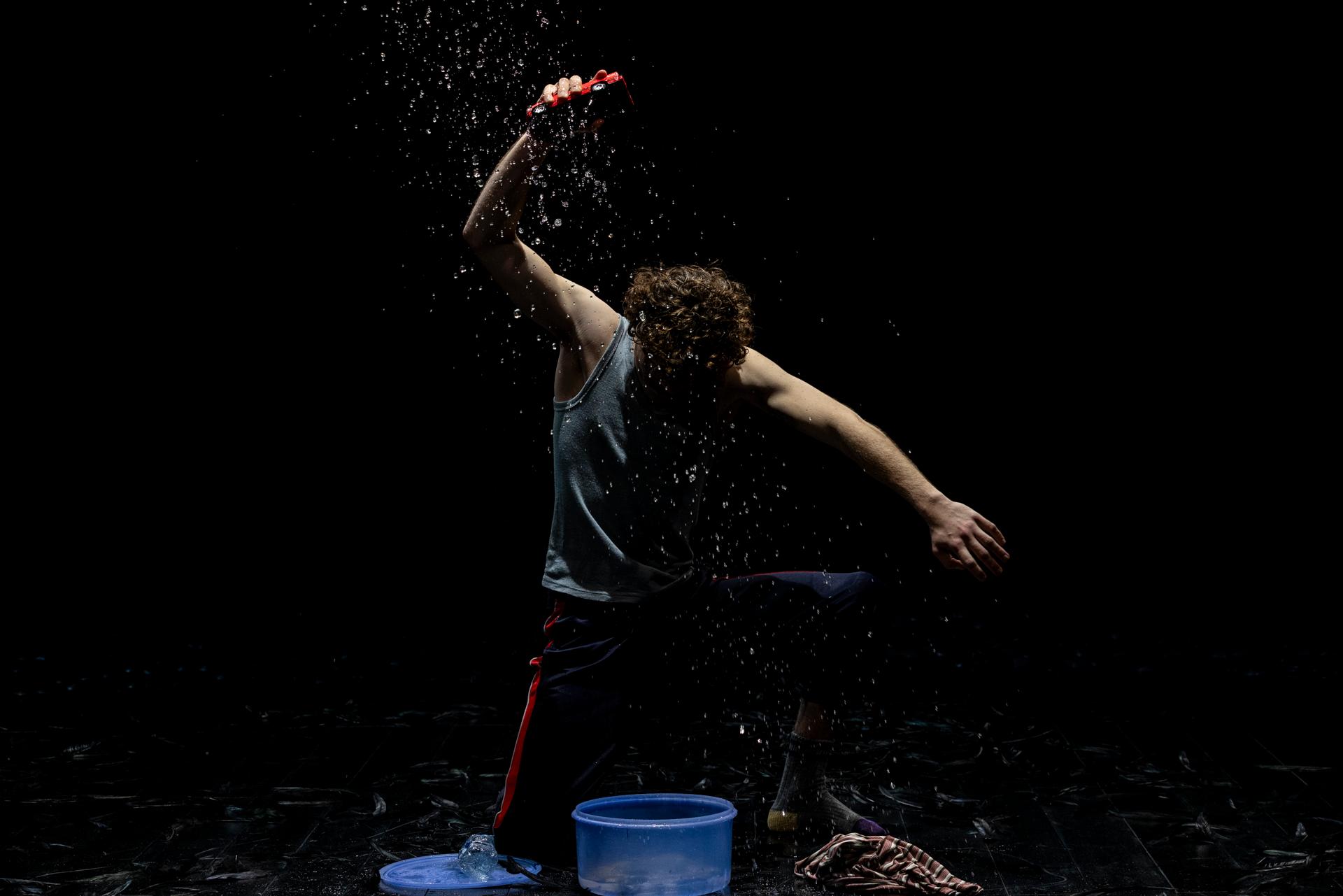
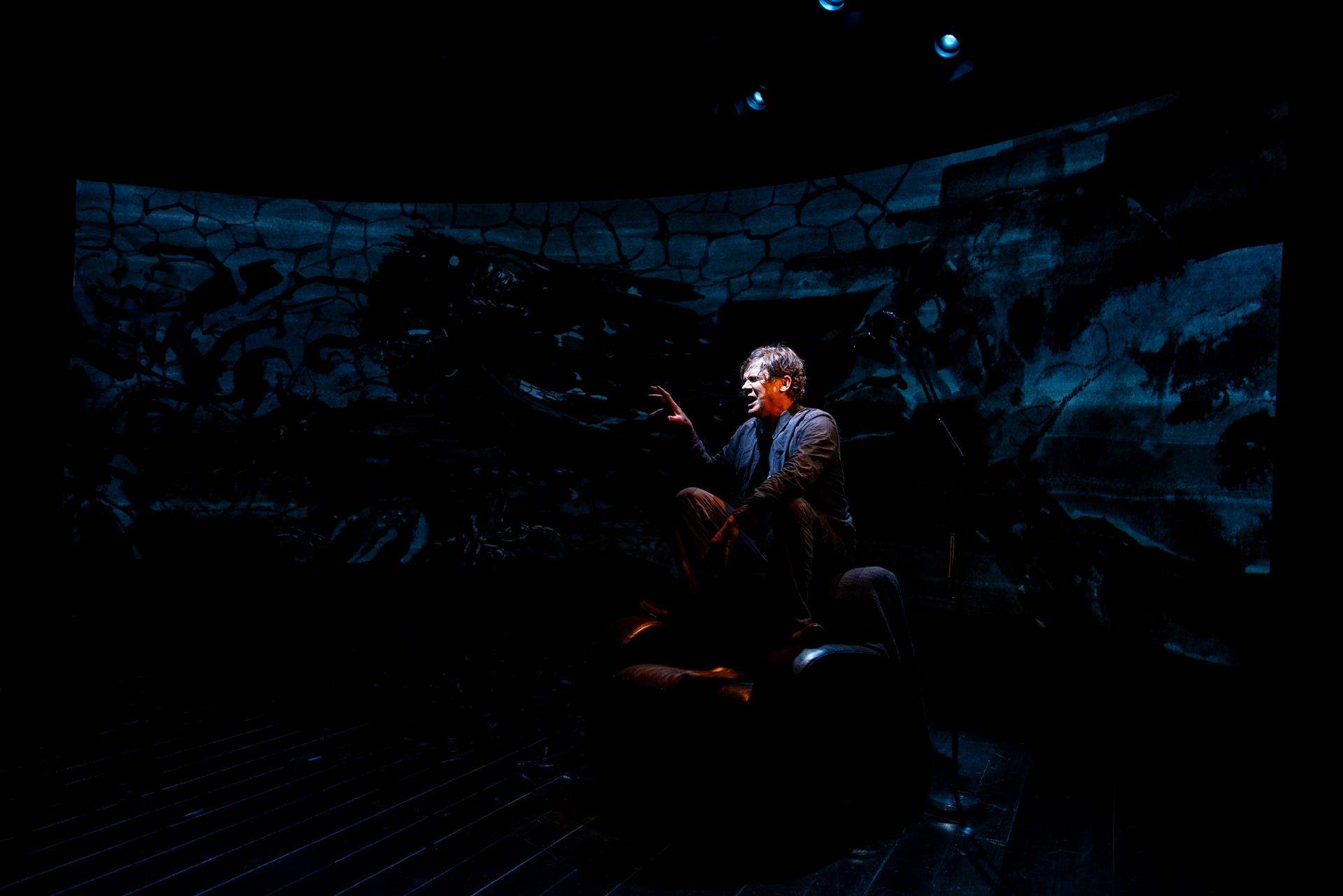
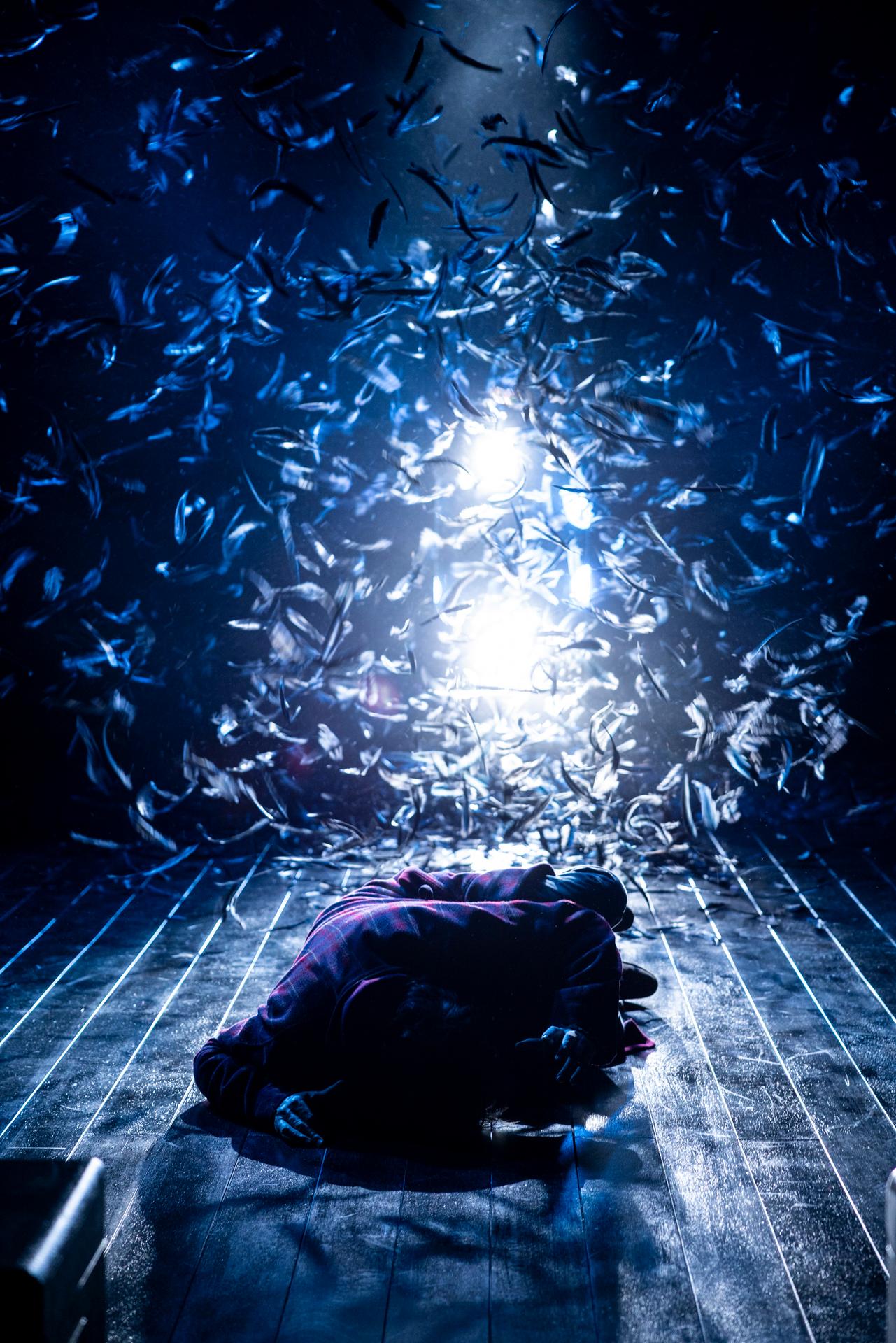
Phillips’ direction is boldly imaginative, capturing the poetic chaos of the widower’s interactions with the crow in a production that is truly dazzling for the senses. Video design by Craig Wilkinson, along with illustrations by Jon Weber, form a highly evocative element of the staging, especially useful in bringing to life its supernatural dimensions. Schlieper’s lighting is endlessly creative and exquisitely beautiful, masterfully evoking a universe of shifting realms. Sound by Daniel Hertern and music by Freya Schack-Arnott add immeasurable power, in their dynamic auditory renderings of this surrealist presentation. 

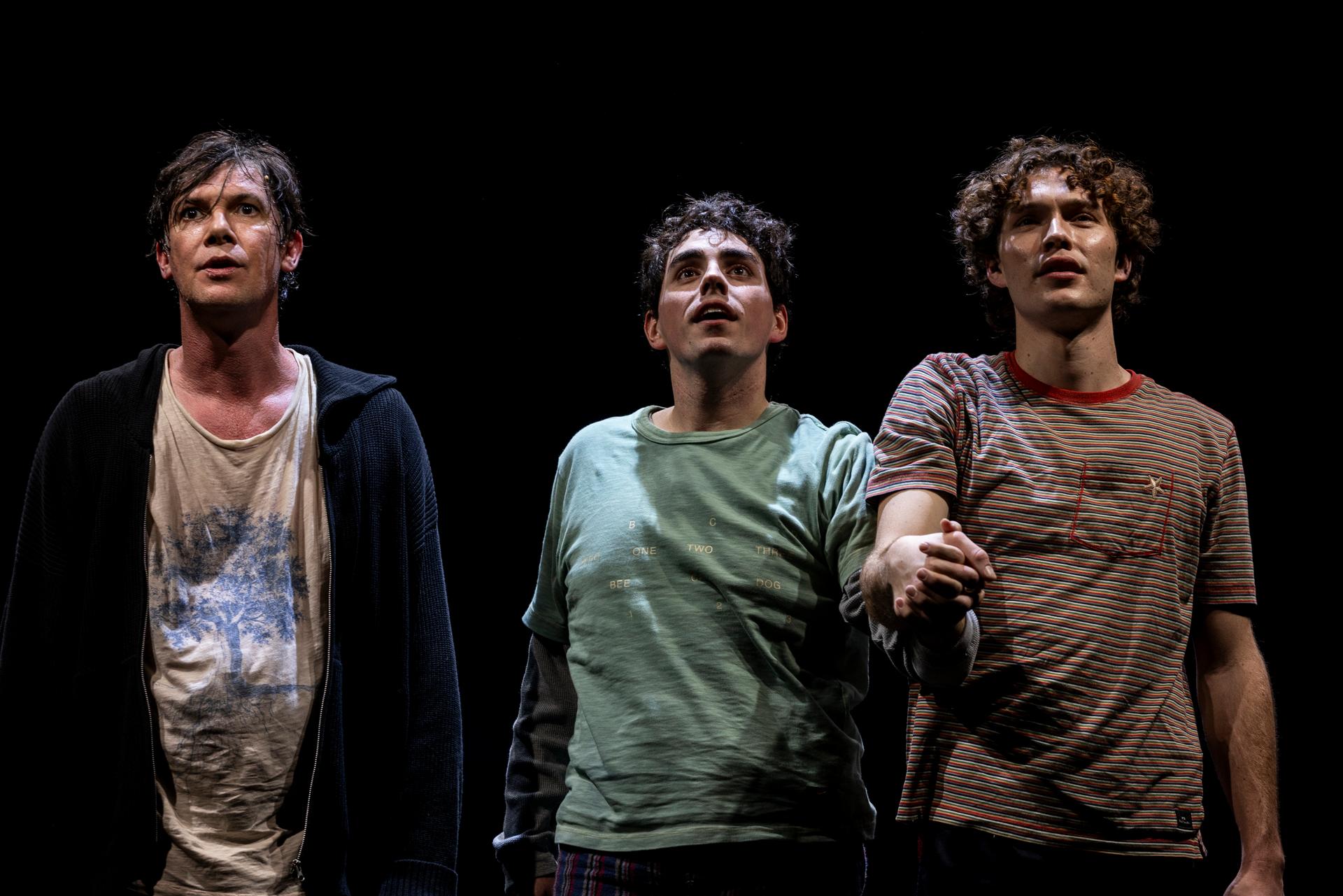
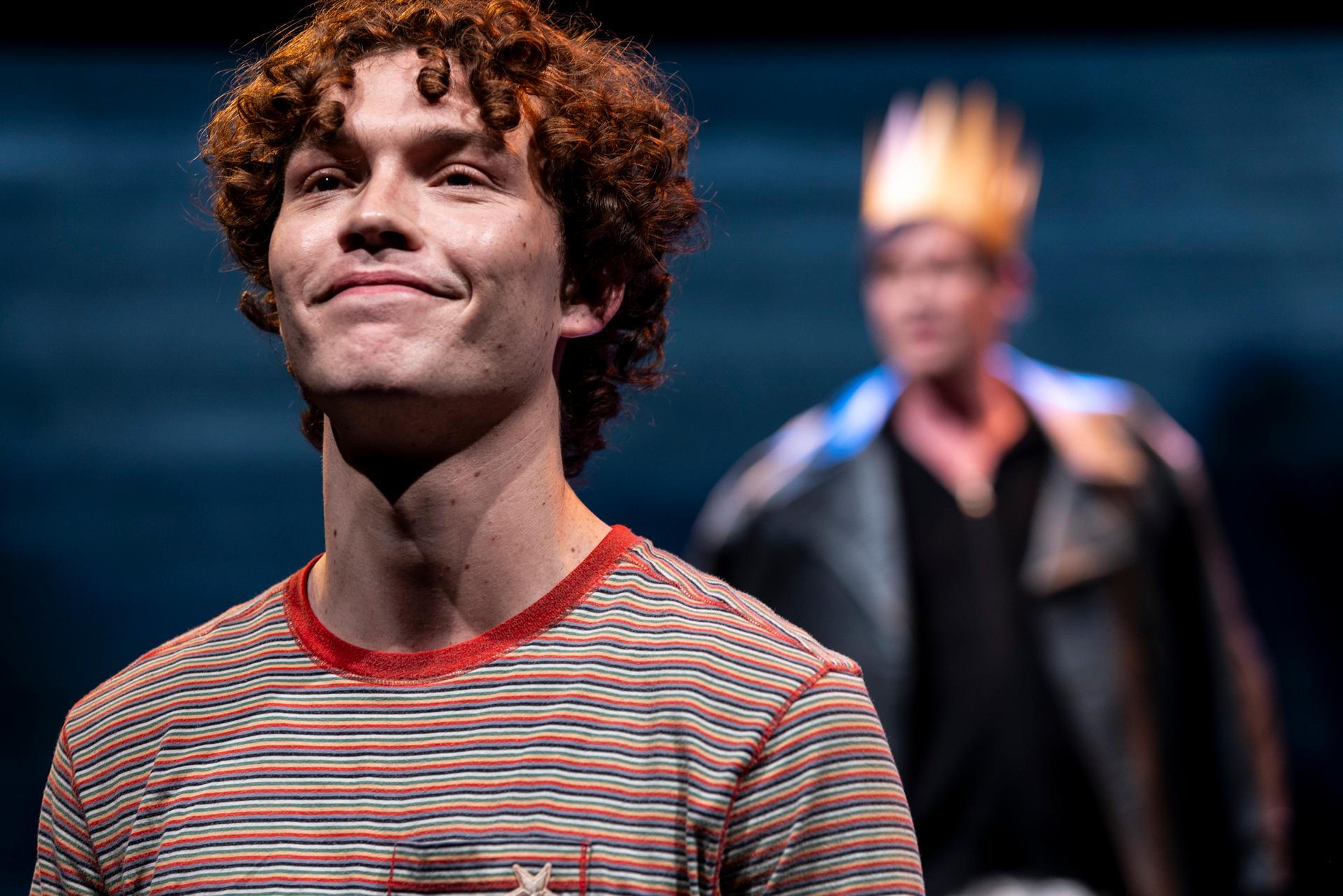
The widower is played by Schmitz who proves himself a commanding leading man, and a detailed artist who encourages us to regard the work with curiosity and discernment. As his young sons, Philip Lynch and Fraser Morrison deliver wonderfully spirited performances, injecting a vital effervescence into a production that might otherwise risk becoming overly sombre.

Grief is rarely a constant emotional state, but it can leave a lasting imprint, reshaping a person’s disposition into something permanently shadowed. While there are steps one might take to prevent such a descent, the most enduring strategy is often to weather the storm, trusting that its force will eventually subside. It can be a sad thought that those we have lost might one day be forgotten, but there comes a time when their memory must be gently placed in the recesses of the mind, to make room for living.

www.belvoir.com.au | www.andrewhenrypresents.com

Review: Hedwig And The Angry Inch (Carriageworks)

Venue: Carriageworks (Eveleigh NSW), Jul 17 – Aug 3, 2025
Text: John Cameron Mitchell
Music and Lyrics: Stephen Trask
Directors: Shane Anthony, Dino Dimitriadis
Cast: Seann Miley Moore, Adam Noviello
Images by Eugene Hyland, Shane Reid

Theatre review
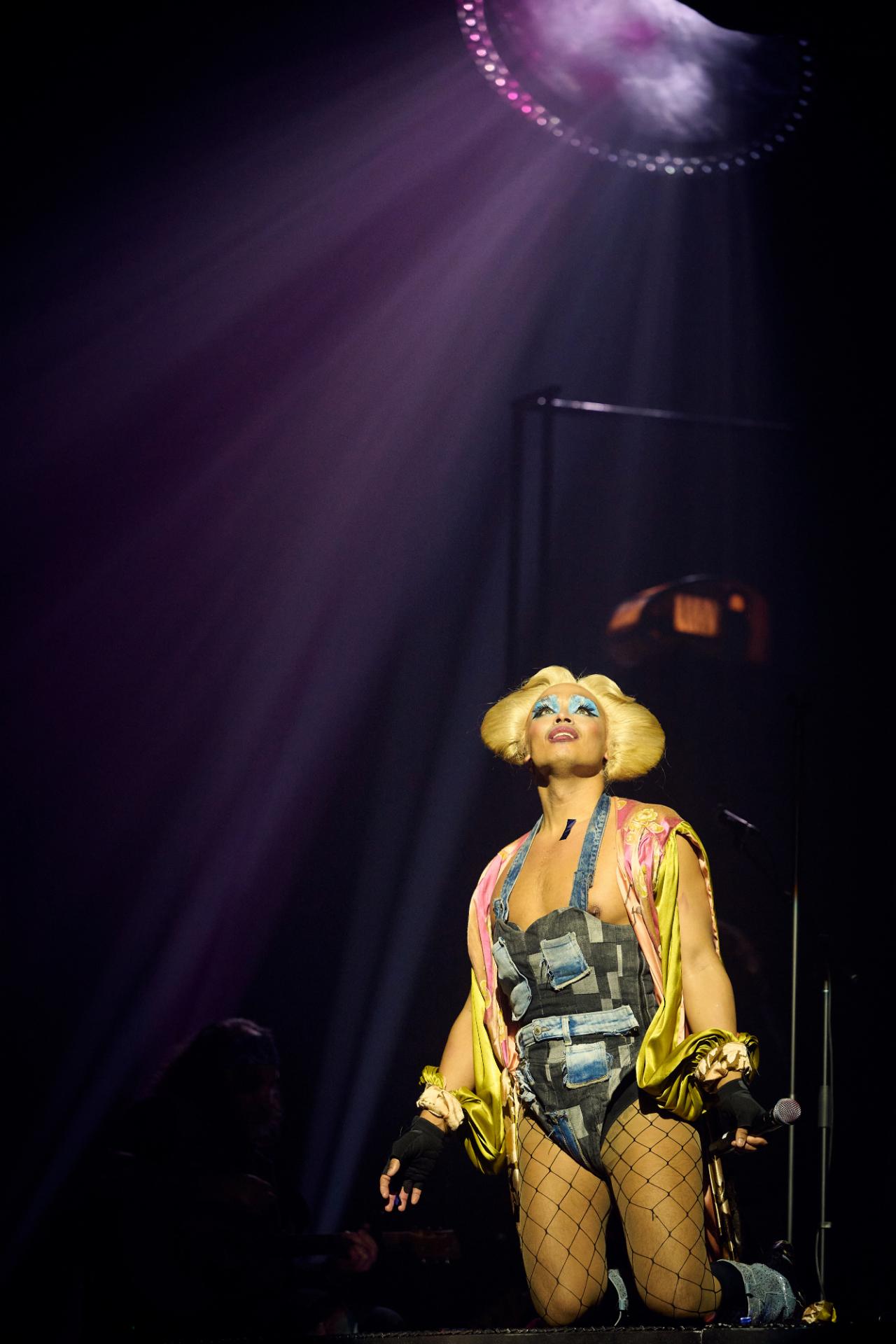
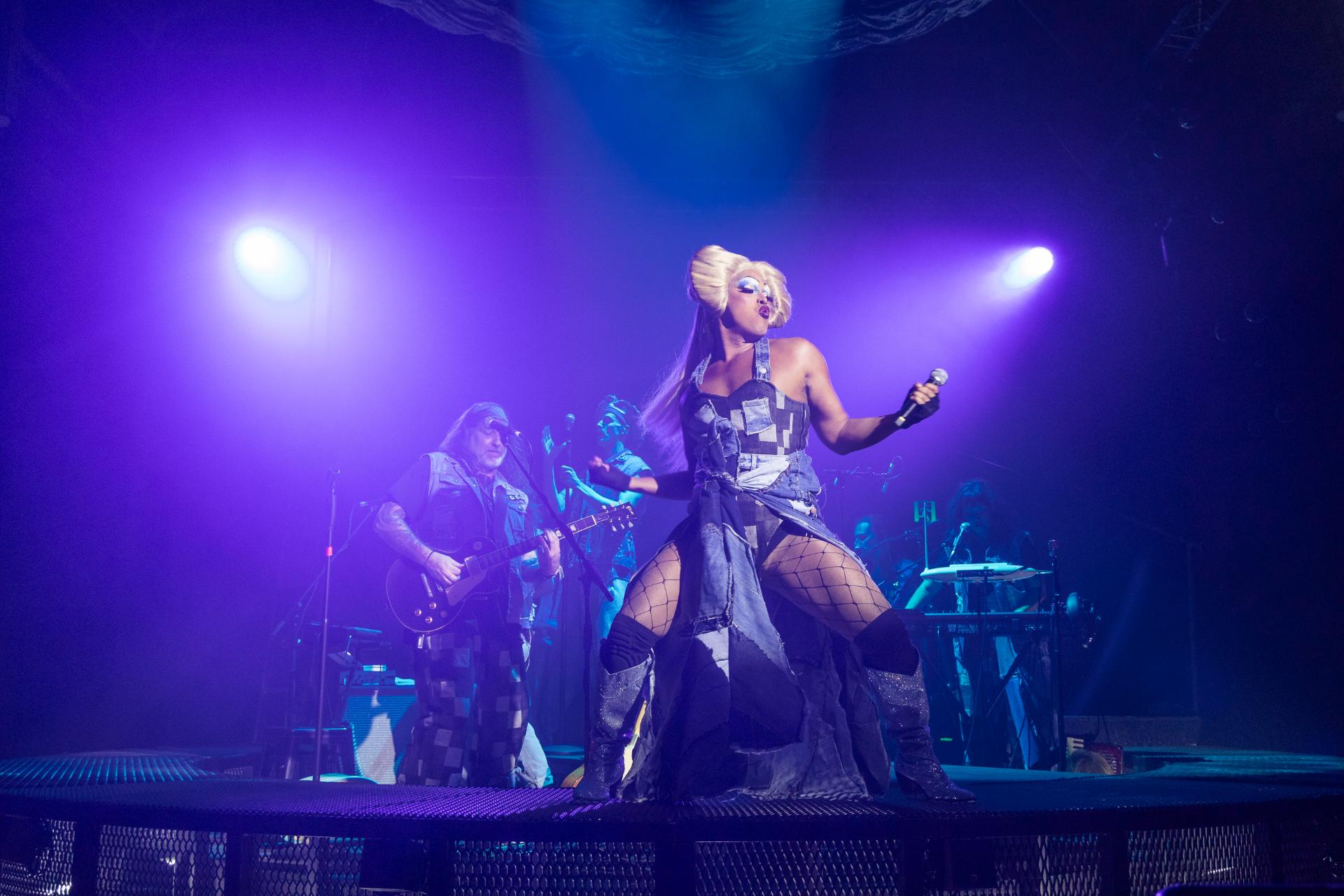
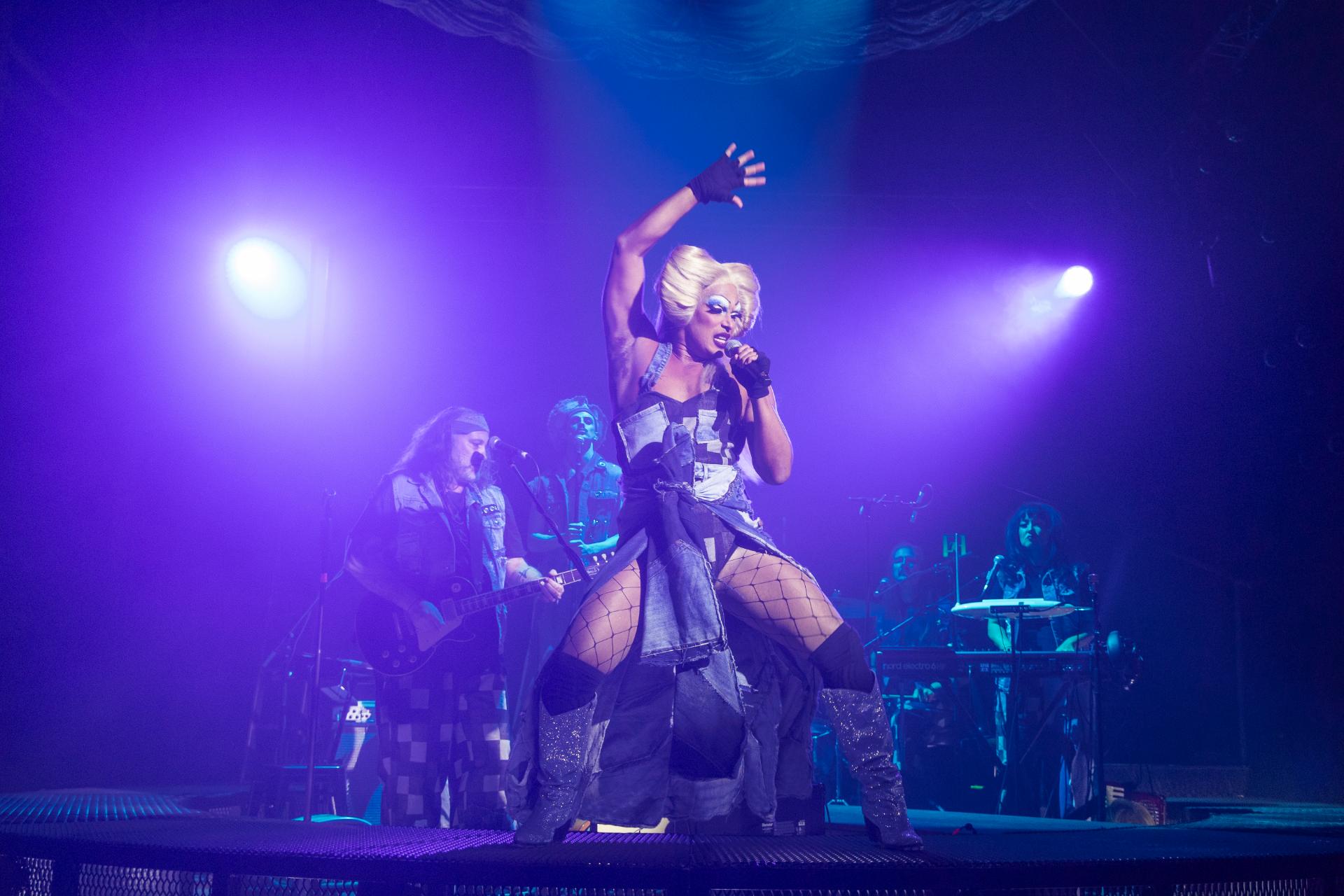
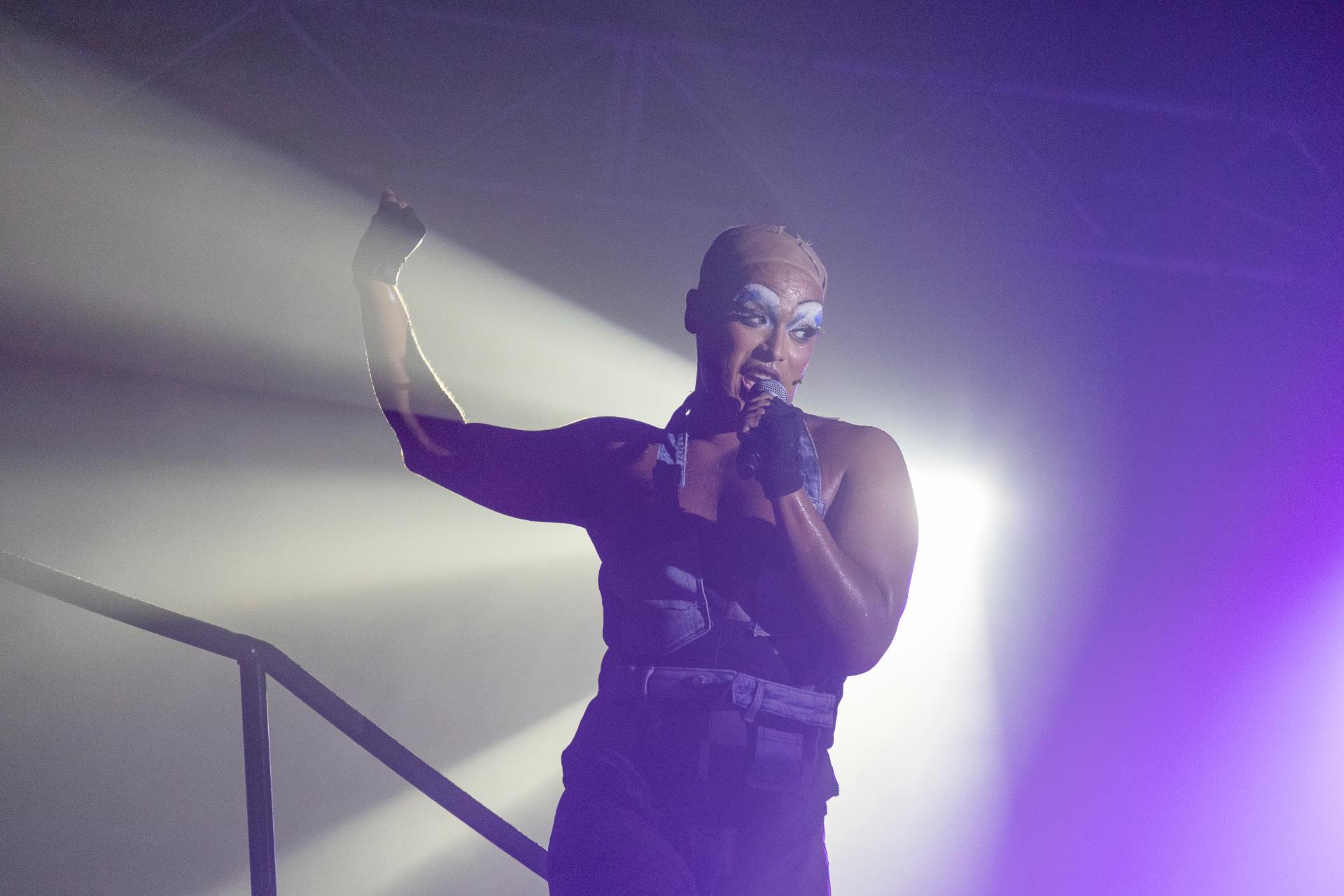
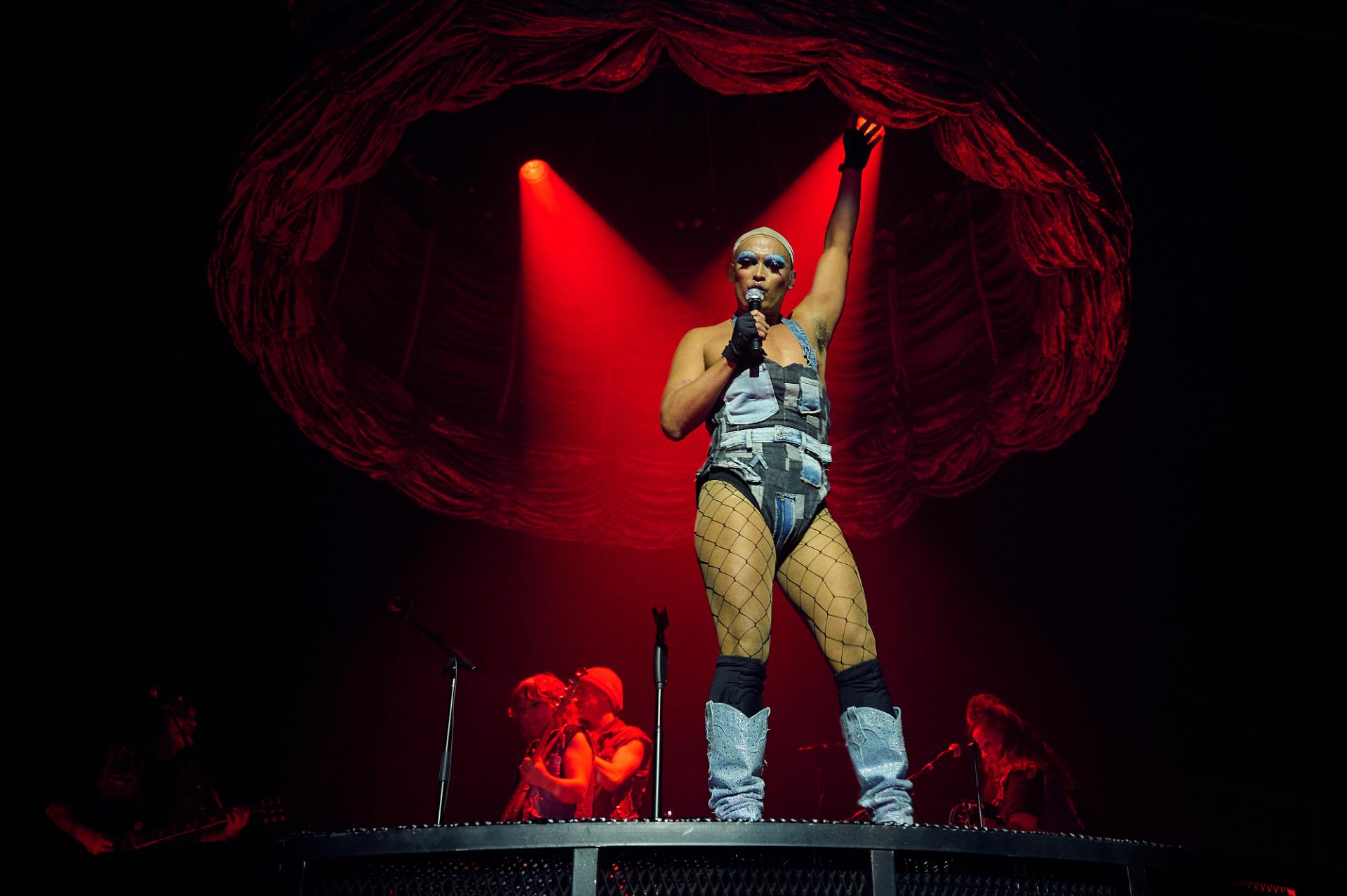
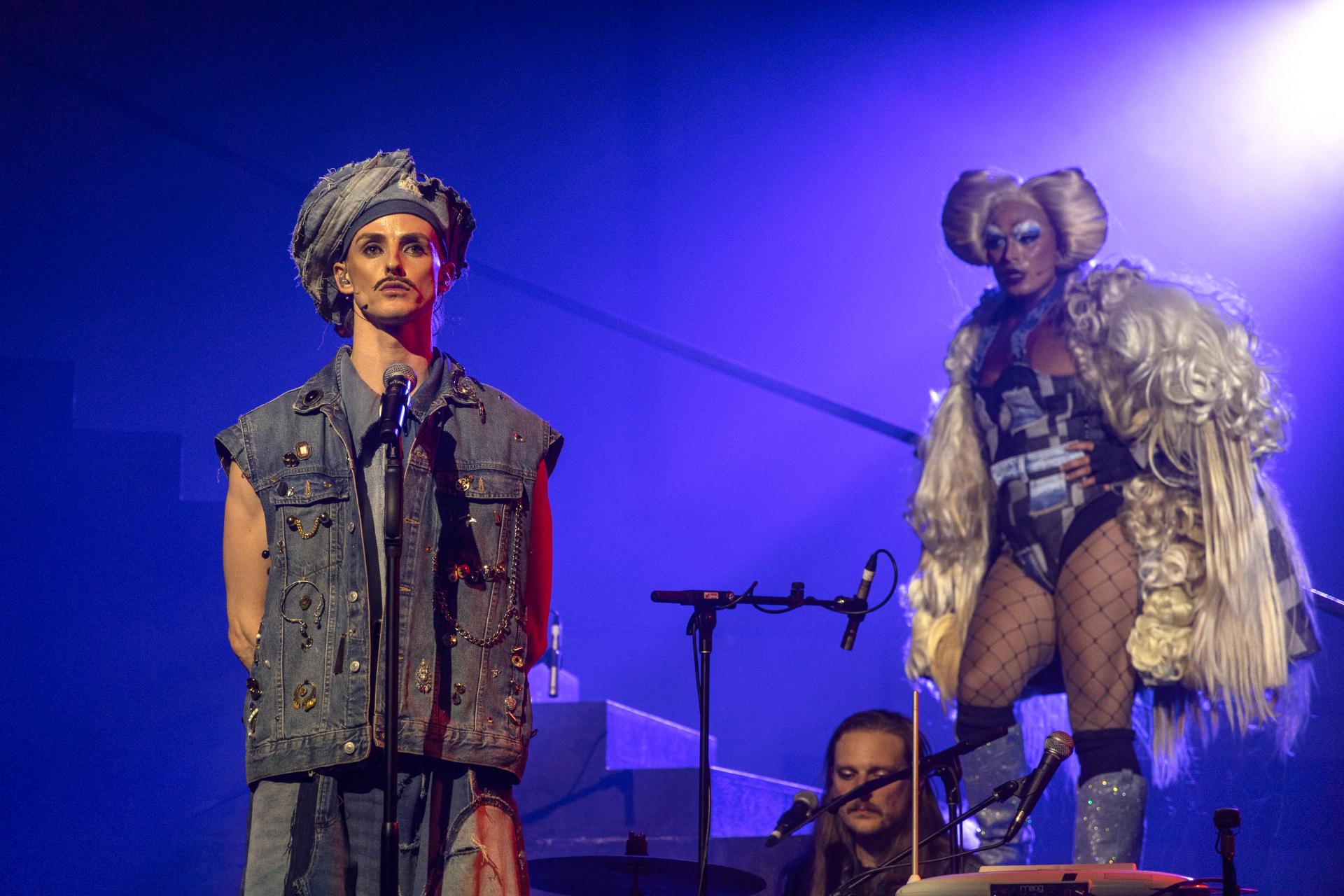
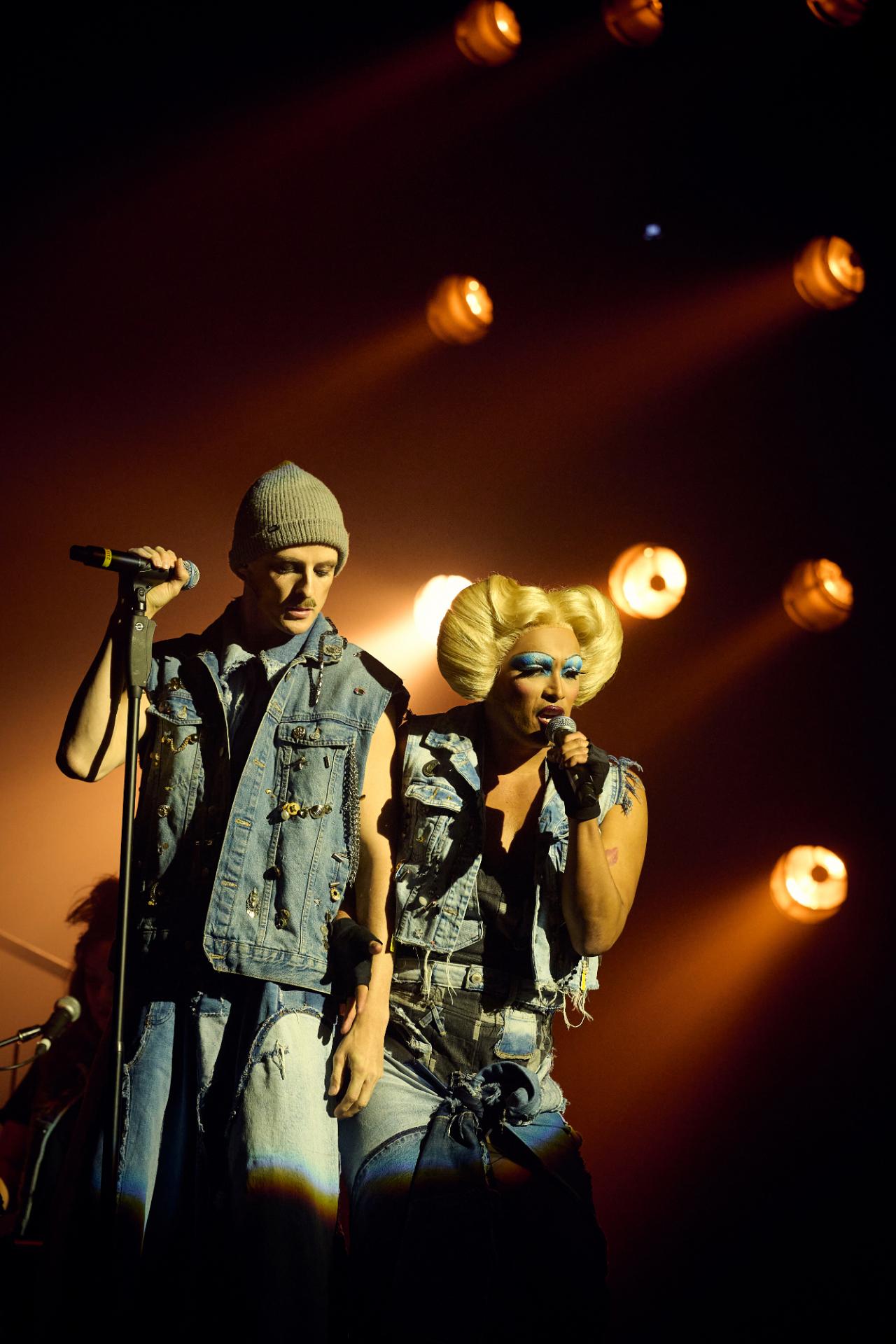
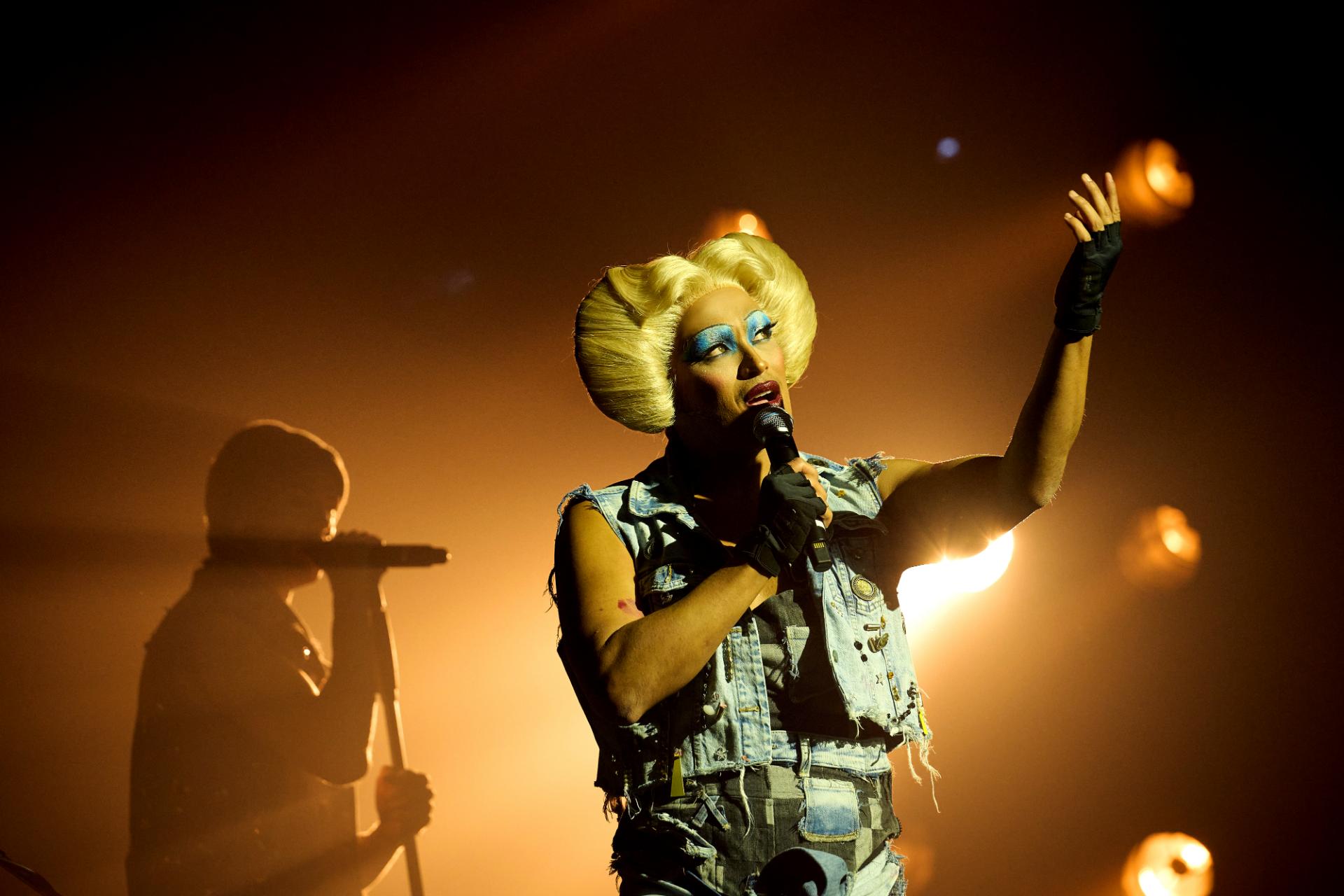
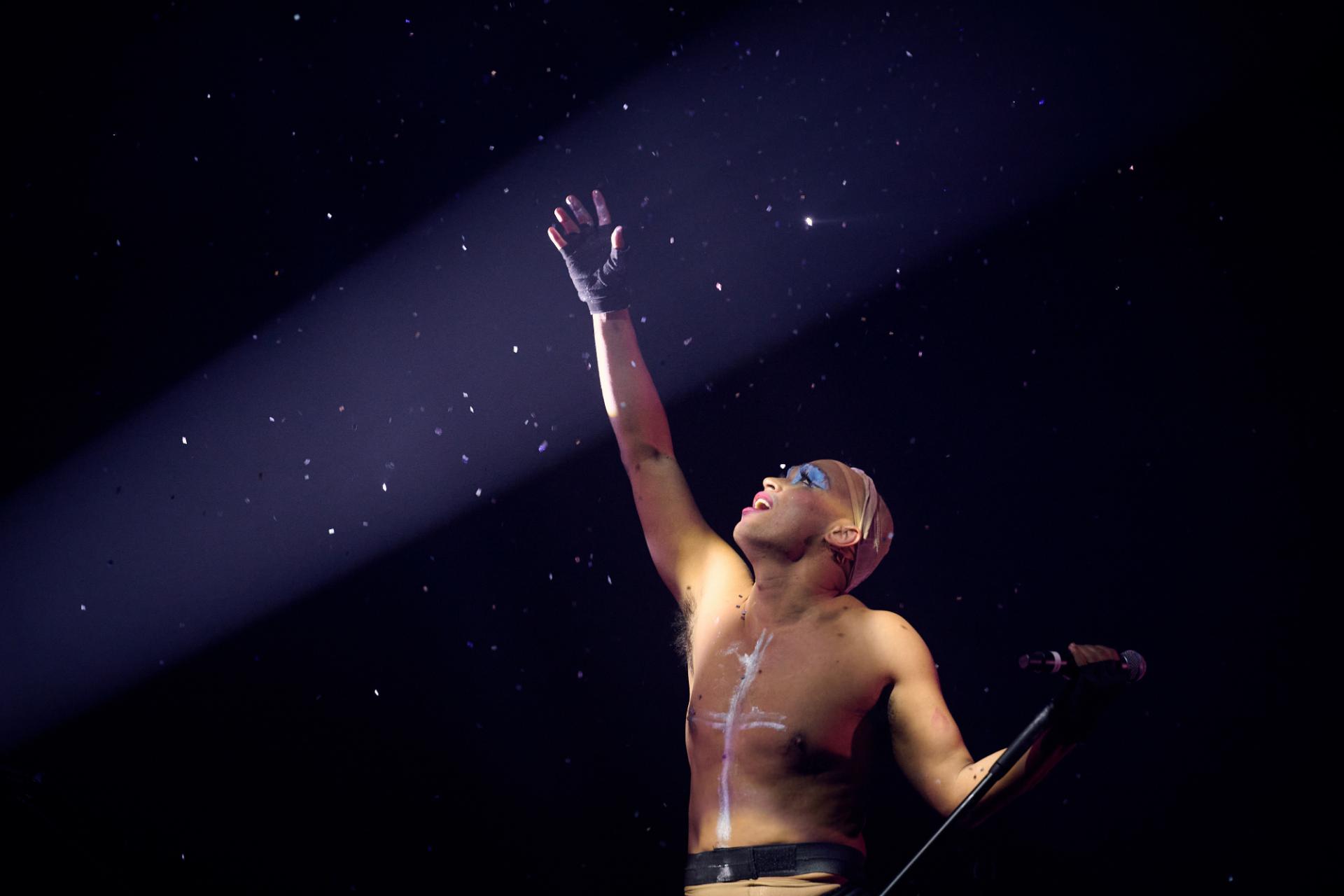
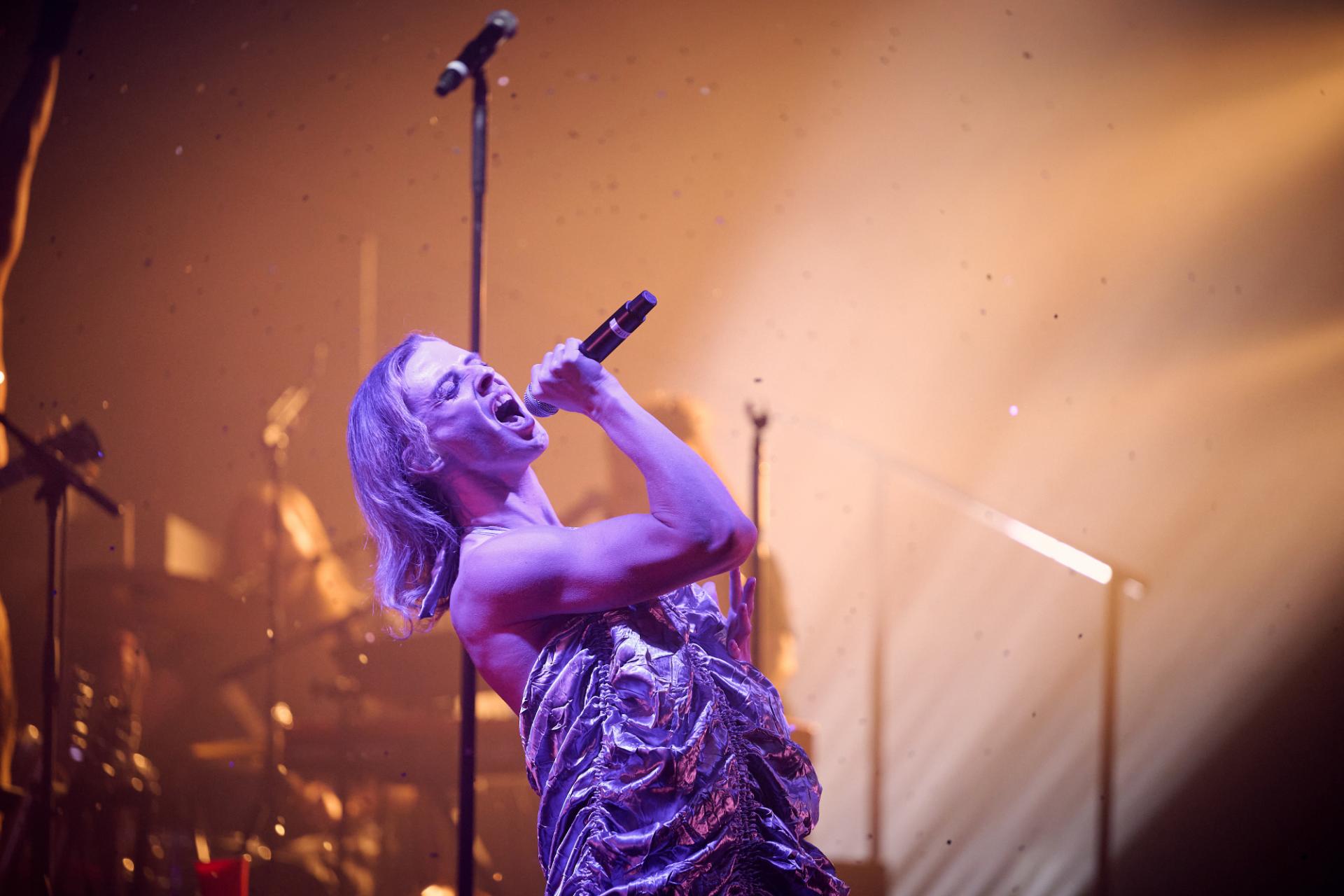
Hedwig does not love. Having only experienced deception, betrayal and cruelty throughout her life, Hedwig has little capacity to show affection or kindness, even to Yitzhak who offers only dedication. John Cameron Mitchell and Stephen Trask’s iconic queer masterpiece Hedwig and the Angry Inch stands as one of the few prominent titles in a musical canon that, although held in high regard by many queer lives, rarely places LGBTQIA+ stories at its centre. Thirty-one years since its original conception, protagonist Hedwig remains defiantly and resolutely queer — a figure who resists all manner of classification, and who challenges the values not only of middle-class life, but also of how we think about art and creativity.

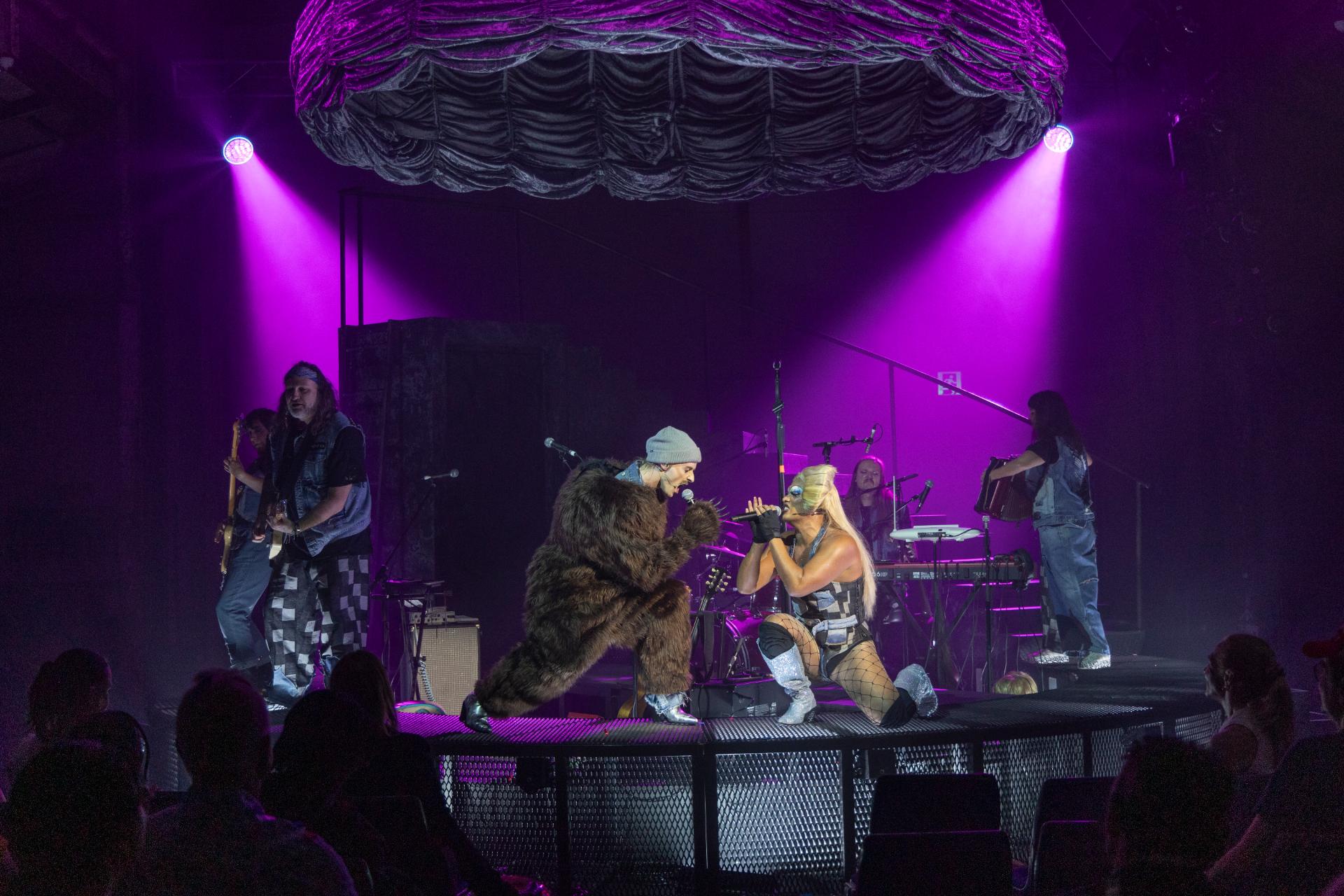
Co-directed by the formidable pair Shane Anthony and Dino Dimitriadis, Hedwig and the Angry Inch is both spectacular and poignant, fully satisfying our need for something transcendentally fabulous, while remaining unequivocally meaningful. Together with soulful choreography by Amy Campbell, they deliver a production that saturates and satiates our senses, making us hopelessly mesmerised every second, before finally hurling us somewhere unfathomably moving.

The show is characteristically unruly in its rhapsodical, bohemian expression of the grungy nineties, yet there is an unmistakeable rigour that oversees every aesthetic choice, to ensure unparalleled elegance and sophistication, for a brilliantly elevated presentation of one of musical theatre history’s wildest moments.

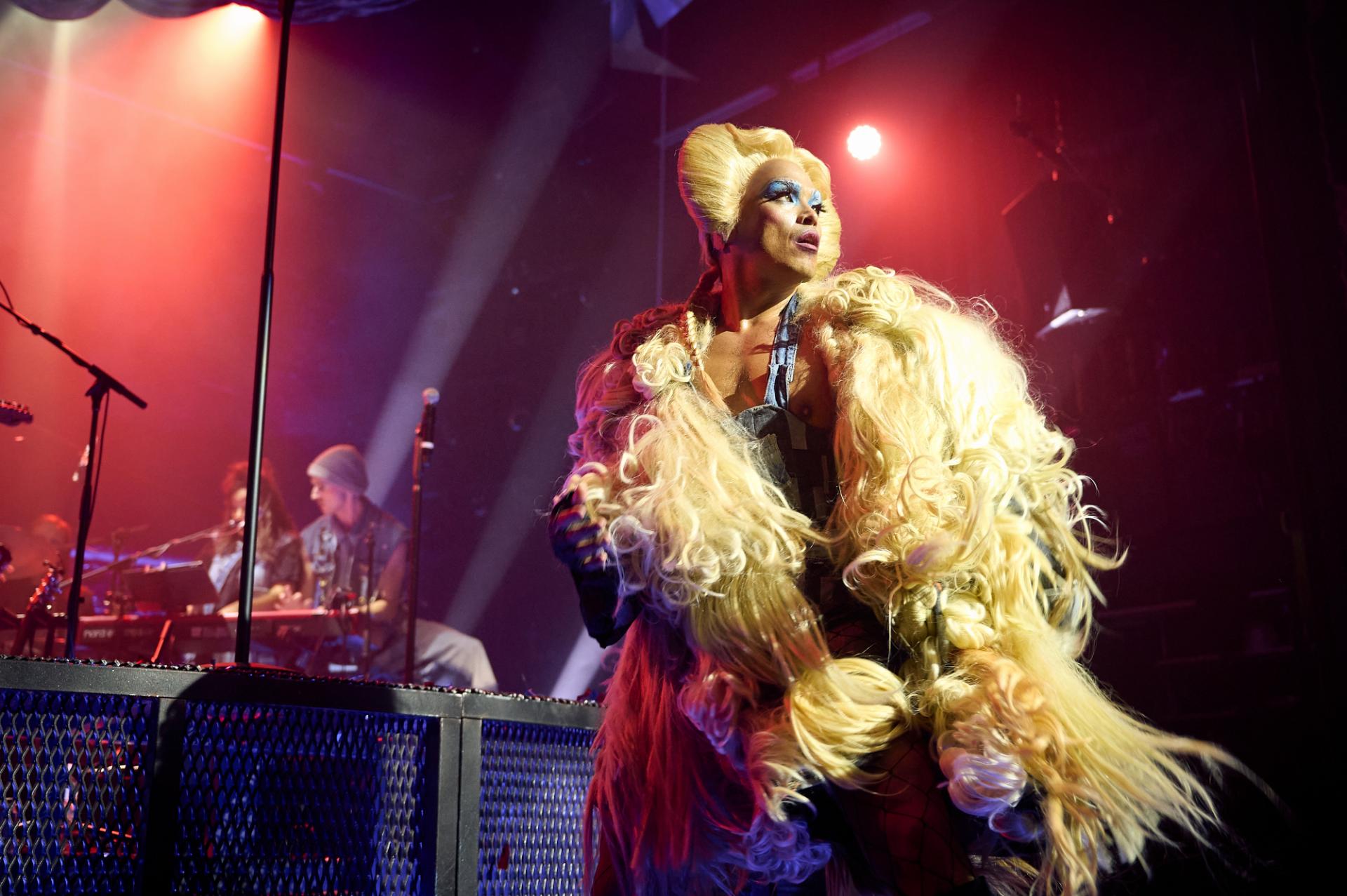
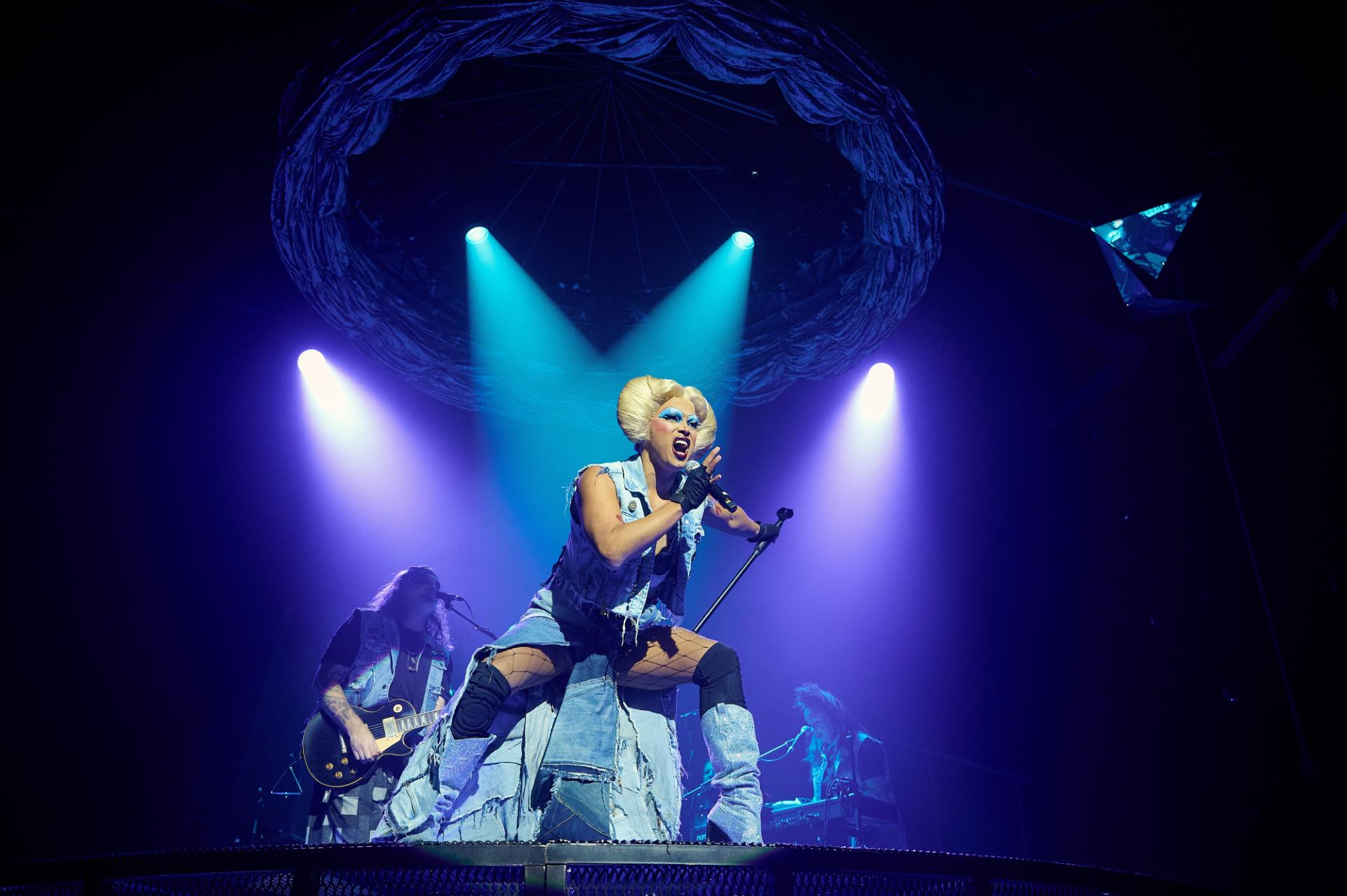
Set design by Jeremy Allen conveys glamour while meticulously capturing the details of a distinctly working-class milieu. Lights by Geoff Cobham are emotionally charged, and thoroughly beautiful with the imagery they help to assemble. Unforgettable costumes by Nicol & Ford blend inventiveness with technical mastery, taking our breath away in the “Wig in a Box” number by fashioning a coat filled with imaginative humour and cultural significance.

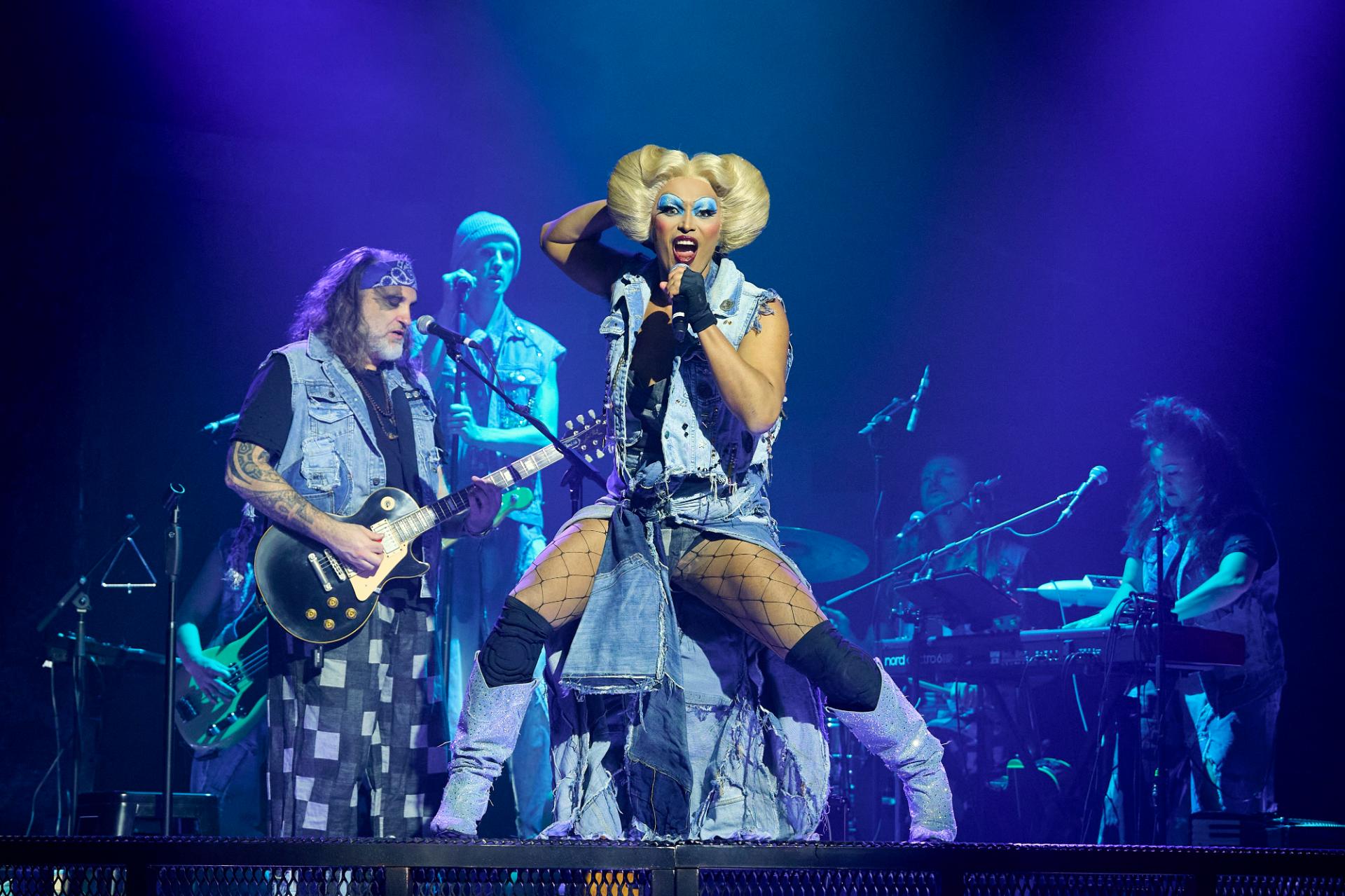
Victoria Falconer serves as musical director, giving us unwavering passion in a cacophonous combination of rock and Broadway, leaving no stone unturned to hold the audience in heightened states of arousal from start to finish. Along with sound design by Jamie Mensforth and soundscape by Jason Sweeney, we are never in doubt about being situated in an American dive bar, gritty yet adamantly hopeful.

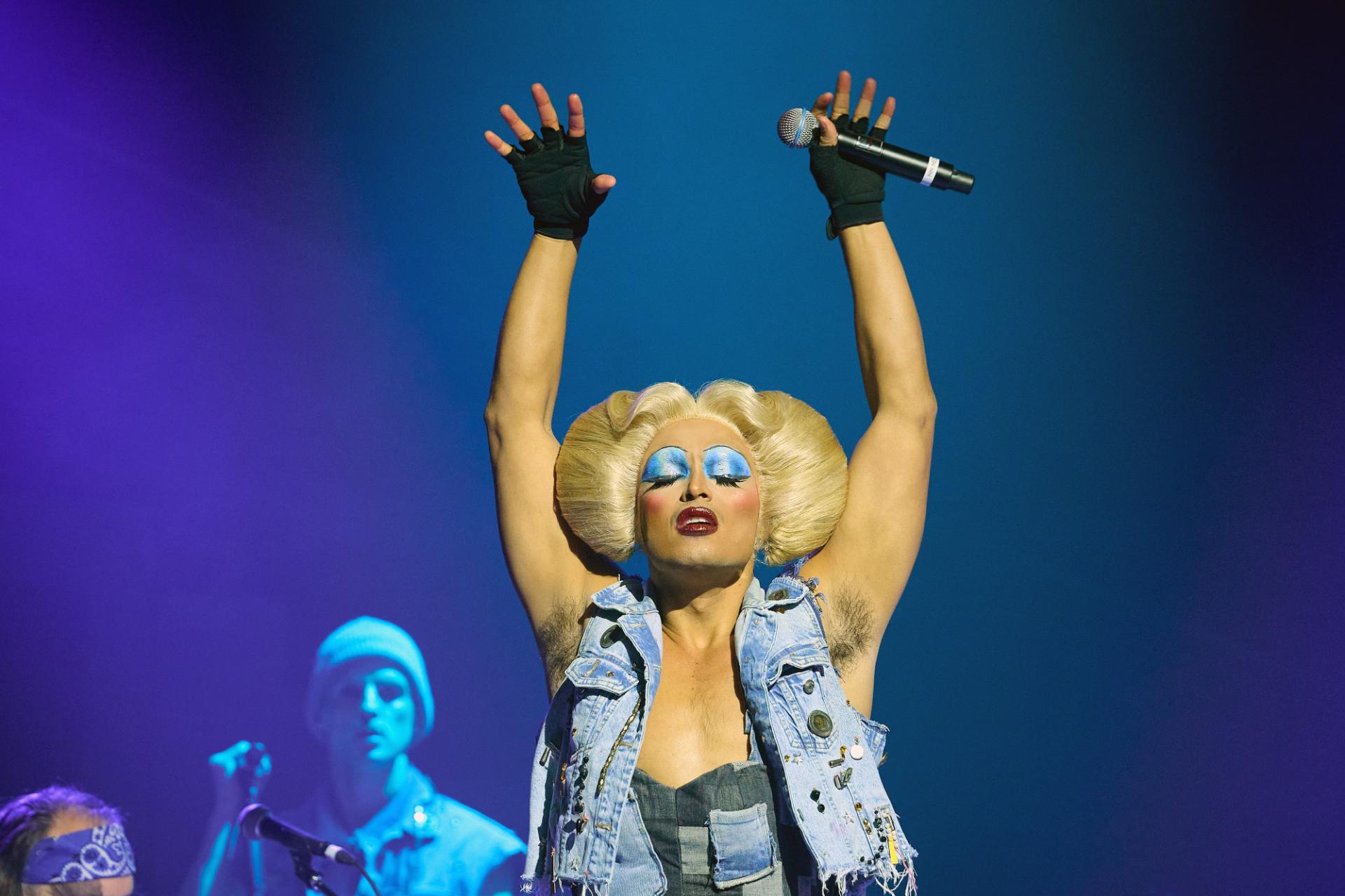
Playing the lead is a captivating and powerful Seann Miley Moore, whose audaciously extravagant approach has us persistently fascinated, but it is their exhaustive and granular familiarity with the material that insists on keeping us absolutely spellbound. Adam Noviello is extraordinary likable as Yitzhak, full of spirit even when portraying the despondency of a painfully neglected companion.

There may have been a surgical error crucial to the formation of Hedwig’s identity, but there is certainly nothing wrong with who she has become. We recognise queer heroes by the destabilisation they bring to unsound hegemonies. They are by nature contrarian, but only from the perspective of the corrupt. To them, Hedwig is an abomination and entirely perverse, where in fact she is truly magnificent and gloriously sacred.
www.hedwig.com.au

Review: Death Of A Salesman (Theatre Royal)

Venue: Theatre Royal (Sydney NSW), 17 May – 23 Jun, 2024
Playwright: Arthur Miller
Director: Neil Armfield
Cast: Aisha Aidara, Paula Arundell, Elizabeth Blackmore, Marco Chiappi, Josh Helman, Anthony Lapaglia, Simon Maiden, Ben O’Toole, Anthony Phelan, Grant Piro, Tom Stokes, Alison Whyte
Images by Jeff Busby

Theatre review
Willy Loman wants his son Biff to follow in his footsteps and take the conventional road to success, even though that journey has led Willy to great misery and discontent. It was 1949 when Arthur Miller premiered his seminal work Death of a Salesman, and all these decades later, it seems we are still persisting with Willy’s failed values and practices. The masterpiece may not have revolutionised the way we live our lives, but its resonances continue to ring powerful and true, even as we step into yet another new age of capitalism.

Technology is fast replacing humans in all manner of occupations, yet we have not discovered new methods of survival other than that which relies on the commodification of labour. People now acquiesce to paying for services provided by the very AI that are eradicating our jobs, such is the tenacity of our Willy-esque beliefs. There is no guarantee that artists are immune from that trend of substitution, but ample evidence suggests that humans will continue to make art, regardless of the form our economies might take.
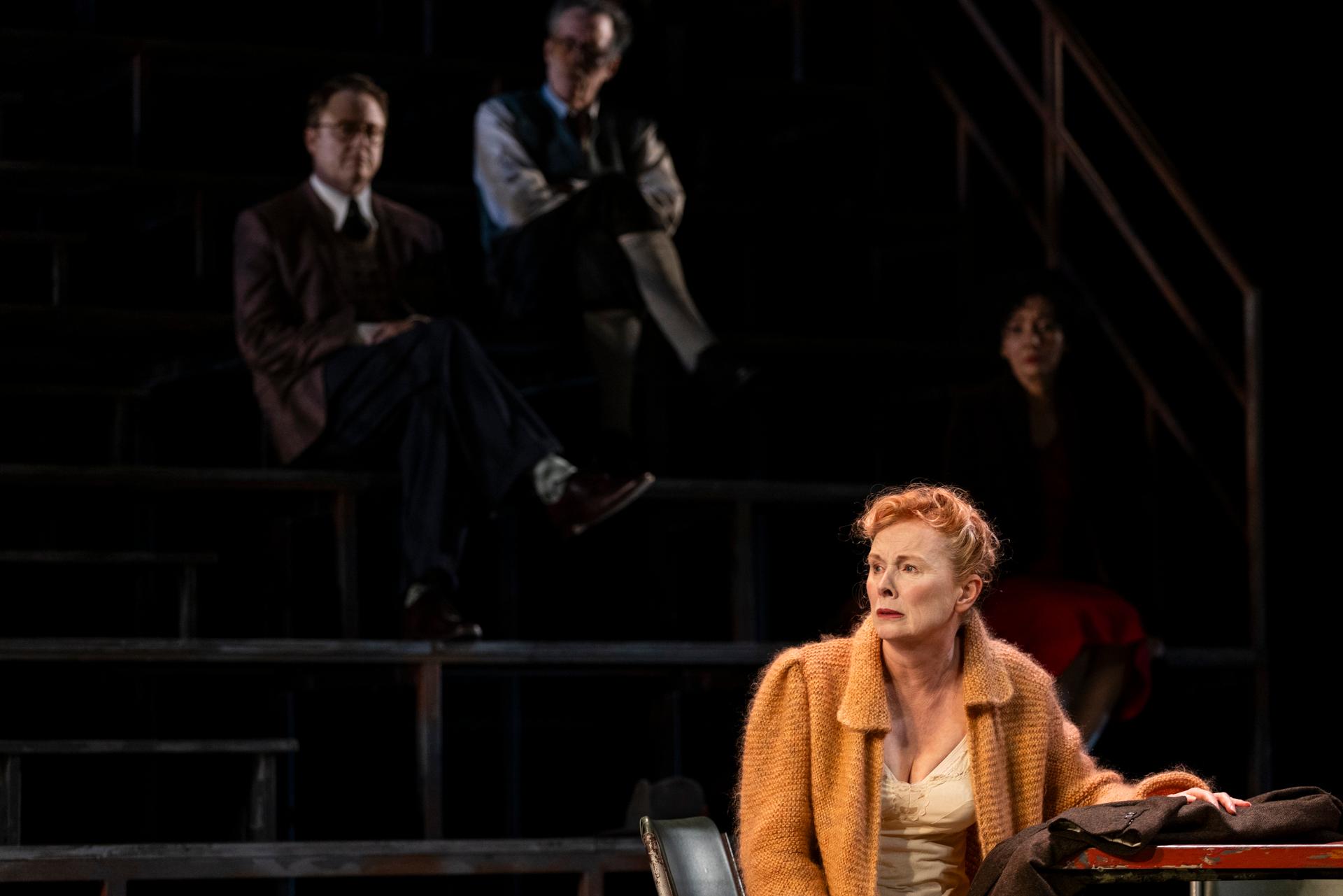
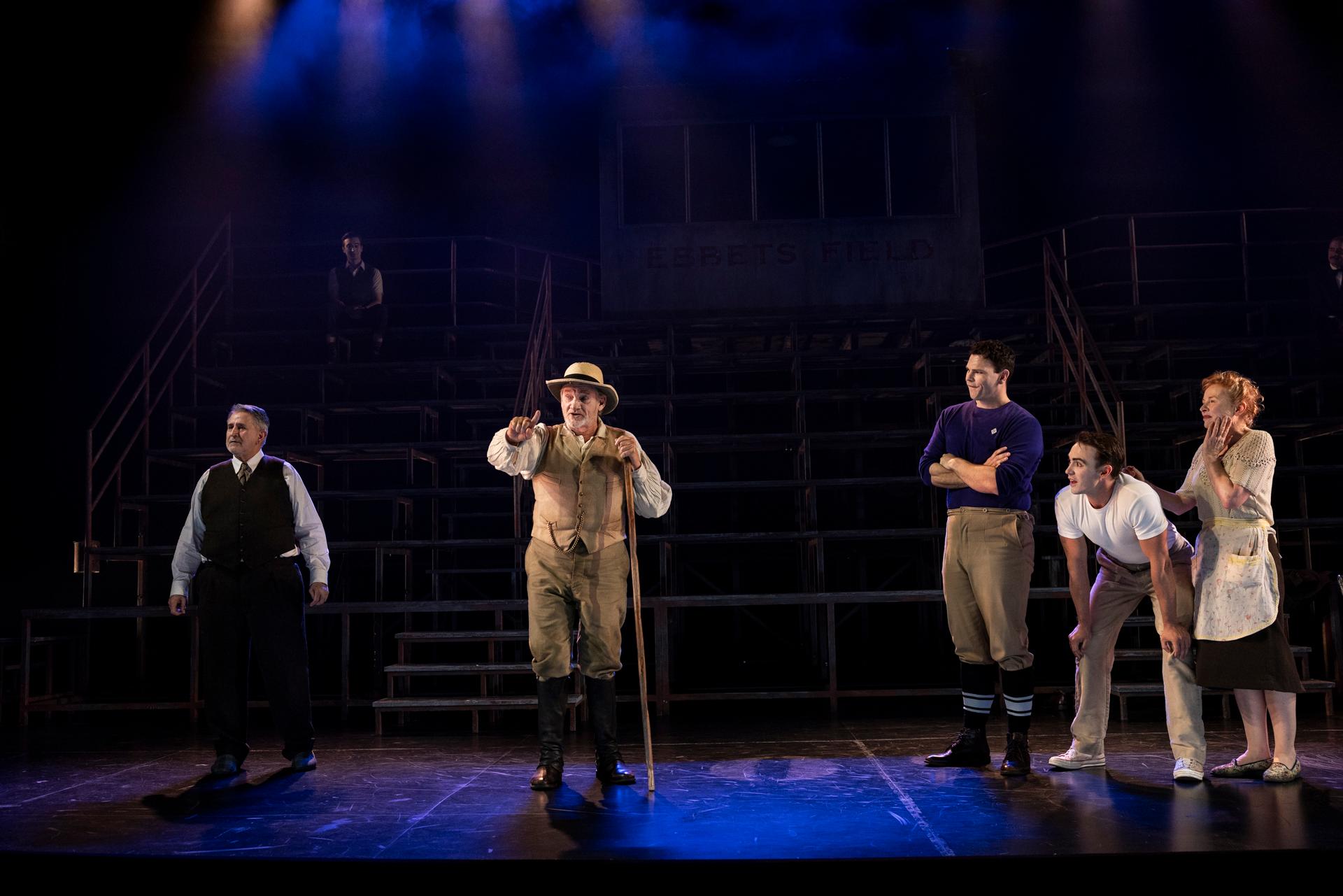
Director Neil Armfield is the calibre of artist, that one would hope continues with his vocation for years to come, even in the unimaginable circumstance of our theatre industries being taken away by machines. For Death of a Salesman, Armfield has created a staging that feels surprisingly minimal in terms of its aesthetics, yet is full of tenderness, and able to illustrate meaningfully, the point of Miller’s writing.
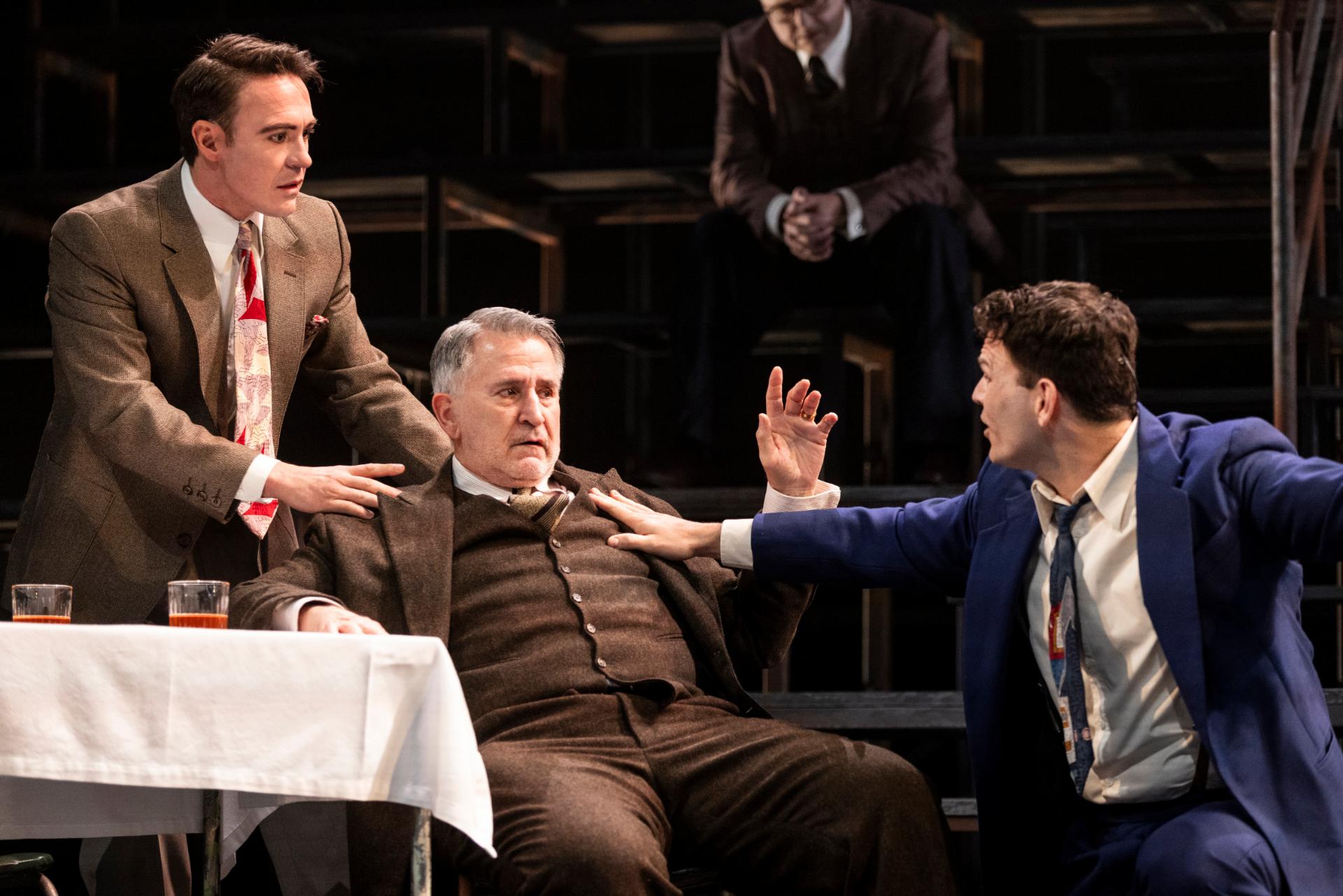
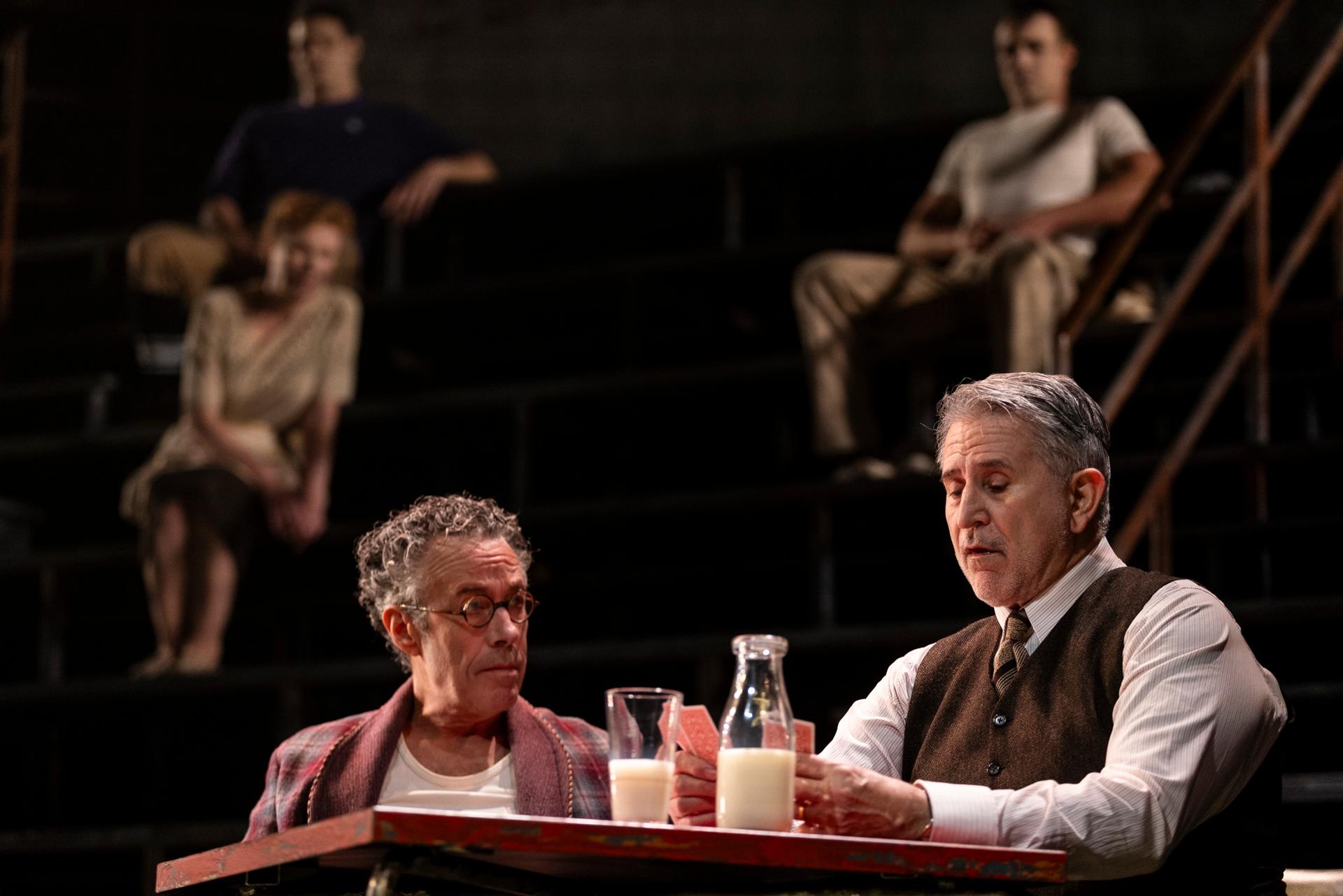
Leading man Anthony Lapaglia is thoroughly vulnerable as Willy, almost painfully so. His portrayals of a man who has all but lost his spirit, is perhaps too realistic, as we see the actor struggling to bring vigour and focus to the performance. Other members of cast are fortunately stronger. Alison Whyte positively shines, whenever Linda is allowed to speak. Biff’s multitudes of frustrations are made completely convincing by a highly emotional Josh Helman. An unmistakably intense Ben O’Toole plays the other son Happy, with much needed verve to keep us attentive, to the intricate weaving of details in the Loman family tale.

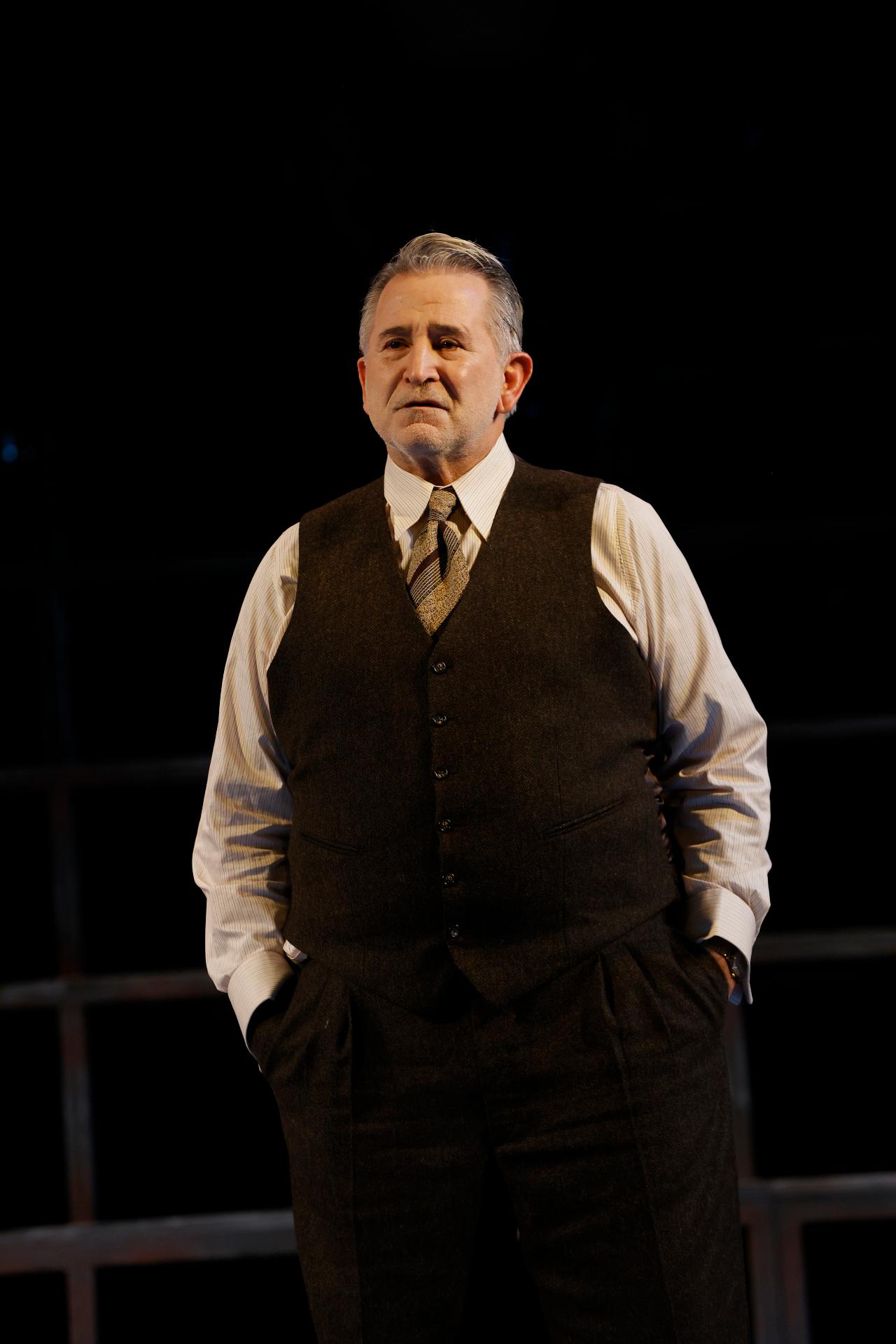
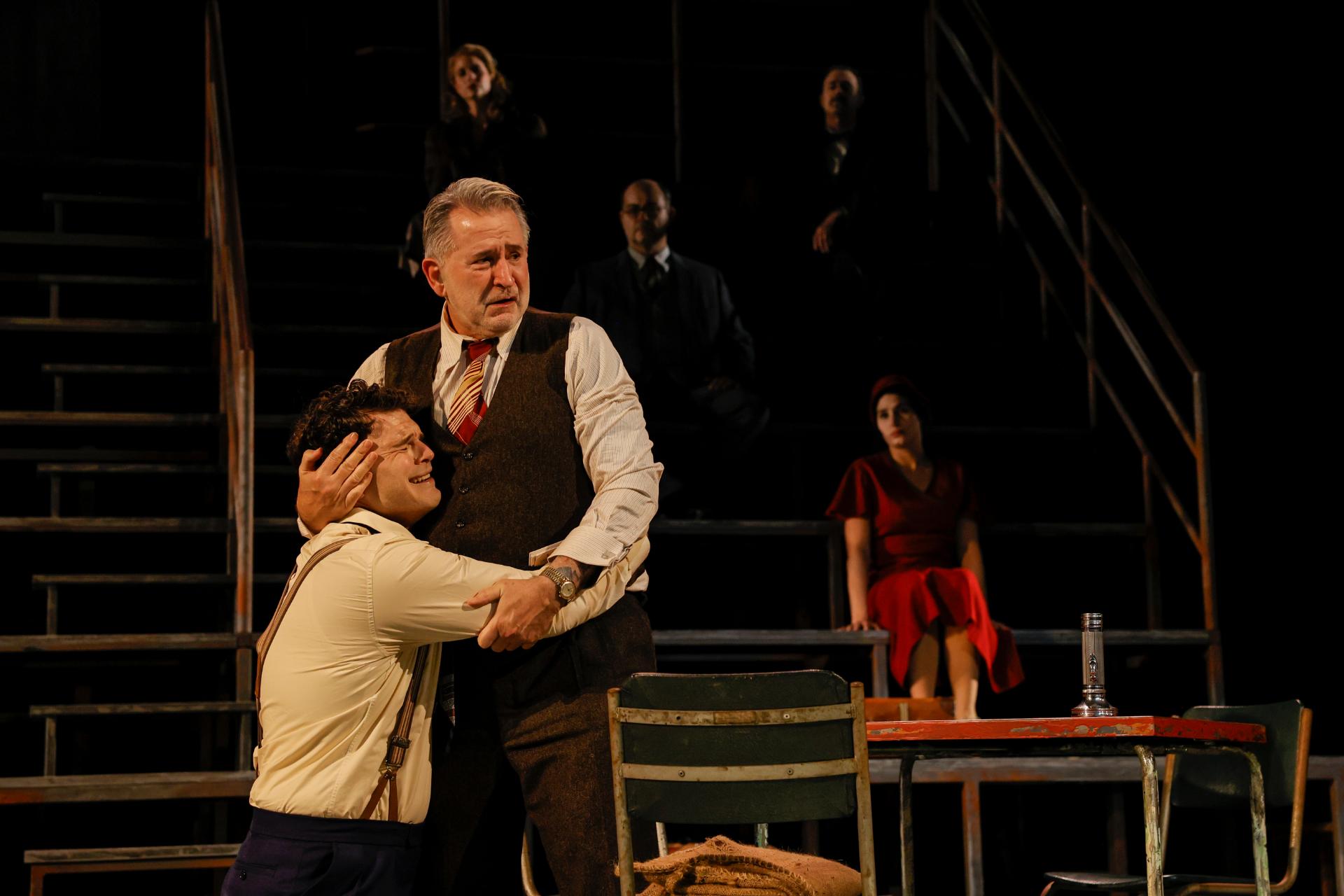
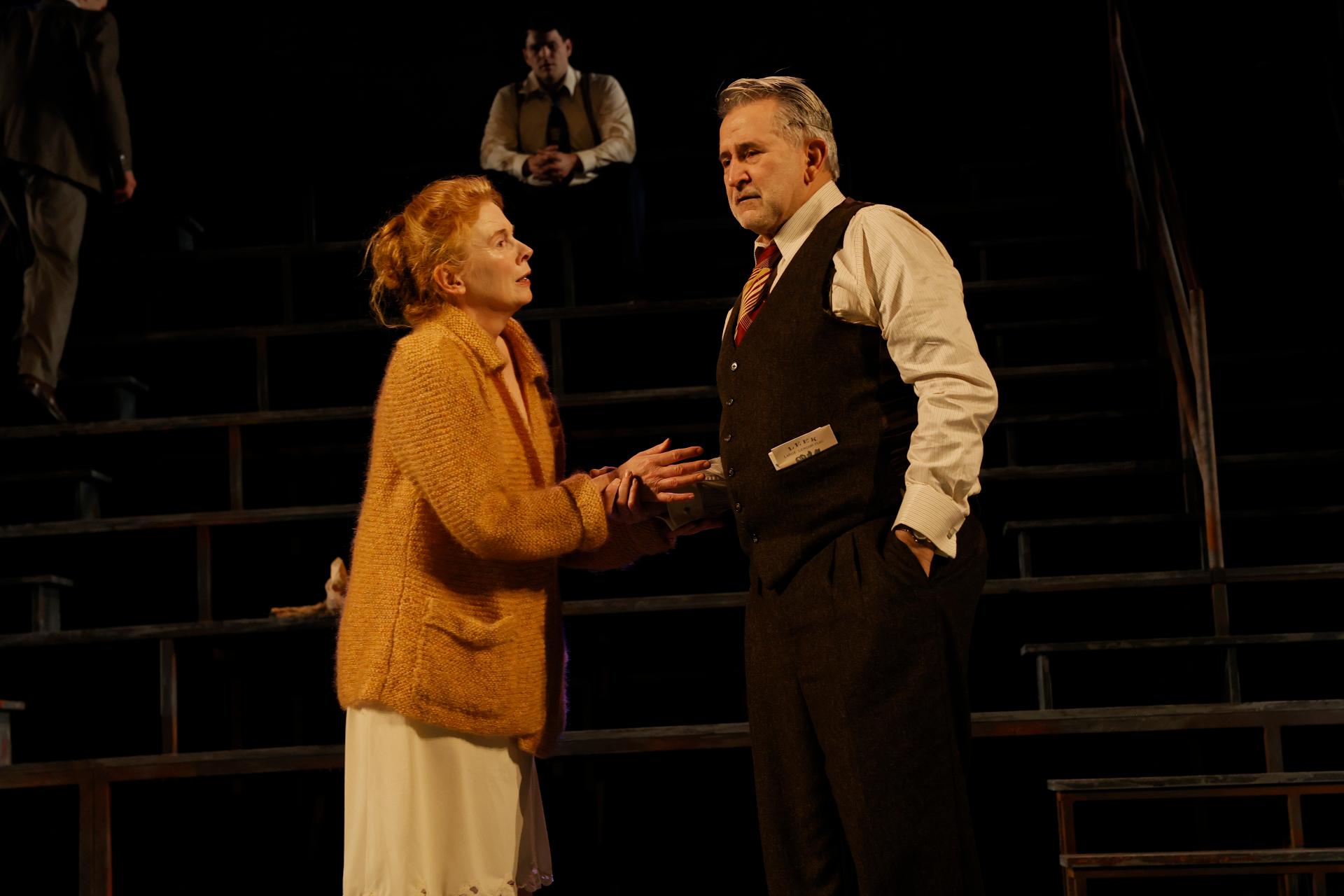
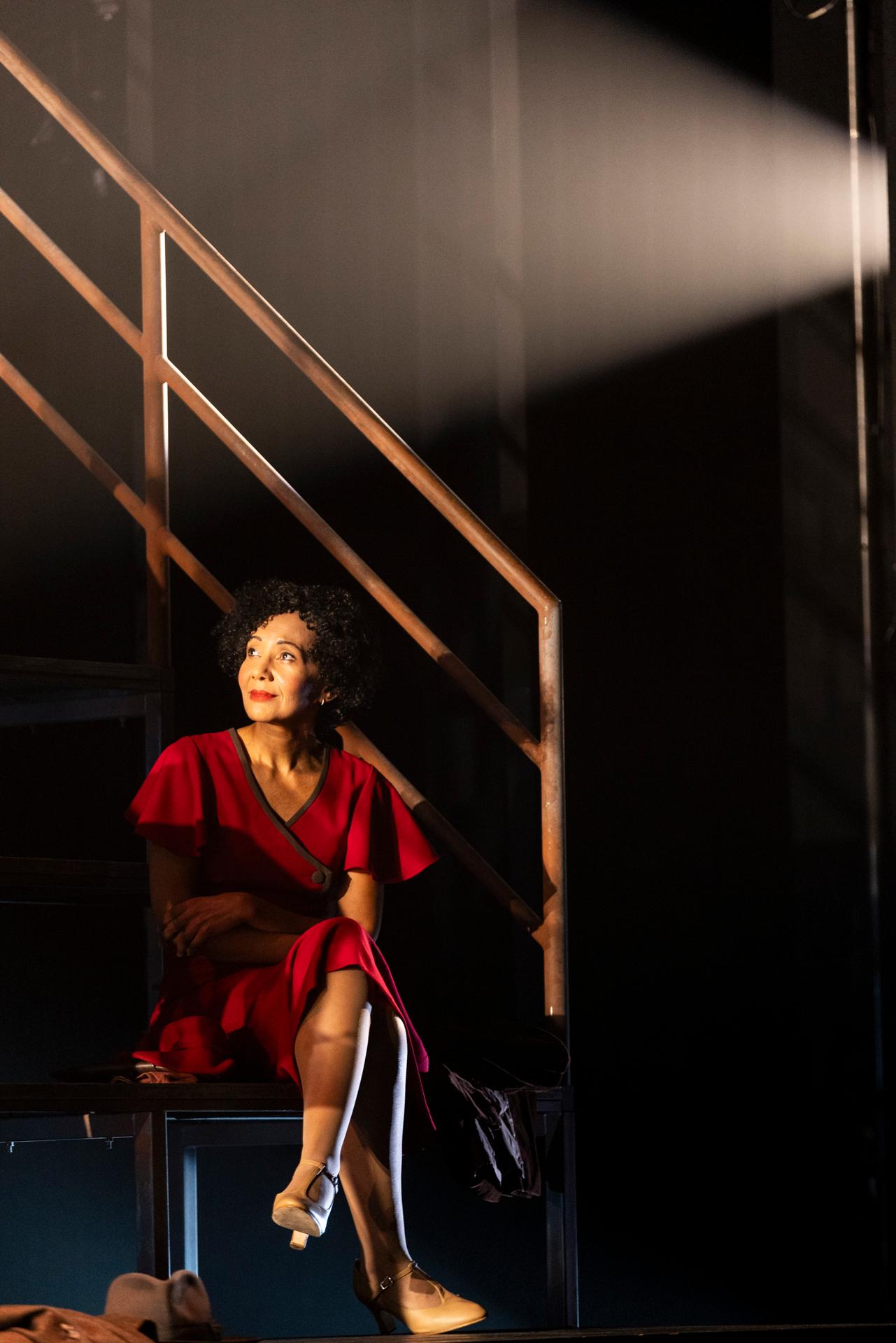
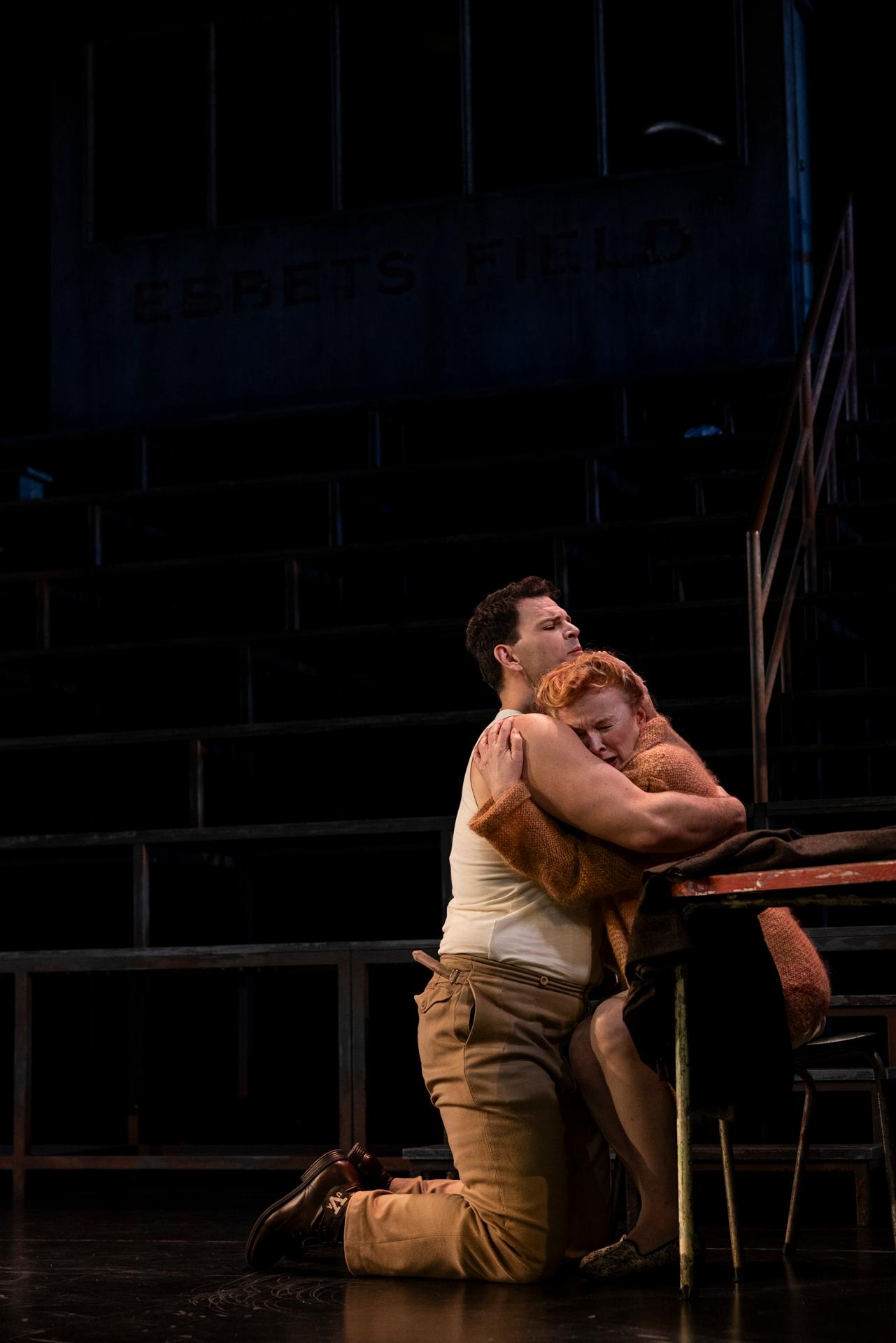
Set design by Dale Ferguson takes us to the distressed and archaic bleachers of Ebbets Field, for a visual representation of Willy’s beliefs. Costumes by Ferguson with Sophie Woodward depict with meticulous accuracy, American city life at the middle of the twentieth century. Lights by Niklas Pajanti are elegantly rendered, with an unrelenting melancholy that keeps us attuned to all the despair being conveyed. Sound and music by David Tonion are beautifully composed, emphasising a sense of regret in the storytelling, leaving us ambiguous about whether we can do better for ourselves, than what was destined for the Lomans.

www.salesmanaustralia.com.au

Review: Black, Fat And F**gy (Old Fitz Theatre)

Venue: Old Fitzroy Theatre (Woolloomooloo NSW), Apr 3 – 13, 2024
Creator: Milo Hartill
Cast: Milo Hartill
Images by Abraham de Souza

Theatre review
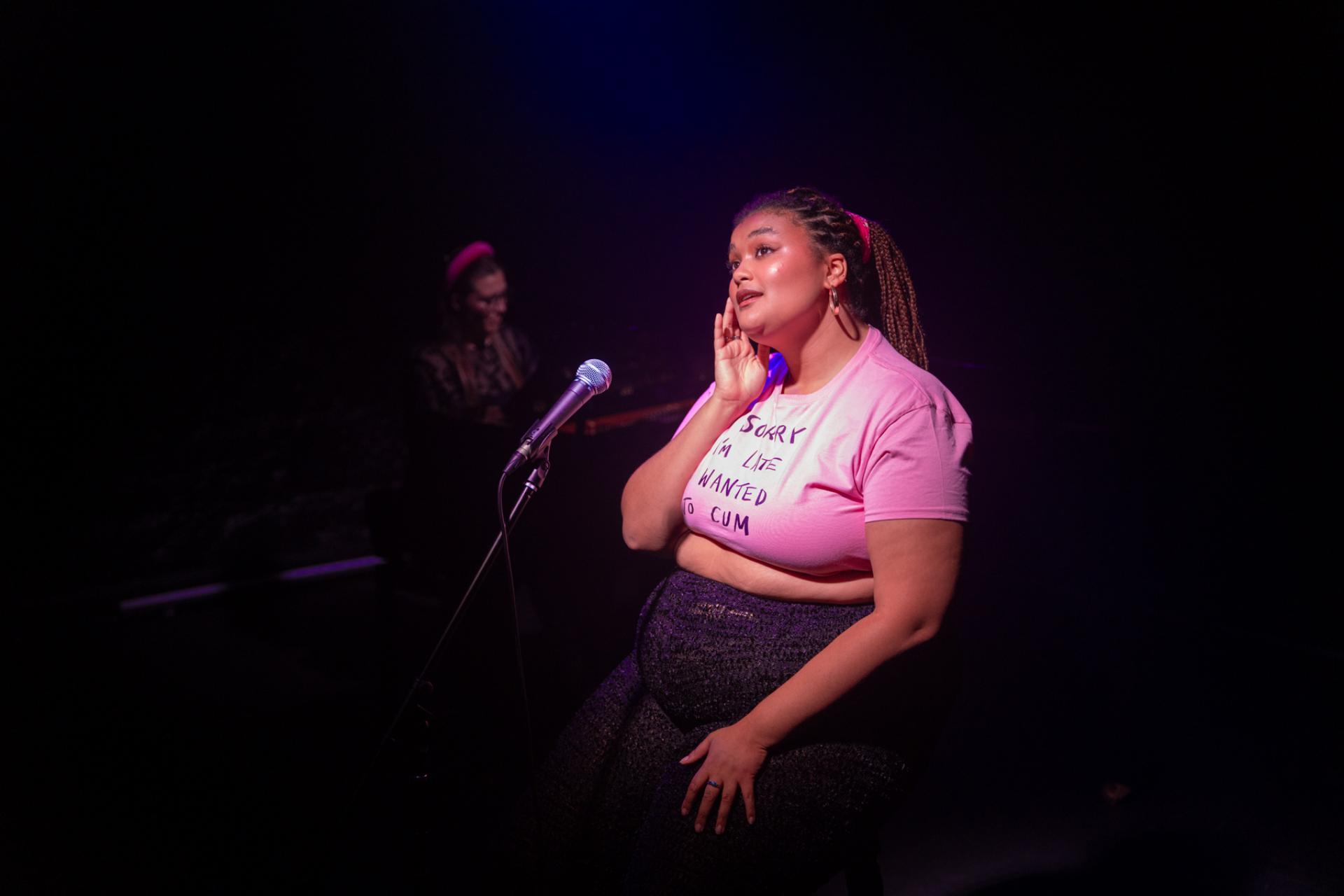
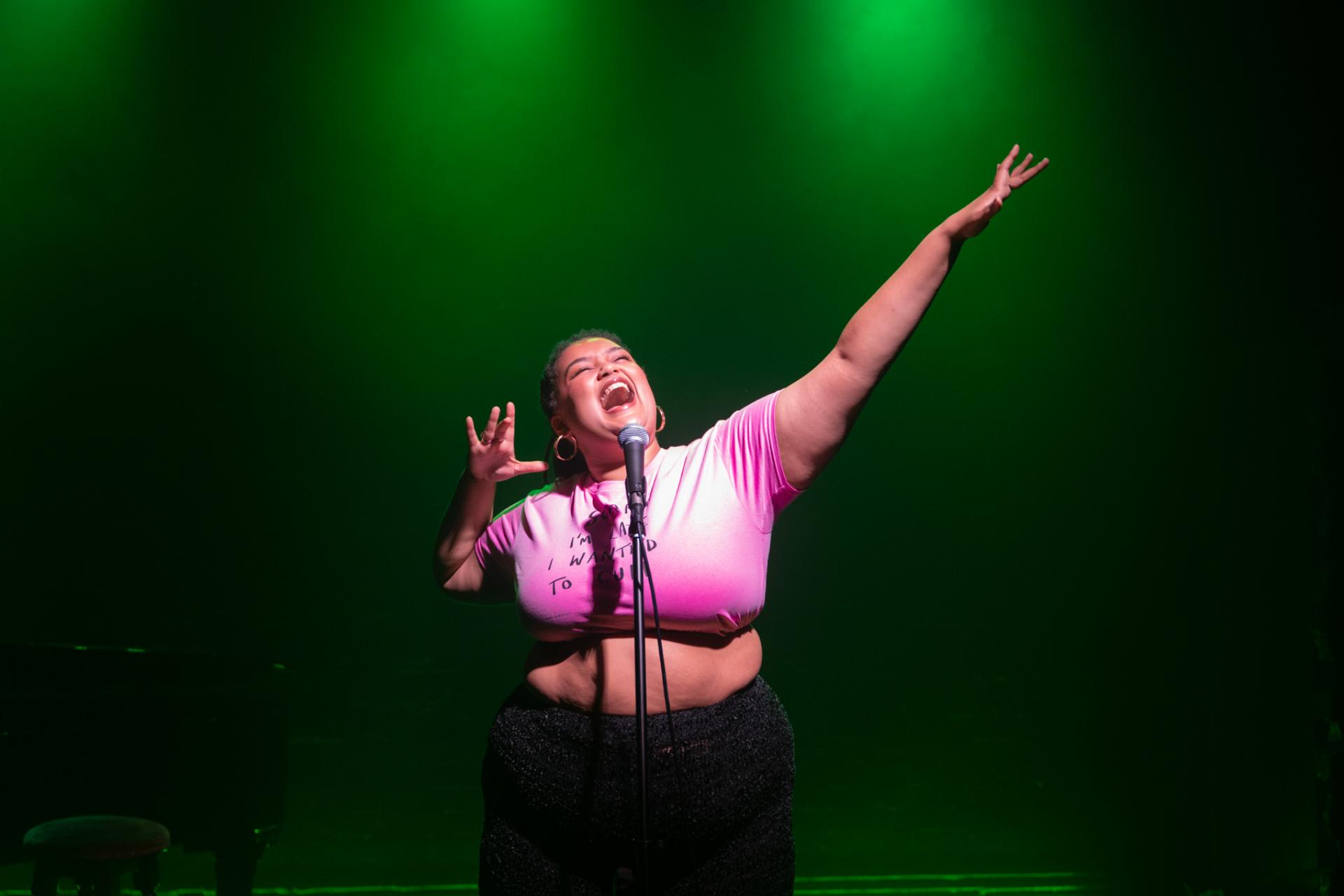
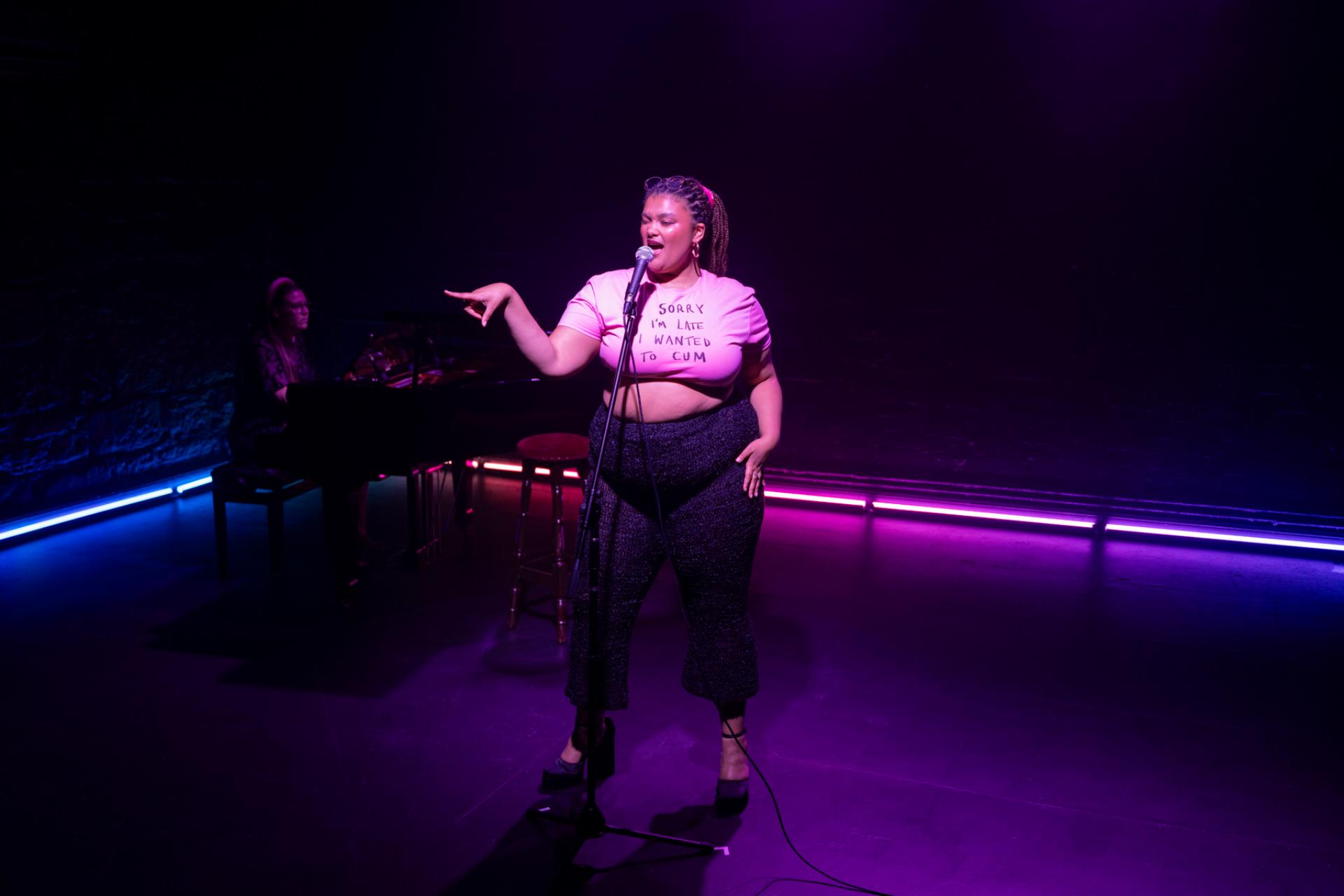
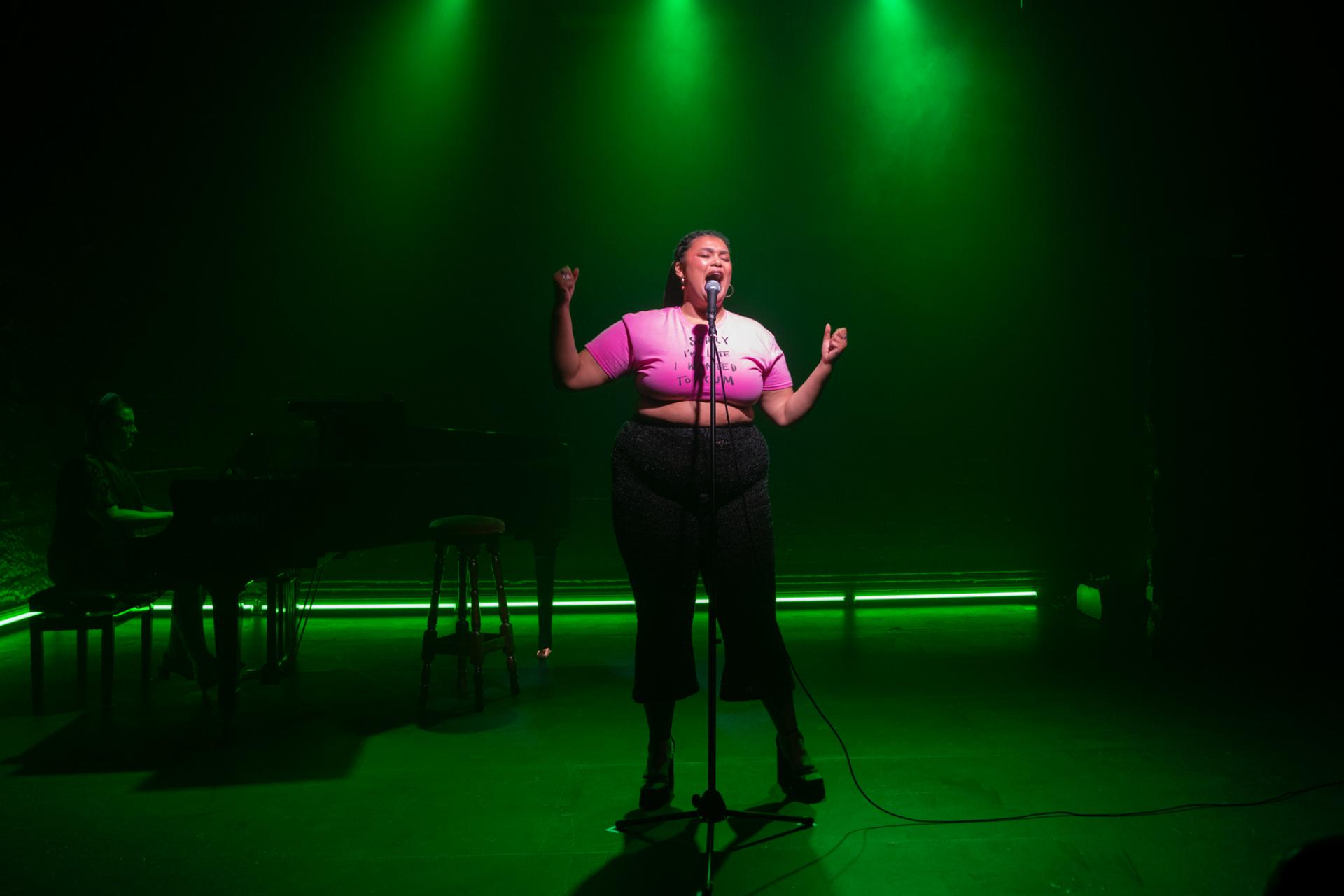
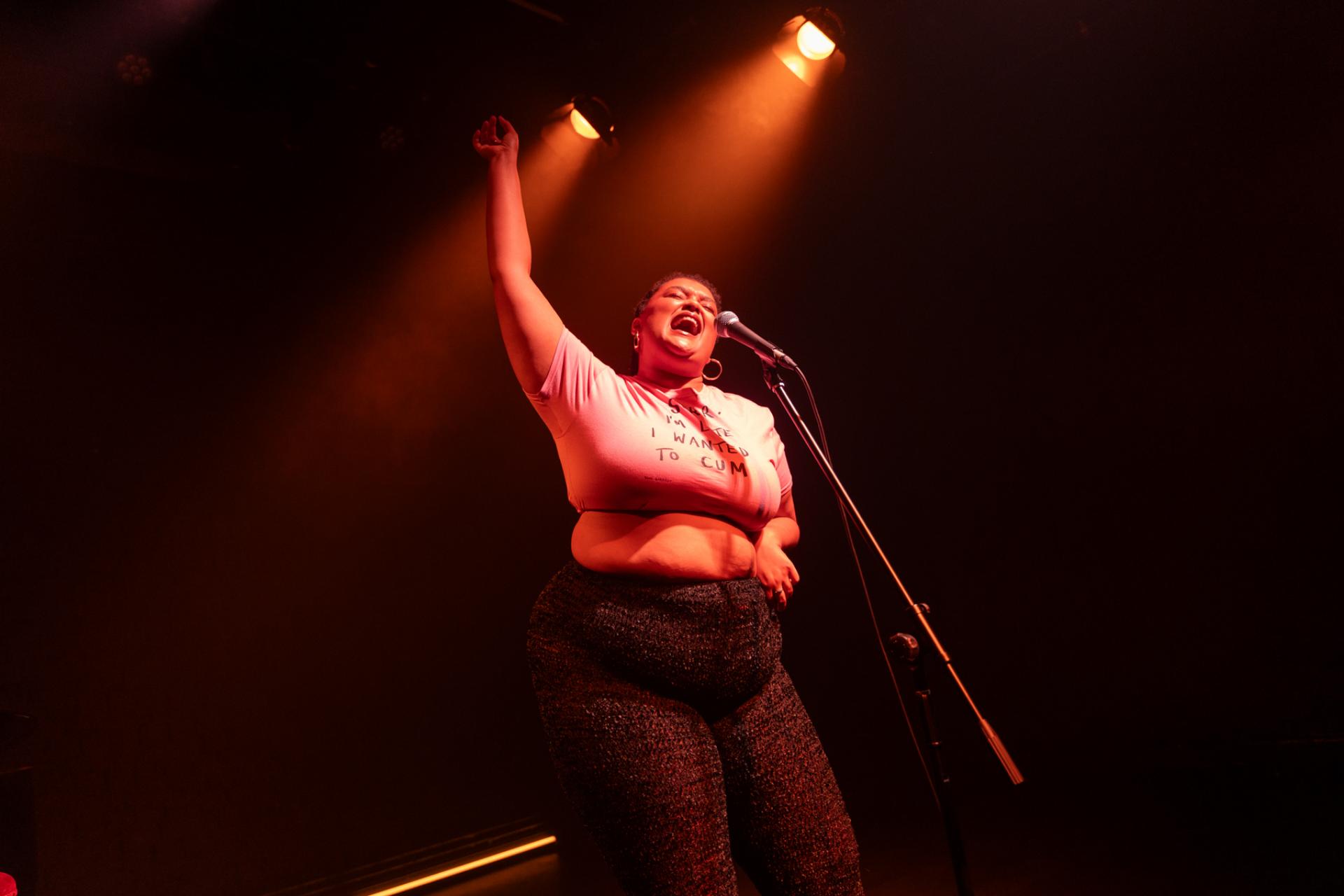
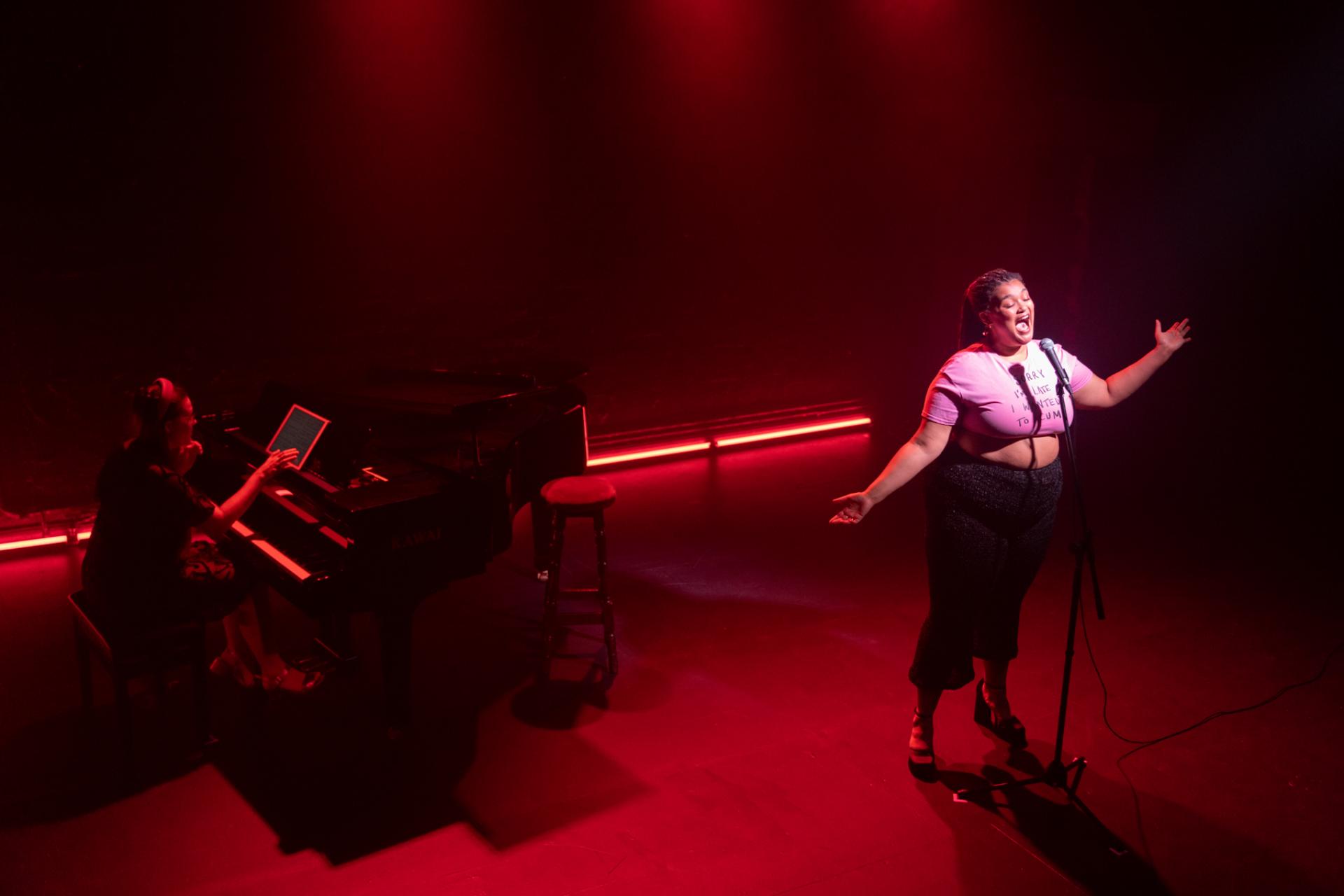
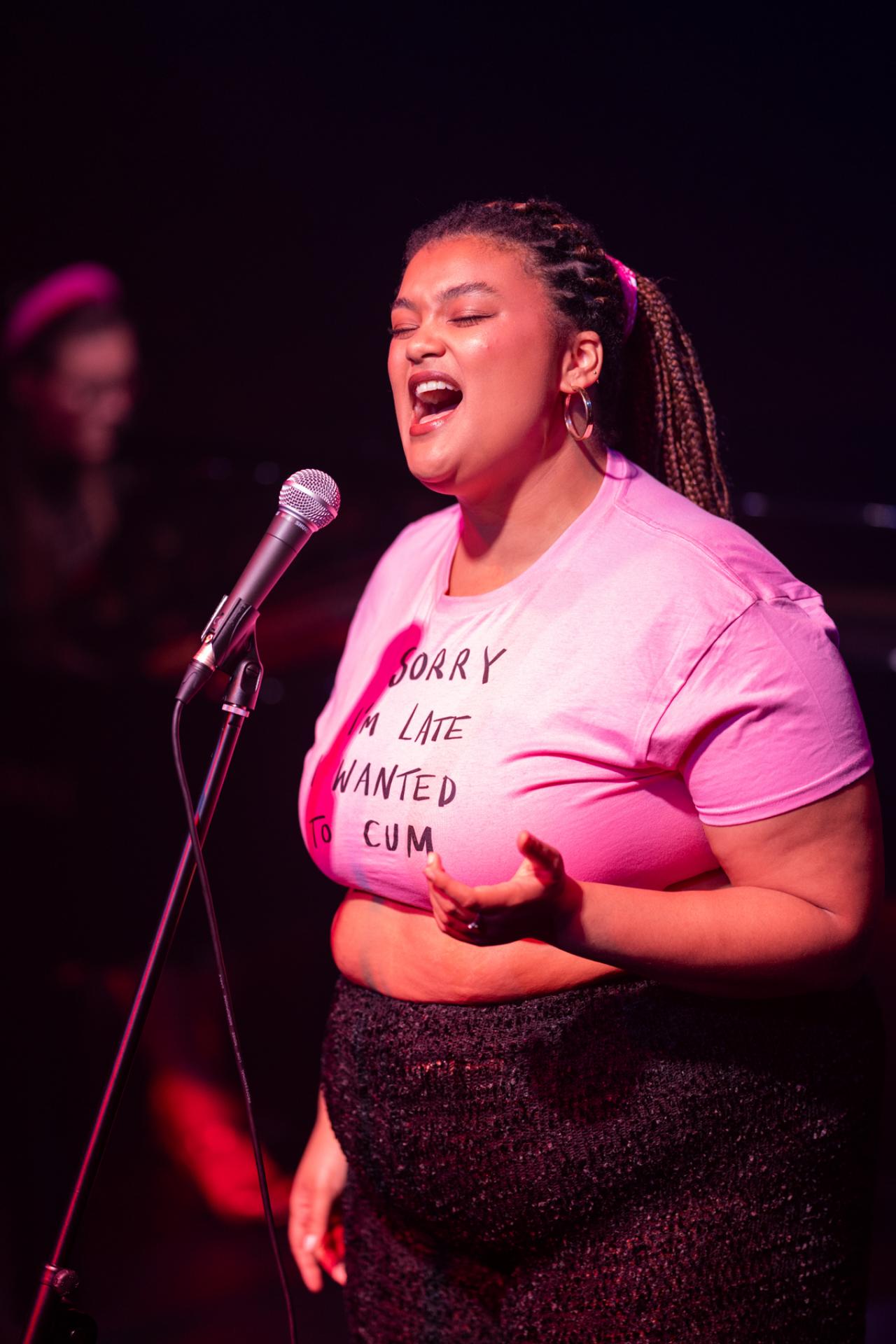
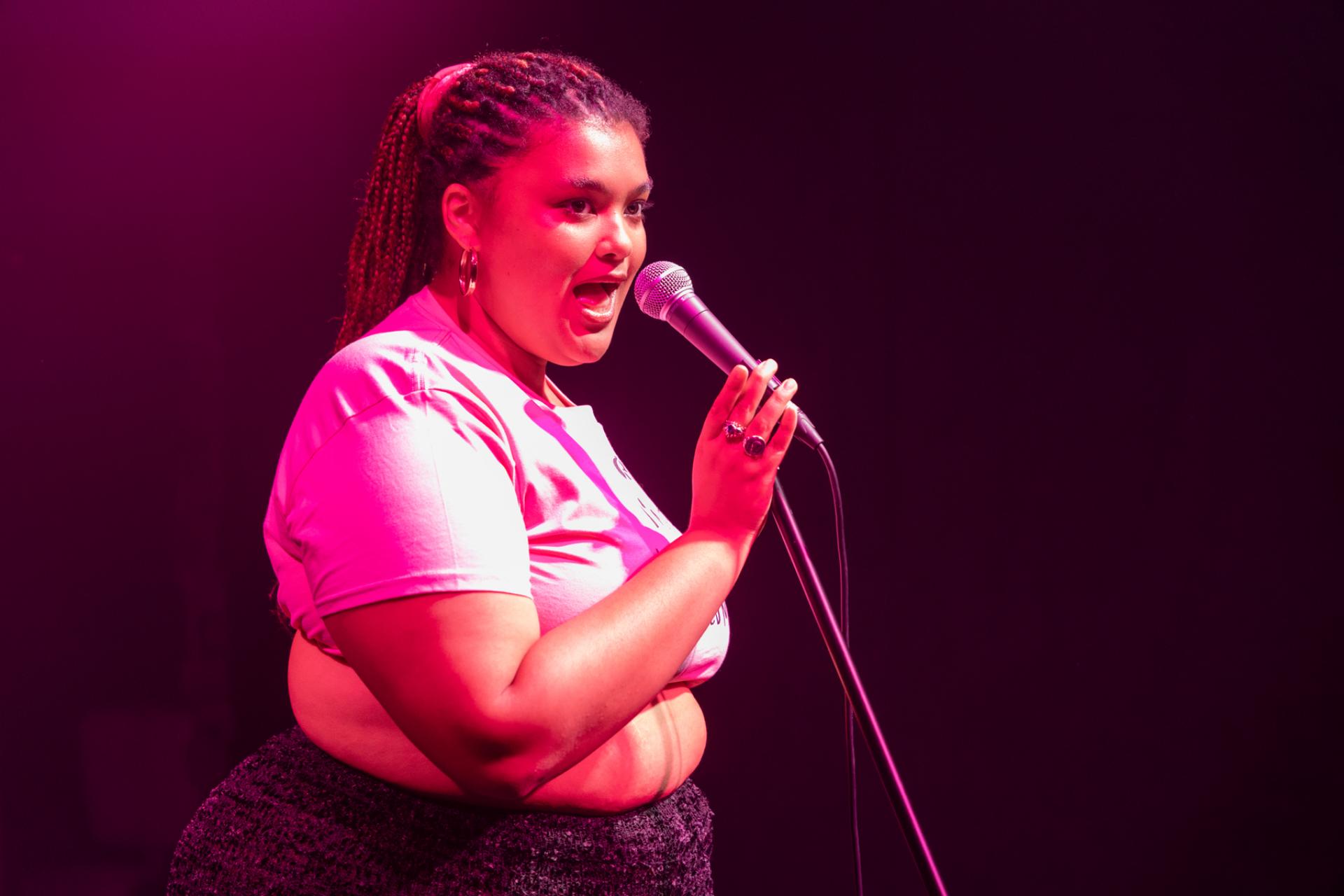
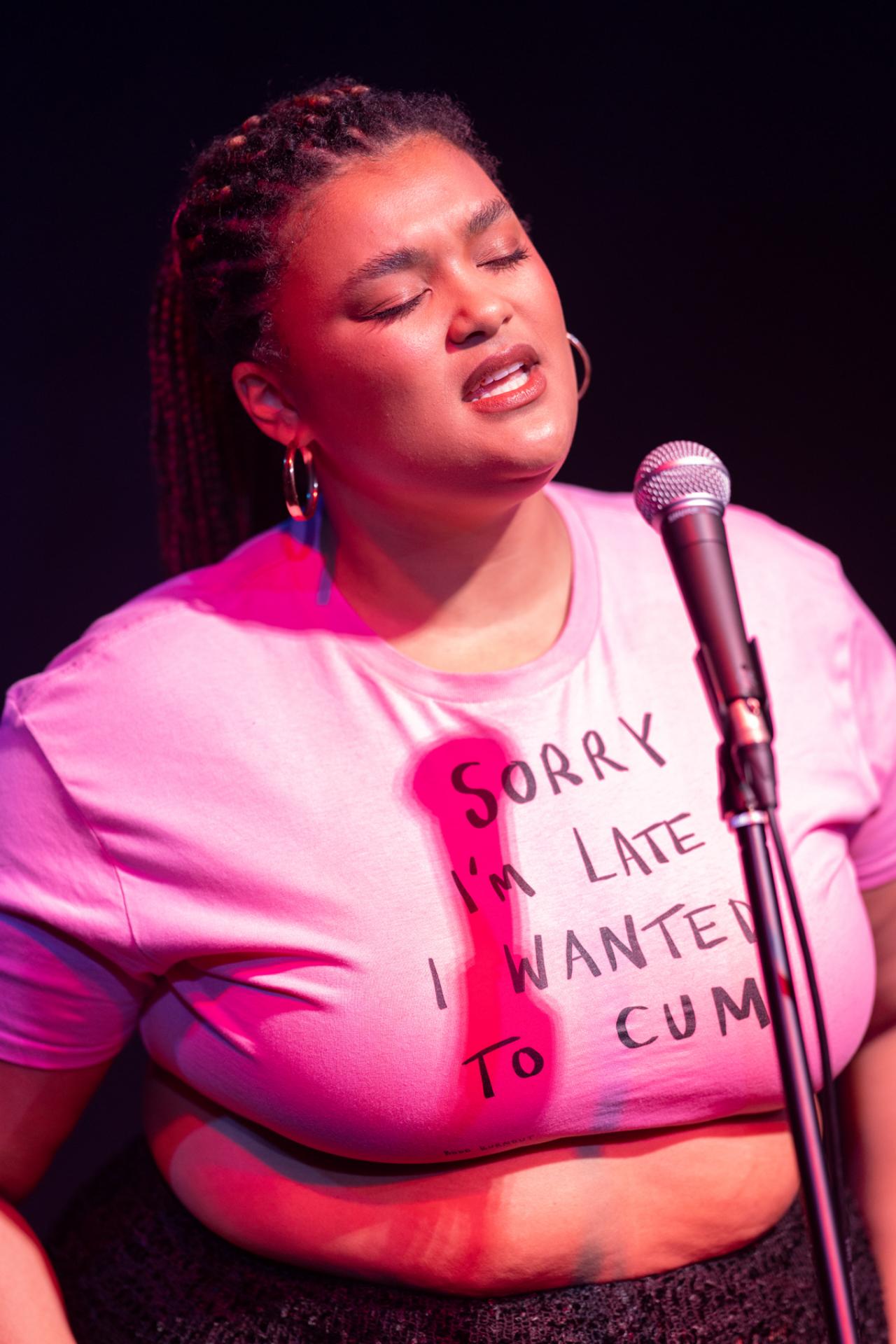
In her provocatively named Black, Fat and Fa**gy, Milo Hartill reflects on her twenty-three-year-old life, at the intersections of marginalisation that relate to all the identity markers, so vividly described in the title of her one-woman show. The presentation is a statement spawned from radical acceptance and defiant joy, of an individual overcoming obstacles of prejudice, and who has found success as a performer, influencer and model.

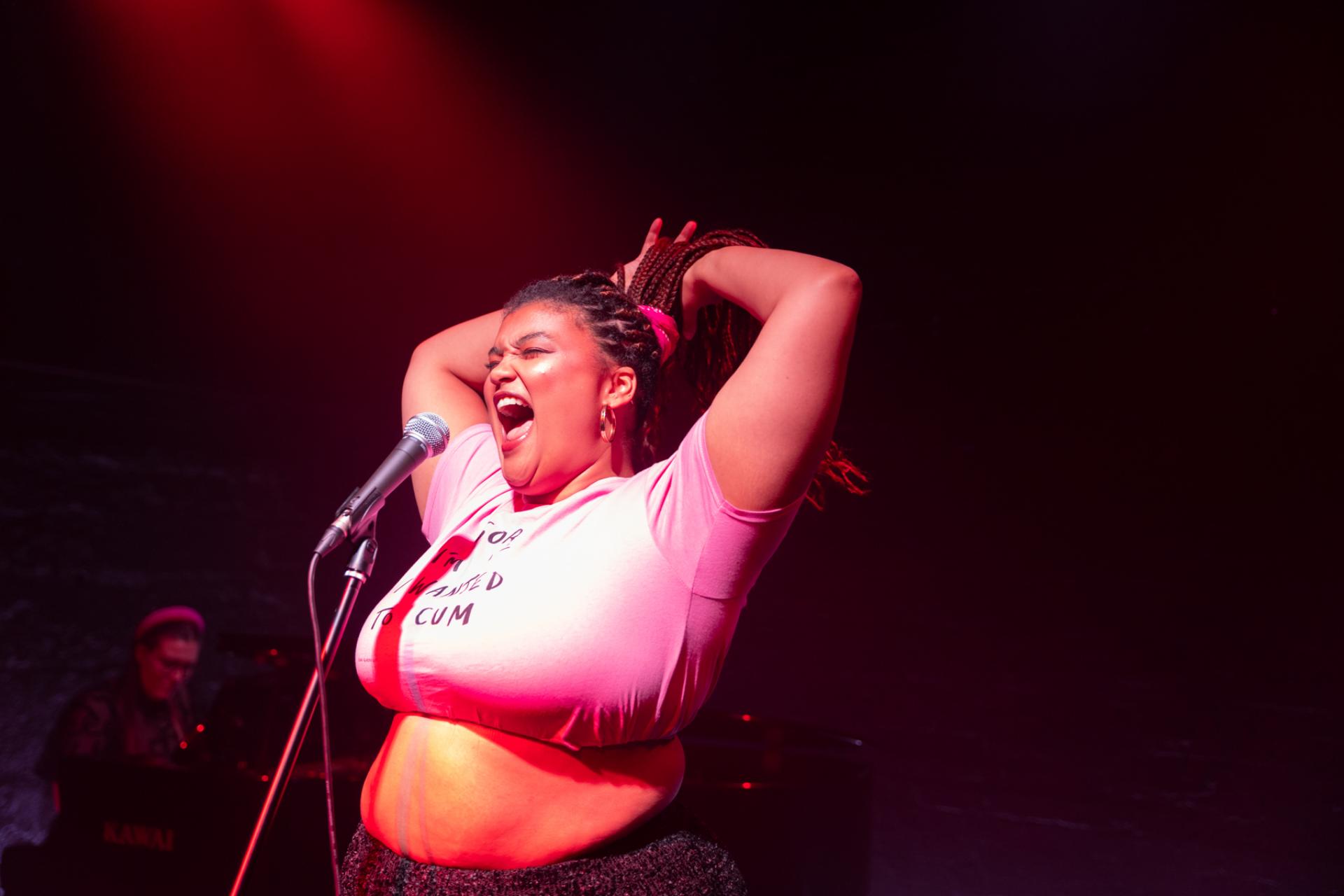
Hartill’s writing may not be the most inventive, but her skills and charisma for the stage are undeniable. Collaborator Robin Goldsworthy is credited as “head chef”, on hand to ensure that the star is never to be perceived as anything but delightful and scintillating. Music direction is provided by Lucy O’Brien whose piano accompaniment on songs from Sinatra to CupcakKe, imbues additional spiritedness to an already irrepressible force of nature. Also noteworthy are lights by Isobel Morrissey delivering unexpected atmospheric transformations that help us tune in, to every shifting nuance of what Hartill intends to convey.

Black, Fat and Fa**gy is about the indomitability of an artist who understands intimately and comprehensively, the nature of violence in all its forms. From the perspective of someone who embodies all that is antithetic of hegemonic power, Hartill demonstrates how a person may thrive in spite of forces that intend to be exhaustively annihilating. We are graciously spared having to delve too deeply into her spaces of trauma, but in the witnessing of all her celebratory assertions, it is clear what the darker dimensions of her, and by implication all of our, stories are.

www.oldfitztheatre.com.au | www.andrewhenrypresents.com